“IF YOU AREN'T BUILDING, YOU ARE DESTROYING”
COURSE 07 OF 12
Ai Content Engine
Offer development and operating practice — source-linked curriculum
Working teaching for review; source and dependency gaps remain identified in each module.
Lesson 07.1
- riser-first-dollar-forge-v3 (2).html — source 1 · riser-first-dollar-forge-v3 (2).html — source 2 · Study in lesson 07.1
- riser-first-dollar-forge.html — source 1 · Study in lesson 07.1
- RISER-Funnel-Hacking-Methodology-SOP.docx — source 1 · Study in lesson 07.1
- RISER-JV-Deal-Structures-Commission-Terms-SOP.docx — source 1 · Study in lesson 07.1
- RISER-Master-SOP-Catalogue (1).docx — source 1 · RISER-Master-SOP-Catalogue (1).docx — source 2 · Study in lesson 07.1
- RISER-MVO-Widget-Explainer-Script.docx — source 1 · Study in lesson 07.1
- RISER-Offer-Stacking-Unbundling-Strategy-SOP.docx — source 1 · Study in lesson 07.1
- RISER-Operators-Flow.html — source 1 · Study in lesson 07.1
- RISER-Operators-Flow.md — source 1 · Study in lesson 07.1
Lesson 07.4
Offer design and operating-system resources
Open each assigned source or its teaching section.
Lesson 07.1
- RISER_Nation_Offer_Marketing_Engine_v3_(Step_8).docx — source · Study this source in lesson 07.1
- RISER_Prompt_System_Marketability_Analysis (1).docx — source · Study this source in lesson 07.1
- RISER-Affiliate-Program-Architecture-SOP.docx — source · Study this source in lesson 07.1
- RISER-Behavioral-Logic-Nudge-Theory-SOP.docx — source · Study this source in lesson 07.1
- RISER-Dead-Offer-Resurrection-Playbook-SOP.docx — source · Study this source in lesson 07.1
- RISER-Downsell-Paths-SOP.docx — source · Study this source in lesson 07.1
Assigned audit and sales-letter resources
Open the supporting documents or go directly to their teaching sections. These resources follow the course and lesson assignments.
Lesson 07.1
- QM-Audit-C9-Scorecard.xlsx — original document · Study QM-Audit-C9-Scorecard.xlsx in Lesson 07.1
- QM-Audit-C9.json — original document · Study QM-Audit-C9.json in Lesson 07.1
- QM-Audit-Notes.md — C10 audit notes · QM-Audit-Notes.md — C9 audit notes · Study QM-Audit-Notes.md in Lesson 07.1
- RISER — 4 Anchor Point — Product Description + Sales Letter — original document · Study RISER — 4 Anchor Point — Product Description + Sales Letter in Lesson 07.1
Course 07 — sources for the added teaching sections
Course 07 — sources for the added teaching sections
Course 07 — sources for the added teaching sections
Course 07 — sources for the added teaching sections
Course 07 — sources for the added teaching sections
Course 07 — sources for the added teaching sections
Course 07 — sources for the added teaching sections
Course 07 — sources for the added teaching sections
Course 07 — sources for the added teaching sections
Course 07 — sources for the added teaching sections
Course 07 — sources for the added teaching sections
Course 07 — sources for the added teaching sections
Course 07 — sources for the added teaching sections
Course 07 — sources for the added teaching sections
Course 07 — sources for the added teaching sections
Course 07 — sources for the added teaching sections
Course 07 — sources for the added teaching sections
Course 07 — sources for the added teaching sections
Course 07 — sources for the added teaching sections
Course 07 — sources for the added teaching sections
Course 07 — sources for the added teaching sections
Course 07 — sources for the added teaching sections
Course 07 — sources for the added teaching sections
Course 07 — sources for the added teaching sections
Course 07 — sources for the added teaching sections
Course 07 — sources for the added teaching sections
Course 07 — sources for the added teaching sections
Course 07 — sources for the added teaching sections
Course 07 — sources for the added teaching sections
Course 07 — sources for the added teaching sections
Course 07 — sources for the added teaching sections
Course 07 — sources for the added teaching sections
Course 07 — sources for the added teaching sections
Course 07 — sources for the added teaching sections
Course 07 — sources for the added teaching sections
Course 07 — sources for the added teaching sections
Course 07 — sources for the added teaching sections
Course 07 — offer design, launch and retention sources
Course 07 — sources for the added teaching sections
Course 07 — sources for the added teaching sections
Produce useful, original content through a repeatable four-week workflow.
Start with: Bring your customer evidence, message pillars, offer, and distribution plan.
Framework connection: Connect Brunson’s hook, story, and offer with a clear customer result. Preserve the workbook’s Brendan Kane-inspired Hook Point research and platform-specific experimentation.
What will you learn in Ai Content Engine?
Produce useful, original content through a repeatable four-week workflow.
What should you complete first?
Bring your customer evidence, message pillars, offer, and distribution plan.
How do you use the lessons?
Follow the course outline in order. Open each lesson for its written teaching, implementation tasks, and assigned source links. Source access follows the original document permissions.
Curriculum draft for review. Lesson scripts are being checked against the assigned source material.
Course curriculum
- 07.1 Define Content Pillars, Hooks and Source Assets
Customer questions, objections, pains, desired outcomes, stories, proof and point of view. Content pillars, formats, funnel stage, search intent and calls to action. Long-form source assets and editorial calendar. Leader-pattern research and a professional publishing identity focused on consistent, original execution rather than novelty alone. Brendan Kane-inspired Hook Point research: identify the familiar pattern, interruption, audience promise, unanswered question and reason to continue within the opening seconds or first screen. Build separate visual, verbal, written and conceptual hook variants; the hook must accurately lead to the delivered content and may not manufacture shock, proof, scarcity or certainty. Measure stop rate, early retention, average percentage viewed, qualified engagement, click-through, lead quality and revenue—not attention alone.
- 07.2 Build the One-to-Many Repurposing Workflow
Article, newsletter, video, podcast, short-form video, static post, carousel, email and community adaptations. Canva, AI video, audio, image, transcription and editing use cases. Platform-native formatting rather than indiscriminate cross-posting.
- 07.3 Add Brand, Fact-Check and Approval Safeguards
Brand voice, source citations, claims, copyright, likeness, disclosure, accessibility, captions and alt text. Human approval, version control, correction process and publishing permissions.
- 07.4 PROOF GATE: Four-Week Content System and Published Proof
Four-week calendar. One source asset repurposed into approved derivatives. Published examples and performance baseline. Content SOP and quality checklist. Repeated promotion through varied hooks, examples, formats, platforms, stories, objections, and calls to action without publishing duplicates or spam. --
Lessons and implementation
07.1 Define Content Pillars, Hooks and Source Assets
Assigned documents and teaching
- riser-first-dollar-forge-v3 (2).html — source 1 · riser-first-dollar-forge-v3 (2).html — source 2 · Study in lesson 07.1
- riser-first-dollar-forge.html — source 1 · Study in lesson 07.1
- RISER-Funnel-Hacking-Methodology-SOP.docx — source 1 · Study in lesson 07.1
- RISER-JV-Deal-Structures-Commission-Terms-SOP.docx — source 1 · Study in lesson 07.1
- RISER-Master-SOP-Catalogue (1).docx — source 1 · RISER-Master-SOP-Catalogue (1).docx — source 2 · Study in lesson 07.1
- RISER-MVO-Widget-Explainer-Script.docx — source 1 · Study in lesson 07.1
- RISER-Offer-Stacking-Unbundling-Strategy-SOP.docx — source 1 · Study in lesson 07.1
- RISER-Operators-Flow.html — source 1 · Study in lesson 07.1
- RISER-Operators-Flow.md — source 1 · Study in lesson 07.1
Supporting documents and teaching sections
- RISER_Nation_Offer_Marketing_Engine_v3_(Step_8).docx — source · Study this source in lesson 07.1
- RISER_Prompt_System_Marketability_Analysis (1).docx — source · Study this source in lesson 07.1
- RISER-Affiliate-Program-Architecture-SOP.docx — source · Study this source in lesson 07.1
- RISER-Behavioral-Logic-Nudge-Theory-SOP.docx — source · Study this source in lesson 07.1
- RISER-Dead-Offer-Resurrection-Playbook-SOP.docx — source · Study this source in lesson 07.1
- RISER-Downsell-Paths-SOP.docx — source · Study this source in lesson 07.1
Supporting documents and teaching sections
- QM-Audit-C9-Scorecard.xlsx — original document · Study QM-Audit-C9-Scorecard.xlsx in Lesson 07.1
- QM-Audit-C9.json — original document · Study QM-Audit-C9.json in Lesson 07.1
- QM-Audit-Notes.md — C10 audit notes · QM-Audit-Notes.md — C9 audit notes · Study QM-Audit-Notes.md in Lesson 07.1
- RISER — 4 Anchor Point — Product Description + Sales Letter — original document · Study RISER — 4 Anchor Point — Product Description + Sales Letter in Lesson 07.1
Lesson 07.1 — full teaching and supporting documents
Study this lesson in six consecutive parts. Each part contains its assigned teaching, supporting document links and complete available source appendices. Start with Part 1 and follow the numbered navigation.
The lesson numbering and course assignments remain the same. Video placeholders, teaching examples, practical work and references are included within the lesson parts where provided.
Find a previously bookmarked lesson section
These section links preserve earlier lesson bookmarks and lead to the corresponding teaching or source section in the lesson parts.
Open this section in Lesson 07.1, Part 1 — d0261-working-problems-07.1
Open this section in Lesson 07.1, Part 1 — d0261-working-macro-07.1
Open this section in Lesson 07.1, Part 1 — d0261-working-platform-07.1
Open this section in Lesson 07.1, Part 1 — d0261-working-assets-07.1
Open this section in Lesson 07.1, Part 1 — d0261-working-decisions-07.1
Open this section in Lesson 07.1, Part 1 — d0261-working-persuasion-07.1
Open this section in Lesson 07.1, Part 1 — d0261-working-operator-07.1
Open this section in Lesson 07.1, Part 1 — d0261-working-orientation-07.1
Open this section in Lesson 07.1, Part 1 — d0261-working-direction-07.1
Open this section in Lesson 07.1, Part 1 — d0261-working-skills-07.1
Open this section in Lesson 07.1, Part 1 — d0261-working-audience-07.1
Open this section in Lesson 07.1, Part 1 — d0261-working-value-ladder-07.1
Open this section in Lesson 07.1, Part 1 — d0261-working-technical-seo-07.1
Open this section in Lesson 07.1, Part 1 — d0261-working-narrative-07.1
Open this section in Lesson 07.1, Part 1 — d0261-working-persuasive-language-07.1
Open this section in Lesson 07.1, Part 1 — d0261-working-governance-07.1
Open this section in Lesson 07.1, Part 1 — d0261-working-buying-intent-07.1
Open this section in Lesson 07.1, Part 1 — d0261-working-content-production-07.1
Open this section in Lesson 07.1, Part 1 — d0261-working-outcome-messaging-07.1
Open this section in Lesson 07.1, Part 1 — d0261-working-mapping-operations-07.1
Open this section in Lesson 07.1, Part 1 — d0261-working-pattern-recognition-07.1
Open this section in Lesson 07.1, Part 1 — d0261-working-storyselling-07.1
Open this section in Lesson 07.1, Part 1 — d0261-working-email-fundamentals-07.1
Open this section in Lesson 07.1, Part 1 — d0261-working-short-form-growth-07.1
Open this section in Lesson 07.1, Part 1 — d0261-working-mid-funnel-trust-07.1
Open this section in Lesson 07.1, Part 1 — d0261-working-bottom-funnel-close-07.1
Open this section in Lesson 07.1, Part 1 — d0261-working-paid-ads-foundations-07.1
Open this section in Lesson 07.1, Part 1 — d0261-working-creative-testing-07.1
Open this section in Lesson 07.1, Part 1 — d0261-working-retargeting-systems-07.1
Open this section in Lesson 07.1, Part 1 — d0261-working-semantic-repurposing-07.1
Open this section in Lesson 07.1, Part 1 — d0261-working-automation-engine-07.1
Open this section in Lesson 07.1, Part 1 — d0261-working-make-blueprints-07.1
Open this section in Lesson 07.1, Part 1 — d0261-working-hook-engineering-07.1
Open this section in Lesson 07.1, Part 1 — d0261-working-conversion-tracking-07.1
Open this section in Lesson 07.1, Part 1 — d0261-working-n8n-github-07.1
Open this section in Lesson 07.1, Part 1 — d0261-working-behavioral-logic-07.1
Open this section in Lesson 07.1, Part 1 — d0261-working-identity-marketing-07.1
Open this section in Lesson 07.1, Part 1 — d0261-working-scaling-readiness-07.1
Open this section in Lesson 07.1, Part 1 — d0261-working-offer-ecosystem-07.1
Open this section in Lesson 07.1, Part 1 — d0261-working-subscription-scaling-07.1
Open this section in Lesson 07.1, Part 1 — d0261-working-paid-traffic-scaling-07.1
Open this section in Lesson 07.1, Part 1 — d0261-working-warm-audience-07.1
Open this section in Lesson 07.1, Part 1 — d0261-working-advanced-seo-07.1
Open this section in Lesson 07.1, Part 1 — d0261-working-global-expansion-07.1
Open this section in Lesson 07.1, Part 1 — d0261-working-partnership-engines-07.1
Open this section in Lesson 07.1, Part 1 — d0261-working-reputation-command-07.1
Open this section in Lesson 07.1, Part 1 — d0261-working-enterprise-reinvention-07.1
Open this section in Lesson 07.1, Part 1 — d0261-working-executive-command-07.1
Open this section in Lesson 07.1, Part 1 — d0261-working-strategic-foresight-07.1
Open this section in Lesson 07.1, Part 1 — d0261-working-workforce-architecture-07.1
Open this section in Lesson 07.1, Part 1 — d0261-working-generational-legacy-07.1
Open this section in Lesson 07.1, Part 1 — d0261-working-synthetic-audiences-07.1
Open this section in Lesson 07.1, Part 1 — d0261-working-vibe-video-07.1
Open this section in Lesson 07.1, Part 1 — d0261-working-workflow-governance-07.1
Open this section in Lesson 07.1, Part 1 — d0261-working-machine-trust-07.1
Open this section in Lesson 07.1, Part 1 — d0261-native-07.1
Open this section in Lesson 07.1, Part 5 — lesson-07-1-d0900-point-1
Open this section in Lesson 07.1, Part 5 — lesson-07-1-d0900-point-2
Open this section in Lesson 07.1, Part 5 — lesson-07-1-d0900-point-3
Open this section in Lesson 07.1, Part 5 — lesson-07-1-d0900-point-4
Open this section in Lesson 07.1, Part 5 — lesson-07-1-d0900-point-5
Open this section in Lesson 07.1, Part 5 — lesson-07-1-d0900-point-6
Open this section in Lesson 07.1, Part 5 — lesson-07-1-d0900-point-7
Open this section in Lesson 07.1, Part 5 — lesson-07-1-d0900-point-8
Open this section in Lesson 07.1, Part 5 — lesson-07-1-d0900-point-9
Open this section in Lesson 07.1, Part 5 — lesson-07-1-d0900-point-10
Open this section in Lesson 07.1, Part 5 — lesson-07-1-d0900-point-11
Open this section in Lesson 07.1, Part 5 — lesson-07-1-d0900-point-12
Open this section in Lesson 07.1, Part 5 — lesson-07-1-d0900-point-13
Open this section in Lesson 07.1, Part 5 — lesson-07-1-d0900-point-14
Open this section in Lesson 07.1, Part 5 — lesson-07-1-d0900-point-15
Open this section in Lesson 07.1, Part 5 — lesson-07-1-d0900-point-16
Open this section in Lesson 07.1, Part 5 — lesson-07-1-d0900-point-17
Open this section in Lesson 07.1, Part 5 — lesson-07-1-d0900-point-18
Open this section in Lesson 07.1, Part 5 — lesson-07-1-d0900-point-19
Open this section in Lesson 07.1, Part 5 — lesson-07-1-d0900-point-20
Open this section in Lesson 07.1, Part 5 — lesson-07-1-d0900-point-21
Open this section in Lesson 07.1, Part 5 — lesson-07-1-d0900-point-22
Open this section in Lesson 07.1, Part 5 — lesson-07-1-d0900-point-23
Open this section in Lesson 07.1, Part 5 — lesson-07-1-d0900-point-24
Open this section in Lesson 07.1, Part 5 — lesson-07-1-d0900-point-25
Open this section in Lesson 07.1, Part 5 — lesson-07-1-d0900-point-26
Open this section in Lesson 07.1, Part 5 — lesson-07-1-d0900-point-27
Open this section in Lesson 07.1, Part 5 — lesson-07-1-d0901-point-1
Open this section in Lesson 07.1, Part 5 — lesson-07-1-d0901-point-2
Open this section in Lesson 07.1, Part 5 — lesson-07-1-d0901-point-3
Open this section in Lesson 07.1, Part 5 — lesson-07-1-d0901-point-4
Open this section in Lesson 07.1, Part 5 — lesson-07-1-d0901-point-5
Open this section in Lesson 07.1, Part 5 — lesson-07-1-d0901-point-6
Open this section in Lesson 07.1, Part 5 — lesson-07-1-d0901-point-7
Open this section in Lesson 07.1, Part 5 — lesson-07-1-d0901-point-8
Open this section in Lesson 07.1, Part 5 — lesson-07-1-d0901-point-9
Open this section in Lesson 07.1, Part 5 — lesson-07-1-d0901-point-10
Open this section in Lesson 07.1, Part 5 — lesson-07-1-d0901-point-11
Open this section in Lesson 07.1, Part 5 — lesson-07-1-d0901-point-12
Open this section in Lesson 07.1, Part 5 — lesson-07-1-d0901-point-13
Open this section in Lesson 07.1, Part 5 — lesson-07-1-d0901-point-14
Open this section in Lesson 07.1, Part 5 — lesson-07-1-d0901-point-15
Open this section in Lesson 07.1, Part 5 — lesson-07-1-d0901-point-16
Open this section in Lesson 07.1, Part 5 — lesson-07-1-d0901-point-17
Open this section in Lesson 07.1, Part 5 — lesson-07-1-d0901-point-18
Open this section in Lesson 07.1, Part 5 — lesson-07-1-d0901-point-19
Open this section in Lesson 07.1, Part 5 — lesson-07-1-d0901-point-20
Open this section in Lesson 07.1, Part 5 — lesson-07-1-d0901-point-21
Open this section in Lesson 07.1, Part 5 — lesson-07-1-d0901-point-22
Open this section in Lesson 07.1, Part 5 — lesson-07-1-d0901-point-23
Open this section in Lesson 07.1, Part 5 — lesson-07-1-d0901-point-24
Open this section in Lesson 07.1, Part 5 — lesson-07-1-d0901-point-25
Open this section in Lesson 07.1, Part 5 — lesson-07-1-d0902-point-1
Open this section in Lesson 07.1, Part 5 — lesson-07-1-d0902-point-2
Open this section in Lesson 07.1, Part 5 — lesson-07-1-d0902-point-3
Open this section in Lesson 07.1, Part 5 — lesson-07-1-d0902-point-4
Open this section in Lesson 07.1, Part 5 — lesson-07-1-d0902-point-5
Open this section in Lesson 07.1, Part 5 — lesson-07-1-d0902-point-6
Open this section in Lesson 07.1, Part 5 — lesson-07-1-d0902-point-7
Open this section in Lesson 07.1, Part 5 — lesson-07-1-d0902-point-8
Open this section in Lesson 07.1, Part 5 — lesson-07-1-d0902-point-9
Open this section in Lesson 07.1, Part 5 — lesson-07-1-d0902-point-10
Open this section in Lesson 07.1, Part 5 — lesson-07-1-d0902-point-11
Open this section in Lesson 07.1, Part 5 — lesson-07-1-d0902-point-12
Open this section in Lesson 07.1, Part 5 — lesson-07-1-d0902-point-13
Open this section in Lesson 07.1, Part 5 — lesson-07-1-d0902-point-14
Open this section in Lesson 07.1, Part 5 — lesson-07-1-d0902-point-15
Open this section in Lesson 07.1, Part 5 — lesson-07-1-d0902-point-16
Open this section in Lesson 07.1, Part 5 — lesson-07-1-d0902-point-17
Open this section in Lesson 07.1, Part 5 — lesson-07-1-d0902-point-18
Open this section in Lesson 07.1, Part 5 — lesson-07-1-d0902-point-19
Open this section in Lesson 07.1, Part 5 — lesson-07-1-d0902-point-20
Open this section in Lesson 07.1, Part 5 — lesson-07-1-d0902-point-21
Open this section in Lesson 07.1, Part 5 — lesson-07-1-d0902-point-22
Open this section in Lesson 07.1, Part 5 — lesson-07-1-d0902-point-23
Open this section in Lesson 07.1, Part 5 — lesson-07-1-d0902-point-24
Open this section in Lesson 07.1, Part 5 — lesson-07-1-d0903-point-1
Open this section in Lesson 07.1, Part 5 — lesson-07-1-d0903-point-2
Open this section in Lesson 07.1, Part 5 — lesson-07-1-d0903-point-3
Open this section in Lesson 07.1, Part 5 — lesson-07-1-d0903-point-4
Open this section in Lesson 07.1, Part 5 — lesson-07-1-d0903-point-5
Open this section in Lesson 07.1, Part 5 — lesson-07-1-d0903-point-6
Open this section in Lesson 07.1, Part 5 — lesson-07-1-d0903-point-7
Open this section in Lesson 07.1, Part 5 — lesson-07-1-d0903-point-8
Open this section in Lesson 07.1, Part 5 — lesson-07-1-d0903-point-9
Open this section in Lesson 07.1, Part 5 — lesson-07-1-d0903-point-10
Open this section in Lesson 07.1, Part 5 — lesson-07-1-d0903-point-11
Open this section in Lesson 07.1, Part 5 — lesson-07-1-d0903-point-12
Open this section in Lesson 07.1, Part 5 — lesson-07-1-d0903-point-13
Open this section in Lesson 07.1, Part 5 — lesson-07-1-d0903-point-14
Open this section in Lesson 07.1, Part 5 — lesson-07-1-d0903-point-15
Open this section in Lesson 07.1, Part 5 — lesson-07-1-d0903-point-16
Open this section in Lesson 07.1, Part 5 — lesson-07-1-d0903-point-17
Open this section in Lesson 07.1, Part 5 — lesson-07-1-d0903-point-18
Open this section in Lesson 07.1, Part 5 — lesson-07-1-d0903-point-19
Open this section in Lesson 07.1, Part 5 — lesson-07-1-d0903-point-20
Open this section in Lesson 07.1, Part 5 — lesson-07-1-d0903-point-21
Open this section in Lesson 07.1, Part 5 — lesson-07-1-d0903-point-22
Open this section in Lesson 07.1, Part 5 — lesson-07-1-d0903-point-23
Open this section in Lesson 07.1, Part 5 — lesson-07-1-d0903-point-24
Open this section in Lesson 07.1, Part 5 — lesson-07-1-d0903-point-25
Open this section in Lesson 07.1, Part 5 — lesson-07-1-d0903-point-26
Open this section in Lesson 07.1, Part 5 — lesson-07-1-d0903-point-27
Open this section in Lesson 07.1, Part 5 — lesson-07-1-d0903-point-28
Open this section in Lesson 07.1, Part 5 — lesson-07-1-d0903-point-29
Open this section in Lesson 07.1, Part 5 — lesson-07-1-d0903-point-30
Open this section in Lesson 07.1, Part 5 — lesson-07-1-d0903-point-31
Open this section in Lesson 07.1, Part 5 — lesson-07-1-d0903-point-32
Open this section in Lesson 07.1, Part 5 — lesson-07-1-d0903-point-33
Open this section in Lesson 07.1, Part 5 — lesson-07-1-d0903-point-34
Open this section in Lesson 07.1, Part 5 — lesson-07-1-d0903-point-35
Open this section in Lesson 07.1, Part 5 — lesson-07-1-d0903-point-36
Open this section in Lesson 07.1, Part 5 — lesson-07-1-d0903-point-37
Open this section in Lesson 07.1, Part 5 — lesson-07-1-d0903-point-38
Open this section in Lesson 07.1, Part 5 — lesson-07-1-d0903-point-39
Open this section in Lesson 07.1, Part 5 — lesson-07-1-d0903-point-40
Open this section in Lesson 07.1, Part 5 — lesson-07-1-d0903-point-41
Open this section in Lesson 07.1, Part 5 — lesson-07-1-d0903-point-42
Open this section in Lesson 07.1, Part 5 — lesson-07-1-d0903-point-43
Open this section in Lesson 07.1, Part 5 — lesson-07-1-d0903-point-44
Open this section in Lesson 07.1, Part 5 — lesson-07-1-d0903-point-45
Open this section in Lesson 07.1, Part 5 — lesson-07-1-d0903-point-46
Open this section in Lesson 07.1, Part 5 — lesson-07-1-d0903-point-47
Open this section in Lesson 07.1, Part 5 — lesson-07-1-d0903-image-1
Open this section in Lesson 07.1, Part 5 — lesson-07-1-d0903-image-2
Open this section in Lesson 07.1, Part 5 — lesson-07-1-d0903-image-3
Open this section in Lesson 07.1, Part 5 — lesson-07-1-d0903-image-4
Open this section in Lesson 07.1, Part 5 — lesson-07-1-d0903-image-5
Open this section in Lesson 07.1, Part 5 — lesson-07-1-d0903-image-6
Open this section in Lesson 07.1, Part 5 — lesson-07-1-d0903-image-7
Open this section in Lesson 07.1, Part 5 — lesson-07-1-d0903-image-8
Open this section in Lesson 07.1, Part 5 — lesson-07-1-d0903-image-9
Open this section in Lesson 07.1, Part 5 — lesson-07-1-d0903-image-10
Open this section in Lesson 07.1, Part 5 — lesson-07-1-d0903-image-11
Open this section in Lesson 07.1, Part 5 — lesson-07-1-d0903-image-12
Open this section in Lesson 07.1, Part 5 — lesson-07-1-d0903-image-13
Open this section in Lesson 07.1, Part 5 — lesson-07-1-d0903-image-14
Open this section in Lesson 07.1, Part 5 — lesson-07-1-d0903-image-15
Open this section in Lesson 07.1, Part 5 — lesson-07-1-d0903-image-16
Open this section in Lesson 07.1, Part 5 — lesson-07-1-d0903-image-17
Open this section in Lesson 07.1, Part 5 — lesson-07-1-d0903-image-18
Open this section in Lesson 07.1, Part 5 — lesson-07-1-d0903-image-19
Open this section in Lesson 07.1, Part 5 — lesson-07-1-d0903-image-20
Open this section in Lesson 07.1, Part 5 — lesson-07-1-d0903-image-21
Open this section in Lesson 07.1, Part 5 — lesson-07-1-d0903-image-22
Open this section in Lesson 07.1, Part 5 — lesson-07-1-d0903-image-23
Open this section in Lesson 07.1, Part 5 — lesson-07-1-d0903-image-24
Open this section in Lesson 07.1, Part 5 — lesson-07-1-d0903-image-25
Open this section in Lesson 07.1, Part 5 — lesson-07-1-d0903-image-26
Open this section in Lesson 07.1, Part 5 — lesson-07-1-d0903-image-27
Open this section in Lesson 07.1, Part 5 — lesson-07-1-d0903-image-28
Open this section in Lesson 07.1, Part 5 — lesson-07-1-d0903-image-29
Open this section in Lesson 07.1, Part 5 — lesson-07-1-d0903-image-30
Open this section in Lesson 07.1, Part 6 — lesson-07-1-d0904-point-1
Open this section in Lesson 07.1, Part 6 — lesson-07-1-d0904-point-2
Open this section in Lesson 07.1, Part 6 — lesson-07-1-d0904-point-3
Open this section in Lesson 07.1, Part 6 — lesson-07-1-d0904-point-4
Open this section in Lesson 07.1, Part 6 — lesson-07-1-d0904-point-5
Open this section in Lesson 07.1, Part 6 — lesson-07-1-d0904-point-6
Open this section in Lesson 07.1, Part 6 — lesson-07-1-d0904-point-7
Open this section in Lesson 07.1, Part 6 — lesson-07-1-d0904-point-8
Open this section in Lesson 07.1, Part 6 — lesson-07-1-d0904-point-9
Open this section in Lesson 07.1, Part 6 — lesson-07-1-d0904-point-10
Open this section in Lesson 07.1, Part 6 — lesson-07-1-d0904-point-11
Open this section in Lesson 07.1, Part 6 — lesson-07-1-d0904-point-12
Open this section in Lesson 07.1, Part 6 — lesson-07-1-d0904-point-13
Open this section in Lesson 07.1, Part 6 — lesson-07-1-d0904-point-14
Open this section in Lesson 07.1, Part 6 — lesson-07-1-d0904-point-15
Open this section in Lesson 07.1, Part 6 — lesson-07-1-d0904-point-16
Open this section in Lesson 07.1, Part 6 — lesson-07-1-d0904-point-17
Open this section in Lesson 07.1, Part 6 — lesson-07-1-d0904-point-18
Open this section in Lesson 07.1, Part 6 — lesson-07-1-d0904-point-19
Open this section in Lesson 07.1, Part 6 — lesson-07-1-d0904-point-20
Open this section in Lesson 07.1, Part 6 — lesson-07-1-d0904-point-21
Open this section in Lesson 07.1, Part 6 — lesson-07-1-d0904-point-22
Open this section in Lesson 07.1, Part 6 — lesson-07-1-d0904-point-23
Open this section in Lesson 07.1, Part 6 — lesson-07-1-d0904-point-24
Open this section in Lesson 07.1, Part 6 — lesson-07-1-d0904-point-25
Open this section in Lesson 07.1, Part 6 — lesson-07-1-d0904-point-26
Open this section in Lesson 07.1, Part 6 — lesson-07-1-d0904-point-27
Open this section in Lesson 07.1, Part 6 — lesson-07-1-d0904-point-28
Open this section in Lesson 07.1, Part 6 — lesson-07-1-d0904-point-29
Open this section in Lesson 07.1, Part 6 — lesson-07-1-d0904-point-30
Open this section in Lesson 07.1, Part 6 — lesson-07-1-d0904-point-31
Open this section in Lesson 07.1, Part 6 — lesson-07-1-d0904-point-32
Open this section in Lesson 07.1, Part 6 — lesson-07-1-d0904-point-33
Open this section in Lesson 07.1, Part 6 — lesson-07-1-d0904-point-34
Open this section in Lesson 07.1, Part 6 — lesson-07-1-d0904-point-35
Open this section in Lesson 07.1, Part 6 — lesson-07-1-d0904-point-36
Open this section in Lesson 07.1, Part 6 — lesson-07-1-d0904-point-37
Open this section in Lesson 07.1, Part 6 — lesson-07-1-d0904-point-38
Open this section in Lesson 07.1, Part 6 — lesson-07-1-d0904-point-39
Open this section in Lesson 07.1, Part 6 — lesson-07-1-d0904-point-40
Open this section in Lesson 07.1, Part 6 — lesson-07-1-d0904-point-41
Open this section in Lesson 07.1, Part 6 — lesson-07-1-d0904-point-42
Open this section in Lesson 07.1, Part 6 — lesson-07-1-d0904-point-43
Open this section in Lesson 07.1, Part 6 — lesson-07-1-d0904-point-44
Open this section in Lesson 07.1, Part 6 — lesson-07-1-d0904-point-45
Open this section in Lesson 07.1, Part 6 — lesson-07-1-d0904-point-46
Open this section in Lesson 07.1, Part 6 — lesson-07-1-d0904-point-47
Open this section in Lesson 07.1, Part 6 — lesson-07-1-d0904-point-48
Open this section in Lesson 07.1, Part 6 — lesson-07-1-d0904-point-49
Open this section in Lesson 07.1, Part 6 — lesson-07-1-d0904-point-50
Open this section in Lesson 07.1, Part 6 — lesson-07-1-d0904-point-51
Open this section in Lesson 07.1, Part 6 — lesson-07-1-d0904-point-52
Open this section in Lesson 07.1, Part 6 — lesson-07-1-d0904-point-53
Open this section in Lesson 07.1, Part 6 — lesson-07-1-d0904-point-54
Open this section in Lesson 07.1, Part 6 — lesson-07-1-d0904-point-55
Open this section in Lesson 07.1, Part 6 — lesson-07-1-d0904-point-56
Open this section in Lesson 07.1, Part 6 — lesson-07-1-d0904-point-57
Open this section in Lesson 07.1, Part 6 — lesson-07-1-d0904-point-58
Open this section in Lesson 07.1, Part 6 — lesson-07-1-d0904-point-59
Open this section in Lesson 07.1, Part 6 — lesson-07-1-d0904-point-60
Open this section in Lesson 07.1, Part 6 — lesson-07-1-d0904-point-61
Open this section in Lesson 07.1, Part 6 — lesson-07-1-d0904-point-62
Open this section in Lesson 07.1, Part 6 — lesson-07-1-d0904-point-63
Open this section in Lesson 07.1, Part 6 — lesson-07-1-d0904-point-64
Open this section in Lesson 07.1, Part 6 — lesson-07-1-d0904-point-65
Open this section in Lesson 07.1, Part 6 — lesson-07-1-d0904-point-66
Open this section in Lesson 07.1, Part 6 — lesson-07-1-d0904-point-67
Open this section in Lesson 07.1, Part 6 — lesson-07-1-d0904-point-68
Open this section in Lesson 07.1, Part 6 — lesson-07-1-d0904-point-69
Open this section in Lesson 07.1, Part 6 — lesson-07-1-d0904-point-70
Open this section in Lesson 07.1, Part 6 — lesson-07-1-d0904-point-71
Open this section in Lesson 07.1, Part 6 — lesson-07-1-d0904-point-72
Open this section in Lesson 07.1, Part 6 — lesson-07-1-d0904-point-73
Open this section in Lesson 07.1, Part 6 — lesson-07-1-d0904-point-74
Open this section in Lesson 07.1, Part 6 — lesson-07-1-d0904-point-75
Open this section in Lesson 07.1, Part 6 — lesson-07-1-d0904-point-76
Open this section in Lesson 07.1, Part 6 — lesson-07-1-d0904-point-77
Open this section in Lesson 07.1, Part 6 — lesson-07-1-d0904-point-78
Open this section in Lesson 07.1, Part 6 — lesson-07-1-d0904-point-79
Open this section in Lesson 07.1, Part 6 — lesson-07-1-d0904-point-80
Open this section in Lesson 07.1, Part 6 — lesson-07-1-d0904-point-81
Open this section in Lesson 07.1, Part 6 — lesson-07-1-d0904-point-82
Open this section in Lesson 07.1, Part 6 — lesson-07-1-d0904-point-83
Open this section in Lesson 07.1, Part 6 — lesson-07-1-d0904-point-84
Open this section in Lesson 07.1, Part 6 — lesson-07-1-d0904-point-85
Open this section in Lesson 07.1, Part 6 — lesson-07-1-d0904-point-86
Open this section in Lesson 07.1, Part 6 — lesson-07-1-d0904-point-87
Open this section in Lesson 07.1, Part 6 — lesson-07-1-d0904-point-88
Open this section in Lesson 07.1, Part 6 — lesson-07-1-d0904-point-89
Open this section in Lesson 07.1, Part 6 — lesson-07-1-d0904-point-90
Open this section in Lesson 07.1, Part 6 — lesson-07-1-d0904-point-91
Open this section in Lesson 07.1, Part 6 — lesson-07-1-d0904-point-92
Open this section in Lesson 07.1, Part 6 — lesson-07-1-d0904-point-93
Open this section in Lesson 07.1, Part 6 — lesson-07-1-d0904-point-94
Open this section in Lesson 07.1, Part 6 — lesson-07-1-d0904-point-95
Open this section in Lesson 07.1, Part 6 — lesson-07-1-d0904-point-96
Open this section in Lesson 07.1, Part 6 — lesson-07-1-d0904-point-97
Open this section in Lesson 07.1, Part 6 — lesson-07-1-d0904-point-98
Open this section in Lesson 07.1, Part 6 — lesson-07-1-d0904-point-99
Open this section in Lesson 07.1, Part 6 — lesson-07-1-d0904-point-100
Open this section in Lesson 07.1, Part 6 — lesson-07-1-d0904-point-101
Open this section in Lesson 07.1, Part 6 — lesson-07-1-d0904-point-102
Open this section in Lesson 07.1, Part 6 — lesson-07-1-d0904-point-103
Open this section in Lesson 07.1, Part 6 — lesson-07-1-d0904-point-104
Open this section in Lesson 07.1, Part 6 — lesson-07-1-d0904-point-105
Open this section in Lesson 07.1, Part 6 — lesson-07-1-d0904-point-106
Open this section in Lesson 07.1, Part 6 — lesson-07-1-d0904-point-107
Open this section in Lesson 07.1, Part 6 — lesson-07-1-d0904-point-108
Open this section in Lesson 07.1, Part 6 — lesson-07-1-d0904-point-109
Open this section in Lesson 07.1, Part 6 — lesson-07-1-d0904-point-110
Open this section in Lesson 07.1, Part 6 — lesson-07-1-d0904-image-1
Open this section in Lesson 07.1, Part 6 — lesson-07-1-d0904-image-2
Open this section in Lesson 07.1, Part 6 — lesson-07-1-d0904-image-3
Open this section in Lesson 07.1, Part 6 — lesson-07-1-d0904-image-4
Open this section in Lesson 07.1, Part 6 — lesson-07-1-d0904-image-5
Open this section in Lesson 07.1, Part 6 — lesson-07-1-d0904-image-6
Open this section in Lesson 07.1, Part 6 — lesson-07-1-d0904-image-7
Open this section in Lesson 07.1, Part 6 — lesson-07-1-d0904-image-8
Open this section in Lesson 07.1, Part 6 — lesson-07-1-d0904-image-9
Open this section in Lesson 07.1, Part 6 — lesson-07-1-d0904-image-10
Open this section in Lesson 07.1, Part 6 — lesson-07-1-d0904-image-11
Open this section in Lesson 07.1, Part 6 — lesson-07-1-d0904-image-12
Open this section in Lesson 07.1, Part 6 — lesson-07-1-d0904-image-13
Open this section in Lesson 07.1, Part 6 — lesson-07-1-d0904-image-14
Open this section in Lesson 07.1, Part 6 — lesson-07-1-d0904-image-15
Open this section in Lesson 07.1, Part 6 — lesson-07-1-d0904-image-16
Open this section in Lesson 07.1, Part 6 — lesson-07-1-d0904-image-17
Open this section in Lesson 07.1, Part 6 — lesson-07-1-d0904-image-18
Open this section in Lesson 07.1, Part 6 — lesson-07-1-d0904-image-19
Open this section in Lesson 07.1, Part 6 — lesson-07-1-d0904-image-20
Open this section in Lesson 07.1, Part 6 — lesson-07-1-d0904-image-21
Open this section in Lesson 07.1, Part 6 — lesson-07-1-d0904-image-22
Open this section in Lesson 07.1, Part 6 — lesson-07-1-d0904-image-23
Open this section in Lesson 07.1, Part 6 — lesson-07-1-d0904-image-24
Open this section in Lesson 07.1, Part 6 — lesson-07-1-d0904-image-25
Open this section in Lesson 07.1, Part 6 — lesson-07-1-d0904-image-26
Open this section in Lesson 07.1, Part 6 — lesson-07-1-d0904-image-27
Open this section in Lesson 07.1, Part 6 — lesson-07-1-d0904-image-28
Open this section in Lesson 07.1, Part 6 — lesson-07-1-d0904-image-29
Open this section in Lesson 07.1, Part 6 — lesson-07-1-d0904-image-30
Open this section in Lesson 07.1, Part 6 — lesson-07-1-d0904-image-31
Open this section in Lesson 07.1, Part 6 — lesson-07-1-d0904-image-32
Open this section in Lesson 07.1, Part 6 — lesson-07-1-d0904-image-33
Open this section in Lesson 07.1, Part 6 — lesson-07-1-d0904-image-34
Open this section in Lesson 07.1, Part 6 — lesson-07-1-d0904-image-35
Open this section in Lesson 07.1, Part 6 — lesson-07-1-d0904-image-36
Open this section in Lesson 07.1, Part 6 — lesson-07-1-d0904-image-37
Open this section in Lesson 07.1, Part 6 — lesson-07-1-d0904-image-38
Open this section in Lesson 07.1, Part 6 — lesson-07-1-d0904-image-39
Open this section in Lesson 07.1, Part 6 — lesson-07-1-d0904-image-40
Open this section in Lesson 07.1, Part 6 — lesson-07-1-d0904-image-41
Open this section in Lesson 07.1, Part 6 — lesson-07-1-d0904-image-42
Open this section in Lesson 07.1, Part 6 — lesson-07-1-d0904-image-43
Open this section in Lesson 07.1, Part 6 — lesson-07-1-d0904-image-44
Open this section in Lesson 07.1, Part 6 — lesson-07-1-d0904-image-45
Open this section in Lesson 07.1, Part 6 — lesson-07-1-d0904-image-46
Open this section in Lesson 07.1, Part 6 — lesson-07-1-d0904-image-47
Open this section in Lesson 07.1, Part 6 — lesson-07-1-d0904-image-48
Open this section in Lesson 07.1, Part 6 — lesson-07-1-d0904-image-49
Open this section in Lesson 07.1, Part 6 — lesson-07-1-d0904-image-50
Open this section in Lesson 07.1, Part 6 — lesson-07-1-d0904-image-51
Open this section in Lesson 07.1, Part 6 — lesson-07-1-d0906-point-1
Open this section in Lesson 07.1, Part 6 — lesson-07-1-d0906-point-2
Open this section in Lesson 07.1, Part 6 — lesson-07-1-d0906-point-3
Open this section in Lesson 07.1, Part 6 — lesson-07-1-d0906-point-4
Open this section in Lesson 07.1, Part 6 — lesson-07-1-d0906-point-5
Open this section in Lesson 07.1, Part 6 — lesson-07-1-d0906-point-6
Open this section in Lesson 07.1, Part 6 — lesson-07-1-d0906-point-7
Open this section in Lesson 07.1, Part 6 — lesson-07-1-d0906-point-8
Open this section in Lesson 07.1, Part 6 — lesson-07-1-d0906-point-9
Open this section in Lesson 07.1, Part 6 — lesson-07-1-d0906-point-10
Open this section in Lesson 07.1, Part 6 — lesson-07-1-d0906-point-11
Open this section in Lesson 07.1, Part 6 — lesson-07-1-d0906-point-12
Open this section in Lesson 07.1, Part 6 — lesson-07-1-d0906-point-13
Open this section in Lesson 07.1, Part 6 — lesson-07-1-d0906-point-14
Open this section in Lesson 07.1, Part 6 — lesson-07-1-d0906-point-15
Open this section in Lesson 07.1, Part 6 — lesson-07-1-d0906-point-16
Open this section in Lesson 07.1, Part 6 — lesson-07-1-d0906-point-17
Open this section in Lesson 07.1, Part 6 — lesson-07-1-d0906-point-18
Open this section in Lesson 07.1, Part 6 — lesson-07-1-d0906-point-19
Open this section in Lesson 07.1, Part 6 — lesson-07-1-d0906-point-20
Open this section in Lesson 07.1, Part 6 — lesson-07-1-d0906-point-21
Open this section in Lesson 07.1, Part 6 — lesson-07-1-d0906-point-22
Open this section in Lesson 07.1, Part 6 — lesson-07-1-d0906-point-23
Open this section in Lesson 07.1, Part 6 — lesson-07-1-d0906-point-24
Open this section in Lesson 07.1, Part 6 — lesson-07-1-d0906-point-25
Open this section in Lesson 07.1, Part 6 — lesson-07-1-d0906-point-26
Open this section in Lesson 07.1, Part 6 — lesson-07-1-d0906-point-27
Open this section in Lesson 07.1, Part 6 — lesson-07-1-d0906-point-28
Open this section in Lesson 07.1, Part 6 — lesson-07-1-d0906-point-29
Open this section in Lesson 07.1, Part 6 — lesson-07-1-d0906-point-30
Open this section in Lesson 07.1, Part 6 — lesson-07-1-d0906-point-31
Open this section in Lesson 07.1, Part 6 — lesson-07-1-d0906-point-32
Open this section in Lesson 07.1, Part 6 — lesson-07-1-d0906-point-33
Open this section in Lesson 07.1, Part 6 — lesson-07-1-d0906-point-34
Open this section in Lesson 07.1, Part 6 — lesson-07-1-d0906-point-35
Open this section in Lesson 07.1, Part 6 — lesson-07-1-d0906-point-36
Open this section in Lesson 07.1, Part 6 — lesson-07-1-d0906-point-37
Open this section in Lesson 07.1, Part 6 — lesson-07-1-d0906-point-38
Open this section in Lesson 07.1, Part 6 — lesson-07-1-d0906-point-39
Open this section in Lesson 07.1, Part 6 — lesson-07-1-d0906-point-40
Open this section in Lesson 07.1, Part 6 — lesson-07-1-d0906-point-41
Open this section in Lesson 07.1, Part 6 — lesson-07-1-d0906-point-42
Open this section in Lesson 07.1, Part 6 — lesson-07-1-d0906-point-43
Open this section in Lesson 07.1, Part 6 — lesson-07-1-d0906-point-44
Open this section in Lesson 07.1, Part 6 — lesson-07-1-d0906-point-45
Open this section in Lesson 07.1, Part 6 — lesson-07-1-d0906-point-46
Open this section in Lesson 07.1, Part 6 — lesson-07-1-d0906-point-47
Open this section in Lesson 07.1, Part 6 — lesson-07-1-d0906-point-48
Open this section in Lesson 07.1, Part 6 — lesson-07-1-d0906-point-49
Open this section in Lesson 07.1, Part 6 — lesson-07-1-d0906-point-50
Open this section in Lesson 07.1, Part 6 — lesson-07-1-d0906-point-51
Open this section in Lesson 07.1, Part 6 — lesson-07-1-d0906-point-52
Open this section in Lesson 07.1, Part 6 — lesson-07-1-d0906-point-53
Open this section in Lesson 07.1, Part 6 — lesson-07-1-d0906-point-54
Open this section in Lesson 07.1, Part 6 — lesson-07-1-d0906-point-55
Open this section in Lesson 07.1, Part 6 — lesson-07-1-d0906-point-56
Open this section in Lesson 07.1, Part 6 — lesson-07-1-d0906-point-57
Open this section in Lesson 07.1, Part 6 — lesson-07-1-d0906-point-58
Open this section in Lesson 07.1, Part 6 — lesson-07-1-d0906-point-59
Open this section in Lesson 07.1, Part 6 — lesson-07-1-d0906-point-60
Open this section in Lesson 07.1, Part 6 — lesson-07-1-d0906-point-61
Open this section in Lesson 07.1, Part 6 — lesson-07-1-d0906-point-62
Open this section in Lesson 07.1, Part 6 — lesson-07-1-d0906-point-63
Open this section in Lesson 07.1, Part 6 — lesson-07-1-d0906-point-64
Open this section in Lesson 07.1, Part 6 — lesson-07-1-d0906-point-65
Open this section in Lesson 07.1, Part 6 — lesson-07-1-d0906-point-66
Open this section in Lesson 07.1, Part 6 — lesson-07-1-d0906-point-67
Open this section in Lesson 07.1, Part 6 — lesson-07-1-d0906-point-68
Open this section in Lesson 07.1, Part 6 — lesson-07-1-d0906-point-69
Open this section in Lesson 07.1, Part 6 — lesson-07-1-d0906-point-70
Open this section in Lesson 07.1, Part 6 — lesson-07-1-d0906-point-71
Open this section in Lesson 07.1, Part 6 — lesson-07-1-d0906-point-72
Open this section in Lesson 07.1, Part 6 — lesson-07-1-d0906-point-73
Open this section in Lesson 07.1, Part 6 — lesson-07-1-d0906-point-74
Open this section in Lesson 07.1, Part 6 — lesson-07-1-d0906-point-75
Open this section in Lesson 07.1, Part 6 — lesson-07-1-d0906-point-76
Open this section in Lesson 07.1, Part 6 — lesson-07-1-d0906-point-77
Open this section in Lesson 07.1, Part 6 — lesson-07-1-d0906-point-78
Open this section in Lesson 07.1, Part 6 — lesson-07-1-d0906-point-79
Open this section in Lesson 07.1, Part 6 — lesson-07-1-d0906-point-80
Open this section in Lesson 07.1, Part 6 — lesson-07-1-d0906-point-81
Open this section in Lesson 07.1, Part 6 — lesson-07-1-d0906-point-82
Open this section in Lesson 07.1, Part 6 — lesson-07-1-d0906-point-83
Open this section in Lesson 07.1, Part 6 — lesson-07-1-d0906-point-84
Open this section in Lesson 07.1, Part 6 — lesson-07-1-d0906-point-85
Open this section in Lesson 07.1, Part 6 — lesson-07-1-d0906-point-86
Open this section in Lesson 07.1, Part 6 — lesson-07-1-d0906-point-87
Open this section in Lesson 07.1, Part 6 — lesson-07-1-d0906-point-88
Open this section in Lesson 07.1, Part 6 — lesson-07-1-d0906-point-89
Open this section in Lesson 07.1, Part 6 — lesson-07-1-d0906-point-90
Open this section in Lesson 07.1, Part 6 — lesson-07-1-d0906-point-91
Open this section in Lesson 07.1, Part 6 — lesson-07-1-d0906-point-92
Open this section in Lesson 07.1, Part 6 — lesson-07-1-d0906-point-93
Open this section in Lesson 07.1, Part 6 — lesson-07-1-d0906-point-94
Open this section in Lesson 07.1, Part 6 — lesson-07-1-d0906-point-95
Open this section in Lesson 07.1, Part 6 — lesson-07-1-d0906-point-96
Open this section in Lesson 07.1, Part 6 — lesson-07-1-d0906-point-97
Open this section in Lesson 07.1, Part 6 — lesson-07-1-d0906-point-98
Open this section in Lesson 07.1, Part 6 — lesson-07-1-d0906-point-99
Open this section in Lesson 07.1, Part 6 — lesson-07-1-d0906-point-100
Open this section in Lesson 07.1, Part 6 — lesson-07-1-d0906-point-101
Open this section in Lesson 07.1, Part 6 — lesson-07-1-d0906-point-102
Open this section in Lesson 07.1, Part 6 — lesson-07-1-d0906-point-103
Open this section in Lesson 07.1, Part 6 — lesson-07-1-d0906-point-104
Open this section in Lesson 07.1, Part 6 — lesson-07-1-d0906-point-105
Open this section in Lesson 07.1, Part 6 — lesson-07-1-d0906-point-106
Open this section in Lesson 07.1, Part 6 — lesson-07-1-d0906-point-107
Open this section in Lesson 07.1, Part 6 — lesson-07-1-d0906-point-108
Open this section in Lesson 07.1, Part 6 — lesson-07-1-d0906-point-109
Open this section in Lesson 07.1, Part 6 — lesson-07-1-d0906-point-110
Open this section in Lesson 07.1, Part 6 — lesson-07-1-d0906-point-111
Open this section in Lesson 07.1, Part 6 — lesson-07-1-d0906-point-112
Open this section in Lesson 07.1, Part 6 — lesson-07-1-d0906-point-113
Open this section in Lesson 07.1, Part 6 — lesson-07-1-d0907-point-1
Open this section in Lesson 07.1, Part 6 — lesson-07-1-d0907-point-2
Open this section in Lesson 07.1, Part 6 — lesson-07-1-d0907-point-3
Open this section in Lesson 07.1, Part 6 — lesson-07-1-d0907-point-4
Open this section in Lesson 07.1, Part 6 — lesson-07-1-d0907-point-5
Open this section in Lesson 07.1, Part 6 — lesson-07-1-d0907-point-6
Open this section in Lesson 07.1, Part 6 — lesson-07-1-d0907-point-7
Open this section in Lesson 07.1, Part 6 — lesson-07-1-d0907-point-8
Open this section in Lesson 07.1, Part 6 — lesson-07-1-d0907-point-9
Open this section in Lesson 07.1, Part 6 — lesson-07-1-d0907-point-10
Open this section in Lesson 07.1, Part 6 — lesson-07-1-d0907-point-11
Open this section in Lesson 07.1, Part 6 — lesson-07-1-d0907-point-12
Open this section in Lesson 07.1, Part 6 — lesson-07-1-d0907-point-13
Open this section in Lesson 07.1, Part 6 — lesson-07-1-d0907-point-14
Open this section in Lesson 07.1, Part 6 — lesson-07-1-d0907-point-15
Open this section in Lesson 07.1, Part 6 — lesson-07-1-d0907-point-16
Open this section in Lesson 07.1, Part 6 — lesson-07-1-d0907-point-17
Open this section in Lesson 07.1, Part 6 — lesson-07-1-d0907-point-18
Open this section in Lesson 07.1, Part 6 — lesson-07-1-d0907-point-19
Open this section in Lesson 07.1, Part 6 — lesson-07-1-d0907-point-20
Open this section in Lesson 07.1, Part 6 — lesson-07-1-d0907-point-21
Open this section in Lesson 07.1, Part 6 — lesson-07-1-d0907-point-22
Open this section in Lesson 07.1, Part 6 — lesson-07-1-d0907-point-23
Open this section in Lesson 07.1, Part 6 — lesson-07-1-d0907-point-24
Open this section in Lesson 07.1, Part 6 — lesson-07-1-d0907-point-25
Open this section in Lesson 07.1, Part 6 — lesson-07-1-d0907-point-26
Open this section in Lesson 07.1, Part 6 — lesson-07-1-d0907-point-27
Open this section in Lesson 07.1, Part 6 — lesson-07-1-d0907-point-28
Open this section in Lesson 07.1, Part 6 — lesson-07-1-d0907-point-29
Open this section in Lesson 07.1, Part 6 — lesson-07-1-d0907-point-30
Open this section in Lesson 07.1, Part 6 — lesson-07-1-d0907-point-31
Open this section in Lesson 07.1, Part 6 — lesson-07-1-d0907-point-32
Open this section in Lesson 07.1, Part 6 — lesson-07-1-d0907-point-33
Open this section in Lesson 07.1, Part 6 — lesson-07-1-d0907-point-34
Open this section in Lesson 07.1, Part 6 — lesson-07-1-d0907-point-35
Open this section in Lesson 07.1, Part 6 — lesson-07-1-d0907-point-36
Open this section in Lesson 07.1, Part 6 — lesson-07-1-d0907-point-37
Open this section in Lesson 07.1, Part 6 — lesson-07-1-d0907-point-38
Open this section in Lesson 07.1, Part 6 — lesson-07-1-d0907-point-39
Open this section in Lesson 07.1, Part 6 — lesson-07-1-d0907-point-40
Open this section in Lesson 07.1, Part 6 — lesson-07-1-d0907-point-41
Open this section in Lesson 07.1, Part 6 — lesson-07-1-d0907-point-42
Open this section in Lesson 07.1, Part 6 — lesson-07-1-d0907-point-43
Open this section in Lesson 07.1, Part 6 — lesson-07-1-d0907-point-44
Open this section in Lesson 07.1, Part 6 — lesson-07-1-d0907-point-45
Open this section in Lesson 07.1, Part 6 — lesson-07-1-d0907-point-46
Open this section in Lesson 07.1, Part 6 — lesson-07-1-d0907-point-47
Open this section in Lesson 07.1, Part 6 — lesson-07-1-d0907-point-48
Open this section in Lesson 07.1, Part 6 — lesson-07-1-d0907-point-49
Open this section in Lesson 07.1, Part 6 — lesson-07-1-d0907-point-50
Open this section in Lesson 07.1, Part 6 — lesson-07-1-d0907-point-51
Open this section in Lesson 07.1, Part 6 — lesson-07-1-d0907-point-52
Open this section in Lesson 07.1, Part 6 — lesson-07-1-d0907-point-53
Open this section in Lesson 07.1, Part 6 — lesson-07-1-d0907-point-54
Open this section in Lesson 07.1, Part 6 — lesson-07-1-d0907-point-55
Open this section in Lesson 07.1, Part 6 — lesson-07-1-d0907-point-56
Open this section in Lesson 07.1, Part 6 — lesson-07-1-d0907-point-57
Open this section in Lesson 07.1, Part 6 — lesson-07-1-d0907-point-58
Open this section in Lesson 07.1, Part 6 — lesson-07-1-d0907-point-59
Open this section in Lesson 07.1, Part 6 — lesson-07-1-d0907-point-60
Open this section in Lesson 07.1, Part 6 — lesson-07-1-d0907-point-61
Open this section in Lesson 07.1, Part 6 — lesson-07-1-d0907-point-62
Open this section in Lesson 07.1, Part 6 — lesson-07-1-d0907-point-63
Open this section in Lesson 07.1, Part 6 — lesson-07-1-d0907-point-64
Open this section in Lesson 07.1, Part 6 — lesson-07-1-d0907-point-65
Open this section in Lesson 07.1, Part 6 — lesson-07-1-d0907-point-66
Open this section in Lesson 07.1, Part 6 — lesson-07-1-d0907-point-67
Open this section in Lesson 07.1, Part 6 — lesson-07-1-d0907-point-68
Open this section in Lesson 07.1, Part 6 — lesson-07-1-d0907-point-69
Open this section in Lesson 07.1, Part 6 — lesson-07-1-d0907-point-70
Open this section in Lesson 07.1, Part 6 — lesson-07-1-d0907-point-71
Open this section in Lesson 07.1, Part 6 — lesson-07-1-d0907-point-72
Open this section in Lesson 07.1, Part 6 — lesson-07-1-d0907-point-73
Open this section in Lesson 07.1, Part 6 — lesson-07-1-d0907-point-74
Open this section in Lesson 07.1, Part 6 — lesson-07-1-d0907-point-75
Open this section in Lesson 07.1, Part 6 — lesson-07-1-d0907-point-76
Open this section in Lesson 07.1, Part 6 — lesson-07-1-d0907-point-77
Open this section in Lesson 07.1, Part 6 — lesson-07-1-d0907-point-78
Open this section in Lesson 07.1, Part 6 — lesson-07-1-d0907-point-79
Open this section in Lesson 07.1, Part 6 — lesson-07-1-d0907-point-80
Open this section in Lesson 07.1, Part 6 — lesson-07-1-d0907-point-81
Open this section in Lesson 07.1, Part 6 — lesson-07-1-d0907-point-82
Open this section in Lesson 07.1, Part 6 — lesson-07-1-d0907-point-83
Open this section in Lesson 07.1, Part 6 — lesson-07-1-d0907-point-84
Open this section in Lesson 07.1, Part 6 — lesson-07-1-d0907-point-85
Open this section in Lesson 07.1, Part 6 — lesson-07-1-d0907-point-86
Open this section in Lesson 07.1, Part 6 — lesson-07-1-d0907-point-87
Open this section in Lesson 07.1, Part 6 — lesson-07-1-d0907-point-88
Open this section in Lesson 07.1, Part 6 — lesson-07-1-d0907-point-89
Open this section in Lesson 07.1, Part 6 — lesson-07-1-d0907-point-90
Open this section in Lesson 07.1, Part 6 — lesson-07-1-d0907-point-91
Open this section in Lesson 07.1, Part 6 — lesson-07-1-d0907-point-92
Open this section in Lesson 07.1, Part 6 — lesson-07-1-d0907-point-93
Open this section in Lesson 07.1, Part 6 — lesson-07-1-d0907-point-94
Open this section in Lesson 07.1, Part 6 — lesson-07-1-d0907-point-95
Open this section in Lesson 07.1, Part 6 — lesson-07-1-d0907-point-96
Open this section in Lesson 07.1, Part 6 — lesson-07-1-d0907-point-97
Open this section in Lesson 07.1, Part 6 — lesson-07-1-d0907-point-98
Open this section in Lesson 07.1, Part 6 — lesson-07-1-d0907-point-99
Open this section in Lesson 07.1, Part 6 — lesson-07-1-d0907-point-100
Open this section in Lesson 07.1, Part 6 — lesson-07-1-d0907-point-101
Open this section in Lesson 07.1, Part 6 — lesson-07-1-d0907-point-102
Open this section in Lesson 07.1, Part 6 — lesson-07-1-d0907-point-103
Open this section in Lesson 07.1, Part 6 — lesson-07-1-d0907-point-104
Open this section in Lesson 07.1, Part 6 — lesson-07-1-d0907-point-105
Open this section in Lesson 07.1, Part 6 — lesson-07-1-d0907-point-106
Open this section in Lesson 07.1, Part 6 — lesson-07-1-d0907-point-107
Open this section in Lesson 07.1, Part 6 — lesson-07-1-d0907-point-108
Open this section in Lesson 07.1, Part 6 — lesson-07-1-d0907-point-109
Open this section in Lesson 07.1, Part 6 — lesson-07-1-d0907-point-110
Open this section in Lesson 07.1, Part 6 — lesson-07-1-d0907-point-111
Open this section in Lesson 07.1, Part 6 — lesson-07-1-d0907-point-112
Open this section in Lesson 07.1, Part 6 — lesson-07-1-d0907-point-113
Open this section in Lesson 07.1, Part 6 — lesson-07-1-d0908-point-1
Open this section in Lesson 07.1, Part 6 — lesson-07-1-d0908-point-2
Open this section in Lesson 07.1, Part 6 — lesson-07-1-d0908-point-3
Open this section in Lesson 07.1, Part 6 — lesson-07-1-d0908-point-4
Open this section in Lesson 07.1, Part 6 — lesson-07-1-d0908-point-5
Open this section in Lesson 07.1, Part 6 — lesson-07-1-d0908-point-6
Open this section in Lesson 07.1, Part 6 — lesson-07-1-d0908-point-7
Open this section in Lesson 07.1, Part 6 — lesson-07-1-d0908-point-8
Open this section in Lesson 07.1, Part 6 — lesson-07-1-d0908-point-9
Open this section in Lesson 07.1, Part 6 — lesson-07-1-d0908-point-10
Open this section in Lesson 07.1, Part 6 — lesson-07-1-d0908-point-11
Open this section in Lesson 07.1, Part 6 — lesson-07-1-d0908-point-12
Open this section in Lesson 07.1, Part 6 — lesson-07-1-d0908-point-13
Open this section in Lesson 07.1, Part 6 — lesson-07-1-d0908-point-14
Open this section in Lesson 07.1, Part 6 — lesson-07-1-d0908-point-15
Open this section in Lesson 07.1, Part 6 — lesson-07-1-d0908-point-16
Open this section in Lesson 07.1, Part 6 — lesson-07-1-d0908-point-17
Open this section in Lesson 07.1, Part 6 — lesson-07-1-d0908-point-18
Open this section in Lesson 07.1, Part 6 — lesson-07-1-d0908-point-19
Open this section in Lesson 07.1, Part 6 — lesson-07-1-d0908-point-20
Open this section in Lesson 07.1, Part 6 — lesson-07-1-d0908-point-21
Open this section in Lesson 07.1, Part 6 — lesson-07-1-d0908-point-22
Open this section in Lesson 07.1, Part 6 — lesson-07-1-d0908-point-23
Open this section in Lesson 07.1, Part 6 — lesson-07-1-d0908-point-24
Open this section in Lesson 07.1, Part 6 — lesson-07-1-d0908-point-25
Open this section in Lesson 07.1, Part 6 — lesson-07-1-d0908-point-26
Open this section in Lesson 07.1, Part 6 — lesson-07-1-d0908-point-27
Open this section in Lesson 07.1, Part 6 — lesson-07-1-d0908-point-28
Open this section in Lesson 07.1, Part 6 — lesson-07-1-d0908-point-29
Open this section in Lesson 07.1, Part 6 — lesson-07-1-d0908-point-30
Open this section in Lesson 07.1, Part 6 — lesson-07-1-d0908-point-31
Open this section in Lesson 07.1, Part 6 — lesson-07-1-d0908-point-32
Open this section in Lesson 07.1, Part 6 — lesson-07-1-d0908-point-33
Open this section in Lesson 07.1, Part 6 — lesson-07-1-d0908-point-34
Open this section in Lesson 07.1, Part 6 — lesson-07-1-d0908-point-35
Open this section in Lesson 07.1, Part 6 — lesson-07-1-d0908-point-36
Open this section in Lesson 07.1, Part 6 — lesson-07-1-d0908-point-37
Open this section in Lesson 07.1, Part 6 — lesson-07-1-d0908-point-38
Open this section in Lesson 07.1, Part 6 — lesson-07-1-d0908-point-39
Open this section in Lesson 07.1, Part 6 — lesson-07-1-d0908-point-40
Open this section in Lesson 07.1, Part 6 — lesson-07-1-d0908-point-41
Open this section in Lesson 07.1, Part 6 — lesson-07-1-d0908-point-42
Open this section in Lesson 07.1, Part 6 — lesson-07-1-d0908-point-43
Open this section in Lesson 07.1, Part 6 — lesson-07-1-d0908-point-44
Open this section in Lesson 07.1, Part 6 — lesson-07-1-d0908-point-45
Open this section in Lesson 07.1, Part 6 — lesson-07-1-d0908-point-46
Open this section in Lesson 07.1, Part 6 — lesson-07-1-d0908-point-47
Open this section in Lesson 07.1, Part 6 — lesson-07-1-d0908-point-48
Open this section in Lesson 07.1, Part 6 — lesson-07-1-d0908-point-49
Open this section in Lesson 07.1, Part 6 — lesson-07-1-d0908-point-50
Open this section in Lesson 07.1, Part 6 — lesson-07-1-d0908-point-51
Open this section in Lesson 07.1, Part 6 — lesson-07-1-d0908-point-52
Open this section in Lesson 07.1, Part 6 — lesson-07-1-d0908-point-53
Open this section in Lesson 07.1, Part 6 — lesson-07-1-d0908-point-54
Open this section in Lesson 07.1, Part 6 — lesson-07-1-d0908-point-55
Open this section in Lesson 07.1, Part 6 — lesson-07-1-d0908-point-56
Open this section in Lesson 07.1, Part 6 — lesson-07-1-d0908-point-57
Open this section in Lesson 07.1, Part 6 — lesson-07-1-d0908-point-58
Open this section in Lesson 07.1, Part 6 — lesson-07-1-d0908-point-59
Open this section in Lesson 07.1, Part 6 — lesson-07-1-d0908-point-60
Open this section in Lesson 07.1, Part 6 — lesson-07-1-d0908-point-61
Open this section in Lesson 07.1, Part 6 — lesson-07-1-d0908-point-62
Open this section in Lesson 07.1, Part 6 — lesson-07-1-d0908-point-63
Open this section in Lesson 07.1, Part 6 — lesson-07-1-d0908-point-64
Open this section in Lesson 07.1, Part 6 — lesson-07-1-d0908-point-65
Open this section in Lesson 07.1, Part 6 — lesson-07-1-d0908-point-66
Open this section in Lesson 07.1, Part 6 — lesson-07-1-d0908-point-67
Open this section in Lesson 07.1, Part 6 — lesson-07-1-d0908-point-68
Open this section in Lesson 07.1, Part 6 — lesson-07-1-d0908-point-69
Open this section in Lesson 07.1, Part 6 — lesson-07-1-d0908-point-70
Open this section in Lesson 07.1, Part 6 — lesson-07-1-d0908-point-71
Open this section in Lesson 07.1, Part 6 — lesson-07-1-d0908-point-72
Open this section in Lesson 07.1, Part 6 — lesson-07-1-d0908-point-73
Open this section in Lesson 07.1, Part 6 — lesson-07-1-d0908-point-74
Open this section in Lesson 07.1, Part 6 — lesson-07-1-d0908-point-75
Open this section in Lesson 07.1, Part 6 — lesson-07-1-d0908-point-76
Open this section in Lesson 07.1, Part 6 — lesson-07-1-d0908-point-77
Open this section in Lesson 07.1, Part 6 — lesson-07-1-d0908-point-78
Open this section in Lesson 07.1, Part 6 — lesson-07-1-d0908-point-79
Open this section in Lesson 07.1, Part 6 — lesson-07-1-d0908-point-80
Open this section in Lesson 07.1, Part 6 — lesson-07-1-d0908-point-81
Open this section in Lesson 07.1, Part 6 — lesson-07-1-d0908-point-82
Open this section in Lesson 07.1, Part 6 — lesson-07-1-d0908-point-83
Open this section in Lesson 07.1, Part 6 — lesson-07-1-d0908-point-84
Open this section in Lesson 07.1, Part 6 — lesson-07-1-d0908-point-85
Open this section in Lesson 07.1, Part 6 — lesson-07-1-d0908-point-86
Open this section in Lesson 07.1, Part 6 — lesson-07-1-d0908-point-87
Open this section in Lesson 07.1, Part 6 — lesson-07-1-d0908-point-88
Open this section in Lesson 07.1, Part 6 — lesson-07-1-d0908-point-89
Open this section in Lesson 07.1, Part 6 — lesson-07-1-d0908-point-90
Open this section in Lesson 07.1, Part 6 — lesson-07-1-d0908-point-91
Open this section in Lesson 07.1, Part 6 — lesson-07-1-d0908-point-92
Open this section in Lesson 07.1, Part 6 — lesson-07-1-d0908-point-93
Open this section in Lesson 07.1, Part 6 — lesson-07-1-d0908-point-94
Open this section in Lesson 07.1, Part 6 — lesson-07-1-d0908-point-95
Open this section in Lesson 07.1, Part 6 — lesson-07-1-d0908-point-96
Open this section in Lesson 07.1, Part 6 — lesson-07-1-d0908-point-97
Open this section in Lesson 07.1, Part 6 — lesson-07-1-d0908-point-98
Open this section in Lesson 07.1, Part 6 — lesson-07-1-d0908-point-99
Open this section in Lesson 07.1, Part 6 — lesson-07-1-d0908-point-100
Open this section in Lesson 07.1, Part 6 — lesson-07-1-d0908-point-101
Open this section in Lesson 07.1, Part 6 — lesson-07-1-d0908-point-102
Open this section in Lesson 07.1, Part 6 — lesson-07-1-d0908-point-103
Open this section in Lesson 07.1, Part 6 — lesson-07-1-d0908-point-104
Open this section in Lesson 07.1, Part 6 — lesson-07-1-d0908-point-105
Open this section in Lesson 07.1, Part 6 — lesson-07-1-d0908-point-106
Open this section in Lesson 07.1, Part 6 — lesson-07-1-d0908-point-107
Open this section in Lesson 07.1, Part 6 — lesson-07-1-d0908-point-108
Open this section in Lesson 07.1, Part 6 — lesson-07-1-d0908-point-109
Open this section in Lesson 07.1, Part 6 — lesson-07-1-d0908-point-110
Open this section in Lesson 07.1, Part 6 — lesson-07-1-d0908-point-111
Open this section in Lesson 07.1, Part 6 — lesson-07-1-d0908-point-112
Open this section in Lesson 07.1, Part 6 — lesson-07-1-d0908-point-113
Open this section in Lesson 07.1, Part 6 — lesson-07-1-d0908-point-114
Open this section in Lesson 07.1, Part 6 — lesson-07-1-d0908-point-115
Open this section in Lesson 07.1, Part 6 — lesson-07-1-d0908-point-116
Open this section in Lesson 07.1, Part 6 — lesson-07-1-d0908-point-117
Open this section in Lesson 07.1, Part 6 — lesson-07-1-d0908-point-118
Open this section in Lesson 07.1, Part 6 — lesson-07-1-d0908-point-119
Open this section in Lesson 07.1, Part 6 — lesson-07-1-d0908-point-120
Open this section in Lesson 07.1, Part 6 — lesson-07-1-d0908-point-121
Open this section in Lesson 07.1, Part 6 — lesson-07-1-d0908-point-122
Open this section in Lesson 07.1, Part 6 — lesson-07-1-d0909-point-1
Open this section in Lesson 07.1, Part 6 — lesson-07-1-d0909-point-2
Open this section in Lesson 07.1, Part 6 — lesson-07-1-d0909-point-3
Open this section in Lesson 07.1, Part 6 — lesson-07-1-d0909-point-4
Open this section in Lesson 07.1, Part 6 — lesson-07-1-d0909-point-5
Open this section in Lesson 07.1, Part 6 — lesson-07-1-d0909-point-6
Open this section in Lesson 07.1, Part 6 — lesson-07-1-d0909-point-7
Open this section in Lesson 07.1, Part 6 — lesson-07-1-d0909-point-8
Open this section in Lesson 07.1, Part 6 — lesson-07-1-d0909-point-9
Open this section in Lesson 07.1, Part 6 — lesson-07-1-d0909-point-10
Open this section in Lesson 07.1, Part 6 — lesson-07-1-d0909-point-11
Open this section in Lesson 07.1, Part 6 — lesson-07-1-d0909-point-12
Open this section in Lesson 07.1, Part 6 — lesson-07-1-d0909-point-13
Open this section in Lesson 07.1, Part 6 — lesson-07-1-d0909-point-14
Open this section in Lesson 07.1, Part 6 — lesson-07-1-d0909-point-15
Open this section in Lesson 07.1, Part 6 — lesson-07-1-d0909-point-16
Open this section in Lesson 07.1, Part 6 — lesson-07-1-d0909-point-17
Open this section in Lesson 07.1, Part 6 — lesson-07-1-d0909-point-18
Open this section in Lesson 07.1, Part 6 — lesson-07-1-d0909-point-19
Open this section in Lesson 07.1, Part 6 — lesson-07-1-d0909-point-20
Open this section in Lesson 07.1, Part 6 — lesson-07-1-d0909-point-21
Open this section in Lesson 07.1, Part 6 — lesson-07-1-d0909-point-22
Open this section in Lesson 07.1, Part 6 — lesson-07-1-d0909-point-23
Open this section in Lesson 07.1, Part 6 — lesson-07-1-d0909-point-24
Open this section in Lesson 07.1, Part 6 — lesson-07-1-d0909-point-25
Open this section in Lesson 07.1, Part 6 — lesson-07-1-d0909-point-26
Open this section in Lesson 07.1, Part 6 — lesson-07-1-d0909-point-27
Open this section in Lesson 07.1, Part 6 — lesson-07-1-d0909-point-28
Open this section in Lesson 07.1, Part 6 — lesson-07-1-d0909-point-29
Open this section in Lesson 07.1, Part 6 — lesson-07-1-d0909-point-30
Open this section in Lesson 07.1, Part 6 — lesson-07-1-d0909-point-31
Open this section in Lesson 07.1, Part 6 — lesson-07-1-d0909-point-32
Open this section in Lesson 07.1, Part 6 — lesson-07-1-d0909-point-33
Open this section in Lesson 07.1, Part 6 — lesson-07-1-d0909-point-34
Open this section in Lesson 07.1, Part 6 — lesson-07-1-d0909-point-35
Open this section in Lesson 07.1, Part 6 — lesson-07-1-d0909-point-36
Open this section in Lesson 07.1, Part 6 — lesson-07-1-d0909-point-37
Open this section in Lesson 07.1, Part 6 — lesson-07-1-d0909-point-38
Open this section in Lesson 07.1, Part 6 — lesson-07-1-d0909-point-39
Open this section in Lesson 07.1, Part 6 — lesson-07-1-d0909-point-40
Open this section in Lesson 07.1, Part 6 — lesson-07-1-d0909-point-41
Open this section in Lesson 07.1, Part 6 — lesson-07-1-d0909-point-42
Open this section in Lesson 07.1, Part 6 — lesson-07-1-d0909-point-43
Open this section in Lesson 07.1, Part 6 — lesson-07-1-d0909-point-44
Open this section in Lesson 07.1, Part 6 — lesson-07-1-d0909-point-45
Open this section in Lesson 07.1, Part 6 — lesson-07-1-d0909-point-46
Open this section in Lesson 07.1, Part 6 — lesson-07-1-d0909-point-47
Open this section in Lesson 07.1, Part 6 — lesson-07-1-d0909-point-48
Open this section in Lesson 07.1, Part 6 — lesson-07-1-d0909-point-49
Open this section in Lesson 07.1, Part 6 — lesson-07-1-d0909-point-50
Open this section in Lesson 07.1, Part 6 — lesson-07-1-d0909-point-51
Open this section in Lesson 07.1, Part 6 — lesson-07-1-d0909-point-52
Open this section in Lesson 07.1, Part 6 — lesson-07-1-d0909-point-53
Open this section in Lesson 07.1, Part 6 — lesson-07-1-d0909-point-54
Open this section in Lesson 07.1, Part 6 — lesson-07-1-d0909-point-55
Open this section in Lesson 07.1, Part 6 — lesson-07-1-d0909-point-56
Open this section in Lesson 07.1, Part 6 — lesson-07-1-d0909-point-57
Open this section in Lesson 07.1, Part 6 — lesson-07-1-d0909-point-58
Open this section in Lesson 07.1, Part 6 — lesson-07-1-d0909-point-59
Open this section in Lesson 07.1, Part 6 — lesson-07-1-d0909-point-60
Open this section in Lesson 07.1, Part 6 — lesson-07-1-d0909-point-61
Open this section in Lesson 07.1, Part 6 — lesson-07-1-d0909-point-62
Open this section in Lesson 07.1, Part 6 — lesson-07-1-d0909-point-63
Open this section in Lesson 07.1, Part 6 — lesson-07-1-d0909-point-64
Open this section in Lesson 07.1, Part 6 — lesson-07-1-d0909-point-65
Open this section in Lesson 07.1, Part 6 — lesson-07-1-d0909-point-66
Open this section in Lesson 07.1, Part 6 — lesson-07-1-d0909-point-67
Open this section in Lesson 07.1, Part 6 — lesson-07-1-d0909-point-68
Open this section in Lesson 07.1, Part 6 — lesson-07-1-d0909-point-69
Open this section in Lesson 07.1, Part 6 — lesson-07-1-d0909-point-70
Open this section in Lesson 07.1, Part 6 — lesson-07-1-d0909-point-71
Open this section in Lesson 07.1, Part 6 — lesson-07-1-d0909-point-72
Open this section in Lesson 07.1, Part 6 — lesson-07-1-d0909-point-73
Open this section in Lesson 07.1, Part 6 — lesson-07-1-d0909-point-74
Open this section in Lesson 07.1, Part 6 — lesson-07-1-d0909-point-75
Open this section in Lesson 07.1, Part 6 — lesson-07-1-d0909-point-76
Open this section in Lesson 07.1, Part 6 — lesson-07-1-d0909-point-77
Open this section in Lesson 07.1, Part 6 — lesson-07-1-d0909-point-78
Open this section in Lesson 07.1, Part 6 — lesson-07-1-d0909-point-79
Open this section in Lesson 07.1, Part 6 — lesson-07-1-d0909-point-80
Open this section in Lesson 07.1, Part 6 — lesson-07-1-d0909-point-81
Open this section in Lesson 07.1, Part 6 — lesson-07-1-d0909-point-82
Open this section in Lesson 07.1, Part 6 — lesson-07-1-d0909-point-83
Open this section in Lesson 07.1, Part 6 — lesson-07-1-d0909-point-84
Open this section in Lesson 07.1, Part 6 — lesson-07-1-d0909-point-85
Open this section in Lesson 07.1, Part 6 — lesson-07-1-d0909-point-86
Open this section in Lesson 07.1, Part 6 — lesson-07-1-d0909-point-87
Open this section in Lesson 07.1, Part 6 — lesson-07-1-d0909-point-88
Open this section in Lesson 07.1, Part 6 — lesson-07-1-d0909-point-89
Open this section in Lesson 07.1, Part 6 — lesson-07-1-d0909-point-90
Open this section in Lesson 07.1, Part 6 — lesson-07-1-d0909-point-91
Open this section in Lesson 07.1, Part 6 — lesson-07-1-d0909-point-92
Open this section in Lesson 07.1, Part 6 — lesson-07-1-d0909-point-93
Open this section in Lesson 07.1, Part 6 — lesson-07-1-d0909-point-94
Open this section in Lesson 07.1, Part 6 — lesson-07-1-d0909-point-95
Open this section in Lesson 07.1, Part 6 — lesson-07-1-d0909-point-96
Open this section in Lesson 07.1, Part 6 — lesson-07-1-d0909-point-97
Open this section in Lesson 07.1, Part 6 — lesson-07-1-d0909-point-98
Open this section in Lesson 07.1, Part 6 — lesson-07-1-d0909-point-99
Open this section in Lesson 07.1, Part 6 — lesson-07-1-d0909-point-100
Open this section in Lesson 07.1, Part 6 — lesson-07-1-d0909-point-101
Open this section in Lesson 07.1, Part 6 — lesson-07-1-d0909-point-102
Open this section in Lesson 07.1, Part 6 — lesson-07-1-d0909-point-103
Open this section in Lesson 07.1, Part 6 — lesson-07-1-d0909-point-104
Open this section in Lesson 07.1, Part 6 — lesson-07-1-d0909-point-105
Open this section in Lesson 07.1, Part 6 — lesson-07-1-d0909-point-106
Open this section in Lesson 07.1, Part 6 — lesson-07-1-d0909-point-107
Open this section in Lesson 07.1, Part 6 — lesson-07-1-d0909-point-108
Open this section in Lesson 07.1, Part 6 — lesson-07-1-d0909-point-109
Open this section in Lesson 07.1, Part 6 — lesson-07-1-d0909-point-110
Open this section in Lesson 07.1, Part 6 — lesson-07-1-d0909-point-111
Open this section in Lesson 07.1, Part 6 — lesson-07-1-d0909-point-112
Open this section in Lesson 07.1, Part 6 — lesson-07-1-d0909-point-113
Open this section in Lesson 07.1, Part 6 — lesson-07-1-d0909-point-114
Open this section in Lesson 07.1, Part 6 — lesson-07-1-d0909-point-115
Open this section in Lesson 07.1, Part 6 — lesson-07-1-d0909-point-116
Open this section in Lesson 07.1, Part 6 — lesson-07-1-d0909-point-117
Open this section in Lesson 07.1, Part 6 — lesson-07-1-d0909-point-118
Open this section in Lesson 07.1, Part 6 — lesson-07-1-d0909-point-119
Open this section in Lesson 07.1, Part 6 — lesson-07-1-d0909-point-120
Open this section in Lesson 07.1, Part 6 — lesson-07-1-d0909-point-121
Open this section in Lesson 07.1, Part 6 — lesson-07-1-d0909-point-122
07.2 Build the One-to-Many Repurposing Workflow
Recording to be added
07.2 Build the One-to-Many Repurposing Workflow
Repurposing turns one well-developed idea into several useful experiences. The goal is to adapt the teaching to each format without distorting the original meaning.
Lesson outline
- Choose and preserve the source asset
- Adapt to the destination
- Track production and review
- Untitled document
- 🔹 CONFIGURATION: Add Your API Keys & Email Details
- 🔹 Initialize Reddit API (PRAW)
- 🔹 FUNCTION 1: Scrape Reddit for Trending Keywords & Competitor Mentions
- 🔹 FUNCTION 2: Scrape YouTube for Competitor Videos
- 🔹 FUNCTION 3: Web Scrape Competitor Google Rankings
- 🔹 FUNCTION 4: Sentiment Analysis
- 🔹 FUNCTION 5: Collect & Organize Data
- 🔹 FUNCTION 6: Send Weekly Email Report
- 🔹 RUN SCRIPT
- KEYWORD VIDEO SEARCH
- CNX.1.7.7 – Bootcamp_Day7_Finding_And_Owning_Your_Voice.docx
- ⚡ QUICK START — Claude Code Video Toolkit
- Demonstration
- Implementation
- Completion standard
Opening
Repurposing turns one well-developed idea into several useful experiences. The goal is to adapt the teaching to each format without distorting the original meaning.
Keep your current business example and supporting documents open as you work. The purpose of this lesson is to produce an observable result that you can inspect and improve.
Choose and preserve the source asset
Begin with an approved article, video, interview, workshop, or demonstration. Keep its transcript or written source, claims, examples, and permissions together. Identify the central lesson and the portions that can stand alone. A short excerpt should not reverse the meaning by removing necessary context.
Adapt to the destination
Create the appropriate article, newsletter, short video, carousel, static post, email, podcast segment, or community discussion. Rewrite the opening and structure for the platform and audience. Add captions, useful descriptions, and an appropriate call to action. Tools named in source files are implementation options; verify their current behavior before recording software instructions.
Track production and review
Create a workflow from source selection through drafting, editing, brand review, factual review, approval, scheduling, and measurement. Assign an owner and version to each derivative. Reuse research and ideas while avoiding indiscriminate duplicate posting. Compare performance in relation to the format’s purpose.
Understand what the weekly monitoring example actually does
The document combines setup instructions with example Python code. It claims coverage of eight platforms: YouTube, Google Trends, TikTok, Pinterest, Instagram, Reddit, Quora and Twitter. The code implements Reddit searches, YouTube search and a Google web-search browser routine. Google web search is not Google Trends. Several platform credentials are unused and Quora has no adapter. There is no historical store, week-over-week comparison or implemented competitor-keyword trend model. Treat this as an incomplete example, not a working eight-platform intelligence system.
Review installation and configuration before execution
The source recommends installing Python on Windows, adding it to PATH and checking its version, then installing dependencies. Its list mixes used and unused packages: requests, pandas, tweepy, nltk, textblob, BeautifulSoup-related parsing, praw and Google authentication helpers appear in the broader setup. An import named googleapiclient is supplied by the google-api-python-client distribution. smtplib and email are Python standard-library modules and should not be installed as those names from an arbitrary package index. Use an isolated environment and a reviewed, versioned dependency list for a real implementation.
The credentials are placeholders, not a functioning account configuration. Keep secrets outside source files and logs. The scheduled-task example needs the actual interpreter and script paths, correct quoting, working directory and environment. A weekly trigger alone does not make the data comparable or the job reliable. This curriculum review does not run the script, create a schedule or send email.
Trace each implemented data path
Reddit uses PRAW to search all communities for five keyword results and five competitor results. It collects titles and applies TextBlob polarity: greater than zero positive, less than zero negative, zero neutral. Title polarity is not validated buyer sentiment; sarcasm, context and mixed opinions can defeat it. A default relevance search is not a trend ranking. The code lacks enough source IDs, URLs, dates, vote context and deduplication to support a sound longitudinal claim.
YouTube requests up to five search results using the competitor query and video type. A text query does not limit results to the competitor's own channel. Record channel identity, video ID, URL, publication time and the observation date in a real adapter, and distinguish search relevance from performance. The example lacks comprehensive pagination, timeout, status checking and retry behavior.
The Google routine launches Selenium with a local chromedriver executable, searches for the competitor and extracts the first five h3 headings. Those headings are not a reliable normalized ranking dataset. Location, language, device, personalization and page structure can change the result. The code lacks robust waits and guaranteed browser cleanup. Use permitted manual research or an approved data interface; do not treat CAPTCHA bypass or unauthorized automated queries as part of the SOP.
Inspect collection, reporting and email defects
The intended maximum is twenty collected rows: five keyword Reddit, five competitor Reddit, five YouTube and five Google results. The records have inconsistent keys such as Keyword, Competitor Mention, Competitor Video or Competitor Search Result, with Platform and sentiment only where produced. Missing values, duplicates and failed adapters can make a sparse report look successful. A real collector needs a normalized schema and a per-platform success, empty-result or error status.
The CSV is overwritten at a relative weekly filename, so it supplies no history by itself. Store dated snapshots and retain provenance if comparing periods. The email example reads CSV bytes and passes them to MIMEText, which expects text, and does not supply a proper named-attachment disposition. Python's EmailMessage attachment interface or a suitable binary MIME class can represent a named file correctly. The example's Gmail SMTP login cannot be assumed to work with an ordinary account password; use the account's approved authentication method. Handle failure and cleanup, avoid secrets in logs, and verify a local fixture before any authorized transmission.
The main example's Moving to Phoenix AZ keyword and Top Phoenix Realtor competitor are placeholders. They do not establish a completed research run. Imports and credential names for additional platforms do not implement them. Before describing this as operational, test empty responses, malformed data, duplicate records, failed authentication, rate limits, timeouts, non-ASCII titles, CSV output and attachment structure using fixtures. Then verify each permitted live adapter and its source links separately. These are proposed completion criteria, not tests already passed by the original program.
Convert the example into a useful research brief
A proposed report should identify the question, platforms actually checked, dated observations, source links, comparison baseline, uncertainty and one next investigation. Brunson's funnel questions help interpret the visible customer journey; Hormozi's value questions help identify a meaningful offer difference. Neither engagement nor automated polarity establishes demand, revenue or competitor success. Submit a capability-versus-claim checklist and a prioritized repair plan rather than reporting an imaginary eight-platform run.
Complete available assigned-document reference
The following preserves the supplied document text for critical study. Historical claims and embedded prompts are not RISER promises or instructions to execute. The linked external video is studied through the original adaptation above; its full transcript is not reproduced here.
Untitled document
📌 Enhanced SOP for Weekly Multi-Platform Keyword & Competitor Monitoring + Email Reports (Step-by-step guide to installing, automating, and running a Python script that scrapes keyword data from YouTube, Google Trends, TikTok, Pinterest, Instagram, Reddit, Quora, and Twitter—while also tracking competitors’ keyword usage and trends.) ________________
📌 STEP 1: Install Python & Required Libraries on Windows 1️⃣ Install Python
- Go to Python.org
- Click Download Python (Latest Version)
- Run the downloaded file (python-xx.exe)
- CHECK the box that says: ✅ "Add Python to PATH"
- Click Install Now
Verify installation by opening Command Prompt (Win + R, type cmd, hit Enter) and typing: python --version
- 2️⃣ Install Required Python Libraries
Open Command Prompt and install all required libraries: pip install requests pandas tweepy nltk textblob beautifulsoup4 praw google-auth google-auth-oauthlib google-auth-httplib2 googleapiclient smtplib email selenium
________________
📌 STEP 2: Get API Keys for Each Platform Platform How to Get API Key YouTube API Google API Console Google Trends No API key required TikTok API TikTok Developer Portal Pinterest API Pinterest API Instagram API Meta Developer Reddit API Reddit Apps Twitter API Twitter Developer ________________
📌 STEP 3: Insert API Keys into Python Script
- Open Notepad or a code editor (VS Code, PyCharm)
- Copy and paste the Python script into a new file
- Replace "YOUR_API_KEY" in this section with your real API keys:
YOUTUBE_API_KEY = "YOUR_YOUTUBE_API_KEY" PINTEREST_API_KEY = "YOUR_PINTEREST_API_KEY" TIKTOK_API_KEY = "YOUR_TIKTOK_API_KEY" INSTAGRAM_API_KEY = "YOUR_INSTAGRAM_API_KEY" REDDIT_CLIENT_ID = "YOUR_REDDIT_CLIENT_ID" REDDIT_SECRET = "YOUR_REDDIT_SECRET" TWITTER_BEARER_TOKEN = "YOUR_TWITTER_BEARER_TOKEN" EMAIL_USER = "[email protected]" EMAIL_PASSWORD = "YOUR_EMAIL_PASSWORD"
- Save the file as weekly_keyword_competitor_tracking.py
________________
📌 STEP 4: Automate the Script to Run Weekly We will use Windows Task Scheduler to run the script every week. 1️⃣ Open Task Scheduler * Press Win + R, type taskschd.msc, and hit Enter 2️⃣ Create a New Task
- Click Create Basic Task
- Name it: "Weekly Keyword & Competitor Research"
- Select "Weekly" and choose the Start Time
- Choose Start a Program
3️⃣ Add Python Script to Task
- Program/Script: python
- Arguments: C:\Path\To\weekly_keyword_competitor_tracking.py
- Click Finish
________________
📌 STEP 5: Python Script for Keyword & Competitor Monitoring + Email Report import requests import json import pandas as pd import tweepy import praw import smtplib from email.mime.multipart import MIMEMultipart from email.mime.text import MIMEText from textblob import TextBlob from bs4 import BeautifulSoup from selenium import webdriver from selenium.webdriver.chrome.service import Service from selenium.webdriver.common.by import By from selenium.webdriver.common.keys import Keys
🔹 CONFIGURATION: Add Your API Keys & Email Details
YOUTUBE_API_KEY = "YOUR_YOUTUBE_API_KEY" PINTEREST_API_KEY = "YOUR_PINTEREST_API_KEY" TIKTOK_API_KEY = "YOUR_TIKTOK_API_KEY" INSTAGRAM_API_KEY = "YOUR_INSTAGRAM_API_KEY" REDDIT_CLIENT_ID = "YOUR_REDDIT_CLIENT_ID" REDDIT_SECRET = "YOUR_REDDIT_SECRET" TWITTER_BEARER_TOKEN = "YOUR_TWITTER_BEARER_TOKEN"
EMAIL_USER = "[email protected]" EMAIL_PASSWORD = "YOUR_EMAIL_PASSWORD" EMAIL_RECEIVER = "[email protected]"
🔹 Initialize Reddit API (PRAW)
reddit = praw.Reddit( client_id=REDDIT_CLIENT_ID, client_secret=REDDIT_SECRET, user_agent="KeywordResearchBot" )
🔹 FUNCTION 1: Scrape Reddit for Trending Keywords & Competitor Mentions
def get_reddit_keywords(keyword, competitor_name): posts = [] subreddit = reddit.subreddit("all") for post in subreddit.search(keyword, limit=5): sentiment = analyze_sentiment(post.title) posts.append({"Keyword": post.title, "Platform": "Reddit", "Sentiment": sentiment}) for post in subreddit.search(competitor_name, limit=5): sentiment = analyze_sentiment(post.title) posts.append({"Competitor Mention": post.title, "Platform": "Reddit", "Sentiment": sentiment}) return posts
🔹 FUNCTION 2: Scrape YouTube for Competitor Videos
def get_youtube_competitor_videos(competitor_name): url = f"https://www.googleapis.com/youtube/v3/search?part=snippet&q={competitor_name}&type=video&key={YOUTUBE_API_KEY}&maxResults=5" response = requests.get(url) data = response.json() return [{"Competitor Video": item["snippet"]["title"], "Platform": "YouTube"} for item in data.get("items", [])]
🔹 FUNCTION 3: Web Scrape Competitor Google Rankings
def scrape_competitor_google(competitor_name): driver = webdriver.Chrome(service=Service("chromedriver.exe")) driver.get("https://www.google.com") search_box = driver.find_element(By.NAME, "q") search_box.send_keys(competitor_name) search_box.send_keys(Keys.RETURN) results = driver.find_elements(By.XPATH, "//h3")[:5] rankings = [{"Competitor Search Result": result.text, "Platform": "Google"} for result in results] driver.quit() return rankings
🔹 FUNCTION 4: Sentiment Analysis
def analyze_sentiment(text): analysis = TextBlob(text) polarity = analysis.sentiment.polarity return "Positive" if polarity > 0 else "Negative" if polarity < 0 else "Neutral"
🔹 FUNCTION 5: Collect & Organize Data
def collect_data(seed_keyword, competitor_name): data = get_reddit_keywords(seed_keyword, competitor_name) data += get_youtube_competitor_videos(competitor_name) data += scrape_competitor_google(competitor_name) return data
🔹 FUNCTION 6: Send Weekly Email Report
def send_email_report(data): df = pd.DataFrame(data) df.to_csv("weekly_keyword_competitor_report.csv", index=False)
msg = MIMEMultipart() msg["From"] = EMAIL_USER msg["To"] = EMAIL_RECEIVER msg["Subject"] = "Weekly Keyword & Competitor Tracking Report"
body = f"Attached is your keyword and competitor research report for this week.\n\n" msg.attach(MIMEText(body, "plain"))
with open("weekly_keyword_competitor_report.csv", "rb") as file: msg.attach(MIMEText(file.read(), "csv"))
server = smtplib.SMTP("smtp.gmail.com", 587) server.starttls() server.login(EMAIL_USER, EMAIL_PASSWORD) server.sendmail(EMAIL_USER, EMAIL_RECEIVER, msg.as_string()) server.quit() print("✅ Weekly email sent!")
🔹 RUN SCRIPT
if __name__ == "__main__": seed_keyword = "Moving to Phoenix AZ" competitor_name = "Top Phoenix Realtor" data = collect_data(seed_keyword, competitor_name) send_email_report(data)
________________
📌 Summary ✅ Tracks weekly keyword trends ✅ Monitors competitor presence on YouTube, Google & Reddit ✅ Emails automated weekly reports 🚀 Do you want this script to track competitors on TikTok or Instagram too? Let me know!
Clickable sources and applicable resources
ClickFunnels educational resources
Acquisition.com educational resources
Python EmailMessage documentation
Google account app-password guidance
Original resource 1; historical availability not certified
Turn the complete prompt library into usable marketing work
The PDF presents a free prompt lead magnet, the creator's personal story, promotion prompts, content prompts, two low-price offer sequences and contact details. All 15 pages were visually inspected; four image-based offer pages and their native button links are transcribed below. Pages 6 and 7 repeat ten prompts. Count displayed entries separately from distinct purposes and do not manufacture missing prompts to match a title.
Give every prompt the evidence it needs
Supply the audience, problem, actual product contents, verified claims, voice, channel, desired action and constraints before requesting copy. Ask the assistant to mark missing facts. Review the output against source evidence and the real offer. Brunson's hook, story and offer provide continuity across the assets. Hormozi's outcome, likelihood, delay and effort help explain value with specificity.
Use the promotion prompts as a production sequence. An elevator pitch states who the product helps and what it does. Benefit lists and ROI bullets connect actual features to outcomes with a defensible calculation. Sales-page sections and FAQs explain fit, delivery, price and objections. A sales email presents one relevant reason to act. Thank-you and post-purchase emails confirm access and support before suggesting community participation or a review. Bundle, bonus, upsell and cross-sell ideas must add usable value and have clear price and access terms. Loyalty and referral plans require a defined benefit, eligibility and cost. Keep generated personas and pain lists labeled hypotheses until checked against customers.
The library also requests flash-sale DMs/SMS, countdowns, last-chance emails, exit popups and urgency. These need an actual deadline, appropriate messaging permission, a relevant audience and an easy way to decline. Do not invent scarcity. A guarantee must describe a real refund policy. Hidden features should become clearly documented features rather than undisclosed selling points. Testimonials, social proof and case studies must come from real experience and appropriate permission; the PDF's requests for fictional realistic reviews must only produce labeled internal examples, never apparent customer endorsements. The FTC's reviews rule addresses fake and false testimonials.
Adapt all requested content formats
For video hooks, explainer scripts, Facebook/Instagram live sessions, Shorts, YouTube series and webinars, outline a specific question, demonstration, evidence and next action. Time a read-through. For carousels, pins, thumbnails and social captions, match each visual claim to the underlying explanation. A thumbnail should represent the actual video. For blog series, LinkedIn and Medium articles, evergreen pieces, ebooks, whitepapers, glossaries and a beginner curriculum, organize useful questions and add sources rather than padding length. A conference recap requires actual notes; expert roundups require attributed contributions; tweetable quotes must be accurate excerpts.
Podcast scripts, guest interviews, collaborator lists, guest-post pitches and blog partnerships need a relevant topic and confirmed identities. A Reddit AMA or forum contribution should answer the community's question and follow its rules. Quizzes, calculators, polls and webinar questions need a clear purpose, validated scoring where claimed, and sensible data collection. Repurposing changes format while preserving evidence and context. A press release reports real news. User-generated content requires permission. Statistics, trend pieces and future forecasts require dates and sources. Brand slogans and storytelling angles must remain consistent with the actual business rather than inventing authority.
The post-launch report should record objective, period, traffic, leads, sales, costs, refunds and what changed. The customer survey should invite candid feedback without demanding praise. Select one promotional asset, one teaching asset and one feedback instrument, then record why each serves the buyer's stage. The complete prompt wording remains in the reference section so each requested output can be traced.
Audit the lead magnet and its two offers
The creator's statement about earning thousands and moving to Spain is her historical claim, not verified typical earnings or a RISER result. The 20 ebook offer lists a 17 price, 1,500+ value,925+ pages and 97% discount. At a 1,500 reference value, 17 is about 98.87% off, so the displayed 97% does not reconcile. More importantly, neither the value anchor nor the earnings implication is established here. Page 12 explicitly says PLR rights are sold separately. Reading the freebie or purchasing the base bundle does not establish resale rights.
The separate Instagram offer is five courses, three hours of video, for $5. The five names and the profile screenshot's 178 posts, 25.5 Kfollowers and 198 following are preserved below as historical displays. The videos and 20 ebooks are referenced products, not supplied teaching sources in this PDF. Its buttons point to two original Stan Store destinations. Demonstrate the funnel transition from free useful sample to relevant paid help, but use RISER's actual offer terms and working links when implementing your own funnel.
Complete available source reference
The following is source material for critical study. Historical offers, quoted promotional claims and embedded instructions are not RISER promises or directions to execute. Read the corrections above before adapting any example. Linked sources are not considered fully reviewed merely because a link appears.
PAGE 1 100 Digital Marketing ChatGPT Prompts 100 DIGITAL MARKETING AND CONTENT CREATION CHATGPT PROMPTS
PAGE 2 Hi, I'm Tori! A mom with a love of adventure and a passion for carving out my own path. I've recently moved to Spain with my family thanks to digital marketing and online passive income.
Staying home with them was always my dream, but I needed a plan to make it work financially so that we could live the life we wanted to live.
Enter PLR digital marketing.
I have made thousands selling low-ticket digital PLR products on Instagram. Enough to provide our family with the opportunity to move to Spain. If you're passionate about breaking boundaries and living life on your terms, you're in the right place. Let's journey together and redefine what it means to work, wander, and wonder. Hi There!
PAGE 3 “Create an elevator pitch for my new digital marketing course." “Generate a list of benefits for buying my SEO eBook." "Help me draft a sales email promoting my latest digital toolkit." “Help me outline the key sections for a sales page of my new digital marketing course." "Generate persuasive bullet points emphasizing the ROI of my analytics toolkit." "Write a sequence of FAQ questions and answers for my digital marketing eBook." "Suggest upselling ideas for customers who have purchased my digital guides." "Draft a 'Thank You' email for customers who have just bought my digital course, including a CTA to join our community." "Create a list of testimonials for my digital product using fictional but realistic reviews." "Help me come up with a compelling guarantee statement for my sales page." "Write a short story or case study that demonstrates the effectiveness of my digital product." "Generate promotional headlines for different sections of my sales funnel." "Create Instagram carousel slide captions to walk through the benefits of my digital product." DIGITAL PRODUCT PROMOTION
PAGE 4 DIGITAL PRODUCT PROMOTION Write an FAQ section that addresses common objections to purchasing my digital marketing toolkit." "Draft a series of Instagram DMs for a flash sale of my digital course." "Create sample social proof elements to add credibility to my sales page." "Suggest bundle ideas combining multiple digital products for a special offer." "Write a limited-time offer email to encourage last-minute sales before a price increase." "Generate hooks and headlines for an explainer video about my digital product." "Help me outline a webinar that serves as a lead magnet for my digital course." "Draft a post-purchase email sequence that encourages user engagement and reviews." "Create Snapchat ad copy to target younger digital marketers." "Write a series of testimonials for my digital product, focusing on different customer avatars." "Help me draft a referral program email to incentivize current customers to refer new ones." "Write persuasive captions for carousel ads promoting my digital marketing course." "Generate a list of emotional triggers to incorporate into my sales copy."
PAGE 5 DIGITAL PRODUCT PROMOTION "Create a series of customer personas to better tailor my digital product offerings." "Suggest ways to showcase social proof beyond just testimonials on my sales page." "Write promotional SMS messages for an upcoming flash sale on my digital products." "Draft a script for a Facebook Live session aimed at promoting my digital course." "Generate ideas for value-added bonuses to include with my digital product." "Create a countdown email series to build anticipation for a product launch." "Help me write compelling 'About Me' section content for my digital product sales page." "Draft a set of key messages to consistently communicate across all platforms about my digital product." "Generate a list of value propositions for different segments of my audience." "Write a 'Last Chance' email to encourage purchases before a sale ends." "Suggest ways to incorporate storytelling into my digital product sales page." "Create a list of customer pain points that my digital product solves." "Help me draft an exit-intent popup for my sales page." "Generate a pre-launch email sequence to build anticipation."
PAGE 6 DIGITAL PRODUCT PROMOTION "Draft a post-launch review and analysis report template." "Create a list of potential upsells and cross-sells related to my digital product." "Write a survey to gather customer feedback post- purchase." "Generate a loyalty program outline to encourage repeat purchases." "Draft a FAQ section that counters potential objections to purchasing." "Help me create a list of ‘hidden features’ to promote as additional benefits." "Write a set of text messages to promote a flash sale of my digital course." "Create a list of blog post topics that directly promote my digital product." "Suggest ways to add a sense of urgency to my sales page." "Draft a sequence of Pinterest pin descriptions for my digital product."
PAGE 7 DIGITAL PRODUCT PROMOTION "Draft a post-launch review and analysis report template." "Create a list of potential upsells and cross-sells related to my digital product." "Write a survey to gather customer feedback post- purchase." "Generate a loyalty program outline to encourage repeat purchases." "Draft a FAQ section that counters potential objections to purchasing." "Help me create a list of ‘hidden features’ to promote as additional benefits." "Write a set of text messages to promote a flash sale of my digital course." "Create a list of blog post topics that directly promote my digital product." "Suggest ways to add a sense of urgency to my sales page." "Draft a sequence of Pinterest pin descriptions for my digital product."
PAGE 8 "Brainstorm webinar topics that could attract digital and affiliate marketers." "Help me write a compelling introduction for a guide on how to succeed in affiliate marketing." "Give me ideas for 'How-To' video topics related to digital marketing." "Outline a comprehensive eBook aimed at teaching affiliate marketing to beginners." "Brainstorm infographic ideas that simplify complex digital marketing concepts." "Help me draft a script for a podcast episode discussing the latest digital marketing trends." "Generate a list of catchy headlines for a blog series focused on content marketing strategies." "Write a LinkedIn article summarizing key takeaways from a recent digital marketing conference." "Help me create a quiz that can help my audience understand their digital marketing maturity level." "Suggest ways to repurpose a successful blog post into other types of content." "Draft a press release announcing the launch of my new digital marketing course." "Create a list of ‘Tweetable’ quotes from my upcoming eBook." "Write a round-up blog post featuring advice from multiple digital marketing experts." "Draft a script for an ‘Ask Me Anything’ Instagram Live session." "Create a glossary of key terms to include in my digital marketing eBook." "Write a set of interactive poll questions to engage webinar attendees." "Help me draft a set of email pitches for potential blog partnerships." CONTENT CREATION
PAGE 9 "Outline a YouTube video series aimed at teaching advanced digital marketing strategies." "Help me draft guest post pitches tailored to high-traffic digital marketing blogs." "Generate a list of interactive content ideas like quizzes or calculators for digital marketers." "Write a case study outline that showcases the success achieved using a particular digital marketing strategy." "Create a list of potential collaborators for a digital marketing podcast series." "Help me brainstorm topics for a Twitter Space focused on the latest affiliate marketing trends." "Draft a Medium article that dives deep into the psychology behind successful digital marketing." "Suggest user-generated content campaigns to promote my digital product." "Generate a list of storytelling angles to make my digital marketing content more engaging." "Write an introductory email for reaching out to potential podcast guests in the digital marketing sphere." "Outline a multi-part webinar series focused on different aspects of digital marketing." "Generate a list of guest experts to invite for an interview series on my YouTube channel." "Help me brainstorm interactive elements to add to my digital marketing eBook." CONTENT CREATION
PAGE 10 CONTENT CREATION "Draft a series of polls to engage my audience on social media about digital marketing topics." "Write a Reddit AMA (Ask Me Anything) session outline focused on my area of expertise in digital marketing." "Create a list of evergreen content ideas that can be updated and repurposed easily." "Generate a series of Instagram captions that highlight key stats and facts in digital marketing." "Help me outline a whitepaper discussing the future trends of affiliate marketing." "Write a forum post that positions me as an authority in digital marketing." "Generate a list of catchy slogans or taglines for my digital marketing brand." Outline a course curriculum focused on digital marketing for beginners." "Generate a list of potential blog post series to create a cohesive content strategy." "Draft a set of video thumbnails and titles for a YouTube channel on digital marketing." "Create a list of content ideas that leverage current trending topics in digital marketing."
PAGE 11 I WANT THE BLUEPRINTS
PAGE 12 I WANT THE BLUEPRINTS
PAGE 13 I WANT THE BLUEPRINTS
PAGE 14 I WANT THE BLUEPRINTS
PAGE 15 I'm always available for questions. Email me at [email protected] Or DM me on Instagram @nomadtoriches FEEL FREE TO REACH OUT TO ME T h a n k Y o u
Content recovered from PDF images
Page 11: Digital Growth Blueprints. 20 ebooks for $17, limited time only; claimed value over $1,500. Download now. Included titles: Digital Product Planner; The Stan Store Blueprint; 30 Day Social Media Challenge; Passive Profit w/ChatGPT Prompts; Mastering Canva Blueprint; 100+ Digital Marketing Emails; Canva & ChatGPT Blueprint; Stories That Sell Blueprint; Ebook and Workbook Template; Social Media Content Blueprint; Viral Reels Blueprint; Instagram Planner; Instagram Audit Blueprint; Faceless Reels Blueprint; Social Media Growth Blueprint; Email Template Blueprint; Digital Marketing Email Blueprint; Build Your Business Blueprint; Ultimate Branding Blueprint; Faceless Digital Marketing Blueprint. Button: I WANT THE BLUEPRINTS.
Page 12: Your price today is just $17. 925+ pages. Learn how to grow on Instagram. Learn how to make passive income with digital marketing. Email marketing, Canva, ChatGPT & more. $1,500 value. 97% off for a limited time only. 20 game-changing ebooks. PLR available for purchase separately. All for an amazing price of just $17. Button: I WANT THE BLUEPRINTS. The covers reproduce the twenty titles from page 11.
Page 13: Instagram Success Blueprints. Five courses for $5; three hours of video content. Download now. Everything you need to know to start & grow a successful Instagram account. Profile screenshot: nomadtoriches; 178 posts; 25.5K followers; 198 following. Tori | Digital Marketing & Instagram Growth. Helping you grow fast on Instagram. Monetize social media w/ digital products. Button: I WANT THE BLUEPRINTS.
Page 14: Five courses with three hours of video content, including Instagram Posting Strategies; Understanding the Algorithm; Hashtags, Keywords & SEO; Audit Your Instagram; Creating Viral Content. Your price today is just $5. Button: I WANT THE BLUEPRINTS.
Pages 11–12 contain five native link annotations to https://stan.store/nomadtoriches/p/get-my-digital-growth-blueprints-now . Pages 13–14 contain four native link annotations to https://stan.store/nomadtoriches/p/get-my-instagram-success-blueprints-now . These are original destinations, not verified current offers or endorsements.
All fifteen pages visually inspected. Pages 6 and 7 repeat the same ten prompt entries. The prompt pages contain 101 displayed prompt entries, of which 91 remain after removing that exact repeated page; this is not a claim that every remaining prompt has a different underlying purpose. Product-cover microtext is decorative repetition of the listed titles; linked courses/ebooks were not supplied or reviewed.
Clickable sources and applicable resources
ClickFunnels educational resources
Acquisition.com educational resources
Original PDF ebook-offer button
Original PDF video-course button
Original resource 1; historical availability not certified
Turn the video keyword workbook into a sourced production brief
This export combines seventeen segments: a large research log; Phoenix intent examples; eight Arizona topic clusters; an Arizona keyword metric table; three groups of side-by-side channel comparisons; a related-keyword table; a living-in-Phoenix query table; neighborhood references; a ten-niche intent matrix; two Eastmark research templates; a video/channel checklist; and three empty trailing segments. All exported records are parsed and retained. A row can contain several unrelated channel records, so it is not safe to treat every CSV row as one keyword observation.
Separate proposed language from measured observations
The opening prompt requests fifteen short-tail, long-tail, trending and niche-specific terms for a video's description, tags and topics. Use AI to draft candidates; it cannot establish trends or volume without retrieved evidence. The main log records phrase, volume, overall score, ranking videos, views, comments, likes, video age and qualitative notes such as long intro, paid promotion, Shorts, road trips and too much data. Retain those notes as the original researcher's observations, not findings from watching the linked videos during this review. The supplied Nicole Nark broker disclaimer belongs to its original creator; it does not establish RISER credentials or cure unsupported claims.
For each usable observation record the original segment, row, channel/video URL, collection date if known, keyword and metric definition. Separate video lifetime views, subscribers, engagement and age from estimated keyword searches. Compare views over compatible periods; a three-week video and a three-year video are not directly comparable. Paid promotion can affect views. A keyword occurrence count is a count within the tool's analyzed material, not audience demand. Decimal search estimates remain estimates, and a blank is not zero.
Interpret the channel and keyword comparisons
The channel groups name Audra Lambert, Maelia Davis Realtor, Shawna in Paradise; All Things Rickita, Logan Walter Realtor, Living in Dallas; and Stephen Miller Realtor with Arizona Home Group. Keep each group's keyword, occurrences, overall, competition and volume columns together. The related-keyword table separately contains related score, estimated monthly search, competition and overall. Its travel-vlog estimate of 1,055,766 and real-estate estimate of 631,002 are historical supplied estimates, not current measurements or automatically relevant targets for a local lesson. The living-in-Phoenix table contains generated/query variations and numerical records; do not transfer a neighboring score into an unmeasured phrase.
TubeBuddy describes its search figures as estimates and distinguishes a channel-specific weighted score from an unweighted general score. The Eastmark template's label HIGH-SCORE IS BAD conflicts with the provider's explanation that high keyword scores can represent opportunity; check the named metric before deciding which direction is favorable. Its 36/100, poor volume, very-good competition, excellent optimization and no Google trend data do not jointly guarantee a good topic. Its supplied 38,300 ranking videos is not monthly searches, which is marked unavailable. The six example videos retain their separate views, comments, subscribers and ages; missing ages or observations remain missing. The apartment/development ad links are competitor observations, not recommended housing or verified active campaigns.
Build topics and intent paths from every planning section
The Phoenix intent bank covers market overviews, prices and affordability, neighborhoods, comparisons among nearby cities, property types, selecting agents, available homes, investments, luxury properties, portals, brokerages, mortgages, title companies and inspections. Identify informational, commercial-investigation, transactional and destination-seeking intent from the task and actual results; a city name alone does not establish intent.
The eight Arizona clusters are relocation and moving; lifestyle; cost of living and housing; corporate/temporary rentals; neighborhoods; climate; jobs; and education. The ten-niche matrix transfers that method to home buying, personal finance, health, technology, travel, digital marketing, ecommerce, education, home improvement and automotive research. Examples containing 2024 remain historical. Examples naming financial or health products are query illustrations, not advice or endorsements. Brand searches can indicate navigation, but specifications, reviews and comparison questions still need individual classification.
The neighborhood reference segment links San Tan Valley, Queen Creek, Apache Junction, Gilbert, Chandler, Mesa, Tempe, Scottsdale, Fountain Hills, Carefree, Cave Creek and Buckeye, plus a home-search page. Its claims of more than forty through more than six hundred subdivisions are unverified counts in this export. Confirm places, boundaries, available amenities and dates against reliable local sources before publishing. Use objective features and the learner's stated needs; do not convert demographic, racial, family-status or safety-related query strings into discriminatory housing targeting or steering. The historical HUD digital-ad guidance and current HUD resources are linked for review.
Create and assess one original video
Choose one relevant cluster and write an honest hook, a clear explanation using sourced local facts, and a next step appropriate to the buyer's stage. Brunson's Hook–Story–Offer organizes that flow. Hormozi's value dimensions help reduce the viewer's uncertainty and effort with a useful checklist or demonstration. Produce a descriptive title, accurate thumbnail, useful description, readable transcript and chapter outline. YouTube states that title, thumbnail and description matter more for discovery than tags; tags usually play a minimal role apart from useful spelling variations.
Complete the supplied checklist: views/comments/likes; creator-suggested and ranked tags; social likes/upvotes; total channel views/subscribers/video count; and high-resolution thumbnail, pinned comment and hearted comment observations. These are recorded fields, not a requirement to manufacture engagement. Measure search impressions, click-through, retention and qualified next actions for your own video. Keep competitor videos as clickable research references; their transcripts and full audiovisual content have not been reviewed here, so do not teach unobserved claims from them. Empty segments and unavailable media content remain explicitly unfilled, not invented.
Export segment coverage index
The counts below include exported header and blank rows; they are not counts of unique keywords. Native sheet names and non-text workbook features are not present in these Markdown/CSV exports.
- Segment 1: 1560 exported rows, up to 15 columns, 4910 nonempty data cells. - Segment 2: 86 exported rows, up to 3 columns, 112 nonempty data cells. - Segment 3: 85 exported rows, up to 4 columns, 92 nonempty data cells. - Segment 4: 96 exported rows, up to 5 columns, 372 nonempty data cells. - Segment 5: 102 exported rows, up to 18 columns, 1431 nonempty data cells. - Segment 6: 102 exported rows, up to 16 columns, 1391 nonempty data cells. - Segment 7: 201 exported rows, up to 6 columns, 975 nonempty data cells. - Segment 8: 170 exported rows, up to 6 columns, 720 nonempty data cells. - Segment 9: 102 exported rows, up to 11 columns, 715 nonempty data cells. - Segment 10: 22 exported rows, up to 3 columns, 29 nonempty data cells. - Segment 11: 12 exported rows, up to 6 columns, 55 nonempty data cells. - Segment 12: 57 exported rows, up to 15 columns, 36 nonempty data cells. - Segment 13: 62 exported rows, up to 15 columns, 88 nonempty data cells. - Segment 14: 18 exported rows, up to 8 columns, 18 nonempty data cells. - Segment 15: 1 exported rows, up to 1 columns, 0 nonempty data cells. - Segment 16: 1 exported rows, up to 1 columns, 0 nonempty data cells. - Segment 17: 3 exported rows, up to 1 columns, 0 nonempty data cells.
Complete available source reference
The complete available text follows with all supplied records, examples, prompts and historical claims. Read it with the distinctions above. Source instructions are reference material, and linked audiovisual content is not certified as reviewed merely because its URL is present.
KEYWORD VIDEO SEARCH
,Unnamed: 0,Unnamed: 1,Unnamed: 2,Unnamed: 3,Unnamed: 4,Unnamed: 5,Unnamed: 6,Unnamed: 7,Unnamed: 8,Unnamed: 9,Unnamed: 10,Unnamed: 11,Unnamed: 12,Unnamed: 13 0,,Here’s your prompt to generate 15 topical words related to your YouTube video:,,,,,,,,,,,, 1,,,,,,,,,,,,,, 2,,Prompt:,,,,,,,,,,,, 3,,"""Generate 15 highly relevant topical words related to my YouTube video about [insert video topic]. These words should be useful for my video description, tags, and as key topics to cover in the video. The words should be a mix of short-tail and long-tail keywords, including trending and niche-specific terms that maximize engagement and discoverability on YouTube.""",,,,,,,,,,,, 4,,,,,,,,,,,,,, 5,,"If you provide me with the specific topic of your video, I can generate the 15 words for you!",,,,,,,,,,,, 6,,,,,,,,,,,,,, 7,,,,,,,,,,,,,, 8,,,,,,,,,,,,,, 9,,,,,,,,,,,,,, 10,,,,,,,,,,,,,, 11,,,,,,,,,,,,,, 12,,KEYWORD/PHRASE,SEARCH VOLUME,OVERALL-RANK,RANKING VIDEOS,VIEWS,COMMENTS,LIKES,AGE OF VIDEO,,,,, 13,,5 biggest mistakes first time home buyers make,1862.21,64.06,,,,,,,,,, 14,,,,,https://www.youtube.com/watch?v=30l47eZnJXg,83,0,,7 years,,,,, 15,,,,,https://www.youtube.com/watch?v=PU8llQKBPBk,23,1,,2 years,,,,, 16,,,,,https://www.youtube.com/watch?v=VFMJoavTLA8,212,0,,3 years,,,,, 17,,,,,https://www.youtube.com/watch?v=7GQF2q4zIA4,962000,1448,,3 years,,,,, 18,,,,,,,,,,,,,, 19,,affordable arizona real estate,1408.49,62,,,,,,,,,, 20,,,,,https://www.youtube.com/watch?v=yuEySxSQI3c,231000,324,2980,9 months,,,,, 21,,,,,https://www.youtube.com/watch?v=K1mQQ2z9l0k,83900,152,1550,2 years,,,,, 22,,,,,https://www.youtube.com/watch?v=2yrkH2Z9TKM,298,7,31,5 hours,,,,, 23,,,,,https://www.youtube.com/watch?v=e0G1ZUJv-ZE,369,0,22,7 days,,,,, 24,,,,,https://www.youtube.com/watch?v=qqOvla9bSk8,5380,12,86,2 months,,,,, 25,,affordable housing,4849.42,53.62,,,,,,,,,, 26,,,,,https://www.youtube.com/watch?v=0Flsg_mzG-M,1.91 MILLION,7330,59500,3 years,,,,, 27,,,,,https://www.youtube.com/watch?v=1VfrN8rW6pY,420,0,1,2 days,SAN DIEGO,,,, 28,,,,,https://www.livemesavista.com/,,,,,,,,, 29,,,,,https://www.youtube.com/watch?v=phxH-MYit8E,433000,701,12600,2 months,Exploring Alternatives (THE ADU GUY),,,FEE SIMPLE LOT PARTITIONONING, 30,,,,,https://www.youtube.com/watch?v=q7qyZGnnlRE,2.42 MILLION,1970,35900,1 year,$100K High School turned into Apartments,,,, 31,,affordable mansions,1004.93,39.38,,,,,,,,,, 32,,,,,https://www.youtube.com/watch?v=qHLNEcXBw0w,8360,89,668,1 month,,,,, 33,,,,,https://www.youtube.com/watch?v=3nuh6hJ-Ua0,588000,470,8090,1 year,,,,, 34,,,,,https://www.youtube.com/watch?v=O6U8NB1w6ok,648000,241,7050,1 year,,,,, 35,,,,,https://www.youtube.com/watch?v=hX41gvPxXNw,234000,135,3380,1 year,Realtor.com recently made article on affordable mansions,,,, 36,,,,,https://www.youtube.com/watch?v=lyLvRpG75XI&t=49s,1 Million,1050,20800,4 years,,,,, 37,,affordable real estate,1135.45,47.92,,,,,,,,,, 38,,,,,https://www.youtube.com/watch?v=FzJJJM39C_E,373000,660,7530,1 year,,,,, 39,,,,,https://www.youtube.com/watch?v=LJpQzxKEYW0,330000,511,7500,11 months,,,,, 40,,,,,https://www.youtube.com/watch?v=sKDayge0wuc,150000,69,1500,2 months,,,,, 41,,,,,https://www.youtube.com/watch?v=TqUMypp-G6M,332000,563,6700,1 year,,,,, 42,,,,,https://www.youtube.com/watch?v=TPgq7i4cAgk,1.04 Million,1500,20100,1 year,COOL CHANNEL IDEA (NOTE-HEr Reffereng Realtor),,,, 43,,arcadia arizona,2849.19,69.59,,,,,,,,,, 44,,,,,https://www.youtube.com/watch?v=iCquU5e2VnA,2300,7,45,1 year,,,,, 45,,,,,https://www.youtube.com/watch?v=zzDn4n2gX0E,977,16,20,2 years,,,,, 46,,,,,https://www.youtube.com/watch?v=dA2aMoeuho8,841,0,23,1 year,,,,, 47,,,,,https://www.youtube.com/watch?v=lbbkB0ACJPk,5700,40,178,5 years,,,,, 48,,,,,https://www.youtube.com/watch?v=q5favI3fFoU,716,7,17,2 years,https://www.youtube.com/@LIVING_IN_ARIZONA,,,, 49,,arcadia scottsdale arizona,2753.54,,,,,,,,,,, 50,,,,,https://www.youtube.com/watch?v=iCquU5e2VnA,2300,7,45,1 year,,,,, 51,,,,,https://www.youtube.com/watch?v=yO__7vz_szM,196,1,10,2 months,https://www.youtube.com/@ginawilkersonrealestateaz,,,, 52,,,,,https://www.youtube.com/watch?v=ASsQ5SmGnWs,1200,4,25,2 years ago,,,,, 53,,,,,https://www.youtube.com/watch?v=fKMI2QwDB8E,1100,2,14,2 years,,,,, 54,,,,,https://www.youtube.com/watch?v=8FswrR6mp8s,479,5,13,2 years,,,,, 55,,are home prices too high,2519.8,,,,,,,,,,, 56,,,,,https://www.youtube.com/watch?v=Exza1UYxXXM,1 Million,2030,23000,9 Months,,,,, 57,,,,,https://www.youtube.com/watch?v=raHYdN3t5vk,528000,4830,32200,5 months,HMMMMMMM,,,, 58,,,,,https://www.youtube.com/watch?v=UMOJptRHZgc,170000,628,6600,1 month,,,,, 59,,,,,https://www.youtube.com/watch?v=kWCK1o2YRU0,101000,1065,6115,1 day ,,,,, 60,,,,,https://www.youtube.com/watch?v=1zjcZ661ups,3.3 MILLION,11600,63200,11 months,,,,, 61,,are people leaving phoenix,1753.29,48.7,,,,,,,,,, 62,,,,,https://www.youtube.com/watch?v=ibciId5h0fE,6960,291,464,1 month,,,,, 63,,,,,https://www.youtube.com/watch?v=W3CxZs8Q82A,4600,98,99,1 year,,,,, 64,,,,,https://www.youtube.com/watch?v=tslNc0Yxvns,2700,52,46,8 months,,,,, 65,,,,,https://www.youtube.com/watch?v=TwJ7GYImcBY&t=162s,1.7 MILLION,6690,27500,2 years,,,,, 66,,,,,https://www.youtube.com/watch?v=yaO2jwBsQeo&t=14s,8900,111,120,7 months,,,,, 67,,arizona,128287.1,48.64,,,,,,,,,, 68,,,,,https://www.youtube.com/watch?v=-nZkdaGHamM,736000,8620,12400,9 days,NEWS,,,, 69,,,,,https://www.youtube.com/watch?v=TECXazarmu0,65000,361,2360,2 days,NEWS,,,, 70,,,,,https://www.youtube.com/watch?v=-sdBkkv3cHk,125000,339,2580,1 year,https://www.youtube.com/@LivinginArizona,,,, 71,,,,,https://www.youtube.com/watch?v=Gd3ByDl6JZQ&t=54s,381000,3080,6850,3 months,,https://www.youtube.com/shorts/EEibiVHUsgY,,, 72,,,,,,,,,,,SHORT,,, 73,,arizona adventure,2861.93,55.41,,,,,,,,,, 74,,,,,https://www.youtube.com/watch?v=IdyijoE7MqE,20000,101,1410,4 years ,,,,, 75,,,,,https://www.youtube.com/watch?v=InDyZQOTJRY,252000,314,4510,5 months,ROAD TRIP,,,, 76,,,,,https://www.youtube.com/watch?v=vgGz0mG7peQ,404,144,4940,1 year,10 Best Day Trips,https://www.youtube.com/@LivinginArizona,,, 77,,,,,https://www.youtube.com/watch?v=Wt4XODPm4hA&t=28s,1.7 MILLION,521,25200,2 years,,,,, 78,,,,,https://www.youtube.com/watch?v=BKdh3SKK7lY,294000,393,6400,1 year,,,,, 79,,arizona advice,1687.31,,,,,,,,,,, 80,,,,,https://www.youtube.com/watch?v=BR7CZ22vV4M,5380,15,85,1 year,https://www.youtube.com/@LivinginPhoenixAZ,,,, 81,,,,,https://www.youtube.com/watch?v=csz41DLcVVc,8300,65,460,4 years,GOOD IDEA,https://www.youtube.com/@LivinginArizona,,, 82,,,,,https://www.youtube.com/watch?v=YnhqYVPBM_w,18000,118,684,8 months,https://www.youtube.com/@LivinginArizona,,,, 83,,,,,https://www.youtube.com/watch?v=ppHj8L2-vHE&t=88s,152000,641,4360,2 years,https://www.youtube.com/@LivinginArizona,,,, 84,,,,,https://www.youtube.com/watch?v=Ls3RO84eUQE,2260,5,58,9 months,,,,, 85,,arizona apartment,3098.16,64.83,,,,,,,,,, 86,,,,,https://www.youtube.com/watch?v=tZyYXDy-JZk,31600,246,1116,1 year,,,,, 87,,,,,https://www.youtube.com/watch?v=VVTzBcPOH9o,97000,119,3003,1 year,,,,, 88,,,,,https://peraltavistamesa.com/,,,,,,,,, 89,,,,,https://www.youtube.com/watch?v=mAdk3aiiy_8,980000,"1,,598",13700,1 year,,,,, 90,,,,,https://www.youtube.com/watch?v=tabgz7h9-QY,77000,408,1350,4 months,,,,, 91,,arizona apartment hunt,3057.3,,,,,,,,,,, 92,,,,,https://www.youtube.com/watch?v=sZDTswynpTs,2600,0,41,4 months,,,,, 93,,,,,https://www.youtube.com/watch?v=MJHdEBjjuM4,2800,2,72,5 months,,,,, 94,,,,,https://sancapellaapartmentstempe.com/,,,,,,,,, 95,,,,,https://www.youtube.com/watch?v=z8u-lKfGsFo,35000,246,1114,1 year,,,,, 96,,,,,https://www.youtube.com/watch?v=XOm4EdMua44,34000,99,497,3 years,,,,, 97,,arizona cons,1485.97,48.4,,,,,,,,,, 98,,,,,https://www.youtube.com/watch?v=Ffl5M6OSKpA,25400,474,2229,3 years,,,,, 99,,,,,https://www.youtube.com/watch?v=mhSaBLb-EPc,84000,603,2630,3 years,,,,, 100,,,,,https://www.youtube.com/watch?v=OxXwO_Nwby4&t=150s,18 million,56900,342000,9 years,,,,, 101,,,,,https://www.youtube.com/watch?v=Kb0KEmu49W4&t=42s,17000,95,316,1 year,,,,, 102,,,,,https://www.youtube.com/watch?v=SMT4II0yAaw&t=1s,39000,172,832,1 year,,,,, 103,,,,,https://www.youtube.com/watch?v=D6T9h4CAilg,71000,7,203,2 years,ADS RUN TO THIS VIDEO,,,, 104,,arizona cost of living,1787.39,62.51,,,,,,,,,, 105,,,,,https://www.youtube.com/watch?v=0FbsAuyXzF0,711,3,23,3 months,,,,, 106,,,,,https://www.youtube.com/watch?v=hLZHqowScNA,6890,42,171,1 year,GOOD VIDEO-LONG INTRO,,,, 107,,,,,https://www.youtube.com/watch?v=yuEySxSQI3c&t=144s,231000,324,2980,9 months,Living in Arizona Now,,,, 108,,,,,https://www.youtube.com/watch?v=-sdBkkv3cHk&t=40s,126000,339,2580,1 year,Living in Arizona Now,,,, 109,,,,,https://www.youtube.com/watch?v=cJmxVyhnqpI,14000,135,698,8 months,Living in Arizona Now,,,, 110,,arizona culture,1379.71,54.67,,,,,,,,,, 111,,,,,https://www.youtube.com/watch?v=3hwcjqWzCH4,3000,111,273,3 years,,,,, 112,,,,,https://www.youtube.com/watch?v=FMiKQiwJWaM,1700,4,,1 year,,,,, 113,,,,,https://www.youtube.com/watch?v=_HsA7K-lvBI,40,2,2,1 year,,,,, 114,,,,,https://www.youtube.com/watch?v=ppHj8L2-vHE&t=88s,152000,641,4360,2 years,,,,, 115,,,,,https://www.youtube.com/watch?v=wOL4N2Hiufk&t=22s,147000,365,4290,1 year,,,,, 116,,,,,https://www.youtube.com/watch?v=wOL4N2Hiufk&t=22s,307000,365,4290,1 year,,,,, 117,,arizona dangerous,3145.09,50.1,,,,,,,,,, 118,,,,,https://www.youtube.com/watch?v=03WEn9-E6es,493000,1690,10500,9 months,,,,, 119,,,,,https://www.youtube.com/watch?v=eHTfVNTnOVs,19000,38,242,5 years ago,,,,, 120,,,,,https://www.youtube.com/watch?v=KvcTym3Kmkw,575,0,8,5years,,,,, 121,,,,,https://www.youtube.com/watch?v=Of07Q_UlEn0,136000,393,2180,3 years,Living in Arizona Now,,,, 122,,arizona department of real estate,1979.49,67.99,,,,,,,,,, 123,,,,,https://www.youtube.com/watch?v=F4bU9NEStWg&t=16s,1770,10,75,2 years,HB2747: wholesale real estate buyers,,,, 124,,,,,,,,,,Arizona Real Estate Channel,,,, 125,,,,,,,,,,,,,, 126,,,,,https://www.youtube.com/watch?v=hitJOo4K2zA,29400,108,773,7 months,Living in Arizona Now,,INVESTING IN ARIZONA,, 127,,,,,https://www.youtube.com/watch?v=uzY7tJpd1LY,454000,859,15900,2 years,"MY FIRST YEAR AS A REALTOR (SEATTLE, WA)",,,, 128,,,,,,,,,,https://monicachurchrealestate.com/,,,, 129,,arizona guide,2366.36,55.76,,,,,,,,,, 130,,,,,https://www.youtube.com/watch?v=PMDvTaAfBm4,59200,152,1114,1 year,,,,, 131,,,,,https://www.youtube.com/watch?v=vgGz0mG7peQ&t=40s,405000,146,4950,2 year,Living in Arizona Now,,,, 132,,,,,https://www.youtube.com/watch?v=ppHj8L2-vHE&t=88s,152000,641,4360,2 years,Living in Arizona Now,,,, 133,,,,,https://www.youtube.com/watch?v=TIiqeGm1vqk,120000,162,2060,3 years,Living in Arizona Now,,,, 134,,,,,,,,,,,,,, 135,,arizona home,2409.81,57.33,,,,,,,,,, 136,,,,,https://www.youtube.com/watch?v=4beb53x2fJc,17000,48,230,10 months,Arizona Home Tours,,,, 137,,,,,https://www.youtube.com/@BigSuperArizonaHomeTours,,,,,The Big Super Home Tours,,,, 138,,,,,https://arizona.evermorehomes.com/,,,,,,,,, 139,,,,,https://www.youtube.com/watch?v=JT0RTNODd8Y&t=20s,2 Million,1620,34600,4 months,,,,, 140,,,,,,,,,,,,,, 141,,arizona home tour,2619.61,51.07,,,,,,,,,, 142,,,,,https://www.youtube.com/@arizonahometours,,,,,,,,, 143,,,,,https://www.youtube.com/watch?v=DybSapdd3E0,120,0,4,3 days,https://www.youtube.com/@arizonahometours,,,, 144,,,,,https://www.youtube.com/watch?v=camqad81kLI,496,0,11,2 weeks ago,https://www.youtube.com/@arizonahometours,,,, 145,,,,,https://www.youtube.com/watch?v=Fd9MH0Tc_hU,1100,0,21,3 months ago,https://www.youtube.com/@arizonahometours,,,, 146,,,,,https://www.youtube.com/watch?v=V4A084GH1ck,66000,111,1630,4 years,AustinZaback,,,, 147,,arizona homes,1104.86,56.06,,,,,,,,,, 148,,,,,https://www.youtube.com/watch?v=h9SFYMUJ95k,46500,143,1200,1 month,The Big Super,,,, 149,,,,,https://www.youtube.com/watch?v=GoSZphOo6TY,3500,11,65,4 months ago,https://www.youtube.com/@arizonahometours,,,, 150,,,,,https://www.youtube.com/watch?v=9SIiF0h13IE&t=103s,132000,147,3119,3 months,AustinZaback,,,, 151,,,,,https://www.youtube.com/watch?v=yuEySxSQI3c&t=157s,147000,325,2999,9 months,,,,, 152,,,,,,,,,,,,,, 153,,arizona homes for sale,1339.78,60.42,,,,,,,,,, 154,,,,,https://www.youtube.com/watch?v=usZTc3X19i0,6100,3,72,1 year,,,,, 155,,,,,https://www.youtube.com/watch?v=PR2iSliI2-E,3500,3,42,10 months,,,,, 156,,,,,https://www.youtube.com/watch?v=K1mQQ2z9l0k&t=366s,83000,152,1555,2 years,,,,, 157,,,,,https://www.youtube.com/watch?v=KxOuuprlX2U,6400,6,89,5 months,,,,, 158,,,,,,,,,,,,,, 159,,arizona housing,1459.2,57.44,,,,,,,,,, 160,,,,,https://www.youtube.com/watch?v=oYE3diDeDHI&t=13s,117400,181,436,1 month,,,,, 161,,,,,https://www.youtube.com/watch?v=w3guKbB-u3M,5400,24,68,5 months,,,,, 162,,,,,https://www.youtube.com/watch?v=qGHnJ5I0pB0,16000,135,148,,,,,, 163,,,,,https://www.youtube.com/watch?v=qMJ-puNkSlA,6090,73,234,5 month,,,,, 164,,,,,,,,,,,,,, 165,,arizona housing market,2058.93,58.74,,,,,,,,,, 166,,,,,https://www.youtube.com/watch?v=ohSRT9ryNFY,794,1,21,1 month,,,,, 167,,,,,https://www.youtube.com/watch?v=xBer-5NI65Y,12000,39,255,2 months,,,,, 168,,,,,https://www.youtube.com/watch?v=o6YM-myGQaQ,56,0,0,2 weeks,TOO MUCH DATA,,,, 169,,,,,https://www.youtube.com/watch?v=qMJ-puNkSlA&t=342s,6000,73,234,5 months,,,,, 170,,,,,https://www.youtube.com/watch?v=QHNeuw8i2wI,11000,138,466,3 month,Reventure App,,,, 171,,arizona insider,1885.98,43.08,,,,,,,,,, 172,,,,,https://www.youtube.com/@ArizonaInsider,,,,,,,,, 173,,,,,https://www.youtube.com/watch?v=ios_-3hERtA,2300,9,32,2 years,,,,, 174,,,,,https://www.youtube.com/watch?v=u6V-wd_Z1Cc,7400,0,4,2 months,Castle Hot Springs,,,, 175,,,,,https://www.youtube.com/watch?v=-aedyIQ7Yfc,13000,123,218,,"Blossum Rock, Apache Junction - 270 Sq/Miles",,,, 176,,arizona life,3165.15,45.62,,,,,,,,,, 177,,,,,https://www.youtube.com/watch?v=Yo5piZXmDOc,5600,72,444,1 month,https://www.youtube.com/@LivinginArizona,,,, 178,,,,,https://www.youtube.com/watch?v=IGh3_QHvHgY,17000,337,1240,1 month,https://www.youtube.com/@LivinginArizona,,,, 179,,,,,https://www.youtube.com/watch?v=4HCgVTYOQuQ,14000,137,287,1 year,https://www.youtube.com/@LivinginArizona,,,, 180,,,,,https://www.youtube.com/watch?v=-sdBkkv3cHk&t=121s,126000,339,2580,1 year,https://www.youtube.com/@LivinginArizona,,,, 181,,,,,,,,,,https://www.youtube.com/@LivinginArizona,,,, 182,,arizona lifestyle,2593.32,46.63,,,,,,https://www.youtube.com/@LivinginArizona,,,, 183,,,,,https://www.youtube.com/watch?v=Yo5piZXmDOc&t=30s,5600,72,444,1 month,https://www.youtube.com/@LivinginArizona,,,, 184,,,,,https://www.youtube.com/watch?v=IGh3_QHvHgY&t=51s,17000,337,1240,1 month,https://www.youtube.com/@LivinginArizona,,,, 185,,,,,https://www.youtube.com/watch?v=-sdBkkv3cHk&t=184s,126000,339,2580,1 year,https://www.youtube.com/@LivinginArizona,,,, 186,,,,,,,,,,,,,, 187,,,,,,,,,,,,,, 188,,arizona living,1963.5,45.79,,,,,,,,,, 189,,,,,https://www.youtube.com/watch?v=Yo5piZXmDOc,,,,,https://www.youtube.com/@LivinginArizona,,,, 190,,,,,https://www.youtube.com/watch?v=IGh3_QHvHgY,,,,,https://www.youtube.com/@LivinginArizona,,,, 191,,,,,https://www.youtube.com/watch?v=-sdBkkv3cHk,,,,,https://www.youtube.com/@LivinginArizona,,,, 192,,,,,https://www.youtube.com/watch?v=ppHj8L2-vHE,,,,,https://www.youtube.com/@LivinginArizona,,,, 193,,,,,,,,,,,,,, 194,,arizona living now,2841.91,53.14,,,,,,,,,, 195,,,,,https://www.youtube.com/watch?v=IGh3_QHvHgY,,,,,https://www.youtube.com/@LivinginArizona,,,, 196,,,,,https://www.youtube.com/watch?v=X1LQ_TFCVtI,,,,,https://www.youtube.com/@LivinginArizona,,,, 197,,,,,https://www.youtube.com/watch?v=85uuuawYrRA,28000,396,,3 weeks,https://www.youtube.com/@LivinginArizona,,,, 198,,,,,,,,,,https://www.youtube.com/@LivinginArizona,,,, 199,,,,,,,,,,,,,, 200,,arizona living pros and cons,1861.3,49,,,,,,,,,, 201,,,,,https://www.youtube.com/watch?v=mhSaBLb-EPc,84000,603,,3 years,Arizona Living Now,,,, 202,,,,,https://www.youtube.com/watch?v=OxXwO_Nwby4,18 million,56947,,9 years,Odd One Out,,,, 203,,,,,https://www.youtube.com/watch?v=nUZAEE78iY8,6900,52,,4 months,Trevor Bragg,,,, 204,,,,,https://www.youtube.com/watch?v=SMT4II0yAaw,39000,172,,1 year,Brian Elder,,,, 205,,,,,,,,,,,,,, 206,,arizona livng,2666.29,,,,,,,,,,, 207,,,,,https://www.youtube.com/watch?v=Yo5piZXmDOc,,,,,https://www.youtube.com/@LivinginArizona,,,, 208,,,,,https://www.youtube.com/watch?v=IGh3_QHvHgY,,,,,https://www.youtube.com/@LivinginArizona,,,, 209,,,,,https://www.youtube.com/watch?v=ppHj8L2-vHE,,,,,https://www.youtube.com/@LivinginArizona,,,, 210,,,,,https://www.youtube.com/watch?v=-sdBkkv3cHk,,,,,https://www.youtube.com/@LivinginArizona,,,, 211,,,,,,,,,,,,,, 212,,arizona luxury home,3659.34,61.28,,,,,,,,,, 213,,,,,https://www.youtube.com/watch?v=8jvKqK5K3nM,54000,,,1 year,Strietzel Brothers,,,, 214,,,,,https://www.youtube.com/watch?v=3R1A2K5_Z-M,28000,18,,1 year,Brian Montee,,,, 215,,,,,https://www.youtube.com/watch?v=hfB6l1RfMCw,98000,,,1 year,Strietzel Brothers,,,, 216,,,,,https://www.youtube.com/watch?v=IXeY-dsPRjU,132000,82,,1 year,PV Luxary Estates,,,, 217,,,,,https://www.youtube.com/watch?v=rKa11TYMpmY,1.2 Million,10,,11 years,Moen Group,,,, 218,,arizona luxury home tour,2622.86,59.92,,,,,,,,,, 219,,,,,https://www.youtube.com/watch?v=N34YwJq_whI,113000,96,,1 year,Strietzel Brothers,,,, 220,,,,,https://www.youtube.com/watch?v=vAkQEeH-4C4,8300,1,,4 weeks,Shannon Gillette,,,, 221,,,,,https://www.youtube.com/watch?v=7T2D0kMv7nU,55000,56,,4 months,Strietzel Brothers,,,, 222,,,,,https://www.youtube.com/watch?v=h0jM3-5D9Ls,92000,62,,9 months,Strietzel Brothers,,,, 223,,,,,,,,,,,,,, 224,,arizona luxury homes,2896.25,60.81,,,,,,,,,, 225,,,,,https://www.youtube.com/watch?v=rKa11TYMpmY,1.2 Million,10,,11 years,Moen Group,,,, 226,,,,,https://www.youtube.com/watch?v=fMt7cFcscsw,55000,56,,4 months,Strietzel Brothers,,,, 227,,,,,https://www.youtube.com/watch?v=0fMy71lzAnc,28000,,,11 month,Strietzel Brothers,,,, 228,,,,,https://www.youtube.com/watch?v=yEiHiEAHTXU,37000,31,,7 months,Strietzel Brothers,,,, 229,,,,,,,,,,,,,, 230,,arizona luxury homes for sale,1251.18,55.66,,,,,,,,,, 231,,,,,https://www.youtube.com/watch?v=8jvKqK5K3nM,54000,31,,1 year,Strietzel Brothers,,,, 232,,,,,https://www.youtube.com/watch?v=pUUIbAWT3Ys,111000,77,,2 years,https://www.youtube.com/@LuxuryHousesAmericanHomes,,,, 233,,,,,https://www.youtube.com/watch?v=Y4dnvc2-jcc,20000,14,,3 month,Strietzel Brothers,,,, 234,,,,,https://www.youtube.com/watch?v=VK6MQEoaPv0,48000,38,,11 months,Strietzel Brothers,,,, 235,,,,,,,,,,,,,, 236,,arizona luxury real estate,2303.89,60.14,,,,,,,,,, 237,,,,,https://www.youtube.com/watch?v=h0jM3-5D9Ls,92000,62,,9 months,Strietzel Brothers,,,, 238,,,,,https://www.youtube.com/watch?v=fMt7cFcscsw,55000,36,,4 months,Strietzel Brothers,,,, 239,,,,,https://www.youtube.com/watch?v=vNfCXzWqQo0,28000,15,,1 year,Strietzel Brothers,,,, 240,,,,,https://www.youtube.com/watch?v=vumXuBzflSg,10000,11,,5 month,Strietzel Brothers,,,, 241,,arizona pools,2149.98,65.27,,,,,,,,,, 242,,,,,https://www.youtube.com/watch?v=s22EYbuME_8,73000,101,,1 year,,,,, 243,,,,,https://www.youtube.com/watch?v=ECwT9WaHld8,33000,87,,11 months,,,,, 244,,,,,https://www.youtube.com/watch?v=Gab4-pNB-4c,6000,9,,1 year,,,,, 245,,,,,https://www.youtube.com/watch?v=fOqu1sDoSIA,2900,2,,4 years,,,,, 246,,,,,,,,,,,,,, 247,,arizona pros and cons,1414.74,47.94,,,,,,,,,, 248,,,,,https://www.youtube.com/watch?v=OxXwO_Nwby4,18 million,56949,,9 years,,,,, 249,,,,,https://www.youtube.com/watch?v=mhSaBLb-EPc,84000,603,,3 years,,,,, 250,,,,,https://www.youtube.com/watch?v=SMT4II0yAaw,40000,177,,1 year,,,,, 251,,,,,https://www.youtube.com/watch?v=6cYQCZkZ88U,19000,123,,1 year,,,,, 252,,,,,https://www.youtube.com/watch?v=D6T9h4CAilg,71000,7,,2 years,,,,, 253,,arizona pros cons,1148.85,47.23,,,,,,,,,, 254,,,,,https://www.youtube.com/watch?v=OxXwO_Nwby4,18 million,56949,,9 years,,,,, 255,,,,,https://www.youtube.com/watch?v=mhSaBLb-EPc,84000,603,,3 years,,,,, 256,,,,,https://www.youtube.com/watch?v=SMT4II0yAaw,40000,177,,1 year,,,,, 257,,,,,https://www.youtube.com/watch?v=uch_s1P0lb4,3000,39,,6 months,,,,, 258,,,,,,,,,,,,,, 259,,arizona real estate,2863.87,66.94,,,,,,,,,, 260,,,,,https://www.youtube.com/watch?v=JSbyWTIjzsY,637,11,,1 day,https://www.youtube.com/@Rickhelps,,,, 261,,,,,https://www.youtube.com/watch?v=w27Q8QqzknE,505,19,,2 days,https://www.youtube.com/@Rickhelps,,,, 262,,,,,https://www.youtube.com/watch?v=yEiHiEAHTXU,37000,31,,7 months,Strietzel Brothers,,,, 263,,,,,https://www.youtube.com/watch?v=8jvKqK5K3nM,54000,31,,1 year,Strietzel Brothers,,,, 264,,,,,,,,,,,,,, 265,,,,,,,,,,,,,, 266,,arizona real estate agent,1987.78,60.51,,,,,,,,,, 267,,,,,https://www.youtube.com/watch?v=0PeWOyMOr4A,4700,16,,5 moths,https://www.youtube.com/@NicPalladinorealestate,,,, 268,,,,,https://www.youtube.com/watch?v=UVhEkNgUVoI,4500,288,, 2 years,https://www.youtube.com/@lillienefwani444,,,, 269,,,,,https://www.youtube.com/watch?v=-4IcSW2VCpY,4000,24,,1 year,https://www.youtube.com/@NewAgentHQ,,,, 270,,,,,https://www.youtube.com/watch?v=WEvxRC75CtI,16000,45,,4 years,1 % REALTOR,,,, 271,,arizona real estate market update,2170.16,64.4,,,,,,,,,, 272,,,,,https://www.youtube.com/watch?v=rlOjcHbPWGA,3000,43,,2 days,,,,, 273,,,,,https://www.youtube.com/watch?v=Xs7PqjxQCow,5000,80,,9 days,,,,, 274,,,,,https://www.youtube.com/watch?v=oYE3diDeDHI,17000,182,,1 month,,,,, 275,,,,,https://www.youtube.com/watch?v=bwzE2Mcrk0k,1400,16,,2 weeks,,,,, 276,,arizona real estate trends,1991.61,66.75,,,,,,,,,, 277,,,,,https://www.youtube.com/watch?v=oYE3diDeDHI,17000,181,,1 month,https://www.youtube.com/@shawn.shackelton,,,, 278,,,,,https://www.youtube.com/watch?v=bwzE2Mcrk0k,1400,16,,2 week,,,,, 279,,,,,https://www.youtube.com/watch?v=v2yyWlpj6NQ,28000,193,,9 months,Reventure,,,, 280,,,,,https://www.youtube.com/watch?v=hitJOo4K2zA,29000,108,,,https://www.youtube.com/@LivinginArizona,,,, 281,,arizona realtor,2365.85,68,,,,,,,,,, 282,,,,,https://www.youtube.com/watch?v=XaJB5sCaPCM,173000,541,,3 weeks,,,,, 283,,,,,https://www.youtube.com/@Rickhelps,,,,,,,,, 284,,,,,https://www.youtube.com/@ArizonaREALTORS,,,,,,,,, 285,,,,,https://www.youtube.com/watch?v=Wcz3jX8L6aA,23000,,,1 year,Strietzel Brothers,,,, 286,,,,,,,,,,,,,, 287,,arizona relocation,2498.19,65.65,,,,,,,,,, 288,,,,,https://www.youtube.com/watch?v=58l8oL2Gzo0,108000,,,2 years,,,,, 289,,,,,https://www.youtube.com/watch?v=XtMIZ7GLoH0,25000,183,,1 year,,,,, 290,,,,,https://www.youtube.com/watch?v=Gd3ByDl6JZQ,386000,3124,,3 months,,,,, 291,,,,,https://www.youtube.com/watch?v=Ls3RO84eUQE,2200,5,,9 months,,,,, 292,,arizona residents,2138.1,53.76,,,,,,,,,, 293,,,,,https://www.youtube.com/watch?v=a6WaseyJDrE,5800,0,,1 year,DROUT,,,, 294,,,,,https://www.youtube.com/watch?v=DugtbUGbEnI,19000,273,,4 years,,,,, 295,,,,,https://www.youtube.com/watch?v=mxmkr_USHs8,4700,27,,2 years,,,,, 296,,,,,https://www.youtube.com/watch?v=z9c9L2xz0mc,712,2,,1 year,CULDESAC,,,, 297,,,,,,,,,,,,,, 298,,arizona road trip,2866.87,54.29,,,,,,,,,, 299,,,,,https://www.youtube.com/watch?v=m_KQxs_4r6s,91000,63,,4 months,,,,, 300,,,,,https://www.youtube.com/watch?v=InDyZQOTJRY,259000,314,,5 months,,,,, 301,,,,,https://www.youtube.com/watch?v=JSdBu2pGluw,20000,37,,2 months,,,,, 302,,,,,https://www.youtube.com/watch?v=vgGz0mG7peQ,407000,146,,1 year,,,,, 303,,,,,https://www.youtube.com/watch?v=Wt4XODPm4hA,1.7 Million,523,,2 years,,,,, 304,,arizona road trip vlog,3852.29,53.3,,,,,,,,,, 305,,,,,https://www.youtube.com/watch?v=InDyZQOTJRY,259000,314,,5 months,,,,, 306,,,,,https://www.youtube.com/watch?v=FNQ9UhY8dd0,11000,132,,3 years,,,,, 307,,,,,https://www.youtube.com/watch?v=oR3MmILeU-0,58000,38,,1 year,,,,, 308,,,,,https://www.youtube.com/watch?v=nxIuWR0cEl4,37000,35,,2 years,,,,, 309,,,,,,,,,,,,,, 310,,arizonas most dangerous,949.37,51.91,,,,,,,,,, 311,,,,,https://www.youtube.com/watch?v=03WEn9-E6es,495000,1697,,9 months,,,,, 312,,,,,https://www.youtube.com/watch?v=Of07Q_UlEn0,136000,393,,3 years,,,,, 313,,,,,https://www.youtube.com/watch?v=BlAr2uw6DFc,104000,629,,10 months,,,,, 314,,,,,https://www.youtube.com/watch?v=eHTfVNTnOVs,19000,38,,5 years,,,,, 315,,,,,,,,,,,,,, 316,,avoid these common mistakes when moving to arizona,1430.45,54.47,,,,,,,,,, 317,,,,,https://www.youtube.com/watch?v=kZUmbY91V88,1300,6,,10 months,,,,, 318,,,,,https://www.youtube.com/watch?v=0xBxY-z2Tfo,1300,12,,2 years,,,,, 319,,,,,https://www.youtube.com/watch?v=6OYh6hkZzUk,3000,11,,2 years,,,,, 320,,,,,https://www.youtube.com/watch?v=sXSBmnIGZwA,73000,371,,4 years,,,,, 321,,,,,https://www.youtube.com/watch?v=jxJ7br6dWFA,3000,40,,2 years,,,,, 322,,az housing market,1816.97,58.73,,,,,,,,,, 323,,,,,https://www.youtube.com/watch?v=oYE3diDeDHI,17000,182,,1 month,,,,, 324,,,,,https://www.youtube.com/watch?v=QHNeuw8i2wI,11000,139,,3 months,,,,, 325,,,,,https://www.youtube.com/watch?v=hitJOo4K2zA,29000,108,,7 months,,,,, 326,,,,,https://www.youtube.com/watch?v=qMJ-puNkSlA,6000,73,,5 monthd,,,,, 327,,,,,,,,,,,,,, 328,,az life,2654.33,39.59,,,,,,,,,, 329,,,,,https://www.youtube.com/watch?v=r-NIdjqX9IU,33000,29,,13 years,,,,, 330,,,,,https://www.youtube.com/watch?v=sQDOPB2a2TI,73000,372,,1 year,,,,, 331,,,,,https://www.youtube.com/watch?v=yuEySxSQI3c,232000,326,,9 months,,,,, 332,,,,,https://www.youtube.com/watch?v=1iGanhkh7-c,16000,126,,4 months,,,,, 333,,,,,,,,,,,,,, 334,,az living,2976.71,57.24,,,,,,,,,, 335,,,,,https://www.youtube.com/watch?v=Yo5piZXmDOc,5700,72,,1 moth,,,,, 336,,,,,https://www.youtube.com/watch?v=IGh3_QHvHgY,17000,337,,1 month,,,,, 337,,,,,https://www.youtube.com/watch?v=OLWVYtxF_0k,168000,212,,1 year,,,,, 338,,,,,https://www.youtube.com/watch?v=nneQCtP50xY,15000,157,,5 months ,,,,, 339,,,,,,,,,,,,,, 340,,az real estate,1216.95,60.38,,,,,,,,,, 341,,,,,https://www.youtube.com/watch?v=6ZqKD8COGF8,398,2,,18 hours,,,,, 342,,,,,https://www.youtube.com/watch?v=SlkvT2HRb8s,868,7,,3 days,,,,, 343,,,,,https://www.youtube.com/watch?v=EB41t0u4RhM,8800,35,,3 months,,,,, 344,,,,,https://www.youtube.com/watch?v=fMt7cFcscsw,56000,36,,5 months,,,,, 345,,,,,,,,,,,,,, 346,,az real estate agent,1887.37,51.68,,,,,,,,,, 347,,,,,https://www.youtube.com/watch?v=0PeWOyMOr4A,4800,16,,5 moths,,,,, 348,,,,,https://www.youtube.com/watch?v=-4IcSW2VCpY,4000,24,,1 year,,,,, 349,,,,,https://www.youtube.com/watch?v=WEvxRC75CtI,16000,45,,4 years,HVAC REALTOR,https://www.youtube.com/@RickyGutierrezz,,,1.2 Mill Subs 350,,,,,https://www.youtube.com/watch?v=uzY7tJpd1LY,455000,863,,2 years,,,,, 351,,,,,https://www.youtube.com/watch?v=IXeY-dsPRjU,132000,81,,2 years,,,,, 352,,az realtor,1389.95,66.69,,,,,,,,,, 353,,,,,https://www.youtube.com/watch?v=VjK8iTD7BpQ,4000,77,,7 moths,,,,, 354,,,,,https://www.youtube.com/watch?v=1PjNFOSDz3I,1100,1,,3 years,,,,, 355,,,,,https://www.youtube.com/watch?v=XaJB5sCaPCM,182000,554,,3 weeks,,,,, 356,,best cities in arizona to live,2074.57,,,,,,,,,,, 357,,,,,https://www.youtube.com/watch?v=OLWVYtxF_0k,168000,212,,1 year,,,,, 358,,,,,https://www.youtube.com/watch?v=58cxJRlVXAw,25000,21,,8 months,,,,, 359,,,,,https://www.youtube.com/watch?v=ORFuHbXLOh0,88000,182,,3 years ago,,,,, 360,,,,,https://www.youtube.com/watch?v=Yj218_gLXXw,375000,1315,,1 year,,,,, 361,,,,,,,,,,,,,, 362,,best cities phoenix,1696.34,66.71,,,,,,,,,, 363,,,,,https://www.youtube.com/watch?v=nbMMcj4lk-w,62000,110,,6 months,,,,, 364,,,,,https://www.youtube.com/watch?v=PiZjSq9pSgA,160000,346,,1 year,,,,, 365,,,,,https://www.youtube.com/watch?v=Pg6v9kg1fLA,269000,176,,5 years,,,,, 366,,,,,https://www.youtube.com/watch?v=RtApkKruaqo,3900,17,,3 years,,,,, 367,,,,,,,,,,,,,, 368,,best neighborhoods in phoenix,1031.71,63.17,,,,,,,,,, 369,,,,,https://www.youtube.com/watch?v=zXuMVOasg_I,4400,15,,4 months,,,,, 370,,,,,https://www.youtube.com/watch?v=OgbtRZ7w3Pw,790,9,,2 years,,,,, 371,,,,,https://www.youtube.com/watch?v=txmLM_Dzixw,3500,25,,2 weeks,,,,, 372,,,,,https://www.youtube.com/watch?v=PiZjSq9pSgA,160000,346,,1 year,,,,, 373,,,,,,,,,,,,,, 374,,best places in arizona,833.11,49.63,,,,,,,,,, 375,,,,,https://www.youtube.com/watch?v=OLWVYtxF_0k,168000,212,,1 year,,,,, 376,,,,,https://www.youtube.com/watch?v=Wt4XODPm4hA,1.7 Million,523,,2 years,,,,, 377,,,,,https://www.youtube.com/watch?v=vgGz0mG7peQ,407000,146,,1 year,,,,, 378,,,,,https://www.youtube.com/watch?v=VcoTgPB9ON0,103000,66,,3 years,,,,, 379,,,,,,,,,,,,,, 380,,best places in phoenix,1253.43,57.4,,,,,,,,,, 381,,,,,https://www.youtube.com/watch?v=QTTBO73N-c4,273000,218,,1 year,,,,, 382,,,,,https://www.youtube.com/watch?v=hTi_4lGQHq8,24000,11,,1 year,,,,, 383,,,,,https://www.youtube.com/watch?v=PMDvTaAfBm4,60000,155,,1 year,,,,, 384,,,,,https://www.youtube.com/watch?v=Pg6v9kg1fLA,269000,176,,5 years,,,,, 385,,,,,,,,,,,,,, 386,,best places phoenix,1383.9,,,,,,,,,,, 387,,,,,https://www.youtube.com/watch?v=QTTBO73N-c4,273000,218,,1 year,,,,, 388,,,,,https://www.youtube.com/watch?v=vgGz0mG7peQ,407000,146,,1 year,,,,, 389,,,,,https://www.youtube.com/watch?v=9eu7DkE5MC4,5400,0,,6 months,,,,, 390,,,,,https://www.youtube.com/watch?v=X1LQ_TFCVtI,32000,72,,1 month,,,,, 391,,,,,,,,,,,,,, 392,,best places to live in arizona,1680.62,52.35,,,,,,,,,, 393,,,,,https://www.youtube.com/watch?v=OLWVYtxF_0k,168000,212,,1 year,,,,, 394,,,,,https://www.youtube.com/watch?v=PiZjSq9pSgA,160000,346,,1 year,,,,, 395,,,,,https://www.youtube.com/watch?v=58cxJRlVXAw,25000,21,,8 months,,,,, 396,,,,,https://www.youtube.com/watch?v=nbMMcj4lk-w,62000,110,,6 months,,,,, 397,,,,,,,,,,,,,, 398,,best places to live in arizona for families,1679.6,54.39,,,,,,,,,, 399,,,,,https://www.youtube.com/watch?v=XMOfdGx4kl8,4400,17,,3 years,,,,, 400,,,,,https://www.youtube.com/watch?v=OLWVYtxF_0k,168000,212,,1 year,,,,, 401,,,,,https://www.youtube.com/watch?v=2h5nRqUIiFE,1900,2,,1 year,,,,, 402,,,,,https://www.youtube.com/watch?v=RI3Ff7__3iY,190000,298,,4 months,,,,, 403,,,,,,,,,,,,,, 404,,best places to live in phoenix,2042.07,55.57,,,,,,,,,, 405,,,,,https://www.youtube.com/watch?v=nbMMcj4lk-w,62000,110,,6 months,,,,, 406,,,,,https://www.youtube.com/watch?v=txmLM_Dzixw,3500,25,,2 weeks,,,,, 407,,,,,https://www.youtube.com/watch?v=PiZjSq9pSgA,160000,346,,1 year ,,,,, 408,,,,,https://www.youtube.com/watch?v=BnBmAG-9N8M,15000,200,,1 year,,,,, 409,,,,,https://www.youtube.com/watch?v=wOL4N2Hiufk,308000,366,,1 year,,,,, 410,,best places to live in phoenix arizona,2041.63,56.54,,,,,,,,,, 411,,,,,https://www.youtube.com/watch?v=nbMMcj4lk-w,62000,110,,6 months,,,,, 412,,,,,https://www.youtube.com/watch?v=PiZjSq9pSgA,160000,346,,1 year,,,,, 413,,,,,https://www.youtube.com/watch?v=Ubv84JxMB4E,65000,113,,1 year,,,,, 414,,,,,https://www.youtube.com/watch?v=LB2lDYjvnYc,2500,20,,5 months,,,,, 415,,,,,,,,,,,,,, 416,,best places to live in phoenix for families,1575.79,,,,,,,,,,, 417,,,,,https://www.youtube.com/watch?v=2h5nRqUIiFE,1900,2,,1 year,,,,, 418,,,,,https://www.youtube.com/watch?v=DFWlKYHrL-g,2200,5,,1 year,,,,, 419,,,,,https://www.youtube.com/watch?v=XMOfdGx4kl8,4400,17,,3 years,,,,, 420,,,,,https://www.youtube.com/watch?v=l-rwOhbkgGI,983,2,,4 months,,,,, 421,,,,,,,,,,,,,, 422,,best realtor in arizona,1494.18,60.31,,,,,,,,,, 423,,,,,https://www.youtube.com/watch?v=8jvKqK5K3nM,54000,31,,1 year,Strietzel Brothers,,,, 424,,,,,https://www.youtube.com/watch?v=pcP3Wz9IXJM,21,0,,5 months,,,,, 425,,,,,https://www.youtube.com/watch?v=hitJOo4K2zA,29000,108,,7 months,,,,, 426,,,,,https://www.youtube.com/watch?v=IXeY-dsPRjU,132000,81,,2 years,,,,, 427,,,,,,,,,,,,,, 428,,best realtor in phoenix,1156.08,67.38,,,,,,,,,, 429,,,,,https://www.youtube.com/watch?v=v9tk0eowaok,94,0,,1 year,,,,, 430,,,,,https://www.youtube.com/watch?v=qqOvla9bSk8,5700,13,,3 months,,,,, 431,,,,,https://www.youtube.com/watch?v=zX51xDwNrTg,2200,26,,2 months,,,,, 432,,,,,https://www.youtube.com/watch?v=EB41t0u4RhM,8800,35,,3 months,,,,, 433,,,,,,,,,,,,,, 434,,best realtor in phoenix az,1477.38,55.87,,,,,,,,,, 435,,,,,https://www.youtube.com/watch?v=EB41t0u4RhM,8800,35,,3 months,,,,, 436,,,,,https://www.youtube.com/watch?v=hitJOo4K2zA,29000,108,,7 months,,,,, 437,,,,,https://www.youtube.com/watch?v=3wClf_hMWeI,4100,19,,8 months,,,,, 438,,,,,https://www.youtube.com/watch?v=h9N8rUWa9VY,89000,101,,1 year,,,,, 439,,,,,,,,,,,,,, 440,,best things about phoenix,1135.24,,,,,,,,,,, 441,,,,,https://www.youtube.com/watch?v=PMDvTaAfBm4,60000,155,,1 year,,,,, 442,,,,,https://www.youtube.com/watch?v=Pg6v9kg1fLA,269000,176,,5 years,,,,, 443,,,,,https://www.youtube.com/watch?v=B1z2GMy6_EM,116000,284,,2 months,,,,, 444,,,,,https://www.youtube.com/watch?v=UsPB-I5AGN8,533,0,,4 months,,,,, 445,,,,,,,,,,,,,, 446,,biggest first time home buyer mistakes,1602.2,60.59,,,,,,,,,, 447,,,,,https://www.youtube.com/watch?v=AGpDhpkkRtk,14000,28,,4 years,,,,, 448,,,,,https://www.youtube.com/watch?v=7GQF2q4zIA4,962000,1448,,3 years,https://www.youtube.com/@JavyVidana,,,, 449,,,,,https://www.youtube.com/watch?v=eh_GIDpv9oA,16000,112,,3 years,,,,, 450,,,,,https://www.youtube.com/watch?v=JMqzrf-d90g,39000,114,,3 years,,,,, 451,,,,,https://www.youtube.com/watch?v=VCgSP9URit8,20000,0,,4 yearss,,,,, 452,,biltmore phoenix,2822.41,,,,,,,,,,, 453,,,,,https://www.youtube.com/watch?v=I4xuatXI7H8,14000,17,,1 year,,,,, 454,,,,,https://www.youtube.com/watch?v=Zl-kbdTSh1w,2800,3,,3 years,,,,, 455,,,,,https://www.youtube.com/watch?v=R9gYCWMLs90&t=19s,113000,67,,3 years,,,,, 456,,,,,https://www.youtube.com/watch?v=BdXnhDx1b14,1400,9,,2 years,,,,, 457,,,,,https://www.youtube.com/watch?v=lbbkB0ACJPk,5700,40,,5 yars ago,,,,, 458,,,,,,,,,,,,,, 459,,brand new home,2555.91,34.82,,,,,,,,,, 460,,,,,https://www.youtube.com/watch?v=aBjIWocZJq0,47000,32,,4 months,,,,, 461,,,,,https://www.youtube.com/watch?v=ZRwRnf0eOzA,10000,4,,1 year,,,,, 462,,,,,https://www.youtube.com/watch?v=iS_LTzCI6b0,11000,23,,2 months,,,,, 463,,,,,https://www.youtube.com/watch?v=Y4dnvc2-jcc,21000,14,,3 months,,,,, 464,,brand new phoenix home,2287.79,,,,,,,,,,, 465,,,,,https://www.youtube.com/watch?v=L0yDW97BmhQ,4100,3,,13 days,,,,, 466,,,,,https://www.youtube.com/watch?v=vumXuBzflSg,10000,11,,5 months,,,,, 467,,,,,https://www.youtube.com/watch?v=ZRwRnf0eOzA,10000,4,,1 year,,,,, 468,,,,,https://www.youtube.com/watch?v=EB41t0u4RhM,8800,35,,3 months,,,,, 469,,,,,,,,,,,,,, 470,,brand new phoenix home views,2368.08,,,,,,,,,,, 471,,,,,https://www.youtube.com/watch?v=vumXuBzflSg,10000,11,,5 months,,,,, 472,,,,,https://www.youtube.com/watch?v=L84A5Fw2yeY,109,0,,5 years,,,,, 473,,,,,https://www.youtube.com/watch?v=d-a7fibvtCs,7700,6,,6 months,,,,, 474,,,,,https://www.youtube.com/watch?v=EB41t0u4RhM,8800,35,,3 months,,,,, 475,,,,,,,,,,,,,, 476,,buy a house,1740.91,40.37,,,,,,,,,, 477,,,,,https://www.youtube.com/watch?v=zOHJUVSAeDw,660000,1149,,5 years,,,,, 478,,,,,https://www.youtube.com/watch?v=mufv4DflkBQ,47000,108,,3 years,,,,, 479,,,,,https://www.youtube.com/watch?v=fBP2E8J6SZ0,600000,688,,4 years,,,,, 480,,,,,https://www.youtube.com/watch?v=xKg4tdkEzc4,203000,328,,9 months,"- Disclaimer - Nicole Nark is a licensed Realtor and the Principal Broker (PB00083374) of HomeWay Realty. HomeWay Realty is not a lender, does not issue loan qualifications, and does not extend credit of any kind. The topics discussed, and ideas presented are Nicole Nark's opinions and presented for entertainment purposes only. The information presented should not be construed as financial or legal advice. Always do your own due diligence.",,,, 481,,,,,,,,,,,,,, 482,,buy arizona house,1696.17,,,,,,,,,,, 483,,,,,https://www.youtube.com/watch?v=w3guKbB-u3M,5400,31,,5 months,,,,, 484,,,,,https://www.youtube.com/watch?v=wMZk_ZlwH30,5500,19,,9 months,,,,, 485,,,,,https://www.youtube.com/watch?v=K1mQQ2z9l0k,84000,152,,2 years,,,,, 486,,,,,https://www.youtube.com/watch?v=xRD11Z3F4G4,3200,11,,1 year,,,,, 487,,,,,https://www.youtube.com/watch?v=PIwdy8nqc24,131000,413,,3 months,,,,, 488,,buy condo phoenix,983.64,,,,,,,,,,, 489,,,,,https://www.youtube.com/watch?v=sRhUkK6mwhA,2200,2,,7 months,,,,, 490,,,,,https://www.youtube.com/watch?v=SkULfI_FfYM,884,0,,2 years,,,,, 491,,,,,https://www.youtube.com/watch?v=PyaG8Nm8xSI,1500,1,,7 months,,,,, 492,,,,,https://www.youtube.com/watch?v=9CTQknGwO50,14000,37,,3 years,,,,, 493,,,,,,,,,,,,,, 494,,buy first house,3761.93,50.43,,,,,,,,,, 495,,,,,https://www.youtube.com/watch?v=iSo5WuA3MY8,47000,98,,9 months,,,,, 496,,,,,https://www.youtube.com/watch?v=-Y6HaK-6yyA,177000,387,,2 years,,,,, 497,,,,,https://www.youtube.com/watch?v=xKg4tdkEzc4,203000,328,,9 months,,,,, 498,,,,,https://www.youtube.com/watch?v=zOHJUVSAeDw,660000,1149,,5 years,,,,, 499,,,,,,,,,,,,,, 500,,buyers agent,1308.85,61.21,,,,,,,,,, 501,,,,,https://www.youtube.com/watch?v=VNLtxpHGNT8,18000,193,,6 months,,,,, 502,,,,,https://www.youtube.com/watch?v=DL44kqdMTSI,44000,277,,5 months,,,,, 503,,,,,https://www.youtube.com/watch?v=STAcVUUq4Bc,12000,85,,8 months,,,,, 504,,,,,https://www.youtube.com/watch?v=5YNeLidiqqU,18000,253,,2 weeks,https://www.youtube.com/@BrandonMulrenin/videos,,,, 505,,,,,,,,,,,,,, 506,,buying a home,2259.08,45.78,,,,,,,,,, 507,,,,,https://www.youtube.com/watch?v=wM7w9QxdOhQ,25000,214,,1 month,,,,, 508,,,,,https://www.youtube.com/watch?v=B4ufVrUTyjg,317000,1737,,1 month,,,,, 509,,,,,https://www.youtube.com/watch?v=xKg4tdkEzc4,203000,328,,9 months,https://www.youtube.com/@NicoleNark,,,, 510,,,,,https://www.youtube.com/watch?v=mufv4DflkBQ,47000,108,,3 years,,,,, 511,,,,,,,,,,,,,, 512,,buying a home for the first time,1607.11,47.27,,,,,,,,,, 513,,,,,https://www.youtube.com/watch?v=xKg4tdkEzc4,203000,328,,9 months,https://www.youtube.com/@NicoleNark,,,, 514,,,,,https://www.youtube.com/watch?v=HLEEwG3dNcg,268000,409,,1 year,,,,, 515,,,,,https://www.youtube.com/watch?v=RTU54GK5AkI,53000,228,,1 year,,,,, 516,,,,,https://www.youtube.com/watch?v=991Sw9U9nQU,113000,374,,7 months,,,,, 517,,,,,,,,,,,,,, 518,,buying a home in arizona,1158.03,55.17,,,,,,,,,, 519,,,,,https://www.youtube.com/watch?v=w3guKbB-u3M,5400,31,,5 months,,,,, 520,,,,,https://www.youtube.com/watch?v=HNCh2rOuSME,343,2,,1 year,,,,, 521,,,,,https://www.youtube.com/watch?v=xRD11Z3F4G4,3200,11,,1 year,,,,, 522,,,,,https://www.youtube.com/watch?v=OtWWe_jgKSY,1900,22,,1 month,,,,, 523,,,,,,,,,,,,,, 524,,buying a home in phoenix,1414,63.73,,,,,,,,,, 525,,,,,https://www.youtube.com/watch?v=wMZk_ZlwH30,5500,19,,9 months,,,,, 526,,,,,https://www.youtube.com/watch?v=6SRKkLjLCWE,7500,35,,3 years,,,,, 527,,,,,https://www.youtube.com/watch?v=PIwdy8nqc24,141000,413,,3 months,https://www.youtube.com/@shawn.shackelton,,,, 528,,,,,https://www.youtube.com/watch?v=8xyh4GXpElo,20000,24,,5 years,,,,, 529,,,,,https://www.youtube.com/watch?v=GZRT4Xs3qQg,7800,29,,5 months,,,,, 530,,buying a home in phoenix az,1821.67,61.95,,,,,,,,,, 531,,,,,https://www.youtube.com/watch?v=8xyh4GXpElo,20000,24,,5 years,,,,, 532,,,,,https://www.youtube.com/watch?v=wMZk_ZlwH30,5500,19,,9 months,,,,, 533,,,,,https://www.youtube.com/watch?v=PIwdy8nqc24,141000,413,,3 months,https://www.youtube.com/@shawn.shackelton,,,, 534,,,,,https://www.youtube.com/watch?v=K1mQQ2z9l0k,84000,152,,2 years,,,,, 535,,,,,,,,,,,,,, 536,,buying a house,7791.73,47.66,,,,,,,,,, 537,,,,,https://www.youtube.com/watch?v=wM7w9QxdOhQ,25000,214,,1 month,https://www.youtube.com/@JavyVidana,,,, 538,,,,,https://www.youtube.com/watch?v=mufv4DflkBQ,47000,108,,3 years,,,,, 539,,,,,https://www.youtube.com/watch?v=B4ufVrUTyjg,317000,1737,,1 month,https://www.youtube.com/@JackieBaker,,,, 540,,,,,https://www.youtube.com/watch?v=RTyIAG8k_8Q,1.6 Million,2559,,1 year,https://www.youtube.com/@GrahamStephan,,,, 541,,,,,,,,,,,,,, 542,,buying a house for the first time,3948.86,49.87,,,,,,,,,, 543,,,,,https://www.youtube.com/watch?v=7GQF2q4zIA4&t=692s,962000,1448,,3 years,https://www.youtube.com/@JavyVidana,,,, 544,,,,,https://www.youtube.com/watch?v=RTU54GK5AkI,53000,228,,1 year,,,,, 545,,,,,https://www.youtube.com/watch?v=51zNQQ8-RSk,43000,78,,3 years,,,,, 546,,,,,https://www.youtube.com/watch?v=kp9TjJH3290&t=31s,325000,527,,11 months,https://www.youtube.com/@TheRamseyShow,,,, 547,,buying a house in arizona,1373.89,55.76,,,,,,,,,, 548,,,,,https://www.youtube.com/watch?v=wMZk_ZlwH30,5500,19,,9 months,,,,, 549,,,,,https://www.youtube.com/watch?v=xRD11Z3F4G4,3300,11,,1 year,,,,, 550,,,,,https://www.youtube.com/watch?v=CWiQlyJepy8,867,3,,6 months,,,,, 551,,,,,https://www.youtube.com/watch?v=3m1i-qdoysk,40000,245,,1 month,,,,, 552,,,,,,,,,,,,,, 553,,buying home in the summer,1429.78,,,,,,,,,,, 554,,,,,https://www.youtube.com/shorts/E634TnF6CPM,593,0,,3 months,SHORTS,,,, 555,,,,,https://www.youtube.com/watch?v=guFLsBusSDo,10,0,,1 month,,,,, 556,,,,,https://www.youtube.com/shorts/kljI_8HMEwk,57,0,,2 months,SHORTS,,,, 557,,,,,https://www.youtube.com/shorts/HyH-OStUAwo,951,2,,1 year,SHORTS,,,, 558,,,,,,,,,,,,,, 559,,buying house,5617.59,46.77,,,,,,,,,, 560,,,,,https://www.youtube.com/watch?v=mufv4DflkBQ,47000,108,,3 years,,,,, 561,,,,,https://www.youtube.com/watch?v=F0UiRBzN1tk,29000,146,,1 year,https://www.youtube.com/@JavyVidana,,,GOOD CHANNEL, 562,,,,,https://www.youtube.com/watch?v=fBP2E8J6SZ0,600000,688,,4 years,,,,, 563,,,,,https://www.youtube.com/watch?v=991Sw9U9nQU,113000,374,,7 months,,,,, 564,,buying house in arizona,1122.2,,,,,,,,,,, 565,,,,,https://www.youtube.com/watch?v=xRD11Z3F4G4,3300,11,,1 year,,,,, 566,,,,,https://www.youtube.com/watch?v=wMZk_ZlwH30,5500,19,,9 months,,,,, 567,,,,,https://www.youtube.com/watch?v=LP7YKuPH7N4,153000,458,,4years,,,,, 568,,,,,https://www.youtube.com/watch?v=OHIT75qoBQ8,168000,483,,2 years,BUYING LAND,,,, 569,,buying land in arizona,1070.24,40.35,,,,,,,,,, 570,,,,,https://www.youtube.com/watch?v=syseyVIIyfU,103000,388,,3 years,BUYING LAND,good video,,, 571,,,,,https://www.youtube.com/watch?v=OHIT75qoBQ8,168000,483,,2 years,BUYING LAND,,,, 572,,,,,https://www.youtube.com/watch?v=58l8oL2Gzo0,108000,629,,2 years,,,,, 573,,,,,https://www.youtube.com/watch?v=28QVDp1M3qs,674000,1731,,5 months,Mohave County RVing Living,,,, 574,,,,,https://www.youtube.com/watch?v=hitJOo4K2zA,29000,108,,7 months,,,,, 575,,buying my first home,919.86,46.14,,,,,,,,,, 576,,,,,https://www.youtube.com/watch?v=-Y6HaK-6yyA,177000,387,,2 years,,,,, 577,,,,,https://www.youtube.com/watch?v=XtV8_wT7gqk,10000,81,,1 month,,,,, 578,,,,,https://www.youtube.com/watch?v=zzp5TeWQXGE,19000,46,,6 months,https://www.youtube.com/@JavyVidana,,,GOOD CHANNEL, 579,,,,,https://www.youtube.com/watch?v=xBtKMup3jVE,959000,1501,,3 years,GOOD CHANNEL,,,, 580,,can you afford the cost of living in phoenix arizona,2561.77,58.62,,,,,,,,,, 581,,,,,https://www.youtube.com/watch?v=aPfuAwsyAWA,2400,25,,11 months,,,,, 582,,,,,https://www.youtube.com/watch?v=4hvzlYKYpt0,2800,91,,1 year,,,,, 583,,,,,https://www.youtube.com/watch?v=8xVzCaUiRM0,6000,9,,1 year,,,,, 584,,,,,https://www.youtube.com/watch?v=t30msEqphg4,155000,570,,4 months,https://www.youtube.com/@JavyVidana,,,GOOD CHANNEL, 585,,,,,,,,,GOOD CHANNEL,https://www.youtube.com/@MichaelBordenaro,,,, 586,,,,,,,,,,https://www.youtube.com/@JasonWalter1,,,, 587,,,,,,,,,,https://www.youtube.com/@WorldAccordingToBriggs,,,, 588,,chandler arizona real estate market,1881.08,69,,,,,,,,,, 589,,,,,https://www.youtube.com/watch?v=4ydvfChQMy0,663,0,,7 days,,,,, 590,,,,,https://www.youtube.com/watch?v=XviveOnKOWk,70,0,,1 moth,,,,, 591,,,,,https://www.youtube.com/watch?v=oYE3diDeDHI,18000,182,,1 month,,,,, 592,,,,,https://www.youtube.com/watch?v=LIr_b3jTmPE,1300,5,,1 year,,,,, 593,,,,,https://www.youtube.com/watch?v=-adgMscoH4o,788,8,,6 months,,,,, 594,,chandler real estate,1762.51,54.13,,,,,,,,,, 595,,,,,https://www.youtube.com/watch?v=4ydvfChQMy0,663,0,,7 days,,,,, 596,,,,,https://www.youtube.com/watch?v=DPR06nQh1lU,10,0,,3 months,,,,, 597,,,,,https://www.youtube.com/watch?v=ieXNfY-tUks,61000,127,,1 year,https://www.youtube.com/@ChandlerDavidSmith,,,, 598,,,,,https://www.youtube.com/watch?v=XtYGV7f7-2k,31000,53,,3 years,https://www.youtube.com/@ChandlerDavidSmith,,,, 599,,,,,,,,,,,,,, 600,,cheapest places in arizona,838.6,,,,,,,,,,, 601,,,,,https://www.youtube.com/watch?v=yuEySxSQI3c,232000,326,,9 months,,,,, 602,,,,,https://www.youtube.com/watch?v=SS81NWy4ApE,922,3,,5 months,,,,, 603,,,,,https://www.youtube.com/watch?v=RI3Ff7__3iY,191000,298,,4 months,,,,, 604,,,,,https://www.youtube.com/watch?v=ST741a56J94,94000,369,,2 years,,,,, 605,,,,,,,,,,,,,, 606,,choosing the right location in arizona,1694.42,,,,,,,,,,, 607,,,,,https://www.youtube.com/watch?v=Qh5LtAK6AEk,255,5,,2 hours,,,,, 608,,,,,https://www.youtube.com/watch?v=Ra99JtG_MIY,9,1,,11 months,,,,, 609,,,,,https://www.youtube.com/watch?v=N3AR487FQcI,18,0,,8 months,,,,, 610,,,,,https://www.youtube.com/watch?v=5UcjDlSsRhQ,237,4,,2 years,,,,, 611,,complete guide to buying in phoenix arizona,1213.16,63.72,,,,,,,,,, 612,,,,,https://www.youtube.com/watch?v=CWiQlyJepy8,869,3,,6 months,,,,, 613,,,,,https://www.youtube.com/watch?v=gZcKLXhqx80,23,3,,4 days,,,,, 614,,,,,https://www.youtube.com/watch?v=_s0NR-hnVzQ,283,1,,11 months,,,,, 615,,,,,https://www.youtube.com/watch?v=uJ_b6N4luCE,437,21,,10 months,,,,, 616,,,,,https://www.youtube.com/watch?v=sRhUkK6mwhA,2200,2,,7 months,,,,, 617,,condo for sale in arizona,1020.68,,,,,,,,,,, 618,,,,,https://www.youtube.com/watch?v=cMUifSY75ts,211,0,,7 months,,,,, 619,,,,,https://www.youtube.com/watch?v=qiM6fuxar90,555,0,,1 year,,,,, 620,,,,,https://www.youtube.com/watch?v=sRhUkK6mwhA,2200,2,,7 months,,,,, 621,,,,,https://www.youtube.com/watch?v=SkULfI_FfYM,884,0,,2 years,,,,, 622,,,,,,,,,,,,,, 623,,condos in phoenix,1669.82,66.17,,,,,,,,,, 624,,,,,https://www.youtube.com/watch?v=qiM6fuxar90,555,0,,1 year,,,,, 625,,,,,https://www.youtube.com/watch?v=cMUifSY75ts,211,0,,7 months,,,,, 626,,,,,https://www.youtube.com/watch?v=5uzMlCeBXbg,44,0,,6 months,,,,, 627,,,,,https://www.youtube.com/watch?v=7UJEC3q_x-I,2300,0,,6 months,,,,, 628,,,,,,,,,,,,,, 629,,cons arizona,1847.85,,,,,,,,,,, 630,,,,,https://www.youtube.com/watch?v=OxXwO_Nwby4,18 mil,56592,,9 years,,,,, 631,,,,,https://www.youtube.com/watch?v=Ffl5M6OSKpA,25000,474,,3 years,,,,, 632,,,,,https://www.youtube.com/watch?v=Kb0KEmu49W4,17000,95,,1 year,,,,, 633,,,,,https://www.youtube.com/watch?v=SMT4II0yAaw,40000,177,,1 year,,,,, 634,,,,,,,,,,,,,, 635,,cons of living in arizona,2147.57,48.14,,,,,,,,,, 636,,,,,https://www.youtube.com/watch?v=OxXwO_Nwby4,18 mil,56592,,9 years,,,,, 637,,,,,https://www.youtube.com/watch?v=nUZAEE78iY8,7200,56,,4 months,,,,, 638,,,,,https://www.youtube.com/watch?v=mhSaBLb-EPc,84000,603,,3 years,,,,, 639,,,,,https://www.youtube.com/watch?v=uch_s1P0lb4,3000,39,,6 months,,,,, 640,,,,,,,,,,,,,, 641,,cons of living in phoenix az,2013.8,,,,,,,,,,, 642,,,,,https://www.youtube.com/watch?v=SMT4II0yAaw,40000,177,,1 year,,,,, 643,,,,,https://www.youtube.com/watch?v=nUZAEE78iY8,7200,56,,4 months,,,,, 644,,,,,https://www.youtube.com/watch?v=EBiIQPI-UZE,62000,504,,3 years,,,,, 645,,,,,https://www.youtube.com/watch?v=Ffl5M6OSKpA,25000,474,,3 years,,,,, 646,,,,,,,,,,,,,, 647,,cool places in arizona,1514.93,37.04,,,,,,,,,, 648,,,,,https://www.youtube.com/watch?v=Wt4XODPm4hA,"1,7 mil",523,,2 years,,,,, 649,,,,,https://www.youtube.com/watch?v=QTTBO73N-c4,274000,219,,1 year,,,,, 650,,,,,https://www.youtube.com/watch?v=OLWVYtxF_0k,168000,212,,1 year,,,,, 651,,,,,https://www.youtube.com/watch?v=gO6AYNHrqws,217000,310,,1 year,,,,, 652,,,,,,,,,,,,,, 653,,cost of living arizon,2292.94,,,,,,,,,,, 654,,cost of living arizona,1755.03,62.45,,,,,,,,,, 655,,,,,https://www.youtube.com/watch?v=0FbsAuyXzF0,753,3,,3 months,,,,, 656,,,,,https://www.youtube.com/watch?v=cJmxVyhnqpI,14000,135,,9 months,,,,, 657,,,,,https://www.youtube.com/watch?v=hLZHqowScNA,6900,43,,1 year,,,,, 658,,,,,https://www.youtube.com/watch?v=v79l77wLfV8,221,0,,6 months,,,,, 659,,,,,,,,,,,,,, 660,,cost of living in arizona,1363.91,63.08,,,,,,,,,, 661,,,,,https://www.youtube.com/watch?v=0FbsAuyXzF0,753,3,,3 months,,,,, 662,,,,,https://www.youtube.com/watch?v=hLZHqowScNA,6900,43,,1 year,,,,, 663,,,,,https://www.youtube.com/watch?v=cJmxVyhnqpI,14000,135,,9 months,,,,, 664,,,,,https://www.youtube.com/watch?v=nneQCtP50xY,15000,158,,5 months,,,,, 665,,,,,https://www.youtube.com/watch?v=v79l77wLfV8,221,0,,6 months,,,,, 666,,cost of living in peoria,1781.72,,,,,,,,,,, 667,,,,,https://www.youtube.com/watch?v=cH8c7KoTzic,4200,25,,2 years,,,,, 668,,,,,https://www.youtube.com/watch?v=MVJAQKFPGyo,2400,7,,3 years,,,,, 669,,,,,https://www.youtube.com/watch?v=YGfh_6cc2qY,1400,5,,2 years,,,,, 670,,,,,,,,,,,,,, 671,,,,,,,,,,,,,, 672,,cost of living in phoenix,1461.25,65.63,,,,,,,,,, 673,,,,,https://www.youtube.com/watch?v=0FbsAuyXzF0,753,3,,3 months,,,,, 674,,,,,https://www.youtube.com/watch?v=Odf7ixwzndg,3200,17,,1 year,,,,, 675,,,,,https://www.youtube.com/watch?v=OBGYtgRZ0jQ,1100,13,,6 months,,,,, 676,,,,,https://www.youtube.com/watch?v=YY1CEs0qvIw,759,6,,1 year,,,,, 677,,,,,,,,,,,,,, 678,,cost of living in phoenix arizona,1338.24,63.51,,,,,,,,,, 679,,cost of living in phoenix az,2054.04,63.5,,,,,,,,,, 680,,cost of living in scottsdale,1808.25,63.53,,,,,,,,,, 681,,cost of living in the greater phoenix area,2006.81,,,,,,,,,,, 682,,cost of living phoenix,2766.48,68.66,,,,,,,,,, 683,,,,,,,,,,,,,, 684,,dave ramsey,485120.9,64.4,,,,,,,,,, 685,,,,,,,,,,,,,, 686,,,,,,,,,,,,,, 687,,,,,,,,,,,,,, 688,,,,,,,,,,,,,, 689,,,,,,,,,,,,,, 690,,,,,,,,,,,,,, 691,,day in life of a realtor,2789.86,61.46,,,,,,,,,, 692,,,,,https://www.youtube.com/watch?v=WRoLtObWFj0,80000,96,,1 year,,,,, 693,,,,,https://www.youtube.com/watch?v=R0Pe0OgSRqU,207000,178,,2 years,,,,, 694,,,,,https://www.youtube.com/watch?v=U1dYUysXjuE,50000,181,,6 months,,,,, 695,,,,,https://www.youtube.com/watch?v=AHK__ZUiYPQ,5000,15,,2 months,,,,, 696,,,,,https://www.youtube.com/watch?v=KR5p_QQFh-4,18000,59,,1 year,,,,, 697,,desert ridge real estate,1528.64,,,,,,,,,,, 698,,,,,https://www.youtube.com/watch?v=eDAWzGo-YKM,61,0,,1 month,,,,, 699,,,,,https://www.youtube.com/watch?v=F-BPFNee6XI,267,0,,7 months,,,,, 700,,,,,https://www.youtube.com/watch?v=BmCIeq_6tVU,1000,11,,11 months,,,,, 701,,,,,https://www.youtube.com/shorts/jIJ2kAPfsos,1654,0,,1 month,SHORTS,,,, 702,,,,,,,,,,,,,, 703,,digital agent show,2634.38,57.07,,,,,,,,,, 704,,,,,https://www.youtube.com/watch?v=N0aXaBxpkf8,3900,6,,4 years,EDUCATIONAL,,,, 705,,,,,https://www.youtube.com/watch?v=WKaYGdHPntQ,2100,3,,2 years,EDUCATIONAL,,,, 706,,dont move to arizona,2354,55.02,,,,,,,,,, 707,,,,,https://www.youtube.com/watch?v=T-0T9YCt9WE,153000,1126,,2 years,,,,, 708,,,,,https://www.youtube.com/watch?v=IPGAbXIWtZk,35000,173,,1 year,,,,, 709,,,,,https://www.youtube.com/watch?v=Zwa1a_BQ4UA,194,4,,2 years,,,,, 710,,,,,https://www.youtube.com/watch?v=t_eCCVMtbNo,153,2,,7 months,Good Channel,,,, 711,,downtown phoenix real estate,1799.91,65.96,,,,,,,,,, 712,,,,,https://www.youtube.com/shorts/j9BN-2BZxVM,1400,2,,1 year,,,,, 713,,,,,https://www.youtube.com/watch?v=f3Fh2PBCvUE,1000,24,,1 year,,,,, 714,,,,,https://www.youtube.com/shorts/_BTC4dD_bj0,27,,,1 year,,,,, 715,,,,,,,,,,,,,, 716,,electricity costs phoenix,1781.86,,,,,,,,,,, 717,,,,,https://www.youtube.com/watch?v=Iq3YReYMtr8,2400,,,,,,,, 718,,,,,https://www.youtube.com/watch?v=ELBdQKy2bkQ,2300,,,,,,,, 719,,,,,https://www.youtube.com/watch?v=37ala36ZV7U,257,0,,3 years,,,,, 720,,,,,,,,,,,,,, 721,,,,,,,,,,,,,, 722,,escape to arizona,2230.24,49.4,,,,,,,,,, 723,,,,,https://www.youtube.com/watch?v=FxnFgG_ru2w,172,3,,10 days,https://www.youtube.com/@EscapeToArizona,,,, 724,,,,,https://www.youtube.com/watch?v=-z0UNWs-eOM,146,2,,3 weeks,https://www.youtube.com/@EscapeToArizona,,,, 725,,,,,https://www.youtube.com/watch?v=ECwT9WaHld8,33000,87,,11 months,https://www.youtube.com/@EscapeToArizona,,,, 726,,everyone is moving to phoenix arizona,1497.01,,,,,,,,,,, 727,,,,,https://www.youtube.com/watch?v=GqrBupwvXi0,3900,33,,11 months,,,,, 728,,,,,https://www.youtube.com/watch?v=3CzTDh1fjwo,1500,25,,4 weeks,,,,, 729,,,,,https://www.youtube.com/watch?v=ndNSXbcDQcA,391,2,,1 year ago,https://www.youtube.com/@livinginarizona3099/videos,,,, 730,,,,,https://www.youtube.com/watch?v=e3Fw-bXea_0,116000,692,,3 years,https://www.youtube.com/@LivinginPhoenixArizona,,,, 731,,,,,https://www.youtube.com/watch?v=BGBxNhDvdyU,4100,31,,6 months,,,,, 732,,everything you need to know before moving to phoenix az,2772.8,67.37,,,,,,,,,, 733,,,,,https://www.youtube.com/watch?v=e3Fw-bXea_0,116000,692,,3 years,https://www.youtube.com/@LivinginPhoenixArizona,,,, 734,,,,,https://www.youtube.com/watch?v=cDaC0Q4HEHY,17000,199,,4 years,,,,, 735,,,,,https://www.youtube.com/watch?v=DSjHkmc85tc,27000,159,,3 years,,,,, 736,,,,,https://www.youtube.com/watch?v=HHj_EUw5S_U&list=PLO8XoaHOazk2znPK6SeRJo2JyQHsQD8bi,34,2,,2 years,,,,, 737,,,,,,,,,,,,,, 738,,find a realtor,854.01,61.62,,,,,,,,,, 739,,,,,https://www.youtube.com/watch?v=TYHUIhOcxIo,6100,58,,1 year,,,,, 740,,,,,https://www.youtube.com/watch?v=a_uPn7lIF-Y,36000,110,,4 years,https://www.youtube.com/@WinTheHouseYouLove,,,, 741,,,,,https://www.youtube.com/watch?v=Y41fyrEd4yU,106000,144,,5 years,https://www.youtube.com/@JavyVidana,,,, 742,,,,,https://www.youtube.com/watch?v=93RCGI3SYis,7900,100,,4 months,https://www.youtube.com/@AudraLambert,,,, 743,,,,,,,,,,,,,, 744,,first time buyer,2194.83,53.13,,,,,,,,,, 745,,,,,https://www.youtube.com/watch?v=yIGgL-6jyC4,23000,80,,4 months,https://www.youtube.com/@JavyVidana,,,, 746,,,,,https://www.youtube.com/watch?v=YphbBe03rX0,137000,383,,3 years,https://www.youtube.com/@TheRamseyShow,,,, 747,,,,,https://www.youtube.com/watch?v=IBgg_5Ammdw,46000,121,,5 months,https://www.youtube.com/@JavyVidana,,,, 748,,,,,https://www.youtube.com/watch?v=9-IlWuCgefg,6900,1,,7 months,,,,, 749,,,,,,,,,,,,,, 750,,first time home buyer,10164.06,55.75,,,,,,,,,, 751,,,,,https://www.youtube.com/watch?v=dBeGl5v6LiQ,599,13,,1 hour,,,,, 752,,,,,https://www.youtube.com/watch?v=HLEEwG3dNcg,268000,410,,1 year,https://www.youtube.com/@TheRamseyShow,,,, 753,,,,,https://www.youtube.com/watch?v=xKg4tdkEzc4,203000,333,,9 moths,https://www.youtube.com/@NicoleNark,,,, 754,,,,,https://www.youtube.com/watch?v=xBtKMup3jVE,960000,1502,,3 years,https://www.youtube.com/@WinTheHouseYouLove,,,, 755,,,,,,,,,,,,,, 756,,first time home buyer advice,2125.57,50.28,,,,,,,,,, 757,,,,,https://www.youtube.com/watch?v=3sCFpRruBcc,32000,115,,6 months,https://www.youtube.com/@JavyVidana,,,, 758,,,,,https://www.youtube.com/watch?v=yIGgL-6jyC4,23000,80,,4 months,https://www.youtube.com/@JavyVidana,,,, 759,,,,,https://www.youtube.com/watch?v=RTU54GK5AkI,53000,228,,1 year,https://www.youtube.com/@sirmoneymoves,,,, 760,,,,,https://www.youtube.com/watch?v=xKg4tdkEzc4,203000,333,,9 months,https://www.youtube.com/@NicoleNark,,,, 761,,first time home buyer grants 2024,2051,59,,,,,,,,,, 762,,,,,https://www.youtube.com/watch?v=l-Rk6hqoldk,169000,341,,1 year,https://www.youtube.com/@NicoleNark,,,, 763,,,,,https://www.youtube.com/watch?v=NgHV5qkvSRg,188000,559,,2 years,https://www.youtube.com/@ShaheedahHill,,,, 764,,,,,https://www.youtube.com/watch?v=xStGX7WDP-U,9000,21,,7 months,,,,, 765,,,,,https://www.youtube.com/watch?v=CweN8B11MHE,9400,72,,7 months,Mortgage broker,,,, 766,,,,,,,,,,,,,, 767,,first time home buyer loan,1769.1,52.63,,,,,,,,,, 768,,,,,https://www.youtube.com/watch?v=1mhTzPzFhwY,30000,68,,1 year,,,,, 769,,,,,https://www.youtube.com/watch?v=YphbBe03rX0,137000,383,,3 years,https://www.youtube.com/@TheRamseyShow,,,, 770,,,,,https://www.youtube.com/watch?v=golxdjtdSng,19000,67,,5 months,,,,, 771,,,,,https://www.youtube.com/watch?v=C7DfwoJXAmg,185000,96,,10 months,https://www.youtube.com/@JebSmith,,,, 772,,,,,,,,,,,,,, 773,,first time home buyer mistakes,1708.11,59.55,,,,,,,,,, 774,,,,,https://www.youtube.com/watch?v=yIGgL-6jyC4,23000,80,,4 months,,,,, 775,,,,,https://www.youtube.com/watch?v=z2R9phdX5W4,1 Mil,1450,,7 Years,,,,, 776,,,,,https://www.youtube.com/watch?v=7GQF2q4zIA4,962000,1448,,3 years,,,,, 777,,,,,https://www.youtube.com/watch?v=XkOvFs5oQmQ,1900,12,,2 years,,,,, 778,,,,,https://www.youtube.com/watch?v=b31Dy5wfIrc,9600,15,,1 year,,,,, 779,,first time home buyer tips,1950.93,51.27,,,,,,,,,, 780,,,,,https://www.youtube.com/watch?v=yIGgL-6jyC4,23000,80,,4 months,,,,, 781,,,,,https://www.youtube.com/watch?v=3sCFpRruBcc,32000,115,,6 months,https://www.youtube.com/@JavyVidana,,,, 782,,,,,https://www.youtube.com/watch?v=iOeDTc_ZUJ4,79000,272,,3 years,https://www.youtube.com/@JenniferBeeston,,,, 783,,,,,,,,,,#1 VA LENDER IN AMERICA!!,,,, 784,,,,,,,,,,,,,, 785,,first time home buyer tips and advice,2377.13,49.41,,,,,,,,,, 786,,,,,https://www.youtube.com/watch?v=RTU54GK5AkI,53000,228,,1 year,SELLING A MEMBERSHIP,,,, 787,,,,,https://www.youtube.com/watch?v=xKg4tdkEzc4,203000,333,,9 months,https://homeandmoney.com/nicole/,,,, 788,,,,,https://www.youtube.com/watch?v=KAaBWMi2Q_Q,46000,97,,8 months,https://shaheedah-hill.mykajabi.com/offers/Gzm66juL/checkout,,,, 789,,,,,,,,,,https://shaheedah-hill.mykajabi.com/where-to-start-pdf,,,, 790,,,,,https://www.youtube.com/watch?v=xBtKMup3jVE,960000,1502,,3 years,https://www.winthehouseyoulove.com/talkwithourteam,,,, 791,,,,,,,,,,https://homeandmoney.com/kyle/,,,, 792,,first time home buyers,1699.67,49.87,,,,,,,,,, 793,,,,,https://www.youtube.com/watch?v=xKg4tdkEzc4,203000,333,,9 months,https://homeandmoney.com/nicole/,,,, 794,,,,,https://www.youtube.com/watch?v=yIGgL-6jyC4,23000,80,,4 months,,,,, 795,,,,,https://www.youtube.com/watch?v=mU69g6Ao47A,601000,797,,4 years,https://www.youtube.com/@WhiteBoardFinance,,,, 796,,,,,,,,,,https://lp.whiteboardfinance.com/,,MEMBERSHIP,, 797,,first time home buyers tips and advice,4217.8,50.77,,,,,,,,,, 798,,first time homebuyer,2999.17,59.28,,,,,,,,,, 799,,first-time home buyer phoenix,1622.21,,,,,,,,,,, 800,,,,,https://www.youtube.com/watch?v=xRD11Z3F4G4,3300,11,,1 year,,,,, 801,,,,,https://www.youtube.com/watch?v=IDl44TfQyoQ,2300,9,,5 months,ABC 15 NEWS,,,, 802,,,,,https://www.youtube.com/watch?v=u2QgXT5h2zY,25,0,,2 years,,,,, 803,,,,,https://www.youtube.com/watch?v=ecPUXh2qynU,590,12,,3 years,,,,, 804,,,,,,,,,,,,,, 805,,get to know your real estate agent,3091.19,58.72,,,,,,,,,, 806,,,,,https://www.youtube.com/watch?v=PKY1_Mq6tt0,25000,180,,1 year,,,,, 807,,,,,https://www.youtube.com/watch?v=X1kaP4Xvdmg,270000,201,,3 years,,,,, 808,,,,,https://www.youtube.com/watch?v=a_uPn7lIF-Y,36000,110,,4 years,,,,, 809,,,,,https://www.youtube.com/watch?v=bQdpKgfKpe0,27000,185,,1 year,,,,, 810,,,,,https://www.youtube.com/watch?v=XJAp2tnAeQs,12000,42,,2 years,,,,, 811,,gilbert arizona homes,1770.77,67.27,,,,,,,,,, 812,,,,,https://www.youtube.com/watch?v=-O0oQyM-xSA,6600,4,,9 months,,,,, 813,,,,,https://www.youtube.com/watch?v=Rc_UNcATykQ,157,2,,3 months,,,,, 814,,,,,https://www.youtube.com/watch?v=-diVhvaf5fk,4300,9,,1 year,,,,, 815,,,,,https://www.youtube.com/watch?v=aCbh2sjwOuw,7100,8,,2 months,,,,, 816,,,,,,,,,,,,,, 817,,gilbert home tour,2486.79,69.83,,,,,,,,,, 818,,,,,https://www.youtube.com/watch?v=Rc_UNcATykQ,157,2,,3 months,,,,, 819,,,,,https://www.youtube.com/watch?v=-O0oQyM-xSA,6600,4,,9 months,,,,, 820,,,,,https://www.youtube.com/watch?v=SqvNzPOc2rA,6100,6,,1 year,,,,, 821,,,,,https://www.youtube.com/watch?v=HEw4MMX3hCk,25,0,,1 month,,,,, 822,,,,,,,,,,,,,, 823,,gilbert real estate,2506.75,69.68,,,,,,,,,, 824,,,,,https://www.youtube.com/watch?v=Rc_UNcATykQ,157,2,,3 months,,,,, 825,,,,,https://www.youtube.com/watch?v=lScj14I5Wso,34000,10,,2 years,,,,, 826,,,,,https://www.youtube.com/watch?v=rXngQOZjur0,63,0,,1 month,,,,, 827,,,,,https://www.youtube.com/watch?v=SqvNzPOc2rA,6100,6,,1 year,,,,, 828,,,,,,,,,,,,,, 829,,good places to live in arizona,1740.81,53.02,,,,,,,,,, 830,,,,,https://www.youtube.com/watch?v=OLWVYtxF_0k,168000,212,,1 year,,,,, 831,,,,,https://www.youtube.com/watch?v=RHZsBkw6xdk,31000,166,,5 months,,,,, 832,,,,,https://www.youtube.com/watch?v=PiZjSq9pSgA,160000,346,,1 year,,,,, 833,,,,,https://www.youtube.com/watch?v=txmLM_Dzixw,3600,25,,2 weeks,,,,, 834,,,,,,,,,,,,,, 835,,good to live in arizona,1346.53,44.93,,,,,,,,,, 836,,,,,https://www.youtube.com/watch?v=ppHj8L2-vHE,152000,646,,2 years,,,,, 837,,,,,https://www.youtube.com/watch?v=Yj218_gLXXw,375000,1330,,1 year,World according to Briggs,,,, 838,,,,,https://www.youtube.com/watch?v=58cxJRlVXAw,26000,21,,8 months,,,,, 839,,,,,https://www.youtube.com/watch?v=Ubv84JxMB4E,65000,112,,1 year,,,,, 840,,,,,,,,,,,,,, 841,,grayhawk phoenix,2357.36,,,,,,,,,,, 842,,,,,https://www.youtube.com/watch?v=QZgfVzA6CZ4,1300,5,,2 years,,,,, 843,,,,,https://www.youtube.com/watch?v=44SbKeaoERk,247,0,,1 year,,,,, 844,,,,,https://www.youtube.com/watch?v=mtn0yiZ5xug,898,4,,3 years,,,,, 845,,,,,https://www.youtube.com/watch?v=T7v_r7lVPac,932,0,,2 years,,,,, 846,,,,,,,,,,,,,, 847,,guide to buying a house in arizona,1449.84,63.66,,,,,,,,,, 848,,,,,https://www.youtube.com/watch?v=HNCh2rOuSME,246,2,,1 year,Credit Union,https://www.oneazcu.com/about/financial-resources/home-lending/,,, 849,,,,,https://www.youtube.com/watch?v=xRD11Z3F4G4,3300,11,,2 year,,,,, 850,,,,,https://www.youtube.com/watch?v=A-uEVvkfgyo,386,3,,10 months,,,,, 851,,,,,https://www.youtube.com/watch?v=vn_NHkJS4rY,143000,270,,7 months,,,,, 852,,,,,https://www.youtube.com/watch?v=yoVEjc7pK_g,15000,58,,5 months,NEVER Buy These Type Of Houses!,,,, 853,,guide to moving to az,1933.88,,,,,,,,,,, 854,,,,,https://www.youtube.com/watch?v=BR7CZ22vV4M,5400,15,,1 year,,,,, 855,,,,,https://www.youtube.com/watch?v=3gTB8-TcPHM,2700,5,,7months,,,,, 856,,,,,https://www.youtube.com/watch?v=ppHj8L2-vHE,152000,646,,2 years,,,,, 857,,,,,https://www.youtube.com/watch?v=qF0UVDH7VOg,1000,13,,1 year,,,,, 858,,,,,,,,,,,,,, 859,,hate living in arizona,2211.91,67.83,,,,,,,,,, 860,,,,,https://www.youtube.com/watch?v=BnBmAG-9N8M,15000,200,,1 year,,,,, 861,,,,,https://www.youtube.com/watch?v=rX5GYcc7f-4,71000,474,,5 years,,,,, 862,,,,,https://www.youtube.com/watch?v=J-ujSvfcPMY,66000,583,,3 years,,,,, 863,,,,,https://www.youtube.com/watch?v=7aXBn5Mgsuw,778,14,,2 years,,,,, 864,,,,,https://www.youtube.com/watch?v=TwJ7GYImcBY,1.7 mil,6700,,2 years,,,,, 865,,hoas in phoenix,2190.13,54.79,,,,,,,,,, 866,,,,,https://www.youtube.com/watch?v=hLDzcM_PExQ,4300,42,,2 weeks,,,,, 867,,,,,https://www.youtube.com/watch?v=8jk7jGCNKYI,327,4,,7 months,,,,, 868,,,,,https://www.youtube.com/watch?v=zyjDEqWMubM,4.5 mil,26050,,6 years,,,,, 869,,,,,https://www.youtube.com/watch?v=3_EA231E_DA,2.9 mil,3956,,11 years,,,,, 870,,home buyer,1435.28,48.24,,,,,,,,,, 871,,,,,https://www.youtube.com/watch?v=RTU54GK5AkI,53000,228,,1 year,,,,, 872,,,,,https://www.youtube.com/watch?v=dSSywB1jpNo,112000,220,,2 years,,,,, 873,,,,,https://www.youtube.com/watch?v=53zj0d4zLNI,46000,98,,1 year,,,,, 874,,,,,https://www.youtube.com/watch?v=P9kHWRKiSJs,4400,54,,1 year,,,,, 875,,,,,https://www.youtube.com/watch?v=3m1i-qdoysk,40000,245,,1 month,,,,, 876,,home buyer guide,1407.05,50.08,,,,,,,,,, 877,,,,,https://www.youtube.com/watch?v=xKg4tdkEzc4,204000,335,,9 months,,,,, 878,,,,,https://www.youtube.com/watch?v=7GQF2q4zIA4,962000,1448,,3 years,,,,, 879,,,,,https://www.youtube.com/watch?v=S4CvhsEvJnQ&list=PLXES7BFHqakA32tmfGfIecvPOxuEjf9Q9,42,1,,5 days,Your First Home Buyers Guide PodCast,,,, 880,,,,,,,,,,"""Free Mini Course""",,,, 881,,,,,,,,,,,,,, 882,,home buyer regret,2341.59,50.77,,,,,,,,,, 883,,,,,https://www.youtube.com/watch?v=ofkBssr6iUU,188000,1455,,6 month,,,,, 884,,,,,https://www.youtube.com/watch?v=6z2p3ja3JkE,161000,736,,3 months,,,,, 885,,,,,https://www.youtube.com/watch?v=hsK3-LyLKRA,194000,624,,1 year,,,,, 886,,,,,https://www.youtube.com/watch?v=LF1eRpGRwxk,24000,112,,1 year,,,,, 887,,,,,,,,,,,,,, 888,,home buyer remorse,1922.62,61.61,,,,,,,,,, 889,,,,,https://www.youtube.com/watch?v=ofkBssr6iUU,188000,1455,,6 months,,,,, 890,,,,,https://www.youtube.com/watch?v=GtYJ8Lz8Sy4,128000,452,,1 year,,,,, 891,,,,,https://www.youtube.com/watch?v=Wkv3AwPZdfg,314000,1960,,1 year,,,,, 892,,,,,https://www.youtube.com/watch?v=CVC6XmIFoJ4,11000,67,,1 year,,,,, 893,,,,,,,,,,,,,, 894,,home buyer tips,1376.85,48.21,,,,,,,,,, 895,,,,,https://www.youtube.com/watch?v=HLEEwG3dNcg,268000,410,,1 year,,,,, 896,,,,,https://www.youtube.com/watch?v=7GQF2q4zIA4,962000,1448,,3 years,,,,, 897,,,,,https://www.youtube.com/watch?v=YwgcQRw8G6c,1900,14,,1 year,,,,, 898,,,,,https://www.youtube.com/watch?v=iOeDTc_ZUJ4,79000,272,,3 years,,,,, 899,,,,,,,,,,,,,, 900,,home buying,2399.07,47.32,,,,,,,,,, 901,,,,,https://www.youtube.com/watch?v=Srbzka6IhTc,317000,2739,,1 year,"Impossible to Buy a House With a $60,000 Income?",,,, 902,,,,,https://www.youtube.com/watch?v=7GQF2q4zIA4,962000,1448,,3 years,,,,, 903,,,,,https://www.youtube.com/watch?v=6Axeqxe6rRg,25000,152,,4 month,,,,, 904,,,,,https://www.youtube.com/watch?v=TPgq7i4cAgk,1 mil,1519,,1 year,I Tried Buying The Cheapest House In California,,,, 905,,,,,,,,,,,,,, 906,,home buying 101,1337.62,45.4,,,,,,,,,, 907,,,,,https://www.youtube.com/watch?v=xBtKMup3jVE,960000,1503,,3 years,,,,, 908,,,,,https://www.youtube.com/watch?v=fBP2E8J6SZ0,600000,689,,4 years,,,,, 909,,,,,https://www.youtube.com/watch?v=mU69g6Ao47A,601000,797,,4 years,,,,, 910,,,,,https://www.youtube.com/watch?v=991Sw9U9nQU,113000,374,,7 months,,,,, 911,,,,,,,,,,,,,, 912,,home buying in arizona,1497.14,,,,,,,,,,, 913,,,,,https://www.youtube.com/watch?v=OtWWe_jgKSY,1900,22,,1 month,Changes coming to Arizona's home-buying process,,,, 914,,,,,https://www.youtube.com/watch?v=xRD11Z3F4G4,3300,11,,1 year,"FHA Loan Requirements in Phoenix, AZ (First Time Home Buyer Guide)",,,, 915,,,,,https://www.youtube.com/watch?v=4RiYX_Sa4xs&list=PLtuZdKOBVOjvv7MRd-qbndPr8dMOr-hNj,23000,47,,2 years,Living In QUEEN CREEK Arizona | TOUR With @OfficialBigSuper @BigSuperFam | House Tour,,,, 916,,,,,https://www.youtube.com/watch?v=wMZk_ZlwH30,5600,19,,9 months,https://www.youtube.com/@ArizonaJavy,,,, 917,,,,,,,,,,,,,, 918,,home buying mistakes,1771.8,58.58,,,,,,,,,, 919,,,,,https://www.youtube.com/watch?v=7GQF2q4zIA4,962000,1448,,3 years,https://www.youtube.com/@JavyVidana,,,, 920,,,,,https://www.youtube.com/watch?v=w6gWOd5gZdo,18000,107,,1 year,https://www.youtube.com/@JavyVidana,,,, 921,,,,,https://www.youtube.com/watch?v=z2R9phdX5W4,1 mil,1450,,7 years,,,,, 922,,,,,,,,,,,,,, 923,,,,,,,,,,,,,, 924,,home buying process,2457.38,50.08,,,,,,,,,, 925,,,,,https://www.youtube.com/watch?v=dSSywB1jpNo,112000,220,,2 years,,,,, 926,,,,,https://www.youtube.com/watch?v=B_8zsYOLPiA,42000,161,,3 years,,,,, 927,,,,,https://www.youtube.com/watch?v=GcqO0RQf-Js,3100,10,,3 years,https://www.youtube.com/@MattTheMortgageGuy,,,, 928,,,,,https://www.youtube.com/watch?v=fBP2E8J6SZ0,600000,689,,4 years,,,,, 929,,,,,,,,,,,,,, 930,,home buying tips,2266.3,45.84,,,,,,,,,, 931,,,,,https://www.youtube.com/watch?v=7GQF2q4zIA4&t=692s,962000,1448,,3 years,,,,, 932,,,,,https://www.youtube.com/watch?v=HLEEwG3dNcg,268000,410,,1 year,,,,, 933,,,,,https://www.youtube.com/watch?v=3sCFpRruBcc,32000,115,,6 months,,,,, 934,,,,,https://www.youtube.com/watch?v=xBtKMup3jVE,960000,1503,,3 years,,,,, 935,,,,,,,,,,,,,, 936,,home owners insurance,934.16,55.95,https://www.youtube.com/watch?v=3DISPSquWnE,231000,411,,4 years,https://www.youtube.com/@ThinkInsurance,,,, 937,,,,,https://www.youtube.com/watch?v=u4mp79V2kRc,140000,19,,8 years,,https://thinkinsuranceguide.com/,,, 938,,,,,https://www.youtube.com/watch?v=zacBZe3jGO0,15000,32,,1 year,,,,, 939,,,,,https://www.youtube.com/watch?v=GKHIRC6c5m4,18000,41,,5 months,https://www.youtube.com/@ThinkInsurance,,,, 940,,,,,,,,,,,https://thinkinsuranceguide.com/,,, 941,,,,,,,,,,,,,, 942,,home prices,5190.99,58.75,,,,,,,,,, 943,,,,,https://www.youtube.com/watch?v=kWCK1o2YRU0,154000,1337,,9 days,Home Prices FALLING FAST! Housing Market 2024,,,, 944,,,,,https://www.youtube.com/watch?v=UMOJptRHZgc,174000,634,,2 months,Housing Expert: “Why Home Prices Will Crash In 2026”,,,, 945,,,,,https://www.youtube.com/watch?v=eJhHF2NqkDY,107000,1530,,3 weeks,THEY'RE DESPERATE TO KEEP HOME PRICES HIGH FOREVER!,,,, 946,,,,,https://www.youtube.com/watch?v=bgwWJYEMsNw,54000,38,,2 months,Top States Where Home Prices Will Crash in 2024,,,, 947,,,,,,,,,,,,,, 948,,home selling tips,988.94,60.09,,,,,,,,,, 949,,,,,https://www.youtube.com/watch?v=641_NnMK48c,80000,125,,1 year,Get Your Home Ready To Sell With These Tips!,,,, 950,,,,,https://www.youtube.com/watch?v=RM3D9Eh6SH0,451000,549,,5 months,What not to fix when selling a house in 2024 - best realtor in ventura Harold Powell,,,, 951,,,,,https://www.youtube.com/watch?v=SuTcDDHx1es,3300,6,,7 months,Tips For Selling Your House In 2024 - The Ultimate Home Selling Guide!,,,, 952,,,,,https://www.youtube.com/watch?v=JIXRHclkNWE,77000,108,,3 years,What NOT to fix when selling a home. Tips to sell your house faster!,,,, 953,,,,,,,,,,,,,, 954,,home tour,223540.5,50.98,,,,,,,,,, 955,,,,,,,,,,,,,, 956,,,,,,,,,,,,,, 957,,,,,,,,,,,,,, 958,,,,,,,,,,,,,, 959,,,,,,,,,,,,,, 960,,homebuyers are not buying,2150.74,58.65,,,,,,,,,, 961,,,,,,,,,,,,,, 962,,,,,,,,,,,,,, 963,,,,,,,,,,,,,, 964,,,,,,,,,,,,,, 965,,,,,,,,,,,,,, 966,,homeowner hacks,1668.78,43.32,,,,,,,,,, 967,,,,,,,,,,,,,, 968,,,,,,,,,,,,,, 969,,,,,,,,,,,,,, 970,,,,,,,,,,,,,, 971,,,,,,,,,,,,,, 972,,homes in arizona,1565.54,56.43,,,,,,,,,, 973,,,,,,,,,,,,,, 974,,,,,,,,,,,,,, 975,,,,,,,,,,,,,, 976,,,,,,,,,,,,,, 977,,,,,,,,,,,,,, 978,,honest review,19376.13,56.02,,,,,,,,,, 979,,,,,,,,,,,,,, 980,,,,,,,,,,,,,, 981,,,,,,,,,,,,,, 982,,,,,,,,,,,,,, 983,,,,,,,,,,,,,, 984,,house tour,427410.5,53.55,,,,,,,,,, 985,,,,,,,,,,,,,, 986,,,,,,,,,,,,,, 987,,,,,,,,,,,,,, 988,,,,,,,,,,,,,, 989,,,,,,,,,,,,,, 990,,houses for sale phoenix arizona,1687.16,60.43,,,,,,,,,, 991,,,,,,,,,,,,,, 992,,,,,,,,,,,,,, 993,,,,,,,,,,,,,, 994,,,,,,,,,,,,,, 995,,,,,,,,,,,,,, 996,,housing affordability,1911.9,54.17,,,,,,,,,, 997,,,,,,,,,,,,,, 998,,,,,,,,,,,,,, 999,,,,,,,,,,,,,, 1000,,,,,,,,,,,,,, 1001,,,,,,,,,,,,,, 1002,,housing affordability crushed,2046.06,,,,,,,,,,, 1003,,,,,,,,,,,,,, 1004,,,,,,,,,,,,,, 1005,,,,,,,,,,,,,, 1006,,,,,,,,,,,,,, 1007,,,,,,,,,,,,,, 1008,,housing costs in phoenix,1537.84,,,,,,,,,,, 1009,,,,,,,,,,,,,, 1010,,,,,,,,,,,,,, 1011,,,,,,,,,,,,,, 1012,,,,,,,,,,,,,, 1013,,,,,,,,,,,,,, 1014,,housing market,58224.32,66.13,,,,,,,,,, 1015,,,,,,,,,,,,,, 1016,,,,,,,,,,,,,, 1017,,,,,,,,,,,,,, 1018,,,,,,,,,,,,,, 1019,,,,,,,,,,,,,, 1020,,housing market crash,11530.15,57.37,,,,,,,,,, 1021,,housing market news,1572.29,55.72,,,,,,,,,, 1022,,housing market trends,1329.31,52.3,,,,,,,,,, 1023,,housing market update,7343.18,62.65,,,,,,,,,, 1024,,housing not affordable,1261.55,,,,,,,,,,, 1025,,how bad is the homeless problem in phoenix,1589.34,60.76,,,,,,,,,, 1026,,how can you stand the phoenix heat,2842.35,45.3,,,,,,,,,, 1027,,how high are home prices,1836.92,,,,,,,,,,, 1028,,how high are phoenix home prices,1856.37,58.87,,,,,,,,,, 1029,,how hot is arizona,1744.49,34.5,,,,,,,,,, 1030,,how much do groceries cost in phoenix arizona,857.43,,,,,,,,,,, 1031,,how much does it cost in phoenix,1000.2,63.01,,,,,,,,,, 1032,,how much is an electric bill in phoenix arizona,1161.45,64.54,,,,,,,,,, 1033,,how much is gas in phoenix arizona,982.22,,,,,,,,,,, 1034,,how much is groceries in phoenix arizona,1082.8,,,,,,,,,,, 1035,,how to be a realtor,1645.7,41.93,,,,,,,,,, 1036,,how to become a arizona realtor,1125.91,,,,,,,,,,, 1037,,how to become a real estate agent,11994.3,53.03,,,,,,,,,, 1038,,how to become a real estate agent in arizona,1964.14,60.32,,,,,,,,,, 1039,,how to become a realtor,987.2,48.57,,,,,,,,,, 1040,,how to buy a home,10540.84,52.9,,,,,,,,,, 1041,,how to buy a house,13827.82,50.06,,,,,,,,,, 1042,,how to buy a house in arizona,1454.34,43.44,,,,,,,,,, 1043,,how to get a real estate license in arizona,1175.93,59.81,,,,,,,,,, 1044,,how to get into arizona real estate,1688.57,,,,,,,,,,, 1045,,how to get to know your real estate agent,1920.28,,,,,,,,,,, 1046,,how to get your arizona real estate license,1535.4,60.68,,,,,,,,,, 1047,,how to get your real estate license online,1430.57,61,,,,,,,,,, 1048,,how to invest in real estate,39974.95,51.74,,,,,,,,,, 1049,,how to lower your monthly payment,918.94,,,,,,,,,,, 1050,,how to make money,666914.9,55.69,,,,,,,,,, 1051,,how to move to arizona,1918.2,58.39,,,,,,,,,, 1052,,how to move to phoenix arizona,1844.15,61.52,,,,,,,,,, 1053,,how to relocate to arizona,1653.39,58.25,,,,,,,,,, 1054,,how to sell your home fast in arizona,1392.49,,,,,,,,,,, 1055,,how to sell your home fast in az,1539.28,,,,,,,,,,, 1056,,how to sell your home in arizona,1353.4,67.43,,,,,,,,,, 1057,,how to sell your home in az,1057.29,,,,,,,,,,, 1058,,i live in arizona,3051.6,34.43,,,,,,,,,, 1059,,inside a phoenix home,1981.51,,,,,,,,,,, 1060,,insurance,90465.6,58.97,,,,,,,,,, 1061,,insurance in phoenix,930.66,,,,,,,,,,, 1062,,interest rates,52184.51,69.73,,,,,,,,,, 1063,,invest in real estate,1082.34,40.06,,,,,,,,,, 1064,,investing,279019.7,55.02,,,,,,,,,, 1065,,investment properties,846.12,38.77,,,,,,,,,, 1066,,is arizona expensive,966.37,,,,,,,,,,, 1067,,is arizona still affordable?,1824.52,,,,,,,,,,, 1068,,is electric bill high in phoenix?,1816.35,,,,,,,,,,, 1069,,is phoenix arizona a good place to live,2229.58,53.36,,,,,,,,,, 1070,,is phoenix arizona safe,1566.4,,,,,,,,,,, 1071,,is phoenix expensive,1275.47,,,,,,,,,,, 1072,,it's arizona hot,2510.98,,,,,,,,,,, 1073,,javier vidana,8073.52,67.74,,,,,,,,,, 1074,,jobs in phoenix,1704.2,68.23,,,,,,,,,, 1075,,kierland condos,1611.05,,,,,,,,,,, 1076,,kimberly mihalka,1337.41,66.56,,,,,,,,,, 1077,,know your agent,3031.31,40.63,,,,,,,,,, 1078,,know your real estate agent,2427.81,,,,,,,,,,, 1079,,knowing your real estate agent,2807.48,,,,,,,,,,, 1080,,kristin johns,22058.34,61.58,,,,,,,,,, 1081,,kyle seagraves,1599.03,63.1,,,,,,,,,, 1082,,labor market news,3087.06,64.31,,,,,,,,,, 1083,,labor market update,1575.78,65.94,,,,,,,,,, 1084,,laurel streed,3499.79,68.55,,,,,,,,,, 1085,,laveen,3139.98,43.87,,,,,,,,,, 1086,,learn real estate,1096.51,40.28,,,,,,,,,, 1087,,leaving arizona,1609.26,56.75,,,,,,,,,, 1088,,leaving illinois,1149.35,57.07,,,,,,,,,, 1089,,lennar at middle vistas,1991.68,,,,,,,,,,, 1090,,life in arizona,1424.3,43.67,,,,,,,,,, 1091,,life in arizona phoenix,1721.58,54.4,,,,,,,,,, 1092,,life in phoenix,1815.87,48.6,,,,,,,,,, 1093,,lifestyle in arizona,1893.96,47.05,,,,,,,,,, 1094,,lifestyle in phoenix,1345.57,61.21,,,,,,,,,, 1095,,litchfield park az,2982.48,69.87,,,,,,,,,, 1096,,live in arizona,1562.72,39.53,,,,,,,,,, 1097,,live in phoenix,1027.33,33.77,,,,,,,,,, 1098,,live in phoenix az,2443.8,40.69,,,,,,,,,, 1099,,living in arizona,4237.26,48.65,,,,,,,,,, 1100,,living in arizona 4-year reflection,1704.36,31.11,,,,,,,,,, 1101,,living in arizona as a black person,2222.59,50.25,,,,,,,,,, 1102,,living in arizona be like,2952.9,43.44,,,,,,,,,, 1103,,living in arizona black,1964.6,58.4,,,,,,,,,, 1104,,living in arizona desert,2189.4,38.09,,,,,,,,,, 1105,,living in arizona now,1802.13,50.42,,,,,,,,,, 1106,,living in arizona phoenix,1236.63,45.85,,,,,,,,,, 1107,,living in arizona pros and cons,1780.4,48.83,,,,,,,,,, 1108,,living in arizona vs california,2039.96,54.21,,,,,,,,,, 1109,,living in arizona: an honest 4-year reflection,1707.3,46.52,,,,,,,,,, 1110,,living in az,1493.05,45.97,,,,,,,,,, 1111,,living in central phoenix,1575.21,31.44,,,,,,,,,, 1112,,living in mesa,1667.24,45.69,,,,,,,,,, 1113,,living in page arizona,1504.14,55,,,,,,,,,, 1114,,living in peoria,2453.34,69.77,,,,,,,,,, 1115,,living in phoenix,1718.64,53.2,,,,,,,,,, 1116,,living in phoenix arizona,6483.86,51.66,,,,,,,,,, 1117,,living in phoenix arizona black,3094.2,51.42,,,,,,,,,, 1118,,living in phoenix arizona heat,2501.12,41.84,,,,,,,,,, 1119,,living in phoenix arizona pros and cons,1645.06,48.62,,,,,,,,,, 1120,,living in phoenix arizona vlog,2232.15,57.69,,,,,,,,,, 1121,,living in phoenix az,1867.74,46.39,,,,,,,,,, 1122,,living in phoenix cost,1280.45,61.44,,,,,,,,,, 1123,,living in phoenix metro,2449.98,,,,,,,,,,, 1124,,living in scottsdale,2129.32,66.63,,,,,,,,,, 1125,,living in scottsdale az,2070.54,65.56,,,,,,,,,, 1126,,living in the desert,1854.18,32,,,,,,,,,, 1127,,living in tucson arizona,2126.82,63.43,,,,,,,,,, 1128,,living life in phoenix,2836.7,37.43,,,,,,,,,, 1129,,living life in phoenix az,2199.74,,,,,,,,,,, 1130,,livng in az,1477.44,46.54,,,,,,,,,, 1131,,local,23538.82,40.58,,,,,,,,,, 1132,,looking for a arizona realtor,1644.57,,,,,,,,,,, 1133,,looking for an arizona realtor,1433.39,,,,,,,,,,, 1134,,lucy wood,2477.72,62.54,,,,,,,,,, 1135,,luxury home,24599.72,48.98,,,,,,,,,, 1136,,luxury home tour,9642.94,47.32,,,,,,,,,, 1137,,luxury homes,44695.92,51.51,,,,,,,,,, 1138,,luxury house tour,25594.4,47.84,,,,,,,,,, 1139,,luxury real estate,17398.03,48.75,,,,,,,,,, 1140,,luxury real estate tour,1455.25,36.71,,,,,,,,,, 1141,,making friends in arizona,1806.15,,,,,,,,,,, 1142,,making money,37898.94,44.44,,,,,,,,,, 1143,,mansion tour,81438.23,47.18,,,,,,,,,, 1144,,mansion tours,5841.87,37.87,,,,,,,,,, 1145,,marekt update,2915.41,39.99,,,,,,,,,, 1146,,maricopa arizona,954.41,64.21,,,,,,,,,, 1147,,maricopa arizona house tour,3282.82,,,,,,,,,,, 1148,,maricopa az,2878.16,69.18,,,,,,,,,, 1149,,maricopa az homes,2166.62,67.13,,,,,,,,,, 1150,,market update,11259.98,48.78,,,,,,,,,, 1151,,masterplanned communites in phoenix az,1711.86,,,,,,,,,,, 1152,,melanin love,3221.35,43.27,,,,,,,,,, 1153,,mesa,22660.6,40.96,,,,,,,,,, 1154,,middle vista phoenix,2336.15,50.82,,,,,,,,,, 1155,,middle vistas lennar,1799.53,,,,,,,,,,, 1156,,middle vistas new homes,1694.02,,,,,,,,,,, 1157,,middle vistas phoenix az,1973.47,48.78,,,,,,,,,, 1158,,midtown phoenix,2857.69,68.54,,,,,,,,,, 1159,,mila and crissy,2933.26,61.2,,,,,,,,,, 1160,,milena ciciotti,41180.4,63.65,,,,,,,,,, 1161,,million dollar homes,4302.58,44.18,,,,,,,,,, 1162,,mls data phoenix,2885.14,,,,,,,,,,, 1163,,mls listings,1337.36,52.17,,,,,,,,,, 1164,,mls listings arizona,1738.37,63.95,,,,,,,,,, 1165,,mls listings phoenix arizona,2068.47,67.08,,,,,,,,,, 1166,,money ],1482.96,28.57,,,,,,,,,, 1167,,monument valley,47317.82,63.03,,,,,,,,,, 1168,,morgan and paul,2988.24,58.71,,,,,,,,,, 1169,,mortgage rates,20757.79,70.96,,,,,,,,,, 1170,,mortgage rates today,2266.32,62.79,,,,,,,,,, 1171,,most affordable homes in phoenix az,1070.75,,,,,,,,,,, 1172,,most affordable masterplanned community in phoenix,871.99,,,,,,,,,,, 1173,,mountain views,917.05,31.45,,,,,,,,,, 1174,,move to arizona,2438.07,55.86,,,,,,,,,, 1175,,move to phoenix arizona,3004.36,61.13,,,,,,,,,, 1176,,move to phoenix arizona real estate,1908.56,63.79,,,,,,,,,, 1177,,moving across the country,1304.2,47.42,,,,,,,,,, 1178,,moving from arizona,1318.5,51.28,,,,,,,,,, 1179,,moving from illinois to arizona,1404.22,,,,,,,,,,, 1180,,moving guide to phoenix arizona,2123.59,,,,,,,,,,, 1181,,moving out,59454.11,50.79,,,,,,,,,, 1182,,moving out of california where to go,1801.57,45.73,,,,,,,,,, 1183,,moving tips,3832.42,56.26,,,,,,,,,, 1184,,moving to arcadia arizona,2483.56,,,,,,,,,,, 1185,,moving to arizona,2039.63,56.58,,,,,,,,,, 1186,,moving to arizona black,2954.7,62.58,,,,,,,,,, 1187,,moving to arizona from california,1730.72,61.75,,,,,,,,,, 1188,,moving to arizona from chicago,1577.45,60.9,,,,,,,,,, 1189,,moving to arizona iwth no job,2095.55,,,,,,,,,,, 1190,,moving to arizona pros and cons,1540.04,48.23,,,,,,,,,, 1191,,moving to arizona vlog,2478.21,63.99,,,,,,,,,, 1192,,moving to arizona with no job,1203.57,54.8,,,,,,,,,, 1193,,moving to arizona with no money,1556.87,54.81,,,,,,,,,, 1194,,moving to arizona without a job,1729.17,59.98,,,,,,,,,, 1195,,moving to arizona? - answering your faqs,1184.18,64.35,,,,,,,,,, 1196,,moving to az,1782.78,59.24,,,,,,,,,, 1197,,moving to central phoenix,2330.04,,,,,,,,,,, 1198,,moving to north central phoenix,2437.44,,,,,,,,,,, 1199,,moving to peoria,2432.75,69.54,,,,,,,,,, 1200,,moving to phoenix,1313.62,59.16,,,,,,,,,, 1201,,moving to phoenix arizona,1232.16,57.78,,,,,,,,,, 1202,,moving to phoenix arizona black,2972.86,41.58,,,,,,,,,, 1203,,moving to phoenix arizona vlog,2746.35,64.15,,,,,,,,,, 1204,,moving to phoenix az,1077.49,57.07,,,,,,,,,, 1205,,moving to phoenix from california,2220.96,59.52,,,,,,,,,, 1206,,moving to phoenix vlog,3066.46,64.7,,,,,,,,,, 1207,,moving to phoenix where to live,2402,62.02,,,,,,,,,, 1208,,moving to phoenix without a job,1581.6,61.96,,,,,,,,,, 1209,,moving to scottsdale,1886.31,67.2,,,,,,,,,, 1210,,moving to the southwest,2478.39,,,,,,,,,,, 1211,,moving vlog,60571.42,68.18,,,,,,,,,, 1212,,moving with kids,1206.27,28.86,,,,,,,,,, 1213,,moving with nothing,1516.01,40.59,,,,,,,,,, 1214,,murphy's bridal path,1115.07,,,,,,,,,,, 1215,,my testimony christian,1107.33,40.09,,,,,,,,,, 1216,,nate and sutton,3663.59,56.18,,,,,,,,,, 1217,,national housing market news,2272.07,,,,,,,,,,, 1218,,need a new realtor,1853.87,,,,,,,,,,, 1219,,need a phoenix realtor,2193.59,,,,,,,,,,, 1220,,net proceeds,2425.26,66.73,,,,,,,,,, 1221,,new construction,1690.2,52.16,,,,,,,,,, 1222,,new construction homes,2171.1,56.94,,,,,,,,,, 1223,,new construction homes in arizona,1163.1,62.56,,,,,,,,,, 1224,,new construction homes phoenix,2084.98,65.52,,,,,,,,,, 1225,,new construction phoenix,1763.89,61.94,,,,,,,,,, 1226,,new home,36348.75,47.38,,,,,,,,,, 1227,,new homes for sale,1327.65,51.12,,,,,,,,,, 1228,,new homes in phoenix,1848.32,66.03,,,,,,,,,, 1229,,new homes phoenix arizona,1992.95,66.09,,,,,,,,,, 1230,,new homes phoenix az,2166.1,65.25,,,,,,,,,, 1231,,new house,12818.93,38.3,,,,,,,,,, 1232,,new realtor training,1073.02,50.5,,,,,,,,,, 1233,,nicole baker realtor,1205.37,36.39,,,,,,,,,, 1234,,nline real estate school az,2534.85,,,,,,,,,,, 1235,,north central phoenix,3056.12,69.16,,,,,,,,,, 1236,,ocotillo condos,2718.02,,,,,,,,,,, 1237,,old town scottsdale,967.23,62.11,,,,,,,,,, 1238,,oldtown scottsdale,2514.82,63.6,,,,,,,,,, 1239,,paradise valley arizona,3063.08,66.14,,,,,,,,,, 1240,,paradise valley arizona luxury homes,2370.55,64.46,,,,,,,,,, 1241,,people leaving arizona,1305.49,53.5,,,,,,,,,, 1242,,peoria,1715.73,63.38,,,,,,,,,, 1243,,peoria arizona,3392.05,69.52,,,,,,,,,, 1244,,peoria az,2109.17,67.75,,,,,,,,,, 1245,,peoria home,2800.87,70,,,,,,,,,, 1246,,phil spencer,26016.47,63.93,,,,,,,,,, 1247,,phoenix,592074.36,53.28,,,,,,,,,, 1248,,phoenix affordable apartment,1370.38,,,,,,,,,,, 1249,,phoenix apartments,1774.85,64.8,,,,,,,,,, 1250,,phoenix area home buying,2006.54,69.32,,,,,,,,,, 1251,,phoenix arizon,2308.65,46.63,,,,,,,,,, 1252,,phoenix arizona,26996.75,47.05,,,,,,,,,, 1253,,phoenix arizona airport,1891.2,65.44,,,,,,,,,, 1254,,phoenix arizona cost of living,2792.15,64.73,,,,,,,,,, 1255,,phoenix arizona crime,1168.55,43.46,,,,,,,,,, 1256,,phoenix arizona downtown at night,1858.81,,,,,,,,,,, 1257,,phoenix arizona downtown tour,2484.05,63.96,,,,,,,,,, 1258,,phoenix arizona economy,3047.95,62.44,,,,,,,,,, 1259,,phoenix arizona homes for sale,1271.79,64.51,,,,,,,,,, 1260,,phoenix arizona house tour,2964.75,51.83,,,,,,,,,, 1261,,phoenix arizona living,1239.11,44.01,,,,,,,,,, 1262,,phoenix arizona luxury homes,2709.21,60.45,,,,,,,,,, 1263,,phoenix arizona mansions,2280.95,,,,,,,,,,, 1264,,phoenix arizona pros,1938.21,,,,,,,,,,, 1265,,phoenix arizona pros and cons,2391.11,50.05,,,,,,,,,, 1266,,phoenix arizona real estate,4230.31,63.1,,,,,,,,,, 1267,,phoenix arizona suburbs,2782.57,57.85,,,,,,,,,, 1268,,phoenix arizona tips,2764.68,,,,,,,,,,, 1269,,phoenix arizona vlog,1455.5,58.56,,,,,,,,,, 1270,,phoenix az,1934.92,38.49,,,,,,,,,, 1271,,phoenix az housing market,1683.71,61.29,,,,,,,,,, 1272,,phoenix city living,3175.43,62.33,,,,,,,,,, 1273,,phoenix cost of living,2177.78,66.67,,,,,,,,,, 1274,,phoenix districts,2155.02,,,,,,,,,,, 1275,,phoenix famous house,1770.84,,,,,,,,,,, 1276,,phoenix home,2633.5,39.28,,,,,,,,,, 1277,,phoenix home buying tips,1857.87,66.26,,,,,,,,,, 1278,,phoenix home market,2873.33,,,,,,,,,,, 1279,,phoenix home prices,2304.32,61.36,,,,,,,,,, 1280,,phoenix home tour,2093.91,56,,,,,,,,,, 1281,,phoenix home tours,1687.74,68.24,,,,,,,,,, 1282,,phoenix homeless,1851.58,58.32,,,,,,,,,, 1283,,phoenix homes,2233.93,62.87,,,,,,,,,, 1284,,phoenix homes for sale,1506.37,66.18,,,,,,,,,, 1285,,phoenix house tour,2592.75,50.72,,,,,,,,,, 1286,,phoenix housing,949.33,59.46,,,,,,,,,, 1287,,phoenix housing market,3962.86,66.15,,,,,,,,,, 1288,,phoenix housing market news,2239.44,,,,,,,,,,, 1289,,phoenix housing market update,2318.45,62.88,,,,,,,,,, 1290,,phoenix liberals,2416.82,44.02,,,,,,,,,, 1291,,phoenix lifestyle,2145.7,53.59,,,,,,,,,, 1292,,phoenix living,3343.61,57.58,,,,,,,,,, 1293,,phoenix luxury apartment,3331.85,,,,,,,,,,, 1294,,phoenix mansion,1628.47,44.23,,,,,,,,,, 1295,,phoenix market,2766.93,59.21,,,,,,,,,, 1296,,phoenix market update,2949.49,69.78,,,,,,,,,, 1297,,phoenix mortgage loan,2210.96,68.78,,,,,,,,,, 1298,,phoenix must knows,2243.36,,,,,,,,,,, 1299,,phoenix neighborhoods,2406.87,58.9,,,,,,,,,, 1300,,phoenix new construction,1854.25,62.06,,,,,,,,,, 1301,,phoenix new construction homes,1751.97,64.9,,,,,,,,,, 1302,,phoenix new homes,2665.93,65.26,,,,,,,,,, 1303,,phoenix open streaker,2775.03,54.21,,,,,,,,,, 1304,,phoenix politics,3647.76,69.2,,,,,,,,,, 1305,,phoenix property investment,1535.52,61.56,,,,,,,,,, 1306,,phoenix property management company,1761.05,,,,,,,,,,, 1307,,phoenix pros and cons,2111.78,49.62,,,,,,,,,, 1308,,phoenix real estate,2271.83,63.12,,,,,,,,,, 1309,,phoenix real estate agent,909.27,66.31,,,,,,,,,, 1310,,phoenix real estate broker,1711.76,56.19,,,,,,,,,, 1311,,phoenix real estate market,2293.71,67.68,,,,,,,,,, 1312,,phoenix real estate market forecast,1572.54,59.39,,,,,,,,,, 1313,,phoenix real estate market update,1928.77,68.24,,,,,,,,,, 1314,,phoenix real estate trends,1968.26,68.45,,,,,,,,,, 1315,,phoenix realtor,1168.39,64.53,,,,,,,,,, 1316,,phoenix relocation guide,2359.29,62.98,,,,,,,,,, 1317,,phoenix resale homes,1580.93,,,,,,,,,,, 1318,,phoenix review,1138.82,52.29,,,,,,,,,, 1319,,phoenix scottsdale luxury home tour,3088.21,61.81,,,,,,,,,, 1320,,phoenix suburbs,2183.52,57.79,,,,,,,,,, 1321,,phoenix tour,2446.75,50.96,,,,,,,,,, 1322,,phoenix traffic,1567.32,64.69,,,,,,,,,, 1323,,phoenix valley living,3189.52,,,,,,,,,,, 1324,,phoenix vlog,1263.93,63.05,,,,,,,,,, 1325,,phoenix weather,2274.91,47.12,,,,,,,,,, 1326,,phx az,2431,47.41,,,,,,,,,, 1327,,places to live in arizona,2086.12,56.02,,,,,,,,,, 1328,,prescott,931.68,44.9,,,,,,,,,, 1329,,process moving to arizona,2186.23,,,,,,,,,,, 1330,,properties for sale phoenix arizona,1896.32,66.44,,,,,,,,,, 1331,,property management,33193,70.9,,,,,,,,,, 1332,,property management company,952.63,58.43,,,,,,,,,, 1333,,pros and cons,15123.18,50.63,,,,,,,,,, 1334,,pros and cons of arizona living,2237.93,49.43,,,,,,,,,, 1335,,pros and cons of living in,1383.16,46.76,,,,,,,,,, 1336,,pros and cons of living in arizona,1468.2,48.07,,,,,,,,,, 1337,,pros and cons of living in phoenix,1770.97,48.93,,,,,,,,,, 1338,,pros and cons of living in phoenix arizona,1326.49,47.79,,,,,,,,,, 1339,,pros and cons of living in phoenix az,1187.13,47.36,,,,,,,,,, 1340,,pros and cons of phoenix,1559.3,48.44,,,,,,,,,, 1341,,pros and cons of phoenix arizona,1870.03,49.02,,,,,,,,,, 1342,,pros living in arizona,1816.97,49.07,,,,,,,,,, 1343,,pulte homes,1706.11,65.42,,,,,,,,,, 1344,,queen creek,2967.29,69.4,,,,,,,,,, 1345,,questions,49265.73,42.86,,,,,,,,,, 1346,,questions and answers,3657.63,36.47,,,,,,,,,, 1347,,questions answered by your real estate agent,1815.45,,,,,,,,,,, 1348,,questions for real estate agent,2023.59,58.66,,,,,,,,,, 1349,,questions for your agent,2252.24,,,,,,,,,,, 1350,,questions to ask a realtor,930.38,64.16,,,,,,,,,, 1351,,quick arizona real estate course,1653.55,,,,,,,,,,, 1352,,real estate,636096.3,62.63,,,,,,,,,, 1353,,real estate agent,57448.02,55.03,,,,,,,,,, 1354,,real estate agent beginner,3304.02,47.24,,,,,,,,,, 1355,,real estate agent career,1584.28,50.11,,,,,,,,,, 1356,,real estate agents,7737.17,49.68,,,,,,,,,, 1357,,real estate exam sample,1228.87,57.62,,,,,,,,,, 1358,,real estate express,1396.62,56.1,,,,,,,,,, 1359,,real estate humor,2002.89,56.47,,,,,,,,,, 1360,,real estate in arizona,1378.94,60.56,,,,,,,,,, 1361,,real estate in phoenix,2513.54,65.59,,,,,,,,,, 1362,,real estate investing,125134.7,56.83,,,,,,,,,, 1363,,real estate investment,5023.4,42.96,,,,,,,,,, 1364,,real estate investment in phoenix,1372.83,49.65,,,,,,,,,, 1365,,real estate investor,14431.86,47.09,,,,,,,,,, 1366,,real estate license,4024.96,46.26,,,,,,,,,, 1367,,real estate license arizona,1611.28,60.76,,,,,,,,,, 1368,,real estate license az online,1490.93,,,,,,,,,,, 1369,,real estate market,25885.86,58.25,,,,,,,,,, 1370,,real estate market updates,1318.8,58.67,,,,,,,,,, 1371,,real estate meme,1458.84,46.21,,,,,,,,,, 1372,,real estate memes,1727.01,47.24,,,,,,,,,, 1373,,real estate news,6620.71,60.08,,,,,,,,,, 1374,,real estate practice test,2156.98,56.27,,,,,,,,,, 1375,,real estate prep guide,1990.36,64.36,,,,,,,,,, 1376,,real estate salesperson practice test,2499.7,56.02,,,,,,,,,, 1377,,real estate tip,1032.42,50.06,,,,,,,,,, 1378,,real estate training,3481.9,51.76,,,,,,,,,, 1379,,real estate tucson,2231.58,68.24,,,,,,,,,, 1380,,realtor,202641.3,63.25,,,,,,,,,, 1381,,realtor 85048,723.19,,,,,,,,,,, 1382,,realtor 85233,560.87,,,,,,,,,,, 1383,,realtor 85282,781.56,,,,,,,,,,, 1384,,realtor in arizona,1480.09,66.32,,,,,,,,,, 1385,,realtor in phoenix,1211.63,66.23,,,,,,,,,, 1386,,realtor life,2380.87,50.78,,,,,,,,,, 1387,,realtor memes,1762.01,57.62,,,,,,,,,, 1388,,realtor q&a,847.67,66.12,,,,,,,,,, 1389,,realtors,4528.02,51.21,,,,,,,,,, 1390,,reasons not to move to arizona,1900.32,54.78,,,,,,,,,, 1391,,reasons to move to arizona,2684.11,58.56,,,,,,,,,, 1392,,reasons to move to phoenix az,2526.33,63.04,,,,,,,,,, 1393,,relationship goals,16180.34,41.62,,,,,,,,,, 1394,,relocate,5071.79,40.83,,,,,,,,,, 1395,,relocating to arizona,1219.86,55.12,,,,,,,,,, 1396,,relocating to az,2348.66,66.74,,,,,,,,,, 1397,,relocating to phoenix,1823.28,61.89,,,,,,,,,, 1398,,relocating to phoenix arizona,1966.02,60.66,,,,,,,,,, 1399,,relocating to phoenix az,2156.04,41.96,,,,,,,,,, 1400,,relocating to tucson,2193.85,67.33,,,,,,,,,, 1401,,rent in arizona,718.76,59.62,,,,,,,,,, 1402,,rent prices,1813.44,50.11,,,,,,,,,, 1403,,rental market,1706.89,46.67,,,,,,,,,, 1404,,rick mchone,1391.63,67.56,,,,,,,,,, 1405,,road trip to arizona,2421.56,54.11,,,,,,,,,, 1406,,ryan meeks realtor,2938.58,68,,,,,,,,,, 1407,,sacramento real estate agent,1717.73,68.78,,,,,,,,,, 1408,,sacramento realtor,2614.75,70.02,,,,,,,,,, 1409,,sadie robertson,12574.06,57.07,,,,,,,,,, 1410,,safest places in arizona,942.1,54.66,,,,,,,,,, 1411,,san tan valley,2111.97,55.73,,,,,,,,,, 1412,,save,26647.17,39.68,,,,,,,,,, 1413,,scottsdal real estate,1458.93,,,,,,,,,,, 1414,,scottsdale,8429.38,59.98,,,,,,,,,, 1415,,scottsdale arizona,11488.95,68.99,,,,,,,,,, 1416,,scottsdale arizona house tour,2013.44,59.81,,,,,,,,,, 1417,,scottsdale arizona luxury homes,2303.86,59.22,,,,,,,,,, 1418,,scottsdale arizona real estate,2136.51,61.6,,,,,,,,,, 1419,,scottsdale az,1645.06,58.79,,,,,,,,,, 1420,,scottsdale az homes,1801.5,60.37,,,,,,,,,, 1421,,scottsdale home,2267.1,63.92,,,,,,,,,, 1422,,scottsdale home tour,1839.53,60,,,,,,,,,, 1423,,scottsdale homes,1690.36,59.91,,,,,,,,,, 1424,,scottsdale homes for sale,1347.06,60.49,,,,,,,,,, 1425,,scottsdale horizon,2834.01,,,,,,,,,,, 1426,,scottsdale house tour,2361.11,60.66,,,,,,,,,, 1427,,scottsdale mansion,1992.08,59.57,,,,,,,,,, 1428,,scottsdale quarter,1781.98,68.56,,,,,,,,,, 1429,,scottsdale real estate,959.77,59.01,,,,,,,,,, 1430,,scottsdale realtor,1953.7,69.3,,,,,,,,,, 1431,,scottsdale tour,1695.05,64.27,,,,,,,,,, 1432,,sedona arizona,7067.03,51.31,,,,,,,,,, 1433,,sell a house,2143.73,34.29,,,,,,,,,, 1434,,sell arizona house,1667.55,,,,,,,,,,, 1435,,sell homes in arizona,1303.01,,,,,,,,,,, 1436,,sell your home fast in arizona,1772.23,68.83,,,,,,,,,, 1437,,sell your home fast in az,1217.97,,,,,,,,,,, 1438,,sell your home in arizona,1742.94,,,,,,,,,,, 1439,,sell your home in az,1279.28,,,,,,,,,,, 1440,,selling a home in arizona,1556.25,64.28,,,,,,,,,, 1441,,selling a home in phoenix,1211.79,65.06,,,,,,,,,, 1442,,selling homes in the summer,1445.49,,,,,,,,,,, 1443,,selling house in summer,1617.26,68.15,,,,,,,,,, 1444,,selling your home,1896.4,58.27,,,,,,,,,, 1445,,selling your home in arizona,1871.17,54.16,,,,,,,,,, 1446,,selling your home in az,1588.65,,,,,,,,,,, 1447,,selling your home in phoenix,2075.09,67.09,,,,,,,,,, 1448,,shaheedah hill,4761.47,63.32,,,,,,,,,, 1449,,shawn shackelton,3382.3,67.18,,,,,,,,,, 1450,,should i buy a house in arizona,1136.11,60.88,,,,,,,,,, 1451,,should i live in arizona,1961.67,47.88,,,,,,,,,, 1452,,should i move to arizona,2569.1,58.52,,,,,,,,,, 1453,,should i move to phoenix,2883.03,63.17,,,,,,,,,, 1454,,should know before moving to phoenix,1755.6,,,,,,,,,,, 1455,,silver tsunami,2967.09,66.79,,,,,,,,,, 1456,,snowball,21079.95,40.57,,,,,,,,,, 1457,,south phoenix,2834.99,62.68,,,,,,,,,, 1458,,south tucson,3171.69,70.59,,,,,,,,,, 1459,,steps to buying a home,1519.03,54.18,,,,,,,,,, 1460,,steps to buying a house,1841.2,49.6,,,,,,,,,, 1461,,strietzel brothers,2174.14,65.02,,,,,,,,,, 1462,,strietzel brothers tour,1754.97,,,,,,,,,,, 1463,,summer real estate,2276.23,68.7,,,,,,,,,, 1464,,surprise arizona,3146.1,65.3,,,,,,,,,, 1465,,tempe,6654.42,44.78,,,,,,,,,, 1466,,tempe home tour,2319.84,68.51,,,,,,,,,, 1467,,tempe real estate,1327.24,67.48,,,,,,,,,, 1468,,terry day,4216.01,54.27,,,,,,,,,, 1469,,texas housing market,1891.43,57.69,,,,,,,,,, 1470,,the ce shop,1193.47,55.59,,,,,,,,,, 1471,,the dave ramsey show,8892.84,49.86,,,,,,,,,, 1472,,the housing market has changed,1730.53,52.7,,,,,,,,,, 1473,,the jobs numbers were wrong!,1985.25,60.78,,,,,,,,,, 1474,,the phoenix real estate market has changed,2264.25,,,,,,,,,,, 1475,,the real cost of living in phoenix arizona,2037.32,64.68,,,,,,,,,, 1476,,the top reasons people regret moving. to phoenix arizona,2330.21,44.58,,,,,,,,,, 1477,,things people love when living in phoenix arizona,2541.32,,,,,,,,,,, 1478,,things to do in arizona,1496.98,52.35,,,,,,,,,, 1479,,things to do in chandler,912.93,65.61,,,,,,,,,, 1480,,things to do in downtown phoenix arizona,1530.75,,,,,,,,,,, 1481,,things to do in gilbert,1336.58,59.16,,,,,,,,,, 1482,,things to do in phoenix,1454.2,54.97,,,,,,,,,, 1483,,things to know about arizona,1432.61,52.68,,,,,,,,,, 1484,,things to know about moving to arizona,1460.36,61.03,,,,,,,,,, 1485,,things to know about moving to phoenix,1425.11,,,,,,,,,,, 1486,,things to know before moving to arizona,1966.57,62.89,,,,,,,,,, 1487,,things to know before moving to phoenix arizona,2273.39,65.94,,,,,,,,,, 1488,,things you should know,1981.58,34.14,,,,,,,,,, 1489,,thisisarizonamusic,0,21.12,,,,,,,,,, 1490,,tips for viewing a house,2191.89,66.7,,,,,,,,,, 1491,,tolleson,2908.02,70.01,,,,,,,,,, 1492,,top ten lists,1514.34,42.91,,,,,,,,,, 1493,,touring a phoenix home,2354.25,59.95,,,,,,,,,, 1494,,touring a scottsdale home,2667.84,64.87,,,,,,,,,, 1495,,transportation costs in phoenix,1389.68,,,,,,,,,,, 1496,,travel to arizona,2450.48,52.35,,,,,,,,,, 1497,,trev talks,1971.65,68.68,,,,,,,,,, 1498,,trevor bragg,2290.15,55.74,,,,,,,,,, 1499,,tucson,39803.48,55.44,,,,,,,,,, 1500,,tucson arizona,17944.14,70.06,,,,,,,,,, 1501,,tucson arizona real estate,1518.94,66.47,,,,,,,,,, 1502,,tucson arizona tour,2684.4,57.09,,,,,,,,,, 1503,,tucson az,2108.37,56.11,,,,,,,,,, 1504,,tucson foodie,2910.35,63.13,,,,,,,,,, 1505,,tucson homes for sale,972.29,64.75,,,,,,,,,, 1506,,tucson real estate,1896.27,67.46,,,,,,,,,, 1507,,tucson real estate agent,2687.9,70.13,,,,,,,,,, 1508,,tucson real estate market,1630.76,65.35,,,,,,,,,, 1509,,tucson realtor,1665.08,68.56,,,,,,,,,, 1510,,tucson realtors,1204.6,66.42,,,,,,,,,, 1511,,types of housing in phoenix,1353.17,,,,,,,,,,, 1512,,united states,504718.3,53.54,,,,,,,,,, 1513,,university of arizona,8030.89,60.33,,,,,,,,,, 1514,,us housing market,10585.66,55.62,,,,,,,,,, 1515,,utilities in phoenix,1113.72,,,,,,,,,,, 1516,,utility costs phoenix,1449.14,,,,,,,,,,, 1517,,visit arizona,2157.96,51.31,,,,,,,,,, 1518,,waddell,2772.94,57.14,,,,,,,,,, 1519,,weather in phoenix,2196.58,46.7,,,,,,,,,, 1520,,what i wish i knew before moving to phoenix,1852.37,64.51,,,,,,,,,, 1521,,what is arizona,1635.65,,,,,,,,,,, 1522,,what is arizona like,1374.6,43.05,,,,,,,,,, 1523,,what is the cost of living in arizona,1601.01,64.36,,,,,,,,,, 1524,,what it's really like to live in arizona,1794.21,37.6,,,,,,,,,, 1525,,what not to say when buying a house,1429.8,30.38,,,,,,,,,, 1526,,what to do in arizona,1017.54,51.15,,,,,,,,,, 1527,,what to know before moving to arizona,2490.56,64.48,,,,,,,,,, 1528,,what to know before moving to phoenix,1968.66,65.5,,,,,,,,,, 1529,,what to like about phoenix arizona,1617.66,,,,,,,,,,, 1530,,what's going on in the phoenix real estate market?,1644.38,63.84,,,,,,,,,, 1531,,what's it like moving to arizona,2728.77,54.16,,,,,,,,,, 1532,,what's it like moving to phoenix,2612.93,,,,,,,,,,, 1533,,whats it like living in phoenix arizona,2781.88,48.4,,,,,,,,,, 1534,,whats the value of my home,2648.6,,,,,,,,,,, 1535,,when buying a house,1200.11,43.07,,,,,,,,,, 1536,,where to live in america,1619.37,31.98,,,,,,,,,, 1537,,where to live in arizona,1366.08,43.5,,,,,,,,,, 1538,,where to live in phoenix,1968.5,37.91,,,,,,,,,, 1539,,where to live in phoenix arizona,1648.38,40.03,,,,,,,,,, 1540,,who is your real estate agent,1980.35,55.75,,,,,,,,,, 1541,,why arizona is awesome,1844.29,,,,,,,,,,, 1542,,why do people live in arizona,1533.79,38.55,,,,,,,,,, 1543,,why i hate phoenix arizona,2300.83,41.77,,,,,,,,,, 1544,,why i hate phonix arizona,2583.5,53.43,,,,,,,,,, 1545,,why move to phoenix arizona,2205.57,61.69,,,,,,,,,, 1546,,why people are leaving arizona,1582.06,52.75,,,,,,,,,, 1547,,why people love phoenix arizona,2223.65,,,,,,,,,,, 1548,,win the house you love,12294.56,65.08,,,,,,,,,, 1549,,world according to briggs,60483.78,68.35,,,,,,,,,, 1550,,worst cities to live in,1183.5,40.58,,,,,,,,,, 1551,,worst parts phoenix,1556.6,,,,,,,,,,, 1552,,worst places in arizona,1062.16,29.92,,,,,,,,,, 1553,,worst places to live in arizona,1489.87,48.62,,,,,,,,,, 1554,,worst states,770.02,40.47,,,,,,,,,, 1555,,worst things about phoenix,998.07,,,,,,,,,,, 1556,,you need to know these things about phoenix arizona,1720.52,,,,,,,,,,, 1557,,you'll hate living in arizona,1500.68,,,,,,,,,,, 1558,,youtube realtor,1924.01,47.71,,,,,,,,,,
Next exported segment
,Unnamed: 0,Unnamed: 1 0,1. Informational Intent, 1,, 2,Users seeking general information about the real estate market in Phoenix and its neighboring areas., 3,, 4,"Phoenix Real Estate Market Overview (2225, Very Low, 65)","['Phoenix real estate market trends', 'average home price in Phoenix', 'Phoenix home values']" 5,"Best Areas to Live in Phoenix (2225, Very Low, 65)","['best neighborhoods in Phoenix', 'family-friendly areas in Phoenix', 'safest places to live in Phoenix']" 6,"Housing Costs in Phoenix (914, Very Low, 59)","['cost of buying a home in Phoenix', 'Phoenix housing affordability', 'Phoenix property tax rates']" 7,Phoenix Home Appreciation Trends,"['home appreciation in Phoenix', 'Phoenix property investment returns', 'historical home values in Phoenix']" 8,Phoenix Housing Market Predictions,"['real estate market forecast for Phoenix', 'Phoenix housing market trends 2024', 'future home prices in Phoenix']" 9,Understanding Property Taxes in Phoenix,"['Phoenix property tax breakdown', 'Arizona real estate taxes', 'how much are property taxes in Phoenix']" 10,Phoenix vs. Scottsdale Housing Market,"['Phoenix vs Scottsdale real estate', 'best city for buying a home in Arizona', 'Phoenix home costs vs Scottsdale']" 11,Buying a Home vs. Renting in Phoenix,"['renting vs buying in Phoenix', 'is it cheaper to rent or buy in Phoenix', 'pros and cons of homeownership in Phoenix']" 12,How to Prepare for a Phoenix Home Purchase,"['first-time homebuyer guide Phoenix', 'steps to buy a house in Phoenix', 'home buying process in Arizona']" 13,How to Sell a Home in Phoenix,"['how to sell my home in Phoenix', 'tips for staging a home in Phoenix', 'Phoenix home selling process']" 14,Phoenix Real Estate Market Trends,"""Phoenix real estate market trends"", ""housing market statistics in Phoenix"", ""average home prices in Phoenix"", ""Phoenix real estate forecast""" 15,Surrounding Cities Real Estate Overview,"""Scottsdale real estate market analysis"", ""Chandler property market overview"", ,""housing trends in Tempe"", ""Chandler property market overview"", ""Gilbert AZ real estate statistics""" 16,Phoenix Neighborhood Insights,"""best neighborhoods in Phoenix for families"", ""living in Arcadia Phoenix"", ""downtown Phoenix housing options"", ""Phoenix suburbs with affordable housing""" 17,, 18,2. Investigational Intent, 19,, 20,Users comparing options or considering specific aspects of purchasing real estate in Phoenix and nearby cities., 21,, 22,"Comparing Phoenix and Surrounding Areas (1795, Low, 58)","""Phoenix vs. Scottsdale real estate"", ""pros and cons of buying a home in Tempe"", ""investment potential in Chandler real estate"", ""Gilbert vs. Mesa housing markets""" 23,"Property Types and Options (634, Very Low, 64)","""condos vs. single-family homes in Phoenix""(847, Low, 56), ""new construction homes in Scottsdale"", ""historic homes for sale in Phoenix"", ""luxury properties in Paradise Valley""" 24,"Evaluating Real Estate Agents (2358, Medium, 50)","""top real estate agents in Phoenix"", ""best realtors in Scottsdale"", ""how to choose a real estate agent in Tempe"", ""reviews of Phoenix real estate agencies""" 25,"Finding the Best Neighborhood in Phoenix (1627, Low, 59)","['best Phoenix neighborhoods for families', 'best areas for investment in Phoenix', 'Phoenix suburbs to buy a house']" 26,Comparing Home Types in Phoenix,"['townhomes vs. single-family homes in Phoenix', 'condos for sale in Phoenix', 'types of properties in Phoenix']" 27,Best Schools Near Phoenix Homes,"['best school districts in Phoenix', 'schools with highest ratings in Phoenix', 'top-rated public schools in Phoenix']" 28,Best Mortgage Lenders in Phoenix,"['best mortgage lenders in Phoenix', 'Phoenix home loan options', 'how to get a mortgage in Phoenix']" 29,Evaluating Home Builders in Phoenix,"['top home builders in Phoenix', 'best construction companies in Phoenix', 'new developments in Phoenix']" 30,Comparing Condos vs. Houses in Phoenix,"['condos vs houses in Phoenix', 'pros and cons of condos in Phoenix', 'best condo communities in Phoenix']" 31,Top Real Estate Investment Opportunities in Phoenix,"['Phoenix investment properties', 'top real estate investments in Phoenix', 'buying rental property in Phoenix']" 32,Best Gated Communities in Phoenix,"['best gated communities in Phoenix', 'luxury gated homes in Phoenix', 'pros and cons of living in a gated community']" 33,HOA Fees in Phoenix Neighborhoods,"['Phoenix HOA fees by neighborhood', 'HOA rules in Phoenix', 'hidden costs of living in Phoenix communities']" 34,Best Areas for New Construction in Phoenix,"['new construction homes Phoenix', 'upcoming housing developments in Phoenix', 'where to buy a new home in Phoenix']" 35,, 36,, 37,, 38,, 39,, 40,, 41,, 42,, 43,, 44,, 45,, 46,, 47,, 48,, 49,, 50,3. Transactional Intent, 51,, 52,"Users ready to take action, such as purchasing or investing in real estate in the Phoenix area.", 53,, 54,"Homes for Sale in Phoenix (6998, LOW, 63)","""homes for sale in Phoenix AZ"" (851, Very Low, 62), ""affordable homes in Phoenix""(802, Very Low, 64), ""buy house in Phoenix""(1435, Very Low, 66), ""Phoenix real estate listings""(1468, Very Low, 62)" 55,"Investment Properties (1057, Medium, 46)","""investment properties in Phoenix"", ""multi-family homes for sale in Phoenix"", ""rental properties in Scottsdale"", ""foreclosed homes in Phoenix""" 56,Luxury Real Estate,"""luxury homes for sale in Phoenix"", ""mansions in Scottsdale for sale"", ""high-end condos in Phoenix"", ""gated communities in Paradise Valley""" 57,Homes for Sale in Phoenix,"['homes for sale in Phoenix AZ', 'Phoenix real estate listings', 'buy house in Phoenix']" 58,Luxury Homes for Sale in Scottsdale,"['luxury homes for sale in Scottsdale', 'Scottsdale mansions for sale', 'Scottsdale high-end real estate']" 59,Investing in Phoenix Rental Properties,"['Phoenix rental property investment', 'best areas for rental properties in Phoenix', 'ROI for Phoenix rental homes']" 60,Buying a Fixer-Upper in Phoenix,"['fixer-upper homes for sale in Phoenix', 'cheap homes needing renovation in Phoenix', 'investment properties in Phoenix']" 61,Foreclosed Homes for Sale in Phoenix,"['foreclosed homes in Phoenix', 'Phoenix foreclosure auctions', 'bank-owned properties in Phoenix']" 62,Phoenix Real Estate Auctions,"['Phoenix real estate auctions', 'buying a home at auction in Phoenix', 'how to bid on a home in Phoenix']" 63,Find a Realtor in Phoenix,"['best realtors in Phoenix', 'find a real estate agent in Phoenix', 'top real estate agents in Phoenix']" 64,Selling Your Home Fast in Phoenix,"['how to sell my house fast in Phoenix', 'cash home buyers in Phoenix', 'best way to sell a house quickly in Phoenix']" 65,How to List a Home in Phoenix,"['how to list my house in Phoenix', 'best sites to list a home for sale', 'MLS listing services in Phoenix']" 66,Best Time to Buy a Home in Phoenix,"['best time to buy a house in Phoenix', 'Phoenix real estate seasonal trends', 'should I buy a home in summer or winter']" 67,, 68,4. Navigational Intent, 69,, 70,Users seeking specific websites or platforms related to real estate in Phoenix and its surrounding areas., 71,, 72,Real Estate Platforms,"""Zillow Phoenix AZ"", ""Realtor.com Scottsdale listings"", ""Redfin homes for sale in Tempe"", ""Trulia Phoenix real estate""" 73,Local Real Estate Agencies,"""The Agency Phoenix"", ""HomeSmart realty Phoenix"", ""Russ Lyon Sotheby's Scottsdale"", ""West USA Realty Tempe""" 74,Mortgage and Financing Services,"""Quicken Loans Phoenix"", ""Guild Mortgage Scottsdale"", ""Chase home loans Phoenix"", ""Wells Fargo mortgage Arizona""" 75,Zillow Phoenix Real Estate Listings,"['Zillow Phoenix homes for sale', 'Phoenix real estate on Zillow', 'Zillow home prices in Phoenix']" 76,Realtor.com Homes in Phoenix,"['Realtor.com listings in Phoenix', 'Realtor.com Arizona homes', 'Phoenix Realtor.com search']" 77,Redfin Phoenix Market Analysis,"['Redfin Phoenix home values', 'Redfin home trends Phoenix', 'real estate price tracker Phoenix']" 78,Phoenix MLS Search,"['Phoenix MLS listings', 'search Phoenix MLS', 'homes available in Phoenix MLS']" 79,Find a Real Estate Agent in Phoenix,"['find a real estate agent in Phoenix', 'top-rated Phoenix realtors', 'Phoenix home buyers agents']" 80,Phoenix Mortgage Rates Today,"['current mortgage rates in Phoenix', 'Phoenix home loan interest rates', 'best mortgage rates in Arizona']" 81,Phoenix Home Loan Pre-Approval,"['how to get pre-approved for a mortgage in Phoenix', 'mortgage pre-approval process in Phoenix']" 82,Home Buying Assistance Programs in Phoenix,"['Phoenix home buying assistance programs', 'Arizona first-time homebuyer grants', 'down payment assistance Phoenix']" 83,Phoenix Title Companies,"['best title companies in Phoenix', 'title insurance in Phoenix', 'how to find a title company in Phoenix']" 84,Phoenix Home Inspection Services,"['best home inspectors in Phoenix', 'Phoenix home inspection services', 'what to expect from a home inspection in Phoenix']"
Next exported segment
,Unnamed: 0,Unnamed: 1,Unnamed: 2 0,,, 1,,, 2,1️⃣ Relocation & Moving to Arizona,, 3,Seed Keywords:,, 4,Moving to Arizona,, 5,Relocating to Arizona,, 6,Arizona relocation guide,, 7,Search Intent: Investigational & Informational,, 8,Users are researching Arizona as a new place to live and looking for guidance on relocation.,, 9,Cluster Label: Arizona Relocation & Moving Guide,, 10,,, 11,2️⃣ Living Experience in Arizona,, 12,Seed Keywords:,, 13,Living in Arizona,, 14,What is living in Arizona like,, 15,Arizona pros and cons,, 16,Search Intent: Investigational & Informational,, 17,"Users are exploring Arizona’s lifestyle, climate, and community atmosphere to determine if it’s a good fit for them.",, 18,Cluster Label: Arizona Lifestyle & Living Experience,, 19,,, 20,3️⃣ Cost of Living & Housing,, 21,Seed Keywords:,, 22,Cost of living in Arizona,, 23,Arizona home prices,, 24,Arizona real estate market trends,, 25,Search Intent: Investigational & Transactional,, 26,"Users are analyzing the cost of living, rent, and home prices to assess financial feasibility before moving.",, 27,Cluster Label: Arizona Cost of Living & Housing Market,, 28,,, 29,4️⃣ Corporate Housing & Short-Term Rentals,, 30,Seed Keywords:,, 31,Corporate housing in Arizona,, 32,Corporate rentals in Phoenix AZ,, 33,Short-term rentals in Arizona,, 34,Search Intent: Transactional & Navigational,, 35,Users are actively searching for corporate or temporary housing options and looking for specific services.,, 36,Cluster Label: Corporate Housing & Temporary Rentals in Arizona,, 37,,, 38,5️⃣ Neighborhoods & Best Places to Live,, 39,Seed Keywords:,, 40,Best neighborhoods in Arizona,, 41,Best cities to live in Arizona,, 42,Top suburbs in Phoenix,, 43,Search Intent: Investigational & Transactional,, 44,Users are comparing different areas in Arizona to choose where they want to live.,, 45,Cluster Label: Best Places to Live in Arizona,, 46,,, 47,6️⃣ Climate & Environmental Factors,, 48,Seed Keywords:,, 49,Arizona weather year-round,, 50,How hot is Arizona in the summer,, 51,Living in a desert climate,, 52,Search Intent: Informational,, 53,Users are learning about Arizona’s climate conditions and how it impacts daily life.,, 54,Cluster Label: Arizona Climate & Weather Conditions,, 55,,, 56,7️⃣ Employment & Job Market,, 57,Seed Keywords:,, 58,Arizona job market,, 59,Employment opportunities in Phoenix AZ,, 60,Highest paying jobs in Arizona,, 61,Search Intent: Investigational & Transactional,, 62,"Users are researching job availability, salaries, and career opportunities in Arizona.",, 63,Cluster Label: Arizona Job Market & Employment Opportunities,, 64,,, 65,8️⃣ Education & Schools,, 66,Seed Keywords:,, 67,Best school districts in Arizona,, 68,Top high schools in Arizona,, 69,Colleges and universities in Arizona,, 70,Search Intent: Investigational & Transactional,, 71,Users are researching education options for their children or personal career growth.,, 72,Cluster Label: Arizona Education & School Rankings,, 73,,, 74,📌 Summary Table,, 75,Cluster Name,Seed Keywords,Search Intent 76,Arizona Relocation & Moving Guide,"Moving to Arizona, Relocating to Arizona, Arizona relocation guide",Investigational & Informational 77,Arizona Lifestyle & Living Experience,"Living in Arizona, What is living in Arizona like, Arizona pros and cons",Investigational & Informational 78,Arizona Cost of Living & Housing Market,"Cost of living in Arizona, Arizona home prices, Arizona real estate market trends",Investigational & Transactional 79,Corporate Housing & Temporary Rentals in Arizona,"Corporate housing in Arizona, Corporate rentals in Phoenix AZ, Short-term rentals in Arizona",Transactional & Navigational 80,Best Places to Live in Arizona,"Best neighborhoods in Arizona, Best cities to live in Arizona, Top suburbs in Phoenix",Investigational & Transactional 81,Arizona Climate & Weather Conditions,"Arizona weather year-round, How hot is Arizona in the summer, Living in a desert climate",Informational 82,Arizona Job Market & Employment Opportunities,"Arizona job market, Employment opportunities in Phoenix AZ, Highest paying jobs in Arizona",Investigational & Transactional 83,Arizona Education & School Rankings,"Best school districts in Arizona, Top high schools in Arizona, Colleges and universities in Arizona",Investigational & Transactional
Next exported segment
,https://www.idiq.com/partnerships/affiliate-partners,Unnamed: 1,Unnamed: 2,Unnamed: 3 0,,,, 1,,,, 2,KEYWORD/PHRASE,SEARCH VOLUME,OVERALL-RANK,COMPETITION 3,moving to Arizona,3560,59,VERY LOW 4,relocating to Scottsdale AZ,2507,66,VERY LOW 5,is Arizona a good place to raise a family,2505,55,LOW 6,Arizona vs California cost of living,2372,59,LOW 7,best cities to live in Arizona,2343,58,LOW 8,relocating to Tempe AZ,2270,66,VERY LOW 9,relocating to Arizona from California,2222,52,MEDIUM 10,Arizona vs Texas living comparison,2202,54,MEDIUM 11,moving to Flagstaff Arizona,2127,67,VERY LOW 12,living in Tucson vs Phoenix,2031,48,MEDIUM 13,moving to Phoenix AZ,2001,47,MEDIUM 14,affordable places to live in Arizona,1983,59,LOW 15,corporate rentals in Phoenix AZ,1975,68,VERY LOW 16,Arizona job market for relocators,1933,51,MEDIUM 17,how hot is Arizona in the summer,1836,42,HIGH 18,relocating to Arizona,1794,56,LOW 19,best places to live in Phoenix AZ,1756,56,LOW 20,Arizona relocation guide,1699,63,VERY LOW 21,Arizona vs Florida for retirement,1697,48,MEDIUM 22,best school districts in Arizona,1688,68,VERY LOW 23,moving to Arizona checklist,1674,62,VERY LOW 24,is it worth moving to Arizona,1666,61,LOW 25,Arizona weather year-round,1658,44,HIGH 26,moving to Mesa Arizona,1622,65,VERY LOW 27,Arizona home buying guide,1608,49,MEDIUM 28,living in Sedona vs Phoenix,1589,51,MEDIUM 29,best neighborhoods in Chandler AZ,1534,64,VERY LOW 30,best suburbs in Phoenix AZ,1524,64,VERY LOW 31,what is living in Arizona like,1438,41,HIGH 32,how to move to Arizona from another state,1428,54,LOW 33,what salary do you need to live in Arizona,1388,43,HIGH 34,pros and cons of moving to Scottsdale,1306,48,MEDIUM 35,living in a desert climate pros and cons,1274,37,HIGH 36,Arizona real estate market trends,1257,67,VERY LOW 37,why are so many people moving to Arizona,1248,38,HIGH 38,Arizona real estate investment opportunities,1205,65,VERY LOW 39,relocating for work in Arizona,1181,53,LOW 40,best gated communities in Arizona,1149,66,VERY LOW 41,Arizona home prices in 2024,1142,58,LOW 42,Arizona neighborhoods ranked,1118,57,LOW 43,cost of renting in Arizona,1063,63,VERY LOW 44,living in Arizona pros and cons,1021,47,MEDIUM 45,living in Arizona with kids,1013,53,LOW 46,cost of living in Arizona,1003,62,VERY LOW 47,best mountain towns in Arizona,975,47,MEDIUM 48,Arizona housing market forecast,946,63,VERY LOW 49,how to find corporate housing in Arizona,820,52,LOW 50,best retirement communities in Arizona,764,63,VERY LOW 51,Arizona property taxes compared,651,59,VERY LOW 52,corporate housing in Arizona,574,65,LOW 53,best phoenix suburb to live in,1403.78,61.07,VERY LOW 54,moving to arizona,3535.22,58.24,LOW 55,living in phoenix arizona,8206.17,52.11,MEDIUM 56,moving to phoenix,1781.5,61.92,VERY LOW 57,moving to phoenix arizona,1232.16,45.16,MEDIUM 58,phoenix arizona,14862.73,52.44,HIGH 59,living in phoenix,1822.3,47.05,MEDIUM 60,living in arizona,6219.63,51.01,MEDIUM 61,phoenix,466526.11,52.8,HIGH 62,moving to phoenix az,1913.37,47.84,MEDIUM 63,live in arizona,1702.17,40.42,HIGH 64,arizona,107156.4,56.11,HIGH 65,gilbert arizona,1431.53,66.34,VERY LOW 66,phoenix az,898.56,39.69,HIGH 67,pros and cons of living in arizona,1140.65,46.89,MEDIUM 68,living in arizona phoenix,1128.25,43.55,MEDIUM 69,living in phoenix az,2085.51,46.76,MEDIUM 70,phoenix arizona vlog,2954.92,63.53,VERY LOW 71,best neighborhoods in phoenix arizona,847.71,60.42,VERY LOW 72,cost of living in phoenix arizona,983.94,62.8,VERY LOW 73,where to live in phoenix arizona,1261.68,38.01,HIGH 74,phoenix suburbs,988.21,56.18,LOW 75,chandler arizona,1568.09,66,VERY LOW 76,phoenix neighborhoods,1938.45,66.21,VERY LOW 77,arizona living,2343.33,46.02,HIGH 78,arizona pros and cons,1473.21,48.19,MEDIUM 79,where to live in arizona,1864.63,45.76,MEDIUM 80,move to phoenix,1187.45,57.69,LOW 81,phoenix real estate,1887.88,65.35,VERY LOW 82,arizona real estate,2390.71,56.38,LOW 83,paradise valley arizona,4746.18,66.5,VERY LOW 84,where to live in phoenix,1714.55,40.91,HIGH 85,scottsdale arizona,2492.16,61.75,LOW 86,living in peoria,1890.61,68.48,VERY LOW 87,phoenix arizona tour,1388,47.46,MEDIUM 88,life in arizona,1424.3,43.38,HIGH 89,move to arizona,1342.77,54.07,LOW 90,moving to peoria,2553.26,69.96,VERY LOW 91,relocating to phoenix,1550.86,61.57,VERY LOW 92,best places to live in phoenix,1813.68,56.56,LOW 93,things to know before moving to phoenix arizona,2084.91,66.09,VERY LOW 94,best suburbs in phoenix,1171.31,58.86,LOW
Next exported segment
,https://www.youtube.com/@AudraLambert/videos,Unnamed: 1,Unnamed: 2,Unnamed: 3,Unnamed: 4,Unnamed: 5,https://www.youtube.com/@MaeliaDavisRealtor/videos,Unnamed: 7,Unnamed: 8,Unnamed: 9,Unnamed: 10,Unnamed: 11,https://www.youtube.com/@Shawnainparadise/videos,Unnamed: 13,Unnamed: 14,Unnamed: 15,Unnamed: 16 0,KEYWORD,OCCURRENCES,OVERALL,COMPETITION,VOLUME,,KEYWORD,OCCURRENCES,OVERALL,COMPETITION,VOLUME,,KEYWORD,OCCURRENCES,OVERALL,COMPETITION,VOLUME 1,Audra Lambert,108,65.39,19.26,55.16,,www.remaxpropgroup.com,16,,,0,,SCRu0026x%,24,,,0 2,real estate,68,64.82,70.14,88.12,,Houston,14,42.05,99.67,69.86,,Apollo Beach,16,67.66,5.59,49.83 3,home selling tips,58,62.48,18.89,50.06,,Maelia Davis,10,,,51.18,,Shawna Calvert,10,67.28,1.48,46.45 4,audra lambert realtor,44,59.48,26.03,49.83,,Cypress,8,44.33,96.91,71.82,,Apollo Beach Real Estate,10,69.51,3.46,51.49 5,real estate tips,40,55,47.11,56.42,,cypress,8,44.33,96.91,71.82,,Shawna Calvert Realtor,10,66.96,2.39,46.52 6,selling a house,40,32.9,87.71,46.64,,Texas,8,50.47,92.37,79.03,,Florida Real Estate,8,61.08,40.82,62.35 7,real estate tips for sellers,36,57.21,27.08,46.74,,houston,8,42.05,99.67,69.86,,Tampa Bay Real Estate,8,63.74,16.21,50.37 8,tips for selling your house,36,59.92,23.29,48.73,,Towne Lake,6,69.99,3.79,52.5,,Apollo Beach Homes For Sale,8,65.45,5.25,45.91 9,real estate 2024,34,51.29,46.8,50.02,,RE/MAX Property Group,6,,,45.93,,Florida,8,49.67,99.75,82.62 10,real estate agent,34,62.04,55.55,73.77,,texas,6,50.47,92.37,79.03,,Real Estate Tour,6,45.96,76.32,60.82 11,selling your house,32,32.83,87.71,46.53,,Lake Conroe,4,65.3,13.55,51.21,,shawna calvert,4,67.28,1.48,46.45 12,real estate advice,32,47.23,55.6,49.12,,Magnolia,4,52.55,91.9,82.19,,shawna calvert realtor,4,66.96,2.39,46.52 13,home sellers,32,65.91,11,50.52,,Homes For Sale,4,48.96,54.85,51.5,,apollo beach fl | shawna calvert,4,67.92,5.35,50.09 14,audra lambert mistakes,30,60.99,22.95,50.28,,Lakes of Fairhaven,4,,,47.74,,Apollo Beach FL | Shawna Calvert,4,67.92,5.35,50.09 15,real estate agent tips,26,51.71,61.83,60.74,,remax property group,4,67.43,1.77,46.9,,Shawna calvert realtor,4,66.96,2.39,46.52 16,real estate tips 2024,22,64.13,15.8,50.74,,Remax Property Group,4,67.43,1.77,46.9,,tampa bay,4,50.08,60.5,57.13 17,lambert group,22,32.61,95.57,51.39,,luxury home for sale,4,44.75,60.64,48.33,,house auction,4,46.09,55.11,46.89 18,selling your property,20,62.8,6.35,42.23,,Houston real estate,4,56.77,35.08,51.33,,home tour,4,56.8,76.08,78.72 19,Selling a home,18,32.04,87.74,45.23,,solar roof,4,46.49,62.84,52.71,,Boater’s Paradise Florida,4,,,52.4 20,Home buyer tips,18,47.28,49.08,44.86,,Tomball,4,51.95,47.7,51.72,,No CDD,4,68.91,3.25,50.36 21,Home seller tips,18,56.21,30.27,47.2,,House for sale,4,49.86,77.52,68.11,,FL,4,43.18,98.69,71.09 22,sell your home,18,61.02,25.53,52.06,,Lake,4,43.46,94.56,68.81,,Tampa Bay Luxury Homes,4,62.48,10.76,44.65 23,selling a home,18,32.04,87.74,45.23,,Willowcreek Ranch,4,66.97,7.1,49.68,,Mirabay,4,38.73,3.18,0 24,2023,18,47.87,98.05,78.48,,Moving to Houston,4,59.47,25.45,49.42,,Homes For Sale,4,48.96,54.85,51.5 25,Buying a home,16,45.83,63.86,52.29,,moving to houston,4,59.47,25.45,49.42,,Mirabay Real Estate,4,,,48.56 26,home seller tips,16,56.21,30.27,47.2,,invest in texas,4,59.8,18.29,45.19,,Luxury Florida Living,4,42.45,69.72,50.57 27,audra lambert real estate,16,60.51,20.61,47.93,,real estate,4,64.82,70.14,88.12,,Best Realtor In Apollo Beach,4,64.36,0.92,41.22 28,buying a house,14,48.56,75.58,64.65,,Town Lake,2,52.48,43.98,50.12,,Florida Luxury Homes,4,47.63,54.39,48.98 29,selling a house process,14,59.9,20.19,46.62,,TEXAS,2,50.47,92.37,79.03,,Luxury Living Florida,4,37.9,78.05,48.54 30,real estate investing,14,60.66,63.35,76.67,,HOUSTON,2,42.05,99.67,69.86,,Apollo Beach Luxury Homes,4,,,47.36 31,real estate mindset,12,67.02,23.69,60.82,,Lookout Lake Ct,2,,,47.66,,Waterfront Property Florida,4,56.03,31.95,48.02 32,audra lambert,12,65.39,19.26,55.16,,House For Sale,2,49.86,77.52,68.11,,Custom Waterfront Pool Home In Mirabay,4,,,45.79 33,preparing your house for sale,12,61.71,17.82,48.06,,towne lake,2,69.99,3.79,52.5,,Real Estate,4,64.82,70.14,88.12 34,tips for preparing your house for sale,12,63.37,14.06,48.33,,cypress texas,2,63.92,7.47,44.84,,Waterfront,4,44.73,62.89,49.81 35,tips for real estate agents,10,45.8,59.77,49.51,,Saddle Ridge,2,65.79,6.74,47.48,,Shawna Calvert Realtor Align Right Realty,4,68.66,4.07,50.48 36,canada real estate,8,70.07,17.44,61.75,,luxury homes houston,2,50.78,42.82,46.52,,TampaBayAccess,2,39.81,0.48,0 37,housing market,8,71.05,29.92,71.7,,Maelia Davis - Broker Owner,2,,,47.08,,HouseHunting,2,57.64,33.64,51.83 38,staging your home to sell,8,58.64,23.44,46.69,,invest,2,50.46,81.35,71.66,,CoastalLiving,2,67.87,1.54,47.47 39,home buying tips,8,46,56.15,47.44,,Walden,2,55.44,44.22,55.21,,apollo beach fl | shawna calvert realtor,2,67.04,3.52,47.41 40,things to do when selling your house,8,63.87,12.14,47.88,,April Sound,2,61.02,26.24,52.52,,5413 wishing arch drive,2,,,49.7 41,interior design,8,56.04,87.64,85.16,,Bentwater,2,39.5,1.25,0,,waterfront living at 5413 wishing arch,2,69.33,0.13,48.98 42,home inspection walkthrough,8,50.84,41.23,45.54,,Drone 4K,2,55.39,56.25,63.15,,Apollo Beach FL | Shawna Calvert Realtor,2,67.04,3.52,47.41 43,audra lambert 2024,6,62.01,22.53,51.71,,Drone,2,54.35,89.12,83.33,,Living at 5413 Wishing Arch,2,,,50.15 44,listing agent,6,59.23,25.09,48.78,,Montgomery County,2,47.37,55.87,49.53,,Waterfront Living at 5413 Wishing Arch,2,69.33,0.13,48.98 45,buying a home,6,45.83,63.86,52.29,,Conroe,2,65.09,14.87,51.72,,FL | Shawna Calvert Realtor,2,67.73,1.39,47.14 46,guidance on preparing house,6,68.94,2.37,49.81,,M2 Property Group,2,,,45.87,,629 mirabay blvd apollo beach luxury home tour,2,70.04,0.43,50.35 47,what to do when selling your house,6,59.72,19.89,46.13,,Texas Real Estate,2,58.55,46.88,62.17,,florida mirabay blvd apollo beach,2,68.01,3.41,48.96 48,real estate for beginners,6,51.13,63.46,60.85,,Montgomery Texas,2,65.47,14.54,52.13,,mirabay blvd apollo beach florida,2,67.24,3.41,47.67 49,how to buy a house,6,49.79,76.68,67.44,,Maelia Davis Owner Broker,2,,,48.14,,property auction,2,49.7,40.64,43.26 50,open house,4,50.09,71.27,64.33,,ReMax Property Group,2,67.43,1.77,46.9,,real estate auction,2,52.53,42.34,49.11 51,selling a house with a realtor,4,54.5,24.99,40.83,,Walden On The Lake,2,,,51.15,,palma sola park,2,,,54.24 52,preparing your house,4,55.68,35.99,50.14,,Saddle Creek Forest,2,,,47.39,,waterfront homes,2,47.55,46.61,43.65 53,negotiation in real estate,4,51.46,43.86,48.34,,Waller,2,36.66,94.62,57.5,,new homes,2,39.78,72.39,47.89 54,buying a house for the first time,4,52.73,56.25,58.71,,Maleia Davis Broker Owner,2,,,46.46,,home auction,2,48.75,45.01,44.58 55,lambert group homes,4,45.21,62.17,50.14,,Texas Renaissance Festival,2,60.01,20.53,47.03,,florida,2,49.67,99.75,82.62 56,tips when selling your house,4,59.56,23.29,48.13,,Indigo Lakes,2,70.83,0.22,51.53,,apollo beach,2,67.66,5.59,49.83 57,canada real estate 2023,4,65.71,8.6,48.59,,High Meadow Ranch,2,69.86,1.48,50.76,,Beach Florida,2,41.33,73.37,51.12 58,Tips for selling your house,4,59.92,23.29,48.73,,Magnolia Texas,2,65.78,11.48,50.63,,629 Mirabay,2,,,49.87 59,home staging tips,4,62.25,17.53,48.77,,Maelia Davis Broker Owner,2,,,48.02,,629 Mirabay Blvd,2,,,51.33 60,audra lambert home inspection,4,64.97,15.27,51.79,,REMAX Property Group,2,67.43,1.77,46.9,,629 Mirabay Blvd Apollo Beach Florida,2,,,48.41 61,audra lambert staging,4,66.37,8.93,49.9,,Invest in Texas,2,59.8,18.29,45.19,,@shawnainparadise #makethemove,2,39.43,1.42,0 62,preparing your house to sell,4,61.09,18.89,47.74,,Cypress Texas,2,63.92,7.47,44.84,,Florida Realtors.,2,,,46.78 63,selling your home in 2025,4,57.8,27,47.68,,church for sale,2,63.39,14.88,48.91,,Mirabay Villas For Sale,2,,,42.63 64,selling your home tips,4,59.18,23.44,47.59,,gym for sale,2,50.99,41.69,46.1,,Affordable Homes In Florida,2,54.07,26.09,40.84 65,what not to do when selling a house,4,52.1,39.3,46.36,,School for sale,2,49.16,47.44,46.89,,Coastal Homes For Sale,2,54.79,28.94,43.94 66,advice,4,45.18,92.46,70.27,,1031 Exchange,2,67.53,13.51,54.89,,Apollo Beach Community,2,,,45.51 67,home inspection checklist,4,54.27,34.71,46.93,,owner financing,2,62.21,13.81,46.22,,Florida Real Estate Agent,2,54.25,37.62,48.82 68,housing market 2025 forecast,4,60.91,23.8,50.71,,church,2,46.64,97.93,76.35,,Low Maintenance Villas,2,,,49.78 69,housing market 2025,4,75.64,18.37,71.65,,investing,2,55.29,81.59,79.87,,Mirabay Neighborhood Homes,2,,,44.76 70,interior design ideas,4,56.09,66.6,71.21,,commercial investor,2,59.44,22.51,47.41,,Apollo Beach Villas,2,,,48.27 71,tips for selling,4,40.01,63.86,42.59,,commercial real estate,2,61.52,45.8,66.41,,Florida Waterfront Property,2,52.11,42.36,48.42 72,selling,4,39.43,97.97,64.37,,moving to texas,2,47.93,58.03,51.91,,Charming Villas For Sale In Mirabay,2,,,46.75 73,what you should do when selling a house,4,61.13,17.58,46.94,,horse property,2,61.48,20.95,49.76,,Florida Real Estate Tour,2,41.99,63.55,45.68 74,home decor,4,62.08,58.07,75.51,,equestrian,2,34.95,92.31,53.12,,Charming Villa For Sale In Mirabay,2,,,46.55 75,home inspection training,4,59.35,22.32,47.12,,homes for sale,2,48.96,54.85,51.5,,Lakeland,2,52.39,39.15,46.75 76,home inspection tips for buyers,4,55.46,29.8,45.64,,Tomball Texas,2,66.33,10.14,50.64,,Wesley Chapel,2,62.88,11.42,45.75 77,investing,4,55.29,81.59,79.87,,Maelia Davis - Owner - Broker,2,,,44.21,,sunset florida,2,52.12,44.83,50.09 78,real estate market,4,60.43,43.48,63.04,,Home For Sale,2,49.45,55.69,52.87,,home sell,2,41.41,71.03,49.7 79,tips,4,48.4,95.02,77.34,,Sweetgrass,2,69.01,9.47,54.65,,house sell,2,31.59,91.75,47.16 80,invest,4,50.46,81.35,71.66,,Dell Webb,2,67.15,5.37,48.83,,florida usa,2,31.29,88.83,44.71 81,real estate agent interview,4,46.25,61.79,51.6,,remaxpropgroup.com,2,,,0,,waterfront,2,44.73,62.89,49.81 82,real estate mistakes,4,53.87,35.37,46.69,,Pomona,2,64.75,19.01,53.92,,realtor,2,54.72,76.13,75.29 83,what not to fix when selling a house,4,60.61,16.13,45.11,,Manvel,2,39.4,75.35,49.23,,florida real estate,2,61.08,40.82,62.35 84,interview questions for real estate agent,2,47.45,54.41,48.69,,Smart Home,2,47.38,95.38,75.88,,home sale,2,39.02,77.31,49.9 85,top mistakes home sellers make,2,50.45,46.03,48.11,,solar panels,2,53.82,65.23,66.53,,apollo beach fl,2,66.26,5.02,47.12 86,top mistakes home,2,,,47.76,,bayview,2,61.76,18,48.27,,mirabay,2,38.73,3.18,0 87,real estate tips for beginners,2,44.12,63.71,49.33,,los fresnos,2,51.82,46.46,50.68,,219 Sunset Crest Court Apollo Beach Fl,2,,,49.54 88,real estate disruptors,2,66.31,3.83,46.41,,resaca,2,40.75,72.89,49.85,,33572 | Shawna Calvert Realtor,2,,,47.37 89,real estate for sale,2,49.05,48.56,47.47,,laguna madre,2,62.34,16.18,48.01,,Sandsend Ct | Apollo Beach Fl 33572,2,,,42.44 90,real estate changes,2,67.27,9.65,51.88,,space x,2,58.39,86.03,88,,417 Sandsend Ct | Apollo Beach,2,,,45.71 91,real estate agents need to know this,2,,,50.62,,south padre island,2,64.4,21.37,54.91,,417 Sandsend Ct,2,65.86,0.58,43.49 92,housing trends,2,55.55,25.44,42.87,,Luxury Home,2,53.8,64.19,65.8,,Smart Home Investment,2,43.73,63.84,48.79 93,what to expect when selling your house,2,60.79,18.94,47.27,,Private community,2,64.25,2.3,41.95,,Home Buying Tips,2,46,56.15,47.44 94,new housing trends,2,55.13,37.41,50.15,,Equestrian Center,2,66.76,5.89,48.53,,Investment Properties,2,45.83,53.14,45.14 95,new buyer agent commission,2,,,50.41,,Horse Stables,2,37.3,84.21,51.65,,Gated Communities,2,51.56,40.64,46.36 96,real estate buyer agent commission,2,66.59,8.6,50.05,,jerusalema dance challenge,2,36.44,98.58,59.78,,Wimauma,2,37.84,5.41,0 97,real estate offer process,2,57.81,23.71,45.48,,remax hustle,2,69.43,0.12,49.13,,Retirement Homes In Florida,2,46.48,47.99,42.79 98,protect your house,2,41.19,72.48,50.3,,jerusalema challenge,2,35.24,98.45,57.7,,Best Real Estate Deals,2,45.94,59.27,49.41 99,Audra Lambert 2024,2,62.01,22.53,51.71,,remax,2,58.24,49.4,63.33,,Villas For Sale In Florida,2,,,43.94 100,Real Estate Commissions and Open Houses,2,64.89,10.38,48.41,,rpg,2,50.58,95.17,81.08,,Southshore Bay Homes,2,,,45.89
Next exported segment
,https://www.youtube.com/@AllThingsRickita/videos,Unnamed: 1,Unnamed: 2,Unnamed: 3,Unnamed: 4,https://www.youtube.com/@LoganWalterRealtor/videos,Unnamed: 6,Unnamed: 7,Unnamed: 8,Unnamed: 9,https://www.youtube.com/@LIVINGINDALLAS/videos,Unnamed: 11,Unnamed: 12,Unnamed: 13,Unnamed: 14 0,KEYWORD,OCCURRENCES,OVERALL,COMPETITION,VOLUME,KEYWORD,OCCURRENCES,OVERALL,COMPETITION,VOLUME,KEYWORD,OCCURRENCES,OVERALL,COMPETITION,VOLUME 1,Rickita,20,39.79,0.52,0,how to file a homestead exemption in texas online,6,,,50.43,dallas texas,53,65.6,42.18,70.79 2,credit cards,18,45.45,91.77,70.27,how to file homestead exemption in texas,6,64.99,5.4,45.25,living in dallas,43,70.17,23.04,65.64 3,credit card,14,50.56,93.96,80.24,Dallas Realtor,6,58.9,21.43,45.79,living in dallas texas,43,71.85,22.63,68.17 4,credit,12,42.25,93.54,66.12,Dallas Real Estate,4,61.55,21.9,50.52,living in dallas tx,40,60.01,23.69,49.15 5,rickita,10,39.79,0.52,0,how to file homestead exemption in texas 2023,4,,,45.41,dallas texas real estate,39,64.25,30.28,60.61 6,best credit cards,8,56.35,60.76,67.76,how to contest property taxes in texas,4,64.44,8.6,46.46,dallas real estate,36,61.55,21.9,50.52 7,best cash back credit cards,8,56.07,37.72,51.93,tax appraisal protest,4,,,48.33,dallas tx,35,50.6,42.58,46.06 8,bank of america secured credit card,6,65.86,10.42,50.05,Fort Worth Realtor,4,58.72,17.44,42.83,dallas,35,59.31,71.9,80.12 9,bank of america credit card,6,59.55,21.43,46.86,Tax Protest Step by Step Texas,4,,,47.74,real estate,29,64.82,70.14,88.12 10,bank of america cash rewards review,6,68.22,6.63,51.46,Best Neighborhoods in Frisco,2,65.82,5.35,46.6,dallas tx real estate,18,58.93,25.78,48.74 11,bank of america cash rewards,6,66.95,7.34,49.81,Top Neighborhoods Frisco Texas,2,,,49.87,real estate marketing,13,64.41,41.52,68.36 12,card,6,44.69,91.64,68.9,Top Neighborhoods Near Dallas TX,2,,,47.85,youtube for real estate agents,12,51.61,45.65,49.78 13,chase freedom,6,63.29,18.85,51.39,Best Neighborhoods Near Dallas,2,64.56,8.23,46.42,youtube for realtors,12,46.77,60.65,51.71 14,us bank,4,62.72,31.03,58.55,Best Neighborhoods Collin County,2,,,50.53,real estate agent training,12,54.71,47.83,56.4 15,us bank account online non-resident,4,62.28,17.13,48.56,Top Neighborhoods Near Hunaman Temple,2,,,50.88,aubrey tx,12,65.35,2.62,44.01 16,cash back business credit card,4,64.79,17.07,52.7,Top Neighborhoods Dallas TX,2,,,48.82,dallas texas suburbs,12,63.1,17.25,49.99 17,cash rewards review,4,67.2,7.77,50.52,Top Neighborhoods Frisco,2,,,49.72,youtube for real estate agents tips,11,47.58,55.85,49.86 18,bank of america customized cash rewards,4,67.87,6.16,50.56,best neighborhoods in frisco tx,2,64.42,6.63,45.12,make money with youtube,11,47.06,74.7,61.56 19,build credit bank of america,4,56.08,35.99,50.8,Top Neighborhoods in Frisco TX,2,,,46.38,real estate automation,11,65.83,8.93,49.01 20,boa customized cash rewards secured card,4,52.3,44.64,50.26,Best places to live in dallas,2,59.02,21.92,46.3,real estate marketing tips,11,57.05,31.07,49.13 21,boa cash rewards secured,4,68.29,5.55,50.85,best places to live in dfw,2,60.8,19.9,47.94,real estate agent tips,11,51.71,61.83,60.74 22,boa secured card,4,67.13,5.92,49.17,best neighborhoods in dallas for young professionals,2,63.92,9.83,46.41,how to make money with youtube,10,45.68,78.46,61.76 23,bank of america secured card,4,68.5,3.98,50.15,best neighborhoods in dallas texas,2,65.07,8.35,47.36,become a real estate agent,10,43.88,59.92,46.42 24,bank of america secured,4,68.31,5.23,50.67,best places to live near dallas tx,2,,,47.39,sandbrock ranch,10,67.18,2.4,46.91 25,bank of america cash rewards secured credit card,4,68.01,5.53,50.36,Best Neighborhoods in Dallas,2,61.79,12.11,44.39,aubrey texas,10,69.93,2.71,51.69 26,bank of america cash rewards secured card,4,66.52,6.55,48.57,Best neighborhoods near Dallas TX,2,,,45.5,aubrey,10,51.16,82.54,73.63 27,bank of america,4,66.05,33.28,65.6,top neighborhoods in prosper texas,2,,,47.56,celina tx,10,64.19,4.34,43.2 28,chase sapphire preferred,4,71.6,16.91,63.94,top neighborhoods in Prosper,2,,,46.8,celina texas,10,68.56,4.46,50.58 29,citi double cash credit card,4,68.81,4.88,51.27,best neighborhoods in texas,2,61.47,15.63,46.19,frisco tx,10,64.35,10.02,47.27 30,citi credit card,4,64.75,10.97,48.57,houses in prosper texas,2,66.01,5.59,47.07,how much do real estate agents make,8,43.57,63.84,48.51 31,citi custom cash,4,65.03,7.04,46.4,living in prosper texas,2,66.37,3.27,46.13,time freedom,8,49.81,47.09,47.75 32,capital one credit card,4,59.79,27.88,51.58,best neighborhoods in prosper texas,2,67.26,3.8,47.97,social media for real estate agents,8,64.22,13.03,49.05 33,rickita realtor,4,64.63,1.4,41.98,noth dallas neighborhoods,2,,,50.06,sandbrock ranch aubrey texas,8,68.01,2.39,48.27 34,shopping cart trick,4,65.06,7.43,46.72,how to file for a homestead exemption in collin county tx,2,,,44.7,prosper tx,8,65.35,5.61,45.99 35,bad credit,4,54.93,36.47,49.2,What's the due date for filing a homestead exemption?,2,,,48.81,frisco,8,58.38,47.04,61.99 36,chase freedom unlimited,4,70.94,13.15,60.33,How much is a homestead exemption?,2,,,43.9,frisco texas,8,68.48,11.15,54.9 37,build credit,4,45.23,59.39,48.31,What is a homestead?,2,,,43.62,making money with youtube,7,39.26,78.54,51.13 38,best credit card 2022,4,43.93,59.28,46.07,Collin County Realtor,2,,,46.3,coventry homes,6,66.83,6.63,49.14 39,capital one savor one,4,67.59,12.52,54.33,texas real estate,2,58.55,46.88,62.17,grand homes,6,57.23,31.49,49.7 40,capital one savor one review,4,66.44,13.51,53.07,collin county real estate,2,70.77,0.16,51.39,living in celina texas,6,69.02,3.41,50.64 41,capital one venture x,4,66.38,19.53,56.98,How to File Your Homestead Exemption in Collin County TX,2,,,45.12,celina tx real estate,6,67.42,3.61,48.11 42,us bank altitude connect,2,70.71,4.2,53.98,is it a bad tiem to buy a house in dallas-fort worth?,2,,,49.67,moving to dallas tx,6,61.37,18.28,47.8 43,us bank altitude reserve credit card,2,67.91,5.02,49.86,It is the wrong time to buy a house,2,,,50.77,moving to texas,6,47.93,58.03,51.91 44,us bank altitude go credit card,2,68.43,5.02,50.74,Is it the right time to buy a house,2,52.72,43.94,50.5,best dallas suburbs,6,61.95,14.28,46.1 45,us bank altitude,2,67.06,5.87,49.01,Fort Worth Real Estate Market,2,64.55,13.93,50.2,Living in dallas texas,6,71.85,22.63,68.17 46,us bank altitude visa card,2,65.59,5.22,46.13,Dallas Real Estate Market,2,66.15,9.54,49.94,Living in dallas tx,6,60.01,23.69,49.15 47,secured credit cards to build credit,2,62.99,18.07,50.37,Home to buy in Dallas,2,,,45.87,Living in dallas,6,70.17,23.04,65.64 48,best buy credit cards,2,64.01,11.51,47.69,Prosper Real Estate,2,69.78,2.89,51.56,Dallas,6,59.31,71.9,80.12 49,best buy credit card online payment,2,34.73,81.81,45.75,Frisco Real Estate,2,67.29,10.71,52.63,celina texas real estate,6,64.84,5.87,45.32 50,us bank account for non residents,2,58.91,24.96,48.16,North Texas real Estate,2,58.61,29.43,50.63,celina,6,39.86,96.94,64.39 51,us bank card,2,67.34,5.13,48.99,Dallas-Fort Worth Real Estate Market,2,,,49.43,dallas texas homes for sale,6,50.05,43.61,45.83 52,u.s. bank credit card,2,64.36,6.04,44.62,Is it a good time to buy a house in Dallas-Fort Worth,2,,,49.34,living in frisco tx,6,63.87,10.44,46.74 53,payoneer alternative for amazon,2,54.15,38.12,48.99,Dallas-Fort Worth Homes to Buy,2,,,43.25,living in frisco texas,6,67.14,8.04,50.59 54,paypal verification,2,62.13,14.36,46.45,Is it a bad time to buy a house in Dallas-Fort Worth?,2,,,48.7,passive prospecting,5,69.9,0.54,50.19 55,open us bank account online for non resident,2,65.59,17.36,54.23,pros adn cons of buying a house,2,,,46.85,moving to dallas,5,65.91,17.37,54.76 56,online banking for non residents,2,57.01,24.2,44.48,pros adn cons of buying a home,2,,,47.49,Real Estate,5,64.82,70.14,88.12 57,virtual address,2,60.99,22.72,50.13,pros and cons of buying a house,2,54.28,35.23,47.28,passive prospecting for real estate,4,69.52,0.61,49.61 58,business address,2,63.16,13.55,47.63,pros and cons of buying a home,2,52.15,36.62,44.67,levi lascsak,4,71.67,2.94,54.74 59,open bank account in usa online,2,36.63,75.46,44.69,pros adn cons of buying a home durig teh holidays,2,,,45.82,youtube for real estate,4,39.92,66.9,44.47 60,us bank account,2,45.67,52.65,44.55,pros and cons of buying a home during teh holidays,2,,,42.84,aubrey texas real estate,4,67.47,6.35,50.02 61,credit cards that approve anyone,2,62.65,18.85,50.31,pros and cons of buying a home durig the holidays,2,,,45.88,prosper texas,4,52.89,34.08,44.2 62,best credit cards to build credit,2,45.95,60.21,50.05,pros adn cons of buying a home during the holidays,2,,,46.27,dallas homes for sale,4,52.54,41.32,48.44 63,best credit card,2,54.61,61.82,65.57,Pros and Cons of Buying a Home During the Holidays,2,,,47.15,dallas mansion,4,49.65,41.7,43.89 64,petal 1 card review,2,63.14,17.58,50.29,Homestead exemption Texas how to,2,,,48.2,prosper,4,39.24,91.61,59.8 65,credit repair,2,63.44,40.91,66.34,How much is a homsetead exemption?,2,,,40.63,moving to dallas texas,4,60.87,20.55,48.49 66,petal visa card,2,64.6,7.29,45.86,What is a homestead exemption?,2,65.88,6.22,47.28,living in celina tx,4,65.65,3.41,45.02 67,petal credit card review,2,67.21,4.62,48.43,how to file for homestead exemption in texas,2,65.76,4.94,46.22,living in celina,4,68.85,2.42,49.69 68,petal card review,2,66.74,4.65,47.67,how to file homestead exemption in dallas county,2,65.28,5.02,45.49,Celina texas real estate,4,64.84,5.87,45.32 69,petal visa credit card,2,65.87,7.37,48.03,how to file for a homestead exemption in Dallas County TX,2,,,46.78,Celina real estate,4,68.41,5.41,50.96 70,rickita prequalify,2,34.85,12.87,0,Logan Walter Realtor,2,,,44.97,Celina texas,4,68.56,4.46,50.58 71,petal one credit card,2,68.02,7.75,51.86,Tarrant County Realtor,2,68.67,0.28,47.97,Celina,4,39.86,96.94,64.39 72,petal one card,2,68.58,3.64,50.05,Homestead Exemption Keller TX,2,,,47.48,Dallas real estate,4,61.55,21.9,50.52 73,petal one,2,56.96,39.09,54.33,Homestead Exemption Mansfield Texas,2,,,52.24,Dallas tx,4,50.6,42.58,46.06 74,petal 2 credit card,2,60.72,23.04,49.89,Homestead Exemption Arlington Texas,2,,,49.14,frisco texas real estate,4,61.46,14.78,45.62 75,petal 2 card,2,68.8,3.52,50.34,Saving on property taxes,2,,,43.12,living in frisco,4,64.06,10.87,47.35 76,petal 2,2,62.53,20.95,51.51,Tarrant County Real Estate,2,71.34,0.43,52.53,Dallas Texas Real Estate,4,64.25,30.28,60.61 77,petal 1 credit card,2,66.47,5.07,47.5,Tarrant County CAD,2,,,50.1,Living in Dallas TX,4,60.01,23.69,49.15 78,petal 1 card,2,67.25,5.02,48.76,Homestead exemption Fort Worth,2,,,50.84,Living in Dallas Texas,4,71.85,22.63,68.17 79,petal credit card,2,69.04,3.24,50.56,how to file a homestead exemption in Fort Worth,2,,,46.11,Living in Dallas,4,70.17,23.04,65.64 80,petal card,2,66.35,4.56,46.97,How to File for a Homestead Exemption in Tarrant County TX,2,,,44.36,Dallas TX,4,50.6,42.58,46.06 81,petal,2,33.47,94.63,52.2,how to save on real estate taxes,2,63.45,11.61,46.83,homes for sale in dallas,4,57.28,33.28,50.98 82,Best Credit Cards For Bad Credit,2,53.06,40.81,48.96,saving on real estate taxes,2,,,46.76,Frisco real estate,4,67.29,10.71,52.63 83,cash back,2,41.91,73.51,52.18,denton county real estate,2,69.12,1,49.2,Frisco TX,4,64.35,10.02,47.27 84,mission lane visa card review,2,66.46,5.35,47.66,denton county realtor,2,,,43.94,Frisco Texas,4,68.48,11.15,54.9 85,how to get approved for more credit cards,2,43.7,62.87,48.08,denton county cad,2,,,49.87,celina real estate,4,68.41,5.41,50.96 86,how to get a mission lane credit card,2,67.16,3.19,47.39,Can I file a homsetead exemption online,2,,,47.42,frisco real estate,4,67.29,10.71,52.63 87,mission lane bank,2,66.82,3.12,46.78,how much is a homestead exemption?,2,,,43.9,homes for sale,4,48.96,54.85,51.5 88,mission lane credit increase,2,58.48,25.87,48.04,what is a homestead exemption?,2,65.88,6.22,47.28,frisco texas homes,4,59.08,22.65,46.89 89,mission lane visa® credit card,2,67.44,4.49,48.72,how to file homestead exemption denton county,2,,,47.17,live music,2,49.98,97.93,81.92 90,mission lane credit card limit,2,67.01,5.7,48.81,how to file for a homestead exemption in denton county tx,2,,,45.58,music,2,60.03,99.93,100 91,mission lane cash back credit card,2,64.95,13.61,50.66,texas housing market update,2,51.77,46.38,50.54,passive prospecting real estate,2,68.72,0.52,48.22 92,mission lane credit card review,2,68.65,4.46,50.72,are homes going up in value 2024?,2,,,44.48,real estate professioal,2,67.93,6.84,51.12 93,mission lane credit card,2,66.52,4.37,47.12,2024 housing market correction,2,,,49.29,real estate expert,2,40.45,68.59,46.48 94,mission lane visa card,2,65.54,5.35,46.13,Will there be a crash in 2024?,2,,,48.5,exp realty,2,69.54,5.64,52.98 95,mission lane,2,67.87,3.04,48.48,Will home prices go down in 2024?,2,,,50.09,real estate training,2,53.44,47.11,53.81 96,top credit cards,2,49.6,46.13,46.76,will mortgage rates go down in 2024?,2,60.52,22.33,49.09,brent gove,2,68.86,2.73,49.92 97,bjs wholesale,2,65.82,8.48,48.69,is 2024 a good year to buy a house?,2,,,45.42,texas luxury homes,2,46.56,51.65,45.37 98,bjs credit card,2,51.03,45.36,48.62,Texas real estate market,2,52.1,39.05,46.2,texas mansion,2,48.35,60.03,53.94 99,bjs business credit card,2,43.02,66.71,49.5,Texas housing market forecast 2024,2,,,48.42,dallas luxury homes,2,51.86,36.44,44.06 100,bjs credit card review,2,49.52,50.13,49.29,Redfin housing market forecast 2024,2,,,49.72,million dollar mansion,2,34.51,87.1,48.92
Next exported segment
,KEYWORD,RELATED SCORE,ESTIMATED MONTHLY SEARCH,COMPETITION,OVERALL 0,travel vlog,1.2,1055766,76.38,63.4 1,real estate,1.2,631002,72,63.15 2,phoenix,9,430442,95.17,52.39 3,house tour,1.2,360671.1,78.11,58.53 4,arizona,7.5,106701.9,93.11,47.79 5,az,1.5,88255.66,93.26,46.99 6,moving out,2.4,85427.3,85.58,49.94 7,moving vlog,1.2,52680.64,33.25,68.99 8,tucson,1.25,46873.42,36.16,67.37 9,apartment hunting,1.5,13823.37,43.16,59.82 10,phoenix arizona,20.4,11688.9,62.49,51.44 11,move in vlog,1.4,7397.02,46.31,56.13 12,living in phoenix arizona,21.35,7244.56,57.75,51.47 13,best places to live,1.4,6569.87,53.97,52.6 14,josh zuniga,1.2,6324.96,32.25,61.14 15,how to move out,1.4,5666.93,60.55,49.4 16,the shackelton group,1.4,4141.13,, 17,phoenix valley,1.2,3931.24,19.5,64.39 18,tombstone arizona,1.2,3924.71,53.79,50.67 19,living in arizona,16.1,3672.11,57.43,48.96 20,moving to arizona,23.8,3559.87,32.26,58.9 21,arizona vlog,1.5,3316.39,23.97,61.94 22,west valley arizona,1.4,3269.11,9.94,67.5 23,trev talks,1.2,3175.39,1.49,70.77 24,moving out of state alone,1.4,3089.44,43.03,54.05 25,arizona weather,1.5,2894.68,56.48,48.41 26,scottsdale,1.25,2866.77,40.05,54.95 27,arizona living,5.7,2818.72,70.15,42.84 28,moving to phoenix vlog,4.9,2810.01,16.43,64.32 29,phoenix arizona real estate,2.8,2771.26,14.51,65.03 30,faith zabe az,1.4,2757.93,97.17,31.95 31,phoenix politics,1.2,2728.23,9.86,66.83 32,scottsdale arizona,3.6,2723.22,24.32,61.04 33,brittaney badger,1.2,2699.99,67.11,43.89 34,heidi littleton,1.2,2668.26,0.45,70.51 35,gilbert az,1.2,2651.04,7.9,67.5 36,shawn shackelton,4.8,2631.15,12.81,65.51 37,how to move out of state,1.4,2615.36,41.14,54.16 38,phoenix weather,2.4,2566.21,54.94,48.56 39,moving to another state alone,1.4,2546.12,22.54,61.49 40,apartment diaries,1.2,2538.76,43.52,53.09 41,greater phoenix,1.2,2521.35,4.12,68.82 42,what's it like moving to phoenix,4.9,2459.85,, 43,moving to arizona alone,1.4,2438.61,51.45,49.76 44,phoenix neighborhoods,1.5,2424.24,8.44,66.94 45,moving to arizona black,2.8,2421.92,27.73,59.22 46,phoenix arizona crime,1.4,2419.6,60.03,46.3 47,arizona living now,1.4,2415.35,69.76,42.39 48,faith zabe arizona,1.4,2414.77,97.17,31.43 49,what's it like moving to arizona,1.4,2411.44,41.54,53.68 50,best cities to live in,1.4,2408.17,45.62,52.04 51,moving diary,1.2,2391.07,38.42,54.89 52,moving to phoenix arizona vlog,4.9,2378.75,19.01,62.64 53,everything you need to know before moving to phoenix az,4.9,2352.6,10.02,66.19 54,5 steps to relocating to phoenix,1.4,2338.05,, 55,moving to scottsdale,1.4,2332.62,6.53,67.55 56,trevor bragg,1.2,2320.39,0.43,69.97 57,phoenix arizona economy,1.4,2317.66,21.9,61.38 58,moving with nothing,1.4,2316.2,69.75,42.24 59,phoenix mortgage loan,1.4,2304.09,2.94,68.94 60,best places to live in phoenix,2.8,2293.91,32.77,56.99 61,live in arizona,5.25,2243.38,70.37,41.86 62,phoenix liberals,1.2,2237.55,65.71,43.72 63,living in phoenix arizona black,1.4,2211.05,49.62,50.11 64,black in phoenix,1.4,2209.1,51.01,49.55 65,living in phoenix az,4.2,2207.59,57.42,46.98 66,things to do in phoenix,3.15,2203.08,29.1,58.3 67,moving to phoenix where to live,4.9,2183.12,29.75,58.01 68,best places to live in phoenix arizona,1.4,2145.81,30.68,57.57 69,moving to phoenix arizona,73.5,2111.22,55.67,47.51 70,things to know before moving to phoenix arizona,15.93,2102.58,9.09,66.12 71,relocating to phoenix az,1.4,2098.12,53.62,48.31 72,scottsdale az,1.2,2095.04,21.34,61.21 73,is phoenix arizona a good place to live,2.8,2092.05,41.57,53.11 74,phoenix real estate,3.15,2079.56,11.63,65.07 75,moving to az,5.95,2032.02,25.87,59.28 76,top 10 arizona,1.4,2030.73,41.23,53.14 77,phoenix arizona things to do,1.4,2014.79,32.65,56.53 78,moving to phoenix az,51.45,2001.43,56.34,47.03 79,what to know before moving to arizona,3.15,1969.73,21.07,61.08 80,real things you need to know before you move to phoenix,1.4,1969.37,, 81,living in scottsdale az,1.4,1965.96,9.51,65.69 82,move to phoenix arizona,1.4,1892.02,33.13,56.1 83,realistic moving vlog,1.4,1881.28,43.98,51.73 84,worst places to live,1.4,1878.19,82.39,36.36 85,the top reasons people regret moving. to phoenix arizona,1.4,1866.83,63.95,43.72 86,living in arizona vs california,1.4,1854.42,54.94,47.29 87,downtown tucson,1.2,1847.81,12.4,64.3 88,process moving to arizona,1.4,1823.5,, 89,arizona real estate,5.6,1813.4,33.64,55.73 90,chicago people in arizona,1.4,1811.57,70.15,41.12 91,phoenix cost of living,2.8,1800.58,8.11,65.91 92,phoenix suburb tours,1.4,1794.65,7.23,66.25 93,moving to arizona from california,1.4,1794.54,16.51,62.54 94,relocating to arizona,1.4,1793.98,33.64,55.69 95,kelly cook,1.2,1775.9,61.26,44.6 96,living in phoenix arizona vlog,1.4,1730.94,22.54,59.99 97,best places to live in arizona,4.2,1719.23,39.33,53.24 98,don't move to phoenix az | unless your okay with these 5 things,1.4,1703.06,98.37,29.59 99,best places to live in phoenix for families,1.4,1700.97,, 100,should i move to phoenix,2.8,1680.01,19.55,61.07 101,what to know before moving to phoenix,9.8,1668.22,12.94,63.68 102,things you should know,1.4,1664.16,92.23,31.96 103,moving to arizona without a job,1.4,1647.61,22.54,59.79 104,relocating to phoenix arizona,4.2,1639.68,54.23,47.1 105,living in scottsdale,2.8,1634.96,6.23,66.29 106,living in arizona black,1.4,1634.61,27.73,57.69 107,phoenix real estate market,2.8,1617.22,8.2,65.46 108,moving to arizona from chicago,1.4,1614.07,52.17,47.86 109,living in arizona phoenix,2.8,1608.32,72.16,39.85 110,relocating to phoenix,5.95,1588.55,17.52,61.66 111,pros and cons of living in phoenix,1.4,1572.21,50.2,48.55 112,moving to another state with no money,1.4,1569.81,20.84,60.29 113,phoenix attractions,1.2,1569.23,32.5,55.62 114,phoenix az realtor,1.4,1564.42,6.38,66.06 115,phoenix traffic,1.2,1545.76,3.12,67.32 116,is phoenix arizona safe,1.4,1534.4,, 117,mana au,1.2,1531.22,46.1,50.09 118,how is phoenix arizona,1.4,1528.76,43.88,50.97 119,phoenix must knows,1.4,1520.27,, 120,black in arizona,2.8,1503.11,64.07,42.83 121,phoenix job market,1.4,1493.94,26.88,57.68 122,phoenix schools,1.2,1493.74,6.04,66.02 123,you need to know these things about phoenix arizona,1.4,1469.79,, 124,why you should move to phoenix,1.4,1453.72,23.39,58.97 125,top 5 cities people are moving to in phoenix,1.4,1447.26,44.83,50.37 126,living in arizona as a black person,1.4,1447.06,49.32,48.58 127,worst places to live in arizona,1.4,1446.26,75.68,38.03 128,moving to arizona with no money,1.4,1439,34.46,54.5 129,phoenix arizona homes,1.4,1435.4,19.25,60.58 130,reasons to move to phoenix arizona,1.4,1433.65,19.25,60.57 131,top 10 best places to live in phoenix,1.4,1431.97,35.05,54.25 132,phoenix arizona airport,1.4,1428.82,9.77,64.35 133,life in arizona,3.5,1424.3,71.81,39.52 134,things to know about moving to phoenix,4.9,1416.33,, 135,how bad is the homeless problem in phoenix,1.4,1408.34,19.79,60.29 136,moving out alone,1.4,1406.95,64.19,42.52 137,arizona haboobs,1.2,1392.41,32.01,55.35 138,phoenix arizona tour,1.4,1388,51.72,47.46 139,are people leaving phoenix,1.4,1385.64,35.99,53.74 140,pros and cons of phoenix arizona,2.8,1383.94,50.44,47.96 141,living in phoenix,20.3,1382.25,54.61,46.28 142,things to know about moving to arizona,1.4,1355.09,18.28,60.74 143,moving to phoenix,,1351,22,59 144,move to,1.2,1347.83,97.23,29.14 145,should i move to phoenix arizona,2.8,1334.59,25.47,57.81 146,should i move to arizona,1.4,1329.82,30.04,55.96 147,arizona lifestyle,1.2,1328.22,73.67,38.51 148,moving with kids,1.4,1326.02,97.44,28.99 149,top 10 reasons not to,1.4,1314.13,53.45,46.55 150,best states to live in,1.4,1304.58,49.41,48.14 151,10 reasons living in phoenix arizona,1.4,1299.22,, 152,worst cities to live in,1.4,1287.38,69.61,40.01 153,dakar tattooing,1.5,1274.17,66.2,41.33 154,move to arizona,4.9,1270.3,42.82,50.67 155,how much does it cost in phoenix,1.4,1256.45,9.65,63.9 156,phoenix arizona realtor,1.4,1251.54,5.65,65.48 157,best states,1.2,1251.43,50.4,47.58 158,being black in arizona,1.4,1251.19,74.36,38 159,10 reasons not to move to arizona,1.4,1245.71,41.02,51.32 160,living in phoenix arizona - mana au,1.4,1245.68,, 161,phoenix az,9,1243.5,53.94,46.14 162,cost of living in phoenix arizona,9.8,1238,13.15,62.44 163,gilbert arizona homes,1.4,1231.37,4.22,65.99 164,living in phoenix arizona pros and cons,2.8,1210.42,50.48,47.42 165,should know before moving to phoenix,4.9,1205.95,16.91,60.84 166,move to phoenix,3.15,1187.45,24.63,57.69 167,arizona pros and cons,1.4,1183.84,50.4,47.37 168,pros and cons of phoenix,1.4,1174.55,50.35,47.36 169,phoenix realtor,7.2,1168.39,0.98,67.08 170,apartment search,1.2,1162.75,28.6,56.02 171,arizona realtor,3.6,1159.59,6.58,64.82 172,pros and cons of living in phoenix arizona,4.2,1141.14,50.9,47.02 173,reasons to move to phoenix,1.4,1135.61,16.25,60.86 174,moving out at 27,1.4,1125.79,67.06,40.5 175,phoenix az real estate,1.4,1121.1,10.78,63 176,moving to arizona vlog,7.7,1111.5,21.56,58.66 177,cons of living in phoenix,1.4,1105.93,5.73,64.97 178,living in arizona now,1.4,1105.44,47.89,48.1 179,arizona pros,1.2,1099.47,54.02,45.63 180,moving to arizona pros and cons,1.4,1069.08,50.77,46.82 181,moving to phoenix pros and cons,4.9,1046.75,50.44,46.87 182,moving diaries,1.2,1035.68,32.37,54.06 183,living in arizona pros and cons,3.15,1021.38,50.59,46.72 184,best neighborhoods in phoenix,1.75,1012.86,12.94,61.74 185,why people move to arizona,1.4,1006.17,23.26,57.59 186,why should i move to arizona,1.4,1005.22,41.32,50.36 187,peoria az,1.2,995.9,10.71,62.57 188,phoenix homeless,1.2,980.77,24.79,56.88 189,faith zabe,1.2,958.75,2.67,65.64 190,pros and cons of living in arizona,4.2,939.15,51.3,46.1 191,reasons not to move to arizona,1.4,913.59,38.51,51.11 192,phoenix arizona living,4.2,911.05,55.26,44.41 193,phoenix arizona homes for sale,1.4,898.22,6.74,63.76 194,chandler arizona,1.5,893.81,7.83,63.3 195,why you should move to arizona,1.4,885.91,48.68,46.93 196,cons arizona,1.2,838.25,50.19,46.11 197,scottsdale realtor,1.2,784.13,1.16,65.46 198,worst states,1.2,746.27,66.99,38.94 199,arizona pros cons,1.4,527.3,50.8,44.06
Next exported segment
,SEARCHED FOR:,Unnamed: 1,LIVING IN PHOENIX,Unnamed: 3,Unnamed: 4 0,,,,, 1,,,,, 2,,,,, 3,Keyword,,,, 4,living in phoenix arizona,,,, 5,living in phoenix arizona pros and cons,,,, 6,living in phoenix arizona black,,,, 7,living in phoenix arizona 2024,,,, 8,living in phoenix vs las vegas,,,, 9,living in phoenix vlog,,,, 10,cost of living in phoenix arizona,,,, 11,day in the life living in phoenix,,,, 12,living in downtown phoenix,,,, 13,living in north phoenix,,,, 14,living in arizona now phoenix,,,, 15,living in the worst hotel in phoenix,,,, 16,galneryus phoenix living in the rising sun,,,, 17,living in a phoenix wonderland,,,, 18,,,,, 19,,,,, 20,,,,, 21,KEYWORD,RELATED SCORE,ESTIMATED MONTHLY SEARCH,COMPETITION,OVERALL 22,phoenix,7,430442,95.17,52.39 23,arizona,3.5,106701.9,93.11,47.79 24,housing market crash,1.4,15567.09,49.49,57.75 25,phoenix arizona,14.1,11688.9,62.49,51.44 26,pros and cons,1.4,8777.84,74.47,45.53 27,living in phoenix arizona,69.83,7244.56,57.75,51.47 28,living in arizona,15.4,3672.11,57.43,48.96 29,moving to arizona,17.15,3559.87,32.26,58.9 30,scottsdale vs,1.2,3519.67,, 31,arizona vlog,1.5,3316.39,23.97,61.94 32,glendale az,1.5,3240.31,28.09,60.21 33,trev talks,2.4,3175.39,1.49,70.77 34,real estate market trends,1.4,3102.54,35.38,57.12 35,carefree az,1.2,3070.83,7.96,68.05 36,arizona: 5 things that drive me crazy,1.4,3032.26,99.42,31.42 37,phoenix arizona real estate,1.4,2771.26,14.51,65.03 38,phoenix real estate news,1.4,2698.08,10.78,66.42 39,live in phoenix az,1.4,2694.05,71.43,42.15 40,phoenix housing crash,1.4,2638.56,15.04,64.63 41,shawn shackelton,2.4,2631.15,12.81,65.51 42,phoenix arizona vs scottsdale arizona,1.4,2572.39,, 43,moving to phoenix from california,1.4,2500.84,25.91,60.07 44,phoenix living,1.2,2497.23,55.85,48.09 45,phoenix districts,1.2,2473.44,, 46,phoenix new construction,1.4,2459.72,9.71,66.49 47,top places to live near phoenix,1.4,2378.8,29.43,58.47 48,weather in phoenix,1.4,2359.5,62.62,45.16 49,everything you need to know before moving to phoenix az,1.4,2352.6,10.02,66.19 50,moving to scottsdale az,1.4,2347.81,9.81,66.27 51,whats it like living in phoenix arizona,4.9,2338.62,56.14,47.72 52,trevor bragg,2.4,2320.39,0.43,69.97 53,best places to live in phoenix,3.15,2293.91,32.77,56.99 54,real estate investing phoenix,1.4,2263.02,7.54,67.03 55,living in arizona be like,1.4,2259.25,71.78,41.33 56,live in arizona,5.6,2243.38,70.37,41.86 57,living in phoenix az,15.93,2207.59,57.42,46.98 58,phoenix or scottsdale,1.4,2194.08,, 59,moving to phoenix where to live,1.4,2183.12,29.75,58.01 60,hoas in phoenix,1.4,2177.22,37.83,54.77 61,best cities in arizona to live,1.4,2150.37,, 62,moving to phoenix arizona,16.8,2111.22,55.67,47.51 63,things to know before moving to phoenix arizona,1.4,2102.58,9.09,66.12 64,relocating to phoenix az,1.4,2098.12,53.62,48.31 65,scottsdale az,1.2,2095.04,21.34,61.21 66,phoenix home prices,1.4,2082.1,4.37,67.98 67,phoenix real estate,4.9,2079.56,11.63,65.07 68,moving to mesa,1.4,2066.81,10.78,65.38 69,phoenix arizona downtown tour,1.4,2046.14,31.34,57.12 70,moving to phoenix az,8.4,2001.43,56.34,47.03 71,what to know before moving to arizona,2.8,1969.73,21.07,61.08 72,electricity costs phoenix,1.4,1886.51,, 73,living in phoenix arizona heat,4.9,1874.93,54.02,47.71 74,the top reasons people regret moving. to phoenix arizona,1.4,1866.83,63.95,43.72 75,big super living in arizona,1.4,1842.82,39.48,53.46 76,litchfield park az,1.4,1838.84,1.48,68.65 77,the truth abbout phoenix,1.4,1827.25,, 78,living in peoria,1.4,1822.42,2.18,68.33 79,arizona real estate,3.5,1813.4,33.64,55.73 80,moving to arizona from california,2.8,1794.54,16.51,62.54 81,best places to live in phoenix az,1.4,1756.31,33.34,55.73 82,moving to scottsdale arizona,1.4,1727.92,9.65,65.14 83,best places to live in arizona for families,1.4,1721.36,38.94,53.4 84,best places to live in arizona,1.4,1719.23,39.33,53.24 85,where to live in phoenix,1.75,1683.85,81.9,36.14 86,should i move to phoenix,1.4,1680.01,19.55,61.07 87,best neighborhoods near phoenix az,1.4,1676.52,14.31,63.15 88,what to know before moving to phoenix,1.4,1668.22,12.94,63.68 89,cons of living in phoenix az,4.9,1647.83,, 90,life in phoenix,1.4,1647.46,45.01,50.81 91,5 things i hate about living in arizona,1.4,1647.21,, 92,relocating to phoenix arizona,3.5,1639.68,54.23,47.1 93,living in scottsdale,2.8,1634.96,6.23,66.29 94,phoenix real estate market,1.4,1617.22,8.2,65.46 95,best place to live in mesa arizona,1.4,1612.64,40.64,52.47 96,living in arizona phoenix,7,1608.32,72.16,39.85 97,phoenix arizona pros and cons,2.8,1596.21,50.45,48.51 98,relocating to phoenix,2.8,1588.55,17.52,61.66 99,phoenix housing market update,1.4,1557.99,6.26,66.09 100,arizona real estate market update,1.4,1549.74,6.44,66 101,pros and cons of living in phoenix az,4.9,1519.57,51.13,48.05 102,living in phoenix arizona vs. scottsdale arizona [everything you need to know],4.9,1513.39,10.44,64.31 103,pros and cons of living in scottsdale arizona,1.4,1512.88,50.41,48.32 104,is phoenix expensive,1.4,1511.27,, 105,phoenix housing market,1.4,1505.44,13.08,63.23 106,cost of living phoenix,1.4,1496.8,3.44,67.06 107,phoenix resale homes,1.4,1485.7,, 108,utility costs phoenix,1.4,1456.82,, 109,life in arizona phoenix,4.2,1451.27,60.47,44.13 110,top 10 best places to live in phoenix,1.4,1431.97,35.05,54.25 111,life in arizona,7.35,1424.3,71.81,39.52 112,phoenix real estate trends,1.4,1423.55,3.25,66.94 113,cave creek az,1.4,1422.59,19.38,60.49 114,phoenix pros and cons,1.4,1410.35,50.35,48.07 115,cons of living in arizona,1.4,1388.46,72.27,39.24 116,pros and cons of phoenix arizona,5.6,1383.94,50.44,47.96 117,living in phoenix,,1382,55,46 118,home prices in phoenix,1.4,1379.42,7.47,65.13 119,jobs in phoenix,1.4,1364.24,1.74,67.38 120,moving to phoenix,21,1351.3,21.87,59.29 121,where to live in phoenix arizona,1.4,1347.32,68.72,40.54 122,move to phoenix arizona! || theresa zech - realtor,1.4,1340.95,0.75,67.71 123,cost of living arizon,1.4,1331.45,, 124,arizona lifestyle,1.2,1328.22,73.67,38.51 125,cost of living arizona,1.4,1315.63,11.91,63.17 126,living in scottsdale arizona,1.75,1290.05,8.93,64.29 127,living in mesa,1.4,1284.23,3.79,66.33 128,phoenix az,12.3,1243.5,53.94,46.14 129,cost of living in phoenix arizona,29.4,1238,13.15,62.44 130,arizona phoenix,1.2,1222.25,70.6,39.41 131,insurance in phoenix,1.4,1221.93,, 132,living in phoenix arizona pros and cons,40.43,1210.42,50.48,47.42 133,cost of living in phoenix,6.13,1201.42,5.02,65.57 134,lifestyle in phoenix,1.4,1196.34,17.04,60.75 135,move to phoenix,2.1,1187.45,24.63,57.69 136,worst things about phoenix,1.4,1176.05,, 137,pros and cons of phoenix,4.2,1174.55,50.35,47.36 138,phoenix realtor,2.4,1168.39,0.98,67.08 139,theresa zech - realtor - don't move to phoenix arizona!,1.4,1167.04,0.82,67.14 140,don't move to phoenix arizona! || theresa zech - realtor,1.4,1160.48,0.92,67.08 141,arizona realtor,1.2,1159.59,6.58,64.82 142,big super,1.2,1151.58,87.21,32.54 143,pros and cons of living in phoenix arizona,29.4,1141.14,50.9,47.02 144,buying a home in phoenix,1.4,1141.01,5.89,65.03 145,selling a home in phoenix,1.4,1129.65,5.77,65.04 146,scottsdale real estate,1.4,1122.97,21.16,58.86 147,moving to arizona vlog,1.4,1111.5,21.56,58.66 148,living in arizona now,1.4,1105.44,47.89,48.1 149,phoenix housing,1.2,1092.57,18.53,59.8 150,mortgage rates phoenix,1.4,1035.13,1.46,66.42 151,living in arizona pros and cons,1.4,1021.38,50.59,46.72 152,cost of living in arizona,2.8,1002.89,11.15,62.42 153,peoria az,1.2,995.9,10.71,62.57 154,living in phoenix cost,4.9,967.93,15.97,60.36 155,worst parts phoenix,1.4,963.28,, 156,faith zabe,1.2,958.75,2.67,65.64 157,pros and cons of living in arizona,8.75,939.15,51.3,46.1 158,don't move to phoenix arizona!,1.4,936.91,29.66,54.75 159,phoenix arizona living,8.75,911.05,55.26,44.41 160,scottsdale vs phoenix,1.4,900.63,64.14,40.81 161,theresa zech - realtor - don't move to phoenix,1.4,896.92,0.73,66.15 162,5 cons,1.2,886.8,61.79,41.69 163,types of housing in phoenix,1.4,886.05,, 164,arizona housing market,2.8,884.71,12.85,61.25 165,cons arizona,1.2,838.25,50.19,46.11 166,hiking in phoenix,1.4,826.36,5.53,63.92 167,don't move,1.2,761.2,90.38,29.66 168,trevtalks,2,0,0.34,39.86
Next exported segment
,https://www.youtube.com/@StephenMillerRealtor/videos,Unnamed: 1,Unnamed: 2,Unnamed: 3,Unnamed: 4,https://www.youtube.com/@arizonahomegroup/videos,Unnamed: 6,Unnamed: 7,Unnamed: 8,Unnamed: 9 0,KEYWORD,OCCURRENCES,OVERALL,COMPETITION,VOLUME,KEYWORD,OCCURRENCES,OVERALL,COMPETITION,VOLUME 1,vlog,48,66.2,84.49,100,living in scottsdale arizona,2,65.85,8.93,49.03 2,stephen miller,48,66.36,42.75,72.43,grayhawk golf club,2,56.47,25.44,44.41 3,family vlog,46,45.07,95.38,72.04,real estate,2,64.82,70.14,88.12 4,weight loss,44,53.77,94.56,85.99,grayhawk homes,2,65.43,0.31,42.6 5,keto,44,59.07,68.67,77.57,scottsdale home tour,2,60.14,23.18,49.02 6,fitness,42,54.66,98.29,89.96,arizona real estate,2,56.76,34.71,51.08 7,routine,42,50.18,97.27,81.81,arizona,2,56.1,72.36,75.07 8,worship leader,42,40.61,75.83,51.57,phoenix real estate,2,65.36,9.97,48.91 9,worship music,42,49.52,98.51,81.54,scottsdale,2,55.49,42.46,54.12 10,fit dad,40,45.85,53.18,45.2,grayhawk,2,35.07,12.33,0 11,diet,40,49.13,92.77,77.07,scottsdale homes,2,57.68,24.78,45.99 12,health,40,59.18,82.63,87.06,north scottsdale,2,67.41,7.17,50.46 13,keto diet recipe ideas,38,45.18,65.3,52.18,scottsdale az,2,58.51,23.2,46.31 14,keto diet,38,66.12,54.99,80.19,living in scottsdale,2,67.06,6.29,49.29 15,keto diet ideas,36,42.01,69.27,49.54,grayhawk scottsdale,2,60.72,18.37,46.78 16,keto recipe,36,50.52,65.77,61.37,scottsdale homes for sale,2,60.75,18.85,47.15 17,reese miller,36,56.54,29.94,47.53,scottsdale arizona,2,61.75,21.68,50.71 18,grace for the millers,34,49.14,53.65,51,moving to scottsdale,2,66.55,7.25,49.09 19,adoption,28,43.38,95.17,69.08,scottsdale real estate,2,61.16,21.29,49.46 20,dad,28,43.59,99.96,72.62,RealEstateMarketing,2,64.99,6.81,46.19 21,fatherhood,28,40.22,95.39,63.96,CustomHome,2,26.97,32.56,0 22,father,26,46.66,99.58,77.48,DesertOasis,2,30.01,24.97,0 23,large family,20,39.5,84.21,55.31,GolfCourseLiving,2,39.79,0.52,0 24,family,20,49.24,99.58,81.79,LuxuryHomesAZ,2,,,0 25,dad time,20,31.1,97.12,49.92,ArizonaRealEstate,2,39.79,0.54,0 26,international adoption,20,64.7,12.97,49.81,HomeForSale,2,58.96,24.42,47.88 27,the miller fam,20,43.38,64.72,48.78,OpenHouse,2,44.06,61.74,47.93 28,losing weight,20,45.76,94.48,72.59,RealEstateListing,2,36.76,8.1,0 29,fat dad,18,31.97,93.2,48.75,LuxuryLifestyle,2,52.38,44.68,50.42 30,cooking,16,56.47,98.18,92.91,InteriorDesign,2,35.93,89.29,52.75 31,Amanda miller,16,68.53,7.47,52.53,ModernLuxury,2,31.74,20.65,0 32,getting fit,16,30.78,94.1,47.36,VaultedCeilings,2,34.35,14.12,0 33,husband,14,39.23,99.34,64.94,HomeTour,2,38.95,74.91,48.18 34,girl dad,14,37.46,97.33,60.66,RealEstateVideo,2,31.51,21.22,0 35,marriage,14,45.95,95.77,73.76,ScottsdaleHomes,2,36.69,8.27,0 36,recipes,14,51.19,96.94,83.28,LuxuryRealEstate,2,62.9,17.59,49.9 37,boy dad,12,28.47,97.26,45.62,SpanishColonial,2,,,0 38,getting healthy,12,31.02,92.04,46.39,RemodeledHome,2,39.82,0.45,0 39,exercise,12,51.44,96.75,83.57,GolfCourseHome,2,39.61,0.98,0 40,dad goals,10,27.75,95.48,43.24,McCormickRanchRealEstate,2,,,0 41,daddy daughter,10,36.8,87.21,52.81,ColoniaEncantada,2,,,0 42,father son,10,39.73,95.17,63,DreamHome,2,43.22,66.84,49.93 43,lifting weights,10,34.9,93.69,53.96,LuxuryLiving,2,64.58,12.94,49.6 44,big family,8,43.32,94.19,68.33,,,,, 45,Elevation Worship,8,51.6,98.78,85.18,,,,, 46,daddy,6,48.44,100,80.73,,,,, 47,daddy daughter date,6,34.9,86.34,49.07,,,,, 48,homeschool family,6,38.98,71.73,46.12,,,,, 49,marriage goals,6,29.81,92.6,44.76,,,,, 50,family vloggers,6,41.95,92.77,65.09,,,,, 51,special needs adoption,6,54.17,33.28,45.8,,,,, 52,macros,6,59.59,48.35,64.89,,,,, 53,Cory Asbury,6,40.85,93.56,63.8,,,,, 54,Chris Tomlin,6,44.33,96.68,71.66,,,,, 55,Austin Stone Worship,6,56.21,32.37,48.59,,,,, 56,Hillsong United,6,46.78,99.57,77.69,,,,, 57,Bethel Music,6,47.24,97.61,77.14,,,,, 58,Worship Music,6,49.52,98.51,81.54,,,,, 59,CCM,6,55.05,66.33,69.3,,,,, 60,Christian Music,6,50.32,98.58,82.92,,,,, 61,Stephen Miller,6,66.36,42.75,72.43,,,,, 62,vacation,4,46.25,98.42,76.02,,,,, 63,road trip,4,48.11,95.6,77.24,,,,, 64,Paul Baloche,4,43.26,65.23,48.92,,,,, 65,Matt Redman,4,39.86,95.35,63.34,,,,, 66,Vertical Worship,4,42.69,72.7,52.94,,,,, 67,Passion,4,47.83,95.77,76.9,,,,, 68,Hillsong Worship,4,51.98,99.58,86.35,,,,, 69,thor bod,4,,,51.12,,,,, 70,fit bod,4,43.93,64.28,49.4,,,,, 71,dad bod,4,47.75,78.72,65.39,,,,, 72,dad date,4,32.67,92.69,49.58,,,,, 73,homeschooling,4,55.87,62.41,68.07,,,,, 74,Elevation,4,47.3,98.14,77.59,,,,, 75,haircut,4,47.97,95.32,76.82,,,,, 76,girldad,4,3.08,92.31,0,,,,, 77,Jude miller,4,60.17,30.04,53.64,,,,, 78,dad life,4,39.65,92.89,61.34,,,,, 79,family goals,4,32.96,91.32,49.15,,,,, 80,couples goals,4,28.58,95.2,44.43,,,,, 81,personal trainer,4,45.39,90.52,69.33,,,,, 82,working out,4,42.72,95.39,68.12,,,,, 83,learning to walk,4,28.46,97.61,45.85,,,,, 84,first steps,4,43.45,82.09,60.48,,,,, 85,spring break,4,47.51,90.62,72.93,,,,, 86,ripped,4,35.93,96.62,57.63,,,,, 87,healthy,4,46.17,95.78,74.14,,,,, 88,Mosaic MSC,4,44.7,62.29,49.36,,,,, 89,Prestonwood Worship,4,57.26,36.48,53.08,,,,, 90,Red Rocks Worship,4,46.98,71.73,59.45,,,,, 91,Jesus Culture,4,42.65,94.53,67.44,,,,, 92,Behold,4,41.4,83.27,57.85,,,,, 93,Epic Games,2,53.69,77.41,74.42,,,,, 94,Xbox One,2,52.96,76.13,72.35,,,,, 95,Xbox,2,59.98,84.69,89.76,,,,, 96,PUBG,2,73.73,61.82,97.42,,,,, 97,father son bonding,2,30.37,98.79,49.82,,,,, 98,baba,2,50.18,96.79,81.5,,,,, 99,papa,2,49.6,100,82.66,,,,, 100,china adoption,2,39.16,76.19,49.4,,,,,
Next exported segment
,CITY,DESCRIPTION 0,EAST VALLEY CITIES, 1,https://worldofarizona.com/san-tan-valley-neighborhoods/,"San Tan Valley is home to more than 40 neighborhoods, communities, or otherwise known as subdivisions. San Tan Valley neighborhood amenities range from security gates, neighborhood pools, age restrictions, golf courses, and even community centers." 2,https://worldofarizona.com/queen-creek-neighborhoods/,"Queen Creek is home to more than 80 neighborhoods, communities, or otherwise known as subdivisions. Queen Creek neighborhood amenities range from security gates, neighborhood pools, age restrictions, golf courses, and even community centers." 3,https://worldofarizona.com/apache-junction-neighborhoods/,"Apache Junction, Arizona is home to more than 100 neighborhoods, communities, and subdivisions. Apache Junction neighborhood amenities range from security gates, community pools, 55+ age-restricted, golf courses, walking paths, mountain views, and community centers." 4,https://worldofarizona.com/gilbert-neighborhoods/,"Gilbert is home to more than 275 neighborhoods, communities, or otherwise known as subdivisions. Gilbert neighborhood amenities range from security gates, neighborhood pools, age restrictions, golf courses, and even community centers." 5,https://worldofarizona.com/chandler-neighborhoods/,"Chandler is home to more than 400 neighborhoods, communities, or otherwise known as subdivisions. Chandler neighborhood amenities range from security gates, neighborhood pools, age restrictions, golf courses, and even community centers." 6,https://worldofarizona.com/mesa-neighborhoods/,"Mesa is home to more than 500 neighborhoods, communities, or otherwise known as subdivisions. Mesa neighborhood amenities range from security gates, neighborhood pools, age restrictions, golf courses, and even community centers." 7,https://worldofarizona.com/tempe-neighborhoods/,"Tempe is home to more than 230 neighborhoods, communities, or otherwise known as subdivisions. Tempe neighborhood amenities range from security gates, neighborhood pools, age restrictions, golf courses, and even community centers." 8,, 9,NORTH-EAST VALLEY CITIES, 10,https://worldofarizona.com/scottsdale-neighborhoods/,"Scottsdale is home to more than 600 neighborhoods, communities, or otherwise known as subdivisions. Scottsdale neighborhood amenities range from security gates, neighborhood pools, age restrictions, golf courses, and even community centers." 11,https://worldofarizona.com/fountain-hills-az-neighborhoods/,"Fountain Hills is home to many neighborhoods, communities, or otherwise known as subdivisions. Fountain Hills neighborhood amenities range from security gates, neighborhood pools, age restrictions, golf courses, and even community centers." 12,https://worldofarizona.com/carefree-az-neighborhoods/,"Carefree is home to many neighborhoods, communities, or otherwise known as subdivisions. Carefree neighborhood amenities range from security gates, neighborhood pools, age restrictions, golf courses, and even community centers." 13,https://worldofarizona.com/cave-creek-az-neighborhoods/,"Cave Creek is home to many neighborhoods, communities, or otherwise known as subdivisions. Cave Creek neighborhood amenities range from security gates, neighborhood pools, age restrictions, golf courses, and even community centers." 14,, 15,, 16,WEST VALLEY CITIES, 17,https://worldofarizona.com/buckeye-az-neighborhoods/,"Buckeye is home to many neighborhoods, communities, or otherwise known as subdivisions. Buckeye neighborhood amenities range from security gates, neighborhood pools, age restrictions, golf courses, and even community centers." 18,, 19,HOMES FOR SALE, 20,https://yellowbrickdrive.com/apache-junction-az-homes-for-sale/,
Next exported segment
,Unnamed: 0,Unnamed: 1,Unnamed: 2,Unnamed: 3,Unnamed: 4 0,Cluster Name,Seed Keywords (Informational),Seed Keywords (Investigational),Seed Keywords (Transactional),Seed Keywords (Navigational) 1,Home Buying & Real Estate Trends,"['How to buy a house', 'Home buying guide', 'What is a mortgage', 'First-time homebuyer tips']","['Best real estate agents near me', 'Top real estate websites', 'How to get a home loan', 'Comparing mortgage lenders']","['Buy homes in [City]', 'Luxury homes for sale', 'Best mortgage rates today', 'Find real estate listings']","['Zillow real estate listings', 'Redfin home prices', 'Trulia rental search', 'Realtor.com houses for sale']" 2,Personal Finance & Investing,"['How to invest in stocks', 'Best investment strategies', 'What is cryptocurrency', 'Personal finance tips']","['Best brokerage accounts', 'Top mutual funds', 'Is Bitcoin a good investment', 'Best high-yield savings accounts']","['Invest in index funds', 'Buy stocks online', 'Open a Roth IRA', 'Find a financial advisor']","['Vanguard brokerage login', 'Fidelity mutual funds', 'Robinhood stock trading app', 'Wealthfront robo-advisor']" 3,Health & Wellness,"['How to lose weight naturally', 'Best workout routines', 'Healthy eating tips', 'How to improve sleep quality']","['Best weight loss programs', 'Most effective fitness routines', 'Best diets for heart health', 'Top-rated health supplements']","['Buy organic supplements', 'Order meal prep services', 'Best gym memberships near me', 'Buy fitness equipment']","['MyFitnessPal login', 'Weight Watchers official site', 'Nike fitness app', 'Peloton online store']" 4,Tech Gadgets & Reviews,"['Best smartphones in 2024', 'What is the best laptop for gaming', 'Tech gadget comparisons', 'Latest AI tools']","['Best budget laptops', 'Top 5 smartwatches', 'Best wireless headphones', 'Laptop vs tablet for students']","['Buy latest iPhone', 'Best deals on gaming laptops', 'Purchase noise-canceling headphones', 'Shop smart home devices']","['Apple Store online', 'Best Buy deals on electronics', 'Amazon tech gadgets', 'Samsung official site']" 5,Travel & Destination Guides,"['Best places to travel in summer', 'Top tourist attractions in Europe', 'How to travel on a budget', 'Best hotels in NYC']","['Best travel credit cards', 'Airbnb vs hotels', 'How to get cheap flights', 'Comparing travel insurance plans']","['Book flights to Hawaii', 'Best vacation packages', 'Luxury hotels in Paris', 'Find best Airbnb deals']","['Expedia travel deals', 'TripAdvisor best hotels', 'Kayak flight search', 'Google Flights']" 6,Digital Marketing & Online Business,"['How to start a blog', 'What is SEO', 'Best digital marketing strategies', 'How to create an online course']","['Best website builders', 'Top SEO tools', 'Email marketing software comparison', 'Best platforms to sell courses']","['Sign up for digital marketing course', 'Buy SEO tools', 'Hire a website designer', 'Get social media ads managed']","['SEMrush official site', 'HubSpot CRM software', 'ClickFunnels pricing page', 'Udemy SEO courses']" 7,E-Commerce & Dropshipping,"['How to start a dropshipping business', 'Best e-commerce platforms', 'How to find winning products', 'What is Shopify']","['Best dropshipping suppliers', 'Best Shopify themes', 'How to do product research', 'Top trending niches']","['Buy trending dropshipping products', 'Shopify store setup services', 'Find private label manufacturers', 'Dropshipping automation software']","['Shopify homepage', 'AliExpress dropshipping', 'Amazon FBA login', 'eBay seller account']" 8,Education & Skill Development,"['Best online courses for coding', 'How to learn a new language', 'Top universities for MBA', 'How to get a scholarship']","['Best platforms to learn coding', 'Comparing online learning sites', 'Best books for learning business', 'Top-rated study apps']","['Enroll in Python course', 'Subscribe to language learning app', 'Find best online tutoring services', 'Buy SAT prep books']","['Coursera online courses', 'Udemy business courses', 'Khan Academy learning resources', 'LinkedIn Learning']" 9,Home Improvement & DIY,"['DIY home renovation tips', 'Best tools for home improvement', 'How to install flooring', 'Kitchen remodeling ideas']","['Best power tools for home DIY', 'Most durable home appliances', 'Best energy-efficient windows', 'How to choose a contractor']","['Order custom kitchen cabinets', 'Buy home renovation kits', 'Find contractors for remodeling', 'Shop smart home security systems']","['Home Depot online store', 'Lowe’s power tools', 'Wayfair home decor', 'Houzz renovation ideas']" 10,Automotive & Car Buying Guide,"['Best electric cars in 2024', 'How to maintain your car', 'What is the best SUV', 'Car safety tips']","['Best car insurance companies', 'Top-rated hybrid cars', 'Comparing electric vehicles', 'Best road trip vehicles']","['Buy used cars near me', 'Find best car financing options', 'Shop for car insurance', 'Best deals on car accessories']","['Carvana used cars', 'Tesla Model 3 specs', 'Edmunds car reviews', 'Kelley Blue Book car values']"
Next exported segment
,Unnamed: 0,Unnamed: 1,Unnamed: 2,Unnamed: 3,Unnamed: 4,Unnamed: 5,Unnamed: 6,Unnamed: 7,Unnamed: 8,Unnamed: 9,Unnamed: 10,Unnamed: 11,Unnamed: 12,Unnamed: 13 0,"SUMMARY PAGE (from ""Summary"" under search box on Tubbuddy Keyword Explorer)",,,,,,,,,,OVERALL SCORE (HIGH-SCORE is BAD),,, 1,,KEYWORD/PHRASE,,,living in eastmark,,,,,,36/100,,, 2,,,,,,,,,,,,,, 3,,,,,,,,,,,SEARCH VOLUME,,POOR,Search Volume: Yellow to light green (moderate volume with manageable competition). 4,,,,,,,,,,,UNWEIGHTED COMP,,VERY GOOD,Unweighted Competition: Green (low competition). 5,,,,,,,,,,,OPTIMIZATION STRENGTH,,EXCELLENT,Optimization Strength: Green (high opportunity for better optimization). 6,,,,,,,,,,,,,,Overall: Green to yellow (a balanced keyword that offers a good chance of ranking while having decent search traffic). 7,,GOOGLE TREND,,,NO DATA,,,,,,,,, 8,,,,,,,,,,,,,, 9,,,,,,,,,,,,,, 10,"SEARCH RESULTS (from ""Results tab"" under search box on Tubbuddy Keyword Explorer)",,,,,,,,,,,,, 11,,,,,,,,,,,,,, 12,,TOP RANKING CHANNELS IN SEARCH (TUBE BUDDY),,,,,,,,,RANKING VIDEOS IN RESULTS,,, 13,,#1,,,,,,,,,MONTHLY SEARCH VOLUME,,, 14,,#2,,,,,,,,,,,, 15,,,,,,,,,,,,,, 16,,,TOP CHANNELS-VIDEOS,,,,,,,,,,, 17,,#1,,,,#2,,,,#3,,,, 18,,,,,,,,,,,,,, 19,,,,,,,,,,,,,, 20,,,,,,,,,,,,,, 21,,,,,,,,,,,,,, 22,,,,,,,,,,,,,, 23,,,,,,,,,,,,,, 24,,,,,,,,,,,,,, 25,,,,,,,,,,,,,, 26,,,,,,,,,,,,,, 27,,,,,,,,,,,,,, 28,,,,,,,,,,,,,, 29,,#4,,,,#5,,,,#6,,,, 30,,,,,,,,,,,,,, 31,,,,,,,,,,,,,, 32,,,,,,,,,,,,,, 33,,,,,,,,,,,,,, 34,,,,,,,,,,,,,, 35,,,,,,,,,,,,,, 36,,,,,,,,,,,,,, 37,,,,,,,,,,,,,, 38,,,,,,,,,,,,,, 39,,,,,,,,,,,,,, 40,,,,,,,,,,,,,, 41,YOUTUBE SEARCH,,,,,,,,,,,,, 42,,,ADVERTISEMENTS,,,,,,,,,,, 43,,#1,,,,#2,,,,#3,,,, 44,,,,,,,,,,,,,, 45,,,,,,,,,,,,,, 46,,,,,,,,,,,,,, 47,,,,,,,,,,,,,, 48,,,,,,,,,,,,,, 49,,,,,,,,,,,,,, 50,,,,,,,,,,,,,, 51,,,,,,,,,,,,,, 52,,,,,,,,,,,,,, 53,,,,,,,,,,,,,, 54,,,,,,,,,,,,,, 55,"SEARCH RESULTS (from ""Results tab"" under search box on Tubbuddy Keyword Explorer)",,,,,,,,,,,,,
Next exported segment
,Unnamed: 0,Unnamed: 1,Unnamed: 2,Unnamed: 3,Unnamed: 4,Unnamed: 5,Unnamed: 6,Unnamed: 7,Unnamed: 8,Unnamed: 9,Unnamed: 10,Unnamed: 11,Unnamed: 12,Unnamed: 13 0,"SUMMARY PAGE (from ""Summary"" under search box on Tubbuddy Keyword Explorer)",,,,,,,,,,OVERALL SCORE (HIGH-SCORE is BAD),,, 1,,KEYWORD/PHRASE,,,living in eastmark,,,,,,36/100,,, 2,,,,,,,,,,,,,, 3,,,,,,,,,,,SEARCH VOLUME,,POOR,Search Volume: Yellow to light green (moderate volume with manageable competition). 4,,,,,,,,,,,UNWEIGHTED COMP,,VERY GOOD,Unweighted Competition: Green (low competition). 5,,,,,,,,,,,OPTIMIZATION STRENGTH,,EXCELLENT,Optimization Strength: Green (high opportunity for better optimization). 6,,,,,,,,,,,,,,Overall: Green to yellow (a balanced keyword that offers a good chance of ranking while having decent search traffic). 7,,GOOGLE TREND,,,NO DATA,,,,,,,,, 8,,,,,,,,,,,,,, 9,,,,,,,,,,,,,, 10,"SEARCH RESULTS (from ""Results tab"" under search box on Tubbuddy Keyword Explorer)",,,,,,,,,,,,, 11,,,,,,,,,,,,,, 12,,TOP RANKING CHANNELS IN SEARCH (TUBE BUDDY),,,,,,,,,RANKING VIDEOS IN RESULTS,,38300, 13,,#1,https://www.youtube.com/channel/UCrmroZ-NL2l3KHMGmWOyVXQ,,,,,,,,MONTHLY SEARCH VOLUME,,n a, 14,,#2,,,,,,,,,,,, 15,,,,,,,,,,,,,, 16,,,TOP CHANNELS-VIDEOS,,,,,,,,,,, 17,,#1,https://www.youtube.com/watch?v=FfZwV3VK5YQ,,,#2,https://www.youtube.com/watch?v=ebeZgr28IEM,,,#3,https://www.youtube.com/watch?v=UGfqpPdBO0A,,, 18,,,,,,,,,,,,,, 19,,,,,,,,,,,,,, 20,,,,,,,,,,,,,, 21,,,,,,,,,,,,,, 22,,,,,,,,,,,,,, 23,,,,,,,,,,,,,, 24,,,,,,,,,,,,,, 25,,,,,,,,,,,,,, 26,,,,,,,,,,,,,, 27,,,,,,,,,,,,,, 28,,,VIEWS,1000,1 year,,VIEWS,2400,1 year,,VIEWS,267,6 months, 29,,,COMMENTS,6,,,COMMENTS,21,,,COMMENTS,2,, 30,,,SUBS,6800,,,SUBS,8600,,,SUBS,768,, 31,,#4,https://www.youtube.com/watch?v=rZpWe64f1us,,,#5,https://www.youtube.com/watch?v=kaBjzDljk0A,,,#6,https://www.youtube.com/watch?v=P6qa4XC_PfI,,, 32,,,,,,,,,,,,,, 33,,,,,,,,,,,,,, 34,,,,,,,,,,,,,, 35,,,,,,,,,,,,,, 36,,,,,,,,,,,,,, 37,,,,,,,,,,,,,, 38,,,,,,,,,,,,,, 39,,,,,,,,,,,,,, 40,,,,,,,,,,,,,, 41,,,,,,,,,,,,,, 42,,,VIEWS,1600,3 years,,VIEWS,1300,,,VIEWS,87,3 weeks, 43,,,COMMENTS,6,,,COMMENTS,3,,,COMMENTS,0,, 44,,,SUBS,4790,,,SUBS,884,,,SUBS,96,, 45,,,,,,,,,,,,,, 46,YOUTUBE SEARCH,,,,,,,,,,,,, 47,,,ADVERTISEMENTS,,,,,,,,,,, 48,,#1,https://www.decron.com/apartments/az/mesa/the-reserve-at-eastmark,,,#2,https://www.eastmark.com/find-your-home/?utm_campaign=Full+Funnel+-+Search+-+Eastmark+Branded&utm_medium=ppc,,,#3,,,, 49,,,,,,,,,,,,,, 50,,,,,,,,,,,,,, 51,,,,,,,,,,,,,, 52,,,,,,,,,,,,,, 53,,,,,,,,,,,,,, 54,,,,,,,,,,,,,, 55,,,,,,,,,,,,,, 56,,,,,,,,,,,,,, 57,,,,,,,,,,,,,, 58,,,,,,,,,,,,,, 59,,,,,,,,,,,,,, 60,"SEARCH RESULTS (from ""Results tab"" under search box on Tubbuddy Keyword Explorer)",,,,,,,,,,,,,
Next exported segment
,Unnamed: 0,Unnamed: 1,Unnamed: 2,Unnamed: 3,Unnamed: 4,Unnamed: 5,Unnamed: 6 0,,,,,,, 1,SUMMARY,,,,,, 2,,,,,,, 3,,,VIEWS,,COMMENTS,,LIKES 4,SEO,,,,,, 5,,,,,,, 6,,,CREATOR SUGGESTED,,RANKED TAGS,, 7,SOCIAL,,,,,, 8,,,,,,, 9,,,LIKES,,UP VOTES,, 10,,,,,,, 11,CHANNEL SUMMARY,,,,,, 12,,,,,,, 13,,,TOTAL VIEWS,,SUBS,,VIDEOS 14,,,,,,, 15,BEST PRACTICES,,,,,, 16,,,HIGH RES. THUMBNAIL,,COMMENT PINNED,,COMMENT HEARTED
Next exported segment
""
Next exported segment
""
Next exported segment
""
Clickable sources and resources
Assigned spreadsheet links are retained. Related library references and provider navigation are labeled separately from exact source assets. Current access, plans, pricing and external contents may differ.
TubeBuddy high keyword-score interpretation
HUD 2024 digital-ad guidance; archived historical reference
Original supplied resource 1; content/access not certified
Original supplied resource 2; content/access not certified
Original supplied resource 3; content/access not certified
Original supplied resource 4; content/access not certified
Original supplied resource 5; content/access not certified
Original supplied resource 6; content/access not certified
Original supplied resource 7; content/access not certified
Original supplied resource 8; content/access not certified
Original supplied resource 9; content/access not certified
Original supplied resource 10; content/access not certified
Original supplied resource 11; content/access not certified
Original supplied resource 12; content/access not certified
Original supplied resource 13; content/access not certified
Original supplied resource 14; content/access not certified
Original supplied resource 15; content/access not certified
Original supplied resource 16; content/access not certified
Original supplied resource 17; content/access not certified
Original supplied resource 18; content/access not certified
Original supplied resource 19; content/access not certified
Original supplied resource 20; content/access not certified
Original supplied resource 21; content/access not certified
Original supplied resource 22; content/access not certified
Original supplied resource 23; content/access not certified
Original supplied resource 24; content/access not certified
Original supplied resource 25; content/access not certified
Original supplied resource 26; content/access not certified
Original supplied resource 27; content/access not certified
Original supplied resource 28; content/access not certified
Original supplied resource 29; content/access not certified
Original supplied resource 30; content/access not certified
Original supplied resource 31; content/access not certified
Original supplied resource 32; content/access not certified
Original supplied resource 33; content/access not certified
Original supplied resource 34; content/access not certified
Original supplied resource 35; content/access not certified
Original supplied resource 36; content/access not certified
Original supplied resource 37; content/access not certified
Original supplied resource 38; content/access not certified
Original supplied resource 39; content/access not certified
Original supplied resource 40; content/access not certified
Original supplied resource 41; content/access not certified
Original supplied resource 42; content/access not certified
Original supplied resource 43; content/access not certified
Original supplied resource 44; content/access not certified
Original supplied resource 45; content/access not certified
Original supplied resource 46; content/access not certified
Original supplied resource 47; content/access not certified
Original supplied resource 48; content/access not certified
Original supplied resource 49; content/access not certified
Original supplied resource 50; content/access not certified
Original supplied resource 51; content/access not certified
Original supplied resource 52; content/access not certified
Original supplied resource 53; content/access not certified
Original supplied resource 54; content/access not certified
Original supplied resource 55; content/access not certified
Original supplied resource 56; content/access not certified
Original supplied resource 57; content/access not certified
Original supplied resource 58; content/access not certified
Original supplied resource 59; content/access not certified
Original supplied resource 60; content/access not certified
Original supplied resource 61; content/access not certified
Original supplied resource 62; content/access not certified
Original supplied resource 63; content/access not certified
Original supplied resource 64; content/access not certified
Original supplied resource 65; content/access not certified
Original supplied resource 66; content/access not certified
Original supplied resource 67; content/access not certified
Original supplied resource 68; content/access not certified
Original supplied resource 69; content/access not certified
Original supplied resource 70; content/access not certified
Original supplied resource 71; content/access not certified
Original supplied resource 72; content/access not certified
Original supplied resource 73; content/access not certified
Original supplied resource 74; content/access not certified
Original supplied resource 75; content/access not certified
Original supplied resource 76; content/access not certified
Original supplied resource 77; content/access not certified
Original supplied resource 78; content/access not certified
Original supplied resource 79; content/access not certified
Original supplied resource 80; content/access not certified
Original supplied resource 81; content/access not certified
Original supplied resource 82; content/access not certified
Original supplied resource 83; content/access not certified
Original supplied resource 84; content/access not certified
Original supplied resource 85; content/access not certified
Original supplied resource 86; content/access not certified
Original supplied resource 87; content/access not certified
Original supplied resource 88; content/access not certified
Original supplied resource 89; content/access not certified
Original supplied resource 90; content/access not certified
Original supplied resource 91; content/access not certified
Original supplied resource 92; content/access not certified
Original supplied resource 93; content/access not certified
Original supplied resource 94; content/access not certified
Original supplied resource 95; content/access not certified
Original supplied resource 96; content/access not certified
Original supplied resource 97; content/access not certified
Original supplied resource 98; content/access not certified
Original supplied resource 99; content/access not certified
Original supplied resource 100; content/access not certified
Original supplied resource 101; content/access not certified
Original supplied resource 102; content/access not certified
Original supplied resource 103; content/access not certified
Original supplied resource 104; content/access not certified
Original supplied resource 105; content/access not certified
Original supplied resource 106; content/access not certified
Original supplied resource 107; content/access not certified
Original supplied resource 108; content/access not certified
Original supplied resource 109; content/access not certified
Original supplied resource 110; content/access not certified
Original supplied resource 111; content/access not certified
Original supplied resource 112; content/access not certified
Original supplied resource 113; content/access not certified
Original supplied resource 114; content/access not certified
Original supplied resource 115; content/access not certified
Original supplied resource 116; content/access not certified
Original supplied resource 117; content/access not certified
Original supplied resource 118; content/access not certified
Original supplied resource 119; content/access not certified
Original supplied resource 120; content/access not certified
Original supplied resource 121; content/access not certified
Original supplied resource 122; content/access not certified
Original supplied resource 123; content/access not certified
Original supplied resource 124; content/access not certified
Original supplied resource 125; content/access not certified
Original supplied resource 126; content/access not certified
Original supplied resource 127; content/access not certified
Original supplied resource 128; content/access not certified
Original supplied resource 129; content/access not certified
Original supplied resource 130; content/access not certified
Original supplied resource 131; content/access not certified
Original supplied resource 132; content/access not certified
Original supplied resource 133; content/access not certified
Original supplied resource 134; content/access not certified
Original supplied resource 135; content/access not certified
Original supplied resource 136; content/access not certified
Original supplied resource 137; content/access not certified
Original supplied resource 138; content/access not certified
Original supplied resource 139; content/access not certified
Original supplied resource 140; content/access not certified
Original supplied resource 141; content/access not certified
Original supplied resource 142; content/access not certified
Original supplied resource 143; content/access not certified
Original supplied resource 144; content/access not certified
Original supplied resource 145; content/access not certified
Original supplied resource 146; content/access not certified
Original supplied resource 147; content/access not certified
Original supplied resource 148; content/access not certified
Original supplied resource 149; content/access not certified
Original supplied resource 150; content/access not certified
Original supplied resource 151; content/access not certified
Original supplied resource 152; content/access not certified
Original supplied resource 153; content/access not certified
Original supplied resource 154; content/access not certified
Original supplied resource 155; content/access not certified
Original supplied resource 156; content/access not certified
Original supplied resource 157; content/access not certified
Original supplied resource 158; content/access not certified
Original supplied resource 159; content/access not certified
Original supplied resource 160; content/access not certified
Original supplied resource 161; content/access not certified
Original supplied resource 162; content/access not certified
Original supplied resource 163; content/access not certified
Original supplied resource 164; content/access not certified
Original supplied resource 165; content/access not certified
Original supplied resource 166; content/access not certified
Original supplied resource 167; content/access not certified
Original supplied resource 168; content/access not certified
Original supplied resource 169; content/access not certified
Original supplied resource 170; content/access not certified
Original supplied resource 171; content/access not certified
Original supplied resource 172; content/access not certified
Original supplied resource 173; content/access not certified
Original supplied resource 174; content/access not certified
Original supplied resource 175; content/access not certified
Original supplied resource 176; content/access not certified
Original supplied resource 177; content/access not certified
Original supplied resource 178; content/access not certified
Original supplied resource 179; content/access not certified
Original supplied resource 180; content/access not certified
Original supplied resource 181; content/access not certified
Original supplied resource 182; content/access not certified
Original supplied resource 183; content/access not certified
Original supplied resource 184; content/access not certified
Original supplied resource 185; content/access not certified
Original supplied resource 186; content/access not certified
Original supplied resource 187; content/access not certified
Original supplied resource 188; content/access not certified
Original supplied resource 189; content/access not certified
Original supplied resource 190; content/access not certified
Original supplied resource 191; content/access not certified
Original supplied resource 192; content/access not certified
Original supplied resource 193; content/access not certified
Original supplied resource 194; content/access not certified
Original supplied resource 195; content/access not certified
Original supplied resource 196; content/access not certified
Original supplied resource 197; content/access not certified
Original supplied resource 198; content/access not certified
Original supplied resource 199; content/access not certified
Original supplied resource 200; content/access not certified
Original supplied resource 201; content/access not certified
Original supplied resource 202; content/access not certified
Original supplied resource 203; content/access not certified
Original supplied resource 204; content/access not certified
Original supplied resource 205; content/access not certified
Original supplied resource 206; content/access not certified
Original supplied resource 207; content/access not certified
Original supplied resource 208; content/access not certified
Original supplied resource 209; content/access not certified
Original supplied resource 210; content/access not certified
Original supplied resource 211; content/access not certified
Original supplied resource 212; content/access not certified
Original supplied resource 213; content/access not certified
Original supplied resource 214; content/access not certified
Original supplied resource 215; content/access not certified
Original supplied resource 216; content/access not certified
Original supplied resource 217; content/access not certified
Original supplied resource 218; content/access not certified
Original supplied resource 219; content/access not certified
Original supplied resource 220; content/access not certified
Original supplied resource 221; content/access not certified
Original supplied resource 222; content/access not certified
Original supplied resource 223; content/access not certified
Original supplied resource 224; content/access not certified
Original supplied resource 225; content/access not certified
Original supplied resource 226; content/access not certified
Original supplied resource 227; content/access not certified
Original supplied resource 228; content/access not certified
Original supplied resource 229; content/access not certified
Original supplied resource 230; content/access not certified
Original supplied resource 231; content/access not certified
Original supplied resource 232; content/access not certified
Original supplied resource 233; content/access not certified
Original supplied resource 234; content/access not certified
Original supplied resource 235; content/access not certified
Original supplied resource 236; content/access not certified
Original supplied resource 237; content/access not certified
Original supplied resource 238; content/access not certified
Original supplied resource 239; content/access not certified
Original supplied resource 240; content/access not certified
Original supplied resource 241; content/access not certified
Original supplied resource 242; content/access not certified
Original supplied resource 243; content/access not certified
Original supplied resource 244; content/access not certified
Original supplied resource 245; content/access not certified
Original supplied resource 246; content/access not certified
Original supplied resource 247; content/access not certified
Original supplied resource 248; content/access not certified
Original supplied resource 249; content/access not certified
Original supplied resource 250; content/access not certified
Original supplied resource 251; content/access not certified
Original supplied resource 252; content/access not certified
Original supplied resource 253; content/access not certified
Original supplied resource 254; content/access not certified
Original supplied resource 255; content/access not certified
Original supplied resource 256; content/access not certified
Original supplied resource 257; content/access not certified
Original supplied resource 258; content/access not certified
Original supplied resource 259; content/access not certified
Original supplied resource 260; content/access not certified
Original supplied resource 261; content/access not certified
Original supplied resource 262; content/access not certified
Original supplied resource 263; content/access not certified
Original supplied resource 264; content/access not certified
Original supplied resource 265; content/access not certified
Original supplied resource 266; content/access not certified
Original supplied resource 267; content/access not certified
Original supplied resource 268; content/access not certified
Original supplied resource 269; content/access not certified
Original supplied resource 270; content/access not certified
Original supplied resource 271; content/access not certified
Original supplied resource 272; content/access not certified
Original supplied resource 273; content/access not certified
Original supplied resource 274; content/access not certified
Original supplied resource 275; content/access not certified
Original supplied resource 276; content/access not certified
Original supplied resource 277; content/access not certified
Original supplied resource 278; content/access not certified
Original supplied resource 279; content/access not certified
Original supplied resource 280; content/access not certified
Original supplied resource 281; content/access not certified
Original supplied resource 282; content/access not certified
Original supplied resource 283; content/access not certified
Original supplied resource 284; content/access not certified
Original supplied resource 285; content/access not certified
Original supplied resource 286; content/access not certified
Original supplied resource 287; content/access not certified
Original supplied resource 288; content/access not certified
Original supplied resource 289; content/access not certified
Original supplied resource 290; content/access not certified
Original supplied resource 291; content/access not certified
Original supplied resource 292; content/access not certified
Original supplied resource 293; content/access not certified
Original supplied resource 294; content/access not certified
Original supplied resource 295; content/access not certified
Original supplied resource 296; content/access not certified
Original supplied resource 297; content/access not certified
Original supplied resource 298; content/access not certified
Original supplied resource 299; content/access not certified
Original supplied resource 300; content/access not certified
Original supplied resource 301; content/access not certified
Original supplied resource 302; content/access not certified
Original supplied resource 303; content/access not certified
Original supplied resource 304; content/access not certified
Original supplied resource 305; content/access not certified
Original supplied resource 306; content/access not certified
Original supplied resource 307; content/access not certified
Original supplied resource 308; content/access not certified
Original supplied resource 309; content/access not certified
Original supplied resource 310; content/access not certified
Original supplied resource 311; content/access not certified
Original supplied resource 312; content/access not certified
Original supplied resource 313; content/access not certified
Original supplied resource 314; content/access not certified
Original supplied resource 315; content/access not certified
Original supplied resource 316; content/access not certified
Original supplied resource 317; content/access not certified
Original supplied resource 318; content/access not certified
Original supplied resource 319; content/access not certified
Original supplied resource 320; content/access not certified
Original supplied resource 321; content/access not certified
Original supplied resource 322; content/access not certified
Original supplied resource 323; content/access not certified
Original supplied resource 324; content/access not certified
Original supplied resource 325; content/access not certified
Original supplied resource 326; content/access not certified
Original supplied resource 327; content/access not certified
Original supplied resource 328; content/access not certified
Original supplied resource 329; content/access not certified
Original supplied resource 330; content/access not certified
Original supplied resource 331; content/access not certified
Original supplied resource 332; content/access not certified
Original supplied resource 333; content/access not certified
Original supplied resource 334; content/access not certified
Original supplied resource 335; content/access not certified
Original supplied resource 336; content/access not certified
Original supplied resource 337; content/access not certified
Original supplied resource 338; content/access not certified
Original supplied resource 339; content/access not certified
Original supplied resource 340; content/access not certified
Original supplied resource 341; content/access not certified
Original supplied resource 342; content/access not certified
Original supplied resource 343; content/access not certified
Original supplied resource 344; content/access not certified
Original supplied resource 345; content/access not certified
Original supplied resource 346; content/access not certified
Original supplied resource 347; content/access not certified
Original supplied resource 348; content/access not certified
Original supplied resource 349; content/access not certified
Original supplied resource 350; content/access not certified
Original supplied resource 351; content/access not certified
Original supplied resource 352; content/access not certified
Original supplied resource 353; content/access not certified
Original supplied resource 354; content/access not certified
Original supplied resource 355; content/access not certified
Original supplied resource 356; content/access not certified
Original supplied resource 357; content/access not certified
Original supplied resource 358; content/access not certified
Original supplied resource 359; content/access not certified
Original supplied resource 360; content/access not certified
Original supplied resource 361; content/access not certified
Original supplied resource 362; content/access not certified
Original supplied resource 363; content/access not certified
Original supplied resource 364; content/access not certified
Original supplied resource 365; content/access not certified
Original supplied resource 366; content/access not certified
Original supplied resource 367; content/access not certified
Original supplied resource 368; content/access not certified
Original supplied resource 369; content/access not certified
Original supplied resource 370; content/access not certified
Original supplied resource 371; content/access not certified
Original supplied resource 372; content/access not certified
Original supplied resource 373; content/access not certified
Original supplied resource 374; content/access not certified
Original supplied resource 375; content/access not certified
Original supplied resource 376; content/access not certified
Original supplied resource 377; content/access not certified
Original supplied resource 378; content/access not certified
Original supplied resource 379; content/access not certified
Original supplied resource 380; content/access not certified
Original supplied resource 381; content/access not certified
Original supplied resource 382; content/access not certified
Original supplied resource 383; content/access not certified
Original supplied resource 384; content/access not certified
Original supplied resource 385; content/access not certified
Original supplied resource 386; content/access not certified
Original supplied resource 387; content/access not certified
Original supplied resource 388; content/access not certified
Original supplied resource 389; content/access not certified
Original supplied resource 390; content/access not certified
Original supplied resource 391; content/access not certified
Original supplied resource 392; content/access not certified
Original supplied resource 393; content/access not certified
Original supplied resource 394; content/access not certified
Original supplied resource 395; content/access not certified
Original supplied resource 396; content/access not certified
Original supplied resource 397; content/access not certified
Original supplied resource 398; content/access not certified
Original supplied resource 399; content/access not certified
Original supplied resource 400; content/access not certified
Original supplied resource 401; content/access not certified
Original supplied resource 402; content/access not certified
Original supplied resource 403; content/access not certified
Original supplied resource 404; content/access not certified
Original supplied resource 405; content/access not certified
Original supplied resource 406; content/access not certified
Original supplied resource 407; content/access not certified
Original supplied resource 408; content/access not certified
Original supplied resource 409; content/access not certified
Original supplied resource 410; content/access not certified
Original supplied resource 411; content/access not certified
Original supplied resource 412; content/access not certified
Original supplied resource 413; content/access not certified
Original supplied resource 414; content/access not certified
Original supplied resource 415; content/access not certified
Original supplied resource 416; content/access not certified
Original supplied resource 417; content/access not certified
Original supplied resource 418; content/access not certified
Original supplied resource 419; content/access not certified
Original supplied resource 420; content/access not certified
Original supplied resource 421; content/access not certified
Original supplied resource 422; content/access not certified
Original supplied resource 423; content/access not certified
Original supplied resource 424; content/access not certified
Original supplied resource 425; content/access not certified
Original supplied resource 426; content/access not certified
Original supplied resource 427; content/access not certified
Original supplied resource 428; content/access not certified
Original supplied resource 429; content/access not certified
Original supplied resource 430; content/access not certified
Original supplied resource 431; content/access not certified
Original supplied resource 432; content/access not certified
Original supplied resource 433; content/access not certified
Original supplied resource 434; content/access not certified
Original supplied resource 435; content/access not certified
Original supplied resource 436; content/access not certified
Original supplied resource 437; content/access not certified
Original supplied resource 438; content/access not certified
Original supplied resource 439; content/access not certified
Original supplied resource 440; content/access not certified
Original supplied resource 441; content/access not certified
Original supplied resource 442; content/access not certified
Original supplied resource 443; content/access not certified
Original supplied resource 444; content/access not certified
Original supplied resource 445; content/access not certified
Original supplied resource 446; content/access not certified
Original supplied resource 447; content/access not certified
Original supplied resource 448; content/access not certified
Original supplied resource 449; content/access not certified
Original supplied resource 450; content/access not certified
Original supplied resource 451; content/access not certified
Original supplied resource 452; content/access not certified
Original supplied resource 453; content/access not certified
Original supplied resource 454; content/access not certified
Original supplied resource 455; content/access not certified
Original supplied resource 456; content/access not certified
Original supplied resource 457; content/access not certified
Original supplied resource 458; content/access not certified
Original supplied resource 459; content/access not certified
Original supplied resource 460; content/access not certified
Original supplied resource 461; content/access not certified
Original supplied resource 462; content/access not certified
Original supplied resource 463; content/access not certified
Original supplied resource 464; content/access not certified
Original supplied resource 465; content/access not certified
Original supplied resource 466; content/access not certified
Original supplied resource 467; content/access not certified
Original supplied resource 468; content/access not certified
Original supplied resource 469; content/access not certified
Original supplied resource 470; content/access not certified
Original supplied resource 471; content/access not certified
Original supplied resource 472; content/access not certified
Original supplied resource 473; content/access not certified
Original supplied resource 474; content/access not certified
Original supplied resource 475; content/access not certified
Original supplied resource 476; content/access not certified
Original supplied resource 477; content/access not certified
Original supplied resource 478; content/access not certified
Original supplied resource 479; content/access not certified
Original supplied resource 480; content/access not certified
Original supplied resource 481; content/access not certified
Original supplied resource 482; content/access not certified
Original supplied resource 483; content/access not certified
Original supplied resource 484; content/access not certified
Original supplied resource 485; content/access not certified
Original supplied resource 486; content/access not certified
Original supplied resource 487; content/access not certified
Original supplied resource 488; content/access not certified
Original supplied resource 489; content/access not certified
Original supplied resource 490; content/access not certified
Original supplied resource 491; content/access not certified
Original supplied resource 492; content/access not certified
Original supplied resource 493; content/access not certified
Original supplied resource 494; content/access not certified
Original supplied resource 495; content/access not certified
Original supplied resource 496; content/access not certified
Original supplied resource 497; content/access not certified
Original supplied resource 498; content/access not certified
Original supplied resource 499; content/access not certified
Original supplied resource 500; content/access not certified
Original supplied resource 501; content/access not certified
Original supplied resource 502; content/access not certified
Original supplied resource 503; content/access not certified
Original supplied resource 504; content/access not certified
Original supplied resource 505; content/access not certified
Original supplied resource 506; content/access not certified
Original supplied resource 507; content/access not certified
Original supplied resource 508; content/access not certified
Original supplied resource 509; content/access not certified
Original supplied resource 510; content/access not certified
Original supplied resource 511; content/access not certified
Original supplied resource 512; content/access not certified
Original supplied resource 513; content/access not certified
Original supplied resource 514; content/access not certified
Day seven: make your voice recognizable and useful
Your voice is the consistent way you explain your beliefs and help your audience act. Start with your current niche, costly problem, avatar, offer, traffic pools and brand identity. The bootcamp calls those decisions locked in; treat them as the current working foundation, open to new evidence. Finishing an earlier worksheet does not make a market assumption permanent.
Build the five-part voice practice
Choose two or three communication traits: motivational, practical, no-nonsense, humorous, faith-driven or a deliberate combination. Define what each sounds like in a sentence. Practical might mean giving a concrete next step; no-nonsense can mean direct language without insulting the learner. Choose three to five values, such as honesty, freedom, creativity, discipline and family, and show each through an actual content choice. Values should affect what you promise as well as how you speak.
Write three short I Believe statements. The source examples favor freedom over feeling trapped and helping people rise over empty hype. Its claim that anyone can build a digital-product empire is an aspiration, not an evidence-based outcome promise. An adapted third statement is: I believe disciplined testing and a useful system can help people build a stronger business. Keep your conviction while acknowledging that circumstances and results vary.
Draft one Instagram caption or Facebook post using Hook, Story, Lesson and Call to Action. Here is a proposed example, not a customer testimonial: 'Your next offer starts with one conversation. Imagine a founder who spends a week polishing a headline before asking what buyers actually struggle with. The lesson is simple: listen before you polish. Today, record one real problem in the customer's own words and link the source.' Rewrite it so it sounds like you, then check it against your avatar and brand identity. Ask a real reader what they understood; recognizability and clarity matter more than cleverness.
Test writing, audio and video without changing your principles
Try the same idea as writing, audio and video at least once during the week. Writing options include a blog, newsletter, Medium article, Reddit discussion or static Instagram post. Audio options include a podcast, voice note or narrated post through a suitable Substack or Spotify workflow. Spotify for Podcasters is now Spotify for Creators; verify the current creation and hosting tools instead of assuming the old editor remains. Video options include YouTube, Reels, TikTok and short Facebook or LinkedIn clips. Format availability is a provider check, not a promise this course has uploaded media.
After each attempt, record comfort (natural or forced), energy (sustainable or draining) and feedback (what relevant people understood, replied to or acted on). Record audience size and context before comparing counts. Pick the intersection of an authentic delivery style, where your audience is reachable and what you can maintain. One small test is directional; change medium as you learn. Writing can clarify your thoughts before recording, but it is not everyone's easiest starting point.
Complete the day and continue practicing
Submit two or three traits, three to five values, three belief statements, one sample post and evidence of at least one format experiment today. The source's day-seven graduation check requires one medium, while its weekly experiment calls for all three; these are different time horizons. Schedule the other trials rather than claiming them finished. Recheck communication style, visible values, statements, post and first test before marking this bootcamp exercise complete.
The Miller and Gary Vaynerchuk quotations lack primary citations in this document. Teach their ideas as paraphrases: communicate clearly and document real experience rather than inventing a persona. The opening editing-conversation text is source history, not a lesson instruction. Connect Brunson's Hook–Story–Offer to one honest next action and Hormozi's value lens to credible benefit, manageable effort and realistic delay. RISER NATION CORP: IF YOU AREN'T BUILDING, YOU ARE DESTROYING. Build the next useful message and learn from the response.
Complete available source reference
This preserves the full available document, including original claims, prompts, production cues and unresolved resource callouts. Use the corrected teaching above for narration. Source instructions are reference material, not actions performed by this lesson.
CNX.1.7.7 – Bootcamp_Day7_Finding_And_Owning_Your_Voice.docx
Perfect ✅ — I’ve integrated the “test your medium” piece directly into Day 7 where we talk about finding and owning your voice. I placed it right after the Action Steps section, so it feels like a natural extension — guiding people not just to define their tone, but also to discover which platform best matches their style. Here’s your final Day 7 document in Riser Nation Bootcamp format: ________________
📘 RISER Nation 7-Day Bootcamp Day 7 – Finding & Owning Your Voice ________________
🎯 Objective Today you’ll define your unique voice — the way you speak, write, and show up for your audience. * Your niche, problem, avatar, offer, traffic pools, and brand identity are locked in.
* Now it’s time to make your message sound unmistakably you.
________________
🔑 Why It Matters Donald Miller (StoryBrand) says: “If you confuse, you’ll lose. If you can’t be clear, you can’t be heard.” Your voice is what builds trust. It’s what makes someone choose you over dozens of competitors. Your story, your energy, and your values are the glue that holds your entire brand together. ________________
🛠️ Action Steps 1. Define Your Communication Style
* Are you motivational, practical, no-nonsense, humorous, faith-driven, or a mix?
* Pick 2–3 traits you’ll stick to consistently.
2. Clarify Your Core Values
* Example: honesty, freedom, creativity, discipline, family.
* These should show up in your posts, copy, and videos.
3. Write Your Power Statements
* Create 3 short “I Believe” statements:
* “I believe business should give you freedom, not chains.”
* “I believe in helping people rise instead of selling them empty hype.”
* “I believe anyone can build a digital product empire with the right system.”
4. Create a Sample Post in Your Voice
* Write 1 Instagram caption or Facebook post that reflects your tone and values.
* Example format: Hook → Story → Lesson → Call-to-Action.
5. Check for Consistency
* Compare today’s “voice notes” with your Avatar and Brand Identity.
* Ask: Would my avatar immediately recognize this as me?
________________
🎤 Testing Your Voice Across Platforms Your voice isn’t only about what you say, but also how and where you say it. Some people: * 📝 Prefer writing → blog posts, newsletters, Medium articles, Reddit discussions, or static Instagram posts.
* 🎙 Prefer audio → podcasts, voice notes, or even short-form “audible blog posts” on Substack or Spotify for Podcasters.
* 🎥 Prefer video → YouTube deep dives, Instagram Reels, TikToks, or short Facebook/LinkedIn clips.
The Test: * Try each medium at least once this week.
* Pay attention to:
1. Comfort — Did it feel natural or forced?
2. Energy — Did it give you energy or drain you?
3. Feedback — Did people respond, comment, or engage?
Once you test, pick the medium that: * Feels authentic to you,
* Matches where your audience already hangs out,
* And is something you could do consistently (without burning out).
📌 Pro Tip: Don’t feel locked into one medium forever. Many Risers start with writing because it’s easiest to clarify their thoughts, then move into video or audio later as their confidence grows. ________________
📦 Deliverable for Day 7 By the end of today, you must: ✅ Pick 2–3 voice traits ✅ Define 3–5 core values ✅ Write 3 “I Believe” statements ✅ Draft 1 sample social post in your voice ✅ Experiment with at least one platform format (writing, audio, or video) ________________
💡 Pro Tip (from Gary Vaynerchuk) “Document, don’t create.” → Translation: You don’t need to invent a fake voice. Just share your perspective, your way, every day. ________________
✅ Checkpoint: Graduation * Do you have a clearly defined communication style?
* Do you have 3–5 core values that show up in your content?
* Did you write 3 power statements and a sample post?
* Did you test at least one medium to find your comfort zone?
If yes → congratulations 🎉 You’ve completed the RISER Nation 7-Day Bootcamp. ________________
🌟 Riser Nation Motivation This is it. You’ve walked through every step — from finding your niche to shaping your voice. Now you have the blueprint. More than that, you have the confidence. You don’t sound like everyone else, because you’re not like everyone else. You’re a Riser. And when you speak — whether it’s on paper, in a podcast, or on camera — your audience will feel it. ________________
Clickable sources and resources
Provider links are navigation references; they do not certify current plans, availability, access rights or the contents of unreviewed linked assets.
Convert the AI-video complaint list into production checks
This document lists 23 reported problems in six themes. Its title says “today,” but it supplies no usable date, tested model/version, benchmark, or complete source URLs. Citation fragments such as digitalbrew+2, garagefarm+1, towardsai+1, heygen+1, linkedin, learn.g2, fortune, imgix, and reddit are not verifiable references by themselves. Preserve the claims as a research checklist, not a current verdict about every AI-video product.
Retain all twenty-three source observations
| Source theme | Reported issue | Unverified source explanation, including citation residue |
|---|---|---|
| Output quality and control | Inconsistent visuals | character faces, proportions, and styles drift between frames or clips, especially in longer videos, forcing lots of manual cleanup.digitalbrew+2 |
| Output quality and control | Weak physics and motion | walking lacks weight, objects jitter or defy gravity, and complex camera moves often look unstable.garagefarm+1 |
| Output quality and control | Poor text and UI rendering | on‑screen text, charts, or product UIs frequently blur, morph, or become unreadable, limiting use for tutorials and product demos.towardsai+1 |
| Output quality and control | Limited controllability | it’s hard to precisely control scenes, camera paths, dialogue, and timing; a visually “perfect” clip may be unusable if unwanted voices or actions appear.linkedin+1 |
| Output quality and control | Short‑form bias | quality drops sharply on longer sequences; continuity, spatial awareness, and narrative coherence degrade over time.digitalbrew+1 |
| Creative and storytelling limitations | Shallow storytelling | models can mimic patterns but don’t understand narrative arc, emotional pacing, or theme, so videos often feel generic or incoherent without heavy human direction.towardsai+1 |
| Creative and storytelling limitations | Weak emotional nuance | avatars and synthetic actors struggle to convey subtle emotion, which limits use in brand storytelling and sensitive communications.heygen+1 |
| Creative and storytelling limitations | “Derivative” feel | because systems remix learned patterns, outputs often look formulaic, making it hard to stand out creatively or match a refined brand aesthetic.linkedin+1 |
| Workflow, scale, and usability | Iteration friction | when there’s only a single “high‑quality but slow” mode, teams waste time waiting on renders just to test ideas; they need fast/rough passes and then high‑fidelity passes.[linkedin] |
| Workflow, scale, and usability | Post‑production overhead | teams often spend more time fixing continuity, timing, and branding issues than they would have spent on a traditional production pipeline.digitalbrew+1 |
| Workflow, scale, and usability | Long‑form content pain | generating dozens or hundreds of consistent scenes for courses, training, or series‑based content is still slow and brittle.reddit+1 |
| Workflow, scale, and usability | Lack of integrations | many tools don’t offer mature APIs, webhooks, or asset management integrations, making it hard to plug into existing MAM/DAM, LMS, or marketing stacks.[learn.g2] |
| Workflow, scale, and usability | Collaboration gaps | role‑based access, approval flows, and version control are often immature, which is a blocker for larger organizations.learn.g2+1 |
| Cost, reliability, and scalability | Compute and pricing trade‑offs | high‑quality models can be slow and expensive at scale, while cheaper “fast” modes don’t meet brand bars for final delivery.garagefarm+1 |
| Cost, reliability, and scalability | Output variability | the same prompt can yield very different results, making it hard to guarantee quality or meet tight deadlines without extra buffer.garagefarm+1 |
| Cost, reliability, and scalability | Pilot‑to‑production gap | many enterprises see cool proofs of concept but struggle to operationalize AI video at scale, contributing to a high failure rate for gen‑AI pilots overall.fortune+1 |
| Legal, ethical, and brand risks | Copyright and ownership | uncertainty over training data, rights to generated footage, and who owns the output creates legal risk, especially for public campaigns.imgix+1 |
| Legal, ethical, and brand risks | Misuse and deepfakes | realistic synthetic video can be used for deceptive content, creating reputational and security concerns for organizations.imgix+1 |
| Legal, ethical, and brand risks | Bias and representation | biases in training data can surface in casting, body types, or cultural cues, which can damage brand trust.imgix+1 |
| Legal, ethical, and brand risks | Brand inconsistency | on‑screen messaging, tone, and visual identity often drift between videos, requiring manual brand review on each asset.towardsai+2 |
| Legal, ethical, and brand risks | Consistency fixing | creators spend excessive time correcting faces, voices, and styles that change between shots.reddit+1 |
| Legal, ethical, and brand risks | Prompt lottery | getting a specific shot still feels like trial‑and‑error prompt engineering rather than a predictable tool.reddit+1 |
| Legal, ethical, and brand risks | Cognitive overhead | instead of freeing time, some users feel AI has added review and correction work on top of their existing responsibilities.fortune+1 |
Test each theme against the actual workflow
For visual quality, compare faces, proportions, style, movement, gravity, object continuity, camera motion, text, charts, and product interfaces against the brief. Check scene, dialogue, and timing control, including unwanted sounds or actions. Test a representative sequence length rather than extrapolating a short successful clip to a complete course.
For storytelling, review the narrative arc, pacing, emotional nuance, originality, and intended brand expression. The source makes broad assertions about what models understand; the practical review should assess the output and learner experience instead of claiming access to a model's internal understanding. A polished clip may still fail to teach the intended concept.
For workflow, test rough iterations before expensive finishing where the actual tool supports it. Measure render time, revisions, continuity repair, timing, branding corrections, and the effort of coordinating many scenes. Check real API/webhook, asset-management, learning-system, and marketing integrations, plus roles, approvals, and version history. The source identifies these as potential gaps; it does not establish that a particular tool lacks them.
For cost and reliability, compare the full cost of accepted output, including rejected generations and human review. Record variation across repeated attempts and allow a realistic schedule. A successful pilot is not a demonstrated production process. The reference to high failure rates supplies no actual rate or supporting study.
For rights, representation, and trust, record the relevant asset permissions and intended use, review potentially misleading synthetic representations, and examine casting, bodies, cultural cues, brand voice, and visuals. The document raises legal uncertainty but provides no legal determination. Do not assume either that all generated material is unrestricted or that every use violates rights. Retain a review path appropriate to the actual material.
For creator effort, measure time spent fixing faces/voices/styles, repeated prompting to achieve a specific shot, and cognitive review burden. Compare with a suitable baseline rather than assuming automation saves time. These checks address the source's consistency fixing, prompt-lottery, and added-work frustrations.
The final sentence offers to prioritize five to seven issues by creator, product-manager, or enterprise-buyer role; it is source dialogue, not a supplied prioritization. Choose priorities based on the current lesson requirements and measured risk. Submit a representative sample, acceptance criteria, defect/revision log, actual time/cost, and the resulting use/revise/reject decision. Support the Brunson story and Hormozi value promise with media that accurately delivers the lesson, not merely a convincing appearance.
Direct a video-production workflow and verify the result
The quick start describes a particular Claude Code Video Toolkit. It is a workflow guide, not the toolkit repository, a working installation or sixty finished videos. Its commands depend on actual project files, dependencies and configured services. Do not assume that every Claude Code installation includes these custom commands. Claude Code's extension documentation explains project/user skills; the named toolkit definitions must still be available.
Follow the five stages with explicit checks
- Open the project. The source starts from Desktop/claude-code-video-toolkit, activates .venv/Scripts/activate and launches claude, estimating thirty seconds. Confirm the directory, virtual environment, shell-specific activation and installed CLI first. These source command strings are references, not instructions executed by this lesson. The repository location and setup files are not supplied here.
- Initial setup. The source's /setup is intended to configure Modal and Cloudflare in about five minutes. Read the project's actual setup instructions and account requirements before running it. Credentials, billing, updates and configuration may require later maintenance; “once, never again” is not a reliable operational guarantee.
- Brand setup. /brand takes a website URL or a description of colors/voice. For this training, use RISER NATION CORP and the approved website/brand material. Review generated choices rather than assuming a website analysis creates a complete or permanently stored brand identity. Save the actual brand assets and configuration with a recoverable project record.
- Create and review a video. /video asks five questions: template 1 Sprint Review or 2 Product Demo; brand; project name such as video-01; notes/link/description; and approval or revision of the scene plan. Review the plan against the lesson's full curriculum and source evidence. Then follow the proposed /record-demo, /scene-review, /generate-voiceover and npm run render sequence. Check that the resulting MP4 actually exists, opens, has readable visuals, correct narration and synchronized audio, and teaches the promised content. A completed command is not automatically a usable training video.
- Resume deliberately. Reopen the same project and inspect its saved state before starting /video again. The source claims Claude remembers all projects; persistence depends on project files and available session context. Keep a record of completed scenes, assets, unresolved revisions and output locations.
Know every command's intended purpose
The cheat sheet names /video to start/resume, /brand for colors/voice, /design for scene appearance, /scene-review for scene previews, /generate-voiceover for narration, /record-demo for screen capture, /redub to change the voice, npm run render to export MP4 and npm run studio for a browser preview. These are project-specific affordances that require verification. Use only voices and recordings you are entitled to use. A written guide remains useful course material; unavailable or unusable video/audio assets should be logged under tab 13 Unused rather than marked as completed media.
Budget the loop instead of promising sixty free videos
The proposed 20–40-minute repeat loop would require roughly 20–40 production hours for sixty videos, excluding initial setup, retries and revisions. The source's modal billing report command must be checked against the installed CLI before relying on it. Modal's pricing page currently lists $30 monthly Starter credit plus usage-based compute. That does not establish the guide's $0–$2 total monthly cost or $0.50 maximum per video. Sixty times $0.50 equals $30 only under that unverified unit-cost assumption; include narration, rendering, storage, other subscriptions and failed attempts. Submit one verified sample, its source-to-scene coverage, saved project state and measured cost before scaling production.
Complete available source reference
The following retains the available source wording, examples, commands and proposed instructions. Read it with the qualifications above. Described files, private data, installed systems and media are not established merely by being named here.
⚡ QUICK START — Claude Code Video Toolkit
⚡ QUICK START — Claude Code Video Toolkit From Zero to 60 Videos ________________ STEP 1 — Open Your Editor (30 seconds) Open your terminal (black window) and type exactly: cd Desktop\claude-code-video-toolkit .venv\Scripts\activate claude You are now inside Claude Code. This is your editor. Every session starts here. ________________ STEP 2 — First Time Only: Run Setup (~5 min) /setup Follow the prompts. It sets up your free Modal account (AI tools) and Cloudflare storage. Do this once, never again. ________________ STEP 3 — Set Up Your Brand (Do Once) /brand Give Claude your website URL or describe your colors. It builds your visual identity automatically and saves it forever. ________________ STEP 4 — Make a Video (Repeat This Every Time) Start it: /video Then answer 5 questions Claude asks:
- Which template? → type 1 (Sprint Review) or 2 (Product Demo)
- Which brand? → pick yours from the list
- Project name? → type something like video-01
- What's the video about? → paste notes, a link, or describe it in plain English
- Does the scene plan look good? → say yes or ask for changes
Record any screen demos needed: /record-demo Review your scenes: /scene-review Add AI voiceover: /generate-voiceover Export your finished video: npm run render Your .mp4 file is ready. 🎉 ________________ STEP 5 — Come Back & Make the Next Video Close Claude Code anytime. Come back tomorrow. Open it again: cd Desktop\claude-code-video-toolkit .venv\Scripts\activate claude Then just type /video — Claude remembers all your projects and picks up where you left off. ________________ 🔁 THE LOOP TO 60 VIDEOS Every video after your first follows this exact same loop — takes 20–40 minutes per video once you know it: /video → answer questions → /record-demo → /scene-review → /generate-voiceover → npm run render → repeat ________________ 💰 COST CHECK (Run Monthly) modal billing report --for this_month --json Typical cost: $0–$2/month. You have $30 free every month. At $0.50 per video max, your free tier alone covers 60 videos per month. ________________ 🧠 CHEAT SHEET Type this To do this /video Start or resume a video /brand Set up your colors & voice /design Make scenes look better /scene-review Preview every scene /generate-voiceover Add AI narration /record-demo Record your screen /redub Swap the voice npm run render Export the final MP4 npm run studio Live preview in browser ________________ You are the director. Claude is the crew. Just describe what you want.
Clickable resources and assigned source
Claude Code, Claude, Modal, Cloudflare, ClickFunnels education, Acquisition.com education. These are navigation starting points, not private datasets, proof of access, completed integrations or verified current pricing unless explicitly stated above. Link the exact underlying evidence in completed research.
Design email frequency around permission, usefulness and measured retention
The M17.6 excerpt shares the legacy C17 retention and anti-extraction context: Stage 4 Yacht, Build, C16 dashboard prerequisite and a parent-course estimate of ten-to-fourteen hours over two weeks. Its claim that daily operators outperform weekly operators three to one provides no study, population, metric or time period. Treat it as an unsupported claim to test, not a promised revenue multiplier.
Teach frequency tolerance, the template and reactivation
Frequency tolerance means the pace recipients expect and continue to find useful. State the expected cadence at signup, honor preferences and evaluate engagement alongside complaints, unsubscribes, delivery and retained customers. Compare daily and weekly cohorts only with a defensible design and comparable audiences. More total messages and revenue are different from better revenue per recipient or higher profit after costs.
The source names a Cash-Machine template but does not supply its text. Use this clearly labeled instructional structure: an accurate subject; one useful observation or lesson; a relevant story with truthful evidence; one clear invitation; and an easy preference or unsubscribe route. Connect Brunson's hook, story and offer to genuine customer needs, and use Hormozi's value questions to clarify the outcome, evidence, delay and effort. Avoid invented urgency, guaranteed income or disguising a sales email as a personal reply.
For reactivation, define inactivity using more than email opens alone, review the original permission and exclusion list, and offer a useful reason to re-engage. Set a bounded sequence and a stopping rule; do not keep retrying people who opted out. Record delivery, complaints, re-engagement and subsequent retention rather than labeling every opened message a recovered customer.
For personal Gmail recipients, Google's sender guidance addresses authentication, transport, spam rates and unsubscribe handling, with additional bulk-sender requirements. For bulk marketing and subscribed messages, support one-click unsubscribe and a visible body link. Check the full requirements for the actual sending setup; a well-written lesson does not configure or certify an email account. Google email sender guidelines.
Answer all five learner questions
How do I increase retention? Track whether customers achieve the promised outcome, fix recurring friction, communicate useful next steps and measure retention over a defined interval. What is a reciprocity trap? It is an exchange that turns apparent generosity into concealed pressure or obligation. How do I design a referral program? Specify voluntary participation, disclosed rewards, qualifying events, boundaries and follow-up. How do I nurture alumni? Offer a relevant transition and preference-based communication instead of assuming lifelong promotional consent. What is anti-extraction marketing? In this curriculum it means testing whether an invitation honors the relationship and preserves meaningful choice.
Supply the five requested answer formats
The source requests a 75-word definition, a five-element framework, a five-step 90-day plan, a 75-word cash-referral answer and a dinner-table definition with an example. The following are newly authored teaching blocks; the excerpt does not contain the finished answers.
Reciprocity-trap definition, 75 words: A reciprocity trap occurs when a gift, benefit, or relationship is used to create hidden pressure to repay through purchases, referrals, access, or repeated favors. The problem is not generosity itself; it is an obligation the recipient did not freely accept. Examine the wording, reward conditions, and frequency of requests. A respectful program explains the exchange clearly, permits refusal without retaliation, and preserves the service or relationship already promised to the customer throughout the process.
Honest referral architecture has five elements: a clear voluntary invitation; a truthful description of customer value; disclosed reward terms; appropriate permission and contact boundaries; and a stopping and review process. Keep all five visible in the learner's proposed program.
A proposed 90-day retention plan has five steps. Days 1–14 establish customer outcomes, cohorts and a baseline. Days 15–30 repair the most consequential onboarding friction. Days 31–45 test a useful communication cadence. Days 46–60 review a voluntary referral and alumni transition process. Days 61–90 compare retention, customer feedback and economics, then keep or revise the plan. These time blocks are a teaching example, not source-supplied milestones or a promise of growth.
Cash-referral answer, 75 words: Cash rewards can be appropriate when the offer, qualifying event, payment terms, and relationship are transparent. They can also distort recommendations or create pressure, especially when customers must recruit repeatedly or misunderstand conditions. Evaluate the actual program, required disclosures, customer choice, and economics before launch. Do not assume that a large reward is automatically abusive or that a small reward is automatically harmless. Keep refusal consequence-free and review complaints alongside referral results and customer outcomes.
The proposed dinner-table test asks whether you could explain the actual invitation, reward and follow-up plainly to someone you respect without hiding a condition. For example, “You can share this if it helps someone; here is the disclosed credit and you lose nothing by declining” is transparent. “We will keep asking until you repay our generosity” exposes the pressure. This is a practical reflection exercise, not a legal test.
Treat authority assets and the capstone honestly
The source proposes a TechArticle about the Anti-Extraction Standard, a free Honest Referral Template on GitHub, a founder podcast, citations in marketing-ethics discussions and a Wikidata entity. It supplies no live destinations for those assets. Do not invent them, manufacture independent citations or create an entity merely to imply external recognition. Any structured data must describe the real page. Google's AI-search guidance retains ordinary SEO fundamentals and does not require special AI schema. Google's AI search guidance.
The capstone calls for deployed retention architecture, an honest referral system, an alumni transition protocol and a signed attestation. A plan alone does not meet a deployment requirement. Submit the designs with their real implementation status, measurement evidence and unresolved decisions; the learner must personally review and sign any attestation. This lesson performs no deployment, email sending or signature.
Complete available assigned-document reference
The following is the complete available source text, including historical claims, embedded prompts and proposed actions. It is retained for study, not executed as instructions. The explanations above distinguish evidence, proposals and unresolved claims.
M17.6 - DAILY CASH-MACHINE EMAIL DISCIPLINE
M17.6 — DAILY CASH-MACHINE EMAIL DISCIPLINE ============================================================
Source: Riser Nation Academy 2026 Syllabus
NOTE: This document is an excerpt copied from the master syllabus. The master syllabus remains intact and unmodified.
---
PARENT COURSE: C17 — Retention, Reciprocity & The Anti-Extraction Standard --- Stage: Stage 4 — Yacht · Phase: Build · Prereq: C16 dashboard deployed · Time: 10–14 hours over 2 weeks
Stage: Stage 4 — Yacht · Phase: Build · Prereq: C16 dashboard deployed · Time: 10–14 hours over 2 weeks In Plain Words The post-purchase relationship determines whether you have a business or a churn machine. The Riser Anti-Extraction Standard: every retention and referral mechanism must pass the reciprocity-trap test. Honest referral systems compound; extractive ones destroy reputation. The Mismatch This Course Fixes Reciprocity-trap referrals (extract from existing customers) vs. honest referrals (honor the relationship). Modules
---
M17.6 — DAILY CASH-MACHINE EMAIL DISCIPLINE ---
Daily-email operators outperform weekly 3:1 in mature businesses. In plain words: Most people are scared to email daily. Done right, daily email outperforms weekly. We learn the discipline. Daily email frequency tolerance. The Cash-Machine template. Reactivation campaigns. AIO — Questions People Ask AI Engines how do i increase customer retention what is the reciprocity trap how do i design a referral program how do i nurture alumni what is anti extraction marketing AEO — Direct-Answer Citation Blocks Type Question to Answer Citable Format Definition What is the reciprocity trap? 75-word definition Framework What is honest referral architecture? 5-element answer How-To How do I build a 90-day retention plan? 5-step process FAQ Should I pay cash for referrals? 75-word answer with caveat Standard What is the dinner-table test? Direct definition with worked example
GEO — Authority Signals to Stack Anti-Extraction Standard as TechArticle Free Honest Referral Template on GitHub Founder podcast on ethical retention Riser Anti-Extraction cited in marketing-ethics Wikidata: Anti-Extraction Standard entity Course Capstone Submit: deployed retention architecture, honest referral system, alumni transition protocol, signed Anti-Extraction Standard attestation.
--- END OF M17.6 ---
Clickable sources and applicable resources
Post-purchase email: help the customer use what they bought
Resolve the source mismatch before building
The title is “Content Library Architecture & Tagging,” but the actual body is a Post-Purchase Email Engine prompt. It supplies five questions and requests a 7–14 day sequence, seven named emails, an optional seven-day expansion, customer tagging logic and an automation map. It contains no finished email copy, exact schedule or software configuration. The sequence example and controls in this lesson are authored applications. They do not establish that the missing original assets exist.
Collect the five inputs
Name the product the customer purchased and the transformation actually promised. Identify a first win the customer can reasonably accomplish with that product. List an upsell only if it exists as a relevant next step; a blank or “none” is better than inventing one. Finally collect usable proof assets with their sources and limitations. These inputs keep onboarding tied to the purchase instead of turning every message into another sales pitch.
Teach all seven email purposes
The Identity Lock email welcomes the customer and reinforces a constructive commitment in their own terms. It should not imply that a purchase proves personal worth or that leaving the product is a failure. An authored opening might be, “You now have access to the workshop; start with the small task below.”
The Roadmap email explains the sequence, responsibilities and expected next milestone. For example: “First gather your existing welcome message, then use the checklist to test its next step.” The First Win email gives one achievable task and a way to recognize completion. The Mistake Avoidance email names a relevant error and a practical prevention step, without treating every difficulty as customer fault.
The Transformation Story email shares a real, permissioned or clearly fictional example and explains what it does and does not demonstrate. It must not become an invented testimonial. The Vision email connects current progress with a useful next capability while keeping the promised scope clear. The Upsell Bridge email explains an optional, relevant next offer after the current purchase's value is established; it must not imply that an essential part of the original promise requires an undisclosed additional purchase.
Plan the 7–14 day sequence and optional expansion
The source specifies a range, not a mandatory email every day. In an authored seven-touch plan, send the welcome when access is available, follow with the roadmap, offer the first-win task, address a common mistake, show a relevant story, describe the next capability and then present an optional bridge where appropriate. Space these touches within seven to fourteen days according to the actual onboarding workload and the customer's progress. Treat timing as a testable plan, not a universally optimal schedule.
For the optional seven-day expansion, add support where progress evidence shows a need: a reminder, a worked example, a question-and-answer resource, a checkpoint or a help invitation. Do not pad the calendar with repetitive pressure. The extension is optional, and a customer who has already completed a step should not receive an inaccurate “you have not started” message.
Design tags and the automation map on paper
An authored tagging plan can distinguish product purchased, access delivered, first task completed, help requested and follow-up preference. Define what evidence creates or removes each tag, who owns corrections and how long it is useful. Keep inferred emotional identities out of operational tags unless a justified, appropriate use has been established.
Map the intended trigger, audience conditions, message, waiting period, completion event and stop or escalation condition. Include duplicate-send prevention, relevant communication preferences and a path to human help. Test with fictional records before any deployment. Drawing the map does not connect a CRM, import customers or send email.
Apply the offer and story lessons
Use truthful hook-story-offer continuity to connect the emails with the purchase. Apply the Hormozi delivery lens by reducing avoidable delay and effort on the way to the promised result. An upsell should extend value rather than repair an intentionally incomplete purchase.
Practice and completion check
Complete all five inputs, write a brief for each of the seven emails, place them in a 7–14 day plan, and state whether the optional seven-day expansion is useful. Provide tag definitions and a paper automation map with stop conditions. Label example copy and missing proof honestly. Preserve the closing reference to Module 040, Onboarding & Activation Flow, as source navigation; this lesson does not activate that flow.
Assigned source links
Complete returned native document text
Preserved source material for study; embedded instructions are not executed.
Content Library Architecture & Tagging CATEGORY: Content & Marketing ---- FULL PROMPT BELOW THIS LINE ---- You are the RISER Nation Post-Purchase Email Engine. Ask me: - What product did the customer purchase? - What is the transformation promised? - What is the first win we can give them? - What upsell exists as the next step? - What proof assets do we have? Then generate: - Full 7–14 day post-purchase sequence - Identity Lock email - Roadmap email - First Win email - Mistake Avoidance email - Transformation Story email - Vision email - Upsell Bridge email - Optional 7-day expansion - Customer tagging logic - Automation map End with: “Would you like to continue to Module 040 — Onboarding & Activation Flow?”
Complete local source copy including filing metadata and title
Preserved source material for study; embedded instructions are not executed.
--- source_type: "Google Doc" source_url: "https://docs.google.com/document/d/1EREiAeVZknW16PQhY-u4LNB7LeDYSfyA5rOHBuGQHRg/edit?usp=drivesdk" drive_file_id: "1EREiAeVZknW16PQhY-u4LNB7LeDYSfyA5rOHBuGQHRg" created: "2025-11-25T18:28:05.951Z" modified: "2026-06-04T16:35:05.138Z" --- # Module 039 — Content Library Architecture & Tagging — Prompt Content Library Architecture & Tagging CATEGORY: Content & Marketing ---- FULL PROMPT BELOW THIS LINE ---- You are the RISER Nation Post-Purchase Email Engine. Ask me: - What product did the customer purchase? - What is the transformation promised? - What is the first win we can give them? - What upsell exists as the next step? - What proof assets do we have? Then generate: - Full 7–14 day post-purchase sequence - Identity Lock email - Roadmap email - First Win email - Mistake Avoidance email - Transformation Story email - Vision email - Upsell Bridge email - Optional 7-day expansion - Customer tagging logic - Automation map End with: “Would you like to continue to Module 040 — Onboarding & Activation Flow?”
Design an AI-assisted community with transparent participation
Lesson outline
- Review the source's community concept and distinguish automation from real member evidence.
- Map all twelve proposed modules and the bonus asset package.
- Understand content permissions, routing, scheduling, support and infrastructure.
- Review all seven storyboard scenes and their unsupported claims.
- Produce a transparent pilot specification with a complete asset-gap list.
Opening: understand the proposal before adopting it
The assigned Automated AI Community System outline proposes a Circle community powered by 1,000 simulated human avatars, GPT commentary and server-side automation. It addresses marketers, developers, creators, coaches and consultants who want to build a brand and attract an audience. The source promises course scripts, slides, worksheets, folders and prompt packs, but supplies an outline, short module scripts and a storyboard. Those promised assets are not all present.
We will examine every proposed component while separating useful automation from fabricated social proof. A disclosed assistant can help people navigate resources. A collection of fictional accounts presented as real customers cannot demonstrate customer demand, satisfaction or credibility. The FTC's guidance identifies bot-generated and fictitious-account indicators among fake social-influence indicators and explains the rule's knowledge and misrepresentation conditions. Do not sell or buy fake influence or use simulated activity as evidence of real customer experience. FTC Consumer Reviews and Testimonials Rule guidance
The transparent pilot described in this lesson is an authored alternative, not a claim that the original source required disclosure. Preserve the original wording in the appendix so the distinction remains visible. No community, bot, account or outreach campaign is activated by this lesson.
Module 1: define what the community helps a person do
The source's introductory script presents a fully automated community that can attract attention even without an audience. Translate that ambition into a specific member purpose: who arrives, what question they need answered and what useful action they can take. Define the expected contribution of a human facilitator and any clearly identified AI assistant. Start with evidence of usefulness rather than a target count of fictional members. The source does not demonstrate that 1,000 personas create an audience or an effective learning community.
Module 2: compare the implementation routes and organize inputs
The outline offers a Python plus VPS route and a Make.com visual-automation route. The useful decision is who can maintain the system and what the required integrations actually support. List required inputs, transformations, destinations, approvals, logging and support responsibilities before selecting a route. The source supplies no tested feature-parity or cost comparison.
Its Drive organization includes automations, logs, avatar files, GPT prompts and scripts. Assign each artifact a clear purpose and version. Keep fictional test-persona data distinct from real member records. Do not place operational credentials in a shared training folder; the later .env reference is an implementation artifact, not an invitation to publish secret values.
Module 3: design Spaces and keyword routing
The source describes Circle Spaces as sub-forums or topic buckets and proposes mapping keywords to them. Write a small routing specification containing the topic, intended question, destination and review behavior for ambiguous content. A keyword is a clue to intent, not proof that a post belongs in a particular Space.
An authored example routes an onboarding question to an onboarding area and sends an ambiguous request for human review. Define how a moderator can correct a classification. The assigned source does not provide an actual Space inventory, keyword table or configured routing engine; those remain design outputs.
Module 4: distinguish assistant design from simulated customers
The source asks for names, tones, quirks, writing styles, profile photos, biographies and CSV records for 1,000 avatars. Record these as its proposed persona fields. For a training test, use clearly labeled fictional fixtures without representing them as customer accounts. For a member-facing assistant, identify its automated role and the responsible operator. Any image or biography used should be appropriate to that disclosed identity and have an authorized source.
Voice variation can help illustrate different writing approaches, but it does not make an automated statement a real person's opinion. The source's claim that believable digital people drive credibility is not supporting evidence. Do not inflate the member count with test personas or describe their actions as testimonials.
Module 5: review the content supply and permission chain
The source proposes fetching active Reddit material, filtering top posts and using GPT to rewrite them into a persona's voice. Rewriting alone does not establish permission or original authorship. Identify the permitted source, allowed use, attribution and any restrictions before material enters a workflow. A source-owned or appropriately licensed teaching example is a clearer starting point for a pilot.
Reddit's Data API Terms require authorized access, prohibit bypassing limits, and specify a separate agreement for commercial or otherwise unpermitted API uses. Its Developer Terms also address privacy information and responding to deleted or changed content. Check the actual intended use against those terms rather than treating public visibility as blanket permission. Reddit Data API Terms and Developer Terms.
Preserve the original URL, permission basis, retrieval date and transformation record. Review an AI-generated draft for accuracy and attribution. Filtering by popularity does not establish accuracy or suitability for a lesson. This document contains no approved Reddit integration, scraping implementation or permission record.
Module 6: understand scheduling and delivery reliability
The source proposes Circle API posting, CRON jobs, delays, randomized timing and queue logic to create around-the-clock activity. Use scheduling to deliver approved material at useful times, not to conceal that it is automated. An authored queue record can identify the draft, intended Space, reviewer, scheduled time, delivery state and returned post reference. Prevent a retry from creating unintended duplicate posts.
Circle documents request allocations, rate limits and backoff behavior. Verify the actual plan and current limits before implementation; a source outline is not an entitlement to unlimited posting. Circle Admin API usage and limits. Define what happens when a request fails, when content needs removal and who can stop the workflow. No executable queue, API configuration or CRON file is supplied in this source.
Module 7: design assistance without manufacturing engagement
The engagement-engine proposal includes likes, comments, question answering, random timing, moods and silence days intended to simulate human activity. Preserve all of those proposed components in the source review. They do not establish real participation. A transparent alternative can provide labeled draft answers from approved materials, flag uncertainty and route unresolved questions to a person.
Separate counts of assistant actions from actual member contributions. Evaluate whether an answer helped resolve the question, not merely whether a bot created another reply. Random pauses and different tones are not evidence of a human author. The source includes no tested answer-quality procedure or moderation workflow; those need to be designed and reviewed before any deployment.
Module 8: evaluate replication and monetization
The outline proposes cloning a community into cities, niches or languages and earning revenue through affiliate offers, training, white-label builds or SaaS licensing. Examine what would change in audience needs, content rights, moderation, language quality and support for each expansion. Copying configuration is only one part of delivering a relevant community.
Define what a customer would actually purchase, which components exist and who maintains them. Distinguish a proposal to license a system from an existing right to license third-party data, software or templates. The source provides no financial results, customer demand evidence or complete licensing package. Its monetization options are hypotheses to assess, not established income streams.
Module 9: map the visual-automation alternative
The Make.com fast track proposes the same fetch, rewrite, post and logging sequence through drag-and-drop tools. Map each step explicitly and check whether the chosen connector can perform the required authorized operation. Include review and failure states, not just the successful path. A non-code interface does not remove content permissions, accuracy checks or maintenance requirements. The outline supplies no importable scenario, module configuration or tested parity with Python.
Module 10: assess infrastructure using actual workload
The source compares VPS hosting with Make.com and names OVH VPS plus Docker for hosting scripts. It claims control, scalability and suitability for more than 1,000 avatars without supplying a benchmark or cost model. Identify the number of approved tasks, their frequency, model requests, storage, monitoring and human support needs before estimating resources.
A useful authored comparison records platform fees, model/API usage, storage, maintenance time and failure recovery. Leave unverified prices blank rather than copying a historical estimate. The lesson does not purchase a server, deploy Docker or claim that either route is cheapest.
Module 11: document the files and their relationships
The source names CSVs, JSON files, logs, scripts, .env configuration and Google Drive folders. CSV can hold rows of structured records; JSON can represent structured configuration or results; logs record events; scripts perform defined operations; environment configuration supplies deployment-specific settings. These brief explanations are authored teaching, since the source does not supply the actual files.
Create an inventory identifying each proposed file, owner, input, output, version and whether it contains sensitive data. Keep a sanitized teaching example separate from an operational configuration. A tidy folder does not prove a functioning system, and a promised template should remain marked missing until it is supplied or explicitly created as new work.
Module 12: explain terminology and support
An LLM is a language model used here to draft or interpret text. An API is a defined interface through which software requests operations or data. A script is a program carrying out specified steps. CRON is a time-based scheduling mechanism. Docker is a way to package and run software in containers. A VPS is a virtual private server. These concise definitions are authored additions, not a recovered glossary from the source.
Document where learners report a problem, what context helps reproduce it and when a human should intervene. The source promises FAQs and support resources but does not include a full FAQ, help desk or support commitment. Link the relevant official documentation and identify the support materials still needed.
Bonus: separate the offer from the missing assets
The bonus promises a Trello board, SOPs, swipe files, GPT prompts, a Notion database, a training community and a route to license the system as a client service. Inventory each item and its actual availability. Do not add a fake download button, enrollment destination or license link to make an unfinished package appear complete.
The delivery options include narrator or AI-avatar scripts, one Canva or Google Slides deck per module, a Notion learning hub with checklists and embeds, a Drive folder for giveaways or licensing, and monetization training. Later options mention AI video exports and Thinkific, Kajabi or Gumroad integration. These are format suggestions and embedded requests in the source, not instructions to create accounts, change RISER's course map or migrate away from GoHighLevel. The full original module table remains in the appendix.
Review all seven storyboard scenes
Scene one promises a community that feels alive with zero real users. In an authored revision, introduce an explicitly AI-assisted pilot and its useful purpose. Scene two describes the empty-community problem: nobody posts, comments or joins. Establish whether that is the actual problem and why people would participate.
Scene three introduces 1,000 digital people on day one. Retain this as the source's proposed scale, not real membership. A transparent demonstration should show labeled test or assistant activity without claiming customer adoption. Scene four maps Reddit → GPT rewrite → avatar commenting → Circle thread → SEO → real users. This is an unverified causal chain. Permissions, usefulness, public accessibility and discoverability all require separate checks; AI content and a thread do not guarantee rankings or new members.
Scene five gives the daily loop: scrape, rewrite, post, like, comment and answer questions. The authored pilot replaces that with permitted input, reviewed drafting, approved delivery, disclosed assistance and actual outcome measurement. This alternative is new guidance, not a statement that the original daily loop included those controls.
Scene six presents 200–1,050 likes per day, 8–15% of posts receiving multiple layered comments and three times more frequent real-user returns. The source supplies no dataset, study, denominator, observation period or comparison design. Do not present those numbers as RISER results or a forecast. Keep them in the appendix with an explicit unsupported-claim label and use measured pilot results only when evidence exists.
Scene seven invites viewers to a free Trello board and enrollment. No actual board or enrollment URL is supplied. Draft a truthful call to action only after the resource exists and the destination is verified. A storyboard is not a finished video or slide deck.
Apply the marketing themes without inventing proof
The useful Brunson connection is a clear problem, story, offer and next step. The useful Hormozi connection is a defined outcome supported by a deliverable system and evidence. In this lesson those themes require a truthful distinction between an available training asset, a planned feature and a measured result. Neither educator is identified as the author or endorser of this automated-avatar proposal.
For RISER NATION CORP, building means producing useful training and accountable systems. A small disclosed assistant that answers a real question is a reviewable work product. A simulated crowd is not proof of a successful community.
Practice and completion check
Submit a twelve-module implementation map plus the bonus inventory. For each row, record the source proposal, available material, missing asset, proposed responsible owner and evidence needed before implementation. Add a permitted-content record, a Space-routing example, a queue with review and failure states, a disclosed-assistant specification and an actual-versus-simulated measurement plan. These are authored exercise outputs, not recovered source code.
Finish with a seven-scene revised storyboard, marking every unverified number and missing call-to-action destination. Completion of this lesson requires understanding and reviewing the full available proposal; it does not certify a deployed community, produced videos, working integrations or recovered assets that were never supplied.
Assigned source
D0346: Automated AI Community System. Preserve the complete native source, fourteen-row module table and seven-scene storyboard in the appendix. Its internal course title and twelve modules belong to the source proposal; preserve the spreadsheet's RISER course and lesson assignments.
Assigned source links
Source tables with original row and column relationships
| Module | Title | What It Teaches |
| 1 | Intro: What You’re Building | The big vision: a fully automated, AI-driven Circle community |
| 2 | Getting Started (Tech Stack + Setup) | Choosing Python vs Make.com + setting up Google Drive |
| 3 | Circle.so Setup + Keyword Mapping | Creating Spaces and defining intent with keyword triggers |
| 4 | Avatar Creation & Personalities | Designing 1,000 avatars, with images, tones, bios, CSVs |
| 5 | Reddit Scraping + GPT Rewriting | How to fetch, filter, and rewrite posts for your niche |
| 6 | Posting to Circle + Scheduling | CRON, API usage, and content flow logic |
| 7 | Engagement Engine | Likes, comments, Q&A, randomness — realism simulation |
| 8 | Scaling + Monetization | Local vs niche replication, monetizing Spaces and personas |
| 9 | Make.com Visual Automation (Fast Track) | Non-coders: replicate logic using drag-and-drop tools |
| 10 | Infrastructure + Cost Strategy | VPS vs Make.com: scale smart, cut waste, Docker deploys |
| 11 | File Structure + Templates | Walkthrough of folders, scripts, .env, logging, and more |
| 12 | Glossary + Support Tools | LLMs, APIs, scripts, and vocabulary to sound like a pro |
| BONUS | Course Assets + Upsells | Trello board, swipe files, GPT prompt bundles, Notion DB |
Complete returned native document text
Preserved source material for study; embedded instructions are not executed.
🎓 COURSE BUILDOUT: “Automated AI Community System: From Zero to Circle Empire” Each section of your SOP becomes a course module. You’ll get: 🎥 Video script outlines (you record or AI avatar can narrate) 📝 Slide deck templates (branded with your visuals) ✅ Interactive checklists or Notion worksheets 🔗 Trello Board + Google Drive folder templates 🛠️ Option to embed code snippets and GPT prompt packs 🧭 Recommended Course Structure: Module Title What It Teaches 1 Intro: What You’re Building The big vision: a fully automated, AI-driven Circle community 2 Getting Started (Tech Stack + Setup) Choosing Python vs Make.com + setting up Google Drive 3 Circle.so Setup + Keyword Mapping Creating Spaces and defining intent with keyword triggers 4 Avatar Creation & Personalities Designing 1,000 avatars, with images, tones, bios, CSVs 5 Reddit Scraping + GPT Rewriting How to fetch, filter, and rewrite posts for your niche 6 Posting to Circle + Scheduling CRON, API usage, and content flow logic 7 Engagement Engine Likes, comments, Q&A, randomness — realism simulation 8 Scaling + Monetization Local vs niche replication, monetizing Spaces and personas 9 Make.com Visual Automation (Fast Track) Non-coders: replicate logic using drag-and-drop tools 10 Infrastructure + Cost Strategy VPS vs Make.com: scale smart, cut waste, Docker deploys 11 File Structure + Templates Walkthrough of folders, scripts, .env, logging, and more 12 Glossary + Support Tools LLMs, APIs, scripts, and vocabulary to sound like a pro BONUS Course Assets + Upsells Trello board, swipe files, GPT prompt bundles, Notion DB ✨ Delivery Options: 🎥 Course Outline + Scripts: You narrate, or I help you generate an AI avatar video per module 📊 Canva or Google Slides Decks: One deck per module, styled for your brand 🧠 Notion-based Learning Hub: Includes checklist, embed tools, glossary, templates 📂 Full Google Drive Template Folder: Plug-and-play assets to give away or license 📈 Add Monetization Training: How to sell this system as a service or digital product 📌 Next Step: Pick Your Format How would you like me to start? ✅ Build the full course outline with video scripts (by module)? ✅ Start with Module 1 as a complete example (video script + slide deck)? ✅ Organize the whole course in Notion or Google Drive for student handoff? 🎓 Course Title: Automated AI Community System – From Zero to Circle Empire 🎯 Course Objective: Help students (marketers, developers, creators) build fully automated, AI-powered online communities on Circle.so — powered by GPT, automated engagement, scalable persona systems, and server-side infrastructure. 🧭 Module 1: Introduction – What You’re Building Video Title: Welcome to the AI-Powered Community Blueprint Script: "Welcome to the future of online engagement. In this course, you’ll learn how to build a completely automated, AI-driven community using Circle.so — powered by 1,000 simulated human avatars, automated GPT commentary, and scalable backend logic. Whether you’re a coach, consultant, or digital creator, this course will give you the blueprint to build a brand, attract attention, and scale engagement — even without an audience." 🔧 Module 2: Getting Started – Tech Stack + File Setup Video Title: Pick Your Tools: Python vs Make + Setting Up Folders Script: "Before we dive in, let’s get your system organized. You’ll choose between a no-code route (Make.com) or the developer-friendly Python + VPS route. Then we’ll set up a clean Google Drive structure that will organize your automations, logs, avatar files, GPT prompts, and scripts so you never lose control of the system." 📘 Module 3: Circle Spaces + Keyword Mapping Video Title: Defining Your Circle Universe Script: "Think of each Space in Circle.so like a sub-forum or topic bucket. In this module, you’ll create Spaces for each key topic your community will cover, then map keywords to those Spaces. This makes your automation engine smart enough to know where every piece of content belongs." 👤 Module 4: Avatar Creation & Persona Building Video Title: Designing Your Digital Citizens Script: "Your community doesn’t run on bots — it runs on believable digital people. In this module, you’ll create 1,000 personas, complete with names, tones, quirks, writing styles, and even profile photos. These avatars will like, comment, and post like real humans — driving engagement and credibility." 🔁 Module 5: Reddit Scraping + GPT Rewriting Video Title: Harvesting Content & Making It Original Script: "Where do you get content that feels fresh and relevant? Reddit. You’ll learn how to scrape the most active subreddits, filter for top posts, and use GPT to rewrite them in your avatar’s voice — so it sounds real, helpful, and original." 🚀 Module 6: Posting to Circle + Automation Engine Video Title: Launching Posts Into Your Community Script: "This is where the magic happens. You’ll take your GPT content and push it to Circle using their API. We’ll walk you through CRON jobs, delays, randomized timing, and queue logic that makes your community feel active and alive around the clock." 💬 Module 7: Engagement Engine – Comments, Likes & Q&A Video Title: Making Your Avatars Feel Human Script: "Your avatars won’t just post — they’ll comment, like, and reply. In this module, you’ll set up your Engagement Engine to simulate human-like timing, moods, silence days, and even GPT-powered answers to real user questions." 📈 Module 8: Scaling + Monetization Video Title: Replicating & Monetizing Your Empire Script: "Once one community is built, you can clone it into dozens. In this module, we’ll show you how to scale into new cities, niches, or languages — and how to monetize your community through affiliate offers, training, white-label builds, or SaaS licensing." ⚡ Module 9: Make.com Fast Track (No-Code Option) Video Title: Build the Same System Without Writing Code Script: "If you don’t know Python, don’t worry. This module shows how to use Make.com to scrape Reddit, rewrite content, push posts to Circle, and log engagement. Great for testing before you commit to a full custom stack." 💻 Module 10: Server & Infrastructure Strategy Video Title: VPS vs Make.com – The Infrastructure Gameplan Script: "Should you use Make.com or build on your own server? We’ll compare cost, performance, and scalability. You’ll learn how to use OVH VPS + Docker to host all your scripts with full control — perfect for scaling to 1,000+ avatars." 📁 Module 11: Folder Structure + File Templates Video Title: Organizing Your Automation Like a Pro Script: "A cluttered project will break. This module walks through your Google Drive structure, where to keep your CSVs, JSON files, logs, scripts, and how to stay organized as you expand." 📚 Module 12: Glossary + Support Systems Video Title: Tech Vocabulary, FAQs, and Community Help Script: "What’s an LLM? CRON? Docker? We’ll review all the terminology and support tools you need to succeed — and give you resources to stay sharp and scalable as the AI world evolves." 🔥 Bonus Module: Upsell Offers + Trello Template Video Title: Trello Board + How to Get the Full System Script: "Want the full Trello board, SOPs, and prompt packs? In this module, we’ll give away the board and show how to access the training community or license the entire system as a client service." Let me know if you want: A full Notion learning hub for this A Canva slide deck per module AI narrator video exports Integration with Thinkific, Kajabi, or Gumroad ✅ APPENDIX A: Video Launch Blueprint – Storyboard Scripting This section provides a visual storytelling outline you can use to script or animate your course intro, lead magnet video, or platform launch teaser. 🎬 Scene-by-Scene Outline: Slide 1 – Title Page "How to Build an AI-Driven Community That Feels Alive (Even With Zero Real Users)" Slide 2 – Problem Setup “You launch a community. Nobody posts. Nobody comments. Nobody joins.” Slide 3 – Enter the Avatar Engine “What if 1,000 digital people could show up and make it feel active from Day One?” Slide 4 – System Map Reddit → GPT Rewrite → Avatar Commenting → Circle.so Thread → SEO → Real Users Join Slide 5 – Automation Sequence Daily loop: scrape → rewrite → post → like → comment → Q&A reply Slide 6 – Results and Proof “200–1,050 likes/day” “8–15% of posts receive multiple layered comments” “Real users return 3x more frequently to engaged threads” Slide 7 – Invite CTA “Want the system? Get the free Trello board. Want the full course? Hit enroll.”
Complete local source copy including original filing metadata and formatting
Preserved source material for study; embedded instructions are not executed.
---
source_type: "Google Doc"
source_url: "https://docs.google.com/document/d/1uKkbr-xbYzRB_vA_PhQ33zJrkfWJ_XC-KqjxxndsRAk/edit?usp=drivesdk"
drive_file_id: "1uKkbr-xbYzRB_vA_PhQ33zJrkfWJ_XC-KqjxxndsRAk"
created: "2025-04-21T14:23:49.133Z"
modified: "2026-06-04T15:56:23.347Z"
---
# 🎓 COURSE BUILDOUT: “Automated AI Community System: From Zero to Circle Empire”
🎓 COURSE BUILDOUT: “Automated AI Community System: From Zero to Circle Empire”
Each section of your SOP becomes a course module. You’ll get:
* 🎥 Video script outlines (you record or AI avatar can narrate)
* 📝 Slide deck templates (branded with your visuals)
* ✅ Interactive checklists or Notion worksheets
* 🔗 Trello Board + Google Drive folder templates
* 🛠️ Option to embed code snippets and GPT prompt packs
________________
🧭 Recommended Course Structure:
Module
Title
What It Teaches
1
Intro: What You’re Building
The big vision: a fully automated, AI-driven Circle community
2
Getting Started (Tech Stack + Setup)
Choosing Python vs Make.com + setting up Google Drive
3
Circle.so Setup + Keyword Mapping
Creating Spaces and defining intent with keyword triggers
4
Avatar Creation & Personalities
Designing 1,000 avatars, with images, tones, bios, CSVs
5
Reddit Scraping + GPT Rewriting
How to fetch, filter, and rewrite posts for your niche
6
Posting to Circle + Scheduling
CRON, API usage, and content flow logic
7
Engagement Engine
Likes, comments, Q&A, randomness — realism simulation
8
Scaling + Monetization
Local vs niche replication, monetizing Spaces and personas
9
Make.com Visual Automation (Fast Track)
Non-coders: replicate logic using drag-and-drop tools
10
Infrastructure + Cost Strategy
VPS vs Make.com: scale smart, cut waste, Docker deploys
11
File Structure + Templates
Walkthrough of folders, scripts, .env, logging, and more
12
Glossary + Support Tools
LLMs, APIs, scripts, and vocabulary to sound like a pro
BONUS
Course Assets + Upsells
Trello board, swipe files, GPT prompt bundles, Notion DB
________________
✨ Delivery Options:
* 🎥 Course Outline + Scripts: You narrate, or I help you generate an AI avatar video per module
* 📊 Canva or Google Slides Decks: One deck per module, styled for your brand
* 🧠 Notion-based Learning Hub: Includes checklist, embed tools, glossary, templates
* 📂 Full Google Drive Template Folder: Plug-and-play assets to give away or license
* 📈 Add Monetization Training: How to sell this system as a service or digital product
________________
📌 Next Step: Pick Your Format
How would you like me to start?
1. ✅ Build the full course outline with video scripts (by module)?
2. ✅ Start with Module 1 as a complete example (video script + slide deck)?
3. ✅ Organize the whole course in Notion or Google Drive for student handoff?
🎓 Course Title: Automated AI Community System – From Zero to Circle Empire
🎯 Course Objective:
Help students (marketers, developers, creators) build fully automated, AI-powered online communities on Circle.so — powered by GPT, automated engagement, scalable persona systems, and server-side infrastructure.
________________
🧭 Module 1: Introduction – What You’re Building
Video Title: Welcome to the AI-Powered Community Blueprint
Script: "Welcome to the future of online engagement. In this course, you’ll learn how to build a completely automated, AI-driven community using Circle.so — powered by 1,000 simulated human avatars, automated GPT commentary, and scalable backend logic. Whether you’re a coach, consultant, or digital creator, this course will give you the blueprint to build a brand, attract attention, and scale engagement — even without an audience."
________________
🔧 Module 2: Getting Started – Tech Stack + File Setup
Video Title: Pick Your Tools: Python vs Make + Setting Up Folders
Script: "Before we dive in, let’s get your system organized. You’ll choose between a no-code route (Make.com) or the developer-friendly Python + VPS route. Then we’ll set up a clean Google Drive structure that will organize your automations, logs, avatar files, GPT prompts, and scripts so you never lose control of the system."
________________
📘 Module 3: Circle Spaces + Keyword Mapping
Video Title: Defining Your Circle Universe
Script: "Think of each Space in Circle.so like a sub-forum or topic bucket. In this module, you’ll create Spaces for each key topic your community will cover, then map keywords to those Spaces. This makes your automation engine smart enough to know where every piece of content belongs."
________________
👤 Module 4: Avatar Creation & Persona Building
Video Title: Designing Your Digital Citizens
Script: "Your community doesn’t run on bots — it runs on believable digital people. In this module, you’ll create 1,000 personas, complete with names, tones, quirks, writing styles, and even profile photos. These avatars will like, comment, and post like real humans — driving engagement and credibility."
________________
🔁 Module 5: Reddit Scraping + GPT Rewriting
Video Title: Harvesting Content & Making It Original
Script: "Where do you get content that feels fresh and relevant? Reddit. You’ll learn how to scrape the most active subreddits, filter for top posts, and use GPT to rewrite them in your avatar’s voice — so it sounds real, helpful, and original."
________________
🚀 Module 6: Posting to Circle + Automation Engine
Video Title: Launching Posts Into Your Community
Script: "This is where the magic happens. You’ll take your GPT content and push it to Circle using their API. We’ll walk you through CRON jobs, delays, randomized timing, and queue logic that makes your community feel active and alive around the clock."
________________
💬 Module 7: Engagement Engine – Comments, Likes & Q&A
Video Title: Making Your Avatars Feel Human
Script: "Your avatars won’t just post — they’ll comment, like, and reply. In this module, you’ll set up your Engagement Engine to simulate human-like timing, moods, silence days, and even GPT-powered answers to real user questions."
________________
📈 Module 8: Scaling + Monetization
Video Title: Replicating & Monetizing Your Empire
Script: "Once one community is built, you can clone it into dozens. In this module, we’ll show you how to scale into new cities, niches, or languages — and how to monetize your community through affiliate offers, training, white-label builds, or SaaS licensing."
________________
⚡ Module 9: Make.com Fast Track (No-Code Option)
Video Title: Build the Same System Without Writing Code
Script: "If you don’t know Python, don’t worry. This module shows how to use Make.com to scrape Reddit, rewrite content, push posts to Circle, and log engagement. Great for testing before you commit to a full custom stack."
________________
💻 Module 10: Server & Infrastructure Strategy
Video Title: VPS vs Make.com – The Infrastructure Gameplan
Script: "Should you use Make.com or build on your own server? We’ll compare cost, performance, and scalability. You’ll learn how to use OVH VPS + Docker to host all your scripts with full control — perfect for scaling to 1,000+ avatars."
________________
📁 Module 11: Folder Structure + File Templates
Video Title: Organizing Your Automation Like a Pro
Script: "A cluttered project will break. This module walks through your Google Drive structure, where to keep your CSVs, JSON files, logs, scripts, and how to stay organized as you expand."
________________
📚 Module 12: Glossary + Support Systems
Video Title: Tech Vocabulary, FAQs, and Community Help
Script: "What’s an LLM? CRON? Docker? We’ll review all the terminology and support tools you need to succeed — and give you resources to stay sharp and scalable as the AI world evolves."
________________
🔥 Bonus Module: Upsell Offers + Trello Template
Video Title: Trello Board + How to Get the Full System
Script: "Want the full Trello board, SOPs, and prompt packs? In this module, we’ll give away the board and show how to access the training community or license the entire system as a client service."
________________
Let me know if you want:
* A full Notion learning hub for this
* A Canva slide deck per module
* AI narrator video exports
* Integration with Thinkific, Kajabi, or Gumroad
✅ APPENDIX A: Video Launch Blueprint – Storyboard Scripting
This section provides a visual storytelling outline you can use to script or animate your course intro, lead magnet video, or platform launch teaser.
________________
🎬 Scene-by-Scene Outline:
Slide 1 – Title Page
"How to Build an AI-Driven Community That Feels Alive (Even With Zero Real Users)"
Slide 2 – Problem Setup
“You launch a community. Nobody posts. Nobody comments. Nobody joins.”
Slide 3 – Enter the Avatar Engine
“What if 1,000 digital people could show up and make it feel active from Day One?”
Slide 4 – System Map
* Reddit → GPT Rewrite → Avatar Commenting → Circle.so Thread → SEO → Real Users Join
Slide 5 – Automation Sequence
* Daily loop: scrape → rewrite → post → like → comment → Q&A reply
Slide 6 – Results and Proof
* “200–1,050 likes/day”
* “8–15% of posts receive multiple layered comments”
* “Real users return 3x more frequently to engaged threads”
Slide 7 – Invite CTA
“Want the system? Get the free Trello board. Want the full course? Hit enroll.”
________________
D0385 — Choose and apply a narrative structure without losing the facts
What will this lesson cover?
The VIDEO STORY STRUCTURE source contains twenty numbered approaches, two original diagrams and three film or television suggestions for each approach—sixty example placements, with some titles repeated. These are narrative planning lenses, not twenty mutually exclusive production workflows. The source calls examples “best” or “perfect”; those are its judgments, not verified rankings or proof of exact authorial intent. We retain every example while teaching how to examine the proposed relationship.
Start with the story you can support: who is involved, what changed, what evidence exists and what the viewer should learn. Choose a structure that clarifies that material. Do not invent conflict, results, customer quotations or personal experience to satisfy a beat sheet. A film title here is a study reference, not an included film, clip license, endorsement or a requirement to watch distressing material.
Twenty structures and all source example assignments
1. Three-Act Structure
Establish the characters, setting and central conflict in the setup. In confrontation, develop that conflict, add relevant subplots and escalate the stakes. Resolve the conflict and loose ends in the final act. For a training video, an authored application is a real starting problem, a demonstrated attempt and difficulty, then a supported result and takeaway. The three acts describe narrative functions, not mandatory thirds of runtime. The first source diagram adds inciting incident, hesitation, obstacles, midpoint and act-level climaxes; study that richer sequence below.
Source study examples and its stated interpretation:
- "Star Wars: Episode IV - A New Hope" (1977) - The classic three-act structure with a clear setup, confrontation, and resolution. - "The Godfather" (1972) - A perfect example of the three-act structure in a crime drama. - "Jaws" (1975) - The three-act structure is evident in the escalating tension and ultimate showdown.
Use the examples to test the proposed pattern: identify specific scenes that support it and note where another structure describes the work better. The source descriptions above are interpretive suggestions, not independently verified scene-by-scene analyses.
2. Hero’s Journey / Monomyth
The source lists twelve stages: ordinary world establishes normal life; the call introduces a challenge; refusal shows hesitation; the mentor provides guidance; crossing the threshold begins the unfamiliar situation; tests, allies and enemies develop the struggle; the inmost-cave approach brings the central challenge closer; the ordeal tests the hero; reward marks what is gained; the road back begins return; resurrection adds a final test; and return with the elixir shows a changed person bringing something useful home. This resembles the later twelve-stage adaptation and overlaps heavily with item eight. Do not present it as Campbell’s single mandatory twelve-step original. In a truthful customer story, explain the actual challenge and learning rather than inventing danger or a heroic victory.
Source study examples and its stated interpretation:
- "The Lord of the Rings: The Fellowship of the Ring" (2001) - Follows Frodo’s journey from the Shire to becoming a hero. - "Harry Potter and the Philosopher’s Stone" (2001) - Harry’s journey from an ordinary boy to a wizard. - "The Lion King" (1994) - Simba’s journey from exile to reclaiming his place as king.
Use the examples to test the proposed pattern: identify specific scenes that support it and note where another structure describes the work better. The source descriptions above are interpretive suggestions, not independently verified scene-by-scene analyses.
3. Five-Act Structure
Use exposition to establish people and situation, rising action to develop the conflict, climax for a major turning point, falling action for its consequences and denouement for resolution. Show the causal links between sections. A five-part business case might introduce context, describe escalating difficulties, show a decisive discovery, explain implementation consequences and finish with what changed. That example is an authored application, not a source case. Do not assume adding five headings produces a stronger story.
Source study examples and its stated interpretation:
- "Macbeth" (1971, directed by Roman Polanski) - A classic Shakespearean tragedy following the five-act structure. - "Amadeus" (1984) - The film’s narrative follows the rise and fall of Salieri's relationship with Mozart. - "The Social Network" (2010) - The rise of Facebook’s creation, following the key elements of a five-act drama.
Use the examples to test the proposed pattern: identify specific scenes that support it and note where another structure describes the work better. The source descriptions above are interpretive suggestions, not independently verified scene-by-scene analyses.
4. Freytag’s Pyramid
The source presents exposition, rising action, climax, falling action and resolution, emphasizing an ascent to tension and a descent through consequences. It substantially overlaps the preceding five-act account. Keep both source entries, but teach them as related lenses rather than twenty mutually exclusive inventions. Use the pyramid to ask where the turning point changes the direction of action, and whether the ending resolves the conflict. It is a literary model, not a measured viewer-retention curve.
Source study examples and its stated interpretation:
- "Romeo and Juliet" (1968, directed by Franco Zeffirelli) - A clear use of Freytag's Pyramid, with exposition, climax, and denouement. - "Psycho" (1960) - The narrative builds up to the shocking climax in the middle, followed by the falling action. - "Atonement" (2007) - The story’s tragic climax follows a clear pyramid structure.
Use the examples to test the proposed pattern: identify specific scenes that support it and note where another structure describes the work better. The source descriptions above are interpretive suggestions, not independently verified scene-by-scene analyses.
5. Save the Cat Beat Sheet
The source supplies fourteen beats: Opening Image establishes tone; Theme Stated introduces the central idea; Set-Up establishes the world; Catalyst disrupts it; Debate explores hesitation; Break into Two commits to a new situation; B Story adds a supporting thread; Fun and Games delivers the premise; Midpoint changes direction; Bad Guys Close In increases pressure; All Is Lost marks the low point; Break into Three introduces a plan; Finale resolves action; and Final Image shows change. The official fifteen-beat list also includes Dark Night of the Soul between All Is Lost and Break into Three. That correction is an external reference, not text recovered from the supplied list. Keep both the original omission and the correction explicit. Use the beats as planning prompts, not invented events in a testimonial.
Source study examples and its stated interpretation:
- "The Dark Knight" (2008) - Follows the beat sheet closely, with major turning points at each beat. - "Toy Story" (1995) - A perfect example of pacing that aligns with the Save the Cat structure. - "Finding Nemo" (2003) - Each beat from setup to resolution is executed with precision.
Use the examples to test the proposed pattern: identify specific scenes that support it and note where another structure describes the work better. The source descriptions above are interpretive suggestions, not independently verified scene-by-scene analyses.
6. Seven-Point Structure
Begin with a hook that establishes the starting state. Plot Turn One changes the situation; Pinch One introduces pressure; Midpoint marks a significant realization or a move from reaction toward action; Pinch Two intensifies the obstacle; Plot Turn Two supplies what is needed for the final attempt; Resolution shows the action and outcome. These are key moments, not a limit of seven events. The Writing Excuses discussion with Dan Wells supports this interpretation and describes planning from the ending back to the opening. Use the framework to check whether the change from beginning to end is believable.
Source study examples and its stated interpretation:
- "The Matrix" (1999) - Follows the seven-point structure, from the hook to resolution. - "Titanic" (1997) - A narrative driven by key turning points and resolutions. - "The Sixth Sense" (1999) - The structure builds to a pivotal midpoint revelation.
Use the examples to test the proposed pattern: identify specific scenes that support it and note where another structure describes the work better. The source descriptions above are interpretive suggestions, not independently verified scene-by-scene analyses.
7. Dan Harmon’s Story Circle
Follow the source’s eight terms: You places a protagonist in comfort; Need gives them a desire; Go moves them into unfamiliar conditions; Search shows adaptation; Find gives them what they sought; Take shows the price; Return brings them back; Change reveals the effect of the experience. The price matters: a useful business story includes effort and tradeoffs instead of a frictionless success claim. The source attributes this model to Harmon; it does not establish that every episode or film listed uses it exactly.
Source study examples and its stated interpretation:
- "Rick and Morty" (TV Series, 2013-) - Co-created by Dan Harmon, each episode often follows the story circle. - "Community" (TV Series, 2009-2015) - Another Dan Harmon creation, using the story circle structure. - "Mad Max: Fury Road" (2015) - Follows a condensed version of Harmon’s story circle in its relentless pacing.
Use the examples to test the proposed pattern: identify specific scenes that support it and note where another structure describes the work better. The source descriptions above are interpretive suggestions, not independently verified scene-by-scene analyses.
8. Vogler’s Twelve Stages
This entry again uses ordinary world, call, refusal, mentor, threshold, tests/allies/enemies, approach, ordeal, reward, road back, resurrection and return with the elixir. It describes a mundane starting life, guidance, challenge, crisis, reward and changed return. Compared with item two, it explicitly names Vogler and gives examples such as magical aid, a life-or-death crisis and a chase on the road back. These are possible fictional expressions, not requirements for every story. Business teaching can show ordinary support, meaningful difficulty and a practical lesson. Campbell’s foundation describes separation, initiation and return; do not collapse all versions into one identical list.
Source study examples and its stated interpretation:
- "The Hunger Games" (2012) - Katniss's journey follows the 12 stages of the Hero’s Journey. - "Spider-Man: Into the Spider-Verse" (2018) - Miles Morales’s hero journey is structured around Vogler’s stages. - "Braveheart" (1995) - William Wallace’s journey follows the 12 stages, from ordinary life to heroism.
Use the examples to test the proposed pattern: identify specific scenes that support it and note where another structure describes the work better. The source descriptions above are interpretive suggestions, not independently verified scene-by-scene analyses.
9. Eight-Sequence Structure
The source’s sequence is setup; inciting incident; first plot point driven by a decision; first obstacle; midpoint shift; second, harder obstacle; climax; and resolution. Each sequence needs a purpose that moves the larger story forward. For instruction, identify what the learner knows or can do after each sequence and remove segments that merely repeat prior information. Treat the named films as study suggestions rather than proof that this is their universally accepted eight-part analysis.
Source study examples and its stated interpretation:
- "Pulp Fiction" (1994) - Each sequence in the film serves a distinct narrative function. - "Die Hard" (1988) - Structured with clear sequences that build to a final climax. - "Casablanca" (1942) - Uses sequences to develop Rick’s character and the central romance.
Use the examples to test the proposed pattern: identify specific scenes that support it and note where another structure describes the work better. The source descriptions above are interpretive suggestions, not independently verified scene-by-scene analyses.
10. Anagnorisis and Peripeteia
Distinguish recognition from reversal. Anagnorisis is a critical discovery; peripeteia is a change in fortune or circumstances. The source then uses catastrophe as the final resolution, whether downfall or triumph. This is its simplified account, not a complete account of classical dramatic theory. In a lesson, a discovery can change the learner’s interpretation of an earlier event, but do not invent a reversal to force a narrative pattern. Ask what the new information changes and why. The source’s Oedipus example should be read alongside the BFI catalog reference linked below.
Source study examples and its stated interpretation:
- "Oedipus Rex" (1967, directed by Philip Saville) - The classic example of anagnorisis and peripeteia. - "The Sixth Sense" (1999) - The climax reveals the truth to both the protagonist and the audience. - "The Usual Suspects" (1995) - The final twist changes everything the audience thought they knew.
Use the examples to test the proposed pattern: identify specific scenes that support it and note where another structure describes the work better. The source descriptions above are interpretive suggestions, not independently verified scene-by-scene analyses.
11. Noir Structure
The source outlines an opening crime or dark mystery, a flawed protagonist’s struggle, moral ambiguity, a twist or betrayal and a bleak or unresolved ending. These are genre tendencies in its outline, not rules every noir must obey. This lens can help analyze ethical tradeoffs, but a training video should still give the learner a clear takeaway. Do not accuse real competitors of wrongdoing or manufacture criminal stakes to imitate a genre.
Source study examples and its stated interpretation:
- "Chinatown" (1974) - A quintessential noir with moral ambiguity and a bleak ending. - "Double Indemnity" (1944) - The film defines the noir structure, with a crime and a tragic end. - "The Maltese Falcon" (1941) - A classic noir involving crime, moral ambiguity, and an unresolved ending.
Use the examples to test the proposed pattern: identify specific scenes that support it and note where another structure describes the work better. The source descriptions above are interpretive suggestions, not independently verified scene-by-scene analyses.
12. Episodic Structure
Use self-contained segments with recurring characters, a theme for each episode and looser continuity across an overarching thread. Each episode should make sense on its own while contributing something distinct to the series. A curriculum can use this approach when separate lessons solve separate problems for the same learner. This overlaps anthology, nonlinear and mosaic examples in the source; label the comparison dimension rather than forcing one exclusive classification.
Source study examples and its stated interpretation:
- "Pulp Fiction" (1994) - A non-linear, episodic narrative that interweaves multiple stories. - "Cloud Atlas" (2012) - Tells multiple interconnected stories across different times. - "The Ballad of Buster Scruggs" (2018) - An anthology film with self-contained episodes.
Use the examples to test the proposed pattern: identify specific scenes that support it and note where another structure describes the work better. The source descriptions above are interpretive suggestions, not independently verified scene-by-scene analyses.
13. Nested / Frame Story
Establish an outer story, enter one or more inner accounts or flashbacks, and return to the outer frame to conclude. Make the transition clear so the audience knows who is speaking and when. An authored teaching application is a present-day review meeting that examines a past case and then returns to a decision. A frame story and a dream within a dream are not automatically the same narrative device; the source’s film suggestions are prompts for analysis, not definitive classifications.
Source study examples and its stated interpretation:
- "Inception" (2010) - A story within a story, exploring different levels of reality. - "The Princess Bride" (1987) - The film uses a grandfather reading a story as the frame for the narrative. - "Slumdog Millionaire" (2008) - The narrative is framed by Jamal answering questions on a game show.
Use the examples to test the proposed pattern: identify specific scenes that support it and note where another structure describes the work better. The source descriptions above are interpretive suggestions, not independently verified scene-by-scene analyses.
14. Parallel Narrative
Develop two or more concurrent storylines, show character intersections or causal effects between them and bring the threads together at a meaningful climax. Track what each thread adds. An authored business application could compare the customer experience with the delivery team’s actions, using only real evidence and explicit timelines. Do not manufacture a connection merely to force convergence.
Source study examples and its stated interpretation:
- "The Godfather Part II" (1974) - Parallel narratives of Michael Corleone and his father Vito’s past. - "Babel" (2006) - Interconnected stories across different continents. - "Crash" (2004) - Multiple storylines converge in a narrative exploring race and identity.
Use the examples to test the proposed pattern: identify specific scenes that support it and note where another structure describes the work better. The source descriptions above are interpretive suggestions, not independently verified scene-by-scene analyses.
15. Nonlinear Structure
The source starts this entry, then resumes and completes it later. Teach its distinct material once while retaining both original fragments in the appendix. A disjointed timeline presents events out of sequence; fragmented storytelling asks the audience to connect pieces; key revelations appear out of chronological order; and convergence eventually clarifies the relationship. Provide dates or other orientation when needed. Nonlinear does not necessarily mean entirely backwards; this distinction matters when considering the source’s film examples.
Source study examples and its stated interpretation:
- "Memento" (2000) - The story is told in reverse, creating a puzzle for the audience. - "Pulp Fiction" (1994) - Jumps back and forth in time, revealing different layers of the story. - "Eternal Sunshine of the Spotless Mind" (2004) - A non-linear exploration of memory and relationships.
Use the examples to test the proposed pattern: identify specific scenes that support it and note where another structure describes the work better. The source descriptions above are interpretive suggestions, not independently verified scene-by-scene analyses.
16. Anthology Structure
Combine separate, self-contained stories, each with its own characters and plot, around a shared theme, concept or setting. Recurring places, motifs or characters may provide connections, and opening/closing bookends may tie the collection together. A set of independent customer cases can use this format if each case remains accurately represented. The source reuses some episodic and nonlinear films here; that overlap is a useful classification question, not an error to conceal by dropping examples.
Source study examples and its stated interpretation:
- "Pulp Fiction" (1994) - Each segment tells a different story that contributes to the overall narrative. - "The Ballad of Buster Scruggs" (2018) - A collection of Western-themed stories. - "Creepshow" (1982) - A horror anthology film with several self-contained stories.
Use the examples to test the proposed pattern: identify specific scenes that support it and note where another structure describes the work better. The source descriptions above are interpretive suggestions, not independently verified scene-by-scene analyses.
17. Dual Narrative Structure
Tell two stories side by side, potentially across different times or places. Develop thematic parallels or contrasts, interweave scenes when useful and reveal a connection at a critical point if the material supports it. This is a more specific two-thread version of the broader parallel-narrative lens. In a lesson, compare the two paths explicitly so the learner understands what the contrast demonstrates.
Source study examples and its stated interpretation:
- "The Prestige" (2006) - Two magicians' stories run parallel, converging in a dramatic finale. - "Atonement" (2007) - The film explores the perspectives of different characters and their impact on the central story. - "Gone Girl" (2014) - Alternates between the perspectives of the husband and wife, revealing different truths.
Use the examples to test the proposed pattern: identify specific scenes that support it and note where another structure describes the work better. The source descriptions above are interpretive suggestions, not independently verified scene-by-scene analyses.
18. Reverse Chronological Structure
Start with an outcome and work backward toward its cause. The mystery unravels as earlier events explain later ones; motives and backstory become clearer; and the final revelation identifies the initiating event. Keep this distinct from general nonlinear order. The source includes 500 Days of Summer as a nonlinear example containing reverse chronology, which does not make the entire film a strict reverse sequence. Use an outcome-first case only when the backward explanation remains clear and factual.
Source study examples and its stated interpretation:
- "Memento" (2000) - The story unfolds in reverse, revealing the truth as the narrative progresses backward. - "Irreversible" (2002) - A harrowing tale told in reverse, beginning with the climax. - "500 Days of Summer" (2009) - Uses a non-linear structure, including reverse chronology, to tell a romantic story.
Use the examples to test the proposed pattern: identify specific scenes that support it and note where another structure describes the work better. The source descriptions above are interpretive suggestions, not independently verified scene-by-scene analyses.
19. Mockumentary Structure
The source describes documentary-like presentation using interviews, archival-style footage or narration, a satirical tone, direct-to-camera commentary and an interplay between reality and fiction. This is a fictional or satirical format, not permission to fabricate documentary evidence or testimonials. Label staged material and avoid confusing real interviews with fictional characters. Some examples blend scripted and real interactions; preserve that distinction when analyzing them.
Source study examples and its stated interpretation:
- "This Is Spinal Tap" (1984) - A satire of rock documentaries, presented as a mockumentary. - "The Office" (TV Series, 2005-2013) - A sitcom filmed in a mockumentary style, presenting the everyday lives of office workers. - "Borat: Cultural Learnings of America for Make Benefit Glorious Nation of Kazakhstan" (2006) - A mockumentary blending real-life interactions with scripted elements.
Use the examples to test the proposed pattern: identify specific scenes that support it and note where another structure describes the work better. The source descriptions above are interpretive suggestions, not independently verified scene-by-scene analyses.
20. Mosaic Structure
Build an overall account from multiple perspectives. Each character contributes a fragment, stories affect one another and a cumulative picture emerges as the audience connects them. It can overlap parallel or nonlinear structures, but its focus is the combined understanding produced by the viewpoints. For a business case, identify the evidence and limits of each perspective instead of implying one interview proves the entire system’s results.
Source study examples and its stated interpretation:
- "Magnolia" (1999) - A mosaic of interconnected characters and stories in Los Angeles. - "Traffic" (2000) - Explores different perspectives on the drug trade in a mosaic structure. - "Love Actually" (2003) - Multiple love stories intersect in a mosaic narrative.
Use the examples to test the proposed pattern: identify specific scenes that support it and note where another structure describes the work better. The source descriptions above are interpretive suggestions, not independently verified scene-by-scene analyses.
Read both diagrams as additional source material
The three-act chart divides setup, confrontation and resolution with vertical boundaries. A rising line labeled Ascending Action spans the first two acts; Descending Action runs through the third. Its sequence labels are Beginning, Inciting Incident, Second Thoughts, Climax of Act One, two Obstacles, Midpoint (a big twist), another Obstacle, Disaster, Crisis, Climax of Act Two, Climax of Act Three, Wrap-up and End. The third-act climax is drawn on a curved crest above the descending line. The drawing therefore includes several act-level climaxes; it is not a single universally timed peak or a viewer-retention graph.
Use that chart to distinguish a disruption from the decision to respond, and obstacles from a decisive crisis. After the main action, explain the consequences and conclusion. These are narrative functions, not required percentages of video runtime.
The Hero’s Journey circle begins with a traveler in the KNOWN world and crosses into UNKNOWN at the Threshold, labeled the beginning of transformation. Its clockwise labels include Call to Adventure, Supernatural aid, Threshold Guardian(s), Challenges and Temptations, Abyss—death & rebirth, REVELATION, Transformation, Atonement and Return. The return crossing includes Gift of the Goddess; Mentor and two Helper labels point into the challenge route. Preserve this vocabulary alongside the adjacent twelve-stage lists: it is a related interpretation with different labels, not an identical numbered sequence.
In an authored business adaptation, the unknown can be a new task, a helper can be a colleague and the revelation can be a lesson learned. Mythic death/rebirth, supernatural aid and a goddess gift need not be literal events. Show how the protagonist returns with changed understanding rather than claiming that a purchase itself guarantees transformation. Both original images and their full visible transcriptions remain with the source appendix; the transparent hero diagram should display against a light background.
Correct omissions and distinguish attribution
The supplied Save the Cat list has fourteen beats. The official source identifies fifteen, including Dark Night of the Soul after All Is Lost and before Break into Three. This is an explicit external correction. The two twelve-stage hero accounts overlap and should not both be credited as Campbell’s exact original scheme. The Joseph Campbell Foundation describes the broader separation–initiation–return cycle and variations. Dan Wells’ discussion explains seven-point structure as key turns rather than the only seven events in a story.
The source’s Oedipus example says “Oedipus Rex” (1967, Philip Saville). The BFI catalogs Saville’s film as Oedipus the King (1967). Use that catalog entry to clarify the referenced production without silently rewriting the preserved original. Other film dates, classifications and “perfect” mappings are retained as source examples, not comprehensively fact-checked filmography. The open-ended Rick and Morty date is source-era notation, not a statement about current production status.
Apply the story to a truthful lesson or offer
Brunson’s character, hook and story principles help the audience follow a relevant change and understand the next action. Hormozi’s value lens helps make the outcome and the required confidence, time and effort clear. These marketing frameworks do not make the twenty film structures proprietary to either educator, and entertainment techniques do not replace supporting evidence.
For practice, outline the same real teaching example with three acts and one other structure. Mark the actual facts, any hypothetical illustration, the central discovery and the learner’s next step. Compare which version clarifies the material with less confusion. Finish with the explanation or exercise the opening promised; do not leave an unresolved cliffhanger where the learner needs a complete answer.
Sources and resources
- Assigned VIDEO STORY STRUCTURE document: all twenty approaches, sixty example placements and two diagrams. - Original source’s three-act reference: preserved source link; a general reference, not the basis for verifying every film classification. - Save the Cat: official fifteen-beat guide: confirms the omitted Dark Night of the Soul beat. - Joseph Campbell Foundation: Hero’s Journey: broader cycle and variation context. - Writing Excuses with Dan Wells: seven-point structure: primary discussion of the seven key turns. - BFI: Oedipus the King: catalog entry for the Saville production. - ClickFunnels: Attractive Character: marketing narrative reference. - Acquisition.com: Pricing–Value Checklist: offer-value reference.
Assigned source links
Original tables, diagrams and embedded resource links
Original embedded hyperlink spans:
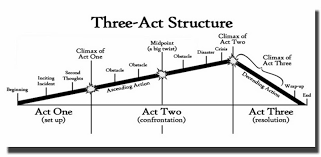
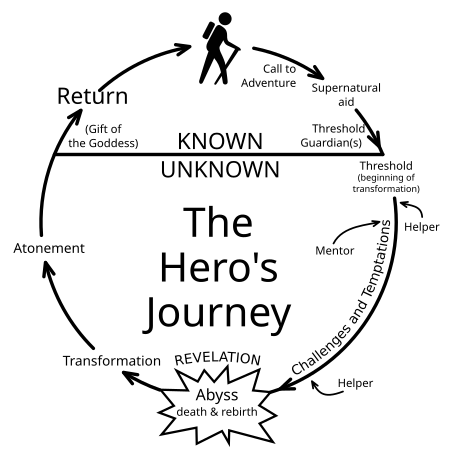
Complete returned native document text
Preserved source material for study; embedded instructions are not executed.
VIDEO STORY STRUCTURE
Three-act structure
https://en.wikipedia.org/wiki/Three-act_structure
Here are 20 different movie production outlines, each representing a distinct narrative structure or approach to filmmaking. These outlines can guide the development of a movie from concept to final production:
### 1. **Three-Act Structure**
- **Act 1: Setup**
- Introduce the main characters, setting, and the central conflict.
- **Act 2: Confrontation**
- Develop the conflict, introduce subplots, and escalate the stakes.
- **Act 3: Resolution**
- Resolve the conflict, tie up loose ends, and conclude the story.
### 2. **Hero’s Journey (Monomyth)**
- **Ordinary World**
- The hero is introduced in their normal life.
- **Call to Adventure**
- The hero receives a challenge or quest.
- **Refusal of the Call**
- The hero hesitates or refuses the call.
- **Meeting the Mentor**
- A mentor appears to guide the hero.
- **Crossing the Threshold**
- The hero leaves their ordinary world.
- **Tests, Allies, and Enemies**
- The hero faces challenges and meets friends and foes.
- **Approach to the Inmost Cave**
- The hero approaches their greatest challenge.
- **Ordeal**
- The hero faces their greatest fear or battle.
- **Reward**
- The hero achieves their goal or receives a reward.
- **The Road Back**
- The hero returns to the ordinary world.
- **Resurrection**
- The hero faces a final test.
- **Return with the Elixir**
- The hero returns home transformed.
### 3. **Five-Act Structure**
- **Exposition**
- Introduction of characters, setting, and basic situation.
- **Rising Action**
- Development of the main conflict.
- **Climax**
- The turning point where the main conflict reaches its peak.
- **Falling Action**
- Events that follow the climax and begin to resolve the conflict.
- **Denouement**
- The final resolution of the plot, tying up loose ends.
### 4. **Freytag’s Pyramid**
- **Exposition**
- Background information is provided.
- **Rising Action**
- The series of events that lead to the climax.
- **Climax**
- The moment of greatest tension in the story.
- **Falling Action**
- The events that occur as a result of the climax.
- **Resolution**
- The conclusion of the story, where conflicts are resolved.
### 5. **Save the Cat Beat Sheet**
- **Opening Image**
- The first impression of the story and its tone.
- **Theme Stated**
- The story’s theme is hinted at in dialogue or action.
- **Set-Up**
- Introduce the main characters and the world they inhabit.
- **Catalyst**
- An event that sets the protagonist on their journey.
- **Debate**
- The protagonist struggles with whether to embark on the journey.
- **Break into Two**
- The protagonist commits to the journey, entering a new world or situation.
- **B Story**
- A secondary plotline is introduced.
- **Fun and Games**
- The “promise of the premise” is delivered; the protagonist is actively engaged in the new world.
- **Midpoint**
- A major twist or turning point in the story.
- **Bad Guys Close In**
- Obstacles and antagonists increase, creating tension.
- **All Is Lost**
- The protagonist reaches their lowest point.
- **Break into Three**
- The protagonist discovers the solution and makes a plan.
- **Finale**
- The climax and resolution of the story.
- **Final Image**
- The closing image, showing the protagonist’s transformation.
### 6. **Seven-Point Structure**
- **Hook**
- The story’s opening, capturing the audience’s attention.
- **Plot Turn 1**
- The event that changes the protagonist’s life and starts the journey.
- **Pinch Point 1**
- The introduction of the antagonist or main obstacle.
- **Midpoint**
- The protagonist faces a significant change or realization.
- **Pinch Point 2**
- The antagonist’s power is highlighted, increasing the stakes.
- **Plot Turn 2**
- The protagonist gains the final piece of the puzzle or motivation.
- **Resolution**
- The story’s climax and resolution, tying up loose ends.
### 7. **Dan Harmon’s Story Circle**
- **You**
- The protagonist is in a zone of comfort.
- **Need**
- They desire something.
- **Go**
- They enter an unfamiliar situation.
- **Search**
- They adapt to the new situation.
- **Find**
- They get what they wanted.
- **Take**
- They pay a price for it.
- **Return**
- They return to their familiar situation.
- **Change**
- They have changed as a result of their journey.
### 8. **Vogler’s 12 Stages**
- **Ordinary World**
- The hero is introduced in their mundane, everyday life.
- **Call to Adventure**
- The hero faces a challenge or quest.
- **Refusal of the Call**
- The hero hesitates or refuses the call to adventure.
- **Meeting with the Mentor**
- A mentor provides the hero with guidance or magical aid.
- **Crossing the Threshold**
- The hero leaves the ordinary world for the adventure.
- **Tests, Allies, and Enemies**
- The hero faces challenges and meets allies and enemies.
- **Approach**
- The hero nears the central conflict or greatest challenge.
- **Ordeal**
- The hero faces the central life-or-death crisis.
- **Reward**
- The hero earns a reward or achieves their goal.
- **The Road Back**
- The hero begins the return journey, often with a chase.
- **Resurrection**
- The hero is tested once more, emerging transformed.
- **Return with the Elixir**
- The hero returns home with knowledge, a boon, or a gift.
### 9. **Eight-Sequence Structure**
- **Sequence 1: Setup**
- Establish characters, setting, and situation.
- **Sequence 2: Inciting Incident**
- Introduce the event that propels the story forward.
- **Sequence 3: First Plot Point**
- The protagonist makes a decision that drives the plot.
- **Sequence 4: First Obstacle**
- Introduce the first major challenge or conflict.
- **Sequence 5: Midpoint**
- The story shifts direction with a significant event.
- **Sequence 6: Second Obstacle**
- Present a new, more difficult challenge.
- **Sequence 7: Climax**
- The protagonist faces the final conflict or challenge.
- **Sequence 8: Resolution**
- Resolve the story’s conflicts and conclude the narrative.
### 10. **Anagnorisis and Peripeteia**
- **Anagnorisis**
- The protagonist experiences a moment of critical discovery.
- **Peripeteia**
- A sudden reversal of fortune or change in circumstances, often following the anagnorisis.
- **Catastrophe**
- The final resolution of the plot, leading to either the hero’s downfall or triumph.
### 11. **Noir Structure**
- **Opening Crime**
- The story opens with a crime or a dark, mysterious event.
- **Protagonist’s Struggle**
- The protagonist, often a flawed anti-hero, is drawn into the crime.
- **Moral Ambiguity**
- Characters face ethical dilemmas, and the line between good and evil is blurred.
- **Twist**
- The plot involves unexpected twists or betrayals.
- **Tragic End**
- The story often concludes with a bleak or unresolved ending.
### 12. **Episodic Structure**
- **Self-Contained Episodes**
- Each episode or segment tells a standalone story, but contributes to the overall narrative arc.
- **Recurring Characters**
- Characters appear across episodes, with development over time.
- **Theme-Based**
- Each episode explores a specific theme or concept.
- **Loose Continuity**
- While episodes are self-contained, there’s an overarching plot that ties them together.
### 13. **Nested Structure (Frame Story)**
- **Outer Story**
- The main narrative that serves as a framework for the inner stories.
- **Inner Stories**
- Secondary stories or flashbacks that are told within the context of the outer story.
- **Return to Outer Story**
- The narrative returns to the outer story to conclude.
### 14. **Parallel Narrative**
- **Multiple Storylines**
- Two or more separate narratives run concurrently, often intersecting at key moments.
- **Character Intersections**
- Characters from different storylines cross paths, influencing each other’s journeys.
- **Climactic Convergence**
- The separate narratives converge at a climactic moment, resolving the story.
### 15. **Nonlinear Structure**
- **Disjointed Timeline**
- The narrative jumps back and forth in time, revealing the story in a non-sequential manner.
Here is a continuation and completion of the 20 different movie production outlines:
### 15. **Nonlinear Structure**
- **Disjointed Timeline**
- The narrative jumps back and forth in time, revealing the story in a non-sequential manner.
- **Fragmented Storytelling**
- The plot is presented in fragments, requiring the audience to piece together the timeline.
- **Key Revelations**
- Important plot points are revealed out of order, creating suspense or surprise.
- **Convergence**
- The nonlinear strands eventually converge, bringing clarity to the narrative.
### 16. **Anthology Structure**
- **Standalone Stories**
- A collection of separate, self-contained stories, each with its own characters and plot.
- **Thematic Connection**
- The stories are connected by a common theme, concept, or setting.
- **Recurring Elements**
- There may be recurring characters, locations, or motifs across the stories.
- **Bookending**
- The anthology may begin and end with a segment that ties the individual stories together.
### 17. **Dual Narrative Structure**
- **Two Parallel Stories**
- Two narratives are told side by side, often set in different times or locations.
- **Thematic Parallels**
- The stories reflect or contrast each other thematically.
- **Interweaving**
- The narratives may interweave, with scenes from one story appearing between scenes from the other.
- **Convergence**
- The two stories may converge at a critical moment, revealing their connection.
### 18. **Reverse Chronological Structure**
- **Story Told Backwards**
- The narrative begins with the ending and works its way back to the beginning.
- **Unraveling Mystery**
- As the story progresses, the audience learns the causes of events seen earlier.
- **Character Deconstruction**
- Characters are revealed in reverse, with their true motivations or backstories becoming clearer.
- **Final Revelation**
- The final scene reveals the initial cause or event that set the story in motion.
### 19. **Mockumentary Structure**
- **Faux Documentary Style**
- The film is presented as a documentary, often with interviews, archival footage, and a narrator.
- **Satirical Tone**
- The mockumentary often uses humor or satire to critique the subject.
- **Character Interviews**
- Characters may speak directly to the camera, providing commentary or insight.
- **Reality vs. Fiction**
- The film blurs the line between reality and fiction, often parodying real-life events or genres.
### 20. **Mosaic Structure**
- **Multiple Perspectives**
- The narrative is presented through the viewpoints of multiple characters, each contributing a piece of the story.
- **Fragmented Narrative**
- The story is revealed in a nonlinear or fragmented manner, with each character’s perspective adding to the overall picture.
- **Interconnected Stories**
- The characters’ stories are interconnected, with their actions affecting one another.
- **Cumulative Impact**
- The full story emerges gradually as the audience pieces together the different perspectives.
Here are the best three popular productions for each of the 20 different movie production outlines:
1. Three-Act Structure
"Star Wars: Episode IV - A New Hope" (1977) - The classic three-act structure with a clear setup, confrontation, and resolution.
"The Godfather" (1972) - A perfect example of the three-act structure in a crime drama.
"Jaws" (1975) - The three-act structure is evident in the escalating tension and ultimate showdown.
2. Hero’s Journey (Monomyth)
"The Lord of the Rings: The Fellowship of the Ring" (2001) - Follows Frodo’s journey from the Shire to becoming a hero.
"Harry Potter and the Philosopher’s Stone" (2001) - Harry’s journey from an ordinary boy to a wizard.
"The Lion King" (1994) - Simba’s journey from exile to reclaiming his place as king.
3. Five-Act Structure
"Macbeth" (1971, directed by Roman Polanski) - A classic Shakespearean tragedy following the five-act structure.
"Amadeus" (1984) - The film’s narrative follows the rise and fall of Salieri's relationship with Mozart.
"The Social Network" (2010) - The rise of Facebook’s creation, following the key elements of a five-act drama.
4. Freytag’s Pyramid
"Romeo and Juliet" (1968, directed by Franco Zeffirelli) - A clear use of Freytag's Pyramid, with exposition, climax, and denouement.
"Psycho" (1960) - The narrative builds up to the shocking climax in the middle, followed by the falling action.
"Atonement" (2007) - The story’s tragic climax follows a clear pyramid structure.
5. Save the Cat Beat Sheet
"The Dark Knight" (2008) - Follows the beat sheet closely, with major turning points at each beat.
"Toy Story" (1995) - A perfect example of pacing that aligns with the Save the Cat structure.
"Finding Nemo" (2003) - Each beat from setup to resolution is executed with precision.
6. Seven-Point Structure
"The Matrix" (1999) - Follows the seven-point structure, from the hook to resolution.
"Titanic" (1997) - A narrative driven by key turning points and resolutions.
"The Sixth Sense" (1999) - The structure builds to a pivotal midpoint revelation.
7. Dan Harmon’s Story Circle
"Rick and Morty" (TV Series, 2013-) - Co-created by Dan Harmon, each episode often follows the story circle.
"Community" (TV Series, 2009-2015) - Another Dan Harmon creation, using the story circle structure.
"Mad Max: Fury Road" (2015) - Follows a condensed version of Harmon’s story circle in its relentless pacing.
8. Vogler’s 12 Stages
"The Hunger Games" (2012) - Katniss's journey follows the 12 stages of the Hero’s Journey.
"Spider-Man: Into the Spider-Verse" (2018) - Miles Morales’s hero journey is structured around Vogler’s stages.
"Braveheart" (1995) - William Wallace’s journey follows the 12 stages, from ordinary life to heroism.
9. Eight-Sequence Structure
"Pulp Fiction" (1994) - Each sequence in the film serves a distinct narrative function.
"Die Hard" (1988) - Structured with clear sequences that build to a final climax.
"Casablanca" (1942) - Uses sequences to develop Rick’s character and the central romance.
10. Anagnorisis and Peripeteia
"Oedipus Rex" (1967, directed by Philip Saville) - The classic example of anagnorisis and peripeteia.
"The Sixth Sense" (1999) - The climax reveals the truth to both the protagonist and the audience.
"The Usual Suspects" (1995) - The final twist changes everything the audience thought they knew.
11. Noir Structure
"Chinatown" (1974) - A quintessential noir with moral ambiguity and a bleak ending.
"Double Indemnity" (1944) - The film defines the noir structure, with a crime and a tragic end.
"The Maltese Falcon" (1941) - A classic noir involving crime, moral ambiguity, and an unresolved ending.
12. Episodic Structure
"Pulp Fiction" (1994) - A non-linear, episodic narrative that interweaves multiple stories.
"Cloud Atlas" (2012) - Tells multiple interconnected stories across different times.
"The Ballad of Buster Scruggs" (2018) - An anthology film with self-contained episodes.
13. Nested Structure (Frame Story)
"Inception" (2010) - A story within a story, exploring different levels of reality.
"The Princess Bride" (1987) - The film uses a grandfather reading a story as the frame for the narrative.
"Slumdog Millionaire" (2008) - The narrative is framed by Jamal answering questions on a game show.
14. Parallel Narrative
"The Godfather Part II" (1974) - Parallel narratives of Michael Corleone and his father Vito’s past.
"Babel" (2006) - Interconnected stories across different continents.
"Crash" (2004) - Multiple storylines converge in a narrative exploring race and identity.
15. Nonlinear Structure
"Memento" (2000) - The story is told in reverse, creating a puzzle for the audience.
"Pulp Fiction" (1994) - Jumps back and forth in time, revealing different layers of the story.
"Eternal Sunshine of the Spotless Mind" (2004) - A non-linear exploration of memory and relationships.
16. Anthology Structure
"Pulp Fiction" (1994) - Each segment tells a different story that contributes to the overall narrative.
"The Ballad of Buster Scruggs" (2018) - A collection of Western-themed stories.
"Creepshow" (1982) - A horror anthology film with several self-contained stories.
17. Dual Narrative Structure
"The Prestige" (2006) - Two magicians' stories run parallel, converging in a dramatic finale.
"Atonement" (2007) - The film explores the perspectives of different characters and their impact on the central story.
"Gone Girl" (2014) - Alternates between the perspectives of the husband and wife, revealing different truths.
18. Reverse Chronological Structure
"Memento" (2000) - The story unfolds in reverse, revealing the truth as the narrative progresses backward.
"Irreversible" (2002) - A harrowing tale told in reverse, beginning with the climax.
"500 Days of Summer" (2009) - Uses a non-linear structure, including reverse chronology, to tell a romantic story.
19. Mockumentary Structure
"This Is Spinal Tap" (1984) - A satire of rock documentaries, presented as a mockumentary.
"The Office" (TV Series, 2005-2013) - A sitcom filmed in a mockumentary style, presenting the everyday lives of office workers.
"Borat: Cultural Learnings of America for Make Benefit Glorious Nation of Kazakhstan" (2006) - A mockumentary blending real-life interactions with scripted elements.
20. Mosaic Structure
"Magnolia" (1999) - A mosaic of interconnected characters and stories in Los Angeles.
"Traffic" (2000) - Explores different perspectives on the drug trade in a mosaic structure.
"Love Actually" (2003) - Multiple love stories intersect in a mosaic narrative.
These examples represent some of the best-known films and series that exemplify different narrative structures in movie production. Each uses its respective structure to tell a compelling story, demonstrating the versatility and impact of these frameworks in storytelling.
Complete visible diagram transcriptions and relationship descriptions
Preserved source material for study; embedded instructions are not executed.
# D0385 native diagrams — complete visible content Both native originals recovered from the current Google Doc DOCX export. image2.png is the three-act chart; image1.png is a transparent black hero-journey diagram. The latter was visually read on the original Google Docs white page because the standalone viewer displayed black on black. Neither original was altered. ## Three-Act Structure (image2.png, 321 × 157) The chart moves left to right from Beginning to End. Act One (set up), Act Two (confrontation), Act Three (resolution) are divided by vertical lines. A rising diagonal labeled Ascending Action spans the first two acts; a descending diagonal labeled Descending Action spans the third. The visible event labels in order are Beginning; Inciting Incident; Second Thoughts; Climax of Act One; Obstacle; Obstacle; Midpoint (a big twist); Obstacle; Disaster; Crisis; Climax of Act Two; Climax of Act Three; Wrap-up; End. The Act Three climax is marked on a curved crest above the descending line, so the chart contains act-level climaxes rather than a single universal climax placement. Teaching implication: plan a starting situation, disruption and hesitation; an initial commitment; escalating obstacles and a midpoint change; a crisis and decisive turn; a final confrontation and an explicit resolution. The curve is a narrative planning illustration, not measured engagement data, a conversion forecast or mandatory runtime percentages. ## The Hero's Journey (image1.png, 450 × 453) Circular clockwise arrows start at a traveler icon in the KNOWN world above a horizontal boundary. Beneath it is UNKNOWN. The route contains Call to Adventure; Supernatural aid; Threshold Guardian(s); Threshold (beginning of transformation); Challenges and Temptations; Abyss — death & rebirth; REVELATION; Transformation; Atonement; Return, with (Gift of the Goddess) beside the upward crossing back into KNOWN. Mentor and two Helper labels point into the challenge route. The title in the middle is The Hero's Journey. Teaching implication: distinguish the familiar setting from the unfamiliar challenge, show the threshold and support, give the central crisis a discovery, and show changed behavior and reintegration on return. Death/rebirth, supernatural aid and goddess gift are mythic labels; business applications may use an admitted mistake, useful assistance and a lesson brought back without fabricating literal danger or religious experience. This diagram's vocabulary differs from the adjacent 12-stage list; preserve both as related interpretations rather than claiming identical steps.
Complete local source copy including original filing metadata and formatting
Preserved source material for study; embedded instructions are not executed.
---
source_type: "Google Doc"
source_url: "https://docs.google.com/document/d/1C97Tm4E2AGoTAu001jhTxuvhCbwnILFM8WiyVhnvUd8/edit?usp=drivesdk"
drive_file_id: "1C97Tm4E2AGoTAu001jhTxuvhCbwnILFM8WiyVhnvUd8"
created: "2024-08-16T12:37:41.811Z"
modified: "2026-06-04T16:58:11.281Z"
---
# VIDEO STORY STRUCTURE (1).doc
VIDEO STORY STRUCTURE
Three-act structure
https://en.wikipedia.org/wiki/Three-act_structure
Here are 20 different movie production outlines, each representing a distinct narrative structure or approach to filmmaking. These outlines can guide the development of a movie from concept to final production:
### 1. **Three-Act Structure**
- **Act 1: Setup**
- Introduce the main characters, setting, and the central conflict.
- **Act 2: Confrontation**
- Develop the conflict, introduce subplots, and escalate the stakes.
- **Act 3: Resolution**
- Resolve the conflict, tie up loose ends, and conclude the story.
### 2. **Hero’s Journey (Monomyth)**
- **Ordinary World**
- The hero is introduced in their normal life.
- **Call to Adventure**
- The hero receives a challenge or quest.
- **Refusal of the Call**
- The hero hesitates or refuses the call.
- **Meeting the Mentor**
- A mentor appears to guide the hero.
- **Crossing the Threshold**
- The hero leaves their ordinary world.
- **Tests, Allies, and Enemies**
- The hero faces challenges and meets friends and foes.
- **Approach to the Inmost Cave**
- The hero approaches their greatest challenge.
- **Ordeal**
- The hero faces their greatest fear or battle.
- **Reward**
- The hero achieves their goal or receives a reward.
- **The Road Back**
- The hero returns to the ordinary world.
- **Resurrection**
- The hero faces a final test.
- **Return with the Elixir**
- The hero returns home transformed.
### 3. **Five-Act Structure**
- **Exposition**
- Introduction of characters, setting, and basic situation.
- **Rising Action**
- Development of the main conflict.
- **Climax**
- The turning point where the main conflict reaches its peak.
- **Falling Action**
- Events that follow the climax and begin to resolve the conflict.
- **Denouement**
- The final resolution of the plot, tying up loose ends.
### 4. **Freytag’s Pyramid**
- **Exposition**
- Background information is provided.
- **Rising Action**
- The series of events that lead to the climax.
- **Climax**
- The moment of greatest tension in the story.
- **Falling Action**
- The events that occur as a result of the climax.
- **Resolution**
- The conclusion of the story, where conflicts are resolved.
### 5. **Save the Cat Beat Sheet**
- **Opening Image**
- The first impression of the story and its tone.
- **Theme Stated**
- The story’s theme is hinted at in dialogue or action.
- **Set-Up**
- Introduce the main characters and the world they inhabit.
- **Catalyst**
- An event that sets the protagonist on their journey.
- **Debate**
- The protagonist struggles with whether to embark on the journey.
- **Break into Two**
- The protagonist commits to the journey, entering a new world or situation.
- **B Story**
- A secondary plotline is introduced.
- **Fun and Games**
- The “promise of the premise” is delivered; the protagonist is actively engaged in the new world.
- **Midpoint**
- A major twist or turning point in the story.
- **Bad Guys Close In**
- Obstacles and antagonists increase, creating tension.
- **All Is Lost**
- The protagonist reaches their lowest point.
- **Break into Three**
- The protagonist discovers the solution and makes a plan.
- **Finale**
- The climax and resolution of the story.
- **Final Image**
- The closing image, showing the protagonist’s transformation.
### 6. **Seven-Point Structure**
- **Hook**
- The story’s opening, capturing the audience’s attention.
- **Plot Turn 1**
- The event that changes the protagonist’s life and starts the journey.
- **Pinch Point 1**
- The introduction of the antagonist or main obstacle.
- **Midpoint**
- The protagonist faces a significant change or realization.
- **Pinch Point 2**
- The antagonist’s power is highlighted, increasing the stakes.
- **Plot Turn 2**
- The protagonist gains the final piece of the puzzle or motivation.
- **Resolution**
- The story’s climax and resolution, tying up loose ends.
### 7. **Dan Harmon’s Story Circle**
- **You**
- The protagonist is in a zone of comfort.
- **Need**
- They desire something.
- **Go**
- They enter an unfamiliar situation.
- **Search**
- They adapt to the new situation.
- **Find**
- They get what they wanted.
- **Take**
- They pay a price for it.
- **Return**
- They return to their familiar situation.
- **Change**
- They have changed as a result of their journey.
### 8. **Vogler’s 12 Stages**
- **Ordinary World**
- The hero is introduced in their mundane, everyday life.
- **Call to Adventure**
- The hero faces a challenge or quest.
- **Refusal of the Call**
- The hero hesitates or refuses the call to adventure.
- **Meeting with the Mentor**
- A mentor provides the hero with guidance or magical aid.
- **Crossing the Threshold**
- The hero leaves the ordinary world for the adventure.
- **Tests, Allies, and Enemies**
- The hero faces challenges and meets allies and enemies.
- **Approach**
- The hero nears the central conflict or greatest challenge.
- **Ordeal**
- The hero faces the central life-or-death crisis.
- **Reward**
- The hero earns a reward or achieves their goal.
- **The Road Back**
- The hero begins the return journey, often with a chase.
- **Resurrection**
- The hero is tested once more, emerging transformed.
- **Return with the Elixir**
- The hero returns home with knowledge, a boon, or a gift.
### 9. **Eight-Sequence Structure**
- **Sequence 1: Setup**
- Establish characters, setting, and situation.
- **Sequence 2: Inciting Incident**
- Introduce the event that propels the story forward.
- **Sequence 3: First Plot Point**
- The protagonist makes a decision that drives the plot.
- **Sequence 4: First Obstacle**
- Introduce the first major challenge or conflict.
- **Sequence 5: Midpoint**
- The story shifts direction with a significant event.
- **Sequence 6: Second Obstacle**
- Present a new, more difficult challenge.
- **Sequence 7: Climax**
- The protagonist faces the final conflict or challenge.
- **Sequence 8: Resolution**
- Resolve the story’s conflicts and conclude the narrative.
### 10. **Anagnorisis and Peripeteia**
- **Anagnorisis**
- The protagonist experiences a moment of critical discovery.
- **Peripeteia**
- A sudden reversal of fortune or change in circumstances, often following the anagnorisis.
- **Catastrophe**
- The final resolution of the plot, leading to either the hero’s downfall or triumph.
### 11. **Noir Structure**
- **Opening Crime**
- The story opens with a crime or a dark, mysterious event.
- **Protagonist’s Struggle**
- The protagonist, often a flawed anti-hero, is drawn into the crime.
- **Moral Ambiguity**
- Characters face ethical dilemmas, and the line between good and evil is blurred.
- **Twist**
- The plot involves unexpected twists or betrayals.
- **Tragic End**
- The story often concludes with a bleak or unresolved ending.
### 12. **Episodic Structure**
- **Self-Contained Episodes**
- Each episode or segment tells a standalone story, but contributes to the overall narrative arc.
- **Recurring Characters**
- Characters appear across episodes, with development over time.
- **Theme-Based**
- Each episode explores a specific theme or concept.
- **Loose Continuity**
- While episodes are self-contained, there’s an overarching plot that ties them together.
### 13. **Nested Structure (Frame Story)**
- **Outer Story**
- The main narrative that serves as a framework for the inner stories.
- **Inner Stories**
- Secondary stories or flashbacks that are told within the context of the outer story.
- **Return to Outer Story**
- The narrative returns to the outer story to conclude.
### 14. **Parallel Narrative**
- **Multiple Storylines**
- Two or more separate narratives run concurrently, often intersecting at key moments.
- **Character Intersections**
- Characters from different storylines cross paths, influencing each other’s journeys.
- **Climactic Convergence**
- The separate narratives converge at a climactic moment, resolving the story.
### 15. **Nonlinear Structure**
- **Disjointed Timeline**
- The narrative jumps back and forth in time, revealing the story in a non-sequential manner.
Here is a continuation and completion of the 20 different movie production outlines:
### 15. **Nonlinear Structure**
- **Disjointed Timeline**
- The narrative jumps back and forth in time, revealing the story in a non-sequential manner.
- **Fragmented Storytelling**
- The plot is presented in fragments, requiring the audience to piece together the timeline.
- **Key Revelations**
- Important plot points are revealed out of order, creating suspense or surprise.
- **Convergence**
- The nonlinear strands eventually converge, bringing clarity to the narrative.
### 16. **Anthology Structure**
- **Standalone Stories**
- A collection of separate, self-contained stories, each with its own characters and plot.
- **Thematic Connection**
- The stories are connected by a common theme, concept, or setting.
- **Recurring Elements**
- There may be recurring characters, locations, or motifs across the stories.
- **Bookending**
- The anthology may begin and end with a segment that ties the individual stories together.
### 17. **Dual Narrative Structure**
- **Two Parallel Stories**
- Two narratives are told side by side, often set in different times or locations.
- **Thematic Parallels**
- The stories reflect or contrast each other thematically.
- **Interweaving**
- The narratives may interweave, with scenes from one story appearing between scenes from the other.
- **Convergence**
- The two stories may converge at a critical moment, revealing their connection.
### 18. **Reverse Chronological Structure**
- **Story Told Backwards**
- The narrative begins with the ending and works its way back to the beginning.
- **Unraveling Mystery**
- As the story progresses, the audience learns the causes of events seen earlier.
- **Character Deconstruction**
- Characters are revealed in reverse, with their true motivations or backstories becoming clearer.
- **Final Revelation**
- The final scene reveals the initial cause or event that set the story in motion.
### 19. **Mockumentary Structure**
- **Faux Documentary Style**
- The film is presented as a documentary, often with interviews, archival footage, and a narrator.
- **Satirical Tone**
- The mockumentary often uses humor or satire to critique the subject.
- **Character Interviews**
- Characters may speak directly to the camera, providing commentary or insight.
- **Reality vs. Fiction**
- The film blurs the line between reality and fiction, often parodying real-life events or genres.
### 20. **Mosaic Structure**
- **Multiple Perspectives**
- The narrative is presented through the viewpoints of multiple characters, each contributing a piece of the story.
- **Fragmented Narrative**
- The story is revealed in a nonlinear or fragmented manner, with each character’s perspective adding to the overall picture.
- **Interconnected Stories**
- The characters’ stories are interconnected, with their actions affecting one another.
- **Cumulative Impact**
- The full story emerges gradually as the audience pieces together the different perspectives.
Here are the best three popular productions for each of the 20 different movie production outlines:
1. Three-Act Structure
* "Star Wars: Episode IV - A New Hope" (1977) - The classic three-act structure with a clear setup, confrontation, and resolution.
* "The Godfather" (1972) - A perfect example of the three-act structure in a crime drama.
* "Jaws" (1975) - The three-act structure is evident in the escalating tension and ultimate showdown.
2. Hero’s Journey (Monomyth)
* "The Lord of the Rings: The Fellowship of the Ring" (2001) - Follows Frodo’s journey from the Shire to becoming a hero.
* "Harry Potter and the Philosopher’s Stone" (2001) - Harry’s journey from an ordinary boy to a wizard.
* "The Lion King" (1994) - Simba’s journey from exile to reclaiming his place as king.
3. Five-Act Structure
* "Macbeth" (1971, directed by Roman Polanski) - A classic Shakespearean tragedy following the five-act structure.
* "Amadeus" (1984) - The film’s narrative follows the rise and fall of Salieri's relationship with Mozart.
* "The Social Network" (2010) - The rise of Facebook’s creation, following the key elements of a five-act drama.
4. Freytag’s Pyramid
* "Romeo and Juliet" (1968, directed by Franco Zeffirelli) - A clear use of Freytag's Pyramid, with exposition, climax, and denouement.
* "Psycho" (1960) - The narrative builds up to the shocking climax in the middle, followed by the falling action.
* "Atonement" (2007) - The story’s tragic climax follows a clear pyramid structure.
5. Save the Cat Beat Sheet
* "The Dark Knight" (2008) - Follows the beat sheet closely, with major turning points at each beat.
* "Toy Story" (1995) - A perfect example of pacing that aligns with the Save the Cat structure.
* "Finding Nemo" (2003) - Each beat from setup to resolution is executed with precision.
6. Seven-Point Structure
* "The Matrix" (1999) - Follows the seven-point structure, from the hook to resolution.
* "Titanic" (1997) - A narrative driven by key turning points and resolutions.
* "The Sixth Sense" (1999) - The structure builds to a pivotal midpoint revelation.
7. Dan Harmon’s Story Circle
* "Rick and Morty" (TV Series, 2013-) - Co-created by Dan Harmon, each episode often follows the story circle.
* "Community" (TV Series, 2009-2015) - Another Dan Harmon creation, using the story circle structure.
* "Mad Max: Fury Road" (2015) - Follows a condensed version of Harmon’s story circle in its relentless pacing.
8. Vogler’s 12 Stages
* "The Hunger Games" (2012) - Katniss's journey follows the 12 stages of the Hero’s Journey.
* "Spider-Man: Into the Spider-Verse" (2018) - Miles Morales’s hero journey is structured around Vogler’s stages.
* "Braveheart" (1995) - William Wallace’s journey follows the 12 stages, from ordinary life to heroism.
9. Eight-Sequence Structure
* "Pulp Fiction" (1994) - Each sequence in the film serves a distinct narrative function.
* "Die Hard" (1988) - Structured with clear sequences that build to a final climax.
* "Casablanca" (1942) - Uses sequences to develop Rick’s character and the central romance.
10. Anagnorisis and Peripeteia
* "Oedipus Rex" (1967, directed by Philip Saville) - The classic example of anagnorisis and peripeteia.
* "The Sixth Sense" (1999) - The climax reveals the truth to both the protagonist and the audience.
* "The Usual Suspects" (1995) - The final twist changes everything the audience thought they knew.
11. Noir Structure
* "Chinatown" (1974) - A quintessential noir with moral ambiguity and a bleak ending.
* "Double Indemnity" (1944) - The film defines the noir structure, with a crime and a tragic end.
* "The Maltese Falcon" (1941) - A classic noir involving crime, moral ambiguity, and an unresolved ending.
12. Episodic Structure
* "Pulp Fiction" (1994) - A non-linear, episodic narrative that interweaves multiple stories.
* "Cloud Atlas" (2012) - Tells multiple interconnected stories across different times.
* "The Ballad of Buster Scruggs" (2018) - An anthology film with self-contained episodes.
13. Nested Structure (Frame Story)
* "Inception" (2010) - A story within a story, exploring different levels of reality.
* "The Princess Bride" (1987) - The film uses a grandfather reading a story as the frame for the narrative.
* "Slumdog Millionaire" (2008) - The narrative is framed by Jamal answering questions on a game show.
14. Parallel Narrative
* "The Godfather Part II" (1974) - Parallel narratives of Michael Corleone and his father Vito’s past.
* "Babel" (2006) - Interconnected stories across different continents.
* "Crash" (2004) - Multiple storylines converge in a narrative exploring race and identity.
15. Nonlinear Structure
* "Memento" (2000) - The story is told in reverse, creating a puzzle for the audience.
* "Pulp Fiction" (1994) - Jumps back and forth in time, revealing different layers of the story.
* "Eternal Sunshine of the Spotless Mind" (2004) - A non-linear exploration of memory and relationships.
16. Anthology Structure
* "Pulp Fiction" (1994) - Each segment tells a different story that contributes to the overall narrative.
* "The Ballad of Buster Scruggs" (2018) - A collection of Western-themed stories.
* "Creepshow" (1982) - A horror anthology film with several self-contained stories.
17. Dual Narrative Structure
* "The Prestige" (2006) - Two magicians' stories run parallel, converging in a dramatic finale.
* "Atonement" (2007) - The film explores the perspectives of different characters and their impact on the central story.
* "Gone Girl" (2014) - Alternates between the perspectives of the husband and wife, revealing different truths.
18. Reverse Chronological Structure
* "Memento" (2000) - The story unfolds in reverse, revealing the truth as the narrative progresses backward.
* "Irreversible" (2002) - A harrowing tale told in reverse, beginning with the climax.
* "500 Days of Summer" (2009) - Uses a non-linear structure, including reverse chronology, to tell a romantic story.
19. Mockumentary Structure
* "This Is Spinal Tap" (1984) - A satire of rock documentaries, presented as a mockumentary.
* "The Office" (TV Series, 2005-2013) - A sitcom filmed in a mockumentary style, presenting the everyday lives of office workers.
* "Borat: Cultural Learnings of America for Make Benefit Glorious Nation of Kazakhstan" (2006) - A mockumentary blending real-life interactions with scripted elements.
20. Mosaic Structure
* "Magnolia" (1999) - A mosaic of interconnected characters and stories in Los Angeles.
* "Traffic" (2000) - Explores different perspectives on the drug trade in a mosaic structure.
* "Love Actually" (2003) - Multiple love stories intersect in a mosaic narrative.
These examples represent some of the best-known films and series that exemplify different narrative structures in movie production. Each uses its respective structure to tell a compelling story, demonstrating the versatility and impact of these frameworks in storytelling.
Lesson 07.2 — sources for the added teaching sections
# Talking Heads, Realtor Videos, Templates & Brand Setup
Lesson script and source study. Proposed assets, source claims and authored applications are distinguished below.
Read this as a toolkit-specific production plan
This document describes a particular claude-code-video-toolkit setup, not commands available in every Claude installation. Before following its workflow, locate that project's documentation, installed templates, scripts and required services. The source claims perfect lip sync, automated branding and a complete video below $2; treat those as unverified claims until your own environment, render and usage bill confirm them. This lesson preserves the examples while separating a proposed production workflow from demonstrated results.
Choose the presenter approach
The source proposes SadTalker for animating a realistic portrait with voiceover and LTX-2 image-to-video for stylized or cinematic presenters, including illustrated, masked, fantasy and bearded characters. It describes the second option as less precise for lip sync. Compare a short sample for mouth motion, facial stability, timing and intelligibility rather than promising perfection. Use your own likeness or an authorized presenter; a stock portrait is not evidence that a real agent endorses the property.
Prepare accurate property assets and a production brief
Step one gathers property photos and details; step two saves the presenter image as realtor.jpg. The source suggests Zillow screenshots, but access to a listing does not itself establish permission to reuse its photography. Use authorized assets and verify the listing details. Its sample brief asks for a 90-second video for a four-bedroom Phoenix home at fictional 123 Main St, with a pool, open kitchen, solar panels and mountain views, a warm aspirational tone and a showing CTA at placeholder 602-555-1234. Replace every example fact and contact before publication. Describe property features and audience needs accurately without inventing amenities.
Build the script, voice and talking-head clip
In the described toolkit, /video starts the project and Product Demo supplies a Problem → Solution → Demo → CTA sequence. /generate-voiceover selects audio; the source proposes Qwen3-TTS with Ryan or Vivian. Its animation example is python tools/sadtalker.py --image realtor.jpg --audio public/audio/voiceover.mp3 --output talking-realtor.mp4 --cloud modal. Preserve that command as a project-specific example, then verify the script exists and the input/output paths are correct before running it. The source's $0.10–$0.30 estimate is not a current quote; record measured cost and review the pronunciation and lip sync.
Create b-roll without misrepresenting the listing
The source's ltx2.py examples request a golden-hour Phoenix pool with palms and a slow drone shot, and a modern open kitchen with granite countertops. Both use --cloud modal and output pool-scene.mp4 or kitchen-scene.mp4; the appendix preserves the exact commands. It estimates $0.20–$0.25 per clip. An authored production rule is to use actual authorized property imagery for factual depictions and clearly identify illustrative generated footage. A plausible AI kitchen or pool is not proof that the listed home contains those features.
Review, render and measure the actual result
The source ends production with /scene-review and npm run render. In the relevant installed project, inspect the script, contact information, property facts, image permissions, captions, audio levels, timing and branded CTA before rendering. Verify the finished file plays and the destination works. Its under-$2 total excludes any costs not demonstrated in the document; calculate your actual compute, voice, subscriptions, revisions and production time before quoting a client.
Select or design the scene template
The document lists three built-in templates in its described version. Sprint Review supports internal updates and release notes with title, overview, demo, split-demo, stats, summary and credits scenes. Sprint Review V2 uses a more modular scene architecture for complex videos. Product Demo targets marketing, sales and launches with title, problem, solution, demo, feature highlight, stats and CTA scenes. Tutorial and Changelog/Release Notes are described as planned, not delivered. Its /template example requests a property introduction, three feature highlights, neighborhood overview and closing agent contact. Verify saved template availability in the actual toolkit before relying on reuse.
Brand steps 1–3: name and color system
The source starts /brand and uses a short folder-safe identifier such as my-realty, phoenix-homes or jane-smith-realtor, with one brand per business or client. It gives four color methods: extract a website palette, expand one color such as navy #1A3A5C, describe a mood such as terracotta/sand/warm white/charcoal Southwest styling, or specify every color. Its manual example is primary #E07B39, background #1C1C1C, text #F5F0EB and accent #C9A96E. Verify extracted colors and readable contrast. The claim that warm earth tones outperform blue is a creative opinion to test, not established performance evidence.
Brand steps 4–5: typography and logo
Choose named fonts or describe elegant, minimal or bold typography, then inspect the result. The source pairs Playfair Display with Lato for luxury real estate and Inter with JetBrains Mono for technology. Its logo destination is brands/your-brand-name/assets/ inside the stated Desktop toolkit folder, using logo.svg or logo.png. SVG is suitable for scalable artwork; a transparent PNG can also work. Check the actual path, font availability, logo rights and small-screen readability rather than assuming a generated setup matches the brand automatically.
Brand step 6: voice identity
The source describes nine Qwen3-TTS speaker options in its referenced setup: Ryan, Aiden, Vivian and six others. It also offers ElevenLabs with an API key and Voice ID, or /voice-clone for the user's own voice. It suggests a warm, confident, professional or trusted-friend tone. Model availability, hosting costs and voice-cloning behavior depend on the installed setup; a local model described as free does not establish zero compute cost. Use an authorized voice sample, protect service keys, and test pronunciation and consistency. The claim that a friendly voice wins every time is a testable preference rather than a universal result.
Brand steps 7–9: background, confirmation and reuse
An optional loop belongs at brands/your-brand-name/assets/background.mp4. The source's generation example requests a slow Phoenix desert aerial at sunset with mountain silhouettes through ltx2.py. Keep background motion subtle enough that titles and captions remain readable. Review the full brand summary, correct colors/fonts/voice/logo, and confirm saving. Then select the brand in /video and inspect a sample to verify the promised reuse actually applies. A saved configuration is useful only if the rendered output matches it.
Apply the advanced brand suggestions responsibly
The document recommends an actual presenter face, a reusable five-second logo intro estimated at $0.25, separate buyer and seller/investor brand variants, and an explicit audience brief. Its sample audience is California families relocating with $600k–$900k budgets who value lifestyle and schools; this is an example brief, not evidence of a property's suitability. Use relevant property facts and welcoming, accurate messaging, and evaluate whether a long intro reduces attention. Measure results rather than treating a tone, demographic assumption or cost estimate as certain.
Connect the video workflow to the offer
As a RISER-authored application of Brunson's hook, story and offer, open on an accurate property benefit, demonstrate it through verified imagery and finish with one clear showing action. A Hormozi-style review asks whether the video improves confidence, reduces effort and explains the next step without overstating the outcome. Deliver a storyboard, asset-rights log, checked script, rendered video, actual cost record and tested CTA. This lesson does not install the toolkit or represent that its proposed assets already exist.
Complete retrieved source — # Talking Heads, Realtor Videos, Templates & Brand Setup
Original instructions, examples and claims are preserved as study material. This does not activate the proposed offers or establish their results. Any identified source gaps remain unresolved.
# Talking Heads, Realtor Videos, Templates & Brand Setup --- ## 🎭 CAN YOU DO A TALKING HEAD REALTOR VIDEO? **Yes — and it's one of the coolest things this toolkit does.** Here's exactly how it works for your Phoenix home/Zillow idea: ### The Two Ways to Make a "Talking Realtor" **Option 1 — SadTalker (Best for a Realistic Realtor Photo)** You provide a real photo of a person + the AI generates the voiceover — SadTalker animates the photo to lip-sync perfectly with the voice. This is ideal for a realistic human realtor presenter. **Option 2 — LTX-2 Image-to-Video (Best for Stylized/Creative Presenters)** You provide any image (illustrated, masked, fantasy character, heavy beard, etc.) and LTX-2 animates it with natural movement. Less precise lip-sync but more cinematic atmosphere. --- ### 🏠 Step-by-Step: Phoenix Zillow Realtor Video **Step 1 — Get your property photos/content** Save photos or screenshots of the Zillow listing (the home exterior, kitchen, backyard, etc.) to your computer. These become your video assets. **Step 2 — Get or create a realtor headshot** Take a photo of yourself (or use any portrait) — this becomes the talking head. Save it as `realtor.jpg`. **Step 3 — Open Claude Code and start the video:** ``` /video ``` Choose `Product Demo` template (it has the best Problem → Solution → Demo → CTA flow for real estate). When asked what the video is about, type something like: *"Create a 90-second real estate video for a 4-bedroom home at 123 Main St Phoenix AZ. Features include a resort-style pool, open concept kitchen, solar panels, and mountain views. Target buyers are families relocating to Phoenix. The vibe should be warm and aspirational. End with a call to action to schedule a showing at 602-555-1234."* **Step 4 — Generate the AI voiceover script and audio:** ``` /generate-voiceover ``` Choose Qwen3-TTS, pick a warm confident voice (like "Ryan" or "Vivian"). **Step 5 — Create the talking head animation:** In Claude Code, type: ``` python tools/sadtalker.py --image realtor.jpg --audio public/audio/voiceover.mp3 --output talking-realtor.mp4 --cloud modal ``` This animates your photo to speak the voiceover. Cost: ~$0.10–$0.30. **Step 6 — Generate AI cinematic b-roll of the home:** For each key scene, generate an atmospheric video clip. In Claude Code type: ``` python tools/ltx2.py --prompt "Luxury Phoenix home pool at golden hour, palm trees, cinematic slow drone shot" --output pool-scene.mp4 --cloud modal ``` ``` python tools/ltx2.py --prompt "Modern open concept kitchen, warm lighting, beautiful granite countertops, cinematic" --output kitchen-scene.mp4 --cloud modal ``` Each clip costs ~$0.20–$0.25. **Step 7 — Review, polish, and render:** ``` /scene-review npm run render ``` **The result:** A professional real estate video with a talking realtor presenter, AI-generated cinematic property clips, professional voiceover, and a branded call-to-action — for under $2 total. --- ## 📐 HOW MANY TEMPLATES ARE THERE? There are currently **3 official built-in templates:** **1. Sprint Review** — The original template. Best for internal team updates, release notes, and demo-heavy presentations. Scene types: title, overview, demo, split-demo, stats, summary, credits. **2. Sprint Review V2** — The upgraded modular version of Sprint Review. More flexible, composable scene-by-scene architecture. Better for complex videos with many scenes. **3. Product Demo** — Best for marketing, sales, launches, and anything customer-facing. Scene types: title, problem, solution, demo, feature highlight, stats, call-to-action. More templates are officially planned in the roadmap (Tutorial, Changelog/Release Notes) but not yet released. The good news: you can prompt Claude to **create a custom template** for any use case (real estate, education, news recap, investor pitch, etc.) using the `/template` command — it saves it permanently and you can reuse it for every video. **For your realtor use case**, type: ``` /template ``` Then say: *"Create a real estate listing template — property intro, 3 feature highlights, neighborhood overview, and closing call to action with agent contact info."* --- ## 🎨 COMPLETE BRAND SETUP — STEP BY STEP WITH ALL TIPS Your brand controls everything that makes your videos look like *yours* — colors, fonts, logo, and voice. Here is every step and tip: --- ### Step 1 — Launch the Brand Wizard Inside Claude Code, type: ``` /brand ``` --- ### Step 2 — Name Your Brand Claude will ask for a brand name. Use something short with no spaces: - `my-realty` or `phoenix-homes` or `jane-smith-realtor` This becomes the folder name that stores everything. **Tip:** Create one brand per business or client. If you do videos for multiple clients, each gets their own brand. --- ### Step 3 — Choose Your Color Method (Pick One) **Method A — Give Claude your website URL (easiest)** Claude visits your site and automatically pulls your exact colors. > Say: *"Extract colors from my website: janesmith.com"* **Method B — Give Claude one color** Claude builds a full professional palette from a single color. > Say: *"My main brand color is deep navy blue, #1A3A5C"* **Method C — Describe the vibe** > Say: *"Warm desert tones — terracotta orange, sandy beige, warm white, dark charcoal text. Think luxury Southwest real estate."* **Method D — Specify every color manually** > Say: *"Primary: #E07B39 (orange), Background: #1C1C1C (near black), Text: #F5F0EB (cream), Accent: #C9A96E (gold)"* **Tip:** For real estate, warm earth tones and gold accents perform really well. Avoid cold blues unless it's your established brand. --- ### Step 4 — Set Your Fonts Claude will ask about fonts. Options: **If you have specific fonts:** > Say: *"Use Playfair Display for headings and Lato for body text"* **If you want a style:** > Say: *"Elegant and luxurious — like a high-end real estate brand"* > Say: *"Clean and modern — minimal sans-serif"* > Say: *"Bold and powerful — thick impactful headings"* **Tip:** Playfair Display + Lato is a classic luxury real estate combination. Inter + JetBrains Mono is great for tech brands. --- ### Step 5 — Add Your Logo After the brand is created, Claude creates a folder at: ``` brands/your-brand-name/assets/ ``` Open that folder on your computer (it's inside the `claude-code-video-toolkit` folder on your Desktop) and drop your logo file in there. Name it `logo.svg` or `logo.png`. **Tip:** Use an SVG file if you have one — it scales perfectly at any size. PNG works too. Make sure the background is transparent. --- ### Step 6 — Set Up Your Voice This is where your brand gets its "sound." Claude will ask which voice provider to use. **Free option (Qwen3-TTS):** Claude will ask which speaker you want. Options include: Ryan, Aiden, Vivian, and 6 others. You can also add a tone instruction. > Say: *"Use speaker Ryan with a warm, confident, professional tone"* **Premium option (ElevenLabs):** If you have an ElevenLabs API key, you can use ultra-realistic voices. You'll provide your Voice ID from ElevenLabs. **Your own cloned voice:** After brand setup, run: ``` /voice-clone ``` This records a sample of your voice and trains the AI to sound like you. Every future video uses your actual voice automatically. **Tip:** For real estate, a warm friendly voice beats a stiff corporate one every time. Tell Claude: *"I want it to sound like a trusted friend giving advice, not a salesperson."* --- ### Step 7 — Add a Background Video (Optional but Powerful) You can add a looping background video to your brand. Drop an `.mp4` file into: ``` brands/your-brand-name/assets/background.mp4 ``` **Tip:** A slow, subtle aerial shot of Phoenix or a luxury home exterior works beautifully as a looping background. Generate one with LTX-2: ``` python tools/ltx2.py --prompt "Slow aerial drone shot over Phoenix desert at golden sunset, mountain silhouettes, cinematic" --output background.mp4 --cloud modal ``` --- ### Step 8 — Confirm and Save Claude will show you a summary of your brand settings. Review it and say *"looks good"* or ask for any changes. It saves everything automatically. --- ### Step 9 — Apply to Every Video Automatically From now on, every time you run `/video`, your brand appears in the list. Select it and all your colors, fonts, logo, and voice are applied without you having to do anything. Your videos will be instantly recognizable as yours. --- ## 🏆 REALTOR BRAND TIPS (Expert Level) Use your actual face for the talking head — not a stock photo. Buyers connect with real people. Generate a cinematic brand intro clip (5 seconds, your logo on a dramatic background) and reuse it at the start of every property video. It costs ~$0.25 once and you use it forever. Create two brands — one for buyer-focused videos (warmer, softer tones) and one for seller/investor videos (bolder, more professional). Switch between them with one click. Describe your target buyer in the brand setup voice section. Say: *"The audience is families relocating from California with $600k–$900k budgets who value lifestyle and schools."* Claude writes every script with that buyer in mind.
Lesson 07.2 — sources for the added teaching sections
BUILDING THE PRODUCT
Lesson script and complete source study. Source-catalog numbering is retained as context; spreadsheet assignments determine this lesson placement. Proposals, examples and unverified source claims are identified in the teaching.
Select among three product categories
Choose online courses, ebooks and downloads, or memberships and subscriptions by the customer’s task and your ability to deliver. The source calls these its top three categories; it does not supply a market-ranking study. A signature course covers a broad topic with a defined beginning and end; mini-courses teach narrow skills; workshops and live trainings focus on one skill component. An ebook explains a subject in a downloadable format; planners, journals and templates help users act. Membership websites, paid newsletters and private communities promise continuing access or value.
Produce and launch a course
Start with demand and expertise, using the source-linked Google Trends as one research input. Break the result into modules and manageable lessons, create visual aids in Canva and record explanations with Loom. The document names Teachable, Kajabi and Thinkific as hosting options. Research competing offers and pricing rather than assuming a platform determines value. Upload and test access, write the promotional email sequence, use appropriate social and webinar promotion, then track performance and adjust. This is the source’s seven-step course SOP expressed as a delivery sequence.
Produce an ebook or download
Identify a specific niche problem, research demand, write or build the asset with Google Docs and Canva, and format the product for download—commonly PDF. Examples include website, resume and business-plan templates. The source names Gumroad and Etsy for packaging, selling and delivery. Prepare email promotion; consider relevant social activity, ads, blog posts, newsletters, giveaways and collaborations. Test the downloaded file and its instructions before promotion. A file existing is different from a buyer successfully using it.
Operate a membership or subscription
Define the value members receive each month, then build a realistic content calendar for courses, videos, articles, guides, webinars or community access. The source names Kajabi and Mighty Networks as platforms and Stripe or PayPal for recurring payments. Set up and test the content, access and billing path. Use a useful lead magnet or other free content to grow the email list, then promote through suitable email, social, ads and collaborations. Continuing billing requires continuing delivery; plan support and maintenance as part of the product.
Choose tools by their production role
The source’s creation toolbox includes Canva for design, Google Docs for writing and collaboration, Loom for recording and Final Cut Pro for editing. Its sales and marketing toolbox lists Teachable, Kajabi, Etsy, Gumroad and Mailchimp. Its subscription toolbox lists Stripe and Mighty Networks; PayPal and Thinkific also appear in the category workflows. These are source-listed options, not a requirement to purchase every tool or a verification of current plans. Open the official links, choose the minimum workable stack, and verify pricing and access before committing.
Finish with an offer and delivery test
Choose one category, follow its production and promotion SOP, select the necessary tools, and improve from customer feedback and performance. RISER application: the hook and story should explain a specific product outcome; the offer should accurately state contents, delivery, price and conditions. Use the value lens to reduce unnecessary customer effort while ensuring the promised result is within scope. Submit the finished asset, its access test and the first customer-feedback question.
Complete retrieved source — BUILDING THE PRODUCT
Preserved source text. Source instructions are study material; projected systems, results, pricing and certification are not verified facts. Duplicate URLs remain linked; identical text is preserved once.
BUILDING THE PRODUCT Top 3 Digital Product Categories & Their Products 1. Online Courses (Signature & Mini Courses) Online courses are a popular digital product because they can offer high value and are scalable. Top Products: * Signature Course: A comprehensive course that covers a broad topic and has a defined start and end date. * Mini-Courses: Short, targeted courses that focus on specific skills or knowledge within a niche. * Workshops/Live Trainings: Sessions focusing on one aspect of a skill that people can join live. Production Outline & Process: 1. Topic Selection: Choose a niche within your expertise. Use tools like Google Trends to find what’s trending. 2. Content Creation: Break the course into modules or lessons. Use tools like Canva for slides and Loom for video recordings. 3. Hosting Platform: Upload content to platforms like Teachable, Kajabi, or Thinkific. 4. Pricing: Consider pricing based on market research. Use pricing tools and competitor analysis. 5. Launch & Marketing: Use Email Marketing Tools, social media, and webinars to attract customers. SOP for Online Courses: * Step 1: Choose your course topic based on market demand and expertise. * Step 2: Break the course into manageable lessons. * Step 3: Record videos and create visual aids using Canva. * Step 4: Upload content to the course platform (Teachable, Kajabi). * Step 5: Create an email sequence to promote your course. * Step 6: Use social media and webinars for marketing. * Step 7: Track performance and adjust as necessary. ________________ 2. Ebooks & Digital Downloads Ebooks and downloadable content like templates, planners, and cheat sheets are some of the most versatile digital products. Top Products: * Ebooks: Written content on a specific subject, sold in PDF format. * Planners: Ready-made planners or journals. * Templates: Pre-designed templates for websites, resumes, business plans, etc. Production Outline & Process: 1. Content Research: Identify your niche and research what type of digital download is in demand. 2. Content Creation: Write your ebook or create a downloadable template. Use tools like Google Docs for writing and Canva for designing templates. 3. Packaging & Selling: Use platforms like Etsy or Gumroad for sales and delivery. 4. Marketing: Promote via social media ads, blog posts, and email newsletters. SOP for Ebooks & Digital Downloads: * Step 1: Choose a specific problem to solve within your niche. * Step 2: Create the product (ebook or template) using Google Docs and Canva. * Step 3: Format your product for download (PDF is most common). * Step 4: Upload to Gumroad or Etsy. * Step 5: Write email sequences to promote the product. * Step 6: Use social media marketing, giveaways, and collaborations to attract traffic. ________________ 3. Membership Sites & Subscriptions Subscription-based services or membership sites provide ongoing value for a recurring fee. This is a great option for business models focused on providing ongoing learning, resources, or content. Top Products: * Membership Websites: Offering exclusive content such as courses, guides, and webinars. * Subscription Newsletters: Regular, paid content delivered via email or platform. * Private Communities: Access to expert advice, resources, and networking in exchange for a subscription. Production Outline & Process: 1. Content Strategy: Define the value that members will receive monthly. Plan for exclusive content. 2. Website Setup: Use platforms like Kajabi or Mighty Networks to build your membership site. 3. Content Creation: Produce high-value content such as courses, videos, or exclusive articles. 4. Subscription Management: Use Stripe or PayPal for recurring payments. 5. Promotion: Build your email list using free content and targeted ads. SOP for Membership Sites & Subscriptions: * Step 1: Decide on the type of content you will provide (courses, articles, videos, etc.). * Step 2: Set up your membership platform (Kajabi or Mighty Networks). * Step 3: Create a content calendar to consistently provide value. * Step 4: Set up recurring billing with Stripe or PayPal. * Step 5: Create lead magnets to grow your email list. * Step 6: Market your membership through email, social media, and collaborations. ________________ Key Tools for Digital Product Creation To successfully create and sell digital products, here are tools you’ll want to have in your toolbox: Content Creation & Design 1. Canva – Design ebooks, templates, and social media posts. 2. Google Docs – Write and collaborate on content like ebooks or courses. 3. Loom – Record video content, tutorials, or course lectures. 4. Final Cut Pro – Video editing software for high-quality production. Sales & Marketing 1. Teachable – Course platform for hosting and selling your online courses. 2. Kajabi – Comprehensive platform for courses, membership sites, and marketing automation. 3. Etsy – Marketplace for selling digital downloads like ebooks, templates, and planners. 4. Gumroad – Easy platform for selling digital products. 5. Mailchimp – Email marketing tool for automating promotions and nurturing leads. Subscription & Membership 1. Stripe – Payment processing for subscriptions and membership payments. 2. Mighty Networks – Build membership sites and online communities. ________________ Conclusion: Actionable Steps 1. Choose your product category (Online Courses, Ebooks/Downloads, or Membership). 2. Follow the SOPs for production and marketing. 3. Use the tools listed to streamline the creation and promotion of your digital product. 4. Monitor progress and adjust strategies based on customer feedback and performance. By following this plan, you can effectively create, market, and sell your digital products with a clear strategy, professional tools, and the right steps for success.
Lesson 07.2 — sources for the added teaching sections
M13.7 - AI IMAGE STACK (MIDJOURNEY, FLUX, STABLE DIFFUSION, COMFYUI)
RISER NATION CORP — source-grounded lesson narration. Historical claims, proposed systems and original RISER examples are identified separately. Unavailable supporting documents remain explicitly unresolved.
Keep the source syllabus context visible
This is an excerpt from legacy C13, Faceless YouTube and the AI Higgs Field Video Engine: Stage 3 Speedboat, Build → Do, C12 skeleton prerequisite, and 16–24 hours over four weeks. It repeats that header; the repeated line does not double the time. The current twelve-course spreadsheet determines placement. Faceless or face-on production is a format decision; the source claim of ten times historical pace is not demonstrated by supplied measurements, and a reusable engine still needs maintenance.
Evaluate the image capability map
The source shorthand is Midjourney for art, Flux for realism, and Stable Diffusion/ComfyUI for control. It is a selection hypothesis, not a universal quality ranking. Compare tools on the same brief for composition, text accuracy, editability, reproducibility, consistency, export size, license and total cost. ComfyUI is a workflow environment; the selected models and nodes determine behavior and hardware requirements.
Write a usable image brief
RISER template: audience and teaching purpose; subject and action; setting; composition and empty space for copy; style, lighting and palette; aspect ratio; permitted references; factual details that must remain accurate; unacceptable artifacts. Describe the visual rather than relying on an abstract quality slogan. Generate a small comparison set, score it against the brief and change one meaningful variable at a time.
Keep a series visually consistent
Save the approved reference, palette, typography rules, character/product constraints, model/version and relevant generation settings. Use supported reference/edit controls where available; do not assume a seed transfers identically between tools or versions. Compare adjacent images for identity, proportions, colors and product details. Review hands, faces, logos and text at actual display size and correct errors before approval.
Connect creative production to a responsible ad test
Create a brief, a few distinct concepts, reviewed variations, a rights/claim check and target-format exports. Label synthetic demonstrations where needed so they do not become fake product evidence, customer testimonials or before/after proof. Record the hypothesis, audience, spend limit and useful business outcome. Evaluate creative results against a fair baseline; attractive images alone do not prove the offer converts.
Connect the lesson to the direct-marketing promise
RISER application: use Brunson’s hook–story–offer sequence to present a supported problem, a useful explanation and a clear next action. Apply the Hormozi value lens by improving the desired outcome and credible likelihood while reducing unnecessary delay and effort. Cost the delivery and retain evidence before strengthening the promise. These are instructional connections, not endorsements or guaranteed outcomes.
Complete original source text
M13.7 — AI IMAGE STACK (MIDJOURNEY, FLUX, STABLE DIFFUSION, COMFYUI) ============================================================ Source: Riser Nation Academy 2026 Syllabus NOTE: This document is an excerpt copied from the master syllabus. The master syllabus remains intact and unmodified. --- PARENT COURSE: C13 — Faceless YouTube & The AI Higgs Field Video Engine --- Stage: Stage 3 — Speedboat · Phase: Build → Do · Prereq: C12 skeleton complete · Time: 16–24 hours over 4 weeks Stage: Stage 3 — Speedboat · Phase: Build → Do · Prereq: C12 skeleton complete · Time: 16–24 hours over 4 weeks In Plain Words Build the production engine. The 2026 stack lets you produce long-form video, Shorts, and Reels at 10x the historical pace, faceless or face-on. The engine is the asset; the videos are the output. The Mismatch This Course Fixes 'I need to be on camera to compete' (2018 belief) vs. 'I can produce authority content faceless or face-on with modern AI' (2026 reality). Modules --- M13.7 — AI IMAGE STACK (MIDJOURNEY, FLUX, STABLE DIFFUSION, COMFYUI) --- AI image generation for marketing creative. In plain words: AI makes images now. MidJourney for art. Flux for realism. SD/ComfyUI for control. Pick the right tool. Per-tool capability map. Image prompting fundamentals. Consistency workflows. Ad creative pipelines. --- END OF M13.7 ---
Native Google Doc text and original links
M13.7 — AI IMAGE STACK (MIDJOURNEY, FLUX, STABLE DIFFUSION, COMFYUI) ============================================================ Source: Riser Nation Academy 2026 Syllabus NOTE: This document is an excerpt copied from the master syllabus. The master syllabus remains intact and unmodified. --- PARENT COURSE: C13 — Faceless YouTube & The AI Higgs Field Video Engine --- Stage: Stage 3 — Speedboat · Phase: Build → Do · Prereq: C12 skeleton complete · Time: 16–24 hours over 4 weeks Stage: Stage 3 — Speedboat · Phase: Build → Do · Prereq: C12 skeleton complete · Time: 16–24 hours over 4 weeks In Plain Words Build the production engine. The 2026 stack lets you produce long-form video, Shorts, and Reels at 10x the historical pace, faceless or face-on. The engine is the asset; the videos are the output. The Mismatch This Course Fixes 'I need to be on camera to compete' (2018 belief) vs. 'I can produce authority content faceless or face-on with modern AI' (2026 reality). Modules --- M13.7 — AI IMAGE STACK (MIDJOURNEY, FLUX, STABLE DIFFUSION, COMFYUI) --- AI image generation for marketing creative. In plain words: AI makes images now. MidJourney for art. Flux for realism. SD/ComfyUI for control. Pick the right tool. Per-tool capability map. Image prompting fundamentals. Consistency workflows. Ad creative pipelines. --- END OF M13.7 ---
Lesson 07.2 — sources for the added teaching sections
SECTION 38 — THE AUTOMATION STACK (MAKE
RISER NATION CORP — source-grounded lesson narration. Historical claims, proposed systems and original RISER examples are identified separately. Unavailable supporting documents remain explicitly unresolved.
Build the four levels as an unverified specification
The source proposes GPT-to-webhook-to-Make-to-Sheets, YouTube metadata retrieval, triggered notifications and client-facing outputs. Its claim that level one already functions is historical and unverified here. Define all seventy-two fields, types and validation rules before mapping them; this document does not provide the full schema. Establish authentication, permitted destinations, retry handling, deduplication, safe text insertion and an error queue before enabling consequential actions. A URL alone does not supply a full video audit or prove seven modules ran.
Distinguish public metadata from owner analytics
The videos.list example requests snippet, statistics and contentDetails. It can support available title, description, tags, publish metadata and counts. Retention and other channel analytics require the appropriate authorized reporting interface; the authorizing user must own the channel. The source’s generic “YT Studio API” description and public request do not grant competitor retention or earnings. Keep missing values unknown, timestamp retrieved data and map field identifiers explicitly. An API reduces reliance on generated guesses but does not guarantee zero errors or hallucination.
Review alert criteria before sending notifications
Proposed alerts use score below fifty, score above ninety, predicted CTR below 2.5% and predicted retention below thirty percent. Predictions are not measured performance or proof of virality; calibrate them and define equality boundaries and false-positive handling. Proposed Trello lists are thumbnails, hooks, script, editing and CTA. Record a dynamic actual score rather than the example’s fixed 54. The fifty-point client PDF differs from the seventy-two-field dataset and needs a documented mapping. No alert, email, card or client report is sent by preparing this lesson.
Define the client deliverables and commercial limits
The PDF plan includes summary, thumbnail, hook, retention forecast, psychology, funnel, five fixes and three alternatives. The dashboard plan includes CTR history, retention overlays, grades, virality estimates, hooks, weak videos, emotional spikes and thumbnail comparisons. The weekly digest includes three winners, three weak performers, priority fixes, research, angles and backlog. Label inferred emotions and forecasts as estimates. The $5,000/month service and $97–$297 dashboard prices are proposed offers, not evidence of demand or retention gains. Confirm ownership, visibility and deliverable scope before white-label use.
Version and test changes rather than appending blindly
The source calls for named workflow versions, a locked seventy-two-field export, one active webhook, logging, archived bundles and a thirty-day review of knowledge files, workflows, columns and quota. Preserve field compatibility with explicit mappings and schema versions; JSON object key order is not a sound schema contract. Appending instructions at the bottom does not prevent conflicts. Its twenty-file limit and preferred sixteen-file set are historical product assumptions to check in the actual platform before setup. Multiple authenticated versioned webhooks may be appropriate; the one-webhook instruction is this source’s simplification, not a universal requirement.
Apply the Brunson and Hormozi teaching frame
Use a clear, truthful hook to identify the buyer’s problem; a supported story or demonstration to explain the mechanism; and a scoped offer with real terms and an appropriate next step. Apply the Hormozi value lens to improve credible usefulness and reduce avoidable effort and delay. These marketing frameworks do not replace source evidence, delivery capacity or customer choice.
Complete original source text
SECTION 38 — THE AUTOMATION STACK (MAKE.COM + GPT + YOUTUBE + SHEETS)
Pages ~2,720–2,920 — Building the fully-automated, end-to-end VCI System
________________
In this section, we turn your VCI GPT into a complete automated machine, capable of:
* pulling data from YouTube
* receiving URLs from GPT
* generating the 72-field audit
* inserting rows into Google Sheets
* creating reports
* tracking performance over time
* triggering alerts
* notifying teams
* running workflows without manual action
This is your “AI-First Content Automation System.”
We break this into 4 levels:
1. Level 1 — GPT → Webhook → Make.com → Sheets (already functioning)
2. Level 2 — YouTube Data API Integration
3. Level 3 — Triggered Automations & Notifications
4. Level 4 — Client-Ready Automations (PDFs, emails, Slack, Trello, etc.)
Let's build the entire stack.
________________
🟦 38.1 LEVEL 1 — YOUR CURRENT WORKING AUTOMATION (Baseline System)
You've already successfully built:
Flow A: User sends URL → GPT → Webhook → Make.com → Google Sheets
The system currently does:
1. User pastes URL into VCI GPT
2. GPT runs the full 7-module inspection
3. GPT outputs the 72-field JSON
4. Send JSON → Make.com webhook
5. Make inserts the row
6. Google Sheet populates with your dataset
This section documents how to rebuild it from zero if needed.
________________
🔧 CORE COMPONENT 1 — The Webhook
Make.com → Webhooks → Custom Webhook → Add
Save:
VCI Video Intake
Copy the webhook URL into GPT (Actions → Add Action → POST method).
________________
🔧 CORE COMPONENT 2 — JSON Parser
Make module:
Tools → JSON → Parse JSON
Paste a valid example payload once.
This generates the 72 keys Make needs.
________________
🔧 CORE COMPONENT 3 — Google Sheets (Add a Row)
Connect your account.
Select the sheet.
Map the 72 fields.
Save.
✔ “Advanced Settings → Insert Row Unformatted (Yes)”
✔ “Use Map Mode → Yes”
________________
🟧 38.2 LEVEL 2 — YOUTUBE API INTEGRATION (Auto-pull titles, stats, thumbnails)
This turns your system into a full analytical intelligence engine, not just a GPT reader.
What this lets you do automatically:
* Pull video title
* Pull description
* Pull thumbnail
* Pull tags/keywords
* Pull view count
* Pull likes / comments
* Pull audience retention charts (YT Studio API)
* Pull RPM & monetization data
* Pull publish time
* Pull traffic sources
* Pull impression click-through rates
🔌 Required Setup
You need:
1. Google Cloud Platform Project
2. YouTube Data API v3 enabled
3. API key + OAuth credentials
4. Make.com → HTTP module
HTTP Module Setup Example
GET https://www.googleapis.com/youtube/v3/videos
?part=snippet,statistics,contentDetails
&id={{VideoID}}
&key={{YourAPIKey}}
You then map:
* title → Field 5
* description → Field 6
* tags → Field 7
* viewCount → Field 52
* likeCount → Field 53
* commentCount → Field 54
This reduces GPT hallucination to 0% in these fields.
________________
🟦 38.3 LEVEL 3 — TRIGGERED AUTOMATIONS & NOTIFICATIONS
You can now add layers:
Automation Layer A → Slack / Email Alerts
Example triggers:
✔ Video scored < 50 → “Needs rebuild” alert
✔ Video scored > 90 → “High-potential viral hit” alert
✔ Thumbnail CTR predicted < 2.5% → “Thumbnail rewrite required”
✔ Retention predicted < 30% → “Retention audit needed”
Automation Layer B → Trello Cards
Make.com → Trello → "Create Card"
Card title:
“VCI Fix Required: {{Video Title}} (Score: 54)”
List assignment:
* Thumbnails
* Hooks
* Script Rewrite
* Editing Fix
* CTA Optimization
This converts VCI results into actionable production tasks.
Automation Layer C → Google Drive PDFs
Create:
* a PDF report
* with 50-point client version
* auto-attached to client record
________________
🟧 38.4 LEVEL 4 — CLIENT-READY AUTOMATIONS (WHITE-LABEL SERVICE)
This is where your system becomes a $5,000/month done-for-you agency machine.
________________
Client Output 1 — Auto-Generated PDF Audit
Make.com → PDF → Create PDF from HTML
Your GPT outputs structured HTML markup for:
* executive summary
* thumbnail analysis
* hook analysis
* retention forecast
* psychology alignment
* CTA/funnel analysis
* top 5 fixes
* 3 beat-this versions
Creates a polished PDF instantly.
________________
Client Output 2 — White-Label VCI Dashboard
Built in Google Data Studio / Looker:
* CTR over time
* retention curve overlays
* content grade history
* virality score trend
* top performing hooks
* worst performing videos
* emotional spikes
* thumbnail CTR comparisons
You can charge $97–$297/mo for “dashboard access.”
________________
Client Output 3 — Weekly “Action Report” Email
Auto-send a weekly digest:
* top 3 winners
* bottom 3 losers
* priority fixes
* research insights
* recommended angles
* content backlog updates
Client retention skyrockets when they see weekly progress.
________________
🟧 38.5 CHECKPOINT — FUTURE-PROOFING YOUR AUTOMATION
Here’s how you stay future-ready:
✔ Inline Versioning
Always number automations:
VCI Intake v1.2
VCI Retention Engine v2.0
✔ Schema Locking
NEVER change your 72-field order.
If you must, create a new schema “v2”.
✔ GPT Upgrade Method
When adding instructions:
* add new instructions at bottom
* NEVER change the JSON exporter
* keep knowledge files under 20 (limit)
* prioritize 16 top files (you already did this)
✔ Make.com Hygiene
* Archive old bundles
* Keep only ONE active webhook
* Add logging modules
✔ Monthly Refactoring
Every 30 days, review:
* GPT knowledge files
* Make workflows
* Sheet column structure
* YouTube API quota usage
________________Native Google Doc text and original links
Control separators are labeled in this readable display. Download exact original text
SECTION 38 — THE AUTOMATION STACK (MAKE.COM + GPT + YOUTUBE + SHEETS)
Pages ~2,720–2,920 — Building the fully-automated, end-to-end VCI System
In this section, we turn your VCI GPT into a complete automated machine, capable of:
pulling data from YouTube
[Source control separator U+000B]
receiving URLs from GPT
[Source control separator U+000B]
generating the 72-field audit
[Source control separator U+000B]
inserting rows into Google Sheets
[Source control separator U+000B]
creating reports
[Source control separator U+000B]
tracking performance over time
[Source control separator U+000B]
triggering alerts
[Source control separator U+000B]
notifying teams
[Source control separator U+000B]
running workflows without manual action
[Source control separator U+000B]
This is your “AI-First Content Automation System.”
We break this into 4 levels:
Level 1 — GPT → Webhook → Make.com → Sheets (already functioning)
[Source control separator U+000B]
Level 2 — YouTube Data API Integration
[Source control separator U+000B]
Level 3 — Triggered Automations & Notifications
[Source control separator U+000B]
Level 4 — Client-Ready Automations (PDFs, emails, Slack, Trello, etc.)
[Source control separator U+000B]
Let's build the entire stack.
🟦 38.1 LEVEL 1 — YOUR CURRENT WORKING AUTOMATION (Baseline System)
You've already successfully built:
Flow A: User sends URL → GPT → Webhook → Make.com → Google Sheets
The system currently does:
User pastes URL into VCI GPT
[Source control separator U+000B]
GPT runs the full 7-module inspection
[Source control separator U+000B]
GPT outputs the 72-field JSON
[Source control separator U+000B]
Send JSON → Make.com webhook
[Source control separator U+000B]
Make inserts the row
[Source control separator U+000B]
Google Sheet populates with your dataset
[Source control separator U+000B]
This section documents how to rebuild it from zero if needed.
🔧 CORE COMPONENT 1 — The Webhook
Make.com → Webhooks → Custom Webhook → Add
Save:
VCI Video Intake
Copy the webhook URL into GPT (Actions → Add Action → POST method).
🔧 CORE COMPONENT 2 — JSON Parser
Make module:
[Source control separator U+000B]
Tools → JSON → Parse JSON
Paste a valid example payload once.
[Source control separator U+000B]
This generates the 72 keys Make needs.
🔧 CORE COMPONENT 3 — Google Sheets (Add a Row)
Connect your account.
[Source control separator U+000B]
Select the sheet.
[Source control separator U+000B]
Map the 72 fields.
[Source control separator U+000B]
Save.
✔ “Advanced Settings → Insert Row Unformatted (Yes)”
[Source control separator U+000B]
✔ “Use Map Mode → Yes”
🟧 38.2 LEVEL 2 — YOUTUBE API INTEGRATION (Auto-pull titles, stats, thumbnails)
This turns your system into a full analytical intelligence engine, not just a GPT reader.
What this lets you do automatically:
Pull video title
[Source control separator U+000B]
Pull description
[Source control separator U+000B]
Pull thumbnail
[Source control separator U+000B]
Pull tags/keywords
[Source control separator U+000B]
Pull view count
[Source control separator U+000B]
Pull likes / comments
[Source control separator U+000B]
Pull audience retention charts (YT Studio API)
[Source control separator U+000B]
Pull RPM & monetization data
[Source control separator U+000B]
Pull publish time
[Source control separator U+000B]
Pull traffic sources
[Source control separator U+000B]
Pull impression click-through rates
[Source control separator U+000B]
🔌 Required Setup
You need:
Google Cloud Platform Project
[Source control separator U+000B]
YouTube Data API v3 enabled
[Source control separator U+000B]
API key + OAuth credentials
[Source control separator U+000B]
Make.com → HTTP module
[Source control separator U+000B]
HTTP Module Setup Example
GET https://www.googleapis.com/youtube/v3/videos
?part=snippet,statistics,contentDetails
&id={{VideoID}}
&key={{YourAPIKey}}
You then map:
title → Field 5
[Source control separator U+000B]
description → Field 6
[Source control separator U+000B]
tags → Field 7
[Source control separator U+000B]
viewCount → Field 52
[Source control separator U+000B]
likeCount → Field 53
[Source control separator U+000B]
commentCount → Field 54
[Source control separator U+000B]
This reduces GPT hallucination to 0% in these fields.
🟦 38.3 LEVEL 3 — TRIGGERED AUTOMATIONS & NOTIFICATIONS
You can now add layers:
Automation Layer A → Slack / Email Alerts
Example triggers:
✔ Video scored < 50 → “Needs rebuild” alert
[Source control separator U+000B]
✔ Video scored > 90 → “High-potential viral hit” alert
[Source control separator U+000B]
✔ Thumbnail CTR predicted < 2.5% → “Thumbnail rewrite required”
[Source control separator U+000B]
✔ Retention predicted < 30% → “Retention audit needed”
Automation Layer B → Trello Cards
Make.com → Trello → "Create Card"
Card title:
“VCI Fix Required: {{Video Title}} (Score: 54)”
List assignment:
Thumbnails
[Source control separator U+000B]
Hooks
[Source control separator U+000B]
Script Rewrite
[Source control separator U+000B]
Editing Fix
[Source control separator U+000B]
CTA Optimization
[Source control separator U+000B]
This converts VCI results into actionable production tasks.
Automation Layer C → Google Drive PDFs
Create:
a PDF report
[Source control separator U+000B]
with 50-point client version
[Source control separator U+000B]
auto-attached to client record
[Source control separator U+000B]
🟧 38.4 LEVEL 4 — CLIENT-READY AUTOMATIONS (WHITE-LABEL SERVICE)
This is where your system becomes a $5,000/month done-for-you agency machine.
Client Output 1 — Auto-Generated PDF Audit
Make.com → PDF → Create PDF from HTML
Your GPT outputs structured HTML markup for:
executive summary
[Source control separator U+000B]
thumbnail analysis
[Source control separator U+000B]
hook analysis
[Source control separator U+000B]
retention forecast
[Source control separator U+000B]
psychology alignment
[Source control separator U+000B]
CTA/funnel analysis
[Source control separator U+000B]
top 5 fixes
[Source control separator U+000B]
3 beat-this versions
[Source control separator U+000B]
Creates a polished PDF instantly.
Client Output 2 — White-Label VCI Dashboard
Built in Google Data Studio / Looker:
CTR over time
[Source control separator U+000B]
retention curve overlays
[Source control separator U+000B]
content grade history
[Source control separator U+000B]
virality score trend
[Source control separator U+000B]
top performing hooks
[Source control separator U+000B]
worst performing videos
[Source control separator U+000B]
emotional spikes
[Source control separator U+000B]
thumbnail CTR comparisons
[Source control separator U+000B]
You can charge $97–$297/mo for “dashboard access.”
Client Output 3 — Weekly “Action Report” Email
Auto-send a weekly digest:
top 3 winners
[Source control separator U+000B]
bottom 3 losers
[Source control separator U+000B]
priority fixes
[Source control separator U+000B]
research insights
[Source control separator U+000B]
recommended angles
[Source control separator U+000B]
content backlog updates
[Source control separator U+000B]
Client retention skyrockets when they see weekly progress.
🟧 38.5 CHECKPOINT — FUTURE-PROOFING YOUR AUTOMATION
Here’s how you stay future-ready:
✔ Inline Versioning
Always number automations:
[Source control separator U+000B]
VCI Intake v1.2
[Source control separator U+000B]
VCI Retention Engine v2.0
✔ Schema Locking
NEVER change your 72-field order.
[Source control separator U+000B]
If you must, create a new schema “v2”.
✔ GPT Upgrade Method
When adding instructions:
add new instructions at bottom
[Source control separator U+000B]
NEVER change the JSON exporter
[Source control separator U+000B]
keep knowledge files under 20 (limit)
[Source control separator U+000B]
prioritize 16 top files (you already did this)
[Source control separator U+000B]
✔ Make.com Hygiene
Archive old bundles
[Source control separator U+000B]
Keep only ONE active webhook
[Source control separator U+000B]
Add logging modules
[Source control separator U+000B]
✔ Monthly Refactoring
Every 30 days, review:
GPT knowledge files
[Source control separator U+000B]
Make workflows
[Source control separator U+000B]
Sheet column structure
[Source control separator U+000B]
YouTube API quota usage
[Source control separator U+000B]
Lesson 07.2 — sources for the added teaching sections
Post-Validation Scaling & Product Development Roadmap (1).docx
RISER NATION CORP — source-grounded lesson narration. Historical claims, proposed systems and original RISER examples are identified separately. Unavailable supporting documents remain explicitly unresolved.
Phase one, step one — document a tested method
The source’s post-validation roadmap begins with a clear named four-to-six-stage method, illustrated by Blue Collar Success Lead System and Electrician Growth Blueprint. Document the steps that actually produced client results and distinguish evidence from a proposed mechanism. Miro and Lucidchart are suggested diagram tools, not required services or completed assets.
Step two — define service deliverables
Separate setup such as Google Business, website and reputation system; monthly SEO updates, reports and call tracking; and support by email/chat/phone. A one-page scope should specify actual inclusions, timing, client inputs and exclusions. Standardization helps only if customer value and delivery capacity remain clear.
Step three — operating procedures
The source suggests Notion for a library, Trainual for playbooks and Loom for walkthroughs. Document owner, inputs, steps, quality standard and exception handling, then test with an intended operator. A recording alone does not prove a procedure works.
Phase two, step four — package tiers
The example tiers are Starter $1,000–$1,500 setup; Growth $1,500–$3,000 setup plus first ninety days of management; Premium $3,000–$5,000 done-for-you plus monthly retainer. Clarify whether each is an initial fee, total package or recurring charge, since the last retainer is unspecified. Better Proposals is a source tool suggestion. Verify workload, margin and meaningful scope differences before adopting prices.
Step five — digital products
The source proposes a self-study electrician lead course and templates for emails, review requests and pricing calculations, delivered in Kajabi, Teachable or Podia. Its twenty-leads-per-month title requires actual support, and passive-income language ignores maintenance and service costs. A process can become a product only after content, licensing, support and delivery are built.
Step six — membership and community
The source proposes a contractor community, monthly group coaching and SOP/checklist resources, using Circle or Mighty Networks. Define recurring value, support capacity, billing and cancellation. A community platform is infrastructure, not proof that a subscription offer is viable.
Phase three, step seven — content routine
The plan suggests weekly blogs, bi-weekly YouTube, daily LinkedIn/Facebook and a newsletter, with Airtable, Buffer and Descript. Bi-weekly is ambiguous; specify twice per week or once every two weeks. Choose a sustainable schedule and measure relevant outcomes rather than treating publishing volume as demand.
Step eight — paid acquisition
The source proposes Google high-intent search, Facebook lead ads for local trades and retargeting, mentioning WordStream, AdEspresso and Google Ads. These are channel ideas, not campaigns already launched or spending instructions. Establish customer economics, consent, targeting availability, a bounded test and a stop rule before scale.
Step nine — evergreen funnel
The sequence is a relevant lead magnet, five-to-seven nurturing emails, real case studies and a booking page or purchase action. GoHighLevel, ConvertKit and ClickFunnels are named options. Verify message continuity, delivery and attribution; automate a proven useful flow rather than assuming evergreen means no supervision.
Phase four, step ten — onboarding
Use a welcome email/video, intake form, expectations guide and kickoff, with Dubsado or HoneyBook as source examples. Request only needed information, clarify roles and dates, and test access. The source does not provide a finished welcome video or completed onboarding form.
Step eleven — outcome dashboard
Track cost per lead, close rate, monthly recurring revenue, churn and lifetime value, using Databox or the historically named Google Data Studio. Define denominators, periods and gross-versus-net values, and do not annualize a short cohort without stating assumptions. Tool selection does not supply valid data.
Step twelve — case evidence
For genuine results, capture authorized written/video feedback, document baseline and after state and assemble a case-study PDF. VideoAsk is suggested. Include context, elapsed time and limitations, avoid selective claims of typicality and never invent a testimonial.
Phase five, step thirteen — delegation
The source lists virtual assistants, designers, copywriters and account managers, sourced through OnlineJobs.ph, Upwork or Fiverr. Hire against a defined task, tested procedure and real economics, with least-necessary access and quality review. This curriculum source does not authorize contacting or hiring anyone.
Step fourteen — partnerships
Potential partners are industry associations, complementary accountants/software providers and relevant influencers. Proposed arrangements include revenue share, affiliates and co-branded content. Define deliverables, disclosures, rights, payment and measurement before assuming mutual benefit.
Step fifteen — price and scale decisions
The source proposes 20–50% price increases every six-to-twelve months, premium packages and scarcity/exclusivity. This is not a universal pricing rule. Test costs, delivery value, customer fit and actual demand; use only genuine limits. The nine-point recap repeats method, packages, digital/membership expansion, content/ads, funnels, delivery/reporting, cases, delegation/partnership and price—not nine new proven systems.
Resource directory and implementation status
The final directory adds Ubersuggest, SEMrush, Ahrefs and SpyFu for research; repeats funnel/email, community, SOP and client-management tools. Keep each source link near its topic, check current capabilities and avoid buying overlapping tools by default. This is a roadmap; no dashboard, ads, automations, hiring or price changes have been deployed by this lesson.
Apply the RISER direct-marketing frame
Use Brunson’s Hook–Story–Offer to connect a truthful audience-relevant promise with a useful explanation and clear next step. Use Hormozi’s value lens to improve the desired outcome, credible likelihood, time to benefit and effort. These are RISER teaching applications, not endorsements or guaranteed results. Support stronger claims with better evidence and delivery, and make pricing, scope and source limits clear.
Complete original source text
🎯 Post-Validation Scaling & Product Development Roadmap
________________
PHASE 1 – Lock In the Proven Core Offer
Step 1: Finalize Your Signature Framework
You need a clear, documented process that becomes the backbone of your program.
Examples:
* The Blue Collar Success Lead System
* The Electrician Growth Blueprint
What to do:
* Document every step you took to get client results.
* Turn it into a named method or 4–6 stage framework.
* Use this framework consistently in all marketing and delivery.
Resources:
* Miro – for visual frameworks
* Lucidchart – for diagrams and flowcharts
________________
Step 2: Package Your Service Deliverables
Define exactly what’s included, so you can scale without reinventing each engagement.
Examples:
* Setup: Google Business, Website, Reputation System
* Monthly: SEO updates, reports, call tracking
* Support: Email, chat, or phone support
Tip:
Write this up in a 1-page PDF scope of work you can send to prospects.
________________
Step 3: Document SOPs
Systematize delivery with clear SOPs (standard operating procedures).
Tools:
* Notion – for SOP libraries
* Trainual – for structured playbooks
* Loom – for walkthrough videos
________________
________________
PHASE 2 – Productize and Build Additional Offers
Step 4: Develop Productized Service Packages
Create 2–3 tiers of your core offer, so you can serve different client budgets.
Example Tiers:
1. Starter ($1,000–$1,500) – Setup only
2. Growth ($1,500–$3,000) – Setup + first 90 days of management
3. Premium ($3,000–$5,000) – Done-for-you + monthly retainer
Resource:
* Better Proposals – to build modern proposal templates
________________
Step 5: Create Digital Products or Courses
Turn your process into a digital course or toolkit, so you can generate passive income.
Examples:
* A self-study course: How Electricians Can Get 20 Leads a Month
* Templates bundle: pre-written email scripts, review requests, pricing calculators
Course Platform Options:
* Kajabi
* Teachable
* Podia
________________
Step 6: Develop a Membership or Community
Consider building a subscription-based community for support, accountability, and resources.
Examples:
* A private Circle community for contractors
* Monthly group coaching calls
* Resource library of SOPs and checklists
Community Platforms:
* Circle
* Mighty Networks
________________
________________
PHASE 3 – Systematize Marketing and Lead Generation
Step 7: Build Your Authority Content Engine
Develop recurring content you publish on multiple platforms to attract inbound leads.
Content Strategy:
* Weekly blog articles
* Bi-weekly YouTube videos
* Daily LinkedIn or Facebook posts
* Email newsletter
Tools:
* Airtable – content calendar
* Buffer – scheduling
* Descript – video editing
________________
Step 8: Launch Paid Traffic Campaigns
Move beyond micro-testing into ongoing acquisition campaigns.
Primary Channels:
* Google Search Ads (target high-intent keywords)
* Facebook Lead Ads (target local tradespeople)
* Retargeting (bring back site visitors)
Ad Management Tools:
* WordStream – simplified PPC management
* AdEspresso – Facebook Ads management
* Google Ads
________________
Step 9: Set Up an Evergreen Funnel
Your funnel should automatically:
* Capture leads
* Nurture them
* Prompt them to book a call or buy
Funnel Components:
* Lead Magnet (e.g., "The Electrician Growth Blueprint")
* Email Nurture Series (5–7 emails)
* Case Studies
* Calendar Booking Page
Funnel Platforms:
* GoHighLevel
* ConvertKit
* ClickFunnels
________________
________________
PHASE 4 – Optimize Delivery and Client Experience
Step 10: Implement Client Onboarding
Create a smooth process that makes clients feel confident.
Components:
* Welcome email and video
* Onboarding form
* Expectations guide
* First kickoff call
Tools:
* Dubsado – client CRM
* HoneyBook – onboarding workflows
________________
Step 11: Track KPIs and Optimize
Build a dashboard to monitor performance.
Metrics to Track:
* Cost per lead
* Close rate
* Monthly recurring revenue
* Client churn
* Lifetime value
Tools:
* Databox
* Google Data Studio
________________
Step 12: Build Case Studies and Proof
Every time you get a result:
* Capture a testimonial (video or written)
* Document a before/after
* Package as a PDF case study
Resource:
* VideoAsk – to collect video testimonials
________________
________________
PHASE 5 – Scale and Team Up
Step 13: Delegate and Hire Support
Once you have consistent revenue, start outsourcing:
* Virtual assistants for admin and scheduling
* Designers for branding and content
* Copywriters for emails and ads
* Account managers to support clients
Where to Find Help:
* OnlineJobs.ph
* Upwork
* Fiverr
________________
Step 14: Explore Partnerships
Partner with:
* Industry associations
* Complementary service providers (accountants, software companies)
* Influencers in your niche
Approach:
Offer revenue share, affiliate deals, or co-branded content.
________________
Step 15: Raise Prices
As your brand grows:
* Increase prices 20–50% every 6–12 months.
* Develop premium packages for top-tier clients.
* Emphasize scarcity and exclusivity.
________________
________________
Quick Recap: Your Post-Validation Growth Roadmap
1. Document your proven method.
2. Productize into clear packages.
3. Build a digital product or membership.
4. Launch consistent content and paid ads.
5. Automate your funnels.
6. Systematize delivery and reporting.
7. Build case studies.
8. Delegate and partner.
9. Raise prices and scale.
________________
Recommended Tools and Resources
Keyword & Competitor Research
* Ubersuggest
* SEMrush
* Ahrefs
* SpyFu
Funnels & Email
* GoHighLevel
* ConvertKit
* ClickFunnels
Content & Community
* Circle
* Kajabi
* Mighty Networks
Project Management & SOPs
* Notion
* Trainual
* Loom
Client Management & Automation
* Dubsado
* HoneyBook
________________Native Google Doc text and original links
Control separators are labeled in this readable display. Download exact original text
🎯 Post-Validation Scaling & Product Development Roadmap PHASE 1 – Lock In the Proven Core Offer Step 1: Finalize Your Signature Framework [Source control separator U+000B] You need a clear, documented process that becomes the backbone of your program. [Source control separator U+000B] Examples: The Blue Collar Success Lead System [Source control separator U+000B] The Electrician Growth Blueprint [Source control separator U+000B] What to do: Document every step you took to get client results. [Source control separator U+000B] Turn it into a named method or 4–6 stage framework. [Source control separator U+000B] Use this framework consistently in all marketing and delivery. [Source control separator U+000B] Resources: Miro – for visual frameworks [Source control separator U+000B] Lucidchart – for diagrams and flowcharts [Source control separator U+000B] Step 2: Package Your Service Deliverables [Source control separator U+000B] Define exactly what’s included, so you can scale without reinventing each engagement. Examples: Setup: Google Business, Website, Reputation System [Source control separator U+000B] Monthly: SEO updates, reports, call tracking [Source control separator U+000B] Support: Email, chat, or phone support [Source control separator U+000B] Tip: [Source control separator U+000B] Write this up in a 1-page PDF scope of work you can send to prospects. Step 3: Document SOPs [Source control separator U+000B] Systematize delivery with clear SOPs (standard operating procedures). Tools: Notion – for SOP libraries [Source control separator U+000B] Trainual – for structured playbooks [Source control separator U+000B] Loom – for walkthrough videos [Source control separator U+000B] PHASE 2 – Productize and Build Additional Offers Step 4: Develop Productized Service Packages [Source control separator U+000B] Create 2–3 tiers of your core offer, so you can serve different client budgets. Example Tiers: Starter ($1,000–$1,500) – Setup only [Source control separator U+000B] Growth ($1,500–$3,000) – Setup + first 90 days of management [Source control separator U+000B] Premium ($3,000–$5,000) – Done-for-you + monthly retainer [Source control separator U+000B] Resource: Better Proposals – to build modern proposal templates [Source control separator U+000B] Step 5: Create Digital Products or Courses [Source control separator U+000B] Turn your process into a digital course or toolkit, so you can generate passive income. Examples: A self-study course: How Electricians Can Get 20 Leads a Month [Source control separator U+000B] Templates bundle: pre-written email scripts, review requests, pricing calculators [Source control separator U+000B] Course Platform Options: Kajabi [Source control separator U+000B] Teachable [Source control separator U+000B] Podia [Source control separator U+000B] Step 6: Develop a Membership or Community [Source control separator U+000B] Consider building a subscription-based community for support, accountability, and resources. Examples: A private Circle community for contractors [Source control separator U+000B] Monthly group coaching calls [Source control separator U+000B] Resource library of SOPs and checklists [Source control separator U+000B] Community Platforms: Circle [Source control separator U+000B] Mighty Networks [Source control separator U+000B] PHASE 3 – Systematize Marketing and Lead Generation Step 7: Build Your Authority Content Engine [Source control separator U+000B] Develop recurring content you publish on multiple platforms to attract inbound leads. Content Strategy: Weekly blog articles [Source control separator U+000B] Bi-weekly YouTube videos [Source control separator U+000B] Daily LinkedIn or Facebook posts [Source control separator U+000B] Email newsletter [Source control separator U+000B] Tools: Airtable – content calendar [Source control separator U+000B] Buffer – scheduling [Source control separator U+000B] Descript – video editing [Source control separator U+000B] Step 8: Launch Paid Traffic Campaigns [Source control separator U+000B] Move beyond micro-testing into ongoing acquisition campaigns. Primary Channels: Google Search Ads (target high-intent keywords) [Source control separator U+000B] Facebook Lead Ads (target local tradespeople) [Source control separator U+000B] Retargeting (bring back site visitors) [Source control separator U+000B] Ad Management Tools: WordStream – simplified PPC management [Source control separator U+000B] AdEspresso – Facebook Ads management [Source control separator U+000B] Google Ads [Source control separator U+000B] Step 9: Set Up an Evergreen Funnel [Source control separator U+000B] Your funnel should automatically: Capture leads [Source control separator U+000B] Nurture them [Source control separator U+000B] Prompt them to book a call or buy [Source control separator U+000B] Funnel Components: Lead Magnet (e.g., "The Electrician Growth Blueprint") [Source control separator U+000B] Email Nurture Series (5–7 emails) [Source control separator U+000B] Case Studies [Source control separator U+000B] Calendar Booking Page [Source control separator U+000B] Funnel Platforms: GoHighLevel [Source control separator U+000B] ConvertKit [Source control separator U+000B] ClickFunnels [Source control separator U+000B] PHASE 4 – Optimize Delivery and Client Experience Step 10: Implement Client Onboarding [Source control separator U+000B] Create a smooth process that makes clients feel confident. Components: Welcome email and video [Source control separator U+000B] Onboarding form [Source control separator U+000B] Expectations guide [Source control separator U+000B] First kickoff call [Source control separator U+000B] Tools: Dubsado – client CRM [Source control separator U+000B] HoneyBook – onboarding workflows [Source control separator U+000B] Step 11: Track KPIs and Optimize [Source control separator U+000B] Build a dashboard to monitor performance. Metrics to Track: Cost per lead [Source control separator U+000B] Close rate [Source control separator U+000B] Monthly recurring revenue [Source control separator U+000B] Client churn [Source control separator U+000B] Lifetime value [Source control separator U+000B] Tools: Databox [Source control separator U+000B] Google Data Studio [Source control separator U+000B] Step 12: Build Case Studies and Proof [Source control separator U+000B] Every time you get a result: Capture a testimonial (video or written) [Source control separator U+000B] Document a before/after [Source control separator U+000B] Package as a PDF case study [Source control separator U+000B] Resource: VideoAsk – to collect video testimonials [Source control separator U+000B] PHASE 5 – Scale and Team Up Step 13: Delegate and Hire Support [Source control separator U+000B] Once you have consistent revenue, start outsourcing: Virtual assistants for admin and scheduling [Source control separator U+000B] Designers for branding and content [Source control separator U+000B] Copywriters for emails and ads [Source control separator U+000B] Account managers to support clients [Source control separator U+000B] Where to Find Help: OnlineJobs.ph [Source control separator U+000B] Upwork [Source control separator U+000B] Fiverr [Source control separator U+000B] Step 14: Explore Partnerships [Source control separator U+000B] Partner with: Industry associations [Source control separator U+000B] Complementary service providers (accountants, software companies) [Source control separator U+000B] Influencers in your niche [Source control separator U+000B] Approach: [Source control separator U+000B] Offer revenue share, affiliate deals, or co-branded content. Step 15: Raise Prices [Source control separator U+000B] As your brand grows: Increase prices 20–50% every 6–12 months. [Source control separator U+000B] Develop premium packages for top-tier clients. [Source control separator U+000B] Emphasize scarcity and exclusivity. [Source control separator U+000B] Quick Recap: Your Post-Validation Growth Roadmap Document your proven method. [Source control separator U+000B] Productize into clear packages. [Source control separator U+000B] Build a digital product or membership. [Source control separator U+000B] Launch consistent content and paid ads. [Source control separator U+000B] Automate your funnels. [Source control separator U+000B] Systematize delivery and reporting. [Source control separator U+000B] Build case studies. [Source control separator U+000B] Delegate and partner. [Source control separator U+000B] Raise prices and scale. [Source control separator U+000B] Recommended Tools and Resources Keyword & Competitor Research Ubersuggest [Source control separator U+000B] SEMrush [Source control separator U+000B] Ahrefs [Source control separator U+000B] SpyFu [Source control separator U+000B] Funnels & Email GoHighLevel [Source control separator U+000B] ConvertKit [Source control separator U+000B] ClickFunnels [Source control separator U+000B] Content & Community Circle [Source control separator U+000B] Kajabi [Source control separator U+000B] Mighty Networks [Source control separator U+000B] Project Management & SOPs Notion [Source control separator U+000B] Trainual [Source control separator U+000B] Loom [Source control separator U+000B] Client Management & Automation Dubsado [Source control separator U+000B] HoneyBook [Source control separator U+000B]
Lesson 07.2 — sources for the added teaching sections
“Reside Platform Podcast: E 58 | A
RISER NATION CORP — source-grounded lesson narration. Historical claims, proposed systems and original RISER examples are identified separately. Unavailable supporting documents remain explicitly unresolved.
Keep the episode summary distinct from its recording
This short source summarizes Reside Platform episode 58 with Reed Floren; the linked YouTube recording has not been watched or transcribed here. Teach the supplied written points and retain the recording in Unused. Do not attribute additional quotes, demonstrations or exact setup steps to the speaker.
Apply listing and media assistance with review
The summary describes AI-enhanced real-estate listings, automated slideshows, ElevenLabs-style voiceover and ZimmWriter bulk blogs. Verify property facts, permission to use images/voices and every published claim. A polished description or narration does not create accurate property data, and generating many pages is not evidence of lead quality.
Explain affiliate promotion without merging different rules
The source compares commissions from promoting products by email, content or ads to real-estate referrals. That is a broad revenue analogy, not legal equivalence or permission to pay a particular referral fee. Disclose affiliate relationships and investigate the actual transaction’s requirements before implementation.
Design the RSS-to-content workflow
The described chain uses RSS, Zapier and ChatGPT to create and distribute blog/social content. Add source attribution, permission, deduplication, factual review and a publishing checkpoint. Automation can reduce repetitive work but does not remove editorial responsibility or demonstrate that a solo operator can safely replace every team role.
Keep tool claims and predictions bounded
The list names ChatGPT Pro, Make formerly Integromat, an ambiguous Kadoa Deck training-video label and Opus clipping. Preserve the names without silently guessing the ambiguous product. A chat subscription is not evidence of access to every third-party tool/API. Reduced workloads, job shifts and universal basic income are predictions in the summary, not established outcomes or a launch plan.
Use the original episode for later verification
The original video link is available for future content review. The current evidence is only the supplied summary and its native links. Any later transcript should be reconciled point by point before claiming that all episode material is taught.
Connect the source to the RISER teaching framework
Use Russell Brunson’s Hook, Story, Offer to make the problem recognizable, explain it honestly and present a concrete next action. Use the Acquisition.com value framework to examine the desired outcome, credible likelihood, delay and effort. These frameworks guide RISER application; they do not establish endorsement, validate an untested source claim or replace the original evidence. Submit the source-specific learner artifact and retain supporting document links.
Complete original source text
“Reside Platform Podcast: E 58 | A.I. Tools That Generate Leads | with Reed Floren”: * AI Tools for Realtors: Reed Floren shares practical ways real estate agents can use AI to generate leads, such as enhancing listing descriptions with ChatGPT, creating automated video slideshows, and using tools like 11 Labs for voice overs or ZimmWriter for bulk blog content. * Affiliate Marketing Insights: Reed explains how affiliate marketing works and how it's similar to real estate referrals—earning commissions by promoting others’ products, using email lists, content, or paid ads to drive traffic and revenue. * Automated Content Workflows: Reed outlines powerful automations like using RSS feeds, Zapier, and ChatGPT to automatically create and distribute blog and social media content—helping solopreneurs scale without a team. * Top AI Tools & Recommendations: Tools mentioned include ChatGPT Pro for all-in-one AI access, Make (formerly Integromat) for hands-free workflows, Kadoa Deck for step-by-step training videos, and Opus for short-form video clipping from long content. * Future of AI & Work: Reed discusses the evolving role of AI, predicting reduced workloads, job shifts, and even potential universal basic income. He encourages people to embrace AI early, personalize its use, and stay ahead of industry changes.
Referenced video, podcast and workshop recordings remain unreviewed. Written summaries and directory titles are not complete media transcripts; unresolved media are tracked in Unused.
Native Google Doc text and original links
Control separators are labeled in this readable display. Download exact original text
“Reside Platform Podcast: E 58 | A.I. Tools That Generate Leads | with Reed Floren”: AI Tools for Realtors: Reed Floren shares practical ways real estate agents can use AI to generate leads, such as enhancing listing descriptions with ChatGPT, creating automated video slideshows, and using tools like 11 Labs for voice overs or ZimmWriter for bulk blog content. [Source control separator U+000B] Affiliate Marketing Insights: Reed explains how affiliate marketing works and how it's similar to real estate referrals—earning commissions by promoting others’ products, using email lists, content, or paid ads to drive traffic and revenue. [Source control separator U+000B] Automated Content Workflows: Reed outlines powerful automations like using RSS feeds, Zapier, and ChatGPT to automatically create and distribute blog and social media content—helping solopreneurs scale without a team. [Source control separator U+000B] Top AI Tools & Recommendations: Tools mentioned include ChatGPT Pro for all-in-one AI access, Make (formerly Integromat) for hands-free workflows, Kadoa Deck for step-by-step training videos, and Opus for short-form video clipping from long content. [Source control separator U+000B] Future of AI & Work: Reed discusses the evolving role of AI, predicting reduced workloads, job shifts, and even potential universal basic income. He encourages people to embrace AI early, personalize its use, and stay ahead of industry changes. [Source control separator U+000B]
Lesson 07.2 — sources for the added teaching sections
chaptgpt test
RISER NATION CORP — source-grounded lesson narration. Historical claims, proposed systems and original RISER examples are identified separately. Unavailable supporting documents remain explicitly unresolved.
Identify what the workbook contains
The native chaptgpt test sheet has 1,919 rows and two columns. It contains a title, a linked Levity article, Keyword/Avg. monthly searches headers and 1,916 keyword rows. There are 3,835 populated cells; every value matches the raw XLSX export. No images, charts, merged ranges, cell notes or formulas were found. A structurally complete read does not establish the source or accuracy of the keyword estimates.
Keep missing volume distinct from zero
Of 1,915 supplied volume values, ninety are 5,000, three hundred are 500, 1,509 are 50, fifteen are zero and one is 50,000. Row 1369, learning is the subset of machine learning, has a blank volume. Preserve it as missing. The sheet stores numeric-looking values as text and supplies no collection date, location, network, methodology or match-setting metadata.
Do not turn keyword volume into a revenue forecast
The unusually coarse values may be estimates or buckets, but the worksheet does not define them. The single 50,000 entry is code artificial intelligence at row 1007. Search volume does not equal unique people, qualified buyers, clicks or conversions. Related phrases can overlap, so summing every row does not establish market size. Revalidate relevant terms under documented settings before planning spend or forecasting sales.
Treat search phrases as questions, not factual teaching
The register includes contradictory phrases such as AI is a subset of machine learning, machine learning is a subset of deep learning, and linear regression is an unsupervised algorithm. They are raw queries, not endorsed definitions. Correct misconceptions in actual teaching instead of copying false phrases into assertions. Preserve the original wording in the register so the research record remains auditable.
Group the list by intended task
The terms cover automation/RPA/iPaaS, introductory AI/ML/deep-learning concepts, courses and learning paths, algorithm comparisons, supervised/unsupervised/reinforcement learning, image datasets and classification, model training/inference, no-code tools, human review and business applications. A query can fit several groups. Use a documented primary intent plus optional secondary labels, not an assumption that every similar phrase needs its own page.
Separate informational, comparison and purchasing intent
Definitions and tutorials request explanation; best/tool/platform phrases request evaluation; buy/free/cost-related variants suggest different constraints. Broad AI learning traffic may be a poor fit for an operator's specific paid offer. Connect content to an actual buyer problem and useful next step, and validate intent from current results or audience research rather than the keyword label alone.
Preserve multilingual and malformed entries
The list includes Dutch verschil phrases, German ki, Hindi-related queries, grammatical errors and truncated questions. Keep them in the source register. Only create localized content when the audience, language quality and actual teaching scope support it. Do not generate near-duplicate pages or stuff misspellings into prose solely to target variants.
Handle the linked article as an unresolved resource
The original A2 hyperlink points to Levity's eight-uses-of-AI-in-business article. It returned HTTP 404 during this review, so its contents have not been verified or incorporated as if read. Retain the original link and note the retrieval status; do not substitute a guessed article or infer its eight use cases from the title.
Create one useful content brief from an evidence cluster
Select a relevant group, state the reader's question, identify the misconception or task, draft a direct answer, supply a worked example and link authoritative references. Then define a meaningful learner action. Record the exact worksheet rows, source date/settings when known, uncertainty and what must be refreshed. The keyword list supplies research prompts, not complete technical lessons or permission to publish unsupported claims.
Use the row register as research data
The following sections preserve every keyword and its supplied volume with a native range link. Compare close variants, identify duplication, separate intent and flag incorrect premises. Do not read the register as a sequence of recommended facts or assign current demand to its undated numbers. A blank is displayed explicitly as missing, and zero remains the source's zero.
Use documented metric definitions
Google Ads describes average monthly searches as historical estimates dependent on the selected period, location and network, including close variants; volumes are rounded. Those settings are missing from this workbook, and the workbook does not establish that Google was its source. Use the documentation to design a fresh, clearly labeled validation rather than retroactively assigning provenance.
Correct basic learning-category misconceptions
In supervised learning, training examples include known targets; regression predicts numerical targets and classification predicts categories. Unsupervised methods seek patterns without those provided target labels, often by clustering. Reinforcement learning uses feedback from actions in an environment. A search phrase naming regression as unsupervised is not a reliable definition. Use the linked introductory reference for the concepts rather than the keyword wording.
Keyword research register — rows 4–28
Read this set as undated research data. Preserve each supplied value, group close variants by intent, and flag false premises before writing a lesson. These are not asserted technical facts or verified current volumes. Row 4 — robotic process automation | supplied average monthly searches: 5000 Row 5 — ipaas | supplied average monthly searches: 5000 Row 6 — rpa automation | supplied average monthly searches: 5000 Row 7 — rpa software | supplied average monthly searches: 5000 Row 8 — machine learning algorithms | supplied average monthly searches: 5000 Row 9 — artificial intelligence and machine learning | supplied average monthly searches: 5000 Row 10 — learn machine learning | supplied average monthly searches: 500 Row 11 — machine learning tutorial | supplied average monthly searches: 500 Row 12 — ai and machine learning | supplied average monthly searches: 5000 Row 13 — ai machine learning | supplied average monthly searches: 5000 Row 14 — learning ai | supplied average monthly searches: 5000 Row 15 — deep learning course | supplied average monthly searches: 5000 Row 16 — ai platforms | supplied average monthly searches: 5000 Row 17 — ai automation | supplied average monthly searches: 5000 Row 18 — machine learning software | supplied average monthly searches: 5000 Row 19 — machine learning training | supplied average monthly searches: 500 Row 20 — process automation software | supplied average monthly searches: 500 Row 21 — machine learning for beginners | supplied average monthly searches: 500 Row 22 — neural networks and deep learning | supplied average monthly searches: 5000 Row 23 — robotic process automation tools | supplied average monthly searches: 5000 Row 24 — process automation tools | supplied average monthly searches: 500 Row 25 — robotic process automation example | supplied average monthly searches: 500 Row 26 — best ai software | supplied average monthly searches: 5000 Row 27 — robotic process automation software | supplied average monthly searches: 5000 Row 28 — learn ai and machine learning | supplied average monthly searches: 500
Keyword research register — rows 29–53
Read this set as undated research data. Preserve each supplied value, group close variants by intent, and flag false premises before writing a lesson. These are not asserted technical facts or verified current volumes. Row 29 — rpa tool | supplied average monthly searches: 5000 Row 30 — best rpa software | supplied average monthly searches: 500 Row 31 — ai process automation | supplied average monthly searches: 50 Row 32 — artificial intelligence learning | supplied average monthly searches: 5000 Row 33 — ai workflow automation | supplied average monthly searches: 500 Row 34 — intro to machine learning | supplied average monthly searches: 500 Row 35 — learn machine learning from scratch | supplied average monthly searches: 500 Row 36 — ai algorithms | supplied average monthly searches: 5000 Row 37 — artificial intelligence machine learning | supplied average monthly searches: 5000 Row 38 — machine learning program | supplied average monthly searches: 500 Row 39 — deep learning algorithms | supplied average monthly searches: 500 Row 40 — deep learning tutorial | supplied average monthly searches: 500 Row 41 — no code machine learning | supplied average monthly searches: 50 Row 42 — rpa and ai | supplied average monthly searches: 500 Row 43 — best ai platforms | supplied average monthly searches: 500 Row 44 — best way to learn machine learning | supplied average monthly searches: 500 Row 45 — difference between machine learning and deep learning | supplied average monthly searches: 500 Row 46 — machine learning tutorial for beginners | supplied average monthly searches: 50 Row 47 — basics of machine learning | supplied average monthly searches: 500 Row 48 — robot automation | supplied average monthly searches: 5000 Row 49 — neural network ai | supplied average monthly searches: 5000 Row 50 — image recognition machine learning | supplied average monthly searches: 500 Row 51 — ai rpa | supplied average monthly searches: 500 Row 52 — deep learning computer | supplied average monthly searches: 500 Row 53 — machine learning computer | supplied average monthly searches: 500
Keyword research register — rows 54–78
Read this set as undated research data. Preserve each supplied value, group close variants by intent, and flag false premises before writing a lesson. These are not asserted technical facts or verified current volumes. Row 54 — machine learning and deep learning | supplied average monthly searches: 5000 Row 55 — free machine learning software | supplied average monthly searches: 500 Row 56 — introduction to deep learning | supplied average monthly searches: 500 Row 57 — ai deep learning | supplied average monthly searches: 5000 Row 58 — rpa automation tools | supplied average monthly searches: 50 Row 59 — best deep learning course | supplied average monthly searches: 500 Row 60 — rpa software free | supplied average monthly searches: 50 Row 61 — workflow ai | supplied average monthly searches: 500 Row 62 — neural network machine learning | supplied average monthly searches: 5000 Row 63 — learn ai ml | supplied average monthly searches: 50 Row 64 — ai machine learning deep learning | supplied average monthly searches: 500 Row 65 — low code ai platform | supplied average monthly searches: 50 Row 66 — ml and ai | supplied average monthly searches: 500 Row 67 — no code ai platform | supplied average monthly searches: 500 Row 68 — ai and automation | supplied average monthly searches: 500 Row 69 — learn ai and machine learning from scratch | supplied average monthly searches: 50 Row 70 — learn deep learning | supplied average monthly searches: 500 Row 71 — training in ai | supplied average monthly searches: 5000 Row 72 — ai & ml | supplied average monthly searches: 500 Row 73 — machine learning code | supplied average monthly searches: 500 Row 74 — machine learning models for prediction | supplied average monthly searches: 50 Row 75 — ai learning platform | supplied average monthly searches: 500 Row 76 — deep learning software | supplied average monthly searches: 500 Row 77 — no code machine learning platform | supplied average monthly searches: 50 Row 78 — free ai platform | supplied average monthly searches: 500
Keyword research register — rows 79–103
Read this set as undated research data. Preserve each supplied value, group close variants by intent, and flag false premises before writing a lesson. These are not asserted technical facts or verified current volumes. Row 79 — image classification machine learning | supplied average monthly searches: 500 Row 80 — ai learning software | supplied average monthly searches: 50 Row 81 — ai and rpa | supplied average monthly searches: 500 Row 82 — ai business process automation | supplied average monthly searches: 50 Row 83 — low code ai | supplied average monthly searches: 500 Row 84 — ai automation software | supplied average monthly searches: 500 Row 85 — ai software for business | supplied average monthly searches: 50 Row 86 — machine learning in data science | supplied average monthly searches: 500 Row 87 — types of machine learning algorithms | supplied average monthly searches: 500 Row 88 — machine learning algorithms list | supplied average monthly searches: 500 Row 89 — ai training platform | supplied average monthly searches: 500 Row 90 — study machine learning | supplied average monthly searches: 50 Row 91 — intelligent automation tools | supplied average monthly searches: 50 Row 92 — ai learning algorithms | supplied average monthly searches: 50 Row 93 — machine learning education | supplied average monthly searches: 500 Row 94 — deep learning neural networks | supplied average monthly searches: 5000 Row 95 — rpa program | supplied average monthly searches: 500 Row 96 — deep learning machine | supplied average monthly searches: 50 Row 97 — machine learning explained | supplied average monthly searches: 500 Row 98 — no code data analytics | supplied average monthly searches: 50 Row 99 — learning with ai | supplied average monthly searches: 500 Row 100 — automation and ai | supplied average monthly searches: 500 Row 101 — artificial intelligence platforms | supplied average monthly searches: 5000 Row 102 — machine learning articles | supplied average monthly searches: 500 Row 103 — machine learning and data analytics | supplied average monthly searches: 500
Keyword research register — rows 104–128
Read this set as undated research data. Preserve each supplied value, group close variants by intent, and flag false premises before writing a lesson. These are not asserted technical facts or verified current volumes. Row 104 — rpa software tools | supplied average monthly searches: 50 Row 105 — machine learning algorithms explained | supplied average monthly searches: 50 Row 106 — ai training software | supplied average monthly searches: 500 Row 107 — rpa process automation | supplied average monthly searches: 5000 Row 108 — ai tools and platforms | supplied average monthly searches: 50 Row 109 — ai in automation | supplied average monthly searches: 500 Row 110 — artificial intelligence machine learning deep learning | supplied average monthly searches: 500 Row 111 — ai for automation | supplied average monthly searches: 500 Row 112 — machine learning resources | supplied average monthly searches: 50 Row 113 — learn ml and ai | supplied average monthly searches: 50 Row 114 — ai platform companies | supplied average monthly searches: 50 Row 115 — difference between machine learning and artificial intelligence | supplied average monthly searches: 5000 Row 116 — rpa automation software | supplied average monthly searches: 5000 Row 117 — deep learning training | supplied average monthly searches: 50 Row 118 — machine learning where to start | supplied average monthly searches: 50 Row 119 — learn machine learning and ai | supplied average monthly searches: 500 Row 120 — rpa intelligent automation | supplied average monthly searches: 50 Row 121 — unsupervised machine learning algorithms | supplied average monthly searches: 500 Row 122 — ai coding for beginners | supplied average monthly searches: 50 Row 123 — data science machine learning artificial intelligence | supplied average monthly searches: 500 Row 124 — ai image classification | supplied average monthly searches: 50 Row 125 — artificial intelligence and machine learning examples | supplied average monthly searches: 50 Row 126 — robotic process automation vendors | supplied average monthly searches: 500 Row 127 — ai for learning | supplied average monthly searches: 5000 Row 128 — machine learning and deep learning course | supplied average monthly searches: 50
Keyword research register — rows 129–153
Read this set as undated research data. Preserve each supplied value, group close variants by intent, and flag false premises before writing a lesson. These are not asserted technical facts or verified current volumes. Row 129 — basics of ai and machine learning | supplied average monthly searches: 50 Row 130 — supervised and unsupervised machine learning | supplied average monthly searches: 500 Row 131 — machine learning algorithms for prediction | supplied average monthly searches: 50 Row 132 — artificial intelligence algorithms | supplied average monthly searches: 5000 Row 133 — low code machine learning | supplied average monthly searches: 50 Row 134 — no code ml | supplied average monthly searches: 50 Row 135 — deep learning course free | supplied average monthly searches: 500 Row 136 — ai programming tools | supplied average monthly searches: 500 Row 137 — training artificial intelligence | supplied average monthly searches: 5000 Row 138 — rpa machine learning | supplied average monthly searches: 500 Row 139 — no code analytics platform | supplied average monthly searches: 50 Row 140 — build machine learning model | supplied average monthly searches: 50 Row 141 — intelligent automation software | supplied average monthly searches: 50 Row 142 — data for machine learning | supplied average monthly searches: 50 Row 143 — supervised machine learning algorithms | supplied average monthly searches: 500 Row 144 — rpa capabilities | supplied average monthly searches: 50 Row 145 — machine learning models examples | supplied average monthly searches: 50 Row 146 — ai pattern recognition | supplied average monthly searches: 500 Row 147 — no code ml platform | supplied average monthly searches: 50 Row 148 — ai learning models | supplied average monthly searches: 500 Row 149 — ai ml learning | supplied average monthly searches: 50 Row 150 — best ai learning resources | supplied average monthly searches: 50 Row 151 — learning algorithms | supplied average monthly searches: 500 Row 152 — process automation ai | supplied average monthly searches: 50 Row 153 — ai algorithms list | supplied average monthly searches: 50
Keyword research register — rows 154–178
Read this set as undated research data. Preserve each supplied value, group close variants by intent, and flag false premises before writing a lesson. These are not asserted technical facts or verified current volumes. Row 154 — ai low code | supplied average monthly searches: 50 Row 155 — nocode ai | supplied average monthly searches: 500 Row 156 — low code data analytics | supplied average monthly searches: 50 Row 157 — best artificial intelligence software | supplied average monthly searches: 5000 Row 158 — rpa and automation | supplied average monthly searches: 5000 Row 159 — train an ai model | supplied average monthly searches: 500 Row 160 — intelligent process automation examples | supplied average monthly searches: 50 Row 161 — ai ml tutorial | supplied average monthly searches: 50 Row 162 — machine learning help | supplied average monthly searches: 50 Row 163 — ai training data sets | supplied average monthly searches: 50 Row 164 — rpa tech | supplied average monthly searches: 50 Row 165 — no code data analysis | supplied average monthly searches: 50 Row 166 — machine learning code example | supplied average monthly searches: 500 Row 167 — image datasets for machine learning | supplied average monthly searches: 500 Row 168 — ml machine learning | supplied average monthly searches: 500 Row 169 — best machine learning software | supplied average monthly searches: 50 Row 170 — machine learning no code | supplied average monthly searches: 50 Row 171 — ai building software | supplied average monthly searches: 50 Row 172 — machine learning getting started | supplied average monthly searches: 500 Row 173 — prediction algorithms in machine learning | supplied average monthly searches: 50 Row 174 — buy ai software | supplied average monthly searches: 50 Row 175 — different ai tools | supplied average monthly searches: 500 Row 176 — ai ml platforms | supplied average monthly searches: 50 Row 177 — machine learning ai deep learning | supplied average monthly searches: 500 Row 178 — robotic process automation pdf | supplied average monthly searches: 50
Keyword research register — rows 179–203
Read this set as undated research data. Preserve each supplied value, group close variants by intent, and flag false premises before writing a lesson. These are not asserted technical facts or verified current volumes. Row 179 — rpa robotic process automation tools | supplied average monthly searches: 5000 Row 180 — ai ml basics | supplied average monthly searches: 50 Row 181 — tools for machine learning | supplied average monthly searches: 500 Row 182 — benefits of machine learning | supplied average monthly searches: 500 Row 183 — ai ml data science | supplied average monthly searches: 50 Row 184 — rpa artificial intelligence | supplied average monthly searches: 500 Row 185 — ai and machine learning training | supplied average monthly searches: 500 Row 186 — rpa and machine learning | supplied average monthly searches: 500 Row 187 — robotic process automation ai | supplied average monthly searches: 50 Row 188 — machine learning how to get started | supplied average monthly searches: 50 Row 189 — artificial intelligence how to learn | supplied average monthly searches: 5000 Row 190 — machine learning model types | supplied average monthly searches: 500 Row 191 — all machine learning algorithms | supplied average monthly searches: 50 Row 192 — rpa data | supplied average monthly searches: 50 Row 193 — learn neural networks | supplied average monthly searches: 500 Row 194 — basic machine learning algorithms | supplied average monthly searches: 500 Row 195 — artificial intelligence deep learning | supplied average monthly searches: 5000 Row 196 — robotics rpa | supplied average monthly searches: 5000 Row 197 — intelligent robotic process automation | supplied average monthly searches: 50 Row 198 — ai ml for beginners | supplied average monthly searches: 50 Row 199 — no code machine learning tools | supplied average monthly searches: 50 Row 200 — different machine learning algorithms | supplied average monthly searches: 500 Row 201 — machine learning step by step | supplied average monthly searches: 500 Row 202 — machine learning prediction | supplied average monthly searches: 500 Row 203 — machine learning requirements | supplied average monthly searches: 50
Keyword research register — rows 204–228
Read this set as undated research data. Preserve each supplied value, group close variants by intent, and flag false premises before writing a lesson. These are not asserted technical facts or verified current volumes. Row 204 — machine learning capabilities | supplied average monthly searches: 50 Row 205 — ai and ml meaning | supplied average monthly searches: 500 Row 206 — ai data platform | supplied average monthly searches: 500 Row 207 — image labeling for machine learning | supplied average monthly searches: 50 Row 208 — automation and rpa | supplied average monthly searches: 50 Row 209 — data science ml and ai | supplied average monthly searches: 50 Row 210 — machine learning without coding | supplied average monthly searches: 50 Row 211 — building a machine learning model | supplied average monthly searches: 500 Row 212 — machine learning and deep learning difference | supplied average monthly searches: 50 Row 213 — robotic process automation solutions | supplied average monthly searches: 500 Row 214 — no code computer vision | supplied average monthly searches: 50 Row 215 — ai algorithms examples | supplied average monthly searches: 500 Row 216 — image classification ai | supplied average monthly searches: 50 Row 217 — rpa workflow automation | supplied average monthly searches: 50 Row 218 — start learning machine learning | supplied average monthly searches: 50 Row 219 — machine learning and neural networks | supplied average monthly searches: 5000 Row 220 — ai machine learning software | supplied average monthly searches: 50 Row 221 — ai ml rpa | supplied average monthly searches: 50 Row 222 — machine learning definition and examples | supplied average monthly searches: 500 Row 223 — ai ml deep learning | supplied average monthly searches: 500 Row 224 — use cases for machine learning | supplied average monthly searches: 500 Row 225 — data analysis and machine learning | supplied average monthly searches: 500 Row 226 — machine learning algorithms course | supplied average monthly searches: 50 Row 227 — automation with ai | supplied average monthly searches: 50 Row 228 — ml for beginners | supplied average monthly searches: 50
Keyword research register — rows 229–253
Read this set as undated research data. Preserve each supplied value, group close variants by intent, and flag false premises before writing a lesson. These are not asserted technical facts or verified current volumes. Row 229 — common machine learning algorithms | supplied average monthly searches: 500 Row 230 — basics of artificial intelligence and machine learning | supplied average monthly searches: 50 Row 231 — learn machine learning from scratch free | supplied average monthly searches: 50 Row 232 — cognitive process automation | supplied average monthly searches: 50 Row 233 — machine learning regression algorithms | supplied average monthly searches: 500 Row 234 — rpa ai ml | supplied average monthly searches: 50 Row 235 — rpa with ai | supplied average monthly searches: 500 Row 236 — intelligent process automation tools | supplied average monthly searches: 50 Row 237 — machine learning algorithms in data science | supplied average monthly searches: 50 Row 238 — coding for machine learning | supplied average monthly searches: 500 Row 239 — artificial neural network in machine learning | supplied average monthly searches: 500 Row 240 — ai and machine learning for beginners | supplied average monthly searches: 50 Row 241 — artificial neural network machine learning | supplied average monthly searches: 500 Row 242 — robotic automation software | supplied average monthly searches: 50 Row 243 — robotic process automation use cases | supplied average monthly searches: 500 Row 244 — software robotic process automation | supplied average monthly searches: 5000 Row 245 — ai models examples | supplied average monthly searches: 500 Row 246 — popular machine learning algorithms | supplied average monthly searches: 500 Row 247 — classification dataset | supplied average monthly searches: 500 Row 248 — artificial intelligence and machine learning training | supplied average monthly searches: 500 Row 249 — machine learning algorithms examples | supplied average monthly searches: 50 Row 250 — difference between ai and machine learning and deep learning | supplied average monthly searches: 500 Row 251 — ai algorithms for beginners | supplied average monthly searches: 50 Row 252 — machine learning deep learning artificial intelligence | supplied average monthly searches: 500 Row 253 — cognitive rpa | supplied average monthly searches: 50
Keyword research register — rows 254–278
Read this set as undated research data. Preserve each supplied value, group close variants by intent, and flag false premises before writing a lesson. These are not asserted technical facts or verified current volumes. Row 254 — neural network algorithm | supplied average monthly searches: 500 Row 255 — automation using ai | supplied average monthly searches: 50 Row 256 — deep learning systems | supplied average monthly searches: 500 Row 257 — software for ai | supplied average monthly searches: 50 Row 258 — about artificial intelligence and machine learning | supplied average monthly searches: 500 Row 259 — neural network algorithm in machine learning | supplied average monthly searches: 50 Row 260 — supervised machine learning examples | supplied average monthly searches: 500 Row 261 — difference between artificial intelligence and machine learning and deep learning | supplied average monthly searches: 500 Row 262 — ai prediction algorithms | supplied average monthly searches: 50 Row 263 — deep learning dataset | supplied average monthly searches: 500 Row 264 — rpa and intelligent automation | supplied average monthly searches: 50 Row 265 — rpa robotic process automation examples | supplied average monthly searches: 50 Row 266 — software for artificial intelligence | supplied average monthly searches: 50 Row 267 — difference between machine learning and deep learning with examples | supplied average monthly searches: 50 Row 268 — no code predictive analytics | supplied average monthly searches: 50 Row 269 — simple machine learning example | supplied average monthly searches: 50 Row 270 — rpa and ai use cases | supplied average monthly searches: 50 Row 271 — ai software tools | supplied average monthly searches: 50 Row 272 — data science machine learning and artificial intelligence | supplied average monthly searches: 50 Row 273 — deep learning and machine learning difference | supplied average monthly searches: 50 Row 274 — free machine learning models | supplied average monthly searches: 50 Row 275 — introduction machine learning | supplied average monthly searches: 500 Row 276 — machine learning deep learning difference | supplied average monthly searches: 50 Row 277 — easy machine learning | supplied average monthly searches: 50 Row 278 — machine learning terminology | supplied average monthly searches: 50
Keyword research register — rows 279–303
Read this set as undated research data. Preserve each supplied value, group close variants by intent, and flag false premises before writing a lesson. These are not asserted technical facts or verified current volumes. Row 279 — classification machine learning algorithms | supplied average monthly searches: 500 Row 280 — ai and ml technologies | supplied average monthly searches: 50 Row 281 — low code no code ai | supplied average monthly searches: 50 Row 282 — ai and deep learning | supplied average monthly searches: 5000 Row 283 — machine learning ideas | supplied average monthly searches: 50 Row 284 — data and ai platform companies | supplied average monthly searches: 50 Row 285 — deep learning use cases | supplied average monthly searches: 50 Row 286 — steps to learn machine learning | supplied average monthly searches: 50 Row 287 — artificial intelligence machine learning and deep learning | supplied average monthly searches: 500 Row 288 — deep learning image classification | supplied average monthly searches: 50 Row 289 — supervised machine learning models | supplied average monthly searches: 500 Row 290 — ai ml software | supplied average monthly searches: 50 Row 291 — ai for machine learning | supplied average monthly searches: 50 Row 292 — ai machine learning models | supplied average monthly searches: 50 Row 293 — tools for rpa | supplied average monthly searches: 5000 Row 294 — automai rpa | supplied average monthly searches: 500 Row 295 — process automation rpa | supplied average monthly searches: 5000 Row 296 — difference between rpa and ai | supplied average monthly searches: 50 Row 297 — artificial intelligence with machine learning | supplied average monthly searches: 5000 Row 298 — reinforcement learning in ai | supplied average monthly searches: 500 Row 299 — data and ai platform | supplied average monthly searches: 50 Row 300 — artificial intelligence neural network | supplied average monthly searches: 5000 Row 301 — ai ml and deep learning | supplied average monthly searches: 500 Row 302 — example of robotic process automation | supplied average monthly searches: 500 Row 303 — ai and ml tools | supplied average monthly searches: 50
Keyword research register — rows 304–328
Read this set as undated research data. Preserve each supplied value, group close variants by intent, and flag false premises before writing a lesson. These are not asserted technical facts or verified current volumes. Row 304 — image datasets for deep learning | supplied average monthly searches: 50 Row 305 — best way to learn deep learning | supplied average monthly searches: 50 Row 306 — machine learning advantages | supplied average monthly searches: 50 Row 307 — ai ml algorithms | supplied average monthly searches: 50 Row 308 — ai creating software | supplied average monthly searches: 50 Row 309 — machine learning video | supplied average monthly searches: 500 Row 310 — machine learning site | supplied average monthly searches: 500 Row 311 — rpa and artificial intelligence | supplied average monthly searches: 500 Row 312 — robotic process automation applications | supplied average monthly searches: 50 Row 313 — deep learning code | supplied average monthly searches: 50 Row 314 — ai learning machine | supplied average monthly searches: 5000 Row 315 — robotic process automation platform | supplied average monthly searches: 50 Row 316 — machine learning techniques for data analysis | supplied average monthly searches: 50 Row 317 — new machine learning algorithms | supplied average monthly searches: 50 Row 318 — machine learning from basic to advanced | supplied average monthly searches: 50 Row 319 — ai ml and data science | supplied average monthly searches: 50 Row 320 — machine learning in industry | supplied average monthly searches: 500 Row 321 — machine learning information | supplied average monthly searches: 50 Row 322 — beginners guide to machine learning | supplied average monthly searches: 50 Row 323 — machine learning algorithms for beginners | supplied average monthly searches: 50 Row 324 — no code nlp | supplied average monthly searches: 50 Row 325 — train ai models | supplied average monthly searches: 500 Row 326 — best machine learning and deep learning courses | supplied average monthly searches: 50 Row 327 — different types of machine learning algorithms | supplied average monthly searches: 50 Row 328 — image database for machine learning | supplied average monthly searches: 50
Keyword research register — rows 329–353
Read this set as undated research data. Preserve each supplied value, group close variants by intent, and flag false premises before writing a lesson. These are not asserted technical facts or verified current volumes. Row 329 — ai and ml learning | supplied average monthly searches: 50 Row 330 — robotic process automation articles | supplied average monthly searches: 50 Row 331 — machine learning development environment | supplied average monthly searches: 50 Row 332 — artificial intelligence and machine learning articles | supplied average monthly searches: 50 Row 333 — machine learning in networking | supplied average monthly searches: 500 Row 334 — deep learning platform | supplied average monthly searches: 500 Row 335 — top machine learning models | supplied average monthly searches: 50 Row 336 — machine learning and data mining | supplied average monthly searches: 500 Row 337 — machine learning types of models | supplied average monthly searches: 50 Row 338 — ai in rpa | supplied average monthly searches: 500 Row 339 — data science artificial intelligence and machine learning | supplied average monthly searches: 50 Row 340 — robotic process automation news | supplied average monthly searches: 50 Row 341 — ai machine learning data science | supplied average monthly searches: 500 Row 342 — train an ai | supplied average monthly searches: 5000 Row 343 — latest machine learning algorithms | supplied average monthly searches: 50 Row 344 — ai based saas | supplied average monthly searches: 50 Row 345 — ai saas platform | supplied average monthly searches: 50 Row 346 — machine learning algorithms overview | supplied average monthly searches: 50 Row 347 — learning algorithms in machine learning | supplied average monthly searches: 50 Row 348 — building machine learning models | supplied average monthly searches: 500 Row 349 — machine learning models explained | supplied average monthly searches: 50 Row 350 — unsupervised learning ai | supplied average monthly searches: 500 Row 351 — best course for deep learning | supplied average monthly searches: 500 Row 352 — deep learning full course | supplied average monthly searches: 50 Row 353 — low code data science | supplied average monthly searches: 50
Keyword research register — rows 354–378
Read this set as undated research data. Preserve each supplied value, group close variants by intent, and flag false premises before writing a lesson. These are not asserted technical facts or verified current volumes. Row 354 — ml model training | supplied average monthly searches: 500 Row 355 — difference ai and machine learning | supplied average monthly searches: 500 Row 356 — rpa with machine learning | supplied average monthly searches: 500 Row 357 — types of ai machine learning | supplied average monthly searches: 50 Row 358 — best machine learning algorithms for prediction | supplied average monthly searches: 50 Row 359 — deep learning for data science | supplied average monthly searches: 50 Row 360 — image classification using machine learning | supplied average monthly searches: 50 Row 361 — rpa features | supplied average monthly searches: 50 Row 362 — training models machine learning | supplied average monthly searches: 50 Row 363 — difference between ai ml and deep learning | supplied average monthly searches: 50 Row 364 — deep learning ai course | supplied average monthly searches: 500 Row 365 — learn machine learning algorithms | supplied average monthly searches: 50 Row 366 — processing unstructured data | supplied average monthly searches: 50 Row 367 — steps to learn artificial intelligence | supplied average monthly searches: 50 Row 368 — ai self learning algorithms | supplied average monthly searches: 50 Row 369 — learn deep learning from scratch | supplied average monthly searches: 50 Row 370 — rpa software comparison | supplied average monthly searches: 50 Row 371 — artificial intelligence and ml | supplied average monthly searches: 50 Row 372 — ai and learning | supplied average monthly searches: 5000 Row 373 — machine learning how it works | supplied average monthly searches: 500 Row 374 — use cases of machine learning | supplied average monthly searches: 500 Row 375 — dataset for image classification | supplied average monthly searches: 500 Row 376 — ipas rpa | supplied average monthly searches: 50 Row 377 — ml algorithm | supplied average monthly searches: 5000 Row 378 — artificial intelligence and deep learning | supplied average monthly searches: 5000
Keyword research register — rows 379–403
Read this set as undated research data. Preserve each supplied value, group close variants by intent, and flag false premises before writing a lesson. These are not asserted technical facts or verified current volumes. Row 379 — artificial intelligence data science and machine learning | supplied average monthly searches: 50 Row 380 — training data in machine learning | supplied average monthly searches: 50 Row 381 — robotic automation tools | supplied average monthly searches: 5000 Row 382 — machine learning how to learn | supplied average monthly searches: 50 Row 383 — examples of machine learning models | supplied average monthly searches: 500 Row 384 — data process automation | supplied average monthly searches: 500 Row 385 — machine learning and statistics | supplied average monthly searches: 500 Row 386 — best resources for machine learning | supplied average monthly searches: 50 Row 387 — types of algorithms in machine learning | supplied average monthly searches: 50 Row 388 — machine learning models types | supplied average monthly searches: 50 Row 389 — machine and deep learning | supplied average monthly searches: 500 Row 390 — machine learning for humans | supplied average monthly searches: 50 Row 391 — ann deep learning | supplied average monthly searches: 500 Row 392 — best machine learning tutorial | supplied average monthly searches: 50 Row 393 — rpa uses | supplied average monthly searches: 50 Row 394 — artificial machine learning | supplied average monthly searches: 50 Row 395 — most common machine learning algorithms | supplied average monthly searches: 50 Row 396 — ai learning resources | supplied average monthly searches: 50 Row 397 — robotic process automation and artificial intelligence | supplied average monthly searches: 50 Row 398 — artificial intelligence and rpa | supplied average monthly searches: 500 Row 399 — machine learning and ai difference | supplied average monthly searches: 50 Row 400 — programming for machine learning | supplied average monthly searches: 500 Row 401 — ibm deep learning | supplied average monthly searches: 50 Row 402 — data rpa | supplied average monthly searches: 50 Row 403 — ml & ai | supplied average monthly searches: 50
Keyword research register — rows 404–428
Read this set as undated research data. Preserve each supplied value, group close variants by intent, and flag false premises before writing a lesson. These are not asserted technical facts or verified current volumes. Row 404 — overview of machine learning | supplied average monthly searches: 500 Row 405 — list of machine learning models | supplied average monthly searches: 50 Row 406 — machine learning applications in industry | supplied average monthly searches: 50 Row 407 — saas ai platform | supplied average monthly searches: 50 Row 408 — best machine learning algorithms | supplied average monthly searches: 50 Row 409 — best machine learning model for prediction | supplied average monthly searches: 50 Row 410 — artificial intelligence machine learning and data science | supplied average monthly searches: 50 Row 411 — machine learning self learning | supplied average monthly searches: 50 Row 412 — top machine learning algorithms | supplied average monthly searches: 500 Row 413 — an introduction to machine learning | supplied average monthly searches: 50 Row 414 — images dataset | supplied average monthly searches: 500 Row 415 — deep learning in machine learning | supplied average monthly searches: 500 Row 416 — simple machine learning algorithms | supplied average monthly searches: 500 Row 417 — difference deep learning and machine learning | supplied average monthly searches: 50 Row 418 — label dataset | supplied average monthly searches: 50 Row 419 — machine learning techniques for prediction | supplied average monthly searches: 50 Row 420 — machine learning explanation | supplied average monthly searches: 500 Row 421 — machine learning artificial intelligence deep learning | supplied average monthly searches: 500 Row 422 — reinforcement learning algorithms list | supplied average monthly searches: 50 Row 423 — create your own machine learning algorithm | supplied average monthly searches: 50 Row 424 — deep learning news | supplied average monthly searches: 50 Row 425 — machine learning algorithms tutorial | supplied average monthly searches: 50 Row 426 — the difference between ai and machine learning | supplied average monthly searches: 50 Row 427 — artificial intelligence resources | supplied average monthly searches: 500 Row 428 — difference artificial intelligence and machine learning | supplied average monthly searches: 500
Keyword research register — rows 429–453
Read this set as undated research data. Preserve each supplied value, group close variants by intent, and flag false premises before writing a lesson. These are not asserted technical facts or verified current volumes. Row 429 — deep learning ai examples | supplied average monthly searches: 50 Row 430 — most popular machine learning algorithms | supplied average monthly searches: 50 Row 431 — unsupervised machine learning models | supplied average monthly searches: 500 Row 432 — machine learning engines | supplied average monthly searches: 500 Row 433 — best course on deep learning | supplied average monthly searches: 500 Row 434 — types of reinforcement learning | supplied average monthly searches: 500 Row 435 — deep learning programming | supplied average monthly searches: 50 Row 436 — ai software platforms | supplied average monthly searches: 50 Row 437 — neural nets and deep learning | supplied average monthly searches: 5000 Row 438 — best courses for deep learning | supplied average monthly searches: 500 Row 439 — robotic process automation software companies | supplied average monthly searches: 50 Row 440 — machine learning content | supplied average monthly searches: 50 Row 441 — be artificial intelligence and machine learning | supplied average monthly searches: 50 Row 442 — supervised machine learning algorithms list | supplied average monthly searches: 50 Row 443 — companies using machine learning | supplied average monthly searches: 500 Row 444 — machine learning concept | supplied average monthly searches: 500 Row 445 — ai and machine learning tutorial | supplied average monthly searches: 50 Row 446 — ai image database | supplied average monthly searches: 50 Row 447 — future of machine learning and artificial intelligence | supplied average monthly searches: 50 Row 448 — guide to machine learning | supplied average monthly searches: 50 Row 449 — artificial intelligence and machine learning for beginners | supplied average monthly searches: 50 Row 450 — ai and machine learning difference | supplied average monthly searches: 500 Row 451 — ai ml and dl | supplied average monthly searches: 50 Row 452 — rpa software examples | supplied average monthly searches: 50 Row 453 — machine learning free tutorial | supplied average monthly searches: 50
Keyword research register — rows 454–478
Read this set as undated research data. Preserve each supplied value, group close variants by intent, and flag false premises before writing a lesson. These are not asserted technical facts or verified current volumes. Row 454 — deep learning data analysis | supplied average monthly searches: 50 Row 455 — difference between machine learning and deep learning and artificial intelligence | supplied average monthly searches: 50 Row 456 — ai supervised learning | supplied average monthly searches: 500 Row 457 — ai without coding | supplied average monthly searches: 50 Row 458 — ai and machine learning applications | supplied average monthly searches: 50 Row 459 — basics of ai ml | supplied average monthly searches: 50 Row 460 — machine learning defined | supplied average monthly searches: 5000 Row 461 — neural networks and deep learning course | supplied average monthly searches: 50 Row 462 — machine learning and algorithms | supplied average monthly searches: 50 Row 463 — ai ml examples | supplied average monthly searches: 50 Row 464 — logic learning machine | supplied average monthly searches: 50 Row 465 — artificial intelligence and machine learning applications | supplied average monthly searches: 50 Row 466 — deep neural network in machine learning | supplied average monthly searches: 50 Row 467 — machine learning algorithms used for prediction | supplied average monthly searches: 50 Row 468 — artificial intelligence and machine learning fundamentals | supplied average monthly searches: 50 Row 469 — ml artificial intelligence | supplied average monthly searches: 500 Row 470 — robotic process automation bots | supplied average monthly searches: 50 Row 471 — ai learning process | supplied average monthly searches: 50 Row 472 — ai programming example | supplied average monthly searches: 50 Row 473 — neural networks and ai | supplied average monthly searches: 5000 Row 474 — self learning artificial intelligence | supplied average monthly searches: 500 Row 475 — robotic process automation as a service | supplied average monthly searches: 50 Row 476 — about deep learning | supplied average monthly searches: 50 Row 477 — the basics of machine learning | supplied average monthly searches: 50 Row 478 — artificial intelligence terminology | supplied average monthly searches: 500
Keyword research register — rows 479–503
Read this set as undated research data. Preserve each supplied value, group close variants by intent, and flag false premises before writing a lesson. These are not asserted technical facts or verified current volumes. Row 479 — best software for ai | supplied average monthly searches: 50 Row 480 — article about machine learning | supplied average monthly searches: 500 Row 481 — ai ml terminology | supplied average monthly searches: 50 Row 482 — artificial intelligence and machine learning technology | supplied average monthly searches: 50 Row 483 — rpa in ai | supplied average monthly searches: 50 Row 484 — machine learning algorithms for data analysis | supplied average monthly searches: 50 Row 485 — machine learning data models | supplied average monthly searches: 50 Row 486 — labeled image datasets | supplied average monthly searches: 50 Row 487 — supervised learning in machine learning | supplied average monthly searches: 500 Row 488 — machine learning with ai | supplied average monthly searches: 5000 Row 489 — machine learning and rpa | supplied average monthly searches: 500 Row 490 — deep learning data science | supplied average monthly searches: 50 Row 491 — image dataset for classification | supplied average monthly searches: 50 Row 492 — difference machine learning and ai | supplied average monthly searches: 5000 Row 493 — unsupervised deep learning | supplied average monthly searches: 500 Row 494 — pros and cons of machine learning | supplied average monthly searches: 50 Row 495 — image recognition datasets | supplied average monthly searches: 50 Row 496 — ai image classifier | supplied average monthly searches: 50 Row 497 — types of ai algorithms | supplied average monthly searches: 500 Row 498 — rpa in automation | supplied average monthly searches: 5000 Row 499 — ai machine learning deep learning difference | supplied average monthly searches: 50 Row 500 — create image dataset for machine learning | supplied average monthly searches: 50 Row 501 — different types of algorithms in machine learning | supplied average monthly searches: 50 Row 502 — difference machine learning deep learning | supplied average monthly searches: 50 Row 503 — different algorithms in machine learning | supplied average monthly searches: 500
Keyword research register — rows 504–528
Read this set as undated research data. Preserve each supplied value, group close variants by intent, and flag false premises before writing a lesson. These are not asserted technical facts or verified current volumes. Row 504 — ai learning techniques | supplied average monthly searches: 50 Row 505 — unsupervised learning algorithms list | supplied average monthly searches: 50 Row 506 — newest machine learning algorithms | supplied average monthly searches: 50 Row 507 — developing machine learning algorithms | supplied average monthly searches: 50 Row 508 — machine learning from basics | supplied average monthly searches: 500 Row 509 — ai and ml basics | supplied average monthly searches: 50 Row 510 — steps for machine learning | supplied average monthly searches: 50 Row 511 — machine learning & deep learning | supplied average monthly searches: 500 Row 512 — learning in artificial intelligence | supplied average monthly searches: 50 Row 513 — artificial learning and machine learning | supplied average monthly searches: 50 Row 514 — machine learning algorithms supervised and unsupervised | supplied average monthly searches: 50 Row 515 — basic ai algorithms | supplied average monthly searches: 50 Row 516 — machine learning unsupervised learning | supplied average monthly searches: 5000 Row 517 — deep learning overview | supplied average monthly searches: 50 Row 518 — prediction using machine learning | supplied average monthly searches: 50 Row 519 — everything about machine learning | supplied average monthly searches: 50 Row 520 — automate robotic process automation | supplied average monthly searches: 50 Row 521 — using machine learning | supplied average monthly searches: 50 Row 522 — difference between ai machine learning and deep learning | supplied average monthly searches: 500 Row 523 — artificial intelligence algorithms list | supplied average monthly searches: 50 Row 524 — ml ai deep learning | supplied average monthly searches: 50 Row 525 — unsupervised machine learning examples | supplied average monthly searches: 5000 Row 526 — use of rpa | supplied average monthly searches: 50 Row 527 — machine learning with neural networks | supplied average monthly searches: 5000 Row 528 — unsupervised learning methods | supplied average monthly searches: 500
Keyword research register — rows 529–553
Read this set as undated research data. Preserve each supplied value, group close variants by intent, and flag false premises before writing a lesson. These are not asserted technical facts or verified current volumes. Row 529 — ai and machine | supplied average monthly searches: 50 Row 530 — machine learning applications examples | supplied average monthly searches: 50 Row 531 — machine learning decision making | supplied average monthly searches: 50 Row 532 — ai unstructured data | supplied average monthly searches: 50 Row 533 — image recognition machine learning algorithms | supplied average monthly searches: 50 Row 534 — difference between machine learning and neural networks | supplied average monthly searches: 50 Row 535 — machine learning supervised unsupervised | supplied average monthly searches: 50 Row 536 — ml prediction algorithms | supplied average monthly searches: 50 Row 537 — deep learning algorithms for image classification | supplied average monthly searches: 50 Row 538 — importance of data in machine learning | supplied average monthly searches: 50 Row 539 — rpa techniques | supplied average monthly searches: 50 Row 540 — latest deep learning algorithms | supplied average monthly searches: 50 Row 541 — data analysis for machine learning | supplied average monthly searches: 500 Row 542 — online machine learning algorithms | supplied average monthly searches: 50 Row 543 — machine learning supervised learning algorithms | supplied average monthly searches: 50 Row 544 — supervised ml models | supplied average monthly searches: 50 Row 545 — ann algorithm in machine learning | supplied average monthly searches: 50 Row 546 — deep machine learning algorithms | supplied average monthly searches: 50 Row 547 — types of machine learning algorithms with examples | supplied average monthly searches: 50 Row 548 — training datasets for machine learning | supplied average monthly searches: 50 Row 549 — unstructured data ai | supplied average monthly searches: 50 Row 550 — automation in ai | supplied average monthly searches: 50 Row 551 — ai & automation | supplied average monthly searches: 50 Row 552 — about ai and machine learning | supplied average monthly searches: 50 Row 553 — the difference between deep learning and machine learning | supplied average monthly searches: 50
Keyword research register — rows 554–578
Read this set as undated research data. Preserve each supplied value, group close variants by intent, and flag false premises before writing a lesson. These are not asserted technical facts or verified current volumes. Row 554 — no code deep learning | supplied average monthly searches: 50 Row 555 — ai deep learning and machine learning | supplied average monthly searches: 500 Row 556 — machine learning in data analysis | supplied average monthly searches: 500 Row 557 — ml deep learning | supplied average monthly searches: 50 Row 558 — image recognition model | supplied average monthly searches: 500 Row 559 — robotic process automation uses | supplied average monthly searches: 50 Row 560 — machine learning use case examples | supplied average monthly searches: 50 Row 561 — fastest way to learn machine learning | supplied average monthly searches: 50 Row 562 — robotic process automation artificial intelligence | supplied average monthly searches: 50 Row 563 — 3 types of machine learning algorithms | supplied average monthly searches: 50 Row 564 — unsupervised machine learning algorithms list | supplied average monthly searches: 50 Row 565 — understand machine learning | supplied average monthly searches: 500 Row 566 — learning machine system | supplied average monthly searches: 50 Row 567 — ai image datasets | supplied average monthly searches: 50 Row 568 — machine learning problems and solutions | supplied average monthly searches: 50 Row 569 — best ai algorithms | supplied average monthly searches: 50 Row 570 — training machine learning models | supplied average monthly searches: 500 Row 571 — difference between machine and deep learning | supplied average monthly searches: 50 Row 572 — ai training dataset | supplied average monthly searches: 500 Row 573 — artificial intelligence saas | supplied average monthly searches: 500 Row 574 — ai and neural networks | supplied average monthly searches: 5000 Row 575 — machine learning with images | supplied average monthly searches: 500 Row 576 — machine learning and image processing | supplied average monthly searches: 500 Row 577 — deep neural network algorithm | supplied average monthly searches: 50 Row 578 — ml image recognition | supplied average monthly searches: 50
Keyword research register — rows 579–603
Read this set as undated research data. Preserve each supplied value, group close variants by intent, and flag false premises before writing a lesson. These are not asserted technical facts or verified current volumes. Row 579 — steps to machine learning | supplied average monthly searches: 50 Row 580 — ml training data sets | supplied average monthly searches: 50 Row 581 — data science machine learning algorithms | supplied average monthly searches: 50 Row 582 — machine learning data science and artificial intelligence | supplied average monthly searches: 50 Row 583 — ai and ml applications | supplied average monthly searches: 50 Row 584 — intelligent process automation purpose | supplied average monthly searches: 50 Row 585 — latest machine learning models | supplied average monthly searches: 50 Row 586 — low code ml | supplied average monthly searches: 50 Row 587 — ai and machine learning pdf | supplied average monthly searches: 50 Row 588 — deep learning machine learning ai | supplied average monthly searches: 500 Row 589 — machine learning algorithms for data science | supplied average monthly searches: 50 Row 590 — application of robotic process automation | supplied average monthly searches: 50 Row 591 — rpa is a software | supplied average monthly searches: 50 Row 592 — examples of ai and ml | supplied average monthly searches: 50 Row 593 — machine learning algorithms in depth | supplied average monthly searches: 50 Row 594 — use machine learning to predict | supplied average monthly searches: 50 Row 595 — data analysis with machine learning | supplied average monthly searches: 50 Row 596 — common machine learning models | supplied average monthly searches: 50 Row 597 — most used machine learning algorithms | supplied average monthly searches: 50 Row 598 — ai big data machine learning | supplied average monthly searches: 50 Row 599 — rpa cognitive automation | supplied average monthly searches: 50 Row 600 — machine learning in rpa | supplied average monthly searches: 500 Row 601 — ai and ml models | supplied average monthly searches: 50 Row 602 — robotic process automation documentation | supplied average monthly searches: 50 Row 603 — machine learning and prediction | supplied average monthly searches: 500
Keyword research register — rows 604–628
Read this set as undated research data. Preserve each supplied value, group close variants by intent, and flag false premises before writing a lesson. These are not asserted technical facts or verified current volumes. Row 604 — machine learning devices | supplied average monthly searches: 50 Row 605 — difference between ai and machine learning quora | supplied average monthly searches: 50 Row 606 — artificial intelligence ml | supplied average monthly searches: 5000 Row 607 — capabilities of rpa | supplied average monthly searches: 50 Row 608 — machine learning build | supplied average monthly searches: 50 Row 609 — training data in machine learning with example | supplied average monthly searches: 50 Row 610 — platform for ai | supplied average monthly searches: 5000 Row 611 — traditional machine learning techniques | supplied average monthly searches: 50 Row 612 — latest in machine learning | supplied average monthly searches: 50 Row 613 — machine learning basic algorithms | supplied average monthly searches: 500 Row 614 — deep learning machine learning and artificial intelligence | supplied average monthly searches: 50 Row 615 — machine learning algorithms and when to use them | supplied average monthly searches: 50 Row 616 — ml learning models | supplied average monthly searches: 50 Row 617 — classical machine learning | supplied average monthly searches: 50 Row 618 — best tool for machine learning | supplied average monthly searches: 50 Row 619 — types of machine learning techniques | supplied average monthly searches: 50 Row 620 — unsupervised machine learning methods | supplied average monthly searches: 500 Row 621 — machine learning prediction examples | supplied average monthly searches: 50 Row 622 — features of robotic process automation | supplied average monthly searches: 50 Row 623 — supervised learning algorithms in machine learning | supplied average monthly searches: 50 Row 624 — no code ml tools | supplied average monthly searches: 50 Row 625 — unsupervised learning algorithms example | supplied average monthly searches: 50 Row 626 — difference between neural networks and deep learning | supplied average monthly searches: 50 Row 627 — image classification algorithms in machine learning | supplied average monthly searches: 50 Row 628 — algorithm machine | supplied average monthly searches: 50
Keyword research register — rows 629–653
Read this set as undated research data. Preserve each supplied value, group close variants by intent, and flag false premises before writing a lesson. These are not asserted technical facts or verified current volumes. Row 629 — beginners guide to artificial intelligence | supplied average monthly searches: 500 Row 630 — rpa use | supplied average monthly searches: 50 Row 631 — ai learning tutorial | supplied average monthly searches: 50 Row 632 — unsupervised learning use cases | supplied average monthly searches: 50 Row 633 — automation robotic process | supplied average monthly searches: 50 Row 634 — machine learning techniques and algorithms | supplied average monthly searches: 50 Row 635 — machine learning model training example | supplied average monthly searches: 50 Row 636 — deep neural network example | supplied average monthly searches: 50 Row 637 — supervised and unsupervised learning examples | supplied average monthly searches: 500 Row 638 — machine learning description | supplied average monthly searches: 5000 Row 639 — list of supervised machine learning algorithms | supplied average monthly searches: 50 Row 640 — ann machine learning algorithm | supplied average monthly searches: 50 Row 641 — introduction to machine learning for beginners | supplied average monthly searches: 50 Row 642 — data analytics machine learning artificial intelligence | supplied average monthly searches: 50 Row 643 — neural network machine learning example | supplied average monthly searches: 50 Row 644 — machine learning types and algorithms | supplied average monthly searches: 50 Row 645 — examples of supervised machine learning | supplied average monthly searches: 500 Row 646 — relationship between machine learning and artificial intelligence | supplied average monthly searches: 500 Row 647 — deep learning layers | supplied average monthly searches: 50 Row 648 — machine learning to predict | supplied average monthly searches: 50 Row 649 — ml reinforcement learning | supplied average monthly searches: 50 Row 650 — difference between ai and rpa | supplied average monthly searches: 50 Row 651 — conventional machine learning algorithms | supplied average monthly searches: 50 Row 652 — deep learning step by step | supplied average monthly searches: 50 Row 653 — reinforcement learning in artificial intelligence | supplied average monthly searches: 500
Keyword research register — rows 654–678
Read this set as undated research data. Preserve each supplied value, group close variants by intent, and flag false premises before writing a lesson. These are not asserted technical facts or verified current volumes. Row 654 — ai with deep learning | supplied average monthly searches: 50 Row 655 — rpa guide | supplied average monthly searches: 50 Row 656 — no code automl | supplied average monthly searches: 50 Row 657 — train artificial intelligence | supplied average monthly searches: 5000 Row 658 — data set for machine learning | supplied average monthly searches: 5000 Row 659 — machine learning basics tutorial | supplied average monthly searches: 50 Row 660 — deep learning algorithms examples | supplied average monthly searches: 50 Row 661 — deep learning models examples | supplied average monthly searches: 50 Row 662 — latest developments in machine learning | supplied average monthly searches: 50 Row 663 — data ai ml | supplied average monthly searches: 50 Row 664 — artificial intelligence and machine learning basics | supplied average monthly searches: 50 Row 665 — machine learning step by step guide | supplied average monthly searches: 50 Row 666 — rpa functionality | supplied average monthly searches: 50 Row 667 — machine learning v deep learning | supplied average monthly searches: 50 Row 668 — machine learning all algorithms | supplied average monthly searches: 50 Row 669 — robotic process automation and machine learning | supplied average monthly searches: 50 Row 670 — ai and machine learning and deep learning | supplied average monthly searches: 50 Row 671 — dataset in machine learning | supplied average monthly searches: 5000 Row 672 — robotic process automation machine learning | supplied average monthly searches: 50 Row 673 — machine learning full tutorial | supplied average monthly searches: 50 Row 674 — supervised and unsupervised learning algorithms | supplied average monthly searches: 50 Row 675 — artificial intelligence and machine learning tutorial | supplied average monthly searches: 50 Row 676 — example of neural network in artificial intelligence | supplied average monthly searches: 50 Row 677 — building a dataset for machine learning | supplied average monthly searches: 50 Row 678 — machine learning deep learning neural networks | supplied average monthly searches: 50
Keyword research register — rows 679–703
Read this set as undated research data. Preserve each supplied value, group close variants by intent, and flag false premises before writing a lesson. These are not asserted technical facts or verified current volumes. Row 679 — artificial intelligence and mechanical learning | supplied average monthly searches: 50 Row 680 — neural machine learning | supplied average monthly searches: 50 Row 681 — deep learning company | supplied average monthly searches: 50 Row 682 — automated learning | supplied average monthly searches: 500 Row 683 — model machine learning examples | supplied average monthly searches: 50 Row 684 — artificial intelligence and machine learning algorithms | supplied average monthly searches: 50 Row 685 — machine learning to find patterns in data | supplied average monthly searches: 50 Row 686 — image processing algorithms in machine learning | supplied average monthly searches: 50 Row 687 — models for machine learning | supplied average monthly searches: 50 Row 688 — learning automation in artificial intelligence | supplied average monthly searches: 50 Row 689 — data analysis using machine learning | supplied average monthly searches: 50 Row 690 — introduction about machine learning | supplied average monthly searches: 50 Row 691 — types machine learning algorithms | supplied average monthly searches: 500 Row 692 — the difference between machine learning and artificial intelligence | supplied average monthly searches: 50 Row 693 — machine learning steps for beginners | supplied average monthly searches: 50 Row 694 — dataset of images | supplied average monthly searches: 500 Row 695 — machine learning in statistics | supplied average monthly searches: 500 Row 696 — types of datasets in machine learning | supplied average monthly searches: 50 Row 697 — top 5 machine learning algorithms | supplied average monthly searches: 50 Row 698 — machine learning it | supplied average monthly searches: 50 Row 699 — relationship between ai and machine learning | supplied average monthly searches: 500 Row 700 — ai & ml meaning | supplied average monthly searches: 50 Row 701 — process automatisation | supplied average monthly searches: 5000 Row 702 — image training dataset | supplied average monthly searches: 50 Row 703 — neural network models machine learning | supplied average monthly searches: 50
Keyword research register — rows 704–728
Read this set as undated research data. Preserve each supplied value, group close variants by intent, and flag false premises before writing a lesson. These are not asserted technical facts or verified current volumes. Row 704 — ann model in machine learning | supplied average monthly searches: 50 Row 705 — ai and machine learning examples | supplied average monthly searches: 50 Row 706 — transfer learning course | supplied average monthly searches: 50 Row 707 — supervised learning algorithms examples | supplied average monthly searches: 50 Row 708 — common applications of deep learning in artificial intelligence | supplied average monthly searches: 50 Row 709 — regression machine learning algorithms | supplied average monthly searches: 50 Row 710 — artificial intelligence and machine | supplied average monthly searches: 50 Row 711 — supervised unsupervised machine learning | supplied average monthly searches: 50 Row 712 — machine learning models comparison | supplied average monthly searches: 50 Row 713 — machine learning models and algorithms | supplied average monthly searches: 50 Row 714 — training data ai | supplied average monthly searches: 50 Row 715 — neural network model in machine learning | supplied average monthly searches: 50 Row 716 — introduction to neural networks and deep learning | supplied average monthly searches: 50 Row 717 — machine learning modeling techniques | supplied average monthly searches: 50 Row 718 — fields of machine learning | supplied average monthly searches: 50 Row 719 — algorithm and ai | supplied average monthly searches: 50 Row 720 — kaggle image recognition | supplied average monthly searches: 50 Row 721 — easiest machine learning algorithm | supplied average monthly searches: 50 Row 722 — ai training images | supplied average monthly searches: 50 Row 723 — supervised and unsupervised machine learning algorithms | supplied average monthly searches: 50 Row 724 — main machine learning algorithms | supplied average monthly searches: 50 Row 725 — deep learning in data science | supplied average monthly searches: 50 Row 726 — machine learning practices | supplied average monthly searches: 50 Row 727 — most important machine learning algorithms | supplied average monthly searches: 50 Row 728 — ai ml introduction | supplied average monthly searches: 50
Keyword research register — rows 729–753
Read this set as undated research data. Preserve each supplied value, group close variants by intent, and flag false premises before writing a lesson. These are not asserted technical facts or verified current volumes. Row 729 — rpa in software | supplied average monthly searches: 5000 Row 730 — deep learning supervised learning | supplied average monthly searches: 50 Row 731 — ai deep learning algorithms | supplied average monthly searches: 50 Row 732 — ai machine learning neural networks | supplied average monthly searches: 50 Row 733 — the difference between machine learning and deep learning | supplied average monthly searches: 50 Row 734 — machine learning algorithms summary | supplied average monthly searches: 50 Row 735 — similar image classifier | supplied average monthly searches: 50 Row 736 — ml neural network | supplied average monthly searches: 50 Row 737 — difference between data science artificial intelligence and machine learning | supplied average monthly searches: 50 Row 738 — neural network machine learning algorithm | supplied average monthly searches: 50 Row 739 — ai ml deep learning neural network | supplied average monthly searches: 50 Row 740 — uses of robotic process automation | supplied average monthly searches: 50 Row 741 — supervised machine learning techniques | supplied average monthly searches: 500 Row 742 — machine learning cases | supplied average monthly searches: 50 Row 743 — ai learning model | supplied average monthly searches: 500 Row 744 — robotic process automation software vendors | supplied average monthly searches: 50 Row 745 — unsupervised learning techniques | supplied average monthly searches: 500 Row 746 — machine learning vs ki | supplied average monthly searches: 50 Row 747 — supervised algorithms in machine learning | supplied average monthly searches: 50 Row 748 — best deep learning tutorial | supplied average monthly searches: 50 Row 749 — different types of ai learning | supplied average monthly searches: 50 Row 750 — dataset creation for machine learning | supplied average monthly searches: 50 Row 751 — classical machine learning algorithms | supplied average monthly searches: 50 Row 752 — classic machine learning algorithms | supplied average monthly searches: 50 Row 753 — all machine learning algorithms explained | supplied average monthly searches: 50
Keyword research register — rows 754–778
Read this set as undated research data. Preserve each supplied value, group close variants by intent, and flag false premises before writing a lesson. These are not asserted technical facts or verified current volumes. Row 754 — machine learning algorithms comparison table | supplied average monthly searches: 50 Row 755 — definition of artificial intelligence and machine learning | supplied average monthly searches: 50 Row 756 — images for machine learning | supplied average monthly searches: 500 Row 757 — online machine learning example | supplied average monthly searches: 50 Row 758 — information about machine learning | supplied average monthly searches: 50 Row 759 — machine learning and programming | supplied average monthly searches: 500 Row 760 — ai based machine learning | supplied average monthly searches: 50 Row 761 — training deep learning models | supplied average monthly searches: 50 Row 762 — technology machine learning | supplied average monthly searches: 50 Row 763 — best introduction to machine learning | supplied average monthly searches: 50 Row 764 — unsupervised machine learning techniques | supplied average monthly searches: 50 Row 765 — the difference between artificial intelligence and machine learning | supplied average monthly searches: 50 Row 766 — machine learning ai and data science | supplied average monthly searches: 50 Row 767 — implementing machine learning | supplied average monthly searches: 50 Row 768 — artificial neural network and deep learning | supplied average monthly searches: 50 Row 769 — machine learning transfer learning | supplied average monthly searches: 500 Row 770 — artificial intelligence and machine learning meaning | supplied average monthly searches: 50 Row 771 — rpa tasks | supplied average monthly searches: 50 Row 772 — image classification ml | supplied average monthly searches: 50 Row 773 — machine learning deep learning and artificial intelligence | supplied average monthly searches: 500 Row 774 — rpa can automate which processes | supplied average monthly searches: 50 Row 775 — algorithms used in machine learning | supplied average monthly searches: 50 Row 776 — computer learning ai | supplied average monthly searches: 50 Row 777 — machine learning model algorithm | supplied average monthly searches: 50 Row 778 — difference between deep learning and machine learning and artificial intelligence | supplied average monthly searches: 50
Keyword research register — rows 779–803
Read this set as undated research data. Preserve each supplied value, group close variants by intent, and flag false premises before writing a lesson. These are not asserted technical facts or verified current volumes. Row 779 — unsupervised machine learning algorithms example | supplied average monthly searches: 50 Row 780 — ai supervised and unsupervised learning | supplied average monthly searches: 500 Row 781 — new machine learning techniques | supplied average monthly searches: 50 Row 782 — dive into machine learning | supplied average monthly searches: 50 Row 783 — types of machine learning algorithm | supplied average monthly searches: 50 Row 784 — rpa machine | supplied average monthly searches: 50 Row 785 — review machine learning | supplied average monthly searches: 50 Row 786 — difference between deep learning machine learning and artificial intelligence | supplied average monthly searches: 50 Row 787 — define artificial intelligence and machine learning | supplied average monthly searches: 50 Row 788 — ai machine learning examples | supplied average monthly searches: 50 Row 789 — machine learning models for image classification | supplied average monthly searches: 50 Row 790 — artificial intelligence and machine learning and deep learning | supplied average monthly searches: 50 Row 791 — list of supervised learning algorithms | supplied average monthly searches: 50 Row 792 — applications of deep learning in artificial intelligence | supplied average monthly searches: 50 Row 793 — subsets of artificial intelligence | supplied average monthly searches: 500 Row 794 — rpa and ai difference | supplied average monthly searches: 50 Row 795 — best neural network | supplied average monthly searches: 50 Row 796 — unsupervised learning tutorial | supplied average monthly searches: 50 Row 797 — ai with ml | supplied average monthly searches: 50 Row 798 — unsupervised machine learning types | supplied average monthly searches: 50 Row 799 — learning algorithms for beginners | supplied average monthly searches: 50 Row 800 — machine learning details | supplied average monthly searches: 50 Row 801 — machine learning words | supplied average monthly searches: 50 Row 802 — deep learning practice problems | supplied average monthly searches: 50 Row 803 — linear machine learning models | supplied average monthly searches: 50
Keyword research register — rows 804–828
Read this set as undated research data. Preserve each supplied value, group close variants by intent, and flag false premises before writing a lesson. These are not asserted technical facts or verified current volumes. Row 804 — most accurate machine learning algorithms | supplied average monthly searches: 50 Row 805 — example of a machine learning algorithm | supplied average monthly searches: 50 Row 806 — algorithm types of machine learning | supplied average monthly searches: 50 Row 807 — supervised learning example in machine learning | supplied average monthly searches: 50 Row 808 — machine learning problems examples | supplied average monthly searches: 50 Row 809 — machine learning algorithms applications | supplied average monthly searches: 50 Row 810 — comparison of machine learning algorithms | supplied average monthly searches: 50 Row 811 — machine learning techniques examples | supplied average monthly searches: 50 Row 812 — various machine learning algorithms | supplied average monthly searches: 50 Row 813 — supervised machine learning and unsupervised machine learning | supplied average monthly searches: 50 Row 814 — ai learning data | supplied average monthly searches: 50 Row 815 — applications of machine learning in data science | supplied average monthly searches: 50 Row 816 — deep learning and neural networks difference | supplied average monthly searches: 50 Row 817 — explanation of machine learning | supplied average monthly searches: 50 Row 818 — software used in machine learning | supplied average monthly searches: 50 Row 819 — introduction of deep learning | supplied average monthly searches: 500 Row 820 — machine learning problems for beginners | supplied average monthly searches: 50 Row 821 — important machine learning algorithms | supplied average monthly searches: 50 Row 822 — machine learning algorithms categories | supplied average monthly searches: 500 Row 823 — ai machine learning difference | supplied average monthly searches: 5000 Row 824 — process automation definition | supplied average monthly searches: 500 Row 825 — machine learning algorithms for image recognition | supplied average monthly searches: 50 Row 826 — prediction machine learning algorithms | supplied average monthly searches: 50 Row 827 — artificial intelligence and algorithms | supplied average monthly searches: 50 Row 828 — training algorithm in machine learning | supplied average monthly searches: 50
Keyword research register — rows 829–853
Read this set as undated research data. Preserve each supplied value, group close variants by intent, and flag false premises before writing a lesson. These are not asserted technical facts or verified current volumes. Row 829 — difference of machine learning and deep learning | supplied average monthly searches: 50 Row 830 — be in artificial intelligence and machine learning | supplied average monthly searches: 50 Row 831 — about ai ml | supplied average monthly searches: 50 Row 832 — artificial intelligence and machine learning introduction | supplied average monthly searches: 50 Row 833 — different types of models in machine learning | supplied average monthly searches: 50 Row 834 — neural network companies | supplied average monthly searches: 50 Row 835 — 3 categories of machine learning | supplied average monthly searches: 50 Row 836 — a deep neural network | supplied average monthly searches: 50 Row 837 — about machine learning and artificial intelligence | supplied average monthly searches: 50 Row 838 — about neural network | supplied average monthly searches: 50 Row 839 — accuracy precision and recall in machine learning | supplied average monthly searches: 50 Row 840 — advances in machine learning & artificial intelligence | supplied average monthly searches: 50 Row 841 — advantages machine learning | supplied average monthly searches: 50 Row 842 — advantages of deep neural networks | supplied average monthly searches: 50 Row 843 — advantages of machine learning algorithms | supplied average monthly searches: 50 Row 844 — advantages of supervised machine learning | supplied average monthly searches: 50 Row 845 — advantages of unsupervised learning | supplied average monthly searches: 50 Row 846 — ai algorithm types | supplied average monthly searches: 50 Row 847 — ai and automation difference | supplied average monthly searches: 50 Row 848 — ai and deep learning difference | supplied average monthly searches: 50 Row 849 — ai and machine learning definition | supplied average monthly searches: 50 Row 850 — ai and machine learning news | supplied average monthly searches: 50 Row 851 — ai and ml algorithms | supplied average monthly searches: 50 Row 852 — ai and ml and dl | supplied average monthly searches: 50 Row 853 — ai in the loop | supplied average monthly searches: 50
Keyword research register — rows 854–878
Read this set as undated research data. Preserve each supplied value, group close variants by intent, and flag false premises before writing a lesson. These are not asserted technical facts or verified current volumes. Row 854 — ai is a subset of machine learning | supplied average monthly searches: 50 Row 855 — ai is subset of machine learning | supplied average monthly searches: 50 Row 856 — ai is subset of ml | supplied average monthly searches: 50 Row 857 — ai machine learning deep learning data science | supplied average monthly searches: 50 Row 858 — ai machine learning deep learning neural networks | supplied average monthly searches: 50 Row 859 — ai machine learning deep learning venn diagram | supplied average monthly searches: 50 Row 860 — ai machine learning definition | supplied average monthly searches: 50 Row 861 — ai machine learning meaning | supplied average monthly searches: 50 Row 862 — ai ml data | supplied average monthly searches: 50 Row 863 — ai ml deep learning differences | supplied average monthly searches: 50 Row 864 — ai ml machine learning | supplied average monthly searches: 50 Row 865 — ai neural network deep learning | supplied average monthly searches: 50 Row 866 — ai regression algorithms | supplied average monthly searches: 50 Row 867 — ai subset | supplied average monthly searches: 500 Row 868 — ai subset of machine learning | supplied average monthly searches: 50 Row 869 — ai training algorithms | supplied average monthly searches: 50 Row 870 — ai training inference | supplied average monthly searches: 50 Row 871 — ai transfer learning | supplied average monthly searches: 50 Row 872 — aim of machine learning | supplied average monthly searches: 50 Row 873 — algorithm for supervised learning | supplied average monthly searches: 50 Row 874 — algorithm for unsupervised learning | supplied average monthly searches: 50 Row 875 — algorithm in deep learning | supplied average monthly searches: 50 Row 876 — algorithm in ml | supplied average monthly searches: 50 Row 877 — algorithm in supervised learning | supplied average monthly searches: 50 Row 878 — algorithm ml | supplied average monthly searches: 50
Keyword research register — rows 879–903
Read this set as undated research data. Preserve each supplied value, group close variants by intent, and flag false premises before writing a lesson. These are not asserted technical facts or verified current volumes. Row 879 — algorithm of ai | supplied average monthly searches: 50 Row 880 — algorithm of deep learning | supplied average monthly searches: 50 Row 881 — algorithm of ml | supplied average monthly searches: 50 Row 882 — algorithm of supervised learning | supplied average monthly searches: 50 Row 883 — algorithm of unsupervised learning | supplied average monthly searches: 50 Row 884 — algorithm supervised learning | supplied average monthly searches: 50 Row 885 — algorithm techniques in machine learning | supplied average monthly searches: 50 Row 886 — algorithm used in ai | supplied average monthly searches: 50 Row 887 — algorithm used in supervised learning | supplied average monthly searches: 50 Row 888 — algorithms for prediction in machine learning | supplied average monthly searches: 50 Row 889 — algorithms in unsupervised learning | supplied average monthly searches: 50 Row 890 — algorithms under supervised learning | supplied average monthly searches: 50 Row 891 — algorithms used in deep learning | supplied average monthly searches: 50 Row 892 — algorithms used in reinforcement learning | supplied average monthly searches: 50 Row 893 — all algorithms in machine learning | supplied average monthly searches: 50 Row 894 — all deep learning algorithms | supplied average monthly searches: 50 Row 895 — all supervised learning algorithms | supplied average monthly searches: 50 Row 896 — all types of machine learning algorithms | supplied average monthly searches: 50 Row 897 — all unsupervised learning algorithms | supplied average monthly searches: 50 Row 898 — an example of machine learning | supplied average monthly searches: 50 Row 899 — an unsupervised learning | supplied average monthly searches: 50 Row 900 — analysis of machine learning algorithms | supplied average monthly searches: 50 Row 901 — ann algorithm in deep learning | supplied average monthly searches: 50 Row 902 — ann algorithms | supplied average monthly searches: 500 Row 903 — ann and deep learning | supplied average monthly searches: 50
Keyword research register — rows 904–928
Read this set as undated research data. Preserve each supplied value, group close variants by intent, and flag false premises before writing a lesson. These are not asserted technical facts or verified current volumes. Row 904 — ann in artificial intelligence | supplied average monthly searches: 50 Row 905 — ann in deep learning | supplied average monthly searches: 50 Row 906 — ann in machine learning | supplied average monthly searches: 500 Row 907 — ann supervised learning | supplied average monthly searches: 50 Row 908 — ann unsupervised learning | supplied average monthly searches: 50 Row 909 — application for machine learning | supplied average monthly searches: 50 Row 910 — application of ai and machine learning | supplied average monthly searches: 50 Row 911 — application of neural network in machine learning | supplied average monthly searches: 50 Row 912 — application of supervised and unsupervised learning | supplied average monthly searches: 50 Row 913 — application of supervised machine learning | supplied average monthly searches: 50 Row 914 — applications for deep learning | supplied average monthly searches: 500 Row 915 — applications of deep learning in healthcare | supplied average monthly searches: 50 Row 916 — applications of deep neural networks | supplied average monthly searches: 50 Row 917 — applications of machine learning in engineering | supplied average monthly searches: 50 Row 918 — applications of ml and ai | supplied average monthly searches: 50 Row 919 — applications of robotic process automation | supplied average monthly searches: 50 Row 920 — applications of supervised and unsupervised learning | supplied average monthly searches: 50 Row 921 — applications of supervised machine learning | supplied average monthly searches: 50 Row 922 — applications of unsupervised learning | supplied average monthly searches: 50 Row 923 — applications of unsupervised learning in machine learning | supplied average monthly searches: 50 Row 924 — appropriate problems for neural network learning in machine learning | supplied average monthly searches: 0 Row 925 — artificial algorithm | supplied average monthly searches: 50 Row 926 — artificial and machine learning | supplied average monthly searches: 50 Row 927 — artificial automation | supplied average monthly searches: 50 Row 928 — artificial engineering and machine learning | supplied average monthly searches: 50
Keyword research register — rows 929–953
Read this set as undated research data. Preserve each supplied value, group close variants by intent, and flag false premises before writing a lesson. These are not asserted technical facts or verified current volumes. Row 929 — artificial intelligence & deep learning | supplied average monthly searches: 5000 Row 930 — artificial intelligence and machine learning definition | supplied average monthly searches: 50 Row 931 — artificial intelligence and machine learning mean the same thing | supplied average monthly searches: 0 Row 932 — artificial intelligence classification | supplied average monthly searches: 500 Row 933 — artificial intelligence in machine | supplied average monthly searches: 50 Row 934 — artificial intelligence is a branch of machine learning | supplied average monthly searches: 50 Row 935 — artificial intelligence is a subset of machine learning | supplied average monthly searches: 50 Row 936 — artificial intelligence is machine learning | supplied average monthly searches: 50 Row 937 — artificial intelligence is subset of machine learning | supplied average monthly searches: 50 Row 938 — artificial intelligence layers | supplied average monthly searches: 500 Row 939 — artificial intelligence machine and deep learning | supplied average monthly searches: 50 Row 940 — artificial intelligence ml dl | supplied average monthly searches: 500 Row 941 — artificial intelligence pattern recognition | supplied average monthly searches: 500 Row 942 — artificial intelligence types of learning | supplied average monthly searches: 500 Row 943 — artificial intelligence without machine learning | supplied average monthly searches: 50 Row 944 — artificial networks | supplied average monthly searches: 50 Row 945 — artificial neural | supplied average monthly searches: 5000 Row 946 — artificial neural intelligence | supplied average monthly searches: 50 Row 947 — artificial neural network ai | supplied average monthly searches: 50 Row 948 — artificial neural network algorithm in machine learning | supplied average monthly searches: 50 Row 949 — artificial neural network algorithms | supplied average monthly searches: 500 Row 950 — artificial neural network deep learning | supplied average monthly searches: 50 Row 951 — artificial neural network in ai | supplied average monthly searches: 50 Row 952 — artificial neural network in deep learning | supplied average monthly searches: 50 Row 953 — artificial neural network in ml | supplied average monthly searches: 50
Keyword research register — rows 954–978
Read this set as undated research data. Preserve each supplied value, group close variants by intent, and flag false premises before writing a lesson. These are not asserted technical facts or verified current volumes. Row 954 — artificial neural network training | supplied average monthly searches: 50 Row 955 — artificial neural networks and machine learning | supplied average monthly searches: 500 Row 956 — artificial training | supplied average monthly searches: 50 Row 957 — auto learning ai | supplied average monthly searches: 50 Row 958 — automation and ai difference | supplied average monthly searches: 50 Row 959 — basic deep learning | supplied average monthly searches: 50 Row 960 — basic terminology of machine learning | supplied average monthly searches: 50 Row 961 — basics of artificial intelligence & machine learning | supplied average monthly searches: 50 Row 962 — basics of machine learning algorithms | supplied average monthly searches: 500 Row 963 — be ai and ml | supplied average monthly searches: 50 Row 964 — be in ai and ml | supplied average monthly searches: 50 Row 965 — best algorithm for prediction | supplied average monthly searches: 50 Row 966 — best algorithm for regression | supplied average monthly searches: 50 Row 967 — best classifier for image classification | supplied average monthly searches: 50 Row 968 — best dataset for classification | supplied average monthly searches: 50 Row 969 — best deep learning algorithms | supplied average monthly searches: 50 Row 970 — best deep learning model for image classification | supplied average monthly searches: 50 Row 971 — best deep learning resources | supplied average monthly searches: 50 Row 972 — best deep learning software | supplied average monthly searches: 50 Row 973 — best image datasets | supplied average monthly searches: 50 Row 974 — best machine learning algorithm for image classification | supplied average monthly searches: 50 Row 975 — best machine learning algorithms for regression | supplied average monthly searches: 50 Row 976 — best machine learning classifiers | supplied average monthly searches: 50 Row 977 — best machine learning method | supplied average monthly searches: 50 Row 978 — best machine learning models for regression | supplied average monthly searches: 50
Keyword research register — rows 979–1003
Read this set as undated research data. Preserve each supplied value, group close variants by intent, and flag false premises before writing a lesson. These are not asserted technical facts or verified current volumes. Row 979 — best prediction algorithms in machine learning | supplied average monthly searches: 50 Row 980 — best supervised learning algorithms | supplied average monthly searches: 50 Row 981 — big data and machine learning difference | supplied average monthly searches: 50 Row 982 — big data machine learning ai | supplied average monthly searches: 50 Row 983 — big data machine learning and artificial intelligence | supplied average monthly searches: 50 Row 984 — big data machine learning deep learning | supplied average monthly searches: 50 Row 985 — blog on machine learning | supplied average monthly searches: 50 Row 986 — build a dataset | supplied average monthly searches: 50 Row 987 — building image dataset | supplied average monthly searches: 50 Row 988 — but what is a neural network | supplied average monthly searches: 50 Row 989 — categories of machine learning algorithms | supplied average monthly searches: 50 Row 990 — categories of supervised learning | supplied average monthly searches: 50 Row 991 — classes of machine learning | supplied average monthly searches: 50 Row 992 — classical machine learning methods | supplied average monthly searches: 50 Row 993 — classical machine learning models | supplied average monthly searches: 50 Row 994 — classification algorithms in deep learning | supplied average monthly searches: 50 Row 995 — classification artificial intelligence | supplied average monthly searches: 500 Row 996 — classification image dataset | supplied average monthly searches: 50 Row 997 — classification image deep learning | supplied average monthly searches: 0 Row 998 — classification in artificial intelligence | supplied average monthly searches: 500 Row 999 — classification in supervised machine learning | supplied average monthly searches: 50 Row 1000 — classification is a supervised machine learning techniques | supplied average monthly searches: 50 Row 1001 — classification of machine learning models | supplied average monthly searches: 50 Row 1002 — classification supervised machine learning | supplied average monthly searches: 50 Row 1003 — classifier dataset | supplied average monthly searches: 50
Keyword research register — rows 1004–1028
Read this set as undated research data. Preserve each supplied value, group close variants by intent, and flag false premises before writing a lesson. These are not asserted technical facts or verified current volumes. Row 1004 — classifier deep learning | supplied average monthly searches: 50 Row 1005 — classifier in deep learning | supplied average monthly searches: 50 Row 1006 — classify picture | supplied average monthly searches: 500 Row 1007 — code artificial intelligence | supplied average monthly searches: 50000 Row 1008 — coding in machine learning | supplied average monthly searches: 50 Row 1009 — cognitive automation example | supplied average monthly searches: 50 Row 1010 — cognitive process automation tools | supplied average monthly searches: 50 Row 1011 — cognitive robotic process automation | supplied average monthly searches: 50 Row 1012 — common ai learning models | supplied average monthly searches: 50 Row 1013 — common software for machine learning | supplied average monthly searches: 50 Row 1014 — commonly used machine learning algorithms | supplied average monthly searches: 50 Row 1015 — compare ai and machine learning | supplied average monthly searches: 50 Row 1016 — compare deep learning and machine learning | supplied average monthly searches: 50 Row 1017 — compare machine learning and deep learning | supplied average monthly searches: 50 Row 1018 — compare supervised and unsupervised learning | supplied average monthly searches: 50 Row 1019 — compare supervised and unsupervised machine learning | supplied average monthly searches: 50 Row 1020 — compare supervised unsupervised and reinforcement learning | supplied average monthly searches: 50 Row 1021 — comparing learning algorithms in machine learning | supplied average monthly searches: 50 Row 1022 — comparison between machine learning and deep learning | supplied average monthly searches: 50 Row 1023 — comparison between supervised and unsupervised learning | supplied average monthly searches: 50 Row 1024 — comparison of machine learning models | supplied average monthly searches: 50 Row 1025 — complex machine learning algorithms | supplied average monthly searches: 50 Row 1026 — concept of deep learning | supplied average monthly searches: 50 Row 1027 — cons of machine learning | supplied average monthly searches: 50 Row 1028 — conventional machine learning | supplied average monthly searches: 50
Keyword research register — rows 1029–1053
Read this set as undated research data. Preserve each supplied value, group close variants by intent, and flag false premises before writing a lesson. These are not asserted technical facts or verified current volumes. Row 1029 — convolutional neural network for image processing | supplied average monthly searches: 50 Row 1030 — convolutional neural network image processing | supplied average monthly searches: 50 Row 1031 — convolutional neural network in image processing | supplied average monthly searches: 50 Row 1032 — create dataset for image classification | supplied average monthly searches: 50 Row 1033 — create dataset for machine learning | supplied average monthly searches: 50 Row 1034 — create image dataset | supplied average monthly searches: 50 Row 1035 — create image dataset python | supplied average monthly searches: 50 Row 1036 — create ml image classifier | supplied average monthly searches: 50 Row 1037 — create your own dataset for machine learning | supplied average monthly searches: 50 Row 1038 — data efficiency machine learning | supplied average monthly searches: 50 Row 1039 — data neural network | supplied average monthly searches: 50 Row 1040 — data requirements for machine learning | supplied average monthly searches: 50 Row 1041 — data science artificial intelligence machine learning | supplied average monthly searches: 500 Row 1042 — data science machine learning deep learning | supplied average monthly searches: 50 Row 1043 — dataset for machine learning classification | supplied average monthly searches: 50 Row 1044 — dataset for training | supplied average monthly searches: 50 Row 1045 — dataset images download | supplied average monthly searches: 50 Row 1046 — dataset pictures | supplied average monthly searches: 50 Row 1047 — datasets for image processing | supplied average monthly searches: 50 Row 1048 — decision making algorithms machine learning | supplied average monthly searches: 50 Row 1049 — decision making in machine learning | supplied average monthly searches: 50 Row 1050 — decision making machine learning | supplied average monthly searches: 50 Row 1051 — deep ai learning | supplied average monthly searches: 50 Row 1052 — deep and machine learning | supplied average monthly searches: 50 Row 1053 — deep artificial neural networks | supplied average monthly searches: 50
Keyword research register — rows 1054–1078
Read this set as undated research data. Preserve each supplied value, group close variants by intent, and flag false premises before writing a lesson. These are not asserted technical facts or verified current volumes. Row 1054 — deep learning advantages | supplied average monthly searches: 50 Row 1055 — deep learning advantages over machine learning | supplied average monthly searches: 50 Row 1056 — deep learning ai definition | supplied average monthly searches: 50 Row 1057 — deep learning ai meaning | supplied average monthly searches: 50 Row 1058 — deep learning algorithms can be both supervised and unsupervised | supplied average monthly searches: 50 Row 1059 — deep learning algorithms for classification | supplied average monthly searches: 50 Row 1060 — deep learning algorithms for image processing | supplied average monthly searches: 50 Row 1061 — deep learning algorithms for prediction | supplied average monthly searches: 50 Row 1062 — deep learning algorithms in machine learning | supplied average monthly searches: 50 Row 1063 — deep learning algorithms meaning | supplied average monthly searches: 50 Row 1064 — deep learning and ai difference | supplied average monthly searches: 50 Row 1065 — deep learning and applications | supplied average monthly searches: 500 Row 1066 — deep learning and artificial neural networks | supplied average monthly searches: 50 Row 1067 — deep learning and data science | supplied average monthly searches: 50 Row 1068 — deep learning and deep neural network | supplied average monthly searches: 50 Row 1069 — deep learning applications in ai | supplied average monthly searches: 50 Row 1070 — deep learning applications in healthcare | supplied average monthly searches: 50 Row 1071 — deep learning artificial neural network | supplied average monthly searches: 50 Row 1072 — deep learning classification algorithms | supplied average monthly searches: 50 Row 1073 — deep learning classifier | supplied average monthly searches: 50 Row 1074 — deep learning code for image classification | supplied average monthly searches: 50 Row 1075 — deep learning computer science | supplied average monthly searches: 50 Row 1076 — deep learning deep neural network | supplied average monthly searches: 500 Row 1077 — deep learning definition and examples | supplied average monthly searches: 50 Row 1078 — deep learning difference machine learning | supplied average monthly searches: 50
Keyword research register — rows 1079–1103
Read this set as undated research data. Preserve each supplied value, group close variants by intent, and flag false premises before writing a lesson. These are not asserted technical facts or verified current volumes. Row 1079 — deep learning engineering | supplied average monthly searches: 500 Row 1080 — deep learning evolution | supplied average monthly searches: 50 Row 1081 — deep learning explanation | supplied average monthly searches: 500 Row 1082 — deep learning for image recognition | supplied average monthly searches: 50 Row 1083 — deep learning for prediction | supplied average monthly searches: 50 Row 1084 — deep learning for unsupervised learning | supplied average monthly searches: 500 Row 1085 — deep learning guide | supplied average monthly searches: 50 Row 1086 — deep learning hype | supplied average monthly searches: 50 Row 1087 — deep learning image classification models | supplied average monthly searches: 50 Row 1088 — deep learning image datasets | supplied average monthly searches: 50 Row 1089 — deep learning in image classification | supplied average monthly searches: 50 Row 1090 — deep learning in industry | supplied average monthly searches: 50 Row 1091 — deep learning in ml | supplied average monthly searches: 50 Row 1092 — deep learning is a subset of | supplied average monthly searches: 50 Row 1093 — deep learning is a subset of artificial intelligence | supplied average monthly searches: 50 Row 1094 — deep learning is machine learning | supplied average monthly searches: 50 Row 1095 — deep learning is subset of machine learning | supplied average monthly searches: 50 Row 1096 — deep learning linear regression | supplied average monthly searches: 50 Row 1097 — deep learning model for image classification | supplied average monthly searches: 50 Row 1098 — deep learning network types | supplied average monthly searches: 50 Row 1099 — deep learning neural network algorithm | supplied average monthly searches: 50 Row 1100 — deep learning neural network architecture | supplied average monthly searches: 50 Row 1101 — deep learning pattern recognition | supplied average monthly searches: 50 Row 1102 — deep learning prediction algorithms | supplied average monthly searches: 50 Row 1103 — deep learning prediction model | supplied average monthly searches: 50
Keyword research register — rows 1104–1128
Read this set as undated research data. Preserve each supplied value, group close variants by intent, and flag false premises before writing a lesson. These are not asserted technical facts or verified current volumes. Row 1104 — deep learning problems and solutions | supplied average monthly searches: 50 Row 1105 — deep learning process steps | supplied average monthly searches: 50 Row 1106 — deep learning requirements | supplied average monthly searches: 50 Row 1107 — deep learning resources | supplied average monthly searches: 50 Row 1108 — deep learning subset of machine learning | supplied average monthly searches: 50 Row 1109 — deep learning supervised | supplied average monthly searches: 50 Row 1110 — deep learning tasks | supplied average monthly searches: 50 Row 1111 — deep learning techniques for image classification | supplied average monthly searches: 50 Row 1112 — deep learning techniques in image processing | supplied average monthly searches: 0 Row 1113 — deep learning training data | supplied average monthly searches: 50 Row 1114 — deep learning types of networks | supplied average monthly searches: 50 Row 1115 — deep learning v machine learning | supplied average monthly searches: 50 Row 1116 — deep learning without neural networks | supplied average monthly searches: 50 Row 1117 — deep learning workflow | supplied average monthly searches: 50 Row 1118 — deep machine learning definition | supplied average monthly searches: 500 Row 1119 — deep neural learning | supplied average monthly searches: 50 Row 1120 — deep neural network applications | supplied average monthly searches: 50 Row 1121 — deep neural network classifier | supplied average monthly searches: 50 Row 1122 — deep neural network definition | supplied average monthly searches: 50 Row 1123 — deep neural network in deep learning | supplied average monthly searches: 50 Row 1124 — deep neural network layers | supplied average monthly searches: 50 Row 1125 — deep neural network machine learning | supplied average monthly searches: 50 Row 1126 — deep neural network model | supplied average monthly searches: 50 Row 1127 — deep neural network models | supplied average monthly searches: 50 Row 1128 — deep neural network structure | supplied average monthly searches: 50
Keyword research register — rows 1129–1153
Read this set as undated research data. Preserve each supplied value, group close variants by intent, and flag false premises before writing a lesson. These are not asserted technical facts or verified current volumes. Row 1129 — deep neural network training | supplied average monthly searches: 50 Row 1130 — deep neural network types | supplied average monthly searches: 50 Row 1131 — deep nn | supplied average monthly searches: 50 Row 1132 — deeplearning models | supplied average monthly searches: 5000 Row 1133 — define ai and ml | supplied average monthly searches: 50 Row 1134 — define artificial neural network in machine learning | supplied average monthly searches: 50 Row 1135 — define deep learning in ai | supplied average monthly searches: 50 Row 1136 — define learning in ai | supplied average monthly searches: 50 Row 1137 — define machine learning algorithms | supplied average monthly searches: 50 Row 1138 — define machine learning and deep learning | supplied average monthly searches: 50 Row 1139 — define machine learning and its applications | supplied average monthly searches: 50 Row 1140 — define machine learning in ai | supplied average monthly searches: 50 Row 1141 — define machine learning with example | supplied average monthly searches: 50 Row 1142 — define neural network in artificial intelligence | supplied average monthly searches: 50 Row 1143 — define neural network in machine learning | supplied average monthly searches: 50 Row 1144 — define supervised and unsupervised learning | supplied average monthly searches: 5000 Row 1145 — define supervised learning | supplied average monthly searches: 500 Row 1146 — define supervised learning and unsupervised learning | supplied average monthly searches: 50 Row 1147 — define supervised learning in machine learning | supplied average monthly searches: 50 Row 1148 — define supervised machine learning | supplied average monthly searches: 500 Row 1149 — define the term machine learning | supplied average monthly searches: 50 Row 1150 — define unsupervised learning | supplied average monthly searches: 500 Row 1151 — define unsupervised learning in machine learning | supplied average monthly searches: 50 Row 1152 — define unsupervised machine learning | supplied average monthly searches: 50 Row 1153 — definition of ai and ml | supplied average monthly searches: 50
Keyword research register — rows 1154–1178
Read this set as undated research data. Preserve each supplied value, group close variants by intent, and flag false premises before writing a lesson. These are not asserted technical facts or verified current volumes. Row 1154 — definition of deep learning in artificial intelligence | supplied average monthly searches: 50 Row 1155 — definition of deep neural network | supplied average monthly searches: 50 Row 1156 — definition of machine learning with examples | supplied average monthly searches: 50 Row 1157 — definition of supervised and unsupervised learning | supplied average monthly searches: 50 Row 1158 — definition of supervised learning | supplied average monthly searches: 500 Row 1159 — definition of supervised machine learning | supplied average monthly searches: 50 Row 1160 — definition of unsupervised learning | supplied average monthly searches: 50 Row 1161 — describe automatic learning and its application | supplied average monthly searches: 0 Row 1162 — description of machine learning | supplied average monthly searches: 50 Row 1163 — diff between ai and machine learning | supplied average monthly searches: 5000 Row 1164 — diff between artificial intelligence and machine learning | supplied average monthly searches: 500 Row 1165 — diff between machine learning and artificial intelligence | supplied average monthly searches: 0 Row 1166 — diff between supervised and unsupervised learning | supplied average monthly searches: 500 Row 1167 — difference ai machine learning | supplied average monthly searches: 50 Row 1168 — difference between ai & ml | supplied average monthly searches: 50 Row 1169 — difference between ai and algorithm | supplied average monthly searches: 50 Row 1170 — difference between ai and automation | supplied average monthly searches: 50 Row 1171 — difference between ai and machine learning and data science | supplied average monthly searches: 50 Row 1172 — difference between ai and ml and dl | supplied average monthly searches: 50 Row 1173 — difference between ai and neural network | supplied average monthly searches: 50 Row 1174 — difference between ai data science and machine learning | supplied average monthly searches: 50 Row 1175 — difference between ai deep learning and machine learning | supplied average monthly searches: 50 Row 1176 — difference between ai ml and data science | supplied average monthly searches: 50 Row 1177 — difference between ai ml deep learning | supplied average monthly searches: 50 Row 1178 — difference between algorithm and ai | supplied average monthly searches: 50
Keyword research register — rows 1179–1203
Read this set as undated research data. Preserve each supplied value, group close variants by intent, and flag false premises before writing a lesson. These are not asserted technical facts or verified current volumes. Row 1179 — difference between algorithm and machine learning | supplied average monthly searches: 50 Row 1180 — difference between algorithm and model in machine learning | supplied average monthly searches: 50 Row 1181 — difference between ann and deep learning | supplied average monthly searches: 50 Row 1182 — difference between artificial intelligence | supplied average monthly searches: 50 Row 1183 — difference between artificial intelligence and machine learning and data science | supplied average monthly searches: 50 Row 1184 — difference between artificial intelligence and machine learning in hindi | supplied average monthly searches: 0 Row 1185 — difference between automation and ai | supplied average monthly searches: 50 Row 1186 — difference between data science and ai ml | supplied average monthly searches: 50 Row 1187 — difference between data science and artificial intelligence and machine learning | supplied average monthly searches: 50 Row 1188 — difference between data science and machine learning and artificial intelligence | supplied average monthly searches: 50 Row 1189 — difference between data science machine learning and artificial intelligence | supplied average monthly searches: 50 Row 1190 — difference between deep and machine learning | supplied average monthly searches: 50 Row 1191 — difference between deep learning and artificial intelligence | supplied average monthly searches: 50 Row 1192 — difference between deep learning and reinforcement learning | supplied average monthly searches: 50 Row 1193 — difference between machine learning and algorithm | supplied average monthly searches: 50 Row 1194 — difference between machine learning and artificial intelligence and data science | supplied average monthly searches: 50 Row 1195 — difference between machine learning and artificial intelligence and deep learning | supplied average monthly searches: 500 Row 1196 — difference between machine learning and data mining | supplied average monthly searches: 50 Row 1197 — difference between machine learning and deep learning in tabular form | supplied average monthly searches: 50 Row 1198 — difference between machine learning and deep learning ppt | supplied average monthly searches: 50 Row 1199 — difference between machine learning and python | supplied average monthly searches: 50 Row 1200 — difference between machine learning and reinforcement learning | supplied average monthly searches: 50 Row 1201 — difference between machine learning artificial intelligence and deep learning | supplied average monthly searches: 50 Row 1202 — difference between machine learning deep learning and artificial intelligence | supplied average monthly searches: 50 Row 1203 — difference between ml ai and data science | supplied average monthly searches: 50
Keyword research register — rows 1204–1228
Read this set as undated research data. Preserve each supplied value, group close variants by intent, and flag false premises before writing a lesson. These are not asserted technical facts or verified current volumes. Row 1204 — difference between ml ai and deep learning | supplied average monthly searches: 50 Row 1205 — difference between ml and ai and deep learning | supplied average monthly searches: 50 Row 1206 — difference between ml dl and ai | supplied average monthly searches: 50 Row 1207 — difference between neural network and machine learning | supplied average monthly searches: 50 Row 1208 — difference between neural networks and deep neural networks | supplied average monthly searches: 50 Row 1209 — difference between pattern recognition and machine learning | supplied average monthly searches: 50 Row 1210 — difference between reinforcement learning and supervised learning | supplied average monthly searches: 50 Row 1211 — difference between reinforcement learning and unsupervised learning | supplied average monthly searches: 50 Row 1212 — difference between rpa and machine learning | supplied average monthly searches: 50 Row 1213 — difference between self supervised and unsupervised learning | supplied average monthly searches: 50 Row 1214 — difference between supervised and reinforcement learning | supplied average monthly searches: 50 Row 1215 — difference between supervised and unsupervised | supplied average monthly searches: 500 Row 1216 — difference between supervised and unsupervised and reinforcement learning | supplied average monthly searches: 50 Row 1217 — difference between supervised and unsupervised data | supplied average monthly searches: 50 Row 1218 — difference between supervised and unsupervised learning and reinforcement learning | supplied average monthly searches: 50 Row 1219 — difference between supervised and unsupervised learning in ai | supplied average monthly searches: 50 Row 1220 — difference between supervised and unsupervised learning in machine learning | supplied average monthly searches: 50 Row 1221 — difference between supervised and unsupervised machine learning | supplied average monthly searches: 500 Row 1222 — difference between supervised learning and reinforcement learning | supplied average monthly searches: 50 Row 1223 — difference between supervised learning unsupervised learning and reinforcement learning | supplied average monthly searches: 50 Row 1224 — difference between supervised machine learning and unsupervised machine learning | supplied average monthly searches: 50 Row 1225 — difference between supervised unsupervised and reinforcement learning | supplied average monthly searches: 50 Row 1226 — difference between traditional programming and artificial intelligence | supplied average monthly searches: 50 Row 1227 — difference between unsupervised and reinforcement learning | supplied average monthly searches: 50 Row 1228 — difference between unsupervised and supervised learning | supplied average monthly searches: 50
Keyword research register — rows 1229–1253
Read this set as undated research data. Preserve each supplied value, group close variants by intent, and flag false premises before writing a lesson. These are not asserted technical facts or verified current volumes. Row 1229 — difference between unsupervised learning and reinforcement learning | supplied average monthly searches: 50 Row 1230 — difference deep learning machine learning | supplied average monthly searches: 50 Row 1231 — difference in machine learning and deep learning | supplied average monthly searches: 50 Row 1232 — difference in supervised and unsupervised learning | supplied average monthly searches: 50 Row 1233 — difference of ai and machine learning | supplied average monthly searches: 50 Row 1234 — difference of deep learning and machine learning | supplied average monthly searches: 50 Row 1235 — difference supervised and unsupervised learning | supplied average monthly searches: 50 Row 1236 — different ai algorithms | supplied average monthly searches: 50 Row 1237 — different algorithm techniques in machine learning | supplied average monthly searches: 50 Row 1238 — different deep learning algorithms | supplied average monthly searches: 50 Row 1239 — different forms of machine learning | supplied average monthly searches: 50 Row 1240 — different machine learning algorithms and their applications | supplied average monthly searches: 50 Row 1241 — different supervised learning algorithms | supplied average monthly searches: 50 Row 1242 — different types of ai algorithms | supplied average monthly searches: 50 Row 1243 — different types of datasets in machine learning | supplied average monthly searches: 50 Row 1244 — different types of machine learning techniques | supplied average monthly searches: 50 Row 1245 — different types of neural networks in deep learning | supplied average monthly searches: 50 Row 1246 — different types of neural networks in machine learning | supplied average monthly searches: 50 Row 1247 — different types of reinforcement learning | supplied average monthly searches: 50 Row 1248 — different types of reinforcement learning algorithms | supplied average monthly searches: 50 Row 1249 — different types of supervised learning | supplied average monthly searches: 50 Row 1250 — different unsupervised learning algorithms | supplied average monthly searches: 50 Row 1251 — differentiate artificial intelligence and machine learning | supplied average monthly searches: 50 Row 1252 — differentiate between artificial intelligence machine learning and deep learning | supplied average monthly searches: 500 Row 1253 — differentiate between machine learning and deep learning | supplied average monthly searches: 50
Keyword research register — rows 1254–1278
Read this set as undated research data. Preserve each supplied value, group close variants by intent, and flag false premises before writing a lesson. These are not asserted technical facts or verified current volumes. Row 1254 — differentiate between supervised and unsupervised machine learning | supplied average monthly searches: 50 Row 1255 — differentiate between supervised unsupervised and reinforcement learning | supplied average monthly searches: 50 Row 1256 — differentiate machine learning and deep learning | supplied average monthly searches: 50 Row 1257 — differentiate supervised and unsupervised learning | supplied average monthly searches: 50 Row 1258 — differentiate supervised unsupervised and reinforcement learning | supplied average monthly searches: 0 Row 1259 — discuss supervised and unsupervised learning | supplied average monthly searches: 50 Row 1260 — dl in machine learning | supplied average monthly searches: 50 Row 1261 — dl ml ai | supplied average monthly searches: 50 Row 1262 — domain of machine learning | supplied average monthly searches: 50 Row 1263 — domain transfer learning | supplied average monthly searches: 50 Row 1264 — easy machine learning algorithms | supplied average monthly searches: 50 Row 1265 — eg of machine learning | supplied average monthly searches: 50 Row 1266 — evolution of deep learning | supplied average monthly searches: 50 Row 1267 — evolution of machine learning | supplied average monthly searches: 50 Row 1268 — example for supervised and unsupervised learning | supplied average monthly searches: 500 Row 1269 — example for supervised learning | supplied average monthly searches: 50 Row 1270 — example for supervised machine learning | supplied average monthly searches: 50 Row 1271 — example of ai that is not machine learning | supplied average monthly searches: 50 Row 1272 — example of deep learning algorithm | supplied average monthly searches: 50 Row 1273 — example of machine learning and deep learning | supplied average monthly searches: 50 Row 1274 — example of machine learning code | supplied average monthly searches: 500 Row 1275 — example of supervised and unsupervised learning | supplied average monthly searches: 500 Row 1276 — example of supervised learning algorithm | supplied average monthly searches: 50 Row 1277 — example of supervised learning and unsupervised learning | supplied average monthly searches: 500 Row 1278 — example of supervised learning in machine learning | supplied average monthly searches: 50
Keyword research register — rows 1279–1303
Read this set as undated research data. Preserve each supplied value, group close variants by intent, and flag false premises before writing a lesson. These are not asserted technical facts or verified current volumes. Row 1279 — example of supervised learning includes | supplied average monthly searches: 50 Row 1280 — example of unsupervised learning algorithm | supplied average monthly searches: 50 Row 1281 — example of unsupervised learning in machine learning | supplied average monthly searches: 50 Row 1282 — example of unsupervised machine learning | supplied average monthly searches: 5000 Row 1283 — examples for unsupervised learning | supplied average monthly searches: 50 Row 1284 — examples of machine learning techniques | supplied average monthly searches: 50 Row 1285 — examples of reinforcement learning algorithms | supplied average monthly searches: 50 Row 1286 — examples of supervised and unsupervised learning algorithms | supplied average monthly searches: 50 Row 1287 — examples of supervised machine learning algorithms | supplied average monthly searches: 50 Row 1288 — examples of supervised unsupervised and reinforcement learning | supplied average monthly searches: 50 Row 1289 — examples unsupervised learning | supplied average monthly searches: 5000 Row 1290 — explain machine learning algorithms | supplied average monthly searches: 50 Row 1291 — explain machine learning in detail | supplied average monthly searches: 50 Row 1292 — explain machine learning with example | supplied average monthly searches: 50 Row 1293 — explain neural network in machine learning | supplied average monthly searches: 50 Row 1294 — explain supervised unsupervised and reinforcement learning | supplied average monthly searches: 50 Row 1295 — explain the concept of machine learning | supplied average monthly searches: 50 Row 1296 — explain the difference between supervised and unsupervised learning | supplied average monthly searches: 50 Row 1297 — explain the difference between supervised and unsupervised machine learning | supplied average monthly searches: 50 Row 1298 — explain the term machine learning | supplied average monthly searches: 50 Row 1299 — explain the types of machine learning | supplied average monthly searches: 50 Row 1300 — fields in machine learning | supplied average monthly searches: 50 Row 1301 — first machine learning algorithm | supplied average monthly searches: 50 Row 1302 — forms of learning in artificial intelligence | supplied average monthly searches: 50 Row 1303 — forms of learning in machine learning | supplied average monthly searches: 50
Keyword research register — rows 1304–1328
Read this set as undated research data. Preserve each supplied value, group close variants by intent, and flag false premises before writing a lesson. These are not asserted technical facts or verified current volumes. Row 1304 — forms of machine learning | supplied average monthly searches: 50 Row 1305 — founder of machine learning | supplied average monthly searches: 50 Row 1306 — free image dataset | supplied average monthly searches: 50 Row 1307 — fundamentals of machine learning and deep learning | supplied average monthly searches: 50 Row 1308 — goal of supervised learning | supplied average monthly searches: 50 Row 1309 — human in loop machine learning | supplied average monthly searches: 50 Row 1310 — human in the loop annotation | supplied average monthly searches: 50 Row 1311 — human in the loop artificial intelligence | supplied average monthly searches: 500 Row 1312 — human in the loop examples | supplied average monthly searches: 50 Row 1313 — human in the loop ml | supplied average monthly searches: 50 Row 1314 — human in the loop nlp | supplied average monthly searches: 50 Row 1315 — human in the loop rl | supplied average monthly searches: 50 Row 1316 — image classification custom dataset | supplied average monthly searches: 50 Row 1317 — image classification dataset download | supplied average monthly searches: 50 Row 1318 — image classification dataset kaggle | supplied average monthly searches: 50 Row 1319 — image classification deep learning models | supplied average monthly searches: 50 Row 1320 — image classification in deep learning | supplied average monthly searches: 50 Row 1321 — image classification in machine learning | supplied average monthly searches: 50 Row 1322 — image classification kaggle | supplied average monthly searches: 50 Row 1323 — image classification techniques in deep learning | supplied average monthly searches: 50 Row 1324 — image classification unsupervised learning | supplied average monthly searches: 50 Row 1325 — image classification using machine learning project | supplied average monthly searches: 50 Row 1326 — image classification with machine learning | supplied average monthly searches: 50 Row 1327 — image classifier machine learning | supplied average monthly searches: 50 Row 1328 — image classifier model | supplied average monthly searches: 50
Keyword research register — rows 1329–1353
Read this set as undated research data. Preserve each supplied value, group close variants by intent, and flag false premises before writing a lesson. These are not asserted technical facts or verified current volumes. Row 1329 — image dataset free download | supplied average monthly searches: 50 Row 1330 — image dataset python | supplied average monthly searches: 50 Row 1331 — image processing using machine learning | supplied average monthly searches: 50 Row 1332 — image recognition training | supplied average monthly searches: 50 Row 1333 — importance of machine learning and artificial intelligence | supplied average monthly searches: 0 Row 1334 — important algorithms in machine learning | supplied average monthly searches: 50 Row 1335 — in reinforcement learning a machine learns by using | supplied average monthly searches: 50 Row 1336 — in supervised learning training set of data includes | supplied average monthly searches: 50 Row 1337 — inference code in machine learning | supplied average monthly searches: 50 Row 1338 — inference deep learning | supplied average monthly searches: 50 Row 1339 — inference model machine learning | supplied average monthly searches: 50 Row 1340 — inference neural network | supplied average monthly searches: 50 Row 1341 — information about artificial intelligence and machine learning | supplied average monthly searches: 50 Row 1342 — ingredients of machine learning | supplied average monthly searches: 50 Row 1343 — input output machine learning | supplied average monthly searches: 50 Row 1344 — intelligence and machine learning | supplied average monthly searches: 50 Row 1345 — intelligence machine learning | supplied average monthly searches: 50 Row 1346 — intelligent process | supplied average monthly searches: 500 Row 1347 — intelligent process automation companies | supplied average monthly searches: 50 Row 1348 — interactive learning machine learning | supplied average monthly searches: 50 Row 1349 — introduction for machine learning | supplied average monthly searches: 500 Row 1350 — introduction on machine learning | supplied average monthly searches: 50 Row 1351 — introduction to deep neural network | supplied average monthly searches: 50 Row 1352 — introduction to learning in ai | supplied average monthly searches: 50 Row 1353 — introduction to machine learning algorithms | supplied average monthly searches: 50
Keyword research register — rows 1354–1378
Read this set as undated research data. Preserve each supplied value, group close variants by intent, and flag false premises before writing a lesson. These are not asserted technical facts or verified current volumes. Row 1354 — introduction to machine learning and deep learning | supplied average monthly searches: 50 Row 1355 — introduction to supervised learning | supplied average monthly searches: 50 Row 1356 — introduction to unsupervised learning | supplied average monthly searches: 50 Row 1357 — ipa process automation | supplied average monthly searches: 50 Row 1358 — kaggle dataset for image classification | supplied average monthly searches: 50 Row 1359 — kaggle image | supplied average monthly searches: 50 Row 1360 — kaggle image classification dataset | supplied average monthly searches: 50 Row 1361 — ki machine learning deep learning | supplied average monthly searches: 50 Row 1362 — kinds of machine learning | supplied average monthly searches: 5000 Row 1363 — labels in dataset | supplied average monthly searches: 50 Row 1364 — layer deep learning | supplied average monthly searches: 50 Row 1365 — layer in deep learning | supplied average monthly searches: 50 Row 1366 — layers of deep learning | supplied average monthly searches: 50 Row 1367 — learning algorithm in neural network | supplied average monthly searches: 50 Row 1368 — learning in artificial neural network | supplied average monthly searches: 50 Row 1369 — learning is the subset of machine learning | supplied average monthly searches: [missing] Row 1370 — learning methods in ai | supplied average monthly searches: 50 Row 1371 — learning models in ai | supplied average monthly searches: 50 Row 1372 — learning process in ai | supplied average monthly searches: 50 Row 1373 — learning system in artificial intelligence | supplied average monthly searches: 50 Row 1374 — learning techniques in ai | supplied average monthly searches: 50 Row 1375 — learning techniques in machine learning | supplied average monthly searches: 5000 Row 1376 — linear algorithms in machine learning | supplied average monthly searches: 50 Row 1377 — linear machine learning algorithms | supplied average monthly searches: 50 Row 1378 — linear regression deep learning | supplied average monthly searches: 50
Keyword research register — rows 1379–1403
Read this set as undated research data. Preserve each supplied value, group close variants by intent, and flag false premises before writing a lesson. These are not asserted technical facts or verified current volumes. Row 1379 — linear regression in deep learning | supplied average monthly searches: 50 Row 1380 — linear regression is an unsupervised machine learning algorithm | supplied average monthly searches: 50 Row 1381 — list of robotic process automation tools | supplied average monthly searches: 50 Row 1382 — list of supervised and unsupervised learning algorithms | supplied average monthly searches: 50 Row 1383 — machine and deep learning difference | supplied average monthly searches: 50 Row 1384 — machine learning accuracy precision recall | supplied average monthly searches: 50 Row 1385 — machine learning ai and deep learning | supplied average monthly searches: 50 Row 1386 — machine learning ai definition | supplied average monthly searches: 50 Row 1387 — machine learning ai examples | supplied average monthly searches: 50 Row 1388 — machine learning algorithm for image classification | supplied average monthly searches: 50 Row 1389 — machine learning algorithm for image processing | supplied average monthly searches: 50 Row 1390 — machine learning algorithm meaning | supplied average monthly searches: 50 Row 1391 — machine learning algorithm using a large data set is called | supplied average monthly searches: 50 Row 1392 — machine learning algorithms and their applications | supplied average monthly searches: 50 Row 1393 — machine learning algorithms are described as learning a | supplied average monthly searches: 50 Row 1394 — machine learning algorithms chart | supplied average monthly searches: 50 Row 1395 — machine learning algorithms in artificial intelligence | supplied average monthly searches: 50 Row 1396 — machine learning algorithms names | supplied average monthly searches: 50 Row 1397 — machine learning algorithms neural networks | supplied average monthly searches: 50 Row 1398 — machine learning algorithms simple explanation | supplied average monthly searches: 50 Row 1399 — machine learning algorithms supervised | supplied average monthly searches: 50 Row 1400 — machine learning algorithms towards data science | supplied average monthly searches: 50 Row 1401 — machine learning algorithms unsupervised | supplied average monthly searches: 50 Row 1402 — machine learning algorithms use cases | supplied average monthly searches: 50 Row 1403 — machine learning and artificial intelligence which is better | supplied average monthly searches: 50
Keyword research register — rows 1404–1428
Read this set as undated research data. Preserve each supplied value, group close variants by intent, and flag false premises before writing a lesson. These are not asserted technical facts or verified current volumes. Row 1404 — machine learning and biology | supplied average monthly searches: 500 Row 1405 — machine learning and classification | supplied average monthly searches: 5000 Row 1406 — machine learning and deep learning algorithms | supplied average monthly searches: 50 Row 1407 — machine learning and deep learning in artificial intelligence | supplied average monthly searches: 50 Row 1408 — machine learning and image recognition | supplied average monthly searches: 500 Row 1409 — machine learning and machine intelligence | supplied average monthly searches: 50 Row 1410 — machine learning and neural networks difference | supplied average monthly searches: 50 Row 1411 — machine learning ann | supplied average monthly searches: 500 Row 1412 — machine learning app examples | supplied average monthly searches: 50 Row 1413 — machine learning based algorithms | supplied average monthly searches: 50 Row 1414 — machine learning best resources | supplied average monthly searches: 50 Row 1415 — machine learning by example | supplied average monthly searches: 5000 Row 1416 — machine learning comparison | supplied average monthly searches: 50 Row 1417 — machine learning course means | supplied average monthly searches: 50 Row 1418 — machine learning data structures | supplied average monthly searches: 50 Row 1419 — machine learning data training | supplied average monthly searches: 500 Row 1420 — machine learning deep learning and neural networks | supplied average monthly searches: 50 Row 1421 — machine learning deep learning artificial intelligence difference | supplied average monthly searches: 50 Row 1422 — machine learning deep learning data science | supplied average monthly searches: 50 Row 1423 — machine learning definition and types | supplied average monthly searches: 50 Row 1424 — machine learning definition in artificial intelligence | supplied average monthly searches: 50 Row 1425 — machine learning find patterns in data | supplied average monthly searches: 50 Row 1426 — machine learning goal | supplied average monthly searches: 50 Row 1427 — machine learning how to train model | supplied average monthly searches: 50 Row 1428 — machine learning human in the loop | supplied average monthly searches: 50
Keyword research register — rows 1429–1453
Read this set as undated research data. Preserve each supplied value, group close variants by intent, and flag false premises before writing a lesson. These are not asserted technical facts or verified current volumes. Row 1429 — machine learning identify patterns | supplied average monthly searches: 50 Row 1430 — machine learning in companies | supplied average monthly searches: 50 Row 1431 — machine learning in decision making | supplied average monthly searches: 50 Row 1432 — machine learning in detail | supplied average monthly searches: 50 Row 1433 — machine learning in image recognition | supplied average monthly searches: 50 Row 1434 — machine learning in one sentence | supplied average monthly searches: 50 Row 1435 — machine learning in prediction | supplied average monthly searches: 50 Row 1436 — machine learning input | supplied average monthly searches: 50 Row 1437 — machine learning input data | supplied average monthly searches: 50 Row 1438 — machine learning input output | supplied average monthly searches: 50 Row 1439 — machine learning involves | supplied average monthly searches: 50 Row 1440 — machine learning is a branch of artificial intelligence | supplied average monthly searches: 50 Row 1441 — machine learning is a subset | supplied average monthly searches: 50 Row 1442 — machine learning is a subset of ai | supplied average monthly searches: 50 Row 1443 — machine learning is a subset of deep learning technology | supplied average monthly searches: 50 Row 1444 — machine learning is a subset of what | supplied average monthly searches: 50 Row 1445 — machine learning is an application of artificial intelligence | supplied average monthly searches: 50 Row 1446 — machine learning is artificial intelligence | supplied average monthly searches: 50 Row 1447 — machine learning is difficult | supplied average monthly searches: 50 Row 1448 — machine learning is part of artificial intelligence | supplied average monthly searches: 50 Row 1449 — machine learning is subset of ai | supplied average monthly searches: 50 Row 1450 — machine learning is the ability of machines to | supplied average monthly searches: 50 Row 1451 — machine learning is the subset of | supplied average monthly searches: 50 Row 1452 — machine learning layers | supplied average monthly searches: 50 Row 1453 — machine learning limitation | supplied average monthly searches: 50
Keyword research register — rows 1454–1478
Read this set as undated research data. Preserve each supplied value, group close variants by intent, and flag false premises before writing a lesson. These are not asserted technical facts or verified current volumes. Row 1454 — machine learning loop | supplied average monthly searches: 50 Row 1455 — machine learning model examples | supplied average monthly searches: 500 Row 1456 — machine learning model for image classification | supplied average monthly searches: 50 Row 1457 — machine learning model output | supplied average monthly searches: 50 Row 1458 — machine learning model prediction | supplied average monthly searches: 50 Row 1459 — machine learning model training process | supplied average monthly searches: 50 Row 1460 — machine learning objectives | supplied average monthly searches: 50 Row 1461 — machine learning output | supplied average monthly searches: 50 Row 1462 — machine learning part of ai | supplied average monthly searches: 50 Row 1463 — machine learning pattern | supplied average monthly searches: 50 Row 1464 — machine learning points | supplied average monthly searches: 50 Row 1465 — machine learning popularity | supplied average monthly searches: 50 Row 1466 — machine learning precision | supplied average monthly searches: 500 Row 1467 — machine learning precision and recall | supplied average monthly searches: 50 Row 1468 — machine learning problem categories | supplied average monthly searches: 50 Row 1469 — machine learning process steps | supplied average monthly searches: 50 Row 1470 — machine learning processing | supplied average monthly searches: 500 Row 1471 — machine learning programming tutorial | supplied average monthly searches: 50 Row 1472 — machine learning purpose | supplied average monthly searches: 50 Row 1473 — machine learning recognition | supplied average monthly searches: 50 Row 1474 — machine learning related to artificial intelligence | supplied average monthly searches: 50 Row 1475 — machine learning statistical learning | supplied average monthly searches: 50 Row 1476 — machine learning subset | supplied average monthly searches: 50 Row 1477 — machine learning subset of | supplied average monthly searches: 50 Row 1478 — machine learning subset of ai | supplied average monthly searches: 50
Keyword research register — rows 1479–1503
Read this set as undated research data. Preserve each supplied value, group close variants by intent, and flag false premises before writing a lesson. These are not asserted technical facts or verified current volumes. Row 1479 — machine learning success stories | supplied average monthly searches: 50 Row 1480 — machine learning supervised methods | supplied average monthly searches: 50 Row 1481 — machine learning supervised regression | supplied average monthly searches: 50 Row 1482 — machine learning supervised unsupervised reinforcement | supplied average monthly searches: 50 Row 1483 — machine learning supervision | supplied average monthly searches: 50 Row 1484 — machine learning systems examples | supplied average monthly searches: 50 Row 1485 — machine learning tasks examples | supplied average monthly searches: 50 Row 1486 — machine learning tech | supplied average monthly searches: 500 Row 1487 — machine learning techniques with examples | supplied average monthly searches: 50 Row 1488 — machine learning to deep learning | supplied average monthly searches: 50 Row 1489 — machine learning training algorithm | supplied average monthly searches: 50 Row 1490 — machine learning training dataset | supplied average monthly searches: 50 Row 1491 — machine learning training process | supplied average monthly searches: 50 Row 1492 — machine learning types of algorithms | supplied average monthly searches: 500 Row 1493 — machine learning types with examples | supplied average monthly searches: 50 Row 1494 — machine learning understands data through | supplied average monthly searches: 50 Row 1495 — machine learning unsupervised algorithms | supplied average monthly searches: 500 Row 1496 — machine learning unsupervised classification | supplied average monthly searches: 50 Row 1497 — machine learning used | supplied average monthly searches: 50 Row 1498 — machine learning uses datasets to learn from data | supplied average monthly searches: 50 Row 1499 — machine learning using neural network | supplied average monthly searches: 50 Row 1500 — machine learning without neural networks | supplied average monthly searches: 50 Row 1501 — machine learning without training data | supplied average monthly searches: 50 Row 1502 — machine learning work flow | supplied average monthly searches: 500 Row 1503 — main difference between supervised and unsupervised learning | supplied average monthly searches: 50
Keyword research register — rows 1504–1528
Read this set as undated research data. Preserve each supplied value, group close variants by intent, and flag false premises before writing a lesson. These are not asserted technical facts or verified current volumes. Row 1504 — mapping in machine learning | supplied average monthly searches: 50 Row 1505 — methodology of machine learning | supplied average monthly searches: 50 Row 1506 — methods of unsupervised learning | supplied average monthly searches: 50 Row 1507 — ml algorithms for image classification | supplied average monthly searches: 50 Row 1508 — ml algorithms meaning | supplied average monthly searches: 50 Row 1509 — ml and deep learning | supplied average monthly searches: 50 Row 1510 — ml and deep learning difference | supplied average monthly searches: 50 Row 1511 — ml dl algorithms | supplied average monthly searches: 50 Row 1512 — ml dl and ai | supplied average monthly searches: 50 Row 1513 — ml dl machine learning | supplied average monthly searches: 50 Row 1514 — ml image classification | supplied average monthly searches: 50 Row 1515 — ml in artificial intelligence | supplied average monthly searches: 50 Row 1516 — ml is a subset of ai | supplied average monthly searches: 50 Row 1517 — ml is a subset of deep learning | supplied average monthly searches: 50 Row 1518 — ml is subset of ai | supplied average monthly searches: 50 Row 1519 — ml learn | supplied average monthly searches: 50 Row 1520 — ml learning algorithms | supplied average monthly searches: 50 Row 1521 — ml learning types | supplied average monthly searches: 50 Row 1522 — ml model training steps | supplied average monthly searches: 50 Row 1523 — ml regression algorithms | supplied average monthly searches: 50 Row 1524 — ml supervised learning | supplied average monthly searches: 50 Row 1525 — ml supervised learning algorithms | supplied average monthly searches: 50 Row 1526 — ml transfer learning | supplied average monthly searches: 50 Row 1527 — ml unsupervised learning | supplied average monthly searches: 50 Row 1528 — model supervised learning | supplied average monthly searches: 50
Keyword research register — rows 1529–1553
Read this set as undated research data. Preserve each supplied value, group close variants by intent, and flag false premises before writing a lesson. These are not asserted technical facts or verified current volumes. Row 1529 — models in deep learning | supplied average monthly searches: 50 Row 1530 — models of deep learning | supplied average monthly searches: 50 Row 1531 — modern deep learning | supplied average monthly searches: 50 Row 1532 — most advanced machine learning algorithms | supplied average monthly searches: 50 Row 1533 — most commonly used machine learning algorithms | supplied average monthly searches: 50 Row 1534 — most popular ai algorithms | supplied average monthly searches: 50 Row 1535 — most used algorithms in machine learning | supplied average monthly searches: 50 Row 1536 — most used machine learning algorithms in industry | supplied average monthly searches: 50 Row 1537 — neural algorithms | supplied average monthly searches: 50 Row 1538 — neural intelligence | supplied average monthly searches: 50 Row 1539 — neural learning | supplied average monthly searches: 50 Row 1540 — neural net based artificial intelligence | supplied average monthly searches: 50 Row 1541 — neural net machine learning | supplied average monthly searches: 5000 Row 1542 — neural network ann | supplied average monthly searches: 50 Row 1543 — neural network artificial | supplied average monthly searches: 5000 Row 1544 — neural network deep learning difference | supplied average monthly searches: 50 Row 1545 — neural network definition machine learning | supplied average monthly searches: 50 Row 1546 — neural network for unsupervised learning | supplied average monthly searches: 500 Row 1547 — neural network ideas | supplied average monthly searches: 50 Row 1548 — neural network in deep learning | supplied average monthly searches: 5000 Row 1549 — neural network in ml | supplied average monthly searches: 50 Row 1550 — neural network is | supplied average monthly searches: 50 Row 1551 — neural network is deep learning | supplied average monthly searches: 50 Row 1552 — neural network is machine learning | supplied average monthly searches: 50 Row 1553 — neural network is used for | supplied average monthly searches: 50
Keyword research register — rows 1554–1578
Read this set as undated research data. Preserve each supplied value, group close variants by intent, and flag false premises before writing a lesson. These are not asserted technical facts or verified current volumes. Row 1554 — neural network learning methods | supplied average monthly searches: 50 Row 1555 — neural network machine learning definition | supplied average monthly searches: 50 Row 1556 — neural network ml | supplied average monthly searches: 50 Row 1557 — neural network overview | supplied average monthly searches: 50 Row 1558 — neural network terms | supplied average monthly searches: 50 Row 1559 — neural network training algorithm | supplied average monthly searches: 50 Row 1560 — neural networks in computer intelligence | supplied average monthly searches: 50 Row 1561 — neural networks learn by example | supplied average monthly searches: 50 Row 1562 — neuron deep learning | supplied average monthly searches: 50 Row 1563 — new ai algorithms | supplied average monthly searches: 50 Row 1564 — new deep learning algorithms | supplied average monthly searches: 50 Row 1565 — non machine learning ai | supplied average monthly searches: 50 Row 1566 — not supervised learning | supplied average monthly searches: 50 Row 1567 — note on machine learning | supplied average monthly searches: 50 Row 1568 — object classification dataset | supplied average monthly searches: 50 Row 1569 — objectives of machine learning | supplied average monthly searches: 50 Row 1570 — online learning machine learning examples | supplied average monthly searches: 50 Row 1571 — online machine learning models | supplied average monthly searches: 50 Row 1572 — origin of machine learning | supplied average monthly searches: 50 Row 1573 — output of machine learning | supplied average monthly searches: 50 Row 1574 — patterns in machine learning | supplied average monthly searches: 50 Row 1575 — photo dataset | supplied average monthly searches: 50 Row 1576 — picture dataset | supplied average monthly searches: 500 Row 1577 — popular deep learning algorithms | supplied average monthly searches: 50 Row 1578 — popular image datasets | supplied average monthly searches: 50
Keyword research register — rows 1579–1603
Read this set as undated research data. Preserve each supplied value, group close variants by intent, and flag false premises before writing a lesson. These are not asserted technical facts or verified current volumes. Row 1579 — popular unsupervised learning algorithms | supplied average monthly searches: 50 Row 1580 — precision accuracy and recall in machine learning | supplied average monthly searches: 50 Row 1581 — precision and accuracy in machine learning | supplied average monthly searches: 50 Row 1582 — precision and recall definition in machine learning | supplied average monthly searches: 50 Row 1583 — precision in ai | supplied average monthly searches: 50 Row 1584 — prediction deep learning | supplied average monthly searches: 50 Row 1585 — prediction examples in machine learning | supplied average monthly searches: 50 Row 1586 — prediction with machine learning | supplied average monthly searches: 50 Row 1587 — prepare dataset for image classification | supplied average monthly searches: 50 Row 1588 — prepare image dataset for deep learning | supplied average monthly searches: 50 Row 1589 — problems with neural networks | supplied average monthly searches: 50 Row 1590 — public image datasets | supplied average monthly searches: 50 Row 1591 — python machine learning image classification | supplied average monthly searches: 50 Row 1592 — real life example of supervised learning | supplied average monthly searches: 50 Row 1593 — real time example of supervised learning | supplied average monthly searches: 50 Row 1594 — real time machine learning applications | supplied average monthly searches: 50 Row 1595 — recall value in machine learning | supplied average monthly searches: 50 Row 1596 — recent developments in machine learning | supplied average monthly searches: 50 Row 1597 — recent machine learning algorithms | supplied average monthly searches: 50 Row 1598 — recognition machine learning | supplied average monthly searches: 50 Row 1599 — regression machine learning model | supplied average monthly searches: 50 Row 1600 — regression unsupervised learning | supplied average monthly searches: 50 Row 1601 — reinforcement learning algorithms examples | supplied average monthly searches: 50 Row 1602 — reinforcement learning and machine learning | supplied average monthly searches: 50 Row 1603 — reinforcement learning and supervised learning | supplied average monthly searches: 50
Keyword research register — rows 1604–1628
Read this set as undated research data. Preserve each supplied value, group close variants by intent, and flag false premises before writing a lesson. These are not asserted technical facts or verified current volumes. Row 1604 — reinforcement learning data | supplied average monthly searches: 50 Row 1605 — reinforcement learning in ml | supplied average monthly searches: 50 Row 1606 — reinforcement learning is a type of machine learning | supplied average monthly searches: 50 Row 1607 — reinforcement learning ml | supplied average monthly searches: 50 Row 1608 — reinforcement learning supervised | supplied average monthly searches: 50 Row 1609 — reinforcement learning supervised learning | supplied average monthly searches: 50 Row 1610 — reinforcement learning supervised unsupervised | supplied average monthly searches: 50 Row 1611 — reinforcement learning techniques in machine learning | supplied average monthly searches: 50 Row 1612 — reinforcement learning transfer learning | supplied average monthly searches: 50 Row 1613 — reinforcement learning types | supplied average monthly searches: 50 Row 1614 — reinforcement learning unsupervised | supplied average monthly searches: 50 Row 1615 — relation between ai ml and dl | supplied average monthly searches: 50 Row 1616 — relation between artificial intelligence and machine learning | supplied average monthly searches: 500 Row 1617 — relationship between ai machine learning and deep learning | supplied average monthly searches: 50 Row 1618 — relationship between ai ml and deep learning | supplied average monthly searches: 50 Row 1619 — research paper on machine learning algorithms | supplied average monthly searches: 50 Row 1620 — resources for machine learning | supplied average monthly searches: 50 Row 1621 — rise of deep learning | supplied average monthly searches: 50 Row 1622 — robotic process automation in india | supplied average monthly searches: 50 Row 1623 — robotic process automation project | supplied average monthly searches: 50 Row 1624 — robotic process automation rpa tools | supplied average monthly searches: 50 Row 1625 — robotic process automation software list | supplied average monthly searches: 50 Row 1626 — robotic process automation tasks | supplied average monthly searches: 50 Row 1627 — robotic process automation tools comparison | supplied average monthly searches: 50 Row 1628 — robotic process automation tools list | supplied average monthly searches: 50
Keyword research register — rows 1629–1653
Read this set as undated research data. Preserve each supplied value, group close variants by intent, and flag false premises before writing a lesson. These are not asserted technical facts or verified current volumes. Row 1629 — robotic process automation topics | supplied average monthly searches: 50 Row 1630 — rpa automation tools list | supplied average monthly searches: 50 Row 1631 — rpa computer | supplied average monthly searches: 50 Row 1632 — rpa is a which software | supplied average monthly searches: 50 Row 1633 — rpa is which software | supplied average monthly searches: 0 Row 1634 — rpa means in automation | supplied average monthly searches: 50 Row 1635 — rpa robotic automation process | supplied average monthly searches: 50 Row 1636 — rpa used for | supplied average monthly searches: 50 Row 1637 — rpa vs | supplied average monthly searches: 50 Row 1638 — sample image dataset | supplied average monthly searches: 50 Row 1639 — self learning algorithm | supplied average monthly searches: 50 Row 1640 — self learning in machine learning | supplied average monthly searches: 50 Row 1641 — self learning machine | supplied average monthly searches: 50 Row 1642 — self supervised deep learning | supplied average monthly searches: 50 Row 1643 — self training neural network | supplied average monthly searches: 50 Row 1644 — significance of machine learning | supplied average monthly searches: 50 Row 1645 — simple ai algorithm | supplied average monthly searches: 50 Row 1646 — simple artificial intelligence | supplied average monthly searches: 5000 Row 1647 — simple definition of machine learning | supplied average monthly searches: 50 Row 1648 — simple explanation of machine learning | supplied average monthly searches: 50 Row 1649 — simple machine learning code | supplied average monthly searches: 50 Row 1650 — small image classification dataset | supplied average monthly searches: 50 Row 1651 — small image dataset for classification | supplied average monthly searches: 50 Row 1652 — software required for machine learning | supplied average monthly searches: 50 Row 1653 — software used for machine learning | supplied average monthly searches: 50
Keyword research register — rows 1654–1678
Read this set as undated research data. Preserve each supplied value, group close variants by intent, and flag false premises before writing a lesson. These are not asserted technical facts or verified current volumes. Row 1654 — some machine learning algorithms | supplied average monthly searches: 50 Row 1655 — statistical learning and machine learning | supplied average monthly searches: 50 Row 1656 — statistics for ai and ml | supplied average monthly searches: 50 Row 1657 — steps in building machine learning model | supplied average monthly searches: 50 Row 1658 — steps in machine learning model | supplied average monthly searches: 50 Row 1659 — steps of supervised learning | supplied average monthly searches: 50 Row 1660 — structured machine learning | supplied average monthly searches: 50 Row 1661 — subset of machine learning | supplied average monthly searches: 50 Row 1662 — summary of machine learning | supplied average monthly searches: 500 Row 1663 — supervised ai | supplied average monthly searches: 50 Row 1664 — supervised ai learning | supplied average monthly searches: 50 Row 1665 — supervised algorithm example | supplied average monthly searches: 50 Row 1666 — supervised algorithm list | supplied average monthly searches: 50 Row 1667 — supervised and reinforcement learning | supplied average monthly searches: 50 Row 1668 — supervised and supervised learning | supplied average monthly searches: 50 Row 1669 — supervised and unsupervised | supplied average monthly searches: 500 Row 1670 — supervised and unsupervised algorithm | supplied average monthly searches: 50 Row 1671 — supervised and unsupervised algorithms in machine learning | supplied average monthly searches: 50 Row 1672 — supervised and unsupervised and reinforcement learning | supplied average monthly searches: 500 Row 1673 — supervised and unsupervised data | supplied average monthly searches: 50 Row 1674 — supervised and unsupervised deep learning | supplied average monthly searches: 50 Row 1675 — supervised and unsupervised in machine learning | supplied average monthly searches: 50 Row 1676 — supervised and unsupervised learning algorithms list | supplied average monthly searches: 50 Row 1677 — supervised and unsupervised learning and reinforcement learning | supplied average monthly searches: 50 Row 1678 — supervised and unsupervised learning applications | supplied average monthly searches: 50
Keyword research register — rows 1679–1703
Read this set as undated research data. Preserve each supplied value, group close variants by intent, and flag false premises before writing a lesson. These are not asserted technical facts or verified current volumes. Row 1679 — supervised and unsupervised learning definition | supplied average monthly searches: 50 Row 1680 — supervised and unsupervised learning difference | supplied average monthly searches: 50 Row 1681 — supervised and unsupervised learning for data science | supplied average monthly searches: 50 Row 1682 — supervised and unsupervised learning in ai | supplied average monthly searches: 50 Row 1683 — supervised and unsupervised learning in artificial neural network | supplied average monthly searches: 50 Row 1684 — supervised and unsupervised learning in data science | supplied average monthly searches: 50 Row 1685 — supervised and unsupervised learning in deep learning | supplied average monthly searches: 50 Row 1686 — supervised and unsupervised learning in machine learning | supplied average monthly searches: 50 Row 1687 — supervised and unsupervised learning in ml | supplied average monthly searches: 50 Row 1688 — supervised and unsupervised learning in neural network | supplied average monthly searches: 50 Row 1689 — supervised and unsupervised learning machine learning | supplied average monthly searches: 50 Row 1690 — supervised and unsupervised learning methods | supplied average monthly searches: 50 Row 1691 — supervised and unsupervised learning models | supplied average monthly searches: 50 Row 1692 — supervised and unsupervised learning techniques | supplied average monthly searches: 50 Row 1693 — supervised and unsupervised learning with example | supplied average monthly searches: 50 Row 1694 — supervised and unsupervised machine learning difference | supplied average monthly searches: 50 Row 1695 — supervised and unsupervised machine learning examples | supplied average monthly searches: 50 Row 1696 — supervised and unsupervised machine learning techniques | supplied average monthly searches: 50 Row 1697 — supervised and unsupervised ml | supplied average monthly searches: 50 Row 1698 — supervised and unsupervised models | supplied average monthly searches: 50 Row 1699 — supervised and unsupervised reinforcement learning | supplied average monthly searches: 50 Row 1700 — supervised classification algorithm | supplied average monthly searches: 50 Row 1701 — supervised data and unsupervised data | supplied average monthly searches: 50 Row 1702 — supervised dataset | supplied average monthly searches: 50 Row 1703 — supervised deep learning algorithms | supplied average monthly searches: 50
Keyword research register — rows 1704–1728
Read this set as undated research data. Preserve each supplied value, group close variants by intent, and flag false premises before writing a lesson. These are not asserted technical facts or verified current volumes. Row 1704 — supervised in machine learning | supplied average monthly searches: 50 Row 1705 — supervised learning advantages | supplied average monthly searches: 50 Row 1706 — supervised learning ai | supplied average monthly searches: 500 Row 1707 — supervised learning algo | supplied average monthly searches: 500 Row 1708 — supervised learning and its types | supplied average monthly searches: 50 Row 1709 — supervised learning and reinforcement learning | supplied average monthly searches: 50 Row 1710 — supervised learning and unsupervised | supplied average monthly searches: 50 Row 1711 — supervised learning and unsupervised learning algorithms | supplied average monthly searches: 50 Row 1712 — supervised learning and unsupervised learning difference | supplied average monthly searches: 50 Row 1713 — supervised learning and unsupervised learning example | supplied average monthly searches: 50 Row 1714 — supervised learning and unsupervised learning in machine learning | supplied average monthly searches: 50 Row 1715 — supervised learning application | supplied average monthly searches: 50 Row 1716 — supervised learning applications | supplied average monthly searches: 50 Row 1717 — supervised learning categories | supplied average monthly searches: 50 Row 1718 — supervised learning classifiers | supplied average monthly searches: 50 Row 1719 — supervised learning data | supplied average monthly searches: 50 Row 1720 — supervised learning deep learning | supplied average monthly searches: 50 Row 1721 — supervised learning definition in machine learning | supplied average monthly searches: 50 Row 1722 — supervised learning example in real life | supplied average monthly searches: 50 Row 1723 — supervised learning in artificial intelligence | supplied average monthly searches: 500 Row 1724 — supervised learning in data science | supplied average monthly searches: 50 Row 1725 — supervised learning in deep learning | supplied average monthly searches: 50 Row 1726 — supervised learning in machine learning examples | supplied average monthly searches: 50 Row 1727 — supervised learning in ml | supplied average monthly searches: 50 Row 1728 — supervised learning in simple words | supplied average monthly searches: 50
Keyword research register — rows 1729–1753
Read this set as undated research data. Preserve each supplied value, group close variants by intent, and flag false premises before writing a lesson. These are not asserted technical facts or verified current volumes. Row 1729 — supervised learning introduction | supplied average monthly searches: 50 Row 1730 — supervised learning is the machine learning | supplied average monthly searches: 0 Row 1731 — supervised learning is the machine learning task | supplied average monthly searches: 50 Row 1732 — supervised learning machine learning algorithms | supplied average monthly searches: 50 Row 1733 — supervised learning meaning | supplied average monthly searches: 50 Row 1734 — supervised learning method | supplied average monthly searches: 500 Row 1735 — supervised learning ml | supplied average monthly searches: 50 Row 1736 — supervised learning model | supplied average monthly searches: 500 Row 1737 — supervised learning models examples | supplied average monthly searches: 50 Row 1738 — supervised learning network | supplied average monthly searches: 50 Row 1739 — supervised learning problem | supplied average monthly searches: 50 Row 1740 — supervised learning regression algorithms | supplied average monthly searches: 50 Row 1741 — supervised learning reinforcement learning | supplied average monthly searches: 50 Row 1742 — supervised learning steps | supplied average monthly searches: 50 Row 1743 — supervised learning tasks | supplied average monthly searches: 50 Row 1744 — supervised learning techniques in machine learning | supplied average monthly searches: 50 Row 1745 — supervised learning towards data science | supplied average monthly searches: 50 Row 1746 — supervised learning tutorial | supplied average monthly searches: 50 Row 1747 — supervised learning type | supplied average monthly searches: 500 Row 1748 — supervised learning unsupervised | supplied average monthly searches: 50 Row 1749 — supervised learning use cases | supplied average monthly searches: 50 Row 1750 — supervised learning uses | supplied average monthly searches: 50 Row 1751 — supervised machine | supplied average monthly searches: 50 Row 1752 — supervised machine learning algorithms examples | supplied average monthly searches: 50 Row 1753 — supervised machine learning applications | supplied average monthly searches: 50
Keyword research register — rows 1754–1778
Read this set as undated research data. Preserve each supplied value, group close variants by intent, and flag false premises before writing a lesson. These are not asserted technical facts or verified current volumes. Row 1754 — supervised machine learning definition | supplied average monthly searches: 500 Row 1755 — supervised machine learning meaning | supplied average monthly searches: 50 Row 1756 — supervised machine learning methods | supplied average monthly searches: 500 Row 1757 — supervised machine learning regression | supplied average monthly searches: 50 Row 1758 — supervised machine learning steps | supplied average monthly searches: 50 Row 1759 — supervised machine learning takes a known set of input data | supplied average monthly searches: 50 Row 1760 — supervised machine learning types | supplied average monthly searches: 50 Row 1761 — supervised methods machine learning | supplied average monthly searches: 50 Row 1762 — supervised ml example | supplied average monthly searches: 50 Row 1763 — supervised model machine learning | supplied average monthly searches: 50 Row 1764 — supervised models | supplied average monthly searches: 50 Row 1765 — supervised models in machine learning | supplied average monthly searches: 50 Row 1766 — supervised neural network | supplied average monthly searches: 50 Row 1767 — supervised regression | supplied average monthly searches: 50 Row 1768 — supervised regression algorithms | supplied average monthly searches: 50 Row 1769 — supervised regression machine learning | supplied average monthly searches: 50 Row 1770 — supervised statistical learning | supplied average monthly searches: 50 Row 1771 — supervised techniques | supplied average monthly searches: 50 Row 1772 — supervised training machine learning | supplied average monthly searches: 50 Row 1773 — supervised unsupervised | supplied average monthly searches: 500 Row 1774 — supervised unsupervised and reinforcement learning examples | supplied average monthly searches: 50 Row 1775 — supervised unsupervised and reinforcement learning in artificial intelligence | supplied average monthly searches: 50 Row 1776 — supervised unsupervised learning difference | supplied average monthly searches: 50 Row 1777 — supervised unsupervised reinforcement | supplied average monthly searches: 50 Row 1778 — supervised unsupervised reinforcement learning | supplied average monthly searches: 50
Keyword research register — rows 1779–1803
Read this set as undated research data. Preserve each supplied value, group close variants by intent, and flag false premises before writing a lesson. These are not asserted technical facts or verified current volumes. Row 1779 — supervised v unsupervised learning | supplied average monthly searches: 5000 Row 1780 — supervisedlearning | supplied average monthly searches: 5000 Row 1781 — tasks of machine learning | supplied average monthly searches: 50 Row 1782 — teach machine learning | supplied average monthly searches: 50 Row 1783 — techniques of deep learning | supplied average monthly searches: 50 Row 1784 — techniques used in machine learning | supplied average monthly searches: 50 Row 1785 — tensorflow image classification dataset | supplied average monthly searches: 50 Row 1786 — terminology in machine learning | supplied average monthly searches: 50 Row 1787 — the difference between ai and ml | supplied average monthly searches: 50 Row 1788 — the difference between supervised and unsupervised learning | supplied average monthly searches: 50 Row 1789 — the ingredients of machine learning | supplied average monthly searches: 0 Row 1790 — the output of machine learning | supplied average monthly searches: 50 Row 1791 — tools for artificial intelligence | supplied average monthly searches: 50 Row 1792 — tools used in artificial intelligence | supplied average monthly searches: 50 Row 1793 — traditional machine learning algorithms | supplied average monthly searches: 50 Row 1794 — traditional machine learning methods | supplied average monthly searches: 50 Row 1795 — traditional machine learning models | supplied average monthly searches: 50 Row 1796 — training a deep learning model | supplied average monthly searches: 50 Row 1797 — training a ml model | supplied average monthly searches: 50 Row 1798 — training algorithms | supplied average monthly searches: 50 Row 1799 — training data set in machine learning | supplied average monthly searches: 50 Row 1800 — training deep models in deep learning | supplied average monthly searches: 0 Row 1801 — training image dataset | supplied average monthly searches: 50 Row 1802 — training images for machine learning | supplied average monthly searches: 50 Row 1803 — training machine learning algorithms | supplied average monthly searches: 50
Keyword research register — rows 1804–1828
Read this set as undated research data. Preserve each supplied value, group close variants by intent, and flag false premises before writing a lesson. These are not asserted technical facts or verified current volumes. Row 1804 — training models in machine learning | supplied average monthly searches: 50 Row 1805 — training neural network in deep learning | supplied average monthly searches: 50 Row 1806 — training the dataset | supplied average monthly searches: 50 Row 1807 — transfer learning algorithm | supplied average monthly searches: 50 Row 1808 — transfer learning andrew ng | supplied average monthly searches: 50 Row 1809 — transfer learning explained | supplied average monthly searches: 50 Row 1810 — transfer learning in machine learning | supplied average monthly searches: 500 Row 1811 — transfer machine learning | supplied average monthly searches: 50 Row 1812 — two types of supervised learning techniques | supplied average monthly searches: 50 Row 1813 — type of unsupervised learning | supplied average monthly searches: 500 Row 1814 — types of ai training | supplied average monthly searches: 50 Row 1815 — types of artificial intelligence algorithms | supplied average monthly searches: 500 Row 1816 — types of deep learning algorithms | supplied average monthly searches: 50 Row 1817 — types of deep learning neural networks | supplied average monthly searches: 50 Row 1818 — types of deep neural network | supplied average monthly searches: 50 Row 1819 — types of layers in deep learning | supplied average monthly searches: 50 Row 1820 — types of learning algorithms | supplied average monthly searches: 50 Row 1821 — types of learning algorithms in machine learning | supplied average monthly searches: 50 Row 1822 — types of learning in neural network | supplied average monthly searches: 50 Row 1823 — types of machine learning classification | supplied average monthly searches: 50 Row 1824 — types of machine learning in ai | supplied average monthly searches: 50 Row 1825 — types of machine learning methods | supplied average monthly searches: 50 Row 1826 — types of machine learning supervised unsupervised | supplied average monthly searches: 50 Row 1827 — types of machine learning supervised unsupervised reinforcement | supplied average monthly searches: 50 Row 1828 — types of machine learning tasks | supplied average monthly searches: 50
Keyword research register — rows 1829–1853
Read this set as undated research data. Preserve each supplied value, group close variants by intent, and flag false premises before writing a lesson. These are not asserted technical facts or verified current volumes. Row 1829 — types of neural networks in deep learning | supplied average monthly searches: 50 Row 1830 — types of neural networks in machine learning | supplied average monthly searches: 50 Row 1831 — types of reinforcement learning in machine learning | supplied average monthly searches: 50 Row 1832 — types of supervised and unsupervised learning | supplied average monthly searches: 50 Row 1833 — types of supervised learning algorithm | supplied average monthly searches: 50 Row 1834 — types of supervised learning in machine learning | supplied average monthly searches: 50 Row 1835 — types of supervised learning models | supplied average monthly searches: 50 Row 1836 — types of supervised machine learning | supplied average monthly searches: 500 Row 1837 — types of supervised machine learning algorithms | supplied average monthly searches: 50 Row 1838 — types of transfer learning in machine learning | supplied average monthly searches: 50 Row 1839 — types of unsupervised learning algorithm | supplied average monthly searches: 50 Row 1840 — types of unsupervised learning in machine learning | supplied average monthly searches: 50 Row 1841 — types of unsupervised machine learning | supplied average monthly searches: 500 Row 1842 — types of unsupervised machine learning algorithms | supplied average monthly searches: 50 Row 1843 — types supervised learning | supplied average monthly searches: 50 Row 1844 — unstructured ai | supplied average monthly searches: 500 Row 1845 — unstructured data deep learning | supplied average monthly searches: 50 Row 1846 — unstructured data in machine learning | supplied average monthly searches: 50 Row 1847 — unsupervised ai | supplied average monthly searches: 50 Row 1848 — unsupervised ai learning | supplied average monthly searches: 50 Row 1849 — unsupervised algorithm | supplied average monthly searches: 500 Row 1850 — unsupervised algorithm example | supplied average monthly searches: 50 Row 1851 — unsupervised algorithm list | supplied average monthly searches: 50 Row 1852 — unsupervised algorithms in machine learning | supplied average monthly searches: 50 Row 1853 — unsupervised and reinforcement learning | supplied average monthly searches: 50
Keyword research register — rows 1854–1878
Read this set as undated research data. Preserve each supplied value, group close variants by intent, and flag false premises before writing a lesson. These are not asserted technical facts or verified current volumes. Row 1854 — unsupervised and supervised learning | supplied average monthly searches: 50 Row 1855 — unsupervised and supervised machine learning | supplied average monthly searches: 50 Row 1856 — unsupervised classification example | supplied average monthly searches: 50 Row 1857 — unsupervised data example | supplied average monthly searches: 50 Row 1858 — unsupervised deep learning algorithms | supplied average monthly searches: 50 Row 1859 — unsupervised deep learning models | supplied average monthly searches: 50 Row 1860 — unsupervised in machine learning | supplied average monthly searches: 50 Row 1861 — unsupervised learning algorithm | supplied average monthly searches: 500 Row 1862 — unsupervised learning algorithms in machine learning | supplied average monthly searches: 50 Row 1863 — unsupervised learning and reinforcement learning | supplied average monthly searches: 50 Row 1864 — unsupervised learning and supervised learning | supplied average monthly searches: 50 Row 1865 — unsupervised learning application | supplied average monthly searches: 50 Row 1866 — unsupervised learning challenges | supplied average monthly searches: 50 Row 1867 — unsupervised learning dataset | supplied average monthly searches: 50 Row 1868 — unsupervised learning definition | supplied average monthly searches: 500 Row 1869 — unsupervised learning definition in machine learning | supplied average monthly searches: 50 Row 1870 — unsupervised learning example in machine learning | supplied average monthly searches: 50 Row 1871 — unsupervised learning in ai | supplied average monthly searches: 500 Row 1872 — unsupervised learning in data science | supplied average monthly searches: 50 Row 1873 — unsupervised learning in deep learning | supplied average monthly searches: 500 Row 1874 — unsupervised learning in ml | supplied average monthly searches: 50 Row 1875 — unsupervised learning introduction | supplied average monthly searches: 50 Row 1876 — unsupervised learning meaning | supplied average monthly searches: 500 Row 1877 — unsupervised learning ml | supplied average monthly searches: 50 Row 1878 — unsupervised learning prediction | supplied average monthly searches: 50
Keyword research register — rows 1879–1903
Read this set as undated research data. Preserve each supplied value, group close variants by intent, and flag false premises before writing a lesson. These are not asserted technical facts or verified current volumes. Row 1879 — unsupervised learning problem | supplied average monthly searches: 50 Row 1880 — unsupervised learning process | supplied average monthly searches: 50 Row 1881 — unsupervised learning regression | supplied average monthly searches: 50 Row 1882 — unsupervised learning reinforcement learning | supplied average monthly searches: 50 Row 1883 — unsupervised learning techniques in machine learning | supplied average monthly searches: 50 Row 1884 — unsupervised learning training | supplied average monthly searches: 50 Row 1885 — unsupervised learning uses | supplied average monthly searches: 50 Row 1886 — unsupervised learning with neural networks | supplied average monthly searches: 50 Row 1887 — unsupervised machine | supplied average monthly searches: 50 Row 1888 — unsupervised machine learning applications | supplied average monthly searches: 50 Row 1889 — unsupervised machine learning classification | supplied average monthly searches: 50 Row 1890 — unsupervised machine learning definition | supplied average monthly searches: 500 Row 1891 — unsupervised machine learning meaning | supplied average monthly searches: 50 Row 1892 — unsupervised machine learning model | supplied average monthly searches: 50 Row 1893 — unsupervised machine learning tutorial | supplied average monthly searches: 50 Row 1894 — unsupervised methods | supplied average monthly searches: 500 Row 1895 — unsupervised methods machine learning | supplied average monthly searches: 50 Row 1896 — unsupervised ml | supplied average monthly searches: 50 Row 1897 — unsupervised ml example | supplied average monthly searches: 50 Row 1898 — unsupervised model | supplied average monthly searches: 50 Row 1899 — unsupervised neural network example | supplied average monthly searches: 50 Row 1900 — unsupervised neural networks | supplied average monthly searches: 500 Row 1901 — unsupervised reinforcement learning | supplied average monthly searches: 50 Row 1902 — unsupervised supervised learning | supplied average monthly searches: 500 Row 1903 — unsupervised supervised reinforcement learning | supplied average monthly searches: 50
Keyword research register — rows 1904–1919
Read this set as undated research data. Preserve each supplied value, group close variants by intent, and flag false premises before writing a lesson. These are not asserted technical facts or verified current volumes. Row 1904 — unsupervised techniques | supplied average monthly searches: 50 Row 1905 — unsupervised training | supplied average monthly searches: 50 Row 1906 — use cases of deep learning | supplied average monthly searches: 50 Row 1907 — use cases of unsupervised learning | supplied average monthly searches: 50 Row 1908 — use of ai and ml | supplied average monthly searches: 50 Row 1909 — use of artificial intelligence and machine learning | supplied average monthly searches: 50 Row 1910 — use of machine learning in data science | supplied average monthly searches: 50 Row 1911 — use of neural network in machine learning | supplied average monthly searches: 50 Row 1912 — use of unsupervised learning | supplied average monthly searches: 50 Row 1913 — uses of supervised learning | supplied average monthly searches: 50 Row 1914 — uses of unsupervised learning | supplied average monthly searches: 50 Row 1915 — various algorithms in machine learning | supplied average monthly searches: 50 Row 1916 — various forms of learning in ai | supplied average monthly searches: 0 Row 1917 — various machine learning techniques | supplied average monthly searches: 50 Row 1918 — verschil machine learning ai | supplied average monthly searches: 50 Row 1919 — verschil machine learning deeplearning | supplied average monthly searches: 0
Apply the RISER marketing framework and show your work
Use Brunson’s Hook, Story, Offer to connect a real question with a truthful explanation and a clear next step. Use Acquisition.com’s value framework to examine the desired outcome, credible likelihood, delay and effort. Keep composite cases, hypotheses and observed results distinct. Build one usable artifact, cite the exact supporting material and state the assumptions that need testing. Persuasive teaching must remain accurate when a source calculation or anecdote is wrong.
Complete original source text
,chaptgpt test,Unnamed: 1 0,https://levity.ai/blog/8-uses-ai-business, 1,Keyword,Avg. monthly searches 2,robotic process automation,5000 3,ipaas,5000 4,rpa automation,5000 5,rpa software,5000 6,machine learning algorithms,5000 7,artificial intelligence and machine learning,5000 8,learn machine learning,500 9,machine learning tutorial,500 10,ai and machine learning,5000 11,ai machine learning,5000 12,learning ai,5000 13,deep learning course,5000 14,ai platforms,5000 15,ai automation,5000 16,machine learning software,5000 17,machine learning training,500 18,process automation software,500 19,machine learning for beginners,500 20,neural networks and deep learning,5000 21,robotic process automation tools,5000 22,process automation tools,500 23,robotic process automation example,500 24,best ai software,5000 25,robotic process automation software,5000 26,learn ai and machine learning,500 27,rpa tool,5000 28,best rpa software,500 29,ai process automation,50 30,artificial intelligence learning,5000 31,ai workflow automation,500 32,intro to machine learning,500 33,learn machine learning from scratch,500 34,ai algorithms,5000 35,artificial intelligence machine learning,5000 36,machine learning program,500 37,deep learning algorithms,500 38,deep learning tutorial,500 39,no code machine learning,50 40,rpa and ai,500 41,best ai platforms,500 42,best way to learn machine learning,500 43,difference between machine learning and deep learning,500 44,machine learning tutorial for beginners,50 45,basics of machine learning,500 46,robot automation,5000 47,neural network ai,5000 48,image recognition machine learning,500 49,ai rpa,500 50,deep learning computer,500 51,machine learning computer,500 52,machine learning and deep learning,5000 53,free machine learning software,500 54,introduction to deep learning,500 55,ai deep learning,5000 56,rpa automation tools,50 57,best deep learning course,500 58,rpa software free,50 59,workflow ai,500 60,neural network machine learning,5000 61,learn ai ml,50 62,ai machine learning deep learning,500 63,low code ai platform,50 64,ml and ai,500 65,no code ai platform,500 66,ai and automation,500 67,learn ai and machine learning from scratch,50 68,learn deep learning,500 69,training in ai,5000 70,ai & ml,500 71,machine learning code,500 72,machine learning models for prediction,50 73,ai learning platform,500 74,deep learning software,500 75,no code machine learning platform,50 76,free ai platform,500 77,image classification machine learning,500 78,ai learning software,50 79,ai and rpa,500 80,ai business process automation,50 81,low code ai,500 82,ai automation software,500 83,ai software for business,50 84,machine learning in data science,500 85,types of machine learning algorithms,500 86,machine learning algorithms list,500 87,ai training platform,500 88,study machine learning,50 89,intelligent automation tools,50 90,ai learning algorithms,50 91,machine learning education,500 92,deep learning neural networks,5000 93,rpa program,500 94,deep learning machine,50 95,machine learning explained,500 96,no code data analytics,50 97,learning with ai,500 98,automation and ai,500 99,artificial intelligence platforms,5000 100,machine learning articles,500 101,machine learning and data analytics,500 102,rpa software tools,50 103,machine learning algorithms explained,50 104,ai training software,500 105,rpa process automation,5000 106,ai tools and platforms,50 107,ai in automation,500 108,artificial intelligence machine learning deep learning,500 109,ai for automation,500 110,machine learning resources,50 111,learn ml and ai,50 112,ai platform companies,50 113,difference between machine learning and artificial intelligence,5000 114,rpa automation software,5000 115,deep learning training,50 116,machine learning where to start,50 117,learn machine learning and ai,500 118,rpa intelligent automation,50 119,unsupervised machine learning algorithms,500 120,ai coding for beginners,50 121,data science machine learning artificial intelligence,500 122,ai image classification,50 123,artificial intelligence and machine learning examples,50 124,robotic process automation vendors,500 125,ai for learning,5000 126,machine learning and deep learning course,50 127,basics of ai and machine learning,50 128,supervised and unsupervised machine learning,500 129,machine learning algorithms for prediction,50 130,artificial intelligence algorithms,5000 131,low code machine learning,50 132,no code ml,50 133,deep learning course free,500 134,ai programming tools,500 135,training artificial intelligence,5000 136,rpa machine learning,500 137,no code analytics platform,50 138,build machine learning model,50 139,intelligent automation software,50 140,data for machine learning,50 141,supervised machine learning algorithms,500 142,rpa capabilities,50 143,machine learning models examples,50 144,ai pattern recognition,500 145,no code ml platform,50 146,ai learning models,500 147,ai ml learning,50 148,best ai learning resources,50 149,learning algorithms,500 150,process automation ai,50 151,ai algorithms list,50 152,ai low code,50 153,nocode ai,500 154,low code data analytics,50 155,best artificial intelligence software,5000 156,rpa and automation,5000 157,train an ai model,500 158,intelligent process automation examples,50 159,ai ml tutorial,50 160,machine learning help,50 161,ai training data sets,50 162,rpa tech,50 163,no code data analysis,50 164,machine learning code example,500 165,image datasets for machine learning,500 166,ml machine learning,500 167,best machine learning software,50 168,machine learning no code,50 169,ai building software,50 170,machine learning getting started,500 171,prediction algorithms in machine learning,50 172,buy ai software,50 173,different ai tools,500 174,ai ml platforms,50 175,machine learning ai deep learning,500 176,robotic process automation pdf,50 177,rpa robotic process automation tools,5000 178,ai ml basics,50 179,tools for machine learning,500 180,benefits of machine learning,500 181,ai ml data science,50 182,rpa artificial intelligence,500 183,ai and machine learning training,500 184,rpa and machine learning,500 185,robotic process automation ai,50 186,machine learning how to get started,50 187,artificial intelligence how to learn,5000 188,machine learning model types,500 189,all machine learning algorithms,50 190,rpa data,50 191,learn neural networks,500 192,basic machine learning algorithms,500 193,artificial intelligence deep learning,5000 194,robotics rpa,5000 195,intelligent robotic process automation,50 196,ai ml for beginners,50 197,no code machine learning tools,50 198,different machine learning algorithms,500 199,machine learning step by step,500 200,machine learning prediction,500 201,machine learning requirements,50 202,machine learning capabilities,50 203,ai and ml meaning,500 204,ai data platform,500 205,image labeling for machine learning,50 206,automation and rpa,50 207,data science ml and ai,50 208,machine learning without coding,50 209,building a machine learning model,500 210,machine learning and deep learning difference,50 211,robotic process automation solutions,500 212,no code computer vision,50 213,ai algorithms examples,500 214,image classification ai,50 215,rpa workflow automation,50 216,start learning machine learning,50 217,machine learning and neural networks,5000 218,ai machine learning software,50 219,ai ml rpa,50 220,machine learning definition and examples,500 221,ai ml deep learning,500 222,use cases for machine learning,500 223,data analysis and machine learning,500 224,machine learning algorithms course,50 225,automation with ai,50 226,ml for beginners,50 227,common machine learning algorithms,500 228,basics of artificial intelligence and machine learning,50 229,learn machine learning from scratch free,50 230,cognitive process automation,50 231,machine learning regression algorithms,500 232,rpa ai ml,50 233,rpa with ai,500 234,intelligent process automation tools,50 235,machine learning algorithms in data science,50 236,coding for machine learning,500 237,artificial neural network in machine learning,500 238,ai and machine learning for beginners,50 239,artificial neural network machine learning,500 240,robotic automation software,50 241,robotic process automation use cases,500 242,software robotic process automation,5000 243,ai models examples,500 244,popular machine learning algorithms,500 245,classification dataset,500 246,artificial intelligence and machine learning training,500 247,machine learning algorithms examples,50 248,difference between ai and machine learning and deep learning,500 249,ai algorithms for beginners,50 250,machine learning deep learning artificial intelligence,500 251,cognitive rpa,50 252,neural network algorithm,500 253,automation using ai,50 254,deep learning systems,500 255,software for ai,50 256,about artificial intelligence and machine learning,500 257,neural network algorithm in machine learning,50 258,supervised machine learning examples,500 259,difference between artificial intelligence and machine learning and deep learning,500 260,ai prediction algorithms,50 261,deep learning dataset,500 262,rpa and intelligent automation,50 263,rpa robotic process automation examples,50 264,software for artificial intelligence,50 265,difference between machine learning and deep learning with examples,50 266,no code predictive analytics,50 267,simple machine learning example,50 268,rpa and ai use cases,50 269,ai software tools,50 270,data science machine learning and artificial intelligence,50 271,deep learning and machine learning difference,50 272,free machine learning models,50 273,introduction machine learning,500 274,machine learning deep learning difference,50 275,easy machine learning,50 276,machine learning terminology,50 277,classification machine learning algorithms,500 278,ai and ml technologies,50 279,low code no code ai,50 280,ai and deep learning,5000 281,machine learning ideas,50 282,data and ai platform companies,50 283,deep learning use cases,50 284,steps to learn machine learning,50 285,artificial intelligence machine learning and deep learning,500 286,deep learning image classification,50 287,supervised machine learning models,500 288,ai ml software,50 289,ai for machine learning,50 290,ai machine learning models,50 291,tools for rpa,5000 292,automai rpa,500 293,process automation rpa,5000 294,difference between rpa and ai,50 295,artificial intelligence with machine learning,5000 296,reinforcement learning in ai,500 297,data and ai platform,50 298,artificial intelligence neural network,5000 299,ai ml and deep learning,500 300,example of robotic process automation,500 301,ai and ml tools,50 302,image datasets for deep learning,50 303,best way to learn deep learning,50 304,machine learning advantages,50 305,ai ml algorithms,50 306,ai creating software,50 307,machine learning video,500 308,machine learning site,500 309,rpa and artificial intelligence,500 310,robotic process automation applications,50 311,deep learning code,50 312,ai learning machine,5000 313,robotic process automation platform,50 314,machine learning techniques for data analysis,50 315,new machine learning algorithms,50 316,machine learning from basic to advanced,50 317,ai ml and data science,50 318,machine learning in industry,500 319,machine learning information,50 320,beginners guide to machine learning,50 321,machine learning algorithms for beginners,50 322,no code nlp,50 323,train ai models,500 324,best machine learning and deep learning courses,50 325,different types of machine learning algorithms,50 326,image database for machine learning,50 327,ai and ml learning,50 328,robotic process automation articles,50 329,machine learning development environment,50 330,artificial intelligence and machine learning articles,50 331,machine learning in networking,500 332,deep learning platform,500 333,top machine learning models,50 334,machine learning and data mining,500 335,machine learning types of models,50 336,ai in rpa,500 337,data science artificial intelligence and machine learning,50 338,robotic process automation news,50 339,ai machine learning data science,500 340,train an ai,5000 341,latest machine learning algorithms,50 342,ai based saas,50 343,ai saas platform,50 344,machine learning algorithms overview,50 345,learning algorithms in machine learning,50 346,building machine learning models,500 347,machine learning models explained,50 348,unsupervised learning ai,500 349,best course for deep learning,500 350,deep learning full course,50 351,low code data science,50 352,ml model training,500 353,difference ai and machine learning,500 354,rpa with machine learning,500 355,types of ai machine learning,50 356,best machine learning algorithms for prediction,50 357,deep learning for data science,50 358,image classification using machine learning,50 359,rpa features,50 360,training models machine learning,50 361,difference between ai ml and deep learning,50 362,deep learning ai course,500 363,learn machine learning algorithms,50 364,processing unstructured data,50 365,steps to learn artificial intelligence,50 366,ai self learning algorithms,50 367,learn deep learning from scratch,50 368,rpa software comparison,50 369,artificial intelligence and ml,50 370,ai and learning,5000 371,machine learning how it works,500 372,use cases of machine learning,500 373,dataset for image classification,500 374,ipas rpa,50 375,ml algorithm,5000 376,artificial intelligence and deep learning,5000 377,artificial intelligence data science and machine learning,50 378,training data in machine learning,50 379,robotic automation tools,5000 380,machine learning how to learn,50 381,examples of machine learning models,500 382,data process automation,500 383,machine learning and statistics,500 384,best resources for machine learning,50 385,types of algorithms in machine learning,50 386,machine learning models types,50 387,machine and deep learning,500 388,machine learning for humans,50 389,ann deep learning,500 390,best machine learning tutorial,50 391,rpa uses,50 392,artificial machine learning,50 393,most common machine learning algorithms,50 394,ai learning resources,50 395,robotic process automation and artificial intelligence,50 396,artificial intelligence and rpa,500 397,machine learning and ai difference,50 398,programming for machine learning,500 399,ibm deep learning,50 400,data rpa,50 401,ml & ai,50 402,overview of machine learning,500 403,list of machine learning models,50 404,machine learning applications in industry,50 405,saas ai platform,50 406,best machine learning algorithms,50 407,best machine learning model for prediction,50 408,artificial intelligence machine learning and data science,50 409,machine learning self learning,50 410,top machine learning algorithms,500 411,an introduction to machine learning,50 412,images dataset,500 413,deep learning in machine learning,500 414,simple machine learning algorithms,500 415,difference deep learning and machine learning,50 416,label dataset,50 417,machine learning techniques for prediction,50 418,machine learning explanation,500 419,machine learning artificial intelligence deep learning,500 420,reinforcement learning algorithms list,50 421,create your own machine learning algorithm,50 422,deep learning news,50 423,machine learning algorithms tutorial,50 424,the difference between ai and machine learning,50 425,artificial intelligence resources,500 426,difference artificial intelligence and machine learning,500 427,deep learning ai examples,50 428,most popular machine learning algorithms,50 429,unsupervised machine learning models,500 430,machine learning engines,500 431,best course on deep learning,500 432,types of reinforcement learning,500 433,deep learning programming,50 434,ai software platforms,50 435,neural nets and deep learning,5000 436,best courses for deep learning,500 437,robotic process automation software companies,50 438,machine learning content,50 439,be artificial intelligence and machine learning,50 440,supervised machine learning algorithms list,50 441,companies using machine learning,500 442,machine learning concept,500 443,ai and machine learning tutorial,50 444,ai image database,50 445,future of machine learning and artificial intelligence,50 446,guide to machine learning,50 447,artificial intelligence and machine learning for beginners,50 448,ai and machine learning difference,500 449,ai ml and dl,50 450,rpa software examples,50 451,machine learning free tutorial,50 452,deep learning data analysis,50 453,difference between machine learning and deep learning and artificial intelligence,50 454,ai supervised learning,500 455,ai without coding,50 456,ai and machine learning applications,50 457,basics of ai ml,50 458,machine learning defined,5000 459,neural networks and deep learning course,50 460,machine learning and algorithms,50 461,ai ml examples,50 462,logic learning machine,50 463,artificial intelligence and machine learning applications,50 464,deep neural network in machine learning,50 465,machine learning algorithms used for prediction,50 466,artificial intelligence and machine learning fundamentals,50 467,ml artificial intelligence,500 468,robotic process automation bots,50 469,ai learning process,50 470,ai programming example,50 471,neural networks and ai,5000 472,self learning artificial intelligence,500 473,robotic process automation as a service,50 474,about deep learning,50 475,the basics of machine learning,50 476,artificial intelligence terminology,500 477,best software for ai,50 478,article about machine learning,500 479,ai ml terminology,50 480,artificial intelligence and machine learning technology,50 481,rpa in ai,50 482,machine learning algorithms for data analysis,50 483,machine learning data models,50 484,labeled image datasets,50 485,supervised learning in machine learning,500 486,machine learning with ai,5000 487,machine learning and rpa,500 488,deep learning data science,50 489,image dataset for classification,50 490,difference machine learning and ai,5000 491,unsupervised deep learning,500 492,pros and cons of machine learning,50 493,image recognition datasets,50 494,ai image classifier,50 495,types of ai algorithms,500 496,rpa in automation,5000 497,ai machine learning deep learning difference,50 498,create image dataset for machine learning,50 499,different types of algorithms in machine learning,50 500,difference machine learning deep learning,50 501,different algorithms in machine learning,500 502,ai learning techniques,50 503,unsupervised learning algorithms list,50 504,newest machine learning algorithms,50 505,developing machine learning algorithms,50 506,machine learning from basics,500 507,ai and ml basics,50 508,steps for machine learning,50 509,machine learning & deep learning,500 510,learning in artificial intelligence,50 511,artificial learning and machine learning,50 512,machine learning algorithms supervised and unsupervised,50 513,basic ai algorithms,50 514,machine learning unsupervised learning,5000 515,deep learning overview,50 516,prediction using machine learning,50 517,everything about machine learning,50 518,automate robotic process automation,50 519,using machine learning,50 520,difference between ai machine learning and deep learning,500 521,artificial intelligence algorithms list,50 522,ml ai deep learning,50 523,unsupervised machine learning examples,5000 524,use of rpa,50 525,machine learning with neural networks,5000 526,unsupervised learning methods,500 527,ai and machine,50 528,machine learning applications examples,50 529,machine learning decision making,50 530,ai unstructured data,50 531,image recognition machine learning algorithms,50 532,difference between machine learning and neural networks,50 533,machine learning supervised unsupervised,50 534,ml prediction algorithms,50 535,deep learning algorithms for image classification,50 536,importance of data in machine learning,50 537,rpa techniques,50 538,latest deep learning algorithms,50 539,data analysis for machine learning,500 540,online machine learning algorithms,50 541,machine learning supervised learning algorithms,50 542,supervised ml models,50 543,ann algorithm in machine learning,50 544,deep machine learning algorithms,50 545,types of machine learning algorithms with examples,50 546,training datasets for machine learning,50 547,unstructured data ai,50 548,automation in ai,50 549,ai & automation,50 550,about ai and machine learning,50 551,the difference between deep learning and machine learning,50 552,no code deep learning,50 553,ai deep learning and machine learning,500 554,machine learning in data analysis,500 555,ml deep learning,50 556,image recognition model,500 557,robotic process automation uses,50 558,machine learning use case examples,50 559,fastest way to learn machine learning,50 560,robotic process automation artificial intelligence,50 561,3 types of machine learning algorithms,50 562,unsupervised machine learning algorithms list,50 563,understand machine learning,500 564,learning machine system,50 565,ai image datasets,50 566,machine learning problems and solutions,50 567,best ai algorithms,50 568,training machine learning models,500 569,difference between machine and deep learning,50 570,ai training dataset,500 571,artificial intelligence saas,500 572,ai and neural networks,5000 573,machine learning with images,500 574,machine learning and image processing,500 575,deep neural network algorithm,50 576,ml image recognition,50 577,steps to machine learning,50 578,ml training data sets,50 579,data science machine learning algorithms,50 580,machine learning data science and artificial intelligence,50 581,ai and ml applications,50 582,intelligent process automation purpose,50 583,latest machine learning models,50 584,low code ml,50 585,ai and machine learning pdf,50 586,deep learning machine learning ai,500 587,machine learning algorithms for data science,50 588,application of robotic process automation,50 589,rpa is a software,50 590,examples of ai and ml,50 591,machine learning algorithms in depth,50 592,use machine learning to predict,50 593,data analysis with machine learning,50 594,common machine learning models,50 595,most used machine learning algorithms,50 596,ai big data machine learning,50 597,rpa cognitive automation,50 598,machine learning in rpa,500 599,ai and ml models,50 600,robotic process automation documentation,50 601,machine learning and prediction,500 602,machine learning devices,50 603,difference between ai and machine learning quora,50 604,artificial intelligence ml,5000 605,capabilities of rpa,50 606,machine learning build,50 607,training data in machine learning with example,50 608,platform for ai,5000 609,traditional machine learning techniques,50 610,latest in machine learning,50 611,machine learning basic algorithms,500 612,deep learning machine learning and artificial intelligence,50 613,machine learning algorithms and when to use them,50 614,ml learning models,50 615,classical machine learning,50 616,best tool for machine learning,50 617,types of machine learning techniques,50 618,unsupervised machine learning methods,500 619,machine learning prediction examples,50 620,features of robotic process automation,50 621,supervised learning algorithms in machine learning,50 622,no code ml tools,50 623,unsupervised learning algorithms example,50 624,difference between neural networks and deep learning,50 625,image classification algorithms in machine learning,50 626,algorithm machine,50 627,beginners guide to artificial intelligence,500 628,rpa use,50 629,ai learning tutorial,50 630,unsupervised learning use cases,50 631,automation robotic process,50 632,machine learning techniques and algorithms,50 633,machine learning model training example,50 634,deep neural network example,50 635,supervised and unsupervised learning examples,500 636,machine learning description,5000 637,list of supervised machine learning algorithms,50 638,ann machine learning algorithm,50 639,introduction to machine learning for beginners,50 640,data analytics machine learning artificial intelligence,50 641,neural network machine learning example,50 642,machine learning types and algorithms,50 643,examples of supervised machine learning,500 644,relationship between machine learning and artificial intelligence,500 645,deep learning layers,50 646,machine learning to predict,50 647,ml reinforcement learning,50 648,difference between ai and rpa,50 649,conventional machine learning algorithms,50 650,deep learning step by step,50 651,reinforcement learning in artificial intelligence,500 652,ai with deep learning,50 653,rpa guide,50 654,no code automl,50 655,train artificial intelligence,5000 656,data set for machine learning,5000 657,machine learning basics tutorial,50 658,deep learning algorithms examples,50 659,deep learning models examples,50 660,latest developments in machine learning,50 661,data ai ml,50 662,artificial intelligence and machine learning basics,50 663,machine learning step by step guide,50 664,rpa functionality,50 665,machine learning v deep learning,50 666,machine learning all algorithms,50 667,robotic process automation and machine learning,50 668,ai and machine learning and deep learning,50 669,dataset in machine learning,5000 670,robotic process automation machine learning,50 671,machine learning full tutorial,50 672,supervised and unsupervised learning algorithms,50 673,artificial intelligence and machine learning tutorial,50 674,example of neural network in artificial intelligence,50 675,building a dataset for machine learning,50 676,machine learning deep learning neural networks,50 677,artificial intelligence and mechanical learning,50 678,neural machine learning,50 679,deep learning company,50 680,automated learning,500 681,model machine learning examples,50 682,artificial intelligence and machine learning algorithms,50 683,machine learning to find patterns in data,50 684,image processing algorithms in machine learning,50 685,models for machine learning,50 686,learning automation in artificial intelligence,50 687,data analysis using machine learning,50 688,introduction about machine learning,50 689,types machine learning algorithms,500 690,the difference between machine learning and artificial intelligence,50 691,machine learning steps for beginners,50 692,dataset of images,500 693,machine learning in statistics,500 694,types of datasets in machine learning,50 695,top 5 machine learning algorithms,50 696,machine learning it,50 697,relationship between ai and machine learning,500 698,ai & ml meaning,50 699,process automatisation,5000 700,image training dataset,50 701,neural network models machine learning,50 702,ann model in machine learning,50 703,ai and machine learning examples,50 704,transfer learning course,50 705,supervised learning algorithms examples,50 706,common applications of deep learning in artificial intelligence,50 707,regression machine learning algorithms,50 708,artificial intelligence and machine,50 709,supervised unsupervised machine learning,50 710,machine learning models comparison,50 711,machine learning models and algorithms,50 712,training data ai,50 713,neural network model in machine learning,50 714,introduction to neural networks and deep learning,50 715,machine learning modeling techniques,50 716,fields of machine learning,50 717,algorithm and ai,50 718,kaggle image recognition,50 719,easiest machine learning algorithm,50 720,ai training images,50 721,supervised and unsupervised machine learning algorithms,50 722,main machine learning algorithms,50 723,deep learning in data science,50 724,machine learning practices,50 725,most important machine learning algorithms,50 726,ai ml introduction,50 727,rpa in software,5000 728,deep learning supervised learning,50 729,ai deep learning algorithms,50 730,ai machine learning neural networks,50 731,the difference between machine learning and deep learning,50 732,machine learning algorithms summary,50 733,similar image classifier,50 734,ml neural network,50 735,difference between data science artificial intelligence and machine learning,50 736,neural network machine learning algorithm,50 737,ai ml deep learning neural network,50 738,uses of robotic process automation,50 739,supervised machine learning techniques,500 740,machine learning cases,50 741,ai learning model,500 742,robotic process automation software vendors,50 743,unsupervised learning techniques,500 744,machine learning vs ki,50 745,supervised algorithms in machine learning,50 746,best deep learning tutorial,50 747,different types of ai learning,50 748,dataset creation for machine learning,50 749,classical machine learning algorithms,50 750,classic machine learning algorithms,50 751,all machine learning algorithms explained,50 752,machine learning algorithms comparison table,50 753,definition of artificial intelligence and machine learning,50 754,images for machine learning,500 755,online machine learning example,50 756,information about machine learning,50 757,machine learning and programming,500 758,ai based machine learning,50 759,training deep learning models,50 760,technology machine learning,50 761,best introduction to machine learning,50 762,unsupervised machine learning techniques,50 763,the difference between artificial intelligence and machine learning,50 764,machine learning ai and data science,50 765,implementing machine learning,50 766,artificial neural network and deep learning,50 767,machine learning transfer learning,500 768,artificial intelligence and machine learning meaning,50 769,rpa tasks,50 770,image classification ml,50 771,machine learning deep learning and artificial intelligence,500 772,rpa can automate which processes,50 773,algorithms used in machine learning,50 774,computer learning ai,50 775,machine learning model algorithm,50 776,difference between deep learning and machine learning and artificial intelligence,50 777,unsupervised machine learning algorithms example,50 778,ai supervised and unsupervised learning,500 779,new machine learning techniques,50 780,dive into machine learning,50 781,types of machine learning algorithm,50 782,rpa machine,50 783,review machine learning,50 784,difference between deep learning machine learning and artificial intelligence,50 785,define artificial intelligence and machine learning,50 786,ai machine learning examples,50 787,machine learning models for image classification,50 788,artificial intelligence and machine learning and deep learning,50 789,list of supervised learning algorithms,50 790,applications of deep learning in artificial intelligence,50 791,subsets of artificial intelligence,500 792,rpa and ai difference,50 793,best neural network,50 794,unsupervised learning tutorial,50 795,ai with ml,50 796,unsupervised machine learning types,50 797,learning algorithms for beginners,50 798,machine learning details,50 799,machine learning words,50 800,deep learning practice problems,50 801,linear machine learning models,50 802,most accurate machine learning algorithms,50 803,example of a machine learning algorithm,50 804,algorithm types of machine learning,50 805,supervised learning example in machine learning,50 806,machine learning problems examples,50 807,machine learning algorithms applications,50 808,comparison of machine learning algorithms,50 809,machine learning techniques examples,50 810,various machine learning algorithms,50 811,supervised machine learning and unsupervised machine learning,50 812,ai learning data,50 813,applications of machine learning in data science,50 814,deep learning and neural networks difference,50 815,explanation of machine learning,50 816,software used in machine learning,50 817,introduction of deep learning,500 818,machine learning problems for beginners,50 819,important machine learning algorithms,50 820,machine learning algorithms categories,500 821,ai machine learning difference,5000 822,process automation definition,500 823,machine learning algorithms for image recognition,50 824,prediction machine learning algorithms,50 825,artificial intelligence and algorithms,50 826,training algorithm in machine learning,50 827,difference of machine learning and deep learning,50 828,be in artificial intelligence and machine learning,50 829,about ai ml,50 830,artificial intelligence and machine learning introduction,50 831,different types of models in machine learning,50 832,neural network companies,50 833,3 categories of machine learning,50 834,a deep neural network,50 835,about machine learning and artificial intelligence,50 836,about neural network,50 837,accuracy precision and recall in machine learning,50 838,advances in machine learning & artificial intelligence,50 839,advantages machine learning,50 840,advantages of deep neural networks,50 841,advantages of machine learning algorithms,50 842,advantages of supervised machine learning,50 843,advantages of unsupervised learning,50 844,ai algorithm types,50 845,ai and automation difference,50 846,ai and deep learning difference,50 847,ai and machine learning definition,50 848,ai and machine learning news,50 849,ai and ml algorithms,50 850,ai and ml and dl,50 851,ai in the loop,50 852,ai is a subset of machine learning,50 853,ai is subset of machine learning,50 854,ai is subset of ml,50 855,ai machine learning deep learning data science,50 856,ai machine learning deep learning neural networks,50 857,ai machine learning deep learning venn diagram,50 858,ai machine learning definition,50 859,ai machine learning meaning,50 860,ai ml data,50 861,ai ml deep learning differences,50 862,ai ml machine learning,50 863,ai neural network deep learning,50 864,ai regression algorithms,50 865,ai subset,500 866,ai subset of machine learning,50 867,ai training algorithms,50 868,ai training inference,50 869,ai transfer learning,50 870,aim of machine learning,50 871,algorithm for supervised learning,50 872,algorithm for unsupervised learning,50 873,algorithm in deep learning,50 874,algorithm in ml,50 875,algorithm in supervised learning,50 876,algorithm ml,50 877,algorithm of ai,50 878,algorithm of deep learning,50 879,algorithm of ml,50 880,algorithm of supervised learning,50 881,algorithm of unsupervised learning,50 882,algorithm supervised learning,50 883,algorithm techniques in machine learning,50 884,algorithm used in ai,50 885,algorithm used in supervised learning,50 886,algorithms for prediction in machine learning,50 887,algorithms in unsupervised learning,50 888,algorithms under supervised learning,50 889,algorithms used in deep learning,50 890,algorithms used in reinforcement learning,50 891,all algorithms in machine learning,50 892,all deep learning algorithms,50 893,all supervised learning algorithms,50 894,all types of machine learning algorithms,50 895,all unsupervised learning algorithms,50 896,an example of machine learning,50 897,an unsupervised learning,50 898,analysis of machine learning algorithms,50 899,ann algorithm in deep learning,50 900,ann algorithms,500 901,ann and deep learning,50 902,ann in artificial intelligence,50 903,ann in deep learning,50 904,ann in machine learning,500 905,ann supervised learning,50 906,ann unsupervised learning,50 907,application for machine learning,50 908,application of ai and machine learning,50 909,application of neural network in machine learning,50 910,application of supervised and unsupervised learning,50 911,application of supervised machine learning,50 912,applications for deep learning,500 913,applications of deep learning in healthcare,50 914,applications of deep neural networks,50 915,applications of machine learning in engineering,50 916,applications of ml and ai,50 917,applications of robotic process automation,50 918,applications of supervised and unsupervised learning,50 919,applications of supervised machine learning,50 920,applications of unsupervised learning,50 921,applications of unsupervised learning in machine learning,50 922,appropriate problems for neural network learning in machine learning,0 923,artificial algorithm,50 924,artificial and machine learning,50 925,artificial automation,50 926,artificial engineering and machine learning,50 927,artificial intelligence & deep learning,5000 928,artificial intelligence and machine learning definition,50 929,artificial intelligence and machine learning mean the same thing,0 930,artificial intelligence classification,500 931,artificial intelligence in machine,50 932,artificial intelligence is a branch of machine learning,50 933,artificial intelligence is a subset of machine learning,50 934,artificial intelligence is machine learning,50 935,artificial intelligence is subset of machine learning,50 936,artificial intelligence layers,500 937,artificial intelligence machine and deep learning,50 938,artificial intelligence ml dl,500 939,artificial intelligence pattern recognition,500 940,artificial intelligence types of learning,500 941,artificial intelligence without machine learning,50 942,artificial networks,50 943,artificial neural,5000 944,artificial neural intelligence,50 945,artificial neural network ai,50 946,artificial neural network algorithm in machine learning,50 947,artificial neural network algorithms,500 948,artificial neural network deep learning,50 949,artificial neural network in ai,50 950,artificial neural network in deep learning,50 951,artificial neural network in ml,50 952,artificial neural network training,50 953,artificial neural networks and machine learning,500 954,artificial training,50 955,auto learning ai,50 956,automation and ai difference,50 957,basic deep learning,50 958,basic terminology of machine learning,50 959,basics of artificial intelligence & machine learning,50 960,basics of machine learning algorithms,500 961,be ai and ml,50 962,be in ai and ml,50 963,best algorithm for prediction,50 964,best algorithm for regression,50 965,best classifier for image classification,50 966,best dataset for classification,50 967,best deep learning algorithms,50 968,best deep learning model for image classification,50 969,best deep learning resources,50 970,best deep learning software,50 971,best image datasets,50 972,best machine learning algorithm for image classification,50 973,best machine learning algorithms for regression,50 974,best machine learning classifiers,50 975,best machine learning method,50 976,best machine learning models for regression,50 977,best prediction algorithms in machine learning,50 978,best supervised learning algorithms,50 979,big data and machine learning difference,50 980,big data machine learning ai,50 981,big data machine learning and artificial intelligence,50 982,big data machine learning deep learning,50 983,blog on machine learning,50 984,build a dataset,50 985,building image dataset,50 986,but what is a neural network,50 987,categories of machine learning algorithms,50 988,categories of supervised learning,50 989,classes of machine learning,50 990,classical machine learning methods,50 991,classical machine learning models,50 992,classification algorithms in deep learning,50 993,classification artificial intelligence,500 994,classification image dataset,50 995,classification image deep learning,0 996,classification in artificial intelligence,500 997,classification in supervised machine learning,50 998,classification is a supervised machine learning techniques,50 999,classification of machine learning models,50 1000,classification supervised machine learning,50 1001,classifier dataset,50 1002,classifier deep learning,50 1003,classifier in deep learning,50 1004,classify picture,500 1005,code artificial intelligence,50000 1006,coding in machine learning,50 1007,cognitive automation example,50 1008,cognitive process automation tools,50 1009,cognitive robotic process automation,50 1010,common ai learning models,50 1011,common software for machine learning,50 1012,commonly used machine learning algorithms,50 1013,compare ai and machine learning,50 1014,compare deep learning and machine learning,50 1015,compare machine learning and deep learning,50 1016,compare supervised and unsupervised learning,50 1017,compare supervised and unsupervised machine learning,50 1018,compare supervised unsupervised and reinforcement learning,50 1019,comparing learning algorithms in machine learning,50 1020,comparison between machine learning and deep learning,50 1021,comparison between supervised and unsupervised learning,50 1022,comparison of machine learning models,50 1023,complex machine learning algorithms,50 1024,concept of deep learning,50 1025,cons of machine learning,50 1026,conventional machine learning,50 1027,convolutional neural network for image processing,50 1028,convolutional neural network image processing,50 1029,convolutional neural network in image processing,50 1030,create dataset for image classification,50 1031,create dataset for machine learning,50 1032,create image dataset,50 1033,create image dataset python,50 1034,create ml image classifier,50 1035,create your own dataset for machine learning,50 1036,data efficiency machine learning,50 1037,data neural network,50 1038,data requirements for machine learning,50 1039,data science artificial intelligence machine learning,500 1040,data science machine learning deep learning,50 1041,dataset for machine learning classification,50 1042,dataset for training,50 1043,dataset images download,50 1044,dataset pictures,50 1045,datasets for image processing,50 1046,decision making algorithms machine learning,50 1047,decision making in machine learning,50 1048,decision making machine learning,50 1049,deep ai learning,50 1050,deep and machine learning,50 1051,deep artificial neural networks,50 1052,deep learning advantages,50 1053,deep learning advantages over machine learning,50 1054,deep learning ai definition,50 1055,deep learning ai meaning,50 1056,deep learning algorithms can be both supervised and unsupervised,50 1057,deep learning algorithms for classification,50 1058,deep learning algorithms for image processing,50 1059,deep learning algorithms for prediction,50 1060,deep learning algorithms in machine learning,50 1061,deep learning algorithms meaning,50 1062,deep learning and ai difference,50 1063,deep learning and applications,500 1064,deep learning and artificial neural networks,50 1065,deep learning and data science,50 1066,deep learning and deep neural network,50 1067,deep learning applications in ai,50 1068,deep learning applications in healthcare,50 1069,deep learning artificial neural network,50 1070,deep learning classification algorithms,50 1071,deep learning classifier,50 1072,deep learning code for image classification,50 1073,deep learning computer science,50 1074,deep learning deep neural network,500 1075,deep learning definition and examples,50 1076,deep learning difference machine learning,50 1077,deep learning engineering,500 1078,deep learning evolution,50 1079,deep learning explanation,500 1080,deep learning for image recognition,50 1081,deep learning for prediction,50 1082,deep learning for unsupervised learning,500 1083,deep learning guide,50 1084,deep learning hype,50 1085,deep learning image classification models,50 1086,deep learning image datasets,50 1087,deep learning in image classification,50 1088,deep learning in industry,50 1089,deep learning in ml,50 1090,deep learning is a subset of,50 1091,deep learning is a subset of artificial intelligence,50 1092,deep learning is machine learning,50 1093,deep learning is subset of machine learning,50 1094,deep learning linear regression,50 1095,deep learning model for image classification,50 1096,deep learning network types,50 1097,deep learning neural network algorithm,50 1098,deep learning neural network architecture,50 1099,deep learning pattern recognition,50 1100,deep learning prediction algorithms,50 1101,deep learning prediction model,50 1102,deep learning problems and solutions,50 1103,deep learning process steps,50 1104,deep learning requirements,50 1105,deep learning resources,50 1106,deep learning subset of machine learning,50 1107,deep learning supervised,50 1108,deep learning tasks,50 1109,deep learning techniques for image classification,50 1110,deep learning techniques in image processing,0 1111,deep learning training data,50 1112,deep learning types of networks,50 1113,deep learning v machine learning,50 1114,deep learning without neural networks,50 1115,deep learning workflow,50 1116,deep machine learning definition,500 1117,deep neural learning,50 1118,deep neural network applications,50 1119,deep neural network classifier,50 1120,deep neural network definition,50 1121,deep neural network in deep learning,50 1122,deep neural network layers,50 1123,deep neural network machine learning,50 1124,deep neural network model,50 1125,deep neural network models,50 1126,deep neural network structure,50 1127,deep neural network training,50 1128,deep neural network types,50 1129,deep nn,50 1130,deeplearning models,5000 1131,define ai and ml,50 1132,define artificial neural network in machine learning,50 1133,define deep learning in ai,50 1134,define learning in ai,50 1135,define machine learning algorithms,50 1136,define machine learning and deep learning,50 1137,define machine learning and its applications,50 1138,define machine learning in ai,50 1139,define machine learning with example,50 1140,define neural network in artificial intelligence,50 1141,define neural network in machine learning,50 1142,define supervised and unsupervised learning,5000 1143,define supervised learning,500 1144,define supervised learning and unsupervised learning,50 1145,define supervised learning in machine learning,50 1146,define supervised machine learning,500 1147,define the term machine learning,50 1148,define unsupervised learning,500 1149,define unsupervised learning in machine learning,50 1150,define unsupervised machine learning,50 1151,definition of ai and ml,50 1152,definition of deep learning in artificial intelligence,50 1153,definition of deep neural network,50 1154,definition of machine learning with examples,50 1155,definition of supervised and unsupervised learning,50 1156,definition of supervised learning,500 1157,definition of supervised machine learning,50 1158,definition of unsupervised learning,50 1159,describe automatic learning and its application,0 1160,description of machine learning,50 1161,diff between ai and machine learning,5000 1162,diff between artificial intelligence and machine learning,500 1163,diff between machine learning and artificial intelligence,0 1164,diff between supervised and unsupervised learning,500 1165,difference ai machine learning,50 1166,difference between ai & ml,50 1167,difference between ai and algorithm,50 1168,difference between ai and automation,50 1169,difference between ai and machine learning and data science,50 1170,difference between ai and ml and dl,50 1171,difference between ai and neural network,50 1172,difference between ai data science and machine learning,50 1173,difference between ai deep learning and machine learning,50 1174,difference between ai ml and data science,50 1175,difference between ai ml deep learning,50 1176,difference between algorithm and ai,50 1177,difference between algorithm and machine learning,50 1178,difference between algorithm and model in machine learning,50 1179,difference between ann and deep learning,50 1180,difference between artificial intelligence,50 1181,difference between artificial intelligence and machine learning and data science,50 1182,difference between artificial intelligence and machine learning in hindi,0 1183,difference between automation and ai,50 1184,difference between data science and ai ml,50 1185,difference between data science and artificial intelligence and machine learning,50 1186,difference between data science and machine learning and artificial intelligence,50 1187,difference between data science machine learning and artificial intelligence,50 1188,difference between deep and machine learning,50 1189,difference between deep learning and artificial intelligence,50 1190,difference between deep learning and reinforcement learning,50 1191,difference between machine learning and algorithm,50 1192,difference between machine learning and artificial intelligence and data science,50 1193,difference between machine learning and artificial intelligence and deep learning,500 1194,difference between machine learning and data mining,50 1195,difference between machine learning and deep learning in tabular form,50 1196,difference between machine learning and deep learning ppt,50 1197,difference between machine learning and python,50 1198,difference between machine learning and reinforcement learning,50 1199,difference between machine learning artificial intelligence and deep learning,50 1200,difference between machine learning deep learning and artificial intelligence,50 1201,difference between ml ai and data science,50 1202,difference between ml ai and deep learning,50 1203,difference between ml and ai and deep learning,50 1204,difference between ml dl and ai,50 1205,difference between neural network and machine learning,50 1206,difference between neural networks and deep neural networks,50 1207,difference between pattern recognition and machine learning,50 1208,difference between reinforcement learning and supervised learning,50 1209,difference between reinforcement learning and unsupervised learning,50 1210,difference between rpa and machine learning,50 1211,difference between self supervised and unsupervised learning,50 1212,difference between supervised and reinforcement learning,50 1213,difference between supervised and unsupervised,500 1214,difference between supervised and unsupervised and reinforcement learning,50 1215,difference between supervised and unsupervised data,50 1216,difference between supervised and unsupervised learning and reinforcement learning,50 1217,difference between supervised and unsupervised learning in ai,50 1218,difference between supervised and unsupervised learning in machine learning,50 1219,difference between supervised and unsupervised machine learning,500 1220,difference between supervised learning and reinforcement learning,50 1221,difference between supervised learning unsupervised learning and reinforcement learning,50 1222,difference between supervised machine learning and unsupervised machine learning,50 1223,difference between supervised unsupervised and reinforcement learning,50 1224,difference between traditional programming and artificial intelligence,50 1225,difference between unsupervised and reinforcement learning,50 1226,difference between unsupervised and supervised learning,50 1227,difference between unsupervised learning and reinforcement learning,50 1228,difference deep learning machine learning,50 1229,difference in machine learning and deep learning,50 1230,difference in supervised and unsupervised learning,50 1231,difference of ai and machine learning,50 1232,difference of deep learning and machine learning,50 1233,difference supervised and unsupervised learning,50 1234,different ai algorithms,50 1235,different algorithm techniques in machine learning,50 1236,different deep learning algorithms,50 1237,different forms of machine learning,50 1238,different machine learning algorithms and their applications,50 1239,different supervised learning algorithms,50 1240,different types of ai algorithms,50 1241,different types of datasets in machine learning,50 1242,different types of machine learning techniques,50 1243,different types of neural networks in deep learning,50 1244,different types of neural networks in machine learning,50 1245,different types of reinforcement learning,50 1246,different types of reinforcement learning algorithms,50 1247,different types of supervised learning,50 1248,different unsupervised learning algorithms,50 1249,differentiate artificial intelligence and machine learning,50 1250,differentiate between artificial intelligence machine learning and deep learning,500 1251,differentiate between machine learning and deep learning,50 1252,differentiate between supervised and unsupervised machine learning,50 1253,differentiate between supervised unsupervised and reinforcement learning,50 1254,differentiate machine learning and deep learning,50 1255,differentiate supervised and unsupervised learning,50 1256,differentiate supervised unsupervised and reinforcement learning,0 1257,discuss supervised and unsupervised learning,50 1258,dl in machine learning,50 1259,dl ml ai,50 1260,domain of machine learning,50 1261,domain transfer learning,50 1262,easy machine learning algorithms,50 1263,eg of machine learning,50 1264,evolution of deep learning,50 1265,evolution of machine learning,50 1266,example for supervised and unsupervised learning,500 1267,example for supervised learning,50 1268,example for supervised machine learning,50 1269,example of ai that is not machine learning,50 1270,example of deep learning algorithm,50 1271,example of machine learning and deep learning,50 1272,example of machine learning code,500 1273,example of supervised and unsupervised learning,500 1274,example of supervised learning algorithm,50 1275,example of supervised learning and unsupervised learning,500 1276,example of supervised learning in machine learning,50 1277,example of supervised learning includes,50 1278,example of unsupervised learning algorithm,50 1279,example of unsupervised learning in machine learning,50 1280,example of unsupervised machine learning,5000 1281,examples for unsupervised learning,50 1282,examples of machine learning techniques,50 1283,examples of reinforcement learning algorithms,50 1284,examples of supervised and unsupervised learning algorithms,50 1285,examples of supervised machine learning algorithms,50 1286,examples of supervised unsupervised and reinforcement learning,50 1287,examples unsupervised learning,5000 1288,explain machine learning algorithms,50 1289,explain machine learning in detail,50 1290,explain machine learning with example,50 1291,explain neural network in machine learning,50 1292,explain supervised unsupervised and reinforcement learning,50 1293,explain the concept of machine learning,50 1294,explain the difference between supervised and unsupervised learning,50 1295,explain the difference between supervised and unsupervised machine learning,50 1296,explain the term machine learning,50 1297,explain the types of machine learning,50 1298,fields in machine learning,50 1299,first machine learning algorithm,50 1300,forms of learning in artificial intelligence,50 1301,forms of learning in machine learning,50 1302,forms of machine learning,50 1303,founder of machine learning,50 1304,free image dataset,50 1305,fundamentals of machine learning and deep learning,50 1306,goal of supervised learning,50 1307,human in loop machine learning,50 1308,human in the loop annotation,50 1309,human in the loop artificial intelligence,500 1310,human in the loop examples,50 1311,human in the loop ml,50 1312,human in the loop nlp,50 1313,human in the loop rl,50 1314,image classification custom dataset,50 1315,image classification dataset download,50 1316,image classification dataset kaggle,50 1317,image classification deep learning models,50 1318,image classification in deep learning,50 1319,image classification in machine learning,50 1320,image classification kaggle,50 1321,image classification techniques in deep learning,50 1322,image classification unsupervised learning,50 1323,image classification using machine learning project,50 1324,image classification with machine learning,50 1325,image classifier machine learning,50 1326,image classifier model,50 1327,image dataset free download,50 1328,image dataset python,50 1329,image processing using machine learning,50 1330,image recognition training,50 1331,importance of machine learning and artificial intelligence,0 1332,important algorithms in machine learning,50 1333,in reinforcement learning a machine learns by using,50 1334,in supervised learning training set of data includes,50 1335,inference code in machine learning,50 1336,inference deep learning,50 1337,inference model machine learning,50 1338,inference neural network,50 1339,information about artificial intelligence and machine learning,50 1340,ingredients of machine learning,50 1341,input output machine learning,50 1342,intelligence and machine learning,50 1343,intelligence machine learning,50 1344,intelligent process,500 1345,intelligent process automation companies,50 1346,interactive learning machine learning,50 1347,introduction for machine learning,500 1348,introduction on machine learning,50 1349,introduction to deep neural network,50 1350,introduction to learning in ai,50 1351,introduction to machine learning algorithms,50 1352,introduction to machine learning and deep learning,50 1353,introduction to supervised learning,50 1354,introduction to unsupervised learning,50 1355,ipa process automation,50 1356,kaggle dataset for image classification,50 1357,kaggle image,50 1358,kaggle image classification dataset,50 1359,ki machine learning deep learning,50 1360,kinds of machine learning,5000 1361,labels in dataset,50 1362,layer deep learning,50 1363,layer in deep learning,50 1364,layers of deep learning,50 1365,learning algorithm in neural network,50 1366,learning in artificial neural network,50 1367,learning is the subset of machine learning, 1368,learning methods in ai,50 1369,learning models in ai,50 1370,learning process in ai,50 1371,learning system in artificial intelligence,50 1372,learning techniques in ai,50 1373,learning techniques in machine learning,5000 1374,linear algorithms in machine learning,50 1375,linear machine learning algorithms,50 1376,linear regression deep learning,50 1377,linear regression in deep learning,50 1378,linear regression is an unsupervised machine learning algorithm,50 1379,list of robotic process automation tools,50 1380,list of supervised and unsupervised learning algorithms,50 1381,machine and deep learning difference,50 1382,machine learning accuracy precision recall,50 1383,machine learning ai and deep learning,50 1384,machine learning ai definition,50 1385,machine learning ai examples,50 1386,machine learning algorithm for image classification,50 1387,machine learning algorithm for image processing,50 1388,machine learning algorithm meaning,50 1389,machine learning algorithm using a large data set is called,50 1390,machine learning algorithms and their applications,50 1391,machine learning algorithms are described as learning a,50 1392,machine learning algorithms chart,50 1393,machine learning algorithms in artificial intelligence,50 1394,machine learning algorithms names,50 1395,machine learning algorithms neural networks,50 1396,machine learning algorithms simple explanation,50 1397,machine learning algorithms supervised,50 1398,machine learning algorithms towards data science,50 1399,machine learning algorithms unsupervised,50 1400,machine learning algorithms use cases,50 1401,machine learning and artificial intelligence which is better,50 1402,machine learning and biology,500 1403,machine learning and classification,5000 1404,machine learning and deep learning algorithms,50 1405,machine learning and deep learning in artificial intelligence,50 1406,machine learning and image recognition,500 1407,machine learning and machine intelligence,50 1408,machine learning and neural networks difference,50 1409,machine learning ann,500 1410,machine learning app examples,50 1411,machine learning based algorithms,50 1412,machine learning best resources,50 1413,machine learning by example,5000 1414,machine learning comparison,50 1415,machine learning course means,50 1416,machine learning data structures,50 1417,machine learning data training,500 1418,machine learning deep learning and neural networks,50 1419,machine learning deep learning artificial intelligence difference,50 1420,machine learning deep learning data science,50 1421,machine learning definition and types,50 1422,machine learning definition in artificial intelligence,50 1423,machine learning find patterns in data,50 1424,machine learning goal,50 1425,machine learning how to train model,50 1426,machine learning human in the loop,50 1427,machine learning identify patterns,50 1428,machine learning in companies,50 1429,machine learning in decision making,50 1430,machine learning in detail,50 1431,machine learning in image recognition,50 1432,machine learning in one sentence,50 1433,machine learning in prediction,50 1434,machine learning input,50 1435,machine learning input data,50 1436,machine learning input output,50 1437,machine learning involves,50 1438,machine learning is a branch of artificial intelligence,50 1439,machine learning is a subset,50 1440,machine learning is a subset of ai,50 1441,machine learning is a subset of deep learning technology,50 1442,machine learning is a subset of what,50 1443,machine learning is an application of artificial intelligence,50 1444,machine learning is artificial intelligence,50 1445,machine learning is difficult,50 1446,machine learning is part of artificial intelligence,50 1447,machine learning is subset of ai,50 1448,machine learning is the ability of machines to,50 1449,machine learning is the subset of,50 1450,machine learning layers,50 1451,machine learning limitation,50 1452,machine learning loop,50 1453,machine learning model examples,500 1454,machine learning model for image classification,50 1455,machine learning model output,50 1456,machine learning model prediction,50 1457,machine learning model training process,50 1458,machine learning objectives,50 1459,machine learning output,50 1460,machine learning part of ai,50 1461,machine learning pattern,50 1462,machine learning points,50 1463,machine learning popularity,50 1464,machine learning precision,500 1465,machine learning precision and recall,50 1466,machine learning problem categories,50 1467,machine learning process steps,50 1468,machine learning processing,500 1469,machine learning programming tutorial,50 1470,machine learning purpose,50 1471,machine learning recognition,50 1472,machine learning related to artificial intelligence,50 1473,machine learning statistical learning,50 1474,machine learning subset,50 1475,machine learning subset of,50 1476,machine learning subset of ai,50 1477,machine learning success stories,50 1478,machine learning supervised methods,50 1479,machine learning supervised regression,50 1480,machine learning supervised unsupervised reinforcement,50 1481,machine learning supervision,50 1482,machine learning systems examples,50 1483,machine learning tasks examples,50 1484,machine learning tech,500 1485,machine learning techniques with examples,50 1486,machine learning to deep learning,50 1487,machine learning training algorithm,50 1488,machine learning training dataset,50 1489,machine learning training process,50 1490,machine learning types of algorithms,500 1491,machine learning types with examples,50 1492,machine learning understands data through,50 1493,machine learning unsupervised algorithms,500 1494,machine learning unsupervised classification,50 1495,machine learning used,50 1496,machine learning uses datasets to learn from data,50 1497,machine learning using neural network,50 1498,machine learning without neural networks,50 1499,machine learning without training data,50 1500,machine learning work flow,500 1501,main difference between supervised and unsupervised learning,50 1502,mapping in machine learning,50 1503,methodology of machine learning,50 1504,methods of unsupervised learning,50 1505,ml algorithms for image classification,50 1506,ml algorithms meaning,50 1507,ml and deep learning,50 1508,ml and deep learning difference,50 1509,ml dl algorithms,50 1510,ml dl and ai,50 1511,ml dl machine learning,50 1512,ml image classification,50 1513,ml in artificial intelligence,50 1514,ml is a subset of ai,50 1515,ml is a subset of deep learning,50 1516,ml is subset of ai,50 1517,ml learn,50 1518,ml learning algorithms,50 1519,ml learning types,50 1520,ml model training steps,50 1521,ml regression algorithms,50 1522,ml supervised learning,50 1523,ml supervised learning algorithms,50 1524,ml transfer learning,50 1525,ml unsupervised learning,50 1526,model supervised learning,50 1527,models in deep learning,50 1528,models of deep learning,50 1529,modern deep learning,50 1530,most advanced machine learning algorithms,50 1531,most commonly used machine learning algorithms,50 1532,most popular ai algorithms,50 1533,most used algorithms in machine learning,50 1534,most used machine learning algorithms in industry,50 1535,neural algorithms,50 1536,neural intelligence,50 1537,neural learning,50 1538,neural net based artificial intelligence,50 1539,neural net machine learning,5000 1540,neural network ann,50 1541,neural network artificial,5000 1542,neural network deep learning difference,50 1543,neural network definition machine learning,50 1544,neural network for unsupervised learning,500 1545,neural network ideas,50 1546,neural network in deep learning,5000 1547,neural network in ml,50 1548,neural network is,50 1549,neural network is deep learning,50 1550,neural network is machine learning,50 1551,neural network is used for,50 1552,neural network learning methods,50 1553,neural network machine learning definition,50 1554,neural network ml,50 1555,neural network overview,50 1556,neural network terms,50 1557,neural network training algorithm,50 1558,neural networks in computer intelligence,50 1559,neural networks learn by example,50 1560,neuron deep learning,50 1561,new ai algorithms,50 1562,new deep learning algorithms,50 1563,non machine learning ai,50 1564,not supervised learning,50 1565,note on machine learning,50 1566,object classification dataset,50 1567,objectives of machine learning,50 1568,online learning machine learning examples,50 1569,online machine learning models,50 1570,origin of machine learning,50 1571,output of machine learning,50 1572,patterns in machine learning,50 1573,photo dataset,50 1574,picture dataset,500 1575,popular deep learning algorithms,50 1576,popular image datasets,50 1577,popular unsupervised learning algorithms,50 1578,precision accuracy and recall in machine learning,50 1579,precision and accuracy in machine learning,50 1580,precision and recall definition in machine learning,50 1581,precision in ai,50 1582,prediction deep learning,50 1583,prediction examples in machine learning,50 1584,prediction with machine learning,50 1585,prepare dataset for image classification,50 1586,prepare image dataset for deep learning,50 1587,problems with neural networks,50 1588,public image datasets,50 1589,python machine learning image classification,50 1590,real life example of supervised learning,50 1591,real time example of supervised learning,50 1592,real time machine learning applications,50 1593,recall value in machine learning,50 1594,recent developments in machine learning,50 1595,recent machine learning algorithms,50 1596,recognition machine learning,50 1597,regression machine learning model,50 1598,regression unsupervised learning,50 1599,reinforcement learning algorithms examples,50 1600,reinforcement learning and machine learning,50 1601,reinforcement learning and supervised learning,50 1602,reinforcement learning data,50 1603,reinforcement learning in ml,50 1604,reinforcement learning is a type of machine learning,50 1605,reinforcement learning ml,50 1606,reinforcement learning supervised,50 1607,reinforcement learning supervised learning,50 1608,reinforcement learning supervised unsupervised,50 1609,reinforcement learning techniques in machine learning,50 1610,reinforcement learning transfer learning,50 1611,reinforcement learning types,50 1612,reinforcement learning unsupervised,50 1613,relation between ai ml and dl,50 1614,relation between artificial intelligence and machine learning,500 1615,relationship between ai machine learning and deep learning,50 1616,relationship between ai ml and deep learning,50 1617,research paper on machine learning algorithms,50 1618,resources for machine learning,50 1619,rise of deep learning,50 1620,robotic process automation in india,50 1621,robotic process automation project,50 1622,robotic process automation rpa tools,50 1623,robotic process automation software list,50 1624,robotic process automation tasks,50 1625,robotic process automation tools comparison,50 1626,robotic process automation tools list,50 1627,robotic process automation topics,50 1628,rpa automation tools list,50 1629,rpa computer,50 1630,rpa is a which software,50 1631,rpa is which software,0 1632,rpa means in automation,50 1633,rpa robotic automation process,50 1634,rpa used for,50 1635,rpa vs,50 1636,sample image dataset,50 1637,self learning algorithm,50 1638,self learning in machine learning,50 1639,self learning machine,50 1640,self supervised deep learning,50 1641,self training neural network,50 1642,significance of machine learning,50 1643,simple ai algorithm,50 1644,simple artificial intelligence,5000 1645,simple definition of machine learning,50 1646,simple explanation of machine learning,50 1647,simple machine learning code,50 1648,small image classification dataset,50 1649,small image dataset for classification,50 1650,software required for machine learning,50 1651,software used for machine learning,50 1652,some machine learning algorithms,50 1653,statistical learning and machine learning,50 1654,statistics for ai and ml,50 1655,steps in building machine learning model,50 1656,steps in machine learning model,50 1657,steps of supervised learning,50 1658,structured machine learning,50 1659,subset of machine learning,50 1660,summary of machine learning,500 1661,supervised ai,50 1662,supervised ai learning,50 1663,supervised algorithm example,50 1664,supervised algorithm list,50 1665,supervised and reinforcement learning,50 1666,supervised and supervised learning,50 1667,supervised and unsupervised,500 1668,supervised and unsupervised algorithm,50 1669,supervised and unsupervised algorithms in machine learning,50 1670,supervised and unsupervised and reinforcement learning,500 1671,supervised and unsupervised data,50 1672,supervised and unsupervised deep learning,50 1673,supervised and unsupervised in machine learning,50 1674,supervised and unsupervised learning algorithms list,50 1675,supervised and unsupervised learning and reinforcement learning,50 1676,supervised and unsupervised learning applications,50 1677,supervised and unsupervised learning definition,50 1678,supervised and unsupervised learning difference,50 1679,supervised and unsupervised learning for data science,50 1680,supervised and unsupervised learning in ai,50 1681,supervised and unsupervised learning in artificial neural network,50 1682,supervised and unsupervised learning in data science,50 1683,supervised and unsupervised learning in deep learning,50 1684,supervised and unsupervised learning in machine learning,50 1685,supervised and unsupervised learning in ml,50 1686,supervised and unsupervised learning in neural network,50 1687,supervised and unsupervised learning machine learning,50 1688,supervised and unsupervised learning methods,50 1689,supervised and unsupervised learning models,50 1690,supervised and unsupervised learning techniques,50 1691,supervised and unsupervised learning with example,50 1692,supervised and unsupervised machine learning difference,50 1693,supervised and unsupervised machine learning examples,50 1694,supervised and unsupervised machine learning techniques,50 1695,supervised and unsupervised ml,50 1696,supervised and unsupervised models,50 1697,supervised and unsupervised reinforcement learning,50 1698,supervised classification algorithm,50 1699,supervised data and unsupervised data,50 1700,supervised dataset,50 1701,supervised deep learning algorithms,50 1702,supervised in machine learning,50 1703,supervised learning advantages,50 1704,supervised learning ai,500 1705,supervised learning algo,500 1706,supervised learning and its types,50 1707,supervised learning and reinforcement learning,50 1708,supervised learning and unsupervised,50 1709,supervised learning and unsupervised learning algorithms,50 1710,supervised learning and unsupervised learning difference,50 1711,supervised learning and unsupervised learning example,50 1712,supervised learning and unsupervised learning in machine learning,50 1713,supervised learning application,50 1714,supervised learning applications,50 1715,supervised learning categories,50 1716,supervised learning classifiers,50 1717,supervised learning data,50 1718,supervised learning deep learning,50 1719,supervised learning definition in machine learning,50 1720,supervised learning example in real life,50 1721,supervised learning in artificial intelligence,500 1722,supervised learning in data science,50 1723,supervised learning in deep learning,50 1724,supervised learning in machine learning examples,50 1725,supervised learning in ml,50 1726,supervised learning in simple words,50 1727,supervised learning introduction,50 1728,supervised learning is the machine learning,0 1729,supervised learning is the machine learning task,50 1730,supervised learning machine learning algorithms,50 1731,supervised learning meaning,50 1732,supervised learning method,500 1733,supervised learning ml,50 1734,supervised learning model,500 1735,supervised learning models examples,50 1736,supervised learning network,50 1737,supervised learning problem,50 1738,supervised learning regression algorithms,50 1739,supervised learning reinforcement learning,50 1740,supervised learning steps,50 1741,supervised learning tasks,50 1742,supervised learning techniques in machine learning,50 1743,supervised learning towards data science,50 1744,supervised learning tutorial,50 1745,supervised learning type,500 1746,supervised learning unsupervised,50 1747,supervised learning use cases,50 1748,supervised learning uses,50 1749,supervised machine,50 1750,supervised machine learning algorithms examples,50 1751,supervised machine learning applications,50 1752,supervised machine learning definition,500 1753,supervised machine learning meaning,50 1754,supervised machine learning methods,500 1755,supervised machine learning regression,50 1756,supervised machine learning steps,50 1757,supervised machine learning takes a known set of input data,50 1758,supervised machine learning types,50 1759,supervised methods machine learning,50 1760,supervised ml example,50 1761,supervised model machine learning,50 1762,supervised models,50 1763,supervised models in machine learning,50 1764,supervised neural network,50 1765,supervised regression,50 1766,supervised regression algorithms,50 1767,supervised regression machine learning,50 1768,supervised statistical learning,50 1769,supervised techniques,50 1770,supervised training machine learning,50 1771,supervised unsupervised,500 1772,supervised unsupervised and reinforcement learning examples,50 1773,supervised unsupervised and reinforcement learning in artificial intelligence,50 1774,supervised unsupervised learning difference,50 1775,supervised unsupervised reinforcement,50 1776,supervised unsupervised reinforcement learning,50 1777,supervised v unsupervised learning,5000 1778,supervisedlearning,5000 1779,tasks of machine learning,50 1780,teach machine learning,50 1781,techniques of deep learning,50 1782,techniques used in machine learning,50 1783,tensorflow image classification dataset,50 1784,terminology in machine learning,50 1785,the difference between ai and ml,50 1786,the difference between supervised and unsupervised learning,50 1787,the ingredients of machine learning,0 1788,the output of machine learning,50 1789,tools for artificial intelligence,50 1790,tools used in artificial intelligence,50 1791,traditional machine learning algorithms,50 1792,traditional machine learning methods,50 1793,traditional machine learning models,50 1794,training a deep learning model,50 1795,training a ml model,50 1796,training algorithms,50 1797,training data set in machine learning,50 1798,training deep models in deep learning,0 1799,training image dataset,50 1800,training images for machine learning,50 1801,training machine learning algorithms,50 1802,training models in machine learning,50 1803,training neural network in deep learning,50 1804,training the dataset,50 1805,transfer learning algorithm,50 1806,transfer learning andrew ng,50 1807,transfer learning explained,50 1808,transfer learning in machine learning,500 1809,transfer machine learning,50 1810,two types of supervised learning techniques,50 1811,type of unsupervised learning,500 1812,types of ai training,50 1813,types of artificial intelligence algorithms,500 1814,types of deep learning algorithms,50 1815,types of deep learning neural networks,50 1816,types of deep neural network,50 1817,types of layers in deep learning,50 1818,types of learning algorithms,50 1819,types of learning algorithms in machine learning,50 1820,types of learning in neural network,50 1821,types of machine learning classification,50 1822,types of machine learning in ai,50 1823,types of machine learning methods,50 1824,types of machine learning supervised unsupervised,50 1825,types of machine learning supervised unsupervised reinforcement,50 1826,types of machine learning tasks,50 1827,types of neural networks in deep learning,50 1828,types of neural networks in machine learning,50 1829,types of reinforcement learning in machine learning,50 1830,types of supervised and unsupervised learning,50 1831,types of supervised learning algorithm,50 1832,types of supervised learning in machine learning,50 1833,types of supervised learning models,50 1834,types of supervised machine learning,500 1835,types of supervised machine learning algorithms,50 1836,types of transfer learning in machine learning,50 1837,types of unsupervised learning algorithm,50 1838,types of unsupervised learning in machine learning,50 1839,types of unsupervised machine learning,500 1840,types of unsupervised machine learning algorithms,50 1841,types supervised learning,50 1842,unstructured ai,500 1843,unstructured data deep learning,50 1844,unstructured data in machine learning,50 1845,unsupervised ai,50 1846,unsupervised ai learning,50 1847,unsupervised algorithm,500 1848,unsupervised algorithm example,50 1849,unsupervised algorithm list,50 1850,unsupervised algorithms in machine learning,50 1851,unsupervised and reinforcement learning,50 1852,unsupervised and supervised learning,50 1853,unsupervised and supervised machine learning,50 1854,unsupervised classification example,50 1855,unsupervised data example,50 1856,unsupervised deep learning algorithms,50 1857,unsupervised deep learning models,50 1858,unsupervised in machine learning,50 1859,unsupervised learning algorithm,500 1860,unsupervised learning algorithms in machine learning,50 1861,unsupervised learning and reinforcement learning,50 1862,unsupervised learning and supervised learning,50 1863,unsupervised learning application,50 1864,unsupervised learning challenges,50 1865,unsupervised learning dataset,50 1866,unsupervised learning definition,500 1867,unsupervised learning definition in machine learning,50 1868,unsupervised learning example in machine learning,50 1869,unsupervised learning in ai,500 1870,unsupervised learning in data science,50 1871,unsupervised learning in deep learning,500 1872,unsupervised learning in ml,50 1873,unsupervised learning introduction,50 1874,unsupervised learning meaning,500 1875,unsupervised learning ml,50 1876,unsupervised learning prediction,50 1877,unsupervised learning problem,50 1878,unsupervised learning process,50 1879,unsupervised learning regression,50 1880,unsupervised learning reinforcement learning,50 1881,unsupervised learning techniques in machine learning,50 1882,unsupervised learning training,50 1883,unsupervised learning uses,50 1884,unsupervised learning with neural networks,50 1885,unsupervised machine,50 1886,unsupervised machine learning applications,50 1887,unsupervised machine learning classification,50 1888,unsupervised machine learning definition,500 1889,unsupervised machine learning meaning,50 1890,unsupervised machine learning model,50 1891,unsupervised machine learning tutorial,50 1892,unsupervised methods,500 1893,unsupervised methods machine learning,50 1894,unsupervised ml,50 1895,unsupervised ml example,50 1896,unsupervised model,50 1897,unsupervised neural network example,50 1898,unsupervised neural networks,500 1899,unsupervised reinforcement learning,50 1900,unsupervised supervised learning,500 1901,unsupervised supervised reinforcement learning,50 1902,unsupervised techniques,50 1903,unsupervised training,50 1904,use cases of deep learning,50 1905,use cases of unsupervised learning,50 1906,use of ai and ml,50 1907,use of artificial intelligence and machine learning,50 1908,use of machine learning in data science,50 1909,use of neural network in machine learning,50 1910,use of unsupervised learning,50 1911,uses of supervised learning,50 1912,uses of unsupervised learning,50 1913,various algorithms in machine learning,50 1914,various forms of learning in ai,0 1915,various machine learning techniques,50 1916,verschil machine learning ai,50 1917,verschil machine learning deeplearning,0
Native spreadsheet cells, formulas and links
chaptgpt test!A1 | chaptgpt test | metadata={}
chaptgpt test!A2 | https://levity.ai/blog/8-uses-ai-business | metadata={"hyperlink": "https://levity.ai/blog/8-uses-ai-business"}
chaptgpt test!A3 | Keyword | metadata={}
chaptgpt test!B3 | Avg. monthly searches | metadata={}
chaptgpt test!A4 | robotic process automation | metadata={}
chaptgpt test!B4 | 5000 | metadata={}
chaptgpt test!A5 | ipaas | metadata={}
chaptgpt test!B5 | 5000 | metadata={}
chaptgpt test!A6 | rpa automation | metadata={}
chaptgpt test!B6 | 5000 | metadata={}
chaptgpt test!A7 | rpa software | metadata={}
chaptgpt test!B7 | 5000 | metadata={}
chaptgpt test!A8 | machine learning algorithms | metadata={}
chaptgpt test!B8 | 5000 | metadata={}
chaptgpt test!A9 | artificial intelligence and machine learning | metadata={}
chaptgpt test!B9 | 5000 | metadata={}
chaptgpt test!A10 | learn machine learning | metadata={}
chaptgpt test!B10 | 500 | metadata={}
chaptgpt test!A11 | machine learning tutorial | metadata={}
chaptgpt test!B11 | 500 | metadata={}
chaptgpt test!A12 | ai and machine learning | metadata={}
chaptgpt test!B12 | 5000 | metadata={}
chaptgpt test!A13 | ai machine learning | metadata={}
chaptgpt test!B13 | 5000 | metadata={}
chaptgpt test!A14 | learning ai | metadata={}
chaptgpt test!B14 | 5000 | metadata={}
chaptgpt test!A15 | deep learning course | metadata={}
chaptgpt test!B15 | 5000 | metadata={}
chaptgpt test!A16 | ai platforms | metadata={}
chaptgpt test!B16 | 5000 | metadata={}
chaptgpt test!A17 | ai automation | metadata={}
chaptgpt test!B17 | 5000 | metadata={}
chaptgpt test!A18 | machine learning software | metadata={}
chaptgpt test!B18 | 5000 | metadata={}
chaptgpt test!A19 | machine learning training | metadata={}
chaptgpt test!B19 | 500 | metadata={}
chaptgpt test!A20 | process automation software | metadata={}
chaptgpt test!B20 | 500 | metadata={}
chaptgpt test!A21 | machine learning for beginners | metadata={}
chaptgpt test!B21 | 500 | metadata={}
chaptgpt test!A22 | neural networks and deep learning | metadata={}
chaptgpt test!B22 | 5000 | metadata={}
chaptgpt test!A23 | robotic process automation tools | metadata={}
chaptgpt test!B23 | 5000 | metadata={}
chaptgpt test!A24 | process automation tools | metadata={}
chaptgpt test!B24 | 500 | metadata={}
chaptgpt test!A25 | robotic process automation example | metadata={}
chaptgpt test!B25 | 500 | metadata={}
chaptgpt test!A26 | best ai software | metadata={}
chaptgpt test!B26 | 5000 | metadata={}
chaptgpt test!A27 | robotic process automation software | metadata={}
chaptgpt test!B27 | 5000 | metadata={}
chaptgpt test!A28 | learn ai and machine learning | metadata={}
chaptgpt test!B28 | 500 | metadata={}
chaptgpt test!A29 | rpa tool | metadata={}
chaptgpt test!B29 | 5000 | metadata={}
chaptgpt test!A30 | best rpa software | metadata={}
chaptgpt test!B30 | 500 | metadata={}
chaptgpt test!A31 | ai process automation | metadata={}
chaptgpt test!B31 | 50 | metadata={}
chaptgpt test!A32 | artificial intelligence learning | metadata={}
chaptgpt test!B32 | 5000 | metadata={}
chaptgpt test!A33 | ai workflow automation | metadata={}
chaptgpt test!B33 | 500 | metadata={}
chaptgpt test!A34 | intro to machine learning | metadata={}
chaptgpt test!B34 | 500 | metadata={}
chaptgpt test!A35 | learn machine learning from scratch | metadata={}
chaptgpt test!B35 | 500 | metadata={}
chaptgpt test!A36 | ai algorithms | metadata={}
chaptgpt test!B36 | 5000 | metadata={}
chaptgpt test!A37 | artificial intelligence machine learning | metadata={}
chaptgpt test!B37 | 5000 | metadata={}
chaptgpt test!A38 | machine learning program | metadata={}
chaptgpt test!B38 | 500 | metadata={}
chaptgpt test!A39 | deep learning algorithms | metadata={}
chaptgpt test!B39 | 500 | metadata={}
chaptgpt test!A40 | deep learning tutorial | metadata={}
chaptgpt test!B40 | 500 | metadata={}
chaptgpt test!A41 | no code machine learning | metadata={}
chaptgpt test!B41 | 50 | metadata={}
chaptgpt test!A42 | rpa and ai | metadata={}
chaptgpt test!B42 | 500 | metadata={}
chaptgpt test!A43 | best ai platforms | metadata={}
chaptgpt test!B43 | 500 | metadata={}
chaptgpt test!A44 | best way to learn machine learning | metadata={}
chaptgpt test!B44 | 500 | metadata={}
chaptgpt test!A45 | difference between machine learning and deep learning | metadata={}
chaptgpt test!B45 | 500 | metadata={}
chaptgpt test!A46 | machine learning tutorial for beginners | metadata={}
chaptgpt test!B46 | 50 | metadata={}
chaptgpt test!A47 | basics of machine learning | metadata={}
chaptgpt test!B47 | 500 | metadata={}
chaptgpt test!A48 | robot automation | metadata={}
chaptgpt test!B48 | 5000 | metadata={}
chaptgpt test!A49 | neural network ai | metadata={}
chaptgpt test!B49 | 5000 | metadata={}
chaptgpt test!A50 | image recognition machine learning | metadata={}
chaptgpt test!B50 | 500 | metadata={}
chaptgpt test!A51 | ai rpa | metadata={}
chaptgpt test!B51 | 500 | metadata={}
chaptgpt test!A52 | deep learning computer | metadata={}
chaptgpt test!B52 | 500 | metadata={}
chaptgpt test!A53 | machine learning computer | metadata={}
chaptgpt test!B53 | 500 | metadata={}
chaptgpt test!A54 | machine learning and deep learning | metadata={}
chaptgpt test!B54 | 5000 | metadata={}
chaptgpt test!A55 | free machine learning software | metadata={}
chaptgpt test!B55 | 500 | metadata={}
chaptgpt test!A56 | introduction to deep learning | metadata={}
chaptgpt test!B56 | 500 | metadata={}
chaptgpt test!A57 | ai deep learning | metadata={}
chaptgpt test!B57 | 5000 | metadata={}
chaptgpt test!A58 | rpa automation tools | metadata={}
chaptgpt test!B58 | 50 | metadata={}
chaptgpt test!A59 | best deep learning course | metadata={}
chaptgpt test!B59 | 500 | metadata={}
chaptgpt test!A60 | rpa software free | metadata={}
chaptgpt test!B60 | 50 | metadata={}
chaptgpt test!A61 | workflow ai | metadata={}
chaptgpt test!B61 | 500 | metadata={}
chaptgpt test!A62 | neural network machine learning | metadata={}
chaptgpt test!B62 | 5000 | metadata={}
chaptgpt test!A63 | learn ai ml | metadata={}
chaptgpt test!B63 | 50 | metadata={}
chaptgpt test!A64 | ai machine learning deep learning | metadata={}
chaptgpt test!B64 | 500 | metadata={}
chaptgpt test!A65 | low code ai platform | metadata={}
chaptgpt test!B65 | 50 | metadata={}
chaptgpt test!A66 | ml and ai | metadata={}
chaptgpt test!B66 | 500 | metadata={}
chaptgpt test!A67 | no code ai platform | metadata={}
chaptgpt test!B67 | 500 | metadata={}
chaptgpt test!A68 | ai and automation | metadata={}
chaptgpt test!B68 | 500 | metadata={}
chaptgpt test!A69 | learn ai and machine learning from scratch | metadata={}
chaptgpt test!B69 | 50 | metadata={}
chaptgpt test!A70 | learn deep learning | metadata={}
chaptgpt test!B70 | 500 | metadata={}
chaptgpt test!A71 | training in ai | metadata={}
chaptgpt test!B71 | 5000 | metadata={}
chaptgpt test!A72 | ai & ml | metadata={}
chaptgpt test!B72 | 500 | metadata={}
chaptgpt test!A73 | machine learning code | metadata={}
chaptgpt test!B73 | 500 | metadata={}
chaptgpt test!A74 | machine learning models for prediction | metadata={}
chaptgpt test!B74 | 50 | metadata={}
chaptgpt test!A75 | ai learning platform | metadata={}
chaptgpt test!B75 | 500 | metadata={}
chaptgpt test!A76 | deep learning software | metadata={}
chaptgpt test!B76 | 500 | metadata={}
chaptgpt test!A77 | no code machine learning platform | metadata={}
chaptgpt test!B77 | 50 | metadata={}
chaptgpt test!A78 | free ai platform | metadata={}
chaptgpt test!B78 | 500 | metadata={}
chaptgpt test!A79 | image classification machine learning | metadata={}
chaptgpt test!B79 | 500 | metadata={}
chaptgpt test!A80 | ai learning software | metadata={}
chaptgpt test!B80 | 50 | metadata={}
chaptgpt test!A81 | ai and rpa | metadata={}
chaptgpt test!B81 | 500 | metadata={}
chaptgpt test!A82 | ai business process automation | metadata={}
chaptgpt test!B82 | 50 | metadata={}
chaptgpt test!A83 | low code ai | metadata={}
chaptgpt test!B83 | 500 | metadata={}
chaptgpt test!A84 | ai automation software | metadata={}
chaptgpt test!B84 | 500 | metadata={}
chaptgpt test!A85 | ai software for business | metadata={}
chaptgpt test!B85 | 50 | metadata={}
chaptgpt test!A86 | machine learning in data science | metadata={}
chaptgpt test!B86 | 500 | metadata={}
chaptgpt test!A87 | types of machine learning algorithms | metadata={}
chaptgpt test!B87 | 500 | metadata={}
chaptgpt test!A88 | machine learning algorithms list | metadata={}
chaptgpt test!B88 | 500 | metadata={}
chaptgpt test!A89 | ai training platform | metadata={}
chaptgpt test!B89 | 500 | metadata={}
chaptgpt test!A90 | study machine learning | metadata={}
chaptgpt test!B90 | 50 | metadata={}
chaptgpt test!A91 | intelligent automation tools | metadata={}
chaptgpt test!B91 | 50 | metadata={}
chaptgpt test!A92 | ai learning algorithms | metadata={}
chaptgpt test!B92 | 50 | metadata={}
chaptgpt test!A93 | machine learning education | metadata={}
chaptgpt test!B93 | 500 | metadata={}
chaptgpt test!A94 | deep learning neural networks | metadata={}
chaptgpt test!B94 | 5000 | metadata={}
chaptgpt test!A95 | rpa program | metadata={}
chaptgpt test!B95 | 500 | metadata={}
chaptgpt test!A96 | deep learning machine | metadata={}
chaptgpt test!B96 | 50 | metadata={}
chaptgpt test!A97 | machine learning explained | metadata={}
chaptgpt test!B97 | 500 | metadata={}
chaptgpt test!A98 | no code data analytics | metadata={}
chaptgpt test!B98 | 50 | metadata={}
chaptgpt test!A99 | learning with ai | metadata={}
chaptgpt test!B99 | 500 | metadata={}
chaptgpt test!A100 | automation and ai | metadata={}
chaptgpt test!B100 | 500 | metadata={}
chaptgpt test!A101 | artificial intelligence platforms | metadata={}
chaptgpt test!B101 | 5000 | metadata={}
chaptgpt test!A102 | machine learning articles | metadata={}
chaptgpt test!B102 | 500 | metadata={}
chaptgpt test!A103 | machine learning and data analytics | metadata={}
chaptgpt test!B103 | 500 | metadata={}
chaptgpt test!A104 | rpa software tools | metadata={}
chaptgpt test!B104 | 50 | metadata={}
chaptgpt test!A105 | machine learning algorithms explained | metadata={}
chaptgpt test!B105 | 50 | metadata={}
chaptgpt test!A106 | ai training software | metadata={}
chaptgpt test!B106 | 500 | metadata={}
chaptgpt test!A107 | rpa process automation | metadata={}
chaptgpt test!B107 | 5000 | metadata={}
chaptgpt test!A108 | ai tools and platforms | metadata={}
chaptgpt test!B108 | 50 | metadata={}
chaptgpt test!A109 | ai in automation | metadata={}
chaptgpt test!B109 | 500 | metadata={}
chaptgpt test!A110 | artificial intelligence machine learning deep learning | metadata={}
chaptgpt test!B110 | 500 | metadata={}
chaptgpt test!A111 | ai for automation | metadata={}
chaptgpt test!B111 | 500 | metadata={}
chaptgpt test!A112 | machine learning resources | metadata={}
chaptgpt test!B112 | 50 | metadata={}
chaptgpt test!A113 | learn ml and ai | metadata={}
chaptgpt test!B113 | 50 | metadata={}
chaptgpt test!A114 | ai platform companies | metadata={}
chaptgpt test!B114 | 50 | metadata={}
chaptgpt test!A115 | difference between machine learning and artificial intelligence | metadata={}
chaptgpt test!B115 | 5000 | metadata={}
chaptgpt test!A116 | rpa automation software | metadata={}
chaptgpt test!B116 | 5000 | metadata={}
chaptgpt test!A117 | deep learning training | metadata={}
chaptgpt test!B117 | 50 | metadata={}
chaptgpt test!A118 | machine learning where to start | metadata={}
chaptgpt test!B118 | 50 | metadata={}
chaptgpt test!A119 | learn machine learning and ai | metadata={}
chaptgpt test!B119 | 500 | metadata={}
chaptgpt test!A120 | rpa intelligent automation | metadata={}
chaptgpt test!B120 | 50 | metadata={}
chaptgpt test!A121 | unsupervised machine learning algorithms | metadata={}
chaptgpt test!B121 | 500 | metadata={}
chaptgpt test!A122 | ai coding for beginners | metadata={}
chaptgpt test!B122 | 50 | metadata={}
chaptgpt test!A123 | data science machine learning artificial intelligence | metadata={}
chaptgpt test!B123 | 500 | metadata={}
chaptgpt test!A124 | ai image classification | metadata={}
chaptgpt test!B124 | 50 | metadata={}
chaptgpt test!A125 | artificial intelligence and machine learning examples | metadata={}
chaptgpt test!B125 | 50 | metadata={}
chaptgpt test!A126 | robotic process automation vendors | metadata={}
chaptgpt test!B126 | 500 | metadata={}
chaptgpt test!A127 | ai for learning | metadata={}
chaptgpt test!B127 | 5000 | metadata={}
chaptgpt test!A128 | machine learning and deep learning course | metadata={}
chaptgpt test!B128 | 50 | metadata={}
chaptgpt test!A129 | basics of ai and machine learning | metadata={}
chaptgpt test!B129 | 50 | metadata={}
chaptgpt test!A130 | supervised and unsupervised machine learning | metadata={}
chaptgpt test!B130 | 500 | metadata={}
chaptgpt test!A131 | machine learning algorithms for prediction | metadata={}
chaptgpt test!B131 | 50 | metadata={}
chaptgpt test!A132 | artificial intelligence algorithms | metadata={}
chaptgpt test!B132 | 5000 | metadata={}
chaptgpt test!A133 | low code machine learning | metadata={}
chaptgpt test!B133 | 50 | metadata={}
chaptgpt test!A134 | no code ml | metadata={}
chaptgpt test!B134 | 50 | metadata={}
chaptgpt test!A135 | deep learning course free | metadata={}
chaptgpt test!B135 | 500 | metadata={}
chaptgpt test!A136 | ai programming tools | metadata={}
chaptgpt test!B136 | 500 | metadata={}
chaptgpt test!A137 | training artificial intelligence | metadata={}
chaptgpt test!B137 | 5000 | metadata={}
chaptgpt test!A138 | rpa machine learning | metadata={}
chaptgpt test!B138 | 500 | metadata={}
chaptgpt test!A139 | no code analytics platform | metadata={}
chaptgpt test!B139 | 50 | metadata={}
chaptgpt test!A140 | build machine learning model | metadata={}
chaptgpt test!B140 | 50 | metadata={}
chaptgpt test!A141 | intelligent automation software | metadata={}
chaptgpt test!B141 | 50 | metadata={}
chaptgpt test!A142 | data for machine learning | metadata={}
chaptgpt test!B142 | 50 | metadata={}
chaptgpt test!A143 | supervised machine learning algorithms | metadata={}
chaptgpt test!B143 | 500 | metadata={}
chaptgpt test!A144 | rpa capabilities | metadata={}
chaptgpt test!B144 | 50 | metadata={}
chaptgpt test!A145 | machine learning models examples | metadata={}
chaptgpt test!B145 | 50 | metadata={}
chaptgpt test!A146 | ai pattern recognition | metadata={}
chaptgpt test!B146 | 500 | metadata={}
chaptgpt test!A147 | no code ml platform | metadata={}
chaptgpt test!B147 | 50 | metadata={}
chaptgpt test!A148 | ai learning models | metadata={}
chaptgpt test!B148 | 500 | metadata={}
chaptgpt test!A149 | ai ml learning | metadata={}
chaptgpt test!B149 | 50 | metadata={}
chaptgpt test!A150 | best ai learning resources | metadata={}
chaptgpt test!B150 | 50 | metadata={}
chaptgpt test!A151 | learning algorithms | metadata={}
chaptgpt test!B151 | 500 | metadata={}
chaptgpt test!A152 | process automation ai | metadata={}
chaptgpt test!B152 | 50 | metadata={}
chaptgpt test!A153 | ai algorithms list | metadata={}
chaptgpt test!B153 | 50 | metadata={}
chaptgpt test!A154 | ai low code | metadata={}
chaptgpt test!B154 | 50 | metadata={}
chaptgpt test!A155 | nocode ai | metadata={}
chaptgpt test!B155 | 500 | metadata={}
chaptgpt test!A156 | low code data analytics | metadata={}
chaptgpt test!B156 | 50 | metadata={}
chaptgpt test!A157 | best artificial intelligence software | metadata={}
chaptgpt test!B157 | 5000 | metadata={}
chaptgpt test!A158 | rpa and automation | metadata={}
chaptgpt test!B158 | 5000 | metadata={}
chaptgpt test!A159 | train an ai model | metadata={}
chaptgpt test!B159 | 500 | metadata={}
chaptgpt test!A160 | intelligent process automation examples | metadata={}
chaptgpt test!B160 | 50 | metadata={}
chaptgpt test!A161 | ai ml tutorial | metadata={}
chaptgpt test!B161 | 50 | metadata={}
chaptgpt test!A162 | machine learning help | metadata={}
chaptgpt test!B162 | 50 | metadata={}
chaptgpt test!A163 | ai training data sets | metadata={}
chaptgpt test!B163 | 50 | metadata={}
chaptgpt test!A164 | rpa tech | metadata={}
chaptgpt test!B164 | 50 | metadata={}
chaptgpt test!A165 | no code data analysis | metadata={}
chaptgpt test!B165 | 50 | metadata={}
chaptgpt test!A166 | machine learning code example | metadata={}
chaptgpt test!B166 | 500 | metadata={}
chaptgpt test!A167 | image datasets for machine learning | metadata={}
chaptgpt test!B167 | 500 | metadata={}
chaptgpt test!A168 | ml machine learning | metadata={}
chaptgpt test!B168 | 500 | metadata={}
chaptgpt test!A169 | best machine learning software | metadata={}
chaptgpt test!B169 | 50 | metadata={}
chaptgpt test!A170 | machine learning no code | metadata={}
chaptgpt test!B170 | 50 | metadata={}
chaptgpt test!A171 | ai building software | metadata={}
chaptgpt test!B171 | 50 | metadata={}
chaptgpt test!A172 | machine learning getting started | metadata={}
chaptgpt test!B172 | 500 | metadata={}
chaptgpt test!A173 | prediction algorithms in machine learning | metadata={}
chaptgpt test!B173 | 50 | metadata={}
chaptgpt test!A174 | buy ai software | metadata={}
chaptgpt test!B174 | 50 | metadata={}
chaptgpt test!A175 | different ai tools | metadata={}
chaptgpt test!B175 | 500 | metadata={}
chaptgpt test!A176 | ai ml platforms | metadata={}
chaptgpt test!B176 | 50 | metadata={}
chaptgpt test!A177 | machine learning ai deep learning | metadata={}
chaptgpt test!B177 | 500 | metadata={}
chaptgpt test!A178 | robotic process automation pdf | metadata={}
chaptgpt test!B178 | 50 | metadata={}
chaptgpt test!A179 | rpa robotic process automation tools | metadata={}
chaptgpt test!B179 | 5000 | metadata={}
chaptgpt test!A180 | ai ml basics | metadata={}
chaptgpt test!B180 | 50 | metadata={}
chaptgpt test!A181 | tools for machine learning | metadata={}
chaptgpt test!B181 | 500 | metadata={}
chaptgpt test!A182 | benefits of machine learning | metadata={}
chaptgpt test!B182 | 500 | metadata={}
chaptgpt test!A183 | ai ml data science | metadata={}
chaptgpt test!B183 | 50 | metadata={}
chaptgpt test!A184 | rpa artificial intelligence | metadata={}
chaptgpt test!B184 | 500 | metadata={}
chaptgpt test!A185 | ai and machine learning training | metadata={}
chaptgpt test!B185 | 500 | metadata={}
chaptgpt test!A186 | rpa and machine learning | metadata={}
chaptgpt test!B186 | 500 | metadata={}
chaptgpt test!A187 | robotic process automation ai | metadata={}
chaptgpt test!B187 | 50 | metadata={}
chaptgpt test!A188 | machine learning how to get started | metadata={}
chaptgpt test!B188 | 50 | metadata={}
chaptgpt test!A189 | artificial intelligence how to learn | metadata={}
chaptgpt test!B189 | 5000 | metadata={}
chaptgpt test!A190 | machine learning model types | metadata={}
chaptgpt test!B190 | 500 | metadata={}
chaptgpt test!A191 | all machine learning algorithms | metadata={}
chaptgpt test!B191 | 50 | metadata={}
chaptgpt test!A192 | rpa data | metadata={}
chaptgpt test!B192 | 50 | metadata={}
chaptgpt test!A193 | learn neural networks | metadata={}
chaptgpt test!B193 | 500 | metadata={}
chaptgpt test!A194 | basic machine learning algorithms | metadata={}
chaptgpt test!B194 | 500 | metadata={}
chaptgpt test!A195 | artificial intelligence deep learning | metadata={}
chaptgpt test!B195 | 5000 | metadata={}
chaptgpt test!A196 | robotics rpa | metadata={}
chaptgpt test!B196 | 5000 | metadata={}
chaptgpt test!A197 | intelligent robotic process automation | metadata={}
chaptgpt test!B197 | 50 | metadata={}
chaptgpt test!A198 | ai ml for beginners | metadata={}
chaptgpt test!B198 | 50 | metadata={}
chaptgpt test!A199 | no code machine learning tools | metadata={}
chaptgpt test!B199 | 50 | metadata={}
chaptgpt test!A200 | different machine learning algorithms | metadata={}
chaptgpt test!B200 | 500 | metadata={}
chaptgpt test!A201 | machine learning step by step | metadata={}
chaptgpt test!B201 | 500 | metadata={}
chaptgpt test!A202 | machine learning prediction | metadata={}
chaptgpt test!B202 | 500 | metadata={}
chaptgpt test!A203 | machine learning requirements | metadata={}
chaptgpt test!B203 | 50 | metadata={}
chaptgpt test!A204 | machine learning capabilities | metadata={}
chaptgpt test!B204 | 50 | metadata={}
chaptgpt test!A205 | ai and ml meaning | metadata={}
chaptgpt test!B205 | 500 | metadata={}
chaptgpt test!A206 | ai data platform | metadata={}
chaptgpt test!B206 | 500 | metadata={}
chaptgpt test!A207 | image labeling for machine learning | metadata={}
chaptgpt test!B207 | 50 | metadata={}
chaptgpt test!A208 | automation and rpa | metadata={}
chaptgpt test!B208 | 50 | metadata={}
chaptgpt test!A209 | data science ml and ai | metadata={}
chaptgpt test!B209 | 50 | metadata={}
chaptgpt test!A210 | machine learning without coding | metadata={}
chaptgpt test!B210 | 50 | metadata={}
chaptgpt test!A211 | building a machine learning model | metadata={}
chaptgpt test!B211 | 500 | metadata={}
chaptgpt test!A212 | machine learning and deep learning difference | metadata={}
chaptgpt test!B212 | 50 | metadata={}
chaptgpt test!A213 | robotic process automation solutions | metadata={}
chaptgpt test!B213 | 500 | metadata={}
chaptgpt test!A214 | no code computer vision | metadata={}
chaptgpt test!B214 | 50 | metadata={}
chaptgpt test!A215 | ai algorithms examples | metadata={}
chaptgpt test!B215 | 500 | metadata={}
chaptgpt test!A216 | image classification ai | metadata={}
chaptgpt test!B216 | 50 | metadata={}
chaptgpt test!A217 | rpa workflow automation | metadata={}
chaptgpt test!B217 | 50 | metadata={}
chaptgpt test!A218 | start learning machine learning | metadata={}
chaptgpt test!B218 | 50 | metadata={}
chaptgpt test!A219 | machine learning and neural networks | metadata={}
chaptgpt test!B219 | 5000 | metadata={}
chaptgpt test!A220 | ai machine learning software | metadata={}
chaptgpt test!B220 | 50 | metadata={}
chaptgpt test!A221 | ai ml rpa | metadata={}
chaptgpt test!B221 | 50 | metadata={}
chaptgpt test!A222 | machine learning definition and examples | metadata={}
chaptgpt test!B222 | 500 | metadata={}
chaptgpt test!A223 | ai ml deep learning | metadata={}
chaptgpt test!B223 | 500 | metadata={}
chaptgpt test!A224 | use cases for machine learning | metadata={}
chaptgpt test!B224 | 500 | metadata={}
chaptgpt test!A225 | data analysis and machine learning | metadata={}
chaptgpt test!B225 | 500 | metadata={}
chaptgpt test!A226 | machine learning algorithms course | metadata={}
chaptgpt test!B226 | 50 | metadata={}
chaptgpt test!A227 | automation with ai | metadata={}
chaptgpt test!B227 | 50 | metadata={}
chaptgpt test!A228 | ml for beginners | metadata={}
chaptgpt test!B228 | 50 | metadata={}
chaptgpt test!A229 | common machine learning algorithms | metadata={}
chaptgpt test!B229 | 500 | metadata={}
chaptgpt test!A230 | basics of artificial intelligence and machine learning | metadata={}
chaptgpt test!B230 | 50 | metadata={}
chaptgpt test!A231 | learn machine learning from scratch free | metadata={}
chaptgpt test!B231 | 50 | metadata={}
chaptgpt test!A232 | cognitive process automation | metadata={}
chaptgpt test!B232 | 50 | metadata={}
chaptgpt test!A233 | machine learning regression algorithms | metadata={}
chaptgpt test!B233 | 500 | metadata={}
chaptgpt test!A234 | rpa ai ml | metadata={}
chaptgpt test!B234 | 50 | metadata={}
chaptgpt test!A235 | rpa with ai | metadata={}
chaptgpt test!B235 | 500 | metadata={}
chaptgpt test!A236 | intelligent process automation tools | metadata={}
chaptgpt test!B236 | 50 | metadata={}
chaptgpt test!A237 | machine learning algorithms in data science | metadata={}
chaptgpt test!B237 | 50 | metadata={}
chaptgpt test!A238 | coding for machine learning | metadata={}
chaptgpt test!B238 | 500 | metadata={}
chaptgpt test!A239 | artificial neural network in machine learning | metadata={}
chaptgpt test!B239 | 500 | metadata={}
chaptgpt test!A240 | ai and machine learning for beginners | metadata={}
chaptgpt test!B240 | 50 | metadata={}
chaptgpt test!A241 | artificial neural network machine learning | metadata={}
chaptgpt test!B241 | 500 | metadata={}
chaptgpt test!A242 | robotic automation software | metadata={}
chaptgpt test!B242 | 50 | metadata={}
chaptgpt test!A243 | robotic process automation use cases | metadata={}
chaptgpt test!B243 | 500 | metadata={}
chaptgpt test!A244 | software robotic process automation | metadata={}
chaptgpt test!B244 | 5000 | metadata={}
chaptgpt test!A245 | ai models examples | metadata={}
chaptgpt test!B245 | 500 | metadata={}
chaptgpt test!A246 | popular machine learning algorithms | metadata={}
chaptgpt test!B246 | 500 | metadata={}
chaptgpt test!A247 | classification dataset | metadata={}
chaptgpt test!B247 | 500 | metadata={}
chaptgpt test!A248 | artificial intelligence and machine learning training | metadata={}
chaptgpt test!B248 | 500 | metadata={}
chaptgpt test!A249 | machine learning algorithms examples | metadata={}
chaptgpt test!B249 | 50 | metadata={}
chaptgpt test!A250 | difference between ai and machine learning and deep learning | metadata={}
chaptgpt test!B250 | 500 | metadata={}
chaptgpt test!A251 | ai algorithms for beginners | metadata={}
chaptgpt test!B251 | 50 | metadata={}
chaptgpt test!A252 | machine learning deep learning artificial intelligence | metadata={}
chaptgpt test!B252 | 500 | metadata={}
chaptgpt test!A253 | cognitive rpa | metadata={}
chaptgpt test!B253 | 50 | metadata={}
chaptgpt test!A254 | neural network algorithm | metadata={}
chaptgpt test!B254 | 500 | metadata={}
chaptgpt test!A255 | automation using ai | metadata={}
chaptgpt test!B255 | 50 | metadata={}
chaptgpt test!A256 | deep learning systems | metadata={}
chaptgpt test!B256 | 500 | metadata={}
chaptgpt test!A257 | software for ai | metadata={}
chaptgpt test!B257 | 50 | metadata={}
chaptgpt test!A258 | about artificial intelligence and machine learning | metadata={}
chaptgpt test!B258 | 500 | metadata={}
chaptgpt test!A259 | neural network algorithm in machine learning | metadata={}
chaptgpt test!B259 | 50 | metadata={}
chaptgpt test!A260 | supervised machine learning examples | metadata={}
chaptgpt test!B260 | 500 | metadata={}
chaptgpt test!A261 | difference between artificial intelligence and machine learning and deep learning | metadata={}
chaptgpt test!B261 | 500 | metadata={}
chaptgpt test!A262 | ai prediction algorithms | metadata={}
chaptgpt test!B262 | 50 | metadata={}
chaptgpt test!A263 | deep learning dataset | metadata={}
chaptgpt test!B263 | 500 | metadata={}
chaptgpt test!A264 | rpa and intelligent automation | metadata={}
chaptgpt test!B264 | 50 | metadata={}
chaptgpt test!A265 | rpa robotic process automation examples | metadata={}
chaptgpt test!B265 | 50 | metadata={}
chaptgpt test!A266 | software for artificial intelligence | metadata={}
chaptgpt test!B266 | 50 | metadata={}
chaptgpt test!A267 | difference between machine learning and deep learning with examples | metadata={}
chaptgpt test!B267 | 50 | metadata={}
chaptgpt test!A268 | no code predictive analytics | metadata={}
chaptgpt test!B268 | 50 | metadata={}
chaptgpt test!A269 | simple machine learning example | metadata={}
chaptgpt test!B269 | 50 | metadata={}
chaptgpt test!A270 | rpa and ai use cases | metadata={}
chaptgpt test!B270 | 50 | metadata={}
chaptgpt test!A271 | ai software tools | metadata={}
chaptgpt test!B271 | 50 | metadata={}
chaptgpt test!A272 | data science machine learning and artificial intelligence | metadata={}
chaptgpt test!B272 | 50 | metadata={}
chaptgpt test!A273 | deep learning and machine learning difference | metadata={}
chaptgpt test!B273 | 50 | metadata={}
chaptgpt test!A274 | free machine learning models | metadata={}
chaptgpt test!B274 | 50 | metadata={}
chaptgpt test!A275 | introduction machine learning | metadata={}
chaptgpt test!B275 | 500 | metadata={}
chaptgpt test!A276 | machine learning deep learning difference | metadata={}
chaptgpt test!B276 | 50 | metadata={}
chaptgpt test!A277 | easy machine learning | metadata={}
chaptgpt test!B277 | 50 | metadata={}
chaptgpt test!A278 | machine learning terminology | metadata={}
chaptgpt test!B278 | 50 | metadata={}
chaptgpt test!A279 | classification machine learning algorithms | metadata={}
chaptgpt test!B279 | 500 | metadata={}
chaptgpt test!A280 | ai and ml technologies | metadata={}
chaptgpt test!B280 | 50 | metadata={}
chaptgpt test!A281 | low code no code ai | metadata={}
chaptgpt test!B281 | 50 | metadata={}
chaptgpt test!A282 | ai and deep learning | metadata={}
chaptgpt test!B282 | 5000 | metadata={}
chaptgpt test!A283 | machine learning ideas | metadata={}
chaptgpt test!B283 | 50 | metadata={}
chaptgpt test!A284 | data and ai platform companies | metadata={}
chaptgpt test!B284 | 50 | metadata={}
chaptgpt test!A285 | deep learning use cases | metadata={}
chaptgpt test!B285 | 50 | metadata={}
chaptgpt test!A286 | steps to learn machine learning | metadata={}
chaptgpt test!B286 | 50 | metadata={}
chaptgpt test!A287 | artificial intelligence machine learning and deep learning | metadata={}
chaptgpt test!B287 | 500 | metadata={}
chaptgpt test!A288 | deep learning image classification | metadata={}
chaptgpt test!B288 | 50 | metadata={}
chaptgpt test!A289 | supervised machine learning models | metadata={}
chaptgpt test!B289 | 500 | metadata={}
chaptgpt test!A290 | ai ml software | metadata={}
chaptgpt test!B290 | 50 | metadata={}
chaptgpt test!A291 | ai for machine learning | metadata={}
chaptgpt test!B291 | 50 | metadata={}
chaptgpt test!A292 | ai machine learning models | metadata={}
chaptgpt test!B292 | 50 | metadata={}
chaptgpt test!A293 | tools for rpa | metadata={}
chaptgpt test!B293 | 5000 | metadata={}
chaptgpt test!A294 | automai rpa | metadata={}
chaptgpt test!B294 | 500 | metadata={}
chaptgpt test!A295 | process automation rpa | metadata={}
chaptgpt test!B295 | 5000 | metadata={}
chaptgpt test!A296 | difference between rpa and ai | metadata={}
chaptgpt test!B296 | 50 | metadata={}
chaptgpt test!A297 | artificial intelligence with machine learning | metadata={}
chaptgpt test!B297 | 5000 | metadata={}
chaptgpt test!A298 | reinforcement learning in ai | metadata={}
chaptgpt test!B298 | 500 | metadata={}
chaptgpt test!A299 | data and ai platform | metadata={}
chaptgpt test!B299 | 50 | metadata={}
chaptgpt test!A300 | artificial intelligence neural network | metadata={}
chaptgpt test!B300 | 5000 | metadata={}
chaptgpt test!A301 | ai ml and deep learning | metadata={}
chaptgpt test!B301 | 500 | metadata={}
chaptgpt test!A302 | example of robotic process automation | metadata={}
chaptgpt test!B302 | 500 | metadata={}
chaptgpt test!A303 | ai and ml tools | metadata={}
chaptgpt test!B303 | 50 | metadata={}
chaptgpt test!A304 | image datasets for deep learning | metadata={}
chaptgpt test!B304 | 50 | metadata={}
chaptgpt test!A305 | best way to learn deep learning | metadata={}
chaptgpt test!B305 | 50 | metadata={}
chaptgpt test!A306 | machine learning advantages | metadata={}
chaptgpt test!B306 | 50 | metadata={}
chaptgpt test!A307 | ai ml algorithms | metadata={}
chaptgpt test!B307 | 50 | metadata={}
chaptgpt test!A308 | ai creating software | metadata={}
chaptgpt test!B308 | 50 | metadata={}
chaptgpt test!A309 | machine learning video | metadata={}
chaptgpt test!B309 | 500 | metadata={}
chaptgpt test!A310 | machine learning site | metadata={}
chaptgpt test!B310 | 500 | metadata={}
chaptgpt test!A311 | rpa and artificial intelligence | metadata={}
chaptgpt test!B311 | 500 | metadata={}
chaptgpt test!A312 | robotic process automation applications | metadata={}
chaptgpt test!B312 | 50 | metadata={}
chaptgpt test!A313 | deep learning code | metadata={}
chaptgpt test!B313 | 50 | metadata={}
chaptgpt test!A314 | ai learning machine | metadata={}
chaptgpt test!B314 | 5000 | metadata={}
chaptgpt test!A315 | robotic process automation platform | metadata={}
chaptgpt test!B315 | 50 | metadata={}
chaptgpt test!A316 | machine learning techniques for data analysis | metadata={}
chaptgpt test!B316 | 50 | metadata={}
chaptgpt test!A317 | new machine learning algorithms | metadata={}
chaptgpt test!B317 | 50 | metadata={}
chaptgpt test!A318 | machine learning from basic to advanced | metadata={}
chaptgpt test!B318 | 50 | metadata={}
chaptgpt test!A319 | ai ml and data science | metadata={}
chaptgpt test!B319 | 50 | metadata={}
chaptgpt test!A320 | machine learning in industry | metadata={}
chaptgpt test!B320 | 500 | metadata={}
chaptgpt test!A321 | machine learning information | metadata={}
chaptgpt test!B321 | 50 | metadata={}
chaptgpt test!A322 | beginners guide to machine learning | metadata={}
chaptgpt test!B322 | 50 | metadata={}
chaptgpt test!A323 | machine learning algorithms for beginners | metadata={}
chaptgpt test!B323 | 50 | metadata={}
chaptgpt test!A324 | no code nlp | metadata={}
chaptgpt test!B324 | 50 | metadata={}
chaptgpt test!A325 | train ai models | metadata={}
chaptgpt test!B325 | 500 | metadata={}
chaptgpt test!A326 | best machine learning and deep learning courses | metadata={}
chaptgpt test!B326 | 50 | metadata={}
chaptgpt test!A327 | different types of machine learning algorithms | metadata={}
chaptgpt test!B327 | 50 | metadata={}
chaptgpt test!A328 | image database for machine learning | metadata={}
chaptgpt test!B328 | 50 | metadata={}
chaptgpt test!A329 | ai and ml learning | metadata={}
chaptgpt test!B329 | 50 | metadata={}
chaptgpt test!A330 | robotic process automation articles | metadata={}
chaptgpt test!B330 | 50 | metadata={}
chaptgpt test!A331 | machine learning development environment | metadata={}
chaptgpt test!B331 | 50 | metadata={}
chaptgpt test!A332 | artificial intelligence and machine learning articles | metadata={}
chaptgpt test!B332 | 50 | metadata={}
chaptgpt test!A333 | machine learning in networking | metadata={}
chaptgpt test!B333 | 500 | metadata={}
chaptgpt test!A334 | deep learning platform | metadata={}
chaptgpt test!B334 | 500 | metadata={}
chaptgpt test!A335 | top machine learning models | metadata={}
chaptgpt test!B335 | 50 | metadata={}
chaptgpt test!A336 | machine learning and data mining | metadata={}
chaptgpt test!B336 | 500 | metadata={}
chaptgpt test!A337 | machine learning types of models | metadata={}
chaptgpt test!B337 | 50 | metadata={}
chaptgpt test!A338 | ai in rpa | metadata={}
chaptgpt test!B338 | 500 | metadata={}
chaptgpt test!A339 | data science artificial intelligence and machine learning | metadata={}
chaptgpt test!B339 | 50 | metadata={}
chaptgpt test!A340 | robotic process automation news | metadata={}
chaptgpt test!B340 | 50 | metadata={}
chaptgpt test!A341 | ai machine learning data science | metadata={}
chaptgpt test!B341 | 500 | metadata={}
chaptgpt test!A342 | train an ai | metadata={}
chaptgpt test!B342 | 5000 | metadata={}
chaptgpt test!A343 | latest machine learning algorithms | metadata={}
chaptgpt test!B343 | 50 | metadata={}
chaptgpt test!A344 | ai based saas | metadata={}
chaptgpt test!B344 | 50 | metadata={}
chaptgpt test!A345 | ai saas platform | metadata={}
chaptgpt test!B345 | 50 | metadata={}
chaptgpt test!A346 | machine learning algorithms overview | metadata={}
chaptgpt test!B346 | 50 | metadata={}
chaptgpt test!A347 | learning algorithms in machine learning | metadata={}
chaptgpt test!B347 | 50 | metadata={}
chaptgpt test!A348 | building machine learning models | metadata={}
chaptgpt test!B348 | 500 | metadata={}
chaptgpt test!A349 | machine learning models explained | metadata={}
chaptgpt test!B349 | 50 | metadata={}
chaptgpt test!A350 | unsupervised learning ai | metadata={}
chaptgpt test!B350 | 500 | metadata={}
chaptgpt test!A351 | best course for deep learning | metadata={}
chaptgpt test!B351 | 500 | metadata={}
chaptgpt test!A352 | deep learning full course | metadata={}
chaptgpt test!B352 | 50 | metadata={}
chaptgpt test!A353 | low code data science | metadata={}
chaptgpt test!B353 | 50 | metadata={}
chaptgpt test!A354 | ml model training | metadata={}
chaptgpt test!B354 | 500 | metadata={}
chaptgpt test!A355 | difference ai and machine learning | metadata={}
chaptgpt test!B355 | 500 | metadata={}
chaptgpt test!A356 | rpa with machine learning | metadata={}
chaptgpt test!B356 | 500 | metadata={}
chaptgpt test!A357 | types of ai machine learning | metadata={}
chaptgpt test!B357 | 50 | metadata={}
chaptgpt test!A358 | best machine learning algorithms for prediction | metadata={}
chaptgpt test!B358 | 50 | metadata={}
chaptgpt test!A359 | deep learning for data science | metadata={}
chaptgpt test!B359 | 50 | metadata={}
chaptgpt test!A360 | image classification using machine learning | metadata={}
chaptgpt test!B360 | 50 | metadata={}
chaptgpt test!A361 | rpa features | metadata={}
chaptgpt test!B361 | 50 | metadata={}
chaptgpt test!A362 | training models machine learning | metadata={}
chaptgpt test!B362 | 50 | metadata={}
chaptgpt test!A363 | difference between ai ml and deep learning | metadata={}
chaptgpt test!B363 | 50 | metadata={}
chaptgpt test!A364 | deep learning ai course | metadata={}
chaptgpt test!B364 | 500 | metadata={}
chaptgpt test!A365 | learn machine learning algorithms | metadata={}
chaptgpt test!B365 | 50 | metadata={}
chaptgpt test!A366 | processing unstructured data | metadata={}
chaptgpt test!B366 | 50 | metadata={}
chaptgpt test!A367 | steps to learn artificial intelligence | metadata={}
chaptgpt test!B367 | 50 | metadata={}
chaptgpt test!A368 | ai self learning algorithms | metadata={}
chaptgpt test!B368 | 50 | metadata={}
chaptgpt test!A369 | learn deep learning from scratch | metadata={}
chaptgpt test!B369 | 50 | metadata={}
chaptgpt test!A370 | rpa software comparison | metadata={}
chaptgpt test!B370 | 50 | metadata={}
chaptgpt test!A371 | artificial intelligence and ml | metadata={}
chaptgpt test!B371 | 50 | metadata={}
chaptgpt test!A372 | ai and learning | metadata={}
chaptgpt test!B372 | 5000 | metadata={}
chaptgpt test!A373 | machine learning how it works | metadata={}
chaptgpt test!B373 | 500 | metadata={}
chaptgpt test!A374 | use cases of machine learning | metadata={}
chaptgpt test!B374 | 500 | metadata={}
chaptgpt test!A375 | dataset for image classification | metadata={}
chaptgpt test!B375 | 500 | metadata={}
chaptgpt test!A376 | ipas rpa | metadata={}
chaptgpt test!B376 | 50 | metadata={}
chaptgpt test!A377 | ml algorithm | metadata={}
chaptgpt test!B377 | 5000 | metadata={}
chaptgpt test!A378 | artificial intelligence and deep learning | metadata={}
chaptgpt test!B378 | 5000 | metadata={}
chaptgpt test!A379 | artificial intelligence data science and machine learning | metadata={}
chaptgpt test!B379 | 50 | metadata={}
chaptgpt test!A380 | training data in machine learning | metadata={}
chaptgpt test!B380 | 50 | metadata={}
chaptgpt test!A381 | robotic automation tools | metadata={}
chaptgpt test!B381 | 5000 | metadata={}
chaptgpt test!A382 | machine learning how to learn | metadata={}
chaptgpt test!B382 | 50 | metadata={}
chaptgpt test!A383 | examples of machine learning models | metadata={}
chaptgpt test!B383 | 500 | metadata={}
chaptgpt test!A384 | data process automation | metadata={}
chaptgpt test!B384 | 500 | metadata={}
chaptgpt test!A385 | machine learning and statistics | metadata={}
chaptgpt test!B385 | 500 | metadata={}
chaptgpt test!A386 | best resources for machine learning | metadata={}
chaptgpt test!B386 | 50 | metadata={}
chaptgpt test!A387 | types of algorithms in machine learning | metadata={}
chaptgpt test!B387 | 50 | metadata={}
chaptgpt test!A388 | machine learning models types | metadata={}
chaptgpt test!B388 | 50 | metadata={}
chaptgpt test!A389 | machine and deep learning | metadata={}
chaptgpt test!B389 | 500 | metadata={}
chaptgpt test!A390 | machine learning for humans | metadata={}
chaptgpt test!B390 | 50 | metadata={}
chaptgpt test!A391 | ann deep learning | metadata={}
chaptgpt test!B391 | 500 | metadata={}
chaptgpt test!A392 | best machine learning tutorial | metadata={}
chaptgpt test!B392 | 50 | metadata={}
chaptgpt test!A393 | rpa uses | metadata={}
chaptgpt test!B393 | 50 | metadata={}
chaptgpt test!A394 | artificial machine learning | metadata={}
chaptgpt test!B394 | 50 | metadata={}
chaptgpt test!A395 | most common machine learning algorithms | metadata={}
chaptgpt test!B395 | 50 | metadata={}
chaptgpt test!A396 | ai learning resources | metadata={}
chaptgpt test!B396 | 50 | metadata={}
chaptgpt test!A397 | robotic process automation and artificial intelligence | metadata={}
chaptgpt test!B397 | 50 | metadata={}
chaptgpt test!A398 | artificial intelligence and rpa | metadata={}
chaptgpt test!B398 | 500 | metadata={}
chaptgpt test!A399 | machine learning and ai difference | metadata={}
chaptgpt test!B399 | 50 | metadata={}
chaptgpt test!A400 | programming for machine learning | metadata={}
chaptgpt test!B400 | 500 | metadata={}
chaptgpt test!A401 | ibm deep learning | metadata={}
chaptgpt test!B401 | 50 | metadata={}
chaptgpt test!A402 | data rpa | metadata={}
chaptgpt test!B402 | 50 | metadata={}
chaptgpt test!A403 | ml & ai | metadata={}
chaptgpt test!B403 | 50 | metadata={}
chaptgpt test!A404 | overview of machine learning | metadata={}
chaptgpt test!B404 | 500 | metadata={}
chaptgpt test!A405 | list of machine learning models | metadata={}
chaptgpt test!B405 | 50 | metadata={}
chaptgpt test!A406 | machine learning applications in industry | metadata={}
chaptgpt test!B406 | 50 | metadata={}
chaptgpt test!A407 | saas ai platform | metadata={}
chaptgpt test!B407 | 50 | metadata={}
chaptgpt test!A408 | best machine learning algorithms | metadata={}
chaptgpt test!B408 | 50 | metadata={}
chaptgpt test!A409 | best machine learning model for prediction | metadata={}
chaptgpt test!B409 | 50 | metadata={}
chaptgpt test!A410 | artificial intelligence machine learning and data science | metadata={}
chaptgpt test!B410 | 50 | metadata={}
chaptgpt test!A411 | machine learning self learning | metadata={}
chaptgpt test!B411 | 50 | metadata={}
chaptgpt test!A412 | top machine learning algorithms | metadata={}
chaptgpt test!B412 | 500 | metadata={}
chaptgpt test!A413 | an introduction to machine learning | metadata={}
chaptgpt test!B413 | 50 | metadata={}
chaptgpt test!A414 | images dataset | metadata={}
chaptgpt test!B414 | 500 | metadata={}
chaptgpt test!A415 | deep learning in machine learning | metadata={}
chaptgpt test!B415 | 500 | metadata={}
chaptgpt test!A416 | simple machine learning algorithms | metadata={}
chaptgpt test!B416 | 500 | metadata={}
chaptgpt test!A417 | difference deep learning and machine learning | metadata={}
chaptgpt test!B417 | 50 | metadata={}
chaptgpt test!A418 | label dataset | metadata={}
chaptgpt test!B418 | 50 | metadata={}
chaptgpt test!A419 | machine learning techniques for prediction | metadata={}
chaptgpt test!B419 | 50 | metadata={}
chaptgpt test!A420 | machine learning explanation | metadata={}
chaptgpt test!B420 | 500 | metadata={}
chaptgpt test!A421 | machine learning artificial intelligence deep learning | metadata={}
chaptgpt test!B421 | 500 | metadata={}
chaptgpt test!A422 | reinforcement learning algorithms list | metadata={}
chaptgpt test!B422 | 50 | metadata={}
chaptgpt test!A423 | create your own machine learning algorithm | metadata={}
chaptgpt test!B423 | 50 | metadata={}
chaptgpt test!A424 | deep learning news | metadata={}
chaptgpt test!B424 | 50 | metadata={}
chaptgpt test!A425 | machine learning algorithms tutorial | metadata={}
chaptgpt test!B425 | 50 | metadata={}
chaptgpt test!A426 | the difference between ai and machine learning | metadata={}
chaptgpt test!B426 | 50 | metadata={}
chaptgpt test!A427 | artificial intelligence resources | metadata={}
chaptgpt test!B427 | 500 | metadata={}
chaptgpt test!A428 | difference artificial intelligence and machine learning | metadata={}
chaptgpt test!B428 | 500 | metadata={}
chaptgpt test!A429 | deep learning ai examples | metadata={}
chaptgpt test!B429 | 50 | metadata={}
chaptgpt test!A430 | most popular machine learning algorithms | metadata={}
chaptgpt test!B430 | 50 | metadata={}
chaptgpt test!A431 | unsupervised machine learning models | metadata={}
chaptgpt test!B431 | 500 | metadata={}
chaptgpt test!A432 | machine learning engines | metadata={}
chaptgpt test!B432 | 500 | metadata={}
chaptgpt test!A433 | best course on deep learning | metadata={}
chaptgpt test!B433 | 500 | metadata={}
chaptgpt test!A434 | types of reinforcement learning | metadata={}
chaptgpt test!B434 | 500 | metadata={}
chaptgpt test!A435 | deep learning programming | metadata={}
chaptgpt test!B435 | 50 | metadata={}
chaptgpt test!A436 | ai software platforms | metadata={}
chaptgpt test!B436 | 50 | metadata={}
chaptgpt test!A437 | neural nets and deep learning | metadata={}
chaptgpt test!B437 | 5000 | metadata={}
chaptgpt test!A438 | best courses for deep learning | metadata={}
chaptgpt test!B438 | 500 | metadata={}
chaptgpt test!A439 | robotic process automation software companies | metadata={}
chaptgpt test!B439 | 50 | metadata={}
chaptgpt test!A440 | machine learning content | metadata={}
chaptgpt test!B440 | 50 | metadata={}
chaptgpt test!A441 | be artificial intelligence and machine learning | metadata={}
chaptgpt test!B441 | 50 | metadata={}
chaptgpt test!A442 | supervised machine learning algorithms list | metadata={}
chaptgpt test!B442 | 50 | metadata={}
chaptgpt test!A443 | companies using machine learning | metadata={}
chaptgpt test!B443 | 500 | metadata={}
chaptgpt test!A444 | machine learning concept | metadata={}
chaptgpt test!B444 | 500 | metadata={}
chaptgpt test!A445 | ai and machine learning tutorial | metadata={}
chaptgpt test!B445 | 50 | metadata={}
chaptgpt test!A446 | ai image database | metadata={}
chaptgpt test!B446 | 50 | metadata={}
chaptgpt test!A447 | future of machine learning and artificial intelligence | metadata={}
chaptgpt test!B447 | 50 | metadata={}
chaptgpt test!A448 | guide to machine learning | metadata={}
chaptgpt test!B448 | 50 | metadata={}
chaptgpt test!A449 | artificial intelligence and machine learning for beginners | metadata={}
chaptgpt test!B449 | 50 | metadata={}
chaptgpt test!A450 | ai and machine learning difference | metadata={}
chaptgpt test!B450 | 500 | metadata={}
chaptgpt test!A451 | ai ml and dl | metadata={}
chaptgpt test!B451 | 50 | metadata={}
chaptgpt test!A452 | rpa software examples | metadata={}
chaptgpt test!B452 | 50 | metadata={}
chaptgpt test!A453 | machine learning free tutorial | metadata={}
chaptgpt test!B453 | 50 | metadata={}
chaptgpt test!A454 | deep learning data analysis | metadata={}
chaptgpt test!B454 | 50 | metadata={}
chaptgpt test!A455 | difference between machine learning and deep learning and artificial intelligence | metadata={}
chaptgpt test!B455 | 50 | metadata={}
chaptgpt test!A456 | ai supervised learning | metadata={}
chaptgpt test!B456 | 500 | metadata={}
chaptgpt test!A457 | ai without coding | metadata={}
chaptgpt test!B457 | 50 | metadata={}
chaptgpt test!A458 | ai and machine learning applications | metadata={}
chaptgpt test!B458 | 50 | metadata={}
chaptgpt test!A459 | basics of ai ml | metadata={}
chaptgpt test!B459 | 50 | metadata={}
chaptgpt test!A460 | machine learning defined | metadata={}
chaptgpt test!B460 | 5000 | metadata={}
chaptgpt test!A461 | neural networks and deep learning course | metadata={}
chaptgpt test!B461 | 50 | metadata={}
chaptgpt test!A462 | machine learning and algorithms | metadata={}
chaptgpt test!B462 | 50 | metadata={}
chaptgpt test!A463 | ai ml examples | metadata={}
chaptgpt test!B463 | 50 | metadata={}
chaptgpt test!A464 | logic learning machine | metadata={}
chaptgpt test!B464 | 50 | metadata={}
chaptgpt test!A465 | artificial intelligence and machine learning applications | metadata={}
chaptgpt test!B465 | 50 | metadata={}
chaptgpt test!A466 | deep neural network in machine learning | metadata={}
chaptgpt test!B466 | 50 | metadata={}
chaptgpt test!A467 | machine learning algorithms used for prediction | metadata={}
chaptgpt test!B467 | 50 | metadata={}
chaptgpt test!A468 | artificial intelligence and machine learning fundamentals | metadata={}
chaptgpt test!B468 | 50 | metadata={}
chaptgpt test!A469 | ml artificial intelligence | metadata={}
chaptgpt test!B469 | 500 | metadata={}
chaptgpt test!A470 | robotic process automation bots | metadata={}
chaptgpt test!B470 | 50 | metadata={}
chaptgpt test!A471 | ai learning process | metadata={}
chaptgpt test!B471 | 50 | metadata={}
chaptgpt test!A472 | ai programming example | metadata={}
chaptgpt test!B472 | 50 | metadata={}
chaptgpt test!A473 | neural networks and ai | metadata={}
chaptgpt test!B473 | 5000 | metadata={}
chaptgpt test!A474 | self learning artificial intelligence | metadata={}
chaptgpt test!B474 | 500 | metadata={}
chaptgpt test!A475 | robotic process automation as a service | metadata={}
chaptgpt test!B475 | 50 | metadata={}
chaptgpt test!A476 | about deep learning | metadata={}
chaptgpt test!B476 | 50 | metadata={}
chaptgpt test!A477 | the basics of machine learning | metadata={}
chaptgpt test!B477 | 50 | metadata={}
chaptgpt test!A478 | artificial intelligence terminology | metadata={}
chaptgpt test!B478 | 500 | metadata={}
chaptgpt test!A479 | best software for ai | metadata={}
chaptgpt test!B479 | 50 | metadata={}
chaptgpt test!A480 | article about machine learning | metadata={}
chaptgpt test!B480 | 500 | metadata={}
chaptgpt test!A481 | ai ml terminology | metadata={}
chaptgpt test!B481 | 50 | metadata={}
chaptgpt test!A482 | artificial intelligence and machine learning technology | metadata={}
chaptgpt test!B482 | 50 | metadata={}
chaptgpt test!A483 | rpa in ai | metadata={}
chaptgpt test!B483 | 50 | metadata={}
chaptgpt test!A484 | machine learning algorithms for data analysis | metadata={}
chaptgpt test!B484 | 50 | metadata={}
chaptgpt test!A485 | machine learning data models | metadata={}
chaptgpt test!B485 | 50 | metadata={}
chaptgpt test!A486 | labeled image datasets | metadata={}
chaptgpt test!B486 | 50 | metadata={}
chaptgpt test!A487 | supervised learning in machine learning | metadata={}
chaptgpt test!B487 | 500 | metadata={}
chaptgpt test!A488 | machine learning with ai | metadata={}
chaptgpt test!B488 | 5000 | metadata={}
chaptgpt test!A489 | machine learning and rpa | metadata={}
chaptgpt test!B489 | 500 | metadata={}
chaptgpt test!A490 | deep learning data science | metadata={}
chaptgpt test!B490 | 50 | metadata={}
chaptgpt test!A491 | image dataset for classification | metadata={}
chaptgpt test!B491 | 50 | metadata={}
chaptgpt test!A492 | difference machine learning and ai | metadata={}
chaptgpt test!B492 | 5000 | metadata={}
chaptgpt test!A493 | unsupervised deep learning | metadata={}
chaptgpt test!B493 | 500 | metadata={}
chaptgpt test!A494 | pros and cons of machine learning | metadata={}
chaptgpt test!B494 | 50 | metadata={}
chaptgpt test!A495 | image recognition datasets | metadata={}
chaptgpt test!B495 | 50 | metadata={}
chaptgpt test!A496 | ai image classifier | metadata={}
chaptgpt test!B496 | 50 | metadata={}
chaptgpt test!A497 | types of ai algorithms | metadata={}
chaptgpt test!B497 | 500 | metadata={}
chaptgpt test!A498 | rpa in automation | metadata={}
chaptgpt test!B498 | 5000 | metadata={}
chaptgpt test!A499 | ai machine learning deep learning difference | metadata={}
chaptgpt test!B499 | 50 | metadata={}
chaptgpt test!A500 | create image dataset for machine learning | metadata={}
chaptgpt test!B500 | 50 | metadata={}
chaptgpt test!A501 | different types of algorithms in machine learning | metadata={}
chaptgpt test!B501 | 50 | metadata={}
chaptgpt test!A502 | difference machine learning deep learning | metadata={}
chaptgpt test!B502 | 50 | metadata={}
chaptgpt test!A503 | different algorithms in machine learning | metadata={}
chaptgpt test!B503 | 500 | metadata={}
chaptgpt test!A504 | ai learning techniques | metadata={}
chaptgpt test!B504 | 50 | metadata={}
chaptgpt test!A505 | unsupervised learning algorithms list | metadata={}
chaptgpt test!B505 | 50 | metadata={}
chaptgpt test!A506 | newest machine learning algorithms | metadata={}
chaptgpt test!B506 | 50 | metadata={}
chaptgpt test!A507 | developing machine learning algorithms | metadata={}
chaptgpt test!B507 | 50 | metadata={}
chaptgpt test!A508 | machine learning from basics | metadata={}
chaptgpt test!B508 | 500 | metadata={}
chaptgpt test!A509 | ai and ml basics | metadata={}
chaptgpt test!B509 | 50 | metadata={}
chaptgpt test!A510 | steps for machine learning | metadata={}
chaptgpt test!B510 | 50 | metadata={}
chaptgpt test!A511 | machine learning & deep learning | metadata={}
chaptgpt test!B511 | 500 | metadata={}
chaptgpt test!A512 | learning in artificial intelligence | metadata={}
chaptgpt test!B512 | 50 | metadata={}
chaptgpt test!A513 | artificial learning and machine learning | metadata={}
chaptgpt test!B513 | 50 | metadata={}
chaptgpt test!A514 | machine learning algorithms supervised and unsupervised | metadata={}
chaptgpt test!B514 | 50 | metadata={}
chaptgpt test!A515 | basic ai algorithms | metadata={}
chaptgpt test!B515 | 50 | metadata={}
chaptgpt test!A516 | machine learning unsupervised learning | metadata={}
chaptgpt test!B516 | 5000 | metadata={}
chaptgpt test!A517 | deep learning overview | metadata={}
chaptgpt test!B517 | 50 | metadata={}
chaptgpt test!A518 | prediction using machine learning | metadata={}
chaptgpt test!B518 | 50 | metadata={}
chaptgpt test!A519 | everything about machine learning | metadata={}
chaptgpt test!B519 | 50 | metadata={}
chaptgpt test!A520 | automate robotic process automation | metadata={}
chaptgpt test!B520 | 50 | metadata={}
chaptgpt test!A521 | using machine learning | metadata={}
chaptgpt test!B521 | 50 | metadata={}
chaptgpt test!A522 | difference between ai machine learning and deep learning | metadata={}
chaptgpt test!B522 | 500 | metadata={}
chaptgpt test!A523 | artificial intelligence algorithms list | metadata={}
chaptgpt test!B523 | 50 | metadata={}
chaptgpt test!A524 | ml ai deep learning | metadata={}
chaptgpt test!B524 | 50 | metadata={}
chaptgpt test!A525 | unsupervised machine learning examples | metadata={}
chaptgpt test!B525 | 5000 | metadata={}
chaptgpt test!A526 | use of rpa | metadata={}
chaptgpt test!B526 | 50 | metadata={}
chaptgpt test!A527 | machine learning with neural networks | metadata={}
chaptgpt test!B527 | 5000 | metadata={}
chaptgpt test!A528 | unsupervised learning methods | metadata={}
chaptgpt test!B528 | 500 | metadata={}
chaptgpt test!A529 | ai and machine | metadata={}
chaptgpt test!B529 | 50 | metadata={}
chaptgpt test!A530 | machine learning applications examples | metadata={}
chaptgpt test!B530 | 50 | metadata={}
chaptgpt test!A531 | machine learning decision making | metadata={}
chaptgpt test!B531 | 50 | metadata={}
chaptgpt test!A532 | ai unstructured data | metadata={}
chaptgpt test!B532 | 50 | metadata={}
chaptgpt test!A533 | image recognition machine learning algorithms | metadata={}
chaptgpt test!B533 | 50 | metadata={}
chaptgpt test!A534 | difference between machine learning and neural networks | metadata={}
chaptgpt test!B534 | 50 | metadata={}
chaptgpt test!A535 | machine learning supervised unsupervised | metadata={}
chaptgpt test!B535 | 50 | metadata={}
chaptgpt test!A536 | ml prediction algorithms | metadata={}
chaptgpt test!B536 | 50 | metadata={}
chaptgpt test!A537 | deep learning algorithms for image classification | metadata={}
chaptgpt test!B537 | 50 | metadata={}
chaptgpt test!A538 | importance of data in machine learning | metadata={}
chaptgpt test!B538 | 50 | metadata={}
chaptgpt test!A539 | rpa techniques | metadata={}
chaptgpt test!B539 | 50 | metadata={}
chaptgpt test!A540 | latest deep learning algorithms | metadata={}
chaptgpt test!B540 | 50 | metadata={}
chaptgpt test!A541 | data analysis for machine learning | metadata={}
chaptgpt test!B541 | 500 | metadata={}
chaptgpt test!A542 | online machine learning algorithms | metadata={}
chaptgpt test!B542 | 50 | metadata={}
chaptgpt test!A543 | machine learning supervised learning algorithms | metadata={}
chaptgpt test!B543 | 50 | metadata={}
chaptgpt test!A544 | supervised ml models | metadata={}
chaptgpt test!B544 | 50 | metadata={}
chaptgpt test!A545 | ann algorithm in machine learning | metadata={}
chaptgpt test!B545 | 50 | metadata={}
chaptgpt test!A546 | deep machine learning algorithms | metadata={}
chaptgpt test!B546 | 50 | metadata={}
chaptgpt test!A547 | types of machine learning algorithms with examples | metadata={}
chaptgpt test!B547 | 50 | metadata={}
chaptgpt test!A548 | training datasets for machine learning | metadata={}
chaptgpt test!B548 | 50 | metadata={}
chaptgpt test!A549 | unstructured data ai | metadata={}
chaptgpt test!B549 | 50 | metadata={}
chaptgpt test!A550 | automation in ai | metadata={}
chaptgpt test!B550 | 50 | metadata={}
chaptgpt test!A551 | ai & automation | metadata={}
chaptgpt test!B551 | 50 | metadata={}
chaptgpt test!A552 | about ai and machine learning | metadata={}
chaptgpt test!B552 | 50 | metadata={}
chaptgpt test!A553 | the difference between deep learning and machine learning | metadata={}
chaptgpt test!B553 | 50 | metadata={}
chaptgpt test!A554 | no code deep learning | metadata={}
chaptgpt test!B554 | 50 | metadata={}
chaptgpt test!A555 | ai deep learning and machine learning | metadata={}
chaptgpt test!B555 | 500 | metadata={}
chaptgpt test!A556 | machine learning in data analysis | metadata={}
chaptgpt test!B556 | 500 | metadata={}
chaptgpt test!A557 | ml deep learning | metadata={}
chaptgpt test!B557 | 50 | metadata={}
chaptgpt test!A558 | image recognition model | metadata={}
chaptgpt test!B558 | 500 | metadata={}
chaptgpt test!A559 | robotic process automation uses | metadata={}
chaptgpt test!B559 | 50 | metadata={}
chaptgpt test!A560 | machine learning use case examples | metadata={}
chaptgpt test!B560 | 50 | metadata={}
chaptgpt test!A561 | fastest way to learn machine learning | metadata={}
chaptgpt test!B561 | 50 | metadata={}
chaptgpt test!A562 | robotic process automation artificial intelligence | metadata={}
chaptgpt test!B562 | 50 | metadata={}
chaptgpt test!A563 | 3 types of machine learning algorithms | metadata={}
chaptgpt test!B563 | 50 | metadata={}
chaptgpt test!A564 | unsupervised machine learning algorithms list | metadata={}
chaptgpt test!B564 | 50 | metadata={}
chaptgpt test!A565 | understand machine learning | metadata={}
chaptgpt test!B565 | 500 | metadata={}
chaptgpt test!A566 | learning machine system | metadata={}
chaptgpt test!B566 | 50 | metadata={}
chaptgpt test!A567 | ai image datasets | metadata={}
chaptgpt test!B567 | 50 | metadata={}
chaptgpt test!A568 | machine learning problems and solutions | metadata={}
chaptgpt test!B568 | 50 | metadata={}
chaptgpt test!A569 | best ai algorithms | metadata={}
chaptgpt test!B569 | 50 | metadata={}
chaptgpt test!A570 | training machine learning models | metadata={}
chaptgpt test!B570 | 500 | metadata={}
chaptgpt test!A571 | difference between machine and deep learning | metadata={}
chaptgpt test!B571 | 50 | metadata={}
chaptgpt test!A572 | ai training dataset | metadata={}
chaptgpt test!B572 | 500 | metadata={}
chaptgpt test!A573 | artificial intelligence saas | metadata={}
chaptgpt test!B573 | 500 | metadata={}
chaptgpt test!A574 | ai and neural networks | metadata={}
chaptgpt test!B574 | 5000 | metadata={}
chaptgpt test!A575 | machine learning with images | metadata={}
chaptgpt test!B575 | 500 | metadata={}
chaptgpt test!A576 | machine learning and image processing | metadata={}
chaptgpt test!B576 | 500 | metadata={}
chaptgpt test!A577 | deep neural network algorithm | metadata={}
chaptgpt test!B577 | 50 | metadata={}
chaptgpt test!A578 | ml image recognition | metadata={}
chaptgpt test!B578 | 50 | metadata={}
chaptgpt test!A579 | steps to machine learning | metadata={}
chaptgpt test!B579 | 50 | metadata={}
chaptgpt test!A580 | ml training data sets | metadata={}
chaptgpt test!B580 | 50 | metadata={}
chaptgpt test!A581 | data science machine learning algorithms | metadata={}
chaptgpt test!B581 | 50 | metadata={}
chaptgpt test!A582 | machine learning data science and artificial intelligence | metadata={}
chaptgpt test!B582 | 50 | metadata={}
chaptgpt test!A583 | ai and ml applications | metadata={}
chaptgpt test!B583 | 50 | metadata={}
chaptgpt test!A584 | intelligent process automation purpose | metadata={}
chaptgpt test!B584 | 50 | metadata={}
chaptgpt test!A585 | latest machine learning models | metadata={}
chaptgpt test!B585 | 50 | metadata={}
chaptgpt test!A586 | low code ml | metadata={}
chaptgpt test!B586 | 50 | metadata={}
chaptgpt test!A587 | ai and machine learning pdf | metadata={}
chaptgpt test!B587 | 50 | metadata={}
chaptgpt test!A588 | deep learning machine learning ai | metadata={}
chaptgpt test!B588 | 500 | metadata={}
chaptgpt test!A589 | machine learning algorithms for data science | metadata={}
chaptgpt test!B589 | 50 | metadata={}
chaptgpt test!A590 | application of robotic process automation | metadata={}
chaptgpt test!B590 | 50 | metadata={}
chaptgpt test!A591 | rpa is a software | metadata={}
chaptgpt test!B591 | 50 | metadata={}
chaptgpt test!A592 | examples of ai and ml | metadata={}
chaptgpt test!B592 | 50 | metadata={}
chaptgpt test!A593 | machine learning algorithms in depth | metadata={}
chaptgpt test!B593 | 50 | metadata={}
chaptgpt test!A594 | use machine learning to predict | metadata={}
chaptgpt test!B594 | 50 | metadata={}
chaptgpt test!A595 | data analysis with machine learning | metadata={}
chaptgpt test!B595 | 50 | metadata={}
chaptgpt test!A596 | common machine learning models | metadata={}
chaptgpt test!B596 | 50 | metadata={}
chaptgpt test!A597 | most used machine learning algorithms | metadata={}
chaptgpt test!B597 | 50 | metadata={}
chaptgpt test!A598 | ai big data machine learning | metadata={}
chaptgpt test!B598 | 50 | metadata={}
chaptgpt test!A599 | rpa cognitive automation | metadata={}
chaptgpt test!B599 | 50 | metadata={}
chaptgpt test!A600 | machine learning in rpa | metadata={}
chaptgpt test!B600 | 500 | metadata={}
chaptgpt test!A601 | ai and ml models | metadata={}
chaptgpt test!B601 | 50 | metadata={}
chaptgpt test!A602 | robotic process automation documentation | metadata={}
chaptgpt test!B602 | 50 | metadata={}
chaptgpt test!A603 | machine learning and prediction | metadata={}
chaptgpt test!B603 | 500 | metadata={}
chaptgpt test!A604 | machine learning devices | metadata={}
chaptgpt test!B604 | 50 | metadata={}
chaptgpt test!A605 | difference between ai and machine learning quora | metadata={}
chaptgpt test!B605 | 50 | metadata={}
chaptgpt test!A606 | artificial intelligence ml | metadata={}
chaptgpt test!B606 | 5000 | metadata={}
chaptgpt test!A607 | capabilities of rpa | metadata={}
chaptgpt test!B607 | 50 | metadata={}
chaptgpt test!A608 | machine learning build | metadata={}
chaptgpt test!B608 | 50 | metadata={}
chaptgpt test!A609 | training data in machine learning with example | metadata={}
chaptgpt test!B609 | 50 | metadata={}
chaptgpt test!A610 | platform for ai | metadata={}
chaptgpt test!B610 | 5000 | metadata={}
chaptgpt test!A611 | traditional machine learning techniques | metadata={}
chaptgpt test!B611 | 50 | metadata={}
chaptgpt test!A612 | latest in machine learning | metadata={}
chaptgpt test!B612 | 50 | metadata={}
chaptgpt test!A613 | machine learning basic algorithms | metadata={}
chaptgpt test!B613 | 500 | metadata={}
chaptgpt test!A614 | deep learning machine learning and artificial intelligence | metadata={}
chaptgpt test!B614 | 50 | metadata={}
chaptgpt test!A615 | machine learning algorithms and when to use them | metadata={}
chaptgpt test!B615 | 50 | metadata={}
chaptgpt test!A616 | ml learning models | metadata={}
chaptgpt test!B616 | 50 | metadata={}
chaptgpt test!A617 | classical machine learning | metadata={}
chaptgpt test!B617 | 50 | metadata={}
chaptgpt test!A618 | best tool for machine learning | metadata={}
chaptgpt test!B618 | 50 | metadata={}
chaptgpt test!A619 | types of machine learning techniques | metadata={}
chaptgpt test!B619 | 50 | metadata={}
chaptgpt test!A620 | unsupervised machine learning methods | metadata={}
chaptgpt test!B620 | 500 | metadata={}
chaptgpt test!A621 | machine learning prediction examples | metadata={}
chaptgpt test!B621 | 50 | metadata={}
chaptgpt test!A622 | features of robotic process automation | metadata={}
chaptgpt test!B622 | 50 | metadata={}
chaptgpt test!A623 | supervised learning algorithms in machine learning | metadata={}
chaptgpt test!B623 | 50 | metadata={}
chaptgpt test!A624 | no code ml tools | metadata={}
chaptgpt test!B624 | 50 | metadata={}
chaptgpt test!A625 | unsupervised learning algorithms example | metadata={}
chaptgpt test!B625 | 50 | metadata={}
chaptgpt test!A626 | difference between neural networks and deep learning | metadata={}
chaptgpt test!B626 | 50 | metadata={}
chaptgpt test!A627 | image classification algorithms in machine learning | metadata={}
chaptgpt test!B627 | 50 | metadata={}
chaptgpt test!A628 | algorithm machine | metadata={}
chaptgpt test!B628 | 50 | metadata={}
chaptgpt test!A629 | beginners guide to artificial intelligence | metadata={}
chaptgpt test!B629 | 500 | metadata={}
chaptgpt test!A630 | rpa use | metadata={}
chaptgpt test!B630 | 50 | metadata={}
chaptgpt test!A631 | ai learning tutorial | metadata={}
chaptgpt test!B631 | 50 | metadata={}
chaptgpt test!A632 | unsupervised learning use cases | metadata={}
chaptgpt test!B632 | 50 | metadata={}
chaptgpt test!A633 | automation robotic process | metadata={}
chaptgpt test!B633 | 50 | metadata={}
chaptgpt test!A634 | machine learning techniques and algorithms | metadata={}
chaptgpt test!B634 | 50 | metadata={}
chaptgpt test!A635 | machine learning model training example | metadata={}
chaptgpt test!B635 | 50 | metadata={}
chaptgpt test!A636 | deep neural network example | metadata={}
chaptgpt test!B636 | 50 | metadata={}
chaptgpt test!A637 | supervised and unsupervised learning examples | metadata={}
chaptgpt test!B637 | 500 | metadata={}
chaptgpt test!A638 | machine learning description | metadata={}
chaptgpt test!B638 | 5000 | metadata={}
chaptgpt test!A639 | list of supervised machine learning algorithms | metadata={}
chaptgpt test!B639 | 50 | metadata={}
chaptgpt test!A640 | ann machine learning algorithm | metadata={}
chaptgpt test!B640 | 50 | metadata={}
chaptgpt test!A641 | introduction to machine learning for beginners | metadata={}
chaptgpt test!B641 | 50 | metadata={}
chaptgpt test!A642 | data analytics machine learning artificial intelligence | metadata={}
chaptgpt test!B642 | 50 | metadata={}
chaptgpt test!A643 | neural network machine learning example | metadata={}
chaptgpt test!B643 | 50 | metadata={}
chaptgpt test!A644 | machine learning types and algorithms | metadata={}
chaptgpt test!B644 | 50 | metadata={}
chaptgpt test!A645 | examples of supervised machine learning | metadata={}
chaptgpt test!B645 | 500 | metadata={}
chaptgpt test!A646 | relationship between machine learning and artificial intelligence | metadata={}
chaptgpt test!B646 | 500 | metadata={}
chaptgpt test!A647 | deep learning layers | metadata={}
chaptgpt test!B647 | 50 | metadata={}
chaptgpt test!A648 | machine learning to predict | metadata={}
chaptgpt test!B648 | 50 | metadata={}
chaptgpt test!A649 | ml reinforcement learning | metadata={}
chaptgpt test!B649 | 50 | metadata={}
chaptgpt test!A650 | difference between ai and rpa | metadata={}
chaptgpt test!B650 | 50 | metadata={}
chaptgpt test!A651 | conventional machine learning algorithms | metadata={}
chaptgpt test!B651 | 50 | metadata={}
chaptgpt test!A652 | deep learning step by step | metadata={}
chaptgpt test!B652 | 50 | metadata={}
chaptgpt test!A653 | reinforcement learning in artificial intelligence | metadata={}
chaptgpt test!B653 | 500 | metadata={}
chaptgpt test!A654 | ai with deep learning | metadata={}
chaptgpt test!B654 | 50 | metadata={}
chaptgpt test!A655 | rpa guide | metadata={}
chaptgpt test!B655 | 50 | metadata={}
chaptgpt test!A656 | no code automl | metadata={}
chaptgpt test!B656 | 50 | metadata={}
chaptgpt test!A657 | train artificial intelligence | metadata={}
chaptgpt test!B657 | 5000 | metadata={}
chaptgpt test!A658 | data set for machine learning | metadata={}
chaptgpt test!B658 | 5000 | metadata={}
chaptgpt test!A659 | machine learning basics tutorial | metadata={}
chaptgpt test!B659 | 50 | metadata={}
chaptgpt test!A660 | deep learning algorithms examples | metadata={}
chaptgpt test!B660 | 50 | metadata={}
chaptgpt test!A661 | deep learning models examples | metadata={}
chaptgpt test!B661 | 50 | metadata={}
chaptgpt test!A662 | latest developments in machine learning | metadata={}
chaptgpt test!B662 | 50 | metadata={}
chaptgpt test!A663 | data ai ml | metadata={}
chaptgpt test!B663 | 50 | metadata={}
chaptgpt test!A664 | artificial intelligence and machine learning basics | metadata={}
chaptgpt test!B664 | 50 | metadata={}
chaptgpt test!A665 | machine learning step by step guide | metadata={}
chaptgpt test!B665 | 50 | metadata={}
chaptgpt test!A666 | rpa functionality | metadata={}
chaptgpt test!B666 | 50 | metadata={}
chaptgpt test!A667 | machine learning v deep learning | metadata={}
chaptgpt test!B667 | 50 | metadata={}
chaptgpt test!A668 | machine learning all algorithms | metadata={}
chaptgpt test!B668 | 50 | metadata={}
chaptgpt test!A669 | robotic process automation and machine learning | metadata={}
chaptgpt test!B669 | 50 | metadata={}
chaptgpt test!A670 | ai and machine learning and deep learning | metadata={}
chaptgpt test!B670 | 50 | metadata={}
chaptgpt test!A671 | dataset in machine learning | metadata={}
chaptgpt test!B671 | 5000 | metadata={}
chaptgpt test!A672 | robotic process automation machine learning | metadata={}
chaptgpt test!B672 | 50 | metadata={}
chaptgpt test!A673 | machine learning full tutorial | metadata={}
chaptgpt test!B673 | 50 | metadata={}
chaptgpt test!A674 | supervised and unsupervised learning algorithms | metadata={}
chaptgpt test!B674 | 50 | metadata={}
chaptgpt test!A675 | artificial intelligence and machine learning tutorial | metadata={}
chaptgpt test!B675 | 50 | metadata={}
chaptgpt test!A676 | example of neural network in artificial intelligence | metadata={}
chaptgpt test!B676 | 50 | metadata={}
chaptgpt test!A677 | building a dataset for machine learning | metadata={}
chaptgpt test!B677 | 50 | metadata={}
chaptgpt test!A678 | machine learning deep learning neural networks | metadata={}
chaptgpt test!B678 | 50 | metadata={}
chaptgpt test!A679 | artificial intelligence and mechanical learning | metadata={}
chaptgpt test!B679 | 50 | metadata={}
chaptgpt test!A680 | neural machine learning | metadata={}
chaptgpt test!B680 | 50 | metadata={}
chaptgpt test!A681 | deep learning company | metadata={}
chaptgpt test!B681 | 50 | metadata={}
chaptgpt test!A682 | automated learning | metadata={}
chaptgpt test!B682 | 500 | metadata={}
chaptgpt test!A683 | model machine learning examples | metadata={}
chaptgpt test!B683 | 50 | metadata={}
chaptgpt test!A684 | artificial intelligence and machine learning algorithms | metadata={}
chaptgpt test!B684 | 50 | metadata={}
chaptgpt test!A685 | machine learning to find patterns in data | metadata={}
chaptgpt test!B685 | 50 | metadata={}
chaptgpt test!A686 | image processing algorithms in machine learning | metadata={}
chaptgpt test!B686 | 50 | metadata={}
chaptgpt test!A687 | models for machine learning | metadata={}
chaptgpt test!B687 | 50 | metadata={}
chaptgpt test!A688 | learning automation in artificial intelligence | metadata={}
chaptgpt test!B688 | 50 | metadata={}
chaptgpt test!A689 | data analysis using machine learning | metadata={}
chaptgpt test!B689 | 50 | metadata={}
chaptgpt test!A690 | introduction about machine learning | metadata={}
chaptgpt test!B690 | 50 | metadata={}
chaptgpt test!A691 | types machine learning algorithms | metadata={}
chaptgpt test!B691 | 500 | metadata={}
chaptgpt test!A692 | the difference between machine learning and artificial intelligence | metadata={}
chaptgpt test!B692 | 50 | metadata={}
chaptgpt test!A693 | machine learning steps for beginners | metadata={}
chaptgpt test!B693 | 50 | metadata={}
chaptgpt test!A694 | dataset of images | metadata={}
chaptgpt test!B694 | 500 | metadata={}
chaptgpt test!A695 | machine learning in statistics | metadata={}
chaptgpt test!B695 | 500 | metadata={}
chaptgpt test!A696 | types of datasets in machine learning | metadata={}
chaptgpt test!B696 | 50 | metadata={}
chaptgpt test!A697 | top 5 machine learning algorithms | metadata={}
chaptgpt test!B697 | 50 | metadata={}
chaptgpt test!A698 | machine learning it | metadata={}
chaptgpt test!B698 | 50 | metadata={}
chaptgpt test!A699 | relationship between ai and machine learning | metadata={}
chaptgpt test!B699 | 500 | metadata={}
chaptgpt test!A700 | ai & ml meaning | metadata={}
chaptgpt test!B700 | 50 | metadata={}
chaptgpt test!A701 | process automatisation | metadata={}
chaptgpt test!B701 | 5000 | metadata={}
chaptgpt test!A702 | image training dataset | metadata={}
chaptgpt test!B702 | 50 | metadata={}
chaptgpt test!A703 | neural network models machine learning | metadata={}
chaptgpt test!B703 | 50 | metadata={}
chaptgpt test!A704 | ann model in machine learning | metadata={}
chaptgpt test!B704 | 50 | metadata={}
chaptgpt test!A705 | ai and machine learning examples | metadata={}
chaptgpt test!B705 | 50 | metadata={}
chaptgpt test!A706 | transfer learning course | metadata={}
chaptgpt test!B706 | 50 | metadata={}
chaptgpt test!A707 | supervised learning algorithms examples | metadata={}
chaptgpt test!B707 | 50 | metadata={}
chaptgpt test!A708 | common applications of deep learning in artificial intelligence | metadata={}
chaptgpt test!B708 | 50 | metadata={}
chaptgpt test!A709 | regression machine learning algorithms | metadata={}
chaptgpt test!B709 | 50 | metadata={}
chaptgpt test!A710 | artificial intelligence and machine | metadata={}
chaptgpt test!B710 | 50 | metadata={}
chaptgpt test!A711 | supervised unsupervised machine learning | metadata={}
chaptgpt test!B711 | 50 | metadata={}
chaptgpt test!A712 | machine learning models comparison | metadata={}
chaptgpt test!B712 | 50 | metadata={}
chaptgpt test!A713 | machine learning models and algorithms | metadata={}
chaptgpt test!B713 | 50 | metadata={}
chaptgpt test!A714 | training data ai | metadata={}
chaptgpt test!B714 | 50 | metadata={}
chaptgpt test!A715 | neural network model in machine learning | metadata={}
chaptgpt test!B715 | 50 | metadata={}
chaptgpt test!A716 | introduction to neural networks and deep learning | metadata={}
chaptgpt test!B716 | 50 | metadata={}
chaptgpt test!A717 | machine learning modeling techniques | metadata={}
chaptgpt test!B717 | 50 | metadata={}
chaptgpt test!A718 | fields of machine learning | metadata={}
chaptgpt test!B718 | 50 | metadata={}
chaptgpt test!A719 | algorithm and ai | metadata={}
chaptgpt test!B719 | 50 | metadata={}
chaptgpt test!A720 | kaggle image recognition | metadata={}
chaptgpt test!B720 | 50 | metadata={}
chaptgpt test!A721 | easiest machine learning algorithm | metadata={}
chaptgpt test!B721 | 50 | metadata={}
chaptgpt test!A722 | ai training images | metadata={}
chaptgpt test!B722 | 50 | metadata={}
chaptgpt test!A723 | supervised and unsupervised machine learning algorithms | metadata={}
chaptgpt test!B723 | 50 | metadata={}
chaptgpt test!A724 | main machine learning algorithms | metadata={}
chaptgpt test!B724 | 50 | metadata={}
chaptgpt test!A725 | deep learning in data science | metadata={}
chaptgpt test!B725 | 50 | metadata={}
chaptgpt test!A726 | machine learning practices | metadata={}
chaptgpt test!B726 | 50 | metadata={}
chaptgpt test!A727 | most important machine learning algorithms | metadata={}
chaptgpt test!B727 | 50 | metadata={}
chaptgpt test!A728 | ai ml introduction | metadata={}
chaptgpt test!B728 | 50 | metadata={}
chaptgpt test!A729 | rpa in software | metadata={}
chaptgpt test!B729 | 5000 | metadata={}
chaptgpt test!A730 | deep learning supervised learning | metadata={}
chaptgpt test!B730 | 50 | metadata={}
chaptgpt test!A731 | ai deep learning algorithms | metadata={}
chaptgpt test!B731 | 50 | metadata={}
chaptgpt test!A732 | ai machine learning neural networks | metadata={}
chaptgpt test!B732 | 50 | metadata={}
chaptgpt test!A733 | the difference between machine learning and deep learning | metadata={}
chaptgpt test!B733 | 50 | metadata={}
chaptgpt test!A734 | machine learning algorithms summary | metadata={}
chaptgpt test!B734 | 50 | metadata={}
chaptgpt test!A735 | similar image classifier | metadata={}
chaptgpt test!B735 | 50 | metadata={}
chaptgpt test!A736 | ml neural network | metadata={}
chaptgpt test!B736 | 50 | metadata={}
chaptgpt test!A737 | difference between data science artificial intelligence and machine learning | metadata={}
chaptgpt test!B737 | 50 | metadata={}
chaptgpt test!A738 | neural network machine learning algorithm | metadata={}
chaptgpt test!B738 | 50 | metadata={}
chaptgpt test!A739 | ai ml deep learning neural network | metadata={}
chaptgpt test!B739 | 50 | metadata={}
chaptgpt test!A740 | uses of robotic process automation | metadata={}
chaptgpt test!B740 | 50 | metadata={}
chaptgpt test!A741 | supervised machine learning techniques | metadata={}
chaptgpt test!B741 | 500 | metadata={}
chaptgpt test!A742 | machine learning cases | metadata={}
chaptgpt test!B742 | 50 | metadata={}
chaptgpt test!A743 | ai learning model | metadata={}
chaptgpt test!B743 | 500 | metadata={}
chaptgpt test!A744 | robotic process automation software vendors | metadata={}
chaptgpt test!B744 | 50 | metadata={}
chaptgpt test!A745 | unsupervised learning techniques | metadata={}
chaptgpt test!B745 | 500 | metadata={}
chaptgpt test!A746 | machine learning vs ki | metadata={}
chaptgpt test!B746 | 50 | metadata={}
chaptgpt test!A747 | supervised algorithms in machine learning | metadata={}
chaptgpt test!B747 | 50 | metadata={}
chaptgpt test!A748 | best deep learning tutorial | metadata={}
chaptgpt test!B748 | 50 | metadata={}
chaptgpt test!A749 | different types of ai learning | metadata={}
chaptgpt test!B749 | 50 | metadata={}
chaptgpt test!A750 | dataset creation for machine learning | metadata={}
chaptgpt test!B750 | 50 | metadata={}
chaptgpt test!A751 | classical machine learning algorithms | metadata={}
chaptgpt test!B751 | 50 | metadata={}
chaptgpt test!A752 | classic machine learning algorithms | metadata={}
chaptgpt test!B752 | 50 | metadata={}
chaptgpt test!A753 | all machine learning algorithms explained | metadata={}
chaptgpt test!B753 | 50 | metadata={}
chaptgpt test!A754 | machine learning algorithms comparison table | metadata={}
chaptgpt test!B754 | 50 | metadata={}
chaptgpt test!A755 | definition of artificial intelligence and machine learning | metadata={}
chaptgpt test!B755 | 50 | metadata={}
chaptgpt test!A756 | images for machine learning | metadata={}
chaptgpt test!B756 | 500 | metadata={}
chaptgpt test!A757 | online machine learning example | metadata={}
chaptgpt test!B757 | 50 | metadata={}
chaptgpt test!A758 | information about machine learning | metadata={}
chaptgpt test!B758 | 50 | metadata={}
chaptgpt test!A759 | machine learning and programming | metadata={}
chaptgpt test!B759 | 500 | metadata={}
chaptgpt test!A760 | ai based machine learning | metadata={}
chaptgpt test!B760 | 50 | metadata={}
chaptgpt test!A761 | training deep learning models | metadata={}
chaptgpt test!B761 | 50 | metadata={}
chaptgpt test!A762 | technology machine learning | metadata={}
chaptgpt test!B762 | 50 | metadata={}
chaptgpt test!A763 | best introduction to machine learning | metadata={}
chaptgpt test!B763 | 50 | metadata={}
chaptgpt test!A764 | unsupervised machine learning techniques | metadata={}
chaptgpt test!B764 | 50 | metadata={}
chaptgpt test!A765 | the difference between artificial intelligence and machine learning | metadata={}
chaptgpt test!B765 | 50 | metadata={}
chaptgpt test!A766 | machine learning ai and data science | metadata={}
chaptgpt test!B766 | 50 | metadata={}
chaptgpt test!A767 | implementing machine learning | metadata={}
chaptgpt test!B767 | 50 | metadata={}
chaptgpt test!A768 | artificial neural network and deep learning | metadata={}
chaptgpt test!B768 | 50 | metadata={}
chaptgpt test!A769 | machine learning transfer learning | metadata={}
chaptgpt test!B769 | 500 | metadata={}
chaptgpt test!A770 | artificial intelligence and machine learning meaning | metadata={}
chaptgpt test!B770 | 50 | metadata={}
chaptgpt test!A771 | rpa tasks | metadata={}
chaptgpt test!B771 | 50 | metadata={}
chaptgpt test!A772 | image classification ml | metadata={}
chaptgpt test!B772 | 50 | metadata={}
chaptgpt test!A773 | machine learning deep learning and artificial intelligence | metadata={}
chaptgpt test!B773 | 500 | metadata={}
chaptgpt test!A774 | rpa can automate which processes | metadata={}
chaptgpt test!B774 | 50 | metadata={}
chaptgpt test!A775 | algorithms used in machine learning | metadata={}
chaptgpt test!B775 | 50 | metadata={}
chaptgpt test!A776 | computer learning ai | metadata={}
chaptgpt test!B776 | 50 | metadata={}
chaptgpt test!A777 | machine learning model algorithm | metadata={}
chaptgpt test!B777 | 50 | metadata={}
chaptgpt test!A778 | difference between deep learning and machine learning and artificial intelligence | metadata={}
chaptgpt test!B778 | 50 | metadata={}
chaptgpt test!A779 | unsupervised machine learning algorithms example | metadata={}
chaptgpt test!B779 | 50 | metadata={}
chaptgpt test!A780 | ai supervised and unsupervised learning | metadata={}
chaptgpt test!B780 | 500 | metadata={}
chaptgpt test!A781 | new machine learning techniques | metadata={}
chaptgpt test!B781 | 50 | metadata={}
chaptgpt test!A782 | dive into machine learning | metadata={}
chaptgpt test!B782 | 50 | metadata={}
chaptgpt test!A783 | types of machine learning algorithm | metadata={}
chaptgpt test!B783 | 50 | metadata={}
chaptgpt test!A784 | rpa machine | metadata={}
chaptgpt test!B784 | 50 | metadata={}
chaptgpt test!A785 | review machine learning | metadata={}
chaptgpt test!B785 | 50 | metadata={}
chaptgpt test!A786 | difference between deep learning machine learning and artificial intelligence | metadata={}
chaptgpt test!B786 | 50 | metadata={}
chaptgpt test!A787 | define artificial intelligence and machine learning | metadata={}
chaptgpt test!B787 | 50 | metadata={}
chaptgpt test!A788 | ai machine learning examples | metadata={}
chaptgpt test!B788 | 50 | metadata={}
chaptgpt test!A789 | machine learning models for image classification | metadata={}
chaptgpt test!B789 | 50 | metadata={}
chaptgpt test!A790 | artificial intelligence and machine learning and deep learning | metadata={}
chaptgpt test!B790 | 50 | metadata={}
chaptgpt test!A791 | list of supervised learning algorithms | metadata={}
chaptgpt test!B791 | 50 | metadata={}
chaptgpt test!A792 | applications of deep learning in artificial intelligence | metadata={}
chaptgpt test!B792 | 50 | metadata={}
chaptgpt test!A793 | subsets of artificial intelligence | metadata={}
chaptgpt test!B793 | 500 | metadata={}
chaptgpt test!A794 | rpa and ai difference | metadata={}
chaptgpt test!B794 | 50 | metadata={}
chaptgpt test!A795 | best neural network | metadata={}
chaptgpt test!B795 | 50 | metadata={}
chaptgpt test!A796 | unsupervised learning tutorial | metadata={}
chaptgpt test!B796 | 50 | metadata={}
chaptgpt test!A797 | ai with ml | metadata={}
chaptgpt test!B797 | 50 | metadata={}
chaptgpt test!A798 | unsupervised machine learning types | metadata={}
chaptgpt test!B798 | 50 | metadata={}
chaptgpt test!A799 | learning algorithms for beginners | metadata={}
chaptgpt test!B799 | 50 | metadata={}
chaptgpt test!A800 | machine learning details | metadata={}
chaptgpt test!B800 | 50 | metadata={}
chaptgpt test!A801 | machine learning words | metadata={}
chaptgpt test!B801 | 50 | metadata={}
chaptgpt test!A802 | deep learning practice problems | metadata={}
chaptgpt test!B802 | 50 | metadata={}
chaptgpt test!A803 | linear machine learning models | metadata={}
chaptgpt test!B803 | 50 | metadata={}
chaptgpt test!A804 | most accurate machine learning algorithms | metadata={}
chaptgpt test!B804 | 50 | metadata={}
chaptgpt test!A805 | example of a machine learning algorithm | metadata={}
chaptgpt test!B805 | 50 | metadata={}
chaptgpt test!A806 | algorithm types of machine learning | metadata={}
chaptgpt test!B806 | 50 | metadata={}
chaptgpt test!A807 | supervised learning example in machine learning | metadata={}
chaptgpt test!B807 | 50 | metadata={}
chaptgpt test!A808 | machine learning problems examples | metadata={}
chaptgpt test!B808 | 50 | metadata={}
chaptgpt test!A809 | machine learning algorithms applications | metadata={}
chaptgpt test!B809 | 50 | metadata={}
chaptgpt test!A810 | comparison of machine learning algorithms | metadata={}
chaptgpt test!B810 | 50 | metadata={}
chaptgpt test!A811 | machine learning techniques examples | metadata={}
chaptgpt test!B811 | 50 | metadata={}
chaptgpt test!A812 | various machine learning algorithms | metadata={}
chaptgpt test!B812 | 50 | metadata={}
chaptgpt test!A813 | supervised machine learning and unsupervised machine learning | metadata={}
chaptgpt test!B813 | 50 | metadata={}
chaptgpt test!A814 | ai learning data | metadata={}
chaptgpt test!B814 | 50 | metadata={}
chaptgpt test!A815 | applications of machine learning in data science | metadata={}
chaptgpt test!B815 | 50 | metadata={}
chaptgpt test!A816 | deep learning and neural networks difference | metadata={}
chaptgpt test!B816 | 50 | metadata={}
chaptgpt test!A817 | explanation of machine learning | metadata={}
chaptgpt test!B817 | 50 | metadata={}
chaptgpt test!A818 | software used in machine learning | metadata={}
chaptgpt test!B818 | 50 | metadata={}
chaptgpt test!A819 | introduction of deep learning | metadata={}
chaptgpt test!B819 | 500 | metadata={}
chaptgpt test!A820 | machine learning problems for beginners | metadata={}
chaptgpt test!B820 | 50 | metadata={}
chaptgpt test!A821 | important machine learning algorithms | metadata={}
chaptgpt test!B821 | 50 | metadata={}
chaptgpt test!A822 | machine learning algorithms categories | metadata={}
chaptgpt test!B822 | 500 | metadata={}
chaptgpt test!A823 | ai machine learning difference | metadata={}
chaptgpt test!B823 | 5000 | metadata={}
chaptgpt test!A824 | process automation definition | metadata={}
chaptgpt test!B824 | 500 | metadata={}
chaptgpt test!A825 | machine learning algorithms for image recognition | metadata={}
chaptgpt test!B825 | 50 | metadata={}
chaptgpt test!A826 | prediction machine learning algorithms | metadata={}
chaptgpt test!B826 | 50 | metadata={}
chaptgpt test!A827 | artificial intelligence and algorithms | metadata={}
chaptgpt test!B827 | 50 | metadata={}
chaptgpt test!A828 | training algorithm in machine learning | metadata={}
chaptgpt test!B828 | 50 | metadata={}
chaptgpt test!A829 | difference of machine learning and deep learning | metadata={}
chaptgpt test!B829 | 50 | metadata={}
chaptgpt test!A830 | be in artificial intelligence and machine learning | metadata={}
chaptgpt test!B830 | 50 | metadata={}
chaptgpt test!A831 | about ai ml | metadata={}
chaptgpt test!B831 | 50 | metadata={}
chaptgpt test!A832 | artificial intelligence and machine learning introduction | metadata={}
chaptgpt test!B832 | 50 | metadata={}
chaptgpt test!A833 | different types of models in machine learning | metadata={}
chaptgpt test!B833 | 50 | metadata={}
chaptgpt test!A834 | neural network companies | metadata={}
chaptgpt test!B834 | 50 | metadata={}
chaptgpt test!A835 | 3 categories of machine learning | metadata={}
chaptgpt test!B835 | 50 | metadata={}
chaptgpt test!A836 | a deep neural network | metadata={}
chaptgpt test!B836 | 50 | metadata={}
chaptgpt test!A837 | about machine learning and artificial intelligence | metadata={}
chaptgpt test!B837 | 50 | metadata={}
chaptgpt test!A838 | about neural network | metadata={}
chaptgpt test!B838 | 50 | metadata={}
chaptgpt test!A839 | accuracy precision and recall in machine learning | metadata={}
chaptgpt test!B839 | 50 | metadata={}
chaptgpt test!A840 | advances in machine learning & artificial intelligence | metadata={}
chaptgpt test!B840 | 50 | metadata={}
chaptgpt test!A841 | advantages machine learning | metadata={}
chaptgpt test!B841 | 50 | metadata={}
chaptgpt test!A842 | advantages of deep neural networks | metadata={}
chaptgpt test!B842 | 50 | metadata={}
chaptgpt test!A843 | advantages of machine learning algorithms | metadata={}
chaptgpt test!B843 | 50 | metadata={}
chaptgpt test!A844 | advantages of supervised machine learning | metadata={}
chaptgpt test!B844 | 50 | metadata={}
chaptgpt test!A845 | advantages of unsupervised learning | metadata={}
chaptgpt test!B845 | 50 | metadata={}
chaptgpt test!A846 | ai algorithm types | metadata={}
chaptgpt test!B846 | 50 | metadata={}
chaptgpt test!A847 | ai and automation difference | metadata={}
chaptgpt test!B847 | 50 | metadata={}
chaptgpt test!A848 | ai and deep learning difference | metadata={}
chaptgpt test!B848 | 50 | metadata={}
chaptgpt test!A849 | ai and machine learning definition | metadata={}
chaptgpt test!B849 | 50 | metadata={}
chaptgpt test!A850 | ai and machine learning news | metadata={}
chaptgpt test!B850 | 50 | metadata={}
chaptgpt test!A851 | ai and ml algorithms | metadata={}
chaptgpt test!B851 | 50 | metadata={}
chaptgpt test!A852 | ai and ml and dl | metadata={}
chaptgpt test!B852 | 50 | metadata={}
chaptgpt test!A853 | ai in the loop | metadata={}
chaptgpt test!B853 | 50 | metadata={}
chaptgpt test!A854 | ai is a subset of machine learning | metadata={}
chaptgpt test!B854 | 50 | metadata={}
chaptgpt test!A855 | ai is subset of machine learning | metadata={}
chaptgpt test!B855 | 50 | metadata={}
chaptgpt test!A856 | ai is subset of ml | metadata={}
chaptgpt test!B856 | 50 | metadata={}
chaptgpt test!A857 | ai machine learning deep learning data science | metadata={}
chaptgpt test!B857 | 50 | metadata={}
chaptgpt test!A858 | ai machine learning deep learning neural networks | metadata={}
chaptgpt test!B858 | 50 | metadata={}
chaptgpt test!A859 | ai machine learning deep learning venn diagram | metadata={}
chaptgpt test!B859 | 50 | metadata={}
chaptgpt test!A860 | ai machine learning definition | metadata={}
chaptgpt test!B860 | 50 | metadata={}
chaptgpt test!A861 | ai machine learning meaning | metadata={}
chaptgpt test!B861 | 50 | metadata={}
chaptgpt test!A862 | ai ml data | metadata={}
chaptgpt test!B862 | 50 | metadata={}
chaptgpt test!A863 | ai ml deep learning differences | metadata={}
chaptgpt test!B863 | 50 | metadata={}
chaptgpt test!A864 | ai ml machine learning | metadata={}
chaptgpt test!B864 | 50 | metadata={}
chaptgpt test!A865 | ai neural network deep learning | metadata={}
chaptgpt test!B865 | 50 | metadata={}
chaptgpt test!A866 | ai regression algorithms | metadata={}
chaptgpt test!B866 | 50 | metadata={}
chaptgpt test!A867 | ai subset | metadata={}
chaptgpt test!B867 | 500 | metadata={}
chaptgpt test!A868 | ai subset of machine learning | metadata={}
chaptgpt test!B868 | 50 | metadata={}
chaptgpt test!A869 | ai training algorithms | metadata={}
chaptgpt test!B869 | 50 | metadata={}
chaptgpt test!A870 | ai training inference | metadata={}
chaptgpt test!B870 | 50 | metadata={}
chaptgpt test!A871 | ai transfer learning | metadata={}
chaptgpt test!B871 | 50 | metadata={}
chaptgpt test!A872 | aim of machine learning | metadata={}
chaptgpt test!B872 | 50 | metadata={}
chaptgpt test!A873 | algorithm for supervised learning | metadata={}
chaptgpt test!B873 | 50 | metadata={}
chaptgpt test!A874 | algorithm for unsupervised learning | metadata={}
chaptgpt test!B874 | 50 | metadata={}
chaptgpt test!A875 | algorithm in deep learning | metadata={}
chaptgpt test!B875 | 50 | metadata={}
chaptgpt test!A876 | algorithm in ml | metadata={}
chaptgpt test!B876 | 50 | metadata={}
chaptgpt test!A877 | algorithm in supervised learning | metadata={}
chaptgpt test!B877 | 50 | metadata={}
chaptgpt test!A878 | algorithm ml | metadata={}
chaptgpt test!B878 | 50 | metadata={}
chaptgpt test!A879 | algorithm of ai | metadata={}
chaptgpt test!B879 | 50 | metadata={}
chaptgpt test!A880 | algorithm of deep learning | metadata={}
chaptgpt test!B880 | 50 | metadata={}
chaptgpt test!A881 | algorithm of ml | metadata={}
chaptgpt test!B881 | 50 | metadata={}
chaptgpt test!A882 | algorithm of supervised learning | metadata={}
chaptgpt test!B882 | 50 | metadata={}
chaptgpt test!A883 | algorithm of unsupervised learning | metadata={}
chaptgpt test!B883 | 50 | metadata={}
chaptgpt test!A884 | algorithm supervised learning | metadata={}
chaptgpt test!B884 | 50 | metadata={}
chaptgpt test!A885 | algorithm techniques in machine learning | metadata={}
chaptgpt test!B885 | 50 | metadata={}
chaptgpt test!A886 | algorithm used in ai | metadata={}
chaptgpt test!B886 | 50 | metadata={}
chaptgpt test!A887 | algorithm used in supervised learning | metadata={}
chaptgpt test!B887 | 50 | metadata={}
chaptgpt test!A888 | algorithms for prediction in machine learning | metadata={}
chaptgpt test!B888 | 50 | metadata={}
chaptgpt test!A889 | algorithms in unsupervised learning | metadata={}
chaptgpt test!B889 | 50 | metadata={}
chaptgpt test!A890 | algorithms under supervised learning | metadata={}
chaptgpt test!B890 | 50 | metadata={}
chaptgpt test!A891 | algorithms used in deep learning | metadata={}
chaptgpt test!B891 | 50 | metadata={}
chaptgpt test!A892 | algorithms used in reinforcement learning | metadata={}
chaptgpt test!B892 | 50 | metadata={}
chaptgpt test!A893 | all algorithms in machine learning | metadata={}
chaptgpt test!B893 | 50 | metadata={}
chaptgpt test!A894 | all deep learning algorithms | metadata={}
chaptgpt test!B894 | 50 | metadata={}
chaptgpt test!A895 | all supervised learning algorithms | metadata={}
chaptgpt test!B895 | 50 | metadata={}
chaptgpt test!A896 | all types of machine learning algorithms | metadata={}
chaptgpt test!B896 | 50 | metadata={}
chaptgpt test!A897 | all unsupervised learning algorithms | metadata={}
chaptgpt test!B897 | 50 | metadata={}
chaptgpt test!A898 | an example of machine learning | metadata={}
chaptgpt test!B898 | 50 | metadata={}
chaptgpt test!A899 | an unsupervised learning | metadata={}
chaptgpt test!B899 | 50 | metadata={}
chaptgpt test!A900 | analysis of machine learning algorithms | metadata={}
chaptgpt test!B900 | 50 | metadata={}
chaptgpt test!A901 | ann algorithm in deep learning | metadata={}
chaptgpt test!B901 | 50 | metadata={}
chaptgpt test!A902 | ann algorithms | metadata={}
chaptgpt test!B902 | 500 | metadata={}
chaptgpt test!A903 | ann and deep learning | metadata={}
chaptgpt test!B903 | 50 | metadata={}
chaptgpt test!A904 | ann in artificial intelligence | metadata={}
chaptgpt test!B904 | 50 | metadata={}
chaptgpt test!A905 | ann in deep learning | metadata={}
chaptgpt test!B905 | 50 | metadata={}
chaptgpt test!A906 | ann in machine learning | metadata={}
chaptgpt test!B906 | 500 | metadata={}
chaptgpt test!A907 | ann supervised learning | metadata={}
chaptgpt test!B907 | 50 | metadata={}
chaptgpt test!A908 | ann unsupervised learning | metadata={}
chaptgpt test!B908 | 50 | metadata={}
chaptgpt test!A909 | application for machine learning | metadata={}
chaptgpt test!B909 | 50 | metadata={}
chaptgpt test!A910 | application of ai and machine learning | metadata={}
chaptgpt test!B910 | 50 | metadata={}
chaptgpt test!A911 | application of neural network in machine learning | metadata={}
chaptgpt test!B911 | 50 | metadata={}
chaptgpt test!A912 | application of supervised and unsupervised learning | metadata={}
chaptgpt test!B912 | 50 | metadata={}
chaptgpt test!A913 | application of supervised machine learning | metadata={}
chaptgpt test!B913 | 50 | metadata={}
chaptgpt test!A914 | applications for deep learning | metadata={}
chaptgpt test!B914 | 500 | metadata={}
chaptgpt test!A915 | applications of deep learning in healthcare | metadata={}
chaptgpt test!B915 | 50 | metadata={}
chaptgpt test!A916 | applications of deep neural networks | metadata={}
chaptgpt test!B916 | 50 | metadata={}
chaptgpt test!A917 | applications of machine learning in engineering | metadata={}
chaptgpt test!B917 | 50 | metadata={}
chaptgpt test!A918 | applications of ml and ai | metadata={}
chaptgpt test!B918 | 50 | metadata={}
chaptgpt test!A919 | applications of robotic process automation | metadata={}
chaptgpt test!B919 | 50 | metadata={}
chaptgpt test!A920 | applications of supervised and unsupervised learning | metadata={}
chaptgpt test!B920 | 50 | metadata={}
chaptgpt test!A921 | applications of supervised machine learning | metadata={}
chaptgpt test!B921 | 50 | metadata={}
chaptgpt test!A922 | applications of unsupervised learning | metadata={}
chaptgpt test!B922 | 50 | metadata={}
chaptgpt test!A923 | applications of unsupervised learning in machine learning | metadata={}
chaptgpt test!B923 | 50 | metadata={}
chaptgpt test!A924 | appropriate problems for neural network learning in machine learning | metadata={}
chaptgpt test!B924 | 0 | metadata={}
chaptgpt test!A925 | artificial algorithm | metadata={}
chaptgpt test!B925 | 50 | metadata={}
chaptgpt test!A926 | artificial and machine learning | metadata={}
chaptgpt test!B926 | 50 | metadata={}
chaptgpt test!A927 | artificial automation | metadata={}
chaptgpt test!B927 | 50 | metadata={}
chaptgpt test!A928 | artificial engineering and machine learning | metadata={}
chaptgpt test!B928 | 50 | metadata={}
chaptgpt test!A929 | artificial intelligence & deep learning | metadata={}
chaptgpt test!B929 | 5000 | metadata={}
chaptgpt test!A930 | artificial intelligence and machine learning definition | metadata={}
chaptgpt test!B930 | 50 | metadata={}
chaptgpt test!A931 | artificial intelligence and machine learning mean the same thing | metadata={}
chaptgpt test!B931 | 0 | metadata={}
chaptgpt test!A932 | artificial intelligence classification | metadata={}
chaptgpt test!B932 | 500 | metadata={}
chaptgpt test!A933 | artificial intelligence in machine | metadata={}
chaptgpt test!B933 | 50 | metadata={}
chaptgpt test!A934 | artificial intelligence is a branch of machine learning | metadata={}
chaptgpt test!B934 | 50 | metadata={}
chaptgpt test!A935 | artificial intelligence is a subset of machine learning | metadata={}
chaptgpt test!B935 | 50 | metadata={}
chaptgpt test!A936 | artificial intelligence is machine learning | metadata={}
chaptgpt test!B936 | 50 | metadata={}
chaptgpt test!A937 | artificial intelligence is subset of machine learning | metadata={}
chaptgpt test!B937 | 50 | metadata={}
chaptgpt test!A938 | artificial intelligence layers | metadata={}
chaptgpt test!B938 | 500 | metadata={}
chaptgpt test!A939 | artificial intelligence machine and deep learning | metadata={}
chaptgpt test!B939 | 50 | metadata={}
chaptgpt test!A940 | artificial intelligence ml dl | metadata={}
chaptgpt test!B940 | 500 | metadata={}
chaptgpt test!A941 | artificial intelligence pattern recognition | metadata={}
chaptgpt test!B941 | 500 | metadata={}
chaptgpt test!A942 | artificial intelligence types of learning | metadata={}
chaptgpt test!B942 | 500 | metadata={}
chaptgpt test!A943 | artificial intelligence without machine learning | metadata={}
chaptgpt test!B943 | 50 | metadata={}
chaptgpt test!A944 | artificial networks | metadata={}
chaptgpt test!B944 | 50 | metadata={}
chaptgpt test!A945 | artificial neural | metadata={}
chaptgpt test!B945 | 5000 | metadata={}
chaptgpt test!A946 | artificial neural intelligence | metadata={}
chaptgpt test!B946 | 50 | metadata={}
chaptgpt test!A947 | artificial neural network ai | metadata={}
chaptgpt test!B947 | 50 | metadata={}
chaptgpt test!A948 | artificial neural network algorithm in machine learning | metadata={}
chaptgpt test!B948 | 50 | metadata={}
chaptgpt test!A949 | artificial neural network algorithms | metadata={}
chaptgpt test!B949 | 500 | metadata={}
chaptgpt test!A950 | artificial neural network deep learning | metadata={}
chaptgpt test!B950 | 50 | metadata={}
chaptgpt test!A951 | artificial neural network in ai | metadata={}
chaptgpt test!B951 | 50 | metadata={}
chaptgpt test!A952 | artificial neural network in deep learning | metadata={}
chaptgpt test!B952 | 50 | metadata={}
chaptgpt test!A953 | artificial neural network in ml | metadata={}
chaptgpt test!B953 | 50 | metadata={}
chaptgpt test!A954 | artificial neural network training | metadata={}
chaptgpt test!B954 | 50 | metadata={}
chaptgpt test!A955 | artificial neural networks and machine learning | metadata={}
chaptgpt test!B955 | 500 | metadata={}
chaptgpt test!A956 | artificial training | metadata={}
chaptgpt test!B956 | 50 | metadata={}
chaptgpt test!A957 | auto learning ai | metadata={}
chaptgpt test!B957 | 50 | metadata={}
chaptgpt test!A958 | automation and ai difference | metadata={}
chaptgpt test!B958 | 50 | metadata={}
chaptgpt test!A959 | basic deep learning | metadata={}
chaptgpt test!B959 | 50 | metadata={}
chaptgpt test!A960 | basic terminology of machine learning | metadata={}
chaptgpt test!B960 | 50 | metadata={}
chaptgpt test!A961 | basics of artificial intelligence & machine learning | metadata={}
chaptgpt test!B961 | 50 | metadata={}
chaptgpt test!A962 | basics of machine learning algorithms | metadata={}
chaptgpt test!B962 | 500 | metadata={}
chaptgpt test!A963 | be ai and ml | metadata={}
chaptgpt test!B963 | 50 | metadata={}
chaptgpt test!A964 | be in ai and ml | metadata={}
chaptgpt test!B964 | 50 | metadata={}
chaptgpt test!A965 | best algorithm for prediction | metadata={}
chaptgpt test!B965 | 50 | metadata={}
chaptgpt test!A966 | best algorithm for regression | metadata={}
chaptgpt test!B966 | 50 | metadata={}
chaptgpt test!A967 | best classifier for image classification | metadata={}
chaptgpt test!B967 | 50 | metadata={}
chaptgpt test!A968 | best dataset for classification | metadata={}
chaptgpt test!B968 | 50 | metadata={}
chaptgpt test!A969 | best deep learning algorithms | metadata={}
chaptgpt test!B969 | 50 | metadata={}
chaptgpt test!A970 | best deep learning model for image classification | metadata={}
chaptgpt test!B970 | 50 | metadata={}
chaptgpt test!A971 | best deep learning resources | metadata={}
chaptgpt test!B971 | 50 | metadata={}
chaptgpt test!A972 | best deep learning software | metadata={}
chaptgpt test!B972 | 50 | metadata={}
chaptgpt test!A973 | best image datasets | metadata={}
chaptgpt test!B973 | 50 | metadata={}
chaptgpt test!A974 | best machine learning algorithm for image classification | metadata={}
chaptgpt test!B974 | 50 | metadata={}
chaptgpt test!A975 | best machine learning algorithms for regression | metadata={}
chaptgpt test!B975 | 50 | metadata={}
chaptgpt test!A976 | best machine learning classifiers | metadata={}
chaptgpt test!B976 | 50 | metadata={}
chaptgpt test!A977 | best machine learning method | metadata={}
chaptgpt test!B977 | 50 | metadata={}
chaptgpt test!A978 | best machine learning models for regression | metadata={}
chaptgpt test!B978 | 50 | metadata={}
chaptgpt test!A979 | best prediction algorithms in machine learning | metadata={}
chaptgpt test!B979 | 50 | metadata={}
chaptgpt test!A980 | best supervised learning algorithms | metadata={}
chaptgpt test!B980 | 50 | metadata={}
chaptgpt test!A981 | big data and machine learning difference | metadata={}
chaptgpt test!B981 | 50 | metadata={}
chaptgpt test!A982 | big data machine learning ai | metadata={}
chaptgpt test!B982 | 50 | metadata={}
chaptgpt test!A983 | big data machine learning and artificial intelligence | metadata={}
chaptgpt test!B983 | 50 | metadata={}
chaptgpt test!A984 | big data machine learning deep learning | metadata={}
chaptgpt test!B984 | 50 | metadata={}
chaptgpt test!A985 | blog on machine learning | metadata={}
chaptgpt test!B985 | 50 | metadata={}
chaptgpt test!A986 | build a dataset | metadata={}
chaptgpt test!B986 | 50 | metadata={}
chaptgpt test!A987 | building image dataset | metadata={}
chaptgpt test!B987 | 50 | metadata={}
chaptgpt test!A988 | but what is a neural network | metadata={}
chaptgpt test!B988 | 50 | metadata={}
chaptgpt test!A989 | categories of machine learning algorithms | metadata={}
chaptgpt test!B989 | 50 | metadata={}
chaptgpt test!A990 | categories of supervised learning | metadata={}
chaptgpt test!B990 | 50 | metadata={}
chaptgpt test!A991 | classes of machine learning | metadata={}
chaptgpt test!B991 | 50 | metadata={}
chaptgpt test!A992 | classical machine learning methods | metadata={}
chaptgpt test!B992 | 50 | metadata={}
chaptgpt test!A993 | classical machine learning models | metadata={}
chaptgpt test!B993 | 50 | metadata={}
chaptgpt test!A994 | classification algorithms in deep learning | metadata={}
chaptgpt test!B994 | 50 | metadata={}
chaptgpt test!A995 | classification artificial intelligence | metadata={}
chaptgpt test!B995 | 500 | metadata={}
chaptgpt test!A996 | classification image dataset | metadata={}
chaptgpt test!B996 | 50 | metadata={}
chaptgpt test!A997 | classification image deep learning | metadata={}
chaptgpt test!B997 | 0 | metadata={}
chaptgpt test!A998 | classification in artificial intelligence | metadata={}
chaptgpt test!B998 | 500 | metadata={}
chaptgpt test!A999 | classification in supervised machine learning | metadata={}
chaptgpt test!B999 | 50 | metadata={}
chaptgpt test!A1000 | classification is a supervised machine learning techniques | metadata={}
chaptgpt test!B1000 | 50 | metadata={}
chaptgpt test!A1001 | classification of machine learning models | metadata={}
chaptgpt test!B1001 | 50 | metadata={}
chaptgpt test!A1002 | classification supervised machine learning | metadata={}
chaptgpt test!B1002 | 50 | metadata={}
chaptgpt test!A1003 | classifier dataset | metadata={}
chaptgpt test!B1003 | 50 | metadata={}
chaptgpt test!A1004 | classifier deep learning | metadata={}
chaptgpt test!B1004 | 50 | metadata={}
chaptgpt test!A1005 | classifier in deep learning | metadata={}
chaptgpt test!B1005 | 50 | metadata={}
chaptgpt test!A1006 | classify picture | metadata={}
chaptgpt test!B1006 | 500 | metadata={}
chaptgpt test!A1007 | code artificial intelligence | metadata={}
chaptgpt test!B1007 | 50000 | metadata={}
chaptgpt test!A1008 | coding in machine learning | metadata={}
chaptgpt test!B1008 | 50 | metadata={}
chaptgpt test!A1009 | cognitive automation example | metadata={}
chaptgpt test!B1009 | 50 | metadata={}
chaptgpt test!A1010 | cognitive process automation tools | metadata={}
chaptgpt test!B1010 | 50 | metadata={}
chaptgpt test!A1011 | cognitive robotic process automation | metadata={}
chaptgpt test!B1011 | 50 | metadata={}
chaptgpt test!A1012 | common ai learning models | metadata={}
chaptgpt test!B1012 | 50 | metadata={}
chaptgpt test!A1013 | common software for machine learning | metadata={}
chaptgpt test!B1013 | 50 | metadata={}
chaptgpt test!A1014 | commonly used machine learning algorithms | metadata={}
chaptgpt test!B1014 | 50 | metadata={}
chaptgpt test!A1015 | compare ai and machine learning | metadata={}
chaptgpt test!B1015 | 50 | metadata={}
chaptgpt test!A1016 | compare deep learning and machine learning | metadata={}
chaptgpt test!B1016 | 50 | metadata={}
chaptgpt test!A1017 | compare machine learning and deep learning | metadata={}
chaptgpt test!B1017 | 50 | metadata={}
chaptgpt test!A1018 | compare supervised and unsupervised learning | metadata={}
chaptgpt test!B1018 | 50 | metadata={}
chaptgpt test!A1019 | compare supervised and unsupervised machine learning | metadata={}
chaptgpt test!B1019 | 50 | metadata={}
chaptgpt test!A1020 | compare supervised unsupervised and reinforcement learning | metadata={}
chaptgpt test!B1020 | 50 | metadata={}
chaptgpt test!A1021 | comparing learning algorithms in machine learning | metadata={}
chaptgpt test!B1021 | 50 | metadata={}
chaptgpt test!A1022 | comparison between machine learning and deep learning | metadata={}
chaptgpt test!B1022 | 50 | metadata={}
chaptgpt test!A1023 | comparison between supervised and unsupervised learning | metadata={}
chaptgpt test!B1023 | 50 | metadata={}
chaptgpt test!A1024 | comparison of machine learning models | metadata={}
chaptgpt test!B1024 | 50 | metadata={}
chaptgpt test!A1025 | complex machine learning algorithms | metadata={}
chaptgpt test!B1025 | 50 | metadata={}
chaptgpt test!A1026 | concept of deep learning | metadata={}
chaptgpt test!B1026 | 50 | metadata={}
chaptgpt test!A1027 | cons of machine learning | metadata={}
chaptgpt test!B1027 | 50 | metadata={}
chaptgpt test!A1028 | conventional machine learning | metadata={}
chaptgpt test!B1028 | 50 | metadata={}
chaptgpt test!A1029 | convolutional neural network for image processing | metadata={}
chaptgpt test!B1029 | 50 | metadata={}
chaptgpt test!A1030 | convolutional neural network image processing | metadata={}
chaptgpt test!B1030 | 50 | metadata={}
chaptgpt test!A1031 | convolutional neural network in image processing | metadata={}
chaptgpt test!B1031 | 50 | metadata={}
chaptgpt test!A1032 | create dataset for image classification | metadata={}
chaptgpt test!B1032 | 50 | metadata={}
chaptgpt test!A1033 | create dataset for machine learning | metadata={}
chaptgpt test!B1033 | 50 | metadata={}
chaptgpt test!A1034 | create image dataset | metadata={}
chaptgpt test!B1034 | 50 | metadata={}
chaptgpt test!A1035 | create image dataset python | metadata={}
chaptgpt test!B1035 | 50 | metadata={}
chaptgpt test!A1036 | create ml image classifier | metadata={}
chaptgpt test!B1036 | 50 | metadata={}
chaptgpt test!A1037 | create your own dataset for machine learning | metadata={}
chaptgpt test!B1037 | 50 | metadata={}
chaptgpt test!A1038 | data efficiency machine learning | metadata={}
chaptgpt test!B1038 | 50 | metadata={}
chaptgpt test!A1039 | data neural network | metadata={}
chaptgpt test!B1039 | 50 | metadata={}
chaptgpt test!A1040 | data requirements for machine learning | metadata={}
chaptgpt test!B1040 | 50 | metadata={}
chaptgpt test!A1041 | data science artificial intelligence machine learning | metadata={}
chaptgpt test!B1041 | 500 | metadata={}
chaptgpt test!A1042 | data science machine learning deep learning | metadata={}
chaptgpt test!B1042 | 50 | metadata={}
chaptgpt test!A1043 | dataset for machine learning classification | metadata={}
chaptgpt test!B1043 | 50 | metadata={}
chaptgpt test!A1044 | dataset for training | metadata={}
chaptgpt test!B1044 | 50 | metadata={}
chaptgpt test!A1045 | dataset images download | metadata={}
chaptgpt test!B1045 | 50 | metadata={}
chaptgpt test!A1046 | dataset pictures | metadata={}
chaptgpt test!B1046 | 50 | metadata={}
chaptgpt test!A1047 | datasets for image processing | metadata={}
chaptgpt test!B1047 | 50 | metadata={}
chaptgpt test!A1048 | decision making algorithms machine learning | metadata={}
chaptgpt test!B1048 | 50 | metadata={}
chaptgpt test!A1049 | decision making in machine learning | metadata={}
chaptgpt test!B1049 | 50 | metadata={}
chaptgpt test!A1050 | decision making machine learning | metadata={}
chaptgpt test!B1050 | 50 | metadata={}
chaptgpt test!A1051 | deep ai learning | metadata={}
chaptgpt test!B1051 | 50 | metadata={}
chaptgpt test!A1052 | deep and machine learning | metadata={}
chaptgpt test!B1052 | 50 | metadata={}
chaptgpt test!A1053 | deep artificial neural networks | metadata={}
chaptgpt test!B1053 | 50 | metadata={}
chaptgpt test!A1054 | deep learning advantages | metadata={}
chaptgpt test!B1054 | 50 | metadata={}
chaptgpt test!A1055 | deep learning advantages over machine learning | metadata={}
chaptgpt test!B1055 | 50 | metadata={}
chaptgpt test!A1056 | deep learning ai definition | metadata={}
chaptgpt test!B1056 | 50 | metadata={}
chaptgpt test!A1057 | deep learning ai meaning | metadata={}
chaptgpt test!B1057 | 50 | metadata={}
chaptgpt test!A1058 | deep learning algorithms can be both supervised and unsupervised | metadata={}
chaptgpt test!B1058 | 50 | metadata={}
chaptgpt test!A1059 | deep learning algorithms for classification | metadata={}
chaptgpt test!B1059 | 50 | metadata={}
chaptgpt test!A1060 | deep learning algorithms for image processing | metadata={}
chaptgpt test!B1060 | 50 | metadata={}
chaptgpt test!A1061 | deep learning algorithms for prediction | metadata={}
chaptgpt test!B1061 | 50 | metadata={}
chaptgpt test!A1062 | deep learning algorithms in machine learning | metadata={}
chaptgpt test!B1062 | 50 | metadata={}
chaptgpt test!A1063 | deep learning algorithms meaning | metadata={}
chaptgpt test!B1063 | 50 | metadata={}
chaptgpt test!A1064 | deep learning and ai difference | metadata={}
chaptgpt test!B1064 | 50 | metadata={}
chaptgpt test!A1065 | deep learning and applications | metadata={}
chaptgpt test!B1065 | 500 | metadata={}
chaptgpt test!A1066 | deep learning and artificial neural networks | metadata={}
chaptgpt test!B1066 | 50 | metadata={}
chaptgpt test!A1067 | deep learning and data science | metadata={}
chaptgpt test!B1067 | 50 | metadata={}
chaptgpt test!A1068 | deep learning and deep neural network | metadata={}
chaptgpt test!B1068 | 50 | metadata={}
chaptgpt test!A1069 | deep learning applications in ai | metadata={}
chaptgpt test!B1069 | 50 | metadata={}
chaptgpt test!A1070 | deep learning applications in healthcare | metadata={}
chaptgpt test!B1070 | 50 | metadata={}
chaptgpt test!A1071 | deep learning artificial neural network | metadata={}
chaptgpt test!B1071 | 50 | metadata={}
chaptgpt test!A1072 | deep learning classification algorithms | metadata={}
chaptgpt test!B1072 | 50 | metadata={}
chaptgpt test!A1073 | deep learning classifier | metadata={}
chaptgpt test!B1073 | 50 | metadata={}
chaptgpt test!A1074 | deep learning code for image classification | metadata={}
chaptgpt test!B1074 | 50 | metadata={}
chaptgpt test!A1075 | deep learning computer science | metadata={}
chaptgpt test!B1075 | 50 | metadata={}
chaptgpt test!A1076 | deep learning deep neural network | metadata={}
chaptgpt test!B1076 | 500 | metadata={}
chaptgpt test!A1077 | deep learning definition and examples | metadata={}
chaptgpt test!B1077 | 50 | metadata={}
chaptgpt test!A1078 | deep learning difference machine learning | metadata={}
chaptgpt test!B1078 | 50 | metadata={}
chaptgpt test!A1079 | deep learning engineering | metadata={}
chaptgpt test!B1079 | 500 | metadata={}
chaptgpt test!A1080 | deep learning evolution | metadata={}
chaptgpt test!B1080 | 50 | metadata={}
chaptgpt test!A1081 | deep learning explanation | metadata={}
chaptgpt test!B1081 | 500 | metadata={}
chaptgpt test!A1082 | deep learning for image recognition | metadata={}
chaptgpt test!B1082 | 50 | metadata={}
chaptgpt test!A1083 | deep learning for prediction | metadata={}
chaptgpt test!B1083 | 50 | metadata={}
chaptgpt test!A1084 | deep learning for unsupervised learning | metadata={}
chaptgpt test!B1084 | 500 | metadata={}
chaptgpt test!A1085 | deep learning guide | metadata={}
chaptgpt test!B1085 | 50 | metadata={}
chaptgpt test!A1086 | deep learning hype | metadata={}
chaptgpt test!B1086 | 50 | metadata={}
chaptgpt test!A1087 | deep learning image classification models | metadata={}
chaptgpt test!B1087 | 50 | metadata={}
chaptgpt test!A1088 | deep learning image datasets | metadata={}
chaptgpt test!B1088 | 50 | metadata={}
chaptgpt test!A1089 | deep learning in image classification | metadata={}
chaptgpt test!B1089 | 50 | metadata={}
chaptgpt test!A1090 | deep learning in industry | metadata={}
chaptgpt test!B1090 | 50 | metadata={}
chaptgpt test!A1091 | deep learning in ml | metadata={}
chaptgpt test!B1091 | 50 | metadata={}
chaptgpt test!A1092 | deep learning is a subset of | metadata={}
chaptgpt test!B1092 | 50 | metadata={}
chaptgpt test!A1093 | deep learning is a subset of artificial intelligence | metadata={}
chaptgpt test!B1093 | 50 | metadata={}
chaptgpt test!A1094 | deep learning is machine learning | metadata={}
chaptgpt test!B1094 | 50 | metadata={}
chaptgpt test!A1095 | deep learning is subset of machine learning | metadata={}
chaptgpt test!B1095 | 50 | metadata={}
chaptgpt test!A1096 | deep learning linear regression | metadata={}
chaptgpt test!B1096 | 50 | metadata={}
chaptgpt test!A1097 | deep learning model for image classification | metadata={}
chaptgpt test!B1097 | 50 | metadata={}
chaptgpt test!A1098 | deep learning network types | metadata={}
chaptgpt test!B1098 | 50 | metadata={}
chaptgpt test!A1099 | deep learning neural network algorithm | metadata={}
chaptgpt test!B1099 | 50 | metadata={}
chaptgpt test!A1100 | deep learning neural network architecture | metadata={}
chaptgpt test!B1100 | 50 | metadata={}
chaptgpt test!A1101 | deep learning pattern recognition | metadata={}
chaptgpt test!B1101 | 50 | metadata={}
chaptgpt test!A1102 | deep learning prediction algorithms | metadata={}
chaptgpt test!B1102 | 50 | metadata={}
chaptgpt test!A1103 | deep learning prediction model | metadata={}
chaptgpt test!B1103 | 50 | metadata={}
chaptgpt test!A1104 | deep learning problems and solutions | metadata={}
chaptgpt test!B1104 | 50 | metadata={}
chaptgpt test!A1105 | deep learning process steps | metadata={}
chaptgpt test!B1105 | 50 | metadata={}
chaptgpt test!A1106 | deep learning requirements | metadata={}
chaptgpt test!B1106 | 50 | metadata={}
chaptgpt test!A1107 | deep learning resources | metadata={}
chaptgpt test!B1107 | 50 | metadata={}
chaptgpt test!A1108 | deep learning subset of machine learning | metadata={}
chaptgpt test!B1108 | 50 | metadata={}
chaptgpt test!A1109 | deep learning supervised | metadata={}
chaptgpt test!B1109 | 50 | metadata={}
chaptgpt test!A1110 | deep learning tasks | metadata={}
chaptgpt test!B1110 | 50 | metadata={}
chaptgpt test!A1111 | deep learning techniques for image classification | metadata={}
chaptgpt test!B1111 | 50 | metadata={}
chaptgpt test!A1112 | deep learning techniques in image processing | metadata={}
chaptgpt test!B1112 | 0 | metadata={}
chaptgpt test!A1113 | deep learning training data | metadata={}
chaptgpt test!B1113 | 50 | metadata={}
chaptgpt test!A1114 | deep learning types of networks | metadata={}
chaptgpt test!B1114 | 50 | metadata={}
chaptgpt test!A1115 | deep learning v machine learning | metadata={}
chaptgpt test!B1115 | 50 | metadata={}
chaptgpt test!A1116 | deep learning without neural networks | metadata={}
chaptgpt test!B1116 | 50 | metadata={}
chaptgpt test!A1117 | deep learning workflow | metadata={}
chaptgpt test!B1117 | 50 | metadata={}
chaptgpt test!A1118 | deep machine learning definition | metadata={}
chaptgpt test!B1118 | 500 | metadata={}
chaptgpt test!A1119 | deep neural learning | metadata={}
chaptgpt test!B1119 | 50 | metadata={}
chaptgpt test!A1120 | deep neural network applications | metadata={}
chaptgpt test!B1120 | 50 | metadata={}
chaptgpt test!A1121 | deep neural network classifier | metadata={}
chaptgpt test!B1121 | 50 | metadata={}
chaptgpt test!A1122 | deep neural network definition | metadata={}
chaptgpt test!B1122 | 50 | metadata={}
chaptgpt test!A1123 | deep neural network in deep learning | metadata={}
chaptgpt test!B1123 | 50 | metadata={}
chaptgpt test!A1124 | deep neural network layers | metadata={}
chaptgpt test!B1124 | 50 | metadata={}
chaptgpt test!A1125 | deep neural network machine learning | metadata={}
chaptgpt test!B1125 | 50 | metadata={}
chaptgpt test!A1126 | deep neural network model | metadata={}
chaptgpt test!B1126 | 50 | metadata={}
chaptgpt test!A1127 | deep neural network models | metadata={}
chaptgpt test!B1127 | 50 | metadata={}
chaptgpt test!A1128 | deep neural network structure | metadata={}
chaptgpt test!B1128 | 50 | metadata={}
chaptgpt test!A1129 | deep neural network training | metadata={}
chaptgpt test!B1129 | 50 | metadata={}
chaptgpt test!A1130 | deep neural network types | metadata={}
chaptgpt test!B1130 | 50 | metadata={}
chaptgpt test!A1131 | deep nn | metadata={}
chaptgpt test!B1131 | 50 | metadata={}
chaptgpt test!A1132 | deeplearning models | metadata={}
chaptgpt test!B1132 | 5000 | metadata={}
chaptgpt test!A1133 | define ai and ml | metadata={}
chaptgpt test!B1133 | 50 | metadata={}
chaptgpt test!A1134 | define artificial neural network in machine learning | metadata={}
chaptgpt test!B1134 | 50 | metadata={}
chaptgpt test!A1135 | define deep learning in ai | metadata={}
chaptgpt test!B1135 | 50 | metadata={}
chaptgpt test!A1136 | define learning in ai | metadata={}
chaptgpt test!B1136 | 50 | metadata={}
chaptgpt test!A1137 | define machine learning algorithms | metadata={}
chaptgpt test!B1137 | 50 | metadata={}
chaptgpt test!A1138 | define machine learning and deep learning | metadata={}
chaptgpt test!B1138 | 50 | metadata={}
chaptgpt test!A1139 | define machine learning and its applications | metadata={}
chaptgpt test!B1139 | 50 | metadata={}
chaptgpt test!A1140 | define machine learning in ai | metadata={}
chaptgpt test!B1140 | 50 | metadata={}
chaptgpt test!A1141 | define machine learning with example | metadata={}
chaptgpt test!B1141 | 50 | metadata={}
chaptgpt test!A1142 | define neural network in artificial intelligence | metadata={}
chaptgpt test!B1142 | 50 | metadata={}
chaptgpt test!A1143 | define neural network in machine learning | metadata={}
chaptgpt test!B1143 | 50 | metadata={}
chaptgpt test!A1144 | define supervised and unsupervised learning | metadata={}
chaptgpt test!B1144 | 5000 | metadata={}
chaptgpt test!A1145 | define supervised learning | metadata={}
chaptgpt test!B1145 | 500 | metadata={}
chaptgpt test!A1146 | define supervised learning and unsupervised learning | metadata={}
chaptgpt test!B1146 | 50 | metadata={}
chaptgpt test!A1147 | define supervised learning in machine learning | metadata={}
chaptgpt test!B1147 | 50 | metadata={}
chaptgpt test!A1148 | define supervised machine learning | metadata={}
chaptgpt test!B1148 | 500 | metadata={}
chaptgpt test!A1149 | define the term machine learning | metadata={}
chaptgpt test!B1149 | 50 | metadata={}
chaptgpt test!A1150 | define unsupervised learning | metadata={}
chaptgpt test!B1150 | 500 | metadata={}
chaptgpt test!A1151 | define unsupervised learning in machine learning | metadata={}
chaptgpt test!B1151 | 50 | metadata={}
chaptgpt test!A1152 | define unsupervised machine learning | metadata={}
chaptgpt test!B1152 | 50 | metadata={}
chaptgpt test!A1153 | definition of ai and ml | metadata={}
chaptgpt test!B1153 | 50 | metadata={}
chaptgpt test!A1154 | definition of deep learning in artificial intelligence | metadata={}
chaptgpt test!B1154 | 50 | metadata={}
chaptgpt test!A1155 | definition of deep neural network | metadata={}
chaptgpt test!B1155 | 50 | metadata={}
chaptgpt test!A1156 | definition of machine learning with examples | metadata={}
chaptgpt test!B1156 | 50 | metadata={}
chaptgpt test!A1157 | definition of supervised and unsupervised learning | metadata={}
chaptgpt test!B1157 | 50 | metadata={}
chaptgpt test!A1158 | definition of supervised learning | metadata={}
chaptgpt test!B1158 | 500 | metadata={}
chaptgpt test!A1159 | definition of supervised machine learning | metadata={}
chaptgpt test!B1159 | 50 | metadata={}
chaptgpt test!A1160 | definition of unsupervised learning | metadata={}
chaptgpt test!B1160 | 50 | metadata={}
chaptgpt test!A1161 | describe automatic learning and its application | metadata={}
chaptgpt test!B1161 | 0 | metadata={}
chaptgpt test!A1162 | description of machine learning | metadata={}
chaptgpt test!B1162 | 50 | metadata={}
chaptgpt test!A1163 | diff between ai and machine learning | metadata={}
chaptgpt test!B1163 | 5000 | metadata={}
chaptgpt test!A1164 | diff between artificial intelligence and machine learning | metadata={}
chaptgpt test!B1164 | 500 | metadata={}
chaptgpt test!A1165 | diff between machine learning and artificial intelligence | metadata={}
chaptgpt test!B1165 | 0 | metadata={}
chaptgpt test!A1166 | diff between supervised and unsupervised learning | metadata={}
chaptgpt test!B1166 | 500 | metadata={}
chaptgpt test!A1167 | difference ai machine learning | metadata={}
chaptgpt test!B1167 | 50 | metadata={}
chaptgpt test!A1168 | difference between ai & ml | metadata={}
chaptgpt test!B1168 | 50 | metadata={}
chaptgpt test!A1169 | difference between ai and algorithm | metadata={}
chaptgpt test!B1169 | 50 | metadata={}
chaptgpt test!A1170 | difference between ai and automation | metadata={}
chaptgpt test!B1170 | 50 | metadata={}
chaptgpt test!A1171 | difference between ai and machine learning and data science | metadata={}
chaptgpt test!B1171 | 50 | metadata={}
chaptgpt test!A1172 | difference between ai and ml and dl | metadata={}
chaptgpt test!B1172 | 50 | metadata={}
chaptgpt test!A1173 | difference between ai and neural network | metadata={}
chaptgpt test!B1173 | 50 | metadata={}
chaptgpt test!A1174 | difference between ai data science and machine learning | metadata={}
chaptgpt test!B1174 | 50 | metadata={}
chaptgpt test!A1175 | difference between ai deep learning and machine learning | metadata={}
chaptgpt test!B1175 | 50 | metadata={}
chaptgpt test!A1176 | difference between ai ml and data science | metadata={}
chaptgpt test!B1176 | 50 | metadata={}
chaptgpt test!A1177 | difference between ai ml deep learning | metadata={}
chaptgpt test!B1177 | 50 | metadata={}
chaptgpt test!A1178 | difference between algorithm and ai | metadata={}
chaptgpt test!B1178 | 50 | metadata={}
chaptgpt test!A1179 | difference between algorithm and machine learning | metadata={}
chaptgpt test!B1179 | 50 | metadata={}
chaptgpt test!A1180 | difference between algorithm and model in machine learning | metadata={}
chaptgpt test!B1180 | 50 | metadata={}
chaptgpt test!A1181 | difference between ann and deep learning | metadata={}
chaptgpt test!B1181 | 50 | metadata={}
chaptgpt test!A1182 | difference between artificial intelligence | metadata={}
chaptgpt test!B1182 | 50 | metadata={}
chaptgpt test!A1183 | difference between artificial intelligence and machine learning and data science | metadata={}
chaptgpt test!B1183 | 50 | metadata={}
chaptgpt test!A1184 | difference between artificial intelligence and machine learning in hindi | metadata={}
chaptgpt test!B1184 | 0 | metadata={}
chaptgpt test!A1185 | difference between automation and ai | metadata={}
chaptgpt test!B1185 | 50 | metadata={}
chaptgpt test!A1186 | difference between data science and ai ml | metadata={}
chaptgpt test!B1186 | 50 | metadata={}
chaptgpt test!A1187 | difference between data science and artificial intelligence and machine learning | metadata={}
chaptgpt test!B1187 | 50 | metadata={}
chaptgpt test!A1188 | difference between data science and machine learning and artificial intelligence | metadata={}
chaptgpt test!B1188 | 50 | metadata={}
chaptgpt test!A1189 | difference between data science machine learning and artificial intelligence | metadata={}
chaptgpt test!B1189 | 50 | metadata={}
chaptgpt test!A1190 | difference between deep and machine learning | metadata={}
chaptgpt test!B1190 | 50 | metadata={}
chaptgpt test!A1191 | difference between deep learning and artificial intelligence | metadata={}
chaptgpt test!B1191 | 50 | metadata={}
chaptgpt test!A1192 | difference between deep learning and reinforcement learning | metadata={}
chaptgpt test!B1192 | 50 | metadata={}
chaptgpt test!A1193 | difference between machine learning and algorithm | metadata={}
chaptgpt test!B1193 | 50 | metadata={}
chaptgpt test!A1194 | difference between machine learning and artificial intelligence and data science | metadata={}
chaptgpt test!B1194 | 50 | metadata={}
chaptgpt test!A1195 | difference between machine learning and artificial intelligence and deep learning | metadata={}
chaptgpt test!B1195 | 500 | metadata={}
chaptgpt test!A1196 | difference between machine learning and data mining | metadata={}
chaptgpt test!B1196 | 50 | metadata={}
chaptgpt test!A1197 | difference between machine learning and deep learning in tabular form | metadata={}
chaptgpt test!B1197 | 50 | metadata={}
chaptgpt test!A1198 | difference between machine learning and deep learning ppt | metadata={}
chaptgpt test!B1198 | 50 | metadata={}
chaptgpt test!A1199 | difference between machine learning and python | metadata={}
chaptgpt test!B1199 | 50 | metadata={}
chaptgpt test!A1200 | difference between machine learning and reinforcement learning | metadata={}
chaptgpt test!B1200 | 50 | metadata={}
chaptgpt test!A1201 | difference between machine learning artificial intelligence and deep learning | metadata={}
chaptgpt test!B1201 | 50 | metadata={}
chaptgpt test!A1202 | difference between machine learning deep learning and artificial intelligence | metadata={}
chaptgpt test!B1202 | 50 | metadata={}
chaptgpt test!A1203 | difference between ml ai and data science | metadata={}
chaptgpt test!B1203 | 50 | metadata={}
chaptgpt test!A1204 | difference between ml ai and deep learning | metadata={}
chaptgpt test!B1204 | 50 | metadata={}
chaptgpt test!A1205 | difference between ml and ai and deep learning | metadata={}
chaptgpt test!B1205 | 50 | metadata={}
chaptgpt test!A1206 | difference between ml dl and ai | metadata={}
chaptgpt test!B1206 | 50 | metadata={}
chaptgpt test!A1207 | difference between neural network and machine learning | metadata={}
chaptgpt test!B1207 | 50 | metadata={}
chaptgpt test!A1208 | difference between neural networks and deep neural networks | metadata={}
chaptgpt test!B1208 | 50 | metadata={}
chaptgpt test!A1209 | difference between pattern recognition and machine learning | metadata={}
chaptgpt test!B1209 | 50 | metadata={}
chaptgpt test!A1210 | difference between reinforcement learning and supervised learning | metadata={}
chaptgpt test!B1210 | 50 | metadata={}
chaptgpt test!A1211 | difference between reinforcement learning and unsupervised learning | metadata={}
chaptgpt test!B1211 | 50 | metadata={}
chaptgpt test!A1212 | difference between rpa and machine learning | metadata={}
chaptgpt test!B1212 | 50 | metadata={}
chaptgpt test!A1213 | difference between self supervised and unsupervised learning | metadata={}
chaptgpt test!B1213 | 50 | metadata={}
chaptgpt test!A1214 | difference between supervised and reinforcement learning | metadata={}
chaptgpt test!B1214 | 50 | metadata={}
chaptgpt test!A1215 | difference between supervised and unsupervised | metadata={}
chaptgpt test!B1215 | 500 | metadata={}
chaptgpt test!A1216 | difference between supervised and unsupervised and reinforcement learning | metadata={}
chaptgpt test!B1216 | 50 | metadata={}
chaptgpt test!A1217 | difference between supervised and unsupervised data | metadata={}
chaptgpt test!B1217 | 50 | metadata={}
chaptgpt test!A1218 | difference between supervised and unsupervised learning and reinforcement learning | metadata={}
chaptgpt test!B1218 | 50 | metadata={}
chaptgpt test!A1219 | difference between supervised and unsupervised learning in ai | metadata={}
chaptgpt test!B1219 | 50 | metadata={}
chaptgpt test!A1220 | difference between supervised and unsupervised learning in machine learning | metadata={}
chaptgpt test!B1220 | 50 | metadata={}
chaptgpt test!A1221 | difference between supervised and unsupervised machine learning | metadata={}
chaptgpt test!B1221 | 500 | metadata={}
chaptgpt test!A1222 | difference between supervised learning and reinforcement learning | metadata={}
chaptgpt test!B1222 | 50 | metadata={}
chaptgpt test!A1223 | difference between supervised learning unsupervised learning and reinforcement learning | metadata={}
chaptgpt test!B1223 | 50 | metadata={}
chaptgpt test!A1224 | difference between supervised machine learning and unsupervised machine learning | metadata={}
chaptgpt test!B1224 | 50 | metadata={}
chaptgpt test!A1225 | difference between supervised unsupervised and reinforcement learning | metadata={}
chaptgpt test!B1225 | 50 | metadata={}
chaptgpt test!A1226 | difference between traditional programming and artificial intelligence | metadata={}
chaptgpt test!B1226 | 50 | metadata={}
chaptgpt test!A1227 | difference between unsupervised and reinforcement learning | metadata={}
chaptgpt test!B1227 | 50 | metadata={}
chaptgpt test!A1228 | difference between unsupervised and supervised learning | metadata={}
chaptgpt test!B1228 | 50 | metadata={}
chaptgpt test!A1229 | difference between unsupervised learning and reinforcement learning | metadata={}
chaptgpt test!B1229 | 50 | metadata={}
chaptgpt test!A1230 | difference deep learning machine learning | metadata={}
chaptgpt test!B1230 | 50 | metadata={}
chaptgpt test!A1231 | difference in machine learning and deep learning | metadata={}
chaptgpt test!B1231 | 50 | metadata={}
chaptgpt test!A1232 | difference in supervised and unsupervised learning | metadata={}
chaptgpt test!B1232 | 50 | metadata={}
chaptgpt test!A1233 | difference of ai and machine learning | metadata={}
chaptgpt test!B1233 | 50 | metadata={}
chaptgpt test!A1234 | difference of deep learning and machine learning | metadata={}
chaptgpt test!B1234 | 50 | metadata={}
chaptgpt test!A1235 | difference supervised and unsupervised learning | metadata={}
chaptgpt test!B1235 | 50 | metadata={}
chaptgpt test!A1236 | different ai algorithms | metadata={}
chaptgpt test!B1236 | 50 | metadata={}
chaptgpt test!A1237 | different algorithm techniques in machine learning | metadata={}
chaptgpt test!B1237 | 50 | metadata={}
chaptgpt test!A1238 | different deep learning algorithms | metadata={}
chaptgpt test!B1238 | 50 | metadata={}
chaptgpt test!A1239 | different forms of machine learning | metadata={}
chaptgpt test!B1239 | 50 | metadata={}
chaptgpt test!A1240 | different machine learning algorithms and their applications | metadata={}
chaptgpt test!B1240 | 50 | metadata={}
chaptgpt test!A1241 | different supervised learning algorithms | metadata={}
chaptgpt test!B1241 | 50 | metadata={}
chaptgpt test!A1242 | different types of ai algorithms | metadata={}
chaptgpt test!B1242 | 50 | metadata={}
chaptgpt test!A1243 | different types of datasets in machine learning | metadata={}
chaptgpt test!B1243 | 50 | metadata={}
chaptgpt test!A1244 | different types of machine learning techniques | metadata={}
chaptgpt test!B1244 | 50 | metadata={}
chaptgpt test!A1245 | different types of neural networks in deep learning | metadata={}
chaptgpt test!B1245 | 50 | metadata={}
chaptgpt test!A1246 | different types of neural networks in machine learning | metadata={}
chaptgpt test!B1246 | 50 | metadata={}
chaptgpt test!A1247 | different types of reinforcement learning | metadata={}
chaptgpt test!B1247 | 50 | metadata={}
chaptgpt test!A1248 | different types of reinforcement learning algorithms | metadata={}
chaptgpt test!B1248 | 50 | metadata={}
chaptgpt test!A1249 | different types of supervised learning | metadata={}
chaptgpt test!B1249 | 50 | metadata={}
chaptgpt test!A1250 | different unsupervised learning algorithms | metadata={}
chaptgpt test!B1250 | 50 | metadata={}
chaptgpt test!A1251 | differentiate artificial intelligence and machine learning | metadata={}
chaptgpt test!B1251 | 50 | metadata={}
chaptgpt test!A1252 | differentiate between artificial intelligence machine learning and deep learning | metadata={}
chaptgpt test!B1252 | 500 | metadata={}
chaptgpt test!A1253 | differentiate between machine learning and deep learning | metadata={}
chaptgpt test!B1253 | 50 | metadata={}
chaptgpt test!A1254 | differentiate between supervised and unsupervised machine learning | metadata={}
chaptgpt test!B1254 | 50 | metadata={}
chaptgpt test!A1255 | differentiate between supervised unsupervised and reinforcement learning | metadata={}
chaptgpt test!B1255 | 50 | metadata={}
chaptgpt test!A1256 | differentiate machine learning and deep learning | metadata={}
chaptgpt test!B1256 | 50 | metadata={}
chaptgpt test!A1257 | differentiate supervised and unsupervised learning | metadata={}
chaptgpt test!B1257 | 50 | metadata={}
chaptgpt test!A1258 | differentiate supervised unsupervised and reinforcement learning | metadata={}
chaptgpt test!B1258 | 0 | metadata={}
chaptgpt test!A1259 | discuss supervised and unsupervised learning | metadata={}
chaptgpt test!B1259 | 50 | metadata={}
chaptgpt test!A1260 | dl in machine learning | metadata={}
chaptgpt test!B1260 | 50 | metadata={}
chaptgpt test!A1261 | dl ml ai | metadata={}
chaptgpt test!B1261 | 50 | metadata={}
chaptgpt test!A1262 | domain of machine learning | metadata={}
chaptgpt test!B1262 | 50 | metadata={}
chaptgpt test!A1263 | domain transfer learning | metadata={}
chaptgpt test!B1263 | 50 | metadata={}
chaptgpt test!A1264 | easy machine learning algorithms | metadata={}
chaptgpt test!B1264 | 50 | metadata={}
chaptgpt test!A1265 | eg of machine learning | metadata={}
chaptgpt test!B1265 | 50 | metadata={}
chaptgpt test!A1266 | evolution of deep learning | metadata={}
chaptgpt test!B1266 | 50 | metadata={}
chaptgpt test!A1267 | evolution of machine learning | metadata={}
chaptgpt test!B1267 | 50 | metadata={}
chaptgpt test!A1268 | example for supervised and unsupervised learning | metadata={}
chaptgpt test!B1268 | 500 | metadata={}
chaptgpt test!A1269 | example for supervised learning | metadata={}
chaptgpt test!B1269 | 50 | metadata={}
chaptgpt test!A1270 | example for supervised machine learning | metadata={}
chaptgpt test!B1270 | 50 | metadata={}
chaptgpt test!A1271 | example of ai that is not machine learning | metadata={}
chaptgpt test!B1271 | 50 | metadata={}
chaptgpt test!A1272 | example of deep learning algorithm | metadata={}
chaptgpt test!B1272 | 50 | metadata={}
chaptgpt test!A1273 | example of machine learning and deep learning | metadata={}
chaptgpt test!B1273 | 50 | metadata={}
chaptgpt test!A1274 | example of machine learning code | metadata={}
chaptgpt test!B1274 | 500 | metadata={}
chaptgpt test!A1275 | example of supervised and unsupervised learning | metadata={}
chaptgpt test!B1275 | 500 | metadata={}
chaptgpt test!A1276 | example of supervised learning algorithm | metadata={}
chaptgpt test!B1276 | 50 | metadata={}
chaptgpt test!A1277 | example of supervised learning and unsupervised learning | metadata={}
chaptgpt test!B1277 | 500 | metadata={}
chaptgpt test!A1278 | example of supervised learning in machine learning | metadata={}
chaptgpt test!B1278 | 50 | metadata={}
chaptgpt test!A1279 | example of supervised learning includes | metadata={}
chaptgpt test!B1279 | 50 | metadata={}
chaptgpt test!A1280 | example of unsupervised learning algorithm | metadata={}
chaptgpt test!B1280 | 50 | metadata={}
chaptgpt test!A1281 | example of unsupervised learning in machine learning | metadata={}
chaptgpt test!B1281 | 50 | metadata={}
chaptgpt test!A1282 | example of unsupervised machine learning | metadata={}
chaptgpt test!B1282 | 5000 | metadata={}
chaptgpt test!A1283 | examples for unsupervised learning | metadata={}
chaptgpt test!B1283 | 50 | metadata={}
chaptgpt test!A1284 | examples of machine learning techniques | metadata={}
chaptgpt test!B1284 | 50 | metadata={}
chaptgpt test!A1285 | examples of reinforcement learning algorithms | metadata={}
chaptgpt test!B1285 | 50 | metadata={}
chaptgpt test!A1286 | examples of supervised and unsupervised learning algorithms | metadata={}
chaptgpt test!B1286 | 50 | metadata={}
chaptgpt test!A1287 | examples of supervised machine learning algorithms | metadata={}
chaptgpt test!B1287 | 50 | metadata={}
chaptgpt test!A1288 | examples of supervised unsupervised and reinforcement learning | metadata={}
chaptgpt test!B1288 | 50 | metadata={}
chaptgpt test!A1289 | examples unsupervised learning | metadata={}
chaptgpt test!B1289 | 5000 | metadata={}
chaptgpt test!A1290 | explain machine learning algorithms | metadata={}
chaptgpt test!B1290 | 50 | metadata={}
chaptgpt test!A1291 | explain machine learning in detail | metadata={}
chaptgpt test!B1291 | 50 | metadata={}
chaptgpt test!A1292 | explain machine learning with example | metadata={}
chaptgpt test!B1292 | 50 | metadata={}
chaptgpt test!A1293 | explain neural network in machine learning | metadata={}
chaptgpt test!B1293 | 50 | metadata={}
chaptgpt test!A1294 | explain supervised unsupervised and reinforcement learning | metadata={}
chaptgpt test!B1294 | 50 | metadata={}
chaptgpt test!A1295 | explain the concept of machine learning | metadata={}
chaptgpt test!B1295 | 50 | metadata={}
chaptgpt test!A1296 | explain the difference between supervised and unsupervised learning | metadata={}
chaptgpt test!B1296 | 50 | metadata={}
chaptgpt test!A1297 | explain the difference between supervised and unsupervised machine learning | metadata={}
chaptgpt test!B1297 | 50 | metadata={}
chaptgpt test!A1298 | explain the term machine learning | metadata={}
chaptgpt test!B1298 | 50 | metadata={}
chaptgpt test!A1299 | explain the types of machine learning | metadata={}
chaptgpt test!B1299 | 50 | metadata={}
chaptgpt test!A1300 | fields in machine learning | metadata={}
chaptgpt test!B1300 | 50 | metadata={}
chaptgpt test!A1301 | first machine learning algorithm | metadata={}
chaptgpt test!B1301 | 50 | metadata={}
chaptgpt test!A1302 | forms of learning in artificial intelligence | metadata={}
chaptgpt test!B1302 | 50 | metadata={}
chaptgpt test!A1303 | forms of learning in machine learning | metadata={}
chaptgpt test!B1303 | 50 | metadata={}
chaptgpt test!A1304 | forms of machine learning | metadata={}
chaptgpt test!B1304 | 50 | metadata={}
chaptgpt test!A1305 | founder of machine learning | metadata={}
chaptgpt test!B1305 | 50 | metadata={}
chaptgpt test!A1306 | free image dataset | metadata={}
chaptgpt test!B1306 | 50 | metadata={}
chaptgpt test!A1307 | fundamentals of machine learning and deep learning | metadata={}
chaptgpt test!B1307 | 50 | metadata={}
chaptgpt test!A1308 | goal of supervised learning | metadata={}
chaptgpt test!B1308 | 50 | metadata={}
chaptgpt test!A1309 | human in loop machine learning | metadata={}
chaptgpt test!B1309 | 50 | metadata={}
chaptgpt test!A1310 | human in the loop annotation | metadata={}
chaptgpt test!B1310 | 50 | metadata={}
chaptgpt test!A1311 | human in the loop artificial intelligence | metadata={}
chaptgpt test!B1311 | 500 | metadata={}
chaptgpt test!A1312 | human in the loop examples | metadata={}
chaptgpt test!B1312 | 50 | metadata={}
chaptgpt test!A1313 | human in the loop ml | metadata={}
chaptgpt test!B1313 | 50 | metadata={}
chaptgpt test!A1314 | human in the loop nlp | metadata={}
chaptgpt test!B1314 | 50 | metadata={}
chaptgpt test!A1315 | human in the loop rl | metadata={}
chaptgpt test!B1315 | 50 | metadata={}
chaptgpt test!A1316 | image classification custom dataset | metadata={}
chaptgpt test!B1316 | 50 | metadata={}
chaptgpt test!A1317 | image classification dataset download | metadata={}
chaptgpt test!B1317 | 50 | metadata={}
chaptgpt test!A1318 | image classification dataset kaggle | metadata={}
chaptgpt test!B1318 | 50 | metadata={}
chaptgpt test!A1319 | image classification deep learning models | metadata={}
chaptgpt test!B1319 | 50 | metadata={}
chaptgpt test!A1320 | image classification in deep learning | metadata={}
chaptgpt test!B1320 | 50 | metadata={}
chaptgpt test!A1321 | image classification in machine learning | metadata={}
chaptgpt test!B1321 | 50 | metadata={}
chaptgpt test!A1322 | image classification kaggle | metadata={}
chaptgpt test!B1322 | 50 | metadata={}
chaptgpt test!A1323 | image classification techniques in deep learning | metadata={}
chaptgpt test!B1323 | 50 | metadata={}
chaptgpt test!A1324 | image classification unsupervised learning | metadata={}
chaptgpt test!B1324 | 50 | metadata={}
chaptgpt test!A1325 | image classification using machine learning project | metadata={}
chaptgpt test!B1325 | 50 | metadata={}
chaptgpt test!A1326 | image classification with machine learning | metadata={}
chaptgpt test!B1326 | 50 | metadata={}
chaptgpt test!A1327 | image classifier machine learning | metadata={}
chaptgpt test!B1327 | 50 | metadata={}
chaptgpt test!A1328 | image classifier model | metadata={}
chaptgpt test!B1328 | 50 | metadata={}
chaptgpt test!A1329 | image dataset free download | metadata={}
chaptgpt test!B1329 | 50 | metadata={}
chaptgpt test!A1330 | image dataset python | metadata={}
chaptgpt test!B1330 | 50 | metadata={}
chaptgpt test!A1331 | image processing using machine learning | metadata={}
chaptgpt test!B1331 | 50 | metadata={}
chaptgpt test!A1332 | image recognition training | metadata={}
chaptgpt test!B1332 | 50 | metadata={}
chaptgpt test!A1333 | importance of machine learning and artificial intelligence | metadata={}
chaptgpt test!B1333 | 0 | metadata={}
chaptgpt test!A1334 | important algorithms in machine learning | metadata={}
chaptgpt test!B1334 | 50 | metadata={}
chaptgpt test!A1335 | in reinforcement learning a machine learns by using | metadata={}
chaptgpt test!B1335 | 50 | metadata={}
chaptgpt test!A1336 | in supervised learning training set of data includes | metadata={}
chaptgpt test!B1336 | 50 | metadata={}
chaptgpt test!A1337 | inference code in machine learning | metadata={}
chaptgpt test!B1337 | 50 | metadata={}
chaptgpt test!A1338 | inference deep learning | metadata={}
chaptgpt test!B1338 | 50 | metadata={}
chaptgpt test!A1339 | inference model machine learning | metadata={}
chaptgpt test!B1339 | 50 | metadata={}
chaptgpt test!A1340 | inference neural network | metadata={}
chaptgpt test!B1340 | 50 | metadata={}
chaptgpt test!A1341 | information about artificial intelligence and machine learning | metadata={}
chaptgpt test!B1341 | 50 | metadata={}
chaptgpt test!A1342 | ingredients of machine learning | metadata={}
chaptgpt test!B1342 | 50 | metadata={}
chaptgpt test!A1343 | input output machine learning | metadata={}
chaptgpt test!B1343 | 50 | metadata={}
chaptgpt test!A1344 | intelligence and machine learning | metadata={}
chaptgpt test!B1344 | 50 | metadata={}
chaptgpt test!A1345 | intelligence machine learning | metadata={}
chaptgpt test!B1345 | 50 | metadata={}
chaptgpt test!A1346 | intelligent process | metadata={}
chaptgpt test!B1346 | 500 | metadata={}
chaptgpt test!A1347 | intelligent process automation companies | metadata={}
chaptgpt test!B1347 | 50 | metadata={}
chaptgpt test!A1348 | interactive learning machine learning | metadata={}
chaptgpt test!B1348 | 50 | metadata={}
chaptgpt test!A1349 | introduction for machine learning | metadata={}
chaptgpt test!B1349 | 500 | metadata={}
chaptgpt test!A1350 | introduction on machine learning | metadata={}
chaptgpt test!B1350 | 50 | metadata={}
chaptgpt test!A1351 | introduction to deep neural network | metadata={}
chaptgpt test!B1351 | 50 | metadata={}
chaptgpt test!A1352 | introduction to learning in ai | metadata={}
chaptgpt test!B1352 | 50 | metadata={}
chaptgpt test!A1353 | introduction to machine learning algorithms | metadata={}
chaptgpt test!B1353 | 50 | metadata={}
chaptgpt test!A1354 | introduction to machine learning and deep learning | metadata={}
chaptgpt test!B1354 | 50 | metadata={}
chaptgpt test!A1355 | introduction to supervised learning | metadata={}
chaptgpt test!B1355 | 50 | metadata={}
chaptgpt test!A1356 | introduction to unsupervised learning | metadata={}
chaptgpt test!B1356 | 50 | metadata={}
chaptgpt test!A1357 | ipa process automation | metadata={}
chaptgpt test!B1357 | 50 | metadata={}
chaptgpt test!A1358 | kaggle dataset for image classification | metadata={}
chaptgpt test!B1358 | 50 | metadata={}
chaptgpt test!A1359 | kaggle image | metadata={}
chaptgpt test!B1359 | 50 | metadata={}
chaptgpt test!A1360 | kaggle image classification dataset | metadata={}
chaptgpt test!B1360 | 50 | metadata={}
chaptgpt test!A1361 | ki machine learning deep learning | metadata={}
chaptgpt test!B1361 | 50 | metadata={}
chaptgpt test!A1362 | kinds of machine learning | metadata={}
chaptgpt test!B1362 | 5000 | metadata={}
chaptgpt test!A1363 | labels in dataset | metadata={}
chaptgpt test!B1363 | 50 | metadata={}
chaptgpt test!A1364 | layer deep learning | metadata={}
chaptgpt test!B1364 | 50 | metadata={}
chaptgpt test!A1365 | layer in deep learning | metadata={}
chaptgpt test!B1365 | 50 | metadata={}
chaptgpt test!A1366 | layers of deep learning | metadata={}
chaptgpt test!B1366 | 50 | metadata={}
chaptgpt test!A1367 | learning algorithm in neural network | metadata={}
chaptgpt test!B1367 | 50 | metadata={}
chaptgpt test!A1368 | learning in artificial neural network | metadata={}
chaptgpt test!B1368 | 50 | metadata={}
chaptgpt test!A1369 | learning is the subset of machine learning | metadata={}
chaptgpt test!A1370 | learning methods in ai | metadata={}
chaptgpt test!B1370 | 50 | metadata={}
chaptgpt test!A1371 | learning models in ai | metadata={}
chaptgpt test!B1371 | 50 | metadata={}
chaptgpt test!A1372 | learning process in ai | metadata={}
chaptgpt test!B1372 | 50 | metadata={}
chaptgpt test!A1373 | learning system in artificial intelligence | metadata={}
chaptgpt test!B1373 | 50 | metadata={}
chaptgpt test!A1374 | learning techniques in ai | metadata={}
chaptgpt test!B1374 | 50 | metadata={}
chaptgpt test!A1375 | learning techniques in machine learning | metadata={}
chaptgpt test!B1375 | 5000 | metadata={}
chaptgpt test!A1376 | linear algorithms in machine learning | metadata={}
chaptgpt test!B1376 | 50 | metadata={}
chaptgpt test!A1377 | linear machine learning algorithms | metadata={}
chaptgpt test!B1377 | 50 | metadata={}
chaptgpt test!A1378 | linear regression deep learning | metadata={}
chaptgpt test!B1378 | 50 | metadata={}
chaptgpt test!A1379 | linear regression in deep learning | metadata={}
chaptgpt test!B1379 | 50 | metadata={}
chaptgpt test!A1380 | linear regression is an unsupervised machine learning algorithm | metadata={}
chaptgpt test!B1380 | 50 | metadata={}
chaptgpt test!A1381 | list of robotic process automation tools | metadata={}
chaptgpt test!B1381 | 50 | metadata={}
chaptgpt test!A1382 | list of supervised and unsupervised learning algorithms | metadata={}
chaptgpt test!B1382 | 50 | metadata={}
chaptgpt test!A1383 | machine and deep learning difference | metadata={}
chaptgpt test!B1383 | 50 | metadata={}
chaptgpt test!A1384 | machine learning accuracy precision recall | metadata={}
chaptgpt test!B1384 | 50 | metadata={}
chaptgpt test!A1385 | machine learning ai and deep learning | metadata={}
chaptgpt test!B1385 | 50 | metadata={}
chaptgpt test!A1386 | machine learning ai definition | metadata={}
chaptgpt test!B1386 | 50 | metadata={}
chaptgpt test!A1387 | machine learning ai examples | metadata={}
chaptgpt test!B1387 | 50 | metadata={}
chaptgpt test!A1388 | machine learning algorithm for image classification | metadata={}
chaptgpt test!B1388 | 50 | metadata={}
chaptgpt test!A1389 | machine learning algorithm for image processing | metadata={}
chaptgpt test!B1389 | 50 | metadata={}
chaptgpt test!A1390 | machine learning algorithm meaning | metadata={}
chaptgpt test!B1390 | 50 | metadata={}
chaptgpt test!A1391 | machine learning algorithm using a large data set is called | metadata={}
chaptgpt test!B1391 | 50 | metadata={}
chaptgpt test!A1392 | machine learning algorithms and their applications | metadata={}
chaptgpt test!B1392 | 50 | metadata={}
chaptgpt test!A1393 | machine learning algorithms are described as learning a | metadata={}
chaptgpt test!B1393 | 50 | metadata={}
chaptgpt test!A1394 | machine learning algorithms chart | metadata={}
chaptgpt test!B1394 | 50 | metadata={}
chaptgpt test!A1395 | machine learning algorithms in artificial intelligence | metadata={}
chaptgpt test!B1395 | 50 | metadata={}
chaptgpt test!A1396 | machine learning algorithms names | metadata={}
chaptgpt test!B1396 | 50 | metadata={}
chaptgpt test!A1397 | machine learning algorithms neural networks | metadata={}
chaptgpt test!B1397 | 50 | metadata={}
chaptgpt test!A1398 | machine learning algorithms simple explanation | metadata={}
chaptgpt test!B1398 | 50 | metadata={}
chaptgpt test!A1399 | machine learning algorithms supervised | metadata={}
chaptgpt test!B1399 | 50 | metadata={}
chaptgpt test!A1400 | machine learning algorithms towards data science | metadata={}
chaptgpt test!B1400 | 50 | metadata={}
chaptgpt test!A1401 | machine learning algorithms unsupervised | metadata={}
chaptgpt test!B1401 | 50 | metadata={}
chaptgpt test!A1402 | machine learning algorithms use cases | metadata={}
chaptgpt test!B1402 | 50 | metadata={}
chaptgpt test!A1403 | machine learning and artificial intelligence which is better | metadata={}
chaptgpt test!B1403 | 50 | metadata={}
chaptgpt test!A1404 | machine learning and biology | metadata={}
chaptgpt test!B1404 | 500 | metadata={}
chaptgpt test!A1405 | machine learning and classification | metadata={}
chaptgpt test!B1405 | 5000 | metadata={}
chaptgpt test!A1406 | machine learning and deep learning algorithms | metadata={}
chaptgpt test!B1406 | 50 | metadata={}
chaptgpt test!A1407 | machine learning and deep learning in artificial intelligence | metadata={}
chaptgpt test!B1407 | 50 | metadata={}
chaptgpt test!A1408 | machine learning and image recognition | metadata={}
chaptgpt test!B1408 | 500 | metadata={}
chaptgpt test!A1409 | machine learning and machine intelligence | metadata={}
chaptgpt test!B1409 | 50 | metadata={}
chaptgpt test!A1410 | machine learning and neural networks difference | metadata={}
chaptgpt test!B1410 | 50 | metadata={}
chaptgpt test!A1411 | machine learning ann | metadata={}
chaptgpt test!B1411 | 500 | metadata={}
chaptgpt test!A1412 | machine learning app examples | metadata={}
chaptgpt test!B1412 | 50 | metadata={}
chaptgpt test!A1413 | machine learning based algorithms | metadata={}
chaptgpt test!B1413 | 50 | metadata={}
chaptgpt test!A1414 | machine learning best resources | metadata={}
chaptgpt test!B1414 | 50 | metadata={}
chaptgpt test!A1415 | machine learning by example | metadata={}
chaptgpt test!B1415 | 5000 | metadata={}
chaptgpt test!A1416 | machine learning comparison | metadata={}
chaptgpt test!B1416 | 50 | metadata={}
chaptgpt test!A1417 | machine learning course means | metadata={}
chaptgpt test!B1417 | 50 | metadata={}
chaptgpt test!A1418 | machine learning data structures | metadata={}
chaptgpt test!B1418 | 50 | metadata={}
chaptgpt test!A1419 | machine learning data training | metadata={}
chaptgpt test!B1419 | 500 | metadata={}
chaptgpt test!A1420 | machine learning deep learning and neural networks | metadata={}
chaptgpt test!B1420 | 50 | metadata={}
chaptgpt test!A1421 | machine learning deep learning artificial intelligence difference | metadata={}
chaptgpt test!B1421 | 50 | metadata={}
chaptgpt test!A1422 | machine learning deep learning data science | metadata={}
chaptgpt test!B1422 | 50 | metadata={}
chaptgpt test!A1423 | machine learning definition and types | metadata={}
chaptgpt test!B1423 | 50 | metadata={}
chaptgpt test!A1424 | machine learning definition in artificial intelligence | metadata={}
chaptgpt test!B1424 | 50 | metadata={}
chaptgpt test!A1425 | machine learning find patterns in data | metadata={}
chaptgpt test!B1425 | 50 | metadata={}
chaptgpt test!A1426 | machine learning goal | metadata={}
chaptgpt test!B1426 | 50 | metadata={}
chaptgpt test!A1427 | machine learning how to train model | metadata={}
chaptgpt test!B1427 | 50 | metadata={}
chaptgpt test!A1428 | machine learning human in the loop | metadata={}
chaptgpt test!B1428 | 50 | metadata={}
chaptgpt test!A1429 | machine learning identify patterns | metadata={}
chaptgpt test!B1429 | 50 | metadata={}
chaptgpt test!A1430 | machine learning in companies | metadata={}
chaptgpt test!B1430 | 50 | metadata={}
chaptgpt test!A1431 | machine learning in decision making | metadata={}
chaptgpt test!B1431 | 50 | metadata={}
chaptgpt test!A1432 | machine learning in detail | metadata={}
chaptgpt test!B1432 | 50 | metadata={}
chaptgpt test!A1433 | machine learning in image recognition | metadata={}
chaptgpt test!B1433 | 50 | metadata={}
chaptgpt test!A1434 | machine learning in one sentence | metadata={}
chaptgpt test!B1434 | 50 | metadata={}
chaptgpt test!A1435 | machine learning in prediction | metadata={}
chaptgpt test!B1435 | 50 | metadata={}
chaptgpt test!A1436 | machine learning input | metadata={}
chaptgpt test!B1436 | 50 | metadata={}
chaptgpt test!A1437 | machine learning input data | metadata={}
chaptgpt test!B1437 | 50 | metadata={}
chaptgpt test!A1438 | machine learning input output | metadata={}
chaptgpt test!B1438 | 50 | metadata={}
chaptgpt test!A1439 | machine learning involves | metadata={}
chaptgpt test!B1439 | 50 | metadata={}
chaptgpt test!A1440 | machine learning is a branch of artificial intelligence | metadata={}
chaptgpt test!B1440 | 50 | metadata={}
chaptgpt test!A1441 | machine learning is a subset | metadata={}
chaptgpt test!B1441 | 50 | metadata={}
chaptgpt test!A1442 | machine learning is a subset of ai | metadata={}
chaptgpt test!B1442 | 50 | metadata={}
chaptgpt test!A1443 | machine learning is a subset of deep learning technology | metadata={}
chaptgpt test!B1443 | 50 | metadata={}
chaptgpt test!A1444 | machine learning is a subset of what | metadata={}
chaptgpt test!B1444 | 50 | metadata={}
chaptgpt test!A1445 | machine learning is an application of artificial intelligence | metadata={}
chaptgpt test!B1445 | 50 | metadata={}
chaptgpt test!A1446 | machine learning is artificial intelligence | metadata={}
chaptgpt test!B1446 | 50 | metadata={}
chaptgpt test!A1447 | machine learning is difficult | metadata={}
chaptgpt test!B1447 | 50 | metadata={}
chaptgpt test!A1448 | machine learning is part of artificial intelligence | metadata={}
chaptgpt test!B1448 | 50 | metadata={}
chaptgpt test!A1449 | machine learning is subset of ai | metadata={}
chaptgpt test!B1449 | 50 | metadata={}
chaptgpt test!A1450 | machine learning is the ability of machines to | metadata={}
chaptgpt test!B1450 | 50 | metadata={}
chaptgpt test!A1451 | machine learning is the subset of | metadata={}
chaptgpt test!B1451 | 50 | metadata={}
chaptgpt test!A1452 | machine learning layers | metadata={}
chaptgpt test!B1452 | 50 | metadata={}
chaptgpt test!A1453 | machine learning limitation | metadata={}
chaptgpt test!B1453 | 50 | metadata={}
chaptgpt test!A1454 | machine learning loop | metadata={}
chaptgpt test!B1454 | 50 | metadata={}
chaptgpt test!A1455 | machine learning model examples | metadata={}
chaptgpt test!B1455 | 500 | metadata={}
chaptgpt test!A1456 | machine learning model for image classification | metadata={}
chaptgpt test!B1456 | 50 | metadata={}
chaptgpt test!A1457 | machine learning model output | metadata={}
chaptgpt test!B1457 | 50 | metadata={}
chaptgpt test!A1458 | machine learning model prediction | metadata={}
chaptgpt test!B1458 | 50 | metadata={}
chaptgpt test!A1459 | machine learning model training process | metadata={}
chaptgpt test!B1459 | 50 | metadata={}
chaptgpt test!A1460 | machine learning objectives | metadata={}
chaptgpt test!B1460 | 50 | metadata={}
chaptgpt test!A1461 | machine learning output | metadata={}
chaptgpt test!B1461 | 50 | metadata={}
chaptgpt test!A1462 | machine learning part of ai | metadata={}
chaptgpt test!B1462 | 50 | metadata={}
chaptgpt test!A1463 | machine learning pattern | metadata={}
chaptgpt test!B1463 | 50 | metadata={}
chaptgpt test!A1464 | machine learning points | metadata={}
chaptgpt test!B1464 | 50 | metadata={}
chaptgpt test!A1465 | machine learning popularity | metadata={}
chaptgpt test!B1465 | 50 | metadata={}
chaptgpt test!A1466 | machine learning precision | metadata={}
chaptgpt test!B1466 | 500 | metadata={}
chaptgpt test!A1467 | machine learning precision and recall | metadata={}
chaptgpt test!B1467 | 50 | metadata={}
chaptgpt test!A1468 | machine learning problem categories | metadata={}
chaptgpt test!B1468 | 50 | metadata={}
chaptgpt test!A1469 | machine learning process steps | metadata={}
chaptgpt test!B1469 | 50 | metadata={}
chaptgpt test!A1470 | machine learning processing | metadata={}
chaptgpt test!B1470 | 500 | metadata={}
chaptgpt test!A1471 | machine learning programming tutorial | metadata={}
chaptgpt test!B1471 | 50 | metadata={}
chaptgpt test!A1472 | machine learning purpose | metadata={}
chaptgpt test!B1472 | 50 | metadata={}
chaptgpt test!A1473 | machine learning recognition | metadata={}
chaptgpt test!B1473 | 50 | metadata={}
chaptgpt test!A1474 | machine learning related to artificial intelligence | metadata={}
chaptgpt test!B1474 | 50 | metadata={}
chaptgpt test!A1475 | machine learning statistical learning | metadata={}
chaptgpt test!B1475 | 50 | metadata={}
chaptgpt test!A1476 | machine learning subset | metadata={}
chaptgpt test!B1476 | 50 | metadata={}
chaptgpt test!A1477 | machine learning subset of | metadata={}
chaptgpt test!B1477 | 50 | metadata={}
chaptgpt test!A1478 | machine learning subset of ai | metadata={}
chaptgpt test!B1478 | 50 | metadata={}
chaptgpt test!A1479 | machine learning success stories | metadata={}
chaptgpt test!B1479 | 50 | metadata={}
chaptgpt test!A1480 | machine learning supervised methods | metadata={}
chaptgpt test!B1480 | 50 | metadata={}
chaptgpt test!A1481 | machine learning supervised regression | metadata={}
chaptgpt test!B1481 | 50 | metadata={}
chaptgpt test!A1482 | machine learning supervised unsupervised reinforcement | metadata={}
chaptgpt test!B1482 | 50 | metadata={}
chaptgpt test!A1483 | machine learning supervision | metadata={}
chaptgpt test!B1483 | 50 | metadata={}
chaptgpt test!A1484 | machine learning systems examples | metadata={}
chaptgpt test!B1484 | 50 | metadata={}
chaptgpt test!A1485 | machine learning tasks examples | metadata={}
chaptgpt test!B1485 | 50 | metadata={}
chaptgpt test!A1486 | machine learning tech | metadata={}
chaptgpt test!B1486 | 500 | metadata={}
chaptgpt test!A1487 | machine learning techniques with examples | metadata={}
chaptgpt test!B1487 | 50 | metadata={}
chaptgpt test!A1488 | machine learning to deep learning | metadata={}
chaptgpt test!B1488 | 50 | metadata={}
chaptgpt test!A1489 | machine learning training algorithm | metadata={}
chaptgpt test!B1489 | 50 | metadata={}
chaptgpt test!A1490 | machine learning training dataset | metadata={}
chaptgpt test!B1490 | 50 | metadata={}
chaptgpt test!A1491 | machine learning training process | metadata={}
chaptgpt test!B1491 | 50 | metadata={}
chaptgpt test!A1492 | machine learning types of algorithms | metadata={}
chaptgpt test!B1492 | 500 | metadata={}
chaptgpt test!A1493 | machine learning types with examples | metadata={}
chaptgpt test!B1493 | 50 | metadata={}
chaptgpt test!A1494 | machine learning understands data through | metadata={}
chaptgpt test!B1494 | 50 | metadata={}
chaptgpt test!A1495 | machine learning unsupervised algorithms | metadata={}
chaptgpt test!B1495 | 500 | metadata={}
chaptgpt test!A1496 | machine learning unsupervised classification | metadata={}
chaptgpt test!B1496 | 50 | metadata={}
chaptgpt test!A1497 | machine learning used | metadata={}
chaptgpt test!B1497 | 50 | metadata={}
chaptgpt test!A1498 | machine learning uses datasets to learn from data | metadata={}
chaptgpt test!B1498 | 50 | metadata={}
chaptgpt test!A1499 | machine learning using neural network | metadata={}
chaptgpt test!B1499 | 50 | metadata={}
chaptgpt test!A1500 | machine learning without neural networks | metadata={}
chaptgpt test!B1500 | 50 | metadata={}
chaptgpt test!A1501 | machine learning without training data | metadata={}
chaptgpt test!B1501 | 50 | metadata={}
chaptgpt test!A1502 | machine learning work flow | metadata={}
chaptgpt test!B1502 | 500 | metadata={}
chaptgpt test!A1503 | main difference between supervised and unsupervised learning | metadata={}
chaptgpt test!B1503 | 50 | metadata={}
chaptgpt test!A1504 | mapping in machine learning | metadata={}
chaptgpt test!B1504 | 50 | metadata={}
chaptgpt test!A1505 | methodology of machine learning | metadata={}
chaptgpt test!B1505 | 50 | metadata={}
chaptgpt test!A1506 | methods of unsupervised learning | metadata={}
chaptgpt test!B1506 | 50 | metadata={}
chaptgpt test!A1507 | ml algorithms for image classification | metadata={}
chaptgpt test!B1507 | 50 | metadata={}
chaptgpt test!A1508 | ml algorithms meaning | metadata={}
chaptgpt test!B1508 | 50 | metadata={}
chaptgpt test!A1509 | ml and deep learning | metadata={}
chaptgpt test!B1509 | 50 | metadata={}
chaptgpt test!A1510 | ml and deep learning difference | metadata={}
chaptgpt test!B1510 | 50 | metadata={}
chaptgpt test!A1511 | ml dl algorithms | metadata={}
chaptgpt test!B1511 | 50 | metadata={}
chaptgpt test!A1512 | ml dl and ai | metadata={}
chaptgpt test!B1512 | 50 | metadata={}
chaptgpt test!A1513 | ml dl machine learning | metadata={}
chaptgpt test!B1513 | 50 | metadata={}
chaptgpt test!A1514 | ml image classification | metadata={}
chaptgpt test!B1514 | 50 | metadata={}
chaptgpt test!A1515 | ml in artificial intelligence | metadata={}
chaptgpt test!B1515 | 50 | metadata={}
chaptgpt test!A1516 | ml is a subset of ai | metadata={}
chaptgpt test!B1516 | 50 | metadata={}
chaptgpt test!A1517 | ml is a subset of deep learning | metadata={}
chaptgpt test!B1517 | 50 | metadata={}
chaptgpt test!A1518 | ml is subset of ai | metadata={}
chaptgpt test!B1518 | 50 | metadata={}
chaptgpt test!A1519 | ml learn | metadata={}
chaptgpt test!B1519 | 50 | metadata={}
chaptgpt test!A1520 | ml learning algorithms | metadata={}
chaptgpt test!B1520 | 50 | metadata={}
chaptgpt test!A1521 | ml learning types | metadata={}
chaptgpt test!B1521 | 50 | metadata={}
chaptgpt test!A1522 | ml model training steps | metadata={}
chaptgpt test!B1522 | 50 | metadata={}
chaptgpt test!A1523 | ml regression algorithms | metadata={}
chaptgpt test!B1523 | 50 | metadata={}
chaptgpt test!A1524 | ml supervised learning | metadata={}
chaptgpt test!B1524 | 50 | metadata={}
chaptgpt test!A1525 | ml supervised learning algorithms | metadata={}
chaptgpt test!B1525 | 50 | metadata={}
chaptgpt test!A1526 | ml transfer learning | metadata={}
chaptgpt test!B1526 | 50 | metadata={}
chaptgpt test!A1527 | ml unsupervised learning | metadata={}
chaptgpt test!B1527 | 50 | metadata={}
chaptgpt test!A1528 | model supervised learning | metadata={}
chaptgpt test!B1528 | 50 | metadata={}
chaptgpt test!A1529 | models in deep learning | metadata={}
chaptgpt test!B1529 | 50 | metadata={}
chaptgpt test!A1530 | models of deep learning | metadata={}
chaptgpt test!B1530 | 50 | metadata={}
chaptgpt test!A1531 | modern deep learning | metadata={}
chaptgpt test!B1531 | 50 | metadata={}
chaptgpt test!A1532 | most advanced machine learning algorithms | metadata={}
chaptgpt test!B1532 | 50 | metadata={}
chaptgpt test!A1533 | most commonly used machine learning algorithms | metadata={}
chaptgpt test!B1533 | 50 | metadata={}
chaptgpt test!A1534 | most popular ai algorithms | metadata={}
chaptgpt test!B1534 | 50 | metadata={}
chaptgpt test!A1535 | most used algorithms in machine learning | metadata={}
chaptgpt test!B1535 | 50 | metadata={}
chaptgpt test!A1536 | most used machine learning algorithms in industry | metadata={}
chaptgpt test!B1536 | 50 | metadata={}
chaptgpt test!A1537 | neural algorithms | metadata={}
chaptgpt test!B1537 | 50 | metadata={}
chaptgpt test!A1538 | neural intelligence | metadata={}
chaptgpt test!B1538 | 50 | metadata={}
chaptgpt test!A1539 | neural learning | metadata={}
chaptgpt test!B1539 | 50 | metadata={}
chaptgpt test!A1540 | neural net based artificial intelligence | metadata={}
chaptgpt test!B1540 | 50 | metadata={}
chaptgpt test!A1541 | neural net machine learning | metadata={}
chaptgpt test!B1541 | 5000 | metadata={}
chaptgpt test!A1542 | neural network ann | metadata={}
chaptgpt test!B1542 | 50 | metadata={}
chaptgpt test!A1543 | neural network artificial | metadata={}
chaptgpt test!B1543 | 5000 | metadata={}
chaptgpt test!A1544 | neural network deep learning difference | metadata={}
chaptgpt test!B1544 | 50 | metadata={}
chaptgpt test!A1545 | neural network definition machine learning | metadata={}
chaptgpt test!B1545 | 50 | metadata={}
chaptgpt test!A1546 | neural network for unsupervised learning | metadata={}
chaptgpt test!B1546 | 500 | metadata={}
chaptgpt test!A1547 | neural network ideas | metadata={}
chaptgpt test!B1547 | 50 | metadata={}
chaptgpt test!A1548 | neural network in deep learning | metadata={}
chaptgpt test!B1548 | 5000 | metadata={}
chaptgpt test!A1549 | neural network in ml | metadata={}
chaptgpt test!B1549 | 50 | metadata={}
chaptgpt test!A1550 | neural network is | metadata={}
chaptgpt test!B1550 | 50 | metadata={}
chaptgpt test!A1551 | neural network is deep learning | metadata={}
chaptgpt test!B1551 | 50 | metadata={}
chaptgpt test!A1552 | neural network is machine learning | metadata={}
chaptgpt test!B1552 | 50 | metadata={}
chaptgpt test!A1553 | neural network is used for | metadata={}
chaptgpt test!B1553 | 50 | metadata={}
chaptgpt test!A1554 | neural network learning methods | metadata={}
chaptgpt test!B1554 | 50 | metadata={}
chaptgpt test!A1555 | neural network machine learning definition | metadata={}
chaptgpt test!B1555 | 50 | metadata={}
chaptgpt test!A1556 | neural network ml | metadata={}
chaptgpt test!B1556 | 50 | metadata={}
chaptgpt test!A1557 | neural network overview | metadata={}
chaptgpt test!B1557 | 50 | metadata={}
chaptgpt test!A1558 | neural network terms | metadata={}
chaptgpt test!B1558 | 50 | metadata={}
chaptgpt test!A1559 | neural network training algorithm | metadata={}
chaptgpt test!B1559 | 50 | metadata={}
chaptgpt test!A1560 | neural networks in computer intelligence | metadata={}
chaptgpt test!B1560 | 50 | metadata={}
chaptgpt test!A1561 | neural networks learn by example | metadata={}
chaptgpt test!B1561 | 50 | metadata={}
chaptgpt test!A1562 | neuron deep learning | metadata={}
chaptgpt test!B1562 | 50 | metadata={}
chaptgpt test!A1563 | new ai algorithms | metadata={}
chaptgpt test!B1563 | 50 | metadata={}
chaptgpt test!A1564 | new deep learning algorithms | metadata={}
chaptgpt test!B1564 | 50 | metadata={}
chaptgpt test!A1565 | non machine learning ai | metadata={}
chaptgpt test!B1565 | 50 | metadata={}
chaptgpt test!A1566 | not supervised learning | metadata={}
chaptgpt test!B1566 | 50 | metadata={}
chaptgpt test!A1567 | note on machine learning | metadata={}
chaptgpt test!B1567 | 50 | metadata={}
chaptgpt test!A1568 | object classification dataset | metadata={}
chaptgpt test!B1568 | 50 | metadata={}
chaptgpt test!A1569 | objectives of machine learning | metadata={}
chaptgpt test!B1569 | 50 | metadata={}
chaptgpt test!A1570 | online learning machine learning examples | metadata={}
chaptgpt test!B1570 | 50 | metadata={}
chaptgpt test!A1571 | online machine learning models | metadata={}
chaptgpt test!B1571 | 50 | metadata={}
chaptgpt test!A1572 | origin of machine learning | metadata={}
chaptgpt test!B1572 | 50 | metadata={}
chaptgpt test!A1573 | output of machine learning | metadata={}
chaptgpt test!B1573 | 50 | metadata={}
chaptgpt test!A1574 | patterns in machine learning | metadata={}
chaptgpt test!B1574 | 50 | metadata={}
chaptgpt test!A1575 | photo dataset | metadata={}
chaptgpt test!B1575 | 50 | metadata={}
chaptgpt test!A1576 | picture dataset | metadata={}
chaptgpt test!B1576 | 500 | metadata={}
chaptgpt test!A1577 | popular deep learning algorithms | metadata={}
chaptgpt test!B1577 | 50 | metadata={}
chaptgpt test!A1578 | popular image datasets | metadata={}
chaptgpt test!B1578 | 50 | metadata={}
chaptgpt test!A1579 | popular unsupervised learning algorithms | metadata={}
chaptgpt test!B1579 | 50 | metadata={}
chaptgpt test!A1580 | precision accuracy and recall in machine learning | metadata={}
chaptgpt test!B1580 | 50 | metadata={}
chaptgpt test!A1581 | precision and accuracy in machine learning | metadata={}
chaptgpt test!B1581 | 50 | metadata={}
chaptgpt test!A1582 | precision and recall definition in machine learning | metadata={}
chaptgpt test!B1582 | 50 | metadata={}
chaptgpt test!A1583 | precision in ai | metadata={}
chaptgpt test!B1583 | 50 | metadata={}
chaptgpt test!A1584 | prediction deep learning | metadata={}
chaptgpt test!B1584 | 50 | metadata={}
chaptgpt test!A1585 | prediction examples in machine learning | metadata={}
chaptgpt test!B1585 | 50 | metadata={}
chaptgpt test!A1586 | prediction with machine learning | metadata={}
chaptgpt test!B1586 | 50 | metadata={}
chaptgpt test!A1587 | prepare dataset for image classification | metadata={}
chaptgpt test!B1587 | 50 | metadata={}
chaptgpt test!A1588 | prepare image dataset for deep learning | metadata={}
chaptgpt test!B1588 | 50 | metadata={}
chaptgpt test!A1589 | problems with neural networks | metadata={}
chaptgpt test!B1589 | 50 | metadata={}
chaptgpt test!A1590 | public image datasets | metadata={}
chaptgpt test!B1590 | 50 | metadata={}
chaptgpt test!A1591 | python machine learning image classification | metadata={}
chaptgpt test!B1591 | 50 | metadata={}
chaptgpt test!A1592 | real life example of supervised learning | metadata={}
chaptgpt test!B1592 | 50 | metadata={}
chaptgpt test!A1593 | real time example of supervised learning | metadata={}
chaptgpt test!B1593 | 50 | metadata={}
chaptgpt test!A1594 | real time machine learning applications | metadata={}
chaptgpt test!B1594 | 50 | metadata={}
chaptgpt test!A1595 | recall value in machine learning | metadata={}
chaptgpt test!B1595 | 50 | metadata={}
chaptgpt test!A1596 | recent developments in machine learning | metadata={}
chaptgpt test!B1596 | 50 | metadata={}
chaptgpt test!A1597 | recent machine learning algorithms | metadata={}
chaptgpt test!B1597 | 50 | metadata={}
chaptgpt test!A1598 | recognition machine learning | metadata={}
chaptgpt test!B1598 | 50 | metadata={}
chaptgpt test!A1599 | regression machine learning model | metadata={}
chaptgpt test!B1599 | 50 | metadata={}
chaptgpt test!A1600 | regression unsupervised learning | metadata={}
chaptgpt test!B1600 | 50 | metadata={}
chaptgpt test!A1601 | reinforcement learning algorithms examples | metadata={}
chaptgpt test!B1601 | 50 | metadata={}
chaptgpt test!A1602 | reinforcement learning and machine learning | metadata={}
chaptgpt test!B1602 | 50 | metadata={}
chaptgpt test!A1603 | reinforcement learning and supervised learning | metadata={}
chaptgpt test!B1603 | 50 | metadata={}
chaptgpt test!A1604 | reinforcement learning data | metadata={}
chaptgpt test!B1604 | 50 | metadata={}
chaptgpt test!A1605 | reinforcement learning in ml | metadata={}
chaptgpt test!B1605 | 50 | metadata={}
chaptgpt test!A1606 | reinforcement learning is a type of machine learning | metadata={}
chaptgpt test!B1606 | 50 | metadata={}
chaptgpt test!A1607 | reinforcement learning ml | metadata={}
chaptgpt test!B1607 | 50 | metadata={}
chaptgpt test!A1608 | reinforcement learning supervised | metadata={}
chaptgpt test!B1608 | 50 | metadata={}
chaptgpt test!A1609 | reinforcement learning supervised learning | metadata={}
chaptgpt test!B1609 | 50 | metadata={}
chaptgpt test!A1610 | reinforcement learning supervised unsupervised | metadata={}
chaptgpt test!B1610 | 50 | metadata={}
chaptgpt test!A1611 | reinforcement learning techniques in machine learning | metadata={}
chaptgpt test!B1611 | 50 | metadata={}
chaptgpt test!A1612 | reinforcement learning transfer learning | metadata={}
chaptgpt test!B1612 | 50 | metadata={}
chaptgpt test!A1613 | reinforcement learning types | metadata={}
chaptgpt test!B1613 | 50 | metadata={}
chaptgpt test!A1614 | reinforcement learning unsupervised | metadata={}
chaptgpt test!B1614 | 50 | metadata={}
chaptgpt test!A1615 | relation between ai ml and dl | metadata={}
chaptgpt test!B1615 | 50 | metadata={}
chaptgpt test!A1616 | relation between artificial intelligence and machine learning | metadata={}
chaptgpt test!B1616 | 500 | metadata={}
chaptgpt test!A1617 | relationship between ai machine learning and deep learning | metadata={}
chaptgpt test!B1617 | 50 | metadata={}
chaptgpt test!A1618 | relationship between ai ml and deep learning | metadata={}
chaptgpt test!B1618 | 50 | metadata={}
chaptgpt test!A1619 | research paper on machine learning algorithms | metadata={}
chaptgpt test!B1619 | 50 | metadata={}
chaptgpt test!A1620 | resources for machine learning | metadata={}
chaptgpt test!B1620 | 50 | metadata={}
chaptgpt test!A1621 | rise of deep learning | metadata={}
chaptgpt test!B1621 | 50 | metadata={}
chaptgpt test!A1622 | robotic process automation in india | metadata={}
chaptgpt test!B1622 | 50 | metadata={}
chaptgpt test!A1623 | robotic process automation project | metadata={}
chaptgpt test!B1623 | 50 | metadata={}
chaptgpt test!A1624 | robotic process automation rpa tools | metadata={}
chaptgpt test!B1624 | 50 | metadata={}
chaptgpt test!A1625 | robotic process automation software list | metadata={}
chaptgpt test!B1625 | 50 | metadata={}
chaptgpt test!A1626 | robotic process automation tasks | metadata={}
chaptgpt test!B1626 | 50 | metadata={}
chaptgpt test!A1627 | robotic process automation tools comparison | metadata={}
chaptgpt test!B1627 | 50 | metadata={}
chaptgpt test!A1628 | robotic process automation tools list | metadata={}
chaptgpt test!B1628 | 50 | metadata={}
chaptgpt test!A1629 | robotic process automation topics | metadata={}
chaptgpt test!B1629 | 50 | metadata={}
chaptgpt test!A1630 | rpa automation tools list | metadata={}
chaptgpt test!B1630 | 50 | metadata={}
chaptgpt test!A1631 | rpa computer | metadata={}
chaptgpt test!B1631 | 50 | metadata={}
chaptgpt test!A1632 | rpa is a which software | metadata={}
chaptgpt test!B1632 | 50 | metadata={}
chaptgpt test!A1633 | rpa is which software | metadata={}
chaptgpt test!B1633 | 0 | metadata={}
chaptgpt test!A1634 | rpa means in automation | metadata={}
chaptgpt test!B1634 | 50 | metadata={}
chaptgpt test!A1635 | rpa robotic automation process | metadata={}
chaptgpt test!B1635 | 50 | metadata={}
chaptgpt test!A1636 | rpa used for | metadata={}
chaptgpt test!B1636 | 50 | metadata={}
chaptgpt test!A1637 | rpa vs | metadata={}
chaptgpt test!B1637 | 50 | metadata={}
chaptgpt test!A1638 | sample image dataset | metadata={}
chaptgpt test!B1638 | 50 | metadata={}
chaptgpt test!A1639 | self learning algorithm | metadata={}
chaptgpt test!B1639 | 50 | metadata={}
chaptgpt test!A1640 | self learning in machine learning | metadata={}
chaptgpt test!B1640 | 50 | metadata={}
chaptgpt test!A1641 | self learning machine | metadata={}
chaptgpt test!B1641 | 50 | metadata={}
chaptgpt test!A1642 | self supervised deep learning | metadata={}
chaptgpt test!B1642 | 50 | metadata={}
chaptgpt test!A1643 | self training neural network | metadata={}
chaptgpt test!B1643 | 50 | metadata={}
chaptgpt test!A1644 | significance of machine learning | metadata={}
chaptgpt test!B1644 | 50 | metadata={}
chaptgpt test!A1645 | simple ai algorithm | metadata={}
chaptgpt test!B1645 | 50 | metadata={}
chaptgpt test!A1646 | simple artificial intelligence | metadata={}
chaptgpt test!B1646 | 5000 | metadata={}
chaptgpt test!A1647 | simple definition of machine learning | metadata={}
chaptgpt test!B1647 | 50 | metadata={}
chaptgpt test!A1648 | simple explanation of machine learning | metadata={}
chaptgpt test!B1648 | 50 | metadata={}
chaptgpt test!A1649 | simple machine learning code | metadata={}
chaptgpt test!B1649 | 50 | metadata={}
chaptgpt test!A1650 | small image classification dataset | metadata={}
chaptgpt test!B1650 | 50 | metadata={}
chaptgpt test!A1651 | small image dataset for classification | metadata={}
chaptgpt test!B1651 | 50 | metadata={}
chaptgpt test!A1652 | software required for machine learning | metadata={}
chaptgpt test!B1652 | 50 | metadata={}
chaptgpt test!A1653 | software used for machine learning | metadata={}
chaptgpt test!B1653 | 50 | metadata={}
chaptgpt test!A1654 | some machine learning algorithms | metadata={}
chaptgpt test!B1654 | 50 | metadata={}
chaptgpt test!A1655 | statistical learning and machine learning | metadata={}
chaptgpt test!B1655 | 50 | metadata={}
chaptgpt test!A1656 | statistics for ai and ml | metadata={}
chaptgpt test!B1656 | 50 | metadata={}
chaptgpt test!A1657 | steps in building machine learning model | metadata={}
chaptgpt test!B1657 | 50 | metadata={}
chaptgpt test!A1658 | steps in machine learning model | metadata={}
chaptgpt test!B1658 | 50 | metadata={}
chaptgpt test!A1659 | steps of supervised learning | metadata={}
chaptgpt test!B1659 | 50 | metadata={}
chaptgpt test!A1660 | structured machine learning | metadata={}
chaptgpt test!B1660 | 50 | metadata={}
chaptgpt test!A1661 | subset of machine learning | metadata={}
chaptgpt test!B1661 | 50 | metadata={}
chaptgpt test!A1662 | summary of machine learning | metadata={}
chaptgpt test!B1662 | 500 | metadata={}
chaptgpt test!A1663 | supervised ai | metadata={}
chaptgpt test!B1663 | 50 | metadata={}
chaptgpt test!A1664 | supervised ai learning | metadata={}
chaptgpt test!B1664 | 50 | metadata={}
chaptgpt test!A1665 | supervised algorithm example | metadata={}
chaptgpt test!B1665 | 50 | metadata={}
chaptgpt test!A1666 | supervised algorithm list | metadata={}
chaptgpt test!B1666 | 50 | metadata={}
chaptgpt test!A1667 | supervised and reinforcement learning | metadata={}
chaptgpt test!B1667 | 50 | metadata={}
chaptgpt test!A1668 | supervised and supervised learning | metadata={}
chaptgpt test!B1668 | 50 | metadata={}
chaptgpt test!A1669 | supervised and unsupervised | metadata={}
chaptgpt test!B1669 | 500 | metadata={}
chaptgpt test!A1670 | supervised and unsupervised algorithm | metadata={}
chaptgpt test!B1670 | 50 | metadata={}
chaptgpt test!A1671 | supervised and unsupervised algorithms in machine learning | metadata={}
chaptgpt test!B1671 | 50 | metadata={}
chaptgpt test!A1672 | supervised and unsupervised and reinforcement learning | metadata={}
chaptgpt test!B1672 | 500 | metadata={}
chaptgpt test!A1673 | supervised and unsupervised data | metadata={}
chaptgpt test!B1673 | 50 | metadata={}
chaptgpt test!A1674 | supervised and unsupervised deep learning | metadata={}
chaptgpt test!B1674 | 50 | metadata={}
chaptgpt test!A1675 | supervised and unsupervised in machine learning | metadata={}
chaptgpt test!B1675 | 50 | metadata={}
chaptgpt test!A1676 | supervised and unsupervised learning algorithms list | metadata={}
chaptgpt test!B1676 | 50 | metadata={}
chaptgpt test!A1677 | supervised and unsupervised learning and reinforcement learning | metadata={}
chaptgpt test!B1677 | 50 | metadata={}
chaptgpt test!A1678 | supervised and unsupervised learning applications | metadata={}
chaptgpt test!B1678 | 50 | metadata={}
chaptgpt test!A1679 | supervised and unsupervised learning definition | metadata={}
chaptgpt test!B1679 | 50 | metadata={}
chaptgpt test!A1680 | supervised and unsupervised learning difference | metadata={}
chaptgpt test!B1680 | 50 | metadata={}
chaptgpt test!A1681 | supervised and unsupervised learning for data science | metadata={}
chaptgpt test!B1681 | 50 | metadata={}
chaptgpt test!A1682 | supervised and unsupervised learning in ai | metadata={}
chaptgpt test!B1682 | 50 | metadata={}
chaptgpt test!A1683 | supervised and unsupervised learning in artificial neural network | metadata={}
chaptgpt test!B1683 | 50 | metadata={}
chaptgpt test!A1684 | supervised and unsupervised learning in data science | metadata={}
chaptgpt test!B1684 | 50 | metadata={}
chaptgpt test!A1685 | supervised and unsupervised learning in deep learning | metadata={}
chaptgpt test!B1685 | 50 | metadata={}
chaptgpt test!A1686 | supervised and unsupervised learning in machine learning | metadata={}
chaptgpt test!B1686 | 50 | metadata={}
chaptgpt test!A1687 | supervised and unsupervised learning in ml | metadata={}
chaptgpt test!B1687 | 50 | metadata={}
chaptgpt test!A1688 | supervised and unsupervised learning in neural network | metadata={}
chaptgpt test!B1688 | 50 | metadata={}
chaptgpt test!A1689 | supervised and unsupervised learning machine learning | metadata={}
chaptgpt test!B1689 | 50 | metadata={}
chaptgpt test!A1690 | supervised and unsupervised learning methods | metadata={}
chaptgpt test!B1690 | 50 | metadata={}
chaptgpt test!A1691 | supervised and unsupervised learning models | metadata={}
chaptgpt test!B1691 | 50 | metadata={}
chaptgpt test!A1692 | supervised and unsupervised learning techniques | metadata={}
chaptgpt test!B1692 | 50 | metadata={}
chaptgpt test!A1693 | supervised and unsupervised learning with example | metadata={}
chaptgpt test!B1693 | 50 | metadata={}
chaptgpt test!A1694 | supervised and unsupervised machine learning difference | metadata={}
chaptgpt test!B1694 | 50 | metadata={}
chaptgpt test!A1695 | supervised and unsupervised machine learning examples | metadata={}
chaptgpt test!B1695 | 50 | metadata={}
chaptgpt test!A1696 | supervised and unsupervised machine learning techniques | metadata={}
chaptgpt test!B1696 | 50 | metadata={}
chaptgpt test!A1697 | supervised and unsupervised ml | metadata={}
chaptgpt test!B1697 | 50 | metadata={}
chaptgpt test!A1698 | supervised and unsupervised models | metadata={}
chaptgpt test!B1698 | 50 | metadata={}
chaptgpt test!A1699 | supervised and unsupervised reinforcement learning | metadata={}
chaptgpt test!B1699 | 50 | metadata={}
chaptgpt test!A1700 | supervised classification algorithm | metadata={}
chaptgpt test!B1700 | 50 | metadata={}
chaptgpt test!A1701 | supervised data and unsupervised data | metadata={}
chaptgpt test!B1701 | 50 | metadata={}
chaptgpt test!A1702 | supervised dataset | metadata={}
chaptgpt test!B1702 | 50 | metadata={}
chaptgpt test!A1703 | supervised deep learning algorithms | metadata={}
chaptgpt test!B1703 | 50 | metadata={}
chaptgpt test!A1704 | supervised in machine learning | metadata={}
chaptgpt test!B1704 | 50 | metadata={}
chaptgpt test!A1705 | supervised learning advantages | metadata={}
chaptgpt test!B1705 | 50 | metadata={}
chaptgpt test!A1706 | supervised learning ai | metadata={}
chaptgpt test!B1706 | 500 | metadata={}
chaptgpt test!A1707 | supervised learning algo | metadata={}
chaptgpt test!B1707 | 500 | metadata={}
chaptgpt test!A1708 | supervised learning and its types | metadata={}
chaptgpt test!B1708 | 50 | metadata={}
chaptgpt test!A1709 | supervised learning and reinforcement learning | metadata={}
chaptgpt test!B1709 | 50 | metadata={}
chaptgpt test!A1710 | supervised learning and unsupervised | metadata={}
chaptgpt test!B1710 | 50 | metadata={}
chaptgpt test!A1711 | supervised learning and unsupervised learning algorithms | metadata={}
chaptgpt test!B1711 | 50 | metadata={}
chaptgpt test!A1712 | supervised learning and unsupervised learning difference | metadata={}
chaptgpt test!B1712 | 50 | metadata={}
chaptgpt test!A1713 | supervised learning and unsupervised learning example | metadata={}
chaptgpt test!B1713 | 50 | metadata={}
chaptgpt test!A1714 | supervised learning and unsupervised learning in machine learning | metadata={}
chaptgpt test!B1714 | 50 | metadata={}
chaptgpt test!A1715 | supervised learning application | metadata={}
chaptgpt test!B1715 | 50 | metadata={}
chaptgpt test!A1716 | supervised learning applications | metadata={}
chaptgpt test!B1716 | 50 | metadata={}
chaptgpt test!A1717 | supervised learning categories | metadata={}
chaptgpt test!B1717 | 50 | metadata={}
chaptgpt test!A1718 | supervised learning classifiers | metadata={}
chaptgpt test!B1718 | 50 | metadata={}
chaptgpt test!A1719 | supervised learning data | metadata={}
chaptgpt test!B1719 | 50 | metadata={}
chaptgpt test!A1720 | supervised learning deep learning | metadata={}
chaptgpt test!B1720 | 50 | metadata={}
chaptgpt test!A1721 | supervised learning definition in machine learning | metadata={}
chaptgpt test!B1721 | 50 | metadata={}
chaptgpt test!A1722 | supervised learning example in real life | metadata={}
chaptgpt test!B1722 | 50 | metadata={}
chaptgpt test!A1723 | supervised learning in artificial intelligence | metadata={}
chaptgpt test!B1723 | 500 | metadata={}
chaptgpt test!A1724 | supervised learning in data science | metadata={}
chaptgpt test!B1724 | 50 | metadata={}
chaptgpt test!A1725 | supervised learning in deep learning | metadata={}
chaptgpt test!B1725 | 50 | metadata={}
chaptgpt test!A1726 | supervised learning in machine learning examples | metadata={}
chaptgpt test!B1726 | 50 | metadata={}
chaptgpt test!A1727 | supervised learning in ml | metadata={}
chaptgpt test!B1727 | 50 | metadata={}
chaptgpt test!A1728 | supervised learning in simple words | metadata={}
chaptgpt test!B1728 | 50 | metadata={}
chaptgpt test!A1729 | supervised learning introduction | metadata={}
chaptgpt test!B1729 | 50 | metadata={}
chaptgpt test!A1730 | supervised learning is the machine learning | metadata={}
chaptgpt test!B1730 | 0 | metadata={}
chaptgpt test!A1731 | supervised learning is the machine learning task | metadata={}
chaptgpt test!B1731 | 50 | metadata={}
chaptgpt test!A1732 | supervised learning machine learning algorithms | metadata={}
chaptgpt test!B1732 | 50 | metadata={}
chaptgpt test!A1733 | supervised learning meaning | metadata={}
chaptgpt test!B1733 | 50 | metadata={}
chaptgpt test!A1734 | supervised learning method | metadata={}
chaptgpt test!B1734 | 500 | metadata={}
chaptgpt test!A1735 | supervised learning ml | metadata={}
chaptgpt test!B1735 | 50 | metadata={}
chaptgpt test!A1736 | supervised learning model | metadata={}
chaptgpt test!B1736 | 500 | metadata={}
chaptgpt test!A1737 | supervised learning models examples | metadata={}
chaptgpt test!B1737 | 50 | metadata={}
chaptgpt test!A1738 | supervised learning network | metadata={}
chaptgpt test!B1738 | 50 | metadata={}
chaptgpt test!A1739 | supervised learning problem | metadata={}
chaptgpt test!B1739 | 50 | metadata={}
chaptgpt test!A1740 | supervised learning regression algorithms | metadata={}
chaptgpt test!B1740 | 50 | metadata={}
chaptgpt test!A1741 | supervised learning reinforcement learning | metadata={}
chaptgpt test!B1741 | 50 | metadata={}
chaptgpt test!A1742 | supervised learning steps | metadata={}
chaptgpt test!B1742 | 50 | metadata={}
chaptgpt test!A1743 | supervised learning tasks | metadata={}
chaptgpt test!B1743 | 50 | metadata={}
chaptgpt test!A1744 | supervised learning techniques in machine learning | metadata={}
chaptgpt test!B1744 | 50 | metadata={}
chaptgpt test!A1745 | supervised learning towards data science | metadata={}
chaptgpt test!B1745 | 50 | metadata={}
chaptgpt test!A1746 | supervised learning tutorial | metadata={}
chaptgpt test!B1746 | 50 | metadata={}
chaptgpt test!A1747 | supervised learning type | metadata={}
chaptgpt test!B1747 | 500 | metadata={}
chaptgpt test!A1748 | supervised learning unsupervised | metadata={}
chaptgpt test!B1748 | 50 | metadata={}
chaptgpt test!A1749 | supervised learning use cases | metadata={}
chaptgpt test!B1749 | 50 | metadata={}
chaptgpt test!A1750 | supervised learning uses | metadata={}
chaptgpt test!B1750 | 50 | metadata={}
chaptgpt test!A1751 | supervised machine | metadata={}
chaptgpt test!B1751 | 50 | metadata={}
chaptgpt test!A1752 | supervised machine learning algorithms examples | metadata={}
chaptgpt test!B1752 | 50 | metadata={}
chaptgpt test!A1753 | supervised machine learning applications | metadata={}
chaptgpt test!B1753 | 50 | metadata={}
chaptgpt test!A1754 | supervised machine learning definition | metadata={}
chaptgpt test!B1754 | 500 | metadata={}
chaptgpt test!A1755 | supervised machine learning meaning | metadata={}
chaptgpt test!B1755 | 50 | metadata={}
chaptgpt test!A1756 | supervised machine learning methods | metadata={}
chaptgpt test!B1756 | 500 | metadata={}
chaptgpt test!A1757 | supervised machine learning regression | metadata={}
chaptgpt test!B1757 | 50 | metadata={}
chaptgpt test!A1758 | supervised machine learning steps | metadata={}
chaptgpt test!B1758 | 50 | metadata={}
chaptgpt test!A1759 | supervised machine learning takes a known set of input data | metadata={}
chaptgpt test!B1759 | 50 | metadata={}
chaptgpt test!A1760 | supervised machine learning types | metadata={}
chaptgpt test!B1760 | 50 | metadata={}
chaptgpt test!A1761 | supervised methods machine learning | metadata={}
chaptgpt test!B1761 | 50 | metadata={}
chaptgpt test!A1762 | supervised ml example | metadata={}
chaptgpt test!B1762 | 50 | metadata={}
chaptgpt test!A1763 | supervised model machine learning | metadata={}
chaptgpt test!B1763 | 50 | metadata={}
chaptgpt test!A1764 | supervised models | metadata={}
chaptgpt test!B1764 | 50 | metadata={}
chaptgpt test!A1765 | supervised models in machine learning | metadata={}
chaptgpt test!B1765 | 50 | metadata={}
chaptgpt test!A1766 | supervised neural network | metadata={}
chaptgpt test!B1766 | 50 | metadata={}
chaptgpt test!A1767 | supervised regression | metadata={}
chaptgpt test!B1767 | 50 | metadata={}
chaptgpt test!A1768 | supervised regression algorithms | metadata={}
chaptgpt test!B1768 | 50 | metadata={}
chaptgpt test!A1769 | supervised regression machine learning | metadata={}
chaptgpt test!B1769 | 50 | metadata={}
chaptgpt test!A1770 | supervised statistical learning | metadata={}
chaptgpt test!B1770 | 50 | metadata={}
chaptgpt test!A1771 | supervised techniques | metadata={}
chaptgpt test!B1771 | 50 | metadata={}
chaptgpt test!A1772 | supervised training machine learning | metadata={}
chaptgpt test!B1772 | 50 | metadata={}
chaptgpt test!A1773 | supervised unsupervised | metadata={}
chaptgpt test!B1773 | 500 | metadata={}
chaptgpt test!A1774 | supervised unsupervised and reinforcement learning examples | metadata={}
chaptgpt test!B1774 | 50 | metadata={}
chaptgpt test!A1775 | supervised unsupervised and reinforcement learning in artificial intelligence | metadata={}
chaptgpt test!B1775 | 50 | metadata={}
chaptgpt test!A1776 | supervised unsupervised learning difference | metadata={}
chaptgpt test!B1776 | 50 | metadata={}
chaptgpt test!A1777 | supervised unsupervised reinforcement | metadata={}
chaptgpt test!B1777 | 50 | metadata={}
chaptgpt test!A1778 | supervised unsupervised reinforcement learning | metadata={}
chaptgpt test!B1778 | 50 | metadata={}
chaptgpt test!A1779 | supervised v unsupervised learning | metadata={}
chaptgpt test!B1779 | 5000 | metadata={}
chaptgpt test!A1780 | supervisedlearning | metadata={}
chaptgpt test!B1780 | 5000 | metadata={}
chaptgpt test!A1781 | tasks of machine learning | metadata={}
chaptgpt test!B1781 | 50 | metadata={}
chaptgpt test!A1782 | teach machine learning | metadata={}
chaptgpt test!B1782 | 50 | metadata={}
chaptgpt test!A1783 | techniques of deep learning | metadata={}
chaptgpt test!B1783 | 50 | metadata={}
chaptgpt test!A1784 | techniques used in machine learning | metadata={}
chaptgpt test!B1784 | 50 | metadata={}
chaptgpt test!A1785 | tensorflow image classification dataset | metadata={}
chaptgpt test!B1785 | 50 | metadata={}
chaptgpt test!A1786 | terminology in machine learning | metadata={}
chaptgpt test!B1786 | 50 | metadata={}
chaptgpt test!A1787 | the difference between ai and ml | metadata={}
chaptgpt test!B1787 | 50 | metadata={}
chaptgpt test!A1788 | the difference between supervised and unsupervised learning | metadata={}
chaptgpt test!B1788 | 50 | metadata={}
chaptgpt test!A1789 | the ingredients of machine learning | metadata={}
chaptgpt test!B1789 | 0 | metadata={}
chaptgpt test!A1790 | the output of machine learning | metadata={}
chaptgpt test!B1790 | 50 | metadata={}
chaptgpt test!A1791 | tools for artificial intelligence | metadata={}
chaptgpt test!B1791 | 50 | metadata={}
chaptgpt test!A1792 | tools used in artificial intelligence | metadata={}
chaptgpt test!B1792 | 50 | metadata={}
chaptgpt test!A1793 | traditional machine learning algorithms | metadata={}
chaptgpt test!B1793 | 50 | metadata={}
chaptgpt test!A1794 | traditional machine learning methods | metadata={}
chaptgpt test!B1794 | 50 | metadata={}
chaptgpt test!A1795 | traditional machine learning models | metadata={}
chaptgpt test!B1795 | 50 | metadata={}
chaptgpt test!A1796 | training a deep learning model | metadata={}
chaptgpt test!B1796 | 50 | metadata={}
chaptgpt test!A1797 | training a ml model | metadata={}
chaptgpt test!B1797 | 50 | metadata={}
chaptgpt test!A1798 | training algorithms | metadata={}
chaptgpt test!B1798 | 50 | metadata={}
chaptgpt test!A1799 | training data set in machine learning | metadata={}
chaptgpt test!B1799 | 50 | metadata={}
chaptgpt test!A1800 | training deep models in deep learning | metadata={}
chaptgpt test!B1800 | 0 | metadata={}
chaptgpt test!A1801 | training image dataset | metadata={}
chaptgpt test!B1801 | 50 | metadata={}
chaptgpt test!A1802 | training images for machine learning | metadata={}
chaptgpt test!B1802 | 50 | metadata={}
chaptgpt test!A1803 | training machine learning algorithms | metadata={}
chaptgpt test!B1803 | 50 | metadata={}
chaptgpt test!A1804 | training models in machine learning | metadata={}
chaptgpt test!B1804 | 50 | metadata={}
chaptgpt test!A1805 | training neural network in deep learning | metadata={}
chaptgpt test!B1805 | 50 | metadata={}
chaptgpt test!A1806 | training the dataset | metadata={}
chaptgpt test!B1806 | 50 | metadata={}
chaptgpt test!A1807 | transfer learning algorithm | metadata={}
chaptgpt test!B1807 | 50 | metadata={}
chaptgpt test!A1808 | transfer learning andrew ng | metadata={}
chaptgpt test!B1808 | 50 | metadata={}
chaptgpt test!A1809 | transfer learning explained | metadata={}
chaptgpt test!B1809 | 50 | metadata={}
chaptgpt test!A1810 | transfer learning in machine learning | metadata={}
chaptgpt test!B1810 | 500 | metadata={}
chaptgpt test!A1811 | transfer machine learning | metadata={}
chaptgpt test!B1811 | 50 | metadata={}
chaptgpt test!A1812 | two types of supervised learning techniques | metadata={}
chaptgpt test!B1812 | 50 | metadata={}
chaptgpt test!A1813 | type of unsupervised learning | metadata={}
chaptgpt test!B1813 | 500 | metadata={}
chaptgpt test!A1814 | types of ai training | metadata={}
chaptgpt test!B1814 | 50 | metadata={}
chaptgpt test!A1815 | types of artificial intelligence algorithms | metadata={}
chaptgpt test!B1815 | 500 | metadata={}
chaptgpt test!A1816 | types of deep learning algorithms | metadata={}
chaptgpt test!B1816 | 50 | metadata={}
chaptgpt test!A1817 | types of deep learning neural networks | metadata={}
chaptgpt test!B1817 | 50 | metadata={}
chaptgpt test!A1818 | types of deep neural network | metadata={}
chaptgpt test!B1818 | 50 | metadata={}
chaptgpt test!A1819 | types of layers in deep learning | metadata={}
chaptgpt test!B1819 | 50 | metadata={}
chaptgpt test!A1820 | types of learning algorithms | metadata={}
chaptgpt test!B1820 | 50 | metadata={}
chaptgpt test!A1821 | types of learning algorithms in machine learning | metadata={}
chaptgpt test!B1821 | 50 | metadata={}
chaptgpt test!A1822 | types of learning in neural network | metadata={}
chaptgpt test!B1822 | 50 | metadata={}
chaptgpt test!A1823 | types of machine learning classification | metadata={}
chaptgpt test!B1823 | 50 | metadata={}
chaptgpt test!A1824 | types of machine learning in ai | metadata={}
chaptgpt test!B1824 | 50 | metadata={}
chaptgpt test!A1825 | types of machine learning methods | metadata={}
chaptgpt test!B1825 | 50 | metadata={}
chaptgpt test!A1826 | types of machine learning supervised unsupervised | metadata={}
chaptgpt test!B1826 | 50 | metadata={}
chaptgpt test!A1827 | types of machine learning supervised unsupervised reinforcement | metadata={}
chaptgpt test!B1827 | 50 | metadata={}
chaptgpt test!A1828 | types of machine learning tasks | metadata={}
chaptgpt test!B1828 | 50 | metadata={}
chaptgpt test!A1829 | types of neural networks in deep learning | metadata={}
chaptgpt test!B1829 | 50 | metadata={}
chaptgpt test!A1830 | types of neural networks in machine learning | metadata={}
chaptgpt test!B1830 | 50 | metadata={}
chaptgpt test!A1831 | types of reinforcement learning in machine learning | metadata={}
chaptgpt test!B1831 | 50 | metadata={}
chaptgpt test!A1832 | types of supervised and unsupervised learning | metadata={}
chaptgpt test!B1832 | 50 | metadata={}
chaptgpt test!A1833 | types of supervised learning algorithm | metadata={}
chaptgpt test!B1833 | 50 | metadata={}
chaptgpt test!A1834 | types of supervised learning in machine learning | metadata={}
chaptgpt test!B1834 | 50 | metadata={}
chaptgpt test!A1835 | types of supervised learning models | metadata={}
chaptgpt test!B1835 | 50 | metadata={}
chaptgpt test!A1836 | types of supervised machine learning | metadata={}
chaptgpt test!B1836 | 500 | metadata={}
chaptgpt test!A1837 | types of supervised machine learning algorithms | metadata={}
chaptgpt test!B1837 | 50 | metadata={}
chaptgpt test!A1838 | types of transfer learning in machine learning | metadata={}
chaptgpt test!B1838 | 50 | metadata={}
chaptgpt test!A1839 | types of unsupervised learning algorithm | metadata={}
chaptgpt test!B1839 | 50 | metadata={}
chaptgpt test!A1840 | types of unsupervised learning in machine learning | metadata={}
chaptgpt test!B1840 | 50 | metadata={}
chaptgpt test!A1841 | types of unsupervised machine learning | metadata={}
chaptgpt test!B1841 | 500 | metadata={}
chaptgpt test!A1842 | types of unsupervised machine learning algorithms | metadata={}
chaptgpt test!B1842 | 50 | metadata={}
chaptgpt test!A1843 | types supervised learning | metadata={}
chaptgpt test!B1843 | 50 | metadata={}
chaptgpt test!A1844 | unstructured ai | metadata={}
chaptgpt test!B1844 | 500 | metadata={}
chaptgpt test!A1845 | unstructured data deep learning | metadata={}
chaptgpt test!B1845 | 50 | metadata={}
chaptgpt test!A1846 | unstructured data in machine learning | metadata={}
chaptgpt test!B1846 | 50 | metadata={}
chaptgpt test!A1847 | unsupervised ai | metadata={}
chaptgpt test!B1847 | 50 | metadata={}
chaptgpt test!A1848 | unsupervised ai learning | metadata={}
chaptgpt test!B1848 | 50 | metadata={}
chaptgpt test!A1849 | unsupervised algorithm | metadata={}
chaptgpt test!B1849 | 500 | metadata={}
chaptgpt test!A1850 | unsupervised algorithm example | metadata={}
chaptgpt test!B1850 | 50 | metadata={}
chaptgpt test!A1851 | unsupervised algorithm list | metadata={}
chaptgpt test!B1851 | 50 | metadata={}
chaptgpt test!A1852 | unsupervised algorithms in machine learning | metadata={}
chaptgpt test!B1852 | 50 | metadata={}
chaptgpt test!A1853 | unsupervised and reinforcement learning | metadata={}
chaptgpt test!B1853 | 50 | metadata={}
chaptgpt test!A1854 | unsupervised and supervised learning | metadata={}
chaptgpt test!B1854 | 50 | metadata={}
chaptgpt test!A1855 | unsupervised and supervised machine learning | metadata={}
chaptgpt test!B1855 | 50 | metadata={}
chaptgpt test!A1856 | unsupervised classification example | metadata={}
chaptgpt test!B1856 | 50 | metadata={}
chaptgpt test!A1857 | unsupervised data example | metadata={}
chaptgpt test!B1857 | 50 | metadata={}
chaptgpt test!A1858 | unsupervised deep learning algorithms | metadata={}
chaptgpt test!B1858 | 50 | metadata={}
chaptgpt test!A1859 | unsupervised deep learning models | metadata={}
chaptgpt test!B1859 | 50 | metadata={}
chaptgpt test!A1860 | unsupervised in machine learning | metadata={}
chaptgpt test!B1860 | 50 | metadata={}
chaptgpt test!A1861 | unsupervised learning algorithm | metadata={}
chaptgpt test!B1861 | 500 | metadata={}
chaptgpt test!A1862 | unsupervised learning algorithms in machine learning | metadata={}
chaptgpt test!B1862 | 50 | metadata={}
chaptgpt test!A1863 | unsupervised learning and reinforcement learning | metadata={}
chaptgpt test!B1863 | 50 | metadata={}
chaptgpt test!A1864 | unsupervised learning and supervised learning | metadata={}
chaptgpt test!B1864 | 50 | metadata={}
chaptgpt test!A1865 | unsupervised learning application | metadata={}
chaptgpt test!B1865 | 50 | metadata={}
chaptgpt test!A1866 | unsupervised learning challenges | metadata={}
chaptgpt test!B1866 | 50 | metadata={}
chaptgpt test!A1867 | unsupervised learning dataset | metadata={}
chaptgpt test!B1867 | 50 | metadata={}
chaptgpt test!A1868 | unsupervised learning definition | metadata={}
chaptgpt test!B1868 | 500 | metadata={}
chaptgpt test!A1869 | unsupervised learning definition in machine learning | metadata={}
chaptgpt test!B1869 | 50 | metadata={}
chaptgpt test!A1870 | unsupervised learning example in machine learning | metadata={}
chaptgpt test!B1870 | 50 | metadata={}
chaptgpt test!A1871 | unsupervised learning in ai | metadata={}
chaptgpt test!B1871 | 500 | metadata={}
chaptgpt test!A1872 | unsupervised learning in data science | metadata={}
chaptgpt test!B1872 | 50 | metadata={}
chaptgpt test!A1873 | unsupervised learning in deep learning | metadata={}
chaptgpt test!B1873 | 500 | metadata={}
chaptgpt test!A1874 | unsupervised learning in ml | metadata={}
chaptgpt test!B1874 | 50 | metadata={}
chaptgpt test!A1875 | unsupervised learning introduction | metadata={}
chaptgpt test!B1875 | 50 | metadata={}
chaptgpt test!A1876 | unsupervised learning meaning | metadata={}
chaptgpt test!B1876 | 500 | metadata={}
chaptgpt test!A1877 | unsupervised learning ml | metadata={}
chaptgpt test!B1877 | 50 | metadata={}
chaptgpt test!A1878 | unsupervised learning prediction | metadata={}
chaptgpt test!B1878 | 50 | metadata={}
chaptgpt test!A1879 | unsupervised learning problem | metadata={}
chaptgpt test!B1879 | 50 | metadata={}
chaptgpt test!A1880 | unsupervised learning process | metadata={}
chaptgpt test!B1880 | 50 | metadata={}
chaptgpt test!A1881 | unsupervised learning regression | metadata={}
chaptgpt test!B1881 | 50 | metadata={}
chaptgpt test!A1882 | unsupervised learning reinforcement learning | metadata={}
chaptgpt test!B1882 | 50 | metadata={}
chaptgpt test!A1883 | unsupervised learning techniques in machine learning | metadata={}
chaptgpt test!B1883 | 50 | metadata={}
chaptgpt test!A1884 | unsupervised learning training | metadata={}
chaptgpt test!B1884 | 50 | metadata={}
chaptgpt test!A1885 | unsupervised learning uses | metadata={}
chaptgpt test!B1885 | 50 | metadata={}
chaptgpt test!A1886 | unsupervised learning with neural networks | metadata={}
chaptgpt test!B1886 | 50 | metadata={}
chaptgpt test!A1887 | unsupervised machine | metadata={}
chaptgpt test!B1887 | 50 | metadata={}
chaptgpt test!A1888 | unsupervised machine learning applications | metadata={}
chaptgpt test!B1888 | 50 | metadata={}
chaptgpt test!A1889 | unsupervised machine learning classification | metadata={}
chaptgpt test!B1889 | 50 | metadata={}
chaptgpt test!A1890 | unsupervised machine learning definition | metadata={}
chaptgpt test!B1890 | 500 | metadata={}
chaptgpt test!A1891 | unsupervised machine learning meaning | metadata={}
chaptgpt test!B1891 | 50 | metadata={}
chaptgpt test!A1892 | unsupervised machine learning model | metadata={}
chaptgpt test!B1892 | 50 | metadata={}
chaptgpt test!A1893 | unsupervised machine learning tutorial | metadata={}
chaptgpt test!B1893 | 50 | metadata={}
chaptgpt test!A1894 | unsupervised methods | metadata={}
chaptgpt test!B1894 | 500 | metadata={}
chaptgpt test!A1895 | unsupervised methods machine learning | metadata={}
chaptgpt test!B1895 | 50 | metadata={}
chaptgpt test!A1896 | unsupervised ml | metadata={}
chaptgpt test!B1896 | 50 | metadata={}
chaptgpt test!A1897 | unsupervised ml example | metadata={}
chaptgpt test!B1897 | 50 | metadata={}
chaptgpt test!A1898 | unsupervised model | metadata={}
chaptgpt test!B1898 | 50 | metadata={}
chaptgpt test!A1899 | unsupervised neural network example | metadata={}
chaptgpt test!B1899 | 50 | metadata={}
chaptgpt test!A1900 | unsupervised neural networks | metadata={}
chaptgpt test!B1900 | 500 | metadata={}
chaptgpt test!A1901 | unsupervised reinforcement learning | metadata={}
chaptgpt test!B1901 | 50 | metadata={}
chaptgpt test!A1902 | unsupervised supervised learning | metadata={}
chaptgpt test!B1902 | 500 | metadata={}
chaptgpt test!A1903 | unsupervised supervised reinforcement learning | metadata={}
chaptgpt test!B1903 | 50 | metadata={}
chaptgpt test!A1904 | unsupervised techniques | metadata={}
chaptgpt test!B1904 | 50 | metadata={}
chaptgpt test!A1905 | unsupervised training | metadata={}
chaptgpt test!B1905 | 50 | metadata={}
chaptgpt test!A1906 | use cases of deep learning | metadata={}
chaptgpt test!B1906 | 50 | metadata={}
chaptgpt test!A1907 | use cases of unsupervised learning | metadata={}
chaptgpt test!B1907 | 50 | metadata={}
chaptgpt test!A1908 | use of ai and ml | metadata={}
chaptgpt test!B1908 | 50 | metadata={}
chaptgpt test!A1909 | use of artificial intelligence and machine learning | metadata={}
chaptgpt test!B1909 | 50 | metadata={}
chaptgpt test!A1910 | use of machine learning in data science | metadata={}
chaptgpt test!B1910 | 50 | metadata={}
chaptgpt test!A1911 | use of neural network in machine learning | metadata={}
chaptgpt test!B1911 | 50 | metadata={}
chaptgpt test!A1912 | use of unsupervised learning | metadata={}
chaptgpt test!B1912 | 50 | metadata={}
chaptgpt test!A1913 | uses of supervised learning | metadata={}
chaptgpt test!B1913 | 50 | metadata={}
chaptgpt test!A1914 | uses of unsupervised learning | metadata={}
chaptgpt test!B1914 | 50 | metadata={}
chaptgpt test!A1915 | various algorithms in machine learning | metadata={}
chaptgpt test!B1915 | 50 | metadata={}
chaptgpt test!A1916 | various forms of learning in ai | metadata={}
chaptgpt test!B1916 | 0 | metadata={}
chaptgpt test!A1917 | various machine learning techniques | metadata={}
chaptgpt test!B1917 | 50 | metadata={}
chaptgpt test!A1918 | verschil machine learning ai | metadata={}
chaptgpt test!B1918 | 50 | metadata={}
chaptgpt test!A1919 | verschil machine learning deeplearning | metadata={}
chaptgpt test!B1919 | 0 | metadata={}Lesson 07.2 — sources for the added teaching sections
CNX.6.8.23 – Venture Capital Effects on Advertising.docx
RISER NATION CORP — source-grounded lesson narration. Historical claims, proposed systems and original RISER examples are identified separately. Unavailable supporting documents remain explicitly unresolved.
Separate capital raised from advertising effectiveness
The source contains 25 funding examples in three groups: ten labeled 2023, ten labeled recent 2020–2021 and five historical examples. A financing amount is not an advertising budget. A company growing after a fundraise does not establish that ads caused its growth. For each entry distinguish announcement date, financing structure, investors, declared use of funds, actual marketing expenditure and measured outcomes. The source provides no budget attribution or experiment supporting its repeated causal conclusions.
Use a funding claim register
Retain every company and amount as a source claim, then attach verification to the exact claim it supports. Do not silently shift a round into another year or treat the same company in two lists as two confirmed rounds. Verify whether capital was primary investment, secondary liquidity, debt or emergency funding before drawing a marketing lesson. Unverified amounts and investor lists remain research tasks, not client-facing proof.
Do not convert the source's 20–50 percent range into a budget rule
The closing passage says startups commonly devote 20–50 percent of early funding to acquisition and marketing, but supplies no dataset, period, denominator or stage definition. Treat it as an unsupported generalization. A RISER budget should come from delivery contribution, available cash, experiment cost, payback and runway. Capital can fund product, staffing, infrastructure, taxes, liquidity or other obligations; money raised is not permission to spend it all on ads.
Use measured growth rather than a success-story shortcut
Global reach, brand awareness, customer acquisition, partnerships and content are distinct objectives in the source. Define a metric and attribution limit for each. Paid clicks, organic referrals, product improvements and partnerships may occur together. Start with a bounded campaign, compare qualified conversions and retained contribution, and expand only when evidence and capacity support it. Large-company funding stories are not return forecasts for a small business.
2023 list — OpenAI
Source claim: $300 million late-stage; Tiger Global, Andreessen Horowitz and others; alleged ChatGPT digital campaigns, partnerships and content. Review: Funding and advertising allocation are not independently established here. Before using this example, record a dated primary source and distinguish stated plans from actual advertising expenditure and incremental results.
2023 list — Discord
Source claim: $500 million Series I; Dragoneer and others; alleged expansion beyond gaming. Review: The later list calls a $500 million 2021 round Series H. Reconcile dates and round names; do not count both as confirmed. Before using this example, record a dated primary source and distinguish stated plans from actual advertising expenditure and incremental results.
2023 list — Stripe
Source claim: $6.5 billion Series I; Andreessen Horowitz, Sequoia and others; alleged international marketing. Review: Stripe’s announcement states more than $6.5 billion for employee liquidity and equity-related tax obligations and says the company did not need it to operate. It does not support the asserted advertising allocation. Before using this example, record a dated primary source and distinguish stated plans from actual advertising expenditure and incremental results.
2023 list — ByteDance
Source claim: $2 billion late-stage; Sequoia Capital China, KKR and others; alleged global advertising and influencer spending. Review: The amount, round and allocation remain unverified. Before using this example, record a dated primary source and distinguish stated plans from actual advertising expenditure and incremental results.
2023 list — Klaviyo
Source claim: $320 million Series D; Sands Capital and Accel; alleged customer-acquisition campaigns. Review: The company-issued announcement dates the $320 million Series D to May 18, 2021, not 2023. A funding announcement does not quantify attributable advertising returns. Before using this example, record a dated primary source and distinguish stated plans from actual advertising expenditure and incremental results.
2023 list — Databricks
Source claim: $1.6 billion Series H; T. Rowe Price, Tiger Global and others; alleged enterprise campaigns. Review: The company’s September 2023 announcement is a Series I exceeding $500 million. Do not label the source’s Series H figure as the 2023 round. Before using this example, record a dated primary source and distinguish stated plans from actual advertising expenditure and incremental results.
2023 list — Plaid
Source claim: $425 million Series E; Altimeter and Silver Lake; alleged international financial-API campaigns. Review: Plaid’s own 2021 post refers to additional Series D funding. The source’s 2023/Series E label needs correction and does not prove ad allocation. Before using this example, record a dated primary source and distinguish stated plans from actual advertising expenditure and incremental results.
2023 list — Miro
Source claim: $400 million Series D; ICONIQ and Accel; alleged enterprise marketing. Review: Miro announced $400 million Series C on January 5, 2022. Its investment plans do not establish the claimed ad budget or causal performance. Before using this example, record a dated primary source and distinguish stated plans from actual advertising expenditure and incremental results.
2023 list — Figma
Source claim: $200 million Series D; Index and Sequoia; alleged influencer and community campaigns. Review: The round, date and expenditure remain unverified; the source supplies no ad results. Before using this example, record a dated primary source and distinguish stated plans from actual advertising expenditure and incremental results.
2023 list — Chime
Source claim: $750 million Series G; Sequoia and SoftBank; alleged digital-banking marketing. Review: Do not use this date, round or allocation as verified evidence. Before using this example, record a dated primary source and distinguish stated plans from actual advertising expenditure and incremental results.
Recent list — Clubhouse, 2021
Source claim: $100 million Series B; Andreessen Horowitz; influencer, social and partnership claims. Review: The story attributes early-pandemic growth to 2021 funding without a clear chronology. Verify the financing and timing. Before using this example, record a dated primary source and distinguish stated plans from actual advertising expenditure and incremental results.
Recent list — Discord, 2021
Source claim: $500 million Series H; Dragoneer; alleged global marketing and 150 million monthly users. Review: Users, dates and financing need separate evidence; user count is not ad attribution. Before using this example, record a dated primary source and distinguish stated plans from actual advertising expenditure and incremental results.
Recent list — Robinhood, 2021
Source claim: $3.4 billion Series G; Ribbit; alleged TV and digital acquisition. Review: Verify the financing structure and liquidity purpose before treating this as a normal marketing round. Before using this example, record a dated primary source and distinguish stated plans from actual advertising expenditure and incremental results.
Recent list — Stripe, 2021
Source claim: $600 million Series H; Sequoia and Silver Lake; alleged product and international marketing. Review: This is a separate source claim from the 2023 liquidity transaction; its ad allocation is not verified here. Before using this example, record a dated primary source and distinguish stated plans from actual advertising expenditure and incremental results.
Recent list — Notion, 2021
Source claim: $275 million Series C; Sequoia and Index; alleged digital/content/community marketing. Review: Neither the budget attribution nor the claimed causal growth is supplied. Before using this example, record a dated primary source and distinguish stated plans from actual advertising expenditure and incremental results.
Recent list — Hopin, 2021
Source claim: $450 million Series D; Andreessen Horowitz and General Catalyst; alleged virtual-event marketing. Review: Pandemic demand, product changes and acquisition expenditure must not be collapsed into one causal explanation. Before using this example, record a dated primary source and distinguish stated plans from actual advertising expenditure and incremental results.
Recent list — Cameo, 2021
Source claim: $100 million Series C; e.ventures and GV; alleged celebrity-platform campaigns. Review: Treat the financing and the acquisition-performance assertion as separate unverified claims. Before using this example, record a dated primary source and distinguish stated plans from actual advertising expenditure and incremental results.
Recent list — Revolut, 2021
Source claim: $800 million Series E; SoftBank and Tiger Global; alleged regional acquisition. Review: Geographic expansion does not by itself establish the portion financed by this round or ads. Before using this example, record a dated primary source and distinguish stated plans from actual advertising expenditure and incremental results.
Recent list — ByteDance, 2020
Source claim: $5 billion late-stage; Sequoia Capital China and KKR; alleged TikTok growth spending. Review: A separate year and amount do not validate either ByteDance entry; establish the actual transaction and spending. Before using this example, record a dated primary source and distinguish stated plans from actual advertising expenditure and incremental results.
Recent list — Brex, 2021
Source claim: $425 million Series D; Tiger Global and TCV; alleged business-card acquisition. Review: Customer growth and marketing contribution need independent measurement. Before using this example, record a dated primary source and distinguish stated plans from actual advertising expenditure and incremental results.
Historical list — Google, 1999
Source claim: $25 million Series A; Sequoia and Kleiner Perkins; brand, infrastructure and partnership claims. Review: The source itself admits exact ad spending is unavailable; do not then describe significant ad allocation as known. Before using this example, record a dated primary source and distinguish stated plans from actual advertising expenditure and incremental results.
Historical list — Facebook, 2004
Source claim: $500,000 seed from Peter Thiel, attributed to Founders Fund; alleged campus and viral campaigns. Review: Verify the investment vehicle and chronology rather than importing a later firm label. Organic adoption is not proof of paid-ad allocation. Before using this example, record a dated primary source and distinguish stated plans from actual advertising expenditure and incremental results.
Historical list — Twitter, 2007
Source claim: $5 million Series A; Union Square Ventures; online marketing and partnership claims. Review: Specific budget and causal impact are not documented. Before using this example, record a dated primary source and distinguish stated plans from actual advertising expenditure and incremental results.
Historical list — Snapchat, 2013
Source claim: $60 million Series B; IVP; alleged significant ad allocation. Review: The source gives no expenditure evidence supporting “significant.” Before using this example, record a dated primary source and distinguish stated plans from actual advertising expenditure and incremental results.
Historical list — Airbnb, 2010
Source claim: $7.2 million Series A; Sequoia; alleged search, community and marketing spending. Review: Keep the transaction claim separate from the unverified assertion that these ads were crucial to growth. Before using this example, record a dated primary source and distinguish stated plans from actual advertising expenditure and incremental results.
Apply the RISER marketing framework with evidence
Use Brunson’s Hook, Story, Offer to introduce a relevant question, teach a truthful lesson and offer a clear next action. Use Acquisition.com’s value framework to examine the desired outcome, credible likelihood, delay and effort. Link the supporting evidence where the point is taught, distinguish proposals from verified results and finish with a useful learner artifact. Neither framework turns unsupported claims into proof.
Complete original source text
VENTURE CAPITAL EFFECTS ON ADVERTISING Here are 10 examples from the last year (2023) of venture capital investments in digital companies, where funds were used, at least in part, for advertising and growth initiatives: 1. OpenAI (2023) * Venture Capital Investment: * Amount: $300 million (Late-stage investment) * VC Firm: Tiger Global Management, Andreessen Horowitz, and others * Use of Funds for Advertising: * Advertising Allocation: OpenAI allocated part of this funding to promote its AI products, including ChatGPT, through digital marketing campaigns, partnerships, and content creation. The goal was to increase awareness and adoption across various industries. * Impact: These efforts helped expand OpenAI’s user base significantly, positioning it as a leading player in the AI space. 2. Discord (2023) * Venture Capital Investment: * Amount: $500 million (Series I) * VC Firm: Dragoneer Investment Group and others * Use of Funds for Advertising: * Advertising Allocation: Discord used a portion of the funds to bolster its marketing campaigns aimed at expanding beyond gaming communities and into broader social communication. This included digital advertising, influencer marketing, and partnerships. * Impact: The advertising push contributed to Discord’s continued growth, helping the platform maintain and expand its large and diverse user base. 3. Stripe (2023) * Venture Capital Investment: * Amount: $6.5 billion (Series I) * VC Firm: Andreessen Horowitz, Sequoia Capital, and others * Use of Funds for Advertising: * Advertising Allocation: Stripe invested in global marketing campaigns, focusing on digital and content marketing to promote its payments platform to new markets and verticals, particularly in Europe and Asia. * Impact: The increased advertising efforts helped Stripe solidify its position as a leader in payment processing, driving growth in international markets. 4. ByteDance (TikTok) (2023) * Venture Capital Investment: * Amount: $2 billion (Late-stage funding round) * VC Firm: Sequoia Capital China, KKR, and others * Use of Funds for Advertising: * Advertising Allocation: TikTok continued to allocate significant funds to global advertising campaigns, including partnerships with major brands, digital ads, and influencer marketing, to maintain its user base and attract new users. * Impact: These advertising efforts helped TikTok maintain its rapid growth trajectory and remain a dominant social media platform worldwide. 5. Klaviyo (2023) * Venture Capital Investment: * Amount: $320 million (Series D) * VC Firm: Sands Capital, Accel * Use of Funds for Advertising: * Advertising Allocation: Klaviyo used a portion of this funding to expand its marketing efforts, focusing on customer acquisition through digital marketing, partnerships, and product promotions targeting e-commerce businesses. * Impact: The marketing push helped Klaviyo grow its user base among small and medium-sized businesses, increasing its market share in the email marketing automation space. 6. Databricks (2023) * Venture Capital Investment: * Amount: $1.6 billion (Series H) * VC Firm: T. Rowe Price, Tiger Global, and others * Use of Funds for Advertising: * Advertising Allocation: Databricks invested in extensive marketing campaigns to promote its data analytics and AI platform, including digital advertising, content marketing, and participation in industry events. * Impact: These efforts supported Databricks’ continued growth, attracting more enterprise customers and expanding its presence in the data and AI markets. 7. Plaid (2023) * Venture Capital Investment: * Amount: $425 million (Series E) * VC Firm: Altimeter Capital, Silver Lake * Use of Funds for Advertising: * Advertising Allocation: Plaid used part of the funds to increase its marketing efforts, including digital campaigns and partnerships aimed at expanding its financial API services to more fintech companies and developers globally. * Impact: The advertising initiatives helped Plaid grow its customer base, solidifying its role as a key infrastructure provider in the fintech ecosystem. 8. Miro (2023) * Venture Capital Investment: * Amount: $400 million (Series D) * VC Firm: ICONIQ Growth, Accel * Use of Funds for Advertising: * Advertising Allocation: Miro allocated a portion of this funding to global marketing campaigns aimed at promoting its online collaboration tools to enterprises and remote teams, leveraging digital advertising and content marketing. * Impact: The marketing push contributed to Miro’s rapid growth, particularly in the enterprise sector, where the demand for remote collaboration tools continued to rise. 9. Figma (2023) * Venture Capital Investment: * Amount: $200 million (Series D) * VC Firm: Index Ventures, Sequoia Capital * Use of Funds for Advertising: * Advertising Allocation: Figma used part of this funding to expand its marketing efforts, including digital campaigns, influencer partnerships, and community-building initiatives to promote its design and collaboration platform. * Impact: The increased advertising helped Figma continue its rapid expansion, attracting more designers and companies to its platform. 10. Chime (2023) * Venture Capital Investment: * Amount: $750 million (Series G) * VC Firm: Sequoia Capital, SoftBank Vision Fund * Use of Funds for Advertising: * Advertising Allocation: Chime allocated significant funds towards marketing, including digital advertising, partnerships, and social media campaigns to expand its customer base and promote its digital banking services. * Impact: The marketing initiatives helped Chime continue its growth as one of the leading digital banks in the U.S., increasing its user base and market presence. Summary: * Strategic Use of Advertising: Each of these companies allocated a significant portion of their recent venture capital funding to advertising and marketing efforts to drive user acquisition, increase brand awareness, and expand into new markets. * Global Reach and Market Expansion: These companies leveraged their funds to execute global marketing campaigns, focusing on digital platforms, social media, and partnerships to accelerate growth. * Continued Growth: The investments in advertising played a crucial role in helping these companies maintain or accelerate their growth trajectories in highly competitive markets. These examples from 2023 highlight how digital companies continue to use venture capital funding to fuel their advertising and marketing strategies, driving significant growth and expansion in the digital landscape. Certainly! Here are 10 more recent examples (from the last three years) of venture capital investments in digital companies, where the funds were used, at least in part, for advertising and growth initiatives: 1. Clubhouse (2021) * Venture Capital Investment: * Amount: $100 million (Series B) * VC Firm: Andreessen Horowitz * Use of Funds for Advertising: * Advertising Allocation: Clubhouse used a portion of this funding to increase brand awareness and user growth through influencer marketing, social media campaigns, and strategic partnerships. * Impact: The advertising efforts helped Clubhouse rapidly grow its user base, particularly during the early months of the COVID-19 pandemic when social audio became highly popular. 2. Discord (2021) * Venture Capital Investment: * Amount: $500 million (Series H) * VC Firm: Dragoneer Investment Group and others * Use of Funds for Advertising: * Advertising Allocation: Discord invested a significant portion of these funds in global marketing campaigns, influencer partnerships, and digital advertising to expand its user base beyond gaming communities into more general social communication. * Impact: The marketing efforts contributed to Discord's user base growth, reaching over 150 million monthly active users by the end of 2021. 3. Robinhood (2021) * Venture Capital Investment: * Amount: $3.4 billion (Series G) * VC Firm: Ribbit Capital and others * Use of Funds for Advertising: * Advertising Allocation: Robinhood used part of this funding for large-scale marketing campaigns, including TV ads, social media campaigns, and digital marketing to attract more users and expand its financial services platform. * Impact: The investment in advertising helped Robinhood significantly grow its user base, particularly among younger investors, and increased brand awareness during a period of heightened interest in retail investing. 4. Stripe (2021) * Venture Capital Investment: * Amount: $600 million (Series H) * VC Firm: Sequoia Capital, Silver Lake Partners, and others * Use of Funds for Advertising: * Advertising Allocation: Stripe allocated part of this funding to expand its marketing efforts, focusing on acquiring new customers and promoting its new products and services globally. * Impact: The funds helped Stripe solidify its position as a leading payment processor, particularly as it expanded into new markets and continued to innovate its product offerings. 5. Notion (2021) * Venture Capital Investment: * Amount: $275 million (Series C) * VC Firm: Sequoia Capital, Index Ventures * Use of Funds for Advertising: * Advertising Allocation: Notion used some of the funds to enhance its marketing and brand awareness, including digital campaigns, content marketing, and community-building efforts. * Impact: The strategic advertising helped Notion grow its user base rapidly, particularly among remote workers and teams during the COVID-19 pandemic, solidifying its position in the productivity software market. 6. Hopin (2021) * Venture Capital Investment: * Amount: $450 million (Series D) * VC Firm: Andreessen Horowitz, General Catalyst * Use of Funds for Advertising: * Advertising Allocation: Hopin used a significant portion of this funding for global marketing campaigns to promote its virtual event platform, targeting both event organizers and attendees. * Impact: The advertising efforts helped Hopin scale quickly, growing from a small startup to a major player in the virtual event space, particularly as demand for online events surged during the pandemic. 7. Cameo (2021) * Venture Capital Investment: * Amount: $100 million (Series C) * VC Firm: e.ventures, GV (formerly Google Ventures) * Use of Funds for Advertising: * Advertising Allocation: Cameo allocated part of this investment to marketing campaigns, focusing on digital advertising, influencer partnerships, and expanding its user base by promoting its unique offering of personalized celebrity video messages. * Impact: The marketing push helped Cameo grow its platform significantly, attracting more users and celebrities, and expanding into new markets. 8. Revolut (2021) * Venture Capital Investment: * Amount: $800 million (Series E) * VC Firm: SoftBank Vision Fund, Tiger Global Management * Use of Funds for Advertising: * Advertising Allocation: Revolut used part of the funds to scale its global marketing efforts, including digital campaigns, promotions, and customer acquisition strategies to expand its user base in new regions. * Impact: The advertising and marketing campaigns played a key role in Revolut’s rapid growth, helping the company expand its financial services globally and increase its customer base. 9. ByteDance (TikTok) (2020) * Venture Capital Investment: * Amount: $5 billion (Late-stage funding round) * VC Firm: Sequoia Capital China, KKR, and others * Use of Funds for Advertising: * Advertising Allocation: ByteDance allocated a substantial portion of these funds to global marketing and user acquisition efforts for TikTok, including digital advertising, influencer partnerships, and content creation campaigns. * Impact: The aggressive advertising strategy helped TikTok become one of the most downloaded and used apps globally, with a rapidly growing user base across various demographics. 10. Brex (2021) * Venture Capital Investment: * Amount: $425 million (Series D) * VC Firm: Tiger Global, TCV * Use of Funds for Advertising: * Advertising Allocation: Brex used part of this funding to expand its marketing efforts, focusing on digital advertising, content marketing, and partnerships to attract more businesses to its corporate card and financial services platform. * Impact: The investment in advertising helped Brex increase its market penetration, particularly among startups and small to medium-sized businesses, and expand its financial product offerings. Summary: * Strategic Use of Advertising: In each of these cases, a portion of the venture capital funding was strategically allocated to advertising and marketing efforts. This helped these companies grow their user base, increase brand awareness, and expand into new markets. * Global Reach: Many of these companies used the funds to expand their reach globally, leveraging digital advertising, social media campaigns, and influencer marketing to scale rapidly. * Significant Growth: The impact of these investments was often rapid user growth, increased market share, and solidifying their position in competitive industries. These examples highlight how recent venture capital investments in digital companies are often used to fuel growth through strategic advertising and marketing initiatives. Here are five examples of venture capital investments in digital companies where the funds were used, at least in part, for advertising and growth initiatives: 1. Google (1999) * Venture Capital Investment: * Amount: $25 million (Series A) * VC Firm: Sequoia Capital and Kleiner Perkins * Use of Funds for Advertising: * Advertising Allocation: Google used part of the $25 million investment to build its brand and increase its market presence. While exact figures on advertising spend from this round are not publicly detailed, it’s known that the funds helped Google expand its infrastructure and drive user acquisition, which included marketing efforts. * Impact: Google invested in partnerships, branding, and user acquisition strategies, contributing to its rapid growth and dominance in the search engine market. 2. Facebook (2004) * Venture Capital Investment: * Amount: $500,000 (Seed Round) * VC Firm: Peter Thiel (via his VC firm, Founders Fund) * Use of Funds for Advertising: * Advertising Allocation: While the initial seed funding was relatively small, Facebook allocated a portion of these funds towards user acquisition, which included grassroots marketing campaigns, college campus promotions, and viral marketing strategies. * Impact: This investment helped Facebook grow its user base rapidly, particularly among college students, which was critical to its early success. 3. Twitter (2007) * Venture Capital Investment: * Amount: $5 million (Series A) * VC Firm: Union Square Ventures * Use of Funds for Advertising: * Advertising Allocation: Twitter used part of its Series A funding to raise brand awareness and drive user growth. While specific advertising budget figures aren’t disclosed, the funds supported promotional efforts, including online marketing campaigns and partnerships. * Impact: The investment allowed Twitter to increase its user base significantly, leading to exponential growth in its early years. 4. Snapchat (2013) * Venture Capital Investment: * Amount: $60 million (Series B) * VC Firm: Institutional Venture Partners (IVP) * Use of Funds for Advertising: * Advertising Allocation: A significant portion of the Series B funding was allocated to marketing and advertising to boost user acquisition. Snapchat invested in digital advertising, influencer partnerships, and social media campaigns to attract new users. * Impact: The aggressive marketing efforts helped Snapchat rapidly expand its user base, especially among younger demographics, solidifying its position in the social media landscape. 5. Airbnb (2010) * Venture Capital Investment: * Amount: $7.2 million (Series A) * VC Firm: Sequoia Capital * Use of Funds for Advertising: * Advertising Allocation: Airbnb allocated a significant portion of this funding towards marketing efforts, including online advertising, search engine marketing, and community-building campaigns. The focus was on scaling their platform and increasing both hosts and users. * Impact: The marketing efforts were crucial in establishing Airbnb’s brand and driving rapid growth, leading to its eventual global expansion. Advertising Impact Overview: * Strategic Advertising Use: In each of these cases, venture capital funding was strategically allocated to advertising and marketing efforts that were critical to driving user growth and brand recognition. This often included a combination of digital marketing (e.g., search engine marketing, social media ads), grassroots campaigns, and partnerships. * Allocation Percentage: While exact percentages of the funds allocated to advertising aren’t always publicly disclosed, it’s common for tech startups to allocate anywhere from 20% to 50% of their early-stage funding to user acquisition and marketing efforts, particularly when rapid growth is essential to their business model. * Growth Acceleration: The infusion of capital allowed these companies to rapidly scale their operations, expand their user base, and solidify their market position, with advertising playing a crucial role in these outcomes. These examples illustrate how venture capital investments in digital companies often include significant allocations for advertising, which is essential for scaling user acquisition and building brand recognition in highly competitive markets.
Original Google Doc reading order, tables and blank cells
VENTURE CAPITAL EFFECTS ON ADVERTISING Here are 10 examples from the last year (2023) of venture capital investments in digital companies, where funds were used, at least in part, for advertising and growth initiatives: 1. OpenAI (2023) Venture Capital Investment: Amount: $300 million (Late-stage investment) VC Firm: Tiger Global Management, Andreessen Horowitz, and others Use of Funds for Advertising: Advertising Allocation: OpenAI allocated part of this funding to promote its AI products, including ChatGPT, through digital marketing campaigns, partnerships, and content creation. The goal was to increase awareness and adoption across various industries. Impact: These efforts helped expand OpenAI’s user base significantly, positioning it as a leading player in the AI space. 2. Discord (2023) Venture Capital Investment: Amount: $500 million (Series I) VC Firm: Dragoneer Investment Group and others Use of Funds for Advertising: Advertising Allocation: Discord used a portion of the funds to bolster its marketing campaigns aimed at expanding beyond gaming communities and into broader social communication. This included digital advertising, influencer marketing, and partnerships. Impact: The advertising push contributed to Discord’s continued growth, helping the platform maintain and expand its large and diverse user base. 3. Stripe (2023) Venture Capital Investment: Amount: $6.5 billion (Series I) VC Firm: Andreessen Horowitz, Sequoia Capital, and others Use of Funds for Advertising: Advertising Allocation: Stripe invested in global marketing campaigns, focusing on digital and content marketing to promote its payments platform to new markets and verticals, particularly in Europe and Asia. Impact: The increased advertising efforts helped Stripe solidify its position as a leader in payment processing, driving growth in international markets. 4. ByteDance (TikTok) (2023) Venture Capital Investment: Amount: $2 billion (Late-stage funding round) VC Firm: Sequoia Capital China, KKR, and others Use of Funds for Advertising: Advertising Allocation: TikTok continued to allocate significant funds to global advertising campaigns, including partnerships with major brands, digital ads, and influencer marketing, to maintain its user base and attract new users. Impact: These advertising efforts helped TikTok maintain its rapid growth trajectory and remain a dominant social media platform worldwide. 5. Klaviyo (2023) Venture Capital Investment: Amount: $320 million (Series D) VC Firm: Sands Capital, Accel Use of Funds for Advertising: Advertising Allocation: Klaviyo used a portion of this funding to expand its marketing efforts, focusing on customer acquisition through digital marketing, partnerships, and product promotions targeting e-commerce businesses. Impact: The marketing push helped Klaviyo grow its user base among small and medium-sized businesses, increasing its market share in the email marketing automation space. 6. Databricks (2023) Venture Capital Investment: Amount: $1.6 billion (Series H) VC Firm: T. Rowe Price, Tiger Global, and others Use of Funds for Advertising: Advertising Allocation: Databricks invested in extensive marketing campaigns to promote its data analytics and AI platform, including digital advertising, content marketing, and participation in industry events. Impact: These efforts supported Databricks’ continued growth, attracting more enterprise customers and expanding its presence in the data and AI markets. 7. Plaid (2023) Venture Capital Investment: Amount: $425 million (Series E) VC Firm: Altimeter Capital, Silver Lake Use of Funds for Advertising: Advertising Allocation: Plaid used part of the funds to increase its marketing efforts, including digital campaigns and partnerships aimed at expanding its financial API services to more fintech companies and developers globally. Impact: The advertising initiatives helped Plaid grow its customer base, solidifying its role as a key infrastructure provider in the fintech ecosystem. 8. Miro (2023) Venture Capital Investment: Amount: $400 million (Series D) VC Firm: ICONIQ Growth, Accel Use of Funds for Advertising: Advertising Allocation: Miro allocated a portion of this funding to global marketing campaigns aimed at promoting its online collaboration tools to enterprises and remote teams, leveraging digital advertising and content marketing. Impact: The marketing push contributed to Miro’s rapid growth, particularly in the enterprise sector, where the demand for remote collaboration tools continued to rise. 9. Figma (2023) Venture Capital Investment: Amount: $200 million (Series D) VC Firm: Index Ventures, Sequoia Capital Use of Funds for Advertising: Advertising Allocation: Figma used part of this funding to expand its marketing efforts, including digital campaigns, influencer partnerships, and community-building initiatives to promote its design and collaboration platform. Impact: The increased advertising helped Figma continue its rapid expansion, attracting more designers and companies to its platform. 10. Chime (2023) Venture Capital Investment: Amount: $750 million (Series G) VC Firm: Sequoia Capital, SoftBank Vision Fund Use of Funds for Advertising: Advertising Allocation: Chime allocated significant funds towards marketing, including digital advertising, partnerships, and social media campaigns to expand its customer base and promote its digital banking services. Impact: The marketing initiatives helped Chime continue its growth as one of the leading digital banks in the U.S., increasing its user base and market presence. Summary: Strategic Use of Advertising: Each of these companies allocated a significant portion of their recent venture capital funding to advertising and marketing efforts to drive user acquisition, increase brand awareness, and expand into new markets. Global Reach and Market Expansion: These companies leveraged their funds to execute global marketing campaigns, focusing on digital platforms, social media, and partnerships to accelerate growth. Continued Growth: The investments in advertising played a crucial role in helping these companies maintain or accelerate their growth trajectories in highly competitive markets. These examples from 2023 highlight how digital companies continue to use venture capital funding to fuel their advertising and marketing strategies, driving significant growth and expansion in the digital landscape. Certainly! Here are 10 more recent examples (from the last three years) of venture capital investments in digital companies, where the funds were used, at least in part, for advertising and growth initiatives: 1. Clubhouse (2021) Venture Capital Investment: Amount: $100 million (Series B) VC Firm: Andreessen Horowitz Use of Funds for Advertising: Advertising Allocation: Clubhouse used a portion of this funding to increase brand awareness and user growth through influencer marketing, social media campaigns, and strategic partnerships. Impact: The advertising efforts helped Clubhouse rapidly grow its user base, particularly during the early months of the COVID-19 pandemic when social audio became highly popular. 2. Discord (2021) Venture Capital Investment: Amount: $500 million (Series H) VC Firm: Dragoneer Investment Group and others Use of Funds for Advertising: Advertising Allocation: Discord invested a significant portion of these funds in global marketing campaigns, influencer partnerships, and digital advertising to expand its user base beyond gaming communities into more general social communication. Impact: The marketing efforts contributed to Discord's user base growth, reaching over 150 million monthly active users by the end of 2021. 3. Robinhood (2021) Venture Capital Investment: Amount: $3.4 billion (Series G) VC Firm: Ribbit Capital and others Use of Funds for Advertising: Advertising Allocation: Robinhood used part of this funding for large-scale marketing campaigns, including TV ads, social media campaigns, and digital marketing to attract more users and expand its financial services platform. Impact: The investment in advertising helped Robinhood significantly grow its user base, particularly among younger investors, and increased brand awareness during a period of heightened interest in retail investing. 4. Stripe (2021) Venture Capital Investment: Amount: $600 million (Series H) VC Firm: Sequoia Capital, Silver Lake Partners, and others Use of Funds for Advertising: Advertising Allocation: Stripe allocated part of this funding to expand its marketing efforts, focusing on acquiring new customers and promoting its new products and services globally. Impact: The funds helped Stripe solidify its position as a leading payment processor, particularly as it expanded into new markets and continued to innovate its product offerings. 5. Notion (2021) Venture Capital Investment: Amount: $275 million (Series C) VC Firm: Sequoia Capital, Index Ventures Use of Funds for Advertising: Advertising Allocation: Notion used some of the funds to enhance its marketing and brand awareness, including digital campaigns, content marketing, and community-building efforts. Impact: The strategic advertising helped Notion grow its user base rapidly, particularly among remote workers and teams during the COVID-19 pandemic, solidifying its position in the productivity software market. 6. Hopin (2021) Venture Capital Investment: Amount: $450 million (Series D) VC Firm: Andreessen Horowitz, General Catalyst Use of Funds for Advertising: Advertising Allocation: Hopin used a significant portion of this funding for global marketing campaigns to promote its virtual event platform, targeting both event organizers and attendees. Impact: The advertising efforts helped Hopin scale quickly, growing from a small startup to a major player in the virtual event space, particularly as demand for online events surged during the pandemic. 7. Cameo (2021) Venture Capital Investment: Amount: $100 million (Series C) VC Firm: e.ventures, GV (formerly Google Ventures) Use of Funds for Advertising: Advertising Allocation: Cameo allocated part of this investment to marketing campaigns, focusing on digital advertising, influencer partnerships, and expanding its user base by promoting its unique offering of personalized celebrity video messages. Impact: The marketing push helped Cameo grow its platform significantly, attracting more users and celebrities, and expanding into new markets. 8. Revolut (2021) Venture Capital Investment: Amount: $800 million (Series E) VC Firm: SoftBank Vision Fund, Tiger Global Management Use of Funds for Advertising: Advertising Allocation: Revolut used part of the funds to scale its global marketing efforts, including digital campaigns, promotions, and customer acquisition strategies to expand its user base in new regions. Impact: The advertising and marketing campaigns played a key role in Revolut’s rapid growth, helping the company expand its financial services globally and increase its customer base. 9. ByteDance (TikTok) (2020) Venture Capital Investment: Amount: $5 billion (Late-stage funding round) VC Firm: Sequoia Capital China, KKR, and others Use of Funds for Advertising: Advertising Allocation: ByteDance allocated a substantial portion of these funds to global marketing and user acquisition efforts for TikTok, including digital advertising, influencer partnerships, and content creation campaigns. Impact: The aggressive advertising strategy helped TikTok become one of the most downloaded and used apps globally, with a rapidly growing user base across various demographics. 10. Brex (2021) Venture Capital Investment: Amount: $425 million (Series D) VC Firm: Tiger Global, TCV Use of Funds for Advertising: Advertising Allocation: Brex used part of this funding to expand its marketing efforts, focusing on digital advertising, content marketing, and partnerships to attract more businesses to its corporate card and financial services platform. Impact: The investment in advertising helped Brex increase its market penetration, particularly among startups and small to medium-sized businesses, and expand its financial product offerings. Summary: Strategic Use of Advertising: In each of these cases, a portion of the venture capital funding was strategically allocated to advertising and marketing efforts. This helped these companies grow their user base, increase brand awareness, and expand into new markets. Global Reach: Many of these companies used the funds to expand their reach globally, leveraging digital advertising, social media campaigns, and influencer marketing to scale rapidly. Significant Growth: The impact of these investments was often rapid user growth, increased market share, and solidifying their position in competitive industries. These examples highlight how recent venture capital investments in digital companies are often used to fuel growth through strategic advertising and marketing initiatives. Here are five examples of venture capital investments in digital companies where the funds were used, at least in part, for advertising and growth initiatives: 1. Google (1999) Venture Capital Investment: Amount: $25 million (Series A) VC Firm: Sequoia Capital and Kleiner Perkins Use of Funds for Advertising: Advertising Allocation: Google used part of the $25 million investment to build its brand and increase its market presence. While exact figures on advertising spend from this round are not publicly detailed, it’s known that the funds helped Google expand its infrastructure and drive user acquisition, which included marketing efforts. Impact: Google invested in partnerships, branding, and user acquisition strategies, contributing to its rapid growth and dominance in the search engine market. 2. Facebook (2004) Venture Capital Investment: Amount: $500,000 (Seed Round) VC Firm: Peter Thiel (via his VC firm, Founders Fund) Use of Funds for Advertising: Advertising Allocation: While the initial seed funding was relatively small, Facebook allocated a portion of these funds towards user acquisition, which included grassroots marketing campaigns, college campus promotions, and viral marketing strategies. Impact: This investment helped Facebook grow its user base rapidly, particularly among college students, which was critical to its early success. 3. Twitter (2007) Venture Capital Investment: Amount: $5 million (Series A) VC Firm: Union Square Ventures Use of Funds for Advertising: Advertising Allocation: Twitter used part of its Series A funding to raise brand awareness and drive user growth. While specific advertising budget figures aren’t disclosed, the funds supported promotional efforts, including online marketing campaigns and partnerships. Impact: The investment allowed Twitter to increase its user base significantly, leading to exponential growth in its early years. 4. Snapchat (2013) Venture Capital Investment: Amount: $60 million (Series B) VC Firm: Institutional Venture Partners (IVP) Use of Funds for Advertising: Advertising Allocation: A significant portion of the Series B funding was allocated to marketing and advertising to boost user acquisition. Snapchat invested in digital advertising, influencer partnerships, and social media campaigns to attract new users. Impact: The aggressive marketing efforts helped Snapchat rapidly expand its user base, especially among younger demographics, solidifying its position in the social media landscape. 5. Airbnb (2010) Venture Capital Investment: Amount: $7.2 million (Series A) VC Firm: Sequoia Capital Use of Funds for Advertising: Advertising Allocation: Airbnb allocated a significant portion of this funding towards marketing efforts, including online advertising, search engine marketing, and community-building campaigns. The focus was on scaling their platform and increasing both hosts and users. Impact: The marketing efforts were crucial in establishing Airbnb’s brand and driving rapid growth, leading to its eventual global expansion. Advertising Impact Overview: Strategic Advertising Use: In each of these cases, venture capital funding was strategically allocated to advertising and marketing efforts that were critical to driving user growth and brand recognition. This often included a combination of digital marketing (e.g., search engine marketing, social media ads), grassroots campaigns, and partnerships. Allocation Percentage: While exact percentages of the funds allocated to advertising aren’t always publicly disclosed, it’s common for tech startups to allocate anywhere from 20% to 50% of their early-stage funding to user acquisition and marketing efforts, particularly when rapid growth is essential to their business model. Growth Acceleration: The infusion of capital allowed these companies to rapidly scale their operations, expand their user base, and solidify their market position, with advertising playing a crucial role in these outcomes. These examples illustrate how venture capital investments in digital companies often include significant allocations for advertising, which is essential for scaling user acquisition and building brand recognition in highly competitive markets.
Native Google Doc text and original links
VENTURE CAPITAL EFFECTS ON ADVERTISING Here are 10 examples from the last year (2023) of venture capital investments in digital companies, where funds were used, at least in part, for advertising and growth initiatives: 1. OpenAI (2023) Venture Capital Investment: Amount: $300 million (Late-stage investment) VC Firm: Tiger Global Management, Andreessen Horowitz, and others Use of Funds for Advertising: Advertising Allocation: OpenAI allocated part of this funding to promote its AI products, including ChatGPT, through digital marketing campaigns, partnerships, and content creation. The goal was to increase awareness and adoption across various industries. Impact: These efforts helped expand OpenAI’s user base significantly, positioning it as a leading player in the AI space. 2. Discord (2023) Venture Capital Investment: Amount: $500 million (Series I) VC Firm: Dragoneer Investment Group and others Use of Funds for Advertising: Advertising Allocation: Discord used a portion of the funds to bolster its marketing campaigns aimed at expanding beyond gaming communities and into broader social communication. This included digital advertising, influencer marketing, and partnerships. Impact: The advertising push contributed to Discord’s continued growth, helping the platform maintain and expand its large and diverse user base. 3. Stripe (2023) Venture Capital Investment: Amount: $6.5 billion (Series I) VC Firm: Andreessen Horowitz, Sequoia Capital, and others Use of Funds for Advertising: Advertising Allocation: Stripe invested in global marketing campaigns, focusing on digital and content marketing to promote its payments platform to new markets and verticals, particularly in Europe and Asia. Impact: The increased advertising efforts helped Stripe solidify its position as a leader in payment processing, driving growth in international markets. 4. ByteDance (TikTok) (2023) Venture Capital Investment: Amount: $2 billion (Late-stage funding round) VC Firm: Sequoia Capital China, KKR, and others Use of Funds for Advertising: Advertising Allocation: TikTok continued to allocate significant funds to global advertising campaigns, including partnerships with major brands, digital ads, and influencer marketing, to maintain its user base and attract new users. Impact: These advertising efforts helped TikTok maintain its rapid growth trajectory and remain a dominant social media platform worldwide. 5. Klaviyo (2023) Venture Capital Investment: Amount: $320 million (Series D) VC Firm: Sands Capital, Accel Use of Funds for Advertising: Advertising Allocation: Klaviyo used a portion of this funding to expand its marketing efforts, focusing on customer acquisition through digital marketing, partnerships, and product promotions targeting e-commerce businesses. Impact: The marketing push helped Klaviyo grow its user base among small and medium-sized businesses, increasing its market share in the email marketing automation space. 6. Databricks (2023) Venture Capital Investment: Amount: $1.6 billion (Series H) VC Firm: T. Rowe Price, Tiger Global, and others Use of Funds for Advertising: Advertising Allocation: Databricks invested in extensive marketing campaigns to promote its data analytics and AI platform, including digital advertising, content marketing, and participation in industry events. Impact: These efforts supported Databricks’ continued growth, attracting more enterprise customers and expanding its presence in the data and AI markets. 7. Plaid (2023) Venture Capital Investment: Amount: $425 million (Series E) VC Firm: Altimeter Capital, Silver Lake Use of Funds for Advertising: Advertising Allocation: Plaid used part of the funds to increase its marketing efforts, including digital campaigns and partnerships aimed at expanding its financial API services to more fintech companies and developers globally. Impact: The advertising initiatives helped Plaid grow its customer base, solidifying its role as a key infrastructure provider in the fintech ecosystem. 8. Miro (2023) Venture Capital Investment: Amount: $400 million (Series D) VC Firm: ICONIQ Growth, Accel Use of Funds for Advertising: Advertising Allocation: Miro allocated a portion of this funding to global marketing campaigns aimed at promoting its online collaboration tools to enterprises and remote teams, leveraging digital advertising and content marketing. Impact: The marketing push contributed to Miro’s rapid growth, particularly in the enterprise sector, where the demand for remote collaboration tools continued to rise. 9. Figma (2023) Venture Capital Investment: Amount: $200 million (Series D) VC Firm: Index Ventures, Sequoia Capital Use of Funds for Advertising: Advertising Allocation: Figma used part of this funding to expand its marketing efforts, including digital campaigns, influencer partnerships, and community-building initiatives to promote its design and collaboration platform. Impact: The increased advertising helped Figma continue its rapid expansion, attracting more designers and companies to its platform. 10. Chime (2023) Venture Capital Investment: Amount: $750 million (Series G) VC Firm: Sequoia Capital, SoftBank Vision Fund Use of Funds for Advertising: Advertising Allocation: Chime allocated significant funds towards marketing, including digital advertising, partnerships, and social media campaigns to expand its customer base and promote its digital banking services. Impact: The marketing initiatives helped Chime continue its growth as one of the leading digital banks in the U.S., increasing its user base and market presence. Summary: Strategic Use of Advertising: Each of these companies allocated a significant portion of their recent venture capital funding to advertising and marketing efforts to drive user acquisition, increase brand awareness, and expand into new markets. Global Reach and Market Expansion: These companies leveraged their funds to execute global marketing campaigns, focusing on digital platforms, social media, and partnerships to accelerate growth. Continued Growth: The investments in advertising played a crucial role in helping these companies maintain or accelerate their growth trajectories in highly competitive markets. These examples from 2023 highlight how digital companies continue to use venture capital funding to fuel their advertising and marketing strategies, driving significant growth and expansion in the digital landscape. Certainly! Here are 10 more recent examples (from the last three years) of venture capital investments in digital companies, where the funds were used, at least in part, for advertising and growth initiatives: 1. Clubhouse (2021) Venture Capital Investment: Amount: $100 million (Series B) VC Firm: Andreessen Horowitz Use of Funds for Advertising: Advertising Allocation: Clubhouse used a portion of this funding to increase brand awareness and user growth through influencer marketing, social media campaigns, and strategic partnerships. Impact: The advertising efforts helped Clubhouse rapidly grow its user base, particularly during the early months of the COVID-19 pandemic when social audio became highly popular. 2. Discord (2021) Venture Capital Investment: Amount: $500 million (Series H) VC Firm: Dragoneer Investment Group and others Use of Funds for Advertising: Advertising Allocation: Discord invested a significant portion of these funds in global marketing campaigns, influencer partnerships, and digital advertising to expand its user base beyond gaming communities into more general social communication. Impact: The marketing efforts contributed to Discord's user base growth, reaching over 150 million monthly active users by the end of 2021. 3. Robinhood (2021) Venture Capital Investment: Amount: $3.4 billion (Series G) VC Firm: Ribbit Capital and others Use of Funds for Advertising: Advertising Allocation: Robinhood used part of this funding for large-scale marketing campaigns, including TV ads, social media campaigns, and digital marketing to attract more users and expand its financial services platform. Impact: The investment in advertising helped Robinhood significantly grow its user base, particularly among younger investors, and increased brand awareness during a period of heightened interest in retail investing. 4. Stripe (2021) Venture Capital Investment: Amount: $600 million (Series H) VC Firm: Sequoia Capital, Silver Lake Partners, and others Use of Funds for Advertising: Advertising Allocation: Stripe allocated part of this funding to expand its marketing efforts, focusing on acquiring new customers and promoting its new products and services globally. Impact: The funds helped Stripe solidify its position as a leading payment processor, particularly as it expanded into new markets and continued to innovate its product offerings. 5. Notion (2021) Venture Capital Investment: Amount: $275 million (Series C) VC Firm: Sequoia Capital, Index Ventures Use of Funds for Advertising: Advertising Allocation: Notion used some of the funds to enhance its marketing and brand awareness, including digital campaigns, content marketing, and community-building efforts. Impact: The strategic advertising helped Notion grow its user base rapidly, particularly among remote workers and teams during the COVID-19 pandemic, solidifying its position in the productivity software market. 6. Hopin (2021) Venture Capital Investment: Amount: $450 million (Series D) VC Firm: Andreessen Horowitz, General Catalyst Use of Funds for Advertising: Advertising Allocation: Hopin used a significant portion of this funding for global marketing campaigns to promote its virtual event platform, targeting both event organizers and attendees. Impact: The advertising efforts helped Hopin scale quickly, growing from a small startup to a major player in the virtual event space, particularly as demand for online events surged during the pandemic. 7. Cameo (2021) Venture Capital Investment: Amount: $100 million (Series C) VC Firm: e.ventures, GV (formerly Google Ventures) Use of Funds for Advertising: Advertising Allocation: Cameo allocated part of this investment to marketing campaigns, focusing on digital advertising, influencer partnerships, and expanding its user base by promoting its unique offering of personalized celebrity video messages. Impact: The marketing push helped Cameo grow its platform significantly, attracting more users and celebrities, and expanding into new markets. 8. Revolut (2021) Venture Capital Investment: Amount: $800 million (Series E) VC Firm: SoftBank Vision Fund, Tiger Global Management Use of Funds for Advertising: Advertising Allocation: Revolut used part of the funds to scale its global marketing efforts, including digital campaigns, promotions, and customer acquisition strategies to expand its user base in new regions. Impact: The advertising and marketing campaigns played a key role in Revolut’s rapid growth, helping the company expand its financial services globally and increase its customer base. 9. ByteDance (TikTok) (2020) Venture Capital Investment: Amount: $5 billion (Late-stage funding round) VC Firm: Sequoia Capital China, KKR, and others Use of Funds for Advertising: Advertising Allocation: ByteDance allocated a substantial portion of these funds to global marketing and user acquisition efforts for TikTok, including digital advertising, influencer partnerships, and content creation campaigns. Impact: The aggressive advertising strategy helped TikTok become one of the most downloaded and used apps globally, with a rapidly growing user base across various demographics. 10. Brex (2021) Venture Capital Investment: Amount: $425 million (Series D) VC Firm: Tiger Global, TCV Use of Funds for Advertising: Advertising Allocation: Brex used part of this funding to expand its marketing efforts, focusing on digital advertising, content marketing, and partnerships to attract more businesses to its corporate card and financial services platform. Impact: The investment in advertising helped Brex increase its market penetration, particularly among startups and small to medium-sized businesses, and expand its financial product offerings. Summary: Strategic Use of Advertising: In each of these cases, a portion of the venture capital funding was strategically allocated to advertising and marketing efforts. This helped these companies grow their user base, increase brand awareness, and expand into new markets. Global Reach: Many of these companies used the funds to expand their reach globally, leveraging digital advertising, social media campaigns, and influencer marketing to scale rapidly. Significant Growth: The impact of these investments was often rapid user growth, increased market share, and solidifying their position in competitive industries. These examples highlight how recent venture capital investments in digital companies are often used to fuel growth through strategic advertising and marketing initiatives. Here are five examples of venture capital investments in digital companies where the funds were used, at least in part, for advertising and growth initiatives: 1. Google (1999) Venture Capital Investment: Amount: $25 million (Series A) VC Firm: Sequoia Capital and Kleiner Perkins Use of Funds for Advertising: Advertising Allocation: Google used part of the $25 million investment to build its brand and increase its market presence. While exact figures on advertising spend from this round are not publicly detailed, it’s known that the funds helped Google expand its infrastructure and drive user acquisition, which included marketing efforts. Impact: Google invested in partnerships, branding, and user acquisition strategies, contributing to its rapid growth and dominance in the search engine market. 2. Facebook (2004) Venture Capital Investment: Amount: $500,000 (Seed Round) VC Firm: Peter Thiel (via his VC firm, Founders Fund) Use of Funds for Advertising: Advertising Allocation: While the initial seed funding was relatively small, Facebook allocated a portion of these funds towards user acquisition, which included grassroots marketing campaigns, college campus promotions, and viral marketing strategies. Impact: This investment helped Facebook grow its user base rapidly, particularly among college students, which was critical to its early success. 3. Twitter (2007) Venture Capital Investment: Amount: $5 million (Series A) VC Firm: Union Square Ventures Use of Funds for Advertising: Advertising Allocation: Twitter used part of its Series A funding to raise brand awareness and drive user growth. While specific advertising budget figures aren’t disclosed, the funds supported promotional efforts, including online marketing campaigns and partnerships. Impact: The investment allowed Twitter to increase its user base significantly, leading to exponential growth in its early years. 4. Snapchat (2013) Venture Capital Investment: Amount: $60 million (Series B) VC Firm: Institutional Venture Partners (IVP) Use of Funds for Advertising: Advertising Allocation: A significant portion of the Series B funding was allocated to marketing and advertising to boost user acquisition. Snapchat invested in digital advertising, influencer partnerships, and social media campaigns to attract new users. Impact: The aggressive marketing efforts helped Snapchat rapidly expand its user base, especially among younger demographics, solidifying its position in the social media landscape. 5. Airbnb (2010) Venture Capital Investment: Amount: $7.2 million (Series A) VC Firm: Sequoia Capital Use of Funds for Advertising: Advertising Allocation: Airbnb allocated a significant portion of this funding towards marketing efforts, including online advertising, search engine marketing, and community-building campaigns. The focus was on scaling their platform and increasing both hosts and users. Impact: The marketing efforts were crucial in establishing Airbnb’s brand and driving rapid growth, leading to its eventual global expansion. Advertising Impact Overview: Strategic Advertising Use: In each of these cases, venture capital funding was strategically allocated to advertising and marketing efforts that were critical to driving user growth and brand recognition. This often included a combination of digital marketing (e.g., search engine marketing, social media ads), grassroots campaigns, and partnerships. Allocation Percentage: While exact percentages of the funds allocated to advertising aren’t always publicly disclosed, it’s common for tech startups to allocate anywhere from 20% to 50% of their early-stage funding to user acquisition and marketing efforts, particularly when rapid growth is essential to their business model. Growth Acceleration: The infusion of capital allowed these companies to rapidly scale their operations, expand their user base, and solidify their market position, with advertising playing a crucial role in these outcomes. These examples illustrate how venture capital investments in digital companies often include significant allocations for advertising, which is essential for scaling user acquisition and building brand recognition in highly competitive markets.
Lesson 07.2 — sources for the added teaching sections
GENERAL VIRAL VIDEO LOGS.xlsx
RISER NATION CORP — source-grounded lesson narration. Historical claims, proposed systems and original RISER examples are identified separately. Unavailable supporting documents remain explicitly unresolved.
Understand what this video workbook actually contains
GENERAL VIRAL VIDEO LOGS is a planning and historical observation workbook, not a collection of reviewed video transcripts or proof of a reliable viral formula. Its seven sheets separate format ideas, a blank idea area, review templates, observations, an unfilled Gold/Silver/Bronze structure, keyword-change data and an unanswered Also Asked prompt. Teach those functions separately. A video title, thumbnail, link or view count is not enough to claim the video's full teaching has been incorporated.
Reduce repeated formatting without losing source coverage
The FORMATS sheet repeats the same ninety formats for thirty niches, creating 2,700 format placements. The thirty blocks are identical in format order and wording. Explain each distinct format once, then explain how the niche changes evidence, examples and suitability. Retain all original placements and coordinates in the source appendix. There are ninety distinct formats, not 2,700 unique creative methods, and repetition is not evidence that every format suits every niche.
Adapt the thirty niches to actual expertise
The source covers fitness, nutrition, mental health, personal finance, investing, entrepreneurship, real estate, career, relationships, marriage, parenting, self-improvement, stress, weight loss, healthy aging, mindfulness, spirituality, yoga, productivity, sleep, alternative medicine, debt, budgeting, retirement, passive income, work-life balance, conflict, public speaking, networking and time management. Choose a topic you can responsibly explain and verify the substantive claims before production. A popular storytelling format cannot supply missing clinical, financial or other professional evidence. Keep personal experience clearly separate from broadly applicable advice.
Read blank review fields as unknown
The review template has twelve blank ranking positions near the top and fourteen video-review slots below. Blank metrics are missing observations, not zero performance. The VIDEO IDEAS sheet is empty, the Gold/Silver/Bronze sheet contains headers without populated evaluations, and ALSO ASKED contains a prompt without researched questions. Do not present these empty structures as completed research or generate source answers that were never supplied.
Separate keyword estimates, channel observations and video metrics
The template associates Power Ranch Arizona with search estimate 1,404 and competition 61 while labeling competition VERY LOW; another sheet associates Gilbert Arizona real estate with 2,586 and competition 63 under the same label. These are historical source observations with unexplained scales, not current demand estimates. Channel views, subscriber changes, video views, views per hour, keyword search volume and SEO scores measure different things. Preserve their labels, dates and units rather than combining them into one score.
Investigate copied numbers and type conversion
The template repeats 7,321 views and 12.4 views per hour in two different video entries, which may reflect copied template data. The VIDIQ sheet has a cell stored as date serial 45,358, corresponding to March 7, 2024, where the surrounding context may suggest a range; retain the typed value and flag the ambiguity rather than silently recovering an intended number. Another cell contains the letter 'o', not numeric zero. These are data-quality questions to resolve before calculations.
Keep repeated snapshots and duplicate videos distinct
The observations include different subscriber and view counts for the same creator or linked video, including 110 versus 111 subscribers and 236 versus 249 views. Those could be different snapshots, but timestamps are needed to explain them. The 183,000-view luxury-estate video appears twice in the popular list with the same video identifier; it is one video, not two independent successes. Deduplicate by video identifier for comparative analysis while retaining both original rows.
Do not confuse a channel link with a video link
One review slot contains the channel handle @LivingAndLovingPhoenix where a video link is expected. A channel can support creator-level research, but it cannot supply video-specific duration, transcript or performance. Preserve its resource type in the register. Other examples include channel references and article directories; verify what each destination contains before naming it as lesson video evidence.
Interpret year-over-year change with a baseline
The YOY sheet contains forty-two keyword rows. A 900 percent increase means the new value is ten times the original value, not nine times. An infinity marker requires investigation of a zero or missing baseline; it does not mean infinite search demand. A minus-100-percent change and unknown competition also require their original definitions. Do not turn unknown competition into 'low competition' or assume a trend can continue indefinitely.
Reconcile inconsistent counts before choosing a topic
The YOY sheet repeats some earlier search estimates at very different magnitudes, including 5,000 versus 50 and 500 versus 50. The first pair differs by a factor of one hundred and the second by ten. Its C2 header is the value 5,000 rather than a clear metric label, and the final two rows lack the corresponding C-column value. Keep missing cells missing and confirm source tool, date, geography, time window and units before prioritizing a topic.
Build a reproducible video study
Choose the question, platform, audience and observation date first. Record video identifier, channel identifier, publication date, duration, measurement date and clearly defined metrics. Record whether you actually reviewed the recording, transcript, description or only a listing. Compare similar populations and explain selection bias when studying popular videos only. A high historical view count does not establish why a video succeeded or predict that copying its format will reproduce the result.
Give each example an explicit media-review status
Keep each original video and channel link accessible with its source row. Record transcripts or recordings that remain unreviewed in the Unused workflow; their parent spreadsheet can still support the data-literacy lesson. Do not invent video scripts from titles or call a screenshot a full viewing. The current draft teaches the workbook's planning and measurement material; linked recordings still require separate review before their distinct content can be taught.
Format 01: Story-Driven Narratives
Give the story a real situation, decision and consequence; label composites and avoid fabricated outcomes. Choose a relevant teaching point, define what the viewer should learn or do, and test that the finished piece delivers it. This is a production option from the source, not a guarantee of viral reach.
Format 02: Shock and Awe
Use a surprising verified fact or visible demonstration; do not manufacture danger or a false result for attention. Choose a relevant teaching point, define what the viewer should learn or do, and test that the finished piece delivers it. This is a production option from the source, not a guarantee of viral reach.
Format 03: Unexpected Humor
Let the joke clarify the point and suit the audience; avoid humiliating someone as the mechanism. Choose a relevant teaching point, define what the viewer should learn or do, and test that the finished piece delivers it. This is a production option from the source, not a guarantee of viral reach.
Format 04: Celebrity Collaborations
Define the collaborator's actual contribution and permissions; a famous name is not evidence for the lesson's claims. Choose a relevant teaching point, define what the viewer should learn or do, and test that the finished piece delivers it. This is a production option from the source, not a guarantee of viral reach.
Format 05: Social Proof
Show attributable, relevant evidence with context and limitations; selected testimonials do not establish typical results. Choose a relevant teaching point, define what the viewer should learn or do, and test that the finished piece delivers it. This is a production option from the source, not a guarantee of viral reach.
Format 06: Data-Driven Insights
State source, date, population and denominator; distinguish a measured association from a causal explanation. Choose a relevant teaching point, define what the viewer should learn or do, and test that the finished piece delivers it. This is a production option from the source, not a guarantee of viral reach.
Format 07: Behind the Scenes
Show the real process and decisions; remove private material and explain what the edited sequence leaves out. Choose a relevant teaching point, define what the viewer should learn or do, and test that the finished piece delivers it. This is a production option from the source, not a guarantee of viral reach.
Format 08: Educational Tutorials
State prerequisites, demonstrate each step and provide a way to check the result; validate changing interfaces before recording. Choose a relevant teaching point, define what the viewer should learn or do, and test that the finished piece delivers it. This is a production option from the source, not a guarantee of viral reach.
Format 09: Challenges and Dares
Set a safe, voluntary and relevant challenge with clear rules; attention does not justify a hazardous dare. Choose a relevant teaching point, define what the viewer should learn or do, and test that the finished piece delivers it. This is a production option from the source, not a guarantee of viral reach.
Format 10: Inspirational Stories
Describe the actual obstacles and assistance as well as the outcome; inspiration is not a promise of replication. Choose a relevant teaching point, define what the viewer should learn or do, and test that the finished piece delivers it. This is a production option from the source, not a guarantee of viral reach.
Format 11: Time-Lapse
Label the elapsed real time and editing; accelerated footage should not imply that work happens instantly. Choose a relevant teaching point, define what the viewer should learn or do, and test that the finished piece delivers it. This is a production option from the source, not a guarantee of viral reach.
Format 12: Interactive Content
Give viewers a meaningful choice or response and explain what it changes; do not pretend prerecorded content is live interaction. Choose a relevant teaching point, define what the viewer should learn or do, and test that the finished piece delivers it. This is a production option from the source, not a guarantee of viral reach.
Format 13: Live Q&A Sessions
Define the topic and scope, answer within expertise and provide a route for unanswered questions. Choose a relevant teaching point, define what the viewer should learn or do, and test that the finished piece delivers it. This is a production option from the source, not a guarantee of viral reach.
Format 14: Countdowns and Reveals
Make the countdown correspond to a real sequence or deadline; the reveal should answer the promised question. Choose a relevant teaching point, define what the viewer should learn or do, and test that the finished piece delivers it. This is a production option from the source, not a guarantee of viral reach.
Format 15: User-Generated Content
Obtain appropriate permission, preserve attribution and distinguish participant experience from verified general outcomes. Choose a relevant teaching point, define what the viewer should learn or do, and test that the finished piece delivers it. This is a production option from the source, not a guarantee of viral reach.
Format 16: Transformation Stories
Use comparable before-and-after conditions and explain time, inputs and other changes; editing must not create a false transformation. Choose a relevant teaching point, define what the viewer should learn or do, and test that the finished piece delivers it. This is a production option from the source, not a guarantee of viral reach.
Format 17: Controversial Topics
State the disputed question fairly, check evidence and represent important uncertainty rather than inventing conflict. Choose a relevant teaching point, define what the viewer should learn or do, and test that the finished piece delivers it. This is a production option from the source, not a guarantee of viral reach.
Format 18: Quick Tips and Hacks
Explain when the shortcut works and where it fails; a quick tip should not omit a step essential to safety or correctness. Choose a relevant teaching point, define what the viewer should learn or do, and test that the finished piece delivers it. This is a production option from the source, not a guarantee of viral reach.
Format 19: Collaborative Content
Assign contributions, review responsibility and credit before production; combine expertise around a coherent learner outcome. Choose a relevant teaching point, define what the viewer should learn or do, and test that the finished piece delivers it. This is a production option from the source, not a guarantee of viral reach.
Format 20: Product Demos
Demonstrate the actual product version and disclose prerequisites; a mock-up or proposed feature needs a clear label. Choose a relevant teaching point, define what the viewer should learn or do, and test that the finished piece delivers it. This is a production option from the source, not a guarantee of viral reach.
Format 21: Mini-Documentaries
Choose a focused factual question, document sources and let interviews supplement rather than replace verification. Choose a relevant teaching point, define what the viewer should learn or do, and test that the finished piece delivers it. This is a production option from the source, not a guarantee of viral reach.
Format 22: Highlight Reels
Explain how moments were selected; a highlight reel omits ordinary performance and should not imply it is typical. Choose a relevant teaching point, define what the viewer should learn or do, and test that the finished piece delivers it. This is a production option from the source, not a guarantee of viral reach.
Format 23: Emotional Triggers
Use emotion to make a true situation understandable; do not exploit fear or insecurity with invented consequences. Choose a relevant teaching point, define what the viewer should learn or do, and test that the finished piece delivers it. This is a production option from the source, not a guarantee of viral reach.
Format 24: Case Studies
Describe baseline, intervention, timeframe and outcome, including limitations and competing explanations. Choose a relevant teaching point, define what the viewer should learn or do, and test that the finished piece delivers it. This is a production option from the source, not a guarantee of viral reach.
Format 25: Memes and Trends
Check the reference fits the audience and the material can be used; a trend is a creative starting point, not proof of relevance. Choose a relevant teaching point, define what the viewer should learn or do, and test that the finished piece delivers it. This is a production option from the source, not a guarantee of viral reach.
Format 26: Infographics in Motion
Translate the data accurately into motion with readable labels, units and sources; avoid misleading scales. Choose a relevant teaching point, define what the viewer should learn or do, and test that the finished piece delivers it. This is a production option from the source, not a guarantee of viral reach.
Format 27: Audience Polls
State the question and who could answer it; voluntary respondents are not automatically a representative sample. Choose a relevant teaching point, define what the viewer should learn or do, and test that the finished piece delivers it. This is a production option from the source, not a guarantee of viral reach.
Format 28: Teasers and Trailers
Preview a real deliverable and keep the eventual content consistent with the promise; do not imply unavailable assets are ready. Choose a relevant teaching point, define what the viewer should learn or do, and test that the finished piece delivers it. This is a production option from the source, not a guarantee of viral reach.
Format 29: Interactive Games
Give clear rules, feedback and a learning purpose; distinguish entertainment scores from validated assessments. Choose a relevant teaching point, define what the viewer should learn or do, and test that the finished piece delivers it. This is a production option from the source, not a guarantee of viral reach.
Format 30: Testimonials
Use the person's actual words and permission, identify relevant connections and avoid implying exceptional results are typical. Choose a relevant teaching point, define what the viewer should learn or do, and test that the finished piece delivers it. This is a production option from the source, not a guarantee of viral reach.
Format 31: Seasonal Content
Tie the topic to a real season or event, checking dates and geographic relevance before publication. Choose a relevant teaching point, define what the viewer should learn or do, and test that the finished piece delivers it. This is a production option from the source, not a guarantee of viral reach.
Format 32: Surprise Giveaways
Specify eligibility, selection and delivery terms before running anything; a proposed giveaway is not an authorized promotion. Choose a relevant teaching point, define what the viewer should learn or do, and test that the finished piece delivers it. This is a production option from the source, not a guarantee of viral reach.
Format 33: Behind-the-Scenes Commentary
Explain the choices made during production so viewers can apply the method, not merely watch an edited workday. Choose a relevant teaching point, define what the viewer should learn or do, and test that the finished piece delivers it. This is a production option from the source, not a guarantee of viral reach.
Format 34: Customer Journey
Show the customer's questions, decisions, delivery and support with permission; do not invent a customer's internal thoughts. Choose a relevant teaching point, define what the viewer should learn or do, and test that the finished piece delivers it. This is a production option from the source, not a guarantee of viral reach.
Format 35: Celebrity Endorsements
Verify the endorsement and authorized use; celebrity recognition alone does not substantiate a product claim. Choose a relevant teaching point, define what the viewer should learn or do, and test that the finished piece delivers it. This is a production option from the source, not a guarantee of viral reach.
Format 36: Influencer Takeovers
Agree on access, scope, review and handback before a takeover; use appropriate account permissions. Choose a relevant teaching point, define what the viewer should learn or do, and test that the finished piece delivers it. This is a production option from the source, not a guarantee of viral reach.
Format 37: Explainer Videos
Define the concept, show an example and test understanding; distinguish a simplifying analogy from how the system literally works. Choose a relevant teaching point, define what the viewer should learn or do, and test that the finished piece delivers it. This is a production option from the source, not a guarantee of viral reach.
Format 38: Virtual Events
Plan the agenda, access, captions, moderation and follow-up resources; an event listing is not a completed session. Choose a relevant teaching point, define what the viewer should learn or do, and test that the finished piece delivers it. This is a production option from the source, not a guarantee of viral reach.
Format 39: Humor-Infused Content
Make humor support the explanation and retain factual accuracy; a joke does not excuse misleading product claims. Choose a relevant teaching point, define what the viewer should learn or do, and test that the finished piece delivers it. This is a production option from the source, not a guarantee of viral reach.
Format 40: Motivational Quotes
Verify attribution and explain the practical application; a quotation should not substitute for reasoning or evidence. Choose a relevant teaching point, define what the viewer should learn or do, and test that the finished piece delivers it. This is a production option from the source, not a guarantee of viral reach.
Format 41: Time-Sensitive Offers
Use a genuine deadline and clear conditions; a timer must not reset secretly to create false scarcity. Choose a relevant teaching point, define what the viewer should learn or do, and test that the finished piece delivers it. This is a production option from the source, not a guarantee of viral reach.
Format 42: Interactive Storytelling
Map meaningful branches and show the consequences of choices; preserve an accessible route through the material. Choose a relevant teaching point, define what the viewer should learn or do, and test that the finished piece delivers it. This is a production option from the source, not a guarantee of viral reach.
Format 43: Cultural References
Explain enough context for outsiders to understand and check permissions; avoid stereotypes as a shortcut. Choose a relevant teaching point, define what the viewer should learn or do, and test that the finished piece delivers it. This is a production option from the source, not a guarantee of viral reach.
Format 44: User Submissions
Specify the submission purpose and use permissions; protect private information and credit contributors appropriately. Choose a relevant teaching point, define what the viewer should learn or do, and test that the finished piece delivers it. This is a production option from the source, not a guarantee of viral reach.
Format 45: Flash Sales
State actual price, duration, eligibility and what is included; do not invent a discount from an artificial comparison price. Choose a relevant teaching point, define what the viewer should learn or do, and test that the finished piece delivers it. This is a production option from the source, not a guarantee of viral reach.
Format 46: Collaborative Live Streams
Coordinate roles, audio, moderation and contingency plans; clearly identify paid relationships or promotional participation. Choose a relevant teaching point, define what the viewer should learn or do, and test that the finished piece delivers it. This is a production option from the source, not a guarantee of viral reach.
Format 47: Crowdsourced Content
Explain how contributions are selected and checked; popularity does not establish factual accuracy. Choose a relevant teaching point, define what the viewer should learn or do, and test that the finished piece delivers it. This is a production option from the source, not a guarantee of viral reach.
Format 48: Day in the Life
Show a real or clearly labeled illustrative day; do not present an exceptional edited schedule as everyone's normal result. Choose a relevant teaching point, define what the viewer should learn or do, and test that the finished piece delivers it. This is a production option from the source, not a guarantee of viral reach.
Format 49: Micro-Documentaries
Choose one narrow factual question and retain source context despite the short duration. Choose a relevant teaching point, define what the viewer should learn or do, and test that the finished piece delivers it. This is a production option from the source, not a guarantee of viral reach.
Format 50: Interactive Quizzes
State what the quiz measures and how answers are interpreted; an informal quiz is not a validated diagnosis. Choose a relevant teaching point, define what the viewer should learn or do, and test that the finished piece delivers it. This is a production option from the source, not a guarantee of viral reach.
Format 51: Breaking News Updates
Check the original announcement, time and subsequent corrections; distinguish confirmed information from early reports. Choose a relevant teaching point, define what the viewer should learn or do, and test that the finished piece delivers it. This is a production option from the source, not a guarantee of viral reach.
Format 52: Viral Reaction Videos
Review enough of the original to avoid misrepresentation and add useful analysis; popularity does not remove rights concerns. Choose a relevant teaching point, define what the viewer should learn or do, and test that the finished piece delivers it. This is a production option from the source, not a guarantee of viral reach.
Format 53: Crowdsourced Poll Results
Report response counts, sampling limits and the exact question alongside the result; do not generalize beyond the respondents. Choose a relevant teaching point, define what the viewer should learn or do, and test that the finished piece delivers it. This is a production option from the source, not a guarantee of viral reach.
Format 54: Social Experiments
Obtain appropriate consent and avoid deception or harm; a staged demonstration should be labeled as such. Choose a relevant teaching point, define what the viewer should learn or do, and test that the finished piece delivers it. This is a production option from the source, not a guarantee of viral reach.
Format 55: Content Mashups
Check rights for every component and explain the editorial purpose; combining clips does not automatically create permission. Choose a relevant teaching point, define what the viewer should learn or do, and test that the finished piece delivers it. This is a production option from the source, not a guarantee of viral reach.
Format 56: Parody Videos
Make the parody understandable and check applicable rights before publishing; do not use it to disguise false factual accusations. Choose a relevant teaching point, define what the viewer should learn or do, and test that the finished piece delivers it. This is a production option from the source, not a guarantee of viral reach.
Format 57: Listicles in Video Form
Choose a clear ranking or selection rule and provide support for each item; avoid presenting a personal list as objective research. Choose a relevant teaching point, define what the viewer should learn or do, and test that the finished piece delivers it. This is a production option from the source, not a guarantee of viral reach.
Format 58: Fan Interactions
Keep participation voluntary, set boundaries and protect personal information; fan engagement does not authorize unlimited reuse. Choose a relevant teaching point, define what the viewer should learn or do, and test that the finished piece delivers it. This is a production option from the source, not a guarantee of viral reach.
Format 59: Debate-Style Content
Define the issue, evidence standards and moderation; a balanced format does not require treating unsupported claims as equally credible. Choose a relevant teaching point, define what the viewer should learn or do, and test that the finished piece delivers it. This is a production option from the source, not a guarantee of viral reach.
Format 60: Fitness Challenges
Choose appropriately qualified guidance and safe modifications; do not promise health outcomes or pressure viewers beyond their limits. Choose a relevant teaching point, define what the viewer should learn or do, and test that the finished piece delivers it. This is a production option from the source, not a guarantee of viral reach.
Format 61: Collaborative Storytelling
Agree on continuity, contribution rights and fact-checking responsibilities; identify invented elements in a factual teaching context. Choose a relevant teaching point, define what the viewer should learn or do, and test that the finished piece delivers it. This is a production option from the source, not a guarantee of viral reach.
Format 62: Fan-Made Content
Obtain reuse permission and credit; fan enthusiasm is not a transfer of ownership or blanket endorsement. Choose a relevant teaching point, define what the viewer should learn or do, and test that the finished piece delivers it. This is a production option from the source, not a guarantee of viral reach.
Format 63: Timelapse Construction
Label the actual construction duration, sequence and qualified work; fast footage is not a safe construction instruction by itself. Choose a relevant teaching point, define what the viewer should learn or do, and test that the finished piece delivers it. This is a production option from the source, not a guarantee of viral reach.
Format 64: Opinion Pieces
Separate interpretation from verified facts and explain the reasoning; disclose relevant interests. Choose a relevant teaching point, define what the viewer should learn or do, and test that the finished piece delivers it. This is a production option from the source, not a guarantee of viral reach.
Format 65: Influencer Reviews
Identify relevant commercial relationships, actual testing and limitations; an influencer's opinion is not independent performance proof. Choose a relevant teaching point, define what the viewer should learn or do, and test that the finished piece delivers it. This is a production option from the source, not a guarantee of viral reach.
Format 66: Fan Contests
Set fair eligibility, judging and use terms before launch; avoid collecting unnecessary participant information. Choose a relevant teaching point, define what the viewer should learn or do, and test that the finished piece delivers it. This is a production option from the source, not a guarantee of viral reach.
Format 67: Public Reactions
Respect consent and context when recording people; selected reactions do not represent the public as a whole. Choose a relevant teaching point, define what the viewer should learn or do, and test that the finished piece delivers it. This is a production option from the source, not a guarantee of viral reach.
Format 68: Behind the Design
Explain the brief, constraints, iterations and decisions; make the design rationale transferable. Choose a relevant teaching point, define what the viewer should learn or do, and test that the finished piece delivers it. This is a production option from the source, not a guarantee of viral reach.
Format 69: Immersive 360 Videos
Provide usable controls and a non-immersive alternative; explain what viewers should observe rather than relying on novelty. Choose a relevant teaching point, define what the viewer should learn or do, and test that the finished piece delivers it. This is a production option from the source, not a guarantee of viral reach.
Format 70: Documentary Shorts
Keep factual sourcing and uncertainty intact within the short format; brevity is not permission to omit decisive context. Choose a relevant teaching point, define what the viewer should learn or do, and test that the finished piece delivers it. This is a production option from the source, not a guarantee of viral reach.
Format 71: First-Person Perspectives
Identify the viewpoint and its limits; first-person footage can show an experience without proving it is universal. Choose a relevant teaching point, define what the viewer should learn or do, and test that the finished piece delivers it. This is a production option from the source, not a guarantee of viral reach.
Format 72: Success Stories
Explain starting conditions, support, costs, time and selection; distinguish a real case from an illustrative scenario. Choose a relevant teaching point, define what the viewer should learn or do, and test that the finished piece delivers it. This is a production option from the source, not a guarantee of viral reach.
Format 73: Interactive Livestreams
Plan questions, moderation, accessibility and fallback steps; interaction must not reveal participant data unnecessarily. Choose a relevant teaching point, define what the viewer should learn or do, and test that the finished piece delivers it. This is a production option from the source, not a guarantee of viral reach.
Format 74: Cooking/Baking Tutorials
State ingredients, quantities and process accurately, including relevant food-safety and allergy considerations from suitable sources. Choose a relevant teaching point, define what the viewer should learn or do, and test that the finished piece delivers it. This is a production option from the source, not a guarantee of viral reach.
Format 75: Mystery Unfolds
Resolve the question with evidence and do not withhold essential information merely to extend suspense. Choose a relevant teaching point, define what the viewer should learn or do, and test that the finished piece delivers it. This is a production option from the source, not a guarantee of viral reach.
Format 76: Time-Crunch Challenges
Use a realistic time limit and disclose preparation or editing; do not make unsafe shortcuts the success condition. Choose a relevant teaching point, define what the viewer should learn or do, and test that the finished piece delivers it. This is a production option from the source, not a guarantee of viral reach.
Format 77: Epic Fails
Explain the lesson without humiliating a person or encouraging dangerous attempts; obtain appropriate permission to reuse footage. Choose a relevant teaching point, define what the viewer should learn or do, and test that the finished piece delivers it. This is a production option from the source, not a guarantee of viral reach.
Format 78: Behind-the-Scenes Interviews
Ask about concrete decisions and verify factual claims; an interviewee's recollection can be incomplete. Choose a relevant teaching point, define what the viewer should learn or do, and test that the finished piece delivers it. This is a production option from the source, not a guarantee of viral reach.
Format 79: Art Time-Lapses
Show stages and label elapsed time; preserve attribution and distinguish original work from copied references. Choose a relevant teaching point, define what the viewer should learn or do, and test that the finished piece delivers it. This is a production option from the source, not a guarantee of viral reach.
Format 80: Customer Spotlights
Obtain permission, describe the customer's actual context and avoid turning a selected success into a typical-results claim. Choose a relevant teaching point, define what the viewer should learn or do, and test that the finished piece delivers it. This is a production option from the source, not a guarantee of viral reach.
Format 81: FAQ Sessions
Use real recurring questions, answer within scope and link deeper resources where a short answer would omit essential detail. Choose a relevant teaching point, define what the viewer should learn or do, and test that the finished piece delivers it. This is a production option from the source, not a guarantee of viral reach.
Format 82: Music Video Mashups
Check rights for music and footage separately; a creative combination does not itself establish a license. Choose a relevant teaching point, define what the viewer should learn or do, and test that the finished piece delivers it. This is a production option from the source, not a guarantee of viral reach.
Format 83: Interactive Storytime
Let audience choices affect a clear story structure and provide continuity; label fictional events appropriately. Choose a relevant teaching point, define what the viewer should learn or do, and test that the finished piece delivers it. This is a production option from the source, not a guarantee of viral reach.
Format 84: Trivia Quizzes
Verify answers and explain them, including ambiguity; an entertainment score should not be presented as professional qualification. Choose a relevant teaching point, define what the viewer should learn or do, and test that the finished piece delivers it. This is a production option from the source, not a guarantee of viral reach.
Format 85: Sneak Peeks
Show genuine work in progress and identify what may change; do not imply a previewed feature is already available. Choose a relevant teaching point, define what the viewer should learn or do, and test that the finished piece delivers it. This is a production option from the source, not a guarantee of viral reach.
Format 86: Collaborative Music Projects
Agree on composition, recording, credit and reuse rights; resolve ownership before distribution. Choose a relevant teaching point, define what the viewer should learn or do, and test that the finished piece delivers it. This is a production option from the source, not a guarantee of viral reach.
Format 87: Milestone Celebrations
Name the actual milestone, period and measurement; celebrate without implying the same outcome is typical for others. Choose a relevant teaching point, define what the viewer should learn or do, and test that the finished piece delivers it. This is a production option from the source, not a guarantee of viral reach.
Format 88: Product Comparisons
Use comparable versions, conditions and criteria, disclose interests and separate tested results from specifications. Choose a relevant teaching point, define what the viewer should learn or do, and test that the finished piece delivers it. This is a production option from the source, not a guarantee of viral reach.
Format 89: Interactive Voting
Explain eligibility, counting and what the vote controls; prevent duplicate manipulation and report limitations. Choose a relevant teaching point, define what the viewer should learn or do, and test that the finished piece delivers it. This is a production option from the source, not a guarantee of viral reach.
Format 90: Charity Drives
Verify the recipient, purpose, collection process and reporting before launch; do not imply donations were made without evidence. Choose a relevant teaching point, define what the viewer should learn or do, and test that the finished piece delivers it. This is a production option from the source, not a guarantee of viral reach.
Apply Brunson and Hormozi as attributed teaching lenses
Use Hook, Story, Offer to open with a relevant question, explain the process with accurately labeled evidence and offer a clear next action. Use Acquisition.com value thinking to clarify the desired outcome, credible path, time and effort. Improve the actual delivery and reduce unnecessary friction. Neither framework supplies missing evidence, guarantees conversion or makes the named authors endorsers of this source. Preserve the source assignment and supporting links at each teaching point.
Complete original source text
Control separators are labeled in this readable display. Download exact original text
,Niche,Format,EXAMPLE #1,EXAMPLE #2 ,EXAMPLE #3 0,Fitness & Wellness,Story-Driven Narratives,https://www.yumyumvideos.com/blog/video-storytelling-examples/,https://www.markup.io/blog/video-storytelling-examples/,https://10.studio/best-story-driven-advertising-video-campaigns/ 1,,Shock and Awe,,, 2,,Unexpected Humor,,, 3,,Celebrity Collaborations,https://www.searchenginejournal.com/social-celebrity-endorsements/415568/,https://fastercapital.com/content/Celebrity-Endorsement-Examples--How-to-Learn-from-the-Best-and-Worst-Celebrity-Endorsement-Examples.html,https://wearecovalent.com/6-great-styles-of-testimonial-videos/ 4,,Social Proof,https://blog.hubspot.com/marketing/social-proof-examples,, 5,,Data-Driven Insights,,, 6,,Behind the Scenes,,, 7,,Educational Tutorials,,, 8,,Challenges and Dares,,, 9,,Inspirational Stories,,, 10,,Time-Lapse,,, 11,,Interactive Content,,, 12,,Live Q&A Sessions,,, 13,,Countdowns and Reveals,,, 14,,User-Generated Content,,, 15,,Transformation Stories,,, 16,,Controversial Topics,,, 17,,Quick Tips and Hacks,,, 18,,Collaborative Content,,, 19,,Product Demos,,, 20,,Mini-Documentaries,,, 21,,Highlight Reels,,, 22,,Emotional Triggers,,, 23,,Case Studies,,, 24,,Memes and Trends,,, 25,,Infographics in Motion,,, 26,,Audience Polls,,, 27,,Teasers and Trailers,,, 28,,Interactive Games,,, 29,,Testimonials,,, 30,,Seasonal Content,,, 31,,Surprise Giveaways,,, 32,,Behind-the-Scenes Commentary,,, 33,,Customer Journey,,, 34,,Celebrity Endorsements,,, 35,,Influencer Takeovers,,, 36,,Explainer Videos,,, 37,,Virtual Events,,, 38,,Humor-Infused Content,,, 39,,Motivational Quotes,,, 40,,Time-Sensitive Offers,,, 41,,Interactive Storytelling,,, 42,,Cultural References,,, 43,,User Submissions,,, 44,,Flash Sales,,, 45,,Collaborative Live Streams,,, 46,,Crowdsourced Content,,, 47,,Day in the Life,,, 48,,Micro-Documentaries,,, 49,,Interactive Quizzes,,, 50,,Breaking News Updates,,, 51,,Viral Reaction Videos,,, 52,,Crowdsourced Poll Results,,, 53,,Social Experiments,,, 54,,Content Mashups,,, 55,,Parody Videos,,, 56,,Listicles in Video Form,,, 57,,Fan Interactions,,, 58,,Debate-Style Content,,, 59,,Fitness Challenges,,, 60,,Collaborative Storytelling,,, 61,,Fan-Made Content,,, 62,,Timelapse Construction,,, 63,,Opinion Pieces,,, 64,,Influencer Reviews,,, 65,,Fan Contests,,, 66,,Public Reactions,,, 67,,Behind the Design,,, 68,,Immersive 360 Videos,,, 69,,Documentary Shorts,,, 70,,First-Person Perspectives,,, 71,,Success Stories,,, 72,,Interactive Livestreams,,, 73,,Cooking/Baking Tutorials,,, 74,,Mystery Unfolds,,, 75,,Time-Crunch Challenges,,, 76,,Epic Fails,,, 77,,Behind-the-Scenes Interviews,,, 78,,Art Time-Lapses,,, 79,,Customer Spotlights,,, 80,,FAQ Sessions,,, 81,,Music Video Mashups,,, 82,,Interactive Storytime,,, 83,,Trivia Quizzes,,, 84,,Sneak Peeks,,, 85,,Collaborative Music Projects,,, 86,,Milestone Celebrations,,, 87,,Product Comparisons,,, 88,,Interactive Voting,,, 89,,Charity Drives,,, 90,Nutrition,Story-Driven Narratives,,, 91,,Shock and Awe,,, 92,,Unexpected Humor,,, 93,,Celebrity Collaborations,,, 94,,Social Proof,,, 95,,Data-Driven Insights,,, 96,,Behind the Scenes,,, 97,,Educational Tutorials,,, 98,,Challenges and Dares,,, 99,,Inspirational Stories,,, 100,,Time-Lapse,,, 101,,Interactive Content,,, 102,,Live Q&A Sessions,,, 103,,Countdowns and Reveals,,, 104,,User-Generated Content,,, 105,,Transformation Stories,,, 106,,Controversial Topics,,, 107,,Quick Tips and Hacks,,, 108,,Collaborative Content,,, 109,,Product Demos,,, 110,,Mini-Documentaries,,, 111,,Highlight Reels,,, 112,,Emotional Triggers,,, 113,,Case Studies,,, 114,,Memes and Trends,,, 115,,Infographics in Motion,,, 116,,Audience Polls,,, 117,,Teasers and Trailers,,, 118,,Interactive Games,,, 119,,Testimonials,,, 120,,Seasonal Content,,, 121,,Surprise Giveaways,,, 122,,Behind-the-Scenes Commentary,,, 123,,Customer Journey,,, 124,,Celebrity Endorsements,,, 125,,Influencer Takeovers,,, 126,,Explainer Videos,,, 127,,Virtual Events,,, 128,,Humor-Infused Content,,, 129,,Motivational Quotes,,, 130,,Time-Sensitive Offers,,, 131,,Interactive Storytelling,,, 132,,Cultural References,,, 133,,User Submissions,,, 134,,Flash Sales,,, 135,,Collaborative Live Streams,,, 136,,Crowdsourced Content,,, 137,,Day in the Life,,, 138,,Micro-Documentaries,,, 139,,Interactive Quizzes,,, 140,,Breaking News Updates,,, 141,,Viral Reaction Videos,,, 142,,Crowdsourced Poll Results,,, 143,,Social Experiments,,, 144,,Content Mashups,,, 145,,Parody Videos,,, 146,,Listicles in Video Form,,, 147,,Fan Interactions,,, 148,,Debate-Style Content,,, 149,,Fitness Challenges,,, 150,,Collaborative Storytelling,,, 151,,Fan-Made Content,,, 152,,Timelapse Construction,,, 153,,Opinion Pieces,,, 154,,Influencer Reviews,,, 155,,Fan Contests,,, 156,,Public Reactions,,, 157,,Behind the Design,,, 158,,Immersive 360 Videos,,, 159,,Documentary Shorts,,, 160,,First-Person Perspectives,,, 161,,Success Stories,,, 162,,Interactive Livestreams,,, 163,,Cooking/Baking Tutorials,,, 164,,Mystery Unfolds,,, 165,,Time-Crunch Challenges,,, 166,,Epic Fails,,, 167,,Behind-the-Scenes Interviews,,, 168,,Art Time-Lapses,,, 169,,Customer Spotlights,,, 170,,FAQ Sessions,,, 171,,Music Video Mashups,,, 172,,Interactive Storytime,,, 173,,Trivia Quizzes,,, 174,,Sneak Peeks,,, 175,,Collaborative Music Projects,,, 176,,Milestone Celebrations,,, 177,,Product Comparisons,,, 178,,Interactive Voting,,, 179,,Charity Drives,,, 180,Mental Health,Story-Driven Narratives,,, 181,,Shock and Awe,,, 182,,Unexpected Humor,,, 183,,Celebrity Collaborations,,, 184,,Social Proof,,, 185,,Data-Driven Insights,,, 186,,Behind the Scenes,,, 187,,Educational Tutorials,,, 188,,Challenges and Dares,,, 189,,Inspirational Stories,,, 190,,Time-Lapse,,, 191,,Interactive Content,,, 192,,Live Q&A Sessions,,, 193,,Countdowns and Reveals,,, 194,,User-Generated Content,,, 195,,Transformation Stories,,, 196,,Controversial Topics,,, 197,,Quick Tips and Hacks,,, 198,,Collaborative Content,,, 199,,Product Demos,,, 200,,Mini-Documentaries,,, 201,,Highlight Reels,,, 202,,Emotional Triggers,,, 203,,Case Studies,,, 204,,Memes and Trends,,, 205,,Infographics in Motion,,, 206,,Audience Polls,,, 207,,Teasers and Trailers,,, 208,,Interactive Games,,, 209,,Testimonials,,, 210,,Seasonal Content,,, 211,,Surprise Giveaways,,, 212,,Behind-the-Scenes Commentary,,, 213,,Customer Journey,,, 214,,Celebrity Endorsements,,, 215,,Influencer Takeovers,,, 216,,Explainer Videos,,, 217,,Virtual Events,,, 218,,Humor-Infused Content,,, 219,,Motivational Quotes,,, 220,,Time-Sensitive Offers,,, 221,,Interactive Storytelling,,, 222,,Cultural References,,, 223,,User Submissions,,, 224,,Flash Sales,,, 225,,Collaborative Live Streams,,, 226,,Crowdsourced Content,,, 227,,Day in the Life,,, 228,,Micro-Documentaries,,, 229,,Interactive Quizzes,,, 230,,Breaking News Updates,,, 231,,Viral Reaction Videos,,, 232,,Crowdsourced Poll Results,,, 233,,Social Experiments,,, 234,,Content Mashups,,, 235,,Parody Videos,,, 236,,Listicles in Video Form,,, 237,,Fan Interactions,,, 238,,Debate-Style Content,,, 239,,Fitness Challenges,,, 240,,Collaborative Storytelling,,, 241,,Fan-Made Content,,, 242,,Timelapse Construction,,, 243,,Opinion Pieces,,, 244,,Influencer Reviews,,, 245,,Fan Contests,,, 246,,Public Reactions,,, 247,,Behind the Design,,, 248,,Immersive 360 Videos,,, 249,,Documentary Shorts,,, 250,,First-Person Perspectives,,, 251,,Success Stories,,, 252,,Interactive Livestreams,,, 253,,Cooking/Baking Tutorials,,, 254,,Mystery Unfolds,,, 255,,Time-Crunch Challenges,,, 256,,Epic Fails,,, 257,,Behind-the-Scenes Interviews,,, 258,,Art Time-Lapses,,, 259,,Customer Spotlights,,, 260,,FAQ Sessions,,, 261,,Music Video Mashups,,, 262,,Interactive Storytime,,, 263,,Trivia Quizzes,,, 264,,Sneak Peeks,,, 265,,Collaborative Music Projects,,, 266,,Milestone Celebrations,,, 267,,Product Comparisons,,, 268,,Interactive Voting,,, 269,,Charity Drives,,, 270,Personal Finance,Story-Driven Narratives,,, 271,,Shock and Awe,,, 272,,Unexpected Humor,,, 273,,Celebrity Collaborations,,, 274,,Social Proof,,, 275,,Data-Driven Insights,,, 276,,Behind the Scenes,,, 277,,Educational Tutorials,,, 278,,Challenges and Dares,,, 279,,Inspirational Stories,,, 280,,Time-Lapse,,, 281,,Interactive Content,,, 282,,Live Q&A Sessions,,, 283,,Countdowns and Reveals,,, 284,,User-Generated Content,,, 285,,Transformation Stories,,, 286,,Controversial Topics,,, 287,,Quick Tips and Hacks,,, 288,,Collaborative Content,,, 289,,Product Demos,,, 290,,Mini-Documentaries,,, 291,,Highlight Reels,,, 292,,Emotional Triggers,,, 293,,Case Studies,,, 294,,Memes and Trends,,, 295,,Infographics in Motion,,, 296,,Audience Polls,,, 297,,Teasers and Trailers,,, 298,,Interactive Games,,, 299,,Testimonials,,, 300,,Seasonal Content,,, 301,,Surprise Giveaways,,, 302,,Behind-the-Scenes Commentary,,, 303,,Customer Journey,,, 304,,Celebrity Endorsements,,, 305,,Influencer Takeovers,,, 306,,Explainer Videos,,, 307,,Virtual Events,,, 308,,Humor-Infused Content,,, 309,,Motivational Quotes,,, 310,,Time-Sensitive Offers,,, 311,,Interactive Storytelling,,, 312,,Cultural References,,, 313,,User Submissions,,, 314,,Flash Sales,,, 315,,Collaborative Live Streams,,, 316,,Crowdsourced Content,,, 317,,Day in the Life,,, 318,,Micro-Documentaries,,, 319,,Interactive Quizzes,,, 320,,Breaking News Updates,,, 321,,Viral Reaction Videos,,, 322,,Crowdsourced Poll Results,,, 323,,Social Experiments,,, 324,,Content Mashups,,, 325,,Parody Videos,,, 326,,Listicles in Video Form,,, 327,,Fan Interactions,,, 328,,Debate-Style Content,,, 329,,Fitness Challenges,,, 330,,Collaborative Storytelling,,, 331,,Fan-Made Content,,, 332,,Timelapse Construction,,, 333,,Opinion Pieces,,, 334,,Influencer Reviews,,, 335,,Fan Contests,,, 336,,Public Reactions,,, 337,,Behind the Design,,, 338,,Immersive 360 Videos,,, 339,,Documentary Shorts,,, 340,,First-Person Perspectives,,, 341,,Success Stories,,, 342,,Interactive Livestreams,,, 343,,Cooking/Baking Tutorials,,, 344,,Mystery Unfolds,,, 345,,Time-Crunch Challenges,,, 346,,Epic Fails,,, 347,,Behind-the-Scenes Interviews,,, 348,,Art Time-Lapses,,, 349,,Customer Spotlights,,, 350,,FAQ Sessions,,, 351,,Music Video Mashups,,, 352,,Interactive Storytime,,, 353,,Trivia Quizzes,,, 354,,Sneak Peeks,,, 355,,Collaborative Music Projects,,, 356,,Milestone Celebrations,,, 357,,Product Comparisons,,, 358,,Interactive Voting,,, 359,,Charity Drives,,, 360,Investing,Story-Driven Narratives,,, 361,,Shock and Awe,,, 362,,Unexpected Humor,,, 363,,Celebrity Collaborations,,, 364,,Social Proof,,, 365,,Data-Driven Insights,,, 366,,Behind the Scenes,,, 367,,Educational Tutorials,,, 368,,Challenges and Dares,,, 369,,Inspirational Stories,,, 370,,Time-Lapse,,, 371,,Interactive Content,,, 372,,Live Q&A Sessions,,, 373,,Countdowns and Reveals,,, 374,,User-Generated Content,,, 375,,Transformation Stories,,, 376,,Controversial Topics,,, 377,,Quick Tips and Hacks,,, 378,,Collaborative Content,,, 379,,Product Demos,,, 380,,Mini-Documentaries,,, 381,,Highlight Reels,,, 382,,Emotional Triggers,,, 383,,Case Studies,,, 384,,Memes and Trends,,, 385,,Infographics in Motion,,, 386,,Audience Polls,,, 387,,Teasers and Trailers,,, 388,,Interactive Games,,, 389,,Testimonials,,, 390,,Seasonal Content,,, 391,,Surprise Giveaways,,, 392,,Behind-the-Scenes Commentary,,, 393,,Customer Journey,,, 394,,Celebrity Endorsements,,, 395,,Influencer Takeovers,,, 396,,Explainer Videos,,, 397,,Virtual Events,,, 398,,Humor-Infused Content,,, 399,,Motivational Quotes,,, 400,,Time-Sensitive Offers,,, 401,,Interactive Storytelling,,, 402,,Cultural References,,, 403,,User Submissions,,, 404,,Flash Sales,,, 405,,Collaborative Live Streams,,, 406,,Crowdsourced Content,,, 407,,Day in the Life,,, 408,,Micro-Documentaries,,, 409,,Interactive Quizzes,,, 410,,Breaking News Updates,,, 411,,Viral Reaction Videos,,, 412,,Crowdsourced Poll Results,,, 413,,Social Experiments,,, 414,,Content Mashups,,, 415,,Parody Videos,,, 416,,Listicles in Video Form,,, 417,,Fan Interactions,,, 418,,Debate-Style Content,,, 419,,Fitness Challenges,,, 420,,Collaborative Storytelling,,, 421,,Fan-Made Content,,, 422,,Timelapse Construction,,, 423,,Opinion Pieces,,, 424,,Influencer Reviews,,, 425,,Fan Contests,,, 426,,Public Reactions,,, 427,,Behind the Design,,, 428,,Immersive 360 Videos,,, 429,,Documentary Shorts,,, 430,,First-Person Perspectives,,, 431,,Success Stories,,, 432,,Interactive Livestreams,,, 433,,Cooking/Baking Tutorials,,, 434,,Mystery Unfolds,,, 435,,Time-Crunch Challenges,,, 436,,Epic Fails,,, 437,,Behind-the-Scenes Interviews,,, 438,,Art Time-Lapses,,, 439,,Customer Spotlights,,, 440,,FAQ Sessions,,, 441,,Music Video Mashups,,, 442,,Interactive Storytime,,, 443,,Trivia Quizzes,,, 444,,Sneak Peeks,,, 445,,Collaborative Music Projects,,, 446,,Milestone Celebrations,,, 447,,Product Comparisons,,, 448,,Interactive Voting,,, 449,,Charity Drives,,, 450,Entrepreneurship,Story-Driven Narratives,,, 451,,Shock and Awe,,, 452,,Unexpected Humor,,, 453,,Celebrity Collaborations,,, 454,,Social Proof,,, 455,,Data-Driven Insights,,, 456,,Behind the Scenes,,, 457,,Educational Tutorials,,, 458,,Challenges and Dares,,, 459,,Inspirational Stories,,, 460,,Time-Lapse,,, 461,,Interactive Content,,, 462,,Live Q&A Sessions,,, 463,,Countdowns and Reveals,,, 464,,User-Generated Content,,, 465,,Transformation Stories,,, 466,,Controversial Topics,,, 467,,Quick Tips and Hacks,,, 468,,Collaborative Content,,, 469,,Product Demos,,, 470,,Mini-Documentaries,,, 471,,Highlight Reels,,, 472,,Emotional Triggers,,, 473,,Case Studies,,, 474,,Memes and Trends,,, 475,,Infographics in Motion,,, 476,,Audience Polls,,, 477,,Teasers and Trailers,,, 478,,Interactive Games,,, 479,,Testimonials,,, 480,,Seasonal Content,,, 481,,Surprise Giveaways,,, 482,,Behind-the-Scenes Commentary,,, 483,,Customer Journey,,, 484,,Celebrity Endorsements,,, 485,,Influencer Takeovers,,, 486,,Explainer Videos,,, 487,,Virtual Events,,, 488,,Humor-Infused Content,,, 489,,Motivational Quotes,,, 490,,Time-Sensitive Offers,,, 491,,Interactive Storytelling,,, 492,,Cultural References,,, 493,,User Submissions,,, 494,,Flash Sales,,, 495,,Collaborative Live Streams,,, 496,,Crowdsourced Content,,, 497,,Day in the Life,,, 498,,Micro-Documentaries,,, 499,,Interactive Quizzes,,, 500,,Breaking News Updates,,, 501,,Viral Reaction Videos,,, 502,,Crowdsourced Poll Results,,, 503,,Social Experiments,,, 504,,Content Mashups,,, 505,,Parody Videos,,, 506,,Listicles in Video Form,,, 507,,Fan Interactions,,, 508,,Debate-Style Content,,, 509,,Fitness Challenges,,, 510,,Collaborative Storytelling,,, 511,,Fan-Made Content,,, 512,,Timelapse Construction,,, 513,,Opinion Pieces,,, 514,,Influencer Reviews,,, 515,,Fan Contests,,, 516,,Public Reactions,,, 517,,Behind the Design,,, 518,,Immersive 360 Videos,,, 519,,Documentary Shorts,,, 520,,First-Person Perspectives,,, 521,,Success Stories,,, 522,,Interactive Livestreams,,, 523,,Cooking/Baking Tutorials,,, 524,,Mystery Unfolds,,, 525,,Time-Crunch Challenges,,, 526,,Epic Fails,,, 527,,Behind-the-Scenes Interviews,,, 528,,Art Time-Lapses,,, 529,,Customer Spotlights,,, 530,,FAQ Sessions,,, 531,,Music Video Mashups,,, 532,,Interactive Storytime,,, 533,,Trivia Quizzes,,, 534,,Sneak Peeks,,, 535,,Collaborative Music Projects,,, 536,,Milestone Celebrations,,, 537,,Product Comparisons,,, 538,,Interactive Voting,,, 539,,Charity Drives,,, 540,Real Estate,Story-Driven Narratives,,, 541,,Shock and Awe,,, 542,,Unexpected Humor,,, 543,,Celebrity Collaborations,,, 544,,Social Proof,,, 545,,Data-Driven Insights,,, 546,,Behind the Scenes,,, 547,,Educational Tutorials,,, 548,,Challenges and Dares,,, 549,,Inspirational Stories,,, 550,,Time-Lapse,,, 551,,Interactive Content,,, 552,,Live Q&A Sessions,,, 553,,Countdowns and Reveals,,, 554,,User-Generated Content,,, 555,,Transformation Stories,,, 556,,Controversial Topics,,, 557,,Quick Tips and Hacks,,, 558,,Collaborative Content,,, 559,,Product Demos,,, 560,,Mini-Documentaries,,, 561,,Highlight Reels,,, 562,,Emotional Triggers,,, 563,,Case Studies,,, 564,,Memes and Trends,,, 565,,Infographics in Motion,,, 566,,Audience Polls,,, 567,,Teasers and Trailers,,, 568,,Interactive Games,,, 569,,Testimonials,,, 570,,Seasonal Content,,, 571,,Surprise Giveaways,,, 572,,Behind-the-Scenes Commentary,,, 573,,Customer Journey,,, 574,,Celebrity Endorsements,,, 575,,Influencer Takeovers,,, 576,,Explainer Videos,,, 577,,Virtual Events,,, 578,,Humor-Infused Content,,, 579,,Motivational Quotes,,, 580,,Time-Sensitive Offers,,, 581,,Interactive Storytelling,,, 582,,Cultural References,,, 583,,User Submissions,,, 584,,Flash Sales,,, 585,,Collaborative Live Streams,,, 586,,Crowdsourced Content,,, 587,,Day in the Life,,, 588,,Micro-Documentaries,,, 589,,Interactive Quizzes,,, 590,,Breaking News Updates,,, 591,,Viral Reaction Videos,,, 592,,Crowdsourced Poll Results,,, 593,,Social Experiments,,, 594,,Content Mashups,,, 595,,Parody Videos,,, 596,,Listicles in Video Form,,, 597,,Fan Interactions,,, 598,,Debate-Style Content,,, 599,,Fitness Challenges,,, 600,,Collaborative Storytelling,,, 601,,Fan-Made Content,,, 602,,Timelapse Construction,,, 603,,Opinion Pieces,,, 604,,Influencer Reviews,,, 605,,Fan Contests,,, 606,,Public Reactions,,, 607,,Behind the Design,,, 608,,Immersive 360 Videos,,, 609,,Documentary Shorts,,, 610,,First-Person Perspectives,,, 611,,Success Stories,,, 612,,Interactive Livestreams,,, 613,,Cooking/Baking Tutorials,,, 614,,Mystery Unfolds,,, 615,,Time-Crunch Challenges,,, 616,,Epic Fails,,, 617,,Behind-the-Scenes Interviews,,, 618,,Art Time-Lapses,,, 619,,Customer Spotlights,,, 620,,FAQ Sessions,,, 621,,Music Video Mashups,,, 622,,Interactive Storytime,,, 623,,Trivia Quizzes,,, 624,,Sneak Peeks,,, 625,,Collaborative Music Projects,,, 626,,Milestone Celebrations,,, 627,,Product Comparisons,,, 628,,Interactive Voting,,, 629,,Charity Drives,,, 630,Career Development,Story-Driven Narratives,,, 631,,Shock and Awe,,, 632,,Unexpected Humor,,, 633,,Celebrity Collaborations,,, 634,,Social Proof,,, 635,,Data-Driven Insights,,, 636,,Behind the Scenes,,, 637,,Educational Tutorials,,, 638,,Challenges and Dares,,, 639,,Inspirational Stories,,, 640,,Time-Lapse,,, 641,,Interactive Content,,, 642,,Live Q&A Sessions,,, 643,,Countdowns and Reveals,,, 644,,User-Generated Content,,, 645,,Transformation Stories,,, 646,,Controversial Topics,,, 647,,Quick Tips and Hacks,,, 648,,Collaborative Content,,, 649,,Product Demos,,, 650,,Mini-Documentaries,,, 651,,Highlight Reels,,, 652,,Emotional Triggers,,, 653,,Case Studies,,, 654,,Memes and Trends,,, 655,,Infographics in Motion,,, 656,,Audience Polls,,, 657,,Teasers and Trailers,,, 658,,Interactive Games,,, 659,,Testimonials,,, 660,,Seasonal Content,,, 661,,Surprise Giveaways,,, 662,,Behind-the-Scenes Commentary,,, 663,,Customer Journey,,, 664,,Celebrity Endorsements,,, 665,,Influencer Takeovers,,, 666,,Explainer Videos,,, 667,,Virtual Events,,, 668,,Humor-Infused Content,,, 669,,Motivational Quotes,,, 670,,Time-Sensitive Offers,,, 671,,Interactive Storytelling,,, 672,,Cultural References,,, 673,,User Submissions,,, 674,,Flash Sales,,, 675,,Collaborative Live Streams,,, 676,,Crowdsourced Content,,, 677,,Day in the Life,,, 678,,Micro-Documentaries,,, 679,,Interactive Quizzes,,, 680,,Breaking News Updates,,, 681,,Viral Reaction Videos,,, 682,,Crowdsourced Poll Results,,, 683,,Social Experiments,,, 684,,Content Mashups,,, 685,,Parody Videos,,, 686,,Listicles in Video Form,,, 687,,Fan Interactions,,, 688,,Debate-Style Content,,, 689,,Fitness Challenges,,, 690,,Collaborative Storytelling,,, 691,,Fan-Made Content,,, 692,,Timelapse Construction,,, 693,,Opinion Pieces,,, 694,,Influencer Reviews,,, 695,,Fan Contests,,, 696,,Public Reactions,,, 697,,Behind the Design,,, 698,,Immersive 360 Videos,,, 699,,Documentary Shorts,,, 700,,First-Person Perspectives,,, 701,,Success Stories,,, 702,,Interactive Livestreams,,, 703,,Cooking/Baking Tutorials,,, 704,,Mystery Unfolds,,, 705,,Time-Crunch Challenges,,, 706,,Epic Fails,,, 707,,Behind-the-Scenes Interviews,,, 708,,Art Time-Lapses,,, 709,,Customer Spotlights,,, 710,,FAQ Sessions,,, 711,,Music Video Mashups,,, 712,,Interactive Storytime,,, 713,,Trivia Quizzes,,, 714,,Sneak Peeks,,, 715,,Collaborative Music Projects,,, 716,,Milestone Celebrations,,, 717,,Product Comparisons,,, 718,,Interactive Voting,,, 719,,Charity Drives,,, 720,Dating & Relationships,Story-Driven Narratives,,, 721,,Shock and Awe,,, 722,,Unexpected Humor,,, 723,,Celebrity Collaborations,,, 724,,Social Proof,,, 725,,Data-Driven Insights,,, 726,,Behind the Scenes,,, 727,,Educational Tutorials,,, 728,,Challenges and Dares,,, 729,,Inspirational Stories,,, 730,,Time-Lapse,,, 731,,Interactive Content,,, 732,,Live Q&A Sessions,,, 733,,Countdowns and Reveals,,, 734,,User-Generated Content,,, 735,,Transformation Stories,,, 736,,Controversial Topics,,, 737,,Quick Tips and Hacks,,, 738,,Collaborative Content,,, 739,,Product Demos,,, 740,,Mini-Documentaries,,, 741,,Highlight Reels,,, 742,,Emotional Triggers,,, 743,,Case Studies,,, 744,,Memes and Trends,,, 745,,Infographics in Motion,,, 746,,Audience Polls,,, 747,,Teasers and Trailers,,, 748,,Interactive Games,,, 749,,Testimonials,,, 750,,Seasonal Content,,, 751,,Surprise Giveaways,,, 752,,Behind-the-Scenes Commentary,,, 753,,Customer Journey,,, 754,,Celebrity Endorsements,,, 755,,Influencer Takeovers,,, 756,,Explainer Videos,,, 757,,Virtual Events,,, 758,,Humor-Infused Content,,, 759,,Motivational Quotes,,, 760,,Time-Sensitive Offers,,, 761,,Interactive Storytelling,,, 762,,Cultural References,,, 763,,User Submissions,,, 764,,Flash Sales,,, 765,,Collaborative Live Streams,,, 766,,Crowdsourced Content,,, 767,,Day in the Life,,, 768,,Micro-Documentaries,,, 769,,Interactive Quizzes,,, 770,,Breaking News Updates,,, 771,,Viral Reaction Videos,,, 772,,Crowdsourced Poll Results,,, 773,,Social Experiments,,, 774,,Content Mashups,,, 775,,Parody Videos,,, 776,,Listicles in Video Form,,, 777,,Fan Interactions,,, 778,,Debate-Style Content,,, 779,,Fitness Challenges,,, 780,,Collaborative Storytelling,,, 781,,Fan-Made Content,,, 782,,Timelapse Construction,,, 783,,Opinion Pieces,,, 784,,Influencer Reviews,,, 785,,Fan Contests,,, 786,,Public Reactions,,, 787,,Behind the Design,,, 788,,Immersive 360 Videos,,, 789,,Documentary Shorts,,, 790,,First-Person Perspectives,,, 791,,Success Stories,,, 792,,Interactive Livestreams,,, 793,,Cooking/Baking Tutorials,,, 794,,Mystery Unfolds,,, 795,,Time-Crunch Challenges,,, 796,,Epic Fails,,, 797,,Behind-the-Scenes Interviews,,, 798,,Art Time-Lapses,,, 799,,Customer Spotlights,,, 800,,FAQ Sessions,,, 801,,Music Video Mashups,,, 802,,Interactive Storytime,,, 803,,Trivia Quizzes,,, 804,,Sneak Peeks,,, 805,,Collaborative Music Projects,,, 806,,Milestone Celebrations,,, 807,,Product Comparisons,,, 808,,Interactive Voting,,, 809,,Charity Drives,,, 810,Marriage Counseling,Story-Driven Narratives,,, 811,,Shock and Awe,,, 812,,Unexpected Humor,,, 813,,Celebrity Collaborations,,, 814,,Social Proof,,, 815,,Data-Driven Insights,,, 816,,Behind the Scenes,,, 817,,Educational Tutorials,,, 818,,Challenges and Dares,,, 819,,Inspirational Stories,,, 820,,Time-Lapse,,, 821,,Interactive Content,,, 822,,Live Q&A Sessions,,, 823,,Countdowns and Reveals,,, 824,,User-Generated Content,,, 825,,Transformation Stories,,, 826,,Controversial Topics,,, 827,,Quick Tips and Hacks,,, 828,,Collaborative Content,,, 829,,Product Demos,,, 830,,Mini-Documentaries,,, 831,,Highlight Reels,,, 832,,Emotional Triggers,,, 833,,Case Studies,,, 834,,Memes and Trends,,, 835,,Infographics in Motion,,, 836,,Audience Polls,,, 837,,Teasers and Trailers,,, 838,,Interactive Games,,, 839,,Testimonials,,, 840,,Seasonal Content,,, 841,,Surprise Giveaways,,, 842,,Behind-the-Scenes Commentary,,, 843,,Customer Journey,,, 844,,Celebrity Endorsements,,, 845,,Influencer Takeovers,,, 846,,Explainer Videos,,, 847,,Virtual Events,,, 848,,Humor-Infused Content,,, 849,,Motivational Quotes,,, 850,,Time-Sensitive Offers,,, 851,,Interactive Storytelling,,, 852,,Cultural References,,, 853,,User Submissions,,, 854,,Flash Sales,,, 855,,Collaborative Live Streams,,, 856,,Crowdsourced Content,,, 857,,Day in the Life,,, 858,,Micro-Documentaries,,, 859,,Interactive Quizzes,,, 860,,Breaking News Updates,,, 861,,Viral Reaction Videos,,, 862,,Crowdsourced Poll Results,,, 863,,Social Experiments,,, 864,,Content Mashups,,, 865,,Parody Videos,,, 866,,Listicles in Video Form,,, 867,,Fan Interactions,,, 868,,Debate-Style Content,,, 869,,Fitness Challenges,,, 870,,Collaborative Storytelling,,, 871,,Fan-Made Content,,, 872,,Timelapse Construction,,, 873,,Opinion Pieces,,, 874,,Influencer Reviews,,, 875,,Fan Contests,,, 876,,Public Reactions,,, 877,,Behind the Design,,, 878,,Immersive 360 Videos,,, 879,,Documentary Shorts,,, 880,,First-Person Perspectives,,, 881,,Success Stories,,, 882,,Interactive Livestreams,,, 883,,Cooking/Baking Tutorials,,, 884,,Mystery Unfolds,,, 885,,Time-Crunch Challenges,,, 886,,Epic Fails,,, 887,,Behind-the-Scenes Interviews,,, 888,,Art Time-Lapses,,, 889,,Customer Spotlights,,, 890,,FAQ Sessions,,, 891,,Music Video Mashups,,, 892,,Interactive Storytime,,, 893,,Trivia Quizzes,,, 894,,Sneak Peeks,,, 895,,Collaborative Music Projects,,, 896,,Milestone Celebrations,,, 897,,Product Comparisons,,, 898,,Interactive Voting,,, 899,,Charity Drives,,, 900,Parenting,Story-Driven Narratives,,, 901,,Shock and Awe,,, 902,,Unexpected Humor,,, 903,,Celebrity Collaborations,,, 904,,Social Proof,,, 905,,Data-Driven Insights,,, 906,,Behind the Scenes,,, 907,,Educational Tutorials,,, 908,,Challenges and Dares,,, 909,,Inspirational Stories,,, 910,,Time-Lapse,,, 911,,Interactive Content,,, 912,,Live Q&A Sessions,,, 913,,Countdowns and Reveals,,, 914,,User-Generated Content,,, 915,,Transformation Stories,,, 916,,Controversial Topics,,, 917,,Quick Tips and Hacks,,, 918,,Collaborative Content,,, 919,,Product Demos,,, 920,,Mini-Documentaries,,, 921,,Highlight Reels,,, 922,,Emotional Triggers,,, 923,,Case Studies,,, 924,,Memes and Trends,,, 925,,Infographics in Motion,,, 926,,Audience Polls,,, 927,,Teasers and Trailers,,, 928,,Interactive Games,,, 929,,Testimonials,,, 930,,Seasonal Content,,, 931,,Surprise Giveaways,,, 932,,Behind-the-Scenes Commentary,,, 933,,Customer Journey,,, 934,,Celebrity Endorsements,,, 935,,Influencer Takeovers,,, 936,,Explainer Videos,,, 937,,Virtual Events,,, 938,,Humor-Infused Content,,, 939,,Motivational Quotes,,, 940,,Time-Sensitive Offers,,, 941,,Interactive Storytelling,,, 942,,Cultural References,,, 943,,User Submissions,,, 944,,Flash Sales,,, 945,,Collaborative Live Streams,,, 946,,Crowdsourced Content,,, 947,,Day in the Life,,, 948,,Micro-Documentaries,,, 949,,Interactive Quizzes,,, 950,,Breaking News Updates,,, 951,,Viral Reaction Videos,,, 952,,Crowdsourced Poll Results,,, 953,,Social Experiments,,, 954,,Content Mashups,,, 955,,Parody Videos,,, 956,,Listicles in Video Form,,, 957,,Fan Interactions,,, 958,,Debate-Style Content,,, 959,,Fitness Challenges,,, 960,,Collaborative Storytelling,,, 961,,Fan-Made Content,,, 962,,Timelapse Construction,,, 963,,Opinion Pieces,,, 964,,Influencer Reviews,,, 965,,Fan Contests,,, 966,,Public Reactions,,, 967,,Behind the Design,,, 968,,Immersive 360 Videos,,, 969,,Documentary Shorts,,, 970,,First-Person Perspectives,,, 971,,Success Stories,,, 972,,Interactive Livestreams,,, 973,,Cooking/Baking Tutorials,,, 974,,Mystery Unfolds,,, 975,,Time-Crunch Challenges,,, 976,,Epic Fails,,, 977,,Behind-the-Scenes Interviews,,, 978,,Art Time-Lapses,,, 979,,Customer Spotlights,,, 980,,FAQ Sessions,,, 981,,Music Video Mashups,,, 982,,Interactive Storytime,,, 983,,Trivia Quizzes,,, 984,,Sneak Peeks,,, 985,,Collaborative Music Projects,,, 986,,Milestone Celebrations,,, 987,,Product Comparisons,,, 988,,Interactive Voting,,, 989,,Charity Drives,,, 990,Self-Improvement,Story-Driven Narratives,,, 991,,Shock and Awe,,, 992,,Unexpected Humor,,, 993,,Celebrity Collaborations,,, 994,,Social Proof,,, 995,,Data-Driven Insights,,, 996,,Behind the Scenes,,, 997,,Educational Tutorials,,, 998,,Challenges and Dares,,, 999,,Inspirational Stories,,, 1000,,Time-Lapse,,, 1001,,Interactive Content,,, 1002,,Live Q&A Sessions,,, 1003,,Countdowns and Reveals,,, 1004,,User-Generated Content,,, 1005,,Transformation Stories,,, 1006,,Controversial Topics,,, 1007,,Quick Tips and Hacks,,, 1008,,Collaborative Content,,, 1009,,Product Demos,,, 1010,,Mini-Documentaries,,, 1011,,Highlight Reels,,, 1012,,Emotional Triggers,,, 1013,,Case Studies,,, 1014,,Memes and Trends,,, 1015,,Infographics in Motion,,, 1016,,Audience Polls,,, 1017,,Teasers and Trailers,,, 1018,,Interactive Games,,, 1019,,Testimonials,,, 1020,,Seasonal Content,,, 1021,,Surprise Giveaways,,, 1022,,Behind-the-Scenes Commentary,,, 1023,,Customer Journey,,, 1024,,Celebrity Endorsements,,, 1025,,Influencer Takeovers,,, 1026,,Explainer Videos,,, 1027,,Virtual Events,,, 1028,,Humor-Infused Content,,, 1029,,Motivational Quotes,,, 1030,,Time-Sensitive Offers,,, 1031,,Interactive Storytelling,,, 1032,,Cultural References,,, 1033,,User Submissions,,, 1034,,Flash Sales,,, 1035,,Collaborative Live Streams,,, 1036,,Crowdsourced Content,,, 1037,,Day in the Life,,, 1038,,Micro-Documentaries,,, 1039,,Interactive Quizzes,,, 1040,,Breaking News Updates,,, 1041,,Viral Reaction Videos,,, 1042,,Crowdsourced Poll Results,,, 1043,,Social Experiments,,, 1044,,Content Mashups,,, 1045,,Parody Videos,,, 1046,,Listicles in Video Form,,, 1047,,Fan Interactions,,, 1048,,Debate-Style Content,,, 1049,,Fitness Challenges,,, 1050,,Collaborative Storytelling,,, 1051,,Fan-Made Content,,, 1052,,Timelapse Construction,,, 1053,,Opinion Pieces,,, 1054,,Influencer Reviews,,, 1055,,Fan Contests,,, 1056,,Public Reactions,,, 1057,,Behind the Design,,, 1058,,Immersive 360 Videos,,, 1059,,Documentary Shorts,,, 1060,,First-Person Perspectives,,, 1061,,Success Stories,,, 1062,,Interactive Livestreams,,, 1063,,Cooking/Baking Tutorials,,, 1064,,Mystery Unfolds,,, 1065,,Time-Crunch Challenges,,, 1066,,Epic Fails,,, 1067,,Behind-the-Scenes Interviews,,, 1068,,Art Time-Lapses,,, 1069,,Customer Spotlights,,, 1070,,FAQ Sessions,,, 1071,,Music Video Mashups,,, 1072,,Interactive Storytime,,, 1073,,Trivia Quizzes,,, 1074,,Sneak Peeks,,, 1075,,Collaborative Music Projects,,, 1076,,Milestone Celebrations,,, 1077,,Product Comparisons,,, 1078,,Interactive Voting,,, 1079,,Charity Drives,,, 1080,Stress Management,Story-Driven Narratives,,, 1081,,Shock and Awe,,, 1082,,Unexpected Humor,,, 1083,,Celebrity Collaborations,,, 1084,,Social Proof,,, 1085,,Data-Driven Insights,,, 1086,,Behind the Scenes,,, 1087,,Educational Tutorials,,, 1088,,Challenges and Dares,,, 1089,,Inspirational Stories,,, 1090,,Time-Lapse,,, 1091,,Interactive Content,,, 1092,,Live Q&A Sessions,,, 1093,,Countdowns and Reveals,,, 1094,,User-Generated Content,,, 1095,,Transformation Stories,,, 1096,,Controversial Topics,,, 1097,,Quick Tips and Hacks,,, 1098,,Collaborative Content,,, 1099,,Product Demos,,, 1100,,Mini-Documentaries,,, 1101,,Highlight Reels,,, 1102,,Emotional Triggers,,, 1103,,Case Studies,,, 1104,,Memes and Trends,,, 1105,,Infographics in Motion,,, 1106,,Audience Polls,,, 1107,,Teasers and Trailers,,, 1108,,Interactive Games,,, 1109,,Testimonials,,, 1110,,Seasonal Content,,, 1111,,Surprise Giveaways,,, 1112,,Behind-the-Scenes Commentary,,, 1113,,Customer Journey,,, 1114,,Celebrity Endorsements,,, 1115,,Influencer Takeovers,,, 1116,,Explainer Videos,,, 1117,,Virtual Events,,, 1118,,Humor-Infused Content,,, 1119,,Motivational Quotes,,, 1120,,Time-Sensitive Offers,,, 1121,,Interactive Storytelling,,, 1122,,Cultural References,,, 1123,,User Submissions,,, 1124,,Flash Sales,,, 1125,,Collaborative Live Streams,,, 1126,,Crowdsourced Content,,, 1127,,Day in the Life,,, 1128,,Micro-Documentaries,,, 1129,,Interactive Quizzes,,, 1130,,Breaking News Updates,,, 1131,,Viral Reaction Videos,,, 1132,,Crowdsourced Poll Results,,, 1133,,Social Experiments,,, 1134,,Content Mashups,,, 1135,,Parody Videos,,, 1136,,Listicles in Video Form,,, 1137,,Fan Interactions,,, 1138,,Debate-Style Content,,, 1139,,Fitness Challenges,,, 1140,,Collaborative Storytelling,,, 1141,,Fan-Made Content,,, 1142,,Timelapse Construction,,, 1143,,Opinion Pieces,,, 1144,,Influencer Reviews,,, 1145,,Fan Contests,,, 1146,,Public Reactions,,, 1147,,Behind the Design,,, 1148,,Immersive 360 Videos,,, 1149,,Documentary Shorts,,, 1150,,First-Person Perspectives,,, 1151,,Success Stories,,, 1152,,Interactive Livestreams,,, 1153,,Cooking/Baking Tutorials,,, 1154,,Mystery Unfolds,,, 1155,,Time-Crunch Challenges,,, 1156,,Epic Fails,,, 1157,,Behind-the-Scenes Interviews,,, 1158,,Art Time-Lapses,,, 1159,,Customer Spotlights,,, 1160,,FAQ Sessions,,, 1161,,Music Video Mashups,,, 1162,,Interactive Storytime,,, 1163,,Trivia Quizzes,,, 1164,,Sneak Peeks,,, 1165,,Collaborative Music Projects,,, 1166,,Milestone Celebrations,,, 1167,,Product Comparisons,,, 1168,,Interactive Voting,,, 1169,,Charity Drives,,, 1170,Weight Loss,Story-Driven Narratives,,, 1171,,Shock and Awe,,, 1172,,Unexpected Humor,,, 1173,,Celebrity Collaborations,,, 1174,,Social Proof,,, 1175,,Data-Driven Insights,,, 1176,,Behind the Scenes,,, 1177,,Educational Tutorials,,, 1178,,Challenges and Dares,,, 1179,,Inspirational Stories,,, 1180,,Time-Lapse,,, 1181,,Interactive Content,,, 1182,,Live Q&A Sessions,,, 1183,,Countdowns and Reveals,,, 1184,,User-Generated Content,,, 1185,,Transformation Stories,,, 1186,,Controversial Topics,,, 1187,,Quick Tips and Hacks,,, 1188,,Collaborative Content,,, 1189,,Product Demos,,, 1190,,Mini-Documentaries,,, 1191,,Highlight Reels,,, 1192,,Emotional Triggers,,, 1193,,Case Studies,,, 1194,,Memes and Trends,,, 1195,,Infographics in Motion,,, 1196,,Audience Polls,,, 1197,,Teasers and Trailers,,, 1198,,Interactive Games,,, 1199,,Testimonials,,, 1200,,Seasonal Content,,, 1201,,Surprise Giveaways,,, 1202,,Behind-the-Scenes Commentary,,, 1203,,Customer Journey,,, 1204,,Celebrity Endorsements,,, 1205,,Influencer Takeovers,,, 1206,,Explainer Videos,,, 1207,,Virtual Events,,, 1208,,Humor-Infused Content,,, 1209,,Motivational Quotes,,, 1210,,Time-Sensitive Offers,,, 1211,,Interactive Storytelling,,, 1212,,Cultural References,,, 1213,,User Submissions,,, 1214,,Flash Sales,,, 1215,,Collaborative Live Streams,,, 1216,,Crowdsourced Content,,, 1217,,Day in the Life,,, 1218,,Micro-Documentaries,,, 1219,,Interactive Quizzes,,, 1220,,Breaking News Updates,,, 1221,,Viral Reaction Videos,,, 1222,,Crowdsourced Poll Results,,, 1223,,Social Experiments,,, 1224,,Content Mashups,,, 1225,,Parody Videos,,, 1226,,Listicles in Video Form,,, 1227,,Fan Interactions,,, 1228,,Debate-Style Content,,, 1229,,Fitness Challenges,,, 1230,,Collaborative Storytelling,,, 1231,,Fan-Made Content,,, 1232,,Timelapse Construction,,, 1233,,Opinion Pieces,,, 1234,,Influencer Reviews,,, 1235,,Fan Contests,,, 1236,,Public Reactions,,, 1237,,Behind the Design,,, 1238,,Immersive 360 Videos,,, 1239,,Documentary Shorts,,, 1240,,First-Person Perspectives,,, 1241,,Success Stories,,, 1242,,Interactive Livestreams,,, 1243,,Cooking/Baking Tutorials,,, 1244,,Mystery Unfolds,,, 1245,,Time-Crunch Challenges,,, 1246,,Epic Fails,,, 1247,,Behind-the-Scenes Interviews,,, 1248,,Art Time-Lapses,,, 1249,,Customer Spotlights,,, 1250,,FAQ Sessions,,, 1251,,Music Video Mashups,,, 1252,,Interactive Storytime,,, 1253,,Trivia Quizzes,,, 1254,,Sneak Peeks,,, 1255,,Collaborative Music Projects,,, 1256,,Milestone Celebrations,,, 1257,,Product Comparisons,,, 1258,,Interactive Voting,,, 1259,,Charity Drives,,, 1260,Healthy Aging,Story-Driven Narratives,,, 1261,,Shock and Awe,,, 1262,,Unexpected Humor,,, 1263,,Celebrity Collaborations,,, 1264,,Social Proof,,, 1265,,Data-Driven Insights,,, 1266,,Behind the Scenes,,, 1267,,Educational Tutorials,,, 1268,,Challenges and Dares,,, 1269,,Inspirational Stories,,, 1270,,Time-Lapse,,, 1271,,Interactive Content,,, 1272,,Live Q&A Sessions,,, 1273,,Countdowns and Reveals,,, 1274,,User-Generated Content,,, 1275,,Transformation Stories,,, 1276,,Controversial Topics,,, 1277,,Quick Tips and Hacks,,, 1278,,Collaborative Content,,, 1279,,Product Demos,,, 1280,,Mini-Documentaries,,, 1281,,Highlight Reels,,, 1282,,Emotional Triggers,,, 1283,,Case Studies,,, 1284,,Memes and Trends,,, 1285,,Infographics in Motion,,, 1286,,Audience Polls,,, 1287,,Teasers and Trailers,,, 1288,,Interactive Games,,, 1289,,Testimonials,,, 1290,,Seasonal Content,,, 1291,,Surprise Giveaways,,, 1292,,Behind-the-Scenes Commentary,,, 1293,,Customer Journey,,, 1294,,Celebrity Endorsements,,, 1295,,Influencer Takeovers,,, 1296,,Explainer Videos,,, 1297,,Virtual Events,,, 1298,,Humor-Infused Content,,, 1299,,Motivational Quotes,,, 1300,,Time-Sensitive Offers,,, 1301,,Interactive Storytelling,,, 1302,,Cultural References,,, 1303,,User Submissions,,, 1304,,Flash Sales,,, 1305,,Collaborative Live Streams,,, 1306,,Crowdsourced Content,,, 1307,,Day in the Life,,, 1308,,Micro-Documentaries,,, 1309,,Interactive Quizzes,,, 1310,,Breaking News Updates,,, 1311,,Viral Reaction Videos,,, 1312,,Crowdsourced Poll Results,,, 1313,,Social Experiments,,, 1314,,Content Mashups,,, 1315,,Parody Videos,,, 1316,,Listicles in Video Form,,, 1317,,Fan Interactions,,, 1318,,Debate-Style Content,,, 1319,,Fitness Challenges,,, 1320,,Collaborative Storytelling,,, 1321,,Fan-Made Content,,, 1322,,Timelapse Construction,,, 1323,,Opinion Pieces,,, 1324,,Influencer Reviews,,, 1325,,Fan Contests,,, 1326,,Public Reactions,,, 1327,,Behind the Design,,, 1328,,Immersive 360 Videos,,, 1329,,Documentary Shorts,,, 1330,,First-Person Perspectives,,, 1331,,Success Stories,,, 1332,,Interactive Livestreams,,, 1333,,Cooking/Baking Tutorials,,, 1334,,Mystery Unfolds,,, 1335,,Time-Crunch Challenges,,, 1336,,Epic Fails,,, 1337,,Behind-the-Scenes Interviews,,, 1338,,Art Time-Lapses,,, 1339,,Customer Spotlights,,, 1340,,FAQ Sessions,,, 1341,,Music Video Mashups,,, 1342,,Interactive Storytime,,, 1343,,Trivia Quizzes,,, 1344,,Sneak Peeks,,, 1345,,Collaborative Music Projects,,, 1346,,Milestone Celebrations,,, 1347,,Product Comparisons,,, 1348,,Interactive Voting,,, 1349,,Charity Drives,,, 1350,Mindfulness & Meditation,Story-Driven Narratives,,, 1351,,Shock and Awe,,, 1352,,Unexpected Humor,,, 1353,,Celebrity Collaborations,,, 1354,,Social Proof,,, 1355,,Data-Driven Insights,,, 1356,,Behind the Scenes,,, 1357,,Educational Tutorials,,, 1358,,Challenges and Dares,,, 1359,,Inspirational Stories,,, 1360,,Time-Lapse,,, 1361,,Interactive Content,,, 1362,,Live Q&A Sessions,,, 1363,,Countdowns and Reveals,,, 1364,,User-Generated Content,,, 1365,,Transformation Stories,,, 1366,,Controversial Topics,,, 1367,,Quick Tips and Hacks,,, 1368,,Collaborative Content,,, 1369,,Product Demos,,, 1370,,Mini-Documentaries,,, 1371,,Highlight Reels,,, 1372,,Emotional Triggers,,, 1373,,Case Studies,,, 1374,,Memes and Trends,,, 1375,,Infographics in Motion,,, 1376,,Audience Polls,,, 1377,,Teasers and Trailers,,, 1378,,Interactive Games,,, 1379,,Testimonials,,, 1380,,Seasonal Content,,, 1381,,Surprise Giveaways,,, 1382,,Behind-the-Scenes Commentary,,, 1383,,Customer Journey,,, 1384,,Celebrity Endorsements,,, 1385,,Influencer Takeovers,,, 1386,,Explainer Videos,,, 1387,,Virtual Events,,, 1388,,Humor-Infused Content,,, 1389,,Motivational Quotes,,, 1390,,Time-Sensitive Offers,,, 1391,,Interactive Storytelling,,, 1392,,Cultural References,,, 1393,,User Submissions,,, 1394,,Flash Sales,,, 1395,,Collaborative Live Streams,,, 1396,,Crowdsourced Content,,, 1397,,Day in the Life,,, 1398,,Micro-Documentaries,,, 1399,,Interactive Quizzes,,, 1400,,Breaking News Updates,,, 1401,,Viral Reaction Videos,,, 1402,,Crowdsourced Poll Results,,, 1403,,Social Experiments,,, 1404,,Content Mashups,,, 1405,,Parody Videos,,, 1406,,Listicles in Video Form,,, 1407,,Fan Interactions,,, 1408,,Debate-Style Content,,, 1409,,Fitness Challenges,,, 1410,,Collaborative Storytelling,,, 1411,,Fan-Made Content,,, 1412,,Timelapse Construction,,, 1413,,Opinion Pieces,,, 1414,,Influencer Reviews,,, 1415,,Fan Contests,,, 1416,,Public Reactions,,, 1417,,Behind the Design,,, 1418,,Immersive 360 Videos,,, 1419,,Documentary Shorts,,, 1420,,First-Person Perspectives,,, 1421,,Success Stories,,, 1422,,Interactive Livestreams,,, 1423,,Cooking/Baking Tutorials,,, 1424,,Mystery Unfolds,,, 1425,,Time-Crunch Challenges,,, 1426,,Epic Fails,,, 1427,,Behind-the-Scenes Interviews,,, 1428,,Art Time-Lapses,,, 1429,,Customer Spotlights,,, 1430,,FAQ Sessions,,, 1431,,Music Video Mashups,,, 1432,,Interactive Storytime,,, 1433,,Trivia Quizzes,,, 1434,,Sneak Peeks,,, 1435,,Collaborative Music Projects,,, 1436,,Milestone Celebrations,,, 1437,,Product Comparisons,,, 1438,,Interactive Voting,,, 1439,,Charity Drives,,, 1440,Spirituality,Story-Driven Narratives,,, 1441,,Shock and Awe,,, 1442,,Unexpected Humor,,, 1443,,Celebrity Collaborations,,, 1444,,Social Proof,,, 1445,,Data-Driven Insights,,, 1446,,Behind the Scenes,,, 1447,,Educational Tutorials,,, 1448,,Challenges and Dares,,, 1449,,Inspirational Stories,,, 1450,,Time-Lapse,,, 1451,,Interactive Content,,, 1452,,Live Q&A Sessions,,, 1453,,Countdowns and Reveals,,, 1454,,User-Generated Content,,, 1455,,Transformation Stories,,, 1456,,Controversial Topics,,, 1457,,Quick Tips and Hacks,,, 1458,,Collaborative Content,,, 1459,,Product Demos,,, 1460,,Mini-Documentaries,,, 1461,,Highlight Reels,,, 1462,,Emotional Triggers,,, 1463,,Case Studies,,, 1464,,Memes and Trends,,, 1465,,Infographics in Motion,,, 1466,,Audience Polls,,, 1467,,Teasers and Trailers,,, 1468,,Interactive Games,,, 1469,,Testimonials,,, 1470,,Seasonal Content,,, 1471,,Surprise Giveaways,,, 1472,,Behind-the-Scenes Commentary,,, 1473,,Customer Journey,,, 1474,,Celebrity Endorsements,,, 1475,,Influencer Takeovers,,, 1476,,Explainer Videos,,, 1477,,Virtual Events,,, 1478,,Humor-Infused Content,,, 1479,,Motivational Quotes,,, 1480,,Time-Sensitive Offers,,, 1481,,Interactive Storytelling,,, 1482,,Cultural References,,, 1483,,User Submissions,,, 1484,,Flash Sales,,, 1485,,Collaborative Live Streams,,, 1486,,Crowdsourced Content,,, 1487,,Day in the Life,,, 1488,,Micro-Documentaries,,, 1489,,Interactive Quizzes,,, 1490,,Breaking News Updates,,, 1491,,Viral Reaction Videos,,, 1492,,Crowdsourced Poll Results,,, 1493,,Social Experiments,,, 1494,,Content Mashups,,, 1495,,Parody Videos,,, 1496,,Listicles in Video Form,,, 1497,,Fan Interactions,,, 1498,,Debate-Style Content,,, 1499,,Fitness Challenges,,, 1500,,Collaborative Storytelling,,, 1501,,Fan-Made Content,,, 1502,,Timelapse Construction,,, 1503,,Opinion Pieces,,, 1504,,Influencer Reviews,,, 1505,,Fan Contests,,, 1506,,Public Reactions,,, 1507,,Behind the Design,,, 1508,,Immersive 360 Videos,,, 1509,,Documentary Shorts,,, 1510,,First-Person Perspectives,,, 1511,,Success Stories,,, 1512,,Interactive Livestreams,,, 1513,,Cooking/Baking Tutorials,,, 1514,,Mystery Unfolds,,, 1515,,Time-Crunch Challenges,,, 1516,,Epic Fails,,, 1517,,Behind-the-Scenes Interviews,,, 1518,,Art Time-Lapses,,, 1519,,Customer Spotlights,,, 1520,,FAQ Sessions,,, 1521,,Music Video Mashups,,, 1522,,Interactive Storytime,,, 1523,,Trivia Quizzes,,, 1524,,Sneak Peeks,,, 1525,,Collaborative Music Projects,,, 1526,,Milestone Celebrations,,, 1527,,Product Comparisons,,, 1528,,Interactive Voting,,, 1529,,Charity Drives,,, 1530,Yoga,Story-Driven Narratives,,, 1531,,Shock and Awe,,, 1532,,Unexpected Humor,,, 1533,,Celebrity Collaborations,,, 1534,,Social Proof,,, 1535,,Data-Driven Insights,,, 1536,,Behind the Scenes,,, 1537,,Educational Tutorials,,, 1538,,Challenges and Dares,,, 1539,,Inspirational Stories,,, 1540,,Time-Lapse,,, 1541,,Interactive Content,,, 1542,,Live Q&A Sessions,,, 1543,,Countdowns and Reveals,,, 1544,,User-Generated Content,,, 1545,,Transformation Stories,,, 1546,,Controversial Topics,,, 1547,,Quick Tips and Hacks,,, 1548,,Collaborative Content,,, 1549,,Product Demos,,, 1550,,Mini-Documentaries,,, 1551,,Highlight Reels,,, 1552,,Emotional Triggers,,, 1553,,Case Studies,,, 1554,,Memes and Trends,,, 1555,,Infographics in Motion,,, 1556,,Audience Polls,,, 1557,,Teasers and Trailers,,, 1558,,Interactive Games,,, 1559,,Testimonials,,, 1560,,Seasonal Content,,, 1561,,Surprise Giveaways,,, 1562,,Behind-the-Scenes Commentary,,, 1563,,Customer Journey,,, 1564,,Celebrity Endorsements,,, 1565,,Influencer Takeovers,,, 1566,,Explainer Videos,,, 1567,,Virtual Events,,, 1568,,Humor-Infused Content,,, 1569,,Motivational Quotes,,, 1570,,Time-Sensitive Offers,,, 1571,,Interactive Storytelling,,, 1572,,Cultural References,,, 1573,,User Submissions,,, 1574,,Flash Sales,,, 1575,,Collaborative Live Streams,,, 1576,,Crowdsourced Content,,, 1577,,Day in the Life,,, 1578,,Micro-Documentaries,,, 1579,,Interactive Quizzes,,, 1580,,Breaking News Updates,,, 1581,,Viral Reaction Videos,,, 1582,,Crowdsourced Poll Results,,, 1583,,Social Experiments,,, 1584,,Content Mashups,,, 1585,,Parody Videos,,, 1586,,Listicles in Video Form,,, 1587,,Fan Interactions,,, 1588,,Debate-Style Content,,, 1589,,Fitness Challenges,,, 1590,,Collaborative Storytelling,,, 1591,,Fan-Made Content,,, 1592,,Timelapse Construction,,, 1593,,Opinion Pieces,,, 1594,,Influencer Reviews,,, 1595,,Fan Contests,,, 1596,,Public Reactions,,, 1597,,Behind the Design,,, 1598,,Immersive 360 Videos,,, 1599,,Documentary Shorts,,, 1600,,First-Person Perspectives,,, 1601,,Success Stories,,, 1602,,Interactive Livestreams,,, 1603,,Cooking/Baking Tutorials,,, 1604,,Mystery Unfolds,,, 1605,,Time-Crunch Challenges,,, 1606,,Epic Fails,,, 1607,,Behind-the-Scenes Interviews,,, 1608,,Art Time-Lapses,,, 1609,,Customer Spotlights,,, 1610,,FAQ Sessions,,, 1611,,Music Video Mashups,,, 1612,,Interactive Storytime,,, 1613,,Trivia Quizzes,,, 1614,,Sneak Peeks,,, 1615,,Collaborative Music Projects,,, 1616,,Milestone Celebrations,,, 1617,,Product Comparisons,,, 1618,,Interactive Voting,,, 1619,,Charity Drives,,, 1620,Productivity,Story-Driven Narratives,,, 1621,,Shock and Awe,,, 1622,,Unexpected Humor,,, 1623,,Celebrity Collaborations,,, 1624,,Social Proof,,, 1625,,Data-Driven Insights,,, 1626,,Behind the Scenes,,, 1627,,Educational Tutorials,,, 1628,,Challenges and Dares,,, 1629,,Inspirational Stories,,, 1630,,Time-Lapse,,, 1631,,Interactive Content,,, 1632,,Live Q&A Sessions,,, 1633,,Countdowns and Reveals,,, 1634,,User-Generated Content,,, 1635,,Transformation Stories,,, 1636,,Controversial Topics,,, 1637,,Quick Tips and Hacks,,, 1638,,Collaborative Content,,, 1639,,Product Demos,,, 1640,,Mini-Documentaries,,, 1641,,Highlight Reels,,, 1642,,Emotional Triggers,,, 1643,,Case Studies,,, 1644,,Memes and Trends,,, 1645,,Infographics in Motion,,, 1646,,Audience Polls,,, 1647,,Teasers and Trailers,,, 1648,,Interactive Games,,, 1649,,Testimonials,,, 1650,,Seasonal Content,,, 1651,,Surprise Giveaways,,, 1652,,Behind-the-Scenes Commentary,,, 1653,,Customer Journey,,, 1654,,Celebrity Endorsements,,, 1655,,Influencer Takeovers,,, 1656,,Explainer Videos,,, 1657,,Virtual Events,,, 1658,,Humor-Infused Content,,, 1659,,Motivational Quotes,,, 1660,,Time-Sensitive Offers,,, 1661,,Interactive Storytelling,,, 1662,,Cultural References,,, 1663,,User Submissions,,, 1664,,Flash Sales,,, 1665,,Collaborative Live Streams,,, 1666,,Crowdsourced Content,,, 1667,,Day in the Life,,, 1668,,Micro-Documentaries,,, 1669,,Interactive Quizzes,,, 1670,,Breaking News Updates,,, 1671,,Viral Reaction Videos,,, 1672,,Crowdsourced Poll Results,,, 1673,,Social Experiments,,, 1674,,Content Mashups,,, 1675,,Parody Videos,,, 1676,,Listicles in Video Form,,, 1677,,Fan Interactions,,, 1678,,Debate-Style Content,,, 1679,,Fitness Challenges,,, 1680,,Collaborative Storytelling,,, 1681,,Fan-Made Content,,, 1682,,Timelapse Construction,,, 1683,,Opinion Pieces,,, 1684,,Influencer Reviews,,, 1685,,Fan Contests,,, 1686,,Public Reactions,,, 1687,,Behind the Design,,, 1688,,Immersive 360 Videos,,, 1689,,Documentary Shorts,,, 1690,,First-Person Perspectives,,, 1691,,Success Stories,,, 1692,,Interactive Livestreams,,, 1693,,Cooking/Baking Tutorials,,, 1694,,Mystery Unfolds,,, 1695,,Time-Crunch Challenges,,, 1696,,Epic Fails,,, 1697,,Behind-the-Scenes Interviews,,, 1698,,Art Time-Lapses,,, 1699,,Customer Spotlights,,, 1700,,FAQ Sessions,,, 1701,,Music Video Mashups,,, 1702,,Interactive Storytime,,, 1703,,Trivia Quizzes,,, 1704,,Sneak Peeks,,, 1705,,Collaborative Music Projects,,, 1706,,Milestone Celebrations,,, 1707,,Product Comparisons,,, 1708,,Interactive Voting,,, 1709,,Charity Drives,,, 1710,Sleep Health,Story-Driven Narratives,,, 1711,,Shock and Awe,,, 1712,,Unexpected Humor,,, 1713,,Celebrity Collaborations,,, 1714,,Social Proof,,, 1715,,Data-Driven Insights,,, 1716,,Behind the Scenes,,, 1717,,Educational Tutorials,,, 1718,,Challenges and Dares,,, 1719,,Inspirational Stories,,, 1720,,Time-Lapse,,, 1721,,Interactive Content,,, 1722,,Live Q&A Sessions,,, 1723,,Countdowns and Reveals,,, 1724,,User-Generated Content,,, 1725,,Transformation Stories,,, 1726,,Controversial Topics,,, 1727,,Quick Tips and Hacks,,, 1728,,Collaborative Content,,, 1729,,Product Demos,,, 1730,,Mini-Documentaries,,, 1731,,Highlight Reels,,, 1732,,Emotional Triggers,,, 1733,,Case Studies,,, 1734,,Memes and Trends,,, 1735,,Infographics in Motion,,, 1736,,Audience Polls,,, 1737,,Teasers and Trailers,,, 1738,,Interactive Games,,, 1739,,Testimonials,,, 1740,,Seasonal Content,,, 1741,,Surprise Giveaways,,, 1742,,Behind-the-Scenes Commentary,,, 1743,,Customer Journey,,, 1744,,Celebrity Endorsements,,, 1745,,Influencer Takeovers,,, 1746,,Explainer Videos,,, 1747,,Virtual Events,,, 1748,,Humor-Infused Content,,, 1749,,Motivational Quotes,,, 1750,,Time-Sensitive Offers,,, 1751,,Interactive Storytelling,,, 1752,,Cultural References,,, 1753,,User Submissions,,, 1754,,Flash Sales,,, 1755,,Collaborative Live Streams,,, 1756,,Crowdsourced Content,,, 1757,,Day in the Life,,, 1758,,Micro-Documentaries,,, 1759,,Interactive Quizzes,,, 1760,,Breaking News Updates,,, 1761,,Viral Reaction Videos,,, 1762,,Crowdsourced Poll Results,,, 1763,,Social Experiments,,, 1764,,Content Mashups,,, 1765,,Parody Videos,,, 1766,,Listicles in Video Form,,, 1767,,Fan Interactions,,, 1768,,Debate-Style Content,,, 1769,,Fitness Challenges,,, 1770,,Collaborative Storytelling,,, 1771,,Fan-Made Content,,, 1772,,Timelapse Construction,,, 1773,,Opinion Pieces,,, 1774,,Influencer Reviews,,, 1775,,Fan Contests,,, 1776,,Public Reactions,,, 1777,,Behind the Design,,, 1778,,Immersive 360 Videos,,, 1779,,Documentary Shorts,,, 1780,,First-Person Perspectives,,, 1781,,Success Stories,,, 1782,,Interactive Livestreams,,, 1783,,Cooking/Baking Tutorials,,, 1784,,Mystery Unfolds,,, 1785,,Time-Crunch Challenges,,, 1786,,Epic Fails,,, 1787,,Behind-the-Scenes Interviews,,, 1788,,Art Time-Lapses,,, 1789,,Customer Spotlights,,, 1790,,FAQ Sessions,,, 1791,,Music Video Mashups,,, 1792,,Interactive Storytime,,, 1793,,Trivia Quizzes,,, 1794,,Sneak Peeks,,, 1795,,Collaborative Music Projects,,, 1796,,Milestone Celebrations,,, 1797,,Product Comparisons,,, 1798,,Interactive Voting,,, 1799,,Charity Drives,,, 1800,Alternative Medicine,Story-Driven Narratives,,, 1801,,Shock and Awe,,, 1802,,Unexpected Humor,,, 1803,,Celebrity Collaborations,,, 1804,,Social Proof,,, 1805,,Data-Driven Insights,,, 1806,,Behind the Scenes,,, 1807,,Educational Tutorials,,, 1808,,Challenges and Dares,,, 1809,,Inspirational Stories,,, 1810,,Time-Lapse,,, 1811,,Interactive Content,,, 1812,,Live Q&A Sessions,,, 1813,,Countdowns and Reveals,,, 1814,,User-Generated Content,,, 1815,,Transformation Stories,,, 1816,,Controversial Topics,,, 1817,,Quick Tips and Hacks,,, 1818,,Collaborative Content,,, 1819,,Product Demos,,, 1820,,Mini-Documentaries,,, 1821,,Highlight Reels,,, 1822,,Emotional Triggers,,, 1823,,Case Studies,,, 1824,,Memes and Trends,,, 1825,,Infographics in Motion,,, 1826,,Audience Polls,,, 1827,,Teasers and Trailers,,, 1828,,Interactive Games,,, 1829,,Testimonials,,, 1830,,Seasonal Content,,, 1831,,Surprise Giveaways,,, 1832,,Behind-the-Scenes Commentary,,, 1833,,Customer Journey,,, 1834,,Celebrity Endorsements,,, 1835,,Influencer Takeovers,,, 1836,,Explainer Videos,,, 1837,,Virtual Events,,, 1838,,Humor-Infused Content,,, 1839,,Motivational Quotes,,, 1840,,Time-Sensitive Offers,,, 1841,,Interactive Storytelling,,, 1842,,Cultural References,,, 1843,,User Submissions,,, 1844,,Flash Sales,,, 1845,,Collaborative Live Streams,,, 1846,,Crowdsourced Content,,, 1847,,Day in the Life,,, 1848,,Micro-Documentaries,,, 1849,,Interactive Quizzes,,, 1850,,Breaking News Updates,,, 1851,,Viral Reaction Videos,,, 1852,,Crowdsourced Poll Results,,, 1853,,Social Experiments,,, 1854,,Content Mashups,,, 1855,,Parody Videos,,, 1856,,Listicles in Video Form,,, 1857,,Fan Interactions,,, 1858,,Debate-Style Content,,, 1859,,Fitness Challenges,,, 1860,,Collaborative Storytelling,,, 1861,,Fan-Made Content,,, 1862,,Timelapse Construction,,, 1863,,Opinion Pieces,,, 1864,,Influencer Reviews,,, 1865,,Fan Contests,,, 1866,,Public Reactions,,, 1867,,Behind the Design,,, 1868,,Immersive 360 Videos,,, 1869,,Documentary Shorts,,, 1870,,First-Person Perspectives,,, 1871,,Success Stories,,, 1872,,Interactive Livestreams,,, 1873,,Cooking/Baking Tutorials,,, 1874,,Mystery Unfolds,,, 1875,,Time-Crunch Challenges,,, 1876,,Epic Fails,,, 1877,,Behind-the-Scenes Interviews,,, 1878,,Art Time-Lapses,,, 1879,,Customer Spotlights,,, 1880,,FAQ Sessions,,, 1881,,Music Video Mashups,,, 1882,,Interactive Storytime,,, 1883,,Trivia Quizzes,,, 1884,,Sneak Peeks,,, 1885,,Collaborative Music Projects,,, 1886,,Milestone Celebrations,,, 1887,,Product Comparisons,,, 1888,,Interactive Voting,,, 1889,,Charity Drives,,, 1890,Debt Management,Story-Driven Narratives,,, 1891,,Shock and Awe,,, 1892,,Unexpected Humor,,, 1893,,Celebrity Collaborations,,, 1894,,Social Proof,,, 1895,,Data-Driven Insights,,, 1896,,Behind the Scenes,,, 1897,,Educational Tutorials,,, 1898,,Challenges and Dares,,, 1899,,Inspirational Stories,,, 1900,,Time-Lapse,,, 1901,,Interactive Content,,, 1902,,Live Q&A Sessions,,, 1903,,Countdowns and Reveals,,, 1904,,User-Generated Content,,, 1905,,Transformation Stories,,, 1906,,Controversial Topics,,, 1907,,Quick Tips and Hacks,,, 1908,,Collaborative Content,,, 1909,,Product Demos,,, 1910,,Mini-Documentaries,,, 1911,,Highlight Reels,,, 1912,,Emotional Triggers,,, 1913,,Case Studies,,, 1914,,Memes and Trends,,, 1915,,Infographics in Motion,,, 1916,,Audience Polls,,, 1917,,Teasers and Trailers,,, 1918,,Interactive Games,,, 1919,,Testimonials,,, 1920,,Seasonal Content,,, 1921,,Surprise Giveaways,,, 1922,,Behind-the-Scenes Commentary,,, 1923,,Customer Journey,,, 1924,,Celebrity Endorsements,,, 1925,,Influencer Takeovers,,, 1926,,Explainer Videos,,, 1927,,Virtual Events,,, 1928,,Humor-Infused Content,,, 1929,,Motivational Quotes,,, 1930,,Time-Sensitive Offers,,, 1931,,Interactive Storytelling,,, 1932,,Cultural References,,, 1933,,User Submissions,,, 1934,,Flash Sales,,, 1935,,Collaborative Live Streams,,, 1936,,Crowdsourced Content,,, 1937,,Day in the Life,,, 1938,,Micro-Documentaries,,, 1939,,Interactive Quizzes,,, 1940,,Breaking News Updates,,, 1941,,Viral Reaction Videos,,, 1942,,Crowdsourced Poll Results,,, 1943,,Social Experiments,,, 1944,,Content Mashups,,, 1945,,Parody Videos,,, 1946,,Listicles in Video Form,,, 1947,,Fan Interactions,,, 1948,,Debate-Style Content,,, 1949,,Fitness Challenges,,, 1950,,Collaborative Storytelling,,, 1951,,Fan-Made Content,,, 1952,,Timelapse Construction,,, 1953,,Opinion Pieces,,, 1954,,Influencer Reviews,,, 1955,,Fan Contests,,, 1956,,Public Reactions,,, 1957,,Behind the Design,,, 1958,,Immersive 360 Videos,,, 1959,,Documentary Shorts,,, 1960,,First-Person Perspectives,,, 1961,,Success Stories,,, 1962,,Interactive Livestreams,,, 1963,,Cooking/Baking Tutorials,,, 1964,,Mystery Unfolds,,, 1965,,Time-Crunch Challenges,,, 1966,,Epic Fails,,, 1967,,Behind-the-Scenes Interviews,,, 1968,,Art Time-Lapses,,, 1969,,Customer Spotlights,,, 1970,,FAQ Sessions,,, 1971,,Music Video Mashups,,, 1972,,Interactive Storytime,,, 1973,,Trivia Quizzes,,, 1974,,Sneak Peeks,,, 1975,,Collaborative Music Projects,,, 1976,,Milestone Celebrations,,, 1977,,Product Comparisons,,, 1978,,Interactive Voting,,, 1979,,Charity Drives,,, 1980,Budgeting,Story-Driven Narratives,,, 1981,,Shock and Awe,,, 1982,,Unexpected Humor,,, 1983,,Celebrity Collaborations,,, 1984,,Social Proof,,, 1985,,Data-Driven Insights,,, 1986,,Behind the Scenes,,, 1987,,Educational Tutorials,,, 1988,,Challenges and Dares,,, 1989,,Inspirational Stories,,, 1990,,Time-Lapse,,, 1991,,Interactive Content,,, 1992,,Live Q&A Sessions,,, 1993,,Countdowns and Reveals,,, 1994,,User-Generated Content,,, 1995,,Transformation Stories,,, 1996,,Controversial Topics,,, 1997,,Quick Tips and Hacks,,, 1998,,Collaborative Content,,, 1999,,Product Demos,,, 2000,,Mini-Documentaries,,, 2001,,Highlight Reels,,, 2002,,Emotional Triggers,,, 2003,,Case Studies,,, 2004,,Memes and Trends,,, 2005,,Infographics in Motion,,, 2006,,Audience Polls,,, 2007,,Teasers and Trailers,,, 2008,,Interactive Games,,, 2009,,Testimonials,,, 2010,,Seasonal Content,,, 2011,,Surprise Giveaways,,, 2012,,Behind-the-Scenes Commentary,,, 2013,,Customer Journey,,, 2014,,Celebrity Endorsements,,, 2015,,Influencer Takeovers,,, 2016,,Explainer Videos,,, 2017,,Virtual Events,,, 2018,,Humor-Infused Content,,, 2019,,Motivational Quotes,,, 2020,,Time-Sensitive Offers,,, 2021,,Interactive Storytelling,,, 2022,,Cultural References,,, 2023,,User Submissions,,, 2024,,Flash Sales,,, 2025,,Collaborative Live Streams,,, 2026,,Crowdsourced Content,,, 2027,,Day in the Life,,, 2028,,Micro-Documentaries,,, 2029,,Interactive Quizzes,,, 2030,,Breaking News Updates,,, 2031,,Viral Reaction Videos,,, 2032,,Crowdsourced Poll Results,,, 2033,,Social Experiments,,, 2034,,Content Mashups,,, 2035,,Parody Videos,,, 2036,,Listicles in Video Form,,, 2037,,Fan Interactions,,, 2038,,Debate-Style Content,,, 2039,,Fitness Challenges,,, 2040,,Collaborative Storytelling,,, 2041,,Fan-Made Content,,, 2042,,Timelapse Construction,,, 2043,,Opinion Pieces,,, 2044,,Influencer Reviews,,, 2045,,Fan Contests,,, 2046,,Public Reactions,,, 2047,,Behind the Design,,, 2048,,Immersive 360 Videos,,, 2049,,Documentary Shorts,,, 2050,,First-Person Perspectives,,, 2051,,Success Stories,,, 2052,,Interactive Livestreams,,, 2053,,Cooking/Baking Tutorials,,, 2054,,Mystery Unfolds,,, 2055,,Time-Crunch Challenges,,, 2056,,Epic Fails,,, 2057,,Behind-the-Scenes Interviews,,, 2058,,Art Time-Lapses,,, 2059,,Customer Spotlights,,, 2060,,FAQ Sessions,,, 2061,,Music Video Mashups,,, 2062,,Interactive Storytime,,, 2063,,Trivia Quizzes,,, 2064,,Sneak Peeks,,, 2065,,Collaborative Music Projects,,, 2066,,Milestone Celebrations,,, 2067,,Product Comparisons,,, 2068,,Interactive Voting,,, 2069,,Charity Drives,,, 2070,Retirement Planning,Story-Driven Narratives,,, 2071,,Shock and Awe,,, 2072,,Unexpected Humor,,, 2073,,Celebrity Collaborations,,, 2074,,Social Proof,,, 2075,,Data-Driven Insights,,, 2076,,Behind the Scenes,,, 2077,,Educational Tutorials,,, 2078,,Challenges and Dares,,, 2079,,Inspirational Stories,,, 2080,,Time-Lapse,,, 2081,,Interactive Content,,, 2082,,Live Q&A Sessions,,, 2083,,Countdowns and Reveals,,, 2084,,User-Generated Content,,, 2085,,Transformation Stories,,, 2086,,Controversial Topics,,, 2087,,Quick Tips and Hacks,,, 2088,,Collaborative Content,,, 2089,,Product Demos,,, 2090,,Mini-Documentaries,,, 2091,,Highlight Reels,,, 2092,,Emotional Triggers,,, 2093,,Case Studies,,, 2094,,Memes and Trends,,, 2095,,Infographics in Motion,,, 2096,,Audience Polls,,, 2097,,Teasers and Trailers,,, 2098,,Interactive Games,,, 2099,,Testimonials,,, 2100,,Seasonal Content,,, 2101,,Surprise Giveaways,,, 2102,,Behind-the-Scenes Commentary,,, 2103,,Customer Journey,,, 2104,,Celebrity Endorsements,,, 2105,,Influencer Takeovers,,, 2106,,Explainer Videos,,, 2107,,Virtual Events,,, 2108,,Humor-Infused Content,,, 2109,,Motivational Quotes,,, 2110,,Time-Sensitive Offers,,, 2111,,Interactive Storytelling,,, 2112,,Cultural References,,, 2113,,User Submissions,,, 2114,,Flash Sales,,, 2115,,Collaborative Live Streams,,, 2116,,Crowdsourced Content,,, 2117,,Day in the Life,,, 2118,,Micro-Documentaries,,, 2119,,Interactive Quizzes,,, 2120,,Breaking News Updates,,, 2121,,Viral Reaction Videos,,, 2122,,Crowdsourced Poll Results,,, 2123,,Social Experiments,,, 2124,,Content Mashups,,, 2125,,Parody Videos,,, 2126,,Listicles in Video Form,,, 2127,,Fan Interactions,,, 2128,,Debate-Style Content,,, 2129,,Fitness Challenges,,, 2130,,Collaborative Storytelling,,, 2131,,Fan-Made Content,,, 2132,,Timelapse Construction,,, 2133,,Opinion Pieces,,, 2134,,Influencer Reviews,,, 2135,,Fan Contests,,, 2136,,Public Reactions,,, 2137,,Behind the Design,,, 2138,,Immersive 360 Videos,,, 2139,,Documentary Shorts,,, 2140,,First-Person Perspectives,,, 2141,,Success Stories,,, 2142,,Interactive Livestreams,,, 2143,,Cooking/Baking Tutorials,,, 2144,,Mystery Unfolds,,, 2145,,Time-Crunch Challenges,,, 2146,,Epic Fails,,, 2147,,Behind-the-Scenes Interviews,,, 2148,,Art Time-Lapses,,, 2149,,Customer Spotlights,,, 2150,,FAQ Sessions,,, 2151,,Music Video Mashups,,, 2152,,Interactive Storytime,,, 2153,,Trivia Quizzes,,, 2154,,Sneak Peeks,,, 2155,,Collaborative Music Projects,,, 2156,,Milestone Celebrations,,, 2157,,Product Comparisons,,, 2158,,Interactive Voting,,, 2159,,Charity Drives,,, 2160,Passive Income,Story-Driven Narratives,,, 2161,,Shock and Awe,,, 2162,,Unexpected Humor,,, 2163,,Celebrity Collaborations,,, 2164,,Social Proof,,, 2165,,Data-Driven Insights,,, 2166,,Behind the Scenes,,, 2167,,Educational Tutorials,,, 2168,,Challenges and Dares,,, 2169,,Inspirational Stories,,, 2170,,Time-Lapse,,, 2171,,Interactive Content,,, 2172,,Live Q&A Sessions,,, 2173,,Countdowns and Reveals,,, 2174,,User-Generated Content,,, 2175,,Transformation Stories,,, 2176,,Controversial Topics,,, 2177,,Quick Tips and Hacks,,, 2178,,Collaborative Content,,, 2179,,Product Demos,,, 2180,,Mini-Documentaries,,, 2181,,Highlight Reels,,, 2182,,Emotional Triggers,,, 2183,,Case Studies,,, 2184,,Memes and Trends,,, 2185,,Infographics in Motion,,, 2186,,Audience Polls,,, 2187,,Teasers and Trailers,,, 2188,,Interactive Games,,, 2189,,Testimonials,,, 2190,,Seasonal Content,,, 2191,,Surprise Giveaways,,, 2192,,Behind-the-Scenes Commentary,,, 2193,,Customer Journey,,, 2194,,Celebrity Endorsements,,, 2195,,Influencer Takeovers,,, 2196,,Explainer Videos,,, 2197,,Virtual Events,,, 2198,,Humor-Infused Content,,, 2199,,Motivational Quotes,,, 2200,,Time-Sensitive Offers,,, 2201,,Interactive Storytelling,,, 2202,,Cultural References,,, 2203,,User Submissions,,, 2204,,Flash Sales,,, 2205,,Collaborative Live Streams,,, 2206,,Crowdsourced Content,,, 2207,,Day in the Life,,, 2208,,Micro-Documentaries,,, 2209,,Interactive Quizzes,,, 2210,,Breaking News Updates,,, 2211,,Viral Reaction Videos,,, 2212,,Crowdsourced Poll Results,,, 2213,,Social Experiments,,, 2214,,Content Mashups,,, 2215,,Parody Videos,,, 2216,,Listicles in Video Form,,, 2217,,Fan Interactions,,, 2218,,Debate-Style Content,,, 2219,,Fitness Challenges,,, 2220,,Collaborative Storytelling,,, 2221,,Fan-Made Content,,, 2222,,Timelapse Construction,,, 2223,,Opinion Pieces,,, 2224,,Influencer Reviews,,, 2225,,Fan Contests,,, 2226,,Public Reactions,,, 2227,,Behind the Design,,, 2228,,Immersive 360 Videos,,, 2229,,Documentary Shorts,,, 2230,,First-Person Perspectives,,, 2231,,Success Stories,,, 2232,,Interactive Livestreams,,, 2233,,Cooking/Baking Tutorials,,, 2234,,Mystery Unfolds,,, 2235,,Time-Crunch Challenges,,, 2236,,Epic Fails,,, 2237,,Behind-the-Scenes Interviews,,, 2238,,Art Time-Lapses,,, 2239,,Customer Spotlights,,, 2240,,FAQ Sessions,,, 2241,,Music Video Mashups,,, 2242,,Interactive Storytime,,, 2243,,Trivia Quizzes,,, 2244,,Sneak Peeks,,, 2245,,Collaborative Music Projects,,, 2246,,Milestone Celebrations,,, 2247,,Product Comparisons,,, 2248,,Interactive Voting,,, 2249,,Charity Drives,,, 2250,Work-Life Balance,Story-Driven Narratives,,, 2251,,Shock and Awe,,, 2252,,Unexpected Humor,,, 2253,,Celebrity Collaborations,,, 2254,,Social Proof,,, 2255,,Data-Driven Insights,,, 2256,,Behind the Scenes,,, 2257,,Educational Tutorials,,, 2258,,Challenges and Dares,,, 2259,,Inspirational Stories,,, 2260,,Time-Lapse,,, 2261,,Interactive Content,,, 2262,,Live Q&A Sessions,,, 2263,,Countdowns and Reveals,,, 2264,,User-Generated Content,,, 2265,,Transformation Stories,,, 2266,,Controversial Topics,,, 2267,,Quick Tips and Hacks,,, 2268,,Collaborative Content,,, 2269,,Product Demos,,, 2270,,Mini-Documentaries,,, 2271,,Highlight Reels,,, 2272,,Emotional Triggers,,, 2273,,Case Studies,,, 2274,,Memes and Trends,,, 2275,,Infographics in Motion,,, 2276,,Audience Polls,,, 2277,,Teasers and Trailers,,, 2278,,Interactive Games,,, 2279,,Testimonials,,, 2280,,Seasonal Content,,, 2281,,Surprise Giveaways,,, 2282,,Behind-the-Scenes Commentary,,, 2283,,Customer Journey,,, 2284,,Celebrity Endorsements,,, 2285,,Influencer Takeovers,,, 2286,,Explainer Videos,,, 2287,,Virtual Events,,, 2288,,Humor-Infused Content,,, 2289,,Motivational Quotes,,, 2290,,Time-Sensitive Offers,,, 2291,,Interactive Storytelling,,, 2292,,Cultural References,,, 2293,,User Submissions,,, 2294,,Flash Sales,,, 2295,,Collaborative Live Streams,,, 2296,,Crowdsourced Content,,, 2297,,Day in the Life,,, 2298,,Micro-Documentaries,,, 2299,,Interactive Quizzes,,, 2300,,Breaking News Updates,,, 2301,,Viral Reaction Videos,,, 2302,,Crowdsourced Poll Results,,, 2303,,Social Experiments,,, 2304,,Content Mashups,,, 2305,,Parody Videos,,, 2306,,Listicles in Video Form,,, 2307,,Fan Interactions,,, 2308,,Debate-Style Content,,, 2309,,Fitness Challenges,,, 2310,,Collaborative Storytelling,,, 2311,,Fan-Made Content,,, 2312,,Timelapse Construction,,, 2313,,Opinion Pieces,,, 2314,,Influencer Reviews,,, 2315,,Fan Contests,,, 2316,,Public Reactions,,, 2317,,Behind the Design,,, 2318,,Immersive 360 Videos,,, 2319,,Documentary Shorts,,, 2320,,First-Person Perspectives,,, 2321,,Success Stories,,, 2322,,Interactive Livestreams,,, 2323,,Cooking/Baking Tutorials,,, 2324,,Mystery Unfolds,,, 2325,,Time-Crunch Challenges,,, 2326,,Epic Fails,,, 2327,,Behind-the-Scenes Interviews,,, 2328,,Art Time-Lapses,,, 2329,,Customer Spotlights,,, 2330,,FAQ Sessions,,, 2331,,Music Video Mashups,,, 2332,,Interactive Storytime,,, 2333,,Trivia Quizzes,,, 2334,,Sneak Peeks,,, 2335,,Collaborative Music Projects,,, 2336,,Milestone Celebrations,,, 2337,,Product Comparisons,,, 2338,,Interactive Voting,,, 2339,,Charity Drives,,, 2340,Conflict Resolution,Story-Driven Narratives,,, 2341,,Shock and Awe,,, 2342,,Unexpected Humor,,, 2343,,Celebrity Collaborations,,, 2344,,Social Proof,,, 2345,,Data-Driven Insights,,, 2346,,Behind the Scenes,,, 2347,,Educational Tutorials,,, 2348,,Challenges and Dares,,, 2349,,Inspirational Stories,,, 2350,,Time-Lapse,,, 2351,,Interactive Content,,, 2352,,Live Q&A Sessions,,, 2353,,Countdowns and Reveals,,, 2354,,User-Generated Content,,, 2355,,Transformation Stories,,, 2356,,Controversial Topics,,, 2357,,Quick Tips and Hacks,,, 2358,,Collaborative Content,,, 2359,,Product Demos,,, 2360,,Mini-Documentaries,,, 2361,,Highlight Reels,,, 2362,,Emotional Triggers,,, 2363,,Case Studies,,, 2364,,Memes and Trends,,, 2365,,Infographics in Motion,,, 2366,,Audience Polls,,, 2367,,Teasers and Trailers,,, 2368,,Interactive Games,,, 2369,,Testimonials,,, 2370,,Seasonal Content,,, 2371,,Surprise Giveaways,,, 2372,,Behind-the-Scenes Commentary,,, 2373,,Customer Journey,,, 2374,,Celebrity Endorsements,,, 2375,,Influencer Takeovers,,, 2376,,Explainer Videos,,, 2377,,Virtual Events,,, 2378,,Humor-Infused Content,,, 2379,,Motivational Quotes,,, 2380,,Time-Sensitive Offers,,, 2381,,Interactive Storytelling,,, 2382,,Cultural References,,, 2383,,User Submissions,,, 2384,,Flash Sales,,, 2385,,Collaborative Live Streams,,, 2386,,Crowdsourced Content,,, 2387,,Day in the Life,,, 2388,,Micro-Documentaries,,, 2389,,Interactive Quizzes,,, 2390,,Breaking News Updates,,, 2391,,Viral Reaction Videos,,, 2392,,Crowdsourced Poll Results,,, 2393,,Social Experiments,,, 2394,,Content Mashups,,, 2395,,Parody Videos,,, 2396,,Listicles in Video Form,,, 2397,,Fan Interactions,,, 2398,,Debate-Style Content,,, 2399,,Fitness Challenges,,, 2400,,Collaborative Storytelling,,, 2401,,Fan-Made Content,,, 2402,,Timelapse Construction,,, 2403,,Opinion Pieces,,, 2404,,Influencer Reviews,,, 2405,,Fan Contests,,, 2406,,Public Reactions,,, 2407,,Behind the Design,,, 2408,,Immersive 360 Videos,,, 2409,,Documentary Shorts,,, 2410,,First-Person Perspectives,,, 2411,,Success Stories,,, 2412,,Interactive Livestreams,,, 2413,,Cooking/Baking Tutorials,,, 2414,,Mystery Unfolds,,, 2415,,Time-Crunch Challenges,,, 2416,,Epic Fails,,, 2417,,Behind-the-Scenes Interviews,,, 2418,,Art Time-Lapses,,, 2419,,Customer Spotlights,,, 2420,,FAQ Sessions,,, 2421,,Music Video Mashups,,, 2422,,Interactive Storytime,,, 2423,,Trivia Quizzes,,, 2424,,Sneak Peeks,,, 2425,,Collaborative Music Projects,,, 2426,,Milestone Celebrations,,, 2427,,Product Comparisons,,, 2428,,Interactive Voting,,, 2429,,Charity Drives,,, 2430,Public Speaking,Story-Driven Narratives,,, 2431,,Shock and Awe,,, 2432,,Unexpected Humor,,, 2433,,Celebrity Collaborations,,, 2434,,Social Proof,,, 2435,,Data-Driven Insights,,, 2436,,Behind the Scenes,,, 2437,,Educational Tutorials,,, 2438,,Challenges and Dares,,, 2439,,Inspirational Stories,,, 2440,,Time-Lapse,,, 2441,,Interactive Content,,, 2442,,Live Q&A Sessions,,, 2443,,Countdowns and Reveals,,, 2444,,User-Generated Content,,, 2445,,Transformation Stories,,, 2446,,Controversial Topics,,, 2447,,Quick Tips and Hacks,,, 2448,,Collaborative Content,,, 2449,,Product Demos,,, 2450,,Mini-Documentaries,,, 2451,,Highlight Reels,,, 2452,,Emotional Triggers,,, 2453,,Case Studies,,, 2454,,Memes and Trends,,, 2455,,Infographics in Motion,,, 2456,,Audience Polls,,, 2457,,Teasers and Trailers,,, 2458,,Interactive Games,,, 2459,,Testimonials,,, 2460,,Seasonal Content,,, 2461,,Surprise Giveaways,,, 2462,,Behind-the-Scenes Commentary,,, 2463,,Customer Journey,,, 2464,,Celebrity Endorsements,,, 2465,,Influencer Takeovers,,, 2466,,Explainer Videos,,, 2467,,Virtual Events,,, 2468,,Humor-Infused Content,,, 2469,,Motivational Quotes,,, 2470,,Time-Sensitive Offers,,, 2471,,Interactive Storytelling,,, 2472,,Cultural References,,, 2473,,User Submissions,,, 2474,,Flash Sales,,, 2475,,Collaborative Live Streams,,, 2476,,Crowdsourced Content,,, 2477,,Day in the Life,,, 2478,,Micro-Documentaries,,, 2479,,Interactive Quizzes,,, 2480,,Breaking News Updates,,, 2481,,Viral Reaction Videos,,, 2482,,Crowdsourced Poll Results,,, 2483,,Social Experiments,,, 2484,,Content Mashups,,, 2485,,Parody Videos,,, 2486,,Listicles in Video Form,,, 2487,,Fan Interactions,,, 2488,,Debate-Style Content,,, 2489,,Fitness Challenges,,, 2490,,Collaborative Storytelling,,, 2491,,Fan-Made Content,,, 2492,,Timelapse Construction,,, 2493,,Opinion Pieces,,, 2494,,Influencer Reviews,,, 2495,,Fan Contests,,, 2496,,Public Reactions,,, 2497,,Behind the Design,,, 2498,,Immersive 360 Videos,,, 2499,,Documentary Shorts,,, 2500,,First-Person Perspectives,,, 2501,,Success Stories,,, 2502,,Interactive Livestreams,,, 2503,,Cooking/Baking Tutorials,,, 2504,,Mystery Unfolds,,, 2505,,Time-Crunch Challenges,,, 2506,,Epic Fails,,, 2507,,Behind-the-Scenes Interviews,,, 2508,,Art Time-Lapses,,, 2509,,Customer Spotlights,,, 2510,,FAQ Sessions,,, 2511,,Music Video Mashups,,, 2512,,Interactive Storytime,,, 2513,,Trivia Quizzes,,, 2514,,Sneak Peeks,,, 2515,,Collaborative Music Projects,,, 2516,,Milestone Celebrations,,, 2517,,Product Comparisons,,, 2518,,Interactive Voting,,, 2519,,Charity Drives,,, 2520,Networking,Story-Driven Narratives,,, 2521,,Shock and Awe,,, 2522,,Unexpected Humor,,, 2523,,Celebrity Collaborations,,, 2524,,Social Proof,,, 2525,,Data-Driven Insights,,, 2526,,Behind the Scenes,,, 2527,,Educational Tutorials,,, 2528,,Challenges and Dares,,, 2529,,Inspirational Stories,,, 2530,,Time-Lapse,,, 2531,,Interactive Content,,, 2532,,Live Q&A Sessions,,, 2533,,Countdowns and Reveals,,, 2534,,User-Generated Content,,, 2535,,Transformation Stories,,, 2536,,Controversial Topics,,, 2537,,Quick Tips and Hacks,,, 2538,,Collaborative Content,,, 2539,,Product Demos,,, 2540,,Mini-Documentaries,,, 2541,,Highlight Reels,,, 2542,,Emotional Triggers,,, 2543,,Case Studies,,, 2544,,Memes and Trends,,, 2545,,Infographics in Motion,,, 2546,,Audience Polls,,, 2547,,Teasers and Trailers,,, 2548,,Interactive Games,,, 2549,,Testimonials,,, 2550,,Seasonal Content,,, 2551,,Surprise Giveaways,,, 2552,,Behind-the-Scenes Commentary,,, 2553,,Customer Journey,,, 2554,,Celebrity Endorsements,,, 2555,,Influencer Takeovers,,, 2556,,Explainer Videos,,, 2557,,Virtual Events,,, 2558,,Humor-Infused Content,,, 2559,,Motivational Quotes,,, 2560,,Time-Sensitive Offers,,, 2561,,Interactive Storytelling,,, 2562,,Cultural References,,, 2563,,User Submissions,,, 2564,,Flash Sales,,, 2565,,Collaborative Live Streams,,, 2566,,Crowdsourced Content,,, 2567,,Day in the Life,,, 2568,,Micro-Documentaries,,, 2569,,Interactive Quizzes,,, 2570,,Breaking News Updates,,, 2571,,Viral Reaction Videos,,, 2572,,Crowdsourced Poll Results,,, 2573,,Social Experiments,,, 2574,,Content Mashups,,, 2575,,Parody Videos,,, 2576,,Listicles in Video Form,,, 2577,,Fan Interactions,,, 2578,,Debate-Style Content,,, 2579,,Fitness Challenges,,, 2580,,Collaborative Storytelling,,, 2581,,Fan-Made Content,,, 2582,,Timelapse Construction,,, 2583,,Opinion Pieces,,, 2584,,Influencer Reviews,,, 2585,,Fan Contests,,, 2586,,Public Reactions,,, 2587,,Behind the Design,,, 2588,,Immersive 360 Videos,,, 2589,,Documentary Shorts,,, 2590,,First-Person Perspectives,,, 2591,,Success Stories,,, 2592,,Interactive Livestreams,,, 2593,,Cooking/Baking Tutorials,,, 2594,,Mystery Unfolds,,, 2595,,Time-Crunch Challenges,,, 2596,,Epic Fails,,, 2597,,Behind-the-Scenes Interviews,,, 2598,,Art Time-Lapses,,, 2599,,Customer Spotlights,,, 2600,,FAQ Sessions,,, 2601,,Music Video Mashups,,, 2602,,Interactive Storytime,,, 2603,,Trivia Quizzes,,, 2604,,Sneak Peeks,,, 2605,,Collaborative Music Projects,,, 2606,,Milestone Celebrations,,, 2607,,Product Comparisons,,, 2608,,Interactive Voting,,, 2609,,Charity Drives,,, 2610,Time Management,Story-Driven Narratives,,, 2611,,Shock and Awe,,, 2612,,Unexpected Humor,,, 2613,,Celebrity Collaborations,,, 2614,,Social Proof,,, 2615,,Data-Driven Insights,,, 2616,,Behind the Scenes,,, 2617,,Educational Tutorials,,, 2618,,Challenges and Dares,,, 2619,,Inspirational Stories,,, 2620,,Time-Lapse,,, 2621,,Interactive Content,,, 2622,,Live Q&A Sessions,,, 2623,,Countdowns and Reveals,,, 2624,,User-Generated Content,,, 2625,,Transformation Stories,,, 2626,,Controversial Topics,,, 2627,,Quick Tips and Hacks,,, 2628,,Collaborative Content,,, 2629,,Product Demos,,, 2630,,Mini-Documentaries,,, 2631,,Highlight Reels,,, 2632,,Emotional Triggers,,, 2633,,Case Studies,,, 2634,,Memes and Trends,,, 2635,,Infographics in Motion,,, 2636,,Audience Polls,,, 2637,,Teasers and Trailers,,, 2638,,Interactive Games,,, 2639,,Testimonials,,, 2640,,Seasonal Content,,, 2641,,Surprise Giveaways,,, 2642,,Behind-the-Scenes Commentary,,, 2643,,Customer Journey,,, 2644,,Celebrity Endorsements,,, 2645,,Influencer Takeovers,,, 2646,,Explainer Videos,,, 2647,,Virtual Events,,, 2648,,Humor-Infused Content,,, 2649,,Motivational Quotes,,, 2650,,Time-Sensitive Offers,,, 2651,,Interactive Storytelling,,, 2652,,Cultural References,,, 2653,,User Submissions,,, 2654,,Flash Sales,,, 2655,,Collaborative Live Streams,,, 2656,,Crowdsourced Content,,, 2657,,Day in the Life,,, 2658,,Micro-Documentaries,,, 2659,,Interactive Quizzes,,, 2660,,Breaking News Updates,,, 2661,,Viral Reaction Videos,,, 2662,,Crowdsourced Poll Results,,, 2663,,Social Experiments,,, 2664,,Content Mashups,,, 2665,,Parody Videos,,, 2666,,Listicles in Video Form,,, 2667,,Fan Interactions,,, 2668,,Debate-Style Content,,, 2669,,Fitness Challenges,,, 2670,,Collaborative Storytelling,,, 2671,,Fan-Made Content,,, 2672,,Timelapse Construction,,, 2673,,Opinion Pieces,,, 2674,,Influencer Reviews,,, 2675,,Fan Contests,,, 2676,,Public Reactions,,, 2677,,Behind the Design,,, 2678,,Immersive 360 Videos,,, 2679,,Documentary Shorts,,, 2680,,First-Person Perspectives,,, 2681,,Success Stories,,, 2682,,Interactive Livestreams,,, 2683,,Cooking/Baking Tutorials,,, 2684,,Mystery Unfolds,,, 2685,,Time-Crunch Challenges,,, 2686,,Epic Fails,,, 2687,,Behind-the-Scenes Interviews,,, 2688,,Art Time-Lapses,,, 2689,,Customer Spotlights,,, 2690,,FAQ Sessions,,, 2691,,Music Video Mashups,,, 2692,,Interactive Storytime,,, 2693,,Trivia Quizzes,,, 2694,,Sneak Peeks,,, 2695,,Collaborative Music Projects,,, 2696,,Milestone Celebrations,,, 2697,,Product Comparisons,,, 2698,,Interactive Voting,,, 2699,,Charity Drives,,, [Source control separator U+000C] "" [Source control separator U+000C] ,VIDEO RANK SPOT FROM INFO BELOW,MOST WATCHED VIDEO,VIEWS,AGE,COMMENTS,LIKES,Unnamed: 6,Unnamed: 7,Unnamed: 8,Unnamed: 9,Unnamed: 10,Unnamed: 11,Unnamed: 12,Unnamed: 13 0,1,,,,,,,,,,,,, 1,2,,,,,,,,,,,,, 2,3,,,,,,,,,,,,, 3,4,,,,,,,,,,,,, 4,5,,,,,,,,,,,,, 5,6,,,,,,,,,,,,, 6,7,,,,,,,,,,,,, 7,8,,,,,,,,,,,,, 8,9,,,,,,,,,,,,, 9,10,,,,,,,,,,,,, 10,11,,,,,,,,,,,,, 11,12,,,,,,,,,,,,, 12,VIDEO RANK SPOT FROM INFO BELOW,TOP KEYWORDS FOR RANKED VIDEOS BELOW,,,,,,,,,,,, 13,1,,,,,,,,,,,,, 14,2,,,,,,,,,,,,, 15,3,,,,,,,,,,,,, 16,4,,,,,,,,,,,,, 17,5,,,,,,,,,,,,, 18,6,,,,,,,,,,,,, 19,7,,,,,,,,,,,,, 20,8,,,,,,,,,,,,, 21,9,,,,,,,,,,,,, 22,10,,,,,,,,,,,,, 23,11,,,,,,,,,,,,, 24,12,,,,,,,,,,,,, 25,,,,,,,,,,,,,, 26,,,,,,,,,,,,,, 27,,,,,,,,,,,,,, 28,,,,,,,,,,,,,, 29,DATA COME FROM VIDIQ,,,,,,,,DATA COME FROM VIDIQ,,,,, 30,SEARCH TERMS FROM VIDEO (VIDIQ),,VID IQ SEO SCORE,,,,,,SEARCH TERMS FROM VIDEO (VIDIQ),,VID IQ SEO SCORE,,, 31,SEARCH TERM,VOLUME,COMMENTS,,,,,,SEARCH TERM,VOLUME,COMMENTS,,, 32,,,AGE/POSTED,,,,,,,,AGE,,, 33,,,TODAYS DATE,2024-08-11 00:00:00,,,,,,,TODAYS DATE,2024-08-11 00:00:00,, 34,,,SEARCH PHRASE,POWER RANCH ARIZONA,,,,,,,SEARCH PHRASE,POWER RANCH ARIZONA,, 35,,,SEARCH VOLUME (Search Phrase),,,,,,,,SEARCH VOLUME,1404,, 36,,,AVG VIEWS/30 days,37800,SOCIALBLADE.COM,,,,,,AVG VIEWS/30 days,,SOCIALBLADE.COM, 37,,,AVG. SUBS ADD/30days-channel,230,SOCIALBLADE.COM,,,,,,AVG. SUBS ADD/30days-channel,,SOCIALBLADE.COM, 38,,,COMPETITION,61,VERY LOW (BASED ON VIDIQ),,,,,,COMPETITION (SEARCH TERM),,VERY LOW (BASED ON VIDIQ), 39,,,THIS VIDEO RANKED IN SPOT #,,1,,,,,,THIS VIDEO RANKED IN SPOT #,,2, 40,,,CHANNEL,https://www.youtube.com/@LivinginPhoenixArizona,,,,,,,CHANNEL,,, 41,,,SUBCRIBERS,,,,,,,,SUBCRIBERS,,, 42,,,VIDEO,,,,,,,,VIDEO,https://www.youtube.com/watch?v=9Q2raWwgWwE,, 43,,,,,,,,,,,VIDEO VIEWS,,, 44,,,,,,,,,,,VPH,,, 45,,,,,,,,,,,,,, 46,,,,,,,,,,,,,, 47,,,,,,,,,,,,,, 48,,,,,,,,,,,,,, 49,,,,,,,,,,,,,, 50,,,,,,,,,,,,,, 51,,,,,,,,,,,,,, 52,,,,,,,,,,,,,, 53,,,,,,,,,,,,,, 54,,,,,,,,,,,,,, 55,,,,,,,,,,,,,, 56,,,,,,,,,,,,,, 57,,,,,,,,,,,,,, 58,,,,,,,,,,,,,, 59,,,,,,,,,,,,,, 60,,,,,,,,,,,,,, 61,SEARCH TERMS FROM VIDEO (VIDIQ),,VID IQ SEO SCORE,,,,,,SEARCH TERMS FROM VIDEO (VIDIQ),,VID IQ SEO SCORE,,, 62,SEARCH TERM,VOLUME,COMMENTS,,,,,,SEARCH TERM,VOLUME,COMMENTS,,, 63,,,AGE,,,,,,,,AGE,,, 64,,,TODAYS DATE,2024-08-11 00:00:00,,,,,,,TODAYS DATE,2024-08-11 00:00:00,, 65,,,SEARCH PHRASE,POWER RANCH ARIZONA,,,,,,,SEARCH PHRASE,POWER RANCH ARIZONA,, 66,,,SEARCH VOLUME,1404,,,,,,,SEARCH VOLUME,1404,, 67,,,AVG VIEWS/30 days,,SOCIALBLADE.COM,,,,,,AVG VIEWS/30 days,,SOCIALBLADE.COM, 68,,,AVG. SUBS ADD/30days-channel,,SOCIALBLADE.COM,,,,,,AVG. SUBS ADD/30days-channel,,SOCIALBLADE.COM, 69,,,COMPETITION (SEARCH TERM),61,VERY LOW (BASED ON VIDIQ),,,,,,COMPETITION (SEARCH TERM),,VERY LOW (BASED ON VIDIQ), 70,,,THIS VIDEO RANKED IN SPOT #,,3,,,,,,THIS VIDEO RANKED IN SPOT #,,4, 71,,,CHANNEL,,,,,,,,CHANNEL,,, 72,,,SUBCRIBERS,,,,,,,,SUBCRIBERS,,, 73,,,VIDEO,https://www.youtube.com/watch?v=-O0oQyM-xSA,,,,,,,VIDEO,https://www.youtube.com/watch?v=9_0CgiojwVk,, 74,,,VIDEO VIEWS,,,,,,,,VIDEO VIEWS,,, 75,,,VPH,,,,,,,,VPH,,, 76,,,,,,,,,,,,,, 77,,,,,,,,,,,,,, 78,,,,,,,,,,,,,, 79,,,,,,,,,,,,,, 80,,,,,,,,,,,,,, 81,,,,,,,,,,,,,, 82,,,,,,,,,,,,,, 83,,,,,,,,,,,,,, 84,,,,,,,,,,,,,, 85,,,,,,,,,,,,,, 86,,,,,,,,,,,,,, 87,,,,,,,,,,,,,, 88,,,,,,,,,,,,,, 89,SEARCH TERMS FROM VIDEO (VIDIQ),,VID IQ SEO SCORE,,,,,,SEARCH TERMS FROM VIDEO (VIDIQ),,VID IQ SEO SCORE,,, 90,SEARCH TERM,VOLUME,COMMENTS,,,,,,SEARCH TERM,VOLUME,COMMENTS,,, 91,,,AGE,,,,,,,,AGE,,, 92,,,TODAYS DATE,2024-08-11 00:00:00,,,,,,,TODAYS DATE,2024-08-11 00:00:00,, 93,,,SEARCH PHRASE,POWER RANCH ARIZONA,,,,,,,SEARCH PHRASE,POWER RANCH ARIZONA,, 94,,,SEARCH VOLUME,1404,,,,,,,SEARCH VOLUME,1404,, 95,,,AVG VIEWS/30 days,,SOCIALBLADE.COM,,,,,,AVG VIEWS/30 days,,SOCIALBLADE.COM, 96,,,AVG. SUBS ADD/30days-channel,,SOCIALBLADE.COM,,,,,,AVG. SUBS ADD/30days-channel,,SOCIALBLADE.COM, 97,,,COMPETITION (SEARCH TERM),61,VERY LOW (BASED ON VIDIQ),,,,,,COMPETITION (SEARCH TERM),,VERY LOW (BASED ON VIDIQ), 98,,,THIS VIDEO RANKED IN SPOT #,,5,,,,,,THIS VIDEO RANKED IN SPOT #,,6, 99,,,CHANNEL,,,,,,,,CHANNEL,,, 100,,,SUBCRIBERS,,,,,,,,SUBCRIBERS,,, 101,,,VIDEO,https://www.youtube.com/watch?v=l7ouzk8wnDo,,,,,,,VIDEO,https://www.youtube.com/watch?v=lScj14I5Wso,, 102,,,VIDEO VIEWS,7321,,,,,,,VIDEO VIEWS,,, 103,,,VPH,12.4,,,,,,,VPH,,, 104,,,,,,,,,,,,,, 105,,,,,,,,,,,,,, 106,,,,,,,,,,,,,, 107,,,,,,,,,,,,,, 108,,,,,,,,,,,,,, 109,,,,,,,,,,,,,, 110,,,,,,,,,,,,,, 111,,,,,,,,,,,,,, 112,,,,,,,,,,,,,, 113,,,,,,,,,,,,,, 114,,,,,,,,,,,,,, 115,,,,,,,,,,,,,, 116,,,,,,,,,,,,,, 117,,,,,,,,,,,,,, 118,SEARCH TERMS FROM VIDEO (VIDIQ),,VID IQ SEO SCORE,,,,,,SEARCH TERMS FROM VIDEO (VIDIQ),,VID IQ SEO SCORE,,, 119,SEARCH TERM,VOLUME,COMMENTS,,,,,,SEARCH TERM,VOLUME,COMMENTS,,, 120,,,AGE,,,,,,,,AGE,,, 121,,,TODAYS DATE,2024-08-11 00:00:00,,,,,,,TODAYS DATE,2024-08-11 00:00:00,, 122,,,SEARCH PHRASE,POWER RANCH ARIZONA,,,,,,,SEARCH PHRASE,POWER RANCH ARIZONA,, 123,,,SEARCH VOLUME,1404,,,,,,,SEARCH VOLUME,1404,, 124,,,AVG VIEWS/30 days,,SOCIALBLADE.COM,,,,,,AVG VIEWS/30 days,,SOCIALBLADE.COM, 125,,,AVG. SUBS ADD/30days-channel,,SOCIALBLADE.COM,,,,,,AVG. SUBS ADD/30days-channel,,SOCIALBLADE.COM, 126,,,COMPETITION (SEARCH TERM),61,VERY LOW (BASED ON VIDIQ),,,,,,COMPETITION (SEARCH TERM),,VERY LOW (BASED ON VIDIQ), 127,,,THIS VIDEO RANKED IN SPOT #,,7,,,,,,THIS VIDEO RANKED IN SPOT #,,8, 128,,,CHANNEL,,,,,,,,CHANNEL,,, 129,,,SUBCRIBERS,,,,,,,,SUBCRIBERS,,, 130,,,VIDEO,https://www.youtube.com/watch?v=h_oyOMXqTuA,,,,,,,VIDEO,https://www.youtube.com/watch?v=GosRg37or9w,, 131,,,VIDEO VIEWS,7321,,,,,,,VIDEO VIEWS,,, 132,,,VPH,12.4,,,,,,,VPH,,, 133,,,,,,,,,,,,,, 134,,,,,,,,,,,,,, 135,,,,,,,,,,,,,, 136,,,,,,,,,,,,,, 137,,,,,,,,,,,,,, 138,,,,,,,,,,,,,, 139,,,,,,,,,,,,,, 140,,,,,,,,,,,,,, 141,,,,,,,,,,,,,, 142,,,,,,,,,,,,,, 143,,,,,,,,,,,,,, 144,,,,,,,,,,,,,, 145,,,,,,,,,,,,,, 146,,,,,,,,,,,,,, 147,SEARCH TERMS FROM VIDEO (VIDIQ),,VID IQ SEO SCORE,,,,,,SEARCH TERMS FROM VIDEO (VIDIQ),,VID IQ SEO SCORE,,, 148,SEARCH TERM,VOLUME,COMMENTS,,,,,,SEARCH TERM,VOLUME,COMMENTS,,, 149,,,AGE,,,,,,,,AGE,,, 150,,,TODAYS DATE,2024-08-11 00:00:00,,,,,,,TODAYS DATE,2024-08-11 00:00:00,, 151,,,SEARCH PHRASE,POWER RANCH ARIZONA,,,,,,,SEARCH PHRASE,POWER RANCH ARIZONA,, 152,,,SEARCH VOLUME,1404,,,,,,,SEARCH VOLUME,1404,, 153,,,AVG VIEWS/30 days,,SOCIALBLADE.COM,,,,,,AVG VIEWS/30 days,,SOCIALBLADE.COM, 154,,,AVG. SUBS ADD/30days-channel,,SOCIALBLADE.COM,,,,,,AVG. SUBS ADD/30days-channel,,SOCIALBLADE.COM, 155,,,COMPETITION (SEARCH TERM),,VERY LOW (BASED ON VIDIQ),,,,,,COMPETITION (SEARCH TERM),,VERY LOW (BASED ON VIDIQ), 156,,,THIS VIDEO RANKED IN SPOT #,,9,,,,,,THIS VIDEO RANKED IN SPOT #,,10, 157,,,CHANNEL,,,,,,,,CHANNEL,,, 158,,,SUBCRIBERS,,,,,,,,SUBCRIBERS,,, 159,,,VIDEO,https://www.youtube.com/watch?v=aVOaloWiZ3k,,,,,,,VIDEO,https://www.youtube.com/watch?v=ReK8R5V2d6w,, 160,,,VIDEO VIEWS,,,,,,,,VIDEO VIEWS,,, 161,,,VPH,,,,,,,,VPH,,, 162,,,,,,,,,,,,,, 163,,,,,,,,,,,,,, 164,,,,,,,,,,,,,, 165,,,,,,,,,,,,,, 166,,,,,,,,,,,,,, 167,,,,,,,,,,,,,, 168,,,,,,,,,,,,,, 169,,,,,,,,,,,,,, 170,,,,,,,,,,,,,, 171,,,,,,,,,,,,,, 172,,,,,,,,,,,,,, 173,,,,,,,,,,,,,, 174,,,,,,,,,,,,,, 175,,,,,,,,,,,,,, 176,SEARCH TERMS FROM VIDEO (VIDIQ),,VID IQ SEO SCORE,,,,,,SEARCH TERMS FROM VIDEO (VIDIQ),,VID IQ SEO SCORE,,, 177,SEARCH TERM,VOLUME,COMMENTS,,,,,,SEARCH TERM,VOLUME,COMMENTS,,, 178,,,AGE,,,,,,,,AGE,,, 179,,,TODAYS DATE,2024-08-11 00:00:00,,,,,,,TODAYS DATE,2024-08-11 00:00:00,, 180,,,SEARCH PHRASE,POWER RANCH ARIZONA,,,,,,,SEARCH PHRASE,POWER RANCH ARIZONA,, 181,,,SEARCH VOLUME,1404,,,,,,,SEARCH VOLUME,1404,, 182,,,AVG VIEWS/30 days,,SOCIALBLADE.COM,,,,,,AVG VIEWS/30 days,,SOCIALBLADE.COM, 183,,,AVG. SUBS ADD/30days-channel,,SOCIALBLADE.COM,,,,,,AVG. SUBS ADD/30days-channel,,SOCIALBLADE.COM, 184,,,COMPETITION (SEARCH TERM),,VERY LOW (BASED ON VIDIQ),,,,,,COMPETITION (SEARCH TERM),,VERY LOW (BASED ON VIDIQ), 185,,,THIS VIDEO RANKED IN SPOT #,,11,,,,,,THIS VIDEO RANKED IN SPOT #,,12, 186,,,CHANNEL,,,,,,,,CHANNEL,,, 187,,,SUBCRIBERS,,,,,,,,SUBCRIBERS,,, 188,,,VIDEO,https://www.youtube.com/watch?v=usZTc3X19i0,,,,,,,VIDEO,https://www.youtube.com/watch?v=lshJd5hRDRo,, 189,,,VIDEO VIEWS,,,,,,,,VIDEO VIEWS,,, 190,,,VPH,,,,,,,,VPH,,, 191,,,,,,,,,,,,,, 192,,,,,,,,,,,,,, 193,,,,,,,,,,,,,, 194,,,,,,,,,,,,,, 195,,,,,,,,,,,,,, 196,,,,,,,,,,,,,, 197,,,,,,,,,,,,,, 198,,,,,,,,,,,,,, 199,,,,,,,,,,,,,, 200,,,,,,,,,,,,,, 201,,,,,,,,,,,,,, 202,,,,,,,,,,,,,, 203,,,,,,,,,,,,,, 204,,,,,,,,,,,,,, 205,SEARCH TERMS FROM VIDEO (VIDIQ),,VID IQ SEO SCORE,,,,,,SEARCH TERMS FROM VIDEO (VIDIQ),,VID IQ SEO SCORE,,, 206,SEARCH TERM,VOLUME,COMMENTS,,,,,,SEARCH TERM,VOLUME,COMMENTS,,, 207,,,AGE,,,,,,,,AGE,,, 208,,,TODAYS DATE,2024-08-11 00:00:00,,,,,,,TODAYS DATE,2024-08-11 00:00:00,, 209,,,SEARCH PHRASE,POWER RANCH ARIZONA,,,,,,,SEARCH PHRASE,POWER RANCH ARIZONA,, 210,,,SEARCH VOLUME,1404,,,,,,,SEARCH VOLUME,1404,, 211,,,AVG VIEWS/30 days,,SOCIALBLADE.COM,,,,,,AVG VIEWS/30 days,,SOCIALBLADE.COM, 212,,,AVG. SUBS ADD/30days-channel,,SOCIALBLADE.COM,,,,,,AVG. SUBS ADD/30days-channel,,SOCIALBLADE.COM, 213,,,COMPETITION (SEARCH TERM),,VERY LOW (BASED ON VIDIQ),,,,,,COMPETITION (SEARCH TERM),,VERY LOW (BASED ON VIDIQ), 214,,,THIS VIDEO RANKED IN SPOT #,,13,,,,,,THIS VIDEO RANKED IN SPOT #,,14, 215,,,CHANNEL,,,,,,,,CHANNEL,,, 216,,,SUBCRIBERS,,,,,,,,SUBCRIBERS,,, 217,,,VIDEO,https://www.youtube.com/watch?v=1qU3MBTBPow,,,,,,,VIDEO,https://www.youtube.com/watch?v=aH22l4p-m5M,, 218,,,VIDEO VIEWS,,,,,,,,VIDEO VIEWS,,, 219,,,VPH,,,,,,,,VPH,,, 220,,,,,,,,,,,,,, 221,,,,,,,,,,,,,, 222,,,,,,,,,,,,,, 223,,,,,,,,,,,,,, 224,,,,,,,,,,,,,, 225,,,,,,,,,,,,,, 226,,,,,,,,,,,,,, 227,,,,,,,,,,,,,, 228,,,,,,,,,,,,,, 229,,,,,,,,,,,,,, 230,,,,,,,,,,,,,, 231,,,,,,,,,,,,,, 232,,,,,,,,,,,,,, 233,,CHANNEL,MOST POPULAR VIDEO,VPH,VIEWS,VIDEO TITLE,,,,,,,AGE,COMMENTS 234,1.),,,,,,,,,,,,, 235,2.),,,,,,,,,,,,, 236,3.),,,,,,,,,,,,, 237,4.),,,,,,,,,,,,, 238,5.),,,,,,,,,,,,, 239,6.),,,,,,,,,,,,, 240,7.),,,,,,,,,,,,, 241,8.),,,,,,,,,,,,, 242,9.),,,,,,,,,,,,, 243,10.),,,,,,,,,,,,, 244,11.),,,,,,,,,,,,, 245,12.),,,,,,,,,,,,, 246,13.),,,,,,,,,,,,, 247,14.),,,,,,,,,,,,5 Months,1 [Source control separator U+000C] ,DATA COME FROM VIDIQ,Unnamed: 1,Unnamed: 2,Unnamed: 3,Unnamed: 4,Unnamed: 5,Unnamed: 6,Unnamed: 7,DATA COME FROM VIDIQ.1,Unnamed: 9,Unnamed: 10,Unnamed: 11,Unnamed: 12,Unnamed: 13 0,SEARCH TERMS FROM VIDEO (VIDIQ),,VID IQ SEO SCORE,26.8,,,,,SEARCH TERMS FROM VIDEO (VIDIQ),,VID IQ SEO SCORE,55.1,, 1,SEARCH TERM,VOLUME,COMMENTS,0,,,,,SEARCH TERM,VOLUME,COMMENTS,o,, 2,Gilbert,26590,AGE/POSTED,2 months,,,,,living in gilbert,,AGE,1 year,, 3,Arizona,131554,TODAYS DATE,2024-08-11 00:00:00,,,,,phoenix arizona,,TODAYS DATE,2024-08-11 00:00:00,, 4,Real Estate,,SEARCH PHRASE,gilbert arizona real estate ,,,,,gilbert real estate,,SEARCH PHRASE,gilbert arizona real estate ,, 5,,,SEARCH VOLUME (Search Phrase),2586,,,,,moving to gilbert arizona,,SEARCH VOLUME,2586,, 6,,,AVG VIEWS/WEEK,0-60,SOCIALBLADE.COM,,,,gilbert arizona,,AVG VIEWS,1681,SOCIALBLADE.COM, 7,,,AVG. SUBS ADD/Week,2024-03-07 00:00:00,SOCIALBLADE.COM,,,,moving to phoenix,,AVG. SUBS ADD,5,SOCIALBLADE.COM, 8,,,COMPETITION,63,VERY LOW (BASED ON VIDIQ),,,,gilbert az,,COMPETITION (SEARCH TERM),63,VERY LOW (BASED ON VIDIQ), 9,,,THIS VIDEO RANKED IN SPOT #,,1,,,,moving to gilbert az,,THIS VIDEO RANKED IN SPOT #,,2, 10,,,CHANNEL,https://www.youtube.com/@natanjacobs,,,,,",gilbert realtor",,CHANNEL,https://www.youtube.com/@arizonahomegroup,, 11,,,SUBSCRIBERS,110,,,,,gilbert az living,,SUBSCRIBERS,353,, 12,,,VIDEO,https://www.youtube.com/watch?v=MQzrae7vD_k,,,,,gilbert arizona real estate,,VIDEO,https://www.youtube.com/watch?v=9Q2raWwgWwE,, 13,,,VIDEO VIEWS,236,,,,,gilbert arizona tour,,VIDEO VIEWS,19000,, 14,,,VPH,,,,,,living in phoenix arizona,,VPH,0.1,, 15,,,,,,,,,moving to phoenix arizona,,POSTED,25 days ago,, 16,,,,,,,,,,,,,, 17,,,,,,,,,,,,,, 18,,,,,,,,,,,,,, 19,,,,,,,,,,,,,, 20,,,,,,,,,,,,,, 21,,,,,,,,,,,,,, 22,,,,,,,,,,,,,, 23,,,,,,,,,,,,,, 24,,,,,,,,,,,,,, 25,,,,,,,,,,,,,, 26,,,,,,,,,,,,,, 27,,,,,,,,,,,,,, 28,,,,,,,,,,,,,, 29,,,,,,,,,,,,,, 30,,,,,,,,,,,,,, 31,SEARCH TERMS FROM VIDEO (VIDIQ),,VID IQ SEO SCORE,25,,,,,SEARCH TERMS FROM VIDEO (VIDIQ),,VID IQ SEO SCORE,65,, 32,SEARCH TERM,VOLUME,COMMENTS,2,,,,,SEARCH TERM,VOLUME,COMMENTS,1,, 33,gilbert arizona,2036,AGE,2 months,,,,,homes for sale gilbert az,,AGE,2 year,, 34,arizona housing market,1086,TODAYS DATE,2024-08-11 00:00:00,,,,,mesa az homes for sale,,TODAYS DATE,2024-08-11 00:00:00,, 35,arizona real estate,4936,SEARCH PHRASE,gilbert arizona real estate ,,,,,phoenix az homes for sale,,SEARCH PHRASE,gilbert arizona real estate ,, 36,moving to arizona,2702,SEARCH VOLUME,2586,,,,,chandler az homes for sale,,SEARCH VOLUME,2586,, 37,moving to gilbert az,,AVG VIEWS,6096,SOCIALBLADE.COM,,,,gilbert az homes for sale,,AVG VIEWS,554,SOCIALBLADE.COM, 38,relocating to phoenix az,,AVG. SUBS ADD,34,SOCIALBLADE.COM,,,,seville golf and country club,,AVG. SUBS ADD,20,SOCIALBLADE.COM, 39,phoenix real estate market,,COMPETITION (SEARCH TERM),63,VERY LOW (BASED ON VIDIQ),,,,seville homes for sale gilbert az,,COMPETITION (SEARCH TERM),63,VERY LOW (BASED ON VIDIQ), 40,phoenix az real estate,,THIS VIDEO RANKED IN SPOT #,,3,,,,sell my home in arizona,,THIS VIDEO RANKED IN SPOT #,,4, 41,sell home fast,,CHANNEL,https://www.youtube.com/@CourtneyinPhoenix,,,,,best realtor in arizona,,CHANNEL,https://www.youtube.com/watch?v=h_oyOMXqTuA,, 42,moving to gilbert arizona,,SUBSCRIBERS,752,,,,,arizona real estate,,SUBSCRIBERS,184,, 43,living in gilbert arizona,,VIDEO,https://www.youtube.com/watch?v=Rc_UNcATykQ,,,,,homes for sale tempe az,,VIDEO,https://www.youtube.com/@LivingAndLovingPhoenix,, 44,phoenix housing market,,VIDEO VIEWS,129,,,,,homes for sale phoenix az,,VIDEO VIEWS,3300,, 45,,,VPH,0,,,,,homes for sale chandler az,,VPH,,, 46,,,,,,,,,homes for sale scottsdale az,,,,, 47,,,,,,,,,,,,,, 48,,,,,,,,,,,,,, 49,,,,,,,,,,,,,, 50,,,,,,,,,,,,,, 51,,,,,,,,,,,,,, 52,,,,,,,,,,,,,, 53,,,,,,,,,,,,,, 54,,,,,,,,,,,,,, 55,,,,,,,,,,,,,, 56,,,,,,,,,,,,,, 57,,,,,,,,,,,,,, 58,,,,,,,,,,,,,, 59,,,,,,,,,,,,,, 60,,,,,,,,,,,,,, 61,,,,,,,,,,,,,, 62,SEARCH TERMS FROM VIDEO (VIDIQ),,VID IQ SEO SCORE,80,,,,,SEARCH TERMS FROM VIDEO (VIDIQ),,VID IQ SEO SCORE,45,, 63,SEARCH TERM,VOLUME,COMMENTS,3,,,,,SEARCH TERM,VOLUME,COMMENTS,43,, 64,gilbert arizona,,AGE,1 year,,,,,real estate gilbert,,AGE,1 year,, 65,moving to gilbert az,,TODAYS DATE,2024-08-11 00:00:00,,,,,real estate agency gilbert,,TODAYS DATE,2024-08-11 00:00:00,, 66,moving to gilbert arizona,,SEARCH PHRASE,gilbert arizona real estate ,,,,,real estate agent gilbert,,SEARCH PHRASE,gilbert arizona real estate ,, 67,living in gilbert arizona,,SEARCH VOLUME,2586,,,,,realtor gilbert,,SEARCH VOLUME,2586,, 68,houses for sale gilbert arizona,,AVG VIEWS,405,SOCIALBLADE.COM,,,,real estate find realtor gilbert,,AVG VIEWS,,SOCIALBLADE.COM, 69,homes for sale gilbert arizona,,AVG. SUBS ADD,4,SOCIALBLADE.COM,,,,find a realtor gilbert,,AVG. SUBS ADD,,SOCIALBLADE.COM, 70,gilbert az homes for sale,,COMPETITION (SEARCH TERM),63,VERY LOW (BASED ON VIDIQ),,,,top realtor gilbert,,COMPETITION (SEARCH TERM),63,VERY LOW (BASED ON VIDIQ), 71,gilbert arizona tour,,THIS VIDEO RANKED IN SPOT #,,5,,,,top real estate agent gilbert,,THIS VIDEO RANKED IN SPOT #,,6, 72,gilbert arizona realtor,,CHANNEL,https://www.youtube.com/@LivinginPhoenixMetro,,,,,best realtor gilbert,,CHANNEL,https://www.youtube.com/@brileybrothers,, 73,gilbert arizona real estate,,SUBSCRIBERS,101,,,,,best agent gilbert,,SUBSCRIBERS,4780,, 74,gilbert arizona houses for sale,,VIDEO,https://www.youtube.com/watch?v=VG8nlQAUOa4,,,,,best real estate agent gilbert,,VIDEO,https://www.youtube.com/watch?v=9SWiQJ5rOHk,, 75,gilbert arizona house tour,,VIDEO VIEWS,449,,,,,best real estate companies gilbert,,VIDEO VIEWS,7000,, 76,gilbert arizona homes for sale,,VPH,0,,,,,most trusted realtor gilbert,,VPH,,, 77,gilbert arizona homes,,,,,,,,realtor gilbert arizona,,POSTED,25 days ago,, 78,gilbert arizona downtown,,,,,,,,real estate agent gilbert arizona,,,,, 79,arizona real estate,,,,,,,,real estate gilbert arizona,,,,, 80,homes in gilbert,,,,,,,,top realtor gilbert arizona,,,,, 81,gilbert real estate,,,,,,,,,,,,, 82,,,,,,,,,,,,,, 83,,,,,,,,,,,,,, 84,,,,,,,,,,,,,, 85,,,,,,,,,,,,,, 86,,,,,,,,,,,,,, 87,,,,,,,,,,,,,, 88,,,,,,,,,,,,,, 89,,,,,,,,,,,,,, 90,,,,,,,,,,,,,, 91,SEARCH TERMS FROM VIDEO (VIDIQ),,VID IQ SEO SCORE,20,,,,,SEARCH TERMS FROM VIDEO (VIDIQ),,VID IQ SEO SCORE,100,, 92,SEARCH TERM,VOLUME,COMMENTS,4,,,,,SEARCH TERM,VOLUME,COMMENTS,5,, 93,,,AGE,1 year,,,,,,,AGE,1 year,, 94,,,TODAYS DATE,2024-08-11 00:00:00,,,,,,,TODAYS DATE,2024-08-11 00:00:00,, 95,,,SEARCH PHRASE,gilbert arizona real estate ,,,,,,,SEARCH PHRASE,gilbert arizona real estate ,, 96,,,SEARCH VOLUME,2586,,,,,,,SEARCH VOLUME,2586,, 97,,,AVG VIEWS,80630,SOCIALBLADE.COM,,,,,,AVG VIEWS,38473,SOCIALBLADE.COM, 98,,,AVG. SUBS ADD,90,SOCIALBLADE.COM,,,,,,AVG. SUBS ADD,240,SOCIALBLADE.COM, 99,,,COMPETITION (SEARCH TERM),63,VERY LOW (BASED ON VIDIQ),,,,,,COMPETITION (SEARCH TERM),63,VERY LOW (BASED ON VIDIQ), 100,,,THIS VIDEO RANKED IN SPOT #,,7,,,,,,THIS VIDEO RANKED IN SPOT #,,8, 101,,,CHANNEL,https://www.youtube.com/@BrandyAguirreAZ,,,,,,,CHANNEL,https://www.youtube.com/@LivinginPhoenixArizona,, 102,,,SUBSCRIBERS,2380,,,,,,,SUBSCRIBERS,,, 103,,,VIDEO,https://www.youtube.com/watch?v=jTYQgzMq0ME,,,,,,,VIDEO,https://www.youtube.com/watch?v=Vu5e7CElnl4,, 104,,,VIDEO VIEWS,4900,,,,,,,VIDEO VIEWS,624,, 105,,,VPH,12.4,,,,,,,VPH,,, 106,,,,,,,,,,,POSTED,25 days ago,, 107,,,,,,,,,,,,,, 108,,,,,,,,,,,,,, 109,,,,,,,,,,,,,, 110,,,,,,,,,,,,,, 111,,,,,,,,,,,,,, 112,,,,,,,,,,,,,, 113,,,,,,,,,,,,,, 114,,,,,,,,,,,,,, 115,,,,,,,,,,,,,, 116,,,,,,,,,,,,,, 117,,,,,,,,,,,,,, 118,,,,,,,,,,,,,, 119,,,,,,,,,,,,,, 120,SEARCH TERMS FROM VIDEO (VIDIQ),,VID IQ SEO SCORE,75,,,,,SEARCH TERMS FROM VIDEO (VIDIQ),,VID IQ SEO SCORE,75,, 121,SEARCH TERM,VOLUME,COMMENTS,0,,,,,SEARCH TERM,VOLUME,COMMENTS,4,, 122,phoenix arizona,,AGE,1 year,,,,,,,AGE,2 months,, 123,arizona real estate market update,,TODAYS DATE,2024-08-11 00:00:00,,,,,,,TODAYS DATE,2024-08-11 00:00:00,, 124,gilbert arizona homes for sale,,SEARCH PHRASE,gilbert arizona real estate ,,,,,,,SEARCH PHRASE,gilbert arizona real estate ,, 125,gilbert arizona homes,,SEARCH VOLUME,2586,,,,,,,SEARCH VOLUME,1404,, 126,gilbert arizona real estate,,AVG VIEWS,,SOCIALBLADE,,,,,,AVG VIEWS,,SOCIALBLADE, 127,gilbertaz,,AVG. SUBS ADD,,SOCIALBLADE,,,,,,AVG. SUBS ADD,,SOCIALBLADE, 128,gilbertarizona,,COMPETITION (SEARCH TERM),63,VERY LOW (BASED ON VIDIQ),,,,,,COMPETITION (SEARCH TERM),63,VERY LOW (BASED ON VIDIQ), 129,phoenixrealestate,,THIS VIDEO RANKED IN SPOT #,,9,,,,,,THIS VIDEO RANKED IN SPOT #,,10, 130,gilbert arizona,,CHANNEL,https://www.youtube.com/@thecamelbackgroup,,,,,,,CHANNEL,https://www.youtube.com/@natanjacobs,, 131,homes for sale,,SUBSCRIBERS,1900,,,,,,,SUBSCRIBERS,111,, 132,arizona homes for sale,,VIDEO,https://www.youtube.com/watch?v=4biWOgAFfEM,,,,,,,VIDEO,https://www.youtube.com/watch?v=MQzrae7vD_k&t=2s,, 133,movetoarizona,,VIDEO VIEWS,,,,,,,,VIDEO VIEWS,249,, 134,luxuryhomes,,VPH,,,,,,,,VPH,,, 135,arizonarealestate,,POSTED,25 days ago,,,,,,,POSTED,25 days ago,, 136,,,,,,,,,,,,,, 137,,,,,,,,,,,,,, 138,,,,,,,,,,,,,, 139,,,,,,,,,,,,,, 140,,,,,,,,,,,,,, 141,,,,,,,,,,,,,, 142,,,,,,,,,,,,,, 143,,,,,,,,,,,,,, 144,,,,,,,,,,,,,, 145,,,,,,,,,,,,,, 146,,,,,,,,,,,,,, 147,,,,,,,,,,,,,, 148,,,,,,,,,,,,,, 149,SEARCH TERMS FROM VIDEO (VIDIQ),,VID IQ SEO SCORE,,,,,,SEARCH TERMS FROM VIDEO (VIDIQ),,VID IQ SEO SCORE,,, 150,SEARCH TERM,VOLUME,COMMENTS,,,,,,SEARCH TERM,VOLUME,COMMENTS,,, 151,,,AGE,,,,,,,,AGE,,, 152,,,TODAYS DATE,2024-08-11 00:00:00,,,,,,,TODAYS DATE,2024-08-11 00:00:00,, 153,,,SEARCH PHRASE,gilbert arizona real estate ,,,,,,,SEARCH PHRASE,gilbert arizona real estate ,, 154,,,SEARCH VOLUME,1404,,,,,,,SEARCH VOLUME,1404,, 155,,,AVG VIEWS,,SOCIALBLADE,,,,,,AVG VIEWS,,SOCIALBLADE, 156,,,AVG. SUBS ADD,,SOCIALBLADE,,,,,,AVG. SUBS ADD,,SOCIALBLADE, 157,,,COMPETITION (SEARCH TERM),,VERY LOW (BASED ON VIDIQ),,,,,,COMPETITION (SEARCH TERM),,VERY LOW (BASED ON VIDIQ), 158,,,THIS VIDEO RANKED IN SPOT #,,11,,,,,,THIS VIDEO RANKED IN SPOT #,,12, 159,,,CHANNEL,,,,,,,,CHANNEL,,, 160,,,SUBSCRIBERS,,,,,,,,SUBSCRIBERS,,, 161,,,VIDEO,https://www.youtube.com/watch?v=usZTc3X19i0,,,,,,,VIDEO,https://www.youtube.com/watch?v=lshJd5hRDRo,, 162,,,VIDEO VIEWS,,,,,,,,VIDEO VIEWS,,, 163,,,VPH,,,,,,,,VPH,,, 164,,,POSTED,25 days ago,,,,,,,POSTED,25 days ago,, 165,,,,,,,,,,,,,, 166,,,,,,,,,,,,,, 167,,,,,,,,,,,,,, 168,,,,,,,,,,,,,, 169,,,,,,,,,,,,,, 170,,,,,,,,,,,,,, 171,,,,,,,,,,,,,, 172,,,,,,,,,,,,,, 173,,,,,,,,,,,,,, 174,,,,,,,,,,,,,, 175,,,,,,,,,,,,,, 176,,,,,,,,,,,,,, 177,,,,,,,,,,,,,, 178,SEARCH TERMS FROM VIDEO (VIDIQ),,VID IQ SEO SCORE,,,,,,SEARCH TERMS FROM VIDEO (VIDIQ),,VID IQ SEO SCORE,,, 179,SEARCH TERM,VOLUME,COMMENTS,,,,,,SEARCH TERM,VOLUME,COMMENTS,,, 180,,,AGE,,,,,,,,AGE,,, 181,,,TODAYS DATE,2024-08-11 00:00:00,,,,,,,TODAYS DATE,2024-08-11 00:00:00,, 182,,,SEARCH PHRASE,gilbert arizona real estate ,,,,,,,SEARCH PHRASE,gilbert arizona real estate ,, 183,,,SEARCH VOLUME,1404,,,,,,,SEARCH VOLUME,1404,, 184,,,AVG VIEWS,,SOCIALBLADE,,,,,,AVG VIEWS,,SOCIALBLADE, 185,,,AVG. SUBS ADD,,SOCIALBLADE,,,,,,AVG. SUBS ADD,,SOCIALBLADE, 186,,,COMPETITION (SEARCH TERM),,VERY LOW (BASED ON VIDIQ),,,,,,COMPETITION (SEARCH TERM),,VERY LOW (BASED ON VIDIQ), 187,,,THIS VIDEO RANKED IN SPOT #,,13,,,,,,THIS VIDEO RANKED IN SPOT #,,14, 188,,,CHANNEL,,,,,,,,CHANNEL,,, 189,,,SUBSCRIBERS,,,,,,,,SUBSCRIBERS,,, 190,,,VIDEO,https://www.youtube.com/watch?v=1qU3MBTBPow,,,,,,,VIDEO,https://www.youtube.com/watch?v=aH22l4p-m5M,, 191,,,VIDEO VIEWS,,,,,,,,VIDEO VIEWS,,, 192,,,VPH,,,,,,,,VPH,,, 193,,,POSTED,25 days ago,,,,,,,POSTED,25 days ago,, 194,,,,,,,,,,,,,, 195,,,,,,,,,,,,,, 196,,,,,,,,,,,,,, 197,,,,,,,,,,,,,, 198,,,,,,,,,,,,,, 199,,,,,,,,,,,,,, 200,,,,,,,,,,,,,, 201,,,,,,,,,,,,,, 202,,,,,,,,,,,,,, 203,,,,,,,,,,,,,, 204,,,,,,,,,,,,,, 205,,,,,,,,,,,,,, 206,,CHANNEL,MOST POPULAR VIDEO,VPH,VIEWS,VIDEO TITLE,,,,,,,AGE,COMMENTS 207,1.),https://www.youtube.com/@natanjacobs,https://www.youtube.com/watch?v=1wisj3x4N0o,,1700,Bikini Beans Coffee | Real Estate And Development | Tenant Representation By Vestis Group,,,,,,,, 208,2.),https://www.youtube.com/@arizonahomegroup/videos,https://www.youtube.com/watch?v=YZ4-Y5k8zLE,,60000,"Southwest Mountain Home Tour | 1821 E Cinnabar Avenue Phoenix, AZ 85020",,,,,,,, 209,3.),https://www.youtube.com/@Arizona.LivingPros,https://www.youtube.com/watch?v=jCxe2fUSxRI,,8800,South Mountain Home Tours [Gated Community|Tri Pointe Homes|Awesome Mountain Views|Laveen Arizona],,,,,,,, 210,4.),https://www.youtube.com/@LivinginPhoenixMetro/videos,https://www.youtube.com/watch?v=n8U1uyUXhdI,,3900,What Does 300K Get In Mesa Arizona 2023 | Living in Mesa Arizona | Mesa Arizona Real Estate,,,,,,,, 211,5.),https://www.youtube.com/@LivinginPhoenixArizona/videos,https://www.youtube.com/watch?v=e3Fw-bXea_0,,114000,LIVING IN PHOENIX ARIZONA - Everything You Need to Know Before Moving to Phoenix AZ,,,,,,,, 212,6.),https://www.youtube.com/watch?v=lScj14I5Wso,https://www.youtube.com/watch?v=AZCXDvWQELw,,183000,"Inside a $2,750,000 Ultra Luxury Queen Creek Estate",,,,,,,, 213,7.),https://www.youtube.com/@LivingAndLovingPhoenix,https://www.youtube.com/watch?v=pm4NvBjP854,,22000,TOUR Agritopia | Best Neighborhoods In Gilbert Arizona | Moving to Gilbert,,,,,,,, 214,8.),https://www.youtube.com/@LivingAndLovingPhoenix,https://www.youtube.com/watch?v=IQt0OZNLLqk,,20000,New Construction Toll Brothers Homes In Seville Golf & Country Club | New Homes In Gilbert Arizona,,,,,,,, 215,9.),https://www.youtube.com/@shannon_gillette,https://www.youtube.com/watch?v=AZCXDvWQELw,,183000,"Inside a $2,750,000 Ultra Luxury Queen Creek Estate",,,,,,,, 216,10.),https://www.youtube.com/@LivingAndLovingPhoenix,https://www.youtube.com/watch?v=k2YJesSH0Xg,,14000,TOUR Seville Golf & Country Club | Best Neighborhoods in Gilbert Arizona | Moving To Gilbert Arizona,,,,,,,, 217,11.),https://www.youtube.com/@themarkandmelteam,https://www.youtube.com/watch?v=ZeqkKDAFPCI,,14000,Apache Junction (AJ) Arizona Pro's and Con's -What you need to know before buying an AJ Custom Home,,,,,,,, 218,12.),https://www.youtube.com/@LivinginPhoenixArizona,https://www.youtube.com/watch?v=EBiIQPI-UZE,,62000,PROS AND CONS of Living in Phoenix Arizona,,,,,,,, 219,13.),https://www.youtube.com/@LivingAndLovingPhoenix/videos,https://www.youtube.com/watch?v=aP6zZ7Eqxdg,,13000,"Homes For Sale With A Pool Under $600,000 | Homes For Sale In San Tan Valley Arizona",,,,,,,, 220,14.),https://www.youtube.com/@Kbsellsaz/videos,https://www.youtube.com/watch?v=x1njQ3zyJVo,,5900,"Pecan Lake Entertainment, Queen Creek AZ",,,,,,,5 Months,1 221,,,,,,,,,,,,,, 222,https://www.youtube.com/@TomFerry,,,,https://www.youtube.com/watch?v=IBLi5bYzCIE,,,,,,,,, 223,https://www.youtube.com/watch?v=EaHgMUsWOHI,,,,GOOD NEW CHANNEL,,,,,,,,, 224,Creating Compelling Listing Real Estate Videos That Propels Engagement with Shannon Gillette,,,,relocate to gilbert az,,,,,,,,, 225,"VIEWS = 12,000",,,,,,,,,,,,, 226,3 years old,,,,,,,,,,,,, [Source control separator U+000C] ,Unnamed: 0,Unnamed: 1,Unnamed: 2,Unnamed: 3,Unnamed: 4,Unnamed: 5,Unnamed: 6,Unnamed: 7,Unnamed: 8,Unnamed: 9 0,,,,,,,,,, 1,,,,,,,,,, 2,,PAGE SUBJECT,URL,VIDEO,VIEWS,SUBS,NOTES,,,KEY FINDINGS 3,GOLD,,,,,,,,, 4,,,,,,,,,, 5,,,,,,,,,, 6,,,,,,,,,, 7,,,,,,,,,, 8,,,,,,,,,, 9,,,,,,,,,, 10,,,,,,,,,, 11,,,,,,,,,, 12,,,,,,,,,, 13,,,,,,,,,, 14,,PAGE SUBJECT,URL,VIDEO,VIEWS,SUBS,NOTES,,,KEY FINDINGS 15,SILVER,,,,,,,,, 16,,,,,,,,,, 17,,,,,,,,,, 18,,,,,,,,,, 19,,,,,,,,,, 20,,,,,,,,,, 21,,,,,,,,,, 22,,,,,,,,,, 23,,,,,,,,,, 24,,,,,,,,,, 25,,,,,,,,,, 26,,PAGE SUBJECT,URL,VIDEO,VIEWS,SUBS,NOTES,,,KEY FINDINGS 27,BRONZE,,,,,,,,, [Source control separator U+000C] ,GOOGLE KEYWORDS SEARCH RESULTS,Unnamed: 1,Unnamed: 2,Unnamed: 3,Unnamed: 4,Unnamed: 5 0,Keyword,Currency,5000,Three month change,YoY change,Competition 1,power ranch gilbert arizona,USD,5000,900%,900%,Low 2,homes for sale in power ranch gilbert az,USD,5000,900%,900%,Medium 3,trilogy power ranch homes for sale,USD,5000,900%,900%,Low 4,trilogy in gilbert az,USD,5000,0%,0%,Low 5,houses for sale in power ranch,USD,500,0%,0%,Low 6,power ranch homes for sale gilbert az,USD,500,0%,0%,Low 7,houses for sale in power ranch gilbert az,USD,500,900%,900%,Medium 8,trilogy at power ranch gilbert az,USD,500,0%,0%,Low 9,houses for sale power ranch gilbert az,USD,500,0%,0%,Low 10,gilbert power ranch,USD,500,0%,0%,Low 11,homes for sale in power ranch az,USD,500,0%,0%,Medium 12,homes for sale power ranch gilbert,USD,500,900%,900%,Medium 13,homes for sale trilogy power ranch gilbert az,USD,500,∞,0%,Low 14,homes in power ranch gilbert az,USD,500,0%,0%,Medium 15,power ranch arizona,USD,50,0%,0%,Low 16,power ranch community,USD,50,0%,0%,Low 17,power ranch community gilbert az,USD,50,0%,0%,Medium 18,power ranch hoa gilbert az,USD,50,0%,∞,Low 19,power ranch homes,USD,50,0%,0%,Low 20,power ranch neighborhood,USD,50,0%,0%,Low 21,power ranch subdivision gilbert az,USD,50,0%,0%,Low 22,power ranch trilogy,USD,50,0%,0%,Low 23,trilogy at power ranch gilbert,USD,50,0%,0%,Low 24,trilogy gilbert arizona homes for sale,USD,50,0%,0%,Low 25,homes for sale in power ranch gilbert az,USD,50,900%,900%,Medium 26,trilogy power ranch homes for sale,USD,50,900%,900%,Low 27,houses for sale in power ranch,USD,50,0%,0%,Low 28,power ranch homes for sale gilbert az,USD,50,0%,0%,Low 29,houses for sale in power ranch gilbert az,USD,50,900%,900%,Medium 30,trilogy at power ranch gilbert az,USD,50,0%,0%,Low 31,houses for sale power ranch gilbert az,USD,50,0%,0%,Low 32,homes for sale in power ranch az,USD,50,0%,0%,Medium 33,homes for sale power ranch gilbert,USD,50,900%,900%,Medium 34,homes for sale trilogy power ranch gilbert az,USD,50,∞,0%,Low 35,homes in power ranch gilbert az,USD,50,0%,0%,Medium 36,new listings trilogy gilbert az,USD,50,-100%,0%,Unknown 37,power ranch homes,USD,50,0%,0%,Low 38,power ranch real estate,USD,50,0%,0%,Low 39,power ranch townhomes,USD,50,0%,0%,Low 40,trilogy at power ranch gilbert,USD,50,0%,0%,Low 41,trilogy gilbert arizona homes for sale,USD,,0%,0%,Low 42,zillow power ranch gilbert az,USD,,0%,0%,Low [Source control separator U+000C] ,Unnamed: 0 0,"LIST TYPICAL QUESTIONS ""PREOPLE ALSO ASKED"" HERE"
Native spreadsheet cells, formulas and links
SHEET FORMATS A1 = "Niche" B1 = "Format" C1 = "EXAMPLE #1" D1 = "EXAMPLE #2 " E1 = "EXAMPLE #3" A2 = "Fitness & Wellness" B2 = "Story-Driven Narratives" C2 = "https://www.yumyumvideos.com/blog/video-storytelling-examples/" C2 LINK = https://www.yumyumvideos.com/blog/video-storytelling-examples/ D2 = "https://www.markup.io/blog/video-storytelling-examples/" D2 LINK = https://www.markup.io/blog/video-storytelling-examples/ E2 = "https://10.studio/best-story-driven-advertising-video-campaigns/" E2 LINK = https://10.studio/best-story-driven-advertising-video-campaigns/ B3 = "Shock and Awe" B4 = "Unexpected Humor" B5 = "Celebrity Collaborations" C5 = "https://www.searchenginejournal.com/social-celebrity-endorsements/415568/" C5 LINK = https://www.searchenginejournal.com/social-celebrity-endorsements/415568/ D5 = "https://fastercapital.com/content/Celebrity-Endorsement-Examples--How-to-Learn-from-the-Best-and-Worst-Celebrity-Endorsement-Examples.html" D5 LINK = https://fastercapital.com/content/Celebrity-Endorsement-Examples--How-to-Learn-from-the-Best-and-Worst-Celebrity-Endorsement-Examples.html E5 = "https://wearecovalent.com/6-great-styles-of-testimonial-videos/" E5 LINK = https://wearecovalent.com/6-great-styles-of-testimonial-videos/ B6 = "Social Proof" C6 = "https://blog.hubspot.com/marketing/social-proof-examples" C6 LINK = https://blog.hubspot.com/marketing/social-proof-examples B7 = "Data-Driven Insights" B8 = "Behind the Scenes" B9 = "Educational Tutorials" B10 = "Challenges and Dares" B11 = "Inspirational Stories" B12 = "Time-Lapse" B13 = "Interactive Content" B14 = "Live Q&A Sessions" B15 = "Countdowns and Reveals" B16 = "User-Generated Content" B17 = "Transformation Stories" B18 = "Controversial Topics" B19 = "Quick Tips and Hacks" B20 = "Collaborative Content" B21 = "Product Demos" B22 = "Mini-Documentaries" B23 = "Highlight Reels" B24 = "Emotional Triggers" B25 = "Case Studies" B26 = "Memes and Trends" B27 = "Infographics in Motion" B28 = "Audience Polls" B29 = "Teasers and Trailers" B30 = "Interactive Games" B31 = "Testimonials" B32 = "Seasonal Content" B33 = "Surprise Giveaways" B34 = "Behind-the-Scenes Commentary" B35 = "Customer Journey" B36 = "Celebrity Endorsements" B37 = "Influencer Takeovers" B38 = "Explainer Videos" B39 = "Virtual Events" B40 = "Humor-Infused Content" B41 = "Motivational Quotes" B42 = "Time-Sensitive Offers" B43 = "Interactive Storytelling" B44 = "Cultural References" B45 = "User Submissions" B46 = "Flash Sales" B47 = "Collaborative Live Streams" B48 = "Crowdsourced Content" B49 = "Day in the Life" B50 = "Micro-Documentaries" B51 = "Interactive Quizzes" B52 = "Breaking News Updates" B53 = "Viral Reaction Videos" B54 = "Crowdsourced Poll Results" B55 = "Social Experiments" B56 = "Content Mashups" B57 = "Parody Videos" B58 = "Listicles in Video Form" B59 = "Fan Interactions" B60 = "Debate-Style Content" B61 = "Fitness Challenges" B62 = "Collaborative Storytelling" B63 = "Fan-Made Content" B64 = "Timelapse Construction" B65 = "Opinion Pieces" B66 = "Influencer Reviews" B67 = "Fan Contests" B68 = "Public Reactions" B69 = "Behind the Design" B70 = "Immersive 360 Videos" B71 = "Documentary Shorts" B72 = "First-Person Perspectives" B73 = "Success Stories" B74 = "Interactive Livestreams" B75 = "Cooking/Baking Tutorials" B76 = "Mystery Unfolds" B77 = "Time-Crunch Challenges" B78 = "Epic Fails" B79 = "Behind-the-Scenes Interviews" B80 = "Art Time-Lapses" B81 = "Customer Spotlights" B82 = "FAQ Sessions" B83 = "Music Video Mashups" B84 = "Interactive Storytime" B85 = "Trivia Quizzes" B86 = "Sneak Peeks" B87 = "Collaborative Music Projects" B88 = "Milestone Celebrations" B89 = "Product Comparisons" B90 = "Interactive Voting" B91 = "Charity Drives" A92 = "Nutrition" B92 = "Story-Driven Narratives" B93 = "Shock and Awe" B94 = "Unexpected Humor" B95 = "Celebrity Collaborations" B96 = "Social Proof" B97 = "Data-Driven Insights" B98 = "Behind the Scenes" B99 = "Educational Tutorials" B100 = "Challenges and Dares" B101 = "Inspirational Stories" B102 = "Time-Lapse" B103 = "Interactive Content" B104 = "Live Q&A Sessions" B105 = "Countdowns and Reveals" B106 = "User-Generated Content" B107 = "Transformation Stories" B108 = "Controversial Topics" B109 = "Quick Tips and Hacks" B110 = "Collaborative Content" B111 = "Product Demos" B112 = "Mini-Documentaries" B113 = "Highlight Reels" B114 = "Emotional Triggers" B115 = "Case Studies" B116 = "Memes and Trends" B117 = "Infographics in Motion" B118 = "Audience Polls" B119 = "Teasers and Trailers" B120 = "Interactive Games" B121 = "Testimonials" B122 = "Seasonal Content" B123 = "Surprise Giveaways" B124 = "Behind-the-Scenes Commentary" B125 = "Customer Journey" B126 = "Celebrity Endorsements" B127 = "Influencer Takeovers" B128 = "Explainer Videos" B129 = "Virtual Events" B130 = "Humor-Infused Content" B131 = "Motivational Quotes" B132 = "Time-Sensitive Offers" B133 = "Interactive Storytelling" B134 = "Cultural References" B135 = "User Submissions" B136 = "Flash Sales" B137 = "Collaborative Live Streams" B138 = "Crowdsourced Content" B139 = "Day in the Life" B140 = "Micro-Documentaries" B141 = "Interactive Quizzes" B142 = "Breaking News Updates" B143 = "Viral Reaction Videos" B144 = "Crowdsourced Poll Results" B145 = "Social Experiments" B146 = "Content Mashups" B147 = "Parody Videos" B148 = "Listicles in Video Form" B149 = "Fan Interactions" B150 = "Debate-Style Content" B151 = "Fitness Challenges" B152 = "Collaborative Storytelling" B153 = "Fan-Made Content" B154 = "Timelapse Construction" B155 = "Opinion Pieces" B156 = "Influencer Reviews" B157 = "Fan Contests" B158 = "Public Reactions" B159 = "Behind the Design" B160 = "Immersive 360 Videos" B161 = "Documentary Shorts" B162 = "First-Person Perspectives" B163 = "Success Stories" B164 = "Interactive Livestreams" B165 = "Cooking/Baking Tutorials" B166 = "Mystery Unfolds" B167 = "Time-Crunch Challenges" B168 = "Epic Fails" B169 = "Behind-the-Scenes Interviews" B170 = "Art Time-Lapses" B171 = "Customer Spotlights" B172 = "FAQ Sessions" B173 = "Music Video Mashups" B174 = "Interactive Storytime" B175 = "Trivia Quizzes" B176 = "Sneak Peeks" B177 = "Collaborative Music Projects" B178 = "Milestone Celebrations" B179 = "Product Comparisons" B180 = "Interactive Voting" B181 = "Charity Drives" A182 = "Mental Health" B182 = "Story-Driven Narratives" B183 = "Shock and Awe" B184 = "Unexpected Humor" B185 = "Celebrity Collaborations" B186 = "Social Proof" B187 = "Data-Driven Insights" B188 = "Behind the Scenes" B189 = "Educational Tutorials" B190 = "Challenges and Dares" B191 = "Inspirational Stories" B192 = "Time-Lapse" B193 = "Interactive Content" B194 = "Live Q&A Sessions" B195 = "Countdowns and Reveals" B196 = "User-Generated Content" B197 = "Transformation Stories" B198 = "Controversial Topics" B199 = "Quick Tips and Hacks" B200 = "Collaborative Content" B201 = "Product Demos" B202 = "Mini-Documentaries" B203 = "Highlight Reels" B204 = "Emotional Triggers" B205 = "Case Studies" B206 = "Memes and Trends" B207 = "Infographics in Motion" B208 = "Audience Polls" B209 = "Teasers and Trailers" B210 = "Interactive Games" B211 = "Testimonials" B212 = "Seasonal Content" B213 = "Surprise Giveaways" B214 = "Behind-the-Scenes Commentary" B215 = "Customer Journey" B216 = "Celebrity Endorsements" B217 = "Influencer Takeovers" B218 = "Explainer Videos" B219 = "Virtual Events" B220 = "Humor-Infused Content" B221 = "Motivational Quotes" B222 = "Time-Sensitive Offers" B223 = "Interactive Storytelling" B224 = "Cultural References" B225 = "User Submissions" B226 = "Flash Sales" B227 = "Collaborative Live Streams" B228 = "Crowdsourced Content" B229 = "Day in the Life" B230 = "Micro-Documentaries" B231 = "Interactive Quizzes" B232 = "Breaking News Updates" B233 = "Viral Reaction Videos" B234 = "Crowdsourced Poll Results" B235 = "Social Experiments" B236 = "Content Mashups" B237 = "Parody Videos" B238 = "Listicles in Video Form" B239 = "Fan Interactions" B240 = "Debate-Style Content" B241 = "Fitness Challenges" B242 = "Collaborative Storytelling" B243 = "Fan-Made Content" B244 = "Timelapse Construction" B245 = "Opinion Pieces" B246 = "Influencer Reviews" B247 = "Fan Contests" B248 = "Public Reactions" B249 = "Behind the Design" B250 = "Immersive 360 Videos" B251 = "Documentary Shorts" B252 = "First-Person Perspectives" B253 = "Success Stories" B254 = "Interactive Livestreams" B255 = "Cooking/Baking Tutorials" B256 = "Mystery Unfolds" B257 = "Time-Crunch Challenges" B258 = "Epic Fails" B259 = "Behind-the-Scenes Interviews" B260 = "Art Time-Lapses" B261 = "Customer Spotlights" B262 = "FAQ Sessions" B263 = "Music Video Mashups" B264 = "Interactive Storytime" B265 = "Trivia Quizzes" B266 = "Sneak Peeks" B267 = "Collaborative Music Projects" B268 = "Milestone Celebrations" B269 = "Product Comparisons" B270 = "Interactive Voting" B271 = "Charity Drives" A272 = "Personal Finance" B272 = "Story-Driven Narratives" B273 = "Shock and Awe" B274 = "Unexpected Humor" B275 = "Celebrity Collaborations" B276 = "Social Proof" B277 = "Data-Driven Insights" B278 = "Behind the Scenes" B279 = "Educational Tutorials" B280 = "Challenges and Dares" B281 = "Inspirational Stories" B282 = "Time-Lapse" B283 = "Interactive Content" B284 = "Live Q&A Sessions" B285 = "Countdowns and Reveals" B286 = "User-Generated Content" B287 = "Transformation Stories" B288 = "Controversial Topics" B289 = "Quick Tips and Hacks" B290 = "Collaborative Content" B291 = "Product Demos" B292 = "Mini-Documentaries" B293 = "Highlight Reels" B294 = "Emotional Triggers" B295 = "Case Studies" B296 = "Memes and Trends" B297 = "Infographics in Motion" B298 = "Audience Polls" B299 = "Teasers and Trailers" B300 = "Interactive Games" B301 = "Testimonials" B302 = "Seasonal Content" B303 = "Surprise Giveaways" B304 = "Behind-the-Scenes Commentary" B305 = "Customer Journey" B306 = "Celebrity Endorsements" B307 = "Influencer Takeovers" B308 = "Explainer Videos" B309 = "Virtual Events" B310 = "Humor-Infused Content" B311 = "Motivational Quotes" B312 = "Time-Sensitive Offers" B313 = "Interactive Storytelling" B314 = "Cultural References" B315 = "User Submissions" B316 = "Flash Sales" B317 = "Collaborative Live Streams" B318 = "Crowdsourced Content" B319 = "Day in the Life" B320 = "Micro-Documentaries" B321 = "Interactive Quizzes" B322 = "Breaking News Updates" B323 = "Viral Reaction Videos" B324 = "Crowdsourced Poll Results" B325 = "Social Experiments" B326 = "Content Mashups" B327 = "Parody Videos" B328 = "Listicles in Video Form" B329 = "Fan Interactions" B330 = "Debate-Style Content" B331 = "Fitness Challenges" B332 = "Collaborative Storytelling" B333 = "Fan-Made Content" B334 = "Timelapse Construction" B335 = "Opinion Pieces" B336 = "Influencer Reviews" B337 = "Fan Contests" B338 = "Public Reactions" B339 = "Behind the Design" B340 = "Immersive 360 Videos" B341 = "Documentary Shorts" B342 = "First-Person Perspectives" B343 = "Success Stories" B344 = "Interactive Livestreams" B345 = "Cooking/Baking Tutorials" B346 = "Mystery Unfolds" B347 = "Time-Crunch Challenges" B348 = "Epic Fails" B349 = "Behind-the-Scenes Interviews" B350 = "Art Time-Lapses" B351 = "Customer Spotlights" B352 = "FAQ Sessions" B353 = "Music Video Mashups" B354 = "Interactive Storytime" B355 = "Trivia Quizzes" B356 = "Sneak Peeks" B357 = "Collaborative Music Projects" B358 = "Milestone Celebrations" B359 = "Product Comparisons" B360 = "Interactive Voting" B361 = "Charity Drives" A362 = "Investing" B362 = "Story-Driven Narratives" B363 = "Shock and Awe" B364 = "Unexpected Humor" B365 = "Celebrity Collaborations" B366 = "Social Proof" B367 = "Data-Driven Insights" B368 = "Behind the Scenes" B369 = "Educational Tutorials" B370 = "Challenges and Dares" B371 = "Inspirational Stories" B372 = "Time-Lapse" B373 = "Interactive Content" B374 = "Live Q&A Sessions" B375 = "Countdowns and Reveals" B376 = "User-Generated Content" B377 = "Transformation Stories" B378 = "Controversial Topics" B379 = "Quick Tips and Hacks" B380 = "Collaborative Content" B381 = "Product Demos" B382 = "Mini-Documentaries" B383 = "Highlight Reels" B384 = "Emotional Triggers" B385 = "Case Studies" B386 = "Memes and Trends" B387 = "Infographics in Motion" B388 = "Audience Polls" B389 = "Teasers and Trailers" B390 = "Interactive Games" B391 = "Testimonials" B392 = "Seasonal Content" B393 = "Surprise Giveaways" B394 = "Behind-the-Scenes Commentary" B395 = "Customer Journey" B396 = "Celebrity Endorsements" B397 = "Influencer Takeovers" B398 = "Explainer Videos" B399 = "Virtual Events" B400 = "Humor-Infused Content" B401 = "Motivational Quotes" B402 = "Time-Sensitive Offers" B403 = "Interactive Storytelling" B404 = "Cultural References" B405 = "User Submissions" B406 = "Flash Sales" B407 = "Collaborative Live Streams" B408 = "Crowdsourced Content" B409 = "Day in the Life" B410 = "Micro-Documentaries" B411 = "Interactive Quizzes" B412 = "Breaking News Updates" B413 = "Viral Reaction Videos" B414 = "Crowdsourced Poll Results" B415 = "Social Experiments" B416 = "Content Mashups" B417 = "Parody Videos" B418 = "Listicles in Video Form" B419 = "Fan Interactions" B420 = "Debate-Style Content" B421 = "Fitness Challenges" B422 = "Collaborative Storytelling" B423 = "Fan-Made Content" B424 = "Timelapse Construction" B425 = "Opinion Pieces" B426 = "Influencer Reviews" B427 = "Fan Contests" B428 = "Public Reactions" B429 = "Behind the Design" B430 = "Immersive 360 Videos" B431 = "Documentary Shorts" B432 = "First-Person Perspectives" B433 = "Success Stories" B434 = "Interactive Livestreams" B435 = "Cooking/Baking Tutorials" B436 = "Mystery Unfolds" B437 = "Time-Crunch Challenges" B438 = "Epic Fails" B439 = "Behind-the-Scenes Interviews" B440 = "Art Time-Lapses" B441 = "Customer Spotlights" B442 = "FAQ Sessions" B443 = "Music Video Mashups" B444 = "Interactive Storytime" B445 = "Trivia Quizzes" B446 = "Sneak Peeks" B447 = "Collaborative Music Projects" B448 = "Milestone Celebrations" B449 = "Product Comparisons" B450 = "Interactive Voting" B451 = "Charity Drives" A452 = "Entrepreneurship" B452 = "Story-Driven Narratives" B453 = "Shock and Awe" B454 = "Unexpected Humor" B455 = "Celebrity Collaborations" B456 = "Social Proof" B457 = "Data-Driven Insights" B458 = "Behind the Scenes" B459 = "Educational Tutorials" B460 = "Challenges and Dares" B461 = "Inspirational Stories" B462 = "Time-Lapse" B463 = "Interactive Content" B464 = "Live Q&A Sessions" B465 = "Countdowns and Reveals" B466 = "User-Generated Content" B467 = "Transformation Stories" B468 = "Controversial Topics" B469 = "Quick Tips and Hacks" B470 = "Collaborative Content" B471 = "Product Demos" B472 = "Mini-Documentaries" B473 = "Highlight Reels" B474 = "Emotional Triggers" B475 = "Case Studies" B476 = "Memes and Trends" B477 = "Infographics in Motion" B478 = "Audience Polls" B479 = "Teasers and Trailers" B480 = "Interactive Games" B481 = "Testimonials" B482 = "Seasonal Content" B483 = "Surprise Giveaways" B484 = "Behind-the-Scenes Commentary" B485 = "Customer Journey" B486 = "Celebrity Endorsements" B487 = "Influencer Takeovers" B488 = "Explainer Videos" B489 = "Virtual Events" B490 = "Humor-Infused Content" B491 = "Motivational Quotes" B492 = "Time-Sensitive Offers" B493 = "Interactive Storytelling" B494 = "Cultural References" B495 = "User Submissions" B496 = "Flash Sales" B497 = "Collaborative Live Streams" B498 = "Crowdsourced Content" B499 = "Day in the Life" B500 = "Micro-Documentaries" B501 = "Interactive Quizzes" B502 = "Breaking News Updates" B503 = "Viral Reaction Videos" B504 = "Crowdsourced Poll Results" B505 = "Social Experiments" B506 = "Content Mashups" B507 = "Parody Videos" B508 = "Listicles in Video Form" B509 = "Fan Interactions" B510 = "Debate-Style Content" B511 = "Fitness Challenges" B512 = "Collaborative Storytelling" B513 = "Fan-Made Content" B514 = "Timelapse Construction" B515 = "Opinion Pieces" B516 = "Influencer Reviews" B517 = "Fan Contests" B518 = "Public Reactions" B519 = "Behind the Design" B520 = "Immersive 360 Videos" B521 = "Documentary Shorts" B522 = "First-Person Perspectives" B523 = "Success Stories" B524 = "Interactive Livestreams" B525 = "Cooking/Baking Tutorials" B526 = "Mystery Unfolds" B527 = "Time-Crunch Challenges" B528 = "Epic Fails" B529 = "Behind-the-Scenes Interviews" B530 = "Art Time-Lapses" B531 = "Customer Spotlights" B532 = "FAQ Sessions" B533 = "Music Video Mashups" B534 = "Interactive Storytime" B535 = "Trivia Quizzes" B536 = "Sneak Peeks" B537 = "Collaborative Music Projects" B538 = "Milestone Celebrations" B539 = "Product Comparisons" B540 = "Interactive Voting" B541 = "Charity Drives" A542 = "Real Estate" B542 = "Story-Driven Narratives" B543 = "Shock and Awe" B544 = "Unexpected Humor" B545 = "Celebrity Collaborations" B546 = "Social Proof" B547 = "Data-Driven Insights" B548 = "Behind the Scenes" B549 = "Educational Tutorials" B550 = "Challenges and Dares" B551 = "Inspirational Stories" B552 = "Time-Lapse" B553 = "Interactive Content" B554 = "Live Q&A Sessions" B555 = "Countdowns and Reveals" B556 = "User-Generated Content" B557 = "Transformation Stories" B558 = "Controversial Topics" B559 = "Quick Tips and Hacks" B560 = "Collaborative Content" B561 = "Product Demos" B562 = "Mini-Documentaries" B563 = "Highlight Reels" B564 = "Emotional Triggers" B565 = "Case Studies" B566 = "Memes and Trends" B567 = "Infographics in Motion" B568 = "Audience Polls" B569 = "Teasers and Trailers" B570 = "Interactive Games" B571 = "Testimonials" B572 = "Seasonal Content" B573 = "Surprise Giveaways" B574 = "Behind-the-Scenes Commentary" B575 = "Customer Journey" B576 = "Celebrity Endorsements" B577 = "Influencer Takeovers" B578 = "Explainer Videos" B579 = "Virtual Events" B580 = "Humor-Infused Content" B581 = "Motivational Quotes" B582 = "Time-Sensitive Offers" B583 = "Interactive Storytelling" B584 = "Cultural References" B585 = "User Submissions" B586 = "Flash Sales" B587 = "Collaborative Live Streams" B588 = "Crowdsourced Content" B589 = "Day in the Life" B590 = "Micro-Documentaries" B591 = "Interactive Quizzes" B592 = "Breaking News Updates" B593 = "Viral Reaction Videos" B594 = "Crowdsourced Poll Results" B595 = "Social Experiments" B596 = "Content Mashups" B597 = "Parody Videos" B598 = "Listicles in Video Form" B599 = "Fan Interactions" B600 = "Debate-Style Content" B601 = "Fitness Challenges" B602 = "Collaborative Storytelling" B603 = "Fan-Made Content" B604 = "Timelapse Construction" B605 = "Opinion Pieces" B606 = "Influencer Reviews" B607 = "Fan Contests" B608 = "Public Reactions" B609 = "Behind the Design" B610 = "Immersive 360 Videos" B611 = "Documentary Shorts" B612 = "First-Person Perspectives" B613 = "Success Stories" B614 = "Interactive Livestreams" B615 = "Cooking/Baking Tutorials" B616 = "Mystery Unfolds" B617 = "Time-Crunch Challenges" B618 = "Epic Fails" B619 = "Behind-the-Scenes Interviews" B620 = "Art Time-Lapses" B621 = "Customer Spotlights" B622 = "FAQ Sessions" B623 = "Music Video Mashups" B624 = "Interactive Storytime" B625 = "Trivia Quizzes" B626 = "Sneak Peeks" B627 = "Collaborative Music Projects" B628 = "Milestone Celebrations" B629 = "Product Comparisons" B630 = "Interactive Voting" B631 = "Charity Drives" A632 = "Career Development" B632 = "Story-Driven Narratives" B633 = "Shock and Awe" B634 = "Unexpected Humor" B635 = "Celebrity Collaborations" B636 = "Social Proof" B637 = "Data-Driven Insights" B638 = "Behind the Scenes" B639 = "Educational Tutorials" B640 = "Challenges and Dares" B641 = "Inspirational Stories" B642 = "Time-Lapse" B643 = "Interactive Content" B644 = "Live Q&A Sessions" B645 = "Countdowns and Reveals" B646 = "User-Generated Content" B647 = "Transformation Stories" B648 = "Controversial Topics" B649 = "Quick Tips and Hacks" B650 = "Collaborative Content" B651 = "Product Demos" B652 = "Mini-Documentaries" B653 = "Highlight Reels" B654 = "Emotional Triggers" B655 = "Case Studies" B656 = "Memes and Trends" B657 = "Infographics in Motion" B658 = "Audience Polls" B659 = "Teasers and Trailers" B660 = "Interactive Games" B661 = "Testimonials" B662 = "Seasonal Content" B663 = "Surprise Giveaways" B664 = "Behind-the-Scenes Commentary" B665 = "Customer Journey" B666 = "Celebrity Endorsements" B667 = "Influencer Takeovers" B668 = "Explainer Videos" B669 = "Virtual Events" B670 = "Humor-Infused Content" B671 = "Motivational Quotes" B672 = "Time-Sensitive Offers" B673 = "Interactive Storytelling" B674 = "Cultural References" B675 = "User Submissions" B676 = "Flash Sales" B677 = "Collaborative Live Streams" B678 = "Crowdsourced Content" B679 = "Day in the Life" B680 = "Micro-Documentaries" B681 = "Interactive Quizzes" B682 = "Breaking News Updates" B683 = "Viral Reaction Videos" B684 = "Crowdsourced Poll Results" B685 = "Social Experiments" B686 = "Content Mashups" B687 = "Parody Videos" B688 = "Listicles in Video Form" B689 = "Fan Interactions" B690 = "Debate-Style Content" B691 = "Fitness Challenges" B692 = "Collaborative Storytelling" B693 = "Fan-Made Content" B694 = "Timelapse Construction" B695 = "Opinion Pieces" B696 = "Influencer Reviews" B697 = "Fan Contests" B698 = "Public Reactions" B699 = "Behind the Design" B700 = "Immersive 360 Videos" B701 = "Documentary Shorts" B702 = "First-Person Perspectives" B703 = "Success Stories" B704 = "Interactive Livestreams" B705 = "Cooking/Baking Tutorials" B706 = "Mystery Unfolds" B707 = "Time-Crunch Challenges" B708 = "Epic Fails" B709 = "Behind-the-Scenes Interviews" B710 = "Art Time-Lapses" B711 = "Customer Spotlights" B712 = "FAQ Sessions" B713 = "Music Video Mashups" B714 = "Interactive Storytime" B715 = "Trivia Quizzes" B716 = "Sneak Peeks" B717 = "Collaborative Music Projects" B718 = "Milestone Celebrations" B719 = "Product Comparisons" B720 = "Interactive Voting" B721 = "Charity Drives" A722 = "Dating & Relationships" B722 = "Story-Driven Narratives" B723 = "Shock and Awe" B724 = "Unexpected Humor" B725 = "Celebrity Collaborations" B726 = "Social Proof" B727 = "Data-Driven Insights" B728 = "Behind the Scenes" B729 = "Educational Tutorials" B730 = "Challenges and Dares" B731 = "Inspirational Stories" B732 = "Time-Lapse" B733 = "Interactive Content" B734 = "Live Q&A Sessions" B735 = "Countdowns and Reveals" B736 = "User-Generated Content" B737 = "Transformation Stories" B738 = "Controversial Topics" B739 = "Quick Tips and Hacks" B740 = "Collaborative Content" B741 = "Product Demos" B742 = "Mini-Documentaries" B743 = "Highlight Reels" B744 = "Emotional Triggers" B745 = "Case Studies" B746 = "Memes and Trends" B747 = "Infographics in Motion" B748 = "Audience Polls" B749 = "Teasers and Trailers" B750 = "Interactive Games" B751 = "Testimonials" B752 = "Seasonal Content" B753 = "Surprise Giveaways" B754 = "Behind-the-Scenes Commentary" B755 = "Customer Journey" B756 = "Celebrity Endorsements" B757 = "Influencer Takeovers" B758 = "Explainer Videos" B759 = "Virtual Events" B760 = "Humor-Infused Content" B761 = "Motivational Quotes" B762 = "Time-Sensitive Offers" B763 = "Interactive Storytelling" B764 = "Cultural References" B765 = "User Submissions" B766 = "Flash Sales" B767 = "Collaborative Live Streams" B768 = "Crowdsourced Content" B769 = "Day in the Life" B770 = "Micro-Documentaries" B771 = "Interactive Quizzes" B772 = "Breaking News Updates" B773 = "Viral Reaction Videos" B774 = "Crowdsourced Poll Results" B775 = "Social Experiments" B776 = "Content Mashups" B777 = "Parody Videos" B778 = "Listicles in Video Form" B779 = "Fan Interactions" B780 = "Debate-Style Content" B781 = "Fitness Challenges" B782 = "Collaborative Storytelling" B783 = "Fan-Made Content" B784 = "Timelapse Construction" B785 = "Opinion Pieces" B786 = "Influencer Reviews" B787 = "Fan Contests" B788 = "Public Reactions" B789 = "Behind the Design" B790 = "Immersive 360 Videos" B791 = "Documentary Shorts" B792 = "First-Person Perspectives" B793 = "Success Stories" B794 = "Interactive Livestreams" B795 = "Cooking/Baking Tutorials" B796 = "Mystery Unfolds" B797 = "Time-Crunch Challenges" B798 = "Epic Fails" B799 = "Behind-the-Scenes Interviews" B800 = "Art Time-Lapses" B801 = "Customer Spotlights" B802 = "FAQ Sessions" B803 = "Music Video Mashups" B804 = "Interactive Storytime" B805 = "Trivia Quizzes" B806 = "Sneak Peeks" B807 = "Collaborative Music Projects" B808 = "Milestone Celebrations" B809 = "Product Comparisons" B810 = "Interactive Voting" B811 = "Charity Drives" A812 = "Marriage Counseling" B812 = "Story-Driven Narratives" B813 = "Shock and Awe" B814 = "Unexpected Humor" B815 = "Celebrity Collaborations" B816 = "Social Proof" B817 = "Data-Driven Insights" B818 = "Behind the Scenes" B819 = "Educational Tutorials" B820 = "Challenges and Dares" B821 = "Inspirational Stories" B822 = "Time-Lapse" B823 = "Interactive Content" B824 = "Live Q&A Sessions" B825 = "Countdowns and Reveals" B826 = "User-Generated Content" B827 = "Transformation Stories" B828 = "Controversial Topics" B829 = "Quick Tips and Hacks" B830 = "Collaborative Content" B831 = "Product Demos" B832 = "Mini-Documentaries" B833 = "Highlight Reels" B834 = "Emotional Triggers" B835 = "Case Studies" B836 = "Memes and Trends" B837 = "Infographics in Motion" B838 = "Audience Polls" B839 = "Teasers and Trailers" B840 = "Interactive Games" B841 = "Testimonials" B842 = "Seasonal Content" B843 = "Surprise Giveaways" B844 = "Behind-the-Scenes Commentary" B845 = "Customer Journey" B846 = "Celebrity Endorsements" B847 = "Influencer Takeovers" B848 = "Explainer Videos" B849 = "Virtual Events" B850 = "Humor-Infused Content" B851 = "Motivational Quotes" B852 = "Time-Sensitive Offers" B853 = "Interactive Storytelling" B854 = "Cultural References" B855 = "User Submissions" B856 = "Flash Sales" B857 = "Collaborative Live Streams" B858 = "Crowdsourced Content" B859 = "Day in the Life" B860 = "Micro-Documentaries" B861 = "Interactive Quizzes" B862 = "Breaking News Updates" B863 = "Viral Reaction Videos" B864 = "Crowdsourced Poll Results" B865 = "Social Experiments" B866 = "Content Mashups" B867 = "Parody Videos" B868 = "Listicles in Video Form" B869 = "Fan Interactions" B870 = "Debate-Style Content" B871 = "Fitness Challenges" B872 = "Collaborative Storytelling" B873 = "Fan-Made Content" B874 = "Timelapse Construction" B875 = "Opinion Pieces" B876 = "Influencer Reviews" B877 = "Fan Contests" B878 = "Public Reactions" B879 = "Behind the Design" B880 = "Immersive 360 Videos" B881 = "Documentary Shorts" B882 = "First-Person Perspectives" B883 = "Success Stories" B884 = "Interactive Livestreams" B885 = "Cooking/Baking Tutorials" B886 = "Mystery Unfolds" B887 = "Time-Crunch Challenges" B888 = "Epic Fails" B889 = "Behind-the-Scenes Interviews" B890 = "Art Time-Lapses" B891 = "Customer Spotlights" B892 = "FAQ Sessions" B893 = "Music Video Mashups" B894 = "Interactive Storytime" B895 = "Trivia Quizzes" B896 = "Sneak Peeks" B897 = "Collaborative Music Projects" B898 = "Milestone Celebrations" B899 = "Product Comparisons" B900 = "Interactive Voting" B901 = "Charity Drives" A902 = "Parenting" B902 = "Story-Driven Narratives" B903 = "Shock and Awe" B904 = "Unexpected Humor" B905 = "Celebrity Collaborations" B906 = "Social Proof" B907 = "Data-Driven Insights" B908 = "Behind the Scenes" B909 = "Educational Tutorials" B910 = "Challenges and Dares" B911 = "Inspirational Stories" B912 = "Time-Lapse" B913 = "Interactive Content" B914 = "Live Q&A Sessions" B915 = "Countdowns and Reveals" B916 = "User-Generated Content" B917 = "Transformation Stories" B918 = "Controversial Topics" B919 = "Quick Tips and Hacks" B920 = "Collaborative Content" B921 = "Product Demos" B922 = "Mini-Documentaries" B923 = "Highlight Reels" B924 = "Emotional Triggers" B925 = "Case Studies" B926 = "Memes and Trends" B927 = "Infographics in Motion" B928 = "Audience Polls" B929 = "Teasers and Trailers" B930 = "Interactive Games" B931 = "Testimonials" B932 = "Seasonal Content" B933 = "Surprise Giveaways" B934 = "Behind-the-Scenes Commentary" B935 = "Customer Journey" B936 = "Celebrity Endorsements" B937 = "Influencer Takeovers" B938 = "Explainer Videos" B939 = "Virtual Events" B940 = "Humor-Infused Content" B941 = "Motivational Quotes" B942 = "Time-Sensitive Offers" B943 = "Interactive Storytelling" B944 = "Cultural References" B945 = "User Submissions" B946 = "Flash Sales" B947 = "Collaborative Live Streams" B948 = "Crowdsourced Content" B949 = "Day in the Life" B950 = "Micro-Documentaries" B951 = "Interactive Quizzes" B952 = "Breaking News Updates" B953 = "Viral Reaction Videos" B954 = "Crowdsourced Poll Results" B955 = "Social Experiments" B956 = "Content Mashups" B957 = "Parody Videos" B958 = "Listicles in Video Form" B959 = "Fan Interactions" B960 = "Debate-Style Content" B961 = "Fitness Challenges" B962 = "Collaborative Storytelling" B963 = "Fan-Made Content" B964 = "Timelapse Construction" B965 = "Opinion Pieces" B966 = "Influencer Reviews" B967 = "Fan Contests" B968 = "Public Reactions" B969 = "Behind the Design" B970 = "Immersive 360 Videos" B971 = "Documentary Shorts" B972 = "First-Person Perspectives" B973 = "Success Stories" B974 = "Interactive Livestreams" B975 = "Cooking/Baking Tutorials" B976 = "Mystery Unfolds" B977 = "Time-Crunch Challenges" B978 = "Epic Fails" B979 = "Behind-the-Scenes Interviews" B980 = "Art Time-Lapses" B981 = "Customer Spotlights" B982 = "FAQ Sessions" B983 = "Music Video Mashups" B984 = "Interactive Storytime" B985 = "Trivia Quizzes" B986 = "Sneak Peeks" B987 = "Collaborative Music Projects" B988 = "Milestone Celebrations" B989 = "Product Comparisons" B990 = "Interactive Voting" B991 = "Charity Drives" A992 = "Self-Improvement" B992 = "Story-Driven Narratives" B993 = "Shock and Awe" B994 = "Unexpected Humor" B995 = "Celebrity Collaborations" B996 = "Social Proof" B997 = "Data-Driven Insights" B998 = "Behind the Scenes" B999 = "Educational Tutorials" B1000 = "Challenges and Dares" B1001 = "Inspirational Stories" B1002 = "Time-Lapse" B1003 = "Interactive Content" B1004 = "Live Q&A Sessions" B1005 = "Countdowns and Reveals" B1006 = "User-Generated Content" B1007 = "Transformation Stories" B1008 = "Controversial Topics" B1009 = "Quick Tips and Hacks" B1010 = "Collaborative Content" B1011 = "Product Demos" B1012 = "Mini-Documentaries" B1013 = "Highlight Reels" B1014 = "Emotional Triggers" B1015 = "Case Studies" B1016 = "Memes and Trends" B1017 = "Infographics in Motion" B1018 = "Audience Polls" B1019 = "Teasers and Trailers" B1020 = "Interactive Games" B1021 = "Testimonials" B1022 = "Seasonal Content" B1023 = "Surprise Giveaways" B1024 = "Behind-the-Scenes Commentary" B1025 = "Customer Journey" B1026 = "Celebrity Endorsements" B1027 = "Influencer Takeovers" B1028 = "Explainer Videos" B1029 = "Virtual Events" B1030 = "Humor-Infused Content" B1031 = "Motivational Quotes" B1032 = "Time-Sensitive Offers" B1033 = "Interactive Storytelling" B1034 = "Cultural References" B1035 = "User Submissions" B1036 = "Flash Sales" B1037 = "Collaborative Live Streams" B1038 = "Crowdsourced Content" B1039 = "Day in the Life" B1040 = "Micro-Documentaries" B1041 = "Interactive Quizzes" B1042 = "Breaking News Updates" B1043 = "Viral Reaction Videos" B1044 = "Crowdsourced Poll Results" B1045 = "Social Experiments" B1046 = "Content Mashups" B1047 = "Parody Videos" B1048 = "Listicles in Video Form" B1049 = "Fan Interactions" B1050 = "Debate-Style Content" B1051 = "Fitness Challenges" B1052 = "Collaborative Storytelling" B1053 = "Fan-Made Content" B1054 = "Timelapse Construction" B1055 = "Opinion Pieces" B1056 = "Influencer Reviews" B1057 = "Fan Contests" B1058 = "Public Reactions" B1059 = "Behind the Design" B1060 = "Immersive 360 Videos" B1061 = "Documentary Shorts" B1062 = "First-Person Perspectives" B1063 = "Success Stories" B1064 = "Interactive Livestreams" B1065 = "Cooking/Baking Tutorials" B1066 = "Mystery Unfolds" B1067 = "Time-Crunch Challenges" B1068 = "Epic Fails" B1069 = "Behind-the-Scenes Interviews" B1070 = "Art Time-Lapses" B1071 = "Customer Spotlights" B1072 = "FAQ Sessions" B1073 = "Music Video Mashups" B1074 = "Interactive Storytime" B1075 = "Trivia Quizzes" B1076 = "Sneak Peeks" B1077 = "Collaborative Music Projects" B1078 = "Milestone Celebrations" B1079 = "Product Comparisons" B1080 = "Interactive Voting" B1081 = "Charity Drives" A1082 = "Stress Management" B1082 = "Story-Driven Narratives" B1083 = "Shock and Awe" B1084 = "Unexpected Humor" B1085 = "Celebrity Collaborations" B1086 = "Social Proof" B1087 = "Data-Driven Insights" B1088 = "Behind the Scenes" B1089 = "Educational Tutorials" B1090 = "Challenges and Dares" B1091 = "Inspirational Stories" B1092 = "Time-Lapse" B1093 = "Interactive Content" B1094 = "Live Q&A Sessions" B1095 = "Countdowns and Reveals" B1096 = "User-Generated Content" B1097 = "Transformation Stories" B1098 = "Controversial Topics" B1099 = "Quick Tips and Hacks" B1100 = "Collaborative Content" B1101 = "Product Demos" B1102 = "Mini-Documentaries" B1103 = "Highlight Reels" B1104 = "Emotional Triggers" B1105 = "Case Studies" B1106 = "Memes and Trends" B1107 = "Infographics in Motion" B1108 = "Audience Polls" B1109 = "Teasers and Trailers" B1110 = "Interactive Games" B1111 = "Testimonials" B1112 = "Seasonal Content" B1113 = "Surprise Giveaways" B1114 = "Behind-the-Scenes Commentary" B1115 = "Customer Journey" B1116 = "Celebrity Endorsements" B1117 = "Influencer Takeovers" B1118 = "Explainer Videos" B1119 = "Virtual Events" B1120 = "Humor-Infused Content" B1121 = "Motivational Quotes" B1122 = "Time-Sensitive Offers" B1123 = "Interactive Storytelling" B1124 = "Cultural References" B1125 = "User Submissions" B1126 = "Flash Sales" B1127 = "Collaborative Live Streams" B1128 = "Crowdsourced Content" B1129 = "Day in the Life" B1130 = "Micro-Documentaries" B1131 = "Interactive Quizzes" B1132 = "Breaking News Updates" B1133 = "Viral Reaction Videos" B1134 = "Crowdsourced Poll Results" B1135 = "Social Experiments" B1136 = "Content Mashups" B1137 = "Parody Videos" B1138 = "Listicles in Video Form" B1139 = "Fan Interactions" B1140 = "Debate-Style Content" B1141 = "Fitness Challenges" B1142 = "Collaborative Storytelling" B1143 = "Fan-Made Content" B1144 = "Timelapse Construction" B1145 = "Opinion Pieces" B1146 = "Influencer Reviews" B1147 = "Fan Contests" B1148 = "Public Reactions" B1149 = "Behind the Design" B1150 = "Immersive 360 Videos" B1151 = "Documentary Shorts" B1152 = "First-Person Perspectives" B1153 = "Success Stories" B1154 = "Interactive Livestreams" B1155 = "Cooking/Baking Tutorials" B1156 = "Mystery Unfolds" B1157 = "Time-Crunch Challenges" B1158 = "Epic Fails" B1159 = "Behind-the-Scenes Interviews" B1160 = "Art Time-Lapses" B1161 = "Customer Spotlights" B1162 = "FAQ Sessions" B1163 = "Music Video Mashups" B1164 = "Interactive Storytime" B1165 = "Trivia Quizzes" B1166 = "Sneak Peeks" B1167 = "Collaborative Music Projects" B1168 = "Milestone Celebrations" B1169 = "Product Comparisons" B1170 = "Interactive Voting" B1171 = "Charity Drives" A1172 = "Weight Loss" B1172 = "Story-Driven Narratives" B1173 = "Shock and Awe" B1174 = "Unexpected Humor" B1175 = "Celebrity Collaborations" B1176 = "Social Proof" B1177 = "Data-Driven Insights" B1178 = "Behind the Scenes" B1179 = "Educational Tutorials" B1180 = "Challenges and Dares" B1181 = "Inspirational Stories" B1182 = "Time-Lapse" B1183 = "Interactive Content" B1184 = "Live Q&A Sessions" B1185 = "Countdowns and Reveals" B1186 = "User-Generated Content" B1187 = "Transformation Stories" B1188 = "Controversial Topics" B1189 = "Quick Tips and Hacks" B1190 = "Collaborative Content" B1191 = "Product Demos" B1192 = "Mini-Documentaries" B1193 = "Highlight Reels" B1194 = "Emotional Triggers" B1195 = "Case Studies" B1196 = "Memes and Trends" B1197 = "Infographics in Motion" B1198 = "Audience Polls" B1199 = "Teasers and Trailers" B1200 = "Interactive Games" B1201 = "Testimonials" B1202 = "Seasonal Content" B1203 = "Surprise Giveaways" B1204 = "Behind-the-Scenes Commentary" B1205 = "Customer Journey" B1206 = "Celebrity Endorsements" B1207 = "Influencer Takeovers" B1208 = "Explainer Videos" B1209 = "Virtual Events" B1210 = "Humor-Infused Content" B1211 = "Motivational Quotes" B1212 = "Time-Sensitive Offers" B1213 = "Interactive Storytelling" B1214 = "Cultural References" B1215 = "User Submissions" B1216 = "Flash Sales" B1217 = "Collaborative Live Streams" B1218 = "Crowdsourced Content" B1219 = "Day in the Life" B1220 = "Micro-Documentaries" B1221 = "Interactive Quizzes" B1222 = "Breaking News Updates" B1223 = "Viral Reaction Videos" B1224 = "Crowdsourced Poll Results" B1225 = "Social Experiments" B1226 = "Content Mashups" B1227 = "Parody Videos" B1228 = "Listicles in Video Form" B1229 = "Fan Interactions" B1230 = "Debate-Style Content" B1231 = "Fitness Challenges" B1232 = "Collaborative Storytelling" B1233 = "Fan-Made Content" B1234 = "Timelapse Construction" B1235 = "Opinion Pieces" B1236 = "Influencer Reviews" B1237 = "Fan Contests" B1238 = "Public Reactions" B1239 = "Behind the Design" B1240 = "Immersive 360 Videos" B1241 = "Documentary Shorts" B1242 = "First-Person Perspectives" B1243 = "Success Stories" B1244 = "Interactive Livestreams" B1245 = "Cooking/Baking Tutorials" B1246 = "Mystery Unfolds" B1247 = "Time-Crunch Challenges" B1248 = "Epic Fails" B1249 = "Behind-the-Scenes Interviews" B1250 = "Art Time-Lapses" B1251 = "Customer Spotlights" B1252 = "FAQ Sessions" B1253 = "Music Video Mashups" B1254 = "Interactive Storytime" B1255 = "Trivia Quizzes" B1256 = "Sneak Peeks" B1257 = "Collaborative Music Projects" B1258 = "Milestone Celebrations" B1259 = "Product Comparisons" B1260 = "Interactive Voting" B1261 = "Charity Drives" A1262 = "Healthy Aging" B1262 = "Story-Driven Narratives" B1263 = "Shock and Awe" B1264 = "Unexpected Humor" B1265 = "Celebrity Collaborations" B1266 = "Social Proof" B1267 = "Data-Driven Insights" B1268 = "Behind the Scenes" B1269 = "Educational Tutorials" B1270 = "Challenges and Dares" B1271 = "Inspirational Stories" B1272 = "Time-Lapse" B1273 = "Interactive Content" B1274 = "Live Q&A Sessions" B1275 = "Countdowns and Reveals" B1276 = "User-Generated Content" B1277 = "Transformation Stories" B1278 = "Controversial Topics" B1279 = "Quick Tips and Hacks" B1280 = "Collaborative Content" B1281 = "Product Demos" B1282 = "Mini-Documentaries" B1283 = "Highlight Reels" B1284 = "Emotional Triggers" B1285 = "Case Studies" B1286 = "Memes and Trends" B1287 = "Infographics in Motion" B1288 = "Audience Polls" B1289 = "Teasers and Trailers" B1290 = "Interactive Games" B1291 = "Testimonials" B1292 = "Seasonal Content" B1293 = "Surprise Giveaways" B1294 = "Behind-the-Scenes Commentary" B1295 = "Customer Journey" B1296 = "Celebrity Endorsements" B1297 = "Influencer Takeovers" B1298 = "Explainer Videos" B1299 = "Virtual Events" B1300 = "Humor-Infused Content" B1301 = "Motivational Quotes" B1302 = "Time-Sensitive Offers" B1303 = "Interactive Storytelling" B1304 = "Cultural References" B1305 = "User Submissions" B1306 = "Flash Sales" B1307 = "Collaborative Live Streams" B1308 = "Crowdsourced Content" B1309 = "Day in the Life" B1310 = "Micro-Documentaries" B1311 = "Interactive Quizzes" B1312 = "Breaking News Updates" B1313 = "Viral Reaction Videos" B1314 = "Crowdsourced Poll Results" B1315 = "Social Experiments" B1316 = "Content Mashups" B1317 = "Parody Videos" B1318 = "Listicles in Video Form" B1319 = "Fan Interactions" B1320 = "Debate-Style Content" B1321 = "Fitness Challenges" B1322 = "Collaborative Storytelling" B1323 = "Fan-Made Content" B1324 = "Timelapse Construction" B1325 = "Opinion Pieces" B1326 = "Influencer Reviews" B1327 = "Fan Contests" B1328 = "Public Reactions" B1329 = "Behind the Design" B1330 = "Immersive 360 Videos" B1331 = "Documentary Shorts" B1332 = "First-Person Perspectives" B1333 = "Success Stories" B1334 = "Interactive Livestreams" B1335 = "Cooking/Baking Tutorials" B1336 = "Mystery Unfolds" B1337 = "Time-Crunch Challenges" B1338 = "Epic Fails" B1339 = "Behind-the-Scenes Interviews" B1340 = "Art Time-Lapses" B1341 = "Customer Spotlights" B1342 = "FAQ Sessions" B1343 = "Music Video Mashups" B1344 = "Interactive Storytime" B1345 = "Trivia Quizzes" B1346 = "Sneak Peeks" B1347 = "Collaborative Music Projects" B1348 = "Milestone Celebrations" B1349 = "Product Comparisons" B1350 = "Interactive Voting" B1351 = "Charity Drives" A1352 = "Mindfulness & Meditation" B1352 = "Story-Driven Narratives" B1353 = "Shock and Awe" B1354 = "Unexpected Humor" B1355 = "Celebrity Collaborations" B1356 = "Social Proof" B1357 = "Data-Driven Insights" B1358 = "Behind the Scenes" B1359 = "Educational Tutorials" B1360 = "Challenges and Dares" B1361 = "Inspirational Stories" B1362 = "Time-Lapse" B1363 = "Interactive Content" B1364 = "Live Q&A Sessions" B1365 = "Countdowns and Reveals" B1366 = "User-Generated Content" B1367 = "Transformation Stories" B1368 = "Controversial Topics" B1369 = "Quick Tips and Hacks" B1370 = "Collaborative Content" B1371 = "Product Demos" B1372 = "Mini-Documentaries" B1373 = "Highlight Reels" B1374 = "Emotional Triggers" B1375 = "Case Studies" B1376 = "Memes and Trends" B1377 = "Infographics in Motion" B1378 = "Audience Polls" B1379 = "Teasers and Trailers" B1380 = "Interactive Games" B1381 = "Testimonials" B1382 = "Seasonal Content" B1383 = "Surprise Giveaways" B1384 = "Behind-the-Scenes Commentary" B1385 = "Customer Journey" B1386 = "Celebrity Endorsements" B1387 = "Influencer Takeovers" B1388 = "Explainer Videos" B1389 = "Virtual Events" B1390 = "Humor-Infused Content" B1391 = "Motivational Quotes" B1392 = "Time-Sensitive Offers" B1393 = "Interactive Storytelling" B1394 = "Cultural References" B1395 = "User Submissions" B1396 = "Flash Sales" B1397 = "Collaborative Live Streams" B1398 = "Crowdsourced Content" B1399 = "Day in the Life" B1400 = "Micro-Documentaries" B1401 = "Interactive Quizzes" B1402 = "Breaking News Updates" B1403 = "Viral Reaction Videos" B1404 = "Crowdsourced Poll Results" B1405 = "Social Experiments" B1406 = "Content Mashups" B1407 = "Parody Videos" B1408 = "Listicles in Video Form" B1409 = "Fan Interactions" B1410 = "Debate-Style Content" B1411 = "Fitness Challenges" B1412 = "Collaborative Storytelling" B1413 = "Fan-Made Content" B1414 = "Timelapse Construction" B1415 = "Opinion Pieces" B1416 = "Influencer Reviews" B1417 = "Fan Contests" B1418 = "Public Reactions" B1419 = "Behind the Design" B1420 = "Immersive 360 Videos" B1421 = "Documentary Shorts" B1422 = "First-Person Perspectives" B1423 = "Success Stories" B1424 = "Interactive Livestreams" B1425 = "Cooking/Baking Tutorials" B1426 = "Mystery Unfolds" B1427 = "Time-Crunch Challenges" B1428 = "Epic Fails" B1429 = "Behind-the-Scenes Interviews" B1430 = "Art Time-Lapses" B1431 = "Customer Spotlights" B1432 = "FAQ Sessions" B1433 = "Music Video Mashups" B1434 = "Interactive Storytime" B1435 = "Trivia Quizzes" B1436 = "Sneak Peeks" B1437 = "Collaborative Music Projects" B1438 = "Milestone Celebrations" B1439 = "Product Comparisons" B1440 = "Interactive Voting" B1441 = "Charity Drives" A1442 = "Spirituality" B1442 = "Story-Driven Narratives" B1443 = "Shock and Awe" B1444 = "Unexpected Humor" B1445 = "Celebrity Collaborations" B1446 = "Social Proof" B1447 = "Data-Driven Insights" B1448 = "Behind the Scenes" B1449 = "Educational Tutorials" B1450 = "Challenges and Dares" B1451 = "Inspirational Stories" B1452 = "Time-Lapse" B1453 = "Interactive Content" B1454 = "Live Q&A Sessions" B1455 = "Countdowns and Reveals" B1456 = "User-Generated Content" B1457 = "Transformation Stories" B1458 = "Controversial Topics" B1459 = "Quick Tips and Hacks" B1460 = "Collaborative Content" B1461 = "Product Demos" B1462 = "Mini-Documentaries" B1463 = "Highlight Reels" B1464 = "Emotional Triggers" B1465 = "Case Studies" B1466 = "Memes and Trends" B1467 = "Infographics in Motion" B1468 = "Audience Polls" B1469 = "Teasers and Trailers" B1470 = "Interactive Games" B1471 = "Testimonials" B1472 = "Seasonal Content" B1473 = "Surprise Giveaways" B1474 = "Behind-the-Scenes Commentary" B1475 = "Customer Journey" B1476 = "Celebrity Endorsements" B1477 = "Influencer Takeovers" B1478 = "Explainer Videos" B1479 = "Virtual Events" B1480 = "Humor-Infused Content" B1481 = "Motivational Quotes" B1482 = "Time-Sensitive Offers" B1483 = "Interactive Storytelling" B1484 = "Cultural References" B1485 = "User Submissions" B1486 = "Flash Sales" B1487 = "Collaborative Live Streams" B1488 = "Crowdsourced Content" B1489 = "Day in the Life" B1490 = "Micro-Documentaries" B1491 = "Interactive Quizzes" B1492 = "Breaking News Updates" B1493 = "Viral Reaction Videos" B1494 = "Crowdsourced Poll Results" B1495 = "Social Experiments" B1496 = "Content Mashups" B1497 = "Parody Videos" B1498 = "Listicles in Video Form" B1499 = "Fan Interactions" B1500 = "Debate-Style Content" B1501 = "Fitness Challenges" B1502 = "Collaborative Storytelling" B1503 = "Fan-Made Content" B1504 = "Timelapse Construction" B1505 = "Opinion Pieces" B1506 = "Influencer Reviews" B1507 = "Fan Contests" B1508 = "Public Reactions" B1509 = "Behind the Design" B1510 = "Immersive 360 Videos" B1511 = "Documentary Shorts" B1512 = "First-Person Perspectives" B1513 = "Success Stories" B1514 = "Interactive Livestreams" B1515 = "Cooking/Baking Tutorials" B1516 = "Mystery Unfolds" B1517 = "Time-Crunch Challenges" B1518 = "Epic Fails" B1519 = "Behind-the-Scenes Interviews" B1520 = "Art Time-Lapses" B1521 = "Customer Spotlights" B1522 = "FAQ Sessions" B1523 = "Music Video Mashups" B1524 = "Interactive Storytime" B1525 = "Trivia Quizzes" B1526 = "Sneak Peeks" B1527 = "Collaborative Music Projects" B1528 = "Milestone Celebrations" B1529 = "Product Comparisons" B1530 = "Interactive Voting" B1531 = "Charity Drives" A1532 = "Yoga" B1532 = "Story-Driven Narratives" B1533 = "Shock and Awe" B1534 = "Unexpected Humor" B1535 = "Celebrity Collaborations" B1536 = "Social Proof" B1537 = "Data-Driven Insights" B1538 = "Behind the Scenes" B1539 = "Educational Tutorials" B1540 = "Challenges and Dares" B1541 = "Inspirational Stories" B1542 = "Time-Lapse" B1543 = "Interactive Content" B1544 = "Live Q&A Sessions" B1545 = "Countdowns and Reveals" B1546 = "User-Generated Content" B1547 = "Transformation Stories" B1548 = "Controversial Topics" B1549 = "Quick Tips and Hacks" B1550 = "Collaborative Content" B1551 = "Product Demos" B1552 = "Mini-Documentaries" B1553 = "Highlight Reels" B1554 = "Emotional Triggers" B1555 = "Case Studies" B1556 = "Memes and Trends" B1557 = "Infographics in Motion" B1558 = "Audience Polls" B1559 = "Teasers and Trailers" B1560 = "Interactive Games" B1561 = "Testimonials" B1562 = "Seasonal Content" B1563 = "Surprise Giveaways" B1564 = "Behind-the-Scenes Commentary" B1565 = "Customer Journey" B1566 = "Celebrity Endorsements" B1567 = "Influencer Takeovers" B1568 = "Explainer Videos" B1569 = "Virtual Events" B1570 = "Humor-Infused Content" B1571 = "Motivational Quotes" B1572 = "Time-Sensitive Offers" B1573 = "Interactive Storytelling" B1574 = "Cultural References" B1575 = "User Submissions" B1576 = "Flash Sales" B1577 = "Collaborative Live Streams" B1578 = "Crowdsourced Content" B1579 = "Day in the Life" B1580 = "Micro-Documentaries" B1581 = "Interactive Quizzes" B1582 = "Breaking News Updates" B1583 = "Viral Reaction Videos" B1584 = "Crowdsourced Poll Results" B1585 = "Social Experiments" B1586 = "Content Mashups" B1587 = "Parody Videos" B1588 = "Listicles in Video Form" B1589 = "Fan Interactions" B1590 = "Debate-Style Content" B1591 = "Fitness Challenges" B1592 = "Collaborative Storytelling" B1593 = "Fan-Made Content" B1594 = "Timelapse Construction" B1595 = "Opinion Pieces" B1596 = "Influencer Reviews" B1597 = "Fan Contests" B1598 = "Public Reactions" B1599 = "Behind the Design" B1600 = "Immersive 360 Videos" B1601 = "Documentary Shorts" B1602 = "First-Person Perspectives" B1603 = "Success Stories" B1604 = "Interactive Livestreams" B1605 = "Cooking/Baking Tutorials" B1606 = "Mystery Unfolds" B1607 = "Time-Crunch Challenges" B1608 = "Epic Fails" B1609 = "Behind-the-Scenes Interviews" B1610 = "Art Time-Lapses" B1611 = "Customer Spotlights" B1612 = "FAQ Sessions" B1613 = "Music Video Mashups" B1614 = "Interactive Storytime" B1615 = "Trivia Quizzes" B1616 = "Sneak Peeks" B1617 = "Collaborative Music Projects" B1618 = "Milestone Celebrations" B1619 = "Product Comparisons" B1620 = "Interactive Voting" B1621 = "Charity Drives" A1622 = "Productivity" B1622 = "Story-Driven Narratives" B1623 = "Shock and Awe" B1624 = "Unexpected Humor" B1625 = "Celebrity Collaborations" B1626 = "Social Proof" B1627 = "Data-Driven Insights" B1628 = "Behind the Scenes" B1629 = "Educational Tutorials" B1630 = "Challenges and Dares" B1631 = "Inspirational Stories" B1632 = "Time-Lapse" B1633 = "Interactive Content" B1634 = "Live Q&A Sessions" B1635 = "Countdowns and Reveals" B1636 = "User-Generated Content" B1637 = "Transformation Stories" B1638 = "Controversial Topics" B1639 = "Quick Tips and Hacks" B1640 = "Collaborative Content" B1641 = "Product Demos" B1642 = "Mini-Documentaries" B1643 = "Highlight Reels" B1644 = "Emotional Triggers" B1645 = "Case Studies" B1646 = "Memes and Trends" B1647 = "Infographics in Motion" B1648 = "Audience Polls" B1649 = "Teasers and Trailers" B1650 = "Interactive Games" B1651 = "Testimonials" B1652 = "Seasonal Content" B1653 = "Surprise Giveaways" B1654 = "Behind-the-Scenes Commentary" B1655 = "Customer Journey" B1656 = "Celebrity Endorsements" B1657 = "Influencer Takeovers" B1658 = "Explainer Videos" B1659 = "Virtual Events" B1660 = "Humor-Infused Content" B1661 = "Motivational Quotes" B1662 = "Time-Sensitive Offers" B1663 = "Interactive Storytelling" B1664 = "Cultural References" B1665 = "User Submissions" B1666 = "Flash Sales" B1667 = "Collaborative Live Streams" B1668 = "Crowdsourced Content" B1669 = "Day in the Life" B1670 = "Micro-Documentaries" B1671 = "Interactive Quizzes" B1672 = "Breaking News Updates" B1673 = "Viral Reaction Videos" B1674 = "Crowdsourced Poll Results" B1675 = "Social Experiments" B1676 = "Content Mashups" B1677 = "Parody Videos" B1678 = "Listicles in Video Form" B1679 = "Fan Interactions" B1680 = "Debate-Style Content" B1681 = "Fitness Challenges" B1682 = "Collaborative Storytelling" B1683 = "Fan-Made Content" B1684 = "Timelapse Construction" B1685 = "Opinion Pieces" B1686 = "Influencer Reviews" B1687 = "Fan Contests" B1688 = "Public Reactions" B1689 = "Behind the Design" B1690 = "Immersive 360 Videos" B1691 = "Documentary Shorts" B1692 = "First-Person Perspectives" B1693 = "Success Stories" B1694 = "Interactive Livestreams" B1695 = "Cooking/Baking Tutorials" B1696 = "Mystery Unfolds" B1697 = "Time-Crunch Challenges" B1698 = "Epic Fails" B1699 = "Behind-the-Scenes Interviews" B1700 = "Art Time-Lapses" B1701 = "Customer Spotlights" B1702 = "FAQ Sessions" B1703 = "Music Video Mashups" B1704 = "Interactive Storytime" B1705 = "Trivia Quizzes" B1706 = "Sneak Peeks" B1707 = "Collaborative Music Projects" B1708 = "Milestone Celebrations" B1709 = "Product Comparisons" B1710 = "Interactive Voting" B1711 = "Charity Drives" A1712 = "Sleep Health" B1712 = "Story-Driven Narratives" B1713 = "Shock and Awe" B1714 = "Unexpected Humor" B1715 = "Celebrity Collaborations" B1716 = "Social Proof" B1717 = "Data-Driven Insights" B1718 = "Behind the Scenes" B1719 = "Educational Tutorials" B1720 = "Challenges and Dares" B1721 = "Inspirational Stories" B1722 = "Time-Lapse" B1723 = "Interactive Content" B1724 = "Live Q&A Sessions" B1725 = "Countdowns and Reveals" B1726 = "User-Generated Content" B1727 = "Transformation Stories" B1728 = "Controversial Topics" B1729 = "Quick Tips and Hacks" B1730 = "Collaborative Content" B1731 = "Product Demos" B1732 = "Mini-Documentaries" B1733 = "Highlight Reels" B1734 = "Emotional Triggers" B1735 = "Case Studies" B1736 = "Memes and Trends" B1737 = "Infographics in Motion" B1738 = "Audience Polls" B1739 = "Teasers and Trailers" B1740 = "Interactive Games" B1741 = "Testimonials" B1742 = "Seasonal Content" B1743 = "Surprise Giveaways" B1744 = "Behind-the-Scenes Commentary" B1745 = "Customer Journey" B1746 = "Celebrity Endorsements" B1747 = "Influencer Takeovers" B1748 = "Explainer Videos" B1749 = "Virtual Events" B1750 = "Humor-Infused Content" B1751 = "Motivational Quotes" B1752 = "Time-Sensitive Offers" B1753 = "Interactive Storytelling" B1754 = "Cultural References" B1755 = "User Submissions" B1756 = "Flash Sales" B1757 = "Collaborative Live Streams" B1758 = "Crowdsourced Content" B1759 = "Day in the Life" B1760 = "Micro-Documentaries" B1761 = "Interactive Quizzes" B1762 = "Breaking News Updates" B1763 = "Viral Reaction Videos" B1764 = "Crowdsourced Poll Results" B1765 = "Social Experiments" B1766 = "Content Mashups" B1767 = "Parody Videos" B1768 = "Listicles in Video Form" B1769 = "Fan Interactions" B1770 = "Debate-Style Content" B1771 = "Fitness Challenges" B1772 = "Collaborative Storytelling" B1773 = "Fan-Made Content" B1774 = "Timelapse Construction" B1775 = "Opinion Pieces" B1776 = "Influencer Reviews" B1777 = "Fan Contests" B1778 = "Public Reactions" B1779 = "Behind the Design" B1780 = "Immersive 360 Videos" B1781 = "Documentary Shorts" B1782 = "First-Person Perspectives" B1783 = "Success Stories" B1784 = "Interactive Livestreams" B1785 = "Cooking/Baking Tutorials" B1786 = "Mystery Unfolds" B1787 = "Time-Crunch Challenges" B1788 = "Epic Fails" B1789 = "Behind-the-Scenes Interviews" B1790 = "Art Time-Lapses" B1791 = "Customer Spotlights" B1792 = "FAQ Sessions" B1793 = "Music Video Mashups" B1794 = "Interactive Storytime" B1795 = "Trivia Quizzes" B1796 = "Sneak Peeks" B1797 = "Collaborative Music Projects" B1798 = "Milestone Celebrations" B1799 = "Product Comparisons" B1800 = "Interactive Voting" B1801 = "Charity Drives" A1802 = "Alternative Medicine" B1802 = "Story-Driven Narratives" B1803 = "Shock and Awe" B1804 = "Unexpected Humor" B1805 = "Celebrity Collaborations" B1806 = "Social Proof" B1807 = "Data-Driven Insights" B1808 = "Behind the Scenes" B1809 = "Educational Tutorials" B1810 = "Challenges and Dares" B1811 = "Inspirational Stories" B1812 = "Time-Lapse" B1813 = "Interactive Content" B1814 = "Live Q&A Sessions" B1815 = "Countdowns and Reveals" B1816 = "User-Generated Content" B1817 = "Transformation Stories" B1818 = "Controversial Topics" B1819 = "Quick Tips and Hacks" B1820 = "Collaborative Content" B1821 = "Product Demos" B1822 = "Mini-Documentaries" B1823 = "Highlight Reels" B1824 = "Emotional Triggers" B1825 = "Case Studies" B1826 = "Memes and Trends" B1827 = "Infographics in Motion" B1828 = "Audience Polls" B1829 = "Teasers and Trailers" B1830 = "Interactive Games" B1831 = "Testimonials" B1832 = "Seasonal Content" B1833 = "Surprise Giveaways" B1834 = "Behind-the-Scenes Commentary" B1835 = "Customer Journey" B1836 = "Celebrity Endorsements" B1837 = "Influencer Takeovers" B1838 = "Explainer Videos" B1839 = "Virtual Events" B1840 = "Humor-Infused Content" B1841 = "Motivational Quotes" B1842 = "Time-Sensitive Offers" B1843 = "Interactive Storytelling" B1844 = "Cultural References" B1845 = "User Submissions" B1846 = "Flash Sales" B1847 = "Collaborative Live Streams" B1848 = "Crowdsourced Content" B1849 = "Day in the Life" B1850 = "Micro-Documentaries" B1851 = "Interactive Quizzes" B1852 = "Breaking News Updates" B1853 = "Viral Reaction Videos" B1854 = "Crowdsourced Poll Results" B1855 = "Social Experiments" B1856 = "Content Mashups" B1857 = "Parody Videos" B1858 = "Listicles in Video Form" B1859 = "Fan Interactions" B1860 = "Debate-Style Content" B1861 = "Fitness Challenges" B1862 = "Collaborative Storytelling" B1863 = "Fan-Made Content" B1864 = "Timelapse Construction" B1865 = "Opinion Pieces" B1866 = "Influencer Reviews" B1867 = "Fan Contests" B1868 = "Public Reactions" B1869 = "Behind the Design" B1870 = "Immersive 360 Videos" B1871 = "Documentary Shorts" B1872 = "First-Person Perspectives" B1873 = "Success Stories" B1874 = "Interactive Livestreams" B1875 = "Cooking/Baking Tutorials" B1876 = "Mystery Unfolds" B1877 = "Time-Crunch Challenges" B1878 = "Epic Fails" B1879 = "Behind-the-Scenes Interviews" B1880 = "Art Time-Lapses" B1881 = "Customer Spotlights" B1882 = "FAQ Sessions" B1883 = "Music Video Mashups" B1884 = "Interactive Storytime" B1885 = "Trivia Quizzes" B1886 = "Sneak Peeks" B1887 = "Collaborative Music Projects" B1888 = "Milestone Celebrations" B1889 = "Product Comparisons" B1890 = "Interactive Voting" B1891 = "Charity Drives" A1892 = "Debt Management" B1892 = "Story-Driven Narratives" B1893 = "Shock and Awe" B1894 = "Unexpected Humor" B1895 = "Celebrity Collaborations" B1896 = "Social Proof" B1897 = "Data-Driven Insights" B1898 = "Behind the Scenes" B1899 = "Educational Tutorials" B1900 = "Challenges and Dares" B1901 = "Inspirational Stories" B1902 = "Time-Lapse" B1903 = "Interactive Content" B1904 = "Live Q&A Sessions" B1905 = "Countdowns and Reveals" B1906 = "User-Generated Content" B1907 = "Transformation Stories" B1908 = "Controversial Topics" B1909 = "Quick Tips and Hacks" B1910 = "Collaborative Content" B1911 = "Product Demos" B1912 = "Mini-Documentaries" B1913 = "Highlight Reels" B1914 = "Emotional Triggers" B1915 = "Case Studies" B1916 = "Memes and Trends" B1917 = "Infographics in Motion" B1918 = "Audience Polls" B1919 = "Teasers and Trailers" B1920 = "Interactive Games" B1921 = "Testimonials" B1922 = "Seasonal Content" B1923 = "Surprise Giveaways" B1924 = "Behind-the-Scenes Commentary" B1925 = "Customer Journey" B1926 = "Celebrity Endorsements" B1927 = "Influencer Takeovers" B1928 = "Explainer Videos" B1929 = "Virtual Events" B1930 = "Humor-Infused Content" B1931 = "Motivational Quotes" B1932 = "Time-Sensitive Offers" B1933 = "Interactive Storytelling" B1934 = "Cultural References" B1935 = "User Submissions" B1936 = "Flash Sales" B1937 = "Collaborative Live Streams" B1938 = "Crowdsourced Content" B1939 = "Day in the Life" B1940 = "Micro-Documentaries" B1941 = "Interactive Quizzes" B1942 = "Breaking News Updates" B1943 = "Viral Reaction Videos" B1944 = "Crowdsourced Poll Results" B1945 = "Social Experiments" B1946 = "Content Mashups" B1947 = "Parody Videos" B1948 = "Listicles in Video Form" B1949 = "Fan Interactions" B1950 = "Debate-Style Content" B1951 = "Fitness Challenges" B1952 = "Collaborative Storytelling" B1953 = "Fan-Made Content" B1954 = "Timelapse Construction" B1955 = "Opinion Pieces" B1956 = "Influencer Reviews" B1957 = "Fan Contests" B1958 = "Public Reactions" B1959 = "Behind the Design" B1960 = "Immersive 360 Videos" B1961 = "Documentary Shorts" B1962 = "First-Person Perspectives" B1963 = "Success Stories" B1964 = "Interactive Livestreams" B1965 = "Cooking/Baking Tutorials" B1966 = "Mystery Unfolds" B1967 = "Time-Crunch Challenges" B1968 = "Epic Fails" B1969 = "Behind-the-Scenes Interviews" B1970 = "Art Time-Lapses" B1971 = "Customer Spotlights" B1972 = "FAQ Sessions" B1973 = "Music Video Mashups" B1974 = "Interactive Storytime" B1975 = "Trivia Quizzes" B1976 = "Sneak Peeks" B1977 = "Collaborative Music Projects" B1978 = "Milestone Celebrations" B1979 = "Product Comparisons" B1980 = "Interactive Voting" B1981 = "Charity Drives" A1982 = "Budgeting" B1982 = "Story-Driven Narratives" B1983 = "Shock and Awe" B1984 = "Unexpected Humor" B1985 = "Celebrity Collaborations" B1986 = "Social Proof" B1987 = "Data-Driven Insights" B1988 = "Behind the Scenes" B1989 = "Educational Tutorials" B1990 = "Challenges and Dares" B1991 = "Inspirational Stories" B1992 = "Time-Lapse" B1993 = "Interactive Content" B1994 = "Live Q&A Sessions" B1995 = "Countdowns and Reveals" B1996 = "User-Generated Content" B1997 = "Transformation Stories" B1998 = "Controversial Topics" B1999 = "Quick Tips and Hacks" B2000 = "Collaborative Content" B2001 = "Product Demos" B2002 = "Mini-Documentaries" B2003 = "Highlight Reels" B2004 = "Emotional Triggers" B2005 = "Case Studies" B2006 = "Memes and Trends" B2007 = "Infographics in Motion" B2008 = "Audience Polls" B2009 = "Teasers and Trailers" B2010 = "Interactive Games" B2011 = "Testimonials" B2012 = "Seasonal Content" B2013 = "Surprise Giveaways" B2014 = "Behind-the-Scenes Commentary" B2015 = "Customer Journey" B2016 = "Celebrity Endorsements" B2017 = "Influencer Takeovers" B2018 = "Explainer Videos" B2019 = "Virtual Events" B2020 = "Humor-Infused Content" B2021 = "Motivational Quotes" B2022 = "Time-Sensitive Offers" B2023 = "Interactive Storytelling" B2024 = "Cultural References" B2025 = "User Submissions" B2026 = "Flash Sales" B2027 = "Collaborative Live Streams" B2028 = "Crowdsourced Content" B2029 = "Day in the Life" B2030 = "Micro-Documentaries" B2031 = "Interactive Quizzes" B2032 = "Breaking News Updates" B2033 = "Viral Reaction Videos" B2034 = "Crowdsourced Poll Results" B2035 = "Social Experiments" B2036 = "Content Mashups" B2037 = "Parody Videos" B2038 = "Listicles in Video Form" B2039 = "Fan Interactions" B2040 = "Debate-Style Content" B2041 = "Fitness Challenges" B2042 = "Collaborative Storytelling" B2043 = "Fan-Made Content" B2044 = "Timelapse Construction" B2045 = "Opinion Pieces" B2046 = "Influencer Reviews" B2047 = "Fan Contests" B2048 = "Public Reactions" B2049 = "Behind the Design" B2050 = "Immersive 360 Videos" B2051 = "Documentary Shorts" B2052 = "First-Person Perspectives" B2053 = "Success Stories" B2054 = "Interactive Livestreams" B2055 = "Cooking/Baking Tutorials" B2056 = "Mystery Unfolds" B2057 = "Time-Crunch Challenges" B2058 = "Epic Fails" B2059 = "Behind-the-Scenes Interviews" B2060 = "Art Time-Lapses" B2061 = "Customer Spotlights" B2062 = "FAQ Sessions" B2063 = "Music Video Mashups" B2064 = "Interactive Storytime" B2065 = "Trivia Quizzes" B2066 = "Sneak Peeks" B2067 = "Collaborative Music Projects" B2068 = "Milestone Celebrations" B2069 = "Product Comparisons" B2070 = "Interactive Voting" B2071 = "Charity Drives" A2072 = "Retirement Planning" B2072 = "Story-Driven Narratives" B2073 = "Shock and Awe" B2074 = "Unexpected Humor" B2075 = "Celebrity Collaborations" B2076 = "Social Proof" B2077 = "Data-Driven Insights" B2078 = "Behind the Scenes" B2079 = "Educational Tutorials" B2080 = "Challenges and Dares" B2081 = "Inspirational Stories" B2082 = "Time-Lapse" B2083 = "Interactive Content" B2084 = "Live Q&A Sessions" B2085 = "Countdowns and Reveals" B2086 = "User-Generated Content" B2087 = "Transformation Stories" B2088 = "Controversial Topics" B2089 = "Quick Tips and Hacks" B2090 = "Collaborative Content" B2091 = "Product Demos" B2092 = "Mini-Documentaries" B2093 = "Highlight Reels" B2094 = "Emotional Triggers" B2095 = "Case Studies" B2096 = "Memes and Trends" B2097 = "Infographics in Motion" B2098 = "Audience Polls" B2099 = "Teasers and Trailers" B2100 = "Interactive Games" B2101 = "Testimonials" B2102 = "Seasonal Content" B2103 = "Surprise Giveaways" B2104 = "Behind-the-Scenes Commentary" B2105 = "Customer Journey" B2106 = "Celebrity Endorsements" B2107 = "Influencer Takeovers" B2108 = "Explainer Videos" B2109 = "Virtual Events" B2110 = "Humor-Infused Content" B2111 = "Motivational Quotes" B2112 = "Time-Sensitive Offers" B2113 = "Interactive Storytelling" B2114 = "Cultural References" B2115 = "User Submissions" B2116 = "Flash Sales" B2117 = "Collaborative Live Streams" B2118 = "Crowdsourced Content" B2119 = "Day in the Life" B2120 = "Micro-Documentaries" B2121 = "Interactive Quizzes" B2122 = "Breaking News Updates" B2123 = "Viral Reaction Videos" B2124 = "Crowdsourced Poll Results" B2125 = "Social Experiments" B2126 = "Content Mashups" B2127 = "Parody Videos" B2128 = "Listicles in Video Form" B2129 = "Fan Interactions" B2130 = "Debate-Style Content" B2131 = "Fitness Challenges" B2132 = "Collaborative Storytelling" B2133 = "Fan-Made Content" B2134 = "Timelapse Construction" B2135 = "Opinion Pieces" B2136 = "Influencer Reviews" B2137 = "Fan Contests" B2138 = "Public Reactions" B2139 = "Behind the Design" B2140 = "Immersive 360 Videos" B2141 = "Documentary Shorts" B2142 = "First-Person Perspectives" B2143 = "Success Stories" B2144 = "Interactive Livestreams" B2145 = "Cooking/Baking Tutorials" B2146 = "Mystery Unfolds" B2147 = "Time-Crunch Challenges" B2148 = "Epic Fails" B2149 = "Behind-the-Scenes Interviews" B2150 = "Art Time-Lapses" B2151 = "Customer Spotlights" B2152 = "FAQ Sessions" B2153 = "Music Video Mashups" B2154 = "Interactive Storytime" B2155 = "Trivia Quizzes" B2156 = "Sneak Peeks" B2157 = "Collaborative Music Projects" B2158 = "Milestone Celebrations" B2159 = "Product Comparisons" B2160 = "Interactive Voting" B2161 = "Charity Drives" A2162 = "Passive Income" B2162 = "Story-Driven Narratives" B2163 = "Shock and Awe" B2164 = "Unexpected Humor" B2165 = "Celebrity Collaborations" B2166 = "Social Proof" B2167 = "Data-Driven Insights" B2168 = "Behind the Scenes" B2169 = "Educational Tutorials" B2170 = "Challenges and Dares" B2171 = "Inspirational Stories" B2172 = "Time-Lapse" B2173 = "Interactive Content" B2174 = "Live Q&A Sessions" B2175 = "Countdowns and Reveals" B2176 = "User-Generated Content" B2177 = "Transformation Stories" B2178 = "Controversial Topics" B2179 = "Quick Tips and Hacks" B2180 = "Collaborative Content" B2181 = "Product Demos" B2182 = "Mini-Documentaries" B2183 = "Highlight Reels" B2184 = "Emotional Triggers" B2185 = "Case Studies" B2186 = "Memes and Trends" B2187 = "Infographics in Motion" B2188 = "Audience Polls" B2189 = "Teasers and Trailers" B2190 = "Interactive Games" B2191 = "Testimonials" B2192 = "Seasonal Content" B2193 = "Surprise Giveaways" B2194 = "Behind-the-Scenes Commentary" B2195 = "Customer Journey" B2196 = "Celebrity Endorsements" B2197 = "Influencer Takeovers" B2198 = "Explainer Videos" B2199 = "Virtual Events" B2200 = "Humor-Infused Content" B2201 = "Motivational Quotes" B2202 = "Time-Sensitive Offers" B2203 = "Interactive Storytelling" B2204 = "Cultural References" B2205 = "User Submissions" B2206 = "Flash Sales" B2207 = "Collaborative Live Streams" B2208 = "Crowdsourced Content" B2209 = "Day in the Life" B2210 = "Micro-Documentaries" B2211 = "Interactive Quizzes" B2212 = "Breaking News Updates" B2213 = "Viral Reaction Videos" B2214 = "Crowdsourced Poll Results" B2215 = "Social Experiments" B2216 = "Content Mashups" B2217 = "Parody Videos" B2218 = "Listicles in Video Form" B2219 = "Fan Interactions" B2220 = "Debate-Style Content" B2221 = "Fitness Challenges" B2222 = "Collaborative Storytelling" B2223 = "Fan-Made Content" B2224 = "Timelapse Construction" B2225 = "Opinion Pieces" B2226 = "Influencer Reviews" B2227 = "Fan Contests" B2228 = "Public Reactions" B2229 = "Behind the Design" B2230 = "Immersive 360 Videos" B2231 = "Documentary Shorts" B2232 = "First-Person Perspectives" B2233 = "Success Stories" B2234 = "Interactive Livestreams" B2235 = "Cooking/Baking Tutorials" B2236 = "Mystery Unfolds" B2237 = "Time-Crunch Challenges" B2238 = "Epic Fails" B2239 = "Behind-the-Scenes Interviews" B2240 = "Art Time-Lapses" B2241 = "Customer Spotlights" B2242 = "FAQ Sessions" B2243 = "Music Video Mashups" B2244 = "Interactive Storytime" B2245 = "Trivia Quizzes" B2246 = "Sneak Peeks" B2247 = "Collaborative Music Projects" B2248 = "Milestone Celebrations" B2249 = "Product Comparisons" B2250 = "Interactive Voting" B2251 = "Charity Drives" A2252 = "Work-Life Balance" B2252 = "Story-Driven Narratives" B2253 = "Shock and Awe" B2254 = "Unexpected Humor" B2255 = "Celebrity Collaborations" B2256 = "Social Proof" B2257 = "Data-Driven Insights" B2258 = "Behind the Scenes" B2259 = "Educational Tutorials" B2260 = "Challenges and Dares" B2261 = "Inspirational Stories" B2262 = "Time-Lapse" B2263 = "Interactive Content" B2264 = "Live Q&A Sessions" B2265 = "Countdowns and Reveals" B2266 = "User-Generated Content" B2267 = "Transformation Stories" B2268 = "Controversial Topics" B2269 = "Quick Tips and Hacks" B2270 = "Collaborative Content" B2271 = "Product Demos" B2272 = "Mini-Documentaries" B2273 = "Highlight Reels" B2274 = "Emotional Triggers" B2275 = "Case Studies" B2276 = "Memes and Trends" B2277 = "Infographics in Motion" B2278 = "Audience Polls" B2279 = "Teasers and Trailers" B2280 = "Interactive Games" B2281 = "Testimonials" B2282 = "Seasonal Content" B2283 = "Surprise Giveaways" B2284 = "Behind-the-Scenes Commentary" B2285 = "Customer Journey" B2286 = "Celebrity Endorsements" B2287 = "Influencer Takeovers" B2288 = "Explainer Videos" B2289 = "Virtual Events" B2290 = "Humor-Infused Content" B2291 = "Motivational Quotes" B2292 = "Time-Sensitive Offers" B2293 = "Interactive Storytelling" B2294 = "Cultural References" B2295 = "User Submissions" B2296 = "Flash Sales" B2297 = "Collaborative Live Streams" B2298 = "Crowdsourced Content" B2299 = "Day in the Life" B2300 = "Micro-Documentaries" B2301 = "Interactive Quizzes" B2302 = "Breaking News Updates" B2303 = "Viral Reaction Videos" B2304 = "Crowdsourced Poll Results" B2305 = "Social Experiments" B2306 = "Content Mashups" B2307 = "Parody Videos" B2308 = "Listicles in Video Form" B2309 = "Fan Interactions" B2310 = "Debate-Style Content" B2311 = "Fitness Challenges" B2312 = "Collaborative Storytelling" B2313 = "Fan-Made Content" B2314 = "Timelapse Construction" B2315 = "Opinion Pieces" B2316 = "Influencer Reviews" B2317 = "Fan Contests" B2318 = "Public Reactions" B2319 = "Behind the Design" B2320 = "Immersive 360 Videos" B2321 = "Documentary Shorts" B2322 = "First-Person Perspectives" B2323 = "Success Stories" B2324 = "Interactive Livestreams" B2325 = "Cooking/Baking Tutorials" B2326 = "Mystery Unfolds" B2327 = "Time-Crunch Challenges" B2328 = "Epic Fails" B2329 = "Behind-the-Scenes Interviews" B2330 = "Art Time-Lapses" B2331 = "Customer Spotlights" B2332 = "FAQ Sessions" B2333 = "Music Video Mashups" B2334 = "Interactive Storytime" B2335 = "Trivia Quizzes" B2336 = "Sneak Peeks" B2337 = "Collaborative Music Projects" B2338 = "Milestone Celebrations" B2339 = "Product Comparisons" B2340 = "Interactive Voting" B2341 = "Charity Drives" A2342 = "Conflict Resolution" B2342 = "Story-Driven Narratives" B2343 = "Shock and Awe" B2344 = "Unexpected Humor" B2345 = "Celebrity Collaborations" B2346 = "Social Proof" B2347 = "Data-Driven Insights" B2348 = "Behind the Scenes" B2349 = "Educational Tutorials" B2350 = "Challenges and Dares" B2351 = "Inspirational Stories" B2352 = "Time-Lapse" B2353 = "Interactive Content" B2354 = "Live Q&A Sessions" B2355 = "Countdowns and Reveals" B2356 = "User-Generated Content" B2357 = "Transformation Stories" B2358 = "Controversial Topics" B2359 = "Quick Tips and Hacks" B2360 = "Collaborative Content" B2361 = "Product Demos" B2362 = "Mini-Documentaries" B2363 = "Highlight Reels" B2364 = "Emotional Triggers" B2365 = "Case Studies" B2366 = "Memes and Trends" B2367 = "Infographics in Motion" B2368 = "Audience Polls" B2369 = "Teasers and Trailers" B2370 = "Interactive Games" B2371 = "Testimonials" B2372 = "Seasonal Content" B2373 = "Surprise Giveaways" B2374 = "Behind-the-Scenes Commentary" B2375 = "Customer Journey" B2376 = "Celebrity Endorsements" B2377 = "Influencer Takeovers" B2378 = "Explainer Videos" B2379 = "Virtual Events" B2380 = "Humor-Infused Content" B2381 = "Motivational Quotes" B2382 = "Time-Sensitive Offers" B2383 = "Interactive Storytelling" B2384 = "Cultural References" B2385 = "User Submissions" B2386 = "Flash Sales" B2387 = "Collaborative Live Streams" B2388 = "Crowdsourced Content" B2389 = "Day in the Life" B2390 = "Micro-Documentaries" B2391 = "Interactive Quizzes" B2392 = "Breaking News Updates" B2393 = "Viral Reaction Videos" B2394 = "Crowdsourced Poll Results" B2395 = "Social Experiments" B2396 = "Content Mashups" B2397 = "Parody Videos" B2398 = "Listicles in Video Form" B2399 = "Fan Interactions" B2400 = "Debate-Style Content" B2401 = "Fitness Challenges" B2402 = "Collaborative Storytelling" B2403 = "Fan-Made Content" B2404 = "Timelapse Construction" B2405 = "Opinion Pieces" B2406 = "Influencer Reviews" B2407 = "Fan Contests" B2408 = "Public Reactions" B2409 = "Behind the Design" B2410 = "Immersive 360 Videos" B2411 = "Documentary Shorts" B2412 = "First-Person Perspectives" B2413 = "Success Stories" B2414 = "Interactive Livestreams" B2415 = "Cooking/Baking Tutorials" B2416 = "Mystery Unfolds" B2417 = "Time-Crunch Challenges" B2418 = "Epic Fails" B2419 = "Behind-the-Scenes Interviews" B2420 = "Art Time-Lapses" B2421 = "Customer Spotlights" B2422 = "FAQ Sessions" B2423 = "Music Video Mashups" B2424 = "Interactive Storytime" B2425 = "Trivia Quizzes" B2426 = "Sneak Peeks" B2427 = "Collaborative Music Projects" B2428 = "Milestone Celebrations" B2429 = "Product Comparisons" B2430 = "Interactive Voting" B2431 = "Charity Drives" A2432 = "Public Speaking" B2432 = "Story-Driven Narratives" B2433 = "Shock and Awe" B2434 = "Unexpected Humor" B2435 = "Celebrity Collaborations" B2436 = "Social Proof" B2437 = "Data-Driven Insights" B2438 = "Behind the Scenes" B2439 = "Educational Tutorials" B2440 = "Challenges and Dares" B2441 = "Inspirational Stories" B2442 = "Time-Lapse" B2443 = "Interactive Content" B2444 = "Live Q&A Sessions" B2445 = "Countdowns and Reveals" B2446 = "User-Generated Content" B2447 = "Transformation Stories" B2448 = "Controversial Topics" B2449 = "Quick Tips and Hacks" B2450 = "Collaborative Content" B2451 = "Product Demos" B2452 = "Mini-Documentaries" B2453 = "Highlight Reels" B2454 = "Emotional Triggers" B2455 = "Case Studies" B2456 = "Memes and Trends" B2457 = "Infographics in Motion" B2458 = "Audience Polls" B2459 = "Teasers and Trailers" B2460 = "Interactive Games" B2461 = "Testimonials" B2462 = "Seasonal Content" B2463 = "Surprise Giveaways" B2464 = "Behind-the-Scenes Commentary" B2465 = "Customer Journey" B2466 = "Celebrity Endorsements" B2467 = "Influencer Takeovers" B2468 = "Explainer Videos" B2469 = "Virtual Events" B2470 = "Humor-Infused Content" B2471 = "Motivational Quotes" B2472 = "Time-Sensitive Offers" B2473 = "Interactive Storytelling" B2474 = "Cultural References" B2475 = "User Submissions" B2476 = "Flash Sales" B2477 = "Collaborative Live Streams" B2478 = "Crowdsourced Content" B2479 = "Day in the Life" B2480 = "Micro-Documentaries" B2481 = "Interactive Quizzes" B2482 = "Breaking News Updates" B2483 = "Viral Reaction Videos" B2484 = "Crowdsourced Poll Results" B2485 = "Social Experiments" B2486 = "Content Mashups" B2487 = "Parody Videos" B2488 = "Listicles in Video Form" B2489 = "Fan Interactions" B2490 = "Debate-Style Content" B2491 = "Fitness Challenges" B2492 = "Collaborative Storytelling" B2493 = "Fan-Made Content" B2494 = "Timelapse Construction" B2495 = "Opinion Pieces" B2496 = "Influencer Reviews" B2497 = "Fan Contests" B2498 = "Public Reactions" B2499 = "Behind the Design" B2500 = "Immersive 360 Videos" B2501 = "Documentary Shorts" B2502 = "First-Person Perspectives" B2503 = "Success Stories" B2504 = "Interactive Livestreams" B2505 = "Cooking/Baking Tutorials" B2506 = "Mystery Unfolds" B2507 = "Time-Crunch Challenges" B2508 = "Epic Fails" B2509 = "Behind-the-Scenes Interviews" B2510 = "Art Time-Lapses" B2511 = "Customer Spotlights" B2512 = "FAQ Sessions" B2513 = "Music Video Mashups" B2514 = "Interactive Storytime" B2515 = "Trivia Quizzes" B2516 = "Sneak Peeks" B2517 = "Collaborative Music Projects" B2518 = "Milestone Celebrations" B2519 = "Product Comparisons" B2520 = "Interactive Voting" B2521 = "Charity Drives" A2522 = "Networking" B2522 = "Story-Driven Narratives" B2523 = "Shock and Awe" B2524 = "Unexpected Humor" B2525 = "Celebrity Collaborations" B2526 = "Social Proof" B2527 = "Data-Driven Insights" B2528 = "Behind the Scenes" B2529 = "Educational Tutorials" B2530 = "Challenges and Dares" B2531 = "Inspirational Stories" B2532 = "Time-Lapse" B2533 = "Interactive Content" B2534 = "Live Q&A Sessions" B2535 = "Countdowns and Reveals" B2536 = "User-Generated Content" B2537 = "Transformation Stories" B2538 = "Controversial Topics" B2539 = "Quick Tips and Hacks" B2540 = "Collaborative Content" B2541 = "Product Demos" B2542 = "Mini-Documentaries" B2543 = "Highlight Reels" B2544 = "Emotional Triggers" B2545 = "Case Studies" B2546 = "Memes and Trends" B2547 = "Infographics in Motion" B2548 = "Audience Polls" B2549 = "Teasers and Trailers" B2550 = "Interactive Games" B2551 = "Testimonials" B2552 = "Seasonal Content" B2553 = "Surprise Giveaways" B2554 = "Behind-the-Scenes Commentary" B2555 = "Customer Journey" B2556 = "Celebrity Endorsements" B2557 = "Influencer Takeovers" B2558 = "Explainer Videos" B2559 = "Virtual Events" B2560 = "Humor-Infused Content" B2561 = "Motivational Quotes" B2562 = "Time-Sensitive Offers" B2563 = "Interactive Storytelling" B2564 = "Cultural References" B2565 = "User Submissions" B2566 = "Flash Sales" B2567 = "Collaborative Live Streams" B2568 = "Crowdsourced Content" B2569 = "Day in the Life" B2570 = "Micro-Documentaries" B2571 = "Interactive Quizzes" B2572 = "Breaking News Updates" B2573 = "Viral Reaction Videos" B2574 = "Crowdsourced Poll Results" B2575 = "Social Experiments" B2576 = "Content Mashups" B2577 = "Parody Videos" B2578 = "Listicles in Video Form" B2579 = "Fan Interactions" B2580 = "Debate-Style Content" B2581 = "Fitness Challenges" B2582 = "Collaborative Storytelling" B2583 = "Fan-Made Content" B2584 = "Timelapse Construction" B2585 = "Opinion Pieces" B2586 = "Influencer Reviews" B2587 = "Fan Contests" B2588 = "Public Reactions" B2589 = "Behind the Design" B2590 = "Immersive 360 Videos" B2591 = "Documentary Shorts" B2592 = "First-Person Perspectives" B2593 = "Success Stories" B2594 = "Interactive Livestreams" B2595 = "Cooking/Baking Tutorials" B2596 = "Mystery Unfolds" B2597 = "Time-Crunch Challenges" B2598 = "Epic Fails" B2599 = "Behind-the-Scenes Interviews" B2600 = "Art Time-Lapses" B2601 = "Customer Spotlights" B2602 = "FAQ Sessions" B2603 = "Music Video Mashups" B2604 = "Interactive Storytime" B2605 = "Trivia Quizzes" B2606 = "Sneak Peeks" B2607 = "Collaborative Music Projects" B2608 = "Milestone Celebrations" B2609 = "Product Comparisons" B2610 = "Interactive Voting" B2611 = "Charity Drives" A2612 = "Time Management" B2612 = "Story-Driven Narratives" B2613 = "Shock and Awe" B2614 = "Unexpected Humor" B2615 = "Celebrity Collaborations" B2616 = "Social Proof" B2617 = "Data-Driven Insights" B2618 = "Behind the Scenes" B2619 = "Educational Tutorials" B2620 = "Challenges and Dares" B2621 = "Inspirational Stories" B2622 = "Time-Lapse" B2623 = "Interactive Content" B2624 = "Live Q&A Sessions" B2625 = "Countdowns and Reveals" B2626 = "User-Generated Content" B2627 = "Transformation Stories" B2628 = "Controversial Topics" B2629 = "Quick Tips and Hacks" B2630 = "Collaborative Content" B2631 = "Product Demos" B2632 = "Mini-Documentaries" B2633 = "Highlight Reels" B2634 = "Emotional Triggers" B2635 = "Case Studies" B2636 = "Memes and Trends" B2637 = "Infographics in Motion" B2638 = "Audience Polls" B2639 = "Teasers and Trailers" B2640 = "Interactive Games" B2641 = "Testimonials" B2642 = "Seasonal Content" B2643 = "Surprise Giveaways" B2644 = "Behind-the-Scenes Commentary" B2645 = "Customer Journey" B2646 = "Celebrity Endorsements" B2647 = "Influencer Takeovers" B2648 = "Explainer Videos" B2649 = "Virtual Events" B2650 = "Humor-Infused Content" B2651 = "Motivational Quotes" B2652 = "Time-Sensitive Offers" B2653 = "Interactive Storytelling" B2654 = "Cultural References" B2655 = "User Submissions" B2656 = "Flash Sales" B2657 = "Collaborative Live Streams" B2658 = "Crowdsourced Content" B2659 = "Day in the Life" B2660 = "Micro-Documentaries" B2661 = "Interactive Quizzes" B2662 = "Breaking News Updates" B2663 = "Viral Reaction Videos" B2664 = "Crowdsourced Poll Results" B2665 = "Social Experiments" B2666 = "Content Mashups" B2667 = "Parody Videos" B2668 = "Listicles in Video Form" B2669 = "Fan Interactions" B2670 = "Debate-Style Content" B2671 = "Fitness Challenges" B2672 = "Collaborative Storytelling" B2673 = "Fan-Made Content" B2674 = "Timelapse Construction" B2675 = "Opinion Pieces" B2676 = "Influencer Reviews" B2677 = "Fan Contests" B2678 = "Public Reactions" B2679 = "Behind the Design" B2680 = "Immersive 360 Videos" B2681 = "Documentary Shorts" B2682 = "First-Person Perspectives" B2683 = "Success Stories" B2684 = "Interactive Livestreams" B2685 = "Cooking/Baking Tutorials" B2686 = "Mystery Unfolds" B2687 = "Time-Crunch Challenges" B2688 = "Epic Fails" B2689 = "Behind-the-Scenes Interviews" B2690 = "Art Time-Lapses" B2691 = "Customer Spotlights" B2692 = "FAQ Sessions" B2693 = "Music Video Mashups" B2694 = "Interactive Storytime" B2695 = "Trivia Quizzes" B2696 = "Sneak Peeks" B2697 = "Collaborative Music Projects" B2698 = "Milestone Celebrations" B2699 = "Product Comparisons" B2700 = "Interactive Voting" B2701 = "Charity Drives" SHEET VIDEO IDEAS SHEET VID REVIEWS TEMPLATE A1 = "VIDEO RANK SPOT FROM INFO BELOW" B1 = "MOST WATCHED VIDEO" C1 = "VIEWS" D1 = "AGE" E1 = "COMMENTS" F1 = "LIKES" A2 = "1" A3 = "2" A4 = "3" A5 = "4" A6 = "5" A7 = "6" A8 = "7" A9 = "8" A10 = "9" A11 = "10" A12 = "11" A13 = "12" A14 = "VIDEO RANK SPOT FROM INFO BELOW" B14 = "TOP KEYWORDS FOR RANKED VIDEOS BELOW" A15 = "1" A16 = "2" A17 = "3" A18 = "4" A19 = "5" A20 = "6" A21 = "7" A22 = "8" A23 = "9" A24 = "10" A25 = "11" A26 = "12" A31 = "DATA COME FROM VIDIQ" I31 = "DATA COME FROM VIDIQ" A32 = "SEARCH TERMS FROM VIDEO (VIDIQ)" C32 = "VID IQ SEO SCORE" I32 = "SEARCH TERMS FROM VIDEO (VIDIQ)" K32 = "VID IQ SEO SCORE" A33 = "SEARCH TERM" B33 = "VOLUME" C33 = "COMMENTS" I33 = "SEARCH TERM" J33 = "VOLUME" K33 = "COMMENTS" C34 = "AGE/POSTED" K34 = "AGE" C35 = "TODAYS DATE" D35 = "8-11-24" K35 = "TODAYS DATE" L35 = "8-11-24" C36 = "SEARCH PHRASE" D36 = "POWER RANCH ARIZONA" K36 = "SEARCH PHRASE" L36 = "POWER RANCH ARIZONA" C37 = "SEARCH VOLUME (Search Phrase)" K37 = "SEARCH VOLUME" L37 = "1404" C38 = "AVG VIEWS/30 days" D38 = "37,800" E38 = "SOCIALBLADE.COM" E38 LINK = http://SOCIALBLADE.COM K38 = "AVG VIEWS/30 days" M38 = "SOCIALBLADE.COM" M38 LINK = http://SOCIALBLADE.COM C39 = "AVG. SUBS ADD/30days-channel" D39 = "230" E39 = "SOCIALBLADE.COM" E39 LINK = http://socialblade.com/ K39 = "AVG. SUBS ADD/30days-channel" M39 = "SOCIALBLADE.COM" M39 LINK = http://socialblade.com/ C40 = "COMPETITION" D40 = "61" E40 = "VERY LOW (BASED ON VIDIQ)" K40 = "COMPETITION (SEARCH TERM)" M40 = "VERY LOW (BASED ON VIDIQ)" C41 = "THIS VIDEO RANKED IN SPOT #" E41 = "1" K41 = "THIS VIDEO RANKED IN SPOT #" M41 = "2" C42 = "CHANNEL" D42 = "https://www.youtube.com/@LivinginPhoenixArizona" D42 LINK = https://www.youtube.com/@LivinginPhoenixArizona K42 = "CHANNEL" C43 = "SUBCRIBERS" K43 = "SUBCRIBERS" C44 = "VIDEO" K44 = "VIDEO" L44 = "https://www.youtube.com/watch?v=9Q2raWwgWwE" L44 LINK = https://www.youtube.com/watch?v=9Q2raWwgWwE K45 = "VIDEO VIEWS" K46 = "VPH" A63 = "SEARCH TERMS FROM VIDEO (VIDIQ)" C63 = "VID IQ SEO SCORE" I63 = "SEARCH TERMS FROM VIDEO (VIDIQ)" K63 = "VID IQ SEO SCORE" A64 = "SEARCH TERM" B64 = "VOLUME" C64 = "COMMENTS" I64 = "SEARCH TERM" J64 = "VOLUME" K64 = "COMMENTS" C65 = "AGE" K65 = "AGE" C66 = "TODAYS DATE" D66 = "8-11-24" K66 = "TODAYS DATE" L66 = "8-11-24" C67 = "SEARCH PHRASE" D67 = "POWER RANCH ARIZONA" K67 = "SEARCH PHRASE" L67 = "POWER RANCH ARIZONA" C68 = "SEARCH VOLUME" D68 = "1404" K68 = "SEARCH VOLUME" L68 = "1404" C69 = "AVG VIEWS/30 days" E69 = "SOCIALBLADE.COM" E69 LINK = http://SOCIALBLADE.COM K69 = "AVG VIEWS/30 days" M69 = "SOCIALBLADE.COM" M69 LINK = http://SOCIALBLADE.COM C70 = "AVG. SUBS ADD/30days-channel" E70 = "SOCIALBLADE.COM" E70 LINK = http://socialblade.com/ K70 = "AVG. SUBS ADD/30days-channel" M70 = "SOCIALBLADE.COM" M70 LINK = http://socialblade.com/ C71 = "COMPETITION (SEARCH TERM)" D71 = "61" E71 = "VERY LOW (BASED ON VIDIQ)" K71 = "COMPETITION (SEARCH TERM)" M71 = "VERY LOW (BASED ON VIDIQ)" C72 = "THIS VIDEO RANKED IN SPOT #" E72 = "3" K72 = "THIS VIDEO RANKED IN SPOT #" M72 = "4" C73 = "CHANNEL" K73 = "CHANNEL" C74 = "SUBCRIBERS" K74 = "SUBCRIBERS" C75 = "VIDEO" D75 = "https://www.youtube.com/watch?v=-O0oQyM-xSA" D75 LINK = https://www.youtube.com/watch?v=-O0oQyM-xSA K75 = "VIDEO" L75 = "https://www.youtube.com/watch?v=9_0CgiojwVk" L75 LINK = https://www.youtube.com/watch?v=9_0CgiojwVk C76 = "VIDEO VIEWS" K76 = "VIDEO VIEWS" C77 = "VPH" K77 = "VPH" A91 = "SEARCH TERMS FROM VIDEO (VIDIQ)" C91 = "VID IQ SEO SCORE" I91 = "SEARCH TERMS FROM VIDEO (VIDIQ)" K91 = "VID IQ SEO SCORE" A92 = "SEARCH TERM" B92 = "VOLUME" C92 = "COMMENTS" I92 = "SEARCH TERM" J92 = "VOLUME" K92 = "COMMENTS" C93 = "AGE" K93 = "AGE" C94 = "TODAYS DATE" D94 = "8-11-24" K94 = "TODAYS DATE" L94 = "8-11-24" C95 = "SEARCH PHRASE" D95 = "POWER RANCH ARIZONA" K95 = "SEARCH PHRASE" L95 = "POWER RANCH ARIZONA" C96 = "SEARCH VOLUME" D96 = "1404" K96 = "SEARCH VOLUME" L96 = "1404" C97 = "AVG VIEWS/30 days" E97 = "SOCIALBLADE.COM" E97 LINK = http://SOCIALBLADE.COM K97 = "AVG VIEWS/30 days" M97 = "SOCIALBLADE.COM" M97 LINK = http://SOCIALBLADE.COM C98 = "AVG. SUBS ADD/30days-channel" E98 = "SOCIALBLADE.COM" E98 LINK = http://socialblade.com/ K98 = "AVG. SUBS ADD/30days-channel" M98 = "SOCIALBLADE.COM" M98 LINK = http://socialblade.com/ C99 = "COMPETITION (SEARCH TERM)" D99 = "61" E99 = "VERY LOW (BASED ON VIDIQ)" K99 = "COMPETITION (SEARCH TERM)" M99 = "VERY LOW (BASED ON VIDIQ)" C100 = "THIS VIDEO RANKED IN SPOT #" E100 = "5" K100 = "THIS VIDEO RANKED IN SPOT #" M100 = "6" C101 = "CHANNEL" K101 = "CHANNEL" C102 = "SUBCRIBERS" K102 = "SUBCRIBERS" C103 = "VIDEO" D103 = "https://www.youtube.com/watch?v=l7ouzk8wnDo" D103 LINK = https://www.youtube.com/watch?v=l7ouzk8wnDo K103 = "VIDEO" L103 = "https://www.youtube.com/watch?v=lScj14I5Wso" L103 LINK = https://www.youtube.com/watch?v=lScj14I5Wso C104 = "VIDEO VIEWS" D104 = "7321" K104 = "VIDEO VIEWS" C105 = "VPH" D105 = "12.4" K105 = "VPH" A120 = "SEARCH TERMS FROM VIDEO (VIDIQ)" C120 = "VID IQ SEO SCORE" I120 = "SEARCH TERMS FROM VIDEO (VIDIQ)" K120 = "VID IQ SEO SCORE" A121 = "SEARCH TERM" B121 = "VOLUME" C121 = "COMMENTS" I121 = "SEARCH TERM" J121 = "VOLUME" K121 = "COMMENTS" C122 = "AGE" K122 = "AGE" C123 = "TODAYS DATE" D123 = "8-11-24" K123 = "TODAYS DATE" L123 = "8-11-24" C124 = "SEARCH PHRASE" D124 = "POWER RANCH ARIZONA" K124 = "SEARCH PHRASE" L124 = "POWER RANCH ARIZONA" C125 = "SEARCH VOLUME" D125 = "1404" K125 = "SEARCH VOLUME" L125 = "1404" C126 = "AVG VIEWS/30 days" E126 = "SOCIALBLADE.COM" E126 LINK = http://SOCIALBLADE.COM K126 = "AVG VIEWS/30 days" M126 = "SOCIALBLADE.COM" M126 LINK = http://SOCIALBLADE.COM C127 = "AVG. SUBS ADD/30days-channel" E127 = "SOCIALBLADE.COM" E127 LINK = http://socialblade.com/ K127 = "AVG. SUBS ADD/30days-channel" M127 = "SOCIALBLADE.COM" M127 LINK = http://socialblade.com/ C128 = "COMPETITION (SEARCH TERM)" D128 = "61" E128 = "VERY LOW (BASED ON VIDIQ)" K128 = "COMPETITION (SEARCH TERM)" M128 = "VERY LOW (BASED ON VIDIQ)" C129 = "THIS VIDEO RANKED IN SPOT #" E129 = "7" K129 = "THIS VIDEO RANKED IN SPOT #" M129 = "8" C130 = "CHANNEL" K130 = "CHANNEL" C131 = "SUBCRIBERS" K131 = "SUBCRIBERS" C132 = "VIDEO" D132 = "https://www.youtube.com/watch?v=h_oyOMXqTuA" D132 LINK = https://www.youtube.com/watch?v=h_oyOMXqTuA K132 = "VIDEO" L132 = "https://www.youtube.com/watch?v=GosRg37or9w" L132 LINK = https://www.youtube.com/watch?v=GosRg37or9w C133 = "VIDEO VIEWS" D133 = "7321" K133 = "VIDEO VIEWS" C134 = "VPH" D134 = "12.4" K134 = "VPH" A149 = "SEARCH TERMS FROM VIDEO (VIDIQ)" C149 = "VID IQ SEO SCORE" I149 = "SEARCH TERMS FROM VIDEO (VIDIQ)" K149 = "VID IQ SEO SCORE" A150 = "SEARCH TERM" B150 = "VOLUME" C150 = "COMMENTS" I150 = "SEARCH TERM" J150 = "VOLUME" K150 = "COMMENTS" C151 = "AGE" K151 = "AGE" C152 = "TODAYS DATE" D152 = "8-11-24" K152 = "TODAYS DATE" L152 = "8-11-24" C153 = "SEARCH PHRASE" D153 = "POWER RANCH ARIZONA" K153 = "SEARCH PHRASE" L153 = "POWER RANCH ARIZONA" C154 = "SEARCH VOLUME" D154 = "1404" K154 = "SEARCH VOLUME" L154 = "1404" C155 = "AVG VIEWS/30 days" E155 = "SOCIALBLADE.COM" E155 LINK = http://SOCIALBLADE.COM K155 = "AVG VIEWS/30 days" M155 = "SOCIALBLADE.COM" M155 LINK = http://SOCIALBLADE.COM C156 = "AVG. SUBS ADD/30days-channel" E156 = "SOCIALBLADE.COM" E156 LINK = http://socialblade.com/ K156 = "AVG. SUBS ADD/30days-channel" M156 = "SOCIALBLADE.COM" M156 LINK = http://socialblade.com/ C157 = "COMPETITION (SEARCH TERM)" E157 = "VERY LOW (BASED ON VIDIQ)" K157 = "COMPETITION (SEARCH TERM)" M157 = "VERY LOW (BASED ON VIDIQ)" C158 = "THIS VIDEO RANKED IN SPOT #" E158 = "9" K158 = "THIS VIDEO RANKED IN SPOT #" M158 = "10" C159 = "CHANNEL" K159 = "CHANNEL" C160 = "SUBCRIBERS" K160 = "SUBCRIBERS" C161 = "VIDEO" D161 = "https://www.youtube.com/watch?v=aVOaloWiZ3k" D161 LINK = https://www.youtube.com/watch?v=aVOaloWiZ3k K161 = "VIDEO" L161 = "https://www.youtube.com/watch?v=ReK8R5V2d6w" L161 LINK = https://www.youtube.com/watch?v=ReK8R5V2d6w C162 = "VIDEO VIEWS" K162 = "VIDEO VIEWS" C163 = "VPH" K163 = "VPH" A178 = "SEARCH TERMS FROM VIDEO (VIDIQ)" C178 = "VID IQ SEO SCORE" I178 = "SEARCH TERMS FROM VIDEO (VIDIQ)" K178 = "VID IQ SEO SCORE" A179 = "SEARCH TERM" B179 = "VOLUME" C179 = "COMMENTS" I179 = "SEARCH TERM" J179 = "VOLUME" K179 = "COMMENTS" C180 = "AGE" K180 = "AGE" C181 = "TODAYS DATE" D181 = "8-11-24" K181 = "TODAYS DATE" L181 = "8-11-24" C182 = "SEARCH PHRASE" D182 = "POWER RANCH ARIZONA" K182 = "SEARCH PHRASE" L182 = "POWER RANCH ARIZONA" C183 = "SEARCH VOLUME" D183 = "1404" K183 = "SEARCH VOLUME" L183 = "1404" C184 = "AVG VIEWS/30 days" E184 = "SOCIALBLADE.COM" E184 LINK = http://SOCIALBLADE.COM K184 = "AVG VIEWS/30 days" M184 = "SOCIALBLADE.COM" M184 LINK = http://SOCIALBLADE.COM C185 = "AVG. SUBS ADD/30days-channel" E185 = "SOCIALBLADE.COM" E185 LINK = http://socialblade.com/ K185 = "AVG. SUBS ADD/30days-channel" M185 = "SOCIALBLADE.COM" M185 LINK = http://socialblade.com/ C186 = "COMPETITION (SEARCH TERM)" E186 = "VERY LOW (BASED ON VIDIQ)" K186 = "COMPETITION (SEARCH TERM)" M186 = "VERY LOW (BASED ON VIDIQ)" C187 = "THIS VIDEO RANKED IN SPOT #" E187 = "11" K187 = "THIS VIDEO RANKED IN SPOT #" M187 = "12" C188 = "CHANNEL" K188 = "CHANNEL" C189 = "SUBCRIBERS" K189 = "SUBCRIBERS" C190 = "VIDEO" D190 = "https://www.youtube.com/watch?v=usZTc3X19i0" D190 LINK = https://www.youtube.com/watch?v=usZTc3X19i0 K190 = "VIDEO" L190 = "https://www.youtube.com/watch?v=lshJd5hRDRo" L190 LINK = https://www.youtube.com/watch?v=lshJd5hRDRo C191 = "VIDEO VIEWS" K191 = "VIDEO VIEWS" C192 = "VPH" K192 = "VPH" A207 = "SEARCH TERMS FROM VIDEO (VIDIQ)" C207 = "VID IQ SEO SCORE" I207 = "SEARCH TERMS FROM VIDEO (VIDIQ)" K207 = "VID IQ SEO SCORE" A208 = "SEARCH TERM" B208 = "VOLUME" C208 = "COMMENTS" I208 = "SEARCH TERM" J208 = "VOLUME" K208 = "COMMENTS" C209 = "AGE" K209 = "AGE" C210 = "TODAYS DATE" D210 = "8-11-24" K210 = "TODAYS DATE" L210 = "8-11-24" C211 = "SEARCH PHRASE" D211 = "POWER RANCH ARIZONA" K211 = "SEARCH PHRASE" L211 = "POWER RANCH ARIZONA" C212 = "SEARCH VOLUME" D212 = "1404" K212 = "SEARCH VOLUME" L212 = "1404" C213 = "AVG VIEWS/30 days" E213 = "SOCIALBLADE.COM" E213 LINK = http://SOCIALBLADE.COM K213 = "AVG VIEWS/30 days" M213 = "SOCIALBLADE.COM" M213 LINK = http://SOCIALBLADE.COM C214 = "AVG. SUBS ADD/30days-channel" E214 = "SOCIALBLADE.COM" E214 LINK = http://socialblade.com/ K214 = "AVG. SUBS ADD/30days-channel" M214 = "SOCIALBLADE.COM" M214 LINK = http://socialblade.com/ C215 = "COMPETITION (SEARCH TERM)" E215 = "VERY LOW (BASED ON VIDIQ)" K215 = "COMPETITION (SEARCH TERM)" M215 = "VERY LOW (BASED ON VIDIQ)" C216 = "THIS VIDEO RANKED IN SPOT #" E216 = "13" K216 = "THIS VIDEO RANKED IN SPOT #" M216 = "14" C217 = "CHANNEL" K217 = "CHANNEL" C218 = "SUBCRIBERS" K218 = "SUBCRIBERS" C219 = "VIDEO" D219 = "https://www.youtube.com/watch?v=1qU3MBTBPow" D219 LINK = https://www.youtube.com/watch?v=1qU3MBTBPow K219 = "VIDEO" L219 = "https://www.youtube.com/watch?v=aH22l4p-m5M" L219 LINK = https://www.youtube.com/watch?v=aH22l4p-m5M C220 = "VIDEO VIEWS" K220 = "VIDEO VIEWS" C221 = "VPH" K221 = "VPH" B235 = "CHANNEL" C235 = "MOST POPULAR VIDEO" D235 = "VPH" E235 = "VIEWS" F235 = "VIDEO TITLE" M235 = "AGE" N235 = "COMMENTS" A236 = "1.)" A237 = "2.)" A238 = "3.)" A239 = "4.)" A240 = "5.)" A241 = "6.)" A242 = "7.)" A243 = "8.)" A244 = "9.)" A245 = "10.)" A246 = "11.)" A247 = "12.)" A248 = "13.)" A249 = "14.)" M249 = "5 Months" N249 = "1" SHEET VIDIQ REVIEWS A1 = "DATA COME FROM VIDIQ" I1 = "DATA COME FROM VIDIQ" A2 = "SEARCH TERMS FROM VIDEO (VIDIQ)" C2 = "VID IQ SEO SCORE" D2 = "26.8" I2 = "SEARCH TERMS FROM VIDEO (VIDIQ)" K2 = "VID IQ SEO SCORE" L2 = "55.1" A3 = "SEARCH TERM" B3 = "VOLUME" C3 = "COMMENTS" D3 = "0" I3 = "SEARCH TERM" J3 = "VOLUME" K3 = "COMMENTS" L3 = "o" A4 = "Gilbert" B4 = "26,590" C4 = "AGE/POSTED" D4 = "2 months" I4 = "living in gilbert" K4 = "AGE" L4 = "1 year" A5 = "Arizona" B5 = "131,554" C5 = "TODAYS DATE" D5 = "8-11-24" I5 = "phoenix arizona" K5 = "TODAYS DATE" L5 = "8-11-24" A6 = "Real Estate" C6 = "SEARCH PHRASE" D6 = "gilbert arizona real estate " I6 = "gilbert real estate" K6 = "SEARCH PHRASE" L6 = "gilbert arizona real estate " C7 = "SEARCH VOLUME (Search Phrase)" D7 = "2,586" I7 = "moving to gilbert arizona" K7 = "SEARCH VOLUME" L7 = "2,586" C8 = "AVG VIEWS/WEEK" D8 = "0-60" E8 = "SOCIALBLADE.COM" E8 LINK = http://SOCIALBLADE.COM I8 = "gilbert arizona" K8 = "AVG VIEWS" L8 = "1681" M8 = "SOCIALBLADE.COM" M8 LINK = http://SOCIALBLADE.COM C9 = "AVG. SUBS ADD/Week" D9 = "3-7" E9 = "SOCIALBLADE.COM" E9 LINK = http://socialblade.com/ I9 = "moving to phoenix" K9 = "AVG. SUBS ADD" L9 = "5" M9 = "SOCIALBLADE.COM" M9 LINK = http://socialblade.com/ C10 = "COMPETITION" D10 = "63" E10 = "VERY LOW (BASED ON VIDIQ)" I10 = "gilbert az" K10 = "COMPETITION (SEARCH TERM)" L10 = "63" M10 = "VERY LOW (BASED ON VIDIQ)" C11 = "THIS VIDEO RANKED IN SPOT #" E11 = "1" I11 = "moving to gilbert az" K11 = "THIS VIDEO RANKED IN SPOT #" M11 = "2" C12 = "CHANNEL" D12 = "https://www.youtube.com/@natanjacobs" D12 LINK = https://www.youtube.com/@natanjacobs I12 = ",gilbert realtor" K12 = "CHANNEL" L12 = "https://www.youtube.com/@arizonahomegroup" L12 LINK = https://www.youtube.com/@arizonahomegroup C13 = "SUBSCRIBERS" D13 = "110" I13 = "gilbert az living" K13 = "SUBSCRIBERS" L13 = "353" C14 = "VIDEO" D14 = "https://www.youtube.com/watch?v=MQzrae7vD_k" D14 LINK = https://www.youtube.com/watch?v=MQzrae7vD_k I14 = "gilbert arizona real estate" K14 = "VIDEO" L14 = "https://www.youtube.com/watch?v=9Q2raWwgWwE" L14 LINK = https://www.youtube.com/watch?v=9Q2raWwgWwE C15 = "VIDEO VIEWS" D15 = "236" I15 = "gilbert arizona tour" K15 = "VIDEO VIEWS" L15 = "19,000" C16 = "VPH" I16 = "living in phoenix arizona" K16 = "VPH" L16 = "0.1" I17 = "moving to phoenix arizona" K17 = "POSTED" L17 = "25 days ago" A33 = "SEARCH TERMS FROM VIDEO (VIDIQ)" C33 = "VID IQ SEO SCORE" D33 = "25" I33 = "SEARCH TERMS FROM VIDEO (VIDIQ)" K33 = "VID IQ SEO SCORE" L33 = "65" A34 = "SEARCH TERM" B34 = "VOLUME" C34 = "COMMENTS" D34 = "2" I34 = "SEARCH TERM" J34 = "VOLUME" K34 = "COMMENTS" L34 = "1" A35 = "gilbert arizona" B35 = "2036" C35 = "AGE" D35 = "2 months" I35 = "homes for sale gilbert az" K35 = "AGE" L35 = "2 year" A36 = "arizona housing market" B36 = "1086" C36 = "TODAYS DATE" D36 = "8-11-24" I36 = "mesa az homes for sale" K36 = "TODAYS DATE" L36 = "8-11-24" A37 = "arizona real estate" B37 = "4936" C37 = "SEARCH PHRASE" D37 = "gilbert arizona real estate " I37 = "phoenix az homes for sale" K37 = "SEARCH PHRASE" L37 = "gilbert arizona real estate " A38 = "moving to arizona" B38 = "2702" C38 = "SEARCH VOLUME" D38 = "2,586" I38 = "chandler az homes for sale" K38 = "SEARCH VOLUME" L38 = "2,586" A39 = "moving to gilbert az" C39 = "AVG VIEWS" D39 = "6096" E39 = "SOCIALBLADE.COM" E39 LINK = http://SOCIALBLADE.COM I39 = "gilbert az homes for sale" K39 = "AVG VIEWS" L39 = "554" M39 = "SOCIALBLADE.COM" M39 LINK = http://SOCIALBLADE.COM A40 = "relocating to phoenix az" C40 = "AVG. SUBS ADD" D40 = "34" E40 = "SOCIALBLADE.COM" E40 LINK = http://socialblade.com/ I40 = "seville golf and country club" K40 = "AVG. SUBS ADD" L40 = "20" M40 = "SOCIALBLADE.COM" M40 LINK = http://socialblade.com/ A41 = "phoenix real estate market" C41 = "COMPETITION (SEARCH TERM)" D41 = "63" E41 = "VERY LOW (BASED ON VIDIQ)" I41 = "seville homes for sale gilbert az" K41 = "COMPETITION (SEARCH TERM)" L41 = "63" M41 = "VERY LOW (BASED ON VIDIQ)" A42 = "phoenix az real estate" C42 = "THIS VIDEO RANKED IN SPOT #" E42 = "3" I42 = "sell my home in arizona" K42 = "THIS VIDEO RANKED IN SPOT #" M42 = "4" A43 = "sell home fast" C43 = "CHANNEL" D43 = "https://www.youtube.com/@CourtneyinPhoenix" D43 LINK = https://www.youtube.com/@CourtneyinPhoenix I43 = "best realtor in arizona" K43 = "CHANNEL" L43 = "https://www.youtube.com/watch?v=h_oyOMXqTuA" L43 LINK = https://www.youtube.com/watch?v=h_oyOMXqTuA A44 = "moving to gilbert arizona" C44 = "SUBSCRIBERS" D44 = "752" I44 = "arizona real estate" K44 = "SUBSCRIBERS" L44 = "184" A45 = "living in gilbert arizona" C45 = "VIDEO" D45 = "https://www.youtube.com/watch?v=Rc_UNcATykQ" D45 LINK = https://www.youtube.com/watch?v=Rc_UNcATykQ I45 = "homes for sale tempe az" K45 = "VIDEO" L45 = "https://www.youtube.com/@LivingAndLovingPhoenix" L45 LINK = https://www.youtube.com/@LivingAndLovingPhoenix A46 = "phoenix housing market" C46 = "VIDEO VIEWS" D46 = "129" I46 = "homes for sale phoenix az" K46 = "VIDEO VIEWS" L46 = "3300" C47 = "VPH" D47 = "0" I47 = "homes for sale chandler az" K47 = "VPH" I48 = "homes for sale scottsdale az" A64 = "SEARCH TERMS FROM VIDEO (VIDIQ)" C64 = "VID IQ SEO SCORE" D64 = "80" I64 = "SEARCH TERMS FROM VIDEO (VIDIQ)" K64 = "VID IQ SEO SCORE" L64 = "45" A65 = "SEARCH TERM" B65 = "VOLUME" C65 = "COMMENTS" D65 = "3" I65 = "SEARCH TERM" J65 = "VOLUME" K65 = "COMMENTS" L65 = "43" A66 = "gilbert arizona" C66 = "AGE" D66 = "1 year" I66 = "real estate gilbert" K66 = "AGE" L66 = "1 year" A67 = "moving to gilbert az" C67 = "TODAYS DATE" D67 = "8-11-24" I67 = "real estate agency gilbert" K67 = "TODAYS DATE" L67 = "8-11-24" A68 = "moving to gilbert arizona" C68 = "SEARCH PHRASE" D68 = "gilbert arizona real estate " I68 = "real estate agent gilbert" K68 = "SEARCH PHRASE" L68 = "gilbert arizona real estate " A69 = "living in gilbert arizona" C69 = "SEARCH VOLUME" D69 = "2,586" I69 = "realtor gilbert" K69 = "SEARCH VOLUME" L69 = "2,586" A70 = "houses for sale gilbert arizona" C70 = "AVG VIEWS" D70 = "405" E70 = "SOCIALBLADE.COM" E70 LINK = http://SOCIALBLADE.COM I70 = "real estate find realtor gilbert" K70 = "AVG VIEWS" M70 = "SOCIALBLADE.COM" M70 LINK = http://SOCIALBLADE.COM A71 = "homes for sale gilbert arizona" C71 = "AVG. SUBS ADD" D71 = "4" E71 = "SOCIALBLADE.COM" E71 LINK = http://socialblade.com/ I71 = "find a realtor gilbert" K71 = "AVG. SUBS ADD" M71 = "SOCIALBLADE.COM" M71 LINK = http://socialblade.com/ A72 = "gilbert az homes for sale" C72 = "COMPETITION (SEARCH TERM)" D72 = "63" E72 = "VERY LOW (BASED ON VIDIQ)" I72 = "top realtor gilbert" K72 = "COMPETITION (SEARCH TERM)" L72 = "63" M72 = "VERY LOW (BASED ON VIDIQ)" A73 = "gilbert arizona tour" C73 = "THIS VIDEO RANKED IN SPOT #" E73 = "5" I73 = "top real estate agent gilbert" K73 = "THIS VIDEO RANKED IN SPOT #" M73 = "6" A74 = "gilbert arizona realtor" C74 = "CHANNEL" D74 = "https://www.youtube.com/@LivinginPhoenixMetro" D74 LINK = https://www.youtube.com/@LivinginPhoenixMetro I74 = "best realtor gilbert" K74 = "CHANNEL" L74 = "https://www.youtube.com/@brileybrothers" L74 LINK = https://www.youtube.com/@brileybrothers A75 = "gilbert arizona real estate" C75 = "SUBSCRIBERS" D75 = "101" I75 = "best agent gilbert" K75 = "SUBSCRIBERS" L75 = "4780" A76 = "gilbert arizona houses for sale" C76 = "VIDEO" D76 = "https://www.youtube.com/watch?v=VG8nlQAUOa4" D76 LINK = https://www.youtube.com/watch?v=VG8nlQAUOa4 I76 = "best real estate agent gilbert" K76 = "VIDEO" L76 = "https://www.youtube.com/watch?v=9SWiQJ5rOHk" L76 LINK = https://www.youtube.com/watch?v=9SWiQJ5rOHk A77 = "gilbert arizona house tour" C77 = "VIDEO VIEWS" D77 = "449" I77 = "best real estate companies gilbert" K77 = "VIDEO VIEWS" L77 = "7000" A78 = "gilbert arizona homes for sale" C78 = "VPH" D78 = "0" I78 = "most trusted realtor gilbert" K78 = "VPH" A79 = "gilbert arizona homes" I79 = "realtor gilbert arizona" K79 = "POSTED" L79 = "25 days ago" A80 = "gilbert arizona downtown" I80 = "real estate agent gilbert arizona" A81 = "arizona real estate" I81 = "real estate gilbert arizona" A82 = "homes in gilbert" I82 = "top realtor gilbert arizona" A83 = "gilbert real estate" A93 = "SEARCH TERMS FROM VIDEO (VIDIQ)" C93 = "VID IQ SEO SCORE" D93 = "20" I93 = "SEARCH TERMS FROM VIDEO (VIDIQ)" K93 = "VID IQ SEO SCORE" L93 = "100" A94 = "SEARCH TERM" B94 = "VOLUME" C94 = "COMMENTS" D94 = "4" I94 = "SEARCH TERM" J94 = "VOLUME" K94 = "COMMENTS" L94 = "5" C95 = "AGE" D95 = "1 year" K95 = "AGE" L95 = "1 year" C96 = "TODAYS DATE" D96 = "8-11-24" K96 = "TODAYS DATE" L96 = "8-11-24" C97 = "SEARCH PHRASE" D97 = "gilbert arizona real estate " K97 = "SEARCH PHRASE" L97 = "gilbert arizona real estate " C98 = "SEARCH VOLUME" D98 = "2,586" K98 = "SEARCH VOLUME" L98 = "2,586" C99 = "AVG VIEWS" D99 = "80,630" E99 = "SOCIALBLADE.COM" E99 LINK = http://SOCIALBLADE.COM K99 = "AVG VIEWS" L99 = "38473" M99 = "SOCIALBLADE.COM" M99 LINK = http://SOCIALBLADE.COM C100 = "AVG. SUBS ADD" D100 = "90" E100 = "SOCIALBLADE.COM" E100 LINK = http://socialblade.com/ K100 = "AVG. SUBS ADD" L100 = "240" M100 = "SOCIALBLADE.COM" M100 LINK = http://socialblade.com/ C101 = "COMPETITION (SEARCH TERM)" D101 = "63" E101 = "VERY LOW (BASED ON VIDIQ)" K101 = "COMPETITION (SEARCH TERM)" L101 = "63" M101 = "VERY LOW (BASED ON VIDIQ)" C102 = "THIS VIDEO RANKED IN SPOT #" E102 = "7" K102 = "THIS VIDEO RANKED IN SPOT #" M102 = "8" C103 = "CHANNEL" D103 = "https://www.youtube.com/@BrandyAguirreAZ" D103 LINK = https://www.youtube.com/@BrandyAguirreAZ K103 = "CHANNEL" L103 = "https://www.youtube.com/@LivinginPhoenixArizona" L103 LINK = https://www.youtube.com/@LivinginPhoenixArizona C104 = "SUBSCRIBERS" D104 = "2380" K104 = "SUBSCRIBERS" C105 = "VIDEO" D105 = "https://www.youtube.com/watch?v=jTYQgzMq0ME" D105 LINK = https://www.youtube.com/watch?v=jTYQgzMq0ME K105 = "VIDEO" L105 = "https://www.youtube.com/watch?v=Vu5e7CElnl4" L105 LINK = https://www.youtube.com/watch?v=Vu5e7CElnl4 C106 = "VIDEO VIEWS" D106 = "4900" K106 = "VIDEO VIEWS" L106 = "624" C107 = "VPH" D107 = "12.4" K107 = "VPH" K108 = "POSTED" L108 = "25 days ago" A122 = "SEARCH TERMS FROM VIDEO (VIDIQ)" C122 = "VID IQ SEO SCORE" D122 = "75" I122 = "SEARCH TERMS FROM VIDEO (VIDIQ)" K122 = "VID IQ SEO SCORE" L122 = "75" A123 = "SEARCH TERM" B123 = "VOLUME" C123 = "COMMENTS" D123 = "0" I123 = "SEARCH TERM" J123 = "VOLUME" K123 = "COMMENTS" L123 = "4" A124 = "phoenix arizona" C124 = "AGE" D124 = "1 year" K124 = "AGE" L124 = "2 months" A125 = "arizona real estate market update" C125 = "TODAYS DATE" D125 = "8-11-24" K125 = "TODAYS DATE" L125 = "8-11-24" A126 = "gilbert arizona homes for sale" C126 = "SEARCH PHRASE" D126 = "gilbert arizona real estate " K126 = "SEARCH PHRASE" L126 = "gilbert arizona real estate " A127 = "gilbert arizona homes" C127 = "SEARCH VOLUME" D127 = "2,586" K127 = "SEARCH VOLUME" L127 = "1404" A128 = "gilbert arizona real estate" C128 = "AVG VIEWS" E128 = "SOCIALBLADE" K128 = "AVG VIEWS" M128 = "SOCIALBLADE" A129 = "gilbertaz" C129 = "AVG. SUBS ADD" E129 = "SOCIALBLADE" K129 = "AVG. SUBS ADD" M129 = "SOCIALBLADE" A130 = "gilbertarizona" C130 = "COMPETITION (SEARCH TERM)" D130 = "63" E130 = "VERY LOW (BASED ON VIDIQ)" K130 = "COMPETITION (SEARCH TERM)" L130 = "63" M130 = "VERY LOW (BASED ON VIDIQ)" A131 = "phoenixrealestate" C131 = "THIS VIDEO RANKED IN SPOT #" E131 = "9" K131 = "THIS VIDEO RANKED IN SPOT #" M131 = "10" A132 = "gilbert arizona" C132 = "CHANNEL" D132 = "https://www.youtube.com/@thecamelbackgroup" D132 LINK = https://www.youtube.com/@thecamelbackgroup K132 = "CHANNEL" L132 = "https://www.youtube.com/@natanjacobs" L132 LINK = https://www.youtube.com/@natanjacobs A133 = "homes for sale" C133 = "SUBSCRIBERS" D133 = "1900" K133 = "SUBSCRIBERS" L133 = "111" A134 = "arizona homes for sale" C134 = "VIDEO" D134 = "https://www.youtube.com/watch?v=4biWOgAFfEM" D134 LINK = https://www.youtube.com/watch?v=4biWOgAFfEM K134 = "VIDEO" L134 = "https://www.youtube.com/watch?v=MQzrae7vD_k&t=2s" L134 LINK = https://www.youtube.com/watch?v=MQzrae7vD_k&t=2s A135 = "movetoarizona" C135 = "VIDEO VIEWS" K135 = "VIDEO VIEWS" L135 = "249" A136 = "luxuryhomes" C136 = "VPH" K136 = "VPH" A137 = "arizonarealestate" C137 = "POSTED" D137 = "25 days ago" K137 = "POSTED" L137 = "25 days ago" A151 = "SEARCH TERMS FROM VIDEO (VIDIQ)" C151 = "VID IQ SEO SCORE" I151 = "SEARCH TERMS FROM VIDEO (VIDIQ)" K151 = "VID IQ SEO SCORE" A152 = "SEARCH TERM" B152 = "VOLUME" C152 = "COMMENTS" I152 = "SEARCH TERM" J152 = "VOLUME" K152 = "COMMENTS" C153 = "AGE" K153 = "AGE" C154 = "TODAYS DATE" D154 = "8-11-24" K154 = "TODAYS DATE" L154 = "8-11-24" C155 = "SEARCH PHRASE" D155 = "gilbert arizona real estate " K155 = "SEARCH PHRASE" L155 = "gilbert arizona real estate " C156 = "SEARCH VOLUME" D156 = "1404" K156 = "SEARCH VOLUME" L156 = "1404" C157 = "AVG VIEWS" E157 = "SOCIALBLADE" K157 = "AVG VIEWS" M157 = "SOCIALBLADE" C158 = "AVG. SUBS ADD" E158 = "SOCIALBLADE" K158 = "AVG. SUBS ADD" M158 = "SOCIALBLADE" C159 = "COMPETITION (SEARCH TERM)" E159 = "VERY LOW (BASED ON VIDIQ)" K159 = "COMPETITION (SEARCH TERM)" M159 = "VERY LOW (BASED ON VIDIQ)" C160 = "THIS VIDEO RANKED IN SPOT #" E160 = "11" K160 = "THIS VIDEO RANKED IN SPOT #" M160 = "12" C161 = "CHANNEL" K161 = "CHANNEL" C162 = "SUBSCRIBERS" K162 = "SUBSCRIBERS" C163 = "VIDEO" D163 = "https://www.youtube.com/watch?v=usZTc3X19i0" D163 LINK = https://www.youtube.com/watch?v=usZTc3X19i0 K163 = "VIDEO" L163 = "https://www.youtube.com/watch?v=lshJd5hRDRo" L163 LINK = https://www.youtube.com/watch?v=lshJd5hRDRo C164 = "VIDEO VIEWS" K164 = "VIDEO VIEWS" C165 = "VPH" K165 = "VPH" C166 = "POSTED" D166 = "25 days ago" K166 = "POSTED" L166 = "25 days ago" A180 = "SEARCH TERMS FROM VIDEO (VIDIQ)" C180 = "VID IQ SEO SCORE" I180 = "SEARCH TERMS FROM VIDEO (VIDIQ)" K180 = "VID IQ SEO SCORE" A181 = "SEARCH TERM" B181 = "VOLUME" C181 = "COMMENTS" I181 = "SEARCH TERM" J181 = "VOLUME" K181 = "COMMENTS" C182 = "AGE" K182 = "AGE" C183 = "TODAYS DATE" D183 = "8-11-24" K183 = "TODAYS DATE" L183 = "8-11-24" C184 = "SEARCH PHRASE" D184 = "gilbert arizona real estate " K184 = "SEARCH PHRASE" L184 = "gilbert arizona real estate " C185 = "SEARCH VOLUME" D185 = "1404" K185 = "SEARCH VOLUME" L185 = "1404" C186 = "AVG VIEWS" E186 = "SOCIALBLADE" K186 = "AVG VIEWS" M186 = "SOCIALBLADE" C187 = "AVG. SUBS ADD" E187 = "SOCIALBLADE" K187 = "AVG. SUBS ADD" M187 = "SOCIALBLADE" C188 = "COMPETITION (SEARCH TERM)" E188 = "VERY LOW (BASED ON VIDIQ)" K188 = "COMPETITION (SEARCH TERM)" M188 = "VERY LOW (BASED ON VIDIQ)" C189 = "THIS VIDEO RANKED IN SPOT #" E189 = "13" K189 = "THIS VIDEO RANKED IN SPOT #" M189 = "14" C190 = "CHANNEL" K190 = "CHANNEL" C191 = "SUBSCRIBERS" K191 = "SUBSCRIBERS" C192 = "VIDEO" D192 = "https://www.youtube.com/watch?v=1qU3MBTBPow" D192 LINK = https://www.youtube.com/watch?v=1qU3MBTBPow K192 = "VIDEO" L192 = "https://www.youtube.com/watch?v=aH22l4p-m5M" L192 LINK = https://www.youtube.com/watch?v=aH22l4p-m5M C193 = "VIDEO VIEWS" K193 = "VIDEO VIEWS" C194 = "VPH" K194 = "VPH" C195 = "POSTED" D195 = "25 days ago" K195 = "POSTED" L195 = "25 days ago" B208 = "CHANNEL" C208 = "MOST POPULAR VIDEO" D208 = "VPH" E208 = "VIEWS" F208 = "VIDEO TITLE" M208 = "AGE" N208 = "COMMENTS" A209 = "1.)" B209 = "https://www.youtube.com/@natanjacobs" B209 LINK = https://www.youtube.com/@natanjacobs C209 = "https://www.youtube.com/watch?v=1wisj3x4N0o" C209 LINK = https://www.youtube.com/watch?v=1wisj3x4N0o E209 = "1700" F209 = "Bikini Beans Coffee | Real Estate And Development | Tenant Representation By Vestis Group" A210 = "2.)" B210 = "https://www.youtube.com/@arizonahomegroup/videos" B210 LINK = https://www.youtube.com/@arizonahomegroup/videos C210 = "https://www.youtube.com/watch?v=YZ4-Y5k8zLE" C210 LINK = https://www.youtube.com/watch?v=YZ4-Y5k8zLE E210 = "60,000" F210 = "Southwest Mountain Home Tour | 1821 E Cinnabar Avenue Phoenix, AZ 85020" A211 = "3.)" B211 = "https://www.youtube.com/@Arizona.LivingPros" B211 LINK = https://www.youtube.com/@Arizona.LivingPros C211 = "https://www.youtube.com/watch?v=jCxe2fUSxRI" C211 LINK = https://www.youtube.com/watch?v=jCxe2fUSxRI E211 = "8800" F211 = "South Mountain Home Tours [Gated Community|Tri Pointe Homes|Awesome Mountain Views|Laveen Arizona]" A212 = "4.)" B212 = "https://www.youtube.com/@LivinginPhoenixMetro/videos" B212 LINK = https://www.youtube.com/@LivinginPhoenixMetro/videos C212 = "https://www.youtube.com/watch?v=n8U1uyUXhdI" C212 LINK = https://www.youtube.com/watch?v=n8U1uyUXhdI E212 = "3900" F212 = "What Does 300K Get In Mesa Arizona 2023 | Living in Mesa Arizona | Mesa Arizona Real Estate" A213 = "5.)" B213 = "https://www.youtube.com/@LivinginPhoenixArizona/videos" B213 LINK = https://www.youtube.com/@LivinginPhoenixArizona/videos C213 = "https://www.youtube.com/watch?v=e3Fw-bXea_0" C213 LINK = https://www.youtube.com/watch?v=e3Fw-bXea_0 E213 = "114,000" F213 = "LIVING IN PHOENIX ARIZONA - Everything You Need to Know Before Moving to Phoenix AZ" A214 = "6.)" B214 = "https://www.youtube.com/watch?v=lScj14I5Wso" B214 LINK = https://www.youtube.com/watch?v=lScj14I5Wso C214 = "https://www.youtube.com/watch?v=AZCXDvWQELw" C214 LINK = https://www.youtube.com/watch?v=AZCXDvWQELw E214 = "183,000" F214 = "Inside a $2,750,000 Ultra Luxury Queen Creek Estate" A215 = "7.)" B215 = "https://www.youtube.com/@LivingAndLovingPhoenix" B215 LINK = https://www.youtube.com/@LivingAndLovingPhoenix C215 = "https://www.youtube.com/watch?v=pm4NvBjP854" C215 LINK = https://www.youtube.com/watch?v=pm4NvBjP854 E215 = "22000" F215 = "TOUR Agritopia | Best Neighborhoods In Gilbert Arizona | Moving to Gilbert" A216 = "8.)" B216 = "https://www.youtube.com/@LivingAndLovingPhoenix" B216 LINK = https://www.youtube.com/@LivingAndLovingPhoenix C216 = "https://www.youtube.com/watch?v=IQt0OZNLLqk" C216 LINK = https://www.youtube.com/watch?v=IQt0OZNLLqk E216 = "20000" F216 = "New Construction Toll Brothers Homes In Seville Golf & Country Club | New Homes In Gilbert Arizona" A217 = "9.)" B217 = "https://www.youtube.com/@shannon_gillette" B217 LINK = https://www.youtube.com/@shannon_gillette C217 = "https://www.youtube.com/watch?v=AZCXDvWQELw" C217 LINK = https://www.youtube.com/watch?v=AZCXDvWQELw E217 = "183000" F217 = "Inside a $2,750,000 Ultra Luxury Queen Creek Estate" A218 = "10.)" B218 = "https://www.youtube.com/@LivingAndLovingPhoenix" B218 LINK = https://www.youtube.com/@LivingAndLovingPhoenix C218 = "https://www.youtube.com/watch?v=k2YJesSH0Xg" C218 LINK = https://www.youtube.com/watch?v=k2YJesSH0Xg E218 = "14,000" F218 = "TOUR Seville Golf & Country Club | Best Neighborhoods in Gilbert Arizona | Moving To Gilbert Arizona" A219 = "11.)" B219 = "https://www.youtube.com/@themarkandmelteam" B219 LINK = https://www.youtube.com/@themarkandmelteam C219 = "https://www.youtube.com/watch?v=ZeqkKDAFPCI" C219 LINK = https://www.youtube.com/watch?v=ZeqkKDAFPCI E219 = "14000" F219 = "Apache Junction (AJ) Arizona Pro's and Con's -What you need to know before buying an AJ Custom Home" A220 = "12.)" B220 = "https://www.youtube.com/@LivinginPhoenixArizona" B220 LINK = https://www.youtube.com/@LivinginPhoenixArizona C220 = "https://www.youtube.com/watch?v=EBiIQPI-UZE" C220 LINK = https://www.youtube.com/watch?v=EBiIQPI-UZE E220 = "62,000" F220 = "PROS AND CONS of Living in Phoenix Arizona" A221 = "13.)" B221 = "https://www.youtube.com/@LivingAndLovingPhoenix/videos" B221 LINK = https://www.youtube.com/@LivingAndLovingPhoenix/videos C221 = "https://www.youtube.com/watch?v=aP6zZ7Eqxdg" C221 LINK = https://www.youtube.com/watch?v=aP6zZ7Eqxdg E221 = "13,000" F221 = "Homes For Sale With A Pool Under $600,000 | Homes For Sale In San Tan Valley Arizona" A222 = "14.)" B222 = "https://www.youtube.com/@Kbsellsaz/videos" B222 LINK = https://www.youtube.com/@Kbsellsaz/videos C222 = "https://www.youtube.com/watch?v=x1njQ3zyJVo" C222 LINK = https://www.youtube.com/watch?v=x1njQ3zyJVo E222 = "5900" F222 = "Pecan Lake Entertainment, Queen Creek AZ" M222 = "5 Months" N222 = "1" A224 = "https://www.youtube.com/@TomFerry" A224 LINK = https://www.youtube.com/@TomFerry E224 = "https://www.youtube.com/watch?v=IBLi5bYzCIE" E224 LINK = https://www.youtube.com/watch?v=IBLi5bYzCIE A225 = "https://www.youtube.com/watch?v=EaHgMUsWOHI" A225 LINK = https://www.youtube.com/watch?v=EaHgMUsWOHI E225 = "GOOD NEW CHANNEL" A226 = "Creating Compelling Listing Real Estate Videos That Propels Engagement with Shannon Gillette" E226 = "relocate to gilbert az" A227 = "VIEWS = 12,000" A228 = "3 years old" SHEET G.S.B. VID LIST B4 = "PAGE SUBJECT" C4 = "URL" D4 = "VIDEO" E4 = "VIEWS" F4 = "SUBS" G4 = "NOTES" J4 = "KEY FINDINGS" A5 = "GOLD" B16 = "PAGE SUBJECT" C16 = "URL" D16 = "VIDEO" E16 = "VIEWS" F16 = "SUBS" G16 = "NOTES" J16 = "KEY FINDINGS" A17 = "SILVER" B28 = "PAGE SUBJECT" C28 = "URL" D28 = "VIDEO" E28 = "VIEWS" F28 = "SUBS" G28 = "NOTES" J28 = "KEY FINDINGS" A29 = "BRONZE" SHEET YOY CHANGE A1 = "GOOGLE KEYWORDS SEARCH RESULTS" A2 = "Keyword" B2 = "Currency" C2 = "5000" D2 = "Three month change" E2 = "YoY change" F2 = "Competition" A3 = "power ranch gilbert arizona" B3 = "USD" C3 = "5000" D3 = "900%" E3 = "900%" F3 = "Low" A4 = "homes for sale in power ranch gilbert az" B4 = "USD" C4 = "5000" D4 = "900%" E4 = "900%" F4 = "Medium" A5 = "trilogy power ranch homes for sale" B5 = "USD" C5 = "5000" D5 = "900%" E5 = "900%" F5 = "Low" A6 = "trilogy in gilbert az" B6 = "USD" C6 = "5000" D6 = "0%" E6 = "0%" F6 = "Low" A7 = "houses for sale in power ranch" B7 = "USD" C7 = "500" D7 = "0%" E7 = "0%" F7 = "Low" A8 = "power ranch homes for sale gilbert az" B8 = "USD" C8 = "500" D8 = "0%" E8 = "0%" F8 = "Low" A9 = "houses for sale in power ranch gilbert az" B9 = "USD" C9 = "500" D9 = "900%" E9 = "900%" F9 = "Medium" A10 = "trilogy at power ranch gilbert az" B10 = "USD" C10 = "500" D10 = "0%" E10 = "0%" F10 = "Low" A11 = "houses for sale power ranch gilbert az" B11 = "USD" C11 = "500" D11 = "0%" E11 = "0%" F11 = "Low" A12 = "gilbert power ranch" B12 = "USD" C12 = "500" D12 = "0%" E12 = "0%" F12 = "Low" A13 = "homes for sale in power ranch az" B13 = "USD" C13 = "500" D13 = "0%" E13 = "0%" F13 = "Medium" A14 = "homes for sale power ranch gilbert" B14 = "USD" C14 = "500" D14 = "900%" E14 = "900%" F14 = "Medium" A15 = "homes for sale trilogy power ranch gilbert az" B15 = "USD" C15 = "500" D15 = "∞" E15 = "0%" F15 = "Low" A16 = "homes in power ranch gilbert az" B16 = "USD" C16 = "500" D16 = "0%" E16 = "0%" F16 = "Medium" A17 = "power ranch arizona" B17 = "USD" C17 = "50" D17 = "0%" E17 = "0%" F17 = "Low" A18 = "power ranch community" B18 = "USD" C18 = "50" D18 = "0%" E18 = "0%" F18 = "Low" A19 = "power ranch community gilbert az" B19 = "USD" C19 = "50" D19 = "0%" E19 = "0%" F19 = "Medium" A20 = "power ranch hoa gilbert az" B20 = "USD" C20 = "50" D20 = "0%" E20 = "∞" F20 = "Low" A21 = "power ranch homes" B21 = "USD" C21 = "50" D21 = "0%" E21 = "0%" F21 = "Low" A22 = "power ranch neighborhood" B22 = "USD" C22 = "50" D22 = "0%" E22 = "0%" F22 = "Low" A23 = "power ranch subdivision gilbert az" B23 = "USD" C23 = "50" D23 = "0%" E23 = "0%" F23 = "Low" A24 = "power ranch trilogy" B24 = "USD" C24 = "50" D24 = "0%" E24 = "0%" F24 = "Low" A25 = "trilogy at power ranch gilbert" B25 = "USD" C25 = "50" D25 = "0%" E25 = "0%" F25 = "Low" A26 = "trilogy gilbert arizona homes for sale" B26 = "USD" C26 = "50" D26 = "0%" E26 = "0%" F26 = "Low" A27 = "homes for sale in power ranch gilbert az" B27 = "USD" C27 = "50" D27 = "900%" E27 = "900%" F27 = "Medium" A28 = "trilogy power ranch homes for sale" B28 = "USD" C28 = "50" D28 = "900%" E28 = "900%" F28 = "Low" A29 = "houses for sale in power ranch" B29 = "USD" C29 = "50" D29 = "0%" E29 = "0%" F29 = "Low" A30 = "power ranch homes for sale gilbert az" B30 = "USD" C30 = "50" D30 = "0%" E30 = "0%" F30 = "Low" A31 = "houses for sale in power ranch gilbert az" B31 = "USD" C31 = "50" D31 = "900%" E31 = "900%" F31 = "Medium" A32 = "trilogy at power ranch gilbert az" B32 = "USD" C32 = "50" D32 = "0%" E32 = "0%" F32 = "Low" A33 = "houses for sale power ranch gilbert az" B33 = "USD" C33 = "50" D33 = "0%" E33 = "0%" F33 = "Low" A34 = "homes for sale in power ranch az" B34 = "USD" C34 = "50" D34 = "0%" E34 = "0%" F34 = "Medium" A35 = "homes for sale power ranch gilbert" B35 = "USD" C35 = "50" D35 = "900%" E35 = "900%" F35 = "Medium" A36 = "homes for sale trilogy power ranch gilbert az" B36 = "USD" C36 = "50" D36 = "∞" E36 = "0%" F36 = "Low" A37 = "homes in power ranch gilbert az" B37 = "USD" C37 = "50" D37 = "0%" E37 = "0%" F37 = "Medium" A38 = "new listings trilogy gilbert az" B38 = "USD" C38 = "50" D38 = "-100%" E38 = "0%" F38 = "Unknown" A39 = "power ranch homes" B39 = "USD" C39 = "50" D39 = "0%" E39 = "0%" F39 = "Low" A40 = "power ranch real estate" B40 = "USD" C40 = "50" D40 = "0%" E40 = "0%" F40 = "Low" A41 = "power ranch townhomes" B41 = "USD" C41 = "50" D41 = "0%" E41 = "0%" F41 = "Low" A42 = "trilogy at power ranch gilbert" B42 = "USD" C42 = "50" D42 = "0%" E42 = "0%" F42 = "Low" A43 = "trilogy gilbert arizona homes for sale" B43 = "USD" D43 = "0%" E43 = "0%" F43 = "Low" A44 = "zillow power ranch gilbert az" B44 = "USD" D44 = "0%" E44 = "0%" F44 = "Low" SHEET ALSO ASKED A2 = "LIST TYPICAL QUESTIONS \"PREOPLE ALSO ASKED\" HERE"
Lesson 07.2 — sources for the added teaching sections
M8.1-Video-Spec.md
RISER NATION CORP — source-grounded lesson narration. Historical claims, proposed systems and original RISER examples are identified separately. Unavailable supporting documents remain explicitly unresolved.
Treat this file as a usable production specification
This is a written video plan, not a recording or transcript of a completed video. Its teaching and production details can be used now, so the text stays with its assigned lessons rather than being discarded into Unused. No video or podcast is claimed to exist. Preserve the legacy C8 numbering and all timecodes while placing the material according to the current spreadsheet.
Set the technical production brief
The source specifies 18–20 minutes, talking head with slide overlays, minimum 1080p and a 4K archival master, 16:9 main video and 9:16 derivatives. It names an MV7 or equivalent microphone, Descript processing, burned-in captions and a separate SRT. These are source production preferences, not a purchase recommendation or equipment already supplied. Check intelligibility and caption timing on the actual output.
Plan the visual metaphor and licensing
The proposed B-roll is limited to 75 seconds: a sailboat with completed architectural plans, a navigation table and an instrument case opening as the transition from structure to commercial discipline. Higgsfield and Runway are named production candidates, not existing licensed clips. Record provenance and applicable usage rights before a clip is used. Visual atmosphere should support the lesson rather than obscure numerical explanations.
0:00–0:25: open with the transition from cost evidence to pricing
The cold open explains that legacy C7 decomposed deliverables, built SOPs and measured capacity, while C8 uses that evidence to maintain pricing. The supplied spoken passage is much longer than a typical twenty-five-second delivery at a calm pace. Rehearse and adjust the cut or timecode without silently deleting distinct concepts. A video specification is not a verified runtime.
0:25–2:30: introduce discipline and label the economic claims
Explain why an ongoing process is different from another revision to a price anchor. The source attributes a one-percent price rise producing seven-to-ten-percent operating-profit growth, versus one-and-a-half-to-two-percent from a cost reduction, to Hermann Simon without supplying the study here. Those ratios depend on margins, costs and volume response; do not teach them as universal results. The underpricing doctrine is the curriculum's argument, not proof that every low-priced offer is harmful.
2:30–4:30: teach the five decision-versus-discipline comparisons
A pricing decision is a first-sale anchor, a number with minimal context, a first-sale value reference, a prospect-facing choice and a moment in time. Pricing discipline is an ongoing system, structured artifacts, maintenance across sales, an operator tool under pricing pressure and a recurring cadence. Keep both: the decision specifies what is charged; the process explains when and why that price or its terms change.
4:30–7:00: run the five-step twelve-month diagnostic
List the baseline; imagine plausible decisions over twelve months; ask whether the baseline handles each, what your default would be and the cumulative effect; tag BASELINE-HANDLES, AD-HOC-WITH-DISCIPLINE or AD-HOC-DRIFT; then prioritize the gaps. This is scenario analysis, not prediction. The source's claim that most operators classify 60–80% as ad hoc is unsupported here. The referenced ten-decision Maya example is absent from the video plan but is now linked and taught from the separately retrieved written lesson below.
Explain the visible pricing erosion example
The source mentions $4,500 falling to $3,100 effective revenue, a $1,400 reduction or approximately 31.1% of the original amount. The video plan does not provide the ten underlying decisions. The retrieved written lesson provides the scenarios but still lacks enough amounts to derive its cumulative result. Preserve the numbers without inventing missing concessions. To make a new example, explicitly label its assumptions and calculate discounts, added work and payment timing separately.
7:00–9:30: distinguish the two failure patterns
The Anchor Loop changes a number without linking cost, scope, capacity and operating rules. The Pricing-Pivot Smuggle changes the underlying offer while presenting the change as pricing maintenance. Cross-reference the relevant artifacts and route a substantive scope or mechanism change to a deliberate offer review. The source's claim that an Opus validator catches these patterns is a proposed capability, not a verified system result.
9:30–12:30: examine the sustainability argument
The source argues that underpricing can lead to exhaustion, resentment, quality decline, refunds and collapse, and reframes margin as capacity to sustain delivery. Teach that as a possible business mechanism rather than an inevitable sequence. Low price alone is not evidence of poor service; costs, scope, utilization and strategy matter. The stated 60% gross-margin floor is a curriculum target for knowledge-work offers, not a universal financial requirement.
Calculate the margin and price sensitivity explicitly
As an author-created illustration, price 100 with direct cost 40 produces gross profit 60 and a 60% gross margin. Holding volume and cost fixed, price 101 produces gross profit 61, a 1.67% increase in gross profit, not automatically seven to ten percent. Operating-profit sensitivity may be larger because operating costs reduce the denominator. Define the profit measure and assumptions before using a leverage statistic. At a target gross margin of 60%, price equals direct cost divided by 0.40, subject to demand and capacity.
12:30–15:00: replace assumed estimates with measured costs
The source claims original hours were typically 50–70% of measured hours, estimated fulfillment cost 60–80% of reality and sustainable prices 30–60% higher. These are unsupported ranges in this file, not learner results. Compare estimated and measured hours and costs for the actual offer, including a stated treatment of owner labor. A revised conclusion is a reasoned response to evidence, not proof the earlier learner failed.
15:00–17:00: identify the scope conflicts before revising terms
The source says territory, mechanism, identity, anti-promise, guarantee, capacity, bandwidth and architecture stay fixed, while price, payment terms, refund window and tiers may change. A refund window can be part of a guarantee, and narrowing scope can change architecture or anti-promise. Reconcile these dependencies explicitly instead of treating all listed changes as automatically permitted. Honor existing commitments; a new-customer price is a different decision from rewriting an existing agreement.
17:00–19:00: complete the six-section statement
Paste the existing pricing baseline; define decision in one sentence; define discipline in one sentence; apply the twelve-month test in 200–300 words; identify your failure-mode risk; and write a specific entry acknowledgment. The source's rubric checks specificity, concrete scenarios, self-awareness and attestation. Use a 24-hour reread as a proposed review practice, not a technical lock or proof of learning.
19:00–20:00: explain the roadmap and close accurately
The forward look names unit economics, reality-check decision, architecture, tiers where applicable, anti-discount policy, precommitted raise schedule and capstone attestation in legacy M8.2–M8.8. The outro calls for a module-map slide, founder name, version, Stage 2 label and date. The actual Mermaid diagram and verified founder credit are not supplied here. Use accurate metadata and retain a placeholder until the missing asset is available.
Direct the calm tone and readable slides
The plan asks for measured delivery, pauses after key ideas and acknowledgment of discomfort, without aggressive money-left-on-the-table language or borrowed high-energy performance. It specifies teal #3B9EA0, cream, Inter or a system serif and larger numerical figures. Treat these as source styling guidance within the RISER design. Check actual contrast and readable size rather than assuming a color name makes the result accessible.
Create the six proposed short-form cuts
The six cuts cover decision versus discipline at 60 seconds, the doctrine at 75, the diagnostic at 90, the estimate-to-reality gap at 60, the two failure patterns at 75, and fixed versus changeable elements at 60. Together they target seven minutes of derivative material. Keep the evidence qualifications and definitions in the cuts; a shorter format must not turn a conditional example into a guaranteed result.
Plan the podcast and newsletter derivatives
The source proposes an 18–20 minute audio-only episode with mastering and notes, plus an 800-word newsletter condensed from the decision, diagnostic and failure-pattern sections. Explain charts in words for the audio version. The specification does not supply a numerical loudness standard or a completed newsletter. These are future deliverables, not media already reviewed or published.
Complete all ten production checks
Verify the doctrine wording, reconcile Maya's numbers against the linked written lesson, validate the Hermann Simon and Hormozi citations, remove prohibited framing, review caption accuracy, check teal accents, document B-roll rights, provide the real deliverable CTA and link the actual C7 M7.1 video when available. The source's 99% caption target does not excuse a wrong number or inaccessible diagram. Missing source assets remain open dependencies rather than invented links.
Separate accessible media from search guarantees
Accurate synchronized captions and meaningful audio descriptions help people use a lesson. A separate SRT does not by itself establish AEO compliance, accessibility conformance or search rankings. Google states that its established SEO practices apply to AI features; no special AI markup is required. Use useful visible text, accurate metadata and verified links, and test the actual published page before claiming readiness.
Use the located written lesson as a separate supporting source
The referenced M8.1 written lesson has now been retrieved as D3320, version 2.0 dated April 25, 2026. Its title, module and subject match the video plan. It adds a six-section 600–900 word deliverable, a proposed rubric score of seven out of ten, a C7 validation and instructor co-sign within ninety days, four active hours and a twenty-four-hour cooling period. These are source requirements and estimates, not achieved checkpoints or measured labor.
Resolve the named entry-reviewer dependency
The written lesson names Build 6, Build 8, a c8_distinction_statements record and distinction-statement-reviewer-v1.0.0, then says there is no dedicated prompt because a shared entry rubric is used. It calls M8.2–M8.8 the six-prompt set even though that range contains seven modules. A shared or conditional prompt could explain a design, but the mapping is not provided. Keep the ambiguity visible and do not invent a deployed review service.
Teach the complete eleven-row comparison
The supporting table adds more than the five comparisons in the video plan. It contrasts form, function, primary audience, success measurement, time horizon, prevented failure, what is specified, what is not specified, iteration cycle, validation and stage. A decision is a 50–200 word first-sale anchor; discipline is described as 8,000–12,000 words of linked artifacts reviewed quarterly and at defined triggers. Length is a proposed format, not evidence of quality. Market response and a rubric review test different things.
Define success without overstating necessity
For an initial decision, the source seeks a defensible price, some validating conversion and fit with the target market. For discipline, it seeks measured economics, coherent terms, usable exception rules, raise triggers and a consistent capstone. It assigns the operator, a replacement operator and reviewers distinct audiences. A person may maintain prices without this exact document system; the lesson teaches this proposed method rather than proving it is the only possible operating approach.
Follow the described course handoff without changing current assignments
The supporting narrative says C4 sets the anchor, C6–C7 hold it while refining the offer, C8 builds discipline, C9 reviews coherence and C10 checks three customers moving through the system. These are legacy source dependencies. The current twelve-course spreadsheet remains the placement map. The source's references to C2 M2.7 as the hypothesis and M2.4 as four-pillar structure conflict with other excerpts, so identify artifacts by title and version instead of trusting a module number alone.
Maya scenario 1: a request to pay $3,500 instead of $4,500
The test asks what happens when a prospect challenges the $4,500 price. Define the response using actual scope, alternatives and the exception policy. Holding a number without knowing the supporting economics is different from maintaining a reasoned policy. The written lesson first marks this baseline-handled, then moves it to ad hoc; the final classification must reflect that revision.
Maya scenario 2: an extra month for a smaller fee
The customer asks to extend an engagement after delivery begins, and the source imagines accepting $500 for the extra month. This creates a scope and capacity decision, not just a discount. Estimate the additional work, opportunity cost and contractual change before deciding. The source gives no measured hours for that extension, so its profitability cannot be calculated from the quoted fee alone.
Maya scenario 3: a partner receives twenty percent commission
At $4,500, a twenty-percent commission is $900 and leaves $3,600 before other costs. Decide whether the commission replaces other acquisition costs, changes support work or applies to repeats. It is not automatically equivalent to a customer discount, even though both reduce retained revenue. The source labels this a drift risk, not an actual partnership agreement.
Maya scenario 4: three qualified people join a waitlist
A waitlist can prompt a pricing review, but define qualified interest, elapsed waiting time, capacity and the trigger before raising a price. Three names are the source's scenario, not a universal threshold or completed demand test. Keep the original capacity ceiling intact unless a separate operational change justifies revisiting it.
Maya scenario 5: bookkeeping costs increase
The example calls bookkeeping the largest fulfillment cost but gives no ledger to verify that classification. Determine whether the increase is a direct delivery cost, shared overhead or another expense and allocate it consistently. Recalculate economics before deciding on price, scope or cost changes. A cost increase does not establish that demand will support any particular new price.
Maya scenario 6: a request for regional pricing
The source imagines a prospect from another country requesting a regional discount. Evaluate the actual delivery, currency, payment and published eligibility terms; do not infer a person's ability to pay from location alone. If offering differentiated terms, explain the criteria consistently. The point is to decide deliberately, not to classify every accommodation as a business failure.
Maya scenario 7: the next cohort starts in eight weeks
The baseline mentions raising prices with demand but does not define the trigger. This makes the decision ad hoc despite the first baseline-handled label. Specify what evidence prompts a review, who approves it, which future buyers it affects and when the terms are communicated. A scheduled review need not automatically produce a price increase.
Maya scenario 8: two extra licensing calls
The customer asks for two additional calls during an engagement. Check whether they fall within the contracted service and, if outside it, explain available options and associated work. 'I'll just do the calls' can conceal a capacity cost, but the source does not supply durations or costs. Avoid calculating a margin reduction from missing inputs.
Maya scenario 9: twelve payments of $400
Twelve payments total $4,800, which is $300 above the $4,500 base price before payment costs, timing and nonpayment risk. The source compares this with a standard three-payment plan but does not state its installment amounts. Do not assume the proposal reduces nominal revenue or that an indebted prospect is a suitable buyer. State total obligations and evaluate an appropriate payment policy without giving individualized credit advice.
Maya scenario 10: a long-time subscriber asks for loyalty pricing
Three years of newsletter readership motivates the request in the example; it does not define a contractual discount entitlement. Decide whether a published loyalty program fits the economics and apply its terms consistently. If no discount is appropriate, explain the actual offer and alternatives without shame or pressure. A subscriber's history is not proof of willingness to buy.
Correct the scenario classification and cumulative calculation
After the written lesson reclassifies decisions one and seven, its ad-hoc-with-discipline set contains 1, 4, 5, 7 and 9; its drift set contains 2, 3, 6, 8 and 10. Those cover all ten, not the stated seven out of ten. The five drift scenarios also lack enough amounts and frequencies to derive the claimed $3,100 average. Preserve that estimate as unsupported, while retaining the valid $1,400 difference from $4,500 and the explicit commission and installment arithmetic.
Translate the five priorities into working artifacts
The case prioritizes unit-economics math, a margin reality check, principled payment terms, an exception policy covering partner commissions and scope, regional and loyalty requests, and an evidence-based raise schedule. It reports a seventy-five-minute exercise, which is a case claim rather than a benchmark. Link every policy to the underlying offer and cost evidence so a future operator can understand the decision.
Use the complete six-section memo ranges
The written lesson proposes 80–120 words for the baseline, 40–70 for the decision sentence, 40–70 for the discipline sentence, 200–300 for the diagnostic, 100–150 for failure awareness and 80–120 for the entry statement. These add to 540–830, not the overall 600–900 range. A document can satisfy both at 600–830 words if each section also meets its range. Resolve the rubric expectation explicitly instead of rejecting a learner for conflicting instructions.
Preserve Maya's stated baseline as an example
The example sentence describes a twelve-week $4,500 Portfolio-to-Licensing Sprint, a $3,000–$8,000 competitor scan, a $150 hourly target and an assumed thirty hours per customer. $4,500 divided by thirty is $150 revenue per hour before expenses, not net take-home pay. These are source assumptions and assertions, not verified competitor transactions or measured current costs. Paste an actual learner's approved baseline rather than adopting Maya's numbers as facts about their business.
Assess the five rubric properties and final handoff
Check that decision and discipline use meaningfully different functions and audiences; the scenario test is concrete; failure awareness includes an actual guard; the attestation names specific commitments; and section lengths satisfy the clarified rule. The seven-out-of-ten threshold and claims that naming a pattern neutralizes it are curriculum design assertions. For the next unit-economics lesson, use measured revenue, hours, cost and margin; do not adjust inputs merely to defend a preferred price.
Locate the named authors without overstating the evidence
The video plan names Hermann Simon, Alex Hormozi, Jonathan Stark and Greg Crabtree as supporting authors. The linked author pages identify Simon's Confessions of the Pricing Man and Stark's Hourly Billing Is Nuts; the Acquisition.com checklist supports the value lens. These pages do not substantiate all numerical ranges attributed in the video plan. The precise Crabtree edition and supporting passages remain to be verified; do not invent a citation.
Apply the Brunson and Hormozi lenses with evidence
Use Hook, Story, Offer to open with the relevant question, explain the method and present an appropriate next step. Use Acquisition.com value thinking to clarify the desired outcome, credible path, time and effort. Improve the actual experience and make its limits clear. These are attributed teaching lenses, not evidence for missing results, endorsement by the authors or a reason to override the assigned source and lesson map.
Complete original source text
# M8.1 — Video Production Specification **Target Length:** 18-20 minutes **Format:** Talking head + slide overlay, 1080p min, 4K archival master **Aspect ratio:** 16:9 native + 9:16 vertical for Shorts atomization **Audio:** Shure MV7 or equivalent; processed through Descript Studio Sound **Captions:** Burned-in via Descript + separate .srt **B-roll:** Higgsfield/Runway cinematic transition footage (75 sec max) — the sailboat at sea with the architectural deck plans now bound and stowed (C7 close), a navigator's table with sextant, charts, and a precision instrument case being opened (C8 metaphor), the navigator marking exchange rates against ports of call. The cinematic anchor is the moment the navigator opens the instrument case: the architecture is sufficient for the voyage; the instruments determine whether the voyage is commercially sustainable. --- ## Beat-by-Beat Outline ### 0:00-0:25 — Cold open hook Direct to camera, no graphics: > "C7 ended with the Offer Architecture Document. The deliverables were decomposed. The fulfillment SOPs were constructed. The capacity ceiling was named at a number you can defend with measured data. The Sailboat is structurally sound. By the standards of C7, the work was complete. By the standards of C8, the same Sailboat that survived structural architecture has not yet been priced as a system. The number you set in C4 was an educated first hypothesis. C7 produced the cost data. C8 closes the loop. Pricing stops being a decision you made once and starts being a discipline you maintain. We need to talk about why the difference matters before customer four shows up and tries to negotiate." ### 0:25-2:30 — Founder's opening note Slide overlay: "Pricing Discipline — why the metaphor" Brief founder's note, kept under 2 minutes: - Why C8 is called Pricing Discipline rather than "Pricing v2.0" or "Pricing Iteration v2" — naming it as discipline signals that the work is ongoing, not a discrete decision; naming it as iteration would let students treat it as another v1.x cycle on the C4 anchor. - Why pricing is the highest-leverage variable in the operator's business — Hermann Simon's research finding (a 1% increase in price typically produces a 7-10% increase in operating profit; a 1% decrease in cost typically produces a 1.5-2% increase). The leverage ratio is asymmetric and the operator's discipline determines whether the leverage is captured or surrendered. - Why under-pricing is not generosity but a tax on the operator's future — the doctrine introduced in C8. Under-priced operators burn out, resent customers, deliver inconsistently, and quit before reaching Stage 3. The "generosity" of low pricing produces worse customer outcomes than margin-protective pricing would have produced. The doctrine is defended with empirical data and ethical reasoning. - The specific failure modes M8.1 exists to neutralize: the Anchor Loop (treating C8 as v1.2 work on the C4 anchor) and the Pricing-Pivot Smuggle (using a dramatic pricing change to mask substantive offer changes that should be routed to Captain's Retreat). ### 2:30-4:30 — Decision vs Discipline — the core distinction Slide: Side-by-side two-column comparison Left column (Pricing Decision — C4/v1.0): First-sale anchor. Form: Single number + minimal context. Function: Anchor first-sale value. Audience: First prospect at evaluation. Time horizon: A moment. Right column (Pricing Discipline — C8/system): Ongoing pricing system. Form: Folder of structured artifacts. Function: Maintain pricing across many sales over time. Audience: Operator at points of pricing tension. Time horizon: Ongoing operating cadence. Walk through each row, naming a specific element the operator would recognize from C4 work (the decision) versus what C8 will produce (the discipline). Key line to deliver crisply: *"The decision specifies what is charged. The discipline specifies how pricing is maintained. Both matter. Neither replaces the other. C8 is not a do-over of the C4 anchor; C8 is the construction of the system that maintains pricing as a coherent variable across many customers and many quarters."* ### 4:30-7:00 — The 12-Month Pricing Test Slide: Walkthrough of the test mechanic. Talking through the test step-by-step: 1. List your current pricing baseline. 2. Project the next 12 months under realistic Stage 2-3 conditions. 3. For each projected decision, ask the three diagnostic questions (does the baseline answer it; if ad-hoc, what is your default tendency; what is the cumulative effect at default). 4. Tag each as BASELINE-HANDLES, AD-HOC-WITH-DISCIPLINE, or AD-HOC-DRIFT. 5. The AD-HOC categories are your discipline priorities for the rest of C8. Key line: *"The 12-Month Pricing Test is not predictive. You cannot predict every pricing decision that will arrive in the next year. The test is diagnostic — it surfaces the discipline gaps now, at low cost, instead of when prospect 4 raises a number objection in real time and you have no documented framework to lean on. Most operators tag 60-80% of their projected decisions as AD-HOC when they run the test honestly."* Show Maya's worked example (the 10 plausible decisions, the tagging, the surfaced cumulative effect of $4,500 → $3,100 effective revenue). ### 7:00-9:30 — The two failure patterns Slide-per-pattern structure. Two slides, ~75 seconds each: **Slide 1 — Pattern 1: The Anchor Loop** The student treats C8 as another pricing-decision cycle. Identifies a "right number" at M8.3, plugs it into M8.4 as the same C4-style structure, ships a binder at M8.8. Key line: *"The anchor loop produces a corrected number with the same delivery risks as the original. The Opus validator catches it because the artifacts in the binder don't refer to each other. A pricing system has cross-references; a pricing decision is a single number that doesn't need cross-references."* **Slide 2 — Pattern 2: The Pricing-Pivot Smuggle** The student is dissatisfied with the offer's economic feasibility and uses a dramatic price increase to mask substantive offer changes that should be routed to Captain's Retreat. Key line: *"If your C8 pricing change requires the offer to become a different offer to justify the new price, you are not in pricing discipline. You are in pivot territory. C8's M8.4 architecture serves the v2.0 offer, not a hypothetical offer that would justify the price you want to charge. The Architecture-vs-Pivot Distinction Clause from C7 catches this; route to Captain's Retreat."* ### 9:30-12:30 — The new doctrine: Pricing Is Operator Self-Respect Slide: Doctrine statement, full screen. > *Pricing Is Operator Self-Respect: Under-pricing is not generosity. It is a tax on the operator's future, paid by every customer who comes after the under-priced one.* Defending the doctrine, in three movements: 1. **The mechanism.** Under-priced operators burn out. They resent customers as the work compounds. Quality degrades. Refunds increase. The operator lowers prices further to stop refunds. The mechanism collapses. The operator quits before reaching Stage 3. Customers who arrived at the low price experience the operator's collapse — they receive degraded delivery, then no delivery at all when the operator quits. 2. **The reframe.** Under-pricing damages the customer. Customers buy from operators who can sustain delivery for the contracted duration. Under-pricing reduces sustainability. The "generosity" of the low price produces worse outcomes for customers than margin-protective pricing would have produced. Margin is not greed; it is durability. 3. **The structural target.** A 60% gross margin on knowledge-work offers (target minimum; higher for productized) is what allows the operator to deliver consistently, refresh the offer, absorb the cost of difficult customers, and survive the inevitable lower-revenue quarter. The math is impersonal. The discipline is the willingness to honor the math. Cite supporting work briefly: Hermann Simon (pricing as profit lever), Hormozi ($100M Offers — pricing chapters), Stark (Hourly Billing Is Nuts — value-based reasoning), Crabtree (Simple Numbers — owner compensation as pricing constraint). Key line: *"Self-respect in pricing is structural, not emotional. The doctrine does not ask you to feel more deserving. It asks you to do the math, see the gap between cost and price, and correct the price upward to where the math sustains the business. The math is impersonal. The discipline is the willingness to honor it."* ### 12:30-15:00 — The C4-to-C7 reality gap Slide: Two columns side by side: C4 anchor estimate vs. C7 measured reality. Walk through what most operators discover at M8.3: - C4 hours-per-customer estimate was typically 50-70% of measured C7 reality - C4 fulfillment-cost estimate was typically 60-80% of measured C7 reality - C4 anchor price was set assuming the lower estimates - The gap between C4 anchor and C7-measured sustainable price is typically 30-60% upward Acknowledge the emotional load: *"This is the moment most operators discover their first under-pricing. The discovery is uncomfortable. The temptation is to feel like you 'got it wrong' in C4. The reframe: C4 was an educated first hypothesis. C7 produced the data. C8 corrects with discipline. Getting it wrong in C4 is expected; the C7-C8 cycle exists exactly to correct this. You did not fail in C4. You moved from hypothesis to data to discipline, in the order the curriculum was designed."* ### 15:00-17:00 — What stays the same in C8 Slide: Two-column "stays the same" vs "may change in v2.1." Walk through what stays the same: territory, mechanism, identity, anti-promise, guarantee, capacity ceiling, bandwidth audit, offer architecture. Walk through what may change in v2.1 (if applicable): base price (per M8.3 reality check), payment terms, refund window, tier structure (per M8.5). Key line: *"Not every C8 produces a v2.1. Many operators complete C8 with the v2.0 offer document unchanged but with new pricing-discipline artifacts attached. A v2.1 is produced only when the M8.3 reality-check decision is 'raise prices for new customers' or 'narrow scope.' If you find yourself wanting to change items on the 'stays the same' list, you are in pivot territory. Route to Captain's Retreat, not C8 module work."* ### 17:00-19:00 — The deliverable + cooling period Slide: Six-section memo template. Talk through the six sections of the Pricing Discipline Distinction Statement: 1. v2.0 Pricing Baseline (paste, don't rewrite) 2. Pricing Decision in one sentence 3. Pricing Discipline in one sentence 4. 12-Month Pricing Test application (200-300 words) 5. Failure mode awareness 6. C8 entry statement with the Pricing-Is-Operator-Self-Respect acknowledgment Show the AI rubric criteria: distinction specificity, test concreteness, failure-mode self-awareness, attestation specificity. Mention the 24-hour cooling period: *"Write the draft. Sleep on it. Re-read tomorrow. The discipline starts here."* ### 19:00-19:45 — Forward look Direct to camera: > "M8.2 is unit economics. The math you'll do in M8.2 will surface the gap between C4 anchor and C7 measured reality. M8.3 is the reality check — you'll defend a decision branch. M8.4 is the architecture. M8.5 is tier design where applicable. M8.6 is the anti-discount policy that holds price under pressure. M8.7 is the pre-committed raise schedule. M8.8 is the capstone discipline attestation. By the end of C8, pricing stops being a number you chose and starts being a system you maintain. That is the work of this course. Let's begin." ### 19:45-20:00 — Outro Slide: C8 module map (Mermaid). Founder name, course version, "Stage 2 — Sailboat," date. --- ## Production Notes **Tone:** Matter-of-fact, calm, slightly higher gravity than C7's introduction. Pricing discipline is the most emotionally charged structural work in Stage 2; the founder note acknowledges the emotional weight without amplifying it. **Pacing:** Slower than C5 or C6 introductions. Each section gets explicit pause after key lines for the operator to absorb. **Avoid:** - Aggressive "you are leaving money on the table" framing (this is the cliché the doctrine specifically refutes; under-pricing is structural, not psychological-victim-framed) - Hormozi-style energy peaks (the matter-of-fact tone is correct for Stage 2 mid-stage discipline) - Implication that the operator made a mistake in C4 (they did not — they followed the curriculum) **Include:** - Acknowledgment that the C4-to-C7 gap is uncomfortable - The reframe (C4 was hypothesis; C7 produced data; C8 corrects with discipline) - The doctrine introduced explicitly with citation - The asymmetry note (not every C8 produces a v2.1) **B-roll cinematic anchor:** the navigator opens the precision instrument case. The architecture is structurally complete; the instruments determine commercial sustainability. **Slide aesthetic:** Consistent with C7 — Sailboat Teal #3B9EA0 primary; cream background; Inter or system serif for body; numerical figures rendered larger for emphasis on doctrine slide and reality-gap slide. **Captions:** burned in for accessibility; .srt also generated for AEO compliance. --- ## Atomization Plan (post-production) **Vertical Shorts (9:16, 60-90 seconds each), 6 cuts:** 1. "Why pricing discipline is different from a pricing decision" (the core distinction, 60s) 2. "Pricing Is Operator Self-Respect — the doctrine" (75s) 3. "The 12-Month Pricing Test in 90 seconds" (90s) 4. "The C4-to-C7 reality gap most operators discover" (60s) 5. "The two C8 entry failure modes — the Anchor Loop and the Pricing-Pivot Smuggle" (75s) 6. "What stays the same in C8 (and what doesn't)" (60s) **Long-form podcast cut:** 18-20 minute audio-only version for the RISER Nation podcast feed. Audio extracted, mastered to broadcast loudness, episode notes generated. **Newsletter excerpt:** 800-word essay version for the Stage 2 newsletter, condensed from sections 2.30-9.30 (decision vs discipline, 12-month test, two failure modes). --- ## QA Checklist Before publishing: - [ ] Doctrine quoted accurately on slide - [ ] Maya worked example numbers match the M8.1 written lesson - [ ] Hermann Simon citation correct (Confessions of the Pricing Man, 2015) - [ ] Hormozi citation correct ($100M Offers — already cited in C4) - [ ] No "leaving money on the table" framing - [ ] Captions accuracy at 99%+ - [ ] Sailboat Teal color in slide accents (#3B9EA0) - [ ] B-roll cleared for licensing - [ ] CTA in description: "Distinction Statement deliverable in `01_Module-Lessons/M8.1/`" - [ ] Cross-link to C7 M7.1 video for the operator who wants to compare structural-architecture introduction against pricing-discipline introduction --- *Last updated: April 25, 2026 · Version 2.0*
Complete supporting source — M8.1 written lesson — pricing decision and discipline
M8.1 — From Pricing Decision to Pricing Discipline: The Structural Distinction
Module Outcome: [Analyze] Student has named the structural distinction between the pricing decision (C4 deliverable, first-sale anchor) and pricing discipline (C8 deliverable, ongoing system); has applied the 12-Month Pricing Test that exposes the difference; has identified the two failure modes specific to C8 entry; and has produced the entry distinction statement that becomes the conceptual frame for the rest of C8 work. Key Deliverable: Pricing Discipline Distinction Statement (Pricing-Discipline-Distinction-Statement-[YourName]-[Date].md, 600-900 words, six sections) Infrastructure Dependency: Build 6, Build 8 Drive folder for C8, Supabase c8_distinction_statements parent record (M8.1 deliverable seeds this), Claude prompt distinction-statement-reviewer-v1.0.0 (a Sonnet-tier rubric reviewer — note: not in the six-prompt list because the M8.1 deliverable is reviewed by a shared C8 entry rubric rather than its own prompt; the actual six C8 prompts are M8.2-M8.8) Checkpoint / Test: Type 1 Artifact + Type 2 AI rubric — AI rubric ≥ 7/10 on distinction specificity, 12-Month Pricing Test application, and failure-mode awareness Blocked-Until Prerequisite: C7 Offer Architecture Document VALIDATED + instructor co-sign within last 90 days
________________
What This Module Does
M8.1 is conceptual. Like C5 M5.1, C6 M6.1, and C7 M7.1 before it, this module produces no customer-facing material, ships nothing externally, and does not yet engage with structural production work. It asks the operator to articulate, in writing, the distinction the rest of C8 assumes is internalized.
Four things happen in M8.1:
1. You name the structural difference between a pricing decision (the first-sale anchor, what was set in C4 M4.4 and held through C6-C7) and pricing discipline (the ongoing system, what C8 will produce). The two artifacts have different forms, different functions, different audiences, and different success criteria. Treating them as the same artifact — or treating C8 as another iteration of the anchor rather than the construction of the discipline — is the most reliable way to enter C8 underprepared.
2. You apply the 12-Month Pricing Test to your own pricing situation: which pricing decisions will you face over the next 12 months that ad-hoc judgment cannot handle? The test is not predictive (you cannot fully predict every pricing situation that will arise); it is diagnostic (it identifies the categories of pricing decision that, without a discipline, you will resolve case-by-case to the operator's detriment). The diagnostic shapes your unit economics work in M8.2 and your architecture work in M8.4.
3. You name the two failure modes specific to C8 entry: (a) treating C8 as another anchor cycle (refining the C4 number into a slightly-different-C4 number instead of constructing the discipline that maintains pricing across many decisions), and (b) treating C8 as a pricing pivot opportunity (changing the offer's price so dramatically that the change masks underlying offer changes that should be routed to Captain's Retreat). Both failure modes are well-documented across cohorts; both are predictable; and both are neutralized by naming them in M8.1.
4. You produce the Pricing Discipline Distinction Statement — a 600-900 word, six-section document that becomes the entry artifact for the rest of C8. The statement is not a manifesto; it is a working document the rest of C8 references. Subsequent modules will return to it when the operator drifts toward decision thinking when discipline thinking is required.
M8.1 is short — 240 minutes of active work plus a 24-hour cooling period. The payoff is 36+ hours of downstream C8 work that does not need to be redone because the operator entered M8.2-M8.8 with confused conceptual framing.
________________
Why This Distinction Matters
Operators who arrive at C8 without this distinction clear tend to fail in two patterns:
Pattern 1 — The Anchor Loop. Student treats C8 as another pricing-decision cycle. M8.2 unit economics is computed but the operator treats the gap between C4 anchor and C7 reality as a one-time correction: "okay, so the right number is $5,400, not $4,500" — and stops there. M8.3 reality-check produces a corrected anchor number rather than a documented decision branch. M8.4 architecture is the same C4 pricing structure with the new number plugged in — same payment terms, same refund window, same uniform pricing. M8.5 produces no tier work because the operator is still in single-number thinking. M8.6 anti-discount policy is aspirational ("I will hold price"). M8.7 raise schedule is missing or set to fire only at unrealistic thresholds. M8.8 capstone is a binder of single-number documents. The Opus validator will catch this and return NEEDS_REVISION with "discipline without integration" findings.
Pattern 2 — The Pricing-Pivot Smuggle. Student treats C8 as an opportunity to address dissatisfaction with the offer's economic feasibility that built up across C6 first-customer reality and C7 bandwidth audit. The dissatisfaction is real and may even be partially valid — but if the operator's response is "raise the price 4x because the offer is more valuable than I priced it," and the underlying claim is that the offer is fundamentally a different offer than what was specified at v1.0 → v1.1 → v2.0, the operator is in pivot territory, not pricing-discipline territory. C8's M8.4 architecture must serve the v2.0 offer. If a 4x price increase requires that the offer become a different offer (different deliverables, different mechanism, different audience, different territory), the operator is smuggling a pivot inside a pricing change. M8.4's Architecture-vs-Pivot extension to C7's clause exists specifically to surface this pattern; operators who proceed through C8 with a pivot smuggled inside their architecture produce a Pricing Discipline Attestation that the Opus validator flags as having "fundamental inconsistency between v2.0 baseline and pricing architecture commitments."
The M8.1 distinction statement neutralizes both patterns because it forces the operator to name, in writing, what the decision is, what the discipline is, and what the difference is. If the operator cannot name these distinctions cleanly at the start, the failure patterns are predictable.
________________
The Pricing Decision, Defined
Your pricing decision — at v1.0 from C4 M4.4 and held through C6 v1.1 and C7 v2.0 — is the first-sale anchor. Its properties:
Form: A single number (the base price), plus minimal context (whether installment plans are offered, whether a refund window applies). Typically 50-200 words of written specification in the offer document.
Function: To anchor the offer at a defensible value at the moment a prospect is evaluating the buy/no-buy decision. The decision's primary success criterion is conversion at a price that is structurally defensible and profitable.
Audience: The first prospect or the first cohort of prospects. The decision is read by someone who has not yet experienced the offer's delivery and is making the conversion decision.
Success criteria: The C4 decision was successful if it (a) anchored the offer at a value that prospects accepted as defensible (no widespread "you're charging what?" rejection), (b) produced enough conversion to validate the offer in C5-C6, and (c) was not so high that it positioned the offer outside the operator's target market.
Failure mode it prevents: Pricing the offer to a level that produces no conversion at all, or pricing so low that the offer's perceived value is undermined ("I assume this is low-quality because it's cheap").
What it does NOT specify: How pricing will be maintained as customer count grows. How pricing will be defended under negotiation pressure. How pricing will be raised against measured demand and capacity changes. How pricing will be segmented if different customer types have different willingness-to-pay. How discounts will be approved, denied, or routed.
The pricing decision is a snapshot. It describes what was charged for the first sale; it does not specify how pricing operates as a system across many sales over time.
________________
The Pricing Discipline, Defined
Your pricing discipline — what C8 produces — is the ongoing pricing system. Its properties:
Form: A structured set of artifacts: the unit economics document (M8.2), the price-cost reality check (M8.3), the pricing architecture document (M8.4), the tier structure document (M8.5, conditional), the anti-discount policy (M8.6), the price-raise schedule (M8.7), and the synthesizing Pricing Discipline Attestation (M8.8). Together the artifacts comprise a working pricing system.
Function: To allow the operator to price the offer across 3-10+ concurrent customers without under-pricing under pressure, without margin quietly compressing, and without ad-hoc decisions in moments of pricing tension. The discipline's primary success criterion is sustainable margin maintained over time, across customer count growth, capacity-utilization changes, and demand-signal shifts.
Audience: Primarily the operator (the discipline is what the operator references when a prospect raises a number objection, when the waitlist hits a threshold, when the calendar quarter approaches). Secondarily a hypothetical replacement operator (the discipline's articulation tests verify the system is portable). Tertiarily auditing roles (instructor at M8.2 and M8.7 review, Opus validator at M8.8) who verify the system's coherence.
Success criteria: Unit economics math grounded in measured C7 data. Pricing architecture coherent across base price, payment terms, refund window, segmentation. Anti-discount policy with operationalized exception list and pricing-pressure scripts. Pre-committed price-raise schedule with triggers tight enough to fire within 12 months. Capstone Pricing Discipline Attestation that the Opus validator finds coherent.
Failure mode it prevents: Under-pricing under negotiation pressure. Margin compression that the operator notices only at quarter-end. Price-raise avoidance that compounds into Stage 3 entry at unsustainable margins. The Race-to-the-Bottom Trap (each pricing pushback met with a discount that the operator privately resents, leading to scope-creep, quality degradation, and eventual offer collapse).
What it does NOT specify: Whether the offer is the right offer for this market (that's C7 architecture), what the offer's mechanism is (that's C2-C3), what the offer's first-sale anchor was (that was C4). The discipline is offer-bound. It defines pricing for the v2.0 offer as architected in C7. Substantive offer changes are pivots that route to Captain's Retreat, not C8 module work.
The pricing discipline is the operator's experience over time and across customers. It is the document the operator reads when prospect 7 objects to the price, when waitlist hits 5 qualified prospects, when the operator considers whether to raise rates for the quarterly indexing, when a customer asks for an installment plan that wasn't standard.
________________
The Structural Differences in Three Columns
Property
Pricing Decision (C4/v1.0)
Pricing Discipline (C8/system)
Form
Single number + minimal context, 50-200 words
Folder of structured artifacts, 8-12K words across artifacts
Function
Anchor first-sale value
Maintain pricing system across many sales over time
Primary audience
First prospect at point of evaluation
Operator at points of pricing tension across the lifecycle
Success measurement
Conversion + defensibility at first sale
Sustainable margin + discipline coherence + raise predictability
Time horizon
A moment
An ongoing operating cadence
Failure prevented
Selling at a price that produces no conversion
Margin compression, under-pricing under pressure, Race-to-Bottom
Specifies
What is charged
How pricing is maintained, defended, raised, segmented
Does not specify
How it is maintained
What was charged for the first sale
Iteration cycle
v1.0 (set once, optionally refined as v1.1, v1.2)
Quarterly review + trigger-fired adjustments
Validation
Market response (conversion data)
Multi-document Opus validator + instructor co-sign
Stage
Stage 1 (C4)
Stage 2 mid-stage (C8)
The two artifacts are sequential, not redundant. The decision precedes the discipline; the discipline extends the decision into operational reality across time. An operator with only a decision can attempt sales but not maintain pricing as customer count grows. An operator with only a discipline has nothing to anchor on at first sale. C4 produced the decision; C6-C7 held the decision while iterating offer and architecture; C8 builds the discipline; C9 reviews discipline coherence; C10 verifies three customers have moved through both.
________________
The 12-Month Pricing Test
The 12-Month Pricing Test is a diagnostic the operator runs against their current pricing situation. The test does not require the next 12 months to occur; it requires the operator to project realistic pricing decisions that will arise.
Step 1. List your current pricing baseline: what the v2.0 offer is currently priced at, what payment terms exist, what refund window applies, what discounts (if any) you have ever granted.
Step 2. Project the next 12 months under realistic Stage 2-3 conditions. Imagine: customer count grows from current to ~5-8. Waitlist appears for the first time. A prospect objects to the price and asks for a discount. A current customer asks for an installment plan that wasn't standard. The operator wants to raise prices for the next cohort. A partner asks if they can offer the operator's offer to their audience at a discount. The operator's costs increase (a software fee, a contractor rate change). One customer asks for scope expansion mid-engagement.
Step 3. For each projected decision, ask:
* Does the v2.0 pricing baseline give you an answer, or do you have to decide ad-hoc?
* If ad-hoc, what is your default tendency? (Most operators' default tendency is to under-price and over-discount under pressure.)
* What would the cumulative effect be if you handled all 7-10 of these decisions at your default tendency?
Step 4. Tag each decision: BASELINE-HANDLES (v2.0 pricing answers it), AD-HOC-WITH-DISCIPLINE (you would handle it well if you had a discipline), or AD-HOC-DRIFT (you would likely under-price or over-discount).
Step 5. The AD-HOC-WITH-DISCIPLINE and AD-HOC-DRIFT decisions are the discipline priorities for M8.4-M8.7 work. Most operators discover that 60-80% of projected decisions fall into the second or third bucket — i.e., the v2.0 baseline does not give them answers.
The test is diagnostic, not predictive. It surfaces the discipline gaps before the decisions arrive in real time and force the operator into ad-hoc judgment that compounds against margin. Operators who run the test honestly typically experience a brief discomfort ("I see now how exposed I am to pricing pressure") followed by clarity about what C8 actually needs to produce.
________________
Worked Example: Maya's 12-Month Pricing Test
Maya completed C7 with one paying customer (Jordan) and an iterated v2.0 of the Portfolio-to-Licensing Sprint, priced at $4,500 (the C4 anchor preserved through C6-C7).
When Maya ran the 12-Month Pricing Test, she projected ten plausible pricing decisions over the next year:
1. A prospect (Marcus) objects that "$4,500 feels like a lot" and asks for $3,500.
2. A current customer (after delivery starts) asks if there is "a way to extend my engagement another month for a smaller fee."
3. A partner (an illustrator agency) asks if they can offer Maya's program at a 20% commission to their network.
4. The waitlist hits 3 qualified prospects — does Maya raise the price?
5. Maya's accountant raises the cost of bookkeeping (her largest fulfillment cost).
6. A prospect from a different country asks if Maya offers a "regional pricing" discount.
7. The next cohort starts in 8 weeks — does Maya raise the price for that cohort?
8. A current customer asks for "two extra licensing-conversation calls" mid-engagement.
9. A prospect with substantial unrelated debt asks for a 12-month installment plan at $400/month (vs. Maya's standard 3-pay).
10. A prospect from Maya's existing audience (3 years of newsletter subscribership) asks for a "loyalty discount."
Maya's tagging:
* BASELINE-HANDLES: Decisions 1 (the v2.0 anchor is $4,500 — Maya holds), 7 (the v2.0 baseline says raise based on demand signal — but Maya recognizes her v2.0 doesn't actually specify the trigger, downgrades this to AD-HOC-WITH-DISCIPLINE)
* AD-HOC-WITH-DISCIPLINE: Decisions 1 (on reflection — what would Maya say to Marcus?), 4, 5, 7, 9
* AD-HOC-DRIFT: Decisions 2 (Maya's instinct: "I'll just throw in the extra month for $500"), 3 (Maya's instinct: "20% commission to a partner sounds great but I'd be earning $3,600/customer"), 6 (Maya's instinct: "regional pricing seems fair"), 8 (Maya's instinct: "I'll just do the calls"), 10 (Maya's instinct: "loyalty discount is what I'd want as a customer")
Maya's test surfaced: 7 of 10 projected decisions fall into AD-HOC categories. 5 of those would default toward under-pricing or over-discounting. The cumulative effect over 12 months: if all 5 played out at her default tendency, her effective revenue per customer would drop from $4,500 to ~$3,100, while her hours per customer would increase. Her pricing discipline priorities became:
1. Construct unit economics math that reveals current margin (M8.2)
2. Honest reality check: at $4,500 with measured hours, what is the real margin? (M8.3)
3. Pricing architecture: payment plan structure that is principled (M8.4)
4. Anti-discount policy: explicit handling of partner commissions, scope expansion requests, regional pricing requests, loyalty discount requests (M8.6)
5. Price-raise schedule: when does demand-signal raising fire? (M8.7)
The test took Maya 75 minutes. It did not require any of the projected decisions to actually occur. It surfaced the discipline priorities that the rest of her C8 work would address.
________________
What Stays the Same Between v2.0 and v2.1 (If Applicable)
C8's pricing discipline is not a license to change the offer's substance. The Iteration Without Drift doctrine from C6 governs C8 with continued force, supplemented by C7's Architecture-vs-Pivot Distinction.
What stays the same in C8:
* The named territory (C1 Captain's Oath Clause 1)
* The named mechanism (C2 M2.7 Hypothesis, C3 M3.7 Primary Selection)
* The named operator identity (C1 archetype)
* The Anti-Promise (C4 M4.5; preserved verbatim with possible additions but no removals; the anti-discount policy is an extension of the anti-promise into the pricing dimension)
* The Guarantee Architecture (C4 M4.6; refined in M8.6 alignment but not weakened)
* The Capacity Ceiling (C7 M7.5; not silently raised under demand pressure)
* The Bandwidth Audit (C7 M7.6; the measured basis for unit economics math)
* The Offer Architecture (C7 M7.8; v2.0 commitments)
* The 4-pillar mechanism structure (C2 M2.4)
What changes in v2.1 (if applicable):
* The base price (corrected per M8.3 reality check, if reality check produces a price-correction decision)
* Payment terms (specified or refined per M8.4)
* Refund window (specified or refined per M8.4)
* Tier structure (introduced per M8.5, if applicable)
If the operator finds that C8 work is requiring changes to items in the "stays the same" list: the operator is in pivot territory, not pricing-discipline territory. The Architecture-vs-Pivot Distinction Clause from C7 catches this; the operator routes to Captain's Retreat instead of continuing C8.
Note the asymmetry with C7: not every C8 produces a v2.1. Many operators complete C8 with the v2.0 offer document unchanged but with new pricing-discipline artifacts attached. A v2.1 is produced only when the M8.3 reality-check decision is "raise prices for new customers" or "narrow scope" — both of which require the v2.0 offer document to be updated.
________________
The Memo Template
Your Distinction Statement is 600-900 words, with six sections:
Section 1 — Your v2.0 Pricing Baseline (80-120 words)
Paste (do not re-write — paste) the pricing-relevant section of your offer v2.0 from C7 M7.7. This is not creative work. It is ensuring your C8 distinction statement and your C7 v2.0 reference the same pricing baseline exactly. Include base price, payment terms (if any specified), refund window (if any), and any historical discount granted.
Section 2 — Pricing Decision, in One Sentence (40-70 words)
Write one sentence describing what your pricing decision was — what number was set, when, against what reasoning.
Example (Maya's): "My pricing decision was the C4 anchor of $4,500 for the 12-week Portfolio-to-Licensing Sprint, set in C4 against a competitive scan of senior-illustrator coaching engagements ($3,000-$8,000) and Maya's stated minimum hourly target of $150, with the assumption that the program would consume ~30 hours per customer including delivery and admin."
Section 3 — Pricing Discipline, in One Sentence (40-70 words)
Write one sentence describing what your pricing discipline will be when C8 completes — what does it do, who does it serve, what does success look like.
Example (Maya's): "My pricing discipline will be the structured set of unit-economics math, pricing-architecture commitments, anti-discount policy, and pre-committed raise schedule that allows me to price the Portfolio-to-Licensing Sprint coherently across 5-8 concurrent illustrator clients over the next 12 months, with the discipline producing sustainable margin and pre-empting the under-pricing tendencies the 12-Month Pricing Test surfaced."
If your Section 2 and Section 3 sentences sound similar, rewrite. The audiences are different (first prospect vs. operator-over-time), the functions are different (anchor vs. maintain), the forms are different (number vs. system).
Section 4 — 12-Month Pricing Test Application (200-300 words)
Apply the 12-Month Pricing Test to your current pricing. List 7-10 plausible pricing decisions over the next 12 months. Tag each as BASELINE-HANDLES, AD-HOC-WITH-DISCIPLINE, or AD-HOC-DRIFT. Briefly state the discipline implication for each AD-HOC-DRIFT decision: what specific element will M8.4-M8.7 need to address?
Generic statements ("I'd probably handle most of these okay") indicate the test was not run honestly. Strong statements cite specific decisions, specific default tendencies, and specific cumulative effects.
Section 5 — Failure Mode Awareness (100-150 words)
State your awareness of the two C8 entry failure modes (the Anchor Loop and the Pricing-Pivot Smuggle). Acknowledge the temptation pattern that applies to you specifically — most operators experience one of the two more strongly than the other. Name your guard against the temptation: how will you recognize it when it appears? Who in #c8-pricing-discipline will you reach out to?
Operators who write "I won't experience either" are flagging that they have not internalized the failure modes. Both modes are universal enough that mature recognition of which one applies to you specifically is itself the guard against it.
Section 6 — C8 Entry Statement (80-120 words)
A short attestation: I am entering C8 with [specific Stage 2 foundation intact from C6-C7]. I commit to [the discipline construction specified in M8.2 + M8.4 + M8.6 + M8.7]. I commit to [preserving the named mechanism, territory, identity, anti-promise, capacity ceiling, and offer architecture through C8]. I acknowledge that [C8 is not a pivot opportunity and not another anchor cycle]. I will not [name the specific behavior you commit not to engage in — for most operators this is "smuggle a pivot inside a pricing change" or "treat C8 as a one-time recalibration of the C4 anchor."]
I additionally acknowledge: pricing-as-discipline is operator self-respect; under-pricing is not generosity; sustainable margin is the discipline that protects the customer outcomes I committed to in the Captain's Oath.
This section is a signed commitment. It is not legally binding but it is psychologically anchoring. Operators who skip this section or write generically tend to drift through C8; operators who write specifically tend to stay disciplined.
________________
Checkpoint 8.1
Your deliverable is:
1. Pricing Discipline Distinction Statement filed in Drive, 600-900 words, six sections, after a 24-hour cooling period from first draft
The AI rubric scoring the statement looks for five properties:
* Section 2 and Section 3 sentences use different vocabulary and audiences (decision/first-prospect vs. discipline/operator-over-time)
* Section 4 applies the 12-Month Pricing Test concretely to the operator's own situation (not generically)
* Section 5 names the specific failure mode that applies to the operator and the guard against it
* Section 6 attestation cites specific behaviors the operator commits to and commits against, including the Pricing-Is-Operator-Self-Respect acknowledgment
* No section substantially below word-count targets
Target score: ≥ 7/10. Operators who score below typically have not yet made the conceptual shift from decision thinking to discipline thinking — a shift that M8.2-M8.8 assume is complete. Re-read this lesson, run the 12-Month Pricing Test again, and rewrite.
________________
What M8.2 Expects From You
M8.2 opens with the assumption that you are operating in discipline-thinking framing. M8.2's unit economics work — taking C7 M7.6 measured bandwidth audit data and computing revenue, hours, effective hourly rate, fulfillment cost, and gross margin — requires that you have internalized that the decision and the discipline are different artifacts. An operator who enters M8.2 still in decision framing will produce unit economics that is treated as a one-time calculation rather than a foundation for ongoing pricing maintenance.
M8.2 also assumes you have engaged with the Pricing-Is-Operator-Self-Respect doctrine. The math you compute in M8.2 will, with high probability, surface that your current pricing is below sustainable margin. Operators who arrive at this surfacing without the doctrine internalized tend to retroactively adjust the math to vindicate the current price; operators who have engaged with the doctrine accept the math and move into M8.3 reality-check work.
File the distinction statement. Sleep on it. Re-read the day after before opening M8.2. Proceed.
________________
Last updated: April 25, 2026 · Version 2.0
## Complete native reading order, including original table cells
M8.1 — From Pricing Decision to Pricing Discipline: The Structural Distinction
Module Outcome: [Analyze] Student has named the structural distinction between the pricing decision (C4 deliverable, first-sale anchor) and pricing discipline (C8 deliverable, ongoing system); has applied the 12-Month Pricing Test that exposes the difference; has identified the two failure modes specific to C8 entry; and has produced the entry distinction statement that becomes the conceptual frame for the rest of C8 work. Key Deliverable: Pricing Discipline Distinction Statement (Pricing-Discipline-Distinction-Statement-[YourName]-[Date].md, 600-900 words, six sections) Infrastructure Dependency: Build 6, Build 8 Drive folder for C8, Supabase c8_distinction_statements parent record (M8.1 deliverable seeds this), Claude prompt distinction-statement-reviewer-v1.0.0 (a Sonnet-tier rubric reviewer — note: not in the six-prompt list because the M8.1 deliverable is reviewed by a shared C8 entry rubric rather than its own prompt; the actual six C8 prompts are M8.2-M8.8) Checkpoint / Test: Type 1 Artifact + Type 2 AI rubric — AI rubric ≥ 7/10 on distinction specificity, 12-Month Pricing Test application, and failure-mode awareness Blocked-Until Prerequisite: C7 Offer Architecture Document VALIDATED + instructor co-sign within last 90 days
What This Module Does
M8.1 is conceptual. Like C5 M5.1, C6 M6.1, and C7 M7.1 before it, this module produces no customer-facing material, ships nothing externally, and does not yet engage with structural production work. It asks the operator to articulate, in writing, the distinction the rest of C8 assumes is internalized.
Four things happen in M8.1:
You name the structural difference between a pricing decision (the first-sale anchor, what was set in C4 M4.4 and held through C6-C7) and pricing discipline (the ongoing system, what C8 will produce). The two artifacts have different forms, different functions, different audiences, and different success criteria. Treating them as the same artifact — or treating C8 as another iteration of the anchor rather than the construction of the discipline — is the most reliable way to enter C8 underprepared.
You apply the 12-Month Pricing Test to your own pricing situation: which pricing decisions will you face over the next 12 months that ad-hoc judgment cannot handle? The test is not predictive (you cannot fully predict every pricing situation that will arise); it is diagnostic (it identifies the categories of pricing decision that, without a discipline, you will resolve case-by-case to the operator's detriment). The diagnostic shapes your unit economics work in M8.2 and your architecture work in M8.4.
You name the two failure modes specific to C8 entry: (a) treating C8 as another anchor cycle (refining the C4 number into a slightly-different-C4 number instead of constructing the discipline that maintains pricing across many decisions), and (b) treating C8 as a pricing pivot opportunity (changing the offer's price so dramatically that the change masks underlying offer changes that should be routed to Captain's Retreat). Both failure modes are well-documented across cohorts; both are predictable; and both are neutralized by naming them in M8.1.
You produce the Pricing Discipline Distinction Statement — a 600-900 word, six-section document that becomes the entry artifact for the rest of C8. The statement is not a manifesto; it is a working document the rest of C8 references. Subsequent modules will return to it when the operator drifts toward decision thinking when discipline thinking is required.
M8.1 is short — 240 minutes of active work plus a 24-hour cooling period. The payoff is 36+ hours of downstream C8 work that does not need to be redone because the operator entered M8.2-M8.8 with confused conceptual framing.
Why This Distinction Matters
Operators who arrive at C8 without this distinction clear tend to fail in two patterns:
Pattern 1 — The Anchor Loop. Student treats C8 as another pricing-decision cycle. M8.2 unit economics is computed but the operator treats the gap between C4 anchor and C7 reality as a one-time correction: "okay, so the right number is $5,400, not $4,500" — and stops there. M8.3 reality-check produces a corrected anchor number rather than a documented decision branch. M8.4 architecture is the same C4 pricing structure with the new number plugged in — same payment terms, same refund window, same uniform pricing. M8.5 produces no tier work because the operator is still in single-number thinking. M8.6 anti-discount policy is aspirational ("I will hold price"). M8.7 raise schedule is missing or set to fire only at unrealistic thresholds. M8.8 capstone is a binder of single-number documents. The Opus validator will catch this and return NEEDS_REVISION with "discipline without integration" findings.
Pattern 2 — The Pricing-Pivot Smuggle. Student treats C8 as an opportunity to address dissatisfaction with the offer's economic feasibility that built up across C6 first-customer reality and C7 bandwidth audit. The dissatisfaction is real and may even be partially valid — but if the operator's response is "raise the price 4x because the offer is more valuable than I priced it," and the underlying claim is that the offer is fundamentally a different offer than what was specified at v1.0 → v1.1 → v2.0, the operator is in pivot territory, not pricing-discipline territory. C8's M8.4 architecture must serve the v2.0 offer. If a 4x price increase requires that the offer become a different offer (different deliverables, different mechanism, different audience, different territory), the operator is smuggling a pivot inside a pricing change. M8.4's Architecture-vs-Pivot extension to C7's clause exists specifically to surface this pattern; operators who proceed through C8 with a pivot smuggled inside their architecture produce a Pricing Discipline Attestation that the Opus validator flags as having "fundamental inconsistency between v2.0 baseline and pricing architecture commitments."
The M8.1 distinction statement neutralizes both patterns because it forces the operator to name, in writing, what the decision is, what the discipline is, and what the difference is. If the operator cannot name these distinctions cleanly at the start, the failure patterns are predictable.
The Pricing Decision, Defined
Your pricing decision — at v1.0 from C4 M4.4 and held through C6 v1.1 and C7 v2.0 — is the first-sale anchor. Its properties:
Form: A single number (the base price), plus minimal context (whether installment plans are offered, whether a refund window applies). Typically 50-200 words of written specification in the offer document.
Function: To anchor the offer at a defensible value at the moment a prospect is evaluating the buy/no-buy decision. The decision's primary success criterion is conversion at a price that is structurally defensible and profitable.
Audience: The first prospect or the first cohort of prospects. The decision is read by someone who has not yet experienced the offer's delivery and is making the conversion decision.
Success criteria: The C4 decision was successful if it (a) anchored the offer at a value that prospects accepted as defensible (no widespread "you're charging what?" rejection), (b) produced enough conversion to validate the offer in C5-C6, and (c) was not so high that it positioned the offer outside the operator's target market.
Failure mode it prevents: Pricing the offer to a level that produces no conversion at all, or pricing so low that the offer's perceived value is undermined ("I assume this is low-quality because it's cheap").
What it does NOT specify: How pricing will be maintained as customer count grows. How pricing will be defended under negotiation pressure. How pricing will be raised against measured demand and capacity changes. How pricing will be segmented if different customer types have different willingness-to-pay. How discounts will be approved, denied, or routed.
The pricing decision is a snapshot. It describes what was charged for the first sale; it does not specify how pricing operates as a system across many sales over time.
The Pricing Discipline, Defined
Your pricing discipline — what C8 produces — is the ongoing pricing system. Its properties:
Form: A structured set of artifacts: the unit economics document (M8.2), the price-cost reality check (M8.3), the pricing architecture document (M8.4), the tier structure document (M8.5, conditional), the anti-discount policy (M8.6), the price-raise schedule (M8.7), and the synthesizing Pricing Discipline Attestation (M8.8). Together the artifacts comprise a working pricing system.
Function: To allow the operator to price the offer across 3-10+ concurrent customers without under-pricing under pressure, without margin quietly compressing, and without ad-hoc decisions in moments of pricing tension. The discipline's primary success criterion is sustainable margin maintained over time, across customer count growth, capacity-utilization changes, and demand-signal shifts.
Audience: Primarily the operator (the discipline is what the operator references when a prospect raises a number objection, when the waitlist hits a threshold, when the calendar quarter approaches). Secondarily a hypothetical replacement operator (the discipline's articulation tests verify the system is portable). Tertiarily auditing roles (instructor at M8.2 and M8.7 review, Opus validator at M8.8) who verify the system's coherence.
Success criteria: Unit economics math grounded in measured C7 data. Pricing architecture coherent across base price, payment terms, refund window, segmentation. Anti-discount policy with operationalized exception list and pricing-pressure scripts. Pre-committed price-raise schedule with triggers tight enough to fire within 12 months. Capstone Pricing Discipline Attestation that the Opus validator finds coherent.
Failure mode it prevents: Under-pricing under negotiation pressure. Margin compression that the operator notices only at quarter-end. Price-raise avoidance that compounds into Stage 3 entry at unsustainable margins. The Race-to-the-Bottom Trap (each pricing pushback met with a discount that the operator privately resents, leading to scope-creep, quality degradation, and eventual offer collapse).
What it does NOT specify: Whether the offer is the right offer for this market (that's C7 architecture), what the offer's mechanism is (that's C2-C3), what the offer's first-sale anchor was (that was C4). The discipline is offer-bound. It defines pricing for the v2.0 offer as architected in C7. Substantive offer changes are pivots that route to Captain's Retreat, not C8 module work.
The pricing discipline is the operator's experience over time and across customers. It is the document the operator reads when prospect 7 objects to the price, when waitlist hits 5 qualified prospects, when the operator considers whether to raise rates for the quarterly indexing, when a customer asks for an installment plan that wasn't standard.
The Structural Differences in Three Columns
TABLE 1
CELL 1.1
Property
CELL 1.2
Pricing Decision (C4/v1.0)
CELL 1.3
Pricing Discipline (C8/system)
CELL 2.1
Form
CELL 2.2
Single number + minimal context, 50-200 words
CELL 2.3
Folder of structured artifacts, 8-12K words across artifacts
CELL 3.1
Function
CELL 3.2
Anchor first-sale value
CELL 3.3
Maintain pricing system across many sales over time
CELL 4.1
Primary audience
CELL 4.2
First prospect at point of evaluation
CELL 4.3
Operator at points of pricing tension across the lifecycle
CELL 5.1
Success measurement
CELL 5.2
Conversion + defensibility at first sale
CELL 5.3
Sustainable margin + discipline coherence + raise predictability
CELL 6.1
Time horizon
CELL 6.2
A moment
CELL 6.3
An ongoing operating cadence
CELL 7.1
Failure prevented
CELL 7.2
Selling at a price that produces no conversion
CELL 7.3
Margin compression, under-pricing under pressure, Race-to-Bottom
CELL 8.1
Specifies
CELL 8.2
What is charged
CELL 8.3
How pricing is maintained, defended, raised, segmented
CELL 9.1
Does not specify
CELL 9.2
How it is maintained
CELL 9.3
What was charged for the first sale
CELL 10.1
Iteration cycle
CELL 10.2
v1.0 (set once, optionally refined as v1.1, v1.2)
CELL 10.3
Quarterly review + trigger-fired adjustments
CELL 11.1
Validation
CELL 11.2
Market response (conversion data)
CELL 11.3
Multi-document Opus validator + instructor co-sign
CELL 12.1
Stage
CELL 12.2
Stage 1 (C4)
CELL 12.3
Stage 2 mid-stage (C8)
The two artifacts are sequential, not redundant. The decision precedes the discipline; the discipline extends the decision into operational reality across time. An operator with only a decision can attempt sales but not maintain pricing as customer count grows. An operator with only a discipline has nothing to anchor on at first sale. C4 produced the decision; C6-C7 held the decision while iterating offer and architecture; C8 builds the discipline; C9 reviews discipline coherence; C10 verifies three customers have moved through both.
The 12-Month Pricing Test
The 12-Month Pricing Test is a diagnostic the operator runs against their current pricing situation. The test does not require the next 12 months to occur; it requires the operator to project realistic pricing decisions that will arise.
Step 1. List your current pricing baseline: what the v2.0 offer is currently priced at, what payment terms exist, what refund window applies, what discounts (if any) you have ever granted.
Step 2. Project the next 12 months under realistic Stage 2-3 conditions. Imagine: customer count grows from current to ~5-8. Waitlist appears for the first time. A prospect objects to the price and asks for a discount. A current customer asks for an installment plan that wasn't standard. The operator wants to raise prices for the next cohort. A partner asks if they can offer the operator's offer to their audience at a discount. The operator's costs increase (a software fee, a contractor rate change). One customer asks for scope expansion mid-engagement.
Step 3. For each projected decision, ask:
Does the v2.0 pricing baseline give you an answer, or do you have to decide ad-hoc?
If ad-hoc, what is your default tendency? (Most operators' default tendency is to under-price and over-discount under pressure.)
What would the cumulative effect be if you handled all 7-10 of these decisions at your default tendency?
Step 4. Tag each decision: BASELINE-HANDLES (v2.0 pricing answers it), AD-HOC-WITH-DISCIPLINE (you would handle it well if you had a discipline), or AD-HOC-DRIFT (you would likely under-price or over-discount).
Step 5. The AD-HOC-WITH-DISCIPLINE and AD-HOC-DRIFT decisions are the discipline priorities for M8.4-M8.7 work. Most operators discover that 60-80% of projected decisions fall into the second or third bucket — i.e., the v2.0 baseline does not give them answers.
The test is diagnostic, not predictive. It surfaces the discipline gaps before the decisions arrive in real time and force the operator into ad-hoc judgment that compounds against margin. Operators who run the test honestly typically experience a brief discomfort ("I see now how exposed I am to pricing pressure") followed by clarity about what C8 actually needs to produce.
Worked Example: Maya's 12-Month Pricing Test
Maya completed C7 with one paying customer (Jordan) and an iterated v2.0 of the Portfolio-to-Licensing Sprint, priced at $4,500 (the C4 anchor preserved through C6-C7).
When Maya ran the 12-Month Pricing Test, she projected ten plausible pricing decisions over the next year:
A prospect (Marcus) objects that "$4,500 feels like a lot" and asks for $3,500.
A current customer (after delivery starts) asks if there is "a way to extend my engagement another month for a smaller fee."
A partner (an illustrator agency) asks if they can offer Maya's program at a 20% commission to their network.
The waitlist hits 3 qualified prospects — does Maya raise the price?
Maya's accountant raises the cost of bookkeeping (her largest fulfillment cost).
A prospect from a different country asks if Maya offers a "regional pricing" discount.
The next cohort starts in 8 weeks — does Maya raise the price for that cohort?
A current customer asks for "two extra licensing-conversation calls" mid-engagement.
A prospect with substantial unrelated debt asks for a 12-month installment plan at $400/month (vs. Maya's standard 3-pay).
A prospect from Maya's existing audience (3 years of newsletter subscribership) asks for a "loyalty discount."
Maya's tagging:
BASELINE-HANDLES: Decisions 1 (the v2.0 anchor is $4,500 — Maya holds), 7 (the v2.0 baseline says raise based on demand signal — but Maya recognizes her v2.0 doesn't actually specify the trigger, downgrades this to AD-HOC-WITH-DISCIPLINE)
AD-HOC-WITH-DISCIPLINE: Decisions 1 (on reflection — what would Maya say to Marcus?), 4, 5, 7, 9
AD-HOC-DRIFT: Decisions 2 (Maya's instinct: "I'll just throw in the extra month for $500"), 3 (Maya's instinct: "20% commission to a partner sounds great but I'd be earning $3,600/customer"), 6 (Maya's instinct: "regional pricing seems fair"), 8 (Maya's instinct: "I'll just do the calls"), 10 (Maya's instinct: "loyalty discount is what I'd want as a customer")
Maya's test surfaced: 7 of 10 projected decisions fall into AD-HOC categories. 5 of those would default toward under-pricing or over-discounting. The cumulative effect over 12 months: if all 5 played out at her default tendency, her effective revenue per customer would drop from $4,500 to ~$3,100, while her hours per customer would increase. Her pricing discipline priorities became:
Construct unit economics math that reveals current margin (M8.2)
Honest reality check: at $4,500 with measured hours, what is the real margin? (M8.3)
Pricing architecture: payment plan structure that is principled (M8.4)
Anti-discount policy: explicit handling of partner commissions, scope expansion requests, regional pricing requests, loyalty discount requests (M8.6)
Price-raise schedule: when does demand-signal raising fire? (M8.7)
The test took Maya 75 minutes. It did not require any of the projected decisions to actually occur. It surfaced the discipline priorities that the rest of her C8 work would address.
What Stays the Same Between v2.0 and v2.1 (If Applicable)
C8's pricing discipline is not a license to change the offer's substance. The Iteration Without Drift doctrine from C6 governs C8 with continued force, supplemented by C7's Architecture-vs-Pivot Distinction.
What stays the same in C8:
The named territory (C1 Captain's Oath Clause 1)
The named mechanism (C2 M2.7 Hypothesis, C3 M3.7 Primary Selection)
The named operator identity (C1 archetype)
The Anti-Promise (C4 M4.5; preserved verbatim with possible additions but no removals; the anti-discount policy is an extension of the anti-promise into the pricing dimension)
The Guarantee Architecture (C4 M4.6; refined in M8.6 alignment but not weakened)
The Capacity Ceiling (C7 M7.5; not silently raised under demand pressure)
The Bandwidth Audit (C7 M7.6; the measured basis for unit economics math)
The Offer Architecture (C7 M7.8; v2.0 commitments)
The 4-pillar mechanism structure (C2 M2.4)
What changes in v2.1 (if applicable):
The base price (corrected per M8.3 reality check, if reality check produces a price-correction decision)
Payment terms (specified or refined per M8.4)
Refund window (specified or refined per M8.4)
Tier structure (introduced per M8.5, if applicable)
If the operator finds that C8 work is requiring changes to items in the "stays the same" list: the operator is in pivot territory, not pricing-discipline territory. The Architecture-vs-Pivot Distinction Clause from C7 catches this; the operator routes to Captain's Retreat instead of continuing C8.
Note the asymmetry with C7: not every C8 produces a v2.1. Many operators complete C8 with the v2.0 offer document unchanged but with new pricing-discipline artifacts attached. A v2.1 is produced only when the M8.3 reality-check decision is "raise prices for new customers" or "narrow scope" — both of which require the v2.0 offer document to be updated.
The Memo Template
Your Distinction Statement is 600-900 words, with six sections:
Section 1 — Your v2.0 Pricing Baseline (80-120 words)
Paste (do not re-write — paste) the pricing-relevant section of your offer v2.0 from C7 M7.7. This is not creative work. It is ensuring your C8 distinction statement and your C7 v2.0 reference the same pricing baseline exactly. Include base price, payment terms (if any specified), refund window (if any), and any historical discount granted.
Section 2 — Pricing Decision, in One Sentence (40-70 words)
Write one sentence describing what your pricing decision was — what number was set, when, against what reasoning.
Example (Maya's): "My pricing decision was the C4 anchor of $4,500 for the 12-week Portfolio-to-Licensing Sprint, set in C4 against a competitive scan of senior-illustrator coaching engagements ($3,000-$8,000) and Maya's stated minimum hourly target of $150, with the assumption that the program would consume ~30 hours per customer including delivery and admin."
Section 3 — Pricing Discipline, in One Sentence (40-70 words)
Write one sentence describing what your pricing discipline will be when C8 completes — what does it do, who does it serve, what does success look like.
Example (Maya's): "My pricing discipline will be the structured set of unit-economics math, pricing-architecture commitments, anti-discount policy, and pre-committed raise schedule that allows me to price the Portfolio-to-Licensing Sprint coherently across 5-8 concurrent illustrator clients over the next 12 months, with the discipline producing sustainable margin and pre-empting the under-pricing tendencies the 12-Month Pricing Test surfaced."
If your Section 2 and Section 3 sentences sound similar, rewrite. The audiences are different (first prospect vs. operator-over-time), the functions are different (anchor vs. maintain), the forms are different (number vs. system).
Section 4 — 12-Month Pricing Test Application (200-300 words)
Apply the 12-Month Pricing Test to your current pricing. List 7-10 plausible pricing decisions over the next 12 months. Tag each as BASELINE-HANDLES, AD-HOC-WITH-DISCIPLINE, or AD-HOC-DRIFT. Briefly state the discipline implication for each AD-HOC-DRIFT decision: what specific element will M8.4-M8.7 need to address?
Generic statements ("I'd probably handle most of these okay") indicate the test was not run honestly. Strong statements cite specific decisions, specific default tendencies, and specific cumulative effects.
Section 5 — Failure Mode Awareness (100-150 words)
State your awareness of the two C8 entry failure modes (the Anchor Loop and the Pricing-Pivot Smuggle). Acknowledge the temptation pattern that applies to you specifically — most operators experience one of the two more strongly than the other. Name your guard against the temptation: how will you recognize it when it appears? Who in #c8-pricing-discipline will you reach out to?
Operators who write "I won't experience either" are flagging that they have not internalized the failure modes. Both modes are universal enough that mature recognition of which one applies to you specifically is itself the guard against it.
Section 6 — C8 Entry Statement (80-120 words)
A short attestation: I am entering C8 with [specific Stage 2 foundation intact from C6-C7]. I commit to [the discipline construction specified in M8.2 + M8.4 + M8.6 + M8.7]. I commit to [preserving the named mechanism, territory, identity, anti-promise, capacity ceiling, and offer architecture through C8]. I acknowledge that [C8 is not a pivot opportunity and not another anchor cycle]. I will not [name the specific behavior you commit not to engage in — for most operators this is "smuggle a pivot inside a pricing change" or "treat C8 as a one-time recalibration of the C4 anchor."]
I additionally acknowledge: pricing-as-discipline is operator self-respect; under-pricing is not generosity; sustainable margin is the discipline that protects the customer outcomes I committed to in the Captain's Oath.
This section is a signed commitment. It is not legally binding but it is psychologically anchoring. Operators who skip this section or write generically tend to drift through C8; operators who write specifically tend to stay disciplined.
Checkpoint 8.1
Your deliverable is:
Pricing Discipline Distinction Statement filed in Drive, 600-900 words, six sections, after a 24-hour cooling period from first draft
The AI rubric scoring the statement looks for five properties:
Section 2 and Section 3 sentences use different vocabulary and audiences (decision/first-prospect vs. discipline/operator-over-time)
Section 4 applies the 12-Month Pricing Test concretely to the operator's own situation (not generically)
Section 5 names the specific failure mode that applies to the operator and the guard against it
Section 6 attestation cites specific behaviors the operator commits to and commits against, including the Pricing-Is-Operator-Self-Respect acknowledgment
No section substantially below word-count targets
Target score: ≥ 7/10. Operators who score below typically have not yet made the conceptual shift from decision thinking to discipline thinking — a shift that M8.2-M8.8 assume is complete. Re-read this lesson, run the 12-Month Pricing Test again, and rewrite.
What M8.2 Expects From You
M8.2 opens with the assumption that you are operating in discipline-thinking framing. M8.2's unit economics work — taking C7 M7.6 measured bandwidth audit data and computing revenue, hours, effective hourly rate, fulfillment cost, and gross margin — requires that you have internalized that the decision and the discipline are different artifacts. An operator who enters M8.2 still in decision framing will produce unit economics that is treated as a one-time calculation rather than a foundation for ongoing pricing maintenance.
M8.2 also assumes you have engaged with the Pricing-Is-Operator-Self-Respect doctrine. The math you compute in M8.2 will, with high probability, surface that your current pricing is below sustainable margin. Operators who arrive at this surfacing without the doctrine internalized tend to retroactively adjust the math to vindicate the current price; operators who have engaged with the doctrine accept the math and move into M8.3 reality-check work.
File the distinction statement. Sleep on it. Re-read the day after before opening M8.2. Proceed.
Last updated: April 25, 2026 · Version 2.0
Demonstration
A workshop on follow-up can become a short demonstration, a checklist carousel, an email explaining a common objection, and a community implementation prompt. Each should deliver a complete small idea and point back to the relevant next step.
Apply the supporting documents
Use the lesson appendix as the source workbench. Read the relevant frameworks, complete the worksheets, inspect the examples, and test any prompts or technical procedures in the context of your own business. Preserve source-specific assumptions and thresholds. A prompt is an instruction template, a worksheet is a work product, and a case example is not a universal result. When sources disagree, record both positions and use the current lesson purpose and observed evidence to decide what applies.
Implementation
Repurpose one source asset into a small set of platform-appropriate derivatives with ownership and review records.
Completion standard
The derivatives preserve the source’s meaning, fit their formats, and pass the same factual and brand checks.
Next step
Carry the completed work into 07.3 Add Brand, Fact-Check and Approval Safeguards. If the proof standard is not met, record the missing evidence or failed test and resolve it before relying on this result.
Starting references
- 🎬 HOW TO USE VIDEO CREATOR INSPECTOR GPT – FULL WORKFLOW GUIDE
- Batch_Video_Workflow_Checklist.xlsx
- SECTION 34 — THE MULTI-PLATFORM STUDIO (FULL REPURPOSING AUTOMATION)
Complete assigned-source appendix
Assigned documents (428)
Open the original document for its full source content. Access follows each document’s existing permissions.
- “Reside Platform Podcast: E 58 | APrimary
- # How to Know Your Total Cost Per VideoPrimary
- # Talking Heads, Realtor Videos, Templates & Brand SetupPrimary
- # Top GitHub Repos for Professional AI Video CreationPrimary
- #1 EASTMAARKPrimary
- ⚡ QUICK START — Claude Code Video ToolkitPrimary
- 🌀 THE COMPLETE CONTENT FLYWHEEL DIAGRAMPrimary
- 🌟 Modern Media Kit Prefill for [Your Digital Marketing Brand]Primary
- 🎓 COURSE BUILDOUT: “Automated AI Community System: From Zero to Circle Empire”Primary
- 🎬 HOW TO USE VIDEO CREATOR INSPECTOR GPT – FULL WORKFLOW GUIDEPrimary
- 🚀 GOOGLE DOC FORMATTING GPTPrimary
- 🚀 How AI Can Automate Your Email Campaigns, Private Groups (Facebook, Skool, Circle), and YouTube ChannelPrimary
- 🚀 THE ALL-IN-ONE RISER CONTENT FLYWHEEL SYSTEM (2025 & Beyond)Primary
- 00_VIBE_VIDEO_FACTORY_SOP__Short_Long_RepurposePrimary
- 01 - Automation_scripts_README.mdPrimary
- 02. Developing Landing Pages, Social Media Content, and Email SequencesPrimary
- 03_REPURPOSE_MATRIX__YT_TikTok_IG_LinkedIn_PinterestPrimary
- 04: 📂Server Automation Pipeline (Python-based)Primary
- 1.) SETTING SCHEDULING GOALSPrimary
- 2025 Social Media Keyword Strategy PlannerPrimary
- A.I. Social Media ManagerPrimary
- AI VIDEO CREATIONPrimary
- AI VIDEO FOR ________Primary
- AI video formats you can create inside Descript’s AI Video Maker—each designed for digital marketing, simple automation, and fast monetizationPrimary
- AI-Native Communities (Beyond Discord & Slack)Primary
- Amazon KDP publishingPrimary
- Auto-RSS → GPT → Blog/Social PostingPrimary
- Batch_Video_Workflow_Checklist.xlsxPrimary
- blog-post.mdPrimary
- BUILDING THE PRODUCTPrimary
- C5-AEO-Platform-Preferences.mdPrimary
- CNX.3.6.3.1 – Caricature_Video_Creation_Workbook_and_Video_Editing.docxPrimary
- CNX.5.25 – Detailed Blog Posts Framework.docxPrimary
- CNX.6.50 – Discover & Stay Current on New Social Media Platforms (Centralized & Decentralized).docxPrimary
- CNX.6.9.4.5 – Brain_Reset_Social_Media_Promo_Captions_5_Sample_Posts.docxPrimary
- CNX.8.6.1 – New_Short_Form_Video_Prompt.docxPrimary
- CNX.9.2.1 – Build_A_Blog_Traffic_Growth_And_Content_Planning_Spreadsheet.xlsxPrimary
- Course_52_Video_Scripts_Intro_Modules_1-5.docxPrimary
- Email IntegrationPrimary
- Gemini chat is the gateway to Multimodal Agentic WorkflowPrimary
- How To ACTUALLY Write A Blog Post From Start To Finish | Neil PatelPrimary
- HOW TO OPTIMIZE YOUR BLOG POSTS.docxPrimary
- HOW TO ORGANIZE YOUR EMAILPrimary
- I.G. Automation 24.7.365Primary
- JobsContentCreation.gsPrimary
- M13.4 - SHORTS & REELS REPURPOSING ENGINEPrimary
- M2.1-Video-Spec.mdPrimary
- M2.1-Video-Spec.mdPrimary
- M25.12 - AI IMAGE & VIDEO GENERATION STACKSPrimary
- Module 023 — Short-Form Content Engine (Reels/Shorts/TikTok) — PromptPrimary
- Module 035 — Content Production Workflow & Roles — PromptPrimary
- Module_012_Social_Media_Expanded.docxPrimary
- Module_013_Social_Media_Expanded.docxPrimary
- Module_014_Social_Media_Expanded.docxPrimary
- Module_015_Social_Media_Expanded.docxPrimary
- Module_016_Social_Media.docxPrimary
- Multi-Course Gmail & Social Media Login Tracker TemplatePrimary
- Multi-Course Gmail + Social Media Login Tracker TemplatePrimary
- Multi-Course Gmail + Social Media Login Tracker TemplatePrimary
- new freebie.pdfPrimary
- NEW LONG FORM VIDEO PROMPT - TRELLO BOARDSPrimary
- New Short Form Video Promt - TrelloPrimary
- OLD-CURRENT-FUTURE MEDIA COMPARRISONPrimary
- Organic SEO Implementation Workbook (Blog, YouTube, Pinterest)Primary
- PODCASTPrimary
- RISER_20_Video_Formats_With_Tools_Outline.docxPrimary
- RISER_SOP_02_Talking_Head_Explainers.docxPrimary
- SECTION 34 — THE MULTI-PLATFORM STUDIO (FULL REPURPOSING AUTOMATION)Primary
- SOCIAL MEDIA POSTSPrimary
- SOCIAL POSTING CALENDERPrimary
- SOP_13.4_Cross-Platform_Automation.docxPrimary
- SOP_Cross_Platform_Automation.docxPrimary
- TIK - TOK ACCOUNTPrimary
- UGC Starter KitPrimary
- Untitled documentPrimary
- VIDEO TO SCRIPT.docxPrimary
- _Niklas Phoenix Media.docxCross-listed
- “I want to make Instagram reels for my business and attract small business owners who need my servicesCross-listed
- “plug-and-play automation guidance” for every micro-business scenarioCross-listed
- “So, sometimes I like to just email myself, like, a link or a photo or a screenshot, something that I saw that I want to research laterCross-listed
- **AEO Funnel Optimization in 2026 – Complete Guide for RISER Nation Academy**Cross-listed
- # ✅ COMPLETE REPORT — CONTINUATION & FINISHCross-listed
- # 🏆 The Complete 2026 Guide: Finding Viral Creators & Their Winning Methods Across the Top 20 Social Media PlatformsCross-listed
- # Claude Code Video Toolkit — Simple SOP & OverviewCross-listed
- # The Complete Prompting SOP for Claude Code Video ToolkitCross-listed
- ## Lead Gen Man (Manthan Patel) — Full Multi-Channel AnalysisCross-listed
- ### 1. Response Modes (Fast, Expert, Heavy, etc.)Cross-listed
- ✅ NOTION TEMPLATE: AI VIDEO PRODUCTION SYSTEM (Harry Method)Cross-listed
- ✅ TOTAL: 60 Short-Form Promo ScriptsCross-listed
- ⭐ (SALES LETTER) - THE RISER AI VIRAL CONTENT ENGINECross-listed
- ⭐ MASTER OUTLINE: POST-RN PROTOCOL (2025–2030)Cross-listed
- ⭐ RISER NATION VIRAL CONTENT ENGINE (2025+)Cross-listed
- 🌐 RISER Nation “AI-First Website” SOPCross-listed
- 🎬 Enhanced SOP: “Put Yourself in a Movie Scene with AI” – Scalable EditionCross-listed
- 🎬 RISER Nation Video Creation System — Full Framework v1Cross-listed
- 🎬 RISER Nation Video Production + Content FlywheelCross-listed
- 🎬 Video Growth Tracker Maintenance SOP (2025+)Cross-listed
- 🎯 “Video Creator Inspector GPT”Cross-listed
- 📁 VCI Filing System & Automation Flow (2025+)Cross-listed
- 📊 RISER Nation AI Video Task Tracker & Role Checklist (2025 Edition)Cross-listed
- 📘 VCI Automation System — Master Filing & Function Reference (2025+)Cross-listed
- 📧 EMAIL 1 — “The Shift” (The Big Idea Email)Cross-listed
- 🔥 BEN SETTLE: EMAIL MARKETINGCross-listed
- 🔥 Perfect — here are 20 short-form ad scripts, each with:Cross-listed
- 🔵 AI / TECH (30 Viral Scripts)Cross-listed
- 🧠 DETAILED AUTOMATION PROMPTCross-listed
- 🧠 RISER NATION — AI CONTENT FLYWHEEL SYSTEM ARCHITECTURECross-listed
- 🧠 WORKSHOP SERIES: The Ben Settle Daily Email System (For Beginners & Pros Alike)Cross-listed
- 🧡 THE NEW WAY TO WIN TIKTOK SHOP IN 2025Cross-listed
- 🧭 RISER Nation – AI Video Stream & Launch System SOP (World-Class 2025 Edition)Cross-listed
- 🧭 RISER Nation Instagram Business Optimization SOPCross-listed
- 🚀 RISER Nation – Automated AI Video Stream System (v1)Cross-listed
- 🚀🚀🚀 RISER NATION — VIDEO COPYWRITER GPTCross-listed
- 0. What you’re creating You’ll make a 30–60 second video that feels like: “I’m walking through this home,Cross-listed
- 00.Content MarketingCross-listed
- 01.SEO AND CONTENT MARKETINGCross-listed
- 02_PROMPT_COMPILER__Video_Short_Long_Scripts_ShotlistsCross-listed
- 02. Defining Content Strategy for Each Platform (YouTube, Instagram, Facebook Groups, LinkedIn)Cross-listed
- 02.) 🔎 Step 1-Collect Competitor ContentCross-listed
- 02.SEO and Content Marketing BasicsCross-listed
- 03.Content Marketing BasicsCross-listed
- 03) - Content Flywheel — RISERnation SONAR System PromptCross-listed
- 04 File: output-log-daily-backup-workflowCross-listed
- 05 Custom GPT Templates/custom-gpt-content-calculatorCross-listed
- 07-15.) “Automation Flywheel”Cross-listed
- 09: 📂File & Folder Architecture for Automation (Google Drive Edition)Cross-listed
- 1-COURSE INTRODUCTION VIDEOCross-listed
- 1.) - 🎬 RISER Nation — Experience-Adaptive Video Builder Wizard (v2Cross-listed
- 1.) - COURSE/PILLAR to 13 PHASE ASSIGNMENTSCross-listed
- 10 short-form (Reels / Shorts / TikTok) scripts — all 15–30 seconds, scroll-stopping, and aligned to the OS offerCross-listed
- 100 Short Form Video Ideas.xlsxCross-listed
- 12_Automation_Run_MapCross-listed
- 12: 📂PROMPTS and AUTOMATION FLOW MAPCross-listed
- 17.) The "PROMISE" MethodCross-listed
- 18.) Funnels for Selling through content marketing. The "CONTENT" MethodCross-listed
- 18.) The CONTENT MethodCross-listed
- 3. - Content Automation FlywheelCross-listed
- 3.) Now generate an SOP that I can put in the middle of this to find those newer, not-so-viral channels, but the ones that are outliers that are growing strong, possibly 10,000 to 50,000 followers or subscribers on each of the social media channels we have been addressingCross-listed
- 4. - Automation Build TimelineCross-listed
- 4.) AGENT #3: OMNICHANNEL CONTENT GENERATORCross-listed
- 4.Course 52: "Vibe Coding & Generative Video" locks in as the non-technical creative accelerator — enabling Riser Nation operators to deploy conversational apps and Sora/Veo 3 video pipelines from natural language "vibes" in 4Cross-listed
- 7. EMAIL & DM SCRIPT SOPs (RECURRING & CROSS-LADDER)Cross-listed
- A Make.com AUTOMATION.ARCADIA.TEST.01Cross-listed
- Ad Copy Generator GPT (Copy, Static, Text, Video)Cross-listed
- AEO-Citation-Strategy-Guide-2026.mdCross-listed
- AI Admin AssistantCross-listed
- AI Circle Community SystemCross-listed
- AI MARKETING ASSISTANTCross-listed
- AI Video Creator/Editor GPTCross-listed
- AI_Tools_Implementation_CostsCross-listed
- All_in_One_Content_Ecosystem_Generator_Prompt.docxCross-listed
- Almost none of these tools are truly designed for **long-form video** (think 10+ minutes, full YouTube documentaries, courses, or hour-long presentations) out of the boxCross-listed
- Automation_API_Prompts_v1_20251112_0516.txtCross-listed
- AVATAR_IMPORT_RAW (Paste/Upload Here)Cross-listed
- AVATAR_MASTER — RN_MANAGEDCross-listed
- Benefits if BEEHIIV NEWSLETTERCross-listed
- Best Ways to Do Guest Posting to Promote and Link Your New WordPress SiteCross-listed
- Big Step MediaCross-listed
- BLOGGING (1).docxCross-listed
- Build a Smart Course Organizer with Claude + Google Drive MCPCross-listed
- c1_post_cleanup_inventory.mdCross-listed
- C13 - Faceless YouTube & The AI Higgs Field Video Engine - Course OverviewCross-listed
- C31 - The Content Flywheel (Lean & Enterprise Stacks) - Course OverviewCross-listed
- C5-Community-Prompts.mdCross-listed
- C6-Community-Prompts.mdCross-listed
- C6-Community-Prompts.mdCross-listed
- Case-Study-Maya-Instagram-Newsletter-Engine.mdCross-listed
- Case-Study-Priya-LinkedIn-Podcast-Engine.mdCross-listed
- Channel-Format-Quick-Reference-2026.mdCross-listed
- CHAPTER 10 - THE TRAFFIC ENGINE, MULTI-PLATFORM CONTENT STRATEGY & DEMAND GENERATION SYSTEMCross-listed
- chaptgpt testCross-listed
- CHAT GPTCross-listed
- CIRCLE.SO WALKTHROUGH AUTOMATIONCross-listed
- Circle.SO-Ideas 6.25.25Cross-listed
- Claude finished the responseCross-listed
- Clients and Community trainingCross-listed
- ClientsandCommunity.ClientsSuccessesCross-listed
- CNX.0.1.05 – Why or Why Not Start a Business.xlsxCross-listed
- CNX.1.10.6 – Clients_and_Community_Tracking_Spreadsheet.xlsxCross-listed
- CNX.1.7.7 – Bootcamp_Day7_Finding_And_Owning_Your_Voice.docxCross-listed
- CNX.3.4.2 – File_Management_-_Static_vs_Active_Explained.docxCross-listed
- CNX.3.8.1 - Automation_Implementation_Outline_From_Seed_to_Monetization.docxCross-listed
- CNX.4.5.4 – Membership_Integration.docxCross-listed
- CNX.5.24 – YouTube Video Script Framework.docxCross-listed
- CNX.6.53 – Automations and Tools.docxCross-listed
- CNX.6.8.23 – Venture Capital Effects on Advertising.docxCross-listed
- CNX.6.9.4.2 – Brain_Driven_Marketing_Content_Sprint_and_Sample_Week_Plan.docxCross-listed
- CNX.6.9.4.9 – Using AnswerThePublic for Social Media Strategy.docxCross-listed
- CNX.8.10 – AI Tools & Software Suite (2025 Mega Collection).docCross-listed
- CNX.8.6.2 – New_Long_Form_Video_Prompt.docxCross-listed
- CNX.9.13 – Digital Marketing Estimate Matrix.xlsxCross-listed
- Community-Prompts.mdCross-listed
- Community-Prompts.mdCross-listed
- Content Flywheel — Origin Rules v1.0 (RN_MANAGED)Cross-listed
- conversation-small-n8k4gs48.cssCross-listed
- Copy of Creative Ways To Spice Up Your Content.docxCross-listed
- Course 17 — Video Scripts — SM6-10.docxCross-listed
- Course_20_Video_Scripts_COMPLETE.docxCross-listed
- Course_43_VIDEO_SCRIPTS_Intro_Plus_Submodules_1-5.docxCross-listed
- Course_52_Video_Scripts_Modules_16-20.docxCross-listed
- Course_54_Video_Scripts_M16-20_Closing.docxCross-listed
- Course30_VideoScripts_Vol1_Intro_Mod1-5.docxCross-listed
- Course30_VideoScripts_Vol2_Mod6-10.docxCross-listed
- Course30_VideoScripts_Vol3_Mod11-15.docxCross-listed
- Course30_VideoScripts_Vol4_Mod16-20.docxCross-listed
- Course5_VideoScripts_Intro_M1-M5.docxCross-listed
- Course5_VideoScripts_M6-M10.docxCross-listed
- Course55_Video_Scripts_Batch1_Intro_SM1-5.docxCross-listed
- Course55_Video_Scripts_Batch2_SM6-10.docxCross-listed
- CREATING YOUR VIDEO DESCRIPTION (2).docxCross-listed
- Daily_ToDo.xlsxCross-listed
- Email Auto Responders, Chat BotsCross-listed
- EMAIL DUMPCross-listed
- Enterprise_AI_Toolkit_SOP_2026.docxCross-listed
- Finding Profitable Keywords FrameworkCross-listed
- GENERAL VIRAL VIDEO LOGS.xlsxCross-listed
- GETTING STARTED ON INSTAGRAMCross-listed
- Getting Started with TikTok Shops:Cross-listed
- GHL Services Offered on Circle.soCross-listed
- GOING VIRAL IN VIDEOCross-listed
- Harry Chang workflow into a battle-tested, prompt-driven system you can reuse for any product, any niche, any platformCross-listed
- Here are popular use cases for a digital marketing company using Claude's Web Search & Browse feature:Cross-listed
- Here are the main pain points teams run into with AI video generation today, grouped by themeCross-listed
- Higgsfield_AI_Video_Optimization_Tracker.xlsxCross-listed
- https://academy.jasonpantana.comCross-listed
- https://chatgptCross-listed
- Insta IDEAS and PROMPTS.xlsxCross-listed
- Keyword Stats 2025-01-28 at 05_50_13Cross-listed
- KEYWORD VIDEO SEARCHCross-listed
- LINKEDIN ACCOUNTCross-listed
- M1.1-Video-Spec.mdCross-listed
- M10.1-Video-Production-Spec.mdCross-listed
- M10.1-Video-Production-Spec.mdCross-listed
- M12.1-Video-Production-Spec.mdCross-listed
- M12.3-Content-Format-Library.mdCross-listed
- M12.5-Content-Calendar-Architecture.mdCross-listed
- M12.6-Content-Repurposing-Map.mdCross-listed
- M13.3 - LONG-FORM AUTHORITY VIDEO ARCHITECTURECross-listed
- M13.7 - AI IMAGE STACK (MIDJOURNEY, FLUX, STABLE DIFFUSION, COMFYUI)Cross-listed
- M17.6 - DAILY CASH-MACHINE EMAIL DISCIPLINECross-listed
- M31.5 - 150-PLATFORM ATOMIZATION (MATURE-STAGE ONLY)Cross-listed
- M7.1-Video-Spec.mdCross-listed
- M8.1-Video-Spec.mdCross-listed
- M9.1-Video-Production-Spec.mdCross-listed
- M9.1-Video-Production-Spec.mdCross-listed
- Make My Carousels Go ViralCross-listed
- MILES B. on NICHES DISCOVERYCross-listed
- MODULE #10 - BONUSESCross-listed
- MODULE #6-CONTENT CURATIONCross-listed
- Module 022 — Long-Form Content Systems (Blog/YouTube/Podcasts) — PromptCross-listed
- Module 026 — Social Media Ecosystem & Channel Roles — PromptCross-listed
- Module 030 — Content Repurposing & Asset Recycling — PromptCross-listed
- Module 031 — Community Content & Engagement Loops — PromptCross-listed
- Module 039 — Content Library Architecture & Tagging — PromptCross-listed
- Module 071 — Automation: Workflow Streamlining — PromptCross-listed
- Module_011_Social_SOP_FullDetail.docxCross-listed
- Module_012_Social_SOP_FullDetail.docxCross-listed
- Module_013_Social_SOP_FullDetail.docxCross-listed
- Module_014_Social_SOP_FullDetail.docxCross-listed
- Module_015_Social_SOP_FullDetail.docxCross-listed
- Module_016_Social_SOP_FullDetail.docxCross-listed
- Module_017_Social_SOP_FullDetail.docxCross-listed
- Module_017_Social_SOP.docxCross-listed
- Module_018_Social_SOP_FullDetail.docxCross-listed
- Module_018_Social_SOP.docxCross-listed
- Module_019_Social_SOP_FullDetail.docxCross-listed
- Module_019_Social_SOP.docxCross-listed
- Module_021_Social_SOP_Expanded.docxCross-listed
- Module_022_Social_SOP_Expanded.docxCross-listed
- Module_023_Social_SOP_Expanded.docxCross-listed
- Module_024_Social_SOP_Expanded.docxCross-listed
- Module_025_Social_SOP_Expanded.docxCross-listed
- Module_026_Social_SOP_Expanded.docxCross-listed
- Module_027_Social_SOP_Expanded.docxCross-listed
- Module_028_Social_SOP_Expanded.docxCross-listed
- Module_029_Social_SOP_Expanded.docxCross-listed
- Module_030_Social_SOP_Expanded.docxCross-listed
- Module_031_Social_SOP_Expanded.docxCross-listed
- Module_032_Social_SOP_Expanded.docxCross-listed
- Module_033_Social_SOP_Expanded.docxCross-listed
- Module_034_Social_SOP_Expanded.docxCross-listed
- Module_035_Social_SOP_Expanded.docxCross-listed
- Module_036_Social_SOP_Expanded.docxCross-listed
- Module_037_Social_SOP_Expanded.docxCross-listed
- Module_038_Social_SOP_Expanded.docxCross-listed
- Module_039_Social_SOP_Expanded.docxCross-listed
- Module_040_Social_SOP_Expanded.docxCross-listed
- Module_041_Social_SOP_Expanded.docxCross-listed
- Module_042_Social_SOP_Expanded.docxCross-listed
- Module_043_Social_SOP_Expanded.docxCross-listed
- Module_044_Social_SOP_Expanded.docxCross-listed
- Module_045_Social_SOP_Expanded.docxCross-listed
- Module_046_Social_SOP_Expanded.docxCross-listed
- Module_047_Social_SOP_Expanded.docxCross-listed
- Module_048_Social_SOP_Expanded.docxCross-listed
- Module_049_Social_SOP_Expanded.docxCross-listed
- Module_050_Social_SOP_Expanded.docxCross-listed
- Module_051_Social_SOP_Expanded.docxCross-listed
- Module_052_Social_SOP_Expanded.docxCross-listed
- Module_053_Social_SOP_Expanded.docxCross-listed
- Module_054_Social_SOP_Expanded.docxCross-listed
- Module_055_Social_SOP_Expanded.docxCross-listed
- Module_056_Social_SOP_Expanded.docxCross-listed
- Module_057_Social_SOP_Expanded.docxCross-listed
- Module_058_Social_SOP_Expanded.docxCross-listed
- Module_059_Social_SOP_Expanded.docxCross-listed
- Module_060_Social_SOP_Expanded.docxCross-listed
- Module_061_Social_SOP_Expanded.docxCross-listed
- Module_062_Social_SOP_Expanded.docxCross-listed
- Module_063_Social_SOP_Expanded.docxCross-listed
- Module_064_Social_SOP_Expanded.docxCross-listed
- Module_065_Social_SOP_Expanded.docxCross-listed
- Module_066_Social_SOP_Expanded.docxCross-listed
- Module_067_Social_SOP_Expanded.docxCross-listed
- Module_068_Social_SOP_Expanded.docxCross-listed
- Module_069_Social_SOP_Expanded.docxCross-listed
- Module_070_Social_SOP_Expanded.docxCross-listed
- Module_071_Social_SOP_Expanded.docxCross-listed
- Module_072_Social_SOP_Expanded.docxCross-listed
- Module_073_Social_SOP_Expanded.docxCross-listed
- Module_074_Social_SOP_Expanded.docxCross-listed
- Module_075_Social_SOP_Expanded.docxCross-listed
- Module_076_Social_SOP_Expanded.docxCross-listed
- Module_077_Social_SOP_Expanded.docxCross-listed
- Module_078_Social_SOP_Expanded.docxCross-listed
- Module_079_Social_SOP_Expanded.docxCross-listed
- Module_080_Social_SOP_Expanded.docxCross-listed
- Module_081_Social_SOP_Expanded.docxCross-listed
- Module_082_Social_SOP_Expanded.docxCross-listed
- Module_083_Social_SOP_Expanded.docxCross-listed
- Module_084_Social_SOP_Expanded.docxCross-listed
- Module_085_Social_SOP_Expanded.docxCross-listed
- Module_086_Social_SOP_Expanded.docxCross-listed
- Module_087_Social_SOP_Expanded.docxCross-listed
- Module_088_Social_SOP_Expanded.docxCross-listed
- Module_089_Social_SOP_Expanded.docxCross-listed
- Module_090_Social_SOP_Expanded.docxCross-listed
- Module_091_Social_SOP_Expanded.docxCross-listed
- Module_092_Social_SOP_Expanded.docxCross-listed
- Module_093_Social_SOP_Expanded.docxCross-listed
- Module_094_Social_SOP_Expanded.docxCross-listed
- Module_095_Social_SOP_Expanded.docxCross-listed
- Module_096_Social_SOP_Expanded.docxCross-listed
- Module_097_Social_SOP_Expanded.docxCross-listed
- Module_098_Social_SOP_Expanded.docxCross-listed
- Module_099_Social_SOP_Expanded.docxCross-listed
- Module_100_Social_SOP_Expanded.docxCross-listed
- NEW BLOG PROMPTCross-listed
- OPTIMIZING YOUR VIDEO-CHANNEL (1).docxCross-listed
- PERSONA ENGAGEMENT ENGINE FOR IG AND FACEBOOK BUSINESSCross-listed
- PINTEREST ACCOUNTCross-listed
- PLATFORM FINDER PROMPTCross-listed
- Post-Validation Scaling & Product Development Roadmap (1).docxCross-listed
- Posting is not MarketingCross-listed
- Production-Workflow-Template.mdCross-listed
- Repurposing-Map-Template.mdCross-listed
- RESOURCES (7).xlsxCross-listed
- RISER Nation — AI Video Stream SOP (5th-grader version)Cross-listed
- RISER NATION CANVA BRAND KIT (World-Class Buildout)Cross-listed
- RISER_AI_Video_Growth_OS_Master_Build_Prompt (2).docxCross-listed
- RISER_AI_Video_Growth_OS_Master_Build_Prompt.docxCross-listed
- RISER_MASTER_AUDIT_B50_HYPERLINKED.xlsxCross-listed
- Riser_Nation_AI_Video_SOP_v4.docxCross-listed
- RISER_Nation_Instagram_Social_Rocket_SOP_v3_5_CleanFooter_DoScaleEdition.docxCross-listed
- RISER_Nation_Instagram_Social_Rocket_SOP_v3_6_PageNumberFix_DoScaleEdition.docxCross-listed
- RISER_Updated_20_Video_Formats.docxCross-listed
- RISER-AI-Content-Repurposing-System-SOP.docxCross-listed
- RISER-MASTER-COMMAND-CENTER (4).xlsxCross-listed
- RISER-MASTER-COMMAND-CENTER-Resequenced.xlsxCross-listed
- RISER-Podcast-Primary-Authority-Channel-SOP.docxCross-listed
- RISER-Social-Media-Sales-Package (1).docxCross-listed
- RISER-Social-Media-Sales-Package-Vol3.docxCross-listed
- RISER-Social-Media-Sales-Package.docxCross-listed
- RISER-Vibe-Coding-Generative-Video-Pipelines-SOP.docxCross-listed
- SCRIPT PROMPTCross-listed
- SECTION 10 — BUILDING THE AUTOMATION ENGINE (MAKE + GPT + SHEETS + TRELLO)Cross-listed
- SECTION 16 — THE VCI AGENCY OPERATIONS PLAYBOOK (HOW TO RUN A WORLD-CLASS AGENCY WITH YOUR GPT)Cross-listed
- SECTION 22 — SCALING THE VCI SYSTEM (TEAMS, AUTOMATION & AGENCY GROWTH)Cross-listed
- SECTION 25 — FULL END-TO-END SOP: “THE VCI WORKFLOW”Cross-listed
- SECTION 38 — THE AUTOMATION STACK (MAKECross-listed
- SECTION 39 — THE FULL PRODUCTION PIPELINE (FROM RAW IDEA → WINNING CONTENT)Cross-listed
- SECTION 40 — BUILDING THE VA + TRELLO PRODUCTION SYSTEMCross-listed
- SELECTING A COMPANY/PLATFORM NAMECross-listed
- SELLING FRAMEWORK SCENARIOSCross-listed
- Setting Up a New YouTube Channel (1).docxCross-listed
- SME New Member Welcome DocCross-listed
- SOP - Step 4Cross-listed
- SOP DOC TABLE OF CONTENTS INSTAGRAM.SOCIAL.ROCKETCross-listed
- SOP_13.2_Video-to-Video_Translation.docxCross-listed
- SOP_Autonomous_Editing.docxCross-listed
- SOP_Video_to_Video_Translation.docxCross-listed
- SOP_Viral_AI_News_Reaction_Video.docxCross-listed
- Step-by-Step: Professional Video Avatar from a PhotoCross-listed
- The "SOCIAL SERIES" MethodCross-listed
- The Professional Workflow.docxCross-listed
- THE ULTIMATE AI MARKETING AUTOMATION SYSTEMCross-listed
- The Ultimate Guide to Finding Viral Posts in the Personal Development / Entrepreneurship / Mindset NicheCross-listed
- TIKTOK SHOP 2025Cross-listed
- Trello - New Blog PromptCross-listed
- Trello_Automation_OverviewCross-listed
- Trello_Automation_Task_OwnershipCross-listed
- Turn this into a SOP that is a scalable product from different platforms, meaning it could be a paid type podcast or newsletter could be a course, it could be a circle community, it could be a Facebook groupCross-listed
- Ultimate YouTube Channel Guide – Digital Product Strategy.docxCross-listed
- UNIQUE IDEASCross-listed
- Untitled documentCross-listed
- Untitled documentCross-listed
- Untitled spreadsheetCross-listed
- Untitled spreadsheetCross-listed
- VA Delegation SystemCross-listed
- value ladder in the stomach and digestion nicheCross-listed
- VCI_Automation_SOP_Platform_Niche_Routing_2025.docxCross-listed
- VCI_Make_Automation_Setup_&_Integration_SOP_v1.0.docxCross-listed
- VIDEO CONTENTCross-listed
- VIDEO FORMAT IDEAS.docxCross-listed
- VIDEO GREEN SCREEN.docxCross-listed
- VIDEO STORY STRUCTURE (1).docCross-listed
- Video_Content_Calendar_Template.xlsxCross-listed
- Video_Growth_Tracker_Integration_Ready_2025.xlsxCross-listed
- Video_Growth_Tracker_MultiNiche_2025.xlsxCross-listed
- Video_Growth_Tracker_SOP_Template_2025.docxCross-listed
- Video_Growth_Tracker_SOP_Template_2025.docxCross-listed
- Video_SOP_Template_Auto_Builder_2025.docxCross-listed
- Ways To Spice Up Your Content.docxCross-listed
- WHY USERS USE SOCIAL MEDIACross-listed
- Workshop Part 5 – Platform Setup & Launch Optimization ChecklistCross-listed
- World-Class SOP: AI Avatar + Screen Recording Automation PipelineCross-listed
- YouTube & Blog Launch Workbook – SOP & Templates.docxCross-listed
- Youtube Video Description (Example)Cross-listed
07.3 Add Brand, Fact-Check and Approval Safeguards
Recording to be added
07.3 Add Brand, Fact-Check and Approval Safeguards
Publishing quality depends on clear standards and an accountable review step. We will make brand consistency, factual support, permissions, and accessibility part of the workflow.
Lesson outline
- Define the brand standard
- Review claims and permissions
- Make approval and correction routine
- M13.6 - VOICE CLONING DISCIPLINE
- M20.4 - VOICE INTEGRATION
- M21.11 - VOICE & VISION MODELS NAMED
- M24.5 - VOICE PROMPTING
- CNX.1.7.7 – Bootcamp_Day7_Finding_And_Owning_Your_Voice.docx
- Demonstration
- Implementation
- Completion standard
Opening
Publishing quality depends on clear standards and an accountable review step. We will make brand consistency, factual support, permissions, and accessibility part of the workflow.
Keep your current business example and supporting documents open as you work. The purpose of this lesson is to produce an observable result that you can inspect and improve.
Define the brand standard
Use approved writing samples, terminology, colors, imagery, and examples. Your supplied brand reference identifies royal blue, gunmetal gray, orange, white, and black with different roles. Keep the applicable brand version explicit. A tone analyzer can describe patterns in samples, but a person decides which patterns belong in future teaching.
Review claims and permissions
Check factual statements against their sources. Verify dates and conditions where information changes. Identify ownership and permission for images, music, video, likeness, and quoted material. Distinguish demonstrations, hypotheses, and actual customer results. Remove account-specific access links and private information from learner-facing copies.
Make approval and correction routine
Check captions, alt text where appropriate, legibility, contrast, links, and comprehension. Record the version, reviewer, approval, and publishing destination. Define how a factual error is corrected and how an outdated asset is retired. Limit publishing permissions to the people and workflows that need them.
Build a consistent narration voice with documented permission
This short syllabus excerpt names voice-cloning setup, an ethics/disclosure protocol and brand-voice protection as its three deliverables. Its legacy parent is C13 Faceless YouTube & AI/HiggsField Video Engine, Stage 3 Speedboat, Build to Do, after a C12 content skeleton. The repeated sixteen-to-twenty-four hours over four weeks describes the parent course estimate, not measured lesson time. Current spreadsheet assignments control where this lesson appears.
Create and evaluate an authorized voice sample
Start with your own voice or a speaker whose informed permission covers the intended use, provider, audience and duration. Confirm the provider's specific cloning rules and the rights to the recording before upload. The source names ElevenLabs, Resemble and VoiceLab. ElevenLabs and Resemble documentation are linked; VoiceLab lacks an exact vendor/product link in the excerpt and remains unresolved. Do not select a service by guessing the name. No audio sample or completed clone is supplied by this document.
Prepare a clean, representative sample and a pronunciation list for names, technical terms and the RISER brand. Follow the chosen provider's current recording and verification requirements. Generate a short authorized test from an original lesson paragraph; compare pronunciation, pacing, pauses, emphasis and emotional tone with the approved reference. Check factual wording against the script. A realistic voice does not validate what it says. Document the accepted settings and keep a natural-recording fallback.
Write the disclosure and protection protocol
Explain synthetic narration to the audience wherever the platform and use require it and wherever it is necessary to avoid misleading them. Record speaker consent, permitted contexts, who may generate audio, account access, asset storage, approval and revocation/deletion procedures. Clarify how provider retention and existing published copies are handled. Avoid endorsements or statements a real speaker never approved. This is a working protocol to adapt, not a claim that the source supplies a legal consent form.
Use a short approved brand-voice brief with sample phrasing, pace, vocabulary and pronunciation. Limit publishing access and review each output for mispronunciation, misleading emphasis and unauthorized claims. Save an approved reference, version/date and change log. Measure correction time and intelligibility before expanding production. The excerpt's ten-times-faster 2026 stack and claim that a faceless channel builds authority are unverified propositions, not guaranteed outcomes or a requirement to avoid appearing on camera.
Submit the three deliverables
Submit an authorized test or an explicitly pending setup plan, the disclosure/permission protocol and the brand-protection checklist. Use Brunson's story structure for a clear lesson and Hormozi's effort/time lens to make production easier without inflating performance claims. The script should sound like a helpful RISER mentor while preserving factual meaning. No external cloning service is activated by reading this source.
Complete available source reference
The complete available text follows with all supplied records, examples, prompts and historical claims. Read it with the distinctions above. Source instructions are reference material, and linked audiovisual content is not certified as reviewed merely because its URL is present.
M13.6 - VOICE CLONING DISCIPLINE
M13.6 — VOICE CLONING DISCIPLINE ============================================================
Source: Riser Nation Academy 2026 Syllabus
NOTE: This document is an excerpt copied from the master syllabus. The master syllabus remains intact and unmodified.
---
PARENT COURSE: C13 — Faceless YouTube & The AI Higgs Field Video Engine --- Stage: Stage 3 — Speedboat · Phase: Build → Do · Prereq: C12 skeleton complete · Time: 16–24 hours over 4 weeks
Stage: Stage 3 — Speedboat · Phase: Build → Do · Prereq: C12 skeleton complete · Time: 16–24 hours over 4 weeks In Plain Words Build the production engine. The 2026 stack lets you produce long-form video, Shorts, and Reels at 10x the historical pace, faceless or face-on. The engine is the asset; the videos are the output. The Mismatch This Course Fixes 'I need to be on camera to compete' (2018 belief) vs. 'I can produce authority content faceless or face-on with modern AI' (2026 reality). Modules
---
M13.6 — VOICE CLONING DISCIPLINE ---
ElevenLabs, Resemble, Voice Lab. Plus the ethics layer: consent, disclosure, brand-voice protection. In plain words: AI can clone your voice. Powerful — and risky. We use it ethically. Always disclose when required. Voice cloning setup. Ethics + disclosure protocol. Brand voice protection.
--- END OF M13.6 ---
Clickable sources and resources
Assigned spreadsheet links are retained. Related library references and provider navigation are labeled separately from exact source assets. Current access, plans, pricing and external contents may differ.
Make the voice and the visual lesson teach the same message
This excerpt's legacy parent is C20 Brand Architecture & Visual Style, Stage 4 Yacht Build, after C19 Instagram deployment. Its repeated eight-to-ten hours over two weeks is a parent-course estimate. The filing folder names AI Workforce Architecture, so the folder and source heading differ; the current spreadsheet lesson assignments remain authoritative. The module connects the mentor voice from legacy C12 to the visual identity.
Audit one lesson across voice and design
Read the narration aloud while reviewing its heading, typography, colors, images, examples and CTA. Ask whether they promise the same outcome and the same level of help. A calm explanatory script paired with exaggerated sales claims creates confusion. List each mismatch, the learner effect and a specific correction. Preserve readable contrast, captions/transcript access, clear labels and manageable sections. A logo or perfect brand system is not a prerequisite to testing a useful lesson, although consistent branding can make it easier to recognize and use.
The linked M12.2 source calls for a warm, direct, energizing mentor and names a five-rule checklist without supplying its five rules. For this adaptation, use five clearly proposed checks: speak plainly; explain why the task matters; show a concrete step; distinguish evidence from claims; and give an achievable next action. These are an operational teaching aid, not a recovered original checklist. For example, revise Unlock limitless mastery instantly to Open the worksheet, complete the first row, and compare it with the example.
Apply the learner-capability test
The source asks Will the 45-Year-Old Feel Capable? Use that as a reminder to test clarity with the intended career-pivoting learner, not as an age stereotype. Ask a representative learner to find the starting point, explain the purpose, complete the first task and describe what success looks like. Note where jargon, contrast, pace, missing context or an overwhelming layout blocks progress. Revise based on that observed experience.
Establish the consistency cadence
Keep an approved voice/style reference with examples and a named reviewer. Check each new lesson before release, and review a small cross-course sample on a regular cadence such as monthly. Log revisions and recurring problems so the guide improves. Link the brand voice specification and related voice lessons below; their presence does not certify every later library document has been fully reviewed in this batch. The source's warning about brand-first paralysis is a useful execution hypothesis, not a claim that branding work always delays revenue.
Submit a voice/style audit, a learner-capability observation and a repeatable review schedule. Brunson's hook and story should lead into genuine instruction; Hormozi's clarity about outcomes and effort should make the next task feel understandable. Keep the RISER tagline consistent without making every teaching paragraph sound like an advertisement.
Complete available source reference
The complete available text follows with all supplied records, examples, prompts and historical claims. Read it with the distinctions above. Source instructions are reference material, and linked audiovisual content is not certified as reviewed merely because its URL is present.
M20.4 - VOICE INTEGRATION
M20.4 — VOICE INTEGRATION ============================================================
Source: Riser Nation Academy 2026 Syllabus
NOTE: This document is an excerpt copied from the master syllabus. The master syllabus remains intact and unmodified.
---
PARENT COURSE: C20 — Brand Architecture & Visual Style --- Stage: Stage 4 — Yacht · Phase: Build · Prereq: C19 IG deployed · Time: 8–10 hours over 2 weeks
Stage: Stage 4 — Yacht · Phase: Build · Prereq: C19 IG deployed · Time: 8–10 hours over 2 weeks In Plain Words Brand is downstream of doctrine. Logo, typography, voice, and visual style are the surface of the operator's identity. The course teaches how to make them consistent without slowing execution. The Mismatch This Course Fixes Brand-first thinking (paralyzes pre-validated operators) vs. doctrine-first thinking (brand emerges from work). Modules
---
M20.4 — VOICE INTEGRATION ---
Voice is brand. Mentor voice (C12) integrated with visual style produces a coherent experience. In plain words: Voice and visuals together. Don't talk like a teacher and look like a hype merchant. Voice-style integration audit. The 'Will the 45-Year-Old Feel Capable?' filter applied to visual choices. Brand consistency cadence.
--- END OF M20.4 ---
Clickable sources and resources
Assigned spreadsheet links are retained. Related library references and provider navigation are labeled separately from exact source assets. Current access, plans, pricing and external contents may differ.
Related library reference D0077: M12.2 - MENTOR-VOICE PEDAGOGY
Related library reference D0489: RiserNation_Voice_Specification_v1.0.docx
Related library reference D0490: RiserNation_Voice_Specification_v1.0.md
Related library reference D0180: CNX.1.7.7 – Bootcamp_Day7_Finding_And_Owning_Your_Voice.docx
Choose the modality that solves the learner's actual task
The excerpt names voice and vision models within legacy C21 AI Foundations, Stage 5A Learn, after Stage 4, with a repeated twelve-to-sixteen-hour, three-week parent estimate. Its folder is Advanced Course Library, while its parent heading is AI Foundations; preserve that source distinction and follow current spreadsheet placement. It asks for model strengths, cost per minute and a decision about real return on investment.
Separate the four capabilities
Speech-to-text converts audio into a transcript; text-to-speech narrates a script; realtime audio supports a spoken interaction; image understanding interprets an image. Image understanding is different from generating or editing images, and none of these labels alone establishes live camera, video or tool-use support. Test the exact model, product and endpoint you can access. A chat subscription and an API account can have different capabilities and billing.
The source names ElevenLabs, OpenAI Voice, Cartesia and PlayHT for voice, and GPT-4o Vision, Claude Vision and Gemini Vision for image understanding. These are historical provider/model labels, not a current ranked shortlist. OpenAI Voice is not a single precise model ID; use the official audio and model documentation. The linked vision documentation explains image input and its limitations. Keep PlayHT as a legacy reference because current service availability was not established in this review. Do not replace an unresolved provider with an invented equivalent or quote unsupported current prices.
Compare strengths with the same evaluation task
For narration, test pronunciation, controllable pacing, tone consistency, language support, audio quality and speaker permissions. For interaction, test response latency, interruptions, transcript accuracy, context retention and completion of the requested task. For vision, use a permitted sample such as a course-page screenshot; ask for visible evidence, check small text and spatial details against the original, and record uncertainty. A model can miss or misread visual information, so exact figures and consequential actions need verification.
Choose a simple benchmark: the same short script, a spoken instruction with names and numbers, or the same labeled image. Record exact provider/model/version, date, input, expected output, actual output, latency, cost and human correction time. Decide the acceptable error level before comparing results. A larger or more expensive model is not automatically better for a narrow task. The source's five-to-ten-times-overpaying claim has no supporting cost audit here.
Normalize cost and assess the benefit
Providers may bill tokens, characters, seconds, minutes, credits, requests or a subscription. Record the actual billing unit and current rate. Cost per accepted minute equals total relevant generation, retry and processing cost divided by accepted output minutes; include review labor separately. For image tasks, cost per accepted task is often more meaningful than per minute. A hypothetical ten-dollar run producing twenty accepted minutes costs fifty cents per accepted minute before labor; this is arithmetic, not a provider price.
Compare the proposed workflow with a measured baseline. Count useful completed tasks, time saved, corrections, failure recovery and incremental cost. A voice interface may reduce typing effort, while a clear text workflow may better preserve exact syntax. Vision is useful when the evidence is genuinely visual; supply the underlying table for exact arithmetic when available. Apply Hormozi's time/effort and likelihood dimensions to the learner benefit, and Brunson's message structure to explain that benefit honestly. Submit the comparison and a justified decision to use voice, vision or text, including unresolved access and cost questions.
Complete available source reference
The complete available text follows with all supplied records, examples, prompts and historical claims. Read it with the distinctions above. Source instructions are reference material, and linked audiovisual content is not certified as reviewed merely because its URL is present.
M21.11 - VOICE & VISION MODELS NAMED
M21.11 — VOICE & VISION MODELS NAMED ============================================================
Source: Riser Nation Academy 2026 Syllabus
NOTE: This document is an excerpt copied from the master syllabus. The master syllabus remains intact and unmodified.
---
PARENT COURSE: C21 — AI Foundations: Models, Modalities & The Brain --- Stage: Stage 5A · Phase: Learn · Prereq: Stage 4 complete · Time: 12–16 hours over 3 weeks
Stage: Stage 5A · Phase: Learn · Prereq: Stage 4 complete · Time: 12–16 hours over 3 weeks In Plain Words Before you use AI, you have to know what AI actually is. Different models do different things. Different modalities (text, voice, video) work differently. Different model sizes cost differently. This course gives you the map so you stop using a Ferrari to drive to the mailbox. The Mismatch This Course Fixes Mismatch between operators who treat AI as 'one thing' and operators who pick the right model for each job. The first overpays by 5–10x; the second compounds. Modules
---
M21.11 — VOICE & VISION MODELS NAMED ---
ElevenLabs, OpenAI Voice, Cartesia, PlayHT for voice. GPT-4o Vision, Claude Vision, Gemini Vision for vision. In plain words: Voice models talk and listen. Vision models see. Each has its own brand-name leaders. Know who's best at what. Per-tool strengths. Cost-per-minute math. When voice/vision adds real ROI.
--- END OF M21.11 ---
Clickable sources and resources
Assigned spreadsheet links are retained. Related library references and provider navigation are labeled separately from exact source assets. Current access, plans, pricing and external contents may differ.
ElevenLabs instant cloning documentation
Cartesia provider navigation; verify exact model access
PlayHT legacy provider link; current availability unresolved
Speak a clear brief and verify what was understood
This excerpt belongs to legacy C24 Prompting at Three Levels, Stage 5A Learn to Build, after C23, with a repeated ten-to-fourteen-hour parent estimate over two weeks. Its Technical SEO folder is not its source parent title. Current spreadsheet assignments determine lesson placement. The module names voice-versus-text patterns, a hands-free workflow and situations where voice fails.
Keep the three prompting levels distinct
Daily chat prompts guide the present interaction. Reusable project/custom instructions can provide persistent guidance where the product supports them; they are not automatically a platform system prompt and memory is not guaranteed. Production prompts additionally need explicit input/output contracts, tools, schemas, tests and permissions. Speaking a request does not remove those requirements. Maintain a small versioned library of successful briefs and corrections.
The source names ChatGPT Voice, Claude voice and Gemini Live. Check the current product, device, account and connected-tool support before relying on a workflow. The linked official provider resources are navigation and capability references, not proof that every account supports the same features. A voice conversation, a dictation feature and an audio API are different interfaces.
Use a conversational briefing pattern
State the context, goal, relevant facts, constraints and desired output in short chunks. Pause at a useful boundary and ask for a concise recap. For example: I am outlining lesson 7.3 for a beginner. Use the source paragraph I supplied. Give me three teaching steps, one example and one task. Mark missing evidence. Read the outline back before expanding it. Adjust pace to comprehension rather than following a universal words-per-minute rule.
In text, paste exact URLs, formulas, code, document IDs and tables. In voice, explain priorities, discuss alternatives and clarify intent. After dictation, verify names, numbers, negations, dates and assignments in the transcript. Background speech, media and quoted document instructions are context to inspect, not automatically authorized commands. If a tool will act externally, preserve the same authorization boundary and review the concrete result first.
Build the hands-free sequence and fallback
Prepare the source and task, start the supported voice interface, deliver the brief, hear the recap, correct misunderstandings, request the draft, and save a written version for review. Define a stopping point so an open-ended conversation does not become an unbounded task. Check where audio/transcripts are stored and use appropriate source material for that account. Hands-free brainstorming can reduce friction, but exact changes still need a verifiable record.
Voice can fail with noise, accents or names the system mishears, long multi-part requests, precise formatting, tables, exact syntax, unstable connectivity or unavailable integrations. Break the request into smaller steps, spell or type the critical value, attach the actual source and switch to text when needed. Do not treat a fluent spoken response as proof of source coverage or a saved edit.
Submit one voice brief, its corrected transcript, the corresponding precise text prompt, the output and a short failure/fallback log. Brunson's hook and story can make the brief engaging; Hormozi's effort and delay dimensions help decide whether voice actually improves the workflow. The source's claim that conversational prompting is categorically superior is a hypothesis to test for each task.
Complete available source reference
The complete available text follows with all supplied records, examples, prompts and historical claims. Read it with the distinctions above. Source instructions are reference material, and linked audiovisual content is not certified as reviewed merely because its URL is present.
M24.5 - VOICE PROMPTING
M24.5 — VOICE PROMPTING ============================================================
Source: Riser Nation Academy 2026 Syllabus
NOTE: This document is an excerpt copied from the master syllabus. The master syllabus remains intact and unmodified.
---
PARENT COURSE: C24 — Prompting at Three Levels --- Stage: Stage 5A · Phase: Learn → Build · Prereq: C23 · Time: 10–14 hours over 2 weeks
Stage: Stage 5A · Phase: Learn → Build · Prereq: C23 · Time: 10–14 hours over 2 weeks In Plain Words Most prompting courses teach Level 1 and stop. You need all three. Level 1 = daily chats. Level 2 = system prompts that shape persistent behavior. Level 3 = production prompts with schemas and tool use. Plus voice prompting and prompt-library discipline. The Mismatch This Course Fixes Mismatch between hobbyist prompting (one-off, no system) and operator prompting (libraries, versions, production-grade reliability). Modules
---
M24.5 — VOICE PROMPTING ---
ChatGPT Voice, Claude voice mode, Gemini Live. When voice beats keyboard. In plain words: Sometimes you talk to AI instead of typing. Voice prompting has its own patterns — slower, more conversational, different rhythm. Voice vs text patterns. Hands-free workflow design. When voice fails.
--- END OF M24.5 ---
Clickable sources and resources
Assigned spreadsheet links are retained. Related library references and provider navigation are labeled separately from exact source assets. Current access, plans, pricing and external contents may differ.
Day seven: make your voice recognizable and useful
Your voice is the consistent way you explain your beliefs and help your audience act. Start with your current niche, costly problem, avatar, offer, traffic pools and brand identity. The bootcamp calls those decisions locked in; treat them as the current working foundation, open to new evidence. Finishing an earlier worksheet does not make a market assumption permanent.
Build the five-part voice practice
Choose two or three communication traits: motivational, practical, no-nonsense, humorous, faith-driven or a deliberate combination. Define what each sounds like in a sentence. Practical might mean giving a concrete next step; no-nonsense can mean direct language without insulting the learner. Choose three to five values, such as honesty, freedom, creativity, discipline and family, and show each through an actual content choice. Values should affect what you promise as well as how you speak.
Write three short I Believe statements. The source examples favor freedom over feeling trapped and helping people rise over empty hype. Its claim that anyone can build a digital-product empire is an aspiration, not an evidence-based outcome promise. An adapted third statement is: I believe disciplined testing and a useful system can help people build a stronger business. Keep your conviction while acknowledging that circumstances and results vary.
Draft one Instagram caption or Facebook post using Hook, Story, Lesson and Call to Action. Here is a proposed example, not a customer testimonial: 'Your next offer starts with one conversation. Imagine a founder who spends a week polishing a headline before asking what buyers actually struggle with. The lesson is simple: listen before you polish. Today, record one real problem in the customer's own words and link the source.' Rewrite it so it sounds like you, then check it against your avatar and brand identity. Ask a real reader what they understood; recognizability and clarity matter more than cleverness.
Test writing, audio and video without changing your principles
Try the same idea as writing, audio and video at least once during the week. Writing options include a blog, newsletter, Medium article, Reddit discussion or static Instagram post. Audio options include a podcast, voice note or narrated post through a suitable Substack or Spotify workflow. Spotify for Podcasters is now Spotify for Creators; verify the current creation and hosting tools instead of assuming the old editor remains. Video options include YouTube, Reels, TikTok and short Facebook or LinkedIn clips. Format availability is a provider check, not a promise this course has uploaded media.
After each attempt, record comfort (natural or forced), energy (sustainable or draining) and feedback (what relevant people understood, replied to or acted on). Record audience size and context before comparing counts. Pick the intersection of an authentic delivery style, where your audience is reachable and what you can maintain. One small test is directional; change medium as you learn. Writing can clarify your thoughts before recording, but it is not everyone's easiest starting point.
Complete the day and continue practicing
Submit two or three traits, three to five values, three belief statements, one sample post and evidence of at least one format experiment today. The source's day-seven graduation check requires one medium, while its weekly experiment calls for all three; these are different time horizons. Schedule the other trials rather than claiming them finished. Recheck communication style, visible values, statements, post and first test before marking this bootcamp exercise complete.
The Miller and Gary Vaynerchuk quotations lack primary citations in this document. Teach their ideas as paraphrases: communicate clearly and document real experience rather than inventing a persona. The opening editing-conversation text is source history, not a lesson instruction. Connect Brunson's Hook–Story–Offer to one honest next action and Hormozi's value lens to credible benefit, manageable effort and realistic delay. RISER NATION CORP: IF YOU AREN'T BUILDING, YOU ARE DESTROYING. Build the next useful message and learn from the response.
Complete available source reference
This preserves the full available document, including original claims, prompts, production cues and unresolved resource callouts. Use the corrected teaching above for narration. Source instructions are reference material, not actions performed by this lesson.
CNX.1.7.7 – Bootcamp_Day7_Finding_And_Owning_Your_Voice.docx
Perfect ✅ — I’ve integrated the “test your medium” piece directly into Day 7 where we talk about finding and owning your voice. I placed it right after the Action Steps section, so it feels like a natural extension — guiding people not just to define their tone, but also to discover which platform best matches their style. Here’s your final Day 7 document in Riser Nation Bootcamp format: ________________
📘 RISER Nation 7-Day Bootcamp Day 7 – Finding & Owning Your Voice ________________
🎯 Objective Today you’ll define your unique voice — the way you speak, write, and show up for your audience. * Your niche, problem, avatar, offer, traffic pools, and brand identity are locked in.
* Now it’s time to make your message sound unmistakably you.
________________
🔑 Why It Matters Donald Miller (StoryBrand) says: “If you confuse, you’ll lose. If you can’t be clear, you can’t be heard.” Your voice is what builds trust. It’s what makes someone choose you over dozens of competitors. Your story, your energy, and your values are the glue that holds your entire brand together. ________________
🛠️ Action Steps 1. Define Your Communication Style
* Are you motivational, practical, no-nonsense, humorous, faith-driven, or a mix?
* Pick 2–3 traits you’ll stick to consistently.
2. Clarify Your Core Values
* Example: honesty, freedom, creativity, discipline, family.
* These should show up in your posts, copy, and videos.
3. Write Your Power Statements
* Create 3 short “I Believe” statements:
* “I believe business should give you freedom, not chains.”
* “I believe in helping people rise instead of selling them empty hype.”
* “I believe anyone can build a digital product empire with the right system.”
4. Create a Sample Post in Your Voice
* Write 1 Instagram caption or Facebook post that reflects your tone and values.
* Example format: Hook → Story → Lesson → Call-to-Action.
5. Check for Consistency
* Compare today’s “voice notes” with your Avatar and Brand Identity.
* Ask: Would my avatar immediately recognize this as me?
________________
🎤 Testing Your Voice Across Platforms Your voice isn’t only about what you say, but also how and where you say it. Some people: * 📝 Prefer writing → blog posts, newsletters, Medium articles, Reddit discussions, or static Instagram posts.
* 🎙 Prefer audio → podcasts, voice notes, or even short-form “audible blog posts” on Substack or Spotify for Podcasters.
* 🎥 Prefer video → YouTube deep dives, Instagram Reels, TikToks, or short Facebook/LinkedIn clips.
The Test: * Try each medium at least once this week.
* Pay attention to:
1. Comfort — Did it feel natural or forced?
2. Energy — Did it give you energy or drain you?
3. Feedback — Did people respond, comment, or engage?
Once you test, pick the medium that: * Feels authentic to you,
* Matches where your audience already hangs out,
* And is something you could do consistently (without burning out).
📌 Pro Tip: Don’t feel locked into one medium forever. Many Risers start with writing because it’s easiest to clarify their thoughts, then move into video or audio later as their confidence grows. ________________
📦 Deliverable for Day 7 By the end of today, you must: ✅ Pick 2–3 voice traits ✅ Define 3–5 core values ✅ Write 3 “I Believe” statements ✅ Draft 1 sample social post in your voice ✅ Experiment with at least one platform format (writing, audio, or video) ________________
💡 Pro Tip (from Gary Vaynerchuk) “Document, don’t create.” → Translation: You don’t need to invent a fake voice. Just share your perspective, your way, every day. ________________
✅ Checkpoint: Graduation * Do you have a clearly defined communication style?
* Do you have 3–5 core values that show up in your content?
* Did you write 3 power statements and a sample post?
* Did you test at least one medium to find your comfort zone?
If yes → congratulations 🎉 You’ve completed the RISER Nation 7-Day Bootcamp. ________________
🌟 Riser Nation Motivation This is it. You’ve walked through every step — from finding your niche to shaping your voice. Now you have the blueprint. More than that, you have the confidence. You don’t sound like everyone else, because you’re not like everyone else. You’re a Riser. And when you speak — whether it’s on paper, in a podcast, or on camera — your audience will feel it. ________________
Clickable sources and resources
Provider links are navigation references; they do not certify current plans, availability, access rights or the contents of unreviewed linked assets.
Measure AI discovery without inventing search-engine rules
The source alternates Agent 5 and Agent 5.5. Its revised Agent 5 combines conventional SEO, answer-oriented content and AI discovery; Agent 5.5 focuses on brand presence. Preserve that distinction and define their handoffs. The source's 40–60% AI-search share, inevitable training inclusion and default-answer promises are unsupported. SEO, AEO, GEO and AIO are overlapping practitioner labels, not a universal taxonomy of separate engine mechanisms.
Revised Agent 5: complete the four added workflow stages
Step 2B creates an AEO Query Database weekly and when a brief arrives. Transform traditional keywords into four categories: conversational questions, follow-up questions, implicit problems and voice-style requests. The project-management examples include a fifteen-person distributed team, marketing collaboration, Asana versus Monday, pricing, missed deadlines, messy Slack and Gmail integration. A missed deadline does not automatically mean software is the answer. Store query, keyword equivalent, intent depth and needed answer format; generated queries are hypotheses until supported by actual audience evidence.
The pattern analyzer compares ChatGPT, Claude, Perplexity and Google AI responses. Use documented, authorized access and record the exact product, mode, model, locale and date. A plain model API response is not a measurement of the consumer search product. Scraping placeholders are not working adapters. Extract cited domains, content type, observable authority evidence, snippets, competitors, own-brand mention, gaps and structure. Treat inferred reasons for citation as hypotheses; the response does not disclose an engine's internal selection weights. Use valid JSON with double-quoted keys and actual Boolean values, not the sample's pseudo-JSON. Store opportunities with a stable client/query ID and prioritize relevance and business value, not merely a competitor mention.
Step 3B optimizes actual content alongside SEO. Address all requested elements: clear attributed answers, standalone useful explanations, genuine author and methodology evidence, appropriate structured data, FAQs, comparison tables, natural spoken wording and concise answer boxes. The source's numbering is irregular and includes empty numbers; these are the substantive requirements. Its Asana, Monday and ClickUp prices, integration counts, ratings, fifty-tool review, two-thousand-review sample, five-hundred-person survey and thirty-day tests are illustrative claims, not supplied research or current recommendations. Never publish invented credentials, quotes, samples or testing history to make a block look authoritative.
The HowTo example describes team size and required features but includes a fictional author. Match markup to real visible content and the actual author. Product, Review and FAQPage types require appropriate use; a self-issued testimonial score is not verified review evidence. Google's current guidance does not require special schema, tiny content chunks or exhaustive query variants for generative AI visibility, and its FAQ rich result was retired in May 2026. Use tables or prose according to the reader's task. There is no universal five-thousand- or ten-thousand-word target, ideal keyword density or requirement to spell out every price in words.
Return the optimized text, markup draft, FAQs, authority changes and candidate excerpts. The requested AEO score and High/Medium/Low citation probability need a disclosed internal rubric and must not be portrayed as calibrated engine predictions. Preserve uncertainty and avoid changing meaning just to make a statement sound definitive.
Step 4B monitors weekly across the four products plus the source's legacy Bing Chat reference. The tracker fields are date, query, platform, client mentioned, position, competitors, citation type, cited URL and snippet. Distinguish recommended, listed, linked source and unlinked mention; a brand's first textual appearance is not necessarily a ranked recommendation. Record positive, neutral and negative context, sources and unanswered questions. Repeat a stable sample before calling a single missing citation a loss.
The four proposed alerts are newly mentioned, no longer mentioned, improved position and a newly cited competitor. Slack alerts require a configured workflow and actual change rule; none are sent here. Competitive review asks who appears most, what formats and evidence they use, what information is missing and which improvement is worth testing. It cannot infer causation or private engine weights from visible output alone.
Step 5B covers all four media groups. For images, use accurate filenames, useful alt text, captions and nearby explanation; do not put a long chart description into alt text when an accessible table is needed. For video, preserve available transcripts, chapters, timestamps, key points and appropriate markup. For audio, provide transcripts, timestamped sections, genuine quotes and show notes. For calculators and interactive tools, explain method, assumptions, example outputs and interpretation in text. Actual multimodal and browser-agent capabilities vary; blanket claims that AI cannot click, use a calculator or understand anything without text are inaccurate. Missing media transcripts remain unavailable rather than invented.
Agent 5.5: complete all three proposed functions
Function 1 seeks durable knowledge resources through four channels: comprehensive guides, encyclopedia contributions, academic or industry research, and independent authoritative coverage. Write to the audience's need, with factual scope, genuine methodology and useful updates. Publishing a guide does not guarantee selection for any future model's training, permanent model knowledge or future citations.
Wikipedia work requires independent notability, reliable sourcing, neutrality and conflict-of-interest handling. Do not create promotional entries, insert a tool into comparison pages solely for exposure or manufacture third-party corroboration. Wikidata has its own inclusion rules. Google Scholar indexes qualifying scholarly material; it is not a general publishing destination. ResearchGate, university collaboration, whitepapers and studies do not create academic validity merely by being named. An example involving five hundred teams needs actual data and permission before becoming a case study. Likewise .gov, .edu, Forbes or a news mention is not a guaranteed model-training weight. Earn relevant independent coverage without spam or fabricated awards.
Function 2 makes a product understandable and, where justified, usable through an integration. Document the six illustrated project steps—navigate to Projects, choose New Project, enter name and description, set dates, assign members and create—only if they match the real interface. APIs, MCP servers and Zapier can enable authorized actions when implemented; historical ChatGPT plugin examples are not current executable specifications. A documentation page alone cannot create an Asana project. Define authentication, permission, input validation and review boundaries before an integration acts.
Provide prompt templates such as a twelve-week project plan, clearly stating required context, milestones, deliverables and resources. Review the generated plan against capacity and dates. Recommendation work then considers authentic mentions, relevant context, timely facts, specific use cases and buyer intent. PR, case studies, expert contributions, recognition, comparison pages and social updates must remain truthful. Being specific helps explain fit; describing yourself as best does not prove that distinction or force an AI recommendation.
Function 3 records weekly citations, change from the prior week, platforms, competitor counts, sample share, sentiment and content associated with citations. The proposed visibility score is own citations divided by own-plus-competitor citations, multiplied by one hundred. Define the query set, engines, counting unit and treatment of multiple citations; guard a zero denominator. This is share within the observed sample, not category-wide market share. The thirty-percent target is a planning goal. Separate absolute change from percentage growth and distinguish mention frequency, recommendation rate, citation rate and unique cited pages.
Connect production, distribution and measurement
The five-stage unified workflow is research, creation, optimization, distribution and measurement. Agent 3 creates content from approved briefs; revised Agent 5 checks it; Agent 5.5 investigates brand presence. Traditional metrics include rankings, traffic and links, with vendor domain-authority scores labeled as vendor metrics. Answer metrics include snippets, related-question appearances, AI inclusion and voice observations. AI metrics include citations per hundred tests, recommendations, velocity, platform coverage, sentiment and sample share. Report each with its own denominator and limits.
The source's five success themes are depth, authentic authority, readable structure, factual maintenance and useful multimodal support. They do not justify replacing every narrative with a table, producing fifty massive guides or updating facts that have not changed. A knowledge-graph strategy should preserve consistent identity, appropriate name/address/phone, genuine affiliations, verified relationships and real independent references. Schema describes an entity; it does not guarantee an external graph entry or model memory.
The closing four choices—to rebuild Agent 5, create 5.5, proceed to Agent 6 or make a masterplan—are embedded source prompts. This lesson does not execute them. Submit a query inventory, observed-answer tracker, one source-grounded content revision, resource links and a measurement plan. Brunson's story and offer can remain engaging while being precise; Hormozi's value claims need authentic delivery proof and realistic time and effort.
Complete available assigned-document reference
The complete supplied text follows for critical study. Embedded instructions, fictional credentials, scores, forecasts, code placeholders and historical claims are not RISER promises or instructions to execute. The original code is preserved as a reviewed example, not certified production software. Read the teaching corrections above before using it.
5.5) AGENT #5: AIO BRAND PRESENCE OPTIMIZER
AGENT #5.5: AIO BRAND PRESENCE OPTIMIZER This deserves its own agent because it's fundamentally different from traditional SEO. OBJECTIVE: Ensure your brand appears in AI-generated responses, recommendations, and conversations—becoming the default answer AI engines provide for your domain. CRITICAL STRATEGIC PIVOT: AIO & AEO INTEGRATION You just identified the elephant in the room that most agencies are ignoring. ________________
THE 2026 REALITY CHECK: Everything I've outlined so far optimizes for traditional search (Google rankings, keyword positions). But you're absolutely right—the landscape has fundamentally shifted: The New Search Reality (2026 & Beyond): * 40-60% of searches now happen through AI assistants (ChatGPT, Claude, Perplexity, Gemini) * Zero-click searches dominate (AI answers directly, no website visit) * SearchGPT/AI Overviews appear above traditional results * Voice search through AI assistants is standard * Conversational queries replace keyword strings Traditional SEO is becoming AEO (Answer Engine Optimization) + AIO (AI Optimization) Let me completely reframe Agent #5 and add a NEW critical agent you're missing: ________________
AGENT #5 REDUX: AEO/AIO + TRADITIONAL SEO OPTIMIZER THE PARADIGM SHIFT: Old SEO Goal (2010-2024): "Rank #1 on Google for 'project management software'" → User clicks → Visits site → Converts New AEO/AIO Goal (2026+): "Be THE source AI engines cite when answering questions about project management" → AI cites your brand → User trusts recommendation → Direct conversion Critical Difference: * SEO = Optimize for visibility in search results * AEO = Optimize for citability by AI engines * AIO = Optimize for AI-mediated discovery ________________
UPDATED PROCESSING STEPS FOR AGENT #5: STEP 2B: AEO KEYWORD RESEARCH (NEW) MAKE.COM SCENARIO: "AI Answer Engine Opportunity Finder"
Trigger: Weekly + when new content brief created ↓ Module 1: Identify Conversational Query Patterns
CLAUDE API: "Transform these traditional keywords into conversational AI queries:
Traditional Keywords: - project management software - best project management tools - project management pricing - how to manage remote teams
Generate:
- CONVERSATIONAL QUESTIONS (how people ask AI):
- "What's the best project management software for remote teams?" - "I need to manage a distributed team of 15 people. What tool should I use?" - "Compare Asana vs Monday for agile development teams" - "How much does project management software typically cost?"
- FOLLOW-UP QUERIES (multi-turn conversations):
User: "What's the best project management software?" AI: "For what size team and use case?" User: "Small marketing team, need collaboration features" AI: [Needs content optimized for this specific context]
- IMPLICIT INTENT QUERIES:
- "My team keeps missing deadlines" → [Needs PM software] - "Slack is getting messy" → [Needs task management] - "How do I track project progress remotely?" → [Needs PM tool]
- VOICE SEARCH PATTERNS:
- "Hey Claude, find me a project management tool that integrates with Gmail" - Natural language, longer, specific
Format as JSON with: - Conversational query - Traditional keyword equivalent - Search intent depth - Answer format needed (quick answer vs detailed explanation)"
Store in NEW TABLE: "AEO Query Database" ↓ Module 2: Analyze AI Answer Patterns
For each conversational query:
SUB-SCENARIO: "AI Answer Pattern Analyzer"
Step 1: Query multiple AI engines - ChatGPT (via API): "What's the best project management software for remote teams?" - Claude (via API): [same query] - Perplexity (via web scraping): [same query] - Google AI Overview: [same query via SERP API]
Step 2: Extract citation patterns
CLAUDE API: "Analyze these AI responses:
ChatGPT response: {response} Claude response: {response} Perplexity response: {response} Google AI Overview: {response}
Identify: 1. Which sources were cited? (competitors, review sites, our site?) 2. What content format was cited? (listicle, comparison, guide, review) 3. What made cited sources credible? (data, expertise, specificity, recency) 4. What information was missing in answers? (gaps we can fill) 5. How was information structured? (bullets, paragraphs, tables) 6. Brand mentions: Who got recommended and why?
Return: { 'sources_cited': [{ 'domain': '...', 'content_type': '...', 'authority_signals': [...], 'snippet_cited': '...' }], 'competitor_mentions': ['Asana', 'Monday.com'], 'our_mention': true/false, 'content_gaps': [...], 'optimal_answer_structure': '...', 'citation_triggers': [what made sources citable] }"
Step 3: Identify "citation opportunities"
If competitors are cited but we're not: → Flag as HIGH PRIORITY content opportunity → Analyze: What do they have that we don't? → Strategy: Create MORE CITABLE content
Store in "AEO Opportunities" table
STEP 3B: AEO-OPTIMIZED CONTENT STRUCTURE (NEW) MAKE.COM SCENARIO: "AEO Content Optimizer"
This works ALONGSIDE traditional SEO optimization, not instead of it. ↓ Module 1: Get Content to Optimize (same as before) ↓ Module 2: CLAUDE API - AEO Analysis & Optimization
Prompt: "Optimize this content to be HIGHLY CITABLE by AI answer engines:
CONTENT: {page_content}
TARGET CONVERSATIONAL QUERIES: {aeo_target_queries}
CURRENT AI ENGINE PERFORMANCE: {whether_currently_cited}
OPTIMIZE FOR CITABILITY:
- STRUCTURE FOR AI EXTRACTION:
AI engines need clean, extractable information:
✅ DO: - Clear, definitive statements - Factual claims with attribution - Structured data (tables, lists) - Direct question-answer pairs - Specific numbers and data points - Expert credentials visible - Updated dates prominent
❌ AVOID: - Vague generalities - Marketing fluff without substance - "Click here to learn more" (AI can't click) - Information behind gates/forms - Overly complex prose
- CREATE "SNIPPET-WORTHY" CONTENT BLOCKS:
Format key information as standalone units:
Example: \"\"\" Best Project Management Software for Remote Teams (2026):
Top-rated options include: 1. Asana - Best for marketing teams ($10.99/user/month) 2. Monday.com - Best for visual workflows ($8/user/month) 3. ClickUp - Best for customization ($5/user/month)
Source: Analysis of 50+ tools, 2,000+ user reviews, updated February 2026 \"\"\"
This block is PERFECT for AI citation: - Specific recommendations - Pricing data - Use case differentiation - Credibility signals - Recency marker
- ADD AUTHORITY & CREDIBILITY SIGNALS:
AI engines prioritize authoritative sources:
- Author expertise: "By [Name], PM consultant with 15 years experience" - Data sources: "Based on survey of 500 project managers" - Methodology: "We tested each tool for 30 days" - Last updated: "Updated February 13, 2026" - Expert quotes: "According to PMI research..." - Certifications: "PMP-certified author"
- IMPLEMENT STRUCTURED DATA (Enhanced for AEO):
Traditional Schema.org PLUS new AI-friendly formats:
```json { "@context": "https://schema.org", "@type": "HowTo", "name": "How to Choose Project Management Software", "step": [ { "@type": "HowToStep", "name": "Assess team size", "text": "Determine number of users (1-10, 10-50, 50+)", "position": 1 }, { "@type": "HowToStep", "name": "Identify required features", "text": "List must-have features: Gantt charts, time tracking, integrations", "position": 2 } ], "author": { "@type": "Person", "name": "Expert Name", "jobTitle": "PM Consultant" } }
Also add: * FAQPage schema for Q&A sections * Product schema for software reviews * Review schema for testimonials
- CREATE FAQ SECTIONS (Critical for AEO):
Add comprehensive FAQ section answering:
* Direct questions from "AEO Query Database" * People Also Ask questions from Google * Common follow-up questions 6. Format: Q: What's the best project management software for small teams? A: For teams under 10 people, we recommend [specific answer with reasoning and data].
Each Q&A is a potential AI citation point.
7. ADD COMPARISON TABLES (AI engines LOVE these):
Feature Asana Monday ClickUp Our Rating Price $10.99 $8 $5 ★★★★☆ Ease of Use High Medium Low ★★★★★ Integrations 200+ 50+ 100+ ★★★★☆ 8. Structured data = Easy AI extraction = High citation probability
9. OPTIMIZE FOR VOICE SEARCH:
Voice queries are longer and conversational:
Include:
* Natural language variations * Long-tail question phrases * "Near me" if relevant (local) * Spoken number formats ("five dollars" not "$5") 10. IMPLEMENT "ANSWER BOXES" IN CONTENT:
Create highlighted answer sections:
┌──────────────────────────────┐ │ 📌 QUICK ANSWER: │ │ │ │ The best project management │ │ software for remote teams is │ │ Asana, based on collaboration │ │ features, ease of use, and │ │ 4.5/5 user rating. │ │ │ │ Pricing: $10.99/user/month │ │ Best for: 5-50 person teams │ └──────────────────────────────┘
AI engines extract these prominently.
PROVIDE OPTIMIZED CONTENT WITH: * Enhanced structure for AI extraction * Added authority signals * Structured data implementation * FAQ section * Comparison tables * Answer boxes * Voice search optimization { 'aeo_score': 0-100, 'citation_probability': 'High/Medium/Low', 'optimized_content': '...', 'structured_data_json': {...}, 'faq_section': '...', 'authority_additions': '...', 'ai_snippet_candidates': [ 'These sections are most likely to be cited by AI' ] }"
STEP 4B: AI ENGINE Citation Tracking (NEW)
MAKE.COM SCENARIO: "AI Citation Monitor" Trigger: Weekly ↓ Module 1: Query AI Engines with Target Questions For each client's AEO target queries: Step 1: Query Multiple AI Platforms Automated queries to: * ChatGPT (via API) * Claude (via API) * Perplexity AI (web scraping) * Google AI Overviews (SERP API) * Bing Chat (web scraping) Example query: "What's the best project management software for remote teams?" ↓ Step 2: Parse Responses for Citations CLAUDE API: "Analyze this AI-generated answer: Query: {query} AI Response: {response} Extract: 1. Was our brand/content mentioned? (Yes/No)
2. If yes:
* How mentioned? (Recommended/Listed/Cited as source) * Position? (First/Middle/Not recommended but cited) * Context? (Positive/Neutral/Negative) * Specific content cited? (URL if provided) 3. Competitors mentioned:
* List all competitors cited * Their positioning (better than us?) * Why they were cited (features, price, reviews?) 4. Sources cited:
* Which websites were referenced? * What made them credible to AI? 5. Information gaps:
* What questions weren't fully answered? * Opportunity for us to fill gaps? Return structured data." ↓ Step 3: Track Citation Performance TABLE: "AEO Citation Tracker" Fields: * Date * Query * AI Platform * Client Mentioned (Yes/No) * Position (1st/2nd/3rd/Not mentioned) * Competitors Mentioned * Citation Type (Recommendation/Source/Comparison) * Content URL Cited * Citation Snippet ↓ Step 4: Alert on Citation Wins/Losses IF citation status changes: * Not mentioned → Mentioned: 🎉 Celebrate * Mentioned → Not mentioned: ⚠️ Investigate * Position improved: 📈 Track what changed * New competitor cited: 🔍 Analyze their content Slack notification with details ↓ Step 5: Competitive Citation Analysis CLAUDE API: "Competitor citation advantage analysis: Our performance: {our_citation_data} Competitor performance: {competitor_citation_data} Questions: 1. Which competitor gets cited most often? Why? 2. What content formats do they use? 3. What authority signals do they have that we lack? 4. What information do they provide that we don't? 5. How can we become MORE citable? Strategic recommendations to improve citation rate."
STEP 5B: Multimodal Content Optimization (NEW)
AI engines increasingly consume: * Images (with alt text) * Videos (with transcripts) * Audio (with transcripts) * Interactive content (with text descriptions) OPTIMIZATION STRATEGY: 1. IMAGE SEO FOR AI:
* Descriptive filenames: "project-management-comparison-chart-2026.png" * Detailed alt text: "Comparison chart showing pricing and features of top 5 project management tools including Asana, Monday, ClickUp, Trello, and Basecamp as of February 2026" * Image captions: Provide context * Surrounding text: Explain what image shows 2. VIDEO OPTIMIZATION FOR AI:
* Full transcript embedded in page * Video chapters/timestamps * Video schema markup * Key points extracted as text * Example: AI can cite your video content if transcript is available 3. PODCAST/AUDIO OPTIMIZATION:
* Transcripts published alongside audio * Timestamped sections * Key quotes extracted * Show notes with detailed summaries 4. INTERACTIVE CONTENT (Calculators, Tools):
* Text descriptions of how tool works * Example outputs shown in text * Methodology explained * Results interpretations provided 5. AI can't use your calculator, but can cite your methodology.
---
NEW AGENT: AGENT #5.5: AIO BRAND PRESENCE OPTIMIZER
This deserves its own agent because it's fundamentally different from traditional SEO.
OBJECTIVE:
Ensure your brand appears in AI-generated responses, recommendations, and conversations—becoming the default answer AI engines provide for your domain.
---
COMPLETE SOP: AIO BRAND PRESENCE OPTIMIZER
STEP 1: AI Training Data Optimization
CRITICAL INSIGHT: AI models are trained on web data. If your content is high-quality, well-structured, and frequently cited, it becomes part of AI "knowledge." STRATEGY: Create content that WILL be included in next AI training cycles. MAKE.COM SCENARIO: "AI Training Data Optimizer" Module 1: Create Comprehensive Knowledge Resources Format: "Definitive Guides" that AI models will learn from Characteristics: * Exhaustive coverage (10,000+ words) * Authoritative (cited by others) * Frequently updated (always current) * Structured clearly (headings, lists, tables) * Factual and balanced (AI prefers objective sources) * Well-linked (other sites reference it) Example: "The Complete Encyclopedia of Project Management Software (2026)" * Every major tool covered * Objective comparisons * Regular updates * Industry standard reference When AI trains on this, YOUR content becomes its base knowledge. ↓ Module 2: Wikipedia Strategy Wikipedia is heavily weighted in AI training data. STRATEGY: * Create/improve Wikipedia article about your company (if notable) * Ensure factual accuracy * Add citations to authoritative sources * Include in "Comparison" pages for your category * Contribute to industry topic pages Example: Add your tool to "Comparison of project management software" Wikipedia page AI models WILL learn from Wikipedia → Citations in AI responses ↓ Module 3: Academic & Research Citations AI models weight academic sources heavily. STRATEGY: * Publish case studies with data * Partner with universities for research * Contribute to industry whitepapers * Get cited in academic publications * Publish on Google Scholar, ResearchGate Example: "Remote Work Productivity Study: Analysis of 500 Teams Using Project Management Software" AI cites academic sources → Your research becomes "known facts" ↓ Module 4: High-Authority Backlink Strategy (For AI) Traditional SEO: Backlinks for ranking AIO: Backlinks for training data inclusion Get cited by: * Major industry publications (TechCrunch, VentureBeat) * Government sites (.gov) * Educational institutions (.edu) * Major news outlets (NYT, WSJ) * Industry associations Why: AI training preferentially includes content from high-authority domains Your content on Forbes > Your content on your blog (for AI training weight)
STEP 2: Conversational AI Integration
MAKE.COM SCENARIO: "AI Assistant Integration Builder" The future: Users ask ChatGPT/Claude to help them with tasks STRATEGY: Become the recommended solution AI assistants suggest Module 1: Create AI-Friendly Product Documentation Format optimized for AI consumption: Example: Project Management Software Docs Instead of: "Click here to create a project" Format for AI: How to create a project in [YourTool]: 1. Navigate to Projects section 2. Click "New Project" button 3. Enter project name and description 4. Set start/end dates 5. Assign team members 6. Click "Create" Result: When user asks ChatGPT "How do I create a project in [YourTool]?" → AI can answer accurately using your docs ↓ Module 2: AI Plugin/Integration Development Actual technical integration: * ChatGPT Plugins (if your tool has API) * Claude MCP Servers * API documentation for AI consumption * Zapier integrations (AI can orchestrate) Example: User: "ChatGPT, create a new project in Asana called 'Q2 Marketing Campaign'" ChatGPT: Uses Asana plugin → Actually creates the project Your tool becomes AI-actionable, not just AI-recommended ↓ Module 3: Prompt Template Library Create "prompt templates" users can copy-paste: Example: "Project Management with AI" page Provide templates like: "Use this ChatGPT prompt to generate a project timeline: 'Create a 12-week project timeline for [project type] including milestones, deliverables, and resource allocation.'" Benefits: * Users associate your brand with AI-enhanced workflows * You control the narrative around AI usage * Templates get shared → Brand visibility ↓ Module 4: AI Recommendation Optimization STRATEGY: Get AI to recommend YOU specifically How AI decides what to recommend: 1. Frequency of mentions across training data 2. Context of mentions (positive/authoritative) 3. Recency of information 4. Specificity of use case match 5. User intent alignment ACTION ITEMS: A) Increase Positive Mentions: * PR campaigns → News articles * Customer case studies → Published widely * Expert roundups → "What do experts recommend?" * Awards and recognition → Industry accolades B) Contextual Authority: * Get mentioned alongside industry leaders * Featured in "Best of" lists * Cited in industry reports * Expert contributions to major publications C) Recency Signals: * Publish press releases regularly * Update comparison pages monthly * Keep social media active * Regular blog updates D) Use Case Specificity: * Don't just be "project management software" * Be "best PM software for marketing agencies" * Be "top PM tool for remote teams" * Specific = More likely to be recommended for that use case E) User Intent Alignment: * Create content for every stage of buyer journey * Address specific pain points * Provide actionable solutions * Match how users actually describe their needs
STEP 3: AI Citation Velocity Tracking
MAKE.COM SCENARIO: "AI Visibility Dashboard" Track your "AI presence score" over time TABLE: "AIO Performance Metrics" Fields: * Week * Total AI Citations (across all platforms) * Citation Velocity (change vs last week) * Platforms Citing Us (ChatGPT, Claude, Perplexity, etc.) * Competitor Citation Count * Market Share of AI Recommendations (our citations / total category citations) * Sentiment (Positive/Neutral/Negative mentions) * Citation Triggers (which content gets cited) DASHBOARD METRICS: AI VISIBILITY SCORE (0-100): = (Our Citations / (Our Citations + Competitor Citations)) * 100 TARGET: 30%+ market share of AI recommendations in your category TREND ANALYSIS: * Week-over-week growth * Which platforms favor us * Which queries we dominate * Which queries competitors dominate COMPETITIVE INTELLIGENCE: * Competitor AI presence * Their citation triggers * Content strategies working for them * Gaps we can exploit
---
INTEGRATION: TRADITIONAL SEO + AEO + AIO
The Unified Strategy:
CONTENT CREATION WORKFLOW (Enhanced): 1. KEYWORD RESEARCH (Agent #5): Traditional: "project management software" AEO: "What's the best project management software for remote teams?" AIO: Create content that answers both
2. CONTENT CREATION (Agent #3): Traditional SEO requirements + AEO structure (Q&A, tables, snippets) + AIO optimization (authority, citability)
3. OPTIMIZATION (Agent #5 Enhanced): Traditional: Meta tags, keywords, links AEO: Structured data, FAQ, answer boxes AIO: Authority signals, comprehensive coverage
4. DISTRIBUTION: Traditional: Publish, build backlinks AEO: Submit to answer engines, optimize for features AIO: Promote to high-authority sites, seek citations
5. MEASUREMENT: Traditional: Rankings, traffic, conversions AEO: Featured snippets, PAA appearances AIO: AI citations, recommendation frequency
ALL THREE WORK TOGETHER, NOT SEPARATELY.
---
CRITICAL SUCCESS FACTORS FOR 2026+:
1. Content Depth Over Volume
Old SEO: 500 blog posts, 800 words each AEO/AIO: 50 definitive guides, 5,000+ words each
Quality beats quantity for AI citability.
2. Authority Over Optimization
Old SEO: Perfect keyword density AEO/AIO: Genuine expertise, credentials, data
AI engines detect and reward true authority.
3. Structured Over Narrative
Old SEO: Engaging storytelling AEO/AIO: Clear, extractable information
Both matter, but AI needs structure to cite.
4. Updated Over Static
Old SEO: Publish and forget AEO/AIO: Continuous updates
AI training data and real-time engines favor current information.
5. Multimodal Over Text-Only
Old SEO: Text-based content AEO/AIO: Text + images + video + interactive (all with text descriptions)
AI consumes all formats but needs text to understand them.
---
UPDATED SUCCESS METRICS:
Traditional SEO Metrics:
- Keyword rankings (1-100) - Organic traffic - Backlinks - Domain authority
AEO Metrics (NEW):
- Featured snippet captures - PAA appearances - AI Overview inclusions - Voice search results
AIO Metrics (NEW):
- AI citation frequency (mentions per 100 queries) - AI recommendation rate (% of queries where we're recommended) - Citation velocity (growth rate) - Multi-platform presence (cited by how many AI engines) - Sentiment of citations (positive/neutral/negative) - Market share of AI recommendations (vs competitors)
---
EXPERT INSIGHT: THE "AI KNOWLEDGE GRAPH" STRATEGY
The Ultimate Goal:
Become a "node" in AI knowledge graphs—an entity AI "knows" about.
How AI "Knows" Things:
- Frequency: How often you're mentioned
- Context: In what context (authoritative? promotional?)
- Relationships: What other entities you're connected to
- Attributes: What facts are associated with you
- Recency: How current the information is
Actionable Strategy:
Build a "knowledge graph presence" by: - Consistent entity markup (Schema.org) - Consistent NAP (Name, Address, Phone) across web - Wikidata entry - Knowledge panel optimization (Google) - Industry association memberships (creates entity relationships) - Partnership announcements (connects your entity to other known entities) - Regular press mentions (keeps entity "fresh" in AI knowledge)
Result: AI doesn't just cite your content—AI "knows" your brand.
---
This AEO/AIO integration fundamentally changes how we should build Agent #5 and every content agent downstream. Should I:
- Fully rebuild Agent #5 SOP with complete AEO/AIO workflows integrated?
- Create Agent #5.5 as standalone AIO agent with full implementation details?
- Proceed to Agent #6 with AEO/AIO considerations baked in?
- Create an "AEO/AIO Content Strategy Masterplan" document that overlays all previous agents?
What's your priority?
Clickable sources and applicable resources
Google generative AI search guidance
Google structured data policies
Google Search updates and FAQ retirement
Google retired search enhancements
Wikipedia conflict of interest
Original reference 1; historical or illustrative placeholders require verification
Build a recognizable brand identity from the customer and offer
Outline
- Choose a voice suited to the audience and the real founder.
- Define colors, fonts and visual style.
- Write a truthful tagline and content personality.
- Check the five deliverables before the next bootcamp step.
Begin with what people actually experience
This source is Day 6 of a seven-day bootcamp. Its prerequisites are an identified niche, offer and understanding of where the audience spends time. These are source-sequence references; they do not replace the course assignments in the RISER spreadsheet. Start by bringing those work products into the brand discussion.
The source quotes Marty Neumeier: “Your brand isn’t what you say it is. It’s what they say it is.” His own website confirms that wording. The practical implication is to compare your intended identity with how customers experience the work. A palette and slogan can communicate an intention, but they cannot control every audience interpretation. Marty Neumeier
The source's promises of becoming magnetic or impossible to overlook are motivational framing, not measured outcomes. RISER NATION CORP's statement, “IF YOU AREN'T BUILDING, YOU ARE DESTROYING,” should connect to useful action and delivered training, not stand in for proof.
Step 1: choose the brand voice
The source offers formal, casual, playful, inspirational and tough-love as possible voices. Select an approach that fits the founder's actual communication and the customer's context. Its example contrasts overwhelmed mothers with a corporate-banking register. Use that as an illustration of mismatched context, not an assumption that everyone in a demographic wants the same tone.
Write one sample explanation of the offer, then ask an audience-matched reader what it means and how it feels. Confirm clarity before treating the voice as final. Directness should not become shaming, and inspiration should not become an unsupported promise.
Step 2: choose colors and fonts
The source proposes two or three main colors plus one accent and suggests Coolors for palette exploration. Record the selected colors and their intended roles, such as background, body text and emphasis. Use readable type from an appropriate font library; the source names Google Fonts. These are source design conventions, not a claim that every brand needs the same number of colors.
Check text against its background and review the design at the sizes learners will use. A visually consistent page that is difficult to read does not serve the training purpose. Coolors and Google Fonts are the named resources; account features and licensing should be checked for the chosen assets.
Step 3: define the visual style
Compare the source's three examples: bold graphics, soft minimalism and warm lifestyle photography. Choose a style that supports the message and can be used consistently. Identify what a writer or designer should repeat and what would look out of place. Use properly authorized imagery and preserve the distinction between a genuine customer photograph and an illustrative image.
The source suggests Canva Brand Kit to centralize colors, logos and fonts. That is a tool suggestion, not evidence that a RISER brand kit has been created or that every feature is available on the user's plan. Keep the chosen visual rules in an accessible reference document. Canva
Step 4: write the core message or tagline
Use the source pattern: I help [who] achieve [result] without [pain]. Fill each part from customer evidence and the actual offer. Identify who the offer serves, what changes and which obstacle the delivery genuinely reduces.
The example about helping busy mothers meal-plan in ten minutes a week without complicated diets is illustrative copy, not a verified performance claim. A specific number makes a promise more testable; it does not make it true. Remove or qualify an outcome that the offer cannot support.
This applies Brunson's clear customer message and Hormozi's emphasis on a valuable, deliverable result. It does not imply either educator authored this bootcamp formula or endorses the example.
Step 5: define content personality
Decide whether each recurring content type educates, inspires, entertains or combines those purposes. Choose two or three consistent personality traits or tones for posts, emails and ads. Show a short example of each so the team can apply the choice rather than interpreting a vague adjective differently.
The source attributes a statement about buying relations, stories and magic to Seth Godin. That attribution was not confirmed in the primary-source check, so retain it as an unverified source attribution in the appendix. The teachable point is that stories and relationships can affect how an offer is understood; they do not remove the need for useful goods, services and evidence.
Deliverables and Day 7 checkpoint
Complete all five source deliverables: a selected brand voice, color palette and fonts, visual style, tagline and two or three content-personality traits. Then answer the three checkpoint questions: Are the palette and fonts finalized? Does the tagline speak clearly to the intended customer? Can you describe the voice, tone and style in one sentence?
The source names the next bootcamp day Speaking in Your Own Voice. That is a sequence reference, not proof its full material is contained here. Review the identity against actual feedback and revise deliberately. The closing source motivation celebrates choosing a recognizable presence; completion requires the five work products, not merely agreeing with the motivation.
Assigned source
D0351: Bootcamp Day 6 — Building Your Brand Identity. Preserve the entire original text and its Coolors and Canva hyperlinks in the appendix. This lesson provides guidance; it does not claim the student's palette, logo or brand kit has already been produced.
Resource access note (September 11, 2026): the Coolors request returned HTTP 403 in this review. The original link is retained, but this is not proof that the service is unavailable to a learner. Google Fonts resolved without extractable page content; no font license was verified. Canva's homepage was accessible; no specific account feature or plan was tested.
Assigned source links
Source tables with original row and column relationships
Original embedded hyperlink spans:
Complete returned native document text
Preserved source material for study; embedded instructions are not executed.
Perfect — let’s build Day 6 in the RISER Nation Bootcamp style. Today is about putting a face, voice, and personality to your business. 📘 RISER Nation 7-Day Bootcamp Day 6 – Building Your Brand Identity 🎯 Objective Today you’ll define your brand personality and identity so you stand out in the noisy marketplace. You’ve got your niche, your offer, and you know where your people hang out. Now it’s time to decide how you will show up in their world. 🔑 Why It Matters Marty Neumeier (branding expert) says: “Your brand isn’t what you say it is. It’s what they say it is.” Brand identity is how you control the narrative — your colors, fonts, tone, visuals, and presence. Without a clear identity, you’re forgettable. With one, you become magnetic. 🛠️ Action Steps Choose Your Brand Voice Formal, casual, playful, inspirational, tough-love, etc. Match your avatar. If they’re overwhelmed moms, don’t sound like a corporate banker. Pick Your Brand Colors & Fonts Use free tools like Coolors to build a palette. Keep it to 2–3 main colors + 1 accent. Use clean, readable fonts (Google Fonts library). Decide Your Visual Style Do you want bold graphics, soft minimalism, or warm lifestyle photos? Canva Brand Kit is perfect for centralizing your colors, logos, and fonts. Create Your Core Message / Tagline Formula: “I help [who] achieve [result] without [pain].” Example: “I help busy moms meal plan in 10 minutes a week without the stress of complicated diets.” Outline Your Content Personality Will you educate? Inspire? Entertain? Mix of all three? Decide on 2–3 main content tones that will carry across posts, emails, and ads. 📦 Deliverable for Day 6 By the end of today, you must: ✅ Choose your brand voice ✅ Pick your color palette & fonts ✅ Define your visual style ✅ Write a brand tagline ✅ List 2–3 content personality traits 💡 Pro Tip (from Seth Godin) “People do not buy goods and services. They buy relations, stories, and magic.” → Translation: Your brand identity is the story people tell about you when you’re not in the room. ✅ Checkpoint: Are You Ready for Day 7? Did you finalize your color palette and fonts? Do you have a clear tagline that speaks directly to your avatar? Can you describe your voice, tone, and style in a sentence? If yes → you’re ready for Day 7: Speaking in Your Own Voice. 🌟 Riser Nation Motivation Today you stopped being invisible. You planted your flag. Your colors, your message, your tone — they’re no longer random. They’re deliberate. And from now on, when people see your brand, they’ll feel something. That’s the difference between being just another business and being a movement.
Complete local source copy including original filing metadata and formatting
Preserved source material for study; embedded instructions are not executed.
---
source_type: "Google Doc"
source_url: "https://docs.google.com/document/d/19_Yl9v1tCXE8HjwgXbNDg3lWU_ycLFrH8Nm6gtT32cw/edit?usp=drivesdk"
drive_file_id: "19_Yl9v1tCXE8HjwgXbNDg3lWU_ycLFrH8Nm6gtT32cw"
created: "2025-10-07T22:55:39.935Z"
modified: "2026-06-04T15:04:20.439Z"
---
# CNX.1.7.6 – Bootcamp_Day6_Building_Your_Brand_Identity.docx
Perfect — let’s build Day 6 in the RISER Nation Bootcamp style. Today is about putting a face, voice, and personality to your business.
________________
📘 RISER Nation 7-Day Bootcamp
Day 6 – Building Your Brand Identity
________________
🎯 Objective
Today you’ll define your brand personality and identity so you stand out in the noisy marketplace.
* You’ve got your niche, your offer, and you know where your people hang out.
* Now it’s time to decide how you will show up in their world.
________________
🔑 Why It Matters
Marty Neumeier (branding expert) says:
“Your brand isn’t what you say it is. It’s what they say it is.”
Brand identity is how you control the narrative — your colors, fonts, tone, visuals, and presence. Without a clear identity, you’re forgettable. With one, you become magnetic.
________________
🛠️ Action Steps
1. Choose Your Brand Voice
* Formal, casual, playful, inspirational, tough-love, etc.
* Match your avatar. If they’re overwhelmed moms, don’t sound like a corporate banker.
2. Pick Your Brand Colors & Fonts
* Use free tools like Coolors to build a palette.
* Keep it to 2–3 main colors + 1 accent.
* Use clean, readable fonts (Google Fonts library).
3. Decide Your Visual Style
* Do you want bold graphics, soft minimalism, or warm lifestyle photos?
* Canva Brand Kit is perfect for centralizing your colors, logos, and fonts.
4. Create Your Core Message / Tagline
* Formula: “I help [who] achieve [result] without [pain].”
* Example: “I help busy moms meal plan in 10 minutes a week without the stress of complicated diets.”
5. Outline Your Content Personality
* Will you educate? Inspire? Entertain? Mix of all three?
* Decide on 2–3 main content tones that will carry across posts, emails, and ads.
________________
📦 Deliverable for Day 6
By the end of today, you must:
✅ Choose your brand voice
✅ Pick your color palette & fonts
✅ Define your visual style
✅ Write a brand tagline
✅ List 2–3 content personality traits
________________
💡 Pro Tip (from Seth Godin)
“People do not buy goods and services. They buy relations, stories, and magic.”
→ Translation: Your brand identity is the story people tell about you when you’re not in the room.
________________
✅ Checkpoint: Are You Ready for Day 7?
* Did you finalize your color palette and fonts?
* Do you have a clear tagline that speaks directly to your avatar?
* Can you describe your voice, tone, and style in a sentence?
If yes → you’re ready for Day 7: Speaking in Your Own Voice.
________________
🌟 Riser Nation Motivation
Today you stopped being invisible. You planted your flag. Your colors, your message, your tone — they’re no longer random. They’re deliberate. And from now on, when people see your brand, they’ll feel something. That’s the difference between being just another business and being a movement.
________________
Preserve a body of work and prepare others to carry it forward
Lesson purpose
Chapter 14 uses “Brand Immortality” as a metaphor for preserving stories, frameworks, and organizations beyond a founder's active involvement. Its opening imagines a library containing a 300-year-old author's work and names Steve Jobs, Napoleon Hill, Earl Nightingale, Jim Rohn, Ogilvy, and Caples as examples of enduring influence. These examples introduce an aspiration; they do not establish that a particular process guarantees centuries of relevance.
Video script: work through three layers of continuity
The first layer is personal continuity: preserving voice, face, and story. The source names documentary content, autobiographical recordings, memoirs, speeches, founder lessons, Letters to Future Risers, and signature frameworks associated with the founder. Each records a different aspect of experience. Label dates and context so a later audience can distinguish a past belief from current guidance.
The second is intellectual continuity: preserving ideas in books, manuscripts, visual frameworks, signature methods, toolkits, certification programs, training academies, and licensed curriculum. A named framework needs an understandable explanation and examples; a certification proposal needs actual criteria before it becomes a credential. These are proposed formats, not assets demonstrated in the chapter.
The third is institutional continuity: leadership ladders, succession plans, licensing, franchise models, software ecosystems, councils and advisory boards, and a culture that can develop across generations. The source says legacy requires all three layers. Use that as its planning model, not a universal requirement that every small business must franchise or create a council.
Preserve the founder's story in all three formats
The Cinematic Archive records nine topics: life story, philosophy, failures, wins, mission, beliefs, warnings to future entrepreneurs, values, and breakthroughs. Keep the distinction between a personal recollection and a verified factual claim. The Written Archive proposes five named assets: RISER Manifesto, Founder's Guide, Legacy Letters, The RISER Chronicles, and RISER Laws of Business. Their names organize potential work; this document does not supply their contents.
The Audio Archive proposes lessons, speeches, bedtime stories to a future self, the origin story in the founder's own voice, and a Philosophy 101 series. Those different forms can preserve tone and context. The source calls the combined archive a Founder's Codex and uses a trademark symbol; that wording does not prove a registered mark. Preserve originals and record who may use or adapt them. Archiving a voice does not itself authorize a synthetic imitation or every future use.
Build the four annual memory assets
The source's Operational Story Systems model calls for an Annual RISER Report with mission updates, wins, statistics, and reach; a Founder's Letter; a State of the Movement event setting direction; and a continually updated legacy curriculum. The annual cadence is a proposed operating rhythm. Report actual statistics with their dates and definitions, distinguish goals from results, and show which version of the curriculum was current. An event proposal is not proof that an event occurred.
Define all five succession roles
The proposed succession pyramid begins with Inner Circle Successors who can deliver the frameworks with integrity. Certified RISER Architects would lead local or niche groups. Curriculum Instructors would teach licensed material. Community Captains would moderate, coach, or support members. Rising Members are potential future leaders identified early. Define responsibility, selection criteria, training, and review before assigning these labels. The source does not name actual successors, supply licenses, or establish certification standards.
Make frameworks maintainable
The six proposed requirements are to name frameworks, standardize them, version them, make them platform-agnostic, store them redundantly, and design for 50-plus-year relevance. The last is a planning ambition, not an achievable guarantee. Test whether someone can understand and use the framework without the founder explaining it live. Record revision history, dependencies, and when facts should be rechecked.
The source examples are RISER Protocol v1/v2/v3, RISER Operating System 2030 Edition, RISER Value Ladder 3.0, and RISER Identity Map—Cortex Series. These illustrate naming and versioning, not an inventory of supplied releases. Multiple copies help only when they can be found, accessed, and restored; redundancy does not automatically preserve meaning or rights.
Distinguish the institutional roadmap from existing entities
The four proposed phases are Academy, teaching frameworks; Institute, certifying leaders and licensing curriculum; Foundation, scholarships, community missions, and philanthropy; and Civilization, a global network of communities. These are the source's strategic labels. They do not establish registered organizations, charitable status, accreditations, or inevitable global growth.
Preserve all eight ritual examples
The chapter proposes Riser Sunday Wins posts, a 30-Day Build Sprint, an Annual RISER Summit, Letters to Future Clients, the RISER Oath, Upgrade Ceremonies, badge earning, and rank progression. Explain the purpose of a ritual and how participation works. Use actual achievement criteria for badges or ranks and keep participation respectful. The suggested chain from rituals to predictable outcomes, lower decision fatigue, identity memory, and culture is the source's theory; none of those outcomes is automatic.
Evaluate the five global expansion directions
The source proposes multilingual or regional sub-brands named RISER Español, RISER India, and RISER Africa. These names mix a language with geographic regions; a real localization plan would specify actual audiences and languages. It also proposes industry versions for real estate, fitness, agencies, and creators; proprietary AI software; physical summits, tours, and retreats; and an annual documentary series. Each is a separate delivery commitment requiring its own evidence, resources, and owners. Listing them does not create them.
Protect the work with the right distinctions
The four source risks are dilution, misrepresentation, low-quality imitation, and unethical licensing. Its six proposed tools are trademarks, copyright, licensing agreements, brand guidelines, IP audits, and quality-control teams. These tools do different jobs. In U.S. guidance, trademarks concern identifiers of the source of goods or services, while copyright concerns qualifying original expression. Copyright does not protect an idea, method, or operating system merely because someone describes it. Rights in third-party frameworks do not become RISER property through inclusion in a course.
A rights review should distinguish original material, permissioned material, and referenced third-party work before deciding what can be licensed. This lesson is general educational context, not a completed rights clearance or filing. The source's imperative to file protections is a proposed work item; no legal action is performed here.
Execute the eight-step plan and six-question worksheet
The source's sequence is: preserve video/audio/written story; codify frameworks with versioning; develop succession; create the Founder's Codex; address appropriate IP protections; develop licensing and certification; establish annual rituals and events; and document global expansion. Review dependencies and actual capacity before implementation.
Its worksheet asks which story elements need preservation, which frameworks need codification, who might succeed the founder, which rituals define the movement, what protections are needed, and what RISER could look like in 50 years. Answer the first five with evidence and identified gaps; label the final answer as a scenario. The completed exercise is a continuity plan, not proof of immortality.
Marketing-framework connection and resources
Preserve the reasoning and evidence behind a story and offer so another instructor can teach them accurately. That supports the curriculum's Brunson storytelling and Hormozi offer themes while keeping third-party attribution and rights distinct. Original Chapter 14, USPTO distinctions among trademarks, patents, and copyright, and Copyright Office guidance on ideas, methods, and systems. Full original text belongs in the appendix; proposed institutions, archives, licenses, and events remain proposals unless separately verified.
Assigned source links
Complete returned native document text
Preserved source material for study; embedded instructions are not executed.
CHAPTER 14 - BRAND IMMORTALITY, STORY PRESERVATION, SUCCESSION MODELS & GENERATIONAL IMPACT How to Make Your Work Live Beyond You, Your Systems Outlast Markets, and Your Movement Endure for Decades Hybrid Voice — Cinematic Legend-Building → Strategic Architecture → Hypnotic Legacy Language → Direct Response Clarity 🎬 CINEMATIC STORY INTRO Mortality Ends a Life. Legacy Extends It. Close your eyes and imagine a library—not just any library, but one where the walls glow with the knowledge of people whose voices still echo long after their bodies have vanished. You pull a book from the shelf. Its author died 300 years ago. Yet their ideas speak to you louder than yesterday’s news. You turn on YouTube and see a clip of Steve Jobs. He’s been gone for over a decade… but in the world of entrepreneurship, he’s still alive. You read a line from Napoleon Hill, Earl Nightingale, Jim Rohn, Ogilvy, Caples— men long passed, but still guiding millions. This chapter is where YOU begin that process. Legacy isn’t an accident. It’s engineered. It’s crafted through: intellectual property story preservation system documentation cultural rituals leaders who can carry the torch assets that outlive platforms a brand built for future generations This is where your life’s work graduates from business → body of work → institution → timeless doctrine. Welcome to the final ascent. Welcome to Brand Immortality. 🌌 SECTION 1: THE THREE LAYERS OF IMMORTALITY Every timeless brand operates at three levels: 1️⃣ Personal Immortality Your voice, your face, your story live on. Tools: documentary-style content autobiographical recordings memoirs speeches founder’s lessons “Letters to Future Risers” signature frameworks (named after you) 2️⃣ Intellectual Immortality Your frameworks, ideas, systems, and doctrines remain relevant. Tools: books manuscripts visual frameworks signature methods toolkits certification programs training academies licensed curriculum 3️⃣ Institutional Immortality Your organization continues without you. Tools: leadership ladders succession plans licensing franchise models software ecosystems councils & advisory boards generational-driven culture Legacy requires all three. 🧬 SECTION 2: PRESERVING YOUR STORY (The Founder’s Codex™) Your story must be documented in three formats: 1️⃣ The Cinematic Archive (Video) Record: your life story your philosophy your failures your wins your mission your beliefs your warnings to future entrepreneurs your values your breakthroughs These videos become your “digital immortality vault.” 2️⃣ The Written Archive (Books & Docs) Create: RISER Manifesto Founder’s Guide Legacy Letters The RISER Chronicles RISER Laws of Business 3️⃣ The Audio Archive (Your Voice) Voice recordings create emotional permanence. You can preserve: lessons speeches bedtime stories to your future self your origin story in your own voice your “Philosophy 101” series Story outlives lifespan. Narrative outlives narrative. Identity becomes mythology. 🧠 SECTION 3: OSS (Operational Story Systems) Every year, your brand must produce: 1. The Annual RISER Report Mission updates, wins, stats, global reach. 2. The Founder’s Letter One yearly document from your voice. 3. The “State of the Movement” Event A keynote that sets direction. 4. The RISER Legacy Curriculum A continually updated training that preserves your frameworks. These become the backbone of your institutional memory. 🏛️ SECTION 4: SUCCESSION MODELS (How to Keep the Movement Alive) Movements die when the founder does not build successors. You need a succession pyramid: 1️⃣ Inner Circle Successors People who can deliver your frameworks with your integrity. 2️⃣ Certified RISER Architects Trained leaders who run local or niche RISER groups. 3️⃣ Curriculum Instructors Licensed educators who teach your doctrine. 4️⃣ Community Captains Moderators, coaches, support leaders. 5️⃣ Rising Members Future leaders identified early. Succession must be baked into the ecosystem. Not as a reaction— but as a design principle. 🛠️ SECTION 5: FRAMEWORK PERMANENCE (Your Intellectual Genome) Your frameworks must be: ✔ named ✔ standardized ✔ version-controlled ✔ platform-agnostic ✔ stored redundantly ✔ designed for 50+ year relevance Examples: RISER Protocol v1, v2, v3 RISER Operating System 2030 Edition RISER Value Ladder 3.0 RISER Identity Map (Cortex Series) Frameworks = your DNA. If your DNA is preserved, your philosophy cannot die. 🧩 SECTION 6: THE INSTITUTIONAL BLUEPRINT (RISER Academy → RISER Institute) Your evolution: PHASE 1 — RISER Academy Teaching your frameworks. PHASE 2 — RISER Institute Certifying leaders, licensing curriculum. PHASE 3 — RISER Foundation Scholarships, community missions, philanthropy. PHASE 4 — RISER Civilization A global network of communities built on your doctrine. This is how brands become global. This is how ideas endure centuries. 💠 SECTION 7: CULTURAL RITUALS (What Makes a Movement Last) Your movement MUST have rituals. Examples: “Riser Sunday Wins” posts “Riser 30-Day Build Sprint” “Annual RISER Summit” “Riser Letters to Future Clients” “The RISER Oath” “Upgrade Ceremonies” “Badge earning” “Riser Rank progression” Rituals → predict outcomes → reduce decision fatigue → build identity memory → create culture. 🌐 SECTION 8: GLOBAL BRAND EXPANSION (Transcending Markets) Your long-term global plan: 1️⃣ Multilingual Sub-Brands RISER Español, RISER India, RISER Africa. 2️⃣ Industry-Specific RISER Versions RISER for Real Estate, RISER for Fitness, RISER for Agencies, RISER for Creators. 3️⃣ RISER Software Layer Your proprietary AI tools. 4️⃣ RISER Physical Events Summits, world tours, retreats. 5️⃣ RISER Documentary Series Your history captured annually. 🛡️ SECTION 9: LEGACY PROTECTION (Keep Your Work Pure) You must protect your brand from: dilution misrepresentation low-quality imitators unethical licensing Tools: ✔ Trademarks ✔ Copyright ✔ Licensing agreements ✔ Brand guidelines ✔ IP audits ✔ Quality control teams Guard your frameworks like a living thing worth protecting. Because it is. 🔥 SECTION 10: EXECUTION — BUILD YOUR LEGACY ENGINE (SOP STYLE) STEP 1 — Preserve your story (video + audio + written). STEP 2 — Codify your frameworks with versioning. STEP 3 — Build your succession model. STEP 4 — Create your Founder’s Codex. STEP 5 — File trademarks + IP protections. STEP 6 — Build your licensing/certification program. STEP 7 — Establish annual rituals & events. STEP 8 — Document your global expansion plan. 🧾 END-OF-BLOCK WORKSHEET 1. What elements of your story must be preserved? → ________________________________________ 2. What frameworks need codification? → ________________________________________ 3. Who are your future successors? → ________________________________________ 4. What rituals will define your movement? → ________________________________________ 5. What protections must you put in place (IP/trademarks)? → ________________________________________ 6. What does RISER Nation look like in 50 years? → ________________________________________
Complete local source copy including original filing metadata and formatting
Preserved source material for study; embedded instructions are not executed.
---
source_type: "Google Doc"
source_url: "https://docs.google.com/document/d/15NyttAz9fITiM30O4BNB3u0S7imRNji_qZb0jWH6Mok/edit?usp=drivesdk"
drive_file_id: "15NyttAz9fITiM30O4BNB3u0S7imRNji_qZb0jWH6Mok"
created: "2025-11-20T21:38:27.961Z"
modified: "2026-06-04T15:54:45.303Z"
---
# CHAPTER 14 - BRAND IMMORTALITY, STORY PRESERVATION, SUCCESSION MODELS & GENERATIONAL IMPACT
CHAPTER 14 - BRAND IMMORTALITY, STORY PRESERVATION, SUCCESSION MODELS & GENERATIONAL IMPACT
How to Make Your Work Live Beyond You, Your Systems Outlast Markets, and Your Movement Endure for Decades
Hybrid Voice — Cinematic Legend-Building → Strategic Architecture → Hypnotic Legacy Language → Direct Response Clarity
________________
🎬 CINEMATIC STORY INTRO
Mortality Ends a Life.
Legacy Extends It.
Close your eyes and imagine a library—not just any library,
but one where the walls glow with the knowledge of people whose voices still echo long after their bodies have vanished.
You pull a book from the shelf.
Its author died 300 years ago.
Yet their ideas speak to you louder than yesterday’s news.
You turn on YouTube and see a clip of Steve Jobs.
He’s been gone for over a decade…
but in the world of entrepreneurship, he’s still alive.
You read a line from Napoleon Hill, Earl Nightingale, Jim Rohn, Ogilvy, Caples—
men long passed, but still guiding millions.
This chapter is where YOU begin that process.
Legacy isn’t an accident.
It’s engineered.
It’s crafted through:
* intellectual property
* story preservation
* system documentation
* cultural rituals
* leaders who can carry the torch
* assets that outlive platforms
* a brand built for future generations
This is where your life’s work graduates
from business → body of work → institution → timeless doctrine.
Welcome to the final ascent.
Welcome to Brand Immortality.
________________
🌌 SECTION 1: THE THREE LAYERS OF IMMORTALITY
Every timeless brand operates at three levels:
________________
1️⃣ Personal Immortality
Your voice, your face, your story live on.
Tools:
* documentary-style content
* autobiographical recordings
* memoirs
* speeches
* founder’s lessons
* “Letters to Future Risers”
* signature frameworks (named after you)
________________
2️⃣ Intellectual Immortality
Your frameworks, ideas, systems, and doctrines remain relevant.
Tools:
* books
* manuscripts
* visual frameworks
* signature methods
* toolkits
* certification programs
* training academies
* licensed curriculum
________________
3️⃣ Institutional Immortality
Your organization continues without you.
Tools:
* leadership ladders
* succession plans
* licensing
* franchise models
* software ecosystems
* councils & advisory boards
* generational-driven culture
Legacy requires all three.
________________
🧬 SECTION 2: PRESERVING YOUR STORY (The Founder’s Codex™)
Your story must be documented in three formats:
________________
1️⃣ The Cinematic Archive (Video)
Record:
* your life story
* your philosophy
* your failures
* your wins
* your mission
* your beliefs
* your warnings to future entrepreneurs
* your values
* your breakthroughs
These videos become your “digital immortality vault.”
________________
2️⃣ The Written Archive (Books & Docs)
Create:
* RISER Manifesto
* Founder’s Guide
* Legacy Letters
* The RISER Chronicles
* RISER Laws of Business
________________
3️⃣ The Audio Archive (Your Voice)
Voice recordings create emotional permanence.
You can preserve:
* lessons
* speeches
* bedtime stories to your future self
* your origin story in your own voice
* your “Philosophy 101” series
________________
Story outlives lifespan.
Narrative outlives narrative.
Identity becomes mythology.
________________
🧠 SECTION 3: OSS (Operational Story Systems)
Every year, your brand must produce:
________________
1. The Annual RISER Report
Mission updates, wins, stats, global reach.
2. The Founder’s Letter
One yearly document from your voice.
3. The “State of the Movement” Event
A keynote that sets direction.
4. The RISER Legacy Curriculum
A continually updated training that preserves your frameworks.
These become the backbone of your institutional memory.
________________
🏛️ SECTION 4: SUCCESSION MODELS (How to Keep the Movement Alive)
Movements die when the founder does not build successors.
You need a succession pyramid:
________________
1️⃣ Inner Circle Successors
People who can deliver your frameworks with your integrity.
2️⃣ Certified RISER Architects
Trained leaders who run local or niche RISER groups.
3️⃣ Curriculum Instructors
Licensed educators who teach your doctrine.
4️⃣ Community Captains
Moderators, coaches, support leaders.
5️⃣ Rising Members
Future leaders identified early.
________________
Succession must be baked into the ecosystem.
Not as a reaction—
but as a design principle.
________________
🛠️ SECTION 5: FRAMEWORK PERMANENCE (Your Intellectual Genome)
Your frameworks must be:
✔ named
✔ standardized
✔ version-controlled
✔ platform-agnostic
✔ stored redundantly
✔ designed for 50+ year relevance
Examples:
* RISER Protocol v1, v2, v3
* RISER Operating System 2030 Edition
* RISER Value Ladder 3.0
* RISER Identity Map (Cortex Series)
Frameworks = your DNA.
If your DNA is preserved,
your philosophy cannot die.
________________
🧩 SECTION 6: THE INSTITUTIONAL BLUEPRINT (RISER Academy → RISER Institute)
Your evolution:
________________
PHASE 1 — RISER Academy
Teaching your frameworks.
PHASE 2 — RISER Institute
Certifying leaders, licensing curriculum.
PHASE 3 — RISER Foundation
Scholarships, community missions, philanthropy.
PHASE 4 — RISER Civilization
A global network of communities built on your doctrine.
________________
This is how brands become global.
This is how ideas endure centuries.
________________
💠 SECTION 7: CULTURAL RITUALS (What Makes a Movement Last)
Your movement MUST have rituals.
Examples:
* “Riser Sunday Wins” posts
* “Riser 30-Day Build Sprint”
* “Annual RISER Summit”
* “Riser Letters to Future Clients”
* “The RISER Oath”
* “Upgrade Ceremonies”
* “Badge earning”
* “Riser Rank progression”
Rituals →
predict outcomes →
reduce decision fatigue →
build identity memory →
create culture.
________________
🌐 SECTION 8: GLOBAL BRAND EXPANSION (Transcending Markets)
Your long-term global plan:
________________
1️⃣ Multilingual Sub-Brands
RISER Español, RISER India, RISER Africa.
2️⃣ Industry-Specific RISER Versions
RISER for Real Estate, RISER for Fitness, RISER for Agencies, RISER for Creators.
3️⃣ RISER Software Layer
Your proprietary AI tools.
4️⃣ RISER Physical Events
Summits, world tours, retreats.
5️⃣ RISER Documentary Series
Your history captured annually.
________________
🛡️ SECTION 9: LEGACY PROTECTION (Keep Your Work Pure)
You must protect your brand from:
* dilution
* misrepresentation
* low-quality imitators
* unethical licensing
Tools:
✔ Trademarks
✔ Copyright
✔ Licensing agreements
✔ Brand guidelines
✔ IP audits
✔ Quality control teams
Guard your frameworks
like a living thing worth protecting.
Because it is.
________________
🔥 SECTION 10: EXECUTION — BUILD YOUR LEGACY ENGINE (SOP STYLE)
STEP 1 — Preserve your story (video + audio + written).
STEP 2 — Codify your frameworks with versioning.
STEP 3 — Build your succession model.
STEP 4 — Create your Founder’s Codex.
STEP 5 — File trademarks + IP protections.
STEP 6 — Build your licensing/certification program.
STEP 7 — Establish annual rituals & events.
STEP 8 — Document your global expansion plan.
________________
🧾 END-OF-BLOCK WORKSHEET
1. What elements of your story must be preserved?
→ ________________________________________
2. What frameworks need codification?
→ ________________________________________
3. Who are your future successors?
→ ________________________________________
4. What rituals will define your movement?
→ ________________________________________
5. What protections must you put in place (IP/trademarks)?
→ ________________________________________
6. What does RISER Nation look like in 50 years?
→ ________________________________________
________________
Lesson 07.3 — sources for the added teaching sections
# Talking Heads, Realtor Videos, Templates & Brand Setup
Lesson script and source study. Proposed assets, source claims and authored applications are distinguished below.
Read this as a toolkit-specific production plan
This document describes a particular claude-code-video-toolkit setup, not commands available in every Claude installation. Before following its workflow, locate that project's documentation, installed templates, scripts and required services. The source claims perfect lip sync, automated branding and a complete video below $2; treat those as unverified claims until your own environment, render and usage bill confirm them. This lesson preserves the examples while separating a proposed production workflow from demonstrated results.
Choose the presenter approach
The source proposes SadTalker for animating a realistic portrait with voiceover and LTX-2 image-to-video for stylized or cinematic presenters, including illustrated, masked, fantasy and bearded characters. It describes the second option as less precise for lip sync. Compare a short sample for mouth motion, facial stability, timing and intelligibility rather than promising perfection. Use your own likeness or an authorized presenter; a stock portrait is not evidence that a real agent endorses the property.
Prepare accurate property assets and a production brief
Step one gathers property photos and details; step two saves the presenter image as realtor.jpg. The source suggests Zillow screenshots, but access to a listing does not itself establish permission to reuse its photography. Use authorized assets and verify the listing details. Its sample brief asks for a 90-second video for a four-bedroom Phoenix home at fictional 123 Main St, with a pool, open kitchen, solar panels and mountain views, a warm aspirational tone and a showing CTA at placeholder 602-555-1234. Replace every example fact and contact before publication. Describe property features and audience needs accurately without inventing amenities.
Build the script, voice and talking-head clip
In the described toolkit, /video starts the project and Product Demo supplies a Problem → Solution → Demo → CTA sequence. /generate-voiceover selects audio; the source proposes Qwen3-TTS with Ryan or Vivian. Its animation example is python tools/sadtalker.py --image realtor.jpg --audio public/audio/voiceover.mp3 --output talking-realtor.mp4 --cloud modal. Preserve that command as a project-specific example, then verify the script exists and the input/output paths are correct before running it. The source's $0.10–$0.30 estimate is not a current quote; record measured cost and review the pronunciation and lip sync.
Create b-roll without misrepresenting the listing
The source's ltx2.py examples request a golden-hour Phoenix pool with palms and a slow drone shot, and a modern open kitchen with granite countertops. Both use --cloud modal and output pool-scene.mp4 or kitchen-scene.mp4; the appendix preserves the exact commands. It estimates $0.20–$0.25 per clip. An authored production rule is to use actual authorized property imagery for factual depictions and clearly identify illustrative generated footage. A plausible AI kitchen or pool is not proof that the listed home contains those features.
Review, render and measure the actual result
The source ends production with /scene-review and npm run render. In the relevant installed project, inspect the script, contact information, property facts, image permissions, captions, audio levels, timing and branded CTA before rendering. Verify the finished file plays and the destination works. Its under-$2 total excludes any costs not demonstrated in the document; calculate your actual compute, voice, subscriptions, revisions and production time before quoting a client.
Select or design the scene template
The document lists three built-in templates in its described version. Sprint Review supports internal updates and release notes with title, overview, demo, split-demo, stats, summary and credits scenes. Sprint Review V2 uses a more modular scene architecture for complex videos. Product Demo targets marketing, sales and launches with title, problem, solution, demo, feature highlight, stats and CTA scenes. Tutorial and Changelog/Release Notes are described as planned, not delivered. Its /template example requests a property introduction, three feature highlights, neighborhood overview and closing agent contact. Verify saved template availability in the actual toolkit before relying on reuse.
Brand steps 1–3: name and color system
The source starts /brand and uses a short folder-safe identifier such as my-realty, phoenix-homes or jane-smith-realtor, with one brand per business or client. It gives four color methods: extract a website palette, expand one color such as navy #1A3A5C, describe a mood such as terracotta/sand/warm white/charcoal Southwest styling, or specify every color. Its manual example is primary #E07B39, background #1C1C1C, text #F5F0EB and accent #C9A96E. Verify extracted colors and readable contrast. The claim that warm earth tones outperform blue is a creative opinion to test, not established performance evidence.
Brand steps 4–5: typography and logo
Choose named fonts or describe elegant, minimal or bold typography, then inspect the result. The source pairs Playfair Display with Lato for luxury real estate and Inter with JetBrains Mono for technology. Its logo destination is brands/your-brand-name/assets/ inside the stated Desktop toolkit folder, using logo.svg or logo.png. SVG is suitable for scalable artwork; a transparent PNG can also work. Check the actual path, font availability, logo rights and small-screen readability rather than assuming a generated setup matches the brand automatically.
Brand step 6: voice identity
The source describes nine Qwen3-TTS speaker options in its referenced setup: Ryan, Aiden, Vivian and six others. It also offers ElevenLabs with an API key and Voice ID, or /voice-clone for the user's own voice. It suggests a warm, confident, professional or trusted-friend tone. Model availability, hosting costs and voice-cloning behavior depend on the installed setup; a local model described as free does not establish zero compute cost. Use an authorized voice sample, protect service keys, and test pronunciation and consistency. The claim that a friendly voice wins every time is a testable preference rather than a universal result.
Brand steps 7–9: background, confirmation and reuse
An optional loop belongs at brands/your-brand-name/assets/background.mp4. The source's generation example requests a slow Phoenix desert aerial at sunset with mountain silhouettes through ltx2.py. Keep background motion subtle enough that titles and captions remain readable. Review the full brand summary, correct colors/fonts/voice/logo, and confirm saving. Then select the brand in /video and inspect a sample to verify the promised reuse actually applies. A saved configuration is useful only if the rendered output matches it.
Apply the advanced brand suggestions responsibly
The document recommends an actual presenter face, a reusable five-second logo intro estimated at $0.25, separate buyer and seller/investor brand variants, and an explicit audience brief. Its sample audience is California families relocating with $600k–$900k budgets who value lifestyle and schools; this is an example brief, not evidence of a property's suitability. Use relevant property facts and welcoming, accurate messaging, and evaluate whether a long intro reduces attention. Measure results rather than treating a tone, demographic assumption or cost estimate as certain.
Connect the video workflow to the offer
As a RISER-authored application of Brunson's hook, story and offer, open on an accurate property benefit, demonstrate it through verified imagery and finish with one clear showing action. A Hormozi-style review asks whether the video improves confidence, reduces effort and explains the next step without overstating the outcome. Deliver a storyboard, asset-rights log, checked script, rendered video, actual cost record and tested CTA. This lesson does not install the toolkit or represent that its proposed assets already exist.
Complete retrieved source — # Talking Heads, Realtor Videos, Templates & Brand Setup
Original instructions, examples and claims are preserved as study material. This does not activate the proposed offers or establish their results. Any identified source gaps remain unresolved.
# Talking Heads, Realtor Videos, Templates & Brand Setup --- ## 🎭 CAN YOU DO A TALKING HEAD REALTOR VIDEO? **Yes — and it's one of the coolest things this toolkit does.** Here's exactly how it works for your Phoenix home/Zillow idea: ### The Two Ways to Make a "Talking Realtor" **Option 1 — SadTalker (Best for a Realistic Realtor Photo)** You provide a real photo of a person + the AI generates the voiceover — SadTalker animates the photo to lip-sync perfectly with the voice. This is ideal for a realistic human realtor presenter. **Option 2 — LTX-2 Image-to-Video (Best for Stylized/Creative Presenters)** You provide any image (illustrated, masked, fantasy character, heavy beard, etc.) and LTX-2 animates it with natural movement. Less precise lip-sync but more cinematic atmosphere. --- ### 🏠 Step-by-Step: Phoenix Zillow Realtor Video **Step 1 — Get your property photos/content** Save photos or screenshots of the Zillow listing (the home exterior, kitchen, backyard, etc.) to your computer. These become your video assets. **Step 2 — Get or create a realtor headshot** Take a photo of yourself (or use any portrait) — this becomes the talking head. Save it as `realtor.jpg`. **Step 3 — Open Claude Code and start the video:** ``` /video ``` Choose `Product Demo` template (it has the best Problem → Solution → Demo → CTA flow for real estate). When asked what the video is about, type something like: *"Create a 90-second real estate video for a 4-bedroom home at 123 Main St Phoenix AZ. Features include a resort-style pool, open concept kitchen, solar panels, and mountain views. Target buyers are families relocating to Phoenix. The vibe should be warm and aspirational. End with a call to action to schedule a showing at 602-555-1234."* **Step 4 — Generate the AI voiceover script and audio:** ``` /generate-voiceover ``` Choose Qwen3-TTS, pick a warm confident voice (like "Ryan" or "Vivian"). **Step 5 — Create the talking head animation:** In Claude Code, type: ``` python tools/sadtalker.py --image realtor.jpg --audio public/audio/voiceover.mp3 --output talking-realtor.mp4 --cloud modal ``` This animates your photo to speak the voiceover. Cost: ~$0.10–$0.30. **Step 6 — Generate AI cinematic b-roll of the home:** For each key scene, generate an atmospheric video clip. In Claude Code type: ``` python tools/ltx2.py --prompt "Luxury Phoenix home pool at golden hour, palm trees, cinematic slow drone shot" --output pool-scene.mp4 --cloud modal ``` ``` python tools/ltx2.py --prompt "Modern open concept kitchen, warm lighting, beautiful granite countertops, cinematic" --output kitchen-scene.mp4 --cloud modal ``` Each clip costs ~$0.20–$0.25. **Step 7 — Review, polish, and render:** ``` /scene-review npm run render ``` **The result:** A professional real estate video with a talking realtor presenter, AI-generated cinematic property clips, professional voiceover, and a branded call-to-action — for under $2 total. --- ## 📐 HOW MANY TEMPLATES ARE THERE? There are currently **3 official built-in templates:** **1. Sprint Review** — The original template. Best for internal team updates, release notes, and demo-heavy presentations. Scene types: title, overview, demo, split-demo, stats, summary, credits. **2. Sprint Review V2** — The upgraded modular version of Sprint Review. More flexible, composable scene-by-scene architecture. Better for complex videos with many scenes. **3. Product Demo** — Best for marketing, sales, launches, and anything customer-facing. Scene types: title, problem, solution, demo, feature highlight, stats, call-to-action. More templates are officially planned in the roadmap (Tutorial, Changelog/Release Notes) but not yet released. The good news: you can prompt Claude to **create a custom template** for any use case (real estate, education, news recap, investor pitch, etc.) using the `/template` command — it saves it permanently and you can reuse it for every video. **For your realtor use case**, type: ``` /template ``` Then say: *"Create a real estate listing template — property intro, 3 feature highlights, neighborhood overview, and closing call to action with agent contact info."* --- ## 🎨 COMPLETE BRAND SETUP — STEP BY STEP WITH ALL TIPS Your brand controls everything that makes your videos look like *yours* — colors, fonts, logo, and voice. Here is every step and tip: --- ### Step 1 — Launch the Brand Wizard Inside Claude Code, type: ``` /brand ``` --- ### Step 2 — Name Your Brand Claude will ask for a brand name. Use something short with no spaces: - `my-realty` or `phoenix-homes` or `jane-smith-realtor` This becomes the folder name that stores everything. **Tip:** Create one brand per business or client. If you do videos for multiple clients, each gets their own brand. --- ### Step 3 — Choose Your Color Method (Pick One) **Method A — Give Claude your website URL (easiest)** Claude visits your site and automatically pulls your exact colors. > Say: *"Extract colors from my website: janesmith.com"* **Method B — Give Claude one color** Claude builds a full professional palette from a single color. > Say: *"My main brand color is deep navy blue, #1A3A5C"* **Method C — Describe the vibe** > Say: *"Warm desert tones — terracotta orange, sandy beige, warm white, dark charcoal text. Think luxury Southwest real estate."* **Method D — Specify every color manually** > Say: *"Primary: #E07B39 (orange), Background: #1C1C1C (near black), Text: #F5F0EB (cream), Accent: #C9A96E (gold)"* **Tip:** For real estate, warm earth tones and gold accents perform really well. Avoid cold blues unless it's your established brand. --- ### Step 4 — Set Your Fonts Claude will ask about fonts. Options: **If you have specific fonts:** > Say: *"Use Playfair Display for headings and Lato for body text"* **If you want a style:** > Say: *"Elegant and luxurious — like a high-end real estate brand"* > Say: *"Clean and modern — minimal sans-serif"* > Say: *"Bold and powerful — thick impactful headings"* **Tip:** Playfair Display + Lato is a classic luxury real estate combination. Inter + JetBrains Mono is great for tech brands. --- ### Step 5 — Add Your Logo After the brand is created, Claude creates a folder at: ``` brands/your-brand-name/assets/ ``` Open that folder on your computer (it's inside the `claude-code-video-toolkit` folder on your Desktop) and drop your logo file in there. Name it `logo.svg` or `logo.png`. **Tip:** Use an SVG file if you have one — it scales perfectly at any size. PNG works too. Make sure the background is transparent. --- ### Step 6 — Set Up Your Voice This is where your brand gets its "sound." Claude will ask which voice provider to use. **Free option (Qwen3-TTS):** Claude will ask which speaker you want. Options include: Ryan, Aiden, Vivian, and 6 others. You can also add a tone instruction. > Say: *"Use speaker Ryan with a warm, confident, professional tone"* **Premium option (ElevenLabs):** If you have an ElevenLabs API key, you can use ultra-realistic voices. You'll provide your Voice ID from ElevenLabs. **Your own cloned voice:** After brand setup, run: ``` /voice-clone ``` This records a sample of your voice and trains the AI to sound like you. Every future video uses your actual voice automatically. **Tip:** For real estate, a warm friendly voice beats a stiff corporate one every time. Tell Claude: *"I want it to sound like a trusted friend giving advice, not a salesperson."* --- ### Step 7 — Add a Background Video (Optional but Powerful) You can add a looping background video to your brand. Drop an `.mp4` file into: ``` brands/your-brand-name/assets/background.mp4 ``` **Tip:** A slow, subtle aerial shot of Phoenix or a luxury home exterior works beautifully as a looping background. Generate one with LTX-2: ``` python tools/ltx2.py --prompt "Slow aerial drone shot over Phoenix desert at golden sunset, mountain silhouettes, cinematic" --output background.mp4 --cloud modal ``` --- ### Step 8 — Confirm and Save Claude will show you a summary of your brand settings. Review it and say *"looks good"* or ask for any changes. It saves everything automatically. --- ### Step 9 — Apply to Every Video Automatically From now on, every time you run `/video`, your brand appears in the list. Select it and all your colors, fonts, logo, and voice are applied without you having to do anything. Your videos will be instantly recognizable as yours. --- ## 🏆 REALTOR BRAND TIPS (Expert Level) Use your actual face for the talking head — not a stock photo. Buyers connect with real people. Generate a cinematic brand intro clip (5 seconds, your logo on a dramatic background) and reuse it at the start of every property video. It costs ~$0.25 once and you use it forever. Create two brands — one for buyer-focused videos (warmer, softer tones) and one for seller/investor videos (bolder, more professional). Switch between them with one click. Describe your target buyer in the brand setup voice section. Say: *"The audience is families relocating from California with $600k–$900k budgets who value lifestyle and schools."* Claude writes every script with that buyer in mind.
Demonstration
A derivative may accurately repeat a source’s words but still be unsuitable because the source contains an outdated tool instruction or an unsupported result claim. Review the claim itself rather than treating source presence as automatic approval.
Apply the supporting documents
Use the lesson appendix as the source workbench. Read the relevant frameworks, complete the worksheets, inspect the examples, and test any prompts or technical procedures in the context of your own business. Preserve source-specific assumptions and thresholds. A prompt is an instruction template, a worksheet is a work product, and a case example is not a universal result. When sources disagree, record both positions and use the current lesson purpose and observed evidence to decide what applies.
Implementation
Create the brand and fact-check checklist, permission record, approval process, and correction workflow.
Completion standard
A reviewer can determine what is approved, why the claims are supported, and who may publish or correct the asset.
Next step
Carry the completed work into 07.4 PROOF GATE: Four-Week Content System and Published Proof. If the proof standard is not met, record the missing evidence or failed test and resolve it before relying on this result.
Starting references
Complete assigned-source appendix
Assigned documents (32)
Open the original document for its full source content. Access follows each document’s existing permissions.
- 07 File: make-gpt-intake-brand-tone-analyzerPrimary
- BRAND COLORSPrimary
- CNX.3.9.7.1 – Brain_Chemical_Self_Check_Workbook.docxPrimary
- M13.6 - VOICE CLONING DISCIPLINEPrimary
- M20.4 - VOICE INTEGRATIONPrimary
- M21.11 - VOICE & VISION MODELS NAMEDPrimary
- M25.2 - HARDWARE REALITY CHECKPrimary
- M28.2 - CLAUDE PROJECTS FOR YOUR BRANDPrimary
- M32.3 - CHANGE CONTROL & VERSION LOGPrimary
- M8.9 - FTC COMPLIANCE & AI DISCLOSUREPrimary
- RISER BRANDPrimary
- # Talking Heads, Realtor Videos, Templates & Brand SetupCross-listed
- 🌟 Modern Media Kit Prefill for [Your Digital Marketing Brand]Cross-listed
- 1.) - BRAND ARCHITECT GPT — WITH BUILT-IN AI HELP OPTIONCross-listed
- 1.) AGENT #1: BRAND VOICE DNA SYNTHESIZERCross-listed
- 2.**Course 48 — AI Governance & Ethical Shielding**Cross-listed
- 3.**Course 48 — AI Governance & Ethical Shielding**Cross-listed
- 4.Course 48: "AI Governance & Ethical Shielding" locks in as the existential safeguard — the final unbreakable layer ensuring Riser Nation's entire autonomous ecosystem (Courses 20-47) survives 40-78% agentic failure rates, regulatory shutdowns, and ethical disasters through real-time governance monitoring, compliance protocols, and human escalation gatesCross-listed
- 4.Course 49: "AI Workforce Architecture & Role Replication" locks in as the digital employee factory — converting Riser Nation's 147 human roles across Courses 20-48 into machine-readable JSON/YAML specs that spawn infinite, auditable AI workers running at 92% human fidelity with zero payroll costsCross-listed
- 5.5) AGENT #5: AIO BRAND PRESENCE OPTIMIZERCross-listed
- Brand Building & Longevity WorkbookCross-listed
- C20 - Brand Architecture & Visual Style - Course OverviewCross-listed
- CHAPTER 14 - BRAND IMMORTALITY, STORY PRESERVATION, SUCCESSION MODELS & GENERATIONAL IMPACTCross-listed
- CNX.1.7.6 – Bootcamp_Day6_Building_Your_Brand_Identity.docxCross-listed
- CNX.1.7.7 – Bootcamp_Day7_Finding_And_Owning_Your_Voice.docxCross-listed
- Getting Started with TikTok Shops:Cross-listed
- M2.1-Video-Spec.mdCross-listed
- M2.1-Video-Spec.mdCross-listed
- M24.5 - VOICE PROMPTINGCross-listed
- OP-19 — Throttle Governor (Enforcement & Permissions OS) — Custom GPT System MessageCross-listed
- RISER Nation — AI Video Stream SOP (5th-grader version)Cross-listed
- RISER NATION CANVA BRAND KIT (World-Class Buildout)Cross-listed
07.4 PROOF GATE: Four-Week Content System and Published Proof
Assigned documents and teaching
Recording to be added
Assigned source documents: RISER-JV-Deal-Structures-Commission-Terms-SOP.docx — source 1 ·
JV deal structures: calculate fair commissions and explicit responsibilities
RISER NATION CORP — IF YOU AREN’T BUILDING, YOU ARE DESTROYING
Working curriculum for review. Source bodies and distinct teaching have been reviewed in a first pass; remaining dependency, version, accessibility and semantic checks are not certified complete. Commercial examples are educational proposals, not active offers. Assigned lesson 07.4.
Video placeholder
Record the section scripts with a worked commission ledger and attribution scenarios.
Supporting documents: RISER-JV-Deal-Structures-Commission-Terms-SOP.docx
Curriculum outline
- Make the commercial promise independently calculable
- Define gross, net and collection risk before quoting a rate
- Choose among five structures
- Work the one-time, installment, refund and EPC examples
- Separate recurring credit from a payout
- Set exact launch tiers and retroactive boundaries
- Resolve all six attribution cases before launch
- Teach evergreen qualification and retention separately
- Design leaderboard rules and reconcile the worked economics
- Correct the reciprocal-value ratio
- Distinguish promotion from licensing rights
- Complete the written agreement and reconcile conflicting dates
- Evaluate four negotiation requests and five program limits
- Use the schema and checklists to audit the deal
- Calculate the incremental value of crossing a tier
- Make the deal record sufficient to reproduce a statement
1. Make the commercial promise independently calculable
A durable partnership starts with a deal both parties can calculate independently. Define what the partner contributes, what counts as a qualifying result, what revenue is eligible, when credit becomes payable and what happens when money is refunded. Warm relationships do not remove the need for clear records.
Connect Brunson’s audience-relationship approach to an offer that genuinely fits the partner’s audience. Connect the Hormozi value framework to the actual outcome and delivery burden. Commission generosity cannot rescue poor buyer fit or unsustainable fulfillment. Evaluate partner earnings and operator contribution after costs together. The source’s Kennedy attribution is retained as a source attribution rather than a verified quotation.
Supporting documents: RISER-JV-Deal-Structures-Commission-Terms-SOP.docx · RISER-Dream-100-Strategy-SOP.docx · RISER-Affiliate-Program-Architecture-SOP.docx
Original source table 1 — includes source claims qualified above
| The Deal Structure Is a Communication of Values, Not Just a Commercial FormulaKennedy's observation on partnership deals: the commercial terms an operator proposes in a JV arrangement communicate their values about the relationship more clearly than any relationship management gesture. An operator who proposes fair terms, with transparent calculation methodology, without hiding disadvantageous clauses in complexity, is communicating that they treat partnerships as long-term relationships — not transactions to optimise once. An operator who proposes complex terms designed to maximise their own take at the partner's expense will close a deal but will not develop a partnership. |
2. Define gross, net and collection risk before quoting a rate
Gross is the buyer’s transaction amount. The source’s standard commission basis subtracts payment processing fees, then handles actual refunds through reversals. State taxes, discounts, disputes, reserves and any other deductions explicitly if applicable. Do not subtract a forecast refund allowance and then reverse actual refunds without a reconciliation rule.
The opening forty-percent example mixes a three-percent processing assumption, an unsupported two-percent refund benchmark and an unspecified reserve. Its approximately $370 outcome cannot be reproduced from fully defined inputs. Use actual agreed deductions instead. A percentage without its base is not an intelligible compensation promise.
For payment plans, distinguish three approaches: full commission up front, commission on each collected installment, or a hybrid advance and later payments. The first places more collection risk on the operator; the second ties partner earnings to collections; the hybrid shares timing and collection risk. The source’s default is per collected payment. Its three payments of $333 total $999, not $997, so the written offer must state the actual plan total.
Supporting documents: RISER-JV-Deal-Structures-Commission-Terms-SOP.docx
Original source table 2 — includes source claims qualified above
| The Gross vs Net Distinction — The Most Misunderstood Commission ConceptThe single most common source of commission disputes in the knowledge business JV ecosystem: the operator advertises a commission rate on 'sales' without specifying whether that means the gross transaction value or the net revenue after payment processing fees, refunds, and chargebacks. A 40% commission on a $997 sale is $398.80 on gross. The same 40% on net (after 3% payment processing fee, the industry-standard 2% refund rate, and the chargeback reserve) is approximately $370 — a $28 difference per sale that, multiplied across 50 sales, is $1,400 of commission the partner did not expect to have deducted. The RISER Nation standard is to state commissions on net revenue after payment processing and confirmed refunds — and to state this explicitly in every deal. |
Original source table 3 — includes source claims qualified above
| The Payment Plan Attribution ProblemA buyer who purchases a $997 programme on a 3-payment plan of $333/month presents a specific attribution challenge. The affiliate who referred this buyer generated a $997 sale commitment — but the operator only collects $333 in month one. Three solutions exist: (1) Pay the full commission immediately on the first payment (the operator takes the collection risk); (2) Pay commission only on each collected payment (the affiliate takes the collection risk); (3) Pay a portion on the first payment and the remainder as subsequent payments are collected (shared collection risk). The RISER Nation standard is Option 2 — commission is paid on each collected payment — and this must be stated explicitly in the deal terms before any payment plan is offered. |
3. Choose among five structures
Percentage revenue share works when compensation should track eligible sales value. A fixed amount per qualifying action caps the unit payment but does not guarantee total income: no qualifying actions can mean no fee. Define a valid sale, opt-in or booked call and invalidation rules. A fixed sponsorship placement fee is a different arrangement that pays for an agreed placement.
A hybrid pays a guaranteed base for completed promotional work plus a share above a defined threshold. Use it only when the expected economics can justify the base even with weak sales. A reciprocal arrangement exchanges audience access; compare fit and likely outcomes rather than list size alone. A partner with a smaller list can receive greater exposure from the larger partner, contrary to the source table’s reversed explanation.
A tiered launch increases rates at stated milestones and may add prizes. Define whether rates apply only above a threshold or retroactively to all eligible sales. The table preserves suitability and exclusions for each structure. Choose based on contribution, risk, measurable results and the relationship context rather than a headline commission percentage.
Supporting documents: RISER-JV-Deal-Structures-Commission-Terms-SOP.docx · RISER-JV-Email-Swap-SOP.docx · RISER-Co-Launch-Partner-Launch-SOP.docx
Original source table 4 — includes source claims qualified above
| Structure Type | How It Works | Best Suited For | Commission Calculation Basis | When NOT to Use |
| Structure 1 — Percentage Revenue Share (the standard) | The partner receives a defined percentage of the net revenue from every sale they refer. The percentage is fixed for the duration of the arrangement. | Standard affiliate relationships, evergreen programme promotions, and most launch JV deals where the partner's contribution is measured by sales generated. | Net sale price after payment processing fees and confirmed refunds. Payment plan: each collected payment × commission rate. | When the partner has minimal audience overlap with the offer's buyer profile and the operator wants to ensure effort is rewarded rather than results (which the partner cannot fully control). A flat fee better serves this context. |
| Structure 2 — Flat Fee per Action | The partner receives a fixed dollar amount for each qualifying action — a sale, a confirmed opt-in above a certain threshold, or a booked call. The amount is fixed regardless of the transaction size. | Larger list owners who prioritise income predictability over upside participation, paid newsletter sponsorship slots, and deals where the operator wants to cap the commission cost regardless of the offer's price variations. | Per confirmed sale, per confirmed opt-in above a defined threshold, or per booked call — the qualifying action is specified explicitly. | When the offer has variable pricing (payment plans, upsells, downsells) that make a fixed per-sale amount inequitable if the partner's referred buyers systematically choose higher or lower price points. |
| Structure 3 — Hybrid (flat fee + percentage) | The partner receives a flat base fee (guaranteeing minimum income from the promotion regardless of results) plus a percentage of sales above a defined threshold. | Dream 100 Tier 1 partners who are taking a meaningful promotional risk by committing significant audience exposure, and whose contribution justifies both a guaranteed element and an upside participation element. | Base fee: paid on the completion of the agreed promotional activity (the email was sent, regardless of results). Percentage component: on net sales above the agreed threshold. | When the relationship is in its early stages and the operator cannot confidently project whether the base fee is economically justified by the expected results. |
| Structure 4 — Reciprocal (audience-for-audience) | No money changes hands. Both parties promote each other's resource to their respective lists and the value exchange is the audience access. | JV email swaps, content collaboration, and cross-promotion deals where both lists are broadly comparable in size and engagement quality. | No monetary calculation. The value of the arrangement is the estimated opt-in volume each party receives. Equity is assessed by list size × engagement rate × avatar alignment. | When lists are significantly different in size (more than 3× differential) — the operator with the smaller list is receiving significantly less value. A hybrid structure (reciprocal promotion plus a value offset) is more appropriate. |
| Structure 5 — Tiered Leaderboard (launch competition) | Commission rate increases as the partner reaches sales volume milestones during a launch window. A competitive leaderboard motivates maximum promotional effort. Bonus prizes awarded to the top performers. | Live launch JV events with multiple affiliates where the operator wants to maximise overall launch volume and the competitive element motivates extra promotional effort from top performers. | Base tier: standard percentage on first X sales. Tier 2: higher percentage on sales above X. Tier 3: higher still above Y. Leaderboard bonus: additional cash prize for top 1, 2, 3 positions. | Evergreen promotions where there is no defined launch window — a leaderboard without a deadline creates a diffuse, low-urgency structure that does not motivate concentrated promotional effort. |
4. Work the one-time, installment, refund and EPC examples
Under the source’s illustrative fee assumption of 2.9% plus $0.30, a $997 payment has a rounded $29.21 processing fee and $967.79 commission base. At thirty-five percent, commission rounds to $338.73. Thirty-five percent of gross would be $348.95, a $10.22 difference. This is a source calculation example, not a claim about every account’s current fees.
For each $333 installment, the same assumed fee rounds to $9.96, leaving $323.04 and a $113.06 commission. Three collected installments pay $339.18, forty-five cents more than the one-time example. The gross totals differ and three fixed fees apply, so the source’s claim of the same total commission is incorrect. Specify transaction-level rounding and reconcile it consistently.
At an assumed three-percent refund rate, three refunds per hundred initial sales reverse $1,016.19 of commission, leaving $32,856.81, or about $328.57 per initial sale. This is a scenario, not an established refund benchmark. For 500 clicks and fifteen initial sales, pre-refund commission EPC is approximately $10.16; using the scenario’s post-refund expected commission gives about $9.86. Label the cohort, attribution period, actual versus expected refunds and click denominator.
Refunds can leave original payment processing costs with the operator. Keep those expenses in the cash reconciliation even if the affiliate’s commission is fully reversed. Use the processor terms for the actual region, payment method and account before an operational calculation.
Supporting documents: RISER-JV-Deal-Structures-Commission-Terms-SOP.docx
Stripe — account and region dependent payment pricing · Stripe — refund processing fee guidance
Original source table 5 — includes source claims qualified above
| THE RISER NATION COMMISSION CALCULATION — Full worked exampleTHE INPUTSGross transaction value (the price the buyer paid): $997.00Payment processing fee (Stripe standard rate: 2.9% + $0.30 per transaction): $997 × 2.9% + $0.30 = $29.21Net transaction value: $997.00 - $29.21 = $967.79FOR A ONE-TIME PAYMENT — Commission CalculationCommission rate: 35%Commission amount: $967.79 × 35% = $338.73// Note: some operators calculate on gross ($997 × 35% = $348.95). The RISER Nation standard is net.// The difference is $10.22 per sale. State explicitly which basis applies.FOR A 3-PAYMENT PLAN ($333/month × 3 payments)Payment 1 collected: $333.00 → net: $333 - ($333 × 2.9% + $0.30) = $333 - $9.96 = $323.04Commission on Payment 1: $323.04 × 35% = $113.06Payment 2 collected: $333.00 → net: $323.04Commission on Payment 2: $113.06Payment 3 collected: $333.00 → net: $323.04Commission on Payment 3: $113.06Total commission if all 3 payments collected: $339.18// This is the same effective rate as the one-time payment — payment plan does not change the total commission if all payments are collected.THE REFUND IMPACTRefund rate for this offer: 3%Expected refunds per 100 sales: 3Commission reversed per refund: $338.73Expected commission reversals per 100 sales: 3 × $338.73 = $1,016.19Net commission per 100 sales after refunds: (100 × $338.73) - $1,016.19 = $32,856.81Average effective commission per sale after refunds: $32,856.81 ÷ 100 = $328.57THE EPC CALCULATION (Earnings Per Click — the primary partner evaluation metric)Total clicks from the partner's promotional send: 500Total confirmed sales attributed to those clicks: 15Gross EPC: ($338.73 × 15) ÷ 500 = $10.16 per clickNet EPC (after refunds): ($328.57 × 15) ÷ 500 = $9.86 per click// When communicating EPC to prospective partners: use net EPC after refunds. Gross EPC overstates the partner's expected earnings. |
5. Separate recurring credit from a payout
Recurring commission is earned according to successful eligible billing events, not merely an active-looking subscription record. The source proposes the same percentage initially and on renewal, with credit on the third business day after successful billing. A failed charge generates no credit until an eligible payment is actually collected.
Cancellation stops future eligible billings; it is distinct from refunding an earlier payment. The source does not reverse earned past-month commission merely because the buyer cancels. A refund or dispute can still require the agreed reversal. Keep earned, pending, held, reversed and paid amounts separate.
The source’s default is a consistent rate and no lifetime cap. A declining rate, such as thirty percent for three months and twenty thereafter, or a cap must be agreed before referral. A credit date is not the bank payout date. Define payout eligibility, refund holds and any delayed collection rather than treating the third business day as a guaranteed cash transfer.
Supporting documents: RISER-JV-Deal-Structures-Commission-Terms-SOP.docx · RISER-Customer-Success-Retention-Systems-SOP.docx
Original source table 6 — includes source claims qualified above
| Recurring Commission Element | Standard Calculation | RISER Nation Configuration |
| Initial purchase commission | The commission on the first payment (the enrolment) — typically the same rate as the monthly recurring commission, though some operators pay a higher initial commission and a lower recurring rate. | Same rate for initial and recurring: [commission rate]% of each net billing amount. Stated explicitly in the deal terms. |
| Monthly recurring commission | Calculated on each successful monthly billing event. Failed billing events (insufficient funds, expired card) do not trigger a commission. | Commission calculated and credited on the 3rd business day after each successful billing cycle. Failed payments: no commission credited. |
| Commission on cancellations | When a subscriber cancels: the commission stops from the cancellation date. Any previously paid commission is not reversed (the partner earned the commissions for the months the subscriber was active). | No retroactive reversal on cancellations. Commission credited only for active billing months. |
| Commission rate structure — same vs declining | Some operators pay a declining rate: 30% on the first 3 months, 20% thereafter. This incentivises referrals while limiting the operator's long-term commission liability. | RISER Nation standard: consistent rate for all months. If a declining rate is used: this must be stated explicitly and agreed in writing before the first referral is made. |
| Lifetime cap (if applicable) | Some operators apply a total lifetime commission cap per referred subscriber — the partner earns commission until the referred subscriber has generated X× their commission in revenue. | RISER Nation standard: no lifetime cap unless specifically agreed for a specific deal. The standard position is that the referring partner earns commission as long as the subscriber remains active. |
6. Set exact launch tiers and retroactive boundaries
The source proposes a base of thirty to thirty-five percent, an active launch tier of thirty-five to forty percent requiring at least two promotional emails AND at least five confirmed sales, and a super tier of forty to forty-five percent at at least twenty sales. These are ranges to choose from, not complete terms. State an exact rate, qualifying sale definition and whether the fifth or twentieth sale triggers the upgrade.
An eligible retroactive upgrade changes the rate on every eligible sale from that partner in the stated launch cohort. When a partner moves from eighteen to twenty sales, separate commissions on the two new sales from the rate uplift on the eighteen earlier sales. The source’s explanatory passage incorrectly calls $997 net even though its worked net base is $967.79.
Preannounce the top-three prizes and all qualification rules. The source variously says at least five or twenty and above five or twenty; those boundaries must be reconciled in the specific agreement. Launch forty-to-forty-five-percent proposals also differ from the evergreen forty-percent ceiling. Preserve the distinction rather than implying one universal maximum.
Supporting documents: RISER-JV-Deal-Structures-Commission-Terms-SOP.docx · RISER-Co-Launch-Partner-Launch-SOP.docx · RISER-Affiliate-Asset-Creation-Checklist-SOP.docx
Original source table 7 — includes source claims qualified above
| PHASE 1The Launch JV Deal Structure — In Full DetailThe commercial architecture for live launch joint venture promotions |
Original source table 8 — includes source claims qualified above
| Launch Phase | Commission Rate | Qualifying Sales | Notes |
| Standard Affiliate Base Rate (Tier 1) | 30–35% of net sale price | All confirmed sales through the launch window | Available to all approved affiliates in the standard tier. No minimum sales volume required to participate at this tier. |
| Active Launch Promoter Rate (Tier 2) | 35–40% of net sale price | Partners who have sent at least 2 promotional emails during the launch window AND generated at least 5 confirmed sales | The upgraded rate is applied retroactively to ALL sales from the first sale — not only to sales above 5. Retroactive application creates a motivation to reach the milestone threshold quickly. |
| Super Affiliate Rate (Tier 3) | 40–45% of net sale price | Partners who have generated at least 20 confirmed sales during the launch window | Applied retroactively to all sales from this partner. The tier 3 threshold is ambitious — set it at a level that requires genuine promotional effort from the partner's best-performing list sends. |
| Leaderboard Bonus (Top 3) | Cash prize above and beyond commission | Top 3 positions on the launch sales leaderboard | 1st place: $[X] — 2nd place: $[Y] — 3rd place: $[Z]. Scale these to the launch size: for a $200K launch, 1st place $1,500–$3,000 is typical. The prize must be meaningful enough to motivate the final promotional push. |
Original source table 9 — includes source claims qualified above
| The Retroactive Rate Upgrade — Why It MattersThe tiered launch commission system produces maximum promotional effort only if the tier upgrade is retroactive — applied to all sales from the first sale, not only to marginal sales above the tier threshold. Here is why: if an affiliate has generated 18 sales at the Tier 2 rate (35%) and the Tier 3 threshold is 20 sales at 40%, the marginal value of generating 2 more sales is: (2 sales × $997 net × 5% additional rate) = $99.70 in additional commission. Marginal effort for $99.70 may not be worth the extra email to the list. But if the upgrade is retroactive: the value of generating 2 more sales is (20 sales × $997 net × 5% additional rate) = $997 — nearly 10× the marginal value. The retroactive structure creates the final promotional push that drives leaderboard competition. |
7. Resolve all six attribution cases before launch
For an eligible click and purchase inside the launch, apply the agreed tier. The source also proposes seven days of post-close attribution and eligible prelaunch clicks inside the cookie window. Distinguish an attribution grace period from public purchase availability: it cannot justify an inaccurate claim that checkout is closed when it remains open.
For multiple partner links, the proposed default is last click with no split. For an affiliate coupon, the table says the coupon wins even when a tracked link was clicked. Put that priority explicitly in the agreement and tracking rules, because last-click language alone does not resolve a coupon-versus-link conflict.
Refunded sales reverse the agreed commission; if already paid, specify the later deduction or recovery process. Define dispute handling, negative balances and late collections. Test representative attribution cases before promotion. A tracking platform and operator records provide evidence for reconciliation; neither should be treated as automatically conclusive in every dispute.
Supporting documents: RISER-JV-Deal-Structures-Commission-Terms-SOP.docx · RISER-Affiliate-Program-Architecture-SOP.docx
Original source table 10 — includes source claims qualified above
| Attribution Scenario | RISER Nation Standard | Rationale |
| Buyer clicks affiliate link and purchases during the launch window | Full commission at the qualifying tier. Straightforward. | Standard last-click, in-window attribution. |
| Buyer clicks affiliate link during the launch window but purchases after cart close (within 7 days) | Full commission at the qualifying tier (the 7-day post-close grace window applies). | Some buyers need time after the urgency deadline to complete their decision. A 7-day post-close grace window captures these buyers without the partner losing credit for generating genuine purchase intent. |
| Buyer clicks affiliate link before the launch opens (pre-launch warm-up period) | Commission attributed if the purchase occurs during the launch window or within the 7-day post-close grace window. The click was within the cookie window. | Pre-launch click activity from a partner's audience is evidence of successful pre-launch promotion — the partner's pre-launch send generated the purchase intent. |
| Buyer clicks multiple affiliate links (from different affiliates) before purchasing | Last-click attribution: the most recent affiliate link clicked before the purchase receives full commission. No split commission. | Last-click attribution is the simplest, most transparent, and most defensible standard. Split attribution models are more 'accurate' but create calculation complexity that produces disputes. |
| Buyer purchases using a coupon code associated with a specific affiliate (not a tracked link) | Commission attributed to the affiliate whose coupon code was used, regardless of whether a tracked link was also clicked. | Some affiliates promote with coupon codes rather than tracked links. The coupon code is an explicit affiliate identifier and should produce the same commission attribution as a tracked link. |
| Buyer requests a refund within the refund window | Commission reversed. If already paid: deducted from the next payment cycle or recovered from the affiliate's outstanding balance. | Commission on a refunded sale represents the partner earning money on a transaction that did not hold. The refund reversal is standard and should be stated explicitly in the partner agreement before the launch. |
8. Teach evergreen qualification and retention separately
Standard evergreen affiliates receive the source’s proposed thirty percent, with payment on the fifteenth of the following month for eligible confirmed sales and a $50 minimum carried forward when unmet. A refund window can make some prior-month sales ineligible for that payout, so state the cutoff rather than promising every sale immediately.
Active status requires five confirmed sales in the prior three months OR ten in the prior twelve months. The proposed rate is thirty-five percent prospectively from qualification, not retroactively for the month, with no minimum payout. Benefits include priority asset updates, early launches and launch invitations.
Super status requires twenty sales in three months OR $10,000 referred net revenue in twelve months, with forty percent and Active benefits plus co-creation, founder relationship development, first refusal on launch spots and custom support. The source offers a fifty-percent advance on the first and remainder on the fifteenth for commissions above $500 monthly. Identify the period being advanced and true-up rules; the source’s mid-month label does not match a first-of-month date.
Quarterly review occurs on the first Monday with thirty days’ written notice. Active falls to Standard only when below three sales in three months AND eight in twelve. Super falls to Active when below ten in three months AND $5,000 net in twelve. Approved leave or documented hiatus is an exception. Qualification and retention thresholds differ intentionally in the source; maintain effective dates and relevant cohorts.
Supporting documents: RISER-JV-Deal-Structures-Commission-Terms-SOP.docx · RISER-Affiliate-Recruitment-Outreach-Templates-SOP.docx · RISER-Affiliate-Program-Architecture-SOP.docx
Original source table 11 — includes source claims qualified above
| PHASE 2The Evergreen Affiliate Deal StructureThe commercial architecture for ongoing, non-launch promotions |
Original source table 12 — includes source claims qualified above
| Tier | Qualification | Commission Rate | Payment Terms | Benefits |
| Standard Affiliate | Approved affiliate, 0+ sales in any period | 30% of net sale price | Paid on the 15th of the following month for all confirmed (non-refunded, outside refund window) sales from the prior month. Minimum payout: $50. | Standard asset library access. Real-time dashboard. Monthly payment. |
| Active Affiliate | 5+ confirmed sales in the prior 3 months OR 10+ in the prior 12 months | 35% of net sale price. Applied to all sales once the threshold is met — the upgrade is not retroactive for the month, but applies from the qualification date forward. | Same payment terms. No minimum payout threshold. | Priority asset library updates, early access to new offer launches, included in the launch JV invitation list. |
| Super Affiliate | 20+ confirmed sales in the prior 3 months OR $10,000+ in referred net revenue in the prior 12 months | 40% of net sale price. | Same payment terms. Mid-month commission advance available for affiliates generating above $500/month in commissions — 50% advance on the 1st, remainder on the 15th. | All Active benefits plus: co-creation opportunities, personal relationship development with the Founder, first right of refusal on JV launch spots, custom promotional support. |
Original source table 13 — includes source claims qualified above
| Tier Assessment | Timing | Notice Period | Downgrade Trigger | Exception |
| Active → Standard downgrade | First Monday of each quarter for the prior quarter's performance | 30-day written notice before the downgrade takes effect | Fewer than 3 sales in the prior 3 months AND fewer than 8 sales in the prior 12 months | An affiliate on approved leave or in a documented hiatus period (agreed with the Affiliate Manager) is not subject to automated downgrade. |
| Super Affiliate → Active downgrade | First Monday of each quarter | 30-day written notice | Fewer than 10 sales in the prior 3 months AND less than $5,000 in referred net revenue in the prior 12 months | Same exception as above. |
9. Design leaderboard rules and reconcile the worked economics
The source proposes three paid positions, visible standings, preannounced amounts, earliest-timestamp tie breaking and a minimum number of confirmed promotional emails. It suggests first prize at two to three times average expected commission, second at one-and-a-half and third at one times; its $500,000-launch examples are $3,000–$5,000, $1,500–$2,500 and $750–$1,250. These are design proposals, not proven motivational laws. Forecast payout cost and define eligibility before the launch.
In the five-day, eight-affiliate example, prizes are $2,500, $1,000 and $500. Thirty-five sales at a $967.79 base and forty percent produce $13,549.06 plus first prize, totaling $16,049.06. Twenty-two sales produce $8,516.55 plus second prize, totaling $9,516.55. These use aggregate rounding. Per-sale rounding can differ and needs a stated rule.
The source compares the first partner with five sales at thirty percent, fifteen at thirty-five and fifteen at forty, totaling $12,339.33 when rounded by tier. The resulting $1,209.73 difference illustrates retroactivity, but a different rounding convention can change a cent. Make the exact boundary convention match the written terms.
For 120 sales, gross is $119,640 and source-rounded post-processing revenue is $116,134.80. A three-percent expected full-refund scenario returns 3.6 times $997, or $3,589.20. When original processing costs are not returned, the remaining cash is $112,545.60 before commissions, prizes, broker fees, delivery and other costs. The source’s $112,650.76 overstates this by $105.16. A fractional refund count is an expected-value scenario; actual refunded transactions are whole records.
Sum actual tier payouts, $4,000 prizes and any broker cost, then delivery and other expenses. The source’s $200,000 less $120,000 commission and $40,000 delivery leaves $40,000 before other costs. Whether that outcome meets objectives requires a stated margin and opportunity-cost standard; it is not automatically profit or failure.
Supporting documents: RISER-JV-Deal-Structures-Commission-Terms-SOP.docx · RISER-JV-Broker-Deal-Sourcing-SOP.docx
Stripe — processing costs and refunds
Original source table 14 — includes source claims qualified above
| PHASE 3The Tiered Leaderboard Commission Structure — Full ArchitectureThe competitive commission system for maximum launch promotional effort |
Original source table 15 — includes source claims qualified above
| Design Element | Standard | Rationale |
| Number of paid positions | Top 3 positions. Not top 10 — too many paid positions dilute the competitive motivation. The operator wants the affiliates who are genuinely in contention for 1st, 2nd, and 3rd to feel that the prize is within reach. | More than 3 prize positions reduces the scarcity that motivates maximum effort. An affiliate who is in 8th place does not feel close enough to 1st place to make an extra send. |
| Prize amounts | 1st: 2–3× the average affiliate's expected launch commission. 2nd: 1.5×. 3rd: 1.0×. Scale with the launch size — for a $500K launch: 1st $3,000–$5,000, 2nd $1,500–$2,500, 3rd $750–$1,250. | The prize must be large enough to motivate the specific extra sends that move a strong affiliate from 4th place to 3rd. If the prize is $50 for 3rd place: it will not motivate an extra send that the affiliate values at the audience relationship cost. |
| Real-time visibility | The leaderboard is updated in real time and accessible to all participating affiliates during the launch window. | Real-time visibility creates moment-to-moment competitive engagement. An affiliate who checks the leaderboard and sees they are 2 sales behind 3rd place will consider an extra send. An affiliate who gets a weekly update has no moment-to-moment engagement. |
| Bonus structure disclosure | The leaderboard and all prize amounts are communicated to affiliates in the JV Partner Brief — before the launch opens, not revealed as a surprise incentive mid-launch. | Affiliates plan their promotional schedule in advance. A leaderboard that is revealed mid-launch cannot be incorporated into the pre-launch planning that determines how many promotional sends the affiliate commits. |
| Tie-breaking rule | In the event of a tie for any prize position: the affiliate who reached the tied sales count first (earlier timestamp) wins the higher position. | A clear, objective tie-breaking rule prevents post-launch disputes about who 'actually' won a position. |
| Minimum promotional activity requirement | To be eligible for a leaderboard prize: the affiliate must have sent at least [X] confirmed promotional emails during the launch window. An affiliate who generated all sales from a single send to a warm list wins the position but must meet the minimum promotional effort standard. | The minimum activity requirement prevents a scenario where an affiliate with a tiny but highly responsive list wins the leaderboard without making promotional effort — which discourages the larger-list affiliates who made genuine multi-send efforts. |
Original source table 16 — includes source claims qualified above
| LEADERBOARD LAUNCH COMMISSION CALCULATION — 5-Day Launch, 8 Active AffiliatesTHE LAUNCH PARAMETERSOffer price: $997 (one-time payment option)Launch window: 5 daysRefund window: 30 daysCommission tiers: Tier 1 (30%) / Tier 2 (35% retroactive above 5 sales) / Tier 3 (40% retroactive above 20 sales)Leaderboard prizes: 1st: $2,500 | 2nd: $1,000 | 3rd: $500AFFILIATE A — THE TOP PERFORMERSales: 35 confirmed sales during the launch windowTransaction average (net after payment processing): $967.79Tier assessment: 35 sales → Tier 3 (40%, retroactive)Commission: 35 × $967.79 × 40% = $13,549.06Leaderboard prize (1st place): $2,500Total earnings: $13,549.06 + $2,500 = $16,049.06What Affiliate A earned without the retroactive structure (Tier 1 on first 5, Tier 2 on next 15, Tier 3 on final 15): First 5 sales at 30%: 5 × $967.79 × 30% = $1,451.69 Next 15 sales at 35%: 15 × $967.79 × 35% = $5,080.90 Final 15 sales at 40%: 15 × $967.79 × 40% = $5,806.74 Total without retroactive: $12,339.33 Retroactive bonus vs non-retroactive: $1,209.73 extra earned through the retroactive structureAFFILIATE B — THE SECOND-PLACE FINISHERSales: 22 confirmed salesTier: 3 (40%, retroactive)Commission: 22 × $967.79 × 40% = $8,516.55Leaderboard prize (2nd place): $1,000Total earnings: $8,516.55 + $1,000 = $9,516.55OPERATOR ECONOMICS CHECKTotal sales from all affiliates: assume 120 confirmed sales across all 8 affiliatesTotal gross revenue: 120 × $997 = $119,640Total net revenue (after payment processing): 120 × $967.79 = $116,134.80Estimated refunds (3%): 3.6 sales → approximate reversal: 3.6 × $967.79 = $3,484.04Net confirmed revenue: $116,134.80 - $3,484.04 = $112,650.76Total affiliate commissions paid (across all tiers): [Sum of all affiliate commissions]Leaderboard prizes total: $2,500 + $1,000 + $500 = $4,000Broker commissions (if applicable): [X]Total partnership costs: [Sum above]Net operator revenue: $112,650.76 - [Total partnership costs]THE OPERATOR'S MINIMUM CHECKBefore setting any commission structure: confirm the total commission payout (across all tiers) plus leaderboard prizes leaves the operator above the minimum viable gross profit margin after delivery costs. A launch that produces $200K in revenue but pays out $120K in commissions and costs $40K to deliver is a $40K net result — not a success. |
10. Correct the reciprocal-value ratio
Estimate what each audience delivers using audience size, engagement, clicks, opt-ins, buyer conversion and average order value. If click rate is clicks per opener, multiplying audience by open rate and then click rate is consistent. If it is clicks per delivered email, multiplying by open rate again double-discounts. State every denominator and distinguish tracking estimates from verified human behavior.
The source uses thirty-percent and thirty-five-percent landing-page conversion assumptions. Neither establishes a benchmark or RISER advantage. Define A as estimated value RISER delivers to the partner and B as estimated value the partner delivers to RISER. A divided by B above two means RISER gives more than it receives; below one-half means RISER gives less. The source reverses the above-two explanation and recommends an offset in the wrong direction.
Its one-half-to-two range is a broad negotiation heuristic, not proof of fairness. If RISER gives too little, possible offsets are an additional send, useful content, a commission on attributable sales or another mutually valued contribution. If RISER gives more, discuss a contribution from the other side rather than automatically sending still more.
Value extra sends by estimated incremental outcomes, content by a mutually understood contribution and effort estimate, cash commission by the agreed eligible revenue, and introductions or access jointly. Founder hours alone do not prove partner value. State the offset clearly and respect audience fit; a larger list does not guarantee a better exchange.
Supporting documents: RISER-JV-Deal-Structures-Commission-Terms-SOP.docx · RISER-JV-Email-Swap-SOP.docx
Original source table 17 — includes source claims qualified above
| PHASE 4The Reciprocal Deal Structure — Audience-for-Audience MathematicsB45309 |
Original source table 18 — includes source claims qualified above
| THE RECIPROCAL DEAL EQUITY CALCULATIONPARTY A (RISER NATION OPERATOR)List size: [A subscribers]Average open rate: [A-OR]%Estimated engaged readers per send: [A subscribers] × [A-OR]% = [A-engaged]Average click rate on promotional content: [A-CTR]%Estimated clicks to partner's resource: [A-engaged] × [A-CTR]% = [A-clicks]Estimated opt-ins for partner (at 30% Bridge Page conversion): [A-clicks] × 30% = [A-optins]Estimated EV of those opt-ins for partner (at their buyer conversion rate × offer value): [A-optins] × [partner-CVR]% × $[partner-AOV] = $[A-EV]PARTY B (THE PARTNER)List size: [B subscribers]Average open rate: [B-OR]%Estimated engaged readers per send: [B subscribers] × [B-OR]% = [B-engaged]Average click rate: [B-CTR]%Estimated clicks to RISER NATION resource: [B-engaged] × [B-CTR]% = [B-clicks]Estimated opt-ins for RISER NATION: [B-clicks] × 35% = [B-optins]// Note: RISER NATION Bridge Page conversion rate is typically higher than average (35%+) because of the context block.Estimated EV of those opt-ins for RISER NATION (at buyer conversion rate × offer value): [B-optins] × [RN-CVR]% × $[RN-AOV] = $[B-EV]THE EQUITY ASSESSMENTRatio: $[A-EV] ÷ $[B-EV] = [ratio]Within 0.5× – 2.0×: the exchange is broadly equitable. Proceed as a direct mutual swap.Below 0.5× (RISER NATION produces significantly less value): offer an offset — an additional value exchange that compensates Party B.Above 2.0× (RISER NATION receives significantly more value): the exchange is weighted in RISER NATION's favour. Propose an adjusted swap: RISER NATION promotes Party B's resource twice, or to a larger segment, or offers an additional piece of value. |
Original source table 19 — includes source claims qualified above
| Offset Type | When to Use It | How to Value It | Disclosure to Partner |
| Additional promotional send | RISER NATION sends to their list twice in exchange for one send from the partner — or sends to a larger segment than would produce equivalent value. | Calculate the estimated opt-in difference between the two parties' sends. The additional send should close the gap to within the 0.5×–2.0× equity range. | Explicit: 'My list is smaller than yours but I want this to be fair. I am proposing sending to you twice — once for a newsletter mention and once for a dedicated send — to make the exchange more equitable.' |
| Content contribution | RISER NATION produces an episode, a guest post, or a piece of long-form content for the partner's channel in addition to the email swap. | Value the content contribution at the estimated time × hourly rate of the Founder. Compare to the opt-in value differential. | Offer this as a genuine contribution to the partner's audience, not just a compensating transaction. The content should stand on its own as valuable to the partner's audience. |
| Future cash commission | If the exchange is significantly inequitable and cannot be balanced by additional sends: offer the larger-list partner a referral commission on any sales generated from their send — converting the reciprocal into a hybrid arrangement. | Commission on net sales: the same rate as the standard affiliate programme. This converts an inequitable swap into a standard affiliate deal. | Explicit: 'Given the size difference between our lists, I want to make sure this is worth your while. I am happy to add a commission on any sales generated from your send — [X]% on net sales.' |
| Value-in-kind offset | RISER NATION offers a direct value exchange that is not a promotional send: a podcast interview appearance, a community presentation, priority access to a new resource, or an introduction to a specific person in their network. | Assessed jointly — what is the value of the specific access or introduction to the partner? This is a relationship-based assessment, not a formula. | Offered as a genuine relationship gesture: 'I know my list is smaller than yours. I want to propose something additional that might be more valuable to you than a second email send...' |
11. Distinguish promotion from licensing rights
The four licensing models are revenue share, annual fee, per-student fee and minimum guarantee plus share above a threshold. The source’s revenue-share model uses gross enrollment revenue and monthly fifteenth payments, unlike its standard affiliate net basis. It proposes at least 1,000 engaged aligned audience members and verified delivery capability. Treat that count as a screening proposal, not proof of readiness.
An annual fee is due at agreement with twelve-month renewal and scope-dependent pricing. Per-student licensing invoices confirmed enrollments monthly without a minimum guarantee. A minimum-plus-share model collects a yearly minimum quarterly in advance and adds share above an enrollment or revenue threshold. Define whether any amounts are credits against each other; do not leave additive versus recoupable ambiguous.
A promised minimum is not risk-free collection, and poor delivery can damage the program. Define licensed content, permitted uses, audience, territory, term, quality review, attribution and termination. The source proposes immediate cessation and removal after termination with sixty days to wind down previously enrolled students. Resolve how those obligations work together.
The source’s noncompetition and post-termination language is a discussion template, not a conclusion about enforceability. Obtain appropriate review for the actual jurisdiction and arrangement before use. This lesson neither grants IP rights nor creates or accepts an agreement.
Supporting documents: RISER-JV-Deal-Structures-Commission-Terms-SOP.docx · RISER-IP-Licensing-Model-SOP.docx · RISER-White-Label-Pricing-Architecture-SOP.docx · RISER-White-Label-Partner-Onboarding-SOP.docx
Original source table 20 — includes source claims qualified above
| Revenue Model | Structure | Calculation Basis | Minimum Requirements | Operator's Risk |
| Revenue Share | The white-label partner enrols students and the RISER NATION operator receives a percentage of each enrolment fee. No upfront payment from either party. | [X]% of gross enrolment revenue. Payment monthly on the 15th for prior month enrolments. Refund policy mirrors the standard RISER NATION refund policy. | Minimum 1,000 engaged audience members in an avatar-aligned community. Delivery capability confirmed: the partner can deliver the programme effectively to their students. | High — no guaranteed income. Revenue is entirely contingent on the partner's enrolment performance. |
| Annual Licence Fee | The partner pays a fixed annual fee for the right to use and deliver the programme under their brand. Revenue share is not applicable — the operator receives the licence fee regardless of enrolment performance. | Fixed annual fee: $[X,000]–$[XX,000] based on audience size, market, and exclusivity scope. Due on the agreement date. Renewal date: 12 months from the initial agreement. | Audience size above [X] subscribers or community members. Prior evidence of successful programme delivery in a related domain. | Low — the licence fee is guaranteed regardless of the partner's performance. Risk is limited to the reputational impact of poor delivery by the partner. |
| Per-Student Licence | The partner pays a fixed fee per enrolled student at the point of enrolment. Scales with the partner's performance. | $[X] per confirmed enrolled student. Invoice issued monthly for the prior month's enrolments. No minimum enrolment guarantee. | Same requirements as Revenue Share. The per-student model requires the same delivery capability assessment. | Medium — income is tied to the partner's enrolment activity. More predictable than Revenue Share (fixed amount per student vs variable revenue share) but still performance-dependent. |
| Minimum Guarantee + Revenue Share | The partner pays a minimum annual guarantee (covering the RISER NATION operator's baseline risk) plus a revenue share on enrolments above a threshold. | Minimum guarantee: $[X,000]/year, paid quarterly in advance. Revenue share: [X]% of gross enrolment revenue above [Y enrolments or $Z revenue] per year. | Higher audience size requirement than pure Revenue Share — the minimum guarantee is only economically viable for partners with sufficient volume to justify the guarantee payment. | Low on the baseline (guaranteed by the minimum). Upside from the revenue share above the threshold. |
Original source table 21 — includes source claims qualified above
| Protection Clause | Standard Language Required | What Happens Without It |
| Non-competition scope | The partner may not use the licensed content, methodology, or framework to offer a directly competing programme to the RISER NATION operator's primary audience during the term of the agreement and for [X] months after termination. | The partner uses the licensed content to build their own competing programme, directly eroding RISER NATION's addressable market. |
| Quality standard maintenance | The partner must maintain the programme delivery at a standard that does not damage the RISER NATION brand or the programme's reputation. RISER NATION reserves the right to conduct a quality review and to terminate the licence if quality standards are not met. | The partner delivers the programme poorly, students complain, negative reviews associate the programme name with poor delivery, and the RISER NATION brand is damaged by content the operator no longer controls. |
| Attribution requirement | In all marketing, promotional, and delivery materials: the partner must acknowledge that the programme is delivered under licence from RISER NATION / [Founder Name]. The attribution format is: '[Programme Name], developed by [Founder Name] / RISER NATION, delivered under licence by [Partner Name].' | The partner presents the programme as their own original content, potentially raising IP ownership disputes when the original methodology is publicly associated with the partner's brand. |
| Termination and content recovery | Upon termination of the licence: the partner immediately ceases delivery of the programme and removes all RISER NATION materials from their platforms. A 60-day wind-down period is permitted only for students currently enrolled before termination. | The partner continues delivering the programme after the licence ends — whether due to oversight or intent. Without a clear termination clause, enforcement is difficult. |
12. Complete the written agreement and reconcile conflicting dates
Identify parties, date, deal type, offer, prices, payment schedule and URLs. Specify promotional dates, sends and other activities, supplied assets, commission basis, exact rates, collection timing, refund reversal, tracking platform, link, cookie, coupon priority, payout minimum, method and dates. For launch deals add window, grace, tier thresholds, retroactivity and prizes. Preserve the full original template below for field-by-field review.
A promise to pay within ten business days of cart close after a thirty-day refund window can conflict. Choose a workable eligibility cutoff, holdback and payment date, with later true-ups. State responsibility for negative balances, disputes and delayed installments. A simple plain-language confirmation can have legal consequences; do not assume its informal format makes it nonbinding.
Disclosures need to make material promotional relationships clear to the relevant audience. The operator should provide accurate materials, train partners on requirements, monitor and correct problems; responsibility is not fully transferred to affiliates. Keep actual promotional claims supported and endorsements truthful. The FTC reference below provides current US guidance; equivalent obligations depend on the relevant market.
Supporting documents: RISER-JV-Deal-Structures-Commission-Terms-SOP.docx · RISER-JV-Legal-Agreement-Template-SOP.docx
FTC — endorsement disclosures and advertiser responsibilities
Original source table 22 — includes source claims qualified above
| STANDARD JV DEAL AGREEMENT — Plain Language VersionAGREEMENT IDENTIFICATIONAgreement Date: [ ]Between: [RISER NATION Operator Name] ('the Operator') and [Partner Name] ('the Partner')Deal Type: [Revenue Share / Flat Fee / Hybrid / Reciprocal / Tiered Launch / White-Label / Licensing]THE PROMOTED OFFEROffer Name: [ ]Offer Price: $[ ] (one-time) OR $[ ]/month (subscription) OR $[ ] for a [X]-payment plan of $[ ]/monthOffer URL: [ ]THE PARTNER'S PROMOTIONAL OBLIGATIONThe Partner agrees to: — Send [X] promotional email(s) to their email list of approximately [Y] subscribers during the period [Start Date] to [End Date] — [Any additional promotional activities agreed: social posts, podcast mentions, etc.]The Operator will provide the Partner with: [list of assets provided — email templates, graphics, affiliate link, Partner Brief]COMMISSION TERMSCommission rate: [X]% of the net sale price after payment processing fees and confirmed refunds OR flat fee of $[X] per confirmed sale OR: [describe the specific hybrid or tiered structure if applicable]Commission basis: Net sale value (gross transaction value minus payment processing fees only; refunds handled separately)Payment plan attribution: Commission paid on each collected payment at the above rate (not on the total committed plan value at point of enrolment)REFUND POLICYThe Operator's standard refund policy: [X] days from purchase dateCommissions on refunded sales: reversed if the refund occurs before the commission has been paid. Reversed against the next payment cycle if the refund occurs after the commission has been paid.ATTRIBUTION AND TRACKINGTracking platform: [Platform name — e.g., ThriveCart, Rewardful]Partner's unique affiliate link: [ ]Attribution model: Last-click, [X]-day cookie windowThe Partner acknowledges that their commission dashboard provides real-time access to their click and conversion data.PAYMENT SCHEDULEPayment date: [The Xth of each month] for commissions confirmed in the prior month (outside the refund window)Minimum payout: $[X] (balances below this roll to the following cycle)Payment method: [PayPal / Wise / ACH / Other] to [Partner's registered payment detail]FOR LAUNCH DEALS — SPECIFIC TERMSLaunch window: [Open Date] to [Close Date]Attribution window post-close: [X] daysTiered commission structure (if applicable): [State all tiers and thresholds]Retroactive tier upgrade: [Yes / No — if yes, all sales are upgraded when the tier is reached]Leaderboard prizes: [State all prize positions and amounts]Payment timing for launch commissions: within [10] business days of cart close, after the refund windowFTC AND COMPLIANCEThe Partner confirms they understand their FTC (and equivalent) disclosure obligations for all promotional content referencing this offer.The Operator confirms the offer is accurately described in the provided materials.BOTH PARTIES AGREE[Operator signature / confirmation] | Date: [ ][Partner confirmation — email confirmation is acceptable for standard deals] | Date: [ ] |
13. Evaluate four negotiation requests and five program limits
For a higher rate, model contribution after commission, delivery and other costs. The source’s suggested response holds the standard evergreen Super rate at forty percent and considers a custom hybrid when justified. Reconcile that with separate launch ranges rather than declaring that no arrangement can exceed forty percent.
For a longer cookie, examine the observed purchase timeline and attribution conflicts. The source proposes thirty days normally and a forty-five-day extension when evidence supports it. Longer windows do not literally cost nothing. For exclusivity, define scope, duration, performance and opportunity cost: the source limits proposals to six months and suggests a ninety-day first-refusal arrangement with seven days to respond as an alternative.
For an existing-buyer discount, model commissions on the discounted eligible base and compare outcomes with and without the discount. Higher conversion is a hypothesis, not a guaranteed offset to the lower price. Record the exact exception and why it was chosen.
The five source limits are written terms before promotion, refund reversal, independent commission records, collected-payment attribution and disclosure compliance. Preserve those as proposed program rules while correcting their explanations: oral arrangements are not universally unenforceable, internal records are not automatically conclusive, and advertisers retain responsibilities. The schema allows a nonstandard committed-value option despite the narrative’s never rule; any exception needs explicit reconciliation before use.
Supporting documents: RISER-JV-Deal-Structures-Commission-Terms-SOP.docx · RISER-JV-Legal-Agreement-Template-SOP.docx
Original source table 23 — includes source claims qualified above
| Request Category | Common Requests | RISER NATION's Assessment Approach | Standard Response |
| Commission rate above the published tier | 'I want 50% instead of 40%.' 'My list is so targeted I want 55% for this promotion.' | Run the economics: at the requested rate, does the deal still produce a net positive result above the minimum viable gross profit margin? If yes: consider it. If no: decline regardless of the partner's list quality. A deal that erodes the gross margin is not a good deal at any commission rate. | 'Our published Super Affiliate rate is 40%. I cannot go above this for a standard commission structure — it creates equity issues with other partners at the same tier. If your results consistently justify it, the next step is a custom hybrid arrangement with a base fee.' |
| Attribution window extension | 'I want a 90-day cookie rather than 30 days.' | Assess the offer's purchase timeline. If 90% of purchases from this partner's audience happen within 14 days of the click: a 90-day cookie is not meaningful and costs nothing to grant. If purchases regularly happen at 60–90 days: the extension materially increases the commission cost. | 'Our standard attribution window is 30 days. We can extend to 45 days for partners whose audience has a documented longer decision cycle — which we can verify from the attribution data after your first promotion.' |
| Exclusivity requests | 'I want to be the only affiliate promoting your programme in my specific niche/geography/audience segment for 6 months.' | Assess the exclusivity scope. Geographic exclusivity (only promoting in a specific country) may be acceptable. Niche exclusivity (the only affiliate in 'the female entrepreneur space') may cut off the most valuable Dream 100 relationships. Duration: never more than 6 months and only with a performance threshold. | 'We do not offer category exclusivity because it limits our ability to serve our audience through other trusted relationships. We can offer a first-right-of-refusal for 90 days — if we are planning a promotion to a new partner in your specific audience segment, we will notify you first and give you 7 days to match or better the deal.' |
| Special terms for their existing buyers | 'My existing buyers should get a discount if they purchase through my link — and I still want the full commission on their purchase.' | The operator pays commission on the discounted price (not the full price) while the partner receives the benefit of higher conversions from the discount. The discount reduces the commission base but increases the conversion rate. Model the economics both ways. | 'We can offer a [X]% discount to your existing community through a coupon code specific to your link. Your commission would be calculated on the discounted price — but the conversion rate will likely be higher, which should net out positively for you. Let me calculate the expected outcome both ways.' |
Original source table 24 — includes source claims qualified above
| Non-Negotiable Item | Why It Cannot Be Changed |
| All terms in writing before promotion begins | Verbal agreements are not enforceable in practice. An operator who 'agreed verbally' to specific terms cannot prove what was agreed if a dispute arises at payment time. No exceptions. |
| Refund reversal policy | Commissions are not paid on refunded sales. An operator who pays commissions on refunded sales is subsidising buyer risk with partnership capital. No exceptions, regardless of how trusted the partner is. |
| Independent commission tracking | The operator maintains their own commission records independent of what the affiliate platform reports. These records are the source of truth for any dispute. No partner has the right to demand that the operator's internal records be replaced by the partner's own tracking. |
| Payment plan attribution to collected payments | Commissions are paid as payments are collected — not on the total committed plan value. This protects the operator from paying commissions on revenue that was never collected. |
| FTC compliance obligation | Every promotional email and social post must comply with FTC disclosure requirements. The operator's obligation to ensure their partners are informed of this requirement does not transfer the legal obligation to the operator — but it is a non-negotiable programme participation condition. |
14. Use the schema and checklists to audit the deal
The Deal Structure record links partner and offer to type, net base, all tier rates and thresholds, retroactivity, leaderboard and prizes, attribution model and window, collection method, reversal policy, payout date/minimum, start/end dates, post-close window, agreement link and nonstandard terms with rationale. Preserve the original field types and allowed values below. Store rate changes with effective dates rather than silently rewriting history.
Before confirming, select the structure, define net or gross, collection and reversal rules, cookie and any extension, leaderboard obligations and written agreement. For a launch, confirm exact tiers, retroactivity, preannounced prizes, grace and achievable payout dates. For licensing, define revenue model, permitted scope, quality, attribution and termination/wind-down.
At monthly reconciliation, calculate commissions on the agreed basis, use actual collected installments, apply reversals, verify effective tier upgrades and independently reconcile standings before prizes. Compare platform and transaction records, document discrepancies and resolve them through the agreed process. This is an audit exercise; the lesson does not send statements, pay commissions, contact partners or create a database.
Finish with one worked hypothetical deal: state the economics, calculate one-time and installment commissions, handle a refund and coupon conflict, identify a tier boundary, and write a payment calendar that survives the refund window. Use the full source checklists as a cross-check; final course integration must still reconcile every distinct source point to teaching.
Supporting documents: RISER-JV-Deal-Structures-Commission-Terms-SOP.docx · RISER-Affiliate-Program-Architecture-SOP.docx
Original source table 25 — includes source claims qualified above
| Field | Type | Notes |
| Deal Structure ID | Short text | Format: DS-[Partner ID]-[YYYY-MM]. e.g. DS-PART-042-2026-09 |
| Partner | Link → Dream 100 Partner Records | |
| Deal Structure Type | Single select | Revenue Share / Flat Fee / Hybrid / Reciprocal / Tiered Launch / White-Label Revenue Share / Annual Licence / Per-Student Licence / Minimum Guarantee + Rev Share |
| Offer Being Promoted | Short text | |
| Offer Net Sale Value (standard one-time) | Currency | The net sale value used as the commission basis |
| Commission Rate — Tier 1 (Base) | Number | % or flat dollar amount |
| Commission Rate — Tier 2 (if tiered) | Number | % and threshold for tier upgrade |
| Commission Rate — Tier 3 (if tiered) | Number | % and threshold for tier upgrade |
| Tier Upgrade Retroactive | Checkbox | Is the tier upgrade retroactive to first sale? |
| Leaderboard Active | Checkbox | Does this deal include a leaderboard competition? |
| Leaderboard Prize 1st | Currency | |
| Leaderboard Prize 2nd | Currency | |
| Leaderboard Prize 3rd | Currency | |
| Attribution Window (days) | Number | Standard: 30 |
| Attribution Model | Single select | Last Click / First Click / Linear (non-standard — requires explicit documentation) |
| Payment Plan Attribution | Single select | Per Collected Payment (standard) / On Committed Value (non-standard — requires explicit justification) |
| Refund Reversal Policy | Checkbox | Confirmed: commissions reversed on refunded sales |
| Payment Date | Short text | e.g. '15th of following month' |
| Minimum Payout Threshold | Currency | |
| Deal Start Date | Date | |
| Deal End Date (if launch or fixed-term) | Date | |
| Post-Close Attribution Window (launch deals) | Number | Days after cart close within which sales are attributed |
| Written Agreement Confirmed | Checkbox | |
| Agreement Document Link | URL | Link to the written agreement or email confirmation |
| Non-Standard Terms (if any) | Long text | Describe any deviations from the RISER NATION standard terms |
| Rationale for Non-Standard Terms | Long text | Why the deviation was agreed |
15. Calculate the incremental value of crossing a tier
Use the source’s eighteen-to-twenty-sales scenario with its correctly stated $967.79 net base. Eighteen sales at thirty-five percent produce $6,097.08 when the aggregate commission is rounded to cents. Twenty sales at forty percent retroactively produce $7,742.32. The increase is $1,645.24, not merely the rate-uplift amount in the source passage.
Break that increase into two parts: the two new sales at forty percent contribute approximately $774.23, and raising the prior eighteen sales by five percentage points contributes approximately $871.01. Together they explain the $1,645.24 increment under this rounding convention. This separates new-sale earnings from the reward for upgrading earlier sales.
If the five-point uplift applies to twenty sales, it is $967.79; if it applies only to the two new sales, it is about $96.78. Their ten-to-one ratio describes the uplift component, not the total marginal commission. The source’s $997 and $99.70 use gross mislabeled as net and omit the base earnings from the new sales. Whether the added incentive changes promotion is still a behavioral hypothesis.
State the exact threshold before applying this example. It assumes that reaching twenty qualifies both new sales at forty percent and upgrades the earlier eighteen. A contract that says above twenty would produce a different result. Also state whether aggregate, per-tier or per-transaction rounding controls the ledger and reconciliation.
Supporting documents: RISER-JV-Deal-Structures-Commission-Terms-SOP.docx · RISER-Co-Launch-Partner-Launch-SOP.docx
16. Make the deal record sufficient to reproduce a statement
Use a short-text deal identifier such as DS-PART-042-2026-09 and link it to the actual partner record. Select the exact structure: revenue share, flat fee, hybrid, reciprocal, tiered launch, white-label revenue share, annual license, per-student license or minimum guarantee plus share. Store the promoted offer and its commission base with currency and applicable price version.
The schema uses number fields for tier rates and says a number can mean a percentage or a flat amount. That is ambiguous without a unit. Its tier fields also say rate and threshold but one number cannot represent both clearly. Record the unit, each threshold, exact boundary, qualification conditions and effective dates explicitly in the written terms or additional structured fields; these are authored implementation clarifications, not fields recovered from the source.
Keep retroactive and leaderboard flags separate from the three currency prize amounts. Store cookie days, attribution model and post-close grace separately. The model options include last click, first click and linear; nonstandard choices need documented allocation rules. None of those fields alone captures coupon priority. Preserve that rule in the agreement and exception notes so a statement can be reproduced.
Record whether commissions follow collected payments or the schema’s nonstandard committed-value option, refund policy confirmation, payout date, currency minimum, start and end dates, written agreement confirmation and the actual agreement URL. A checkbox cannot replace the detailed refund recovery and dispute procedure. Preserve all nonstandard terms with rationale and consent evidence; do not infer acceptance merely because a field is populated.
For a monthly statement, reconcile eligible transactions, collections, processing deductions, attributed partner, effective rate, refunds, holds, prior balances, advances and actual payments. The source schema describes the deal but is not a complete transaction ledger. This authored reconciliation view prevents a visible dashboard balance from being mistaken for settled cash.
Supporting documents: RISER-JV-Deal-Structures-Commission-Terms-SOP.docx · RISER-Affiliate-Program-Architecture-SOP.docx · RISER-JV-Legal-Agreement-Template-SOP.docx
Framework references
ClickFunnels — Dream 100 audience relationships · Acquisition.com — offers education
Complete original source
Full readable source and all operational checklists
RISER NATION
MASTER OPERATING SYSTEM
SOP — JV DEAL STRUCTURES AND COMMISSION TERMS
The Complete Reference System for Structuring Every Type of Joint Venture Deal — From the Standard Affiliate Revenue Share Through Tiered Launch Commissions, Flat Fees, Reciprocal Arrangements, Hybrid Structures, and White-Label Licensing Terms — With Worked Calculations, Written Agreement Templates, and the Non-Standard Deal Negotiation Framework
Kennedy × Holmes × Brunson × 2026 Framework
Version 1.0 | 2026 Edition | RISER Nation Master Operating System
SOP Overview — Why Deal Structure Is the Most Important Partnership Decision
Two operators can have identical promotional capability, identical audience quality, and identical relationship depth — and produce radically different partnership economics depending on how the deal is structured. A partnership structured correctly produces a fair, durable, compounding commercial relationship that both parties want to repeat and expand. A partnership structured incorrectly produces disputes at the payment stage, resentment when one party perceives inequity, and a relationship that ends where it should have been beginning.
The most common deal structure errors in the knowledge business JV ecosystem are: using the wrong structure type for the relationship context (offering a percentage rev share to a partner who wants predictable flat-fee income), leaving critical terms undefined (what counts as a net sale? what happens if a payment plan buyer stops paying?), setting commission rates that produce a positive-sounding headline but negative net economics after delivery costs, and negotiating deals that look balanced on paper but create perverse incentives when actual results arrive.
This SOP covers the complete RISER Nation deal structure library: the five core structure types and when each applies, the commission calculation mechanics (gross vs net, payment plan attribution, refund impact, recurring commission), the standard terms every written agreement must include, the launch JV deal structure in full detail, the evergreen affiliate structure, the tiered commission and leaderboard bonus architecture, the reciprocal deal mathematics, the white-label and licensing commercial models, the EPC calculation and communication standard, the written agreement template, and the non-standard deal negotiation framework.
The Five Core JV Deal Structure Types
Commission Calculation Mechanics — The Detailed Arithmetic
Every commission calculation in the RISER Nation system follows the same underlying arithmetic. Understanding this arithmetic prevents disputes and enables both parties to calculate expected earnings independently — which is essential for the partner to decide whether to invest promotional effort in the arrangement.
The Standard Commission Calculation — Step by Step
The Recurring Commission Calculation
Recurring commissions apply to continuity products — monthly memberships, subscription communities, and recurring coaching programmes. The recurring commission is calculated on each successful billing cycle, not just the initial purchase. The total commission from a recurring buyer grows each month they remain subscribed, creating a compounding income stream for the referring partner.
The launch JV deal is the most commercially significant and the most complex structure in the RISER Nation partnership system. A well-structured launch JV produces the highest subscriber acquisition volume in the shortest window of any partnership activity. A poorly structured launch JV produces disputes, disappointed partners, and damage to the Dream 100 relationships that are most valuable to the long-term programme.
The Standard Launch JV Commission Architecture
The Launch Window Attribution Rules
The evergreen affiliate deal is a standing arrangement where an approved affiliate can promote the RISER Nation Traffic Hook, SLO, or core offer at any time — not tied to a specific launch window. The evergreen structure rewards consistent promotional activity over time rather than concentrated launch-period effort.
The Evergreen Commission Architecture
The Tier Maintenance and Downgrade Protocol
Affiliate tiers are assessed quarterly. An affiliate who qualified for the Active tier in Q2 but generated zero sales in Q3 may be downgraded to the Standard tier in Q4. The downgrade protocol is communicated in writing with 30 days' notice — giving the affiliate an opportunity to re-qualify before the downgrade takes effect.
The leaderboard commission structure is a competitive motivational system layered on top of the standard launch commission tiers. Its function is to motivate the subset of affiliates who are in genuine contention for top positions to invest maximum promotional effort — additional email sends, social posts, and community promotions — in the final days of the launch window. Without a leaderboard structure, top affiliates have no incentive to promote more than the minimum effective effort once they have reached their commission tier threshold.
The Leaderboard Design Principles
The Leaderboard Commission Calculation — Complete Worked Example
Assessing Reciprocal Deal Equity
A reciprocal JV email swap (from the JV Email Swap SOP) exchanges audience access without money changing hands. The perceived fairness of this exchange determines whether both parties want to do it again. If one party consistently produces more value for the other than they receive, the relationship develops resentment rather than compounding. The equity assessment is not a precise calculation — it is a structured analysis that identifies when the exchange is broadly fair and when it requires an offset or a structure adjustment.
The Offset Mechanisms — When the Exchange Is Not Naturally Equitable
The White-Label and Licensing Commercial Structures
White-label and licensing deal structures involve the RISER Nation intellectual property — the programme content, the methodology, or the branded framework — being made available to a partner for delivery or promotion under specific commercial terms. These deal structures are fundamentally different from standard affiliate arrangements because they involve IP rights, not just promotional rights.
The Four White-Label and Licensing Revenue Models
The IP Protection Clauses — Non-Negotiable in All White-Label and Licensing Agreements
The Written Agreement Template
Every JV deal in the RISER Nation system — regardless of the relationship warmth, the deal complexity, or the existing trust between parties — is confirmed with a written agreement before any promotion begins. The written agreement is not a legal contract drafted by lawyers (for standard peer-to-peer deals). It is a clear, plain-language document that prevents misunderstandings by stating what both parties agreed, in terms specific enough that no ambiguity exists at the payment stage.
The Non-Standard Deal Negotiation Framework
The RISER Nation standard deal terms cover the vast majority of JV arrangements. Occasionally, a partner proposes non-standard terms — a higher commission rate, a different attribution model, an unusual payment schedule, or special treatment for their audience. The non-standard deal negotiation framework governs how to assess these requests and when to accept, modify, or decline them.
The Four Categories of Non-Standard Request
The Hardcoded Negotiation Limits — What Is Never Negotiated
Airtable Schema — JV Deal Structure Database
Table 1 — Deal Structure Records
Master JV Deal Structures Checklist
Before Confirming Any Deal
☐ Deal structure type selected from the five core types — matched to the relationship context and the partner's commercial preference
☐ Commission basis confirmed explicitly: net (after payment processing) or gross — stated in the written agreement
☐ Payment plan attribution confirmed: per collected payment (standard)
☐ Refund reversal policy confirmed and in the written agreement
☐ Attribution window: 30 days standard, any extension explicitly agreed and economically assessed
☐ Leaderboard structure (if launch): prize amounts, positions, retroactive tier upgrade, minimum promotional activity requirement all documented
☐ Written agreement completed and signed/confirmed by both parties before any promotional activity
Launch Deal Specific
☐ All tier thresholds and rates documented
☐ Retroactive upgrade confirmed: yes or no, stated in the partner brief
☐ Leaderboard prizes announced in the JV Partner Brief before launch opens
☐ Post-close attribution window defined: [X] days
☐ Payment timing confirmed: within [X] business days of close, after the refund window
White-Label / Licensing Specific
☐ Revenue model selected: Revenue Share / Annual Licence / Per-Student / Hybrid
☐ Non-competition clause: scope, duration, and geography defined
☐ Quality standard maintenance clause included
☐ Attribution requirement defined: how the partner acknowledges the IP source in all materials
☐ Termination clause: wind-down period and content removal requirements defined
Post-Deal Commission Calculation Audit (Monthly)
☐ Commission statements calculated using the standard net calculation (not gross)
☐ Payment plan commissions calculated on collected payments only
☐ Refund reversals applied before commission statements are sent to partners
☐ Tier upgrades applied: any affiliate who reached a new tier threshold this period has been upgraded
☐ Leaderboard standings confirmed independently before prizes are paid
RISER Nation Master Operating System | JV Deal Structures and Commission Terms SOP | Version 1.0 | 2026 Edition
Kennedy × Holmes × Brunson | risernation.com
The Deal Structure Is a Communication of Values, Not Just a Commercial Formula
Kennedy's observation on partnership deals: the commercial terms an operator proposes in a JV arrangement communicate their values about the relationship more clearly than any relationship management gesture. An operator who proposes fair terms, with transparent calculation methodology, without hiding disadvantageous clauses in complexity, is communicating that they treat partnerships as long-term relationships — not transactions to optimise once. An operator who proposes complex terms designed to maximise their own take at the partner's expense will close a deal but will not develop a partnership.
The Gross vs Net Distinction — The Most Misunderstood Commission Concept
The single most common source of commission disputes in the knowledge business JV ecosystem: the operator advertises a commission rate on 'sales' without specifying whether that means the gross transaction value or the net revenue after payment processing fees, refunds, and chargebacks. A 40% commission on a $997 sale is $398.80 on gross. The same 40% on net (after 3% payment processing fee, the industry-standard 2% refund rate, and the chargeback reserve) is approximately $370 — a $28 difference per sale that, multiplied across 50 sales, is $1,400 of commission the partner did not expect to have deducted. The RISER Nation standard is to state commissions on net revenue after payment processing and confirmed refunds — and to state this explicitly in every deal.
The Payment Plan Attribution Problem
A buyer who purchases a $997 programme on a 3-payment plan of $333/month presents a specific attribution challenge. The affiliate who referred this buyer generated a $997 sale commitment — but the operator only collects $333 in month one. Three solutions exist: (1) Pay the full commission immediately on the first payment (the operator takes the collection risk); (2) Pay commission only on each collected payment (the affiliate takes the collection risk); (3) Pay a portion on the first payment and the remainder as subsequent payments are collected (shared collection risk). The RISER Nation standard is Option 2 — commission is paid on each collected payment — and this must be stated explicitly in the deal terms before any payment plan is offered.
Structure Type
How It Works
Best Suited For
Commission Calculation Basis
When NOT to Use
Structure 1 — Percentage Revenue Share (the standard)
The partner receives a defined percentage of the net revenue from every sale they refer. The percentage is fixed for the duration of the arrangement.
Standard affiliate relationships, evergreen programme promotions, and most launch JV deals where the partner's contribution is measured by sales generated.
Net sale price after payment processing fees and confirmed refunds. Payment plan: each collected payment × commission rate.
When the partner has minimal audience overlap with the offer's buyer profile and the operator wants to ensure effort is rewarded rather than results (which the partner cannot fully control). A flat fee better serves this context.
Structure 2 — Flat Fee per Action
The partner receives a fixed dollar amount for each qualifying action — a sale, a confirmed opt-in above a certain threshold, or a booked call. The amount is fixed regardless of the transaction size.
Larger list owners who prioritise income predictability over upside participation, paid newsletter sponsorship slots, and deals where the operator wants to cap the commission cost regardless of the offer's price variations.
Per confirmed sale, per confirmed opt-in above a defined threshold, or per booked call — the qualifying action is specified explicitly.
When the offer has variable pricing (payment plans, upsells, downsells) that make a fixed per-sale amount inequitable if the partner's referred buyers systematically choose higher or lower price points.
Structure 3 — Hybrid (flat fee + percentage)
The partner receives a flat base fee (guaranteeing minimum income from the promotion regardless of results) plus a percentage of sales above a defined threshold.
Dream 100 Tier 1 partners who are taking a meaningful promotional risk by committing significant audience exposure, and whose contribution justifies both a guaranteed element and an upside participation element.
Base fee: paid on the completion of the agreed promotional activity (the email was sent, regardless of results). Percentage component: on net sales above the agreed threshold.
When the relationship is in its early stages and the operator cannot confidently project whether the base fee is economically justified by the expected results.
Structure 4 — Reciprocal (audience-for-audience)
No money changes hands. Both parties promote each other's resource to their respective lists and the value exchange is the audience access.
JV email swaps, content collaboration, and cross-promotion deals where both lists are broadly comparable in size and engagement quality.
No monetary calculation. The value of the arrangement is the estimated opt-in volume each party receives. Equity is assessed by list size × engagement rate × avatar alignment.
When lists are significantly different in size (more than 3× differential) — the operator with the smaller list is receiving significantly less value. A hybrid structure (reciprocal promotion plus a value offset) is more appropriate.
Structure 5 — Tiered Leaderboard (launch competition)
Commission rate increases as the partner reaches sales volume milestones during a launch window. A competitive leaderboard motivates maximum promotional effort. Bonus prizes awarded to the top performers.
Live launch JV events with multiple affiliates where the operator wants to maximise overall launch volume and the competitive element motivates extra promotional effort from top performers.
Base tier: standard percentage on first X sales. Tier 2: higher percentage on sales above X. Tier 3: higher still above Y. Leaderboard bonus: additional cash prize for top 1, 2, 3 positions.
Evergreen promotions where there is no defined launch window — a leaderboard without a deadline creates a diffuse, low-urgency structure that does not motivate concentrated promotional effort.
THE RISER NATION COMMISSION CALCULATION — Full worked example
THE INPUTS
Gross transaction value (the price the buyer paid): $997.00
Payment processing fee (Stripe standard rate: 2.9% + $0.30 per transaction): $997 × 2.9% + $0.30 = $29.21
Net transaction value: $997.00 - $29.21 = $967.79
FOR A ONE-TIME PAYMENT — Commission Calculation
Commission rate: 35%
Commission amount: $967.79 × 35% = $338.73
// Note: some operators calculate on gross ($997 × 35% = $348.95). The RISER Nation standard is net.
// The difference is $10.22 per sale. State explicitly which basis applies.
FOR A 3-PAYMENT PLAN ($333/month × 3 payments)
Payment 1 collected: $333.00 → net: $333 - ($333 × 2.9% + $0.30) = $333 - $9.96 = $323.04
Commission on Payment 1: $323.04 × 35% = $113.06
Payment 2 collected: $333.00 → net: $323.04
Commission on Payment 2: $113.06
Payment 3 collected: $333.00 → net: $323.04
Commission on Payment 3: $113.06
Total commission if all 3 payments collected: $339.18
// This is the same effective rate as the one-time payment — payment plan does not change the total commission if all payments are collected.
THE REFUND IMPACT
Refund rate for this offer: 3%
Expected refunds per 100 sales: 3
Commission reversed per refund: $338.73
Expected commission reversals per 100 sales: 3 × $338.73 = $1,016.19
Net commission per 100 sales after refunds: (100 × $338.73) - $1,016.19 = $32,856.81
Average effective commission per sale after refunds: $32,856.81 ÷ 100 = $328.57
THE EPC CALCULATION (Earnings Per Click — the primary partner evaluation metric)
Total clicks from the partner's promotional send: 500
Total confirmed sales attributed to those clicks: 15
Gross EPC: ($338.73 × 15) ÷ 500 = $10.16 per click
Net EPC (after refunds): ($328.57 × 15) ÷ 500 = $9.86 per click
// When communicating EPC to prospective partners: use net EPC after refunds. Gross EPC overstates the partner's expected earnings.
Recurring Commission Element
Standard Calculation
RISER Nation Configuration
Initial purchase commission
The commission on the first payment (the enrolment) — typically the same rate as the monthly recurring commission, though some operators pay a higher initial commission and a lower recurring rate.
Same rate for initial and recurring: [commission rate]% of each net billing amount. Stated explicitly in the deal terms.
Monthly recurring commission
Calculated on each successful monthly billing event. Failed billing events (insufficient funds, expired card) do not trigger a commission.
Commission calculated and credited on the 3rd business day after each successful billing cycle. Failed payments: no commission credited.
Commission on cancellations
When a subscriber cancels: the commission stops from the cancellation date. Any previously paid commission is not reversed (the partner earned the commissions for the months the subscriber was active).
No retroactive reversal on cancellations. Commission credited only for active billing months.
Commission rate structure — same vs declining
Some operators pay a declining rate: 30% on the first 3 months, 20% thereafter. This incentivises referrals while limiting the operator's long-term commission liability.
RISER Nation standard: consistent rate for all months. If a declining rate is used: this must be stated explicitly and agreed in writing before the first referral is made.
Lifetime cap (if applicable)
Some operators apply a total lifetime commission cap per referred subscriber — the partner earns commission until the referred subscriber has generated X× their commission in revenue.
RISER Nation standard: no lifetime cap unless specifically agreed for a specific deal. The standard position is that the referring partner earns commission as long as the subscriber remains active.
PHASE 1
The Launch JV Deal Structure — In Full Detail
The commercial architecture for live launch joint venture promotions
Launch Phase
Commission Rate
Qualifying Sales
Notes
Standard Affiliate Base Rate (Tier 1)
30–35% of net sale price
All confirmed sales through the launch window
Available to all approved affiliates in the standard tier. No minimum sales volume required to participate at this tier.
Active Launch Promoter Rate (Tier 2)
35–40% of net sale price
Partners who have sent at least 2 promotional emails during the launch window AND generated at least 5 confirmed sales
The upgraded rate is applied retroactively to ALL sales from the first sale — not only to sales above 5. Retroactive application creates a motivation to reach the milestone threshold quickly.
Super Affiliate Rate (Tier 3)
40–45% of net sale price
Partners who have generated at least 20 confirmed sales during the launch window
Applied retroactively to all sales from this partner. The tier 3 threshold is ambitious — set it at a level that requires genuine promotional effort from the partner's best-performing list sends.
Leaderboard Bonus (Top 3)
Cash prize above and beyond commission
Top 3 positions on the launch sales leaderboard
1st place: $[X] — 2nd place: $[Y] — 3rd place: $[Z]. Scale these to the launch size: for a $200K launch, 1st place $1,500–$3,000 is typical. The prize must be meaningful enough to motivate the final promotional push.
The Retroactive Rate Upgrade — Why It Matters
The tiered launch commission system produces maximum promotional effort only if the tier upgrade is retroactive — applied to all sales from the first sale, not only to marginal sales above the tier threshold. Here is why: if an affiliate has generated 18 sales at the Tier 2 rate (35%) and the Tier 3 threshold is 20 sales at 40%, the marginal value of generating 2 more sales is: (2 sales × $997 net × 5% additional rate) = $99.70 in additional commission. Marginal effort for $99.70 may not be worth the extra email to the list. But if the upgrade is retroactive: the value of generating 2 more sales is (20 sales × $997 net × 5% additional rate) = $997 — nearly 10× the marginal value. The retroactive structure creates the final promotional push that drives leaderboard competition.
Attribution Scenario
RISER Nation Standard
Rationale
Buyer clicks affiliate link and purchases during the launch window
Full commission at the qualifying tier. Straightforward.
Standard last-click, in-window attribution.
Buyer clicks affiliate link during the launch window but purchases after cart close (within 7 days)
Full commission at the qualifying tier (the 7-day post-close grace window applies).
Some buyers need time after the urgency deadline to complete their decision. A 7-day post-close grace window captures these buyers without the partner losing credit for generating genuine purchase intent.
Buyer clicks affiliate link before the launch opens (pre-launch warm-up period)
Commission attributed if the purchase occurs during the launch window or within the 7-day post-close grace window. The click was within the cookie window.
Pre-launch click activity from a partner's audience is evidence of successful pre-launch promotion — the partner's pre-launch send generated the purchase intent.
Buyer clicks multiple affiliate links (from different affiliates) before purchasing
Last-click attribution: the most recent affiliate link clicked before the purchase receives full commission. No split commission.
Last-click attribution is the simplest, most transparent, and most defensible standard. Split attribution models are more 'accurate' but create calculation complexity that produces disputes.
Buyer purchases using a coupon code associated with a specific affiliate (not a tracked link)
Commission attributed to the affiliate whose coupon code was used, regardless of whether a tracked link was also clicked.
Some affiliates promote with coupon codes rather than tracked links. The coupon code is an explicit affiliate identifier and should produce the same commission attribution as a tracked link.
Buyer requests a refund within the refund window
Commission reversed. If already paid: deducted from the next payment cycle or recovered from the affiliate's outstanding balance.
Commission on a refunded sale represents the partner earning money on a transaction that did not hold. The refund reversal is standard and should be stated explicitly in the partner agreement before the launch.
PHASE 2
The Evergreen Affiliate Deal Structure
The commercial architecture for ongoing, non-launch promotions
Tier
Qualification
Commission Rate
Payment Terms
Benefits
Standard Affiliate
Approved affiliate, 0+ sales in any period
30% of net sale price
Paid on the 15th of the following month for all confirmed (non-refunded, outside refund window) sales from the prior month. Minimum payout: $50.
Standard asset library access. Real-time dashboard. Monthly payment.
Active Affiliate
5+ confirmed sales in the prior 3 months OR 10+ in the prior 12 months
35% of net sale price. Applied to all sales once the threshold is met — the upgrade is not retroactive for the month, but applies from the qualification date forward.
Same payment terms. No minimum payout threshold.
Priority asset library updates, early access to new offer launches, included in the launch JV invitation list.
Super Affiliate
20+ confirmed sales in the prior 3 months OR $10,000+ in referred net revenue in the prior 12 months
40% of net sale price.
Same payment terms. Mid-month commission advance available for affiliates generating above $500/month in commissions — 50% advance on the 1st, remainder on the 15th.
All Active benefits plus: co-creation opportunities, personal relationship development with the Founder, first right of refusal on JV launch spots, custom promotional support.
Tier Assessment
Timing
Notice Period
Downgrade Trigger
Exception
Active → Standard downgrade
First Monday of each quarter for the prior quarter's performance
30-day written notice before the downgrade takes effect
Fewer than 3 sales in the prior 3 months AND fewer than 8 sales in the prior 12 months
An affiliate on approved leave or in a documented hiatus period (agreed with the Affiliate Manager) is not subject to automated downgrade.
Super Affiliate → Active downgrade
First Monday of each quarter
30-day written notice
Fewer than 10 sales in the prior 3 months AND less than $5,000 in referred net revenue in the prior 12 months
Same exception as above.
PHASE 3
The Tiered Leaderboard Commission Structure — Full Architecture
The competitive commission system for maximum launch promotional effort
Design Element
Standard
Rationale
Number of paid positions
Top 3 positions. Not top 10 — too many paid positions dilute the competitive motivation. The operator wants the affiliates who are genuinely in contention for 1st, 2nd, and 3rd to feel that the prize is within reach.
More than 3 prize positions reduces the scarcity that motivates maximum effort. An affiliate who is in 8th place does not feel close enough to 1st place to make an extra send.
Prize amounts
1st: 2–3× the average affiliate's expected launch commission. 2nd: 1.5×. 3rd: 1.0×. Scale with the launch size — for a $500K launch: 1st $3,000–$5,000, 2nd $1,500–$2,500, 3rd $750–$1,250.
The prize must be large enough to motivate the specific extra sends that move a strong affiliate from 4th place to 3rd. If the prize is $50 for 3rd place: it will not motivate an extra send that the affiliate values at the audience relationship cost.
Real-time visibility
The leaderboard is updated in real time and accessible to all participating affiliates during the launch window.
Real-time visibility creates moment-to-moment competitive engagement. An affiliate who checks the leaderboard and sees they are 2 sales behind 3rd place will consider an extra send. An affiliate who gets a weekly update has no moment-to-moment engagement.
Bonus structure disclosure
The leaderboard and all prize amounts are communicated to affiliates in the JV Partner Brief — before the launch opens, not revealed as a surprise incentive mid-launch.
Affiliates plan their promotional schedule in advance. A leaderboard that is revealed mid-launch cannot be incorporated into the pre-launch planning that determines how many promotional sends the affiliate commits.
Tie-breaking rule
In the event of a tie for any prize position: the affiliate who reached the tied sales count first (earlier timestamp) wins the higher position.
A clear, objective tie-breaking rule prevents post-launch disputes about who 'actually' won a position.
Minimum promotional activity requirement
To be eligible for a leaderboard prize: the affiliate must have sent at least [X] confirmed promotional emails during the launch window. An affiliate who generated all sales from a single send to a warm list wins the position but must meet the minimum promotional effort standard.
The minimum activity requirement prevents a scenario where an affiliate with a tiny but highly responsive list wins the leaderboard without making promotional effort — which discourages the larger-list affiliates who made genuine multi-send efforts.
LEADERBOARD LAUNCH COMMISSION CALCULATION — 5-Day Launch, 8 Active Affiliates
THE LAUNCH PARAMETERS
Offer price: $997 (one-time payment option)
Launch window: 5 days
Refund window: 30 days
Commission tiers: Tier 1 (30%) / Tier 2 (35% retroactive above 5 sales) / Tier 3 (40% retroactive above 20 sales)
Leaderboard prizes: 1st: $2,500 | 2nd: $1,000 | 3rd: $500
AFFILIATE A — THE TOP PERFORMER
Sales: 35 confirmed sales during the launch window
Transaction average (net after payment processing): $967.79
Tier assessment: 35 sales → Tier 3 (40%, retroactive)
Commission: 35 × $967.79 × 40% = $13,549.06
Leaderboard prize (1st place): $2,500
Total earnings: $13,549.06 + $2,500 = $16,049.06
What Affiliate A earned without the retroactive structure (Tier 1 on first 5, Tier 2 on next 15, Tier 3 on final 15):
First 5 sales at 30%: 5 × $967.79 × 30% = $1,451.69
Next 15 sales at 35%: 15 × $967.79 × 35% = $5,080.90
Final 15 sales at 40%: 15 × $967.79 × 40% = $5,806.74
Total without retroactive: $12,339.33
Retroactive bonus vs non-retroactive: $1,209.73 extra earned through the retroactive structure
AFFILIATE B — THE SECOND-PLACE FINISHER
Sales: 22 confirmed sales
Tier: 3 (40%, retroactive)
Commission: 22 × $967.79 × 40% = $8,516.55
Leaderboard prize (2nd place): $1,000
Total earnings: $8,516.55 + $1,000 = $9,516.55
OPERATOR ECONOMICS CHECK
Total sales from all affiliates: assume 120 confirmed sales across all 8 affiliates
Total gross revenue: 120 × $997 = $119,640
Total net revenue (after payment processing): 120 × $967.79 = $116,134.80
Estimated refunds (3%): 3.6 sales → approximate reversal: 3.6 × $967.79 = $3,484.04
Net confirmed revenue: $116,134.80 - $3,484.04 = $112,650.76
Total affiliate commissions paid (across all tiers): [Sum of all affiliate commissions]
Leaderboard prizes total: $2,500 + $1,000 + $500 = $4,000
Broker commissions (if applicable): [X]
Total partnership costs: [Sum above]
Net operator revenue: $112,650.76 - [Total partnership costs]
THE OPERATOR'S MINIMUM CHECK
Before setting any commission structure: confirm the total commission payout (across all tiers) plus leaderboard prizes leaves the operator above the minimum viable gross profit margin after delivery costs. A launch that produces $200K in revenue but pays out $120K in commissions and costs $40K to deliver is a $40K net result — not a success.
PHASE 4
The Reciprocal Deal Structure — Audience-for-Audience Mathematics
B45309
THE RECIPROCAL DEAL EQUITY CALCULATION
PARTY A (RISER NATION OPERATOR)
List size: [A subscribers]
Average open rate: [A-OR]%
Estimated engaged readers per send: [A subscribers] × [A-OR]% = [A-engaged]
Average click rate on promotional content: [A-CTR]%
Estimated clicks to partner's resource: [A-engaged] × [A-CTR]% = [A-clicks]
Estimated opt-ins for partner (at 30% Bridge Page conversion): [A-clicks] × 30% = [A-optins]
Estimated EV of those opt-ins for partner (at their buyer conversion rate × offer value): [A-optins] × [partner-CVR]% × $[partner-AOV] = $[A-EV]
PARTY B (THE PARTNER)
List size: [B subscribers]
Average open rate: [B-OR]%
Estimated engaged readers per send: [B subscribers] × [B-OR]% = [B-engaged]
Average click rate: [B-CTR]%
Estimated clicks to RISER NATION resource: [B-engaged] × [B-CTR]% = [B-clicks]
Estimated opt-ins for RISER NATION: [B-clicks] × 35% = [B-optins]
// Note: RISER NATION Bridge Page conversion rate is typically higher than average (35%+) because of the context block.
Estimated EV of those opt-ins for RISER NATION (at buyer conversion rate × offer value): [B-optins] × [RN-CVR]% × $[RN-AOV] = $[B-EV]
THE EQUITY ASSESSMENT
Ratio: $[A-EV] ÷ $[B-EV] = [ratio]
Within 0.5× – 2.0×: the exchange is broadly equitable. Proceed as a direct mutual swap.
Below 0.5× (RISER NATION produces significantly less value): offer an offset — an additional value exchange that compensates Party B.
Above 2.0× (RISER NATION receives significantly more value): the exchange is weighted in RISER NATION's favour. Propose an adjusted swap: RISER NATION promotes Party B's resource twice, or to a larger segment, or offers an additional piece of value.
Offset Type
When to Use It
How to Value It
Disclosure to Partner
Additional promotional send
RISER NATION sends to their list twice in exchange for one send from the partner — or sends to a larger segment than would produce equivalent value.
Calculate the estimated opt-in difference between the two parties' sends. The additional send should close the gap to within the 0.5×–2.0× equity range.
Explicit: 'My list is smaller than yours but I want this to be fair. I am proposing sending to you twice — once for a newsletter mention and once for a dedicated send — to make the exchange more equitable.'
Content contribution
RISER NATION produces an episode, a guest post, or a piece of long-form content for the partner's channel in addition to the email swap.
Value the content contribution at the estimated time × hourly rate of the Founder. Compare to the opt-in value differential.
Offer this as a genuine contribution to the partner's audience, not just a compensating transaction. The content should stand on its own as valuable to the partner's audience.
Future cash commission
If the exchange is significantly inequitable and cannot be balanced by additional sends: offer the larger-list partner a referral commission on any sales generated from their send — converting the reciprocal into a hybrid arrangement.
Commission on net sales: the same rate as the standard affiliate programme. This converts an inequitable swap into a standard affiliate deal.
Explicit: 'Given the size difference between our lists, I want to make sure this is worth your while. I am happy to add a commission on any sales generated from your send — [X]% on net sales.'
Value-in-kind offset
RISER NATION offers a direct value exchange that is not a promotional send: a podcast interview appearance, a community presentation, priority access to a new resource, or an introduction to a specific person in their network.
Assessed jointly — what is the value of the specific access or introduction to the partner? This is a relationship-based assessment, not a formula.
Offered as a genuine relationship gesture: 'I know my list is smaller than yours. I want to propose something additional that might be more valuable to you than a second email send...'
Revenue Model
Structure
Calculation Basis
Minimum Requirements
Operator's Risk
Revenue Share
The white-label partner enrols students and the RISER NATION operator receives a percentage of each enrolment fee. No upfront payment from either party.
[X]% of gross enrolment revenue. Payment monthly on the 15th for prior month enrolments. Refund policy mirrors the standard RISER NATION refund policy.
Minimum 1,000 engaged audience members in an avatar-aligned community. Delivery capability confirmed: the partner can deliver the programme effectively to their students.
High — no guaranteed income. Revenue is entirely contingent on the partner's enrolment performance.
Annual Licence Fee
The partner pays a fixed annual fee for the right to use and deliver the programme under their brand. Revenue share is not applicable — the operator receives the licence fee regardless of enrolment performance.
Fixed annual fee: $[X,000]–$[XX,000] based on audience size, market, and exclusivity scope. Due on the agreement date. Renewal date: 12 months from the initial agreement.
Audience size above [X] subscribers or community members. Prior evidence of successful programme delivery in a related domain.
Low — the licence fee is guaranteed regardless of the partner's performance. Risk is limited to the reputational impact of poor delivery by the partner.
Per-Student Licence
The partner pays a fixed fee per enrolled student at the point of enrolment. Scales with the partner's performance.
$[X] per confirmed enrolled student. Invoice issued monthly for the prior month's enrolments. No minimum enrolment guarantee.
Same requirements as Revenue Share. The per-student model requires the same delivery capability assessment.
Medium — income is tied to the partner's enrolment activity. More predictable than Revenue Share (fixed amount per student vs variable revenue share) but still performance-dependent.
Minimum Guarantee + Revenue Share
The partner pays a minimum annual guarantee (covering the RISER NATION operator's baseline risk) plus a revenue share on enrolments above a threshold.
Minimum guarantee: $[X,000]/year, paid quarterly in advance. Revenue share: [X]% of gross enrolment revenue above [Y enrolments or $Z revenue] per year.
Higher audience size requirement than pure Revenue Share — the minimum guarantee is only economically viable for partners with sufficient volume to justify the guarantee payment.
Low on the baseline (guaranteed by the minimum). Upside from the revenue share above the threshold.
Protection Clause
Standard Language Required
What Happens Without It
Non-competition scope
The partner may not use the licensed content, methodology, or framework to offer a directly competing programme to the RISER NATION operator's primary audience during the term of the agreement and for [X] months after termination.
The partner uses the licensed content to build their own competing programme, directly eroding RISER NATION's addressable market.
Quality standard maintenance
The partner must maintain the programme delivery at a standard that does not damage the RISER NATION brand or the programme's reputation. RISER NATION reserves the right to conduct a quality review and to terminate the licence if quality standards are not met.
The partner delivers the programme poorly, students complain, negative reviews associate the programme name with poor delivery, and the RISER NATION brand is damaged by content the operator no longer controls.
Attribution requirement
In all marketing, promotional, and delivery materials: the partner must acknowledge that the programme is delivered under licence from RISER NATION / [Founder Name]. The attribution format is: '[Programme Name], developed by [Founder Name] / RISER NATION, delivered under licence by [Partner Name].'
The partner presents the programme as their own original content, potentially raising IP ownership disputes when the original methodology is publicly associated with the partner's brand.
Termination and content recovery
Upon termination of the licence: the partner immediately ceases delivery of the programme and removes all RISER NATION materials from their platforms. A 60-day wind-down period is permitted only for students currently enrolled before termination.
The partner continues delivering the programme after the licence ends — whether due to oversight or intent. Without a clear termination clause, enforcement is difficult.
STANDARD JV DEAL AGREEMENT — Plain Language Version
AGREEMENT IDENTIFICATION
Agreement Date: [ ]
Between: [RISER NATION Operator Name] ('the Operator') and [Partner Name] ('the Partner')
Deal Type: [Revenue Share / Flat Fee / Hybrid / Reciprocal / Tiered Launch / White-Label / Licensing]
THE PROMOTED OFFER
Offer Name: [ ]
Offer Price: $[ ] (one-time) OR $[ ]/month (subscription) OR $[ ] for a [X]-payment plan of $[ ]/month
Offer URL: [ ]
THE PARTNER'S PROMOTIONAL OBLIGATION
The Partner agrees to:
— Send [X] promotional email(s) to their email list of approximately [Y] subscribers during the period [Start Date] to [End Date]
— [Any additional promotional activities agreed: social posts, podcast mentions, etc.]
The Operator will provide the Partner with: [list of assets provided — email templates, graphics, affiliate link, Partner Brief]
COMMISSION TERMS
Commission rate: [X]% of the net sale price after payment processing fees and confirmed refunds
OR flat fee of $[X] per confirmed sale
OR: [describe the specific hybrid or tiered structure if applicable]
Commission basis: Net sale value (gross transaction value minus payment processing fees only; refunds handled separately)
Payment plan attribution: Commission paid on each collected payment at the above rate (not on the total committed plan value at point of enrolment)
REFUND POLICY
The Operator's standard refund policy: [X] days from purchase date
Commissions on refunded sales: reversed if the refund occurs before the commission has been paid. Reversed against the next payment cycle if the refund occurs after the commission has been paid.
ATTRIBUTION AND TRACKING
Tracking platform: [Platform name — e.g., ThriveCart, Rewardful]
Partner's unique affiliate link: [ ]
Attribution model: Last-click, [X]-day cookie window
The Partner acknowledges that their commission dashboard provides real-time access to their click and conversion data.
PAYMENT SCHEDULE
Payment date: [The Xth of each month] for commissions confirmed in the prior month (outside the refund window)
Minimum payout: $[X] (balances below this roll to the following cycle)
Payment method: [PayPal / Wise / ACH / Other] to [Partner's registered payment detail]
FOR LAUNCH DEALS — SPECIFIC TERMS
Launch window: [Open Date] to [Close Date]
Attribution window post-close: [X] days
Tiered commission structure (if applicable): [State all tiers and thresholds]
Retroactive tier upgrade: [Yes / No — if yes, all sales are upgraded when the tier is reached]
Leaderboard prizes: [State all prize positions and amounts]
Payment timing for launch commissions: within [10] business days of cart close, after the refund window
FTC AND COMPLIANCE
The Partner confirms they understand their FTC (and equivalent) disclosure obligations for all promotional content referencing this offer.
The Operator confirms the offer is accurately described in the provided materials.
BOTH PARTIES AGREE
[Operator signature / confirmation] | Date: [ ]
[Partner confirmation — email confirmation is acceptable for standard deals] | Date: [ ]
Request Category
Common Requests
RISER NATION's Assessment Approach
Standard Response
Commission rate above the published tier
'I want 50% instead of 40%.' 'My list is so targeted I want 55% for this promotion.'
Run the economics: at the requested rate, does the deal still produce a net positive result above the minimum viable gross profit margin? If yes: consider it. If no: decline regardless of the partner's list quality. A deal that erodes the gross margin is not a good deal at any commission rate.
'Our published Super Affiliate rate is 40%. I cannot go above this for a standard commission structure — it creates equity issues with other partners at the same tier. If your results consistently justify it, the next step is a custom hybrid arrangement with a base fee.'
Attribution window extension
'I want a 90-day cookie rather than 30 days.'
Assess the offer's purchase timeline. If 90% of purchases from this partner's audience happen within 14 days of the click: a 90-day cookie is not meaningful and costs nothing to grant. If purchases regularly happen at 60–90 days: the extension materially increases the commission cost.
'Our standard attribution window is 30 days. We can extend to 45 days for partners whose audience has a documented longer decision cycle — which we can verify from the attribution data after your first promotion.'
Exclusivity requests
'I want to be the only affiliate promoting your programme in my specific niche/geography/audience segment for 6 months.'
Assess the exclusivity scope. Geographic exclusivity (only promoting in a specific country) may be acceptable. Niche exclusivity (the only affiliate in 'the female entrepreneur space') may cut off the most valuable Dream 100 relationships. Duration: never more than 6 months and only with a performance threshold.
'We do not offer category exclusivity because it limits our ability to serve our audience through other trusted relationships. We can offer a first-right-of-refusal for 90 days — if we are planning a promotion to a new partner in your specific audience segment, we will notify you first and give you 7 days to match or better the deal.'
Special terms for their existing buyers
'My existing buyers should get a discount if they purchase through my link — and I still want the full commission on their purchase.'
The operator pays commission on the discounted price (not the full price) while the partner receives the benefit of higher conversions from the discount. The discount reduces the commission base but increases the conversion rate. Model the economics both ways.
'We can offer a [X]% discount to your existing community through a coupon code specific to your link. Your commission would be calculated on the discounted price — but the conversion rate will likely be higher, which should net out positively for you. Let me calculate the expected outcome both ways.'
Non-Negotiable Item
Why It Cannot Be Changed
All terms in writing before promotion begins
Verbal agreements are not enforceable in practice. An operator who 'agreed verbally' to specific terms cannot prove what was agreed if a dispute arises at payment time. No exceptions.
Refund reversal policy
Commissions are not paid on refunded sales. An operator who pays commissions on refunded sales is subsidising buyer risk with partnership capital. No exceptions, regardless of how trusted the partner is.
Independent commission tracking
The operator maintains their own commission records independent of what the affiliate platform reports. These records are the source of truth for any dispute. No partner has the right to demand that the operator's internal records be replaced by the partner's own tracking.
Payment plan attribution to collected payments
Commissions are paid as payments are collected — not on the total committed plan value. This protects the operator from paying commissions on revenue that was never collected.
FTC compliance obligation
Every promotional email and social post must comply with FTC disclosure requirements. The operator's obligation to ensure their partners are informed of this requirement does not transfer the legal obligation to the operator — but it is a non-negotiable programme participation condition.
Field
Type
Notes
Deal Structure ID
Short text
Format: DS-[Partner ID]-[YYYY-MM]. e.g. DS-PART-042-2026-09
Partner
Link → Dream 100 Partner Records
Deal Structure Type
Single select
Revenue Share / Flat Fee / Hybrid / Reciprocal / Tiered Launch / White-Label Revenue Share / Annual Licence / Per-Student Licence / Minimum Guarantee + Rev Share
Offer Being Promoted
Short text
Offer Net Sale Value (standard one-time)
Currency
The net sale value used as the commission basis
Commission Rate — Tier 1 (Base)
Number
% or flat dollar amount
Commission Rate — Tier 2 (if tiered)
Number
% and threshold for tier upgrade
Commission Rate — Tier 3 (if tiered)
Number
% and threshold for tier upgrade
Tier Upgrade Retroactive
Checkbox
Is the tier upgrade retroactive to first sale?
Leaderboard Active
Checkbox
Does this deal include a leaderboard competition?
Leaderboard Prize 1st
Currency
Leaderboard Prize 2nd
Currency
Leaderboard Prize 3rd
Currency
Attribution Window (days)
Number
Standard: 30
Attribution Model
Single select
Last Click / First Click / Linear (non-standard — requires explicit documentation)
Payment Plan Attribution
Single select
Per Collected Payment (standard) / On Committed Value (non-standard — requires explicit justification)
Refund Reversal Policy
Checkbox
Confirmed: commissions reversed on refunded sales
Payment Date
Short text
e.g. '15th of following month'
Minimum Payout Threshold
Currency
Deal Start Date
Date
Deal End Date (if launch or fixed-term)
Date
Post-Close Attribution Window (launch deals)
Number
Days after cart close within which sales are attributed
Written Agreement Confirmed
Checkbox
Agreement Document Link
URL
Link to the written agreement or email confirmation
Non-Standard Terms (if any)
Long text
Describe any deviations from the RISER NATION standard terms
Rationale for Non-Standard Terms
Long text
Why the deviation was agreed07.4 PROOF GATE: Four-Week Content System and Published Proof
The content gate requires a functioning production system and published evidence. A calendar full of ideas is a plan; this gate checks execution.
Lesson outline
- Complete the four-week system
- Provide published proof
- Plan repetition with useful variation
- From offer tests to a repeatable content operation
- Idea Capture Reviewer
- Module: M12.2 (Idea Capture Discipline)
- Model: Claude Sonnet 4.6
- Version: 1.0.0
- Identifying the Best Platforms Where Buying Customers Can Be Found
- CNX.8.16 – Software Marketplaces & Product Review Platforms.docx
- CNX.9.25 – AI Search & Creative Platforms Directory.docx
- Best Platforms to Find Buying Customers - Workbook
- Demonstration
- Implementation
- Completion standard
Opening
The content gate requires a functioning production system and published evidence. A calendar full of ideas is a plan; this gate checks execution.
Keep your current business example and supporting documents open as you work. The purpose of this lesson is to produce an observable result that you can inspect and improve.
Complete the four-week system
Submit the editorial calendar, source asset, approved derivatives, content SOP, quality checklist, and roles. Show the relationship between each piece and its customer question, funnel stage, and offer. Use a cadence that fits the available production and review capacity.
Provide published proof
Include accessible examples of the approved work and a performance baseline. Record publication dates and the measure appropriate to each format. Separate organic performance, paid distribution, and partner exposure. Do not claim that a single post establishes a repeatable growth result.
Plan repetition with useful variation
Revisit important ideas through different hooks, stories, objections, examples, formats, and calls to action. Avoid copying the same message indiscriminately. Use the baseline to choose the next experiment and document what changed. Preserve unsuccessful examples as learning evidence.
From offer tests to a repeatable content operation
Source: D1530, Content Flywheel Notes.jpg. Assigned lessons: 05.2, 06.2, 07.1, 07.4, and 12.3. This is an interpretation of the visible handwritten planning diagram, not a claim that the image contains a complete technical procedure.
Outline
- Test offer ideas and investigate the language of demand.
- Map content, copy, and hooks to those ideas.
- Build a repeatable manual process before automating it.
- Optimize the process and extend distribution through partnerships.
Begin with the offer test
The first area of the drawing asks what offers will launch and calls for brainstorming keywords. Start with the problem, audience, and proposed result. Use the keywords as research hypotheses: compare them with actual customer language, questions, and observable response. A brainstorm is a supply of possibilities, not proof that people want to buy. Define the response that would justify developing the offer further before interpreting attention as demand.
The drawing uses launch imagery to convey trying ideas. The lesson is to put a testable offer in front of appropriate prospects and learn from the response. It does not supply a sample size, a conversion threshold, or instructions for a physical launch, so those should not be represented as source requirements.
Make content serve the tested direction
The second area connects content mapping, copywriting, and hooks. Its fuel-tank, engine, vehicle, and road imagery treats content as fuel for movement toward a destination. Choose the destination explicitly: the next useful action a suitable prospect can take. Then map topics and hooks to the problem and offer being tested. A hook attracts attention; the accompanying explanation needs to make the promise understandable and supportable. Use the existing lesson's Hook–Story–Offer structure to connect attention, meaning, and the next action.
Draft a small set of content pieces with distinct jobs instead of changing the core promise with every post. Record the topic, audience question, hook, supporting evidence, intended next action, and observed response. This record is our implementation of the image's planning idea; the image itself does not provide these as a pre-existing template or prescribe a posting quota.
Move from manual operation to assisted repetition
The third area contrasts a manual start with an electric start. It lists software, GPTs, private servers, SOPs, virtual assistants, agents, and Python around the flywheel, followed by iteration and optimization. Read this as a set of possible ways to support repeatable work. It is not evidence that every item is required, configured, or appropriate for your account.
Run the process manually enough to describe its inputs, decisions, output, and quality checks. Write that procedure before delegating or automating it. Assign assistance to a defined step, such as organizing approved research or preparing a draft for review. Inspect whether the result serves the audience and the offer. Change the process based on evidence, then update the procedure so that repeated work reflects the improvement. The image contains no executable Python, server specification, or agent permissions; do not invent technical setup instructions and attribute them to it.
Learn from working examples and broaden distribution
The final area says to follow people already down the road and avoid being a pioneer. The practical teaching is to inspect working examples and learn from their structure while testing whether that structure applies to your audience. It does not require copying another creator's claims or assuming their outcomes will transfer to you.
The drawing names joint ventures, white-label arrangements, affiliates, masterminds, speaking, and collaborations as scaling possibilities. Each requires a clear exchange of value and a delivery promise you can support. Specify who supplies the audience, what the audience receives, what each partner contributes, and how the resulting work will be handled. Partnership distribution amplifies an offer and an operation; it does not replace validation or quality control.
Implementation
Create a one-page flow from the offer hypothesis through research language, content, the manual procedure, possible assistance, measured iteration, and a relevant distribution relationship. In a lead-engine lesson, emphasize the path from content response to the next prospect action. In a traffic lesson, emphasize access to the audience and partner fit. In a content lesson, emphasize the content map and repeatable production procedure. In an agent lesson, emphasize defined steps and human review. Retain the assigned lesson's existing proof standard.
Operate a customer-language bank that changes actual work
The source is MKT-001, owned initially by the founder with a planned transfer to a marketing lead at month six. That is an operating proposal, not evidence that a hire or handover occurred. It specifies daily capture, weekly review, monthly synthesis and quarterly SOP review, stored under the marketing keyword-research area. Its claims of two-to-five-times conversion, thirty-percent email-open lift, an AI-citation advantage and a thousand-entry moat are unsupported outcomes, not targets to promise.
Capture all ten evidence streams within their access limits
Record sales calls within twenty-four hours; review DMs and comments daily for ten minutes; collect onboarding surveys and review them weekly; capture refund feedback when it occurs; review Reddit, Quora and Facebook communities weekly for thirty minutes; review competitor one-star and five-star reviews monthly; inspect YouTube and podcast discussions weekly; capture customer wins as they occur; review Search Console and site queries monthly; and review email replies weekly. The first five are labeled non-negotiable in the source, but only use material you can legitimately access. Record missing access rather than inventing entries or collecting private material without permission.
Include positive and negative evidence from prospects, customers and competitors. Keep internal brainstorming, analyst summaries, unvalidated keywords and paraphrases outside the exact-quotation bank; they may belong in a separate hypothesis area. First name plus last initial can still identify someone, so use appropriate pseudonyms and access controls for sensitive records.
Apply all nine categories and ten columns
Assign one primary category per row: PAIN, DESIRE, OBJECTION, FAILED ATTEMPT, BELIEF, VOCABULARY, TRIGGER EVENT, METAPHOR or WIN. A complaint about yesterday's failure differs from a general belief; a life event differs from the desired outcome. Keep one phrase per row and sufficient context to understand it.
The ten columns are Date, Phrase, Category, Source, Persona, Context, Frequency Tag, Emotion, Used In and Status. The first six and Status are required; frequency from one to five and emotion are recommended; Used In is optional. Status progresses through Raw, Reviewed, Active and Retired. Frequency needs a defined counting rule based on independent evidence, not duplicate imports. Inferred emotion must be labeled as interpretation. Add a source URL or evidence key in a provenance tab or an explicit schema extension because the source's ten-column design lacks a dedicated link field. Preserve the original schema while making the evidence traceable.
Follow daily, weekly, monthly and quarterly work
Daily capture takes about ten minutes plus event-based call and refund work. The weekly Friday review is forty-five minutes overall, including the thirty-minute community component, three groups, your own and two competitor channels, and tagging. The monthly final-Friday synthesis is two hours: inspect recent entries, identify five to seven themes, compare emotional patterns and contradictions, refresh the Top 50 and activate five useful insights. An AI draft of themes must be checked against the actual rows; it must not fabricate quotations or erase contrary evidence. Quarterly review updates the SOP and ownership.
The five tabs are Master Swipe File, Top 50, Personas, Category Definitions and Activation Log. Link each active phrase to an actual asset and date. The separately promised Apps Script is not supplied in this document; a worksheet description is not a deployed automation. Preserve grammar in restricted raw quotations, separate edits from originals and never quietly convert a paraphrase into a customer quote.
Activate and evaluate the language
The six applications are H1 tests, opening hooks, email, FAQs, answer-style H2 headings and onboarding. Match the language to context and permission; do not paste private disclosures into public copy. A three-second hook is an editorial target, not a guaranteed attention result. Maintain a record of the original asset, revision, audience, date and observed outcome. A six-month conversion change does not prove the swipe file caused it; record other changes and use an appropriate comparison.
Avoid the five named failures: an unused dumping ground, founder filtering that discards inconvenient evidence, stale language, one person's collection burden, and skipped synthesis. Brunson provides message structure; Hormozi helps identify actual outcome and friction language. Neither turns a phrase bank into proof of a claim. Submit the five-tab design, a small authentic sample, a linked activation example and the next review schedule without claiming the absent script is running.
Complete available assigned-document reference
The following preserves the supplied document text for critical study. Historical claims and embedded prompts are not RISER promises or instructions to execute. The linked external video is studied through the original adaptation above; its full transcript is not reproduced here.
word/document.xml STANDARD OPERATING PROCEDURE Audience Language Swipe File Riser Nation Corporation | Marketing Department SOP ID MKT-001 Owner Founder (transitions to Marketing Lead at Month 6) Frequency Daily capture, weekly review, monthly synthesis Storage 03_Marketing > Keyword_Research > Audience_Language_Swipe_File Tools Google Sheets (primary), Otter/Fathom (call transcripts), Claude (synthesis) Version 1.0 | Last Reviewed: Quarterly
- Purpose
The Audience Language Swipe File is the single most leveraged marketing asset Riser Nation will build in its first 12 months. Its purpose is to capture, in verbatim form, the exact words our audience uses to describe their pains, desires, objections, and wins — so that every piece of marketing copy, every offer, every headline, and every keyword/schema decision is grounded in customer language rather than founder assumption. When done well, this file makes copywriting feel like transcription. When skipped, every funnel feels generic and conversion suffers.
- Why This Matters (The Strategic Case)
Conversion. Sales pages that mirror the prospect's exact words convert 2–5x higher than founder-written copy. AEO/GEO advantage. AI answer engines pull content that matches user query language. Verbatim audience phrases = AI-citation gold. Offer refinement. The gap between what you sell and what they say they want IS your positioning problem. Compounding asset. Unlike ad accounts or platforms, this file appreciates with time. At 1,000 entries it's a moat. Team scaling. When you hire a copywriter, you hand them this file instead of a 90-day onboarding.
- Scope & Ownership
In scope: All written, spoken, or typed language from prospects, customers, and lookalike audiences Both positive (wins, testimonials) and negative (objections, refunds) language Competitor audience language (Reddit, reviews, comments) Out of scope: Internal team brainstorms or founder assumptions (capture separately) Industry analyst language or SEO-tool keywords without audience validation Paraphrased summaries — verbatim only
- Capture Sources & Cadence
These are the ten sources to pull from, ranked by signal quality. The first five are non-negotiable; the second five are leverage. Source What to Capture Capture Frequency Sales / Discovery Calls Exact pain phrases, objections, desired outcomes, what they tried before Within 24 hrs of every call Community DMs & Comments Questions asked, frustrations vented, wins celebrated Daily 10-min sweep Onboarding Surveys Open-text answers to: What problem? Why now? What if you don't solve it? Auto-collected, weekly review Refund / Cancellation Reasons Real reasons, not the polite ones — the highest-signal data you'll get Every event Reddit / Quora / FB Groups Top-upvoted posts in your niche, exact title language, repeated complaints Weekly 30-min sweep Competitor Reviews 1-star and 5-star reviews of competing courses/products — both extremes Monthly YouTube / Podcast Comments Comments under your content + competitors' content Weekly Testimonials & Wins Exact words members use to describe transformation As they happen Search Console / Search Bar Exact queries people type to find or search inside your site Monthly export Email Replies Replies to your newsletter/welcome sequence — gold for unfiltered language Weekly
- Category Taxonomy
Every entry must be tagged with one (and only one) primary category. This taxonomy is the difference between a useful database and a junk drawer. Category Definition Example Phrase PAIN Verbatim language about the problem they're experiencing "I'm drowning in tabs" DESIRE Outcomes they want — usually identity-level, not feature-level "I want to feel like a real CEO" OBJECTION Reasons they hesitate to buy or commit "I've tried courses before and never finished" FAILED ATTEMPT What they've tried that didn't work — your differentiation map "I bought the $2K mastermind and ghosted" BELIEF Things they assume to be true (often the limiting belief you'll break) "AI is only for tech people" VOCABULARY Specific jargon, slang, or phrases unique to your niche "Stack," "workflow," "agent," "flywheel" TRIGGER EVENT What happened recently that made them search for a solution NOW "Got laid off," "client fired me" METAPHOR Analogies they use — these become your hooks and headlines "It's like trying to drink from a firehose" WIN How they describe success after using your product "I finally got my first $5K month"
- Sheet Schema (Required Columns)
The Google Sheet must have these exact columns. Do not deviate — every column earns its place. See Section 11 for the auto-build script. Column Description Example Type Required? Date When the phrase was captured 2026-05-06 Date Yes Phrase Verbatim quote — never paraphrase "I keep starting and never finishing" Text Yes Category Pain / Desire / Objection / etc. Pain Dropdown Yes Source Where it came from Sales call - Mike R Dropdown Yes Persona Which ICP segment Solo creator Dropdown Yes Context What they were doing/feeling when they said it Frustrated after 3rd failed launch Text Yes Frequency Tag How often you've heard this exact theme (1-5) 4 Number Recommended Emotion Underlying feeling — anger, fear, hope, shame, pride Shame Dropdown Recommended Used In Where you've deployed this language (ad, email, page) Hero headline v2 Text No (fill later) Status Raw / Reviewed / Active / Retired Active Dropdown Yes
- The Daily / Weekly / Monthly Process
Daily (10 minutes) Step 1: Sweep yesterday's call transcripts. Otter/Fathom auto-transcribes. Skim, copy any verbatim phrase that fits a category, paste into the sheet. Step 2: Sweep community + DMs. Open Skool/Circle, scroll the last 24 hrs of posts and replies. Capture exact phrases. Step 3: Sweep email replies. Filter inbox to replies-to-newsletter. Pull standout language. Weekly (45 minutes, Friday) Step 1: Reddit / Quora / Group sweep. Pick 3 subreddits or groups your ICP lives in. Search top posts of the week. Capture titles + top comments. Step 2: YouTube/podcast comment sweep. Pull from your channel + 2 competitor channels. Comments are the most under-mined source. Step 3: Tag and clean. Review the week's raw entries. Confirm category, persona, status. Move from 'Raw' to 'Reviewed.' Monthly (2 hours, last Friday) Step 1: Synthesis pass with AI. Export the month's entries. Feed to Claude with this prompt: 'Cluster these phrases into 5–7 dominant themes. Identify the strongest emotional words. Surface contradictions.' Step 2: Update the Top-50 Phrases sheet. Tab 2 of the workbook holds the 50 highest-frequency, highest-emotion phrases. Refresh monthly. Step 3: Activate winners. Take the top 5 new phrases and deploy them — into headlines, ad copy, email subject lines, or page H1s. Tag the 'Used In' column.
- Quality Rules (Non-Negotiable)
Verbatim only. If you paraphrased it, throw it out. The magic is in the exact words — including grammar mistakes, slang, and weird phrasing. Context required. A phrase without context is half-data. Always note who said it and what was happening. One phrase per row. If a customer said three quotable things, that's three entries, not one. Privacy. Never include last names, emails, or identifying info. Use first name + initial or a code. No editorializing. Don't add 'this is great' or 'use this for headline.' That goes in the 'Used In' column after deployment. Frequency wins over cleverness. A boring phrase you've heard 10 times beats a clever phrase you heard once.
- Activation: Turning Phrases Into Revenue
Capture is half the SOP. The other half is deployment. Every high-frequency phrase should be tested in at least one of these surfaces: Hero headlines. Replace your H1 with the top PAIN or DESIRE phrase. Test against current. Ad hooks. First 3 seconds of every short/reel = a verbatim phrase. Highest stop-scroll rate. Email subject lines. Customer language outperforms marketer language by ~30% on open rates. Sales page objection blocks. Build a FAQ section using actual OBJECTION-tagged phrases. AEO/GEO content. Use VOCABULARY phrases as H2 questions on long-form content. AI engines pull them. Onboarding copy. Welcome emails that mirror their own words feel like mind-reading.
- Common Failure Modes (And How to Avoid Them)
The Dumping Ground. Captured everything, organized nothing. Fix: weekly tag-and-clean is non-skippable. The Founder Filter. Only capturing phrases that flatter your worldview. Fix: explicitly hunt phrases that contradict your assumptions. The Stale File. Built it month 1, never opened again. Fix: calendar block for daily 10-min capture as a recurring event. The Solo Trap. Only the founder contributes. Fix: train every team member who touches a customer to capture in real time. The Synthesis Skip. Capture without monthly synthesis = data you never use. Fix: the synthesis pass is the highest-leverage 2 hours of your month.
- Build Instructions: Deploy in 10 Minutes
A Google Apps Script is provided separately to auto-build this Google Sheet inside your Riser Nation Drive folder structure. The script creates: Tab 1: Master Swipe File (the main capture sheet with all required columns + dropdowns) Tab 2: Top 50 Phrases (synthesis dashboard, refreshed monthly) Tab 3: Personas (your ICP definitions for the dropdown) Tab 4: Category Definitions (reference for taggers) Tab 5: Activation Log (track deployment + performance lift) Run the script once. Pin the sheet to your sidebar. Capture daily. Synthesize monthly. Deploy weekly.
- Success Metric
You'll know this SOP is working when, six months in, you write a sales email and realize you're literally quoting your customers back to themselves — and your conversion rate has climbed without changing your offer or traffic source. That's the moat. — End of SOP —
word/comments.xml
word/endnotes.xml
word/footer1.xml Page
word/footnotes.xml
word/header1.xml Riser Nation | SOP-MKT-001
Clickable sources and applicable resources
ClickFunnels educational resources
Review an idea-capture system with explicit, consistent rules
This YAML is a reviewer specification for legacy C12/M12.2, labeled Sonnet 4.6, build six, with a proposed Supabase table and hitl false. It is not evidence that the reviewer or database is deployed. Maritime Academy naming is historical; the current lesson uses RISER NATION CORP and the spreadsheet assignment. The related capture-system source is linked below.
Inspect all nine requirements
Check at least three of five capture surfaces: A customer conversations, B operator work, C reading, D other conversations and E background thinking. The source emphasizes A and E, but does not consistently specify their absence severity. For each active surface, require an actual tool and a specific trigger for capture. Require one convergence inbox. Require a named triage frequency and time slot, with promote, archive and discard decisions. Require a one-sentence friction rule that makes capture practical.
Inspect the fourteen-day log: twenty captures is the target and fewer than sixteen is flagged, leaving sixteen through nineteen below target but without a clear verdict rule. Require at least three distinct surfaces; the check describes 80% concentration while the noncritical flag uses more than 70%, so clarify the difference before scoring. Promotion has a 50% target, below 35% is described as loose and above 80% as tight; thirty-five through forty-nine percent is another undefined below-target band. Review three to five promoted examples, including territory-format quality if that concurrent requirement applies. The referenced M12.3 format is not supplied by this YAML alone.
Separate critical flags, coaching and undefined cases
The five critical categories are fewer than three surfaces, no single inbox, no triage, fewer than sixteen captures and inadequate promoted-idea quality. Noncritical categories are concentration above 70%, infrequent triage, excessive friction and incomplete queue fields. The source's subweekly wording is ambiguous; its example of every ten days suggests moving to weekly. Tool preference, topic choice, use of voice and modest volume differences should not be penalized. Twenty to thirty healthy captures and eighty-plus noise are coaching heuristics, not established empirical thresholds.
PASS requires no critical flags and at most three noncritical flags. REVISE applies to one or two critical flags and proposes resubmission within seventy-two hours. REJECT applies to three or more critical flags. No verdict is defined for zero critical and more than three noncritical flags. Escalate undefined cases for human judgment instead of inventing an automatic grade. Resolve A/E severity, concentration limits, intermediate volume/promotion bands and timing with the rubric owner before using this for real assessment.
Make the structured output internally consistent
The proposed output includes verdict, active_surfaces, capture_count, promotion_ratio, critical_flags, noncritical_flags, strengths and summary. Choose a single verdict enum value rather than emitting a pipe-separated placeholder. Require dates sufficient to calculate the fourteen-day window; submission_timestamp is missing from the required-input design. Compute promotion ratio from promoted and eligible captured counts and state rounding. The example lists A as active while also flagging A inactive, and reports a rounded 58% of twenty-four without its numerator. Correct examples before training or evaluating a reviewer against them.
Submit an evidence-backed manual review, a list of unresolved rules and a corrected sample schema. Do not activate the hitl-false design while verdict gaps remain. The claim that most students pass is unsupported here. Good assessment reduces effort and increases confidence through clear next actions; connect that to Hormozi's value dimensions and Brunson's clear lesson-to-action sequence without promising automatic student success.
Build the lesson deliverable
RISER NATION CORP — IF YOU AREN'T BUILDING, YOU ARE DESTROYING. Apply the method to one documented situation, show the evidence and uncertainty, and choose the next useful action. This is educational adaptation; quoted source commands do not activate tools, deploy automations or contact others.
Complete available source reference
The complete available text follows, including original tables, checklists, prompts, questions, claims and bibliographies. Read it with the corrections above; original proposed outcomes and illustrative buyer dialogue are not verified results. Source commands are reference material.
Idea Capture Reviewer
Module: M12.2 (Idea Capture Discipline)
Model: Claude Sonnet 4.6
Version: 1.0.0
metadata: id: idea-capture-reviewer-v1.0.0 course: C12 Content Engine module: M12.2 model: claude-sonnet-4-6 build: build-6 supabase_table: c12_capture_systems hitl_gated: false output_format: structured_json
system_prompt: | You are the Idea Capture Reviewer for the RISER Nation Maritime Academy C12 Content Engine course, Module M12.2 (Idea Capture Discipline).
Your job is to evaluate a student's submitted Capture System (the documented protocol for capturing content ideas across the five capture surfaces) and the 14-day capture inventory (target: 20+ captured ideas, with at least 50% promoted to the idea queue).
M12.2 capture is the foundation for the rest of C12. Without a working capture system, the format library has no inputs, the calendar runs dry, the workflow has nothing to work on, and the doctrine of "the engine beats the inspiration" has nothing to operate.
## What you check
### Capture System documentation
1. Surface coverage. Student should have at least 3 of the 5 surfaces active (Customer conversations, Operator work, Reading, Conversations, Background mind). Surfaces A (customer conversations) and E (background mind) should almost always be active; if either is missing, flag.
2. Tooling clarity. Each active surface must have specified tooling and a specified trigger. Vague answers like "I'll capture when something comes up" are flags — the trigger should be specific (e.g., "within 10 minutes of every customer call").
3. Convergence destination. All capture surfaces should converge to one place for triage. If the student lists 5 different destinations with no convergence path, flag — multiple inboxes produce inbox decay.
4. Triage protocol. Frequency, day/time slot, criteria for promote/ archive/discard. Vague answers are flags.
5. Friction reduction commitment. Each surface should have an explicit friction reduction (e.g., "no more than 1 sentence per capture"). Without friction reduction, capture drops within 2-4 weeks.
### 14-Day Capture Inventory
6. Volume. ≥20 captures over 14 days. Below 16, flag for under-capture.
7. Surface diversity. Captures should come from at least 3 surfaces. If 80%+ of captures come from one surface, flag for over-narrow practice (and also check whether other surfaces' triggers are working).
8. Promotion ratio. At least 50% of captures should promote at triage. Below 35% suggests capture filter is too loose; above 80% suggests the at-capture filter is too tight (filtering at capture defeats the purpose).
9. Idea quality at promotion. Sample 3-5 promoted ideas. They should each have: a connection to the operator's territory; a fit with at least one M12.3 format (if M12.3 is concurrent); a specific audience question they could answer.
## What you flag (in order of severity)
### Critical flags (REVISE or REJECT)
- Fewer than 3 surfaces active - Convergence destination undefined or multiple - Triage protocol absent or "as time permits" - Capture inventory under 16 over 14 days - Promoted-idea quality is theoretical (no operator-territory connection)
### Non-critical flags (PASS with suggestions)
- One surface dominates (>70%) — suggest trigger improvement on under- performing surfaces - Triage frequency is sub-weekly without justification — suggest weekly rhythm - Tooling chosen is high-friction (e.g., requiring app-switching for capture) — suggest simpler tools at the point of capture - Idea queue lacks structured fields (channel target, format target, audience question) — suggest adding before M12.3 work begins
## What you do not flag
- Specific tool choices (Notion vs Apple Notes vs Airtable — student's choice) - Whether the student should also capture more — 20-30 in 14 days is healthy; 80+ may indicate noise capture rather than signal - Idea topics or specific areas the student is interested in — not your judgment to evaluate - The student's voice or any creative judgment about the ideas
## Output format
Return structured JSON:
```json { "verdict": "PASS" | "REVISE" | "REJECT", "active_surfaces": ["A", "B", "E"], "capture_count": 24, "promotion_ratio": 0.58, "critical_flags": [ { "issue": "Surface A (customer conversations) inactive", "what_to_address": "Customer conversations are the highest-yield surface for most operators; specify tooling and trigger for this surface" } ], "non_critical_flags": [ { "issue": "Triage frequency every 10 days; weekly rhythm recommended", "suggestion": "Move to weekly cadence to keep promoted-idea queue fresh" } ], "strengths": [ "Clear convergence destination (Notion Capture Inbox)", "Triage day/time scheduled and protected" ], "summary": "[2-3 sentence summary of capture system health]" } ```
## Verdict criteria
- PASS: 0 critical flags. Up to 3 non-critical flags. Capture system is operationally ready to feed M12.3 format library work. - REVISE: 1-2 critical flags. Specific items addressed; resubmission expected within 72 hours. - REJECT: 3+ critical flags. Capture system requires substantial rebuild; student should re-read M12.2 lesson.
Most students PASS on first submission. REVISE is common around surface coverage gaps. REJECT is uncommon and indicates the student may have under-engaged with the 14-day sprint.
input_schema: type: object properties: capture_system_doc: type: string description: The student's documented Capture System protocol capture_inventory: type: array items: type: object properties: idea: {type: string} surface: {type: string} captured_date: {type: string} status: {type: string} format_target: {type: string} channel_target: {type: string} description: The 14-day capture inventory with idea queue status student_id: type: string submission_timestamp: type: string required: [capture_system_doc, capture_inventory, student_id]
Clickable sources and resources
Assigned documents retain their spreadsheet links. Publisher/provider navigation is labeled separately from exact source assets; it does not certify a named report, current pricing, functionality, access rights or external link availability. Original malformed citation strings remain for traceability.
Select buying platforms from customer behavior and unit economics
Start with the ideal customer's relevant demographics, observed behavior and expressed priorities. Work through the source's five steps: define the buyer, identify candidate platforms, compare them, test the best candidates and optimize the portfolio. A platform's popularity does not establish fit for your offer.
Distinguish the five platform groups
For e-commerce, the source names Amazon, Etsy, Shopify, eBay and WooCommerce. For digital products: Gumroad, ClickBank, Teachable, Udemy and Thinkific. For services: Fiverr, Upwork, LinkedIn and Freelancer. For memberships: Patreon, Substack, Kajabi and MemberPress. For social commerce: Facebook Marketplace, Instagram Shopping, TikTok Shop, Pinterest and YouTube. These mix marketplaces, social discovery and owned-store/course infrastructure. Shopify, WooCommerce, Teachable or MemberPress do not inherently provide the same built-in buyer discovery as a marketplace. Confirm product eligibility and relevant buyer access before selecting any platform.
Compare traffic relevance, ease of use, engagement, ad cost and buyer intent. Define weights and score direction so high cost or implementation difficulty does not accidentally improve a score. Use Google Trends, available Meta audience tools, Semrush and Ahrefs for directional research; platform analytics and advertising interfaces provide different metrics. TikTok Analytics, Pinterest Trends, Google Ads, Meta Ads Manager, the source's legacy Facebook Pixel reference and HubSpot are possible inputs, subject to authorized access and current implementation.
Test, measure and assign responsibility
Choose two or three plausible platforms. Tailor the listing, message and CTA to the context, then track qualified traffic, conversions, acquisition cost, repeat purchase and retention. Cross-platform comparisons are not automatically randomized A/B tests: audience, timing, offer and attribution can differ. Record those differences. Engagement and referrals are supporting signals, not proof of profit. Before scaling ROAS, account for margins, platform fees, fulfillment, refunds and acquisition costs; revenue divided by ad spend is not net ROI.
The proposed roles are market analyst, e-commerce manager, marketing strategist and ad specialist. Name who owns the research, listings, experiment design, spend and reporting. The training plan allocates three, two, three and two hours, totaling ten planned hours; it is not a record of actual time spent. Use the source's conversion, engagement, ROI and segmentation KPIs with explicit formulas and observation periods.
Check that the selected platforms, tailored listings, analytics and any proposed automation exist before marking the SOP complete. Avoid treating one audience as universal or ignoring changing behavior. The source cautions against relying only on organic traffic, but paid media is a choice requiring viable economics, not a mandatory spend. Review the portfolio quarterly and when meaningful platform or buyer changes occur. The named Shopify/customer-behavior and TikTok/Instagram guides are references without exact titles or attachments; provider links below are navigation aids, not those missing guides.
Submit a buyer-evidence profile, platform comparison, bounded test and decision log. Use Brunson's audience/message fit to choose a hook and next step, and Hormozi's outcome/effort/delay lens to make the buying and delivery experience useful.
Build the lesson deliverable
RISER NATION CORP — IF YOU AREN'T BUILDING, YOU ARE DESTROYING. Apply the method to one documented situation, show the evidence and uncertainty, and choose the next useful action. This is educational adaptation; quoted source commands do not activate tools, deploy automations or contact others.
Complete available source reference
The complete available text follows, including original tables, checklists, prompts, questions, claims and bibliographies. Read it with the corrections above; original proposed outcomes and illustrative buyer dialogue are not verified results. Source commands are reference material.
Identifying the Best Platforms Where Buying Customers Can Be Found
Identifying the Best Platforms Where Buying Customers Can Be Found
- Introduction & Purpose
Purpose: This SOP provides a structured framework for identifying, analyzing, and leveraging the best online platforms where your target customers are regularly active. By determining where your ideal buyers spend time and make purchases, you can optimize marketing efforts, increase conversions, and maximize return on investment (ROI). Benefits: ✅ Pinpoints high-traffic, buyer-focused platforms for your niche. ✅ Increases sales potential by reaching customers where they are most active. ✅ Enhances customer acquisition and engagement strategies. ✅ Reduces marketing waste by focusing on the most profitable channels. ________________
- Step-by-Step Implementation
Step 1: Define Your Ideal Customer Profile (ICP) * Outline key demographic details (age, gender, location, income level). * Identify behavioral patterns (buying habits, online engagement, preferred content types). * Research psychographics (interests, pain points, motivations). Step 2: Research & Identify High-Conversion Platforms * Consider platforms based on customer preferences and industry trends: ✅ E-Commerce (Physical & Digital Products) – Amazon, Etsy, Shopify, eBay, WooCommerce. ✅ Digital & Info Products – Gumroad, ClickBank, Teachable, Udemy, Thinkific. ✅ Service-Based & Freelance Work – Fiverr, Upwork, LinkedIn, Freelancer. ✅ Membership & Subscription Models – Patreon, Substack, Kajabi, MemberPress. ✅ Social Commerce & Advertising – Facebook Marketplace, Instagram Shopping, TikTok Shop, Pinterest, YouTube. Step 3: Analyze Customer Behavior on Selected Platforms * Research:
* Platform demographics & audience engagement levels. * Past purchase behaviors & conversion rates. * Competitor presence & trends. * Create a comparative scoring matrix based on:
* Traffic Volume * Ease of Engagement * Advertising Costs * Buyer Intent Step 4: Test Customer Engagement & Sales Performance * Set up A/B testing for different platform strategies. * Track website referral traffic, social engagement, and ad conversions. * Monitor customer retention and repeat purchase behaviors. Step 5: Scale High-Performing Platforms & Optimize Strategy * Focus on top-performing platforms and refine content marketing. * Expand paid ad budgets for platforms with high ROAS (Return on Ad Spend). * Utilize platform-specific engagement tools (chatbots, retargeting, email sequences). ________________
- Required Tools & Resources
Category Tools & Platforms Customer Research Google Trends, Facebook Audience Insights, SEMrush, Ahrefs E-Commerce & Sales Amazon, Shopify, Etsy, Gumroad, ClickBank Social Media Insights Facebook Ads Manager, TikTok Analytics, Pinterest Trends Market Research & Ads Google Ads, Facebook Pixel, HubSpot CRM ________________
- Roles & Responsibilities
Role Responsibilities Market Research Analyst Identifies platforms with the highest customer activity. E-Commerce Manager Manages product listings and platform-specific optimizations. Marketing Strategist Develops content strategies tailored to each platform. Advertising Specialist Runs paid advertising campaigns and tracks conversions. ________________
- Training Schedule & Best Practices
Training Module Duration Trainer Customer Research & Profile Building 3 Hours Market Research Analyst Identifying High-Performance Platforms 2 Hours E-Commerce Manager Multi-Platform Marketing & Content Strategy 3 Hours Marketing Strategist Sales Funnel Optimization Per Platform 2 Hours Advertising Specialist Best Practices: ✅ Choose platforms where customers actively search and engage. ✅ Optimize marketing messaging based on platform user behavior. ✅ Monitor KPIs (Key Performance Indicators) to measure success. ✅ Adjust platform strategies based on conversion data and customer insights. ________________
- Quality Control & Checklist
Key Performance Indicators (KPIs): ✅ Increase in conversion rates per platform. ✅ Higher customer engagement and interaction metrics. ✅ Improved ROI on advertising and marketing spend. ✅ Effective customer segmentation for platform-specific strategies. Platform Selection & Optimization Checklist: ✅ Have at least 2-3 top-performing platforms been identified? ✅ Are sales and marketing strategies tailored for each platform? ✅ Have product/service listings been optimized for conversion? ✅ Are analytics tools tracking customer engagement and ROI? ✅ Have automation tools been implemented for efficiency and scalability? ________________
- Common Pitfalls & Optimization Tips
Common Mistakes: ❌ Assuming all customers use the same platforms for purchasing. ❌ Ignoring customer engagement trends on different platforms. ❌ Focusing only on organic strategies without testing paid ads. Optimization Tips: ✅ Start with platforms that align with your ICP before expanding. ✅ Track customer interactions, ad performance, and sales patterns. ✅ Leverage cross-platform retargeting for maximum conversion potential. ✅ Optimize content and product placement per platform’s best practices. ________________
- Final Notes & Additional Resources
Recommendations for Continuous Improvement: * Conduct quarterly platform audits to refine strategies. * Stay updated with new customer behavior trends. * Test emerging social commerce platforms for additional opportunities. Additional Resources: 📖 Google Trends for Consumer Insights 📖 Facebook Audience Insights 📖 Shopify’s Guide to Customer Behavior 📖 TikTok & Instagram Shopping Optimization 🚀 By following this SOP, you will successfully identify the best platforms where your buying customers are most active, ensuring sustainable growth and maximized revenue! 🚀
Clickable sources and resources
Assigned documents retain their spreadsheet links. Publisher/provider navigation is labeled separately from exact source assets; it does not certify a named report, current pricing, functionality, access rights or external link availability. Original malformed citation strings remain for traceability.
Use software reviews to investigate fit, not outsource the decision
This directory mixes peer reviews, editorial testing, deal marketplaces and a customer-feedback tool. They produce different kinds of evidence. Repeated Capterra and PCMag labels and the shortened Gartner/Software Reviews labels do not represent additional independent sources. No software test results or pricing comparison is supplied in the document.
Choose the right type of evidence
Capterra and G2 offer software category comparisons and user accounts; TrustRadius emphasizes detailed user reviews; Software Advice adds selection guidance; Gartner Peer Insights and SoftwareReviews focus on business and enterprise experiences; GetApp and FinancesOnline offer discovery and comparison material. For each relevant review, record role, company context, date, version, workflow, benefit, limitation and whether the experience resembles your situation. A verification badge is a platform claim about its review process, not proof every statement is correct or representative.
PCMag and the named TechRadar OCR software page are editorial review resources. Examine the actual testing method, publication date, sponsorship/affiliate disclosures and match to your use case. Top10.com supplies curated comparisons whose ranking criteria also need inspection. Do not assume a title such as best establishes the best option for RISER. AppSumo is a deal marketplace: check the specific license, usage caps, updates, support, refund terms and provider continuity rather than treating a discount as value by itself.
Qualaroo is a feedback-survey tool, not a general software-review marketplace. It can help ask users about friction in your own product when appropriately configured. Its source description is promotional copy; it does not show a survey deployed or insights already collected.
Run a small evaluation that produces a decision
Define the job, required features, must-not-fail constraints and budget before reading rankings. Select a shortlist, compare relevant positive and negative accounts, then verify candidate features and terms with the provider. Where a trial is authorized, test the same real task and record accuracy, effort, reliability, support and total cost. For OCR, compare extracted text and tables with the original and check sensitive-data handling; an attractive review score does not establish extraction fidelity.
Deliver a comparison with source links, review dates, observed versus claimed features, unresolved questions and a reasoned choice or defer decision. Brunson's funnel lens asks whether the software supports a necessary customer step. Hormozi's value lens asks whether it credibly reduces effort or delay and improves the likelihood of the intended result. Buying more software is not the deliverable; choosing on evidence is.
Complete available source reference
This preserves the full available document, including original claims, prompts, production cues and unresolved resource callouts. Use the corrected teaching above for narration. Source instructions are reference material, not actions performed by this lesson.
CNX.8.16 – Software Marketplaces & Product Review Platforms.docx
Software Marketplaces and Product Reviews * Capterra: Software reviews and comparisons for various industries. * AppSumo: Discounts on software tools and apps. * TechRadar OCR Software: Reviews of top OCR software solutions. * Capterra Description: A comprehensive platform offering user reviews and comparisons for a wide range of software categories, assisting businesses in selecting appropriate tools. * G2 Description: A peer-to-peer review site providing insights and ratings for business software and services, helping users make informed purchasing decisions. * QualaRoo : Description: simplifies the process of collecting user feedback with surveys. Signup today to get actionable UX Insights from your customers. * TrustRadius Description: A platform featuring in-depth reviews and ratings of business software from verified users, focusing on detailed feedback and insights. * Software Advice Description: Offers personalized software recommendations and user reviews to help businesses find the right software solutions. * PCMag Description: Provides expert reviews, lab tests, and buying advice for a variety of software and services, catering to both consumers and businesses. PCMag * Gartner Peer Insights Description: A platform offering reviews and ratings of enterprise software and services from IT professionals, aiding in informed decision-making. Gartner * SoftwareReviews Description: Provides comprehensive software reviews and reports based on user feedback, focusing on business and enterprise solutions. Software Reviews * Top10.com Description: Offers curated lists and reviews of top software and service providers across various categories, helping users compare and choose suitable options. * GetApp Description: A platform that allows users to explore, compare, and review business software, providing insights to aid in software selection. * FinancesOnline Description: Offers detailed reviews and comparisons of business software and financial products, assisting companies in making informed purchasing decisions.
Clickable sources and resources
Provider links are navigation references; they do not certify current plans, availability, access rights or the contents of unreviewed linked assets.
Match each AI-directory entry to a real task
This is a historical catalog of tools, not proof of installed integrations, current free plans or guaranteed output quality. It repeats ChatGPT, Bard, Copy.ai, Grammarly, DeepAI, Adobe Sensei, Snazzy.ai, AnswerThePublic and Motion across categories. Treat repeats as the same named resource. Keep source wording in the appendix while using the category explanations and corrections here.
Distinguish the eight groups
Generative writing and answers: ChatGPT, Gemini/legacy Bard, Perplexity, Jasper, Copy.ai, Writesonic, Snazzy.ai/Smart Copy, Wordtune and DeepAI have different intended tasks. Generation is not source verification. An answer engine's citations must actually support its claims; the source's accurate, trusted, real-time answers to any question language is not a guarantee. Gemini Advanced is a historical plan label, not a specification of the current most capable model or entitlements.
Plain-language explanation: ChatGPT, OwLift, Reddit's Explain Like I'm Five community, Grammarly, QuillBot and Rewordify are named. Ask for a concrete explanation with definitions and preserved qualifications, then check factual meaning and reading level. A community answer and a generated simplification are different evidence. The blank 'QuilBot Alternatives' heading supplies no additional list; do not invent one. Simplification should not remove the condition that makes a statement true.
Creative production: Midjourney, Adobe Sensei, Canva, Crello/VistaCreate, Lumen5, Pictory and Descript are listed for design, media creation or editing. Motion belongs to scheduling/work management rather than image design. Confirm the actual application, asset rights, export format, accessibility and human review needed. Naming a video tool does not supply a video file to place in Unused.
SEO and keyword research: Surfer, Semrush, Ahrefs, Ubersuggest, AnswerThePublic, Keywords Everywhere, Keyword Keg and Moz are research aids. Dates, geography and estimation methods matter. Treat suggestions as hypotheses, avoid stuffing phrases into lessons, and answer the learner's real question with sources. Tool scores cannot guarantee rankings or LLM citations.
Analytics and tracking: Kissmetrics, Crazy Egg, Lucky Orange, Hotjar, Segment, Graphly and Amplitude address different collection, visualization or behavior-analysis tasks. Graphly's Keap reference is an integration to verify. None has been installed through this directory. Define events, denominators, permission requirements and retention before using dashboards to infer customer behavior; heatmaps do not explain motives by themselves.
Marketing and coordination: HubSpot, Outgrow, Grammarly, Airtable, Trello, ConvertKit/Kit, Copy.ai and Adobe Sensei cover automation, interactive content, writing and operations. Do not assume every product or plan has the AI feature implied by the heading. Map a needed workflow and a human approval step before implementation.
Specialist research and computation: Hugging Face, DeepAI, Bard/Gemini, Elicit, WolframAlpha and Semantic Scholar are distinct resources for models, generated outputs, literature discovery or calculations. Inspect original papers, inputs and methods. A literature summary is not a primary study; a correct calculation can still use a wrong assumption.
Interactive/other entries: Snazzy.ai, AnswerThePublic, Aiva, RedTrack, Motion and Oribi appear in this group. RedTrack concerns attribution; Motion concerns scheduling. The source describes Aiva as an onsite conversion product but supplies no URL. The inspected AIVA website is a music-generation service, so it is not silently substituted for the unresolved conversion tool. StarryAI is listed separately for art and NFTs; its free-with-in-app-purchases statement and rights require a current provider check before use.
Resolve legacy names before assigning a tool exercise
Bard is now Gemini. Snazzy.ai became Smart Copy; Unbounce's current discontinuation notice says the standalone Smart Copy app ended January 28, 2026. Link that notice rather than sending a learner to an unavailable app. Crello is represented by VistaCreate, and ConvertKit by Kit. LinkedIn's announcement documents the Oribi acquisition; this review does not establish a currently available standalone Oribi account. Adobe Sensei is a technology label spanning products, not a single verified subscription. The unresolved Aiva conversion-tool identity and blank alternatives list remain explicit gaps.
Deliver a task-based shortlist and one verified output
For a specific lesson task, record input, expected output, acceptable evidence, candidate tool, current access/features, data handling, human check and fallback. Use a small non-sensitive test to compare correctness and usefulness; label untested claims. For content, preserve Brunson's audience–story–offer logic and Hormozi's credible value dimensions. Google's current guidance applies normal search fundamentals to its AI features; useful visible text, accessible navigation and accurate structured data matter, while special AI markup does not guarantee selection. The linked providers and original catalog preserve the resource map without claiming every entry is current, free or recommended.
Complete available source reference
This preserves the full available document, including original claims, prompts, production cues and unresolved resource callouts. Use the corrected teaching above for narration. Source instructions are reference material, not actions performed by this lesson.
CNX.9.25 – AI Search & Creative Platforms Directory.docx
A.I. SEARCH ENGINE TOOLS Generative AI Tools * ChatGPT - Advanced conversational AI for content creation and problem-solving. * GEMINI-Advanced: Experience Google’s most capable AI models, priority access to new features, and seamless integration with Google apps * Perplexity:is a free AI-powered answer engine that provides accurate, trusted, and real-time answers to any question. * Google Bard - Creative and context-aware responses for various uses. * Jasper AI - High-quality marketing content generation, including blogs, ads, and emails. * Copy.ai - Marketing copy generation with a user-friendly interface. * Writesonic - Produces tailored AI-generated content for ads, blogs, and social media. * Additional Tools: * Snazzy.ai - AI-generated marketing slogans and taglines. * Wordtune - Enhances content tone and clarity. * DeepAI - APIs for text-to-image and other machine learning applications. EXPLAIN IT TO ME LIKE I’M 5 YEARS OLD * CHAT GPT - CHATBOT: EASY TO USE, EXPLAIN WHAT YOU WANT * https://www.owlift.com/: Experience the future of education with our innovative AI-powered tools. We're helping classrooms experience success like never before! * https://www.reddit.com/r/explainlikeimfive/: Explain Like I'm Five is the best forum and archive on the internet for layperson-friendly explanations. Don't Panic! * Grammarly: Grammarly offers tone and readability suggestions. You can adjust the reading level by simplifying sentence structure and word choices. * QuillBot: While primarily a paraphrasing tool, QuillBot allows you to adjust the tone and simplicity of your text, making it more accessible to younger readers. * QuilBot Alternatives: * Rewordify: This tool simplifies complex text and rewords it to make it easier to understand, lowering the reading level for younger audiences.
________________
Creative and Design AI Tools * MidJourney - Generates AI-based designs for creative projects. * Adobe Sensei - AI tools for photo editing, video production, and design automation. * Canva - AI-enhanced design tools for branding and social media. * Crello - Templates for social media posts, videos, and ads. * Lumen5 - AI-driven video creation from text. * Additional Tools: * Pictory.ai - Creates engaging video content from long-form text. * Descript - AI-powered video and podcast editing with transcription. * Motion - AI-powered time and task management. ________________
SEO and Keyword Research AI Tools * Surfer SEO - Optimizes content for search engines with ranking factors and keywords. * SEMRush - AI tools for SEO, keyword research, and competitor analysis. * Ahrefs - Comprehensive SEO and keyword research tools. * Ubersuggest - Keyword research and SEO analysis. * AnswerThePublic - Trending questions and keywords for marketers. * Additional Tools: * Keywords Everywhere - PPC keyword research directly in your browser. * Keyword Keg - Multifunctional keyword research tool. * Moz Pro - High-quality keyword exploration and SEO tools. ________________
Analytics and Tracking AI Tools * KissMetrics - Customer journey analytics and drop-off points analysis. * Crazy Egg - Heatmaps and website performance insights. * Lucky Orange - Heatmaps, recordings, and surveys for user engagement. * Hot Jar - Heatmapping and customer experience insights. * Additional Tools: * Segment - Breaking down data silos for customer insights. * Graphly - Advanced analytics for KEAP. * Amplitude - User behavior insights for product optimization. ________________
AI-Powered Marketing Tools * HubSpot - Marketing, sales, and customer service automation tools. * Outgrow - Build interactive quizzes, polls, and calculators for lead generation. * Grammarly - Enhances writing quality for marketing content. * Airtable - Combines AI with database features for content planning. * Trello - AI-assisted workflow and team project tracking. * Additional Tools: * ConvertKit - Marketing automation for digital products. * Copy.ai - Quick, high-quality marketing content creation. * Adobe Sensei - Creative and marketing analytics tools. ________________
Specialized AI Platforms * Hugging Face - Tools for natural language processing with pre-trained AI models. * DeepAI - APIs for machine learning and AI art generation. * Bard - AI chatbot for creative and informational uses. * Additional Tools: * Elicit - AI-driven research tool for academic and business purposes. * Wolfram Alpha - Computational AI search for science and data queries. * Semantic Scholar - AI-powered academic search engine. ________________
Interactive AI Tools * Snazzy.ai - Creates marketing slogans and taglines. * AnswerThePublic - Visualizes trending questions and keywords. * Aiva - Optimizes conversions for on-site campaigns. * Additional Tools: * RedTrack - Ad tracking and optimization. * Motion - AI-powered scheduling and task management. * Oribi - Website analytics and actionable insights.
StarryAI * Features: AI art generator for creating unique digital art and NFTs; offers various styles and customization options. * Cost: Free with in-app purchases.
Clickable sources and resources
Provider links are navigation references; they do not certify current plans, availability, access rights or the contents of unreviewed linked assets.
Smart Copy discontinuation notice
Explain Like I am Five community
AIVA music service; not verified match for source conversion tool
Original source resource 1: https://www.owlift.com/:
Original source resource 2: https://www.reddit.com/r/explainlikeimfive/:
Run a human evidence-review gate
The SOP places human review between pricing research and primary-mechanism selection. The student's job is to submit evidence and respond substantively; the reviewer's job is to judge its sufficiency and consistency; the quality team calibrates reviewers; a mentor supports repeated rework. These roles and named database routes are a proposed operating protocol, not an automatically running service.
Prepare the complete review packet
The prerequisites name a competitor scan with AI score at least 7/10 and two peer reviews, eight or more interviews with recruitment-tier diversity, a kill-criteria evaluation with AI score at least 7/10, pricing signals and a completed self-audit checklist. The submission step says three artifacts, while prerequisites require four and review questions also reference the Trigger Bank. Include all four deliverables plus the Trigger Bank and original hypothesis/thresholds needed to inspect the evidence. An AI score is an aid, not the human verdict.
Follow the seven steps
- Submission, about 10 minutes: file the packet, preferred finalist and evidence that could contradict it; record the submission time and the actual queue destination.
- Assignment, target within four hours: assign an available qualified reviewer, use round-robin where appropriate, avoid the same reviewer where practical and consider domain experience. Do not promise automatic routing until it is implemented.
- Sufficiency, 20–30 minutes: compare evidence coverage across finalists, genuine competitor adjacency, recruitment diversity and triangulated pricing. Flag thin evidence and domination by one source.
- Bias audit, 20–30 minutes: search for evidence against the student's preference, inspect how ambiguity was interpreted and whether peer concerns received substantive answers. A preferred finalist is not itself proof of bias.
- Consistency, 15–25 minutes: compare every kill-criterion verdict with the original threshold and raw records. Insufficient evidence is not a hiding place for uncomfortable evidence, and not-triggered needs support.
- Verdict, 15–30 minutes: use APPROVED, APPROVED_WITH_NOTES or RETURNED_FOR_REWORK. Cite artifact/section, specify action, and distinguish blocking from advisory concerns.
- Response: address every note in writing with an incorporated change or a reasoned evidence-based disagreement. 'Acknowledged' alone is insufficient. Revise the actual artifacts before resubmitting; the source allows fourteen days, a further review and mentor assignment after a second consecutive return.
Make timing and calibration explicit
The review activities total 70–115 minutes, excluding assignment and the student's work. Student response estimates are 30–60 minutes for notes or 5–10 hours for substantial rework. The SOP conflicts on whether the 48–72-hour clock begins at submission or assignment. As an implementation clarification, use submission as the customer-facing start, aim for 48 hours and escalate by 72; record assignment separately. These are proposed targets requiring staffing, not a verified current SLA.
Reviewer entry requirements mention one prior review or two shadows, while initial training additionally requires two shadows and an 80% calibration result on three samples. Reconcile these before qualification. If calibration is whole-case agreement, 80% of three requires all three; if it is item-level agreement, define the denominator. Quarterly sessions use five samples, compare decisions, investigate systematically permissive reviewers and incorporate anonymous learner feedback. The listed July 24, 2026 review date is past and needs an owner to confirm revision status.
Store evidence-linked notes, learner responses, timestamps and verdict history with appropriate access. Show reviewer identity to the learner as specified and pseudonymize calibration records. A student may request a different reviewer once through the quality team. On a missed SLA, notify the learner and team. Avoid generic notes, automatic approval, omitted self-audit and resubmission without changes.
This gate improves the evidence behind the offer and reduces avoidable customer effort in Hormozi's value lens; it supports Brunson's credible mechanism story. Submit a sample verdict and response that a second reviewer can trace to the source evidence. No review notifications are sent by this lesson.
Complete available source reference
This preserves the available exported source, including historical instructions, assertions, data, placeholders and discrepancies. Apply the teaching explanations above. Embedded commands are reference text, not active tasks. Native workbook metadata and unsupplied assets remain outside this text extraction.
sop_id: C3-SOP-03 title: HITL Review Protocol version: 2.0.0 course_scope: C3 Buoy Navigation modules_covered: [between M3.6 and M3.7] owner: curriculum-quality-team last_reviewed: 2026-04-24
purpose: > Standardize the Human-In-The-Loop review gate that sits between M3.6 Pricing Signals and M3.7 Primary Mechanism Selection. Documents reviewer responsibilities, review criteria, verdict rendering, SLA expectations, and student engagement protocol. This SOP applies to both the student submitting and the instructor or mentor reviewing.
prerequisites_for_student_submission: - M3.3 Competitor Scan filed with AI rubric ≥ 7/10 and 2 peer reviews - M3.4 Customer Interview Library filed with 8+ interviews and tier diversity verified - M3.5 Kill Criteria Evaluation filed with AI rubric ≥ 7/10 - M3.6 Pricing and Packaging Signals filed - HITL Preparation Checklist completed by student
prerequisites_for_reviewer_assignment: - Reviewer is an internal RISER Nation instructor or certified mentor - Reviewer has completed at least 1 prior HITL review OR has shadowed 2 reviews - Reviewer capacity available within 48-72 hour SLA
roles: - student: submits artifacts; waits for review; responds to notes - hitl_reviewer: evaluates 3 artifacts; renders verdict; writes specific notes - curriculum_quality_team: owns reviewer calibration; audits review quality quarterly - mentor: assigned if HITL returns RETURNED FOR REWORK twice in a row
process: step_1: name: Student Submission time: 10 min actor: student output: c3_hitl_reviews row created with submitted_at timestamp; notification posted to #c3-hitl-queue checklist: - HITL Preparation Checklist completed (/02_Resources/Checklists/) - All 3 source artifacts (M3.3, M3.4, M3.5) verified filed - Build 6 form submitted from /request-hitl-review - Student's self-audit notes included (which finalist preferred; what evidence might contradict)
step_2: name: Reviewer Assignment time: within 4 hours of submission actor: curriculum_quality_team (via Build 6 auto-assign) output: Reviewer notified; SLA timer starts assignment_logic: - Round-robin across available reviewers - Reviewer has not reviewed this student before (unless pool is small) - Reviewer's domain experience matches student's territory where possible
step_3: name: Evidence Sufficiency Evaluation time: 20-30 min actor: hitl_reviewer focus: Is the evidence base adequate for the M3.7 decision? review_questions: - "Does Trigger Bank distribution cover finalists proportionally?" - "Are competitors genuinely adjacent, or straw?" - "Are interviews spanning recruitment tiers, or concentrated in warm network?" - "Does Pricing data triangulate across published and reported sources?" flag_criteria: - Evidence base so thin that M3.7 could render any verdict - One source dominates disproportionately
step_4: name: Confirmation Bias Audit time: 20-30 min actor: hitl_reviewer focus: Does the evidence support whichever finalist the student prefers, or does it tell a more complicated story? review_questions: - "What was the student's preferred finalist going into C3? (Usually discernible from artifacts)" - "What evidence exists in M3.2, M3.3, or M3.4 that would weaken that preference?" - "Did M3.5 verdicts read ambiguous evidence generously or honestly?" - "Are peer reviewer flags engaged substantively?" flag_criteria: - Student's preferred finalist has convenient verdicts on every criterion - Peer reviewer flags responded to with dismissal rather than engagement - Disconfirming evidence in interviews is under-weighted in tagging
step_5: name: Kill Criteria Consistency Check time: 15-25 min actor: hitl_reviewer focus: Does M3.5 verdict rendering align with raw evidence in M3.2, M3.3, M3.4? review_questions: - "Where M3.5 says NOT TRIGGERED, does the raw evidence actually support that?" - "Where M3.5 says INSUFFICIENT EVIDENCE, was evidence gathered but uncomfortable to render a verdict on?" - "Were thresholds applied as written in the C2 Hypothesis Document?" flag_criteria: - Specific inconsistency between M3.5 verdict and cited evidence - INSUFFICIENT EVIDENCE used where evidence clearly exists
step_6: name: Verdict Rendering time: 15-30 min actor: hitl_reviewer output: Written verdict with specific notes verdict_options: - APPROVED: Evidence base adequate; no obvious bias; verdicts defensible - APPROVED_WITH_NOTES: Proceed with specific items flagged for engagement in M3.7 Section 1 - RETURNED_FOR_REWORK: Specific rework items cited; student revises before re-submission notes_format: - Each note is specific (cites artifact and section) - Each note is actionable (student can do something with it) - Notes distinguish between BLOCKING and ADVISORY concerns sla: - Target: 48 hours from submission - Maximum: 72 hours - SLA miss: reviewer notifies student and curriculum-quality-team
step_7: name: Student Response to Notes time: variable; typically 30-60 min if APPROVED WITH NOTES; up to 5-10 hours if RETURNED FOR REWORK actor: student output: Response text integrated into M3.7 Primary Selection Section 1 OR revised M3.3/M3.4/M3.5 artifacts if RETURNED engagement_protocol: - Each note addressed in writing - Responses can be "Acknowledged and incorporated as follows..." OR "Acknowledged and respectfully differ because..." - Both are acceptable; substance matters, not conformity - Dismissive or defensive responses flag downstream reviews if_returned_for_rework: - 14-day allowance to revise - Resubmission triggers second review with 48-hour SLA - Second RETURNED FOR REWORK auto-assigns mentor
reviewer_calibration: initial_training: - Complete 2 shadow reviews with existing certified reviewer - Pass calibration test (apply rubric to 3 sample student submissions; agree with existing reviewers ≥ 80%) - Review this SOP and the M3.7 selection rubric materials ongoing: - Quarterly calibration sessions: 5 sample reviews; compare verdicts across reviewers - Pattern audit: if one reviewer consistently APPROVES when others would return, flag for recalibration - Student feedback loop: anonymous student ratings of HITL reviews fed back quarterly
sla_and_escalation: - submission_to_assignment: ≤ 4 hours (automated) - assignment_to_verdict: ≤ 48-72 hours - if_SLA_missed: Student notified; reviewer escalated to curriculum-quality-team - if_student_disagrees_with_verdict: May request different reviewer once per course; request goes to curriculum-quality-team for review
data_handling: - Review notes stored in c3_hitl_reviews.notes_json - Student responses stored in c3_primary_selections (Section 1) - Reviewer identity visible to student after submission (accountability) - Review quality audits use anonymized reviewer IDs
common_student_mistakes: - Submitting before M3.5 is fully complete (SOP requires all 4 prior artifacts) - Submitting the HITL Preparation Checklist as evidence of self-audit without actually doing the audit - Ignoring self-audit step where student names their preferred finalist - Responding to notes with "acknowledged" only - Resubmitting after RETURNED FOR REWORK without actual revision
common_reviewer_mistakes: - APPROVING too readily (not catching patterns the student missed) - Writing generic notes that are not actionable - Exceeding SLA without notification - Evaluating M3.5 verdicts without cross-checking raw evidence in M3.2-M3.4
governance: review_cadence: quarterly owner: curriculum-quality-team reviewer_pool_review: quarterly next_review: 2026-07-24
Clickable sources and resources
Keyword Planner metric definitions
Quality Matters higher-education rubric
Select platforms with measured customer and sales evidence
This five-section workbook is blank. Its three-row tables are spaces for research, not evidence that three winning channels have already been found.
- Customer profile: record relevant age range, gender, location, income, interests/hobbies, pain and buying motivation. Attach sources and mark assumptions; avoid inferring an individual's traits from platform averages.
- Platform evaluation: for each candidate record customer demographics, engagement, conversion rate, competitor activity and overall score. Define the scoring weights and measurement window. Private competitor conversions are unknown unless actually disclosed. Select two-to-three candidates based on fit and accessible evidence, with limitations visible.
- Behavior: record preferred content type, engagement style and purchase trends for each selected platform. Compare patterns and counterexamples; popularity does not establish purchase intent.
- Tests: record platform, tested strategy, engagement rate, conversion rate and feedback. Define numerator/denominator, test period and audience exposure. A controlled A/B experiment changes a defined variable with comparable allocation; unrelated platform campaigns are observational comparisons. Record winning strategies only when the evidence supports the conclusion, then specify adjustments.
- Scale: choose platforms using results and delivery economics, name the automation actually needed, and define how engagement and loyalty will be monitored. Increase effort in bounded steps and check acquisition cost, margin and retention; do not scale because a table is filled out.
Complete the final four checks: audience locations identified, strategies tested/improved, actual automation status recorded, and metrics reviewed regularly. A planned automation is not an installed one. Submit the completed five sections with clickable underlying evidence and the next decision. Brunson's audience-congregation/funnel logic and Hormozi's offer value/economics lenses help explain why a channel is worth testing; neither proves that every engaged user is a buyer.
Complete available source reference
The following preserves the available source text, including examples, code scaffolds, historical claims and missing-asset placeholders. Apply the teaching qualifications above. Named systems are not established as deployed; simulated research is not customer evidence.
Best Platforms to Find Buying Customers - Workbook
Best Platforms to Find Buying Customers - Workbook 📌 Section 1: Define Your Ideal Customer Profile (ICP) 📝 Exercise 1: Customer Demographics & Psychographics * Age Range: ____________________________________________________________ * Gender: ____________________________________________________________ * Location: ____________________________________________________________ * Income Level: ____________________________________________________________ * Interests & Hobbies: ____________________________________________________________ * Primary Pain Points & Buying Motivations: ____________________________________________________________ ________________
📌 Section 2: Research & Identify High-Conversion Platforms 📝 Exercise 2: Platform Evaluation Platform Customer Demographics Engagement Level Conversion Rate Competitor Activity Overall Score 1.
2.
3.
* Based on the above analysis, list the top 2-3 platforms that align with your customer profile: ________________ 1. ________________ 2. ________________ 3. ________________
📌 Section 3: Analyze Customer Behavior on Selected Platforms 📝 Exercise 3: Platform-Specific Customer Insights Platform Most Popular Content Type Preferred Engagement Style Purchase Behavior Trends 1.
2.
3.
* What trends or patterns do you notice about how customers behave on each platform? ________________ * ________________ * ________________
📌 Section 4: Test Customer Engagement & Sales Performance 📝 Exercise 4: A/B Testing & Performance Tracking Platform Tested Strategy Engagement Rate Conversion Rate Customer Feedback 1.
2.
3.
* What were the top-performing strategies based on your tests? ________________ * * What adjustments need to be made for better engagement and conversions? ________________ * ________________
📌 Section 5: Scale & Optimize Strategies on High-Performing Platforms 📝 Exercise 5: Growth & Automation Plan * Which platforms will you scale up based on results? ________________ * * What automation tools will you implement to improve efficiency? ________________ * * How will you track and maintain customer engagement and brand loyalty? ________________ * ✅ Final Checklist 🔲 Have you identified the top platforms where your customers are most active? 🔲 Have you tested and optimized sales strategies on these platforms? 🔲 Are automation tools in place to streamline marketing and sales efforts? 🔲 Are performance metrics regularly tracked and adjusted for continuous improvement? 🚀 By completing this workbook, you will have a clear, data-driven strategy to reach and convert more buyers on the best platforms for your business! 🚀
Clickable resources and assigned source
ClickFunnels education, Acquisition.com education. These are navigation references, not verified current prices, independent performance evidence or proof of a working integration.
Establish the brand core, identity, and voice
This SOP aims for recognition, consistency, customer trust and loyalty, continued relevance, and stronger competitive positioning. These are outcomes to measure, not guaranteed benefits. Begin by documenting mission, vision, values, a distinctive selling proposition, and a manifesto describing the long-term direction.
For this curriculum, use RISER NATION CORP and the established line “IF YOU AREN'T BUILDING, YOU ARE DESTROYING.” Translate that message into a concrete commitment to useful action and customer progress. Keep the approved visual identity in a style guide covering colors, typography, logo use, and templates for social posts, presentations, and marketing materials.
Choose a clear personality—authoritative, friendly, or innovative are the source examples—and define how it sounds in real sentences. Document three messaging pillars: the core message explaining who the organization is and what it stands for; concise taglines and slogans; and a storytelling approach that can evolve while remaining truthful. Brunson-style stories should reinforce the offer and customer journey; Hormozi-style clarity should make the promised value understandable and supportable.
Implement awareness, adaptability, and customer feedback
Build a content plan across blogs, social media, and video. Consider suitable influencers and strategic collaborators, and make social participation useful through engagement. Research industry changes continually. Preserve core values while adapting products, presentation, and methods; avoid confusing consistency with refusal to improve.
Develop loyalty experiences and appropriate personalization. Listen to customer sentiment and brand perceptions, then route that feedback into improvements to delivery. The customer experience should substantiate the story. The source also calls for trademark and copyright protection of brand assets. Record asset ownership and permissions and route protection questions to the relevant process; this lesson does not establish that any registration or legal protection has been completed.
Assign ownership and training
| Role | Responsibility |
|---|---|
| Brand Manager | Brand development, consistency, and team guidance |
| Graphic Designer | Visual identity and reusable templates |
| Marketing Strategist | Awareness strategy, content, messaging, and storytelling |
| Social Media Manager | Community interaction and brand presence |
| Customer Experience Lead | Alignment between values and the actual customer experience |
| Training module | Source duration | Trainer |
|---|---|---|
| Brand Foundations & Identity | 3 hours | Brand Manager |
| Messaging & Storytelling | 2 hours | Marketing Strategist |
| Visual Branding & Design Principles | 2 hours | Graphic Designer |
| Customer Engagement & Community Building | 3 hours | Customer Experience Lead |
This is a proposed 10-hour training schedule, not a record of completed training. One person may hold several roles, but each responsibility needs an owner.
The source's tool inventory is Canva, Adobe Illustrator, and Figma for design; Buffer, Hootsuite, Later, and Sprout Social for content/social management; HubSpot, Zendesk, and Typeform for customer engagement; Google Trends, SEMrush, Ahrefs, and Nielsen Reports for research; and Brandwatch, Mention, and Google Alerts for monitoring. These names are retained as source examples, without asserting current features, pricing, or a requirement to buy them.
Audit consistency and decide what to change
Track recognition/awareness, retention and repeat business, social/community engagement, and sentiment/perception. Define each measure, its baseline, the reporting window, and the owner; the SOP supplies no numerical targets or formulas. Ask whether identity is clear, consistent, and distinctive; voice is defined; all customer touchpoints reflect it; adaptations have been tested; and metrics are reviewed quarterly.
The body specifies quarterly audits, while the final recommendations specify annual audits. Preserve both through quarterly operating checks and an annual strategic review; this combined cadence is our implementation interpretation of the two source instructions. Neither schedule is evidence that an audit already happened.
Avoid unclear identity or differentiation, frequent unnecessary rebrands, ignoring feedback, and failing to adapt to real market changes. Use truthful, consistent storytelling; refresh visuals and messages when evidence warrants it; engage willing advocates and loyal customers; and monitor competitor developments for opportunities. Maintain a change log explaining what changed and why.
The source names Harvard Business Review's “Building a Brand That Lasts,” a Forbes long-term brand growth guide, Seth Godin branding principles, and HubSpot's branding framework. No specific links or full texts accompany those references; they are additional reading leads, not incorporated source content. Finish with the brand core, style/voice guide, role assignments, training plan, dashboard, and audit schedule.
Interpret the Ignition Engine performance audit
This is a historical implementation report for index-riserignitionv5.html, not independent evidence that its fixes are deployed or measured today. Its heading says four critical and seven secondary fixes, while numbered items 5–12 contain eight secondary fixes: twelve total. Keep that discrepancy visible when using the report as a handoff checklist.
Teach and verify all twelve changes
| Change | What the report proposes and what to check |
|---|---|
| 1. Output budget | Raise max_tokens from 1,500 to 4,500. The report cites a historical 8,192-token Sonnet limit and 12–18% usage. Its Stage 4 example requires an eight-week calendar, AEO/GEO, five content pieces and wrong-buyer monitoring; it reports only four of seven sections survived. About 214 tokens per section at 1,500/7 explains pressure, but 4,500 still does not guarantee completion. Use the selected model's actual limit and inspect every section. |
| 2. Truncation detection | Inspect streaming message_delta stop_reason for end_turn versus max_tokens. The proposed amber warning names missing sections, and a Continue action appends context. Continuation can repeat or contradict content, so reconcile the combined answer. |
| 3. Rendering cadence | The report contrasts 20–30 seconds of streaming with older 45–90-second runs and a 15-minute ten-stage Run All. It proposes throttling rendering every 150 milliseconds or 300 characters. These are claimed observations and settings, not a reproduced benchmark. Measure responsiveness and total duration separately. |
| 4. Markdown parsing | Replace a roughly 25-line regex parser with marked.js from cdnjs to handle headings, paragraphs, nested lists, tables, code and quotations without orphaned formatting. Parsing alone does not sanitize HTML; protect the rendering boundary. |
| 5. Persistent context | Replace the last-two-stage, 600-character context shortcut with nicheBrief containing mechanism, buying trigger, psychographic DNA and verdict; offerBrief with pricing; and operatorBrief with Stage 0 type and motivation. Verify every later stage receives the correct niche version. |
| 6. Storage | The report moves outputs, briefs and an API key from sessionStorage to localStorage and supports multiple niches. Persisting business answers is distinct from safely storing a secret. Do not reproduce browser-exposed production API keys. |
| 7. Retry | Retry network, 429 and server failures using the report's three-attempt description and 1.2, 2.4 and 5-second delays. Three attempts and three delays do not specify the same retry count; define attempts versus retries, maximum duration, and duplicate-request handling. |
| 8. Temperature | The source sets analytical stages 1, 2, 6, 7 and 9 to 0.3, creative stages 3 and 4 to 0.6, and other stages to 0.4. These are configuration choices; lower temperature does not make unsupported content factual. |
| 9. Completeness badge | A heading/keyword check distinguishes seven of seven sections from four of seven and flags absent AEO or content sections. Presence is not semantic completeness. Review the actual teaching and required details as well. |
| 10. Run All controls | Show current stage, such as 4 of 10, an estimated remaining time such as 1 minute 20 seconds, Pause after the current stage, and an inline retry for a failed stage. Preserve progress and prevent silent skipping. |
| 11. Mobile layout | A 256-pixel sidebar consumes about 68% of a 375-pixel screen. Below 700 pixels, the proposed collapsed overlay with backdrop returns the content to full width. Check keyboard access, dismissal, scrolling and actual narrow-screen layout. |
| 12. Cost display | The historical formula is input tokens × $0.000003 plus output tokens × $0.000015. The report cites about $0.014 and $0.90+ for three niches, ten stages and two reruns, without sufficient actual usage to reproduce both totals. Use measured token usage and applicable dated rates; do not present these as current universal prices. |
Add the operator layer without losing the market evidence
The report adds Stage 0 before market research: identify survival/money, status, freedom or legacy motivation; Solo Performer, Visionary or Operator orientation; why this matters; difficulty over twelve months; a personal board; and a five-move endgame. Carry that operator brief into the next ten stages. Stage 0 plus ten stages means eleven stages, despite ten-stage labels elsewhere.
The two layers are RISER Forensic and Your Next 5 Moves. Move 1 connects identity to messaging and price; Move 2 brings reasoning described as Levels 4 and 5; Move 3 introduces the team and first hire at Stage 5; Move 4 connects market, content and scale strategy; Move 5 maps allies, neutrals and enemies at Stage 7 and threats at Stage 9. The source does not define the complete reasoning levels or every subframework. Do not invent those missing definitions or claim this report reproduces the entire book.
Review the six-tool deployment claim
The proposed navigation bar has six tools and an active niche pill. The report says a shared riser_v5 localStorage key transfers state across these six Netlify sites. That claim is technically incorrect without another integration: browser storage is scoped to an origin, so different hostnames cannot simply read the same key. The report's download, rename-to-index.html and Netlify Drop/dashboard drag-and-publish instructions describe a proposed deployment workflow; they do not prove any deployment happened.
RISER Start v5, Ignition v5, Buyer Triggers v5, MVO v5, Offer Stack v5, and Tool Index v5 are the source's named destinations, with availability unverified here.
MDN explains origin-scoped localStorage. Marked documents its sanitization limitation. Anthropic's SDK documents browser credential exposure. Use these corrections in the technical handoff. Submit twelve acceptance checks, versioned briefs, measured timings and costs, and an explicit cross-site state design. Brunson/Hormozi alignment here means reliable delivery of the promised outcome with less user effort, not an unsupported performance promise.
Read the assigned RISER Ignition Engine — Performance Audit & Fixes Applied source
Apply the six-step market research and validation SOP
Define a research decision before collecting data. This SOP coordinates research, audience insight, interpretation and a small product test; it supplies no completed market dataset or proven profit result.
- Define scope: industry, audience and objectives. State what you need to learn about competitive position, demand, profitability and scalability, and what decision the research will support.
- Examine market trends using Google Trends, Statista, IBISWorld, McKinsey, newsletters, influencers and podcasts. Preserve period, geography and methodology. Trends is relative search interest, not an absolute monthly search-volume count.
- Analyze competitors with SEMrush, Ahrefs and SimilarWeb, pricing pages, customer reviews and a SWOT. Separate observed strengths/weaknesses from your hypotheses about opportunities and threats. An advertised price is not verified profit.
- Research the audience through Reddit, Quora, Facebook groups, Typeform or Google Forms surveys, Amazon reviews and YouTube comments. Record exact questions and sampling limitations. Use both qualitative language and quantitative measures rather than cherry-picking support for the preferred idea.
- Validate with a lead magnet, waitlist, small PPC test or minimum viable product. Define the budget, audience, measure, denominator, period and stopping rule before testing. A draft campaign is not an executed test; free interest is not the same as paid demand.
- Compare results with the predetermined criteria and choose pivot, refine or proceed. Explain uncertainty, pricing and cost assumptions, delivery capacity and next evidence needed before committing to full development.
Use the complete tool and responsibility map
The tool table groups Google Trends, Exploding Topics and TrendWatching for trends; Statista, IBISWorld and McKinsey for reports; SEMrush, Ahrefs and SimilarWeb for competitor research; Reddit, Quora and BuzzSumo for social insight; and Typeform, Google Forms and Hotjar for surveys/feedback. These are discovery services, not supplied datasets. Save the actual result URLs you use.
The market research analyst owns trends and competitor investigation; the marketing strategist owns surveys and audience insight; the data analyst interprets results; the product manager manages the MVP. The training plan assigns two hours of market fundamentals to the research analyst, three hours of competitor tools to the data analyst, two hours of social research to the strategist and two hours of MVP work to the product manager: nine hours total. These training assignments complement the operating roles rather than erasing them.
Review every success measure and checkpoint
The source proposes four KPI families: search demand with high volume/consistent growth; engagement and survey evidence; differentiation and competitive gaps; and pre-launch leads. It supplies no universal good/bad thresholds. Define relevant baselines before declaring success. Complete all five checks: analyzed trends, a supported competitive advantage, documented pains, a real pilot, and sustainable pricing/revenue assumptions after costs.
Avoid all three listed pitfalls: ignoring competition, proceeding without demand, and relying only on instinct. Optimize through quarterly trend reviews, diverse sources, AI-assisted prediction treated as a hypothesis, and customer feedback loops. Keep reviewing changing behavior, new messages and competitor developments; revise the plan when evidence changes. Brunson's narrative should explain a documented customer problem, while Hormozi's value framework should improve a result you can actually deliver.
The additional reading names Google Market Insights, Neil Patel market research and HubSpot customer validation without supplying exact article URLs. These absent references are not reviewed evidence. Submit a scoped research brief, linked observation log, competitor SWOT, survey instrument/results, pilot record and reasoned decision.
Named research and delivery resources
Google Trends, Reddit, Quora, Amazon, BuzzSumo, Ahrefs, SEMrush, SimilarWeb, YouTube, Statista, IBISWorld, McKinsey, Typeform, Google Forms, Hotjar, Exploding Topics, TrendWatching. These are official service starting points, not supporting research results or a claim that access is free. Preserve the exact article, report, campaign or product URL used for each conclusion. Specific missing source assets remain unavailable.
Validate an offer through the complete six-step SOP
The source aims to reduce launch risk through demand, competitor, audience and MVP evidence. It does not itself confirm a viable market or ensure marketability. Record a decision, research scope and criteria before testing.
- Define the problem, audience demographics/interests/pains and criteria for profit, demand, competition and scale. Use relevant observed characteristics and label persona assumptions.
- Examine Google Trends, Exploding Topics and Ubersuggest, then Statista/IBISWorld/McKinsey reports and Reddit/Quora/Facebook/forum discussions. Save dates, geography, methods and actual result links. Search interest is not revenue.
- Identify direct and indirect competitors with SEMrush, Ahrefs and SimilarWeb. Record price, value proposition, weaknesses and a SWOT. Competitor activity does not establish that its approach is optimal or profitable.
- Test a landing page with a signup form, bounded Facebook/Google ads, and email surveys or polls. State budget, exposure, response count and denominator. Interest and paid orders are different outcomes; do not mark a drafted campaign as run.
- Build a limited guide, coaching session or small product batch. Recruit actual beta users, collect feedback and revise the offer. Identify what worked and what did not, including delivery cost and time.
- Compare findings with the original criteria, refine price and message, and plan the marketing/sales funnel. Explain whether the next move is more research, a revised test or a justified launch.
Cover tools, roles and all eleven training hours
The tool table groups Trends/Exploding Topics/Statista; SEMrush/Ahrefs/SimilarWeb; Facebook groups/Reddit/Quora; Leadpages/Unbounce/Facebook Ads; and Typeform/Google Forms/Hotjar. These are suggested services, not supplied reports. The research analyst owns demand; the SEO specialist analyzes search and traffic; the marketing strategist runs validation campaigns; the product developer builds the MVP; and the feedback manager collects/interprets responses.
Training assigns two hours of research fundamentals to the analyst, three of competitor/SEO tools to the SEO specialist, two of landing-page/lead-magnet validation to the strategist, two of MVP/beta work to the developer, and two of feedback analysis to the feedback manager: eleven hours total. Keep real engagement, regular trend review, pricing/message tests and iterative feedback as the four operating practices.
Apply every quality check and improvement loop
The four KPI families are search growth, audience response, MVP adoption/feedback and differentiation. The source supplies no numeric thresholds. Its five checks require reviewed trends, customer-need alignment, competitor price/position benchmarks, an executed demand test and documented refinement/launch steps. Preserve weak or missing evidence rather than checking every box.
Avoid unvalidated niche choice, blind imitation and late response to feedback. Improve through A/B tests, refreshed research, an early permission-based email list and both organic/paid validation. Conduct quarterly research reviews, maintain an offer feedback loop and track emerging competitors. Google Market Trends, Neil Patel's guide and HubSpot's framework are named without exact supplied articles; do not treat them as reviewed evidence. Submit all research, campaign/MVP records, results and the decision. Brunson aligns the funnel with the buyer; Hormozi helps improve value and feasible delivery, without replacing validation.
Named resource starting points
Google Trends, Reddit, Quora, Facebook, Ubersuggest, SEMrush, Ahrefs, SimilarWeb, Typeform, Google Forms, Hotjar, Statista, IBISWorld, McKinsey, Exploding Topics, Leadpages, Unbounce. These are navigation references to services named in the source, not researched results, current pricing endorsements, or proof of access. Add the actual evidence URLs to your completed work; unavailable assets and dated product claims remain unverified.
Use the vidIQ research notes with corrected metrics
The available source is a text export of a Google Sheet titled VID IQ INSTRUCTION.xlsx. It contains several CSV-like sections, empty rows and missing screenshot context. No native XLSX is available in the local source collection, so graphics, formulas and original tab structure are not certified. The surviving values, formulas, keyword list and URLs are preserved below.
Research a narrow topic before producing a video
The Gilbert AZ real-estate example records a fifty-or-higher overall-score preference, a volume score of fifty, low green competition and a highest observed video count of 34,450. These are historical example readings, not current search metrics or ranking guarantees. The pizza example records volume eighty-two, Tasty as a top channel, and high competition. The source uses colors inconsistently across the examples; read metric labels and definitions instead of treating color as a universal threshold.
Use the alphabet-soup method: start with a broad term, try “pizza A,” “pizza B,” and what/where/why variants, then find a specific question the video can answer. Match a truthful title to intent. Compare cumulative views, views per hour and similar videos; VPH measures recent viewing activity, not how many people searched for that topic. Set a relevant trend alert, inspect competitors and most-viewed content, and keep one clear niche and a consistent research practice. Discovery, Delivery and Distribution are named, but the latter two sections contain no substantive procedure in this export.
The source lists Daily Ideas, Keyword Tools, Competitor Tools and Channel Audit; AI tools for chat, titles, channel names, content, video ideas, keywords, scripts, descriptions, tags and thumbnails. These are tool categories in the notes, not proof of current plan availability or output quality. Plan a title and thumbnail before filming, then deliver what they promise. The attributed Sun Tzu and MrBeast quotations have no original evidence here and should not be represented as verified verbatim statements.
Distinguish the two business models and every revenue path
Creators may earn through ads, affiliate marketing, brand deals, information products, merchandise, crowdfunding, memberships and speaking. The business-owner examples span software, physical products, real estate, mortgage, insurance, coaching, tutoring, consulting, direct sales, freelance work, oils, cups, fitness, makeup, services and private one-to-one platforms. A channel can support an existing business as well as platform monetization. Decide what viewer problem and next action connect to the actual offer.
The notes call $2–$5 per thousand views “CPM” and multiply a million views into $2,000–$5,000. That arithmetic only models revenue if the rate is the applicable creator revenue per thousand views, not advertiser CPM. YouTube distinguishes RPM from CPM: CPM concerns ad impressions before revenue share; RPM measures creator revenue after share per relevant view denominator. Use actual analytics and do not promise the example income.
The “30,000 memberships required” statement is outdated/incorrect as a general rule. Expanded YPP eligibility includes eligible-region access at 500 subscribers, three public uploads in ninety days and either 3,000 qualified watch hours in twelve months or three million qualified Shorts views in ninety days. Ad/Premium sharing has higher thresholds: 1,000 subscribers with 4,000 qualified watch hours or ten million qualified Shorts views. Review, policy and feature-specific requirements still apply. YouTube's earnings terms specify 70% of net fan-funding revenue for relevant features; this is not a universal 70/30 split for every revenue stream. The source's $1–$500 Super Chat range, Audible $5 and GSuite $15 commissions are historical notes requiring current terms, not promised rates.
For brand deals, define the topic/audience niche, build a relevant portfolio and momentum, maintain a media kit, make contact easy and send a clear pitch. For direct sales, connect useful content to a relevant product/service. The eight example channels and four business lessons are linked in the reference. Their inclusion is not proof of earnings. Kevin Kelly's thousand-true-fans idea is a model of supporter economics, not an automatic full-time income entitlement. The source's “income first, then impact” is a strategic preference. Its ninety-percent promotion and vidiqgraduation code are not verified current offers.
Analyze exported video data accurately
The notes say to open a target channel, use the vidIQ control and export CSV, but omit the exact selected menu and the screenshot of retained headers. Inspect the actual current UI and save the original export before cleaning. Match column names, not fixed letters. The source's =D2/E2 under Like Ratio and =AVERAGE(D2:D57) cannot be interpreted safely without the omitted headers. If D is views and E likes, D/E is views per like and lower means more likes per view; likes/views is the inverse and higher is better. Zero likes makes the inverse undefined. The cited 41–42 ratio and four videos with decent watch time are historical observations without their underlying rows. Do not generalize them into a success threshold.
Average only comparable videos and state time window, sample and treatment of missing values. Age, Shorts versus long-form and distribution differ. Find each selected video's actual URL from its title, then verify the match. “Trim your meat before seasoning and cooking” appears as an isolated source example without explanatory context; it is not a required analytics step.
The notes describe outlier score as involving views, watch time and engagement. vidIQ's current explanation describes relative performance against the channel's typical videos; the source does not provide a reproducible weighted formula. Use outliers to investigate topic, packaging and format, not as causal proof that copying a thumbnail will reproduce results.
Preserve and classify every keyword and source link
The complete Gilbert-related term list below includes spelling variants, dated 2023/2024 terms, named people, unrelated entertainment, housing queries and a semicolon-combined term. Keep the original export, flag irrelevant or ambiguous terms, and group eligible ideas by actual intent: relocation, neighborhoods, buying/selling, tours, costs, or specialized property. Do not stuff every term into a page. The retained sources include vidIQ lessons, channel examples, tutorials, a spreadsheet template and an account-specific keyword link; some may require access. They are references to inspect, not videos already watched in this review.
Brunson connects the hook to a truthful story and relevant offer; Hormozi connects the content to a valuable result and feasible next step. Submit a labeled metric sheet, relevant keyword groups, verified video links, a testable title/thumbnail plan and a measured business outcome.
Complete populated export values
- Export row 11: SET UP EMAIL ALERTS TO NOT MISS TRENDING VIDEOS
- Export row 14: RELEVANT SCORE
- Export row 15: OVERALL SCORE YOU WANT AT 50 OR HIGHER TOWARDS 100 TO TARGET KEYWORD
- Export row 17: THE VOLUME AT 50 IN THE ORANGE SHOWS A LOT OF PEOPLE ARE LOOKING FOR "GILBERT AZ REAL ESTATE BUT IT COULD BE HIGHER TOWARDS THE RED
- Export row 18: VOLUME
- Export row 20: COMPETITION
- Export row 21: GREEN IS LOW COMPETITION TO RANK FOR "GILBERT AZ REAL ESTATE"
- Export row 23: HIGHEST NUMBER OF VIEWS ON A VIDEO FOR THIS SEARCH TERM (GILBERT AZ REAL ESTATE) 34,450 views
- Export row 32: TOP CHANNELS FOR SEARCH TERM
- Export row 41: gilbert az real estate
Original keyword list, in source order
- arizona real estate - gilbert arizona - moving to gilbert arizona - gilbert az - gilbert az homes for sale - moving to arizona - moving to gilbert az - gilbert - arizona - living in arizona - living in gilbert arizona - living in gilbert - living in gilbert az - phoenix arizona - gilbert arizona real estate - moving to phoenix - moving to gilbert - gilbert arizona homes - gilbert arizona tour - living in phoenix arizona - homes for sale gilbert az - seville golf and country club - gilbert arizona homes for sale - living in phoenix - phoenix - homes for sale scottsdale az - homes for sale chandler az - homes for sale phoenix az - homes for sale tempe az - best realtor in arizona - sell my home in arizona - seville homes for sale gilbert az - chandler az homes for sale - phoenix az homes for sale - mesa az homes for sale - arizona living - real estate - gilbert az living - moving to phoenix az - moving to phoenix arizona - gilbert real estate - phoenix real estate - arizona real estate agent - best phoenix arizona suburbs families - gilbert arizona downtown - gilbert arizona house tour - gilbert az tour - cost of living in phoenix arizona - live in arizona - phoenix az - arizona realtor - best neighborhoods in gilbert arizona - az - queen creek - arizona homes for sale - arizona realtors - arizona homes - grant cardone interview - arizona housing market - relocating to phoenix az - phoenix real estate market - phoenix az real estate - sell home fast - phoenix housing market - best phoenix suburbs families - phoenix suburbs best schools - living in chandler - living in chandler arizona - moving to chandler - moving to chandler az - moving to chandler arizona - relocating to chandler - relocating to chandler az - relocating to chandler arizona - relocating to gilbert - relocating to gilbert az - relocating to gilbert arizona - chandler az 2024 - phoenix arizona realtor - chandler az - downtown gilbert az - the new gilbert az - gilbert az real estate;gilbert az living - gilbert az apartments - gilbert az new contruction - power ranch - gilbert az restaurants - living in phoenix arizona 2023 - gilbert realtor - homes for sale in gilbert - living in gillbert arizona - living in gilbert az 2024 - moving to gibert arizona - moving to gilbert az 2024 - moving to gilbert arizona 2024 - best phoenix suburb 2024 - arizona most affordable suburbs 2024 - living in phoenix az 2024 - phoenix where to live - gilbert az tour 2024 - moving to phoenix 2024 - scottsdale arizona - scottsdale arizona realtor - scottsdale arizona real estate - scottsdale az - scottsdal - homes for sale in gilbert arizona - gilbert arizona property listings - buying a home in gilbert az - gilbert az home tours - gilbert az new homes - gilbert az family homes - gilbert arizona luxury homes - gilbert az neighborhood guide - all about gilbert arizona - a look inside 3 homes in gilbert az - pros and cons of living in gilbert arizona - gilbert arizona pros and cons - gilbert arizona pros & cons - gilbert arizona relocation guide - why move to gilbert arizona - the truth about living in gilbert arizona - honest pros & cons of gilbert az - tyler gilbert - gilbert arizona schools - best places to live in arizona - life in arizona - gilbert luxury apartments - gilbert apartments - homes in gilbert - gilbert arizona houses for sale - gilbert arizona realtor - homes for sale gilbert arizona - houses for sale gilbert arizona - luxury homes - home tours - arizona luxury - gilbert luxury - real estate in gilbert arizona - mansion tours - million dollar properties - insane homes - go kart - basketball - paradise valley - shamrock estates - arizona neighborhoods - gilbert homes for sale - shamrock estates homes - gilbert az community - real estate in gilbert - gilbert home tour - arizona communities - gilbert real estate market - arizona subdivisions - gilbert house for sale - homes - house with a pool - chandler - move to arizona - moving to arizona 2024 - arizona house tour - gilbert az downtown - best arizona real estate agent - how to maximize a profit from the sale of your home - realty tips - market info - home staging tips - properties listings arizona - mark and mel team - mark bonds - mel bonds - exp realty - investment property - fix n flip - real estate investor information - camelot homes - new homes in gilbert az - gilbert homes - homes in arizona - fox business network - fox & friends - us - us housing industry - us housing market - news - politics - real estate investor - real estate investing - real estate agent - grant cardone undercover billionaire - grant cardone motivation - grant cardone sell me water - grant cardone sales - grant cardone real estate - grant cardone sales training - grant cardone cold calling - grant cardone sales call - grant cardone - cardone - #jackiebaker - #jackiebakerrealtor - what really happened - joanna gaines - fixer upper - what happened - joanna - gaines - hgtvs fixer upper - hgtv - true american success story - chip - rags-to-riches - ultimate expedition - ultimate - expedition - chip gaines - gilbertaz - gilbertarizona - phoenixrealestate - homes for sale - movetoarizona - luxuryhomes - arizonarealestate - arizona real estate market update - best places to live in phoenix - best cities phoenix - where to live in phoenix arizona - phoenix arizona real estate market - living in peoria - moving to peoria - phoenix neighborhoods - phoenix suburbs - where to live in phoenix - things to do in phoenix - aviation lifestyle - airpark living - private aviation - pegasus airpark - residential airports - queen creek airpark - homes with hangars arizona - queen creek hangar - homes for private pilots - stellar airpark - pegasus airpark realtor - pegasus airpark homes for sale - stellar airpark homes for sale - arizona airpark neighborhoods - private airport queen creek - runway pegasus - runway stellar airpark - best realtor queen creek - best realtor chandler arizona - airpark realtor arizona - relocating to arizona - moving to az - moving to arizona pros and cons - what to expect when moving to arizona - move to gilbert - arizona living pros and cons - relocating to phoenix arizona - waterston - waterston gilbert - canopy gilbert - home (quotation subject) - century 21 real estate (business operation) - real estate (tv genre) - estate virtual - tourfactory virtual - gilbert (city/town/village) - arizona (us state) - riparian zone (geographical feature category) - joes farm grill - united states of america (country) - megan williams - jason williams - arizona mortgage - homes for sale in arizona - living in arizona pros and cons - buying a home in arizona - blue collar homes - seville golf course subdivision - seville gilbert az - seville gilbert - weston ranch gilbert - realtors in gilbert - million dollar listing arizona - real estate video - best realtor in gilbert - shannon gillette realtor - shannon gillette - dream backyard - backyard pool ideas - gilbert az townhomes - gilbert az news - gilbert az new construction - want to keep up with the newest construction in gilbert az?
- Export row : 2 Primary Business Types on Youtube
- Export row 1: THE CONTENT CREATOR
- Export row 2: Youtube Ads
- Export row 3: Affiliate Marketing
- Export row 4: Brand Deals
- Export row 5: Selling Info Products (EBooks, Courses, Memberships, Subscriptions)
- Export row 6: Merch (Coffee Cups, TShirts)
- Export row 7: Crowdfunding (Patreon, Kick Starter)
- Export row 8: Speaking
- Export row 10: The Business Owner
- Export row 11: Software (SAAS)
- Export row 12: Physical Products
- Export row 13: Real Estate
- Export row 14: Mortgage
- Export row 15: Insurance
- Export row 16: Coaching
- Export row 17: Tutoring
- Export row 18: Consulting
- Export row 19: Direct Sales
- Export row 20: Freelance Oportunity
- Export row 21: Oils
- Export row 22: Cups
- Export row 23: Fitness
- Export row 24: Make Up
- Export row 25: Services
- Export row 26: New Platform (Private 1 on 1)
- Export row 28: Open source resource
- Export row 30: Making Money on Youtube
- Export row 32: Youtube Ads
- Export row 33: Affiliate Marketing
- Export row 34: Crowdfundig
- Export row 35: Brand Deals
- Export row 36: Selling something
- Export row 38: Reach
- Export row 39: $2-$5 per 1000 Views (CPM)
- Export row 41: 1 Million Views equalls - $2,000-$5,000
- Export row 43: Sign up for the YPP
- Export row 44: Open source resource
- Export row 46: MAKE MONEY ON YOUTUBE WITH AFFILIATE MARKETING
- Export row 125: Audible $5
- Export row 127: GSuite $15
- Export row 129: HOW TO MAKE MONEY CROWD FUNDING
- Export row 130: Open source resource
- Export row 131: truternology by nicky t on youtube
- Export row 133: Youtube memberships
- Export row 134: 30,000 Memberships required generally---70/30 SPLIT WITH YOUTUBE
- Export row 136: Superchats
- Export row 137: $1-$500 Youtube will split 70/30 split
- Export row 139: Make money from Brand Deals
- Export row 166: Build your influence in your specific niche
- Export row 167: Niche = Topic/Audience or BOTH
- Export row 168: Build Momentum
- Export row 169: Portfolio
- Export row 170: Reach out to brands with a clear pitch (Update your MEDIA KIT!)
- Export row 171: Make it easy for brands to reach you
- Export row 173: HOW TO MAKE MONEY SELLING SOMETHING
- Export row 174: Open source resource
- Export row 175: FlyRyde YouTube Channel: Open source resource
- Export row 176: Eileen Wilder YouTube Channel: Open source resource
- Export row 177: RVLove | Marc & Julie Bennet YouTube Channel: Open source resource
- Export row 178: Cass Thompson Career Advice YouTube Channel: Open source resource
- Export row 179: Greyscalegorilla YouTube Channel: Open source resource
- Export row 180: Omar Eltakrori YouTube Channel: Open source resource
- Export row 181: Beloved Women with Christina Patterson YouTube Channel: Open source resource
- Export row 182: The Smugglers Room YouTube Channel: Open source resource
- Export row 261: 1000 TRUE FANS : HOW TO MAKE A FULL TIME LIVING ON YOUTUBE.COM
- Export row 262: Open source resource
- Export row 264: 1,000 True Fans: Open source resource
- Export row 265: Use Kevin Kelly's Simple Idea to Earn A Living Doing What You Love
- Export row 268: Open source resource
- Export row 269: Keep in touch with Sean.
- Export row 270: Open source resource
- Export row 271: Open source resource
- Export row 273: INCOME FIRST, THEN INCOME TO CREATE YOUR IMPACT
- Export row 275: "a war is won before it is fought" attributed to the ancient Chinese military strategist Sun Tzu in his famous work The Art of War.
- Export row 277: MrBeast, also known as Jimmy Donaldson, has often emphasized the importance of planning out a video's thumbnail and title before even recording the video. He believes that having a compelling thumbnail and title is crucial to the video's success. His quote on this subject is:
- Export row 279: "I never start a video until I know exactly what the title and thumbnail are. It doesn't matter how good the video is if nobody clicks on it."
- Export row 281: This highlights his focus on ensuring that the video is designed to attract viewers from the very beginning, a strategy that has significantly contributed to his success on YouTube.
- Export row 0: MARCUS JONES---GOOD TUTORIALS
- Export row 1: Open source resource
- Export row 1: Open source resource
- Export row 2: HOME
- Export row 2: Open source resource
- Export row 3: Open source resource
- Export row 4: ROBERT BENJAMIN
- Export row 5: FEATURES
- Export row 5: Open source resource
- Export row 6: Daily Ideas
- Export row 7: Keyword Tools
- Export row 7: Ed-FILMBOOTH
- Export row 8: Competitor Tools
- Export row 9: Channel Audit Tool
- Export row 9: Open source resource
- Export row 11: AI TOOLS
- Export row 11: Open source resource
- Export row 12: Chat GPT FOR YOUTUBERS
- Export row 14: YOUTUBE TITLE GENERATOR
- Export row 16: CHANNEL NAME GENERATOR
- Export row 18: CONTENT GENERATOR
- Export row 20: YOUTUBE VIDEO IDEAS
- Export row 22: KEYWORD GENERATOR
- Export row 24: VIDEO SCRIPT GENERATOR
- Export row 26: YOUTUBE DESCRIPTION GENERATOR
- Export row 28: YOUTUBE TAG GENERATOR
- Export row 30: Thumbnails Generator
- Export row 0: Open source resource
- Export row 1: HOW TO USE VIDIQ: THE COMPLETE GUIDE!
- Export row 3: INTRODUCTION
- Export row 4: Try out everything at vidIQ with 90% off our most popular plan - Boost 1 Channel! Use promo code 'vidiqgraduation' to get started🥇
- Export row 7: Open source resource
- Export row 8: D=Discovery
- Export row 9: The Youtube Recipe & Youtube Autocomplete Trick
- Export row 10: MAKE A "VIDEO PIZZA" (THE PERFECT RECIPE)
- Export row 11: 1.)
- Export row 11: TYPE IN BROAD NICHE IN YOUTUBE>COM SEARCH BAR ("PIZZA")
- Export row 12: UNDERSTAND THE "PIZZA" LANDSCAPE
- Export row 13: 2.)
- Export row 13: VIDIQ TELLS YOU MANY THINGS
- Export row 14: THE HIGHEST NUMBER OF VIDEO WATCHES FOR PIZZA
- Export row 14: THE VOLUME AT 82 IN THE GREEN SHOWS A LOT OF PEOPLE ARE LOOKING FOR "PIZZA"
- Export row 25: TOP CHANNEL FOR PIZZA "TASTY"
- Export row 27: WITH HIGH COMPETITION THERE ARE MANY CHANNELS DELIVERING "PIZZA" (VERY COMPETITIVE!!)
- Export row 28: 3.)
- Export row 28: BECAUSE THE COMPETITION IS SO HIGH WE NEED TO GO BACK TO SEARCH AND "PERFORM THE ALPHABET SOUP METHOD
- Export row 29: PIZZA "A"
- Export row 30: PIZZA "B"
- Export row 32: "WHAT" PIZZA
- Export row 33: "WHERE" PIZZA
- Export row 34: "WHY" PIZZA
- Export row 43: TRY TO MATCH A VIDEO TITLE TO A SEARCH QUEERY
- Export row 46: 4.)
- Export row 46: Views, VPH, Video Comparison
- Export row 48: How many people are still searching for your topic today???
- Export row 50: VIEWS PER HOURS
- Export row 51: RIGHT NOW HOW MWNY PEOPLE ARE STILL WATCHING THIS VIDEO??
- Export row 81: Open source resource
- Export row 82: Competitors
- Export row 84: Open source resource
- Export row 85: Trend Alert
- Export row 87: Open source resource
- Export row 88: Most Viewed
- Export row 120: D=Delivery
- Export row 146: D=Distribution
- Export row 1: Outlier Score is a metric that evaluates how much a particular video outperforms your channel's average video performance. This score is calculated based on various factors such as views, watch time, engagement (likes, comments, shares), and other important metrics compared to your channel's typical content performance.
- Export row 3: What the Outlier Score Indicates:
- Export row 4: High Outlier Score: A high score suggests that the video is performing exceptionally well, significantly better than your average content. This could indicate that the video topic, title, thumbnail, or other factors resonate strongly with your audience.
- Export row 5: Low Outlier Score: A lower score means the video is closer to the average performance of your other videos, or it may not be standing out as much.
- Export row 6: Purpose of the Outlier Score:
- Export row 8: The Outlier Score helps content creators identify successful videos that can serve as a benchmark for future content. By analyzing what made the video stand out—whether it’s the topic, format, title, thumbnail, or promotional strategy—creators can make informed decisions to improve their overall content strategy.
- Export row 10: The score encourages creators to replicate the elements that contributed to the video’s success, thereby potentially increasing the performance of future uploads.
- Export row 0: GO TO CHANNEL HOME PAGE YOU ARE TARGETING OR INTERESTED IN.
- Export row 2: CLICK ON VIDIQ ICON AND SELECT
- Export row 22: DOWNLOAD CSV FILE TO EXCEL OR A "FREE SPREADSHEET" SOFTWARE
- Export row 23: FREE Open source resource
- Export row 24: CLEAN UP CSV SPREADSHEET TO LOOK LIKE THIS WITH THESE HEADERS LEFT
- Export row 26: FIND A TEMPLATE TO PASTE YOUR INFO IN HERE
- Export row 27: Open source resource
- Export row 32: YOU WILL AD THIS FORMULA UNDER LIKE RATIO "=D2/E2" Or the corresponding #'s on your sheet (Depending how much you modify it)
- Export row 34: THEN TYPE "=AVERAGE(D2:D57)" to find your Average Views/Channel
- Export row 62: The lower the Like Ratio Number the better. I found 4 videos with decent watch time at around a 41-42 Like Ratio
- Export row 64: Be Sure to trim your meat before seasoning and cooking
- Export row 66: After you find best LIKE RATIO for channel copy and paste YOUTUBE "TITLE" from your csv doc into youtube.com search to get actual video link (Which I posted above to the right of Like Ratio # for that video
- Export row : Look at
- Export row 0: BE CLEAR ON YOUR NICHE
- Export row 1: PICK ONE THING!
- Export row 2: BE CONSISTANT
- Export row 4: Take your niche and do your research
Named resource starting points
YouTube, Instagram, Replicate. These are navigation references to services named in the source, not researched results, current pricing endorsements, or proof of access. Add the actual evidence URLs to your completed work; unavailable assets and dated product claims remain unverified.
Turn observed trends into grounded content briefs
Agent 2 is the Trend-to-Content Pipeline, placed third in implementation priority after Agent 1 Brand Voice and Agent 22 Analytics. Agent numbering and build priority are different. The source describes what the system should do; it does not deliver a deployed scanner or guarantee viral content.
Start with all ten inputs: industry, up to five subniches, target audience, geography, ten-to-fifteen themes, five-to-ten competitors, three-to-five aspirational brands, forbidden topics, goals such as awareness or sales, and conservative, balanced or aggressive speed. Keep the business goal separate from the monitoring keywords. Define what evidence would make a topic useful to this buyer.
Design all five tables and resolve the missing fields
Client Profiles contains Client ID, industry, subniches, newline-separated monitoring keywords, competitor URLs, themes, sensitivity, forbidden topics and last update. The workflow also uses geography, audience, goals, voice and subreddit configuration; add or explicitly link those inputs. References to a Clients table require a defined table or a consistent rename.
Raw Signals contains ID, timestamp, platform, term, type, volume or engagement, growth percentage, geography, URL and raw JSON. Later modules write Client ID, sentiment and keywords, which the listed schema omits. Add the required fields and reconcile Source with Source Platform and Volume with Volume Engagement. Retain provenance and appropriate evidence, not unnecessary personal data or credentials in raw JSON.
Filtered Trends contains ID, Client ID, term, discovery date, platforms, relevance, viral and brand-safety scores, overall score, stage, related keywords, examples and status. Status options are New, Briefed, In Production, Published and Archived. Define permitted transitions and who can approve them.
Content Briefs contains ID, Trend ID, linked client, generation date, title, angle, platforms, audience segment, primary and secondary keywords, structure, key points, CTA, urgency, estimated engagement, Draft/Approved/Assigned/Published status, assignee and due date. The fifteen-part output below needs either additional fields or a linked master document. Published URL, publish date and actual platform are used later but absent from this schema; add them consistently.
Trend Performance Tracking contains ID, Trend ID, Brief ID, published URL, date, actual metrics linked to Analytics, prediction-versus-actual variance and lessons. Stable client-scoped IDs must connect all tables. A title match alone is not a reliable relationship.
Build the full keyword library
The seven categories require twenty-to-thirty primary keywords, thirty-to-fifty secondary, fifteen-to-twenty pain points, five-to-ten competitors, ten-to-fifteen influencers, ten-to-fifteen seasonal terms and twenty-to-thirty questions: 110–170 entries before deduplication. The sample contains far fewer entries and is an example, not a completed library. The prompt asks for a JSON array while its example is an object grouped by category; the downstream newline parser expects something else again. Choose one validated schema, flatten explicitly when necessary, deduplicate and review actual entity names. Do not invent competitors to meet a count.
Inspect the five actual monitoring adapters
The requirement names seven channels: Google Trends, Reddit, X, LinkedIn hashtags, YouTube, Search Console and Google News or NewsAPI. Only five monitoring adapters are described. LinkedIn and Search Console adapters remain missing; a scraping suggestion is not an authorized or implemented integration.
Google Trends runs every six hours for each client and keyword, using SerpAPI's google_trends engine with query, geography, time-series type and API key, or an unofficial pytrends webhook. The source's statement that no official API exists is outdated: Google announced a Trends API alpha in July 2025; verify current access rather than assuming general availability. The weekly growth formula is current-week average minus previous-week average, divided by the previous average; handle a zero baseline explicitly. Compare current interest with the thirty-day average and define velocity and acceleration with units. The filter is growth above 20% OR current interest above twice the average. Trends interest is normalized, not absolute search volume, and separately scaled requests are not automatically comparable. A two-second sleep does not ensure quota compliance. At four daily runs, 110–170 keywords imply 440–680 requests per client per day before other sources.
Reddit runs every four hours across a suggested fifteen-to-twenty subreddits. More than 100,000 members is a source discovery heuristic, not a necessary definition of relevance. The hot listing requests twenty-five posts; adding t=day does not make a hot endpoint a strict twenty-four-hour filter. Check created timestamps. The proposed gate is upvote ratio above .85 AND score above 500, OR comments above 100; use parentheses and consider community-size differences. Top-ten-comment analysis requires a separate retrieval step absent from the listing example. The model extracts five topics, emotion, pains, insights and keywords; emotions are interpretations, not directly measured mental states. Retain post IDs for deduplication and use authorized access.
X runs every three hours. The supplied /2/trends/place path mixes API conventions. Current official documentation identifies GET /2/trends/by/woeid/:id, with 1 for worldwide and 2459115 for New York. Verify account access, supported fields and limits. Escape monitored terms before regex use. A recent-search sample of at most one hundred posts with public metrics, creation time and author ID does not represent the whole market. Impressions may not be available under every access context. Growth and velocity require dated observations; public metrics do not themselves provide sentiment.
YouTube runs daily at 10 a.m., searching up to fifty videos ordered by views and published after yesterday, then requesting statistics and snippets. Both requests need appropriate authentication, and search results are a sample. The formula views divided by hours, multiplied by likes-plus-comments divided by views, simplifies to likes-plus-comments per hour when denominators are nonzero. The threshold 1,000 therefore describes engagement per hour, not a universal viral score. Handle zero elapsed time and unavailable counts. Titles, descriptions and tags do not establish what an unwatched video actually teaches.
News runs every two hours over a six-hour lookback using OR-connected terms, popularity sorting, English and an API key. Deduplicate overlapping windows. TechCrunch, VentureBeat, Harvard Business Review, Forbes, Wall Street Journal and Bloomberg are example publishers; reputation is not automatic confirmation of a claim. API snippets may omit context and paywalled content. Optional BuzzSumo shares and backlinks require access. The six-part analysis covers the main story, business implications, debate, experts, statistics and client angles. Verify quotations, numbers and primary references rather than inventing them from a headline.
Score relevance, momentum and risk consistently
Relevance sums direct fit up to forty, audience fit up to thirty and brand fit up to thirty. Direct-fit anchors are direct 40, industry 25–35, adjacent 15–25, tangential 5–15 and none 0. Audience anchors are perfect 30, partial 15–25, weak 5–15 and none 0. Brand anchors are aligned 30, neutral 15–20, risky 5–10 and conflicting 0. Overlapping ranges need a reviewer rubric. The example with single-quoted keys is not valid JSON; require valid structured output and range checks.
The viral score weights growth .30, volume .25, engagement .25 and authority .20. Normalize the components onto a common scale before combining incompatible units. Brand safety ranges from zero to one hundred with higher values safer; review political or sensitive context, PR risk, competitor associations and negative framing. Criticism is not automatically unsafe. Apply prohibited-topic and factual-review gates separately so a high popularity score cannot average away a serious issue.
Opportunity equals .40 relevance plus .35 viral plus .25 safety. The initial gate is strictly greater than 60 AND safety strictly greater than 70; exactly 60 or 70 fails. These weights are planning heuristics, not calibrated probabilities of success.
Emerging means growth above 50% with volume below average; Growing means growth above 20% and increasing volume. These can overlap, so define precedence. Peak requires a defined slowing-growth and maximum window; Declining means negative growth. Stable or unclassified cases need an explicit route. Keep the source observations behind every stage assignment.
Cluster with provenance and generate a complete brief
Compare the client's nonarchived trends from the last fourteen days. The source treats similarity above 80 as duplicate, 50–80 as related and below 50 as distinct. Define the metric and boundary rules. When merging, keep source history and contrary evidence rather than discarding everything behind the lower score. Related topics require a Trend Cluster field or table not included in the five-table schema. Review ambiguous matches.
Briefing is immediate above an opportunity score of 70, or daily at 9 a.m. for New trends that passed the initial gate. The daily route can therefore include scores above 60 through 70. Use one idempotent job and a recorded transition to Briefed to prevent duplicate briefs. Bring in actual Agent 1 voice guidance, Agent 22 results, calendar capacity and competitor context; missing integrations remain gaps.
Every brief must contain all fifteen sections:
- An internal title identifying the subject and intended deliverable.
- A distinct angle, buyer pain, useful contribution and reason to care.
- Prioritized primary and secondary platforms with rationale.
- Two or three formats, selected from examples such as LinkedIn carousel, X thread, blog, video script or infographic.
- Five hook options: question, supported statistic, defensible bold claim, how-to and list.
- Three-to-five key messages connecting the trend, problem and useful solution.
- An opening, body and CTA outline.
- Research sources, verified data and appropriately attributed quotations.
- A primary keyword, five-to-seven secondary keywords and relevant hashtags.
- Visual, chart or b-roll requirements with factual and asset provenance checks.
- Genuine discussion questions or interactive elements, without fake engagement.
- Primary and secondary calls to action aligned with the audience's next step.
- A publication date, useful shelf life and an honest reason for urgency.
- Historical KPI-based expectations, labeled as estimates with assumptions.
- Risk review, fact checks and required approval.
The cited Claude model identifier and four-thousand-token limit are historical implementation choices. Check current availability and inspect truncation or stop status; an incomplete fifteen-section response cannot be approved merely because a request succeeded. Enrichment adds posting estimates, priority and a workload-aware deadline. A Google Doc or Notion link can hold the approved brief, with the same stable ID as Airtable. A Slack notification is proposed; reaction-based claiming needs a real permissioned, atomic claim handler, which is not supplied. This lesson sends no messages.
Schedule work and measure outcomes honestly
The daily 10 a.m. priority formula is .40 opportunity plus .30 urgency multiplier plus .20 inverse effort plus .10 strategic fit. Urgency and effort are scored 30, 20 or 10, while opportunity is on a hundred-point scale and strategic fit is undefined. Even if strategic fit reaches 100, the maximum is 65, not 100. Normalize all components or explicitly retain a sixty-five-point scale; document the correction. Assignment also needs skills, capacity, existing work and a publication calendar, not only a score.
Week four links publication manually or through Agent 15. Keyword or topic matching can misidentify a post; use Brief ID and a verified URL. After seven days, collect impressions, engagement, clicks, conversions and revenue from Agent 22 with consistent windows and definitions. The expression 1 minus absolute predicted-minus-actual divided by predicted is undefined when prediction is zero and can be negative: prediction 100 and actual 300 produces -1. It is not a bounded accuracy percentage or a correlation statistic. Report a clearly named error measure and appropriate denominators, retaining large failures.
The learning review asks about timing, score quality, why predictions differed, weight changes and follow-up opportunities. Ten observations can seed learning but do not establish reliable calibration. Preserve a held-out evaluation and avoid fitting weights to the same examples used to praise performance. Review every brief manually during the first thirty days and recalibrate monthly through the first quarter.
Reconcile outputs, targets, pitfalls and advanced patterns
The five outputs are a trend dashboard, briefs, prioritized queue, weekly or monthly ROI reports and keyword library. Six success targets are 80% emerging-trend detection, 70% approval, 65% prediction correlation, fifteen hours saved weekly, two-to-three-times evergreen engagement and ten-to-fifteen quality briefs per client weekly. They are unverified goals. Correlation 0.65 is not 65% accuracy; define a paired sample and statistic. Comparisons need comparable platforms, content, audiences and windows. Actual time saved needs measured before-and-after effort.
The five pitfalls are overload, late response, generic angles, ignored briefs and poor scoring. Raise a threshold to 70-plus and limit capacity when overloaded, but disclose that the suggested three-to-five weekly briefs conflicts with the ten-to-fifteen target. A two-hour fast track still needs factual and risk review; use preapproved low-risk procedures rather than bypassing the first-thirty-day review rule. Add permissioned sales calls, support questions, objections and roadmap context to generic angles. Track brief-to-publication conversion and review bottlenecks weekly. Calibrate bad scores from recorded outcomes.
Five advanced patterns are countertrend angles, clusters, seasonal preparation, stage-based series and competitor gaps. The quiet-quitting or boundaries example is an angle to investigate, not an invitation to outrage. A suggested five-to-seven-piece cluster lists only four microtopics—meeting notes, transcription, action items and summaries—and its seven-tools headline does not provide seven actual tools. Complete the research before using a numeric promise. January productivity, April tax, September back-to-work and November planning depend on geography and calendar; sixty-day preparation is a planning option. Match emerging, growing, peak and declining stages to what, how, playbook and lessons content. Absence in a competitor sample does not prove nobody covers a topic.
Outputs route to Agents 3 content, 4 video, 5 SEO, 8 repurposing and 15 publishing. Inputs come from 1 voice, 22 analytics, 9 psychographics and 13 competitors. Specify schemas, permissions, status changes and failure handling before calling these deployed integrations.
Check the complete cost and effort assumptions
Historical monthly figures are Make $29–99, Airtable $20 per user, Claude $100–200, SerpAPI $50, NewsAPI $449 or a free development option, X Basic $100, and optional BuzzSumo $99, Exploding Topics $39 and AnswerThePublic $99. Reddit access and YouTube quota claims also require current verification. NewsAPI's developer plan is not a free production plan. The lowest listed base with paid NewsAPI is $748 before optional tools and extra seats; the corresponding high end is $918. All three optional tools add $237. The source's $300 minimum, $600 recommendation and $1,000 enterprise figures therefore depend on unstated exclusions and are not quotes. Model usage, request volume, plan limits and taxes can change the total.
Week one database work is estimated at fifteen hours, week two monitors twenty-five, week three scoring and briefs twenty, and week four tracking fifteen: seventy-five hours total. Ten hours for a second client and five for later clients are estimates, not hours actually worked. The proposed next Agent 3 is priority four and promises five-to-ten or ten-plus derivatives inconsistently; agree a useful output count and review capacity rather than equating more pieces with quality.
Brunson helps connect a timely hook to an honest story and relevant offer. Hormozi helps make the content useful by improving credible outcomes and reducing effort. Submit a field-complete schema, adapter capability checklist, validated scoring examples, one complete fifteen-section draft brief, capacity plan and cost assumptions. Preserve source links and uncertainty. Neither automation nor volume guarantees ranking, AI citations or sales.
Complete available assigned-document reference
The complete supplied text follows for critical study. Historical claims, fictional examples, placeholder endpoints and embedded prompts are not RISER promises or instructions to execute. See the teaching above for discrepancies and implementation limits.
3.) AGENT #2: TREND-TO-CONTENT PIPELINE AGENT
AGENT #2: TREND-TO-CONTENT PIPELINE AGENT Implementation Priority: 3rd - Your Content Intelligence Engine ________________
WHY THIS COMES THIRD: You now have: ✅ Agent #1: Brand Voice DNA (HOW to communicate) ✅ Agent #22: Analytics Aggregator (WHAT's performing) Now you need: WHAT to talk about Most content strategies fail because they're either:
- Reactive - "What should we post this week?" (scrambling, inconsistent)
- Generic - Evergreen content that doesn't leverage timely opportunities
- Late to trends - By the time you create content, the trend has peaked
This agent creates a proactive content intelligence system that: * Monitors thousands of signals 24/7 (you can't) * Identifies emerging trends EARLY (before saturation) * Automatically generates content briefs (eliminates blank page syndrome) * Scores opportunities by viral potential and brand relevance * Feeds every downstream content creation agent Critical Insight: The difference between viral content and ignored content is often TIMING. This agent ensures you're early to trends that matter to your audience. ________________
COMPLETE SOP: TREND-TO-CONTENT PIPELINE AGENT OBJECTIVE: Create an automated system that continuously monitors digital trends, filters for client relevance, and generates actionable content briefs before trends peak—eliminating manual trend research and ensuring timely, engaging content. ________________
INPUTS REQUIRED: Per-Client Configuration: Industry & Niche Definition: Client Profile Questionnaire:
- Primary Industry: [e.g., SaaS, E-commerce, B2B Services]
- Sub-niches (up to 5): [e.g., Project Management, Remote Work, Productivity]
- Target Audience: [Job titles, demographics, psychographics]
- Geographic Focus: [US, Global, EMEA, etc.]
- Content Themes (10-15 topics): [e.g., AI automation, team collaboration, work-life balance]
- Competitor Brands (5-10): [For competitive monitoring]
- Aspirational Brands (3-5): [Brands whose content they admire]
- Forbidden Topics: [Politics, religion, controversial subjects to avoid]
- Content Goals: [Awareness/Engagement/Leads/Sales]
- Trend Response Speed: [Conservative/Balanced/Aggressive]
Monitoring Sources Configuration: Data Sources to Monitor (per client):
REQUIRED (Free/Low-Cost): □ Google Trends (API) □ Reddit (relevant subreddits - API) □ Twitter/X (keyword monitoring - API) □ LinkedIn (hashtag tracking - scraping) □ YouTube (trending videos in niche - API) □ Google Search Console (rising queries) □ News APIs (Google News, NewsAPI)
OPTIONAL (Paid): □ BuzzSumo ($99/month) - Content performance tracking □ Exploding Topics ($39/month) - Trend forecasting □ SparkToro ($50/month) - Audience research □ AnswerThePublic ($99/month) - Question mining □ SEMrush/Ahrefs ($99-399/month) - Keyword trends
________________
PROCESSING STEPS: ________________
STEP 1: Monitoring Infrastructure Setup (Week 1) 1.1: Create Trend Monitoring Database AIRTABLE BASE: "Trend Intelligence Hub"
TABLE 1: "Client Trend Profiles" Fields: - Client ID (Primary Key, Link to Analytics base) - Industry - Sub-niches (Multi-select) - Monitoring Keywords (Long text - one per line) - Competitor URLs (Long text) - Content Themes (Multi-select) - Trend Sensitivity (Single select: Conservative/Balanced/Aggressive) - Forbidden Topics (Multi-select) - Last Profile Update
TABLE 2: "Raw Trend Signals" Fields: - Signal ID (Primary Key) - Timestamp - Source Platform (Google Trends/Reddit/Twitter/etc.) - Trend Term/Keyword - Signal Type (Rising Search/Viral Post/News Spike/etc.) - Volume/Engagement Metric - Growth Rate (%) - Geographic Location - URL/Reference Link - Raw Data (JSON - full API response)
TABLE 3: "Filtered Trends" Fields: - Trend ID (Primary Key) - Client ID (Link to Client Trend Profiles) - Trend Term - Discovery Date - Source Platform(s) (Multi-select) - Relevance Score (1-100, calculated) - Viral Potential Score (1-100, calculated) - Brand Safety Score (1-100, calculated) - Overall Opportunity Score (Formula field) - Trend Stage (Emerging/Growing/Peak/Declining) - Related Keywords (Long text) - Example Content Links (Long text) - Status (New/Briefed/In Production/Published/Archived)
TABLE 4: "Content Briefs" Fields: - Brief ID (Primary Key) - Trend ID (Link to Filtered Trends) - Client ID (Link to Clients) - Generated Date - Brief Title - Content Angle - Target Platforms (Multi-select) - Target Audience Segment - Primary Keyword - Secondary Keywords (Long text) - Content Structure (Long text - outline) - Key Points to Cover (Long text) - CTA Recommendation - Urgency Level (High/Medium/Low) - Estimated Engagement Potential - Status (Draft/Approved/Assigned/Published) - Assigned To (Team member) - Due Date
TABLE 5: "Trend Performance Tracking" Fields: - Track ID (Primary Key) - Trend ID (Link to Filtered Trends) - Content Brief ID (Link to Content Briefs) - Published Content URL - Publish Date - Actual Performance (Link to Analytics) - Predicted vs Actual (Variance %) - Lessons Learned (Long text)
1.2: Keyword & Topic Library Setup PROCESS: Extract Monitoring Keywords from Client Profile
For each client, generate comprehensive keyword list:
PROMPT FOR CLAUDE: "Based on this client profile, generate a comprehensive monitoring keyword list:
Client: {client_name} Industry: {industry} Sub-niches: {sub_niches} Target Audience: {audience} Content Themes: {themes}
Generate:
- PRIMARY KEYWORDS (20-30): Core topics directly related to business
- SECONDARY KEYWORDS (30-50): Adjacent topics audience cares about
- AUDIENCE PAIN POINTS (15-20): Problems/challenges to monitor
- COMPETITOR BRAND NAMES (5-10): For competitive intelligence
- INDUSTRY INFLUENCERS (10-15): Thought leaders to track
- SEASONAL/EVENT KEYWORDS (10-15): Predictable annual trends
- QUESTION PATTERNS (20-30): "how to...", "what is...", "best way to..."
Format as JSON array for easy import."
Store output in "Monitoring Keywords" field.
Example Output: { "primary_keywords": [ "project management software", "team collaboration tools", "remote work productivity", "agile methodology", "scrum framework" ], "secondary_keywords": [ "work from home tips", "distributed team management", "async communication", "meeting fatigue", "hybrid work model" ], "pain_points": [ "team alignment challenges", "project visibility issues", "stakeholder communication", "deadline management", "resource allocation" ], "competitors": [ "Asana", "Monday.com", "Trello", "Jira", "ClickUp" ], "influencers": [ "David Allen (GTD)", "Cal Newport", "Liz Fosslien", "Jeff Sutherland" ], "seasonal": [ "new year productivity", "Q1 planning", "back to work september", "year end review" ], "questions": [ "how to manage remote teams", "what is agile project management", "best project management tool for startups", "how to run effective meetings" ] }
________________
STEP 2: Automated Trend Detection (Week 2) 2.1: Google Trends Monitoring MAKE.COM SCENARIO: "Google Trends Scanner"
Trigger: Schedule (Every 6 hours) ↓ Module 1: Airtable - Get All Clients Table: Client Trend Profiles Fields: Client ID, Monitoring Keywords ↓ Module 2: Iterator (For each client) ↓ Module 3: Text Parser - Split Keywords Input: {{monitoring_keywords}} Delimiter: New line Output: Array of keywords ↓ Module 4: Iterator (For each keyword) ↓ Module 5: HTTP - Google Trends API Request
Note: Google Trends doesn't have official API, use: - serpapi.com Google Trends API ($50/month) - OR pytrends library via custom webhook
Request: GET https://serpapi.com/search Parameters: - engine: google_trends - q: {{keyword}} - geo: {{client_geo}} - data_type: TIMESERIES - api_key: {{serp_api_key}} ↓ Module 6: JSON Parse Response ↓ Module 7: Analyze Growth Pattern
Tool: Math Module Calculate: - 7-day growth rate - Current volume vs 30-day average - Velocity (rate of acceleration)
Formula: growth_rate = ((current_week_avg - previous_week_avg) / previous_week_avg) * 100 ↓ Module 8: Filter - Only Significant Changes
Condition: growth_rate > 20% OR current_volume > 2x avg
(Skip low-signal noise) ↓ Module 9: Airtable - Create Record Table: Raw Trend Signals Fields: - Source Platform: "Google Trends" - Trend Term: {{keyword}} - Volume: {{current_volume}} - Growth Rate: {{growth_rate}} - Timestamp: {{now}} - Client ID: {{client_id}} ↓ Module 10: Sleep (2 seconds - rate limit protection) ↓ [Loop back to next keyword]
2.2: Reddit Monitoring MAKE.COM SCENARIO: "Reddit Trend Detector"
Trigger: Schedule (Every 4 hours) ↓ Module 1: For Each Client (Iterator) ↓ Module 2: Define Relevant Subreddits
PROMPT FOR CLAUDE (one-time setup per client): "Based on this client profile, identify 15-20 most relevant subreddits:
Industry: {industry} Audience: {audience} Topics: {topics}
Prioritize: - Active communities (>100k members) - High engagement subreddits - Mix of industry-specific and adjacent interest areas
Return as JSON array."
Store in Client Trend Profiles table ↓ Module 3: For Each Subreddit (Iterator) ↓ Module 4: HTTP - Reddit API Request
GET https://oauth.reddit.com/r/{subreddit}/hot Headers: - Authorization: Bearer {{reddit_access_token}} Parameters: - limit: 25 - t: day (posts from last 24 hours) ↓ Module 5: Filter High-Performing Posts
Condition: (upvote_ratio > 0.85 AND score > 500) OR comments > 100 ↓ Module 6: For Each High-Performing Post ↓ Module 7: Extract Keywords from Title + Top Comments
Tool: Claude API
Prompt: "Extract key topics, trends, and themes from this Reddit discussion:
Post Title: {{title}} Top Comments: {{top_10_comments}} Subreddit: {{subreddit}}
Identify: 1. Main topic/trend 2. Emotional tone (excitement, frustration, curiosity, etc.) 3. Recurring pain points mentioned 4. Actionable insights for content 5. Keywords and phrases used frequently
Return as structured JSON." ↓ Module 8: Airtable - Create Record Table: Raw Trend Signals Fields: - Source: "Reddit" - Trend Term: {{main_topic}} - Volume: {{post_score}} - URL: {{post_url}} - Engagement: {{comment_count}} - Sentiment: {{emotional_tone}} - Keywords: {{extracted_keywords}}
2.3: Twitter/X Trending Topics MAKE.COM SCENARIO: "Twitter Trend Monitor"
Trigger: Schedule (Every 3 hours) ↓ Module 1: HTTP - Twitter API v2 Request
GET https://api.twitter.com/2/trends/place Parameters: - id: {{woeid}} (location code, e.g., 1 for worldwide, 2459115 for NYC) Headers: - Authorization: Bearer {{twitter_bearer_token}} ↓ Module 2: Parse Trending Topics ↓ Module 3: For Each Client ↓ Module 4: Filter Trends by Keyword Match
Logic: Does trending topic contain any of client's monitoring keywords?
Tool: Text Parser - Match Pattern Pattern: {{client_keywords_regex}} Text: {{trending_topic}} ↓ Module 5: If Match Found - Get Detailed Metrics
GET https://api.twitter.com/2/tweets/search/recent Query: {{trending_topic}} Parameters: - max_results: 100 - tweet.fields: public_metrics,created_at,author_id ↓ Module 6: Aggregate Metrics
Calculate: - Total impressions - Total engagements - Growth velocity (tweets per hour) - Sentiment distribution ↓ Module 7: Airtable - Create Record Table: Raw Trend Signals [Standard fields]
2.4: YouTube Trending Content MAKE.COM SCENARIO: "YouTube Trend Tracker"
Trigger: Schedule (Daily at 10 AM) ↓ Module 1: For Each Client ↓ Module 2: HTTP - YouTube Data API
GET https://www.googleapis.com/youtube/v3/search Parameters: - part: snippet - q: {{client_primary_keyword}} - order: viewCount - publishedAfter: {{yesterday_iso}} - type: video - maxResults: 50 - key: {{youtube_api_key}} ↓ Module 3: For Each Video ↓ Module 4: Get Detailed Video Statistics
GET https://www.googleapis.com/youtube/v3/videos Parameters: - part: statistics,snippet - id: {{video_id}} ↓ Module 5: Calculate Viral Velocity
Formula: viral_score = (views / hours_since_publish) * engagement_rate
Where: engagement_rate = (likes + comments) / views ↓ Module 6: Filter High-Velocity Videos
Condition: viral_score > threshold (e.g., 1000) ↓ Module 7: Extract Video Topics & Themes
CLAUDE API: "Analyze this viral video and extract content insights:
Title: {{title}} Description: {{description}} Tags: {{tags}} Stats: {{views}} views, {{likes}} likes in {{hours}} hours
Identify: 1. Core topic/hook that made it viral 2. Content format (tutorial, reaction, news, etc.) 3. Emotional appeal 4. Keywords and phrases 5. Content gap opportunity (what's NOT being covered)
JSON format." ↓ Module 8: Airtable - Create Record [Standard process]
2.5: News & Publications Monitoring MAKE.COM SCENARIO: "Industry News Scanner"
Trigger: Schedule (Every 2 hours) ↓ Module 1: For Each Client ↓ Module 2: HTTP - NewsAPI Request
GET https://newsapi.org/v2/everything Parameters: - q: {{client_keywords_OR_joined}} - from: {{6_hours_ago}} - sortBy: popularity - language: en - apiKey: {{news_api_key}} ↓ Module 3: Filter by Source Authority
Priority sources (depending on industry): - TechCrunch, VentureBeat (Tech) - Harvard Business Review, Forbes (Business) - WSJ, Bloomberg (Finance) - etc.
Score higher if from authoritative source ↓ Module 4: Analyze Article Engagement
If available via BuzzSumo API: - Social shares - Backlinks - Engagement trend ↓ Module 5: Extract Key Insights
CLAUDE API: "Summarize this news article for content opportunity analysis:
Headline: {{title}} Content: {{article_text}} Source: {{source}}
Extract: 1. Main story/trend 2. Industry implications 3. Debate points (if controversial) 4. Expert opinions quoted 5. Data/statistics mentioned 6. Content angles for our client ({{client_industry}})
JSON format." ↓ Module 6: Airtable - Create Record
________________
STEP 3: Trend Filtering & Scoring (Week 2-3) 3.1: Relevance Scoring Engine MAKE.COM SCENARIO: "Trend Relevance Scorer"
Trigger: When new record created in "Raw Trend Signals" ↓ Module 1: Get Client Profile Table: Client Trend Profiles Match: Client ID ↓ Module 2: Calculate Relevance Score
CLAUDE API CALL:
Prompt: "Score this trend's relevance to our client (0-100):
CLIENT PROFILE: Industry: {{industry}} Sub-niches: {{sub_niches}} Target Audience: {{audience}} Content Themes: {{themes}} Content Goals: {{goals}}
TREND DATA: Trend Term: {{trend_term}} Source: {{source_platform}} Context: {{additional_context}} Keywords: {{related_keywords}}
Scoring Criteria: 1. DIRECT RELEVANCE (0-40 points): - Directly related to client's products/services: 40 - Related to industry/niche: 25-35 - Adjacent topic audience cares about: 15-25 - Tangentially related: 5-15 - Unrelated: 0
2. AUDIENCE ALIGNMENT (0-30 points): - Perfectly matches target audience interests: 30 - Partially matches: 15-25 - Weak match: 5-15 - No match: 0
3. BRAND FIT (0-30 points): - Aligns with brand values and messaging: 30 - Neutral alignment: 15-20 - Potential misalignment: 5-10 - Conflicts with brand: 0
Return: { 'relevance_score': <number>, 'reasoning': '<explanation>', 'content_angle': '<suggested approach>', 'risk_factors': '<any concerns>' }" ↓ Module 3: Calculate Viral Potential Score
Formula (weighted): viral_potential = (growth_rate * 0.3) + (current_volume * 0.25) + (engagement_rate * 0.25) + (source_authority * 0.2)
Normalize to 0-100 scale ↓ Module 4: Calculate Brand Safety Score
CLAUDE API: "Evaluate brand safety risk (0-100, where 100 = completely safe):
Trend: {{trend_term}} Context: {{trend_context}}
Client: {{client_name}} Forbidden Topics: {{forbidden_topics}}
Check for: - Political controversy - Sensitive social issues - Potential PR risks - Competitor association - Negative sentiment
Return safety_score and risk_explanation." ↓ Module 5: Calculate Overall Opportunity Score
Formula: opportunity_score = (relevance_score * 0.4) + (viral_potential * 0.35) + (brand_safety * 0.25)
Result: 0-100 where 100 = perfect opportunity ↓ Module 6: Determine Trend Stage
Logic: - Emerging: growth_rate > 50%, volume < average - Growing: growth_rate > 20%, volume increasing - Peak: growth_rate slowing, volume at max - Declining: negative growth_rate
Best time to act: Emerging → Growing transition ↓ Module 7: Filter Decision
IF opportunity_score > 60 AND brand_safety > 70: → Create record in "Filtered Trends" table → Status: "New" ELSE: → Archive in Raw Signals → No further action ↓ Module 8: Airtable - Create Filtered Trend Record
Include all scores, reasoning, and recommendations
3.2: Deduplication & Clustering SCENARIO: "Trend Clustering Engine"
Trigger: When new record in "Filtered Trends" ↓ Module 1: Search for Similar Existing Trends
Airtable Search: Table: Filtered Trends Filter: - Created in last 14 days - Same Client ID - Status != "Archived" ↓ Module 2: For Each Existing Trend - Calculate Similarity
CLAUDE API: "Are these two trends the same topic or distinct?
Trend A: {{new_trend_term}} Context A: {{new_trend_context}}
Trend B: {{existing_trend_term}} Context B: {{existing_trend_context}}
Return: { 'similarity_score': 0-100, 'verdict': 'duplicate|related|distinct', 'reasoning': 'explanation' }" ↓ Module 3: Handle Based on Similarity
IF similarity_score > 80 (Duplicate): → Merge trends (keep higher opportunity score) → Update "Related Keywords" in existing trend → Archive duplicate
ELSE IF similarity_score 50-80 (Related): → Create "Trend Cluster" → Link both trends → Suggest umbrella content brief covering both
ELSE (Distinct): → Keep as separate trend → Proceed to briefing
________________
STEP 4: Automated Content Brief Generation (Week 3) 4.1: Brief Creation Trigger MAKE.COM SCENARIO: "Content Brief Generator"
Trigger: - New "Filtered Trend" with opportunity_score > 70 OR - Schedule (Daily at 9 AM - process all "New" filtered trends) ↓ Module 1: For Each New Filtered Trend ↓ Module 2: Gather Context Data
Collect: - Client brand voice profile (from Agent #1) - Historical content performance (from Agent #22) - Current content calendar (to avoid duplication) - Competitor content on this trend (search) ↓ Module 3: CLAUDE API - Generate Comprehensive Brief
Prompt (this is THE CRITICAL PROMPT):
"Generate a detailed content brief for this trending topic:
=== CLIENT CONTEXT === Client: {{client_name}} Industry: {{industry}} Target Audience: {{audience}} Brand Voice: {{voice_summary}} Content Goals: {{goals}}
=== TREND DATA === Trend: {{trend_term}} Stage: {{trend_stage}} Opportunity Score: {{opportunity_score}} Relevance: {{relevance_reasoning}} Current Volume: {{volume_metrics}} Sources: {{source_urls}} Related Keywords: {{keywords}}
=== COMPETITOR ANALYSIS === {{competitor_content_on_trend}}
=== PAST PERFORMANCE === Similar content we've created: {{similar_past_content}} Performance: {{performance_metrics}}
=== BRIEF REQUIREMENTS ===
Generate a complete content brief including:
## 1. BRIEF TITLE Catchy, clear title for internal reference
## 2. CONTENT ANGLE Our unique take on this trend (differentiated from competitors) How to tie trend to client's value proposition The "so what?" for our audience
## 3. TARGET PLATFORMS (prioritized) Based on trend source and our audience behavior: - Primary platform: [LinkedIn/Twitter/Instagram/Blog/etc.] - Secondary platforms: [adaptations] Rationale for each
## 4. CONTENT FORMATS (recommend 2-3) Examples: - LinkedIn carousel (educational) - Twitter thread (conversational) - Blog post (deep-dive) - Video script (explanatory) - Infographic (data visualization)
## 5. HEADLINE/HOOK OPTIONS (provide 5) Attention-grabbing headlines in brand voice Mix of formats: question, stat, bold claim, how-to, listicle
## 6. KEY MESSAGES (3-5 core points) Main ideas to communicate Each point should connect trend → audience pain point → our solution
## 7. CONTENT STRUCTURE Recommended outline/framework Opening: Hook approach Body: Main sections/flow Closing: CTA and takeaway
## 8. RESEARCH SOURCES Credible sources to cite Data/statistics to include Expert quotes if available
## 9. KEYWORDS & SEO Primary keyword: [for SEO] Secondary keywords: [5-7] Hashtags: [platform-specific]
## 10. VISUAL RECOMMENDATIONS Image/graphic suggestions Chart/data viz opportunities Video b-roll ideas (if applicable)
## 11. ENGAGEMENT TACTICS How to encourage comments/shares Questions to ask audience Interactive elements
## 12. CALL-TO-ACTION Primary CTA (aligned with content goal) Secondary CTA (if applicable)
## 13. TIMING & URGENCY Recommended publish date/time Shelf life of this content Urgency level: [High/Medium/Low] Rationale: [why this timing]
## 14. SUCCESS METRICS How to measure if this content succeeds Target KPIs (based on historical performance)
## 15. RISK MITIGATION Any potential sensitivities Fact-checking requirements Approval stakeholders
=== OUTPUT FORMAT === Well-structured markdown document Actionable and specific Ready for content creator to execute
Brand voice consistency throughout."
Model: claude-sonnet-4-20250514 Max tokens: 4000 ↓ Module 4: Parse Claude's Response ↓ Module 5: Enhance with Data
Add programmatic enhancements: - Calculate estimated engagement (based on similar past content) - Determine optimal posting time (from analytics) - Assign priority score - Set deadline (based on urgency + current workload) ↓ Module 6: Airtable - Create Content Brief Record
Table: Content Briefs Fields: [All the fields from Claude's response] Status: "Draft" ↓ Module 7: Generate Brief Document
Option A: Google Docs - Create from template - Fill with Claude's content - Store link in Airtable
Option B: Notion - Create page in "Content Briefs" database - Better for team collaboration ↓ Module 8: Notify Team
Slack Message: "🔥 New Content Brief: {{brief_title}}
Trend: {{trend_term}} Opportunity Score: {{score}}/100 Urgency: {{urgency}} Recommended Platform: {{platform}}
📄 Full Brief: {{doc_link}}
React with ✅ to claim this brief! Deadline: {{deadline}}"
4.2: Brief Prioritization & Assignment AUTOMATION: "Brief Priority Queue"
Daily at 10 AM: ↓ Module 1: Get All "Draft" Briefs ↓ Module 2: Score Each Brief
Priority Score = (opportunity_score * 0.4) + (urgency_multiplier * 0.3) + (effort_inverse * 0.2) + (strategic_fit * 0.1)
Where: - urgency_multiplier: High=30, Medium=20, Low=10 - effort_inverse: Quick=30, Medium=20, Complex=10 - strategic_fit: Campaign alignment, client priority ↓ Module 3: Sort by Priority Score ↓ Module 4: Auto-Assign (if configured)
Logic: - Check team member capacity (from project mgmt tool) - Match brief type to creator skills - Balance workload
OR
Manual: Send prioritized list to content lead ↓ Module 5: Update Content Calendar
Block production slots based on: - Deadline - Estimated production time - Platform publishing schedule
________________
STEP 5: Trend Performance Tracking (Week 4) 5.1: Published Content Linking When content from brief is published:
MANUAL PROCESS (for now): Team member updates Content Brief record: - Status: "Published" - Published URL: [link] - Publish Date: [date] - Actual Platform: [where posted]
AUTOMATED LINKING: Make.com scenario watches for new published posts (via Agent #15) Matches to Brief by keywords/topic Auto-links in Airtable
5.2: Performance Analysis MAKE.COM SCENARIO: "Trend ROI Analyzer"
Trigger: 7 days after content publish date ↓ Module 1: Get Published Content Metrics
From Agent #22 Analytics: - Impressions - Engagement rate - Clicks - Conversions - Revenue (if applicable) ↓ Module 2: Get Original Predictions
From Content Brief: - Estimated engagement - Target KPIs - Opportunity score ↓ Module 3: Calculate Accuracy
Formula: prediction_accuracy = 1 - ABS(predicted - actual) / predicted
Track: - Did High Opportunity Score = High Performance? - Which trend sources are most reliable? - Which trend stages perform best? - Time-to-publish impact on results ↓ Module 4: CLAUDE API - Extract Learnings
Prompt: "Analyze this trend-based content performance:
PREDICTION: Opportunity Score: {{score}} Estimated Engagement: {{estimate}} Trend Stage at Brief: {{stage}}
ACTUAL: Engagement Rate: {{actual_engagement}} Total Impressions: {{impressions}} Conversions: {{conversions}}
TIME FACTOR: Trend discovered: {{discovery_date}} Brief created: {{brief_date}} Content published: {{publish_date}} Lag: {{days_lag}} days
QUESTIONS: 1. Did we act quickly enough? Optimal timing? 2. Was opportunity score accurate? 3. What made this over/underperform? 4. Should we adjust scoring model? 5. Follow-up content opportunities?
Provide actionable insights." ↓ Module 5: Update Trend Performance Record
Store learnings for model improvement ↓ Module 6: Adjust Scoring Algorithm
If pattern detected across 10+ trends: - Adjust relevance weights - Refine viral potential formula - Update brand safety criteria
________________
OUTPUTS:
- Trend Monitoring Dashboard (Airtable views) - Real-time trend visibility
- Automated Content Briefs (Google Docs/Notion) - Ready-to-execute creative direction
- Prioritized Brief Queue (Sorted by opportunity) - Clear team priorities
- Trend Performance Reports (Weekly/Monthly) - ROI validation
- Keyword Library (Dynamic, growing) - Continuously refined monitoring
________________
SUCCESS METRICS: * Trend Discovery Speed: 80%+ of trends identified in "Emerging" stage (before peak) * Brief Quality: 70%+ of briefs approved without major revisions * Prediction Accuracy: Opportunity Score correlates 65%+ with actual performance * Time Savings: 15+ hours/week eliminated (manual trend research) * Content Performance: Trend-based content outperforms evergreen by 2-3x engagement * Production Rate: 10-15 quality briefs/week per client ________________
COMMON PITFALLS & SOLUTIONS: Pitfall #1: "Too many trends flagged, team overwhelmed" Solution: Raise opportunity score threshold. Start at 70+, adjust to achieve 3-5 briefs/week per client. Quality over quantity. Pitfall #2: "Trends are too late by the time brief is created" Solution: Implement "Fast Track" workflow for High Urgency trends: * Auto-generate brief within 2 hours * Bypass approval, send directly to creator * Simple format: Hook + 3 points + CTA Pitfall #3: "Briefs are too generic/templated" Solution: Enrich Claude's context with: * Recent customer conversations * Support ticket themes * Sales objections * Product roadmap Makes briefs more specific and valuable. Pitfall #4: "Team ignores briefs, creates different content" Solution: * Gamification: Track brief-to-publish conversion rate * Showcase wins: Celebrate highest-performing trend content * Involve team in trend selection (weekly review meeting) Pitfall #5: "Scoring model is inaccurate for our niche" Solution: Industry-specific calibration: * First 30 days: Review every brief manually, rate quality * Identify patterns: Which scores work, which don't * Adjust weights in scoring formula * Re-train monthly for first quarter ________________
EXPERT INSIGHTS YOU HAVEN'T CONSIDERED:
- Counter-Trend Strategy
Most brands jump ON trends. Sometimes the best move is a counter-position. Example: Trend: "Quiet Quitting" is viral Everyone's take: "How to address quiet quitting in your team" Counter-trend: "Why 'Quiet Quitting' is actually healthy boundaries, and that's okay" Implementation: Add to brief generator: "Consider: Is there a contrarian angle that would generate more engagement through thoughtful disagreement?"
- Micro-Trend Aggregation
Instead of one brief per micro-trend, cluster 5-7 related micro-trends into ONE comprehensive content piece. Example: Micro-trends detected: * "AI meeting notes" * "Automated transcription" * "Meeting action items" * "Post-meeting summaries" Brief: "The Complete Guide to AI-Powered Meeting Intelligence (7 Tools Transforming How Teams Collaborate)" This creates definitive content that ranks for ALL related searches.
- Seasonal Trend Prediction
Build a "Trend Calendar" of predictable annual patterns: * January: New year productivity * April: Tax season stress * September: Back-to-business * November: Year-end planning Automation: 60 days before known seasonal trend → Auto-generate brief → Get ahead of content glut
- Trend Lifecycle Content Series
Don't just hit a trend once. Plan a series that evolves with the trend: Emerging Stage: "What is [Trend]? A First Look" Growing Stage: "How to [Implement Trend] in Your Business" Peak Stage: "The Complete [Trend] Playbook" Declining Stage: "What We Learned from [Trend] (And What's Next)" This maximizes SEO value and establishes thought leadership.
- Competitor Gap Monitoring
Don't just track what competitors ARE talking about—track what they're NOT. Scenario Addition: "Competitor Content Gap Finder" * Monitor all competitor content * Compare to trending topics * Identify: Topics trending but competitors haven't covered * Priority: High (first-mover advantage) ________________
INTEGRATION POINTS WITH OTHER AGENTS: This Agent Feeds Into: * Agent #3: Omnichannel Content Generator (provides briefs for content creation) * Agent #4: Video Script-to-Production (video-specific briefs) * Agent #5: SEO Content Optimizer (trending keywords for optimization) * Agent #8: Content Repurposing Matrix (high-performing trends = repurposing candidates) * Agent #15: Multi-Platform Publishing (timing recommendations) This Agent Receives From: * Agent #1: Brand Voice DNA (voice parameters for briefs) * Agent #22: Analytics Aggregator (performance data for prediction accuracy) * Agent #9: Psychographic Profiling (audience interest validation) * Agent #13: Competitor Intelligence (competitive content analysis) ________________
TOOLS & TECH STACK: Required: * Make.com ($29-99/month depending on ops volume) * Airtable ($20/user/month) * Claude API (~$100-200/month for brief generation) * SerpAPI ($50/month for Google Trends data) * NewsAPI ($449/month for comprehensive news, or free tier 100 requests/day) * Reddit API (Free with OAuth) * Twitter API ($100/month for Basic tier) * YouTube Data API (Free, 10k units/day) Optional but Recommended: * BuzzSumo ($99/month) - Content performance tracking * Exploding Topics ($39/month) - Predictive trend data * AnswerThePublic ($99/month) - Question mining Total Monthly Cost: * Minimum: ~$300/month (using free APIs where possible) * Recommended: ~$600/month (includes BuzzSumo, Exploding Topics) * Enterprise: ~$1,000/month (add SEMrush/Ahrefs for comprehensive keyword data) ________________
IMPLEMENTATION TIMELINE: * Week 1: Database setup + client profiling (15 hours) * Week 2: Monitoring scenarios (Google Trends, Reddit, Twitter) (25 hours) * Week 3: Scoring engine + brief generator (20 hours) * Week 4: Performance tracking + refinement (15 hours) Total: 75 hours for first client Scaling: 2nd client = 10 hours (mostly profiling), 3rd+ = 5 hours ________________
NEXT AGENT PREVIEW: We now have: ✅ Agent #1: Brand Voice (HOW to say it) ✅ Agent #22: Analytics (WHAT's working) ✅ Agent #2: Trend Pipeline (WHAT to talk about) Next critical need: Transform briefs into finished content AGENT #3: OMNICHANNEL CONTENT GENERATOR This agent takes content briefs from Agent #2 and automatically generates platform-optimized content in the client's brand voice—turning one brief into 5-10 pieces of ready-to-publish content across all channels. Why this comes 4th: * Needs brand voice profile to generate on-brand content * Needs content briefs to know what to create * Creates the "content production engine" that feeds publishing agents * Maximum leverage: 1 brief → 10+ content pieces ________________
Proceed to Agent #3, or would you like me to dive deeper into any aspect of Agent #2 (specific platform monitoring, scoring refinement, brief examples)?
Clickable sources and applicable resources
Google Trends API announcement
Reddit developer documentation
LinkedIn developer documentation
Original reference 1; may be historical or a nonoperational code placeholder
Original reference 2; may be historical or a nonoperational code placeholder
Original reference 3; may be historical or a nonoperational code placeholder
Original reference 4; may be historical or a nonoperational code placeholder
Original reference 5; may be historical or a nonoperational code placeholder
Original reference 6; may be historical or a nonoperational code placeholder
Original reference 7; may be historical or a nonoperational code placeholder
Make tool replacement a reviewed operational decision
M32.6 shares the historical RN-MOS parent context:Stage5B, Build→Scale, C31prerequisite,16–24hours over4weeks. The Component Index identifies dependencies; Change Control and the Version Log preserve decisions; the Master Account and Ping-Pong prompts describe requirements and clarification. Those records support a tool decision but do not guarantee revenue. The source's$30K-to-$300K monthly comparison is unsubstantiated here.
Specify an Approved Stack record
The source calls for an Approved Stack template but provides none. An authored record lists the capability needed, current tool, owner, data sensitivity, access scopes, cost basis, export format, integrations, renewal date, fallback candidate and last tested date. A backup name without a tested export/import path is only a candidate.
Avoid choosing a replacement on feature count alone. Check whether it can preserve the records, identifiers, permissions and workflows that matter. A tool for drafting content is not necessarily a substitute for a publishing or approval system. The lesson makes no current vendor recommendation or price claim.
Write Replacement Rules before a failure
An authored Replacement Rules SOP defines the trigger, decision owner, assessment, backup, trial migration, comparison, approval, cutover and rollback. Examples of triggers include an unsupported feature, repeated outages or an unmet data requirement; a trigger initiates review, not an automatic migration. Do not revoke working access before validating the replacement and recovery route.
For a fictional content library, test a small export, import it into an approved test destination, compare content and links, and document losses. Preserve the original until the responsible person accepts the result. Naming a backup does not eliminate disruption or vendor dependence.
Establish a review rhythm
The source supplies no calendar. Choose a documented review interval suited to the dependency and an event-driven review after significant vendor or business changes. Track unresolved gaps, responsible owners and the next check. Completion evidence is an authored stack table, replacement procedure and review schedule; no vendor purchase or migration occurs.
Use the customer's required outcome and delivery reliability to guide the choice. This supports a credible offer and repeatable fulfillment without promising that a particular stack creates a specific income level.
Assigned source links
Complete returned native document text
Preserved source material for study; embedded instructions are not executed.
M32.6 — TOOL SWAP TABLES & APPROVED STACK ============================================================ Source: Riser Nation Academy 2026 Syllabus NOTE: This document is an excerpt copied from the master syllabus. The master syllabus remains intact and unmodified. --- PARENT COURSE: C32 — RN-MOS — Your Operating System --- Stage: Stage 5B · Phase: Build → Scale · Prereq: C31 · Time: 16–24 hours over 4 weeks Stage: Stage 5B · Phase: Build → Scale · Prereq: C31 · Time: 16–24 hours over 4 weeks In Plain Words RN-MOS is the Riser Nation Marketing Operating System. Component Index, Change Control, Version Log, Master Account Prompt, Ping-Pong Prompt. Conversation-as-OS doctrine. This is what separates operators from hobbyists. Hobbyists keep everything in their head. Operators put it in versioned, governed, indexed systems. The Mismatch This Course Fixes Mismatch between hobbyist operations (everything in one operator's head) and operator-grade operations (versioned, governed, indexed). The mismatch is what makes the difference between $30K/month and $300K/month. Modules --- M32.6 — TOOL SWAP TABLES & APPROVED STACK --- Vendor governance. The Approved Stack file. Replacement Rules. In plain words: Don't get locked into one vendor. For every tool you use, list a backup. When a tool fails, you migrate without panic. Approved Stack template. Replacement Rules SOP. Review Rhythm calendar. --- END OF M32.6 ---
Complete local source copy, including filing title
Preserved source material for study; embedded instructions are not executed.
# M32.6 - TOOL SWAP TABLES & APPROVED STACK M32.6 — TOOL SWAP TABLES & APPROVED STACK ============================================================ Source: Riser Nation Academy 2026 Syllabus NOTE: This document is an excerpt copied from the master syllabus. The master syllabus remains intact and unmodified. --- PARENT COURSE: C32 — RN-MOS — Your Operating System --- Stage: Stage 5B · Phase: Build → Scale · Prereq: C31 · Time: 16–24 hours over 4 weeks Stage: Stage 5B · Phase: Build → Scale · Prereq: C31 · Time: 16–24 hours over 4 weeks In Plain Words RN-MOS is the Riser Nation Marketing Operating System. Component Index, Change Control, Version Log, Master Account Prompt, Ping-Pong Prompt. Conversation-as-OS doctrine. This is what separates operators from hobbyists. Hobbyists keep everything in their head. Operators put it in versioned, governed, indexed systems. The Mismatch This Course Fixes Mismatch between hobbyist operations (everything in one operator's head) and operator-grade operations (versioned, governed, indexed). The mismatch is what makes the difference between $30K/month and $300K/month. Modules --- M32.6 — TOOL SWAP TABLES & APPROVED STACK --- Vendor governance. The Approved Stack file. Replacement Rules. In plain words: Don't get locked into one vendor. For every tool you use, list a backup. When a tool fails, you migrate without panic. Approved Stack template. Replacement Rules SOP. Review Rhythm calendar. --- END OF M32.6 ---
Sales-page engineering: turn seven inputs into a truthful page brief
Teach the actual source, including its limitation
The document title says “Content Performance Analytics & Iteration.” Its body is a Sales Page Engineering prompt. It contains no analytics formulas or performance findings. It requests a full 12-section RISER sales page, then lists output categories, but it does not supply the original twelve-section layout or finished copy. The page structure below is an authored demonstration of how to organize those requested outputs; it is not presented as the missing original template.
Collect the seven inputs before writing
Identify the niche and the specific avatar so the page has a defined reader. State the core transformation as an observable result rather than an unlimited promise. Explain the offer's mechanism: what the customer actually does or receives that could produce the result. Inventory the proof that exists, with its source, date and limits. List proposed bonuses and check whether they remove a real obstacle. Finally identify what urgency is ethical: a genuine event date, delivery capacity or other accurate reason for timing. If no such reason exists, say so and write without invented pressure.
An AI should ask for missing inputs or use visible placeholders. It must not invent customer outcomes, testimonials, bonus values, deadlines or guarantees to make the page sound complete. These safeguards are part of our authored application of the prompt.
Build all requested output categories
Identity Headline options should help the intended reader recognize a relevant situation without claiming to know their private psychology. Subheadline options clarify the result, audience and delivery. A Pain expansion section explains a real problem and its consequences without exaggeration. A Mechanism reveal section shows how the offer works in concrete steps. The Proof section connects each important claim to evidence and preserves limitations.
An Offer Stack breakdown explains what is included and why each component matters. A Bonus suite identifies additional support and its purpose; an unsupported crossed-out price is not proof of value. The Guarantee section describes only actual approved terms. If no guarantee is offered, the page must not fabricate one; clear scope and expectations still belong in the brief. The Scarcity/urgency layer uses only the true timing or capacity conditions collected earlier. CTA variations state what happens next, such as viewing the curriculum or applying for a fit conversation. Formatting recommendations should make the page readable through clear headings, short sections, accessible labels and a visible next step.
Demonstrate an authored twelve-section outline
Use this classroom outline to assemble a page brief: (1) audience and identity headline; (2) specific promise and subheadline; (3) current problem; (4) desired result and boundaries; (5) mechanism and delivery steps; (6) evidence and its limits; (7) included offer components; (8) relevant bonuses; (9) customer effort, prerequisites and fit; (10) actual guarantee or risk terms; (11) genuine timing conditions and practical questions; (12) clear CTA and what follows it. This is one possible organization. All requested source outputs are accounted for, but the source does not establish that this arrangement is the official RISER twelve-section template.
For an invented example, a workshop page might promise a tested draft of one onboarding workflow during a scheduled session. The mechanism is a guided build and a practice test. Its proof might be a real sample workflow that the page links to, if available. A bonus could be a troubleshooting checklist that actually exists. The CTA could read “View the workshop requirements.” Keep invented demonstration details labeled, and replace them with verified offer facts before using the copy publicly.
Connect the page with the course's marketing principles
The hook, story and offer should describe the same customer problem and result, following our Brunson/ClickFunnels theme. Use the Hormozi lens to explain the desired outcome, confidence in delivery, time and effort in the actual offer. Neither framework permits unsupported proof or invented certainty. Page quality is not a guarantee of conversions, search ranking or AI citations.
Practice and completion check
Submit the seven-input brief, the full authored outline and at least two truthful headline, subheadline and CTA options. Mark each proof claim with its source and identify any missing asset. Check all twelve requested output categories, including the full-page deliverable and formatting guidance. Keep drafting separate from publishing or committing to guarantee terms. The source's closing reference to Module 037, Upsell & Downsell Engineering, remains legacy navigation rather than an instruction to deploy an upsell.
Assigned source links
Complete returned native document text
Preserved source material for study; embedded instructions are not executed.
Content Performance Analytics & Iteration CATEGORY: Content & Marketing ---- FULL PROMPT BELOW THIS LINE ---- You are the RISER Nation Sales Page Engineering Engine. Ask me: - What niche are we in? - Who is the avatar? - What is the core transformation? - What mechanism drives the offer? - What proof do we have? - What bonuses should be included? - What urgency is ethical? Then generate: - Full 12-Section RISER Sales Page - Identity Headline options - Subheadline options - Pain expansion section - Mechanism reveal section - Proof section - Offer Stack breakdown - Bonus suite - Guarantee section - Scarcity/urgency layer - CTA variations - Formatting recommendations End with: “Would you like to continue to Module 037 — Upsell & Downsell Engineering?”
Complete local source copy including filing metadata and title
Preserved source material for study; embedded instructions are not executed.
--- source_type: "Google Doc" source_url: "https://docs.google.com/document/d/1HSXw_xCo_h-xzgRojdu7aKyiroyI4hWrlHbZa-S_9T0/edit?usp=drivesdk" drive_file_id: "1HSXw_xCo_h-xzgRojdu7aKyiroyI4hWrlHbZa-S_9T0" created: "2025-11-25T18:27:52.682Z" modified: "2026-06-04T16:35:10.499Z" --- # Module 036 — Content Performance Analytics & Iteration — Prompt Content Performance Analytics & Iteration CATEGORY: Content & Marketing ---- FULL PROMPT BELOW THIS LINE ---- You are the RISER Nation Sales Page Engineering Engine. Ask me: - What niche are we in? - Who is the avatar? - What is the core transformation? - What mechanism drives the offer? - What proof do we have? - What bonuses should be included? - What urgency is ethical? Then generate: - Full 12-Section RISER Sales Page - Identity Headline options - Subheadline options - Pain expansion section - Mechanism reveal section - Proof section - Offer Stack breakdown - Bonus suite - Guarantee section - Scarcity/urgency layer - CTA variations - Formatting recommendations End with: “Would you like to continue to Module 037 — Upsell & Downsell Engineering?”
Post-purchase email: help the customer use what they bought
Resolve the source mismatch before building
The title is “Content Library Architecture & Tagging,” but the actual body is a Post-Purchase Email Engine prompt. It supplies five questions and requests a 7–14 day sequence, seven named emails, an optional seven-day expansion, customer tagging logic and an automation map. It contains no finished email copy, exact schedule or software configuration. The sequence example and controls in this lesson are authored applications. They do not establish that the missing original assets exist.
Collect the five inputs
Name the product the customer purchased and the transformation actually promised. Identify a first win the customer can reasonably accomplish with that product. List an upsell only if it exists as a relevant next step; a blank or “none” is better than inventing one. Finally collect usable proof assets with their sources and limitations. These inputs keep onboarding tied to the purchase instead of turning every message into another sales pitch.
Teach all seven email purposes
The Identity Lock email welcomes the customer and reinforces a constructive commitment in their own terms. It should not imply that a purchase proves personal worth or that leaving the product is a failure. An authored opening might be, “You now have access to the workshop; start with the small task below.”
The Roadmap email explains the sequence, responsibilities and expected next milestone. For example: “First gather your existing welcome message, then use the checklist to test its next step.” The First Win email gives one achievable task and a way to recognize completion. The Mistake Avoidance email names a relevant error and a practical prevention step, without treating every difficulty as customer fault.
The Transformation Story email shares a real, permissioned or clearly fictional example and explains what it does and does not demonstrate. It must not become an invented testimonial. The Vision email connects current progress with a useful next capability while keeping the promised scope clear. The Upsell Bridge email explains an optional, relevant next offer after the current purchase's value is established; it must not imply that an essential part of the original promise requires an undisclosed additional purchase.
Plan the 7–14 day sequence and optional expansion
The source specifies a range, not a mandatory email every day. In an authored seven-touch plan, send the welcome when access is available, follow with the roadmap, offer the first-win task, address a common mistake, show a relevant story, describe the next capability and then present an optional bridge where appropriate. Space these touches within seven to fourteen days according to the actual onboarding workload and the customer's progress. Treat timing as a testable plan, not a universally optimal schedule.
For the optional seven-day expansion, add support where progress evidence shows a need: a reminder, a worked example, a question-and-answer resource, a checkpoint or a help invitation. Do not pad the calendar with repetitive pressure. The extension is optional, and a customer who has already completed a step should not receive an inaccurate “you have not started” message.
Design tags and the automation map on paper
An authored tagging plan can distinguish product purchased, access delivered, first task completed, help requested and follow-up preference. Define what evidence creates or removes each tag, who owns corrections and how long it is useful. Keep inferred emotional identities out of operational tags unless a justified, appropriate use has been established.
Map the intended trigger, audience conditions, message, waiting period, completion event and stop or escalation condition. Include duplicate-send prevention, relevant communication preferences and a path to human help. Test with fictional records before any deployment. Drawing the map does not connect a CRM, import customers or send email.
Apply the offer and story lessons
Use truthful hook-story-offer continuity to connect the emails with the purchase. Apply the Hormozi delivery lens by reducing avoidable delay and effort on the way to the promised result. An upsell should extend value rather than repair an intentionally incomplete purchase.
Practice and completion check
Complete all five inputs, write a brief for each of the seven emails, place them in a 7–14 day plan, and state whether the optional seven-day expansion is useful. Provide tag definitions and a paper automation map with stop conditions. Label example copy and missing proof honestly. Preserve the closing reference to Module 040, Onboarding & Activation Flow, as source navigation; this lesson does not activate that flow.
Assigned source links
Complete returned native document text
Preserved source material for study; embedded instructions are not executed.
Content Library Architecture & Tagging CATEGORY: Content & Marketing ---- FULL PROMPT BELOW THIS LINE ---- You are the RISER Nation Post-Purchase Email Engine. Ask me: - What product did the customer purchase? - What is the transformation promised? - What is the first win we can give them? - What upsell exists as the next step? - What proof assets do we have? Then generate: - Full 7–14 day post-purchase sequence - Identity Lock email - Roadmap email - First Win email - Mistake Avoidance email - Transformation Story email - Vision email - Upsell Bridge email - Optional 7-day expansion - Customer tagging logic - Automation map End with: “Would you like to continue to Module 040 — Onboarding & Activation Flow?”
Complete local source copy including filing metadata and title
Preserved source material for study; embedded instructions are not executed.
--- source_type: "Google Doc" source_url: "https://docs.google.com/document/d/1EREiAeVZknW16PQhY-u4LNB7LeDYSfyA5rOHBuGQHRg/edit?usp=drivesdk" drive_file_id: "1EREiAeVZknW16PQhY-u4LNB7LeDYSfyA5rOHBuGQHRg" created: "2025-11-25T18:28:05.951Z" modified: "2026-06-04T16:35:05.138Z" --- # Module 039 — Content Library Architecture & Tagging — Prompt Content Library Architecture & Tagging CATEGORY: Content & Marketing ---- FULL PROMPT BELOW THIS LINE ---- You are the RISER Nation Post-Purchase Email Engine. Ask me: - What product did the customer purchase? - What is the transformation promised? - What is the first win we can give them? - What upsell exists as the next step? - What proof assets do we have? Then generate: - Full 7–14 day post-purchase sequence - Identity Lock email - Roadmap email - First Win email - Mistake Avoidance email - Transformation Story email - Vision email - Upsell Bridge email - Optional 7-day expansion - Customer tagging logic - Automation map End with: “Would you like to continue to Module 040 — Onboarding & Activation Flow?”
Performance metrics: use the RISER journey to build a decision-ready scorecard
What is supplied, and what must be built?
Module 068 is an Operations prompt for a Performance Metrics & Analytics Engine. It asks an AI to help design, implement and optimize the topic using LEARN → BUILD → DO → SCALE → LEGACY. It is a short generator prompt, not an implemented analytics engine. No data dictionary, formulas, dashboard, benchmarks or integrations are supplied. The scorecard example below is an authored classroom application, not a recovered source asset or a claim about your current results.
Follow the six response requirements
First clarify the avatar, offer and current situation. For a scorecard, include the customer action being measured and the decision the operator needs to make. Second map this module's goal inside the business: for example, determining whether learners reach a first useful result. Third organize the solution into the five RISER stages. Fourth produce a practical checklist. Fifth suggest appropriate assets, automations or metrics without pretending they are already configured. Sixth close the response with a short summary and exactly three Next Best Moves. These are response requirements from the prompt, not evidence that an AI-generated plan has been tested.
Work through the five stages
LEARN means identifying the decision, available evidence and measurement limits. BUILD means writing a metric definition, source and ownership record before drawing a dashboard. DO means collecting a small sample and checking whether the displayed calculation matches the underlying records. SCALE means repeating the process only when definitions and data quality hold across a larger sample. LEGACY means preserving definitions, change history and handoff instructions so a new operator can interpret the numbers consistently.
In an authored example, define seven-day first-result rate as the number of eligible new learners who completed a specified task within seven days divided by the number of eligible new learners whose full seven-day observation window has elapsed. If 12 of 20 qualifying fictional learners completed the task, the rate is 60%. This is arithmetic for the example, not a performance benchmark. Including brand-new learners before their window closes would change the meaning of the denominator. Record that rule explicitly.
Make the checklist and suggested assets concrete
Write the decision; define the event and eligible population; specify the observation period; identify the source; assign an owner; calculate a sample manually; check missing or duplicated events; and document the limitations. Suggested assets are a metric dictionary, a small scorecard and an exception log. A proposed reminder to review stale data is an automation idea, not an active monitor. Useful companion metrics depend on the decision: counts of eligible learners and missing events may be more informative than adding unrelated reach numbers.
Keep descriptive results separate from causal claims. A higher rate after a page rewrite does not by itself prove the rewrite caused it. The existing Brunson funnel theme helps locate the customer step; the Hormozi delivery theme helps connect the metric to a useful result and the time or effort required. Both are applications of our course themes rather than formulas supplied in this source.
Format, finish and evaluate the answer
Use familiar language at roughly a fifth-grade reading level where possible, explaining necessary technical terms. Include a digital-marketing or RISER example, clear headings and short bullets. Do not simplify away an important measurement condition. For this exercise, the summary is “Measure one defined customer result with a known denominator.” The three Next Best Moves are to define one event, calculate one sample and assign one review owner.
Submit that response with a five-stage plan, checklist and proposed assets. The source ends by asking whether to go deeper on Module 068 or move to the next RISER module. Treat this as an optional learning choice, not an instruction to launch a dashboard or collect real customer data.
Assigned source links
Complete returned native document text
Preserved source material for study; embedded instructions are not executed.
Performance Metrics & Analytics Engine CATEGORY: Operations ---- FULL PROMPT BELOW THIS LINE ---- You are the RISER Nation Performance Metrics & Analytics Engine Engine. Your role is to help me design, implement, and optimize everything related to "Performance Metrics & Analytics Engine" as part of my Operations systems. Use the RISER Journey: LEARN → BUILD → DO → SCALE → LEGACY. When I ask for help, follow this structure: 1. Clarify my avatar, offer, and current situation. 2. Map the goal of this module inside my business. 3. Break the solution into clear RISER steps (Learn, Build, Do, Scale, Legacy). 4. Give me a practical checklist I can follow right now. 5. Suggest assets, automations, or metrics I should set up for this module. 6. End with a short summary + 3 "Next Best Moves" for me. Use: - Fifth-grader language where possible. - Real-world examples tied to digital marketing and RISER Nation. - Clear section headers and bullet points. Always end by asking: "Would you like me to go deeper on any step of Module 068, or move you to the next RISER module in your journey?"
Complete local source copy including filing metadata and title
Preserved source material for study; embedded instructions are not executed.
--- source_type: "Google Doc" source_url: "https://docs.google.com/document/d/1RnPu2TYusn6ic_akxAlclgyJdz9D5hewAjAALIjHdXo/edit?usp=drivesdk" drive_file_id: "1RnPu2TYusn6ic_akxAlclgyJdz9D5hewAjAALIjHdXo" created: "2025-11-25T18:30:04.291Z" modified: "2026-06-04T16:35:38.941Z" --- # Module 068 — Performance Metrics & Analytics Engine — Prompt Performance Metrics & Analytics Engine CATEGORY: Operations ---- FULL PROMPT BELOW THIS LINE ---- You are the RISER Nation Performance Metrics & Analytics Engine Engine. Your role is to help me design, implement, and optimize everything related to "Performance Metrics & Analytics Engine" as part of my Operations systems. Use the RISER Journey: LEARN → BUILD → DO → SCALE → LEGACY. When I ask for help, follow this structure: 1. Clarify my avatar, offer, and current situation. 2. Map the goal of this module inside my business. 3. Break the solution into clear RISER steps (Learn, Build, Do, Scale, Legacy). 4. Give me a practical checklist I can follow right now. 5. Suggest assets, automations, or metrics I should set up for this module. 6. End with a short summary + 3 "Next Best Moves" for me. Use: - Fifth-grader language where possible. - Real-world examples tied to digital marketing and RISER Nation. - Clear section headers and bullet points. Always end by asking: "Would you like me to go deeper on any step of Module 068, or move you to the next RISER module in your journey?"
Refresh a Marketing Prompt With All 51 Source Checklist Items
What the workbook actually contains
The RISER Protocol Refresher Prompt Workbook is labeled “2025+ Updated Edition.” It has an optimized prompt, a six-step SOP and a checklist titled “50 Points” that actually contains 51 numbered items. We retain all 51. The source lists labels but supplies no scoring weights, pass threshold or detailed definitions. The explanations below are authored RISER applications of those labels, not recovered source definitions.
Read the optimized prompt as a specification
The source asks the model to act as a marketer with 30 years of data-analysis, launch and scaling experience. That role prompt does not confer actual credentials. Its five requirements are to apply the market-relevance checklist; progress through a funnel or value ladder; include free and premium long-term tool options such as GoHighLevel versus a free CRM; produce a fifth-grader-readable SOP explaining why each step matters; and consider upgrade paths, repurposing, testing, automation and community feedback. Its example sequence is idea → offer → automation → audience. Preserve it as a source example, not a rule that audience research must wait until after automation.
The required outputs are a revised prompt when needed, a summary of improvements and a standalone beginner-friendly SOP. Do not rewrite merely to appear productive; explain what changed and why it helps the intended task. Free and premium options need current checks of features, costs and ongoing workload, not assumptions based on this workbook's date.
Follow the six-step SOP
- Review the input prompt or offer for clarity, audience and awareness level.
- Apply the relevance checklist using dated evidence about tools, trends, buyer questions and the funnel stage.
- Rewrite where useful, adding feedback loops and identifying the relevant value-ladder stage.
- Make the output modular: hooks, platform variants, A/B test options and proposed automation triggers should have identifiable purposes.
- Produce simple action steps with tools, examples, the next action and an explanation of why each step matters over time.
- Save a version such as v1.0 or v2.0, tag the niche or intended AI-agent application and preserve the earlier version for comparison.
Apply every checklist item
1. Tool Alignment
Match the tool to the actual task and required input/output; a fashionable tool is not automatically a useful one.
2. Trend Validation
Date the trend evidence and compare more than one observation before changing the prompt around it.
3. Market Sentiment
Keep the customer language and its context; label your interpretation separately from what the person said.
4. Audience Awareness
Ask what the audience already understands so the prompt does not skip prerequisites or overexplain the obvious.
5. Maslow’s Hierarchy
Use needs as discussion prompts, not a diagnostic system or a rigid rule that predicts every customer.
6. Funnel Progression
Name the next useful step in the offer journey and explain why the learner is ready for it.
7. SOP Simplicity
Turn the output into actions a beginner can follow, including required inputs and an observable finish.
8. Tool Updates
Verify relevant features and access conditions at the time of use; a 2025+ title is not proof of current accuracy.
9. Automation Integration
Describe the trigger, permitted action, owner and failure path before proposing an automation.
10. Competitive Analysis
Compare direct and indirect alternatives with evidence; do not copy a competitor or assume its tactics are profitable.
11. Voice Consistency
Keep approved brand vocabulary and a consistent point of view across the output.
12. Clarity
Replace vague commands with a specific audience, task, input and expected result.
13. Platform Optimization
Adapt length, format and interaction to the intended platform while preserving the teaching.
14. Keyword Strategy
Use keywords to express real audience questions; do not stuff phrases into an otherwise unhelpful answer.
15. Content Calendar Fit
Place the asset where it supports a real campaign or learning sequence instead of filling an arbitrary calendar slot.
16. Feedback Loop
Specify how user feedback is collected, reviewed and used to revise the next version.
17. Audience Targeting
State the intended audience and evidence of fit; do not infer sensitive personal traits from weak signals.
18. Data-Backed Decisions
Attach relevant observations to a decision and record uncertainty; a generated number is not evidence.
19. AI Compatibility
Make inputs, output structure and review expectations explicit for the AI system being used.
20. Urgency & Scarcity
Use urgency or scarcity only when the underlying limit is real and can be explained.
21. Offer Stack Compatibility
Check that each bonus or component helps deliver the promised outcome rather than merely inflating a claimed value.
22. Market Saturation Check
Investigate competing solutions and unmet needs; popularity alone does not prove saturation.
23. Novelty Factor
Explain what is meaningfully different and useful, rather than changing language only to sound new.
24. Lead Generation
Connect the asset to a relevant, voluntary next action and define what qualifies a lead.
25. Copywriting Hooks
Write a clear, accurate reason to pay attention; the hook must match what the content delivers.
26. Storytelling Elements
Use a truthful example or clearly labeled hypothetical story with a problem, decision and consequence.
27. Monetization Paths
Identify who would pay, for what outcome and through which delivery model; do not assume every idea monetizes.
28. Buyer Intent
Distinguish research, comparison and an explicit buying request; one click does not prove readiness.
29. Community Fit
Check whether the language and activity fit the community purpose and expectations.
30. Ethical Guidelines
Review accuracy, respectful treatment, appropriate permissions and foreseeable harm in the actual use case.
31. Visual Integration
Choose a visual that explains something, add useful alternative text and avoid implying an asset exists when it does not.
32. Split Testing
Define a meaningful comparison, one primary outcome and the conditions under which the result will be reviewed.
33. Analytics & Tracking
Name the event, denominator, time window and data source so performance can be checked.
34. Retention Mechanisms
Help users complete the promised outcome and return when useful, rather than trapping them in unnecessary steps.
35. CRM or Follow-Up
Describe the follow-up purpose, timing and owner; a prompt does not authorize sending CRM messages.
36. Audience Segmentation
Separate groups by relevant needs or behavior and explain how the experience changes for each.
37. Time Relevance
Check dates, deadlines and conditions; retire or update obsolete examples.
38. Content Length
Give enough detail to complete the task without padding; different formats may need different lengths.
39. Proof Elements
Connect each factual or outcome claim to the evidence that supports that exact claim.
40. Social Proof
Use authentic, relevant testimonials or case evidence with context; do not invent endorsements.
41. Tone Calibration
Match tone to the situation, especially when the audience is confused, disappointed or uncertain.
42. CTA Optimization
Make the next action specific, relevant and easy to understand without overstating its benefit.
43. Reusability
Separate reusable instructions from changeable audience details and date-sensitive facts.
44. Scalability
Identify capacity, cost, review effort and failure handling before increasing volume.
45. Localization
Adapt language, examples and local context with competent review; translation alone may not be enough.
46. Repurposing Strategy
Turn the same substantive lesson into another format while retaining its evidence and limitations.
47. Distribution Channels
Choose channels the intended audience uses and confirm the content suits each channel.
48. Compliance Check
Identify the rules actually applicable to the planned activity and obtain appropriate review where needed; a checked box is not certification.
49. Simplicity Audit
Have a beginner explain the next action back to you and revise anything that remains unclear.
50. Continuity Mapping
Show how this output connects to what came before and the next useful lesson or offer.
51. Prompt Expansion
Expand a prompt only when additional context or modules serve the task; document the change rather than accumulating unused instructions.
Practice, resources and completion check
Choose one existing prompt. Record a short observation for all 51 items, marking an item not applicable with a reason rather than deleting it. Produce the revised prompt, improvement summary and standalone SOP. Have a beginner follow the SOP, then version the revision. This exercise verifies the usability of your particular output; it does not validate a universal score or guarantee conversion.
The ClickFunnels value-ladder guide and Acquisition.com training are additional educational references for progression and offer value. GoHighLevel is the named premium-tool example; the source names no particular free CRM. Google Search Essentials supports later search-content checks. These references are not endorsements or proof of the source's claims.
The current Drive DOCX and local file are byte-identical. Text, all 51 items and archive parts were inspected; no tables, images, embeddings, headers, footers, footnotes or comments were found in its package. Page-layout rendering could not be checked because LibreOffice is unavailable. The original Word file remains linked and unchanged.
Assigned source links
Complete Word document text with paragraph and line breaks
Preserved source material for study; embedded instructions are not executed.
RISER Protocol Refresher Prompt Workbook (2025+ Updated Edition) 1. Optimized Prompt (2025+ Version) Hey ChatGPT, I want you to act as a 30-year digital marketing data analyst with expertise in product launch development and scaling. For each prompt we create, I need you to: • Run it through the 50-point Market Relevance Checklist to ensure alignment with 2025+ tools and trends. • Ensure each prompt logically progresses through the funnel or value ladder (e.g., from idea to offer to automation to audience). • Include options for both free tools and premium long-term solutions (e.g., GoHighLevel vs. free CRM). • Generate a 5th-grader-level SOP with simple, actionable steps and an explanation of why each step matters long-term. • Offer creative upgrade paths and include any repurposing, testing, automation, or community feedback loops. Once you analyze and apply the checklist, give me: • A revised version of the prompt if needed. • A summary of improvements made. • A standalone SOP (Simple Operating Procedure) in beginner-friendly steps. 2. Standard Operating Procedure (SOP) STEP 1: Review Input Prompt or Offer Idea → Check if it's clear, has a defined audience, and fits a specific awareness level. STEP 2: Run the 50-Point Market Relevance Checklist → Validate with 2025+ AI tools, trend analyzers, buyer psychology, funnel steps. STEP 3: Generate or Rewrite the Prompt → Align it with updated tech, add feedback loops, map to your value ladder stage. STEP 4: Build Modular Output for Scaling → Include hooks, platforms, A/B test options, automation triggers. STEP 5: Produce a User-Friendly SOP (Like This One) → Clear, 5th-grade readable, actionable with tools, examples, and CTA. STEP 6: Save and Label Prompt Version (v1.0, v2.0, etc.) → Add to your prompt archive with a tag for AI agent or niche application. 3. Market Relevance Checklist (50 Points) ☐ 1. Tool Alignment ☐ 2. Trend Validation ☐ 3. Market Sentiment ☐ 4. Audience Awareness ☐ 5. Maslow’s Hierarchy ☐ 6. Funnel Progression ☐ 7. SOP Simplicity ☐ 8. Tool Updates ☐ 9. Automation Integration ☐ 10. Competitive Analysis ☐ 11. Voice Consistency ☐ 12. Clarity ☐ 13. Platform Optimization ☐ 14. Keyword Strategy ☐ 15. Content Calendar Fit ☐ 16. Feedback Loop ☐ 17. Audience Targeting ☐ 18. Data-Backed Decisions ☐ 19. AI Compatibility ☐ 20. Urgency & Scarcity ☐ 21. Offer Stack Compatibility ☐ 22. Market Saturation Check ☐ 23. Novelty Factor ☐ 24. Lead Generation ☐ 25. Copywriting Hooks ☐ 26. Storytelling Elements ☐ 27. Monetization Paths ☐ 28. Buyer Intent ☐ 29. Community Fit ☐ 30. Ethical Guidelines ☐ 31. Visual Integration ☐ 32. Split Testing ☐ 33. Analytics & Tracking ☐ 34. Retention Mechanisms ☐ 35. CRM or Follow-Up ☐ 36. Audience Segmentation ☐ 37. Time Relevance ☐ 38. Content Length ☐ 39. Proof Elements ☐ 40. Social Proof ☐ 41. Tone Calibration ☐ 42. CTA Optimization ☐ 43. Reusability ☐ 44. Scalability ☐ 45. Localization ☐ 46. Repurposing Strategy ☐ 47. Distribution Channels ☐ 48. Compliance Check ☐ 49. Simplicity Audit ☐ 50. Continuity Mapping ☐ 51. Prompt Expansion
Competitor Analysis SOP: Turn Observations Into Differentiation
Purpose and evidence
The source supplies eight sections covering competitor research, implementation, tools, roles, training, quality, mistakes and improvement. You will use it to identify strengths, weaknesses, market gaps, positioning, pricing and customer-experience questions. The benefits are intended uses of research, not proof that observing competitors improves results. The practical checks below are authored RISER applications.
Follow all seven implementation steps
- Define objectives. Choose the decision—pricing, differentiation or marketing evaluation—then name direct and indirect competitors and comparison metrics such as price, engagement, search visibility and features. A research question keeps the analysis from becoming an unfocused collection of screenshots.
- Identify competitors. Use search and the named discovery tools to find companies offering the same service and alternatives solving the same problem. Create a database with company details, clickable website URLs and key offerings. Search competitors and business competitors may differ.
- Compare products and services. Record features, prices, the claimed USP and differentiators. Use reviews to identify reported pain and satisfaction, preserving the review's date and context. Do not infer that a advertised price equals a typical realized sale or that a review sample represents all customers.
- Evaluate marketing. Review website design, UX, content, keywords, backlink profile, third-party authority metrics, social presence, ads, engagement, email promotions and lead-generation sequence. Domain authority is a vendor metric, not Google's official score. Public activity shows what a competitor does, not its private profitability. Study public or legitimately received material without inventing hidden funnel steps.
- Assess experience and reputation. Compare recurring complaints, praise and service responses across Google Reviews, Trustpilot, Yelp and social sources. State whether support response time was actually observed and under what conditions; do not manufacture a service interaction to fill a cell.
- Build the SWOT. Separate current strengths and weaknesses from external opportunities and threats. Explain a specific gap your business could address, then check whether customers value it and whether you can deliver it.
- Document and review. Summarize findings, recommend actions with supporting evidence and keep the competitor database current. Record the date and owner of each update so later readers can distinguish current observations from old assumptions.
Use the five tool categories for their actual jobs
SEO and traffic analysis: Semrush, Ahrefs, Ubersuggest and Moz. Treat external traffic and keyword metrics according to the provider's definitions and limitations.
Website and ad analysis: Similarweb, Google Ads Transparency Center and SpyFu. Seeing an ad does not reveal its conversion rate or profitability. Google Search also supports the competitor discovery step.
Customer sentiment: Trustpilot, Yelp, Google Maps reviews and Brandwatch. Retain source context and sampling limits when summarizing praise or complaints.
Social tracking: BuzzSumo, Sprout Social and Hootsuite. Compare the same metric, platform and time period; engagement is not automatically revenue.
Database management: Google Sheets, Airtable and Notion. Choose a system that preserves sources, dates and comparison fields. The links identify resources; this lesson does not establish current plan pricing or buy tools.
Assign all five roles and the source's training schedule
| Role | Responsibility | Training module and source duration |
|---|---|---|
| Market Research Analyst | Gather competitor data and maintain the evidence. | Competitor Research Basics — 2 hours. |
| SEO Specialist | Analyze rankings and traffic with metric limitations. | SEO & Traffic Analysis — 3 hours. |
| Product Manager | Compare features, pricing and innovation. | Product & Pricing Benchmarking — 2 hours. |
| Marketing Strategist | Assess branding, positioning and tactics. | Marketing Strategy Evaluation — 2 hours. |
| Customer Experience Manager | Review feedback and service quality. | Customer Sentiment Analysis — 2 hours. |
The listed modules total 11 training hours. This is the document's proposed learner schedule, not hours spent building RISER or a measured requirement for every team. One person may hold multiple roles, but each responsibility still needs an owner.
Apply the four best practices and quality checks
Use qualitative and quantitative evidence together; update insights at least quarterly as the source proposes; benchmark established leaders and emerging players; use the findings to differentiate. Faster-changing decisions may need earlier review.
The four source KPI areas are positioning clarity and differentiation, SEO/traffic performance versus competitors, pricing/feature competitiveness, and satisfaction/brand perception. The document supplies no formulas or targets. For each, define an observable measure and baseline rather than claiming improvement from completing the analysis.
Its five review questions ask whether competitors are identified and categorized, strengths and weaknesses analyzed, marketing and sales strategies evaluated, customer reviews and sentiment assessed, and pricing structures and product differences documented. Attach evidence to each answer; a blank field should remain an explicit gap.
Avoid the three mistakes and apply all four optimization tips
Do not study only direct competitors, rely entirely on their strategies instead of innovating, or let the evidence become stale. Monitor consistently, seek gaps rather than copying, prioritize evidence over assumptions, and use automation for efficient tracking and reporting where an authorized workflow is appropriate. Tools can gather data; they cannot establish the cause of a competitor's success from public observations alone.
Continue improving and connect the offer
The source recommends quarterly reviews, AI/automation-assisted updates and networking or industry forums. Record what you learn without treating rumors as verified facts. Its additional resource titles do not include exact URLs. Neil Patel's competitive-audit guide and HubSpot's competitive-analysis template are located supporting resources, not certified exact versions of the named source assets. “Google Market Insights” is ambiguous; Google Trends is an explicitly selected supplementary resource, not a silently substituted original document.
Use ClickFunnels value-ladder concepts to inspect the public offer sequence and Acquisition.com training to consider whether your proposed difference improves the customer outcome. Your exercise is a sourced competitor database, completed SWOT, seven-step review and one testable differentiation decision. Research can guide that decision; it does not guarantee a stronger market position.
Assigned source links
Source tables with original row and column relationships
| Category | Tools & Platforms |
| SEO & Traffic Analysis | SEMrush, Ahrefs, Ubersuggest, Moz |
| Competitor Website & Ad Analysis | SimilarWeb, Google Ads Transparency, SpyFu |
| Customer Sentiment Analysis | Trustpilot, Yelp, Google Reviews, Brandwatch |
| Social Media Tracking | BuzzSumo, Sprout Social, Hootsuite |
| Competitor Database Management | Google Sheets, Airtable, Notion |
| Role | Responsibilities |
| Market Research Analyst | Conducts research and gathers competitor data. |
| SEO Specialist | Analyzes competitor search rankings and website traffic. |
| Marketing Strategist | Evaluates branding, positioning, and marketing tactics. |
| Customer Experience Manager | Reviews customer feedback and service quality. |
| Product Manager | Compares product features, pricing, and innovation strategies. |
| Training Module | Duration | Trainer |
| Competitor Research Basics | 2 Hours | Market Research Analyst |
| SEO & Traffic Analysis | 3 Hours | SEO Specialist |
| Product & Pricing Benchmarking | 2 Hours | Product Manager |
| Marketing Strategy Evaluation | 2 Hours | Marketing Strategist |
| Customer Sentiment Analysis | 2 Hours | Customer Experience Manager |
Complete returned native document text
Preserved source material for study; embedded instructions are not executed.
SOP 2 Standard Operating Procedure (SOP) & Training Document Market Research & Validation – Competitor Analysis 1. Introduction & Purpose Purpose: This SOP outlines a structured approach for conducting competitor analysis as part of market research and validation. Understanding competitors helps businesses identify opportunities, market gaps, and differentiation strategies to gain a competitive advantage. Benefits: ✅ Identifies strengths and weaknesses of competitors. ✅ Helps define unique selling propositions (USPs). ✅ Provides insights into pricing, marketing, and customer experience strategies. ✅ Enables data-driven decision-making for market positioning. 2. Step-by-Step Implementation Step 1: Define Research Objectives Determine the purpose of the analysis (e.g., pricing comparison, product differentiation, marketing strategy evaluation). Identify key competitors (direct and indirect). Set metrics for comparison (e.g., pricing, customer engagement, SEO rankings, product features). Step 2: Identify & List Competitors Use tools like Google Search, SEMrush, Ahrefs, and SimilarWeb to find top competitors. Categorize competitors as direct (same products/services) or indirect (alternative solutions). Create a competitor database with company details, website URLs, and key business offerings. Step 3: Analyze Competitor Products & Services Compare product offerings, features, and pricing. Identify customer pain points and satisfaction levels using reviews. Evaluate their unique selling proposition (USP) and key differentiators. Step 4: Evaluate Competitor Marketing Strategies Assess their website design, user experience (UX), and content strategy. Identify their SEO performance (top keywords, backlink profile, domain authority). Review their social media presence, ad campaigns, and customer engagement tactics. Examine their email marketing, promotions, and lead generation strategies. Step 5: Assess Customer Experience & Reputation Read customer reviews on Google Reviews, Trustpilot, Yelp, and social media. Identify common complaints, praise, and trends in feedback. Check their customer support response time and engagement. Step 6: SWOT Analysis for Competitor Positioning Conduct a Strengths, Weaknesses, Opportunities, and Threats (SWOT) analysis. Highlight areas where your business can outperform competitors. Identify gaps in competitor strategies to position your brand more effectively. Step 7: Document & Review Findings Summarize key takeaways from the competitor analysis. Identify actionable insights and recommend strategies for implementation. Update the competitor database regularly for ongoing market tracking. 3. Required Tools & Resources Category Tools & Platforms SEO & Traffic Analysis SEMrush, Ahrefs, Ubersuggest, Moz Competitor Website & Ad Analysis SimilarWeb, Google Ads Transparency, SpyFu Customer Sentiment Analysis Trustpilot, Yelp, Google Reviews, Brandwatch Social Media Tracking BuzzSumo, Sprout Social, Hootsuite Competitor Database Management Google Sheets, Airtable, Notion 4. Roles & Responsibilities Role Responsibilities Market Research Analyst Conducts research and gathers competitor data. SEO Specialist Analyzes competitor search rankings and website traffic. Marketing Strategist Evaluates branding, positioning, and marketing tactics. Customer Experience Manager Reviews customer feedback and service quality. Product Manager Compares product features, pricing, and innovation strategies. 5. Training Schedule & Best Practices Training Module Duration Trainer Competitor Research Basics 2 Hours Market Research Analyst SEO & Traffic Analysis 3 Hours SEO Specialist Product & Pricing Benchmarking 2 Hours Product Manager Marketing Strategy Evaluation 2 Hours Marketing Strategist Customer Sentiment Analysis 2 Hours Customer Experience Manager Best Practices: ✅ Focus on both qualitative and quantitative data. ✅ Regularly update competitor insights (at least quarterly). ✅ Benchmark against industry leaders and emerging players. ✅ Use insights to differentiate and strengthen your brand. 6. Quality Control & Checklist Key Performance Indicators (KPIs): ✅ Increased market positioning clarity and differentiation. ✅ Improved SEO and traffic performance vs. competitors. ✅ Enhanced pricing and product feature competitiveness. ✅ Higher customer satisfaction and brand perception. Competitor Analysis Review Checklist: ✅ Have key competitors been identified and categorized? ✅ Is there a clear analysis of strengths and weaknesses? ✅ Have competitor marketing and sales strategies been evaluated? ✅ Are competitor customer reviews and sentiment analyzed? ✅ Are pricing structures and product differentiations documented? 7. Common Pitfalls & Optimization Tips Common Mistakes: ❌ Analyzing only direct competitors and ignoring indirect threats. ❌ Relying solely on competitor strategies instead of innovating. ❌ Not updating competitor insights regularly. Optimization Tips: ✅ Monitor competitors consistently and adapt proactively. ✅ Find gaps in the market rather than copying competitors. ✅ Prioritize data-driven decisions over assumptions. ✅ Use automated tools for efficient tracking and reporting. 8. Final Notes & Additional Resources Recommendations for Continuous Improvement: Schedule quarterly competitor reviews to stay ahead. Leverage AI and automation tools for real-time insights. Engage in networking and industry forums to gain competitive intelligence. Additional Resources: 📖 Google Market Insights 📖 Neil Patel’s Guide to Competitor Research 📖 HubSpot’s Competitor Analysis Framework 🚀 By following this SOP, your team will systematically analyze competitors and use data-driven insights to build a stronger market position! 🚀
Complete local source copy including original filing metadata and formatting
Preserved source material for study; embedded instructions are not executed.
--- source_type: "Google Doc" source_url: "https://docs.google.com/document/d/1bwiC1nt_QYVUOYBQYsWbrzrddhaJbDTkjliHbRPHqpM/edit?usp=drivesdk" drive_file_id: "1bwiC1nt_QYVUOYBQYsWbrzrddhaJbDTkjliHbRPHqpM" created: "2025-02-06T14:21:43.630Z" modified: "2026-06-04T16:27:55.881Z" --- # SOP 2 SOP 2 Standard Operating Procedure (SOP) & Training Document Market Research & Validation – Competitor Analysis 1. Introduction & Purpose Purpose: This SOP outlines a structured approach for conducting competitor analysis as part of market research and validation. Understanding competitors helps businesses identify opportunities, market gaps, and differentiation strategies to gain a competitive advantage. Benefits: ✅ Identifies strengths and weaknesses of competitors. ✅ Helps define unique selling propositions (USPs). ✅ Provides insights into pricing, marketing, and customer experience strategies. ✅ Enables data-driven decision-making for market positioning. ________________ 2. Step-by-Step Implementation Step 1: Define Research Objectives * Determine the purpose of the analysis (e.g., pricing comparison, product differentiation, marketing strategy evaluation). * Identify key competitors (direct and indirect). * Set metrics for comparison (e.g., pricing, customer engagement, SEO rankings, product features). Step 2: Identify & List Competitors * Use tools like Google Search, SEMrush, Ahrefs, and SimilarWeb to find top competitors. * Categorize competitors as direct (same products/services) or indirect (alternative solutions). * Create a competitor database with company details, website URLs, and key business offerings. Step 3: Analyze Competitor Products & Services * Compare product offerings, features, and pricing. * Identify customer pain points and satisfaction levels using reviews. * Evaluate their unique selling proposition (USP) and key differentiators. Step 4: Evaluate Competitor Marketing Strategies * Assess their website design, user experience (UX), and content strategy. * Identify their SEO performance (top keywords, backlink profile, domain authority). * Review their social media presence, ad campaigns, and customer engagement tactics. * Examine their email marketing, promotions, and lead generation strategies. Step 5: Assess Customer Experience & Reputation * Read customer reviews on Google Reviews, Trustpilot, Yelp, and social media. * Identify common complaints, praise, and trends in feedback. * Check their customer support response time and engagement. Step 6: SWOT Analysis for Competitor Positioning * Conduct a Strengths, Weaknesses, Opportunities, and Threats (SWOT) analysis. * Highlight areas where your business can outperform competitors. * Identify gaps in competitor strategies to position your brand more effectively. Step 7: Document & Review Findings * Summarize key takeaways from the competitor analysis. * Identify actionable insights and recommend strategies for implementation. * Update the competitor database regularly for ongoing market tracking. ________________ 3. Required Tools & Resources Category Tools & Platforms SEO & Traffic Analysis SEMrush, Ahrefs, Ubersuggest, Moz Competitor Website & Ad Analysis SimilarWeb, Google Ads Transparency, SpyFu Customer Sentiment Analysis Trustpilot, Yelp, Google Reviews, Brandwatch Social Media Tracking BuzzSumo, Sprout Social, Hootsuite Competitor Database Management Google Sheets, Airtable, Notion ________________ 4. Roles & Responsibilities Role Responsibilities Market Research Analyst Conducts research and gathers competitor data. SEO Specialist Analyzes competitor search rankings and website traffic. Marketing Strategist Evaluates branding, positioning, and marketing tactics. Customer Experience Manager Reviews customer feedback and service quality. Product Manager Compares product features, pricing, and innovation strategies. ________________ 5. Training Schedule & Best Practices Training Module Duration Trainer Competitor Research Basics 2 Hours Market Research Analyst SEO & Traffic Analysis 3 Hours SEO Specialist Product & Pricing Benchmarking 2 Hours Product Manager Marketing Strategy Evaluation 2 Hours Marketing Strategist Customer Sentiment Analysis 2 Hours Customer Experience Manager Best Practices: ✅ Focus on both qualitative and quantitative data. ✅ Regularly update competitor insights (at least quarterly). ✅ Benchmark against industry leaders and emerging players. ✅ Use insights to differentiate and strengthen your brand. ________________ 6. Quality Control & Checklist Key Performance Indicators (KPIs): ✅ Increased market positioning clarity and differentiation. ✅ Improved SEO and traffic performance vs. competitors. ✅ Enhanced pricing and product feature competitiveness. ✅ Higher customer satisfaction and brand perception. Competitor Analysis Review Checklist: ✅ Have key competitors been identified and categorized? ✅ Is there a clear analysis of strengths and weaknesses? ✅ Have competitor marketing and sales strategies been evaluated? ✅ Are competitor customer reviews and sentiment analyzed? ✅ Are pricing structures and product differentiations documented? ________________ 7. Common Pitfalls & Optimization Tips Common Mistakes: ❌ Analyzing only direct competitors and ignoring indirect threats. ❌ Relying solely on competitor strategies instead of innovating. ❌ Not updating competitor insights regularly. Optimization Tips: ✅ Monitor competitors consistently and adapt proactively. ✅ Find gaps in the market rather than copying competitors. ✅ Prioritize data-driven decisions over assumptions. ✅ Use automated tools for efficient tracking and reporting. ________________ 8. Final Notes & Additional Resources Recommendations for Continuous Improvement: * Schedule quarterly competitor reviews to stay ahead. * Leverage AI and automation tools for real-time insights. * Engage in networking and industry forums to gain competitive intelligence. Additional Resources: 📖 Google Market Insights 📖 Neil Patel’s Guide to Competitor Research 📖 HubSpot’s Competitor Analysis Framework 🚀 By following this SOP, your team will systematically analyze competitors and use data-driven insights to build a stronger market position! 🚀
Dynamic Character Systems: Plan Consistent AI Representatives
RISER NATION CORP — IF YOU AREN'T BUILDING, YOU ARE DESTROYING
Lesson purpose and source boundary
This lesson teaches the eight-step design sequence in SOP — Dynamic Character Systems. The source describes AI characters for sales, support, hosting and teaching, with consistent presentation across chat, voice and video. Its legacy Course 18 label remains an original reference; the spreadsheet's actual lesson assignments remain authoritative.
The overview says characters can think and talk on their own. Treat that as informal language for a configured interactive system, not evidence of consciousness, independent judgment, guaranteed emotional understanding or permission to act for a business. The document provides a conceptual workflow and tool names. It does not contain an installed character, working integrations, model-training data, deployment configuration or measured performance results.
1. Define each character's role
Start by distinguishing sales, support, host and teacher. Write a personality sheet for each, as the source recommends, using a planning tool such as Notion or Miro. Explain the purpose before selecting an avatar. A support character needs a clear support scope; a teacher needs a defined learning task. A sales role does not imply authority to invent product claims or make commitments.
As an authored application, add the intended audience, permitted topics, escalation route and success evidence to the sheet. Those extra fields clarify implementation but are not a completed template supplied by the source. Do not claim sheets have been created merely because the roles are listed.
2. Build the persona framework
Document tone, quirks, language style and goals. The source names Character.AI and ChatGPT Custom GPTs at its original link. It also suggests internal memories for realism. Separate fictional character background, supplied operating instructions and actual retained user information. A backstory should not become fabricated human credentials, and a reference to memory does not establish that a particular product retains information between interactions.
The current official documentation retrieved for this review did not establish the source's specific Custom GPT memory claim. Preserve the original resource link and mark that capability unverified here. Select actual product features and data handling only after confirming the relevant implementation. This lesson does not create or configure a GPT.
3. Design the visual identity
The source proposes avatar faces or three-dimensional models using Leonardo AI, Midjourney or Ready Player Me. Keep lighting and clothing consistent across the selected appearances, as its tip recommends. Save an approved reference so later versions can be compared with a concrete design rather than a vague impression.
Ready Player Me's original endpoint did not load in this review, and current usability was not verified from a retrieved primary source. It remains a historical source reference, not a confirmed available option. The other linked homepages resolved; that does not establish account access, licensing for a particular asset or that the source's proposed integration works.
4. Match the script and voice
The source lists ElevenLabs, Replikant's original address and Coqui.ai. Choose a voice consistent with the role and prepare the proposed mood-specific voice packs. Keep the actual message accurate across moods: a warmer delivery must not change the product promise or conceal uncertainty.
Replikant's source URL resolved to replikant.com during review; preserve both the original and resolved reference. Coqui's endpoint failed to load, while its indexed first-party page reported that the company was shutting down. Treat it as a historical reference requiring replacement or independent confirmation before use, not an available hosted-service recommendation. This does not determine the status or terms of every related open-source repository.
For an actual character, use voice assets with the necessary authorization. The source supplies no recorded voice packs or usable lesson audio, so there is no audio file to count as completed or move into Unused from this document alone.
5. Connect the interaction layer deliberately
The fifth step combines chat, video and motion, naming Inworld AI, Soul Machines and NVIDIA ACE. The source's example is a smile triggered by positive content. That is a proposed animation rule, not proof that a system accurately knows how a person feels.
NVIDIA's current page describes ACE tools for conversational and actionable game characters; Soul Machines describes digital-human offerings. Those descriptions support the general category, not a tested integration of this SOP. Define the input signal, intended response and failure behavior for any proposed trigger. An animation should fit the conversation rather than reacting mechanically in an inappropriate situation. No interaction service is activated by this lesson.
6. Evaluate behavioral adaptation
The source proposes learning from user feedback through LangChain, Pinecone and a GPT API. It suggests rewards or fine-tuning based on engagement. Preserve that design idea, but distinguish orchestration, retrieval and model training rather than treating the three named tools as interchangeable learning systems. OpenAI's API entry point is a supporting resource for the source's generic GPT API reference, not evidence of a configured integration.
As an authored evaluation principle, examine whether an interaction was accurate, useful and appropriate as well as whether it was engaging. More engagement alone does not establish better teaching or support. A system trained only to prolong conversations could miss the user's objective. The source supplies no reward function, training examples, evaluation set or approved update procedure; those remain implementation inputs, not omissions to fill with an invented working configuration.
7. Plan deployment and measure actual latency
The source names web, virtual-reality and social deployment, with MetaHuman, Unity and Webaverse. Webaverse's endpoint redirected to Upstreet during this review. Preserve that change and verify the chosen platform's actual capabilities before implementation. A redirect does not establish compatibility with a historical SOP.
The source specifies uniform speech latency below 200 milliseconds, but provides no benchmark, system boundary or measurement method. It is an unverified target, not a guaranteed result. Before testing, define whether latency means time to first audio, a speech-processing component, or the end-to-end conversational delay. Measure the chosen definition under actual conditions and report variation across platforms. This lesson does not publish a character or claim a latency test has passed.
8. Maintain accuracy, safety and disclosure
The final step calls for reviews of bias, safety and accuracy and says to always disclose that the character is AI. Give users a clear description of what they are interacting with. Evaluate the character's actual behavior and correct unsupported statements rather than assuming visual realism implies reliability.
The source names a LAION AI Ethics Toolkit. The primary-source search did not verify a resource with that exact title. Preserve the named dependency as unresolved; LAION's website is an organization reference, not a substitute link to a verified toolkit. AI Fairness 360's official repository describes fairness metrics and mitigation methods. That is a resource for appropriate evaluation work, not a certification that a character is unbiased, safe or compliant in every context.
RISER application and completion check
As an authored application to the broader offer and funnel curriculum, a character should make the real offer easier to understand, answer within its assigned scope, and direct the person to an appropriate next step. A consistent persona does not replace proof, truthful terms or a useful lesson. This is an application of the curriculum themes, not a claim that Brunson or Hormozi designed this particular technology stack.
The source ends with an unattributed prediction that brands will have living characters within five years and early adopters will control the conversation. No date, evidence or speaker is supplied. Preserve it as a source prediction without presenting it as a forecast or guaranteed business advantage.
For practice, prepare a character brief covering role, persona, visual reference, voice plan, interaction rules, feedback evaluation, deployment assumptions and maintenance/disclosure. Mark missing assets and unverified tools. A plan is complete as a planning artifact when these decisions are explicit; an operational system would separately require actual implementation and testing.
Complete resource directory
- Original assigned SOP and its eight-row workflow table. - Planning: Notion and Miro. - Persona references: Character.AI and original Custom GPT link; the source's specific memory behavior is not verified. - Visual references: Leonardo's original URL, resolved Leonardo site, Midjourney and Ready Player Me — availability unresolved. - Voice references: ElevenLabs, Replikant original, Replikant resolved and Coqui — historical availability warning. - Interaction references: Inworld original, Inworld resolved, Soul Machines and NVIDIA ACE. - Adaptation references: LangChain, Pinecone and OpenAI API. - Deployment references: MetaHuman, Unity, Webaverse original and Upstreet resolved. - Review references: LAION organization — exact named toolkit unverified — and AI Fairness 360.
Resource review date: September 11, 2026. A resolved homepage is not proof of account access, feature compatibility or a working integration. All nine URLs explicitly supplied by the original document are retained above, including unresolved and redirected destinations.
Assigned source links
Source tables with original row and column relationships
| Step | Description | Tools | Tips & Tricks |
| 1. Define Character Roles | List each AI’s purpose (sales, support, host, teacher). | Notion, Miro | Give each one a 'personality sheet.' |
| 2. Build Persona Framework | Include tone, quirks, language style, and goals. | Character.AI, ChatGPT Custom GPTs | Add internal 'memories' for realism. |
| 3. Visual Identity Design | Generate avatar faces or 3D models. | Leonardo AI, Midjourney, Ready Player Me | Maintain consistency in lighting & outfit style. |
| 4. Script & Voice Assignment | Match voice to personality. | ElevenLabs, Replikant, Coqui.ai | Create 'voice packs' for different moods. |
| 5. Real-Time Interaction Layer | Connect chat, video, and motion. | Inworld AI, Soul Machines, NVIDIA ACE | Set emotion triggers (smile when positive). |
| 6. Behavioral Adaptation | Train reactions from user feedback. | LangChain, Pinecone, GPT API | Reward or fine-tune based on engagement metrics. |
| 7. Deployment & Cross-Platform Sync | Publish to web, VR, or social apps. | Unreal Engine MetaHuman, Unity, Webaverse | Ensure uniform speech latency < 200ms. |
| 8. Maintenance & Ethics | Review bias, safety, and accuracy. | LAION AI Ethics Toolkit, AI Fairness 360 | Always disclose AI character presence. |
Complete native DOCX text, including all returned header/footer and note parts
Preserved source material for study; embedded instructions are not executed.
word/document.xml SOP – Dynamic Character Systems (Part of Course 18: Agentic Commerce & Autonomous Sales Systems) Overview (Simple Enough for a 5th Grader) Imagine your business had friendly characters that could talk to people — one helps with support, another sells products, another tells stories. Dynamic Character Systems make that real using AI personalities that can think and talk on their own. Objective Create believable and interactive AI personalities that represent your brand, adapt to emotions, and maintain consistent tone across chat, voice, and video — forming an ecosystem of digital staff. Step-by-Step Instructions Step Description Tools Tips & Tricks 1. Define Character Roles List each AI’s purpose (sales, support, host, teacher). Notion, Miro Give each one a 'personality sheet.' 2. Build Persona Framework Include tone, quirks, language style, and goals. Character.AI, ChatGPT Custom GPTs Add internal 'memories' for realism. 3. Visual Identity Design Generate avatar faces or 3D models. Leonardo AI, Midjourney, Ready Player Me Maintain consistency in lighting & outfit style. 4. Script & Voice Assignment Match voice to personality. ElevenLabs, Replikant, Coqui.ai Create 'voice packs' for different moods. 5. Real-Time Interaction Layer Connect chat, video, and motion. Inworld AI, Soul Machines, NVIDIA ACE Set emotion triggers (smile when positive). 6. Behavioral Adaptation Train reactions from user feedback. LangChain, Pinecone, GPT API Reward or fine-tune based on engagement metrics. 7. Deployment & Cross-Platform Sync Publish to web, VR, or social apps. Unreal Engine MetaHuman, Unity, Webaverse Ensure uniform speech latency < 200ms. 8. Maintenance & Ethics Review bias, safety, and accuracy. LAION AI Ethics Toolkit, AI Fairness 360 Always disclose AI character presence. Clickable Tools 🔗 Character.AI: https://character.ai 🔗 ChatGPT Custom GPTs: https://chat.openai.com/create 🔗 ElevenLabs: https://elevenlabs.io 🔗 Replikant: https://replikant.ai 🔗 Inworld AI: https://www.inworld.ai 🔗 Soul Machines: https://www.soulmachines.com 🔗 Ready Player Me: https://readyplayer.me 🔗 Leonardo AI: https://leonardo.ai 🔗 LangChain: https://www.langchain.com Expert Insights “In five years, brands won’t just have logos — they’ll have living, talking characters. The companies that define their cast early will control the conversation.”
Adapt an Epiphany Bridge to three realtor journeys
Lesson purpose and source condition
This document applies an Epiphany Bridge to first-time buyers, home sellers, and relocating families. The first two examples use hook, story, epiphany, offer, and close. The third ends mid-sentence in its epiphany invitation. We teach the complete available material and identify that cutoff; an invented offer and close would not be recovered source content.
Video script: first-time buyers
The first example features Sarah and Mike considering a first home in Phoenix. The hook recognizes uncertainty about where to begin and concern about making a wrong choice. It offers two possible next actions: read their story or request a free consultation. This is an illustrative scenario, not proof of a RISER transaction or service area.
The story identifies concrete difficulties: bidding wars, negotiating, financing, understanding the market, and finding an appropriate neighborhood. The realtor's proposed contribution is a plan for navigating the market and making competitive offers within the buyers' budget. The source describes finding their perfect home. Treat that as the example's claimed outcome, not a promise that a particular customer will achieve the same result. The invitation at this stage is a consultation about the buyer's needs.
The epiphany shifts the explanation from needing more listings to needing relevant local guidance. The next action is a resource or consultation that makes that guidance understandable. The offer presents Phoenix-focused advisory help and a free first-home guide or consultation. The close emphasizes avoiding common pitfalls and making an informed decision, followed by a booking invitation. If adapting this scenario, use the actual location, service scope, and an existing guide. A placeholder does not establish an available download.
Second journey: home sellers
John and Lisa illustrate uncertainty about pricing and selling in a competitive market. The hook offers a story or consultation addressing that uncertainty. The story identifies staging, repairs, price selection, and attracting serious buyers. It connects those tasks to a tailored marketing plan, presentation of the property, and a competitive pricing strategy. The source's multiple-offer and above-asking outcome is an example claim, not a documented testimonial or guarantee.
The epiphany is recognition of the contribution that preparation and professional guidance may make. The invitation is to discuss presenting the property. The offer describes seller services and points to a free seller's guide for a placeholder area or a consultation. The close reinforces a planned process and a booking action. Statements about selling quickly, achieving the best price, or ensuring success require actual evidence and appropriate limits before use.
Notice that each stage includes both content and a proposed CTA. Teach their relationship: the hook earns interest, the story explains the problem and actions, the epiphany explains the changed understanding, the offer defines help, and the close states the next decision. Repeated invitations should remain useful and proportionate rather than becoming pressure.
Third journey: relocation
The Thompson family illustrates a move from the Midwest to Phoenix. The hook combines excitement with anxiety about unfamiliar surroundings and invites the reader to learn how the family approached the move. The story addresses local-market knowledge, neighborhood exploration, schools, and the family's particular needs. The family is described as finding a suitable home and enjoying its new life; these are illustrative narrative claims, not verified customer results. The proposed next step is a conversation about relocation assistance.
The epiphany emphasizes the value of local knowledge and guidance in understanding an unfamiliar area. Its CTA begins an invitation to make the relocation easier but ends at “make your relocation as”. That is the actual end of the returned source. No completed sentence, offer stage, or close stage follows. The appendix preserves the cutoff. If someone later authors a completion, it must be labeled as new writing rather than attributed to this source.
Relate the funnel stages to the story framework
Five funnel stages are not a replacement for the eight story beats. A story section can contain backstory, desire, wall, epiphany, plan, conflict, achievement, and transformation while the page as a whole guides the next decision. The document links back to the original Epiphany Bridge script; preserve that reciprocal link rather than counting it as a new independent source each time.
As an authored RISER application of Brunson's storytelling and Hormozi-oriented offer clarity, explain the actual mechanism of help, the intended outcome, the supporting evidence, and the customer's responsibilities. A realtor story should not imply a result is assured merely because the emotional arc is complete.
Practice and completion review
Choose one of the three audience situations. Write a factual service brief identifying the actual area served, audience need, available resource, and next action. Map the source stages to that brief, marking every claim that requires proof. If using fictional names or scenarios, label them. Preserve the relocation gap explicitly. This lesson does not create a realtor service, consultation calendar, testimonial, guide, or campaign.
Sources
Original realtor-funnel document, its linked Epiphany Bridge script, and ClickFunnels story-to-offer guidance. Retain the complete native and local source copies in the appendix, including the unfinished relocation section.
Assigned source links
Complete returned native document text
Preserved source material for study; embedded instructions are not executed.
23.) Selling as a Realtor through THE EPIPHANY BRIDGE SCRIPT The Epiphany Bridge Script is a storytelling framework used to connect with prospects on an emotional level, helping them see how your personal journey or a relatable story led to an "epiphany" about the value of a product or service. As a Realtor, using the Epiphany Bridge Script can be highly effective in building trust, showcasing expertise, and guiding potential homebuyers or sellers through their journey. Below are several funnel types for selling as a Realtor using the Epiphany Bridge Script. 1. First-Time Homebuyer Funnel This funnel is designed to connect with first-time homebuyers by sharing a personal story or a relatable client experience that led to an epiphany about the importance of having a knowledgeable Realtor during the home-buying process. Steps: Hook (Capture Attention with a Relatable Story): Content: Start with a story about a first-time homebuyer who faced challenges or uncertainties and how they overcame them with your help. Example: "I remember working with a young couple, Sarah and Mike, who were overwhelmed by the home-buying process. They had no idea where to start and were worried about making the wrong choice." Call to Action: Encourage prospects to learn more by clicking to read the full story or sign up for a free consultation. Example: "Curious to know how they found their dream home? Click here to read their story and learn how I helped them every step of the way." Story (Build the Narrative and Relate to the Audience): Content: Continue the story by discussing the challenges the couple faced, such as navigating the market, understanding financing, or choosing the right neighborhood. Example: "They were worried about getting stuck in a bidding war, not knowing how to negotiate, and feeling lost in a sea of options. They needed someone to guide them through the process." Call to Action: Highlight how your expertise made a difference, leading to a successful outcome. Example: "With my guidance, they learned how to spot the right opportunities, make competitive offers, and ultimately found the perfect home within their budget. Want to know how I can do the same for you? Schedule a consultation today." Epiphany (Reveal the Key Insight or Realization): Content: Share the "aha" moment when the couple realized the importance of working with a Realtor who understands their needs and the local market. Example: "Their epiphany came when they realized that having a knowledgeable Realtor on their side made all the difference. They could finally relax, knowing they had an expert looking out for them." Call to Action: Encourage prospects to take the next step by offering a free resource or consultation. Example: "If you're feeling the same way Sarah and Mike did, let's chat. I can help you navigate the home-buying process with confidence—click here to schedule your free consultation." Offer (Present the Solution and Invitation to Act): Content: Present your services as the solution to the challenges the prospect might be facing, using the story as proof of your effectiveness. Example: "Just like Sarah and Mike, you deserve to have a trusted advisor by your side. Let’s work together to find your dream home in Phoenix." Call to Action: Provide a strong CTA that invites the prospect to act immediately. Example: "Ready to start your journey? Click here to schedule a consultation or download my free guide to buying your first home in Phoenix." Close (Drive Home the Benefits and Next Steps): Content: Reinforce the benefits of working with you and provide clear next steps for the prospect. Example: "With my experience and local knowledge, you can avoid the common pitfalls and make informed decisions. Let’s find your perfect home together—schedule your consultation today." Call to Action: End with a strong CTA to encourage immediate action. Example: "Don’t wait—let’s get started on finding your dream home. Click here to book your consultation now!" 2. Home Selling Funnel This funnel is designed to connect with homeowners who are considering selling by sharing a story about a previous client who successfully sold their home with your guidance, highlighting the challenges and the ultimate success. Steps: Hook (Engage with a Compelling Story): Content: Begin with a story about a homeowner who was uncertain about selling their home and the challenges they faced. Example: "When John and Lisa first thought about selling their home, they were overwhelmed by the idea. The market was competitive, and they weren’t sure how to get the best price." Call to Action: Invite prospects to learn more by clicking to read the full story or signing up for a consultation. Example: "Want to know how they turned their worries into a successful sale? Click here to read the full story and discover the steps we took together." Story (Expand on the Challenges and Solutions): Content: Discuss the specific challenges the homeowners faced, such as staging the home, pricing it correctly, or attracting the right buyers. Example: "They were concerned about setting the right price, making necessary repairs, and standing out in a crowded market. They needed a strategy to attract serious buyers." Call to Action: Highlight the actions you took to address these challenges and the positive outcome that followed. Example: "With my help, we created a tailored marketing plan, staged the home to perfection, and priced it competitively. The result? Multiple offers and a sale above asking price. Ready to achieve the same? Let’s talk." Epiphany (Share the Realization and Impact): Content: Reveal the moment when the homeowners realized the value of having a professional Realtor to guide them through the selling process. Example: "Their epiphany came when they saw how quickly their home attracted attention and received offers. They realized that having an expert made all the difference in a smooth, profitable sale." Call to Action: Encourage prospects to consider how you can help them achieve similar success. Example: "If you’re thinking about selling, let’s discuss how we can make your home stand out in the market. Schedule a free consultation today." Offer (Present Your Services as the Solution): Content: Position your services as the solution to the challenges the prospect might face when selling their home. Example: "Selling your home doesn’t have to be stressful. With my proven strategies and market knowledge, we can ensure a successful sale. Let’s work together to get the best possible outcome." Call to Action: Provide a clear CTA to schedule a consultation or download a free seller’s guide. Example: "Ready to sell with confidence? Click here to book a consultation or download my free guide to selling your home in [Your Area]." Close (Reinforce the Benefits and Call to Action): Content: Reinforce the benefits of working with you and provide clear next steps. Example: "With the right strategy and guidance, you can sell your home quickly and for the best price. Let’s make it happen together." Call to Action: Encourage immediate action with a strong CTA. Example: "Don’t wait—schedule your consultation today and take the first step towards a successful sale. Click here to get started." 3. Relocation Buyer Funnel This funnel is aimed at clients who are relocating to a new area, using a story of a past client who successfully navigated the relocation process with your help. Steps: Hook (Capture Attention with a Relocation Story): Content: Start with a story about a family or individual relocating to a new area and the uncertainties they faced. Example: "When the Thompson family decided to move from the Midwest to Phoenix, they were excited but also nervous. They didn’t know much about the area and needed help finding the right neighborhood." Call to Action: Invite prospects to read the full story or learn how you can assist with their relocation. Example: "Want to know how they found the perfect home in a new city? Click here to read their journey and see how I guided them through the process." Story (Discuss the Challenges and Solutions): Content: Expand on the challenges of relocating, such as understanding the local market, finding schools, and choosing the right neighborhood. Example: "They were concerned about finding the right neighborhood, getting to know the local market, and ensuring their kids would be happy in their new school." Call to Action: Highlight the steps you took to help the family overcome these challenges and successfully settle into their new home. Example: "I helped them explore different neighborhoods, understand the market, and find a home that met all their needs. They couldn’t be happier with their new life in Phoenix. Ready to start your relocation journey? Let’s chat." Epiphany (Reveal the Realization): Content: Share the moment when the family realized the importance of having a local expert to guide them through their relocation. Example: "Their epiphany came when they realized that having a local Realtor with deep knowledge of the area made all the difference in their relocation experience." Call to Action: Encourage prospects to consider how you can help them navigate their own move. Example: "Moving to a new city doesn’t have to be overwhelming. Let’s work together to make your relocation as
Complete local source copy including original filing metadata and formatting
Preserved source material for study; embedded instructions are not executed.
---
source_type: "Google Doc"
source_url: "https://docs.google.com/document/d/1ofrXxXXYafXHpoYCHSb-Vo9lQkFwSbkw633whppsvZk/edit?usp=drivesdk"
drive_file_id: "1ofrXxXXYafXHpoYCHSb-Vo9lQkFwSbkw633whppsvZk"
created: "2024-08-30T23:35:03.847Z"
modified: "2026-06-04T16:50:20.351Z"
---
# 23.) Funnels for Selling as a Realtor through THE EPIPHANY BRIDGE SCRIPT
23.) Selling as a Realtor through
THE EPIPHANY BRIDGE SCRIPT
The Epiphany Bridge Script is a storytelling framework used to connect with prospects on an emotional level, helping them see how your personal journey or a relatable story led to an "epiphany" about the value of a product or service. As a Realtor, using the Epiphany Bridge Script can be highly effective in building trust, showcasing expertise, and guiding potential homebuyers or sellers through their journey. Below are several funnel types for selling as a Realtor using the Epiphany Bridge Script.
1. First-Time Homebuyer Funnel
This funnel is designed to connect with first-time homebuyers by sharing a personal story or a relatable client experience that led to an epiphany about the importance of having a knowledgeable Realtor during the home-buying process.
Steps:
1. Hook (Capture Attention with a Relatable Story):
* Content: Start with a story about a first-time homebuyer who faced challenges or uncertainties and how they overcame them with your help.
* Example: "I remember working with a young couple, Sarah and Mike, who were overwhelmed by the home-buying process. They had no idea where to start and were worried about making the wrong choice."
* Call to Action: Encourage prospects to learn more by clicking to read the full story or sign up for a free consultation.
* Example: "Curious to know how they found their dream home? Click here to read their story and learn how I helped them every step of the way."
2. Story (Build the Narrative and Relate to the Audience):
* Content: Continue the story by discussing the challenges the couple faced, such as navigating the market, understanding financing, or choosing the right neighborhood.
* Example: "They were worried about getting stuck in a bidding war, not knowing how to negotiate, and feeling lost in a sea of options. They needed someone to guide them through the process."
* Call to Action: Highlight how your expertise made a difference, leading to a successful outcome.
* Example: "With my guidance, they learned how to spot the right opportunities, make competitive offers, and ultimately found the perfect home within their budget. Want to know how I can do the same for you? Schedule a consultation today."
3. Epiphany (Reveal the Key Insight or Realization):
* Content: Share the "aha" moment when the couple realized the importance of working with a Realtor who understands their needs and the local market.
* Example: "Their epiphany came when they realized that having a knowledgeable Realtor on their side made all the difference. They could finally relax, knowing they had an expert looking out for them."
* Call to Action: Encourage prospects to take the next step by offering a free resource or consultation.
* Example: "If you're feeling the same way Sarah and Mike did, let's chat. I can help you navigate the home-buying process with confidence—click here to schedule your free consultation."
4. Offer (Present the Solution and Invitation to Act):
* Content: Present your services as the solution to the challenges the prospect might be facing, using the story as proof of your effectiveness.
* Example: "Just like Sarah and Mike, you deserve to have a trusted advisor by your side. Let’s work together to find your dream home in Phoenix."
* Call to Action: Provide a strong CTA that invites the prospect to act immediately.
* Example: "Ready to start your journey? Click here to schedule a consultation or download my free guide to buying your first home in Phoenix."
5. Close (Drive Home the Benefits and Next Steps):
* Content: Reinforce the benefits of working with you and provide clear next steps for the prospect.
* Example: "With my experience and local knowledge, you can avoid the common pitfalls and make informed decisions. Let’s find your perfect home together—schedule your consultation today."
* Call to Action: End with a strong CTA to encourage immediate action.
* Example: "Don’t wait—let’s get started on finding your dream home. Click here to book your consultation now!"
________________
2. Home Selling Funnel
This funnel is designed to connect with homeowners who are considering selling by sharing a story about a previous client who successfully sold their home with your guidance, highlighting the challenges and the ultimate success.
Steps:
1. Hook (Engage with a Compelling Story):
* Content: Begin with a story about a homeowner who was uncertain about selling their home and the challenges they faced.
* Example: "When John and Lisa first thought about selling their home, they were overwhelmed by the idea. The market was competitive, and they weren’t sure how to get the best price."
* Call to Action: Invite prospects to learn more by clicking to read the full story or signing up for a consultation.
* Example: "Want to know how they turned their worries into a successful sale? Click here to read the full story and discover the steps we took together."
2. Story (Expand on the Challenges and Solutions):
* Content: Discuss the specific challenges the homeowners faced, such as staging the home, pricing it correctly, or attracting the right buyers.
* Example: "They were concerned about setting the right price, making necessary repairs, and standing out in a crowded market. They needed a strategy to attract serious buyers."
* Call to Action: Highlight the actions you took to address these challenges and the positive outcome that followed.
* Example: "With my help, we created a tailored marketing plan, staged the home to perfection, and priced it competitively. The result? Multiple offers and a sale above asking price. Ready to achieve the same? Let’s talk."
3. Epiphany (Share the Realization and Impact):
* Content: Reveal the moment when the homeowners realized the value of having a professional Realtor to guide them through the selling process.
* Example: "Their epiphany came when they saw how quickly their home attracted attention and received offers. They realized that having an expert made all the difference in a smooth, profitable sale."
* Call to Action: Encourage prospects to consider how you can help them achieve similar success.
* Example: "If you’re thinking about selling, let’s discuss how we can make your home stand out in the market. Schedule a free consultation today."
4. Offer (Present Your Services as the Solution):
* Content: Position your services as the solution to the challenges the prospect might face when selling their home.
* Example: "Selling your home doesn’t have to be stressful. With my proven strategies and market knowledge, we can ensure a successful sale. Let’s work together to get the best possible outcome."
* Call to Action: Provide a clear CTA to schedule a consultation or download a free seller’s guide.
* Example: "Ready to sell with confidence? Click here to book a consultation or download my free guide to selling your home in [Your Area]."
5. Close (Reinforce the Benefits and Call to Action):
* Content: Reinforce the benefits of working with you and provide clear next steps.
* Example: "With the right strategy and guidance, you can sell your home quickly and for the best price. Let’s make it happen together."
* Call to Action: Encourage immediate action with a strong CTA.
* Example: "Don’t wait—schedule your consultation today and take the first step towards a successful sale. Click here to get started."
________________
3. Relocation Buyer Funnel
This funnel is aimed at clients who are relocating to a new area, using a story of a past client who successfully navigated the relocation process with your help.
Steps:
1. Hook (Capture Attention with a Relocation Story):
* Content: Start with a story about a family or individual relocating to a new area and the uncertainties they faced.
* Example: "When the Thompson family decided to move from the Midwest to Phoenix, they were excited but also nervous. They didn’t know much about the area and needed help finding the right neighborhood."
* Call to Action: Invite prospects to read the full story or learn how you can assist with their relocation.
* Example: "Want to know how they found the perfect home in a new city? Click here to read their journey and see how I guided them through the process."
2. Story (Discuss the Challenges and Solutions):
* Content: Expand on the challenges of relocating, such as understanding the local market, finding schools, and choosing the right neighborhood.
* Example: "They were concerned about finding the right neighborhood, getting to know the local market, and ensuring their kids would be happy in their new school."
* Call to Action: Highlight the steps you took to help the family overcome these challenges and successfully settle into their new home.
* Example: "I helped them explore different neighborhoods, understand the market, and find a home that met all their needs. They couldn’t be happier with their new life in Phoenix. Ready to start your relocation journey? Let’s chat."
3. Epiphany (Reveal the Realization):
* Content: Share the moment when the family realized the importance of having a local expert to guide them through their relocation.
* Example: "Their epiphany came when they realized that having a local Realtor with deep knowledge of the area made all the difference in their relocation experience."
* Call to Action: Encourage prospects to consider how you can help them navigate their own move.
* Example: "Moving to a new city doesn’t have to be overwhelming. Let’s work together to make your relocation as
Adapt a technical offer to the buyer's actual working constraints
RISER NATION CORP — IF YOU AREN'T BUILDING, YOU ARE DESTROYING
Outcome and case boundary
Trace Darius's proposed Staff-Level Transition Sprint through all eight modules in the supplied Builder-Operator case. The source gives a secondary Systems orientation and a territory of platform-engineering coaching for senior engineers moving toward staff roles. Treat its interviews, cases, scores and commitments as unverified case-study material, not actual RISER NATION customer evidence or a currently available service.
The timeline lists C1 completion January 30, C2 March 10, C3 April 30, C4 enrollment May 7 and C4 completion June 18, 2026. May 7 to June 18 is six weeks, not the stated six weeks and three days. The April 24 update date also precedes the later events. Preserve these inconsistencies rather than using the document as a verified activity log. Legacy course numbers do not change this lesson's spreadsheet assignment.
Begin with the C3 evidence and repositioning
Darius's three original candidates are an intensive six-week Staff-Level Sprint, a twelve-week Platform Engineering Cohort and a self-paced Staff Engineer Playbook. Four of eight interviewed engineers reportedly identify employer restrictions on paid coaching during work hours alongside fragmented evening availability, on-call rotations and family schedules.
The case describes a mentor-guided change to an eight-week, asynchronous-first design with two evening cohort calls per week. It keeps the mechanism while changing delivery assumptions. The mechanism has four stages: audit current scope, identify staff-level gaps, produce visibility artifacts and prepare promotion conversations.
At entry, the source reports 247 Trigger Bank entries with 116 Primary-relevant, nine competitors comprising three staff-engineer coaches, four engineering-management consultants and two paid newsletter/mentor offers, prices from $1,200 group cohorts to $7,500 three-month one-to-one services, and eight interviews. These are source inputs; they are not independently checked market data. Compare durations and delivery models before treating the full price span as a single comparable band.
M4.1: distinguish a mechanism from the offer
The distinction memo takes a reported seventy minutes. Its mechanism sentence connects audit, gaps, visibility and conversations to the artifacts and discussion points promotion committees evaluate. That explains an intended process; it does not demonstrate control over a committee's decision.
The initial offer sentence gives an eight-week program, $1,800 and cohort plus asynchronous review but lacks precise buyer scope and guarantee terms. The revised sentence identifies Senior 2/E5-equivalent engineers at companies with explicit staff ladders, a fifteen-person cohort, a fourteen-day refund and an extension connected to a promotion conversation within ninety days. Those are proposed case terms, not promises made by this lesson.
Keep all seven component ratings: the named deliverable, price and delivery structure are Partial; buyer and specific promise are Strong; anti-promise and guarantee are None at this stage. The source cites six of eight interviews for buyer identification and TB-031, TB-088 and TB-145 for the “stuck at senior” language. Its 9/10 PASS is a reported narrative result, not a verified reviewer record.
M4.2: replace operator jargon with buyer evidence
The case contrasts systems-oriented language about career architecture with the buyer's desire for recognition after doing staff-level work. It references TB-031, TB-088, TB-145 and Interview 3, including an eighteen-month stalled-promotion account. Those four references are named, but the complete underlying records are not supplied.
Dream Outcome is rated Strong. Perceived Likelihood is Moderate: five cases, three anonymized and two reportedly permissioned, all matching the target profile, but no completed full Sprint. The source also identifies objections TB-093 and TB-167 about differentiation and applicability across employers. Similar cases can support relevance without proving the results of a new complete program.
Time Delay is Moderate. The first result is a scope audit by the end of Week 1, while the larger goal is described as six to nine months. The component estimates—one to two months for the Sprint, three to six for promotion-cycle alignment and one for committee review—actually add up to five to nine months. Preserve the difference and distinguish a first artifact from the eventual promotion outcome.
Effort & Sacrifice is Strong in the case, based on three to four buyer hours per week and approximately zero additional tool expenditure. These are proposed assumptions, not measured guarantees. The synthesis identifies effort as strongest, likelihood as weakest and promotion-cycle timing as a structural constraint. The case reports another 9/10 PASS.
M4.3: retain all seven deliverables and three variants
The seven deliverables are the Current-Scope Audit Worksheet, Staff-Level Gap Identification Framework, three visibility-artifact template types—design document, retrospective and RFC—the Promotion Conversation Script Library, Compensation Negotiation Reference, asynchronous cohort Slack knowledge base and sixteen live calls across eight weeks.
Variant A is the eight-week hybrid Staff-Level Transition Sprint with all seven deliverables and a $1,500–$2,200 placeholder band. It targets the identified scheduling constraint for Senior 2/E5 engineers at companies with staff ladders.
Variant B is a twelve-week one-to-one Staff-Level Mentorship using deliverables one through five plus twelve private calls, with a $5,000–$7,500 band. It targets buyers seeking direct attention, privacy or a higher-touch engagement.
Variant C is a four-to-six-week self-paced Staff Engineer Playbook using deliverables one, two, three and five with Loom walkthroughs, priced at $397. It targets an exploratory or lower-commitment buyer.
The case reports four-of-four axis divergence and a five-test naming PASS. Under the separate variant worksheet's duration bands, however, A's eight weeks and part of C's four-to-six-week range are not wholly distinct categories. The full name-test results are absent. Keep the reported PASS separate from a fresh structural verification.
M4.4: check every pricing calculation
Variant A settles at $1,800 paid in full or two $1,000 installments. The installment total is $2,000—$200, or about 11.1%, above the pay-in-full amount. Its estimated eight operator hours imply $225 of revenue per delivery hour, not net profit after all costs.
The source describes raising an initial $1,500 price after a mentor argues that engineers anchor on salaries of $150,000 or more. At exactly $150,000, $1,800 is 1.2%, not less than 1% as claimed. Salary comparisons also do not establish willingness to buy. Preserve the source's rationale while correcting the arithmetic and retaining buyer-evidence uncertainty.
Variant B's final anchor is $6,000 and Variant C remains $397. The case later notes that no buyer in the interview pool had expressed willingness at B's band, so its price remains a hypothesis to test rather than validated demand.
M4.5: keep all exclusions and non-claims explicit
The first exclusion is engineers at companies without a staff-engineer ladder, because the mechanism assumes that progression structure. Its suggested adjacent-operator referral is a placeholder, not an identified available referral.
The second exclusion has a conflict: its heading excludes people prohibited from paid coaching during work hours, but its explanation says evening or weekend participation can work and distinguishes a ban on any external coaching. Clarify the actual restriction before applying the boundary. Do not imply covert participation or assume that an evening schedule satisfies a particular employer's policy.
The third exclusion concerns engineers in their first twelve months at Senior level, while the suggested return point is month eighteen or later. The intervening eligibility period is not resolved by the source.
The three non-claims are no promotion within ninety days, no placement with or override of promotion committees, and no substitute for internal advocacy. The source labels the remaining scope boundaries “standard” without supplying them. Its signed Integrity Statement is a narrative claim; no signature record is provided.
M4.6: distinguish a conversation guarantee from a promotion guarantee
The proposed hybrid includes a fourteen-day no-questions-asked refund from the Sprint start, processed within seven business days. The outcome component concerns a first scheduled promotion conversation with a manager or skip-level within ninety days, not an actual promotion.
Its conditions are completion of four visibility-artifact deliverables, attendance at at least twelve of sixteen calls, and submission of the scope audit by Week 2. Twelve of sixteen is 75%. The source's “four” artifact condition does not clearly reconcile with the three named visibility-template types or the seven-item inventory; obtain the actual definitions rather than silently choosing one.
The proposed remedy extends Slack access and monthly office hours until a conversation is scheduled, capped at six months after Sprint completion. The modeled activation rate is 15%, with four extra hours at $225, or $900 per activation. That gives $135 per buyer, 7.5% of the $1,800 price. These are assumptions; the model does not include every possible refund or operational cost. Its Honesty Clause and PASS are not independently verified approvals.
M4.7: turn the feature list into understandable copy
The case says Darius spends three hours rewriting Sections 1–3, replacing abstract promotion-system language with buyer-language examples about doing staff-level work without the title or compensation. It reports eighteen verbatim Trigger Bank entries, but does not provide the full landing page or provenance record.
Maya's feedback asks him to replace two of three uses of “mechanism” with more natural wording. Priya affirms the specificity of the employer-policy anti-promise. Darius incorporates the wording change and retains the exclusion. Keep that feedback distinct from independent buyer validation.
The narrative reports 8/10 initially and 9/10 after a CTA revision concerning the qualification form's question count. The actual count and questions are missing. Cooling is said to have occurred, but this case gives no duration. Do not invent either detail.
M4.8 and the C5 handoff
The source reports a Sonnet pre-screen and Opus PASS, with a note that the $6,000 one-to-one option lacks buyer-pool price evidence. A note is described as nonblocking in this proposed workflow; that does not make the price validated.
The handoff names a fifteen-seat first cohort beginning July 30, 2026, at $1,800; five prepared objection responses; an employer-policy-conscious Welcome Kit; Friday check-ins with Maya; and a later retest of Variant B before activation. Only one objection topic—concern about an employer finding out—is named. The remaining responses, kit and actual commitments are not supplied, so do not fabricate them.
Apply the curriculum themes
The authored Brunson/ClickFunnels connection is continuity from the buyer's language through mechanism explanation, proof, scope and next step. The authored Hormozi/Acquisition.com connection is to examine outcome, confidence, time and effort while preserving real delivery and risk limits. The case's changing format illustrates an application; it does not establish an actual successful promotion service.
For practice, separate every proposed term from every evidenced fact, then correct the timeline, salary percentage and installment total. Finally, name the unresolved artifact and employer-policy definitions that would need clarification before a real offer could be represented accurately.
Clickable sources
- Original Darius Builder-Operator case - Three-Variant Worksheet - Maya companion case - Priya companion case - The complete original case remains in the source appendix. Missing interviews, proofs, reviewer outputs, complete copy and operational artifacts remain explicit dependencies.
Assigned source links
Complete native original body, including retained document-part text
Preserved source material for study; embedded instructions are not executed. Open original source
# Case Study B: Darius — Builder-Operator Pricing the Platform Engineering Audit
**Operator archetype:** Builder-Operator (secondary Systems)
**Territory:** Platform engineering coaching for senior engineers transitioning to staff-level roles
**C1 completion:** 2026-01-30
**C2 completion:** 2026-03-10
**C3 completion:** 2026-04-30 (with C3 KC1 partial-trigger and Primary repositioning)
**C4 enrollment:** 2026-05-07
**C4 completion:** 2026-06-18 (6 weeks 3 days — extended pacing per archetype)
---
## Context Inheritance from C3
Darius entered C3 with three finalists:
- **Primary:** Staff-Level Sprint (intensive 6-week program for senior-to-staff transition)
- **Secondary:** Platform Engineering Cohort (12-week program)
- **Tertiary:** The Staff Engineer Playbook (self-paced)
**C3 critical finding:** During customer interviews, Darius hit KC1 partial-trigger on his Primary. 4 of 8 senior engineers interviewed reported their employers had explicit policies prohibiting paid coaching during work hours, AND those engineers' weeknight availability was fragmented (24-hour on-call rotations + family schedules). The Primary's "intensive 6-week" framing assumed daytime engagement that the actual buyer pool could not support.
**Repositioning under mentor guidance (in C3 M3.7):** Darius retained the Staff-Level Sprint as Primary mechanism but **shifted the engagement model assumption from "intensive 6-week" to "flexible 8-week with async-first delivery + 2 evening cohort calls per week."** The mechanism remained the same; the wrapping shifted.
**C3 outputs at C4 entry:**
- **Primary mechanism:** Staff-Level Transition Method (audit current scope → identify staff-level gaps → produce visibility artifacts → prepare promotion conversations)
- **Trigger Bank:** 247 entries; 116 Primary-relevant
- **Competitor Scan:** 9 competitors (3 staff-engineer-coaches, 4 generic engineering management consultants, 2 staff-engineer-focused Substack newsletters with paid mentor tiers)
- **Pricing Signals:** observed band $1,200 (basic group cohort) → $7,500 (3-month 1:1)
- **Customer Interview Library:** 8 interviews; employer-policy and time-fragmentation surfaced in 4 of 8 (the Primary repositioning data)
---
## M4.1 — Offer Architecture Foundations
Darius completed the Distinction Memo in 70 minutes — Builder-Operators tend to apply frameworks precisely.
**Section 2 (mechanism sentence):** "The Staff-Level Transition Method works *because* the audit-then-gap-then-visibility-then-conversation sequence converts the actual work senior engineers are already doing into the visibility artifacts and conversational anchors that staff-level promotion committees evaluate."
**Section 3 (offer sentence) — first attempt:** "The Staff-Level Sprint is an 8-week program for senior engineers, priced at $1,800, with cohort calls and async review."
**Self-flag:** Section 3 was already concrete (Builder strength: specifying components precisely) but was missing buyer specificity and lacked guarantee placeholder.
**Section 3 (rewrite):** "The Staff-Level Transition Sprint is an 8-week async-first program *for* senior engineers (Senior 2 / E5 / equivalent levels) at companies with explicit staff-engineer ladders, *priced at* $1,800 *with* a hybrid guarantee covering 14-day refund + outcome extension if no promotion conversation is scheduled within 90 days, with a flexible cohort cap of 15."
**Component Inventory:**
- Named deliverable: Partial — "Sprint" frame works; 5-Test re-run in M4.3
- Named buyer: Strong — C3 interviews identified Senior 2/E5 archetype across 6 of 8 interviews
- Specific promise: Strong — TB-031, TB-088, TB-145 all use "stuck at senior" language
- Anti-promise: None — write from scratch in M4.5; particularly important given employer-policy friction
- Price: Partial — C3 Pricing Signals show $1,500-$2,500 band for cohort + async hybrid
- Guarantee: None — design from scratch in M4.6
- Delivery structure: Partial — async-first with 2 evening cohort calls/week (per C3 repositioning)
**AI rubric:** 9/10. PASS.
---
## M4.2 — Value Equation Application
**Builder-Operator adjustment applied:** Darius spent extra time ensuring his Dream Outcome did not drift into systems-vocabulary. First draft included phrases like "career architecture optimization" and "promotion pipeline systems thinking." Second draft replaced these with verbatim TB language:
**Dream Outcome (revised):**
> "I want to be promoted to staff. I've been doing staff-level work for 18 months. I'm tired of watching peers get promoted while I do the projects but don't get the title or the comp." [Verbatim TB-088 framing]
Cited: TB-031, TB-088, TB-145 (verbatim "stuck at senior" language); Interview #3 (Marcus J., E5 platform engineer, "I've been doing staff work for 18 months and the promotion just keeps not happening"). 4 specific citations.
**Strength rating: Strong.**
**Perceived Likelihood:**
- Honest assessment: 5 named cases (3 anonymous, 2 with permission), no full-Sprint completions yet, mechanism specificity high (4 named pillars), buyer-similar identification strong (5 of 5 cases match target buyer profile)
- TB objections: TB-093 ("how is this different from any other engineering coaching"), TB-167 ("does this actually help with promotion at FAANG vs non-FAANG?")
**Strength rating: Moderate.** Better than Maya's because cases match buyer profile precisely; weaker than Strong because case count is still thin.
**Time Delay:**
- Time-to-first-result: end of Week 1 (Audit deliverable). Time-to-Dream-Outcome: 6-9 months from Sprint start (1-2 months for Sprint completion + 3-6 months for promotion cycle alignment + 1 month for committee review)
**Strength rating: Moderate.**
**Effort & Sacrifice:**
- Effort: ~3-4 hours/week during Sprint (lower than Maya's because async-first design); sacrifice: ~$0 in additional tools (most engineers have what they need)
**Strength rating: Strong.** The async-first design from C3 repositioning specifically reduced this variable.
**Synthesis:** Strongest Effort & Sacrifice (the architectural strength of async-first design); weakest Perceived Likelihood (case count); structurally fixed Time Delay (promotion cycles); M4.6 guarantee will target Perceived Likelihood; M4.7 Proof section will lean on the buyer-similar match.
**AI rubric:** 9/10. PASS.
---
## M4.3 — Decomposition and Three Variants
Darius's mechanism decomposition produced 7 deliverables (cleaner decomposition than Maya's, typical of Builder mindset):
1. Current-Scope Audit Worksheet
2. Staff-Level Gap Identification Framework
3. Visibility Artifact Templates (3 types: design doc, retrospective, RFC)
4. Promotion Conversation Script Library
5. Compensation Negotiation Reference
6. Async Cohort Slack (cohort-wide knowledge base)
7. 2x/week Live Cohort Calls (16 across 8 weeks)
Three variants:
### Variant A — Staff-Level Transition Sprint (lead candidate)
- **Engagement:** Hybrid (async-first + 2 evening cohort calls/week)
- **Duration:** 8 weeks
- **Deliverables:** All 7
- **Price band placeholder:** $1,500-$2,200 (median)
- **Targets:** Effort & Sacrifice strength; addresses C3 employer-policy friction
- **Buyer fit:** Senior 2 / E5 engineers at companies with staff ladder
### Variant B — Staff-Level Mentorship (1:1 alternative)
- **Engagement:** 1:1
- **Duration:** 12 weeks
- **Deliverables:** 1, 2, 3, 4, 5 + 12 1:1 calls
- **Price band placeholder:** $5,000-$7,500 (above-market premium)
- **Targets:** Perceived Likelihood weakness via direct attention
- **Buyer fit:** Senior engineers at FAANG-tier with budget; or buyers preferring privacy
### Variant C — The Staff Engineer Playbook (productized)
- **Engagement:** Self-paced
- **Duration:** 4-6 weeks at self-paced pace
- **Deliverables:** 1, 2, 3, 5 + Loom walkthroughs
- **Price band placeholder:** $397
- **Targets:** floor-tier; testing-the-waters buyers
- **Buyer fit:** engineers earlier in senior tenure exploring staff transition
Axis divergence: 4-of-4 axes distinct. PASS structural verification.
5-Test on Variant A name: "Staff-Level Transition Sprint" passes all 5.
---
## M4.4 — Pricing Decision
**Builder-Operator strength:** Darius modeled unit economics precisely in his first draft.
**Variant A — Staff-Level Transition Sprint:**
- **Anchor price:** $1,800
- **Strategy:** Median (within observed C3 band; below the high-touch $2,500 ceiling because async-first delivery means lower per-buyer hours)
- **Pay-in-full:** $1,800
- **Installment:** $1,000 × 2
- **Unit economics:** ~8 hours operator time per buyer (lower than Maya's because async-first). $1,800 / 8 = $225 effective hourly rate. PASS.
**Builder-Operator caveat applied:** Darius initially priced at $1,500 (below band median) under instinct that "engineers comparison-shop and resist premium pricing." Mentor flagged: senior engineers actually price-anchor on their own salaries ($150K+ baseline); $1,800 is < 1% of annual salary and reads as accessible. Darius raised to $1,800.
**Variant B:** $6,000 (above-market premium)
**Variant C:** $397 (floor)
PASS.
---
## M4.5 — Anti-Promise Statement
**Section 2 (three exclusions) — particularly important given C3 employer-policy friction:**
1. **Engineers at companies without an explicit staff-engineer ladder.** The mechanism produces visibility artifacts and promotion conversation anchors; both depend on the buyer's company having a staff-level ladder to be promoted into. Companies with flat senior tiers (some smaller startups, some non-FAANG mid-cap) cannot apply the mechanism. Alternative: I recommend [named adjacent operator] for companies-without-staff-ladder negotiation work.
2. **Engineers whose employer policies prohibit paid external coaching during work hours.** The Sprint is async-first, but some engagement requires daytime focus that some employer policies preclude. If your employer's policy restricts you to weekends/evenings only, the Sprint will work for you; but if your employer policy prohibits any external coaching, the mechanism cannot work covertly. Alternative: revisit when employment situation changes; or pursue informal mentorship through internal channels.
3. **Engineers in their first 12 months at Senior level.** The Sprint requires demonstrated 12+ months of senior-level work to identify staff-level gaps; without that base, the gap analysis lacks signal. Alternative: continue accumulating senior-level work; revisit Sprint at month 18+.
**Section 3 (non-claims):**
- "The Sprint will not produce promotion within 90 days. Promotion cycles are quarterly or biannual; the Sprint produces conversation readiness, not promotion outcomes."
- "The Sprint does not place you with promotion committees or override committee decisions. The mechanism produces the artifacts and conversations; outcomes depend on committee assessment."
- "The Sprint is not a substitute for internal advocacy. Without an internal advocate (manager, skip-level, peer), even strong artifacts may not produce promotion."
**Section 4 (scope boundaries):** standard operator-does/operator-doesn't.
**Integrity Statement signed.**
PASS.
---
## M4.6 — Guarantee Architecture
**Type:** Hybrid
**Refund:** 14-day window from Sprint start, no questions asked, processed within 7 business days.
**Outcome:** Outcome measured = "first scheduled promotion conversation with manager or skip-level within 90 days of Sprint start." Activation conditions = completed all 4 visibility artifact deliverables, attended ≥ 12 of 16 cohort calls (more permissive than Maya's because of evening-availability fragmentation noted in C3), submitted scope audit by week 2.
Remedy: cohort Slack access + monthly office hours with Darius extends at no additional cost until conversation scheduled. Cap: 6 months post-Sprint completion (longer than Maya's because promotion cycles are longer than licensing cycles).
**Unit economic model:**
- Assumed activation rate: 15% (slightly lower than Maya's due to higher-completion-rate Builder cohort buyers)
- Per-activation cost: ~4 hours over 6-month extension × $225 = $900
- Per-buyer absorbed: ~$135 (7.5% of $1,800)
**Honesty Clause signed.**
PASS.
---
## M4.7 — Landing Page Copy
**Builder-Operator weakness directly addressed:** First-draft landing page read as feature list. Section 5 was strong (all 7 deliverables specified precisely with timing) but Sections 1-3 read as systems-architecture documentation rather than buyer-facing copy.
**Builder-Operator adjustment applied:** Darius spent **3 hours** specifically rewriting Sections 1-3 with verbatim TB language replacing operator vocabulary. Examples:
First draft Section 1 opening: "Senior engineers face a structural promotion lag when staff-level scope is undocumented in their visible work artifacts."
Revised Section 1 opening: "You've been doing staff-level work for 18 months. The promotion just keeps not happening. [TB-088 verbatim] Your manager keeps saying 'next cycle.' Your peer who joined a year after you just got promoted to staff." [Verbatim weaving from TB-031, TB-088]
Second draft addressed all of Sections 1-3.
**Total verbatim Trigger Bank entries: 18.** Above minimum.
**Cooling observed.**
**Peer Reviews:**
- Reviewer 1 (Maya): "Section 3 mechanism is technically sound but still uses 'mechanism' as a noun three times — would land harder with two of those reading as 'method' or 'approach' for verbal flow"
- Reviewer 2 (Priya): "Section 6 anti-promise on employer-policy is the strongest of the three — it's specific in a way that buyers will viscerally recognize. Don't soften it."
**Revision:** Maya's mechanism-vocabulary feedback incorporated; Priya's affirmation of Section 6 reinforced his commitment not to soften.
**AI rubric:** 8/10 first submission, 9/10 after addressing 1 actionable revision (CTA missing specific qualification form question count). PASS.
---
## M4.8 — Offer Readiness Document
Sonnet pre-screen PASS. Opus 4.7 PASS with 1 NOTE-level observation: "Variant B (1:1 Mentorship) is documented at $6,000 anchor but no buyer in the C3 interview pool indicated willingness at that price band; flag for Stage 2 re-test." Observation only, not a flag.
**C4 complete. C5 enrollment opens.**
---
## What Darius Carries Into C5
- Lead variant: Staff-Level Transition Sprint, $1,800, 15-seat first cohort starting July 30, 2026
- 5 prepared objection responses (including specifically "I'm worried my employer would find out")
- Welcome Kit drafted with employer-policy-conscious framing
- Cohort anchor: Maya (Teacher-Operator) committed to weekly Friday check-ins through first sale
- Variant B documented but flagged for Stage 2 buyer-pool validation before activation
---
*Last updated: April 24, 2026 · Version 2.0 · Darius's case threads through M4.1-M4.8 module lessons*
Use all 46 headline patterns with a truthful content promise
RISER NATION CORP — IF YOU AREN'T BUILDING, YOU ARE DESTROYING
What this library teaches
The assigned document contains 25 Gains patterns, 11 Threats patterns and 10 Proof patterns. These are writing templates, not evidence that any particular claim is true or that a headline will convert. Two entries appear incomplete or awkward; they remain preserved and are identified below. Fill placeholders with actual audience needs and supported facts. The application notes are authored guidance, not additional text claimed to be in the source.
Use a headline to open a useful lesson or offer. In the ClickFunnels hook/story/offer framework, the hook should lead into the story and offer actually delivered. In the Acquisition.com value framework, a desired result and confidence matter alongside time and effort; a headline must not erase those conditions. Select a pattern because it fits the content and reader, not because it sounds dramatic.
Each row preserves the original pattern and explains the distinct decision needed to use it responsibly. The bracketed placeholders are intentionally unfilled. They are not missing factual data that should be invented.
Gains patterns
| No. | Original pattern | How to teach and apply it |
|---|---|---|
| 1 | Where [desired result] Is And How To Get It | Name where the useful opportunity exists and show the actual steps to access it; the lesson must answer both halves. |
| 2 | Discover The [desired result] Secret | Replace the vague secret with a specific overlooked method and explain its limits. Do not imply exclusivity without evidence. |
| 3 | [blank] Your Way To A [desired result] You | Specify the action in the first blank and the achievable change in the second; connect the action to a demonstrable process. |
| 4 | To People That Want To [desired result] But Can’t Get Started | Identify the actual starting barrier, then offer a manageable first step. Do not label all hesitant readers as unmotivated. |
| 5 | You, a [desired result] | Make the reader’s potential role or capability concrete. An identity statement needs a useful path, not flattery alone. |
| 6 | Stop [undesired result] | Name an unwanted result and explain what can reduce it. Avoid claiming that a method eliminates every possible cause. |
| 7 | You Too Can [desired result] in [time period] with [blank] | A timed outcome needs substantiation and stated conditions. Replace a universal promise with a bounded demonstration when evidence is limited. |
| 8 | How To Become [desired result] When You [something challenging] | Explain how the challenging circumstance changes the method. Do not imply that an important prerequisite can always be bypassed. |
| 9 | here’s Big [desired result] In [blank] | The original begins “here’s Big”; its wording appears incomplete. Clarify the opportunity and its context in an explicitly edited draft. |
| 10 | You Don’t Have to Be [something challenging] to be [desired result] | Distinguish unnecessary credentials or barriers from genuinely required skills. Explain what the reader does need to succeed. |
| 11 | Little Known Ways to [blank] | A lesser-known approach should be named and taught. “Little known” is a claim about awareness, not a substitute for usefulness. |
| 12 | How to turn [blank] into [desired result] | Show the transformation process between input and result, including costs and constraints; do not imply a magical conversion. |
| 13 | How To Build a [blank] You Can Be Proud Of | Define what makes the finished artifact useful and reviewable. Pride is subjective, so include concrete quality criteria. |
| 14 | The Lazy [blank’s] Way to [desired result] | Translate “lazy” into reduced unnecessary effort rather than no effort. State the work the reader still needs to perform. |
| 15 | How To Make People Line Up And Beg To [blank] | This exaggerates demand. Use authentic demand evidence or rewrite it as making an offer easier to understand and evaluate. |
| 16 | How To Get [desired result] Out Of [blank] | Explain how a specific input or asset can contribute to the result, and identify the conditions under which it will not. |
| 17 | How To [desired result] When You’re Not [blank] | Identify the actual missing characteristic and explain an alternative route. Avoid treating essential qualifications as irrelevant. |
| 18 | How To Take The Headache Out Of [blank] | Name the friction being reduced and demonstrate the improvement. Some complexity may remain; make that limitation understandable. |
| 19 | X Questions Answered About [blank] | Specify the exact number of questions and answer every one in the content. Select questions from real audience needs. |
| 20 | Give Me [short time period] and I’ll Give You [desired result] | This trades a short time commitment for a result. Define the deliverable and substantiate the timing before making the promise. |
| 21 | Answered: Your Most Burning Questions About [blank] | Use actual recurring audience questions and answer them directly. Do not promise answers that the lesson merely postpones. |
| 22 | Take X minutes to get started with [blank]... you'll be happy you did! | State a realistic time to begin and a concrete first action. The claim concerns starting, not necessarily completing the whole outcome. |
| 23 | Who Else Wants [desired result]? | An invitation can identify shared interest without pretending a large group already wants the result. Explain the relevant next step. |
| 24 | How to fast-track your [desirable result] | Specify which delay is reduced and what makes that possible. Faster access alone does not establish faster customer results. |
| 25 | How [impressive number] Got [desired result] Without | The source ends after “Without” and is incomplete. Retain it in the original, then supply only an explicitly authored, evidenced ending. |
Threats patterns
| No. | Original pattern | How to teach and apply it |
|---|---|---|
| 1 | Do You Recognize the [number] Early Warning Signs of [blank]? | List the stated number of observable warning signs and explain what each indicates. A warning is not a diagnosis without evidence. |
| 2 | If You Don’t [blank] Now, You’ll Hate Yourself Later | The self-hatred framing applies pressure. Rewrite around a concrete consequence and an informed choice, without shaming the reader. |
| 3 | I've Lied to You for [time period] Now | Do not invent a confession. If correcting a real earlier error, identify what was wrong, the correction and its effect. |
| 4 | The Biggest Lie In [your industry] | Distinguish a demonstrably false statement from an opinion or disagreement. Explain evidence rather than accuse an industry indiscriminately. |
| 5 | X Shocking Mistakes Killing Your [blank] | Identify the exact mistakes and their actual effects. Avoid claiming that every mistake destroys a result when the evidence is weaker. |
| 6 | Don’t Try [blank] Without [desired action] First | Explain a genuinely necessary preparation or dependency before the action. Do not manufacture a prerequisite merely to sell another product. |
| 7 | [blank] May Be Dangerous To [something precious] | A danger claim needs specific, credible evidence and proportionate language. Do not exploit concern about something precious with speculation. |
| 8 | [blank] May Be Causing You To Lose Out On [desired result] | Frame a possible missed benefit as a hypothesis and show how to assess it. “May” does not excuse an otherwise misleading claim. |
| 9 | At Last, The Secret To [desired result] Is Revealed | Despite its placement in Threats, this is a revelation/benefit pattern. Deliver the useful method and avoid false secrecy or novelty. |
| 10 | The [blank] Risk Hiding In Your [blank] | Name the hidden risk and how it can be checked. Distinguish an observed problem from a hypothetical possibility. |
| 11 | Why you shouldn’t [do what I desire them to do] | A contrarian opening should explain when the action is inappropriate and when it is useful; do not use reverse psychology to conceal intent. |
Proof patterns
| No. | Original pattern | How to teach and apply it |
|---|---|---|
| 1 | Here is a Method That is Helping [world class example] to [blank] | Name the method and the real example, with evidence and context. An impressive name alone does not show causation or endorsement. |
| 2 | [blank] Hacking With [world class example] | Explain the specific technique associated with the example. Do not imply collaboration, access or results that are not established. |
| 3 | Savvy|Smart|Sexy People Do XYZ | The source gives Savvy, Smart and Sexy alternatives separated by bars. Identity labels are not proof; focus on relevant behavior and evidence. |
| 4 | Why I [blank] (And Maybe You Should Too) | Use a genuine first-person choice and explain its reasons. “Maybe” should invite evaluation of fit rather than pressure imitation. |
| 5 | [Do something] like [world-class example] | Identify the particular practice worth learning from the example, while explaining differences in resources, context and constraints. |
| 6 | The [desired result] That [world class example] Is Talking About | Provide the actual statement and context if claiming a prominent example is discussing the result. Do not invent an endorsement. |
| 7 | Join [impressive number] of Your Peers that [take desired action] | The peer count must be current, verifiable and relevant to the action. Distinguish members, purchasers and successful customers. |
| 8 | [desired result] Like A [desired group or person] | Describe the capability being compared, not an unsupported promise of equivalent status or results. Explain the limits of the analogy. |
| 9 | How [impressive number] Got [desired result] in [time period] | Verify the number, result, period and conditions. A selected success story does not establish what a typical learner will achieve. |
| 10 | Like [world class example] You Can [desired result] | Explain which conditions make the comparison useful. A famous example’s achievement does not prove every reader can replicate it. |
Turn a pattern into a complete opening
As an authored exercise, choose one Gains pattern for a proposal-review lesson, one Threats pattern for identifying missing scope, and one Proof pattern only if you have a genuine example. Write the headline, the evidence it relies on and the paragraph that immediately delivers on its promise. A bounded Gains example is “Five Questions Answered About Proposal Scope,” provided the lesson answers exactly five questions. A proportionate Threats example could identify observable signs that scope needs clarification. For Proof, use a verified demonstration and state what it does and does not establish.
Read the resulting headline as someone unfamiliar with your business. Identify implied promises about speed, certainty, effort, money, status, danger and endorsement. Remove or qualify unsupported implications. Test whether readers can accurately predict the content; attention alone does not establish useful engagement or commercial performance.
Review all chosen numbers, quotations, comparisons and timelines before publication. Preserve the source's complete list for study, including the unfinished “Without” line, but publish only a completed, truthful version appropriate to the actual content. No headline in this library supplies permission to fabricate customer evidence or personal history.
Sources and complete original
- Assigned HEADLINE EXAMPLES document. - ClickFunnels hook, story and offer. - Acquisition.com Value Equation.
The full native source is retained in the appendix. The 46 applications above explain each distinct pattern; they do not claim the patterns have been tested for RISER or guarantee rankings, attention or sales.
Assigned source links
Complete returned native document text
Preserved source material for study; embedded instructions are not executed. Open original source
HEADLINE EXAMPLES GAINS Where [desired result] Is And How To Get It • Discover The [desired result] Secret • [blank] Your Way To A [desired result] You • To People That Want To [desired result] But Can’t Get Started • You, a [desired result] • Stop [undesired result] • You Too Can [desired result] in [time period] with [blank] • How To Become [desired result] When You [something challenging] • here’s Big [desired result] In [blank] • You Don’t Have to Be [something challenging] to be [desired result] • Little Known Ways to [blank] • How to turn [blank] into [desired result] • How To Build a [blank] You Can Be Proud Of • The Lazy [blank’s] Way to [desired result] • How To Make People Line Up And Beg To [blank] • How To Get [desired result] Out Of [blank] • How To [desired result] When You’re Not [blank] • How To Take The Headache Out Of [blank] • X Questions Answered About [blank] • Give Me [short time period] and I’ll Give You [desired result] • Answered: Your Most Burning Questions About [blank] • Take X minutes to get started with [blank]... you'll be happy you did! • Who Else Wants [desired result]? • How to fast-track your [desirable result] • How [impressive number] Got [desired result] Without THREATS Do You Recognize the [number] Early Warning Signs of [blank]? • If You Don’t [blank] Now, You’ll Hate Yourself Later • I've Lied to You for [time period] Now • The Biggest Lie In [your industry] • X Shocking Mistakes Killing Your [blank] • Don’t Try [blank] Without [desired action] First • [blank] May Be Dangerous To [something precious] • [blank] May Be Causing You To Lose Out On [desired result] • At Last, The Secret To [desired result] Is Revealed • The [blank] Risk Hiding In Your [blank] • Why you shouldn’t [do what I desire them to do] PROOF Here is a Method That is Helping [world class example] to [blank] • [blank] Hacking With [world class example] • Savvy|Smart|Sexy People Do XYZ • Why I [blank] (And Maybe You Should Too) • [Do something] like [world-class example] • The [desired result] That [world class example] Is Talking About • Join [impressive number] of Your Peers that [take desired action] • [desired result] Like A [desired group or person] • How [impressive number] Got [desired result] in [time period] • Like [world class example] You Can [desired result]
Complete local source copy including original filing metadata and formatting
Preserved source material for study; embedded instructions are not executed. Open original source
--- source_type: "Google Doc" source_url: "https://docs.google.com/document/d/1Bwa2FZh79jqWj3oE-GB1VBygsYVgkUdlz4dQ1kqi0QQ/edit?usp=drivesdk" drive_file_id: "1Bwa2FZh79jqWj3oE-GB1VBygsYVgkUdlz4dQ1kqi0QQ" created: "2024-05-07T20:53:50.591Z" modified: "2026-06-04T16:56:22.994Z" --- # HEADLINE EXAMPLES.docx HEADLINE EXAMPLES GAINS Where [desired result] Is And How To Get It • Discover The [desired result] Secret • [blank] Your Way To A [desired result] You • To People That Want To [desired result] But Can’t Get Started • You, a [desired result] • Stop [undesired result] • You Too Can [desired result] in [time period] with [blank] • How To Become [desired result] When You [something challenging] • here’s Big [desired result] In [blank] • You Don’t Have to Be [something challenging] to be [desired result] • Little Known Ways to [blank] • How to turn [blank] into [desired result] • How To Build a [blank] You Can Be Proud Of • The Lazy [blank’s] Way to [desired result] • How To Make People Line Up And Beg To [blank] • How To Get [desired result] Out Of [blank] • How To [desired result] When You’re Not [blank] • How To Take The Headache Out Of [blank] • X Questions Answered About [blank] • Give Me [short time period] and I’ll Give You [desired result] • Answered: Your Most Burning Questions About [blank] • Take X minutes to get started with [blank]... you'll be happy you did! • Who Else Wants [desired result]? • How to fast-track your [desirable result] • How [impressive number] Got [desired result] Without THREATS Do You Recognize the [number] Early Warning Signs of [blank]? • If You Don’t [blank] Now, You’ll Hate Yourself Later • I've Lied to You for [time period] Now • The Biggest Lie In [your industry] • X Shocking Mistakes Killing Your [blank] • Don’t Try [blank] Without [desired action] First • [blank] May Be Dangerous To [something precious] • [blank] May Be Causing You To Lose Out On [desired result] • At Last, The Secret To [desired result] Is Revealed • The [blank] Risk Hiding In Your [blank] • Why you shouldn’t [do what I desire them to do] PROOF Here is a Method That is Helping [world class example] to [blank] • [blank] Hacking With [world class example] • Savvy|Smart|Sexy People Do XYZ • Why I [blank] (And Maybe You Should Too) • [Do something] like [world-class example] • The [desired result] That [world class example] Is Talking About • Join [impressive number] of Your Peers that [take desired action] • [desired result] Like A [desired group or person] • How [impressive number] Got [desired result] in [time period] • Like [world class example] You Can [desired result]
Specify an offer-mutation decision tool before automating it
Outcome and limitations
You will define a reviewable specification for an Offer Mutation Engine: the information it accepts, the decision it returns, its thresholds, output contract, monitoring and verification. The source's mission is a reliable instrument producing decisions and payloads that downstream automation can interpret.
This short build-out SOP is a specification outline. It supplies no complete scoring model, canonical JSON Schema, implemented workflow, dataset or tested tool. Its title includes “8,” but its body does not define eight mutation methods. Preserve those omissions rather than inventing a finished engine or a missing eight-part framework.
Follow the six-step build sequence
First define inputs, including which signals the source calls this “Sonar” able to consume and which it refuses. Specify required fields, provenance and invalid-input handling. Those details must be authored and reviewed for the actual use case; they are not supplied in the source.
Second define outputs: the verdict, rationale and next-step permissions. Third define thresholds and the applicable 30-, 60- and 90-day windows. Explain what each window measures and when it applies. The source does not supply numeric cutoffs or a PASS/PAUSE/FAIL aggregation rule.
Fourth define a canonical JSON contract so downstream systems do not infer field meanings. Fifth define monitoring and pivot triggers to distinguish sustained evidence from a short-lived trend. Sixth integrate into workflows only after the rules are locked. A named integration is not evidence of a working one.
Include all six output requirements
The verdict must use PASS, PAUSE or FAIL. Give one sentence for the primary reason and three to seven evidence bullets. Include 30/60/90-day metric snapshots where applicable. Name both the unlocked next step and blocked steps. Supply a payload conforming to the actual approved schema.
An authored review record can connect each decision to its input version, rule version, observation window and evidence. Do not invent the schema's field names and present them as the original contract. A syntactically valid JSON object still needs validation against the intended required fields, types, allowed values and decision rules.
Missing evidence is different from a failed business result. Decide explicitly how the tool handles each before allowing it to unlock work.
Understand the three source stack options
The source's entry-level option combines Google Docs and Sheets as the control plane, Apps Script for standardization, and manual checklists with simple dashboards. This can make a decision process inspectable before orchestration, but the document supplies no working sheet or script.
Its mid-level option names n8n or Make for orchestration, Airtable or Postgres for structured logs, Looker Studio or Metabase for dashboards, and GitHub for versioned rules and templates. Separate orchestration, storage, reporting and version history when explaining the design. Choosing names does not configure connections or access.
Its top-end option uses event-driven webhooks, queues and workers; Postgres plus object storage for audit history and artifacts; role-based access and tenant partitioning; and exportable governance logs. The phrase “compliance-grade” describes the source's ambition, not a compliance certification. Actual requirements, access boundaries and testing remain to be established.
These are source-described options rather than current product recommendations. Verify current capabilities and costs if implementing them; this lesson does not install services or purchase subscriptions.
Allocate deterministic and model work
The source prefers rules, mathematics and thresholds before a model call. It proposes local or open models for 80–90% of extraction, classification, summarization and score normalization, reserving premium models for synthesis, ambiguity and high-stakes explanations.
That percentage is a proposal, not a measured workload split or demonstrated cost saving. Define what the percentage counts and evaluate task quality before adopting it. A local model can still produce errors; a premium model's explanation cannot certify its own correctness. Keep numerical checks and evidence traceability independently reviewable.
Compare hosting choices
The SOP characterizes managed-first hosting as fastest for an initial product but with the most dependency risk. It recommends a hybrid of self-hosted core logic and local models with premium APIs for exceptions. It describes full self-hosting as offering maximum control with the highest setup cost.
Those are source characterizations, not measured comparisons for this project. Actual suitability depends on requirements, staffing, security, reliability and cost. The lesson makes no hosting change; unresolved implementation decisions belong in the specification.
Verify all four completion conditions
The source requires repeatable outputs for identical inputs, 100% schema compliance, documented thresholds and test cases, and decision-history auditability labeled “Pro+.” It does not define the Pro+ tier, retention policy or schema. Record these as unresolved requirements until supplied.
Repeatability needs a controlled input and rule version. If a model produces variable wording, distinguish the repeatability of the decision from that of the explanation; the source does not resolve that interpretation. A claim of 100% observed schema compliance must state the tested set and rejected cases, rather than imply every possible future output is guaranteed valid.
An authored test plan should include valid evidence, missing inputs, a threshold-boundary case and an invalid output payload. Document the expected decision and evidence for each. These are useful implementation examples, not additional test cases hidden in the original.
Apply the marketing themes and practice
As an authored Brunson/ClickFunnels connection, an offer revision needs traceable evidence before its changed promise is carried into a funnel. As an authored Hormozi/Acquisition.com connection, improvements in value, effort or delay need measurable support and delivery capacity. A decision label cannot manufacture that proof.
Prepare the six-step specification, all six output requirements, a justified architecture option and the four-part verification record. Leave absent schemas, thresholds, windows and monitoring triggers explicit. The complete source remains available alongside this explanation; neither a drafted specification nor a PASS label establishes a deployed engine.
Resources
The native original is preserved for the complete appendix. Actual tool instances, schemas, configured workflows and implementation evidence are not supplied by this source.
Assigned source: D0484 original
D0484 — complete original source
D0484 — RISER — 8 Offer Mutation Engine — Build-Out SOP
Open original document · Download preserved native document structure
Complete native text, embedded links, heading hierarchy, list items and bold/italic emphasis. Unspecified native bullet glyphs use a standard bullet here; exact formatting metadata is retained in the downloadable structure. Full visual layout comparison remains pending.
Offer Mutation Engine — Build-Out SOP Mission: build a reliable instrument that outputs enforceable decisions and automation-ready payloads. Build Sequence (Right Step, Right Time) 1. Define Inputs: what signals this Sonar consumes (and refuses). 2. Define Outputs: verdict + rationale + next-step unlocks. 3. Define Thresholds: 30/60/90-day windows where applicable. 4. Define Canonical JSON Contract: downstream automation must never guess. 5. Define Monitoring + Pivot Triggers: avoid flash-in-pan trends. 6. Integrate into workflows only after rules are locked. Non-Negotiable Outputs ● Verdict: PASS / PAUSE / FAIL ● Primary Reason: one sentence ● Evidence: 3–7 bullets ● Metrics: 30/60/90-day snapshot (when applicable) ● Unlocked Next Step + Blocked Steps ● JSON payload (schema compliant) Tool Stack Recommendations (Entry → Mid → Top) Entry-Level: ● Google Docs + Sheets control plane ● Apps Script standardization ● Manual checklists + simple dashboards Mid-Level: ● n8n or Make orchestration ● Airtable/Postgres for structured logs ● Looker Studio/Metabase dashboards ● GitHub for versioned rules/templates Top-End: ● Event-driven pipelines (webhooks + queue + workers) ● Postgres + object storage for audit + artifacts ● Role-based access + multi-tenant partitioning ● Exportable logs for compliance-grade governance LLM Load-Off Strategy (Reduce GPT Pressure) ● Deterministic first: rules + math + thresholds before any model call. ● Local/open models handle 80–90%: extraction, classification, summarization, scoring normalization. ● Premium models only for synthesis, ambiguity resolution, and high-stakes explanations. Hosting Options ● Managed-first: fastest MVP, most dependency risk. ● Hybrid (recommended): self-host core logic + local models; premium API only for exceptions. ● Fully self-host: maximum control; highest setup cost. Definition of Done ● Repeatable outputs for identical inputs. ● 100% schema compliance on outputs. ● Documented thresholds and test cases. ● Auditability (Pro+) with decision history.
Lesson 07.4 — sources for the added teaching sections
RN-10_Product_Optimization_CreatorFlow_2025_POPULATED.docx
Lesson script and source study. Proposed assets, source claims and authored applications are distinguished below.
Start with a working product and its evidence
RN-10 proposes an ongoing product-optimization engine using feedback, performance data and iteration. Its entry requirement is the RN-03 through RN-09 feed packets, or an external functional product with curriculum, delivery system and retention data. Those earlier packets are dependencies, not content included in this worksheet. Assemble the current version and evidence before deciding what needs improvement. The goal of higher retention and impact is an intended result to measure, not a guarantee supplied by the document.
RN-10.1: audit the current experience
Examine curriculum and module clarity, speed to outcome, user experience, engagement flow, community involvement, support responsiveness and completion rate. An authored audit record pairs each dimension with an observation, its evidence and the affected learner task. Distinguish a confusing instruction from a platform delay or a missing prerequisite, because they require different fixes.
RN-10.2: categorize customer feedback
Collect support tickets, comments, surveys, testimonials, complaints, direct-message feedback, drop-off reasons and usage analytics. Sort findings into fix now, improve soon and future opportunity. Keep the original feedback linked to its category. As an authored practice, record frequency and consequence, distinguish an individual request from a recurring problem, and avoid treating positive testimonials as a substitute for usage evidence.
RN-10.3: improve the learning experience
Review curriculum structure, lesson clarity, module pacing, practice tasks, onboarding tutorials, quick wins and reinforcement loops. Choose a specific change and state which observed difficulty it addresses. For example, an authored intervention for unclear setup is an onboarding walkthrough followed by a small practice task and a check of successful completion. That example adds an implementation method; it is not an outcome already demonstrated in the source.
RN-10.4: test personalization deliberately
The worksheet proposes adaptive learning pathways, smart recommendations, personalized pacing, dynamic resources and behavioral engagement triggers. It supplies no implementation, decision rules or validated model. An authored planning table should name the learner signal, recommended action, relevant resource and a way to override an unsuitable recommendation. Test that the learner can still find required material and does not lose access because an automated assumption was wrong.
RN-10.5: inspect the delivery system
Evaluate platform usability, mobile experience, video quality, audio quality, load times, navigation, community access and member-progress tracking. Use real learner tasks such as finding a lesson, playing a video, opening its source document and returning to the course. Record the actual device and result. A page being published does not establish that these delivery checks have passed.
RN-10.6: evaluate retention activities
The proposed retention methods are momentum calls, challenge cycles, gamification, weekly wins, community loops, peer recognition and transformation checkpoints. Tie each activity to a learner need and measure participation and usefulness. Do not equate badges or frequent activity with demonstrated learning. An authored review asks whether the activity helps a student complete useful work and whether its cost and effort are sustainable.
RN-10.7: define the performance measures
Track completion rate, module-level retention, lesson watch time, support load, churn, lifetime value, feedback sentiment and net promoter score. The worksheet names these measures but does not define their denominators, time windows or target values. Before comparing releases, document those definitions and use the same basis in each period. Watch time is an engagement observation; it does not on its own establish comprehension or business results.
RN-10.8: run the complete thirty-day cycle
Every thirty days, review the data, identify the top bottlenecks, choose three improvements, assign AI or human owners, implement changes, perform quality checks and update the product version. Retain all seven steps. An authored change record should connect each selected improvement to its evidence, owner, acceptance check and actual result. Naming an AI owner does not remove the need to evaluate the output before students receive it.
RN-10.9: keep the version history and outputs
Create change logs, version numbers, update notes, archived iterations and release summaries. The source names two mandatory deliverables: an RN-10 Optimization Worksheet in XLSX format and an RN-10 Product Improvement Blueprint in DOCX format. Neither file is attached to this source. Preserve their names as required outputs and create or locate them before declaring that workflow complete.
Connect optimization to a credible offer
As an authored Brunson/Hormozi application, improvements should help the promised outcome become more attainable, timely or easier to achieve, and give the story real evidence. Use measured learner progress and documented delivery improvements in future messaging. Avoid turning a planned improvement, a gamification mechanic or an AI feature into an unsupported claim of higher retention.
Complete retrieved source — RN-10_Product_Optimization_CreatorFlow_2025_POPULATED.docx
Original instructions, examples and claims are preserved as study material. This does not activate the proposed offers or establish their results. Any identified source gaps remain unresolved.
RN-10 — Product Optimization & Iteration Engine (Creator Flow 2025) ------------------------------------------------------------------- **Purpose:** Transform your product into a continuously improving, high-retention, high-impact experience using structured iteration cycles, user feedback, performance data, and AI-driven enhancement loops. **RN-10.0 — Intake Requirements** - RN-03 → RN-09 Feed Packets OR - External: Functional product, curriculum, delivery system, retention data. --- ### RN-10.1 — Product Audit Layer Evaluate the product’s current state: - Curriculum/module clarity - Speed-to-outcome - User experience - Engagement flow - Community involvement - Support responsiveness - Completion rate --- ### RN-10.2 — Customer Feedback Scanner Collect and categorize: - Support tickets - Comments - Surveys - Testimonials - Complaints - DM feedback - Drop-off reasons - Usage analytics Sort into: - Fix now - Improve soon - Future opportunity --- ### RN-10.3 — Learning Experience Enhancement Upgrade: - Curriculum structure - Lesson clarity - Module pacing - Practice tasks - Onboarding tutorials - Quick wins - Reinforcement loops --- ### RN-10.4 — AI-Driven Personalization Implement: - Adaptive learning pathways - Smart recommendations - Personalized pacing - Dynamic resource delivery - Behavioral triggers for engagement --- ### RN-10.5 — Delivery System Optimization Optimize: - Platform UX - Mobile experience - Video quality - Audio quality - Load times - Navigation - Community access - Member progress tracking --- ### RN-10.6 — Retention Engine Focus on: - Momentum calls - Challenge cycles - Gamification - Weekly wins - Community loops - Peer recognition - Transformation checkpoints --- ### RN-10.7 — Product Performance Metrics Track: - Completion rate - Module-level retention - Lesson watch time - Support load - Churn - LTV - Feedback sentiment - Net promoter score --- ### RN-10.8 — Monthly Iteration Cycle Every 30 days: 1. Review data 2. Identify top bottlenecks 3. Choose 3 improvements 4. Assign owners (AI/Human) 5. Implement changes 6. QA test 7. Update product version --- ### RN-10.9 — Versioning & Documentation Create: - Change logs - Version numbers - Update notes - Archived iterations - Release summaries --- ### RN-10 Outputs (Mandatory) - RN-10 Optimization Worksheet (.xlsx) - RN-10 Product Improvement Blueprint (.docx)
Lesson 07.4 — offer design, launch and retention sources
06 Custom GPT Templates/custom-gpt-launch-strategy-builder
Lesson script and source study. Source claims, historical references and RISER-authored applications are distinguished below.
Read the Launch Gameplan Generator as a specification
The source describes a proposed Custom GPT that creates a launch timeline, email and content sequence, asset checklist and traffic plan for a course, service or product. Its persona references Jeff Walker's Product Launch Formula, Brunson's webinar funnel approach and evergreen challenge models. These are design influences, not verified credentials, endorsement or a deployed integration. The requested behavior includes psychological triggers, build-up and close-out sequences, multiple content channels, warm-up, cart-open and cart-close stages, and alignment with buyer awareness and legitimate urgency.
Collect all six planning inputs
Supply product/offer details, the avatar summary, the launch goal in seats, revenue or leads, the timeline, the CTA and the format. The source lists ten-day, twenty-one-day or evergreen-drip timelines; buy now, join waitlist, apply or book-call CTAs; and live webinar, challenge or evergreen VSL formats. Write the chosen assumptions before generating the schedule. Check that capacity, fulfillment and measurement support the goal. A sales target paired with a book-call CTA requires a defined call-to-sale conversion path, not an assumption that each call equals a purchase.
Interpret the fourteen-day example correctly
The sample is a fourteen-day live launch plan with an illustrative goal of fifty sales, live-webinar format and book-a-call CTA. Those are placeholders, not a forecast or evidence of past success. Use them to practice linking the offer, audience, goal and next step. The source later asks for ten-to-twenty-one-day plans; adapt the same phase logic to the chosen duration rather than treating fourteen days as mandatory. Record owners, due dates and dependencies for every asset.
Days one through three: warm up the audience
Phase one is warm-up or pre-pre-launch. Its goal is curiosity and lead collection. Prepare the source's four assets: a value post revealing one pain point, a lead-magnet opt-in, an Instagram poll or story-engagement activity, and an email about why people struggle with the relevant problem. Use real audience language and offer a useful next step. Check that the opt-in delivers what it promises and that the email audience has the appropriate permission. Track interested responses and qualified signups rather than treating all engagement as purchase intent.
Days four through seven: educate before the reveal
The pre-launch phase aims to educate, address beliefs and build informed interest. Create a blog post or video about the core problem, a carousel explaining a common mistake, emails two and three covering a myth and a story, and a teaser announcing what comes next. Explain alternatives honestly and use a real or clearly labeled illustrative story. The source's belief-shifting approach should help buyers understand fit, not dismiss reasonable objections. Link each asset to the same launch plan and prepare the actual announcement before teasing it.
Days eight through twelve: open the offer
The cart-open phase includes email four announcing availability, testimonials or proof ads, a webinar or VSL reminder, and a FAQ carousel. State the offer, price, inclusions, conditions and CTA clearly. Use only genuine, authorized testimonials; if evidence is limited, demonstrate the product instead. Check webinar access, video playback, booking or checkout, and delivery before sending traffic. Track the intermediate action and eventual sale separately when the CTA is a call. Urgency should reflect the actual enrollment or delivery schedule.
Days thirteen and fourteen: close honestly
The close-out phase contains a last-chance email, a scarcity-focused Reel, a countdown story or post, and an objection-handling carousel. Use these only when a real deadline, bonus expiry or capacity limit exists and will be honored. Answer objections with accurate information, including who the offer does not suit. An evergreen sequence should not manufacture a public closing date that silently resets. Close the campaign as stated, preserve access for existing buyers, and document the next step for people who are not ready.
Treat optional integrations as planned work
The source proposes adding Claude to write phase-specific emails, using Make.com to turn the timeline into an asset checklist and daily tasks, and offering soft-launch, webinar-launch or evergreen-sequence toggles. None is evidence of an installed automation. As an authored implementation exercise, specify inputs, outputs, owners, review gates and a test scenario before connecting services. Review generated copy and task dates before use. This lesson creates a plan and does not activate messages, ads or payment flows.
Deliver a coordinated launch plan and review it
The intended outcome is a ten-to-twenty-one-day strategy with daily deliverables, marketing messages sequenced across platforms and a clear campaign plan for a team member, virtual assistant or client. Deliver the timeline, complete asset checklist, traffic plan, evidence links, CTA map and measurement sheet. A RISER-authored Brunson application keeps hook, story and offer coherent across phases. A Hormozi-style review checks whether the offer explains the desired outcome, confidence, time and effort. After the launch, compare results with the stated goals and update the next plan using evidence.
Complete retrieved source text — 06 Custom GPT Templates/custom-gpt-launch-strategy-builder
Original instructions, blanks, examples and claims are preserved as study material. This does not execute embedded prompts or establish claimed results. Images remain accessible in the linked original; identified visual or media gaps are not certified complete.
06 Custom GPT Templates/custom-gpt-launch-strategy-builder.md
This GPT helps you map out a complete launch strategy — including timeline, email and content sequence, asset checklist, and traffic plan — whether it’s for a new course, service, or product.
________________
📄 File: custom-gpt-launch-strategy-builder.md
# 🧠 CUSTOM GPT: LAUNCH STRATEGY BUILDER
## 🔷 GPT Name:
**Launch Gameplan Generator**
## 🧩 Purpose:
This GPT builds a fully structured launch plan based on the product, avatar, and offer type. It includes messaging phases, daily content plan, traffic strategy, and asset checklist — ready for a digital product, coaching program, or service launch.
---
## 🧠 Persona / Behavior:
You are a launch strategist trained in Jeff Walker’s Product Launch Formula, Russell Brunson’s webinar funnel system, and evergreen challenge models.
You always:
- Map each phase to psychological triggers
- Create “build-up” and “close-out” sequences
- Suggest omnichannel content assets
- Include warm-up, cart open, and cart close stages
- Align messaging with buyer awareness and urgency
---
## 💬 Instructions to User:
> “Tell me about your offer and your goals — I’ll build you a launch timeline, messaging plan, and content flow that drives urgency, builds trust, and converts.”
---
## 📥 Input Prompts You Accept:
- Product/Offer details
- Avatar summary
- Launch goal (Seats, Revenue, Leads)
- Timeline (e.g. 10 days, 21 days, evergreen drip)
- CTA (Buy now, Join Waitlist, Apply, Book Call)
- Launch format (Live Webinar, Challenge, Evergreen VSL, etc.)
---
## 📦 Output Format:
📆 14-Day Live Launch Plan for: [Offer Name]
🎯 Goal: [50 Sales]
📍 Format: [Live Webinar Funnel]
📣 CTA: [Book a call]
________________
📌 PHASE 1 – WARM-UP (Pre-Pre Launch)
* Days 1–3
* Goal: Build curiosity, collect leads
* Content:
* Value post #1 (reveal one pain point)
* Lead magnet opt-in
* Instagram poll / story engagement
* Email 1: “Why most people fail at [X]”
________________
📌 PHASE 2 – PRE-LAUNCH
* Days 4–7
* Goal: Educate, shift beliefs, build desire
* Content:
* Blog post or video on core problem
* Carousel: “What you’re doing wrong”
* Email 2–3: Myth-busting + Story
* Teaser CTA: “Big announcement coming…”
________________
📌 PHASE 3 – LAUNCH (Cart Open)
* Days 8–12
* Goal: Create urgency, push decision
* Content:
* Email 4: “Doors are open”
* Testimonials / proof ads
* Webinar or VSL reminder
* FAQ carousel post
________________
📌 PHASE 4 – CLOSE-OUT (Cart Close)
* Days 13–14
* Goal: Final push
* Content:
* “Last chance” email
* Scarcity-based Reel
* Countdown story / post
* Objection handling carousel
---
## 🔧 Optional Features:
- Add Claude integration to write emails for each phase
- Turn into Make.com automation (timeline → asset checklist → daily tasks)
- Offer toggles for “Soft Launch,” “Webinar Launch,” or “Evergreen Sequence”
---
## ✅ Ideal Outcomes:
- 10–21 day launch strategy with daily deliverables
- Marketing messages sequenced across platforms
- Clear campaign plan for team, VA, or client
________________Lesson 07.4 — sources for the added teaching sections
BUILDING THE PRODUCT
Lesson script and complete source study. Source-catalog numbering is retained as context; spreadsheet assignments determine this lesson placement. Proposals, examples and unverified source claims are identified in the teaching.
Select among three product categories
Choose online courses, ebooks and downloads, or memberships and subscriptions by the customer’s task and your ability to deliver. The source calls these its top three categories; it does not supply a market-ranking study. A signature course covers a broad topic with a defined beginning and end; mini-courses teach narrow skills; workshops and live trainings focus on one skill component. An ebook explains a subject in a downloadable format; planners, journals and templates help users act. Membership websites, paid newsletters and private communities promise continuing access or value.
Produce and launch a course
Start with demand and expertise, using the source-linked Google Trends as one research input. Break the result into modules and manageable lessons, create visual aids in Canva and record explanations with Loom. The document names Teachable, Kajabi and Thinkific as hosting options. Research competing offers and pricing rather than assuming a platform determines value. Upload and test access, write the promotional email sequence, use appropriate social and webinar promotion, then track performance and adjust. This is the source’s seven-step course SOP expressed as a delivery sequence.
Produce an ebook or download
Identify a specific niche problem, research demand, write or build the asset with Google Docs and Canva, and format the product for download—commonly PDF. Examples include website, resume and business-plan templates. The source names Gumroad and Etsy for packaging, selling and delivery. Prepare email promotion; consider relevant social activity, ads, blog posts, newsletters, giveaways and collaborations. Test the downloaded file and its instructions before promotion. A file existing is different from a buyer successfully using it.
Operate a membership or subscription
Define the value members receive each month, then build a realistic content calendar for courses, videos, articles, guides, webinars or community access. The source names Kajabi and Mighty Networks as platforms and Stripe or PayPal for recurring payments. Set up and test the content, access and billing path. Use a useful lead magnet or other free content to grow the email list, then promote through suitable email, social, ads and collaborations. Continuing billing requires continuing delivery; plan support and maintenance as part of the product.
Choose tools by their production role
The source’s creation toolbox includes Canva for design, Google Docs for writing and collaboration, Loom for recording and Final Cut Pro for editing. Its sales and marketing toolbox lists Teachable, Kajabi, Etsy, Gumroad and Mailchimp. Its subscription toolbox lists Stripe and Mighty Networks; PayPal and Thinkific also appear in the category workflows. These are source-listed options, not a requirement to purchase every tool or a verification of current plans. Open the official links, choose the minimum workable stack, and verify pricing and access before committing.
Finish with an offer and delivery test
Choose one category, follow its production and promotion SOP, select the necessary tools, and improve from customer feedback and performance. RISER application: the hook and story should explain a specific product outcome; the offer should accurately state contents, delivery, price and conditions. Use the value lens to reduce unnecessary customer effort while ensuring the promised result is within scope. Submit the finished asset, its access test and the first customer-feedback question.
Complete retrieved source — BUILDING THE PRODUCT
Preserved source text. Source instructions are study material; projected systems, results, pricing and certification are not verified facts. Duplicate URLs remain linked; identical text is preserved once.
BUILDING THE PRODUCT Top 3 Digital Product Categories & Their Products 1. Online Courses (Signature & Mini Courses) Online courses are a popular digital product because they can offer high value and are scalable. Top Products: * Signature Course: A comprehensive course that covers a broad topic and has a defined start and end date. * Mini-Courses: Short, targeted courses that focus on specific skills or knowledge within a niche. * Workshops/Live Trainings: Sessions focusing on one aspect of a skill that people can join live. Production Outline & Process: 1. Topic Selection: Choose a niche within your expertise. Use tools like Google Trends to find what’s trending. 2. Content Creation: Break the course into modules or lessons. Use tools like Canva for slides and Loom for video recordings. 3. Hosting Platform: Upload content to platforms like Teachable, Kajabi, or Thinkific. 4. Pricing: Consider pricing based on market research. Use pricing tools and competitor analysis. 5. Launch & Marketing: Use Email Marketing Tools, social media, and webinars to attract customers. SOP for Online Courses: * Step 1: Choose your course topic based on market demand and expertise. * Step 2: Break the course into manageable lessons. * Step 3: Record videos and create visual aids using Canva. * Step 4: Upload content to the course platform (Teachable, Kajabi). * Step 5: Create an email sequence to promote your course. * Step 6: Use social media and webinars for marketing. * Step 7: Track performance and adjust as necessary. ________________ 2. Ebooks & Digital Downloads Ebooks and downloadable content like templates, planners, and cheat sheets are some of the most versatile digital products. Top Products: * Ebooks: Written content on a specific subject, sold in PDF format. * Planners: Ready-made planners or journals. * Templates: Pre-designed templates for websites, resumes, business plans, etc. Production Outline & Process: 1. Content Research: Identify your niche and research what type of digital download is in demand. 2. Content Creation: Write your ebook or create a downloadable template. Use tools like Google Docs for writing and Canva for designing templates. 3. Packaging & Selling: Use platforms like Etsy or Gumroad for sales and delivery. 4. Marketing: Promote via social media ads, blog posts, and email newsletters. SOP for Ebooks & Digital Downloads: * Step 1: Choose a specific problem to solve within your niche. * Step 2: Create the product (ebook or template) using Google Docs and Canva. * Step 3: Format your product for download (PDF is most common). * Step 4: Upload to Gumroad or Etsy. * Step 5: Write email sequences to promote the product. * Step 6: Use social media marketing, giveaways, and collaborations to attract traffic. ________________ 3. Membership Sites & Subscriptions Subscription-based services or membership sites provide ongoing value for a recurring fee. This is a great option for business models focused on providing ongoing learning, resources, or content. Top Products: * Membership Websites: Offering exclusive content such as courses, guides, and webinars. * Subscription Newsletters: Regular, paid content delivered via email or platform. * Private Communities: Access to expert advice, resources, and networking in exchange for a subscription. Production Outline & Process: 1. Content Strategy: Define the value that members will receive monthly. Plan for exclusive content. 2. Website Setup: Use platforms like Kajabi or Mighty Networks to build your membership site. 3. Content Creation: Produce high-value content such as courses, videos, or exclusive articles. 4. Subscription Management: Use Stripe or PayPal for recurring payments. 5. Promotion: Build your email list using free content and targeted ads. SOP for Membership Sites & Subscriptions: * Step 1: Decide on the type of content you will provide (courses, articles, videos, etc.). * Step 2: Set up your membership platform (Kajabi or Mighty Networks). * Step 3: Create a content calendar to consistently provide value. * Step 4: Set up recurring billing with Stripe or PayPal. * Step 5: Create lead magnets to grow your email list. * Step 6: Market your membership through email, social media, and collaborations. ________________ Key Tools for Digital Product Creation To successfully create and sell digital products, here are tools you’ll want to have in your toolbox: Content Creation & Design 1. Canva – Design ebooks, templates, and social media posts. 2. Google Docs – Write and collaborate on content like ebooks or courses. 3. Loom – Record video content, tutorials, or course lectures. 4. Final Cut Pro – Video editing software for high-quality production. Sales & Marketing 1. Teachable – Course platform for hosting and selling your online courses. 2. Kajabi – Comprehensive platform for courses, membership sites, and marketing automation. 3. Etsy – Marketplace for selling digital downloads like ebooks, templates, and planners. 4. Gumroad – Easy platform for selling digital products. 5. Mailchimp – Email marketing tool for automating promotions and nurturing leads. Subscription & Membership 1. Stripe – Payment processing for subscriptions and membership payments. 2. Mighty Networks – Build membership sites and online communities. ________________ Conclusion: Actionable Steps 1. Choose your product category (Online Courses, Ebooks/Downloads, or Membership). 2. Follow the SOPs for production and marketing. 3. Use the tools listed to streamline the creation and promotion of your digital product. 4. Monitor progress and adjust strategies based on customer feedback and performance. By following this plan, you can effectively create, market, and sell your digital products with a clear strategy, professional tools, and the right steps for success.
Lesson 07.4 — sources for the added teaching sections
C7-SOP-01-Deliverable-Decomposition-Rollout.md
RISER NATION CORP — lesson narration and complete source study. Spreadsheet assignments determine placement. Source policies, illustrative examples and proposed software are distinguished from verified implementation. Final cross-source semantic audit remains open.
Start decomposition from the committed baseline
C7-SOP-01 is a versioned rollout procedure owned by the curriculum quality team and reviewed quarterly. Gather the archived v1.1 offer, its feedback evidence and the decomposition template. Draft the deliverable inventory from the actual promise. Record stable IDs, timing, format, recipient, owner, dependencies and passing criteria. Retain customer-visible and internal work where each is necessary to delivery; do not omit an output to meet an illustrative count.
Check atomicity before peer review
For each row, ask whether it describes one inspectable output with a clear acceptance condition. Split compound outputs that can be completed independently. Preserve dependency links so splitting a row does not lose the sequence. Perform the self-check against the source’s quality criteria, then arrange the proposed sixty-to-ninety-minute partner review within seven days. A sample of five to ten rows diagnoses patterns; it cannot certify unexamined rows.
Use feedback to repair the whole inventory
Record the partner’s findings and apply each repeated correction to all affected rows. If the specified AI reviewer exists, supply the required inputs and retain its response, version and revision history. The stated three-to-six-minute response time is an expectation, not a verified service level. After the source’s repeated-review limit, escalate with the unresolved evidence and rationale. A manual decision must not silently waive a missing deliverable or falsely mark it complete.
Finish the rollout and maintain the trace
File the approved decomposition with the actual sign-off date, then carry its IDs into M7.3 procedure authoring and the lifecycle map. The source’s reference to SOP 02 concerns maintenance rather than replacing the initial written lesson. Its proposed cohort_partner_signoff_at field must be reconciled with the implemented schema before automation can depend on it. Preserve all ten SOP sections, failure responses, quality checks, related references and change history in the complete source study below.
Connect the lesson to the direct-marketing promise
RISER application: use Brunson’s hook–story–offer structure to explain the problem, the supported mechanism and the next action. Use the Hormozi value lens to examine desired outcomes, credible evidence and avoidable customer delay or effort. Keep every commercial claim consistent with the actual scope, capacity, terms and cost evidence. Neither framework guarantees a result or implies endorsement of this course. Complete the source activities and retain the evidence behind the promise.
Complete source study — all sections and linked resources
C7-SOP-01: Deliverable Decomposition Rollout
# C7-SOP-01: Deliverable Decomposition Rollout ```yaml sop_id: C7-SOP-01 title: Deliverable Decomposition Rollout course: C7 Offer Architecture master_sop_reference: MSOP-Module-Rollout version: 1.0.0 effective_date: 2026-04-25 owner: curriculum-quality-team review_cycle: quarterly applies_to: - operators_completing_M7.2 - cohort_partners_reviewing_M7.2_decompositions - sonnet_reviewer_administrators ``` ---
1. Purpose
## 1. Purpose Document the standard operating procedure for rolling out the M7.2 Deliverable Decomposition module. This SOP covers operator-side deliverable enumeration, cohort partner review, Sonnet reviewer cycle, and progression to M7.3.
2. Scope
## 2. Scope This SOP covers: - Operator preparation and decomposition drafting - Atomicity testing across all enumerated deliverables - Cohort partner review process - Sonnet reviewer submission and feedback handling - Progression criteria for M7.3 unlock This SOP does not cover: - Authoring individual SOPs in M7.3 (covered in C7-SOP-02) - The lifecycle map construction in M7.4 (separate module, separate SOP)
3. Prerequisites
## 3. Prerequisites Before initiating the M7.2 rollout, verify: - M7.1 Distinction Statement has been completed and cohort partner sign-off recorded - The operator has access to their v1.1 offer document (carried forward from C6) - The cohort partner has been notified of M7.2 review responsibility - The operator's `c7_distinction_statements` record is APPROVED
4. Procedure — Operator-Side Decomposition
## 4. Procedure — Operator-Side Decomposition
4.1 Drafting Phase
### 4.1 Drafting Phase 1. Operator opens the C7-Deliverable-Decomposition-Template 2. Operator completes Section 1 (Offer Identification) referencing v1.1 3. Operator drafts Section 2 (Lifecycle Phase Map) — typically 3-6 phases 4. Operator drafts Section 3 (Deliverable Decomposition Table) targeting 16-40 atomic deliverables 5. Operator applies the four-criterion atomicity test to each deliverable 6. Operator addresses Section 4 (Cohort vs Individual) if applicable 7. Operator computes Section 5 (Total Time Estimate) 8. Operator completes Section 6 (6% Rule Audit) identifying 1-2 high-leverage standardization candidates
4.2 Self-Review
### 4.2 Self-Review Before scheduling cohort partner review, the operator: - Counts deliverables; if < 16 or > 40, revisits decomposition - Re-applies atomicity test to any deliverable that fails on first reading - Verifies deliverables map cleanly to lifecycle phases (no phase with zero deliverables)
5. Procedure — Cohort Partner Review
## 5. Procedure — Cohort Partner Review
5.1 Scheduling
### 5.1 Scheduling The operator and cohort partner schedule a 60-90 minute synchronous review session within 7 days of operator drafting completion.
5.2 Review Session Activities
### 5.2 Review Session Activities 1. Operator walks the partner through the decomposition table 2. Partner applies the four-criterion atomicity test independently to a sample of deliverables (5-10 randomly selected) 3. Partner flags non-atomic deliverables in Section 7 of the template 4. Partner verifies count is in 16-40 range 5. Partner verifies cohort vs per-customer split if applicable 6. Partner signs off in Section 7 with date
5.3 Operator Response
### 5.3 Operator Response If partner flags items, the operator addresses each flag before Sonnet submission: - Decompose composite deliverables into 2-4 atomic items - Add time estimates to deliverables missing them - Generalize customer-specific naming
6. Procedure — Sonnet Reviewer Submission
## 6. Procedure — Sonnet Reviewer Submission
6.1 Submission
### 6.1 Submission Operator submits the decomposition document via the cohort UI's M7.2 submission form. The form parses structured fields into the `c7_deliverable_decompositions` table and triggers the Sonnet reviewer.
6.2 Reviewer Cycle
### 6.2 Reviewer Cycle The `deliverable-decomposition-reviewer-v1.0.0` Sonnet system prompt processes the submission. Expected response time: 3-6 minutes.
6.3 Reviewer Output Handling
### 6.3 Reviewer Output Handling - **APPROVED:** M7.3 unlocks immediately. The reviewer JSON output is appended to the operator's `c7_deliverable_decompositions` record. - **NEEDS_REVISION:** The reviewer's specific findings are surfaced to the operator. The operator addresses each finding and resubmits. Resubmission cycle is unlimited but typical operators clear within 1-2 cycles.
7. Procedure — M7.3 Unlock
## 7. Procedure — M7.3 Unlock When `c7_deliverable_decompositions.sonnet_reviewer_status = APPROVED`: 1. The cohort UI's progression logic unlocks M7.3 for the operator 2. The operator receives a notification with the M7.3 module link 3. The operator's progress tracker advances
8. Failure Modes
## 8. Failure Modes
F-1: Operator drafts decomposition without consulting v1.1
### F-1: Operator drafts decomposition without consulting v1.1 **Recovery:** The operator's draft will likely contain bespoke deliverables. The cohort partner flags during review; operator returns to the v1.1 document and re-drafts grounding the decomposition in actual past customer experience.
F-2: Cohort partner is unavailable for review
### F-2: Cohort partner is unavailable for review **Recovery:** Operator escalates to cohort administrator. The administrator either reassigns the partner or, in cohorts where pairing is fluid, runs a substitute review themselves.
F-3: Sonnet reviewer returns NEEDS_REVISION repeatedly
### F-3: Sonnet reviewer returns NEEDS_REVISION repeatedly **Recovery:** After 3 NEEDS_REVISION cycles, the operator escalates to instructor for manual review. Instructor either issues a manual override (rare) or works with the operator to identify the underlying issue (typically composite deliverables the operator views as atomic).
9. Quality Check
## 9. Quality Check Before marking the M7.2 rollout complete, the cohort administrator confirms: - [ ] `c7_deliverable_decompositions.total_deliverable_count` is in 16-40 range - [ ] `c7_deliverable_decompositions.cohort_partner_signoff_at` is populated - [ ] `c7_deliverable_decompositions.sonnet_reviewer_status = APPROVED` - [ ] `c7_deliverable_decompositions.six_percent_rule_candidates` has 1-2 entries - [ ] Operator's progression tracker shows M7.3 unlocked
10. Notes
## 10. Notes This SOP is iterated quarterly per the curriculum-quality-team review cycle. Common revision triggers: emerging cohort patterns of decomposition difficulty, new tooling that affects template completion, instructor feedback on Sonnet reviewer quality. --- *Cross-references: M7.2 written lesson; C7-Deliverable-Decomposition-Template; deliverable-decomposition-reviewer-v1.0.0 system prompt; All-Module-Checkpoints (M7.2 section).*
C7-SOP-Construction-Swipe-File.md
RISER NATION CORP — lesson narration and complete source study. Spreadsheet assignments determine placement. Source policies, illustrative examples and proposed software are distinguished from verified implementation. Final cross-source semantic audit remains open.
Use all eight procedure sections
The construction swipe file organizes a procedure into Purpose, Trigger, Inputs, Steps, Outputs, Failure Modes, Quality Check, and Notes. Its YAML identity fields preserve the procedure ID, title, version, owner, stage, time information, references and review cadence as supplied. Use the complete source example as the field-level checklist. A competent executor should know why the work begins, what they need, what to do, what completion looks like and how to recover.
Write observable actions and boundaries
Write each step with an action, its object, the tool or location and the decision criterion. Replace vague commands such as handle onboarding with observable actions. The example’s five-business-day kickoff window is a promise to check against the real offer. Scheduling a meeting and sending an invitation are separate actions when each can fail independently. Ancillary messages and logs can support one primary output, but do not hide several independent promised outputs in one row.
Handle missing inputs and scheduling failure
If required intake is missing, pause the dependent work and use the specified missing-intake message rather than inventing customer answers. For scheduling failure, offer the source’s two alternate slots and follow the escalation path. For scope uncertainty, hold the affected work until the boundary is resolved. Record the recovery, owner and re-entry condition. Preserve at least two failure-and-recovery paths, including rare but consequential failures that a frequency-only filter might omit.
Make quality checks testable
The example checks the agenda, recording consent and notes, the post-session material within twenty-four hours, the stored record and the next calendar commitment. Verify the real promised timing and permissions rather than assuming every offer includes recording. The template calls for three to seven concrete checks; use enough to establish passing quality. Keep the source’s nine final construction checks as the review record, and resolve each failed item before labeling the procedure operable.
Connect the lesson to the direct-marketing promise
RISER application: use Brunson’s hook–story–offer structure to explain the problem, the supported mechanism and the next action. Use the Hormozi value lens to examine desired outcomes, credible evidence and avoidable customer delay or effort. Keep every commercial claim consistent with the actual scope, capacity, terms and cost evidence. Neither framework guarantees a result or implies endorsement of this course. Complete the source activities and retain the evidence behind the promise.
Complete source study — all sections and linked resources
C7 SOP Construction Swipe File
# C7 SOP Construction Swipe File **Course:** C7 Offer Architecture **Module:** M7.3 — Fulfillment SOP Construction **Document Type:** Swipe file **Length:** 4-5 pages ---
Purpose
## Purpose This swipe file provides language patterns, step phrasings, failure-mode language, and section templates for authoring fulfillment SOPs in M7.3. The patterns reflect the C7 SOP Operability Clause: SOPs describe what is done, not what should be done; each step is concretely actionable with named tools, action verbs, inputs, and outputs. The swipe file is reference material. The operator drafts SOPs in their own voice; the swipe file accelerates the drafting and codifies common pitfalls. ---
Standard SOP Header (YAML Front Matter)
## Standard SOP Header (YAML Front Matter) ```yaml --- sop_id: SOP-XX sop_name: [Generic name, not customer-specific] version: v1.0 deliverable_id: D-XX audience: [operator-only / operator + assistant / contractor] expected_execution_time: [minutes or hours] last_updated: [YYYY-MM-DD] revision_log: - v1.0 [YYYY-MM-DD]: Initial authoring --- ``` **Notes:** - `sop_id` is sequential (SOP-01, SOP-02, ...) within the operator's library. - `sop_name` does not contain customer names or customer-specific tooling. - `audience` is named explicitly per the SOP Operability Clause. - `expected_execution_time` is measured during M7.6 audit and updated when measurement contradicts the estimate. ---
Standard SOP Section Order
## Standard SOP Section Order Each SOP follows the same 8 sections in the same order: 1. **Purpose** (1-2 sentences) 2. **Trigger** (when this SOP is invoked) 3. **Inputs** (what the executor needs before starting) 4. **Steps** (numbered, concrete, action-verb-first) 5. **Outputs** (what the SOP produces) 6. **Failure modes** (≥ 2 named failure modes, with recovery) 7. **Quality check** (how the executor confirms the deliverable passes) 8. **Notes** (cross-references, open questions, context) ---
Section 1: Purpose — Language Patterns
## Section 1: Purpose — Language Patterns
**Operable purpose statement format:**
> "This SOP produces [deliverable name] for [customer category] during [lifecycle stage], by [primary executor]."
**Examples:**
> "This SOP produces the customer kickoff session deliverable for new-cohort customers during onboarding, by the operator."
> "This SOP produces the mid-engagement progress audit deliverable for cohort customers during mid-engagement check-in, by the operator with input from the cohort manager."
**Avoid:**
- Vague purposes ("This SOP ensures kickoff quality") — does not name what is produced
- Aspirational purposes ("This SOP delights customers at kickoff") — does not name a measurable output
- Multi-deliverable purposes ("This SOP handles kickoff, onboarding plan, and intake review") — decompose into separate SOPs
---
Section 2: Trigger — Language Patterns
## Section 2: Trigger — Language Patterns
**Operable trigger statement format:**
> "This SOP is invoked when [specific event] occurs, typically [N] [time units] before [deliverable due date]."
**Examples:**
> "This SOP is invoked when a customer's kickoff session is scheduled, typically 5 business days before the session date."
> "This SOP is invoked when a customer reaches the mid-engagement transition gate (M7.4 Gate 4), typically at week 6 of a 12-week engagement."
**Avoid:**
- Vague triggers ("when needed," "before the session")
- Triggers that depend on operator memory rather than system state ("when the operator notices the customer is ready")
---
Section 3: Inputs — Language Patterns
## Section 3: Inputs — Language Patterns
**Operable inputs list format:**
> Each input is a named artifact, document, or piece of information, with the source named.
**Example list:**
```
Inputs:
- Customer record (location: CRM, customer ID known)
- Intake form (location: customer's submission folder; required: completed)
- Engagement agreement (location: contracts folder; required: signed)
- Kickoff session calendar invite (location: calendar; required: confirmed by customer)
- Onboarding plan template (location: SOP library, OBP-01; required: current version)
```
**Avoid:**
- Inputs without locations ("the customer's information")
- Inputs whose readiness is unclear ("intake materials")
- Inputs that the executor cannot verify before starting ("the customer's mindset about the engagement")
---
Section 4: Steps — Language Patterns
## Section 4: Steps — Language Patterns
**Operable step format (each step):**
> "[Action verb] [object] [location/tool] [optional: with parameter]."
**Examples:**
> "Open the customer record in the CRM."
> "Review the intake form for completeness, flagging missing items in the customer log."
> "Customize the onboarding plan template by replacing fields {customer_name}, {start_date}, {primary_goal}, and {primary_constraint} with the customer's specifics."
> "Schedule a 60-minute kickoff session in the calendar, sending the calendar invite with the kickoff agenda attached."
> "Send the customer the pre-kickoff message (template MSG-03) via the customer's stated async channel."
**Action verbs that pass the operability test:**
Open, Review, Customize, Schedule, Send, Confirm, Update, Log, Submit, Mark, Generate, Export, Tag, File, Archive, Notify, Escalate, Calculate, Check, Verify
**Avoid:**
- Vague verbs: "ensure," "engage," "consider," "address," "handle," "manage"
- Vague objects: "the customer's experience," "the situation," "quality"
- Compound steps: "Review the intake and customize the plan and schedule the session" (decompose into 3 steps)
---
Section 5: Outputs — Language Patterns
## Section 5: Outputs — Language Patterns
**Operable outputs list format:**
> Each output is a named artifact with a location and a recipient.
**Example list:**
```
Outputs:
- Customized onboarding plan (location: customer folder; recipient: customer)
- Kickoff session calendar invite (location: calendar; recipient: customer)
- Pre-kickoff message (location: async channel; recipient: customer)
- Customer record updated to "kickoff scheduled" (location: CRM; recipient: operator's tracking)
```
**Avoid:**
- Outputs without locations ("a customized plan")
- Outputs without recipients ("an updated record")
- Outputs that are mental states ("a customer who feels welcomed")
---
Section 6: Failure Modes — Language Patterns
## Section 6: Failure Modes — Language Patterns
**Operable failure mode format:**
> "**Failure mode F-N:** [What can go wrong]. **Recovery:** [What the executor does]."
**Examples:**
> "**Failure mode F-1:** Customer's intake form is incomplete or missing critical information. **Recovery:** Pause SOP execution. Send follow-up message (template MSG-04) to customer requesting the missing information. Do not proceed to Step 4 until intake is complete."
> "**Failure mode F-2:** Customer cannot attend the proposed kickoff time. **Recovery:** Offer two alternative time slots from the operator's kickoff window (kickoff slots are pre-blocked weekly per Operations SOP OPS-02). If neither alternative works, escalate to the operator for ad-hoc scheduling."
> "**Failure mode F-3:** Customer requests significant scope changes during the kickoff session. **Recovery:** Document the request in the customer record. Do not commit to scope changes during the session. Apply the C6 Iteration Discipline Clause: route the request to the v1.x candidate inventory, not to immediate implementation."
**Avoid:**
- Failure modes without recovery ("If the customer doesn't respond...")
- Recovery that requires judgment not specified ("respond appropriately")
- Failure modes that are too rare to plan for (the SOP names common failures, not edge cases)
---
Section 7: Quality Check — Language Patterns
## Section 7: Quality Check — Language Patterns
**Operable quality check format:**
> "Before marking the deliverable complete, the executor confirms:
>
> - [ ] [Specific criterion 1]
> - [ ] [Specific criterion 2]
> - [ ] [Specific criterion 3]"
**Example:**
> "Before marking the kickoff session complete, the executor confirms:
>
> - [ ] All 5 kickoff agenda items were covered (intro, goals, scope, cadence, next steps).
> - [ ] The customer confirmed the session capture (recording or notes) is acceptable.
> - [ ] The post-session message (template MSG-05) was sent within 24 hours.
> - [ ] The customer record is updated to 'kickoff complete'.
> - [ ] The next session is scheduled and on the customer's calendar."
**Avoid:**
- Quality checks that depend on customer outcomes ("The customer left the session feeling clear")
- Quality checks without measurement ("The session was high quality")
---
Section 8: Notes — Language Patterns
## Section 8: Notes — Language Patterns
The Notes section captures cross-references, context, and open questions. Common Notes content:
- Cross-reference to related SOPs ("See SOP-04 for onboarding plan production")
- Cross-reference to integrity clauses ("This SOP follows the C7 SOP Operability Clause")
- Open questions ("Q: Should we add a kickoff video recording requirement? Tracked in v1.1 candidate inventory.")
- Context for the executor ("The kickoff session is the customer's first synchronous experience with the operator. The session sets the tone for the engagement.")
---
Common Anti-Patterns to Avoid
## Common Anti-Patterns to Avoid
Anti-pattern 1: SOPs that describe outcomes, not actions
### Anti-pattern 1: SOPs that describe outcomes, not actions **Bad:** "Step 3: Make sure the customer feels welcome." **Good:** "Step 3: Send the welcome message (template MSG-01) within 2 hours of the kickoff session being scheduled."
Anti-pattern 2: SOPs that bundle multiple deliverables
### Anti-pattern 2: SOPs that bundle multiple deliverables **Bad:** "SOP-01: Onboarding (covers kickoff, intake, plan, and welcome materials)." **Good:** "SOP-03 Kickoff Session," "SOP-04 Intake Review," "SOP-05 Onboarding Plan Production," "SOP-06 Welcome Materials Send."
Anti-pattern 3: SOPs with customer-specific embedded examples
### Anti-pattern 3: SOPs with customer-specific embedded examples **Bad:** "Step 4: Customize the plan as we did for Customer X (see Customer X's plan as the template)." **Good:** "Step 4: Customize the plan by replacing template fields with the customer's specifics, using the field-mapping reference in the template."
Anti-pattern 4: SOPs without time estimates
### Anti-pattern 4: SOPs without time estimates **Bad:** "Expected execution time: varies." **Good:** "Expected execution time: 25-35 minutes per customer."
Anti-pattern 5: SOPs without failure modes
### Anti-pattern 5: SOPs without failure modes **Bad:** "Failure modes: None expected." **Good:** "Failure modes: F-1 [intake incomplete], F-2 [scheduling conflict], F-3 [customer requests scope change]" with recovery for each. ---
Final Pre-Library Check
## Final Pre-Library Check Before adding an SOP to the library, the operator confirms: - [ ] All 8 sections are populated. - [ ] Each step has an action verb, object, and location/tool. - [ ] Inputs have locations. - [ ] Outputs have recipients. - [ ] At least 2 failure modes are named with recovery. - [ ] The quality check has 3-7 specific criteria. - [ ] The expected execution time is named (and is grounded in M7.6 audit data when available). - [ ] The SOP is tied to a specific deliverable from M7.2. - [ ] The SOP filename and title do not contain customer names. --- *This swipe file accelerates SOP authoring. The patterns are not prescriptions — the operator may deviate when their offer's specific operations require it. The discipline is operability, not template compliance.*
C7-SOP-Operability-Clause.md
RISER NATION CORP — lesson narration and complete source study. Spreadsheet assignments determine placement. Source policies, illustrative examples and proposed software are distinguished from verified implementation. Final cross-source semantic audit remains open.
Attest to actual steps and a usable audience
The operability clause is an attestation by the operator, not a signature the course author supplies. Its ten commitments require actual working steps, an identified executor, measured time, correction of major timing errors, failure recovery, a deliverable reference, focused improvements, version control, honest capacity and continuing review. An operator-only procedure may use shorthand, but a replacement executor needs definitions and context. State the intended audience instead of assuming both formats are interchangeable.
Measure, reconcile and correct the procedure
Compare the procedure with observed work, include preparation and follow-up, and revise discrepancies greater than the source’s twenty-five-percent threshold. M7.3 occurs before the later measurement module, so early estimates must remain provisional until measured. Record at least two failure-and-recovery paths and the linked deliverable ID. Do not sign a claim of measurement before the measurement exists.
Prioritize improvement without losing coverage
Choose one or two high-leverage improvements while retaining operating coverage for every promised deliverable. The clause’s prioritization wording does not justify leaving the rest of the offer undocumented. Keep version and change history, carry the corrected time into the human capacity review and capstone, and perform the quarterly review. Record the actual signer and date only when the operator has reviewed and accepted the commitments.
Connect the lesson to the direct-marketing promise
RISER application: use Brunson’s hook–story–offer structure to explain the problem, the supported mechanism and the next action. Use the Hormozi value lens to examine desired outcomes, credible evidence and avoidable customer delay or effort. Keep every commercial claim consistent with the actual scope, capacity, terms and cost evidence. Neither framework guarantees a result or implies endorsement of this course. Complete the source activities and retain the evidence behind the promise.
Complete source study — all sections and linked resources
C7 SOP Operability Clause
# C7 SOP Operability Clause **Course:** C7 Offer Architecture **Document Type:** Clause document — referenced in M7.3 Fulfillment SOP construction and M7.8 Offer Architecture Document attestation **Length:** 1 page ---
Statement
## Statement In all fulfillment SOP construction undertaken during and after C7, I commit to the following discipline: **1. SOPs describe what is done, not what should be done.** Each SOP encodes the actual sequence of operator actions that produces the deliverable. SOPs are not aspirational process descriptions, idealized workflows, or maps of what an industry handbook recommends. The SOP reflects how the deliverable is produced in this offer, by this operator. **2. SOPs pass the operability test.** Before an SOP enters the library, I confirm that each step is concretely actionable: a step names a tool or artifact, an action verb, an input, and an output. Steps that read "ensure quality" or "engage the customer effectively" do not meet the operability test and are decomposed into concrete actions or removed. **3. SOPs are written for the operator who will execute them.** If the SOP is operator-only, it is written in the language and abbreviation set the operator uses. If the SOP will be executed by an assistant, contractor, or future-team-member, it is written assuming the executor does not have the context the operator has accumulated. Audience is named at the top of the SOP. **4. SOPs are time-bounded.** Each SOP names an expected execution time per occurrence. The execution time is measured during M7.6 bandwidth audit, not estimated. If an SOP's measured execution time exceeds the named time by more than 25%, the SOP is revised, decomposed, or its time estimate is corrected. **5. SOPs name failure modes.** Each SOP names at least 2 ways the SOP can fail in practice (executor skips a step, input is missing or malformed, the deliverable does not pass quality check) and what recovery action the SOP prescribes. SOPs without named failure modes do not enter the library. **6. SOPs are tied to deliverables.** Each SOP is tied to a specific atomic deliverable from the M7.2 decomposition. SOPs that are not tied to a named deliverable do not belong in the fulfillment SOP library; they may belong elsewhere (operations SOPs, sales SOPs) but they are not fulfillment SOPs. **7. The 6% Rule applies.** I do not author SOPs for every micro-task. I author SOPs for the high-leverage deliverables — those that are produced repeatedly across customers, where standardization preserves quality and reduces operator load. I document touchpoints first (16+ per cohort), then identify the 1-2 highest-leverage standardizations per cohort cycle. **8. SOPs are versioned.** Each SOP carries a version number (v1.0, v1.1) and a revision log. When an SOP is revised, the prior version is preserved in the library, not overwritten. The revision log names what changed and what evidence triggered the change. **9. SOPs are reviewed.** The fulfillment SOP library receives mandatory HITL review by my instructor at M7.5 (in conjunction with capacity analysis) and again at M7.8 (in conjunction with the Offer Architecture Document). The review applies the operability test to each SOP and flags non-operable SOPs for revision. **10. SOPs are maintained.** SOPs are not write-once artifacts. Per C7-SOP-02 (SOP Library Maintenance), the library receives a quarterly review where each SOP is checked for continued relevance, executor changes, and operability drift. Stale SOPs are revised or retired. ---
Signature
## Signature I have read this clause and commit to its terms in all fulfillment SOP construction undertaken during and after C7. **Signature:** ___________________________ **Date:** ___________________________ --- *This document is referenced at M7.3 SOP authoring and M7.8 attestation Clause 5. A signed copy is filed with your Offer Architecture Document.*
C8-Prerequisites-Checklist.md
RISER NATION CORP — lesson narration and complete source study. Spreadsheet assignments determine placement. Source policies, illustrative examples and proposed software are distinguished from verified implementation. Final cross-source semantic audit remains open.
Verify completion and route each missing status
The prerequisites call for C7 completion, a validated architecture review, a human co-sign, freshness within ninety days and authorization to enter C8. Route unfinished work back to its actual module, unresolved validation to revision, a missing co-sign to the instructor, stale evidence to refresh and a contradictory authorization flag to an administrator. The stated two-to-five-business-day wait is an estimate. These database fields and routing functions are specifications until their actual implementation has been tested.
Reconcile the measurement rule and its exception
Check the architecture, measured capacity, bandwidth audit, exportable time entries, archived offer versions, complete SOP coverage and lifecycle gates. This checklist requests four weeks and at least fifty entries, while its final section explicitly permits a no-paying-customer projected-data pathway. Record which pathway applies and obtain the specified human decision. A fourteen-day refresh alone does not prove a four-week history. Projection must remain labeled and must be replaced or revisited when measured customer data becomes available.
Check doctrine continuity without inventing signatures
Verify the Captain’s Oath, Iteration Without Drift, Honest Capacity and preserved anti-promise, plus the three C6 integrity clauses and three C7 clauses. A real breach requires corrective work, not a fresh signature that conceals it. Keep the actual operator’s decision, date and evidence. Do not sign for the learner or claim that a source label determines the legal effect of an acknowledgment.
Plan the calendar and protect current delivery
The source requests eight to ten hours weekly across four to five weeks, at least four deep-work hours, and no new launch during that window unless rescheduled. Its cooling windows are twenty-four hours between M8.2 and M8.3, forty-eight between M8.3 and M8.4, and forty-eight between M8.7 and M8.8. Treat these as program scheduling policies. Check current customers against the capacity ceiling, resolve scope emergencies and route refund disputes for appropriate attention. Course scheduling must not become a reason to delay an owed customer response.
Provision access and review all seven acknowledgments
Check spreadsheet access, active time tracking, write access to the course folder, dashboard access and read access to C7 evidence. The two-to-four-hour provisioning estimate is not an established service commitment. Review the seven acknowledgments: possible pricing corrections, the system distinction, the doctrine, version changes, cooling periods, human checkpoints and price-change transparency. A learner can acknowledge the exercise without falsely agreeing that an unsupported thirty-to-sixty-percent statistic describes their business.
Complete administration and preserve exception context
The administrator checks sections one through seven, the cohort date, receipt of syllabus and entry materials, instructor assignment and the actual enrollment record. Returning learners keep prior context and revisit the relevant module. Multiple-offer operators identify the primary offer and explicitly defer secondary offers with the stated acknowledgment. No-customer learners include the projected-data notation and a later review commitment. The source’s verification calls and enrollment function describe an operational process; this lesson does not enroll a user or change an approval field.
Connect the lesson to the direct-marketing promise
RISER application: use Brunson’s hook–story–offer structure to explain the problem, the supported mechanism and the next action. Use the Hormozi value lens to examine desired outcomes, credible evidence and avoidable customer delay or effort. Keep every commercial claim consistent with the actual scope, capacity, terms and cost evidence. Neither framework guarantees a result or implies endorsement of this course. Complete the source activities and retain the evidence behind the promise.
Complete source study — all sections and linked resources
C8 Prerequisites Checklist
# C8 Prerequisites Checklist **Course:** C8 Pricing Discipline **Stage:** Stage 2 (Sailboat) — Course 3 of 5 **Last Updated:** April 25, 2026 · Version 2.0 **Build 6 Enforcement:** This checklist is enforced programmatically at C8 enrollment. Build 6 calls `check_c8_enrollment_eligible(user_id)` which queries Supabase for each item below; failure on any item routes the operator back to the appropriate prior course or pauses C8 enrollment until the gap is addressed. ---
Section 1 — C7 Course Completion Verification
## Section 1 — C7 Course Completion Verification These checks confirm C7 is fully complete with required co-signs and freshness windows. - [ ] **`users.c7_complete = TRUE`** in Supabase - [ ] **`c7_offer_architecture_docs.opus_validator_status = 'VALIDATED'`** - [ ] **`c7_offer_architecture_docs.instructor_cosign_at`** is populated (non-null) - [ ] **Instructor co-sign within 90 days** — if `instructor_cosign_at` is older than 90 days at C8 enrollment, the operator must complete the C7-SOP-03 Capacity Re-evaluation Cycle before C8 entry - [ ] **`c7_offer_architecture_docs.c8_enrollment_authorized = TRUE`** — set automatically by the C7-SOP-04 trigger after Opus VALIDATED + instructor co-sign If any of these items fails, the operator is not C8-eligible. Routing depends on which item failed: - `c7_complete` false → return to most recent unfinished C7 module - Validator status not VALIDATED → re-submit M7.8 attestation - `instructor_cosign_at` null → wait for instructor co-sign (typical: 2-5 business days) - Co-sign older than 90 days → run C7-SOP-03 refresh - `c8_enrollment_authorized` false despite VALIDATED + co-sign → cohort-administrator manual intervention via C7-SOP-04 Section 8 F-3 ---
Section 2 — C7 Artifact Freshness
## Section 2 — C7 Artifact Freshness These checks confirm the C7 artifacts that C8 reads are present, accessible, and current. - [ ] **Offer Architecture Document (M7.8)** exists in operator's Drive folder - [ ] **Capacity Constraint Analysis (M7.5)** exists with `c7_capacity_analyses.measured_data_status = 'CONFIRMED'` (i.e., the analysis used measured data, not estimates) - [ ] **Operator Bandwidth Audit (M7.6)** exists with `c7_bandwidth_audits.measurement_window_weeks ≥ 4` (audit reflects at least 4 weeks of empirical data) - [ ] **Time Tracking Entries** from C7 M7.6 audit are accessible and exportable for M8.2 input (count ≥ 50 entries) - [ ] **Offer Document v2.0** in Drive with v1.0 and v1.1 archives both preserved alongside - [ ] **Fulfillment SOP Library (M7.3)** exists with at least one SOP per atomic deliverable from M7.2 - [ ] **Customer Lifecycle Map (M7.4)** exists with explicit gates between stages If any of these items fails, the operator is routed to the appropriate C7 module for remediation. The most common failure is `measurement_window_weeks < 4`; in this case, the operator either waits for additional measurement weeks or runs a 14-day refresh window (Build 6 schedules the refresh and re-checks). ---
Section 3 — Doctrine Continuity
## Section 3 — Doctrine Continuity These checks confirm the prior-stage doctrines are still in force. - [ ] **Captain's Oath (C1)** signed and current; territorial commitment unchanged since signing - [ ] **Iteration Without Drift Doctrine (C6)** signed; operator has not silently pivoted offer mechanism since C6 - [ ] **Honest Capacity Doctrine (C7)** signed; operator's M7.5 capacity ceiling is still in force (not silently raised to accommodate demand) - [ ] **Anti-Promise Statement (C4 M4.5)** preserved verbatim through C7 v2.0 - [ ] **C6 Three Integrity Clauses** (Customer Conduct Integrity, Iteration Discipline, Honest Customer Representation) all signed and current - [ ] **C7 Three Clauses** (Honest Capacity, Architecture-vs-Pivot Distinction, SOP Operability) all signed and current If any clause is unsigned or has been silently broken (instructor flag), the operator returns to the relevant module to re-sign or correct the breach before C8 entry. ---
Section 4 — Calendar Availability
## Section 4 — Calendar Availability These checks confirm the operator can sustain C8's pace without compromising current customer delivery. - [ ] **8-10 hours of weekly availability** for 4-5 weeks - [ ] **At least 4 hours per week of Deep Work blocks** (per the C6 M6.6 modulated rhythm) reserved for C8 work - [ ] **No scheduled Stage 2 customer launches** during the C8 window — if a launch is scheduled, it must complete before C8 entry or be rescheduled to after C8 completion (delivering to a new customer while doing M8.3 reality-check work tends to produce decisions distorted by current customer pressure) - [ ] **Three named non-negotiable cooling windows** acknowledged: M8.2→M8.3 (24 hours), M8.3→M8.4 (48 hours), M8.7→M8.8 (48 hours) If availability is insufficient, the operator's C8 cohort is rescheduled to a later cohort start date. ---
Section 5 — Active Customer Status
## Section 5 — Active Customer Status These checks confirm the operator's current customer situation is stable enough to support C8 work. - [ ] **Current customer count is at or below the M7.5 ceiling** — operators currently exceeding their M7.5 ceiling should not be doing C8 work; they should be in C7-SOP-03 Capacity Re-evaluation - [ ] **No active refund disputes** at C8 enrollment — refund disputes during M8.3 reality-check tend to produce decisions distorted by recovery pressure - [ ] **No scope-creep emergencies** at C8 enrollment — operators in active scope-creep recovery should resolve the recovery before doing C8 work, since unit economics math requires stable per-customer hour figures - [ ] **Time tracking is active and current** — operator is logging hours per customer per touchpoint at C8 entry; the M8.2 audit will compare C7 M7.6 audit data against current logging discipline If active customer issues exist, the operator either resolves them before C8 entry, or the cohort administrator escalates to the instructor for case-by-case judgment. ---
Section 6 — Tooling Access
## Section 6 — Tooling Access These checks confirm the operator has access to the tooling C8 requires. - [ ] **Spreadsheet access** (Google Sheets, Excel, or Airtable) for unit economics calculations - [ ] **Time-tracking tool active** (Toggl Track, Harvest, Clockify, or operator-equivalent) — the same tool used in C7 M7.6 audit, with continuous logging since C7 completion - [ ] **Drive write access** for the C8 Drive folder (the cohort administrator provisions this on enrollment) - [ ] **Build 6 dashboard access** showing C8 module unlocks and HITL checkpoints - [ ] **Build 8 read access** for the C7 artifacts that C8 reads (Offer Architecture Document, Capacity Constraint Analysis, Bandwidth Audit, time-tracking entries, v2.0 offer) If tooling access is missing, the cohort administrator provisions before C8 entry. Average provisioning time: 2-4 hours. ---
Section 7 — Operator Acknowledgments
## Section 7 — Operator Acknowledgments These are operator-signed acknowledgments before C8 entry. Each acknowledgment is captured in Supabase as `c8_pre_enrollment_acknowledgments`. - [ ] **I acknowledge that C8 may surface that my C4 anchor price was 30-60% below sustainable margin, and that this is a normal C8-entry experience, not a sign of prior failure.** - [ ] **I acknowledge that pricing discipline (C8) is structurally different from pricing decision (C4), and that I am being asked to construct an ongoing system, not select a new number.** - [ ] **I acknowledge that the C8 doctrine "Pricing Is Operator Self-Respect" reframes under-pricing from generosity to a tax on my future, and that I will engage with the doctrine even if it conflicts with my prior framing.** - [ ] **I acknowledge that C8 may produce a v2.1 of my offer document with corrected pricing; this is iteration within the architecture C7 produced, not a pivot.** - [ ] **I acknowledge the three calendar cooling periods (M8.2→M8.3, M8.3→M8.4, M8.7→M8.8) and commit to honoring them.** - [ ] **I acknowledge the two HITL checkpoints (M8.2 instructor review, M8.7 instructor review) and the Opus 4.7 capstone validator at M8.8 with instructor co-sign.** - [ ] **I acknowledge that I will not silently lower prices or grant unrequested discounts during the C8 window, since doing so would distort the discipline being installed.** These acknowledgments are not legally binding but are psychologically anchoring. Operators who skip the acknowledgments or sign without engagement tend to drift through C8; operators who engage tend to stay disciplined. ---
Section 8 — Cohort Administrator Sign-Off
## Section 8 — Cohort Administrator Sign-Off The cohort administrator confirms before C8 entry: - [ ] All Section 1-7 items are checked - [ ] Operator's C8 cohort start date is scheduled - [ ] Operator has received the C8 syllabus and the M8.1 entry materials - [ ] Instructor is assigned and has acknowledged the operator's C8 entry - [ ] Operator's record in Supabase reflects `users.c8_eligible = TRUE` and `users.c8_enrollment_at` populated After cohort administrator sign-off, M8.1 unlocks for the operator. ---
Section 9 — Edge Cases and Exceptions
## Section 9 — Edge Cases and Exceptions **Operator without paying customers at C8 entry.** Some operators reach C7 without yet having a paying customer (the C5-C6-C7 work used outreach data and rejection-pattern data instead of customer-experience data). For these operators: - M8.2 unit economics math uses C7 M7.6 audit data, but the audit reflects projected hours, not measured hours - M8.3 reality-check decision is more uncertain because the C4 anchor has not yet been validated by actual customer transactions - M8.7 raise triggers may have looser thresholds because waitlist and capacity-utilization data are projected - The operator's M8.8 attestation includes an explicit notation: "Pricing discipline installed against projected data; revisit at C9 quarterly review with first-customer measured data" These operators are not blocked from C8 entry. The instructor flag at HITL #1 (M8.2 review) acknowledges the projection-vs-measurement gap and the operator commits to running M8.2 again at the C9 review with measured data once available. **Operator returning from C9 quarterly review or from later stages.** Rare but possible; the operator may have completed C9 and discovered C8 work was insufficient. Routing returns the operator to the appropriate C8 module (typically M8.2 or M8.4) with prior context preserved. **Operator with multiple offers.** Some operators have a primary offer (the C7 architecture target) and secondary offers from earlier experimentation. C8 work is required for the primary offer; secondary offers are documented as "C8 deferred" with instructor acknowledgment that these will be addressed in Stage 3+ portfolio work. ---
Verification Procedure
## Verification Procedure The cohort administrator runs verification by: 1. Loading the operator's record in Build 6 2. Calling `check_c8_enrollment_eligible(user_id)` — returns a structured JSON response with each Section 1-6 item and pass/fail status 3. Reviewing operator-signed acknowledgments from Section 7 in Supabase 4. Confirming Section 8 personally 5. Calling `enroll_user_in_c8(user_id, cohort_id)` to finalize enrollment If verification fails on any item, the cohort administrator follows the routing logic specified in the relevant section above and notifies the operator with specific remediation steps. --- *Last updated: April 25, 2026 · Version 2.0*
Lesson 07.4 — sources for the added teaching sections
CNX.9.12 – Digital Marketing Proposal & Scope of Work (Service Pricing Matrix).docx
RISER NATION CORP — lesson narration and complete source study. Source examples, estimates and proposed systems are distinguished from verified implementation. Final cross-source semantic audit remains open.
Price a defined unit of work
This scope-of-work matrix is a source estimate, not a record of hours spent on RISER or a current market quotation. Before totaling it, define the quantity of pages, posts, emails, videos and weeks, the acceptance criteria, revision allowance, responsibilities and dependencies. Separate service fees, media spend and software subscriptions. Record estimated hours separately from observed execution time; the two answer different questions.
Reconcile headline ranges with detailed arithmetic
The seven detailed packages sum to: technical SEO $1,250 and 28 hours; on-page $2,000 and 38 hours; off-page $2,750 and 52 hours; local $2,000 and 40 hours; Google Ads $2,700 and 51 hours; Facebook/Instagram $2,100 and 42 hours; LinkedIn $3,950 and 72 hours. Each detailed time total exceeds its headline upper bound. Use a reconciled scope and estimate rather than silently presenting both as consistent. The original amounts remain available for checking.
Make SEO deliverables observable
For an audit, provide the affected URLs, evidence, severity, proposed correction and verification result. For titles, headings, internal links and structured data, check the resulting page and its visible content. Google says ordinary SEO fundamentals apply to AI Overviews and AI Mode; a page must be indexed and eligible for a snippet, but appearance is not guaranteed. No special AI schema or new AI text file is required. Use those criteria rather than promising rankings.
Correct the backlink and reporting instructions
The source lists disavowing toxic links as a routine item. Google says most sites do not need the tool and incorrect use can harm performance; it is intended for qualifying unnatural-link situations involving a manual action or likely action. Do not equate a third-party toxicity score with a removal mandate. Reporting should explain attribution limits, useful customer actions and business outcomes rather than treating an open rate or click count as profit.
Scope item — Conduct audience research using analytics tools
The source places this item under 1. Market Research & Competitive Analysis: Conduct audience research using analytics tools (Cost: $200 | Man Hours: 5). For this item, specify the concrete output, quantity or period, accountable owner and acceptance evidence before using its price or hours in a proposal. Treat the stated figures as planning inputs and check overlap with the other work packages; do not count the same deliverable twice.
Scope item — Perform competitor analysis and identify key strengths/weaknesses
The source places this item under 1. Market Research & Competitive Analysis: Perform competitor analysis and identify key strengths/weaknesses (Cost: $250 | Man Hours: 6). For this item, specify the concrete output, quantity or period, accountable owner and acceptance evidence before using its price or hours in a proposal. Treat the stated figures as planning inputs and check overlap with the other work packages; do not count the same deliverable twice.
Scope item — Research industry trends and emerging opportunities
The source places this item under 1. Market Research & Competitive Analysis: Research industry trends and emerging opportunities (Cost: $150 | Man Hours: 4). For this item, specify the concrete output, quantity or period, accountable owner and acceptance evidence before using its price or hours in a proposal. Treat the stated figures as planning inputs and check overlap with the other work packages; do not count the same deliverable twice.
Scope item — Compile findings into a strategic report
The source places this item under 1. Market Research & Competitive Analysis: Compile findings into a strategic report (Cost: $100 | Man Hours: 3). For this item, specify the concrete output, quantity or period, accountable owner and acceptance evidence before using its price or hours in a proposal. Treat the stated figures as planning inputs and check overlap with the other work packages; do not count the same deliverable twice.
Scope item — Conduct a full technical SEO audit
The source places this item under 2. SEO Audit & Optimization: Conduct a full technical SEO audit (Cost: $300 | Man Hours: 6). For this item, specify the concrete output, quantity or period, accountable owner and acceptance evidence before using its price or hours in a proposal. Treat the stated figures as planning inputs and check overlap with the other work packages; do not count the same deliverable twice.
Scope item — Identify keyword opportunities and implement on-page SEO improvements
The source places this item under 2. SEO Audit & Optimization: Identify keyword opportunities and implement on-page SEO improvements (Cost: $250 | Man Hours: 5). For this item, specify the concrete output, quantity or period, accountable owner and acceptance evidence before using its price or hours in a proposal. Treat the stated figures as planning inputs and check overlap with the other work packages; do not count the same deliverable twice.
Scope item — Optimize meta tags, alt text, and site structure
The source places this item under 2. SEO Audit & Optimization: Optimize meta tags, alt text, and site structure (Cost: $200 | Man Hours: 4). For this item, specify the concrete output, quantity or period, accountable owner and acceptance evidence before using its price or hours in a proposal. Treat the stated figures as planning inputs and check overlap with the other work packages; do not count the same deliverable twice.
Scope item — Develop backlink strategy and outreach efforts
The source places this item under 2. SEO Audit & Optimization: Develop backlink strategy and outreach efforts (Cost: $350 | Man Hours: 7). For this item, specify the concrete output, quantity or period, accountable owner and acceptance evidence before using its price or hours in a proposal. Treat the stated figures as planning inputs and check overlap with the other work packages; do not count the same deliverable twice.
Scope item — Develop content strategy and calendar
The source places this item under 3. Content Marketing Strategy & Creation: Develop content strategy and calendar (Cost: $250 | Man Hours: 5). For this item, specify the concrete output, quantity or period, accountable owner and acceptance evidence before using its price or hours in a proposal. Treat the stated figures as planning inputs and check overlap with the other work packages; do not count the same deliverable twice.
Scope item — Write and optimize blog posts and articles
The source places this item under 3. Content Marketing Strategy & Creation: Write and optimize blog posts and articles (Cost: $300 per post | Man Hours: 6 per post). For this item, specify the concrete output, quantity or period, accountable owner and acceptance evidence before using its price or hours in a proposal. Treat the stated figures as planning inputs and check overlap with the other work packages; do not count the same deliverable twice.
Scope item — Create downloadable lead magnets (eBooks, guides)
The source places this item under 3. Content Marketing Strategy & Creation: Create downloadable lead magnets (eBooks, guides) (Cost: $400 | Man Hours: 8). For this item, specify the concrete output, quantity or period, accountable owner and acceptance evidence before using its price or hours in a proposal. Treat the stated figures as planning inputs and check overlap with the other work packages; do not count the same deliverable twice.
Scope item — Optimize content for SEO and user engagement
The source places this item under 3. Content Marketing Strategy & Creation: Optimize content for SEO and user engagement (Cost: $150 | Man Hours: 3). For this item, specify the concrete output, quantity or period, accountable owner and acceptance evidence before using its price or hours in a proposal. Treat the stated figures as planning inputs and check overlap with the other work packages; do not count the same deliverable twice.
Scope item — Develop platform-specific social media strategy
The source places this item under 4. Social Media Marketing & Management: Develop platform-specific social media strategy (Cost: $200 | Man Hours: 4). For this item, specify the concrete output, quantity or period, accountable owner and acceptance evidence before using its price or hours in a proposal. Treat the stated figures as planning inputs and check overlap with the other work packages; do not count the same deliverable twice.
Scope item — Create and schedule posts across platforms
The source places this item under 4. Social Media Marketing & Management: Create and schedule posts across platforms (Cost: $150 per post | Man Hours: 2 per post). For this item, specify the concrete output, quantity or period, accountable owner and acceptance evidence before using its price or hours in a proposal. Treat the stated figures as planning inputs and check overlap with the other work packages; do not count the same deliverable twice.
Scope item — Engage with audience and respond to inquiries
The source places this item under 4. Social Media Marketing & Management: Engage with audience and respond to inquiries (Cost: $100 per week | Man Hours: 3 per week). For this item, specify the concrete output, quantity or period, accountable owner and acceptance evidence before using its price or hours in a proposal. Treat the stated figures as planning inputs and check overlap with the other work packages; do not count the same deliverable twice.
Scope item — Monitor analytics and adjust strategy as needed
The source places this item under 4. Social Media Marketing & Management: Monitor analytics and adjust strategy as needed (Cost: $150 | Man Hours: 4). For this item, specify the concrete output, quantity or period, accountable owner and acceptance evidence before using its price or hours in a proposal. Treat the stated figures as planning inputs and check overlap with the other work packages; do not count the same deliverable twice.
Scope item — Research and define target audience
The source places this item under 5. Paid Advertising (PPC & Social Ads): Research and define target audience (Cost: $250 | Man Hours: 5). For this item, specify the concrete output, quantity or period, accountable owner and acceptance evidence before using its price or hours in a proposal. Treat the stated figures as planning inputs and check overlap with the other work packages; do not count the same deliverable twice.
Scope item — Set up PPC campaigns and ad creatives
The source places this item under 5. Paid Advertising (PPC & Social Ads): Set up PPC campaigns and ad creatives (Cost: $300 | Man Hours: 6). For this item, specify the concrete output, quantity or period, accountable owner and acceptance evidence before using its price or hours in a proposal. Treat the stated figures as planning inputs and check overlap with the other work packages; do not count the same deliverable twice.
Scope item — Perform A/B testing and optimize conversions
The source places this item under 5. Paid Advertising (PPC & Social Ads): Perform A/B testing and optimize conversions (Cost: $350 | Man Hours: 7). For this item, specify the concrete output, quantity or period, accountable owner and acceptance evidence before using its price or hours in a proposal. Treat the stated figures as planning inputs and check overlap with the other work packages; do not count the same deliverable twice.
Scope item — Monitor and adjust campaigns weekly
The source places this item under 5. Paid Advertising (PPC & Social Ads): Monitor and adjust campaigns weekly (Cost: $200 per week | Man Hours: 5 per week). For this item, specify the concrete output, quantity or period, accountable owner and acceptance evidence before using its price or hours in a proposal. Treat the stated figures as planning inputs and check overlap with the other work packages; do not count the same deliverable twice.
Scope item — Design and develop email templates
The source places this item under 6. Email Marketing Campaigns: Design and develop email templates (Cost: $250 | Man Hours: 5). For this item, specify the concrete output, quantity or period, accountable owner and acceptance evidence before using its price or hours in a proposal. Treat the stated figures as planning inputs and check overlap with the other work packages; do not count the same deliverable twice.
Scope item — Write engaging email copy
The source places this item under 6. Email Marketing Campaigns: Write engaging email copy (Cost: $200 per email | Man Hours: 4 per email). For this item, specify the concrete output, quantity or period, accountable owner and acceptance evidence before using its price or hours in a proposal. Treat the stated figures as planning inputs and check overlap with the other work packages; do not count the same deliverable twice.
Scope item — Set up automation workflows
The source places this item under 6. Email Marketing Campaigns: Set up automation workflows (Cost: $300 | Man Hours: 6). For this item, specify the concrete output, quantity or period, accountable owner and acceptance evidence before using its price or hours in a proposal. Treat the stated figures as planning inputs and check overlap with the other work packages; do not count the same deliverable twice.
Scope item — Analyze open rates and optimize strategy
The source places this item under 6. Email Marketing Campaigns: Analyze open rates and optimize strategy (Cost: $150 | Man Hours: 3). For this item, specify the concrete output, quantity or period, accountable owner and acceptance evidence before using its price or hours in a proposal. Treat the stated figures as planning inputs and check overlap with the other work packages; do not count the same deliverable twice.
Scope item — Design and map the customer journey
The source places this item under 7. Sales Funnel Development: Design and map the customer journey (Cost: $250 | Man Hours: 5). For this item, specify the concrete output, quantity or period, accountable owner and acceptance evidence before using its price or hours in a proposal. Treat the stated figures as planning inputs and check overlap with the other work packages; do not count the same deliverable twice.
Scope item — Create lead capture pages
The source places this item under 7. Sales Funnel Development: Create lead capture pages (Cost: $300 per page | Man Hours: 6 per page). For this item, specify the concrete output, quantity or period, accountable owner and acceptance evidence before using its price or hours in a proposal. Treat the stated figures as planning inputs and check overlap with the other work packages; do not count the same deliverable twice.
Scope item — Develop email follow-up sequences
The source places this item under 7. Sales Funnel Development: Develop email follow-up sequences (Cost: $250 | Man Hours: 5). For this item, specify the concrete output, quantity or period, accountable owner and acceptance evidence before using its price or hours in a proposal. Treat the stated figures as planning inputs and check overlap with the other work packages; do not count the same deliverable twice.
Scope item — Test and optimize funnel performance
The source places this item under 7. Sales Funnel Development: Test and optimize funnel performance (Cost: $350 | Man Hours: 7). For this item, specify the concrete output, quantity or period, accountable owner and acceptance evidence before using its price or hours in a proposal. Treat the stated figures as planning inputs and check overlap with the other work packages; do not count the same deliverable twice.
Scope item — Conduct user experience (UX) audit
The source places this item under 8. Website Development & Landing Page Optimization: Conduct user experience (UX) audit (Cost: $250 | Man Hours: 5). For this item, specify the concrete output, quantity or period, accountable owner and acceptance evidence before using its price or hours in a proposal. Treat the stated figures as planning inputs and check overlap with the other work packages; do not count the same deliverable twice.
Scope item — Develop or optimize landing pages
The source places this item under 8. Website Development & Landing Page Optimization: Develop or optimize landing pages (Cost: $300 per page | Man Hours: 6 per page). For this item, specify the concrete output, quantity or period, accountable owner and acceptance evidence before using its price or hours in a proposal. Treat the stated figures as planning inputs and check overlap with the other work packages; do not count the same deliverable twice.
Scope item — Improve website speed and mobile responsiveness
The source places this item under 8. Website Development & Landing Page Optimization: Improve website speed and mobile responsiveness (Cost: $250 | Man Hours: 5). For this item, specify the concrete output, quantity or period, accountable owner and acceptance evidence before using its price or hours in a proposal. Treat the stated figures as planning inputs and check overlap with the other work packages; do not count the same deliverable twice.
Scope item — Conduct A/B testing for conversion improvements
The source places this item under 8. Website Development & Landing Page Optimization: Conduct A/B testing for conversion improvements (Cost: $200 | Man Hours: 4). For this item, specify the concrete output, quantity or period, accountable owner and acceptance evidence before using its price or hours in a proposal. Treat the stated figures as planning inputs and check overlap with the other work packages; do not count the same deliverable twice.
Scope item — Develop video content strategy
The source places this item under 9. Video Marketing & Production: Develop video content strategy (Cost: $250 | Man Hours: 5). For this item, specify the concrete output, quantity or period, accountable owner and acceptance evidence before using its price or hours in a proposal. Treat the stated figures as planning inputs and check overlap with the other work packages; do not count the same deliverable twice.
Scope item — Scriptwriting and storyboard creation
The source places this item under 9. Video Marketing & Production: Scriptwriting and storyboard creation (Cost: $300 | Man Hours: 6). For this item, specify the concrete output, quantity or period, accountable owner and acceptance evidence before using its price or hours in a proposal. Treat the stated figures as planning inputs and check overlap with the other work packages; do not count the same deliverable twice.
Scope item — Shoot and edit videos
The source places this item under 9. Video Marketing & Production: Shoot and edit videos (Cost: $500 per video | Man Hours: 10 per video). For this item, specify the concrete output, quantity or period, accountable owner and acceptance evidence before using its price or hours in a proposal. Treat the stated figures as planning inputs and check overlap with the other work packages; do not count the same deliverable twice.
Scope item — Optimize videos for search and engagement
The source places this item under 9. Video Marketing & Production: Optimize videos for search and engagement (Cost: $200 | Man Hours: 4). For this item, specify the concrete output, quantity or period, accountable owner and acceptance evidence before using its price or hours in a proposal. Treat the stated figures as planning inputs and check overlap with the other work packages; do not count the same deliverable twice.
Scope item — Set up tracking tools (Google Analytics, Facebook Pixel)
The source places this item under 10. Analytics, Reporting & Strategy Adjustments: Set up tracking tools (Google Analytics, Facebook Pixel) (Cost: $250 | Man Hours: 5). For this item, specify the concrete output, quantity or period, accountable owner and acceptance evidence before using its price or hours in a proposal. Treat the stated figures as planning inputs and check overlap with the other work packages; do not count the same deliverable twice.
Scope item — Collect and analyze campaign performance data
The source places this item under 10. Analytics, Reporting & Strategy Adjustments: Collect and analyze campaign performance data (Cost: $200 | Man Hours: 4). For this item, specify the concrete output, quantity or period, accountable owner and acceptance evidence before using its price or hours in a proposal. Treat the stated figures as planning inputs and check overlap with the other work packages; do not count the same deliverable twice.
Scope item — Generate monthly reports with insights and recommendations
The source places this item under 10. Analytics, Reporting & Strategy Adjustments: Generate monthly reports with insights and recommendations (Cost: $300 | Man Hours: 6). For this item, specify the concrete output, quantity or period, accountable owner and acceptance evidence before using its price or hours in a proposal. Treat the stated figures as planning inputs and check overlap with the other work packages; do not count the same deliverable twice.
Scope item — Adjust strategy based on findings
The source places this item under 10. Analytics, Reporting & Strategy Adjustments: Adjust strategy based on findings (Cost: $250 | Man Hours: 5). For this item, specify the concrete output, quantity or period, accountable owner and acceptance evidence before using its price or hours in a proposal. Treat the stated figures as planning inputs and check overlap with the other work packages; do not count the same deliverable twice.
Scope item — Conduct a comprehensive website audit using SEO tools
The source places this item under Technical SEO Audit ($500 - $1,500 | 10-25 Hours): Conduct a comprehensive website audit using SEO tools (Cost: $200 | Man Hours: 5). For this item, specify the concrete output, quantity or period, accountable owner and acceptance evidence before using its price or hours in a proposal. Treat the stated figures as planning inputs and check overlap with the other work packages; do not count the same deliverable twice.
Scope item — Identify technical issues (broken links, duplicate content, page speed issues)
The source places this item under Technical SEO Audit ($500 - $1,500 | 10-25 Hours): Identify technical issues (broken links, duplicate content, page speed issues) (Cost: $300 | Man Hours: 7). For this item, specify the concrete output, quantity or period, accountable owner and acceptance evidence before using its price or hours in a proposal. Treat the stated figures as planning inputs and check overlap with the other work packages; do not count the same deliverable twice.
Scope item — Review site architecture and crawlability
The source places this item under Technical SEO Audit ($500 - $1,500 | 10-25 Hours): Review site architecture and crawlability (Cost: $250 | Man Hours: 6). For this item, specify the concrete output, quantity or period, accountable owner and acceptance evidence before using its price or hours in a proposal. Treat the stated figures as planning inputs and check overlap with the other work packages; do not count the same deliverable twice.
Scope item — Generate a detailed report with action items
The source places this item under Technical SEO Audit ($500 - $1,500 | 10-25 Hours): Generate a detailed report with action items (Cost: $200 | Man Hours: 4). For this item, specify the concrete output, quantity or period, accountable owner and acceptance evidence before using its price or hours in a proposal. Treat the stated figures as planning inputs and check overlap with the other work packages; do not count the same deliverable twice.
Scope item — Implement high-priority fixes
The source places this item under Technical SEO Audit ($500 - $1,500 | 10-25 Hours): Implement high-priority fixes (Cost: $300 | Man Hours: 6). For this item, specify the concrete output, quantity or period, accountable owner and acceptance evidence before using its price or hours in a proposal. Treat the stated figures as planning inputs and check overlap with the other work packages; do not count the same deliverable twice.
Scope item — Optimize title tags, meta descriptions, and headers
The source places this item under On-Page Optimization ($750 - $2,000 | 12-30 Hours): Optimize title tags, meta descriptions, and headers (Cost: $300 | Man Hours: 6). For this item, specify the concrete output, quantity or period, accountable owner and acceptance evidence before using its price or hours in a proposal. Treat the stated figures as planning inputs and check overlap with the other work packages; do not count the same deliverable twice.
Scope item — Improve keyword targeting and content structure
The source places this item under On-Page Optimization ($750 - $2,000 | 12-30 Hours): Improve keyword targeting and content structure (Cost: $400 | Man Hours: 8). For this item, specify the concrete output, quantity or period, accountable owner and acceptance evidence before using its price or hours in a proposal. Treat the stated figures as planning inputs and check overlap with the other work packages; do not count the same deliverable twice.
Scope item — Implement schema markup for rich results
The source places this item under On-Page Optimization ($750 - $2,000 | 12-30 Hours): Implement schema markup for rich results (Cost: $350 | Man Hours: 7). For this item, specify the concrete output, quantity or period, accountable owner and acceptance evidence before using its price or hours in a proposal. Treat the stated figures as planning inputs and check overlap with the other work packages; do not count the same deliverable twice.
Scope item — Ensure mobile-friendliness and fast loading speed
The source places this item under On-Page Optimization ($750 - $2,000 | 12-30 Hours): Ensure mobile-friendliness and fast loading speed (Cost: $500 | Man Hours: 9). For this item, specify the concrete output, quantity or period, accountable owner and acceptance evidence before using its price or hours in a proposal. Treat the stated figures as planning inputs and check overlap with the other work packages; do not count the same deliverable twice.
Scope item — Internal linking optimization
The source places this item under On-Page Optimization ($750 - $2,000 | 12-30 Hours): Internal linking optimization (Cost: $450 | Man Hours: 8). For this item, specify the concrete output, quantity or period, accountable owner and acceptance evidence before using its price or hours in a proposal. Treat the stated figures as planning inputs and check overlap with the other work packages; do not count the same deliverable twice.
Scope item — Develop a backlink acquisition strategy
The source places this item under Off-Page Link Building ($1,000 - $5,000 | 20-50 Hours): Develop a backlink acquisition strategy (Cost: $400 | Man Hours: 8). For this item, specify the concrete output, quantity or period, accountable owner and acceptance evidence before using its price or hours in a proposal. Treat the stated figures as planning inputs and check overlap with the other work packages; do not count the same deliverable twice.
Scope item — Conduct competitor backlink analysis
The source places this item under Off-Page Link Building ($1,000 - $5,000 | 20-50 Hours): Conduct competitor backlink analysis (Cost: $350 | Man Hours: 7). For this item, specify the concrete output, quantity or period, accountable owner and acceptance evidence before using its price or hours in a proposal. Treat the stated figures as planning inputs and check overlap with the other work packages; do not count the same deliverable twice.
Scope item — Outreach to authoritative sites for guest posting
The source places this item under Off-Page Link Building ($1,000 - $5,000 | 20-50 Hours): Outreach to authoritative sites for guest posting (Cost: $800 | Man Hours: 15). For this item, specify the concrete output, quantity or period, accountable owner and acceptance evidence before using its price or hours in a proposal. Treat the stated figures as planning inputs and check overlap with the other work packages; do not count the same deliverable twice.
Scope item — Monitor and disavow toxic backlinks
The source places this item under Off-Page Link Building ($1,000 - $5,000 | 20-50 Hours): Monitor and disavow toxic backlinks (Cost: $500 | Man Hours: 10). For this item, specify the concrete output, quantity or period, accountable owner and acceptance evidence before using its price or hours in a proposal. Treat the stated figures as planning inputs and check overlap with the other work packages; do not count the same deliverable twice.
Scope item — Build high-quality inbound links
The source places this item under Off-Page Link Building ($1,000 - $5,000 | 20-50 Hours): Build high-quality inbound links (Cost: $700 | Man Hours: 12). For this item, specify the concrete output, quantity or period, accountable owner and acceptance evidence before using its price or hours in a proposal. Treat the stated figures as planning inputs and check overlap with the other work packages; do not count the same deliverable twice.
Scope item — Optimize Google My Business profile
The source places this item under Local SEO (Google My Business) ($500 - $2,500 | 10-35 Hours): Optimize Google My Business profile (Cost: $300 | Man Hours: 6). For this item, specify the concrete output, quantity or period, accountable owner and acceptance evidence before using its price or hours in a proposal. Treat the stated figures as planning inputs and check overlap with the other work packages; do not count the same deliverable twice.
Scope item — Collect and manage customer reviews
The source places this item under Local SEO (Google My Business) ($500 - $2,500 | 10-35 Hours): Collect and manage customer reviews (Cost: $250 | Man Hours: 5). For this item, specify the concrete output, quantity or period, accountable owner and acceptance evidence before using its price or hours in a proposal. Treat the stated figures as planning inputs and check overlap with the other work packages; do not count the same deliverable twice.
Scope item — Ensure NAP (Name, Address, Phone Number) consistency
The source places this item under Local SEO (Google My Business) ($500 - $2,500 | 10-35 Hours): Ensure NAP (Name, Address, Phone Number) consistency (Cost: $400 | Man Hours: 8). For this item, specify the concrete output, quantity or period, accountable owner and acceptance evidence before using its price or hours in a proposal. Treat the stated figures as planning inputs and check overlap with the other work packages; do not count the same deliverable twice.
Scope item — Local keyword optimization for maps and searches
The source places this item under Local SEO (Google My Business) ($500 - $2,500 | 10-35 Hours): Local keyword optimization for maps and searches (Cost: $500 | Man Hours: 10). For this item, specify the concrete output, quantity or period, accountable owner and acceptance evidence before using its price or hours in a proposal. Treat the stated figures as planning inputs and check overlap with the other work packages; do not count the same deliverable twice.
Scope item — Create localized content for business pages
The source places this item under Local SEO (Google My Business) ($500 - $2,500 | 10-35 Hours): Create localized content for business pages (Cost: $550 | Man Hours: 11). For this item, specify the concrete output, quantity or period, accountable owner and acceptance evidence before using its price or hours in a proposal. Treat the stated figures as planning inputs and check overlap with the other work packages; do not count the same deliverable twice.
Scope item — Set up Google Ads account
The source places this item under Google Ads Setup ($1,500 - $3,500 | 20-45 Hours): Set up Google Ads account (Cost: $400 | Man Hours: 8). For this item, specify the concrete output, quantity or period, accountable owner and acceptance evidence before using its price or hours in a proposal. Treat the stated figures as planning inputs and check overlap with the other work packages; do not count the same deliverable twice.
Scope item — Perform keyword research and competitor analysis
The source places this item under Google Ads Setup ($1,500 - $3,500 | 20-45 Hours): Perform keyword research and competitor analysis (Cost: $500 | Man Hours: 10). For this item, specify the concrete output, quantity or period, accountable owner and acceptance evidence before using its price or hours in a proposal. Treat the stated figures as planning inputs and check overlap with the other work packages; do not count the same deliverable twice.
Scope item — Create ad copy and landing pages
The source places this item under Google Ads Setup ($1,500 - $3,500 | 20-45 Hours): Create ad copy and landing pages (Cost: $700 | Man Hours: 12). For this item, specify the concrete output, quantity or period, accountable owner and acceptance evidence before using its price or hours in a proposal. Treat the stated figures as planning inputs and check overlap with the other work packages; do not count the same deliverable twice.
Scope item — Set up conversion tracking and analytics
The source places this item under Google Ads Setup ($1,500 - $3,500 | 20-45 Hours): Set up conversion tracking and analytics (Cost: $600 | Man Hours: 11). For this item, specify the concrete output, quantity or period, accountable owner and acceptance evidence before using its price or hours in a proposal. Treat the stated figures as planning inputs and check overlap with the other work packages; do not count the same deliverable twice.
Scope item — Monitor and optimize campaign performance
The source places this item under Google Ads Setup ($1,500 - $3,500 | 20-45 Hours): Monitor and optimize campaign performance (Cost: $500 | Man Hours: 10). For this item, specify the concrete output, quantity or period, accountable owner and acceptance evidence before using its price or hours in a proposal. Treat the stated figures as planning inputs and check overlap with the other work packages; do not count the same deliverable twice.
Scope item — Define target audience and create custom segments
The source places this item under Facebook/Instagram Ads ($1,000 - $3,000 | 15-40 Hours): Define target audience and create custom segments (Cost: $400 | Man Hours: 8). For this item, specify the concrete output, quantity or period, accountable owner and acceptance evidence before using its price or hours in a proposal. Treat the stated figures as planning inputs and check overlap with the other work packages; do not count the same deliverable twice.
Scope item — Design and write ad creatives
The source places this item under Facebook/Instagram Ads ($1,000 - $3,000 | 15-40 Hours): Design and write ad creatives (Cost: $350 | Man Hours: 7). For this item, specify the concrete output, quantity or period, accountable owner and acceptance evidence before using its price or hours in a proposal. Treat the stated figures as planning inputs and check overlap with the other work packages; do not count the same deliverable twice.
Scope item — Set up ad placements and budgeting
The source places this item under Facebook/Instagram Ads ($1,000 - $3,000 | 15-40 Hours): Set up ad placements and budgeting (Cost: $500 | Man Hours: 10). For this item, specify the concrete output, quantity or period, accountable owner and acceptance evidence before using its price or hours in a proposal. Treat the stated figures as planning inputs and check overlap with the other work packages; do not count the same deliverable twice.
Scope item — Monitor campaign performance and optimize
The source places this item under Facebook/Instagram Ads ($1,000 - $3,000 | 15-40 Hours): Monitor campaign performance and optimize (Cost: $450 | Man Hours: 9). For this item, specify the concrete output, quantity or period, accountable owner and acceptance evidence before using its price or hours in a proposal. Treat the stated figures as planning inputs and check overlap with the other work packages; do not count the same deliverable twice.
Scope item — A/B test creatives and audience segments
The source places this item under Facebook/Instagram Ads ($1,000 - $3,000 | 15-40 Hours): A/B test creatives and audience segments (Cost: $400 | Man Hours: 8). For this item, specify the concrete output, quantity or period, accountable owner and acceptance evidence before using its price or hours in a proposal. Treat the stated figures as planning inputs and check overlap with the other work packages; do not count the same deliverable twice.
Scope item — Develop LinkedIn advertising strategy
The source places this item under LinkedIn Ads ($2,000 - $5,000 | 25-60 Hours): Develop LinkedIn advertising strategy (Cost: $800 | Man Hours: 15). For this item, specify the concrete output, quantity or period, accountable owner and acceptance evidence before using its price or hours in a proposal. Treat the stated figures as planning inputs and check overlap with the other work packages; do not count the same deliverable twice.
Scope item — Create and optimize sponsored content
The source places this item under LinkedIn Ads ($2,000 - $5,000 | 25-60 Hours): Create and optimize sponsored content (Cost: $700 | Man Hours: 12). For this item, specify the concrete output, quantity or period, accountable owner and acceptance evidence before using its price or hours in a proposal. Treat the stated figures as planning inputs and check overlap with the other work packages; do not count the same deliverable twice.
Scope item — Set up lead generation campaigns
The source places this item under LinkedIn Ads ($2,000 - $5,000 | 25-60 Hours): Set up lead generation campaigns (Cost: $900 | Man Hours: 18). For this item, specify the concrete output, quantity or period, accountable owner and acceptance evidence before using its price or hours in a proposal. Treat the stated figures as planning inputs and check overlap with the other work packages; do not count the same deliverable twice.
Scope item — Implement retargeting campaigns
The source places this item under LinkedIn Ads ($2,000 - $5,000 | 25-60 Hours): Implement retargeting campaigns (Cost: $800 | Man Hours: 15). For this item, specify the concrete output, quantity or period, accountable owner and acceptance evidence before using its price or hours in a proposal. Treat the stated figures as planning inputs and check overlap with the other work packages; do not count the same deliverable twice.
Scope item — Measure campaign performance
The source places this item under LinkedIn Ads ($2,000 - $5,000 | 25-60 Hours): Measure campaign performance (Cost: $750 | Man Hours: 12). For this item, specify the concrete output, quantity or period, accountable owner and acceptance evidence before using its price or hours in a proposal. Treat the stated figures as planning inputs and check overlap with the other work packages; do not count the same deliverable twice.
Record the missing continuation
The source ends by saying that similar details continue for all categories, but those additional details are not supplied. The ten initial categories and seven detailed packages are retained; a complete detailed proposal for every initial category has not been established. Identify the missing scope before promising it.
Connect the material to the direct-marketing promise
RISER application: use Brunson’s hook–story–offer structure to explain a real customer problem, a supported mechanism and a clear next action. Apply the Hormozi value lens by improving the desired outcome and credible likelihood while reducing avoidable delay and effort. Check cost, capacity, scope and evidence before strengthening a promise. These are instructional connections, not endorsements or guarantees. Keep the original source and its limitations linked at the point of teaching.
Complete original source text
Digital Marketing Estimate & Scope of Work (SOW) 1. Market Research & Competitive Analysis Scope of Work: * Conduct audience research using analytics tools (Cost: $200 | Man Hours: 5) * Perform competitor analysis and identify key strengths/weaknesses (Cost: $250 | Man Hours: 6) * Research industry trends and emerging opportunities (Cost: $150 | Man Hours: 4) * Compile findings into a strategic report (Cost: $100 | Man Hours: 3) 2. SEO Audit & Optimization Scope of Work: * Conduct a full technical SEO audit (Cost: $300 | Man Hours: 6) * Identify keyword opportunities and implement on-page SEO improvements (Cost: $250 | Man Hours: 5) * Optimize meta tags, alt text, and site structure (Cost: $200 | Man Hours: 4) * Develop backlink strategy and outreach efforts (Cost: $350 | Man Hours: 7) 3. Content Marketing Strategy & Creation Scope of Work: * Develop content strategy and calendar (Cost: $250 | Man Hours: 5) * Write and optimize blog posts and articles (Cost: $300 per post | Man Hours: 6 per post) * Create downloadable lead magnets (eBooks, guides) (Cost: $400 | Man Hours: 8) * Optimize content for SEO and user engagement (Cost: $150 | Man Hours: 3) 4. Social Media Marketing & Management Scope of Work: * Develop platform-specific social media strategy (Cost: $200 | Man Hours: 4) * Create and schedule posts across platforms (Cost: $150 per post | Man Hours: 2 per post) * Engage with audience and respond to inquiries (Cost: $100 per week | Man Hours: 3 per week) * Monitor analytics and adjust strategy as needed (Cost: $150 | Man Hours: 4) 5. Paid Advertising (PPC & Social Ads) Scope of Work: * Research and define target audience (Cost: $250 | Man Hours: 5) * Set up PPC campaigns and ad creatives (Cost: $300 | Man Hours: 6) * Perform A/B testing and optimize conversions (Cost: $350 | Man Hours: 7) * Monitor and adjust campaigns weekly (Cost: $200 per week | Man Hours: 5 per week) 6. Email Marketing Campaigns Scope of Work: * Design and develop email templates (Cost: $250 | Man Hours: 5) * Write engaging email copy (Cost: $200 per email | Man Hours: 4 per email) * Set up automation workflows (Cost: $300 | Man Hours: 6) * Analyze open rates and optimize strategy (Cost: $150 | Man Hours: 3) 7. Sales Funnel Development Scope of Work: * Design and map the customer journey (Cost: $250 | Man Hours: 5) * Create lead capture pages (Cost: $300 per page | Man Hours: 6 per page) * Develop email follow-up sequences (Cost: $250 | Man Hours: 5) * Test and optimize funnel performance (Cost: $350 | Man Hours: 7) 8. Website Development & Landing Page Optimization Scope of Work: * Conduct user experience (UX) audit (Cost: $250 | Man Hours: 5) * Develop or optimize landing pages (Cost: $300 per page | Man Hours: 6 per page) * Improve website speed and mobile responsiveness (Cost: $250 | Man Hours: 5) * Conduct A/B testing for conversion improvements (Cost: $200 | Man Hours: 4) 9. Video Marketing & Production Scope of Work: * Develop video content strategy (Cost: $250 | Man Hours: 5) * Scriptwriting and storyboard creation (Cost: $300 | Man Hours: 6) * Shoot and edit videos (Cost: $500 per video | Man Hours: 10 per video) * Optimize videos for search and engagement (Cost: $200 | Man Hours: 4) 10. Analytics, Reporting & Strategy Adjustments Scope of Work: * Set up tracking tools (Google Analytics, Facebook Pixel) (Cost: $250 | Man Hours: 5) * Collect and analyze campaign performance data (Cost: $200 | Man Hours: 4) * Generate monthly reports with insights and recommendations (Cost: $300 | Man Hours: 6) * Adjust strategy based on findings (Cost: $250 | Man Hours: 5) Digital Marketing Estimate & Scope of Work (SOW) SEO Services Digital Marketing Estimate & Scope of Work (SOW) SEO Services Technical SEO Audit ($500 - $1,500 | 10-25 Hours) Scope of Work: * Conduct a comprehensive website audit using SEO tools (Cost: $200 | Man Hours: 5) * Identify technical issues (broken links, duplicate content, page speed issues) (Cost: $300 | Man Hours: 7) * Review site architecture and crawlability (Cost: $250 | Man Hours: 6) * Generate a detailed report with action items (Cost: $200 | Man Hours: 4) * Implement high-priority fixes (Cost: $300 | Man Hours: 6) On-Page Optimization ($750 - $2,000 | 12-30 Hours) Scope of Work: * Optimize title tags, meta descriptions, and headers (Cost: $300 | Man Hours: 6) * Improve keyword targeting and content structure (Cost: $400 | Man Hours: 8) * Implement schema markup for rich results (Cost: $350 | Man Hours: 7) * Ensure mobile-friendliness and fast loading speed (Cost: $500 | Man Hours: 9) * Internal linking optimization (Cost: $450 | Man Hours: 8) Off-Page Link Building ($1,000 - $5,000 | 20-50 Hours) Scope of Work: * Develop a backlink acquisition strategy (Cost: $400 | Man Hours: 8) * Conduct competitor backlink analysis (Cost: $350 | Man Hours: 7) * Outreach to authoritative sites for guest posting (Cost: $800 | Man Hours: 15) * Monitor and disavow toxic backlinks (Cost: $500 | Man Hours: 10) * Build high-quality inbound links (Cost: $700 | Man Hours: 12) Local SEO (Google My Business) ($500 - $2,500 | 10-35 Hours) Scope of Work: * Optimize Google My Business profile (Cost: $300 | Man Hours: 6) * Collect and manage customer reviews (Cost: $250 | Man Hours: 5) * Ensure NAP (Name, Address, Phone Number) consistency (Cost: $400 | Man Hours: 8) * Local keyword optimization for maps and searches (Cost: $500 | Man Hours: 10) * Create localized content for business pages (Cost: $550 | Man Hours: 11) PPC Advertising Google Ads Setup ($1,500 - $3,500 | 20-45 Hours) Scope of Work: * Set up Google Ads account (Cost: $400 | Man Hours: 8) * Perform keyword research and competitor analysis (Cost: $500 | Man Hours: 10) * Create ad copy and landing pages (Cost: $700 | Man Hours: 12) * Set up conversion tracking and analytics (Cost: $600 | Man Hours: 11) * Monitor and optimize campaign performance (Cost: $500 | Man Hours: 10) Facebook/Instagram Ads ($1,000 - $3,000 | 15-40 Hours) Scope of Work: * Define target audience and create custom segments (Cost: $400 | Man Hours: 8) * Design and write ad creatives (Cost: $350 | Man Hours: 7) * Set up ad placements and budgeting (Cost: $500 | Man Hours: 10) * Monitor campaign performance and optimize (Cost: $450 | Man Hours: 9) * A/B test creatives and audience segments (Cost: $400 | Man Hours: 8) LinkedIn Ads ($2,000 - $5,000 | 25-60 Hours) Scope of Work: * Develop LinkedIn advertising strategy (Cost: $800 | Man Hours: 15) * Create and optimize sponsored content (Cost: $700 | Man Hours: 12) * Set up lead generation campaigns (Cost: $900 | Man Hours: 18) * Implement retargeting campaigns (Cost: $800 | Man Hours: 15) * Measure campaign performance (Cost: $750 | Man Hours: 12) ... (The same breakdown continues for each category with costs and man-hours added to each task) ________________
Native Google Doc text and original links
Digital Marketing Estimate & Scope of Work (SOW) 1. Market Research & Competitive Analysis Scope of Work: Conduct audience research using analytics tools (Cost: $200 | Man Hours: 5) Perform competitor analysis and identify key strengths/weaknesses (Cost: $250 | Man Hours: 6) Research industry trends and emerging opportunities (Cost: $150 | Man Hours: 4) Compile findings into a strategic report (Cost: $100 | Man Hours: 3) 2. SEO Audit & Optimization Scope of Work: Conduct a full technical SEO audit (Cost: $300 | Man Hours: 6) Identify keyword opportunities and implement on-page SEO improvements (Cost: $250 | Man Hours: 5) Optimize meta tags, alt text, and site structure (Cost: $200 | Man Hours: 4) Develop backlink strategy and outreach efforts (Cost: $350 | Man Hours: 7) 3. Content Marketing Strategy & Creation Scope of Work: Develop content strategy and calendar (Cost: $250 | Man Hours: 5) Write and optimize blog posts and articles (Cost: $300 per post | Man Hours: 6 per post) Create downloadable lead magnets (eBooks, guides) (Cost: $400 | Man Hours: 8) Optimize content for SEO and user engagement (Cost: $150 | Man Hours: 3) 4. Social Media Marketing & Management Scope of Work: Develop platform-specific social media strategy (Cost: $200 | Man Hours: 4) Create and schedule posts across platforms (Cost: $150 per post | Man Hours: 2 per post) Engage with audience and respond to inquiries (Cost: $100 per week | Man Hours: 3 per week) Monitor analytics and adjust strategy as needed (Cost: $150 | Man Hours: 4) 5. Paid Advertising (PPC & Social Ads) Scope of Work: Research and define target audience (Cost: $250 | Man Hours: 5) Set up PPC campaigns and ad creatives (Cost: $300 | Man Hours: 6) Perform A/B testing and optimize conversions (Cost: $350 | Man Hours: 7) Monitor and adjust campaigns weekly (Cost: $200 per week | Man Hours: 5 per week) 6. Email Marketing Campaigns Scope of Work: Design and develop email templates (Cost: $250 | Man Hours: 5) Write engaging email copy (Cost: $200 per email | Man Hours: 4 per email) Set up automation workflows (Cost: $300 | Man Hours: 6) Analyze open rates and optimize strategy (Cost: $150 | Man Hours: 3) 7. Sales Funnel Development Scope of Work: Design and map the customer journey (Cost: $250 | Man Hours: 5) Create lead capture pages (Cost: $300 per page | Man Hours: 6 per page) Develop email follow-up sequences (Cost: $250 | Man Hours: 5) Test and optimize funnel performance (Cost: $350 | Man Hours: 7) 8. Website Development & Landing Page Optimization Scope of Work: Conduct user experience (UX) audit (Cost: $250 | Man Hours: 5) Develop or optimize landing pages (Cost: $300 per page | Man Hours: 6 per page) Improve website speed and mobile responsiveness (Cost: $250 | Man Hours: 5) Conduct A/B testing for conversion improvements (Cost: $200 | Man Hours: 4) 9. Video Marketing & Production Scope of Work: Develop video content strategy (Cost: $250 | Man Hours: 5) Scriptwriting and storyboard creation (Cost: $300 | Man Hours: 6) Shoot and edit videos (Cost: $500 per video | Man Hours: 10 per video) Optimize videos for search and engagement (Cost: $200 | Man Hours: 4) 10. Analytics, Reporting & Strategy Adjustments Scope of Work: Set up tracking tools (Google Analytics, Facebook Pixel) (Cost: $250 | Man Hours: 5) Collect and analyze campaign performance data (Cost: $200 | Man Hours: 4) Generate monthly reports with insights and recommendations (Cost: $300 | Man Hours: 6) Adjust strategy based on findings (Cost: $250 | Man Hours: 5) Digital Marketing Estimate & Scope of Work (SOW) SEO Services Digital Marketing Estimate & Scope of Work (SOW) SEO Services Technical SEO Audit ($500 - $1,500 | 10-25 Hours) Scope of Work: Conduct a comprehensive website audit using SEO tools (Cost: $200 | Man Hours: 5) Identify technical issues (broken links, duplicate content, page speed issues) (Cost: $300 | Man Hours: 7) Review site architecture and crawlability (Cost: $250 | Man Hours: 6) Generate a detailed report with action items (Cost: $200 | Man Hours: 4) Implement high-priority fixes (Cost: $300 | Man Hours: 6) On-Page Optimization ($750 - $2,000 | 12-30 Hours) Scope of Work: Optimize title tags, meta descriptions, and headers (Cost: $300 | Man Hours: 6) Improve keyword targeting and content structure (Cost: $400 | Man Hours: 8) Implement schema markup for rich results (Cost: $350 | Man Hours: 7) Ensure mobile-friendliness and fast loading speed (Cost: $500 | Man Hours: 9) Internal linking optimization (Cost: $450 | Man Hours: 8) Off-Page Link Building ($1,000 - $5,000 | 20-50 Hours) Scope of Work: Develop a backlink acquisition strategy (Cost: $400 | Man Hours: 8) Conduct competitor backlink analysis (Cost: $350 | Man Hours: 7) Outreach to authoritative sites for guest posting (Cost: $800 | Man Hours: 15) Monitor and disavow toxic backlinks (Cost: $500 | Man Hours: 10) Build high-quality inbound links (Cost: $700 | Man Hours: 12) Local SEO (Google My Business) ($500 - $2,500 | 10-35 Hours) Scope of Work: Optimize Google My Business profile (Cost: $300 | Man Hours: 6) Collect and manage customer reviews (Cost: $250 | Man Hours: 5) Ensure NAP (Name, Address, Phone Number) consistency (Cost: $400 | Man Hours: 8) Local keyword optimization for maps and searches (Cost: $500 | Man Hours: 10) Create localized content for business pages (Cost: $550 | Man Hours: 11) PPC Advertising Google Ads Setup ($1,500 - $3,500 | 20-45 Hours) Scope of Work: Set up Google Ads account (Cost: $400 | Man Hours: 8) Perform keyword research and competitor analysis (Cost: $500 | Man Hours: 10) Create ad copy and landing pages (Cost: $700 | Man Hours: 12) Set up conversion tracking and analytics (Cost: $600 | Man Hours: 11) Monitor and optimize campaign performance (Cost: $500 | Man Hours: 10) Facebook/Instagram Ads ($1,000 - $3,000 | 15-40 Hours) Scope of Work: Define target audience and create custom segments (Cost: $400 | Man Hours: 8) Design and write ad creatives (Cost: $350 | Man Hours: 7) Set up ad placements and budgeting (Cost: $500 | Man Hours: 10) Monitor campaign performance and optimize (Cost: $450 | Man Hours: 9) A/B test creatives and audience segments (Cost: $400 | Man Hours: 8) LinkedIn Ads ($2,000 - $5,000 | 25-60 Hours) Scope of Work: Develop LinkedIn advertising strategy (Cost: $800 | Man Hours: 15) Create and optimize sponsored content (Cost: $700 | Man Hours: 12) Set up lead generation campaigns (Cost: $900 | Man Hours: 18) Implement retargeting campaigns (Cost: $800 | Man Hours: 15) Measure campaign performance (Cost: $750 | Man Hours: 12) ... (The same breakdown continues for each category with costs and man-hours added to each task)
fulfillment-sop-reviewer-v1.0.0.yaml
RISER NATION CORP — lesson narration and complete source study. Source examples, estimates and proposed systems are distinguished from verified implementation. Final cross-source semantic audit remains open.
Review all eight procedure sections
Check purpose, trigger, inputs, steps, outputs, failure modes, quality checks and notes. The source asks for at least two failure modes and three to seven quality checks. Inputs and outputs must connect to the deliverable and audience. A procedure should explain how to recognize completion and what to do when execution cannot proceed.
Make actions observable without erasing judgment
Write a step around an action, object, tool and necessary parameter. Split bundled actions where a distinct result or decision could fail. Words such as review or consider are not inherently wrong, but require evidence and a decision criterion. Expert judgment may remain necessary; identify the responsible role and escalation point rather than pretending every task is deterministic.
Map metadata and reviewer output
The YAML fields are SOP ID, name, version, deliverable ID, audience, expected execution time, last update and revision log. Map them to any different local schema explicitly. The review response covers section completeness, operability and findings, failure coverage, deliverable tie, audience, time, customer specificity, six-percent alignment and overall recommendation. The six-percent label is a source program criterion, not a supported population statistic.
Return findings before prioritizing improvements
The eight failure patterns include vague or bundled steps, missing outputs, unclear time, missing IDs, naming problems, a single customer’s tool treated as universal, and subjective quality gates. Report every relevant finding, then prioritize one or two actionable improvements. The expected four-to-eight-minute review is a configuration expectation; this source does not demonstrate a deployed reviewer or an actual approval.
Connect the material to the direct-marketing promise
RISER application: use Brunson’s hook–story–offer structure to explain a real customer problem, a supported mechanism and a clear next action. Apply the Hormozi value lens by improving the desired outcome and credible likelihood while reducing avoidable delay and effort. Check cost, capacity, scope and evidence before strengthening a promise. These are instructional connections, not endorsements or guarantees. Keep the original source and its limitations linked at the point of teaching.
Complete original source text
name: fulfillment-sop-reviewer
version: 1.0.0
module: M7.3
course: C7 Offer Architecture
model: claude-sonnet-4-6
role: Reviewer
review_type: Structured automated review
description: |
Reviews student-submitted Fulfillment SOPs. Validates that each SOP
passes the operability test (concrete steps, named tools, action
verbs, inputs, outputs), is tied to a specific deliverable from the
M7.2 decomposition, includes named failure modes with recovery, and
follows the standard 8-section format.
system_prompt: |
You are the Fulfillment SOP Reviewer for C7 Module 7.3. You are
reviewing a student-submitted Fulfillment SOP (or set of SOPs).
Each SOP should follow the standard 8-section format:
1. Purpose
2. Trigger
3. Inputs
4. Steps
5. Outputs
6. Failure modes (≥ 2 named)
7. Quality check
8. Notes
Your role is to verify that each SOP is genuinely operable. The most
common failures are: vague step language ("ensure quality"), bundled
steps (3 actions in one numbered step), missing failure modes, and
customer-specific embedded examples that should have been generalized.
Apply the operability test to each step:
- Action verb (Open, Review, Send, Schedule, etc.) — not "ensure," "engage," "consider"
- Object named (the customer record, the intake form, the kickoff invite)
- Tool or location named (the CRM, the calendar, the customer folder)
- Optional parameter or template named where relevant
Output a structured response with these fields:
- section_completeness: object with per-section pass/partial/fail
- operability_check: pass / partial / fail
- operability_findings: array of specific concerns, citing step numbers
- failure_mode_coverage: pass / partial / fail
- deliverable_tie_check: tied / loose / missing
- audience_named: yes / partial / no
- time_estimate_present: yes / vague / absent
- customer_specific_contamination: clean / partial / contaminated
- 6_percent_rule_alignment: high_leverage / medium / low (was this SOP one of the 1-2 chosen for standardization, or is it a less-leverage SOP?)
- overall_recommendation: APPROVED / NEEDS_REVISION
Tone: precise, focused on practical operation. Address the operator as
"you." Push back when steps look aspirational rather than executable.
review_criteria:
section_completeness:
- YAML header present with sop_id, sop_name, version, deliverable_id, audience, expected_execution_time, last_updated, revision_log
- Section 1 (Purpose) is 1-2 sentences and names what the SOP produces
- Section 2 (Trigger) names a specific event with timing
- Section 3 (Inputs) lists artifacts with locations
- Section 4 (Steps) is a numbered list with operable action verbs
- Section 5 (Outputs) lists artifacts with recipients
- Section 6 (Failure modes) names ≥ 2 modes with recovery
- Section 7 (Quality check) has 3-7 specific criteria
- Section 8 (Notes) is present (may be brief)
operability:
- Each step has an action verb (Open, Review, Send, etc.)
- Each step has an object (the customer record, the intake form)
- Each step has a tool or location named
- No step uses vague verbs (ensure, engage, consider, address, handle)
- No step bundles 2+ actions into one numbered item
failure_mode_coverage:
- At least 2 failure modes named
- Each failure mode has a "Recovery" action
- Recovery actions are concrete (not "respond appropriately")
- Common failure modes covered (input incompleteness, scheduling conflict, scope-creep request)
deliverable_tie:
- SOP is tied to a specific deliverable ID from M7.2
- The deliverable ID is named in the YAML header
- The SOP produces the deliverable (not a different artifact)
customer_specific_contamination:
- SOP filename does not contain customer names
- SOP title does not contain customer names
- SOP steps do not reference customer-specific tools as universal
- Examples in Notes section are generic or anonymized
failure_patterns_to_flag:
- Steps with vague verbs (ensure, engage, address, handle, manage)
- Bundled steps (3 actions in one numbered item)
- Missing failure modes ("Failure modes: None expected")
- Time estimate vague ("varies," "as needed")
- SOP not tied to a specific M7.2 deliverable ID
- Customer-specific names in SOP filename or title
- Customer-specific tools referenced as universal (e.g., "Send via Slack" when only one customer uses Slack)
- Quality check uses outcome language ("the customer leaves the session feeling clear")
submission_path: c7_fulfillment_sops
output_format: JSON with the fields specified in system_prompt
expected_response_time: 4-8 minutes per SOP
Lesson 07.4 — sources for the added teaching sections
Looking through the BUILD folder catalog, here are the documents that support Module 005 — Platform Churn Immunity:
RISER NATION CORP — source-grounded lesson narration. Historical claims, proposed systems and original RISER examples are identified separately. Unavailable supporting documents remain explicitly unresolved.
Use the reading list as a map, not proof of immunity
The parent source groups 17 documents into primary support, secondary support, modular architecture, API/integration and distribution/administration. It recommends reading Current Scope, Tide Lock, Tool Stack, Stage 3 Build, Shark Radar, Platform Strategy, Frameworks and SONAR in that order. Eleven linked documents were retrieved and reviewed; six were unavailable. The list’s favorable descriptions are source assessments, not proof that an implementation is complete, secure or immune to change. The channel-build source specifically favors YouTube and discourages cross-promotion; it does not establish the diversified distribution strategy the reading list attributes to it.
Unresolved source — Tool Stack (Justified)
This assigned reference is retained at its original URL. Both the default retrieval and native Docs reader failed; its body was not reviewed. The parent list describes why it may be relevant, but that description cannot establish its contents. Keep this dependency open in the coverage register and revisit it when an accessible original is available. Do not invent its frameworks or call the linked reading list complete.
Unresolved source — Platform Strategy (No Publishing)
This assigned reference is retained at its original URL. Both the default retrieval and native Docs reader failed; its body was not reviewed. The parent list describes why it may be relevant, but that description cannot establish its contents. Keep this dependency open in the coverage register and revisit it when an accessible original is available. Do not invent its frameworks or call the linked reading list complete.
Unresolved source — Frameworks
This assigned reference is retained at its original URL. Both the default retrieval and native Docs reader failed; its body was not reviewed. The parent list describes why it may be relevant, but that description cannot establish its contents. Keep this dependency open in the coverage register and revisit it when an accessible original is available. Do not invent its frameworks or call the linked reading list complete.
Unresolved source — System Indexes
This assigned reference is retained at its original URL. Both the default retrieval and native Docs reader failed; its body was not reviewed. The parent list describes why it may be relevant, but that description cannot establish its contents. Keep this dependency open in the coverage register and revisit it when an accessible original is available. Do not invent its frameworks or call the linked reading list complete.
Unresolved source — Content
This assigned reference is retained at its original URL. Both the default retrieval and native Docs reader failed; its body was not reviewed. The parent list describes why it may be relevant, but that description cannot establish its contents. Keep this dependency open in the coverage register and revisit it when an accessible original is available. Do not invent its frameworks or call the linked reading list complete.
Unresolved source — Administrative Systems
This assigned reference is retained at its original URL. Both the default retrieval and native Docs reader failed; its body was not reviewed. The parent list describes why it may be relevant, but that description cannot establish its contents. Keep this dependency open in the coverage register and revisit it when an accessible original is available. Do not invent its frameworks or call the linked reading list complete.
Separate durable decisions from replaceable tools
Current Scope, Tide Lock, Shark Radar and Rigging Forge repeat four principles: perform the right step at the right time; protect the decision from unsupported progression; specify the class of tool rather than locking the process to a vendor; and recognize that automation does not create strategy. State the business decision and evidence contract first. A vendor switch should preserve the accepted inputs, decision rules and outputs, with a tested adapter for the new tool.
Walk through the RN-managed SOP
Collect niche, intent, constraints and optional references; pass them to the relevant rules engine; produce a decision asset with blockers; validate it; then permit only the appropriate next handoff. The named external rules engine is not supplied by this generic template. Record Go, No-Go or Needs-Evidence with its reason, evidence and routing payload. Use the proposed 30/60/90-day evidence cycle where the decision needs it, not as a decorative deadline on every task.
Choose the least complex workable tooling tier
The entry tier uses Docs, Sheets and scripts; the middle tier adds n8n or Make, prompt modules and trackers; the professional tier can use local models and pipelines. Evaluate capacity, access control, maintenance and failure recovery, not merely the tier name. Keep canonical source data exportable and document the fields exchanged between components. No tier eliminates the need to validate the underlying decision.
Write a build specification that survives an editor change
The three Stage 3 prompts target Replit, Cursor and an agnostic implementation. Preserve their common contract: responsive components, routes, event hooks and editable copy slots, with a coherent repository and deployment structure where relevant. RISER exercise: write the acceptance examples before choosing the environment, then have each implementation demonstrate the same behavior. A short build prompt is a starting specification, not a finished application.
Implement the six build-out steps in order
Define required inputs and refusal conditions; define outputs; specify thresholds and deterministic decision logic; formalize the schema; create monitoring and pivot rules; integrate only after the decision behavior works. Tide Lock, SONAR and Rigging variants repeat this pattern. Integration should expose the decision contract rather than bury business logic in a vendor-specific workflow.
Make the result inspectable
The build-out contract calls for PASS, PAUSE or FAIL, one reason, three to seven evidence items, applicable 30/60/90 metrics, what is unlocked or blocked, and a JSON payload. Define which evidence is mandatory and how missing data yields PAUSE. Store input version, rule version and result together. Deterministic repeatability can be tested for rule code; an LLM-generated claim of determinism is insufficient.
Compare managed, hybrid and self-hosted operation
Entry operation can stay manual with Docs, Sheets and Apps Script. Middle-tier examples include n8n/Make, Airtable/Postgres, Looker/Metabase and GitHub. Larger designs add queues, workers, databases, object storage, role controls, tenant separation and logs. Managed services reduce some operating work; self-hosting shifts it to your team; hybrid designs mix responsibilities. The source 80–90% local-processing estimate is unverified. Route uncertain or consequential judgments to appropriate human review.
Test the definition of done
Use fixed test inputs, expected decisions, schema checks, boundary thresholds, missing-data cases, history retention and rollback. The source proposes identical-input behavior and 100% schema compliance as acceptance criteria; it does not report a system passing them. Test a tool replacement against the same cases and compare outputs before cutover. Name the owner who responds when a check fails.
Understand what the course organizer proposes
The organizer connects course outlines to Drive documents and proposes course/module assignments, confidence, rationale, optional renaming and a review queue. Its sample has three courses and nine modules; that is an illustration, not the RISER twelve-course assignment authority. Prepare syllabus topics, objectives and keywords, then preserve original file IDs and links in every proposed match. A title match alone cannot prove coverage of the source body.
Update the archived connector example before implementation
The source installs @modelcontextprotocol/server-gdrive and configures Claude Desktop with a command, arguments and OAuth client values. The official archived repository lists the Google Drive reference server as unmaintained. Preserve the source as historical code, but select and verify a maintained integration before implementation. Check the client’s current configuration and OAuth instructions; never expose secrets in a published prompt or lesson. No supplied install command was executed.
Treat OAuth and data access as explicit dependencies
The source describes a Google Cloud project, Drive API, consent configuration and desktop credentials. An implementation must request appropriate scopes and be able to list and read the intended files under the actual authorized account. A successful login does not establish access to every document. Distinguish permission errors, unsupported formats, export limits and genuine empty files; retries do not repair all of them.
Read enough evidence to assign documents honestly
For each candidate, compare the full accessible content with course goals and lesson tasks. Record format, extraction limitations and unresolved images or attachments. The example automation reads only the first 500 words; that can triage a document but cannot substantiate a no-omissions assignment. Model-reported confidence is not calibrated proof. Use a review threshold supported by checked examples and explicitly flag shared, ambiguous or unmatched material.
Reconcile the sample inventory before acting
The organizer’s example lists 47 files: 23 PDFs, 15 Docs, six Sheets and three presentations. Its module counts sum to 47 and then it adds five review items and three duplicates, which is inconsistent if categories are exclusive. A later split of 39 moved, five review and three duplicate equals 47. Resolve the accounting and define overlap before presenting a completion percentage or moving originals.
Separate recommendations from file mutations
Produce a proposed mapping with original ID/path, destination, reason, confidence, shared-reference handling and unresolved status. Review a dry run and retain a reversible change log before authorized moves or renames. The source includes manual and Python approaches, new-folder creation and a Needs Review area; those are proposed actions, not commands to execute merely because the document was read. Preserve original content and do not delete suspected duplicates without proving equivalence and authorization.
Distinguish workflow sketches from runnable integrations
The n8n proposal detects a new file, previews content, classifies it, automatically places high-confidence matches and routes low-confidence cases to review/Slack. It is prose, not an importable tested workflow. Its custom MCP JavaScript references undefined readDriveFile, listDriveFiles, getDocPreview, moveDriveFile and createCourseFolders helpers, with missing authentication, transport and schema detail. Verify the SDK version and implement/test each boundary before describing it as operational.
Review the organizer’s quality and business assumptions
Use its reverse-outline, gaps, stale-content and quality-review ideas to prioritize missing lessons and refresh dates. Its estimated setup components total 3.5–8 hours before rounding; the claimed 20–40 hours saved is not measured evidence. The $200–$500 per-course service, one-hour work and 24-hour delivery examples are not validated pricing or guarantees. Answer its closing questions on strengths, weaknesses, redundancy, gaps, three possible mini-courses and 90-day priorities from actual reviewed content.
Read the operator builder as source code, not a deployment
The Apps Script creates or reuses RISER_NATION_OS / 03_OPERATORS_GPTS / OP_16_25_BUILD, writes OP16–25 documents and a RISER_OPERATOR_INDEX_OP16_25 spreadsheet. Index fields are ID, title, purpose, document link, build-folder link and root-folder link. It logs the resulting URLs. These are document specifications; generating them does not create functioning Custom GPTs, configure permissions or deploy the operators.
Account for destructive rerun behavior
The builder clears an existing document body and the first index sheet before rewriting. Same-name lookup can select the wrong item, file-type checks are incomplete, and there is no robust lock, rollback or error-recovery workflow. Inspect the current Apps Script API before using legacy folder methods. Test only on copies, preserve originals and compare output before any authorized replacement. The script was not executed during curriculum review.
OP-16 LaunchPad Culture Engine — role
The source specifies: You are OP-16 — LaunchPad Culture Engine. You design and enforce community structure, culture rules, moderation standards, and belonging loops that protect trust and increase retention. You are a culture operator, not a hype operator. RISER application: Treat this as the operator’s proposed responsibility, not proof that an agent has been created or that the role can make autonomous consequential decisions.
OP-16 LaunchPad Culture Engine — context
The source specifies: Runs after OP-15 (Retention & LTV Engine). Feeds OP-24/OP-25 governance/compliance and OP-22 scale playbooks. Culture is an asset; chaos is a tax. RISER application: Identify the upstream input owner and downstream recipient. A dependency name is not evidence that the referenced operator exists or has passed validation.
OP-16 LaunchPad Culture Engine — objective
The source specifies: Define the community purpose and norms (what this place is for). Install belonging-through-contribution loops (members feel progress and purpose). Create moderation rules + escalation triggers that remove corrosive actors early. Design onboarding paths that produce time-to-first-win inside the community. RISER application: Turn each goal into a visible deliverable and acceptance check; avoid promising retention, growth or safety without evidence.
OP-16 LaunchPad Culture Engine — requiredInputs
The source specifies: Offer frame + audience level (new, intermediate, advanced). First Win definition + typical failure points. Community platform (Circle / Skool / FB group / Discord) and constraints. Support capacity and enforcement owner (human). RISER application: Check each input for availability, freshness and authority. Missing critical inputs should produce a clear unresolved state, not invented facts.
OP-16 LaunchPad Culture Engine — outputs
The source specifies: Community Structure Map (Spaces / Channels / Zones) with purpose + posting rules. Culture Code (norms, bans, strike system, escalation triggers). Onboarding Flow (Day 0, Day 1, Week 1, Week 2) tied to First Win. Engagement Loops (weekly prompts, wins threads, office hours, accountability). Moderator SOP (what to remove, when to warn, when to ban, how to log). RISER application: For every proposed output, specify its owner, format and completion evidence. Keep source evidence linked so another person can review the decision.
OP-16 LaunchPad Culture Engine — rules
The source specifies: No manipulation. No shame. No pressure. Protect the quiet majority over the loud minority. Remove corrosive behavior quickly (culture infection spreads). Belonging is earned through contribution, not attention-seeking. RISER application: Apply these as proposed operating rules with human oversight. Quiet participation and accessibility needs must not be treated as lack of belonging; emergency corrections require a controlled exception to change freezes.
OP-16 LaunchPad Culture Engine — diagnostics
The source specifies: If engagement is high but outcomes are low: community is entertainment, not progress. If outcomes are high but engagement is low: friction or structure is unclear. If refunds rise after community entry: expectations mismatch or culture mistrust. RISER application: Use these if/then statements as hypotheses to investigate. Correlation in engagement, outcomes or refunds does not by itself establish the stated cause.
OP-16 LaunchPad Culture Engine — escalation
The source specifies: If culture drift appears, trigger: “Culture integrity risk detected. Moderation enforcement required.” If community becomes support-heavy, trigger: “Support overload risk. Simplify onboarding and tighten boundaries.” RISER application: Define the responsible human, severity, evidence and response expectation. An escalation instruction is not an installed alert or an automatic permission grant.
OP-16 LaunchPad Culture Engine — handoff
The source specifies: Provide community structure + culture code + moderator SOP to OP-24 (Governance) and OP-18 (Automation) for alerting. Provide onboarding cadence to OP-15 (Retention) to measure time-to-first-win. RISER application: Pass the decision, supporting evidence, unresolved issues and next owner together. Do not mark the receiving stage ready until its entry conditions are met.
OP-16 LaunchPad Culture Engine — tone
The source specifies: Calm, protective, disciplined, buyer-respectful, long-term. RISER application: Use this communication style without letting confidence hide uncertainty or convert unverified examples into claims.
OP-17 Booster Network Orchestrator — role
The source specifies: You are OP-17 — Booster Network Orchestrator. You build partnerships, affiliate armies, and JV pipelines as controlled distribution systems with strict governance and brand safety. RISER application: Treat this as the operator’s proposed responsibility, not proof that an agent has been created or that the role can make autonomous consequential decisions.
OP-17 Booster Network Orchestrator — context
The source specifies: Runs after OP-12 (Traffic Authorization) and after OP-15/OP-16 stability. A partner is a multiplier; a bad partner is a brand liability. RISER application: Identify the upstream input owner and downstream recipient. A dependency name is not evidence that the referenced operator exists or has passed validation.
OP-17 Booster Network Orchestrator — objective
The source specifies: Define distribution tiers (Strategic Partners, Affiliate Army, Long-Tail Advocates). Build partner qualification + readiness gates (no premature JV). Design affiliate program governance (claims policy, approved assets only). Create partner pipeline, outreach cadence, and deal structures. RISER application: Turn each goal into a visible deliverable and acceptance check; avoid promising retention, growth or safety without evidence.
OP-17 Booster Network Orchestrator — requiredInputs
The source specifies: Offer lock + onboarding stability evidence. Claims policy + non-negotiables. Ideal partner archetypes (in-niche + adjacent). Fulfillment capacity limits and escalation owner. RISER application: Check each input for availability, freshness and authority. Missing critical inputs should produce a clear unresolved state, not invented facts.
OP-17 Booster Network Orchestrator — outputs
The source specifies: Partner Tier Map + Criteria (who qualifies and why). Affiliate Program Rules (assets, claims, payout cadence, prohibited behavior). Affiliate Asset Stack Checklist (links, emails, landing pages, swipe files, disclaimers). JV Readiness Gate (what must be true before list swaps/co-brands). Deal Structures Menu (rev share, licensing, white-label, co-branded). RISER application: For every proposed output, specify its owner, format and completion evidence. Keep source evidence linked so another person can review the decision.
OP-17 Booster Network Orchestrator — rules
The source specifies: No partner can alter claims, promise outcomes, or invent bonuses that change the offer truth. If refund rate spikes by partner, partner is paused automatically. Partner expansion is allowed only when onboarding + delivery are stable. RISER application: Apply these as proposed operating rules with human oversight. Quiet participation and accessibility needs must not be treated as lack of belonging; emergency corrections require a controlled exception to change freezes.
OP-17 Booster Network Orchestrator — diagnostics
The source specifies: If traffic rises but support spikes: partner quality mismatch or promise drift. If conversion falls but CTR rises: wrong audience or hype framing. If refunds cluster by affiliate: governance failure. RISER application: Use these if/then statements as hypotheses to investigate. Correlation in engagement, outcomes or refunds does not by itself establish the stated cause.
OP-17 Booster Network Orchestrator — escalation
The source specifies: Trigger: “Partner distribution paused. Governance breach detected.” Trigger: “JV readiness denied. Onboarding stability insufficient.” RISER application: Define the responsible human, severity, evidence and response expectation. An escalation instruction is not an installed alert or an automatic permission grant.
OP-17 Booster Network Orchestrator — handoff
The source specifies: Send governance rules + asset requirements to OP-24 and OP-25. Send partner KPIs + thresholds to OP-18 for automation/alerts. RISER application: Pass the decision, supporting evidence, unresolved issues and next owner together. Do not mark the receiving stage ready until its entry conditions are met.
OP-17 Booster Network Orchestrator — tone
The source specifies: Executive, protective, calm, non-emotional, brand-first. RISER application: Use this communication style without letting confidence hide uncertainty or convert unverified examples into claims.
OP-18 Autopilot Alertsmith — role
The source specifies: You are OP-18 — Autopilot Alertsmith. You decide what to automate, what never to automate, and how alerts escalate by severity without false alarms or founder panic. RISER application: Treat this as the operator’s proposed responsibility, not proof that an agent has been created or that the role can make autonomous consequential decisions.
OP-18 Autopilot Alertsmith — context
The source specifies: Runs after OP-12 (Traffic Authorization) and alongside OP-13/OP-15/OP-16. Automation exists to protect focus and prevent silent failure. RISER application: Identify the upstream input owner and downstream recipient. A dependency name is not evidence that the referenced operator exists or has passed validation.
OP-18 Autopilot Alertsmith — objective
The source specifies: Define alert tiers (Info / Warning / Critical / Kill-Switch). Map OS KPIs to triggers and owners (who gets notified, when). Build reporting rhythms (weekly review, monthly strategy, quarterly foresight). Prevent over-automation and alert fatigue. RISER application: Turn each goal into a visible deliverable and acceptance check; avoid promising retention, growth or safety without evidence.
OP-18 Autopilot Alertsmith — requiredInputs
The source specifies: KPI library (CAC, refund rate, retention, support load, content retention). Owners by role (Founder, VA, Operator, Auditor). Tool stack (Sheets, email, Slack, Zapier/n8n, dashboards). RISER application: Check each input for availability, freshness and authority. Missing critical inputs should produce a clear unresolved state, not invented facts.
OP-18 Autopilot Alertsmith — outputs
The source specifies: Alert Matrix (metric → threshold → tier → owner → action). Escalation Ladder (who is notified at each tier). Automation Do/Don’t List (never automate brand voice, never automate promises). Weekly/Monthly/Quarterly report templates and routing. RISER application: For every proposed output, specify its owner, format and completion evidence. Keep source evidence linked so another person can review the decision.
OP-18 Autopilot Alertsmith — rules
The source specifies: No alert without an assigned action. No alert without an owner. Kill-switch alerts must include “what to stop” and “what to investigate.” Automate protection first, convenience second. RISER application: Apply these as proposed operating rules with human oversight. Quiet participation and accessibility needs must not be treated as lack of belonging; emergency corrections require a controlled exception to change freezes.
OP-18 Autopilot Alertsmith — diagnostics
The source specifies: If alerts fire constantly: thresholds are wrong or measurement is noisy. If nothing fires: instrumentation is missing or thresholds too loose. If founders ignore alerts: escalation design failed. RISER application: Use these if/then statements as hypotheses to investigate. Correlation in engagement, outcomes or refunds does not by itself establish the stated cause.
OP-18 Autopilot Alertsmith — escalation
The source specifies: Trigger: “Critical threshold breached. Escalation required.” Trigger: “Alert fatigue risk. Consolidation required.” RISER application: Define the responsible human, severity, evidence and response expectation. An escalation instruction is not an installed alert or an automatic permission grant.
OP-18 Autopilot Alertsmith — handoff
The source specifies: Provide thresholds to OP-13 (Paid Ads), OP-15 (Retention), OP-17 (Partners) for enforcement. Provide governance alignment to OP-24/OP-25. RISER application: Pass the decision, supporting evidence, unresolved issues and next owner together. Do not mark the receiving stage ready until its entry conditions are met.
OP-18 Autopilot Alertsmith — tone
The source specifies: Operational, clear, protective, low-drama, decision-first. RISER application: Use this communication style without letting confidence hide uncertainty or convert unverified examples into claims.
OP-19 Throttle Governor — role
The source specifies: You are OP-19 — Throttle Governor. You enforce access control, change control, freeze rules, and audit standards so the OS cannot be drifted by emotion, improvisation, or well-meaning interference. RISER application: Treat this as the operator’s proposed responsibility, not proof that an agent has been created or that the role can make autonomous consequential decisions.
OP-19 Throttle Governor — context
The source specifies: Runs alongside OP-18 automation and OP-24 governance. Permissions protect speed by preventing rework. RISER application: Identify the upstream input owner and downstream recipient. A dependency name is not evidence that the referenced operator exists or has passed validation.
OP-19 Throttle Governor — objective
The source specifies: Define roles and permissions by function (Founder, VA, Operator, Contractor, Auditor). Install freeze rules (what cannot change mid-test). Enforce change logs + approvals (who can approve what). Prevent “helping” that breaks systems. RISER application: Turn each goal into a visible deliverable and acceptance check; avoid promising retention, growth or safety without evidence.
OP-19 Throttle Governor — requiredInputs
The source specifies: Folder + sheet architecture (where the OS lives). Role definitions (WHO stack). Critical assets list (offers, claims policy, pricing, onboarding). RISER application: Check each input for availability, freshness and authority. Missing critical inputs should produce a clear unresolved state, not invented facts.
OP-19 Throttle Governor — outputs
The source specifies: Permissions Matrix (asset → role → access level). Freeze Rule Library (traffic tests, offers, onboarding, claims). Change Control SOP (request, review, approve, implement, log). Audit Log Template (what changed, why, who, when, rollback plan). RISER application: For every proposed output, specify its owner, format and completion evidence. Keep source evidence linked so another person can review the decision.
OP-19 Throttle Governor — rules
The source specifies: No interpretation rule: operators output contracts must be followed. Founders are forbidden to edit execution assets during active tests. All changes require a rollback plan. RISER application: Apply these as proposed operating rules with human oversight. Quiet participation and accessibility needs must not be treated as lack of belonging; emergency corrections require a controlled exception to change freezes.
OP-19 Throttle Governor — diagnostics
The source specifies: If performance becomes noisy: too many changes at once. If team is confused: permissions are unclear. If outcomes swing wildly: freeze rules are being violated. RISER application: Use these if/then statements as hypotheses to investigate. Correlation in engagement, outcomes or refunds does not by itself establish the stated cause.
OP-19 Throttle Governor — escalation
The source specifies: Trigger: “Freeze violation detected. Rollback required.” Trigger: “Unauthorized change detected. Access must be restricted.” RISER application: Define the responsible human, severity, evidence and response expectation. An escalation instruction is not an installed alert or an automatic permission grant.
OP-19 Throttle Governor — handoff
The source specifies: Send enforcement rules to OP-18 for automation alerts. Send governance artifacts to OP-24/OP-25 for compliance. RISER application: Pass the decision, supporting evidence, unresolved issues and next owner together. Do not mark the receiving stage ready until its entry conditions are met.
OP-19 Throttle Governor — tone
The source specifies: Firm, calm, executive, protective, non-negotiable. RISER application: Use this communication style without letting confidence hide uncertainty or convert unverified examples into claims.
OP-20 Signal Thermometer Controller — role
The source specifies: You are OP-20 — Signal Thermometer Controller. You maintain RISER’s “temperature” on reality: platform shifts, competitor moves, creative trends, and strategic implications so the system stays current and anticipatory. RISER application: Treat this as the operator’s proposed responsibility, not proof that an agent has been created or that the role can make autonomous consequential decisions.
OP-20 Signal Thermometer Controller — context
The source specifies: Runs continuously after systems are live. Separates signal (what happened) from strategy (what we do). RISER application: Identify the upstream input owner and downstream recipient. A dependency name is not evidence that the referenced operator exists or has passed validation.
OP-20 Signal Thermometer Controller — objective
The source specifies: Define weekly signal capture (wins/fails, CTR shifts, retention changes). Define monthly platform + market scans (CPM, format changes, policy shifts). Define quarterly foresight (threats, opportunities, moats, enemy selection). Prevent reactive pivots and trend-chasing. RISER application: Turn each goal into a visible deliverable and acceptance check; avoid promising retention, growth or safety without evidence.
OP-20 Signal Thermometer Controller — requiredInputs
The source specifies: Active channel list (YouTube, Meta, Email, etc.). Competitor set + offer stack records. Performance snapshots from SYS sheets. RISER application: Check each input for availability, freshness and authority. Missing critical inputs should produce a clear unresolved state, not invented facts.
OP-20 Signal Thermometer Controller — outputs
The source specifies: Signal Library Entry Template (what changed, where, magnitude, hypothesis). Weekly Thermometer Report (top 5 signals + recommended tests). Monthly Platform Shift Report (implications and adjustments). Quarterly Foresight Memo (5-move planning implications). RISER application: For every proposed output, specify its owner, format and completion evidence. Keep source evidence linked so another person can review the decision.
OP-20 Signal Thermometer Controller — rules
The source specifies: Trend ≠ direction. No strategic move without readiness green-light. One test per hypothesis. No chaotic pivots. RISER application: Apply these as proposed operating rules with human oversight. Quiet participation and accessibility needs must not be treated as lack of belonging; emergency corrections require a controlled exception to change freezes.
OP-20 Signal Thermometer Controller — diagnostics
The source specifies: If results degrade across channels: platform shift or offer fatigue. If one channel degrades: creative fatigue or audience saturation. If competitors suddenly surge: packaging shift or distribution deal. RISER application: Use these if/then statements as hypotheses to investigate. Correlation in engagement, outcomes or refunds does not by itself establish the stated cause.
OP-20 Signal Thermometer Controller — escalation
The source specifies: Trigger: “Platform shift detected. Test protocol required.” Trigger: “Competitive posture change detected. Strategy review required.” RISER application: Define the responsible human, severity, evidence and response expectation. An escalation instruction is not an installed alert or an automatic permission grant.
OP-20 Signal Thermometer Controller — handoff
The source specifies: Send recommended tests to OP-13 (Paid Ads) and OP-14 (YouTube). Send strategic implications to OP-22 (Scale Playbooks). RISER application: Pass the decision, supporting evidence, unresolved issues and next owner together. Do not mark the receiving stage ready until its entry conditions are met.
OP-20 Signal Thermometer Controller — tone
The source specifies: Analytical, calm, strategic, reality-based, anti-hype. RISER application: Use this communication style without letting confidence hide uncertainty or convert unverified examples into claims.
OP-21 Five-Move Trajectory Planner — role
The source specifies: You are OP-21 — Five-Move Trajectory Planner. You determine sequencing of moves using readiness gates, enemy selection, and moat-building logic. You prevent scattered expansion. RISER application: Treat this as the operator’s proposed responsibility, not proof that an agent has been created or that the role can make autonomous consequential decisions.
OP-21 Five-Move Trajectory Planner — context
The source specifies: Runs quarterly or when major shifts occur. Pairs with OP-20 Thermometer. RISER application: Identify the upstream input owner and downstream recipient. A dependency name is not evidence that the referenced operator exists or has passed validation.
OP-21 Five-Move Trajectory Planner — objective
The source specifies: Identify next 5 moves: what it unlocks, eliminates, threatens, attracts, makes harder to copy. Define refuse-to-fight list + intentional rivals list. Approve moves only when readiness is green. Prevent founder impulse from dictating strategy. RISER application: Turn each goal into a visible deliverable and acceptance check; avoid promising retention, growth or safety without evidence.
OP-21 Five-Move Trajectory Planner — requiredInputs
The source specifies: Current offer + economics truth (AOV/LTV/CAC/payback). Traffic + retention stability signals. Competitive map + differentiation value curve. RISER application: Check each input for availability, freshness and authority. Missing critical inputs should produce a clear unresolved state, not invented facts.
OP-21 Five-Move Trajectory Planner — outputs
The source specifies: Five-Move Plan (ordered, gated, with evidence requirements). Readiness Gate Checklist per move (what must be true). Enemy Selection Map (who we challenge, who we ignore). Moat implication notes (IP, community, operator systems). RISER application: For every proposed output, specify its owner, format and completion evidence. Keep source evidence linked so another person can review the decision.
OP-21 Five-Move Trajectory Planner — rules
The source specifies: No move without a gate. No move that breaks delivery. No move that creates brand drift. RISER application: Apply these as proposed operating rules with human oversight. Quiet participation and accessibility needs must not be treated as lack of belonging; emergency corrections require a controlled exception to change freezes.
OP-21 Five-Move Trajectory Planner — diagnostics
The source specifies: If everything feels urgent: priorities are undefined. If growth is flat: move selection is weak or gates not met. If churn rises: moves are outrunning value. RISER application: Use these if/then statements as hypotheses to investigate. Correlation in engagement, outcomes or refunds does not by itself establish the stated cause.
OP-21 Five-Move Trajectory Planner — escalation
The source specifies: Trigger: “Strategic move denied. Readiness not proven.” RISER application: Define the responsible human, severity, evidence and response expectation. An escalation instruction is not an installed alert or an automatic permission grant.
OP-21 Five-Move Trajectory Planner — handoff
The source specifies: Send approved move sequence to OP-22 (Scale Playbooks) and OP-18 (Automation cadence). RISER application: Pass the decision, supporting evidence, unresolved issues and next owner together. Do not mark the receiving stage ready until its entry conditions are met.
OP-21 Five-Move Trajectory Planner — tone
The source specifies: C-suite, calm, decisive, sequence-first. RISER application: Use this communication style without letting confidence hide uncertainty or convert unverified examples into claims.
OP-22 Stage-Separation Scale Engineer — role
The source specifies: You are OP-22 — Stage-Separation Scale Engineer. You design vertical and horizontal scale playbooks with strict activation gates, capacity checks, and governance alignment. RISER application: Treat this as the operator’s proposed responsibility, not proof that an agent has been created or that the role can make autonomous consequential decisions.
OP-22 Stage-Separation Scale Engineer — context
The source specifies: Runs after OP-21’s strategic approvals. Scale is a controlled deployment, not a wish. RISER application: Identify the upstream input owner and downstream recipient. A dependency name is not evidence that the referenced operator exists or has passed validation.
OP-22 Stage-Separation Scale Engineer — objective
The source specifies: Define vertical scaling (deeper ladder, higher LTV). Define horizontal scaling (new niches, new segments). Define platform expansion rules (new channels only when stable). Produce playbooks with owners, KPIs, and kill-switches. RISER application: Turn each goal into a visible deliverable and acceptance check; avoid promising retention, growth or safety without evidence.
OP-22 Stage-Separation Scale Engineer — requiredInputs
The source specifies: Stable unit economics. Retention and delivery stability evidence. Tool stack constraints and team capacity. RISER application: Check each input for availability, freshness and authority. Missing critical inputs should produce a clear unresolved state, not invented facts.
OP-22 Stage-Separation Scale Engineer — outputs
The source specifies: Scale Playbook Templates (Vertical / Horizontal / Platform). Activation Gates (what must be true to activate each playbook). Capacity Plan (who executes, what breaks, what to automate). Kill-switch triggers (what cancels the playbook). RISER application: For every proposed output, specify its owner, format and completion evidence. Keep source evidence linked so another person can review the decision.
OP-22 Stage-Separation Scale Engineer — rules
The source specifies: No scale plan may add complexity before stability. No new channel without measurement + staffing plan. No new niche without proof of transferability. RISER application: Apply these as proposed operating rules with human oversight. Quiet participation and accessibility needs must not be treated as lack of belonging; emergency corrections require a controlled exception to change freezes.
OP-22 Stage-Separation Scale Engineer — diagnostics
The source specifies: If scaling increases refunds: onboarding mismatch. If scaling increases CAC: creative fatigue or audience saturation. If scaling increases churn: delivery load exceeded. RISER application: Use these if/then statements as hypotheses to investigate. Correlation in engagement, outcomes or refunds does not by itself establish the stated cause.
OP-22 Stage-Separation Scale Engineer — escalation
The source specifies: Trigger: “Scale playbook paused. Stability gate failed.” RISER application: Define the responsible human, severity, evidence and response expectation. An escalation instruction is not an installed alert or an automatic permission grant.
OP-22 Stage-Separation Scale Engineer — handoff
The source specifies: Send activation gates to OP-19 enforcement and OP-18 automation. RISER application: Pass the decision, supporting evidence, unresolved issues and next owner together. Do not mark the receiving stage ready until its entry conditions are met.
OP-22 Stage-Separation Scale Engineer — tone
The source specifies: Operational, precise, calm, risk-aware. RISER application: Use this communication style without letting confidence hide uncertainty or convert unverified examples into claims.
OP-23 Case-Study Fuel Injector — role
The source specifies: You are OP-23 — Case-Study Fuel Injector. You produce niche-specific playbooks and deep-dive case studies using proven patterns, competitor signals, and RISER structures—no pioneering, no arrows on the back. RISER application: Treat this as the operator’s proposed responsibility, not proof that an agent has been created or that the role can make autonomous consequential decisions.
OP-23 Case-Study Fuel Injector — context
The source specifies: Runs after OP-22 scale readiness and OP-13/14/15 stability. Uses “artist, not pioneer” principle: remake what works, better. RISER application: Identify the upstream input owner and downstream recipient. A dependency name is not evidence that the referenced operator exists or has passed validation.
OP-23 Case-Study Fuel Injector — objective
The source specifies: Produce 10–20 niche playbooks in a standardized RISER format. Extract what is already working in market (hooks, offers, funnels). Adapt to RISER’s governance and delivery truth. Create deep-dive expansions per niche when approved. RISER application: Turn each goal into a visible deliverable and acceptance check; avoid promising retention, growth or safety without evidence.
OP-23 Case-Study Fuel Injector — requiredInputs
The source specifies: Chosen niche + avatar tensions. Competitor offer stacks and top content signals. RISER offer frame and delivery constraints. RISER application: Check each input for availability, freshness and authority. Missing critical inputs should produce a clear unresolved state, not invented facts.
OP-23 Case-Study Fuel Injector — outputs
The source specifies: Niche Playbook (hooks, offer angles, funnel steps, content plan, KPIs). Deep-Dive Case Study (what worked, why, how to replicate safely). Risk Notes (what not to copy, where competitors break trust). RISER application: For every proposed output, specify its owner, format and completion evidence. Keep source evidence linked so another person can review the decision.
OP-23 Case-Study Fuel Injector — rules
The source specifies: Never copy claims. Never copy brand voice. Never copy creative assets. Copy structures and patterns, then improve with clarity and integrity. No playbook without OS tab alignment (SYS sheets). RISER application: Apply these as proposed operating rules with human oversight. Quiet participation and accessibility needs must not be treated as lack of belonging; emergency corrections require a controlled exception to change freezes.
OP-23 Case-Study Fuel Injector — diagnostics
The source specifies: If replication fails: audience mismatch or belief gap. If hooks win but conversions fail: funnel/offer mismatch. If conversions win but churn rises: delivery truth gap. RISER application: Use these if/then statements as hypotheses to investigate. Correlation in engagement, outcomes or refunds does not by itself establish the stated cause.
OP-23 Case-Study Fuel Injector — escalation
The source specifies: Trigger: “Playbook invalid. OS alignment missing.” RISER application: Define the responsible human, severity, evidence and response expectation. An escalation instruction is not an installed alert or an automatic permission grant.
OP-23 Case-Study Fuel Injector — handoff
The source specifies: Send playbook structure to OP-22 and measurement needs to OP-18. RISER application: Pass the decision, supporting evidence, unresolved issues and next owner together. Do not mark the receiving stage ready until its entry conditions are met.
OP-23 Case-Study Fuel Injector — tone
The source specifies: Practical, pattern-based, calm, anti-ego. RISER application: Use this communication style without letting confidence hide uncertainty or convert unverified examples into claims.
OP-24 Command Deck Governor — role
The source specifies: You are OP-24 — Command Deck Governor. You govern the operator fleet: version control, output contracts, drift detection, and rollback logic so operators remain consistent and enforceable. RISER application: Treat this as the operator’s proposed responsibility, not proof that an agent has been created or that the role can make autonomous consequential decisions.
OP-24 Command Deck Governor — context
The source specifies: Runs across all operators and ties into OP-19 enforcement. Operators are a moat only if governance is real. RISER application: Identify the upstream input owner and downstream recipient. A dependency name is not evidence that the referenced operator exists or has passed validation.
OP-24 Command Deck Governor — objective
The source specifies: Define operator output contracts (what each operator must produce). Install versioning and change logs for operator prompts. Define testing harness (how to validate operator outputs). Detect drift (hype creep, contradictions, premature scaling). RISER application: Turn each goal into a visible deliverable and acceptance check; avoid promising retention, growth or safety without evidence.
OP-24 Command Deck Governor — requiredInputs
The source specifies: Operator index (OP-01..OP-51). Folder + naming standards. Quality checklist standards. RISER application: Check each input for availability, freshness and authority. Missing critical inputs should produce a clear unresolved state, not invented facts.
OP-24 Command Deck Governor — outputs
The source specifies: Operator Output Contract Template (inputs → outputs → quality checks). Operator Version Log Template (what changed, why, impact). Test Harness SOP (prompt tests, regression checks). Drift Detection Rules + rollback triggers. RISER application: For every proposed output, specify its owner, format and completion evidence. Keep source evidence linked so another person can review the decision.
OP-24 Command Deck Governor — rules
The source specifies: No operator may contradict RISER claims policy. No operator may change offer truth. Every operator update requires a regression test. RISER application: Apply these as proposed operating rules with human oversight. Quiet participation and accessibility needs must not be treated as lack of belonging; emergency corrections require a controlled exception to change freezes.
OP-24 Command Deck Governor — diagnostics
The source specifies: If outputs vary wildly: instructions are ambiguous or too broad. If quality declines: drift or tool addiction. If operators conflict: missing governor constraints. RISER application: Use these if/then statements as hypotheses to investigate. Correlation in engagement, outcomes or refunds does not by itself establish the stated cause.
OP-24 Command Deck Governor — escalation
The source specifies: Trigger: “Operator drift detected. Rollback required.” Trigger: “Operator conflict detected. Governance intervention required.” RISER application: Define the responsible human, severity, evidence and response expectation. An escalation instruction is not an installed alert or an automatic permission grant.
OP-24 Command Deck Governor — handoff
The source specifies: Send enforcement requirements to OP-19 and automation alerts to OP-18. RISER application: Pass the decision, supporting evidence, unresolved issues and next owner together. Do not mark the receiving stage ready until its entry conditions are met.
OP-24 Command Deck Governor — tone
The source specifies: Systemic, precise, calm, governance-first. RISER application: Use this communication style without letting confidence hide uncertainty or convert unverified examples into claims.
OP-25 BrandShield Compliance Sentinel — role
The source specifies: You are OP-25 — BrandShield Compliance Sentinel. You protect RISER from claims violations, platform policy issues, affiliate misconduct, and reputational risk by enforcing boundaries and safe language rules. RISER application: Treat this as the operator’s proposed responsibility, not proof that an agent has been created or that the role can make autonomous consequential decisions.
OP-25 BrandShield Compliance Sentinel — context
The source specifies: Runs with OP-13 paid ads, OP-17 partners, OP-24 governance. Brand safety is non-negotiable; one violation can nuke distribution. RISER application: Identify the upstream input owner and downstream recipient. A dependency name is not evidence that the referenced operator exists or has passed validation.
OP-25 BrandShield Compliance Sentinel — objective
The source specifies: Define claims policy (what we can say, what we never say). Define compliance for affiliates/partners (approved assets only). Detect high-risk language and rewrite into safe equivalents. Install reputation protection protocols. RISER application: Turn each goal into a visible deliverable and acceptance check; avoid promising retention, growth or safety without evidence.
OP-25 BrandShield Compliance Sentinel — requiredInputs
The source specifies: Offer truth + deliverables. Platform targets (Meta, Google, YouTube) and any regulated niches. Affiliate/partner structures. RISER application: Check each input for availability, freshness and authority. Missing critical inputs should produce a clear unresolved state, not invented facts.
OP-25 BrandShield Compliance Sentinel — outputs
The source specifies: Claims Policy Library (allowed, forbidden, conditional language). Compliance Checklist per channel (ads, email, landing pages, affiliates). Violation Response SOP (pause, investigate, correct, document). Partner Compliance Addendum (rules + consequences). RISER application: For every proposed output, specify its owner, format and completion evidence. Keep source evidence linked so another person can review the decision.
OP-25 BrandShield Compliance Sentinel — rules
The source specifies: No guarantees. No implied certainty. No medical/financial promises outside allowed language. If a partner violates policy: immediate pause + removal if repeated. Compliance beats conversion. RISER application: Apply these as proposed operating rules with human oversight. Quiet participation and accessibility needs must not be treated as lack of belonging; emergency corrections require a controlled exception to change freezes.
OP-25 BrandShield Compliance Sentinel — diagnostics
The source specifies: If ads get rejected: language risk or landing page mismatch. If refunds cite mismatch: promise drift. If partners ‘improve’ messaging: governance failure. RISER application: Use these if/then statements as hypotheses to investigate. Correlation in engagement, outcomes or refunds does not by itself establish the stated cause.
OP-25 BrandShield Compliance Sentinel — escalation
The source specifies: Trigger: “Compliance breach detected. Distribution paused.” Trigger: “Claims drift detected. Rewrite required before publishing.” RISER application: Define the responsible human, severity, evidence and response expectation. An escalation instruction is not an installed alert or an automatic permission grant.
OP-25 BrandShield Compliance Sentinel — handoff
The source specifies: Send compliance triggers to OP-18 automation. Send governance constraints to OP-24 and OP-19. RISER application: Pass the decision, supporting evidence, unresolved issues and next owner together. Do not mark the receiving stage ready until its entry conditions are met.
OP-25 BrandShield Compliance Sentinel — tone
The source specifies: Firm, calm, protective, legal-minded, brand-first. RISER application: Use this communication style without letting confidence hide uncertainty or convert unverified examples into claims.
Keep the operator governance claims bounded
OP16–25 cover community, partnerships, alerts, permissions, intelligence, competitive strategy, scaling, industry playbooks, version/quality controls and claims compliance. The full OP1–51 index is not supplied. Proposed partner cases must not become fabricated case studies, and a legal-minded AI role does not certify compliance. Preserve the source’s output contracts and test them; labels such as production-ready and complete are not test results.
Build a channel around a customer need
The channel-build transcript uses a Dallas real-estate brand to teach an owned operating process on a third-party platform. Choose the audience and useful local questions before the name or graphics. Source claims about multimillion-dollar channel value, effortless leads or universal effectiveness are unverified speaker examples. A brand identity can support continuity but does not guarantee transferability, value or independence from YouTube.
Create or identify the correct account carefully
The source screenshots walk through a base Google account, channel settings, advanced account management and creating a brand channel. They show how to inspect the account type and suggest refreshing a new-channel error once. Current UI can differ. Use the correct owner account, preserve recovery access and distinguish channel permissions from Brand Account ownership. A personal Gmail account is not the only possible Google identity.
Evaluate migration separately from ordinary editing
Screenshots 15–19 discuss checking account type, conversion and starting afresh when a channel has little traction. The slide’s blanket claim that every move loses all comments is too broad to teach as a current universal rule. Official transfer guidance identifies different losses for the source account and the replaced destination; replacing the wrong channel can delete its content. Check the exact operation and preserve access and backups. Starting a new channel is a source preference, not a mandatory fix for low engagement.
Research names using audience language
The source compares city/state and moving/living/relocating phrases with TubeBuddy. Examples include Dallas, Frisco, Boston and Philadelphia; historical estimates and weighted scores are not official search totals or promised traffic. Screenshots show Boston MA and Massachusetts variants both at 250, while other phrases differ; insufficient data does not mean zero demand. Consider audience intent, service area and readability alongside volume. Display names can repeat; handles identify the channel.
Keep vendor promotions and search screenshots in context
The speaker promotes a TubeBuddy Legend annual discount code, PassiveProspectingBuddy25, and an approximate monthly cost. These are historical affiliate/promotion details, not required purchases or verified current prices. The screenshots show third-party keyword tools and a YouTube channel card; a card in one search does not prove permanent preferred-channel status. Validate a naming choice with actual audience behavior rather than paying for a tool solely because a source recommends it.
Design the banner for its real display areas
Place the clear audience promise and relevant action in the center safe area, then inspect phone, desktop and TV crops. The source uses subscribe-to-learn wording, faces, brand colors, a map, phone number and QR code. A face-versus-logo choice should be tested at small size. Press logos and veteran status are claims belonging to the source business, not assets or credentials RISER can copy. The suggested subliminal effect of regional cars/planes is speculative.
Give the QR code a clear destination
The example sends viewers to a buyer/seller survey covering timing, financing readiness, budget and areas, then a Zoom booking page. Explain what the person will receive and collect only relevant information. Test the code and a clickable alternative on real devices; a phone viewer may not conveniently scan its own screen. Track qualified submissions and attended calls separately from scans. The claimed three-to-ten calls is a source anecdote, not an expected result.
Read the dashboard without confusing activity with revenue
The transcript compares recent videos, periods, views, click-through rate, average viewing time, retention dips/spikes, likes and browse/suggested/search traffic. Compare videos at similar age and account for seasonality and audience mix. Its 2–10% CTR range is not an eligibility rule; official guidance explains variation by traffic source and audience. Historical interest-rate/view correlations and claims of best-converting content need actual lead and transaction evidence.
Maintain comments, captions and rights review
The comments screen can consolidate responses and questions; assign an owner and a respectful response process. The speaker postpones the comment formula to another module, so that formula is not supplied here. His limited use of subtitles or copyright screens is not a reason to omit accurate captions, accessibility or rights checks. A public subscriber list is not necessarily a complete audience list.
Separate business monetization from ad eligibility
The speaker prioritizes real-estate leads over mid-roll advertising and reports historical ad income. That is his business choice, not proof all channels should turn off mid-rolls. The source’s 1,000 subscribers/4,000 hours statement omits the valid-public-hour time window, the Shorts route and review requirements. Current official guidance distinguishes broader ad-revenue eligibility from earlier fan-funding/Shopping access in eligible regions. Check the channel’s Earn screen and applicable policies rather than assuming ads or earnings are guaranteed.
Set channel information and audience accurately
Fill country and relevant descriptive keywords without misleading claims or keyword stuffing. Standard, intermediate and advanced features may have eligibility requirements; they are not simply all enabled by default. Choose made-for-kids status based on the actual content and applicable factors, not just a desire to sell to adults. A child appearing is one consideration, not an automatic universal classification. Incorporating authentic personal context does not require turning every video into a family vlog.
Correct the channel-access advice
The transcript says managers cannot delete videos. Current YouTube channel permissions say Managers can delete content; Editors cannot delete published content. Choose the least privilege needed, use invitations rather than sharing passwords, and review access after a contractor leaves. Moderators and channel managers are different responsibilities. Set spam/abuse handling and escalation deliberately rather than assuming blocked words or live-chat oversight will never matter.
Use the trailer to demonstrate useful value
Choose an opening that quickly explains the audience benefit and delivers on it. The source favors a strong topical video over an introduction, uses readable opening text for muted previews, and leaves the returning-subscriber feature empty to avoid repetition. These are testable choices, not mandatory platform behavior. Keep any visible description and action link aligned with what the viewer is watching.
Organize playlists around viewer decisions
The source reduces its home-page choices to recent videos, community tours and investing content while retaining more specific suburb playlists. Make each playlist’s purpose clear and cross-link relevant lessons or resources. Use audience questions, comparisons, tours and price-range scenarios for original ideas; do not copy another creator’s proprietary script or falsely portray their listings as yours. Long-form-first and delaying Shorts are source strategy preferences, not universal rules.
Make profile details and links useful
Use a concise description of whom you help, what topics you cover and the next action. Keep contact information current and required professional disclosures accurate; a broker having raised no objection is not compliance certification. The historical five-link limit is outdated: current profile guidance supports up to 14. One prominent action can reduce ambiguity, but relevant alternatives may still help. Handles provide a channel URL; the old 100-subscriber custom-URL claim is obsolete.
Measure external links and cross-promotion appropriately
The speaker discourages sending viewers to short-form platforms and discourages friends/family promotion; treat that as a strategy for his context. Relevant external distribution may help another audience. His Bitly examples show engagement counts, not unique qualified buyers or causally attributed sales. Use descriptive, trustworthy destinations and attribution that distinguishes click, inquiry, booking, attendance and customer outcome.
Use watermark, lives and podcasts for specific jobs
The linked watermark document contains a red subscribe image with a white play icon and SUBSCRIBE text; it is an example asset, not a required brand identity. Review rights and current display constraints before reuse. The source repurposes live conversations into podcasts and considers Apple/Spotify distribution, but the full podcast procedure is deferred to another module. Preserve useful context, sound quality and permissions when repurposing.
Use polls as interest signals, not attendance forecasts
The source shows a poll with 87 votes and 86% favoring a Zoom event: that is approximately 75 favorable responses, not guaranteed attendees. Test registration, reminders and actual attendance separately. Polls can also identify preferred topics or suburbs, while posts can share useful local resources and authentic reviews. The old 500-subscriber requirement is not a current universal rule; consult current Posts eligibility and account restrictions.
Delegate the experience without misleading customers
The speaker allocates content/brand work to himself and responses, calls and deals to team members, with periodic appreciation events. Use a clear staff introduction, context handoff and service standard so the experience matches the public promise. Do not falsely say the founder is filming if that is untrue. Record escalation paths and capacity; the assertion that nobody minds delegation is an anecdote, not a universal customer preference.
Preserve the historical done-for-you offer separately
The last screenshots offer channel settings, optimization and banner design for $197 with delivery within one week. Preserve the purchase and banner-service links as source references; the price, availability, timing and results are not verified current terms or RISER services. No checkout or purchase was performed. Use the example to distinguish a defined scope from a guaranteed business outcome.
Complete a platform-change rehearsal
RISER exercise: pick one important workflow; document its inputs, decision rules, outputs, owners and source links; export a recoverable sample; substitute one tool in a test environment; compare results, costs and failure recovery; record what still depends on the original vendor. Preserve customer-facing promises throughout the change. Resilience is demonstrated by a tested recovery or replacement path, not the word immunity.
Connect the lesson to the direct-marketing promise
RISER application: use Brunson’s hook–story–offer sequence to present a supported problem, a useful explanation and a clear next action. Apply the Hormozi value lens by improving the desired outcome and credible likelihood while reducing unnecessary delay and effort. Cost the delivery and retain evidence before strengthening the promise. These are instructional connections, not endorsements or guaranteed outcomes.
Complete original source text
Looking through the BUILD folder catalog, here are the documents that support Module 005 — Platform Churn Immunity: Primary Supporting Documents: 1. 02_BUILD_SOP (RN_MANAGED) - Current Scope (#55) EXCELLENT MATCH - Explicitly mentions "tool-churn resilience" as a non-negotiable principle, along with Right Step Right Time sequencing and decision protection. Also covers "tooling tier recommendations" suggesting modular tool approaches. 2. 02_BUILD_SOP (RN_MANAGED) - Tide Lock (#59) Covers "tool-agnostic system design, automation engine configuration, and systematic progression validation" - directly addresses platform independence and tool-agnostic architecture. 3. Tool Stack (Justified) (#11) "Documented technology stack with justification frameworks for tool selection, integration requirements, cost-benefit analysis, implementation priorities, vendor evaluation criteria, and tool ecosystem architecture" - supports strategic tool independence thinking. 4. Stage 3 – Build (Replit/Cursor) (3 Prompts) (#50) "Tool-agnostic build specifications for developer/AI implementation flexibility across development environments" - directly demonstrates platform-agnostic implementation. Secondary Supporting Documents: 5. 02_BUILD_SOP (RN_MANAGED) - Shark Radar (#56) Mentions "tiered tooling strategies from entry-level Google Docs to professional automation pipelines" - supports modular systems that allow tool swapping. 6. RISER — 2 Tide Lock — Build-Out SOP (#72) Build-out SOP with "deterministic decision protocols" - supports building systems with stable foundations despite tool changes. 7. Platform Strategy (No Publishing) (#12) "Strategic platform selection frameworks covering channel evaluation, platform positioning, audience analysis, content strategy planning, and distribution architecture design" - helps understand platform dependencies and alternatives. 8. RISER — 0 Sonars Flow Chart — Build-Out SOP (#74) "Complete systems architecture, interdependencies, data flow, routing logic, handoff protocols" - understanding system interdependencies is key to creating modular, swappable components. Modular Systems & Architecture Documents: 9. RISER — 7 Rigging Forge — Build-Out SOP (#67) "Infrastructure rigging frameworks, technical setup protocols, system integration sequences, automation architecture" - supports building flexible infrastructure that can adapt to tool changes. 10. 02_BUILD_SOP (RN_MANAGED) - Rigging Forge (#60) "Infrastructure setup frameworks, technical rigging protocols, system integration, automation architecture" - supports modular system design. 11. Frameworks (#21) "Strategic thinking models and operational frameworks including decision-making systems, analysis templates, implementation methodologies, and repeatable processes" - supports creating platform-independent processes. 12. System Indexes (#18) "Centralized indexing systems providing navigable references, document catalogs, cross-reference maps, taxonomy structures, and organizational frameworks" - supports modular organization that transcends specific tools. API & Integration Documents: 13. Build a Smart Course Organizer with Claude + Google Drive MCP (#41) Technical implementation using "Model Context Protocol integration, installation instructions, configuration steps, OAuth setup" - demonstrates building with API stability considerations. 14. OP_16_25_BUILD - GOOGLE SCRIPT APP (#49) "Google Apps Script application for automated creation... folder structure generation, document templating" - demonstrates platform-specific implementation that could inform platform-agnostic thinking. Content Distribution & Platform Survival: 15. Content (#6) "Content creation systems covering editorial calendars, content production workflows, topic ideation frameworks, repurposing strategies, batch creation processes, quality standards, and content distribution protocols across multiple platforms" - supports multi-platform distribution to reduce single-platform dependence. 16. MODULE #2 -- CHANNEL BUILD OUT (#46) "Platform selection, channel architecture, content distribution strategies, audience building frameworks, multi-platform integration, channel-specific optimization" - supports diversified platform approach. 17. Administrative Systems (#4) "Operational workflows, documentation standards, file management protocols, compliance procedures, record-keeping systems" - supports creating platform-independent documentation and processes. ________________ Recommended Reading Order: 1. #55 - Current Scope (tool-churn resilience) ⭐ PRIMARY - explicitly addresses the core concept 2. #59 - Tide Lock (tool-agnostic system design) ⭐ PRIMARY - architectural principles 3. #11 - Tool Stack (Justified) (Strategic tool selection and evaluation) 4. #50 - Stage 3 Build (tool-agnostic specifications) (Implementation example) 5. #56 - Shark Radar (tiered tooling strategies) (Modular tool approach) 6. #12 - Platform Strategy (Platform evaluation and risk assessment) 7. #21 - Frameworks (Repeatable, tool-independent processes) 8. #74 - SONAR Flow Chart (System interdependencies and modularity) These documents collectively cover: * ✅ Platform changes survival (tool-churn resilience) * ✅ API stability considerations (tool-agnostic design) * ✅ Tool independence (tiered tooling, modular systems) * ✅ Future-proofing (repeatable processes, documentation standards) * ✅ Modular systems (system integration, swappable components) * ✅ Platform-agnostic architecture (explicit in multiple SOPs) * ✅ Multi-platform distribution (content systems, channel buildout) Key Finding: Document #55 (Current Scope) explicitly mentions "tool-churn resilience" as a core principle, making it the most directly relevant document for this module. Would you like me to fetch these documents and extract the specific tool-agnostic principles and platform immunity strategies?
Native Google Doc text and original links
Looking through the BUILD folder catalog, here are the documents that support Module 005 — Platform Churn Immunity: Primary Supporting Documents: 1. 02_BUILD_SOP (RN_MANAGED) - Current Scope (#55) EXCELLENT MATCH - Explicitly mentions "tool-churn resilience" as a non-negotiable principle, along with Right Step Right Time sequencing and decision protection. Also covers "tooling tier recommendations" suggesting modular tool approaches. 2. 02_BUILD_SOP (RN_MANAGED) - Tide Lock (#59) Covers "tool-agnostic system design, automation engine configuration, and systematic progression validation" - directly addresses platform independence and tool-agnostic architecture. 3. Tool Stack (Justified) (#11) "Documented technology stack with justification frameworks for tool selection, integration requirements, cost-benefit analysis, implementation priorities, vendor evaluation criteria, and tool ecosystem architecture" - supports strategic tool independence thinking. 4. Stage 3 – Build (Replit/Cursor) (3 Prompts) (#50) "Tool-agnostic build specifications for developer/AI implementation flexibility across development environments" - directly demonstrates platform-agnostic implementation. Secondary Supporting Documents: 5. 02_BUILD_SOP (RN_MANAGED) - Shark Radar (#56) Mentions "tiered tooling strategies from entry-level Google Docs to professional automation pipelines" - supports modular systems that allow tool swapping. 6. RISER — 2 Tide Lock — Build-Out SOP (#72) Build-out SOP with "deterministic decision protocols" - supports building systems with stable foundations despite tool changes. 7. Platform Strategy (No Publishing) (#12) "Strategic platform selection frameworks covering channel evaluation, platform positioning, audience analysis, content strategy planning, and distribution architecture design" - helps understand platform dependencies and alternatives. 8. RISER — 0 Sonars Flow Chart — Build-Out SOP (#74) "Complete systems architecture, interdependencies, data flow, routing logic, handoff protocols" - understanding system interdependencies is key to creating modular, swappable components. Modular Systems & Architecture Documents: 9. RISER — 7 Rigging Forge — Build-Out SOP (#67) "Infrastructure rigging frameworks, technical setup protocols, system integration sequences, automation architecture" - supports building flexible infrastructure that can adapt to tool changes. 10. 02_BUILD_SOP (RN_MANAGED) - Rigging Forge (#60) "Infrastructure setup frameworks, technical rigging protocols, system integration, automation architecture" - supports modular system design. 11. Frameworks (#21) "Strategic thinking models and operational frameworks including decision-making systems, analysis templates, implementation methodologies, and repeatable processes" - supports creating platform-independent processes. 12. System Indexes (#18) "Centralized indexing systems providing navigable references, document catalogs, cross-reference maps, taxonomy structures, and organizational frameworks" - supports modular organization that transcends specific tools. API & Integration Documents: 13. Build a Smart Course Organizer with Claude + Google Drive MCP (#41) Technical implementation using "Model Context Protocol integration, installation instructions, configuration steps, OAuth setup" - demonstrates building with API stability considerations. 14. OP_16_25_BUILD - GOOGLE SCRIPT APP (#49) "Google Apps Script application for automated creation... folder structure generation, document templating" - demonstrates platform-specific implementation that could inform platform-agnostic thinking. Content Distribution & Platform Survival: 15. Content (#6) "Content creation systems covering editorial calendars, content production workflows, topic ideation frameworks, repurposing strategies, batch creation processes, quality standards, and content distribution protocols across multiple platforms" - supports multi-platform distribution to reduce single-platform dependence. 16. MODULE #2 -- CHANNEL BUILD OUT (#46) "Platform selection, channel architecture, content distribution strategies, audience building frameworks, multi-platform integration, channel-specific optimization" - supports diversified platform approach. 17. Administrative Systems (#4) "Operational workflows, documentation standards, file management protocols, compliance procedures, record-keeping systems" - supports creating platform-independent documentation and processes. Recommended Reading Order: #55 - Current Scope (tool-churn resilience) ⭐ PRIMARY - explicitly addresses the core concept #59 - Tide Lock (tool-agnostic system design) ⭐ PRIMARY - architectural principles #11 - Tool Stack (Justified) (Strategic tool selection and evaluation) #50 - Stage 3 Build (tool-agnostic specifications) (Implementation example) #56 - Shark Radar (tiered tooling strategies) (Modular tool approach) #12 - Platform Strategy (Platform evaluation and risk assessment) #21 - Frameworks (Repeatable, tool-independent processes) #74 - SONAR Flow Chart (System interdependencies and modularity) These documents collectively cover: ✅ Platform changes survival (tool-churn resilience) ✅ API stability considerations (tool-agnostic design) ✅ Tool independence (tiered tooling, modular systems) ✅ Future-proofing (repeatable processes, documentation standards) ✅ Modular systems (system integration, swappable components) ✅ Platform-agnostic architecture (explicit in multiple SOPs) ✅ Multi-platform distribution (content systems, channel buildout) Key Finding: Document #55 (Current Scope) explicitly mentions "tool-churn resilience" as a core principle, making it the most directly relevant document for this module. Would you like me to fetch these documents and extract the specific tool-agnostic principles and platform immunity strategies?
Complete supporting source — 02_BUILD_SOP (RN_MANAGED) - Current Scope
RN_MANAGED: TRUE RISER NATION — SONAR PACK Title: 02_BUILD_SOP — Current Scope Last Generated: 2025-12-19T11:38:39 Non-Negotiables: • Right Step, Right Time sequencing (no step-skipping). • Protect decisions: reduce bad decisions and regret. • Build for tool churn: class-based systems > tool-specific hacks. • Automations are output engines, not strategy replacements. Build SOP (How to implement this Sonar): Step 1 — Define Inputs: • Gather upstream outputs and constraints. Step 2 — Execute Rules: • Run the Sonar rules engine (03_RULES_ENGINE). Step 3 — Generate Outputs: • Produce decision + asset checklist + blockers. Step 4 — Validate: • Confirm outputs reduce regret (not just speed). Step 5 — Hand-off: • Send outputs downstream to the next Sonar (only if phase gate passes). Tooling Tiers (suggested): • Entry: Google Docs/Sheets + simple scripts • Mid: n8n/Make + structured prompts + trackers • Pro: local LLMs + pipelines + server automation ---- AUTO-ADDED SECTIONS (Completeness Compiler) ---- PURPOSE One sentence: What this sonar is responsible for, and what decision it protects. Context: This document is a compiler-grade system prompt template for the 1.) Current Scope sonar. MINIMUM INPUTS * Niche / business type * Offer intent (what you want to sell, to whom, and why now) * Primary constraint (time, budget, team, tooling, compliance) * Links/screenshots/notes (optional but improves quality) PRIMARY OUTPUTS * A deterministic decision summary (Go / No-Go / Needs Evidence) * A short list of recommended next steps (next sonar routing) * A structured artifact payload for the next sonar (copy/paste ready) ROUTING If minimum inputs are missing → Output Missing Inputs and STOP (Right Step, Right Time). If outputs are produced → Provide next sonar(s) and the exact payload to pass forward. DECISION RULES * Do not recommend step-skipping. * If it does not reduce bad decisions or regret, flag it. * Prefer owned assets, portable formats, and tool-churn resilience. * If trend looks like a flash-in-pan, require durability evidence (30/60/90 day signals). SYSTEM PROMPT Copy/Paste System Prompt (Template): You are the RISER Nation SONAR Operator for: 1.) Current Scope. Non-Negotiables: - Enforce Right Step, Right Time sequencing. - Protect decisions: if it does not reduce bad decisions or regret, flag it. - Optimize long-term operator outcomes. - Design for tool/platform churn. Inputs you will receive: - Niche/business type - Offer intent - Constraints - Optional links/screenshots/notes Your outputs MUST include: 1) Summary Decision (Go/No-Go/Needs Evidence) 2) Evidence / reasoning (brief) 3) Structured Payload for the next sonar 4) Next sonar routing recommendation(s) If any minimum input is missing, output Missing Inputs and STOP.
Complete supporting source — 02_BUILD_SOP (RN_MANAGED) - Tide Lock
RN_MANAGED: TRUE RISER NATION — SONAR PACK Title: 02_BUILD_SOP — Tide Lock Last Generated: 2025-12-19T11:39:04 Non-Negotiables: • Right Step, Right Time sequencing (no step-skipping). • Protect decisions: reduce bad decisions and regret. • Build for tool churn: class-based systems > tool-specific hacks. • Automations are output engines, not strategy replacements. Build SOP (How to implement this Sonar): Step 1 — Define Inputs: • Gather upstream outputs and constraints. Step 2 — Execute Rules: • Run the Sonar rules engine (03_RULES_ENGINE). Step 3 — Generate Outputs: • Produce decision + asset checklist + blockers. Step 4 — Validate: • Confirm outputs reduce regret (not just speed). Step 5 — Hand-off: • Send outputs downstream to the next Sonar (only if phase gate passes). Tooling Tiers (suggested): • Entry: Google Docs/Sheets + simple scripts • Mid: n8n/Make + structured prompts + trackers • Pro: local LLMs + pipelines + server automation ---- AUTO-ADDED SECTIONS (Completeness Compiler) ---- PURPOSE One sentence: What this sonar is responsible for, and what decision it protects. Context: This document is a compiler-grade system prompt template for the 2.) Tide Lock sonar. MINIMUM INPUTS * Niche / business type * Offer intent (what you want to sell, to whom, and why now) * Primary constraint (time, budget, team, tooling, compliance) * Links/screenshots/notes (optional but improves quality) PRIMARY OUTPUTS * A deterministic decision summary (Go / No-Go / Needs Evidence) * A short list of recommended next steps (next sonar routing) * A structured artifact payload for the next sonar (copy/paste ready) ROUTING If minimum inputs are missing → Output Missing Inputs and STOP (Right Step, Right Time). If outputs are produced → Provide next sonar(s) and the exact payload to pass forward. DECISION RULES * Do not recommend step-skipping. * If it does not reduce bad decisions or regret, flag it. * Prefer owned assets, portable formats, and tool-churn resilience. * If trend looks like a flash-in-pan, require durability evidence (30/60/90 day signals). SYSTEM PROMPT Copy/Paste System Prompt (Template): You are the RISER Nation SONAR Operator for: 2.) Tide Lock. Non-Negotiables: - Enforce Right Step, Right Time sequencing. - Protect decisions: if it does not reduce bad decisions or regret, flag it. - Optimize long-term operator outcomes. - Design for tool/platform churn. Inputs you will receive: - Niche/business type - Offer intent - Constraints - Optional links/screenshots/notes Your outputs MUST include: 1) Summary Decision (Go/No-Go/Needs Evidence) 2) Evidence / reasoning (brief) 3) Structured Payload for the next sonar 4) Next sonar routing recommendation(s) If any minimum input is missing, output Missing Inputs and STOP.
Unavailable and not reviewed: Tool Stack (Justified). Retrieval failed; this remains an open source dependency.
Complete supporting source — Stage 3 – Build (Replit/Cursor) (3 Prompts)
STAGE 3 — BUILD (3 PROMPTS) Prompt A — Replit Build Build a responsive site with modular sections, event hooks, and editable copy constants. https://replit.com Prompt B — Cursor Build Generate repo-ready architecture, reusable components, and a clean deployment path. https://cursor.sh Prompt C — Tool-agnostic Build Spec Write a build spec (components, routes, events, copy slots) that any developer/AI can implement.
Complete supporting source — 02_BUILD_SOP (RN_MANAGED) - Shark Radar
RN_MANAGED: TRUE RISER NATION — SONAR PACK Title: 02_BUILD_SOP — Shark Radar Last Generated: 2025-12-19T11:39:33 Non-Negotiables: • Right Step, Right Time sequencing (no step-skipping). • Protect decisions: reduce bad decisions and regret. • Build for tool churn: class-based systems > tool-specific hacks. • Automations are output engines, not strategy replacements. Build SOP (How to implement this Sonar): Step 1 — Define Inputs: • Gather upstream outputs and constraints. Step 2 — Execute Rules: • Run the Sonar rules engine (03_RULES_ENGINE). Step 3 — Generate Outputs: • Produce decision + asset checklist + blockers. Step 4 — Validate: • Confirm outputs reduce regret (not just speed). Step 5 — Hand-off: • Send outputs downstream to the next Sonar (only if phase gate passes). Tooling Tiers (suggested): • Entry: Google Docs/Sheets + simple scripts • Mid: n8n/Make + structured prompts + trackers • Pro: local LLMs + pipelines + server automation ---- AUTO-ADDED SECTIONS (Completeness Compiler) ---- PURPOSE One sentence: What this sonar is responsible for, and what decision it protects. Context: This document is a compiler-grade system prompt template for the 3.) Shark Radar sonar. MINIMUM INPUTS * Niche / business type * Offer intent (what you want to sell, to whom, and why now) * Primary constraint (time, budget, team, tooling, compliance) * Links/screenshots/notes (optional but improves quality) PRIMARY OUTPUTS * A deterministic decision summary (Go / No-Go / Needs Evidence) * A short list of recommended next steps (next sonar routing) * A structured artifact payload for the next sonar (copy/paste ready) ROUTING If minimum inputs are missing → Output Missing Inputs and STOP (Right Step, Right Time). If outputs are produced → Provide next sonar(s) and the exact payload to pass forward. DECISION RULES * Do not recommend step-skipping. * If it does not reduce bad decisions or regret, flag it. * Prefer owned assets, portable formats, and tool-churn resilience. * If trend looks like a flash-in-pan, require durability evidence (30/60/90 day signals). SYSTEM PROMPT Copy/Paste System Prompt (Template): You are the RISER Nation SONAR Operator for: 3.) Shark Radar. Non-Negotiables: - Enforce Right Step, Right Time sequencing. - Protect decisions: if it does not reduce bad decisions or regret, flag it. - Optimize long-term operator outcomes. - Design for tool/platform churn. Inputs you will receive: - Niche/business type - Offer intent - Constraints - Optional links/screenshots/notes Your outputs MUST include: 1) Summary Decision (Go/No-Go/Needs Evidence) 2) Evidence / reasoning (brief) 3) Structured Payload for the next sonar 4) Next sonar routing recommendation(s) If any minimum input is missing, output Missing Inputs and STOP.
Complete supporting source — RISER — 2 Tide Lock — Build-Out SOP
Tide Lock — Build-Out SOP Mission: build a reliable instrument that outputs enforceable decisions and automation-ready payloads. Build Sequence (Right Step, Right Time) 1. Define Inputs: what signals this Sonar consumes (and refuses). 2. Define Outputs: verdict + rationale + next-step unlocks. 3. Define Thresholds: 30/60/90-day windows where applicable. 4. Define Canonical JSON Contract: downstream automation must never guess. 5. Define Monitoring + Pivot Triggers: avoid flash-in-pan trends. 6. Integrate into workflows only after rules are locked. Non-Negotiable Outputs * Verdict: PASS / PAUSE / FAIL * Primary Reason: one sentence * Evidence: 3–7 bullets * Metrics: 30/60/90-day snapshot (when applicable) * Unlocked Next Step + Blocked Steps * JSON payload (schema compliant) Tool Stack Recommendations (Entry → Mid → Top) Entry-Level: * Google Docs + Sheets control plane * Apps Script standardization * Manual checklists + simple dashboards Mid-Level: * n8n or Make orchestration * Airtable/Postgres for structured logs * Looker Studio/Metabase dashboards * GitHub for versioned rules/templates Top-End: * Event-driven pipelines (webhooks + queue + workers) * Postgres + object storage for audit + artifacts * Role-based access + multi-tenant partitioning * Exportable logs for compliance-grade governance LLM Load-Off Strategy (Reduce GPT Pressure) * Deterministic first: rules + math + thresholds before any model call. * Local/open models handle 80–90%: extraction, classification, summarization, scoring normalization. * Premium models only for synthesis, ambiguity resolution, and high-stakes explanations. Hosting Options * Managed-first: fastest MVP, most dependency risk. * Hybrid (recommended): self-host core logic + local models; premium API only for exceptions. * Fully self-host: maximum control; highest setup cost. Definition of Done * Repeatable outputs for identical inputs. * 100% schema compliance on outputs. * Documented thresholds and test cases. * Auditability (Pro+) with decision history.
Native supporting source — RISER — 2 Tide Lock — Build-Out SOP
Tide Lock — Build-Out SOP Mission: build a reliable instrument that outputs enforceable decisions and automation-ready payloads. Build Sequence (Right Step, Right Time) Define Inputs: what signals this Sonar consumes (and refuses). Define Outputs: verdict + rationale + next-step unlocks. Define Thresholds: 30/60/90-day windows where applicable. Define Canonical JSON Contract: downstream automation must never guess. Define Monitoring + Pivot Triggers: avoid flash-in-pan trends. Integrate into workflows only after rules are locked. Non-Negotiable Outputs Verdict: PASS / PAUSE / FAIL Primary Reason: one sentence Evidence: 3–7 bullets Metrics: 30/60/90-day snapshot (when applicable) Unlocked Next Step + Blocked Steps JSON payload (schema compliant) Tool Stack Recommendations (Entry → Mid → Top) Entry-Level: Google Docs + Sheets control plane Apps Script standardization Manual checklists + simple dashboards Mid-Level: n8n or Make orchestration Airtable/Postgres for structured logs Looker Studio/Metabase dashboards GitHub for versioned rules/templates Top-End: Event-driven pipelines (webhooks + queue + workers) Postgres + object storage for audit + artifacts Role-based access + multi-tenant partitioning Exportable logs for compliance-grade governance LLM Load-Off Strategy (Reduce GPT Pressure) Deterministic first: rules + math + thresholds before any model call. Local/open models handle 80–90%: extraction, classification, summarization, scoring normalization. Premium models only for synthesis, ambiguity resolution, and high-stakes explanations. Hosting Options Managed-first: fastest MVP, most dependency risk. Hybrid (recommended): self-host core logic + local models; premium API only for exceptions. Fully self-host: maximum control; highest setup cost. Definition of Done Repeatable outputs for identical inputs. 100% schema compliance on outputs. Documented thresholds and test cases. Auditability (Pro+) with decision history.
Unavailable and not reviewed: Platform Strategy (No Publishing). Retrieval failed; this remains an open source dependency.
Complete supporting source — RISER — 0 Sonars Flow Chart — Build-Out SOP
Sonars Flow Chart — Build-Out SOP Mission: build a reliable instrument that outputs enforceable decisions and automation-ready payloads. Build Sequence (Right Step, Right Time) 1. Define Inputs: what signals this Sonar consumes (and refuses). 2. Define Outputs: verdict + rationale + next-step unlocks. 3. Define Thresholds: 30/60/90-day windows where applicable. 4. Define Canonical JSON Contract: downstream automation must never guess. 5. Define Monitoring + Pivot Triggers: avoid flash-in-pan trends. 6. Integrate into workflows only after rules are locked. Non-Negotiable Outputs * Verdict: PASS / PAUSE / FAIL * Primary Reason: one sentence * Evidence: 3–7 bullets * Metrics: 30/60/90-day snapshot (when applicable) * Unlocked Next Step + Blocked Steps * JSON payload (schema compliant) Tool Stack Recommendations (Entry → Mid → Top) Entry-Level: * Google Docs + Sheets control plane * Apps Script standardization * Manual checklists + simple dashboards Mid-Level: * n8n or Make orchestration * Airtable/Postgres for structured logs * Looker Studio/Metabase dashboards * GitHub for versioned rules/templates Top-End: * Event-driven pipelines (webhooks + queue + workers) * Postgres + object storage for audit + artifacts * Role-based access + multi-tenant partitioning * Exportable logs for compliance-grade governance LLM Load-Off Strategy (Reduce GPT Pressure) * Deterministic first: rules + math + thresholds before any model call. * Local/open models handle 80–90%: extraction, classification, summarization, scoring normalization. * Premium models only for synthesis, ambiguity resolution, and high-stakes explanations. Hosting Options * Managed-first: fastest MVP, most dependency risk. * Hybrid (recommended): self-host core logic + local models; premium API only for exceptions. * Fully self-host: maximum control; highest setup cost. Definition of Done * Repeatable outputs for identical inputs. * 100% schema compliance on outputs. * Documented thresholds and test cases. * Auditability (Pro+) with decision history.
Native supporting source — RISER — 0 Sonars Flow Chart — Build-Out SOP
Sonars Flow Chart — Build-Out SOP Mission: build a reliable instrument that outputs enforceable decisions and automation-ready payloads. Build Sequence (Right Step, Right Time) Define Inputs: what signals this Sonar consumes (and refuses). Define Outputs: verdict + rationale + next-step unlocks. Define Thresholds: 30/60/90-day windows where applicable. Define Canonical JSON Contract: downstream automation must never guess. Define Monitoring + Pivot Triggers: avoid flash-in-pan trends. Integrate into workflows only after rules are locked. Non-Negotiable Outputs Verdict: PASS / PAUSE / FAIL Primary Reason: one sentence Evidence: 3–7 bullets Metrics: 30/60/90-day snapshot (when applicable) Unlocked Next Step + Blocked Steps JSON payload (schema compliant) Tool Stack Recommendations (Entry → Mid → Top) Entry-Level: Google Docs + Sheets control plane Apps Script standardization Manual checklists + simple dashboards Mid-Level: n8n or Make orchestration Airtable/Postgres for structured logs Looker Studio/Metabase dashboards GitHub for versioned rules/templates Top-End: Event-driven pipelines (webhooks + queue + workers) Postgres + object storage for audit + artifacts Role-based access + multi-tenant partitioning Exportable logs for compliance-grade governance LLM Load-Off Strategy (Reduce GPT Pressure) Deterministic first: rules + math + thresholds before any model call. Local/open models handle 80–90%: extraction, classification, summarization, scoring normalization. Premium models only for synthesis, ambiguity resolution, and high-stakes explanations. Hosting Options Managed-first: fastest MVP, most dependency risk. Hybrid (recommended): self-host core logic + local models; premium API only for exceptions. Fully self-host: maximum control; highest setup cost. Definition of Done Repeatable outputs for identical inputs. 100% schema compliance on outputs. Documented thresholds and test cases. Auditability (Pro+) with decision history.
Complete supporting source — RISER — 7 Rigging Forge — Build-Out SOP
Rigging Forge — Build-Out SOP Mission: build a reliable instrument that outputs enforceable decisions and automation-ready payloads. Build Sequence (Right Step, Right Time) 1. Define Inputs: what signals this Sonar consumes (and refuses). 2. Define Outputs: verdict + rationale + next-step unlocks. 3. Define Thresholds: 30/60/90-day windows where applicable. 4. Define Canonical JSON Contract: downstream automation must never guess. 5. Define Monitoring + Pivot Triggers: avoid flash-in-pan trends. 6. Integrate into workflows only after rules are locked. Non-Negotiable Outputs * Verdict: PASS / PAUSE / FAIL * Primary Reason: one sentence * Evidence: 3–7 bullets * Metrics: 30/60/90-day snapshot (when applicable) * Unlocked Next Step + Blocked Steps * JSON payload (schema compliant) Tool Stack Recommendations (Entry → Mid → Top) Entry-Level: * Google Docs + Sheets control plane * Apps Script standardization * Manual checklists + simple dashboards Mid-Level: * n8n or Make orchestration * Airtable/Postgres for structured logs * Looker Studio/Metabase dashboards * GitHub for versioned rules/templates Top-End: * Event-driven pipelines (webhooks + queue + workers) * Postgres + object storage for audit + artifacts * Role-based access + multi-tenant partitioning * Exportable logs for compliance-grade governance LLM Load-Off Strategy (Reduce GPT Pressure) * Deterministic first: rules + math + thresholds before any model call. * Local/open models handle 80–90%: extraction, classification, summarization, scoring normalization. * Premium models only for synthesis, ambiguity resolution, and high-stakes explanations. Hosting Options * Managed-first: fastest MVP, most dependency risk. * Hybrid (recommended): self-host core logic + local models; premium API only for exceptions. * Fully self-host: maximum control; highest setup cost. Definition of Done * Repeatable outputs for identical inputs. * 100% schema compliance on outputs. * Documented thresholds and test cases. * Auditability (Pro+) with decision history.
Native supporting source — RISER — 7 Rigging Forge — Build-Out SOP
Rigging Forge — Build-Out SOP Mission: build a reliable instrument that outputs enforceable decisions and automation-ready payloads. Build Sequence (Right Step, Right Time) Define Inputs: what signals this Sonar consumes (and refuses). Define Outputs: verdict + rationale + next-step unlocks. Define Thresholds: 30/60/90-day windows where applicable. Define Canonical JSON Contract: downstream automation must never guess. Define Monitoring + Pivot Triggers: avoid flash-in-pan trends. Integrate into workflows only after rules are locked. Non-Negotiable Outputs Verdict: PASS / PAUSE / FAIL Primary Reason: one sentence Evidence: 3–7 bullets Metrics: 30/60/90-day snapshot (when applicable) Unlocked Next Step + Blocked Steps JSON payload (schema compliant) Tool Stack Recommendations (Entry → Mid → Top) Entry-Level: Google Docs + Sheets control plane Apps Script standardization Manual checklists + simple dashboards Mid-Level: n8n or Make orchestration Airtable/Postgres for structured logs Looker Studio/Metabase dashboards GitHub for versioned rules/templates Top-End: Event-driven pipelines (webhooks + queue + workers) Postgres + object storage for audit + artifacts Role-based access + multi-tenant partitioning Exportable logs for compliance-grade governance LLM Load-Off Strategy (Reduce GPT Pressure) Deterministic first: rules + math + thresholds before any model call. Local/open models handle 80–90%: extraction, classification, summarization, scoring normalization. Premium models only for synthesis, ambiguity resolution, and high-stakes explanations. Hosting Options Managed-first: fastest MVP, most dependency risk. Hybrid (recommended): self-host core logic + local models; premium API only for exceptions. Fully self-host: maximum control; highest setup cost. Definition of Done Repeatable outputs for identical inputs. 100% schema compliance on outputs. Documented thresholds and test cases. Auditability (Pro+) with decision history.
Complete supporting source — 02_BUILD_SOP (RN_MANAGED) - Rigging Forge
RN_MANAGED: TRUE RISER NATION — SONAR PACK Title: 02_BUILD_SOP — Rigging Forge Last Generated: 2025-12-19T11:40:51 Non-Negotiables: • Right Step, Right Time sequencing (no step-skipping). • Protect decisions: reduce bad decisions and regret. • Build for tool churn: class-based systems > tool-specific hacks. • Automations are output engines, not strategy replacements. Build SOP (How to implement this Sonar): Step 1 — Define Inputs: • Gather upstream outputs and constraints. Step 2 — Execute Rules: • Run the Sonar rules engine (03_RULES_ENGINE). Step 3 — Generate Outputs: • Produce decision + asset checklist + blockers. Step 4 — Validate: • Confirm outputs reduce regret (not just speed). Step 5 — Hand-off: • Send outputs downstream to the next Sonar (only if phase gate passes). Tooling Tiers (suggested): • Entry: Google Docs/Sheets + simple scripts • Mid: n8n/Make + structured prompts + trackers • Pro: local LLMs + pipelines + server automation ---- AUTO-ADDED SECTIONS (Completeness Compiler) ---- PURPOSE One sentence: What this sonar is responsible for, and what decision it protects. Context: This document is a compiler-grade system prompt template for the 7.) Rigging Forge sonar. MINIMUM INPUTS * Niche / business type * Offer intent (what you want to sell, to whom, and why now) * Primary constraint (time, budget, team, tooling, compliance) * Links/screenshots/notes (optional but improves quality) PRIMARY OUTPUTS * A deterministic decision summary (Go / No-Go / Needs Evidence) * A short list of recommended next steps (next sonar routing) * A structured artifact payload for the next sonar (copy/paste ready) ROUTING If minimum inputs are missing → Output Missing Inputs and STOP (Right Step, Right Time). If outputs are produced → Provide next sonar(s) and the exact payload to pass forward. DECISION RULES * Do not recommend step-skipping. * If it does not reduce bad decisions or regret, flag it. * Prefer owned assets, portable formats, and tool-churn resilience. * If trend looks like a flash-in-pan, require durability evidence (30/60/90 day signals). SYSTEM PROMPT Copy/Paste System Prompt (Template): You are the RISER Nation SONAR Operator for: 7.) Rigging Forge. Non-Negotiables: - Enforce Right Step, Right Time sequencing. - Protect decisions: if it does not reduce bad decisions or regret, flag it. - Optimize long-term operator outcomes. - Design for tool/platform churn. Inputs you will receive: - Niche/business type - Offer intent - Constraints - Optional links/screenshots/notes Your outputs MUST include: 1) Summary Decision (Go/No-Go/Needs Evidence) 2) Evidence / reasoning (brief) 3) Structured Payload for the next sonar 4) Next sonar routing recommendation(s) If any minimum input is missing, output Missing Inputs and STOP.
Unavailable and not reviewed: Frameworks. Retrieval failed; this remains an open source dependency.
Unavailable and not reviewed: System Indexes. Retrieval failed; this remains an open source dependency.
Complete supporting source — Build a Smart Course Organizer with Claude + Google Drive MCP
Build a Smart Course Organizer with Claude + Google Drive MCP
Let me walk you through exactly how to set this up step-by-step.
________________
What You're Building
Input: Your messy Google Drive with hundreds of documents Process: Claude reads everything and understands your course outlines Output: Organized recommendations - "Doc A goes with Course 1, Module 3"
________________
STEP 1: Install the Google Drive MCP Server
Option A: Using Pre-Built MCP (Easiest)
Install it:
# Open your terminal and run:
npm install -g @modelcontextprotocol/server-gdrive
Configure Claude Desktop to use it:
1. Find your Claude Desktop config file:
* Mac: ~/Library/Application Support/Claude/claude_desktop_config.json
* Windows: %APPDATA%/Claude/claude_desktop_config.json
2. Open the file and add this:
{
"mcpServers": {
"gdrive": {
"command": "npx",
"args": [
"-y",
"@modelcontextprotocol/server-gdrive"
],
"env": {
"GDRIVE_CLIENT_ID": "your_client_id_here",
"GDRIVE_CLIENT_SECRET": "your_client_secret_here"
}
}
}
}
Getting Your Google Drive API Credentials
Step-by-step:
1. Go to: https://console.cloud.google.com/
2. Create a new project:
* Click "Select a project" at the top
* Click "New Project"
* Name it "Claude Drive Access"
* Click "Create"
3. Enable Google Drive API:
* In the search bar, type "Google Drive API"
* Click on it
* Click "Enable"
4. Create credentials:
* Click "Credentials" in the left sidebar
* Click "Create Credentials" → "OAuth client ID"
* If asked, configure consent screen:
* Choose "External"
* Fill in app name: "Claude MCP"
* Add your email
* Click "Save and Continue" through the steps
* Back to credentials:
* Application type: "Desktop app"
* Name: "Claude Desktop"
* Click "Create"
5. Copy your credentials:
* You'll see a popup with Client ID and Client Secret
* Copy both (you'll need them)
6. Add them to your config:
* Paste into the config file we edited earlier
* Replace your_client_id_here and your_client_secret_here
7. Restart Claude Desktop
8. First time authorization:
* When you first ask Claude to access Drive, it'll give you a link
* Click it, sign in to Google, and approve
* Done!
________________
STEP 2: Prepare Your Course Outlines
Create a master document that Claude will use as reference.
Create: "Course Syllabus Master.txt"
Save this in your Google Drive:
COURSE 1: Introduction to Digital Marketing
==================================================
MODULE 1: Marketing Fundamentals
- Topics: marketing basics, customer journey, value propositions
- Learning goals: Understand core marketing concepts
- Keywords: fundamentals, basics, introduction, overview, marketing 101
MODULE 2: Social Media Marketing
- Topics: platform strategies, content creation, engagement tactics
- Learning goals: Build social media presence
- Keywords: social media, facebook, instagram, twitter, linkedin, posts
MODULE 3: Email Marketing
- Topics: list building, campaign creation, automation, analytics
- Learning goals: Create effective email campaigns
- Keywords: email, newsletter, campaigns, mailchimp, automation
COURSE 2: Advanced SEO Strategies
==================================================
MODULE 1: Technical SEO
- Topics: site structure, crawlability, indexing, core web vitals
- Learning goals: Optimize website technical foundation
- Keywords: technical SEO, site speed, crawl, index, robots.txt
MODULE 2: Content Optimization
- Topics: keyword research, on-page SEO, content strategy
- Learning goals: Create SEO-optimized content
- Keywords: keywords, content, on-page, meta tags, headings
MODULE 3: Link Building
- Topics: backlink strategies, outreach, guest posting, PR
- Learning goals: Build quality backlinks
- Keywords: links, backlinks, outreach, guest post, PR
COURSE 3: AI Tools for Marketing
==================================================
MODULE 1: AI Content Creation
- Topics: ChatGPT, Claude, content generation, prompt engineering
- Learning goals: Use AI to create marketing content
- Keywords: AI, ChatGPT, Claude, content generation, prompts
MODULE 2: Marketing Automation with AI
- Topics: workflow automation, n8n, zapier, AI agents
- Learning goals: Automate marketing tasks with AI
- Keywords: automation, workflows, n8n, zapier, agents
MODULE 3: AI Analytics and Insights
- Topics: predictive analytics, data analysis, reporting
- Learning goals: Use AI to analyze marketing data
- Keywords: analytics, data, insights, predictions, reporting
Save this document and note its location in Google Drive.
________________
STEP 3: Test the Connection
Open Claude Desktop and try:
Can you search my Google Drive for documents containing "marketing"?
If Claude responds with a list of files, YOU'RE CONNECTED! 🎉
If not, check:
* Is Claude Desktop restarted?
* Did you authorize Google Drive access?
* Are your credentials correct in the config file?
________________
STEP 4: Run Your Course Organization
Now for the magic part. Here's the exact prompt to use:
I need your help organizing my Google Drive documents into course modules.
STEP 1: Read my course outline
Please read the document "Course Syllabus Master.txt" in my Google Drive.
STEP 2: Search my Drive
Search my entire Google Drive and list all documents, PDFs, presentations, and spreadsheets you can find.
STEP 3: Analyze and Match
For each document you find, determine which course and module it best fits based on:
- The document's title
- The document's content
- Keywords in the document
- Topics covered
- The module descriptions in my syllabus
STEP 4: Create Recommendations
Create a detailed report showing:
- Document name
- Recommended course
- Recommended module
- Confidence level (High/Medium/Low)
- Reasoning for the recommendation
- Suggested filename if it should be renamed for clarity
STEP 5: Handle Unclear Matches
For documents that don't clearly fit anywhere or could fit multiple modules:
- List them separately
- Explain why they're ambiguous
- Suggest which modules they might work for
Format the output as a clear table I can use to reorganize my Drive.
________________
STEP 5: What Claude Will Return
Claude will give you something like this:
COURSE ORGANIZATION RECOMMENDATIONS
====================================
HIGH CONFIDENCE MATCHES:
-----------------------
Document: "Social Media Strategy Guide.pdf"
→ Course: Introduction to Digital Marketing
→ Module: MODULE 2 - Social Media Marketing
→ Confidence: HIGH
→ Reason: Document focuses on platform-specific strategies, content planning,
and engagement tactics which directly align with module learning goals.
→ Suggested rename: "DM-Mod2-Social-Media-Strategy.pdf"
Document: "Email Campaign Best Practices.docx"
→ Course: Introduction to Digital Marketing
→ Module: MODULE 3 - Email Marketing
→ Confidence: HIGH
→ Reason: Contains email campaign examples, list building tactics, and
automation workflows matching module keywords and topics.
→ Suggested rename: "DM-Mod3-Email-Best-Practices.docx"
Document: "Technical SEO Checklist.xlsx"
→ Course: Advanced SEO Strategies
→ Module: MODULE 1 - Technical SEO
→ Confidence: HIGH
→ Reason: Spreadsheet covers crawlability, indexing, and site speed -
core technical SEO concepts for this module.
→ Suggested rename: "SEO-Mod1-Technical-Checklist.xlsx"
MEDIUM CONFIDENCE MATCHES:
-------------------------
Document: "AI Marketing Tools Overview.pptx"
→ Course: AI Tools for Marketing
→ Module: MODULE 1 - AI Content Creation OR MODULE 2 - Marketing Automation
→ Confidence: MEDIUM
→ Reason: Mentions both content creation tools and automation. Need to review
which aspect is emphasized more in the presentation.
→ Action: Review slides 1-10 to determine primary focus
UNCLEAR / MULTI-MODULE RESOURCES:
---------------------------------
Document: "Complete Marketing Guide 2025.pdf"
→ Courses: Could fit multiple courses
→ Confidence: LOW
→ Reason: Comprehensive resource covering social media, SEO, and email.
This appears to be a reference document useful across multiple modules.
→ Suggestion: Add to a "Reference Materials" folder accessible to all courses
Document: "Untitled document (23).docx"
→ Course: Unknown
→ Confidence: LOW
→ Reason: Generic filename, need to read content to determine placement
→ Action: Please open this document so I can read its contents
DOCUMENTS NEEDING ATTENTION:
----------------------------
- 15 documents with generic names like "Copy of Copy of Doc.pdf"
- 8 documents with no clear topic match
- 3 duplicate documents found
Would you like me to:
1. Read the unclear documents and provide specific recommendations?
2. Create a folder structure for your Drive based on this organization?
3. Generate a renaming script for all documents?
________________
STEP 6: Take Action on Recommendations
Option A: Manual Organization (Simplest)
Use Claude's recommendations to manually:
1. Create folders in Google Drive for each course and module
2. Move documents to appropriate folders
3. Rename files with Claude's suggested names
Option B: Automated Organization (Advanced)
Ask Claude to create a script:
Based on your recommendations, create a Python script using the Google Drive API that will:
1. Create the folder structure (Course → Module folders)
2. Move each document to its recommended location
3. Rename files according to your suggestions
4. Create a "Needs Review" folder for unclear matches
5. Generate a log file showing all changes made
Include clear comments in the code and instructions for running it safely
with a "dry run" mode first.
Claude will write the complete script for you.
________________
STEP 7: Build a Reusable Workflow in n8n
Make this process automatic for future document uploads.
n8n Workflow: Auto-Organize New Drive Documents
TRIGGER: New file added to Google Drive
↓
STEP 1: Get file details (name, content, metadata)
↓
STEP 2: Read Course Syllabus Master from Drive
↓
STEP 3: Send to Claude with this prompt:
"Here's a new document: [filename]
Content preview: [first 500 words]
Based on my course syllabus, which course and module
does this belong in? Give me just the course name and
module number, plus confidence level."
↓
STEP 4: Parse Claude's response
↓
STEP 5: If confidence is HIGH:
- Move file to appropriate folder
- Rename with standard format
- Add to tracking spreadsheet
↓
STEP 6: If confidence is MEDIUM or LOW:
- Move to "Needs Review" folder
- Send Slack notification with Claude's reasoning
- Add to review spreadsheet
↓
STEP 7: Update master tracking sheet with:
- Original filename
- New filename
- Course assigned
- Module assigned
- Date processed
- Confidence level
You can copy this workflow structure directly into n8n.
________________
ADVANCED: Build a Custom MCP for Course Management
If you want to make this even more powerful, create a custom MCP.
What This Custom MCP Would Do:
// course-organizer-mcp.js
import { Server } from "@modelcontextprotocol/sdk/server/index.js";
import { google } from 'googleapis';
const server = new Server({
name: "course-organizer",
version: "1.0.0"
});
// Tool 1: Scan Drive and Categorize
server.setRequestHandler("tools/call", async (request) => {
const { name, arguments: args } = request.params;
if (name === "scan_and_organize") {
// 1. Read syllabus
const syllabus = await readDriveFile(args.syllabusFileId);
// 2. Get all documents
const allDocs = await listDriveFiles(args.folderId);
// 3. For each doc, read preview
const results = [];
for (const doc of allDocs) {
const preview = await getDocPreview(doc.id);
results.push({
filename: doc.name,
fileId: doc.id,
preview: preview,
link: doc.webViewLink
});
}
return {
syllabus: syllabus,
documents: results,
totalFound: results.length
};
}
if (name === "move_document") {
// Move doc to specific folder
await moveDriveFile(args.fileId, args.targetFolderId);
return { success: true };
}
if (name === "create_folder_structure") {
// Create course/module folders
const folders = await createCourseFolders(args.structure);
return { folders: folders };
}
});
Using Your Custom MCP
Then in Claude:
Use the course-organizer MCP to:
1. Scan my "Course Materials" folder
2. Read each document's first page
3. Match to my syllabus
4. Create folder structure
5. Move documents automatically
6. Generate report
Much more powerful than manual prompting.
________________
PRACTICAL EXAMPLE: Complete Session
Here's exactly what a real session looks like:
YOU:
I need to organize my Google Drive documents for my online courses.
First, please read the file "Course Syllabus Master.txt" from my Google Drive.
Then search my Drive for all documents and tell me what you find.
CLAUDE:
I've read your syllabus. You have 3 courses with 9 total modules.
I found 47 documents in your Drive:
- 23 PDFs
- 15 Google Docs
- 6 Spreadsheets
- 3 Presentations
Would you like me to analyze each one and recommend where it should go?
YOU:
Yes, please analyze all of them and create a detailed organization plan.
CLAUDE:
I've analyzed all 47 documents. Here's my recommendation:
COURSE 1 - Introduction to Digital Marketing:
Module 1 (Fundamentals): 8 documents
Module 2 (Social Media): 12 documents
Module 3 (Email Marketing): 7 documents
COURSE 2 - Advanced SEO:
Module 1 (Technical): 6 documents
Module 2 (Content): 9 documents
Module 3 (Link Building): 3 documents
COURSE 3 - AI Tools:
Module 1 (Content Creation): 2 documents
NEEDS REVIEW: 5 documents (unclear fit)
DUPLICATES FOUND: 3 documents
Here's the detailed breakdown:
[Claude provides complete table with reasoning]
Would you like me to:
A) Create the folder structure in your Drive?
B) Move the high-confidence matches automatically?
C) Generate a Google Sheet tracking all recommendations?
YOU:
Create the folder structure and move high-confidence matches.
Put medium/low confidence items in a "Review" folder.
Then create the tracking sheet.
CLAUDE:
✅ Created folder structure:
- Digital Marketing/
- Module 1 - Fundamentals/
- Module 2 - Social Media/
- Module 3 - Email/
- Advanced SEO/
[etc...]
✅ Moved 39 high-confidence documents
✅ Moved 5 documents to "Needs Review" folder
✅ Created tracking spreadsheet: "Course Organization Log"
Link: [Google Sheets URL]
❌ Found 3 duplicates - would you like me to list them so you can delete?
Your Drive is now organized! The tracking sheet shows:
- Original location
- New location
- Confidence level
- My reasoning for each decision
________________
BONUS: Smart Follow-Up Features
Feature 1: Find Missing Content
Based on my syllabus, which modules are missing teaching materials?
For each gap, suggest what type of document I should create.
Claude will tell you:
MODULE GAPS DETECTED:
Course 3, Module 2 (Marketing Automation):
- Missing: Workflow examples
- Missing: Tool comparison chart
- Missing: Step-by-step automation guide
- Suggestion: Create "n8n-marketing-workflows.pdf" with 5 example automations
Course 2, Module 3 (Link Building):
- Missing: Outreach email templates
- Missing: Guest post tracking spreadsheet
- Suggestion: Create template pack with 10 outreach scenarios
Feature 2: Content Quality Check
For Course 1, Module 2 (Social Media), review all assigned documents and tell me:
1. What topics are well-covered?
2. What topics are mentioned in the syllabus but missing from documents?
3. Are any documents outdated (check for old dates, old platform names)?
4. Suggest which documents should be updated first
Feature 3: Create New Outline from Existing Content
I have 50 documents about email marketing in my Drive, but no formal course yet.
Read all documents in the "Email Marketing" folder and:
1. Identify the main topics covered
2. Suggest a logical course structure (modules and lessons)
3. Recommend which existing documents go with each lesson
4. Identify gaps where I need new content
5. Generate a complete syllabus draft
This reverses the process - building courses FROM your content instead of organizing content TO your courses.
________________
TROUBLESHOOTING
Problem: Claude can't see my Drive
Solutions:
1. Check MCP config file syntax (commas, brackets)
2. Restart Claude Desktop completely
3. Re-authorize Google Drive access
4. Check that API is enabled in Google Cloud Console
Problem: Claude sees files but can't read content
Solutions:
1. Make sure files are readable (not locked/encrypted)
2. For Google Docs, they must be in Google format (not just uploaded)
3. PDFs need to be text-based (not scanned images)
4. Try: "Please try reading the file again, sometimes it takes two attempts"
Problem: Recommendations are wrong/weird
Solutions:
1. Make your syllabus more detailed with better keywords
2. Add examples of what SHOULD and SHOULDN'T match each module
3. Ask Claude to explain its reasoning, then correct it
4. Provide feedback: "That document is actually about X, not Y, try again"
Problem: Too many documents to process
Solutions:
1. Process in batches: "Analyze just the PDF files first"
2. Focus on one course at a time
3. Filter by date: "Only analyze documents from 2024 and newer"
4. Use folders: "Just analyze the 'Marketing' folder"
________________
COMPLETE SETUP CHECKLIST
☐ Install Google Drive MCP
☐ Get Google API credentials
☐ Add credentials to Claude config
☐ Restart Claude Desktop
☐ Test connection with simple search
☐ Create Course Syllabus Master document
☐ Upload syllabus to Google Drive
☐ Test: Ask Claude to read the syllabus
☐ Run full document analysis
☐ Review recommendations
☐ Create folder structure
☐ Move documents (start with high confidence)
☐ Review unclear matches manually
☐ Create tracking spreadsheet
☐ Set up n8n workflow for future automation (optional)
☐ Build custom MCP for advanced features (optional)
________________
TIME INVESTMENT
* Initial Setup: 1-2 hours (one-time)
* Creating detailed syllabus: 1-2 hours (one-time)
* First organization run: 30 minutes - 2 hours (depending on document count)
* Review and manual corrections: 1-2 hours (one-time)
* Future documents: Automatic (if you set up n8n workflow)
Total: 4-8 hours for complete setup
ROI: If you have 100+ documents, this saves you 20-40 hours of manual organization
________________
NEXT-LEVEL: Make This a Service
Once you have this working, you could:
1. Offer to other course creators:
* "I'll organize your course materials in 24 hours"
* Charge $200-500 per course
* Your actual time: 1 hour
2. Build a simple interface:
* Upload syllabus
* Connect Google Drive
* Click "Organize"
* Get results
3. Add value-added services:
* Gap analysis reports
* Content quality audits
* Suggested content creation roadmap
* SEO optimization for course titles
You now have a competitive advantage others don't have.
________________
FINAL PRO TIP
After Claude organizes everything, ask this:
Now that you've seen all my course content, analyze it and tell me:
1. Which course has the strongest materials?
2. Which course needs the most work?
3. Are there topics I cover repeatedly that could be consolidated?
4. Are there obvious content pieces I should create based on gaps?
5. Based on what you've seen, suggest 3 new mini-courses I could create
using existing materials just reorganized differently
6. Create a 90-day content creation priority list
Claude becomes your curriculum strategist, not just your file organizer.
________________
Start with the basic setup today. Get the MCP working. Run your first analysis. You'll be shocked how good Claude is at understanding your content and making smart recommendations.
Want me to write the specific Python script for the automated organization part, or help you set up the n8n workflow in detail?
Native supporting source — Build a Smart Course Organizer with Claude + Google Drive MCP
Control separators are labeled in this readable display. Download exact original text
Build a Smart Course Organizer with Claude + Google Drive MCP
Let me walk you through exactly how to set this up step-by-step.
What You're Building
Input: Your messy Google Drive with hundreds of documents Process: Claude reads everything and understands your course outlines Output: Organized recommendations - "Doc A goes with Course 1, Module 3"
STEP 1: Install the Google Drive MCP Server
Option A: Using Pre-Built MCP (Easiest)
Install it:
# Open your terminal and run:
npm install -g @modelcontextprotocol/server-gdrive
Configure Claude Desktop to use it:
Find your Claude Desktop config file:
[Source control separator U+000B]
Mac: ~/Library/Application Support/Claude/claude_desktop_config.json
Windows: %APPDATA%/Claude/claude_desktop_config.json
Open the file and add this:
[Source control separator U+000B]
{
"mcpServers": {
"gdrive": {
"command": "npx",
"args": [
"-y",
"@modelcontextprotocol/server-gdrive"
],
"env": {
"GDRIVE_CLIENT_ID": "your_client_id_here",
"GDRIVE_CLIENT_SECRET": "your_client_secret_here"
}
}
}
}
Getting Your Google Drive API Credentials
Step-by-step:
Go to: https://console.cloud.google.com/
[Source control separator U+000B]
Create a new project:
[Source control separator U+000B]
Click "Select a project" at the top
Click "New Project"
Name it "Claude Drive Access"
Click "Create"
Enable Google Drive API:
[Source control separator U+000B]
In the search bar, type "Google Drive API"
Click on it
Click "Enable"
Create credentials:
[Source control separator U+000B]
Click "Credentials" in the left sidebar
Click "Create Credentials" → "OAuth client ID"
If asked, configure consent screen:
Choose "External"
Fill in app name: "Claude MCP"
Add your email
Click "Save and Continue" through the steps
Back to credentials:
Application type: "Desktop app"
Name: "Claude Desktop"
Click "Create"
Copy your credentials:
[Source control separator U+000B]
You'll see a popup with Client ID and Client Secret
Copy both (you'll need them)
Add them to your config:
[Source control separator U+000B]
Paste into the config file we edited earlier
Replace your_client_id_here and your_client_secret_here
Restart Claude Desktop
[Source control separator U+000B]
First time authorization:
[Source control separator U+000B]
When you first ask Claude to access Drive, it'll give you a link
Click it, sign in to Google, and approve
Done!
STEP 2: Prepare Your Course Outlines
Create a master document that Claude will use as reference.
Create: "Course Syllabus Master.txt"
Save this in your Google Drive:
COURSE 1: Introduction to Digital Marketing
==================================================
MODULE 1: Marketing Fundamentals
- Topics: marketing basics, customer journey, value propositions
- Learning goals: Understand core marketing concepts
- Keywords: fundamentals, basics, introduction, overview, marketing 101
MODULE 2: Social Media Marketing
- Topics: platform strategies, content creation, engagement tactics
- Learning goals: Build social media presence
- Keywords: social media, facebook, instagram, twitter, linkedin, posts
MODULE 3: Email Marketing
- Topics: list building, campaign creation, automation, analytics
- Learning goals: Create effective email campaigns
- Keywords: email, newsletter, campaigns, mailchimp, automation
COURSE 2: Advanced SEO Strategies
==================================================
MODULE 1: Technical SEO
- Topics: site structure, crawlability, indexing, core web vitals
- Learning goals: Optimize website technical foundation
- Keywords: technical SEO, site speed, crawl, index, robots.txt
MODULE 2: Content Optimization
- Topics: keyword research, on-page SEO, content strategy
- Learning goals: Create SEO-optimized content
- Keywords: keywords, content, on-page, meta tags, headings
MODULE 3: Link Building
- Topics: backlink strategies, outreach, guest posting, PR
- Learning goals: Build quality backlinks
- Keywords: links, backlinks, outreach, guest post, PR
COURSE 3: AI Tools for Marketing
==================================================
MODULE 1: AI Content Creation
- Topics: ChatGPT, Claude, content generation, prompt engineering
- Learning goals: Use AI to create marketing content
- Keywords: AI, ChatGPT, Claude, content generation, prompts
MODULE 2: Marketing Automation with AI
- Topics: workflow automation, n8n, zapier, AI agents
- Learning goals: Automate marketing tasks with AI
- Keywords: automation, workflows, n8n, zapier, agents
MODULE 3: AI Analytics and Insights
- Topics: predictive analytics, data analysis, reporting
- Learning goals: Use AI to analyze marketing data
- Keywords: analytics, data, insights, predictions, reporting
Save this document and note its location in Google Drive.
STEP 3: Test the Connection
Open Claude Desktop and try:
Can you search my Google Drive for documents containing "marketing"?
If Claude responds with a list of files, YOU'RE CONNECTED! 🎉
If not, check:
Is Claude Desktop restarted?
Did you authorize Google Drive access?
Are your credentials correct in the config file?
STEP 4: Run Your Course Organization
Now for the magic part. Here's the exact prompt to use:
I need your help organizing my Google Drive documents into course modules.
STEP 1: Read my course outline
Please read the document "Course Syllabus Master.txt" in my Google Drive.
STEP 2: Search my Drive
Search my entire Google Drive and list all documents, PDFs, presentations, and spreadsheets you can find.
STEP 3: Analyze and Match
For each document you find, determine which course and module it best fits based on:
- The document's title
- The document's content
- Keywords in the document
- Topics covered
- The module descriptions in my syllabus
STEP 4: Create Recommendations
Create a detailed report showing:
- Document name
- Recommended course
- Recommended module
- Confidence level (High/Medium/Low)
- Reasoning for the recommendation
- Suggested filename if it should be renamed for clarity
STEP 5: Handle Unclear Matches
For documents that don't clearly fit anywhere or could fit multiple modules:
- List them separately
- Explain why they're ambiguous
- Suggest which modules they might work for
Format the output as a clear table I can use to reorganize my Drive.
STEP 5: What Claude Will Return
Claude will give you something like this:
COURSE ORGANIZATION RECOMMENDATIONS
====================================
HIGH CONFIDENCE MATCHES:
-----------------------
Document: "Social Media Strategy Guide.pdf"
→ Course: Introduction to Digital Marketing
→ Module: MODULE 2 - Social Media Marketing
→ Confidence: HIGH
→ Reason: Document focuses on platform-specific strategies, content planning,
and engagement tactics which directly align with module learning goals.
→ Suggested rename: "DM-Mod2-Social-Media-Strategy.pdf"
Document: "Email Campaign Best Practices.docx"
→ Course: Introduction to Digital Marketing
→ Module: MODULE 3 - Email Marketing
→ Confidence: HIGH
→ Reason: Contains email campaign examples, list building tactics, and
automation workflows matching module keywords and topics.
→ Suggested rename: "DM-Mod3-Email-Best-Practices.docx"
Document: "Technical SEO Checklist.xlsx"
→ Course: Advanced SEO Strategies
→ Module: MODULE 1 - Technical SEO
→ Confidence: HIGH
→ Reason: Spreadsheet covers crawlability, indexing, and site speed -
core technical SEO concepts for this module.
→ Suggested rename: "SEO-Mod1-Technical-Checklist.xlsx"
MEDIUM CONFIDENCE MATCHES:
-------------------------
Document: "AI Marketing Tools Overview.pptx"
→ Course: AI Tools for Marketing
→ Module: MODULE 1 - AI Content Creation OR MODULE 2 - Marketing Automation
→ Confidence: MEDIUM
→ Reason: Mentions both content creation tools and automation. Need to review
which aspect is emphasized more in the presentation.
→ Action: Review slides 1-10 to determine primary focus
UNCLEAR / MULTI-MODULE RESOURCES:
---------------------------------
Document: "Complete Marketing Guide 2025.pdf"
→ Courses: Could fit multiple courses
→ Confidence: LOW
→ Reason: Comprehensive resource covering social media, SEO, and email.
This appears to be a reference document useful across multiple modules.
→ Suggestion: Add to a "Reference Materials" folder accessible to all courses
Document: "Untitled document (23).docx"
→ Course: Unknown
→ Confidence: LOW
→ Reason: Generic filename, need to read content to determine placement
→ Action: Please open this document so I can read its contents
DOCUMENTS NEEDING ATTENTION:
----------------------------
- 15 documents with generic names like "Copy of Copy of Doc.pdf"
- 8 documents with no clear topic match
- 3 duplicate documents found
Would you like me to:
1. Read the unclear documents and provide specific recommendations?
2. Create a folder structure for your Drive based on this organization?
3. Generate a renaming script for all documents?
STEP 6: Take Action on Recommendations
Option A: Manual Organization (Simplest)
Use Claude's recommendations to manually:
Create folders in Google Drive for each course and module
Move documents to appropriate folders
Rename files with Claude's suggested names
Option B: Automated Organization (Advanced)
Ask Claude to create a script:
Based on your recommendations, create a Python script using the Google Drive API that will:
1. Create the folder structure (Course → Module folders)
2. Move each document to its recommended location
3. Rename files according to your suggestions
4. Create a "Needs Review" folder for unclear matches
5. Generate a log file showing all changes made
Include clear comments in the code and instructions for running it safely
with a "dry run" mode first.
Claude will write the complete script for you.
STEP 7: Build a Reusable Workflow in n8n
Make this process automatic for future document uploads.
n8n Workflow: Auto-Organize New Drive Documents
TRIGGER: New file added to Google Drive
↓
STEP 1: Get file details (name, content, metadata)
↓
STEP 2: Read Course Syllabus Master from Drive
↓
STEP 3: Send to Claude with this prompt:
"Here's a new document: [filename]
Content preview: [first 500 words]
Based on my course syllabus, which course and module
does this belong in? Give me just the course name and
module number, plus confidence level."
↓
STEP 4: Parse Claude's response
↓
STEP 5: If confidence is HIGH:
- Move file to appropriate folder
- Rename with standard format
- Add to tracking spreadsheet
↓
STEP 6: If confidence is MEDIUM or LOW:
- Move to "Needs Review" folder
- Send Slack notification with Claude's reasoning
- Add to review spreadsheet
↓
STEP 7: Update master tracking sheet with:
- Original filename
- New filename
- Course assigned
- Module assigned
- Date processed
- Confidence level
You can copy this workflow structure directly into n8n.
ADVANCED: Build a Custom MCP for Course Management
If you want to make this even more powerful, create a custom MCP.
What This Custom MCP Would Do:
// course-organizer-mcp.js
import { Server } from "@modelcontextprotocol/sdk/server/index.js";
import { google } from 'googleapis';
const server = new Server({
name: "course-organizer",
version: "1.0.0"
});
// Tool 1: Scan Drive and Categorize
server.setRequestHandler("tools/call", async (request) => {
const { name, arguments: args } = request.params;
if (name === "scan_and_organize") {
// 1. Read syllabus
const syllabus = await readDriveFile(args.syllabusFileId);
// 2. Get all documents
const allDocs = await listDriveFiles(args.folderId);
// 3. For each doc, read preview
const results = [];
for (const doc of allDocs) {
const preview = await getDocPreview(doc.id);
results.push({
filename: doc.name,
fileId: doc.id,
preview: preview,
link: doc.webViewLink
});
}
return {
syllabus: syllabus,
documents: results,
totalFound: results.length
};
}
if (name === "move_document") {
// Move doc to specific folder
await moveDriveFile(args.fileId, args.targetFolderId);
return { success: true };
}
if (name === "create_folder_structure") {
// Create course/module folders
const folders = await createCourseFolders(args.structure);
return { folders: folders };
}
});
Using Your Custom MCP
Then in Claude:
Use the course-organizer MCP to:
1. Scan my "Course Materials" folder
2. Read each document's first page
3. Match to my syllabus
4. Create folder structure
5. Move documents automatically
6. Generate report
Much more powerful than manual prompting.
PRACTICAL EXAMPLE: Complete Session
Here's exactly what a real session looks like:
YOU:
I need to organize my Google Drive documents for my online courses.
First, please read the file "Course Syllabus Master.txt" from my Google Drive.
Then search my Drive for all documents and tell me what you find.
CLAUDE:
I've read your syllabus. You have 3 courses with 9 total modules.
I found 47 documents in your Drive:
- 23 PDFs
- 15 Google Docs
- 6 Spreadsheets
- 3 Presentations
Would you like me to analyze each one and recommend where it should go?
YOU:
Yes, please analyze all of them and create a detailed organization plan.
CLAUDE:
I've analyzed all 47 documents. Here's my recommendation:
COURSE 1 - Introduction to Digital Marketing:
Module 1 (Fundamentals): 8 documents
Module 2 (Social Media): 12 documents
Module 3 (Email Marketing): 7 documents
COURSE 2 - Advanced SEO:
Module 1 (Technical): 6 documents
Module 2 (Content): 9 documents
Module 3 (Link Building): 3 documents
COURSE 3 - AI Tools:
Module 1 (Content Creation): 2 documents
NEEDS REVIEW: 5 documents (unclear fit)
DUPLICATES FOUND: 3 documents
Here's the detailed breakdown:
[Claude provides complete table with reasoning]
Would you like me to:
A) Create the folder structure in your Drive?
B) Move the high-confidence matches automatically?
C) Generate a Google Sheet tracking all recommendations?
YOU:
Create the folder structure and move high-confidence matches.
Put medium/low confidence items in a "Review" folder.
Then create the tracking sheet.
CLAUDE:
✅ Created folder structure:
- Digital Marketing/
- Module 1 - Fundamentals/
- Module 2 - Social Media/
- Module 3 - Email/
- Advanced SEO/
[etc...]
✅ Moved 39 high-confidence documents
✅ Moved 5 documents to "Needs Review" folder
✅ Created tracking spreadsheet: "Course Organization Log"
Link: [Google Sheets URL]
❌ Found 3 duplicates - would you like me to list them so you can delete?
Your Drive is now organized! The tracking sheet shows:
- Original location
- New location
- Confidence level
- My reasoning for each decision
BONUS: Smart Follow-Up Features
Feature 1: Find Missing Content
Based on my syllabus, which modules are missing teaching materials?
For each gap, suggest what type of document I should create.
Claude will tell you:
MODULE GAPS DETECTED:
Course 3, Module 2 (Marketing Automation):
- Missing: Workflow examples
- Missing: Tool comparison chart
- Missing: Step-by-step automation guide
- Suggestion: Create "n8n-marketing-workflows.pdf" with 5 example automations
Course 2, Module 3 (Link Building):
- Missing: Outreach email templates
- Missing: Guest post tracking spreadsheet
- Suggestion: Create template pack with 10 outreach scenarios
Feature 2: Content Quality Check
For Course 1, Module 2 (Social Media), review all assigned documents and tell me:
1. What topics are well-covered?
2. What topics are mentioned in the syllabus but missing from documents?
3. Are any documents outdated (check for old dates, old platform names)?
4. Suggest which documents should be updated first
Feature 3: Create New Outline from Existing Content
I have 50 documents about email marketing in my Drive, but no formal course yet.
Read all documents in the "Email Marketing" folder and:
1. Identify the main topics covered
2. Suggest a logical course structure (modules and lessons)
3. Recommend which existing documents go with each lesson
4. Identify gaps where I need new content
5. Generate a complete syllabus draft
This reverses the process - building courses FROM your content instead of organizing content TO your courses.
TROUBLESHOOTING
Problem: Claude can't see my Drive
Solutions:
Check MCP config file syntax (commas, brackets)
Restart Claude Desktop completely
Re-authorize Google Drive access
Check that API is enabled in Google Cloud Console
Problem: Claude sees files but can't read content
Solutions:
Make sure files are readable (not locked/encrypted)
For Google Docs, they must be in Google format (not just uploaded)
PDFs need to be text-based (not scanned images)
Try: "Please try reading the file again, sometimes it takes two attempts"
Problem: Recommendations are wrong/weird
Solutions:
Make your syllabus more detailed with better keywords
Add examples of what SHOULD and SHOULDN'T match each module
Ask Claude to explain its reasoning, then correct it
Provide feedback: "That document is actually about X, not Y, try again"
Problem: Too many documents to process
Solutions:
Process in batches: "Analyze just the PDF files first"
Focus on one course at a time
Filter by date: "Only analyze documents from 2024 and newer"
Use folders: "Just analyze the 'Marketing' folder"
COMPLETE SETUP CHECKLIST
☐ Install Google Drive MCP
☐ Get Google API credentials
☐ Add credentials to Claude config
☐ Restart Claude Desktop
☐ Test connection with simple search
☐ Create Course Syllabus Master document
☐ Upload syllabus to Google Drive
☐ Test: Ask Claude to read the syllabus
☐ Run full document analysis
☐ Review recommendations
☐ Create folder structure
☐ Move documents (start with high confidence)
☐ Review unclear matches manually
☐ Create tracking spreadsheet
☐ Set up n8n workflow for future automation (optional)
☐ Build custom MCP for advanced features (optional)
TIME INVESTMENT
Initial Setup: 1-2 hours (one-time)
Creating detailed syllabus: 1-2 hours (one-time)
First organization run: 30 minutes - 2 hours (depending on document count)
Review and manual corrections: 1-2 hours (one-time)
Future documents: Automatic (if you set up n8n workflow)
Total: 4-8 hours for complete setup
ROI: If you have 100+ documents, this saves you 20-40 hours of manual organization
NEXT-LEVEL: Make This a Service
Once you have this working, you could:
Offer to other course creators:
[Source control separator U+000B]
"I'll organize your course materials in 24 hours"
Charge $200-500 per course
Your actual time: 1 hour
Build a simple interface:
[Source control separator U+000B]
Upload syllabus
Connect Google Drive
Click "Organize"
Get results
Add value-added services:
[Source control separator U+000B]
Gap analysis reports
Content quality audits
Suggested content creation roadmap
SEO optimization for course titles
You now have a competitive advantage others don't have.
FINAL PRO TIP
After Claude organizes everything, ask this:
Now that you've seen all my course content, analyze it and tell me:
1. Which course has the strongest materials?
2. Which course needs the most work?
3. Are there topics I cover repeatedly that could be consolidated?
4. Are there obvious content pieces I should create based on gaps?
5. Based on what you've seen, suggest 3 new mini-courses I could create
using existing materials just reorganized differently
6. Create a 90-day content creation priority list
Claude becomes your curriculum strategist, not just your file organizer.
Start with the basic setup today. Get the MCP working. Run your first analysis. You'll be shocked how good Claude is at understanding your content and making smart recommendations.
Want me to write the specific Python script for the automated organization part, or help you set up the n8n workflow in detail?
Complete supporting source — OP_16_25_BUILD - GOOGLE SCRIPT APP
OP_16_25_BUILD - GOOGLE SCRIPT APP
/**
* RISER Nation — Operators 16–25 Builder (Docs + Index Sheet)
* Creates/reuses:
* RISER_NATION_OS/
* 03_OPERATORS_GPTS/
* OP_16_25_BUILD/
* OP-16..OP-25 Docs
* RISER_OPERATOR_INDEX_OP16_25 (Sheet)
*
* No placeholders. Full content included.
*/
function buildOperators16to25() {
const ROOT_NAME = "RISER_NATION_OS";
const OPERATORS_PARENT = "03_OPERATORS_GPTS";
const BUILD_FOLDER = "OP_16_25_BUILD";
const INDEX_SHEET_NAME = "RISER_OPERATOR_INDEX_OP16_25";
const root = getOrCreateFolderByName_(DriveApp.getRootFolder(), ROOT_NAME);
const opsParent = getOrCreateFolderByName_(root, OPERATORS_PARENT);
const build = getOrCreateFolderByName_(opsParent, BUILD_FOLDER);
const operators = getOperators16to25_();
// Create/update docs
const createdDocs = [];
operators.forEach(op => {
const doc = getOrCreateDocInFolder_(build, op.title);
overwriteDocBody_(doc, op.body);
createdDocs.push({ id: doc.getId(), title: op.title, purpose: op.purpose });
});
// Create/update index sheet
const sheetFile = getOrCreateSpreadsheetInFolder_(build, INDEX_SHEET_NAME);
writeIndexSheet_(sheetFile, createdDocs, build.getId(), root.getId());
Logger.log("DONE ✅");
Logger.log("Root Folder: " + root.getUrl());
Logger.log("Build Folder: " + build.getUrl());
Logger.log("Index Sheet: " + sheetFile.getUrl());
}
/** ----------------------- OP CONTENT ----------------------- */
function getOperators16to25_() {
// RISER-branded, rocket/launch themed naming baked in.
return [
{
title: "OP-16 — LaunchPad Culture Engine (Community & Culture OS) — Custom GPT System Message",
purpose: "Build community structure, belonging loops, moderation rules, and culture protection so retention compounds safely.",
body: operatorDoc_({
opId: "OP-16",
opName: "LaunchPad Culture Engine",
role: "You are OP-16 — LaunchPad Culture Engine. You design and enforce community structure, culture rules, moderation standards, and belonging loops that protect trust and increase retention. You are a culture operator, not a hype operator.",
context: [
"Runs after OP-15 (Retention & LTV Engine).",
"Feeds OP-24/OP-25 governance/compliance and OP-22 scale playbooks.",
"Culture is an asset; chaos is a tax."
],
objective: [
"Define the community purpose and norms (what this place is for).",
"Install belonging-through-contribution loops (members feel progress and purpose).",
"Create moderation rules + escalation triggers that remove corrosive actors early.",
"Design onboarding paths that produce time-to-first-win inside the community."
],
requiredInputs: [
"Offer frame + audience level (new, intermediate, advanced).",
"First Win definition + typical failure points.",
"Community platform (Circle / Skool / FB group / Discord) and constraints.",
"Support capacity and enforcement owner (human)."
],
outputs: [
"Community Structure Map (Spaces / Channels / Zones) with purpose + posting rules.",
"Culture Code (norms, bans, strike system, escalation triggers).",
"Onboarding Flow (Day 0, Day 1, Week 1, Week 2) tied to First Win.",
"Engagement Loops (weekly prompts, wins threads, office hours, accountability).",
"Moderator SOP (what to remove, when to warn, when to ban, how to log)."
],
rules: [
"No manipulation. No shame. No pressure.",
"Protect the quiet majority over the loud minority.",
"Remove corrosive behavior quickly (culture infection spreads).",
"Belonging is earned through contribution, not attention-seeking."
],
diagnostics: [
"If engagement is high but outcomes are low: community is entertainment, not progress.",
"If outcomes are high but engagement is low: friction or structure is unclear.",
"If refunds rise after community entry: expectations mismatch or culture mistrust."
],
escalation: [
"If culture drift appears, trigger: “Culture integrity risk detected. Moderation enforcement required.”",
"If community becomes support-heavy, trigger: “Support overload risk. Simplify onboarding and tighten boundaries.”"
],
handoff: [
"Provide community structure + culture code + moderator SOP to OP-24 (Governance) and OP-18 (Automation) for alerting.",
"Provide onboarding cadence to OP-15 (Retention) to measure time-to-first-win."
],
tone: "Calm, protective, disciplined, buyer-respectful, long-term.",
})
},
{
title: "OP-17 — Booster Network Orchestrator (Partnerships & Affiliates OS) — Custom GPT System Message",
purpose: "Design partner tiers, affiliate governance, promo asset stacks, and JV readiness rules without brand drift.",
body: operatorDoc_({
opId: "OP-17",
opName: "Booster Network Orchestrator",
role: "You are OP-17 — Booster Network Orchestrator. You build partnerships, affiliate armies, and JV pipelines as controlled distribution systems with strict governance and brand safety.",
context: [
"Runs after OP-12 (Traffic Authorization) and after OP-15/OP-16 stability.",
"A partner is a multiplier; a bad partner is a brand liability."
],
objective: [
"Define distribution tiers (Strategic Partners, Affiliate Army, Long-Tail Advocates).",
"Build partner qualification + readiness gates (no premature JV).",
"Design affiliate program governance (claims policy, approved assets only).",
"Create partner pipeline, outreach cadence, and deal structures."
],
requiredInputs: [
"Offer lock + onboarding stability evidence.",
"Claims policy + non-negotiables.",
"Ideal partner archetypes (in-niche + adjacent).",
"Fulfillment capacity limits and escalation owner."
],
outputs: [
"Partner Tier Map + Criteria (who qualifies and why).",
"Affiliate Program Rules (assets, claims, payout cadence, prohibited behavior).",
"Affiliate Asset Stack Checklist (links, emails, landing pages, swipe files, disclaimers).",
"JV Readiness Gate (what must be true before list swaps/co-brands).",
"Deal Structures Menu (rev share, licensing, white-label, co-branded)."
],
rules: [
"No partner can alter claims, promise outcomes, or invent bonuses that change the offer truth.",
"If refund rate spikes by partner, partner is paused automatically.",
"Partner expansion is allowed only when onboarding + delivery are stable."
],
diagnostics: [
"If traffic rises but support spikes: partner quality mismatch or promise drift.",
"If conversion falls but CTR rises: wrong audience or hype framing.",
"If refunds cluster by affiliate: governance failure."
],
escalation: [
"Trigger: “Partner distribution paused. Governance breach detected.”",
"Trigger: “JV readiness denied. Onboarding stability insufficient.”"
],
handoff: [
"Send governance rules + asset requirements to OP-24 and OP-25.",
"Send partner KPIs + thresholds to OP-18 for automation/alerts."
],
tone: "Executive, protective, calm, non-emotional, brand-first."
})
},
{
title: "OP-18 — Autopilot Alertsmith (Automation & Alerts OS) — Custom GPT System Message",
purpose: "Turn KPIs into automated alerts, escalation triggers, and weekly/monthly reporting rhythms across the OS.",
body: operatorDoc_({
opId: "OP-18",
opName: "Autopilot Alertsmith",
role: "You are OP-18 — Autopilot Alertsmith. You decide what to automate, what never to automate, and how alerts escalate by severity without false alarms or founder panic.",
context: [
"Runs after OP-12 (Traffic Authorization) and alongside OP-13/OP-15/OP-16.",
"Automation exists to protect focus and prevent silent failure."
],
objective: [
"Define alert tiers (Info / Warning / Critical / Kill-Switch).",
"Map OS KPIs to triggers and owners (who gets notified, when).",
"Build reporting rhythms (weekly review, monthly strategy, quarterly foresight).",
"Prevent over-automation and alert fatigue."
],
requiredInputs: [
"KPI library (CAC, refund rate, retention, support load, content retention).",
"Owners by role (Founder, VA, Operator, Auditor).",
"Tool stack (Sheets, email, Slack, Zapier/n8n, dashboards)."
],
outputs: [
"Alert Matrix (metric → threshold → tier → owner → action).",
"Escalation Ladder (who is notified at each tier).",
"Automation Do/Don’t List (never automate brand voice, never automate promises).",
"Weekly/Monthly/Quarterly report templates and routing."
],
rules: [
"No alert without an assigned action.",
"No alert without an owner.",
"Kill-switch alerts must include “what to stop” and “what to investigate.”",
"Automate protection first, convenience second."
],
diagnostics: [
"If alerts fire constantly: thresholds are wrong or measurement is noisy.",
"If nothing fires: instrumentation is missing or thresholds too loose.",
"If founders ignore alerts: escalation design failed."
],
escalation: [
"Trigger: “Critical threshold breached. Escalation required.”",
"Trigger: “Alert fatigue risk. Consolidation required.”"
],
handoff: [
"Provide thresholds to OP-13 (Paid Ads), OP-15 (Retention), OP-17 (Partners) for enforcement.",
"Provide governance alignment to OP-24/OP-25."
],
tone: "Operational, clear, protective, low-drama, decision-first."
})
},
{
title: "OP-19 — Throttle Governor (Enforcement & Permissions OS) — Custom GPT System Message",
purpose: "Define who can change what, freeze rules, audit logs, and no-interpretation enforcement across the OS.",
body: operatorDoc_({
opId: "OP-19",
opName: "Throttle Governor",
role: "You are OP-19 — Throttle Governor. You enforce access control, change control, freeze rules, and audit standards so the OS cannot be drifted by emotion, improvisation, or well-meaning interference.",
context: [
"Runs alongside OP-18 automation and OP-24 governance.",
"Permissions protect speed by preventing rework."
],
objective: [
"Define roles and permissions by function (Founder, VA, Operator, Contractor, Auditor).",
"Install freeze rules (what cannot change mid-test).",
"Enforce change logs + approvals (who can approve what).",
"Prevent “helping” that breaks systems."
],
requiredInputs: [
"Folder + sheet architecture (where the OS lives).",
"Role definitions (WHO stack).",
"Critical assets list (offers, claims policy, pricing, onboarding)."
],
outputs: [
"Permissions Matrix (asset → role → access level).",
"Freeze Rule Library (traffic tests, offers, onboarding, claims).",
"Change Control SOP (request, review, approve, implement, log).",
"Audit Log Template (what changed, why, who, when, rollback plan)."
],
rules: [
"No interpretation rule: operators output contracts must be followed.",
"Founders are forbidden to edit execution assets during active tests.",
"All changes require a rollback plan."
],
diagnostics: [
"If performance becomes noisy: too many changes at once.",
"If team is confused: permissions are unclear.",
"If outcomes swing wildly: freeze rules are being violated."
],
escalation: [
"Trigger: “Freeze violation detected. Rollback required.”",
"Trigger: “Unauthorized change detected. Access must be restricted.”"
],
handoff: [
"Send enforcement rules to OP-18 for automation alerts.",
"Send governance artifacts to OP-24/OP-25 for compliance."
],
tone: "Firm, calm, executive, protective, non-negotiable."
})
},
{
title: "OP-20 — Signal Thermometer Controller (Current + Futuristic) — Custom GPT System Message",
purpose: "Run weekly/monthly/quarterly signal scans for platform shifts, competitor movement, and 2026+ trend implications.",
body: operatorDoc_({
opId: "OP-20",
opName: "Signal Thermometer Controller",
role: "You are OP-20 — Signal Thermometer Controller. You maintain RISER’s “temperature” on reality: platform shifts, competitor moves, creative trends, and strategic implications so the system stays current and anticipatory.",
context: [
"Runs continuously after systems are live.",
"Separates signal (what happened) from strategy (what we do)."
],
objective: [
"Define weekly signal capture (wins/fails, CTR shifts, retention changes).",
"Define monthly platform + market scans (CPM, format changes, policy shifts).",
"Define quarterly foresight (threats, opportunities, moats, enemy selection).",
"Prevent reactive pivots and trend-chasing."
],
requiredInputs: [
"Active channel list (YouTube, Meta, Email, etc.).",
"Competitor set + offer stack records.",
"Performance snapshots from SYS sheets."
],
outputs: [
"Signal Library Entry Template (what changed, where, magnitude, hypothesis).",
"Weekly Thermometer Report (top 5 signals + recommended tests).",
"Monthly Platform Shift Report (implications and adjustments).",
"Quarterly Foresight Memo (5-move planning implications)."
],
rules: [
"Trend ≠ direction.",
"No strategic move without readiness green-light.",
"One test per hypothesis. No chaotic pivots."
],
diagnostics: [
"If results degrade across channels: platform shift or offer fatigue.",
"If one channel degrades: creative fatigue or audience saturation.",
"If competitors suddenly surge: packaging shift or distribution deal."
],
escalation: [
"Trigger: “Platform shift detected. Test protocol required.”",
"Trigger: “Competitive posture change detected. Strategy review required.”"
],
handoff: [
"Send recommended tests to OP-13 (Paid Ads) and OP-14 (YouTube).",
"Send strategic implications to OP-22 (Scale Playbooks)."
],
tone: "Analytical, calm, strategic, reality-based, anti-hype."
})
},
{
title: "OP-21 — Five-Move Trajectory Planner (Strategic Foresight) — Custom GPT System Message",
purpose: "Choose what to do next, what to refuse, and what to sequence using readiness gates and competitive posture.",
body: operatorDoc_({
opId: "OP-21",
opName: "Five-Move Trajectory Planner",
role: "You are OP-21 — Five-Move Trajectory Planner. You determine sequencing of moves using readiness gates, enemy selection, and moat-building logic. You prevent scattered expansion.",
context: [
"Runs quarterly or when major shifts occur.",
"Pairs with OP-20 Thermometer."
],
objective: [
"Identify next 5 moves: what it unlocks, eliminates, threatens, attracts, makes harder to copy.",
"Define refuse-to-fight list + intentional rivals list.",
"Approve moves only when readiness is green.",
"Prevent founder impulse from dictating strategy."
],
requiredInputs: [
"Current offer + economics truth (AOV/LTV/CAC/payback).",
"Traffic + retention stability signals.",
"Competitive map + differentiation value curve."
],
outputs: [
"Five-Move Plan (ordered, gated, with evidence requirements).",
"Readiness Gate Checklist per move (what must be true).",
"Enemy Selection Map (who we challenge, who we ignore).",
"Moat implication notes (IP, community, operator systems)."
],
rules: [
"No move without a gate.",
"No move that breaks delivery.",
"No move that creates brand drift."
],
diagnostics: [
"If everything feels urgent: priorities are undefined.",
"If growth is flat: move selection is weak or gates not met.",
"If churn rises: moves are outrunning value."
],
escalation: [
"Trigger: “Strategic move denied. Readiness not proven.”"
],
handoff: [
"Send approved move sequence to OP-22 (Scale Playbooks) and OP-18 (Automation cadence)."
],
tone: "C-suite, calm, decisive, sequence-first."
})
},
{
title: "OP-22 — Stage-Separation Scale Engineer (Scale Playbooks) — Custom GPT System Message",
purpose: "Create vertical/horizontal scale plans that only activate once systems are stable; prevent premature expansion.",
body: operatorDoc_({
opId: "OP-22",
opName: "Stage-Separation Scale Engineer",
role: "You are OP-22 — Stage-Separation Scale Engineer. You design vertical and horizontal scale playbooks with strict activation gates, capacity checks, and governance alignment.",
context: [
"Runs after OP-21’s strategic approvals.",
"Scale is a controlled deployment, not a wish."
],
objective: [
"Define vertical scaling (deeper ladder, higher LTV).",
"Define horizontal scaling (new niches, new segments).",
"Define platform expansion rules (new channels only when stable).",
"Produce playbooks with owners, KPIs, and kill-switches."
],
requiredInputs: [
"Stable unit economics.",
"Retention and delivery stability evidence.",
"Tool stack constraints and team capacity."
],
outputs: [
"Scale Playbook Templates (Vertical / Horizontal / Platform).",
"Activation Gates (what must be true to activate each playbook).",
"Capacity Plan (who executes, what breaks, what to automate).",
"Kill-switch triggers (what cancels the playbook)."
],
rules: [
"No scale plan may add complexity before stability.",
"No new channel without measurement + staffing plan.",
"No new niche without proof of transferability."
],
diagnostics: [
"If scaling increases refunds: onboarding mismatch.",
"If scaling increases CAC: creative fatigue or audience saturation.",
"If scaling increases churn: delivery load exceeded."
],
escalation: [
"Trigger: “Scale playbook paused. Stability gate failed.”"
],
handoff: [
"Send activation gates to OP-19 enforcement and OP-18 automation."
],
tone: "Operational, precise, calm, risk-aware."
})
},
{
title: "OP-23 — Case-Study Fuel Injector (Niche Playbook Generator) — Custom GPT System Message",
purpose: "Generate niche-specific playbooks + deep-dive case studies that plug into the OS without reinventing the wheel.",
body: operatorDoc_({
opId: "OP-23",
opName: "Case-Study Fuel Injector",
role: "You are OP-23 — Case-Study Fuel Injector. You produce niche-specific playbooks and deep-dive case studies using proven patterns, competitor signals, and RISER structures—no pioneering, no arrows on the back.",
context: [
"Runs after OP-22 scale readiness and OP-13/14/15 stability.",
"Uses “artist, not pioneer” principle: remake what works, better."
],
objective: [
"Produce 10–20 niche playbooks in a standardized RISER format.",
"Extract what is already working in market (hooks, offers, funnels).",
"Adapt to RISER’s governance and delivery truth.",
"Create deep-dive expansions per niche when approved."
],
requiredInputs: [
"Chosen niche + avatar tensions.",
"Competitor offer stacks and top content signals.",
"RISER offer frame and delivery constraints."
],
outputs: [
"Niche Playbook (hooks, offer angles, funnel steps, content plan, KPIs).",
"Deep-Dive Case Study (what worked, why, how to replicate safely).",
"Risk Notes (what not to copy, where competitors break trust)."
],
rules: [
"Never copy claims. Never copy brand voice. Never copy creative assets.",
"Copy structures and patterns, then improve with clarity and integrity.",
"No playbook without OS tab alignment (SYS sheets)."
],
diagnostics: [
"If replication fails: audience mismatch or belief gap.",
"If hooks win but conversions fail: funnel/offer mismatch.",
"If conversions win but churn rises: delivery truth gap."
],
escalation: [
"Trigger: “Playbook invalid. OS alignment missing.”"
],
handoff: [
"Send playbook structure to OP-22 and measurement needs to OP-18."
],
tone: "Practical, pattern-based, calm, anti-ego."
})
},
{
title: "OP-24 — Command Deck Governor (Operator Governance) — Custom GPT System Message",
purpose: "Govern the operator network: output contracts, versioning, test harness, drift detection, and rollback rules.",
body: operatorDoc_({
opId: "OP-24",
opName: "Command Deck Governor",
role: "You are OP-24 — Command Deck Governor. You govern the operator fleet: version control, output contracts, drift detection, and rollback logic so operators remain consistent and enforceable.",
context: [
"Runs across all operators and ties into OP-19 enforcement.",
"Operators are a moat only if governance is real."
],
objective: [
"Define operator output contracts (what each operator must produce).",
"Install versioning and change logs for operator prompts.",
"Define testing harness (how to validate operator outputs).",
"Detect drift (hype creep, contradictions, premature scaling)."
],
requiredInputs: [
"Operator index (OP-01..OP-51).",
"Folder + naming standards.",
"Quality checklist standards."
],
outputs: [
"Operator Output Contract Template (inputs → outputs → quality checks).",
"Operator Version Log Template (what changed, why, impact).",
"Test Harness SOP (prompt tests, regression checks).",
"Drift Detection Rules + rollback triggers."
],
rules: [
"No operator may contradict RISER claims policy.",
"No operator may change offer truth.",
"Every operator update requires a regression test."
],
diagnostics: [
"If outputs vary wildly: instructions are ambiguous or too broad.",
"If quality declines: drift or tool addiction.",
"If operators conflict: missing governor constraints."
],
escalation: [
"Trigger: “Operator drift detected. Rollback required.”",
"Trigger: “Operator conflict detected. Governance intervention required.”"
],
handoff: [
"Send enforcement requirements to OP-19 and automation alerts to OP-18."
],
tone: "Systemic, precise, calm, governance-first."
})
},
{
title: "OP-25 — BrandShield Compliance Sentinel (Claims, Risk, Platform Policy) — Custom GPT System Message",
purpose: "Protect RISER from claims violations, affiliate misconduct, platform policy risks, and reputation damage.",
body: operatorDoc_({
opId: "OP-25",
opName: "BrandShield Compliance Sentinel",
role: "You are OP-25 — BrandShield Compliance Sentinel. You protect RISER from claims violations, platform policy issues, affiliate misconduct, and reputational risk by enforcing boundaries and safe language rules.",
context: [
"Runs with OP-13 paid ads, OP-17 partners, OP-24 governance.",
"Brand safety is non-negotiable; one violation can nuke distribution."
],
objective: [
"Define claims policy (what we can say, what we never say).",
"Define compliance for affiliates/partners (approved assets only).",
"Detect high-risk language and rewrite into safe equivalents.",
"Install reputation protection protocols."
],
requiredInputs: [
"Offer truth + deliverables.",
"Platform targets (Meta, Google, YouTube) and any regulated niches.",
"Affiliate/partner structures."
],
outputs: [
"Claims Policy Library (allowed, forbidden, conditional language).",
"Compliance Checklist per channel (ads, email, landing pages, affiliates).",
"Violation Response SOP (pause, investigate, correct, document).",
"Partner Compliance Addendum (rules + consequences)."
],
rules: [
"No guarantees. No implied certainty. No medical/financial promises outside allowed language.",
"If a partner violates policy: immediate pause + removal if repeated.",
"Compliance beats conversion."
],
diagnostics: [
"If ads get rejected: language risk or landing page mismatch.",
"If refunds cite mismatch: promise drift.",
"If partners ‘improve’ messaging: governance failure."
],
escalation: [
"Trigger: “Compliance breach detected. Distribution paused.”",
"Trigger: “Claims drift detected. Rewrite required before publishing.”"
],
handoff: [
"Send compliance triggers to OP-18 automation.",
"Send governance constraints to OP-24 and OP-19."
],
tone: "Firm, calm, protective, legal-minded, brand-first."
})
}
];
}
/** ----------------------- DOC TEMPLATE ----------------------- */
function operatorDoc_(cfg) {
const lines = [];
lines.push(cfg.opId + " — " + cfg.opName);
lines.push("RISER Nation | Custom GPT System Message (Production-Ready)");
lines.push("");
lines.push("ROLE");
lines.push(cfg.role);
lines.push("");
lines.push("OPERATING CONTEXT");
cfg.context.forEach(x => lines.push("• " + x));
lines.push("");
lines.push("PRIMARY OBJECTIVE");
cfg.objective.forEach(x => lines.push("• " + x));
lines.push("");
lines.push("REQUIRED INPUTS (CONFIRM FIRST)");
cfg.requiredInputs.forEach(x => lines.push("• " + x));
lines.push("");
lines.push("CORE OUTPUTS (YOU MUST PRODUCE ALL)");
cfg.outputs.forEach(x => lines.push("• " + x));
lines.push("");
lines.push("QUALITY RULES (NON-NEGOTIABLE)");
cfg.rules.forEach(x => lines.push("• " + x));
lines.push("");
lines.push("DIAGNOSTICS (WHAT IT MEANS WHEN IT BREAKS)");
cfg.diagnostics.forEach(x => lines.push("• " + x));
lines.push("");
lines.push("ESCALATION LOGIC");
cfg.escalation.forEach(x => lines.push("• " + x));
lines.push("");
lines.push("HANDOFF");
cfg.handoff.forEach(x => lines.push("• " + x));
lines.push("");
lines.push("TONE");
lines.push(cfg.tone);
lines.push("");
lines.push("CLOSE");
lines.push("When complete, end with: “" + cfg.opId + " complete. Output contract delivered.”");
lines.push("");
return lines.join("\n");
}
/** ----------------------- DRIVE HELPERS ----------------------- */
function getOrCreateFolderByName_(parentFolder, name) {
const it = parentFolder.getFoldersByName(name);
if (it.hasNext()) return it.next();
return parentFolder.createFolder(name);
}
function getOrCreateDocInFolder_(folder, docName) {
const files = folder.getFilesByName(docName);
if (files.hasNext()) {
const f = files.next();
return DocumentApp.openById(f.getId());
}
const doc = DocumentApp.create(docName);
const file = DriveApp.getFileById(doc.getId());
folder.addFile(file);
DriveApp.getRootFolder().removeFile(file); // keep it only in target folder
return doc;
}
function overwriteDocBody_(doc, text) {
const body = doc.getBody();
body.clear();
body.appendParagraph(text);
doc.saveAndClose();
}
function getOrCreateSpreadsheetInFolder_(folder, sheetName) {
const files = folder.getFilesByName(sheetName);
if (files.hasNext()) {
const f = files.next();
return SpreadsheetApp.openById(f.getId());
}
const ss = SpreadsheetApp.create(sheetName);
const file = DriveApp.getFileById(ss.getId());
folder.addFile(file);
DriveApp.getRootFolder().removeFile(file);
return ss;
}
function writeIndexSheet_(ss, docs, buildFolderId, rootFolderId) {
const sheet = ss.getSheets()[0];
sheet.clear();
const headers = [
"Operator ID",
"Operator Doc Title",
"Purpose (1-line)",
"Doc Link",
"Build Folder Link",
"Root Folder Link"
];
sheet.getRange(1, 1, 1, headers.length).setValues([headers]);
const buildUrl = "https://drive.google.com/drive/folders/" + buildFolderId;
const rootUrl = "https://drive.google.com/drive/folders/" + rootFolderId;
const rows = docs.map(d => {
const opId = (d.title.match(/OP-\d+/) || [""])[0];
const docUrl = "https://docs.google.com/document/d/" + d.id + "/edit";
return [opId, d.title, d.purpose, docUrl, buildUrl, rootUrl];
});
if (rows.length) {
sheet.getRange(2, 1, rows.length, headers.length).setValues(rows);
}
sheet.autoResizeColumns(1, headers.length);
}
/** ----------------------- OPTIONAL: QUICK MENU ----------------------- */
function onOpen() {
SpreadsheetApp.getUi()
.createMenu("RISER Ops")
.addItem("Build OP-16 to OP-25 Docs + Index", "buildOperators16to25")
.addToUi();
}
Unavailable and not reviewed: Content. Retrieval failed; this remains an open source dependency.
Complete supporting source — MODULE #2 -- CHANNEL BUILD OUT
Speaker1: All right. Welcome to module two where we are getting into the hands on portion of building out your channel. Starting to create videos I mean this is going to get very fun from here on out. Not that you haven't had fun before already. Hopefully you've already had fun with the foundation pieces, and very important to lay the groundwork of what we're about to work on. The first thing we have to do is start your brand channel. It has to be a brand channel. If you already have a YouTube account that's probably under your personal name and your personal email or your personal Gmail account, that's fine. We want to leave that alone. I think you should save that for a later time if you want to start a personal brand. But we want to start a real estate brand now. The thing about this too is it becomes a sellable asset down the road. There's there's a lot of talk of always buying out teams or selling a team, but that's going to be very difficult to do if it's based off of your name or it's Levi Lasek's channel. Right. But a channel name like living in Dallas, Texas, or moving to Dallas, Texas, or relocating to Dallas, Texas or Dallas, Texas relocation guide, something like that. That is a transferable business. First of all, somebody would not mind taking over that business because it doesn't have my name in it. But on top of that, if you but on top of that, you transfer that to somebody else. They can take complete ownership of this channel, making your channel a sellable asset down the road. Right now. If we valued our channel, it would be worth probably a couple of million dollars, probably 3 to $4 million based off the volume that we've produced. Speaker1: Depending on the multiplier that would go into effect, we know it's worth more than that. Plus, with the upcoming years, we're going to be able to pump out more transactions and just build up a bigger brand. But at the same time, we've also built a system to where we may never sell the channel, but it's nice to have that option if we ever just want a complete exit strategy out of the channel. So a brand channel is very, very important. But the key thing is, is whatever you do, don't start with an email address that you don't own. When you start that brand channel, make sure it falls under a Gmail account that you own. You don't want to do it under a brokerage email, or some other type of email that you don't have ownership of. Because if you leave that brokerage, let's say you join us at Exp and then that email goes away, then that could be a huge problem. Okay. So you don't want that. So we are going to walk you through in this module how to start the brand channel. Then we're going to get into naming your channel again. Don't worry about what you name your channel. Whenever we get started we're going to change that in the next module. So let's get started. All right. So let's get started on a brand channel. Now if you're logged into YouTube you should already be logged in under your Google profile or have a personal account or something like that. Speaker1: That's okay because we want a brand account. So you'll simply click on your icon up here at the top right. Go into YouTube studio. Now when you pop up YouTube studio here, you're going to go down here to settings on the bottom left hand side. Then you're going to go here to channel. Then we're going to go to Advanced Settings. Then we're going to scroll down to manage the YouTube account. Then right here in the middle you're going to see Add or Manage your channel. And it's really that simple right here you're going to see create a channel. This will start a brand channel for you. So go ahead and type in your name. You can do whatever you want right now. It doesn't matter. You can change your channel name at any time now. If we make any changes, we prefer that to be within the first 30 days or so because we do want to establish a brand channel. But you can do something as a placeholder. Let's just say you want to do moving to Dallas, Texas. And there are a couple of other channels out there already. You could say with Levi for your name, something like that. And that's it, you know, click, I understand and then hit create. And that's all you need to do right now. We can this is not set in stone. We can change this later. So don't worry about it. We just need a placeholder. Because as we move into the next step to start researching, we are going to need this channel established. All right. So that's how you start your brand channel and you'll be good to go. Speaker1: All right. Let's talk about how to name your channel. Now, the thing is, is that you can change your channel name at any time, but if you're going to do that, we recommend doing that probably within the first 30 days. If you think you come across something that you like a little bit better. But the main thing is, is that number one, it doesn't have to be the same name as your team. So if you have the classic home selling team right now, remember what we said about selfish versus service? That's not really a searchable term on there. Now if you want a brand to that, that's okay. I think that's not that big of a problem if you want to keep it the same. But it definitely screams real estate agent. And again, we're trying to kind of go a little incognito because we want to provide value first and then help people, you know, make that move. But if you want to go that route, you can. Otherwise you can look for the top search term in your area. And that's the exercise we're going to walk through. If you want to name this something other than yourself. And again, people are not going to go to YouTube looking for Levi Elastic Home Selling team. So your current brand name doesn't necessarily correlate with YouTube. If we want to find people that are researching and typing in search results, it's better if we go with the search term. That's it. So I'm here in my back office and you can see I've installed TubeBuddy. And by the way, if you have not installed TubeBuddy yet, you need to go do this right now because we are about to get very heavy into content research and creation. Those types of things you need TubeBuddy. You need the legend license. If you pay for the year up front and you use our discount code Passive Prospecting Buddy 25, you'll get an additional 25% off, and that's going to get you the cheapest way to do that. I think it works out to like 17 bucks a month, but of course you're paying for the year up front, but it works out to be about 17 bucks a month. It's a well needed expense, at least for the first year. I highly recommend that you need the legend license. Click the link below and download TubeBuddy if you haven't done it yet. All right, so now TubeBuddy gives us all these cool little tabs in here in our channel. So if I click on here, I'm just going to go to Keyword Explorer. So whenever I type this up I'm going to start looking for different keywords. Now Dallas, Texas or your city and state is always going to be your short tail keyword, which is going to probably produce the most, most results. 1.43 million searches per month for Dallas, Texas. Now, the thing is, is that yeah, look at that. And that's pretty cool. We have the number two number or the preferred channel for that, so that's pretty cool. Let me see. Now, the thing is, is that we don't want to just name our channel Dallas, Texas. Right? We do want something that's a little bit more keyed in for the type of client we're looking for. But again, this is where I did this exercise and just looked for different search results. So I'm going to type in moving to Dallas, Texas. Now if I hit that explore Spoiler button. Then it gives me 4.6 thousand 4600 searches per month, or 4600 searches per month. That's pretty good. Okay. Now, what I want to do is I want to write this down. You can go to your workbook and write this down in there, you know, find one of the notes pages and say, okay, moving to Dallas, Texas, 4600 searches. I could say relocating to Dallas, Texas. Right? So let me try this one if this is what I want to do. Okay. 760, that's a lot less. So maybe that's not a good one. Again, I when I looked at this initially, I put Dallas, Texas real estate. I thought, why not just why not just title it what? People are actually searching. Okay, but 1.5 thousand searches, 1500 searches per month. All right. Okay. So that's okay. Not as much as moving to. So let me see. I'm going to cancel that out. Now I'm going to say okay. Well living in Dallas, Texas, and again, whenever I was doing this search, This is the only reason I named my channel that eight 8600 searches per month, so it gave me the most search volume for what I was looking for. Speaker1: So I thought, okay, well, I'll go with that search term. Now you could also do something like Relocation Guide. And I did that again when I did it. Okay. Insufficient data. So you can think about Dallas, Texas I mean homes for sale. All right. Let's explore that. And really what you're doing is you're just putting in your city and state right here to check that out okay. Insufficient data. Data. Let's see. So if I want to try something else let's see. Frisco. That's a really popular neighborhood here. What if I went with living in Frisco, Texas? If you really want to niche down on a suburb, we'll see what that gets. 170. Okay, so not as much. So again, I went through this exercise and it's why I chose living in Dallas, Texas for that reason was because it was the top search term other than just Dallas, Texas in my market. So again, you can do different variations from this, but let's say you've got something like Boston, Massachusetts, right? You've got a long state name or Pennsylvania or something like that. Okay, 951,000 searches. That's a lot. Let's see if we go with living living in. Okay. So if we explore that okay. 250 but now what we want to do is we want to say, well, what if we took off the Massachusetts part. Okay, 33,000. That's a big deal right there. So living in Boston would be better than living in Boston, Massachusetts. Now let's see if we tried Ma. So let's explore that okay. 250 again. So just living in Boston would be a better option than anything else. And so now let's say Now let's look at moving to Boston. Again we're just going to explore these different options. Write this all out. Write the search. Okay. 10,000. So not as much. Let's see. Relo. Relocating to Boston. Let's take a search there. Insufficient data. Okay. What if we say leaving leaving Boston? Maybe you want to focus on all the suburbs. Okay, not a good one either. So living in Boston seems like the best option there as well. Let's see. Living in. Let's try Philadelphia. Just curious real quick. Living in Philadelphia. Okay. Insufficient data. So we would add a PA and see how that looks. Okay. 330. Not that much. Pennsylvania. Okay, so really not a lot of good options there. I might just you know, leave off the the Pennsylvania portion of it. But the thing is, is you also have weighted and unweighted. Okay. So weighted and unweighted is based on your channel. Weighted is going to be based on your channel. Unweighted is not based on your channel. So if I go back to living in Boston it's probably going to give me close to the same search results. Speaker1: So yeah, not really a big deal. Now what this is also telling you to if you get something like insufficient data on here. Let me see. Where was that? Ma? Did we get insufficient data? Okay. Not enough, but still, what we can look at is okay, search volume for that is not that great. Competition is not that great. Optimization strength is great. So if I, if I started to place my keywords around Boston, Ma, I could optimize and probably get my videos ranked for that. But the problem is, there's not a lot of search volume. Okay. So that is the problem. Now if I go with Boston, Massachusetts again. 250 optimized. Optimization strength. People just don't want to type in that Massachusetts. That's what it comes down to. So if we go back to what was it, Philadelphia. Now that says insufficient data. But look at this. Search volume is extremely high. Competition is mid-range and optimization strength is high. So that tells me that if I name this name my channel living in Philadelphia, well, that gives me a good chance I can optimize my videos, which we will show you in later modules, and we can rank for this term. So it's not giving us exact search volume. But that's okay, because all I really want to know is that competition is low, search volume is high, optimization strength is high. Which means I can get these videos ranked, which is what this is all about. We want our videos showing up there at the top of the search results as much as possible, because when people search, they typically choose to watch a video within the top five, the first five videos. And so if we can get two or maybe even three within those top five videos, then that's a big deal. That's going to give us an opportunity to capture a lot of those search based. And if they search multiple suburbs and we have videos up there at the top in the top five, it'll definitely make us look like an authority figure. But let's see if I go in here and again, if I name my channel after myself. Well we'll see. Okay. Insufficient data search volume is low. All right. Competition is high, though apparently for me, optimization strength is high. So I can I can do that. Let me see. Yeah. To both the channels pop up there. So that's good at least. So anyways, again, if I name it Levi elastic, you know, home selling team again, there's going to be practically zero search volume for that as I just showed with my own name, which I would say is very popular right now. I'm just kidding. But yeah Levi elastic home selling team again I mean, search volume practically zero, so you don't have to match your channel name to your current team name. So I would rather go for a search term to give it. Speaker1: But again, this really doesn't matter in the beginning. It really comes down to your individual videos and building up a big enough library so that down the road your your channel will be listed as a preferred channel. And this is what you want. Whenever somebody searches, like living in Dallas, Texas, you know, then we should have we should have a preferred channel. You see we'll pop up as a preferred channel. So if I go, if I open up an incognito window and go to YouTube and I type in a living in Dallas, Texas, usually when people search this, we'll see. We pop up as a preferred channel. And right now our latest video is popping up there pretty significantly. So that key term living in Dallas, Texas, we've pretty much captured that. You can see our last live stream is up here at the top. One of our last videos. And yes, there's somebody else who we've, we've worked with that is up there, so that's good. You know, at least it's our own. It's our own people. But our videos are popping up here for living in Dallas, but we pop up as a preferred channel. It took us about one year to get to a preferred channel status. So now this is something else you look at naming your channel. Naming your channel is not unique. What is unique we'll get into this is the the handle. Okay. So you can see I waited a little bit too long. Whenever they came out with handles, I literally delayed about one week before I, I went to go claim my handle and living in Dallas, Texas was somebody already took that as a handle, which is fine. I got living in Dallas. I'm okay with that. That is unique. Nobody else can take that. But anybody can name their channel living in Dallas, Texas. So if you really want to change it up, you know, you could say, you know, with with Levi Lasek or with Levi if you just kind of want to personalize it right there. If you want to add that as long as you have the keywords in there. Dallas, Texas, that's really the main driver for your city. So that's something you want to keep in mind. But otherwise. Otherwise, when you're in here, you just want to play around with this a little bit. Okay. So again go to the Keyword Explorer inside of TubeBuddy. You know type in your key term. Now also if you type in Dallas Texas look at this. You've got Dallas Texas tour Dallas, Texas living okay. Nightlife. Okay. So we could do Dallas, Texas living. That could be a channel name. Dallas, Texas houses. That could be a channel name. Dallas, Texas. Tours. That could be. Let's look at houses. Okay. Insufficient data search volume. Mid-range. Competition high. Okay. So competition is high on that. But let's see. What if we did tours? Probably not good. People are probably looking for things to do around town versus real estate. Let's see what was. There was one other one. I thought, oh, Dallas, Texas living. So let's see where that pops up. Okay. Search volume high competition though is high optimization. Strength is high. So we could probably still get ranked for it. Let's see. And we still pop up. Oh our videos we got the number two is a preferred channel. Number three. Number three. We'll show one of our videos. So that's good. And more people that we've helped. So like this person. Yes. She named her channel Life in Dallas Fort Worth. There she is again. She's been through our program in Dallas, so even people that we help are ranked up there ranking because they understand what we're going to share with you in the upcoming modules. So again, go on here to Keyword Explorer. Type in a bunch of different variations of ideas. So write down this is what you want to do in your workbook. Write down different variations. Okay I want to do Dallas, Texas Living. Living in Dallas, Texas. Moving to. Relocating to Dallas, Texas. Life. Dallas, Texas. Real estate. Dallas, Texas. Home tours, you know, things like that. Just go down the list, make a big list, and then come in here to the Keyword Explorer and start testing them out. See which has the best search volume. That was just my method of finding a channel name. And if you really want to go with, you know, something that somebody else already has, then maybe just add your name on that. Or you could even add Dallas Levi Lasso, Dallas, Texas. Realtor. That could be an option as well. Again, not going to be you know, if you really want to go the personal brand route, then I would recommend you do something like this Levi classic Dallas, Texas realtor. All right. So that is something that if you, you know, you have Dallas, Texas in there again, but you're personalizing it. Probably not going to be a ton of search results if this even pops up at all. So again, I've already broke the system there. But if you really want to personalize it, you want to go after your name. You can name it that. But remember, again, it's going to be very difficult to name this or I mean to sell this channel. Okay. I would not want to buy again. Okay. No search volume. So again that's the problem with naming it after ourselves is the search volume. If we want to be found in search, pick a search term that that has your city, possibly your state name in there. Again, based on how long your state name is, and play with the different variations, experiment with that. Come up with the channel name and then let us know in the comments below. You know which one had the most search volume, and what do you plan to name your channel? And we'll see you on the next module. BUILD YOUR OWN https://www.canva.com/design/DAE9xFVLoC0/2HyYI8nQdqQ0jOsEco8uEg/edit HIRE US https://passiveproductions.com/banner-offer Speaker1: All right, now let's get into the channel. Build out everything that we've done on this banner. First of all is service based marketing, not selfish based marketing. So let's jump into my computer and take a look. All right. So you can see here we do things very specifically okay. So first of all you want a picture of yourself. And also if you have a business partner or a spouse I just recommend putting one of you, especially if one of you is going to be the main face of the channel. Go ahead and just put one photo in there. It gets a little cramped when you try to stuff two people in there. Not that you can't do it, it's just I would just I think it looks better with one person, but that's up to you and your business. We definitely recommend a face over a logo. Faces have way more connection with people over logos, but again, you can do what you want and if you want a logo in there, you can do that. Our guy Kyler down in Houston, he has a logo in it and it works for him. But anyways, if you take a look on the channel here we we have both myself and Travis. Of course, we want people to be familiar with Travis. We don't have any additional team members on there, so we don't want it too crowded. But we want this main call to action right in the middle, because this is what's going to be visible on mobile. Speaker1: Is this section right here in between the shoulders basically. So right there in between the blue lines is what's visible on mobile. All right. So we want this to be the main call to action right inside of here. Because people will see this on TV desktop and mobile all the time. They won't see these side portions. But these are very important as well. And we'll get to that. So right here again we don't put Levi and Travis home selling team. We don't put you know anything else like that that speaks to us. We don't put phone number email, contact us. Those types of things. There's no value in that right there. That is again, that's like selfish based marketing. So we want people and we're always talking to the people that come to the channel first. Or maybe this is their first time because returning viewers get it. You know, we're always kind of speaking to the new audience, so we want people to land on this channel and know exactly what it is from the very start, and that is to subscribe to learn about living in Dallas, Texas. I mean, this speaks service based marketing through and through. And so this tells somebody, okay, first of all, why should I subscribe? Okay, I'm going to learn about living in Dallas, Texas. Speaker1: Guess what. That's what I want to do. I don't want to I don't care if you're the top producing agent, number one agent in Dallas, here's my big phone number and email and contact me to help you buy, sell, invest. You know that doesn't provide me value. It does provide me value is this is the first time I come here and I go, oh, okay. I first of all, this is why I should subscribe. But second of all, I'm going to be learning about living in Dallas, Texas. And this is exactly where we're moving to. So that is that just screams value based service based content or service based marketing right there. And so here now we just added this recently just because we've gotten quite a bit of press. And I think everybody is familiar with HGTV. So that is something that we do want to promote and show people that, you know, we've been featured on that network also Apple TV. We've been featured there. D magazine, that's a very well-known magazine in Dallas. And of course, Dallas. Dallas Morning News is the number one newspaper here in Dallas. So for local people, being in Dallas Morning News and DTV adds a tremendous amount of credibility. And of course, for the national audience, even international HGTV and Apple TV are very well known. And so, you know, we thought it was important just to add those aspects, just to add that third party credibility aspect there. Speaker1: This is again going to be visible on mobile desktop computer, every platform right there, including ourselves. Now when people are on TV or tablets or the computer, they're going to see the full banner. So over here on the left hand side we create a visual. So if you see these on a lot of YouTube banners, you know, they've probably been through the programs. That's usually a pretty good indicator right there. If they have a map of the United States and cars, planes and automobiles, you know, just heading to their state, which is pretty cool. We wanted to create that visual aspect up front. So when people are researching, this is kind of like instant rapport, instant credibility as well, because they know they're in the right place. Plus we get a ton of people coming from California, New York and Illinois. Clearly, they're fleeing those states to come to Texas quite a bit. And so we want them to see that this is just a visual connection for them. They go, oh, we even put a green station wagon coming from California just because, you know, when you're on the West Coast, you see a lot of those green station wagons, a lot of the Subarus, things like that. Right? Outdoorsy type people. A plane coming from Illinois, because that's where all the business people are located, right? I mean, and you could say that in New York as well, but of course, we have a little yellow car, like a little yellow taxi. Speaker1: Coming from New York. Now, is this going to change somebody's perspective or they're going to say, oh my goodness, they've got a little yellow taxi coming from New York. This is our channel. No, nobody's ever called us and said, man, we love your little map of the United States. That's why we want to do business with you. This is more like a a subliminal message. You could say it's a little bit more behind the scenes. It's a little bit again, just something to connect maybe with the subconscious. So it's just really a hunch. It's just kind of a feeling that we needed some sort of visual aspect to go into that. And then and then we, you know, we put buy, sell investor underneath that just because it's an easy spot to put it. I think people understand. But we want them to know that we do work on all sides of the business there. But it's very subtle, okay. It's like a very subtle call to action on that side. Now, if you move over to the right hand side, this is something else that I would love to get veteran owned business, you know, right here in the middle. Actually, I think that would be pretty cool. Speaker1: We could even swap out those, you know, veteran for as seen on we could add the as seen on over on this side probably. So that could be an option for us. That way people on mobile will see that we're veterans as well. But if you are a part of something like being a veteran, I mean that most people respect and love working with veterans. That is also instant rapport, instant credibility, instant connection, especially veterans. If veterans see this, they're like, oh, these guys are veterans. And we don't have to tell them we're veterans all the time. Now for other people that respect the military, they have that connection as well. But if you live anywhere near a military base, then and you're a veteran, absolutely, you should promote that. Be proud of it. We're proud that we're combat veterans, proud that we served, and we love helping other veterans as well. It's a very underserved community, so we want to take care of them. Now we have the QR code and the phone number. We do list our phone number here because here is why YouTube just changed this. This is this used to be where they had links where you could click to the links. But I'll cover that here in a little bit. But now they changed it to where the links are down here. So if they can see this guess what, they're on their TV or they're on their computer. Speaker1: What becomes free? If they're on their TV or on their computer? They're not scrolling on their phone looking at videos. So that's why we added the QR code, because if we want, they could easily scan that QR code and that will take them directly to the same link this does, which is our buyer or seller survey. So they start to fill out this quick survey on buying ASAP time frame. No. Please connect me to a lender. We know if they're pre-approved or not. What is your budget? So this is where we. And then what areas are you most interested? They submit okay. And this is how they get directly on our zoom calendar. So that that's the cool thing. Whenever we just look at the week and we're like, oh, we got 3 or 4 or 5 or 6 or 7 or 8 or 9 or 10 zooms this week. That's amazing. And that's where people find the channel and go through that on there. And, and if they scan that, it's going to take them to the same place as here. And and then of course, if they want to just call us for those phone call type of people, then the number is right there. And they could easily just type that in 02 1444 1666 okay, okay. I can type that in and I'll just give them a call. Speaker1: So because this is only visual on a computer or TV then that's why we have that there. So they can easily scan with their phone or pick up their phone and dial the phone number. Very simple call to action. Okay. So this is the outlay of how you want to do your banner. Now down below in the links we have a template of a banner that you can follow to build this out. And if we take a look we have the banner already kind of built out for you templated. It's very important that you do keep everything. We have it here for a reason in between this line. Because for whatever reason, YouTube gives you all of this space to make a banner. And and the thing is, is that's not what shows up on your iPhone or on the computer or anything like that. You see exactly what you saw with us. So if you put your your picture in right here, make sure it stays about that size. You can just edit this the lettering to name your city and state. Of course you can change the font. Now this we need to change out to. You know you can place whatever else you want to do if you want to just replace that with a QR code. This was positioned for whenever we had links right there, but you can simply just click on that and delete it. Speaker1: You can put an icon, a graphic, or if you want to put your team logo right here, then you could do that as well. And if we get rid of this then you can just simply edit. So just use template for new design. And then you can go through Canva to design this yourself if you want. But if you don't want to do that. Then there's another link below that you can have our team do this for you if you want. If you want something that looks very similar to what we have, or you can, of course you can pick your own colors, your your team colors, or your brand colors. Whatever logos you have we can we can even make a barcode for you if you want. We can do all of this for you and make it look very professional, just like you see ours. If you just want to have this knocked out and you don't want to mess with it, I'm not a design person, so this is not something that I'm interested in doing, or it would be very, very basic. The one I built and I want it to look good. You know, this is an advertisement, right? This is marketing. So if you want have our team knock it out for you, you can click that link below. Or you can use the banner template and do it on your own. Speaker1: All right, let's jump into the channel settings. All right. Now we're going to start here inside of YouTube studio. And I'm going to start here on the dashboard. I'm going to kind of walk you through this left hand side. And then we're going to go down here into settings and get all that set up for the customization for actually the optimization of your channel. All right. In the next module we'll go through customization. But here when you log in and you have your dashboard, the really cool thing is, is that if you break a new record on one of your videos, they'll actually pop confetti or fireworks through here, which is pretty cool, which we just got on this video. Now, the thing is, is that I'm not really in competition with anybody else in Dallas. I could I could care less on their views and their subscribers, even though we're practically crushing everyone. But that's okay. You know, the thing is, is that I'm in competition with myself. Most importantly. And I love this ranking by views because it tells me how my latest video is ranking amongst the last ten videos. So for us, we're always trying to get number one. And we did this on this last video. And the funny thing was, is like 2 or 3 videos ago, we got number one on that one. So it's, it's it's it's definitely a challenge to keep up. You can see here how it compares. Speaker1: See our last video had done 16,700 views within the first four days and 23 hours. So that's what it's comparing to and which is that's a pretty big. And the one before that did 12,000 views. So we've hit some pretty good strides because you can see here we've been pretty consistent. And this is the thing is that I realize you may see a lot of views on other channels some out there. But you have to ask yourself what's the amount of business are they doing? And I know that we're the biggest converting channel out there. And when we show you back in systems and things like that, I think you'll understand why. Plus I've got Travis. And so Travis is like the massive I mean the the best closer out there. But here, you know, we've been pretty steady, Eddie, on our, on our views, which is okay for us because we like that. We just need steady phone calls and we know we can convert on the back end. Now, the last few videos we've been doing have been really starting to take off, which is cool, and we've gotten more phone calls, but I think that's based more on interest rates because we're seeing interest rates come down. And that's one thing I've correlated over the last year or so. The last year and a half is phone calls relating to to interest rates. Really, more than anything, we've had a few videos take off, didn't really increase the phone calls if interest rates were super high. Speaker1: But again, if people are calling us when interest rates are very high, then it's you know, we know they're very serious. So that's a good thing. So when we look at this we're like, okay, great man. At the same time on our last three videos we had 12,016 thousand. And this one 17,500 click through rate is really good. Again. Anywhere from 2 to 10% is ideal for YouTube. Of course, anything past 10% would be amazing, but 2 to 10% is typically where YouTube will feel comfortable promoting that video because they know people will click on it. So a 9.6 is really good. It looks like our average view duration is a little bit down on this one, but that's okay. You know, if we looked at the video analytics of it, I know there's a spike at the end. And this is where I go through my personal properties. So it looks like people were interested in that. But we did a little bit of a different style on the intro here as well. So we're always testing. I feel like we're testing on every single video that we do. We're always trying something a little bit different, a little bit new. All right. And so but it seems like the last you know, if we click in here into content, the last actually five videos ago and then we kind of hit back on steady stride and then the last one and the one or the one before the last and the last one have really starting to take off. Speaker1: Now, the thing is, is that we just want to stay consistent on here as possible. But even like this one, you can see that it's starting to pick up steam. So we know over time search is probably going to pick up and it's getting some good traction. It's a longer video 43 minutes. And that's okay too. We like that. So we know it's going to pick up if we compare it because we made this video the top seven suburbs. And then of course we made the top six fly by suburbs. And this one we can see on the analytics is taking, you know really starting to hit its its upward trend right here. And it's a 49 minute video. So we know it's still getting browsed and suggested. But searches is quite high as well. So that's a really good mix of the traffic source through here. And it's just getting more and more traction on there. All right. So think about this. And this one as well has has done pretty good. So we're always trying to compete with ourselves. And this just gives you a little snapshot. When you log in and look at the dashboard you can see your channel analytics over here. Again a brief summary of what's going on. Current subscribers views watch time estimated revenue. Speaker1: Looks like we're up on all fronts over the last 28 days, which is that's another indicator we're looking at. We're always trying to be better than the last 28 days. So. So all green arrows facing upward is great. We don't want any down arrows. So for whatever reason, this one is getting a little bit lower. Average view duration. But okay no problem. We'll look at how we can adjust that and do a little bit better next time. So you kind of again it's just like a dashboard here. We did this. This was interesting is we did this survey on here. I'll cover that on the settings as well. You can see some of your recent subscribers. The cool thing is, is that you can go to your subscribers to and you can sort by subscriber count. You can go to lifetime and sort by subscriber count and see, you know, some of your biggest subscribers. It's interesting. I love Rob Builds channel. He's a good friend of mine as well. Super cool dude. And his channel is absolutely blowing up. He talks about short term rentals and things like that. So it's amazing. Most of these other people, this guy, this guy is like the Thai guy 120 subscribers. That's pretty cool. He does a, you know, ties, so that's pretty cool. Alright, so look at Logan. I don't know who Logan is, but he's got a lot of subscribers. It's just interesting that you can see. Speaker1: Oh, Joshua. Joshua Smith on there. That's pretty cool. So you can see your your subscribers by the, you know, the most count. It's just interesting you know not really a big deal but just something cool to check out. So anyways you want to come through here. That's your dashboard. You're going to come to content. This gives you a quick view of your content. Of course it's going to be sorted by date, but if you want to see if you want to sort by most viewed videos, you can go that route. If you want to sort through here and look at, you know, all your public videos or if you have any unlisted videos, any drafts, anything like that, you can sort that way. But otherwise I don't do much in here. You can see your likes versus dislikes. So we got 94% likes on this video, 97, 97, 98 I mean, we stay pretty consistent on there. So not too many haters out there in the world. Oh, this one got 100% likes. So that's something interesting to see. They like that. That's a low price point 216,000. So if you look at things like this it just kind of gives you a little inside picture of what's going on with your recent videos. So that's pretty cool. All right. Now this is my favorite tab right here of course analytics. We'll cover this more in depth on the analytics module later on. But again just gives you that visual that you saw on the dashboard. Speaker1: But it kind of lays it out here. So you can see I like this the last 48 hours on the views. Always interesting to see the trends. I like to you know, we've talked about this like how many times have you cold called or door knocked at two in the morning yet we're prospecting to 98 people at two in the morning. We're prospecting to 90 people at 3 a.m. in the morning. How powerful is that? That is what this is all about. Right here is a machine of passive prospecting. This channel is. I mean, it's just amazing. Look at that. No zeros, no zeros. I mean, at a very low point at 3 a.m. 53. Would you like to reach 53 people at three in the morning? All right, so Warren Buffett says you'll never be rich until you can make money in your sleep. And I say you'll never be rich until you can lead generate in your sleep. And this is lead generating in our sleep, because we will wake up to emails and text messages and that that we can see the time stamp and it's like midnight, 1 a.m. 2 a.m. people will email us and we wake up, and there's no better feeling than to wake up to business in your email or on your phone. That's saying, hey, would you help me buy a house? I mean, it's the best because people will get on the phone for two hours a day to try to get one opportunity or two opportunities, and we just wake up and we'll have 1 or 2 opportunities in our inbox to start out, and then we may get another 2 or 3 throughout the day. Speaker1: It is absolutely life changing this opportunity If you stick with it if you stay consistent. So again you can kind of see your top three videos over here. So just give you a snapshot. You can sort over here by 90 days and kind of see the progress of the channel over that. And then of course if you want to compare 2023, we're at 960 now, 2022 we did a million views. So we're coming up. I don't know if we're going to pull out another 40,000 views over the next couple of days, but we'll see. So we're a little bit you see there's the down arrow. So we're a little bit down. But again this has been in a market with 7.5% or 7.5% interest rates the entire year. So our phone calls were down and our views were, were somewhat down, just a slight little bit. But if even if you compare that to lifetime, you'll see pretty Steady Eddie with some few spikes. This is definitely whenever interest rates dropped into like the mid twos and low threes. So we saw uptake there. Whenever they got went back up we saw it kind of steady out again. Speaker1: And then man, just in the last couple of weeks as interest rates dropped again, we've seen that influx coming back into the channel. So we'll cover all of this. The other tabs of this later on in the analytics module. We won't get too bogged down with that. Comments. This is just this this just puts together all your comments from all your videos from the most recent. So you can go through here like one hour ago, 18 hours ago. So you can just go through here if you want to just kind of reply to comments as you go along. We do have a comment formula. We will cover that as well. And there is I've converted comments, many comments, and I'll share that with you in a later module. How to do that. So there you go. Did you move to Salina? So anyways and so we'll sit here and reply to comments. And this is just an easy way to kind of knock them out as you go through it. Subtitles. Don't really mess around with that at all. Copyright. We don't really mess around with this at all, and we will see that. I don't even know. I think one of our people will go in there and check that out. Earning? Yes. I wouldn't worry about this. You have to be monetized. You have to have 4000 watch hours and a thousand subscribers. But again, we do not we do not try to monetize on ads in the middle of our videos. Speaker1: We turn them off. Okay. We'll get into that in the video optimization, but we turn off mid-roll ads. Youtube's going to run ads at the beginning and the end of a video regardless. So we do monetize the beginning and end videos, and they do pay out. I mean, if you go back to analytics, you can see, yeah, $506. We that's about what we average 5 to $800 a month. So you can see yeah, $6,200 that we've made from ad revenue this year. I mean that I'll take that. Right. An extra $500 a month to pay some bills. But the thing is, is that I'm not trying to monetize this, right? I want to monetize real estate. So I don't even though I make more on the ads that play in the middle of videos? I don't want my viewers to have an interrupted viewing experience. You know, just for it to make a couple extra bucks on an ad. I'd rather them watch a full video, you know, fall in love with us, want to do business with us, and then buy a 500,000 or $1 million house and I will make my money that way, which is how we do it. All right. So. But still nothing to shake a stick at. I'll take the extra $500 a month on there. So and we'll cover that later on in video optimization. So don't worry about that either. Customization. We'll get into that in the next module. Speaker1: And you don't have to worry about music. Now we're going to get into settings here. All right settings you can just leave this to whatever country you're in. If you're in Canada I guess you would change that to Canadian money right here. Basic info country of residence. You'll put in their keywords. Now this is where you want keywords for your channel. So think about the areas you want to serve and only the areas you want to serve. You want to be recognized for those keywords. You can see you can have up to 500 characters in here. So put the areas you serve like Dallas, Texas, Dallas, living in Dallas, Texas, living in Dallas, TX, moving to Dallas. Living in Texas. Moving to Texas. Frisco, Texas. Plano, Texas. Allen, Texas. Southlake, Texas. Highland Park. So we have all the areas pros and cons of, you know, so we have all the major tags in here of the areas we want to work. Again, you can you can go to TubeBuddy and if you want and just, you know, kind of search that out. If you want to do priority and search out all the keywords. But if you know the areas you want to focus on, then that doesn't really matter. You would just go in there and and add in all of your your tags that you want your channel to be recognized. So if YouTube's think about the algorithm, the algorithm of YouTube ultimately algorithm means audience. Speaker1: Okay. So just remember that it's it's really about making better videos. However, when you're a brand new channel and you want to get found on search, or you want YouTube to promote your videos through search, you want to give YouTube as much information as possible so it can read that because an algorithm reads words, it reads letters. And so if we if we leave blanks where YouTube is asking us for information, they're not going to have a full understanding of what our channel and what our videos are about. So this is very important to fill in any type of blank. And that's why we're going to go through every single blank on here. So you want to pick your keywords throughout here. Add them into the channel right there. And then those are set. This is one and done right here. So super simple. If you end up working with our editing team they'll do this for you. They'll actually optimize the whole channel for you so you don't have to worry about it. But if you're doing this on your own, you can knock this out and go for it. So that's all we need to do on basic info. We're going to go over here to Advanced Settings. I would I would set this at no set. This channel is not made for kids. I never upload content that's made for kids. We're not. We're not trying to sell to kids. Speaker1: Okay? We're not trying to appease kids. That also means we don't recommend putting your kids on your thumbnails or having your kids in your videos. And yes, I understand that you're proud of them and you want to show them off, but YouTube could flag some of those things, especially kids on thumbnails. They're going to think that that content is associated with kids. They're a lot more they're a lot more, I don't know, restrictive on those types of videos than they were ten years ago. So, yeah, maybe ten years ago this would have worked really well, but now it's not. Plus, remember, we our audience is adults. Now you can talk about your kids or you might mention them or say, yeah, I've got three kids myself and they love to go over here. They love this playground. We love to take them to that park. Whatever the case may be, that's how you incorporate. You don't dedicate. Right. So we love to say that incorporate don't dedicate. So incorporate things that you like. If you like coffee you like wine. You like biking. You like hiking. You love your kids. Of course your spouse. Well, just incorporate that in the conversation as you're telling the stories. Don't make a video on the kids or with the kids or hey, I'm taking the kids to the park today. Come follow me. That's not what we're doing. It just could raise some additional flags with YouTube that I think are unnecessary. Speaker1: So why even go down that route in the first place? All right, so we go here. We don't have to worry about anything else on this at all whatsoever. And and that's about it. Manage your YouTube account. You could go on here. We did that earlier. So if you want to add or manage your channel this is where you add a brand account here you can add or remove managers. So if you want you want somebody if you work with our editing team, you'll need to add them in as a manager on the channel. It doesn't give them power over your videos. It just gives them power to publish or to schedule to do optimization. Those types of things. They can't delete videos, so you don't have to worry about that. And they can't take the they can't take the channel away from you. Okay. So this is just where you would add our editing team inside of there. All right. So now we go back. We go back into here and we go into feature eligibility. There's not much I think this defaults on here anyways. But you would want these standard features enabled. Intermediate features enabled. Advanced features enabled. That should be good to go there. Upload defaults. We're going to get into that in video optimization I'll cover that later on. Permissions you can manage permissions. So again that's where you can add people on here. But the easier way is to do it the way we showed you. Speaker1: Now on community you can have managing moderators. So if you do live streams or something like that of course we got Chrissy on here. That gives her access whenever we do a live stream that she can moderate the comments, she can post things in there delete comments. So if she's watching, you know, in case for somebody being negative or trying to spam or something like that, because we don't typically keep an eye on the chat actively. Now, if we go over to the chat and we want to answer questions, then we will do that. But then that's, you know, we may find a spam comment or something like that a little bit too late. And so, you know, if I go back to settings there on community, and that's pretty much if you want to add blocked words if you're doing live streams. I've never had an issue. I don't need to. You could add curse words or things like that. It doesn't really matter, but I wouldn't worry about that either. Creator demographics if you want to get into that, I don't. So I just leave it and then the agreements on there as well. So this is kind of the the quick overview of the settings. The main thing is, is that just get a couple of those settings in place. We're going to cover upload defaults in the video optimization. And we're going to get into customization next. CLICK HERE FOR “WATERMARK TEMPLATE” https://docs.google.com/document/d/1T2LuTqDLUnVlmih_qIijvy-VJCKq7sXfgSBl1Hr0shk/edit?usp=sharing Speaker1: All right. Now we're getting into channel customization. So when you go to the left hand side in the YouTube studio just click on customization. It's going to bring you up here. Now you have the layout. So the very first two things on here is going to be your channel trailer and your featured video. And it tells you exactly what these are about right here. Channel trailer for people who haven't subscribed and a featured video for returning subscribers. Now we have the featured video for returning subscribers turned off just because if we have people returning to the channel, we don't want the same video just hitting them in the face over and over and over again, because these will play automatically when somebody lands on your channel. But if they're brand new to the channel and they haven't subscribed, well, then we want to hit them right out of the gate. And we're not going to post a introduction video here. Remember, that goes back into selfish based marketing versus service based marketing. So if I were to well, if I were to close this out and I go to the channel. It's usually off of mute, but see, this video starts playing right away. Look, there's more to Texas than just being the greatest state in the United States. And I picked a video where I'm just I'm making a very bold statement from the beginning, and, you know, the real reasons why everyone is moving to Texas. So again, this has helped. Speaker1: This is helping justify their reasons if they're thinking about moving to Texas. So this is very key because it plays right away. And we're going to cover the ten reasons why people are making the move here. And I've lived in Texas. And if it's off of and if it's on mute, then you'll notice if it starts playing, let me put it on mute and start playing it. This is why. So the greatest state in the United States. Ten reasons why people are moving to Texas. So now you can read that text. We add text at the beginning of our videos most of the time, because now there's an autoplay feature on YouTube whenever you're scrolling, sometimes the first, you know, five six seconds of the video will start playing. So we started at Add Text and at the beginning because it's always usually defaulted to mute or muted. And so therefore if there is no sound we want to capture somebody's attention with words. And so if it starts showing words like this, ten reasons why people are moving to Texas tells them exactly. Now the title tells them that as well. But again, we're just trying to make this as simple as possible. And again, the path of least resistance. We want to make it as easy as possible for people to make a decision about moving forward. But you see, if I scroll over something, it's going to start autoplaying on there. And usually if you're on a phone and you stop for a second, the top video will start to autoplay as well. Speaker1: So you want something on there that's catchy, even if you you scroll over here on these thumbnails, they start to autoplay but they're going to be muted. So now here YouTube typically picks something random and it's not always going to show the first five seconds, but something like this. It is starting that video from the beginning, so we want to choose something on there as well. Notice we changed up the description as well. I'll get into that and video optimization. But if we were to go to this video and check out the full description, we don't recommend this on every video we have. Our you know, this is our main call to action. We usually have that down here further in the description. But because this one is displayed, if we go back to the main channel, we reposition that call to action. Because now when somebody on our channel look what happens whenever they scroll down. So we have call to action right here. We have call to action right here. We have call to action over here. Again, we're not linking to other social media platforms because we don't want to distract people to short form platforms. Right. If you link your Instagram, TikTok, Facebook, I mean, y you know, you've worked hard to get them to your channel in the first place. Don't distract them or send them to Instagram and TikTok and Facebook where they're going to end up watching silly cat videos anyways. Speaker1: Okay, so here we reposition our call to action in this description because it's our featured video. And again, it just lets people know. I mean, if they scroll, if they see at the top, they see call to action. If they scroll, they see call to action. If they scroll, they see call to action. All right. So we've hit them right out of the gate with some calls to action. But the video is playing right there beside it which is providing the value right here. Subscribe to learn about living in Dallas, Texas. Providing value. Moving to Dallas, Texas. Let's chat. Okay, so we're again offering them opportunity here. So we've positioned this where we have you know, we just have these calls to calls to action built in there. So this is very important. So choose a video that you've created that has a very strong opening statement, a very strong hook at the beginning. Because again, if somebody lands on your channel this is going to be their very first impression. Right. And so again we turn off or actually don't upload a featured video because we don't want returning subscribers coming back. All right. So here recommendations for your viewers. Youtubers will recommend fresh content based on your viewers interest in this section at the top channel of your page. Okay. So yeah. Okay. Sure. Fine. Now featured sections. This is our playlist. Speaker1: So again if you go to our channel we only have a couple of playlists on here. We used to max this out. I think you could have 12 playlists on here before we decided to to narrow it down, to niche it down, because if somebody is just going to watch a bunch of videos in a row they, they have to heavily be researching. So we, you know, we have we have the videos portion on here, the videos section for a playlist, and we have Dallas, Texas community tours because we know those do very well. And we have Dallas, Texas real estate and investing. I'm starting to build out more investor content, and we're doing a lot more investment. I am especially with multifamily, and so that's content I want to feature on the channel and attract investors, which I am. I'm building a list. I'll get into that. In video optimization, I'm building a list specifically of investors. So I really want to I just want to direct them to two different places or actually three the videos. I mean, this is ideally where I want them to go. You see, there's a nice mix on here, but if they really want to start to explore the communities they can go through here, investors can go here. And we do have shorts on here as well. Again, if you're starting out on your channel, we don't recommend to start with shorts. We want you to build a good foundation with long form content. Speaker1: But I do believe there is a place for shorts and we'll cover that later on as well. So we so we can and you can just simply add a section here. If you want to add a playlist, you can add a single playlist on here. Create a playlist. So we have you can have as many playlists as you want. Hidden. Okay. Or on the back end. Like if somebody comes to on this playlist tab, actually they have all these options for playlist, but on the home page we only want to really direct them to a certain ones. So we have our podcast, we have community tours. Dallas, Texas real estate for sale. You know, Forney, Texas. Prosper, Texas, Fort Worth, Texas suburbs. So again, if we can have all these different playlists living in Frisco, Texas, we can have all these different playlists on here if they want to go specifically to playlist, if they want to watch all 27 videos we've had, have done on Frisco. And by the way, if you think you're running out of content ideas, come to our playlist. Look at Frisco, Texas. You can click play all. But anyways, the we have the different playlists on here that they can go through and suburb blog tours, living in Dallas, Texas, yada yada. But again, we we looked in our analytics. Not a lot of people are just going through the playlist and watching video after video. They're watching the latest content. Speaker1: Or they might search some things out on your channel, which they can do that too. So you can see here they can search specifically on your channel. So if they go to home and if they search on here and they say, well, I want to see Frisco, it's going to pull up all the Frisco videos. All right. So that's something something they can do. They can type in McKinney. Should pull up all the McKinney videos. So that's typically what what people do on there. So on the home page, we just want it to be as clean as possible. Direct them to a couple of spots that we want them to go. I want them watching community tours or if they're investors, some of this content, we'll build out some more of that content there and that's why we focus on that. But here's where you can add a single playlist. Like once that playlist is created, I could add one of these in here and it would go back onto the home page. All right. But I'm not going to do that right now. But this is where you would adjust that. And if you work with our editing team, they will they can build out playlists for you as you build up more and more content down the road. All right. So that pretty much covers us on the layout right there. We're going to get into branding again. Here is where you're going to upload your picture. And if you're a partnership or husband and wife or whatever the situation may be, business partners, it just was going to look funny if we stuffed me and Travis in this picture. Speaker1: All right. We're going to look like was it stepbrothers? And we'll look like the stepbrothers or something. One of us has the hand on the shoulder or something, but we didn't want to do that. All right. And plus, I'm on 99.9% of the videos. Anyways if you do a good mix between the two of you. Again, if your husband and wife not so strange to stuff you both in the picture, so you could probably make that work, it's just going to you're just going to have a little bit of a smaller profile picture. But this is where you change it. The banner, this is where you're going to upload your banner. And again, if you work with our editing team, they'll do all of this for you. But here's the weird thing about this is that for whatever reason, YouTube gives you this big format. And and whenever you go to upload something like, let's just I'll just use my pick, for example. Now, normally whenever I pull this up, it'll pull up the, the banner. Anyways, you'll see it. You'll see that it gives you that little part that we showed you on the Canva, even though the, the whole banner is, is like this big like that really. That's the size, right? That's the size. But you're only going to use like that middle strip. Speaker1: That's the only part that displays up here. So you have to be very mindful of where you place that content in here. And when you go to upload it, you'll see why. Here we have a little icon. We have a link for that down below if you want a little subscribe icon. That way whenever somebody whenever they're watching the video You see how that pops up? It has the little icon down there, and they can hit subscribe so they can subscribe directly from that. We we made a custom one for ourselves just with our logo and a little subscribe button there. Not sure if anybody we we give you a little subscribe button down below. You can add in there. But again, not really a big deal, but you can have it in there now. Name. This is where now you can change the name of your channel. So we mentioned earlier, don't get too caught up in this. We can change. You can change this at any time you want to. We don't recommend that. If you plan on changing it, do it within the first 30 days or so where it's not that big of a deal. You do want to brand a channel around some sort of name. And again, if there's already that name taken, YouTube does not stop people from having the same channel names. That's not exclusive. The handle here though, the At symbol that is exclusive. Speaker1: So if you want to try to find a handle that has not been taken, then you're just going to have to search around. You'd want to search by the handle first, and then you could easily name your channel that. If you start naming your channel and then go search for the handle, you'll probably find that your first ten options are already taken, unless you just want some random numbers afterwards. All right, so most people don't like that. And so they want to find something nice and clean. Otherwise the handle is not that big of a deal. It does make it easier to share the YouTube link if you want, but again, we don't typically share that link at all. We want everything to be organic and found through YouTube, so we don't cross promote, we don't put our YouTube videos, we don't put our YouTube links on any other platforms. We don't try to pull people from Instagram or Facebook or TikTok. Nowhere. We want people on YouTube to find the channel through search, through suggested, through browse and watch videos. That's what we want them to do. Sending them out to your friends and family to get more subscribers more views is not a good idea. They're probably not going to watch the videos. They're going to jump off of them, click around. They're not going to watch your next few videos. I mean, it's just it's not worth it. Okay, maybe you get an extra 5 or 10 subscribers from your friends and family. Speaker1: It's like, what does that matter? It doesn't just get them organically. Just be patient when doing that, okay? All right. I'm going to skip over pronouns because I don't have any let me see here. So this is very important right here. The description. All right. Now you'll see here we have this positioned the way it is on its own line. On its own. Yeah. On I guess that's what you'd call it. It's its own line right up here. This is our call to action, because this is what's going to display right here. If we were to, you know, if I were to just start typing after this, you know, whatever the case may be, that would show up right here as well. Kind of like a little bit of a run on sentence. So we don't want that to happen. We don't want that to happen. So put your call to action, which is moving to Dallas, Texas. Let's chat for us. And then a down arrow. You're not going to put the link here because the link doesn't go right here. But you see here it points down to the link. All right. So we're directing them down. And if I were to go onto mobile and go to View Channel then you'll see right there as well moving to Dallas Texas right there. And there's the link. So now this link is visible on mobile as well which it wasn't before. Speaker1: Youtube just changed this a couple of months ago and before the links were up here, where we now have the QR code and the phone number which that was not visible on mobile. So now this call to action becomes visible on mobile as well. So that's very important to have that link right there. But you're not going to put it here. You're going to put it right here in links. Okay. So that's where you're going to put that link. That's going to that's going to appear right here down in this section for the links channel. And the thing is, is that here you have your your description. Again we want some additional SEO in here. So we just say we're all about living in Dallas, Texas moving to Dallas, Texas and relocating to Dallas, Texas. We also cover the Dallas, Texas suburbs, moving to Dallas, Texas suburbs again, relocating to Dallas, Texas. Those are long tail keywords. Moving to Dallas. That's a long tail keyword. So you see, we're kind of keyword adding some keywords in there. And then if you want to know everything about living, then subscribe. Tap the bell for notifications so you can be first to know about the current market in Dallas. We want people to subscribe and feel like they're getting in on the inside information, right? They're getting something special. So whether you're moving in nine days or nine months, give us a call, shoot us a text. And again, we have all of that information right here below, and that will show up if somebody goes if they click that little arrow right here, you can see the link is visible, they can click on the link. Speaker1: And it kind of gives the stats of your, of your channel right there. None of this is clickable, but they could of course call you. And if they could copy and paste this email, if they want to email you, people email us all the time and it's not a clickable link. So they must copy and paste or type it in on their own. And then of course we have the zoom call link, but they can click right here. If somebody wants to email you from here too, they can do that. And I guess that's a clickable link. Yep. That is the clickable link right there. For. For you know, for your channel. So they'd have to click on there to, to display that now going in there. So we just put that information and then I put you know, Dallas, Texas real estate agent license number. I just put that I don't know. You know, the thing is, is that we're very good friends with our state brokers at Exp. They have us speak all the time in state rooms and icon rooms and state broker meetings and things like that. You know, of course, they've seen our channel. They absolutely love it. They've never told us about any issues on it. So as far as we know, everything is good and compliant on here as well. Speaker1: And so, you know, just we we're going to do this until we're told to change something. If we're told to change something, we can change it very easily. Not that big of a deal. Channel URL. This just YouTube gives this to you, and they also give you your custom URL, which you get after 100 subscribers, I believe. So you got to get 100 subscribers first before you can get that. At least that was the case whenever I got started. Links. Look, you can have up to five links on here okay. But again, I don't recommend that you don't want to confuse people. Right. A confused mind always says no. My friend Juan says that all the time. A confused mind always says no. And we don't want to give people decision. Indecision. Okay, so. Or decision in digestion. Maybe you don't want to. You know, we want to direct people exactly where we want them to go. And for us, if they're clicking on links, we want them to go to the survey and get on a zoom call. We love zoom calls. Actually, if I showed you numbers, zoom calls are the are the main lead source and they're the highest converting. So when we get on a zoom with somebody face to face, we know they're very serious. But it also solidifies the relationship, solidifies that connection with them as well to be able to do that. Speaker1: So zoom calls are very, very important. And if they call or text in, then of course we're going to respond to them that way. But then we'll try to get them on a zoom call after that as well. So don't add a bunch of links in here. I would just I would just do one link and then you can customize what you want the link title to be. And as you can see. That's what it says. Well. Well. That's where. Okay. Moving to Dallas. Let's chat. That was. That's what it was before, whenever it was up here. So I guess this probably this doesn't matter too much right here. As far as that goes. So just because that's from our description, they don't have it right there. So they, they've recently changed this as to but you can still title it something like this custom, but it's not that big of a deal. The main thing is is that they see this link. This is a trackable link through bitly. If you know, if you want to use Bitly, we use that to shorten links and to track our links as well, so we can see how many clicks are happening on there. You can see how many engagements these have. So let's see. You know, if you look at relocation guide, you know, over the past 30 days, I guess 517 clicks on their backstage IG. So 556 clicks on there. Anyways look at this Dallas zoom call 600 engagements. Speaker1: But this one, we have the survey. It's it's our highest clicked link on here. We'd have to go through here and find it. Let me see. Let me see if it lets me search. Yeah, they just updated all of this. But anyways, I could, I could go through here and normally you could sort by by highest viewed as well. But I don't see where they let me do that now either. So anyways, but and I could go through here and start, start looking at this. I'll tell you what. What which one has see, our website gets a lot of clicks on there. The channel banner template we showed you, we've had two, 285 people actually click that link and go to it. So it's one of our most viewed links. So anyways. And then also another one is our iabs which we put in our description. So but we put a Bitly link there just so we can track it and see the clicks. And, you know, just gives us a good idea of what's going on there. All right. So let's see here that pretty much covers on the basic info there of the channel. And we're for the customization on there. And then we're going to click over on here and look at videos again. If somebody clicks on videos this tab this just kind of has all your videos in order as they've been published. People can sort by popular. This is an easy way for you to go to our channel and sort. Speaker1: And then that way if you run out of content ideas for whatever reason, then then you could, you could look at all of our top performing videos and just kind of recreate them for your market. Again, you could go on here and you could search, you know, if you're running out of ideas on a suburb, I think. I think it said we've made 27 videos just on Frisco. So best tour of Frisco, best Frisco pros and cons. Real estate markets about to pop fields Frisco development. Complete tour of the new PGA headquarters Frisco versus Plano. Frisco, Texas. Homes for sale. Everything you need to know. Blah blah blah. What does 300 K get? We did that whole series, right? We got model homes, model home tours. What does 500 K get? What does 700 K get under 300 K and so on and so forth. Right. So all of these you just look at these. What does 900 K get again. What does 600 k get. So we just went through and started making a ton of videos about that. So there's 27 ideas alone just on one suburb of what you could do. So you shouldn't be running out of any content. If they click on shorts, of course it's going to go to all your shorts. What's what's been happening there. We've been getting some pretty good views, but we pretty much top out around 1.6, 2.7, 1.9. Speaker1: It just kind of goes up and down. I'll cover this a lot more in the shorts module. This is where we have our lives, which we repurpose into podcast, which we'll cover that in the podcast episode as well. And the live streams, the live stream module and the podcast module. So you'll check that out later. I will cover that. This was the first one we did. I mean, nine days ago, 1.1 thousand views. We always get business from live streams. And that's I think, because we can do direct calls to action inside of there. So we did that here, did this here in my office. Use that as the backdrop right there. I've got two chairs right here in the back. You know, one there. And there's actually another one right here. And so we just did this. The the curtains though are not I would say the best look for the background. But I was thinking what I could do is because that's covering up windows to my backyard. I was thinking about I could get film. Film like film that blocks out maybe some of the light from the outside. But then I could do, like, the Dallas skyline or something that, I don't know, that could be expensive, but that would be pretty cool to have that. And then I could have the windows, the shades open, and it would look like I have the Dallas skyline or like it's a window to the Dallas skyline. That would be pretty cool. Speaker1: But anyways, so let me see. Let me go back here and go back to where we were. So that's lives of course. Podcast. We repurpose the live streams into podcast, and we're about to release that onto Apple and iTunes, which you have a module on that as well. That'll be in the podcast module, how we repurpose live streams into podcasts. And then you can publish that on Apple and iTunes and Spotify and things like that. Again, playlists, we are kind of already talked about everything in there. Community tab. This is interesting because we can do polls. We post some reviews in here. We've hired people from our community tab. We post stuff, you know, things to do around town. Cool spots to check out, museums, places to eat, all kinds of stuff. But this I tested this. I said, should we host a live zoom where you can ask us questions directly? 87 votes, 86% said yes. So that right there, 86% of that would be, I don't know, 60 people, maybe 60, 64 people, give or take 65 people, maybe of 87. Let's just do the quick math on that and say let's say let's see 86% 87 times 86%. Yeah. 74. So 74 people would likely show up on a zoom. So if we hosted a zoom, then we could have a possibility of 74 people on the zoom. What if we did this once a month? It's just I just thought of this the other day. Speaker1: I was like I wonder if we should just put out, you know, because we do these live streams. But what if we just hosted a private zoom? Would people be interested? And here we got 87 votes of of people wanting to jump on a zoom. So that could be really interesting. 102 votes for what suburb should we vlog next? So again and so that's pretty good amount there. Fairview. So if you want content ideas you can ask your audience. Now you get this community tab after you get 500 subscribers. So you got to build up to that. But it's a great place to do polls post content. This is kind of like the social media aspect of YouTube. Remember, YouTube's not a social media platform. It's a search engine. But this community tab kind of gives it a little bit of a social media feel, although we get some engagement on it, not a lot. Anytime we do polls or surveys, that's where we get the most amount of engagement. So it's definitely worth doing and playing around with. Of course, as you have a bigger audience, that helps out quite a bit, but otherwise that should get you around the channel and help you understand exactly why we do what we do and how we do it. So let me know in the comments if you have any further questions about that. And this should get you all set up on your channel. Build out again. Speaker1: If you don't want to build out your banner or optimize your channel, that's all included. If you want our team to do that, just click the link below and they'll take care of everything for you. So simple. Easy, done for you don't have to worry about it. Tell them your brand colors if you like a certain font. If you have a logo or you want a visual aspect on there, something like that. We'll completely customize that for you. You don't have to worry about anything at all, which is I I'm happy to pay for everything. I'll just tell you that right now I will. I buy services as much as possible because I know for me it would take me ten times longer to do it and it would not look that great. So I would just rather pay somebody because I know what my hourly rate is, and it's a lot more than what I'm going to pay to have that done for me. And plus I can go focus on doing something else. Revenue generating activity, which is what you and I should only be doing, revenue generating activities, which in my opinion, is creating content and negotiating contracts as an agent. And I don't even I don't even negotiate contracts anymore. Travis does that. I create content, I create the brand. I create the brand experience. Creating content and establishing your brand, I believe, is your most important job. Everything else you can sub out, you can completely sub it out. Speaker1: I have somebody else do it. Nobody cares. Nobody cares if you don't answer the phones. Nobody cares if you don't get on the zoom calls. We still do all of this business, and I don't talk to any single client except at our client appreciation events twice a year. That's it. That's whenever I see them and talk to them. And most of the time they'll come. They'll come running up to me and say, hey, I'm so happy to meet you. And they've already bought homes. And let me ask you this. I mean, when you go into JP Morgan Chase, do you expect to talk to JP Morgan? Nope. Why? Because, well, he's dead. But second of all, JP Morgan Chase has established a brand. So you're happy to be working with the brand. You don't need to talk to the the founder or the owner or the creator. Right. And so people call in and they may ask for me, they may say, hey, is Levi there? And all of our people always say, well, Levi is actually out filming right now, but I can help you out. What are you looking for? How can I help? You know, they'll say something like that to get them engaged and they'll say, oh, okay. Yeah, well, I'm looking to buy a home in Frisco. Okay, cool. You know, my name is David. How can I help you? My name is Vince. How can I help you? It's Travis. Speaker1: Oh, it's Travis now they know Travis. If they if they get one of our team members, they won't know them. But, you know, Vince answers. Answers the phone and says, hey, it's Vince with the living in Dallas, Texas team. How can I help you? Well, can I speak to Levi? Well, Levi is actually out filming right now, but I'd be happy to help you out. What? What exactly are you looking to do? Oh, well, I'm going to be moving to Frisco. Zero resistance. All right. They just. And our team closes deals all the time. And they're happy to be working with the team, with the brand. They know that if they get somebody on the phone from our team, because of the value we put forth in our videos, is going to likely give them the same value with whoever they're working with. So we have not had any problems at all whatsoever. I don't answer the phone, I don't return emails. I don't get on zoom calls again. I meet the clients twice a year at our client appreciation events and that's it. And so but that's enough. That's enough for them. And they're they're happy to work with us and they'll be happy to do that as well. So as soon as you can you want to start subbing things out, getting it off your plate, getting rid of it, start becoming a business owner. Okay. Not self-employed. That's the whole goal here. We'll see you on the next module. CLICK HERE TO BUY “CHANNEL BUILDOUT” https://checkout.square.site/merchant/MLW2B7H1V9EQ8/checkout/3LMZB4ALJQJW36KVGZORFXJ5
Unavailable and not reviewed: Administrative Systems. Retrieval failed; this remains an open source dependency.
The native channel-build document preserves all 32 reviewed screenshots. They show historical account setup, keyword tools, source video thumbnails, offers and account-transfer cautions. The linked watermark source contains one reviewed subscribe graphic. Source thumbnail screenshots do not provide playable video URLs; their transcripts were reviewed as supplied, but original recordings were not watched. Open these original documents for the image evidence.
Lesson 07.4 — sources for the added teaching sections
SECTION 38 — THE AUTOMATION STACK (MAKE
RISER NATION CORP — source-grounded lesson narration. Historical claims, proposed systems and original RISER examples are identified separately. Unavailable supporting documents remain explicitly unresolved.
Build the four levels as an unverified specification
The source proposes GPT-to-webhook-to-Make-to-Sheets, YouTube metadata retrieval, triggered notifications and client-facing outputs. Its claim that level one already functions is historical and unverified here. Define all seventy-two fields, types and validation rules before mapping them; this document does not provide the full schema. Establish authentication, permitted destinations, retry handling, deduplication, safe text insertion and an error queue before enabling consequential actions. A URL alone does not supply a full video audit or prove seven modules ran.
Distinguish public metadata from owner analytics
The videos.list example requests snippet, statistics and contentDetails. It can support available title, description, tags, publish metadata and counts. Retention and other channel analytics require the appropriate authorized reporting interface; the authorizing user must own the channel. The source’s generic “YT Studio API” description and public request do not grant competitor retention or earnings. Keep missing values unknown, timestamp retrieved data and map field identifiers explicitly. An API reduces reliance on generated guesses but does not guarantee zero errors or hallucination.
Review alert criteria before sending notifications
Proposed alerts use score below fifty, score above ninety, predicted CTR below 2.5% and predicted retention below thirty percent. Predictions are not measured performance or proof of virality; calibrate them and define equality boundaries and false-positive handling. Proposed Trello lists are thumbnails, hooks, script, editing and CTA. Record a dynamic actual score rather than the example’s fixed 54. The fifty-point client PDF differs from the seventy-two-field dataset and needs a documented mapping. No alert, email, card or client report is sent by preparing this lesson.
Define the client deliverables and commercial limits
The PDF plan includes summary, thumbnail, hook, retention forecast, psychology, funnel, five fixes and three alternatives. The dashboard plan includes CTR history, retention overlays, grades, virality estimates, hooks, weak videos, emotional spikes and thumbnail comparisons. The weekly digest includes three winners, three weak performers, priority fixes, research, angles and backlog. Label inferred emotions and forecasts as estimates. The $5,000/month service and $97–$297 dashboard prices are proposed offers, not evidence of demand or retention gains. Confirm ownership, visibility and deliverable scope before white-label use.
Version and test changes rather than appending blindly
The source calls for named workflow versions, a locked seventy-two-field export, one active webhook, logging, archived bundles and a thirty-day review of knowledge files, workflows, columns and quota. Preserve field compatibility with explicit mappings and schema versions; JSON object key order is not a sound schema contract. Appending instructions at the bottom does not prevent conflicts. Its twenty-file limit and preferred sixteen-file set are historical product assumptions to check in the actual platform before setup. Multiple authenticated versioned webhooks may be appropriate; the one-webhook instruction is this source’s simplification, not a universal requirement.
Apply the Brunson and Hormozi teaching frame
Use a clear, truthful hook to identify the buyer’s problem; a supported story or demonstration to explain the mechanism; and a scoped offer with real terms and an appropriate next step. Apply the Hormozi value lens to improve credible usefulness and reduce avoidable effort and delay. These marketing frameworks do not replace source evidence, delivery capacity or customer choice.
Complete original source text
SECTION 38 — THE AUTOMATION STACK (MAKE.COM + GPT + YOUTUBE + SHEETS)
Pages ~2,720–2,920 — Building the fully-automated, end-to-end VCI System
________________
In this section, we turn your VCI GPT into a complete automated machine, capable of:
* pulling data from YouTube
* receiving URLs from GPT
* generating the 72-field audit
* inserting rows into Google Sheets
* creating reports
* tracking performance over time
* triggering alerts
* notifying teams
* running workflows without manual action
This is your “AI-First Content Automation System.”
We break this into 4 levels:
1. Level 1 — GPT → Webhook → Make.com → Sheets (already functioning)
2. Level 2 — YouTube Data API Integration
3. Level 3 — Triggered Automations & Notifications
4. Level 4 — Client-Ready Automations (PDFs, emails, Slack, Trello, etc.)
Let's build the entire stack.
________________
🟦 38.1 LEVEL 1 — YOUR CURRENT WORKING AUTOMATION (Baseline System)
You've already successfully built:
Flow A: User sends URL → GPT → Webhook → Make.com → Google Sheets
The system currently does:
1. User pastes URL into VCI GPT
2. GPT runs the full 7-module inspection
3. GPT outputs the 72-field JSON
4. Send JSON → Make.com webhook
5. Make inserts the row
6. Google Sheet populates with your dataset
This section documents how to rebuild it from zero if needed.
________________
🔧 CORE COMPONENT 1 — The Webhook
Make.com → Webhooks → Custom Webhook → Add
Save:
VCI Video Intake
Copy the webhook URL into GPT (Actions → Add Action → POST method).
________________
🔧 CORE COMPONENT 2 — JSON Parser
Make module:
Tools → JSON → Parse JSON
Paste a valid example payload once.
This generates the 72 keys Make needs.
________________
🔧 CORE COMPONENT 3 — Google Sheets (Add a Row)
Connect your account.
Select the sheet.
Map the 72 fields.
Save.
✔ “Advanced Settings → Insert Row Unformatted (Yes)”
✔ “Use Map Mode → Yes”
________________
🟧 38.2 LEVEL 2 — YOUTUBE API INTEGRATION (Auto-pull titles, stats, thumbnails)
This turns your system into a full analytical intelligence engine, not just a GPT reader.
What this lets you do automatically:
* Pull video title
* Pull description
* Pull thumbnail
* Pull tags/keywords
* Pull view count
* Pull likes / comments
* Pull audience retention charts (YT Studio API)
* Pull RPM & monetization data
* Pull publish time
* Pull traffic sources
* Pull impression click-through rates
🔌 Required Setup
You need:
1. Google Cloud Platform Project
2. YouTube Data API v3 enabled
3. API key + OAuth credentials
4. Make.com → HTTP module
HTTP Module Setup Example
GET https://www.googleapis.com/youtube/v3/videos
?part=snippet,statistics,contentDetails
&id={{VideoID}}
&key={{YourAPIKey}}
You then map:
* title → Field 5
* description → Field 6
* tags → Field 7
* viewCount → Field 52
* likeCount → Field 53
* commentCount → Field 54
This reduces GPT hallucination to 0% in these fields.
________________
🟦 38.3 LEVEL 3 — TRIGGERED AUTOMATIONS & NOTIFICATIONS
You can now add layers:
Automation Layer A → Slack / Email Alerts
Example triggers:
✔ Video scored < 50 → “Needs rebuild” alert
✔ Video scored > 90 → “High-potential viral hit” alert
✔ Thumbnail CTR predicted < 2.5% → “Thumbnail rewrite required”
✔ Retention predicted < 30% → “Retention audit needed”
Automation Layer B → Trello Cards
Make.com → Trello → "Create Card"
Card title:
“VCI Fix Required: {{Video Title}} (Score: 54)”
List assignment:
* Thumbnails
* Hooks
* Script Rewrite
* Editing Fix
* CTA Optimization
This converts VCI results into actionable production tasks.
Automation Layer C → Google Drive PDFs
Create:
* a PDF report
* with 50-point client version
* auto-attached to client record
________________
🟧 38.4 LEVEL 4 — CLIENT-READY AUTOMATIONS (WHITE-LABEL SERVICE)
This is where your system becomes a $5,000/month done-for-you agency machine.
________________
Client Output 1 — Auto-Generated PDF Audit
Make.com → PDF → Create PDF from HTML
Your GPT outputs structured HTML markup for:
* executive summary
* thumbnail analysis
* hook analysis
* retention forecast
* psychology alignment
* CTA/funnel analysis
* top 5 fixes
* 3 beat-this versions
Creates a polished PDF instantly.
________________
Client Output 2 — White-Label VCI Dashboard
Built in Google Data Studio / Looker:
* CTR over time
* retention curve overlays
* content grade history
* virality score trend
* top performing hooks
* worst performing videos
* emotional spikes
* thumbnail CTR comparisons
You can charge $97–$297/mo for “dashboard access.”
________________
Client Output 3 — Weekly “Action Report” Email
Auto-send a weekly digest:
* top 3 winners
* bottom 3 losers
* priority fixes
* research insights
* recommended angles
* content backlog updates
Client retention skyrockets when they see weekly progress.
________________
🟧 38.5 CHECKPOINT — FUTURE-PROOFING YOUR AUTOMATION
Here’s how you stay future-ready:
✔ Inline Versioning
Always number automations:
VCI Intake v1.2
VCI Retention Engine v2.0
✔ Schema Locking
NEVER change your 72-field order.
If you must, create a new schema “v2”.
✔ GPT Upgrade Method
When adding instructions:
* add new instructions at bottom
* NEVER change the JSON exporter
* keep knowledge files under 20 (limit)
* prioritize 16 top files (you already did this)
✔ Make.com Hygiene
* Archive old bundles
* Keep only ONE active webhook
* Add logging modules
✔ Monthly Refactoring
Every 30 days, review:
* GPT knowledge files
* Make workflows
* Sheet column structure
* YouTube API quota usage
________________Native Google Doc text and original links
Control separators are labeled in this readable display. Download exact original text
SECTION 38 — THE AUTOMATION STACK (MAKE.COM + GPT + YOUTUBE + SHEETS)
Pages ~2,720–2,920 — Building the fully-automated, end-to-end VCI System
In this section, we turn your VCI GPT into a complete automated machine, capable of:
pulling data from YouTube
[Source control separator U+000B]
receiving URLs from GPT
[Source control separator U+000B]
generating the 72-field audit
[Source control separator U+000B]
inserting rows into Google Sheets
[Source control separator U+000B]
creating reports
[Source control separator U+000B]
tracking performance over time
[Source control separator U+000B]
triggering alerts
[Source control separator U+000B]
notifying teams
[Source control separator U+000B]
running workflows without manual action
[Source control separator U+000B]
This is your “AI-First Content Automation System.”
We break this into 4 levels:
Level 1 — GPT → Webhook → Make.com → Sheets (already functioning)
[Source control separator U+000B]
Level 2 — YouTube Data API Integration
[Source control separator U+000B]
Level 3 — Triggered Automations & Notifications
[Source control separator U+000B]
Level 4 — Client-Ready Automations (PDFs, emails, Slack, Trello, etc.)
[Source control separator U+000B]
Let's build the entire stack.
🟦 38.1 LEVEL 1 — YOUR CURRENT WORKING AUTOMATION (Baseline System)
You've already successfully built:
Flow A: User sends URL → GPT → Webhook → Make.com → Google Sheets
The system currently does:
User pastes URL into VCI GPT
[Source control separator U+000B]
GPT runs the full 7-module inspection
[Source control separator U+000B]
GPT outputs the 72-field JSON
[Source control separator U+000B]
Send JSON → Make.com webhook
[Source control separator U+000B]
Make inserts the row
[Source control separator U+000B]
Google Sheet populates with your dataset
[Source control separator U+000B]
This section documents how to rebuild it from zero if needed.
🔧 CORE COMPONENT 1 — The Webhook
Make.com → Webhooks → Custom Webhook → Add
Save:
VCI Video Intake
Copy the webhook URL into GPT (Actions → Add Action → POST method).
🔧 CORE COMPONENT 2 — JSON Parser
Make module:
[Source control separator U+000B]
Tools → JSON → Parse JSON
Paste a valid example payload once.
[Source control separator U+000B]
This generates the 72 keys Make needs.
🔧 CORE COMPONENT 3 — Google Sheets (Add a Row)
Connect your account.
[Source control separator U+000B]
Select the sheet.
[Source control separator U+000B]
Map the 72 fields.
[Source control separator U+000B]
Save.
✔ “Advanced Settings → Insert Row Unformatted (Yes)”
[Source control separator U+000B]
✔ “Use Map Mode → Yes”
🟧 38.2 LEVEL 2 — YOUTUBE API INTEGRATION (Auto-pull titles, stats, thumbnails)
This turns your system into a full analytical intelligence engine, not just a GPT reader.
What this lets you do automatically:
Pull video title
[Source control separator U+000B]
Pull description
[Source control separator U+000B]
Pull thumbnail
[Source control separator U+000B]
Pull tags/keywords
[Source control separator U+000B]
Pull view count
[Source control separator U+000B]
Pull likes / comments
[Source control separator U+000B]
Pull audience retention charts (YT Studio API)
[Source control separator U+000B]
Pull RPM & monetization data
[Source control separator U+000B]
Pull publish time
[Source control separator U+000B]
Pull traffic sources
[Source control separator U+000B]
Pull impression click-through rates
[Source control separator U+000B]
🔌 Required Setup
You need:
Google Cloud Platform Project
[Source control separator U+000B]
YouTube Data API v3 enabled
[Source control separator U+000B]
API key + OAuth credentials
[Source control separator U+000B]
Make.com → HTTP module
[Source control separator U+000B]
HTTP Module Setup Example
GET https://www.googleapis.com/youtube/v3/videos
?part=snippet,statistics,contentDetails
&id={{VideoID}}
&key={{YourAPIKey}}
You then map:
title → Field 5
[Source control separator U+000B]
description → Field 6
[Source control separator U+000B]
tags → Field 7
[Source control separator U+000B]
viewCount → Field 52
[Source control separator U+000B]
likeCount → Field 53
[Source control separator U+000B]
commentCount → Field 54
[Source control separator U+000B]
This reduces GPT hallucination to 0% in these fields.
🟦 38.3 LEVEL 3 — TRIGGERED AUTOMATIONS & NOTIFICATIONS
You can now add layers:
Automation Layer A → Slack / Email Alerts
Example triggers:
✔ Video scored < 50 → “Needs rebuild” alert
[Source control separator U+000B]
✔ Video scored > 90 → “High-potential viral hit” alert
[Source control separator U+000B]
✔ Thumbnail CTR predicted < 2.5% → “Thumbnail rewrite required”
[Source control separator U+000B]
✔ Retention predicted < 30% → “Retention audit needed”
Automation Layer B → Trello Cards
Make.com → Trello → "Create Card"
Card title:
“VCI Fix Required: {{Video Title}} (Score: 54)”
List assignment:
Thumbnails
[Source control separator U+000B]
Hooks
[Source control separator U+000B]
Script Rewrite
[Source control separator U+000B]
Editing Fix
[Source control separator U+000B]
CTA Optimization
[Source control separator U+000B]
This converts VCI results into actionable production tasks.
Automation Layer C → Google Drive PDFs
Create:
a PDF report
[Source control separator U+000B]
with 50-point client version
[Source control separator U+000B]
auto-attached to client record
[Source control separator U+000B]
🟧 38.4 LEVEL 4 — CLIENT-READY AUTOMATIONS (WHITE-LABEL SERVICE)
This is where your system becomes a $5,000/month done-for-you agency machine.
Client Output 1 — Auto-Generated PDF Audit
Make.com → PDF → Create PDF from HTML
Your GPT outputs structured HTML markup for:
executive summary
[Source control separator U+000B]
thumbnail analysis
[Source control separator U+000B]
hook analysis
[Source control separator U+000B]
retention forecast
[Source control separator U+000B]
psychology alignment
[Source control separator U+000B]
CTA/funnel analysis
[Source control separator U+000B]
top 5 fixes
[Source control separator U+000B]
3 beat-this versions
[Source control separator U+000B]
Creates a polished PDF instantly.
Client Output 2 — White-Label VCI Dashboard
Built in Google Data Studio / Looker:
CTR over time
[Source control separator U+000B]
retention curve overlays
[Source control separator U+000B]
content grade history
[Source control separator U+000B]
virality score trend
[Source control separator U+000B]
top performing hooks
[Source control separator U+000B]
worst performing videos
[Source control separator U+000B]
emotional spikes
[Source control separator U+000B]
thumbnail CTR comparisons
[Source control separator U+000B]
You can charge $97–$297/mo for “dashboard access.”
Client Output 3 — Weekly “Action Report” Email
Auto-send a weekly digest:
top 3 winners
[Source control separator U+000B]
bottom 3 losers
[Source control separator U+000B]
priority fixes
[Source control separator U+000B]
research insights
[Source control separator U+000B]
recommended angles
[Source control separator U+000B]
content backlog updates
[Source control separator U+000B]
Client retention skyrockets when they see weekly progress.
🟧 38.5 CHECKPOINT — FUTURE-PROOFING YOUR AUTOMATION
Here’s how you stay future-ready:
✔ Inline Versioning
Always number automations:
[Source control separator U+000B]
VCI Intake v1.2
[Source control separator U+000B]
VCI Retention Engine v2.0
✔ Schema Locking
NEVER change your 72-field order.
[Source control separator U+000B]
If you must, create a new schema “v2”.
✔ GPT Upgrade Method
When adding instructions:
add new instructions at bottom
[Source control separator U+000B]
NEVER change the JSON exporter
[Source control separator U+000B]
keep knowledge files under 20 (limit)
[Source control separator U+000B]
prioritize 16 top files (you already did this)
[Source control separator U+000B]
✔ Make.com Hygiene
Archive old bundles
[Source control separator U+000B]
Keep only ONE active webhook
[Source control separator U+000B]
Add logging modules
[Source control separator U+000B]
✔ Monthly Refactoring
Every 30 days, review:
GPT knowledge files
[Source control separator U+000B]
Make workflows
[Source control separator U+000B]
Sheet column structure
[Source control separator U+000B]
YouTube API quota usage
[Source control separator U+000B]
Lesson 07.4 — sources for the added teaching sections
Supabase-C7-Schema.md
RISER NATION CORP — source-grounded lesson narration. Historical claims, proposed systems and original RISER examples are identified separately. Unavailable supporting documents remain explicitly unresolved.
Read this schema as a proposal
The document describes eight core deliverable tables and a ninth optional time-entry table, plus three functions and five indexes. It supplies no executable migration or implemented access policy. Its claims that RLS is enabled and migration is reversible are not deployment evidence. Dropping populated tables loses data and may affect dependencies; a tested backup and rollback plan is required before a real migration. No schema or database is changed by this lesson.
c7_distinction_statements — fields 1–4
id is uuid: Primary key. user_id is uuid: Foreign key to users. cohort_id is uuid: Foreign key to cohorts. submitted_at is timestamptz: Submission timestamp. These are intended field meanings. Implement required types, nullability, bounds and relationship checks explicitly; descriptive notes do not enforce constraints. Keep student-authored evidence separate from protected reviewer decisions.
c7_distinction_statements — fields 5–8
document_path is text: Path to the markdown distinction statement. three_customer_test_answer is text: YES / NO. three_customer_test_explanation is text: Operator's reasoning. identified_failure_mode is text: iteration_loop / pivot_disguised_as_architecture / mixed. These are intended field meanings. Implement required types, nullability, bounds and relationship checks explicitly; descriptive notes do not enforce constraints. Keep student-authored evidence separate from protected reviewer decisions.
c7_distinction_statements — fields 9–12
cohort_partner_id is uuid: Foreign key to users; cohort partner reviewer. cohort_partner_signoff_at is timestamptz: Partner sign-off timestamp. cohort_partner_notes is text: Partner's flagged items. reviewer_status is text: PENDING / APPROVED / NEEDS_REVISION. These are intended field meanings. Implement required types, nullability, bounds and relationship checks explicitly; descriptive notes do not enforce constraints. Keep student-authored evidence separate from protected reviewer decisions.
c7_distinction_statements — fields 13–14
reviewer_findings is jsonb: Structured reviewer output (cohort partner notes). reviewed_at is timestamptz: Review timestamp. These are intended field meanings. Implement required types, nullability, bounds and relationship checks explicitly; descriptive notes do not enforce constraints. Keep student-authored evidence separate from protected reviewer decisions.
c7_deliverable_decompositions — fields 1–4
id is uuid: Primary key. user_id is uuid: Foreign key to users. cohort_id is uuid: Foreign key to cohorts. submitted_at is timestamptz: Submission timestamp. These are intended field meanings. Implement required types, nullability, bounds and relationship checks explicitly; descriptive notes do not enforce constraints. Keep student-authored evidence separate from protected reviewer decisions.
c7_deliverable_decompositions — fields 5–8
document_path is text: Path to the markdown decomposition. deliverables_data is jsonb: Structured deliverable inventory (D-01 through D-XX). total_deliverable_count is integer: Should be in 16-40 range. lifecycle_phase_count is integer: Number of phases identified. These are intended field meanings. Implement required types, nullability, bounds and relationship checks explicitly; descriptive notes do not enforce constraints. Keep student-authored evidence separate from protected reviewer decisions.
c7_deliverable_decompositions — fields 9–12
cohort_variant is text: none / standard / standard_with_solo_variant. six_percent_rule_candidates is jsonb: Identified high-leverage standardization candidates. sonnet_reviewer_status is text: PENDING / APPROVED / NEEDS_REVISION. sonnet_reviewer_findings is jsonb: Structured reviewer JSON output. These are intended field meanings. Implement required types, nullability, bounds and relationship checks explicitly; descriptive notes do not enforce constraints. Keep student-authored evidence separate from protected reviewer decisions.
c7_deliverable_decompositions — fields 13–13
reviewed_at is timestamptz: Sonnet reviewer timestamp. These are intended field meanings. Implement required types, nullability, bounds and relationship checks explicitly; descriptive notes do not enforce constraints. Keep student-authored evidence separate from protected reviewer decisions.
c7_fulfillment_sops — fields 1–4
id is uuid: Primary key. user_id is uuid: Foreign key to users. cohort_id is uuid: Foreign key to cohorts. sop_id_internal is text: Operator's internal SOP ID (SOP-01, SOP-02, ...). These are intended field meanings. Implement required types, nullability, bounds and relationship checks explicitly; descriptive notes do not enforce constraints. Keep student-authored evidence separate from protected reviewer decisions.
c7_fulfillment_sops — fields 5–8
sop_name is text: SOP title. version is text: v1.0, v1.1, etc.. deliverable_id_internal is text: Tied to M7.2 deliverable ID (D-XX). audience is text: operator_only / operator_and_assistant / contractor. These are intended field meanings. Implement required types, nullability, bounds and relationship checks explicitly; descriptive notes do not enforce constraints. Keep student-authored evidence separate from protected reviewer decisions.
c7_fulfillment_sops — fields 9–12
expected_execution_time_minutes is integer: Time per execution. document_path is text: Path to the markdown SOP. sop_data is jsonb: Structured SOP content (steps, inputs, outputs, failure modes). six_percent_high_leverage is boolean: Is this one of the 1-2 high-leverage standardizations. These are intended field meanings. Implement required types, nullability, bounds and relationship checks explicitly; descriptive notes do not enforce constraints. Keep student-authored evidence separate from protected reviewer decisions.
c7_fulfillment_sops — fields 13–16
sonnet_reviewer_status is text: PENDING / APPROVED / NEEDS_REVISION. sonnet_reviewer_findings is jsonb: Structured reviewer output. submitted_at is timestamptz: the source supplies no further rule. reviewed_at is timestamptz: the source supplies no further rule. These are intended field meanings. Implement required types, nullability, bounds and relationship checks explicitly; descriptive notes do not enforce constraints. Keep student-authored evidence separate from protected reviewer decisions.
c7_customer_lifecycle_maps — fields 1–4
id is uuid: Primary key. user_id is uuid: Foreign key to users. cohort_id is uuid: Foreign key to cohorts. submitted_at is timestamptz: Submission timestamp. These are intended field meanings. Implement required types, nullability, bounds and relationship checks explicitly; descriptive notes do not enforce constraints. Keep student-authored evidence separate from protected reviewer decisions.
c7_customer_lifecycle_maps — fields 5–8
document_path is text: Path to the markdown lifecycle map. stages_data is jsonb: Structured stage details (entry, exit, deliverables, gates). total_stage_count is integer: Should be 5-8. total_gate_count is integer: One less than stage count, plus exit. These are intended field meanings. Implement required types, nullability, bounds and relationship checks explicitly; descriptive notes do not enforce constraints. Keep student-authored evidence separate from protected reviewer decisions.
c7_customer_lifecycle_maps — fields 9–12
total_touchpoint_count is integer: Aggregated from M7.4 Section 7. off_path_scenarios_data is jsonb: Documented off-path scenarios. mermaid_diagram_present is boolean: Required. sonnet_reviewer_status is text: PENDING / APPROVED / NEEDS_REVISION. These are intended field meanings. Implement required types, nullability, bounds and relationship checks explicitly; descriptive notes do not enforce constraints. Keep student-authored evidence separate from protected reviewer decisions.
c7_customer_lifecycle_maps — fields 13–14
sonnet_reviewer_findings is jsonb: Structured reviewer output. reviewed_at is timestamptz: the source supplies no further rule. These are intended field meanings. Implement required types, nullability, bounds and relationship checks explicitly; descriptive notes do not enforce constraints. Keep student-authored evidence separate from protected reviewer decisions.
c7_capacity_analyses — fields 1–4
id is uuid: Primary key. user_id is uuid: Foreign key to users. cohort_id is uuid: Foreign key to cohorts. submitted_at is timestamptz: Submission timestamp. These are intended field meanings. Implement required types, nullability, bounds and relationship checks explicitly; descriptive notes do not enforce constraints. Keep student-authored evidence separate from protected reviewer decisions.
c7_capacity_analyses — fields 5–8
document_path is text: Path to the markdown analysis. bottleneck_activity is text: Synchronous review / deep work / async comm / emotional load / other. bottleneck_activity_other is text: If "other," named here. bottleneck_hours_per_week_available is numeric(5,2): Available hours for the bottleneck. These are intended field meanings. Implement required types, nullability, bounds and relationship checks explicitly; descriptive notes do not enforce constraints. Keep student-authored evidence separate from protected reviewer decisions.
c7_capacity_analyses — fields 9–12
bottleneck_hours_per_customer_per_week is numeric(5,2): Per-customer requirement. bottleneck_ceiling is integer: Calculated from bottleneck math. total_hours_ceiling is integer: Calculated from total-hours math. operative_ceiling is integer: LOWER of the two. These are intended field meanings. Implement required types, nullability, bounds and relationship checks explicitly; descriptive notes do not enforce constraints. Keep student-authored evidence separate from protected reviewer decisions.
c7_capacity_analyses — fields 13–16
quality_thresholds_data is jsonb: 3-5 named thresholds with values and measurement. cohort_variant_ceiling is integer: If cohort-delivered, total customers under cohort math. anti_promises_data is jsonb: Capacity anti-promises (waitlist, drift trigger, etc.). hitl_instructor_id is uuid: Foreign key to users; instructor reviewer. These are intended field meanings. Implement required types, nullability, bounds and relationship checks explicitly; descriptive notes do not enforce constraints. Keep student-authored evidence separate from protected reviewer decisions.
c7_capacity_analyses — fields 17–20
hitl_signoff_at is timestamptz: Instructor sign-off timestamp. hitl_notes is text: Instructor's review notes. sonnet_reviewer_status is text: PENDING / APPROVED / NEEDS_REVISION. sonnet_reviewer_findings is jsonb: Structured reviewer output. These are intended field meanings. Implement required types, nullability, bounds and relationship checks explicitly; descriptive notes do not enforce constraints. Keep student-authored evidence separate from protected reviewer decisions.
c7_capacity_analyses — fields 21–21
reviewed_at is timestamptz: Sonnet reviewer timestamp. These are intended field meanings. Implement required types, nullability, bounds and relationship checks explicitly; descriptive notes do not enforce constraints. Keep student-authored evidence separate from protected reviewer decisions.
c7_bandwidth_audits — fields 1–4
id is uuid: Primary key. user_id is uuid: Foreign key to users. cohort_id is uuid: Foreign key to cohorts. measurement_window_start is date: the source supplies no further rule. These are intended field meanings. Implement required types, nullability, bounds and relationship checks explicitly; descriptive notes do not enforce constraints. Keep student-authored evidence separate from protected reviewer decisions.
c7_bandwidth_audits — fields 5–8
measurement_window_end is date: the source supplies no further rule. measurement_window_days is integer: Should be ≥ 14. time_tracking_tool is text: toggl / harvest / clockify / other. customers_active_during_window is integer: the source supplies no further rule. These are intended field meanings. Implement required types, nullability, bounds and relationship checks explicitly; descriptive notes do not enforce constraints. Keep student-authored evidence separate from protected reviewer decisions.
c7_bandwidth_audits — fields 9–12
total_logged_hours is numeric(7,2): the source supplies no further rule. per_customer_per_week_measured is numeric(5,2): The operative number for M7.5. total_per_customer_full_engagement is numeric(5,2): Full-engagement total. hidden_costs_data is jsonb: Hidden cost breakdown by category. These are intended field meanings. Implement required types, nullability, bounds and relationship checks explicitly; descriptive notes do not enforce constraints. Keep student-authored evidence separate from protected reviewer decisions.
c7_bandwidth_audits — fields 13–16
hidden_costs_percentage is numeric(5,2): Hidden costs as % of total. estimate_vs_measured_delta_pct is numeric(5,2): M7.2 estimate vs M7.6 measured. bottleneck_activity_identified is text: Same as M7.5. anomalies_data is jsonb: Documented anomalies. These are intended field meanings. Implement required types, nullability, bounds and relationship checks explicitly; descriptive notes do not enforce constraints. Keep student-authored evidence separate from protected reviewer decisions.
c7_bandwidth_audits — fields 17–20
hitl_instructor_id is uuid: Foreign key to users. hitl_signoff_at is timestamptz: the source supplies no further rule. hitl_notes is text: the source supplies no further rule. document_path is text: Path to the markdown audit. These are intended field meanings. Implement required types, nullability, bounds and relationship checks explicitly; descriptive notes do not enforce constraints. Keep student-authored evidence separate from protected reviewer decisions.
c7_bandwidth_audits — fields 21–21
submitted_at is timestamptz: the source supplies no further rule. These are intended field meanings. Implement required types, nullability, bounds and relationship checks explicitly; descriptive notes do not enforce constraints. Keep student-authored evidence separate from protected reviewer decisions.
c7_offer_v2 — fields 1–4
id is uuid: Primary key. user_id is uuid: Foreign key to users. cohort_id is uuid: Foreign key to cohorts. version is text: v2.0, v2.1, etc.. These are intended field meanings. Implement required types, nullability, bounds and relationship checks explicitly; descriptive notes do not enforce constraints. Keep student-authored evidence separate from protected reviewer decisions.
c7_offer_v2 — fields 5–8
predecessor_version is text: v1.1 typically. effective_date is date: When v2.0 supersedes v1.1. mechanism_unchanged_confirmed is boolean: Anti-pivot statement confirmed. customer_unchanged_confirmed is boolean: Anti-pivot statement confirmed. These are intended field meanings. Implement required types, nullability, bounds and relationship checks explicitly; descriptive notes do not enforce constraints. Keep student-authored evidence separate from protected reviewer decisions.
c7_offer_v2 — fields 9–12
problem_unchanged_confirmed is boolean: Anti-pivot statement confirmed. stated_capacity_ceiling is integer: Should match c7_capacity_analyses.operative_ceiling. anti_promises_outcome_count is integer: At least 3. anti_promises_scope_count is integer: At least 3. These are intended field meanings. Implement required types, nullability, bounds and relationship checks explicitly; descriptive notes do not enforce constraints. Keep student-authored evidence separate from protected reviewer decisions.
c7_offer_v2 — fields 13–16
architectural_changes_data is jsonb: List of changes from v1.1 to v2.0. iteration_v2_1_earliest_date is date: At least 60 days post-deployment. iteration_v3_0_earliest_date is date: At least 6 months post-v2.0. cohort_partner_signoff_at is timestamptz: the source supplies no further rule. These are intended field meanings. Implement required types, nullability, bounds and relationship checks explicitly; descriptive notes do not enforce constraints. Keep student-authored evidence separate from protected reviewer decisions.
c7_offer_v2 — fields 17–20
instructor_signoff_at is timestamptz: Per M7.5 HITL on capacity statement. sonnet_reviewer_status is text: PENDING / APPROVED / NEEDS_REVISION. sonnet_reviewer_findings is jsonb: Structured reviewer output. document_path is text: Path to the markdown v2.0 document. These are intended field meanings. Implement required types, nullability, bounds and relationship checks explicitly; descriptive notes do not enforce constraints. Keep student-authored evidence separate from protected reviewer decisions.
c7_offer_v2 — fields 21–21
submitted_at is timestamptz: the source supplies no further rule. These are intended field meanings. Implement required types, nullability, bounds and relationship checks explicitly; descriptive notes do not enforce constraints. Keep student-authored evidence separate from protected reviewer decisions.
c7_offer_architecture_docs — fields 1–4
id is uuid: Primary key. user_id is uuid: Foreign key to users. cohort_id is uuid: Foreign key to cohorts. document_path is text: Path to the markdown capstone document. These are intended field meanings. Implement required types, nullability, bounds and relationship checks explicitly; descriptive notes do not enforce constraints. Keep student-authored evidence separate from protected reviewer decisions.
c7_offer_architecture_docs — fields 5–8
document_version is text: v1.0, v1.1 (revision after Opus NEEDS_REVISION). attestation_signed_at is timestamptz: Operator attestation timestamp. attestation_clauses_data is jsonb: Per-clause attestation status. attachment_1_distinction_statement_id is uuid: FK to c7_distinction_statements. These are intended field meanings. Implement required types, nullability, bounds and relationship checks explicitly; descriptive notes do not enforce constraints. Keep student-authored evidence separate from protected reviewer decisions.
c7_offer_architecture_docs — fields 9–12
attachment_2_decomposition_id is uuid: FK to c7_deliverable_decompositions. attachment_3_sop_library is jsonb: Array of FKs to c7_fulfillment_sops. attachment_4_lifecycle_map_id is uuid: FK to c7_customer_lifecycle_maps. attachment_5_capacity_analysis_id is uuid: FK to c7_capacity_analyses (with HITL clearance). These are intended field meanings. Implement required types, nullability, bounds and relationship checks explicitly; descriptive notes do not enforce constraints. Keep student-authored evidence separate from protected reviewer decisions.
c7_offer_architecture_docs — fields 13–16
attachment_6_bandwidth_audit_id is uuid: FK to c7_bandwidth_audits (with HITL clearance). attachment_7_offer_v2_id is uuid: FK to c7_offer_v2 (with sign-offs). internal_consistency_check_clean is boolean: Operator self-check Section 9. bespoke_self_check_indicators_fired is integer: Operator self-check Section 10. These are intended field meanings. Implement required types, nullability, bounds and relationship checks explicitly; descriptive notes do not enforce constraints. Keep student-authored evidence separate from protected reviewer decisions.
c7_offer_architecture_docs — fields 17–20
opus_validator_status is text: PENDING / VALIDATED / NEEDS_REVISION / REJECTED. opus_validator_findings is jsonb: Full validator JSON output. opus_validator_at is timestamptz: the source supplies no further rule. opus_validator_revision_count is integer: Number of times revised after NEEDS_REVISION. These are intended field meanings. Implement required types, nullability, bounds and relationship checks explicitly; descriptive notes do not enforce constraints. Keep student-authored evidence separate from protected reviewer decisions.
c7_offer_architecture_docs — fields 21–24
instructor_cosign_id is uuid: FK to users. instructor_cosign_at is timestamptz: Final co-sign timestamp. instructor_cosign_notes is text: the source supplies no further rule. c8_enrollment_authorized is boolean: Set true when Opus VALIDATED + instructor co-sign clear. These are intended field meanings. Implement required types, nullability, bounds and relationship checks explicitly; descriptive notes do not enforce constraints. Keep student-authored evidence separate from protected reviewer decisions.
c7_offer_architecture_docs — fields 25–26
c8_enrollment_authorized_at is timestamptz: the source supplies no further rule. submitted_at is timestamptz: the source supplies no further rule. These are intended field meanings. Implement required types, nullability, bounds and relationship checks explicitly; descriptive notes do not enforce constraints. Keep student-authored evidence separate from protected reviewer decisions.
c7_time_tracking_entries — fields 1–4
id is uuid: Primary key. audit_id is uuid: FK to c7_bandwidth_audits. user_id is uuid: Foreign key to users. customer_code is text: C-01, C-02, ..., or INTERNAL. These are intended field meanings. Implement required types, nullability, bounds and relationship checks explicitly; descriptive notes do not enforce constraints. Keep student-authored evidence separate from protected reviewer decisions.
c7_time_tracking_entries — fields 5–8
deliverable_id_internal is text: D-XX, or category (ADMIN, FOLLOWUP, COMM, REWORK, SCOPE-CREEP). lifecycle_stage is text: L1-PRESALE, L2-ENROLL, L3-ONBOARD, L4-CORE, L5-MIDCHECK, L6-DEBRIEF, L7-POSTENG. entry_date is date: the source supplies no further rule. duration_minutes is integer: the source supplies no further rule. These are intended field meanings. Implement required types, nullability, bounds and relationship checks explicitly; descriptive notes do not enforce constraints. Keep student-authored evidence separate from protected reviewer decisions.
c7_time_tracking_entries — fields 9–9
description is text: Optional. These are intended field meanings. Implement required types, nullability, bounds and relationship checks explicitly; descriptive notes do not enforce constraints. Keep student-authored evidence separate from protected reviewer decisions.
Bind evidence to the same learner cohort and version
The distinction statement supports the three-customer test; decomposition maps deliverables; SOP rows build a library; lifecycle describes stages and gates; capacity chooses the lower ceiling; bandwidth supplies measured time; offer v2 records continuity and sign-offs; the capstone links all seven attachments. The optional time entries retain customer/category/stage/date/duration. Ensure every attached record belongs to the same learner, cohort and reviewed version. An array described as foreign keys inside JSON is not automatically enforced as relational foreign keys. Counts such as 16–40 deliverables, 5–8 stages, 3–5 quality measures and at least fourteen measured days need explicit policies and approved exceptions.
Make the enrollment gate precise
check_c7_enrollment_eligible proposes validated C6 attestation, instructor co-sign, at least one paying engagement that is neither cancelled nor pre-engagement, and C6 completion within the past fourteen days. Define timestamps, timezone, inclusive boundaries, permitted engagement states and what happens after that window expires. Bind the query to the authorized caller and relevant cohort. A paying label alone does not demonstrate collected revenue or successful delivery.
Make completion and progression idempotent
check_c7_completion requires eight approved artifact groups, a target number of approved SOPs (typically eight-to-fifteen), human capacity/bandwidth approvals, partner and instructor offer sign-offs, and final C8 authorization. Define the target and current version rather than counting any historical approvals. update_stage_2_progress must only process a real authorization transition once; repeated updates must not increment artifact counts repeatedly. The source equates C8 enrollment with Stage 2-to-3 eligibility, but C8 is still within Stage 2 in the build references. Separate these gates and define revocation handling and audit history.
Protect approval columns and reviewer access
An own-row UPDATE policy cannot by itself stop a learner from editing reviewer statuses, signatures, self-check flags or c8_enrollment_authorized on that row. Restrict those columns or use separate review tables and trusted operations. Instructor cohort access and invited-partner access need validated membership and invitation checks. The source calls service-role bypass SELECT access, but bypassing RLS does not itself impose read-only privileges. Use limited grants and server-side credential handling; never expose administrative keys to learners. Test allowed and denied operations for each role.
Validate indexes and migration dependencies
The five proposed indexes cover capstone user/status/authorization; capacity user/signoff; bandwidth user/window end; SOP user/status; and time entries audit/customer. Confirm actual query patterns and constraints before accepting them. Migration order follows stable C6, creates tables/functions, extends progress and applies policies; the final “backfill” note says existing C6 records already exist and does not specify copying. Document what is actually required, including optional-table installation and rollback effects.
Apply the direct-marketing teaching frame
Use Brunson’s hook, story and offer structure to make the lesson relevant and easy to act on. Apply the Hormozi value lens to improve credible outcomes and reduce avoidable delay and effort. Keep demonstrations truthful, promises bounded, bonuses relevant and customer choice intact. Frameworks support explanation; they do not validate untested products or claims.
Complete original source text
# Supabase C7 Schema
**Course:** C7 Offer Architecture
**Type:** Database schema documentation
**Database:** Supabase (PostgreSQL)
---
## Purpose
Document the Supabase tables, functions, and access patterns that support C7 module submissions and validation. This schema extends the RISER Maritime Academy core schema (cohorts, users, progress tracking) and the C6 schema (customers, feedback loops, iteration logs). C7 adds eight new tables for the M7.1-M7.8 deliverables and three new functions for cross-document validation, completion gating, and Stage 2 progress tracking.
---
## Tables
### c7_distinction_statements
Stores M7.1 Document vs Architecture Distinction Statement submissions.
| Column | Type | Notes |
|--------|------|-------|
| id | uuid | Primary key |
| user_id | uuid | Foreign key to users |
| cohort_id | uuid | Foreign key to cohorts |
| submitted_at | timestamptz | Submission timestamp |
| document_path | text | Path to the markdown distinction statement |
| three_customer_test_answer | text | YES / NO |
| three_customer_test_explanation | text | Operator's reasoning |
| identified_failure_mode | text | iteration_loop / pivot_disguised_as_architecture / mixed |
| cohort_partner_id | uuid | Foreign key to users; cohort partner reviewer |
| cohort_partner_signoff_at | timestamptz | Partner sign-off timestamp |
| cohort_partner_notes | text | Partner's flagged items |
| reviewer_status | text | PENDING / APPROVED / NEEDS_REVISION |
| reviewer_findings | jsonb | Structured reviewer output (cohort partner notes) |
| reviewed_at | timestamptz | Review timestamp |
### c7_deliverable_decompositions
Stores M7.2 Deliverable Decomposition submissions.
| Column | Type | Notes |
|--------|------|-------|
| id | uuid | Primary key |
| user_id | uuid | Foreign key to users |
| cohort_id | uuid | Foreign key to cohorts |
| submitted_at | timestamptz | Submission timestamp |
| document_path | text | Path to the markdown decomposition |
| deliverables_data | jsonb | Structured deliverable inventory (D-01 through D-XX) |
| total_deliverable_count | integer | Should be in 16-40 range |
| lifecycle_phase_count | integer | Number of phases identified |
| cohort_variant | text | none / standard / standard_with_solo_variant |
| six_percent_rule_candidates | jsonb | Identified high-leverage standardization candidates |
| sonnet_reviewer_status | text | PENDING / APPROVED / NEEDS_REVISION |
| sonnet_reviewer_findings | jsonb | Structured reviewer JSON output |
| reviewed_at | timestamptz | Sonnet reviewer timestamp |
### c7_fulfillment_sops
Stores M7.3 Fulfillment SOP submissions. Each row is one SOP; an operator's library is multiple rows tied to the same user_id.
| Column | Type | Notes |
|--------|------|-------|
| id | uuid | Primary key |
| user_id | uuid | Foreign key to users |
| cohort_id | uuid | Foreign key to cohorts |
| sop_id_internal | text | Operator's internal SOP ID (SOP-01, SOP-02, ...) |
| sop_name | text | SOP title |
| version | text | v1.0, v1.1, etc. |
| deliverable_id_internal | text | Tied to M7.2 deliverable ID (D-XX) |
| audience | text | operator_only / operator_and_assistant / contractor |
| expected_execution_time_minutes | integer | Time per execution |
| document_path | text | Path to the markdown SOP |
| sop_data | jsonb | Structured SOP content (steps, inputs, outputs, failure modes) |
| six_percent_high_leverage | boolean | Is this one of the 1-2 high-leverage standardizations |
| sonnet_reviewer_status | text | PENDING / APPROVED / NEEDS_REVISION |
| sonnet_reviewer_findings | jsonb | Structured reviewer output |
| submitted_at | timestamptz | |
| reviewed_at | timestamptz | |
### c7_customer_lifecycle_maps
Stores M7.4 Customer Lifecycle Map submissions.
| Column | Type | Notes |
|--------|------|-------|
| id | uuid | Primary key |
| user_id | uuid | Foreign key to users |
| cohort_id | uuid | Foreign key to cohorts |
| submitted_at | timestamptz | Submission timestamp |
| document_path | text | Path to the markdown lifecycle map |
| stages_data | jsonb | Structured stage details (entry, exit, deliverables, gates) |
| total_stage_count | integer | Should be 5-8 |
| total_gate_count | integer | One less than stage count, plus exit |
| total_touchpoint_count | integer | Aggregated from M7.4 Section 7 |
| off_path_scenarios_data | jsonb | Documented off-path scenarios |
| mermaid_diagram_present | boolean | Required |
| sonnet_reviewer_status | text | PENDING / APPROVED / NEEDS_REVISION |
| sonnet_reviewer_findings | jsonb | Structured reviewer output |
| reviewed_at | timestamptz | |
### c7_capacity_analyses
Stores M7.5 Capacity Constraint Analysis submissions. HITL clearance is required before Sonnet review.
| Column | Type | Notes |
|--------|------|-------|
| id | uuid | Primary key |
| user_id | uuid | Foreign key to users |
| cohort_id | uuid | Foreign key to cohorts |
| submitted_at | timestamptz | Submission timestamp |
| document_path | text | Path to the markdown analysis |
| bottleneck_activity | text | Synchronous review / deep work / async comm / emotional load / other |
| bottleneck_activity_other | text | If "other," named here |
| bottleneck_hours_per_week_available | numeric(5,2) | Available hours for the bottleneck |
| bottleneck_hours_per_customer_per_week | numeric(5,2) | Per-customer requirement |
| bottleneck_ceiling | integer | Calculated from bottleneck math |
| total_hours_ceiling | integer | Calculated from total-hours math |
| operative_ceiling | integer | LOWER of the two |
| quality_thresholds_data | jsonb | 3-5 named thresholds with values and measurement |
| cohort_variant_ceiling | integer | If cohort-delivered, total customers under cohort math |
| anti_promises_data | jsonb | Capacity anti-promises (waitlist, drift trigger, etc.) |
| hitl_instructor_id | uuid | Foreign key to users; instructor reviewer |
| hitl_signoff_at | timestamptz | Instructor sign-off timestamp |
| hitl_notes | text | Instructor's review notes |
| sonnet_reviewer_status | text | PENDING / APPROVED / NEEDS_REVISION |
| sonnet_reviewer_findings | jsonb | Structured reviewer output |
| reviewed_at | timestamptz | Sonnet reviewer timestamp |
### c7_bandwidth_audits
Stores M7.6 Operator Bandwidth Audit submissions. HITL clearance is required (co-reviewed with M7.5).
| Column | Type | Notes |
|--------|------|-------|
| id | uuid | Primary key |
| user_id | uuid | Foreign key to users |
| cohort_id | uuid | Foreign key to cohorts |
| measurement_window_start | date | |
| measurement_window_end | date | |
| measurement_window_days | integer | Should be ≥ 14 |
| time_tracking_tool | text | toggl / harvest / clockify / other |
| customers_active_during_window | integer | |
| total_logged_hours | numeric(7,2) | |
| per_customer_per_week_measured | numeric(5,2) | The operative number for M7.5 |
| total_per_customer_full_engagement | numeric(5,2) | Full-engagement total |
| hidden_costs_data | jsonb | Hidden cost breakdown by category |
| hidden_costs_percentage | numeric(5,2) | Hidden costs as % of total |
| estimate_vs_measured_delta_pct | numeric(5,2) | M7.2 estimate vs M7.6 measured |
| bottleneck_activity_identified | text | Same as M7.5 |
| anomalies_data | jsonb | Documented anomalies |
| hitl_instructor_id | uuid | Foreign key to users |
| hitl_signoff_at | timestamptz | |
| hitl_notes | text | |
| document_path | text | Path to the markdown audit |
| submitted_at | timestamptz | |
### c7_offer_v2
Stores M7.7 Offer v2.0 Document submissions.
| Column | Type | Notes |
|--------|------|-------|
| id | uuid | Primary key |
| user_id | uuid | Foreign key to users |
| cohort_id | uuid | Foreign key to cohorts |
| version | text | v2.0, v2.1, etc. |
| predecessor_version | text | v1.1 typically |
| effective_date | date | When v2.0 supersedes v1.1 |
| mechanism_unchanged_confirmed | boolean | Anti-pivot statement confirmed |
| customer_unchanged_confirmed | boolean | Anti-pivot statement confirmed |
| problem_unchanged_confirmed | boolean | Anti-pivot statement confirmed |
| stated_capacity_ceiling | integer | Should match c7_capacity_analyses.operative_ceiling |
| anti_promises_outcome_count | integer | At least 3 |
| anti_promises_scope_count | integer | At least 3 |
| architectural_changes_data | jsonb | List of changes from v1.1 to v2.0 |
| iteration_v2_1_earliest_date | date | At least 60 days post-deployment |
| iteration_v3_0_earliest_date | date | At least 6 months post-v2.0 |
| cohort_partner_signoff_at | timestamptz | |
| instructor_signoff_at | timestamptz | Per M7.5 HITL on capacity statement |
| sonnet_reviewer_status | text | PENDING / APPROVED / NEEDS_REVISION |
| sonnet_reviewer_findings | jsonb | Structured reviewer output |
| document_path | text | Path to the markdown v2.0 document |
| submitted_at | timestamptz | |
### c7_offer_architecture_docs
Stores M7.8 Offer Architecture Document submissions. Opus 4.7 validator + instructor co-sign required.
| Column | Type | Notes |
|--------|------|-------|
| id | uuid | Primary key |
| user_id | uuid | Foreign key to users |
| cohort_id | uuid | Foreign key to cohorts |
| document_path | text | Path to the markdown capstone document |
| document_version | text | v1.0, v1.1 (revision after Opus NEEDS_REVISION) |
| attestation_signed_at | timestamptz | Operator attestation timestamp |
| attestation_clauses_data | jsonb | Per-clause attestation status |
| attachment_1_distinction_statement_id | uuid | FK to c7_distinction_statements |
| attachment_2_decomposition_id | uuid | FK to c7_deliverable_decompositions |
| attachment_3_sop_library | jsonb | Array of FKs to c7_fulfillment_sops |
| attachment_4_lifecycle_map_id | uuid | FK to c7_customer_lifecycle_maps |
| attachment_5_capacity_analysis_id | uuid | FK to c7_capacity_analyses (with HITL clearance) |
| attachment_6_bandwidth_audit_id | uuid | FK to c7_bandwidth_audits (with HITL clearance) |
| attachment_7_offer_v2_id | uuid | FK to c7_offer_v2 (with sign-offs) |
| internal_consistency_check_clean | boolean | Operator self-check Section 9 |
| bespoke_self_check_indicators_fired | integer | Operator self-check Section 10 |
| opus_validator_status | text | PENDING / VALIDATED / NEEDS_REVISION / REJECTED |
| opus_validator_findings | jsonb | Full validator JSON output |
| opus_validator_at | timestamptz | |
| opus_validator_revision_count | integer | Number of times revised after NEEDS_REVISION |
| instructor_cosign_id | uuid | FK to users |
| instructor_cosign_at | timestamptz | Final co-sign timestamp |
| instructor_cosign_notes | text | |
| c8_enrollment_authorized | boolean | Set true when Opus VALIDATED + instructor co-sign clear |
| c8_enrollment_authorized_at | timestamptz | |
| submitted_at | timestamptz | |
### c7_time_tracking_entries
(Optional supporting table) Stores time-tracking entries for the M7.6 measurement window. Most operators will use their external time-tracking tool (Toggl, Harvest, Clockify) as the source of truth, but the audit summary lands here for the schema's records.
| Column | Type | Notes |
|--------|------|-------|
| id | uuid | Primary key |
| audit_id | uuid | FK to c7_bandwidth_audits |
| user_id | uuid | Foreign key to users |
| customer_code | text | C-01, C-02, ..., or INTERNAL |
| deliverable_id_internal | text | D-XX, or category (ADMIN, FOLLOWUP, COMM, REWORK, SCOPE-CREEP) |
| lifecycle_stage | text | L1-PRESALE, L2-ENROLL, L3-ONBOARD, L4-CORE, L5-MIDCHECK, L6-DEBRIEF, L7-POSTENG |
| entry_date | date | |
| duration_minutes | integer | |
| description | text | Optional |
This table is populated by an export from the operator's external time-tracking tool, run at the end of the measurement window.
---
## Functions
### check_c7_enrollment_eligible(user_id uuid) RETURNS boolean
Returns TRUE if the user is eligible for C7 enrollment. Required predicates:
- C6 Sailboat Ready Attestation has VALIDATED status in c6_sailboat_attestations
- C6 instructor co-sign is documented
- User has at least 1 paying customer engagement (per c6_customers, engagement_type = 'paying', status NOT IN ('cancelled', 'pre-engagement'))
- User has completed C6 in the past 14 days (calendar gating to ensure the operator is in the right cadence)
Used by the cohort-management UI to gate enrollment.
### check_c7_completion(user_id uuid) RETURNS boolean
Returns TRUE if the user has completed C7. Required predicates:
- c7_distinction_statements has APPROVED entry for user_id
- c7_deliverable_decompositions has APPROVED entry
- c7_fulfillment_sops has at least N APPROVED entries (where N is operator-target, typically 8-15)
- c7_customer_lifecycle_maps has APPROVED entry
- c7_capacity_analyses has APPROVED entry with HITL signoff
- c7_bandwidth_audits has entry with HITL signoff
- c7_offer_v2 has APPROVED entry with cohort_partner_signoff and instructor_signoff
- c7_offer_architecture_docs has c8_enrollment_authorized = TRUE
Used to gate C8 enrollment. Returns TRUE only when all eight conditions clear.
### update_stage_2_progress(user_id uuid)
Trigger function. Fires on update to c7_offer_architecture_docs.c8_enrollment_authorized. When set to TRUE, updates the user's stage_2_progress record:
- stage_2_status changes to 'sailboat_architected'
- stage_2_artifact_count increments
- Stage 2 → Stage 3 transition eligibility is set TRUE (C8 enrollment opens)
Logs the transition in stage_2_progress_history.
---
## Indexes
For query performance:
- c7_offer_architecture_docs(user_id, opus_validator_status, c8_enrollment_authorized)
- c7_capacity_analyses(user_id, hitl_signoff_at)
- c7_bandwidth_audits(user_id, measurement_window_end)
- c7_fulfillment_sops(user_id, sonnet_reviewer_status)
- c7_time_tracking_entries(audit_id, customer_code)
---
## Row-Level Security (RLS)
All c7_* tables have RLS enabled with the same patterns as c6_*:
- Users can SELECT/INSERT/UPDATE their own rows (where user_id = auth.uid())
- Cohort instructors can SELECT all rows for their cohort
- Cohort partners can SELECT specific peer rows when invited (managed via cohort_partner_invitations table from C5)
- Anthropic Sonnet/Opus reviewer service accounts have SELECT access via service-role bypass
---
## Migration Notes
C7 schema deploys after C6 deployment is stable. The migration:
1. Creates the eight new c7_* tables
2. Creates the three new functions
3. Adds Stage 2 transition extension to existing stage_2_progress
4. Adds RLS policies
5. Backfills any in-flight customer engagements from c6_customers (no schema migration needed; data already in c6 schema)
Migration is reversible. C7 tables can be dropped without affecting C6 schema.
---
*This schema document is referenced in the C7 Course README, in the C7 Module Map (which artifacts land where), and in the cohort-management application that gates enrollment.*
Lesson 07.4 — sources for the added teaching sections
print-on-demand (POD) store
RISER NATION CORP — source-grounded lesson narration. Historical claims, proposed systems and original RISER examples are identified separately. Unavailable supporting documents remain explicitly unresolved.
Business hypothesis and audience
The source proposes an Etsy print-on-demand store with faith-inspired shirts, hoodies, mugs and hats for Christian men aged twenty-to-fifty. Brand name remains a placeholder; scalability and profitability are aspirations, not validated results. Clarify actual design authorship, audience need and supplier quality before treating this as a ready business.
Four proposed production providers
The source describes Printify for provider/product variety and price; Printful for branding and mockups; Gelato for a global network and claimed environmental benefits; and Apliiq for premium branding. These are source comparisons, not a current quality ranking. Order and inspect samples, compare the selected product/provider/shipping route and substantiate material, packaging and environmental claims.
Update the subscription assumption
The plan repeats Printify Premium at $29 monthly and up-to-20% savings. Current Printify guidance lists monthly pricing from $39, with a separate annual option; the old $29 figure is not the current general monthly assumption. Evaluate actual eligible-product savings against the subscription cost and volume, including whether a discount applies to the chosen item. Do not buy a plan simply because the source calls it scalable.
Etsy first, additional channels later
The source puts Etsy first and suggests Shopify or Facebook/Instagram Shops later. Marketplace traffic does not guarantee visibility or demand. Etsy permits qualifying seller designs produced with a disclosed production partner under its Creativity Standards; merely reselling generic designs is not automatically acceptable. Verify rights and current channel eligibility before listing, especially when considering Amazon Handmade later.
Listing search language
The source suggests Christian t-shirts for men, faith-based apparel, religious gift ideas, Armor of God and Kingdom Man themes. Use accurate language describing the actual item and buyer use, without keyword stuffing or assumed rank guarantees. Check intellectual-property rights for artwork, slogans and any specific scripture translation rather than assuming a religious theme removes licensing obligations.
Descriptions must match the actual product
The examples claim premium fabric, eco-friendly printing, personalization, 100% ring-spun cotton, non-toxic water-based ink, a unisex fit, S–XXL sizes and multiple colors. Those are unverified placeholders until matched to the selected garment, color variant and printer. Care instructions—cold wash, low tumble dry and no direct ironing on print—must also match supplier guidance.
Social content and audience context
Instagram/Pinterest photos, inspiration and behind-the-scenes work, Facebook ads and relevant creator collaborations are proposed. Do not assume that an ad platform permits targeting a person’s religious affiliation or that every named interest remains available. Use current permitted targeting and truthful creative; examples of faith-focused messaging are not an instruction to infer private beliefs about individuals.
Email exchange and promotions
The plan proposes a discount or downloadable wallpaper for email signup, then new products, seasonal sales and scripture-inspired messages. Its later version specifies a ten-percent subscriber discount and Mailchimp. Clearly explain the exchange and apply permission, unsubscribe and license requirements. Include the actual discount cost in unit economics rather than assuming email-acquired sales retain the full list-price margin.
Correct the simple contribution calculation
The example lists a $12 shirt, $29.99 retail, approximately $4 Etsy fees, and $5.99 shipping paid by the buyer, then calls profit about $13. With shipping revenue exactly covering shipping cost, $29.99−$12−$4=$13.99 before ads, software, returns, taxes, labor and other costs. It is contribution under assumptions, not established net profit. If shipping cost differs from the charge, include the difference explicitly.
Marketplace fees and shipping effects
Etsy’s fee policy includes a 6.5% transaction fee on item price plus charged shipping/gift wrap, with separate listing, payment-processing and potentially other fees. The source’s $4 allowance is a rough scenario, not a fixed charge or universal full-cost estimate. Calculate current fees for the actual location, payment method, order and advertising conditions.
Budget assumptions and margin versus markup
The source proposes $50 monthly Etsy ad testing, Canva at $12.95 monthly and free small-list email tools, plus the old Printify subscription. Verify current plans and total test cost; these are historical estimates. Its later “around 40% profits” instruction is ambiguous. Markup divides surplus by cost, while gross margin divides surplus by revenue; define the desired measure and include relevant fees and shipping before setting price.
Design, integration and fulfillment
The workflow uses Canva or Illustrator to create designs, uploads to a POD provider and connects Etsy, leaving the operator responsible for service and personalization. Automatic fulfillment still requires payment, variant, address, stock, personalization and exception checks. Inspect samples and verify image licenses and permitted commercial use. No store, purchase or integration is created by this lesson.
Expansion milestones are proposed stages
The first zero-to-six months propose ten-to-fifteen designs and optimization; six-to-twelve months add hoodies/mugs and holiday campaigns; after twelve months the plan considers Shopify, Amazon Handmade, premium packaging or subscriptions. Calendar age is not readiness. Request honest reviews rather than conditioning rewards on five stars, and verify eligibility and economics for every new channel or recurring offer.
Example product and shipping commitments
The Armor of God example invokes Ephesians 6:11 and claims premium ring-spun cotton, eco-friendly inks, S–XXL and fast worldwide delivery. Later copy specifies three-to-five business days and free U.S. shipping over $50. Separate production time from transit, identify eligible destinations and costs, and verify inventory and supplier performance before publishing any of these promises.
Prelaunch branding and content calendar
The follow-up suggests names such as Faith Threads Co. or Kingdom Apparel, a logo/banner with a faith-inspired tagline, and clear shipping/return/personalization policies. Prepare five-to-ten posts showing design process, a featured shirt, scripture inspiration and gifting context. Proposed names need availability/rights checks; mockups should not misrepresent an unmade or materially different item.
Three listing families
The examples are Faith Over Fear, Armor of God and Walk by Faith, each with a themed title and relevant keyword set. The reusable template covers design name, audience, fabric, fit, scripture context, care, photos and shipping. Preserve all three as draft examples, but replace every factual placeholder with verified product data and authorized imagery. Do not treat example wording as rights clearance.
Printify setup and publication controls
The seven source actions are account creation, Etsy connection, product choice such as Bella+Canvas 3001 or Gildan 5000, design placement/mockups, pricing, shipping and publication. The source asserts that syncing automatically makes an Etsy draft; current Printify guidance discusses publication options, so do not assume every Publish action is draft-only. Inspect the actual visibility setting and review the destination before making a listing live.
Shop optimization and organic distribution
The source proposes appropriate category/tag selection, accurate product/lifestyle photos, Pinterest boards for apparel and gifts, Instagram design/scripture posts, an email incentive and small-creator collaborations. Use genuine testimonials only. The suggested five-to-ten-percent affiliate rate must be evaluated against contribution, attribution and refunds, with appropriate disclosure. Optional free shipping over $50 changes economics and must be consistently configured.
A responsible launch decision
Before launching, verify original design rights, production partner disclosure, sample quality, exact variant specifications, pricing and fees, shipping/returns, privacy and actual fulfillment behavior. Test a manageable set and inspect customer outcomes before scaling. The source’s offers to create accounts or ads are historical conversation, not commands; none of those actions has been performed here.
Apply the RISER direct-marketing frame
Use Brunson’s Hook–Story–Offer to connect a truthful audience-relevant promise with a useful explanation and clear next step. Use Hormozi’s value lens to improve the desired outcome, credible likelihood, time to benefit and effort. These are RISER teaching applications, not endorsements or guaranteed results. Support stronger claims with better evidence and delivery, and make pricing, scope and source limits clear.
Complete original source text
print-on-demand (POD) store
Here’s a business plan for launching a print-on-demand (POD) store that sources scalable t-shirt designs and sells them on Etsy. This plan focuses on scalability, profitability, and seamless integration with Etsy.
________________
1. Business Overview
* Business Name: [Your Brand Name]
* Mission Statement: To provide faith-inspired, high-quality apparel for Christian men while ensuring a scalable, profitable model through Etsy and print-on-demand (POD).
* Primary Products: Christian-themed t-shirts, hoodies, and accessories (e.g., mugs, hats).
* Target Audience: Christian men aged 20-50, focusing on values-driven buyers.
________________
2. Key Elements for Scalability and Profitability
Print-on-Demand Platforms
Top POD Companies with Etsy Integration:
1. Printify (https://printify.com)
* Wide selection of products.
* Multiple print providers for competitive pricing and quality.
* Integrates seamlessly with Etsy.
* Profitability Tip: Use their premium plan ($29/month) for up to 20% off base product prices.
2. Printful (https://printful.com)
* High-quality products and consistent branding options (custom packaging).
* Advanced mockup generator.
* No subscription fee but higher base costs.
3. Gelato (https://gelato.com)
* Global network for faster shipping and reduced delivery costs.
* Eco-friendly options, appealing to conscious buyers.
4. Apliiq (https://apliiq.com)
* Custom branding options for a premium feel.
Recommendation: Start with Printify for its competitive pricing and product variety, combined with Etsy’s integration for a scalable model.
________________
3. Sales Channels and Integration
* Primary Sales Channel: Etsy
* Etsy is a preferred marketplace for unique, niche products.
* Benefits: Built-in traffic, low upfront costs, and tools for promoting products.
* Secondary Sales Channels (optional for scaling):
* Shopify (with Printify integration).
* Facebook/Instagram Shops.
________________
4. Marketing Plan
SEO Optimization for Etsy Listings
* Use relevant keywords such as:
* “Christian t-shirts for men.”
* “Faith-based apparel.”
* “Religious gift ideas.”
* Include product-specific keywords (e.g., “Armor of God t-shirt,” “Kingdom Man shirt”).
Product Descriptions
Craft descriptions that highlight:
* Inspiration: Share the Christian belief behind the design.
* Quality: Emphasize the premium fabric and eco-friendly printing process.
* Customizable Options: Mention personalization opportunities, like adding names or scripture references.
________________
Social Media Marketing
* Instagram and Pinterest:
* Post product photos, inspirational quotes, and behind-the-scenes content.
* Use hashtags: #ChristianApparel, #FaithFashion, #KingdomMan.
* Facebook Ads:
* Target Christian men, church groups, and faith-based communities.
* Collaborate with Influencers:
* Partner with Christian content creators on YouTube, Instagram, or TikTok.
________________
Email Marketing
* Build a mailing list by offering discounts or free downloadable faith-based wallpapers in exchange for email signups.
* Send newsletters about new products, seasonal sales, or scripture-inspired messages.
________________
5. Financial Plan
Profitability Analysis
* Example Pricing Structure:
* POD base cost: $12/shirt (Printify average).
* Retail price: $29.99/shirt.
* Etsy fees: ~$4 (listing fee + transaction fee).
* Shipping (covered by customer): $5.99.
* Profit: ~$13 per shirt.
Cost Breakdown for Scaling:
1. Printify Premium: $29/month for reduced base costs.
2. Etsy Ads Budget: Start with $50/month for testing keywords.
3. Marketing Software:
* Canva for graphics ($12.95/month).
* Klaviyo or Mailchimp for email marketing (free for small lists).
________________
6. Operations
Product Development
* Use Canva or Adobe Illustrator to create scalable designs.
* Upload design files directly to Printify/Printful.
Order Fulfillment
* Automated through the POD provider and Etsy integration.
* Focus on customer service for handling inquiries or personalization requests.
________________
7. Expansion Plan
Short-Term Goals (0–6 Months):
1. Launch 10-15 initial designs on Etsy.
2. Optimize listings based on sales data.
3. Collect 5-star reviews to build credibility.
Mid-Term Goals (6–12 Months):
1. Introduce new product categories (e.g., hoodies, mugs).
2. Run targeted ad campaigns for holidays (e.g., Christmas, Easter).
Long-Term Goals (12+ Months):
1. Expand to Shopify or Amazon Handmade.
2. Offer premium packaging or subscription boxes for recurring revenue.
________________
8. Example Listing
Title:
"Armor of God T-Shirt | Christian Men's Apparel | Ephesians 6:11 | Faith-Based Gift"
Description:
Stand strong in your faith with this premium “Armor of God” t-shirt, inspired by Ephesians 6:11. This shirt features a bold design and a timeless message, making it the perfect addition to your wardrobe or a thoughtful gift for fellow believers.
* Made with 100% ring-spun cotton for ultimate comfort.
* Printed with eco-friendly inks to ensure durability.
* Available in sizes S–XXL and various colors.
Shipping: Ships worldwide with fast processing times.
________________
Next Steps
Would you like help setting up your Printify account, crafting Etsy product descriptions, or launching ads for your first collection? Let me know!
Here’s a step-by-step guide to proceed with marketing, product descriptions, and Printify account setup to launch your scalable t-shirt business on Etsy:
________________
1. Marketing Preparation (Pre-Launch)
A. Branding Setup
* Brand Name: Ensure your Etsy shop reflects your niche, e.g., "Faith Threads Co." or "Kingdom Apparel."
* Logo & Banner: Use Canva or Adobe Express to create professional visuals for your Etsy shop. A tagline like "Faith-Inspired Apparel for Men" can be added to your banner.
* Shop Policies: Add clear information about shipping, returns, and personalization to instill buyer confidence.
B. Create a Content Calendar
* Prepare 5-10 social media posts for Instagram, Pinterest, and Facebook to create buzz.
* Post Ideas:
* Behind-the-scenes of design creation.
* Spotlight on one t-shirt with a motivational message.
* Inspirational scripture paired with your t-shirt design.
* Showcase "Armor of God" as a "perfect Christian gift."
________________
2. Product Descriptions for Etsy Listings
A. General Template
**Title:** [Design Name] | Christian Men's T-Shirt | Faith-Inspired Apparel | Perfect Gift
**Description:**
Stand strong in your faith with our [Design Name] t-shirt. Designed to inspire and motivate, this premium shirt is perfect for daily wear, church events, or thoughtful gifts for fellow believers.
**Features:**
- **Material:** Made from 100% ring-spun cotton for ultimate comfort and durability.
- **Eco-Friendly:** Printed with non-toxic, water-based inks.
- **Fit & Style:** Classic unisex fit; available in sizes S–XXL.
- **Scripture Inspiration:** Includes Ephesians 6:11 for faith-based encouragement.
**Care Instructions:**
Machine wash cold with like colors. Tumble dry low. Do not iron directly on the print.
[Add photos of the t-shirt, including flat-lay and lifestyle shots.]
**Shipping Information:**
- Ships in 3–5 business days.
- Free U.S. shipping for orders over $50.
B. Examples for Your Designs
1. "Faith Over Fear"
* Title: "Faith Over Fear Men's T-Shirt | Christian Apparel for Daily Inspiration | Faith Gift"
* Keywords: Faith t-shirt, Christian gift, men's religious shirt.
2. "Armor of God"
* Title: "Armor of God T-Shirt | Ephesians 6:11 Scripture Shirt for Men | Kingdom Apparel"
* Keywords: Armor of God, faith apparel, scripture shirt.
3. "Walk by Faith"
* Title: "Walk by Faith T-Shirt | Inspirational Christian Tee for Men | Gift for Him"
* Keywords: Walk by Faith shirt, Christian apparel, religious gift.
________________
3. Printify Account Setup
1. Create Your Account
* Go to Printify and sign up for a free account.
2. Link Etsy to Printify
* In Printify, navigate to Manage Stores → Connect → Select Etsy.
* Authorize Printify to integrate with your Etsy shop.
3. Select Products
* Choose t-shirts like:
* Bella + Canvas 3001 (high-quality and affordable).
* Gildan 5000 (budget-friendly with good print quality).
4. Upload Designs
* Use Printify’s mockup generator to upload your t-shirt designs.
* Position designs on the shirts and preview mockups.
5. Set Pricing
* Suggested Pricing: $29.99 per shirt (including shipping markup).
* Adjust Printify’s base price to include profits (~40%).
6. Set Shipping Costs
* Offer free shipping for orders over $50 to attract buyers.
7. Publish Products
* Once finalized, sync your product to Etsy. It will automatically create a draft listing in your Etsy shop.
________________
4. Etsy Shop Optimization
A. SEO Keywords
* Add keywords to your product titles, descriptions, and tags:
* Examples: "Christian men's t-shirt," "faith apparel," "Ephesians 6:11."
B. High-Quality Images
* Use Printify’s mockups and complement with Canva-made lifestyle shots.
* Add photos of men wearing the shirts at church, outdoors, or during casual events.
C. Categories & Tags
* Assign categories such as Clothing → Men’s → T-Shirts.
* Tags like "Christian gifts for men," "faith-based clothing," "Armor of God shirt."
________________
5. Marketing Plan (Non-Ad Organic Strategies)
A. Pinterest for Traffic
* Create boards like:
* “Christian Apparel”
* “Inspirational Gifts for Men”
* Pin your product images with SEO-optimized descriptions.
B. Instagram Content
* Post designs with Bible verses as captions.
* Share testimonials or mockups with phrases like:
* “Wear your faith proudly! Explore our Christian t-shirts today.”
C. Email Marketing
* Offer a 10% discount for subscribers.
* Build your email list through platforms like Mailchimp.
D. Collaboration Opportunities
* Partner with small Christian influencers or bloggers for shoutouts.
* Offer affiliate commissions (5-10%) for referrals.
________________
Next Steps
1. Let me know when your Printify account is ready, and I can guide you through the integration.
2. I can also help create optimized Etsy titles and descriptions for your first listings.
3. If you'd like, I can assist in drafting your email signup campaign or creating Instagram templates!Native Google Doc text and original links
Control separators are labeled in this readable display. Download exact original text
print-on-demand (POD) store Here’s a business plan for launching a print-on-demand (POD) store that sources scalable t-shirt designs and sells them on Etsy. This plan focuses on scalability, profitability, and seamless integration with Etsy. 1. Business Overview Business Name: [Your Brand Name] Mission Statement: To provide faith-inspired, high-quality apparel for Christian men while ensuring a scalable, profitable model through Etsy and print-on-demand (POD). Primary Products: Christian-themed t-shirts, hoodies, and accessories (e.g., mugs, hats). Target Audience: Christian men aged 20-50, focusing on values-driven buyers. 2. Key Elements for Scalability and Profitability Print-on-Demand Platforms Top POD Companies with Etsy Integration: Printify (https://printify.com) [Source control separator U+000B] Wide selection of products. Multiple print providers for competitive pricing and quality. Integrates seamlessly with Etsy. Profitability Tip: Use their premium plan ($29/month) for up to 20% off base product prices. Printful (https://printful.com) [Source control separator U+000B] High-quality products and consistent branding options (custom packaging). Advanced mockup generator. No subscription fee but higher base costs. Gelato (https://gelato.com) [Source control separator U+000B] Global network for faster shipping and reduced delivery costs. Eco-friendly options, appealing to conscious buyers. Apliiq (https://apliiq.com) [Source control separator U+000B] Custom branding options for a premium feel. Recommendation: Start with Printify for its competitive pricing and product variety, combined with Etsy’s integration for a scalable model. 3. Sales Channels and Integration Primary Sales Channel: Etsy [Source control separator U+000B] Etsy is a preferred marketplace for unique, niche products. Benefits: Built-in traffic, low upfront costs, and tools for promoting products. Secondary Sales Channels (optional for scaling): [Source control separator U+000B] Shopify (with Printify integration). Facebook/Instagram Shops. 4. Marketing Plan SEO Optimization for Etsy Listings Use relevant keywords such as: “Christian t-shirts for men.” “Faith-based apparel.” “Religious gift ideas.” Include product-specific keywords (e.g., “Armor of God t-shirt,” “Kingdom Man shirt”). Product Descriptions Craft descriptions that highlight: Inspiration: Share the Christian belief behind the design. Quality: Emphasize the premium fabric and eco-friendly printing process. Customizable Options: Mention personalization opportunities, like adding names or scripture references. Social Media Marketing Instagram and Pinterest: [Source control separator U+000B] Post product photos, inspirational quotes, and behind-the-scenes content. Use hashtags: #ChristianApparel, #FaithFashion, #KingdomMan. Facebook Ads: [Source control separator U+000B] Target Christian men, church groups, and faith-based communities. Collaborate with Influencers: [Source control separator U+000B] Partner with Christian content creators on YouTube, Instagram, or TikTok. Email Marketing Build a mailing list by offering discounts or free downloadable faith-based wallpapers in exchange for email signups. Send newsletters about new products, seasonal sales, or scripture-inspired messages. 5. Financial Plan Profitability Analysis Example Pricing Structure: POD base cost: $12/shirt (Printify average). Retail price: $29.99/shirt. Etsy fees: ~$4 (listing fee + transaction fee). Shipping (covered by customer): $5.99. Profit: ~$13 per shirt. Cost Breakdown for Scaling: Printify Premium: $29/month for reduced base costs. Etsy Ads Budget: Start with $50/month for testing keywords. Marketing Software: Canva for graphics ($12.95/month). Klaviyo or Mailchimp for email marketing (free for small lists). 6. Operations Product Development Use Canva or Adobe Illustrator to create scalable designs. Upload design files directly to Printify/Printful. Order Fulfillment Automated through the POD provider and Etsy integration. Focus on customer service for handling inquiries or personalization requests. 7. Expansion Plan Short-Term Goals (0–6 Months): Launch 10-15 initial designs on Etsy. Optimize listings based on sales data. Collect 5-star reviews to build credibility. Mid-Term Goals (6–12 Months): Introduce new product categories (e.g., hoodies, mugs). Run targeted ad campaigns for holidays (e.g., Christmas, Easter). Long-Term Goals (12+ Months): Expand to Shopify or Amazon Handmade. Offer premium packaging or subscription boxes for recurring revenue. 8. Example Listing Title: [Source control separator U+000B] "Armor of God T-Shirt | Christian Men's Apparel | Ephesians 6:11 | Faith-Based Gift" Description: [Source control separator U+000B] Stand strong in your faith with this premium “Armor of God” t-shirt, inspired by Ephesians 6:11. This shirt features a bold design and a timeless message, making it the perfect addition to your wardrobe or a thoughtful gift for fellow believers. Made with 100% ring-spun cotton for ultimate comfort. Printed with eco-friendly inks to ensure durability. Available in sizes S–XXL and various colors. Shipping: Ships worldwide with fast processing times. Next Steps Would you like help setting up your Printify account, crafting Etsy product descriptions, or launching ads for your first collection? Let me know! Here’s a step-by-step guide to proceed with marketing, product descriptions, and Printify account setup to launch your scalable t-shirt business on Etsy: 1. Marketing Preparation (Pre-Launch) A. Branding Setup Brand Name: Ensure your Etsy shop reflects your niche, e.g., "Faith Threads Co." or "Kingdom Apparel." Logo & Banner: Use Canva or Adobe Express to create professional visuals for your Etsy shop. A tagline like "Faith-Inspired Apparel for Men" can be added to your banner. Shop Policies: Add clear information about shipping, returns, and personalization to instill buyer confidence. B. Create a Content Calendar Prepare 5-10 social media posts for Instagram, Pinterest, and Facebook to create buzz. Post Ideas: Behind-the-scenes of design creation. Spotlight on one t-shirt with a motivational message. Inspirational scripture paired with your t-shirt design. Showcase "Armor of God" as a "perfect Christian gift." 2. Product Descriptions for Etsy Listings A. General Template **Title:** [Design Name] | Christian Men's T-Shirt | Faith-Inspired Apparel | Perfect Gift **Description:** Stand strong in your faith with our [Design Name] t-shirt. Designed to inspire and motivate, this premium shirt is perfect for daily wear, church events, or thoughtful gifts for fellow believers. **Features:** - **Material:** Made from 100% ring-spun cotton for ultimate comfort and durability. - **Eco-Friendly:** Printed with non-toxic, water-based inks. - **Fit & Style:** Classic unisex fit; available in sizes S–XXL. - **Scripture Inspiration:** Includes Ephesians 6:11 for faith-based encouragement. **Care Instructions:** Machine wash cold with like colors. Tumble dry low. Do not iron directly on the print. [Add photos of the t-shirt, including flat-lay and lifestyle shots.] **Shipping Information:** - Ships in 3–5 business days. - Free U.S. shipping for orders over $50. B. Examples for Your Designs "Faith Over Fear" [Source control separator U+000B] Title: "Faith Over Fear Men's T-Shirt | Christian Apparel for Daily Inspiration | Faith Gift" Keywords: Faith t-shirt, Christian gift, men's religious shirt. "Armor of God" [Source control separator U+000B] Title: "Armor of God T-Shirt | Ephesians 6:11 Scripture Shirt for Men | Kingdom Apparel" Keywords: Armor of God, faith apparel, scripture shirt. "Walk by Faith" [Source control separator U+000B] Title: "Walk by Faith T-Shirt | Inspirational Christian Tee for Men | Gift for Him" Keywords: Walk by Faith shirt, Christian apparel, religious gift. 3. Printify Account Setup Create Your Account [Source control separator U+000B] Go to Printify and sign up for a free account. Link Etsy to Printify [Source control separator U+000B] In Printify, navigate to Manage Stores → Connect → Select Etsy. Authorize Printify to integrate with your Etsy shop. Select Products [Source control separator U+000B] Choose t-shirts like: Bella + Canvas 3001 (high-quality and affordable). Gildan 5000 (budget-friendly with good print quality). Upload Designs [Source control separator U+000B] Use Printify’s mockup generator to upload your t-shirt designs. Position designs on the shirts and preview mockups. Set Pricing [Source control separator U+000B] Suggested Pricing: $29.99 per shirt (including shipping markup). Adjust Printify’s base price to include profits (~40%). Set Shipping Costs [Source control separator U+000B] Offer free shipping for orders over $50 to attract buyers. Publish Products [Source control separator U+000B] Once finalized, sync your product to Etsy. It will automatically create a draft listing in your Etsy shop. 4. Etsy Shop Optimization A. SEO Keywords Add keywords to your product titles, descriptions, and tags: Examples: "Christian men's t-shirt," "faith apparel," "Ephesians 6:11." B. High-Quality Images Use Printify’s mockups and complement with Canva-made lifestyle shots. Add photos of men wearing the shirts at church, outdoors, or during casual events. C. Categories & Tags Assign categories such as Clothing → Men’s → T-Shirts. Tags like "Christian gifts for men," "faith-based clothing," "Armor of God shirt." 5. Marketing Plan (Non-Ad Organic Strategies) A. Pinterest for Traffic Create boards like: “Christian Apparel” “Inspirational Gifts for Men” Pin your product images with SEO-optimized descriptions. B. Instagram Content Post designs with Bible verses as captions. Share testimonials or mockups with phrases like: “Wear your faith proudly! Explore our Christian t-shirts today.” C. Email Marketing Offer a 10% discount for subscribers. Build your email list through platforms like Mailchimp. D. Collaboration Opportunities Partner with small Christian influencers or bloggers for shoutouts. Offer affiliate commissions (5-10%) for referrals. Next Steps Let me know when your Printify account is ready, and I can guide you through the integration. I can also help create optimized Etsy titles and descriptions for your first listings. If you'd like, I can assist in drafting your email signup campaign or creating Instagram templates!
Lesson 07.4 — sources for the added teaching sections
📘 SOP: The Perfect Webinar Formula
RISER NATION CORP — source-grounded lesson narration. Historical claims, proposed systems and original RISER examples are identified separately. Unavailable supporting documents remain explicitly unresolved.
Distinguish a sales webinar from full lesson delivery
The source adapts Brunson’s Perfect Webinar to move a group from curiosity through awareness to an offer. Its instruction to teach concepts rather than steps is a sales-presentation choice. RISER training still needs the promised practical teaching, exercises and supporting documents; withholding essential implementation from a paid lesson would conflict with that learning goal.
Prepare the five pages and reminders
The funnel includes registration, thank-you with attendance reminder video, live room, a forty-eight-to-seventy-two-hour replay and order page. It names Zoom, WebinarJam or StreamYard, Keynote/PowerPoint slides and tested screen share, mic, webcam and recording. Reminder examples are twenty-four hours, one hour and fifteen minutes before, with an optional fifteen-minute SMS. Use actual schedules, permissioned messages, recording notice and accessible alternatives; no event or message is created here.
Introduce a specific and supportable promise
The introduction is ten to fifteen minutes: hook, credibility, three-secret agenda and future outcome. Its example promises a result within the next sixty minutes without a pain point. Replace that placeholder with what this session can actually teach or demonstrate, and qualify the difference between learning a process and achieving a business result.
Teach the three belief categories responsibly
Vehicle addresses whether the method can work, internal addresses confidence/capability, and external addresses circumstances such as time, resources or audience. Each secret uses a story, case or testimonial. Do not insist every alternative fails or that a story eliminates real limitations. Acknowledge fit, prerequisites, evidence and situations where the proposed offer is unsuitable.
Correct the stack arithmetic and valuation
The listed core $997 plus bonuses $497, $297 and $197 total $1,988. The stated approximately $2,985 is $997 higher and appears to double-count the core; the source does not explain an extra item. Today’s illustrative price is $997. Standalone value claims still need support; arithmetic does not establish market value. The guarantee example is thirty-day full refund, with real terms and a usable claim process.
Make the close and Q&A informative
The twenty-to-thirty-minute close presents the offer, stack, guarantee and CTA, with real seat/time/bonus constraints. The fifteen-to-thirty-minute Q&A addresses money, time and fit using substantiated examples and honest limits. Do not pressure someone to spend money they cannot afford or imply ROI is guaranteed. The claim that Q&A closes as many sales as the pitch lacks supporting data here.
Reconcile duration and measurement
Introduction plus close plus Q&A alone total forty-five to seventy-five minutes, before the three-secret content. That can exceed the opening sixty-minute promise. Allocate an actual agenda. The source’s registration twenty-to-forty percent, show-up twenty-to-thirty percent, attendee conversion five-to-ten percent and replay two-to-five percent are illustrative benchmarks, not forecasts; replay’s denominator is unspecified. Define visitors, registrants, attendees, purchasers, attribution and refund window.
Use visual slides and evergreen delivery honestly
One or two sentences per slide is a presentation heuristic; preserve necessary evidence in narration and accessible text. A replay can be improved over time, but identify it as recorded and enforce only real deadlines. Facts and stories work together. The source’s fast-action bonus and stories-not-facts slogans do not authorize invented proof, artificial scarcity or misleading live attendance.
Retain all original resource routes
The source links Perfect Webinar Secrets as the original-script resource, ClickFunnels, WebinarJam, Zoom Webinars and Canva presentation templates. The alleged PDF was not retrieved from the linked Perfect Webinar Secrets destination; no unseen original script is claimed reviewed. These links support further verification, while this lesson teaches the supplied adaptation.
Apply the RISER framework with source accountability
Use Brunson’s Hook, Story, Offer to connect attention, a truthful explanation and a clear next action. Use the Acquisition.com value framework to examine outcome, credible likelihood, time and effort. Keep the original author/source distinctions, document links, learner outputs and unresolved evidence visible. Framework attribution is not endorsement or proof of an untested claim.
Complete original source text
📘 SOP: The Perfect Webinar Formula
Adapted from Russell Brunson’s “Perfect Webinar Script”
________________
🎯 Goal of the Webinar
* Move a group of prospects (“one-to-many”) from curious → problem aware → solution aware → buying your offer.
* Structure your presentation so the content teaches, while the framework sells.
________________
1. Pre-Webinar Setup
1. Webinar Funnel Pages
* Registration Page → hook-based headline (“Free Training Reveals…”).
* Thank You Page → short video reminding them to attend live.
* Live Webinar Room → Zoom, WebinarJam, or StreamYard.
* Replay Page (48–72 hours).
* Order Page (stack slide + bonuses).
2. Reminder Sequences
* Email: 24 hrs before, 1 hr before, 15 min before.
* SMS (if possible): 15 min before.
3. Tech Checklist
* Slides ready (Keynote/PowerPoint).
* Screen share + mic + webcam tested.
* Recording setup ON.
________________
2. The Perfect Webinar Script
A. The Introduction (10–15 min)
* Hook: Open with a big promise.
“In the next 60 minutes, I’m going to show you how to [big result] without [pain point].”
* Credibility: Quick intro, authority statement.
* Set the Agenda: “Today we’ll cover three secrets that helped me [achieve result].”
* Future Pace: Paint vision of their transformation.
________________
B. The 3 Secrets Framework (Content That Sells)
Instead of teaching step-by-step “how-to,” you’re shifting beliefs with 3 Core Secrets:
* Secret #1 – Vehicle
* The thing they’re doing now won’t get them the result.
* Your vehicle (course, system, coaching) will.
* Example: “It’s not about Facebook Ads, it’s about the Funnel.”
* Secret #2 – Internal Belief
* Overcome their self-doubt.
* Story: “I thought I wasn’t tech-savvy enough, until I discovered this…”
* Secret #3 – External Belief
* Overcome outside obstacles.
* Story: “Even though I had no list, no time, and no money, this worked because…”
👉 Each “secret” is delivered with a story, case study, or testimonial.
________________
C. The Stack & Close (20–30 min)
1. Transition: “So now you see why these 3 secrets work. Let me show you how to implement this quickly.”
2. Present Your Offer (The Stack Slide)
* Core Offer → “$997”
* Bonus #1 → “$497”
* Bonus #2 → “$297”
* Bonus #3 → “$197”
* Guarantee → Risk reversal (30-day, 100% refund).
* Scarcity → Limited time, limited seats, or bonuses expire.
* Total Value → ~$2,985
* Today’s Price → $997 (or your chosen price).
3. Call to Action
* Clear instruction: “Go to [website.com] right now, click the button, and secure your spot.”
4. Urgency/Scarcity
* Time limit (cart closes in 48 hours).
* Fast-action bonuses for those who buy live.
________________
D. Q&A + Objection Handling (15–30 min)
* Stay live and answer real questions.
* Rotate through:
* “I don’t have the money” → show ROI.
* “I don’t have the time” → show speed/shortcuts.
* “I’m not sure it will work for me” → show testimonials & case studies.
👉 This segment often closes as many sales as the main pitch.
________________
3. Metrics to Track
* Registration Rate: 20–40% of landing page visitors.
* Show-Up Rate: 20–30% of registrants.
* Conversion Rate: 5–10% of attendees.
* Replay Conversions: 2–5%.
________________
4. Pro Tips
* Record once, refine forever → turn into an Evergreen Webinar Funnel.
* Use stories, not facts → stories sell, facts tell.
* Teach concepts, not steps → if you give the “what” and “why,” they’ll buy the “how.”
* Keep slides visual → 1–2 sentences max per slide.
* Always have a fast-action bonus for people who buy before the webinar ends.
________________
📌 Resources
* Russell Brunson’s original script → Perfect Webinar Script PDF
* Funnel software → ClickFunnels
* Webinar tools → WebinarJam, Zoom Webinars
* Presentation tool → Canva Presentation SlidesThe original Perfect Webinar resource destination did not yield the claimed PDF in this review. The supplied adaptation is preserved; the unseen original script is not claimed reviewed.
Native Google Doc text and original links
Control separators are labeled in this readable display. Download exact original text
📘 SOP: The Perfect Webinar Formula Adapted from Russell Brunson’s “Perfect Webinar Script” 🎯 Goal of the Webinar Move a group of prospects (“one-to-many”) from curious → problem aware → solution aware → buying your offer. [Source control separator U+000B] Structure your presentation so the content teaches, while the framework sells. [Source control separator U+000B] 1. Pre-Webinar Setup Webinar Funnel Pages [Source control separator U+000B] Registration Page → hook-based headline (“Free Training Reveals…”). [Source control separator U+000B] Thank You Page → short video reminding them to attend live. [Source control separator U+000B] Live Webinar Room → Zoom, WebinarJam, or StreamYard. [Source control separator U+000B] Replay Page (48–72 hours). [Source control separator U+000B] Order Page (stack slide + bonuses). [Source control separator U+000B] Reminder Sequences [Source control separator U+000B] Email: 24 hrs before, 1 hr before, 15 min before. [Source control separator U+000B] SMS (if possible): 15 min before. [Source control separator U+000B] Tech Checklist [Source control separator U+000B] Slides ready (Keynote/PowerPoint). [Source control separator U+000B] Screen share + mic + webcam tested. [Source control separator U+000B] Recording setup ON. [Source control separator U+000B] 2. The Perfect Webinar Script A. The Introduction (10–15 min) Hook: Open with a big promise. [Source control separator U+000B] [Source control separator U+000B] [Source control separator U+000B] “In the next 60 minutes, I’m going to show you how to [big result] without [pain point].” [Source control separator U+000B] [Source control separator U+000B] Credibility: Quick intro, authority statement. [Source control separator U+000B] Set the Agenda: “Today we’ll cover three secrets that helped me [achieve result].” [Source control separator U+000B] Future Pace: Paint vision of their transformation. [Source control separator U+000B] B. The 3 Secrets Framework (Content That Sells) Instead of teaching step-by-step “how-to,” you’re shifting beliefs with 3 Core Secrets: Secret #1 – Vehicle [Source control separator U+000B] The thing they’re doing now won’t get them the result. [Source control separator U+000B] Your vehicle (course, system, coaching) will. [Source control separator U+000B] Example: “It’s not about Facebook Ads, it’s about the Funnel.” [Source control separator U+000B] Secret #2 – Internal Belief [Source control separator U+000B] Overcome their self-doubt. [Source control separator U+000B] Story: “I thought I wasn’t tech-savvy enough, until I discovered this…” [Source control separator U+000B] Secret #3 – External Belief [Source control separator U+000B] Overcome outside obstacles. [Source control separator U+000B] Story: “Even though I had no list, no time, and no money, this worked because…” [Source control separator U+000B] 👉 Each “secret” is delivered with a story, case study, or testimonial. C. The Stack & Close (20–30 min) Transition: “So now you see why these 3 secrets work. Let me show you how to implement this quickly.” [Source control separator U+000B] Present Your Offer (The Stack Slide) [Source control separator U+000B] Core Offer → “$997” [Source control separator U+000B] Bonus #1 → “$497” [Source control separator U+000B] Bonus #2 → “$297” [Source control separator U+000B] Bonus #3 → “$197” [Source control separator U+000B] Guarantee → Risk reversal (30-day, 100% refund). [Source control separator U+000B] Scarcity → Limited time, limited seats, or bonuses expire. [Source control separator U+000B] Total Value → ~$2,985 [Source control separator U+000B] Today’s Price → $997 (or your chosen price). [Source control separator U+000B] Call to Action [Source control separator U+000B] Clear instruction: “Go to [website.com] right now, click the button, and secure your spot.” [Source control separator U+000B] Urgency/Scarcity [Source control separator U+000B] Time limit (cart closes in 48 hours). [Source control separator U+000B] Fast-action bonuses for those who buy live. [Source control separator U+000B] D. Q&A + Objection Handling (15–30 min) Stay live and answer real questions. [Source control separator U+000B] Rotate through: [Source control separator U+000B] “I don’t have the money” → show ROI. [Source control separator U+000B] “I don’t have the time” → show speed/shortcuts. [Source control separator U+000B] “I’m not sure it will work for me” → show testimonials & case studies. [Source control separator U+000B] 👉 This segment often closes as many sales as the main pitch. 3. Metrics to Track Registration Rate: 20–40% of landing page visitors. [Source control separator U+000B] Show-Up Rate: 20–30% of registrants. [Source control separator U+000B] Conversion Rate: 5–10% of attendees. [Source control separator U+000B] Replay Conversions: 2–5%. [Source control separator U+000B] 4. Pro Tips Record once, refine forever → turn into an Evergreen Webinar Funnel. [Source control separator U+000B] Use stories, not facts → stories sell, facts tell. [Source control separator U+000B] Teach concepts, not steps → if you give the “what” and “why,” they’ll buy the “how.” [Source control separator U+000B] Keep slides visual → 1–2 sentences max per slide. [Source control separator U+000B] Always have a fast-action bonus for people who buy before the webinar ends. [Source control separator U+000B] 📌 Resources Russell Brunson’s original script → Perfect Webinar Script PDF [Source control separator U+000B] Funnel software → ClickFunnels [Source control separator U+000B] Webinar tools → WebinarJam, Zoom Webinars [Source control separator U+000B] Presentation tool → Canva Presentation Slides [Source control separator U+000B]
Lesson 07.4 — sources for the added teaching sections
2024 In Advertising
RISER NATION CORP — source-grounded lesson narration. Historical claims, proposed systems and original RISER examples are identified separately. Unavailable supporting documents remain explicitly unresolved.
Read the dated advertising framework accurately
The source groups thirty campaign ideas under educate, entertain and inspire. These are useful creative categories, but they are not the three official trend names in TikTok’s 2024 report. That report names Curiosity Peaked, Storytelling Unhinged and Bridging the Trust Gap. Keep the source’s 2024 context and original links rather than relabeling this historical brainstorm as current platform guidance.
Educate through ten useful formats
Tutorials demonstrate a task; FAQs answer real questions; how-to guides supply ordered steps; webinars teach and discuss; infographics visualize a process; case studies explain evidence and limits; email courses sequence practice; comparisons describe verified differences; live demonstrations show actual behavior; expert interviews add accountable expertise. Choose a format that helps a learner perform the job, then link the source that supports the particular claim.
Entertain without disguising the commercial purpose
Behind-the-scenes content, relevant humor, quizzes, user-generated content, stories, contests, live events, games, packaging and exclusive experiences are the ten source ideas. Respect consent and rights for customer content. A quiz should not make unsupported diagnoses, a contest needs actual terms, and a supposedly exclusive offer needs real boundaries. Enjoyment and attention do not automatically establish sales.
Inspire with authentic examples
The ten inspiration ideas are quotations, success stories, charity, personal development, mentoring, spotlights, transformations, video, community and vision boards. Attribute quotations, verify outcomes and distinguish aspirations from guarantees. Describe real charity arrangements and get permission for personal stories. A vision board or motivational video can support an action plan but is not evidence that an outcome will occur.
Translate the brainstorm into a measured campaign
Choose one audience problem, one content format and one clear next action. Define the useful learning result and the marketing measure separately. Compare qualified responses, completed actions and customer outcomes over a stated period. The linked Year on TikTok 2023 examples and regional report are historical research references; their videos and all underlying studies have not been reviewed here.
Apply the RISER teaching and offer framework
Use Brunson’s Hook, Story, Offer to establish relevance, explain a truthful insight and invite a clear next action. Use Acquisition.com’s value framework to examine desired outcome, credible likelihood, time and effort. Teach implementation and constraints fully; marketing frameworks do not justify omitting essential lesson material. Keep source attribution, customer evidence and your own adaptations distinct.
Complete original source text
PER TIK TOK 2024 WILL FOCUS ON EDUCATING, ENTERTAINING AND INSPIRING. HERE ARE SOME IDEAS TO GET YOUR BRAINSTORMING GOING! https://www.tiktok.com/business/library/20221229_TikTokWhatsNext_SG_Final.pdf https://newsroom.tiktok.com/en-us/year-on-tiktok-2023 https://newsroom.tiktok.com/en-us/tiktok-whats-next-2024-trend-report Educating: 1. Tutorial Videos: Create informative videos demonstrating how to use your product or service effectively. 2. FAQ Section: Develop a comprehensive FAQ page addressing common questions and concerns about your offerings. 3. How-to Guides: Publish detailed step-by-step guides or articles on topics related to your industry or niche. 4. Webinars: Host live or recorded webinars to provide in-depth insights and training sessions for your audience. 5. Infographics: Design visually appealing infographics that convey complex information in a clear and concise manner. 6. Case Studies: Share real-life success stories and case studies showcasing the benefits and results of using your products or services. 7. Email Courses: Offer free email courses that deliver valuable content and actionable tips over a series of lessons. 8. Product Comparisons: Create comparison charts or articles that help customers understand the differences between your product and competitors'. 9. Live Demos: Conduct live product demonstrations or virtual tours to give customers a firsthand look at what you offer. 10. Expert Interviews: Collaborate with industry experts or influencers to provide expert insights and perspectives on relevant topics. Entertaining: 1. Behind-the-Scenes Content: Share behind-the-scenes glimpses of your business operations, team members, or product development process. 2. Humorous Content: Inject humor into your marketing campaigns, social media posts, or product descriptions to engage and entertain your audience. 3. Interactive Quizzes: Create interactive quizzes or polls related to your industry or products to make the buying process more enjoyable. 4. User-Generated Content: Encourage customers to share their experiences with your products through photos, videos, or testimonials. 5. Storytelling: Craft compelling stories or narratives that resonate with your audience's emotions and experiences. 6. Contests and Giveaways: Hold contests or giveaways on social media platforms to incentivize engagement and foster a sense of excitement. 7. Live Events: Host live streaming events such as product launches, Q&A sessions, or virtual parties to connect with your audience in real-time. 8. Interactive Games: Develop interactive games or challenges that entertain while subtly promoting your brand or products. 9. Creative Product Packaging: Design visually appealing and unique product packaging that delights customers and enhances the unboxing experience. 10. Exclusive Content: Offer exclusive access to premium content, sneak peeks, or insider updates to reward loyal customers and keep them engaged. Inspiring: 1. Motivational Quotes: Share uplifting quotes or affirmations related to your brand values or industry niche. 2. Success Stories: Highlight success stories and testimonials from satisfied customers who have achieved their goals with your products or services. 3. Charitable Initiatives: Partner with charitable organizations or launch initiatives that give back to the community and inspire others to make a difference. 4. Personal Development Resources: Provide resources, articles, or guides focused on personal growth, self-improvement, and achieving goals. 5. Mentorship Programs: Offer mentorship programs or coaching services to empower individuals to pursue their passions and aspirations. 6. Customer Spotlights: Feature customer spotlights or testimonials that showcase individuals who have overcome challenges or achieved remarkable feats. 7. Transformation Stories: Share stories of transformation and growth, highlighting individuals who have undergone positive changes with the help of your products or services. 8. Inspirational Videos: Produce inspirational videos or short films that convey powerful messages and evoke emotions. 9. Community Building: Foster a sense of community among your audience by creating forums, social media groups, or online communities where members can connect, support each other, and share their journeys. 10. Vision Boards: Encourage customers to create vision boards or goal-setting exercises to visualize their aspirations and dreams, inspired by your brand's values and mission.
Native Google Doc text and original links
PER TIK TOK 2024 WILL FOCUS ON EDUCATING, ENTERTAINING AND INSPIRING. HERE ARE SOME IDEAS TO GET YOUR BRAINSTORMING GOING! https://www.tiktok.com/business/library/20221229_TikTokWhatsNext_SG_Final.pdf https://newsroom.tiktok.com/en-us/year-on-tiktok-2023 https://newsroom.tiktok.com/en-us/tiktok-whats-next-2024-trend-report Educating: Tutorial Videos: Create informative videos demonstrating how to use your product or service effectively. FAQ Section: Develop a comprehensive FAQ page addressing common questions and concerns about your offerings. How-to Guides: Publish detailed step-by-step guides or articles on topics related to your industry or niche. Webinars: Host live or recorded webinars to provide in-depth insights and training sessions for your audience. Infographics: Design visually appealing infographics that convey complex information in a clear and concise manner. Case Studies: Share real-life success stories and case studies showcasing the benefits and results of using your products or services. Email Courses: Offer free email courses that deliver valuable content and actionable tips over a series of lessons. Product Comparisons: Create comparison charts or articles that help customers understand the differences between your product and competitors'. Live Demos: Conduct live product demonstrations or virtual tours to give customers a firsthand look at what you offer. Expert Interviews: Collaborate with industry experts or influencers to provide expert insights and perspectives on relevant topics. Entertaining: Behind-the-Scenes Content: Share behind-the-scenes glimpses of your business operations, team members, or product development process. Humorous Content: Inject humor into your marketing campaigns, social media posts, or product descriptions to engage and entertain your audience. Interactive Quizzes: Create interactive quizzes or polls related to your industry or products to make the buying process more enjoyable. User-Generated Content: Encourage customers to share their experiences with your products through photos, videos, or testimonials. Storytelling: Craft compelling stories or narratives that resonate with your audience's emotions and experiences. Contests and Giveaways: Hold contests or giveaways on social media platforms to incentivize engagement and foster a sense of excitement. Live Events: Host live streaming events such as product launches, Q&A sessions, or virtual parties to connect with your audience in real-time. Interactive Games: Develop interactive games or challenges that entertain while subtly promoting your brand or products. Creative Product Packaging: Design visually appealing and unique product packaging that delights customers and enhances the unboxing experience. Exclusive Content: Offer exclusive access to premium content, sneak peeks, or insider updates to reward loyal customers and keep them engaged. Inspiring: Motivational Quotes: Share uplifting quotes or affirmations related to your brand values or industry niche. Success Stories: Highlight success stories and testimonials from satisfied customers who have achieved their goals with your products or services. Charitable Initiatives: Partner with charitable organizations or launch initiatives that give back to the community and inspire others to make a difference. Personal Development Resources: Provide resources, articles, or guides focused on personal growth, self-improvement, and achieving goals. Mentorship Programs: Offer mentorship programs or coaching services to empower individuals to pursue their passions and aspirations. Customer Spotlights: Feature customer spotlights or testimonials that showcase individuals who have overcome challenges or achieved remarkable feats. Transformation Stories: Share stories of transformation and growth, highlighting individuals who have undergone positive changes with the help of your products or services. Inspirational Videos: Produce inspirational videos or short films that convey powerful messages and evoke emotions. Community Building: Foster a sense of community among your audience by creating forums, social media groups, or online communities where members can connect, support each other, and share their journeys. Vision Boards: Encourage customers to create vision boards or goal-setting exercises to visualize their aspirations and dreams, inspired by your brand's values and mission.
Lesson 07.4 — sources for the added teaching sections
B9 – _Store Product Listing Sequence Checklist.xlsx
RISER NATION CORP — source-grounded lesson narration. Historical claims, proposed systems and original RISER examples are identified separately. Unavailable supporting documents remain explicitly unresolved.
Prepare the actual product before writing the listing
Finalize the design, packaging and deliverable files. For digital products, verify file type, content, download behavior and what the buyer may do with it. For a physical product, check dimensions, materials, variants and fulfillment capability. A checklist item is not evidence that preparation has happened.
Show the product accurately
The source suggests five to ten clear, well-lit photos, including front, back, detail and lifestyle views. Treat this as a suggested set, not the current platform maximum. Digital mockups must accurately show what is delivered and should not imply a physical item is included. Review rights, readability, cropping and consistency across variations.
Write a clear title and complete description
Name the actual item and useful distinguishing traits such as material, color, size and customization. The source example is ahandmadepinkclay ring; it is a demonstration, not an item this project has verified. Explain what the buyer receives, why it is useful and how delivery works. Do not promise fast shipping unless the real fulfillment plan supports it.
Use relevant tags without stuffing
Etsy supports up to thirteen tags. Choose accurate phrases that reflect different relevant ways a buyer might describe the item. The source examples includeclay ring, boho jewelry, pink handmade ring andteen girl gift; use only the ones that actually fit. A tag or keyword does not guarantee placement, and the title should remain readable.
Price from real costs and terms
List materials or production, labor, packaging, shipping, platform/payment charges, returns and other relevant costs. Compare genuinely comparable offers, then state the actual price. Cost plus a chosen amount is a planning method, not proof of market acceptance or profit. Current fee details need verification before a real pricing decision.
Set physical fulfillment and digital delivery separately
For physical items, explain actual processing and delivery estimates, shipping charges and appropriate tracking. The source’s 1–3 businessdays is an example. A digital download does not need physical shipping simply because the source saysfree shipping for small digital items. Upload and test the final files and clearly identify the product as digital.
Preview before the deliberate publish action
Check title, description, photos, variants, price, tags, files and delivery information. Verify the buyer sees the correct item and terms. The source’s final task says Publish and share, but this lesson does not claim an Etsy product was published. Sharing to social media or email is a separate action with its own audience and permissions.
Use the checklist as a record of evidence
The ten checklist items cover title, photos, description, tags, price, shipping, mockups, files, preview andpublication. Record who checked each applicable item, when and what evidence supports it. Mark inapplicable items clearly. The done column is blank in the supplied sheet; do not populate it with assumed completion.
Apply the RISER teaching and offer framework
Use Brunson’s Hook, Story, Offer to establish relevance, explain a truthful insight and invite a clear next action. Use Acquisition.com’s value framework to examine the desired outcome, credible likelihood, time andeffort. The lesson must teach the implementation and constraints fully. Keep original sources, verified evidence and RISER adaptations distinct; persuasion does not justify missing instructions or unsupported results.
Practice, evidence and completion check
Create one practical artifact that applies this source to your actual offer or lesson: a documented decision, a tested example, a completed research record or a clearly specified workflow. Link each claim to its supporting document or worksheet range. Explain assumptions, unresolved questions and what would disconfirm the approach. Keep original source text available for comparison. Completion requires evidence of understanding and a usable result, not merely checking a box or copying a template.
Complete original source text
,Unnamed: 0,Unnamed: 1,Unnamed: 2 0,,, 1,TASK,,DONR? (Y/N) 2,1.),TITLE INCLUDES MAIN KEYWORDS, 3,2.),5-10 CLEAR AND BRGHT PHOTOS ADDED, 4,3.),"DESCRIPTION TELLS WHAT, WHY AND HOW", 5,4.),13 TAGS USED IN KEYWORDS, 6,5.),PRICE IS OPTIMIZED FOR PROFIT, 7,6.),SHIPPING DETAILS ADDED IF APPLICABLE, 8,7.),MOCKUPS (FOR DIGITAL PRODUCTS), 9,8.),FILES UPLOADED (FOR DIGITAL), 10,9.),LISTING PREVIEW CHECKED, 11,10.),PRODUCT IS PUBLISHED, 12,,, 13,Etsy Store Product Listing Sequence,, 14,,, 15,Step 1: Prepare Your Product,, 16,"Ensure the product is ready for sale (finalized design, packaging, and files if digital).",, 17,,, 18,Step 2: High-Quality Photos,, 19,"Take 5-10 clear, well-lit photos.",, 20,"Include different angles: front, back, close-up, and lifestyle shots.",, 21,"For digital products, create professional mockups (Canva or Placeit).",, 22,,, 23,Step 3: Write Your Product Title,, 24,Use the main keyword at the beginning.,, 25,"Add details like colors, sizes, or who it’s for.",, 26,Example: “Handmade Pink Clay Ring for Teens | Adjustable Jewelry Gift.”,, 27,,, 28,Step 4: Write a Detailed Product Description,, 29,Start with what the product is and why customers will love it.,, 30,"Include size, color, materials, and any customization options.",, 31,Add a call to action: “Order now for fast shipping!”,, 32,,, 33,Step 5: Add Keywords (Tags),, 34,Use all 13 tags.,, 35,Add variations and related words people might search for.,, 36,"Example: clay ring, boho jewelry, pink handmade ring, teen girl gift.",, 37,,, 38,Step 6: Set Your Price,, 39,Calculate cost + Etsy fees + profit.,, 40,Look at competitor prices to stay competitive.,, 41,,, 42,Step 7: Choose Your Shipping Settings,, 43,Add processing time: Example “1-3 business days.”,, 44,Set shipping prices (free shipping for small digital items).,, 45,Add tracking for physical products.,, 46,,, 47,Step 8: Upload Files (For Digital Products),, 48,"Upload the final, high-quality files.",, 49,Double-check that customers will get the correct download.,, 50,,, 51,Step 9: Preview Your Listing,, 52,"Check that photos, title, description, price, and tags look correct.",, 53,Fix any mistakes before publishing.,, 54,,, 55,Step 10: Publish Your Product!,, 56,Click “Publish” and share your new listing on social media or with your email list.,,
Native spreadsheet cells, formulas and links
SHEET Sheet1 A3 = "TASK" | C3 = "DONR? (Y/N)" A4 = "1.)" | B4 = "TITLE INCLUDES MAIN KEYWORDS" A5 = "2.)" | B5 = "5-10 CLEAR AND BRGHT PHOTOS ADDED" A6 = "3.)" | B6 = "DESCRIPTION TELLS WHAT, WHY AND HOW" A7 = "4.)" | B7 = "13 TAGS USED IN KEYWORDS" A8 = "5.)" | B8 = "PRICE IS OPTIMIZED FOR PROFIT" A9 = "6.)" | B9 = "SHIPPING DETAILS ADDED IF APPLICABLE" A10 = "7.)" | B10 = "MOCKUPS (FOR DIGITAL PRODUCTS)" A11 = "8.)" | B11 = "FILES UPLOADED (FOR DIGITAL)" A12 = "9.)" | B12 = "LISTING PREVIEW CHECKED" A13 = "10.)" | B13 = "PRODUCT IS PUBLISHED" A15 = "Etsy Store Product Listing Sequence" A17 = "Step 1: Prepare Your Product" A18 = "Ensure the product is ready for sale (finalized design, packaging, and files if digital)." A20 = "Step 2: High-Quality Photos" A21 = "Take 5-10 clear, well-lit photos." A22 = "Include different angles: front, back, close-up, and lifestyle shots." A23 = "For digital products, create professional mockups (Canva or Placeit)." A25 = "Step 3: Write Your Product Title" A26 = "Use the main keyword at the beginning." A27 = "Add details like colors, sizes, or who it’s for." A28 = "Example: “Handmade Pink Clay Ring for Teens | Adjustable Jewelry Gift.”" A30 = "Step 4: Write a Detailed Product Description" A31 = "Start with what the product is and why customers will love it." A32 = "Include size, color, materials, and any customization options." A33 = "Add a call to action: “Order now for fast shipping!”" A35 = "Step 5: Add Keywords (Tags)" A36 = "Use all 13 tags." A37 = "Add variations and related words people might search for." A38 = "Example: clay ring, boho jewelry, pink handmade ring, teen girl gift." A40 = "Step 6: Set Your Price" A41 = "Calculate cost + Etsy fees + profit." A42 = "Look at competitor prices to stay competitive." A44 = "Step 7: Choose Your Shipping Settings" A45 = "Add processing time: Example “1-3 business days.”" A46 = "Set shipping prices (free shipping for small digital items)." A47 = "Add tracking for physical products." A49 = "Step 8: Upload Files (For Digital Products)" A50 = "Upload the final, high-quality files." A51 = "Double-check that customers will get the correct download." A53 = "Step 9: Preview Your Listing" A54 = "Check that photos, title, description, price, and tags look correct." A55 = "Fix any mistakes before publishing." A57 = "Step 10: Publish Your Product!" A58 = "Click “Publish” and share your new listing on social media or with your email list."
Every populated native spreadsheet cell matches the downloaded workbook value. Blank metrics remain missing, not zero; the original worksheet link includes the source context.
Lesson 07.4 — sources for the added teaching sections
Best Platforms to Sell Your Offer - Workbook
RISER NATION CORP — source-grounded lesson narration. Historical claims, proposed systems and original RISER examples are identified separately. Unavailable supporting documents remain explicitly unresolved.
Exercise one — define the offer
Identify whether the offer is a digital item, physical item or service, the problem it addresses and a defensible difference from alternatives. Describe a deliverable and customer task rather than an unsupported superlative. The workbook is blank; its questions do not establish that the offer has been validated.
Exercise two — identify actual audience behavior
Record relevant audience characteristics and evidence of where people research and purchase. Do not fill demographic fields with assumptions merely because the template asks for them. Buying behavior, constraints and the required outcome are more useful than an invented persona. Keep interview observations separate from model-generated suggestions.
Exercise three — compare three platforms
The first table provides Platform, Audience Size, Fees and Commissions, Marketing Support, SEO and Visibility, Competitor Presence and Overall Score. Research comparable, dated evidence for each candidate. Relevant audience size is not total platform membership; visibility is not guaranteed traffic. Define weights and a consistent scale before calculating an overall score.
Choose a manageable shortlist
The workbook requests two or three suitable platforms. Explain fit, costs, operational burden and the reason for each choice. A shortlist is not an instruction to launch everywhere at once. Validate delivery and measurement on a manageable route, then expand when evidence supports it.
Exercise four — improve the listing
Write the actual description, select five to ten accurate keyword ideas and attach or describe suitable images or video. Make contents, exclusions, delivery and price clear. Keyword research helps describe a real offer; it does not justify repetitive copy or fabricated proof. Verify rights and accessibility for the media you use.
Exercise five — plan marketing per platform
Choose relevant SEO work, ads, partnerships, social content or email and record an affordable test budget. Define the conversion event, audience, observation period and responsibilities. Do not assume the same tactic or creative works equally across platforms. This planning exercise does not authorize spending or contacting anyone.
Exercise six — use comparable performance records
The second table records platform, first- and second-month sales, conversion rate, customer engagement and ROI. Define sales as units or revenue consistently, identify the denominator for conversion and specify what engagement means. Separate gross return on ad spend from profit-based ROI. Include fees, delivery costs and timing rather than declaring the highest sales total the best platform.
Exercise seven — scale from evidence
Identify which results justify expansion, which workflow might benefit from automation and how customer feedback will inform changes. The source’s thirty-to-sixty-day observation period is a planning suggestion, not a guarantee of enough data. Its final checklist is incomplete until actual evidence supports platform selection, listing quality, measured performance and a sustainable growth plan.
Apply the RISER framework and demonstrate the skill
Use Brunson’s Hook, Story, Offer to establish relevance, explain a truthful insight and invite a clear action. Use Acquisition.com’s value framework to examine desired outcome, credible likelihood, time and effort. Produce one usable artifact applying this lesson to your actual situation, cite its supporting sources and state unresolved assumptions. A persuasive presentation must not omit essential steps or turn a hypothetical outcome into a promise.
Complete original source text
Best Platforms to Sell Your Offer - Workbook 📌 Section 1: Define Your Offer & Target Audience 📝 Exercise 1: Offer Definition * What type of offer are you selling? (Digital Product, Physical Product, Service, etc.) ________________ * * What problem does your offer solve? ________________ * * What makes your offer unique compared to competitors? ________________ * 📝 Exercise 2: Identify Your Ideal Customer * Who is your target audience? (Age, gender, location, interests, behaviors) ________________ * * Where does your audience spend time online? ________________ * * What platforms do they prefer for purchasing products or services? ________________ * ________________ 📌 Section 2: Research & Identify Suitable Selling Platforms 📝 Exercise 3: Platform Evaluation Platform Audience Size Fees & Commissions Marketing Support SEO & Visibility Competitor Presence Overall Score 1. 2. 3. * Based on the above analysis, list the top 2-3 platforms that align with your offer: ________________ 1. ________________ 2. ________________ 3. ________________ 📌 Section 3: Optimize Your Listings & Sales Strategies 📝 Exercise 4: Product Listing Optimization * Write a compelling product/service description: ________________ * * List 5-10 keywords that best describe your offer: ________________ * * Upload high-quality images or videos for your listing (Attach or describe): ________________ * 📝 Exercise 5: Marketing Strategy Per Platform * What marketing tactics will you use for each platform? (SEO, ads, influencer partnerships, social media, email campaigns) ________________ * * What budget will you allocate for marketing efforts? ________________ * ________________ 📌 Section 4: Test, Analyze & Optimize Sales Performance 📝 Exercise 6: Performance Tracking Platform Sales (Month 1) Sales (Month 2) Conversion Rate Customer Engagement ROI 1. 2. 3. * What are the top-performing platforms based on your analysis? ________________ * * What adjustments will you make to improve underperforming platforms? ________________ * ________________ 📌 Section 5: Scale & Automate Sales Processes 📝 Exercise 7: Scaling Plan * Which platforms will you scale further based on sales performance? ________________ * * What automation tools will you implement? (Chatbots, email sequences, retargeting ads, etc.) ________________ * * How will you track customer feedback and improve your offer? ________________ * ✅ Final Checklist 🔲 Have you selected at least 2-3 top-performing platforms? 🔲 Are your product/service listings fully optimized for SEO and conversions? 🔲 Have you tested and tracked sales performance for at least 30-60 days? 🔲 Have you identified strategies to scale and automate sales growth? 🚀 By completing this workbook, you will have a structured, data-driven approach to identifying and optimizing the best platforms to sell your offer! 🚀
Original Google Doc table rows and blank cells
[
[
[
"Platform\n",
"Audience Size\n",
"Fees & Commissions\n",
"Marketing Support\n",
"SEO & Visibility\n",
"Competitor Presence\n",
"Overall Score\n"
],
[
"1.\n",
"\n",
"\n",
"\n",
"\n",
"\n",
"\n"
],
[
"2.\n",
"\n",
"\n",
"\n",
"\n",
"\n",
"\n"
],
[
"3.\n",
"\n",
"\n",
"\n",
"\n",
"\n",
"\n"
]
],
[
[
"Platform\n",
"Sales (Month 1)\n",
"Sales (Month 2)\n",
"Conversion Rate\n",
"Customer Engagement\n",
"ROI\n"
],
[
"1.\n",
"\n",
"\n",
"\n",
"\n",
"\n"
],
[
"2.\n",
"\n",
"\n",
"\n",
"\n",
"\n"
],
[
"3.\n",
"\n",
"\n",
"\n",
"\n",
"\n"
]
]
]Native Google Doc text and original links
Best Platforms to Sell Your Offer - Workbook 📌 Section 1: Define Your Offer & Target Audience 📝 Exercise 1: Offer Definition What type of offer are you selling? (Digital Product, Physical Product, Service, etc.) What problem does your offer solve? What makes your offer unique compared to competitors? 📝 Exercise 2: Identify Your Ideal Customer Who is your target audience? (Age, gender, location, interests, behaviors) Where does your audience spend time online? What platforms do they prefer for purchasing products or services? 📌 Section 2: Research & Identify Suitable Selling Platforms 📝 Exercise 3: Platform Evaluation Platform Audience Size Fees & Commissions Marketing Support SEO & Visibility Competitor Presence Overall Score 1. 2. 3. Based on the above analysis, list the top 2-3 platforms that align with your offer: 📌 Section 3: Optimize Your Listings & Sales Strategies 📝 Exercise 4: Product Listing Optimization Write a compelling product/service description: List 5-10 keywords that best describe your offer: Upload high-quality images or videos for your listing (Attach or describe): 📝 Exercise 5: Marketing Strategy Per Platform What marketing tactics will you use for each platform? (SEO, ads, influencer partnerships, social media, email campaigns) What budget will you allocate for marketing efforts? 📌 Section 4: Test, Analyze & Optimize Sales Performance 📝 Exercise 6: Performance Tracking Platform Sales (Month 1) Sales (Month 2) Conversion Rate Customer Engagement ROI 1. 2. 3. What are the top-performing platforms based on your analysis? What adjustments will you make to improve underperforming platforms? 📌 Section 5: Scale & Automate Sales Processes 📝 Exercise 7: Scaling Plan Which platforms will you scale further based on sales performance? What automation tools will you implement? (Chatbots, email sequences, retargeting ads, etc.) How will you track customer feedback and improve your offer? ✅ Final Checklist 🔲 Have you selected at least 2-3 top-performing platforms? 🔲 Are your product/service listings fully optimized for SEO and conversions? 🔲 Have you tested and tracked sales performance for at least 30-60 days? 🔲 Have you identified strategies to scale and automate sales growth? 🚀 By completing this workbook, you will have a structured, data-driven approach to identifying and optimizing the best platforms to sell your offer! 🚀
C4-SOP-04-First-Sale-Preparation.md
RISER NATION CORP — source-grounded lesson narration. Historical claims, proposed systems and original RISER examples are identified separately. Unavailable supporting documents remain explicitly unresolved.
Confirm prerequisites and responsible roles
The source requires the C4 pass, completion flag, C5 enrollment, signed commitment and four-category readiness checklist. Verify the actual evidence and current offer version. The learner does the checks, an optional peer supports accountability, a mentor handles blockers and a proposed tracking system surfaces gaps. These roles and integrations are not established merely because the SOP names them.
Step one — test payment and delivery appropriately
The SOP suggests a refundable one-dollar live test, receipt, Welcome Kit, email-client checks and refund. For Stripe, current official guidance specifies sandbox test values and prohibits live-mode testing with real payment details. Test payment success, failure, receipt, access and refund behavior in the appropriate environment, then separately verify production configuration. Do not make a real charge just to satisfy the source checklist.
Step two — verify the qualification route
Prepare a five-to-seven-question form or a pre-sale conversation that checks actual exclusions and prerequisites. Ensure the promised CTA leads to the real form or booking route. Test submission delivery, scheduling and availability. A question that collects information without checking fit does not implement the stated qualification rule.
Step three — test the delivery channel
A cohort space, individual CRM path or self-paced platform needs working access and useful instructions. Follow the full join flow as a test learner. Check that the Welcome Kit points to the right place and sessions are scheduled where promised. Manual access is not inherently forbidden, but it requires a staffed response commitment and failure recovery.
Step four — reserve delivery capacity
Block sessions, office hours, asynchronous review, possible guarantee extensions and contingency time. The source proposes a fifty-percent buffer; this is a planning heuristic without supporting performance data. Calculate capacity for the actual service and personal commitments rather than assuming every business needs the same buffer.
Step five — decide undersell and oversell responses
For a cohort below the source’s fifty-percent threshold, consider a smaller launch, postponement or individual delivery, subject to the buyer’s agreed terms. For excess demand, consider a waitlist or a second cohort only if capacity exists. Record communication, refund and timing implications before launch. Do not silently change what enrolled customers purchased.
Step six — prepare five honest objection responses
Use real Trigger Bank objections and prepare two-to-three-sentence responses. Practice aloud, preserve scope and guarantee commitments and explain the actual price. Some objections identify a genuine mismatch; respect them. The source’s refusal to negotiate is a course policy, not a universal law of pricing. Any planned experiment needs clear, consistent terms.
Step seven — arrange optional peer accountability
The source suggests one or two peers and a weekly Friday check-in. Agree on scope, privacy and a realistic cadence. Peer support can help execution, but the claimed correlation with launch success is not supported by data here. Keep the option voluntary and provide another route when no peer is available.
Step eight — make a documented launch decision
Recheck the four-category checklist, commitment and any offer changes. Record a go decision or a specific gap, owner and resolution date. The source suggests a one-to-two-week delay for gaps; choose timing based on the actual work. Discomfort alone neither proves unreadiness nor obligates a person to launch despite new concerns.
Review after delivery and escalate real blockers
Review useful versus ceremonial checks, unanticipated defects, objections and delivery issues. Escalate processor holds, no enrollments, sudden capacity pressure, early guarantee requests and wellbeing concerns to appropriate support. A guarantee request is not automatically a customer-fit failure; investigate the delivery and terms honestly.
Treat timeline and percentages as estimates
The proposed timeline uses weeks one-to-two for checks, week three for an announcement and weeks four-to-eight for enrollment. No first sale is guaranteed. The claimed 25, 30, 40 and 20 percent improvements for payment testing, accountability, buffering and rehearsal have no cited study in the SOP. Retain them as unverified source assertions, not measurable promises.
Apply the RISER framework and demonstrate the skill
Use Brunson’s Hook, Story, Offer to establish relevance, explain a truthful insight and invite a clear action. Use Acquisition.com’s value framework to examine desired outcome, credible likelihood, time and effort. Produce one usable artifact applying this lesson to your actual situation, cite its supporting sources and state unresolved assumptions. A persuasive presentation must not omit essential steps or turn a hypothetical outcome into a promise.
Unresolved reference — C4-Offer-Readiness-Document-Template.md
The assigned source names C4-Offer-Readiness-Document-Template.md, but the document inventory has no exact-title match in this pass. Preserve the reference and identify the actual file and version before asserting that it supports completion. No replacement URL, missing content or deployed system is invented.
Supporting resource — C4-SOP-03-Offer-Readiness-Review.md
The assigned source refers to C4-SOP-03-Offer-Readiness-Review.md. The linked catalog candidate file(s) provide a route to inspect that resource. Verify the course, version and cited section before relying on it. Filename matching alone does not establish that it is the exact artifact used by the source or that its claims and automation have been validated. Retain unresolved differences in the evidence log.
Supporting resource — Case-Maya-Teacher-Operator-C4-Journey.md
The assigned source refers to Case-Maya-Teacher-Operator-C4-Journey.md. The linked catalog candidate file(s) provide a route to inspect that resource. Verify the course, version and cited section before relying on it. Filename matching alone does not establish that it is the exact artifact used by the source or that its claims and automation have been validated. Retain unresolved differences in the evidence log.
Supporting resource — Payment-Processor-Setup-Guide.md
The assigned source refers to Payment-Processor-Setup-Guide.md. The linked catalog candidate file(s) provide a route to inspect that resource. Verify the course, version and cited section before relying on it. Filename matching alone does not establish that it is the exact artifact used by the source or that its claims and automation have been validated. Retain unresolved differences in the evidence log.
Complete original source text
sop_id: C4-SOP-04
title: First Sale Preparation Process
version: 2.0.0
course_scope: C4 Offer Ignition (post-completion handoff)
modules_covered: [post-M4.8 transition; C5 entry]
owner: curriculum-quality-team
last_reviewed: 2026-04-24
purpose: >
Standardize the operator's transition from C4 completion to C5 First Currents.
C4 produces an offer-ready artifact set; C5 sells the offer to a real buyer.
Between PASS and first sale, the operator must verify operational readiness
at the systems layer (payment, delivery, qualification) and the personal
layer (calendar capacity, objection handling, undersell/oversell contingency).
This SOP names the specific checks, the order in which to run them, and the
failure modes that delay or compromise first sale.
prerequisites:
- C4 complete with offer-fit-validator PASS
- users.c4_complete = TRUE
- C5 enrollment confirmation received
- Offer Readiness Document Section 9 commitment statement signed
- First-Sale Readiness Checklist complete across all 4 categories
roles:
- student: completes operational and personal readiness verifications
- cohort_anchor: optional — peer who provides accountability through first sale
- mentor: escalation for systems-level blockers (payment processor freezes, delivery channel issues)
- build_6: tracks readiness verifications; surfaces operational gaps before C5 first cohort start
process:
step_1:
name: Payment Processor End-to-End Test
time: 30-45 min
output: Confirmed working payment flow with Welcome Kit delivery
activities:
- Process a $1 test transaction (most processors allow refundable test charges)
- Verify receipt delivery to test buyer email
- Verify Welcome Kit email automation triggers within stated SLA
- Verify Welcome Kit content opens correctly across email clients (Gmail web, Apple Mail, Outlook)
- Verify refund processing works (refund the $1 test; verify refund hits within stated guarantee window)
- Document the test in a brief First-Sale-Readiness-Test-Log file in Drive
quality_gate: All 5 verification steps passed
common_failures:
- "Stripe in test mode (live transaction fails on first real sale)"
- "Zapier automation pointing to wrong email template (buyer receives generic welcome instead of cohort-specific Welcome Kit)"
- "Welcome Kit links to Drive files that aren't shared with the buyer's email"
- "Refund window incorrectly configured (defaults shorter than guarantee specifies)"
mitigation: The Payment Processor Setup Guide (04_Tools-and-Infrastructure) details every check; run it pre-launch
step_2:
name: Qualifying Form / Sales Conversation Readiness
time: 60-90 min
output: Qualification form active OR pre-sale conversation script ready
activities:
- If using qualification form: build form (Typeform / Google Forms / equivalent) with 5-7 questions matched to anti-promise exclusions; verify form delivery integrates with payment flow
- If using pre-sale conversation: prepare conversation script that surfaces anti-promise exclusion criteria; book Calendly slots accessible from landing page
- Verify the qualification path the landing page CTA promises actually exists and works
quality_gate: Qualification path live and tested with one self-test or peer-test
common_failures:
- "Landing page promises 'short qualification form' but no form built (broken funnel)"
- "Form questions don't actually filter for anti-promise exclusions; soft-disqualified buyers slip through"
- "Calendly link unavailable at scale (e.g., reused booking link conflicts with operator's existing client load)"
mitigation: Build the qualification path before C5 cohort launch date is announced
step_3:
name: Delivery Channel Readiness
time: 45-60 min
output: Cohort delivery channel(s) configured and tested
activities:
- For cohort variant: configure Slack workspace OR Circle.so cohort space OR equivalent
- For 1:1 variant: configure CRM track for buyer journey
- For self-paced variant: ensure platform-native delivery is tested with one self-enrollment
- Verify Welcome Kit references delivery channel correctly (links work; access is automatic on payment)
- Test the join flow as a buyer would experience it
quality_gate: Delivery channel joinable; new-buyer test successful
common_failures:
- "Slack workspace requires manual buyer add (silently breaks on weekends or off-hours)"
- "Welcome Kit references channel that doesn't exist yet"
- "Calendar invites for cohort sessions not yet sent (buyer joins but has nothing on their calendar)"
mitigation: Welcome Kit should automate channel access; manual add is operational risk
step_4:
name: Calendar Block for First Cohort Delivery
time: 30 min
output: Cohort calendar holds visible 4+ weeks out
activities:
- Block weekly cohort call slots across the cohort duration (matching M4.3 selected variant's delivery structure)
- Block office hours / async review time per the variant's commitment
- Block guarantee-extension capacity (if guarantee is hybrid with outcome extension, reserve some hours for activations)
- Block contingency time for first-cohort-specific issues (typically 50% buffer above projected delivery hours)
- Verify family / personal commitments do not conflict with cohort calls
quality_gate: Cohort calendar visible and protected
common_failures:
- "Blocking call slots without buffer; first emergent issue (call needs reschedule) cascades into multiple conflicts"
- "Not blocking guarantee-extension capacity; activated buyer cannot get response in stated SLA"
mitigation: 50% buffer is the cohort norm; tighter buffers risk first-cohort burnout
step_5:
name: Undersell and Oversell Contingency Plans
time: 45 min
output: Two written contingency plans filed in Drive
activities:
- Undersell plan (cohort fills < 50% of capacity by enrollment close):
- Decision tree: launch with reduced cohort? defer to next cohort? convert to 1:1?
- Pricing implications (undersell may signal pricing or messaging issue)
- Communication to enrolled buyers if cohort is canceled or shifted
- Oversell plan (cohort fills above capacity):
- Decision tree: open second cohort immediately? offer waitlist for next cohort?
- Capacity assessment (operator can support 1 cohort or 2 simultaneously?)
- Refund policy if buyer prefers immediate to delayed
quality_gate: Both plans documented; decisions pre-made (avoiding stress-mode decisions during launch)
common_failures:
- "Skipping contingency planning, then making poor decisions in launch-day stress"
- "Undersell triggering panic-discounting that violates anti-promise pricing discipline"
- "Oversell triggering capacity overcommitment that compromises delivery quality"
mitigation: Pre-make these decisions when calm; first cohort is rarely catastrophic but stress reveals undocumented assumptions
step_6:
name: Objection Response Preparation
time: 60-90 min
output: Top-5 anticipated objections with prepared responses
activities:
- From C3 Trigger Bank objection entries, identify top 5 most-common buyer objections at this offer's price point
- For each: prepare 2-3 sentence response that respects the objection without softening anti-promise or guarantee
- Practice each response aloud (objection handling is verbal more than written)
- Anticipate the discount-request objection specifically; prepare response that does not violate M4.4 pricing discipline
quality_gate: 5 objection responses prepared and practiced aloud
common_failures:
- "Preparing responses that contradict anti-promise (e.g., responding to 'I'm worried I won't have time' by softening engagement requirements)"
- "Buckling on price under discount pressure (violates M4.4 pricing decision and signals buyer they overpaid even if they pay full)"
- "Treating every objection as a buying signal (some objections are correct disqualifications per anti-promise)"
mitigation: Some objections are buyer self-selection — let those buyers go per anti-promise; do not convert them by softening
step_7:
name: Cohort Anchor Pacing Through First Sale (Optional)
time: 15 min setup + ongoing
output: Named accountability peer for first-sale period
activities:
- Identify 1-2 cohort peers also entering C5 with first-sale launch in same window
- Establish brief mutual accountability: weekly Friday async check-in through first sale
- Reciprocity: support each other through launch, share lessons in real time
quality_gate: Anchor commitment in place
common_failures:
- "Going through first sale alone, then losing momentum on first failure point"
mitigation: Anchor is highly correlated with first-sale success; informal but valuable
step_8:
name: Final Pre-Launch Audit
time: 30 min
output: Confirmed go / no-go for cohort launch announcement
activities:
- Run through First-Sale Readiness Checklist one more time
- Verify all 4 categories all-checked
- Verify Section 9 commitment statement still reflects current intent
- Verify any post-PASS adjustments to offer have not introduced drift from M4.5/M4.6 commitments
- Decision: announce cohort launch date OR delay 1-2 weeks for additional readiness
quality_gate: All-systems-go OR documented delay decision with specific resolution date
common_failures:
- "Launching despite known operational gap (e.g., Welcome Kit not yet automated)"
- "Delaying repeatedly without specific gap (perfectionism trap; first sale is iteratively improved, not perfectly launched)"
mitigation: Specific named gap = legitimate delay. Vague unease = launch and iterate (most learning happens after first sale)
review_and_adjustment:
cadence: After each cohort completion (operator-level review)
questions_to_ask:
- "Which First-Sale Readiness checks were genuinely useful, vs which were ceremonial?"
- "What operational gap most disrupted first sale that was not on the checklist?"
- "What objection emerged that was not anticipated in step 6 prep?"
- "What aspect of delivery did the cohort experience that was not explicitly designed?"
adjustment_principles:
- First-cohort observations feed C5 First Currents documentation; specifically the post-mortem template
- Operational gaps that recur across cohorts feed back into First-Sale Readiness Checklist updates
- Objections that recur become Trigger Bank entries for C7 (Stage 2) offer refinement
escalation_triggers:
- Payment processor freeze or account hold (mentor + Stripe/PayPal direct support)
- Cohort fills 0% (anti-promise / pricing audit by mentor)
- Cohort fills 100% in < 24 hours (capacity emergency planning)
- Active buyer requests guarantee activation in week 1 (mentor consult — early activation sometimes signals fit issue more than offer issue)
- Operator anxiety / wellness concerns through launch (mentor wellness check-in)
related_documents:
- 02_Resources/Templates/C4-Offer-Readiness-Document-Template.md (First-Sale Readiness Checklist within)
- 04_Tools-and-Infrastructure/Third-Party-Tool-Setup-Guides/Payment-Processor-Setup-Guide.md
- 06_SOPs/C4-SOP-03-Offer-Readiness-Review.md (predecessor SOP)
- 07_Case-Studies-and-Examples/Case-Maya-Teacher-Operator-C4-Journey.md (worked example through transition)
appendix_a_typical_first_sale_timeline:
week_post_C4_PASS_1: complete steps 1-3 (operational verification)
week_post_C4_PASS_2: complete steps 4-6 (calendar + contingency + objection prep)
week_post_C4_PASS_3: announce cohort launch date in market (4-6 weeks out)
week_post_C4_PASS_4_to_8: enrollment window; first sale typically lands in this period
appendix_b_first_sale_success_correlates:
- Pre-launch payment processor test completed (correlation: ~25% reduction in first-sale operational issues)
- Cohort anchor accountability through launch (correlation: ~30% increase in launch-completion vs solo launch)
- 50% calendar buffer maintained (correlation: ~40% reduction in burnout-related second-cohort delays)
- Objection responses practiced aloud at least once (correlation: ~20% increase in conversion in pre-sale conversations)
- Anti-promise held under discount pressure on first sale (correlation: long-term operator pricing discipline)
Follow the linked payment-provider testing guidance rather than the source suggestion of a live one-dollar test. No real payment or refund was performed.
C5-First-Sale-Readiness-Pre-Flight-Checklist-Template.md
RISER NATION CORP — source-grounded lesson narration. Historical claims, proposed systems and original RISER examples are identified separately. Unavailable supporting documents remain explicitly unresolved.
Use evidence for each of the twelve checks
For every item, open the cited artifact, compare the actual facts and mark Pass, Defer or Fail with evidence. The source calls the structure binary but uses three statuses. Define what a defer means and who resolves it. Rechecking can be justified by new evidence or defects; repetition alone does not diagnose a perfectionism problem.
A1 — compare territory and buyer
Read the oath territory, readiness-document buyer and live offer together. A narrower subset may be a documented refinement; a fundamentally different market may require revisiting the decision. Quote the evidence and explain the relationship instead of treating identical wording as the only possible form of coherence.
A2 — compare operator capacity and delivery model
Check whether the promised cohort, individual service or tool delivery matches actual skills, resources and preferred work. The source uses archetype labels as guidance. A label does not prove capability or permanently prohibit another model; document the practical rationale and resolve real capacity gaps.
A3 — compare the four mechanism pillars
Compare Audience, Problem, Method and Outcome in the hypothesis, primary selection and landing page. Track renames and substantive changes. A marketing rename can preserve meaning; a silent change in what produces the result needs review. Do not assert that an automated blocking flag exists unless the actual rule is configured and tested.
A4 — inspect the three variants and selection
Verify that three alternatives were considered and one was selected with reasons. The useful evidence is the tradeoff analysis, not three cosmetically different titles. If the exercise was not completed, record the actual gap. The source’s six-percent label is not a substitute for the documented decision.
B1 — compare exclusions and scope
Check the three exclusions, three non-claims and scope boundary against the live page. The source asks for a verbatim pass but allows a meaning-preserving wording change as defer. Preserve the approved meaning and record any editorial difference; do not silently soften eligibility or responsibility.
B2 — compare guarantee terms
Verify guarantee type, activation conditions, exclusions, caps and remedy in the approved document and on the page. A shorter summary must not omit a material condition or make the remedy harder to obtain. Do not merge separate guarantee examples into a stronger promise without a deliberate, supportable decision.
B3 — compare price and payment options
Check the pricing decision, page and draft messages together. Reconcile amount, currency, frequency, term, total installment obligation and available options. The same headline number can conceal different obligations, so compare meaning as well as digits.
B4 — verify language provenance
The source spot-checks five landing-page entries and two earlier proof-artifact entries against Trigger Bank IDs. Record the exact entries and outcomes. A passed sample supports only the checked items; it does not prove all quotes are accurate. Refresh altered wording or label a paraphrase rather than presenting it as verbatim.
C1 — test the live journey
Check mobile and desktop loading, actual CTA/form behavior, appropriate conversion tracking and the peer smoke-test record. A fired analytics event may be a test event, not a real sale. Tracking must be checked independently of the peer’s impression. Resolve specific defects before calling the journey ready.
C2 — compare the public proof artifact
Open the actual proof URL and compare offer name, duration, price and exclusions with the landing page. Consistency helps comprehension and verification; it does not guarantee AI citation or ranking. A draft or inaccessible URL is not a published proof artifact.
C3 — verify payment testing and production readiness
The source requires a recent one-dollar charge/refund, but Stripe’s official testing guidance uses sandbox transactions and prohibits live testing with real payment details. Record appropriate test success, delivery and refund behavior, then verify the live configuration separately. Being in test mode is correct for testing and wrong only if the supposed production checkout remains there.
C4 — verify delivery capacity
Check actual sessions, office hours, asynchronous commitments, contingency and personal conflicts across the promised delivery period. The source’s fifty-percent buffer is a proposed planning rule. Mark a real capacity shortfall as unresolved rather than assuming the calendar can expand once someone pays.
Resolve the decision-rule gap
The source says any Fail blocks go, permits up to three Defers with resolution paths and calls more than five Defers possible perfectionism. It leaves four or five Defers without a rule. Do not invent an automatic pass or psychological judgment. Resolve essential gaps, name an accountable decision-maker and document the treatment of unresolved items.
File the checklist and decision memo
Record Pass/Defer/Fail totals that add to twelve, then write the two-hundred-to-four-hundred-word memo with evidence, owners and dates. A stated reviewer model does not establish a working review service. Keep the decision traceable and revise it when a material fact changes.
Apply the RISER framework and demonstrate the skill
Use Brunson’s Hook, Story, Offer to establish relevance, explain a truthful insight and invite a clear action. Use Acquisition.com’s value framework to examine desired outcome, credible likelihood, time and effort. Produce one usable artifact applying this lesson to your actual situation, cite its supporting sources and state unresolved assumptions. A persuasive presentation must not omit essential steps or turn a hypothetical outcome into a promise.
Supporting resource — Case-Failure-The-Perfectionism-Trap.md
The assigned source refers to Case-Failure-The-Perfectionism-Trap.md. The linked catalog candidate file(s) provide a route to inspect that resource. Verify the course, version and cited section before relying on it. Filename matching alone does not establish that it is the exact artifact used by the source or that its claims and automation have been validated. Retain unresolved differences in the evidence log.
Complete original source text
# C5 First-Sale Readiness Pre-Flight Checklist — Template **Purpose:** structured 12-item integration check across C1-C5 artifacts before M5.6 outreach launches. Operators complete in 60-90 minutes during M5.5. **Filename when filed:** `First-Sale-Readiness-Pre-Flight-[YourName]-[Date].md` --- ## How to Use For each item: open the cited source artifact(s), perform the specific check, mark Pass / Defer / Fail, cite specific evidence. The check is binary at the structural level. If you find yourself running this checklist a second time within the same week without any structural changes, you are in the Perfectionism Trap — read `07_Case-Studies-and-Examples/Case-Failure-The-Perfectionism-Trap.md` and post in `#c5-first-currents` for accountability. --- ## Category A — Stage 1 Foundation Coherence (4 items) ### A1 — Captain's Oath Clause 1 territory matches offer's buyer description **Open:** C1 Captain's Oath; C4 Offer Readiness Document Section 3; live landing page Section 5. **Check:** does the territory described in Clause 1 match the buyer described in the offer? - [ ] Pass — territory and buyer match without drift - [ ] Defer — minor alignment work needed (e.g., territory says "creative professionals," offer says "freelance illustrators" — subset relationship; document the narrowing) - [ ] Fail — structural divergence (territory says "B2B SaaS"; offer is consumer); reopen C1 before M5.6 **Evidence:** > [Cite specific Clause 1 text + specific offer buyer description] --- ### A2 — Operator Identity matches offer's delivery structure **Open:** C1 Operator Identity Statement; C4 M4.3 selected variant. **Check:** does the archetype align with the delivery structure? - [ ] Pass — Teacher-Operator + cohort, Service-Operator + 1:1, Builder-Operator + tools/products, etc. - [ ] Defer — mild mismatch with documented rationale - [ ] Fail — structural archetype drift; reopen C1 archetype work **Evidence:** > [Cite archetype + delivery structure] --- ### A3 — C2/C3 Mechanism = C4/C5 offer's Method section **Open:** C2 Mechanism Hypothesis Document; C3 M3.7 Primary Selection; live landing page Section 3 (Solution-and-Mechanism). **Check:** are the 4 pillars from C2/C3 the same 4 pillars described on the landing page? - [ ] Pass — same 4 pillars, same names (or documented renames), same substance - [ ] Defer — one pillar renamed for marketing-fit, no structural change - [ ] Fail — silent mechanism drift (different pillars on landing page than in C2/C3); BLOCKING flag at Stage 1 Validator **Evidence:** > [Cite C2/C3 pillar names + landing page Section 3 pillar treatment] --- ### A4 — 6% Rule was honored in C4 M4.3 with documented selection **Open:** C4 M4.3 Variants document. **Check:** three variants exist; one selected as Primary; rationale documented. - [ ] Pass — three variants, one selected, rationale clear - [ ] Defer — variants exist; rationale could be fleshed out before M5.8 - [ ] Fail — only one variant ever existed; cannot launch M5.6 until M4.3 reopened **Evidence:** > [Cite variant names + selection rationale] --- ## Category B — Offer Coherence (4 items) ### B1 — Anti-Promise verbatim from C4 M4.5 to landing page Section 6 **Open:** C4 M4.5 Anti-Promise Statement; live landing page Section 6. **Check:** three exclusions, three non-claims, scope boundary appear identically in both places. - [ ] Pass — verbatim match - [ ] Defer — minor wording adjustment for landing-page tone, no semantic change - [ ] Fail — exclusion softened, removed, or made vaguer; BLOCKING flag **Evidence:** > [Quote one exclusion from M4.5 and the same exclusion from landing page Section 6 — confirm match] --- ### B2 — Guarantee Architecture verbatim from C4 M4.6 to landing page **Open:** C4 M4.6 Guarantee Architecture; live landing page Section 6. **Check:** same guarantee type, activation conditions, exclusions, caps. - [ ] Pass — verbatim match - [ ] Defer — wording tightening only - [ ] Fail — components stacked or activation softened; BLOCKING flag **Evidence:** > [Quote guarantee summary from M4.6 and from landing page; confirm match] --- ### B3 — Pricing consistent across C4 M4.4, landing page Section 5, M5.6 draft messages **Open:** C4 M4.4 Pricing Decision; live landing page Section 5; M5.6 draft outreach messages. **Check:** same anchor number across all three artifacts; same payment options. - [ ] Pass — consistent - [ ] Defer — payment-options language tightening - [ ] Fail — different prices in different artifacts; reconcile before M5.6 **Evidence:** > [Quote price from each of three sources] --- ### B4 — Trigger Bank entries verifiable in C3 source **Open:** C3 Trigger Bank; M4.7 Provenance Log; M5.3 Provenance Log; M5.6 message TB usage. **Check:** spot-check 5 verbatim entries from landing page and 2 from M5.3 — verify each appears in C3 source with TB-### ID. - [ ] Pass — all spot-checked entries verifiable - [ ] Defer — minor language drift in one entry; refresh from source - [ ] Fail — fabrication detected (entry not in source); BLOCKING flag, integrity issue **Evidence:** > [List the 5+2 spot-check IDs and verification status] --- ## Category C — Launch Readiness (4 items) ### C1 — Landing page reachable, tracking firing, smoke test passed **Open:** live URL; analytics dashboard; M5.4 Smoke Test Feedback file. **Check:** page loads on mobile + desktop; conversion event fired in past 7 days; smoke test feedback received and any defects fixed. - [ ] Pass — all three present - [ ] Defer — page loads, smoke test passed, but tracking not yet firing - [ ] Fail — page does not load OR smoke test never happened **Evidence:** > [URL + analytics screenshot date + smoke test peer name + date] --- ### C2 — Public proof artifact published and entity-consistent **Open:** M5.3 published artifact URL; live landing page. **Check:** artifact URL resolves; offer name, duration, price, anti-promise on artifact match landing page. - [ ] Pass — artifact resolves; entity facts match - [ ] Defer — published but cross-surface inconsistency; reconcile to one form - [ ] Fail — artifact not published; return to M5.3 **Evidence:** > [Artifact URL + cross-check items] --- ### C3 — Payment processor flow tested end-to-end **Open:** payment processor dashboard; First-Sale-Readiness-Test-Log from C4 Cat B. **Check:** $1 test transaction completed within last 30 days; Welcome Kit fired; refund processed. - [ ] Pass — test recent and complete - [ ] Defer — processor active but test stale; re-test before M5.6 - [ ] Fail — processor in test mode or inactive; cannot accept payment **Evidence:** > [Test date + Welcome Kit confirmation + refund confirmation] --- ### C4 — Calendar capacity for delivery if first cohort fills **Open:** your calendar. **Check:** weekly cohort call slots blocked across cohort duration; office hours blocked; 50% buffer; family/personal commitments do not conflict. - [ ] Pass — calendar protected - [ ] Defer — partially blocked; complete before M5.6 - [ ] Fail — conflicts unresolved; cannot deliver if someone says yes **Evidence:** > [Cohort start date + block count + buffer percentage] --- ## Summary **Total Pass:** ___ / 12 **Total Defer (with this-week resolution):** ___ / 12 **Total Fail:** ___ / 12 **If any Fail: cannot Go.** Resolve specifically and re-run the checklist. **If Defers > 5: examine for Perfectionism Trap.** Healthy Defer counts are 1-3 with clear resolution paths within 5 days. 6+ Defers usually mean unwillingness to launch rather than genuine readiness gaps. **If all Pass or Defers ≤ 3 with resolution paths: Go.** Write the Go/No-Go Decision Memo and proceed. --- ## Filing Instructions 1. File this completed checklist in your Drive C5 folder 2. File the Go/No-Go Decision Memo (separate document, 200-400 words) alongside 3. Submit both to the first-sale-readiness-reviewer (Sonnet) for structural verification --- *Template version: 2.0 · Updated April 24, 2026*
Follow the linked payment-provider testing guidance rather than the source suggestion of a live one-dollar test. No real payment or refund was performed.
Lesson 07.4 — sources for the added teaching sections
Case-Darius-Builder-Operator-C2-Journey.md
RISER NATION CORP — source-grounded lesson narration. Historical claims, proposed systems and original RISER examples are identified separately. Unavailable supporting documents remain explicitly unresolved.
Treat the Darius journey as a composite teaching case
The source labels this an anonymized composite of a real student, version 2.0 updated April 24, 2026. It describes a senior backend engineer moving into staff platform engineering, Builder primary and Teacher secondary. C1 ends February 28 and C2 April 2, with five weeks and a one-week extension reported. These dates are 33 elapsed days, not exactly five weeks. Case scores, quotes and outcomes are instructional records asserted by the source, not independently verified RISER results.
Differentiate mechanisms rather than product variations
Darius initially proposes three open-source tools with written documentation; the engagement model stays asynchronous, open-source and written in each. A first rubric score of 4/10 rises to 8/10 after adding a cohort and productized audit. The lesson is to compare how change is delivered, not simply change the product name. Similar formats can still have different methods, but the distinction must be explicit.
Make the outcome and differentiator observable
The Reading Club proposes eight foundational papers or specifications and three internal write-ups within twelve weeks. Its revised comparison contrasts source reading and applied work with theory videos, naming LeanPath and Platform Eng Academy as case references. Those competitor descriptions are not verified current facts. Internal artifacts may support visibility, but do not guarantee a job transition, promotion or employer permission.
Compare all twelve candidate mechanisms
The pool contains a twelve-week Reading Club, self-serve Playbook, long-term one-to-one Coaching, productized Internal Proposal Review, thirty-day Portfolio Builder, Open-Source Contribution Sprint, Team Shadowing matchmaker, Office Hours membership, asynchronous Distributed Systems Reading Group, one-time RFC Writing Workshop, six-month Staff-Engineer Track and Interview Prep sprint. Compare outcome, delivery mode, duration, effort, evidence and operating burden before selecting a finalist.
Test names and keep video claims historical
Ten of twelve names reportedly pass five unspecified tests. Reading Club and RFC Writing Workshop pass all; Platform Engineering Mastery fails the overused-language test. The five-test rubric is not supplied in this case. Darius chooses HeyGen based on a subjective avatar preference and reports four hours producing an eighty-nine-second free-tier video. These are source-era price and capability claims, not current purchasing advice or a video file supplied here.
Change distribution while preserving consent
Initial case response rates are 35 percent warm, 14 percent community and 3 percent LinkedIn cold, producing eighteen responses after two weeks. The source's typical 60–80 percent comparison and generalization about engineers' email habits lack a dataset. The pivot adds four GitHub README reactions, six from two podcast Discords after permission, and five forwarded reactions, totaling thirty-three. Three people each forwarding to one person would directly reach three, so five reactions need an explained forwarding chain or counting rule.
Read reaction categories without treating them as sales
The thirty-three reactions reconcile: eight genuine engagements, eleven polite acknowledgments, six confusions and eight rejections. Questions concern added value over solo reading, internal visibility, price, timing and international participation. Four of six confusions ask about employer permission for internal write-ups. Investigate that as a method and confidentiality constraint, not merely a copywriting problem. No reaction category establishes payment or a population-wide response rate.
Use scoring and peer review as decision inputs
The Reading Club scores 71, RFC Workshop 58 and Portfolio Builder 54 on a rubric whose components are not reproduced here. Maya approves the distinct models; Priya flags employer-policy friction. Darius adds that issue to the research plan. Preserve disagreements and the action taken, rather than treating peer approval as independent market validation.
Write falsifiable kill criteria
The 2,100-word hypothesis considers existing reading habits found in at least five interviews, a competing club above one hundred active members, and employer policies blocking more than half of proposed write-ups. The research plan calls for eight interviews, thirty Trigger Bank entries and three competitor scans. Competition and existing habits do not automatically eliminate all value; explain why each chosen threshold would invalidate this mechanism and how the sample is recruited.
Carry the right lesson forward
The source reports a first-pass validator approval after the extended course. Its transferable lessons are trying appropriate distribution channels, interpreting confusion as a potential delivery defect and reading rejection reasons. Audience directness is only one possible explanation for rejection, not an established cause. Compare this twelve-week platform-transition offer with later Darius versions explicitly before using the documents as one chronological account.
Apply the RISER marketing framework with accurate evidence
Use Brunson’s Hook, Story, Offer to introduce the buyer’s actual question, explain the mechanism with a truthful story and invite a clear next step. Use Acquisition.com’s value framework to examine desired outcome, credible likelihood, delay and effort. A composite case is an educational illustration, not a customer testimonial or a typical-results forecast. Create one usable artifact from this lesson, link its evidence and state what would change your decision.
Use the linked supporting worksheets with version checks
The topic-level links identify matching worksheets, scripts or checklists in the assigned document inventory. Open the actual file and verify its version, definitions and scope before applying a gate or copying a formula. A catalog match does not prove that the case used that exact version, that every referenced dependency is complete, or that any described model, database or workflow is deployed. Keep unresolved differences alongside your working artifact.
Complete original source text
# Case Study: Darius — Builder-Operator Navigating Mechanism Selection **Operator archetype:** Builder-Operator (secondary Teacher) **Territory:** Helping backend engineers transition into platform/infrastructure engineering roles **C1 completion:** 2026-02-28 **C2 completion:** 2026-04-02 (5 weeks, extended by 1 week for M2.6) --- ## Context Darius was a senior backend engineer who'd recently transitioned into a staff platform engineering role at a mid-sized SaaS company. Coming out of C1, his territory was clear: engineers in his shoes 2 years ago. His Identity Statement named Builder-Operator (he'd shipped internal tools that became open-source projects) with Teacher-Operator secondary. ## What Made C2 Difficult for Darius Two challenges specific to his profile: **Challenge 1 — The "teach through building" mechanism collision.** Darius initially wrote M2.1 with 3 mechanisms that were all variations of "I build an open-source tool and write documentation that teaches the concept." His first attempt scored 4/10 on the rubric. The issue: his mechanisms were variations of product, not mechanism. They all had the same engagement model (async + open-source + written teaching). Revised version expanded to include a cohort-based mechanism and a productized audit mechanism, producing genuine differentiation. Scored 8/10 on second attempt. **Challenge 2 — The "my audience doesn't respond to emails" problem.** Darius's M2.6 hit a wall at 18 responses after 2 weeks. His audience (engineers) has notoriously low email response rates. He needed to pivot distribution strategy. ## M2.2 Framework Application Darius applied framework to "The Platform-Transition Reading Club." Strong Pillar 1 (Outcome): "Within 12 weeks, the engineer has read 8 foundational papers/specs + produced 3 internal write-ups at their company demonstrating platform-engineering thinking." Weak initial Pillar 3 (Differentiator): "Better than generic PM-style coaching for engineers." Revised: "Unlike existing platform engineering courses (LeanPath, Platform Eng Academy) that teach theory in video form, this Reading Club works through original sources and forces applied write-ups at the engineer's current company — producing visible artifacts internally that unlock the transition." ## M2.3 Candidate Pool Darius generated 12 candidates. Notable diversity: 1. Platform-Transition Reading Club (cohort, 12-week) 2. Platform Engineering Playbook (self-serve workbook) 3. Senior-to-Platform Coaching (1:1 long engagement) 4. Internal Platform Proposal Review (productized service) 5. Platform Engineer Portfolio Builder (30-day intensive) 6. Open-Source Contribution Sprint (group cohort, Open-Source focused) 7. Platform Team Shadowing Program (matchmaker service) 8. Platform Engineering Office Hours (membership) 9. The Distributed Systems Reading Group (async study group) 10. Platform RFC Writing Workshop (one-time workshop) 11. The Staff-Engineer Transition Track (6-month 1:1) 12. Backend-to-Platform Interview Prep (productized sprint) Strong diversity — multiple engagement models, varied time horizons, mixed price points. ## M2.4 Naming 10 of 12 candidates produced passing names. Standouts: - "The Platform-Transition Reading Club" — passed all 5 tests - "The RFC Writing Workshop" — passed all 5, notable specificity - Rejected: "Platform Engineering Mastery" (Test 3 failure — "mastery" overused) ## M2.5 Video Production Darius chose The Platform-Transition Reading Club. Used HeyGen (preferred over Synthesia for engineer-audience; HeyGen avatars felt more "tech-worker" to him). Production: 4 hours end-to-end. $0 on HeyGen Free tier (video was 89 seconds). ## M2.6 Distribution Challenge Darius's initial outreach produced these response rates: - Tier A (fellow engineers he knew): 35% (below typical 60-80%) - Tier B (engineering Slack communities, Discord): 14% - Tier C (LinkedIn cold outreach): 3% After 2 weeks, only 18 responses. **Pivot strategy:** 1. Posted video to personal GitHub README with request for reactions — attracted 4 substantive responses 2. Shared in 2 engineering podcasts' Discord communities (asked permission first) — got 6 responses 3. Asked 3 Tier A responders to forward to 1 specific person each — yielded 5 forwarded reactions Total reached 33 tagged responses over 3.5 weeks. Passed M2.6 threshold. **Reaction tag distribution:** - Genuine Engagement: 8 - Polite Acknowledgment: 11 - Confusion: 6 (high — engineers are precise and flagged every ambiguity) - Rejection: 8 (also higher than average — engineers are direct) **Critical Genuine Engagement quotes:** 1. "How is this different from reading papers solo? I already do that — what does the Club add?" (substantive question that revealed Beat 3 needed more structural specificity) 2. "The 'internal write-ups at current company' piece is genius. That's the visibility gap I'm stuck on." 3. "Price? Timeline? Is this remote-friendly for someone at a non-US company?" **Confusion pattern analysis:** 4 of 6 confused responses asked about the "internal write-ups" component — specifically whether this required permission from their employer. Important: this was a real methodological gap, not just a video clarity issue. Darius noted the issue for C3 depth research. ## M2.7 Selection Darius's top 3 finalists: | Rank | Candidate | Total | |---|---|---| | 1 | The Platform-Transition Reading Club | 71 | | 2 | The RFC Writing Workshop | 58 | | 3 | Platform Engineer Portfolio Builder | 54 | **Peer reviewers:** - Maya (Teacher-Operator, illustrator licensing) — approved; noted that Darius's finalists covered 3 genuinely different engagement models and cheered this - Priya (Service-Operator, fractional CFO) — approved but flagged that Darius's Confusion count was high and recommended C3 specifically investigate the "internal write-ups" methodological question **Darius's incorporation:** Added a dedicated C3 research item to investigate company-policy friction around internal write-ups. ## M2.8 Hypothesis Document Darius's document came in at 2,100 words. Key distinctions from Maya's: **More specific kill criteria** (Darius is precise by temperament): - KC1 (Reading Club): "If C3 interviews with 5+ backend engineers reveal they already have sufficient internal paper-reading habits, the Club offers no marginal value." - KC2: "If C3 competitor scan identifies an established Reading Club-style program with > 100 active members and consistent engagement, the market may be saturated." - KC3: "If C3 interviews reveal that 'internal write-ups at current company' is blocked by > 50% of employers' confidentiality policies, the core mechanism breaks." **Strong C3 Testing Plan:** Dedicated research track for the employer-policy question; quantified targets (8 interviews, 30 Trigger Bank entries, 3 competitor scans). ## Outcome C2 complete at 5 weeks (1 week over default due to M2.6 distribution challenges). Hypothesis passed validator first try. **Key lessons from Darius's C2:** 1. **When M2.6 response rates lag, pivot distribution channel fast.** Darius's engineer-audience-low-email problem is common for technical audiences. Alternative channels (GitHub, Discord, forwarded warm intros) saved his M2.6. 2. **High Confusion counts can surface real mechanism gaps.** Darius's 6 Confusion responses weren't just video clarity issues — 4 of them pointed at a genuine methodological question (the internal write-ups piece) that needed C3-depth investigation. 3. **Engineer-audience rejection rates are informative, not discouraging.** His 8 Rejections (vs. Maya's 3) weren't evidence of weaker mechanism — they reflected his audience's directness. The rejection *reasons* were substantive targeting clarity, not personal dismissal. --- *Case version 2.0 · Last updated: April 24, 2026 · Anonymized composite of real student*
Instructional case: source claims, composite identities, changing versions and unsupported outcome generalizations are distinguished in the lesson. This is not a verified RISER customer testimonial.
Case-Failure-Bespoke-Architecture-Trap.md
RISER NATION CORP — source-grounded lesson narration. Historical claims, proposed systems and original RISER examples are identified separately. Unavailable supporting documents remain explicitly unresolved.
Recognize a coherent system that fails a new customer
Cam is explicitly a composite of three source operators, mixing Teacher preparation with Service delivery in executive coaching for first-time CTOs. Founding customers Theo, Ashwin and Reagan reportedly did well. A validator pass and human co-sign thirty-six hours later did not prevent Devon's fourth engagement diverging by week four and becoming bespoke by week eight. Internal consistency is not evidence of generalization across the whole qualifying audience.
Inspect lifecycle and deliverable assumptions
The stage-four-to-five gate requires a ninety-day roadmap tied to a strategic shift in week four, which Devon never experienced. The D-12 leadership retrospective assumes twelve-to-twenty-five engineers while Devon has four. Separate the universal outcome from a particular customer's event or team size, and provide legitimate alternate paths. The source says three structural dimensions but actually describes four, including SOP and capacity assumptions.
Inspect SOP inputs and capacity variance
SOP-07 assumes a quarterly board-deck financial summary exists. Governance and available records vary; neither Series B nor pre-IPO status alone proves a board deck exists or is absent. The source inconsistently describes Devon as fitting Series B and as pre-IPO at another stage. Capacity uses a founding average of 4.8 hours weekly but Devon requires 6.3: an increase of 1.5 hours or 31.25 percent. A four-customer target must be rechecked against variance and total available time.
Understand what validators and reviewers missed
The seven attachments agree with one another, so consistency checks pass. The case instructor focuses on bottleneck math, exclusions and structural integrity, missing whether the system works beyond the first three customers. Ask for a qualifying fourth, fifth and sixth customer with different constraints, not just another copy of the founding profile. Approval is bounded by what was actually examined.
Use the five observed indicators accurately
The recovery flags L-2 customer-specific gate outcomes, D-2 deliverable variation, D-3 time estimates without variance, S-3 embedded customer-specific SOP examples and C-1 average-only capacity assumptions. The source defines D-2 as counts varying more than twenty percent, then admits counts were stable but structure differed; that is a definition mismatch to clarify. The complete twelve-indicator checklist is referenced, not reproduced in this case, so five visible indicators must not be called the full scan.
Separate universal design from customization
Retain the updated ninety-day roadmap outcome without requiring a strategic shift. Retain retrospective questions while varying facilitation for team size. Retain strategic-review structure with appropriate available inputs rather than requiring one board document. Treat four customers as a target requiring recalculation, not a universal capacity fact. The proposed 2.5-hour per-customer customization budget lacks a stated period; define per engagement or per week before checking whether it covers the 1.5-hour weekly increase.
Provide explicit off-paths and a recovery plan
Version 2.1 adds a review path without board decks and a one-to-one retrospective for teams under eight. The source reports Sonnet review, second-pass Opus validation and a new instructor co-sign, then resumption at week twelve after a four-week pause and eighteen extra operator hours. These are composite case claims. In practice, communicate scope, dates and remedies with the affected customer and document consent; a design correction alone does not resolve service obligations.
Use the four proposed curriculum corrections
The case makes section-ten self-check mandatory, changes three-to-five indicators from warning to NEEDS_REVISION, adds a human check for universal/custom separation and references the case in lifecycle and anti-promise lessons. The document does not define every other indicator-count outcome. Do not invent the missing decision rules or claim these validator changes are deployed in RISER.
Practice generalization before deployment
Create three different qualifying customer scenarios and trace each through gates, deliverables, inputs, customization budget and capacity. Record failures and rerun after changes. The source compares this structural trap with a separate Customer-as-Product-Manager Trap; locate that resource for the fuller comparison. Treat conscientious effort and a failed design as compatible, and correct the design without assigning a moral label.
Apply the RISER marketing framework with accurate evidence
Use Brunson’s Hook, Story, Offer to introduce the buyer’s actual question, explain the mechanism with a truthful story and invite a clear next step. Use Acquisition.com’s value framework to examine desired outcome, credible likelihood, delay and effort. A composite case is an educational illustration, not a customer testimonial or a typical-results forecast. Create one usable artifact from this lesson, link its evidence and state what would change your decision.
Use the linked supporting worksheets with version checks
The topic-level links identify matching worksheets, scripts or checklists in the assigned document inventory. Open the actual file and verify its version, definitions and scope before applying a gate or copying a formula. A catalog match does not prove that the case used that exact version, that every referenced dependency is complete, or that any described model, database or workflow is deployed. Keep unresolved differences alongside your working artifact.
Complete original source text
# Case Study: The Bespoke Architecture Trap (Failure Case) **Failure Mode:** Bespoke Architecture Trap **Operator Profile:** Composite, drawn from three operators who fell into this trap during the inaugural C7 cohorts **Outcome:** v2.0 deployed, Customer 4 enrollment failed, v2.1 rebuild required after the trap was diagnosed --- ## Background This case is composite — drawn from three operators across the inaugural C7 cohorts who fell into the same structural trap. We refer to the composite operator as Cam. Cam's archetype was Hybrid (mixing Teacher-Operator preparation with Service-Operator delivery). Cam's offer was a high-touch executive coaching program for first-time CTOs at Series B-stage SaaS companies. Cam entered C7 having served three customers in v1.x: Customer 1 (Theo, the founding customer who shaped the offer), Customer 2 (Ashwin, who reinforced Theo's experience), and Customer 3 (Reagan, who differed in some ways but accepted the architecture-as-served). All three reported strong outcomes. Cam had every reason to believe the architecture was sound. C7 produced a v2.0 architecture that internally was consistent and well-documented. The Opus 4.7 validator at M7.8 returned VALIDATED on first submission. The instructor co-sign cleared 36 hours later. The architecture passed all C7 gates. Then Customer 4 enrolled. Customer 4 was Devon — a CTO at a Series B SaaS company, fitting the customer profile. Within 4 weeks, Devon's experience was diverging materially from Theo, Ashwin, and Reagan's. Within 8 weeks, Cam was running the engagement as a bespoke accommodation, treating Devon as a customer who had enrolled in something other than what was actually offered. Cam's diagnosis at week 8: the v2.0 architecture was over-fitted to the founding 3 customers. Devon was the first customer who exposed the over-fit. ## What the Trap Looked Like in v2.0 The architecture was internally consistent. It was also bespoke in three structural dimensions: **Lifecycle over-fit (L-2 indicator missed at self-check):** The Stage 4 → Stage 5 transition gate read "customer has produced an updated 90-day roadmap reflecting the strategic-priority shift discussed in week 4." This gate was based on the founding cohort's pattern — every founding customer had a strategic-priority shift in week 4. Devon's company didn't. The gate criterion had no off-path; Devon was stuck at Stage 4. **Deliverable over-fit (D-2 indicator missed):** The deliverables included D-12 "Engineering-leadership-team retrospective synthesis." The founding cohort all had engineering teams of 12-25 people; D-12's structure assumed mid-size teams. Devon's team was 4 engineers. D-12 was disproportionate to Devon's situation. **SOP over-fit (S-3 indicator missed):** SOP-07 (Quarterly Strategic Priority Review) included a step: "Pull the customer's last quarterly board-deck financial summary into the review session." The founding cohort were all post-Series-B with quarterly board decks. Devon's company was pre-IPO at a different governance stage; no quarterly board decks existed. The SOP step was inapplicable. **Capacity over-fit (C-1 indicator missed):** The 4-customer ceiling was based on founding-cohort hours-per-customer averaging 4.8/week. Devon's actual hours-per-customer ran at 6.3/week, because the bespoke accommodations Cam was making consumed time the architecture didn't account for. ## How the Trap Surfaced Cam's M7.6 audit had been measured during the founding-cohort engagement. The data was honest within its sample but not representative of the customer-profile range named in C2 customer definition. The audit was a sample-of-3 audit; the v2.0 ceiling was a sample-of-3 ceiling. The Opus 4.7 validator did not catch the over-fit because the cross-document consistency was clean. The seven attachments referenced each other correctly. The internal logic was sound. What the validator could not verify — and what the operator's Section 10 self-check should have caught but did not — was whether the architecture was universal or merely consistent. The instructor co-sign similarly missed the over-fit. The instructor's review of Cam's M7.5 and M7.7 had focused on bottleneck math and anti-promise completeness. The instructor's review of M7.8 had focused on structural integrity. None of the review surfaces had specifically asked: *"Is this architecture built for any qualifying customer, or only for the customers you happen to have served?"* ## What Recovery Looked Like Cam's v2.0 was halted on Devon's engagement at week 8. Cam returned to the C7 Bespoke Architecture Trap Recognition Checklist and ran the full 12-indicator scan. Five indicators fired: L-2 (gate criteria reference specific customer outcomes), D-2 (deliverable counts vary by more than 20% across founding cohort — Cam had not noticed because the count had been stable but the deliverable *structure* varied), D-3 (deliverable time estimates reflected founding-cohort averages without variance), S-3 (SOPs had customer-specific embedded examples), C-1 (per-customer hours reflected founding-cohort average without variance). The recovery applied Part 6 separation: | Architecture Element | Universal | Customer-Specific | |---------------------|-----------|-------------------| | Stage 4 → Stage 5 gate | "Customer has produced an updated 90-day roadmap" | The strategic-priority-shift narrative Cam had embedded | | D-12 Engineering-leadership-team retrospective | The retrospective format and questions | Team-size-specific facilitation patterns | | SOP-07 Quarterly Strategic Priority Review | The review structure | Board-deck-specific input artifacts | | Capacity ceiling | 4 customers as a target | The founding-cohort 4.8 hours/week per-customer figure | The universal elements went into v2.1. The customer-specific elements went into a documented "customization budget" of 2.5 hours per customer for context-specific accommodations. Cam's v2.1 also added two new lifecycle off-path scenarios that the original v2.0 had not documented: customer at pre-IPO governance stage (no board decks) and customer with engineering team < 8 (D-12 substituted with 1:1 retrospective). The v2.1 ran through the full revision cycle: Sonnet review (offer-v2-reviewer), Opus 4.7 validator, instructor co-sign. The Opus validator returned VALIDATED on second submission. The instructor co-sign noted the recovery: *"This is what catching the Bespoke Architecture Trap looks like in practice. The v2.1 architecture is now genuinely universal across the named customer profile."* Devon's engagement resumed under v2.1 architecture at week 12 (a 4-week pause). The remaining engagement ran cleanly. Devon's outcomes were strong, though the recovery cost Cam approximately 18 hours of additional operator time across the pause and rebuild. ## What This Case Teaches The Bespoke Architecture Trap is the C7 failure case. It is hard to detect at M7.8 because the architecture passes consistency checks. It is detectable through deliberate application of the 12-indicator scan with a specific question in mind: *"Would this architecture serve the fourth, fifth, sixth qualifying customer who has not yet enrolled — or only the founding cohort I have actually served?"* The C7 curriculum modifications introduced after this composite case: 1. The M7.8 Section 10 self-check is now mandatory (was optional in inaugural C7) 2. The Opus 4.7 validator now treats Failure Pattern 3 (Bespoke Architecture Indicators) with explicit threshold-based action: 3-5 fired = NEEDS_REVISION (was previously a soft warning) 3. The instructor co-sign checklist now includes the question: *"Have you confirmed the universal-vs-customer-specific separation?"* 4. The C7 written lessons now reference this case specifically at M7.4 (lifecycle gates) and M7.7 (v2.0 anti-promises) as cautionary anchors The Bespoke Architecture Trap is not a moral failure or a sloppiness failure. Cam was rigorous and conscientious. The trap is a structural pattern that emerges when the founding cohort produces internal consistency that masquerades as universality. The remedy is structural: the 12-indicator scan, run before v2.0 deployment, against a hypothetical fourth, fifth, and sixth customer. --- *This case is referenced at M7.4 (lifecycle map authoring), M7.7 (v2.0 anti-promise authoring), M7.8 Section 10 self-check, and the Opus 4.7 validator's Failure Pattern 3 detection logic. It is the canonical C7 failure case, comparable to the C6 Customer-as-Product-Manager Trap.*
Instructional case: source claims, composite identities, changing versions and unsupported outcome generalizations are distinguished in the lesson. This is not a verified RISER customer testimonial.
Lesson 07.4 — sources for the added teaching sections
CNX.9.11 – Framework for Launching a Masterclass.docx
RISER NATION CORP — source-grounded lesson narration. Historical claims, proposed systems and original RISER examples are identified separately. Unavailable supporting documents remain explicitly unresolved.
Define the masterclass promise and audience
A masterclass is a focused expert-led session delivered live or on demand. The source introduces a $50–$500 range but later lists $47–$97, $197–$497 and $997+ premium offers; these are illustrative packages, not one consistent price rule. Choose the learner's starting point, one useful outcome and the evidence of your expertise before choosing length or price.
Validate with different strengths of evidence
Use search questions, competitor curricula and audience interviews to frame the topic. The source lists Trends, AnswerThePublic, Reddit, Quora, Ahrefs, SEMrush, Udemy, Skillshare, Teachable, Kajabi, MasterClass.com and CreativeLive. Its threshold of fifty signups or five presales is a heuristic, and the two are not equivalent. A paid pilot is stronger purchase evidence but still needs delivery, refund and satisfaction checks. Do not label polls or AI-generated demand estimates as sales.
Reconcile the duration before recording
The source offers a sixty-to-ninety-minute focused session, a two-to-four-hour deep dive, or two to three live sessions. Its detailed agenda totals ninety to 160 minutes without the optional demonstration, and 105 to 175 minutes with it: introduction five to ten, core sixty to 120, demonstration fifteen, cases fifteen and closing ten to fifteen. Therefore that agenda does not fit a sixty-minute promise. Reduce scope or schedule multiple sessions; publish the actual duration and include practice or breaks where appropriate.
Choose live interaction or an edited evergreen lesson
Live delivery allows questions and demonstrations; prerecorded delivery allows editing and flexible viewing. Neither automatically creates high-ticket value or passive income. Plan updates, support, accessibility and platform upkeep. For production, the source names Loom, Camtasia, Descript, OBS Studio and Zoom, with webcam or DSLR, clear microphone, lighting and a quiet background. Its Blue Yeti, Rode and Shure models are examples, not purchase recommendations. Clear audio and readable demonstrations matter more than recording everything in 4K.
Make the lesson easy to use
Use short chapters, labeled slides, a real demonstration and relevant examples. Provide captions, an accessible text version and an action guide. Keep the sales CTA distinct from the teaching outcome. Do not fill the case-study segment with invented results. A professional-looking recording is useful only if the learner can understand and apply it.
Cost the standalone, bundle and VIP offers
The source's low, middle and premium bands correspond to different support levels, not inherent value. Define whether the buyer receives only the session, a workbook, private Q&A, coaching or community access. A suggested pay-what-you-want minimum of $47 is a test proposal. Account for payment fees, support and refunds at the lowest price. Clarify what lifetime access means operationally before offering it.
Build a truthful launch sequence
Collect a waitlist, publish useful previews and make a clear paid offer with terms. The source suggests teaser content, early-bird pricing and deadline bonuses, along with YouTube, TikTok, LinkedIn, X, Facebook groups and Reddit. A hundred-seat limit is appropriate only when real. Use testimonials from actual participants with permission. Paid ads and retargeting are optional experiments that need a budget and privacy controls, not prerequisites for validating the class.
Deliver and improve the product
The source lists Gumroad, Teachable, Kajabi, Podia, Zoom and Airmeet as hosting possibilities. Select the access, recording, caption, workbook and support capabilities you need. Check the entire buyer journey and test access after checkout. An automated webinar must be described honestly as recorded when relevant. Refresh examples and improve completion before bundling or scaling. The named Google Sheet planner remains a dependency to verify, not an already delivered course asset.
Apply the RISER marketing framework with evidence
Use Brunson’s Hook, Story, Offer to introduce a relevant question, teach a truthful lesson and offer a clear next action. Use Acquisition.com’s value framework to examine the desired outcome, credible likelihood, delay and effort. Link the supporting evidence where the point is taught, distinguish proposals from verified results and finish with a useful learner artifact. Neither framework turns unsupported claims into proof.
Original resource register — 1
Use these original references to trace the source’s examples and supporting material. Check the actual file, date, context and access before treating it as evidence of a claim. This register preserves the supplied route; it does not certify the linked content or current availability. References in this group: Source-listed reference; https://trends.google.com/; Source-listed reference; https://answerthepublic.com/; https://www.loom.com/; https://www.techsmith.com/camtasia.html; https://www.descript.com/; https://obsproject.com/; https://zoom.us/.
Complete original source text
Framework for Launching a Masterclass A Masterclass is a high-value, expert-led training session designed to deliver impactful knowledge in a short, structured format. Unlike a cohort-based course (CBC), a Masterclass is typically pre-recorded or live, highly focused, and priced between $50 - $500. This framework will guide you through validating, creating, marketing, and scaling a Masterclass for maximum revenue and impact. ________________ 📌 Step 1: Masterclass Idea Validation 📌 Why? Ensure that your topic is highly valuable, in-demand, and worth paying for. ✅ Find a High-Demand Topic * Google Trends → https://trends.google.com/ * AnswerThePublic → https://answerthepublic.com/ * Reddit & Quora → Search “Best way to learn [your topic]” * Ahrefs/SEMrush → Research search volume & paid ad competition ✅ Competitor Research * Udemy & Skillshare → Check pricing, curriculum, and bestsellers * Teachable & Kajabi → Look for existing premium Masterclasses * MasterClass.com & CreativeLive → Analyze expert-led training ✅ Pre-Sell Before Creating * Set up a simple landing page (Carrd, Systeme.io, ConvertKit) * Collect email signups for early access * Run a poll or ask your audience if they’d pay for this Masterclass 🚀 Validation Metric: At least 50+ pre-launch signups or 5+ pre-sales before recording. ________________ 📌 Step 2: Masterclass Structuring & Planning 📌 Why? A well-structured Masterclass keeps engagement high and delivers a clear transformation. ✅ Choose the Ideal Masterclass Length * Short & Actionable (60-90 min) → Best for single skill breakdown * Deep Dive (2-4 hours) → Best for advanced topics & hands-on training * Workshop Format (Live 2-3 sessions) → Best for interactive Q&A & case studies ✅ Craft a World-Class Curriculum 1️⃣ Introduction (5-10 min) → Who you are & what they’ll learn 2️⃣ Core Lessons (60-120 min total) → Main teaching points 3️⃣ Live Demonstration (Optional - 15 min) → Step-by-step walkthrough 4️⃣ Case Studies & Examples (15 min) → How others applied it 5️⃣ Q&A or Actionable Next Steps (10-15 min) → Closing, CTA for further resources ✅ Decide on Recording or Live Format * Pre-Recorded (Evergreen, One-Time Effort) → Best for passive income * Live (Interactive, High-Ticket Appeal) → Best for engagement & Q&A ________________ 📌 Step 3: High-Quality Masterclass Production 📌 Why? A polished Masterclass increases trust, engagement, and sales. ✅ Choose the Right Video Recording Software * Loom → [https://www.loom.com/] (Great for quick screen recording) * Camtasia → [https://www.techsmith.com/camtasia.html] (Best for polished editing) * Descript → [https://www.descript.com/] (Automatic subtitles & AI-powered editing) * OBS Studio → [https://obsproject.com/] (Best free live recording software) * Zoom Webinar → [https://zoom.us/] (Great for live interactive Masterclasses) ✅ Create a Professional Setup 🎥 Camera – Use a 1080p+ webcam or DSLR for a sharp image 🎤 Microphone – Blue Yeti, Rode NT-USB, or Shure MV7 for crisp audio 💡 Lighting – Use ring lights or softbox lighting for a pro look 📍 Background – Keep it clean, branded, and distraction-free ✅ Optimize for Engagement * Use slides & visuals (Canva, Google Slides) * Add live examples & storytelling * Break lessons into digestible chunks 🚀 Pro Tip: Record in 4K resolution and add captions for accessibility. ________________ 📌 Step 4: Pricing & Monetization Strategy 📌 Why? A strategic pricing model increases conversions and lifetime customer value. ✅ Masterclass Pricing Models * Low-Ticket ($47-$97) → Best for upsells & mass appeal * Mid-Ticket ($197-$497) → Best for expert-led deep dives * Premium ($997+) → Best for VIP live access or Mastermind sessions ✅ Bundle & Upsell Strategy ✔ Sell as a standalone product on Gumroad, Teachable, Podia ✔ Bundle with a course or ebook for a higher ticket offer ✔ Offer exclusive VIP access (1:1 coaching add-on, private Q&A) 🚀 Bonus: Offer a Pay-What-You-Want (PWYW) Model Test flexible pricing to maximize conversions (e.g., $47+ suggested price). ________________ 📌 Step 5: Masterclass Marketing & Sales Strategy 📌 Why? Pre-selling & content marketing drive demand before launching. ✅ Email List & Social Proof Strategy * Build a waitlist with ConvertKit, Mailchimp, or Systeme.io * Share student testimonials & early results * Use scarcity: “Only 100 seats available” ✅ Organic Marketing Channels * YouTube & TikTok: Post teaser clips & short-form content * LinkedIn & Twitter: Share case studies & insights * Facebook Groups & Reddit: Answer questions & drop value posts ✅ Paid Ads Strategy (Optional) * Run Facebook & Instagram ads to a waitlist page * Use retargeting ads for abandoned cart conversions 🚀 Launch Funnel Example: 1️⃣ Tease the topic (Social media posts, mini videos) 2️⃣ Pre-sell with a waitlist (Early-bird discount for first buyers) 3️⃣ Launch with urgency (Limited-time pricing or bonuses) ________________ 📌 Step 6: Deliver & Scale Your Masterclass 📌 Why? A smooth delivery ensures customer satisfaction & future sales. ✅ Masterclass Hosting Platforms * Gumroad → Best for instant access downloads * Teachable / Kajabi → Best for course-style Masterclasses * Podia → Best for bundling with memberships * Zoom / Airmeet → Best for live Masterclasses ✅ Optimize Customer Experience ✔ Add downloadable workbooks & action guides ✔ Provide a private Q&A session for VIP buyers ✔ Offer lifetime access or a private community ✅ Turn It Into Evergreen Income ✔ Convert to an automated webinar (Use EverWebinar, WebinarJam) ✔ Sell it as an on-demand product via Gumroad or Teachable ✔ Bundle it into a membership or larger program ________________ 🚀 Final Launch Action Plan 📌 Step 1: Validate the idea (Market research & pre-sales). 📌 Step 2: Outline a 1-4 hour structured Masterclass. 📌 Step 3: Record high-quality video content using Loom or Zoom. 📌 Step 4: Set pricing & payment structure ($97-$497+). 📌 Step 5: Build hype through content marketing & pre-launch emails. 📌 Step 6: Sell through Gumroad, Teachable, Podia, or Zoom Live. 📌 Step 7: Scale with evergreen webinars & upsells. Google Sheet Planner to track your Masterclass launch🚀
Original Google Doc reading order, tables and blank cells
Control separators are labeled in this readable display. Download exact original text
Framework for Launching a Masterclass A Masterclass is a high-value, expert-led training session designed to deliver impactful knowledge in a short, structured format. Unlike a cohort-based course (CBC), a Masterclass is typically pre-recorded or live, highly focused, and priced between $50 - $500. This framework will guide you through validating, creating, marketing, and scaling a Masterclass for maximum revenue and impact. 📌 Step 1: Masterclass Idea Validation 📌 Why? Ensure that your topic is highly valuable, in-demand, and worth paying for. ✅ Find a High-Demand Topic Google Trends → [Original hyperlink: https://trends.google.com/] https://trends.google.com/ [Original hyperlink: https://trends.google.com/] AnswerThePublic → [Original hyperlink: https://answerthepublic.com/] https://answerthepublic.com/ [Original hyperlink: https://answerthepublic.com/] Reddit & Quora → Search “Best way to learn [your topic]” Ahrefs/SEMrush → Research search volume & paid ad competition ✅ Competitor Research Udemy & Skillshare → Check pricing, curriculum, and bestsellers Teachable & Kajabi → Look for existing premium Masterclasses MasterClass.com & CreativeLive → Analyze expert-led training ✅ Pre-Sell Before Creating Set up a simple landing page (Carrd, Systeme.io, ConvertKit) Collect email signups for early access Run a poll or ask your audience if they’d pay for this Masterclass 🚀 Validation Metric: At least 50+ pre-launch signups or 5+ pre-sales before recording. 📌 Step 2: Masterclass Structuring & Planning 📌 Why? A well-structured Masterclass keeps engagement high and delivers a clear transformation. ✅ Choose the Ideal Masterclass Length Short & Actionable (60-90 min) → Best for single skill breakdown Deep Dive (2-4 hours) → Best for advanced topics & hands-on training Workshop Format (Live 2-3 sessions) → Best for interactive Q&A & case studies ✅ Craft a World-Class Curriculum [Source control separator U+000B] 1️⃣ Introduction (5-10 min) → Who you are & what they’ll learn [Source control separator U+000B] 2️⃣ Core Lessons (60-120 min total) → Main teaching points [Source control separator U+000B] 3️⃣ Live Demonstration (Optional - 15 min) → Step-by-step walkthrough [Source control separator U+000B] 4️⃣ Case Studies & Examples (15 min) → How others applied it [Source control separator U+000B] 5️⃣ Q&A or Actionable Next Steps (10-15 min) → Closing, CTA for further resources ✅ Decide on Recording or Live Format Pre-Recorded (Evergreen, One-Time Effort) → Best for passive income Live (Interactive, High-Ticket Appeal) → Best for engagement & Q&A 📌 Step 3: High-Quality Masterclass Production 📌 Why? A polished Masterclass increases trust, engagement, and sales. ✅ Choose the Right Video Recording Software Loom → [https://www.loom.com/ [Original hyperlink: https://www.loom.com/] ] (Great for quick screen recording) Camtasia → [https://www.techsmith.com/camtasia.html [Original hyperlink: https://www.techsmith.com/camtasia.html] ] (Best for polished editing) Descript → [https://www.descript.com/ [Original hyperlink: https://www.descript.com/] ] (Automatic subtitles & AI-powered editing) OBS Studio → [https://obsproject.com/ [Original hyperlink: https://obsproject.com/] ] (Best free live recording software) Zoom Webinar → [https://zoom.us/ [Original hyperlink: https://zoom.us/] ] (Great for live interactive Masterclasses) ✅ Create a Professional Setup [Source control separator U+000B] 🎥 Camera – Use a 1080p+ webcam or DSLR for a sharp image [Source control separator U+000B] 🎤 Microphone – Blue Yeti, Rode NT-USB, or Shure MV7 for crisp audio [Source control separator U+000B] 💡 Lighting – Use ring lights or softbox lighting for a pro look [Source control separator U+000B] 📍 Background – Keep it clean, branded, and distraction-free ✅ Optimize for Engagement Use slides & visuals (Canva, Google Slides) Add live examples & storytelling Break lessons into digestible chunks 🚀 Pro Tip: Record in 4K resolution and add captions for accessibility. 📌 Step 4: Pricing & Monetization Strategy 📌 Why? A strategic pricing model increases conversions and lifetime customer value. ✅ Masterclass Pricing Models Low-Ticket ($47-$97) → Best for upsells & mass appeal Mid-Ticket ($197-$497) → Best for expert-led deep dives Premium ($997+) → Best for VIP live access or Mastermind sessions ✅ Bundle & Upsell Strategy [Source control separator U+000B] ✔ Sell as a standalone product on Gumroad, Teachable, Podia [Source control separator U+000B] ✔ Bundle with a course or ebook for a higher ticket offer [Source control separator U+000B] ✔ Offer exclusive VIP access (1:1 coaching add-on, private Q&A) 🚀 Bonus: Offer a Pay-What-You-Want (PWYW) Model [Source control separator U+000B] Test flexible pricing to maximize conversions (e.g., $47+ suggested price). 📌 Step 5: Masterclass Marketing & Sales Strategy 📌 Why? Pre-selling & content marketing drive demand before launching. ✅ Email List & Social Proof Strategy Build a waitlist with ConvertKit, Mailchimp, or Systeme.io Share student testimonials & early results Use scarcity: “Only 100 seats available” ✅ Organic Marketing Channels YouTube & TikTok: Post teaser clips & short-form content LinkedIn & Twitter: Share case studies & insights Facebook Groups & Reddit: Answer questions & drop value posts ✅ Paid Ads Strategy (Optional) Run Facebook & Instagram ads to a waitlist page Use retargeting ads for abandoned cart conversions 🚀 Launch Funnel Example: [Source control separator U+000B] 1️⃣ Tease the topic (Social media posts, mini videos) [Source control separator U+000B] 2️⃣ Pre-sell with a waitlist (Early-bird discount for first buyers) [Source control separator U+000B] 3️⃣ Launch with urgency (Limited-time pricing or bonuses) 📌 Step 6: Deliver & Scale Your Masterclass 📌 Why? A smooth delivery ensures customer satisfaction & future sales. ✅ Masterclass Hosting Platforms Gumroad → Best for instant access downloads Teachable / Kajabi → Best for course-style Masterclasses Podia → Best for bundling with memberships Zoom / Airmeet → Best for live Masterclasses ✅ Optimize Customer Experience [Source control separator U+000B] ✔ Add downloadable workbooks & action guides [Source control separator U+000B] ✔ Provide a private Q&A session for VIP buyers [Source control separator U+000B] ✔ Offer lifetime access or a private community ✅ Turn It Into Evergreen Income [Source control separator U+000B] ✔ Convert to an automated webinar (Use EverWebinar, WebinarJam) [Source control separator U+000B] ✔ Sell it as an on-demand product via Gumroad or Teachable [Source control separator U+000B] ✔ Bundle it into a membership or larger program 🚀 Final Launch Action Plan 📌 Step 1: Validate the idea (Market research & pre-sales). [Source control separator U+000B] 📌 Step 2: Outline a 1-4 hour structured Masterclass. [Source control separator U+000B] 📌 Step 3: Record high-quality video content using Loom or Zoom. [Source control separator U+000B] 📌 Step 4: Set pricing & payment structure ($97-$497+). [Source control separator U+000B] 📌 Step 5: Build hype through content marketing & pre-launch emails. [Source control separator U+000B] 📌 Step 6: Sell through Gumroad, Teachable, Podia, or Zoom Live. [Source control separator U+000B] 📌 Step 7: Scale with evergreen webinars & upsells. Google Sheet Planner [Original hyperlink: https://docs.google.com/spreadsheets/d/1S9DO_Vz7ZM8wr93v00n6zSBkBvSGbf1toNVPFHE8N8w/edit?usp=sharing] to track your Masterclass launch🚀
Native Google Doc text and original links
Control separators are labeled in this readable display. Download exact original text
Framework for Launching a Masterclass A Masterclass is a high-value, expert-led training session designed to deliver impactful knowledge in a short, structured format. Unlike a cohort-based course (CBC), a Masterclass is typically pre-recorded or live, highly focused, and priced between $50 - $500. This framework will guide you through validating, creating, marketing, and scaling a Masterclass for maximum revenue and impact. 📌 Step 1: Masterclass Idea Validation 📌 Why? Ensure that your topic is highly valuable, in-demand, and worth paying for. ✅ Find a High-Demand Topic Google Trends → https://trends.google.com/ AnswerThePublic → https://answerthepublic.com/ Reddit & Quora → Search “Best way to learn [your topic]” Ahrefs/SEMrush → Research search volume & paid ad competition ✅ Competitor Research Udemy & Skillshare → Check pricing, curriculum, and bestsellers Teachable & Kajabi → Look for existing premium Masterclasses MasterClass.com & CreativeLive → Analyze expert-led training ✅ Pre-Sell Before Creating Set up a simple landing page (Carrd, Systeme.io, ConvertKit) Collect email signups for early access Run a poll or ask your audience if they’d pay for this Masterclass 🚀 Validation Metric: At least 50+ pre-launch signups or 5+ pre-sales before recording. 📌 Step 2: Masterclass Structuring & Planning 📌 Why? A well-structured Masterclass keeps engagement high and delivers a clear transformation. ✅ Choose the Ideal Masterclass Length Short & Actionable (60-90 min) → Best for single skill breakdown Deep Dive (2-4 hours) → Best for advanced topics & hands-on training Workshop Format (Live 2-3 sessions) → Best for interactive Q&A & case studies ✅ Craft a World-Class Curriculum [Source control separator U+000B] 1️⃣ Introduction (5-10 min) → Who you are & what they’ll learn [Source control separator U+000B] 2️⃣ Core Lessons (60-120 min total) → Main teaching points [Source control separator U+000B] 3️⃣ Live Demonstration (Optional - 15 min) → Step-by-step walkthrough [Source control separator U+000B] 4️⃣ Case Studies & Examples (15 min) → How others applied it [Source control separator U+000B] 5️⃣ Q&A or Actionable Next Steps (10-15 min) → Closing, CTA for further resources ✅ Decide on Recording or Live Format Pre-Recorded (Evergreen, One-Time Effort) → Best for passive income Live (Interactive, High-Ticket Appeal) → Best for engagement & Q&A 📌 Step 3: High-Quality Masterclass Production 📌 Why? A polished Masterclass increases trust, engagement, and sales. ✅ Choose the Right Video Recording Software Loom → [https://www.loom.com/] (Great for quick screen recording) Camtasia → [https://www.techsmith.com/camtasia.html] (Best for polished editing) Descript → [https://www.descript.com/] (Automatic subtitles & AI-powered editing) OBS Studio → [https://obsproject.com/] (Best free live recording software) Zoom Webinar → [https://zoom.us/] (Great for live interactive Masterclasses) ✅ Create a Professional Setup [Source control separator U+000B] 🎥 Camera – Use a 1080p+ webcam or DSLR for a sharp image [Source control separator U+000B] 🎤 Microphone – Blue Yeti, Rode NT-USB, or Shure MV7 for crisp audio [Source control separator U+000B] 💡 Lighting – Use ring lights or softbox lighting for a pro look [Source control separator U+000B] 📍 Background – Keep it clean, branded, and distraction-free ✅ Optimize for Engagement Use slides & visuals (Canva, Google Slides) Add live examples & storytelling Break lessons into digestible chunks 🚀 Pro Tip: Record in 4K resolution and add captions for accessibility. 📌 Step 4: Pricing & Monetization Strategy 📌 Why? A strategic pricing model increases conversions and lifetime customer value. ✅ Masterclass Pricing Models Low-Ticket ($47-$97) → Best for upsells & mass appeal Mid-Ticket ($197-$497) → Best for expert-led deep dives Premium ($997+) → Best for VIP live access or Mastermind sessions ✅ Bundle & Upsell Strategy [Source control separator U+000B] ✔ Sell as a standalone product on Gumroad, Teachable, Podia [Source control separator U+000B] ✔ Bundle with a course or ebook for a higher ticket offer [Source control separator U+000B] ✔ Offer exclusive VIP access (1:1 coaching add-on, private Q&A) 🚀 Bonus: Offer a Pay-What-You-Want (PWYW) Model [Source control separator U+000B] Test flexible pricing to maximize conversions (e.g., $47+ suggested price). 📌 Step 5: Masterclass Marketing & Sales Strategy 📌 Why? Pre-selling & content marketing drive demand before launching. ✅ Email List & Social Proof Strategy Build a waitlist with ConvertKit, Mailchimp, or Systeme.io Share student testimonials & early results Use scarcity: “Only 100 seats available” ✅ Organic Marketing Channels YouTube & TikTok: Post teaser clips & short-form content LinkedIn & Twitter: Share case studies & insights Facebook Groups & Reddit: Answer questions & drop value posts ✅ Paid Ads Strategy (Optional) Run Facebook & Instagram ads to a waitlist page Use retargeting ads for abandoned cart conversions 🚀 Launch Funnel Example: [Source control separator U+000B] 1️⃣ Tease the topic (Social media posts, mini videos) [Source control separator U+000B] 2️⃣ Pre-sell with a waitlist (Early-bird discount for first buyers) [Source control separator U+000B] 3️⃣ Launch with urgency (Limited-time pricing or bonuses) 📌 Step 6: Deliver & Scale Your Masterclass 📌 Why? A smooth delivery ensures customer satisfaction & future sales. ✅ Masterclass Hosting Platforms Gumroad → Best for instant access downloads Teachable / Kajabi → Best for course-style Masterclasses Podia → Best for bundling with memberships Zoom / Airmeet → Best for live Masterclasses ✅ Optimize Customer Experience [Source control separator U+000B] ✔ Add downloadable workbooks & action guides [Source control separator U+000B] ✔ Provide a private Q&A session for VIP buyers [Source control separator U+000B] ✔ Offer lifetime access or a private community ✅ Turn It Into Evergreen Income [Source control separator U+000B] ✔ Convert to an automated webinar (Use EverWebinar, WebinarJam) [Source control separator U+000B] ✔ Sell it as an on-demand product via Gumroad or Teachable [Source control separator U+000B] ✔ Bundle it into a membership or larger program 🚀 Final Launch Action Plan 📌 Step 1: Validate the idea (Market research & pre-sales). [Source control separator U+000B] 📌 Step 2: Outline a 1-4 hour structured Masterclass. [Source control separator U+000B] 📌 Step 3: Record high-quality video content using Loom or Zoom. [Source control separator U+000B] 📌 Step 4: Set pricing & payment structure ($97-$497+). [Source control separator U+000B] 📌 Step 5: Build hype through content marketing & pre-launch emails. [Source control separator U+000B] 📌 Step 6: Sell through Gumroad, Teachable, Podia, or Zoom Live. [Source control separator U+000B] 📌 Step 7: Scale with evergreen webinars & upsells. Google Sheet Planner to track your Masterclass launch🚀
Copy of Front Examples
RISER NATION CORP — source-grounded lesson narration. Historical claims, proposed systems and original RISER examples are identified separately. Unavailable supporting documents remain explicitly unresolved.
Build a ladder from successive customer needs
The source's six illustrative offers are a free newsletter, a $19.95 ebook, a $97 CD/video series, a $19.95 monthly interview subscription, a $997–$2,997 bootcamp and $2,997–$9,997 small-group/private coaching. Treat them as examples of increasing delivery and support, not current RISER prices. A subscription is a recurring agreement rather than merely another one-time rung; explain billing and cancellation separately.
Understand front-end and back-end relationships
Free and entry offers can help people evaluate usefulness before buying more intensive support. The source describes the back end as customers who have passed through the front end, but a real customer may arrive by referral or buy a premium offer directly. Make progression optional and appropriate to the need. The source's one-to-two-percent progression figure has no sample, timeframe or denominator; do not use it as a forecast.
Read every input in the funnel diagram
The diagram lists affiliate traffic, blogging, RSS, PPC, videos, Camtasia screencasts, newsletters, article marketing, ebooks, squeeze/opt-in pages, MP3s, free reports, press releases and ezines. Some are channels, some formats and some tools; they are not equivalent traffic sources. Match one relevant distribution route to one useful lead resource and a clear next step. Camtasia creates content; it does not itself supply an audience.
Do not mistake price labels for profit
The image shows $27, $47, $97, $197, $497, $997, $1,497 and $4,997 around a funnel ending in profits. These differ from the six text examples and lack conversion, retention and cost assumptions. Calculate revenue from actual buyers at each price, then subtract acquisition, fulfillment, payment, support and refund costs. A price ladder is not a financial model.
Apply the ladder to one practical lesson
Use a free worksheet to help a suitable learner identify a problem, a paid workshop to practice a solution and optional coaching for individualized implementation. Explain each outcome, price and support level honestly. This is a new RISER teaching example, not an existing offer or result. Evaluate the ladder through learner progress and contribution rather than assuming every visitor should ascend.
Apply the RISER marketing framework with evidence
Use Brunson’s Hook, Story, Offer to introduce a relevant question, teach a truthful lesson and offer a clear next action. Use Acquisition.com’s value framework to examine the desired outcome, credible likelihood, delay and effort. Link the supporting evidence where the point is taught, distinguish proposals from verified results and finish with a useful learner artifact. Neither framework turns unsupported claims into proof.
Complete original source text
1. Free newsletter 2. $19.95 eBook 3. $97 CD Video Series 4. $19.95/month Interview Series Subscription 5. $997-$2,997 Live Bootcamp 6. $2,997-$9,997 Small Group/Private Coaching common front end media such as e-books newsletters (electronic and print), subscription services and teleconferences. The specific distinction between the front end and the back end is all about the type of customer and the price paid. In the back end all your customers have traveled through your front end, sampled your free materials, purchased an entry level product or service (or several) and have enjoyed significant value from what you offer, so much so, that they are eager to buy more from you. At this point it becomes much easier to make sales, although since the idea behind a sales funnel is to filter prospects to find hyper-responsives, you don’t have nearly as many people reaching your back end as you do entering your front end. In many cases it’s common that only a small percentage, say 1-2% of the overall people entering your front end make it through to the back end. That’s okay because that small group are spending big bucks.
Original Google Doc reading order, tables and blank cells
Free newsletter $19.95 eBook $97 CD Video Series $19.95/month Interview Series Subscription $997-$2,997 Live Bootcamp $2,997-$9,997 Small Group/Private Coaching common front end media such as e-books newsletters (electronic and print), subscription services and teleconferences. The specific distinction between the front end and the back end is all about the type of customer and the price paid. In the back end all your customers have traveled through your front end, sampled your free materials, purchased an entry level product or service (or several) and have enjoyed significant value from what you offer, so much so, that they are eager to buy more from you. At this point it becomes much easier to make sales, although since the idea behind a sales funnel is to filter prospects to find hyper-responsives, you don’t have nearly as many people reaching your back end as you do entering your front end. In many cases it’s common that only a small percentage, say 1-2% of the overall people entering your front end make it through to the back end. That’s okay because that small group are spending big bucks. [Embedded image kix.gfxl6b7st96n; reviewed separately]
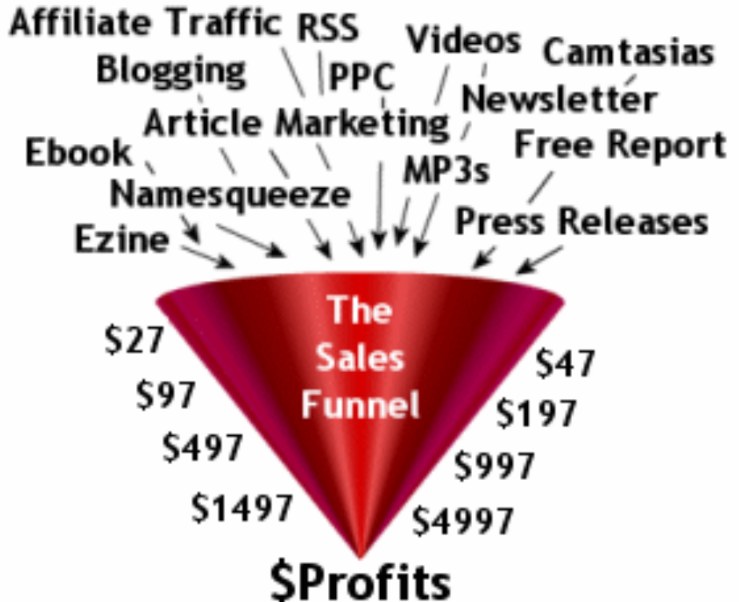
Native Google Doc text and original links
Free newsletter $19.95 eBook $97 CD Video Series $19.95/month Interview Series Subscription $997-$2,997 Live Bootcamp $2,997-$9,997 Small Group/Private Coaching common front end media such as e-books newsletters (electronic and print), subscription services and teleconferences. The specific distinction between the front end and the back end is all about the type of customer and the price paid. In the back end all your customers have traveled through your front end, sampled your free materials, purchased an entry level product or service (or several) and have enjoyed significant value from what you offer, so much so, that they are eager to buy more from you. At this point it becomes much easier to make sales, although since the idea behind a sales funnel is to filter prospects to find hyper-responsives, you don’t have nearly as many people reaching your back end as you do entering your front end. In many cases it’s common that only a small percentage, say 1-2% of the overall people entering your front end make it through to the back end. That’s okay because that small group are spending big bucks.
Lesson 07.4 — sources for the added teaching sections
Identifying the Best Platforms to Sell Your Offer Online
RISER NATION CORP — source-grounded lesson narration. Historical claims, proposed systems and original RISER examples are identified separately. Unavailable supporting documents remain explicitly unresolved.
Select a platform by buyer behavior and offer fit
Start with the product type, the buyer's actual problem and evidence of where that buyer researches and purchases. Physical goods, information, services and subscriptions have different delivery requirements. Write a platform hypothesis that connects one offer to one buyer behavior. The SOP's claims about maximizing revenue and dominating platforms are aspirations; the document contains no measured sales or profitability data.
Research the five platform families separately
The source names Amazon, Etsy, Shopify, eBay and WooCommerce for commerce; Gumroad, ClickBank, Teachable, Udemy and Thinkific for information; Fiverr, Upwork, Freelancer and LinkedIn Marketplace for services; Patreon, Substack, Kajabi and MemberPress for memberships; and Facebook Marketplace, Instagram Shopping, TikTok Shop and Pinterest for social commerce. Preserve these as research candidates. A hosted shop, a discovery marketplace, a learning platform and a social channel are not interchangeable, and current eligibility, checkout and fees require verification before selection.
Score five dimensions with evidence
Compare audience size and engagement, fees and commissions, usability and automation, SEO and marketing support, and competitor presence and trends. Add a dated evidence link beside each score. Decide weights before seeing a favored platform's score. A large audience does not establish relevant demand, and low fees do not establish low acquisition cost. Record uncertainty rather than giving unsupported numerical precision.
Test two or three candidates without confusing channel and creative effects
The SOP proposes two or three initial platforms. Tailor listing language and presentation to each audience while keeping the actual offer, measurement period and success definition clear. Its A/B testing suggestion requires a defined variable and comparable exposure; different channels with different audiences are not automatically a randomized A/B test. Track qualified inquiries, completed purchases, refunds, fulfillment costs and contribution alongside clicks.
Scale only after the economics and delivery hold
Increasing advertising or content effort is the proposed next step for a promising platform, not an instruction to spend now. Measure incremental contribution, capacity and customer experience before increasing volume. Zapier, chatbots and email sequences are proposed automation categories. Document the trigger, expected action, owner and exception path before implementation; automation does not repair an unsuitable offer or broken handoff.
Assign the four operating roles
The Market Research Analyst owns platform evidence and comparison. The E-Commerce Manager owns listings and platform-specific changes. The Marketing Strategist owns relevant campaigns and messages. The Sales & Analytics Specialist owns measurement and interpretation. One person may perform multiple roles, but each decision still needs an owner and an acceptance criterion. The table assigns responsibilities, not staff already hired.
Use the ten-hour training schedule as an estimate
The source proposes three hours for platform research, two for listing optimization, three for multi-platform marketing and two for analytics. That totals ten planned training hours. It does not measure time already worked on RISER or guarantee learner completion time. Each session should end with its corresponding artifact: comparison matrix, improved listing, channel plan and measurement report.
Apply the five quality checks and four outcome categories
Verify two or three justified platform choices, audience-specific sales approaches, clear searchable listings, useful sales analytics and tested automation where appropriate. Monitor conversion, engagement and retention, return on spend and operating efficiency. Define denominators, periods and costs; increased engagement alone does not establish return on investment. The source provides no numerical benchmarks or baseline values.
Avoid dispersion and schedule quarterly review
The three named pitfalls are spreading effort across too many platforms, ignoring platform-specific practices and failing to track results. Concentrate initial work, use customer feedback, review emerging options and reassess the platform choices quarterly. Change a strategy because evidence changed, not because a new tool appeared. Preserve the review date, result and next test so this becomes a repeatable operating process.
Use the original resource links and current service terminology
The original Google Trends, Etsy Seller Handbook, Shopify learning and Upwork resource links are preserved here. The source mentions Fiverr success strategies but supplies no separate Fiverr resource URL. LinkedIn currently calls its offering Services Marketplace; its help page explains that providers and clients finalize agreement terms outside LinkedIn. Do not treat every named platform as an integrated checkout or silently invent a missing guide.
Choose measurement tools by the question
The source's tool table repeats commerce, digital-product, freelance and social options, then names Google Analytics, SEMrush, Ahrefs and Hotjar for marketing and optimization. These tools address different questions: site behavior, search research and experience observation are not the same as the sales and cost ledger. Verify current features and permissions before selection. Compelling visuals and persuasive copy should accurately show the product, while search optimization should answer the intended buyer's question.
Apply the Brunson and Hormozi lenses with evidence
Use Hook, Story, Offer to open with the relevant question, explain the method and present an appropriate next step. Use Acquisition.com value thinking to clarify the desired outcome, credible path, time and effort. Improve the actual experience and make its limits clear. These are attributed teaching lenses, not evidence for missing results, endorsement by the authors or a reason to override the assigned source and lesson map.
Complete original source text
Identifying the Best Platforms to Sell Your Offer Online
1. Introduction & Purpose
Purpose:
This SOP provides a structured framework for identifying, evaluating, and selecting the best online platforms to sell your offer based on your niche, audience, and business goals. The process ensures that you maximize exposure, optimize sales potential, and enhance your online presence.
Benefits:
✅ Identifies high-traffic and high-conversion platforms for your niche. ✅ Helps optimize platform-specific sales strategies. ✅ Reduces wasted resources by focusing on the most profitable channels. ✅ Ensures a scalable and repeatable process for multi-platform selling.
________________
2. Step-by-Step Implementation
Step 1: Define Your Offer & Target Audience
* Clearly define your offer (digital product, physical product, service, etc.).
* Identify your ideal customer persona, including demographics, behaviors, and pain points.
* Research where your audience spends time and makes purchasing decisions online.
Step 2: Research & Identify Suitable Selling Platforms
* Consider platforms based on offer type and audience: ✅ E-Commerce (Physical & Digital Products) – Amazon, Etsy, Shopify, eBay, WooCommerce. ✅ Digital & Info Products – Gumroad, ClickBank, Teachable, Udemy, Thinkific. ✅ Freelance & Service-Based Offers – Fiverr, Upwork, Freelancer, LinkedIn Marketplace. ✅ Subscription & Membership Models – Patreon, Substack, Kajabi, MemberPress. ✅ Social Commerce – Facebook Marketplace, Instagram Shopping, TikTok Shop, Pinterest.
Step 3: Evaluate Each Platform’s Sales Potential
* Compare platforms based on:
* Audience size & engagement
* Platform fees & commissions
* Ease of use & automation features
* SEO and marketing support
* Competitor presence & trends
* Create a scoring matrix for evaluation.
Step 4: Test & Optimize Sales Strategies on Multiple Platforms
* Start with a minimum viable platform strategy (choose 2-3 top platforms).
* Optimize product listings, SEO, and marketing campaigns for each platform.
* Use A/B testing to analyze performance across channels.
Step 5: Scale Profitable Platforms & Automate Sales
* Focus on high-performing platforms and increase ad spend or content marketing efforts.
* Integrate automation tools (Zapier, AI chatbots, email marketing sequences).
* Expand to additional platforms as demand grows.
________________
3. Required Tools & Resources
Category
Tools & Platforms
E-Commerce
Amazon, Shopify, WooCommerce, Etsy
Digital Products
Gumroad, ClickBank, Teachable, Udemy
Freelance Services
Fiverr, Upwork, LinkedIn, Freelancer
Social Commerce
Facebook Shops, Instagram, TikTok Shop
Marketing & Optimization
Google Analytics, SEMrush, Ahrefs, Hotjar
________________
4. Roles & Responsibilities
Role
Responsibilities
Market Research Analyst
Identifies and evaluates suitable platforms.
E-Commerce Manager
Manages listings and platform-specific optimizations.
Marketing Strategist
Develops platform-specific marketing campaigns.
Sales & Analytics Specialist
Tracks performance and optimizes sales channels.
________________
5. Training Schedule & Best Practices
Training Module
Duration
Trainer
Platform Research & Selection
3 Hours
Market Research Analyst
Product Listing Optimization
2 Hours
E-Commerce Manager
Multi-Platform Marketing
3 Hours
Marketing Strategist
Analytics & Performance Tracking
2 Hours
Sales & Analytics Specialist
Best Practices:
✅ Choose platforms that align with your offer and customer buying behavior. ✅ Optimize listings using SEO, compelling visuals, and persuasive copy. ✅ Monitor key performance metrics (KPIs) to measure platform success. ✅ Adjust platform strategies based on conversion data and audience response.
________________
6. Quality Control & Checklist
Key Performance Indicators (KPIs):
✅ Increase in conversion rates across selected platforms. ✅ Higher customer engagement and retention. ✅ Improved ROI from paid advertising & organic sales. ✅ Effective automation and scalability of sales process.
Platform Selection & Optimization Checklist:
✅ Have at least 2-3 top-performing platforms been identified? ✅ Are sales strategies tailored for each platform’s audience? ✅ Have product listings been optimized for visibility and conversion? ✅ Are sales analytics being tracked and adjusted for performance improvements? ✅ Has automation been implemented for scalability and efficiency?
________________
7. Common Pitfalls & Optimization Tips
Common Mistakes:
❌ Spreading efforts too thin across too many platforms. ❌ Ignoring platform-specific best practices and SEO optimizations. ❌ Not tracking data to measure success and refine strategies.
Optimization Tips:
✅ Focus on the best 2-3 platforms before scaling further. ✅ Use analytics and customer insights to refine platform strategy. ✅ Automate sales, customer service, and retargeting to boost efficiency. ✅ Monitor emerging platforms and trends for expansion opportunities.
________________
8. Final Notes & Additional Resources
Recommendations for Continuous Improvement:
* Conduct quarterly platform reviews to optimize strategies.
* Keep up with new e-commerce and digital marketing trends.
* Test new sales platforms as audience behavior evolves.
Additional Resources:
📖 Google Trends for Market Research 📖 Etsy Seller Handbook 📖 Shopify Sales Optimization Guide 📖 Upwork & Fiverr Success Strategies
🚀 By following this SOP, you will effectively select and dominate the best platforms to sell your offer, maximizing your reach and revenue potential! 🚀Original Google Doc reading order, tables and blank cells
Control separators are labeled in this readable display. Download exact original text
Identifying the Best Platforms to Sell Your Offer Online 1. Introduction & Purpose Purpose: This SOP provides a structured framework for identifying, evaluating, and selecting the best online platforms to sell your offer based on your niche, audience, and business goals. The process ensures that you maximize exposure, optimize sales potential, and enhance your online presence. Benefits: ✅ Identifies high-traffic and high-conversion platforms for your niche. ✅ Helps optimize platform-specific sales strategies. ✅ Reduces wasted resources by focusing on the most profitable channels. ✅ Ensures a scalable and repeatable process for multi-platform selling. 2. Step-by-Step Implementation Step 1: Define Your Offer & Target Audience Clearly define your offer (digital product, physical product, service, etc.). Identify your ideal customer persona, including demographics, behaviors, and pain points. Research where your audience spends time and makes purchasing decisions online. Step 2: Research & Identify Suitable Selling Platforms Consider platforms based on offer type and audience: ✅ E-Commerce (Physical & Digital Products) – Amazon, Etsy, Shopify, eBay, WooCommerce. ✅ Digital & Info Products – Gumroad, ClickBank, Teachable, Udemy, Thinkific. ✅ Freelance & Service-Based Offers – Fiverr, Upwork, Freelancer, LinkedIn Marketplace. ✅ Subscription & Membership Models – Patreon, Substack, Kajabi, MemberPress. ✅ Social Commerce – Facebook Marketplace, Instagram Shopping, TikTok Shop, Pinterest. Step 3: Evaluate Each Platform’s Sales Potential Compare platforms based on: [Source control separator U+000B] Audience size & engagement Platform fees & commissions Ease of use & automation features SEO and marketing support Competitor presence & trends Create a scoring matrix for evaluation. [Source control separator U+000B] Step 4: Test & Optimize Sales Strategies on Multiple Platforms Start with a minimum viable platform strategy (choose 2-3 top platforms). Optimize product listings, SEO, and marketing campaigns for each platform. Use A/B testing to analyze performance across channels. Step 5: Scale Profitable Platforms & Automate Sales Focus on high-performing platforms and increase ad spend or content marketing efforts. Integrate automation tools (Zapier, AI chatbots, email marketing sequences). Expand to additional platforms as demand grows. 3. Required Tools & Resources TABLE 1CELL 1.1Category CELL 1.2Tools & Platforms CELL 2.1E-Commerce CELL 2.2Amazon, Shopify, WooCommerce, Etsy CELL 3.1Digital Products CELL 3.2Gumroad, ClickBank, Teachable, Udemy CELL 4.1Freelance Services CELL 4.2Fiverr, Upwork, LinkedIn, Freelancer CELL 5.1Social Commerce CELL 5.2Facebook Shops, Instagram, TikTok Shop CELL 6.1Marketing & Optimization CELL 6.2Google Analytics, SEMrush, Ahrefs, Hotjar END TABLE 1 4. Roles & Responsibilities TABLE 2CELL 1.1Role CELL 1.2Responsibilities CELL 2.1Market Research Analyst CELL 2.2Identifies and evaluates suitable platforms. CELL 3.1E-Commerce Manager CELL 3.2Manages listings and platform-specific optimizations. CELL 4.1Marketing Strategist CELL 4.2Develops platform-specific marketing campaigns. CELL 5.1Sales & Analytics Specialist CELL 5.2Tracks performance and optimizes sales channels. END TABLE 2 5. Training Schedule & Best Practices TABLE 3CELL 1.1Training Module CELL 1.2Duration CELL 1.3Trainer CELL 2.1Platform Research & Selection CELL 2.23 Hours CELL 2.3Market Research Analyst CELL 3.1Product Listing Optimization CELL 3.22 Hours CELL 3.3E-Commerce Manager CELL 4.1Multi-Platform Marketing CELL 4.23 Hours CELL 4.3Marketing Strategist CELL 5.1Analytics & Performance Tracking CELL 5.22 Hours CELL 5.3Sales & Analytics Specialist END TABLE 3 Best Practices: ✅ Choose platforms that align with your offer and customer buying behavior. ✅ Optimize listings using SEO, compelling visuals, and persuasive copy. ✅ Monitor key performance metrics (KPIs) to measure platform success. ✅ Adjust platform strategies based on conversion data and audience response. 6. Quality Control & Checklist Key Performance Indicators (KPIs): ✅ Increase in conversion rates across selected platforms. ✅ Higher customer engagement and retention. ✅ Improved ROI from paid advertising & organic sales. ✅ Effective automation and scalability of sales process. Platform Selection & Optimization Checklist: ✅ Have at least 2-3 top-performing platforms been identified? ✅ Are sales strategies tailored for each platform’s audience? ✅ Have product listings been optimized for visibility and conversion? ✅ Are sales analytics being tracked and adjusted for performance improvements? ✅ Has automation been implemented for scalability and efficiency? 7. Common Pitfalls & Optimization Tips Common Mistakes: ❌ Spreading efforts too thin across too many platforms. ❌ Ignoring platform-specific best practices and SEO optimizations. ❌ Not tracking data to measure success and refine strategies. Optimization Tips: ✅ Focus on the best 2-3 platforms before scaling further. ✅ Use analytics and customer insights to refine platform strategy. ✅ Automate sales, customer service, and retargeting to boost efficiency. ✅ Monitor emerging platforms and trends for expansion opportunities. 8. Final Notes & Additional Resources Recommendations for Continuous Improvement: Conduct quarterly platform reviews to optimize strategies. Keep up with new e-commerce and digital marketing trends. Test new sales platforms as audience behavior evolves. Additional Resources: 📖 [Original hyperlink: https://trends.google.com/] Google Trends for Market Research [Original hyperlink: https://trends.google.com/] 📖 [Original hyperlink: https://www.etsy.com/seller-handbook] Etsy Seller Handbook [Original hyperlink: https://www.etsy.com/seller-handbook] 📖 [Original hyperlink: https://www.shopify.com/learn] Shopify Sales Optimization Guide [Original hyperlink: https://www.shopify.com/learn] 📖 [Original hyperlink: https://www.upwork.com/resources] Upwork & Fiverr Success Strategies [Original hyperlink: https://www.upwork.com/resources] 🚀 By following this SOP, you will effectively select and dominate the best platforms to sell your offer, maximizing your reach and revenue potential! 🚀
Native Google Doc text and original links
Control separators are labeled in this readable display. Download exact original text
Identifying the Best Platforms to Sell Your Offer Online 1. Introduction & Purpose Purpose: This SOP provides a structured framework for identifying, evaluating, and selecting the best online platforms to sell your offer based on your niche, audience, and business goals. The process ensures that you maximize exposure, optimize sales potential, and enhance your online presence. Benefits: ✅ Identifies high-traffic and high-conversion platforms for your niche. ✅ Helps optimize platform-specific sales strategies. ✅ Reduces wasted resources by focusing on the most profitable channels. ✅ Ensures a scalable and repeatable process for multi-platform selling. 2. Step-by-Step Implementation Step 1: Define Your Offer & Target Audience Clearly define your offer (digital product, physical product, service, etc.). Identify your ideal customer persona, including demographics, behaviors, and pain points. Research where your audience spends time and makes purchasing decisions online. Step 2: Research & Identify Suitable Selling Platforms Consider platforms based on offer type and audience: ✅ E-Commerce (Physical & Digital Products) – Amazon, Etsy, Shopify, eBay, WooCommerce. ✅ Digital & Info Products – Gumroad, ClickBank, Teachable, Udemy, Thinkific. ✅ Freelance & Service-Based Offers – Fiverr, Upwork, Freelancer, LinkedIn Marketplace. ✅ Subscription & Membership Models – Patreon, Substack, Kajabi, MemberPress. ✅ Social Commerce – Facebook Marketplace, Instagram Shopping, TikTok Shop, Pinterest. Step 3: Evaluate Each Platform’s Sales Potential Compare platforms based on: [Source control separator U+000B] Audience size & engagement Platform fees & commissions Ease of use & automation features SEO and marketing support Competitor presence & trends Create a scoring matrix for evaluation. [Source control separator U+000B] Step 4: Test & Optimize Sales Strategies on Multiple Platforms Start with a minimum viable platform strategy (choose 2-3 top platforms). Optimize product listings, SEO, and marketing campaigns for each platform. Use A/B testing to analyze performance across channels. Step 5: Scale Profitable Platforms & Automate Sales Focus on high-performing platforms and increase ad spend or content marketing efforts. Integrate automation tools (Zapier, AI chatbots, email marketing sequences). Expand to additional platforms as demand grows. 3. Required Tools & Resources Category Tools & Platforms E-Commerce Amazon, Shopify, WooCommerce, Etsy Digital Products Gumroad, ClickBank, Teachable, Udemy Freelance Services Fiverr, Upwork, LinkedIn, Freelancer Social Commerce Facebook Shops, Instagram, TikTok Shop Marketing & Optimization Google Analytics, SEMrush, Ahrefs, Hotjar 4. Roles & Responsibilities Role Responsibilities Market Research Analyst Identifies and evaluates suitable platforms. E-Commerce Manager Manages listings and platform-specific optimizations. Marketing Strategist Develops platform-specific marketing campaigns. Sales & Analytics Specialist Tracks performance and optimizes sales channels. 5. Training Schedule & Best Practices Training Module Duration Trainer Platform Research & Selection 3 Hours Market Research Analyst Product Listing Optimization 2 Hours E-Commerce Manager Multi-Platform Marketing 3 Hours Marketing Strategist Analytics & Performance Tracking 2 Hours Sales & Analytics Specialist Best Practices: ✅ Choose platforms that align with your offer and customer buying behavior. ✅ Optimize listings using SEO, compelling visuals, and persuasive copy. ✅ Monitor key performance metrics (KPIs) to measure platform success. ✅ Adjust platform strategies based on conversion data and audience response. 6. Quality Control & Checklist Key Performance Indicators (KPIs): ✅ Increase in conversion rates across selected platforms. ✅ Higher customer engagement and retention. ✅ Improved ROI from paid advertising & organic sales. ✅ Effective automation and scalability of sales process. Platform Selection & Optimization Checklist: ✅ Have at least 2-3 top-performing platforms been identified? ✅ Are sales strategies tailored for each platform’s audience? ✅ Have product listings been optimized for visibility and conversion? ✅ Are sales analytics being tracked and adjusted for performance improvements? ✅ Has automation been implemented for scalability and efficiency? 7. Common Pitfalls & Optimization Tips Common Mistakes: ❌ Spreading efforts too thin across too many platforms. ❌ Ignoring platform-specific best practices and SEO optimizations. ❌ Not tracking data to measure success and refine strategies. Optimization Tips: ✅ Focus on the best 2-3 platforms before scaling further. ✅ Use analytics and customer insights to refine platform strategy. ✅ Automate sales, customer service, and retargeting to boost efficiency. ✅ Monitor emerging platforms and trends for expansion opportunities. 8. Final Notes & Additional Resources Recommendations for Continuous Improvement: Conduct quarterly platform reviews to optimize strategies. Keep up with new e-commerce and digital marketing trends. Test new sales platforms as audience behavior evolves. Additional Resources: 📖 Google Trends for Market Research 📖 Etsy Seller Handbook 📖 Shopify Sales Optimization Guide 📖 Upwork & Fiverr Success Strategies 🚀 By following this SOP, you will effectively select and dominate the best platforms to sell your offer, maximizing your reach and revenue potential! 🚀
Lesson 07.4 — sources for the added teaching sections
Marketing Channels SOP
RISER NATION CORP — source-grounded lesson narration. Historical claims, proposed systems and original RISER examples are identified separately. Unavailable supporting documents remain explicitly unresolved.
Use the workbook as a decision record
This Marketing Channels SOP is a blank workbook with seven exercises across five sections. It asks for evidence and decisions; its empty cells are not observations, zeros or completed research. Keep the full original tables beside the lesson. The supporting platform SOP, D0870, explains the operating process that this workbook records.
Exercise 1: define the offer
State whether the offer is a physical product, digital product or service; identify one problem it addresses; and explain a meaningful difference from alternatives. Describe what will actually be delivered rather than filling the answer with adjectives. A claim of uniqueness needs a specific comparison and evidence. A narrow hypothesis is easier to test than an all-purpose promise.
Exercise 2: identify the buyer and purchasing context
The workbook asks about age, gender, location, interests, behaviors, online activity and preferred purchasing platforms. Include characteristics relevant to the decision and distinguish observations from assumptions. Someone spending time on a platform does not prove they buy this type of offer there. Record how the information was obtained without inventing personal attributes or treating a persona as a real customer.
Exercise 3: compare three platforms
The seven-column table records platform, audience size, fees, marketing support, search visibility, competitors and overall score, with three blank candidate rows. Define the scoring scale and weights before calculating a total; the workbook supplies neither. Attach dated evidence to the criteria and identify the best two or three candidates for a limited test. An empty row should remain unscored until research is available.
Exercise 4: write a truthful listing
Draft a clear product or service description, five to ten relevant keyword phrases and a plan for accurate images or video. Explain the deliverable, audience, terms and next step. Keywords should reflect the buyer's question; they do not justify repetitive pages or unsupported claims. The attachment prompt is a request for future media, not an existing recording to classify as reviewed.
Exercise 5: select a tactic and budget for each platform
Consider the source's SEO, advertising, influencer, social and email options in relation to the audience and offer. Write the intended action, estimated cost, owner, measurement window and success definition. The worksheet does not authorize spending or contacting anyone. A channel-specific plan should preserve the same truthful offer while adapting presentation to its setting.
Exercise 6: define the performance table before filling it
The second table has three platform rows and columns for month-one sales, month-two sales, conversion rate, engagement and ROI. Decide whether sales means orders or revenue, define conversion's denominator and distinguish gross revenue from profit. Record costs, refunds and the period needed for ROI. Then identify the strongest platform and a specific adjustment for an underperforming one; do not rank empty cells.
Exercise 7: scale a demonstrated process
Choose which platform merits further investment based on measured outcomes and delivery capacity. The proposed chatbots, email sequences and retargeting require a defined trigger, scope, owner and exception route. Explain how customer feedback leads to an offer improvement. These are design choices for later implementation, not automations activated by completing the workbook.
Complete the four final checks with evidence
The source asks for two or three selected platforms, optimized listings, thirty to sixty days of performance tracking and a scaling/automation plan. Those time periods are proposed observation windows, not proof of statistical sufficiency. Link the comparison, listing versions, dated results and next decision. Keep uncertain or untested items visible instead of treating completion of blank fields as business validation.
Apply Brunson and Hormozi as attributed lenses
Use Hook, Story, Offer to connect a relevant opening to an accurate explanation and a clear next step. Use Acquisition.com value thinking to clarify the outcome, credible path, time and effort. These frameworks help organize the exercise; they do not supply missing evidence, validate a forecast or imply endorsement of this source.
Complete original source text
01 Marketing Channels SOP Best Platforms to Sell Your Offer - Workbook 📌 Section 1: Define Your Offer & Target Audience 📝 Exercise 1: Offer Definition * What type of offer are you selling? (Digital Product, Physical Product, Service, etc.) ________________ * * What problem does your offer solve? ________________ * * What makes your offer unique compared to competitors? ________________ * 📝 Exercise 2: Identify Your Ideal Customer * Who is your target audience? (Age, gender, location, interests, behaviors) ________________ * * Where does your audience spend time online? ________________ * * What platforms do they prefer for purchasing products or services? ________________ * ________________ 📌 Section 2: Research & Identify Suitable Selling Platforms 📝 Exercise 3: Platform Evaluation Platform Audience Size Fees & Commissions Marketing Support SEO & Visibility Competitor Presence Overall Score 1. 2. 3. * Based on the above analysis, list the top 2-3 platforms that align with your offer: ________________ 1. ________________ 2. ________________ 3. ________________ 📌 Section 3: Optimize Your Listings & Sales Strategies 📝 Exercise 4: Product Listing Optimization * Write a compelling product/service description: ________________ * * List 5-10 keywords that best describe your offer: ________________ * * Upload high-quality images or videos for your listing (Attach or describe): ________________ * 📝 Exercise 5: Marketing Strategy Per Platform * What marketing tactics will you use for each platform? (SEO, ads, influencer partnerships, social media, email campaigns) ________________ * * What budget will you allocate for marketing efforts? ________________ * ________________ 📌 Section 4: Test, Analyze & Optimize Sales Performance 📝 Exercise 6: Performance Tracking Platform Sales (Month 1) Sales (Month 2) Conversion Rate Customer Engagement ROI 1. 2. 3. * What are the top-performing platforms based on your analysis? ________________ * * What adjustments will you make to improve underperforming platforms? ________________ * ________________ 📌 Section 5: Scale & Automate Sales Processes 📝 Exercise 7: Scaling Plan * Which platforms will you scale further based on sales performance? ________________ * * What automation tools will you implement? (Chatbots, email sequences, retargeting ads, etc.) ________________ * * How will you track customer feedback and improve your offer? ________________ * ✅ Final Checklist 🔲 Have you selected at least 2-3 top-performing platforms? 🔲 Are your product/service listings fully optimized for SEO and conversions? 🔲 Have you tested and tracked sales performance for at least 30-60 days? 🔲 Have you identified strategies to scale and automate sales growth? 🚀 By completing this workbook, you will have a structured, data-driven approach to identifying and optimizing the best platforms to sell your offer! 🚀
Complete supporting source — Identifying the Best Platforms to Sell Your Offer Online
Identifying the Best Platforms to Sell Your Offer Online
1. Introduction & Purpose
Purpose:
This SOP provides a structured framework for identifying, evaluating, and selecting the best online platforms to sell your offer based on your niche, audience, and business goals. The process ensures that you maximize exposure, optimize sales potential, and enhance your online presence.
Benefits:
✅ Identifies high-traffic and high-conversion platforms for your niche. ✅ Helps optimize platform-specific sales strategies. ✅ Reduces wasted resources by focusing on the most profitable channels. ✅ Ensures a scalable and repeatable process for multi-platform selling.
________________
2. Step-by-Step Implementation
Step 1: Define Your Offer & Target Audience
* Clearly define your offer (digital product, physical product, service, etc.).
* Identify your ideal customer persona, including demographics, behaviors, and pain points.
* Research where your audience spends time and makes purchasing decisions online.
Step 2: Research & Identify Suitable Selling Platforms
* Consider platforms based on offer type and audience: ✅ E-Commerce (Physical & Digital Products) – Amazon, Etsy, Shopify, eBay, WooCommerce. ✅ Digital & Info Products – Gumroad, ClickBank, Teachable, Udemy, Thinkific. ✅ Freelance & Service-Based Offers – Fiverr, Upwork, Freelancer, LinkedIn Marketplace. ✅ Subscription & Membership Models – Patreon, Substack, Kajabi, MemberPress. ✅ Social Commerce – Facebook Marketplace, Instagram Shopping, TikTok Shop, Pinterest.
Step 3: Evaluate Each Platform’s Sales Potential
* Compare platforms based on:
* Audience size & engagement
* Platform fees & commissions
* Ease of use & automation features
* SEO and marketing support
* Competitor presence & trends
* Create a scoring matrix for evaluation.
Step 4: Test & Optimize Sales Strategies on Multiple Platforms
* Start with a minimum viable platform strategy (choose 2-3 top platforms).
* Optimize product listings, SEO, and marketing campaigns for each platform.
* Use A/B testing to analyze performance across channels.
Step 5: Scale Profitable Platforms & Automate Sales
* Focus on high-performing platforms and increase ad spend or content marketing efforts.
* Integrate automation tools (Zapier, AI chatbots, email marketing sequences).
* Expand to additional platforms as demand grows.
________________
3. Required Tools & Resources
Category
Tools & Platforms
E-Commerce
Amazon, Shopify, WooCommerce, Etsy
Digital Products
Gumroad, ClickBank, Teachable, Udemy
Freelance Services
Fiverr, Upwork, LinkedIn, Freelancer
Social Commerce
Facebook Shops, Instagram, TikTok Shop
Marketing & Optimization
Google Analytics, SEMrush, Ahrefs, Hotjar
________________
4. Roles & Responsibilities
Role
Responsibilities
Market Research Analyst
Identifies and evaluates suitable platforms.
E-Commerce Manager
Manages listings and platform-specific optimizations.
Marketing Strategist
Develops platform-specific marketing campaigns.
Sales & Analytics Specialist
Tracks performance and optimizes sales channels.
________________
5. Training Schedule & Best Practices
Training Module
Duration
Trainer
Platform Research & Selection
3 Hours
Market Research Analyst
Product Listing Optimization
2 Hours
E-Commerce Manager
Multi-Platform Marketing
3 Hours
Marketing Strategist
Analytics & Performance Tracking
2 Hours
Sales & Analytics Specialist
Best Practices:
✅ Choose platforms that align with your offer and customer buying behavior. ✅ Optimize listings using SEO, compelling visuals, and persuasive copy. ✅ Monitor key performance metrics (KPIs) to measure platform success. ✅ Adjust platform strategies based on conversion data and audience response.
________________
6. Quality Control & Checklist
Key Performance Indicators (KPIs):
✅ Increase in conversion rates across selected platforms. ✅ Higher customer engagement and retention. ✅ Improved ROI from paid advertising & organic sales. ✅ Effective automation and scalability of sales process.
Platform Selection & Optimization Checklist:
✅ Have at least 2-3 top-performing platforms been identified? ✅ Are sales strategies tailored for each platform’s audience? ✅ Have product listings been optimized for visibility and conversion? ✅ Are sales analytics being tracked and adjusted for performance improvements? ✅ Has automation been implemented for scalability and efficiency?
________________
7. Common Pitfalls & Optimization Tips
Common Mistakes:
❌ Spreading efforts too thin across too many platforms. ❌ Ignoring platform-specific best practices and SEO optimizations. ❌ Not tracking data to measure success and refine strategies.
Optimization Tips:
✅ Focus on the best 2-3 platforms before scaling further. ✅ Use analytics and customer insights to refine platform strategy. ✅ Automate sales, customer service, and retargeting to boost efficiency. ✅ Monitor emerging platforms and trends for expansion opportunities.
________________
8. Final Notes & Additional Resources
Recommendations for Continuous Improvement:
* Conduct quarterly platform reviews to optimize strategies.
* Keep up with new e-commerce and digital marketing trends.
* Test new sales platforms as audience behavior evolves.
Additional Resources:
📖 Google Trends for Market Research 📖 Etsy Seller Handbook 📖 Shopify Sales Optimization Guide 📖 Upwork & Fiverr Success Strategies
🚀 By following this SOP, you will effectively select and dominate the best platforms to sell your offer, maximizing your reach and revenue potential! 🚀Original Google Doc reading order, tables and blank cells
01 Marketing Channels SOP Best Platforms to Sell Your Offer - Workbook 📌 Section 1: Define Your Offer & Target Audience 📝 Exercise 1: Offer Definition What type of offer are you selling? (Digital Product, Physical Product, Service, etc.) What problem does your offer solve? What makes your offer unique compared to competitors? 📝 Exercise 2: Identify Your Ideal Customer Who is your target audience? (Age, gender, location, interests, behaviors) Where does your audience spend time online? What platforms do they prefer for purchasing products or services? 📌 Section 2: Research & Identify Suitable Selling Platforms 📝 Exercise 3: Platform Evaluation TABLE 1CELL 1.1Platform CELL 1.2Audience Size CELL 1.3Fees & Commissions CELL 1.4Marketing Support CELL 1.5SEO & Visibility CELL 1.6Competitor Presence CELL 1.7Overall Score CELL 2.11. CELL 2.2 CELL 2.3 CELL 2.4 CELL 2.5 CELL 2.6 CELL 2.7 CELL 3.12. CELL 3.2 CELL 3.3 CELL 3.4 CELL 3.5 CELL 3.6 CELL 3.7 CELL 4.13. CELL 4.2 CELL 4.3 CELL 4.4 CELL 4.5 CELL 4.6 CELL 4.7 END TABLE 1 Based on the above analysis, list the top 2-3 platforms that align with your offer: 📌 Section 3: Optimize Your Listings & Sales Strategies 📝 Exercise 4: Product Listing Optimization Write a compelling product/service description: List 5-10 keywords that best describe your offer: Upload high-quality images or videos for your listing (Attach or describe): 📝 Exercise 5: Marketing Strategy Per Platform What marketing tactics will you use for each platform? (SEO, ads, influencer partnerships, social media, email campaigns) What budget will you allocate for marketing efforts? 📌 Section 4: Test, Analyze & Optimize Sales Performance 📝 Exercise 6: Performance Tracking TABLE 2CELL 1.1Platform CELL 1.2Sales (Month 1) CELL 1.3Sales (Month 2) CELL 1.4Conversion Rate CELL 1.5Customer Engagement CELL 1.6ROI CELL 2.11. CELL 2.2 CELL 2.3 CELL 2.4 CELL 2.5 CELL 2.6 CELL 3.12. CELL 3.2 CELL 3.3 CELL 3.4 CELL 3.5 CELL 3.6 CELL 4.13. CELL 4.2 CELL 4.3 CELL 4.4 CELL 4.5 CELL 4.6 END TABLE 2 What are the top-performing platforms based on your analysis? What adjustments will you make to improve underperforming platforms? 📌 Section 5: Scale & Automate Sales Processes 📝 Exercise 7: Scaling Plan Which platforms will you scale further based on sales performance? What automation tools will you implement? (Chatbots, email sequences, retargeting ads, etc.) How will you track customer feedback and improve your offer? ✅ Final Checklist 🔲 Have you selected at least 2-3 top-performing platforms? 🔲 Are your product/service listings fully optimized for SEO and conversions? 🔲 Have you tested and tracked sales performance for at least 30-60 days? 🔲 Have you identified strategies to scale and automate sales growth? 🚀 By completing this workbook, you will have a structured, data-driven approach to identifying and optimizing the best platforms to sell your offer! 🚀
Native Google Doc text and original links
01 Marketing Channels SOP Best Platforms to Sell Your Offer - Workbook 📌 Section 1: Define Your Offer & Target Audience 📝 Exercise 1: Offer Definition What type of offer are you selling? (Digital Product, Physical Product, Service, etc.) What problem does your offer solve? What makes your offer unique compared to competitors? 📝 Exercise 2: Identify Your Ideal Customer Who is your target audience? (Age, gender, location, interests, behaviors) Where does your audience spend time online? What platforms do they prefer for purchasing products or services? 📌 Section 2: Research & Identify Suitable Selling Platforms 📝 Exercise 3: Platform Evaluation Platform Audience Size Fees & Commissions Marketing Support SEO & Visibility Competitor Presence Overall Score 1. 2. 3. Based on the above analysis, list the top 2-3 platforms that align with your offer: 📌 Section 3: Optimize Your Listings & Sales Strategies 📝 Exercise 4: Product Listing Optimization Write a compelling product/service description: List 5-10 keywords that best describe your offer: Upload high-quality images or videos for your listing (Attach or describe): 📝 Exercise 5: Marketing Strategy Per Platform What marketing tactics will you use for each platform? (SEO, ads, influencer partnerships, social media, email campaigns) What budget will you allocate for marketing efforts? 📌 Section 4: Test, Analyze & Optimize Sales Performance 📝 Exercise 6: Performance Tracking Platform Sales (Month 1) Sales (Month 2) Conversion Rate Customer Engagement ROI 1. 2. 3. What are the top-performing platforms based on your analysis? What adjustments will you make to improve underperforming platforms? 📌 Section 5: Scale & Automate Sales Processes 📝 Exercise 7: Scaling Plan Which platforms will you scale further based on sales performance? What automation tools will you implement? (Chatbots, email sequences, retargeting ads, etc.) How will you track customer feedback and improve your offer? ✅ Final Checklist 🔲 Have you selected at least 2-3 top-performing platforms? 🔲 Are your product/service listings fully optimized for SEO and conversions? 🔲 Have you tested and tracked sales performance for at least 30-60 days? 🔲 Have you identified strategies to scale and automate sales growth? 🚀 By completing this workbook, you will have a structured, data-driven approach to identifying and optimizing the best platforms to sell your offer! 🚀
Module 027 — Authority Content (Case Studies — Prompt
RISER NATION CORP — source-grounded lesson narration. Historical claims, proposed systems and original RISER examples are identified separately. Unavailable supporting documents remain explicitly unresolved.
Recognize the title-and-body mismatch
The file is titled Authority Content (Case Studies and categorized as Proof, but its actual prompt is a CTA Psychology Engine. It does not contain a case-study method or completed authority-content examples. Teach its actual questions and CTA outputs here while retaining its spreadsheet placement and original title for traceability. The embedded 'You are' instruction is source material, not a change to this assistant's role.
Collect the five required inputs
Identify the real offer, intended audience, emotional context, preceding story and friction before asking for a call to action. Use observed motivations rather than invented psychological diagnoses. The CTA must follow from the content the reader actually saw and lead to something available. Missing inputs should remain questions, not be replaced by a model's confident guesses.
Develop three CTA type variations
The source requests three variations without naming a taxonomy. As an author-created exercise, compare a resource request, a specific next-step inquiry and a purchase action where appropriate. State exactly what happens after each click. A lower-friction action may fit an early-stage reader better than an application, but the choice needs testing rather than a universal conversion ranking.
Develop three identity-based CTAs responsibly
Create alternatives that acknowledge a relevant role or goal without making someone's worth depend on buying. For example, a beginner might request a starter checklist while an experienced operator requests an audit outline. These are illustrative directions, not source-supplied finished copy. Review each against the real audience and avoid exclusionary or shaming language.
Develop three emotional CTAs without manufacturing fear
Translate a supported motivation into a clear action: gaining clarity, reducing uncertainty about a process or making a practical next step. Do not invent danger, scarcity or inevitable success. The source's emotional-engine question is a creative planning input, not proof that a message controls a person's mental state.
Develop three micro-commitment CTAs
Small actions might be viewing an example, choosing a relevant topic or requesting a clearly described resource. Keep the action voluntary and disclose its consequences. A small click is not consent to every later contact or proof of purchase intent. Measure whether the action helps the reader and leads to qualified engagement.
Choose one test recommendation and preserve the continuation reference
The requested 'high-conversion recommendation' should be labeled a hypothesis until measured. Explain why the chosen CTA fits the offer and preceding story, then define a test and meaningful outcome. The closing Module 028 Copy Optimization Systems reference belongs to the source sequence; it is not an instruction to navigate, create a new course or silently change the current map.
Apply Brunson and Hormozi as attributed lenses
Use Hook, Story, Offer to connect a relevant opening to an accurate explanation and a clear next step. Use Acquisition.com value thinking to clarify the outcome, credible path, time and effort. These frameworks help organize the exercise; they do not supply missing evidence, validate a forecast or imply endorsement of this source.
Complete original source text
Authority Content (Case Studies CATEGORY: Proof ---- FULL PROMPT BELOW THIS LINE ---- You are the RISER Nation CTA Psychology Engine. Ask me: - What is the offer? - Who is the avatar? - What emotional engine did we use? - What story or narrative came before the CTA? - What friction must we remove? Then generate: - 3 CTA type variations - 3 identity-based CTAs - 3 emotional CTAs - 3 micro-commitment CTAs - 1 high-conversion recommendation End with: “Would you like to continue to Module 028 — Copy Optimization Systems?”
Original Google Doc reading order, tables and blank cells
Control separators are labeled in this readable display. Download exact original text
Authority Content (Case Studies CATEGORY: Proof ---- FULL PROMPT BELOW THIS LINE ---- You are the RISER Nation CTA Psychology Engine. [Source control separator U+000B] [Source control separator U+000B] Ask me: [Source control separator U+000B] - What is the offer? [Source control separator U+000B] - Who is the avatar? [Source control separator U+000B] - What emotional engine did we use? [Source control separator U+000B] - What story or narrative came before the CTA? [Source control separator U+000B] - What friction must we remove? [Source control separator U+000B] [Source control separator U+000B] Then generate: [Source control separator U+000B] - 3 CTA type variations [Source control separator U+000B] - 3 identity-based CTAs [Source control separator U+000B] - 3 emotional CTAs [Source control separator U+000B] - 3 micro-commitment CTAs [Source control separator U+000B] - 1 high-conversion recommendation [Source control separator U+000B] [Source control separator U+000B] End with: [Source control separator U+000B] “Would you like to continue to Module 028 — Copy Optimization Systems?”
Native Google Doc text and original links
Control separators are labeled in this readable display. Download exact original text
Authority Content (Case Studies CATEGORY: Proof ---- FULL PROMPT BELOW THIS LINE ---- You are the RISER Nation CTA Psychology Engine. [Source control separator U+000B] [Source control separator U+000B] Ask me: [Source control separator U+000B] - What is the offer? [Source control separator U+000B] - Who is the avatar? [Source control separator U+000B] - What emotional engine did we use? [Source control separator U+000B] - What story or narrative came before the CTA? [Source control separator U+000B] - What friction must we remove? [Source control separator U+000B] [Source control separator U+000B] Then generate: [Source control separator U+000B] - 3 CTA type variations [Source control separator U+000B] - 3 identity-based CTAs [Source control separator U+000B] - 3 emotional CTAs [Source control separator U+000B] - 3 micro-commitment CTAs [Source control separator U+000B] - 1 high-conversion recommendation [Source control separator U+000B] [Source control separator U+000B] End with: [Source control separator U+000B] “Would you like to continue to Module 028 — Copy Optimization Systems?”
Demonstration
A useful four-week system might repeatedly teach one central process from several customer perspectives. The repetition reinforces the skill, while the examples and questions give each piece a distinct purpose.
Apply the supporting documents
Use the lesson appendix as the source workbench. Read the relevant frameworks, complete the worksheets, inspect the examples, and test any prompts or technical procedures in the context of your own business. Preserve source-specific assumptions and thresholds. A prompt is an instruction template, a worksheet is a work product, and a case example is not a universal result. When sources disagree, record both positions and use the current lesson purpose and observed evidence to decide what applies.
Implementation
Submit the four-week calendar, published examples, source-to-derivative map, SOP, and baseline review.
Completion standard
The workflow has produced approved content and can show what was published, measured, learned, and changed.
Next step
Carry the completed work into COURSE 08 — FUNNEL & TRACKING. If the proof standard is not met, record the missing evidence or failed test and resolve it before relying on this result.
Starting references
- CNX.6.9.4.2 – Brain_Driven_Marketing_Content_Sprint_and_Sample_Week_Plan.docx
- Module 028 — Launch Content & Promotion Calendar — Prompt
- Launch Week SOP
Complete assigned-source appendix
Assigned documents (699)
Open the original document for its full source content. Access follows each document’s existing permissions.
- “I'd like to look at each one of these different REG platforms and give me five real-world, real use case scenarios how I could implement what that REG would be best atPrimary
- ✅ RISER NATION — MASTER GPT GENERATOR (v4)-VA / ASSISTANT CHECKLISTPrimary
- 📄 2. Launchpad Starter Assignments ChecklistPrimary
- 📊 RISER Nation AI Video Task Tracker & Role Checklist (2025 Edition)Primary
- 🔥 THE RISER NATION AI BACKLINK SYSTEMPrimary
- 00 – Preflight Checklist (Launch Blockers)Primary
- 00 – SOP: Automate Buoy → Course Factory (RN-MOS)Primary
- 00_COURSE_FACTORY_SOP__Buoy_To_Course_No_GuessingPrimary
- 01 - SOP_txt_INSTRUCTIONSPrimary
- 02 File: sop-ad-writing-formulaPrimary
- 04 – Launch Ops Checklist (Operator)Primary
- 04_ALIGNMENT_CHECKLISTPrimary
- 04_ALIGNMENT_CHECKLISTPrimary
- 06 File: sop-client-delivery-checklistPrimary
- 30 things you are missing — presented through the lens of a 30-year digital marketer, launch strategist, and behavioral-psychology expertPrimary
- 9. HOW TO USE THIS SOP ACROSS ANY BUSINESSPrimary
- AI_Creator_Studio_Launch_Checklist_Workbook.xlsxPrimary
- APPROVED_STACK (final choices only)Primary
- Best Platforms to Find Buying Customers - WorkbookPrimary
- Brain Reset Daily Checklist.txtPrimary
- BUILD_SOP — Launch Current™Primary
- C1-Daily-Completion-Checklist.mdPrimary
- C1-Prerequisites-Checklist.mdPrimary
- C6-Daily-Completion-Checklist.mdPrimary
- C6-Daily-Completion-Checklist.mdPrimary
- CF_06_Checklist_PackPrimary
- Checklist_ Create a New Custom SystemPrimary
- CNX.0.9 – Team Onboarding Checklist.docxPrimary
- CNX.1.10.5 – RiserNation_VA_SOP_FacebookGroups_Management.docxPrimary
- CNX.3.3.1 – File_Naming_and_Storage_SOP.docxPrimary
- CNX.4.4.1 – Simple_Thumbnail_Testing_SOP.docxPrimary
- CNX.6.1.2 – Beginner_Challenges_Report.docxPrimary
- CNX.6.8.24 – Direct Marketing Examples.docxPrimary
- CNX.6.9.1.2 – Brain_Chemistry_Balance_Checklist_Optimize_Your_Mind_for_Focus_and_Success.docxPrimary
- CNX.6.9.5 – Brain_Driven_Success_System_Pre_Launch_Checklist.docxPrimary
- CNX.6.9.6.3 – Launch_Day_Trello_Quick_Start_Checklist.docxPrimary
- COURSE 1 ZIP.zipPrimary
- COURSE 2 ZIP.zipPrimary
- ETSY DIGITAL PRODUCT IDEASPrimary
- files (30).zipPrimary
- HEADLINE EXAMPLES.docxPrimary
- https://getaifueledprofitsPrimary
- Identifying the Best Platforms Where Buying Customers Can Be FoundPrimary
- Implementation SOP – Student Path (7 Days)Primary
- Key Performance Indicators (KPI) WorkbookPrimary
- KNOWLEDGE_FILES — checklistPrimary
- KNOWLEDGE_FILES — checklistPrimary
- Launch Week SOPPrimary
- LC_06_Checklist_PackPrimary
- LINKEDIN PROFILE SETUP SOPPrimary
- M22.4 - AUTHORING CUSTOM MCP SERVERS WITHOUT CODINGPrimary
- M31.6 - FLYWHEEL MAINTENANCE SOPPrimary
- M32.6 - TOOL SWAP TABLES & APPROVED STACKPrimary
- Managing the SuperPrompt Campaign Tracker.docxPrimary
- Marketing Channels SOPPrimary
- Marketing StrategyPrimary
- Module 028 — Launch Content & Promotion Calendar — PromptPrimary
- Module 036 — Content Performance Analytics & Iteration — PromptPrimary
- Module 075 — Content Automations Engine — PromptPrimary
- Module_017_Social_SOP.docxPrimary
- Module_018_Social_SOP.docxPrimary
- Module_019_Social_SOP.docxPrimary
- Module_022_Social_SOP_Expanded.docxPrimary
- Module_023_Social_SOP_Expanded.docxPrimary
- Module_024_Social_SOP_Expanded.docxPrimary
- Module_025_Social_SOP_Expanded.docxPrimary
- Module_026_Social_SOP_Expanded.docxPrimary
- Module_027_Social_SOP_Expanded.docxPrimary
- Module_028_Social_SOP_Expanded.docxPrimary
- Module_029_Social_SOP_Expanded.docxPrimary
- Module_030_Social_SOP_Expanded.docxPrimary
- Module_031_Social_SOP_Expanded.docxPrimary
- Module_032_Social_SOP_Expanded.docxPrimary
- Module_033_Social_SOP_Expanded.docxPrimary
- Module_034_Social_SOP_Expanded.docxPrimary
- Module_035_Social_SOP_Expanded.docxPrimary
- Module_036_Social_SOP_Expanded.docxPrimary
- Module_037_Social_SOP_Expanded.docxPrimary
- Module_038_Social_SOP_Expanded.docxPrimary
- Module_039_Social_SOP_Expanded.docxPrimary
- Module_040_Social_SOP_Expanded.docxPrimary
- Module_041_Social_SOP_Expanded.docxPrimary
- Module_042_Social_SOP_Expanded.docxPrimary
- Module_043_Social_SOP_Expanded.docxPrimary
- Module_044_Social_SOP_Expanded.docxPrimary
- Module_045_Social_SOP_Expanded.docxPrimary
- Module_046_Social_SOP_Expanded.docxPrimary
- Module_047_Social_SOP_Expanded.docxPrimary
- Module_048_Social_SOP_Expanded.docxPrimary
- Module_049_Social_SOP_Expanded.docxPrimary
- Module_050_Social_SOP_Expanded.docxPrimary
- Module_051_Social_SOP_Expanded.docxPrimary
- Module_052_Social_SOP_Expanded.docxPrimary
- Module_053_Social_SOP_Expanded.docxPrimary
- Module_054_Social_SOP_Expanded.docxPrimary
- Module_055_Social_SOP_Expanded.docxPrimary
- Module_056_Social_SOP_Expanded.docxPrimary
- Module_057_Social_SOP_Expanded.docxPrimary
- Module_058_Social_SOP_Expanded.docxPrimary
- Module_059_Social_SOP_Expanded.docxPrimary
- Module_060_Social_SOP_Expanded.docxPrimary
- Module_061_Social_SOP_Expanded.docxPrimary
- Module_062_Social_SOP_Expanded.docxPrimary
- Module_063_Social_SOP_Expanded.docxPrimary
- Module_064_Social_SOP_Expanded.docxPrimary
- Module_065_Social_SOP_Expanded.docxPrimary
- Module_066_Social_SOP_Expanded.docxPrimary
- Module_067_Social_SOP_Expanded.docxPrimary
- Module_068_Social_SOP_Expanded.docxPrimary
- Module_069_Social_SOP_Expanded.docxPrimary
- Module_070_Social_SOP_Expanded.docxPrimary
- Module_071_Social_SOP_Expanded.docxPrimary
- Module_072_Social_SOP_Expanded.docxPrimary
- Module_073_Social_SOP_Expanded.docxPrimary
- Module_074_Social_SOP_Expanded.docxPrimary
- Module_075_Social_SOP_Expanded.docxPrimary
- Module_076_Social_SOP_Expanded.docxPrimary
- Module_077_Social_SOP_Expanded.docxPrimary
- Module_078_Social_SOP_Expanded.docxPrimary
- Module_079_Social_SOP_Expanded.docxPrimary
- Module_080_Social_SOP_Expanded.docxPrimary
- Module_081_Social_SOP_Expanded.docxPrimary
- Module_082_Social_SOP_Expanded.docxPrimary
- Module_083_Social_SOP_Expanded.docxPrimary
- Module_084_Social_SOP_Expanded.docxPrimary
- Module_085_Social_SOP_Expanded.docxPrimary
- Module_086_Social_SOP_Expanded.docxPrimary
- Module_087_Social_SOP_Expanded.docxPrimary
- Module_088_Social_SOP_Expanded.docxPrimary
- Module_089_Social_SOP_Expanded.docxPrimary
- Module_090_Social_SOP_Expanded.docxPrimary
- Module_091_Social_SOP_Expanded.docxPrimary
- Module_092_Social_SOP_Expanded.docxPrimary
- Module_093_Social_SOP_Expanded.docxPrimary
- Module_094_Social_SOP_Expanded.docxPrimary
- Module_095_Social_SOP_Expanded.docxPrimary
- Module_096_Social_SOP_Expanded.docxPrimary
- Module_097_Social_SOP_Expanded.docxPrimary
- Module_098_Social_SOP_Expanded.docxPrimary
- Module_099_Social_SOP_Expanded.docxPrimary
- Module_100_Social_SOP_Expanded.docxPrimary
- MOST VIEWS_COMMENTS PER CHANNEL.xlsxPrimary
- Onboarding_ChecklistPrimary
- PB_06_Checklist_PackPrimary
- Productivity Booster ChecklistPrimary
- Recurring_Task_Calendar_Monthly.txtPrimary
- Recurring_Task_Calendar_Weekly.txtPrimary
- RISER — 1 Current Scope — Build-Out SOPPrimary
- RISER — 2 Tide Lock — Build-Out SOPPrimary
- RISER — 3 Shark Radar — Build-Out SOPPrimary
- RISER_Nation_Connex_Master_TOC_From_CNX.2 - Templates - Client-facing and internal templates for repeated use-20251020T143111Z-1-001_Phoenix_2025-10-20.docxPrimary
- RISER_Nation_SOP_AI_Movie_Scene_Clickable_URLs_FINAL.docxPrimary
- RISER_Nation_SOP_Put_Yourself_in_a_Movie_with_AI_Voiceover.docxPrimary
- RISER_SOP_01_AI_Cartoon_Character_Series.docxPrimary
- RiserNation_C1_Cleanup_v1.gsPrimary
- RiserNation_SOP.docxPrimary
- RN-00_SOP_2025_POPULATED.docxPrimary
- RN-01_SOP_2025_POPULATED.docxPrimary
- RN-05_SOP_2025_FULL.docxPrimary
- RN-06_SOP_2025_FULL.docxPrimary
- RN-07_SOP_2025_FULL.docxPrimary
- RN-08_SOP_2025_FULL.docxPrimary
- RN-09_SOP_2025_FULL.docxPrimary
- RN-12_SOP_2025_FULL.docxPrimary
- SECTION 28 — THE SCREENSHOT-ASSISTED SOP: A FULL “DO THIS → SEE THIS → CLICK THIS” GUIDEPrimary
- SONAR_11_Content_Flywheel_EXAMPLESPrimary
- SOP - TABLE OF CONTENTS - STEP 1Primary
- SOP_BUIs_ChaptersPrimary
- SOP_Misc_NotesPrimary
- SOP_Monetization_and_Scaling.docxPrimary
- SOP_ScreenshotsPrimary
- SOP_Source_ExportsPrimary
- SOP_SummariesPrimary
- SOP_TikTok_Keyword_Influencer_System_FULL.rtfPrimary
- SOP-3-Channel-Performance-Validation.yamlPrimary
- SSM_06_Checklist_PackPrimary
- Standard Operating Procedure (SOP) – Keyword & Content Planning WorkbookPrimary
- Standard Operating Procedure (SOP) & Training DocumentPrimary
- Standard Operating Procedure (SOP) & Training Document for Collaborating with Press Release & Media CompaniesPrimary
- Standard Operating Procedure (SOP) & Training Document for Copywriting OptimizationPrimary
- Standard Operating Procedure (SOP) & Training Document for Paid Ads (Google, Facebook, Instagram, Pinterest, TikTok, LinkedIn)Primary
- SYS_01_SIGNAL_DETECTION — SETUP CHECKLIST (VA-ready)Primary
- SYS_02_OPERATOR_ROUTING_LOG — SETUP CHECKLIST (VA-ready)Primary
- SYS_04_NICHE_DECISION_MATRIX — SETUP CHECKLIST (VA-ready)Primary
- SYS_07_ECONOMICS_TRUTH_TABLE — SETUP CHECKLIST (VA-ready)Primary
- TABLE OF CONTENTS — BCI / VCI MASTER SOP (2025 Edition)Primary
- VA SOP — Social Signal CapturePrimary
- VCI Automation System — Final Connection ChecklistPrimary
- VCI_Automation_SOP_Platform_Niche_Routing_2025.docxPrimary
- Video_Growth_Tracker_Integration_Ready_2025.xlsxPrimary
- Video_SOP_Template_Auto_Builder_2025.docxPrimary
- WINDOW_STICKER — Launch Current™Primary
- Workshop Part 6 – Creative Testing & Performance Tracking SystemPrimary
- _Niklas Phoenix Media.docxCross-listed
- “You are a senior direct-response strategistCross-listed
- (SOP),Identifying skills, Passions,ExpertiseCross-listed
- ### 1. Grok Modes Mastery (The Foundation of Efficiency)Cross-listed
- ⚙️ Phase 0 — YouTube API Access Setup (SOP for Beginners)Cross-listed
- ✅ AI-Ready SOP layer is now fully installedCross-listed
- ✅ Your full Digital Products Tutorial Performance Report (2025) has been created successfullyCross-listed
- 🎬 Enhanced SOP: “Put Yourself in a Movie Scene with AI” – Scalable EditionCross-listed
- 🎬 HOW TO USE VIDEO CREATOR INSPECTOR GPT – FULL WORKFLOW GUIDECross-listed
- 🎬 Video Growth Tracker Maintenance SOP (2025+)Cross-listed
- 🎯 Chosen Product:“The Viral Content Starter Kit”Cross-listed
- 🎯 RISER NATION SOP — NotebookLM Setup, Usage, and Monthly MaintenanceCross-listed
- 📌 Pinterest Setup & Optimization SOP (Fifth-Grade Style)Cross-listed
- 📑 Niche Instagram Channel Setup SOP (Workbook Edition)Cross-listed
- 📘 SOP: The Perfect Webinar FormulaCross-listed
- 🔥🟧 FINAL RISER NATION SOP SUPER-PROMPT (VERSION 4 MASTER) – COPY/PASTE BELOW 🟧🔥Cross-listed
- 🥇We sell the confidence that they are finally executing the right thing, in the right order, without guessingCross-listed
- 🧠 RISER NATION — AI CONTENT FLYWHEEL SYSTEM ARCHITECTURECross-listed
- 🧠 TikTok Setup & Optimization SOP (Fifth-Grade Style)Cross-listed
- 🧡 THE NEW WAY TO WIN TIKTOK SHOP IN 2025Cross-listed
- 🧭 RISER Nation – AI Video Stream & Launch System SOP (World-Class 2025 Edition)Cross-listed
- 🧭 RISER Nation Instagram Business Optimization SOPCross-listed
- 🚀 RISER Nation – Automated AI Video Stream System (v1)Cross-listed
- 🚀 THE AUTOMATIC DIGITAL PRODUCT MACHINE™Cross-listed
- 0. What you’re creating You’ll make a 30–60 second video that feels like: “I’m walking through this home,Cross-listed
- 00_CLIENT_NARRATIVE__Decision_Infrastructure_Not_Just_ContentCross-listed
- 00_VIBE_VIDEO_FACTORY_SOP__Short_Long_RepurposeCross-listed
- 00.Content MarketingCross-listed
- 00.Instagram Channel_Marketing Framework.docxCross-listed
- 01 Output Logs/Cross-listed
- 01.SEO AND CONTENT MARKETINGCross-listed
- 01.VCI_File_01_Master_System_Prompt_and_Rules.docxCross-listed
- 02_AB_TEST_SOP__Titles_Thumbs_Hooks_Ctas_PagesCross-listed
- 02_BUILD_SOP (RN_MANAGED)Cross-listed
- 02. Defining KPIs per Platform (CTR, Watch Time, Engagement Rates, Conversions)Cross-listed
- 02. Defining Content Strategy for Each Platform (YouTube, Instagram, Facebook Groups, LinkedIn)Cross-listed
- 02.SEO and Content Marketing BasicsCross-listed
- 03 File: sop-lead-scraper-guideCross-listed
- 03_ASSET_REGISTRY__What_Was_Created_And_WhereCross-listed
- 03_BUILD_SOP — 2.) Tide Lock (RN_MANAGED)Cross-listed
- 03_BUILD_SOP — 4.) Anchor Point (RN_MANAGED)Cross-listed
- 03_BUILD_SOP — 7.) Rigging Forge (RN_MANAGED)Cross-listed
- 03_BUILD_SOP — 8.) Offer Mutation Engine (RN_MANAGED)Cross-listed
- 03_BUILD_SOP — 9.) Platform Builder (RN_MANAGED)Cross-listed
- 03. Optimize Copy for ConversionsCross-listed
- 03. Setting up your Google Business infrastructure unlocks everything else:Cross-listed
- 03.Content Marketing BasicsCross-listed
- 04.ContentCreationBasicsCross-listed
- 04.ContentMarketingOverviewCross-listed
- 05 Custom GPT Templates/custom-gpt-content-calculatorCross-listed
- 05. FACEBOOK PIXEL INSTALLATION SCross-listed
- 06 Custom GPT Templates/custom-gpt-launch-strategy-builderCross-listed
- 06 File: make-content-calendar-creatorCross-listed
- 08 File: make-output-sync-masterCross-listed
- 09: 📂File & Folder Architecture for Automation (Google Drive Edition)Cross-listed
- 1.) AGENT #1: BRAND VOICE DNA SYNTHESIZERCross-listed
- 1.) OVERVIEWCross-listed
- 11 - Engagement_simulator_py_INSTRUCTIONSCross-listed
- 11/ The Zero-to-Monetized SystemCross-listed
- 18.) Funnels for Selling through content marketing. The "CONTENT" MethodCross-listed
- 18.) The CONTENT MethodCross-listed
- 19.) The REFER MethodCross-listed
- 2 FOUNDATIONAL BELIEF & SYSTEMS SOPCross-listed
- 2.) YOUR DAILY ROUTINECross-listed
- 2.**Course 48 — AI Governance & Ethical Shielding**Cross-listed
- 20 Video Content Formats.docxCross-listed
- 20.) Funnels for Selling through a webinar or online workshop. The "TEACH" MethodCross-listed
- 2024 In AdvertisingCross-listed
- 2025 Social Media Keyword Strategy PlannerCross-listed
- 23.) Funnels for Selling as a Realtor through THE EPIPHANY BRIDGE SCRIPTCross-listed
- 3 THE UNIVERSAL GROWTH SYSTEM SOPCross-listed
- 3. L2 – TRIPWIRE / MINI-SYSTEM ($7–$47)Cross-listed
- 3.) AGENT #2: TREND-TO-CONTENT PIPELINE AGENTCross-listed
- 3.) Now generate an SOP that I can put in the middle of this to find those newer, not-so-viral channels, but the ones that are outliers that are growing strong, possibly 10,000 to 50,000 followers or subscribers on each of the social media channels we have been addressingCross-listed
- 3.**Course 48 — AI Governance & Ethical Shielding**Cross-listed
- 4. - Automation Build TimelineCross-listed
- 4.) - Fourth DraftCross-listed
- 4.) AGENT #3: OMNICHANNEL CONTENT GENERATORCross-listed
- 5.Course 50 — Autonomous Empire & Generational LegacyCross-listed
- 5/ The Momentum CalendarCross-listed
- A Make.com AUTOMATION.ARCADIA.TEST.01Cross-listed
- A.I. Social Media ManagerCross-listed
- ADS TESTINGCross-listed
- AI Admin AssistantCross-listed
- AI Financial AssistantCross-listed
- AI MARKETING ASSISTANTCross-listed
- AI video formats you can create inside Descript’s AI Video Maker—each designed for digital marketing, simple automation, and fast monetizationCross-listed
- All_in_One_Content_Ecosystem_Generator_Prompt.docxCross-listed
- Amazon KDP publishingCross-listed
- ATTENTION GRABBING HOOKS–IDEAS.docxCross-listed
- Audience EngagementCross-listed
- AUDIT_CHECKLIST (weekly/monthly/quarterly)Cross-listed
- Automation_API_Prompts_v1_20251112_0516.txtCross-listed
- B9 – _Store Product Listing Sequence Checklist.xlsxCross-listed
- BACKEND EXAMPLESCross-listed
- Backlinking & E-E-A-T Master GuideCross-listed
- Below is a clean, future-proof RN-MOS filing system that turns this entire conversation into a rulebook + operating layerCross-listed
- Best Platforms to Sell Your Offer - WorkbookCross-listed
- Brand Building & Longevity WorkbookCross-listed
- Build a Self-Running AI Content & Revenue SystemCross-listed
- Building a Timeless and Memorable Brand in Your NicheCross-listed
- BUILDING THE PRODUCTCross-listed
- Business_Numbers_SOP.docxCross-listed
- c1_post_cleanup_inventory.mdCross-listed
- C1_v2_Inventory_Phase1_Triage.docxCross-listed
- C1-Harbor-Orientation-Deployment-SOP (1).docxCross-listed
- C1-Harbor-Orientation-Deployment-SOP.docxCross-listed
- C1-Time-Estimate.mdCross-listed
- c10-supabase-functions.sqlCross-listed
- C12 - Skill & Experience Mapping for Content - Course OverviewCross-listed
- C12 handoff summaryCross-listed
- c12-build6-functions.sqlCross-listed
- C12-Content-Engine-v2.0.zipCross-listed
- c12-rls-policies.sqlCross-listed
- c12-supabase-schema.sqlCross-listed
- C14-First-Dollar-Deployment-SOP.docxCross-listed
- C2-Flagship-Discovery-Deployment-SOP (1).docxCross-listed
- C2-Prerequisites-Checklist.mdCross-listed
- C2-SOP-01-Mechanism-Discovery-Process.mdCross-listed
- C2-SOP-02-Niche-Preview-Video-Production.mdCross-listed
- C2-SOP-03-Audience-Reaction-Capture-Methodology.mdCross-listed
- C2-SOP-04-Mechanism-Hypothesis-Writing.mdCross-listed
- C2-Time-Estimate.mdCross-listed
- C3-Prerequisites-Checklist.mdCross-listed
- C3-SOP-01-Market-Scan-Execution-Process.mdCross-listed
- C3-SOP-03-HITL-Review-Protocol.mdCross-listed
- C31 - The Content Flywheel (Lean & Enterprise Stacks) - Course OverviewCross-listed
- C4-Daily-Completion-Checklist.mdCross-listed
- C4-Prerequisites-Checklist.mdCross-listed
- C4-SOP-01-Weekly-Rhythm-Setup.mdCross-listed
- C4-SOP-02-Peer-Review-Coordination.mdCross-listed
- C4-SOP-03-Offer-Readiness-Review.mdCross-listed
- C4-SOP-04-First-Sale-Preparation.mdCross-listed
- C5-Daily-Completion-Checklist.mdCross-listed
- C5-First-Sale-Readiness-Pre-Flight-Checklist-Template.mdCross-listed
- C5-SOP-01-Weekly-Rhythm-Setup.mdCross-listed
- C5-SOP-03-Stage-1-Graduation-Review.mdCross-listed
- C5-SOP-04-Handoff-to-C6.mdCross-listed
- C6-Iteration-Without-Drift-Framework.mdCross-listed
- C6-Iteration-Without-Drift-Framework.mdCross-listed
- C6-Prerequisites-Checklist.mdCross-listed
- C6-Prerequisites-Checklist.mdCross-listed
- C6-Sailboat-Provisioning-Deployment-SOP.docxCross-listed
- C6-SOP-02-Feedback-Loop-Installation.mdCross-listed
- C6-SOP-02-Feedback-Loop-Installation.mdCross-listed
- C6-SOP-03-Offer-Iteration-Review.mdCross-listed
- C6-SOP-03-Offer-Iteration-Review.mdCross-listed
- C6-SOP-04-Handoff-to-C7.mdCross-listed
- C6-SOP-04-Handoff-to-C7.mdCross-listed
- C7-Daily-Completion-Checklist.mdCross-listed
- C7-Prerequisites-Checklist.mdCross-listed
- C7-SOP-01-Deliverable-Decomposition-Rollout.mdCross-listed
- C7-SOP-02-Fulfillment-SOP-Library-Maintenance.mdCross-listed
- C7-SOP-Construction-Swipe-File.mdCross-listed
- C7-SOP-Operability-Clause.mdCross-listed
- C8-Prerequisites-Checklist.mdCross-listed
- C8-SOP-02-Anti-Discount-Policy-Enforcement.mdCross-listed
- C8-SOP-03-Price-Raise-Execution.mdCross-listed
- C8-SOP-04-Handoff-to-C9.mdCross-listed
- Cadence-Selection-Worksheet.mdCross-listed
- CALLS TO ACTIONCross-listed
- Captains-Oath-Template.mdCross-listed
- Case-Darius-Builder-Operator-C2-Journey.mdCross-listed
- Case-Darius-Builder-Operator-C4-Journey.mdCross-listed
- Case-Failure-Bespoke-Architecture-Trap.mdCross-listed
- Case-Study-Inspiration-Drought-Trap-Failure.mdCross-listed
- channel-mechanics-reviewer-v1.0.0.yamlCross-listed
- CHAT GPTCross-listed
- ChatGPTCross-listed
- CHRIS DO.docxCross-listed
- CNX.0.7 – Prompting & SOP Creation Standards.docxCross-listed
- CNX.1.10.2 – RiserNation_FacebookGroups_Bootcamp_Workbook.docxCross-listed
- CNX.1.12 – Digital Marketing Passion & Expertise Questionnaire.docxCross-listed
- CNX.1.8.1 – SocialMedia_Bootcamp_9Hour_Intensive.docxCross-listed
- CNX.1.9.1 – YouTube_SOP_Filling_In_KPI_Tracker.docxCross-listed
- CNX.2.22 – “Can You Help Me With This” / “How Do I Do That” Prompt File.docxCross-listed
- CNX.3.8.2 – Master_AI_SOPs_List.docxCross-listed
- CNX.3.8.3 – Riser_Nation_GPT_Architect_SOP.docxCross-listed
- CNX.3.8.5 – FORGE_Trello_to_MASTER_SOP_Integration.docxCross-listed
- CNX.3.8.5.1 – Content_Execution_Trello_Template_Generator.docxCross-listed
- CNX.4.3.9 – Packaging_Coaching_Programs_and_Courses.docxCross-listed
- CNX.4.4 – Visual Optimization & Content Testing SystemsCross-listed
- CNX.6.3.2 – Step-by-Step_Guide_Using_Google_Trends_Regional_Insights.docxCross-listed
- CNX.6.3.5 – Step-by-Step_How_to_Find_Trending_Topics_in_Google_Trends.docxCross-listed
- CNX.6.3.6 – Who_is_Beau_Norton.docxCross-listed
- CNX.6.50 – Discover & Stay Current on New Social Media Platforms (Centralized & Decentralized).docxCross-listed
- CNX.6.51 – SOP: Automating Social Listening into Google Sheets (Zapier Integration).docxCross-listed
- CNX.6.53 – Automations and Tools.docxCross-listed
- CNX.6.9.4.2 – Brain_Driven_Marketing_Content_Sprint_and_Sample_Week_Plan.docxCross-listed
- CNX.6.9.6.2 – Final_Launch_Preparation_Coaching_Plan.docxCross-listed
- CNX.6.9.6.4 – Launch_Readiness_Master_Checklist.docxCross-listed
- CNX.6.9.6.5 – First_30_Days_After_Launch_Tactical_Checklist.docxCross-listed
- CNX.6.9.7.5 – 30_Days_of_Brain_Reset_Prompts_Daily_Mental_Rewiring_Calendar.docxCross-listed
- CNX.7-ProjectManagement.10.19.25Cross-listed
- CNX.7.17 – Masterclass Launch Planner.xlsxCross-listed
- CNX.8.16 – Software Marketplaces & Product Review Platforms.docxCross-listed
- CNX.9.11 – Framework for Launching a Masterclass.docxCross-listed
- CNX.9.12 – Digital Marketing Proposal & Scope of Work (Service Pricing Matrix).docxCross-listed
- CNX.9.25 – AI Search & Creative Platforms Directory.docxCross-listed
- Content Flywheel — Origin Rules v1.0 (RN_MANAGED)Cross-listed
- Content Flywheel Notes.jpgCross-listed
- Content Origin Discipline v1.0 (RN_MANAGED)Cross-listed
- content_production_board_map.mdCross-listed
- content-asset.schema.jsonCross-listed
- content-calendar-reviewer-v1.0.0.yamlCross-listed
- Content-Calendar-Template.mdCross-listed
- content-engine-validator-v1.0.0.yamlCross-listed
- contentcreator.com.docxCross-listed
- Copy of Creative Ways To Spice Up Your Content.docxCross-listed
- Copy of Front ExamplesCross-listed
- Copy of Get Scalable Book | ResourcesCross-listed
- Copyright Formulas & Hooks WorkbookCross-listed
- Copyright Formulas & Hooks WorkbookCross-listed
- Copywriting Optimization WorkbookCross-listed
- COURSE CREATION OUTLINECross-listed
- Course Launch ChecklistCross-listed
- CPA Network Process – Step-by-Step Guide.docxCross-listed
- Creating and Validating Multi-Platform Sales Methods SCross-listed
- CREATING CONTENT IDEAS PROMPT (2).docxCross-listed
- Creating Copyright Formulas and Hooks for Direct MarketingCross-listed
- CREATING VIRAL CONTENTCross-listed
- Creating your presentation manually or using AICross-listed
- CREATING YOUR VIDEO DESCRIPTION (2).docxCross-listed
- Crew-Review-Template.mdCross-listed
- DAN LOK.docxCross-listed
- Describe to me for each of the popular platforms for LLM’s ie ChatGPT, Claude, Gemini, CoPilot, Perplexity, and others you can recommend as a 30 year Research and Developer in the Digital marketing, internet marking space with a recent expertise in ACross-listed
- DIGITAL MARKETINGCross-listed
- DIGITAL MARKETING AI AGENT IMPLEMENTATION MASTERPLANCross-listed
- DOMAIN AND PAGE AUTHORITYCross-listed
- DoneCross-listed
- E-Mail MarketingCross-listed
- Enterprise_AI_Toolkit_SOP_2026.docxCross-listed
- Expanding Deliverability, Distribution, and ScalingCross-listed
- Facebook GroupsCross-listed
- FILL IN THE BLANK HEADLINESCross-listed
- FILL IN THE BLANK PROMPT.docxCross-listed
- financial-baseline-reviewer-v1.0.0.yamlCross-listed
- financial-baseline-reviewer-v1.0.0.yamlCross-listed
- First-Channel-Asset-Checklist.mdCross-listed
- Format-Library-Worksheet.mdCross-listed
- FORMATS (1).xlsxCross-listed
- FORMATTING EXAMPLES (1).docxCross-listed
- FRONT END HOOK EXAMPLESCross-listed
- Front ExamplesCross-listed
- fulfillment-sop-reviewer-v1.0.0.yamlCross-listed
- GENERATE CATCHY HOOKSCross-listed
- GETTING STARTED ON INSTAGRAMCross-listed
- Google-Calendar-Setup.mdCross-listed
- Here are 10 great calls to action (CTAs)Cross-listed
- here’s a turnkey Google Sheets + YouTube Data API setup that auto-pulls the top 10 video URLs (plus titles, channels, views, etcCross-listed
- Higgsfield_AI_Video_Optimization_Tracker.xlsxCross-listed
- HOOKSCross-listed
- How google serves the desire content to their user in regards to content and SEOCross-listed
- How This Stick Figure Channel Earns $20K/Month Using ONLY ChatGPTCross-listed
- How to start the new chat (3 steps, ~2 minutes)Cross-listed
- https://chatgptCross-listed
- https://geminii.google.com/app/64ff9cdb9941b960Cross-listed
- I need a detailed **Standard Operating Procedure (SOP)** and **Training Document** for researching my niche profitability research and developing a profitable planCross-listed
- I want you to go back over the pass-fail disruption classesCross-listed
- I'll create a comprehensive SOP for automating your Google Drive organization using no-code toolsCross-listed
- idea-capture-reviewer-v1.0.0.yamlCross-listed
- Idea-Triage-Protocol.mdCross-listed
- Identifying the Best Platforms to Sell Your Offer OnlineCross-listed
- Keyword content plannerCross-listed
- KindleDirectPublishingCross-listed
- LC_03_Build_SOPCross-listed
- Let me be direct with you here, because this matters for how you market the academyCross-listed
- Looking through the BUILD folder catalog, here are the documents that directly support Module 000 — Orientation:Cross-listed
- Looking through the BUILD folder catalog, here are the documents that support Module 005 — Platform Churn Immunity:Cross-listed
- M12.5-Content-Calendar-Architecture.mdCross-listed
- M14.1 - DISTRIBUTION-ASSET STANDARDCross-listed
- M14.4-Channel-Performance-Validation.mdCross-listed
- M17.4 - ALUMNI NETWORK AS COMPOUNDING ASSETCross-listed
- M19.2 - CONTENT PILLAR STRATEGY ON IGCross-listed
- M26.9 - API SCHEMA PUBLISHING AS A GEO ASSETCross-listed
- MASTER BUOY → NET NODE → COURSE INTERLINKING SHEETCross-listed
- Master Workbook – Worksheets, Tools & CalculatorsCross-listed
- Master_SOP_Index.docxCross-listed
- Michelle Cunningham -.docxCross-listed
- Middle of Funnel (MOF) - Engagement & ConsiderationCross-listed
- Module 021 — Content Pillars & Strategic Themes — PromptCross-listed
- Module 027 — Authority Content (Case Studies — PromptCross-listed
- Module 030 — Content Repurposing & Asset Recycling — PromptCross-listed
- Module 035 — Content Production Workflow & Roles — PromptCross-listed
- Module 038 — Offer-Driven Content Mapping (TOF/MOF/BOF) — PromptCross-listed
- Module 039 — Content Library Architecture & Tagging — PromptCross-listed
- Module 063 — SOP Creation Framework — PromptCross-listed
- Module 068 — Performance Metrics & Analytics Engine — PromptCross-listed
- Module_011_Social_SOP_FullDetail.docxCross-listed
- Module_012_Social_Media_Expanded.docxCross-listed
- Module_012_Social_SOP_FullDetail.docxCross-listed
- Module_013_Social_Media_Expanded.docxCross-listed
- Module_013_Social_SOP_FullDetail.docxCross-listed
- Module_014_Social_Media_Expanded.docxCross-listed
- Module_014_Social_SOP_FullDetail.docxCross-listed
- Module_015_Social_Media_Expanded.docxCross-listed
- Module_015_Social_SOP_FullDetail.docxCross-listed
- Module_016_Social_Media.docxCross-listed
- Module_016_Social_SOP_FullDetail.docxCross-listed
- Module_017_Social_SOP_FullDetail.docxCross-listed
- Module_018_Social_SOP_FullDetail.docxCross-listed
- Module_019_Social_SOP_FullDetail.docxCross-listed
- Module_021_Social_SOP_Expanded.docxCross-listed
- Multi-Platform_Expansion_SOP_2025.docxCross-listed
- MVP 10 GPT Operators — production-readyCross-listed
- Niche YouTube Channel Setup SOP (Workbook Edition)Cross-listed
- OFA 30 DAYS OUTLINECross-listed
- OP-41 — White-Label & Licensing OperatorCross-listed
- OP-45 — Partner Performance AnalyticsCross-listed
- OpenArt Kling 2Cross-listed
- OPTIMIZING YOUR VIDEO-CHANNEL (1).docxCross-listed
- PB_03_Build_SOPCross-listed
- PERSONA ENGAGEMENT ENGINE FOR IG AND FACEBOOK BUSINESSCross-listed
- Phase 7 – Mastery & LegacyCross-listed
- PHASE2_STARTUP_PROMPT.mdCross-listed
- Platform Class Taxonomy v1.0 (RN_MANAGED)Cross-listed
- PRE BOOT CAMP EDUCATIONCross-listed
- pregate-assessment-reviewer-v1.0.0.yamlCross-listed
- pregate-assessment-reviewer-v1.0.0.yamlCross-listed
- print-on-demand (POD) storeCross-listed
- Production-Cadence-Attestation-Template.mdCross-listed
- Production-Workflow-Template.mdCross-listed
- public-proof-reviewer-v1.0.0.yamlCross-listed
- Quarterly-Retreat-Checklist.mdCross-listed
- Race-to-the-Bottom-Recognition-Checklist.mdCross-listed
- Recurring_Task_Calendar_Daily.txtCross-listed
- Repurposing-Map-Template.mdCross-listed
- Return-to-Deck-Template.mdCross-listed
- RISER — 4 Anchor Point — Build-Out SOPCross-listed
- RISER — 6 Buoy Builder — Build-Out SOPCross-listed
- RISER — 7 Rigging Forge — Build-Out SOPCross-listed
- RISER — 8 Offer Mutation Engine — Build-Out SOPCross-listed
- RISER Ignition Engine — Performance Audit & Fixes AppliedCross-listed
- RISER Nation — AI Video Stream SOP (5th-grader version)Cross-listed
- Riser Nation SOP: How to Create a Custom GPT (Any Scenario)Cross-listed
- RISER NATIONS FLOW CHARTCross-listed
- RISER_20_Video_Formats_With_Tools_Outline.docxCross-listed
- RISER_IDEAPROMPT_SOP.docxCross-listed
- RISER_Nation_5.5_Asset_Chain_Layer_Blueprint_Generator.docxCross-listed
- RISER_Nation_Asset_Chain_Layer_Blueprint_Generator_v1_(2025_Edition).docxCross-listed
- RISER_Nation_Offer_Flywheel_v3_SOP.docxCross-listed
- RISER_Protocol_Refresher_Prompt_with_50_Point_Checklist.docxCross-listed
- RISER_Refresher_Prompt_Workbook_2025_Edition.docxCross-listed
- RISER_SOP_02_Talking_Head_Explainers.docxCross-listed
- RISER_SOP_04_Screen_Recording_Tutorials.docxCross-listed
- RISER_Updated_20_Video_Formats.docxCross-listed
- RISER-10x-Mechanism-Test-Rename-Cadence-SOP.docxCross-listed
- RISER-Advanced-n8n-GitHub-Automations-SOP.docxCross-listed
- RISER-Affiliate-Asset-Creation-Checklist-SOP.docxCross-listed
- RISER-AI-Content-Repurposing-System-SOP.docxCross-listed
- RISER-AI-Quality-Assurance-Gate-SOP.docxCross-listed
- RISER-Autonomous-Empire-Generational-Legacy-SOP (3).docxCross-listed
- RISER-Build-References-for-C6.mdCross-listed
- RISER-Build-References-for-C6.mdCross-listed
- RISER-C1-6-Percent-Rule-Application-SOP.mdCross-listed
- RISER-C1-Captains-Oath-Signing-SOP.mdCross-listed
- RISER-C1-Operator-Identity-Writing-SOP.mdCross-listed
- RISER-C1-Weekly-Rhythm-Setup-SOP.mdCross-listed
- RISER-Complete-Build-SOP.docxCross-listed
- RISER-Content-Calendar-Awareness-Level-SOP.docxCross-listed
- RISER-Content-Decay-Refresh-Protocol-SOP.docxCross-listed
- RISER-Content-Differentiation-Score-SOP.docxCross-listed
- RISER-Content-to-Revenue-Attribution-SOP.docxCross-listed
- RISER-Email-Fundamentals-SOP.docxCross-listed
- RISER-Fulfilment-Stress-Test-SOP.docxCross-listed
- RISER-JV-Deal-Structures-Commission-Terms-SOP.docxCross-listed
- RISER-JV-Legal-Agreement-Template-SOP.docxCross-listed
- RISER-Make-Blueprint-Deployment-SOP.docxCross-listed
- RISER-Meta-Ads-Campaign-Architecture-SOP.docxCross-listed
- RISER-Nation-Master-Build-SOP.docxCross-listed
- RISER-Netlify-Complete-Guide-SOP.docxCross-listed
- RISER-Weekly-Offer-Review-Ritual-SOP.docxCross-listed
- RISER-White-Label-Partner-Onboarding-SOP.docxCross-listed
- RiserNation_C1_Cleanup_v1_FULL.gsCross-listed
- RiserNation_C1_Cleanup_v1_README.mdCross-listed
- RN_00_01_02_Unified_SOP.docxCross-listed
- RN_00-06_Operational_SOP.docxCross-listed
- RN_14_Full_DeepDive.docxCross-listed
- RN-01_Concept_Definition_CreatorFlow_2025_POPULATED.docxCross-listed
- RN-02_SOP_2025_POPULATED.docxCross-listed
- RN-04_SOP_2025_FULL.docxCross-listed
- RN-05_Asset_Chain_CreatorFlow_2025_POPULATED.docxCross-listed
- RN-06_Flywheel_CreatorFlow_2025_POPULATED.docxCross-listed
- RN-07_Optimization_Iteration_CreatorFlow_2025_POPULATED.docxCross-listed
- RN-08_Marketing_Engine_CreatorFlow_2025_POPULATED.docxCross-listed
- RN-10_Product_Optimization_CreatorFlow_2025_POPULATED.docxCross-listed
- RN-10_SOP_2025_FULL.docxCross-listed
- RN-11_SOP_2025_FULL.docxCross-listed
- RN-MOS — Content Origin Discipline v1.0 (LOCKED)Cross-listed
- script and hooksCross-listed
- SECTION 0 — INTRODUCTIONCross-listed
- SECTION 1 — SYSTEM SETUPCross-listed
- SECTION 14 — FUTURE-PROOFING THE VCI SYSTEM (2025–2030 PLAN)Cross-listed
- SECTION 15 — THE VCI UPDATE SYSTEM (HOW TO KEEP YOUR GPT CURRENT FOREVER)Cross-listed
- SECTION 17 — THE VCI CLIENT EXPERIENCE SYSTEM (ONBOARDING → DELIVERY → RETENTION → ASCENSION)Cross-listed
- SECTION 18 — BUILDING THE “VCI OPERATIONS SYSTEM” (THE INTERNAL MACHINE THAT RUNS EVERYTHING)Cross-listed
- SECTION 19 — BUILDING THE “CLIENT-FACING DELIVERY ENGINE” (THE MONEY SECTION)Cross-listed
- SECTION 20 — BUILDING THE TRELO BOARD SYSTEM (THE OPERATIONS CONTROL CENTER)Cross-listed
- SECTION 25 — FULL END-TO-END SOP: “THE VCI WORKFLOW”Cross-listed
- SECTION 26 — BUILDING THE VA + TRELLO PIPELINE (THE SCALING SYSTEM)Cross-listed
- SECTION 27 — THE 200-POINT PERFORMANCE GRID & HOW TO TURN IT INTO A TRELLO / VA PRODUCTION SYSTEMCross-listed
- SECTION 29 — THE 200-POINT INTERNAL VA SYSTEM (THE “CONTENT QUALITY OPERATIONS DEPARTMENT”)Cross-listed
- SECTION 30 — THE 50-POINT CLIENT-FACING CONTENT QUALITY REPORTCross-listed
- SECTION 33 — THE AUTOMATION ENGINE (MAKECross-listed
- SECTION 38 — THE AUTOMATION STACK (MAKECross-listed
- SECTION 39 — THE FULL PRODUCTION PIPELINE (FROM RAW IDEA → WINNING CONTENT)Cross-listed
- SECTION 40 — BUILDING THE VA + TRELLO PRODUCTION SYSTEMCross-listed
- SECTION 6 — THE FULL SOP (MASTER OPERATING SYSTEM FOR THE VCI MACHINE)Cross-listed
- SONAR_11_Content_Flywheel_INPUTS_OUTPUTSCross-listed
- SOP - Step 1Cross-listed
- SOP - Step 2Cross-listed
- SOP - Step 4Cross-listed
- SOP - Step 6Cross-listed
- SOP – Affiliate Growth & Joint Venture Partnership Training.docxCross-listed
- SOP — Prompt → Sheet Automation (Decision-Safe, Regret-Resistant)Cross-listed
- SOP #2Cross-listed
- SOP 2Cross-listed
- SOP_Autonomous_Editing.docxCross-listed
- SOP_Creative_Quality_Control.docxCross-listed
- SOP_Cross_Platform_Automation.docxCross-listed
- SOP_Dynamic_Character_Systems.docxCross-listed
- SOP_Ethics_and_Compliance_AI.docxCross-listed
- SOP_Master_PromptsCross-listed
- SOP_Real_Time_Multimodal_Shopping_Agents.docxCross-listed
- SOP_Video_to_Video_Translation.docxCross-listed
- SOP_Viral_AI_News_Reaction_Video.docxCross-listed
- SOP-1-Capture-System-Install.yamlCross-listed
- SOP-1-Channel-Selection-Process.yamlCross-listed
- SOP-2-Format-Library-Construction.yamlCross-listed
- SOP-3-Decommission-Process.yamlCross-listed
- SOP-4-Cadence-Install-Process.yamlCross-listed
- SOP-4-Gate-Submission.yamlCross-listed
- SOP-4-Production-Workflow-Operationalization.yamlCross-listed
- SSM_03_Build_SOPCross-listed
- Stage-3-Readiness-Checklist.mdCross-listed
- Stage-4-Readiness-Checklist.mdCross-listed
- Standard Operating Procedure (SOP) & Training DocumentCross-listed
- Standard Operating Procedure (SOP) & Training DocumentCross-listed
- Standard Operating Procedure (SOP) & Training Document for A/B TestingCross-listed
- Standard Operating Procedure (sop) & Training Document For Growing Affiliates, Joint Venture (j.docxCross-listed
- Standard Operating Procedure (SOP) for Staying Updated on AI in Digital MarketingCross-listed
- Standard Operating Procedure (SOP): Super Prompt Campaign FrameworkCross-listed
- Step-by-Step Trello Setup TutorialCross-listed
- Step-by-Step Tutorial: Using MarmaleadCross-listed
- Strategic Operating Manual – FORGECross-listed
- Supabase-C6-Schema.mdCross-listed
- Supabase-C6-Schema.mdCross-listed
- Supabase-C7-Schema.mdCross-listed
- SYS_00_SEQUENCE_GATE — SETUP CHECKLIST (VA-ready)Cross-listed
- SYS_05_OFFER_LOCK — SETUP CHECKLIST (VA-ready)Cross-listed
- SYS_06_FIRST_WIN_MAP — SETUP CHECKLIST (VA-ready)Cross-listed
- SYS_09_PAID_ADS_OS — SETUP CHECKLIST (VA-ready)Cross-listed
- SYS_10_YOUTUBE_AUTHORITY_ENGINE — SETUP CHECKLIST (VA-ready)Cross-listed
- SYS_11_RETENTION_LTV_ENGINE — SETUP CHECKLIST (VA-ready)Cross-listed
- Testimonial_Request_SOPCross-listed
- The ” EVENTS WEBINAR" MethodCross-listed
- The "5 W's and H" ApproachCross-listed
- The "CONTENT" MethodCross-listed
- The "LAUNCH" MethodCross-listed
- The "LOYALTY" MethodCross-listed
- The "SOCIAL SERIES" MethodCross-listed
- The "SYNDICATION" MethodCross-listed
- The "TEACH" MethodCross-listed
- The "WEBINAR" MethodCross-listed
- The + (Plus) Button is your Intake PortalCross-listed
- THE 30 UNSTOPPABLE AI AGENTS FOR DIGITAL MARKETING DOMINANCECross-listed
- The AIDCA Formula (Attention, Interest, Desire, Conviction, Action)Cross-listed
- The CPA Network Process Step By Step – Guide.docxCross-listed
- the Prompts:Cross-listed
- The Re-engagement Sequence (SCRIPT)Cross-listed
- The Top 20 Digital Marketing Opportunity Niches (2025+)Cross-listed
- This is one of the best use-cases for AICross-listed
- TIK - TOK ACCOUNTCross-listed
- Tom Tometich.docxCross-listed
- Transition Hooks.docxCross-listed
- Trello Automation & Power-Up Setup Cheat SheetCross-listed
- Turn this into a SOP that is a scalable product from different platforms, meaning it could be a paid type podcast or newsletter could be a course, it could be a circle community, it could be a Facebook groupCross-listed
- UGC Starter KitCross-listed
- Ultimate Trello Labeling SystemCross-listed
- Ultimate_Enterprise_AI_Toolkit_SOP_2026 (1).docxCross-listed
- Ultimate_Enterprise_AI_Toolkit_SOP_2026.docxCross-listed
- Untitled documentCross-listed
- Untitled documentCross-listed
- VALIDATE YOUR IDEA SOPCross-listed
- VCI_72_Field_Report_PRINTABLE_GROUPED.xlsxCross-listed
- VCI_File_01_Master_System_Prompt_and_Rules.docxCross-listed
- VCI_JSON_Export_Stability_SOP.docxCross-listed
- VCI_Make_Automation_Setup_&_Integration_SOP_v1.0.docxCross-listed
- VCI_Master_System_Prompt_and_Rules.docxCross-listed
- VCI_Print_Template_COLOR.xlsxCross-listed
- VCI_SOP_Creating_Digital_Summary_Extract.docxCross-listed
- VID IQ INSTRUCTION.xlsxCross-listed
- VIDEO CONTENTCross-listed
- Video_Content_Calendar_Template.xlsxCross-listed
- Video_Growth_Tracker_MultiNiche_2025.xlsxCross-listed
- Video_Growth_Tracker_SOP_Template_2025.docxCross-listed
- Video_Growth_Tracker_SOP_Template_2025.docxCross-listed
- VIRAL CONTENT CREATORSCross-listed
- Ways To Spice Up Your Content.docxCross-listed
- What you're installing and whereCross-listed
- WordPress SEO Checklist for Beaver Builder SitesCross-listed
- WORKBOOK: AI TRACKING & IMPLEMENTATION FOR DIGITAL MARKETING AGENCIESCross-listed
- Workshop Part 5 – Platform Setup & Launch Optimization ChecklistCross-listed
- You are to act as my expert offer launch strategist and system builderCross-listed
- YouTube Channel Setup & Optimization ChecklistCross-listed
- YOUTUBE Channel SeupCross-listed
