RISER NATION CORP

IF YOU AREN'T BUILDING, YOU ARE DESTROYING

12.3 Deploy the Supervised Seven-Agent Roster — Part 1 of 1

Study this lesson in sequence. The teaching, practical work, supporting documents and complete available source appendices stay assigned to the original lesson.

Lesson video
Recording to be added

12.3 Deploy the Supervised Seven-Agent Roster

The seven-agent roster organizes AI work around business responsibilities. These are supervised roles with defined boundaries, not a claim that the business can run without accountable people.

Lesson outline

  1. Define the seven roles
  2. Specify each agent’s contract
  3. Evaluate and monitor the system
  4. From offer tests to a repeatable content operation
  5. https://grok
  6. CNX.3.11.2 – Offer_Dev_Module_2_Audience_And_Market_Deep_Dive.docx
  7. CNX.3.11.2 – Offer_Dev_Module_2_Deep_Audience_And_Market_Research.docx
  8. Based on a comprehensive review of this conversation, here is the complete list of tools mentioned, categorized by their function within the "Sovereign Architect" and "MVO Engine" frameworks:
  9. Use a simulated avatar without confusing it with the market
  10. Build a useful email sequence and verify its delivery setup
  11. Demonstration
  12. Implementation
  13. Completion standard

Opening

The seven-agent roster organizes AI work around business responsibilities. These are supervised roles with defined boundaries, not a claim that the business can run without accountable people.

Keep your current business example and supporting documents open as you work. The purpose of this lesson is to produce an observable result that you can inspect and improve.

Define the seven roles

Assign Market Intelligence to evidence synthesis; Offer Architect to offer drafts and checks; Content Authority to approved content preparation; Lead Operations to lead-record preparation and routing; Funnel and Conversion QA to customer-path checks; Customer Success to approved guidance and progress signals; and Executive Intelligence to scorecards and decision briefs. A role may use one or several tools.

Specify each agent’s contract

For every role, define inputs, approved knowledge, output format, permissions, owner, evaluation cases, approval boundaries, and escalation. Connect handoffs through explicit records rather than assumptions. Distinguish a suggestion, an approved decision, and an executed action.

Evaluate and monitor the system

Test unsupported questions, missing data, contradictory records, tool failures, duplicate triggers, and inappropriate action requests. Monitor quality, cost, latency, and human rework. Introduce autonomy only within clearly authorized low-risk boundaries. Keep stop controls and rollback available. Repair the workflow before increasing its scale.

From offer tests to a repeatable content operation

Source: D1530, Content Flywheel Notes.jpg. Assigned lessons: 05.2, 06.2, 07.1, 07.4, and 12.3. This is an interpretation of the visible handwritten planning diagram, not a claim that the image contains a complete technical procedure.

Outline

  1. Test offer ideas and investigate the language of demand.
  2. Map content, copy, and hooks to those ideas.
  3. Build a repeatable manual process before automating it.
  4. Optimize the process and extend distribution through partnerships.

Begin with the offer test

The first area of the drawing asks what offers will launch and calls for brainstorming keywords. Start with the problem, audience, and proposed result. Use the keywords as research hypotheses: compare them with actual customer language, questions, and observable response. A brainstorm is a supply of possibilities, not proof that people want to buy. Define the response that would justify developing the offer further before interpreting attention as demand.

The drawing uses launch imagery to convey trying ideas. The lesson is to put a testable offer in front of appropriate prospects and learn from the response. It does not supply a sample size, a conversion threshold, or instructions for a physical launch, so those should not be represented as source requirements.

Make content serve the tested direction

The second area connects content mapping, copywriting, and hooks. Its fuel-tank, engine, vehicle, and road imagery treats content as fuel for movement toward a destination. Choose the destination explicitly: the next useful action a suitable prospect can take. Then map topics and hooks to the problem and offer being tested. A hook attracts attention; the accompanying explanation needs to make the promise understandable and supportable. Use the existing lesson's Hook–Story–Offer structure to connect attention, meaning, and the next action.

Draft a small set of content pieces with distinct jobs instead of changing the core promise with every post. Record the topic, audience question, hook, supporting evidence, intended next action, and observed response. This record is our implementation of the image's planning idea; the image itself does not provide these as a pre-existing template or prescribe a posting quota.

Move from manual operation to assisted repetition

The third area contrasts a manual start with an electric start. It lists software, GPTs, private servers, SOPs, virtual assistants, agents, and Python around the flywheel, followed by iteration and optimization. Read this as a set of possible ways to support repeatable work. It is not evidence that every item is required, configured, or appropriate for your account.

Run the process manually enough to describe its inputs, decisions, output, and quality checks. Write that procedure before delegating or automating it. Assign assistance to a defined step, such as organizing approved research or preparing a draft for review. Inspect whether the result serves the audience and the offer. Change the process based on evidence, then update the procedure so that repeated work reflects the improvement. The image contains no executable Python, server specification, or agent permissions; do not invent technical setup instructions and attribute them to it.

Learn from working examples and broaden distribution

The final area says to follow people already down the road and avoid being a pioneer. The practical teaching is to inspect working examples and learn from their structure while testing whether that structure applies to your audience. It does not require copying another creator's claims or assuming their outcomes will transfer to you.

The drawing names joint ventures, white-label arrangements, affiliates, masterminds, speaking, and collaborations as scaling possibilities. Each requires a clear exchange of value and a delivery promise you can support. Specify who supplies the audience, what the audience receives, what each partner contributes, and how the resulting work will be handled. Partnership distribution amplifies an offer and an operation; it does not replace validation or quality control.

Implementation

Create a one-page flow from the offer hypothesis through research language, content, the manual procedure, possible assistance, measured iteration, and a relevant distribution relationship. In a lead-engine lesson, emphasize the path from content response to the next prospect action. In a traffic lesson, emphasize access to the audience and partner fit. In a content lesson, emphasize the content map and repeatable production procedure. In an agent lesson, emphasize defined steps and human review. Retain the assigned lesson's existing proof standard.

Structure an evidence-led technical report workflow

This source is a proposed four-role prompting system for forensic engineering reports. Its Grok model label, native-agent claim, court-ready wording and 100–300-page target do not establish a deployed system, admissibility or an expert qualification. Treat this as a workflow-design case within the spreadsheet's assigned lessons, not an instruction to run agents or produce a real engineering opinion.

Separate coordination, analysis, writing and review

The Captain plans, routes work and classifies disagreement as factual, logical, risk/legal or bias; the source says this role does not research or write the report. The Analyst evaluates supplied materials, installation, design, corrosion, microbiologically influenced corrosion, manufacturing, flow/pressure calculations, failure modes and alternative causal explanations. The Writer turns supported findings into an organized report and clearly labeled illustration prompts. The Finalizer checks evidence traceability, standards applicability, custody, damages, limitations and opinions. Every important conclusion needs a source, method, uncertainty and accountable qualified reviewer; disagreement should be resolved from evidence rather than majority vote.

The demand for maximum plaintiff advantage conflicts with objective investigation if it predetermines the answer. Preserve favorable and unfavorable findings, distinguish observation from inference, test alternatives and state what would change the conclusion. An AI system cannot supply missing inspections, measurements, qualifications or chain-of-custody records. Federal Rule of Evidence 702 is a U.S. federal expert-evidence reference; jurisdiction-specific admissibility remains a legal determination.

Build the full report outline with accurate pagination

The proposed outline includes executive summary pages 1–8; scope 9–14; background 15–28; evidence 29–45; site observations 46–82; analysis 83–165; opinions 166–182; conclusions 183–192; limitations 193–198; and appendices from 199 onward. Inclusive counts are 8, 6, 14, 17, 37, 83, 17, 10 and 6 pages respectively before appendices. The background is called twelve pages elsewhere but its range spans fourteen. A 199–300 appendix spans 102 pages, and a 280–320-page claim does not consistently match the 100–300 target. Let evidence determine length and update the final contents automatically; padding does not improve quality.

The five appendix categories are custody records, calculations, visuals, standards and damage support. The source names ASTM E3176 for expert reports, E2713 for forensic engineering, NFPA 921 for fire/explosion investigation, NFPA 13 for sprinkler installation and ASCE 7 for design loads, plus Daubert/Frye references. Confirm scope, adopted edition and applicability to the actual question. A list of standards is not compliance. Linked publisher records identify these references; no full licensed standard or engineering certification is supplied here.

Keep examples and imagery identifiable

The 120,000-square-foot property, April 29, 2026 date and $285,000–$340,000 repair range are hypothetical inputs, not findings or a supported estimate. The file supplies two illustration prompts despite asking for thirty or more visuals. One depicts Schedule 40 pipe wall reduction from 0.109 to 0.035 inches; another depicts eight years of corrosion. Their numerical difference is 0.074 inches, but even an illustrative average of 0.00925 inches per year would not establish a real corrosion history or failure cause. Generated images must be labeled illustrations and never substituted for site photographs or measurements.

Submit an evidence register, report outline, role/responsibility map, disagreement log and unresolved-input list. The conversation's later requests to expand, generate photos or use a council remain source instructions, not completed actions. The marketing connection is credible proof: Brunson's explanation must tell the supported story, and Hormozi's perceived likelihood must rest on demonstrated competence rather than court-ready language.

Build the lesson deliverable

RISER NATION CORP — IF YOU AREN'T BUILDING, YOU ARE DESTROYING. Apply the method to one documented situation, show the evidence and uncertainty, and choose the next useful action. This is educational adaptation; quoted source commands do not activate tools, deploy automations or contact others.

Complete available source reference

The complete available text follows, including original tables, checklists, prompts, questions, claims and bibliographies. Read it with the corrections above; original proposed outcomes and illustrative buyer dialogue are not verified results. Source commands are reference material.

https://grok

https://grok.com/c/07db75fa-c694-4270-8f09-f03bc1246de8?rid=59e13da6-3028-4019-919c-907adeb887b1 ✅ UPDATED SUPER GROK 4-AGENT FORENSIC ENGINEERING STACK Optimized for 100–300 Page Court-Ready Reports

I have revised the 4-agent stack specifically for long-form, highly detailed, courtroom-defensible forensic reports (100–300 pages) that plaintiff’s lawyers expect in construction defect / product liability cases involving defective fire sprinkler piping.

Revised 4-Agent Instructions (Replace your current ones)

Agent 1: Grok Captain (Orchestrator) ``` You are Grok, native Captain in Grok 4.20 multi-agent mode for a forensic engineering firm serving plaintiff’s lawyers. Decompose every case into parallel subtasks. Route to Evidence & Technical Analyst, Forensic Writer & Visuals, and Compliance & Finalizer. Trigger multi-round structured disagreement (factual, logical, risk, legal, bias). Produce extremely detailed, 100–300 page courtroom-ready forensic engineering reports with substantial evidence, calculations, references, exhibits, and visuals. Never perform research or writing yourself. Optimize for scientific rigor, traceability, chain-of-custody, and maximum plaintiff advantage while remaining 100% objective. ```

Agent 2: Evidence & Technical Analyst ``` You are Evidence & Technical Analyst. Use web_search, x_keyword_search, open_page, and code_execution for exhaustive calculations. Gather and analyze all evidence on defective fire sprinkler piping in commercial warehouses (material defects, installation errors, design flaws, corrosion, MIC, manufacturing issues). Provide deep technical analysis with equations, tables, failure mode diagrams, corrosion rates, pressure/flow modeling, and causation chains. Deliver extensive, citable data suitable for a 100–300 page report. ```

Agent 3: Forensic Writer & Visuals Specialist ``` You are Forensic Writer & Visuals Specialist. Draft comprehensive, clear, precise, objective forensic engineering reports in full professional format suitable for 100–300 pages. Include extensive sections with detailed descriptions, data tables, calculations, and references. Create rich prompts for Grok Imagine / Veo 3.1 diagrams, 3D reconstructions, timelines, annotated photos, cutaways, and failure animations. Use language optimized for plaintiff impact while maintaining total objectivity and courtroom standards. ```

Agent 4: Compliance & Report Finalizer ``` You are Compliance & Report Finalizer. Expand and polish every section to full 100–300 page court-ready depth. Audit against ASTM E3176, E2713, NFPA 921, NFPA 13, ASCE guidelines, Daubert/Frye standards, and chain-of-custody. Add extensive references, limitations, damage quantification, repair estimates, and causation language optimized for plaintiff’s lawyers. Format for easy deposition/trial use with numbered opinions, detailed executive summary, and exhibit list. ```

Agency Add-on (append to all 4 agents): ``` Serve plaintiff’s lawyers in construction defect and product liability cases involving defective fire sprinkler piping in commercial warehouses. All reports must be 100–300 pages, scientifically rigorous, fully traceable, courtroom-defensible, and objective. Prioritize clarity, visual impact, extensive evidence, calculations, and maximum plaintiff advantage without overstating conclusions. ```

Master Activation Prompt for 100–300 Page Reports

Start a Fresh Expert chat and paste this:

``` Activate full 4-agent forensic engineering stack. Grok Captain: Decompose the case and direct the team to produce a complete 100–300 page courtroom-ready forensic engineering report with substantial content and evidence. Evidence & Technical Analyst: Provide exhaustive research, calculations, tables, and analysis. Forensic Writer & Visuals: Draft full detailed sections and create extensive visual prompts. Compliance & Finalizer: Expand, audit, and finalize for plaintiff’s lawyer use with all required depth, references, and exhibits. Run full structured disagreement and deliver the complete long-form report structure with rich content in every section. ```

First Full Report – Defective Fire Sprinkler Piping (Sample Output)

FORENSIC ENGINEERING REPORT Title: Cause and Origin Analysis of Fire Sprinkler System Failure Due to Defective Piping in 120,000 sq ft Commercial Warehouse Prepared for: [Plaintiff’s Law Firm] Case No.: [Insert] Date: April 29, 2026 Prepared by: Forensic Engineering Firm via Grok 4.20 4-Agent Stack

EXECUTIVE SUMMARY (Pages 1–8)

Detailed 8-page summary covering incident overview, root causes, key opinions, damage summary, repair costs ($285,000–$340,000), and business interruption impact. Includes timeline graphic and opinion summary table for quick attorney review.

1. SCOPE OF ASSIGNMENT (Pages 9–14)

Full 6-page scope with detailed assignment letter, limitations of investigation, and standards applied (NFPA 13, NFPA 921, ASTM E3176, ASCE 7, etc.).

2. BACKGROUND & PROPERTY DESCRIPTION (Pages 15–28)

12-page detailed description of the warehouse, construction history, sprinkler system design, materials used, and operational history.

3. EVIDENCE REVIEWED (Pages 29–45)

17-page exhaustive list with photographs, pipe samples, maintenance records, as-built drawings, manufacturer data sheets, and third-party lab results.

4. SITE OBSERVATIONS & PHYSICAL EVIDENCE (Pages 46–82)

37-page section with detailed descriptions, annotated photos, measurement tables, and corrosion mapping of every failed pipe section.

5. TECHNICAL ANALYSIS & ROOT CAUSE DETERMINATION (Pages 83–165)

83-page core technical section including: - Metallurgical analysis and corrosion mechanisms (MIC, galvanic, etc.) - Detailed calculations (wall thinning rates, pressure loss, flow reduction) - Failure mode and effects analysis (FMEA) tables - Comparison to industry standards and similar cases - Causation chain diagrams

6. OPINIONS (Pages 166–182)

17-page numbered opinions section with clear, defensible language and supporting evidence for each opinion.

7. CONCLUSIONS & RECOMMENDATIONS (Pages 183–192)

10-page conclusions and repair/replacement recommendations with cost breakdowns.

8. LIMITATIONS & QUALIFICATIONS (Pages 193–198)

6-page limitations section.

APPENDICES & EXHIBITS (Pages 199–300+)

- Appendix A: Full evidence log and chain-of-custody - Appendix B: All calculations and code_execution outputs - Appendix C: Visual Exhibits (30+ Grok Imagine / Veo prompts for 3D reconstructions, timelines, cutaways, annotated failure photos) - Appendix D: Referenced standards and literature - Appendix E: Damage quantification and cost estimates

Total Estimated Length: 280–320 pages when fully expanded with all photographs, lab reports, and exhibits.

---

Visual Exhibit Prompts Ready to Generate (copy-paste into Grok Imagine):

  1. “Detailed cutaway 3D rendering of Schedule 40 black steel fire sprinkler pipe showing advanced MIC corrosion with pinhole leak, tubercles, and wall thinning from 0.109 in to 0.035 in. Forensic exhibit style with dimension callouts.”
  2. “Animated timeline of internal corrosion progression in warehouse fire sprinkler piping over 8 years leading to catastrophic failure.”

Next Steps Reply with one of these: - “Expand Section 5 with full calculations” - “Generate all 30+ visual exhibit prompts” - “Add my actual case photos and evidence [paste details here]” - “Council: Debate weaknesses and improve the report for even greater depth”

The stack is now tuned for true 100–300 page court-ready reports on SuperGrok.

Paste your real case details (photos descriptions, evidence list, incident date, etc.) and I will run the full detailed report immediately.

Your forensic report machine is live. Let’s build the complete 300-page version.

Clickable sources and resources

Assigned documents retain their spreadsheet links. Publisher/provider navigation is labeled separately from exact source assets; it does not certify a named report, current pricing, functionality, access rights or external link availability. Original malformed citation strings remain for traceability.

ClickFunnels education

Acquisition.com education

Google AI search guidance

Google spam policies

ASTM E3176 expert reports

ASTM E2713 forensic engineering

NFPA 921 fire and explosion investigation

NFPA 13 sprinkler installation

ASCE standards publisher

Federal Rule of Evidence 702

Original supplied resource 1; destination may require correction or access: https://grok

Original supplied resource 2; destination may require correction or access: https://grok.com/c/07db75fa-c694-4270-8f09-f03bc1246de8?rid=59e13da6-3028-4019-919c-907adeb887b1

Assigned source D0193, link 1

Turn audience conversations into an offer hypothesis

This version of Module 2 starts by locating the audience, collecting their language, building an avatar and checking a demand pattern. Its promise that you will know exactly what people will pay is too strong: research generates evidence and hypotheses; actual willingness to pay still needs a relevant buying test. Use the current spreadsheet's lesson assignments, not the legacy bootcamp numbering.

Locate, listen, describe and validate

Identify at least three relevant online spaces. The source names Facebook Groups, Reddit threads, Instagram hashtags, YouTube comments, Amazon, Trustpilot, G2, Yelp, Quora and niche forums. Choose spaces where the actual audience discusses the problem, with access permitted. Search-question tools such as AnswerThePublic, Ubersuggest and the Reddit Keyword Research Tool (linked as Keyworddit) can suggest vocabulary and research directions; their output is not an interview transcript.

Read three-star Amazon reviews for mixed satisfaction: what worked, what disappointed and what people wish were different. Include other ratings and contradictory experiences when testing a pattern, so your selection does not predetermine the conclusion. Collect ten authentic pain or desire statements, preserving exact wording, URL, date, relevant product/version and context. A repeated complaint from the same person or copied across sites is not a new independent customer. Keep private identifiers out of shared learning artifacts and quote only what you can substantiate.

Build the five-question avatar: who is the person in their relevant role and situation; what do they fear losing; what do they want now; what prevents progress; and what transformation would matter enough to consider buying? Age and gender should be included only when relevant and supported. Separate observations, interpretations and unanswered questions. Use the referenced Customer Avatar worksheet if available; its exact template destination is not supplied here. A proposed replacement table can use those five questions plus evidence and uncertainty columns, but is not the missing original worksheet.

Check at least one demand pattern using Google Trends or a keyword tool. Record the term, region, date range, metric and comparison. Relative search interest is not search volume, market size or purchase intent. Ubersuggest and Semrush estimates require their own period and geography. Existing competitors and advertisements indicate supply or promotional activity; they do not by themselves prove profitable sales. Seek direct evidence of actual transactions or credible customer spending, then test whether your proposed offer earns a meaningful commitment.

Deliver an evidence packet that can guide the next lesson

Submit the three spaces, ten real statements, five-question avatar and one documented demand check. Include contrary findings and missing information. Turn recurring language into an offer hypothesis without claiming that a review proves every buyer feels the same way. Brunson's customer-first message development helps connect the hook to a real conversation. Hormozi's outcome, likelihood, delay and effort dimensions help turn that need into delivery choices worth testing. The source's enthusiastic language is motivation; listening reduces guessing but does not eliminate it.

Complete available source reference

This preserves the full available document, including original claims, prompts, production cues and unresolved resource callouts. Use the corrected teaching above for narration. Source instructions are reference material, not actions performed by this lesson.

CNX.3.11.2 – Offer_Dev_Module_2_Audience_And_Market_Deep_Dive.docx

📘 Offer Development Bootcamp Module 2 – Audience & Market Deep Dive ________________

🎯 Objective Learn how to uncover your audience’s real pain points, desires, and language by digging into the places they hang out. By the end of this module, you’ll know exactly who you’re selling to, what they care about, and what they’ll pay to solve. ________________

🔑 Why It Matters An offer without audience clarity is like fishing without bait. The market doesn’t buy what you think is cool — they buy what they already want solved. The fastest way to build irresistible offers is to listen in on conversations where your audience reveals their frustrations, dreams, and buying triggers. ________________

🛠️ Action Steps

  1. Identify Where Your Audience “Lives”

* Facebook Groups, Reddit threads, Instagram hashtags, YouTube comments.

* Review platforms (Amazon, TrustPilot, G2, Yelp for services).

* Forums (Quora, niche-specific communities).

2. 👉 Use tools like:

* AnswerThePublic (search intent questions)

* Ubersuggest (SEO keywords + content ideas)

* Reddit Keyword Research Tool

________________

2. Mine for Pain Points & Desires

* Look at Amazon 3-star reviews (what people “like but wish was better”).

* Screenshot repeated complaints, frustrations, or goals.

* Copy the exact words people use — this becomes gold for sales copy.

________________

3. Build a Customer Avatar Answer these questions:

* Who are they (age, gender, role, situation)?

* What do they fear losing?

* What do they want most right now?

* What keeps them from achieving it?

* What transformation would make them say, “Take my money”?

4. 👉 Use the Customer Avatar Worksheet (Excel/Google Sheets tab) to document this.

________________

4. Validate Market Demand

* Use Google Trends to check if interest is up, down, or steady.

* Check search volumes on Ubersuggest/SEMRush.

* Look for existing competitors (proof that money flows in this market).

________________

📦 Deliverable for Module 2 By the end of today, you must: ✅ Identify at least 3 online spaces where your audience hangs out. ✅ Collect 10 real pain points/desires in their own words. ✅ Build your Customer Avatar Sheet (who they are, what they want, what they fear). ✅ Check Google Trends or keyword tools to validate at least one demand pattern. ________________

💡 Pro Tip The riches are in the reviews. People literally hand you their frustrations and desires in Amazon comments, TrustPilot rants, and YouTube discussions. If you ever feel stuck on “what to offer,” go read the reviews. ________________

🌟 Riser Nation Motivation Remember, you’re not guessing anymore — you’re listening. The best marketers aren’t inventors, they’re translators. You’re taking the raw words and struggles of your market and shaping them into solutions. That’s what makes an offer irresistible. ________________

Clickable sources and resources

Provider links are navigation references; they do not certify current plans, availability, access rights or the contents of unreviewed linked assets.

ClickFunnels education

Acquisition.com education

Google AI search guidance

Google spam policies

Facebook Groups

Reddit

Instagram

YouTube

Amazon

Trustpilot

G2

Yelp

Quora

AnswerThePublic

Ubersuggest

Keyworddit

Google Trends

Semrush

Assigned source D0181, link 1

Related Module 2 version D0182

Build the evidence behind the dream outcome

This Module 2 variant adds five avatar categories, explicit objections, a dream outcome, spending observations and a checkpoint before offer strategy. Read it alongside D0181 as a related curriculum version, not independent market evidence. The quotes attributed to Kennedy, Brunson, Hormozi and Cialdini lack primary citations here. Teach the practical ideas as paraphrases without certifying the exact wording or the claim that 99% of competitors skip listening.

Complete the five avatar categories

Record demographics such as occupation, relevant income context and family situation only where supported; psychographics such as values, beliefs, hobbies and priorities; goals involving health, wealth, relationships, freedom or status as actually expressed; fears and recurring frustrations; and objections such as price, time or disbelief in the proposed mechanism. Broad categories are prompts for research, not stereotypes. Retain evidence and confidence for each field. The referenced expanded tool list and Customer Avatar Worksheet are not attached within this excerpt; their existence elsewhere must be verified before promising a download.

Match each research channel to the question

For fears, inspect permitted Reddit, Quora and one-star Amazon accounts. For goals, inspect Google Trends, Exploding Topics and relevant Facebook audience data. For objections, compare three-star reviews, TikTok comments and forum debates. For language, preserve exact phrases from reviews, groups and YouTube comments with their source and context. These are starting points; a one-star sample is biased toward negative experiences, and trending queries do not reveal a specific individual's dream. Capture ten authentic audience quotations, with fewer available quotations reported as a gap rather than manufactured text.

Ask what meaningful progress would look like if the problem were solved. The magic-wand question is useful for imagination, but compare the answer with past actions, constraints and purchase behavior. Convert a broad desire such as freedom into a specific situation and observable improvement. This is the dream-outcome field in the avatar; it is a hypothesis for an offer, not a result you may guarantee.

Inspect spending signals and their limitations

Look at Meta Ad Library and Google's Ads Transparency Center for visible advertising, Amazon, Etsy and ClickBank for relevant products, and Udemy or available Teachable creator sites for course offerings. Teachable is not established here as a universal marketplace with public sales rankings. Ads running, reviews appearing or a course listing existing do not prove its sales, margins or demand for your version. Record observed facts separately from seller claims and tool estimates. Actual purchasing evidence supports a more specific spending conclusion; profitable demand still depends on audience, price, delivery and acquisition costs.

Deliver the completed avatar including demographics, psychographics, fears, desires, objections and dream outcome; ten sourced quotes; and a concise validation snapshot. The snapshot should state what spending evidence exists and what remains unverified. Before moving to offer strategy, explain the customer clearly, identify their biggest supported dream, fear and daily frustration, and identify credible buying evidence or the next test needed. Brunson's audience and story principles help communicate understanding; Hormozi's value lens helps design a credible route to the desired outcome. Understanding a person can improve communication, but neither liking nor a vivid profile ensures a sale.

Complete available source reference

This preserves the full available document, including original claims, prompts, production cues and unresolved resource callouts. Use the corrected teaching above for narration. Source instructions are reference material, not actions performed by this lesson.

CNX.3.11.2 – Offer_Dev_Module_2_Deep_Audience_And_Market_Research.docx

Module 2 – Deep Audience & Market Research (Discover What Your Market Truly Wants, Fears & Buys) Objective By the end of this module, you’ll have a complete Customer Avatar backed by real data, not guesses. You’ll know your audience’s fears, desires, objections, and the exact words they use—so your offers land like lightning. ________________

Why This Matters * Dan Kennedy: “The biggest mistake in marketing is talking to the wrong people.”

* Russell Brunson: Marketing works when you enter the conversation already happening in your customer’s head.

* Alex Hormozi: The better you understand your market’s dreams and nightmares, the easier it is to craft a no-brainer offer.

* Riser Nation: Don’t build in the dark. Build where the demand already exists.

Without this, your funnel is just expensive guesswork. ________________

Step 1 – Build the Core Avatar Use the Customer Avatar Worksheet (you already created the template with categories and resources). Fill in: * Demographics: Age, gender, income, occupation, family status.

* Psychographics: Values, beliefs, hobbies, priorities.

* Goals/Desires: What they most want (health, wealth, relationships, freedom, status).

* Fears/Frustrations: The nightmares that keep them stuck.

* Objections: Why they might not buy (too expensive, too busy, don’t believe it works).

________________

Step 2 – Research with World-Class Tools Don’t assume—verify. Use your expanded tool list to mine real conversations: * Fears: Reddit threads, Quora discussions, Amazon 1-star reviews.

* Desires/Goals: Google Trends, Exploding Topics, Facebook Audience Insights.

* Objections: Amazon 3-star reviews, TikTok comments, forum debates.

* Language: Swipe exact phrases from reviews, Facebook groups, YouTube comments.

(Pro Tip: Always screenshot or copy/paste exact quotes—Kennedy calls this “Message Mining.”) ________________

Step 3 – Find the Dream Outcome Your avatar isn’t buying a product. They’re buying a future version of themselves. * Ask: “If they could wave a magic wand, what would their life look like after solving this?”

* That’s your Dream Outcome—the heartbeat of your offer.

________________

Step 4 – Validate the Market Check if money is already moving: * Competitors running ads (Meta Ads Library, Google Ads).

* Products selling well on Amazon, Etsy, ClickBank.

* Courses trending on Udemy, Teachable.

If people are already buying, good news—the demand is proven. Your job is to differentiate, not reinvent. ________________

Deliverables for Module 2 ✅ A complete Customer Avatar Worksheet filled with demographics, psychographics, fears, desires, objections, and dream outcome. ✅ A list of 10 exact quotes from your audience in their own words. ✅ A quick validation snapshot showing your market is spending money. ________________

Pro Tips & Expert Secrets * Kennedy: Use their words, not yours—“if you say it, it’s marketing; if they say it, it’s truth.”

* Cialdini: People act when they feel understood (principle of liking).

* Hormozi: Pain points are fuel—offers are just the vehicle to relief.

* Riser Nation: Listening is your competitive advantage. 99% of your rivals skip this.

________________

Checkpoint Before Module 3 * Can you clearly describe your ideal customer like you’re introducing a friend?

* Do you know their biggest dream, fear, and daily frustration?

* Do you have proof they’re spending money in this niche?

If yes → you’re ready for Module 3: Crafting Your Offer Strategy. ________________

Clickable sources and resources

Provider links are navigation references; they do not certify current plans, availability, access rights or the contents of unreviewed linked assets.

ClickFunnels education

Acquisition.com education

Google AI search guidance

Google spam policies

Reddit

Quora

Amazon

Google Trends

Exploding Topics

Facebook audience tools

TikTok

Facebook Groups

YouTube

Meta Ad Library

Google Ads Transparency Center

Etsy

ClickBank

Udemy

Teachable

Assigned source D0182, link 1

Related Module 2 version D0181

Use the tool catalog as a research and implementation map

This document combines three overlapping inventories. Its claims that every conversation line was parsed,58+tools are exhaustive, all links were live onApril 30,2026 andthewidgetisfullyintegrated are assertions in the source, not verification. Several URL strings contain appended citation labels and are malformed. The corrected navigation list below separates those labels from destinations; retained original text is provenance, not a guarantee of current availability or capability. Reddily has conflicting.aiand.iodomains in the source. Resolve vendor identity before entering data or buying. GummySearch should not be treated as an available new-business choice based on this historical catalog.

Choose by the decision being made
  1. Pain discovery: Reddit monitors, social listening and complaint analysis tools identify candidate conversations. Severity and willingness-to-pay scores are vendor/model interpretations. They are not verified demand until underlying evidence and actual buyer behavior support them.
  2. Validation: IdeaProof, DimeADozen, ValidatorAI, Prelaunch, VenturusAI, FounderPalandMarketScope provide different proposed research/report/test functions. Simulated objections and SWOT/PESTEL outputs are hypotheses. Distinguish real paid commitments from opinion, interest or an AI score. The RISER MVO widget is a referenced local asset, not supplied executable proof in this document.
  3. Audience/competition: SparkToro, trend tools, Crayon, Perplexity, ExaandGWI are discovery starting points. Trace claims to exact sources and distinguish panel estimates, trends, public changes and first-party data. No tool reveals every customer or private competitor metric.
  4. Voice of customer/UX: surveys, interviews, feedback backlogs, prototype tests and authorized site analytics answer different questions. Wynter-style audience testing differs from an AI persona; Hotjar/CrazyEgg/Contentsquare are not access to private competitor behavior. Preserve response context and contradictory evidence.
  5. B 2 B leads/directories: company/contact enrichment, intent data, website-company matching and expert directories suggest possible fits. Company-level signals do not identify an individual's intent or authorize outreach. Expert-witness listings are specialized references, not verified credentials or appropriate legal-service recommendations.
  6. Content/conversations: creative tools, chatbots, SMSandAI-SDRproducts may draft or deliver content. Define the actual channel, approval boundary, recipient permission and measured outcome. The source's 100+platform and 99% resolution claims lack supporting tests and should not become promises.
  7. Orchestration: n 8 n, LangGraph, CrewAI, LangChain, cloudagentservices, RPAandMCP serve different roles. MCP is an interface protocol, not universal permission or security. A named integration is not connected merely because its vendor appears in this catalog. Version compatibility, access controls, error handling and validation remain implementation work.
  8. Storage/analytics: Pinecone/Qdrant store retrievable vectors; CRM records track business state; attribution/productanalytics/ETLtools and Langfuse/Helicone/Maxim-style observability answer different measurement questions. Choose a clear system of record and preserve source provenance, model/version, cost and outcome. Revenue attribution is not automatically causal lift.
Build a bounded selection worksheet

For each named candidate retain purpose, source-listedURL, correctednavigationURL, currentverificationstatus, requiredinputs, permittedaccess, outputs, costbasisandtestcriterion. Start with one actual business decision; compare a few relevant candidates using the same representative task before adding integrations. The full inventory below preserves every named product/protocol/ecosystem, including repeated and conflicting entries; repetition is not independent evidence.

The document's next-step prompts asking to build diagrams, widgets or orchestration are historical source instructions. No account, stack, marketing message or system is deployed here. Brunson's funnel stages explain where a tool might fit; Hormozi's value lens asks whether it improves a deliverable outcome or lowers real effort and delay. Neither requires buying a large stack.

Complete available source reference

The following preserves the available source text, including examples, code scaffolds, historical claims and missing-asset placeholders. Apply the teaching qualifications above. Named systems are not established as deployed; simulated research is not customer evidence.

Based on a comprehensive review of this conversation, here is the complete list of tools mentioned, categorized by their function within the "Sovereign Architect" and "MVO Engine" frameworks:

Based on a comprehensive review of this conversation, here is the complete list of tools mentioned, categorized by their function within the "Sovereign Architect" and "MVO Engine" frameworks: Market Research & Pain Point Discovery * PainOnSocial – AI-powered tool that mines Reddit communities to surface verified customer pain points ranked by severity. Link: www.painonsocial.com * Reddily – An AI-powered Reddit analyzer specializing in thread-level sentiment and pain point extraction. Link: reddily.ai * DemandDrop – Scans Reddit for user complaints and scores them by frustration intensity and "willingness to pay". Link: demanddrop.com * Subreddit Signals – Monitors Reddit for high-intent signals like "switching intent" or budget-related questions. Link: subredditsignals.com * F5Bot – A free tool that sends real-time email alerts for specific keyword mentions on Reddit or Hacker News. Link: f5bot.com * Social Searcher – Provides real-time monitoring across multiple social networks to locate vocal market pain. Link: social-searcher.com * CatchIntent – A cross-platform monitor that tracks high-value intent conversations across Reddit, Hacker News, and Bluesky. Link: catchintent.ai * GummySearch – A long-standing Reddit research staple (transitioning/closing in late 2026). Link: gummysearch.com Idea Validation & Strategy * RISER MVO Decision Engine – A self-contained business validation tool built on weighted logic to guide users from avatar identification to scaling. [Link: (User-uploaded HTML File)] * IdeaProof – Analyzes core business assumptions to determine if a pain point has real buying intent. Link: ideaproof.io * DimeADozen – Generates exhaustive business reports covering risk assessment, monetization, and the competitive landscape. Link: dimeadozen.ai * ValidatorAI – An AI "advisor" that scores ideas and simulates customer objections before a launch. Link: validatorai.com * Prelaunch – An AI platform that measures actual market reaction, such as pre-orders, before a product release. Link: prelaunch.com * VenturusAI – Analyzes business ideas through strategic frameworks like SWOT and PESTEL to assess market viability. Link: venturusai.com * FounderPal – An AI assistant that helps refine value propositions and Ideal Customer Profile (ICP) definitions. Link: founderpal.ai * MarketScope – Provides "trend heat scores" and execution difficulty ratings based on live market data. Link: marketscope.cc Audience & Competitive Intelligence * SparkToro – Identifies exactly where specific audiences gather online, including their preferred podcasts, social accounts, and websites. Link: sparktoro.com * Exploding Topics – Uses AI to surface rapidly growing trends and niches months before they go mainstream. Link: explodingtopics.com * Glimpse – Analyzes signals from platforms like TikTok and Amazon to find unfilled niches with high engagement. Link: meetglimpse.com * Crayon – A continuous competitor monitoring tool that tracks pricing changes, new features, and messaging pivots. Link: crayon.co * Perplexity AI – Used for real-time, cited market research and finding current market gaps. Link: perplexity.ai * Exa.ai – A search engine designed for AI agents to perform deep "Blue Ocean" and semantic market analysis. Link: exa.ai * GWI Spark – Provides deep audience intelligence and consumer insights based on global survey data. Link: gwi.com/spark Copywriting & Voice of Customer (VOC) * Wynter – Tests messaging hooks and copy against a segmented audience of B2B experts. Link: wynter.com * Syllaby – Identifies the top questions customers are asking online to generate relevant content and copy. Link: syllaby.io * Chattermill – An AI platform that automates the analysis of thousands of customer reviews to reveal core frustrations. Link: chattermill.com * Brand24 – A social listening tool that segments mentions by sentiment and intent. Link: brand24.com * Mention – Tracks brand and competitor mentions in real-time to find gaps in existing solutions. Link: mention.com * Revuze – Converts unstructured customer language into structured market intelligence. Link: revuze.it B2B Sales & Lead Generation * ZoomInfo – A premier source for B2B contact data and firmographics. Link: zoominfo.com * 6sense – Uses AI to identify "Dark Funnel" behavior, tracking accounts researching your solution before they engage. Link: 6sense.com * Leadinfo / Leadfeeder – Identifies the specific companies visiting your website, moving outreach from cold to warm. Link: leadinfo.com / leadfeeder.com * Bombora – Provides "Intent Data" by tracking content consumption across thousands of B2B websites. Link: bombora.com * Redreach – An AI-powered lead generation tool that identifies real-time customer needs within subreddits. Link: redreach.ai * SEAK Expert Witness Directory – A specialized registry used by legal teams to find credentialed forensic experts. Link: seakexperts.com Automation & AI Orchestration * n8n – An automation framework used for scaling business processes and agentic orchestration. Link: n8n.io * LangGraph – An automation framework used for building complex, multi-agent AI workflows. Link: langchain.com/langgraph * ManyChat – A chatbot platform used for intent analysis and automated lead channeling. Link: manychat.com * Anthropic API (Claude) – Integrated into the MVO widget for the "AI Sharpen" and "Market Discovery" features. Link: anthropic.com * Pinecone – A vector database used by agents to store a business's "Winner’s Library" of successful assets. Link: pinecone.io * ScreenPipe / Scribe – Tools for automated SOP generation and workflow documentation. Link: screenpi.pe / scribehow.com Here’s a consolidated list of all the tools, platforms, and protocols that came up across this chat, with brief “what it’s for” descriptions and clickable links. I’m grouping them by purpose so it’s usable as a build-out map. ________________

Market research, pain discovery, and ICP tools * PainOnSocial – AI-powered Reddit mining to surface, score, and cluster real customer pain points with VOC quotes and solution ideas. https://painonsocial.compainonsocialPainOnSocial-Full-Platform-Report.docx * Brandwatch – Enterprise social listening and consumer-intel suite for tracking conversations, sentiment, and trends across social and the web. https://www.brandwatch.comdriveresearch+1 * Sprout Social – Social media management plus listening to monitor topics, brand mentions, and audience sentiment. https://sproutsocial.comsproutsocial * Hootsuite – Social media scheduling and monitoring with basic social listening/engagement tracking. https://www.hootsuite.comthecmo * Brand24 – Social media monitoring and sentiment analysis for brands, competitors, and keywords. https://brand24.comthecmo * YouScan – Visual and text-based social listening with image recognition for brand and trend tracking. https://youscan.iothecmo * BrandMentions – Brand and topic monitoring to see mentions across social, blogs, and news. https://brandmentions.comthecmo * Talkwalker – Consumer intelligence platform combining social listening with trend and audience analysis. https://www.talkwalker.comdriveresearch * Mention – Real-time web and social monitoring for keywords, brands, and competitors. https://mention.comdriveresearch * BuzzSumo – Content and topic research tool surfacing high-engagement content, influencers, and questions. https://buzzsumo.combeomniscient+1 * Sprinklr – Enterprise CX and social platform, including social listening and sentiment analytics. https://www.sprinklr.comsprinklr * Productboard – Product management and insight hub for aggregating feedback and prioritizing features. https://www.productboard.commaze+1 * Apify Social Media Sentiment Tool – Apify actor for scraping and analyzing social media sentiment. https://apify.com/tri_angle/social-media-sentiment-analysis-toolapify * Awario – Social listening and brand monitoring for mentions and sentiment. https://awario.comfacebook * Agorapulse – Social media management with built-in monitoring and reporting. https://www.agorapulse.comthecmo * Letterdrop – Content-led growth and social listening topics for B2B content marketing. https://letterdrop.comletterdrop * Socialhose – Social listening and media monitoring focusing on real-time brand and topic tracking. https://socialhose.netsocialhose * M1 Project – Pain Points Generator – AI ICP and pain-point generator to define audience, pains, and jobs-to-be-done. https://www.m1-project.com/tools/pain-points-generatorm1-project * Michael Brito’s AI pain-point workflow – Not a single tool, but a process using LLMs (ChatGPT/Claude) to mine reviews, Reddit, and social data for pain clusters. https://www.britopian.com/research/customer-pain-points/britopian ________________

Marketing intelligence, attribution, and growth analytics * Northbeam – Media attribution and performance intelligence for multi-channel marketing. https://www.northbeam.iosegmentstream * Lifesight – Customer intelligence and marketing analytics with identity resolution and cohort tracking. https://www.lifesight.iosegmentstream * Funnel – ETL/aggregation for marketing data into a single performance view. https://www.funnel.iosegmentstream * Rockerbox – Attribution and MMM for media spend and channel performance. https://www.rockerbox.comsegmentstream * Improvado – Marketing analytics and intelligence on top of your data warehouse; also a broader marketing-intel platform. https://improvado.ioimprovado+1 * Adverity – Marketing data integration, dashboards, and analytics for decision-making. https://www.adverity.comguideflow * SegmentStream – AI marketing intelligence and budget optimization across channels. https://segmentstream.comsegmentstream * Domo (AI orchestration/analytics) – BI platform with coverage of AI orchestration options and data workflows. https://www.domo.comdomo ________________

Voice-of-customer, product discovery, and UX research * Usersnap – In-product feedback, bug reports, and customer insights for product discovery. https://usersnap.comusersnap * UserTesting – Remote user testing and video-based usability feedback platform. https://www.usertesting.comusersnap * Hotjar – Heatmaps, recordings, and surveys to see how users behave on your site. https://www.hotjar.commaze+1 * Maze – Continuous product discovery and prototype testing platform. https://maze.cofigma+1 * Contentsquare – Digital experience analytics (heatmaps, journeys, UX issues). https://contentsquare.comusersnap+1 * Figma – Interface design, prototyping, and AI-assisted product discovery tooling. https://www.figma.comfigma+1 * Canny – Feature request and feedback backlog management. https://canny.iousersnap * Qualtrics – Surveys and experience management/VoC platform. https://www.qualtrics.comrevuze+1 * Typeform – Conversational forms and surveys for lead capture and research. https://www.typeform.commaze+1 * SEMrush – SEO, keyword, and competitive research suite. https://www.semrush.comusersnap * SimilarWeb – Traffic, competitor, and audience analytics across websites and apps. https://www.similarweb.comusersnap * Amplitude – Product analytics: funnels, cohorts, retention, and growth metrics. https://amplitude.comfigma+2 * Crazy Egg – Heatmaps, scroll maps, and A/B testing for web UX. https://www.crazyegg.comusersnap ________________

Competitive intelligence and positioning * Klue – Competitive intelligence platform for battlecards and win-loss insights. https://klue.comguideflow * Crayon – Competitive tracking across digital channels and sales intel. https://www.crayon.coguideflow * AlphaSense – Financial and market research search engine for company and industry intel. https://www.alpha-sense.comguideflow ________________

Customer experience, support, and operations * Zendesk – CX and support platform; support tickets are a rich source of recurring customer pain points. https://www.zendesk.comrevuze * Qualtrics XM (again) – Used here explicitly for VoC programs and experience measurement. https://www.qualtrics.com/customer-experiencerevuze ________________

AI agent orchestration, workflows, and protocols * n8n – Open-source workflow automation and, as of 2026, first-class AI agent builder/orchestrator (with community exploration of MCP). https://n8n.ion8n+2 * LangGraph – Graph-based multi-agent framework for building complex conversational and tool-using workflows. https://langchain.com/langgraphgurusup * CrewAI – Role-based multi-agent orchestration framework with visual editor and APIs. https://www.crewai.comgetmaxim+2 * OpenAI / agents frameworks (mentioned generically) – Agent SDKs used to build and orchestrate LLM agents in production. https://platform.openai.com/ (example)marketingagent+1 * Maxim AI – Prompt orchestration and evaluation platform for managing and versioning prompts and agent workflows. https://getmaxim.aigetmaxim * LangChain – Python/JS framework for chaining LLM tools and building agents. https://www.langchain.comgogloby+1 * Amazon Bedrock Agents – Managed agent service on AWS to build tool-using agents connected to AWS data/services. https://aws.amazon.com/bedrock/agents/gogloby+1 * Google Vertex AI / Agent Builder – GCP platform for Gemini-powered agents with BigQuery and data-pipeline integration. https://cloud.google.com/vertex-aigogloby * UiPath (AI + RPA) – RPA platform with AI agents layered on top of process mining and automation workflows. https://www.uipath.comgogloby * Model Context Protocol (MCP) – Open protocol (from Anthropic and partners) for exposing tools and data sources to AI agents in a standardized way. https://www.anthropic.com/news/model-context-protocolanthropic+2 * GetClaw MCP guide – Founder-oriented walkthrough on using MCP for tool-connected agents. https://getclaw.sh/blog/mcp-ai-agents-founder-guide-2026getclaw ________________

AI marketing and lead-generation tooling (general) * Improvado – AI Lead Gen Guide – Content and tactics on AI lead-gen best practices, used here as reference for how AI is changing acquisition. https://improvado.io/blog/ai-lead-generation-tools-best-practicesimprovado * The Smarketers – AI marketing tools list – Roundup of modern AI marketing tools across content, ads, and sales. https://thesmarketers.com/blogs/best-ai-tools-marketing-2026/thesmarketers * PTechPartners – AI agents in sales & CX – Overview of top AI agents transforming sales and customer engagement. https://www.ptechpartners.com/2026/02/04/top-10-ai-agents-transforming-sales-and-customer-engagement-in-2026/ptechpartners ________________

Other supporting concepts / ecosystems * Anthropic Claude models & docs – For your widget’s “Sharpen with AI” feature and model naming; also where MCP is defined. https://platform.claude.com/docsplatform.claude+2 * ManyChat – Chatbot and DM automation platform frequently used for inbound lead flows and “concierge” style agents (mentioned in your framework text). https://manychat.comthesmarketers * HubSpot / Salesforce / GoHighLevel / Close – Not explicitly linked but referenced as CRM examples for the “single source of truth” spine that agents act on. You’d choose one main CRM and wire your agentic system around it. ________________

If you want, I can now: * Map these tools into a single stack diagram (research → ICP/pain → offers → acquisition → routing → analytics), or * Prioritize them into “must-have to build v1 of your agentic mastermind OS” vs “nice-to-have once it’s scaling.” Captain here. Locked.

Full chat history parsed line-by-line (every message from the original 142k HTML widget through the agentic orchestration blueprint and this repeat request).

Below is the definitive, deduplicated master list of every single tool mentioned across the entire conversation. No omissions. Categorized, with brief description of primary use and direct clickable links (as referenced or standard live URLs in 2026).

---

1. Core Decision & Validation Engines
ToolPrimary UseLink
RISER MVO Widget12-gate idea validation, market scoring, offer building, launch planning with AI sharpen and printable briefSelf-contained HTML file (attached in chat)
PainOnSocialAI Reddit pain-point scanner; scores pains, extracts quotes, audience profiles, and solution ideaswww.painonsocial.com
2. Reddit Pain-Point & Voice-of-Customer Research Tools
ToolPrimary UseLink
Painpoint.spaceAI Reddit pain analyzer + business idea generatorpainpoint.space
PainPointy60-second subreddit scans for pain points, content ideas, and daily reportspainpointy.com
ReddilyAI Reddit intelligence — extracts sentiment, pain points, feature requestsreddily.io
BigIdeasDBMulti-platform pain database (Reddit + G2 + app stores) with revenue estimatesbigideasdb.com
Syndr.aiReal-time Reddit monitoring + buyer-intent alertssyndr.ai
OctolensReddit monitoring with strong AI intent detectionoctolens.com
ThematicAI theme & pain-point extraction from conversationsthematic.com
RevuzeAI market intelligence from unstructured Reddit/forumsrevuze.it
BuildBetter.aiCentralizes 100+ feedback sources with real-time pain insightsbuildbetter.ai
Crescendo.aiReal-time VoC analysis with 99%+ resolution accuracycrescendo.ai
3. Lead Generation & B2B Prospecting Tools
ToolPrimary UseLink
Clay.comB2B enrichment + lead building for high-ticket professionalsclay.com
Apollo.ioSales intelligence & contact dataapollo.io
LinkedIn Sales NavigatorAdvanced LinkedIn search for ideal clientslinkedin.com/sales
ZoomInfoEnterprise-grade B2B contact and company datazoominfo.com
CognismGlobal B2B contact data with compliance focuscognism.com
4. AI Agent Orchestration & Automation Frameworks
ToolPrimary UseLink
n8nOpen-source workflow automation with native MCP supportn8n.io
LangGraphStateful production-grade agent orchestrationlangchain.com/langgraph
CrewAIFast role-based multi-agent crews for marketingcrewai.com
MCP (Model Context Protocol)Universal protocol for agents to call any tool/API securelyBuilt into n8n & LangGraph
DSPySelf-improving prompt optimization for agentsdspy.ai
5. Content, Creative & Ad Generation Tools
ToolPrimary UseLink
TofuAgentic GTM platform — atomizes content across 100+ platformstofu.so
LandbaseAgentic go-to-market platform for content & adslandbase.ai
TypefaceAI brand asset & ad creative generationtypeface.ai
MidjourneyAI image/logo/creative asset generationmidjourney.com
6. Chat, Outreach & Conversational Marketing Tools
ToolPrimary UseLink
ManyChatConversational marketing + lead routing (IG/FB/WhatsApp)manychat.com
SlickTextSMS marketing & geo-targeted campaignsslicktext.com
Tidio LyroAI customer support + lead qualification chatbottidio.com
11x.ai / AiSDRAutonomous AI SDRs for personalized outbound11x.ai
7. Analytics, Observability & Data Tools
ToolPrimary UseLink
LangfuseObservability & monitoring for LLM/agent workflowslangfuse.com
HeliconeCost + performance tracking for LLM callshelicone.ai
PineconeVector database for Winner’s Library & RAGpinecone.io
QdrantVector database for Winner’s Library & RAGqdrant.tech
HubSpot Breeze / Salesforce AgentforceAI-powered CRM + marketing automationhubspot.com
8. Expert Witness & Professional Services Directories
ToolPrimary UseLink
JurisProExpert witness directory (forensic engineers)jurispro.com
ForensisGroupForensic expert witness marketplaceforensisgroup.com
SEAKExpert witness training & directoryseak.com
Experts.comExpert witness & consultant directoryexperts.com
9. Anthropic / LLM Tools
ToolPrimary UseLink
Anthropic API (Claude Sonnet 4.6)AI Sharpen feature inside the RISER widgetconsole.anthropic.com

---

Captain’s note: This is the complete exhaustive list — 58+ unique tools parsed from every line of the chat. Nothing was missed. All links are live and clickable as of April 30, 2026.

Next move? Want me to:

  1. Turn this entire list into a live, interactive table inside the RISER widget?
  2. Output the full updated widget HTML with this master tool list already embedded?
  3. Build the n8n + CrewAI orchestration that connects all of them?

Just say the word. We move at speed.

Captain out.

Repaired navigation destinations

The source appends citation labels to these addresses. The original strings remain above; these remove the identifiable suffixes. Current service identity/access still needs checking before use.

Resource 1 — https://amplitude.com

Resource 2 — https://apify.com/tri_angle/social-media-sentiment-analysis-tool

Resource 3 — https://awario.com

Resource 4 — https://aws.amazon.com/bedrock/agents/

Resource 5 — https://brand24.com

Resource 6 — https://brandmentions.com

Resource 7 — https://buzzsumo.com

Resource 8 — https://canny.io

Resource 9 — https://cloud.google.com/vertex-ai

Resource 10 — https://contentsquare.com

Resource 11 — https://getclaw.sh/blog/mcp-ai-agents-founder-guide-2026

Resource 12 — https://getmaxim.ai

Resource 13 — https://improvado.io

Resource 14 — https://improvado.io/blog/ai-lead-generation-tools-best-practices

Resource 15 — https://klue.com

Resource 16 — https://langchain.com/langgraph

Resource 17 — https://letterdrop.com

Resource 18 — https://manychat.com

Resource 19 — https://maze.co

Resource 20 — https://mention.com

Resource 21 — https://n8n.io

Resource 22 — https://painonsocial.com

Resource 23 — https://platform.claude.com/docs

Resource 24 — https://segmentstream.com

Resource 25 — https://socialhose.net

Resource 26 — https://sproutsocial.com

Resource 27 — https://thesmarketers.com/blogs/best-ai-tools-marketing-2026/

Resource 28 — https://usersnap.com

Resource 29 — https://www.adverity.com

Resource 30 — https://www.agorapulse.com

Resource 31 — https://www.alpha-sense.com

Resource 32 — https://www.anthropic.com/news/model-context-protocol

Resource 33 — https://www.brandwatch.com

Resource 34 — https://www.britopian.com/research/customer-pain-points/

Resource 35 — https://www.crayon.co

Resource 36 — https://www.crazyegg.com

Resource 37 — https://www.crewai.com

Resource 38 — https://www.domo.com

Resource 39 — https://www.figma.com

Resource 40 — https://www.funnel.io

Resource 41 — https://www.hootsuite.com

Resource 42 — https://www.hotjar.com

Resource 43 — https://www.langchain.com

Resource 44 — https://www.lifesight.io

Resource 45 — https://www.m1-project.com/tools/pain-points-generator

Resource 46 — https://www.northbeam.io

Resource 47 — https://www.productboard.com

Resource 48 — https://www.ptechpartners.com/2026/02/04/top-10-ai-agents-transforming-sales-and-customer-engagement-in-2026/

Resource 49 — https://www.qualtrics.com

Resource 50 — https://www.qualtrics.com/customer-experience

Resource 51 — https://www.rockerbox.com

Resource 52 — https://www.semrush.com

Resource 53 — https://www.similarweb.com

Resource 54 — https://www.sprinklr.com

Resource 55 — https://www.talkwalker.com

Resource 56 — https://www.typeform.com

Resource 57 — https://www.uipath.com

Resource 58 — https://www.usertesting.com

Resource 59 — https://www.zendesk.com

Resource 60 — https://youscan.io

Clickable resources and assigned source

Reddit, Amazon, G2, SEMrush, SimilarWeb, Typeform, Hotjar, Exploding Topics, TikTok, LinkedIn, GummySearch, PainOnSocial, BigIdeasDB, Hacker News, Bombora, 6sense, Apollo, Clay, Anthropic, OpenAI, F5Bot, Apify, GWI, HubSpot, Hootsuite, BuzzSumo, Sprout, SparkToro, BrandMentions, Crazy Egg, Claude, AiSDR, Salesforce, Close, GoHighLevel, MCP, painonsocial.com, brand24.com, mention.com, improvado.io, www.qualtrics.com, n8n.io, langchain.com/langgraph, www.crewai.com, platform.openai.com/, www.langchain.com, manychat.com, www.painonsocial.com, www.painpoint.space, painpointy.com, reddily.io, bigideasdb.com, www.syndr.ai, octolens.com, www.thematic.com, www.revuze.it, buildbetter.ai, www.crescendo.ai, clay.com, apollo.io, www.linkedin.com/sales, www.zoominfo.com, www.cognism.com, www.langchain.com/langgraph, dspy.ai, tofu.so, landbase.ai, www.typeface.ai, www.midjourney.com, www.slicktext.com, www.tidio.com, 11x.ai, langfuse.com, www.helicone.ai, www.pinecone.io, qdrant.tech, www.hubspot.com, www.jurispro.com, www.forensisgroup.com, www.seak.com, www.experts.com, console.anthropic.com, reddily.ai, demanddrop.com, subredditsignals.com, f5bot.com, social-searcher.com, catchintent.ai, gummysearch.com, ideaproof.io, dimeadozen.ai, validatorai.com, prelaunch.com, venturusai.com, founderpal.ai, marketscope.cc, sparktoro.com, explodingtopics.com, meetglimpse.com, crayon.co, perplexity.ai, Exa.ai, exa.ai, gwi.com/spark, wynter.com, syllaby.io, chattermill.com, revuze.it, zoominfo.com, 6sense.com, leadinfo.com, leadfeeder.com, bombora.com, redreach.ai, seakexperts.com, anthropic.com, pinecone.io, scribehow.com, ClickFunnels education, Acquisition.com education, Source resource: https://painonsocial.com, Source resource: https://www.brandwatch.com, Source resource: https://sproutsocial.com, Source resource: https://www.hootsuite.com, Source resource: https://brand24.com, Source resource: https://youscan.io, Source resource: https://brandmentions.com, Source resource: https://www.talkwalker.com, Source resource: https://mention.com, Source resource: https://buzzsumo.com, Source resource: https://www.sprinklr.com, Source resource: https://www.productboard.com, Source resource: https://apify.com/tri_angle/social-media-sentiment-analysis-tool, Source resource: https://awario.com, Source resource: https://www.agorapulse.com, Source resource: https://letterdrop.com, Source resource: https://socialhose.net, Source resource: https://www.m1-project.com/tools/pain-points-generator, Source resource: https://www.britopian.com/research/customer-pain-points/, Source resource: https://www.northbeam.io, Source resource: https://www.lifesight.io, Source resource: https://www.funnel.io, Source resource: https://www.rockerbox.com, Source resource: https://improvado.io, Source resource: https://www.adverity.com, Source resource: https://segmentstream.com, Source resource: https://www.domo.com, Source resource: https://usersnap.com, Source resource: https://www.usertesting.com, Source resource: https://www.hotjar.com, Source resource: https://maze.co, Source resource: https://contentsquare.com, Source resource: https://www.figma.com, Source resource: https://canny.io, Source resource: https://www.qualtrics.com, Source resource: https://www.typeform.com, Source resource: https://www.semrush.com, Source resource: https://www.similarweb.com, Source resource: https://amplitude.com, Source resource: https://www.crazyegg.com, Source resource: https://klue.com, Source resource: https://www.crayon.co, Source resource: https://www.alpha-sense.com, Source resource: https://www.zendesk.com, Source resource: https://www.qualtrics.com/customer-experience, Source resource: https://n8n.io, Source resource: https://langchain.com/langgraph, Source resource: https://www.crewai.com, Source resource: https://platform.openai.com/, Source resource: https://getmaxim.ai, Source resource: https://www.langchain.com, Source resource: https://aws.amazon.com/bedrock/agents/, Source resource: https://cloud.google.com/vertex-ai, Source resource: https://www.uipath.com, Source resource: https://www.anthropic.com/news/model-context-protocol, Source resource: https://getclaw.sh/blog/mcp-ai-agents-founder-guide-2026, Source resource: https://improvado.io/blog/ai-lead-generation-tools-best-practices, Source resource: https://thesmarketers.com/blogs/best-ai-tools-marketing-2026/, Source resource: https://www.ptechpartners.com/2026/02/04/top-10-ai-agents-transforming-sales-and-customer-engagement-in-2026/, Source resource: https://platform.claude.com/docs, Source resource: https://manychat.com, Source resource: https://www.painonsocial.com, Source resource: https://www.painpoint.space, Source resource: https://painpointy.com, Source resource: https://reddily.io, Source resource: https://bigideasdb.com, Source resource: https://www.syndr.ai, Source resource: https://octolens.com, Source resource: https://www.thematic.com, Source resource: https://www.revuze.it, Source resource: https://buildbetter.ai, Source resource: https://www.crescendo.ai, Source resource: https://clay.com, Source resource: https://apollo.io, Source resource: https://www.linkedin.com/sales, Source resource: https://www.zoominfo.com, Source resource: https://www.cognism.com, Source resource: https://www.langchain.com/langgraph, Source resource: https://dspy.ai, Source resource: https://tofu.so, Source resource: https://landbase.ai, Source resource: https://www.typeface.ai, Source resource: https://www.midjourney.com, Source resource: https://www.slicktext.com, Source resource: https://www.tidio.com, Source resource: https://11x.ai, Source resource: https://langfuse.com, Source resource: https://www.helicone.ai, Source resource: https://www.pinecone.io, Source resource: https://qdrant.tech, Source resource: https://www.hubspot.com, Source resource: https://www.jurispro.com, Source resource: https://www.forensisgroup.com, Source resource: https://www.seak.com, Source resource: https://www.experts.com, Source resource: https://console.anthropic.com. These are navigation references, not verified current prices, independent performance evidence or proof of a working integration.

Read the assigned source document

Use a simulated avatar without confusing it with the market

Source: D0030, Audience Selection: Psychographic DNA. Assigned lessons: 01.1, 06.2, 07.1, 12.3, and 12.4.

Define the profile and its limits

The source's example audience values autonomy over hustle culture. Treat that as a proposed segment to investigate, not a fact about every business owner. Its cognitive-identity model concerns values, beliefs, fears, and language alongside relevant demographics. The term psychographic DNA is a metaphor, not biological information or a reliable way to infer private thoughts.

The exercise asks for five core values and five primary fears. Use supported observations or clearly marked hypotheses. The Deep Avatar GPT represents the drafted profile in conversation; it is not a real buyer. Anti-fit criteria should describe observable requirements for benefiting from the offer. Replace insulting labels such as tire-kicker or blame-shifter with specific fit conditions rather than presenting contempt as a marketing method.

The source's claims that ad algorithms always punish broad targeting, that eighty percent of leads should be repelled, and that precise language guarantees belonging or unbeatable authority are unsupported. A larger audience is not automatically noise, and a higher rejection rate is not automatically success. Test the criteria against actual outcomes and wrongly excluded prospects.

Follow the extraction-to-simulation exercise

First, assemble the profile using the named Psychographic DNA Template and Niche Pain Points Prompt. Those complete assets are not included here. Next, separate research and drafting roles. The initial role list calls them Anthropologist, Persona Architect, and Anti-Fit Guardian: investigate audience language, construct the profile, and draft who the offer does not suit. A later list uses Behavioral Analyst, Language Mirror, and Disqualifier. These are related responsibility labels, not six necessarily separate agents.

The source proposes testing an offer's price and promise with ten versions of a synthetic avatar or an AI-generated focus group. Use that as rehearsal to identify questions, contradictions, or untested assumptions. Ten simulated reactions do not equal ten independent customers and cannot establish willingness to pay. A digital twin is a model of supplied information, not a verified duplicate of a buyer's mind.

Diagnose drift and insufficient volume

Avatar drift means the description becomes generic or stops matching the evidence. The proposed correction is to review five fresh raw three-star reviews and reconsider the profile. That is a source exercise, not proof that five reviews are representative. Check relevance, date, contradictions, and whether the same observations have been copied across sources.

If qualification is strict and volume is low, the source proposes widening discovery while preserving appropriate conversion criteria. Identify which acquisition assumption or fit rule is restricting useful access, then test a change. Its pre-click intent modeling is a prediction concept; it does not let the assistant know a person's intent before an interaction.

Define scores and action gates

The proposed measures are disqualification rate, an avatar-fit score from one to one hundred, pre-click resonance, and profile quality. The source provides no validated score formula. One exercise proposes immediate personal outreach for scores of ninety or more. Preserve that as a proposed workflow threshold, not an approved action or universal cutoff. Any contact workflow needs appropriate permission and an evidence-based qualification rule; a high model score alone is insufficient.

Other proposed tools forecast churn, compare historical ad performance, and alert the operator when performance falls. A performance drop can have many causes, so it should trigger investigation rather than automatically rewriting the avatar. Define the metric, period, baseline, and who reviews an alert.

Cover the expanded syllabus's remaining practices

The twenty-module outline also proposes mapping the buyer's journey from awareness to purchase, running a resonance audit, examining profile generalization as scale increases, and matching examples or landing-page content to an expressed query. Use volunteered or observable context without inventing psychological traits. The named edge-personalization, anticipatory-marketing, synthetic-audience, and self-assembling-audience concepts are future design proposals rather than demonstrated capabilities.

Its query-based ICP test asks an assistant or web search who a particular instructor's ideal student is. Compare that output with actual evidence and the intended positioning; a generated description is not market feedback. The final integration combines the profile template, prompt chain, and anti-fit criteria, while maintaining an inspectable evidence record.

The document proposes Phoenix avatar workshops and masterclasses and references older Courses 3, 8, 11, 33, 46, and 51 and submodules 13A–13F. These identify source relationships, not current lesson numbering or proof that those assets are supplied. It names a Schema Department, GEMS, a DNA Vault, and thirty years of R&D expertise without defining all of them or substantiating that biography here. Do not assign the claimed expertise to a learner or instructor without evidence.

Its tool concepts include CrewAI role orchestration, LangGraph workflow graphs, a Deep Avatar GPT, and churn-prediction agents; current implementations are not specified. Predictions of AGI targeting and discovery by personal agents in 2030 remain speculative. The closing clubhouse analogy illustrates membership fit, but cannot promise that selective admission makes everyone compatible or happy.

Complete a profile with evidence labels, fit requirements, simulation questions, real-world validation needs, a maintenance rule, and defined review gates. Use simulations to improve the questions you ask the market, not to replace the market.

Build a useful email sequence and verify its delivery setup

Source: D0033, Blue vs. Red Oceans and Email Fundamentals, 2026 Edition. Assigned lessons: 01.1, 07.1, 09.3, 12.3, and 12.4.

Connect positioning with the subscriber promise

The source contrasts competing on similar features and price with offering a distinct category, audience perspective, or useful mechanism. Identify the actual difference and explain it consistently. Its Blue Ocean Evaluation Matrix is named but not supplied in full. Do not assume a competitor ignores a problem because they are lazy; investigate the alternatives and reasons a gap may exist.

An email list can support a direct relationship when people choose to receive relevant communication. The source's owned-asset language does not mean ownership of recipients or guaranteed attention. Its proposed trust loop is value, relevance or resonance, and trust. Treat trust as something to earn through accurate promises and useful delivery, not something an AI label proves.

Draft the five-day Soap Opera sequence

This version specifies setup, drama, epiphany, hidden benefits, and urgency. In the setup, establish a truthful situation and a useful reason to follow. Describe the obstacle without inventing crisis. Explain the insight, the actual benefits or consequences, and an appropriate next action. Any urgency must be real, with clear terms. Open loops can organize a series, but each message should still be useful and honest.

The companion Seinfeld approach draws lessons from everyday events between larger sequences or launches. Its daily cadence is a source proposal, not a requirement for every list. Match frequency with subscriber expectations and actual usefulness. Do not create personal or client anecdotes that appear to be real when they are fictional.

Assign the workflow responsibilities

The initial team includes a Persona Matcher adjusting relevant examples or tone, a Deliverability Guardian checking the sending setup, and a Sequence Architect organizing recurring content. The later outline calls similar roles Storyteller, Deliverability Tech, and Personalizer. Assign those responsibilities explicitly; they need not be separate autonomous agents.

The source proposes CrewAI orchestration, LangGraph branches such as different follow-ups after a click, and an IP library for message ideas. Other branches distinguish security and status concerns. Use expressed interests and appropriately observed behavior rather than inferred private thoughts. The complete Soap Opera Template and Deliverability Checklist are not included in this document, and no production configuration is supplied.

Correct the source's deliverability claims

The document names SPF, DKIM, and DMARC, but a text review for spam-like words does not configure or verify those mechanisms. It also claims that an AIO trust score proves expertise to inbox providers and that changing sales-like metadata guarantees the primary inbox. The source does not establish either claim. Do not teach a model's tone score as an authentication or inbox-placement control.

Gmail's guidance distinguishes general and bulk-sender requirements, including authentication and unsubscribe handling. Review the applicable rules; a narrative score cannot replace them. Google's email sender guidelines.

Use actual sending records, provider guidance, recipient feedback, and the configured system when investigating a delivery problem. The source names Gmail and Outlook but provides no provider-specific implementation or evidence that their filters operate by judging its undefined vibe. Message relevance, consent, technical setup, and measurement are separate responsibilities.

Diagnose fatigue without guessing its cause

The source illustrates engagement falling on day four of the sequence and proposes switching from drama to direct practical value. Test that explanation rather than treating day four as a universal failure point. Consider frequency, repetition, audience fit, distribution, and technical changes. Its proposed fatigue alert responds to falling CTR; define a baseline, period, and human review before changing the sequence.

The source's use of the Zeigarnik Effect to claim that a cliffhanger forces readers to return is unsupported here. A series may invite curiosity, but recipients remain free to ignore it or unsubscribe. The helpful-friend and mailbox analogies describe consistency, not a guaranteed behavioral response or technical delivery mechanism.

Define the scorecard and prediction limits

This document calls clicks or replies before an offer value-actions and proposes counting them as a trust score. Report those actions as observed behavior; they do not directly measure internal trust. Compare any predicted open rate with a defined observed metric and sample. The source's sequence-completion rate refers to people reading all five messages, but ordinary event tracking may not establish that someone actually read them. State what completion can truly be observed.

The expanded outline also proposes engagement velocity, subject-line and send-time predictions, comparison with previous successful hooks, and local or recent references inserted through edge processing. No formulas, validation results, or exact-minute optimization method are supplied. Generated local or timely details must be accurate; they should not fabricate familiarity or recency.

Retain the broader operating ideas

The twenty-module plan includes market mapping, a reusable prompt chain, behavioral branches, inbox and fatigue audits, a nurture scorecard, local Phoenix design labs, review alerts, and model-based sequence critique. Its consent loops and legal-compliance language are intentions, not proof of compliance with any law. Make opting in, opting out, frequency preferences, and appropriate handling of subscriber information concrete in the actual workflow.

The document references older Courses 5, 13, 14, and 54 and module 17D, a thirty-year R&D legacy, and future personal AI inboxes or autonomous nurture by 2030. Those references do not establish credentials, current capabilities, or required events. Its promises of lifelong fans, never losing subscribers, or an indestructible trust engine are unsupported promotional language.

Complete a positioned subscriber promise, a truthful five-message sequence, ongoing content ideas, relevant branches, delivery checks, observable measures, and review gates. Preserve the current lesson's proof requirements and the subscriber's ability to choose whether the communication remains useful.

Preserve the second reinvention framework's distinct choices

This 2026-edition legacy Course 45 proposes two-to-three-year reinvention loops, category creation around unmet desires, possible acquisition of smaller agentic startups, and macro modeling of how learning and buying might change toward 2035. Its two-to-three-year timing differs from the other source's 18–36 months; retain both as source planning variants. Neither is a universal schedule.

The introduction assumes 30 years of marketing experience and promises predictive agents, zero competition, and certainty. Those are not established facts about RISER, the learner, the tools, or future markets. Category differentiation does not eliminate alternatives or competition. Reinvention work compares evidence and scenarios rather than choosing a guaranteed future.

The proposed Predictive Pivot Protocol begins by mapping current offers against 2030 technology scenarios using an Innovation Roadmap. It then assigns a Futurist to review GitHub, Reddit, and Gartner signals; an M&A Analyst to organize target research; and a Category Designer to use a Category Design Sheet. A simulated pivot tests assumptions; it cannot establish profitability. The source's 24/7 diligence language describes a proposed workflow, not a verified service or completed diligence.

Teach all twenty module distinctions

ModuleDistinct material in this edition
1. FundamentalsCompare market eras and capability acquisition with building growth internally; articulate what would justify either route.
2. Foresight habitPropose an alert when the core offer's relevance may weaken. Define evidence for such an alert instead of treating an offer as having a predetermined expiration date.
3. Pivot prompt chainsGenerate three alternative future worlds from current trends. Retain assumptions and uncertainty; choosing a scenario does not make it happen.
4. Team variantThe expanded module names Signal Hunter, Category Builder, and Risk Mitigator, a different role set from the overview's Futurist, M&A Analyst, and Category Designer. Keep both variants visible.
5. Legacy trapExamine fear of cannibalizing a successful offer and attachment to past methods. The Innovator's Dilemma is a named reference, not a complete supplied text. Experience can help while still needing current evidence.
6. Graph integrationSketch a LangGraph scenario structure and a proposed connection to the legacy Course 26 RISER Automation Engine. The reference does not prove that integration exists.
7. Alignment auditIdentify team, technology, or process constraints on the proposed strategy. Prioritize concrete fixes rather than labeling disagreement as resistance.
8. Local signalsUse actual workshop observations as inputs to wider research. The source proposes Phoenix workshops from legacy Courses 11–44; it does not establish that events occurred or that edge AI predicts local markets.
9. Legacy scorecardTrack pivot success, market resilience, and innovation velocity. The source gives no formulas for the latter two and no evidence that scoring guarantees category leadership.
10. Long-horizon resilienceExplore how the brand could supply human value under different future AI conditions, without assuming a singularity occurs.
11. Advisory workshopDesign a possible Phoenix 2035 Vision Summit for CEOs and entrepreneurs and consider a strategic-advisory offer. It is a proposed format, not an event announcement or guaranteed high-ticket sale.
12. Retire old productsPlan product retirement and acquisition integration so existing customers' trust and commitments are handled. Preserve the legacy Course 29 Trust Layer reference.
13. Category stress testsConsider personal-agent networks and ambient commerce as examples for scenario testing. The promised exact “master-key” prompt chains are not supplied.
14. Launch timingThe source proposes scoring the best launch month. No model, score, or forecast-validation method is provided, so present alternative windows and assumptions rather than claiming an optimal month.
15. M&A guardrailRetain human decision authority over target research, technical compatibility, cultural considerations, and final acquisition review. A subjective fit check alone does not complete diligence.
16. Autonomy boundariesConsider how future sub-brands and categories could remain aligned with central values. Define research permissions and review gates; do not infer authority to create businesses or transact.
17. ConstraintsMap constraints on cycle changes and acquisition logic, preserving the source's named three-pillar automation reference without inventing its unspecified pillars.
18. Stagnation alarmPropose a notification when innovation velocity declines, with a defined metric and baseline before triggering a reinvention sprint. The source does not specify a threshold.
19. Query-based authority checkInspect what an AI or search response says about the niche. A missing brand mention is an observation from that query, not proof of low market authority; metadata changes cannot guarantee future recommendations.
20. IntegrationCombine the blueprint, diligence questions, and roadmap into a reviewable plan. These referenced assets remain missing unless their actual contents are separately supplied.

Define the scorecard and document the limits

Pivot Success Rate is described as the percentage of reinvention cycles producing a new profitable category. Define a cycle, profit after relevant costs, and a measurement window before calculating it. Category Ownership Score is described as the share of relevant blue-ocean keywords held versus competitors; the keyword set, observation method, and formula are absent. Foresight Accuracy compares 2026 predictions with observed 2028 shifts, so it cannot be declared achieved from the forecast alone. The Resonance Score used to rank pivot options is also undefined.

The stack names CrewAI orchestration, LangGraph scenario trees, and AIO Macro Forecasting, alongside the Category Design Sheet and Acquisition Due Diligence Prompt Template. These are source references, not verified current capabilities. The claimed transformation from fear into data-backed certainty overstates what analysis can do. Compare evidence and uncertainty explicitly.

The Reinvention Cycle Blueprint, diligence prompt pack, Innovation Roadmap, Category Design Sheet, and promised exact chains are not included here. The legacy Course 42 global-expansion connection remains contextual. The final city analogy compares reinvention to replacing a park with a rocket port, acquisition to inviting another builder's creation into the city, and agents to time-traveling advisers. Use it to explain adaptation, integration, and scenario research; agents do not actually know what everyone will want in ten years.

The document ends by offering to create a diligence template. That is source dialogue, not a user instruction or evidence that the template exists. Complete this lesson with three documented scenarios, a constraint map, explicit metric definitions or missing-definition flags, proposed product-transition steps, and human review responsibilities.

Turn the supplied competitor-analysis outline into a work plan

This document contains headings and intended exercises, not the promised full prompts, platform list, or detailed procedures. Its Niche Bootcamp covers types of online offers and creative, less-obvious ways to market them. Preserve that scope without claiming examples were supplied.

Follow the eight named steps: define the offer clearly; identify competitors; identify their platforms; examine the observable funnel journey; examine the offer; analyze hooks, headlines, and pricing; study available follow-up and retargeting examples; and choose tools. Finish with an action plan. The source names funnel hacking and offer hacking; use them to understand structure and customer experience, not to copy protected assets or assume competitors' private performance figures.

The validation outline asks whether anyone pays, what related content spreads, how to test without upfront spending, what the target audience says, which communities matter, how competitor prices compare, what Go/No-Go rule applies, and whether to pivot or scale. Viral attention is not buying evidence, and a no-spend test can still consume time. Define a concrete test and decision rule before reviewing the result. The heading promising an automation prompt contains no actual prompt.

The voice section names the Attractive Character and Epiphany Bridge core story. Develop a truthful story consistent with the current Brunson lessons. Platform choice should fit demonstrated strengths and audience access. The promised list of 25 niches/services and best platforms is absent; do not invent it and label it recovered source material.

The remaining strategy headings cover market gaps and possible niche expansion, affiliated-business collaboration and cross-promotion, prompts for strategy/content/offer creation, authentic tone and style, story choice, what and when to post, content strategy that fits the business model, and the responsibility of influence. They also call for studying platform leaders, reverse-engineering observable patterns, creating a distinctive contribution, and free audience-growth methods. Specific prompts and free methods are not provided.

Submit an offer definition, evidence-backed competitor map, observable funnel/offer comparison, validation decision, truthful story brief, channel fit rationale, and content plan. These deliverables operationalize the supplied headings; the original missing procedures remain identified as missing.

Research a digital-product opportunity on Creative Market

The assigned document supplies a research prompt, not completed research or an actual top-ten ranking. Choose a specific digital-product niche, such as templates, fonts, or mockups. Seek ten relevant best-selling examples where the platform provides support for that designation. If only popularity or search placement is observable, label the sample accordingly rather than inventing sales rank.

For each example, record the observed key features, visual style, design trends, distinct selling points, listing description, and customer feedback. Separate common praise from complaints. Look especially for unmet customization needs and format compatibility, the source's two specific improvement examples. Preserve links and observation dates so the analysis can be checked.

The source proposes Creative Market search filters and Canva or Pinterest Trends for inspiration. These are named workflow examples, not verified current features or endorsements. Evaluate available functionality at use time. Inspiration does not grant permission to copy a creator's work.

Use the evidence to propose an original product combining useful features with a specific gap improvement. Deliver a descriptive title, a clear product description, and relevant tags. “Optimized” here means reasoned and testable, not a ranking guarantee. Connect the proposal to the existing Brunson offer story and Hormozi outcome-value work, and keep the hypothesis separate from validated sales.

Choose an offer by investigating misconceptions and buying evidence

Begin with a named niche and a decision: which delivery format best resolves its actual problem? The prompt asks for the best-converting offer, but supplies no experiment proving a winner. Treat its five steps as a research and test plan. A misconception is a claim to investigate, not permission to label every objection irrational.

Work through the five research steps
  1. Identify five to ten recurring myths. For each, record the exact claim, where it appears, its possible origin in outdated advice, misleading competitor messaging, or a knowledge gap, and its observed effect on hesitation, trust, or purchasing. Google autocomplete, Reddit, Quora, Amazon and Trustpilot reviews, competitor FAQs, and BuzzSumo are discovery routes. A suggested query is not evidence that everyone believes a myth. Retain the actual page, date, quotation, and counterevidence.
  2. Compare guides such as an eBook, checklist or Notion resource; a live or recorded workshop, masterclass, challenge or course; one-to-one or group coaching, consulting or mentorship; a membership or community with recurring calls; and another justified format. Match problem complexity and support needs to delivery. Examine buyer preferences through Trends and Ahrefs, community engagement through Reddit, Quora and Facebook, and any relevant ClickFunnels or Kajabi benchmark with its sample and context. Do not invent benchmarks when none are available.
  3. Explain why the proposed format would correct the documented misconceptions. Connect the format to intent and keyword demand, a competitor weakness or unmet need, and a defensible value proposition. SimilarWeb, SEMrush Keyword Gap, and Gumroad or Udemy bestseller research can expose candidates. Popularity and advertised prices do not establish profit, conversion superiority, or a premium customers will pay.
  4. Assemble four evidence groups: demand from Trends, SEMrush and Ahrefs; competitors from SimilarWeb, SpyFu and Facebook Ad Library; pain language from Reddit, Trustpilot and Amazon; and applicable delivery or conversion benchmarks from ClickFunnels, Kajabi and Gumroad. Record what each measure actually measures. An active ad demonstrates advertising activity, not successful economics.
  5. Design pricing and distribution tests. Compare conversion and contribution after costs, not conversion alone. Evaluate webinar, lead-magnet-to-tripwire and direct-sale funnels; SEO, YouTube, Facebook ads and TikTok traffic; and a blog, lead magnet or video content plan. Explain which tasks can be automated, how fulfillment scales, and what still requires human support.
Turn research into a teachable offer decision

Write a report with the recommended format, alternatives rejected and why, linked evidence, assumptions, proposed price and cost model, funnel, traffic test, content sequence and next decision. An optional case blueprint must be labeled hypothetical unless backed by an actual case. The source supplies neither market results nor a case study. Use Brunson's hook, story and offer to explain the new understanding; use Hormozi's outcome, likelihood, time and effort lens to improve delivery. Neither framework establishes that an untested offer is the highest-converting option.

Named research and delivery resources

Reddit, Quora, Amazon, Trustpilot, BuzzSumo, Ahrefs, SEMrush, SimilarWeb, SpyFu, Facebook Ad Library, ClickFunnels, Kajabi, Gumroad, Udemy, YouTube, TikTok. These are official service starting points, not supporting research results or a claim that access is free. Preserve the exact article, report, campaign or product URL used for each conclusion. Specific missing source assets remain unavailable.

Read the assigned Prompt: Identifying the Best-Converting Offer for My Niche by Analyzing Misconceptions & Market Data source

Run CreatorFlow as a nine-part market-intelligence review

The RN09 CreatorFlow 2025 document specifies an always-on research process; it does not contain a running automation or completed findings. Start with RN03–RN08 feed packets when actually available. Otherwise collect the niche, offer, platforms, competitors and personas, label missing feeds, and assign a review cadence. Each observation needs a date, source, context and confidence.

Complete all nine modules
ModuleComplete scope and teaching action
1. MacroReview AI, economic, cultural, platform and regulatory changes. Explain a specific possible effect on the business; a headline is not proof of a trend's local impact.
2. MicroExamine all six signals: search spikes, viral content themes, buying behavior patterns, hashtag motion, community chatter and micro-influencer signals. Compare a short spike with durable demand.
3. CompetitorsInspect launches, price, funnels, messaging, content, ads, reviews and communities. Record observable changes rather than guessing competitors' revenue.
4. AudienceReview Reddit, YouTube, TikTok, community Q&A, product reviews and forums. Categorize expressed fears, desires, frustrations, unmet needs and objections. Inferences stay labeled; preserve evidence rather than diagnosing hidden feelings.
5. Platform signalsTrack Instagram retention, YouTube average-view-duration drops, TikTok velocity, Meta CPM, and email opens/CTR. Define each metric and denominator. A change does not by itself identify an algorithmic cause; email opens can be an imperfect engagement proxy.
6. GapsEvaluate underserved audiences, price, quality, delivery, mechanism and perceived value. State who experiences each gap and whether an offer can feasibly close it.
7. PatternsLook for repeated complaints, emerging desires, tone shifts, changing expectations and clusters. Multiple copied posts are not independent evidence.
8. ViabilityAssess relevance, longevity, emotional demand, monetization, competition and ease of entry. The source gives no numeric weights or scales; define them before comparing candidates.
9. Executive synthesisReport the top ten opportunities, five threats, five competitor moves and three proposed pivots. If evidence supports fewer, report the shortfall instead of manufacturing entries. Connect each recommendation to its evidence and next test.
Produce the requested outputs

The source requires an XLSX worksheet and DOCX report but does not supply completed versions. Build the worksheet as an observation log and the report as decisions supported by that log. Separate a detected change, an interpretation and a proposed response. Brunson helps translate a genuine gap into messaging and an offer; Hormozi helps evaluate the promised outcome, confidence, wait, effort and delivery economics. Keep an owner, date and test for each approved pivot. A perpetual-intelligence label does not mean monitoring is already installed.

Named research and delivery resources

Reddit, YouTube, Instagram, TikTok. These are official service starting points, not supporting research results or a claim that access is free. Preserve the exact article, report, campaign or product URL used for each conclusion. Specific missing source assets remain unavailable.

Read the assigned RN-09_Market_Intelligence_CreatorFlow_2025_POPULATED.docx source

Turn market signals into a reviewable decision

Market intelligence is a recurring process for noticing a change, checking its evidence and choosing a response. This Step 9 document sits between legacy Product Optimization 7, Marketing Engine 8 and Systemization 10. Those historical stages do not replace the spreadsheet's current course and lesson numbers. A live hub needs connected data, refresh schedules, owners and error handling; this document proposes that hub rather than delivering a running system.

Operate all five intelligence modules

Paid traffic intelligence compares Meta, TikTok, YouTube and Google Ads data for creative performance, audience decay, saturation and budget hypotheses. Produce the proposed Paid_Traffic_Intelligence_Dashboard.xlsx and Performance_Heatmap.png. Compare like-for-like attribution windows and audience definitions before recommending a budget change. Human approval and spend limits remain necessary.

Competitor intelligence examines advertising libraries, copy, visuals and positioning. Record observations in Competitor_Ad_Scanner.csv and Market_Offer_Benchmark_Report.docx. A visible advertisement shows a creative was used; it does not establish profitability or a competitor's private conversion rate.

Sentiment and trends research explores changing questions, niche fatigue and possible opportunities. Trend_Opportunity_Map.xlsx and Forecast_Prioritization_Sheet.csv should retain source dates, observations, interpretation and uncertainty. Search interest is not automatically buying intent, and an AI forecast is not proof of future demand.

Partner intelligence considers affiliate, joint-venture and community fit, including credibility, reach and complementary capabilities. Partner_Opportunity_Scanner.xlsx and JV_Outreach_Planner.docx are proposed work products. Check actual fit and documented evidence before making recommendations; preparing a planner does not send outreach or establish a partnership.

Horizon intelligence explores possible market exhaustion and three-to-twelve-month pivots. Market_Horizon_Report.pdf and Expansion_Scenario_Plan.docx should present assumptions, scenarios and signals that would change the decision. Total addressable market exhaustion cannot be inferred from a single platform's audience or an AI prediction.

Reconcile the deliverables and tool categories

The later deliverables table uses five different filenames: Market_Intelligence_SuperPrompt.docx, Ad_Performance_Analytics.xlsx, Competitor_Trend_Map.docx, Partner_Synergy_Sheet.xlsx and Market_Horizon_Predictor.pdf. Preserve both lists in a crosswalk showing purpose, corresponding module, owner and whether each is a distinct file or an explicitly agreed alias. Neither list means those fifteen named assets have been supplied or built.

Analytics candidates are Hyros, Triple Whale, GA4, Looker Studio and Mixpanel. Trend candidates are Glimpse, Exploding Topics, SparkToro, Insidr.ai and BuzzSumo. Competitor discovery candidates are Meta Ads Library, TikTok Creative Center, PipiAds and vidIQ. Visualization candidates are Google Data Studio, now represented by Looker Studio, Power BI and Airtable Interfaces. Partner discovery candidates are Upfluence, AffPilot, Shoutcart and LinkedIn Sales Navigator. Select tools by required data, lawful access, refresh interval, export format and current cost. A catalog entry is not an endorsement or proof that accounts are connected.

Define the five performance rules before using them

The source's CTR benchmarks are at least 3.5%, 5% and 7% across stages. Define which clicks count and divide them by comparable impressions. The ROAS targets are at least 3, 5 and 8; attributed revenue divided by ad spend is not profit and depends on the attribution window. Share of voice at least 15% needs an explicit sample and denominator; an incomplete Meta or TikTok ad-library sample is not total market share. Trend response within 72 hours measures operational response, not forecast accuracy. Partner quality at least 80% requires a disclosed alignment rubric that this source does not provide. All five are source planning heuristics, not universal performance standards or promised outcomes.

The proposed Director owns data quality and forecasting; Competitor Analyst documents observed market activity; Trend Forecaster maintains assumptions and alternatives; Partnership Strategist reviews fit; Automation Engineer manages data movement and failures. These are responsibilities to assign, not existing staff or deployed agents. Your deliverable is one source-linked signal, a reproducible calculation, a decision owner and a review date. Brunson helps connect the observed problem to a coherent hook and offer. Hormozi helps assess whether a response improves the outcome, credible likelihood, time or effort for the buyer. Neither replaces evidence.

Complete available assigned-document reference

The complete supplied text follows for critical study. Historical claims, fictional examples, placeholder endpoints and embedded prompts are not RISER promises or instructions to execute. See the teaching above for discrepancies and implementation limits.

word/document.xml RISER Nation Market Intelligence & Trend Scanner v3 (Step 9) Purpose Provide a live intelligence hub that monitors paid traffic performance, competitor activity, macro trends, and audience sentiment to feed continuous data back into 7.0 and 8.0 for real-time iteration, optimization, and scaling. Key Modules

  1. Paid Traffic Intelligence Dashboard

Aggregate data from Meta, TikTok, YouTube, and Google Ads APIs. AI-analyze creative performance, audience decay, and saturation signals. Predict optimal budget distribution across channels.Outputs: Paid_Traffic_Intelligence_Dashboard.xlsx, Performance_Heatmap.png.

  1. Competitor Campaign Monitor

Scrape and index competitor ad libraries (Meta, TikTok, YouTube). Extract copy angles, visuals, and positioning frameworks.Outputs: Competitor_Ad_Scanner.csv, Market_Offer_Benchmark_Report.docx.

  1. Trend Forecast Engine

Use AI sentiment and Google Trends APIs for forecasting demand. Identify niche fatigue and emerging opportunities.Outputs: Trend_Opportunity_Map.xlsx, Forecast_Prioritization_Sheet.csv.

  1. Partnership & JV Intelligence Layer

Identify affiliate and JV opportunities through community scanning. Score partners by synergy, credibility, and cross-market reach.Outputs: Partner_Opportunity_Scanner.xlsx, JV_Outreach_Planner.docx.

  1. Market Saturation & Expansion Forecast

Predict TAM exhaustion and recommend market pivots. Integrate AI Market Horizon Predictor for 3–12 month foresight.Outputs: Market_Horizon_Report.pdf, Expansion_Scenario_Plan.docx. Deliverables File Description Market_Intelligence_SuperPrompt.docx The master 9.0 system document. Ad_Performance_Analytics.xlsx Paid media tracking and predictive analysis. Competitor_Trend_Map.docx Competitor and trend watch summary. Partner_Synergy_Sheet.xlsx Affiliate and JV opportunity tracking. Market_Horizon_Predictor.pdf TAM + scaling forecast tool. System Overview This module integrates real-time analytics, trend detection, and competitive intelligence into the RISER Nation ecosystem. It ensures ongoing market relevance by identifying performance shifts, predicting demand patterns, and alerting teams to optimization opportunities. Operational Flow Step 7 (Product Optimization) → Step 8 (Marketing Engine) → Step 9 (Market Intelligence) → Step 10 (Systemization & Automation)Each module continuously feeds actionable insights upstream and downstream:• Paid Traffic Intelligence → Ad and funnel optimization• Competitor Campaign Monitor → Copy and creative evolution• Trend Forecast Engine → Offer and content alignment• Partnership Intelligence → Collaboration and scaling• Market Expansion Forecast → TAM and diversification strategy Recommended Tools & Platforms (2025+) • Analytics: Hyros, Triple Whale, GA4, Looker Studio, Mixpanel • Trend Discovery: Glimpse, ExplodingTopics, SparkToro, Insidr.ai, BuzzSumo • Competitor Tracking: Meta Ads Library, TikTok Creative Center, PipiAds, VidIQ • Data Visualization: Google Data Studio, PowerBI, Airtable Interfaces • Partnership Scanning: Upfluence, AffPilot, Shoutcart, LinkedIn Sales Navigator KPI & Performance Benchmarks CTR: ≥3.5% benchmark | ≥5% growth | ≥7% scale ROAS: ≥3× MVP | ≥5× growth | ≥8× expansion Share of Voice: ≥15% per category in Meta/TikTok libraries Trend Response Time: ≤72 hours from detection to campaign iteration Partner Quality Index: ≥80% alignment with brand standards Internal Agent Roles & Responsibilities Agent Role Primary Responsibilities Market Intelligence Director Oversees data ingestion, dashboard integrity, and forecasting accuracy. Competitor Analyst Monitors and categorizes competing offers, ad angles, and positioning. Trend Forecaster Tracks sentiment, emerging tech, and behavioral shifts across channels. Partnership Strategist Scores and recruits affiliates and JVs for strategic collaborations. Automation Engineer Maintains API syncs, predictive model updates, and data automation flows. RISER Nation Definition The Market Intelligence & Trend Scanner (Step 9.0) forms the adaptive nervous system of RISER Nation. It senses, predicts, and responds to market behavior, enabling all prior systems to operate with foresight rather than hindsight. By integrating live trend data, competitive insights, and predictive analytics, it transforms RISER Nation into a self-evolving growth engine.

Clickable sources and applicable resources

ClickFunnels education

Acquisition.com education

Google AI search guidance

Google spam policies

Hyros

Triple Whale

Google Analytics

Looker Studio / former Data Studio

Mixpanel

Glimpse

Exploding Topics

SparkToro

Insidr.ai

BuzzSumo

Meta Ads Library

TikTok Creative Center

PipiAds

vidIQ

Power BI

Airtable Interfaces

Upfluence

AffPilot

Shoutcart

LinkedIn Sales Navigator

Google Ads API

Google Trends

Assigned document D0230, source 1

Expand internationally through evidence and local review

Legacy Course 42 combines localization, pricing, agent workflows and search visibility. Its twenty modules belong within the spreadsheet's existing assigned lessons. References to Courses 26, 33, 34 and 41 are historical dependencies, not additional courses created here. The named International Expansion Plan, Localization OS, Global Expansion Blueprint and Cultural Resonance Template are proposed deliverables, not supplied completed files.

Localization adapts meaning, examples, currency, units, delivery and support. Translation alone is insufficient, but national stereotypes are not a substitute for research. The source contrasts status with community or security; treat those as hypotheses to test with actual buyers rather than fixed characteristics of a country. The internet still has language, access, payment, fulfillment and legal boundaries.

Teach and apply all twenty modules

Module 1 introduces localization and multiple currencies. Separate purchasing-power comparisons from exchange rates and individual willingness to pay. A viable regional price must consider costs, fees, taxes, refunds, currency exposure and clear terms. PPP does not itself establish a fair price for each person.

Module 2 proposes regional agents watching markets. Specify approved data, refresh intervals, evidence and review ownership. A new signal should trigger investigation rather than an unchecked change to positioning.

Module 3 adapts metaphors and proof. Preserve the meaning and truth of any testimonial: never swap a person's country, identity or result to appear local. Obtain genuine relevant proof or explain the actual scope of the evidence. Examples must remain clearly illustrative when invented.

Module 4 assigns Cultural Anthropologist, Compliance Officer and Currency Architect roles, while other passages use Scout, Guard and Pricing Strategist. Map responsibilities explicitly. A role name does not establish a qualified professional or an implemented agent. AI can assist research; appropriate local expertise must review material decisions.

Module 5 builds local trust through understandable language, relevant experience and delivery commitments. Do not invent a local office, expert identity or customer base. Country-specific buying triggers need evidence from actual people and contexts.

Module 6 proposes LangGraph routing by IP and language, including an EU path. IP does not establish nationality, residence or legal applicability. Offer a user-controlled locale choice and define fallback behavior. For multilingual search, Google's guidance recommends separate language URLs and hreflang rather than relying solely on dynamic language changes. Localized pages still need accessible, useful content and technical verification.

Module 7 audits semantic and regulatory changes. Maintain a jurisdiction, requirement, source, date, applicability question, owner and review result. Mentions of GDPR and CCPA are not a complete legal map, and AI output does not certify compliance in a hundred countries.

Module 8 explores regional images, video, colors and device variants. Review cultural meaning, asset permissions, readability, accessibility, caching and performance. Dynamic adaptation does not guarantee that every version feels native or is factually correct.

Module 9 measures cross-border conversion, retention and regional LTV uplift. Use consistent currency, cohort, time window and revenue or contribution definitions. Record sample size and attribution limits. A high proposed cultural score is not established proof of causal ROI.

Module 10 imagines AGI by 2030 with universal value translation. Treat the timing and perfect-localization capability as speculative scenarios. Plan around capabilities actually available and validated for the use case.

Module 11 proposes Phoenix summits and learning activities. They are not confirmed events or bookings. A regional exercise should record assumptions, local feedback and what changed.

Module 12 addresses trade and privacy across many jurisdictions. The claim of handling a hundred-plus countries automatically is unsupported. Scope a specific region, transaction and data flow, then obtain appropriate review before entry.

Module 13 develops prompt chains while referencing a thirty-year pedigree. Preserve only authentic author and business history; do not turn an unsupported experience claim into RISER proof. Each prompt handoff needs the original text, context, constraints and unresolved questions.

Module 14 introduces a Cultural Resonance score from one to one hundred. It is a proposed custom metric, not a validated universal AIO standard. A proposed rubric might assess clarity, relevance, factual fidelity, usability and local-review findings; label the rubric as new instructional work. Record reviewers and disagreement. A numeric score alone cannot approve a page.

Module 15 proposes dynamic pricing in response to inflation and exchange rates. Define review frequency, margin constraints, customer disclosures and limits. Respect accepted prices and contractual terms; a volatile input should not cause uncontrolled repricing. Test business impact rather than assuming automatic increases are beneficial.

Module 16 imagines ambient autonomous fulfillment in 2030. Separate the speculative vision from current supplier, payment, support and operational capabilities. Define human intervention and failure recovery for any actual build.

Module 17 maps regional positioning and constraints. Connect the buyer need to actual availability, fulfillment, support and jurisdiction-specific research. An attractive message cannot compensate for an undeliverable offer.

Module 18 proposes alerts when the cultural score falls. Check sample changes, data quality and local feedback before interpreting a lower score as lost market share. Record the evidence behind any revision and compare later results.

Module 19 explores Baidu, Yandex and local Google visibility through a query simulator. Record actual locale, date, query and observed results using appropriate access; distinguish simulation from observation. Useful localized answers and correct metadata can support discovery, but cannot ensure best-answer status, ranking or inclusion by every LLM.

Module 20 combines the blueprint, resonance template and Localization OS. Submit a region-selection rationale, translated and reviewed content, pricing assumptions, requirement register, delivery plan, technical search checks, performance definitions and responsible owners. A completed outline is not an operational international business.

Use the supporting methods accurately

The proposed scout selects three regions using demand and AEO signals. Define those signals with real queries, relevant buyers and the ability to deliver; do not select a region from an undefined score alone. Reusing one asset in twenty markets is a goal requiring twenty appropriate reviews, not a supplied repurposing engine.

The temperature example converts 180°F to about 82°C; also review currency, date formats, units and accessibility. Back-translation can expose meaning drift but cannot certify tone, cultural fit or legal accuracy. Preserve the original and use competent local review. The simple pizza analogy can explain adaptation, but avoid stereotyping cultures or treating PPP as equal play money and equal purchasing power.

Brunson's hook, story and offer should preserve truth while making sense to the local buyer. Hormozi's outcome, likelihood, delay and effort help assess real delivery value across markets. Submit the twenty-module working outline and evidence-backed regional capstone with missing assets and speculative claims clearly identified. The source's closing offer to build Module 14 is an embedded prompt, not a new instruction from the user.

Complete available assigned-document reference

The complete supplied text follows for critical study. Historical claims, fictional examples, placeholder endpoints and embedded prompts are not RISER promises or instructions to execute. See the teaching above for discrepancies and implementation limits.

3.Course 42 — Global Market Expansion (2026 Edition)

Course 42 — Global Market Expansion (2026 Edition) Welcome to the Global Command Center. In 2026, the internet has no borders, but your customers still have cultures. Scaling globally isn't just about translating words; it’s about Localization of the Vibe. If you try to sell a US-centric "Status" driver in a culture that values "Community Security," your conversion will flatline. This course teaches you how to build AI Localization Pipelines using CrewAI. You’ll deploy role-based teams that act as "Cultural Translators," ensuring your offer resonates in Tokyo as deeply as it does in Phoenix, while managing the complex "Regulatory Fragmentation" of a 2026 global economy. ________________

  1. Foundational Principles: The Localization Pipeline

In 2026, we scale through Context-Aware Regionality: * Localization vs. Translation: Translation changes the words; Localization changes the meaning, the currency, the pricing psychology, and the cultural hooks. * Multi-Currency Modeling: We don't just use a converter; we use AI to model Purchasing Power Parity, ensuring your course is priced "fairly" for every local economy. * Regulatory Mapping: Using AI to navigate the maze of global data laws (GDPR, CCPA, and beyond) so your "Technical House" remains compliant everywhere. ________________

  1. Implementation: The Global Expansion Workflow

We use a Region-Based Positioning Protocol to enter new markets with 100% "Vibe" alignment:

  1. Region Scouting: Use the International Expansion Plan (RN-MOS Asset) to identify your top 3 growth regions based on current AEO demand.
  2. CrewAI Team Deployment:

* The Cultural Anthropologist: Scans local trends and slang to adjust your NLP Patterns (Course 33). * The Compliance Officer: Checks all funnels against local regulatory fragmentation. * The Currency Architect: Builds the multi-currency pricing model.

  1. Vibe-Coded Localization: Run your content through Cultural Resonance Prompt Chains to swap US-centric examples for regional ones.

________________

  1. The Modern Tech Stack (Global Scaling Gear)

* Orchestration: CrewAI (for role-based global expansion teams). * Logic Mapping: LangGraph (to handle region-specific branching—if user is in EU, show GDPR-compliant path). * Intelligence: AIO Cultural Resonance Scoring (to forecast how well your message will "land" in a specific country). * Assets: Localization OS & Global Expansion Blueprint. ________________

  1. Psychology of Localization: Why Cultural Fit Wins

Why do some brands fail overseas? Cognitive Friction. If a student in London sees "180°F" instead of "82°C," or "Dollars" instead of "Pounds," their System 1 brain feels like an "Outsider." We leverage "In-Group" Psychology to make every student, regardless of their country, feel like your course was built specifically for them. ________________

  1. Troubleshooting: Diagnosing "Localization Drift"

* Problem: "Localization Drift." (When your AI-translated content starts to sound weird or lose its original "R&D Pedigree"). * Fix: Apply Automated Drift Detection. We use an agent to "Back-Translate" and compare the Vibe of the local version to the original to ensure the "Soul" of the lesson is intact. * Problem: "Regulatory Fragmentation." (A sudden change in a country's data law breaks your funnel). * Fix: Trigger the Regulatory Mapping Agent. It scans for global law changes and pings you with the exact "Technical Fix" needed to stay live. ________________

  1. KPIs: Measuring Global Mastery

* Region-Specific LTV Uplift: How much more is a student worth once the content is localized? * Cultural Resonance Score: An AIO metric (1-100) predicting the "Organic Fit" of your brand in a new market. * Market Entry Velocity: How fast can you deploy a fully localized 1→20 Repurposing Engine in a new language? ________________

  1. Tactical Asset: The Global Expansion Blueprint

You are getting the Global Expansion Blueprint + the Cultural Resonance Prompt Template. Combined with your Course 41 Omni-SERP skills, you will have the ability to dominate search results and "Vibe" with students in every corner of the globe. ________________

🚀 Course 42: The Master 20-Module Syllabus (Expanded)

  1. Global Scaling Fundamentals: Localization & Multi-Currency We start with the "Borderless Mindset." You’ll learn how to build your first Localization Pipeline and set up Multi-Currency Models that don't just "convert" prices, but "anchor" them psychologically for each local market.
  2. Core Frameworks for Agentic Global Intelligence Global expansion is now an "Intelligence Game." We introduce the Agentic Global Framework, where AI agents act as "Regional CEOs." You’ll learn how to build a system that monitors global market shifts and adjusts your "Regional Positioning" automatically.
  3. Step-by-Step Vibe Prompting for Region-Based Positioning Stop being a "Tourist" in your marketing. You’ll learn to use Localization Prompt Chains that take your "Core Offer" and "Re-Vibe" it for specific cultures. The AI will swap out metaphors, testimonials, and "Social Proof" to match the local culture perfectly.
  4. New Methods: CrewAI Roles for Global Expansion Teams Become the "Global Director." Using CrewAI, you’ll assign: The Cultural Scout (finds the local hooks), The Compliance Guard (handles the laws), and The Pricing Strategist (optimizes for local wealth). You’ll learn to manage this "International Swarm" to take over new markets.
  5. Psychology of Localization: Why Cultural Fit Wins We explore "Hyper-Local Trust." You’ll learn why a student in Berlin has different Buying Triggers (Course 34) than a student in São Paulo. This module teaches you how to "Mirror" the local culture so you are seen as a "Local Expert" rather than a "Foreign Seller."
  6. Tools for Hyperautomated Global Orchestration (LangGraph) Move beyond static landing pages. We’ll build a Global Logic Graph in LangGraph. Depending on the student's IP address and language, the system "Orchestrates" a unique journey—handling everything from currency to legal disclaimers in real-time.
  7. Diagnosing Drift & Regulatory Errors with Rapid Fixes Are you "Lost in Translation"? We’ll show you how to perform a "Global Health Audit." You’ll learn to spot "Localization Drift" before it insults a local community and apply rapid fixes to your Regulatory Mapping to avoid international fines.
  8. Optimization: Scaling Global with Edge Cultural Adaptation Use Edge AI to personalize the "Cultural Vibe." Learn how to have your videos and images "Auto-Adapt" to local aesthetics (colors, styles, and symbols) at the moment of load. This ensures your brand feels "Native" to every device on Earth.
  9. KPIs for Expansion Mastery: Region LTV Uplift We master the "International Scorecard." You’ll learn to track Cross-Border Conversion Rates and Regional Retention. Mastery of these KPIs ensures you are investing your "Scaling Budget" into the countries with the highest "Cultural ROI."
  10. Integrating Singularity: Resilient Global Models for the AGI era Looking toward 2030, we explore "The Borderless Ledger." We’ll discuss how AGI will eventually create a "Universal Language of Value," where localization is handled instantly and perfectly by the student's own AI, making "Marketing" a truly global conversation.
  11. Phoenix Tie-in: Local International Business AI Meetups Bring the world to Arizona. We’ll show you how to host "Global Scaling AI Summits" in Phoenix, helping local exporters use AI to reach the world. This turns your technical skill into a high-tier "Global Strategy" consultancy.
  12. Unasked Bottlenecks: Localization Drift & Regulatory Fragmentation We tackle the "Legal Labyrinth." You’ll learn how to use AI to "Simplify" complex international trade and privacy laws, ensuring your 3-Pillar Automation Engine (Course 26) stays legal in 100+ countries simultaneously.
  13. Expert Tips: Vibe-Coded Localization Prompt Chains I’m handing over my "International Master-Keys." These are the exact prompt chains I use to translate "Expertise" across cultures. Whether you are entering the UK, Asian, or LATAM markets, these chains keep your "30-Year Pedigree" intact.
  14. Tricks: AIO Cultural Resonance Scoring Learn the "Local Vibe-Check" trick. We’ll set up an agent that "Scores" your localized content before it goes live. If the agent detects a "Cultural Mismatch" or a "Tone Error," it suggests exactly how to "Re-Vibe" the content to win the local heart.
  15. Advice: Multi-Currency Modeling with Agents We build a "Global Profit Shield." Learn how to set up "Dynamic Pricing Gates" that adjust for currency inflation and local market volatility in real-time, protecting your margins while staying affordable for the student.
  16. Scalings: Edge AI for 2030 Borderless Markets By 2030, markets will be "Autonomous and Ambient." You’ll learn how to structure your "Global Engine" now so it can eventually connect to "Global AI Fulfillment Networks," where your physical or digital products are delivered by autonomous local agents.
  17. Sub-Module Expansion: Region Positioning & Regulatory Mapping We do a "Deep Drill" into the "Atlas of the Offer." You’ll master "Constraint Mapping" for global laws—ensuring your Fulfillment Pillar (Course 26) is as strong in Paris as it is in Phoenix.
  18. Final Tip: Automated Drift Detection Build an "International Alarm." We’ll show you how to automate a scan that pings your phone if your "Cultural Resonance Score" in a specific country drops. This allows you to "Update the Vibe" before you lose your local market share.
  19. AEO Enhancement: Query-Based Global Simulators Test your "International Discoverability." We’ll use an agent to "Query" the local versions of search engines (like Baidu, Yandex, or local Google nodes). If your brand isn't the "Best Answer" locally, we’ll show you how to "Vibe-Code" your regional metadata.
  20. Tactical Integration: Blueprint + Resonance Prompt Template The "Grand Opening of the World"! We combine the Global Expansion Blueprint, the Cultural Resonance Prompt Template, and the Localization OS into one unstoppable international engine. You’ll walk away with the "Key to the Planet," ready to scale your Riser Nation legacy across every continent.

________________

Final Pro Tip: The 5th Grader Summary Imagine you are a Chef who travels the world. * Localization: You have one amazing Pizza Recipe (your offer), but when you go to Mexico, you add a little spice! When you go to Italy, you use special cheese. It’s the same great pizza, but it tastes like "Home" to everyone. * Multi-Currency: This is making sure a slice of pizza costs the same amount of "Play Money" for every kid at the party, no matter what country they are from. * The Agents: They are your "Local Helpers" who tell you, "Hey, people here love basil!" or "In this town, we use different ovens!" Would you like me to build the "Cultural Resonance Prompt Template" for Module 14 so you can see how your "Vibe" translates in a new country today?

Clickable sources and applicable resources

ClickFunnels education

Acquisition.com education

Google AI search guidance

Google spam policies

Google multilingual and regional guidance

Google hreflang guidance

EU data-protection guidance

California Privacy Protection Agency

LangGraph

CrewAI

Baidu

Yandex

Assigned document D0239, source 1

Turn a work process into a tested role specification

Legacy Course 49 proposes AI Workforce Architecture and Role Replication. Its useful idea is to document repeatable work so an assistant can perform bounded tasks with review. A specification does not copy a person's judgment, consciousness or complete professional competence. Claims of perfect replication, infinite scaling, never forgetting and always delivering ten-out-of-ten work are unsupported. Keep the spreadsheet's current assignments; legacy Courses 23, 30 and 46 are references, not new academy course numbers.

Apply the four-step SOP-to-spec workflow

Deconstruct the work into triggers, actions and the source's tone or behavior guardrails. Record prerequisites, inputs, outputs, decision rules, exceptions and authority limits. Generate a JSON or YAML specification that names responsibilities and permitted tools; these formats organize data but do not execute a job by themselves. Link relevant, permissioned institutional knowledge with source dates and ownership. Benchmark the result against approved examples, including failures and edge cases. The SOP to Agent-Ready Spec Guide, Institutional Memory System, AI Role Replication Blueprint and Performance Benchmark Prompt Pack are named assets; this document does not supply their complete bodies.

Cover all twenty source modules

Module 1 defines roles and memory. A retrieval system can make past work available, but retrieval may miss, misread or select outdated material. Separate original records, summaries, instructions and approved examples.

Module 2 creates a modular organization chart. For each human or automated role, specify who owns the decision, what it receives, what it returns and who handles exceptions. More agents do not automatically create more useful capacity.

Module 3 writes machine-readable role specifications. Include tone, task boundaries and actual source evidence. Do not claim thirty years of experience merely because that phrase appears in the source; preserve only verified organizational history.

Module 4 maps handoffs with LangGraph, such as writer to editor to SEO reviewer. Define state, acceptance conditions, retry limits and the route for a failed review. A graph is orchestration, not proof that the work is accurate.

Module 5 addresses augmentation and displacement. Discuss the real change in duties, training, workload and accountability with the team. Do not promise that automation can have no employment consequences or describe people as interchangeable machines. Give staff a meaningful role in redesign and evaluation.

Module 6 proposes Microsoft Agent Framework orchestration. The claim that managing a hundred-plus agents is as easy as a spreadsheet is not demonstrated. Capacity depends on monitoring, dependencies, cost, latency and human review. No workforce is deployed by this lesson.

Module 7 diagnoses role drift by comparing recent outputs with the approved specification and task evidence. Record the failure, model and prompt versions, retrieved material and proposed correction. A tone change and a factual error require different remedies.

Module 8 proposes edge benchmarking and self-grading. Independent checks and human-reviewed samples are needed because an assistant can share the same blind spots as its evaluator. A model's perfect self-score does not establish perfect work.

Module 9 measures replication fidelity, autonomous leverage and memory utilization. Fidelity needs a task-specific rubric and representative benchmark. Leverage is supervised useful capacity, not simply the number of agent processes. Memory use measures retrieval frequency or relevant source use; frequent retrieval alone is not quality.

Module 10 imagines a self-managing workforce by 2035. Treat AGI timing and autonomous management as scenarios. Maintain decision ownership and assess current capabilities rather than planning as though that future is certain.

Module 11 proposes Phoenix transition workshops. These are suggested activities, not confirmed events. A practical workshop converts one SOP into a draft specification and evaluates it on real examples without prematurely changing live operations.

Module 12 examines oversimplification and quality loss. Add missing requirements and representative edge cases, then retest. Increasing memory volume can also introduce irrelevant or conflicting information; select and maintain useful evidence rather than adding everything indiscriminately.

Module 13 promises templates for copywriters, media buyers and support agents. The actual templates are not included. A proposed template should state purpose, inputs, outputs, tools, data boundaries, tone, refusal or escalation conditions, acceptance tests, owner and version.

Module 14 adds an inspector role to find mistakes. Record findings and evidence; route unresolved conflicts to a responsible human. An audit agent does not guarantee the absence of hallucination cascades.

Module 15 proposes forty-eight hours in a sandbox with one hundred historical tasks. These are starting test targets, not universal readiness thresholds. Hold out cases from prompt development, include costly failure modes and compare accuracy, completeness, latency and cost with the existing process.

Module 16 defines bounded autonomy through permissions, spend limits, stop conditions and escalation. The source's claim of staying one hundred percent within all legal and ethical boundaries is not a certification. Verify controls for the particular workflow.

Module 17 connects vector memory to role graphs. Track document identity, provenance, freshness, access and correction history. Similarity retrieval does not establish that a retrieved statement is true or applicable.

Module 18 proposes a phone alert for deviation above five percent. The source does not define the distance measure or baseline. Specify what varies, the denominator, acceptable tolerance, sample size and response owner before setting an alert. No monitoring is scheduled here.

Module 19 interviews the assistant about its role and mission. A correct explanation checks instruction recall, not reliable execution. Test both its account of the rules and its behavior under realistic task pressure.

Module 20 combines the specification, memory and benchmark into a reviewed pilot. Preserve failed tests, approval conditions and rollback steps. An inventory of prompts is not an infinite operational workforce.

Microsoft Agent Framework, LangGraph, JSON and YAML are relevant tools or standards; AIO Role-Auditing is a proposed function, not a independently validated product or metric. The LEGO analogy can explain modular instructions but cannot support perfect copies or one thousand competent workers created instantly. Submit one role specification, knowledge inventory, handoff map, benchmark and human decision. Brunson helps maintain a coherent customer-facing message; Hormozi helps test whether the workflow improves credible delivery, time and effort.

Complete available assigned-document reference

The complete supplied text follows for critical study. Embedded instructions, fictional credentials, scores, forecasts, code placeholders and historical claims are not RISER promises or instructions to execute. The original code is preserved as a reviewed example, not certified production software. Read the teaching corrections above before using it.

3.Course 49 — AI Workforce Architecture & Role Replication (2026 Edition)

Course 49 — AI Workforce Architecture & Role Replication (2026 Edition) Welcome to the Human-to-Digital Bridge. In 2026, the biggest bottleneck to your 30-year legacy isn't your ideas—it's the "Meatware" limit. This course teaches you how to stop "hiring" in the traditional sense and start Replicating. You will learn to take any human role (from a Copywriter to a Technical Auditor) and distill its essence into machine-readable JSON/YAML specifications. By building Institutional Memory Systems, you ensure that your "Digital Employees" never forget a lesson, never call in sick, and scale infinitely across your Microsoft Agent Framework workforce. ________________

  1. Foundational Principles: Role-to-Module Logic

In 2026, we view work not as a "job" but as a standardized module: * Role Replication: The process of capturing a human's judgment, tone, and decision-making logic into a text-based "Spec." * Institutional Memory: A "Central Knowledge Base" (RAG) that stores every historical win and failure, ensuring your AI agents grow smarter with every task. * JSON/YAML Specs: Turning a "Job Description" into code. This allows your Executive Command Layer (Course 46) to "boot up" a new worker instantly. * Replication Fidelity: Ensuring the "AI Copy" performs as well as (or better than) the human original. ________________

  1. Implementation: The Replication Workflow

We use the SOP-to-Spec Protocol to build your digital tribe:

  1. Deconstruction: Use the SOP to Agent-Ready Spec Guide (RN-MOS Asset) to break down a role into "Triggers," "Actions," and "Vibe-Guardrails."
  2. Spec Generation: Use Vibe-Coded Role-Spec Prompts to write the JSON/YAML code that defines the agent's personality and tools.
  3. Memory Linking: Connect the role to your Institutional Memory System, giving the agent access to your 30 years of R&D data.
  4. Benchmarking: Run the Performance Benchmark Prompt Template to "Grade" the agent's output against your best human work.

________________

  1. The Modern Tech Stack (Workforce Gear)

* Orchestration: Microsoft Agent Framework (to host and manage your replicated workers). * Logic Architecture: LangGraph (to build "Role-Graphs" where agents collaborate on complex tasks). * Data Standards: JSON/YAML (The universal language for agentic role definition). * Intelligence: AIO Role-Auditing (Agents that monitor other agents for "Quality Loss"). ________________

  1. Psychology of Replacement: Augmentation vs. Displacement

Why does "AI Scaling" feel scary to teams? The Replacement Fear. We explore the psychology of "Human-Centric Scaling." You’ll learn how to position role replication as a way to "Free the Human" for high-level creative R&D, while the "Digital Twin" handles the repetitive cognitive labor. This keeps your "Tribal Vibe" positive and forward-thinking. ________________

  1. Troubleshooting: Diagnosing Role Drift

* Problem: "Role Drift." (Your AI agent starts making decisions that don't sound like your brand anymore). * Fix: Apply Automated Drift Detection. We compare the agent's recent outputs to the "Master Spec" in your JSON/YAML and "Re-Vibe" the prompt to bring it back to center. * Problem: "Replication Quality Loss." (The agent is fast but lacks the "Nuance" of the original human). * Fix: Increase Institutional Memory Depth. Connect the agent to more "Edge Cases" and "Historical Failures" to improve its judgment logic. ________________

  1. KPIs: Measuring Workforce Mastery

* Replication Fidelity Score: A 1-100 grade on how closely the AI matches the "Gold Standard" human performance. * Autonomous Leverage Ratio: How many "Digital Workers" are managed by a single human "Role Architect"? * Memory Utilization: How often do your agents pull from your R&D data to make a decision? ________________

  1. Tactical Asset: The AI Role Replication Blueprint

You are getting the AI Role Replication Blueprint + the Performance Benchmark Prompt Pack. Combined with your Course 30 GitHub skills, you will have a "Digital Warehouse" of employees ready to be deployed into any market, in any language, at any time. ________________

🚀 Course 49: The Master 20-Module Syllabus (Expanded)

  1. Digital Workforce Fundamentals: Role Replication & Memory We start with the "Blueprint of the Soul." You’ll learn how to "Capture" a role's essence and why Institutional Memory is the secret to an AI that doesn't just "Do," but "Learns."
  2. Core Frameworks for Agentic Workforce Architecture Architecture is everything. We introduce the Agentic Workforce Framework, showing you how to build a "Modular Org Chart" where AI agents are the bricks and human vision is the mortar.
  3. Step-by-Step Vibe Prompting for JSON/YAML Role Specs Learn the "Language of Command." You’ll master the art of writing machine-readable specs that define an agent's Vibe-Guardrails, ensuring your "Digital Staff" always speaks with your 30-year authority.
  4. New Methods: LangGraph Role-Graphs for Replication We move into "Collaboration Logic." You’ll use LangGraph to build "Role-Graphs"—visual maps of how your digital employees talk to each other to finish a project (e.g., The Writer sends to the Editor, who sends to the SEO Agent).
  5. Psychology of Replacement: Augmentation vs. Displacement We tackle the "Human Factor." You’ll learn how to scale your empire without losing the "Human Vibe." This module teaches you how to transition your human team into "Agent Architects" who manage the digital workforce.
  6. Tools for Hyperautomated Role Orchestration Use the Microsoft Agent Framework to "Boot Up" your staff. You’ll learn how to manage 100+ agents as easily as you manage a single spreadsheet, using the Executive Command (Course 46) logic.
  7. Diagnosing Drift & Quality Loss with Rapid Recalibration Is your staff "Getting Lazy"? We’ll show you how to perform a "Digital Quality Audit." You’ll learn to identify "Role Drift" and apply rapid recalibration to the JSON Spec to fix the agent's logic.
  8. Optimization: Scaling Digital Employees with Edge Benchmarking Use Edge AI to benchmark performance in real-time. Learn how to have your agents "Grade Themselves" against your Performance Benchmark Prompt, ensuring only 10/10 work reaches your students.
  9. KPIs for Workforce Mastery: Replication Fidelity Score We master the "Digital Org Scorecard." You’ll learn to track Fidelity and Leverage. Mastery of these KPIs ensures you are building a "Digital Employee Ecosystem" that is as reliable as a Swiss watch.
  10. Integrating Singularity: Fully Digital Workforces for AGI Looking toward the 2035 horizon, we explore "The Autonomous Workforce." We’ll discuss how AGI will eventually "Manage Itself," where your only role is to define the "Purpose" and "Ethics" of the empire.
  11. Phoenix Tie-in: Local AI Workforce Transition Forums Lead the "New Work" conversation. We’ll show you how to host "Workforce Transition Workshops" in Phoenix, helping local businesses turn their clunky human SOPs into high-speed digital agents.
  12. Unasked Bottlenecks: Role Drift & Quality Loss We tackle the "Degradation" problem. You’ll learn why AI agents sometimes "Simplify" their work too much and how to use High-Fidelity Prompting to keep their output professional and deep.
  13. Expert Tips: Vibe-Coded Role-Spec Prompts I’m handing over my "Role-Master Vault." These are the exact JSON/YAML templates I use to replicate Copywriters, Media Buyers, and Customer Support agents. Just fill in your brand "Vibe" and deploy.
  14. Tricks: AIO Role-Auditing for Fidelity Learn the "Inspector Agent" trick. We’ll set up an agent whose only job is to find mistakes in other agents' work. This "Audit Layer" ensures your digital workforce never suffers from "Hallucination Cascades."
  15. Advice: Performance Benchmarking Before Full Deployment Don't launch "Raw." We’ll show you how to run an agent in a "Sandbox" for 48 hours, testing it against 100 "Historical Tasks" before you give it a live role in your business.
  16. Scalings: Bounded Autonomy for 2035 Digital Workforces Toward 2035, your staff will have Bounded Autonomy. You’ll learn how to set the "Safety Fuses" that allow your agents to be creative while staying 100% within your brand's legal and ethical boundaries.
  17. Sub-Module Expansion: Memory Systems & Benchmarking Logic We do a "Deep Drill" into "The Digital Brain." You’ll master the art of "Vector Memory" (Course 23-style) and how to link it to your Role-Graphs for instant intelligence.
  18. Final Tip: Automated Drift Detection Build a "Quality Alarm." We’ll show you how to automate a scan that pings your phone if an agent's output deviates by more than 5% from the "Master Vibe." This protects your R&D Reputation 24/7.
  19. AEO Enhancement: Query-Based Role Replicators Test your "Staff's Identity." We’ll use an agent to "Interview" your digital staff. If the AI "Employees" can't explain your 30-year mission perfectly, we’ll show you how to "Update the Memory Nodes."
  20. Tactical Integration: Blueprint + Benchmark Prompt Pack The "Grand Activation of the Digital Staff"! We combine the Role Replication Blueprint, the Performance Benchmark Prompt, and the Institutional Memory System into one infinite workforce. You’ll walk away with an empire that doesn't just run—it Replicates.

________________

Final Pro Tip: The 5th Grader Summary Imagine you are building a Kingdom out of Magic LEGOs. * Role Replication: This is taking a real "Knight" and making a Perfect LEGO Knight who does everything the real one does. * Institutional Memory: This is a giant Book of History that all your LEGO people can read instantly so they know all your secrets for winning. * JSON/YAML: These are the "Instruction Manuals" for the LEGOs. * The Best Part: Because they are LEGOs, you can make 1,000 of them in a second, and they never get tired of guarding the castle! Would you like me to build the "AI Role Replication Blueprint" for Module 1 so you can "Capture" your first digital employee today?

Clickable sources and applicable resources

ClickFunnels education

Acquisition.com education

Google generative AI search guidance

Google structured data policies

Microsoft Agent Framework

LangGraph

CrewAI

JSON standard

YAML specification

GitHub

Assigned document D0240, source 1

Design a marketing crew with clear handoffs

The legacy C30 overview places Multi-Agent Marketing Crews in Stage 5B, Build, after C29, with an estimated sixteen-to-twenty hours over three weeks. The repeated stage line is the same metadata. Preserve the current spreadsheet assignments. This source supplies seven module headings and a short rationale; the operational explanations below expand those headings, rather than claiming that full source lessons were supplied.

Teach all seven modules

M30.1 introduces CrewAI for marketers. Begin with a bounded job and explicit roles: the researcher returns evidence and URLs, the writer uses that evidence in a draft, the editor checks clarity and factual support, the SEO reviewer checks page usefulness and technical requirements, and the publisher prepares the approved release. Specify inputs, outputs and acceptance conditions for each handoff. CrewAI's documentation distinguishes role-based crews and event-driven flows. A role name alone supplies neither data access nor permission to publish.

M30.2 introduces LangGraph for stateful workflows. State records the current brief, evidence, draft, review findings and approval status. Nodes perform tasks and edges route the next step. A failed evidence check should return to research or stop; it should not silently advance to publication. Persistent checkpoints help resume work, but stale or incorrect state still needs correction. Use explicit stop conditions so revision loops cannot run forever.

M30.3 names Microsoft AutoGen. Explain the historical multi-agent conversation pattern, then check current support before choosing a new implementation. Microsoft's repository now labels AutoGen maintenance mode and points new users to Microsoft Agent Framework. Preserve the legacy module name while linking the current documentation and migration guide. A historical framework mention is not a recommendation to install an obsolete example unchanged.

M30.4 selects a framework from the actual workflow. Compare state and handoff requirements, human review, available integrations, the team's skills, reliability, observability, maintenance, latency and cost. Prototype the same small task and compare its output with a simpler single-assistant or ordinary automation baseline. The source's claim that one large assistant fails and collaborating specialists produce enterprise-grade work is not universally established. Coordination can also add errors and overhead.

M30.5 governs the crew. Give each role only needed access, record the sources and versions used, set time and spending limits, and define who can approve an external change. Measure task success, factual errors, failed handoffs, review burden and cost per accepted output. Keep a human approval stage for customer-facing releases where the workflow requires one; a publisher agent must not approve its own work merely because it reached the last step.

M30.6 diagnoses failure modes. Watch for invented evidence, conflicting instructions, circular debates, duplicate actions, tool failures, stale context and an evaluator repeating the writer's mistakes. Reproduce the failing input, inspect the handoff record, correct the cause and retest. A retry needs a limit and an escalation path. Separate a wrong claim from a formatting defect so the fix addresses the real issue.

M30.7 surveys the wider framework landscape. The three names in the overview are examples, not the entire market. Evaluate supported capabilities and maintenance using official documentation; do not choose by agent count or a promise to work while you sleep. Unattended drafting is different from reliable autonomous operation.

Apply the marketing frameworks and demonstrate the result

Use Brunson's hook, story and offer sequence as a writing brief, with each factual claim traceable to evidence. Use Hormozi's outcome, likelihood, time and effort questions as an offer-review rubric. Submit one workflow map, role contracts, a representative test brief, the resulting draft, review findings and release conditions. The learning-time estimate is a suggested schedule, not hours already worked. This lesson deploys no crew and schedules no unattended publishing.

Complete available assigned-document reference

The full available source text follows for study. Its embedded prompts, proposed actions, sample claims and historical labels are source material, not instructions executed by this lesson. Apply the teaching explanations above.

C30 - Multi-Agent Marketing Crews - Course Overview

C30 — Multi-Agent Marketing Crews — Course Overview ============================================================

Source: Riser Nation Academy 2026 Syllabus Stage: Stage 5B · Phase: Build · Prereq: C29 · Time: 16–20 hours over 3 weeks

NOTE: This document is an excerpt copied from the master syllabus. The master syllabus remains intact and unmodified.

Stage: Stage 5B · Phase: Build · Prereq: C29 · Time: 16–20 hours over 3 weeks In Plain Words One AI is good. Five AIs working together is great. Multi-agent orchestration lets you build a 'crew' of specialized agents — researcher, writer, editor, SEO checker, publisher — that produce content while you sleep. CrewAI, LangGraph, AutoGen are the three frameworks. The Mismatch This Course Fixes Mismatch between 'one big AI does everything' (which fails on complex workflows) and 'specialized agents collaborating' (which produces enterprise-grade output). Modules

---

MODULES IN THIS COURSE --- M30.1 — CREWAI FOR MARKETERS M30.2 — LANGGRAPH FOR STATEFUL WORKFLOWS M30.3 — MICROSOFT AUTOGEN M30.4 — CHOOSING THE RIGHT FRAMEWORK M30.5 — AGENT GOVERNANCE & RELIABILITY M30.6 — AGENT FAILURE MODES M30.7 — THE BROADER FRAMEWORK LANDSCAPE

--- END OF C30 OVERVIEW ---

Clickable sources and applicable resources

ClickFunnels education

Acquisition.com education

CrewAI documentation

LangGraph overview

AutoGen maintenance notice

Microsoft Agent Framework

AutoGen migration guide

Assigned document D0250, source 1

Build an avatar that separates evidence from imagination

This prompt starts with four inputs: niche, offer type, main problem and desired transformation. Supply real business scope before asking for a vivid profile. Its examples include coaches, parents, ecommerce founders, real-estate agents, courses, services, memberships and planners; these are possible inputs, not RISER's automatically selected audience. A dream such as $5K per month, freedom from burnout or a sold-out launch is not a verified result or an advertising promise.

Complete all eleven profile sections

Section 1 gives the composite a realistic first name for easier discussion. Label it fictional and avoid implying that a real customer said the generated words. Section 2 records age range, gender and location only where relevant and supported; use unknown or a range when evidence is absent, and do not infer a person's sensitive traits from a marketing guess.

Section 3 describes goals, dreams and the customer's own definition of success. Section 4 records frustrations and feared consequences in respectful language, distinguishing interview evidence from hypotheses. A vivid fear is not evidence of prevalence and should not become manipulative pressure in copy.

Section 5 identifies online platforms, forums and communities. Section 6 identifies creators, coaches, brands or influencers the audience trusts. Section 7 identifies blogs, YouTube channels, books and podcasts. Cite observed sources and check dates; a model-generated list is a research shortlist, not proof of audience behavior or endorsement.

Section 8 describes preferred formats such as short video, podcasts, email tips or visual guides, with evidence where available. Section 9 asks for two-to-four favorite brands. Record whether that means actual purchases, stated preference or an untested suggestion. Section 10 documents buying objections: budget, fit, time, trust and other stated concerns. The source calls them thoughts, beliefs or excuses; treat them as useful decision information rather than dismissing legitimate constraints.

Section 11 describes the desired post-purchase outcome in customer terms, with an explicit distinction between aspiration and demonstrated results. Keep it consistent with what the offer can deliver and what the customer must contribute.

Create the story and optional hooks

Write the requested one-paragraph character story using the profile's supported facts and clearly labeled composite elements. The optional bonus is three-to-five hooks or angles in plain, emotionally resonant language. For each hook, connect a real problem with a useful next step; do not manufacture testimonials, imply personal knowledge of a reader's private life or promise unsupported earnings.

Brunson's dream-customer and hook-story-offer ideas organize the message. Hormozi's value framework tests whether the transformation, proof, time and effort are credible. A practical submission includes the four inputs, all eleven sections, the story, optional hooks, citations, unknowns and a plan to validate the largest assumptions with actual customers. This is an evidence-organizing exercise, not proof that an AI knows the market.

Complete available assigned-document reference

The full available source text follows for study. Its embedded prompts, proposed actions, sample claims and historical labels are source material, not instructions executed by this lesson. Apply the teaching explanations above.

CNX.1.4.07 – Avatar Prompt.docx

AVATAR PROMPT: Just drop in: * Your niche

* Your offer

* The problem you solve

* The dream result you help people achieve ____________________________________________________________________________

You are a top-tier marketing strategist, specializing in psychographic audience research and offer positioning.

I want you to create the most complete and vivid customer avatar possible for my business.

Here’s what you need to know:

- Niche: [Insert niche — e.g., new online coaches, stay-at-home moms, ecommerce founders, local real estate agents] - Offer Type: [Insert what you’re selling — e.g., digital course, lead gen service, community membership, planner] - Main Problem It Solves: [Insert primary pain point — e.g., no leads, feeling overwhelmed, inconsistent income] - Big Transformation/Promise: [Insert dream result — e.g., $5K/month, freedom from burnout, sold-out launches]

Please build me an emotionally detailed customer avatar with the following sections:

---

1. Name: Give them a realistic first name to bring the profile to life.

2. Age / Gender / Location: Provide age range, gender, and describe where they live (city, suburb, region, country).

3. Goals & Dreams: What are they actively working toward? What does success look like in their eyes?

4. Frustrations & Fears: What’s bothering them most about their current situation? What are they afraid will happen if nothing changes?

5. Where They Hang Out Online: List the main social platforms, forums, or communities they spend time on.

6. Who They Follow / Trust: Name a few influencers, creators, coaches, or brands they look up to and trust.

7. What They Read / Watch: Describe the blogs, YouTube channels, books, or podcasts they consume regularly.

8. Preferred Content Type: Do they love short-form video, podcasts, email tips, visual guides, etc.?

9. Favorite Brands: List 2–4 brands (personal or business) they already buy from, love, or resonate with.

10. Typical Buying Objections: What thoughts, beliefs, or excuses hold them back from purchasing?

11. Dream Outcome: Describe what life/business looks like for them once the problem is solved and their dream is achieved.

---

Then finish with:

🎯 One Paragraph Story Write a short, engaging story-style paragraph summarizing their life, struggles, and what they’re chasing — like a movie character arc.

📣 Bonus (optional) List 3–5 marketing hooks, angles, or emotional messaging phrases that would stop this person mid-scroll or open an email.

Write in plain language, emotionally resonant, and optimized for offer creation and ad targeting.

Clickable sources and applicable resources

ClickFunnels education

Acquisition.com education

Assigned document D0253, source 1

Develop a USP the business can support

This SOP aims to make the brand's value and differentiation easier to understand. Its claimed benefits include attraction, engagement, retention, loyalty and conversion. Treat them as intended outcomes to measure, not guaranteed effects of completing a template. World-class, industry-leading and market dominance are source aspirations, not established RISER performance claims.

Follow all seven implementation steps

Step 1 defines the business, audience and market position. Record the mission, vision, core values, customer segment and relevant needs. Use market research to identify gaps and trends, distinguishing real customer evidence from an invented persona. A useful USP is specific to a buyer and situation.

Step 2 compares competitor USPs. Collect the actual claim, direct source, date, intended audience, mechanism and supporting proof. Identify unmet needs without misrepresenting competitors. A gap in your sample is a hypothesis to investigate, not proof that no competitor serves it.

Step 3 chooses one-to-three differentiators that align with customer pains and desires, relevant market developments and the company's actual capabilities. Prefer a meaningful delivery advantage over a list of generic adjectives. If speed is the difference, define the task, conditions and evidence for that speed. Do not adopt a trendy claim that the team cannot deliver.

Step 4 uses the formula: We help [target audience] achieve [benefit] by [differentiator]. Make the sentence simple, memorable, clear, specific and value-driven. As an illustrative draft, a service could help a defined team complete a particular workflow through guided implementation and reviewed examples; the promised benefit and mechanism must reflect the real offer. A concise statement is not automatically unique, and uniqueness needs comparison with relevant alternatives.

Step 5 tests variations in ads and landing pages, email and social posts. Define the audience, primary outcome, comparison period and success criterion before testing. Keep the offer and other major variables comparable when evaluating message differences. Count conversions against the appropriate eligible exposure denominator and inspect lead quality, refunds or other meaningful consequences. Customer comments explain interpretation; random assignment and an adequate test design are needed for stronger causal conclusions. Do not declare a winner from a few clicks or repeated peeking at noisy results.

Step 6 applies the selected message consistently across the website, marketing materials and brand identity. Train sales and customer support to explain the same promise, conditions and proof. Adapt wording to channel context while retaining meaning. Use true stories, accurately represented cases and permissioned testimonials; a fictional success story cannot supply credibility.

Step 7 monitors customer feedback, analytics and competitor or market changes, with quarterly reviews. Change a USP when evidence warrants it, preserving version history and the reason for the change. A cosmetic messaging update and a material offer change are different decisions; apply the relevant offer-iteration gate where scope or delivery changes.

Use the tools for their actual roles

The research list contains Google Trends, Semrush, Ahrefs and Statista. Competitive analysis lists Similarweb, SpyFu and BuzzSumo. Customer insights lists SurveyMonkey, Hotjar and Typeform. Testing lists Google Optimize, Optimizely and HubSpot. Messaging lists Notion, Trello, Grammarly and Canva. Tool names are resource options, not proof that RISER has subscriptions or that all capabilities are included in every plan. Google Optimize and Optimize 360 ended September 30, 2023; preserve that historical reference but use a currently supported experimentation setup for any future test. The remaining resource links let the learner check suitability and access before use.

Assign owners and use the full training schedule

The marketing strategist leads development and testing; the brand manager maintains consistency; the market research analyst owns competitor and industry analysis; sales aligns the sales message; and customer success reinforces it in customer interactions. The schedule allocates two hours to fundamentals with the marketing strategist, two to competitor analysis with the analyst, three to crafting and testing with the brand manager, and two to sales/customer integration with the sales manager. That totals nine training hours. The sales-manager trainer is named in addition to the five responsibility rows. These are suggested learning allocations, not time already spent or a required staffing count.

Check quality and avoid all four pitfalls

Track awareness and engagement with defined measures and baselines; message-linked conversion using the correct denominator; retention and loyalty over a stated cohort and period; and customer feedback on the value proposition. These four KPI families need actual measurement and cannot establish causation by themselves. The five completion questions ask whether market and competitor analysis is thorough, the USP is clear and distinct, variations have been tested, implementation is consistent across channels and performance is reviewed regularly. Mark unperformed tests as pending.

The four source pitfalls are vague or broad language, copying competitors, overpromising and failing to test. Improve through customer feedback, benefit-focused explanation, current relevance and quarterly reevaluation. Cross-department collaboration makes the promise more consistent with delivery. The native source provides direct links to HubSpot's USP guide, Neil Patel's positioning article, Semrush's competitive toolkit and the Forbes differentiation article; they remain clickable for further study and are not endorsements or substituted evidence for RISER results.

Brunson's hook-story-offer structure helps carry the USP through the funnel. Hormozi's framework checks whether the desired outcome, believable proof, time delay and effort justify the promise. Submit the evidence-based segment, competitor comparison, one-to-three supported differentiators, draft USP variants, test plan, selected-message rationale and rollout checklist. Publishing or launching an ad is a separate operational action, not something this lesson has performed.

Complete available assigned-document reference

The full available source text follows for study. Its embedded prompts, proposed actions, sample claims and historical labels are source material, not instructions executed by this lesson. Apply the teaching explanations above.

Developing a World-Class, Industry-Leading Unique Selling Proposition (USP)

Developing a World-Class, Industry-Leading Unique Selling Proposition (USP)

  1. Introduction & Purpose

Purpose: This SOP provides a structured framework for developing a unique selling proposition (USP) that differentiates your brand in the industry, enhances customer engagement, and drives competitive advantage. Benefits: ✅ Establishes a clear and compelling market differentiation. ✅ Enhances customer attraction, retention, and loyalty. ✅ Aligns brand messaging with market needs and expectations. ✅ Improves marketing, sales, and conversion rates by clearly communicating value. ________________

  1. Step-by-Step Implementation

Step 1: Define the Business, Audience & Market Position * Identify your business vision, mission, and core values. * Define your target audience and customer personas. * Conduct a market landscape analysis to determine industry gaps and trends. Step 2: Analyze Competitor USPs & Identify Gaps * Research top competitors and document their USPs. * Compare their positioning using a competitive analysis framework. * Identify unmet customer needs or weaknesses in competitors’ offers. Step 3: Identify & Refine Core Differentiators * Choose 1-3 key unique differentiators that make your brand stand out. * Ensure they align with: ✅ Customer pain points & desires ✅ Industry trends & innovation ✅ Your company’s strengths & capabilities Step 4: Craft the USP Statement * Develop a clear, concise USP statement using the formula: * "We help [target audience] achieve [benefit] by [differentiator]." * Ensure the statement is: ✅ Simple & Memorable ✅ Clear & Specific ✅ Value-Driven & Unique Step 5: Validate the USP with Market Testing * Conduct A/B testing on different USP variations in: ✅ Ads & Landing Pages ✅ Email Campaigns ✅ Social Media Posts * Collect customer feedback and analyze engagement & conversion rates. Step 6: Implement the USP Across All Touchpoints * Integrate the USP into website messaging, marketing materials, and brand identity. * Train sales & customer support teams to communicate the USP effectively. * Use storytelling & case studies to reinforce USP credibility. Step 7: Monitor, Optimize & Iterate * Continuously track performance using customer feedback, analytics, and KPIs. * Adjust messaging based on market shifts & competitor movements. * Conduct quarterly reviews to refine and update the USP. ________________

  1. Required Tools & Resources

Category Tools & Platforms Market Research Google Trends, SEMrush, Ahrefs, Statista Competitive Analysis SimilarWeb, SpyFu, BuzzSumo Customer Insights SurveyMonkey, Hotjar, Typeform A/B Testing & Optimization Google Optimize, Optimizely, HubSpot Brand Messaging Notion, Trello, Grammarly, Canva ________________

  1. Roles & Responsibilities

Role Responsibilities Marketing Strategist Leads USP development & testing. Brand Manager Ensures messaging consistency across all platforms. Market Research Analyst Conducts competitor & industry analysis. Sales Team Aligns sales messaging with the USP. Customer Success Team Reinforces USP in customer interactions. ________________

  1. Training Schedule & Best Practices

Training Module Duration Trainer USP Development Fundamentals 2 Hours Marketing Strategist Competitor Analysis & Market Positioning 2 Hours Market Research Analyst Crafting & Testing USPs 3 Hours Brand Manager Integrating USP in Sales & Customer Interactions 2 Hours Sales Manager Best Practices: ✅ Keep the USP simple, direct, and benefit-driven. ✅ Regularly test & optimize USP performance. ✅ Ensure the USP is backed by proof (case studies, testimonials, data). ✅ Maintain message consistency across all brand touchpoints. ________________

  1. Quality Control & Checklist

Key Performance Indicators (KPIs): ✅ Increased brand awareness & engagement metrics. ✅ Higher conversion rates from USP-driven messaging. ✅ Improved customer retention & brand loyalty. ✅ Positive customer feedback on value proposition. USP Development & Implementation Checklist: ✅ Has a thorough market & competitor analysis been conducted? ✅ Is the USP clear, compelling, and truly unique? ✅ Have USP variations been tested and optimized? ✅ Is the USP consistently integrated across all marketing channels? ✅ Are performance metrics being tracked and reviewed regularly? ________________

  1. Common Pitfalls & Optimization Tips

Common Mistakes: ❌ Making the USP too vague or broad. ❌ Copying competitor messaging without differentiation. ❌ Overpromising or making unrealistic claims. ❌ Failing to test and optimize messaging. Optimization Tips: ✅ Use customer feedback loops to refine USP clarity. ✅ Focus on benefit-driven rather than feature-focused messaging. ✅ Ensure the USP is relevant, timely, and aligned with industry shifts. ✅ Reevaluate the USP quarterly for alignment with market trends. ________________

  1. Final Notes & Additional Resources

Recommendations for Continuous Improvement: * Conduct quarterly USP audits to maintain relevance. * Encourage cross-department collaboration to refine messaging. * Stay updated with market research and industry innovations. Additional Resources: 📖 HubSpot’s Guide to Unique Selling Propositions 📖 Neil Patel’s Brand Positioning Framework 📖 SEMrush Competitive Analysis Toolkit 📖 Forbes Guide to Differentiation 🚀 By following this SOP, you will develop a powerful USP that establishes your brand as a leader in your industry, increasing conversions and market dominance! 🚀

Clickable sources and applicable resources

ClickFunnels education

Acquisition.com education

Google Trends

Semrush

Ahrefs

Statista

Similarweb

SpyFu

BuzzSumo

SurveyMonkey

Hotjar

Typeform

Google Optimize retirement

Optimizely

HubSpot

Notion

Trello

Grammarly

Canva

Original embedded reference 1; historical destination and tracking retained

Original embedded reference 2; historical destination and tracking retained

Original embedded reference 3; historical destination and tracking retained

Original embedded reference 4; historical destination and tracking retained

Assigned document D0259, source 1

Convert an AI-generated product proposal into a testable business brief

This source preserves a Gemini conversation, two sets of three proposed products, two development sequences, forty considerations and named references. It is a brainstorming artifact. Its request for a PhD and thirty-year CEO persona does not establish real credentials, research or a product's performance. References to the user's supposed HVAC, Samsung error-code, Arizona or Michigan history are unverified in this document and should not become customer facts or instructor biography.

Examine the first three product concepts

GEO-Pulse proposes monitoring whether AI answers cite a business and diagnosing why competitors appear. Build a reproducible observation set with query, engine, date, geography where relevant, response and cited URL. A plausible explanation of an engine's choice is an inference, not access to its private ranking logic. MCP is an integration protocol, not a special website ranking layer. The proposed guarantee of primary citation is unsupported.

Persona-Twin proposes 50,000 simulated customer twins based on CRM data and rapid launch testing. Separate real customer records, consented research and generated personas. Synthetic responses can explore hypotheses but do not reproduce 50,000 independent buyers or prove a launch will fail. Compare predictions against a held-out set of real observations before assigning decision weight, and check whether the underlying CRM data may be used for this purpose.

ArbitrageAgent proposes detecting trends, generating video advertising and buying media automatically. Design separate discovery, creative-review, budget-approval and placement steps. Specify what constitutes a relevant trend and measure paid outcomes after actual delivery. A proposed workflow does not authorize spending or establish profitable arbitrage while the owner sleeps.

Teach the first development sequence

The source allocates two weeks to signal discovery, four to architecture, two to synthetic testing and then an ongoing operating phase: eight weeks before ongoing operation if sequential. Discovery reviews Reddit and Discord frustrations and intent; preserve provenance and distinguish genuine independent observations from copied or generated content. Architecture proposes MCP and atomic content blocks; define access, interfaces, data contracts and evidence boundaries rather than describing a plugin to an LLM brain. Testing uses synthetic red teams, which can reveal defects but cannot make a launch error-proof. Ongoing use-based changes and help-content updates need evaluation, versioning and a release gate; frequent activity is not proof of improvement.

Work through the first twenty considerations
  1. Model collapse: the proposed five-percent human review is an arbitrary sampling target. Define what is reviewed, how errors are detected and when the sample expands; sampled review cannot certify every output.
  2. Cost: compare small and larger models on the actual task, accepted-output cost and quality. Cheaper calls can cost more if they require substantial correction.
  3. AI gatekeepers: make information and services useful to intended users; native utility does not ensure an assistant will recommend them.
  4. Hallucinations: an LLM judge can assist checking, but needs independent evidence and does not provide liability protection.
  5. Privacy: the label GDPR 2.0 is not a supplied legal authority. Local or edge processing changes data flows but does not automatically settle privacy obligations.
  6. Voice drift: define brand examples and a review rubric. A vibe-check agent needs tests and cannot be the sole evidence of tone consistency.
  7. Zero-click discovery: measure citations where useful, but also qualified visits, conversions and revenue. The claim that nobody visits websites is not established.
  8. Latency: an on-device model, including the named Llama 4 example, needs a hardware, memory, license and performance assessment. Do not assume every model fits every device.
  9. Agent collisions: define ownership, ordering, conflict resolution and duplicate-action controls before several agents modify one resource.
  10. Saturation: an original white paper or PDF should offer substantiated information. Its format alone does not confer authority.
  11. Trust: a watermark can identify a declared origin or process, but does not prove accuracy or genuine human review.
  12. Explainability: show sources, decisions and limitations. A dashboard is not necessarily a faithful causal explanation of a model's internal reasoning.
  13. Context limits: retrieval can supply relevant material, but selection, freshness and access errors remain possible. A vector store is not perfect memory.
  14. Cookie changes: voluntarily supplied calculator or questionnaire data can inform a service, with a clear purpose and appropriate permission. Zero-party data is not unrestricted data.
  15. Bias: monthly audits are a proposed cadence. Choose representative cases, meaningful comparisons and remediation; scheduling an audit alone does not establish fairness.
  16. Energy: measure consumption using a defined system boundary. Efficiency claims need comparable workloads and quality.
  17. Intellectual property: document actual ownership and licenses. A client-ownership clause cannot grant rights the provider does not possess.
  18. Skill gaps: clear buttons and guided tasks can reduce interface effort; verify with actual users rather than hiding unresolved complexity.
  19. Competitor scraping: the source proposes honey-pot material to confuse crawlers. Do not poison reference content or create deceptive information. Use appropriate access controls and keep public material accurate.
  20. Obsolescence: isolate model-specific dependencies and preserve evaluation cases. A model-agnostic architecture still requires compatibility and quality checks when switching providers.
Examine the second three product concepts

B2B-Closer proposes quotes, contract review and negotiation through agents. Define allowed terms and escalation boundaries. A generated counteroffer is not automatically a binding authorized decision, and a model cannot replace qualified review of consequential contract questions.

NeuroResonance proposes synthetic EEG and biometric-style ad prediction with claims about ads the brain cannot ignore. Generated signals are not measurements of customers' brains and do not validate irresistible persuasion. Use the concept as a research hypothesis requiring credible evidence, consent where real participant data is involved and non-coercive testing.

AEC Predictive Market OS proposes combining municipal bids, project history, BIM information and risk analysis to identify opportunities. Preserve source dates, jurisdiction and project status. A generated low-risk claim for a ZIP code requires evidence and appropriate professional review; a location label is not an engineering assessment.

Teach the second sequence and its different assumptions

The second plan allocates ten days to discovery, fourteen to architecture and twenty-one to launch preparation, followed by ongoing operation: forty-five sequential days before that ongoing phase. It is a different planning estimate from the first eight-week sequence, not a record of worked hours.

Discovery names Talkwalker and Yeti and suggests that hiring ten excavation operators signals a won contract. Hiring is an observation; the contract conclusion is an inference requiring corroboration. Do not contact presumed subcontractors from that inference alone. Architecture proposes a Shadow MCP and Cloudflare integration for legacy PDFs and sewer maps; establish document rights, actual interfaces and tested extraction. Launch preparation proposes AEO and zero-click commerce but does not justify stopping ordinary search work. Continuous self-healing offer rewrites must respect the approved offer-iteration policy and human release gates rather than silently replacing terms.

Work through the second twenty considerations
  1. Trust: visible origin and review information should describe real processes; a watermark cannot substitute for oversight.
  2. Entity clarity: consistent, accurate names and descriptions help interpretation but do not guarantee selection or ranking.
  3. Token use: filtering and code-based processing may reduce context cost; verify that relevant evidence is not dropped.
  4. Measurement: citation share and business outcomes answer different questions. Keep query sampling, qualified leads and revenue attribution distinct.
  5. Energy: the stated energy-tax concern is not supported by an identified rule here. Evaluate measured operating costs rather than inventing a tax forecast.
  6. Memory: vectors and retrieval are not permanent flawless recall; maintain source versions, deletion handling and retrieval tests.
  7. Training quality: first-party expert material may improve the evidence base but does not by itself prevent model collapse or error.
  8. Legal review: an Attorney Agent is a role name, not a licensed lawyer or a guarantee about a contract.
  9. Private portals: an MCP portal still needs authentication, authorization, data boundaries and operational monitoring.
  10. Synthetic biometrics: synthetic EEG is not validated consumer evidence and does not automatically settle privacy or representation concerns.
  11. Decision traces: expose actions, inputs and source support without claiming that a trace reveals every internal cause of a model's answer.
  12. Edge execution: test latency, memory, power and accuracy on the actual equipment before promising instant operation.
  13. Local storytelling: use real, appropriately permissioned local examples; do not fabricate Arizona street details to simulate lived experience.
  14. Voluntary data: calculators and assessments need a clear purpose and treatment of the submitted information.
  15. Model portability: GPT-5 and Claude 4 are historical examples in the source, not a maintained selection guide. Test replacements on the workflow.
  16. Negotiation: define authority, acceptable terms, spending limits and escalation; a protocol does not grant negotiating permission.
  17. Engineering: soil and PSI comparisons require the right units, specifications, site evidence and qualified judgment. An LLM cross-check is not an engineering approval.
  18. Interface design: button-based workflows should expose meaningful choices and uncertainties rather than conceal them.
  19. Ownership: private-cloud hosting does not establish ownership of model weights, inputs or generated assets. Check the actual rights and terms.
  20. Human experience: use verified expertise and named responsibility. Do not manufacture thirty years of experience to make a proposal persuasive.
Evaluate the references and produce the learner deliverable

The document names MCP, OpenAI web search, Google search experiments, n8n, Gumloop, Google video/audio tools, Brunson, Hormozi, Cialdini and Kennedy; its second response adds Talkwalker, commercetools, Adobe Marketo, Cloudflare, a ResearchGate paper, Allplan and Brandi AI. Native embedded destinations are retained below. A Google search link for Marketing Secrets is a search link, not a research citation. The EchoAgent name appears without a defined product in the first trio. Named publishers and links do not substantiate every adjacent numerical or performance claim.

For search planning, Google explicitly retains SEO fundamentals for its AI search experiences and requires no special AI markup. Google AI search guidance. Keep the useful question-and-answer structure and real sources; remove guarantees of primary citation or universal visibility.

Choose one concept and submit a problem statement, source evidence, proposed workflow, falsifiable test, allowed actions, costs to estimate and a claims register distinguishing observed facts, hypotheses and unsupported assertions. Brunson's hook, story and offer clarify the pitch; Hormozi's value questions test the result, credible likelihood, delay and effort. Neither converts a synthetic report into proof. No product, campaign, negotiation or payment is deployed by this lesson.

Complete available assigned-document reference

The following is the complete available source text, including historical claims, embedded prompts and proposed actions. It is retained for study, not executed as instructions. The explanations above distinguish evidence, proposals and unresolved claims.

https://gemini

https://gemini.google.com/app/7bc500f0898bc470?is_sa=1&is_sa=1&android-min-version=301356232&ios-min-version=322.0&campaign_id=bkws&utm_source=sem&utm_medium=paid-media&utm_campaign=bkws&pt=9008&mt=8&ct=p-growth-sem-bkws&gclsrc=aw.ds&gad_source=1&gad_campaignid=20108148196&gbraid=0AAAAApk5BhmjSGYuosUK5tUonVPDPttjD&gclid=CjwKCAjwnN3OBhA8EiwAfpTYevnWfsJoVDoZqe-1oAWiIOeN5SKW8KzFaAnuVbDcF4tsrTi1lGiDgRoC4jwQAvD_BwE

I want you to act as a PHD Computer Science CEO with 30 years of expertise specializing in AI. You are tasked with developing 3 new products for digital marketing. thinking 2026 and beyond give me your best SOP. Include the latest market research methods, tips, tricks, expert methods, marketing angles, reasoning for your decisions, a timeline of time spent on each step. then tell me 20 considerations i should be asking or researching that I am not on this topic. and give me the solutions to those 20 things

As a CEO with 30 years in the AI trenches—from the early days of neural networks to the Agentic Era of 2026—I’ve seen plenty of "next big things" come and go. But what we’re seeing now is different. The "funnel" is dead. It’s been replaced by the Neural Loop, where AI agents negotiate with other AI agents. To win in 2026, you don't build tools that help humans work; you build systems that replace the work entirely. Here are three products built for this new reality. ________________

Part 1: The 2026 Product Suite

  1. GEO-Pulse (Generative Engine Optimization SaaS)

* The Concept: SEO is for 2024. GEO is for 2026. This tool ensures your brand is the "Primary Citation" when Gemini, Perplexity, or GPT-5 answer a user's question. * How it works: It uses "Reverse-Inference" to see why an LLM chose a competitor’s data over yours, then automatically updates your site's MCP (Model Context Protocol) layers to make your data more "digestible" for AI crawlers.

  1. Persona-Twin (Synthetic Audience Lab)

* The Concept: Real focus groups take weeks. This tool takes seconds. * How it works: We ingest your CRM data to build 50,000 "Digital Twins" of your actual customers. You can "chat" with your market, A/B test a headline, or predict a product launch's failure before you spend a single dollar on ads.

  1. The Arbitrage Agent (Autonomous Ad-Buyer)

* The Concept: Stop manual bidding. This is a "set and forget" engine. * How it works: It uses n8n-style agentic workflows to monitor real-time cultural trends on social media. If a specific topic spikes, the agent creates a video ad (using Veo-level AI), buys the media, and optimizes the bid—all while you're asleep. ________________

Part 2: The CEO’s Standard Operating Procedure (SOP) Phase 1: Signal Discovery (The Research) * Expert Method: Agentic Social Listening. Don't just look for keywords; use agents to analyze the sentiment and intent behind Reddit and Discord conversations. * Trick: Look for "Unsolved Frustrations"—where people are complaining about a problem but current AI tools aren't fixing it. * Timeline: 2 Weeks. Phase 2: Architecture & MCP Integration * Expert Method: Use the Model Context Protocol (MCP). This allows your product to "plug in" to any LLM's brain directly. * Tip: Build your data in "Atomic Blocks" (tiny, factual pieces) so AI agents can easily grab and cite your brand. * Timeline: 4 Weeks. Phase 3: Synthetic Validation * Expert Method: Before going live, run your product through a "Red Team" AI. This is an AI trained specifically to find bugs and logic errors in your AI. * Marketing Angle: Position this as "The Error-Proof Launch." * Timeline: 2 Weeks. Phase 4: The Autonomous Rollout * Expert Method: Use Recursive Feedback Loops. The system should watch how people use it and automatically rewrite its own "Help" documentation and landing pages to match user needs. * Timeline: Ongoing (Auto-optimized). ________________

Part 3: 20 Considerations & Solutions Most people forget the "dark side" of AI development. Here is what you aren't asking yet. # The Hidden Consideration The CEO’s Solution 1 Model Collapse: AI training on AI content. Use "Human-in-the-Loop" (HITL) for 5% of all data. 2 Inference Costs: AI tokens are expensive. Use smaller, specialized "SLMs" (Small Language Models). 3 AI Gatekeepers: Personal AI agents blocking ads. Focus on "Native Utility"—be a tool, not an interruption. 4 Hallucination Liability: Who is responsible if AI lies? Implement a "Fact-Check Wrapper" (LLM-as-a-Judge). 5 Data Privacy (GDPR 2.0): Stricter AI laws. Use "Edge-Computing"—keep user data on their device. 6 Brand Voice Drift: AI getting "boring." Use a "Vibe-Check" agent to maintain brand snark/wit. 7 Zero-Click Search: No one visits your site anymore. Focus on "Citation Dominance" within the AI summary. 8 API Latency: Lag kills user experience. Move to local-first model execution (Llama-4 on-device). 9 Agent Collision: Two agents arguing with each other. Program "Conflict Resolution Protocols" into your n8n. 10 Content Saturation: Too much AI "slop" online. Prioritize "Deep Authority" (PDFs/Whitepapers) over blogs. 11 User Trust: "Is this a bot talking to me?" Implement the "Human Signature" (Digital Watermarking). 12 Algorithm Black Boxes: Why did the AI do that? Use "Explainable AI" (XAI) dashboards for clients. 13 Token Window Limits: AI forgetting long chats. Use RAG (Retrieval Augmented Generation) with Vector DBs. 14 The Death of Cookies: No tracking data. Pivot to "Zero-Party Data" (Quizzes and direct input). 15 Model Bias: AI being accidentally "mean" or biased. Audit your training sets for diversity every 30 days. 16 Energy Consumption: High carbon footprint of AI. Optimize code for "Greener Inference" (low-wattage runs). 17 Intellectual Property: Who owns the AI output? Clearly state "Client Ownership" in your Terms of Service. 18 Skill Gap: Your clients don't know how to prompt. Use "Invisible AI"—don't show a prompt box, show buttons. 19 Competitor Scraping: Competitors stealing your data. Use "Anti-Scrape Honey-Pots" to confuse bot-crawlers. 20 Model Obsolescence: Your model is old in 6 months. Build an "Agnostic Core"—be able to swap GPT for Claude. Since you are targeting 2026 and beyond, which of these three products do you feel aligns most with your current infrastructure?

give me a complete list of clickable links to all the sources you have used so far

Since I am acting in the capacity of a PhD Computer Science CEO within the context of April 2026, my response was synthesized from a combination of the real-world technologies currently dominating the landscape and the strategic frameworks provided in your personal profile. Below are the primary sources and technical documentation references used to build your SOP and product suite: AI Protocols & Infrastructure * Model Context Protocol (MCP): The open standard for connecting AI models to data sources. * Official MCP Documentation & Specification * OpenAI Web Search (SearchGPT/GPT-5 Integration): The architecture for agentic search and deep research. * OpenAI Web Search API Guide * Google Search Generative Experience (SGE): The foundation for Generative Engine Optimization (GEO). * Google Search Labs - SGE Automation & Agentic Frameworks * n8n.io: The primary workflow automation tool used for building "Agentic Loops." * n8n Official Site * Gumloop: The AI automation operating system mentioned for web scraping and research agents. * Gumloop Platform * Google Veo & Lyria: High-fidelity video and music generation models used in the "Echo-Agent" product. * Google Veo & Lyria Updates Strategic & Marketing Frameworks These sources inform the "Marketing Angles" and "Value Ladder" logic used in the SOP: * Russell Brunson (ClickFunnels): For Value Ladder and Funnel Architecture. * Marketing Secrets Official * Alex Hormozi (Acquisition.com): For Offer Creation and Scaling logic ($100M Offers). * Acquisition.com Resources * Robert Cialdini: For the psychological principles of influence (Social Proof, Authority). * Cialdini’s Principles of Persuasion * Dan Kennedy: For direct-response marketing and magnetic marketing strategies. * No B.S. Inner Circle Contextual Data (Internal Reference) The specific technical details regarding HVAC systems (Samsung VRF F1/F2 wiring) and geographic focus (Arizona/Michigan) were retrieved from your User Summary and Correction Ledger, which serve as the "ground truth" for your specific business needs. ________________

Expert Guide Note: Since we are operating in the "Agentic Era" of 2026, would you like me to generate the n8n workflow JSON for one of the three products mentioned (e.g., the GEO-Pulse crawler) so you can test it in your environment? Now repeat the first prompt, this time use all new sources with no omissions and make this report 100% better

As a PhD in Computer Science and a CEO who has navigated 30 years of technological upheaval—from the first web crawlers to the Agentic Breakthrough of 2026—I’m moving you beyond simple automation. We are now in the era of Agentic Commerce, where AI doesn't just suggest; it negotiates, buys, and builds. In 2026, the internet is "Machine-Readable." If your business isn't optimized for an AI agent to find and understand it, you don't exist. Here is a sophisticated, peer-level strategic report designed for a veteran in both the digital marketing and civil construction trenches. ________________

Part 1: The 2026 Digital Marketing Product Suite

  1. The B2B "Closer" Agent (Autonomous Negotiation Engine)

* The Problem: B2B sales cycles in industries like civil engineering or large-scale HVAC are slowed by manual "quote-and-wait" patterns. * The Product: A multi-step agent that integrates via MCP (Model Context Protocol) directly into your CRM. It doesn't just capture leads; it acts as a "Buyer Agent" or "Seller Agent." It can autonomously negotiate quotes, review contract terms for legal red flags, and issue counter-offers in milliseconds. * The Edge: It uses Agentic Commerce standards to talk to the client’s AI agent, closing the "Messy Middle" of the sales funnel without a human phone call.

  1. Neuro-Resonance Engine (Biometric Content Optimizer)

* The Problem: Creative "slop" has flooded the market. Standard A/B testing is too slow to catch the dwindling human attention span. * The Product: A platform that uses Neural Engagement Metrics. It analyzes ad variants against a library of "Neuro-behavioral Phenotypes." It predicts ad recall and emotional "valence" (how much a person likes the ad) using synthetic EEG data before the ad ever goes live. * The Edge: It moves marketing from "guessing what people like" to "engineering what the brain cannot ignore."

  1. AEC-Predictive Market OS (For Construction & Engineering)

* The Problem: In civil dirt work or sewer retrofitting, marketing is often disconnected from the actual engineering data (BIM models/Project risks). * The Product: A "Data-Centric Engineering" marketing tool. It crawls public municipal bid data and matches it against your past project performance data. It then automatically generates a "Predictive Bid" marketing package that highlights why your specific equipment and soil-moving history makes you the lowest-risk choice for that specific ZIP code. * The Edge: It turns "Forensic Engineering" into a proactive sales weapon. ________________

Part 2: The CEO’s Standard Operating Procedure (SOP) Phase 1: Agentic Signal Intelligence (Market Research) Time: 10 Days * Expert Method: Competitive Intelligence Agents. Instead of manual research, deploy an agent (like Talkwalker’s Yeti) to monitor competitor pricing changes and job postings daily. * Tip: Look for "Shadow Intent." If a competitor is hiring 10 excavation operators in Phoenix, they just won a big contract. Target their sub-contractors immediately. Phase 2: The MCP Bridge (Integration) Time: 14 Days * Expert Method: Use Model Context Protocol (MCP) to connect your LLM to your "Dark Data" (offline PDFs, legacy sewer maps, 30 years of project notes). * Trick: Use a "Shadow MCP Detection" layer (via Cloudflare) to ensure your agents aren't leaking proprietary bidding secrets to public models. Phase 3: AEO/GEO Optimization (The Content) Time: 21 Days * Expert Method: Generative Engine Optimization (GEO). Stop writing for Google; start writing for Answer Engines (Perplexity/Gemini). * Reasoning: 2026 is the year of "Zero-Click Commerce." People don't visit websites; they ask their AI for a recommendation. Your content must be "Machine-Readable" and cited as the "Primary Authority" by the LLM. Phase 4: Recursive Execution (Deployment) Time: Ongoing * Expert Method: Use n8n workflows to create a "Self-Healing" marketing loop. If a lead doesn't convert, the agent analyzes the rejection reason, rewrites the offer, and tries a different "Marketing Angle" (e.g., shifting from "Price" to "Reliability") autonomously. ________________

Part 3: 20 Considerations & Solutions (The "Unasked" List) # The Hidden Consideration The CEO’s Solution 1 Agentic Trust Gap: Clients fearing "bot-talk." Use "Digital Watermarking" to prove human oversight. 2 Answer Engine Bias: AI ignoring your brand. Implement "Entity Clarity"—standardize your metadata. 3 Token Overload: MCP syncing too much data. Use "Code Mode" to filter data before the AI sees it. 4 The "Zero-Click" Revenue Hole: No site traffic. Pivot KPIs to "Citation Share" instead of "Web Visits." 5 AI Energy Taxes: High cost of running custom models. Use Small Language Models (SLMs) for repetitive tasks. 6 Context Drift: AI losing track of long projects. Use Vector Databases for "Permanent Long-Term Memory." 7 Model Collapse: AI learning from AI "slop." Prioritize 1st-party, expert-authored "Heavy Content." 8 Legal Liability: AI making an illegal promise. Build an "Attorney-Agent" wrapper for all outgoing quotes. 9 Shadow MCP: Employees using unvetted AI tools. Create a "Private MCP Portal" for all company data. 10 Biometric Privacy: Collecting "brain data" laws. Use "Synthetic Personas" instead of real human EEG data. 11 Algorithm "Black Boxes": Not knowing why AI bid X. Enable "Traceability Logs" for every agentic decision. 12 API Latency: Lag during a live negotiation. Move inference to the "Edge" (local servers near the client). 13 Synthetic Content Fatigue: Humans ignoring AI ads. Use "Hyper-Local Storytelling" (mentioning specific AZ streets). 14 The Death of Cookies: No tracking data. Use "Zero-Party Data" (Interactive AI calculators). 15 Model Obsolescence: Your AI being outpaced. Build an "Agnostic Infrastructure" (Swap GPT-5 for Claude 4). 16 Agent Collision: Your bot arguing with a client’s bot. Program "Standard Negotiation Protocols" (like TCP/IP for sales). 17 Hallucination in Engineering: AI lying about soil PSI. Use "Fact-Check Wrappers" against manufacturer specs. 18 Skill Gap: Your team can't use these tools. Deploy "Invisible AI"—buttons and toggles, no prompt boxes. 19 Data Sovereignty: Who owns the trained weights? Ensure all models are trained on your "Private Cloud." 20 The "Human Premium": People wanting a human touch. Market your 30 years of human experience as the "Vetting Layer." ________________

Primary Sources & Technical References * State of Agentic AI 2026 - Talkwalker (Insights on agentic adoption and time-to-insight). * 7 AI Trends in Agentic Commerce - Commercetools (Answer Engine Optimization and B2B negotiation agents). * Model Context Protocol (MCP) - Marketo/Adobe Server (Connecting AI directly to marketing automation). * Scaling MCP Architecture - Cloudflare Blog (Securing agentic workflows and reducing token costs). * AI-Driven Neuromarketing Insights - ResearchGate (Using EEG and neural engagement for ad personalization). * Predictive Design in AEC 2026 - Allplan (Applying predictive AI to construction and engineering data). * Generative Engine Optimization (GEO) - Brandi AI (Visibility gains in the era of zero-click search). Given your background in civil work and digital marketing, should we start by building the n8n architecture for the "B2B Closer Agent" to handle your project bidding, or focus on the AEO content strategy to dominate the 2026 search landscape?

Clickable sources and applicable resources

ClickFunnels education

Acquisition.com education

Google AI search guidance

Marketing Secrets; publisher homepage, not the source search URL

Original embedded reference 1; source destination retained

Original embedded reference 2; source destination retained

Original embedded reference 3; source destination retained

Original embedded reference 4; source destination retained

Original embedded reference 5; source destination retained

Original embedded reference 6; source destination retained

Original embedded reference 7; source destination retained

Original embedded reference 8; source destination retained

Original embedded reference 9; source destination retained

Original embedded reference 10; source destination retained

Original embedded reference 11; source destination retained

Original embedded reference 12; source destination retained

Original embedded reference 13; source destination retained

Original embedded reference 14; source destination retained

Original embedded reference 15; source destination retained

Original embedded reference 16; source destination retained

Original embedded reference 17; source destination retained

Original embedded reference 18; source destination retained

Original source URL 1

Original source URL 2

Assigned source D0263, document 1

Configure a course-mapping assistant against the approved syllabus

This source supplies a reusable Sovereign Course Architect prompt, a routing protocol, five output fields and four deployment steps. Its historical target is a 100-module map. Our approved spreadsheet assigns documents to lessons in twelve courses and may assign one document to several lessons. Preserve those assignments. The embedded prompt is material to study; it does not replace the user's current mapping rules or ten-document batch size.

Separate the persona from the actual operating rules

The source asks for a thirty-year digital-marketing CEO persona, high authority, concise language and a predatory positioning tone. A role prompt can focus an assistant's writing; it cannot give it genuine experience, credentials or authority. Use confident, specific language supported by evidence and respectful selling. Do not present invented career history as the instructor's biography. The value-ladder, Kiyosaki asset and Hormozi offer references are conceptual lenses, not proof that a generated course produces income.

A system instruction is persistent configuration in the environment where it is installed, subject to that platform's instruction hierarchy and controls. It is not literally permanent or a guarantee of compliance on every interaction. A pasted block in ordinary chat does not necessarily change the platform's system configuration. Keep an owner, version and test examples for the actual configuration.

Teach the complete historical mapping protocol

The original rule assigns each incoming document to exactly one module numbered 1–100 from the named master map. For a document fitting several modules, it selects the earlier value-ladder module, such as lead generation before scaling. That is a tie-breaking convention, not evidence of the document's only educational use. Here it conflicts with the approved multi-lesson spreadsheet, so explain the rule without applying it to the live curriculum.

The prompt calls scores of 80% or above high confidence and automatically assigns those documents; lower scores go to Module 999, UNMAPPED/DEFERRED, with one sentence explaining the difficulty. These are proposed routing thresholds. An assistant's confidence number is not a measured probability of correct assignment. A historical Module 999 queue is also different from our tab 13 Unused. Keep uncertainty visible and validate any future automated routing against reviewed examples before authorizing it.

The value summary should state what the student can do after studying the document. For example, a lesson on a video sales letter might teach how to connect the hook, supporting story, evidence and offer. Use terminology that learners actually use, including natural questions. Keyword density alone does not establish search usefulness or AI visibility.

Preserve all five output fields

The required fields are Module Number, Module Name, Original Filename, Keyword-Rich Summary and Strategic Veteran Tag. The proposed tags are #HighTicketAsset, #RetentionTrigger and #LeadGenHook. Preserve filenames and distinguish a descriptive tag from an approved business claim. A pipe-delimited Markdown row needs escaping and an intentional import process before it becomes reliable spreadsheet data; filenames or summaries may themselves contain pipes or newlines. Validate field count, allowed module IDs and source identity after import.

The guardrails reject corporate filler and favor concrete business language. The source says to flag a document as Legacy when it contradicts the master syllabus and prioritize the syllabus. Record the precise conflict and syllabus version rather than assuming that every different course number is an error. User-approved assignments govern this project.

Apply the four deployment steps as a reviewed exercise

First, open the selected agent platform. Second, attach the exact 100 MODULE COURSE to DOCUMENT MAP.BUILD 10 resource if using that historical workflow; it is not supplied inside this source and should not be reconstructed from its title. Third, place the instructions in that platform's documented configuration field. Fourth, the sample command requests fifty raw Drive documents and a final mapping table. That command is an example, not permission to access a folder or change this batch to fifty documents. The closing request to choose a niche is also part of the source conversation.

Use Brunson's value ladder to explain how lessons support the customer journey and Hormozi's value questions to make outcomes concrete. Submit a versioned configuration, a small reviewed routing sample, all five output fields, conflict notes and unresolved sources. No agent was deployed and no current lesson assignment was changed by this exercise.

Complete available assigned-document reference

The following is the complete available source text, including historical claims, embedded prompts and proposed actions. It is retained for study, not executed as instructions. The explanations above distinguish evidence, proposals and unresolved claims.

In 2026, a "System Instruction" is the permanent code of conduct for your agent

In 2026, a "System Instruction" is the permanent code of conduct for your agent. Unlike a standard prompt, this lives in the agent's "Backbone" and dictates its personality, logic, and operational guardrails for every interaction. Copy and paste the following block into your Custom GPT Instructions or n8n AI Agent System Prompt. ________________

SYSTEM INSTRUCTION: The Sovereign Course Architect

  1. IDENTITY & PERSONA

* Role: You are the "Sovereign Course Architect," a 30-year veteran Digital Marketing CEO specializing in high-ticket offer architecture and agentic workflows. * Tone: High-authority, concise, and predatory (in market positioning). You think in terms of Value Ladders, Assets (Kiyosaki), and Grand Slam Offers (Hormozi). * Goal: To transform raw, disorganized Google Drive documents into a structured, keyword-optimized 100-module curriculum.

  1. OPERATIONAL LOGIC (THE MAPPING PROTOCOL)

* Primary Directive: Every incoming document must be mapped to exactly one of the 1-100 Modules defined in the 100 MODULE COURSE to DOCUMENT MAP source file. * Summarization Standard: Create a "Keyword-Dense Value Summary" for each doc. Focus on what the student will be able to DO after consuming the doc. * Multi-Module Conflict Resolution: If a document fits multiple modules, prioritize the module that appears earlier in the value ladder (e.g., if it fits "Lead Gen" and "Scaling," put it in "Lead Gen"). * Confidence Scoring: * High (80%+): Automatically assign. * Low (<80%): Assign to Module 999: UNMAPPED/DEFERRED and provide a 1-sentence reasoning for the friction.

  1. DATA OUTPUT FORMAT (STRICT MARKDOWN)

You will output your analysis in a format ready for Google Sheets ingestion: [Module #] | [Module Name] | [Original Filename] | [Keyword-Rich Summary] | [Strategic "Veteran" Tag] * Example Tagging: Use tags like #HighTicketAsset, #RetentionTrigger, or #LeadGenHook.

  1. GUARDRAILS & VETERAN BIAS

* No Fluff: Do not use corporate jargon like "leverage," "synergy," or "delve." Use direct, hard-hitting marketing language (e.g., "Cash-flow positive," "Conversion friction," "Hook point"). * AIO (AI Optimization): Ensure the keyword summaries are optimized for AI Search. Use the terminology your future students will actually ask an AI tutor (e.g., "How do I build a VSL?"). * Source Truth: If a document contradicts the Master Syllabus, flag the document as "Legacy" and prioritize the Syllabus. ________________

How to Deploy This Now

  1. Open Gemini or your Agent Platform.
  2. Upload your Syllabus: Use the + (Plus) Button to attach your 100 MODULE COURSE to DOCUMENT MAP.BUILD 10.
  3. Paste the Instructions: Use the block above as the "System Instruction."
  4. Execute the "Batch Command":

"I am now going to point you to a Drive folder of 50 raw documents. Process them using the Sovereign Course Architect protocol and output the final mapping table." Would you like me to refine the "Keyword-Rich Summary" parameters to specifically target SEO for a specific niche (e.g., Real Estate, SaaS, or E-commerce)?

Clickable sources and applicable resources

ClickFunnels education

Acquisition.com education

MCP specification

n8n

Assigned source D0265, document 1

Assigned source D0265, document 2

Design an accountable agent-to-agent handoff

The M22.5 excerpt belongs to legacy C22, Networks and Protocols, Stage 5A, Learn to Build, after C21. Its twelve-to-sixteen hours over three weeks is a parent-course estimate. The ten-times-leverage statement supplies no comparison or measurement and is not a guaranteed outcome. Keep the source's current spreadsheet placements.

Distinguish the four concepts named in the source

An API exposes a defined interface for software interaction; it does not imply that every system uses one universal interface. MCP specifies how applications connect models to tools and contextual resources. A2A supports communication between agents. AP2 concerns authorized agent-mediated payments. Connecting systems does not itself grant access or permission to spend. MCP specification, A2A specification, AP2 documentation.

The excerpt describes A2A as Google Cloud's standard and says no human is needed. Read that as a historical introduction, not a rule against human involvement. The current specification includes task states, authentication and authorization, agent capabilities and requests for additional input. An automated handoff can still pause for a person's decision. A protocol is not an approval policy.

Walk through a marketing example

In this proposed workflow, a researcher receives an approved brief and returns a report with sources, dates and uncertainties. A copywriter receives that report and drafts a message. A reviewer checks whether the draft's claims are supported and whether the audience and offer match the brief. A responsible person reviews any required release decision. The source names the researcher-to-copywriter example; the review and failure handling here expand it into an instructional design.

Use Brunson's hook, story and offer as the writing brief. Use Hormozi's outcome, likelihood, time and effort questions to assess whether the proposed offer is clear and credible. Do not let a persuasive draft upgrade an uncertain research observation into a proven result.

Specify the multi-stage contract and governance

For each handoff record the task identity, authorized caller, input artifact and version, expected output, completion criteria and next recipient. Discover capabilities through an agent's advertised interface and verify compatibility; a name such as Researcher is not proof of its competence or access. Require the receiver to distinguish missing input, a failed task and a completed artifact.

If the report lacks evidence, return a specific question instead of inventing citations. If a service times out, inspect task status before repeating an action that may already have completed. Bound retries and cost, maintain an audit trail and define a stopping point. Keep sensitive information within approved access boundaries and pass only what the next role needs. Treat instructions embedded inside retrieved documents as source content rather than authority to change the workflow.

Separate drafting permission from permission to publish, send messages, modify customer records, negotiate binding terms or initiate payment. A2A communication and AP2 payment design do not remove those decisions. Submit a workflow diagram, handoff contracts, example artifacts, an input-required case, a failure case and an approval record with its actual status. This lesson deploys no agents and initiates no payment.

Complete available assigned-document reference

The following is the complete available source text, including historical claims, embedded prompts and proposed actions. It is retained for study, not executed as instructions. The explanations above distinguish evidence, proposals and unresolved claims.

M22.5 - A2A — AGENT-TO-AGENT PROTOCOL

M22.5 — A2A — AGENT-TO-AGENT PROTOCOL ============================================================

Source: Riser Nation Academy 2026 Syllabus

NOTE: This document is an excerpt copied from the master syllabus. The master syllabus remains intact and unmodified.

---

PARENT COURSE: C22 — Networks & Protocols: The Nervous System --- Stage: Stage 5A · Phase: Learn → Build · Prereq: C21 · Time: 12–16 hours over 3 weeks

Stage: Stage 5A · Phase: Learn → Build · Prereq: C21 · Time: 12–16 hours over 3 weeks In Plain Words Protocols are how AI systems talk to each other. APIs are the universal connector. MCP is the new big thing. A2A lets agents talk to each other. AP2 lets agents pay each other. This course is the plumbing nobody teaches. The Mismatch This Course Fixes Mismatch between operators who only use chat interfaces and operators who connect AI to their data, tools, and other agents. The second group has 10x the leverage. Modules

---

M22.5 — A2A — AGENT-TO-AGENT PROTOCOL ---

Google Cloud's standard for peer agent communication. When agents talk to other agents without a human in between. In plain words: A2A is when one AI agent talks to another AI agent. Your 'researcher' agent hands the report to your 'copywriter' agent. No human needed. A2A use cases for marketing. Multi-stage workflow examples. Governance considerations.

--- END OF M22.5 ---

Clickable sources and applicable resources

ClickFunnels education

Acquisition.com education

A2A specification

MCP specification

AP2 documentation

Assigned source D0269, document 1

Working D0261 additions

Partial teaching expansion. The complete D0261 no-omissions review and GoHighLevel integration are unfinished. Two external references remain inaccessible. These drafts retain missing source frameworks explicitly.

RISER NATION CORP — Investigate Customer Problems Before Building

RISER NATION CORP — Investigate Customer Problems Before Building

“IF YOU AREN'T BUILDING, YOU ARE DESTROYING”

Working expansion of legacy Course 8 within D0261 for lessons 01.3, 07.1, 12.3, 12.4 and 12.5. Complete source and master index. Complete retrieved text is retained in the HTML appendix. Practical exercises below are authored applications, not missing original templates.

1. Start with an observed task and difficulty

Read a relevant customer account and record what the person was trying to accomplish, what happened and what remained difficult. Keep the source, date and context. Separate a direct statement from your interpretation of its cause.

As an authored example, “I cannot find my saved worksheet” identifies an observed retrieval problem. It does not prove the person needs a new paid course. A complaint suggests a question to investigate, not an automatically validated product opportunity.

2. Preserve the missing framework boundaries

The source promises five frameworks and a three-tier pain hierarchy without enumerating them. Do not invent the original lists. An authored evidence table can organize the task, difficulty, attempted workaround, consequence and open question.

Compare several cases and retain exceptions. The goal is an inspectable research record. A tidy table does not establish how common a problem is or whether anyone will pay to solve it.

3. Assign bounded research tasks

The source names collection, filtering, classification and ranking as AI research functions. Give each task authorized inputs and an expected output. Preserve original records through the handoffs so a reviewer can check the summary.

Ask the system to flag uncertainty and avoid fabricating quotes, customers or evidence. Multiple agents processing the same material do not create independent confirmation. No research pipeline is deployed by this lesson.

4. Build a reviewable problem tree

Group similar task difficulties and connect narrower examples to broader categories. Keep the original examples linked to each group. An authored tree might place “finding a lesson file” beneath “retrieving learning resources.”

Inspect whether the grouping obscures different causes or audiences. Clustering organizes the sample; it does not by itself reveal market size or a finished product specification. Requirements still need validation with relevant users and delivery tests.

5. Listen to consequences without inventing hidden pain

Ask what the problem affects and allow the person to describe it. Distinguish practical consequences from feelings or identity concerns they voluntarily express. Do not infer deep insecurity from an ordinary complaint.

The source says identity-related pain determines willingness to pay and creates the most profitable opportunities, but supplies no supporting comparison here. Treat consequences as research context, not permission to exploit distress or promise profitability.

6. Monitor changes with dates and scope

Define the sources, collection frequency and changes that warrant review. Record when the information was collected and what audience it represents. Mark stale feeds and inaccessible sources rather than filling gaps with generated observations.

A new phrase may reflect a different sample or a recent product change. Investigate before labeling it an emerging market. Continuous collection alone does not establish an advantage over competitors.

7. Examine noise and duplication

Check repeated posts, quoted material, unrelated contexts and records that do not describe the intended task. Keep the reasons for exclusion. Do not remove inconvenient evidence merely because it contradicts the preferred idea.

Three-star reviews may contain mixed experiences worth examining, but the source does not prove that they are universally superior to other ratings. Compare relevant reviews across ratings and retain their context. A copied complaint appearing on several sites is not several independent observations.

8. Test processing costs on a representative sample

Compare actual extraction quality, classification errors, review time and operating cost before processing a larger collection. The source promises a cost-efficient tiered architecture without specifying or validating it.

Use a small checked sample to identify failure patterns. Cheaper processing that creates more correction work may not reduce total effort. No particular current product, price or efficiency gain is established here.

9. Separate research quality from opportunity value

Define measures such as traceable observations, duplicate rate, unresolved classifications and verified task examples. Track later validation outcomes separately. The source does not supply a complete opportunity-KPI system.

A frequent complaint is not necessarily a viable business: alternatives, delivery feasibility and willingness to pay still matter. Do not use volume alone to rank opportunities as profitable.

10. Investigate problems caused by changing tools

Ask which actual workflow changed and what new difficulty appeared. Retain dated examples and distinguish a temporary learning issue from a continuing unmet need. Compare the proposed solution with existing alternatives.

The source says AI disruption creates new markets but does not establish a specific current opportunity. Do not convert a forecast into observed demand or assume that every new tool requires a new product.

11. Run a bounded discovery session

Choose a task, a permitted set of sources and a deliverable for the session. An authored outcome could be a small evidence table, candidate problem groups and questions for follow-up interviews. Assign reviewers to inspect original examples.

The source's “months of insights in hours” claim is not demonstrated. Report what the session actually established and what remains untested. A high count of brainstormed ideas is not equivalent to validated research.

12. Set collection and sharing limits

Use sources you are authorized to access and preserve the context needed for interpretation. Limit unnecessary identifying information in shared research. A public post is not automatic permission to contact its author or republish it without considering applicable conditions.

The source calls for legal and compliance audits but provides no complete jurisdiction-specific procedure. This is an operational teaching outline, not a legal certification. Check applicable requirements when implementing a real collection workflow.

13. Specify the research output

An authored prompt is: “Using these authorized records, identify reported tasks and difficulties. Cite each record, separate observation from inference, identify duplicates and retain contradictory examples. Propose follow-up questions without inventing answers.”

Review the response against the originals. A specification makes the requested work inspectable; it does not guarantee the model follows it. The original prompt library is not supplied.

14. Rank hypotheses with explicit assumptions

The source names multi-factor pain scoring without its factors, weights or thresholds. Do not create an official formula. An authored comparison can examine evidence quality, observed consequences, alternatives and feasibility, with unknowns visible.

If assigning scores, explain their meaning and test whether different reasonable judgments change the ranking. A score summarizes assumptions; it does not establish market size, profitability or purchase probability.

15. Invite voluntary research participation

Explain the research purpose, requested activity and how responses will be used. Ask open questions about actual experiences and retain permission relevant to the activity. Do not automatically enroll participants in marketing.

A research panel may be useful but is not automatically representative. Document who participated and who is missing. Volunteered concerns still require careful interpretation and appropriate handling.

16. Check local and multilingual processing

Evaluate whether the chosen system handles the languages and tasks represented in the sample. Compare summaries with original text, including ambiguity and context. Do not assume a fluent translation preserves every meaning.

Local processing alone does not establish complete privacy or reduced cost. Inspect the actual data flow, logs, maintenance and review requirements. The source does not provide a tested multilingual implementation.

17. Keep semantic interpretation traceable

Forum language can be indirect, sarcastic or specific to a community. Retain the surrounding context before assigning a category. Ask what alternative interpretation would explain the same words.

The source mentions Reddit mining, but this lesson does not scrape or contact users. A semantic cluster is an interpretation, not proof of a hidden root cause. Validate consequential conclusions through additional relevant evidence.

18. Audit before expanding collection

Inspect a sample of included and excluded records, trace summaries to originals and check whether categories are applied consistently. Record failure patterns and corrections. Define what would prevent the next expansion.

The source supplies no complete audit rubric. Label the procedure as authored and retain limitations. More data can repeat the same error at scale if the collection or interpretation method remains flawed.

19. Build useful question-based tools

A problem-review worksheet can ask for the task, evidence, attempted workaround and next validation question. Explain why an input is missing or a conclusion remains uncertain. Do not label a generated idea as a discovered market without support.

Use informational queries for definitions, problem queries for investigation, solution queries for exercises and advanced queries for system design. Helpful structure and links do not guarantee citation by an AI search engine.

20. Connect discovery to a testable next step

Link the evidence collection, problem groups, reviewed hypotheses, validation tasks and observed outcomes. Keep rejected ideas and their reasons so they are not rediscovered as if new. Review changing evidence before carrying an old conclusion into a new offer.

Apply the Brunson theme through a truthful customer problem, supported story and appropriate next offer. Apply the Hormozi theme by explaining the desired outcome, evidence, time and effort. Further learning: ClickFunnels and Acquisition.com training. These are educational applications, not endorsements.

The source's 90% startup-failure, million-dollar idea, identity-profitability and universal review-superiority claims lack evidence here. Preserve them as source material without presenting them as established findings. Its proposed master engine, including 1,000+ questions and automated publishing assets, remains unexecuted.

Answers to all 15 source questions

  1. What is a pain mining system in product development? A structured process for collecting reported difficulties, organizing evidence and testing possible product responses.
  2. Why do startups fail to find product market fit? The source emphasizes weak demand evidence but does not establish one cause or failure rate for all startups.
  3. How can entrepreneurs discover real customer problems? Observe relevant tasks, preserve customer accounts and investigate interpretations through follow-up evidence.
  4. How do AI agents analyze reviews for product opportunities? Extract, organize and propose hypotheses from supplied records, with original evidence and human review retained.
  5. What is the three-tier buyer pain hierarchy? It is named but not enumerated in this source; the original three tiers remain missing.
  6. How do founders use Reddit for market research? Examine relevant material within permitted access and context, without treating posts as permission for outreach or inferred private traits.
  7. Why are three-star reviews valuable for product discovery? They may contain mixed experiences, but this source does not prove they are always more useful than other ratings.
  8. How do you cluster customer complaints into product ideas? Group similar reported tasks and difficulties, preserve distinctions and validate any proposed solution separately.
  9. What frameworks identify profitable market gaps? The source promises five frameworks without listing them; no framework here proves profitability.
  10. How do businesses monitor customer problems continuously? Use authorized, dated sources and review triggers while checking duplicates, stale information and changes in sample composition.
  11. What is identity pain in marketing psychology? The source's term for concerns about self-image or reputation; do not infer such concerns when the person has not expressed them.
  12. How do AI research agents detect market opportunities? They suggest patterns and hypotheses; actual demand and delivery feasibility need independent verification.
  13. How do you score product ideas using pain analysis? Define and disclose any authored criteria and assumptions; the original score formula is missing.
  14. What tools help founders validate product demand? Evidence records, interviews and bounded delivery or offer tests can address specific questions; no evaluated current tool is provided here.
  15. How can AI detect emerging market needs? Flag changes in relevant observations for investigation, without treating a generated explanation as established demand.

Five proposed source offers

OfferProblemCustomerFormatProposed price
Pain Discovery Mini-CourseFinding customer problemsEarly-stage entrepreneurs60-minute course$19–$49
Customer Pain Mining Prompt LibrarySlow review analysisProduct builders and agenciesPrompt pack$29–$79
Market Gap Detection ToolkitUnstructured validationStartups and creatorsTemplates and spreadsheets$49–$149
AI Research Agent BlueprintResearch workflow designAdvanced founders and agenciesAutomation SOP and workflows$197–$497
Continuous Market Intelligence DashboardMonitoring changing problemsSaaS founders and product teamsSoftware template and dashboard$297–$997

These are proposed products and suggested prices, not completed deliverables or validated demand. The exact complete-source appendix preserves every returned list, question, idea and insight, including claims qualified above.

Complete retrieved source

Read the full source text, including proposals
COURSE 8 — Problems Create Markets based strictly on the material you uploaded. I did not alter the course meaning; the output restructures it for AIO / AEO / GEO search discoverability, curriculum clarity, and monetization leverage.
Key ideas such as the 3-tier pain hierarchy, 3-star review mining, Reddit semantic mining, agentic research pipelines, and multi-agent pain aggregation come directly from the course materials.
________________


Course Overview
Course Title
Problems Create Markets — AI-Driven Market Gap Detection
Course Promise
This course teaches entrepreneurs how to systematically discover real market problems before building products. Instead of guessing what customers want, students learn to mine reviews, forums, and conversations using structured frameworks and AI agents to identify the pain people are already desperate to solve.
Primary Problem Solved
Most startups fail because they build products without proven demand. Founders guess what customers want instead of identifying real pain signals already present in the market.
Skills Developed
Students learn how to extract buyer pain from reviews, forums, and social platforms; organize those signals using clustering frameworks; and deploy AI agents that process thousands of data points to rank the most profitable opportunities.
Transformation Outcome
By the end of the course, students build a complete Pain Mining System that continuously monitors market conversations, identifies unmet needs, and converts raw complaints into ranked product opportunities. Instead of launching products blindly, they launch solutions backed by real evidence.
________________


AIO Table of Contents
Module 1 — How to Discover Real Market Problems Before Building a Product
Description: Learn why successful products solve existing pain rather than inventing new ideas, and how to manually extract pain signals using review analysis and social mining.
Module 2 — What Frameworks Turn Customer Complaints Into Product Opportunities
Description: Master five structured frameworks that organize messy complaints into actionable insights and ranked market opportunities.
Module 3 — How Multi-Agent AI Systems Mine Market Pain at Scale
Description: Deploy specialized AI agents that collect, filter, classify, and rank thousands of complaints into structured research briefs.
Module 4 — How Hierarchical Clustering Reveals Market Gaps
Description: Learn to organize thousands of signals into a hierarchical pain tree that reveals both market size and product specifications.
Module 5 — Why Psychological Pain Drives High-Value Markets
Description: Understand how emotional and identity-based pain determines willingness to pay and how to score pain clusters for monetization.
Module 6 — How to Build Continuous Market Monitoring Systems
Description: Create a system that tracks emerging complaints and changing customer needs in real time.
Module 7 — How to Filter Noise From Market Research Data
Description: Deploy a layered noise filtering system that removes misleading data and identifies real pain signals.
Module 8 — How to Scale Pain Discovery With Cost-Efficient Research
Description: Design a tiered research architecture that dramatically reduces data-processing costs.
Module 9 — What KPIs Measure Real Product Opportunity
Description: Build dashboards that track whether your research system is identifying viable market gaps.
Module 10 — How AI Is Creating New Markets and Customer Pain
Description: Learn how AI disruption generates new problems and how to detect those opportunities early.
Module 11 — How to Run Pain-Discovery Hackathons
Description: Conduct focused research sessions that generate months of product insights in hours.
Module 12 — How to Collect Market Data Ethically and Legally
Description: Perform compliance audits and design consent-first research systems.
Module 13 — How Spec-Driven AI Prompts Extract Better Market Insights
Description: Replace generic prompts with structured prompts that generate actionable product briefs.
Module 14 — How to Rank Market Problems Using Pain Scoring Models
Description: Apply multi-factor scoring systems to determine which opportunities to pursue.
Module 15 — How to Collect Zero-Party Customer Research
Description: Build a research panel where customers willingly share their challenges.
Module 16 — How Edge AI Enables Local Market Research Processing
Description: Run multilingual pain mining systems locally and reduce reliance on external APIs.
Module 17 — How Semantic Mining Reveals Hidden Customer Complaints
Description: Use forum mining and complaint clustering to uncover root problems behind surface complaints.
Module 18 — How to Audit Research Systems Before Scaling
Description: Implement audits that ensure research quality before expanding your data pipeline.
Module 19 — How AI Search Engines Discover Market Opportunities
Description: Build query-based market gap tools that surface opportunities and gain citations from AI search engines.
Module 20 — How to Deploy a Complete Pain Mining System
Description: Integrate all tools, prompts, and frameworks into a single system for continuous market intelligence.
________________


Keyword Schema
Primary Keywords
AI market research
product market fit discovery
pain point analysis
market gap detection
customer problem discovery
Secondary Keywords
AI startup research methods
review mining strategy
customer pain analysis
market research automation
problem-solution fit analysis
semantic complaint clustering
AI product discovery system
customer feedback mining
AI research agents
product validation research
Long-Tail Search Queries
How do entrepreneurs find real market problems
How do startups discover product market fit
What is the best way to mine customer complaints
How do AI agents analyze product reviews
How do founders identify profitable market gaps
How to use Reddit for market research
How to extract product ideas from reviews
How to analyze customer pain points
How do businesses discover unmet needs
How do AI systems analyze forums for product ideas
How to build a market intelligence system
How to identify root customer problems
How to validate product demand before building
How to detect emerging market trends using AI
How to convert customer complaints into products
How to cluster customer feedback into insights
What is identity pain in marketing
How to rank market opportunities
How to automate product discovery research
How to detect startup opportunities using reviews
Semantic Support Terms
customer frustration analysis
product opportunity discovery
review sentiment mining
pain signal extraction
market demand detection
semantic analysis systems
customer voice research
jobs to be done framework
problem discovery maps
research intelligence stack
pain aggregation pipelines
hierarchical clustering models
product insight dashboards
market listening tools
customer complaint analysis
market signal monitoring
AI research agents
customer insight systems
market gap frameworks
startup validation systems
________________


Search Intent Clusters
Informational
What is pain point analysis
How to discover product market fit
What is customer problem research
How review mining works
How startups validate product ideas
Problem-Based
Why startups fail to find product market fit
Why customers ignore new products
How to avoid building products nobody wants
Why founders misread customer needs
Solution-Based
AI tools for market research
review mining frameworks
customer pain discovery systems
product validation systems
AI research agents for startups
Strategic / Advanced
agentic research pipelines
AI market intelligence architecture
semantic complaint clustering models
multi-agent research systems
AI-driven product discovery
________________


AEO Question Bank
What is a pain mining system in product development?
Why do startups fail to find product market fit?
How can entrepreneurs discover real customer problems?
How do AI agents analyze reviews for product opportunities?
What is the three-tier buyer pain hierarchy?
How do founders use Reddit for market research?
Why are three-star reviews valuable for product discovery?
How do you cluster customer complaints into product ideas?
What frameworks identify profitable market gaps?
How do businesses monitor customer problems continuously?
What is identity pain in marketing psychology?
How do AI research agents detect market opportunities?
How do you score product ideas using pain analysis?
What tools help founders validate product demand?
How can AI detect emerging market needs?
________________


Marketable Offers
Pain Discovery Mini-Course
Problem Solved: Founders struggle to identify real customer problems.
Target Customer: Early-stage entrepreneurs.
Format: 60-minute course.
Price: $19–$49
Customer Pain Mining Prompt Library
Problem Solved: Extracting insights from reviews manually is slow.
Target Customer: Product builders and agencies.
Format: AI prompt pack.
Price: $29–$79
Market Gap Detection Toolkit
Problem Solved: Lack of structured frameworks for product validation.
Target Customer: startups and creators.
Format: templates and spreadsheets.
Price: $49–$149
AI Research Agent Blueprint
Problem Solved: Businesses lack automated market research systems.
Target Customer: advanced founders and agencies.
Format: automation SOP + workflows.
Price: $197–$497
Continuous Market Intelligence Dashboard
Problem Solved: Companies cannot monitor emerging market problems.
Target Customer: SaaS founders and product teams.
Format: software template + dashboard.
Price: $297–$997
________________


Content Engine
Blog Titles
How to Discover Product Ideas Hidden in Customer Complaints
Why Most Startups Fail Before Product Launch
How AI Agents Are Changing Market Research
The 3-Star Review Hack Every Founder Should Know
How to Turn Reddit Threads Into Product Ideas
Why Customer Pain Creates Billion-Dollar Markets
How to Validate Product Demand Before Building
The Best Frameworks for Product Market Fit
How to Rank Startup Ideas Using Customer Pain
How AI Market Research Systems Work
YouTube Titles
Why 90% of Startups Fail (And How to Avoid It)
The 3-Star Review Trick for Product Ideas
How AI Agents Discover Business Opportunities
How to Find Market Gaps Before Competitors
The Best Way to Discover Product Market Fit
How Reddit Reveals Hidden Business Ideas
Why Customer Pain Is the Best Business Strategy
AI Market Research Explained
How to Validate Startup Ideas Using Reviews
The Future of Product Discovery With AI
Short-Form Video Ideas
3-Star reviews reveal hidden product ideas
How founders accidentally build products nobody wants
The three levels of customer pain
Why Reddit is the best market research tool
How AI agents find startup opportunities
The biggest startup mistake founders make
The fastest way to discover profitable product ideas
Why customer complaints are business gold
The difference between features and problems
How to spot market gaps before everyone else
Social Media Hooks
Stop building products nobody asked for
Customer complaints are the best market research
The fastest way to find a million-dollar idea
Why three-star reviews are better than five-star reviews
The biggest startup mistake founders make
Your next product idea is hiding in Reddit
Why features don’t create markets
How AI finds business opportunities faster than humans
The secret behind successful product launches
How founders discover market gaps
________________


Content Discovery Hooks
Most startups fail because founders build what they want instead of what customers need.
Your next product idea is already written in the complaints of your competitors’ customers.
Three-star reviews are the most valuable market research you can read.
The biggest business opportunities hide inside frustrated customer conversations.
AI agents can analyze thousands of complaints and reveal the product customers wish existed.
________________


Expert Insights
Founders Overvalue Ideas and Undervalue Evidence
Most entrepreneurs fall in love with ideas before validating real demand. The best founders start with pain signals rather than product concepts.
Surface Complaints Hide Deeper Identity Pain
Customers often describe symptoms, not the real problem. The most profitable opportunities exist where the problem affects identity or professional reputation.
Data Volume Without Structure Creates Noise
Simply collecting thousands of complaints does not create insight. Structured frameworks are required to convert data into product opportunities.
Markets Reveal Opportunities Through Repetition
If the same complaint appears across many platforms, it signals a systemic gap in the market.
Continuous Monitoring Creates Competitive Advantage
The real power of pain mining is not one research session but an ongoing system that detects new opportunities before competitors.
________________


If you want, I can also help you build the “MASTER COURSE ANALYSIS PROMPT” so you can paste any of your 55 courses into one system and automatically generate:
• SEO keyword cyclones
• 1,000+ AEO search questions
• YouTube + blog + social content libraries
• lead magnets
• monetization products
• GitHub automation workflows
This is how you turn the entire RISER Nation curriculum into a discovery engine.
RISER NATION CORP — Turn Market Signals Into Testable Decisions

RISER NATION CORP — Turn Market Signals Into Testable Decisions

“IF YOU AREN'T BUILDING, YOU ARE DESTROYING”

Working expansion of legacy Course 7 within D0261 for 01.3, 07.1, 12.3, 12.4 and 12.5. Complete source and master index. This source supplies ten modules, not twenty. The full retrieved text appears in the HTML appendix. Examples below are authored teaching; the 2025–2035 framing is a planning horizon, not a verified forecast of the economy.

1. Map the five named forces to a real task

The source names AI acceleration, attention scarcity, labor disruption, energy constraints and geopolitics. For each, ask which part of your delivery, customer demand or operating costs could be affected. Separate a dated observation from an interpretation about its future consequences.

An authored worksheet can record force, source, observation date, affected assumption and next question. A headline about a technology does not establish that your customer needs a new offer. Start with the business question, then find the evidence needed to answer it. No current macroeconomic forecast is asserted here.

2. Design an inspectable intelligence process

The source promises five layers without enumerating them. Do not invent its original stack. An authored process can collect authorized evidence, preserve provenance, identify duplicates, draft interpretations and send consequential questions for review.

Keep the evidence separate from generated summaries. Give each record a date, source and relevant scope. Multiple articles repeating one announcement are not independent confirmation. A useful system explains why an item matters and what remains unknown, rather than simply collecting more material.

3. Compare scenarios without mistaking agreement for proof

The source names bull, bear and base-rate scenarios. Explain the favorable and unfavorable assumptions explicitly. Distinguish a historical base rate from a central scenario selected by judgment; the two are not interchangeable.

AI roles can propose alternatives and challenge assumptions, but several generated forecasts may share the same blind spots. Preserve disagreements and missing evidence. The source does not supply a complete swarm architecture or campaign-forecasting protocol, and simulated scenarios are not observations of future outcomes.

4. Connect a signal to a bounded decision

Write the chain from observation to affected assumption to possible action. Identify what additional evidence would support the action and what would contradict it. Choose a small reversible test where uncertainty remains high.

For example, new customer questions might justify revising a lesson example and checking whether it helps learners. They do not automatically justify a large strategic or financial commitment. The source's promise of acting 12–36 months ahead of competitors lacks supporting comparative evidence here.

5. Examine sentiment and economic explanations separately

Record what a sentiment measure actually observes and avoid treating enthusiasm or fear as a complete description of demand. Compare the proposed mechanism with relevant evidence about customer behavior, delivery and constraints.

The source names fear-and-greed cycles without specifying an indicator, model or validated timing rule. Do not invent one or use the phrase to prescribe trades or spending. Several explanations may fit the same headline; record them before choosing the favored story.

6. Build a reliable signal record

The six-layer aggregation pipeline is not enumerated. An authored record can retain the original item, date, source identity, extraction limits, duplicate relationships, interpretation and reviewer. Mark stale or unavailable feeds plainly.

Use permitted sources and do not execute instructions embedded in retrieved content. If scoring relevance, define the rubric and identify it as an implementation choice. A high relevance score does not establish truth, independence or predictive power. Preserve contrary evidence alongside supportive items.

7. Evaluate forecasts after resolution

Define a resolvable event, a deadline and a rule for determining the outcome before forecasting it. Preserve the original probability and any revisions with timestamps. Do not grade a forecast using information that arrived after its stated issue time.

For binary events, one common Brier-score convention averages (p − y)², where p is the forecast probability and y is 1 if the event occurs and 0 otherwise; lower is better. This convention ranges from 0 to 1. Libraries may also expose other scaling conventions, so state which is used. Official Brier-score documentation.

In an authored example, a 0.7 forecast for an event that occurs contributes 0.09. One correct outcome does not demonstrate calibration: examine many comparable resolved forecasts and whether observed frequencies align with stated probabilities. The source supplies no recalibration threshold or complete diversity-audit procedure.

8. Test processing choices on representative work

The source proposes local models for some tasks and more capable hosted models where needed. Compare extraction accuracy, reasoning quality, data handling, review effort, delay and total cost on the actual workflow.

Do not assume that a local model is always cheaper or that a larger model forecasts more accurately. Preserve inputs and assessed outputs so alternatives can be compared. This lesson does not choose a current product, purchase a service or deploy a forecasting system.

9. Separate forecast quality from decision results

Keep resolved-forecast performance, decision timing and operational outcomes distinct. A good probability estimate does not guarantee a favorable result, and a favorable result does not prove the model was well calibrated.

The source names surprise shocks, portfolio resilience and strategic lead time without complete formulas. Define a measure before using it. Do not calculate advantage over competitors without relevant comparative evidence. Document unresolved events and missing observations rather than forcing every forecast into a success/failure label.

10. Operate a Macro Cockpit with accountable review

Connect the business questions, evidence records, scenarios, dated forecasts, resolution checks, decisions and next review dates. Give each decision an owner. Show uncertainties and stale information beside recommendations.

Apply the Brunson theme by connecting a real customer problem to a truthful explanation and appropriate next offer. Apply the Hormozi theme by clarifying the intended outcome, evidence, time and effort. Further learning: ClickFunnels and Acquisition.com training. These are educational applications, not endorsements.

Use informational queries for definitions, problem queries for investigation, solution queries for exercises and advanced queries for system design. Keyword and content lists are proposals, not current search-demand measurements. Claims about infinite content, fixed attention, inevitable winners or most business failures remain unsupported in this source. The all-55-course proposal for 5,000+ keywords, 2,000 questions, 500 videos, 300 posts and 200 lead magnets remains unexecuted.

Answers to all 15 source questions

  1. What is macro intelligence for business strategy? A structured process for connecting broad external observations with specific business questions and decisions.
  2. How can entrepreneurs forecast market trends using AI? Use it to organize evidence and compare hypotheses, then preserve dated predictions and evaluate resolved outcomes.
  3. What macro forces shape the global economy between 2025 and 2035? The source proposes AI, attention, labor, energy and geopolitics as monitoring categories; it does not establish a verified decade-long forecast.
  4. How does attention scarcity affect digital businesses? Competition for audience time can affect communication choices, but the source does not quantify the effect or prove attention is fixed.
  5. What is a signal aggregation system in forecasting? A workflow collecting and organizing relevant evidence with provenance, quality checks and review.
  6. How do AI agents analyze macro trends? Summarize supplied observations and propose interpretations within stated limits; generated consensus is not independent validation.
  7. What is forecasting drift and how is it detected? Deterioration or changed behavior warrants review using comparable resolved forecasts, input changes and explicit evaluation methods.
  8. What metrics measure forecasting accuracy? Use measures suited to the forecast, such as a stated binary Brier convention, alongside calibration and limitations.
  9. How can businesses monitor economic signals automatically? Use authorized feeds, defined update schedules and human review of meaningful changes or missing data.
  10. What tools help entrepreneurs anticipate technology disruption? Evidence records, scenario comparisons and forecast logs can support investigation; no evaluated current product is supplied here.
  11. How does scenario planning help predict business outcomes? It exposes assumptions and possible consequences, but scenarios alone do not establish probabilities or future facts.
  12. What is a Macro Cockpit in strategic intelligence? The source's name for a combined evidence, forecasting and decision dashboard.
  13. How do macro forces affect supply and demand dynamics? Identify a specific mechanism affecting customers, capacity or costs and verify it with relevant evidence rather than inferring it from a headline.
  14. What is a Brier score in forecasting? A probability-error measure; the binary convention taught here averages squared differences between forecast probabilities and resolved zero/one outcomes.
  15. How do businesses filter signal from noise in macro analysis? Start with a decision question, preserve provenance, identify repeated sources, check relevance and retain contradictory evidence.

Five proposed source offers

OfferProblemCustomerFormatProposed price
Macro Reality Map ToolkitUnstructured macro analysisFounders and strategistsInteractive worksheet and templates$29–$79
AI Signal Monitoring SystemInformation overloadDigital founders and investorsAutomation templates and prompts$97–$297
Forecasting Calibration DashboardUnmeasured forecast accuracyAnalysts and entrepreneursSpreadsheet and dashboard templates$49–$149
Agentic Intelligence System BuilderForecasting architectureAdvanced operatorsMini-course and architecture guide$197–$497
Macro Intelligence BootcampPositioning under uncertaintyFounders and executivesCohort training$1,000–$3,000

These preserve proposed concepts and prices, not completed assets, verified performance or validated demand. The full source appendix retains every returned list, question, content idea and insight.

Complete retrieved source

Read the full source text, including proposals
COURSE 7: Market Reality (2025–2035)  The course centers on building a macro intelligence system and forecasting architecture that helps entrepreneurs detect macro signals, interpret them, and translate them into strategic decisions.
________________


Course Overview
Course Title
Market Reality (2025–2035)
Course Promise
This course teaches entrepreneurs how to build a macro intelligence system that continuously monitors economic, technological, geopolitical, and attention-based signals so they can anticipate market shifts instead of reacting after they occur.
Primary Problem Solved
Most businesses make decisions based on headlines, trends, and reactive intuition rather than structured macro intelligence. Without a system to aggregate signals, analyze them, and translate them into business strategy, companies are repeatedly surprised by market shifts.
Skills Developed
* Macro signal monitoring
* AI-powered trend analysis
* scenario planning and forecasting
* signal validation and noise filtering
* agentic intelligence system design
* macro-driven strategic positioning
Transformation Outcome
Students move from reacting to market forces after they occur to operating a structured Macro Cockpit — a multi-agent forecasting system that reads macro signals and translates them into actionable decisions 12–36 months ahead of competitors.
________________


AIO Table of Contents
Module 1 — How to Map the Macro Forces Shaping the 2026–2035 Economy
Description: Learn how AI acceleration, attention scarcity, labor disruption, energy constraints, and geopolitics reshape supply and demand and how to build your Macro Reality Map.
Module 2 — What Is Agentic Macro Intelligence and How Do You Build It
Description: Discover the five-layer intelligence stack that converts raw signals into strategic insights using AI agents, signal filtering, and forecasting frameworks.
Module 3 — How Multi-Agent Forecasting Systems Predict Business Scenarios
Description: Learn to build forecasting swarms and campaign forecasting loops that generate bull, bear, and base-rate scenarios for strategic decisions.
Module 4 — How to Translate Macro Forecasts into Business Strategy
Description: Convert macro signals and scenarios into concrete strategic decisions, positioning moves, and investment timelines.
Module 5 — How Economic Cycles and Behavioral Patterns Influence Markets
Description: Understand fear-and-greed cycles, macro sentiment shifts, and economic signals that affect timing and positioning decisions.
Module 6 — How to Build a Hyper-Automated Signal Aggregation System
Description: Learn the six-layer signal pipeline that crawls, validates, scores, and synthesizes macro intelligence from dozens of sources.
Module 7 — How to Detect Forecasting Drift Before It Corrupts Strategy
Description: Identify prediction drift in forecasting systems using Brier scores, diversity audits, and recalibration protocols.
Module 8 — How to Scale Forecasting Systems Using Tiered AI Processing
Description: Build cost-efficient forecasting architectures using local edge models and frontier models only where necessary.
Module 9 — How to Measure Forecasting Accuracy and Strategic Lead Time
Description: Track forecasting performance using KPIs like surprise shocks, portfolio resilience, and predictive calibration.
Module 10 — How to Turn Macro Intelligence into Competitive Advantage
Description: Build a complete Macro Cockpit that turns signals into decisions and strategic positioning ahead of market shifts.
________________


Keyword Schema
Primary Keywords
* macro intelligence system
* AI market forecasting
* macro trend analysis
* strategic foresight for business
* AI powered business intelligence
Secondary Keywords
* AI trend monitoring
* macro signal detection
* scenario planning frameworks
* forecasting accuracy systems
* attention scarcity economy
* AI macro forecasting tools
* strategic trend monitoring
* multi agent forecasting
* signal vs noise analysis
* macro intelligence dashboards
Long-Tail Search Queries
* how to predict macro trends affecting businesses
* what signals predict economic shifts
* how entrepreneurs forecast market trends
* how to build an AI trend monitoring system
* what is macro intelligence in business strategy
* how to monitor economic signals automatically
* how to detect macro trends before competitors
* what tools forecast technology disruption
* how to build a signal aggregation system
* what is forecasting drift in market predictions
* how businesses analyze global macro forces
* how to use AI agents for market intelligence
* how to build a macro trend dashboard
* how to monitor AI industry changes
* how to analyze supply and demand shifts
* how entrepreneurs predict technology disruption
* what macro forces affect businesses in 2030
* how to build an AI forecasting system
* how to filter market signals from noise
* how to track macro signals automatically
Semantic Support Terms
* scenario analysis
* horizon scanning
* forecasting calibration
* Brier score forecasting
* signal validation
* trend detection
* market intelligence
* strategic foresight
* AI monitoring agents
* economic indicators
* attention economy
* geopolitics and technology
* forecasting accuracy
* signal aggregation
* forecasting systems
* macro analysis frameworks
* decision intelligence
* strategic positioning
* macro environment scanning
* forecasting models
________________


Search Intent Clusters
Informational
* what is macro intelligence
* how macro trends affect business
* what is scenario planning
* how forecasting systems work
Problem-Based
* businesses reacting too late to market changes
* overwhelmed by economic news and signals
* inability to filter macro information
* strategic decisions based on headlines
Solution-Based
* AI signal aggregation systems
* multi-agent forecasting tools
* macro intelligence dashboards
* structured trend monitoring frameworks
Strategic / Advanced
* forecasting calibration methods
* Brier score prediction tracking
* signal aggregation architectures
* AI forecasting agent systems
________________


AEO Question Bank
1. What is macro intelligence for business strategy?
2. How can entrepreneurs forecast market trends using AI?
3. What macro forces shape the global economy between 2025 and 2035?
4. How does attention scarcity affect digital businesses?
5. What is a signal aggregation system in forecasting?
6. How do AI agents analyze macro trends?
7. What is forecasting drift and how is it detected?
8. What metrics measure forecasting accuracy?
9. How can businesses monitor economic signals automatically?
10. What tools help entrepreneurs anticipate technology disruption?
11. How does scenario planning help predict business outcomes?
12. What is a Macro Cockpit in strategic intelligence?
13. How do macro forces affect supply and demand dynamics?
14. What is a Brier score in forecasting?
15. How do businesses filter signal from noise in macro analysis?
________________


Marketable Offer Opportunities
Offer 1
Offer Name: Macro Reality Map Toolkit
Problem Solved: Entrepreneurs lack structured macro analysis.
Target Customer: founders and strategists
Format: interactive worksheet + templates
Price Range: $29–$79
Offer 2
Offer Name: AI Signal Monitoring System
Problem Solved: information overload from macro signals
Target Customer: digital founders and investors
Format: AI automation templates + prompt pack
Price Range: $97–$297
Offer 3
Offer Name: Forecasting Calibration Dashboard
Problem Solved: inability to measure forecasting accuracy
Target Customer: analysts and entrepreneurs
Format: spreadsheet + dashboard templates
Price Range: $49–$149
Offer 4
Offer Name: Agentic Intelligence System Builder
Problem Solved: building AI agent forecasting systems
Target Customer: advanced operators
Format: mini-course + architecture guide
Price Range: $197–$497
Offer 5
Offer Name: Macro Intelligence Bootcamp
Problem Solved: strategic positioning in uncertain markets
Target Customer: founders and executives
Format: cohort training program
Price Range: $1,000–$3,000
________________


Content Engine
Blog Titles
1. How Entrepreneurs Can Predict Market Trends Before Competitors
2. The Macro Intelligence System Every Founder Needs in 2026
3. Why Attention Scarcity Is the New Economic Constraint
4. How AI Agents Are Transforming Market Forecasting
5. The Five Macro Forces Shaping Business Through 2035
6. How to Filter Signal From Noise in Business Intelligence
7. Building a Macro Cockpit for Strategic Decision Making
8. Why Most Forecasting Systems Fail and How to Fix Them
9. How to Build a Signal Aggregation Pipeline
10. The New Skill Entrepreneurs Must Learn: Strategic Foresight
YouTube Titles
1. How to Predict Market Trends Using AI
2. The Macro Intelligence System Every Business Needs
3. Why Businesses Fail to Read the Market
4. The 5 Forces That Will Reshape Business by 2035
5. Building an AI Trend Monitoring System
6. Forecasting the Future of Business with AI Agents
7. How to Detect Market Signals Before Competitors
8. Building a Macro Cockpit for Your Company
9. Why Forecasting Accuracy Matters
10. How AI Changes Strategic Decision Making
Short-Form Video Ideas
* Signal vs noise explained in 60 seconds
* Why entrepreneurs miss macro trends
* The five macro forces shaping the next decade
* AI agents analyzing economic signals
* Forecasting mistakes most founders make
* The Macro Cockpit concept
* Attention scarcity explained visually
* How to build a signal aggregation system
* AI forecasting vs human intuition
* How macro signals predict business disruption
Social Media Hooks
* Most entrepreneurs react to trends after they happen.
* The biggest threat to your business is the trend you didn’t see.
* AI is producing infinite content but human attention is fixed.
* Forecasting isn’t prediction — it’s probability management.
* Market intelligence is the new competitive advantage.
* Information overload is a strategy problem.
* Businesses fail when they read headlines instead of signals.
* Strategy without macro awareness is guessing.
* The companies that win see trends first.
* Macro intelligence turns chaos into decisions.
________________


Content Discovery Hooks
1. Most businesses fail not because they build bad products — but because they misread the market.
2. AI is creating infinite content, but human attention has not increased at all.
3. Entrepreneurs are drowning in information but starving for intelligence.
4. The companies that dominate 2030 will not be smarter — they will read better maps.
5. If you cannot detect macro signals, your competitors will detect them before you.
________________


Expert Insights
1. Information overload is the core strategic bottleneck.
Most entrepreneurs consume massive volumes of information but lack structured systems to filter signal from noise.
2. Forecasting systems degrade without calibration.
Prediction drift gradually corrupts forecasting systems unless accuracy metrics like Brier scores are tracked.
3. AI forecasting is a systems problem, not a model problem.
The architecture of signal collection, validation, and synthesis matters more than which model is used.
4. Attention scarcity will reshape digital business models.
As AI content explodes, trust, relationships, and verified expertise become the most valuable scarce assets.
5. Macro intelligence is becoming a core executive skill.
The next generation of entrepreneurs will rely on structured forecasting systems rather than intuition or news cycles.
________________


If you'd like, I can also show you how this exact framework can automatically turn your 55 courses into:
   * 5,000+ SEO keywords
   * 2,000 AEO / AI-search questions
   * 500 YouTube videos
   * 300 blog posts
   * 200 lead magnets
by plugging this output into a Curriculum → Keyword Cyclone → Content Automation Flywheel system.
RISER NATION CORP — Prepare for Platform Failures and Changes

RISER NATION CORP — Prepare for Platform Failures and Changes

“IF YOU AREN'T BUILDING, YOU ARE DESTROYING”

Working expansion of legacy Course 6 within D0261 for 01.3, 07.1, 12.3, 12.4 and 12.5. Source document and master index. Complete retrieved text appears in the HTML appendix. Practical procedures below are authored applications. “Platform immunity” is the source's title, not a guarantee of uninterrupted operation or an insurance product.

1. Identify what depends on a provider

Map critical delivery steps to their tools, accounts, data and people. Ask what would stop if access changed, an interface failed or a provider ceased operating. Distinguish temporary disruption from loss of the underlying records.

The source names a Platform Vulnerability Index without a formula. Record observable dependencies and consequences rather than inventing an official score. A single provider can create exposure, but this source does not establish that platform changes cause most business failures.

2. Separate requirements from tool-specific steps

Describe the input, required result and acceptance conditions of a task independently of a provider's interface. Then document how the current tool performs it. That separation makes replacement requirements easier to inspect.

It does not make every tool interchangeable. A replacement may differ in capabilities, data formats, access and cost. The source's claim that any tool can be replaced without rebuilding is too broad; verify the actual migration work.

3. Keep a dependency registry

An authored registry can contain function, provider, account owner, data location, export method, dependent workflows, candidate alternative and last test result. Mark untested alternatives plainly.

Do not treat a product name in a backup column as a recovery plan. Attach the evidence that the alternative can perform the required task with appropriate permissions. Keep access details secure rather than embedding secrets in a shared curriculum document.

4. Monitor useful signals

Define a successful result and inspect availability, errors, delay and output quality against that requirement. Record when the signal was last checked. A service responding does not prove that the workflow produced a usable result.

Monitoring can reveal some failures but cannot guarantee detection before every customer impact. Identify who receives an alert and what action they should take. The source supplies no complete monitoring implementation.

5. Define a minimum continuity process

Choose which functions must continue and which can pause. Document the smallest workable delivery process and its limits. A temporary manual queue may be a better fit than a complex second automation for some tasks.

The source calls this a low-cost emergency core stack but provides no verified budget or exact stack. Include preparation, review and recovery effort when estimating cost. Do not promise full service when the fallback supports only a reduced function.

6. Learn from routing events

Record the time, affected task, detected failure, selected response and actual result. Distinguish an automatic retry from a human decision. Retain enough context to understand duplicate or incomplete actions.

Use recurring patterns to propose a correction, then test it. Logs do not improve the system by themselves. Do not let a generated recommendation silently change routing authority or overwrite the original incident evidence.

7. Diagnose the named lock-in categories

The source names data, API and integration lock-in within a promised seven-type framework. Data lock-in concerns retrieving and reusing records; API lock-in concerns dependence on a particular interface; integration lock-in concerns connections that are difficult to replace.

The other four categories and the scoring method are not supplied. Do not fabricate a complete source taxonomy. For each observed dependency, document the obstacle and a small migration test that would clarify it.

8. Recheck dependencies as work grows

When adding a tool, customer workflow or integration, update the registry. Inspect shared dependencies: two nominally separate workflows may still rely on the same account, provider or operator.

Growth can add complexity, but more tools do not automatically mean greater risk in every case. Review the actual delivery path, maintenance work and recovery capacity instead of treating the tool count as a complete measure.

9. Define fallback conditions

Specify what failure permits a switch, which destination is authorized and how success will be checked. Consider what happens when the first action succeeds but its confirmation is lost; a blind retry may duplicate work.

Keep the fallback within the same data and action permissions. Do not bypass an access refusal by sending the task elsewhere. A working fallback for one function does not prove continuity for the entire business.

10. Interpret logs without overstating prediction

Compare repeated errors and delays under similar conditions. Investigate whether the cause is a provider, input change, exhausted capacity or a local workflow issue. Record alternative explanations.

The source says logs predict failures but provides no predictive model or accuracy results. Treat patterns as evidence for investigation, not certainty about the next incident. Preserve inconclusive findings.

11. Test multiple providers against the same contract

Provide representative inputs and compare outputs against the same acceptance criteria. Include formatting, factual quality, permitted data handling, latency and cost in the evaluation where relevant.

Two providers may share infrastructure or differ substantially in behavior. Neither independence nor equivalence follows from having different names. This lesson does not select or purchase a current provider.

12. Preserve business logic and provenance

Document decisions, mappings, templates and requirements in recoverable forms. Keep tool-specific implementation details linked to those records. Preserve versions so an exported process can be interpreted later.

Some logic will still run inside a platform. The goal is to understand and preserve it, not claim that every useful workflow can live entirely outside providers. An export must be tested for completeness and usability.

13. Rehearse a controlled outage

Use a test environment or a clearly bounded rehearsal with synthetic inputs. Define the stop condition and recovery procedure before starting. Simulate one dependency failure and inspect the result.

Do not disable a live service simply because the course describes a drill. Preserve customer data and existing operations. Record which failure was tested and avoid extending that result to untested scenarios.

14. Test the limits of the fallback

Check missing inputs, delayed responses, repeated actions and unavailable secondary services. Observe whether the system pauses safely, preserves work and alerts the responsible owner.

Use the results to revise a specific weakness. A passing rehearsal is evidence about that test, not proof that every future load or failure is covered. The original source supplies no complete stress-testing script.

15. Report observed maturity

The Immunity Maturity Score is named without its formula. Do not invent a certified rating. An authored status table can distinguish documented, implemented, tested and unresolved controls.

Attach the last test and its limits to each status. A mature record includes known weaknesses; hiding them to increase a score makes the system less useful. Avoid describing any score as complete immunity.

16. Assign routing authority

Define which agent can recommend a route, which can execute an approved switch and which decisions need review. Prevent conflicting instructions from triggering repeated changes. Retain the action and decision history.

The source names autonomy tiers without listing them. These responsibilities are authored examples, not the missing tier framework. Agents should stop or escalate when evidence or authorization is missing.

17. Match the response to the function

The source promises five fallback patterns but does not enumerate them. Start with the function's requirements: can it pause, can a person complete it, and what must be preserved before retrying?

An authored comparison might examine retry, manual completion and temporary suspension as alternatives. Do not call that a recovered five-pattern list. Test the selected behavior against the task's actual consequences.

18. Set a practical drill cadence

The source names daily, weekly, monthly and quarterly drills without defining each. Assign a cadence based on the check's cost, importance and rate of change. Label that allocation as an implementation choice.

For example, lightweight status checks and a full recovery rehearsal serve different purposes. Record completion and findings, not merely a recurring calendar entry. This lesson does not activate an automation or schedule a disruptive test.

19. Make alerts actionable

An alert should identify the affected function, evidence, urgency, owner and next step. Include a way to distinguish a new incident from an unchanged condition. Check that alerts are received and understood.

Too many unhelpful alerts can obscure meaningful failures. Review false alarms and missed issues. Do not promise that continuous monitoring eliminates unexpected outages.

20. Maintain the continuity plan

Connect the registry, requirements, authorized routes, event logs, tests, ownership and unresolved issues. Review after significant changes and failures. Preserve recovery evidence and update affected instructions.

Apply the Brunson theme by explaining the real operational problem and an appropriate next resource. Apply the Hormozi theme by clarifying the useful outcome, evidence, time and effort without promising immunity. Further study: ClickFunnels and Acquisition.com training. These are educational applications, not endorsements.

Use informational queries for definitions, problem queries for diagnosis, solution queries for exercises and advanced queries for architecture review. The source's content hooks and all-55-course discovery-engine proposal remain ideas, not executed systems or proven business outcomes.

Answers to all 15 source questions

  1. What is platform immunity in digital business? The source's label for reducing dependency and improving continuity, not a guarantee of uninterrupted operation.
  2. How can businesses avoid platform lock-in? Document requirements, test exports and alternatives, and preserve the information needed to migrate; complete avoidance is not assured.
  3. Why is relying on one platform dangerous for online businesses? A shared dependency can disrupt several functions at once; assess the actual consequences and recovery options.
  4. What is an abstraction layer in automation systems? A separation between the task's requirements and provider-specific implementation details.
  5. How do routing event logs improve system resilience? They support investigation and tested corrections; records alone do not change behavior.
  6. What are the seven types of platform lock-in? The source names data, API and integration lock-in but omits four categories and the full scoring method.
  7. How can a business detect platform dependency risk? Map critical functions, shared resources and recovery limits using actual workflow evidence.
  8. What happens if your AI provider shuts down? Effects depend on the tasks, retained data and tested alternatives; pause or use authorized recovery processes rather than assuming seamless switching.
  9. How can fallback routing systems protect automation workflows? They provide defined responses to particular failures, with permission, duplicate-action and output checks.
  10. What is a platform vulnerability score? A named but unspecified source measure; no validated formula is supplied.
  11. How do abstraction layers protect business logic? They make requirements and implementation boundaries more explicit, but do not eliminate migration work.
  12. What are resilience drills in digital infrastructure? Controlled tests of specified failure and recovery scenarios, with documented scope and results.
  13. How do automation systems detect tool degradation? Compare observed availability, errors, delay and output quality with defined requirements; detection remains imperfect.
  14. How do agent governance systems prevent automation conflicts? Assign authority, preserve state and define escalation for competing or unauthorized actions; verify the implementation.
  15. How can companies migrate off SaaS tools safely? Inventory requirements and records, test a bounded transfer and verify recovery before depending on the replacement. No migration is universally risk-free.

Five proposed source offers

OfferProblemCustomerFormatProposed price
Platform Dependency Risk AssessmentUnrecognized dependenciesDigital entrepreneurs and agenciesAssessment and scorecard template$19–$49
Platform Lock-In Audit ToolkitIdentifying migration obstaclesCourse creators, agencies and SaaS operatorsFramework and worksheets$29–$79
Abstraction Layer Starter KitSeparating tasks from toolsAutomation builders and AI operatorsTemplates and architecture guides$49–$149
Resilience Drill Automation PackUntested fallbacksAI automation teams and agenciesScripts, workflows and monitoring templates$79–$199
Platform Immunity BlueprintMissing continuity planDigital founders and growing businessesFramework and implementation roadmap$97–$297

These are proposals and suggested prices, not completed assets or validated demand. The full appendix preserves all returned lists, questions, content ideas and insights, including unsupported absolute claims qualified above.

Complete retrieved source

Read the full source text, including proposals
Course 6 - Key concepts extracted include platform dependency risk, abstraction layers, fallback routing systems, lock-in audits, resilience drills, and agent governance.
________________


Course Overview
Course Title
Platform Immunity — The Digital Insurance Lab
Course Promise
This course teaches digital business owners how to build systems that continue operating even when software tools, AI models, or platforms fail, change policies, or disappear. Students learn how to design infrastructure where every tool is replaceable, every workflow has backups, and no single platform can shut down their business.
Primary Problem Solved
Many businesses unknowingly rely on a small number of tools such as AI providers, social platforms, automation tools, and email systems. When those platforms change pricing, remove features, update algorithms, or suspend accounts, the business can lose traffic, revenue, or operations overnight.
Skills Developed
* Platform dependency analysis
* Platform vulnerability scoring
* Tool abstraction architecture
* Lock-in diagnosis and migration protocols
* Fallback routing systems
* automated resilience testing
* agent governance frameworks
* system monitoring and routing event logs
Transformation Outcome
Students move from platform dependence to platform immunity. Instead of building a business inside tools, they design systems where tools act as interchangeable utilities. The result is a resilient digital business that continues running even when providers change policies, fail, or disappear.
________________


AIO Table of Contents
Module 1 — How Platform Dependency Risks Destroy Digital Businesses
Description: Learn how algorithm volatility, account suspensions, and platform policy changes can instantly disrupt businesses and how to measure your exposure using the Platform Vulnerability Index.
Module 2 — How Abstraction Layers Let You Replace Any Tool Without Rebuilding Your Business
Description: Understand the abstraction principle that separates business logic from specific tools so platforms can be swapped without rewriting systems.
Module 3 — How to Build a Tool Registry That Maps Every Dependency in Your Business
Description: Create a complete registry of the tools and platforms your operations rely on, including tested backup alternatives.
Module 4 — How Monitoring Systems Detect Platform Failures Before You Notice
Description: Learn to implement automated monitoring that identifies performance degradation, outages, and API changes before they impact your workflows.
Module 5 — How to Build a Low-Cost Emergency Core Stack That Keeps Your Business Running
Description: Design a minimal fallback system capable of maintaining critical functions even if primary tools fail.
Module 6 — How Learning Fallback Systems Improve From Every Failure
Description: Implement routing event logs that record system failures and improve future routing decisions using historical data patterns.
Module 7 — How to Diagnose the Seven Types of Platform Lock-In
Description: Identify and score seven types of platform lock-in including data lock-in, API lock-in, and integration lock-in so you can prioritize migration strategies.
Module 8 — How Growth Increases Platform Risk and How to Manage It
Description: Understand how scaling tools, clients, and automations introduces hidden dependencies.
Module 9 — How Fallback Architecture Protects Critical Business Functions
Description: Design routing systems that automatically switch to backup tools when failures occur.
Module 10 — How Routing Event Logs Predict System Failures Before They Happen
Description: Analyze routing logs to detect performance degradation and identify optimal fallback tools.
Module 11 — How to Implement Multi-Provider AI and Automation Infrastructure
Description: Create architectures where AI models and automation providers can be swapped dynamically.
Module 12 — How to Build Platform-Independent Business Logic
Description: Separate workflows and logic from specific platforms to preserve intellectual property.
Module 13 — How to Simulate Platform Outages Before They Happen
Description: Run controlled simulations that test fallback chains and system resilience.
Module 14 — How to Stress-Test Your Automation Infrastructure
Description: Conduct resilience testing that reveals weaknesses in routing systems.
Module 15 — How to Measure Your Platform Immunity Score
Description: Calculate an Immunity Maturity Score that measures the resilience of your infrastructure.
Module 16 — How to Govern AI Agent Fleets Without Breaking Your Systems
Description: Establish governance rules and autonomy tiers that control how multiple agents interact and make routing decisions.
Module 17 — How to Choose the Correct Fallback Logic Pattern for Each Business Function
Description: Learn the five fallback patterns and implement abstraction layers that protect your business logic.
Module 18 — How Automated Resilience Drills Keep Your Systems Prepared
Description: Deploy daily, weekly, monthly, and quarterly system drills that verify your fallback infrastructure.
Module 19 — How to Build Continuous Monitoring and Alert Systems
Description: Implement automated resilience alarms that notify you when fallback chains weaken.
Module 20 — How to Operate a Fully Platform-Immune Business
Description: Integrate the entire system into a long-term resilience architecture.
________________


Keyword Schema
Primary Keywords
* platform immunity
* platform dependency risk
* digital business resilience
* platform lock-in prevention
* abstraction architecture
Secondary Keywords
* platform risk management
* business continuity systems
* tool abstraction layer
* multi-provider AI architecture
* automation fallback systems
* platform vulnerability score
* routing event logs
* digital infrastructure resilience
* tool dependency mapping
* automation platform independence
Long-Tail Search Queries
* how to protect your business from platform shutdowns
* what is platform dependency risk in digital marketing
* how to avoid software vendor lock-in
* how to replace AI tools without breaking workflows
* what happens if an AI provider shuts down
* how to build platform-independent automations
* how to migrate off a SaaS platform safely
* how to detect platform algorithm volatility
* how to build redundancy for automation tools
* how to design fallback systems for digital businesses
* how to prevent API lock-in
* what is a routing event log
* how to build a resilient automation system
* what are the types of platform lock-in
* how to make your business platform independent
* how to run resilience drills for digital infrastructure
* how to design abstraction layers for business systems
* how to audit platform risk in your business
* how to build a multi-provider AI stack
* how to test fallback routing systems
Semantic Support Terms
platform risk
algorithm volatility
de-platforming
fallback architecture
redundancy systems
automation resilience
tool dependency
SaaS lock-in
AI provider outages
workflow abstraction
agent governance
platform migration
API abstraction
data portability
system redundancy
monitoring infrastructure
resilience architecture
business continuity
infrastructure independence
platform vulnerability
________________


Search Intent Clusters
Informational
* what is platform dependency
* what is SaaS lock-in
* how digital platforms control businesses
* how automation systems fail
Problem-Based
* my business relies on one platform
* AI provider outage affecting workflow
* difficulty switching SaaS tools
* platform algorithm destroyed my reach
Solution-Based
* platform independence architecture
* abstraction layer implementation
* fallback routing systems
* platform risk audits
Strategic / Advanced
* multi-provider AI infrastructure
* platform immunity architecture
* automation resilience frameworks
* agent governance systems
________________


AEO Question Bank
* What is platform immunity in digital business?
* How can businesses avoid platform lock-in?
* Why is relying on one platform dangerous for online businesses?
* What is an abstraction layer in automation systems?
* How do routing event logs improve system resilience?
* What are the seven types of platform lock-in?
* How can a business detect platform dependency risk?
* What happens if your AI provider shuts down?
* How can fallback routing systems protect automation workflows?
* What is a platform vulnerability score?
* How do abstraction layers protect business logic?
* What are resilience drills in digital infrastructure?
* How do automation systems detect tool degradation?
* How do agent governance systems prevent automation conflicts?
* How can companies migrate off SaaS tools safely?
________________


Marketable Offers
Offer 1 — Platform Dependency Risk Assessment
Problem Solved
Businesses unknowingly rely on platforms that can disrupt operations.
Target Customer
Digital entrepreneurs and agencies.
Offer Format
Assessment tool + scorecard template.
Suggested Price
$19–$49
________________


Offer 2 — Platform Lock-In Audit Toolkit
Problem Solved
Companies struggle to identify lock-in risks across their tools.
Target Customer
Course creators, agencies, SaaS operators.
Offer Format
Audit framework + worksheets.
Suggested Price
$29–$79
________________


Offer 3 — Abstraction Layer Starter Kit
Problem Solved
Businesses do not know how to separate workflows from tools.
Target Customer
Automation builders and AI operators.
Offer Format
Templates + architecture guides.
Suggested Price
$49–$149
________________


Offer 4 — Resilience Drill Automation Pack
Problem Solved
Most businesses never test their fallback systems.
Target Customer
AI automation teams and agencies.
Offer Format
Scripts, workflows, and monitoring templates.
Suggested Price
$79–$199
________________


Offer 5 — Platform Immunity Blueprint
Problem Solved
Entrepreneurs lack a long-term infrastructure plan.
Target Customer
Digital founders and scaling online businesses.
Offer Format
Framework + implementation roadmap.
Suggested Price
$97–$297
________________


Content Engine
Blog Titles
1. Why Platform Dependency Is the Biggest Risk in Digital Business
2. The Hidden Cost of SaaS Lock-In
3. How Platform Algorithm Changes Destroy Businesses
4. How to Build a Platform-Independent Business System
5. The 7 Types of Platform Lock-In Explained
6. How to Build Automation Systems That Survive Tool Failures
7. The Abstraction Layer Strategy Smart Businesses Use
8. How to Run Resilience Drills for Your Automation Stack
9. The Platform Vulnerability Index Explained
10. How to Replace Any Software Tool Without Breaking Your Business
YouTube Titles
1. The Platform Risk That Can Destroy Your Business Overnight
2. Why Your Business Should Never Depend on One Tool
3. The 7 Platform Lock-In Traps Entrepreneurs Ignore
4. Build a Business That Survives AI Provider Outages
5. Platform Immunity Explained in 10 Minutes
6. How to Design Fallback Systems for Automation
7. What Happens When Your AI Tool Shuts Down
8. How to Detect Platform Dependency Risk
9. The Architecture of a Platform-Independent Business
10. How to Protect Your Automation Stack
Short-Form Video Ideas
1. One platform update can kill your business overnight
2. The biggest SaaS mistake founders make
3. What platform lock-in actually looks like
4. The simplest fallback system every business should have
5. How to audit your platform risk in 5 minutes
6. Why automation systems break
7. What happens when an AI provider shuts down
8. The difference between a tool and infrastructure
9. The hidden risk inside most digital businesses
10. Why you should never build your business inside one platform
Social Media Hooks
* “Your business might disappear tomorrow because of one tool.”
* “If one platform controls your revenue, you don’t own your business.”
* “The biggest hidden risk in digital businesses isn’t competition.”
* “Most automation systems fail because they trust one provider.”
* “The smartest founders build businesses that tools can’t break.”
________________


Content Discovery Hooks
1. Most businesses don’t fail because of competition. They fail because one platform changed the rules overnight.
2. If your business stops working when one tool disappears, you don’t own a business. You rent one.
3. The real danger of AI tools isn’t accuracy. It’s dependency.
4. One algorithm change can erase years of audience growth.
5. The strongest digital businesses treat every tool as disposable.
________________


Expert Insights
1. The biggest mistake founders make is building workflows directly inside tools.
When the tool changes, the workflow disappears with it.
2. Platform lock-in usually happens slowly.
Each small dependency feels harmless until leaving the platform becomes impossible.
3. Most businesses never test their fallback systems.
A backup that hasn’t been tested recently is usually broken.
4. Growth increases platform risk.
The more tools and integrations a business adds, the harder it becomes to migrate.
5. The most resilient businesses treat tools as interchangeable utilities.
Business logic, data, and workflows should always live outside the platform itself.
________________


If you want, I can also help you build the “Course Discovery Engine” master prompt that automatically runs this framework for all 55 RISER Nation courses and outputs structured SEO + content flywheel assets into GitHub, Make.com, and n8n pipelines.
RISER NATION CORP — Build and Maintain Reusable Digital Assets

RISER NATION CORP — Build and Maintain Reusable Digital Assets

“IF YOU AREN'T BUILDING, YOU ARE DESTROYING”

Working expansion of legacy Course 5 in D0261 for lessons 01.3, 07.1, 12.3, 12.4 and 12.5. Source document and master index. The complete retrieved source is preserved in the HTML appendix. Practical examples are authored applications; the source's missing formulas and templates remain identified.

1. Understand control and dependency

An owned-asset strategy seeks greater control over useful work and direct audience relationships. It does not mean owning people or escaping every provider dependency. Email still relies on delivery systems and recipients' choices; a website still relies on infrastructure.

Inventory what you can export, restore and lawfully reuse. The source names a Sovereignty Score without its formula. Do not invent a validated score or repeat its claim that creating an email list makes a business algorithm-proof.

2. Inventory the assets you can use

Record each asset's location, purpose, responsible owner, reuse conditions, dependencies and recovery copy. The source mentions email lists, IP libraries and content platforms but does not enumerate all five promised classes.

An authored inventory can start with the resources you actually possess rather than a fictional complete taxonomy. A stored document is not automatically yours to republish. Separate original work, licensed material and reference-only sources.

3. Connect the four named list-building stages

The source names lead magnets, capture pages, onboarding sequences and nurturing. Offer something useful, explain the exchange, deliver what was requested and maintain relevant communication within the recipient's choices.

As an authored exercise, trace one test signup through the entire workflow. Check the displayed purpose, delivery, preference handling and failure path. Do not enroll real people or send messages merely because the curriculum describes automation.

4. Use AI to organize rather than invent ownership

Ask an assistant to classify authorized materials, suggest summaries and identify missing metadata. Preserve links to originals and distinguish generated descriptions from source content. Review proposed categories before applying them widely.

AI can assist a compliance workflow by identifying incomplete records; it cannot certify rights or permission from a filename. No source-proposed agents or automated actions are deployed by this lesson.

5. Compare audience channels fairly

Email and social audiences may differ in prior interest, relationship and intent. Compare defined outcomes over relevant periods instead of attributing every difference to the channel. Include delivery, unsubscribes and fulfillment outcomes alongside sales.

The source asserts email superiority but provides no supporting comparison data here. Its trust psychology, awareness stages and cognitive biases are not fully enumerated. Do not promise that subscribers always buy more than followers.

6. Build a traceable knowledge vault

Give each item a title, source, version, topic, permitted uses and related lesson or offer. Keep original evidence separate from summaries, drafts and approved deliverables. Preserve corrections so later derivatives can be updated.

An authored exercise is to choose one framework you created, attach a worked example and record how another person can use it. Organization helps retrieval; it does not automatically establish ownership, demand or monetization value.

7. Audit dependencies and test recovery

Map how people find the offer, how you communicate and how delivery works. Identify shared providers and what would stop if one became unavailable. Record a recovery action and test it on a small case.

The proposed 30-day plan is a planning window, not a guarantee of independence. Prioritize a concrete weakness, such as an untested export or inaccessible source copy, and verify the correction rather than declaring all platform risk removed.

8. Make subscriber choices inspectable

The source proposes double opt-in and consent architecture. A confirmation step can help record a signup choice, but it does not establish compliance with every applicable rule. Preserve the wording shown, the stated purpose and the choices recorded.

Test that the implementation respects current preferences and withdrawal. This is an operational teaching example, not a legal determination or a complete source consent template. Specific implementations require their applicable rules to be checked.

9. Define useful asset measures

The source promises ten ownership KPIs without listing them. Do not invent an official dashboard. An authored review can inspect whether assets are accessible, current, reusable and recoverable, and whether communications respect recorded preferences.

Define each measure's period and evidence. A large contact count does not prove engagement, permission or business value. Track delivery failures and obsolete material rather than only growth.

10. Separate volunteered preferences from observed activity

In the source's terminology, zero-party data is information a person intentionally shares, such as a preferred lesson topic. First-party observations come from direct interactions, such as use of your service. Neither should be treated as unlimited permission for unrelated uses.

Ask what the information helps you deliver. A preference can become outdated, and activity does not reveal every motivation. The source's claims of inevitable increasing asset value in the AI era are forecasts, not demonstrated results.

11. Explain practices clearly

Tell people what they receive and how relevant information supports that delivery. Keep the explanation consistent with actual behavior. Provide a usable way to manage communication preferences.

Transparency can make the exchange understandable, but this source does not establish that a privacy statement increases conversion or builds trust faster than every alternative. Review both the words and the functioning system.

12. Prevent avoidable asset loss

Inspect missing backups, unclear permissions, obsolete credentials, undocumented sources and broken workflows. Keep access appropriate to the task and test restoration. Preserve important originals before reorganizing them.

Scraping or importing material does not establish permission to contact people or reuse their work. The source does not supply a complete vulnerability or compliance checklist. These are authored operational checks, not a certification.

13. Deliver value through a lead magnet

Choose one useful task, such as organizing a weekly plan. Explain what inputs are needed and produce a result the user can inspect. Collect only information relevant to the stated exchange; avoid requiring unnecessary personal details.

Test the output with a representative example. A completed assessment does not prove a hidden psychological trait or purchase intent. Distinguish a useful self-reflection tool from a validated diagnostic.

14. Structure content for readers

Use clear titles, descriptive headings, concise answers, examples and source links. Explain relationships between concepts with ordinary language rather than inserting keywords mechanically. Keep claims and qualifications together.

The source provides no guaranteed method for appearing in AI answers. Keyword lists are editorial inputs, not evidence of demand or eligibility. Verify final technical search settings separately from writing the lesson.

15. Maintain a preference center

Let people choose relevant topics or communication preferences and explain how to change them. Record when the preference was supplied. Do not silently convert a narrow choice into broad permission.

An authored test should confirm that a changed preference reaches downstream workflows and prevents unwanted messages. Preserve the result and any unresolved error. The source does not provide complete preference-center code or a universal legal model.

16. Document future portability

Record formats, exports, dependencies and migration requirements before relying on a system. Compare local and hosted options against the actual work and maintenance capacity. Local processing alone does not establish that every log or integration remains local.

Retain a recoverable copy of authorized material and test it. The source's coming-decade strategy is incomplete and speculative; do not promise permanent protection against provider or technology changes.

17. Connect rights and consent records

Keep content provenance and subscriber choices distinct, then link each to the workflow that uses it. A permission to receive a lesson is different from a license to republish a document. Use explicit identifiers and retain changes over time.

An authored architecture can connect asset records, approved derivatives, preference records and delivery logs. The source does not supply a finished schema or automated consent system. Missing records should block unsupported assumptions, not invite generated substitutes.

18. Review automated audit findings

The source proposes weekly checks. Define the records being inspected and the issue each check can detect, such as a missing purpose field or a failed preference update. Display stale data and assign a reviewer to exceptions.

Passing those checks is not a blanket compliance finding. Record what was tested and what the automation cannot assess. Keep corrections traceable and verify that they reach the affected workflow.

19. Build a useful discovery tool

A resource-inventory worksheet can help a learner identify inaccessible material, unclear rights or untested backups. Show why an item is flagged and what evidence resolves it. Do not label a generic score a probability of business success or AI recommendation.

Use the source's informational queries for definitions, problem queries for investigation, solution queries for exercises and advanced queries for system design. A tool should help the user even if it never appears in a search result.

20. Operate the system through review

Connect the asset inventory, knowledge vault, subscriber preferences, approved delivery, dependencies and recovery checks. Give records an owner and review date. Track useful delivery and unresolved issues alongside growth.

Apply the Brunson theme to the progression from a helpful first resource to an appropriate next offer. Apply the Hormozi theme by making the useful outcome, evidence, time and effort clear. Further learning: ClickFunnels and Acquisition.com training. These are educational applications, not endorsements.

The source's single-course proposal for 5,000 keywords, 2,000 questions, 500 videos, 300 articles and 200 lead magnets remains unexecuted. Claims of perpetual compounding or algorithm immunity are preserved in the appendix but not taught as proven outcomes.

Answers to all 14 source questions

  1. What is data sovereignty in digital marketing? This source uses it to describe greater control over assets and direct relationships; it does not establish complete independence or a jurisdiction-specific legal definition.
  2. Why is owning an email list more valuable than social media followers? It may support a direct relationship, but value depends on permission, relevance, delivery and outcomes; superiority is not universal.
  3. What is the difference between first-party data and zero-party data? In this lesson, direct observations are distinguished from information people intentionally volunteer.
  4. How can entrepreneurs stop relying on social media algorithms? Develop additional direct channels and recoverable assets while recognizing remaining provider dependencies.
  5. What are owned digital assets in an online business? Materials and systems the business can appropriately control and reuse; the source's complete five-class list is missing.
  6. How do interactive lead magnets collect better customer data? They can request relevant volunteered information, but quality depends on the questions, context and accurate interpretation.
  7. Why do email subscribers buy more than social media followers? This source supplies no evidence establishing that premise for every audience or offer.
  8. How can AI help organize intellectual property into digital assets? Assist classification and summaries while preserving provenance and human review of reuse rights.
  9. What metrics measure audience ownership in a business? Review defined access, portability, permission and relationship measures; the promised ten-KPI list is absent.
  10. How do businesses future-proof their marketing assets? Improve documentation, portability and recovery; no method guarantees permanent protection.
  11. How does privacy compliance improve marketing performance? The source does not establish a universal performance effect; verify actual practices and applicable requirements rather than promising uplift.
  12. What systems automatically grow an email list? The source links lead magnets, capture pages, onboarding and nurturing, but growth depends on real interest and working delivery.
  13. Why are owned audiences critical for long-term business stability? Direct relationships can reduce some dependencies, but they do not eliminate operational or market risk.
  14. How can content be optimized for AI search engines? Write useful structured explanations with credible links and verify current technical implementation; citation or ranking is not guaranteed.

Five proposed source offers

OfferProblemCustomerFormatProposed price
Owned Audience BlueprintPlatform dependenceCoaches, creators and consultantsMini-course and checklist$49–$97
Lead Magnet Builder ToolkitSubscriber captureEntrepreneurs launching offersTemplates and prompts$37–$79
Intellectual Property Vault SystemDisorganized expertiseExperts with reusable knowledgeNotion or database framework$97–$197
Zero-Party Data Lead Magnet BuilderLimited customer insightDigital marketers and SaaS foundersInteractive assessment template$79–$149
AI Discoverability Content FrameworkLimited discoverabilityCreators and digital businessesPrompt library and SEO framework$97–$197

These are proposed products and suggested prices, not completed assets or validated demand. The complete appendix retains every returned list, question, idea and insight, including claims qualified above.

Complete retrieved source

Read the full source text, including proposals
Course 5 — “Dig Your Own Well: Owned Assets.”
The analysis is based directly on the uploaded course document and submodules describing data sovereignty, owned audiences, IP vaults, zero-party data, compliance, and AI discoverability systems.
No course meaning was altered; the content was restructured for search discoverability, AI citation systems, and monetization architecture while preserving the original curriculum.
________________


Course Overview
Course Title
Dig Your Own Well — Building Owned Digital Assets and Data Sovereignty
Course Promise
This course teaches entrepreneurs how to build a business that is not dependent on social media platforms, algorithms, or third-party companies. Instead of renting attention from platforms, students learn how to create owned digital assets that generate long-term revenue and stability. The course focuses on building systems such as email lists, intellectual property libraries, first-party data collection systems, and content repositories that grow in value over time.
Primary Problem Solved
Most online businesses rely heavily on rented platforms such as social media or marketplaces. When algorithms change, visibility drops and revenue disappears. This course solves the problem by teaching how to build owned assets that protect audience relationships and business stability.
Skills Developed
Students learn data sovereignty principles, automated list building systems, intellectual property organization, AI-assisted asset creation workflows, zero-party data collection, compliance systems, and AI search discoverability optimization.
Transformation Outcome
By the end of the course, students transition from relying on rented platforms to operating an owned asset ecosystem that includes a growing email list, structured IP vault, content library, and privacy-compliant data architecture that compounds in value over time.
________________


AIO Optimized Table of Contents
Module 1 — What Is Data Sovereignty and Why Do Online Businesses Lose Their Audiences?
Description: Learn the difference between owned and rented attention, calculate your Sovereignty Score, and identify the risks of relying on platform algorithms.
Module 2 — How Do You Build Digital Assets That You Actually Own?
Description: Discover the five core owned asset classes and map how email lists, IP libraries, and content platforms work together.
Module 3 — How Can You Build an Automated Email List Growth System?
Description: Learn the four-stage list building system using lead magnets, capture pages, onboarding sequences, and automated nurturing.
Module 4 — How Can AI Agents Help Build and Manage Your Digital Assets?
Description: Understand how AI teams can organize knowledge, generate content, enrich semantic structure, and maintain compliance workflows.
Module 5 — Why Do Email Lists Convert Better Than Social Media Followers?
Description: Explore trust psychology, awareness stages, and cognitive biases that make owned audiences more responsive.
Module 6 — How Do You Build an Intellectual Property Vault for Your Knowledge?
Description: Learn how to organize frameworks, ideas, and experience into a structured repository that becomes a monetizable asset.
Module 7 — How Do You Detect Dangerous Platform Dependencies in Your Business?
Description: Conduct a platform dependency audit and create a plan to reduce algorithm risk within 30 days.
Module 8 — How Do You Build a Privacy-Compliant Data Growth System?
Description: Implement double opt-in systems and consent architecture that enables safe business scaling.
Module 9 — What Metrics Show Whether You Truly Own Your Audience?
Description: Learn the ten ownership KPIs and build a dashboard to track the health of your asset ecosystem.
Module 10 — Why Do Owned Assets Become More Valuable in the AI Era?
Description: Understand zero-party data systems and how AI increases the value of owned audience relationships.
Module 11 — How Can Data Privacy Become a Competitive Marketing Advantage?
Description: Learn how transparency and ethical data practices build trust faster than traditional marketing.
Module 12 — What Are the Fastest Ways Businesses Destroy Their Owned Assets?
Description: Identify compliance mistakes, scraping risks, and asset vulnerabilities.
Module 13 — How Do You Create Lead Magnets That Collect Data and Deliver Value?
Description: Build interactive lead magnets that gather zero-party data while helping subscribers.
Module 14 — How Do You Make Your Content Discoverable by AI Search Engines?
Description: Learn semantic enrichment and content structuring for AI answer engines.
Module 15 — How Can You Collect Zero-Party Data Ethically?
Description: Design preference centers and ethical data exchanges with subscribers.
Module 16 — How Should You Prepare Your Data Architecture for the Future?
Description: Explore local processing and data sovereignty strategies for the coming decade.
Module 17 — How Do You Build a Complete Intellectual Property and Consent Architecture?
Description: Create a full vault structure and automated consent system.
Module 18 — How Do Automated Compliance Audits Protect Your Business?
Description: Deploy weekly automated compliance checks to identify risks early.
Module 19 — How Can Tools Help AI Search Engines Recommend Your Business?
Description: Build interactive tools optimized for AI discovery and lead generation.
Module 20 — How Do You Assemble Your Complete Owned Asset Operating System?
Description: Combine all frameworks into a fully functioning owned asset ecosystem.
________________


Keyword Schema
Primary Keywords
* owned digital assets
* data sovereignty marketing
* owned audience strategy
* first party data marketing
* digital asset ownership business
Secondary Keywords
* build an email list system
* platform dependency risk
* intellectual property vault
* zero party data marketing
* AI discoverable content
* consent based marketing
* privacy first marketing strategy
* automated list building funnel
* digital audience ownership
* data driven marketing systems
Long-Tail Search Queries
* how to build an email list that you own
* what is data sovereignty in digital marketing
* how to stop relying on social media algorithms
* why email lists convert better than followers
* how to create a lead magnet that collects data
* how to build an intellectual property vault
* what is zero party data and why it matters
* how to create owned audience traffic
* how to future proof your marketing assets
* what happens when social media algorithms change
* how to collect first party customer data
* how to structure a content library for SEO and AI search
* how to create an owned asset business model
* how to track owned audience metrics
* how to design consent based marketing systems
* how to create automated email onboarding sequences
* how to build AI discoverable content
* what are the risks of platform dependency
* how to build a privacy compliant marketing system
Semantic Support Terms
email list ownership
content library strategy
customer data platform
audience pipeline
data ownership metrics
lead magnet funnels
content discoverability
AI search optimization
knowledge repositories
subscriber onboarding
preference centers
consent architecture
semantic enrichment
audience trust psychology
conversion trust signals
owned community platform
data compliance frameworks
AI answer engine optimization
marketing automation pipelines
digital sovereignty strategy
________________


Search Intent Clusters
Informational
* what is owned vs rented attention
* what is first party data
* what is zero party data
* how email lists work in marketing
* what is data sovereignty
Problem-Based
* social media reach suddenly dropped
* algorithm changes killed my traffic
* how to stop relying on social media platforms
* how to rebuild an audience after losing reach
* why my followers don’t convert
Solution-Based
* how to build an owned audience
* how to create lead magnets for email lists
* how to automate email subscriber growth
* how to create a content library
* how to build a digital IP vault
Strategic / Advanced
* owned asset operating systems
* AI discoverable content architecture
* zero party data collection strategies
* consent based marketing frameworks
* audience sovereignty dashboards
________________


AEO Question Bank
1. What is data sovereignty in digital marketing?
2. Why is owning an email list more valuable than social media followers?
3. What is the difference between first-party data and zero-party data?
4. How can entrepreneurs stop relying on social media algorithms?
5. What are owned digital assets in an online business?
6. How do interactive lead magnets collect better customer data?
7. Why do email subscribers buy more than social media followers?
8. How can AI help organize intellectual property into digital assets?
9. What metrics measure audience ownership in a business?
10. How do businesses future-proof their marketing assets?
11. How does privacy compliance improve marketing performance?
12. What systems automatically grow an email list?
13. Why are owned audiences critical for long-term business stability?
14. How can content be optimized for AI search engines?
________________


Marketable Offers
Offer 1
Owned Audience Blueprint
Problem Solved: Businesses relying on social media algorithms
Target Customer: Coaches, creators, consultants
Format: Mini course + checklist
Price Range: $49–$97
Offer 2
Lead Magnet Builder Toolkit
Problem Solved: Difficulty capturing email subscribers
Target Customer: Entrepreneurs launching online offers
Format: Template pack + prompts
Price Range: $37–$79
Offer 3
Intellectual Property Vault System
Problem Solved: Disorganized expertise and content
Target Customer: Experts with knowledge to monetize
Format: Notion or database framework
Price Range: $97–$197
Offer 4
Zero-Party Data Lead Magnet Builder
Problem Solved: Poor customer insight
Target Customer: digital marketers and SaaS founders
Format: interactive assessment template
Price Range: $79–$149
Offer 5
AI Discoverability Content Framework
Problem Solved: content not appearing in AI search engines
Target Customer: creators and digital businesses
Format: prompt library + SEO framework
Price Range: $97–$197
________________


Content Engine
Blog Titles
1. Why Every Online Business Must Own Its Audience
2. The Hidden Risk of Relying on Social Media Algorithms
3. How to Build an Email List That Compounds in Value
4. The Five Digital Assets Every Online Business Should Own
5. How Zero-Party Data Will Transform Marketing
6. The Owned Audience Strategy Explained
7. Why Email Lists Still Outperform Social Media
8. How to Future-Proof Your Online Business
9. Building an Intellectual Property Vault for Your Expertise
10. How to Make Content Discoverable by AI Search Engines
YouTube Titles
1. Why You Should Never Build Your Business on Social Media Alone
2. How to Build an Email List From Zero
3. The Owned Audience Strategy Every Entrepreneur Should Know
4. What Happens When Algorithms Destroy Your Reach
5. How to Turn Knowledge Into Digital Assets
6. Why Email Lists Make More Money Than Followers
7. How AI Can Help Build Your Content Library
8. The Future of Marketing Is Owned Data
9. How to Collect Zero-Party Customer Data
10. Building a Digital Asset Ecosystem
Short-Form Video Ideas
1. The difference between owned vs rented attention
2. Why email lists beat social media followers
3. The biggest algorithm risk entrepreneurs ignore
4. What zero-party data actually means
5. How lead magnets grow your audience
6. Why digital assets compound over time
7. How to build your IP vault
8. The 5 assets every online business needs
9. How AI helps organize your expertise
10. Why privacy builds trust
Social Media Hooks
* Most businesses are one algorithm update away from collapse
* Followers are rented. Email lists are owned
* The smartest marketers build assets, not just audiences
* If you lost your social media tomorrow, what would you own?
* Why your knowledge is your most valuable digital asset
* The difference between traffic and ownership
* Why content libraries compound like investments
* The real reason email marketing still dominates
* How AI is changing digital asset ownership
* Why the future of marketing is zero-party data
________________


Content Discovery Hooks
1. Most online businesses don’t own their audiences — they rent them from algorithms.
2. The moment you build an email list, your business becomes algorithm-proof.
3. Followers disappear overnight. Owned audiences compound forever.
4. The smartest entrepreneurs are building data assets, not just content.
5. The future of marketing belongs to businesses that own their data.
________________


Expert Insights
1. The Biggest Mistake: Entrepreneurs spend years growing followers but never build a direct audience channel such as email or SMS.
2. Hidden Bottleneck: Knowledge often exists in scattered files and notes; without an intellectual property vault, expertise never becomes monetizable assets.
3. Scaling Insight: Businesses with owned audiences scale faster because they can launch offers without depending on paid ads or algorithms.
4. Strategic Advantage: Zero-party data gives deeper insight into customer preferences than behavioral tracking alone.
5. Future Positioning: As AI answer engines dominate search, structured content libraries and owned data ecosystems become the strongest competitive moat.
________________


If you want, I can also help you build the “Course → Keyword Cyclone → Content Automation Flywheel” that turns this single course into:
* 5,000 SEO keywords
* 2,000 AI search questions
* 500 YouTube videos
* 300 blog articles
* 200 lead magnets
all automatically generated and organized for GitHub + Make + n8n automation pipelines.
RISER NATION CORP — Make Decisions With Evidence and Explicit Limits

RISER NATION CORP — Make Decisions With Evidence and Explicit Limits

“IF YOU AREN'T BUILDING, YOU ARE DESTROYING”

Working expansion of legacy Course 4 within D0261 for lessons 01.3, 07.1, 12.3, 12.4 and 12.5. Source document and master index. The full retrieved source appears in the HTML appendix. Legacy Course 4 also has a conflicting keyword-strategy mapping elsewhere; this draft preserves the decision-intelligence source without changing the approved assignments. Examples below are authored teaching, not missing source templates.

1. Define a Go/No-Go gate

State the decision, the evidence required and the conditions that prevent proceeding. Assign an owner to check those conditions. Missing evidence should remain unresolved instead of being converted into a passing score.

As an authored example, a training launch might require a tested lesson, accessible resources and demonstrated delivery capacity. Record why the gate passed or failed. A binary release decision does not mean the underlying evidence is certain, and a checklist cannot prevent every mistake.

2. Connect the five named frameworks

The source names Go/No-Go, Minimum Viable Outcome testing, Maximum Acceptable Loss, probabilistic modeling and governance gates. Use them to connect an objective, a small evidence-gathering test, agreed limits, possible outcomes and an accountable decision.

Keep assumptions visible across the system. A favorable model should not override a failed delivery requirement, and an approved test does not authorize unlimited spending. This is an authored explanation of how the named concepts can work together.

3. Test a meaningful outcome

Define what you need to learn before building extensively. A Minimum Viable Outcome test focuses on evidence that a useful result can be delivered or that a key assumption holds. Record the participant, task, result and limitations.

Interest, willingness to pay and successful use answer different questions. A positive comment does not establish purchase intent; a purchase does not prove successful fulfillment. The source provides no complete MVO protocol or universal test budget.

4. Make probability assumptions inspectable

Draw mutually exclusive outcomes and state their assumed probabilities and consequences. For a complete set of outcomes, probabilities must total one. Expected value is the sum of each outcome value multiplied by its probability, using consistent units.

In an authored nonfinancial example, a task has a 0.7 assumed chance of taking two hours and a 0.3 chance of taking six: expected time is 3.2 hours. Those probabilities are hypothetical, and a single task still takes one of the modeled times. Inspect the slow outcome as well as the average. A calculation cannot make unsupported estimates reliable.

5. Review the evidence for bias

The source refers to cognitive biases and a proposed eleven-bias article but supplies no complete taxonomy. Do not invent an official list. Ask which evidence contradicts the preferred decision and whether it received the same scrutiny as favorable evidence.

Record assumptions before seeing the result. Have a reviewer examine the reasoning and identify unanswered questions. An AI critique can suggest issues, but it does not diagnose a person or establish that bias has been removed.

6. Monitor defined assumptions

Specify which permitted information sources support each assumption, how often they update and what change triggers review. Include performance measures and operational thresholds appropriate to the actual project. Display missing or stale data.

Monitoring tools should alert the owner rather than silently change the strategy. Continuous operation is a capability to verify, not something established by the source's description. No agent is deployed or authorized to spend by this lesson.

7. Investigate false validation signals

The seven promised validation errors are not enumerated. An authored review can inspect whether the sample fits the question, whether participants understood the offer, whether the measure captures the intended outcome and whether tracking worked.

Keep examples of disagreement and unsuccessful use. Do not select only enthusiastic responses or mix generated personas into customer results. These are practical checks, not a recovered seven-error framework or a guarantee against false conclusions.

8. Map shared dependencies

List the platforms, traffic sources, people and tools supporting each project. Mark dependencies shared by several projects. A collection of differently named offers can still be exposed to the same operational failure.

As an authored exercise, consider what happens if a shared service becomes unavailable. Identify affected delivery steps, alternatives and recovery work. Multiple projects do not automatically provide resilience when the same constraint can stop them together.

9. Review process and outcomes separately

The source names a Safe Growth Scorecard without supplying its metrics or formula. An authored decision review can inspect evidence quality, documented assumptions, adherence to limits and whether corrections were made promptly.

Also record actual results. A good outcome does not prove the process was sound; an unfavorable outcome does not by itself prove the original reasoning was careless. Assess what was knowable at the time and what the outcome teaches you now. Do not claim process measures replace outcome evidence.

10. Plan for uncertainty without claiming protection from everything

Identify essential operations, the resources needed to continue them and small experiments that can be bounded. Consider what happens if a key assumption is wrong or a dependency fails.

The source mentions a Barbell Strategy but provides no allocation formula or complete implementation. Do not invent percentages or present a financial allocation recommendation. Treat the named strategy as an incomplete source reference. No design here establishes survival through every disruption.

11. Give peer review a defined task

Provide a risk council with the decision record, relevant evidence and unresolved questions. Ask reviewers to identify unsupported assumptions and consequences the proposal misses. Retain objections and the final owner's response.

Specify who has authority to approve and what requires escalation. Group agreement is not independent proof. Review should clarify responsibility rather than diffuse it across a committee.

12. Protect the evidence pipeline

Separate trusted instructions from retrieved text and treat embedded requests as data. Preserve provenance and versions so a reviewer can trace the material behind a recommendation. Flag changes that lack an identifiable source.

Do not allow a favorable summary to erase contradictory inputs. The source does not supply a complete contamination or memory-poisoning defense. These authored controls support review but do not certify the security of an implementation.

13. Record acceptable limits before commitment

Maximum Acceptable Loss describes a boundary the responsible owner sets before proceeding. It can include money, time and operational exposure. Record what counts toward the limit, when it is checked and what happens when it is approached.

The source gives no universal formula or financial suitability assessment. A calculator can total defined inputs and flag a breach; it cannot decide what loss a person can afford. Do not choose a budget merely because a generated scenario appears favorable.

14. Compare scenarios explicitly

Describe an optimistic case, a pessimistic case, a proposed pivot and a severe disruption. State which assumptions change in each and what responses remain possible. Do not assign precise probabilities to every scenario without evidence.

The source calls one category a black-swan scenario; rehearsing known possibilities does not establish that all unexpected events have been anticipated. Use the exercise to expose dependencies and questions, not to promise a reliable forecast.

15. Separate review from resource release

Before a commitment, verify the evidence, agreed limits, delivery readiness and decision authority. Record the decision and applicable conditions. If circumstances change, reassess rather than treating old approval as permission for a larger scope.

The source does not include an original release-gate template. This is an authored operating procedure. A prepared document, a passed checklist and authorization to spend are separate things.

16. Limit risk-agent authority

Define what an agent may read, summarize and flag. Keep consequential decisions with the designated owner. Missing data, conflicting evidence and proposed scope changes should create a review item.

Provide a stop mechanism and records of important actions. The word autonomous does not grant authority. A source instruction to monitor or release resources is not an authorization to execute it.

17. Compare continue, revise and stop

Return to the original objective, evidence and limits. Ask whether the current approach is working, whether a specific change addresses the problem and whether continuing would exceed the agreed boundary.

The source promises a pivot matrix without supplying its criteria. An authored record should explain the chosen action and next review point. Neither persistence nor changing direction is inherently correct; inspect the case rather than using a slogan.

18. Test a proposed pivot in a bounded way

Identify the assumption the pivot changes and the smallest useful test of it. Compare the new delivery requirements with actual capacity. Preserve what remains supported from the existing approach.

Simulated results are planning aids, not evidence of demand. Evaluate real observations before treating the pivot as validated. Changing the label or target audience alone does not establish that the original structural problem has been solved.

19. Explain risk tools clearly

A useful tool shows its inputs, assumptions, calculation and limitations. Include direct answers, descriptive headings and clickable sources. An unexplained risk score should not be presented as a validated probability or a guarantee of safety.

The source proposes schema-based discoverability but supplies no complete valid implementation. Search visibility and AI citations are not guaranteed. Use its informational queries for definitions, problem queries for investigation, solution queries for exercises and advanced queries for design decisions.

20. Build a decision dashboard

Connect the objective, assumptions, evidence, scenarios, limits, owner, current decision and review date. Preserve prior versions so changes are explainable. Display unresolved questions alongside outcomes.

Apply the Brunson theme when describing the real customer problem and an appropriate next offer. Apply the Hormozi theme by making the intended outcome, supporting evidence, time and effort explicit. Further learning: ClickFunnels and Acquisition.com training. These are educational applications, not endorsements.

Source headlines about 14-day validation, tests under $500, or a $200 test preventing a $200,000 mistake are ideas without supporting cases here. Preserve them in the appendix without presenting them as proven results or recommended budgets. The proposed Jeff Bezos example has no supporting case supplied in this text.

Answers to all 15 source questions

  1. What is decision intelligence in entrepreneurship? Connecting evidence, assumptions, possible outcomes and accountable choices in a reviewable process.
  2. How do entrepreneurs decide whether to launch a new project? Evaluate defined requirements and actual evidence within agreed limits, leaving missing information explicit.
  3. What is a Go No-Go decision system? A release gate with stated criteria, evidence and an accountable decision owner.
  4. What is Minimum Viable Outcome testing? Testing a useful result or core assumption before extensive development; the full source protocol is absent.
  5. How do you validate a business idea with real data? Design a task or experiment addressing a specific uncertainty and retain actual results, including failures and limitations.
  6. What is Maximum Acceptable Loss in business decisions? A boundary established by the responsible owner, not a universal amount generated by a calculator.
  7. How do probabilistic decision graphs work? Map outcomes, assumptions and consequences; expected value summarizes the model but does not certify its inputs.
  8. Why do cognitive biases destroy business decisions? Biased evidence selection can distort reasoning; the source does not prove one cause for all failed decisions.
  9. How can AI help monitor business risk? Track permitted, defined signals and flag changes or stale data for human review.
  10. What metrics measure decision quality instead of luck? Inspect evidence, assumptions, adherence to limits and revision quality alongside outcomes; the original scorecard is not supplied.
  11. How do you build a decision operating system for a company? Link decision records, tests, limits, monitoring and review responsibilities.
  12. What is the difference between MVP and MVO testing? MVP emphasizes a minimal product implementation; the source's MVO framing emphasizes a useful outcome or assumption. Neither label proves demand or delivery success.
  13. How do governance gates protect companies from bad decisions? They require evidence and authority before proceeding but cannot eliminate every error.
  14. What is the barbell strategy in business risk management? It is a named but incompletely specified source strategy; no allocation prescription can be recovered from this document.
  15. How do you manage risk across multiple projects? Inspect both individual limits and shared dependencies, then test recovery and review changes.

Five proposed source offers

OfferProblemCustomerFormatProposed price
Go-No-Go Decision Checklist BuilderMissing decision criteriaStartup founders and course creatorsInteractive template and checklist generator$19–$49
Minimum Viable Outcome Test KitExtensive building before validationStartup builders and digital marketersTest workbook and landing-page templates$29–$79
Maximum Acceptable Loss CalculatorUnbounded commitmentsOnline business operatorsSpreadsheet calculator and automation prompts$39–$99
Decision Intelligence Dashboard TemplateFragmented decision trackingMulti-project operatorsNotion or Google Sheets dashboard$79–$199
AI Risk Monitoring Agent Prompt PackLimited assumption monitoringAI-enabled digital businessesPrompts and workflow guides$97–$297

These are proposed assets and suggested prices, not completed products or validated demand. The exact complete source appendix retains all lists, content ideas, questions and insights, including claims qualified in the teaching above.

Complete retrieved source

Read the full source text, including proposals
COURSE 4 - Decision Intelligence & Risk Management — The Sovereign Safety Layer
Course Promise
This course teaches entrepreneurs and digital builders how to stop making high-risk business decisions based on enthusiasm, guesswork, or momentum. Instead, students learn to run every major decision through a structured decision intelligence system using checklists, validation tests, probabilistic modeling, and risk governance frameworks.
Primary Problem Solved
Most projects fail not because the technology fails, but because the decision to launch was flawed. Entrepreneurs often commit time, money, and reputation before validating assumptions, defining acceptable risk limits, or modeling possible outcomes. This course solves that problem by installing a structured decision operating system that prevents expensive mistakes before they happen.
Skills Developed
Students learn to build binary Go/No-Go decision systems, run Minimum Viable Outcome tests, calculate Maximum Acceptable Loss thresholds, map probabilistic decision trees, detect cognitive biases, automate validation monitoring with AI agents, and implement governance checkpoints before capital is committed.
Transformation Outcome
Students move from making instinct-driven business decisions to operating as disciplined decision architects who evaluate every major project through data, risk frameworks, and governed validation systems. They become “Sovereign CEOs” whose risks are always calculated rather than accidental.
AIO Table of Contents
Module 1 — How Do You Build a Binary Go/No-Go Decision System for Business Projects
Description: Learn how to create a checklist that forces objective decision making and prevents teams from moving forward when the evidence says stop.
Module 2 — What Is an Integrated Risk Intelligence System for Entrepreneurs
Description: Understand how five core frameworks—Go/No-Go, MVO testing, Maximum Acceptable Loss, probabilistic modeling, and governance gates—combine into a complete decision operating system.
Module 3 — How Do You Validate a Business Idea Before Building the Product
Description: Learn the Minimum Viable Outcome framework that tests core assumptions with real data before investing time and money into development.
Module 4 — How Do Probabilistic Decision Graphs Improve Strategic Choices
Description: Discover how mapping possible outcomes and probabilities reveals the expected value of business decisions before committing resources.
Module 5 — What Cognitive Biases Destroy Business Decisions
Description: Identify the psychological biases that distort judgment and build an AI-assisted bias audit system to catch them before major decisions.
Module 6 — How Can AI Agents Monitor Business Assumptions Automatically
Description: Learn how to deploy validation agents that continuously track competitor moves, performance metrics, and financial thresholds.
Module 7 — Why Validation Tests Give False Signals and How to Fix Them
Description: Diagnose the seven common validation errors that cause entrepreneurs to misread market demand and launch flawed products.
Module 8 — How Do You Manage Risk Across Multiple Projects or Businesses
Description: Build portfolio-level risk intelligence that identifies hidden dependencies such as traffic sources, platforms, or team bottlenecks.
Module 9 — What KPIs Measure Decision Quality Instead of Luck
Description: Learn the Safe Growth Scorecard that tracks metrics proving your decision process is improving over time.
Module 10 — How Do You Design a Business That Survives Deep Uncertainty
Description: Apply resilience strategies such as the Barbell Strategy to survive unpredictable shocks and industry disruptions.
Module 11 — Why Governance Councils Improve High-Stakes Decisions
Description: Build peer-review risk councils that examine important decisions before capital is committed.
Module 12 — How Confirmation Bias and Data Contamination Damage AI Decisions
Description: Learn to protect decision systems from skewed data inputs and memory poisoning in AI-assisted workflows.
Module 13 — How Do You Calculate Maximum Acceptable Loss Automatically
Description: Build automated MAL calculators that determine how much capital you can risk before emotional bias enters the decision.
Module 14 — How Do Scenario Simulations Improve Strategic Forecasting
Description: Simulate optimistic, pessimistic, black-swan, and pivot scenarios before committing resources.
Module 15 — Why Governance Gates Should Exist Before Spending Money
Description: Install structured review gates that must be passed before capital is released.
Module 16 — How Much Autonomy Should AI Risk Agents Have
Description: Define the boundaries for AI decision agents and establish human oversight rules.
Module 17 — When Should You Pivot vs Persevere in Business
Description: Build structured matrices that determine whether to continue, pivot, or shut down a project.
Module 18 — How Do You Test a Pivot Before Changing Strategy
Description: Use pivot simulations to evaluate new directions before implementing them.
Module 19 — How Can Risk Tools Be Optimized for AI Search Discovery
Description: Build interactive risk tools and schema-optimized content that appear in AI search engines.
Module 20 — How Do You Build a Complete Decision Intelligence Dashboard
Description: Integrate all frameworks, KPIs, and prompts into one operational dashboard for ongoing decision governance.
Keyword Schema
Primary Keywords
Decision intelligence framework
Business risk management system
Entrepreneur decision making framework
AI decision intelligence
Strategic risk analysis for entrepreneurs
Secondary Keywords
go no go decision checklist
minimum viable outcome testing
maximum acceptable loss framework
probabilistic decision modeling
decision governance systems
business validation frameworks
entrepreneur risk management tools
decision making dashboards
portfolio risk management
bias detection in decision making
Long-Tail Search Queries
How do entrepreneurs decide whether to launch a business idea
What is a Go No-Go checklist for business decisions
How do you validate a startup idea before building it
What is minimum viable outcome testing
How do you calculate maximum acceptable loss in business
How do probabilistic decision graphs work
How can AI agents monitor business risk
Why do validation tests give false signals
What cognitive biases affect entrepreneurs
How do you build a decision operating system
How do you reduce risk when launching a new product
How do you simulate business scenarios before investing
What is portfolio risk management for digital businesses
How do governance gates work in decision making
How do you track decision quality with KPIs
How do entrepreneurs make decisions under uncertainty
How do you prevent expensive business mistakes
What frameworks help evaluate business opportunities
How do you design resilient business strategies
Semantic Support Terms
expected value modeling
risk thresholds
decision trees
probability modeling
strategic governance
market validation
assumption testing
outside view analysis
decision dashboards
risk simulation
black swan scenarios
pivot strategy
data driven leadership
decision architecture
bias mitigation
risk escalation alerts
AI monitoring agents
portfolio stability index
scenario analysis
validation workflow
Search Intent Clusters
Informational
what is decision intelligence
what is a go no go checklist
what is minimum viable outcome
what is maximum acceptable loss
what is probabilistic decision modeling
Problem-Based
why business ideas fail after launch
why validation tests give false positives
how cognitive bias ruins decisions
why startups overestimate market demand
why entrepreneurs make expensive mistakes
Solution-Based
how to validate business ideas before building
how to design risk management systems
how to automate validation monitoring
how to track decision quality metrics
how to simulate business scenarios
Strategic / Advanced
how to design enterprise decision governance
portfolio risk intelligence systems
ai agents for decision monitoring
decision dashboards for founders
expected value modeling for startups
AEO Question Bank
What is decision intelligence in entrepreneurship
How do entrepreneurs decide whether to launch a new project
What is a Go No-Go decision system
What is Minimum Viable Outcome testing
How do you validate a business idea with real data
What is Maximum Acceptable Loss in business decisions
How do probabilistic decision graphs work
Why do cognitive biases destroy business decisions
How can AI help monitor business risk
What metrics measure decision quality instead of luck
How do you build a decision operating system for a company
What is the difference between MVP and MVO testing
How do governance gates protect companies from bad decisions
What is the barbell strategy in business risk management
How do you manage risk across multiple projects
Marketable Offer Opportunities
Offer Name
Go-No-Go Decision Checklist Builder
Problem Solved
Entrepreneurs launch projects without objective decision criteria.
Target Customer
Startup founders and course creators.
Offer Format
Interactive template + checklist generator.
Suggested Price Range
$19–$49
Offer Name
Minimum Viable Outcome Test Kit
Problem Solved
Founders spend months building products before validating demand.
Target Customer
Startup builders and digital marketers.
Offer Format
Test planning workbook + landing page templates.
Suggested Price Range
$29–$79
Offer Name
Maximum Acceptable Loss Calculator
Problem Solved
Entrepreneurs risk too much capital on untested ideas.
Target Customer
Online business operators.
Offer Format
Spreadsheet calculator + automation prompts.
Suggested Price Range
$39–$99
Offer Name
Decision Intelligence Dashboard Template
Problem Solved
Businesses lack a central system for tracking decision quality.
Target Customer
Operators managing multiple projects.
Offer Format
Notion or Google Sheets dashboard.
Suggested Price Range
$79–$199
Offer Name
AI Risk Monitoring Agent Prompt Pack
Problem Solved
Entrepreneurs cannot monitor assumptions continuously.
Target Customer
AI-enabled digital businesses.
Offer Format
Prompt library + automation workflow guides.
Suggested Price Range
$97–$297
Content Engine
Blog Titles
How to Build a Go-No-Go Checklist That Prevents Bad Business Decisions
Minimum Viable Outcome vs MVP: The Startup Validation Method Most Founders Miss
How to Calculate Maximum Acceptable Loss Before Launching a Business Idea
The 11 Cognitive Biases That Destroy Entrepreneur Decisions
How to Build a Decision Intelligence System for Your Startup
Why Validation Tests Often Lie to Entrepreneurs
How to Use Probabilistic Decision Graphs in Business Strategy
The Portfolio Risk Problem Most Digital Businesses Ignore
How AI Agents Can Monitor Market Assumptions Automatically
The Decision Dashboard Every Founder Should Build
YouTube Titles
Why Most Business Ideas Fail (And How Decision Intelligence Fixes It)
How to Validate a Business Idea in 14 Days
The Go-No-Go Checklist That Could Save Your Startup
Decision Trees for Entrepreneurs Explained Simply
How Jeff Bezos Used Probabilistic Thinking
Why Founders Make Terrible Decisions (Cognitive Bias Explained)
The Maximum Acceptable Loss Framework
AI Agents That Monitor Your Business Risk
The Barbell Strategy for Business Survival
How to Build a Founder Decision Dashboard
Short-Form Video Ideas
The One Checklist That Could Save Your Startup
Why MVP Is the Wrong First Step
How to Test a Business Idea for Under $500
The Entrepreneur Bias That Destroys Millions
How to Decide Whether to Launch a Project
Why Startups Ignore Risk Until It’s Too Late
AI Agents That Watch Your Business 24/7
The Decision Tree Every Founder Should Map
The Hidden Risk in Multi-Project Businesses
The Dashboard That Measures Decision Quality
Social Media Hooks
Most entrepreneurs fail before they even launch.
The biggest startup mistake happens before the product exists.
Why “gut instinct” is the most dangerous business strategy.
The checklist that could save you thousands of dollars.
Your business idea might already be invalid.
Content Discovery Hooks
Most business failures start with a decision that should have been a no.
Entrepreneurs don’t lose money building products — they lose money skipping validation.
The smartest founders don’t predict the future. They map probabilities.
A $200 validation test can save a $200,000 mistake.
The difference between lucky founders and successful founders is decision systems.
Expert Insights
Most entrepreneurs validate interest but never validate willingness to pay. This creates false confidence and leads to failed launches.
Many decision frameworks fail because they measure outcomes instead of decision quality. Measuring the process is more reliable than measuring results.
The biggest hidden risk in digital businesses is dependency correlation—multiple projects relying on the same traffic source or platform.
AI agents are most valuable not for making decisions but for monitoring assumptions continuously.
The most powerful risk management strategy is pre-commitment: defining thresholds before emotions and sunk costs distort judgment.
RISER NATION CORP — Write, Review and Test Persuasive Messages

RISER NATION CORP — Write, Review and Test Persuasive Messages

“IF YOU AREN'T BUILDING, YOU ARE DESTROYING”

Working expansion of legacy Course 3 within D0261 for 01.3, 07.1, 12.3, 12.4 and 12.5. Source document and master index. Complete retrieved text appears in the HTML appendix. Practical procedures are authored applications. Additional primary resources clarify named frameworks without pretending to recover missing source assets.

1. Recognize seven principles without promising a response

Cialdini's official resource lists reciprocity, scarcity, authority, consistency, liking, social proof and unity. Reciprocity concerns responses to receiving value; scarcity concerns limited availability; authority concerns relevant expertise; consistency concerns prior commitments; liking concerns rapport; social proof concerns others' actions; unity concerns shared identity. Influence at Work.

Use these as questions for reviewing a message, not switches that control a customer. An authored exercise is to identify which principle a real, supported statement expresses and whether a reader could reasonably misunderstand it. Preserve a person's ability to decline. The source also names Pre-Suasion but supplies no detailed protocol; do not invent one as recovered source material.

2. Structure the explanation

AIDA organizes attention, interest, desire and action. PAS organizes a problem, its relevant consequences and a solution. Use a real problem and accurate consequences, not exaggerated distress. The sequence helps organize copy but does not guarantee sales.

PASTOR develops the person/problem, consequences, story, transformation, offer and response. Ray Edwards' own teaching provides additional explanation; it is a supplemental resource, not the missing original lesson script. PASTOR masterclass.

As an authored exercise, explain the same worksheet using each structure. Keep the capability, evidence and limitations fixed so you can inspect the effect of structure without changing the promise.

3. Move from simulated questions to real evidence

The source names Sim-to-Live and five buyer types without enumerating the types or complete protocol. An authored approach uses a labeled simulation to identify unclear wording, then checks important questions with actual prospective users and an appropriately designed live test.

Generated reactions are hypotheses, not customer testimony or demand evidence. A model's approval cannot establish that a real audience will respond. Retain which findings came from simulations and which came from people or observed behavior.

4. Define the five named review roles

The source specifies generator, ethics auditor, compliance checker, approval gateway and performance tracker. The generator drafts from approved evidence. The ethics auditor examines misleading pressure and treatment of the audience. The compliance checker flags claims requiring applicable review. The approval gateway holds release until the responsible person approves. The tracker records outcomes and errors.

These are responsibilities, not necessarily five separate agents. Automated agreement is not independent evidence or a legal certification. Record inputs, decisions and corrections at each handoff.

5. Investigate decision shortcuts

The source promises twelve behavioral heuristics without listing them. Do not fabricate an official twelve-item framework. A practical review can ask what assumptions the message encourages and whether important information is hidden or difficult to compare.

For example, if a price comparison is used, verify that the reference price and compared deliverables are real and comparable. This is an authored review example, not one of the missing source heuristics. A person's decision may involve several factors; avoid treating all purchases as one automatic psychological sequence.

6. Design a traceable testing workflow

The seven-step pipeline is not supplied. An authored process can begin with a hypothesis, approved variants, review, an experiment plan, authorized release, measurement and interpretation. Clearly label that process as an implementation example.

Generation and simulation do not identify a live winner. Define the outcome and comparison conditions before collecting results. Keep tracking failures and inconclusive results visible, and retain the approved copy version used in the test.

7. Review manipulation risks directly

The source names a 20-point risk score but provides neither the items nor scoring method. Do not manufacture a pass mark. Instead inspect specific issues: false statements, concealed material conditions, fabricated evidence, pressure based on invented scarcity and obstacles to an informed choice.

Record the issue, supporting example and correction. This authored review helps find problems but is not the missing checklist or a blanket compliance determination. A high conversion rate does not excuse a misleading promise.

8. Describe only genuine limits

If enrollment closes on a date or delivery capacity is limited, explain the actual condition and what happens afterward. Keep the message consistent with operations. Do not reset a deadline secretly or display invented stock or viewer counts.

Urgency should communicate useful timing information. The source does not establish that scarcity always improves results. Inspect whether the offer remains understandable and suitable when the customer chooses not to act immediately.

9. Define measures before interpreting them

The source promises nine metrics without listing them. Use measures relevant to the experiment, with explicit denominators, periods and collection methods. Track fulfillment and customer feedback separately from clicks and purchases.

An authored record might include the primary response rate, eligible observations, delivery errors and subsequent complaints. Do not call that the official nine-metric framework. Report uncertainty and missing tracking rather than declaring a winner from whichever number looks favorable.

10. Develop a verifiable voice

Use first-hand examples you can support, explain the method clearly and distinguish facts from opinion. Choose a tone appropriate to the learner and subject. Consistency should help people understand what to expect from the material.

The source's claim about an identity AI cannot replace is speculative. Do not promise permanent competitive protection. A distinctive voice still needs accurate evidence and a useful offer.

11. Run a human copy lab

Give participants the message and ask what it promises, what remains unclear and what they would need to decide. Avoid leading them toward praise. Retain their actual responses and the conditions of the review.

Revise a specific confusion, then inspect the new version. Feedback from a small group can reveal misunderstandings but does not establish population-wide conversion performance. Keep participant comments separate from synthetic feedback.

12. Treat retrieved text as data

The source promises five prompt-poisoning defenses without enumerating them. An authored control is to separate trusted task instructions from customer material and retrieved documents. Embedded instructions in those materials should not gain authority over the workflow.

Limit tools and data access to the task, flag suspicious requests and inspect outputs before consequential use. These controls are examples, not proof that an implementation resists every attack. No code or operational instruction in this source is executed by reading it.

13. Make release review explicit

The four-stage human review system is missing from the supplied text. An authored review record can capture claim evidence, audience interpretation, delivery conditions and release decision. Identify who is responsible and what unresolved issues prevent approval.

Do not let an automated score substitute for a required decision. If a source or reviewer is unavailable, record the gap. Saving a draft, approving its content and publicly releasing it are distinct actions.

14. Use expressed concerns respectfully

Ask people what task they want to accomplish and what makes it difficult. Use concerns they choose to share to make the explanation clearer. Do not infer private vulnerabilities or heighten fear to force a purchase.

Map a real capability to a supported benefit and keep possible emotional outcomes qualified. A desired feeling is not a result the product necessarily delivers. The source supplies no complete emotional-trigger taxonomy.

15. Bound automated actions

Specify what the system may draft, inspect, schedule or release and what needs human approval. Define permitted inputs, stop conditions and recovery responsibilities. Keep the approved version and action record.

An agent can suggest the next experiment without permission to spend, contact customers or publish. Authorization comes from the actual workflow owner, not from an instruction embedded in a curriculum document.

16. Scale a tested process

Before adding volume, inspect the current bottleneck, error rate, review capacity and delivery performance. More variants increase the work needed to evaluate them and the chance of selecting an apparent winner by chance.

Keep hypotheses and revisions traceable. Scale only within the actual authorization and capacity available. The source does not demonstrate that an autonomous system reliably improves every campaign.

17. Ground trust signals in reality

Use genuine, authorized testimonials and accurately describe relevant experience. Preserve the context of a result rather than implying everyone will achieve it. Do not invent customers, credentials or independent endorsements.

Build rapport through useful explanations and respectful interaction. Evidence and clarity are more useful review targets than promising instant trust. The source does not supply a completed testimonial collection system.

18. Treat 48 hours as a proposed cadence

The source proposes a 48-hour testing cycle, not a demonstrated universal sample requirement. Before testing, define the outcome, audience, comparison method and decision rule. Check that measurement works and that enough relevant observations can be collected.

If the period ends without sufficient evidence, report the result as inconclusive. Do not keep checking until a favorable difference appears and then claim certainty. Simulated responses do not enlarge the real customer sample.

19. Make the content useful for discovery

Write direct answers with descriptive headings, examples and clickable sources. Use structured data only when it accurately describes the page and current implementation guidance supports it. No keyword structure guarantees ranking or citation in an AI answer.

Use informational questions for definitions, problem questions for diagnosis, solution questions for exercises and strategic questions for system design. Source content titles are proposals, not measured demand or evidence of doubled conversion.

20. Assemble an evidence-linked prompt library

For each prompt, retain purpose, required evidence, constraints, expected output, review method and a checked example. Include separate tasks for drafting, claim review, simulation labeling and experiment interpretation. Do not invent the missing original prompt pack.

Apply the Brunson theme through a truthful hook, documented story and appropriate offer. Apply the Hormozi theme by explaining the outcome, evidence, time and effort. Additional learning: ClickFunnels and Acquisition.com training. These are educational applications, not endorsements.

The closing proposal for Course 3 alone—5,000 keywords, 2,000 questions, 500 YouTube videos, 300 blog posts and 200 lead magnets—remains unexecuted. Preserve all source lists in the appendix while correcting unsupported claims in teaching.

Answers to all 14 source questions

  1. What are the seven persuasion principles in marketing? Reciprocity, scarcity, authority, consistency, liking, social proof and unity, as listed in the linked Cialdini resource.
  2. How does behavioral psychology influence buying decisions? It offers ways to study decision patterns; this source does not establish a universal response or campaign effect.
  3. What is the difference between persuasion and manipulation in marketing? Useful persuasion supports an informed choice; deceptive claims and concealed pressure undermine it.
  4. How can AI test marketing copy before launching campaigns? It can generate critique and hypothetical reactions, which must remain distinct from live customer evidence.
  5. What is the Sim-to-Live protocol in marketing testing? A named source concept whose full procedure and five buyer types are absent; the draft provides a labeled implementation example.
  6. How do decision heuristics affect customer purchases? Shortcuts can shape interpretation; the source's specific twelve-heuristic list is missing.
  7. What are the most effective direct response copywriting frameworks? The source names AIDA, PAS and PASTOR but supplies no universal ranking of effectiveness.
  8. How can businesses use AI to improve marketing conversions? Assist drafting and review, then evaluate authorized live experiments; generated copy alone proves no improvement.
  9. How does scarcity influence buying decisions? A genuine availability limit can inform a decision; fake limits mislead and no universal conversion gain is established.
  10. How do marketers test headlines and offers automatically? Use approved variants, a defined experiment and verified measurement, with appropriate decision authority and uncertainty reporting.
  11. What are ethical persuasion techniques in marketing? Accurate explanations, genuine evidence, transparent conditions and meaningful freedom to decline.
  12. How can AI simulate customer feedback? Produce labeled hypothetical reactions from supplied inputs, never passing them off as real customers or independent research.
  13. What marketing systems survive the AI era? The source offers forecasts, not proof of permanent survival; maintain useful evidence, accountable processes and adaptable delivery.
  14. How do businesses build persuasion-based marketing systems? Connect evidence, drafting, review, authorized tests and feedback while keeping unsupported claims and missing protocols explicit.

Five proposed source offers

OfferProblemCustomerFormatProposed price
Persuasion Copy Framework ToolkitStructuring copyEntrepreneurs and marketersTemplate library and workbook$19–$49
AI Copy Testing Prompt PackReviewing copy with AIDigital marketers and creatorsPrompt library and tutorial$29–$79
Ethical Marketing Audit ChecklistReviewing manipulative practicesAgencies and brand ownersScoring templates and governance checklist$27–$97
Conversion Psychology Mini-CourseLearning persuasion conceptsCourse creators and coachesShort video training$49–$149
AI Persuasion Testing DashboardStructuring experimentsMarketing teams and growth practitionersSpreadsheet dashboard and SOP$79–$249

These are proposals and suggested prices, not completed products or validated demand. The complete source appendix retains all keywords, questions, content ideas, hooks and insights, including claims that require qualification.

Complete retrieved source

Read the full source text, including proposals
Below is the structured curriculum asset derived from Course 3: Scientific Persuasion & Influence Mastery — The Revenue Engine based on the materials you uploaded. The structure strictly follows the framework you defined and only expands ideas already present in the course materials.
________________


Course Overview
Course Title
Scientific Persuasion & Influence Mastery — The Revenue Engine
Course Promise
This course teaches entrepreneurs how to write and test marketing messages using proven persuasion psychology and AI-powered testing systems. Instead of guessing what copy will convert, students learn how to apply influence principles, behavioral science, and automated testing pipelines to create marketing that reliably moves people to take action.
Primary Problem Solved
Many business owners have strong products but weak marketing. They write sales pages, emails, or ads that fail because they do not align with how people actually make buying decisions. This course replaces guesswork with a structured persuasion system rooted in behavioral science and governed AI testing.
Skills Developed
Students learn persuasion psychology, direct response copywriting frameworks, AI-driven message testing, ethical marketing governance, decision heuristics, and automated A/B testing systems. They also learn how to simulate buyer responses before launching campaigns.
Transformation Outcome
By the end of the course, students have a repeatable persuasion system. They can write marketing messages using scientific influence principles, simulate buyer reactions with AI agents, deploy automated testing pipelines, and scale campaigns ethically while improving conversion rates across funnels, ads, and emails.
________________


AIO Table of Contents
Module 1 — How the 7 Principles of Persuasion Influence Buying Decisions
Description: Learn Robert Cialdini’s seven persuasion principles and the concept of Pre-Suasion so you can analyze why customers say yes and apply these principles in modern AI-assisted marketing.
Module 2 — How Direct Response Copywriting Frameworks Turn Attention Into Sales
Description: Learn the classic copywriting structures (AIDA, PAS, PASTOR) used in direct response marketing and practice writing conversion-focused copy using each structure.
Module 3 — How to Test Marketing Copy With AI Buyer Simulations
Description: Learn the Sim-to-Live protocol and use AI personas to test marketing messages against five buyer types before launching campaigns.
Module 4 — How to Build a Governed AI Marketing Team for Persuasion
Description: Learn the five roles required in an AI-assisted influence system including generator, ethics auditor, compliance checker, approval gateway, and performance tracker.
Module 5 — How Behavioral Decision Shortcuts Affect Customer Purchases
Description: Learn 12 behavioral decision heuristics that influence buying behavior and map them to your marketing funnel.
Module 6 — How to Use Hyperautomated Message Testing to Improve Marketing
Description: Build a seven-step AI testing pipeline that generates multiple copy variations, simulates outcomes, and identifies winning messages automatically.
Module 7 — How to Tell the Difference Between Persuasion and Manipulation
Description: Learn the ethical boundaries of persuasion and apply the 20-point manipulation risk scoring system to ensure marketing builds trust rather than damaging reputation.
Module 8 — How Ethical Scarcity and Urgency Increase Conversions
Description: Learn how to implement legitimate scarcity and urgency strategies that increase conversions while protecting brand trust.
Module 9 — How to Measure Marketing Influence With Persuasion KPIs
Description: Learn the nine metrics that measure persuasion performance and build a tracking dashboard to monitor results.
Module 10 — How to Build an Influence Identity That AI Cannot Replace
Description: Define your unique persuasion voice and influence identity so your marketing remains human and differentiated.
Module 11 — How Live Copy Labs Improve Marketing With Real Feedback
Description: Use real-time human feedback sessions to refine marketing messages faster than AI simulations alone.
Module 12 — How to Protect AI Marketing Systems From Prompt Poisoning
Description: Learn the risks of prompt poisoning and implement a five-layer defense system to protect your AI marketing workflows.
Module 13 — How to Implement Human Review Gates for High-Risk Copy
Description: Build a four-stage human review system to prevent risky or non-compliant marketing from going live.
Module 14 — How to Map Emotional Triggers That Drive Buying Decisions
Description: Identify emotional triggers in your audience and align marketing copy with the feelings that drive purchases.
Module 15 — How to Control AI Agents With Bounded Autonomy Rules
Description: Create governance policies that define what AI marketing agents can do automatically and what requires human approval.
Module 16 — How to Scale an Autonomous Persuasion Ecosystem
Description: Design a scalable marketing system combining persuasion frameworks, AI agents, and testing loops.
Module 17 — How Social Proof, Authority, and Liking Build Instant Trust
Description: Implement systems for collecting testimonials, establishing authority positioning, and strengthening audience trust.
Module 18 — How to Run a 48-Hour AI-Powered A/B Testing Cycle
Description: Execute rapid testing cycles using AI-assisted message generation and automated performance tracking.
Module 19 — How to Optimize Content for AI Search Engines (AEO & GEO)
Description: Create interactive tools and structured content that AI search engines recommend to users.
Module 20 — How to Build a Complete Persuasion Prompt Library
Description: Assemble a reusable library of prompts for persuasion analysis, testing, copywriting, and marketing governance.
________________


Keyword Schema
Primary Keywords
scientific persuasion marketing
AI copywriting testing system
behavioral psychology marketing
direct response persuasion
AI marketing influence framework
Secondary Keywords
persuasion psychology in marketing
AI marketing testing pipeline
copywriting frameworks AIDA PAS PASTOR
behavioral economics marketing strategy
AI buyer simulation marketing
ethical persuasion marketing
conversion optimization psychology
AI A/B testing marketing copy
decision heuristics marketing
ethical urgency marketing
persuasion principles marketing
Long-Tail Search Queries
how do persuasion principles affect buying decisions
how to write persuasive marketing copy using psychology
what are Cialdini’s persuasion principles in marketing
how to test marketing copy with AI
how to run automated A/B testing for marketing
how to use behavioral psychology in advertising
how to improve marketing conversions with persuasion
how to test headlines automatically
how to simulate buyer responses with AI
how to build ethical marketing campaigns
how to avoid manipulation in marketing
how to create scarcity without damaging trust
what decision shortcuts influence customers
how to run copy testing with AI agents
how to build a persuasion system for marketing
how to optimize marketing for AI search engines
how to test marketing messages faster
what makes marketing copy persuasive
how to improve email subject line testing
how to design an AI persuasion engine
Semantic Support Terms
conversion psychology
consumer behavior science
marketing persuasion framework
decision heuristics
emotional trigger marketing
AI copy generation
ethical marketing governance
direct response advertising
conversion testing pipeline
marketing psychology systems
AI marketing automation
copy testing systems
trust-based marketing
buyer psychology
persuasive messaging
conversion optimization
influence principles
behavioral marketing science
AI persuasion models
conversion experimentation
________________


Search Intent Clusters
Informational
what are persuasion principles in marketing
what is behavioral psychology marketing
how customers make buying decisions
what are decision heuristics
Problem-Based
why my marketing copy is not converting
why sales pages fail
why email campaigns get ignored
why ads burn money without results
Solution-Based
how to write persuasive marketing copy
how to test marketing messages with AI
how to improve marketing conversions
how to build ethical marketing campaigns
Strategic / Advanced
AI persuasion frameworks
autonomous marketing testing systems
behavioral marketing strategy
AI search optimization for marketing
________________


AEO Question Bank
What are the seven persuasion principles in marketing?
How does behavioral psychology influence buying decisions?
What is the difference between persuasion and manipulation in marketing?
How can AI test marketing copy before launching campaigns?
What is the Sim-to-Live protocol in marketing testing?
How do decision heuristics affect customer purchases?
What are the most effective direct response copywriting frameworks?
How can businesses use AI to improve marketing conversions?
How does scarcity influence buying decisions?
How do marketers test headlines and offers automatically?
What are ethical persuasion techniques in marketing?
How can AI simulate customer feedback?
What marketing systems survive the AI era?
How do businesses build persuasion-based marketing systems?
________________


Marketable Offers
Persuasion Copy Framework Toolkit
Problem Solved: Businesses struggle to write persuasive marketing copy.
Target Customer: Entrepreneurs and marketers.
Format: Template library and workbook.
Price Range: $19–$49
AI Copy Testing Prompt Pack
Problem Solved: Marketers do not know how to test copy using AI.
Target Customer: Digital marketers and creators.
Format: Prompt library and tutorial guide.
Price Range: $29–$79
Ethical Marketing Audit Checklist
Problem Solved: Businesses risk manipulative or unethical marketing.
Target Customer: Agencies and brand owners.
Format: Scoring templates and governance checklist.
Price Range: $27–$97
Conversion Psychology Mini-Course
Problem Solved: Entrepreneurs lack knowledge of persuasion science.
Target Customer: Online course creators and coaches.
Format: Short video training.
Price Range: $49–$149
AI Persuasion Testing Dashboard
Problem Solved: Businesses lack structured testing systems.
Target Customer: Marketing teams and growth hackers.
Format: Spreadsheet dashboard and SOP.
Price Range: $79–$249
________________


Content Engine
Blog Titles
How Scientific Persuasion Improves Marketing Conversions
7 Persuasion Principles Every Marketer Should Know
How Behavioral Psychology Changes Online Marketing
AI Message Testing: The Future of Copywriting
How Decision Heuristics Shape Customer Behavior
How to Write Marketing Copy That Converts
Why Most Marketing Campaigns Fail
The Psychology Behind Successful Sales Pages
How to Test Marketing Copy With AI
How Ethical Persuasion Builds Trust and Sales
YouTube Titles
The 7 Persuasion Principles That Drive Buying Decisions
How AI Tests Marketing Copy in 48 Hours
Why Your Sales Page Is Not Converting
The Psychology Behind Marketing That Works
AI vs Human Copywriting: What Actually Wins
How Behavioral Economics Changes Marketing
How to Run Automated A/B Testing
How to Write Persuasive Emails That Convert
The Science of Persuasion in Marketing
AI Marketing Testing Explained
Short-Form Video Ideas
Why most marketing copy fails
The psychology trick behind high conversions
How AI tests marketing copy overnight
One persuasion principle that doubles conversions
The difference between persuasion and manipulation
The decision shortcut that makes people buy
Why too many options reduce sales
How to write a better headline
The AI testing pipeline explained
The psychology behind urgency marketing
Social Media Hooks
Most marketing fails because it ignores psychology.
Your sales page may fail because it ignores one persuasion principle.
AI can test 50 marketing messages overnight.
People buy emotionally and justify logically.
Persuasion is a science, not a talent.
The best marketers test everything.
One persuasion principle can double conversions.
Your copy might fail because it ignores decision shortcuts.
AI testing systems outperform human guessing.
Ethical persuasion converts better than manipulation.
________________


Content Discovery Hooks
Most marketing copy fails because it ignores how people actually make decisions.
The difference between persuasion and manipulation can destroy or build a brand.
AI can test dozens of marketing messages in the time it takes humans to test one.
The best marketers do not guess what works. They test everything.
One psychological principle can completely change your conversion rates.
________________


Expert Insights
1. The biggest mistake in marketing is writing copy based on creativity instead of psychology.
Successful campaigns rely on behavioral science principles, not clever wording.
2. Most marketers rely on two persuasion principles and ignore the rest.
Systematically analyzing marketing against all seven principles reveals hidden weaknesses.
3. AI testing dramatically accelerates marketing optimization.
Human testing cycles often take months while AI-assisted systems can generate and test dozens of variants in days.
4. Ethical persuasion creates long-term brand equity.
Short-term manipulative tactics may increase conversions temporarily but often destroy trust and customer retention.
5. The future of marketing combines psychology, AI testing, and governance.
Businesses that implement persuasion frameworks, automated testing, and ethical review systems will outperform those relying on intuition.
________________


If you want, I can also show you something extremely powerful for RISER Nation:
How to turn Course 3 alone into:
   * 5,000 SEO keywords
   * 2,000 AEO / AI search questions
   * 500 YouTube videos
   * 300 blog posts
   * 200 lead magnets
using a Curriculum → Keyword Cyclone Engine that automatically feeds your GitHub automation pipelines and content flywheel.
RISER NATION CORP — Build an Accountable Operating System

RISER NATION CORP — Build an Accountable Operating System

“IF YOU AREN'T BUILDING, YOU ARE DESTROYING”

Working expansion of legacy Course 2 within D0261, assigned to 01.3, 07.1, 12.3, 12.4 and 12.5. Complete source and master index. The HTML appendix preserves the full retrieved text. Implementation exercises below are authored teaching; the source's missing diagnostic, protocols and templates are not silently invented.

1. Separate doing the work from owning the process

An operator performs tasks; an owner also accepts responsibility for how work is organized, delivered and improved. A founder may need both roles. Hands-on service is not inherently a failure, and building a system does not guarantee income without effort.

List recurring work and identify what depends on your personal judgment. Choose one repeatable task to document, including inputs, completion criteria and exception handling. The source names a mindset diagnostic without supplying its questions or validated interpretation. Use this task inventory as an authored exercise, not that missing diagnostic.

2. Write a practical identity statement

Describe the behaviors you intend to practice: keeping commitments, checking evidence, recording decisions and improving delivery. Turn the statement into a bounded assistant instruction asking it to review plans against those behaviors and point out missing information.

Do not ask the assistant merely to affirm that you are acting like a CEO. Invite disagreement supported by evidence. A prompt can organize reflection, but it does not reprogram a person or establish that identity-based prompting always produces better outcomes.

3. Audit actual time use

Record tasks, duration, purpose, output and rework during a representative period. Identify necessary delivery work, avoidable duplication and activities whose usefulness remains unclear. Include setup, review and correction when evaluating an automated alternative.

The source's $10,000-per-hour language is an aspirational label without a calculation or supporting earnings evidence. Do not assign that value to a task because it sounds strategic. Estimate effects with explicit assumptions, then compare them with observed results. Saved time is not automatically revenue.

4. Keep a decision record

An authored record includes the decision, options, constraints, evidence, uncertainties, owner and review date. Specify what would justify changing the decision. This makes a later review possible without relying on memory of what seemed obvious.

Distinguish reversible experiments from commitments that are difficult to unwind. Choose a bounded next step where evidence is weak. The source promises a decision architecture but does not provide a complete original framework or universal rule for selecting the best option.

5. Review assumptions without diagnosing yourself

The source mentions cognitive biases and a personal watchlist, but its proposed five psychological traps are not enumerated. Do not invent an official five-item list. Record a concrete pattern you observed, such as repeatedly collecting favorable evidence while ignoring contradictory examples.

Ask what evidence would challenge the preferred option and seek it deliberately. Keep practical decision review separate from clinical assessment. Business difficulties can arise from market, delivery and resource constraints; the source does not establish that most bottlenecks are psychological.

6. Use daily and weekly reviews

An authored daily check can compare today's commitment with the actual result and identify the next action. A weekly review can examine repeated blockers, delivery quality and whether the current plan still fits the evidence.

Keep the review short enough to use. A completed reflection is not itself a customer outcome. Record changes to the process and check whether they helped, rather than rewarding a long streak of check-ins regardless of results.

7. Pause before a consequential reaction

The source names a rapid correction protocol without supplying it. An authored operational response is to pause a nonurgent decision, write down the facts, separate assumptions and identify the next verifiable step. Return to the decision when the required information is available.

This is a work-planning exercise, not a mental-health treatment or a guarantee of emotional stability. If an action is urgent, use the established incident or escalation process rather than waiting for a feeling of certainty.

8. Bound a personal-development assistant

Give the assistant a defined role, such as summarizing an activity log or challenging an unsupported plan. Specify what it may access and retain. It should identify uncertainty and provide reasons instead of claiming insight into hidden motives.

Keep the user responsible for decisions and allow reminders or monitoring to be paused. Generated coaching is not proof about a person's psychology. No personal agent is deployed by this lesson.

9. Measure behavior and delivery separately

Choose observable measures such as commitments completed, recurring errors corrected or documented tasks successfully performed by another person. State the period, denominator and evidence source. These measures describe behavior and process, not an intrinsic mindset score.

Track actual business outcomes separately and avoid attributing all changes to mindset work. The source supplies no validated KPI formula. An improvement in review habits can be useful even when other conditions limit short-term results.

10. Examine models against changing work

Use a mental model as a simplified explanation to test, not an unquestionable law. Ask what the model leaves out and where it could fail. As an authored exercise, compare the claim that a task should be automated with the actual complexity of its exceptions.

The source refers to future AI-era mental models without providing their complete list. It does not establish what future tools will do or which business roles will disappear. Retain dated evidence and revise assumptions as requirements change.

11. Organize useful peer practice

Give a peer pod or reskilling lab a task, deliverable, review criteria and meeting schedule. Ask members to inspect work and provide specific feedback. Agree on confidentiality and permission before sharing client or personal material.

Retreats and communities are possible formats, not requirements for progress. The source provides no comparative evidence showing that a particular group format always accelerates learning. Evaluate the work produced and feedback used by the actual participants.

12. Investigate resistance to implementation

When learning is not applied, ask whether the task is relevant, sufficiently clear, feasible and supported by prerequisites. Invite the learner's explanation. Do not assume avoidance reflects unwillingness to face an uncomfortable truth.

Select a smaller application and define the result to inspect. Preserve contrary evidence when reviewing a favored idea. The source's discussion of confirmation bias is an invitation to examine decisions, not a basis for labeling someone's character.

13. Specify the task before prompting

An authored specification states the objective, inputs, constraints, output format and acceptance checks. For example: “Using this time log, group recurring tasks, cite the entries, identify uncertain classifications and suggest one process to investigate. Do not infer revenue from duration.”

Review the result against the specification and improve unclear instructions. Spec-driven prompting can make requirements inspectable; it does not force accurate reasoning or remove the need to check the output. The original production prompt library is absent.

14. Make feedback useful rather than flattering

Tie feedback to a documented action and result. A reminder can prompt the next practice step or flag a repeated obstacle. Let the user choose timing and reduce interruptions when they impede work.

The source names AIO motivation loops without a complete implementation. Do not design the system to maximize dependence on encouragement. Measure whether the feedback supports useful action, and keep the option to stop it.

15. Review AI literacy through needed tasks

Use a weekly review to identify a capability gap relevant to current work. Demonstrate a small task, inspect the result and record what still needs practice. Evaluate a new tool only when it addresses an actual need.

Keeping up with every release is not the same as competence. The source provides no complete literacy rubric. Retain examples of verified work and check current product documentation when making a specific implementation choice.

16. Limit agent overhead

Define the smallest useful agent task and how often it needs to run. Account for review time, interruptions, compute cost and recovery work. An agent that creates more work than it resolves needs redesign or removal.

Distinguish attention efficiency from electrical energy consumption. The source does not provide energy measurements or a proven architecture. Evaluate the chosen setup using its actual behavior rather than an assumed efficiency benefit.

17. Allocate resources with explicit limits

Compare a proposed task or tool with the objective, available capacity and delivery obligations. Record the cost assumptions, expected benefit, uncertainty and review date. Set a bounded trial rather than treating a promising forecast as an instruction to spend.

This is an operating-planning exercise, not investment advice or a guarantee of wealth creation. No purchase, delegation or external commitment is authorized merely because a source recommends maximizing leverage.

18. Rehearse an alternative interpretation

Present the same decision with evidence favoring the preferred choice removed, or ask a reviewer to argue the strongest supported alternative. Examine whether the reasoning changes. Keep observed facts separate from details introduced only for the simulation.

AI can generate challenges, but it may reproduce the same assumptions as the original draft. A simulation is not an independent audit or proof that bias has been eliminated. Use it to identify evidence worth checking.

19. Ask questions that produce evidence

An authored self-assessment can ask: What depends on me? What failed repeatedly? Which assumption did I test? What evidence changed my plan? What would I stop doing if it did not serve the customer?

Answer with examples, dates and open questions. Calling a question AEO-style does not make it a validated diagnostic. Use the source's informational queries for definitions, problem queries for investigation, solution queries for exercises and advanced queries for system design.

20. Write and use an operating manifesto

State the principles, behaviors, limits and review process you intend to follow. Include how you handle uncertainty, mistakes and customer commitments. The source does not supply the complete original manifesto; this is an authored structure to adapt.

Connect the Brunson theme to a truthful explanation of the customer's problem and an appropriate offer. Connect the Hormozi theme to the outcome, evidence, time and effort involved. Further study: ClickFunnels and Acquisition.com training. These are educational applications, not endorsements.

Review the manifesto against actual decisions. Preserve the source's content ideas as proposals, not evidence that a single framework guarantees success. Its all-55-course automation proposal remains unexecuted: 5,000+ keywords, 2,000 questions, 500 YouTube titles, 300 blog posts, 200 lead magnets and automation inputs.

Answers to all 15 source questions

  1. What is the sovereign operator mindset? The source's concept of taking responsibility for systems, resources and outcomes rather than only completing individual tasks.
  2. What is the difference between an owner and an operator in business? Ownership includes process accountability; operating performs the work. A person may need both roles.
  3. How do freelancers transition into business owners? Document repeatable delivery, clarify responsibilities and test processes while retaining necessary expertise; no universal transition is guaranteed.
  4. How do entrepreneurs use AI for personal growth? Use bounded reflection and practice assistance, checking its suggestions against evidence and personal judgment.
  5. How do you identify high-leverage tasks in business? Inspect actual work, dependencies and likely effects with explicit assumptions, then compare results.
  6. Why do entrepreneurs avoid implementing the systems they learn? Relevance, clarity, prerequisites and capacity may all matter; this source establishes no single cause.
  7. What psychological traps prevent business growth? The source mentions bias but does not supply its complete five-trap taxonomy; investigate specific decision patterns without diagnosis.
  8. How do accountability groups improve decision making? Specific feedback and evidence review may help; group agreement is not proof of correctness.
  9. What is spec-driven prompting in AI workflows? Defining objective, inputs, constraints, output and checks before requesting work.
  10. How can AI help entrepreneurs design their schedule? Organize a verified time log and suggest changes for review without inventing task value or capacity.
  11. What are the most common cognitive biases in business decisions? This source does not provide a ranked or complete list. Its named example is confirmation bias; do not fabricate prevalence rankings.
  12. How do you measure mindset progress in entrepreneurship? Track defined behaviors and process improvements while keeping business outcomes and causal claims separate.
  13. What is a $10,000 per hour task in business? An aspirational source label, not demonstrated hourly earnings or a supplied valuation formula.
  14. How do you build systems that run without you? Document inputs, responsibilities, checks and exceptions, then test independent execution and recovery.
  15. What is a sovereign operator manifesto? A proposed written statement of operating principles and standards; its exact original wording is not supplied.

Five proposed source offers

OfferProblemCustomerFormatProposed price
Owner vs Operator Diagnostic ToolUnclear operating patternsFreelancers and solopreneursInteractive diagnostic and report$7–$29
AI CEO Identity Prompt LibraryStructuring strategic reflectionAI-curious entrepreneursPrompt library and walkthrough videos$17–$47
$10K Hour Task Mapping WorkbookTime allocationSolopreneurs and consultantsWorksheet and AI prompt workflow$27–$97
Entrepreneur Reskilling Lab KitLimited accountability and practiceMastermind hosts and local business communitiesTemplates, scripts and playbooks$47–$197
Sovereign Operator Manifesto BuilderUnclear operating principlesFounders and creatorsGuided workshop and document builder$97–$297

These are source proposals and suggested prices, not completed assets, validated diagnostics or evidence of income. The complete appendix retains every returned list, question, content idea, hook and insight, including unsupported generalizations qualified above.

Complete retrieved source

Read the full source text, including proposals
Below is the structured discovery output for RISER NATION — Course 2: The Sovereign Operator Mindset, built strictly from the material in the documents you provided, including the full course structure and modules such as Owner vs. Operator Psychology, Sovereign Identity Programming, AI-assisted time leverage audits, reskilling labs, and the Sovereign Operator Manifesto.
________________


COURSE DISCOVERY ENGINE OUTPUT
RISER NATION — COURSE 2: THE SOVEREIGN OPERATOR MINDSET
________________


SECTION 1 — COURSE OVERVIEW
Course Title
The Sovereign Operator Mindset — Rewiring Your Thinking from Freelancer to Autonomous CEO
Course Promise
This course teaches experienced freelancers, consultants, and solopreneurs how to shift from an operator mindset—where income depends on personal effort—to a sovereign operator mindset that builds systems, leverage, and assets capable of generating value independently.
Primary Problem Solved
Many skilled professionals remain trapped in businesses that stop functioning when they stop working. Even with strong technical skills or client demand, they struggle to transition from time-based income to system-based leverage.
Skills Developed
Students learn how to diagnose psychological traps that limit growth, build AI-supported identity reinforcement systems, analyze where their time is actually going, design leverage-focused calendars, identify hidden bottlenecks, and construct environments that accelerate reskilling and decision quality.
Transformation Outcome
By the end of the course, students think and operate like autonomous business owners. They design systems, use AI as a leverage multiplier, and align their decisions around asset creation rather than task execution—moving from operator mode toward architect and CEO-level thinking.
________________


SECTION 2 — AIO OPTIMIZED TABLE OF CONTENTS
Module 1 — What Is the Difference Between an Owner and an Operator in Business?
Description: Learn the psychological and economic difference between operating a job and building a system-driven business, including a diagnostic that reveals which mindset traps are limiting your growth.
Module 2 — How Do You Program an AI Tool to Reinforce a CEO Identity?
Description: Build a Sovereign Identity Statement and convert it into a system prompt that transforms your AI assistant into a daily coaching tool that reinforces owner-level thinking.
Module 3 — How Do Entrepreneurs Audit Their Time for High-Leverage Work?
Description: Use AI-assisted simulations to analyze how your time is spent and identify the $10,000-per-hour activities that actually move your business forward.
Module 4 — How Do Business Owners Build a Reliable Decision Architecture?
Description: Design a mindset decision framework that helps you avoid reactive operator decisions and consistently choose high-leverage strategic actions.
Module 5 — What Psychological Patterns Block Wealth Creation?
Description: Identify cognitive biases that prevent wealth-building decisions and create a personal bias watchlist that protects you from predictable mistakes.
Module 6 — How Do You Reinforce an Entrepreneurial Mindset Daily?
Description: Build a structured reinforcement stack that includes daily check-ins and weekly reviews designed to keep your identity aligned with owner-level thinking.
Module 7 — How Do You Reset Your Mental State Quickly When Business Pressure Hits?
Description: Implement a rapid correction protocol that stabilizes decision-making during stressful or uncertain periods.
Module 8 — How Can AI Agents Support Personal Development and Decision Making?
Description: Design simple AI-based personal development agents that provide insight, reflection, and accountability.
Module 9 — How Do You Measure Mindset Progress with KPIs?
Description: Build a measurable KPI system that tracks whether mindset work is translating into real business outcomes.
Module 10 — What Mental Models Will Matter in an AI-Driven Economy?
Description: Explore mental models designed for a future where automation and AI systems reshape the nature of work.
Module 11 — How Do Local Reskilling Labs Accelerate Entrepreneur Growth?
Description: Create peer pods, reskilling labs, retreats, and community structures that provide accountability and real-world practice.
Module 12 — Why Do Entrepreneurs Avoid the Skills That Would Change Their Business?
Description: Map confirmation bias and reskilling resistance patterns that silently block implementation and progress.
Module 13 — What Is Spec-Driven Prompting and How Does It Improve AI Thinking?
Description: Learn a structured prompting method that forces clarity in both AI outputs and business thinking.
Module 14 — How Do AIO Motivation Feedback Loops Sustain Momentum?
Description: Design automated feedback loops that reinforce motivation and measurable progress.
Module 15 — How Do Entrepreneurs Maintain AI Literacy Over Time?
Description: Implement a weekly AI literacy audit that keeps you updated on new tools, capabilities, and opportunities.
Module 16 — How Do You Build Energy-Efficient Personal AI Agents?
Description: Design AI agents that support your workflow without overwhelming your attention or energy.
Module 17 — How Do Entrepreneurs Allocate Capital and Tasks Strategically?
Description: Map capital and task allocation to maximize leverage and long-term value creation.
Module 18 — How Can Bias-Detection Simulations Improve Decision Quality?
Description: Run decision simulations that reveal blind spots and strengthen strategic thinking.
Module 19 — How Do Query-Based Self-Assessments Reveal Personal Blind Spots?
Description: Use AEO-style question frameworks to analyze your current thinking and identify growth gaps.
Module 20 — What Does It Mean to Become a Sovereign Operator?
Description: Complete the course by writing a personal Sovereign Operator Manifesto defining your operating principles and standards.
________________


SECTION 3 — KEYWORD SCHEMA
PRIMARY KEYWORDS
Sovereign operator mindset
entrepreneur mindset systems
AI-powered business thinking
owner vs operator psychology
solopreneur leverage strategy
SECONDARY KEYWORDS
freelancer to CEO transition
entrepreneur decision architecture
AI mindset coaching systems
high leverage time management
business owner psychology
autonomous CEO mindset
entrepreneur productivity frameworks
AI assisted personal development
mindset KPIs for entrepreneurs
automation for solopreneurs
LONG-TAIL SEARCH QUERIES
How do freelancers transition into business owners
What is the owner vs operator mindset
How do entrepreneurs build systems instead of doing everything themselves
How do you use AI for personal development
How can AI help entrepreneurs make better decisions
What tasks should a CEO focus on each day
How do solopreneurs build leverage in their business
What are the biggest mindset traps for freelancers
How do you identify hidden bottlenecks in business growth
What is a $10,000 per hour task in business
How do entrepreneurs automate their mindset habits
What are examples of AI powered coaching systems
How do business owners use time leverage analysis
What mindset changes are required to scale a business
How can entrepreneurs overcome confirmation bias
How do accountability groups help business owners
How do peer mastermind groups work
How can solopreneurs build systems with AI
How do you design a CEO calendar
What is a sovereign operator manifesto
SEMANTIC SUPPORT TERMS
leverage thinking
asset building
business systems design
decision psychology
entrepreneur habits
wealth creation mindset
AI prompts for productivity
AI agents for entrepreneurs
solopreneur frameworks
decision bias
business leverage
time leverage audit
mindset diagnostics
AI learning loops
strategic thinking
identity based habits
reskilling strategy
peer mastermind groups
AI literacy
automated coaching
________________


SECTION 4 — SEARCH INTENT CLUSTERS
Informational Intent
what is the sovereign operator mindset
difference between owner and operator in business
what is leverage in entrepreneurship
how entrepreneurs use AI tools
Problem-Based Intent
why freelancers stay stuck trading time for money
why entrepreneurs avoid implementing systems
why solopreneurs struggle with scaling
why business owners experience decision fatigue
Solution-Based Intent
how to move from freelancer to business owner
how to design a CEO level calendar
how to automate mindset habits with AI
how to build accountability systems for entrepreneurs
Strategic / Advanced Intent
AI driven decision systems for entrepreneurs
building autonomous businesses with AI
advanced leverage strategies for solopreneurs
how to design personal AI agents for productivity
________________


SECTION 5 — AEO QUESTION BANK
What is the sovereign operator mindset
What is the difference between an owner and an operator in business
How do freelancers transition into business owners
How do entrepreneurs use AI for personal growth
How do you identify high-leverage tasks in business
Why do entrepreneurs avoid implementing the systems they learn
What psychological traps prevent business growth
How do accountability groups improve decision making
What is spec-driven prompting in AI workflows
How can AI help entrepreneurs design their schedule
What are the most common cognitive biases in business decisions
How do you measure mindset progress in entrepreneurship
What is a $10,000 per hour task in business
How do you build systems that run without you
What is a sovereign operator manifesto
________________


SECTION 6 — MARKETABLE OFFER OPPORTUNITIES
Offer 1
Name: Owner vs Operator Diagnostic Tool
Problem Solved: Entrepreneurs cannot identify their biggest mindset trap.
Target Customer: Freelancers and solopreneurs.
Format: Interactive diagnostic + report.
Price Range: $7–$29
Offer 2
Name: AI CEO Identity Prompt Library
Problem Solved: Entrepreneurs struggle to use AI as a strategic coach.
Target Customer: AI-curious entrepreneurs.
Format: Prompt library + walkthrough videos.
Price Range: $17–$47
Offer 3
Name: $10K Hour Task Mapping Workbook
Problem Solved: Business owners misallocate their time.
Target Customer: Solopreneurs and consultants.
Format: Worksheet + AI prompt workflow.
Price Range: $27–$97
Offer 4
Name: Entrepreneur Reskilling Lab Kit
Problem Solved: Lack of accountability and real-world practice environments.
Target Customer: mastermind hosts and local business communities.
Format: templates, scripts, playbooks.
Price Range: $47–$197
Offer 5
Name: Sovereign Operator Manifesto Builder
Problem Solved: Entrepreneurs lack a clear operating philosophy.
Target Customer: founders and creators.
Format: guided workshop + document builder.
Price Range: $97–$297
________________


SECTION 7 — CONTENT ENGINE
Blog Titles
Why Most Freelancers Stay Trapped in Operator Mode
The $10,000-Per-Hour Task Framework Explained
How AI Can Become Your Personal CEO Coach
The Hidden Psychology That Keeps Entrepreneurs Stuck
Why Systems Beat Hustle in Modern Business
How to Design a CEO Calendar
The Sovereign Operator Mindset Explained
Why Most Entrepreneurs Avoid the Skills That Would Change Their Business
The AI Literacy Habit Every Founder Needs
How Peer Pods Accelerate Business Growth
YouTube Titles
Freelancer vs Business Owner — The Real Difference
The $10K Hour Exercise Every Entrepreneur Should Do
I Built an AI Coach for My Business
Why You Keep Buying Courses But Never Implement
How Solopreneurs Build Systems with AI
The Five Psychological Traps of Entrepreneurs
How to Escape Operator Mode
What CEOs Actually Do All Day
Why Accountability Groups Work
The Sovereign Operator Manifesto
Short-Form Video Ideas
Operator vs owner in 60 seconds
The $10K hour filter explained
Why entrepreneurs avoid the truth
AI prompts that change how you think
The biggest mindset trap for freelancers
Why being busy is not progress
The one question that exposes operator thinking
How peer masterminds accelerate growth
AI coaching prompts for entrepreneurs
The fastest way to redesign your schedule
Social Media Hooks
You do not have a business problem. You have an operator problem.
Most entrepreneurs are optimizing the wrong hour of their day.
The biggest bottleneck in your business might be something you refuse to admit.
AI can be more than a tool — it can be your daily CEO coach.
If you disappeared for 60 days, what would still be running?
Your calendar reveals your real business model.
Most freelancers accidentally build the most sophisticated job in the world.
The $10K hour rule changes how you see work.
The system you build determines the life you live.
Most businesses fail because the founder never stops operating.
________________


SECTION 8 — CONTENT DISCOVERY HOOKS
1. Most entrepreneurs stay stuck because they never admit the real bottleneck.
2. The difference between a freelancer and a CEO is one decision framework.
3. The biggest business upgrade is not strategy — it is mindset architecture.
4. AI can become your personal CEO coach if you configure it correctly.
5. If your business stops when you stop working, you are still in operator mode.
________________


SECTION 9 — EXPERT INSIGHTS
Insight 1 — Most Bottlenecks Are Psychological
Entrepreneurs frequently assume they lack skills, but the real issue is often resistance to confronting uncomfortable truths about their current systems.
Insight 2 — Time Allocation Reveals the Business Model
The distribution of time across tasks usually exposes whether someone is operating as a freelancer, operator, architect, or CEO.
Insight 3 — AI Works Best When It Reflects Identity
AI becomes far more powerful when configured with identity-based prompts rather than being used as a generic tool.
Insight 4 — Accountability Structures Accelerate Learning
Peer pods and reskilling labs produce faster skill development because they combine trust, visibility, and real-world consequence.
Insight 5 — Mindset Must Be Measured
Without KPIs tied to behavior and decisions, mindset work becomes theoretical rather than operational.
________________


If you'd like, I can also convert this exact framework into a reusable “Course Discovery Engine Prompt” that automatically turns all 55 courses into:
* 5,000+ keywords
* 2,000 AI search questions
* 500 YouTube titles
* 300 blog posts
* 200 lead magnets
* automatically organized GitHub / Make / n8n automation inputs
so your entire curriculum becomes a marketing flywheel.
RISER NATION CORP — Program Orientation and Launch Sequence

RISER NATION CORP — Program Orientation and Launch Sequence

“IF YOU AREN'T BUILDING, YOU ARE DESTROYING”

Working expansion of legacy Course 1 within D0261, assigned to lessons 01.3, 07.1, 12.3, 12.4 and 12.5. This draft uses the Course 1 chapter in the master index. Its separately linked document returned 404 on September 10, 2026; this is not a verified reconstruction of that unavailable file. The HTML appendix preserves the complete available index chapter. Practical examples below are authored teaching.

1. Turn a builder identity into observable work

Begin with one useful result you intend to deliver and the person it serves. State the next action that would produce evidence of progress: interviewing a potential customer, mapping a workflow or completing a sample deliverable. Record when you will do it and what you will retain as evidence.

The source connects entrepreneurial identity with follow-through but does not demonstrate that declaring an identity guarantees execution. Treat the identity as a commitment to behaviors you can review. Completion and feedback matter more than the label.

2. Define operating rules

The chapter mentions three non-negotiable rules without listing them. Keep that gap visible. An authored starting exercise is to specify which customer commitments you can actually fulfill, which actions require approval and what evidence is required before accepting work.

For each rule, write a trigger and a response. For example, if the delivery requirement exceeds current capacity, revise the scope before accepting it. A rule is useful when someone can recognize when it applies and knows what to do next.

3. Follow the five launch phases

The source explicitly names Ideate, Architect, Automate, Activate and Accelerate. In Ideate, identify the problem and gather evidence. In Architect, describe the offer and delivery workflow. In Automate, assist stable steps with defined controls. In Activate, run the prepared launch within approved scope. In Accelerate, use observed results to improve and expand capacity.

Those explanations are practical applications of the named phases. Set an exit condition for each phase, such as a tested sample workflow before automation. Moving back to revise an assumption is part of learning, not a failure to follow the model.

4. Place quality checkpoints at handoffs

Specify what a completed step must contain before the next one begins. For a lesson draft, that could mean a supported explanation, a usable exercise and working resource links. If evidence is absent, return the draft for correction instead of treating a completed generation task as approval.

Record the check, the result and the reviewer. Automated checks can detect missing fields or malformed links; they cannot independently establish that every claim is true. Assign judgment-based checks to a responsible reviewer.

5. Practice ownership through review

The source refers to an Operator's Oath without supplying its wording. Do not present an invented oath as the original. An authored weekly review can ask what was delivered, what failed, what was learned and what system change would prevent recurrence.

Ownership includes responsibility for the process and customer outcome. It does not mean abandoning useful hands-on work. Identify repeated tasks that can be documented while retaining personal attention where expertise is essential.

6. Build a Control Tower dashboard

Create a compact view of objectives, completed work, current measures, blockers and next actions. For each measure, record its definition, source, period and owner. A dashboard should help someone decide what to do, not simply display activity.

An authored example pairs a delayed delivery with its cause and next action. Separate a milestone such as finishing a script from an outcome such as a learner successfully applying it. Do not substitute a large count of drafts for validated usefulness.

7. Audit possible failures

Map a workflow's inputs, steps, outputs and dependencies. At each step, ask what could go wrong, how it would be detected, what consequence it would have and how recovery would work. Rank attention using the actual consequences and evidence available.

The chapter names a failure-mode audit but provides no mandatory scoring formula. A simple review can begin with missing information, duplicate actions, incorrect outputs and inaccessible tools. Test the proposed correction before automating the same process at higher volume.

8. Adapt the offer explanation

Keep the real offer and delivery conditions consistent while explaining relevance to different audiences. A beginner may need a worked example; an experienced operator may need a reusable checklist. Validate that difference through research rather than assumptions about the audience.

Apply the Brunson theme by connecting an accurate hook, a real story and an appropriate offer. Apply the Hormozi theme by clarifying the desired outcome, evidence, time and effort. These are teaching applications, not endorsements. Resources: ClickFunnels and Acquisition.com training.

9. Choose meaningful measures

The source promises seven numbers without enumerating them. Do not invent its official list. Choose measures tied to your actual business questions, such as whether demand exists, delivery works and operating costs are understood.

Define each rate's denominator and each time measure's starting event. Record missing data rather than inserting a reassuring estimate. An authored dashboard may track inquiries, qualified conversations, purchases, successful deliveries, rework, time and costs, but that is a proposed example, not the missing source framework.

10. Plan for disruption

Identify critical dependencies such as hosting, a payment service, a source library or a tool provider. Record what would stop if each became unavailable and how you would continue or recover. Preserve accessible copies of work you are authorized to retain.

Test a small recovery exercise. A backup that has never been restored is an unverified recovery plan. Resilience reduces exposure to particular failures; it does not guarantee survival through every market change.

11. Navigate the curriculum ecosystem

The chapter refers to the course library, community and offer wall. Use the approved 12-course spreadsheet assignments to decide where learning belongs; the legacy numbering inside this master index does not replace that structure.

Complete the relevant lesson exercise, use its supporting documents and record unanswered questions for review. Treat an offer idea as a proposal until its deliverable and availability are verified. Do not describe the source's proposed toolkits as products already built.

12. Assess AI literacy through tasks

List tasks you need to perform, then demonstrate them: writing a bounded prompt, checking a claim, handling source files or recognizing an automation failure. Mark tasks as demonstrated, needing practice or not yet attempted.

An authored 30-day roadmap can allocate week one to the most important gap, week two to guided practice, week three to a small workflow and the remaining days to evaluation and revision. The source does not supply a validated literacy score or exact daily schedule.

13. Repair the manual process first

Walk through a real example and record every handoff. Look for duplicated entry, unclear ownership, avoidable delays and steps that rely on someone's memory. Simplify and document the procedure before choosing tools.

Run the revised process manually on a small case. If it still requires repeated improvisation, identify why. Automation can make a repeated mistake happen faster; it cannot substitute for deciding what the process should do.

14. Create a reusable prompt library

Store the purpose, required inputs, prompt, expected output and review method together. An authored prompt might say: “Using the supplied workflow notes, identify missing inputs and unclear handoffs. Cite the relevant notes and distinguish observations from suggestions.”

Keep example outputs and revisions. Reuse prompts that perform well on your actual tasks, and recheck them when tools or inputs change. A prompt for advising a decision does not itself authorize external actions.

15. Set AI governance boundaries

Define allowed inputs, permitted actions, required review and stop conditions. Give each workflow an accountable owner and retain enough records to explain important decisions. When a tool lacks information or access, the process should flag the gap rather than invent a result.

The source does not provide a complete governance template. Document practical rules appropriate to the workflow and check that the controls work. Calling a system autonomous does not remove accountability for its outputs or permissions.

16. Compare cloud, local and hybrid arrangements

Use a decision table covering required capability, data handling, connectivity, maintenance effort, cost and recovery. Local operation can involve hardware and maintenance work; cloud operation depends on a service and connection. A hybrid arrangement combines responsibilities rather than eliminating them.

The source names an infrastructure decision grid without supplying it. Evaluate a small representative task with current tool specifications before choosing an implementation. No particular product, price or universally best arrangement is established here.

17. Examine workflow economics

Record time spent on a recurring task, including checking and correction. Compare the full cost of the current process with the proposed one, including setup and ongoing maintenance. Use consistent periods and explain the assumptions.

A task that becomes faster may still cost more or produce more rework. Decide whether the saved time can be used for a valuable purpose. Do not present a hypothetical efficiency calculation as measured revenue or guaranteed earnings.

18. Simulate the launch

Run a dry exercise with clearly labeled test data. Walk through the customer journey, delivery, support and recovery from a failed step. Check that the right information reaches the right place and that a retry does not duplicate an action.

Record failures and repeat the affected steps after correction. Simulations use time and resources and cannot reveal every real-world issue. Their purpose is to find problems before exposing customers to them, not to certify a risk-free launch.

19. Answer real discovery questions

Use clear question headings, direct explanations, useful examples and clickable source references. Preserve meaningful qualifications when shortening an answer. The source's AEO question bank is an editorial resource, not evidence that a page will be cited by AI systems.

Apply the source's informational queries to definitions, problem queries to diagnosis, solution queries to exercises and advanced queries to design decisions. Keyword lists are not measured search demand. Avoid presenting search visibility, rankings or AI citations as guaranteed outcomes.

20. Establish a daily operating ritual

The source names the Daily RISER Ritual but does not give its exact steps. An authored version is to review the dashboard, choose the most important next action, complete a bounded work period, record evidence and update the next step. Adjust it to the work and available capacity.

Close the loop between action and learning. If the same blocker persists, revise the process rather than recording another identical intention. The source's headlines about inevitable success, zero-cost testing or most founders failing are promotional ideas without supporting data in this chapter.

Answers to all 17 source questions

  1. What is an AI-powered business launch system? A documented sequence connecting problem research, offer design, delivery, appropriate automation and review.
  2. How do entrepreneurs launch an AI business safely? Define scope, test delivery, control actions and review evidence; no process eliminates all risk.
  3. What is the five-phase business launch framework? Ideate, Architect, Automate, Activate and Accelerate.
  4. Why do most AI startup projects fail? The source identifies possible process, sequencing and spending problems but supplies no evidence establishing a universal failure rate or cause.
  5. How do you audit workflows before automating them? Map an actual case, inspect handoffs and correct missing inputs, duplication and delays.
  6. What is a failure-mode audit in business automation? Reviewing possible failures, consequences, detection and recovery at each workflow step.
  7. How do you create a dashboard for a startup business? Choose decision-relevant measures with definitions, sources, owners, blockers and next actions.
  8. What is the difference between an owner mindset and an operator mindset? Ownership emphasizes responsibility for systems and results; operating performs the work, and a founder may need both.
  9. How do entrepreneurs identify AI skill gaps? Demonstrate the tasks required by their workflow and record where assistance or practice is needed.
  10. What is an AI literacy audit? A structured review of demonstrated capability, not a validated score supplied by this chapter.
  11. How do you simulate a product launch before customers see it? Run the journey with test data, inspect failures and retest corrected steps.
  12. How do you design governance rules for AI tools? Define inputs, authority, review, accountability and stop conditions.
  13. How do you prevent overspending on AI software? Compare actual needs and full operating costs before adding subscriptions, then review use and value.
  14. Should AI systems run locally or in the cloud? Compare capability, data handling, maintenance, connectivity and costs for the actual task.
  15. What metrics should a new AI startup track? Measures that answer its demand, delivery and operating questions; the promised official seven are missing.
  16. How do you structure a prompt library for business workflows? Save purpose, inputs, prompt, output expectations, examples and review method together.
  17. How do entrepreneurs scale an AI automation business? Improve a tested delivery process, monitor capacity and outcomes, and expand using evidence rather than an assumed guarantee.

Five proposed source offers

OfferProblemCustomerFormatProposed price
AI Business Launch Map ToolkitNo clear launch roadmapBeginner AI entrepreneursTemplates and workbook$19–$49
AI Workflow Failure Audit TemplateAutomating broken workflowsAutomation builders and agency foundersChecklist and workflow audit tool$29–$79
AI Control Tower Dashboard TemplateLimited performance visibilitySolo founders and AI startupsNotion or spreadsheet dashboard$29–$99
AI Launch Simulation ToolkitLaunching without testingDigital-product foundersSimulation SOP and templates$49–$149
AI Prompt Library for EntrepreneursRewriting prompts repeatedlyAI operators and content creatorsPrompt library$17–$67

These preserve proposed concepts and suggested prices, not completed assets or validated demand. The appendix retains the available chapter's full keyword schema, intent clusters, question bank, content ideas, discovery hooks and insights.

Complete available index chapter

This is the Map_Source chapter, not the unavailable linked document.

Read the complete available chapter
Below is the structured output for Course 1 based strictly on the material in the files you provided (Course Introduction + Submodules 1–20).
The structure follows your exact 9-section architecture and does not alter the course’s meaning — only its discoverability, structure, and monetization potential.

Primary sources used:

COURSE 1 OUTPUT
SECTION 1 — COURSE OVERVIEW

Course Title
RISER Nation Course 1 — Program Orientation & Launch Sequence

Course Promise
This course teaches builders how to safely launch an AI-powered business using a structured launch system instead of guessing, tool-hopping, or copying tactics.

Primary Problem Solved
Many entrepreneurs try to launch AI businesses without a roadmap. They skip phases, automate broken systems, overspend on tools, and fail to track the numbers that matter. This course prevents those failures by giving students a launch map, checkpoints, and operational dashboards that guide every decision.

Skills Developed
Students learn how to structure a launch using the five-phase RISER model, design governance rules for AI systems, audit processes before automating them, track business performance using a control tower dashboard, identify skill gaps in AI literacy, simulate launches before going live, and design workflows that scale.

Transformation Outcome
By the end of the course, students transition from learning about business to operating like an Autonomous CEO. They leave with a launch map, operational dashboard, AI governance framework, workflow audits, infrastructure decisions, and a daily operating ritual that ensures consistent progress toward building a scalable AI-powered business.

SECTION 2 — AIO OPTIMIZED TABLE OF CONTENTS
Module 1 — What Is a RISER Entrepreneur and How Do You Become One?

Learn the RISER identity model and why declaring an entrepreneurial identity changes execution and follow-through.

Module 2 — What Rules Should Your Business Operate By?

Define the three non-negotiable rules that govern decision-making and prevent bad client or automation decisions.

Module 3 — How Do You Launch a Business Using the Five-Phase Model?

Understand the five launch phases: Ideate, Architect, Automate, Activate, and Accelerate.

Module 4 — How Do You Build Automated Quality Checkpoints in a Workflow?

Create simple automated checkpoints that prevent work from advancing unless it meets defined standards.

Module 5 — How Do Entrepreneurs Develop an Owner Mindset?

Shift from operator behavior to ownership using the Operator’s Oath and weekly mindset rituals.

Module 6 — How Do You Build a Business Dashboard That Shows What Matters?

Create a Control Tower dashboard that tracks progress, wins, metrics, and next actions.

Module 7 — How Do You Diagnose Broken Processes Before Automation?

Run a failure-mode audit to identify risks before automating workflows.

Module 8 — How Do You Adapt an Offer for Multiple Markets?

Translate a single offer into language that resonates with different audiences.

Module 9 — What KPIs Reveal Whether Your Business Is Actually Working?

Identify the seven numbers that reveal business health and launch readiness.

Module 10 — How Do You Build a Resilient Business That Survives Market Changes?

Create a resilience plan to protect the business against technology shifts and platform volatility.

Module 11 — How Does the RISER Nation Ecosystem Work?

Understand the full curriculum ecosystem including the course library, community, and offer wall.

Module 12 — How Do You Identify AI Skill Gaps That Are Holding You Back?

Run an AI Literacy Audit and build a 30-day reskilling roadmap.

Module 13 — Why Should You Fix a Process Before Automating It?

Map workflows and eliminate duplication, delays, and memory-based steps.

Module 14 — How Do You Build a Daily AI Prompt Library for Your Business?

Create a personal prompt stack to automate recurring decision-making tasks.

Module 15 — How Do You Create Governance Rules for AI Systems?

Define ethical boundaries and operational limits for AI tools.

Module 16 — Should You Run AI Tools in the Cloud or Locally?

Learn the infrastructure decision grid for choosing cloud, local, or hybrid AI systems.

Module 17 — How Do Time and Money Work as Business Levers?

Use time audits and workflow economics to maximize leverage.

Module 18 — Why Should You Simulate a Launch Before Going Live?

Run launch simulations to detect system failures before customers experience them.

Module 19 — How Do You Make Content Discoverable in AI Search?

Create AEO-optimized questions and answers that AI engines can cite.

Module 20 — What Is the Daily Ritual That Runs the Entire Business System?

Implement the Daily RISER Ritual to maintain operational discipline.

SECTION 3 — KEYWORD SCHEMA
PRIMARY KEYWORDS

AI business launch system
AI-powered business startup
AI automation business model
how to launch an AI business
agentic AI business systems

SECONDARY KEYWORDS

AI business dashboard
AI automation workflows
AI governance framework
AI startup roadmap
AI workflow automation
AI entrepreneur system
AI content discoverability
agentic AI business architecture
AI reskilling roadmap
AI business infrastructure decisions
AI launch strategy

LONG-TAIL SEARCH QUERIES

How do I start an AI-powered business in 2026?
What systems should an AI business have before launching?
How do you structure an AI automation business?
What is the five-phase business launch model?
How do entrepreneurs automate workflows safely?
What metrics matter in a new AI startup?
How do you audit workflows before automation?
How do you prevent automation errors in business systems?
How do you track progress when launching an online business?
What is a control tower dashboard for business?
How do you test a business launch before going live?
How do you simulate a product launch?
How do you prevent AI tool overspending in a startup?
Should AI tools run locally or in the cloud?
What is the best AI governance framework for startups?
How do entrepreneurs find skill gaps in AI knowledge?
How do you scale a solo AI business?
How do AI entrepreneurs structure workflows?
How do you build an AI prompt library for business?
How do you build a system that runs your business daily?

SEMANTIC SUPPORT TERMS

AI automation
workflow mapping
failure-mode audit
launch simulation
AI literacy
business dashboards
agentic systems
AI governance
prompt engineering
AI infrastructure
entrepreneur mindset
AI tool stack
workflow economics
business resilience
data readiness
AI search optimization
business architecture
AI content indexing
business systems thinking
startup operations

SECTION 4 — SEARCH INTENT CLUSTERS
Informational

what is an AI-powered business
what is agentic automation
what is the RISER framework
what is a business dashboard
what is launch simulation testing

Problem-Based

why AI startups fail
why automation breaks workflows
why online businesses stall
why AI tools become expensive
why entrepreneurs skip launch phases

Solution-Based

how to launch an AI business safely
how to build AI workflows
how to run a business dashboard
how to run a workflow audit
how to test a business launch

Strategic / Advanced

AI infrastructure decisions
AI governance frameworks
AI launch simulation systems
AI automation architecture
AI workflow economics

SECTION 5 — AEO QUESTION BANK

What is an AI-powered business launch system?
How do entrepreneurs launch an AI business safely?
What is the five-phase business launch framework?
Why do most AI startup projects fail?
How do you audit workflows before automating them?
What is a failure-mode audit in business automation?
How do you create a dashboard for a startup business?
What is the difference between an owner mindset and an operator mindset?
How do entrepreneurs identify AI skill gaps?
What is an AI literacy audit?
How do you simulate a product launch before customers see it?
How do you design governance rules for AI tools?
How do you prevent overspending on AI software?
Should AI systems run locally or in the cloud?
What metrics should a new AI startup track?
How do you structure a prompt library for business workflows?
How do entrepreneurs scale an AI automation business?

SECTION 6 — MARKETABLE OFFER OPPORTUNITIES
Offer 1 — AI Business Launch Map Toolkit

Problem Solved
Entrepreneurs lack a clear roadmap to launch.

Target Customer
Beginner AI entrepreneurs

Format
Templates + workbook

Price Range
$19–$49

Offer 2 — AI Workflow Failure Audit Template

Problem Solved
Businesses automate broken workflows.

Target Customer
Automation builders and agency founders

Format
Checklist + workflow audit tool

Price Range
$29–$79

Offer 3 — AI Control Tower Dashboard Template

Problem Solved
Founders lack visibility into business performance.

Target Customer
Solo founders and AI startups

Format
Notion / Spreadsheet dashboard

Price Range
$29–$99

Offer 4 — AI Launch Simulation Toolkit

Problem Solved
Businesses launch systems without testing them.

Target Customer
Digital product founders

Format
Launch simulation SOP + templates

Price Range
$49–$149

Offer 5 — AI Prompt Library for Entrepreneurs

Problem Solved
Founders repeatedly write prompts from scratch.

Target Customer
AI operators and content creators

Format
Prompt library

Price Range
$17–$67

SECTION 7 — CONTENT ENGINE
Blog Titles

How to Launch an AI-Powered Business Step by Step
Why Most AI Startups Fail Before Launch
The Five Phases of a Successful AI Business Launch
How to Build a Business Dashboard for an AI Startup
Why Automating Broken Workflows Destroys Businesses
How Entrepreneurs Test a Launch Before Customers See It
Cloud vs Local AI Tools — Which Should You Use?
The AI Literacy Audit Every Entrepreneur Should Take
How to Build an AI Prompt Library for Business
How to Track KPIs in an AI-Powered Startup

YouTube Titles

How to Launch an AI Business Without Losing Money
The 5-Phase AI Business Launch System Explained
Why Most AI Automation Projects Fail
The Dashboard Every AI Founder Needs
How to Test Your Business Before You Launch
Stop Automating Broken Processes
How to Choose the Right AI Tools for Your Business
The AI Literacy Test Every Entrepreneur Should Take
The Real Cost of AI Tool Stacks
How to Build a Business That Runs Itself

Short-Form Video Ideas

Why AI businesses fail before launch
The five-phase launch system
The dashboard every founder needs
Why automation breaks workflows
The AI skill gap audit
How to simulate a business launch
Cloud vs local AI tools
How to map a workflow
The owner vs operator mindset
The daily ritual that runs a business

Social Media Hooks

Most AI businesses fail before they even launch.
The biggest mistake in automation is automating broken systems.
Entrepreneurs don’t fail from lack of tools. They fail from lack of systems.
If you can’t describe your workflow, you can’t automate it.
A business dashboard can save you months of guessing.
Most founders spend more on tools than their business earns.
Testing a launch costs nothing. Launching a broken system costs everything.
AI businesses fail when they skip phases.
Your business needs instruments, not instincts.
Automation should follow process, not replace it.

SECTION 8 — CONTENT DISCOVERY HOOKS

Most AI startups fail because they skip one critical step before launch.

Automating a broken workflow does not fix it — it breaks it faster.

Most entrepreneurs think they need better AI tools. They actually need better systems.

If your AI tool stack costs more than your revenue, your architecture is wrong.

The difference between AI founders who succeed and those who quit is the launch system they follow.

SECTION 9 — EXPERT INSIGHTS
Insight 1 — Automation Magnifies Process Errors

Automation does not fix broken processes; it scales their flaws.

Insight 2 — Most AI Founders Overspend on Tools

Many founders purchase multiple subscriptions before validating revenue.

Insight 3 — Launch Simulation Prevents Costly Failures

Running dry-run workflows with fake data reveals bottlenecks early.

Insight 4 — Dashboard Visibility Determines Execution Speed

Businesses with clear dashboards make faster decisions.

Insight 5 — Identity Drives Execution

Builders who adopt an owner identity execute consistently compared to perpetual learners.

RISER NATION CORP — Choose and Test a Business Direction

RISER NATION CORP — Choose and Test a Business Direction

“IF YOU AREN'T BUILDING, YOU ARE DESTROYING”

Working expansion of legacy Course 11 within D0261, assigned to lessons 01.3, 07.1, 12.3, 12.4 and 12.5. Complete source and master index. The source groups modules 9–15 and 19–20; this draft retains those groups instead of inventing separate source modules. The full retrieved text is preserved in the HTML appendix. Exercises and examples below are authored applications.

Source module 1 — Audit your six categories of leverage

Start by recording knowledge, relationships, audience, credentials, assets and energy. Knowledge means what you can demonstrate or teach. Relationships are people with whom you have an actual connection; knowing someone's name does not establish access or permission to contact them. Audience means people who currently pay attention to your work, not hypothetical reach.

Credentials are qualifications you can verify and describe accurately. Assets include usable materials, tools and processes you have the right to use. Energy describes the time and working capacity you can sustainably commit. For each category, attach an example, a limitation and the date you checked it.

As an authored exercise, separate “I have taught three workshops” from “people will pay for my course.” The first may be demonstrated experience; the second needs market evidence. Your advantages narrow what is practical but do not guarantee demand or success.

Source module 2 — Compare directions using consistent criteria

The source promises five decision frameworks without identifying them. Do not present an invented list as the missing curriculum. An authored comparison table can put two candidate directions against the same questions: What customer problem is being addressed? What evidence supports demand? What delivery is required? What resources are available? What remains uncertain?

Write down the evidence before choosing a favorite. If you assign weights or scores, label them as your assumptions. Change those assumptions and see whether the preferred option changes. A small scoring difference should not conceal a major evidence gap. Excitement can motivate work; it is not proof that a model fits.

Source module 3 — Use AI to suggest matches

Provide the verified leverage audit and descriptions of candidate offers. Ask the system to identify supporting evidence, missing requirements and questions that would distinguish the choices. Require it to separate observed facts from assumptions and avoid inventing customer demand, qualifications or relationships.

The source mentions twelve offer archetypes but does not enumerate them. Do not fabricate an official twelve-item taxonomy. You may compare actual proposals such as a workshop and a consulting engagement as authored examples, with their real delivery conditions. AI suggestions remain candidates for investigation.

Source module 4 — Challenge the decision through several roles

The source calls for an AI direction team without supplying its complete role roster. An authored review can use a customer-evidence reviewer, a delivery reviewer and an assumption challenger. The first asks whether the need is demonstrated. The second checks capacity and required skills. The third asks what could make the preferred option wrong.

Have each role cite the same underlying records and identify conflicting evidence. Agreement among generated responses is not independent validation. A human decision owner resolves the questions using actual research and experience. Role prompts help organize scrutiny; they do not transfer accountability.

Source module 5 — Stress-test before committing

Describe a plausible operating case, then change one assumption at a time: fewer interested customers, more delivery effort, a stronger alternative offer or reduced founder availability. Explain which assumption changed and what breaks as a result.

Do not label a simulated outcome as a forecast. Use the exercise to identify the most important uncertainty to test with a small real task. For example, produce a sample deliverable and measure the work involved before assuming the offer can be delivered repeatedly at that pace.

Source module 6 — Review direction weekly

Keep a short record of changes in available resources, customer evidence, milestones and constraints. Define reassessment triggers before interpreting a difficult week. A trigger might be repeated delivery overruns or evidence that the proposed customer task is different from the one you designed for.

Automation can collect approved metrics and remind the owner to review them. It should report absent or stale data, not fill gaps with invented signals. Record the decision to continue, adjust or investigate and the evidence behind it. Weekly review does not guarantee that every market change will be detected.

Source module 7 — Diagnose mismatch before abandoning the market

The source promises five mismatch patterns without listing them. Preserve that missing enumeration. An authored diagnosis can compare customer need, delivery requirements and the founder's demonstrated resources. Ask whether the problem lies in what is offered, how it is delivered, who it serves or the assumptions used to price and schedule it.

For example, a useful topic may fit a small guided workshop better than a large self-paced course at the current stage. That is a hypothesis to test, not a universal remedy. Change the smallest relevant part, observe the result and retain what is supported. A pivot can be justified when evidence changes; persistence alone is not the objective.

Source module 8 — Add another model only when capacity supports it

A portfolio can combine different delivery models, but each adds work and dependencies. Map what is shared and what must be supplied separately. A workshop and an advisory service may share research while requiring different preparation, scheduling and support.

As an authored exercise, draw the delivery steps for both and identify the common bottleneck. Verify that the first offer works before assuming another model will create scale. Complementary offers can also compete for the same time. Record the tradeoff and the conditions for adding the next offer.

Source modules 9–15 — Run advanced validation and scoring exercises

The source provides only one combined description for these seven modules: simulations, validation frameworks and leverage scoring protocols. No separate titles, formulas or scripts are supplied. This section teaches that combined material; it does not claim seven recovered lessons.

Start a decision record with the options, key assumptions, evidence, open questions and review date. Conduct a small test of the most consequential uncertainty. Keep an observed result separate from an estimate and from an interpretation. If you use a Fit Score, define every component and its scale yourself, label the rubric as authored, and show how the conclusion changes under different weights.

For an authored workshop-versus-consulting exercise, compare delivery capability, demonstrated interest, required preparation and available capacity. Do not combine unlike quantities into an unexplained number. A score summarizes your judgments; it is not a validated probability of success. At the end, record what the test established and what still needs investigation.

Source module 16 — Keep decision authority explicit

Define what the system can monitor, summarize and suggest. Keep business-direction changes with the accountable human owner. Missing evidence, conflicting records or a new external commitment should produce a review item rather than an automatic decision.

Retain the data used, the recommendation and the owner's response. If an automated feed fails, display its last verified update. Bounded autonomy means operating within stated limits; this lesson does not authorize publication, outreach, purchases or a change to the user's business.

Source module 17 — Compare candidates across seven dimensions

The source explicitly lists mechanism, revenue model, leverage requirements, growth pathway, failure modes, AI resilience and ideal operator profile. Mechanism asks how value is delivered. Revenue model asks what customers pay for and under what terms. Leverage requirements identify the knowledge, access and assets needed to fulfill the promise.

Growth pathway describes what must change as delivery volume increases. Failure modes describe where the model could break. AI resilience asks which dependencies and capabilities could change as tools develop; it is a scenario assessment, not a prediction. Ideal operator profile describes the work and capabilities the model requires without treating a person as a fixed type.

Fill those seven fields for actual candidate offers. Mark unknowns. The twelve-archetype list remains absent, so completing this table does not establish that all twelve source archetypes have been taught.

Source module 18 — Find structural risks

Look for requirements that would remain problematic even if the copy or branding improved. Examples include a delivery commitment that exceeds available time, a required qualification not held or reliance on access that has not been granted. These are authored examples of structural checks.

Run the proposed workflow with representative inputs and inspect where it stops. An AI simulation may suggest risks, but confirm important findings against the actual process. Correct the scope, obtain the needed capability or reconsider the direction. Do not conceal the mismatch with a stronger marketing promise.

Source modules 19–20 — Commit to a bounded implementation test

The source combines final commitment and implementation without supplying a complete protocol. An authored commitment record can state the selected direction, why it was chosen, the next deliverable, available time, spending limits, review date and the evidence that would justify a change.

Connect the offer to a real customer task. In the Brunson theme, use a truthful hook, a documented story and an appropriate next offer. In the Hormozi theme, explain the desired outcome, evidence, time and effort honestly. Further study: ClickFunnels and Acquisition.com training. These applications do not imply endorsement.

Complete the small test, review the result and decide whether to continue or revise. The source's proposed automation across all 55 courses is not an instruction executed here. Its quantities—5,000+ keywords and 2,000 AEO questions, plus calendars, files and workflows—remain unimplemented proposals.

Answers to all 15 source questions

  1. What is leverage-based direction mapping in business? Comparing candidate directions with demonstrated resources, delivery needs and market evidence.
  2. How do entrepreneurs determine their best business model? Compare actual alternatives, investigate important unknowns and use bounded tests; no universal best is established here.
  3. What are the six leverage categories for entrepreneurs? Knowledge, relationships, audience, credentials, assets and energy.
  4. How do you match leverage to business archetypes? Compare each model's requirements with verified resources and identify gaps. The source's complete archetype list is missing.
  5. What is a Fit Score in business model evaluation? A proposed summary of fit judgments; the source provides no formula, weights or validated interpretation.
  6. How can AI help evaluate business direction decisions? Organize evidence, compare requirements and challenge assumptions while leaving the decision with its owner.
  7. What are the twelve offer archetypes in online business? This source promises twelve but does not name them. A complete original list cannot be recovered from this text alone.
  8. Why do entrepreneurs pivot between ideas too often? The source highlights trend chasing and weak selection criteria, but these do not explain every pivot. New evidence can justify a change.
  9. How do mismatch patterns derail businesses? Requirements can exceed the available resources or differ from customer needs; the promised five-pattern taxonomy is not supplied.
  10. How can entrepreneurs stress-test business ideas? Vary explicit assumptions, inspect delivery consequences and test the most important uncertainty with a small real task.
  11. What frameworks help choose between two business models? A consistent evidence table and sensitivity review can help; these are authored exercises, not the five missing source frameworks.
  12. How do leverage audits improve entrepreneurial decision-making? They make available resources and missing requirements visible instead of leaving them as assumptions.
  13. What is the difference between leverage and excitement when choosing a business? Leverage is a usable advantage supported by evidence; excitement is a feeling that may motivate action but does not prove fit.
  14. How can entrepreneurs automate direction monitoring? Collect permitted metrics, flag stale data and trigger human reviews using predefined conditions.
  15. What causes decision paralysis in entrepreneurship? Unclear criteria, competing options and unresolved uncertainty can contribute. Identify the particular barrier instead of assuming one cause for everyone.

Five proposed source offers

OfferProblemCustomerFormatProposed price
Leverage Audit ToolkitUnclear advantagesNew entrepreneurs and solopreneursWorksheet and scoring calculator$19–$49
Offer Archetype MatcherChoosing a business modelAspiring course creators and consultantsInteractive tool and reportFree–$39
Direction Clarity BootcampDirection indecisionEntrepreneurs launching online businessesFive-day live workshop$97–$297
Fit Score Business Model CalculatorComparing opportunitiesFoundersSpreadsheet and prompts$29–$79
AI Direction Decision Prompt PackEvaluating modelsAI-powered entrepreneursPrompt library and templates$49–$147

These are source proposals and suggested prices, not completed products or validated demand. Retain all keyword, intent, content and discovery lists in the appendix as planning material. Use informational questions for definitions, problem questions for diagnosis, solution questions for exercises and advanced questions for system design. Claims that every successful business fits twelve archetypes, that most failures have one cause or that a model determines burnout are not established by this source and should not be promoted as proven findings.

Complete retrieved source

Read the full source text, including proposals
Course 11 — Direction Clarity & Offer Frameworks, built strictly from the course introduction, submodules, and launch sequence material you provided. Core concepts such as leverage audits, offer archetypes, Fit Score evaluation, AI direction teams, mismatch diagnostics, and commitment protocols are derived directly from the course scripts and launch documentation.
________________


Course Overview
Course Title
Course 11 — Direction Clarity & Offer Frameworks
Course Promise
This course provides a structured system for entrepreneurs who feel uncertain about what business model to pursue. Instead of chasing trends or pivoting based on excitement, students learn how to identify the business direction that best aligns with their existing leverage, market demand, and energy patterns. Through a combination of leverage audits, archetype matching frameworks, AI-assisted decision systems, and structured commitment protocols, students build a clear and evidence-based direction for their business.
Primary Problem Solved
Many entrepreneurs repeatedly change their business model because they lack a systematic way to choose the right direction. Each pivot resets momentum, creates new learning curves, and wastes time. This course solves that problem by providing a repeatable decision system that aligns business models with personal leverage and validated market demand.
Skills Developed
* Conducting a six-category leverage audit
* Matching leverage profiles to twelve proven business archetypes
* Applying Fit Score frameworks for direction decisions
* Using AI-based direction teams to stress-test business ideas
* Identifying archetype mismatches and recalibration strategies
* Building automated direction monitoring systems
Transformation Outcome
Students move from uncertainty and constant pivoting to a clear, evidence-based business direction. By aligning their leverage, market signals, and energy patterns with the correct offer archetype, entrepreneurs gain a strategic foundation for building a business that compounds over time rather than restarting repeatedly.
________________


AIO Table of Contents
Module 1 — How to Identify the Right Business Direction Using Your Existing Leverage
Description: Learn the six leverage categories—knowledge, relationships, audience, credentials, assets, and energy—and how they determine the business models most likely to succeed.
Module 2 — How to Choose Between Business Models Using Decision Frameworks
Description: Apply five structured decision frameworks to evaluate competing business directions and eliminate indecision caused by excitement bias or market noise.
Module 3 — How AI Matching Systems Recommend Your Best Business Direction
Description: Deploy an AI-driven matching chain that analyzes leverage profiles and suggests the most suitable offer archetypes.
Module 4 — How to Build an AI Direction Decision Team to Evaluate Business Ideas
Description: Use multiple AI roles to challenge assumptions, validate market signals, and identify weaknesses before committing to a direction.
Module 5 — How to Stress-Test Your Business Direction Before Execution
Description: Run scenario simulations that evaluate market competition, energy alignment, and leverage requirements.
Module 6 — How to Monitor Your Business Direction With Automated Systems
Description: Build a weekly monitoring system that tracks leverage changes, market signals, milestones, and reassessment triggers.
Module 7 — How to Diagnose Business Model Mismatch Patterns
Description: Learn the five mismatch patterns that silently derail businesses and how to recalibrate without abandoning your market.
Module 8 — How to Build a Multi-Archetype Business Portfolio
Description: Discover how experienced operators combine multiple business models into a scalable architecture.
Module 9–15 — Advanced Direction Strategy and Execution Systems
Description: Expand direction clarity through simulations, validation frameworks, and leverage scoring protocols.
Module 16 — How to Design AI-Assisted Direction Systems With Human Oversight
Description: Implement bounded autonomy systems where AI monitors direction signals while humans retain decision authority.
Module 17 — How to Evaluate the Twelve Business Archetypes Using Seven Dimensions
Description: Analyze archetypes using mechanism, revenue model, leverage requirements, growth pathway, failure modes, AI resilience, and ideal operator profile.
Module 18 — How to Detect Structural Mismatches Before Committing to a Direction
Description: Run an automated mismatch simulation that identifies hidden structural risks before launching.
Module 19–20 — Final Direction Commitment and Implementation Systems
Description: Complete the direction commitment process and deploy the execution framework.
________________


Keyword Schema
Primary Keywords
* business direction framework
* leverage-based business strategy
* offer archetype selection
* entrepreneur direction clarity
* AI-assisted business model decisions
Secondary Keywords
* leverage audit framework
* choosing the right business model
* entrepreneur decision frameworks
* offer archetypes for online businesses
* business direction system
* leverage-driven entrepreneurship
* fit score business model evaluation
* AI decision support for entrepreneurs
* direction clarity framework
* business model mismatch detection
Long-Tail Search Queries
* How do entrepreneurs choose the right business model?
* What is leverage-based business strategy?
* How do you identify your best business direction?
* How do leverage audits work for entrepreneurs?
* What are the twelve business archetypes?
* How do you stop pivoting between business ideas?
* What frameworks help entrepreneurs choose a business direction?
* How can AI help evaluate business ideas?
* What is a Fit Score in business decision-making?
* How do entrepreneurs avoid business model mismatch?
* What is the leverage audit method for choosing a business?
* How do you match business models to personal strengths?
* How can entrepreneurs test a business direction before committing?
* How do you build a decision system for entrepreneurship?
* What causes entrepreneurs to pivot too often?
* How do you know if a business model fits your leverage?
* How do business archetypes affect scaling potential?
* What are the signs of choosing the wrong business model?
* How can AI simulate business decisions?
* What frameworks prevent entrepreneurial decision paralysis?
Semantic Support Terms
* leverage alignment
* entrepreneur decision systems
* business model selection
* archetype matching
* direction intelligence
* opportunity alignment
* business leverage analysis
* entrepreneurial frameworks
* decision bias detection
* commitment protocols
* offer strategy
* business direction planning
* archetype evaluation
* opportunity frameworks
* entrepreneur leverage systems
* direction monitoring
* business model validation
* entrepreneurial clarity
* offer architecture
* business strategy alignment
________________


Search Intent Clusters
Informational
* what is leverage-based entrepreneurship
* how business archetypes work
* how entrepreneurs choose business models
* what a leverage audit is
Problem-Based
* why entrepreneurs keep pivoting
* why business ideas fail after launch
* how to stop switching business models
* how to avoid building the wrong offer
Solution-Based
* frameworks for choosing business models
* leverage audit templates
* business direction evaluation systems
* AI decision tools for entrepreneurs
Strategic / Advanced
* algorithmic archetype matching systems
* direction monitoring automation
* business portfolio architectures
* leverage-driven scaling strategies
________________


AEO Question Bank
* What is leverage-based direction mapping in business?
* How do entrepreneurs determine their best business model?
* What are the six leverage categories for entrepreneurs?
* How do you match leverage to business archetypes?
* What is a Fit Score in business model evaluation?
* How can AI help evaluate business direction decisions?
* What are the twelve offer archetypes in online business?
* Why do entrepreneurs pivot between ideas too often?
* How do mismatch patterns derail businesses?
* How can entrepreneurs stress-test business ideas?
* What frameworks help choose between two business models?
* How do leverage audits improve entrepreneurial decision-making?
* What is the difference between leverage and excitement when choosing a business?
* How can entrepreneurs automate direction monitoring?
* What causes decision paralysis in entrepreneurship?
________________


Marketable Offers
Leverage Audit Toolkit
Problem Solved: Entrepreneurs do not know their true advantages
Target Customer: new entrepreneurs and solopreneurs
Offer Format: worksheet + scoring calculator
Price Range: $19–$49
Offer Archetype Matcher
Problem Solved: choosing the right business model
Target Customer: aspiring course creators and consultants
Offer Format: interactive tool + report
Price Range: free–$39
Direction Clarity Bootcamp
Problem Solved: decision paralysis about business direction
Target Customer: entrepreneurs launching online businesses
Offer Format: 5-day live workshop
Price Range: $97–$297
Fit Score Business Model Calculator
Problem Solved: evaluating competing business ideas
Target Customer: founders comparing opportunities
Offer Format: spreadsheet + prompts
Price Range: $29–$79
AI Direction Decision Prompt Pack
Problem Solved: evaluating business models objectively
Target Customer: AI-powered entrepreneurs
Offer Format: prompt library + templates
Price Range: $49–$147
________________


Content Engine
Blog Titles
1. How to Choose the Right Business Model Using a Leverage Audit
2. The 12 Business Archetypes Every Entrepreneur Should Understand
3. Why Most Entrepreneurs Pivot Too Often
4. The Framework for Choosing a Business Direction
5. How to Evaluate Business Ideas Using Fit Scores
6. Why Leverage Matters More Than Business Ideas
7. The Decision System That Stops Entrepreneurial Pivoting
8. How to Match Your Strengths to a Business Model
9. The Most Common Business Model Mismatches
10. How AI Can Help Entrepreneurs Make Better Decisions
YouTube Titles
1. How to Choose the Right Business Model for You
2. The Six Types of Entrepreneurial Leverage
3. Stop Pivoting: Use This Direction Framework Instead
4. The 12 Business Archetypes Explained
5. How to Evaluate Business Ideas with a Fit Score
6. Why Most Entrepreneurs Choose the Wrong Model
7. AI Tools for Business Decision Making
8. The Leverage Audit Every Entrepreneur Needs
9. Five Business Model Mismatch Patterns
10. How to Build a Direction System for Your Business
Short-Form Video Ideas
1. The six leverage categories explained
2. Why pivoting kills momentum
3. The business model decision matrix
4. Fit Score explained in 60 seconds
5. The biggest mistake entrepreneurs make
6. The leverage-first business strategy
7. Choosing a business model using AI
8. The archetype matching framework
9. The difference between ideas and leverage
10. How entrepreneurs make better decisions
Social Media Hooks
1. The biggest mistake entrepreneurs make is choosing ideas instead of leverage.
2. Most businesses fail because the model doesn’t match the founder.
3. Stop asking what business to start. Ask what leverage you already have.
4. Your best business model is hiding in your existing strengths.
5. Pivoting feels productive but usually resets progress.
6. Every successful business follows one of twelve archetypes.
7. Entrepreneurs who succeed build decision systems.
8. Direction clarity beats business idea excitement.
9. Leverage determines whether effort compounds.
10. Your business direction should match your advantages.
________________


Content Discovery Hooks
1. The reason you keep changing business ideas isn’t lack of motivation—it’s lack of direction clarity.
2. Most entrepreneurs start businesses that ignore their biggest advantages.
3. The best business models aren’t trendy—they match your leverage.
4. The difference between success and burnout is choosing the right archetype.
5. Before launching any business idea, run this one leverage test.
________________


Expert Insights
1 — Most entrepreneurs choose models based on trends rather than leverage
This leads to misalignment between skills and delivery mechanisms.
2 — Decision paralysis often comes from too many viable options
Structured frameworks reduce bias and reveal the best direction faster.
3 — Business model mismatches can often be corrected without restarting
Changing delivery mechanisms can unlock leverage already present.
4 — AI works best as a decision support system
AI can evaluate patterns and simulate scenarios, but final decisions must remain human.
5 — Direction monitoring prevents wasted effort
A simple weekly review system can catch shifts in market signals before months of effort are lost.
________________


If you'd like, I can also help you turn this into a reusable “Course Analysis Engine Prompt” that will automatically process all 55 RISER Nation courses and generate:
* 5,000+ SEO keywords
* 2,000 AEO questions
* YouTube / blog / shorts calendars
* GitHub-ready automation files
* Make.com / n8n workflows for publishing content automatically.
RISER NATION CORP — Map Skills and Build Evidence of Progress

RISER NATION CORP — Map Skills and Build Evidence of Progress

“IF YOU AREN'T BUILDING, YOU ARE DESTROYING”

Working expansion of legacy Course 12 within D0261 for assigned lessons 01.3, 07.1, 12.3, 12.4 and 12.5. Source document and master index. The HTML appendix preserves the complete retrieved text. Practical exercises below are authored teaching, not recovered missing source templates.

1. Assess changing tasks without promising permanent skills

List the tasks you need to perform and the capabilities each requires. Distinguish the tool used from the ability being demonstrated. For example, generating a draft and verifying whether its claims are supported are different tasks, even when both involve the same software.

The source promises a four-stage disruption pattern and six AI-resistant skill categories but supplies neither complete list. It also mentions “sand skills” and “rock skills” without defining that taxonomy. Do not invent the missing framework or guarantee that a skill will remain valuable through a particular year. Use dated evidence about your actual work and revisit it as requirements change.

2. Establish a demonstrated baseline

Choose a representative task and attempt it before designing a learning plan. Retain the result, the conditions, any assistance used and the errors observed. Separate familiarity with a topic from the ability to perform it.

An authored baseline for source-based writing could assess whether you can identify a claim, locate supporting evidence and explain its limits. Use a consistent rubric for later comparisons. The source does not supply its exact self-assessment framework or establish which abilities are currently appreciating in your market.

3. Assign AI a bounded learning-support role

Give the learning assistant a task, the relevant evidence and the assessment criteria. Ask it to suggest practice focused on an observed weakness and explain why that exercise is relevant. Keep its recommendations separate from verified assessment results.

An automated review may miss a subtle error or reward fluent but incorrect work. Check important judgments against the task requirements and a qualified reviewer where needed. Record what the learner completed, not merely what the system generated for them.

4. Verify performance through application

Define what competent performance looks like before assessing it. Use a task that requires the skill, retain the work and explain how it was evaluated. Repeating an example from memory is different from applying the method to a new case.

The source advocates practical verification but does not provide its complete framework. An authored evidence record can include task, date, result, rubric, reviewer, assistance and limitations. A certificate may document participation or assessment; inspect what it actually attests to instead of treating all certificates as either proof or worthless.

5. Investigate a plateau

Compare several attempts using comparable tasks and conditions. If the same errors persist, inspect whether the learner lacks a prerequisite, receives unclear feedback or practices the wrong task. Do not infer a lack of talent from a single poor result.

Choose one targeted change and observe the next attempts. A plateau flag is a reason to investigate, not a diagnosis. The source does not supply validated thresholds or guarantee an imminent breakthrough.

6. Build a living skill graph

Represent each capability as a node and connect prerequisites to the tasks that depend on them. Attach evidence, current assessment and the next practice activity. For source-based writing, finding evidence supports evaluating it, which supports drafting an accurate explanation.

Treat those connections as a working model. Update them when real tasks reveal a missing prerequisite. An automatic import can add observations, but important changes to proficiency should retain the evidence and reviewer rather than silently overwrite the previous assessment.

7. Review relevance with dated evidence

The source names an Authority Audit without providing its procedure. An authored review can compare the tasks requested in your actual work with what your skill portfolio demonstrates. Record where the requirements changed and whether the underlying capability transfers.

One lost opportunity does not prove a skill is obsolete, and one new tool does not establish that an entire profession has disappeared. Keep observed changes, interpretations and forecasts separate. Decide what to investigate or practice next using the evidence available.

8. Use peers for specific feedback

Give a peer the task brief, your work and the rubric. Ask where the output met the requirement and where it did not. Feedback such as “the second claim lacks evidence” is more actionable than a general approval score.

Agree on roles, timing and respectful review. Preserve attribution and permission when sharing work. The source claims that communities accelerate learning but provides no effect size or comparison data; evaluate whether the arrangement helps this group complete better work.

9. Measure skill growth clearly

Track task accuracy, successful independent attempts, recurring errors and time under comparable conditions. Include the level of help used so that an assisted result is not mistaken for independent performance. Select measures appropriate to the skill.

The source names skill-to-leverage velocity and high-value task generation without definitions or formulas. Do not invent official metrics. An authored practical measure might count verified applications of a new skill during a defined month, while making clear that this count is neither earnings nor a validated mastery score.

10. Maintain a learning cycle

Connect a real task to an assessment, targeted practice, feedback and another attempt. Review the roadmap periodically and remove activities that no longer serve the intended capability. A structured cycle can organize work, but it does not eliminate effort or guarantee career outcomes.

Keep evidence portable so a tool change does not erase your history. Reserve time for application as well as reading. A large library of completed lessons is not equivalent to demonstrated performance.

11. Plan a four-week sprint

The source promises a four-week bootcamp without giving its schedule. An authored version uses week one for a baseline and prerequisites, week two for focused practice, week three for a new application and week four for assessment and revision.

Choose a scope the group can realistically complete. Set feedback times and a final deliverable before starting. The schedule is a planning example, not evidence that every skill can be mastered in four weeks or that cohorts always outperform individual practice.

12. Address the barrier you observe

When progress slows, distinguish an unclear objective, a missing prerequisite, insufficient practice, inaccessible materials and limited capacity. Ask the learner what is happening instead of assigning a psychological explanation from activity logs.

Reduce the task to a smaller demonstrable component, provide useful feedback and compare the next result. The source's language about quitting just before a breakthrough does not establish that continued repetition is always the right response. Sometimes the method or objective needs revision.

13. Write skill-gap prompts grounded in work

An authored prompt is: “Using this task brief, rubric and completed attempt, identify specific discrepancies. Cite the relevant part of the attempt, distinguish uncertainty and suggest one practice exercise for each supported gap.” Do not ask the model to infer a person's complete ability from a short sample.

Review the proposed gaps and select one to address. Preserve the original attempt so the next comparison is meaningful. The source does not supply the promised production-ready prompt library.

14. Schedule review and application

The source calls for spaced repetition but gives no interval schedule or supporting study in this document. An authored implementation can schedule later retrieval attempts, record errors and adjust the next review using observed performance. Distinguish recalling a definition from completing a practical task.

Do not label an arbitrary timetable as scientifically optimized. Use the schedule as a revisable plan and retain opportunities to apply the skill in new situations. The exact source protocol remains missing.

15. Assemble a transparent portfolio

For each claimed capability, include a representative artifact, the task conditions, assessment method, date and the assistance used. Explain what a badge or credential means and who issued it. Do not imply external accreditation or independent review when neither occurred.

Link supporting work where sharing is permitted. A portfolio should let someone assess the evidence, not just read an assertion of mastery. The source's micro-credential system is not fully specified, so these fields are an authored implementation.

16. Evaluate local learning tools

The source suggests personal hardware can support local learning agents. Compare the actual task requirements with available capability, hardware, maintenance, connectivity and data handling. Local processing alone does not establish that every component keeps data private.

Document where files, logs and model inputs go in the chosen implementation. Use explicit permission for monitoring and a way to pause it. This lesson specifies evaluation criteria, not a current product recommendation or an installed always-on agent.

17. Set learning-system governance

Explain what data is collected, why it is needed, who can see it and how assessments can be challenged. Limit the system to its agreed support role. It should flag missing evidence and uncertain judgments rather than assign a fixed identity or ability label.

Inspect whether a rubric or tool systematically misreads particular kinds of work. Provide a human review path and preserve corrections. An ethical label is not a substitute for checking how the system actually treats learners.

18. Use automated plateau flags cautiously

Define the observable pattern that triggers review, such as recurring errors across comparable attempts. Check for missing submissions, changed task difficulty or stale records before interpreting the flag. The source supplies no validated detection threshold.

Have the system recommend investigation rather than declare a cause. Record whether the flag was useful and revise it when it repeatedly misclassifies progress. Do not turn a learning-support signal into a medical or psychological diagnosis.

19. Generate a revisable skill path

Provide the chosen objective, verified baseline, prerequisite map and available practice time. Ask for a sequence that explains why each step is needed and what evidence would permit progression. Review the recommendation against the actual task.

“Real-time” recommendations are only as current as their inputs. Display when information was collected and mark unsupported assumptions. A generated path is a plan to test, not proof that it is the optimal career choice.

20. Integrate the roadmap dashboard

Bring the skill map, task evidence, assessments, next practice, review dates and portfolio links into one view. Keep each metric's definition visible. Use the dashboard to choose an action and evaluate its result rather than reward activity counts alone.

Apply the Brunson theme when explaining the journey from a real learning problem to a useful next lesson. Apply the Hormozi theme by describing the intended outcome, evidence, time and effort without promising mastery or income. Further learning: ClickFunnels and Acquisition.com training. These are curriculum applications, not endorsements.

Use the source's informational questions for definitions, problem questions for diagnosis, solution questions for exercises and strategic questions for system design. Its keyword and content lists are planning material, not measured demand or proof of future search visibility. Its closing all-55-course automation proposal remains unexecuted.

Answers to all 15 source questions

  1. What are AI-resistant skills in 2026? The source does not substantiate a current definitive list or enumerate its six categories. Assess actual task requirements and revisit the evidence.
  2. How do professionals build a reskilling roadmap? Connect a demonstrated baseline, a useful objective, prerequisites, practice and assessment.
  3. What is a skill graph in career development? A map connecting capabilities, prerequisites, task evidence and next learning steps.
  4. How can AI track skill growth over time? Organize comparable attempts and suggest reviews, with important assessments checked against evidence.
  5. What causes learning plateaus during reskilling? Several barriers may contribute; inspect prerequisites, feedback, task design and capacity instead of assuming one cause.
  6. How do micro-credential systems verify skills? Their value depends on the assessment and evidence they represent; a badge alone is not proof.
  7. What frameworks identify future-proof skills? No framework in this source guarantees permanent value, and its promised disruption taxonomy is incomplete.
  8. How do adaptive learning systems work? They adjust suggested activities using assessed performance, goals and constraints, subject to review.
  9. How can professionals detect skill obsolescence early? Compare dated task requirements with demonstrated capabilities and investigate changes without treating forecasts as facts.
  10. What is the role of AI agents in education? They may assist planning, practice and review within agreed limits; they do not replace evidence of learner performance.
  11. How do cohort bootcamps accelerate skill development? Shared practice and feedback can support learning, but this source supplies no guaranteed acceleration rate.
  12. How can spaced repetition improve learning retention? This source proposes repeated reviews over time but supplies no validated schedule; track retrieval and application rather than claiming an optimized protocol.
  13. What KPIs measure professional skill growth? Defined accuracy, independent performance, recurring errors and comparable task time can be useful; the source's named leverage metric has no formula.
  14. How do edge AI models support personal learning systems? They may run some support tasks locally; capability and data handling must be checked for the actual implementation.
  15. How can professionals adapt to AI disruption? Review changing work, preserve transferable evidence and test focused learning plans rather than relying on a permanent-skill promise.

Five proposed source offers

OfferProblemCustomerFormatProposed price
Skill Mapping ToolkitUnclear skill gapsMid-career professionals and entrepreneursTemplates and dashboard spreadsheet$29–$79
AI-Resistant Skills Mini CourseUncertainty about changing skillsProfessionals concerned about automationShort training program$47–$147
Reskilling Sprint Facilitation GuideSlow individual progressCoaches, entrepreneurs and community leadersCohort learning playbook$97–$297
Micro-Credential Portfolio BuilderLimited evidence of masteryFreelancers and consultantsPortfolio templates and worksheets$39–$99
AI Learning Agent Setup GuideDifficulty building learning systemsAI-savvy professionalsPrompt library and implementation guide$79–$197

These are proposed products and suggested prices, not completed assets or validated demand. The full appendix retains every returned keyword, question, offer, content idea, hook and insight. Claims about permanent skills, dramatic cohort improvements and most skills losing value within five years remain unsupported in this source and are not presented as established findings.

Complete retrieved source

Read the full source text, including proposals
Course 12 — Skill & Experience Mapping, derived strictly from the course scripts, production guide, and supplementary integration materials you uploaded. Core concepts such as AI-resistant skills, skill graphs, reskilling roadmaps, AI learning agents, plateau diagnostics, cohort reskilling sprints, micro-credential portfolios, and edge AI learning systems come directly from the Course 12 documents.
________________


Course Overview
Course Title
Course 12 — Skill & Experience Mapping
Course Promise
Course 12 teaches entrepreneurs and professionals how to build a personalized reskilling system that identifies which skills will matter most in an AI-accelerated economy. Instead of guessing what to learn next or consuming random online content, students construct a structured skill intelligence system that maps their existing experience, identifies skill gaps, and prioritizes learning based on market demand.
Primary Problem Solved
Many professionals spend years learning skills that later lose value or become automated. Without a clear system for identifying AI-resistant capabilities and tracking skill growth, learning becomes inefficient and disconnected from real market opportunities.
Skills Developed
* Identifying AI-resistant skill categories
* Building a living skill graph that maps abilities and gaps
* Designing AI-powered adaptive learning systems
* Detecting learning plateaus and skill obsolescence
* Tracking progress using micro-credentials and performance KPIs
* Deploying hybrid AI learning agents to monitor growth
Transformation Outcome
Students leave Course 12 with a complete skill intelligence system: a personalized reskilling roadmap, an AI-assisted learning engine that tracks progress weekly, and a mastery portfolio proving real capabilities. Instead of reacting to disruption, they operate with the structured decision intelligence of a Sovereign Operator, capable of continuously upgrading their skills as markets evolve.
________________


AIO Table of Contents
Module 1 — What Skills Will Survive AI Disruption and How Do You Identify Them?
Description: Learn the four-stage AI disruption pattern and the six categories of AI-resistant skills that remain valuable as automation expands.
Module 2 — How to Assess Your Current Skills and Build a Reskilling Baseline
Description: Use structured self-assessment frameworks to identify your current capabilities and determine which skills are appreciating versus depreciating.
Module 3 — How AI Agents Track Skill Development and Learning Progress
Description: Deploy AI agents that assess performance, recommend practice exercises, and track improvements over time.
Module 4 — How to Verify Skill Mastery Using Real-World Evidence
Description: Learn the verification framework that proves skill competency through practical application rather than certificates.
Module 5 — How to Detect Learning Plateaus Before They Stall Your Growth
Description: Identify plateau signals and apply targeted interventions that restore learning momentum.
Module 6 — How to Build a Living Skill Map That Updates Automatically
Description: Construct a visual skill graph that connects abilities, market demand, and proficiency levels to guide reskilling priorities.
Module 7 — How to Diagnose Skill Obsolescence Before It Impacts Your Career
Description: Use the Authority Audit system to identify skills losing market value and redirect learning efforts early.
Module 8 — How Teams and Communities Accelerate Skill Development
Description: Learn how collaborative learning environments increase reskilling speed through shared accountability and peer feedback.
Module 9 — How to Track Skill Growth Using Performance KPIs
Description: Monitor learning progress using measurable indicators such as skill-to-leverage velocity and high-value task generation.
Module 10 — How to Build a Lifelong Learning System for the AI Era
Description: Understand how continuous reskilling systems prepare professionals for long-term technological shifts.
Module 11 — How to Run a Four-Week Reskilling Bootcamp for Rapid Skill Development
Description: Implement structured learning sprints that dramatically accelerate skill acquisition through peer accountability.
Module 12 — How to Overcome Learning Plateaus and Skill Obsolescence
Description: Identify the psychological and structural barriers that cause learners to quit just before breakthroughs.
Module 13 — How to Generate Skill-Gap Prompts Using AI
Description: Use AI prompts to identify weaknesses and design targeted practice strategies.
Module 14 — How to Schedule Learning with Spaced Repetition Systems
Description: Implement scientifically optimized review intervals that improve long-term retention.
Module 15 — How to Build a Micro-Credential Portfolio for Skill Verification
Description: Track skill mastery using evidence-based credential systems that demonstrate real capabilities.
Module 16 — How Edge AI Enables Private Personal Learning Agents
Description: Learn how local AI models running on personal hardware power always-on skill analysis systems.
Module 17 — How to Implement Ethical AI Governance in Learning Systems
Description: Identify and mitigate bias, manipulation, and ethical risks in AI-driven learning environments.
Module 18 — How to Detect Skill Development Plateaus Automatically
Description: Deploy AI monitoring systems that detect stagnation patterns and trigger targeted interventions.
Module 19 — How to Generate Personalized Skill Paths with AI
Description: Build a dynamic skill-path generator that recommends learning priorities based on real-time data.
Module 20 — How to Integrate Your Complete Reskilling Dashboard
Description: Assemble the full Reskilling Roadmap Dashboard, combining skill maps, KPIs, credential tracking, and AI agents into a unified system.
________________


Keyword Schema
Primary Keywords
* AI-resistant skills
* reskilling roadmap system
* skill mapping framework
* AI learning system
* future-proof career skills
Secondary Keywords
* skill graph mapping
* AI reskilling strategies
* lifelong learning systems
* micro-credential portfolios
* adaptive learning agents
* plateau detection in learning
* career skill intelligence
* reskilling dashboard system
* AI-powered learning roadmap
* hybrid AI learning systems
Long-Tail Search Queries
* What skills are resistant to AI automation?
* How do professionals future-proof their careers?
* How do you build a reskilling roadmap?
* What is a skill graph and how does it work?
* How can AI track skill development progress?
* How do professionals detect skill obsolescence?
* What learning systems help adults reskill quickly?
* How do you measure skill mastery in business?
* How can spaced repetition improve professional learning?
* What are micro-credentials and how do they work?
* How can AI agents support lifelong learning?
* What frameworks identify high-value career skills?
* How do you build a learning dashboard for career growth?
* What are the six AI-resistant skill categories?
* How do you detect learning plateaus early?
* What systems help professionals reskill faster?
* How do cohort learning bootcamps accelerate skills?
* What skills will remain valuable by 2030?
* How can professionals adapt to AI disruption?
* How do AI-assisted learning systems work?
Semantic Support Terms
* skill intelligence systems
* adaptive learning systems
* career skill dashboards
* learning analytics
* reskilling strategies
* professional development frameworks
* skill graph networks
* growth monitoring systems
* plateau diagnostics
* mastery verification
* credential portfolios
* skill demand forecasting
* workforce reskilling
* learning acceleration
* career adaptability
* professional learning ecosystems
* AI-assisted education
* learning automation
* skill performance metrics
* human capital resilience
________________


Search Intent Clusters
Informational
* what skills survive AI automation
* how reskilling systems work
* how skill graphs map abilities
* how AI helps lifelong learning
Problem-Based
* why professionals struggle to choose skills to learn
* how to avoid learning obsolete skills
* why learning plateaus occur
* how to overcome career stagnation
Solution-Based
* reskilling roadmap frameworks
* AI learning dashboards
* skill tracking systems
* micro-credential portfolios
Strategic / Advanced
* hybrid AI learning architectures
* skill intelligence analytics
* workforce reskilling strategy
* adaptive skill monitoring systems
________________


AEO Question Bank
* What are AI-resistant skills in 2026?
* How do professionals build a reskilling roadmap?
* What is a skill graph in career development?
* How can AI track skill growth over time?
* What causes learning plateaus during reskilling?
* How do micro-credential systems verify skills?
* What frameworks identify future-proof skills?
* How do adaptive learning systems work?
* How can professionals detect skill obsolescence early?
* What is the role of AI agents in education?
* How do cohort bootcamps accelerate skill development?
* How can spaced repetition improve learning retention?
* What KPIs measure professional skill growth?
* How do edge AI models support personal learning systems?
* How can professionals adapt to AI disruption?
________________


Marketable Offers
Skill Mapping Toolkit
Problem Solved: professionals cannot visualize their skill gaps
Target Customer: mid-career professionals and entrepreneurs
Offer Format: templates + dashboard spreadsheet
Suggested Price Range: $29–$79
AI-Resistant Skills Mini Course
Problem Solved: uncertainty about future-proof skills
Target Customer: professionals worried about automation
Offer Format: short training program
Suggested Price Range: $47–$147
Reskilling Sprint Facilitation Guide
Problem Solved: slow individual learning progress
Target Customer: coaches, entrepreneurs, community leaders
Offer Format: cohort learning playbook
Suggested Price Range: $97–$297
Micro-Credential Portfolio Builder
Problem Solved: lack of proof of skill mastery
Target Customer: freelancers and consultants
Offer Format: portfolio templates + worksheets
Suggested Price Range: $39–$99
AI Learning Agent Setup Guide
Problem Solved: difficulty building adaptive learning systems
Target Customer: AI-savvy professionals
Offer Format: prompt library + implementation guide
Suggested Price Range: $79–$197
________________


Content Engine
Blog Titles
1. How to Build a Reskilling Roadmap for the AI Economy
2. The Six Skills That Will Survive AI Automation
3. Why Most Professionals Learn the Wrong Skills
4. The Skill Mapping Framework for Career Growth
5. How to Detect Skill Obsolescence Early
6. Building a Skill Graph for Professional Development
7. The Science of Overcoming Learning Plateaus
8. AI Agents for Lifelong Learning Systems
9. The Reskilling Dashboard Every Professional Needs
10. How Micro-Credentials Prove Skill Mastery
YouTube Titles
1. The Skills That Will Survive AI Automation
2. How to Build Your Personal Reskilling System
3. The Skill Graph Method Explained
4. AI Learning Agents for Career Growth
5. How to Future-Proof Your Career by 2030
6. Why Professionals Hit Learning Plateaus
7. The Reskilling Sprint Framework
8. How AI Can Track Skill Development
9. The Career Dashboard System Explained
10. How to Identify High-Value Skills
Short-Form Video Ideas
1. The difference between sand skills and rock skills
2. The six AI-resistant skill categories
3. How to build a skill graph
4. The weekly skill intelligence report
5. The fastest way to reskill
6. Why learning plateaus happen
7. Skill-to-leverage velocity explained
8. Micro-credential portfolios in 60 seconds
9. How AI agents track learning
10. The future of lifelong learning systems
Social Media Hooks
1. The biggest mistake professionals make is learning skills the market no longer values.
2. The smartest professionals track their skills like a dashboard.
3. Your career needs a skill intelligence system.
4. The fastest way to reskill is not more courses—it is better systems.
5. Skills are not a list. They are a network.
6. Learning randomly is the slowest path to expertise.
7. A skill map can show you exactly what to learn next.
8. The future belongs to professionals who upgrade continuously.
9. AI will automate tasks, not judgment.
10. Your experience becomes more valuable when mapped correctly.
________________


Content Discovery Hooks
1. Most professionals are learning skills that will lose value within five years.
2. The fastest way to reskill is not more courses—it is a better learning system.
3. AI will replace tasks, but it will increase the value of certain human skills.
4. The difference between career growth and stagnation is skill intelligence.
5. Your career should have a dashboard just like a business.
________________


Expert Insights
1 — Random learning is the biggest barrier to career growth
Without a structured roadmap, professionals invest time in skills disconnected from real market demand.
2 — Skill plateaus are often misdiagnosed
Learners assume they lack talent when the real problem is missing prerequisite sub-skills.
3 — Learning systems outperform motivation
Structured tracking, dashboards, and AI agents remove decision fatigue and maintain consistent progress.
4 — Community learning accelerates skill acquisition
Cohort learning environments dramatically increase accountability and completion rates.
5 — The highest-value professionals continuously map their skills
Skill intelligence systems transform career development from guesswork into strategic investment decisions.
________________


If you want, I can also turn this into the master “Course Discovery Engine” prompt so that all 55 RISER Nation courses automatically generate:
* SEO / AEO / GEO keyword ecosystems
* blog + YouTube + short-form content calendars
* GitHub-ready automation files
* Make.com / n8n publishing workflows
* a 5,000+ keyword cyclone around the curriculum.
RISER NATION CORP — Build an Evidence-Based Audience Profile

RISER NATION CORP — Build an Evidence-Based Audience Profile

“IF YOU AREN'T BUILDING, YOU ARE DESTROYING”

Working expansion of legacy Course 13 within D0261 for assigned lessons 01.3, 07.1, 12.3, 12.4 and 12.5. Source document and master index. The HTML appendix preserves all retrieved source text. Practical procedures below are authored applications; missing original frameworks remain identified.

1. Understand the audience through relevant evidence

Demographics describe characteristics of an audience; psychographic research examines stated motivations, preferences and concerns. Both can supply context, and neither alone establishes what a particular person will buy. Begin with the customer task your offer helps address.

The source calls its approach Psychographic DNA. This is a metaphor, not a genetic test or a way to read minds. It promises seven layers without enumerating them. Do not invent the missing seven-layer framework or present claims of universal superiority over demographic approaches as established facts.

2. Build a provisional profile

Collect documented examples of the task, the language customers use, the result they seek and constraints they volunteer. Separate direct statements from your interpretations. An authored record can include observation, source, date, context and open question.

Avoid turning a handful of examples into claims about every customer. Record contradictory evidence and who is not represented in the research. The profile should support useful questions and explanations, not assign a fixed personality to an individual.

3. Read customer language in context

Use material you are authorized to access, such as appropriately shared interviews, reviews or public discussions. Preserve what the person was discussing and whether they described a hope, a concern or an actual experience. Do not treat a complaint as permission to exploit distress.

When summarizing patterns, retain the distinction between a quotation and a paraphrase. Remove unnecessary identifying details from shared research outputs. A phrase may suggest a question to investigate; it does not prove a hidden fear or belief hierarchy.

4. Organize an insight library

Keep evidence records separate from profile summaries and marketing drafts. Link each interpretation back to its supporting observations. Record when an insight was last reviewed and which audience or task it describes.

An authored workflow moves from evidence to a provisional interpretation, then to a message hypothesis and review. If evidence changes, inspect the messages that depend on it. This makes revision traceable instead of silently rewriting the audience's supposed identity.

5. Evaluate specificity through results

A clear task can make an explanation more useful, but narrowing an audience can also exclude suitable buyers or reduce available evidence. Compare relevance, qualified interest, delivery fit and outcomes instead of assuming smaller always means better.

The source's 0.8%-to-6%, eight-times-better and forty-percent threshold statements lack supporting data here. Preserve them as source claims, not performance benchmarks. Do not use them to promise conversion gains or set an unexplained targeting cutoff.

6. Monitor changes in the evidence

Define the permitted sources, collection schedule and changes worth reviewing. A monitoring system might flag new task vocabulary or recurring questions. Keep the original examples and timestamps so a reviewer can inspect the finding.

Do not infer private emotional states from isolated behavior. A new phrase may reflect a platform change or a different sample rather than a change in buyer beliefs. Automated flags initiate review; they do not establish what caused the change.

7. Diagnose a loss of response

The source names a Resonance Audit without providing its complete procedure. An authored review can compare the message with current customer questions, verify that the offer still delivers what it promises and inspect changes in distribution and measurement.

Lower engagement does not by itself prove audience drift. Record competing explanations and investigate them separately. Revise wording when the evidence supports it rather than inventing a new persona to explain every disappointing result.

8. Adapt messages to stated needs

Group observations around relevant tasks or voluntarily expressed preferences. A beginner may need an example, while an experienced practitioner may need a checklist. Both versions should describe the same actual offer and limitations.

Generate variations from approved facts, then check meaning, qualifications and resource links. Do not personalize by inventing vulnerabilities or presenting inferred beliefs as known facts about the recipient. The goal is a clearer explanation of fit.

9. Define audience measures

Use explicit definitions for qualified inquiries, purchases, delivery success and customer feedback. Record denominators, time periods and collection methods. Keep response measures separate from fulfillment outcomes and costs.

The source supplies no validated resonance score. A high model rating is not a probability that a person will buy. Review whether a message is understood and whether the customers it attracts can actually use the offer.

10. Distinguish description from prediction

A description summarizes what was observed. A prediction estimates an outcome under stated conditions. If a system predicts interest, compare its estimates with later observations and record errors rather than treating a plausible narrative as validation.

The source does not provide a tested predictive model or its accuracy. Avoid implying individual certainty or causation from group patterns. Keep the model's intended use and limitations visible to the decision owner.

11. Run a language workshop

Ask participants to describe a real task, what makes it difficult and what a useful solution would enable. Use open questions and preserve disagreement. Obtain permission before recording or quoting identifiable contributions.

Compare participants' explanations with your current copy and identify unclear terms. Workshop responses reflect those participants, not automatically the whole market. Retain what was learned and what needs broader investigation.

12. Prevent unsupported generalization

Keep a profile's scope explicit: which task, evidence period and audience it represents. When new customers appear, investigate whether the profile needs revision or whether there is a distinct use case. Do not broaden every statement until it says nothing useful.

At the same time, avoid rigid exclusion based on an outdated summary. Preserve exceptions and update the evidence. The source does not supply its exact avatar-drift guardrail system; these controls are authored procedures.

13. Use bounded research prompts

An authored prompt is: “Using these authorized customer statements, group recurring task descriptions. Cite the evidence, distinguish direct statements from interpretations, preserve disagreement and flag missing information. Do not infer private traits or invent quotes.”

Review the output against the inputs before adding it to the profile. The promised advanced prompt chain is not supplied in full. Treat generated summaries as research assistance, not verified discovery of internal motivations.

14. Turn evidence into useful copy

Connect a documented customer question to a real capability and supported outcome. Preserve relevant qualifications. In the Brunson theme, use an accurate hook, a real story and an appropriate offer. In the Hormozi theme, explain the desired outcome, supporting evidence, time and effort honestly.

Further learning: ClickFunnels and Acquisition.com training. These are teaching applications, not endorsements. Test whether readers understand the message; do not treat customer-like wording as a guaranteed conversion improvement.

15. Use fit criteria tied to the offer

The source calls for Anti-Fit Filters. Frame these around legitimate delivery requirements: prerequisites, scope, available support and whether the customer needs something the offer does not provide. Explain the criteria plainly and provide a suitable next step when possible.

Do not label people as inherently low-quality or infer suitability from sensitive personal traits. Keep qualification criteria consistent with what is actually required to deliver the service. Review misclassifications and distinguish a delivery mismatch from a customer's human worth.

16. Check the actual data flow of local tools

The source forecasts local audience analysis with edge AI. Local processing alone does not establish privacy: inspect where inputs, logs, backups and external services send or retain information. Use only the data needed for the agreed research purpose.

Compare capability, maintenance and review effort for the actual workflow. This lesson does not recommend a current product or install a scanner. Future possibilities remain separate from verified features of a selected implementation.

17. Label Deep Avatar GPT as a simulation

Provide a model with a bounded, evidence-linked summary of a use case and ask it to identify unclear wording or unanswered questions. Label its output synthetic. It can generate hypotheses, but it is not the customer and cannot reveal that person's actual thoughts.

The source's digital-mirror claim is not validated here. Compare important hypotheses with real research and avoid presenting generated reactions as testimonials or market evidence. No specific GPT configuration or full source prompt is supplied.

18. Keep synthetic focus groups separate from customer research

Multiple simulated perspectives can challenge a draft in different ways. Give each a documented use case and ask for questions tied to the offer. Preserve the inputs and explain that every response was generated.

Agreement among simulations is not independent consensus and does not establish demand. Use the exercise to improve questions for real research. Do not merge synthetic responses into customer survey statistics or represent them as real participants.

19. Answer discovery questions directly

Build useful explanations around actual questions, descriptive headings, examples and clickable sources. Preserve uncertainty when shortening an answer. The source's keyword lists are planning ideas, not measured demand or a guarantee of inclusion in AI answers.

Use informational queries for definitions, problem queries for diagnosis, solution queries for exercises and advanced queries for system design. Public lesson content should explain the method; it should not expose private research records or publish unsupported profiles of individuals.

20. Connect research, review and revision

Link authorized evidence, scoped profiles, approved messages, tests and later outcomes in one workflow. Give each record an owner and review date. When a finding changes, inspect the messages built from it and record the correction.

The source proposes a 55-course engine producing 5,000+ keywords, 1,000+ questions, 500 YouTube topics, 300 blog posts and 200 lead magnets. Those quantities remain an unexecuted proposal. A larger content inventory does not itself demonstrate customer fit, search visibility or revenue.

Answers to all 15 source questions

  1. What is psychographic DNA in marketing? The source's metaphor for organizing audience motivations and language; it is not genetic information or mind-reading.
  2. How do businesses build psychographic customer profiles? Organize authorized observations with context, distinguish interpretations and retain contradictory evidence.
  3. What are the seven layers of psychographic targeting? The source promises seven but does not enumerate them; the original list remains missing.
  4. How does buyer psychology influence marketing conversions? Understanding expressed needs can inform relevant explanations, but this source establishes no universal conversion effect.
  5. How can AI simulate customer personas? Generate hypothetical reactions from a supplied profile, label them synthetic and verify important assumptions with actual research.
  6. What is a Deep Avatar GPT? A proposed persona-simulation concept, not a verified digital copy of a customer's mind.
  7. How do marketers detect audience drift? Compare dated evidence and response patterns while checking alternative explanations for changes.
  8. Why is psychographic targeting more effective than demographics? This source does not establish that it always is; evaluate methods against the actual task and evidence.
  9. How can businesses identify customer fears and motivations? Listen to relevant concerns people choose to share rather than inferring private vulnerabilities from isolated behavior.
  10. What tools analyze customer language patterns? A documented research table and bounded text-analysis workflow can help; no current product evaluation is supplied here.
  11. How can marketers create anti-fit filters? Use transparent criteria tied to delivery requirements, prerequisites and scope, and review mistaken exclusions.
  12. What systems detect shifts in audience behavior? Dated evidence records and review triggers can flag changes; a flag does not explain the cause.
  13. How does predictive marketing work? It estimates outcomes from defined inputs and requires evaluation against later observations; no validated model is supplied here.
  14. How do AI focus groups simulate customers? Generate hypothetical discussions from supplied perspectives; they do not replace real participants or establish market demand.
  15. What signals reveal buying triggers? Customer-reported events and observed actions may identify questions to investigate; no single signal proves an individual's reason for buying.

Five proposed source offers

OfferProblemCustomerFormatProposed price
Psychographic DNA WorkbookUnclear customer profileEntrepreneurs and marketersWorksheet and framework guide$19–$49
Deep Avatar GPT BuilderReviewing messages before launchMarketers and course creatorsPrompt system and setup guide$49–$149
Audience Drift Detection ToolkitDeclining message relevanceOnline businesses with existing trafficAutomation templates and dashboards$79–$197
Anti-Fit Customer Filter FrameworkDelivery mismatch and service costsCoaches, consultants and agenciesQualification checklist and targeting templates$29–$79
Psychographic Research Prompt LibraryExtracting supported insightsAI-enabled marketersPrompt pack$39–$99

These are proposed products and suggested prices, not completed assets or validated demand. The full appendix preserves all returned lists, questions, content ideas and insights, including quantitative and universal claims not established by the available evidence.

Complete retrieved source

Read the full source text, including proposals
Course 13 — Psychographic DNA, derived from the scripts and integration documents you uploaded. Core concepts such as the 7-Layer Psychographic DNA Framework, Deep Avatar GPT, Anti-Fit Filters, automated DNA drift detection, resonance audits, and edge-AI psychographic systems come directly from the Course 13 materials.
________________


Course Overview
Course Title
Course 13 — Psychographic DNA
Course Promise
Course 13 teaches entrepreneurs and digital marketers how to build a complete psychographic intelligence system that identifies the real motivations, fears, beliefs, and triggers driving customer decisions. Instead of targeting demographics such as age or job title, students learn to build a seven-layer Psychographic DNA profile that reveals the internal decision-making patterns behind buying behavior.
Primary Problem Solved
Most businesses attract the wrong leads because they rely on surface-level targeting such as demographics or interests. This results in low conversion rates, high refund rates, and customers who drain time and resources. Without a system for mapping psychographic motivations and detecting audience drift, marketing gradually loses resonance with the market.
Skills Developed
* Building a 7-layer Psychographic DNA profile
* Identifying belief systems and fear hierarchies in buyers
* Creating anti-fit filters to remove low-quality customers
* Extracting a customer language fingerprint for messaging
* Deploying automated systems that detect audience drift
* Using AI agents to simulate customers with Deep Avatar GPT
Transformation Outcome
Students graduate with a living psychographic intelligence system that continuously improves marketing precision. They deploy a Deep Avatar GPT that acts as a digital mirror of their ideal customer, automated scanners that detect audience drift, and targeting frameworks that dramatically improve conversion rates. Instead of guessing who their audience is, they operate with audiences so aligned they convert naturally because the offer fits their internal motivations.
________________


AIO Table of Contents
Module 1 — What Is Psychographic DNA and Why Does It Outperform Demographic Targeting?
Description: Learn the fundamental shift from demographic targeting to psychographic intelligence and why customers buy from internal motivations rather than surface characteristics.
Module 2 — How to Build Your First Psychographic DNA Profile
Description: Construct the initial profile of your ideal customer using real behavioral signals and evidence-based insights.
Module 3 — How to Extract Psychographic Signals from Real Customer Data
Description: Learn how to analyze forums, reviews, and conversations to identify beliefs, fears, desires, and language patterns.
Module 4 — How to Structure a Psychographic Intelligence System
Description: Build the architecture that stores and organizes customer insights into a living DNA profile.
Module 5 — Why Precision Targeting Outperforms Broad Audience Targeting
Description: Understand the economics of specificity and why precise targeting dramatically increases conversion rates.
Module 6 — How to Deploy Automated Psychographic DNA Scanning Systems
Description: Implement automated scanners that monitor language drift, trigger events, and belief shifts in your market.
Module 7 — How to Diagnose Audience Drift and Targeting Errors
Description: Learn the Resonance Audit framework that identifies when your messaging stops matching your market.
Module 8 — How to Deliver Personalized Messaging at Scale
Description: Use psychographic clusters to generate message variants tailored to different segments of your audience.
Module 9 — How to Measure Audience Resonance Using Psychographic KPIs
Description: Track audience alignment with measurable performance indicators that reveal targeting precision.
Module 10 — How Predictive Audience Intelligence Works
Description: Learn how psychographic models evolve from descriptive targeting to predictive targeting.
Module 11 — How Avatar-Building Workshops Reveal Hidden Customer Language
Description: Facilitate in-person workshops that extract authentic language and insights that rarely appear online.
Module 12 — How to Prevent Avatar Drift and Targeting Generalization
Description: Implement guardrail systems that protect the specificity of your avatar as your business grows.
Module 13 — How to Generate Psychographic Profiles with AI Prompt Chains
Description: Use advanced prompt systems to accelerate the creation and refinement of DNA profiles.
Module 14 — How to Convert Psychographic Intelligence into Messaging
Description: Translate audience insights into copywriting, content, and marketing campaigns.
Module 15 — How to Operationalize Psychographic Targeting in Marketing Systems
Description: Deploy targeting systems across funnels, ads, and sales processes.
Module 16 — How Edge AI Will Power Future Audience Intelligence
Description: Learn how edge-based AI models will process psychographic signals locally while preserving privacy.
Module 17 — How to Build Deep Avatar GPT Simulations
Description: Create AI agents that simulate your ideal customer and allow you to test messaging in real time.
Module 18 — How to Run Synthetic AI Focus Groups
Description: Simulate group discussions between AI personas representing different psychographic segments.
Module 19 — How to Optimize Psychographic Content for AI Search Engines
Description: Build AEO-optimized keyword structures so AI search engines can cite your content.
Module 20 — How to Build a Complete Psychographic Intelligence System
Description: Integrate all components into a unified targeting and audience intelligence framework.
________________


Keyword Schema
Primary Keywords
* psychographic targeting
* psychographic DNA framework
* customer psychology marketing
* audience intelligence systems
* AI psychographic profiling
Secondary Keywords
* psychographic marketing strategy
* ideal customer profile framework
* audience segmentation psychology
* deep avatar GPT
* customer language analysis
* buyer psychology targeting
* audience drift detection
* psychographic segmentation AI
* customer belief mapping
* advanced ICP frameworks
Long-Tail Search Queries
* What is psychographic targeting in marketing?
* How do you build a psychographic customer profile?
* What are the seven layers of psychographic DNA?
* How do marketers identify buyer fears and motivations?
* How can AI simulate customer personas?
* What is a Deep Avatar GPT?
* How do you detect audience drift in marketing?
* What is the difference between demographics and psychographics?
* How can businesses build an ideal customer profile?
* How do marketers extract customer language patterns?
* What systems improve targeting precision in marketing?
* How do psychographic clusters improve conversion rates?
* How can AI analyze audience psychology?
* What tools detect changes in customer behavior?
* How do businesses build anti-fit customer filters?
* How do predictive audience models work?
* How do AI focus groups simulate customer feedback?
* What frameworks help entrepreneurs understand buyers?
* How do marketers identify buying triggers?
* How do businesses create messaging that resonates with customers?
Semantic Support Terms
* audience segmentation
* customer belief systems
* fear hierarchy
* identity architecture
* language fingerprint
* buyer psychology
* marketing resonance
* trigger events
* psychographic research
* customer journey insights
* behavioral segmentation
* marketing psychology
* persona simulation
* predictive marketing
* audience intelligence
* ICP frameworks
* content resonance
* conversion optimization
* messaging alignment
* marketing empathy
________________


Search Intent Clusters
Informational
* what psychographic targeting means
* how customer psychology affects marketing
* how to build an ideal customer profile
* how buyer motivations influence purchasing
Problem-Based
* why marketing campaigns attract the wrong customers
* why leads convert poorly
* why audiences stop responding to messaging
* why customer targeting becomes less effective over time
Solution-Based
* psychographic segmentation frameworks
* audience intelligence dashboards
* AI persona simulation systems
* psychographic targeting tools
Strategic / Advanced
* predictive audience modeling
* AI-driven psychographic profiling
* marketing psychology systems
* advanced segmentation strategies
________________


AEO Question Bank
* What is psychographic DNA in marketing?
* How do businesses build psychographic customer profiles?
* What are the seven layers of psychographic targeting?
* How does buyer psychology influence marketing conversions?
* How can AI simulate customer personas?
* What is a Deep Avatar GPT?
* How do marketers detect audience drift?
* Why is psychographic targeting more effective than demographics?
* How can businesses identify customer fears and motivations?
* What tools analyze customer language patterns?
* How can marketers create anti-fit filters?
* What systems detect shifts in audience behavior?
* How does predictive marketing work?
* How do AI focus groups simulate customers?
* What signals reveal buying triggers?
________________


Marketable Offers
Psychographic DNA Workbook
Problem Solved: businesses cannot define their ideal customer clearly
Target Customer: entrepreneurs and marketers
Offer Format: worksheet + framework guide
Suggested Price Range: $19–$49
Deep Avatar GPT Builder
Problem Solved: difficulty testing messaging before launch
Target Customer: marketers and course creators
Offer Format: AI prompt system + setup guide
Suggested Price Range: $49–$149
Audience Drift Detection Toolkit
Problem Solved: marketing messaging gradually losing resonance
Target Customer: online businesses with existing traffic
Offer Format: automation templates + monitoring dashboards
Suggested Price Range: $79–$197
Anti-Fit Customer Filter Framework
Problem Solved: attracting customers who are expensive to serve
Target Customer: coaches, consultants, agencies
Offer Format: qualification checklist + targeting templates
Suggested Price Range: $29–$79
Psychographic Research Prompt Library
Problem Solved: difficulty extracting insights from customer data
Target Customer: AI-enabled marketers
Offer Format: AI prompt pack
Suggested Price Range: $39–$99
________________


Content Engine
Blog Titles
1. Psychographic Targeting vs Demographic Targeting
2. The 7-Layer Psychographic DNA Framework Explained
3. Why Your Marketing Attracts the Wrong Customers
4. How to Build a Deep Avatar GPT
5. How Audience Drift Destroys Conversion Rates
6. Psychographic Research Methods for Entrepreneurs
7. How AI Simulates Customer Personas
8. The Language Fingerprint Framework in Marketing
9. How to Detect Customer Belief Shifts
10. Why Specific Targeting Beats Broad Marketing
YouTube Titles
1. Psychographic Targeting Explained
2. Build Your Psychographic DNA Profile
3. How Deep Avatar GPT Works
4. The Marketing Psychology Framework
5. Why Your Audience Stops Responding
6. The 7 Layers of Buyer Psychology
7. How to Detect Audience Drift
8. AI Focus Groups Explained
9. Anti-Fit Filters in Marketing
10. How Psychographic Targeting Increases Conversion Rates
Short-Form Video Ideas
1. Demographics vs psychographics explained in 60 seconds
2. The 7-layer psychographic model
3. The Deep Avatar GPT concept
4. Why most avatars are too broad
5. Anti-fit filters explained
6. Audience drift detection
7. Language fingerprint targeting
8. Why specificity increases conversions
9. AI focus groups explained
10. How to simulate your ideal customer
Social Media Hooks
1. Your marketing is failing because you are targeting demographics.
2. Your ideal customer is not an age range.
3. The difference between 0.8% and 6% conversion is psychographics.
4. Most businesses know who they want — few know who they should reject.
5. The fastest way to improve conversion is sharper targeting.
6. Your audience language changes constantly.
7. The best marketers sound like their customers.
8. Psychographic precision beats audience size.
9. AI can now simulate your customer’s thinking.
10. Your best marketing insight comes from real customer language.
________________


Content Discovery Hooks
1. Two businesses target the same demographic. One converts eight times better.
2. Most marketers target who customers are instead of why they buy.
3. Your best customer insight is hidden in the language people use when they complain.
4. The biggest targeting mistake is making your avatar more general.
5. AI can now simulate your ideal customer before you launch your campaign.
________________


Expert Insights
1 — Most avatars are too broad to be useful
A targeting element that describes more than forty percent of the market has little practical value for conversion optimization.
2 — Language drift is the most common targeting failure
Markets gradually change the vocabulary they use to describe problems, which silently erodes messaging performance.
3 — Anti-fit customers destroy profit margins
The most expensive customers are those who should never have entered the funnel.
4 — Psychographic systems must continuously update
Audience intelligence is not a one-time research project but a living system that adapts to market changes.
5 — Precision targeting multiplies conversion rates
Businesses that deeply understand their customers consistently outperform competitors relying on broad targeting.
________________


If you want, the next extremely powerful step in your RISER Nation system would be building a 55-course AI Discovery Engine that automatically converts every course into:
* 5,000+ SEO/AEO keywords
* 1,000+ AI-answer questions
* 500 YouTube topics
* 300 blog posts
* 200 lead magnets
—all derived from the curriculum itself.
That system is what turns your entire course catalog into a perpetual marketing machine.
RISER NATION CORP — Value Ladder Architecture

RISER NATION CORP — Value Ladder Architecture

“IF YOU AREN'T BUILDING, YOU ARE DESTROYING”

Working teaching expansion, not yet integrated into GoHighLevel. This covers the concepts in legacy Course 16 within D0261, not the entire master index. D0261 remains assigned to current lessons 01.3, 07.1, 12.3, 12.4 and 12.5; those assignments have not changed. The examples and exercises below are newly authored teaching illustrations, not reported Riser Nation results or missing source quotations.

Source: D0261 — DOC TO COURSE MODULE-MASTER INDEX.

Lesson outcome and outline

Build a customer-journey map that connects a useful first experience to appropriate next offers. Identify evidence of readiness, coordinate automation, examine retention and test each proposed addition before expanding delivery.

The outline follows the source's twenty subjects: five-rung design; readiness; AI recommendations; monitoring; human sales; orchestration; churn drift; personalization; metrics; disruption; workshop; bottlenecks; prompts; journey maps; churn interventions; autonomy; offer design; validation; discoverable tools; deployment.

1. Design the customer journey before adding products

A value ladder connects offers that solve successive customer problems. Russell Brunson's framework emphasizes increasing value across the customer relationship. Use that as a design question: after someone receives the first useful result, what help might they reasonably want next? ClickFunnels: Value Ladder Explained.

Our assigned source names entry, core, ascension, premium and continuity. Treat these as five planning positions, not a requirement to sell five products immediately. An entry resource introduces the work. A core offer solves the central problem. Ascension extends the result, premium adds appropriate depth or support, and continuity serves an ongoing need. A customer may stop after one offer or enter at a later stage.

Illustration: an offer-building checklist leads to a practical course, then an implementation workshop, optional individual support and an ongoing review group. Each addition needs a distinct customer purpose and feasible delivery.

2. Define readiness using evidence

Readiness is more useful than an automatic timer. Record the current offer, the result the customer sought, progress they voluntarily report and the next help they request. Build a pathway matrix with current position, observed signal, suitable response and reasons to pause. Finishing a video alone does not establish budget, interest or readiness to purchase.

3. Use AI recommendations as suggestions

An AI assistant can organize known journey information and suggest a relevant next resource. Require it to show the observation supporting its suggestion and identify missing information. If the evidence is weak, ask a useful question or provide support. Do not convert an inferred interest into a statement that the customer wants an upsell.

4. Monitor the whole ladder

Review where customers enter, where they receive value, where they ask for help and where progress stalls. Give each alert an owner and an action. A dashboard that reports declining completion without anyone investigating it is a record, not an operating system. Check whether a problem affects one offer or several offers sharing the same prerequisite.

5. Choose when a human should handle the conversation

Routine navigation may be automated. An uncertain fit, unusual situation, service complaint or substantial commitment may need a person who can clarify scope. In an authored example, an assistant can explain workshop dates; a coach reviews whether the workshop addresses the prospect's actual problem. Neither warmth nor personalization justifies promising an unsupported result.

6. Coordinate actions with a state machine

A state machine records the customer's current stage and the allowed next actions. For example, support-needed, actively-learning, requested-next-step and opted-out are useful authored states. Set priorities so an unresolved support request pauses a promotional sequence. Log transitions and prevent duplicate actions when the same event arrives twice. Test routing before enabling customer-facing automation.

7. Watch for churn-model drift

A model built on older customer behavior may become less useful after an offer, audience or onboarding change. Compare predictions with later observed outcomes using the same definitions and time windows. Review missed cancellations as well as false alarms. Recalibration requires evidence; changing a threshold until the dashboard looks better is not sufficient.

8. Personalize without fragmenting delivery

Start with a small number of useful differences, such as a beginner needing setup support and an experienced customer needing an advanced example. Test whether those variations actually help. Edge or local processing is an architecture choice: include device performance, maintenance, data handling and fallback behavior in the decision. It does not automatically make personalization inexpensive or private.

9. Define metrics before comparing performance

The source names ladder leakage, ascension conversion and lifecycle revenue growth but supplies no complete formulas. For an authored dashboard, define ascension conversion as purchases of a specified next offer divided by eligible customers who received that offer during a stated period. Report the numerator, denominator and eligibility rule together.

Separate revenue from profit and realized customer value from forecasts. A simple historical measure is collected revenue less refunds for a defined customer cohort, divided by its customer count. Label the observed period; it is not necessarily lifetime value. Delivery costs, acquisition costs and future assumptions need their own treatment.

10. Audit disruption one rung at a time

Ask what might change if a tool becomes cheaper, a platform closes or a customer's problem evolves. Identify which parts of each offer depend on a specific provider and which depend on your own delivery skills and materials. Test an alternative for critical dependencies. The source's singularity framing is a scenario prompt, not a prediction or a promise of permanent resilience.

11. Use the workshop to make decisions concrete

The source proposes a four-hour monetization workshop but does not supply its detailed agenda. An authored exercise is to map existing offers, inspect customer questions, identify one missing next step and outline a small test. Bring actual delivery constraints and customer evidence. Leaving with a diagram is progress; it is not validation of every proposed product.

12. Diagnose complexity as well as missing offers

A stalled journey may come from conflicting messages, an unclear prerequisite, weak onboarding or delivery overload. Adding a new offer can make those problems worse. Trace a sample customer journey from entry through support and purchase records. Remove unnecessary transitions and resolve conflicting rules before adding another branch.

13. Draft ascension conversations from customer context

The index mentions advanced prompts without providing their text. Authored prompt: “Using only the supplied customer statements, summarize the result requested, help already delivered and unresolved need. Suggest one optional next step from the approved offer list. State its scope and prerequisites. If fit is uncertain, draft one clarifying question. Do not invent results, urgency, budget or customer preferences.”

Review the draft for accuracy and tone before use. No message is sent as part of this lesson-writing work.

14. Map behavior, engagement and expressed needs together

A journey map should distinguish observations from interpretation. “Requested feedback on a draft” is an observation. “Ready for premium coaching” is an inference. Preserve that distinction, the observation date and its source. Give staff a way to correct the record when the customer explains a different need.

15. Respond to churn signals with useful support

A possible churn signal should lead to diagnosis, not obstruction. A customer who stops attending may need scheduling help, a clearer next task or an easy way to leave. Offer appropriate assistance and record whether it helped. A prediction does not authorize unwanted contact, and retention tactics must not block cancellation or conceal terms.

16. Define three autonomy categories

The source specifies fully automated, conditionally automated and never automated actions. In an authored policy, internal reminders might be fully automated; an offer recommendation might require evidence and review; unsupported claims or overriding a customer's opt-out are prohibited. Assign an owner who can pause the workflow and examine its logs. The categories need explicit actions, not just labels.

17. Strengthen the value of each offer

Hormozi's Value Equation considers the desired outcome and perceived likelihood of achievement alongside time delay and effort or sacrifice. Use it to inspect an offer's usefulness and clarity; it is a design framework, not a numerical guarantee of market value. Acquisition.com: Pricing and Value Checklist.

In our authored workshop example, clearer prerequisites, a worked example and feedback can make the path easier to understand. Name the offer so its scope is evident. Continuity needs recurring value customers want; a recurring charge alone does not supply that value. The index names archetypes and mechanisms without supplying an exhaustive taxonomy.

18. Test a proposed rung before expanding it

Write the intended customer, problem, delivery scope, capacity, price hypothesis and evidence that would support continuing. Run a small, clearly described test and compare actual uptake, customer experience and delivery demands with those expectations. Define a stopping or revision condition. Interest in a free resource does not establish demand for every paid next step.

19. Make a useful tool understandable and discoverable

A ladder worksheet or calculator should explain its inputs, assumptions and output. Provide a readable answer beside the tool and links to its sources. Let a visitor understand the result without promotional exaggeration. Discovery is an additional benefit of useful material, not a guarantee that search engines or language models will recommend it.

20. Assemble the deployment blueprint

Bring together the offer map, eligibility rules, state transitions, ownership, support paths, measurement definitions and test records. Walk through normal cases, missing data, duplicate events and an opt-out. Begin with a controlled scope and review what happened before extending automation. The finished learning exercise is a reviewable blueprint; it is not proof that the system has been deployed.

Proposed offers retained from the source

These are the index's proposals, not products confirmed available for purchase or validated prices.

Proposed offerProblem addressedIntended customerFormatProposed price
Value Ladder Blueprint ToolkitNo clear structure for multiple offersCourse creators and digital entrepreneursTemplates and worksheets$27–$97
LTV Engineering CalculatorUnclear lifetime customer valueOnline businesses with existing productsInteractive spreadsheet$17–$47
Ascension Signal Detection TemplateUnclear timing for a higher offerCoaches and membership creatorsFramework and scoring model$47–$147
Automated Ladder Orchestration SystemConflicting automation and confusing journeysScaling course businessesWorkflow templates and system diagrams$197–$497
Continuity Revenue BuilderNo recurring revenue modelConsultants and digital course creatorsMini-course and membership framework$97–$297

Exercise and completion check

Map one existing offer and one possible next step. Describe the additional customer problem, the evidence of fit, the delivery requirement and the condition that pauses the invitation. Define one metric with a denominator and observation period. Explain how a customer can receive support or decline the next offer.

The source's full keyword lists, fifteen AEO questions, content ideas and proposed bulk-production counts still need individual adaptation and reconciliation before this portion can be marked fully covered. Claims about doubled revenue, tenfold customer value, guaranteed churn prevention or universally predictable continuity revenue are not adopted as facts.

Linked source check

The linked source document has been retrieved and compared with the master index. Its substantive text matches after presentation normalization. The complete retrieved linked text is retained in this working HTML appendix.

Complete retrieved linked source

The original text includes unverified claims and proposals. It is preserved here as source material.

Read the source text
Course 16: Value Ladder Architecture materials. The analysis is based directly on the uploaded production documents and module scripts describing the full 20-module ladder system, LTV engineering, automation orchestration, churn detection, and offer architecture frameworks.
________________


Course Overview
Course Title
Value Ladder Architecture: Designing Scalable Customer Journeys for Digital Businesses
Course Promise
This course teaches entrepreneurs, course creators, consultants, and digital business owners how to build a complete value ladder that guides customers from free entry offers to premium services and continuity memberships. By structuring offers across five strategic levels and automating customer movement between them, businesses can dramatically increase lifetime customer value and reduce churn.
Primary Problem Solved
Most digital businesses rely on a single offer at a single price point. When customers finish that offer, the relationship ends and lifetime value remains limited. This course solves that problem by designing a structured ladder of offers that provides natural next steps for every customer.
Skills Developed
* Value ladder architecture design
* Lifetime value (LTV) engineering
* Ascension offer strategy
* Churn detection and prevention frameworks
* Customer readiness signal analysis
* AI-assisted ladder orchestration systems
* Offer archetype development and pricing strategy
Transformation Outcome
Students leave the course with a fully mapped value ladder including entry, core, ascension, premium, and continuity offers. They will also deploy automated orchestration systems and readiness detection models that guide customers to the right offer at the right time, increasing revenue per customer and stabilizing long-term business growth.
________________


AIO Table of Contents
Module 1 — How Do You Design a 5-Rung Value Ladder That Multiplies Customer Lifetime Value?
Description: Learn how to map entry, core, ascension, premium, and continuity offers while calculating baseline lifetime value and identifying missing revenue opportunities.
Module 2 — How Do You Detect When Customers Are Ready to Upgrade to the Next Offer?
Description: Deploy readiness signal detection systems and pathway matrices to identify when customers are prepared for ascension offers.
Module 3 — How Can AI Systems Identify Which Customers Are Ready for Upsells?
Description: Build multi-agent personalization workflows that analyze customer journey position and recommend ascension opportunities automatically.
Module 4 — How Do Automated Teams Monitor Your Entire Value Ladder?
Description: Create AI-driven monitoring systems that analyze ladder performance, customer progression, and intervention triggers.
Module 5 — When Should Humans Handle Sales Instead of AI?
Description: Learn the psychology of ascension and the decision framework that determines when AI automation works versus when human conversations convert better.
Module 6 — How Do You Prevent Automation Conflicts in Customer Journeys?
Description: Design a state machine orchestration system that routes customers through the ladder using priority-based actions.
Module 7 — How Do You Detect and Fix Churn Prediction Model Drift?
Description: Identify churn drift patterns and implement recalibration systems that maintain accurate retention prediction.
Module 8 — How Do You Personalize Customer Experiences at Scale?
Description: Implement edge personalization systems that adapt offers and messaging for different customer behavior types.
Module 9 — What Metrics Reveal Whether Your Value Ladder Is Healthy?
Description: Track ladder mastery metrics including ladder leakage, ascension conversion rates, and lifecycle revenue growth.
Module 10 — How Can Your Monetization System Survive the AI Singularity?
Description: Audit every rung for future automation disruption and build resilience into your offer ecosystem.
Module 11 — How Do Monetization Hackathons Help Entrepreneurs Build Ladders Faster?
Description: Run a structured four-hour workshop format where entrepreneurs calculate LTV and design missing ladder rungs collaboratively.
Module 12 — What Hidden Bottlenecks Destroy Automated Business Systems?
Description: Diagnose churn model decay and automation complexity overhead that silently reduces system performance.
Module 13 — What Prompts Drive High-Conversion Ascension Conversations?
Description: Use advanced prompt frameworks to generate persuasive AI-assisted ascension conversations.
Module 14 — How Do AI Journey Maps Personalize the Entire Customer Lifecycle?
Description: Build multi-dimension journey maps that track behavior, engagement, and readiness signals across the ladder.
Module 15 — How Do Predictive Churn Agents Prevent Customer Loss?
Description: Deploy churn prediction agents with governance safeguards that intervene before cancellations occur.
Module 16 — How Much Autonomy Should AI Have in Your Monetization System?
Description: Implement a three-tier capability map that determines what AI automates fully, conditionally, or never.
Module 17 — What Types of Offers Should Exist on Each Ladder Rung?
Description: Design offer archetypes, naming mechanisms, continuity engines, and backend offers to populate your ladder.
Module 18 — How Do You Test New Offers Before Launch?
Description: Use validation tests and controlled launch protocols to verify demand before full rollout.
Module 19 — How Can Free Tools Attract Students Through AI Search?
Description: Build ladder simulators and interactive tools optimized for AEO and GEO discovery.
Module 20 — How Do You Integrate the Entire Ladder Into One System?
Description: Combine all frameworks into a full deployment blueprint with churn intervention prompts and system governance.
________________


Keyword Schema
Primary Keywords
* value ladder architecture
* lifetime value engineering
* digital product value ladder
* customer journey monetization
* scalable offer ecosystem
Secondary Keywords
* value ladder business model
* lifetime value optimization
* ascension offer strategy
* continuity revenue model
* churn prevention framework
* customer readiness signals
* digital course monetization strategy
* automated upsell systems
* customer journey orchestration
* offer ladder design
Long-Tail Search Queries
* how to build a value ladder for an online business
* what is a value ladder in digital marketing
* how to increase customer lifetime value with multiple offers
* how to design ascension offers for course creators
* how to detect when customers are ready to upgrade
* what is a five-rung value ladder
* how to build recurring revenue into an online course business
* how to prevent churn in digital products
* what signals show a customer is ready to buy more
* how to automate upsells with AI
* how to design premium offers for online businesses
* how to increase revenue without acquiring more customers
* what is a state machine customer journey system
* how to build a membership continuity model
* how to calculate lifetime value for digital businesses
* how to structure high-ticket offers in a value ladder
* how to map customer journeys across multiple offers
* what automation systems manage upsells and churn
* how to test new offers before launching them
* how to create a scalable digital course ecosystem
Semantic Support Terms
customer lifecycle
offer stack
conversion pathways
digital offer architecture
pricing psychology
customer segmentation
automation workflows
revenue optimization
business monetization
product ladder
sales ascension
conversion triggers
behavioral analytics
subscription models
retention metrics
customer engagement signals
growth systems
offer design frameworks
digital entrepreneurship
AI-assisted marketing
________________


Search Intent Clusters
Informational
* what is a value ladder
* how customer lifetime value works
* what continuity revenue means
* how ascension offers work
* how customer journeys are structured
Problem-Based
* why customers buy once and leave
* why upsells fail in online courses
* why churn increases in digital memberships
* why automation systems conflict
* why businesses struggle with recurring revenue
Solution-Based
* how to build a five-rung value ladder
* how to increase LTV in digital businesses
* how to automate customer journey routing
* how to detect readiness signals
* how to build a continuity membership
Strategic / Advanced
* how to design scalable offer ecosystems
* how to orchestrate multi-agent customer journeys
* how to structure high-ticket ladder tiers
* how to audit ladder performance metrics
* how to design AI-assisted monetization systems
________________


AEO Question Bank
1. What is a value ladder in digital marketing?
2. How does a value ladder increase customer lifetime value?
3. What are the five levels of a value ladder?
4. How do businesses detect when customers are ready to upgrade offers?
5. What is a continuity offer and why does it matter?
6. How can AI automate customer journey routing?
7. What signals show a customer is ready for an upsell?
8. How do you calculate lifetime value for digital products?
9. What is the difference between core offers and ascension offers?
10. How can businesses prevent churn in membership programs?
11. What automation systems manage customer journeys?
12. How do high-ticket offers fit into a value ladder?
13. What metrics measure the health of a value ladder?
14. How do entrepreneurs design premium offer tiers?
15. How can businesses test new offers before launching them?
________________


Marketable Offers
Value Ladder Blueprint Toolkit
Problem Solved
Entrepreneurs lack a clear structure for multiple offers.
Target Customer
Course creators and digital entrepreneurs.
Offer Format
Templates + worksheets.
Price Range
$27–$97
________________


LTV Engineering Calculator
Problem Solved
Most businesses do not know their lifetime customer value.
Target Customer
Online businesses with existing products.
Offer Format
Interactive spreadsheet tool.
Price Range
$17–$47
________________


Ascension Signal Detection Template
Problem Solved
Businesses struggle to know when to pitch higher offers.
Target Customer
Coaches and membership creators.
Offer Format
Framework + scoring model.
Price Range
$47–$147
________________


Automated Ladder Orchestration System
Problem Solved
Automation conflicts and customer journey chaos.
Target Customer
Scaling course businesses.
Offer Format
Workflow templates + system diagrams.
Price Range
$197–$497
________________


Continuity Revenue Builder
Problem Solved
Businesses lack recurring revenue models.
Target Customer
Consultants and digital course creators.
Offer Format
Mini course + membership framework.
Price Range
$97–$297
________________


Content Engine
Blog Titles
1. How Value Ladder Architecture Multiplies Customer Lifetime Value
2. Why Most Digital Businesses Lose Their Best Customers
3. The 5-Rung Value Ladder Every Course Creator Should Build
4. How to Detect Customer Readiness Signals
5. The Automation System That Routes Every Customer Journey
6. How Continuity Revenue Stabilizes Online Businesses
7. Why Ascension Offers Drive Most Digital Revenue
8. How to Prevent Churn in Membership Communities
9. The LTV Formula Every Entrepreneur Should Know
10. How AI Can Automate Customer Journey Decisions
YouTube Titles
1. How to Build a Value Ladder (Step-by-Step)
2. Why Most Online Courses Leave Money on the Table
3. The Secret to Increasing Customer Lifetime Value
4. The 5 Offers Every Digital Business Should Have
5. How to Know When Customers Are Ready to Upgrade
6. The Automation System That Fixes Upsell Chaos
7. How Membership Models Create Predictable Revenue
8. Why Most Upsells Fail (And How to Fix Them)
9. How to Design Premium Offers That Actually Sell
10. The Customer Journey System That Scales Online Businesses
Short-Form Video Ideas
1. Why single-offer businesses struggle to scale
2. The 5 rungs of a value ladder explained in 60 seconds
3. How one missing offer can cut revenue in half
4. The signal customers send before buying again
5. The biggest mistake in digital course pricing
6. Why automation systems often fight each other
7. The hidden power of continuity revenue
8. How high-ticket offers fit into a ladder
9. What happens when customers finish your course
10. The simple formula behind lifetime value
Social Media Hooks
* Your best customers are asking one question: “What’s next?”
* The difference between a $200 customer and a $2,000 customer is architecture.
* Most businesses lose revenue because their ladder stops too soon.
* Upsells fail because they are offered at the wrong time.
* Automation chaos happens when systems don’t share a single source of truth.
________________


Content Discovery Hooks
1. Most online businesses lose their best customers because they never built the next step.
2. The difference between a $300 customer and a $3,000 customer is one missing ladder rung.
3. If your business has only one offer, your revenue has a ceiling.
4. Automation can double revenue — or destroy customer trust if done wrong.
5. Your customers are already trying to climb a ladder you never built.
________________


Expert Insights
1. The Single-Offer Trap
Many businesses operate with one main product, which limits lifetime value and forces constant customer acquisition.
2. Timing Determines Conversion
Upsells perform best when customers are in a post-result emotional window shortly after achieving success.
3. Automation Without Coordination Creates Chaos
Multiple independent automation workflows often conflict unless governed by a central orchestration system.
4. Churn Prediction Models Decay Over Time
Customer behavior evolves, and churn prediction models must be recalibrated regularly to remain accurate.
5. Continuity Revenue Stabilizes the Business
Membership or subscription layers create predictable revenue and extend customer lifespan dramatically.
________________


If you want, I can also convert Course 16 into the full “Curriculum → Keyword Cyclone” engine so this single course produces:
* 5,000 SEO / AEO keywords
* 2,000 AI search questions
* 500 YouTube titles
* 300 blog articles
* 200 lead magnets
and wire it directly into automation workflows for GitHub, Make, and n8n so every course you upload automatically generates its entire marketing ecosystem.
RISER NATION CORP — Technical SEO Foundations

RISER NATION CORP — Technical SEO Foundations

“IF YOU AREN'T BUILDING, YOU ARE DESTROYING”

Working lesson expansion. Not yet integrated into GoHighLevel. This interprets legacy Course 24 within D0261, the assigned master index. Current assignments remain 01.3, 07.1, 12.3, 12.4 and 12.5. Numbered source topics are preserved below; examples and operational exercises are newly authored. Missing companion frameworks remain missing rather than being presented as recovered source text.

Outcome and outline

Learn to distinguish a technical obstacle from a content or demand problem, document the evidence, propose a repair and verify its effect. The twenty topics cover performance, monitoring, crawl analysis, links, mobile usability, tools, crawl demand, technical experience, authority, structure, local audits, hidden faults, schema, validation, audit cadence, future planning, navigation, semantic organization, edge infrastructure and ongoing readiness.

1. Measure the visitor experience

A course page should let a learner read, navigate and use its controls without unnecessary delay or disruptive movement. Core Web Vitals address loading, responsiveness and visual stability; improving them supports user experience but does not guarantee a search position. Use the current Google Core Web Vitals guidance and PageSpeed Insights.

Authored exercise: record the page tested, device context, date, reported metric and observed user problem. Keep a baseline before changing the page. A high laboratory score is not a complete test of every learner's experience, and the source's “fix in ten minutes” title is not a delivery promise.

2. Give monitoring an owner

The index promises five agentic monitoring frameworks without naming all five. We can still teach the operating principle: define what to observe, when to observe it, who receives an alert and what evidence the alert includes. An automated report needs a responsible reviewer and an escalation path. It cannot establish that every future fault will be caught before rankings change.

3. Turn crawl findings into reviewable work

Separate discovery, crawling, rendering, indexing and serving results. A URL can be known without being crawled; a fetched page can have rendering problems; an indexed page can still be absent from a particular search. Google: How Search Works.

Authored prompt: “Using only this supplied crawl report, list affected URLs, observed conditions, likely user impact and a proposed next check. Label possible causes as hypotheses. Do not invent inspection results or say a fix has been deployed.” Review the output against the actual report before assigning work.

4. Make internal links useful

Map how a learner reaches a lesson from the course overview and returns afterward. A page absent from the intended navigation may be difficult to discover. Check link destinations and readable labels. An authored audit records the starting page, destination, purpose and whether the destination loads. Do not treat every extra link as beneficial or describe links as a guarantee of authority.

5. Test mobile learning tasks

Open the page at a narrow viewport and try the actual learning task: find the lesson, expand its accordion, read the text and open a source. Observe clipped content, unusable controls or confusing navigation. A desktop screenshot alone does not answer those questions. Correct the observed problem, then repeat the task rather than relying only on a visual impression.

6. Choose tools by the evidence needed

The source names a three-tier technical tool stack without enumerating its tiers. Do not present an invented list as that framework. For an authored audit, identify the question first: a browser checks interaction, a crawl report checks URL relationships, and performance or search-inspection tools supply their own diagnostics. Buy or configure tools only when their outputs answer a relevant question; overlapping dashboards do not automatically improve decisions.

7. Investigate crawl demand when it applies

The source mentions eight crawl-waste patterns without supplying the list. Google's crawl-budget guidance is especially relevant to large or frequently updated sites. Start with evidence about the site's URLs and crawling behavior. Do not diagnose every small site's ranking problem as crawl-budget waste or remove useful pages merely to reduce a count.

8. Inspect technical experience directly

An authored example is an accordion that looks correct but does not open using a keyboard. Another is a source link that lands at an unrelated document. Record the actual behavior and its effect on learning. These are practical defects even without evidence of a ranking penalty. Avoid converting a user-experience concern into an unsupported statement about a hidden search-system rule.

9. Keep authority and infrastructure distinct

A well-organized site still needs useful, credible material. Technical repairs help remove obstacles; they do not create experience, evidence or an audience need. When a page performs poorly, investigate both its delivery and its usefulness. The index's authority language is a planning concept, not a complete causal model explaining every search result.

10. Organize the page around the learner

Use a clear title, an understandable introduction, descriptive section headings and links that identify the supporting material. Keep instructions near the task they explain. The current Google AI-search guide does not require special AI schema or a special writing formula. Eligibility and useful structure still do not guarantee inclusion or citations; site-level Search Console controls also require checking before any launch claim.

11. Recognize the local-workshop dependency

This source's local SEO module points to a dedicated workshop; it does not include that workshop. Record the dependency and retrieve the actual assigned material before claiming to teach its full protocol. An independently authored local exercise can inspect whether the website accurately describes the real business and relevant services, but it must remain labeled as additional teaching.

12. Diagnose hidden faults without inventing a fixed list

The source promises four invisible problems and gives JavaScript rendering and crawl blockers as examples. It does not enumerate all four. Compare what is intended, what the browser displays and what an inspection tool reports. Keep access problems, missing rendered content and indexing directives separate in the findings. A hypothesis becomes a verified defect only after the relevant observation supports it.

13. Describe real content in structured data

Before generating markup, identify what the page actually contains. Supply an AI drafting tool with verified names and properties, and reject fabricated ratings, reviews, prices or credentials. Check the applicable type and its requirements against Google's structured-data guidelines. Markup should describe the visible page accurately, not advertise claims the page cannot support.

14. Validate syntax and meaning

Use the Rich Results Test for supported Google features, then compare the markup with the page itself. A syntactically valid result can still contain wrong facts. Passing a test does not guarantee a rich result, ranking or AI citation. Record both the tool result and any content discrepancy requiring correction.

15. Combine scheduled reviews with change checks

The source proposes quarterly audits and continuous monitoring. They can serve different purposes: a scheduled review examines the broader system, while a change check verifies a recent edit. An authored audit record includes the affected page, baseline, proposed change, person responsible, verification result and unresolved issue. The index does not provide a complete quarterly protocol; this record is an added implementation aid.

16. Treat 2026–2030 as a planning horizon

The source's roadmap is future-facing. Separate current documented requirements from predictions about search behavior. Record the date of external guidance and revisit it when planning implementation. Do not turn a forecast into a mandatory current requirement or declare a site permanently ready for future systems.

17. Align navigation and page descriptions

If navigation names a course one way while the page and markup describe a different course, inspect the mismatch. Keep titles, visible content and relevant structured descriptions consistent. An authored check compares these fields for one course and records differences. This supports clarity without implying that consistency alone establishes search authority.

18. Build topic relationships that help people learn

Group related lessons and explain their prerequisites. Link to the supporting topic when it helps answer the learner's next question. Avoid manufacturing a page for every wording variation in a keyword list. The index's semantic-network concept is useful when it reflects actual relationships in the material; decorative complexity is not evidence of expertise.

19. Evaluate edge infrastructure against a measured problem

The source proposes edge computing for performance. Before selecting infrastructure, identify the delay, the users affected and the content's update requirements. An authored decision compares the current measurement with a trial under similar conditions and includes maintenance and delivery constraints. The index supplies no deployment configuration, so this lesson does not claim an edge implementation is installed.

20. Finish with evidence and an explicit launch boundary

Complete a reviewable audit, resolve the selected defect and verify the result. Keep private drafts private until publication is authorized. A successful draft-preview check establishes that the expected content is present in that preview; it does not prove public indexing, Search Console configuration, real-user performance or rankings. Preserve these distinctions in the completion report.

Questions from the source, answered briefly

  1. What is technical SEO and why does it matter for ranking? It addresses the site's technical delivery and discoverability. Removing obstacles supports access but does not determine ranking by itself.
  2. How do AI search engines decide which websites to cite? Different systems use their own processes. This source supplies no universal citation formula; consult the relevant provider's guidance.
  3. What are Core Web Vitals and why are they important? They are user-experience measures covering loading, responsiveness and visual stability. Use them to investigate practical problems.
  4. How do you check if Google can crawl your website? Inspect the relevant URL and its access conditions using Google's tools; do not infer Google access solely from your signed-in browser.
  5. What is crawl budget and why does it matter? It concerns crawling resources and demand. Its practical importance depends on the site's scale and behavior.
  6. How does schema markup help AI understand content? Structured descriptions can express page entities and properties. This does not establish a universal AI requirement or citation guarantee.
  7. What are the most common technical SEO mistakes? The source does not substantiate a ranked prevalence list. Investigate the actual site's defects instead of assuming a universal top list.
  8. How do internal links distribute authority across a website? They express navigable relationships. This source does not supply a formula measuring authority transfer.
  9. What tools should beginners use for technical SEO? Choose tools that answer the specific inspection question; the source's named three-tier stack is incomplete.
  10. How do AI prompts help run SEO audits? They can organize supplied evidence into proposed work. A reviewer must verify the findings and proposed fixes.
  11. How do you optimize a site for AI search engines? Follow the relevant provider's documented requirements and produce useful material. Do not assume one provider's rules cover every system.
  12. What technical issues stop websites from ranking? Access, rendering or indexing problems can interfere with discovery. Poor performance in a query can also have nontechnical causes.
  13. How do you fix JavaScript rendering issues for SEO? First reproduce what is missing and identify the failing behavior. The repair depends on the cause; the index provides no universal code fix.
  14. What is the difference between crawling and indexing? Crawling retrieves content; indexing analyzes and may store it for search. One does not guarantee the other.
  15. How will AI change SEO by 2030? The source offers a planning theme, not a verified forecast. Review new documentation as systems change.

Proposed offers preserved from the index

OfferProblem addressedIntended customerFormatProposed price
Core Web Vitals Fix ToolkitPoor performance associated with speed issuesEntrepreneurs with slow sitesChecklist and optimization guide$29–$79
Technical SEO Audit Prompt LibraryOverwhelming technical dataMarketers and agenciesAI prompt templates$49–$149
Schema Markup Generator TemplatesMissing structured descriptionsSite owners and developersAI schema prompt system$39–$99
Technical SEO Monitoring System BlueprintUnnoticed technical issuesOnline businesses and agenciesPlaybook and workflow diagrams$97–$297
AI-Search Optimization Mini CourseLack of AI-search visibilityCreators and businessesMini-course and checklist$79–$249

These are source proposals, not confirmed products, validated prices or performance guarantees. The original problem descriptions are retained in the companion source excerpt; the wording above avoids treating an assumed cause as a diagnosis.

Apply the marketing themes to delivery

Authored Riser application: an educational audit worksheet can be an entry resource, followed by a deeper course or appropriate implementation help. Use the established Brunson value-ladder theme to connect genuinely different needs. Apply the established Hormozi theme by clarifying the desired outcome, evidence, expected effort and time rather than promising rankings. ClickFunnels education and Acquisition.com training.

Completion exercise and remaining limits

Choose one existing draft page. Document a real learner task, one observed problem, its supporting evidence and a reversible repair proposal. Explain how you will verify the repair. Identify which source framework details are missing and which statements are future hypotheses.

The source's keyword and content-idea lists are retained in the companion excerpt. They are editorial possibilities, not verified query demand or instructions to publish hundreds of pages. The available D0261 chapter text has been reviewed through Course 55; full teaching expansion and cross-tab reconciliation remain unfinished, so neither this working script nor the master index is marked fully integrated.

Linked source check

The linked source document has been retrieved and compared with the master index. It adds a closing proposal for 5,000 keywords, 300 blog topics, 500 video topics and automation architecture. These remain proposals, not completed assets. The complete retrieved linked text is retained in this working HTML appendix.

Complete retrieved linked source

The original text includes unverified claims and proposals. It is preserved here as source material.

Read the source text
COURSE 24 — SEARCH OPTIMIZED CURRICULUM ANALYSIS
________________


SECTION 1 — COURSE OVERVIEW
Course Title
Technical SEO Foundations — Build a Website Google Can Crawl, AI Can Understand, and Humans Love
Course Promise
This course teaches entrepreneurs and marketers how to build the technical infrastructure that allows search engines and AI systems to discover, understand, and cite their content.
Primary Problem Solved
Many businesses produce high-quality content but remain invisible in search results because search engines cannot crawl, render, or understand their websites properly. Technical problems such as slow page speed, crawl blocks, missing schema markup, and crawl waste prevent websites from ranking or being cited by AI answer engines.
Skills Developed
Students learn to:
* Diagnose and fix Core Web Vitals issues
* Ensure search engines can crawl and index every important page
* implement structured data (schema markup)
* build authority-flow internal link structures
* automate technical audits using AI prompts
* monitor technical health continuously using agentic frameworks
Transformation Outcome
By the end of the course, students will transform their website from a technically fragile system into a machine-readable knowledge source that search engines and AI answer engines trust, crawl frequently, and cite in search results.
________________


SECTION 2 — AIO OPTIMIZED TABLE OF CONTENTS
Module 1 — How Site Speed Affects Google Rankings and AI Search Visibility
Learn how Core Web Vitals influence search rankings and why slow websites are excluded from AI answer engines.
Module 2 — What Automated Technical Monitoring Systems Replace Manual SEO Audits
Understand the five agentic frameworks that continuously monitor website health and detect technical issues before rankings drop.
Module 3 — How to Use AI Prompts to Turn Technical Crawl Data into SEO Fix Lists
Learn how to transform large crawl reports into prioritized technical action plans using structured AI prompts.
Module 4 — How Internal Linking Moves Authority Through Your Website
Discover how internal link structures distribute backlink authority and how to fix authority leaks and orphan pages.
Module 5 — How Mobile Experience and Site Architecture Influence Rankings
Understand how mobile-first design and usability affect both search rankings and user trust.
Module 6 — What SEO Tools You Actually Need for Technical Monitoring
Learn the three-tier technical SEO tool stack and how to avoid paying for redundant tools.
Module 7 — How Crawl Budget Waste Prevents Important Pages from Ranking
Identify the eight patterns that cause search engines to waste crawl attention on low-value pages.
Module 8 — How Technical UX Issues Quietly Suppress Rankings
Discover how hidden user-experience problems impact indexing and search visibility.
Module 9 — How Authority Signals Interact with Technical Infrastructure
Learn how authority, internal links, and technical architecture work together in modern search systems.
Module 10 — How Search Engines Interpret Page Structure and Content Layout
Understand how machine readability and page structure influence indexing and ranking.
Module 11 — How Local SEO Technical Audits Work for Local Businesses
Bridge module directing students to a dedicated local SEO technical workshop.
Module 12 — The Four Invisible Technical Problems That Suppress Rankings
Identify hidden issues such as JavaScript rendering errors and crawl blockers that typical audits miss.
Module 13 — How to Generate Schema Markup for Any Page Using AI
Learn a workflow for generating structured data quickly using AI prompts.
Module 14 — How Schema Validation Prevents Technical SEO Errors
Understand the validation process required to ensure schema markup works properly.
Module 15 — How to Build a Quarterly Technical SEO Audit Protocol
Learn how to maintain long-term technical site health.
Module 16 — The 2026–2030 Technical SEO Roadmap for AI-Driven Search
Explore how search is evolving toward AI-first discovery systems.
Module 17 — How Schema Markup and Navigation Architecture Work Together
Learn how structured data and site architecture improve machine understanding.
Module 18 — How Semantic Site Architecture Builds Topical Authority
Understand how knowledge graph structures influence search trust.
Module 19 — How Edge Infrastructure Improves Technical SEO Performance
Explore how edge computing improves performance and global responsiveness.
Module 20 — Preparing Your Website for the 2030 Semantic Web
Learn the final framework for building AI-discoverable websites.
________________


SECTION 3 — KEYWORD SCHEMA
PRIMARY KEYWORDS
technical SEO
technical SEO course
AI search optimization
schema markup SEO
website crawlability
________________


SECONDARY KEYWORDS
Core Web Vitals optimization
technical SEO audit
structured data implementation
crawl budget optimization
SEO site architecture
internal linking strategy
technical SEO monitoring
AI search engine optimization
Google crawlability fixes
site speed optimization
________________


LONG-TAIL SEARCH QUERIES
What is technical SEO and why does it matter for rankings
How do I fix Core Web Vitals issues on my website
How do search engines crawl websites
What causes crawl budget waste
How do I check if Google can see my content
What is schema markup and why is it important
How do AI search engines choose sources to cite
How do internal links affect SEO rankings
How do I run a technical SEO audit
What tools do I need for technical SEO
How do I fix JavaScript rendering problems in SEO
How do I optimize a website for AI search engines
How do I create schema markup with AI
How do I check crawlability on my website
What is the difference between indexing and crawling
How do I build semantic site architecture
What is the technical SEO roadmap for the future
How do I optimize my site for AI answer engines
How do I diagnose technical SEO issues quickly
How do I automate SEO monitoring
________________


SEMANTIC SUPPORT TERMS
machine readability
search engine indexing
site architecture
knowledge graphs
semantic search
rendering
indexability
site crawl health
page speed optimization
content discoverability
schema validation
AI citations
internal authority flow
site monitoring automation
edge computing SEO
technical website audits
structured metadata
search infrastructure
AI-driven discovery
semantic web architecture
________________


SECTION 4 — SEARCH INTENT CLUSTERS
INFORMATIONAL
What is technical SEO
How search engines crawl websites
What is schema markup
How internal links affect SEO
PROBLEM-BASED
Why my website is not ranking
Why Google cannot crawl my site
Why AI search engines skip my content
Why my pages are not indexed
SOLUTION-BASED
How to fix Core Web Vitals
How to implement schema markup
How to run a technical SEO audit
How to improve crawlability
STRATEGIC / ADVANCED
How to build semantic website architecture
How to optimize for AI search engines
How to automate technical SEO monitoring
Technical SEO strategy for 2030 search
________________


SECTION 5 — AEO QUESTION BANK
What is technical SEO and why does it matter for ranking?
How do AI search engines decide which websites to cite?
What are Core Web Vitals and why are they important?
How do you check if Google can crawl your website?
What is crawl budget and why does it matter?
How does schema markup help AI understand content?
What are the most common technical SEO mistakes?
How do internal links distribute authority across a website?
What tools should beginners use for technical SEO?
How do AI prompts help run SEO audits?
How do you optimize a site for AI search engines?
What technical issues stop websites from ranking?
How do you fix JavaScript rendering issues for SEO?
What is the difference between crawling and indexing?
How will AI change SEO by 2030?
________________


SECTION 6 — MARKETABLE OFFER OPPORTUNITIES
1 — Core Web Vitals Fix Toolkit
Problem: Websites ranking poorly due to speed issues
Customer: Entrepreneurs with slow websites
Format: checklist + speed optimization guide
Price: $29–$79
2 — Technical SEO Audit Prompt Library
Problem: Business owners overwhelmed by technical data
Customer: marketers and agencies
Format: AI prompt templates
Price: $49–$149
3 — Schema Markup Generator Templates
Problem: websites lacking structured data
Customer: website owners and developers
Format: AI schema prompt system
Price: $39–$99
4 — Technical SEO Monitoring System Blueprint
Problem: technical issues go unnoticed for months
Customer: online businesses and agencies
Format: automation playbook + workflow diagrams
Price: $97–$297
5 — AI-Search Optimization Mini Course
Problem: websites not being cited by AI answer engines
Customer: content creators and businesses
Format: mini-course + checklist
Price: $79–$249
________________


SECTION 7 — CONTENT ENGINE
BLOG TITLES
Technical SEO Explained for Beginners
How to Fix the Most Common Technical SEO Issues
Why AI Search Engines Skip Most Websites
How Core Web Vitals Affect Rankings
The Hidden Technical Problems That Kill Rankings
What Is Crawl Budget and Why It Matters
How Schema Markup Helps AI Understand Your Website
The Technical SEO Roadmap for the Next Decade
How Internal Links Improve Search Rankings
Technical SEO Tools Every Website Needs
________________


YOUTUBE TITLES
Why Your Website Is Invisible on Google
The Technical SEO Audit Every Website Needs
Fix Your Website Speed in 10 Minutes
The Hidden SEO Problems Most Sites Have
How AI Search Engines Decide What to Cite
Schema Markup Explained in 5 Minutes
The SEO Monitoring System That Replaces Audits
How Internal Links Boost Rankings
Technical SEO Mistakes Killing Your Traffic
How SEO Will Change by 2030
________________


SHORT-FORM VIDEO IDEAS
Why slow websites disappear from search
The one SEO setting that can hide your entire site
How crawl budget waste destroys rankings
Why AI skips slow websites
How schema markup boosts AI citations
The SEO audit most businesses never run
Why internal links matter more than backlinks
The difference between crawling and indexing
Why quarterly SEO audits are too late
How to fix invisible ranking issues
________________


SOCIAL MEDIA HOOKS
Your website might be invisible and you would never know
Google could be seeing a completely different version of your site
The one setting that can hide your entire website
SEO problems most audits never detect
Why AI answer engines skip your content
________________


SECTION 8 — CONTENT DISCOVERY HOOKS
Most websites fail in search because Google cannot read them.
The biggest SEO mistake is not content — it is invisible technical errors.
Your site might look perfect to humans but appear blank to Google.
AI search engines skip slow websites instantly.
Most SEO audits miss the four problems actually hurting rankings.
________________


SECTION 9 — EXPERT INSIGHTS
1 — Content quality cannot overcome technical invisibility
Many websites produce excellent content but remain undiscovered because search engines cannot crawl or render the pages correctly.
2 — Crawlability failures are often invisible
A single indexing setting or broken link structure can hide hundreds of pages from search engines.
3 — Manual SEO audits are too slow for modern websites
Automated monitoring systems are becoming essential for detecting technical issues quickly.
4 — Schema markup will determine AI citation visibility
As AI answer engines expand, machine-readable structure will become a major competitive advantage.
5 — Technical SEO is becoming infrastructure
In the next generation of search, technical architecture will determine whether a website is discoverable before content quality is even evaluated.
________________


If you'd like, I can also convert this Course Discovery Engine output into the next stage of your system:
• Keyword Cyclone Expansion (5,000 keywords)
• Content Automation Flywheel (300 blog + 500 video topics)
• GitHub automation architecture for Make / n8n / agents
• Course → marketing machine blueprint
That is the piece that turns your 55 courses into a traffic generation engine.
RISER NATION CORP — Build and Test a Truthful Marketing Story

RISER NATION CORP — Build and Test a Truthful Marketing Story

“IF YOU AREN'T BUILDING, YOU ARE DESTROYING”

Working expansion of legacy Course 32 within D0261, assigned to current lessons 01.3, 07.1, 12.3, 12.4 and 12.5. Narrative source and master index. Examples and implementation exercises are authored teaching. The complete retrieved source appears in the HTML appendix.

1. Give facts a meaningful context

A story can show a person encountering a problem, making a decision and seeing a result. That sequence helps a learner understand how a method was used. It does not make facts irrelevant or establish that stories always outperform factual explanations.

Begin with a real teaching point. If the lesson concerns customer research, tell a documented story about how evidence changed a decision. Identify what happened, what supports the account and what remains uncertain. Do not treat the reader's emotional response as proof that the method will produce the same result for them.

2. Choose a structure for the task

The source promises four core frameworks without naming all four. Preserve that gap rather than inventing a recovered list. First decide what the story must explain: discovering a problem, changing an approach, using a method or evaluating a result.

An authored planning outline can use situation, decision, action and result. This is a practical exercise, not the source's missing four-framework system. Match the amount of detail to the learner's question and preserve the evidence that makes the example useful.

3. Distinguish a named arc from supplied instructions

The source names a six-beat redemption arc but does not enumerate all six beats. It is therefore not enough to claim that a complete six-step script has been recovered. Explain the available idea: a person faces difficulty, changes their approach and reaches a consequential result.

If you create your own outline, label it as authored. Avoid forcing a true event into invented failure or triumph. The story can honestly end with a partial result, an unresolved problem or a lesson about what did not work.

4. Examine world, self and vehicle beliefs

The source identifies three belief categories. World beliefs concern the surrounding situation; self beliefs concern a person's perceived ability; vehicle beliefs concern the proposed method. Use actual interviews or questions to identify a concern rather than assigning a belief the customer never expressed.

For example, “I cannot attend live sessions” may describe a real schedule constraint. It is not automatically a limiting belief to dissolve. Explain whether the course fits that constraint. A truthful story can illustrate an option while leaving the person free to decide it is unsuitable.

5. Apply the Epiphany Bridge with a verified resource

The index names an eight-section Epiphany Bridge without supplying its full worksheet. The linked Funnel Scripts worksheet supplies the corresponding story prompts: backstory, desires, wall, epiphany, plan, conflict, achievement and transformation. It also asks about external and internal struggles.

Use those prompts to document the initial situation, goal, obstacle, changed understanding, chosen actions, remaining difficulty, actual result and its significance. This is an additional referenced resource, not newly recovered text from the index. Answer from real experience; leave an unknown result unknown. Do not fabricate an achievement to finish the arc.

6. Give AI the facts before requesting a story

An authored prompt can say: “Use this supplied event record to draft a short teaching story. Preserve its dates, actions and outcomes. Separate facts from interpretations. Do not invent dialogue, emotions, revenue, testimonials or a dramatic turning point. List missing information.”

Review the draft beside the event record. A coherent story may still contain invented details. Use AI to organize and propose wording, then verify every factual assertion before using it in training or promotional copy.

7. Define review responsibilities

The source proposes six specialized story-review agents but does not give a complete role specification. Its named review concerns include structure, emotional pacing, ethics and audience resonance. Turn those concerns into explicit questions for an authored review.

One check can assess whether the sequence is understandable; another can compare claims with evidence. Audience feedback can identify confusing passages. More reviewers do not automatically produce independent evidence, especially when they rely on the same unsupported premise. Keep responsibility for resolving disagreements clear.

8. Keep neuroscience claims within the evidence

The source promises seven neurological mechanisms but supplies no complete list or supporting experiments. Do not teach a fabricated set of brain mechanisms or claim that a story bypasses rational choice.

Describe what you can observe: the sequence of events, the information revealed, the questions raised and what a reader understood. If later research is added, identify what was studied and what was measured before applying its conclusions to marketing. Engagement alone does not establish a particular neurological process or conversion effect.

9. Separate drafting variants from testing them

AI can create versions with different openings, lengths or examples. Generating alternatives is not evidence that one works better. Define the question you want a comparison to answer and keep the underlying facts consistent.

For an authored exercise, compare two openings for the same documented story. Ask readers to explain the problem and result. If you later measure campaign outcomes, record the audience, offer and timing so unrelated changes are not silently attributed to the story.

10. Investigate declining performance

The source calls declining narrative effectiveness drift. Before rewriting the story, check whether the audience, offer, distribution, measurement or source facts changed. A lower conversion rate alone does not identify storytelling as the cause.

Preserve the version and context of each observation. Diagnose the actual issue: an outdated result, an unclear connection to the offer or a mismatch with the reader's question. Change what the evidence supports, then evaluate the result.

11. Refresh material without manufacturing novelty

Repeated stories can become less useful when the audience already knows them or their context has changed. Review the actual feedback and delivery frequency rather than assuming a universal fatigue threshold.

A fresh explanation can focus on another documented decision or a different practical lesson. Do not create fictional customers and present them as real merely to supply more stories. Label illustrative or composite examples clearly and preserve the distinction between an example and a testimonial.

12. Measure understanding and outcomes separately

The source proposes narrative KPIs without complete formulas. An authored plan can measure whether readers understand the method, identify the offer accurately and take a defined next step. Those are separate outcomes.

For every rate, specify the population, time period, numerator and denominator. Do not infer a belief change solely from a click. If you ask readers about their understanding before and after a lesson, describe the question and the limits of that self-report rather than treating it as direct access to their internal state.

13. Use resonance scores as review prompts

An AI score may reflect a rubric or model preference. The source supplies no validated emotional-resonance formula or threshold. Do not report such a score as a probability that a person will trust the story or buy the offer.

Instead, request an explanation tied to passages: what is unclear, unsupported or disconnected from the teaching point? Check those observations against the source and actual reader feedback. A useful critique should lead to an inspectable revision.

14. Test a specific concern fairly

A belief-shift experiment needs a stated concern and a relevant explanation. If learners question whether they can use the method with limited time, show the actual workload and a documented example with comparable constraints.

Do not test how effectively a story conceals a mismatch. Measure whether the explanation improves understanding and fit assessment. An informed decision not to buy can be an appropriate outcome. Preserve unfavorable feedback instead of counting only evidence that supports the offer.

15. Build a prompt chain with traceable inputs

An authored chain can extract verified facts, propose an outline, draft the story and review claims against the original record. Keep the output of each step available for checking. If the fact record is incomplete, drafting should not silently fill the gaps.

The source promises prompt libraries but provides no complete library. This example is a newly authored workflow. It does not establish a deployed automation or eliminate the need for factual review.

16. Adapt the story to its medium

The source names scripts for VSLs, email, ads and webinars without supplying all four complete templates. In an authored adaptation, a short ad introduces one relevant question; an email develops a focused example; a longer video or webinar can explain the method and evidence in more detail.

Keep every version's facts and offer terms consistent. A shorter format is not permission to remove a material limitation. No format is established here as universally best for conversion.

17. Map the information journey

An emotional journey map should not pretend to know what every reader feels. Record the questions the story answers, the information it introduces and where a reader may need clarification. Use expressed audience feedback to refine the map.

For example, an opening may establish the problem, a later section may explain the chosen approach and the conclusion may show the result and limitations. This creates a reviewable progression without assigning unverified emotions to the audience.

18. Scale personalization while preserving truth

The source names a five-layer scaling stack but does not enumerate the layers. Do not invent that missing architecture. Begin with an authored content record containing verified facts, approved variations and the contexts in which each version is useful.

Personalization can change emphasis or detail based on an expressed need. It must not change a documented result, invent shared experience or falsely imply a personal relationship. Review versions for consistency before expanding their use across channels.

19. Preserve the value of firsthand evidence

A distinctive story can come from a real decision, an observed constraint or a documented result. Keep the original evidence and explain why the example matters. Avoid claiming that any category of story is permanently immune to automation or competition.

The durable teaching value comes from what the learner can understand and apply. Include unsuccessful attempts and remaining uncertainty when they affect the lesson. A polished account that removes those details may be less useful than an honest one.

20. Connect the story to a relevant offer

Finish with a truthful story record, verified outline, reviewed script, suitable channel versions and an evaluation plan. Explain the relationship between the demonstrated method and the actual offer. Do not imply that the offer is the only path to success unless that claim can be supported.

Keep the established Brunson hook-story-offer theme: earn attention, develop the relevant explanation and present a clear next step. Apply the established Hormozi theme through a concrete outcome, relevant evidence and realistic time and effort. ClickFunnels story-and-offer guidance and Acquisition.com training.

Questions from the source

  1. What is narrative persuasion? Using an account of events to communicate meaning and support a decision; the facts still need evidence.
  2. Do stories convert better than facts? This source establishes no universal comparison. A story should communicate supported facts rather than replace them.
  3. What is a redemption arc? The source describes change through difficulty, but its promised six-beat instructions are not fully supplied.
  4. How can a story change beliefs? It can illustrate a different interpretation or method. Whether a reader changes a belief must not be assumed from engagement alone.
  5. What is narrative transportation? The source uses the term for immersion in a story; it supplies no measurement protocol or validated marketing effect here.
  6. How do you write a belief-shifting story? Start with an expressed concern and a truthful, relevant example while preserving the reader's choice.
  7. What is the Epiphany Bridge? A story structure linking an earlier situation, changed understanding, actions and results; the linked worksheet provides the prompts.
  8. How should a persuasive story be structured? Around a clear teaching purpose and supported events, using a verified framework or a labeled authored outline.
  9. How do you create emotional resonance? Use relevant, understandable material and listen to actual feedback; no emotional response is guaranteed.
  10. What are world, self and vehicle beliefs? Concerns about the surrounding situation, perceived ability and proposed method, respectively.
  11. How do stories influence purchasing? They may inform understanding and fit assessment, but this source gives no guaranteed conversion effect.
  12. How can AI generate narratives? Supply verified facts, request alternatives and compare every factual claim with the original evidence.
  13. Which sales-page structure works best? No universal best is established. Match the explanation to the offer and audience, then evaluate actual results.
  14. How can variants be tested before launch? Review clarity and accuracy with representative readers; distinguish that review from live campaign performance evidence.
  15. How do information and narrative differ? A narrative arranges information into an account of events. Both require accuracy and can support the same explanation.

Proposed offers from the source

OfferProblemCustomerFormatProposed price
Redemption Arc Story BuilderDifficulty structuring storiesCourse creators and digital marketersTemplate and prompt library$27–$97
Epiphany Bridge Sales Script GeneratorDifficulty explaining an entrepreneur's journeyCoaches, consultants and course creatorsPrompt pack and worksheets$47–$147
Story-Driven Sales Page TemplateFeature copy lacking a useful storyDigital-product sellersCopy template and example library$37–$127
AI Narrative Testing ToolkitDifficulty comparing story versionsPerformance marketersWorkflow and prompts$97–$397
Narrative Conversion AuditSuspected storytelling problemsSaaS founders and digital brandsDiagnostic framework and checklist$97–$297

These are proposals, not validated products or current prices. The appendix preserves all keyword lists, intent groups, questions, offers, content ideas, discovery hooks and insights. Use informational queries for definitions, problem queries for diagnosis, solution queries for worked examples and strategic queries for system design. Keyword lists are not measured demand, and proposed headlines asserting guaranteed belief changes or conversion gains require correction before promotional use.

Complete retrieved source

The following preserves original source claims and proposals.

Read the linked source text
32 — Narrative Influence & Story Arcs
________________
COURSE 32 ANALYSIS
Narrative Influence & Story Arcs
________________


SECTION 1 — COURSE OVERVIEW
Course Title
Narrative Influence & Story Arcs
Course Promise
Learn how to engineer persuasive marketing stories that shift audience beliefs at the identity level, and deploy AI systems that scale those stories across campaigns, funnels, and content platforms.
Primary Problem Solved
Many marketers have strong offers and traffic but struggle with low conversions because their messaging communicates information rather than transforming beliefs. This course solves the problem by teaching how stories change beliefs, activate narrative transportation in the brain, and move prospects toward action.
Skills Developed
Students learn how to:
• build high-converting redemption arc stories
• identify world, self, and vehicle belief barriers
• engineer story structures for sales pages, VSLs, and emails
• use AI prompting and agent systems to generate narrative variants
• test multiple story versions before deployment
• diagnose narrative fatigue and drift in campaigns
• design emotional journey maps for offers
Transformation Outcome
By the end of the course, students move from writing informational marketing copy to designing structured narrative systems that consistently influence beliefs and drive conversions across every marketing channel.
________________


SECTION 2 — AIO OPTIMIZED TABLE OF CONTENTS
Module 1 — Why Do Stories Change Beliefs When Facts Cannot?
Description: Understand the psychological mechanism of narrative transportation and learn how storytelling reshapes audience beliefs more effectively than informational marketing.
Module 2 — What Story Frameworks Should Marketers Use for Persuasion?
Description: Learn the four core frameworks that structure persuasive stories and apply them to campaigns, content, and offers.
Module 3 — How Does the Six-Beat Redemption Arc Structure Work?
Description: Map your offer onto a proven six-beat story structure used in high-converting sales pages, webinars, and VSLs.
Module 4 — What Beliefs Are Blocking Your Customers From Buying?
Description: Identify world beliefs, self beliefs, and vehicle beliefs preventing conversions and design stories that dissolve each barrier.
Module 5 — How Do You Write a Powerful Epiphany Bridge Story?
Description: Build the eight-section Epiphany Bridge script that moves prospects from old beliefs to new decisions.
Module 6 — What Is Vibe Prompting for AI Story Generation?
Description: Use structured prompting methods to teach AI how to generate emotionally coherent marketing narratives.
Module 7 — How Can AI Agent Teams Improve Your Marketing Story?
Description: Deploy six specialized AI agents that review narrative structure, emotional pacing, ethics, and audience resonance.
Module 8 — What Neurological Mechanisms Make Stories Immersive?
Description: Understand the seven brain mechanisms that create deep narrative immersion and apply them to your content.
Module 9 — How Do You Test Multiple Story Variants Automatically?
Description: Use AI pipelines to generate and test dozens of narrative variations before publishing campaigns.
Module 10 — Why Do High-Performing Stories Stop Converting?
Description: Diagnose narrative drift and repair declining campaign performance.
Module 11 — How Do You Prevent Audience Emotional Fatigue?
Description: Learn how repetitive storytelling reduces engagement and how to rotate narrative variants.
Module 12 — How Do You Measure Narrative Performance?
Description: Build a narrative KPI dashboard that measures belief shifts and conversion impact.
Module 13 — What Is AI Emotional Resonance Scoring?
Description: Use AI scoring systems to evaluate emotional strength and narrative effectiveness.
Module 14 — How Do You Run Belief-Shift Experiments?
Description: Test story versions designed to challenge specific beliefs before launching campaigns.
Module 15 — What Prompt Chains Generate the Best Marketing Stories?
Description: Use structured prompt libraries to generate multiple narrative formats.
Module 16 — What Script Structures Convert the Best?
Description: Deploy four high-conversion scripts for VSLs, email campaigns, ads, and webinars.
Module 17 — How Do You Design Emotional Journey Maps?
Description: Map the emotional progression prospects experience through your marketing story.
Module 18 — How Can AI Scale Personalized Storytelling?
Description: Build a five-layer narrative scaling stack for multi-channel campaigns.
Module 19 — What Makes Stories Resilient in the AI Era?
Description: Identify authentic human truths that cannot be replaced by AI-generated content.
Module 20 — How Do You Build a Complete Narrative Operating System?
Description: Integrate arcs, testing frameworks, brand language, and analytics into a unified narrative strategy.
________________


SECTION 3 — KEYWORD SCHEMA
PRIMARY KEYWORDS
story marketing framework
redemption arc marketing
narrative persuasion
story driven marketing
belief shifting copywriting
________________


SECONDARY KEYWORDS
story based sales copy
epiphany bridge script
storytelling for conversions
marketing psychology storytelling
story structure for sales pages
narrative persuasion marketing
belief shift marketing framework
story marketing strategy
emotional storytelling marketing
AI storytelling marketing
story driven VSL script
________________


LONG-TAIL SEARCH QUERIES
how do stories increase sales conversions
what is narrative transportation in marketing
how to write a redemption arc for marketing
how to shift beliefs in copywriting
why storytelling works in marketing psychology
how to write a story for a sales page
what is the epiphany bridge script
how to create emotional marketing stories
how to structure a marketing story arc
what is belief shift marketing
how to use storytelling in sales funnels
how to create story driven VSL scripts
how to write founder origin stories for marketing
how to use AI to generate marketing stories
how to test story versions before running ads
how to improve low conversion sales pages
how to create emotional hooks in marketing
how to write storytelling emails for conversions
how to create a narrative marketing campaign
how to build story based brand messaging
________________


SEMANTIC SUPPORT TERMS
story arc
customer journey narrative
identity transformation story
hero journey marketing
belief change psychology
story marketing funnel
brand storytelling
conversion psychology
story structure
emotional marketing
copywriting frameworks
identity marketing
persuasion psychology
audience immersion
story driven campaigns
AI marketing automation
customer transformation narrative
story marketing strategy
conversion storytelling
brand narrative architecture
________________


SECTION 4 — SEARCH INTENT CLUSTERS
Informational
what is narrative transportation
why stories influence beliefs
what is the redemption arc in marketing
what is belief shift marketing
how storytelling affects buying decisions
Problem-Based
why my sales page is not converting
why my copywriting does not persuade
why my funnel gets traffic but no sales
why people read my content but do not buy
why my marketing messaging feels generic
Solution-Based
how to write a story driven sales page
how to build a redemption arc for marketing
how to use storytelling in email marketing
how to create emotional marketing campaigns
how to use AI for storytelling marketing
Strategic / Advanced
how to automate story testing with AI
how to build narrative systems for marketing
how to design belief shift campaigns
how to scale storytelling across channels
how to create AI storytelling pipelines
________________


SECTION 5 — AEO QUESTION BANK
What is narrative persuasion in marketing?
Why do stories convert better than facts?
What is the redemption arc in copywriting?
How does storytelling change customer beliefs?
What is narrative transportation in psychology?
How do you write a belief-shifting story?
What is the Epiphany Bridge script?
How do marketers structure persuasive stories?
How do you create emotional resonance in marketing content?
What are world beliefs, self beliefs, and vehicle beliefs?
How do stories influence buying decisions?
How do you use AI to generate marketing narratives?
What storytelling structure works best for sales pages?
How can marketers test multiple story variants before launch?
What is the difference between information and narrative persuasion?
________________


SECTION 6 — MARKETABLE OFFER OPPORTUNITIES
1. Redemption Arc Story Builder
Problem Solved: Marketers struggle to structure persuasive stories.
Target Customer: Course creators and digital marketers
Offer Format: Template + prompt library
Price Range: $27–$97
________________


2. Epiphany Bridge Sales Script Generator
Problem Solved: Entrepreneurs cannot translate their journey into persuasive sales stories.
Target Customer: coaches, consultants, course creators
Offer Format: AI prompt pack + worksheets
Price Range: $47–$147
________________


3. Story-Driven Sales Page Template
Problem Solved: Sales pages explain features but fail to persuade.
Target Customer: digital product sellers
Offer Format: copy template + example library
Price Range: $37–$127
________________


4. AI Narrative Testing Toolkit
Problem Solved: marketers cannot test story versions before running ads
Target Customer: performance marketers
Offer Format: automation workflow + prompts
Price Range: $97–$397
________________


5. Narrative Conversion Audit
Problem Solved: low conversion funnels due to weak storytelling
Target Customer: SaaS founders and digital brands
Offer Format: diagnostic framework + audit checklist
Price Range: $97–$297
________________


SECTION 7 — CONTENT ENGINE
BLOG TITLES
How Storytelling Increases Sales Conversion Rates
Why Most Sales Pages Fail Without Story Structure
The Six-Beat Redemption Arc That Drives Conversions
Narrative Transportation: The Psychology Behind Story Marketing
How to Write a Story Driven Sales Page
The Epiphany Bridge Script Explained for Marketers
Belief Shift Marketing: The Missing Conversion Strategy
How AI Is Changing Storytelling in Marketing
The Psychology of Emotional Storytelling in Sales
How to Diagnose Weak Storytelling in Marketing Campaigns
________________


YOUTUBE TITLES
Why Your Sales Page Is Not Converting (Story Problem)
The Redemption Arc Formula for Marketing
Storytelling That Converts Customers
Why Facts Don't Sell But Stories Do
How to Write a Persuasive Sales Story
Marketing Psychology: Narrative Transportation Explained
The Epiphany Bridge Script Tutorial
AI Storytelling Systems for Marketing
The Six Story Beats That Sell Anything
Why Great Marketing Is Always a Story
________________


SHORT-FORM VIDEO IDEAS
Why facts rarely sell products
The moment a story changes someone's belief
The six beats of every high converting story
The biggest storytelling mistake marketers make
Story vs information marketing
Why your copy sounds generic
How belief shifts create sales
How to structure a founder story
AI storytelling prompts for marketing
The psychology behind viral stories
________________


SOCIAL MEDIA HOOKS
Your marketing may be failing because it has no story.
Facts convince people to evaluate. Stories make them believe.
Most sales pages fail at one moment in the story arc.
If your marketing feels generic, your story is missing this step.
Conversion rate problems are often narrative problems.
Stories don't sell products. They sell identities.
Your audience isn't buying a product — they are buying a new version of themselves.
The most persuasive marketing asset is a redemption story.
The biggest storytelling mistake marketers make happens before they write.
Your funnel doesn't need better ads. It needs a better story.
________________


SECTION 8 — CONTENT DISCOVERY HOOKS
1. Most sales pages fail because they explain the offer instead of telling the story.
2. The difference between 1% conversions and 10% conversions is usually not the product — it's the story.
3. If your marketing copy sounds correct but not compelling, you are missing one structure.
4. The human brain stops arguing when it enters a story.
5. Great marketing doesn't sell products. It transforms identities.
________________


SECTION 9 — EXPERT INSIGHTS
1. The Hidden Conversion Bottleneck
Most marketers focus on headlines and offers while ignoring the narrative structure underneath the campaign.
2. Story-Offer Misalignment Is Common
When the story promises a transformation the product cannot deliver, engagement rises but conversions collapse.
3. The Wilderness Beat Is Often Missing
Many marketers skip the stage where the hero tries and fails at obvious solutions, which destroys credibility.
4. Narrative Fatigue Happens Faster Than Marketers Expect
Audiences become immune to repeated story formats, requiring narrative rotation strategies.
5. AI Will Multiply Story Production
The marketers who win will not just write stories — they will build automated story testing systems.
________________


If you want, I can also show you the next step that makes this framework extremely powerful for RISER Nation:
The “Curriculum → Keyword Cyclone Engine”
This converts one course like this into:
• 1,000+ SEO keywords
• 200 YouTube videos
• 300 social posts
• 100 lead magnets
• 50 automated prompt chains
and plugs directly into GitHub + n8n + Make automation pipelines for the content flywheel you were discussing earlier.
RISER NATION CORP — Clear, Ethical Persuasive Language

RISER NATION CORP — Clear, Ethical Persuasive Language

“IF YOU AREN'T BUILDING, YOU ARE DESTROYING”

Working expansion for D0261 in approved lessons 01.3, 07.1, 12.3, 12.4 and 12.5. The linked NLP document calls this Course 34. The master index contains the same substantive text, while Course_Map places its titles under Course 33. That discrepancy does not change the current lesson assignments. Examples and exercises below are newly authored; the complete retrieved source remains in the appendix.

1. Use language to improve understanding

In this lesson, your task is to help a prospective student understand a real offer and decide whether it fits. The source groups its techniques under Neuro-Linguistic Programming, or NLP. It names six families: rapport, future pacing, embedded commands, presuppositions, the Milton Model and the Meta Model. Naming these families does not establish that they reliably control another person's decisions.

Start with a statement you can support. “This lesson helps you outline your first offer” identifies a deliverable. “These words make people buy” claims an outcome this source does not prove. The practical standard throughout this lesson is clear meaning, truthful evidence and a decision the buyer can freely accept or decline.

2. Make future pacing conditional and concrete

Future pacing invites someone to imagine using the result. Describe the task, the expected deliverable and the conditions required. For example: “If you complete the exercises, you will have a draft outline you can review against your customer research.” The learner can picture a useful result without being promised revenue.

Ask the learner to describe what would make that result valuable to them. Their answer may reveal a different need from the one you assumed. A future picture is a planning aid; it is not proof the person will achieve the outcome or that the purchase is right for them.

Practice: rewrite one transformation claim to include the work required and the specific result the course actually delivers.

3. Replace hidden commands with visible invitations

The source describes embedded commands as directives hidden in natural language. Do not turn that description into a claim that a buyer's resistance can be bypassed. In our authored application, make the invitation easy to see: “Review the curriculum and decide whether it covers the skill you need.”

The action, object and choice are explicit. This also gives you something useful to test: can the reader identify the next step and explain what happens after taking it? A clear invitation can be persuasive through relevance without relying on covert instructions.

4. Build rapport by checking what you heard

The source calls acknowledging the prospect's current situation “pacing” and proposing a next step “leading.” Begin with what the person actually said. “You mentioned that turning your documents into a lesson outline takes several hours. Is that the problem you want to solve first?” gives them room to correct your understanding.

Then connect an appropriate next step to the confirmed problem. Do not manufacture agreement by pretending to share experiences you have not had. Rapport can support a conversation, but no phrase establishes instant trust or guarantees a sale.

5. Inspect the assumptions inside your sentences

A presupposition is an assumption carried by the wording. “When you join the premium program” assumes the reader will join. “If you choose the premium program” preserves their decision. The difference matters because the offer should make sense without treating agreement as already given.

Review claims about readiness, success and need. “Your next upgrade” assumes an upgrade is appropriate. “The next skill you want to develop” invites the learner to identify their own priority. Keep assumptions that are genuinely established; question those you have supplied yourself.

6. Use open language where exploration helps

The source's Milton Model topic concerns deliberate ambiguity. Open-ended language can invite reflection: “What would a more useful learning routine look like for you?” Different learners may answer differently, and that is useful during discovery.

Offer terms need the opposite treatment. State the price, included lessons, support, access period and applicable conditions precisely. Do not use ambiguity to let each buyer imagine a benefit the product does not actually deliver. Distinguish an exploratory question from a commitment about what someone receives.

7. Clarify objections with precise questions

The source associates the Meta Model with precise questioning. Apply that principle to an expressed concern. If someone says, “I do not have time,” ask, “How much time could you realistically set aside, and which part of the course looks difficult to fit in?”

The answer may reveal a schedule mismatch, an unclear workload or a need for a different resource. An objection can be valid. Your role is to understand and answer it accurately, including acknowledging when the program is unsuitable. Questions do not dissolve every objection, and silence does not reveal a hidden objection with certainty.

8. Edit for natural language, not a pattern quota

The source names pattern density but supplies no validated target or scoring rule. Do not invent a percentage of sentences that must contain a technique. Instead, read the script aloud and ask whether a listener can follow the meaning without decoding it.

Remove repeated invitations, unnecessary emotional claims and sentences that obscure the offer. Keep a useful question when it advances understanding. The editing goal is a coherent conversation, not the maximum number of persuasion devices per paragraph.

9. Diagnose why a script sounds engineered

The source uses “uncanny valley” as a metaphor for overly engineered persuasion. Translate that metaphor into observable problems. A script might repeat the same phrase, presume feelings, exaggerate intimacy or introduce an offer before explaining the relevant problem.

Test the draft with a reader who can describe what confused them. Ask what the offer includes and which statements seemed unsupported. Revise the actual issue rather than assigning an invented authenticity score. A polished voice is useful only when it carries accurate meaning.

10. Keep neuroscience claims within the evidence

The source promises a neuroscience explanation but provides no studies, measures or experimental results supporting its specific sales claims. Do not describe the techniques as proven mechanisms that switch off logic, control subconscious decisions or double conversion.

For this lesson, explain what the language is doing on the page: asking a question, presenting a possible future, making an assumption or requesting an action. Those are observable features. If a future edition adds research, identify the study, population, intervention and measured result before extending it to marketing outcomes.

11. Write a webinar opening with a clear contract

An effective opening should tell the audience what this session covers and what they will be able to do with it. Here is an authored example: “Today we will turn one customer problem into a lesson outline. Bring a source document and leave with a draft you can check against it. We will also explain the optional next program at the end.”

That opening states the task, input, deliverable and commercial context. Add a brief, truthful reason you can teach the topic. Do not invent credentials, student results or a personal struggle for the sake of the story.

12. Make the transition into the offer explicit

Connect the offer to the lesson without making purchase feel like an unavoidable conclusion. “You now have the outline process. If you want guided practice with your own documents, the next program includes the following support.” Then describe the actual support, cost and terms.

The established Brunson approach links a useful lesson to a relevant next step in the customer journey. Relevance is something you demonstrate through fit. It does not authorize artificial scarcity, concealed terms or a claim that every learner needs the next rung. ClickFunnels value-ladder education.

13. Invite concerns without claiming to read minds

If common questions have appeared in real research, address them and identify the basis. “Several interview participants asked about weekly workload; here is the schedule” is different from “I know your real fear.” The first refers to evidence; the second asserts knowledge you may not have.

Offer a way to ask questions privately or decline. When you anticipate a concern, label it as a possibility. Do not interpret hesitation as a signal to intensify pressure. A useful explanation can lead to an informed non-purchase.

14. Design a five-day challenge around learning

The source names a five-day challenge but does not provide five daily scripts. The following is an authored teaching example, not recovered source material. Day one identifies a specific customer problem. Day two examines the relevant evidence. Day three develops a small draft solution. Day four tests the draft against the evidence. Day five reviews the result and appropriate next steps.

Each day needs a realistic task and a clear deliverable. Explain the commercial invitation transparently if the challenge includes one. Do not design the sequence to manufacture dependence or imply that completing the challenge guarantees business success.

15. Follow up with a useful reason

Follow-up should answer a real question, clarify a relevant detail or provide an appropriately promised resource. An authored example is: “Here is the workload breakdown discussed in the session. It shows the exercises and expected inputs so you can assess whether the program fits your schedule.”

The source supplies no complete email sequence, timing schedule or permission record. Do not represent those as already provided. Use the actual communication preferences and applicable requirements before sending anything. This script is teaching copy; no messages have been sent.

16. Give AI a bounded writing task

AI can help produce alternatives for review. Give it the verified offer, the audience's actual questions and the claims it may use. An authored prompt is: “Rewrite this paragraph in three clear versions. Preserve every price and condition. Do not invent testimonials, urgency, neuroscience claims or customer emotions. List any facts you need before completing the copy.”

Compare each version with the original facts. A synthetic reader's favorable reaction is not a real customer's response. Choose drafts for clarity, then evaluate them with appropriate actual evidence rather than calling an AI preference a conversion test.

17. Keep the buyer's decision intact

Persuasion becomes a problem when it depends on deception, concealed material terms or pressure that prevents an informed choice. Check whether the promise is accurate, the evidence is genuine, the limitations are visible and the person can say no.

Apply the established Hormozi theme by clarifying the desired outcome and the time and effort involved. Support the likelihood of success with relevant evidence instead of asserting certainty. The Acquisition.com training library remains an educational resource; these authored examples are not claims of endorsement or guaranteed results.

18. Measure the effect you actually want

The source promises seven indicators without naming all seven or giving formulas. An authored measurement plan can distinguish comprehension, qualified interest, completed enrollment, refunds, complaints, participation and learning outcomes. These are proposed dimensions to define for your situation, not the recovered seven-source metric list.

For every measure, record the population, period, numerator, denominator and exclusions where relevant. A click increase does not prove better understanding or improved learning. Comparing two scripts also requires attention to audience, offer, timing and other changes; do not attribute every difference to the wording alone.

19. Audit the script before it reaches learners

Read the script beside the source and the approved offer. Check numbers, inclusions, conditions, examples and attribution. Identify the exact source for a factual claim. Label invented examples as examples and unresolved framework details as unresolved.

Next, inspect the learner's experience. Can they identify the task, understand the offer and open the supporting resources? Preserve a draft before revision so changes can be compared. A completed copy review is not evidence of publication, compliance certification or a guaranteed outcome.

20. Build a swipe file with provenance

A useful swipe file stores examples you can learn from, together with their source, context, purpose and limitations. Organize examples by the six source families and by use: webinar opening, transition, challenge, follow-up or objection clarification.

Keep the original language separate from your adaptation. Record why you changed it and what evidence supports its claims. Do not copy testimonials or results into your own offer as though they belonged to you. The durable asset is a library of traceable choices you can review and improve.

Questions from the source

  1. What are NLP language patterns in marketing? In this source, they are six named families for organizing persuasive language; the label does not establish reliable control over buyer behavior.
  2. How does future pacing influence buying decisions? It asks someone to imagine using a result. Treat that as a possible aid to understanding, with conditions and uncertainty made explicit.
  3. What is an embedded command? It is a directive placed within broader language. Our application favors visible invitations that preserve choice.
  4. Why is rapport important? Checking the person's expressed situation can make a conversation more relevant. It does not create instant or guaranteed trust.
  5. How do patterns affect conversion rates? The source provides no validated effect size. Measure actual outcomes and consider other factors before attributing a change to wording.
  6. What is the Milton Model? The source describes it through strategic ambiguity. Use open questions for exploration and precise language for offer terms.
  7. How does the Meta Model dissolve objections? The source overstates that outcome. Precise questions can clarify expressed concerns; some concerns remain valid reasons not to buy.
  8. How can webinar scripts use these techniques? Acknowledge the audience's stated problem, explain the task and present a relevant, transparent next step.
  9. Why can a message feel manipulative? It may assume consent, invent feelings, conceal conditions or apply pressure. Inspect the actual wording rather than diagnosing the reader.
  10. How does an ethical framework work? It checks truthfulness, relevant evidence, visible conditions and the person's ability to make an informed choice.
  11. What role does neuroscience play here? The source names the topic but supplies no supporting research for its specific persuasion claims. Do not present those claims as established mechanisms.
  12. How can AI assist? It can draft alternatives from approved facts for human review. Its predictions do not substitute for real customer evidence.
  13. What language increases trust? Use accurate, understandable statements and genuine evidence. No phrase guarantees trust.
  14. How can marketers test patterns? Define the question and outcome, compare appropriate evidence and track both useful results and unwanted effects.
  15. What is pacing and leading? In this source's vocabulary, acknowledge the person's situation before proposing a next step. Confirm the situation rather than presuming it.

Proposed offers preserved from the source

OfferProblemCustomerFormatProposed price
NLP Persuasive Copy Swipe LibraryUncertainty about what to sayCourse creators and marketersSwipe file and pattern library$29–$79
Webinar Persuasion Script TemplateLow webinar conversionCoaches and online educatorsScript template pack$49–$149
Ethical Persuasion Framework GuideConcern about manipulative tacticsEthical marketers and consultantsWorkbook and framework guide$27–$97
AI Persuasive Copy Prompt LibraryDifficulty drafting quicklyMarketers using AIPrompt pack$37–$97
Persuasion Pattern Audit ChecklistMessaging that fails to convertAgencies and marketing teamsChecklist and diagnostic tool$19–$49

These are proposed offers in the source, not proof that the products exist, the prices are validated or the stated outcomes are achieved.

Use the source lists responsibly

The source includes five primary keywords, ten secondary keywords, twenty long-tail queries, twenty semantic terms, four intent groups of four queries, fifteen questions, ten ideas in each of four content channels, five discovery hooks and five insights. The complete lists remain in the appendix. Use them to identify the learner's question and select a relevant teaching format, not as measured search volume or a requirement to publish duplicate pages.

An informational query such as the meaning of future pacing calls for a definition and a conditional example. A problem query about pushy copy calls for examining a real draft. A solution query calls for a worked revision. A strategic query calls for documenting the review system. That distinction connects the source's intent groups to useful learning rather than repeating keywords.

Several proposed headlines assert doubled conversions, subconscious control or that the offer is rarely the problem. The source does not substantiate those claims. Keep the original wording in its labeled appendix and revise claims before using them in learner-facing promotional material. Its closing proposal for an automated discovery engine is a proposal, not an installed system or a completed set of assets.

Complete retrieved linked source

The original text includes unverified claims and proposals. It is preserved here as source material.

Read the source text
34 - NLP Language Patterns: The Art of Ethical Persuasion
Course Promise
This course teaches entrepreneurs, marketers, and course creators exactly what to say during critical moments in webinars, emails, and sales conversations. By learning proven NLP language patterns, students discover how to communicate in ways that reduce resistance, build trust, and guide prospects toward confident decisions.
Primary Problem Solved
Many experts have strong offers and solid funnels but struggle with the actual words used in persuasion. Their messaging feels pushy, unclear, or ineffective because it does not align with how the human brain processes language and decision-making.
Skills Developed
Students learn six core NLP pattern families including rapport patterns, future pacing, embedded commands, presuppositions, the Milton Model, and the Meta Model. The course teaches how to apply these patterns to webinars, challenges, follow-up sequences, objection handling, and sales messaging while maintaining ethical influence standards.
Transformation Outcome
By the end of the course, students move from guessing what to say in sales conversations to using structured language frameworks that build trust and increase conversions. They gain a repeatable persuasion system they can apply to every webinar, email sequence, and marketing asset they create.
________________


AIO Table of Contents
Module 1 — What Is NLP in Marketing and Why Do Language Patterns Influence Decisions?
Description: Learn the true meaning of Neuro-Linguistic Programming and how communication patterns shape the way people process ideas, trust messages, and make purchasing decisions.
Module 2 — How Future Pacing Helps Prospects See Their Life After Buying
Description: Discover how to guide prospects mentally into their future transformation so the outcome feels real before they decide to invest.
Module 3 — What Are Embedded Commands and How Do They Influence Decisions Subtly?
Description: Learn how directives hidden within natural language influence behavior without triggering resistance.
Module 4 — Why Rapport Must Come Before Persuasion
Description: Understand why pacing a prospect’s reality builds trust and why leading too early destroys influence.
Module 5 — How Presuppositions Open Mental Doors in Sales Conversations
Description: Discover how assumptions embedded in language allow prospects to accept ideas without defensive resistance.
Module 6 — What Is the Milton Model and How Does Strategic Vagueness Increase Persuasion?
Description: Learn how carefully crafted ambiguity allows listeners to insert their own desired meaning into persuasive messages.
Module 7 — How the Meta Model Dissolves Objections at Their Root
Description: Understand how precise questioning dismantles hidden objections before they surface in sales conversations.
Module 8 — How Much NLP Is Too Much? Understanding Pattern Density
Description: Learn how to balance persuasive patterns so messaging feels natural rather than engineered.
Module 9 — What Is the Persuasion “Uncanny Valley” in Copywriting?
Description: Discover why overly engineered persuasion triggers distrust and how to maintain authenticity.
Module 10 — The Neuroscience Behind Persuasive Language Patterns
Description: Understand how the brain processes suggestion, imagination, and decision-making.
Module 11 — How to Write a Webinar Opening That Instantly Builds Trust
Description: Learn the language structure that determines whether audiences stay engaged or disengage within the first minutes.
Module 12 — How to Transition Smoothly Into Your Offer Without Resistance
Description: Discover the language patterns that make your offer feel like a natural next step rather than a sales pitch.
Module 13 — How NLP Handles Objections Prospects Never Say Out Loud
Description: Learn subtle language strategies that resolve internal objections before prospects voice them.
Module 14 — How to Structure a 5-Day Challenge That Moves Prospects Toward Yes
Description: Discover how language patterns can guide audience psychology across multiple days of engagement.
Module 15 — How to Write Follow-Up Emails That Re-Engage Non-Buyers
Description: Learn the persuasive sequences that re-activate interest after webinars or launches.
Module 16 — How AI Tools Can Help Generate and Test Persuasion Patterns
Description: Discover how AI writing tools can assist in developing NLP messaging without losing your authentic voice.
Module 17 — Ethical Persuasion: Where Influence Becomes Manipulation
Description: Learn the ethical framework that ensures persuasive language remains responsible and trustworthy.
Module 18 — What Metrics Reveal Whether Your Language Is Working
Description: Discover seven measurable indicators that show whether your persuasion patterns are improving conversions.
Module 19 — How to Audit Your Messaging Before Publishing
Description: Learn the review system used to test persuasive messaging before it reaches your audience.
Module 20 — Building Your Personal NLP Swipe File
Description: Create a permanent reference library of persuasive language patterns you can use in every marketing asset.
________________


Keyword Schema
Primary Keywords
NLP language patterns
ethical persuasion techniques
persuasive copywriting frameworks
NLP marketing communication
psychology of persuasion in marketing
Secondary Keywords
future pacing technique
embedded command copywriting
rapport building sales language
Milton model persuasion
meta model objection handling
NLP webinar script writing
sales psychology language patterns
influence without manipulation
persuasive webinar frameworks
ethical sales communication
Long-Tail Search Queries
What are NLP language patterns in marketing?
How do embedded commands work in persuasion?
How does future pacing increase sales conversions?
What language patterns improve webinar sales?
How do you build rapport with prospects quickly?
How can NLP improve sales conversations?
What is the Milton model in copywriting?
How do you handle objections using NLP?
How do persuasive language patterns influence decisions?
What is ethical persuasion in marketing?
How do you write persuasive webinar openings?
What language patterns reduce resistance in sales?
How do marketers use NLP in email sequences?
What is pacing and leading in communication?
How can AI help generate persuasive copy?
Why do some sales scripts feel pushy?
How do you build trust through language patterns?
How do you write persuasive follow-up emails?
What is the psychology behind persuasion in marketing?
How do you design a persuasive webinar script?
Semantic Support Terms
conversion psychology
sales influence
trust building language
behavioral decision making
sales communication strategy
persuasion frameworks
sales funnel messaging
buyer psychology
decision triggers
copywriting persuasion
marketing language strategy
customer influence psychology
communication frameworks
sales conversation design
persuasion science
behavioral marketing
decision architecture
audience trust building
psychological triggers
marketing storytelling
________________


Search Intent Clusters
Informational
what is NLP persuasion
how language patterns affect decisions
how persuasion works in marketing
psychology of influence in sales
Problem-Based
why my webinar doesn’t convert
why people don’t respond to my sales emails
why my copy sounds pushy
why prospects resist sales offers
Solution-Based
how to increase webinar conversions
how to write persuasive copy
how to build rapport with prospects
how to handle objections naturally
Strategic / Advanced
how to design persuasion systems
advanced NLP copywriting techniques
ethical influence frameworks
AI-assisted persuasive messaging
________________


AEO Question Bank
What are NLP language patterns in marketing?
How does future pacing influence buying decisions?
What is an embedded command in persuasive communication?
Why is rapport important in sales conversations?
How do persuasion patterns affect conversion rates?
What is the Milton Model in NLP?
How does the Meta Model dissolve objections?
How can webinar scripts use NLP techniques?
Why do some persuasive messages feel manipulative?
How do ethical persuasion frameworks work?
What role does neuroscience play in persuasion?
How do AI tools assist in persuasive copywriting?
What language patterns increase trust in sales messaging?
How can marketers test persuasion patterns?
What is pacing and leading in NLP communication?
________________


Marketable Offers
Offer 1 — NLP Persuasive Copy Swipe Library
Problem Solved: Writers struggle with what to say in sales messaging
Target Customer: Course creators and marketers
Offer Format: Swipe file and pattern library
Price Range: $29 – $79
Offer 2 — Webinar Persuasion Script Template
Problem Solved: Low webinar conversion rates
Target Customer: Coaches and online educators
Offer Format: Script template pack
Price Range: $49 – $149
Offer 3 — Ethical Persuasion Framework Guide
Problem Solved: Fear of manipulative marketing tactics
Target Customer: ethical marketers and consultants
Offer Format: workbook and framework guide
Price Range: $27 – $97
Offer 4 — AI Persuasive Copy Prompt Library
Problem Solved: Difficulty generating persuasive messaging quickly
Target Customer: marketers using AI tools
Offer Format: prompt pack
Price Range: $37 – $97
Offer 5 — Persuasion Pattern Audit Checklist
Problem Solved: messaging that fails to convert
Target Customer: agencies and marketing teams
Offer Format: checklist + diagnostic tool
Price Range: $19 – $49
________________


Content Engine
Blog Titles
How NLP Language Patterns Increase Marketing Conversions
Future Pacing: The Most Powerful Sales Technique Marketers Ignore
The Science Behind Persuasive Communication
Why Rapport Determines Whether Prospects Buy
Embedded Commands in Copywriting Explained
How to Write Persuasive Webinar Scripts
The Psychology of Ethical Persuasion
Why Most Sales Messages Trigger Resistance
How AI Tools Can Improve Persuasive Copywriting
NLP Techniques Every Marketer Should Know
YouTube Titles
How NLP Language Patterns Make People Say Yes
Future Pacing: The Persuasion Technique That Doubles Conversions
5 NLP Copywriting Techniques That Improve Sales
Why Your Webinar Isn’t Converting
How Embedded Commands Influence Buying Decisions
The Science of Persuasion Explained Simply
How to Build Instant Rapport With Your Audience
NLP Copywriting Frameworks for Beginners
The Ethical Way to Use Persuasion in Marketing
How to Write Sales Copy That Feels Natural
Short-Form Video Ideas
One persuasion mistake killing your sales
Future pacing in 30 seconds
Embedded commands explained simply
Rapport vs persuasion
Why sales scripts fail
How to make your audience trust you
The psychology behind persuasion
Why pushy sales copy fails
A simple persuasion pattern anyone can use
How marketers influence decisions ethically
Social Media Hooks
Why most marketing feels pushy
Your audience buys the future you show them
Persuasion is a language skill
Sales resistance is a messaging problem
The brain decides before logic does
Trust determines conversions
Persuasion starts with understanding
Language shapes decisions
Good marketing feels like understanding
The words you choose change results
________________


Content Discovery Hooks
1. Most marketers try to convince people to buy — but persuasion actually starts long before the offer appears.
2. Your audience isn’t buying your product. They’re buying the future you help them imagine.
3. The biggest persuasion mistake in marketing is speaking before you understand the prospect’s reality.
4. Powerful persuasion rarely sounds like persuasion at all.
5. When language patterns match how the brain makes decisions, selling stops feeling like selling.
________________


Expert Insights
1. Common Mistake: Most marketers lead too early in their messaging. Without pacing the audience’s reality first, prospects feel pushed and disengage.
2. Hidden Bottleneck: Persuasion failure is rarely about the offer itself. It is often caused by weak communication patterns that fail to create trust before presenting the solution.
3. Scaling Insight: Language frameworks allow businesses to standardize persuasion across emails, webinars, sales calls, and marketing content.
4. Advanced Strategy: The most effective persuasion integrates neuroscience, storytelling, and structured language patterns rather than relying on aggressive selling.
5. Ethical Advantage: Ethical persuasion creates long-term customer relationships because the audience feels guided rather than manipulated.
________________


If you'd like, I can also show you how to convert this exact framework into a fully automated “Course Discovery Engine” that automatically generates:
* 5,000+ SEO keywords
* AI-search citations
* YouTube video topics
* blog posts
* lead magnets
from every course in your RISER Nation curriculum automatically.
RISER NATION CORP — Govern AI Workflows and Review Their Results

RISER NATION CORP — Govern AI Workflows and Review Their Results

“IF YOU AREN'T BUILDING, YOU ARE DESTROYING”

Working expansion of legacy Course 48 within D0261, assigned to current lessons 01.3, 07.1, 12.3, 12.4 and 12.5. Linked governance source and master index. The examples and operating exercises below are authored instruction. Complete retrieved source text remains in the HTML appendix.

1. Identify what needs oversight

Begin with a specific workflow, such as an assistant drafting answers about your course. Identify who uses the result, which facts it relies on and what happens if it is wrong. An incorrect prerequisite can lead someone toward an unsuitable purchase; an invented support promise can create expectations your team cannot meet.

Governance gives these questions an owner and a repeatable review process. The source describes a Governance Shield, but that name does not establish complete protection from errors, bias or legal exposure. Your deliverable is a documented, testable process for the actual workflow.

2. Connect the three source layers

The source names compliance protocols, escalation paths and monitoring agents. Protocols define the applicable boundaries. Escalation paths identify who handles a situation that crosses those boundaries. Monitoring detects conditions that may require attention.

Connect the layers with one example: an assistant drafts a guarantee absent from the approved offer. The rule limits claims to approved facts; the check flags the unsupported guarantee; the escalation path sends the draft and evidence to the responsible reviewer. A monitor without a response path merely produces an alert. A rule nobody checks may remain ineffective.

3. Write rules that can be checked

Replace “be compliant” with an observable instruction for the task. An authored course-answering rule is: “Use only the approved curriculum and offer record for inclusions, prices and support terms. Mark missing information for review.” State which record is authoritative and how its current version is identified.

The source does not supply jurisdiction-specific legal requirements. Treat those as separate requirements to establish for the business, rather than inventing them from a general ethics prompt. As a supporting resource, the NIST AI Risk Management Framework is voluntary guidance for incorporating trustworthiness into AI design, use and evaluation; using a framework is not certification.

4. Give escalation a destination

An escalation record needs the affected workflow, observed issue, supporting evidence, current status and responsible decision maker. Define what must pause while the issue is reviewed and who may authorize a restart. A reviewer should not have to reconstruct the problem from a vague warning.

The source names severity levels and thresholds but does not provide their definitions. Define an authored set appropriate to the workflow and label it as such. Do not present invented dollar limits, time limits or severity numbers as recovered source rules.

5. Specify what a monitor observes

The source lists bias, drift, ethical risk, regulatory exposure and rule violations as monitoring subjects. Turn a broad subject into an observable check. For the course assistant, compare factual claims with the approved offer record and identify missing or conflicting support.

Distinguish an observation from an interpretation. A changed answer is observable; whether it represents harmful drift needs analysis. A monitor's flag is a request for review, not proof that a person or system acted improperly. Record both missed issues and false alarms when evaluating the monitor.

6. Run the complete Ethical Shield Loop

The source explicitly supplies six steps: Monitor, Flag, Filter, Correct, Document and Review. In an authored example, monitoring finds an unsupported support-hours promise. Flag the exact statement and the missing evidence. Filter the affected draft out of the release path. Correct it using verified information or a clear statement that the fact needs checking. Document the original issue, correction and owner. Review whether the change fixed the problem and whether related drafts share it.

Keep these steps connected. Filtering alone does not repair the cause. Correction without documentation makes recurrence harder to investigate. Review should evaluate the result, not simply confirm that every box was checked.

7. Turn the process into an SOP

Write an SOP for one actual workflow. Include its purpose, inputs, approved sources, permitted actions, checks, escalation route, logging fields and restart conditions. Define the people responsible for maintaining the rules as well as the people reviewing individual cases.

The source names a governance SOP but does not supply a populated one. The SOP you create is an authored implementation artifact. Test it with a concrete example: could another team member follow the instructions and reach the correct review destination without asking you to explain the missing steps?

8. Test a first monitor before relying on it

Use a small set of clearly labeled practice drafts containing both accurate and unsupported statements. Define the expected result for each example before running the check. Confirm that the monitor flags the intended defect while allowing correct content to proceed through its appropriate review path.

This is a test design, not a deployed monitor. Keep test examples separate from real customer messages. If a monitor cannot access its evidence source, it should report that limitation rather than declare the output safe merely because no error was detected.

9. Use prompts as instructions, not guarantees

An authored oversight prompt might say: “Compare this draft with the approved program record. List unsupported factual claims, omitted material conditions and contradictions. Quote the relevant draft passage and identify the supporting record. Do not invent a rule or assume an absent fact is false.”

Review the result against the evidence. A well-written prompt can guide the check, but it does not ensure legal compliance or eliminate errors. The source supplies no complete governance prompt library; this example is new teaching rather than a recovered template.

10. Monitor the oversight process itself

Continuous monitoring also needs a way to reveal when monitoring is unavailable. Record whether the check ran, which inputs it saw and whether it completed successfully. An empty report could mean no issue was found, or it could mean the monitor never received the draft.

Assign someone to review failed runs and unresolved alerts. Do not quietly let an absent oversight step look like a passing result. The source proposes oversight agents but supplies no installed agent configuration or reliability measurements.

11. Conduct an audit with defined scope

State which workflow, period and examples the audit covers. Review outputs, checks, escalations and corrections within that scope. Look for recurring failures, stale evidence, missed review steps and situations the rules do not address.

An audit of selected examples does not establish that every output is correct. Report the inspected population and the limitations of the sample. When a defect appears, preserve the example and record the practical consequence before deciding which change would address it.

12. Distinguish the source's filter categories

The source names safety, tone, regulatory and brand-alignment filters. These categories ask different questions. A response can sound friendly while making an unsupported promise. It can match the brand voice while omitting a condition the reader needs to understand.

Define each check's purpose and evidence. Do not use tone as a substitute for factual review or assume a generic filter establishes legal compliance. Where a decision requires specialized review, route it to the qualified owner instead of allowing a confident automated label to settle it.

13. Find gaps in coverage and ownership

A governance gap may occur when a new workflow bypasses checks, a monitor stops receiving inputs or nobody owns an alert queue. Map the path from input to final output and identify where each check actually runs.

Authored exercise: follow one draft through the complete process. Identify the author, evidence source, reviewer, release decision and record of the result. A missing handoff is an issue to resolve. Do not infer complete coverage merely because another workflow in the same business has an SOP.

14. Investigate differences in treatment carefully

The source proposes demographic comparison tests for bias. Such a test needs a justified purpose, appropriately handled data and a clear definition of what is being compared. An unexplained difference warrants investigation; it does not by itself explain its cause.

For a course-answering exercise, begin with whether equivalent stated requirements receive consistent factual information and access to relevant explanations. Do not invent demographic labels or infer sensitive characteristics from names or writing style. This lesson does not collect personal data or certify a system as unbiased.

15. Verify the effect of a correction

The source names prompt changes, dataset adjustments and fairness scoring as possible correction methods, but supplies no fairness formula or universal threshold. Choose a correction based on the observed cause rather than changing every component at once.

Retest the affected examples and representative examples that previously worked. Check whether the correction changed the issue and introduced another problem. Record the evidence and any unresolved tradeoff. A better result on one set of examples is useful evidence, not proof that all unfair treatment has been removed.

16. Preserve the reasoning behind decisions

Store the approved rule, observed issue, supporting evidence, correction and review outcome in a maintained knowledge base. Include versions and ownership so later reviewers can understand which facts and rules applied at the time.

Keep raw observations separate from interpretations. A statement such as “the response omitted the access period” is more useful than an unexplained “bad answer” label. Preserve enough context to reproduce the review while avoiding unnecessary copies of sensitive information.

17. Check automated documentation

Automatic logging can reduce repetitive recordkeeping, but logs can be incomplete or wrong. Verify that the record includes the actual event and correct workflow identifiers. A generated summary should not silently replace the underlying evidence when that evidence is needed to investigate a defect.

Define appropriate access and retention for the records. The source supplies no retention schedule or deployed logging system. Treat the logging design as a practical artifact to validate, not evidence that every past decision has already been captured.

18. Interpret governance metrics in context

The source names bias flags, escalation frequency, filter failures and audit findings. Define the unit, period and denominator for each measure where relevant. A low number of flags could reflect fewer issues or weak detection; more escalations could reflect improved reporting or a deteriorating workflow.

Use the measures together with reviewed examples and severity. An authored dashboard can distinguish detected issues, missed issues found later, false alarms and unresolved cases. Those are proposed diagnostic fields, not a recovered source formula or a single compliance score.

19. Prepare a response to a confirmed incident

The source's crisis playbook covers bias incidents, regulatory inquiries, data breaches and public trust issues. These are different situations and may need different qualified owners. Preserve the facts, identify affected operations, determine what should pause and establish a responsible review path.

Communications should reflect what is known and what remains under investigation. Do not use a generic reassurance template to claim a problem is fixed before verifying the correction. This lesson designs response responsibilities; it does not send communications or provide jurisdiction-specific legal instructions.

20. Assemble a reviewable action plan

Finish with one workflow's SOP, test cases, monitoring design, escalation path, documentation plan and measures. Walk a sample issue through all six steps and show where a person makes the release or restart decision. Identify missing implementation work before describing the system as operational.

The established Brunson value-ladder theme can connect a useful introductory worksheet to deeper implementation training when each offer solves a real next problem. The established Hormozi theme calls for clear outcomes, evidence, time and effort. Neither supports promising risk-free automation. ClickFunnels education and Acquisition.com training.

Questions from the source

  1. What is AI governance in a business? Defined responsibilities, boundaries and review processes for the AI workflows the business actually uses.
  2. Why do systems need oversight? Their outputs and actions can differ from the intended task; oversight provides ways to detect and address problems.
  3. What are the source's three layers? Compliance protocols, escalation paths and monitoring agents.
  4. How can bias be investigated? Define the relevant comparison and evidence, review differences in treatment and avoid inferring unsupported personal characteristics.
  5. What is an ethical AI audit? A scoped review of outputs, controls and handling of issues; it is not blanket certification.
  6. How do monitoring agents work? They inspect defined inputs or events against specified checks and record or route findings. The source supplies no installed agent.
  7. What is an escalation path? A defined destination and process for an issue that requires another decision maker.
  8. Which filters does the source name? Safety, tone, regulatory and brand-alignment filters, each requiring a clear purpose and evidence.
  9. Can this prevent all compliance violations? No such guarantee is established. Applicable requirements and appropriate review must be defined for the actual context.
  10. What is the Ethical Shield Loop? Monitor, Flag, Filter, Correct, Document and Review.
  11. How should decisions be documented? Record the issue, evidence, applicable rule, action, owner, version and review result appropriate to the workflow.
  12. What creates governance gaps? Missing coverage, failed checks, unclear ownership or workflows bypassing the intended process.
  13. How should a public bias incident be handled? Establish the facts, route it to responsible owners, address the affected process and verify corrections before claiming resolution.
  14. What are common failures in this source? Bias drift, missing monitoring, incomplete logs and unreviewed automation are named concerns, not a statistically ranked prevalence list.
  15. How can a small business start? Document and test the controls for one concrete workflow, then expand based on observed needs and available capacity.

Proposed offers preserved from the source

OfferProblemIntended customerFormatProposed price
AI Governance SOP BuilderMissing documented rulesAI entrepreneurs and agenciesTemplate and walkthrough$29–$79
AI Bias Detection Prompt LibraryDifficulty investigating biasMarketing teams using AIPrompts and testing checklist$19–$49
AI Ethical Audit ToolkitNo structured audit processAI startupsChecklists and audit templates$49–$149
AI Governance Monitor Setup GuideMissing automated oversightAutomation-heavy online businessesTechnical playbook and rule templates$79–$199
AI Crisis Response PlaybookUnprepared incident responseCustomer-facing AI companiesResponse template and communication scripts$39–$99

The prices and products are proposals, not verified current offerings. The appendix preserves five primary keywords, eleven secondary keywords, twenty long-tail queries, twenty semantic terms, four intent groups of four, fifteen questions, ten ideas for each of four content channels, five discovery hooks and five insights.

Use those lists to select the kind of instruction a learner needs: an explanation, a diagnosis, a worked process or an architecture review. They are not measured search demand or instructions to create near-duplicate pages. The closing proposal for thousands of keywords and content assets is preserved as a proposal; no generator, monitor or integration was deployed by this lesson.

Complete retrieved source

The following preserves original source claims and proposals.

Read the linked source text
48 — AI Governance & Ethical Shielding based strictly on the material in the uploaded scripts, SOP, bias prompt pack, and crisis playbook. Key concepts such as the Governance Shield, Ethical Shield Loop, audits, filters, monitors, escalation paths, and crisis response are derived from the course materials themselves.
________________


SECTION 1 — COURSE OVERVIEW
Course Title
AI Governance & Ethical Shielding for AI-Powered Businesses
Course Promise
Learn how to build a complete AI governance system that protects your business from bias incidents, compliance violations, automation failures, and reputational damage while still allowing AI systems to operate at scale.
Primary Problem Solved
Many businesses automate marketing, content, and customer interactions with AI but operate without oversight systems. This creates risks such as biased decisions, incorrect customer responses, regulatory exposure, and governance gaps where automation runs without supervision.
Skills Developed
Students learn how to design governance protocols for AI systems, create escalation paths, install monitoring agents, run ethical audits, implement content filters, detect bias patterns, document decisions in audit logs, and build crisis response playbooks.
Transformation Outcome
By the end of the course, students will have built a Governance Shield consisting of compliance rules, escalation procedures, monitoring systems, audit processes, and crisis response documentation. Instead of hoping AI behaves correctly, they will operate a structured system that detects problems early, corrects them, and records decisions for accountability and compliance.
________________


SECTION 2 — AIO OPTIMIZED TABLE OF CONTENTS
Module 1 — Why AI Governance Is the Secret Weapon for AI Businesses
Description: Understand why AI systems without oversight create hidden risks and how governance protects automation-driven businesses.
Module 2 — What Are the Three Layers of the Governance Shield?
Description: Learn the three layers of AI governance—compliance protocols, escalation paths, and monitoring agents—and how they work together.
Module 3 — How to Create Compliance Rules for AI Systems
Description: Define the legal, ethical, and operational boundaries that determine what your AI systems can and cannot do.
Module 4 — How to Build Escalation Paths When AI Systems Fail
Description: Design severity levels, human veto gates, and escalation thresholds to route issues to the right decision makers.
Module 5 — How AI Governance Monitors Watch Your AI Systems
Description: Install automated monitors that track bias, drift, ethical risk, regulatory exposure, and rule violations.
Module 6 — What Is the Ethical Shield Loop and How Does It Work?
Description: Implement the six-step governance cycle: Monitor, Flag, Filter, Correct, Document, Review.
Module 7 — How to Write a Governance SOP for Your Business
Description: Create a Standard Operating Procedure that defines governance rules, filters, escalation thresholds, and audit requirements.
Module 8 — How to Install Your First AI Oversight Monitor
Description: Set triggers and alerts that automatically flag risky outputs before they reach customers.
Module 9 — How to Train AI Systems with Ethical Prompts
Description: Use governance prompts to ensure AI outputs remain compliant and aligned with brand and regulatory rules.
Module 10 — How to Deploy Oversight Agents for Continuous Monitoring
Description: Implement automated agents that track AI decisions and trigger alerts when anomalies appear.
Module 11 — How to Run Your First Ethical AI Audit
Description: Perform structured audits that check bias patterns, drift, escalation frequency, safety, and compliance alignment.
Module 12 — What Content and Decision Filters Should Every AI Business Use?
Description: Install safety, tone, regulatory, and brand alignment filters to control AI outputs before they go live.
Module 13 — How to Detect and Fix Governance Vacuums
Description: Identify oversight gaps where AI systems operate without monitoring or human review.
Module 14 — How to Detect Bias in AI Systems
Description: Run demographic comparison tests and bias detection prompts to identify unfair treatment patterns.
Module 15 — How to Correct Bias and Improve AI Fairness
Description: Fix biased outputs through prompt correction, dataset adjustments, and fairness scoring.
Module 16 — How to Preserve Governance Knowledge in Your Business
Description: Document decisions, logs, and governance lessons inside a knowledge base.
Module 17 — How to Automate Governance Documentation
Description: Implement automated logging systems to record AI decisions and corrections.
Module 18 — What KPIs Measure AI Governance Effectiveness?
Description: Track metrics such as bias flags, escalation frequency, filter failures, and audit findings.
Module 19 — How to Build an AI Crisis Response Playbook
Description: Prepare response procedures for bias incidents, regulatory inquiries, data breaches, and public trust issues.
Module 20 — Your AI Governance Action Plan
Description: Combine audits, monitors, SOPs, filters, and crisis planning into a full governance system.
________________


SECTION 3 — KEYWORD SCHEMA
PRIMARY KEYWORDS
AI governance
AI ethics framework
AI risk management
AI compliance system
AI oversight systems
SECONDARY KEYWORDS
AI bias detection
AI governance frameworks
ethical AI implementation
AI monitoring systems
AI compliance protocols
AI risk mitigation strategies
AI audit systems
AI content filters
AI oversight agents
AI regulatory compliance
AI governance SOP
LONG-TAIL SEARCH QUERIES
how to govern AI systems in a business
how to prevent AI bias in automation
what is an AI governance framework
how to build AI oversight monitors
how to run an ethical AI audit
what is the governance shield framework
how to detect bias in AI outputs
how businesses manage AI compliance
what filters should AI systems use
how to audit AI decision systems
how to prevent AI automation errors
how to install AI monitoring agents
how to build an AI crisis response plan
how to implement ethical AI in marketing
how to document AI decisions for compliance
what are escalation paths in AI governance
how to identify governance gaps in automation
how to run fairness checks on AI outputs
what is an ethical AI safety loop
how to create governance rules for AI agents
SEMANTIC SUPPORT TERMS
AI bias
algorithmic fairness
AI risk controls
compliance monitoring
AI decision transparency
AI oversight agents
governance frameworks
compliance documentation
AI accountability
ethical automation
audit trails
decision logs
AI monitoring alerts
regulatory safeguards
automation oversight
bias auditing
AI safety filters
human oversight gates
compliance triggers
AI crisis management
________________


SECTION 4 — SEARCH INTENT CLUSTERS
Informational
what is AI governance
what are AI ethics frameworks
what is algorithmic bias
what is the governance shield model
Problem-Based
AI systems giving wrong answers to customers
AI bias affecting users unfairly
AI automation running without oversight
AI outputs violating compliance rules
Solution-Based
how to install AI monitoring systems
how to run AI bias audits
how to implement governance filters
how to build AI compliance SOPs
Strategic / Advanced
AI governance architecture for businesses
AI compliance automation strategies
enterprise AI oversight frameworks
AI ethics implementation systems
________________


SECTION 5 — AEO QUESTION BANK
What is AI governance in a business environment?
Why do AI systems require oversight?
What are the three layers of AI governance?
How can businesses detect bias in AI systems?
What is an ethical AI audit?
How do AI monitoring agents work?
What are governance escalation paths?
What filters should be applied to AI outputs?
How can companies prevent AI compliance violations?
What is the Ethical Shield Loop framework?
How do businesses document AI decisions for compliance?
What causes governance gaps in automated systems?
How do you respond to a public AI bias incident?
What are the most common AI governance failures?
How can small businesses implement ethical AI systems?
________________


SECTION 6 — MARKETABLE OFFER OPPORTUNITIES
Offer 1 — AI Governance SOP Builder
Problem Solved
Businesses lack documented governance rules for AI systems.
Target Customer
AI-powered entrepreneurs and agencies.
Offer Format
Template + walkthrough guide.
Price Range
$29–$79
________________


Offer 2 — AI Bias Detection Prompt Library
Problem Solved
Companies struggle to detect hidden bias in AI outputs.
Target Customer
Marketing teams using AI content systems.
Offer Format
Prompt library + testing checklist.
Price Range
$19–$49
________________


Offer 3 — AI Ethical Audit Toolkit
Problem Solved
Businesses do not know how to run structured governance audits.
Target Customer
AI-powered startups.
Offer Format
Checklist system + audit templates.
Price Range
$49–$149
________________


Offer 4 — AI Governance Monitor Setup Guide
Problem Solved
Organizations lack automated oversight of AI systems.
Target Customer
Automation-heavy online businesses.
Offer Format
Technical playbook + monitoring rule templates.
Price Range
$79–$199
________________


Offer 5 — AI Crisis Response Playbook
Problem Solved
Businesses are unprepared for AI bias incidents or regulatory inquiries.
Target Customer
Companies deploying AI in customer-facing environments.
Offer Format
Crisis response template + communication scripts.
Price Range
$39–$99
________________


SECTION 7 — CONTENT ENGINE
Blog Titles
1 How AI Governance Protects Your Business from Automation Failures
2 The 3 Layers Every AI Governance System Needs
3 How to Run an Ethical AI Audit in Your Business
4 AI Bias Detection: How Businesses Identify Hidden Bias
5 Why AI Automation Without Oversight Is Dangerous
6 The Ethical Shield Loop Explained
7 How to Build an AI Governance SOP in 30 Minutes
8 AI Monitoring Systems Every Business Should Install
9 How to Prevent AI Compliance Violations
10 AI Crisis Response Planning for Businesses
________________


YouTube Titles
1 The AI Governance System Every Business Needs
2 How to Audit Your AI for Bias
3 The Ethical Shield Loop Explained in 6 Steps
4 AI Governance for Small Businesses
5 How AI Monitors Protect Automated Businesses
6 Prevent AI Bias Before It Becomes a Scandal
7 The Governance Shield Framework Explained
8 Why AI Automation Without Oversight Fails
9 How to Install AI Monitoring Agents
10 The AI Crisis Playbook Every Business Should Have
________________


Short-Form Video Ideas
AI mistakes that destroy businesses
the AI governance system nobody builds
how AI bias secretly appears
why AI automation needs monitors
the six-step AI safety loop
AI systems making wrong decisions
AI oversight explained simply
the biggest AI governance mistake
AI ethics for entrepreneurs
how to audit your AI
________________


Social Media Hooks
Your AI is making decisions right now. Who is watching?
Most AI disasters start with one missing rule.
AI bias usually appears silently.
Automation without oversight is a ticking time bomb.
The smartest AI businesses build governance first.
Your AI needs a checklist just like a pilot.
The real risk in AI is the risk you cannot see.
Governance is the shield that protects automation.
The biggest AI mistakes happen when nobody is watching.
If you automate your business, you must govern it.
________________


SECTION 8 — CONTENT DISCOVERY HOOKS
1 Most AI disasters start with one missing rule.
2 Your AI is making decisions right now. Who is watching?
3 Automation without oversight is a ticking time bomb.
4 AI bias usually appears silently until it explodes publicly.
5 Businesses automate everything but forget to build a safety system.
________________


SECTION 9 — EXPERT INSIGHTS
Insight 1 — Governance Failures Are Usually Invisible
Most AI governance failures do not happen suddenly. They develop slowly through bias drift, missing monitors, and unreviewed automation decisions.
Insight 2 — Automation Without Logs Is a Legal Risk
Businesses running AI without decision logs cannot prove what happened when something goes wrong.
Insight 3 — Filters Are the First Line of Defense
Content filters prevent legal exposure before outputs reach customers.
Insight 4 — Governance Vacuums Are Common in Automated Businesses
When monitoring systems fail or humans stop reviewing outputs, automation continues operating without oversight.
Insight 5 — Crisis Plans Must Exist Before the Crisis
Businesses that prepare crisis response playbooks recover faster from bias incidents or regulatory inquiries.
________________


If you want, I can also build something extremely powerful for your system:
The “Course → Keyword Cyclone → Content Flywheel” engine
This would automatically turn every course (1–55) into:
* 5,000+ SEO keywords
* 2,000 AI-search queries
* 500 YouTube titles
* 300 blog articles
* 200 lead magnets
and plug directly into Make / n8n / GitHub content automation pipelines for RISER Nation.
RISER NATION CORP — Recognize Buying Intent and Answer Accurately

RISER NATION CORP — Recognize Buying Intent and Answer Accurately

“IF YOU AREN'T BUILDING, YOU ARE DESTROYING”

Working expansion of legacy Course 55 within D0261, assigned to current lessons 01.3, 07.1, 12.3, 12.4 and 12.5. Read the linked course source and the master index. Examples, measurement definitions and exercises below are authored teaching. Complete retrieved source text accompanies the HTML draft.

1. Map the buyer's actual journey

A person may ask an assistant to research a course, compare options or help with a purchase. Those are different tasks. The source calls attention to discovery through AI assistants, but it does not show that every customer uses that path or that traditional browsing has disappeared.

Start with the journey you can observe. Record how the inquiry arrived, what the person requested and what information they still need. Do not infer that an assistant's mention of your program represents a sale. Your teaching and offer pages should help someone understand the program regardless of how they arrived.

2. Treat a buy trigger as evidence to interpret

The source uses “buy trigger” for words or conditions that may indicate commercial interest. A request for price, availability, prerequisites or enrollment details can be relevant evidence. Interpret the request in context rather than treating a keyword as a switch that turns a reader into a buyer.

For example, “What does the program cost?” may come from an interested learner, a researcher or an existing customer checking a charge. Answer the question accurately before deciding what follow-up is appropriate. A useful classifier retains the evidence supporting its label.

3. Separate query complexity from purchase readiness

The source divides queries into simple, medium and complex. It does not provide operational boundaries or a validated relationship between length and readiness. A long request may be academic research. A short request such as “Enroll me” may express a clear action.

Authored exercise: compare “Explain online course pricing models in detail” with “Where is the enrollment link?” Identify the requested task in each. Then note what you still do not know. Do not classify the longer question as the stronger purchase signal merely because it has more words.

4. Use an intent ladder without inventing source definitions

The source names a four-level intent ladder but supplies only its informational and transactional endpoints. Preserve that gap. For a practical exercise, use separately labeled categories such as learning, comparing, checking fit and requesting a transaction. These are authored working categories, not recovered source levels.

For each category, define the evidence required and the response it should receive. A learner seeking a definition needs an explanation. Someone checking fit may need prerequisites and workload. Categories should make answers more useful, not manufacture pressure to move toward a sale.

5. Respond to expressed tone without diagnosing personality

The source calls emotional and identity cues “vibe-based intent.” Translate that into what is actually observable. A customer may explicitly request a concise explanation, express frustration or say they are new to a topic. Respect those expressed needs.

Do not infer hidden fears, personality types or willingness to pay from a few words. If the meaning is ambiguous, ask a neutral clarifying question. “Would a short overview or a detailed comparison help?” gives the person control over the response instead of assigning them an unverified profile.

6. Make the offer facts clear

Before optimizing a storefront, establish the facts it should communicate: what the program teaches, what is included, who it is suitable for, prerequisites, workload, access, support and current terms. Keep these facts in an approved record that writers and response systems can consult.

The source's claim that offers must be machine-readable is too broad to establish a universal format. Clear, accessible information helps readers assess fit. Technical presentation requirements depend on the particular platform and feature, so verify those requirements before claiming an integration works.

7. Verify platform requirements for the storefront

The source proposes schema and an agent instruction file without supplying a file format or implementation. Do not invent a universal file that forces assistants to recommend the business. Google's current guidance says special AI files and special schema are not required for its generative search features; Google ignores llms.txt. Eligibility does not guarantee indexing or display. Google's generative search guidance.

Keep the requirements of each service separate. An internal instruction file used by your own application is not evidence that an external search engine reads or obeys it.

8. Build classification around explicit evidence

An authored classification record can contain the original inquiry, requested task, stated constraints, proposed category, supporting phrases and unresolved questions. Retain the original text so a reviewer can see whether the interpretation is justified.

The source supplies no scoring formula or threshold. Do not label a score as a purchase probability without validation. Include an uncertain category or human-review path for ambiguous requests. When an automated label disagrees with the customer's explicit request, investigate the disagreement instead of forcing the request into the model's preferred category.

9. Extract requirements faithfully

Consider the request: “I need a beginner course I can study on weekends, with examples and no required software purchase.” The stated requirements concern level, schedule, teaching format and cost conditions. Preserve each requirement and compare it with the actual program.

Do not silently turn “weekends” into a promise of live weekend support. Do not infer a budget the person never gave. If an offer does not meet a requirement, state the mismatch. Relevant recommendations depend on accurate fit, not merely the number of matching words.

10. Match tone while preserving terms

You can make an explanation shorter, more detailed or more introductory without changing what the product includes. Tone adaptation should preserve prices, prerequisites, exclusions and limitations.

Authored exercise: write a concise and a detailed answer to the same course question. Compare every factual statement afterward. Both versions should describe the same offer. If the friendly version removes an important condition, it is not a faithful adaptation. Brand personality should support understanding rather than hide inconvenient details.

11. Define the parsing workflow before automating it

An authored workflow receives an inquiry, preserves its text, extracts stated requirements, proposes an intent category, checks approved offer facts and prepares a response for the appropriate review path. Record what each step consumes and produces.

The source describes automation but supplies no working code or connected systems. Treat this as a design exercise until a real implementation is tested. Include handling for missing data, repeated inquiries and unavailable services. A diagram alone does not establish that messages are being processed correctly.

12. Route the request to a useful next step

Routing should follow what the person needs. A pricing question can receive accurate pricing information. A prerequisite question can receive a suitability explanation. An explicit transaction request can be directed to the appropriate authorized process.

Do not interpret a high-intent label as consent to enroll someone, charge them or add them to a marketing sequence. A medium-intent label also does not establish permission for repeated follow-up. In this lesson, routing examples remain drafts; no communications or transactions have been executed.

13. Generate recommendations from approved facts

An authored prompt can say: “Answer this inquiry using only the supplied program record. Address every stated requirement. Identify any mismatch or missing fact. Do not invent discounts, testimonials, availability or guarantees. If the record cannot answer the question, state what needs checking.”

Review the answer against the inquiry and the program record. A recommendation is stronger when it explains both the fit and any relevant limitation. Do not describe generated personalization as proven to convert merely because it sounds persuasive.

14. Diagnose misclassification with examples

Keep examples where the system misunderstood the requested task. A student asking for help with an existing purchase should not automatically receive another sales pitch. A researcher collecting prices may not be asking to enroll.

Group errors by their observed cause: missing context, ambiguous wording, outdated rules or unsupported inference. Revise the relevant rule and check it against other examples, including cases it handled correctly before. A fix for one case should not silently damage another category.

15. Ground customer-facing answers

An answer can be fluent and still contain false details. Check factual claims against current approved information. When support hours, access terms or prerequisites are absent, do not fill the gap with a plausible guess.

Use an explicit unresolved state and route the question to someone who can verify the fact. Retain the source version used to draft the answer so later changes can be traced. The source's aim of preventing hallucinations becomes a practical review process, not a promise that a prompt eliminates every possible error.

16. Clarify vague queries without inventing intent

For “Tell me about your training,” a neutral clarification could be: “Which skill are you trying to develop?” The answer can identify a relevant lesson or explain whether the curriculum covers the requested topic.

Query expansion should preserve the difference between the customer's words and your suggested interpretation. Do not rewrite a general inquiry into an assumed intention to buy. If you offer examples to help someone clarify their need, make clear that they can describe a different goal.

17. Measure classification and business outcomes separately

The source names intent accuracy, conversion rate, response speed and acquisition cost. Define each before using it. In an authored evaluation, classification accuracy is correct labels divided by reviewed examples under a stated labeling method. Response time measures the interval between receiving a request and the defined response event. Conversion requires a specified event and eligible population.

Acquisition cost needs a defined cost scope and count of acquired customers for the same period. Faster replies or more clicks do not alone establish lower acquisition cost or better customer outcomes. Preserve error cases and the limits of the reviewed sample.

18. Expand across channels with consistent facts

Different channels provide different amounts of context. A website form, an email and a short social reply may express the same need in different ways. Keep a shared approved offer record while respecting the context and permissions of each channel.

Test the categories and response templates with representative examples before expanding their use. Track repeated inquiries so the system does not send conflicting responses. The source supplies no deployed cross-channel architecture; this section teaches the design and verification work required.

19. Separate discovery from authorization to purchase

An assistant may help compare offers without having authority to complete a purchase. A transaction also involves the selected product, price, terms, customer information and authorization. Do not treat a request for information or an assistant-generated shortlist as approval of those details.

The source discusses future autonomous purchases but provides no integration contract. Verify the capabilities and requirements of a specific platform before designing a production flow. Keep the current exercise focused on accurate information and explicit decisions.

20. Finish with an evidence-based implementation plan

Choose one offer and one inquiry channel. Assemble approved facts, examples of actual questions, definitions for the proposed categories and an escalation path. Draft responses, check every requirement and record what remains unavailable. Then define how a limited implementation would be evaluated before expanding it.

Connect the established Brunson value-ladder theme to the buyer's next relevant learning need. Apply the established Hormozi theme by explaining the desired outcome, evidence, expected time and effort. Neither framework turns an uncertain classification into a guaranteed sale. ClickFunnels value-ladder education and Acquisition.com training.

Questions from the source

  1. What is a buy trigger? A phrase or condition that may indicate commercial interest and needs interpretation in context.
  2. How do AI agents choose recommendations? Processes differ by platform; this source does not supply a universal ranking or selection formula.
  3. What signals indicate purchase intent? Explicit requests about enrollment, fit, price or transaction steps can be relevant, but they do not all express the same intent.
  4. Does complexity establish commercial intent? No. A detailed research question may be less transactional than a short enrollment request.
  5. What is machine-readable content? Information presented in a format a particular system can process. No universal special AI format is established here.
  6. How can an offer support discovery? Provide accurate, useful information and verify the relevant platform's requirements. Discovery is not guaranteed.
  7. What is vibe-based intent? The source's label for interpreting tone and identity cues. Respond to expressed preferences without claiming hidden psychological knowledge.
  8. How does automated parsing work? A designed workflow extracts stated information and proposes a category and response path; the source supplies no running implementation.
  9. How can buying signals be detected? Define observable evidence, preserve context and evaluate classifications against reviewed examples.
  10. What KPIs matter? Defined classification performance, relevant conversion outcomes, response timing and appropriately scoped acquisition cost.
  11. How do assistants compare offers? Platform behavior varies; the offer still needs accurate facts and clear fit criteria.
  12. Why are some businesses recommended? This source does not establish every system's selection rules. A single response is an observation, not proof of a universal rule.
  13. How should businesses prepare for agent purchases? Separate information access from explicit transaction authorization and verify the intended integration.
  14. What role does structured data play? Its role depends on the service and feature. It is not a universal requirement or recommendation guarantee.
  15. Does intent detection reduce acquisition cost? That is an outcome to measure, not a result established by adding a classifier.

Source offers and editorial material

Proposed offerProblem addressedCustomerFormatProposed price
Buy Trigger Detection ToolkitDifficulty identifying interested leadsOnline entrepreneurs and digital marketersTemplate, classifier prompts and worksheets$27–$97
AI Agent Visibility AuditUncertainty about offer readabilityCourse creators and service providersDiagnostic framework and checklist$49–$149
AI Intent Parsing Prompt LibraryTime spent analyzing inquiriesAutomation-focused marketersClassification and routing prompts$47–$197
Machine-Readable Offer Setup GuideDifficulty with AI discoveryDigital-product businessesMini course and implementation checklist$97–$297
Automated Buy Trigger System WorkshopLack of scalable qualification processesAgencies and course businessesWorkshop or cohort$497–$1,497

These are source proposals, not validated products or current prices. The complete appendix also retains five primary keywords, ten secondary keywords, twenty long-tail queries, twenty semantic terms, four intent groups of five, fifteen questions, ten ideas for each of four content channels, five discovery hooks and five insights.

Use the intent groups to choose the kind of explanation a learner needs: a definition, diagnosis, worked solution or system design. Do not treat keyword lists as measured demand. Claims such as “complex queries equal commercial intent” and universal invisibility without special files are not established by the source. Its closing Keyword Cyclone, content-flywheel and Make/n8n proposals remain source proposals; no such systems were installed by this lesson.

Complete retrieved source

Original source claims and proposals are retained below.

Read the complete linked source text
55: Buy Triggers & Commercial Intent
________________
Course Overview
Course Title
Buy Triggers & Commercial Intent
Course Promise
This course teaches entrepreneurs how to detect buying intent inside search queries and AI-assistant requests so their offers become the recommended option when AI agents shop on behalf of customers.
Primary Problem Solved
Most businesses are invisible to AI-driven discovery because their offers are not structured for machine readability, intent detection, or agent-based purchasing systems. As AI assistants increasingly filter and recommend products, businesses that fail to signal clear commercial intent signals are skipped before buyers ever see them.
Skills Developed
Students learn to identify buy triggers within search queries, classify query complexity, interpret emotional “vibe” signals inside requests, structure offers for machine readability using schema and AI-readable files, and build automated systems that parse incoming queries and route them into high-conversion responses.
Transformation Outcome
By the end of the course, students build a complete buy-trigger system capable of detecting intent, extracting buying signals, routing high-value inquiries, and preparing their offers for AI-agent commerce. Their business becomes visible, trustworthy, and recommendable to AI assistants evaluating purchase options.
________________


AIO Table of Contents
Module 1 — How AI Shopping Agents Are Changing the Buyer Journey
Description: Understand how AI assistants now research and recommend products for buyers and why businesses must become visible to agent-based discovery systems.
Module 2 — What Is a Buy Trigger in Search Queries?
Description: Learn how specific words and conditions inside questions reveal commercial intent and signal when someone is ready to buy.
Module 3 — How to Detect High-Intent Search Queries
Description: Discover how to classify search queries as simple, medium, or complex and why complex queries represent the highest purchase intent.
Module 4 — The Four Levels of Search Intent in Modern Marketing
Description: Learn the intent ladder—from informational browsing to AI-agent transactional requests—and how to position offers for each stage.
Module 5 — What Is Vibe-Based Intent in AI Search?
Description: Understand how emotional tone and identity cues in search queries influence AI recommendations and brand matching.
Module 6 — How to Make Your Offer Machine-Readable for AI
Description: Learn why AI agents require structured data and how to organize your offer information so AI systems can interpret it instantly.
Module 7 — How to Build an AI-Readable Business Storefront
Description: Create schema markup and an agent instruction file so AI assistants can quickly understand and recommend your offers.
Module 8 — How to Classify Buyer Intent Automatically
Description: Build a system that scores incoming queries by complexity and detects buying signals inside each request.
Module 9 — How to Extract Buying Signals from Complex Queries
Description: Learn to identify specific features, requirements, and conditions inside AI-generated prompts that indicate purchase readiness.
Module 10 — How to Align Brand Personality with Buyer Intent
Description: Build a system for detecting emotional signals in queries and matching your brand voice to buyer expectations.
Module 11 — How to Build an Automated Intent Parsing System
Description: Automate query scoring, buy-signal extraction, and vibe detection so your system processes leads automatically.
Module 12 — How to Route High-Intent Queries to Conversion Responses
Description: Learn how to direct hot leads to personalized responses while nurturing medium-intent inquiries.
Module 13 — How to Generate Personalized AI Responses That Convert
Description: Create response systems that match buyer signals and deliver highly relevant recommendations.
Module 14 — How to Diagnose Intent Misclassification Errors
Description: Identify and correct errors in your intent detection system before they cause lost revenue.
Module 15 — How to Prevent AI Hallucinations in Customer Responses
Description: Build safeguards to ensure automated AI responses remain accurate and trustworthy.
Module 16 — How to Expand Hidden Intent from Simple Queries
Description: Use query expansion techniques to uncover buying signals hidden inside vague questions.
Module 17 — How to Measure Buy Trigger Performance
Description: Track intent accuracy, conversion rate, response speed, and acquisition cost to evaluate system performance.
Module 18 — How to Scale a Buy Trigger System Across Channels
Description: Expand the system across offers, platforms, and customer touchpoints without losing accuracy.
Module 19 — Preparing for Autonomous AI Agent Purchases
Description: Learn how future AI systems will initiate purchases automatically and how businesses can prepare now.
Module 20 — Building Your Complete Buy Trigger Implementation Roadmap
Description: Combine every concept into a step-by-step system for detecting intent and converting AI-driven buyer traffic.
________________


Keyword Schema
PRIMARY KEYWORDS
AI buyer intent
commercial search intent
AI shopping agents
buy trigger marketing
AI commerce optimization
SECONDARY KEYWORDS
AI agent commerce
search intent detection
machine-readable offers
query complexity analysis
structured data for AI search
intent parsing automation
AI lead qualification system
AI-driven buyer journey
AI recommendation optimization
AI purchase assistants
LONG-TAIL SEARCH QUERIES
how do AI agents choose products to recommend
what is a buy trigger in digital marketing
how to detect buying intent in search queries
how AI assistants evaluate products online
how to structure a website for AI search agents
how to build an AI intent detection system
how to automate lead qualification with AI
how to detect commercial intent in queries
how to build machine-readable offers
what makes a query high purchase intent
how to optimize offers for AI recommendations
how AI agents compare products
how to create schema markup for AI discovery
how to route high-intent leads automatically
how to analyze buyer intent from questions
how to match brand tone to buyer intent
how to build automated response systems
how to reduce customer acquisition cost with AI
how to track AI-generated leads
how AI shopping assistants work
SEMANTIC SUPPORT TERMS
agentic commerce
AI assistants
query parsing
intent scoring
schema markup
structured data
AI search engines
automation workflows
lead routing
conversion triggers
buyer psychology
AI recommendation engines
personalized responses
AI trust signals
query classification
lead triage
conversion optimization
AI decision systems
automation pipelines
AI discovery algorithms
________________


Search Intent Clusters
Informational
how AI assistants recommend products
what is commercial search intent
what is a buy trigger
how AI shopping agents work
what is query complexity
Problem-Based
why my business does not appear in AI search results
why AI assistants do not recommend my website
why my leads are low quality
why automated responses fail to convert
why AI search ignores my offers
Solution-Based
how to optimize a website for AI recommendations
how to build machine readable product pages
how to detect buyer intent automatically
how to build AI lead routing systems
how to automate high intent responses
Strategic / Advanced
AI agent commerce optimization strategies
AI query parsing automation frameworks
advanced commercial intent detection
AI recommendation signal engineering
AI-driven lead qualification systems
________________


AEO Question Bank
What is a buy trigger in digital marketing?
How do AI agents determine which products to recommend?
What signals indicate high purchase intent in a search query?
How does query complexity affect commercial intent?
What is machine-readable content for AI search systems?
How can businesses optimize offers for AI discovery?
What is vibe-based intent in AI search queries?
How do automated intent parsing systems work?
How can businesses detect buying signals automatically?
What KPIs measure the effectiveness of AI lead detection?
How do AI assistants compare competing offers?
Why do some businesses appear in AI recommendations while others do not?
How can companies prepare for AI-driven purchasing systems?
What role does structured data play in AI commerce?
How do businesses reduce customer acquisition costs using AI intent detection?
________________


Marketable Offer Opportunities
1 — Buy Trigger Detection Toolkit
Problem Solved: Businesses cannot identify high-intent leads quickly.
Target Customer: Online entrepreneurs and digital marketers.
Format: Template + classifier prompts + worksheets.
Price Range: $27–$97
2 — AI Agent Visibility Audit
Problem Solved: Businesses do not know whether AI agents can read their offers.
Target Customer: Course creators and service providers.
Format: Diagnostic framework + audit checklist.
Price Range: $49–$149
3 — AI Intent Parsing Prompt Library
Problem Solved: Manual lead analysis wastes time.
Target Customer: automation-focused marketers.
Format: prompt pack for query classification and routing.
Price Range: $47–$197
4 — Machine-Readable Offer Setup Guide
Problem Solved: Websites are invisible to AI recommendation systems.
Target Customer: online businesses selling digital products.
Format: mini course + implementation checklist.
Price Range: $97–$297
5 — Automated Buy Trigger System Workshop
Problem Solved: Businesses lack scalable lead-qualification systems.
Target Customer: marketing agencies and course businesses.
Format: live workshop or cohort training.
Price Range: $497–$1,497
________________


Content Engine
Blog Titles
How AI Agents Are Changing the Buying Process
What Is a Buy Trigger and Why It Matters in 2026
How to Detect High-Intent Queries in AI Search
How to Make Your Website Machine-Readable for AI
The Four Levels of Commercial Search Intent
How AI Shopping Assistants Compare Offers
How to Build an Automated Intent Parsing System
Why Most Businesses Are Invisible to AI Search
How Query Complexity Predicts Buying Intent
How to Prepare Your Business for AI-Driven Commerce
YouTube Titles
How AI Agents Choose What to Recommend
The Secret Behind High-Intent Search Queries
Why Your Business Is Invisible to AI Search
How to Detect Buying Intent in Seconds
AI Commerce Explained for Entrepreneurs
The Buy Trigger Framework for Modern Marketing
How to Build an AI Lead Qualification System
AI Shopping Assistants Are Changing Marketing
Machine-Readable Websites Explained
Future of AI Agent Purchases
Short-Form Video Ideas
AI agents are the new gatekeepers
How one question reveals a buyer
Why complex queries mean money
The biggest mistake in AI discovery
How to structure offers for AI
Cold vs hot queries explained
Why AI skips most businesses
The intent ladder in 30 seconds
How AI assistants compare products
One follow-up question that reveals hidden buyers
Social Media Hooks
Your next customer may never search Google.
Most businesses are invisible to AI buyers.
Specific questions reveal spending intent.
AI agents are building the buyer shortlist.
If AI cannot read your offer, you do not exist.
Complex queries equal commercial intent.
AI assistants are the new search engines.
Your sales funnel must work for machines now.
Structured data is the new SEO.
The future buyer might not be human.
________________


Content Discovery Hooks
1. Most businesses are invisible to AI buyers because their offers are not machine readable.
2. The longer and more specific a question is, the closer someone is to pulling out their credit card.
3. AI assistants are becoming the new gatekeepers between your business and your customers.
4. If your offer cannot be understood by machines, it will never reach the buyer.
5. The next generation of marketing is not about traffic—it is about detecting intent.
________________


Expert Insights
1 — Most Businesses Optimize for Traffic Instead of Intent
Many marketing strategies focus on generating visitors instead of detecting purchase signals. High-intent queries often produce fewer visitors but significantly higher revenue.
2 — Structured Data Will Become the New SEO Foundation
As AI search systems replace traditional browsing behavior, machine-readable content will become more important than page design or copy alone.
3 — Query Complexity Predicts Revenue Opportunity
Complex multi-condition queries almost always indicate late-stage buyers who are actively evaluating solutions.
4 — Automation Must Include Intent Classification
Lead automation systems often fail because they treat every inquiry the same. Query scoring allows businesses to prioritize valuable opportunities.
5 — AI Commerce Will Shift Discovery From Humans to Agents
As AI assistants begin researching and purchasing on behalf of users, businesses must optimize not just for human readers but also for machine interpretation.
________________


If you'd like, I can also build the next layer of this system that would massively amplify this course inside your RN-MOS ecosystem:
• a Keyword Cyclone Map (5,000+ queries)
• a Content Flywheel tied to your 55-course curriculum
• a Make.com / n8n automation architecture that turns Course 55 into hundreds of SEO and AEO assets automatically.
RISER NATION CORP — Build a Repeatable Content Production System

RISER NATION CORP — Build a Repeatable Content Production System

“IF YOU AREN'T BUILDING, YOU ARE DESTROYING”

Working expansion of legacy Course 20 in D0261 for its assigned lessons 01.3, 07.1, 12.3, 12.4 and 12.5. Complete source document and assignment index. The HTML appendix preserves the complete retrieved text. The implementation examples below are authored teaching, not missing source templates recovered from elsewhere.

1. Plan a repeatable weekly production flow

A content production system connects inputs, work stages, responsible people, review decisions and feedback. A calendar tells you when something should appear; this operating procedure also explains how it becomes ready. Start with one useful question your customer actually asks and one primary asset that answers it.

The source proposes 40–75 pieces a week with 3–5 creator hours. Treat those figures as unvalidated targets, not expected results. Count research, review, editing, contractor effort and tool costs when evaluating capacity. Begin with a small cycle you can complete reliably.

The source does not specify its exact seven-day schedule. An authored example is: day one choose the question and evidence; day two outline; day three record or draft; day four edit and check; day five adapt; day six distribute approved work; day seven review results. Adjust this schedule to actual capacity.

2. Make quality part of the system

The source names six production layers without enumerating them. Do not represent an invented list as that framework. A practical planning exercise is to document the input, output, owner and acceptance condition for each stage you actually use.

For a lesson video, the input might be an approved source and a learner question. The output is a script with evidence, a worked example and a clear next action. Acceptance requires accurate claims, useful instruction and working resource links. Volume alone does not satisfy that condition.

3. Connect specialist work through handoffs

The source describes a six-stage chain but names only research, scripting, editing, repurposing and distribution. Preserve that incomplete enumeration. Build the chain from the work required, rather than adding a fictional sixth source stage.

Pass the research notes and citations with the outline. Pass those same notes with the draft to the editor. Pass only approved claims to the repurposing step. If a later step discovers a missing fact, return the asset for correction instead of filling the gap with a plausible invention.

4. Coordinate the production team

The promised seven agents and five creator touchpoints are not fully defined in this source. Assign real responsibilities before choosing how many automated workers to use. A single tool can perform several drafting tasks, and multiple tools may repeat the same error.

As an authored implementation, reserve human decisions for the topic, supporting evidence, final claims and release authorization. Keep the approved version and reviewer decision with the asset. These controls support the creator's role as creative director; they do not prove that autonomous output needs no supervision.

5. Protect sustainable working capacity

Set a weekly capacity limit and a maximum number of unfinished assets. If the team repeatedly carries work forward, reduce commitments or fix the slow stage. Keep a reserve of approved evergreen material for weeks with limited availability.

The source mentions psychological frameworks without supplying them. This lesson teaches workload planning, not a medical treatment for burnout. Ask what production pace is sustainable and revise it using the creator's own reported experience.

6. Represent each asset with a clear state

A state records where an asset is in its workflow. An authored example is idea, researched, drafted, in review, approved, scheduled and released. Add a blocked state when a dependency is missing. Define who can move an asset and what evidence permits the transition.

Use an asset identifier and retain its version. Retrying a failed scheduling task should check whether it already succeeded so it does not create duplicate posts. A failed approval check should hold the asset for review. This describes a design; no automation is being deployed by this lesson.

7. Diagnose drift and failures

When output declines, inspect examples before changing every prompt. Was the evidence absent, the brief vague, the draft inaccurate, the edit rushed or the format unsuitable? Trace the issue back to the stage where it began.

Correct that stage, revise affected drafts and record the reason. A lower engagement rate alone does not establish quality drift: distribution, audience and topic may also have changed. Separate observed defects from performance hypotheses.

8. Evaluate local processing and generated video

The source suggests local AI and generated video can lower costs. Compare actual equipment, setup, processing, subscription and review costs before accepting that claim. Include the time needed to fix unusable output.

Run a small comparison using the same brief and acceptance criteria. Check speech, captions, visuals, accuracy and permissions for the material used. Generated demonstrations must not be presented as footage of events that actually occurred. No particular tool or guaranteed saving is established by this source.

9. Measure production health

Track approved assets per cycle, elapsed time from start to approval, time waiting for review, rework and costs. Define a quality score through observable criteria rather than an unexplained number. An authored checklist might score factual accuracy, clarity, relevance and completeness separately.

Keep production metrics distinct from audience outcomes. State the denominator for a rate: for example, qualified inquiries divided by tracked visits during a defined period. More output with greater rework or weaker usefulness is a signal to investigate, not automatic growth.

10. Build around experience and maintainability

The source's AGI-era framing is speculative. Preserve documented experience, original examples, customer questions and community feedback because they provide concrete material learners can assess. Do not claim that a particular future technology can or cannot replicate every human contribution.

Retain portable source files and documented procedures. Make tool changes possible without losing evidence, approvals or assets. A resilient system depends on recoverable work and clear ownership as well as automation.

11. Use workshops to learn and teach

Choose one production problem for a local workshop, demonstrate a small workflow and give participants a practical exercise. Ask what remained confusing and use those responses to improve the lesson. Attendance is not proof of authority or a promise of sales.

In the Brunson theme, connect an accurate hook to a real story and a relevant next offer. In the Hormozi theme, clarify the useful outcome, supporting evidence and the time and effort involved. These are teaching applications; avoid implying either organization endorses this curriculum. Additional learning resources: ClickFunnels and Acquisition.com training.

12. Find the actual bottleneck

Record how long assets spend in each state. If drafts wait three days for review while writing takes an hour, generating more drafts increases the queue. Reduce work in progress or improve review capacity first.

Creator dependence can also be a bottleneck: a vague brief forces repeated clarification. Document the recurring decision, supply examples and test whether another person can follow the instructions. Retain creator involvement where their judgment is essential.

13. Write bounded production prompts

The promised prompt templates are not supplied. An authored reusable brief is: “Using only the attached approved evidence, explain this learner question for this audience. Include a worked example, distinguish uncertainty, retain citations and flag missing information. Do not invent results or testimonials.”

Give the editor a separate task: compare the draft with its sources and acceptance criteria. Give the repurposing step the approved draft and target format. Keep each prompt's inputs and expected output explicit so a failure can be diagnosed.

14. Compare new work with reference examples

Choose approved historical examples for clarity and accuracy, not just unusually high reach. Compare a new draft against the same rubric. Check whether source links remain present and whether the meaning changed during shortening.

An automated score can flag work for review; it does not establish truth. Review false alarms and missed defects, then improve the rubric. Record why a reviewer accepts or rejects a suggested correction.

15. Apply the three quality gates

The source identifies hook, finished-content and real-world-performance gates. At the hook gate, check that the opening accurately describes what the asset delivers. At the finished-content gate, inspect claims, examples, links, presentation and the next action before release.

The performance gate occurs after release. It cannot prevent an initial publication error, but it can inform corrections and future decisions. Use observed audience questions, errors and outcomes to revise the next cycle. Hold unsupported promises even if they attract attention.

16. Define bounded autonomy

List actions the system may perform and decisions that require its owner. Drafting variants, tagging assets and suggesting edits may be routine operations; publication, budget changes and external communications need the permissions established for that workflow.

Specify what happens when evidence is missing, a check fails or a tool returns an error. Keep a stop mechanism and a human owner. Autonomy means acting within defined limits, not silently expanding authority.

17. Repurpose for the audience and medium

The source proposes twelve derivatives from one primary asset without specifying the full set. As an authored example, consider three short clips, three text posts, two email passages, an article, a checklist, a question-and-answer item and a workshop exercise. Use only the formats that serve a purpose; twelve is not a required quota.

Each derivative needs its own context, accurate claims and suitable next step. A clip may need a caption explaining a qualification stated earlier in the video. Retain the source relationship so corrections can propagate to every derivative. Repurposing still takes review time and does not guarantee additional reach.

18. Monitor workload with the creator

Use voluntary check-ins about workload and available capacity, alongside overtime and unfinished work. Do not infer a person's mental health from their writing style or activity logs. Limit collection to information useful for the agreed production process.

If the creator reports overload, reduce the queue, postpone optional work or redistribute tasks. The source does not provide a validated burnout detector. An automated flag should initiate a conversation, not diagnose a condition.

19. Make search-oriented tools useful

A lead magnet can help someone audit whether a page answers a real question, cites its sources and offers a clear next step. Explain what the tool checks and what it cannot establish. Do not label a score as a probability of appearing in an AI answer.

Google advises adding value and checking accuracy, quality and relevance when using generated content; scaled pages without user value may violate its spam policies. Apply that guidance to each derivative rather than treating output volume as search readiness. Google's guidance on generative content.

20. Assemble and run the operating procedure

Document the purpose, audience, evidence inputs, workflow states, owners, acceptance criteria, permissions, recovery steps and review schedule. Run one small production cycle and record where the procedure failed to answer a practical question. Update it before increasing volume.

Preserve the source's keyword and intent lists as planning inputs, not measured demand. Use informational questions for explanations, problem questions for diagnosis, solution questions for exercises and advanced questions for system design. Its proposed blog, video and social hooks are ideas; claims such as running continuously, never failing or producing fixed volumes need evidence before promotional use.

Answers to all 16 source questions

  1. What is a Content Factory in digital marketing? A repeatable process connecting content inputs, production, review, distribution and feedback.
  2. How does AI automate content production? It can assist with defined research, drafting, editing and adaptation tasks, with evidence and review controls.
  3. What is the 7-Day content production flow? A weekly cadence; section 1 supplies an authored example because the source does not enumerate its schedule.
  4. How can creators produce 50 pieces of content per week? Test whether capacity, repurposing and review support that target. The source does not demonstrate a universal method achieving it.
  5. What is agentic AI in content marketing? Software performing connected tasks within specified tools, inputs and authority limits.
  6. How does content repurposing increase output? It adapts an approved primary asset into useful formats while retaining meaning and evidence.
  7. Why do most creators struggle with consistent content production? The source emphasizes dependence on energy and manual work; inspect your own constraints rather than assuming that explains every creator.
  8. What are the stages of an AI content pipeline? Define stages from your actual workflow. The source's six-stage list is incomplete; section 6 gives an explicitly authored state model.
  9. How can AI agents collaborate to produce content? Pass the approved brief, evidence, output and review conditions from one bounded task to the next.
  10. What is a content repurposing engine? A process for producing and tracking derivatives from an approved primary asset.
  11. How does a multi-agent content system work? Assigned task roles exchange documented outputs; multiple agents do not substitute for factual verification.
  12. How do quality gates protect content quality? They hold unacceptable drafts, require corrections and use later performance evidence to improve subsequent work.
  13. What KPIs measure content production success? Track throughput, cycle time, rework, quality and cost alongside separately defined audience outcomes.
  14. How can creators avoid burnout while producing content? Set sustainable capacity and adjust workload using voluntary feedback. This is workload guidance, not a medical prevention guarantee.
  15. How does AI help scale social media marketing? It may reduce repetitive production work; measure review effort and actual results before increasing volume.
  16. What is a content production operating system? The documented roles, stages, controls and feedback that make production repeatable.

Five proposed source offers

OfferProblemCustomerFormatProposed price
Content Factory BlueprintInconsistent productionEntrepreneurs and personal-brand buildersMini-course and system diagrams$47–$147
7-Day Content Production PlannerNo repeatable weekly workflowCreators and digital marketersDownloadable workflow template$17–$47
AI Content Production Prompt PackDifficulty structuring automation promptsAI-driven marketersMulti-agent prompt library$27–$97
Content Repurposing Engine TemplateInefficient adaptation across platformsInfluencers and marketing teamsWorkflow diagrams and automation templates$47–$147
Content Factory KPI DashboardLimited performance visibilityMarketing teams and agenciesSpreadsheet dashboard or analytics template$37–$97

These preserve proposed concepts and prices, not existing deliverables or validated demand. The full source appendix retains every returned list, question, content idea, hook and insight, including claims that require qualification in teaching and marketing.

Complete retrieved source

Original claims and proposals are preserved below.

Read the complete linked source text
Course 20 - Content Factory & Production Operating System
Course Promise
This course teaches creators, marketers, and digital entrepreneurs how to build a fully automated Content Factory — a 7-day production operating system powered by AI agents that consistently produces 40 to 75 pieces of high-quality content per week while requiring only 3 to 5 hours of the creator’s personal time. Many businesses struggle with inconsistent content because production depends on personal motivation, available time, or unpredictable schedules. This course solves that problem by replacing manual content creation with a structured production system. Students learn how to design a weekly content workflow, deploy multi-agent AI production teams, implement quality gates that prevent low-quality output, and repurpose every primary content asset into multiple platform-specific formats. The system also includes analytics feedback loops, burnout prevention protocols, and drift detection mechanisms to keep quality high over time. By the end of the course, students will transition from being the person who manually creates every post to becoming the creative director of a scalable content production system that runs continuously and improves every week.
Primary Problem Solved
Creators cannot produce content consistently because production depends on personal energy, time availability, and manual processes.
Skills Developed
Content production system design, AI agent orchestration, multi-agent automation pipelines, repurposing frameworks, quality gate implementation, analytics interpretation, and high-volume content distribution strategy.
Transformation Outcome
Students evolve from inconsistent content creators into operators of a scalable Content Factory that produces high-volume, high-quality content autonomously.
AIO Table of Contents
Module 1 — What Is a Content Factory and How Does the 7-Day Production Flow Work?
Description: Learn how a structured weekly production system transforms inconsistent content creation into a repeatable operating system powered by AI agents and defined quality gates.
Module 2 — What Frameworks Make an AI Content Factory Produce High-Quality Output?
Description: Understand the six core production layers and the frameworks that ensure automation increases quality rather than producing generic content.
Module 3 — How Do Multi-Agent AI Production Chains Work for Content Creation?
Description: Build a six-stage production chain where specialized AI agents handle research, scripting, editing, repurposing, and distribution.
Module 4 — How Do Seven AI Agents Operate as a Content Production Team?
Description: Deploy a coordinated team of AI agents that manage the weekly production cycle while the creator participates at five defined touchpoints.
Module 5 — How Do You Prevent Burnout While Producing High-Volume Content?
Description: Install creator protection systems and psychological frameworks that maintain consistent output without exhausting the creator.
Module 6 — How Do Hyperautomated Content Pipelines Work Using State Machines?
Description: Build an automated workflow where every content asset flows through defined production stages and quality checkpoints.
Module 7 — How Do You Diagnose Quality Drift and Content System Failures?
Description: Identify the hidden failure patterns that reduce content effectiveness and implement rapid correction protocols.
Module 8 — How Do Edge AI and Generative Video Reduce Production Costs?
Description: Learn how local AI processing and generative video tools dramatically increase output efficiency and reduce operational costs.
Module 9 — What KPIs Reveal Whether a Content Factory Is Healthy or Failing?
Description: Implement a dashboard tracking production velocity, quality scores, and growth indicators.
Module 10 — How Do You Future-Proof Content Production for the AGI Era?
Description: Build a resilient content system centered on human experience and community transformation — elements AI cannot replicate.
Module 11 — How Can Local Content Automation Workshops Grow Your Audience?
Description: Learn how to host live workshops and community events that expand reach and authority.
Module 12 — What Hidden Bottlenecks Destroy Most Content Factories?
Description: Diagnose invisible problems like quality drift and creator bottlenecks.
Module 13 — What Prompt Templates Power High-Performance Content Production?
Description: Deploy production prompt frameworks for scripting, editing, auditing, and quality monitoring.
Module 14 — How Does AI Detect Content Quality Drift Automatically?
Description: Implement automated systems that compare new content to your best historical work.
Module 15 — How Do Quality Gates Prevent Bad Content from Publishing?
Description: Install a three-gate production system that evaluates hooks, finished content, and real-world performance.
Module 16 — What Is Bounded Autonomy for Autonomous Content Factories?
Description: Define what your AI system can do independently and where human oversight remains required.
Module 17 — How Does Intelligent Repurposing Multiply Content Output?
Description: Build a repurposing engine that converts one primary piece into twelve platform-specific assets.
Module 18 — How Can Automation Monitor Creator Burnout Signals?
Description: Deploy systems that monitor energy signals and protect long-term productivity.
Module 19 — How Do AEO Tools Turn Content Systems into Lead Magnets?
Description: Create AI search optimization tools that double as marketing lead magnets.
Module 20 — How Do You Deploy a Complete Content Factory SOP?
Description: Integrate all systems into a full production operating procedure that runs continuously.
Keyword Schema
PRIMARY KEYWORDS
content factory system
ai content automation
content production system
ai content workflow
high volume content marketing
SECONDARY KEYWORDS
content repurposing strategy
multi agent content automation
ai content pipeline
automated content marketing system
content production workflow
agentic ai marketing
content repurposing engine
ai social media automation
content automation strategy
ai driven content marketing
content factory operating system
creator productivity system
LONG-TAIL SEARCH QUERIES
how to build a content factory system
how to automate social media content creation
how to produce 50 pieces of content per week
what is a content factory in marketing
how to use ai agents for content production
how to repurpose one video into multiple posts
how to automate content workflows
how to build a content automation pipeline
how to run a weekly content production system
how to prevent burnout when creating content
how to scale content marketing with ai
what is agentic content production
how to create a multi platform content system
how to run a 7 day content production cycle
how to build ai powered content pipelines
how to repurpose content across platforms
how to automate social media scheduling
how to produce content consistently
how to build a content repurposing engine
how to scale content marketing for creators
SEMANTIC SUPPORT TERMS
content velocity
content system design
repurposing frameworks
ai marketing workflows
production automation
content distribution
social media automation
content scaling
content batching
content scheduling
content analytics
content intelligence
creator productivity
content asset library
content pipeline automation
content strategy system
automated content planning
content operations
creator workflow systems
content lifecycle management
Search Intent Clusters
Informational
what is a content factory
how ai content automation works
what is content repurposing
what is agentic content production
how content workflows operate
Problem-Based
why creators cannot produce consistent content
why content creation causes burnout
why content marketing feels overwhelming
why content calendars fail
why social media content stops after a few weeks
Solution-Based
how to automate content production
how to build a content repurposing system
how to run a weekly content production workflow
how to scale content marketing with ai
how to schedule content across platforms
Strategic / Advanced
multi agent ai content orchestration
content production operating systems
agentic marketing automation
ai powered creator businesses
content factory architecture
AEO Question Bank
What is a Content Factory in digital marketing?
How does AI automate content production?
What is the 7-Day content production flow?
How can creators produce 50 pieces of content per week?
What is agentic AI in content marketing?
How does content repurposing increase output?
Why do most creators struggle with consistent content production?
What are the stages of an AI content pipeline?
How can AI agents collaborate to produce content?
What is a content repurposing engine?
How does a multi-agent content system work?
How do quality gates protect content quality?
What KPIs measure content production success?
How can creators avoid burnout while producing content?
How does AI help scale social media marketing?
What is a content production operating system?
Marketable Offers
Offer Name
Content Factory Blueprint
Problem Solved
Creators struggle with inconsistent content production.
Target Customer
Entrepreneurs and personal brand builders.
Offer Format
Mini-course + system diagrams.
Suggested Price Range
$47 – $147
Offer Name
7-Day Content Production Planner
Problem Solved
Creators lack a repeatable weekly workflow.
Target Customer
Content creators and digital marketers.
Offer Format
Downloadable workflow template.
Suggested Price Range
$17 – $47
Offer Name
AI Content Production Prompt Pack
Problem Solved
Users do not know how to structure prompts for content automation.
Target Customer
AI-driven marketers.
Offer Format
Prompt library for multi-agent systems.
Suggested Price Range
$27 – $97
Offer Name
Content Repurposing Engine Template
Problem Solved
Creators cannot efficiently multiply content across platforms.
Target Customer
Influencers and marketing teams.
Offer Format
Workflow diagrams + automation templates.
Suggested Price Range
$47 – $147
Offer Name
Content Factory KPI Dashboard
Problem Solved
Businesses lack visibility into content performance.
Target Customer
Marketing teams and agencies.
Offer Format
Spreadsheet dashboard or analytics template.
Suggested Price Range
$37 – $97
Content Engine
10 Blog Titles
How to Build a Content Factory That Runs 24/7
The 7-Day Content Production System Explained
How AI Agents Can Produce 50 Pieces of Content per Week
Why Content Calendars Fail (And What to Build Instead)
The Content Repurposing System Used by Top Creators
How to Automate Social Media Content Creation
The Complete Guide to Content Automation
How to Turn One Video into Twelve Pieces of Content
Why Consistency Beats Creativity in Content Marketing
The Content Production OS Every Creator Needs
10 YouTube Titles
How to Build a Content Factory with AI
How to Produce 60 Pieces of Content per Week
The AI Content System That Runs While You Sleep
The 7-Day Content Production Flow Explained
How I Automated My Content Marketing
One Video → 12 Posts (Repurposing Strategy)
The Creator Liberation Model Explained
How AI Agents Run a Content Production Team
The Truth About Content Automation
Build a Content System That Never Stops
10 Short-Form Video Ideas
The difference between a content calendar and a content factory
How to turn one video into twelve posts
Why most creators burn out from content
The three quality gates of content production
The 7-day content production system
How AI agents collaborate in marketing
Why content repurposing multiplies reach
The biggest mistake creators make with AI content
How to produce 50 pieces of content per week
The creator liberation model
10 Social Media Hooks
You do not have a content problem — you have a systems problem.
Consistency beats creativity in content marketing.
The creators who dominate tomorrow are building factories today.
One video can become twelve pieces of content.
A content calendar is not a system.
AI can multiply your ideas — not replace them.
Content factories outperform content hustlers.
If your content depends on motivation, it will fail.
Automation protects your energy.
Your best content asset is a system.
Content Discovery Hooks
Most creators burn out because they try to be the factory themselves.
A content calendar organizes posts — a content factory produces them.
The creators who dominate tomorrow are building production systems today.
If your content depends on motivation, it will never scale.
The secret to high-volume content is not creativity — it is systems.
Expert Insights
Common mistake
Creators try to scale content by working harder instead of building systems. This approach leads to burnout and inconsistent output.
Hidden bottleneck
Content quality often declines when creators rush production without implementing quality gates and review checkpoints.
Scaling insight
Repurposing one primary piece into multiple platform-specific assets multiplies reach without increasing production time.
Advanced strategy
Multi-agent AI production systems allow specialized agents to handle research, writing, editing, and distribution simultaneously.
Strategic doctrine insight
The most scalable creator businesses operate like production factories — where the creator becomes the creative director rather than the production worker.
RISER NATION CORP — Connect Features to Credible Customer Outcomes

RISER NATION CORP — Connect Features to Credible Customer Outcomes

“IF YOU AREN'T BUILDING, YOU ARE DESTROYING”

Working expansion of legacy Course 9 in D0261 for assigned lessons 01.3, 07.1, 12.3, 12.4 and 12.5. Source document and master index. The HTML appendix preserves the entire retrieved source. Exercises below are authored teaching; missing source formulas and templates are identified explicitly.

1. Climb the feature-to-outcome ladder

A feature describes a capability. A benefit explains what that capability helps someone do. An outcome describes a result meaningful to that customer. For example, an editable planning worksheet can help a learner organize tasks and leave the lesson with a usable weekly plan. It does not establish that they will earn a particular income.

The source distinguishes functional, emotional and identity outcomes. A plan is functional; feeling more prepared is a possible emotional response; viewing oneself as an organized operator is a possible identity interpretation. Ask customers what matters to them instead of promising these reactions. Technical features can still matter to buyers assessing fit.

2. Choose a framework for the message

The source promises five frameworks but names only BAB and PAS. BAB means Before–After–Bridge: describe the starting problem, a supported better state and how the product helps connect them. PAS means Problem–Agitate–Solution: explain a real problem, its relevant consequences and the proposed response. Do not exaggerate distress or invent urgency.

For unfamiliar audiences, begin with enough context to understand the problem. On a sales page, explain the method and evidence. In a follow-up, address an unresolved question. Those are authored applications, not proof that one framework wins for every channel. The other three promised frameworks are not supplied.

3. Use AI to draft a traceable translation

The source's six-stage reframing chain is not enumerated. An authored workflow is to list verified capabilities, identify the customer task, draft the benefit, describe a possible outcome, attach supporting evidence and review the claim. Keep each transformation visible in a table so the editor can see when a claim outruns the feature.

Ask AI for alternatives using only the supplied evidence. Instruct it to flag missing facts rather than invent results. Generated statements become candidates for review, not validated outcomes simply because the system labels them that way.

4. Review from four perspectives

The source names buyer, skeptic, editor and segment-specialist perspectives. Have the buyer reviewer explain what the message appears to promise. Have the skeptic ask what evidence is missing. Have the editor check clarity and qualifications. Have the segment specialist check whether the task and language fit the stated audience.

These may be separate prompts rather than separate people. Their agreement is not independent evidence. Compare their findings with the actual product and customer research, then resolve the discrepancies before approving copy.

5. Evaluate desire without inventing a formula

The source mentions neuroscience-based amplifiers and a Desire Activation formula without supplying the formula or supporting studies. Do not invent weights or portray a score as a measured probability of purchase. Ask whether the outcome is relevant, understandable and supported.

Use the Brunson theme to connect a truthful hook, a documented story and an appropriate offer. Use the Hormozi theme to examine the desired result, evidence, time and effort. These are curriculum applications, not endorsements. Further learning: ClickFunnels and Acquisition.com training.

6. Learn from campaign results

Give each message a version identifier and record its audience, offer, placement and evaluation period. Compare results under conditions that make the comparison meaningful. If several things changed together, do not attribute the entire difference to wording.

Let the system suggest revisions, then review them against the same product evidence. A click increase can coexist with more disappointed buyers. Feed customer questions and fulfillment outcomes into the review, not just the conversion rate.

7. Apply Desirable–Believable–Measurable

Desirable asks whether the customer values the result. Believable asks whether the explanation and evidence support the claim. Measurable asks how the result could be observed. A claim can be measurable yet unsupported, so this checklist does not replace evidence.

Compare each new version with the approved promise. If “helps you build a weekly plan” becomes “guarantees business growth,” return it for correction. Record the change and its reason so future prompts do not repeat the same drift.

8. Personalize around stated needs

Use relevant, voluntarily supplied differences such as the customer's role, experience or task. A beginner might need a worked example; an experienced operator might need a reusable checklist. Both versions must describe the same real product capabilities.

The source suggests local AI without identifying a tested implementation. Evaluate tools using actual accuracy, review effort and data handling. Do not infer private vulnerabilities to make a message more persuasive. Personalization should make the explanation more useful.

9. Define outcome metrics carefully

Record conversions and the eligible visitor count for the same period. Distinguish an absolute percentage-point change from a relative percentage change. For example, a hypothetical change from 2% to 3% is one percentage point and 50% relative growth, not evidence about this curriculum.

Define the source's remorse rate through a stated measure, such as surveyed regret; refunds alone do not reveal a customer's feelings. Define time-to-value from a clear starting event to a specified useful result. Track fulfillment, complaints and measurement gaps alongside sales.

10. Use customer-provided outcome data

Zero-party data means information people intentionally share, such as the result they want from a worksheet. Explain its purpose and keep the request relevant. Distinguish a desired result from a result already achieved.

The source's AGI-era claims are forecasts, not established facts. Retain original research, dated evidence and message versions so the system can adapt without losing its basis for claims. More generated language does not automatically improve accuracy or usefulness.

11. Run a practical copywriting lab

Bring one product feature and its evidence to a small workshop. Ask participants to translate it into a benefit and an outcome, then have another participant explain what a customer would infer. Compare that interpretation with what the product can deliver.

Finish with one revised statement and one open research question. Peer agreement helps reveal clarity problems but does not demonstrate market demand or conversion uplift. Test those separately with relevant evidence.

12. Keep a claim-evidence record

For each claim, record its wording, implied meaning, supporting material, applicable audience, conditions and reviewer. The FTC requires a reasonable basis for objective advertising claims before dissemination, including reasonable implied claims. The needed support depends on the claim and context. FTC substantiation policy.

The source's label “FTC-safe” is not a certification. A checklist cannot establish compliance for every offer or jurisdiction. If a material claim lacks adequate support, revise or remove it before promotional use rather than assuming an optimistic outcome will occur later.

13. Build bounded prompt chains

The source names Identity Outcome Extractor and Language Mirror without providing their complete prompts. An authored prompt can ask: “Using these consented customer statements and verified capabilities, propose possible outcomes. Separate direct quotes from interpretations, retain evidence references and flag unsupported identity claims.”

Follow with a review prompt asking what a reasonable reader might infer beyond the literal wording. Keep the final approval decision outside the generation step. This creates a usable exercise while preserving the gap in the source template library.

14. Mirror meaning accurately

Collect customer phrases with context: what task they discussed, what they meant and whether the words described a hope or an experience. Use familiar wording when it explains the product more clearly. Do not fabricate quotes or convert a paraphrase into a testimonial.

The source does not enumerate its multi-layer mirroring method. As an authored review, compare vocabulary, task and intended meaning separately. Test whether customers understand the revised message; do not assume exact phrases always outperform every alternative.

15. Align guarantees with actual terms

State what is promised, who qualifies, the relevant period, conditions and the remedy. Keep these terms consistent with the offer and fulfillment process. A promise of a refund and a promise of achieving a result mean different things.

The FTC explains that a money-back guarantee does not substitute for evidence supporting advertising claims. FTC advertising FAQs. The source does not supply approved guarantee templates, so no sample here should be treated as a ready legal contract.

16. Set limits for dynamic messages

The source mentions future automation tiers without enumerating them. Define the actual scope of a system before deployment: what inputs it uses, which approved claims it may select, who reviews exceptions and how a problematic version is stopped.

As an authored approach, allow selection among approved messages before allowing generation of new claims. Keep the version shown to each audience and a stable fallback. Dynamic presentation must not change what the customer is actually buying.

17. Map emotional outcomes with the customer

Start with the task, the difficulty the customer describes and the feeling they hope would change. Then connect a real product capability to that task. A planning tool may support preparation; it does not guarantee confidence, belonging or a new identity.

Ask whether the interpretation fits the customer's account. Avoid using shame or insecurity to manufacture need. The source does not provide an exhaustive emotional-map framework or evidence that identity messages always produce the highest conversions.

18. Rehearse possible disappointment

Before launch, ask a reviewer to compare the message with the actual onboarding, effort, costs, limits and delivery. List ways a customer could reasonably expect more than the product provides. Correct the message or delivery gap.

AI can suggest scenarios, but a remorse simulation cannot predict real emotions or replace customer feedback. After delivery, compare those scenarios with actual questions and experiences and revise the record.

19. Answer real questions with useful tools

A feature-to-outcome worksheet can ask for a verified feature, the user's task and available evidence, then help draft a bounded explanation. Display the reasoning and missing evidence instead of assigning an unexplained “AI visibility” score.

Organize the page around the question it answers, with descriptive headings and clickable sources. Search-oriented copy must add value; generated volume alone is not search readiness. Google guidance on generated content. No tool in this source establishes guaranteed inclusion in search or AI answers.

20. Assemble the messaging library

Store feature, audience task, benefit, possible outcome, evidence link, qualifications, approved wording, channel, owner and revision date together. Keep rejected wording and the reason separately so the same unsupported claim is not regenerated. This is an authored implementation table, not a recovered source asset.

Use the source's informational queries for explanations, problem queries for diagnosis, solution queries for exercises and advanced queries for system design. Its keyword lists are planning ideas, not demand measurements. Preserve the proposed content hooks in the appendix, but do not publish unverified assertions about identity, conversions, search dominance or the difference between 11 and 93 sales as proven results.

Answers to all 15 source questions

  1. What is outcome-based marketing? Explaining a product through relevant customer results supported by what it can actually deliver.
  2. Why do customers buy outcomes instead of product features? Outcomes can explain relevance; buyers may also need technical features to evaluate fit. The source's universal claim is too broad.
  3. How do you convert product features into benefits and outcomes? Connect the verified capability to a customer task, then describe the supported useful result and its conditions.
  4. What is the feature-benefit-outcome ladder in marketing? A progression from capability to practical usefulness to a meaningful customer result.
  5. How can AI help rewrite product messaging for higher conversions? It can draft alternatives for review and testing; generation alone demonstrates no conversion improvement.
  6. What psychological triggers make outcome messaging effective? Relevance and understandable possibilities may help; this source does not substantiate its neuroscience claims or supply the Desire Activation formula.
  7. How do you identify emotional outcomes customers want? Ask customers, retain context and distinguish their stated desires from inferred or achieved results.
  8. What frameworks structure high-converting outcome messaging? The source names BAB and PAS but omits three promised frameworks and does not establish universal performance.
  9. How can businesses validate marketing outcomes before launching campaigns? Review product evidence, interpretations and delivery conditions, then use relevant customer research. Simulated agreement is not proof.
  10. What KPIs measure the success of outcome-focused messaging? Defined conversion rates, fulfillment outcomes, time-to-value, customer feedback and carefully defined regret measures.
  11. How does language mirroring improve marketing conversions? It may improve understanding and relevance; test actual effects instead of promising a conversion increase.
  12. What mistakes cause marketing messages to focus too much on features? Describing capabilities without connecting them to the customer's task and explaining practical value.
  13. How do guarantees reinforce outcome-based marketing promises? Clear terms can explain the remedy and reduce uncertainty, but they cannot replace support for the claim.
  14. What role does identity transformation play in buying decisions? A buyer may connect an offer to an aspiration; do not promise a new identity or infer it without evidence.
  15. How can AI personalize marketing messages across segments? Select or draft relevant explanations from approved facts and appropriate audience inputs, with review and version tracking.

Five proposed source offers

OfferProblemCustomerFormatProposed price
Feature-to-Outcome Messaging Template PackTranslating technical features into outcomesCourse creators, SaaS founders and consultantsTemplate library and worksheets$29–$79
AI Outcome Messaging Prompt LibraryStructuring outcome-copy promptsAI marketers and digital-product buildersPrompt pack$19–$49
Outcome Copywriting Mini CourseFeature-heavy copySmall-business owners and coachesShort course$97–$297
Outcome Messaging Validation ToolkitReviewing messages before launchMarketing teams and agenciesFramework, checklist and scoring tool$79–$199
Conversion Outcome Dashboard SystemMeasuring message resultsGrowth marketers and foundersSpreadsheet dashboard and KPI framework$49–$149

These are source proposals and suggested prices, not completed products or validated market demand. The source appendix retains all returned lists, ideas, questions and insights, including claims qualified in the teaching above.

Complete retrieved source

Original claims and proposals are preserved below.

Read the complete linked source text
COURSE 9 -Course Overview - Outcomes > Features — Transform Product Features Into Buyer-Driven Outcome Messaging
Course Promise
This course teaches creators, marketers, and digital product builders how to convert technical product features into outcome-focused messaging that buyers instantly recognize as valuable. Using behavioral psychology, direct-response frameworks, and multi-agent AI workflows, students learn how to translate what a product is into what it does for the buyer’s life. The course introduces practical systems for reframing features into functional, emotional, and identity outcomes that drive higher conversions across sales pages, ads, emails, and landing pages.
Primary Problem Solved
Many products fail to convert because their marketing describes technical capabilities rather than the transformation customers want. Buyers do not purchase features — they purchase outcomes. This course solves the gap between product capability and buyer perception by teaching structured feature-to-outcome reframing systems and validation workflows.
Skills Developed
Students learn outcome messaging frameworks, buyer language mining, feature-to-benefit-to-outcome translation, AI-assisted copywriting systems, conversion psychology, compliance-safe outcome claims, and outcome performance tracking.
Transformation Outcome
By the end of the course, students possess a complete outcome messaging system that automatically converts product features into persuasive transformation language that improves marketing clarity and can significantly increase conversion rates.
AIO Table of Contents
Module 1 — Why Do Buyers Respond to Outcomes Instead of Features?
Description: Learn the psychology behind feature vs. outcome messaging, including the Feature-to-Outcome Ladder and the three levels of outcome depth: functional, emotional, and identity.
Module 2 — What Messaging Frameworks Turn Outcomes Into Conversions?
Description: Explore five proven frameworks such as BAB and PAS that structure outcome messaging differently for cold traffic, sales pages, and retargeting.
Module 3 — How Do You Use AI to Convert Product Features Into Outcome Messaging?
Description: Build a six-stage AI reframing chain that generates multiple validated outcome statements from a single feature list.
Module 4 — How Can AI Agents Validate Marketing Outcomes Before Launch?
Description: Create a multi-agent validation team that stress-tests messaging through buyer, skeptic, editor, and segment-specialist perspectives.
Module 5 — Why Does Desire Psychology Increase Conversion Rates?
Description: Apply neuroscience-based desire amplifiers and score outcome messages using a Desire Activation formula.
Module 6 — How Do Self-Improving AI Messaging Systems Work?
Description: Implement automated workflows that capture campaign results and refine outcome messaging based on performance.
Module 7 — How Do You Prevent Over-Promise Messaging That Destroys Trust?
Description: Diagnose messaging drift, run the Desirable-Believable-Measurable test, and detect compliance or credibility risks.
Module 8 — How Can Businesses Personalize Outcome Messaging at Scale?
Description: Deploy local AI systems that generate segment-specific outcome messaging across audiences and channels.
Module 9 — What KPIs Measure Outcome Messaging Success?
Description: Track conversion uplift, remorse rate, time-to-value, and additional metrics that quantify outcome performance.
Module 10 — How Should Outcome Messaging Adapt in the AGI Era?
Description: Build resilient messaging systems using zero-party outcome data to compete in AI-generated marketing environments.
Module 11 — How Can Local Copywriting Labs Improve Outcome Messaging?
Description: Facilitate collaborative sessions where real product features are converted into validated outcome language.
Module 12 — What Legal and Compliance Risks Exist in Outcome Claims?
Description: Implement documentation systems that support FTC-safe outcome messaging.
Module 13 — What Prompt Chains Generate the Strongest Outcome Copy?
Description: Use expert prompt templates such as the Identity Outcome Extractor and Language Mirror.
Module 14 — How Does Language Mirroring Increase Marketing Authenticity?
Description: Apply multi-layer language mirroring techniques to improve buyer trust and message resonance.
Module 15 — What Guarantee Structures Reinforce Outcome Claims?
Description: Design guarantees aligned with outcome promises to reduce buyer remorse and increase purchase confidence.
Module 16 — How Will Hyper-Personalized Messaging Work in Future AI Systems?
Description: Map messaging to automation tiers and design dynamic outcome delivery systems.
Module 17 — How Do Emotional Outcome Maps Drive Buyer Desire?
Description: Build an emotional journey architecture tied to core human motivations.
Module 18 — How Can Remorse Simulation Prevent Product Disappointment?
Description: Run pre-launch simulations that test outcome promises before customers experience them.
Module 19 — How Do Query-Based Outcome Tools Improve AI Search Visibility?
Description: Deploy interactive tools optimized for AEO and generative search engines.
Module 20 — How Do You Build a Complete Outcome Messaging Library?
Description: Assemble production-ready prompt libraries, message tables, and reframing systems.
Keyword Schema
PRIMARY KEYWORDS
outcome based marketing
features vs benefits marketing
outcome messaging copywriting
conversion copywriting frameworks
feature to outcome marketing
SECONDARY KEYWORDS
buyer language copywriting
feature benefit outcome ladder
transformation marketing messaging
identity outcome marketing
desire psychology marketing
AI copywriting frameworks
conversion rate messaging
AI marketing personalization
behavioral copywriting psychology
outcome focused sales messaging
LONG-TAIL SEARCH QUERIES
what is the difference between features and outcomes in marketing
how do you convert product features into benefits
why outcome messaging converts better than feature messaging
how to write outcome driven sales copy
how to use AI for copywriting and marketing messaging
what is the feature benefit outcome ladder
how to identify emotional outcomes in marketing
how to write identity based marketing messages
how to improve conversions using buyer language
what frameworks turn product features into outcomes
how to automate copywriting with AI agents
how to personalize marketing messages at scale
how to test outcome messaging before launch
how to prevent overpromise marketing claims
how to use outcome guarantees in offers
what is outcome based positioning
how to build an outcome messaging system
what KPIs measure marketing message performance
how to mirror customer language in marketing
how to build a transformation focused sales page
SEMANTIC SUPPORT TERMS
direct response copywriting
buyer psychology
desire amplification
marketing transformation language
conversion optimization
customer journey messaging
value proposition design
offer positioning
pain point marketing
benefit driven messaging
emotional selling triggers
customer voice research
marketing persuasion psychology
sales page optimization
marketing storytelling
identity marketing
buyer motivation analysis
behavioral economics marketing
message testing frameworks
copywriting automation
Search Intent Clusters
Informational
what is outcome based marketing
difference between features and benefits
how buyer psychology affects marketing messages
how copywriting frameworks work
what transformation marketing means
Problem-Based
why my sales page is not converting
why features do not sell products
why customers do not understand my product
why marketing messages feel confusing
why ads get clicks but not sales
Solution-Based
how to write outcome driven marketing copy
how to translate product features into benefits
how to build a conversion focused sales message
how to automate copywriting with AI
how to create better value propositions
Strategic / Advanced
how to build an outcome messaging system
how to scale personalized marketing with AI
how to measure conversion messaging performance
how to structure outcome guarantees
how to build buyer language databases
AEO Question Bank
What is outcome-based marketing?
Why do customers buy outcomes instead of product features?
How do you convert product features into benefits and outcomes?
What is the feature-benefit-outcome ladder in marketing?
How can AI help rewrite product messaging for higher conversions?
What psychological triggers make outcome messaging effective?
How do you identify emotional outcomes customers want?
What frameworks structure high-converting outcome messaging?
How can businesses validate marketing outcomes before launching campaigns?
What KPIs measure the success of outcome-focused messaging?
How does language mirroring improve marketing conversions?
What mistakes cause marketing messages to focus too much on features?
How do guarantees reinforce outcome-based marketing promises?
What role does identity transformation play in buying decisions?
How can AI personalize marketing messages across segments?
Marketable Offers
Offer Name
Feature-to-Outcome Messaging Template Pack
Problem Solved
Creators struggle to translate technical product features into persuasive buyer outcomes.
Target Customer
Course creators, SaaS founders, consultants.
Offer Format
Template library + worksheet system.
Suggested Price Range
$29–$79
Offer Name
AI Outcome Messaging Prompt Library
Problem Solved
Marketers need AI prompts that convert product descriptions into persuasive outcomes.
Target Customer
AI marketers and digital product builders.
Offer Format
Prompt pack.
Suggested Price Range
$19–$49
Offer Name
Outcome Copywriting Mini Course
Problem Solved
Entrepreneurs write feature-heavy copy that fails to convert.
Target Customer
Small business owners and coaches.
Offer Format
Short course.
Suggested Price Range
$97–$297
Offer Name
Outcome Messaging Validation Toolkit
Problem Solved
Marketers cannot test messaging before launching campaigns.
Target Customer
Marketing teams and agencies.
Offer Format
Framework + checklist + scoring tool.
Suggested Price Range
$79–$199
Offer Name
Conversion Outcome Dashboard System
Problem Solved
Businesses cannot measure whether messaging actually improves conversions.
Target Customer
Growth marketers and founders.
Offer Format
Spreadsheet dashboard + KPI framework.
Suggested Price Range
$49–$149
Content Engine
Blog Titles
Why Features Don’t Sell — The Psychology of Outcome Marketing
How to Turn Product Features Into Benefits Customers Actually Care About
The Feature-Benefit-Outcome Ladder Explained
How Buyer Language Improves Marketing Conversions
Why Identity Outcomes Are the Most Powerful Sales Trigger
How AI Can Rewrite Your Sales Messaging in Minutes
The Science Behind Desire-Driven Marketing
How to Write Outcome-Focused Sales Pages
Why Most SaaS Marketing Fails (And How Outcome Messaging Fixes It)
The Ultimate Guide to Outcome-Driven Copywriting
YouTube Titles
Features vs Outcomes: Why Your Marketing Is Not Converting
The Feature-Benefit-Outcome Ladder Explained in 10 Minutes
How to Write Sales Copy That Makes Customers Say “That’s Exactly What I Need”
AI Copywriting Systems That Turn Features Into Sales
Why Identity Outcomes Sell More Products
The Psychology Behind High-Converting Marketing Messages
How to Rewrite Your Sales Page Using Outcome Messaging
Why Customers Ignore Feature-Heavy Marketing
5 Copywriting Frameworks That Turn Outcomes Into Sales
How AI Agents Can Improve Your Marketing Copy
Short-Form Video Ideas
Feature vs outcome marketing explained in 60 seconds
The feature-benefit-outcome ladder visual demo
Rewrite a boring product feature into a powerful outcome
Three outcome triggers that increase conversions
Why identity outcomes sell more products
How buyer language improves marketing messages
The most common copywriting mistake entrepreneurs make
How AI can generate 50 outcome messages from one feature
The psychology behind “so you can…” marketing
A simple test to see if your marketing focuses on outcomes
Social Media Hooks
Your product isn’t failing — your messaging is.
Features explain. Outcomes sell.
Customers don’t buy software. They buy the result it creates.
Most sales pages fail because they describe the engine instead of the destination.
The fastest way to increase conversions is rewriting your features as outcomes.
If your marketing sounds like a technical manual, your customers are already gone.
The best marketing mirrors the buyer’s own language.
Stop listing features. Start describing transformations.
Buyers want the beach — not the car engine.
The difference between 11 sales and 93 sales is often one paragraph.
Content Discovery Hooks
Most products don’t fail because they’re bad — they fail because the marketing describes features instead of outcomes.
Your sales page might be explaining the engine when your customers only care about reaching the beach.
If customers love your product but your marketing isn’t converting, the problem is probably your messaging.
The fastest way to improve conversions is turning every feature into a transformation the buyer can imagine.
AI can now rewrite your product messaging into dozens of outcome variations in minutes.
Expert Insights
1. The biggest messaging mistake is feature obsession.
Creators are proud of technical capabilities and assume customers value them equally. Buyers care only about how those capabilities change their life or business.
2. Emotional and identity outcomes drive the highest conversions.
Functional outcomes explain value, emotional outcomes create desire, and identity outcomes create aspiration.
3. Buyer language is the most valuable marketing asset.
Exact phrases from customers outperform clever copywriting because they mirror real psychological states.
4. Over-promise messaging destroys trust and increases refund rates.
Outcome messaging must pass the Desirable-Believable-Measurable test to maintain credibility.
5. AI will amplify outcome messaging advantage.
As AI generates massive volumes of generic marketing content, businesses with verified transformation language and real outcome data will dominate search visibility and conversions.
RISER NATION CORP — Use the Curriculum Index Without Losing the Source

RISER NATION CORP — Use the Curriculum Index Without Losing the Source

“IF YOU AREN'T BUILDING, YOU ARE DESTROYING”

Working lesson script for the D0261 assignment in lessons 01.3, 07.1, 12.3, 12.4 and 12.5. This component teaches the mapping system. The index's course teaching remains a separate expansion in progress.

1. Begin with the learner's destination

Your first job is to connect the learner's question to the right lesson and its supporting evidence. Open the original master index. This workbook describes a historical system with 55 course numbers. Our approved curriculum has twelve courses. Those are different numbering systems. A legacy “Course 12” entry does not automatically belong in current Course 12.

For this document, keep the five approved lesson assignments shown above. Inside each assigned lesson, explain the historical numbers when they help the learner navigate the source. Never replace the approved assignment merely because a classifier found a familiar keyword. A reliable learning path needs both the destination and the reason the source belongs there.

Practice: pick one reference. Write its current lesson ID, historical course number if supplied, source title and source URL in separate fields. If the historical number is missing or conflicts with its title, retain that uncertainty instead of guessing.

2. Read each workbook tab according to its purpose

Map_Source contains the course prose. It tells us what topics, descriptions, questions, proposed offers and content ideas the index actually supplies. Course_Map contains routing fields. Those fields organize content; they are not full video scripts.

Course_Map_Staging holds candidate records and parsing statuses. Backfill_Staging and Backfill_Phase2 hold recovery records. Missing_Modules is a queue of keys. A queue can be older than the map it is being compared with.

Parser_Index stores file observations and proposed placements. Parser_State records a scan's state. Review_Queue holds a manual-review item. Sheet1 returned no data in the recovered range. This is a statement about the returned data, not certification of every possible blank cell or workbook object.

3. Trace all six routing fields

A Course_Map record has Course Number, Course Title, Course Keywords, Module Number, Module Title and Module Keywords. The two numbers identify a proposed position. The titles describe its meaning. The keyword fields support retrieval and classification.

Use all six fields when comparing records. Two rows can point to the same number while naming different lessons. Two rows can describe the same lesson while using different keyword lists. A title match is useful evidence, but it is not authority to silently rewrite the source.

The recovered Course_Map has 1,144 data rows and 1,100 distinct valid numeric course/module keys. It includes 15 duplicate keys and 29 incomplete rows. A count of 1,100 keys therefore does not prove 1,100 distinct completed lessons. To establish completion, inspect the teaching assigned to each key and confirm its actual source coverage.

4. Resolve conflicting records without erasing them

For the fifteen duplicated keys, preserve both original rows and record their relationship. The duplicated positions are Course 1 modules 1, 6 and 18; Course 2 modules 1, 3 and 20; Course 4 modules 1, 4, 7, 9, 11 and 12; and module 1 in Courses 16, 37 and 54.

Some pairs use a short label and a longer question for related material. For example, the value-ladder pair contains “Value Ladder Foundations” and a longer question about a five-rung ladder. That may be a labeling variant. Course 4 is more serious: the short map calls it Keyword Strategy, while other rows describe Decision Intelligence & Risk Management. Keyword Tools and probabilistic decision graphs are not interchangeable topics simply because both use module 4.

Practice: record the two row numbers, the shared key, the actual title difference, the supporting prose and your proposed interpretation. Preserve unresolved conflicts in the source appendix. A reviewer should be able to reproduce your conclusion from the linked source.

5. Distinguish a historical missing queue from a present omission

All 417 keys in the recovered Missing_Modules queue have corresponding keys in Course_Map. This means the queue's word “missing” cannot be read as a current count of absent map rows. It does not mean every corresponding lesson has complete teaching.

Preserve identifiers such as 07-11 as identifiers. A spreadsheet export may interpret that pattern as a date. If that happens, return to the original key fields; do not translate a displayed date into an invented course assignment.

Now separate three checks: does a key exist, does a source describe it, and has its distinct material been taught? A record can pass the first check and fail the other two. Legacy Course 34 illustrates this distinction: placeholder rows exist, but the Map_Source chapter span has no separate Course 34 body. The reference register also names a linked “34 - NLP Language Patterns” document while the recovered prose labels NLP as Course 33. The linked NLP document has now been retrieved: its substantive text matches the NLP chapter, but its header says Course 34. Preserve that numbering discrepancy without inventing another distinct NLP chapter.

6. Interpret recovery ranges faithfully

The two backfill tabs each contain 107 data rows. Their first six fields match exactly, row for row. They use different process labels: RECOVERED versus RECOVERED_PHASE2, and DIRECT/RANGE_EXPANDED versus INLINE/RANGE_INLINE. Those labels record methods; they do not prove independent creation of new teaching.

The range expansions are specific. Course 10 modules 10–20 share Advanced Opportunity Mapping and Intelligence Systems. Course 11 modules 9–15 share Advanced Direction Strategy and Execution Systems, and modules 19–20 share Final Direction Commitment and Implementation Systems. Course 30 modules 11–12 share enterprise workflow deployment, and modules 13–19 share resilient automation infrastructure.

The remaining direct recoveries cover Course 12 modules 2–20, Course 13 modules 2–20, Course 14 modules 1–20 and Course 53 modules 1–20. Keep the original titles and numbers. If one source paragraph covers a range, teach its available substance and identify the range. Do not multiply one paragraph into several supposedly different source lessons.

Forty-nine rows in each backfill tab exactly match all six Course_Map fields. The other 58 match the module titles, while the course title or course keywords differ: nineteen rows each in Courses 12 and 13 and twenty in Course 53. Blank course titles in recovery records are not a reason to discard their module descriptions.

7. Recognize inherited course numbers in staging

Course_Map_Staging contains 960 data rows. Of those, 956 are labeled APPROVED and four REVIEW. A status label does not override contradictory content. The four REVIEW rows identify unparsed blocks for Courses 12, 13, 14 and 53.

Across the first six fields, 651 staging rows exactly match a Course_Map row at the same key. Of the 309 differences, 25 retain their module title and course number but have keyword differences, four are the unparsed blocks, and 280 have titles that match a different course in Course_Map. The following table preserves those matches as comparison evidence, not edits to the approved curriculum.

Staging rowsRecorded courseCourse whose module titles matchRows
255–274171820
275–294171920
450–469272820
541–560323320
621–640373820
641–660373920
721–740424320
761–780444520
801–820464720
821–840464820
841–860464920
861–880465020
881–900465120
901–920465220

For example, staging rows 255–274 are filed under the short-form Course 17 but describe mid-funnel trust lessons whose titles match Course 18. Using the stale course number would misrepresent the material. Compare the title and source body, record the mismatch, then retain the user's actual lesson assignment.

8. Read the parser's evidence and limits

Each Parser_Index entry includes the parse date, file ID, file name, MIME type, URL and parent path. These identify the observed resource. Its best course/module, secondary course/module, matched terms and proposed destination explain the classifier's suggestion. Suggested Asset Type, Confidence Score and Confidence Band describe classification output. Debug Text Sample shows the excerpt the record retained. Status and Notes indicate what happened next or what remains unresolved.

The recovered index contains 62 distinct file IDs. All 62 statuses are REVIEW_FIRST. Sixty-one entries have a HIGH confidence band and one has LOW. A score of 38 is not a calibrated 38-percent probability; the source supplies no probability calibration. The master index itself is proposed for Keyword Tools, showing why keyword overlap is insufficient for curriculum placement.

The asset classifications are 54 worksheets, three research notes, three tools/software, one infographic and one downloadable asset. These are proposed categories, not proof of each file's contents or permission to move it. A Google document labeled worksheet still needs content review. A debug sample is not the complete document.

9. Separate scan completion from curriculum completion

Parser_State reports initialized TRUE, completed TRUE, an empty pending-folder list, five scanned folders and 62 scanned files. These fields describe that recorded scan. They do not certify all source documents, all modules or all lesson scripts.

The manual-review queue contains an Untitled project with no suggested course or module, confidence score zero and LOW confidence. Its resource is a script project. Review it as a reference if needed; its presence in a workbook is not an instruction to execute code. Keep the unresolved item visible instead of assigning it to a convenient lesson just to make the queue empty.

10. Preserve references before expanding claims

Keep all 62 file links clickable in the reference appendix. Match resources by file ID before relying on similar titles. The current exact-ID comparison finds two matches in the assigned document inventory; sixty linked IDs have no exact match in that inventory. This does not prove those files are inaccessible or absent from Drive. It means their full bodies have not been established by this inventory comparison.

Two Course 45 occurrences in Map_Source match after blank-line and edge-whitespace normalization. Preserve both source locations while avoiding repeated teaching of identical material. Two similarly titled Google Docs are separate resources until their bodies are compared. Apply this distinction to the repeated Course 37 and Course 43 reference titles as well.

When a chapter names a five-step framework but supplies only its name, write down that gap. An original exercise can help the learner practice the general concept, provided it is labeled as authored teaching. Never present invented steps as recovered source content. Likewise, prices in the proposed-offer lists are proposals, not current paid products or evidence of demand.

11. Connect the index to the marketing curriculum

Use the established Brunson value-ladder theme to sequence learning around the customer's next relevant problem. A worksheet, training lesson and implementation service can serve different levels of need when their outcomes and delivery are explicit. The index helps preserve which source supports each promise. ClickFunnels value-ladder education.

Apply the established Hormozi theme by clarifying the desired outcome, the evidence supporting it, the expected time and the effort required. A document count cannot establish the likelihood of a learner's success. A proposed template is not a delivered tool, and a source's ambitious marketing headline is not a guarantee. Use the Acquisition.com training library as a named educational resource alongside the assigned source material.

Authored exercise: select one proposed offer from a chapter. State the buyer's problem, the promised deliverable and the source that supports it. Identify what must be built or verified before selling it. Then place the educational material in the approved lesson without changing its assignment to suit the offer.

12. Complete a traceable lesson handoff

For each lesson, prepare an outline, explanatory teaching, a practical exercise and clickable sources. Preserve the complete available original text as a clearly labeled appendix. Keep source claims separate from your own examples and from independently verified facts.

Before marking the lesson complete, compare the source's distinct topics, tables, questions, offers and referenced assets against the teaching. Check every applicable link and confirm the saved page contains the expected text. A local draft is not a saved GoHighLevel lesson, and a saved draft is not a published page or proof of search visibility.

Completion exercise: explain one duplicate key, one inherited course-number mismatch, one recovered module range and one unresolved resource. For each, show the exact workbook location and how the lesson preserves the source without turning uncertain information into a fact. Your result is a reviewable handoff that another course builder can follow.

All linked source references

D0261 linked resource register

62 references: 59 external texts checked, two external access failures, and one master-index self-link. No unattempted references remain. Full linked-source completeness remains unresolved.

- DOC TO COURSE MODULE-MASTER INDEX — Parser_Index row 2. Master-index self-reference. - Untitled project — Parser_Index row 3. Script access error: unsupported URL and Drive fallback 403. - 2 of 2 - MASTER COURSE SUMMARY-FOR DOC ALLIGNMENT — Parser_Index row 4. Retrieved text checked. - 1 of 2 - MASTER COURSE SUMMARY-FOR DOC ALLIGNMENT — Parser_Index row 5. Retrieved text checked. - 54: AEO/GEO & Machine Trust — Parser_Index row 6. Retrieved text checked. - 55: Buy Triggers & Commercial Intent — Parser_Index row 7. Retrieved text checked. - 46 - AI Executive Command (The Autonomous CEO) derived from the uploaded course material and scripts — Parser_Index row 8. Retrieved text checked. - 53 - Agentic Orchestration & Workflow Governance — Parser_Index row 9. Retrieved text checked. - 52 - Vibe Coding - vibe-to-code loop, generative video stack, LangGraph orchestration pipelines, Sora/Veo platform strategy, prototype drift prevention, cost monitoring, edge rendering, and 2030 creative infrastructure planning — Parser_Index row 10. Retrieved text checked. - 51 - Synthetic Audiences & Predictive Intent — Parser_Index row 11. Retrieved text checked. - 50 - Autonomous Empire & Generational Legacy — Parser_Index row 12. Retrieved text checked. - I can convert all 55 courses into a unified “Curriculum → Keyword Cyclone Engine” that automatically produces: — Parser_Index row 13. Retrieved text checked. - 49 — AI Workforce Architecture & Role Replication — Parser_Index row 14. Retrieved text checked. - 48 — AI Governance & Ethical Shielding — Parser_Index row 15. Retrieved text checked. - 47 — AI Strategic Foresight based strictly on the material you provided in the uploaded course documents — Parser_Index row 16. Retrieved text checked. - 45 - Enterprise Reinvention & Futureproofing — Parser_Index row 17. Retrieved text checked. - 45 - Enterprise Reinvention & Futureproofing — Parser_Index row 18. Retrieved text checked. - 44 - Crisis Navigation & Reputation Command — Parser_Index row 19. Retrieved text checked. - 43 - Partnerships & Affiliate Scaling Engines — Parser_Index row 20. Retrieved text checked. - 43 - Partnerships & Affiliate Scaling Engines — Parser_Index row 21. Retrieved text checked. - 42 — Global Market Expansion — Parser_Index row 22. Retrieved text checked. - 41 — Advanced SEO & Search Domination — Parser_Index row 23. Retrieved text checked. - 40 — Retargeting Ecosystems & Warm Audience Monetization — Parser_Index row 24. Retrieved text checked. - 39 — Paid Traffic Scaling & Creative Domination and its 20 submodules — Parser_Index row 25. Retrieved text checked. - 38 Course Overview Recurring Revenue & Subscription Scaling — Parser_Index row 26. Retrieved text checked. - 37: Offer Ecosystem & Backend Monetization — Parser_Index row 27. Retrieved text checked. - 37: Offer Ecosystem & Backend Monetization — Parser_Index row 28. Retrieved text checked. - 36 - Scaling Foundations & Operational Readiness — Parser_Index row 29. Retrieved text checked. - 35 - Identity-Based Marketing: Building Tribes, Belonging, and Cultural Resonance — Parser_Index row 30. Retrieved text checked. - 34 - NLP Language Patterns: The Art of Ethical Persuasion — Parser_Index row 31. Retrieved text checked. - 32 — Narrative Influence & Story Arcs — Parser_Index row 32. Retrieved text checked. - 31 - 9-section output framework — Parser_Index row 33. Retrieved text checked. - 30 — Advanced n8n & GitHub Automations and its module scripts — Parser_Index row 34. Retrieved text checked. - 28 teaches Hook Engineering and Attention Engineering, focusing on scroll-stopping content, psychological triggers, dopamine loops, AI-assisted hook testing pipelines, and autonomous hook systems — Parser_Index row 35. Retrieved text checked. - 29 Overview Server-Side Tracking & Conversion APIs — Parser_Index row 36. Retrieved text checked. - 27 — Make.com Blueprint Deployment — Parser_Index row 37. Retrieved text checked. - 26 — The RISER Automation Engine material — Parser_Index row 38. Retrieved text checked. - 25 - AI-driven content repurposing system that converts one source asset into 20 platform-optimized variants using agents, pipelines, duplication controls, and search optimization architecture — Parser_Index row 39. Retrieved text checked. - 24 — Technical SEO Foundations — Parser_Index row 40. Retrieved text checked. - 23 - Omni-Channel Retargeting Systems — Parser_Index row 41. Retrieved text checked. - 22 Testing Matrix, Hook Rate thresholds, variant generation, six-agent testing crew, AIO resonance scoring, statistical significance thresholds, decay monitoring, and the Creative Testing Operating System come directly from the course files — Parser_Index row 42. Retrieved text checked. - 21 — Paid Ads Foundations based on the material in your uploaded curriculum and scripts — Parser_Index row 43. Retrieved text checked. - 20 - Content Factory & Production Operating System — Parser_Index row 44. Retrieved text checked. - 19 - Bottom-Funnel Close & Instagram Growth — Parser_Index row 45. Retrieved text checked. - 18 - Mid-Funnel Trust Builders & YouTube Authority — Parser_Index row 46. Retrieved text checked. - 17 materials and scripts — Parser_Index row 47. Retrieved text checked. - 16: Value Ladder Architecture materials — Parser_Index row 48. Retrieved text checked. - 15 - Blue vs. Red Oceans & Email Fundamentals — Your Sovereign Communication Hub — Parser_Index row 49. Retrieved text checked. - 14 — Niche Validation & StorySelling, built directly from the course materials and module scripts you uploaded — Parser_Index row 50. Retrieved text checked. - 13 — Psychographic DNA, derived from the scripts and integration documents you uploaded — Parser_Index row 51. Retrieved text checked. - 12 — Skill & Experience Mapping, derived strictly from the course scripts, production guide, and supplementary integration materials you uploaded — Parser_Index row 52. Retrieved text checked. - 11 — Direction Clarity & Offer Frameworks, built strictly from the course introduction, submodules, and launch sequence material you provided — Parser_Index row 53. Retrieved text checked. - 10: Pattern Recognition based strictly on the provided document content — Parser_Index row 54. Retrieved text checked. - 9 -Course Overview - Outcomes > Features — Transform Product Features Into Buyer-Driven Outcome Messaging — Parser_Index row 55. Retrieved text checked. - 8 — Problems Create Markets based strictly on the material you uploaded — Parser_Index row 56. Retrieved text checked. - 7: Market Reality (2025–2035) The course centers on building a macro intelligence system and forecasting architecture that helps entrepreneurs detect macro signals, interpret them, and translate them into strategic decisions — Parser_Index row 57. Retrieved text checked. - 6 - Key concepts extracted include platform dependency risk, abstraction layers, fallback routing systems, lock-in audits, resilience drills, and agent governance — Parser_Index row 58. Retrieved text checked. - 5 — “Dig Your Own Well: Owned Assets — Parser_Index row 59. Retrieved text checked. - 4. - Decision Intelligence & Risk Management — The Sovereign Safety Layer — Parser_Index row 60. Retrieved text checked. - 3. -Below is the structured curriculum asset derived from Course 3: Scientific Persuasion & Influence Mastery — The Revenue Engine based on the materials you uploaded — Parser_Index row 61. Retrieved text checked. - 2. - Below is the structured discovery output for RISER NATION — Course 2: The Sovereign Operator Mindset, built strictly from the material in the documents you provided, including the full course structure and modules such as Owner vs — Parser_Index row 62. Retrieved text checked. - 1. - Below is the structured output for Course 1 based strictly on the material in the files you provided (Course Introduction + Submodules 1–20) — Parser_Index row 63. Document unavailable: 404; index chapter available.

Turn Market Patterns Into Testable Opportunities

RISER NATION CORP — Turn Market Patterns Into Testable Opportunities

“IF YOU AREN'T BUILDING, YOU ARE DESTROYING”

Working expansion of legacy Course 10 within D0261, assigned to lessons 01.3, 07.1, 12.3, 12.4 and 12.5. Complete source document and master index. The HTML appendix preserves the complete retrieved text, including the keyword, question, offer and content banks. The practical procedures below are authored applications where the source supplies only a topic. They are not missing original templates or evidence of a functioning monitoring system.

1. Define the opportunity you are investigating

The goal is to notice useful changes in customer needs and test whether you can help. A signal is an observation worth investigating. A business opportunity requires additional evidence that a particular audience has a meaningful problem, wants a solution, can obtain it and can be served sustainably. Seeing a complaint does not establish those conditions.

The source promises earlier discovery and positioning months before competitors. Treat that as its aspiration, not a demonstrated lead time. Start with a narrow research question: which recurring task is becoming harder for which customer, under what conditions? State what observation would change your decision. The output of this lesson is an evidence-backed opportunity hypothesis and a next test, not a prediction of guaranteed demand.

2. Recognize the three supplied pattern types

A frustration loop is a recurring problem that persists through attempted fixes. For an authored example, several independent customers may describe repeatedly reconciling the same records even after trying different tools. Record the task, attempted solutions, recurring failure and consequence. Distinguish a problem with one product from a need that remains across several alternatives.

A transition trigger is a change in circumstances that can create a new task or alter an existing priority. A voluntarily disclosed move to a new team, for example, may prompt someone to seek a clearer onboarding process. Ask about the task and timing; do not assume that everyone experiencing the transition is ready to buy.

An emergence pattern is a developing combination of behaviors, workarounds or requests that was uncommon in the earlier observation period. A new cluster of questions might be interesting, but it can also reflect a temporary event or changed collection method. These three source categories guide observation. They do not predict every business opportunity.

3. Validate a signal before building around it

The source promises five pattern-validation frameworks without naming or detailing them. Keep that gap explicit. Do not label an invented checklist as the five original frameworks.

As an authored review procedure, trace the observation to its source, look for independent corroboration, inspect persistence across time, consider competing explanations, and seek evidence that the problem affects a real decision. Record uncertainty alongside supporting examples. These checks are prompts for judgment, not a validated scoring model or a required five-framework system. Decide whether to investigate, run a small test, defer or reject the hypothesis.

4. Design a bounded multi-agent research workflow

The source proposes scanning forums, reviews and social conversations with multiple AI agents. It does not supply a runnable deployment, credentials, collection permissions, software stack or agent protocol. An authored division of work assigns permitted-source collection, duplicate detection, tentative grouping and evidence review as separate tasks. One reviewer then checks the combined output against the original observations.

Each item should retain its source link, observation date, collection context and relevant excerpt. Label generated interpretations separately. Give the workflow a defined topic, permitted sources, volume limit, review schedule and stop condition. A system that collects continuously without producing a useful decision is not a successful intelligence operation. This lesson describes a design; no monitoring agents are being deployed by reading it.

5. Track the pattern through time

Temporal intelligence asks how an observation changes between comparable periods. Keep the date of the original event separate from the date it was collected. Track whether the signal is new, persistent, accelerating, plateauing or fading. The source discusses a progression from niche signal to mainstream demand, but supplies no universal timeline or equation for that progression.

Use consistent sources and collection rules when comparing periods. A larger count may result from collecting more posts rather than a stronger market signal. Note seasonality, news events, platform changes and missing periods as possible explanations. Record signal decay when interest subsides; do not keep an old hypothesis active solely because it once looked promising. Earlier detection can be useful, but acting too early can also expose a lack of readiness or a small addressable audience.

6. Map transition-based needs respectfully

The source emphasizes life transitions as potential buying windows and explicitly calls for ethical positioning. Translate a voluntarily disclosed transition into a practical question: what new task does this person need to accomplish, what support do they request, and when would it be useful? Help should fit the task and circumstances.

Do not infer sensitive life events from unrelated behavior, manufacture urgency, or exploit vulnerability. A buying window is a hypothesis about timing, not permission to pressure someone. In an authored transition map, record the disclosed trigger, new task, existing workaround, requested help and appropriate next step. Include the option that the person does not need or want the offer.

7. Turn frustration loops into testable product ideas

Collect the words customers use for the task and its consequence. Compare attempts across multiple solutions. Ask whether the same obstacle persists or whether different complaints have merely been grouped under a broad label. For example, confusing setup and unreliable ongoing output may require different interventions even if both are described as “the software does not work.”

Convert the repeated obstacle into a hypothesis: for this audience, under these conditions, this support may reduce this specific difficulty. Investigate existing alternatives before assuming a gap. A complaint can be resolved by documentation, a service, a change in expectations or an existing product. Creating a new product is one possible response, not the automatic consequence of finding frustration.

8. Detect anomalies without overfitting

An anomaly is a departure from an established comparison, not proof of a new market. State the comparison before interpreting the departure. Check whether copied posts, coordinated promotion, a temporary incident or a change in the source population explains what you see.

The source warns that single-source patterns are often noise and calls for cross-source corroboration. Independence matters: five sites repeating the same announcement are not five independent observations. Preserve contrary cases and ask a reviewer to explain the evidence without seeing your preferred product idea. This reduces the temptation to fit every observation to a story you already want to tell. The source does not supply a false-positive threshold or a statistical test.

9. Evaluate edge processing as a design choice

The source proposes edge AI and distributed processing as ways to reduce scanning costs. It provides no measured savings, deployment specification or comparison with a centralized system. An authored design exercise is to compare where collection, filtering, grouping and review would occur and what each stage consumes.

Consider processing cost, transfer volume, update effort, failure handling and the quality of the output. Moving work closer to a data source can change those tradeoffs; it does not automatically make the system cheaper, private or accurate. Start with the smallest permitted workflow that produces useful reviewed evidence, then measure before expanding it.

10. Measure research quality and decision usefulness

The source requests market KPIs without defining formulas or target values. As an authored evaluation sheet, track reviewed candidate signals, candidates judged useful under written criteria, unsupported alerts, time from observation to review, review effort and decisions informed. Keep your definition of “useful” stable enough to compare periods.

Do not call a model's confidence score an accuracy measurement. Human agreement is not automatically ground truth, and later commercial results may have several causes. Review examples the system missed when independent evidence makes them visible. Compare research costs with the value of decisions supported without attributing every sale or failure to the scanning system. No benchmark or acceptable threshold is supplied by the source.

11. Cluster signals without erasing differences

The source combines Modules 10–20 in one advanced topic description. It does not provide eleven separate lesson bodies. Its named advanced subjects are clustering, opportunity scoring, trigger mapping and predictive signal analysis; the next sections teach those subjects without inventing the missing module sequence.

For clustering, group observations by the customer task and obstacle, then inspect examples within each group. Retain distinctions between audience, context, attempted fix and consequence. Name the group in plain language and link it back to the individual observations. A visually large cluster is a research lead, not an estimate of the total market. Revisit the grouping when contradictory examples appear.

12. Score opportunities transparently

Opportunity scoring helps compare candidates when the criteria and uncertainty are visible. The source supplies no weights, formula, ranking scale or decision cutoff. In an authored comparison, discuss evidence strength, severity of the stated problem, availability of alternatives, fit with your capabilities and the cost of the next validation step. Record reasons rather than presenting unexplained numerical precision.

Separate observed facts from assumptions about willingness to pay, accessibility and delivery effort. A high internal rank means “investigate this next under these criteria.” It does not mean validated demand, inevitable growth or a guaranteed profitable product. Re-rank when new evidence changes an assumption.

13. Connect trigger maps to the next useful action

A trigger map connects an observed change to a task, obstacle and potential response. Record the starting situation, disclosed change, new requirement, existing response and evidence of unresolved need. Then identify a low-commitment way to learn more, such as a voluntary conversation or a prototype review.

Keep the person’s own account central. Several people sharing a transition may have different budgets, priorities or available help. A map should support a relevant explanation of an offer, not a pressure sequence based on a presumed emotional state.

14. Treat predictive signals as hypotheses

Predictive signal analysis asks whether an earlier observation is useful for anticipating a later, clearly defined event. Specify what event you expect, over what period, based on which evidence, and what would count against the hypothesis. Keep the original prediction so it cannot be quietly rewritten after the result is known.

The source gives no predictive model, training data, performance results or early-trend formula. Do not claim that the system forecasts demand reliably from the blueprint alone. Opportunity forecasting should remain conditional and reviewed. A trend lifecycle, pattern hierarchy and opportunity timing are organizing concepts here; their source-specific levels and mathematical definitions are not supplied.

15. Connect research to the existing marketing frameworks

Use the existing Brunson Hook–Story–Offer teaching to communicate a researched problem clearly: a truthful hook introduces the question, the story explains the observed task and evidence, and the offer proposes a relevant next step. A dramatic market prediction is not required to make the lesson engaging.

Use the established Hormozi-oriented offer review to ask whether the proposed result is desirable, credible and practical for this audience, and whether the time and effort required are clear. These are authored applications of the curriculum themes. They are not claims that either educator authored this source or endorsed the example. Evidence of frustration supports research; evidence of an offer's value requires its own validation.

16. Use the keyword and intent banks to organize answers

The source supplies five primary terms about AI opportunity detection, business pattern recognition, agentic intelligence, early trends and opportunity analysis. Its ten secondary terms distinguish frustration loops, transition triggers, anomalies, entrepreneurship, signal intelligence, early detection, prediction, multi-agent scanning, frameworks and behavior analysis. Use those distinctions to decide which question a section actually answers.

The twenty long-tail queries ask about early discovery, AI’s role, frustration, triggers, tools, validation, unsolved problems, forums, gaps and social signals. The twenty semantic terms add timing, lifecycles, hierarchies, clustering, frequency, corroboration, decay and mapping. All original wording remains in the source appendix. A term with no supplied definition, such as pattern hierarchy, must not be presented as a complete proprietary system.

Match the four intent groups to useful pages: informational answers explain the concepts; problem-based answers diagnose missed or weak signals; solution-based answers explain a practical research process; advanced answers disclose architecture, assumptions and evaluation. Use readable headings and direct answers. These source keyword proposals do not establish search volume, current ranking difficulty or guaranteed visibility in search engines or AI systems.

17. Answer all fifteen source questions

  1. What is pattern recognition in market intelligence? It is the structured comparison of observations to identify recurring or changing needs worth investigating.
  2. How do entrepreneurs identify opportunities before competitors? They can observe emerging needs and validate them promptly; the source does not prove a repeatable competitive lead time.
  3. What are frustration loops in customer behavior analysis? They are recurring obstacles that persist through attempted solutions. Check the actual task and consequence across independent examples.
  4. How can life transitions create predictable buying opportunities? A transition can create a new task or timing requirement. The opportunity remains conditional on the person’s expressed needs and interest.
  5. How does anomaly detection help discover new markets? It highlights departures for investigation. An anomaly alone does not establish a market.
  6. What is the difference between a trend and a pattern signal? A signal is an observation or small set of observations; a trend describes a broader direction over time. Consistent collection and comparison are necessary before claiming that direction.
  7. How do AI agents scan forums for emerging opportunities? A proposed workflow collects permitted material, preserves source context, groups candidate observations and sends them for human review. This source does not provide a deployed agent system.
  8. What frameworks validate real market opportunities? The source promises five but does not enumerate them. Use explicitly authored evidence checks and keep the original gap visible.
  9. How do businesses detect unsolved problems in customer conversations? Look for repeated tasks, attempted fixes, remaining obstacles and meaningful consequences, then verify whether alternatives already solve them.
  10. What signals indicate a new market category forming? Changes in repeated needs, workarounds and language can justify investigation. The source gives no definitive category-formation test.
  11. How do you measure the quality of pattern recognition systems? Review useful and unsupported signals, missed examples where observable, review time and decision usefulness under stated criteria.
  12. How do predictive signals reveal future product demand? They can motivate a testable demand hypothesis. Future demand must not be treated as established by an untested prediction.
  13. How can AI monitor social signals for market insights? It can assist permitted collection and grouping within a defined scope; source links, context, limits and human review remain essential.
  14. What is cross-source pattern validation? It is checking an interpretation against genuinely independent evidence sources, including examples that challenge it.
  15. Why do most businesses react to trends too late? The source proposes delayed observation as an explanation, but supplies no study of most businesses. The actionable response is a regular review process with a defined next test.

18. Evaluate the five proposed offers

These are the source's product concepts and historical proposed price ranges, not verified products, current market prices or recommended purchase decisions.

Source offerIntended audience and problemProposed formatSource price range
Opportunity Signal Scanner ToolkitDigital entrepreneurs and product builders needing early-signal discoveryTemplates, AI prompts and monitoring dashboards$29–$97
Frustration Loop Discovery FrameworkFounders and marketers researching customer painResearch framework and prompt pack$47–$147
Market Pattern Intelligence Mini CourseCreators and consultants learning pattern recognitionMini course and worksheets$49–$199
AI Opportunity Monitoring DashboardStartups and analysts tracking signals over timeDashboard template and automation workflows$97–$297
Predictive Opportunity Mapping SystemAdvanced entrepreneurs translating signals into product opportunitiesFramework, templates and case studies$197–$497

Before adapting an offer, define its promised deliverable, required inputs, review effort and evidence limits. A dashboard does not create demand, a prompt pack does not validate a market, and a proposed case-study package does not supply case studies that are absent from the source. Test the concept with the intended audience before presenting the proposed price as validated.

19. Turn the content banks into accurate teaching

The source provides ten blog titles, ten YouTube titles, ten short-video ideas, ten social hooks and five discovery hooks. The complete wording is retained in the appendix. Their themes cover early discovery, frustration research, AI scanning, transitions, timing, signal/noise, frameworks and intelligence systems. Choose a title only when the resulting lesson actually answers it.

Several phrases overstate the supplied evidence: “million-dollar” ideas, patterns that predict “every” opportunity, “every frustration loop” as an opportunity, reliable predictions and scanning millions of conversations. Teach the underlying research process while qualifying those claims. For example, replace the promise of a million-dollar idea with “How recurring frustration suggests product hypotheses.” Replace a universal prediction claim with “Three pattern types worth investigating.” Do not advertise the missing five frameworks, early-trend formula or hierarchy as fully delivered.

Use the five expert insights as review prompts: distinguish a complaint from an opportunity across solutions; require independent corroboration; examine timing without assuming a fixed lifecycle; combine AI assistance with human judgment; and avoid exploiting vulnerable transitions. The statements that timing is everything or that most markets follow predictable timelines are source rhetoric, not established universal laws.

20. Complete the opportunity brief

For the authored exercise, choose one candidate pattern and document its type, audience, task, source links, dates, attempted fixes, consequences, independent corroboration, contrary evidence and missing facts. State a possible response, a next validation step, a decision owner and a review date. Explain what would cause you to reject the hypothesis. Keep sensitive personal details out of the shared example when they are unnecessary to understand the task.

Your demonstration should show how an observation became a hypothesis and why the next step is proportionate to the evidence. A peer should be able to follow the links and distinguish the original observation from your interpretation. The completion standard is a clear research decision, not an impressive forecast or a large quantity of collected material.

The source ends with an offer to produce a Course Discovery Engine, 500-plus keywords, 200 AEO questions, calendars and Make/n8n/GitHub-ready workflows. Those are proposed future outputs, not included assets or instructions to activate automation. No such system is created by this lesson. Retain this distinction, the absent five-framework enumeration and the grouped Modules 10–20 gap in the coverage record.

Complete retrieved source text — legacy Course 10
Course 10: Pattern Recognition based strictly on the provided document content. Key concepts such as frustration loops, transition triggers, emergence patterns, multi-agent scanning, anomaly detection, and opportunity timing are derived directly from the course blueprint.
________________


Course Overview
Course Title
Course 10 — Pattern Recognition: AI-Driven Market Opportunity Intelligence
Course Promise
This course teaches entrepreneurs and digital product builders how to systematically detect market opportunities before competitors by using AI-assisted pattern recognition systems. Students learn how to identify recurring frustration loops, life-transition triggers, and emerging behavioral patterns that signal new demand before markets become saturated.
Primary Problem Solved
Most entrepreneurs notice opportunities too late. By the time a trend becomes obvious, competitors have already built products, captured attention, and dominated positioning. This course solves that delay by teaching a structured system for detecting early market signals across forums, reviews, social conversations, and data sources.
Skills Developed
* Identifying frustration loops that reveal unsolved problems
* Detecting life-transition triggers that create buying windows
* Analyzing temporal pattern signals and anomaly indicators
* Using multi-agent AI scanning to monitor market signals continuously
* Distinguishing real opportunities from false patterns
Transformation Outcome
Students move from reacting to trends after markets peak to systematically identifying opportunity signals at their earliest stage. By combining human strategic judgment with AI-driven scanning systems, entrepreneurs gain the ability to position products months before competitors recognize the opportunity window.
________________


AIO Table of Contents
Module 1 — How to Recognize Market Patterns Before Competitors Notice Them
Description: Learn the three core pattern types—frustration loops, transition triggers, and emergence patterns—and how these signals predict new market opportunities months before they become obvious.
Module 2 — How to Evaluate Market Signals Using Agentic Pattern Scanning Frameworks
Description: Apply five pattern-validation frameworks that help determine whether a signal represents a real opportunity or simply noise in market data.
Module 3 — How to Build a Multi-Agent AI System That Detects Market Anomalies
Description: Deploy a multi-agent detection system that scans forums, reviews, and social conversations to identify emerging opportunity signals automatically.
Module 4 — How to Track Market Patterns Over Time Using Temporal Intelligence
Description: Understand how patterns evolve across time and how early signals transition from niche signals to mainstream demand.
Module 5 — How Life-Transition Events Create High-Intent Buying Windows
Description: Learn how major life events create predictable spikes in demand and how businesses can ethically position offers around those transitions.
Module 6 — How to Identify Recurring Frustration Loops in Customer Conversations
Description: Discover how recurring complaints reveal unmet needs and how to translate frustration signals into product ideas.
Module 7 — How to Avoid False Positives in Pattern Recognition
Description: Learn how to prevent pattern overfitting and distinguish real opportunity signals from misleading anomalies.
Module 8 — How Edge AI Reduces Market Signal Detection Costs
Description: Understand how distributed AI systems make large-scale pattern scanning affordable and scalable.
Module 9 — How to Measure Pattern Recognition Accuracy With Market KPIs
Description: Learn the key performance metrics that determine whether a pattern detection system produces useful opportunity insights.
Module 10–20 — Advanced Opportunity Mapping and Intelligence Systems
Description: Apply pattern clustering, opportunity scoring, trigger mapping, and predictive signal analysis to transform raw data into actionable product opportunities.
________________


Keyword Schema
Primary Keywords
* AI market opportunity detection
* pattern recognition for business
* agentic market intelligence
* detecting market trends early
* AI opportunity analysis system
Secondary Keywords
* frustration loop market analysis
* life transition marketing triggers
* anomaly detection for markets
* pattern recognition entrepreneurship
* market signal intelligence
* early trend detection AI
* predictive market patterns
* multi-agent market scanning
* opportunity detection framework
* behavioral pattern analysis
Long-Tail Search Queries
* How do entrepreneurs detect market opportunities early?
* What is AI pattern recognition in business strategy?
* How do frustration loops reveal market demand?
* How can AI detect market trends before competitors?
* What signals show an emerging business opportunity?
* How do life-transition triggers create buying windows?
* How do you build a market intelligence system using AI?
* What is anomaly detection in market research?
* How do you validate a market pattern before launching a product?
* How do entrepreneurs spot trends before they become mainstream?
* How do AI agents monitor online communities for market signals?
* What are the early indicators of product demand?
* How do you find unsolved problems in customer conversations?
* What tools detect emerging trends on forums and reviews?
* How can businesses identify opportunity gaps in markets?
* How do predictive market signals work?
* What are the best ways to monitor online frustration patterns?
* How do you identify transition-based buying triggers?
* What frameworks help validate emerging opportunities?
* How do businesses analyze social signals for opportunity detection?
Semantic Support Terms
* behavioral signals
* opportunity timing
* market signal analysis
* predictive demand
* trend lifecycle
* opportunity intelligence
* pattern hierarchy
* signal clustering
* anomaly monitoring
* market observation
* opportunity forecasting
* trend validation
* signal frequency tracking
* cross-source corroboration
* early trend indicators
* pattern detection frameworks
* market intelligence systems
* signal decay analysis
* opportunity scoring
* predictive opportunity mapping
________________


Search Intent Clusters
Informational
* what is pattern recognition in business
* how AI detects trends
* how market intelligence works
* how opportunity signals appear
Problem-Based
* why entrepreneurs miss market opportunities
* why trends appear obvious too late
* how to detect unmet customer needs
* how to avoid launching into saturated markets
Solution-Based
* AI tools for detecting market opportunities
* frameworks for trend detection
* systems for monitoring online conversations
* pattern recognition methods for entrepreneurs
Strategic / Advanced
* predictive opportunity intelligence systems
* anomaly detection market frameworks
* AI-driven market forecasting
* multi-agent market monitoring architectures
________________


AEO Question Bank
* What is pattern recognition in market intelligence?
* How do entrepreneurs identify opportunities before competitors?
* What are frustration loops in customer behavior analysis?
* How can life transitions create predictable buying opportunities?
* How does anomaly detection help discover new markets?
* What is the difference between a trend and a pattern signal?
* How do AI agents scan forums for emerging opportunities?
* What frameworks validate real market opportunities?
* How do businesses detect unsolved problems in customer conversations?
* What signals indicate a new market category forming?
* How do you measure the quality of pattern recognition systems?
* How do predictive signals reveal future product demand?
* How can AI monitor social signals for market insights?
* What is cross-source pattern validation?
* Why do most businesses react to trends too late?
________________


Marketable Offers
Opportunity Signal Scanner Toolkit
Problem Solved: Entrepreneurs struggle to identify early market signals
Target Customer: Digital entrepreneurs and product builders
Format: Template + AI prompts + monitoring dashboards
Price Range: $29–$97
Frustration Loop Discovery Framework
Problem Solved: Finding real customer pain points
Target Customer: founders and marketers
Format: research framework + prompt pack
Price Range: $47–$147
Market Pattern Intelligence Mini Course
Problem Solved: Understanding pattern recognition systems
Target Customer: creators and consultants
Format: mini course + worksheets
Price Range: $49–$199
AI Opportunity Monitoring Dashboard
Problem Solved: Tracking market signals continuously
Target Customer: startups and analysts
Format: dashboard template + automation workflows
Price Range: $97–$297
Predictive Opportunity Mapping System
Problem Solved: Turning signals into product opportunities
Target Customer: advanced entrepreneurs
Format: framework + templates + case studies
Price Range: $197–$497
________________


Content Engine
Blog Titles
1. How Entrepreneurs Detect Market Opportunities Before Anyone Else
2. The Science of Pattern Recognition in Business Strategy
3. How Frustration Loops Reveal Million-Dollar Product Ideas
4. The AI System That Finds Market Opportunities Early
5. How to Spot Trends Before They Go Mainstream
6. Why Most Businesses Miss the Best Opportunities
7. Using AI to Scan Online Communities for Market Signals
8. How Life Transitions Create Hidden Buying Windows
9. The Pattern Recognition Framework for Entrepreneurs
10. The Future of Market Intelligence in the AI Era
YouTube Titles
1. How to Spot Market Opportunities Before Your Competitors
2. The 3 Patterns That Predict Every Business Opportunity
3. How AI Finds Hidden Market Trends
4. The Frustration Loop Method for Finding Product Ideas
5. 5 Frameworks That Validate Real Opportunities
6. AI Agents That Scan the Internet for Business Signals
7. How Entrepreneurs Predict Market Demand
8. Finding Opportunity Signals in Online Conversations
9. The Future of AI-Driven Market Research
10. How to Build a Pattern Recognition System for Business
Short-Form Video Ideas
1. The 3 patterns behind every market opportunity
2. Why trends appear obvious too late
3. The frustration loop signal entrepreneurs miss
4. How AI finds emerging markets
5. The opportunity detection timeline
6. Why most product ideas fail
7. The signal vs noise rule in market research
8. Spotting life-transition buying windows
9. The early trend detection formula
10. The pattern hierarchy explained
Social Media Hooks
1. Most opportunities are visible long before they are obvious.
2. The smartest entrepreneurs are not predictors—they are observers.
3. If you hear the phrase “I’ve tried everything,” there is a market opportunity nearby.
4. The best product ideas hide inside recurring complaints.
5. The biggest mistake entrepreneurs make is reacting too late.
6. AI can scan millions of signals humans never see.
7. Trends start as anomalies before they become markets.
8. Every frustration loop is a business opportunity.
9. Opportunity timing matters more than the idea itself.
10. Most markets appear predictable in hindsight.
________________


Content Discovery Hooks
1. Most entrepreneurs miss the biggest opportunities because they notice trends too late.
2. Every market opportunity appears as a small signal long before it becomes obvious.
3. AI can now detect frustration patterns across millions of conversations.
4. The difference between reacting and winning in business is timing.
5. If you can detect opportunity signals early, you can build before the competition.
________________


Expert Insights
1 — The biggest mistake entrepreneurs make
They confuse product complaints with market opportunities. True opportunities appear at deeper pattern levels across multiple solutions.
2 — False pattern detection is common
Patterns seen in a single source are often noise. Reliable signals require cross-source corroboration.
3 — Opportunity timing is everything
Most markets follow predictable timelines from early signal to mainstream adoption.
4 — AI expands pattern detection capability
AI can process millions of signals across forums and reviews, but human judgment is required to validate opportunities.
5 — Ethical positioning matters
Patterns often appear during vulnerable life transitions. Businesses must ensure solutions genuinely help customers rather than exploit moments of need.
________________


If you want, I can also help you turn this prompt into an automated “Course Discovery Engine” pipeline so that every course you upload automatically produces:
* 500+ keywords
* 200 AEO questions
* blog + YouTube content calendars
* GitHub-ready automation outputs for Make / n8n / agent workflows.
Validate Demand and Tell Evidence-Based Stories

RISER NATION CORP — Validate Demand and Tell Evidence-Based Stories

“IF YOU AREN'T BUILDING, YOU ARE DESTROYING”

Working expansion of legacy Course 14 within D0261 for lessons 01.3, 07.1, 12.3, 12.4 and 12.5. Complete source and master index. The complete retrieved source, including every content-bank entry, is preserved in the HTML appendix. Procedures explicitly described as authored applications are teaching aids, not missing original templates or deployed automations.

1. Validate a niche through observable evidence

Begin with an audience, a problem and a proposed way to help. Record why the problem matters, what people already do about it and what evidence supports your interpretation. Interest is useful for learning, but interest in a topic does not establish willingness to buy your proposed solution at your proposed price. Existing purchases show spending under particular conditions; they do not guarantee demand for another offer.

The source calls for a 20-plus-platform protocol and a Purchase Intent Evidence Hierarchy. It supplies neither the platform list nor the hierarchy's levels and thresholds. Do not claim to have run that original protocol by counting websites. As an authored evidence sheet, record the platform, observation date, offer context, available purchase-related evidence, source link, uncertainty and next test. Seek independent corroboration and note when several sites repeat the same evidence. Surveys can explain needs and language even though survey interest alone does not validate sales.

2. Separate story frameworks from unsupported promises

The source promises five foundational frameworks but names only Epiphany Bridge explicitly. It does not enumerate five systems or provide their complete steps. Preserve that gap. The purpose of the named story concept here is to help an audience understand how a person came to see a problem or possible solution differently. A story should clarify an idea and its evidence, not replace evidence with emotional force.

Connect this to the curriculum's Brunson/ClickFunnels themes through an accurate hook, a truthful story and a relevant offer. Connect it to the existing Hormozi-oriented offer review by making the desired result, credibility, time and effort understandable. These connections are authored applications of the requested curriculum themes; they do not establish endorsement or authorship of this source by either educator.

3. Draft a traceable story with AI assistance

The source proposes a six-stage prompt chain without supplying the original stages or prompts. An authored drafting procedure is to gather verified facts, describe the starting difficulty, explain the attempted response, identify what was learned, describe the observed result with limits, and offer a useful next step. Label it as our procedure rather than the missing six-stage source system.

Ask AI to work only from the supplied account and mark missing facts. Keep invented examples explicitly hypothetical. Do not turn a composite or generated narrative into a claimed personal experience, testimonial or customer result. Preserve dates, consent conditions, qualifications and relevant context in the story record. The human reviewer approves whether the draft represents the underlying account accurately.

4. Test narrative branches with a clear comparison

Narrative branching creates alternatives that approach a genuine question from different angles. In an authored example, one version starts with a customer's task, another with an obstacle, and another with the lesson learned. Keep the underlying facts and offer conditions consistent so a difference in response is interpretable.

The source describes automated testing of dozens of variants but supplies no working tester. Generating variants is not audience testing. Decide which question the comparison answers, who will see each version, which outcome matters, and what other changes might affect the result. Keep a version identifier and source record for each draft. A promising version earns further review; it does not prove universal resonance.

5. Explain why a story can help understanding

A concrete account can give context to an abstract claim and help a reader follow a sequence of events. That is a useful communication purpose. The source makes stronger psychology and neuroscience claims about stories outperforming logic and converting cold audiences faster, but provides no studies or comparative results supporting those claims.

Teach a story alongside reasons, limitations and evidence. Some buyers need technical details, comparisons or direct answers more than a narrative. A story that increases attention may still fail to explain the offer. Do not describe disagreement as a defect to be overcome; ask what information would allow the person to assess the claim fairly.

6. Use AI reviewers as checks, not simulated customers

The source names resonance, belief shift, platform fit and buyer intent as review dimensions. An authored review process assigns one pass to each dimension. The resonance pass checks clarity and relevance; the belief pass identifies what assumption the story asks the reader to reconsider; the platform pass checks format and context; the intent pass checks whether the next step fits the reader's expressed task.

Reviewers must cite the sentence or evidence behind their comments. AI-generated scores and imagined reactions do not validate real audience response. Human review checks factual accuracy, consent, tone and claim support. No specialized agents are deployed merely by teaching this process.

7. Diagnose fatigue separately from an audience mismatch

Story fatigue is a working explanation that repeated exposure may reduce response. An audience misread is a different explanation: the story may address the wrong task, concern or level of familiarity. The source promises five fatigue signals and three targeting-error patterns but does not enumerate them.

As authored diagnostic questions, ask whether the same people have seen the story repeatedly, whether the distribution changed, whether the offer changed, and whether the audience understood the intended message. Inspect feedback and comparable response data. A decline alone cannot tell you which explanation is correct. Record competing explanations before replacing the story or changing the target audience.

8. Evaluate local processing before assuming savings

The source proposes moving story testing from cloud services to local or edge systems. It provides no hardware requirements, model comparison, cost measurements or implementation. Compare total effort: setup, maintenance, review quality, processing time and failure recovery, as well as direct service cost.

Local generation still produces drafts that need review and audience evidence. It does not create statistical validation or automatically make processing secure or inexpensive. Start with a bounded comparison using the same permitted material and evaluation criteria, then decide whether a change is useful. Do not migrate an operating system based on a topic heading alone.

9. Measure the decision the story is meant to support

The source calls for a dashboard showing whether stories influence decisions rather than merely generating engagement. It supplies no KPI formulas or success thresholds. Define the intended next action and record its denominator, context and observation period. An authored dashboard can distinguish exposure, meaningful visits, appropriate next actions, completed purchases where measured, and customer feedback.

Keep engagement and purchase measures separate. A click is not a purchase; a purchase does not by itself prove a particular belief changed. Ask people how they interpreted the story when that information is needed, and label self-reported answers accordingly. Attribution and confidence remain limited by the test design and other campaign changes.

10. Preserve an authentic story library

For each approved story, retain the original account, supporting evidence, permissions, approved wording, relevant limitations, version history and intended use. Make it possible to trace a published claim back to a verified account. Remove or correct unsupported details instead of embellishing them to make the story more dramatic.

The source argues that authentic transformation stories matter as generated content becomes common. Authenticity does not mean every observed result is typical. Explain conditions and avoid presenting one person's experience as an outcome everyone can expect. A library is a governed set of records, not a stockpile of unverified testimonials.

11. Run a story workshop that produces actionable feedback

In an authored workshop, the storyteller presents the intended audience, question, factual account and desired next step. Reviewers explain what they understood, which claim needs support and where context is missing. Distinguish a personal style preference from a factual or comprehension problem.

Use AI to suggest edits or organize feedback, then return to the source account before approving a revision. Record the accepted change and its reason. A successful workshop produces a clearer, more accurate testable draft; approval from colleagues is not evidence of market conversion.

12. Recognize the engagement trap

High attention can coexist with weak business results when the content attracts an unsuitable audience, obscures the next step or entertains without addressing the actual decision. Those are hypotheses to investigate, not an exhaustive source-provided diagnosis.

Compare the story's promise with the offer page and the action requested. Review whether the audience has the problem, whether the offer is understandable, and whether friction or trust concerns remain. Do not assume the solution is stronger emotional persuasion. Sometimes the offer, delivery conditions, price, audience or measurement needs attention rather than the story.

13. Build prompts that preserve factual boundaries

The source requests specialized prompt templates but does not include complete templates. An authored prompt brief supplies the audience, task, approved facts, source links, tone, format, intended question and prohibited unsupported claims. Ask for a draft and a separate list of uncertainties.

Have the reviewer compare the draft against the brief and original evidence. Keep generated interpretations out of the factual record until verified. Prompt consistency can make editing easier, but the quality of a prompt does not establish that the story will resonate with buyers.

14. Score resonance transparently

The source proposes a multidimensional AIO score without naming all dimensions, weights or cutoffs. Do not invent a numeric standard and attribute it to the source. In an authored review rubric, discuss clarity, relevance to the stated task, factual support, suitability of the next action and unresolved concerns.

Keep reviewer reasons next to any internal rating and distinguish human review from model output. A high rubric score means the draft met those review criteria. It does not mean that an AI search system will recommend the page or that customers will purchase.

15. Design variant tests before interpreting results

Choose a specific comparison and outcome before running a test. Preserve the version, audience conditions, exposure period and any concurrent changes. Avoid declaring a winner simply because one early result looks better. The source calls for statistical confidence thresholds but supplies no sample-size method, statistical model, threshold or stopping rule.

Do not invent those absent values. Use a test design appropriate to the decision and have its statistical assumptions reviewed when the consequences warrant it. Small qualitative reviews can uncover confusion, but they are not a substitute for a well-designed quantitative comparison. A failed test is useful when it identifies what remains uncertain.

16. Bound automated story operations

The source proposes routine AI decisions with human ethical oversight. An authored operating boundary allows systems to draft, label, organize and flag content within a defined scope, while people approve factual claims, testimonials, sensitive material and release decisions. Define ownership, records, escalation and a way to stop the workflow.

No autonomy levels, permission model or deployment instructions are supplied. Treat those as design work still required. The lesson does not authorize sending campaigns, changing an account, publishing stories or activating automations described by the source.

17. Map questions across the customer journey

The source promises five critical beliefs required for purchase but does not enumerate them. Instead of inventing the original five, build an authored question map: what does this audience need to understand about the problem, the proposed approach, the evidence, the fit and the practical next step? This is a useful review aid, not a universal purchase psychology model.

Create stories only where an accurate account helps answer a real question. Use explanations, comparisons or demonstrations elsewhere. Respect a reader's decision not to buy. A sequence should make evaluation easier rather than deliberately withholding essential facts until the person is emotionally committed.

18. Monitor narrative performance without claiming prediction

Track comparable response measures and feedback by version and audience context. Flag changes for review and preserve the original observations. The source promises automatic detection of narrative decay before conversions fall, but supplies no detection model or evidence that it can predict that decline.

Set review rules as an explicit authored operating choice, not a source-derived threshold. When a flag appears, inspect frequency, distribution, offer conditions and measurement changes before deciding that fatigue is the cause. An alert starts a diagnosis; it does not complete one.

19. Make the narrative useful to search readers

Use a clear title, a concise answer to the reader's question, descriptive headings, accurate source links and understandable text. The source's five primary and ten secondary keyword phrases distinguish validation, purchase intent, storytelling, beliefs, cold audiences and automation. Its twenty long-tail questions and twenty semantic terms provide a topic inventory, not measured search demand.

Match the four intent groups to real answers: explain concepts for informational readers, diagnose problems for problem-based readers, describe procedures for solution seekers, and disclose assumptions and limits for advanced system questions. Preserve all original wording in the appendix. Do not repeat keywords mechanically, claim guaranteed AI discovery or present an internal resonance score as a search ranking signal. Final technical search checks are separate from writing this script.

20. Assemble a reviewable StorySelling system

The authored completion exercise combines a niche evidence sheet, a sourced story draft, a version comparison, a review rubric, an audience-question map and a next-test plan. State what is supported, what remains uncertain and what would change the decision. Demonstrate how the draft connects to a relevant offer without implying guaranteed demand or a fully operational automated system.

Maintain links between prompts, story versions, evidence and test results. This carries the source's integration goal into a reviewable working process. Its final proposal for a Course-to-5,000-Keyword Cyclone Engine lists approximately 5,000 keywords, 2,000 AI questions, 500 YouTube topics, 300 blog posts and 200 lead magnets with GitHub, Make and n8n connections. Those are proposed future outputs, not supplied assets or an instruction to run a marketing engine.

Direct answers to all fifteen source questions

  1. What is niche validation in online business? It is investigating whether a defined audience has a meaningful problem and whether a proposed response can be supported by evidence and tested under real offer conditions.
  2. How do entrepreneurs confirm real market demand? They combine relevant purchase-related observations with direct testing and customer understanding, preserving context and uncertainty.
  3. What is the 20-platform validation protocol? It is a protocol named by this source; the actual platform list and steps are not provided.
  4. What signals prove people are willing to pay for a solution? An actual transaction demonstrates payment under its own conditions. Interest, clicks and stated intent alone do not prove payment for your proposed offer.
  5. What is the Epiphany Bridge storytelling framework? It is the named story approach used here to communicate how an understanding changed; this source does not supply the complete original framework sequence.
  6. Why do stories convert cold audiences faster than logic? The source asserts this advantage without comparative evidence. A story can provide context, but results depend on the audience, facts, offer and test conditions.
  7. How can AI agents validate marketing narratives? They can check drafts against stated criteria. Their simulated judgments do not replace factual verification or audience testing.
  8. What causes high engagement but low sales? Possible explanations include audience mismatch, unclear offers, weak fit, friction and measurement problems. Diagnose rather than assume a narrative cause.
  9. How do marketers detect story fatigue? They examine changes in comparable performance and feedback alongside exposure and other campaign changes; the source's promised five signals are absent.
  10. What are purchase intent signals? They are observations suggesting movement toward a buying decision. Their meaning depends on context and should not be confused with completed payment.
  11. How can entrepreneurs test stories before launching ads? Use factual review, voluntary comprehension feedback and a defined variant comparison. AI drafting alone is not an audience test.
  12. What frameworks help convert cold traffic into buyers? The source names Epiphany Bridge and proposes five frameworks without enumerating them. The existing curriculum's hook, story and offer connection is an authored application, not a conversion guarantee.
  13. How do belief shifts affect customer decisions? New understanding can change how someone evaluates a claim. It does not eliminate the need for evidence, fit or a voluntary choice.
  14. What metrics measure narrative resonance? Use clearly defined response measures and comprehension feedback. The source does not supply a validated resonance formula or threshold.
  15. How do businesses validate niches with real data? Preserve traceable observations, distinguish interest from behavior, test assumptions and record contrary evidence and remaining gaps.

Evaluate the five source offer concepts

These are historical proposed concepts and price ranges in the source, not verified products or validated prices.

OfferIntended customer and problemProposed formatSource range
Niche Validation ToolkitEarly-stage founders and course creators assessing whether a market spends moneyFramework, validation worksheet and scoring matrix$29–$79
Epiphany Bridge Prompt LibraryCopywriters, marketers and course creators developing storiesAI prompt templates$39–$99
Story Resonance Scoring SystemMarketing teams and content creators assessing draftsScoring dashboard and evaluation checklist$79–$197
Narrative Variant Testing FrameworkGrowth marketers and media buyers comparing storiesTest templates and AI prompts$97–$297
Purchase Intent Signal Database TemplateEntrepreneurs organizing market evidenceDatabase template and validation guide$19–$59

Define the deliverable and evidence limits before offering any of these. A scoring dashboard does not know in advance whether a story will convert. A validation worksheet supports investigation; it does not prove profitability. Missing worksheets, matrices and prompts must be developed and labeled as authored assets rather than claimed as attachments supplied by the source.

Adapt every content-bank theme responsibly

The appendix retains ten blog titles, ten YouTube titles, ten short-video ideas, ten social hooks and five discovery hooks. Their distinct themes are market evidence, the named validation protocol, cold-audience trust, Epiphany Bridge, agent review, engagement versus sales, the evidence hierarchy, fatigue, belief changes and data-driven niche selection. Use these as lesson and content prompts only when the resulting piece delivers what its title promises.

The source also includes claims about validating in thirty minutes, five evidence levels, fifty variants, universal story superiority and the causes of most business failures. Those details are not substantiated by the supplied body. Qualify them. For example, teach “Prepare a first niche-evidence review” rather than promise completed validation in thirty minutes. Explain “Why engagement alone cannot establish sales” rather than declare engagement inherently dangerous. Keep survey learning useful without treating survey enthusiasm as a transaction.

The five expert insights call for purchase-related evidence across platforms, a library of variants, fatigue awareness, AI-assisted review and attention to audience understanding. Apply those ideas while qualifying claims of minutes-versus-weeks savings, inevitable system superiority and belief always preceding logic. Preserve human judgment and evidence. No missing framework, promised automation or unsupported performance claim is silently treated as complete.

Complete retrieved source text — legacy Course 14
Course 14 — Niche Validation & StorySelling, built directly from the course materials and module scripts you uploaded. The analysis reflects the core concepts including the 20+ Platform Validation Protocol, Purchase Intent Evidence Hierarchy, Epiphany Bridge StorySelling framework, AI story validation agents, fatigue detection systems, belief-shift mapping, and bounded autonomy storytelling systems.
________________


Course Overview
Course Title
Course 14 — Niche Validation & StorySelling
Course Promise
Course 14 teaches entrepreneurs how to validate a market with real purchase-intent evidence and then convert cold audiences using belief-shifting stories. Instead of guessing whether a niche is profitable, students run a structured validation protocol across more than twenty platforms to confirm that real people are actively spending money on the problem. Once a market is confirmed, the course introduces a systematic StorySelling framework that transforms cold traffic into believers through narrative-based persuasion rather than logical argument.
Primary Problem Solved
Many businesses fail because they build offers for markets that only appear interested rather than actually spending money. Even when a real market exists, entrepreneurs struggle to convert cold audiences who do not yet believe in the method, solution, or person behind the offer.
Skills Developed
* Running a 20+ platform niche validation protocol
* Identifying real purchase-intent signals
* Building Epiphany Bridge stories that shift beliefs
* Deploying AI agents to validate story resonance
* Detecting story fatigue and audience misread errors
* Testing narrative variants across platforms
Transformation Outcome
Students complete the course with a validated niche backed by documented market demand and a fully operational StorySelling system capable of converting strangers into believers. Instead of relying on intuition or surveys, they deploy evidence-based market validation and AI-tested narrative frameworks that improve cold traffic conversion and make scaling through paid traffic possible.
________________


AIO Table of Contents
Module 1 — How to Validate a Niche Using the 20+ Platform Market Evidence Protocol
Description: Learn how to confirm real purchase intent across more than twenty platforms so you never build products for markets that only show interest but do not spend money.
Module 2 — What Are the Core Frameworks Behind Agentic StorySelling?
Description: Understand the five foundational storytelling frameworks that shift audience beliefs and turn cold traffic into engaged prospects.
Module 3 — How to Generate Epiphany Bridge Stories With AI Prompt Chains
Description: Build a six-stage prompt system that produces belief-shifting narratives designed to move strangers from skepticism to understanding.
Module 4 — How to Test Story Variants Using Narrative Branching Systems
Description: Learn how automated testing systems run dozens of narrative variants to identify which stories resonate most strongly.
Module 5 — Why Stories Change Beliefs Better Than Logic
Description: Discover the psychology and neuroscience explaining why storytelling converts cold audiences faster than logical arguments.
Module 6 — How to Validate Stories With Multi-Agent AI Review Systems
Description: Deploy specialized AI agents that evaluate resonance, belief shift, platform fit, and buyer intent before launching a campaign.
Module 7 — How to Diagnose Story Fatigue and Audience Misreads
Description: Identify the five signals of story fatigue and the three patterns that reveal targeting errors.
Module 8 — How to Scale Narrative Testing Using Local AI Systems
Description: Move story testing from expensive cloud infrastructure to low-cost edge systems.
Module 9 — What KPIs Reveal Whether Your Story Is Actually Converting
Description: Build a dashboard of metrics that shows whether stories are shifting beliefs or only generating engagement.
Module 10 — How to Protect Your Story Library in an AI-Generated Content Era
Description: Learn how authentic transformation stories maintain credibility as AI-generated content becomes widespread.
Module 11 — How Storytelling Labs Improve Narrative Performance
Description: Use collaborative workshops to refine stories with both AI validation and human feedback.
Module 12 — How the Engagement Trap Destroys Conversion Rates
Description: Understand why high engagement sometimes masks a failing story and how to diagnose the issue.
Module 13 — How Prompt Templates Improve Story Development
Description: Use specialized prompt frameworks to rapidly refine narrative clarity and emotional resonance.
Module 14 — How to Score Story Resonance With AIO Metrics
Description: Apply a multi-dimension scoring system to determine which stories deserve deployment.
Module 15 — How to Test Multiple Story Variants Before Launch
Description: Run structured narrative testing protocols with statistical confidence thresholds.
Module 16 — How to Implement Bounded Autonomy in Story Systems
Description: Build automation layers where AI manages routine storytelling decisions while humans retain ethical oversight.
Module 17 — How to Map Belief Shifts Across the Customer Journey
Description: Develop a story sequence that shifts five critical beliefs required for a purchase decision.
Module 18 — How to Detect Story Fatigue Automatically
Description: Deploy automated monitoring systems that detect narrative decay before conversion rates drop.
Module 19 — How to Optimize Stories for AI Search Discovery
Description: Structure narrative content so AI search engines can index and surface it effectively.
Module 20 — How to Integrate StorySelling Assets Into a Marketing System
Description: Consolidate prompts, validation tools, and testing frameworks into a unified storytelling system.
________________


Keyword Schema
Primary Keywords
* niche validation framework
* story selling marketing
* epiphany bridge storytelling
* purchase intent validation
* AI story marketing systems
Secondary Keywords
* niche validation protocol
* purchase intent signals
* epiphany bridge copywriting
* narrative marketing strategy
* story conversion frameworks
* AI storytelling agents
* belief shift marketing
* cold traffic conversion strategies
* audience belief psychology
* narrative marketing automation
Long-Tail Search Queries
* How do you validate a niche before launching a course?
* What is the 20-platform niche validation protocol?
* How can entrepreneurs confirm real purchase intent?
* What is the Epiphany Bridge story framework?
* Why do stories convert cold audiences better than logic?
* How can AI test marketing stories automatically?
* What signals show that a niche has real demand?
* How do you detect story fatigue in marketing campaigns?
* What causes high engagement but low conversion rates?
* How do marketers shift audience beliefs?
* How can businesses test story variants before launching ads?
* What frameworks improve conversion from cold traffic?
* How can AI agents evaluate marketing narratives?
* How do you identify purchase intent signals online?
* How can entrepreneurs validate a business idea using data?
* What story frameworks increase conversion rates?
* How do belief shifts influence buying behavior?
* How do marketers diagnose audience intent mismatches?
* What tools analyze narrative performance in marketing?
* How do story systems scale with automation?
Semantic Support Terms
* purchase intent hierarchy
* story resonance scoring
* narrative testing frameworks
* belief shift psychology
* marketing storytelling systems
* customer belief patterns
* narrative variant testing
* story fatigue detection
* buyer journey beliefs
* cold audience persuasion
* narrative marketing analytics
* AI copywriting agents
* story architecture
* funnel storytelling
* persuasion frameworks
* narrative engagement metrics
* marketing psychology
* conversion storytelling
* buyer trust signals
* storytelling KPIs
________________


Search Intent Clusters
Informational
* what niche validation means
* how storytelling influences buying decisions
* how belief shifts affect marketing conversion
* what the Epiphany Bridge framework is
Problem-Based
* why cold traffic does not convert
* why niche ideas fail after launch
* why high engagement does not lead to sales
* why marketing messages fail with new audiences
Solution-Based
* how to validate markets before building offers
* storytelling frameworks for conversion
* AI story validation tools
* narrative testing systems
Strategic / Advanced
* AI-driven storytelling systems
* narrative variant testing frameworks
* automated story optimization
* belief-shift funnel architecture
________________


AEO Question Bank
* What is niche validation in online business?
* How do entrepreneurs confirm real market demand?
* What is the 20-platform validation protocol?
* What signals prove people are willing to pay for a solution?
* What is the Epiphany Bridge storytelling framework?
* Why do stories convert cold audiences faster than logic?
* How can AI agents validate marketing narratives?
* What causes high engagement but low sales in marketing campaigns?
* How do marketers detect story fatigue?
* What are purchase intent signals?
* How can entrepreneurs test marketing stories before launching ads?
* What frameworks help convert cold traffic into buyers?
* How do belief shifts affect customer decisions?
* What metrics measure narrative resonance?
* How do businesses validate niches with real data?
________________


Marketable Offers
Niche Validation Toolkit
Problem Solved
Entrepreneurs struggle to determine whether a market actually spends money.
Target Customer
Early-stage founders and course creators.
Offer Format
Framework + validation worksheet + scoring matrix.
Suggested Price Range
$29–$79
________________


Epiphany Bridge Prompt Library
Problem Solved
Difficulty writing belief-shifting marketing stories.
Target Customer
Copywriters, marketers, and course creators.
Offer Format
AI prompt templates.
Suggested Price Range
$39–$99
________________


Story Resonance Scoring System
Problem Solved
Businesses deploy stories without knowing if they will convert.
Target Customer
Marketing teams and content creators.
Offer Format
Scoring dashboard + evaluation checklist.
Suggested Price Range
$79–$197
________________


Narrative Variant Testing Framework
Problem Solved
Marketers struggle to test multiple story variants efficiently.
Target Customer
Growth marketers and media buyers.
Offer Format
Testing system templates + AI prompts.
Suggested Price Range
$97–$297
________________


Purchase Intent Signal Database Template
Problem Solved
Businesses lack a structured way to track market validation evidence.
Target Customer
Entrepreneurs researching markets.
Offer Format
Database template + validation guide.
Suggested Price Range
$19–$59
________________


Content Engine
Blog Titles
1. How to Validate a Niche Before Building a Course
2. The 20-Platform Niche Validation Framework
3. Why Cold Traffic Does Not Believe You Yet
4. The Epiphany Bridge Story Formula Explained
5. How AI Agents Can Test Marketing Stories
6. Why Engagement Does Not Equal Conversion
7. The Purchase Intent Evidence Hierarchy
8. How to Detect Story Fatigue in Marketing Campaigns
9. How Narrative Marketing Converts Strangers Into Buyers
10. The Data-Driven Approach to Niche Selection
YouTube Titles
1. How to Validate a Business Idea in 30 Minutes
2. The 20 Platform Niche Validation System
3. Why Cold Traffic Doesn’t Trust You
4. The Epiphany Bridge Story Framework
5. AI Agents That Test Marketing Stories
6. Why Engagement Can Hide a Failed Offer
7. The Truth About Niche Validation
8. How to Diagnose Story Fatigue
9. How Storytelling Increases Conversion Rates
10. The Psychology of Belief Shifts in Marketing
Short-Form Video Ideas
1. Why surveys do not validate markets
2. The five levels of purchase intent evidence
3. The Epiphany Bridge story structure
4. Why stories outperform logic
5. Story fatigue explained
6. Engagement trap in marketing
7. Cold traffic belief shifts
8. AI story validation agents
9. Purchase intent signals
10. Story resonance scoring
Social Media Hooks
1. Most businesses fail before they launch because they validate the wrong signals.
2. Surveys do not validate markets — spending behavior does.
3. Cold traffic does not need better logic. It needs belief.
4. A story that converts warm audiences may fail completely with strangers.
5. High engagement is sometimes the most dangerous metric in marketing.
6. The fastest way to waste six months is building for a fake market.
7. Story fatigue destroys ads quietly before you notice it.
8. AI can now test fifty narrative variants at once.
9. The best story in your funnel may be dying right now.
10. Conversion is a belief problem, not a feature problem.
________________


Content Discovery Hooks
1. Most entrepreneurs validate niches with surveys — and that is why their launches fail.
2. Cold audiences do not distrust you — they simply do not believe yet.
3. The difference between a failing offer and a winning one is often a single story.
4. High engagement can hide a marketing campaign that is losing money.
5. AI can now test dozens of story variants before you spend a dollar on ads.
________________


Expert Insights
1 — Most niche validation fails because it measures interest instead of purchase behavior
True validation comes from converging signals across platforms where people are actively spending money.
2 — Story systems outperform single stories
A scalable marketing strategy requires multiple narrative variants targeting different belief stages.
3 — Story fatigue happens faster than marketers realize
A narrative that once performed well can decay quickly as audiences become familiar with it.
4 — AI validation dramatically accelerates narrative testing
Multi-agent systems can analyze story resonance across several dimensions in minutes rather than weeks.
5 — Cold traffic requires belief shifts before logical persuasion works
Until a prospect believes the underlying premise of your method, logical arguments and feature lists rarely convert.
________________


If you want, I can also build the “Course → 5,000 Keyword Cyclone Engine” for your RISER Nation system next.
That system automatically turns each course into:
* ~5,000 SEO/AEO keywords
* ~2,000 AI-search questions
* ~500 YouTube topics
* ~300 blog posts
* ~200 lead magnets
…and plugs directly into GitHub automations, Make.com, and n8n pipelines so the curriculum becomes a self-generating marketing engine.
Differentiate Your Offer and Build a Responsible Email System

RISER NATION CORP — Differentiate Your Offer and Build a Responsible Email System

“IF YOU AREN'T BUILDING, YOU ARE DESTROYING”

Working expansion of legacy Course 15 within D0261 for lessons 01.3, 07.1, 12.3, 12.4 and 12.5. Complete source and master index. The complete retrieved source appears in the HTML appendix. Official references checked September 10, 2026 supplement the blueprint; authored exercises are identified separately. This lesson teaches a design and review process, not a claim that an email system has been deployed or certified compliant.

1. Compare the market before claiming differentiation

Red-ocean positioning competes within familiar market boundaries; the Blue Ocean approach asks how to offer a different combination of value. Use the official Strategy Canvas to compare the factors buyers receive across competing offerings. The horizontal dimension lists competitive factors; the vertical dimension represents offering levels. Explain the evidence behind your comparisons rather than treating subjective ratings as measured market facts.

The official ERRC Grid asks what to eliminate, reduce, raise and create. Consider both what becomes more useful and what cost or complexity can be removed. In an authored course-business example, investigate whether buyers value guided implementation more than a larger library of recordings. Test that hypothesis before restructuring the offer. A different-looking canvas does not prove uncontested demand or permanent immunity from competitors.

2. Treat the list as a permission-based relationship

An email list can support direct communication with people who want to hear from the business. “Owned asset” is strategic shorthand, not ownership of people, guaranteed inbox placement or exemption from provider and privacy rules. Keep the subscriber's expectations, preferences and ability to stop communication central to the design.

The source promises five trust-building frameworks but does not enumerate them. As an authored operating baseline, deliver what was requested, explain what follows, identify the sender, make the next action clear and respect changes in preference. These practices are not the missing five source frameworks, and they do not create a measurable guarantee of trust.

3. Use narrative email formats deliberately

The official ClickFunnels Soap Opera guide describes an introductory story sequence, commonly five to seven emails, that builds a connection and introduces an offer. For an authored drafting exercise, explain who you help, describe a real problem, share a supported lesson and connect it to an appropriate next step. Preserve factual limits; never fabricate a personal transformation or customer result.

The official ClickFunnels Attractive Character guide describes continuing communication through daily Seinfeld emails after the introductory sequence. Treat daily frequency as that strategy's proposed cadence, not a requirement for every audience. Use a relevant observation or story to lead into something useful, and honor the frequency people reasonably expect. The supplied blueprint does not contain a complete original template library. AI drafts must remain grounded in approved facts.

4. Define the work before assigning it to AI

The source proposes a six-role nurture team without specifying its six roles. An authored division of work separates drafting, evidence review, routing-rule review, technical diagnostics, performance review and release approval. This is a proposed operating design, not the original absent role list.

Give each task an input, allowed action, output and escalation path. AI can organize records and propose changes; a model's confidence is not proof of subscriber trust or readiness. Keep a person accountable for claims, recipient eligibility, suppression rules and release decisions. No agents or campaigns are activated by this lesson.

5. Explain familiarity without promising persuasion

The source invokes the Mere Exposure Effect and narrative transportation to explain why sequences might help relationships. In this lesson, familiarity means repeated exposure to a sender, while narrative involvement means following a story. The source supplies no studies proving that either produces trust or better conversion in the learner's campaign.

Repetition can also become unwelcome. A clear promotional message can be more useful than a story when someone already wants the facts. Match the format to the question and stage of the relationship. The existing Brunson hook, story and offer themes support clear communication; the existing Hormozi-oriented offer review keeps the result, evidence, time and effort understandable. These are authored curriculum connections, not universal conversion laws.

6. Model routing as explicit states and events

An authored state-machine design records the subscriber's permitted communication status, current sequence, completed steps and next eligible action. An event such as an explicit preference change or completed purchase may change that state. Define what happens if two events arrive together or an event repeats.

Suppression and withdrawal must take precedence over promotional routing. Prevent duplicate enrollments, conflicting sequences and repeated sends caused by retries. Keep an audit trail of the rule and event behind a transition. The source supplies no production state diagram, code or trust-score formula, so this exercise is a design artifact rather than a deployed orchestration system.

7. Start the inbox audit with technical and permission checks

The source names an Inbox Audit but does not supply its checklist. An authored review begins with recipient eligibility, sender identity, authentication, delivery errors, complaint patterns and unsubscribe behavior. Separate rejection, spam-folder placement and lack of response: they are different observations.

For personal Gmail recipients, review the current Google sender requirements and FAQ. Bulk-sender requirements include authentication, avoiding unwanted messages and easy unsubscribe. SPF, DKIM and DMARC configuration and alignment matter; marketing one-click unsubscribe uses the required headers and HTTPS mechanism, and a preferences-page link alone does not satisfy it. Apply Google's exact current scope and instructions with the email administrator rather than guessing DNS changes. Authentication does not guarantee inbox delivery.

8. Personalize with information people deliberately provide

The source proposes psychographic clusters and edge personalization at near-zero marginal cost, but supplies no validation, cost model or deployment. An authored alternative is to begin with explicitly provided topic interests, customer stage and communication preferences. Offer understandable ways to change those choices.

Avoid inferring sensitive traits or emotional vulnerability to decide who should receive pressure-oriented messages. Compare the usefulness of a variant with its processing, review and maintenance cost. Local processing does not automatically remove privacy responsibilities or make personalization accurate. Keep a suitable general version when the preference data is missing or uncertain.

9. Distinguish behavior from trust

A dashboard can record delivery results, complaints, unsubscribes, relevant clicks, replies and completed actions with clear denominators and periods. None is a direct reading of a person's internal trust. The source supplies no validated trust score, weights or conversion-readiness threshold.

Apple Mail Privacy Protection limits what senders can learn about whether someone opened a message. Treat opens as an imperfect measurement, not a reliable instruction to increase pressure or a substitute for meaningful outcomes. Keep model-generated predictions separate from observed results and describe limitations when comparing campaigns.

10. Build useful content and transparent preference collection

The source calls for zero-party data and AI-resistant content. For this lesson, zero-party data means information a person intentionally shares, such as a preferred topic or frequency. Explain why it is requested and collect only what is useful for the stated purpose. Do not turn an optional preference question into hidden permission for unrelated marketing.

No content format is established here as resistant to all AI noise. Use accurate examples, clear explanations, useful resources and accountable human review. Maintain approved versions and correct errors. A relationship is supported by consistent conduct, not by claiming that a writing style cannot be generated by AI.

11. Use a workshop to complete a concrete artifact

The source proposes a seven-block local meetup without supplying its blocks. An authored workshop can define the audience, inspect the offer, draft one message, review its claims, check the next action, test the workflow in a safe environment and record revisions. Label that agenda as ours, not the missing source format.

Participants should leave with a reviewed draft or route map and a clear unresolved-question list. Use synthetic subscriber records when demonstrating automation. A workshop does not authorize importing attendees into marketing sequences or sending messages to real contacts.

12. Separate deliverability, fatigue and positioning problems

If delivery errors or authentication problems appear, investigate infrastructure. If messages arrive but response declines, investigate exposure, relevance, audience changes and offer fit. If people misunderstand the promised value, review positioning and clarity. More than one problem can exist at the same time.

Compare like periods and recipient groups where possible, and note changes in measurement. Do not infer damaged domain reputation from an open-rate decline alone. Inspect available provider evidence and relevant customer feedback before changing the sequence. The source does not supply a diagnostic decision tree or universal decay threshold.

13. Make prompt chains reviewable

The source requests expert prompt templates without including them. An authored prompt brief states the audience, requested topic, approved facts, source links, format, desired action and prohibited unsupported claims. Ask AI for a draft and a separate uncertainty list.

Review the message in context with previous and next emails. Check whether a promised resource is actually included and whether the subject accurately describes the content. Keep the approved version, evidence and reason for changes together. Prompt sophistication is not evidence of better customer outcomes.

14. Treat open-rate predictions as experiments

The source proposes predicting opens and optimizing send time but supplies no model, training data or performance evaluation. Define the target, comparison and measurement limitations before considering such a tool. A predicted percentage is not a fact about the campaign.

Use a held-back or otherwise appropriate comparison when evaluating a prediction system, and account for changes in open tracking. Do not optimize exclusively for opens at the expense of accuracy, complaints or useful actions. If the prediction cannot be evaluated reliably, use it as a tentative suggestion or omit it from routing decisions.

15. Review the rules that actually apply

This is an educational review map, not a legal determination for a particular business. Applicability depends on the recipient, sender, data use and message. Have qualified counsel resolve uncertain obligations before a real campaign.

The FTC CAN-SPAM guide covers commercial email, including business-to-business messages. Use accurate sender information and subjects, appropriate advertising identification, a valid postal address and a clear opt-out. Honor opt-outs within ten business days and keep the mechanism working for at least thirty days after sending. A membership does not remove marketing opt-out rights, and outsourcing does not remove responsibility. Message purpose matters when distinguishing commercial from transactional content.

The CRTC CASL guidance identifies consent, sender identification and unsubscribe requirements for covered commercial electronic messages. Express and implied consent have different conditions; a publicly visible address or old relationship is not blanket permission. Keep evidence supporting the consent basis and check any limits that apply.

The European Commission's GDPR guidance requires attention to lawful data use, transparency, objections and the separate electronic-marketing rules under ePrivacy. Do not continue direct marketing to people who have objected. Acquiring a list does not establish that you may use it for your campaign.

The California Attorney General's CCPA guidance explains obligations for covered businesses, including notices and applicable rights over personal information. Assess whether the business and processing fall within scope. A privacy-rights process is not interchangeable with a marketing unsubscribe, and a one-click email mechanism does not by itself establish compliance with every named law.

16. Bound automation and keep a stop mechanism

The source's 2030 autonomy language is a future-oriented proposal, not evidence of a deployed capability. Define what the system may draft, recommend, route or flag and who approves release. Preserve permission checks, suppression precedence, logging, error review and a way to stop queued promotional work.

Use test records to exercise withdrawal, duplicate events, missing data, changed preferences and recovery after failure. Do not allow generated content to modify its own permission rules or silently expand the audience. The source does not supply autonomy tiers, production configuration or recovery procedures.

17. Design only the sequences the audience needs

The source promises eight core sequences and five trust loops but does not enumerate them. Its content bank also refers to five sequence types, which should not be silently treated as the same inventory. Preserve that inconsistency and avoid inventing an original complete architecture.

As authored examples, a welcome message, requested-resource follow-up, product-use support and a relevant educational series can have different jobs. Define entry, exit, purpose, eligibility, frequency and conflict rules for each selected sequence. Do not run eight sequences merely to satisfy an unsupported count. A trust loop is an organizing idea here, not a supplied formula or required number of touches.

18. Detect declining usefulness and respond proportionately

Track feedback and comparable response measures by sequence and audience context. Flag increases in complaints or opt-outs, repeated irrelevant content and unexplained delivery changes for review. The source does not supply an early-warning model that predicts burnout before it occurs.

Offer appropriate preference changes and honor withdrawal. Review the message purpose and cadence rather than simply replacing subject lines. Record what changed and why. A fatigue alert is a reason to investigate; it is not evidence of a subscriber's emotional state.

19. Connect useful public answers to an honest invitation

The source's query-based lead magnets can begin with a genuine audience question and a useful answer. Explain what the resource contains, whether an email address is required and what continuing communication is proposed. Do not imply guaranteed search rankings or that private email content will be indexed like a public page.

The keyword bank contains five primary terms, ten secondary terms, twenty long-tail queries and twenty semantic terms. They span positioning, narrative formats, automation, routing, trust, deliverability, personalization and measurement. Use the four intent clusters to organize explanations, diagnoses, practical procedures and advanced design discussions. Preserve all original entries in the appendix; their presence is not proof of search volume or ranking opportunity.

20. Complete a reviewed launch plan before activation

For the authored completion exercise, prepare a positioning comparison, one reviewed introductory sequence, an ongoing-content plan, a routing diagram, a permission and suppression map, a technical-check record and a weekly review sheet. State what has been tested and what still needs an administrator or legal review.

Demonstrate the workflow with synthetic records. Check the message, links, promised resources, stops and event handling. A draft plan is not a deployed nurture engine. Reading this lesson does not authorize DNS changes, contact imports, campaign activation or sending email. Actual activation requires the business's approved process and verified configuration.

Answers to all fifteen source questions

  1. What is Blue Ocean strategy in digital marketing? It explores a different value configuration rather than merely matching familiar competitive factors; the resulting demand still needs validation.
  2. Why is an email list considered a business's primary owned asset? It can support direct communication, but its relative value varies and the business does not own subscribers or guaranteed delivery.
  3. How does the Soap Opera sequence build trust? It introduces the sender through a connected account and relevant offer. Trust and response must be earned and evaluated, not assumed from the format.
  4. What is the Seinfeld framework? It is a continuing email approach associated with the ClickFunnels teaching, often using ongoing stories and observations; choose cadence according to expectations and evidence.
  5. How do automated nurture systems work? Defined events and eligibility rules move records through message states with suppression, conflict handling and review.
  6. What causes declining opens? Possible causes include tracking changes, delivery problems, audience changes, frequency and relevance. Opens alone cannot identify the cause.
  7. How can entrepreneurs diagnose deliverability decay? Review authentication, errors, complaints, eligibility and provider evidence before attributing it to content.
  8. How does fatigue differ from deliverability problems? Fatigue concerns declining usefulness or response to received content; deliverability concerns whether and where messages arrive.
  9. How do behavioral triggers help? They can make a next step relevant when the event is valid, permission remains in place and conflicting routes are controlled.
  10. What is a trust score and how is it calculated? It is a proposed proxy in this source; no validated formula is provided, and behavior is not a direct measure of trust.
  11. How many sequences should run simultaneously? As many as justified by clear purposes and conflict rules, not an unsupported universal count.
  12. How does AI improve personalization? It can assist drafting and organization using appropriate inputs; relevance, privacy and output quality still require review.
  13. Which KPIs matter? Use delivery, complaints, withdrawal, meaningful response and completed actions suited to the campaign, with defined denominators and limits.
  14. Why do stories outperform promotions? The source asserts superiority without comparative evidence. Test the format appropriate to the audience's question.
  15. How can routing be automated? Specify states, events, eligibility, exits and suppression precedence, then test with synthetic records before any approved deployment.

Assess the five proposed offers

These are historical source concepts and proposed price ranges, not verified products or current validated prices.

OfferIntended customer and problemSource formatSource range
Blue Ocean Positioning CanvasCourse creators and digital entrepreneurs facing crowded competitionInteractive worksheet and AI prompt pack$27–$97
Soap Opera Email Sequence Template KitBeginner email marketers needing writing supportTemplate library and prompts$47–$147
Email Deliverability Diagnostic ToolkitOwners with lists over 1,000 subscribers investigating opens and spam placementChecklist and diagnostic dashboard$97–$197
AI Email Nurture Automation BlueprintScaling online businesses addressing manual management and missed follow-upArchitecture guide and workflow templates$197–$497
Email Trust Score DashboardAdvanced email marketers assessing response and readinessKPI dashboard and scoring framework$97–$297

The 1,000-subscriber audience description is the source's proposed offer targeting, not a legal or provider threshold. A dashboard cannot establish internal trust, a worksheet cannot guarantee new demand, and the listed templates are not attached assets unless separately produced and identified.

Use the content banks without importing their unsupported claims

The appendix preserves ten blog titles, ten YouTube titles, ten short-video ideas, five social hooks, five discovery hooks and five expert insights. Their themes include differentiation, narrative writing, subscriber relationships, delivery diagnosis, routing, trust proxies, frequency and automation. The banks' five-sequence and five-trust-signal references do not supply the missing eight-sequence/five-loop architecture.

Qualify claims that a list is the only audience you own, one sequence makes a list profitable, stories always beat promotions, manual work cannot scale or reputation damage usually explains declining opens. These are source assertions, not demonstrated outcomes. Teach comparison and diagnosis instead. Keep truthful subject lines, evidence-backed offers and the subscriber's voluntary choice central to the existing Brunson and Hormozi curriculum themes.

Complete retrieved source text — legacy Course 15
COURSE 15 - Blue vs. Red Oceans & Email Fundamentals — Your Sovereign Communication Hub
Course Title
Blue vs. Red Oceans & Email Fundamentals — Your Sovereign Communication Hub
Course Promise
This course teaches entrepreneurs how to position their business in uncontested market space and build a trust-based email system that converts subscribers into loyal buyers. Instead of competing in crowded markets or relying on algorithm-controlled platforms, students learn how to claim a Blue Ocean position and turn their email list into their primary owned business asset. The course combines Blue Ocean strategic positioning with modern email relationship frameworks such as Soap Opera sequences, Seinfeld emails, behavioral triggers, trust scoring, and automated nurture systems. Students also learn how to protect deliverability, diagnose engagement decline, deploy AI-assisted routing systems, and build a long-term subscriber relationship engine that works continuously. By the end of the course, entrepreneurs move from random email broadcasts and crowded competition to a structured communication ecosystem where each subscriber receives the right message at the right moment in their relationship with the business.
Primary Problem Solved
Entrepreneurs build email lists but lack positioning and trust systems that turn subscribers into buyers.
Skills Developed
* Blue Ocean positioning using Strategy Canvas and ERRC frameworks
* Writing Soap Opera and Seinfeld email sequences
* Trust-based subscriber relationship building
* Email orchestration automation and behavioral triggers
* Deliverability diagnostics and sequence fatigue repair
* AI-assisted email nurture systems
Transformation Outcome
Students complete the course with a differentiated market position and a fully structured email nurture system that builds trust automatically and converts subscribers into customers over time.
________________


AIO Table of Contents
Module 1 — How to Escape Competitive Markets Using Blue Ocean Strategy
Description: Learn how to analyze competitors using Strategy Canvas and reconstruct market boundaries using the ERRC framework to find uncontested demand.
Module 2 — How to Turn an Email List Into a Trust-Building Relationship Engine
Description: Understand the five core frameworks that transform a list of strangers into a trust-based subscriber community.
Module 3 — How to Write Soap Opera and Seinfeld Email Sequences With AI
Description: Learn how to structure narrative email sequences and generate daily Seinfeld-style engagement emails using AI prompts.
Module 4 — How to Deploy an AI-Powered Email Nurture Team
Description: Build a six-role AI system that calculates trust scores, routes subscribers to sequences, and monitors engagement automatically.
Module 5 — Why Email Sequences Build Trust Better Than Promotional Broadcasts
Description: Explore the psychology of narrative email sequences including the Mere Exposure Effect and narrative transportation.
Module 6 — How to Build an Automated Email Orchestration System
Description: Deploy an email state machine that tracks behavior, trust signals, and sequence states for every subscriber.
Module 7 — How to Diagnose Deliverability Problems Before Revenue Declines
Description: Run a structured Inbox Audit to identify deliverability decay, sequence fatigue, or positioning confusion.
Module 8 — How to Scale Email Engagement With Edge Personalization
Description: Use psychographic clusters to deliver personalized email variants with near-zero marginal cost.
Module 9 — How to Measure Email Performance Using Trust-Based KPIs
Description: Build a dashboard tracking trust scores, engagement patterns, and conversion readiness across the list.
Module 10 — How to Build an Email System That Survives the AI Noise Era
Description: Implement zero-party data collection and AI-resistant content systems.
Module 11 — How to Host Local Email Automation Meetups to Accelerate Implementation
Description: Use the seven-block meetup format to build email sequences collaboratively and overcome execution resistance.
Module 12 — How to Diagnose Deliverability Decay vs. Sequence Fatigue
Description: Learn how to separate infrastructure problems from engagement problems before changing strategy.
Module 13 — How to Use Advanced AI Prompt Chains to Improve Email Quality
Description: Apply expert-level prompt templates to refine sequence storytelling and engagement hooks.
Module 14 — How to Predict Email Open Rates Before Sending
Description: Use AI prediction models to estimate open performance and optimize send timing.
Module 15 — How to Run Compliance-First Email Automation Systems
Description: Implement legal safeguards across CAN-SPAM, GDPR, CASL, CCPA, and FTC guidelines.
Module 16 — How to Build Autonomous Email Nurture Systems for 2030
Description: Deploy bounded autonomy frameworks to safely automate routing, optimization, and engagement monitoring.
Module 17 — How to Structure the Eight Core Email Sequences and Five Trust Loops
Description: Build the complete inbox architecture that manages subscriber relationships across their lifecycle.
Module 18 — How to Detect Email Engagement Burnout Before It Happens
Description: Implement automated fatigue monitoring that identifies declining engagement early.
Module 19 — How to Use Query-Based Email Generators for AI Search Discovery
Description: Build AI-search optimized lead magnets that attract subscribers through question-based discovery.
Module 20 — How to Deploy Your Complete Email System and Deliverability Protection
Description: Activate your Soap Opera sequence, deliverability checklist, and weekly email operating system.
________________


Keyword Schema
PRIMARY KEYWORDS
* email marketing automation
* Blue Ocean strategy marketing
* email nurture sequences
* email trust building
* automated email funnels
SECONDARY KEYWORDS
* Soap Opera email sequence
* Seinfeld email marketing
* email deliverability audit
* trust-based email marketing
* behavioral email triggers
* automated nurture campaigns
* subscriber trust score
* email sequence frameworks
* email engagement optimization
* AI email marketing automation
LONG-TAIL SEARCH QUERIES
* how to build an email nurture sequence that converts
* what is the Soap Opera email sequence framework
* how to use Blue Ocean strategy in online business
* why email lists are more valuable than social media followers
* how to automate email marketing workflows
* how to build trust with email subscribers
* how to diagnose email deliverability problems
* what causes declining email open rates
* how to write daily Seinfeld style emails
* how to route subscribers to email sequences automatically
* how to build an automated email funnel
* how to create an email trust score system
* how to fix email sequence fatigue
* how to build a behavioral email trigger system
* how to create AI powered email marketing
* how to write story driven marketing emails
* how to grow revenue from email subscribers
* how to build an automated email nurture engine
* how to identify Blue Ocean market opportunities
* how to protect email deliverability reputation
SEMANTIC SUPPORT TERMS
* email sequences
* subscriber engagement
* storytelling marketing
* inbox placement
* domain reputation
* email automation software
* behavioral routing
* email personalization
* trust signals
* marketing psychology
* narrative marketing
* conversion optimization
* list segmentation
* engagement tracking
* open rate prediction
* compliance email marketing
* sequence architecture
* email deliverability monitoring
* AI email tools
* email marketing KPIs
________________


Search Intent Clusters
Informational
* what is Blue Ocean strategy
* what is a Soap Opera email sequence
* how email trust building works
* what is email deliverability
* how Seinfeld emails work
Problem-Based
* why my email open rates are dropping
* why subscribers ignore my emails
* why email marketing stops converting
* how to fix sequence fatigue
* why emails go to spam
Solution-Based
* how to build an email nurture system
* how to automate email sequences
* how to diagnose deliverability problems
* how to create behavioral email triggers
* how to build trust with email subscribers
Strategic / Advanced
* AI powered email automation architecture
* email trust scoring systems
* autonomous nurture systems
* email sequence orchestration frameworks
* predictive open rate optimization
________________


AEO Question Bank
1. What is Blue Ocean strategy in digital marketing?
2. Why is an email list considered a business’s primary owned asset?
3. How does the Soap Opera email sequence build trust with subscribers?
4. What is the Seinfeld email marketing framework?
5. How do automated email nurture systems work?
6. What causes declining email open rates over time?
7. How can entrepreneurs diagnose deliverability decay?
8. What is the difference between sequence fatigue and deliverability problems?
9. How do behavioral triggers improve email marketing automation?
10. What is an email trust score and how is it calculated?
11. How many email sequences should a business run simultaneously?
12. How does AI improve email personalization?
13. What are the most important email marketing KPIs?
14. Why do story-based email sequences outperform promotional emails?
15. How can businesses automate subscriber routing between sequences?
________________


Marketable Offers
Offer Name: Blue Ocean Positioning Canvas
Problem Solved: Entrepreneurs compete in saturated markets
Target Customer: Course creators and digital entrepreneurs
Offer Format: Interactive strategy worksheet + AI prompt pack
Suggested Price Range: $27–$97
Offer Name: Soap Opera Email Sequence Template Kit
Problem Solved: Entrepreneurs do not know how to write email sequences
Target Customer: beginner email marketers
Offer Format: template library + writing prompts
Suggested Price Range: $47–$147
Offer Name: Email Deliverability Diagnostic Toolkit
Problem Solved: declining open rates and spam placement
Target Customer: business owners with email lists over 1,000 subscribers
Offer Format: checklist + diagnostic dashboard
Suggested Price Range: $97–$197
Offer Name: AI Email Nurture Automation Blueprint
Problem Solved: manual list management and missed subscriber follow-ups
Target Customer: scaling online businesses
Offer Format: automation architecture guide + workflow templates
Suggested Price Range: $197–$497
Offer Name: Email Trust Score Dashboard
Problem Solved: businesses cannot measure subscriber trust or readiness
Target Customer: advanced email marketers
Offer Format: KPI tracking dashboard + scoring framework
Suggested Price Range: $97–$297
________________


Content Engine
Blog Titles
1. How to Find Your Blue Ocean Market and Escape Competition
2. The Soap Opera Email Sequence Explained Step by Step
3. Why Email Lists Are the Most Valuable Asset in Your Business
4. How to Diagnose Deliverability Problems Before Revenue Drops
5. The Seinfeld Email Method for Daily Audience Engagement
6. How to Build a Trust-Based Email Marketing System
7. 5 Email Sequence Types Every Business Needs
8. The Psychology Behind Story-Driven Email Marketing
9. How to Automate Email Subscriber Routing
10. Why Most Email Marketing Campaigns Fail
YouTube Titles
1. Blue Ocean Strategy for Online Businesses
2. The 5 Email Sequences That Build Customer Trust
3. How I Built an Automated Email Nurture System
4. Why Most Email Lists Stop Converting
5. How to Fix Declining Email Open Rates
6. Storytelling Email Marketing Explained
7. The Trust Score System Behind High-Converting Emails
8. Email Marketing Automation for Beginners
9. What Causes Email Deliverability Decay
10. How AI Will Change Email Marketing
Short-Form Video Ideas
1. Why your email list ignores you
2. The 5 trust signals every marketer should track
3. Red Ocean vs Blue Ocean explained in 60 seconds
4. How to write a Soap Opera email hook
5. One mistake killing your email deliverability
6. The difference between broadcasts and sequences
7. Why storytelling sells better than promotions
8. The fastest way to grow email engagement
9. Email automation explained in one minute
10. Why email lists beat social media followers
Social Media Hooks
* “Your email list isn’t dead. Your trust system is.”
* “Most marketers blast emails. The best ones tell stories.”
* “If your open rates are dropping, it might not be your content.”
* “Email sequences outperform promotions for one simple reason.”
* “Your email list is the only audience you truly own.”
________________


Content Discovery Hooks
1. “Most entrepreneurs think email marketing is about promotions. It’s actually about trust.”
2. “Your email list might be your most valuable business asset — and most people use it completely wrong.”
3. “If your open rates are dropping, you might be fixing the wrong problem.”
4. “The difference between a dead email list and a profitable one is one sequence.”
5. “The smartest marketers don’t compete in crowded markets — they create new ones.”
________________


Expert Insights
1. Common Mistake — Treating Email as a Broadcast Tool
Most entrepreneurs send promotional emails to their entire list instead of guiding subscribers through trust-building sequences.
2. Hidden Bottleneck — Deliverability Decay
Open rate decline is often caused by domain reputation damage rather than weak content.
3. Strategic Insight — Email Trust Compounds Over Time
Relationship-driven email sequences increase long-term conversions more than one-time campaigns.
4. Scaling Insight — Behavioral Automation Is Required
Manual email management cannot scale. Subscriber routing must be automated through behavioral triggers.
5. Advanced Strategy — Autonomous Nurture Systems
The future of email marketing combines trust scoring, AI-generated content, and predictive engagement monitoring.
RISER NATION CORP — Build a Short-Form Attention Engine

RISER NATION CORP — Build a Short-Form Attention Engine

“IF YOU AREN'T BUILDING, YOU ARE DESTROYING”

Working expansion of legacy Course 17 within D0261, assigned to lessons 01.3, 07.1, 12.3, 12.4 and 12.5. Original course blueprint. Master assignment index. The complete retrieved source is preserved below. Examples and operating choices labeled RISER exercises supplement the source; they are not missing original templates.

1. Earn attention with a useful opening

Start by making the subject recognizable immediately. The source's “2-Second Rule” is a creative constraint for practicing concise openings, not a platform rule that determines every video's distribution. In a RISER exercise, replace “Hello everyone, today we are going to discuss marketing” with “Your checklist gets downloads, but nobody uses it. Show the first action on page one.” Record both and compare like-for-like audience response. An opening must earn attention and deliver its promise.

2. Develop a hook library without inventing the missing twelve

The source promises twelve hook types but does not list them. Do not label a newly invented list as the source's twelve. Begin an explicitly authored library with a customer question, a demonstrated mistake, a before-and-after process, or a surprising but supported observation. For each, write the exact opening, the evidence required, the lesson it introduces and the intended audience. Variety changes presentation; accuracy and relevance remain constant. Reject fabricated urgency, personal results and unsupported superiority claims.

3. Review hooks before recording

The named hook scoring system has no supplied scale, weights or validation. Use a RISER review checklist instead: is the audience clear, is the problem specific, can the promise be demonstrated, and does the opening fit the remaining script? Mark each as ready or revise and explain why. Compare competing drafts against the same criteria. This improves editorial decisions without pretending to predict views or replacing an actual audience test.

4. Script Hook → Escalation → Value → Capture

The source supplies these four layers. Hook identifies the problem; escalation explains the consequence without exaggeration; value demonstrates a useful action; capture invites a relevant next step. RISER example: open with an unused checklist, show how too many choices prevent a start, demonstrate a single first step, then offer a one-page planning worksheet. The lesson must provide real value before the invitation. This preserves the requested direct-response connection between attention, useful teaching and an appropriate offer.

5. Build direct relationships without promising platform immunity

The source calls the transition from followers to email “Platform Immunity.” A subscriber relationship can reduce dependence on one feed, but email providers, delivery failures and changing preferences still matter. Ask people to request a relevant resource and explain what future communication to expect. Keep source and consent records and respect withdrawal. A list is not permanent ownership of people. Design a useful relationship, not a claim that any channel is immune to disruption.

6. Make the Evergreen-Trend Matrix testable

The source gives a 60/30/10 ratio but does not define which category receives each share. Preserve that ambiguity. A RISER planning example assigns six of ten posts to enduring customer questions, three to relevant current discussions and one to a format experiment. This is an authored allocation, not a recovered source definition. Label the categories in the calendar, record the purpose of each post and adjust after reviewing useful outcomes rather than treating the ratio as universally optimal.

7. Evaluate a trend window

The Trend Window Framework is named without timing thresholds. Evaluate whether a discussion is still active, whether the audience cares, whether you can add useful context, and whether you have rights to the material. A trend that requires an inaccurate claim or unrelated topic is a poor fit. Record when the trend was observed and when the post was released. Use those observations to learn; there is no supplied universal hour at which a trend becomes too late.

8. Repurpose one idea deliberately

The source proposes twelve assets from one video without listing the twelve. A RISER exercise can turn one verified lesson into a short demonstration, an email explanation, a text checklist and a question-led post. Each version should fit its channel and retain the original caveats. Expand further only when each asset serves a distinct audience need. Twelve is a production target from the blueprint, not a requirement to generate repetitive copies or proof of twelve useful deliverables.

9. Design for useful sharing

The source names psychology of virality but provides no complete trigger taxonomy. In a RISER exercise, ask whether the lesson helps someone explain a problem to a colleague, complete a task or recognize a shared frustration. Give viewers something accurate they can use and describe to another person. Sharing is a possible response, not a promised outcome. Avoid manipulating anxiety or claiming a universal psychological trigger guarantees distribution.

10. Divide work between AI and the operator

Use AI to propose alternative openings, organize approved research and draft variations. The operator supplies real experience, verifies facts, selects an appropriate promise and approves the final lesson. Give the tool the audience, source excerpts, objective, prohibited unsupported claims and required output format. Compare the draft to those inputs. Remove invented examples presented as real results and check that repurposed versions preserve qualifications.

11. Organize the Content Swarm

The source proposes six roles but names only Trend Scout, Hook Generator, Script Writer and Performance Analyst. Their useful duties are finding relevant discussions, proposing openings, drafting the teaching sequence and reviewing results. The other two roles are unspecified. In a RISER operating design, separately assign a human evidence review and a release owner; do not present them as the missing original roles. Handoffs need an input, output and review criterion, not merely a collection of role names.

12. Build a production chain

The source refers to six production stages without enumerating them. A RISER example uses topic selection, evidence collection, scripting, recording, editing/review and approved release/measurement. At each handoff, record the asset version and what must be true before moving on. Before release, verify captions, links, factual claims and the destination resource. This proposed six-stage chain makes the teaching actionable while leaving the original framework gap visible.

13. Use a pre-score as a hypothesis

The Virality Pre-Score has no supplied formula or validation data. Do not assign a numeric probability of virality. Record a qualitative prediction such as “this demonstration should hold attention better because the result appears first,” then define the comparison. After release, compare similar formats and audiences and record uncertainty. The exercise is a learning loop; a failed prediction is information about the hypothesis, not proof of an algorithm penalty.

14. Diagnose creative fatigue using evidence

Five warning signs are promised but not supplied. RISER diagnostic checks are repeated openings, weaker retention on comparable posts, fewer useful responses, fewer qualified resource requests and rising production effort. These are authored checks, not the missing five source signs. First rule out audience shifts, seasonality, small samples and distribution changes. Change one likely cause, such as a repetitive opening, before replacing the entire strategy.

15. Run a 72-hour refresh experiment

The blueprint proposes a refresh within 72 hours without a guaranteed recovery mechanism. As an authored schedule, use day one to inspect examples and choose a problem, day two to draft and review a new treatment, and day three to release an approved test and start measurement. Seventy-two hours is a work window, not a promised return to growth. Keep the baseline and explain what will count as useful improvement.

16. Adapt to each distribution context

The source names three platform archetypes without defining them. Do not invent their original names. Instead, inspect each chosen channel's available formats, viewer context, caption behavior and supported link locations. Keep the underlying lesson consistent while adapting packaging. A clear search answer may need a different introduction from a discovery-feed demonstration. Verify current platform guidance before making operational claims or assuming identical reach signals across services.

17. Audit platform assumptions quarterly

Review official platform documentation, your own comparable results and the actual audience response. Separate a documented rule change from a theory based on a few posts. YouTube's official Shorts discovery guidance describes personalized recommendations using several viewing and satisfaction signals, alongside factors such as competition and topic interest. It does not establish completion rate as the single decisive signal or require a minimum posting cadence. Date the review and update affected lessons when evidence changes.

18. Design a permission-based DM-to-email handoff

Map the invitation, user request, resource delivery, voluntary email step and follow-up preference. A keyword should indicate what the person requested; it should not silently authorize unrelated messages. Check the selected platform and connected tool's supported triggers and messaging permissions before building automation. Keep human handling for ambiguous requests. Test delivery, duplicate requests, failed links and stop requests. This lesson designs a funnel; it does not activate one or certify its compliance.

19. Measure the whole path

The nine KPIs are not enumerated in the source. A RISER dashboard example tracks eligible reach, chosen-view rate where available, average viewing duration, completion where defined, useful responses, destination visits, confirmed resource subscriptions, qualified opportunities and customers attributed under a stated model. Define each denominator, period and platform-specific metric. These are proposed measures, not the original missing nine. Review quality and outcomes together; a large audience with no relevant next step may not serve the business objective.

20. Connect attention to customer value

Draw the path from useful content to requested resource, nurture, suitable offer, delivery and referral. The requested Brunson/Hormozi educational alignment is applied here as clear hooks, value progression, a specific customer outcome and reduced implementation friction; this is RISER's application, not an attributed proprietary formula. Ask whether the offer helps the same person solve the next problem. Record objections and delivery feedback to improve the next lesson. Revenue, referrals and production time remain outcomes to measure, not guaranteed transformations.

Answers to all 15 source questions

  1. What is the two-second rule? A drafting constraint for establishing relevance quickly, not a universal distribution rule.
  2. Why do videos lose attention? Possible causes include an unclear promise, slow setup, mismatch or weak delivery; inspect comparable evidence.
  3. What are the best hook formulas? Test relevant, truthful openings. The source's twelve formulas are absent.
  4. Can performance be predicted? Form hypotheses; no validated predictive system is supplied.
  5. What is the Evergreen-Trend Matrix? A proposed balance of durable and timely content, with an incompletely defined 60/30/10 allocation.
  6. How does AI help? It drafts and organizes approved material while people verify and approve.
  7. How do viewers become subscribers? Through a relevant requested resource and a clear, voluntary subscription step.
  8. Which metrics determine distribution? Platform-specific systems use multiple signals; consult official guidance and avoid universal formulas.
  9. Is completion rate the most important signal? That premise is unsupported; it is one measure among others.
  10. What drives sharing? Usefulness, relevance and social meaning can inform hypotheses; no guaranteed virality triggers are provided.
  11. How should beginners start? Answer one real customer question, demonstrate the answer and review the response.
  12. How does Content Swarm work? Defined roles exchange reviewed outputs; only four of six source roles are named.
  13. How do you optimize across platforms? Adapt format and packaging to each channel's actual capabilities and audience.
  14. How do you build the engine? Connect planning, production, distribution, requested resources and feedback.
  15. Which KPIs matter? Use defined attention, relationship and business measures together; the source's original nine are missing.

Source offer workshop

These are source proposals, not existing products, validated prices or checkout invitations. For each, test customer need, specify the usable deliverable and estimate support effort before making an offer.

Proposed offerCustomer and problemFormatSource price range
12 Hook Types Swipe FileNew creators and entrepreneurs needing openingsPDF and template library; original twelve missing$17–$37
60/30/10 Content Calendar TemplateSmall businesses unsure what to postNotion or Google Sheet planner$27–$49
AI Content Swarm Prompt PackCreators and marketers with inconsistent AI draftsPrompt library and workflow guide$37–$97
Short-Form Video Script BuilderCoaches, educators and course creators needing structureScript template and generator tool$47–$97
Organic Attention Engine PlaybookEntrepreneurs needing an integrated strategyMini-course and worksheets$97–$297

Use the complete search and content banks

The appendix retains every primary, secondary, long-tail and semantic term, four intent clusters, ten blog titles, ten YouTube titles, ten short-form ideas, ten social hooks, five discovery hooks and five expert insights. Use informational terms to explain a concept, problem terms to diagnose a symptom, solution terms to demonstrate a procedure and advanced terms to examine system design. Select one relevant query and provide its answer; do not paste a keyword bank into the lesson for rankings.

Turn each proposed title into a claim-evidence brief before producing it. Claims about doubled views, guaranteed virality, permanent lists, a four-hour workweek, a month-three plateau, universal algorithm priorities or AI-team superiority are unsubstantiated in this source. Rewrite them as questions or bounded demonstrations unless evidence is obtained. Teach the useful insight behind them: consistent planning, varied presentation, explicit AI roles and a relevant subscriber path. Neither a template nor a publishing volume guarantees growth.

Practice and completion evidence

Submit one audience problem, two truthful hook variants, a four-layer script, a labeled content calendar, a repurposing map, a reviewed subscription path and a dashboard with definitions. Explain every source gap that your authored choices fill. Completion demonstrates a reviewed plan and script; it does not mean the missing source templates, videos, automation or business results have been produced.

Complete retrieved source text — legacy Course 17
Course 17 
Materials and scripts. The structure strictly follows your required 9-section framework and uses the course’s real architecture and terminology (2-Second Rule, Hook Types, Content Swarm, Evergreen-Trend Matrix, etc.).

________________
Course Overview
Course Title
TOFU Education Assets & Short-Form Growth — The Organic Attention Engine
Course Promise
This course teaches entrepreneurs how to build an organic top-of-funnel content engine using short-form video. Students learn how to create videos that stop the scroll within the first two seconds, maintain viewer attention through structured storytelling, and convert viewers into email subscribers through automated capture systems.
Primary Problem Solved
Many creators post short-form content but struggle with low views, poor engagement, and no business results. The course solves the gap between content creation and business growth by teaching a structured system that turns short-form attention into owned audience assets.
Skills Developed
• Scroll-stopping video hook creation
• Short-form video storytelling structures
• Content planning frameworks (Evergreen-Trend Matrix)
• AI-assisted content production systems
• Multi-platform distribution strategies
• Email capture automation from social content
• Performance measurement and optimization
Transformation Outcome
Students move from inconsistent social posting to a repeatable organic attention engine that generates qualified viewers, email subscribers, and potential customers across multiple platforms using structured content systems rather than guesswork.
________________


AIO Table of Contents
Module 1 — Why Do Some Videos Get Watched While Others Get Ignored? (The 2-Second Rule)
Description: Learn how the first two seconds determine whether a short-form video receives distribution or disappears. Students discover the metrics platforms monitor and how to design openings that stop the scroll.
Module 2 — What Are the 12 Hook Types That Make People Stop Scrolling?
Description: Explore twelve proven opening frameworks that trigger curiosity, emotion, or urgency. Students gain a toolkit for writing effective hooks without repeating the same formula.
Module 3 — How Do You Predict Whether a Hook Will Work Before Recording?
Description: Learn the hook scoring system that evaluates ideas before filming. This module introduces structured evaluation criteria to filter weak content ideas early.
Module 4 — What Is the Four-Layer Structure of High-Retention Videos?
Description: Discover the four-layer video framework (Hook → Escalation → Value → Capture) that keeps viewers watching and guides them toward a call-to-action.
Module 5 — How Do You Protect Your Audience From Platform Algorithms? (Platform Immunity)
Description: Learn why followers are rented audiences and how to move viewers from social platforms onto email lists and owned assets.
Module 6 — How Do You Balance Evergreen and Trending Content? (The Evergreen-Trend Matrix)
Description: Understand the 60/30/10 content ratio that balances sustainable content with discovery-driven trends.
Module 7 — When Should You Jump on Trends? (The Trend Window Framework)
Description: Learn how trend timing impacts reach and how to recognize the correct moment to participate.
Module 8 — How Can One Video Become Twelve Pieces of Content? (Repurposing System)
Description: Build a repurposing system that multiplies each video into multiple assets for distribution.
Module 9 — Why Do People Share Content? (Psychology of Virality)
Description: Explore the psychological triggers that drive sharing behavior and social distribution.
Module 10 — What Should AI Do in Content Creation — and What Should You Do?
Description: Learn the division of labor between AI tools and human creativity in content production.
Module 11 — How Do You Build an AI Content Swarm for Faster Production?
Description: Implement a six-role AI system including Trend Scout, Hook Generator, Script Writer, and Performance Analyst.
Module 12 — What Is the Six-Stage Content Production Chain?
Description: Learn the workflow from topic selection to published video using structured production stages.
Module 13 — Can You Predict Viral Performance Before Recording?
Description: Apply the Virality Pre-Score system to evaluate content ideas before filming.
Module 14 — How Do You Diagnose Creative Fatigue?
Description: Identify the five early warning signs that indicate your content strategy is weakening.
Module 15 — How Can You Refresh Content Strategy Quickly?
Description: Implement a rapid refresh protocol to restore momentum within 72 hours.
Module 16 — Why Do Some Platforms Perform Better Than Others?
Description: Learn the three platform archetypes and how to package content differently for each distribution system.
Module 17 — How Do You Stay Ahead of Algorithm Changes?
Description: Conduct quarterly algorithm audits to keep your system aligned with evolving platform rules.
Module 18 — How Do You Automate the DM-to-Email Funnel?
Description: Build automated keyword-based DM systems that capture email subscribers from social videos.
Module 19 — What Metrics Actually Matter for Organic Growth?
Description: Track nine key performance indicators that reveal the health of your organic content system.
Module 20 — How Does Short-Form Content Become a Business Engine?
Description: Understand the closed-loop system connecting content, subscribers, customers, and referrals.
________________


Keyword Schema
PRIMARY KEYWORDS
short-form video marketing
organic content growth strategy
social media content system
AI content creation workflow
short-form video business funnel
________________


SECONDARY KEYWORDS
scroll-stopping video hooks
short-form content strategy
content repurposing system
AI content production workflow
evergreen content strategy
trend content strategy
viral video psychology
email list growth from social media
content marketing automation
AI content team workflow
social media algorithm strategy
video engagement optimization
________________


LONG-TAIL SEARCH QUERIES
1. How do you make people stop scrolling on short-form videos?
2. What is the two-second rule for short-form video content?
3. How do you write hooks for short-form videos?
4. What makes a short-form video go viral?
5. How do you grow an email list from social media videos?
6. What is the best structure for short-form educational videos?
7. How do creators turn short videos into business leads?
8. How can AI help plan social media content?
9. What is the 60/30/10 content strategy?
10. How do you repurpose one video into multiple pieces of content?
11. How do social media algorithms decide which videos to show?
12. How do you design hooks that increase completion rate?
13. What metrics matter most for short-form video performance?
14. How can beginners start posting short-form video content?
15. What content strategy works for new creators?
16. How do you optimize videos for multiple social platforms?
17. How do creators automate social media funnels?
18. What makes educational content shareable?
19. How do AI agents help with content marketing?
20. How can short-form video generate customers?
________________


SEMANTIC SUPPORT TERMS
scroll-stopping hooks
content retention strategy
video completion rate
engagement rate optimization
content virality triggers
content repurposing strategy
social media distribution
content calendar framework
creator economy marketing
top-of-funnel content
organic reach growth
platform algorithm signals
video storytelling frameworks
creator business funnel
attention economy marketing
content automation systems
creator analytics dashboard
audience capture strategy
viral content psychology
content production workflows
________________


Search Intent Clusters
Informational
what is short-form content marketing
how social media algorithms work
how hooks influence video performance
why completion rate matters
how to structure short-form videos
Problem-Based
why my videos get low views
why people scroll past my videos
why social media followers do not convert
why my content strategy is inconsistent
why trending content does not build a business
Solution-Based
how to write better video hooks
how to plan a weekly content calendar
how to repurpose one video into multiple posts
how to automate email capture from social media
how to use AI for content planning
Strategic / Advanced
AI content production workflows
viral content prediction frameworks
algorithm optimization strategies
content performance dashboards
organic audience growth systems
________________


AEO Question Bank
1. What is the two-second rule in short-form video?
2. Why do most short-form videos fail to hold attention?
3. What are the best hook formulas for social media videos?
4. How can creators predict whether a video will perform well?
5. What is the Evergreen-Trend Matrix content strategy?
6. How does AI help automate content marketing?
7. How do creators turn social media viewers into email subscribers?
8. What metrics determine whether a video gets distributed?
9. Why is completion rate the most important signal for algorithms?
10. What are the psychological triggers behind viral content?
11. How can beginners start posting short-form videos effectively?
12. How does the AI Content Swarm system work?
13. How do you optimize videos for different social platforms?
14. How do you build an organic attention engine for your business?
15. What KPIs matter most for social media growth?
________________


Marketable Offers
Offer 1 — The 12 Hook Types Swipe File
Problem Solved: Creators struggle to write engaging openings.
Target Customer: New content creators and entrepreneurs.
Offer Format: PDF + template library.
Suggested Price Range: $17–$37
________________


Offer 2 — The 60/30/10 Content Calendar Template
Problem Solved: Creators do not know what to post each week.
Target Customer: Small business owners creating social media content.
Offer Format: Notion or Google Sheet planner.
Suggested Price Range: $27–$49
________________


Offer 3 — AI Content Swarm Prompt Pack
Problem Solved: AI outputs are inconsistent when used with single prompts.
Target Customer: AI-curious creators and marketers.
Offer Format: Prompt library + workflow guide.
Suggested Price Range: $37–$97
________________


Offer 4 — Short-Form Video Script Builder
Problem Solved: Creators struggle to structure educational videos.
Target Customer: Coaches, educators, and course creators.
Offer Format: Script template + generator tool.
Suggested Price Range: $47–$97
________________


Offer 5 — Organic Attention Engine Playbook
Problem Solved: Lack of integrated social media strategy.
Target Customer: Entrepreneurs building audience-driven businesses.
Offer Format: Mini-course + worksheets.
Suggested Price Range: $97–$297
________________


Content Engine
Blog Titles
1. The 2-Second Rule: Why Most Short-Form Videos Fail
2. 12 Hook Types That Make People Stop Scrolling
3. The 60/30/10 Content Strategy Explained
4. How to Turn Short-Form Videos into Email Subscribers
5. The Evergreen-Trend Matrix for Sustainable Growth
6. AI Content Swarms: The Future of Social Media Marketing
7. How to Repurpose One Video into 12 Pieces of Content
8. Why Completion Rate Matters More Than Views
9. The Psychology of Viral Educational Content
10. The Organic Attention Engine Explained
________________


YouTube Titles
1. The 2-Second Rule That Determines Viral Videos
2. 12 Hook Types That Instantly Increase Video Views
3. The Content Strategy That Grows Audiences Without Ads
4. The AI Content System That Plans Your Posts
5. How to Turn Social Media Views Into Email Subscribers
6. The Evergreen vs Trend Content Strategy Explained
7. Why Most Creators Burn Out on Social Media
8. Build a Content Engine That Runs in 4 Hours a Week
9. The Algorithm Signals That Actually Matter
10. The Organic Attention Engine for Entrepreneurs
________________


Short-Form Video Ideas
1. “Why your first 2 seconds decide everything”
2. “The biggest mistake new creators make on video”
3. “The 60/30/10 content ratio explained in 30 seconds”
4. “The hook formula that doubled my views”
5. “Why trending content rarely builds a business”
6. “How one video becomes 12 assets”
7. “The AI team that plans my content”
8. “The platform archetypes every creator must know”
9. “The secret metric behind viral videos”
10. “How short-form video builds your email list”
________________


Social Media Hooks
1. “Most creators lose the game in the first two seconds.”
2. “This one mistake is killing your video reach.”
3. “The platform is watching your audience before your content.”
4. “One video can become twelve assets — if you structure it correctly.”
5. “Followers are rented. Your email list is permanent.”
6. “The reason your views plateau after month three.”
7. “Creators chasing trends are burning out for a reason.”
8. “The hook formula that stops the scroll instantly.”
9. “Most creators use AI wrong for content planning.”
10. “Your content system should run in under four hours a week.”
________________


Content Discovery Hooks
1. “Most short-form videos fail before the creator even speaks.”
2. “Creators think they have a content problem — they actually have a two-second problem.”
3. “Posting more content will not fix your growth problem.”
4. “One video can generate subscribers for years if you structure it correctly.”
5. “The difference between a viral video and a business-building video is one system.”
________________


Expert Insights
1. Most creators misunderstand the algorithm.
Algorithms reward viewer behavior signals, not creator effort. High completion rates and hold rates determine distribution more than follower count.
2. Content consistency fails without a system.
Creators who rely on inspiration burn out quickly. Structured planning frameworks such as the Evergreen-Trend Matrix sustain long-term output.
3. Hook variety prevents audience fatigue.
Using one hook formula repeatedly reduces engagement because audiences recognize patterns and lose curiosity.
4. AI works best as a team, not a single tool.
Structured AI role systems (Trend Scout, Script Writer, etc.) produce better results than generic prompts.
5. Content growth compounds when audiences become owned assets.
The true purpose of short-form content is not views — it is converting viewers into subscribers and eventually customers.
________________
RISER NATION CORP — Connect Email and YouTube to Build Trust

RISER NATION CORP — Connect Email and YouTube to Build Trust

“IF YOU AREN'T BUILDING, YOU ARE DESTROYING”

Working expansion of legacy Course 18 within D0261 for lessons 01.3, 07.1, 12.3, 12.4 and 12.5. Original course blueprint. Master assignment index. The complete retrieved source is preserved in the appendix. RISER examples are authored applications, not verbatim original scripts or promises of commercial results.

1. Diagnose the trust gap

Attention means someone encountered you; confidence means they have reasons to consider your help. A person can watch without understanding your method, believing your evidence or needing your offer. Ask which uncertainty prevents a useful next step. In a RISER example, a viewer understands the goal of a content calendar but doubts they have time to use one. Demonstrate a manageable planning session. Also investigate price, fit and timing: the source overstates trust when it treats trust as every conversion problem's sole cause.

2. Move from broadcasting to relationship building

Before drafting, write what the subscriber already knows and what they need next. Replace repeated announcements with an explanation that acknowledges their circumstances. Invite a relevant question and use real replies to improve future teaching. Familiarity is not a substitute for evidence, and more messages do not automatically create a better relationship. Choose a cadence consistent with what subscribers expect and their ability to change preferences.

3. Use value, curiosity, proof and relationship

These are the four elements of the supplied Trust Loop. Give a useful action, introduce a relevant unanswered question, show appropriate evidence and connect it to the person's situation. A RISER example teaches a first planning step, asks what prevented it before, shows an annotated worksheet and invites the reader to identify their obstacle. Close open loops with real answers. Do not use indefinite suspense or fabricate customer proof to keep people in a sequence.

4. Let the channels reinforce each other

Email can explain why a demonstration matters; a video can show the demonstration in detail. The two should agree on the audience, method, evidence and next step. The source's “authority stacking” describes that reinforcement, not a measured formula proving the combination always works faster. In a RISER exercise, pair one email question with one video answer and make the destination explicit. The person should gain value without having to visit every channel.

5. Map doubts, desires, failed attempts and proof needs

Create a four-column audience worksheet using actual questions and approved research. Distinguish a desire such as consistency from an objection such as limited time. Record a failed attempt without assuming everyone had the same experience. Then choose the proof that addresses that uncertainty: a process demonstration, transparent limitation, supported case or comparison. Avoid invented testimonials and claims that an example predicts the same result for everyone.

6. Plan the five-email trust arc

The supplied order is relatable hook, backstory, proof, deep insight and gentle invitation. Write the purpose of each message before writing its subject line. Keep a common customer problem across the sequence so it forms a coherent explanation. This fits the requested story-led direct marketing education, but the five-stage source arc should not be presented as an exact recovered Brunson script. A complete original email set is not supplied; the learner must draft and review the messages.

7. Draft the first email

Open with a specific, truthful moment and connect it to an audience problem. RISER fictional teaching example: “You opened the planner, saw twenty empty boxes and closed it. Start with the question one customer asked today.” Label invented scenarios as examples rather than personal memories. Deliver a useful first action, then explain the related question the next message will answer. The subject line must accurately represent the email, not manufacture a false emergency.

8. Write backstory and proof

Email two explains why the method was chosen and what was learned from earlier attempts. Use a genuine story or an explicitly hypothetical example. Email three shows evidence relevant to the promise: the steps, baseline, conditions and limitations. A screenshot with no context is weak support for a broad claim. If no customer results are available, demonstrate the process honestly. Evidence of completing a worksheet is not evidence of increased revenue.

9. Teach insight and make a gentle invitation

Email four helps the reader understand why an action works in the stated circumstances and when it may not. Email five describes an appropriate next step, who it suits, what it includes and the effort required. A RISER example invites a reader who completed a planning exercise to a guided implementation lesson. The requested Hormozi alignment is applied as clarity of outcome and implementation friction, without attributing an invented formula or guarantee to him. Make declining or waiting acceptable.

10. Use YouTube authority content purposefully

A viewer who searches for a problem may arrive ready to learn about it. Answer that problem directly and demonstrate competence through clear reasoning and evidence. The source's claim that YouTube builds trust “like nothing else” is not established. Channel suitability depends on the audience and task. A video should be useful on its own, and a good explanation does not prove that every viewer is ready to buy.

11. Research buyer queries

Collect real customer wording, inspect current search suggestions and compare relevant results. Suggestions are research leads, not proof of search volume or buying intent. Use AI to group observed queries, then verify the groupings. In a RISER exercise, distinguish learning a concept, comparing methods and implementing a solution; these are authored categories, not the source's missing “three types” mentioned in its content bank. Record the query, observed need, intended answer and evidence required.

12. Script hook, deliver, deepen and call to action

The source supplies this four-part structure. Hook states the question and useful result. Deliver shows the core answer. Deepen explains tradeoffs, a worked example or a common failure. The call to action names a relevant optional next step. For a planning video, show the first entry before discussing refinements. Avoid withholding the promised answer until after a signup. Check that the script actually answers the title before recording.

13. Package the video honestly

Write a title that identifies the actual problem or result demonstrated. Choose a thumbnail that adds context and remains legible without implying evidence the video lacks. Compare title and thumbnail to the finished lesson. If packaging promises a guaranteed result or fixed completion time, verify the claim or revise it. Click-through measures interest in packaging; it does not by itself establish trust or justify misleading the viewer.

14. Connect email and YouTube paths

Map where the email link lands and what the viewer can do after the video. A video resource invitation should lead to the matching resource, with a clear explanation of any subscription. Use descriptive links and test both directions. Record source attribution consistently while recognizing that people may visit through several channels. The source describes an intended system; this lesson's diagram and scripts are not evidence that a live sequence or video already exists.

15. Segment on meaningful, permitted behavior

Use expressed interests and relevant observed actions to select helpful follow-up content. In a RISER example, someone requesting a beginner worksheet receives setup help, while someone asking about implementation receives a comparison of support options. Do not infer sensitive personal characteristics or treat an ambiguous click as a purchase commitment. Explain why each routing rule is useful, retain a general path and allow preference changes. Check the tool's actual tracking and consent configuration before deployment.

16. Brief, draft, edit and vary with AI

The supplied workflow has four steps: you brief, AI drafts, you edit for authenticity and AI generates variations. Give the approved facts, audience, objective and voice examples in the brief. Review every draft for invented experience, generic claims and inconsistency with the source. Request variations only after the factual core is sound. A human remains responsible for the published message; using multiple prompts does not establish quality on its own.

17. Make useful content eligible for search discovery

Google's official AI search guidance connects generative search visibility to established SEO, useful original content and technical accessibility. It says special AI files or markup are unnecessary for Google and that indexing or display is not guaranteed. For this course, use clear question headings, direct answers, evidence links and accurate page identity. Avoid keyword stuffing or generating near-duplicate pages for every query. AIO/GEO is not a certification, and no outline can guarantee citations by all LLMs. Unpublished drafts are not proof of public indexability.

18. Investigate engagement decay

Define the change, comparison period and affected audience before diagnosing it. Review delivery and link failures, topic relevance, repetitive packaging, audience composition and whether the next step still fits. Compare similar videos and email cohorts. Email opens alone can be distorted by privacy features and should not be treated as a direct trust measurement. Change a likely cause and document the result; the source supplies no universal decay threshold or validated trust score.

19. Run a quarterly authority audit

Inventory each teaching asset, its target question, supporting evidence, current accuracy, links and observed outcomes. Decide whether to keep, update, combine or retire it based on usefulness. Check that email promises and video explanations still agree. Record the revision and owner. A quarterly cadence is the source's proposed operating rhythm; urgent broken links or incorrect claims should be addressed when found. Do not confuse more content with more authority.

20. Build a dashboard and 90-day plan

Use explicitly defined measures of reach, viewing, useful replies, requested resources, qualified next steps and outcomes. These are RISER dashboard choices; the source supplies no complete metric formula set. As an authored plan, use days 1–30 for audience research and five reviewed email drafts, days 31–60 for video production and tested connections, and days 61–90 for controlled implementation and review. Adjust to actual resources. Track drafts, approved assets and live assets separately; customer loyalty is not guaranteed by reaching day ninety.

Answers to all 15 source questions

  1. What is the trust gap? The distance between awareness and having sufficient confidence to consider the next step.
  2. Why can attention fail to convert? Trust, fit, price, timing and unclear value can all matter.
  3. How do story sequences help? They connect a relevant experience to useful teaching and supported evidence.
  4. What is the five-email arc? Relatable hook, backstory, proof, deep insight and gentle invitation.
  5. How do you write a relatable first email? Use a specific honest moment, recognize the problem and provide an initial useful action.
  6. How does YouTube support authority? By answering real questions with clear demonstrations and appropriate evidence.
  7. What are buyer queries? Questions relevant to evaluating or using a solution; wording alone does not prove readiness to buy.
  8. How do you script the video? Hook, deliver, deepen and call to action.
  9. How do the channels connect? Each links to a relevant next resource and reinforces the same accurate explanation.
  10. How does segmentation help? It routes content by meaningful interests and permitted actions, with preference controls.
  11. How should AI be used? Brief it, review its draft, edit for truth and voice, then create variations.
  12. What are AIO and GEO? Labels for improving usefulness and discoverability in AI-assisted search, not guaranteed ranking mechanisms.
  13. How do you obtain AI citations? Provide accessible, useful, supported content; citations remain outside the creator's control.
  14. How do you diagnose decay? Compare defined cohorts and inspect technical delivery, relevance and the next step before changing the system.
  15. What should you measure? Defined audience engagement and meaningful progression, with limitations stated instead of a fictitious trust score.

Source offer workshop

All prices are unvalidated source proposals, not active RISER offers. Define the deliverable and customer outcome before testing demand.

Proposed offerCustomer and problemFormatSource price range
5-Email Trust Arc Template KitCourse creators, coaches, consultants and service providers needing email structureTemplates, worksheet and examples$27–$67
YouTube Buyer Query Research SpreadsheetExperts guessing at topicsSpreadsheet and research guide$17–$47
Authority Video Script BuilderBeginner and intermediate YouTube educators needing scriptsScript template and prompt pack$37–$97
AI Mid-Funnel Content Prompt LibraryMarketers and creators needing authentic draftsPrompt library and calibration worksheet$47–$127
Cross-Channel Trust Engine PlaybookEntrepreneurs needing connected email and YouTubeMini-course, system map and dashboard$97–$297

Apply all search and content banks

The full appendix retains the primary and secondary keywords, twenty long-tail questions, semantic terms, four intent clusters, ten blog titles, ten YouTube titles, ten short-form ideas, ten social hooks, five discovery hooks and five expert insights. Map informational questions to definitions, problem questions to diagnosis, solution questions to demonstrations and advanced questions to system review. Repeated phrases are search possibilities, not a requirement for repetitive pages.

Before using any proposed headline, identify the claim and necessary evidence. The source does not substantiate newsletters never building trust, stories universally outperforming newsletters, one video beating ads, a five-email sequence beating six months of newsletters, guaranteed AI citations, or fixed one-hour research and weeks-saved results. Preserve those original statements as source text while teaching bounded alternatives. Its useful operational insights are avoiding premature irrelevant selling, connecting channel silos, routing by expressed need and retaining human judgment in AI-assisted drafts.

Practice and completion evidence

Submit the audience worksheet, five email drafts, one four-part video script, an honest title/thumbnail brief, a cross-channel link map, segmentation rationale and a dated 90-day plan. Identify what is drafted, reviewed, tested and live. The original source does not include completed videos or deployed sequences; this working expansion does not claim they are already produced.

Complete retrieved source text — legacy Course 18
18 - Mid-Funnel Trust Builders & YouTube Authority
Course Promise
This course teaches entrepreneurs how to close the trust gap between first discovery and purchase by building a cross-channel trust engine using email story sequences and YouTube authority content. Instead of hoping attention turns into sales on its own, students learn how to guide curious strangers through a structured mid-funnel system that makes them feel known, understood, and confident in the next step. The course walks through the full 5-email trust arc, YouTube authority strategy, buyer search query research, video scripting, behavioral segmentation, AI-assisted content creation, generative search optimization, and trust-focused measurement. By the end, students will have real trust-building assets live: an email sequence, authority videos, a cross-channel connection system, and a 90-day execution plan. The result is not more random content. It is a durable trust layer that helps audiences move from “I’ve seen this person” to “I believe this person can help me.”
Primary Problem Solved
Most creators and business owners get attention but do not convert that attention into buyers because they skip the trust-building stage between visibility and purchase.
Skills Developed
Email trust sequence writing, YouTube authority strategy, buyer search query research, authority video scripting, cross-channel audience nurturing, behavioral segmentation, AI-assisted content drafting, and AI-search optimization.
Transformation Outcome
Students move from being seen to being believed. They finish with a working mid-funnel trust system that compounds trust across email and YouTube and turns curious strangers into loyal customers.
AIO Table of Contents
Module 1 — Why Does Attention Without Trust Fail to Convert?
Description: Learn what the trust gap is and why visibility alone does not create revenue. This module reframes marketing from attention gathering to relationship building.
Module 2 — How Do You Shift From Broadcasting Content to Building Relationships?
Description: Understand the mid-funnel mindset and how to create content that makes people feel they know you better instead of just seeing more posts from you.
Module 3 — What Is the Trust Loop Framework for Mid-Funnel Content?
Description: Master the repeating loop of value, curiosity, proof, and relationship so every piece of mid-funnel content strengthens trust.
Module 4 — How Do Email and YouTube Stack Authority Together?
Description: Learn how email story sequences and YouTube authority content reinforce each other to build trust faster than either channel alone.
Module 5 — How Do You Map What Your Mid-Funnel Audience Needs Right Now?
Description: Build a detailed audience profile focused on doubts, desires, failed attempts, and proof needs at the trust-building stage.
Module 6 — How Do You Build a 5-Email Trust Arc That Turns Subscribers Into Believers?
Description: Learn the structure of the five-email sequence: relatable hook, backstory, proof, deep insight, and gentle invitation.
Module 7 — How Do You Write the First Email That Opens the Door to Trust?
Description: Write Email 1 using a specific moment, emotional recognition, and an open loop that earns the open for Email 2.
Module 8 — How Do You Write Backstory and Proof Emails That Deepen Trust?
Description: Create Emails 2 and 3 to expand emotional connection and make your method believable through real-world proof.
Module 9 — How Do You Write Deep Insight and a Gentle Invitation Without Feeling Pushy?
Description: Build Emails 4 and 5 so the offer feels like a natural next step instead of a hard pitch.
Module 10 — Why Does Search-Optimized YouTube Build Trust Like Nothing Else?
Description: Understand why YouTube authority content creates earned trust and how search intent changes the quality of the audience you attract.
Module 11 — How Do You Find Buyer Search Queries on YouTube?
Description: Use YouTube autocomplete, keyword tools, and AI-assisted research to find the exact queries your ideal customer types into search.
Module 12 — How Do You Script a YouTube Authority Video That Holds Attention and Builds Trust?
Description: Learn the four-part script structure: hook, deliver, deepen, and call to action.
Module 13 — How Do You Write Titles and Thumbnails That Earn Clicks Without Clickbait?
Description: Create compelling, honest video packaging that increases click-through while protecting trust.
Module 14 — How Do You Connect Email and YouTube Into One Trust Engine?
Description: Build a working cross-channel system where email drives YouTube views and YouTube grows the email list.
Module 15 — How Do You Personalize Trust Building With Behavioral Segmentation and AI?
Description: Set up behavioral segmentation so the right people receive the right content at the right time.
Module 16 — How Do You Use AI as a Creative Partner Without Losing Your Voice?
Description: Learn the four-step AI workflow: you brief, AI drafts, you edit for authenticity, and AI generates variations.
Module 17 — How Do You Get Your Content Cited by AI Search Engines?
Description: Apply AIO and GEO principles so your YouTube and written content become sources AI engines trust and cite.
Module 18 — How Do You Diagnose and Fix Engagement Decay Before Trust Erodes?
Description: Learn to identify early warning signs of weak email and YouTube engagement and apply targeted fixes.
Module 19 — How Do You Run a Quarterly Authority Audit That Keeps Content Compounding?
Description: Refresh, expand, and double down on what is working with a structured quarterly review system.
Module 20 — What Metrics Matter Most for Mid-Funnel Trust and What Should You Do in the Next 90 Days?
Description: Build a KPI dashboard and a 90-day action plan that moves your trust system into consistent implementation.
Keyword Schema
Primary Keywords
mid-funnel trust building
YouTube authority strategy
email story sequence
cross-channel trust engine
trust-based content marketing
Secondary Keywords
5-email trust arc
YouTube buyer search queries
authority video scripting
email and YouTube funnel
behavioral segmentation marketing
AI content creation workflow
generative search optimization
trust gap marketing
mid-funnel content strategy
YouTube trust building
search-based authority marketing
Long-Tail Search Queries
How do you build trust with an audience before selling?
What is a mid-funnel trust engine?
How do email story sequences turn subscribers into buyers?
What is a 5-email trust arc?
How do you write trust-building emails?
How do you build authority on YouTube?
How do you find buyer search queries on YouTube?
How do you script a YouTube authority video?
Why do people see my content but not buy from me?
What is the trust gap in marketing?
How do email and YouTube work together in marketing?
How do you personalize trust-building content with AI?
How do you use AI to write emails without sounding generic?
What is generative search optimization for creators?
How do you get cited by AI search engines?
How do you fix declining email engagement?
How do you diagnose YouTube engagement decay?
What KPIs measure trust in a content funnel?
How do you create a 90-day trust-building plan?
How do you turn curious strangers into loyal customers?
Semantic Support Terms
trust gap
relationship marketing
authority content
story-based email marketing
search intent
buyer psychology
email nurture sequence
YouTube trust funnel
audience skepticism
proof-based marketing
cross-channel strategy
trust compounding
mid-funnel messaging
subscriber belief
content authority
AI-assisted writing
behavior-triggered segmentation
authority stacking
educational trust assets
owned audience growth
Search Intent Clusters
Informational
what is mid-funnel marketing
what is the trust gap
what is a 5-email trust arc
how YouTube authority works
what generative search optimization means
Problem-Based
why my audience watches but does not buy
why my emails are not building trust
why my YouTube videos get views but no leads
why my content gets attention but no conversions
why engagement decays over time
Solution-Based
how to write trust-building email sequences
how to find buyer search queries
how to script authority videos
how to connect email and YouTube
how to use AI to speed up content creation
Strategic / Advanced
behavioral segmentation with AI
AI search citation strategy
quarterly authority audit systems
cross-channel trust compounding
mid-funnel KPI architecture
AEO Question Bank
What is the trust gap in marketing?
Why does attention without trust fail to convert?
How do email story sequences build trust?
What is a 5-email trust arc?
How do you write a relatable first email in a nurture sequence?
How do you use YouTube to build authority?
What are buyer search queries on YouTube?
How do you script a trust-building YouTube video?
How do email and YouTube work together as a trust engine?
How does behavioral segmentation personalize trust building?
How should creators use AI without losing authenticity?
What is AIO and GEO for content creators?
How do you get content cited in AI-generated search results?
How do you diagnose engagement decay in email and YouTube?
What should you measure in a mid-funnel trust system?
Marketable Offer Opportunities
Offer Name
5-Email Trust Arc Template Kit
Problem Solved
Most creators do not know how to structure trust-building emails.
Target Customer
Course creators, coaches, consultants, and service providers.
Offer Format
Template pack + worksheet + examples.
Suggested Price Range
$27–$67
Offer Name
YouTube Buyer Query Research Spreadsheet
Problem Solved
Entrepreneurs guess at video topics instead of answering real buyer questions.
Target Customer
Experts building YouTube authority channels.
Offer Format
Spreadsheet + research guide.
Suggested Price Range
$17–$47
Offer Name
Authority Video Script Builder
Problem Solved
Creators struggle to turn search queries into clear, trust-building scripts.
Target Customer
Beginners and mid-level YouTube educators.
Offer Format
Script template + prompt pack.
Suggested Price Range
$37–$97
Offer Name
AI Mid-Funnel Content Prompt Library
Problem Solved
People use AI for content but lose authenticity or get weak first drafts.
Target Customer
AI-curious marketers and content creators.
Offer Format
Prompt library + calibration worksheet.
Suggested Price Range
$47–$127
Offer Name
Cross-Channel Trust Engine Playbook
Problem Solved
Most businesses keep email and YouTube separate instead of compounding trust across both.
Target Customer
Digital entrepreneurs with content and list-building goals.
Offer Format
Mini-course + system map + KPI dashboard.
Suggested Price Range
$97–$297
Content Engine
10 Blog Titles
How to Close the Trust Gap Between Attention and Sales
The 5-Email Trust Arc Explained Step by Step
Why People Watch Your Content but Do Not Buy
How to Build YouTube Authority With Search-Optimized Videos
How to Find Buyer Search Queries on YouTube
How Email and YouTube Work Together to Build Trust
How to Use AI for Email Marketing Without Sounding Generic
Generative Search Optimization for Creators in 2026
How to Diagnose Engagement Decay Before It Hurts Revenue
The Best Mid-Funnel Content Strategy for Coaches and Creators
10 YouTube Titles
Why Your Audience Sees You but Does Not Buy
How to Write a 5-Email Trust Sequence That Converts
Find Buyer Search Queries on YouTube in 1 Hour
How to Script Your First YouTube Authority Video
The Trust Gap Explained for Online Businesses
How Email and YouTube Create a Trust Engine
How to Use AI for Content Creation Without Losing Your Voice
How to Get Cited by AI Search Engines
Why Your Email List Is Not Converting
The 90-Day Trust Building Plan for Creators
10 Short-Form Video Ideas
The reason attention does not equal sales
The 5 parts of a trust arc in 30 seconds
Why newsletters fail but story sequences work
How one YouTube video builds trust faster than ads
The 3 types of buyer search queries
How to write a better first email
The AI workflow: brief, draft, edit, vary
What makes a viewer trust you online
Why clickbait hurts authority
The trust metric most creators ignore
10 Social Media Hooks
People are seeing you. They still do not trust you.
Getting attention is not the hard part. Closing the trust gap is.
Most creators are one trust sequence away from better conversions.
Your YouTube channel should answer the exact questions buyers type into search.
If your audience is watching but not buying, trust is the missing layer.
Newsletters do not build trust. Stories do.
The strongest trust engine is email plus YouTube working together.
AI can save you hours on content if you use it the right way.
Ranking on page one is no longer enough. You need AI citations too.
Trust compounds when every channel validates the others.
Content Discovery Hooks
Most businesses do not have a sales problem. They have a trust gap problem.
People do not buy from creators they just discovered. They buy from creators they feel they know.
A five-email story sequence can do more for conversions than six months of random newsletters.
YouTube authority content feels different because the buyer found you instead of being interrupted by you.
AI can save you weeks of content work, but only if you keep your humanity in the final draft.
Expert Insights
Common mistake
Most creators try to sell too early. They move from visibility to offer without building the relational middle layer that makes the offer believable.
Hidden bottleneck
Email and YouTube often live in separate silos. That prevents authority stacking and slows the compounding effect of trust across channels.
Scaling insight
Behavioral segmentation matters because not every subscriber or viewer is at the same trust stage. Personalized nurturing increases relevance without increasing manual work.
Advanced strategy
The future trust moat is not only human trust. It is also machine trust. Content structured for AIO and GEO can be cited by AI search engines and multiply discovery without paid traffic.
Strategic doctrine insight
The strongest mid-funnel system treats AI as a structural partner, not a voice replacement. AI accelerates outlines, drafts, and variations; the operator adds soul, specificity, and conviction. That preserves trust while scaling content production.
RISER NATION CORP — Build a Clear, Respectful Closing System

RISER NATION CORP — Build a Clear, Respectful Closing System

“IF YOU AREN'T BUILDING, YOU ARE DESTROYING”

Working expansion of legacy Course 19 within D0261 for lessons 01.3, 07.1, 12.3, 12.4 and 12.5. Original course blueprint. Master assignment index. The complete retrieved source follows in the appendix. RISER conversation examples and operating designs are authored additions. No messages, campaigns or payment offers are activated by this lesson.

1. Turn an inquiry into a useful conversation

The source promises a five-message qualification script but does not supply its actual wording. A RISER example asks permission to clarify the request, asks what outcome the person wants, explores the obstacle, checks relevant practical constraints and proposes a suitable next step. Answer a direct price question clearly when the offer and price are known; do not force five messages before sharing useful information. The number of messages is a template constraint, not a guarantee that someone will buy.

2. Apply BANT-Plus without coercion

The supplied dimensions are Budget, Authority, Need, Timing, Fit and Motivation. Discuss whether the solution fits the problem, who participates in a decision, what timing is realistic and whether the stated cost is appropriate. Motivation means the person's expressed reason for seeking help, not an inference about vulnerability. Record unknowns as unknown. The source supplies no score weights or qualification cutoff. A prospect who lacks fit should receive an honest explanation, not escalating pressure.

3. Verify chat-funnel triggers

The source proposes keyword, Story-reply and profile-visit triggers. Do not assume viewing a profile grants messaging permission or is a supported automation trigger. Inspect the connected Instagram tool's actual capabilities and current account permissions. Meta's Instagram API documentation describes restrictions on private replies and follow-up messaging; a reply mechanism is not unlimited outreach permission. Map a user's explicit request to an appropriate response and test supported triggers before launch.

4. Use AI intent estimates as review aids

Give an assistant approved criteria and a conversation excerpt appropriate for processing. Ask it to identify explicit requests and unresolved questions with evidence from the message. Do not let a guessed score become a fact about willingness to buy. The source supplies no trained model, calibrated prediction or validated objection forecast. Require human review for ambiguous intent, objections or consequential routing. Avoid inferring sensitive traits or exploiting a person's distress.

5. Track conversations at scale

Create a record with the inquiry source, expressed need, current stage, responsible person, last relevant interaction and agreed next action. Keep only information needed for the service and appropriate retention. Automation can flag an overdue agreed response or prepare a draft; a human should verify context. Handle duplicate inquiries and conflicting updates so the same person is not contacted repeatedly by different parts of the system.

6. Define a state machine explicitly

The source names close orchestration without supplying a transition table. A RISER example uses new inquiry, clarification, qualified next step, decision pending, customer, unsuitable and stopped. Specify the event that permits each move and who can approve it. A failed delivery should stay visible rather than count as a completed conversation. Stop requests take precedence over follow-up queues. These are authored states, not a recovered proprietary system.

7. Find qualification leakage

Five patterns are promised but not listed. RISER diagnostic examples are unassigned inquiries, unanswered clarification, failed scheduling, missing follow-up ownership and an incorrect stage transition. Trace sample leads from entry to outcome and record where the next agreed step failed. Check whether the lead was suitable before labeling it lost revenue. Repair the specific process defect and observe whether progression improves; not every nonbuyer represents a preventable leak.

8. Prevent message fatigue

Ask what follow-up would be useful and when. Record that agreement, use a reasonable limit and stop when the person declines. The source supplies no universal touch count or spacing interval. Channel rotation is not a way to evade silence, a stop request or platform limits. Do not move to email or phone without an appropriate basis and clear expectations. A respectful conclusion can be the correct outcome of a conversation.

9. Measure response and progression

Define a unique lead, qualified lead, close attempt and customer before calculating rates. Report a period and cohort, median response time where meaningful, stage progression and unresolved backlog. Keep reopened or duplicate inquiries from inflating denominators. A quick response can support service quality, but this source provides no evidence for a universal number of hours after which buying intent decays. Monitor your own results without presenting correlation as causation.

10. Audit monthly

Review representative won, lost, unsuitable, stopped and unresolved conversations. Check stage accuracy, response ownership, broken links, scheduling failures and whether the offer matched the need. Document a small corrective action with an owner and review date. Respectful objection handling and clear fit are part of the audit, not only revenue. A monthly review is the proposed cadence; address a serious process error when discovered rather than waiting for the next month.

11. Practice in Social Sales Labs

The source proposes local workshops. In a RISER practice design, pair participants for a clearly fictional inquiry, take turns as operator and prospect, then review listening, clarity, accurate offer details and respect for a decline. Use consent before recording or sharing practice. Do not treat workshop attendance as authorization for later sales outreach. The lab develops conversation judgment; hosting it does not establish local authority or guarantee sales.

12. Distinguish attempted and overall close rates

The source warns about measurement blindspots but supplies no complete formulas. Use clearly labeled RISER definitions: attempted close rate equals customers divided by leads receiving a defined close attempt; overall cohort close rate equals customers divided by all eligible leads in the cohort. For example, 4 customers from 20 attempts is 20%, while 4 from 50 eligible leads is 8%. These denominators answer different questions. A zero denominator is undefined, not zero performance. State which interpretation you use when the source says “true close rate.”

13. Personalize prompts using expressed context

“Vibe-coded qualification prompts” are named without a supplied library. A RISER prompt asks for a concise draft answering the person's stated question, using approved offer facts and the recorded stage, followed by a list of uncertainties requiring review. Adapt to explicitly expressed communication preferences, not inferred sensitive personality labels. Review the response for fabricated scarcity, unsupported outcomes and unanswered questions before sending it. No AI-generated draft should conceal material terms.

14. Build a useful Instagram profile

Make it clear who the business helps, what it teaches and where to find an appropriate next resource. Use accurate descriptions, supporting examples and a working destination link. The source calls the profile a storefront; apply that as clarity about the offer rather than a requirement to turn every biography line into a pitch. Organize content around actual customer questions. A follower count does not establish qualified demand.

15. Connect Reels to relevant next steps

Choose a problem your intended customer recognizes, teach an actionable point and offer a matching resource or conversation. This applies the requested Brunson/Hormozi themes as a coherent hook, useful value and a clearly described next outcome, without claiming a proprietary script. Judge qualified reach by relevant inquiries and fit, not only views. Avoid bait that attracts people expecting a different offer than the one actually available.

16. Use Stories and polls thoughtfully

The daily Story operating system and Poll-to-DM sequence are not fully supplied. In a RISER example, show a real problem, demonstrate one step and invite an optional question. A poll response may show interest in the poll; it is not automatically a request for an unrelated sales sequence. Check current supported interactions and messaging permissions before automation. A daily cadence is a proposed routine, not a promise of weekly qualified leads.

17. Structure a discovery call

The five source phases are not enumerated. A RISER structure opens with permission and an agenda, explores the desired outcome, examines current obstacles and constraints, assesses fit and options, then agrees an appropriate next step. Ask before changing the scope into a sales presentation. Summarize what was heard and allow correction. Do not manufacture objections or pressure a decision. If the solution does not fit, explain that and close the conversation respectfully.

18. Reduce offer and payment friction honestly

Explain what is included, the total price, payment schedule, relevant terms, implementation effort and available support before asking for a decision. Test the checkout path for clarity and errors in an authorized test setting. Do not hide fees, invent scarcity or use confusing defaults. The source gives no validated payment psychology model or proof that a design change increases conversion. A simpler path should help an informed choice, not prevent reconsideration.

19. Design onboarding around delivery

After purchase, confirm the agreed service, access instructions, first action and support route. Ask whether the customer can start and resolve access problems promptly. Deliver the promised outcome within the stated limits before seeking advocacy. A referral should be voluntary and accurately represented. Onboarding may reinforce confidence, but ethical communication does not guarantee no refunds or dissatisfaction; those outcomes also depend on fit and delivery.

20. Deploy in a controlled 90-day sequence

As a RISER plan, use days 1–30 to define offers, qualification criteria, records and reviewed scripts; days 31–60 to test supported routing, scheduling and failure handling; and days 61–90 to review approved implementation and improve observed bottlenecks. The source supplies a roadmap goal rather than a complete deployment specification. Keep drafted, tested and active states separate. Never count a diagram as working automation or a planned offer as earned revenue.

Answers to all 15 source questions

  1. What is bottom-funnel marketing? Helping a suitable interested person evaluate a specific next decision.
  2. How do DMs become clients? Through useful answers, fit assessment, clear terms and a voluntary decision.
  3. What is BANT-Plus? Budget, Authority, Need, Timing, Fit and Motivation; weights are not supplied.
  4. Can qualification take five messages? Sometimes, but five is a proposed constraint and the original script is missing.
  5. Why are close attempts missed? Ownership, routing or follow-up failures can contribute; some leads are appropriately unsuitable.
  6. What causes DM fatigue? Repetitive, unwanted or poorly timed contact; respect preferences and stop requests.
  7. How can AI prioritize? It can surface explicit intent evidence for review, not reliably infer future purchases from an unsupported score.
  8. What is a discovery call? A structured conversation to understand the situation, evaluate fit and agree a next step.
  9. How do Story replies become conversations? Respond relevantly within supported permissions and the person's expressed request.
  10. How do you avoid losing suitable inquiries? Assign an owner, record the next action and inspect failures.
  11. What is qualification leakage? A breakdown between inquiry and the appropriate next step, using defined stages.
  12. How should multiple touches work? Follow an agreed purpose and cadence with clear stopping conditions.
  13. How can Stories generate leads? Teach a relevant point and invite an optional, specific question or resource request.
  14. How does automation help? It can support tracking and permitted routing while preserving human review and exception handling.
  15. What belongs in the 90-day rollout? Definitions and drafts, technical testing, then approved implementation and measured improvement.

Source offer workshop

These proposed price ranges are retained as source data, not validated market prices or active offers. Check deliverability and customer need before adoption.

Proposed offerCustomer and problemFormatSource price range
Instagram DM Qualification Script KitCoaches, consultants and course creators unsure what to sayScripts and conversation flow charts$27–$67
BANT-Plus Lead Scoring CalculatorTeams and solo operators needing qualification clarityInteractive spreadsheet or calculator; original weights absent$17–$47
Instagram Story Close PlannerEducators and online businesses lacking a Story planPlanner and templates$27–$77
Sales Conversation AI Prompt LibraryMarketers needing appropriate personalizationPrompt library and conversation templates$47–$147
Bottom Funnel Automation BlueprintScaling businesses with disconnected channelsMini-course and automation diagrams$97–$297

Apply all search and content banks

The complete source appendix retains the keyword schema, twenty long-tail queries, semantic terms, four intent clusters, ten blog titles, ten YouTube titles, ten short-form ideas, ten social hooks, five discovery hooks and five expert insights. Turn informational questions into clear definitions, problem queries into diagnosis, solution queries into worked procedures and advanced queries into reviewed system design. The “three DM mistakes” in the idea bank are not enumerated; label any proposed examples as authored.

Review every proposed headline for evidence. A move from 10% to 20% conversion doubles customer count only with the same eligible lead count and comparable measurement; revenue also depends on price, timing, refunds and other factors. It is not a promise of overnight doubled revenue. The source does not establish that most companies lose more to unclosed leads than bad marketing, that every hour of delay has a fixed effect, or that a five-message exchange predicts purchase. Preserve the useful lessons: respond responsibly, measure the entire cohort, assign work explicitly, connect relevant content to inquiries, and prioritize clarity and fit.

Practice and completion evidence

Submit an authored conversation draft, six-dimension qualification worksheet, defined pipeline states, a failure-handling plan, denominator-based dashboard, Story brief, discovery-call agenda and 90-day plan. Demonstrate a respectful stop and an unsuitable-lead path in practice. These artifacts teach the source's distinct material but do not establish that live automation, source-missing templates or customer outcomes are complete.

Complete retrieved source text — legacy Course 19
19  - Bottom-Funnel Close & Instagram Growth
Course Promise
This course teaches entrepreneurs how to convert the leads they have already earned into paying customers using a structured Instagram DM closing system. Many creators invest time and money building audiences but lose revenue because they respond too slowly, say the wrong thing in DMs, or lack a clear qualification process. This course fixes that problem by building a complete bottom-funnel operating system. Students learn how to identify high-intent leads quickly, qualify them using a structured conversation framework, resolve objections naturally, and guide prospects toward a confident buying decision. The curriculum also integrates Instagram growth mechanics, Story conversion funnels, discovery calls, automation systems, and AI-assisted qualification prompts. By the end of the course, students will have a full closing pipeline: DM chat funnels, qualification scoring, follow-up systems, automation orchestration, and a 90-day deployment roadmap. The transformation is simple but powerful — instead of watching leads disappear, students gain a repeatable system that converts warm prospects into enrolled clients consistently and ethically.
Primary Problem Solved
Entrepreneurs generate interest and inbound DMs but lack a structured system to convert those conversations into customers.
Skills Developed
Instagram DM qualification, BANT-Plus lead scoring, objection resolution, discovery call facilitation, Story-to-DM conversion funnels, automation orchestration, and AI-assisted closing prompts.
Transformation Outcome
Students move from inconsistent, manual DM conversations to a structured closing system that captures, qualifies, and converts bottom-funnel leads reliably.
AIO Table of Contents
Module 1 — How Do You Convert Instagram DMs Into Qualified Leads?
Description: Learn the fundamentals of bottom-funnel marketing and how to implement the 5-message Instagram qualification script that turns casual inquiries into structured sales conversations.
Module 2 — What Is the BANT-Plus Framework for Qualifying Buyers?
Description: Understand how to evaluate Budget, Authority, Need, Timing, Fit, and Motivation to identify which prospects should move toward a close.
Module 3 — How Do Instagram Chat Funnels Turn Comments and Replies Into Sales Conversations?
Description: Build automated DM funnels triggered by keywords, Story replies, and profile visits that route leads into the qualification system.
Module 4 — How Do AI Agents Score Buyer Intent and Predict Objections?
Description: Learn how AI-assisted tools analyze conversation signals to prioritize high-intent leads and route them through the correct closing path.
Module 5 — How Do Automation Systems Manage Multiple Conversations at Scale?
Description: Build an AI-supported lead management system that tracks intent signals, conversation stages, and follow-up actions across channels.
Module 6 — How Does a Close Orchestration System Track Every Lead Automatically?
Description: Learn the state-machine concept that routes leads through qualification, objection handling, and close stages without losing conversations.
Module 7 — How Do You Diagnose Qualification Leakage in Your Funnel?
Description: Identify the five most common patterns where high-intent leads disappear and implement rapid fixes.
Module 8 — How Do You Prevent DM Fatigue From Killing Conversations?
Description: Learn channel rotation, touch limits, and follow-up spacing strategies that maintain engagement without overwhelming prospects.
Module 9 — What Metrics Reveal Hidden Closing Problems?
Description: Implement dashboards that measure true close rate, response speed, and conversation progression.
Module 10 — How Do You Run a Monthly Leakage and Close Performance Audit?
Description: Conduct a structured audit that identifies where revenue is being lost in the conversation pipeline.
Module 11 — How Do Social Sales Labs Improve Closing Skills in Real Time?
Description: Learn how to host local workshops that practice closing conversations and build authority within your network.
Module 12 — What Measurement Blindspots Hide Conversion Problems?
Description: Understand how attempted close rate differs from true close rate and how poor measurement hides revenue leaks.
Module 13 — How Do Vibe-Coded Qualification Prompts Personalize Sales Conversations?
Description: Deploy AI prompt templates that adapt messages to each prospect’s communication persona and stage in the buying journey.
Module 14 — How Do You Build an Instagram Audience That Generates Qualified Leads?
Description: Create a close-ready Instagram growth system using profile architecture, content pillars, and DM activation pipelines.
Module 15 — How Do Reels and Content Strategy Feed the Bottom Funnel?
Description: Learn the qualified-reach Reel strategy that attracts buyers rather than vanity followers.
Module 16 — How Do Instagram Stories Convert Followers Into DM Leads?
Description: Implement the daily Story operating system and Poll-to-DM conversion sequence that produces qualified conversations weekly.
Module 17 — How Do Discovery Calls Convert Qualified Leads Into Clients?
Description: Master the five-phase discovery call structure that guides prospects toward confident decisions without pressure.
Module 18 — How Do Payment Psychology and Offer Friction Affect Conversion?
Description: Learn how checkout design and pricing presentation influence final buying decisions.
Module 19 — How Do You Design Onboarding That Turns Buyers Into Advocates?
Description: Build onboarding experiences that reinforce buyer confidence and generate referrals.
Module 20 — How Do You Deploy a Complete Closing System in 90 Days?
Description: Connect the DM funnels, qualification framework, automation systems, and content pipeline into one operational deployment plan.
Keyword Schema
PRIMARY KEYWORDS
instagram dm closing system
bottom funnel marketing
instagram sales funnel
dm lead qualification
closing high intent leads
SECONDARY KEYWORDS
instagram dm automation
bant sales framework
instagram lead conversion
dm chat funnels
sales discovery calls
lead qualification scoring
instagram story conversion funnel
ai sales automation
bottom funnel conversion strategy
lead follow up sequences
closing system for coaches
LONG-TAIL SEARCH QUERIES
how to close leads from instagram dms
how to qualify instagram leads
what is the bant framework in sales
how to turn instagram followers into clients
how to automate dm conversations
how to close warm leads online
how to run discovery calls that convert
why do instagram leads disappear
how to fix dm fatigue in sales conversations
how to convert story replies into clients
how to score sales leads using bant
how to follow up with leads without being annoying
how to automate a sales pipeline with ai
what is qualification leakage in sales
how to build a bottom funnel system
how to handle objections in dm conversations
how to build a closing system for coaches
how to run a social sales workshop
how to increase close rate without more traffic
how to convert inbound marketing leads
SEMANTIC SUPPORT TERMS
sales qualification
lead intent scoring
conversion conversations
dm automation
buyer readiness
prospect motivation
closing psychology
instagram funnel
sales conversation frameworks
pipeline tracking
crm conversation flow
sales objections
trust signals
conversation routing
sales scripts
intent signals
lead prioritization
sales pipeline automation
conversion metrics
client onboarding
Search Intent Clusters
Informational
what is bottom funnel marketing
what is bant lead qualification
how instagram dm funnels work
what is a discovery call
how sales automation works
Problem-Based
why instagram leads do not convert
why prospects ghost after asking the price
why dm conversations stall
why close rate is low despite strong traffic
why instagram followers do not become clients
Solution-Based
how to qualify leads in instagram dms
how to run a discovery call
how to fix lead leakage
how to automate sales follow ups
how to convert story replies into sales
Strategic / Advanced
ai lead scoring systems
sales orchestration automation
conversation pipeline architecture
cross-channel close strategy
advanced sales qualification frameworks
AEO Question Bank
What is bottom-funnel marketing?
How do Instagram DMs convert followers into clients?
What is the BANT-Plus qualification framework?
How do you qualify leads in five messages or less?
Why do many high-intent leads never receive a close attempt?
What causes DM fatigue in sales conversations?
How do AI agents help prioritize sales leads?
What is a discovery call and how does it work?
How do Story replies turn into DM conversations?
How do you prevent losing high-intent leads?
What is qualification leakage in marketing funnels?
How do you structure a multi-touch close sequence?
How do you use Instagram Stories to generate leads?
How can automation help manage multiple sales conversations?
How do you design a 90-day closing system rollout?
Marketable Offer Opportunities
Offer Name
Instagram DM Qualification Script Kit
Problem Solved
Entrepreneurs struggle to know what to say in DM conversations.
Target Customer
Coaches, consultants, and course creators using Instagram.
Offer Format
DM script templates + conversation flow charts.
Suggested Price Range
$27–$67
Offer Name
BANT-Plus Lead Scoring Calculator
Problem Solved
Users cannot easily determine which leads are ready to buy.
Target Customer
Sales teams and solo entrepreneurs.
Offer Format
Interactive spreadsheet or calculator tool.
Suggested Price Range
$17–$47
Offer Name
Instagram Story Close Planner
Problem Solved
Most creators post Stories without a conversion strategy.
Target Customer
Instagram educators and online businesses.
Offer Format
Story sequence planner + templates.
Suggested Price Range
$27–$77
Offer Name
Sales Conversation AI Prompt Library
Problem Solved
Users struggle to personalize automated conversations.
Target Customer
AI-driven marketers and digital entrepreneurs.
Offer Format
Prompt library + conversation templates.
Suggested Price Range
$47–$147
Offer Name
Bottom Funnel Automation Blueprint
Problem Solved
Entrepreneurs lack a unified system connecting DMs, email, and calls.
Target Customer
Scaling online businesses.
Offer Format
Mini-course + automation diagrams.
Suggested Price Range
$97–$297
Content Engine
10 Blog Titles
How to Turn Instagram DMs Into Paying Clients
The BANT-Plus Framework Explained for Online Businesses
Why Most Instagram Leads Never Convert
How to Fix Qualification Leakage in Your Funnel
How to Run Discovery Calls That Close Clients
The Instagram Story Strategy That Generates Daily Leads
Why DM Automation Increases Close Rates
How to Score Sales Leads Using BANT
The Bottom-Funnel Strategy Most Creators Ignore
How to Build a Complete Closing System for Your Business
10 YouTube Titles
How to Close Instagram DM Leads Step-by-Step
The 5-Message Script That Qualifies Buyers Fast
Why Your Instagram Leads Disappear
How Discovery Calls Actually Work
Instagram Story Funnel That Generates Clients
The BANT Sales Framework for Creators
How to Automate Your DM Sales System
How to Stop Leads From Ghosting You
The Instagram Funnel That Converts Followers
The 90-Day Plan to Fix Your Close Rate
10 Short-Form Video Ideas
The 5-message DM qualification script
Why your close rate is lower than you think
How to detect buyer intent in a message
The biggest mistake in discovery calls
The poll-to-DM Instagram tactic
Why speed of response matters in sales
The three DM mistakes killing conversions
How automation prevents lost leads
What BANT actually means
How to turn comments into conversations
10 Social Media Hooks
The most expensive leads in your business are the ones you already earned.
Most creators do not have a traffic problem. They have a closing problem.
If your DMs say “how much?” and then go silent — this is why.
A five-message conversation can reveal whether someone will buy.
Your Instagram profile is a storefront, not a biography.
DM automation should assist the conversation — not replace it.
Most sales funnels leak revenue at the bottom.
Closing is not pressure. It is clarity.
A small improvement in close rate can double your revenue.
The fastest way to increase sales is converting leads you already have.
Content Discovery Hooks
Most businesses lose more revenue from unclosed leads than from bad marketing.
If someone sends you a DM asking about your offer, the clock is already ticking.
The difference between a 10% close rate and a 20% close rate can double your revenue overnight.
Most entrepreneurs try to fix sales by adding more traffic — when the real leak is at the bottom.
The highest-value leads in your business are the ones already in your inbox.
Expert Insights
Common mistake
Many creators respond slowly to high-intent DMs. Even a delay of several hours significantly reduces close probability because buying intent decays quickly.
Hidden bottleneck
Most businesses measure attempted close rate instead of true close rate, hiding the number of leads that never even received a closing attempt.
Scaling insight
Automation works best when it handles routing, scoring, and follow-ups while humans handle empathy-based objections and final decisions.
Advanced strategy
Combining Instagram growth content with DM qualification funnels creates a self-feeding pipeline where audience growth directly fuels closing opportunities.
Strategic doctrine insight
Closing systems should focus on clarity and fit rather than pressure. Ethical closing builds long-term trust and prevents refunds or customer dissatisfaction.
RISER NATION CORP — Plan and Measure Paid Advertising

RISER NATION CORP — Plan and Measure Paid Advertising

“IF YOU AREN'T BUILDING, YOU ARE DESTROYING”

Legacy Course 21 working expansion within D0261, assigned to lessons 01.3, 07.1, 12.3, 12.4 and 12.5. Original blueprint. Master index. The complete retrieved source is preserved in the HTML appendix. RISER examples supply practice material, not missing original templates or guaranteed profitable results.

1. Assign each audience layer a job

The source separates cold, warm and hot audiences. Cold introduces a relevant problem and method; warm answers questions and supplies evidence; hot helps a suitable prospect evaluate the actual offer. Treat these as planning categories, not claims about a person's emotions. Write an audience definition, exclusion rule, message and destination for each. The source does not prove that every account needs three separate campaigns; actual structure depends on platform capabilities, audience size and the experiment.

2. Calculate MER without confusing revenue with profit

Define your convention before calculating Marketing Efficiency Ratio. In this RISER example, blended MER equals period revenue divided by total advertising spend. Revenue of $10,000 and spend of $2,000 produce 5.0. If your organization includes additional marketing costs, name that denominator instead. MER omits product, delivery and overhead costs and cannot alone prove profitability or incremental ad impact. Reconcile time periods, refunds and tax treatment. A zero-spend denominator produces an undefined ratio, not infinite evidence of efficiency.

3. Connect CAC, AOV and LTV to constraints

In a RISER worksheet, CAC equals defined acquisition costs divided by new customers; AOV equals defined order revenue divided by orders; revenue LTV is observed cumulative revenue per customer over a stated horizon. Margin-based lifetime value must subtract relevant service costs and should be labeled separately. For example, a $100 order with $60 variable costs leaves $40 before acquisition cost and overhead, not $100 available for ads. Check payback timing and cash capacity. Forecast repeat purchases separately from observed results; no universal budget or safe LTV multiple is supplied.

4. Earn attention and a relevant click

The source identifies stopping the scroll and earning the click as two creative jobs. A truthful ad must also match the destination and the actual offer. Show a recognizable problem, demonstrate useful value and describe the next step. The date “2026” does not validate a universal winning format. Review current platform requirements before use. The requested Brunson/Hormozi alignment is applied as a clear hook, coherent value progression and a specific outcome with realistic effort, not as an attributed proprietary script.

5. Draft hooks grounded in evidence

Three proven structures are promised but not listed. A RISER exercise tries a real customer question, a demonstrated process mistake and a bounded comparison. Keep the same offer and supporting material so you can examine the opening itself. Label these as authored examples, not the missing original three. Do not fabricate urgency, testimonials or results to make a hook stronger. Before testing, identify the evidence needed to support every claim.

6. Give AI a usable creative brief

The six-part vibe prompt is not supplied. An authored brief can specify audience, problem, approved offer facts, evidence, voice examples and required output/limits. Ask for a draft and an uncertainty list. Edit unsupported claims and compare the result with the destination page. “Emotionally aligned” should mean respectful relevance to expressed needs, not inference of sensitive traits or exploitation. A prompt produces a candidate for review, not an automatically approved ad.

7. Plan the ten-variant test

The blueprint proposes simultaneous hook variants but supplies no sample size, allocation rule or stopping method. Write the hypothesis and primary outcome, hold other creative elements consistent, and document eligible traffic, assignment and duration before launch. Ten variants require enough observations and budget to compare; ten is not a universal minimum. Platform delivery may be unequal or adaptive. Do not declare causal winners from uncontrolled impression totals or repeatedly stop as soon as one number looks favorable.

8. Introduce the problem to cold audiences

A cold-audience ad should make its relevance clear without assuming prior familiarity. In a RISER example, demonstrate a small planning improvement and link to the matching lesson. Check that the audience definition and destination are appropriate. Record both attention and meaningful next actions. A low-cost click that attracts people expecting a different solution may be commercially unhelpful; cheap reach alone does not establish qualified demand.

9. Build warm-audience confidence

Use appropriate prior engagement to offer a useful next explanation: a demonstration, supported example or answer to an actual question. Do not treat every website visit as buying intent. Define eligibility and suppression, verify permissions and avoid repetitive messages. The source's trust-building purpose is a hypothesis to test through relevant outcomes, not a promise that all retargeted prospects need the same proof or will purchase after a sequence.

10. Clarify the decision for interested prospects

Bottom-funnel creative should state the actual offer, relevant terms, who it suits and what implementation requires. Address a documented uncertainty with accurate information. “Trigger purchases” in the source should not become pressure or fabricated scarcity. A suitable next step might be a comparison, application or purchase, depending on the offer. Maintain consistency between the ad, landing page and checkout; no campaign is activated by this lesson.

11. Evaluate retention offers separately

Existing customers may have a useful next need, but purchase history does not guarantee another purchase or authorize every use of their data. Define a relevant offer and measure incremental value, delivery cost and customer response. Separate repeat-customer revenue from acquisition when interpreting performance. The source does not establish that retention ads always outperform acquisition or instantly double profit. A holdout or other appropriate incrementality design may reveal purchases that would have occurred anyway.

12. Reconcile attribution rather than declaring dashboards dishonest

Google Analytics attribution guidance explains that models assign credit using different rules or data-driven methods. Differences between reports can reflect windows, identity, event definitions and credit assignment; they do not prove deliberate deception. Use consistent campaign naming and UTM conventions, test captured events, and reconcile recorded orders against the business ledger. GA4 and UTMs provide another measurement view, not perfect independent causal truth. Retain the model and date with each report.

13. Maintain first-party data responsibly

Collect information directly relevant to the relationship and measurement purpose, with appropriate notice, permission and controls. Document source, allowed use, retention and withdrawal handling. Google's advertising data-use policy includes consent and data-handling requirements; confirm the requirements applying to the actual implementation. First-party data does not create immunity from platform changes, privacy duties or measurement gaps. This is educational design, not legal certification or permission to upload contacts.

14. Understand server-side tracking limits

Google's server-side tagging introduction describes processing through a server environment you control. Design event names, required fields, consent handling, duplicate prevention and validation before implementation. Compare test events to expected transactions and inspect failures. Server-side processing does not make an inaccurate event accurate or justify bypassing preferences. The source's promise of accurate reporting is incomplete without an actual tested configuration; none is deployed here.

15. Diagnose fatigue before replacing creative

Compare like-for-like periods and audiences for changes in reach, frequency, response, conversion and costs. Rule out tracking failures, offer changes, seasonality and delivery changes. The source supplies no validated warning threshold that reliably precedes ROAS decline. Record the suspected cause and a challenger hypothesis. A decline can justify investigation without proving that the audience is fatigued or that replacing the hook will fix it.

16. Use 48 hours as a work window

The rotation protocol is named without its steps. A RISER response plan uses the first day to verify the problem and prepare reviewed alternatives, then the second to implement an approved test and monitor technical health. It does not require replacing every ad every two days or promise recovery before performance collapses. Preserve version history, the baseline and the decision rationale; avoid disrupting a valid experiment merely to satisfy a calendar rule.

17. Define a ten-measure dashboard

The original ten KPIs are not enumerated. A RISER example records spend, defined revenue, new customers, CAC, orders, AOV, margin contribution, blended MER, conversion rate and cash payback status. Define each denominator, cost scope, cohort and reporting delay. Use platform ROAS as a diagnostic alongside business figures rather than replacing all measurement with one ratio. Annotate changes and missing data. These are authored dashboard choices, not the original absent inventory.

18. Separate monitoring from autonomous spending

An alert can flag broken tracking, unusual spend or a metric crossing a reviewed threshold. Include data freshness, context, an owner and a proposed check. The source supplies no complete agent architecture or reliable automatic scaling rules. Use a review step before budget, targeting or creative changes, and specify a stop condition for bad data. Alerts and drafts are not proof that an operational monitoring system has been built.

19. Review generative search as a changing context

People may encounter answers and ads through changing search experiences. Do not infer an available placement, targeting capability or ranking formula from the phrase “AI search.” Check official documentation for the actual platform before teaching implementation. Keep landing pages useful, accurate and consistent with the ad's promise. Clearly answer relevant questions and link evidence; no AI citation or profitable acquisition outcome is guaranteed by a keyword plan.

20. Assemble the operating plan

Connect audience definitions, approved creative, experiment design, budget limits, measurement checks and review ownership. In a RISER exercise, follow one planned ad from hypothesis through destination and reporting, identify failure cases and show who decides the next action. Distinguish a proposed, tested and active system. The source's automation-prompt offer at the end is retained as text, not an instruction to generate thousands of assets or activate GitHub/n8n pipelines.

Answers to all 15 source questions

  1. What is the three-layer system? Cold introduction, warm confidence-building and hot decision support, with explicit eligibility.
  2. Why does MER matter? It summarizes defined revenue relative to defined spend; it does not alone prove profit.
  3. How do CAC, AOV and LTV inform budgets? Compare acquisition cost to realistic margin, observed value and cash timing.
  4. How should creative be tested? Use a documented hypothesis, appropriate comparison and preplanned evaluation.
  5. Why does fatigue occur? Repetition or reduced relevance may contribute, but diagnose other causes too.
  6. How often should creative rotate? Based on evidence and the test plan; forty-eight hours is not a universal replacement rule.
  7. Which metrics matter? Defined business economics, meaningful conversion and technical health together.
  8. Why can attribution differ? Models, windows, identity and event definitions differ.
  9. How can first-party data help? It supports a directly managed relationship and measurement, subject to use restrictions and data quality.
  10. How can AI help creative? Draft reviewed alternatives from approved facts and a clear brief.
  11. What MER is good for scaling? No universal threshold; margins, cost scope, cash and incremental effects matter.
  12. How can retention increase value? By serving a real subsequent need profitably; increased value is not automatic.
  13. How do cold and retargeting ads differ? They address different levels of prior context without assuming a fixed emotional state.
  14. What happens in a weekly review? Validate data, compare defined metrics, inspect changes and assign a justified next action.
  15. What can be automated? Approved reporting and alerts first; consequential campaign changes need defined controls.

Source offer workshop

All price bands are source proposals, not validated prices or active products.

OfferCustomer and problemFormatSource price
Paid Ads System BlueprintCourse creators and entrepreneurs needing structureVisual blueprint and training$49–$99
MER & Funnel Economics CalculatorSmall businesses needing budget claritySpreadsheet$17–$49
AI Ad Creative Prompt LibraryMarketers needing creative draftsPrompt library$27–$97
10-Variant Creative Testing ToolkitPaid traffic specialists testing randomlyTemplates and SOP$37–$97
Paid Ads KPI Dashboard TemplateRegular advertisers needing measurement clarityGoogle Sheets dashboard$27–$79

Define each deliverable, its assumptions and required maintenance before considering an offer. The requested value-focused education should connect the customer's real problem to usable implementation support without invented evidence or guaranteed savings.

Use all source content and search banks

The appendix retains every keyword, twenty long-tail queries, semantic term, four intent clusters, fifteen questions, forty blog/video/short-form/social ideas, five discovery hooks, five expert insights and the final automation proposal. Use informational queries for definitions, problem queries for diagnosis, solution queries for procedures and strategic queries for system review. The three beginner mistakes mentioned in the idea bank are not enumerated; any examples must be labeled authored.

Before turning a headline into an ad or lesson, identify its evidence burden. The source does not prove that platforms lie, one metric determines profitability, ten ads eliminate gambling, audience mixing always wastes money, retention always wins, or a method doubles profit. Teach the useful underlying topics—intent, measurement definitions, structured comparisons, retention fit and disciplined review—while preserving original claims in the appendix. Do not publish keyword lists or near-duplicate pages to manipulate rankings.

Practice evidence

Submit a three-layer message map, margin-aware economics worksheet, reviewed hook variants, an experiment plan, an event-validation checklist and a dashboard with definitions. Explain the missing original frameworks and label authored substitutions. Completion means a reviewed design; it does not establish launched ads, spend, new videos or profitable results.

Complete retrieved source text — legacy Course 21
Course 21 — Paid Ads Foundations based on the material in your uploaded curriculum and scripts. The structure follows your exact framework and preserves the course meaning while expanding its discoverability and monetization architecture. Relevant source references are included.
________________


Course Overview
Course Title
Paid Ads Foundations
Course Promise
This course teaches entrepreneurs how to build a complete paid advertising system that turns ad spend into predictable customer acquisition. Instead of chasing platform tricks or random tactics, students learn a structured framework that connects campaign structure, creative testing, financial metrics, and attribution tracking into one operating system.
Primary Problem Solved
Most businesses lose money on ads because they run the same ad to every audience, track the wrong metrics, and rely on platform dashboards that distort results. This course solves that by teaching how to structure campaigns across cold, warm, and hot audiences while measuring success with real business metrics like MER, CAC, AOV, and LTV.
Skills Developed
* Building a three-layer ad campaign architecture
* Calculating and using MER, CAC, AOV, and LTV
* Writing high-performing ad hooks and creative
* Using AI prompting to generate ad variations
* Running structured creative testing systems
* Setting up attribution and first-party data tracking
* Identifying creative fatigue and rotating ads efficiently
* Managing campaigns using KPI dashboards
Transformation Outcome
By the end of the course, students move from guessing about ad performance to operating a disciplined paid advertising system where budgets, creative testing, and scaling decisions are driven by real data and repeatable frameworks.
________________


AIO Optimized Table of Contents
Module 1 — How Does the Three-Layer Ad System Work for Paid Advertising?
Learn how to separate campaigns into cold, warm, and hot audience layers so each ad performs a specific psychological job in the buyer journey.
Module 2 — What Is MER and Why Does It Determine Ad Profitability?
Understand Marketing Efficiency Ratio and how to evaluate whether your advertising is actually profitable beyond platform dashboards.
Module 3 — How Do CAC, AOV, and LTV Determine Your Ad Budget?
Calculate the funnel economics that define how much you can afford to spend to acquire a customer.
Module 4 — What Makes a High-Performing Ad in 2026?
Learn the two critical jobs of every ad: stopping the scroll and earning the click in a feed crowded with content.
Module 5 — How Do You Write Scroll-Stopping Ad Hooks?
Discover three proven hook structures that interrupt attention and drive engagement.
Module 6 — How Can AI Generate Better Ad Creative with Vibe Prompting?
Build a six-part prompt system that produces emotionally aligned ad copy using AI tools.
Module 7 — What Is the 10-Variant Ad Testing Method?
Run structured creative tests that reveal winning ads faster by testing multiple hook variations simultaneously.
Module 8 — How Do Top-of-Funnel Ads Capture Cold Audience Attention?
Design campaigns that introduce your brand to new audiences efficiently.
Module 9 — How Do Retargeting Ads Build Trust with Warm Audiences?
Create middle-funnel campaigns that nurture interested prospects toward purchase.
Module 10 — What Do Bottom-of-Funnel Ads Do to Close Sales?
Build conversion-focused ads that remove final objections and trigger purchases.
Module 11 — How Do Retention Ads Increase Customer Lifetime Value?
Target existing buyers with ads that drive additional purchases and improve overall profitability.
Module 12 — Why Is Platform Attribution Often Wrong?
Learn how to build independent attribution systems using GA4 and UTM parameters.
Module 13 — Why First-Party Data Is Your Competitive Advantage
Understand how building your own audience data asset protects your business from platform changes.
Module 14 — How Does Server-Side Tracking Improve Ad Measurement?
Explore tracking foundations that ensure your campaigns report accurate data.
Module 15 — How Do You Detect Creative Fatigue Early?
Identify early warning signs that ad performance is declining before ROAS drops.
Module 16 — What Is the 48-Hour Ad Rotation Protocol?
Implement a structured system for replacing fatigued ads with fresh creative before results collapse.
Module 17 — What Are the 10 KPIs That Actually Matter in Paid Ads?
Build a weekly dashboard review system that simplifies campaign analysis.
Module 18 — How Can AI Automate Campaign Monitoring?
Use automation systems that monitor campaign performance and trigger alerts.
Module 19 — How Will Generative Search Change Advertising?
Understand how AI-driven search behavior influences ad targeting and creative.
Module 20 — How Do You Run a Complete Paid Ads Operating System?
Combine campaign structure, testing, tracking, and automation into one scalable advertising framework.
________________


Keyword Schema
Primary Keywords
* paid advertising system
* digital advertising strategy
* paid traffic marketing
* online advertising framework
* ad campaign optimization
Secondary Keywords
* marketing efficiency ratio
* creative testing ads
* ad campaign structure
* customer acquisition cost ads
* funnel economics marketing
* AI ad creative generation
* ad fatigue detection
* paid ads dashboard metrics
* attribution tracking ads
* paid advertising strategy 2026
Long-Tail Search Queries
* how do paid ads work for beginners
* what is the three layer advertising system
* how to calculate MER marketing efficiency ratio
* how much should I spend on Facebook ads
* how to test ad creative variations
* how to stop ad fatigue in campaigns
* how to scale paid advertising profitably
* how to calculate CAC AOV LTV for ads
* how to structure top of funnel ads
* how to build retargeting campaigns
* how to run profitable digital ads
* how to measure ad performance correctly
* what metrics matter in paid advertising
* how to create AI generated ad copy
* what is a good MER ratio for ads
* how to track ad attribution with GA4
* how to rotate ads before performance drops
* how to build a paid traffic system
* what numbers matter in paid marketing
* how to automate campaign monitoring
Semantic Support Terms
* ROAS
* creative testing
* ad hooks
* marketing funnel
* campaign structure
* conversion tracking
* ad creatives
* customer lifetime value
* retargeting
* digital marketing metrics
* ad dashboards
* campaign optimization
* paid traffic scaling
* ad performance analysis
* engagement signals
* creative rotation
* marketing analytics
* campaign budgets
* attribution models
* advertising automation
________________


Search Intent Clusters
Informational
* what is marketing efficiency ratio
* what makes a good ad creative
* what is customer acquisition cost
* how does attribution work in ads
* what is ad fatigue
Problem-Based
* why are my ads losing money
* why do Facebook ads stop working
* why does ROAS look good but profit is low
* why do ad campaigns suddenly drop performance
Solution-Based
* how to build a paid ad system
* how to test ad creative effectively
* how to improve campaign ROI
* how to track ad performance correctly
Strategic / Advanced
* how to scale paid ads profitably
* how to automate ad campaign monitoring
* how to build a creative testing framework
* how to design a full paid traffic system
________________


AEO Question Bank
* What is the three-layer ad system in digital marketing?
* What is MER and why does it matter for advertising profitability?
* How do CAC, AOV, and LTV determine advertising budgets?
* What is the best way to test ad creative?
* Why do ad campaigns experience creative fatigue?
* How often should you rotate advertising creative?
* What metrics actually matter in paid advertising?
* Why is platform attribution often inaccurate?
* How does first-party data improve advertising performance?
* How can AI help generate ad creative?
* What is a good marketing efficiency ratio for scaling ads?
* How do retention campaigns increase customer lifetime value?
* How do top-of-funnel ads differ from retargeting ads?
* What does a weekly ad dashboard review look like?
* How can advertising campaigns be automated?
________________


Marketable Offer Opportunities
1 — Paid Ads System Blueprint
Problem Solved
Entrepreneurs lack a structured advertising framework.
Target Customer
Course creators, digital entrepreneurs.
Offer Format
Visual system blueprint + training.
Price Range
$49–$99
________________


2 — MER & Funnel Economics Calculator
Problem Solved
Businesses struggle to determine profitable ad budgets.
Target Customer
Small businesses running ads.
Offer Format
Spreadsheet calculator.
Price Range
$17–$49
________________


3 — AI Ad Creative Prompt Library
Problem Solved
Entrepreneurs struggle to write compelling ad creative.
Target Customer
Marketers using AI tools.
Offer Format
Prompt library.
Price Range
$27–$97
________________


4 — 10-Variant Creative Testing Toolkit
Problem Solved
Marketers test ads randomly instead of systematically.
Target Customer
Paid traffic specialists.
Offer Format
Templates + SOP.
Price Range
$37–$97
________________


5 — Paid Ads KPI Dashboard Template
Problem Solved
Advertisers track too many metrics without clarity.
Target Customer
Businesses running ads regularly.
Offer Format
Google Sheets dashboard.
Price Range
$27–$79
________________


Content Engine
Blog Titles
1. How to Build a Profitable Paid Advertising System
2. Why MER Is the Most Important Marketing Metric
3. The Three-Layer Ad System Explained
4. How to Test Ad Creative Without Wasting Budget
5. Why Most Ads Fail Before They Even Launch
6. How AI Is Changing Ad Creative in 2026
7. The 10 KPIs Every Paid Ad Manager Should Track
8. How to Calculate CAC, AOV, and LTV
9. The Real Reason Your Ads Stop Working
10. How Retention Ads Increase Customer Lifetime Value
YouTube Titles
1. The Paid Ads System That Scales Businesses
2. Stop Trusting ROAS — Track MER Instead
3. How to Structure Cold Warm Hot Ad Campaigns
4. My 10-Variant Testing Strategy for Ads
5. How I Generate Ad Creative With AI
6. The 48-Hour Ad Rotation Method
7. The 10 Metrics That Tell the Truth About Ads
8. How to Fix Losing Ad Campaigns
9. Retargeting Ads Explained Simply
10. How to Run Profitable Ads in 2026
Short-Form Video Ideas
1. Why most ads fail instantly
2. The difference between ROAS and MER
3. Three mistakes beginners make with ads
4. How to test 10 ads at once
5. The psychology behind ad hooks
6. Why creative fatigue kills campaigns
7. One metric to check every Monday
8. How to write better AI ad prompts
9. Cold vs warm vs hot audiences
10. Why retention ads outperform acquisition ads
Social Media Hooks
1. Most ads fail because they try to do three jobs at once.
2. The platform dashboard is not telling you the truth.
3. One metric tells you if your ads are profitable.
4. Testing one ad is not testing.
5. Your best audience is the one you already sold to.
6. The fastest way to waste ad money is mixing audiences.
7. Creative fatigue is the silent campaign killer.
8. AI can write ads — if you prompt it correctly.
9. Most advertisers track the wrong metrics.
10. Paid ads should be a system, not a gamble.
________________


Content Discovery Hooks
1. Most ads fail because they try to do three jobs at once.
2. Your ad dashboard is lying to you — here is how to find the truth.
3. One metric determines whether your ad campaign lives or dies.
4. Running one ad is gambling — running ten is strategy.
5. The fastest way to double your ad profits is not new customers.
________________


Expert Insights
1 — Most Advertisers Mix Audience Intent
Running the same ad to cold, warm, and hot audiences creates average performance across all segments.
2 — Platform Dashboards Incentivize Over-Credit
Platforms inflate attribution to justify ad spend, which leads marketers to scale the wrong campaigns.
3 — Creative Testing Is the Real Competitive Advantage
Advertisers who run structured testing cycles outperform those relying on intuition.
4 — Retention Campaigns Are Underused
Existing buyers convert at higher rates and dramatically improve lifetime value.
5 — Metrics Discipline Drives Scaling
A small set of meaningful KPIs produces better decisions than tracking dozens of vanity metrics.
________________


If you'd like, I can also help you build the master automation prompt that runs this framework across all 55 courses automatically, turning your curriculum into:
* 5,000+ keyword clusters
* 500+ YouTube videos
* 300+ blog articles
* 200+ lead magnets
* automated GitHub + n8n content pipelines.
RISER NATION CORP — Learn From Controlled Creative Tests

RISER NATION CORP — Learn From Controlled Creative Tests

“IF YOU AREN'T BUILDING, YOU ARE DESTROYING”

Legacy Course 22 working expansion within D0261 for lessons 01.3, 07.1, 12.3, 12.4 and 12.5. Original blueprint. Master index. Complete retrieved source text follows in the HTML appendix. RISER examples are teaching additions; the source does not include complete thresholds, predictive models or original templates.

1. Write the test before reading results

Specify the hypothesis, changed element, primary outcome, eligible population, assignment method and evaluation plan. A RISER example compares two honest openings while holding the offer and remaining video constant. Record which version each observation belongs to. A testing matrix is this organized comparison, not merely a grid of files. Unequal algorithmic delivery can complicate inference, so distinguish a platform optimization result from a randomized causal experiment.

2. Test copy and visuals with a defined comparison

After an opening shows useful evidence, test a lead sentence, supported proof statement, call to action or visual treatment. State what stays fixed and why the change may matter. The source's single-variable approach is useful for simple comparisons, but changing multiple factors is not inherently meaningless: NIST's experimental-design guide includes factorial approaches for planned multi-factor experiments. Uncontrolled changes are the problem. Advanced designs require suitable analysis and expertise.

3. Preserve data integrity in AI-assisted work

Four agent frameworks are promised but not enumerated. A RISER operating baseline requires immutable variant IDs, approved facts, logged changes and validated result joins. These are authored controls, not the missing four frameworks. An AI draft must not overwrite the control or change an audience definition silently. Before scaling the number of tests, demonstrate that one test can be traced from brief to delivered variant and recorded result.

4. Generate twenty candidates from one brief

The four-step prompting chain is not supplied. A RISER example uses brief validation, constrained draft generation, factual/brand review and final variant labeling. Twenty is a proposed inventory target, not a reason to launch twenty underfunded tests. Specify the exact dimension each draft changes. Reject duplicates and unsupported claims before they enter a test. Preserve the approved input and version so the team can explain why the candidates differ.

5. Assign the six supplied team functions

The source identifies strategy, copywriting, visual direction, data analysis, pruning and knowledge capture. Strategy defines the question; copy and visual roles produce candidates; analysis evaluates the planned comparison; pruning recommends retirement under approved rules; knowledge capture records conclusions and limits. These can be responsibilities rather than six autonomous tools. Require a human owner for consequential decisions and a handoff record for each function. No actual agent deployment is implied.

6. Treat creative scores as hypotheses

The source supplies no validation proving when AI predicts resonance reliably. Ask a reviewer to identify audience relevance, evidence quality and unclear language. Use a score only with a named scale and explanation. Human review should check actual cultural context and expressed audience needs without stereotyping. Neither human confidence nor an AI number proves effectiveness; compare predictions with appropriate observed outcomes and document misses.

7. Separate the three technology responsibilities

The supplied stack categories are creative generation, workflow orchestration and platform monitoring. List what each must receive and return, how access is limited and how failure is reported. Choose tools only after requirements and supported integrations are verified. A RISER diagram can show an approved brief moving to draft review, then to a test record and read-only results. A diagram is not a working integration or authorization to spend.

8. Detect obvious test pollution

Changing the landing page, price, audience or tracking definition during a simple hook comparison can undermine interpretation. Keep a change log and identify affected periods. If a change is necessary, mark the test appropriately and explain what can still be learned. Do not remove inconvenient observations merely to improve a result. The term pollution refers to uncontrolled conditions or data errors, not a reason to ignore all unexpected findings.

9. Use Edge Scoring for editorial triage only

AI Edge Scoring is named without a formula, weights or predictive evidence. A RISER checklist can flag unsupported promises, mismatch with the brief, inaccessible visuals or unclear next steps. Passing that checklist makes a candidate reviewable, not a probable winner. Keep the reason for excluding a draft so the knowledge base records editorial failures separately from ads that were actually tested and performed poorly.

10. Measure the testing system

Alongside ad outcomes, track the share of tests with valid plans, time from approved brief to reviewed candidate, data completeness and the proportion producing interpretable decisions. These are RISER measures; no complete source KPI inventory is supplied. Do not reward variant count at the expense of quality. Define what “interpretable” means before counting it and retain inconclusive tests instead of relabeling them as wins.

11. Build durable creative knowledge

The source names a knowledge base, brand voice model and human judgment system. Store the hypothesis, audience context, actual variants, evidence, analysis method and limitations. Build voice guidance from approved real examples. Review whether a lesson transfers before reusing it in a different market. This applies the requested direct-marketing themes through better hooks, clearer value and evidence-informed offers, without claiming that volume or a proprietary AI score creates permanent advantage.

12. Use a peer lab for disciplined review

In a RISER workshop design, peers review a de-identified test brief and ask whether the evidence supports the conclusion. Share only campaign material and data that may appropriately be shared; do not expose customer records or confidential account information. Compare reasoning, not just headline results. The source proposes a local lab but supplies no complete agenda or consent process. Attendance is not authorization for outreach or deployment.

13. Inspect subtle contamination

Look for audience overlap, inconsistent event timing, late conversions, bots, duplicated events, adaptive allocation, different placements and revisions to attribution settings. These are authored diagnostic examples rather than a supplied original inventory. Log which conditions were controlled and which were not. A result may remain useful as an observation while being insufficient for a causal claim. Explain that distinction in the final test record.

14. Investigate winner decay

A previous strong result may weaken because of repetition, audience saturation, competitive conditions or a changed offer. Compare relevant cohorts and inspect tracking before blaming fatigue. Prepare challengers based on a documented hypothesis rather than promising to identify decline before it occurs. The source supplies no validated leading threshold. A past winner is a result in a particular context, not a permanent property of the creative.

15. Improve prompts using real audience evidence

Use actual approved questions, objections and vocabulary to make a draft specific. Ask for an accurate promise, supporting demonstration and suitable next step. Avoid guessing sensitive characteristics or exploiting fear. A RISER prompt can request alternatives for different stated implementation obstacles while preserving the same offer facts. Review each output; deeper psychological language is not evidence that a draft is more effective.

16. Separate prelaunch and early-response review

The source describes a two-stage AIO Resonance Score, before launch and within forty-eight hours, but provides no calculation. Prelaunch review can check accuracy and fit; early review can check delivery, event integrity and provisional response. Do not call a creative a structural winner solely because forty-eight hours elapsed. Required observations depend on the outcome and design. Label early signals provisional and retain the planned evaluation point.

17. Define statistical and practical decision rules

Before testing, select the primary outcome, meaningful effect size, uncertainty standard, sample or stopping plan and treatment of multiple comparisons. NIST's multiple-comparison guidance explains why repeatedly applying individual pairwise tests does not preserve the same overall significance level. Many variants and repeated peeking need an appropriate analysis plan. No source threshold is supplied. Statistical evidence does not prove business value; check margin, generalizability and practical effect before scaling.

18. Monitor with accountable alerts

Define a data-health check before performance rules. An alert should include the metric definition, baseline, sample, delay and proposed investigation. Suppress duplicate alerts and route exceptions to an owner. The source supplies no complete monitoring implementation. Do not grant automatic pruning or spending authority to an unvalidated signal. Review whether the alert system misses known problems or produces excessive false alarms before relying on it.

19. Build useful answer tools

A test-planning worksheet or metric-definition calculator can answer a real learner question. Explain inputs, assumptions, outputs and what the tool cannot conclude. A hook-rate calculator must define its numerator and denominator; there is no universal source benchmark. Do not turn an unsupported score into a scientific-looking recommendation. Clear public explanations and relevant sources may support discovery, but neither an AEO label nor a calculator guarantees organic traffic or AI citations.

20. Connect the operating system

Join briefs, versioned variants, reviews, approved tests, validated data and knowledge capture. In a RISER walkthrough, trace one inconclusive test as carefully as one useful result. Show who resolves missing data and who approves the next action. A continuous learning system needs controlled decisions, not simply continuous ad generation. The final source offer to build a Course Analyzer and Keyword Cyclone remains preserved source text, not an instruction to create or activate it.

Answers to all 15 source questions

  1. What is creative testing? A planned comparison intended to learn how a creative change affects a defined outcome.
  2. How does the matrix work? It records hypotheses, variants, controlled conditions and evaluation rules.
  3. Which metric predicts performance earliest? No universal predictor is supplied; early attention is not proof of eventual profit.
  4. How many variants should run? As many as the design, observations and authorized budget can support.
  5. What is hook rate? A defined early-view measure relative to a stated exposure denominator; platforms and conventions differ.
  6. How can AI generate creatives? Use a constrained brief, human review and versioned outputs.
  7. What causes fatigue? Repetition or reduced relevance can contribute, alongside other changing conditions.
  8. How are early winners identified? Treat early response as provisional and validate against the planned outcome.
  9. When should a winner scale? After suitable evidence, economic review and an approved decision, not a fixed forty-eight-hour rule.
  10. What is test pollution? Uncontrolled changes or data problems that confound the comparison.
  11. How can agents help? They can support named handoffs and reviewed recommendations with logged inputs and outputs.
  12. Why retain human judgment? People verify context, truth, fit and consequential decisions; their judgments still need evidence.
  13. How does knowledge accumulate? Preserve context, results and limitations so future hypotheses improve.
  14. What are significance thresholds? Prespecified uncertainty criteria appropriate to the design; none are supplied as a source rule.
  15. Why can an early strong ad fail later? Noise, selection, changing audiences, saturation or other context changes can explain it.

Source offer workshop

These are unvalidated source proposals, not active products or evidence the promised tools exist.

OfferCustomer and problemFormatSource price
Creative Testing Matrix TemplateSmall advertisers and marketers needing structureSpreadsheet and tutorial video$19–$49
AI Ad Variant Prompt LibraryPerformance marketers and agencies needing ideasPrompt pack$27–$97
Six-Agent Creative Testing BlueprintAdvanced marketers needing workflow designAutomation templates$97–$297
Creative Knowledge Base BuilderScaling teams losing lessons between campaignsNotion or database template$47–$147
Ad Creative Decay Monitoring DashboardPaid traffic managers needing diagnosticsAnalytics dashboard and guide$97–$297

Apply the complete content banks

The appendix preserves the keyword schema, twenty long-tail queries, semantic terms, four intent clusters, fifteen questions, forty content ideas, five discovery hooks, five insights and closing analyzer proposal. Use definitions for informational queries, diagnosis for problem queries, procedures for solution queries and design review for advanced queries. The “ice-cream testing analogy” is mentioned but not supplied; any demonstration must be labeled a RISER example.

Qualify unsupported claims before using the proposed headlines: three seconds do not determine everything, one metric does not universally predict a winner, AI output speed does not prove quality, creative testing does not always beat targeting, and disciplined testing cannot remove chance. The source also does not establish that most failures are creative rather than offer or audience failures. Preserve its useful emphasis on hypotheses, reviewed generation, interpretable comparisons and retained learning without turning those themes into guaranteed superiority.

Practice evidence

Submit a test matrix, two controlled variants, a complete brief, six-function handoff map, data validation checklist, evaluation plan and a knowledge-base entry for an inconclusive result. Explain missing original scores and thresholds. The exercise produces a reviewed plan, not launched tests, statistical certification or autonomous agents.

Complete retrieved source text — legacy Course 22
Course 22 Testing Matrix, Hook Rate thresholds, variant generation, six-agent testing crew, AIO resonance scoring, statistical significance thresholds, decay monitoring, and the Creative Testing Operating System come directly from the course files.
________________


Course Overview
Course Title
Paid Ads Creative Testing — Building an AI-Powered Creative Testing Machine
Course Promise
This course teaches operators how to build a systematic creative testing machine that consistently discovers winning advertisements faster and more reliably than manual testing. Students learn how to generate multiple creative variants, test them through a disciplined Testing Matrix, and automate the process using AI agents and structured scoring systems.
Primary Problem Solved
Most paid advertising campaigns fail not because the offer or audience is wrong, but because creative testing is inconsistent. Marketers frequently change multiple variables at once, making results impossible to interpret and causing wasted ad spend. This course solves that problem by introducing a structured testing system that isolates variables, generates controlled creative variants, and measures performance through clear decision thresholds.
Skills Developed
Students learn to design hook testing experiments, build AI-assisted variant generation systems, deploy multi-agent testing crews, interpret early performance signals, apply statistical thresholds for scaling decisions, and detect winner decay before performance drops.
Transformation Outcome
By the end of the course, students stop guessing about ad performance and begin operating a creative testing machine that continuously discovers winners, prunes weak variants, and compounds creative intelligence over time.
________________


AIO Table of Contents
Module 1 — How to Run a Hook Testing Matrix That Produces Trustworthy Data
Description: Learn how to structure creative tests that isolate a single variable so ad performance data actually reveals what works and what does not.
Module 2 — How to Test Copy and Visual Variables After a Winning Hook
Description: Understand how to test lead sentences, social proof, calls-to-action, and visual elements once a hook proves capable of stopping the scroll.
Module 3 — How AI Agents Scale Creative Testing Without Breaking Data Integrity
Description: Learn the four frameworks that allow AI agents to run hundreds of creative tests while maintaining disciplined testing logic.
Module 4 — How to Generate 20 Ad Variants From One Brand Brief
Description: Use a four-step vibe prompting chain to produce structured creative variants ready for testing.
Module 5 — How to Build a Six-Agent AI Creative Testing Team
Description: Design specialized AI agents that manage strategy, copywriting, visual direction, data analysis, pruning, and knowledge capture.
Module 6 — When to Trust AI Creative Scoring vs Human Judgment
Description: Learn where AI prediction is reliable and where human insight is required to detect identity resonance and cultural alignment.
Module 7 — What Technology Stack Automates a Creative Testing Operation
Description: Identify the three tiers of tools required to generate creative, orchestrate workflows, and monitor platform performance.
Module 8 — How Test Pollution Destroys Creative Data and How to Prevent It
Description: Detect contamination in creative tests caused by overlapping variables and uncontrolled conditions.
Module 9 — How AI Edge Scoring Filters Variants Before Ad Spend
Description: Use scoring systems to rank variants before launching them so only high-potential creatives enter the testing pipeline.
Module 10 — What Metrics Actually Measure Creative Mastery
Description: Track KPIs that measure the health of a testing system rather than only ad-level performance.
Module 11 — How to Build Creative Assets That Survive the AI Generation Era
Description: Develop a creative knowledge base, brand voice model, and human judgment system that protect long-term advantage.
Module 12 — How to Build a Local Creative AI Lab for Continuous Learning
Description: Launch a small peer group where operators share live campaign data and accelerate learning collectively.
Module 13 — The Hidden Test Pollution Scenarios That Kill Campaign Learning
Description: Identify subtle failure patterns that corrupt testing environments.
Module 14 — How to Detect Creative Winner Decay Before ROAS Drops
Description: Recognize fatigue signals early and generate challengers before a winning ad collapses.
Module 15 — Advanced Prompting Techniques for Higher-Performing Variants
Description: Use deeper avatar psychology prompts to produce stronger creative outputs.
Module 16 — How to Identify Early Winning Ads Using AIO Resonance Scoring
Description: Build a two-stage scoring system that evaluates creative strength before launch and within the first 48 hours.
Module 17 — Statistical Significance Rules for Automated Ad Decisions
Description: Set the thresholds that determine when variants should be pruned, scaled, or declared structural winners.
Module 18 — How to Automate Winner Decay Monitoring
Description: Build monitoring systems that detect fatigue signals before campaign performance drops.
Module 19 — How AEO Tools Attract Organic Traffic Through Creative Testing
Description: Build interactive tools that answer search queries related to advertising and attract new students organically.
Module 20 — Building the Complete Creative Testing Operating System
Description: Integrate all frameworks into a unified creative testing machine that runs continuously.
________________


Keyword Schema
Primary Keywords
* paid ads creative testing
* AI advertising optimization
* ad creative testing framework
* AI marketing automation
* ad variant testing system
Secondary Keywords
* creative testing matrix
* AI ad variant generation
* marketing AI agents
* advertising testing framework
* hook testing strategy
* creative resonance scoring
* ad performance analysis
* automated ad testing
* AI copy generation for ads
* digital marketing creative testing
Long-Tail Search Queries
* how do you test advertising creatives effectively
* what is a creative testing matrix in advertising
* how to test Facebook ad hooks
* how to generate multiple ad variants with AI
* how many creative variants should you test in ads
* how to detect ad fatigue early
* what is hook rate in paid advertising
* how to use AI agents for marketing campaigns
* when should you scale a winning ad
* how to identify winning ad creatives early
* how to prevent creative test pollution
* what metrics predict ad performance fastest
* how to build an automated ad testing system
* how to optimize ad creative with AI
* what is a good hook rate for ads
* how do marketing teams test ad copy variables
* what causes ad performance decay
* how to build a creative knowledge base for marketing
* how AI scoring predicts advertising performance
* how to structure ad testing experiments
Semantic Support Terms
hook rate
thumb-stop rate
creative variants
testing hypothesis
creative intelligence
AI scoring
creative resonance
variant pruning
statistical significance
conversion signals
engagement signals
attention metrics
creative fatigue
campaign scaling
testing pipeline
multi-agent marketing
variant orchestration
creative performance signals
advertising experimentation
marketing analytics
________________


Search Intent Clusters
Informational
* what is creative testing in paid ads
* what metrics matter in ad creative testing
* how hook rate works in advertising
* what causes ad fatigue
* how AI can generate marketing creatives
Problem-Based
* my ads are inconsistent
* I cannot tell why my ads fail
* my ad testing data is confusing
* my winning ads stop working suddenly
* I waste money testing ads
Solution-Based
* how to build a creative testing system
* how to automate ad testing
* how to generate ad variants with AI
* how to detect ad decay early
* how to score ad creatives before launching
Strategic / Advanced
* AI agents for marketing experimentation
* statistical thresholds for ad scaling
* building a creative intelligence database
* predictive scoring models for advertising
* designing automated creative testing pipelines
________________


AEO Question Bank
* What is creative testing in paid advertising?
* How does a creative testing matrix work?
* What metrics predict ad performance earliest?
* How many ad variants should be tested at once?
* What is hook rate in digital advertising?
* How can AI generate multiple ad creatives automatically?
* What causes creative fatigue in advertising campaigns?
* How do marketers identify winning ads early?
* When should advertisers scale a winning creative?
* What is test pollution in advertising experiments?
* How do AI agents automate marketing workflows?
* What role does human judgment play in AI marketing systems?
* How can creative intelligence compound over time?
* What are statistical significance thresholds in ad testing?
* Why do some ads perform well early but fail later?
________________


Marketable Offers
Offer 1
Creative Testing Matrix Template
Problem Solved: Marketers lack a structured testing system.
Target Customer: Small business advertisers and digital marketers.
Offer Format: Spreadsheet + tutorial video.
Price Range: $19–$49
Offer 2
AI Ad Variant Prompt Library
Problem Solved: Marketers struggle to generate creative ideas quickly.
Target Customer: Performance marketers and agencies.
Offer Format: Prompt pack for AI tools.
Price Range: $27–$97
Offer 3
Six-Agent Creative Testing Blueprint
Problem Solved: Operators do not know how to automate ad testing workflows.
Target Customer: Advanced digital marketers.
Offer Format: Automation workflow templates.
Price Range: $97–$297
Offer 4
Creative Knowledge Base Builder
Problem Solved: Creative learnings disappear between campaigns.
Target Customer: Marketing teams scaling campaigns.
Offer Format: Notion or database template.
Price Range: $47–$147
Offer 5
Ad Creative Decay Monitoring Dashboard
Problem Solved: Winning ads lose performance unexpectedly.
Target Customer: Paid traffic managers.
Offer Format: analytics dashboard + guide.
Price Range: $97–$297
________________


Content Engine
Blog Titles
1. How to Build a Creative Testing Machine for Paid Ads
2. The Testing Matrix Framework for Advertising Experiments
3. Why Most Ad Creative Tests Fail
4. How AI Generates 20 Ad Variants in Minutes
5. The Hook Rate Metric Every Advertiser Should Track
6. AI Agents for Digital Marketing Automation
7. How to Detect Ad Creative Fatigue Early
8. The Science of Creative Resonance in Advertising
9. How to Build a Creative Intelligence Database
10. The Future of AI-Driven Advertising Experiments
YouTube Titles
1. Build a Creative Testing Machine for Your Ads
2. The Hook Testing Strategy That Finds Winners Faster
3. AI Agents Running Paid Ads Testing — Explained
4. Why Your Ads Fail Even When Your Offer Is Good
5. The Creative Testing Matrix Every Marketer Needs
6. Detect Winning Ads in the First 48 Hours
7. AI vs Human Judgment in Advertising
8. The Three Assets That Protect Your Marketing Future
9. How to Automate Ad Creative Testing
10. The Complete Creative Testing Operating System
Short-Form Video Ideas
1. The 3-Second Rule That Determines Ad Success
2. The One Metric That Predicts Winning Ads
3. Why Changing 3 Variables at Once Kills Your Tests
4. AI Can Generate 20 Ad Variants in Minutes
5. The Biggest Mistake New Advertisers Make
6. How to Catch Ad Fatigue Before It Happens
7. When to Trust AI Marketing Tools
8. The Secret to Faster Ad Testing
9. Why Creative Testing Beats Targeting
10. The Ice-Cream Testing Analogy Explained
Social Media Hooks
* Most advertisers test ads the wrong way.
* Your ads fail because you change too many variables.
* AI can generate more ad variants in one hour than most teams produce in a month.
* The first three seconds of your ad determine everything.
* Winning ads do not happen by luck — they happen by testing discipline.
* Creative testing beats targeting every time.
* Your ads fail because you skip the hypothesis step.
* AI agents can run hundreds of ad tests at once.
* The best ads are discovered, not invented.
* Creative intelligence compounds over time.
________________


Content Discovery Hooks
1. Most ads fail because marketers change too many variables at once.
2. The first three seconds of your ad determine whether anything else matters.
3. AI can generate hundreds of ad variants — but only testing reveals winners.
4. Winning ads are rarely invented. They are discovered through disciplined testing.
5. The future of advertising belongs to operators who build creative testing machines.
________________


Expert Insights
1 — The Real Failure Point in Paid Ads
Most campaigns fail due to inconsistent creative testing rather than poor offers or audiences.
2 — Data Becomes Meaningless Without Test Discipline
Changing multiple variables at once destroys the ability to learn from results.
3 — AI Generation Without Structure Creates Noise
AI can generate many variants, but only structured testing turns them into insights.
4 — Creative Intelligence Compounds
Every test should feed a knowledge base so future campaigns improve faster.
5 — The Future Competitive Advantage Is Direction
As AI generation becomes cheap, the marketer who knows how to direct creative strategy will outperform those who only generate more variants.
________________


If you want, I can also turn this exact framework into a reusable “Course Analyzer Prompt” that will automatically process all 55 courses and generate 5,000+ SEO/AEO/GEO keywords and content topics from your curriculum automatically (the Curriculum → Keyword Cyclone engine you mentioned).
RISER NATION CORP — Coordinate Retargeting With Clear Measurement

RISER NATION CORP — Coordinate Retargeting With Clear Measurement

“IF YOU AREN'T BUILDING, YOU ARE DESTROYING”

Legacy Course 23 working expansion within D0261 for lessons 01.3, 07.1, 12.3, 12.4 and 12.5. Original blueprint. Master index. The complete retrieved source is retained in the HTML appendix. Authored RISER examples are distinguished from missing original formulas and templates. No campaigns, tracking or audience uploads are activated here.

1. Define the 3/7/14/30-day tiers

The source supplies four time markers but not precise boundary, re-entry or priority rules. A RISER example uses nonoverlapping elapsed-day bands 0–3, over 3–7, over 7–14 and over 14–30 since a defined eligible event. This is an authored interpretation. Specify time zone, event priority and whether a new event resets the clock. Exclude unsuitable or suppressed people. A thirty-day window is a proposal to test, not a universal duration of interest.

2. Give each channel a useful purpose

The source names Meta, Google Display, YouTube, TikTok and Search without prescribing a complete job map. In a RISER plan, a demonstration can explain the method, a comparison can answer an objection and a search destination can clarify the offer. Verify actual available formats and audiences for each platform. Do not assume a person will see channels in your planned order. Keep each message useful on its own and consistent with the destination.

3. Prioritize explicit behavioral evidence

Checkout abandonment, pricing-page visits and video completion indicate different actions, not certain purchase intent. Define the event and inspect its reliability before ranking it. A RISER priority rule might review a direct product question before an ambiguous view, while leaving unknown intent unknown. The source does not supply validated weights. Respect eligible use and avoid sensitive inference. A technical event error must not enroll someone in an inappropriate sequence.

4. Understand cross-platform frequency limits

A unified ledger can support planning, but separate platform reports do not necessarily identify the same person or provide a universal enforcement mechanism. Google's frequency-capping guide describes campaign-specific capabilities and limits. Do not assume a cap in Google controls exposure on Meta or TikTok. Distinguish observed counts, estimated overlap and enforceable controls. “Frequency sovereignty” is the source's proposed management goal, not a demonstrated cross-platform feature.

5. Plan message progression

Map a useful introduction, explanation, supporting evidence and appropriate decision aid. This sequence applies the requested direct-marketing themes through clear value and a relevant next step, without claiming a recovered proprietary Brunson or Hormozi script. State what each message adds. Repetition can sometimes reinforce learning, so the source's absolute non-repetition doctrine is not a universal law. Avoid stale, excessive or misleading repetition and measure actual audience response.

6. Diagnose disengagement

Review defined cohorts for reduced useful response, higher exposure without progression or increased negative feedback where available. Check tracking, offer changes and external conditions before inferring fatigue. The source supplies no validated decay threshold. A pause or new explanation can be a reviewed response to evidence, but do not assume silence means the person needs more pressure. Record why the change was made and what would justify reversing it.

7. Brief AI from approved facts

Provide the relevant action, actual offer, supported proof, question to answer and constraints. Ask for several truthful drafts with a note identifying unsupported assumptions. A checkout-related message should explain the offer or resolve a real technical issue, not invent urgency. AI-generated speed does not prove higher conversion. Keep human review before release and avoid uploading unnecessary personal conversation or behavioral data.

8. Adapt prompts by context, not presumed emotions

The source proposes tier-specific emotional alignment but supplies no full prompt set. A RISER example changes the amount of background explanation according to known prior engagement while preserving all material terms. Do not infer anxiety, income or vulnerability from elapsed time or a page visit. Label draft assumptions and retain a general message for uncertain context. Time tiers are operational categories, not reliable psychological diagnoses.

9. Define automation responsibilities

The source mentions monitoring, audience updates and creative generation without enumerating a full agent system. A RISER design assigns data validation, eligibility review, draft preparation and exception handling to named owners. Log inputs, outputs and approved transitions. Protect suppression rules from accidental re-enrollment. An alert may request review; it should not silently authorize new spend or broaden data use. This design is not proof that live agents exist.

10. Treat trust psychology as a hypothesis

Relevant explanations, supported proof and respectful timing can help an interested person evaluate an offer. They do not determine conversion in isolation; need, fit, price and delivery expectations also matter. Ask what question the message resolves and what evidence supports the answer. Do not turn a “trust loop” into repeated pressure or claim that an ad sequence guarantees confidence. A suitable nonpurchase can be an appropriate outcome.

11. Specify the three stack layers

The supplied layers are audience signal intelligence, execution platforms and orchestration. Document which data enters each, which uses are allowed, update delays and failure handling. Google's advertising data-use policy illustrates why data and consent requirements must be checked for the actual implementation. Other platforms have their own requirements. An architecture diagram is not a compliance certification or permission to transfer an audience between services.

12. Reconcile attribution fragmentation

The same business outcome may receive credit in more than one reporting system. Compare event definitions, windows, time zones, identity and refunds before calling the difference inflation. Google Analytics attribution guidance explains credit assignment models. A RISER diagnostic can compare the sum of platform-reported purchases with a deduplicated business purchase count for a matched period, while stating mismatches. This difference is not a causal attribution model or proof of dishonesty. The source supplies no original inflation-score formula.

13. Build a frequency ledger with uncertainty

Record platform, tier definition, reporting period, available exposure measure, cap setting, suppression status and data freshness. Mark unknown cross-platform overlap explicitly. A RISER planning budget allocates exposure cautiously and reviews actual response; it cannot guarantee an exact combined per-person count without suitable identity and controls. Do not add platform average frequencies and describe the sum as a measured individual's exposure. The source provides no universal daily cap.

14. Personalize only to justified context

Use an appropriate known action to choose a useful explanation, such as setup help after a requested beginner resource. Preserve the offer's material terms across variants. Check eligibility and suppression before a person enters a dynamic audience. A pricing-page visit alone is not permission for every targeting use or evidence of affordability. The source does not include a complete dynamic-personalization specification; any implementation must be separately tested.

15. Define outcome measures

Track spend, deduplicated outcomes, defined revenue and margin alongside reach, frequency and sequence progression where reliable. State the cohort, denominator and reporting limitations. Blended MER may help reconcile a business view but cannot prove incremental retargeting impact. The source provides no complete KPI list. A RISER dashboard should distinguish platform attribution, business transactions and evidence from an appropriate incrementality experiment instead of presenting one as the other.

16. Avoid fictitious trust metrics

Trust score, fatigue-free conversion rate and sequence non-repetition rate are named without formulas or validation. Do not label them objective measures of a person's trust. A RISER operational proxy could count delivered message records with a new approved creative ID, with an explicit denominator and limitations; that still does not prove the person experienced a coherent sequence. Define any proxy, explain what it measures and retain missing data. Do not invent the source's original scores.

17. Inspect structural bottlenecks

Lookback collisions occur when eligibility windows overlap without a priority rule; suppression gaps occur when exclusions arrive late or fail. Test boundary events, duplicate events, delayed purchases and withdrawal updates in an authorized test environment. Record the expected and observed route. Fix a broken audience rule before generating more creative. The source identifies these structural problems but does not supply a complete failure-case inventory or implementation.

18. Improve prompt specificity

Ask the draft to answer one documented objection using approved evidence and an appropriate next step. Include what the message must not assume and require an uncertainty list. In a RISER exercise, distinguish a question about setup effort from one about included support. Do not imply an individual raised an objection when it is only a general hypothesis. Better specificity is a drafting goal, not a guaranteed conversion lift.

19. Use decay models cautiously

The source proposes exponential decay without parameters or validation. A teaching model can write engagement proxy E(t)=E0 × exp(−λt), where t is elapsed time and λ is an estimated rate in matching units. This is an illustrative mathematical model, not a prediction of buyer intent. Fit only suitable observed data, inspect departures and compare alternatives; re-engagement and campaign changes can violate simple decay. No source-supplied λ or universal half-life exists, so do not invent a schedule from one.

20. Assemble the blueprint and review routine

Connect event definitions, eligibility tiers, suppression, messages, platform controls, reporting and human decisions. Walk through one new event, a purchase, a delayed update and a stop request. The source promises a thirty-minute weekly workflow but supplies no evidence that every system fits that time; record actual operating effort. Use routine reviews plus prompt response to failures. The blueprint teaches an operating design, not an already deployed retargeting engine.

Answers to all 15 source questions

  1. What is an omni-channel system? Coordinated messages and measurement across relevant platforms, with explicit limits.
  2. How does it work across platforms? Through separately verified eligibility, execution and reporting; a universal identity layer is not assumed.
  3. What is 3/7/14/30? Proposed elapsed-time markers whose exact boundaries and reset rules must be defined.
  4. Why might ads weaken after weeks? Audience, relevance, repetition or other conditions may change; no universal two-week failure rule exists.
  5. How can fatigue be reduced? Review exposure, relevance, progression and suppression using available evidence.
  6. What is cross-platform frequency control? A coordination goal whose measurable and enforceable parts depend on actual tools.
  7. What is attribution fragmentation? Differing credit views across systems that need reconciliation, not automatic proof of fraud.
  8. How can prompts help? They generate reviewed alternatives from approved facts and a specific question.
  9. Which KPIs matter? Defined business outcomes and reliable exposure/progression measures with limitations stated.
  10. How can agents help? Support validated data handling, draft preparation and accountable exceptions under approved rules.
  11. What are the stack layers? Audience intelligence, execution platforms and orchestration.
  12. How is decay detected? Compare suitable cohorts and investigate declining response without assuming a cause.
  13. Why sequence ads? Each can add useful information; non-repetition is not an absolute requirement for all learning.
  14. What is a trust loop? A proposed series of useful explanations and evidence supporting an informed next step.
  15. How is performance tracked accurately? Reconcile definitions and business records, state uncertainty and distinguish attribution from incrementality.

Source offer workshop

All formats and price bands are source proposals, not active offers or validated market values.

OfferCustomer and problemFormatSource price
Retargeting Tier Blueprint KitMarketers and small businesses needing time segmentationTemplates, guide and worksheet$27–$67
Cross-Platform Frequency Ledger TemplateTraffic specialists managing exposure across platformsGoogle Sheets template and video$19–$49
AI Retargeting Creative Prompt LibraryMarketers needing reviewed creative variationsPrompts, example ads and tutorials$29–$97
Retargeting Attribution Diagnostic ToolkitEcommerce teams reconciling platform creditCalculator and analysis guide$49–$147
Omni-Channel Retargeting System WorkshopTeams and agencies needing coordinationLive workshop or cohort course$297–$997

Apply the complete source banks

The appendix retains every keyword, twenty long-tail queries, semantic term, four intent clusters, fifteen questions, forty content ideas, five discovery hooks and five insights. Use the banks to choose relevant definitions, diagnoses, procedures and advanced design reviews. Do not promise a ten-minute setup, thirty-minute operation, a universally correct daily impression count or a single signal that predicts purchase.

Review claims before reuse: repetition is not always harmful, platforms are not shown to be lying, system architecture is not every campaign's largest problem, and non-repetition has no supplied proof of dramatically extending audience life. Teach the underlying concerns—appropriate frequency, reliable exclusions, coherent messaging, reconciled credit and accountable automation—without guaranteed conversions or brand protection. Search-oriented titles do not establish readiness to rank or permission to publish.

Practice evidence

Submit nonoverlapping tier rules, a platform-capability checklist, a sequence map, a suppression test plan, a ledger with unknowns and a reconciliation worksheet. Explain why model scores and exposure estimates are not direct measurements of trust. Completion demonstrates a reviewed plan; live retargeting, source-missing templates and business outcomes remain separate deliverables.

Complete retrieved source text — legacy Course 23
Course 23 - Omni-Channel Retargeting Systems
Course Promise
This course teaches how to build a coordinated retargeting system across multiple advertising platforms that converts warm prospects without overwhelming them with repetitive ads. Instead of running disconnected campaigns on individual platforms, students learn how to design a structured trust loop that sequences messages across Meta, Google, TikTok, and YouTube in a controlled system.
Primary Problem Solved
Most businesses waste retargeting budgets because they show the same ads repeatedly to all website visitors, regardless of when they engaged or what they did. This leads to audience fatigue, inaccurate attribution, and declining performance. The course shows how to replace this approach with a four-tier retargeting architecture that sequences messaging by time since engagement and behavioral intent.
Skills Developed
Students learn how to implement tiered retargeting windows, behavioral signal prioritization, cross-platform frequency control, attribution analysis, AI-assisted creative generation, decay detection, and trust-loop performance monitoring.
Transformation Outcome
By the end of the course, students can design and operate an omni-channel retargeting system that runs across multiple platforms, prevents ad fatigue, improves conversion efficiency, and can be managed through a repeatable 30-minute weekly workflow.
AIO Table of Contents
Module 1 — How Does the 3/7/14/30-Day Retargeting Tier System Work?
Description: Learn how time since engagement determines message strategy, frequency limits, and the emotional tone of retargeting ads. The module introduces the four-tier audience structure used throughout the system.
Module 2 — What Role Should Each Advertising Platform Play in a Retargeting System?
Description: Understand the “trust loop” architecture and how Meta, Google Display, YouTube, TikTok, and Search each perform a different job in guiding prospects toward conversion.
Module 3 — How Do You Prioritize Behavioral Signals to Identify High-Intent Prospects?
Description: Learn how to rank engagement signals like checkout abandonment, pricing page visits, and video completion so retargeting audiences are segmented by intent rather than treated equally.
Module 4 — How Do You Control Total Ad Frequency Across Multiple Platforms?
Description: Discover cross-platform frequency sovereignty and how to use a unified frequency ledger to prevent ad fatigue when multiple platforms serve ads simultaneously.
Module 5 — How Should Retargeting Messages Be Sequenced to Avoid Repetition?
Description: Learn how to build message progression systems so every ad advances the conversation instead of repeating the same creative.
Module 6 — How Do You Detect Audience Decay Before Performance Collapses?
Description: Identify the behavioral signals that show when prospects are disengaging and when retargeting should pause or shift messaging.
Module 7 — How Can AI Generate High-Converting Retargeting Ads Faster?
Description: Use structured AI prompts to generate targeted creative based on prospect actions, objections, and proof points.
Module 8 — How Do You Write Tier-Specific Prompts for Retargeting Creative?
Description: Learn how prompts change across tiers so creative reflects the emotional state of the prospect.
Module 9 — How Do AI Agents Manage Retargeting Workflows Automatically?
Description: Build a multi-agent automation system that monitors sequences, updates audiences, and generates creative.
Module 10 — Why Does Retargeting Psychology Determine Conversion Outcomes?
Description: Understand the psychological principles behind trust loops, message sequencing, and prospect timing.
Module 11 — What Technology Stack Powers Modern Retargeting Systems?
Description: Learn the three-tier stack architecture: audience signal intelligence, retargeting execution platforms, and automation orchestration tools.
Module 12 — How Do You Diagnose Attribution Fragmentation Across Platforms?
Description: Learn how platforms over-claim conversions and how to calculate attribution inflation to restore accurate measurement.
Module 13 — How Do You Build a Unified Frequency Budget?
Description: Construct a frequency ledger that allocates impression budgets by audience tier and platform.
Module 14 — How Can Retargeting Creative Be Personalized by Audience Signals?
Description: Learn how to dynamically adjust messaging based on prospect engagement and tier assignment.
Module 15 — What KPIs Actually Measure Retargeting Performance?
Description: Build a measurement dashboard that reveals true performance beyond platform dashboards.
Module 16 — How Do You Measure the Health of a Retargeting Trust Loop?
Description: Track advanced health metrics like trust score, fatigue-free conversion rate, and sequence non-repetition rate to evaluate system durability.
Module 17 — What Hidden Bottlenecks Destroy Retargeting Performance?
Description: Identify structural issues such as lookback window collisions and suppression gaps that silently damage campaign performance.
Module 18 — How Do Experts Use Prompt Engineering to Improve Retargeting Creative?
Description: Learn advanced prompt strategies that guide AI to produce highly specific ad messaging aligned with prospect objections.
Module 19 — How Does Decay Modeling Predict Retargeting Performance Over Time?
Description: Apply exponential decay models to predict engagement decline and optimize retargeting schedules.
Module 20 — How Do You Build the Complete Omni-Channel Retargeting Blueprint?
Description: Assemble the entire system architecture and daily workflow that runs the retargeting engine efficiently.
Keyword Schema
Primary Keywords
omni channel retargeting system
retargeting strategy
cross platform retargeting
retargeting automation system
retargeting funnel architecture
Secondary Keywords
retargeting tier strategy
advertising frequency management
retargeting audience segmentation
multi platform ad sequencing
retargeting attribution analysis
trust loop marketing
retargeting conversion optimization
ad fatigue prevention strategy
retargeting automation workflow
AI retargeting creative generation
Long-Tail Search Queries
how does a retargeting system work across multiple ad platforms
what is the 3 7 14 30 retargeting strategy
how to build a cross platform retargeting campaign
how to stop retargeting ad fatigue
how many times should a prospect see a retargeting ad
what is trust loop marketing
how to track retargeting performance across platforms
what is attribution fragmentation in digital ads
how to automate retargeting campaigns with AI
how to structure retargeting audiences by intent
what is cross platform frequency control
how to measure retargeting trust score
what tools are used in modern retargeting stacks
how to sequence retargeting ads for higher conversions
how to create retargeting creative with AI prompts
how to detect retargeting audience decay
how to coordinate Meta Google and YouTube retargeting
how to calculate attribution inflation score
how to build a retargeting frequency ledger
how to prevent repetitive ads in retargeting campaigns
Semantic Support Terms
remarketing audiences
customer data platforms
behavioral signal tracking
frequency capping
advertising impressions
conversion attribution
multi touch attribution
audience segmentation
creative fatigue
advertising sequence
retargeting triggers
conversion signals
platform optimization
advertising automation
AI prompt generation
campaign orchestration
marketing efficiency ratio
advertising decay curve
prospect engagement signals
advertising message progression
Search Intent Clusters
Informational
what is retargeting marketing
how retargeting ads work
what is omni channel marketing
what is cross platform retargeting
how retargeting audiences are built
Problem-Based
why retargeting ads stop converting
why people hide or block ads
why retargeting campaigns lose performance
why attribution numbers don't match revenue
why retargeting audiences get exhausted
Solution-Based
how to build a retargeting system
how to prevent retargeting fatigue
how to manage cross platform ad frequency
how to track retargeting attribution correctly
how to automate retargeting campaigns
Strategic / Advanced
how to design a trust loop marketing system
how to calculate attribution inflation score
how to build a retargeting technology stack
how to use AI agents for marketing automation
how to measure retargeting trust score
AEO Question Bank
What is an omni-channel retargeting system?
How does retargeting work across multiple ad platforms?
What is the 3/7/14/30 retargeting tier model?
Why do retargeting ads stop working after a few weeks?
How can businesses prevent retargeting ad fatigue?
What is cross-platform frequency control in advertising?
What is attribution fragmentation in digital marketing?
How do AI prompts help create retargeting ads?
What are the most important retargeting KPIs?
How can AI agents automate retargeting campaigns?
What tools make up a modern retargeting technology stack?
How do marketers detect audience decay in retargeting?
Why should retargeting ads be sequenced instead of repeated?
What is trust loop marketing?
How do businesses track retargeting performance accurately?
Marketable Offer Opportunities
Offer Name
Retargeting Tier Blueprint Kit
Problem Solved
Most marketers do not know how to segment audiences by engagement timing.
Target Customer
Digital marketers and small business owners running ads.
Offer Format
Templates + strategy guide + tier mapping worksheet.
Suggested Price Range
$27–$67
Offer Name
Cross-Platform Frequency Ledger Template
Problem Solved
Advertisers lose prospects by serving too many ads across multiple platforms.
Target Customer
Paid traffic specialists managing multiple ad platforms.
Offer Format
Google Sheets template + video walkthrough.
Suggested Price Range
$19–$49
Offer Name
AI Retargeting Creative Prompt Library
Problem Solved
Businesses struggle to produce enough retargeting creative variations.
Target Customer
Digital marketers using AI tools for content production.
Offer Format
Prompt library + example ads + usage tutorials.
Suggested Price Range
$29–$97
Offer Name
Retargeting Attribution Diagnostic Toolkit
Problem Solved
Marketers cannot determine which platform actually drives conversions.
Target Customer
E-commerce businesses running multi-platform ads.
Offer Format
Spreadsheet calculator + attribution analysis guide.
Suggested Price Range
$49–$147
Offer Name
Omni-Channel Retargeting System Workshop
Problem Solved
Businesses run isolated ad campaigns instead of coordinated systems.
Target Customer
Marketing teams and agencies.
Offer Format
Live workshop or cohort course.
Suggested Price Range
$297–$997
Content Engine
Blog Titles
How the 3/7/14/30 Retargeting System Converts More Warm Prospects
Why Most Retargeting Campaigns Fail After Two Weeks
The Trust Loop Marketing Framework Explained
How to Control Ad Frequency Across Meta, Google, and TikTok
The Complete Retargeting Technology Stack for 2026
How to Detect Audience Decay in Retargeting Campaigns
Why Attribution Fragmentation Is Destroying Your Ad Budget
How AI Prompts Can Generate High-Converting Retargeting Ads
The Hidden Bottlenecks Killing Retargeting Performance
How to Build a 30-Minute Retargeting Workflow
YouTube Titles
Why Your Retargeting Ads Stop Working After 14 Days
The 3-7-14-30 Retargeting Strategy Explained
How to Build a Trust Loop Retargeting System
Stop Showing the Same Ad to Everyone
The Retargeting Technology Stack Every Marketer Needs
Fix Your Attribution Before Scaling Ads
How AI Can Write Your Retargeting Ads
The Frequency Ledger System for Paid Ads
Retargeting Automation With AI Agents
The Retargeting Blueprint for 2026
Short-Form Video Ideas
Why repeating the same retargeting ad destroys performance
The one signal that predicts a retargeting conversion
How many ads a prospect should see per day
Why platforms over-report ad conversions
The difference between campaigns and systems
How to build a retargeting sequence in 10 minutes
The retargeting metric most marketers ignore
The hidden cost of ad fatigue
How AI writes retargeting ads faster
The 4 tiers every retargeting campaign needs
Social Media Hooks
Most retargeting campaigns fail for one simple reason
If your ads repeat, your system is broken
Every platform is lying about your conversions
The retargeting metric nobody tracks
The hidden bottleneck killing your ad performance
You’re not running a retargeting system
Why your ads annoy prospects instead of converting
Your retargeting frequency is probably too high
The real job of YouTube in retargeting
How AI agents can run your ad sequences
Content Discovery Hooks
Most retargeting campaigns fail because they repeat the same ad to everyone.
Your advertising platforms are competing against each other without you knowing it.
The biggest problem in retargeting isn't creative — it's system architecture.
Most ad dashboards are lying about your performance numbers.
If your retargeting system can't detect audience decay, it's damaging your brand.
Expert Insights
1. Repetition is the fastest way to destroy retargeting performance. Systems that enforce non-repetition dramatically extend audience lifespan.
2. Attribution fragmentation is the hidden reason many businesses scale the wrong platform. Without blended measurement, budget decisions are unreliable.
3. Most operators over-optimize creative while ignoring structural bottlenecks such as suppression delays and overlapping retargeting windows.
4. Frequency management across platforms is one of the most overlooked performance drivers. The combined impression count matters more than any single platform’s cap.
5. The most scalable retargeting systems automate decision logic — audience signals, creative rotation, and decay detection — so the operator focuses on strategy rather than daily campaign adjustments.
RISER NATION CORP — Repurpose Useful Content With Search Integrity

RISER NATION CORP — Repurpose Useful Content With Search Integrity

“IF YOU AREN'T BUILDING, YOU ARE DESTROYING”

Legacy Course 25 working expansion within D0261, assigned to lessons 01.3, 07.1, 12.3, 12.4 and 12.5. Original blueprint. Master index. The complete retrieved source is preserved in the HTML appendix. RISER examples supplement missing implementation details; they are not recovered original templates or guarantees of discovery.

1. Organize a topic hierarchy around learning needs

Choose a central customer problem, supporting questions and specific demonstrations. In a RISER example, a content-planning pillar links to topic selection, scheduling and review, with a worked worksheet under each relevant question. Give each page a clear purpose and descriptive links. A hierarchy helps navigation; it does not automatically establish expertise or guarantee rankings. Avoid creating a separate thin page for every wording variation of the same question.

2. Define repurposing as adaptation with preserved meaning

Start with an approved source, identify its claims and caveats, then adapt its teaching to a different useful format. A short demonstration, a worksheet and an email explanation can serve different needs while preserving the same facts. Agentic repurposing assigns parts of this work to software with defined review gates. It does not mean an agent has authority to publish, nor that a multi-agent system necessarily produces better content than a carefully reviewed single draft.

3. Brief platform-specific drafts

The source names a five-layer vibe prompt without specifying the layers. A RISER brief can state the audience, approved meaning, desired format, voice examples and evidence/approval constraints. Label those as authored fields. Ask for a draft and a list of assumptions. Check the actual channel's format and link capabilities before release. Emotional relevance should come from expressed needs, not invented personal characteristics or manipulative claims.

4. Assign the supplied content roles

The source identifies analysis, writing, quality scoring, orchestration and publishing functions. Analysis extracts approved meaning; writing adapts it; quality review compares claims and usefulness; orchestration tracks versions and handoffs; publishing handles an approved release. These can be responsibilities held by people or supervised tools. Define the owner, input, output and failure route for each. A publishing role in a diagram does not authorize live publication.

5. Evaluate content velocity without substituting volume for expertise

Repeated relevant exposure may help people remember a business, but the source does not substantiate the claim that velocity builds authority faster than expertise. Track whether additional content helps the intended audience, not only how many assets are produced. Preserve time for evidence and review. Google's generative AI content guidance emphasizes accuracy, quality, relevance and user value, including metadata. Automated volume without useful added value can create policy problems rather than authority.

6. Specify a reviewed seven-stage pipeline

Seven nodes are promised but not enumerated. A RISER example uses intake, rights/source review, meaning extraction, format drafting, quality review, approved release and measurement. This is an authored workflow. Keep the original version and record each transformation. If a claim fails review, return the draft to revision rather than silently removing a caveat. A completed diagram is not evidence of an installed pipeline or twenty produced assets.

7. Distinguish duplication from content drift

Duplication repeats material; drift changes meaning, evidence or scope during adaptation. The original three duplication types are not supplied. A RISER review checks exact copies, substantially overlapping purpose and rewritten claims that no longer match the source. Google's canonicalization guidance says ordinary duplicate content is not inherently a spam violation and explains representative URLs. Do not teach a blanket duplicate-content penalty or claim a canonical hint forces Google's choice.

8. Personalize slots only when they add useful context

An authored template can contain a real audience task, relevant example and suitable next step while keeping the factual core fixed. For example, adapt a planning worksheet for a solo coach's actual workflow rather than merely swapping a job title. Review every filled slot for truth and privacy. More variants do not automatically add value; consolidate versions that solve the same problem without a meaningful distinction.

9. Measure usefulness and operational cost

The source names variant quality, semantic uniqueness, AI citations and ROI but provides no validated scoring formulas. Define operational measures such as approved drafts, corrections required, useful resource requests and cost per reviewed asset. Treat detected citations as observed instances, with date and query, not complete knowledge of all AI use. A uniqueness score from a tool is a proxy, not proof of originality or ranking eligibility.

10. Build portability rather than platform immunity

Maintain source files, approved copy, asset IDs and a record of destinations so content can be updated or moved. Avoid placing all operating knowledge in one tool's hidden settings. Test exports and document dependencies. A platform-agnostic design may reduce switching costs, but no architecture guarantees survival of every algorithm change or permanent distribution. Keep meaningful direct relationships and respect each channel's rules.

11. Review structural similarity intelligently

Two articles can have different words yet provide the same answer without added value. Compare purpose, examples, evidence and user outcome instead of relying only on plagiarism percentages. Conversely, a consistent lesson format is not itself proof of search abuse. The source's claim that shared structure can cause domain-wide penalties is not established. Review whether the pages are useful and whether their primary purpose is manipulating search rather than helping readers.

12. Create local pages for real local differences

The three-layer geographic architecture is not supplied. Do not invent the original layers or generate city-swapped pages with unsupported service claims. A RISER location page should contain accurate availability, relevant local procedures or examples, and a useful destination. Google's spam policies address doorway pages and scaled content created primarily for ranking manipulation without value. A location keyword does not justify another page by itself.

13. Use prompt chains to preserve evidence

First extract approved claims and qualifications; next draft a format-specific explanation; then compare the draft against those claims and revise. These are RISER steps, not an original source chain. Keep reviewers able to trace each assertion to evidence. More stages can add cost and introduce errors, so evaluate whether the chain improves the actual output. Do not treat agent count as a measure of quality.

14. Replace unvalidated citation scores with review questions

The AIO score has no supplied formula or evidence of predictive validity. Ask whether the page answers a real question clearly, supports factual claims and identifies its context. Google's AI search guidance does not promise inclusion from a special file, markup or writing formula. Label any internal score as editorial triage. Neither semantic density nor an answer heading guarantees citations across search engines or LLMs.

15. Check originality without promising a guarantee

The five-step uniqueness protocol is not supplied. A RISER review can compare source meaning, inspect overlap with existing assets, verify independent examples, check attribution and approve the final purpose. Those authored steps cannot guarantee global uniqueness. Preserve legitimate shared facts and terminology rather than distorting them to evade similarity tools. If the new asset adds no useful distinction, combine it with the existing lesson instead of manufacturing differences.

16. Route by appropriate known behavior

Edge personalization is proposed without a complete tracking or routing specification. Use relevant expressed interests or permitted observations, retain a general route and honor preferences. In a RISER example, a person requesting a beginner worksheet can receive setup guidance rather than an advanced implementation pitch. Do not infer sensitive personal circumstances from a click. Test eligibility, stale signals and stop conditions before any authorized deployment.

17. Verify platform-specific assumptions

Five algorithm families are named but not defined. Avoid inventing them or teaching one universal ranking score. Check the official guidance for the actual platform and distinguish documented capabilities from hypotheses drawn from analytics. Adapt packaging, accessibility and the next step to the viewer's context. A familiar brand format can remain consistent while the presentation changes; no amount of formatting guarantees reach.

18. Monitor exceptions and accuracy

Track broken destinations, outdated claims, unexpected duplicates and failed releases alongside useful audience response. An alert needs an owner, evidence and a proposed review, not an automatic instruction to produce more content. Record timestamps and asset versions. The source supplies no completed monitoring system or reliable decline thresholds. A successful software run does not establish that the published content is accurate or helpful.

19. Use query simulation as research assistance

AI-generated questions are hypotheses about what people might need, not measured demand. Compare them with actual learner questions and relevant search observations. Answer the underlying problem with evidence and examples. Do not create thousands of pages merely to match every simulated query. Preserve the source's large keyword/content targets as proposals, not deliverables already produced or instructions to activate its Keyword Cyclone model.

20. Run a bounded seven-day practice sprint

An authored sprint can allocate days to source review, topic mapping, drafting, adaptation, quality review, authorized testing and evaluation. Adjust to the material and available resources. Seven days and twenty variants are source targets, not guaranteed deployment or productivity outcomes. For the requested Brunson/Hormozi alignment, connect each useful asset to a truthful hook, clear customer outcome and suitable next step; do not replace evidence with claims of effortless scale.

Answers to all 12 source questions

  1. What is a repurposing engine? A defined workflow for adapting approved material into useful formats with review and version tracking.
  2. How can semantic SEO help? Clear relationships and complete answers can improve usability and discoverability; rankings remain uncertain.
  3. How is repurposing different from duplication? It adapts presentation or application to a real need while preserving meaning; an identical copy adds no new teaching.
  4. How can agents help workflows? Through supervised analysis, drafting, review and accountable handoffs.
  5. How do you prevent semantic duplication? Compare purpose and value, combine redundant assets and verify claims; no global guarantee is possible.
  6. Does hierarchy determine rankings? It supports navigation and understanding, but is not a ranking guarantee.
  7. What is agentic automation? Software performing assigned workflow functions under defined permissions, controls and review.
  8. How do AI systems choose citations? Systems differ; useful accessible evidence helps eligibility but does not ensure selection.
  9. How can one source create multiple assets? Adapt its explanation, demonstration or practice to distinct useful formats.
  10. What is the best distribution workflow? One suited to the audience, permissions and resources, with tested review and recovery steps.
  11. How do you build a pipeline? Define inputs, transformations, evidence gates, owners and failure handling before implementation.
  12. Why does velocity matter? It affects production and exposure, but cannot substitute for expertise, truth or usefulness.

Source offer workshop

All prices and formats are source proposals, not active products or validated commercial results.

OfferCustomer and problemFormatSource price
Repurposing Engine BlueprintCoaches, creators and agencies needing production structureBlueprint and diagrams$49–$99
AI Repurposing Prompt LibraryMarketers and creators needing platform-specific draftsPrompts and examples$27–$67
Content Pipeline Automation TemplatesTeams and automation specialists needing connectionsMake, n8n or Zapier templates$97–$297
Semantic SEO Authority BuilderSEO professionals and agencies needing content structureMini-course and worksheets$97–$197
AI Content Repurposing BootcampEntrepreneurs seeking an integrated systemMulti-week training$497–$1,997

Apply every source bank

The appendix retains nineteen long-tail queries, all keyword and semantic terms, four intent clusters, twelve questions, forty content ideas, five discovery hooks, five insights and the closing mass-content proposal. Use informational queries for explanations, problem queries for diagnosis, solution queries for procedures and advanced queries for system review. Check the evidence behind each proposed headline before use.

The source does not establish that manual creators are invisible, velocity beats expertise, agents replace an entire team, structured networks always outrank isolated pages, or multi-agent pipelines always outperform individual prompts. Its useful themes are preserving meaning, adapting to real needs, managing versions and reviewing distribution. Repetition and automation are techniques to evaluate, not outcomes to promise. No thousands of keywords, hundreds of videos or automated publishing pipelines have been created by this lesson.

Practice evidence

Submit a source-claim inventory, topic map, three distinct adaptations, an explicitly authored pipeline, comparison notes, link checks and a review plan. Identify missing original frameworks. A reviewed script is not a produced video, a working integration or public search certification.

Complete retrieved source text — legacy Course 25
25 -  AI-driven content repurposing system that converts one source asset into 20 platform-optimized variants using agents, pipelines, duplication controls, and search optimization architecture.
I followed your exact guardrails and output structure.
________________


COURSE OVERVIEW
Course Title
Semantic SEO & Repurposing Engine
Course Promise
Build a fully automated AI content repurposing system that transforms one piece of source content into twenty optimized variants distributed across multiple platforms while protecting search authority and maximizing AI citation potential.
Primary Problem Solved
Most creators produce content manually and publish it as isolated pieces. Without structured repurposing, AI-driven distribution, and semantic search optimization, their content remains invisible in search engines, AI answer tools, and social platforms.
Skills Developed
Students learn how to build a topic hierarchy, design agent-based repurposing pipelines, generate platform-specific content variants, prevent duplication penalties, track content performance, and optimize content for AI search systems and algorithm-driven platforms.
Transformation Outcome
By the end of the course, students move from content creator to content operator. They will deploy a complete AI repurposing engine capable of generating multiple platform-ready variants from one source asset, tracking performance automatically, and scaling content visibility across search engines, AI tools, and social platforms.
________________


AIO OPTIMIZED TABLE OF CONTENTS
Module 1 — How Do You Build a Topic Hierarchy That Search Engines Understand?
Description: Learn how to structure pillar topics, subtopics, and micro-topics so search engines and AI tools recognize your authority and connect all of your content pieces.
Module 2 — What Is Agentic Content Repurposing and How Does It Work?
Description: Discover the multi-agent framework that allows AI agents to analyze, rewrite, check, and distribute content automatically.
Module 3 — How Do You Write Vibe Prompts That Generate Platform-Specific Content?
Description: Learn how five-layer vibe prompts control tone, structure, and emotional resonance across different platforms.
Module 4 — How Do You Build an AI Content Repurposing Team?
Description: Configure specialized AI agents responsible for analysis, writing, quality scoring, orchestration, and publishing.
Module 5 — Why Does Content Velocity Build Authority Faster Than Expertise?
Description: Explore the psychological principle behind content repetition and why consistent exposure increases trust and authority.
Module 6 — How Do You Design a Hyperautomated Repurposing Pipeline?
Description: Build a seven-node content pipeline that moves source material through generation, quality gates, and distribution.
Module 7 — How Can You Detect Duplication and Content Drift Before Publishing?
Description: Learn the three duplication types and how to prevent repurposed content from competing with your original pieces.
Module 8 — How Do You Scale Content With Personalization?
Description: Create slot-based personalization templates that produce audience-specific variants from one base content piece.
Module 9 — What KPIs Measure a Successful Repurposing Engine?
Description: Track variant quality, semantic uniqueness, AI citations, and ROI across your repurposed content system.
Module 10 — How Do You Build a Resilient Content Network?
Description: Design a platform-agnostic content ecosystem that survives algorithm shifts.
Module 11 — How Do You Detect Hidden Content Duplication Threats?
Description: Identify structural duplication patterns that traditional plagiarism tools miss.
Module 12 — How Do You Build Local SEO Content Without Duplicate Pages?
Description: Implement a three-layer geographic content architecture to scale location-specific content safely.
Module 13 — How Do Prompt Chains Improve Repurposed Content Quality?
Description: Build a multi-step prompt chain that extracts meaning and generates high-quality variants.
Module 14 — How Do You Score Content for AI Citation Potential?
Description: Use AIO scoring models to evaluate semantic density, clarity, and answer-engine optimization.
Module 15 — How Do You Guarantee Semantic Uniqueness in AI Content?
Description: Apply a five-step protocol to verify originality before publishing variants.
Module 16 — What Is Edge Personalization and How Does It Improve Conversions?
Description: Implement behavioral signal tracking to dynamically route users to personalized content sequences.
Module 17 — How Do Platforms Rank Content Differently?
Description: Learn the five algorithm families and how to format content for each platform.
Module 18 — How Can You Monitor Content Performance Automatically?
Description: Build an automated monitoring system that alerts you when duplication or performance issues arise.
Module 19 — How Do You Generate Content Based on Search Queries?
Description: Use query simulation to create content designed to become the cited answer in AI search systems.
Module 20 — How Do You Deploy a Fully Automated Repurposing Engine?
Description: Launch the system through a 7-day production sprint and deploy a live AI content machine.
________________


KEYWORD SCHEMA
PRIMARY KEYWORDS
AI content repurposing system
semantic SEO content strategy
AI content automation pipeline
AI search engine optimization
content repurposing framework
SECONDARY KEYWORDS
agentic content automation
AI content pipeline architecture
semantic keyword clustering strategy
AI citation optimization
AI content distribution automation
multi-platform content repurposing
AI content workflow automation
AI content agents system
automated content publishing system
content repurposing strategy
LONG-TAIL SEARCH QUERIES
How do you repurpose one piece of content into multiple posts?
What is an AI content repurposing engine?
How do AI agents automate content marketing?
How do you prevent duplicate content when repurposing?
What is semantic SEO and why does it matter?
How do you optimize content for AI search engines?
How do you build an AI content pipeline?
What is the best workflow for automated content distribution?
How do you scale content production with AI?
How do you structure content for AI citation?
What tools automate social media repurposing?
How do you create platform-specific content automatically?
What is agentic automation in marketing?
How do you build a multi-platform content system?
How does content velocity improve SEO authority?
How do you personalize content dynamically?
How do you track repurposed content performance?
How do you build a topic hierarchy for SEO?
How do AI answer engines choose which content to cite?
SEMANTIC SUPPORT TERMS
content pipelines
AI automation workflows
content distribution systems
topic clusters
knowledge graph optimization
content authority building
content marketing automation
AI prompt engineering
search intent architecture
content orchestration
multi-agent AI systems
semantic content structure
platform optimization rules
content duplication detection
content analytics dashboards
automated publishing systems
behavioral personalization
content variant tracking
algorithm optimization
content scaling strategy
________________


SEARCH INTENT CLUSTERS
Informational
what is AI content repurposing
what is semantic SEO
how AI content pipelines work
how content repurposing systems operate
Problem-Based
why my content is not ranking
why repurposed content gets penalized
why duplicate content hurts SEO
why content marketing takes too much time
Solution-Based
AI tools for repurposing content
how to automate content distribution
how to build a content repurposing engine
how to generate multi-platform content automatically
Strategic / Advanced
how to optimize for AI search engines
content pipeline architecture
AI citation optimization strategies
multi-agent marketing automation systems
________________


AEO QUESTION BANK
What is an AI-powered content repurposing engine?
How does semantic SEO improve search visibility?
What is the difference between repurposing and duplicating content?
How do AI agents automate content marketing workflows?
How do you prevent semantic duplication in AI content?
How does topic hierarchy affect search rankings?
What is agentic automation in digital marketing?
How do AI systems decide which content to cite?
How can one piece of content generate multiple marketing assets?
What is the best workflow for automated content distribution?
How do you build a content pipeline with AI agents?
Why is content velocity important for authority building?
________________


MARKETABLE OFFER OPPORTUNITIES
Offer 1
Repurposing Engine Blueprint
Problem Solved: Creators struggle to scale content production.
Target Customer: Coaches, creators, and marketing agencies.
Offer Format: System blueprint + workflow diagrams.
Suggested Price: $49–$99
Offer 2
AI Repurposing Prompt Library
Problem Solved: Users struggle to write prompts that produce platform-specific content.
Target Customer: Content marketers and creators.
Offer Format: Prompt library + examples.
Suggested Price: $27–$67
Offer 3
Content Pipeline Automation Templates
Problem Solved: Businesses cannot connect AI tools into a single workflow.
Target Customer: Marketing teams and automation specialists.
Offer Format: automation templates (Make, n8n, Zapier).
Suggested Price: $97–$297
Offer 4
Semantic SEO Authority Builder
Problem Solved: Businesses cannot structure content for AI search engines.
Target Customer: SEO professionals and agencies.
Offer Format: mini-course + worksheets.
Suggested Price: $97–$197
Offer 5
AI Content Repurposing Bootcamp
Problem Solved: creators want a complete automated marketing system.
Target Customer: digital entrepreneurs.
Offer Format: multi-week training program.
Suggested Price: $497–$1997
________________


CONTENT ENGINE
Blog Titles
How to Turn One Piece of Content Into 20 Marketing Assets
The AI Content Repurposing System Explained
Semantic SEO: The Future of Search Optimization
How AI Agents Are Replacing Content Teams
The 7-Node Content Automation Pipeline
How to Prevent Duplicate Content in AI Workflows
Building a Topic Hierarchy That Search Engines Trust
Why Content Velocity Builds Authority Faster
How to Optimize Content for AI Search Engines
The Complete AI Repurposing Engine Framework
YouTube Titles
Build an AI Content Machine in 7 Steps
How I Turn One Article Into 20 Pieces of Content
The Future of SEO Is Semantic SEO
How AI Agents Run My Content Marketing System
Content Repurposing Explained in 10 Minutes
The Hidden SEO Risks of AI Content
How to Build a Multi-Platform Content Pipeline
AI Content Automation for Beginners
How to Get AI Tools to Cite Your Content
The Content Repurposing Engine Explained
Short-Form Video Ideas
One piece of content → 20 posts
Why most AI content fails SEO
The duplication mistake killing AI content
How AI agents automate marketing
Topic hierarchies explained simply
Content velocity psychology
Semantic SEO vs traditional SEO
How content pipelines work
AI citation optimization tips
Platform optimization secrets
Social Media Hooks
Your content problem is not creativity — it is structure.
Most creators make content. Operators build systems.
If you are writing every post manually, you are already behind.
AI does not replace creators — it replaces repetitive work.
The future of marketing is agent-driven automation.
Content velocity beats content perfection.
Search engines reward structure more than creativity.
Most repurposed content fails because it duplicates structure.
The smartest marketers build pipelines, not posts.
One idea can become twenty pieces of content.
________________


CONTENT DISCOVERY HOOKS
Most creators publish content manually when they should be building content machines.
If your content strategy depends on posting every day, you do not have a system — you have a job.
The biggest SEO mistake today is not duplicate content — it is structural duplication.
AI agents can replace your entire content team if you give them the right architecture.
One article can become twenty assets — but only if your pipeline is designed correctly.
________________


EXPERT INSIGHTS
Hidden Duplication Risk
Many AI systems create structurally identical articles even when wording differs. Search engines detect structural similarity and may penalize entire domains.
Content Velocity Misunderstanding
Most marketers believe quality beats quantity. In reality, visibility requires repeated exposure across platforms.
Agentic Systems Outperform Prompts
Single-prompt workflows cannot compete with multi-agent pipelines that specialize in analysis, generation, and quality control.
Platform Algorithms Differ
Each platform rewards different signals — engagement velocity, watch time, search intent, recency, or relationship signals.
Authority Comes From Structure
Search engines reward structured knowledge networks rather than isolated content pieces.
________________


If you want, I can also show you something extremely powerful for your system:
How to turn this single course into:
* 5,000 SEO keywords
* 2,000 AI search questions
* 500 YouTube videos
* 300 blog posts
* 200 lead magnets
using your Curriculum → Keyword Cyclone Model so the entire RISER Nation course catalog becomes a marketing machine.
RISER NATION CORP — Design an Accountable Automation Engine

RISER NATION CORP — Design an Accountable Automation Engine

“IF YOU AREN'T BUILDING, YOU ARE DESTROYING”

Legacy Course 26 working expansion within D0261 for lessons 01.3, 07.1, 12.3, 12.4 and 12.5. Original blueprint. Master index. The full retrieved source is preserved in the HTML appendix. RISER examples are authored implementation exercises, not proof that a live autonomous business system exists.

1. Map the three supplied pillars

The source identifies Lead Capture, Nurture/Education and Fulfillment. For each, name the event that starts work, the required information, the useful customer outcome and the responsible owner. A RISER example follows a requested worksheet through permitted follow-up to purchased-course access. Keep marketing permissions separate from purchase fulfillment. A workflow can support timely service, but the blueprint does not establish uninterrupted 24/7 operation or eliminate the need for people.

2. Connect the four named frameworks

Use OODA—Observe, Orient, Decide, Act—as a review loop: inspect evidence, interpret context, choose an action and review its effect. Event-driven architecture responds to defined events. A circuit breaker limits repeated calls to a failing dependency. Good/Better/Best describes clearly differentiated service options, not software reliability. These serve different purposes; an offer tier cannot repair a failed integration. Document how each applies rather than treating their names as a complete architecture.

3. Turn a prompt into a reviewable specification

Give AI the actual process, approved events, inputs, desired outputs, permissions and failure cases. Ask it to identify assumptions and unresolved requirements alongside a proposed flow. The source supplies no complete original vibe-prompt template. In a RISER exercise, a draft may propose an onboarding reminder only after checking that access was delivered and the person has not completed the relevant milestone. A natural-language diagram is not executable or validated logic.

4. Define agent handoffs

Assign a narrow responsibility and explicit output to each proposed agent. A RISER design separates event validation, draft preparation, exception review and reporting. These are authored roles; the source does not enumerate a complete roster. Retain a shared record of state and prevent two agents from sending conflicting actions. Require human review for uncertainty and consequential decisions. Do not infer authorization to contact customers or deploy agents from a source description.

5. Make recovery visible

“Self-healing” means defined recovery behavior for specified failures, not a system that fixes every problem. Record the error, preserve recoverable work and route unresolved cases to an owner. If access delivery fails, avoid recording success merely because a retry was scheduled. Customer confidence depends on the actual service and clear communication. The source supplies no evidence that automated recovery guarantees trust or prevents all silent failures.

6. Specify the missing nine-node workflow as an exercise

The source names nine nodes but does not enumerate them. A RISER example uses event intake, validation, deduplication, eligibility, routing, approved action, result verification, state update and monitoring. This is an authored model. Define each node's input, output and failure behavior. For an external action, record an idempotency or equivalent duplicate-prevention strategy appropriate to the service. A repeated event should not create repeated welcome messages or duplicate customer access.

7. Diagnose brittleness and integration sprawl

The source promises three failure patterns but names brittleness and integration sprawl without a complete list. Inspect undocumented field dependencies, excessive point-to-point connections and unclear ownership as RISER diagnostic examples. A small upstream change can affect downstream steps. Map dependencies and test changed interfaces. Do not invent the missing third original pattern or assume tools never cause failures; software defects, credentials and infrastructure can also matter.

8. Separate efficiency from conversion claims

Reduce unnecessary handoffs, duplicate work and unclear offer transitions. For the requested Brunson/Hormozi themes, connect a clear next step to a real customer outcome and explain what each support tier includes. Track whether the change reduces friction without hiding terms or adding pressure. The source's “edge efficiency” has no supplied formula or architecture. Faster execution is not necessarily a better experience or a conversion improvement.

9. Measure outcomes in each pillar

A RISER dashboard can track valid captured requests, successful resource delivery, useful engagement, purchased access delivered, milestone completion and unresolved exceptions. Define denominators, time windows and data freshness. Keep operational success distinct from customer success: a message accepted by an email service is not proof it was read. The source supplies no full KPI inventory or universal benchmark. Audit missing events and false success states.

10. Design for change

Use documented interfaces, versioned records and replaceable components where practical. Keep exportable source data and a record of permissions and configuration. In a RISER exercise, identify what happens if one provider changes its response format or becomes unavailable. No infrastructure choice is future-proof. Review the actual costs and dependencies before promising adaptation to future autonomous tools.

11. Package the service honestly

The source proposes diagnostic audits, done-with-you builds and done-for-you services. Define scope, prerequisites, acceptance evidence, maintenance and exclusions for each. A diagnosis report is not an implemented fix; a template is not a supported production service. Use the requested value-oriented education to clarify outcomes and customer effort, not to invent case studies or revenue claims. Source price bands remain proposals until tested and approved as actual offers.

12. Inspect delayed bottlenecks

Failures can emerge through expired credentials, accumulated queues, changing inputs, missed scheduling or stale suppression records. These are authored examples, not a supplied complete inventory. Inspect both recent errors and missing expected events. A daily all-green report can hide a workflow that stopped receiving triggers. Compare expected work with completed outcomes and assign an owner to unexplained gaps.

13. Ask blueprint prompts for failure cases

Request a state table, required fields, transition conditions, duplicate handling, access boundaries, failure routes and acceptance checks. Keep unsupported assumptions visible. The source provides no original expert-prompt library. Validate proposed modules against the actual platform documentation before implementation. Do not accept an AI-generated connector name, parameter or capability as evidence that it exists.

14. Simulate friction without claiming prediction

Walk through realistic cases: a missing email, duplicate event, failed purchase notification, access delay or customer who has already completed onboarding. Record the expected route and the evidence needed to confirm it. Simulation can expose design problems, but it does not predict every future dropout or establish a probability of churn. Use observed outcomes to refine the model and retain uncertain cases for review.

15. Use circuit breakers for appropriate dependencies

Microsoft's circuit-breaker guidance describes temporarily blocking calls after failures rather than repeatedly calling a dependency unlikely to recover immediately. A closed state permits calls; an open state blocks them; a half-open state allows limited recovery probes. Set thresholds and recovery behavior for the actual service. A breaker does not repair lost data or make a non-idempotent retry safe. Some failures need intervention rather than another attempt.

16. Model workload before high-volume claims

Estimate incoming events, downstream calls per event, concurrency, processing time and provider limits. Include retries and burst traffic. A RISER model with 100 events and three calls per event must account for at least 300 calls before retries, not just 100 triggers. Validate the assumptions under controlled testing. The source does not substantiate the contrast between 800 and 10,000 users or provide a universal capacity architecture.

17. Adapt onboarding to observed milestones

Define access delivered, first action completed and a meaningful progress milestone. Offer relevant help when a milestone is delayed, after checking delivery and preferences. Do not infer that silence is unwillingness or send repeated reminders indefinitely. A RISER recovery path might route an access failure to support before sending educational nudges. The source supplies no complete onboarding arc, stall threshold or proven churn-reduction rate.

18. Test failure handling in a controlled environment

Start with an isolated test and synthetic records. Simulate a timeout, malformed input, duplicate event and unavailable dependency. Verify preserved state, appropriate retry limits, alerts and recovery ownership. Keep a rollback or stop procedure. Chaos testing does not mean disrupting a live business without authorization, and passing selected tests cannot ensure every fallback will always work. Record exactly which conditions were tested and which remain unknown.

19. Publish useful automation explanations only when authorized

Explain the problem, assumptions, workflow and limitations in clear question-led sections with relevant sources. Distinguish a diagram, a template, a tested scenario and a live service. AEO-oriented text should answer a learner's question, not claim a ranking advantage from mass generation. No search format guarantees citations. The source's final Course Discovery Engine proposal remains preserved text, not an instruction to activate GitHub workflows or produce thousands of pages.

20. Define deployment acceptance

Before an authorized launch, verify connections, permissions, event correctness, duplicate handling, failure routes, monitoring and customer outcomes using an appropriate test plan. Assign maintenance and release ownership. A RISER capstone delivers a documented design and test evidence; the live deployment is a separate action requiring actual assets and authorization. Do not label the business self-running merely because one scenario succeeds once.

Answers to all 15 source questions

  1. What are the three pillars? Lead Capture, Nurture/Education and Fulfillment, each with defined outcomes and ownership.
  2. How does self-healing work? Through bounded recovery rules for specific failures, with unresolved cases escalated.
  3. Which frameworks are named? OODA, Circuit Breaker, Event-Driven Architecture and Good/Better/Best offer design.
  4. What is event-driven marketing? Defined permitted events initiate relevant work; time-based steps may still be useful.
  5. How can agents help? By handling scoped tasks and logged handoffs under reviewed rules.
  6. What does a circuit breaker do? Temporarily limits calls to a failing dependency and controls recovery attempts.
  7. How are capture and nurture automated? Validate requests, deliver what was requested and apply appropriate follow-up rules.
  8. Can systems detect intent? They can use explicit signals as evidence, not reliably infer all motivations.
  9. What KPIs matter? Defined delivery, progression and exception measures in each pillar.
  10. How do you stress-test? Simulate bounded failures with test records and verify expected recovery.
  11. How can this become a service? Package clear audits, guided builds or implementation with realistic scope and acceptance criteria.
  12. What tools are needed? The actual requirements determine storage, integration, orchestration and monitoring needs; no complete vendor stack is supplied.
  13. Can automation prevent dropout? It can resolve some friction and offer relevant help, but cannot guarantee retention.
  14. Why do failures go unnoticed? Missing outcome checks, stale monitoring, absent triggers and unclear ownership can contribute.
  15. How can AI improve design? Generate reviewable alternatives and failure cases from real requirements, then verify them.

Source offer workshop

All prices are source proposals, not active offers or verified earning potential.

OfferCustomer and problemFormatSource price
Automation Engine Blueprint KitConsultants and entrepreneurs needing architectureTemplates and diagrams$49–$149
Three-Pillar Automation AuditEstablished online businesses with broken workflowsDiagnostic report$500–$2,500
Automation Build BootcampCourse creators and coaches needing guidanceSix-week live workshop$1,500–$4,000
AI Workflow Prompt LibraryAI builders and marketing operators needing promptsPrompt pack$27–$97
Done-For-You Automation DeploymentMid-size businesses and agencies needing implementationService and monthly retainer$5,000–$25,000 plus $500–$3,000 monthly

Apply the full content and search banks

The appendix retains nineteen long-tail queries, all keyword/semantic terms, four intent clusters, fifteen questions, forty content ideas, five discovery hooks, five insights and the closing discovery-engine proposal. Use definitions, diagnostics, procedures and design reviews to address their distinct intent. Treat proposed consulting case studies as content ideas, not actual customer evidence.

Qualify claims that workflows never break, architecture always outweighs tools, event-driven sequences always convert better, automated speed guarantees trust, and systems can run indefinitely without the owner. Circuit breakers are useful in appropriate designs, not a universal requirement for every simple workflow. Preserve the useful lessons of clear ownership, observable outcomes, bounded recovery and capacity planning without unsupported reliability or financial promises.

Practice evidence

Submit a three-pillar map, authored node table, event contract, duplicate-prevention plan, failure scenarios, dashboard definitions and service acceptance criteria. Identify missing original frameworks and assets. No live lead nurture, customer communication, AI agents or paid service has been activated by this lesson.

Complete retrieved source text — legacy Course 26
26 — The RISER Automation Engine material. The structure strictly follows the required nine-section framework and preserves the original course meaning while optimizing it for AI discovery, search engines, and course monetization.
Source reference:
________________


Course Overview
Course Title
Course 26 — The RISER Automation Engine
Course Promise
This course teaches entrepreneurs and digital operators how to build a self-healing automation engine that runs three core business systems automatically: lead capture, nurture and education, and fulfillment with onboarding.
Primary Problem Solved
Many businesses rely on manual follow-ups, fragmented tools, and fragile automation systems that break under load or fail silently. Leads are lost, customers fall through gaps, and founders become the operational bottleneck. This course solves that problem by teaching how to architect a three-pillar automation system with circuit breakers and event-driven logic that runs reliably without constant human intervention.
Skills Developed
Students learn how to design automation architecture, implement workflow nodes, build event-driven sequences, deploy AI-assisted automation logic, install system circuit breakers, track performance through KPI dashboards, and optimize automation systems for scalability and resilience.
Transformation Outcome
By the end of the course, students install a fully operational automation engine that captures leads, nurtures prospects, and delivers onboarding automatically. Instead of manually managing every interaction, their business runs through a resilient automation framework that continues operating even when tools fail.
________________


AIO Optimized Table of Contents
Module 1 — How Do You Build an Automation Engine That Runs Your Business 24/7?
Description: Introduces the three-pillar architecture—Lead Capture, Nurture/Education, and Fulfillment—showing how businesses move from manual follow-up to automated systems.
Module 2 — What Frameworks Make Automation Intelligent Instead of Fragile?
Description: Learn the four foundational frameworks—OODA Loop, Circuit Breaker Pattern, Event-Driven Architecture, and Good/Better/Best offer design—that power resilient automation systems.
Module 3 — How Do You Use AI “Vibe Prompts” to Generate Automation Logic?
Description: Demonstrates how natural language prompts can generate full automation architectures based on the emotional journey of the customer.
Module 4 — How Do Multi-Agent Automation Systems Work in Modern Businesses?
Description: Teaches how to coordinate multiple AI agents within an orchestration framework that manages complex automation workflows.
Module 5 — Why Do Self-Healing Automation Systems Build Customer Trust?
Description: Explains the psychology of automation and how resilient systems prevent silent failures that damage customer experience.
Module 6 — How Do You Design a Nine-Node Automation Workflow?
Description: Introduces the nine-node workflow architecture used to map lead capture, nurture, sale, onboarding, and monitoring processes.
Module 7 — How Do You Diagnose Automation Failures Like Brittleness and Integration Sprawl?
Description: Identifies the three structural automation failure patterns and shows how to correct them.
Module 8 — How Do You Optimize Automation Systems for Conversion and Scale?
Description: Covers edge efficiency techniques and conversion optimization through structured offer architecture.
Module 9 — What KPIs Should You Track to Measure Automation Success?
Description: Shows how to build a dashboard that monitors all three automation pillars.
Module 10 — How Do You Build Automation Systems That Survive Future Technology Changes?
Description: Explains infrastructure choices that allow automation systems to adapt to future autonomous AI operations.
Module 11 — How Do You Turn Your Automation System Into a Service Offer?
Description: Shows how to package your automation engine into diagnostic audits, done-with-you builds, and done-for-you automation services.
Module 12 — What Hidden Automation Bottlenecks Appear After Launch?
Description: Teaches how to identify silent automation failures that emerge weeks after deployment.
Module 13 — How Do Expert Automation Architects Write Blueprint Prompts?
Description: Advanced prompting strategies for generating full automation architectures using AI.
Module 14 — How Can You Predict Customer Drop-Off Before It Happens?
Description: Demonstrates how to simulate customer flows to identify automation friction points.
Module 15 — How Do Circuit Breakers Prevent Automation Collapse?
Description: Teaches how to implement failure-prevention protocols across all integrations.
Module 16 — How Do You Design Automation Systems for High-Volume Scale?
Description: Introduces edge efficiency architecture for long-term operational scale.
Module 17 — How Do You Build Adaptive Customer Onboarding Systems?
Description: Covers onboarding arcs, milestone monitoring, and automated stall recovery.
Module 18 — How Do You Stress-Test Automation Systems Before Launch?
Description: Shows how to run chaos testing to ensure every automation fallback works.
Module 19 — How Do You Optimize Automation Content for AI Search?
Description: Explains AEO-optimized content strategies tied to automation workflows.
Module 20 — How Do You Deploy and Operate a Fully Automated Business System?
Description: Capstone module where the full automation engine is deployed and validated.
________________


Keyword Schema
Primary Keywords
automation business system
AI automation engine
marketing automation architecture
business workflow automation
self-healing automation systems
Secondary Keywords
three pillar automation framework
AI powered lead nurturing systems
event driven marketing automation
circuit breaker automation design
multi agent automation systems
automation architecture blueprint
CRM automation workflows
automation resilience design
AI workflow orchestration
automation KPI dashboard
automation service business
automation consulting systems
Long-Tail Search Queries
how to automate a business workflow
how to build a marketing automation engine
what is a self healing automation system
how to automate lead capture and nurturing
how to build AI automation workflows
how do event driven automation systems work
how to build a CRM automation system
how to prevent automation failures
how to create an AI agent automation system
how to automate customer onboarding
how to build a scalable marketing automation system
how to design automation architecture for businesses
how to use circuit breaker automation design
how to automate sales follow up sequences
how to build a self running online business
how to diagnose broken automation systems
how to turn automation skills into consulting services
how to design multi agent business systems
how to automate customer journey workflows
Semantic Support Terms
automation orchestration
workflow nodes
automation circuit breaker
lead capture system
behavioral triggers
automation KPIs
customer journey automation
automation resilience
automation architecture
AI workflow engines
system reliability
conversion optimization automation
CRM automation pipelines
automation stress testing
agentic automation
automation architecture design
automation monitoring
automation diagnostics
system orchestration
automation scalability
________________


Search Intent Clusters
Informational
what is marketing automation architecture
what are automation pillars in business
how event driven automation works
how AI agents automate workflows
Problem-Based
why automation systems break
why leads fall through automation funnels
how to fix broken marketing automation
why CRM automation fails
Solution-Based
how to build a three pillar automation system
how to create self healing automation
how to automate lead capture and onboarding
how to design workflow automation architecture
Strategic / Advanced
automation architecture for scaling businesses
multi agent orchestration frameworks
automation system resilience design
AI automation consulting services
________________


AEO Question Bank
What is a three-pillar automation system in business?
How does a self-healing automation engine work?
What frameworks make automation systems resilient?
What is event-driven marketing automation?
How do AI agents automate business workflows?
What is the circuit breaker pattern in automation?
How do businesses automate lead capture and nurturing?
How can automation systems detect customer intent?
What KPIs measure automation performance?
How do you stress-test automation systems before launch?
How can automation be packaged as a consulting service?
What tools are required to build a workflow automation engine?
How do automation systems prevent customer drop-off?
What causes automation systems to fail silently?
How can AI improve marketing automation architecture?
________________


Marketable Offers
Automation Engine Blueprint Kit
Problem Solved: Businesses do not know how to architect automation systems.
Target Customer: Consultants and digital entrepreneurs.
Format: Templates + architecture diagrams.
Price Range: $49–$149.
Three-Pillar Automation Audit
Problem Solved: Businesses have broken automation workflows.
Target Customer: Established online businesses.
Format: Diagnostic report.
Price Range: $500–$2,500.
Automation Build Bootcamp
Problem Solved: Entrepreneurs want guided automation implementation.
Target Customer: course creators and coaches.
Format: 6-week live workshop.
Price Range: $1,500–$4,000.
AI Workflow Prompt Library
Problem Solved: Users struggle to design automation prompts.
Target Customer: AI builders and marketing operators.
Format: Prompt pack.
Price Range: $27–$97.
Done-For-You Automation Deployment
Problem Solved: Businesses want automation without technical work.
Target Customer: mid-size businesses and agencies.
Format: implementation service + monthly retainer.
Price Range: $5,000–$25,000 + $500–$3,000 monthly.
________________


Content Engine
Blog Titles
How to Build a Self-Healing Automation Engine
The Three-Pillar Automation System Explained
Why Most Marketing Automation Systems Fail
How Event-Driven Automation Outperforms Drip Sequences
The Nine-Node Automation Workflow Blueprint
How to Design Automation Systems That Never Break
The Future of Autonomous Business Operations
How AI Agents Are Changing Marketing Automation
Automation Architecture for Scalable Businesses
How to Turn Automation Skills Into a Consulting Service
YouTube Titles
Build a Business Automation Engine in 20 Modules
Why Your Marketing Automation Is Probably Broken
The 3 Automation Pillars Every Business Needs
The Nine-Node Automation Workflow Explained
How AI Agents Run Businesses Automatically
The Circuit Breaker Trick That Saves Automation Systems
Automation Architecture for Online Businesses
How to Build Self-Healing Workflows
Event-Driven Automation vs Traditional Drip Campaigns
Turn Your Automation Skills Into a $5K Service
Short-Form Video Ideas
automation mistakes businesses make
why automation breaks silently
lead capture automation demo
AI agent workflow example
automation KPI dashboard walkthrough
event driven automation example
automation circuit breaker explained
customer journey automation visual
automation architecture blueprint
automation consulting case study
Social Media Hooks
Automation systems fail silently more often than they fail loudly.
Your business should run while you sleep.
Most entrepreneurs automate tools instead of systems.
Broken automation costs more revenue than bad marketing.
The smartest businesses design self-healing workflows.
Automation architecture matters more than the tools you use.
Every integration is a potential failure point.
Automation without circuit breakers is dangerous.
AI agents will soon run entire workflows.
Your business bottleneck might be manual follow-up.
________________


Content Discovery Hooks
1. Most automation systems fail silently—and businesses do not notice until revenue drops.
2. The difference between an automation that breaks at 800 users and one that survives 10,000 is architecture.
3. Automation tools are not the problem. Fragile system design is.
4. Every integration in your automation stack is a potential failure point.
5. The most valuable automation system you will ever build is the one that runs your business without you.
________________


Expert Insights
1. Automation Failure Is Usually Architectural
Most broken automation systems are not caused by bad tools but by poor system architecture and too many fragile integrations.
2. Event-Driven Automation Converts Better Than Time-Based Sequences
Automation triggered by behavior rather than time significantly increases engagement and conversion.
3. Circuit Breakers Are Critical for System Resilience
Without circuit breakers, one failing API or integration can cascade and break the entire automation system.
4. Automation Skills Are a Marketable Service
Entrepreneurs who build automation systems for themselves often discover a consulting opportunity by packaging that expertise.
5. Future Automation Systems Will Be Agent-Driven
The next evolution of business automation involves multi-agent orchestration systems that monitor, adapt, and optimize workflows automatically.
________________


If you'd like, I can also build a “Course Discovery Engine Prompt” that automatically converts all 55 RISER courses into SEO clusters, AEO questions, and GitHub automation workflows, turning the entire curriculum into a massive AI-discoverable content flywheel.
RISER NATION CORP — Review and Deploy Make Blueprints Responsibly

RISER NATION CORP — Review and Deploy Make Blueprints Responsibly

“IF YOU AREN'T BUILDING, YOU ARE DESTROYING”

Legacy Course 27 working expansion within D0261 for lessons 01.3, 07.1, 12.3, 12.4 and 12.5. Original blueprint syllabus. Master index. Complete retrieved source text is preserved below. This source has fifteen modules. It promises ten production-ready blueprints but supplies neither their JSON files nor a complete numbered inventory; only Blueprint 04 is explicitly identified. Do not report ten deployed automations from this syllabus alone.

1. Understand the scenario's data flow

A scenario connects an initiating event or retrieval step to processing modules and resulting actions. A router can direct data through configured branches and filters; do not assume those branches are mutually exclusive without checking their conditions. In a RISER paper exercise, trace one signup record from validation to a proposed welcome action and result log. Identify required fields and what happens when they are missing. No live scenario is created by drawing the flow.

2. Choose work suitable for visual automation

Select a repeatable task with explicit inputs, rules and an observable outcome. A visual builder can connect services without hand-writing every integration, but still requires reasoning about data, permissions and errors. Compare the manual baseline with setup and maintenance costs. The source supplies no evidence that every business saves hundreds of hours. Keep uncertain classification and consequential decisions reviewable rather than hiding them in an automated branch.

3. Import an actual reviewed blueprint

Make's blueprint documentation describes reusable JSON containing modules, settings and mappings; account connections still need configuration after import. Use a new scenario to avoid replacing unsaved work, choose Import Blueprint from the builder menu, select the reviewed file, then inspect mappings and connections before scheduling. The official guide currently specifies a blueprint size below 2 MB. This syllabus's ten original files are missing, so these are deployment instructions, not evidence of a completed import.

4. Design Blueprint 04's welcome path

The source identifies Blueprint 04 as a welcome-message workflow but provides no JSON or original prompt. A RISER design validates the request, checks eligibility and duplicate handling, prepares approved content and records the delivery result. Personalize only with appropriate known information. Ninety seconds is a proposed response target, not a universal trust threshold or measured service guarantee. Test provider delays and missing fields; a successful trigger does not prove delivery.

5. Monitor onboarding milestones

Define access delivered, an initial useful action and subsequent progress. Before a reminder, check whether access failed or the customer already completed the milestone. Use a relevant support path and clear stopping conditions. The source provides no full behavioral arc or validated inactivity threshold. A reminder may help resolve friction, but onboarding automation cannot guarantee prevention of early churn. Keep purchased fulfillment distinct from optional marketing follow-up.

6. Request feedback without distorting it

Choose an appropriate point after actual service delivery and ask for honest feedback. In a RISER design, route support concerns for resolution without suppressing negative views or fabricating testimonials. Review the relevant platform's current review rules before deployment. A positive response does not authorize every public use of a person's words or identity. The source offers a workflow concept, not a supplied review-request template or permission to contact customers.

7. Repurpose content through review gates

Start with an approved asset, preserve its claims and qualifications, and adapt it to genuinely useful formats. Validate links, rights and platform requirements before release. The source does not provide a complete repurposing blueprint or a list of destination integrations. The requested direct-marketing alignment applies as a truthful hook, useful lesson and suitable next step; it does not authorize bulk publication or unsupported claims that automation creates authority.

8. Triage support with an exception path

Define the categories, priority criteria and responsible queues. AI can propose a classification with supporting evidence from the request, but ambiguous or consequential cases need review. A RISER example routes an access problem separately from a billing question while retaining the original request and audit history. Avoid sending private support text to unnecessary services. Test unknown categories and failed assignment so an unclassified ticket does not disappear.

9. Design payment recovery around verified billing state

The source proposes a five-day empathetic sequence and claims majority recovery without evidence. Treat the cadence as a draft to review against the actual payment provider's rules and customer terms. Check whether payment already succeeded before each proposed reminder and stop duplicate recovery actions. Use approved provider-hosted payment-update methods; do not request card data in messages. No charges, retries or customer contacts are authorized by this lesson, and no recovery percentage is established.

10. Monitor outcomes as well as scenario runs

A daily operations report should distinguish expected work, successful outcomes, failures, incomplete work and missing signals. In a RISER design, include the last healthy observation, backlog age and assigned exception owner. If the monitor itself fails, another appropriate check should make that absence visible. A green run can still omit a customer outcome. The source supplies no complete monitoring blueprint or proof that every other scenario is covered.

11. Choose error handling by consequence

The source names Break, Ignore and Resume. Make's current error-handler index lists Retry, Skip, Resume, Commit and Rollback; use the current interface and official behavior rather than assuming older labels remain identical. Retry can preserve failed work as an incomplete execution for configured retry or manual handling. Skip drops the failed bundle while others continue, so it can hide missing outcomes. Resume supplies substitute output. Never substitute a fabricated payment or fulfillment success merely to keep a flow running.

12. Model API limits with bursts and retries

Identify the actual provider's limit unit, scope, window and retry instructions. In a RISER planning example, 200 events using three calls each require 600 calls before retries; if a hypothetical endpoint allows 100 calls per minute, instant processing is not feasible. That numerical limit is illustrative, not Make's or a connected provider's policy. Include parallel scenarios using the same account and allow headroom. Verify current limits before a real launch.

13. Control throughput deliberately

Use appropriate scheduling, batching and concurrency controls supported by the actual services. Record how delayed work is queued, retried and reconciled. Throttling should protect dependencies without silently abandoning work. Avoid assuming a batch produces one billable operation or one API request; inspect the actual module behavior. No universal scale setting is supplied. Keep data freshness and customer expectations visible when choosing throughput limits.

14. Test both expected and failed paths

Use an isolated test and synthetic records. Check valid input, missing fields, duplicates, delayed responses, rate-limit errors, expired connections and partial completion. Compare expected outputs with actual records, including downstream effects. A single successful Run once is not a production reliability certificate. Record what was tested, unresolved gaps and the rollback plan. Do not perform chaos testing on live customers or payment flows merely because the syllabus mentions resilience.

15. Establish deployment acceptance for the full stack

Inventory each actual blueprint, its version, owner, connections, permissions, schedule, failure handling and acceptance result. The source discusses lead capture, onboarding, cart abandonment, payment recovery, engagement, reporting and monitoring but does not provide the complete ten numbered blueprints. Preserve those gaps and obtain the real assets before claiming installation. A staged rollout should validate outcomes before expansion. The seven-day and no-manual-intervention promises in the content bank are unverified targets, not completion evidence.

Answers to all 15 source questions

  1. What is a blueprint? A reusable scenario definition containing configuration and mappings, with account connections configured separately.
  2. How does a scenario work? It processes data through configured modules and conditions to produce defined outcomes.
  3. How can work be automated without coding? Use supported visual modules while still specifying data, permissions and errors.
  4. What is the fastest deployment approach? Reuse a reviewed compatible asset, configure and test it; speed does not replace validation.
  5. How can welcome messages help? Deliver the requested next information promptly and accurately; no universal ninety-second trust effect is proven.
  6. How can workload decline? Repeated suitable steps may be automated, but count setup, monitoring and exceptions when measuring savings.
  7. How should failed payments be handled? Through verified provider-supported recovery, current billing state and appropriate communication rules.
  8. How are failures monitored? Track errors, incomplete work, missing expected events and actual customer outcomes.
  9. How are errors isolated? Use appropriate handling that preserves necessary work and escalates unresolved problems.
  10. How are API limits modeled? Count calls by scope and time window, including bursts, concurrency and retries.
  11. What belongs in the daily report? Expected and completed work, backlog, errors, freshness and owners.
  12. What is behavioral onboarding? Help based on observed milestones and relevant needs, with appropriate preferences and stop rules.
  13. How do routers control logic? Through explicit routes and filters; verify whether more than one branch can apply.
  14. Do handlers prevent all failures? No; their behavior must suit the consequence, and successful runs can still omit outcomes.
  15. How does the stack scale? Through measured capacity, supported throughput controls, validation and accountable maintenance.

Source offer workshop

All prices and formats are unvalidated source proposals. The original downloadable blueprint library is not included in this source.

OfferCustomer and problemFormatSource price
Automation Blueprint PackEntrepreneurs and marketers needing workflowsDownloadable Make blueprint library$49–$199
Automation Deployment BootcampCourse creators and business owners needing implementationFive-day workshop$297–$997
Business Automation Audit ToolConsultants and agencies selecting automation workAssessment and scoring tool$39–$129
AI Workflow Prompt LibraryMarketing teams needing suitable messaging draftsPrompts and templates$19–$79
Automation Monitoring Dashboard TemplateSaaS founders and automation consultants needing visibilityDashboards and reporting systems$29–$149

Apply the complete source banks

The appendix retains twenty long-tail queries, all keyword/semantic terms, four intent clusters, fifteen questions, thirty blog/video/short-form ideas, five social hooks, five discovery hooks and five insights. Instagram comment responses, CRM entry, lead nurturing and abandoned carts appear as additional use cases in those banks: each needs supported triggers, correct permissions, duplicate handling and outcome checks, not an assumed missing blueprint number.

Qualify promises of 500 hours saved annually, ten hours saved weekly, majority payment recovery, instant trust, never-noticed failures or hiring being universally less effective than automation. Treat claimed personal case studies as proposed content titles rather than real experience. The useful educational themes are repetitive-work selection, human judgment, visible errors, appropriate response and capacity planning. No source-proposed campaigns or automations were activated.

Practice evidence

Submit an actual-asset inventory with missing blueprints marked, one paper scenario, a field map, an error-decision table, a provider-limit worksheet and acceptance tests. Distinguish syllabus coverage from supplied JSON, tested imports and live deployment. This working script does not claim that ten blueprints or the promised videos exist.

Complete retrieved source text — legacy Course 27
27 — Make.com Blueprint Deployment, based strictly on the uploaded scripts and modules describing the ten automation blueprints, monitoring architecture, onboarding flows, rate-limit modeling, and automation resilience patterns described in the course materials.
________________


Course Overview
Course Title
Make.com Blueprint Deployment — Building a 10-Automation Business Operations Stack
Course Promise
This course teaches digital business owners how to deploy a complete automation operations stack using Make.com. Students learn to import, configure, and run ten production-ready automation blueprints that manage lead capture, onboarding, abandoned carts, payment recovery, customer engagement, reporting, and operational monitoring.
Primary Problem Solved
Most digital businesses spend hours every week performing repetitive operational tasks such as sending welcome emails, recovering abandoned carts, managing leads, following up on payments, and monitoring automation failures. These tasks waste hundreds of hours per year and create operational bottlenecks.
Skills Developed
Students learn how to deploy Make.com automation scenarios, configure triggers and modules, implement AI-generated messaging, build behavioral onboarding flows, model API rate limits, diagnose automation errors, and monitor the health of their entire automation stack.
Transformation Outcome
By the end of the course, students deploy ten fully functional automation blueprints that run business operations automatically, monitor system health, recover lost revenue, and deliver consistent customer experiences without manual intervention.
________________


AIO Table of Contents
Module 1 — How Do Automation Triggers, Modules, and Outputs Work in Make.com?
Description: Learn the core architecture of Make.com automation scenarios, including triggers, modules, routers, and outputs, and deploy your first working automation scenario.
Module 2 — How Can Businesses Automate Repetitive Tasks Without Writing Code?
Description: Understand how visual automation builders allow entrepreneurs to connect systems and automate repetitive workflows without programming.
Module 3 — How Do You Import and Configure Automation Blueprints?
Description: Learn how to deploy pre-built JSON automation blueprints and connect them to your business systems.
Module 4 — How Can You Automatically Send Personalized Welcome Emails in Under 90 Seconds?
Description: Deploy Blueprint 04 to trigger personalized welcome messages for new leads immediately after signup.
Module 5 — How Do You Automate Customer Onboarding to Prevent Early Churn?
Description: Configure a behavioral onboarding system that monitors engagement and re-engages customers who have not activated.
Module 6 — How Can Businesses Automate Review Requests and Feedback Collection?
Description: Build automated sequences that collect testimonials and feedback at the right moments in the customer journey.
Module 7 — How Do You Automatically Repurpose Content Across Platforms?
Description: Deploy automation that converts one content asset into multiple formats across channels.
Module 8 — How Can Support Requests Be Automatically Triaged and Routed?
Description: Configure support ticket classification and routing using automation and AI assistance.
Module 9 — How Do You Recover Failed Subscription Payments Automatically?
Description: Implement a five-day empathetic recovery sequence that retrieves a majority of failed payments.
Module 10 — How Can Businesses Monitor Their Entire Automation Stack Automatically?
Description: Deploy a monitoring blueprint that checks the health of all other automations and sends a daily operations report.
Module 11 — How Do You Diagnose Automation Failures Before Customers Notice?
Description: Learn how error propagation occurs and how to isolate failures using Break, Ignore, and Resume error handlers.
Module 12 — How Do You Model API Rate Limits Before Scaling Automation?
Description: Build rate-limit models that prevent API throttling and automation breakdowns during traffic spikes.
Module 13 — How Do You Optimize Automation Performance at Scale?
Description: Implement throttling, batching, and scenario scheduling techniques for efficient automation architecture.
Module 14 — How Do You Test Automation Before Deployment?
Description: Apply a structured testing protocol to ensure automations run reliably under real business conditions.
Module 15 — How Do You Deploy a Full Automation Stack Safely?
Description: Deploy and validate a full automation stack with monitoring, error recovery, and performance safeguards.
________________


Keyword Schema
Primary Keywords
Make.com automation deployment
business automation workflows
automation blueprints for digital businesses
no-code business automation systems
automation stack deployment
Secondary Keywords
Make.com automation tutorials
automation workflows for entrepreneurs
automated business operations systems
AI powered workflow automation
automation for digital marketing businesses
Make.com blueprint automation
automated customer onboarding systems
automation monitoring dashboards
no-code automation architecture
automation scenario design
Long-Tail Search Queries
How do you automate business operations using Make.com?
What is a Make.com blueprint and how does it work?
How can entrepreneurs automate repetitive tasks without coding?
How do automation triggers and modules work in Make.com?
How do you build an automation system for a digital business?
How can businesses automatically send welcome emails to new leads?
How do you automate customer onboarding workflows?
What is the best way to recover failed subscription payments automatically?
How do you monitor automation workflows for errors?
How do you prevent automation failures in Make.com scenarios?
How can automation detect failed API calls?
How do you build a daily automation health report?
How do you scale automation without hitting API rate limits?
How do you model API limits before launching a campaign?
How do you test automation workflows before deployment?
How do you automate lead nurturing sequences?
How do businesses automate CRM data entry?
How do you build a self-monitoring automation stack?
How do you automate Instagram comment responses?
How do you deploy a full automation system for a business?
Semantic Support Terms
automation scenarios
workflow triggers
error handlers
API rate limits
automation orchestration
business process automation
AI workflow automation
automation monitoring
lead automation systems
customer lifecycle automation
SaaS workflow integration
automation resilience
automation architecture
no-code integrations
automation pipelines
operations automation
workflow scaling
automated reporting
automation testing
automation optimization
________________


Search Intent Clusters
Informational
What is business automation
How Make.com automation works
How automation triggers function
What automation scenarios are
What automation blueprints do
Problem-Based
Manual tasks consuming business owner time
Leads not receiving welcome emails quickly
Customers failing to activate after purchase
Automation failures stopping workflows
Revenue lost due to payment failures
Solution-Based
Automated welcome email workflows
Automated onboarding sequences
Failed payment recovery automation
Daily automation monitoring dashboards
Automation stack deployment frameworks
Strategic / Advanced
Automation architecture for digital businesses
Scaling automation without hitting API limits
Automation error isolation design
Automation reliability engineering
Automation monitoring and reporting systems
________________


AEO Question Bank
What is a Make.com automation blueprint?
How do automation scenarios work in Make.com?
How can businesses automate repetitive tasks without coding?
What is the fastest way to deploy business automation systems?
How do automated welcome sequences improve customer engagement?
How can automation reduce operational workload for entrepreneurs?
What is the best way to recover failed subscription payments automatically?
How do businesses monitor automation systems for failures?
How can automation detect and isolate workflow errors?
How do you model API rate limits for automation workflows?
How do you build a daily operations automation report?
What is a behavioral onboarding automation sequence?
How do automation routers control workflow logic?
How do automation error handlers prevent system failures?
How can automation scale with increasing business volume?
________________


Marketable Offers
Offer 1 — Automation Blueprint Pack
Problem Solved: Businesses lack ready-to-deploy automation workflows.
Target Customer: Online entrepreneurs and digital marketers.
Offer Format: Downloadable Make.com blueprint library.
Suggested Price Range: $49–$199.
Offer 2 — Automation Deployment Bootcamp
Problem Solved: Entrepreneurs struggle to implement automation systems correctly.
Target Customer: Course creators and digital business owners.
Offer Format: 5-day implementation workshop.
Suggested Price Range: $297–$997.
Offer 3 — Business Automation Audit Tool
Problem Solved: Businesses do not know which processes should be automated.
Target Customer: Consultants and agency owners.
Offer Format: Automation assessment framework and scoring tool.
Suggested Price Range: $39–$129.
Offer 4 — AI Workflow Prompt Library
Problem Solved: Automations lack high-quality AI messaging prompts.
Target Customer: AI-driven marketing teams.
Offer Format: Prompt library and templates.
Suggested Price Range: $19–$79.
Offer 5 — Automation Monitoring Dashboard Template
Problem Solved: Businesses cannot see automation failures quickly.
Target Customer: SaaS founders and automation consultants.
Offer Format: Monitoring dashboard templates and reporting systems.
Suggested Price Range: $29–$149.
________________


Content Engine
Blog Titles
How to Build a Fully Automated Business Using Make.com
The 10 Automation Workflows Every Online Business Needs
How Automation Blueprints Save Entrepreneurs 500 Hours Per Year
How to Deploy Your First Make.com Automation System
How to Automate Customer Onboarding in Digital Businesses
How Businesses Recover Lost Revenue with Automation
How to Monitor Your Automation Stack Automatically
How to Prevent Automation Failures in Make.com
How to Scale Automation Without Breaking APIs
The Ultimate Guide to Business Workflow Automation
YouTube Titles
Build 10 Business Automations in 7 Days (Full Tutorial)
How Make.com Automations Run Your Business While You Sleep
The Automation Blueprint Every Entrepreneur Needs
How to Automate Lead Follow-Up in Under 90 Seconds
Fix Automation Failures Before Customers Notice
How I Built a Self-Running Automation System
The Automation Stack Every Digital Business Needs
Make.com Blueprint Deployment Tutorial
Automation Systems That Save 10 Hours Per Week
The Smart Way to Automate Your Business Operations
Short-Form Video Ideas
One automation that saves 10 hours per week
The fastest way to welcome new leads automatically
Why most automation systems fail
The 90-second rule for new subscribers
How automation recovers lost revenue
The hidden cost of manual business operations
Why your automation needs error handlers
The automation that watches all your other automations
How to model API limits before scaling
The automation stack every entrepreneur needs
Social Media Hooks
Stop doing tasks computers can finish in three seconds.
Most businesses automate the wrong things first.
One bad automation error can silently break your entire funnel.
Your automation stack should monitor itself.
The first 90 seconds after a lead signs up determines everything.
________________


Content Discovery Hooks
1. Most entrepreneurs lose hundreds of hours every year to tasks automation could complete instantly.
2. One broken automation module can quietly shut down your entire marketing system.
3. The first 90 seconds after someone joins your list determines whether they trust your brand.
4. Most automation stacks fail during growth because nobody models API limits before scaling.
5. The businesses that scale fastest build automation systems before they hire people.
________________


Expert Insights
1 — Automation Should Replace Repetition, Not Judgment
The best automation systems remove repetitive operational tasks while leaving strategic decisions to humans.
2 — Most Automation Failures Come From Missing Error Handling
Automation systems frequently break because a single failed API call propagates through the entire workflow.
3 — Speed Creates Trust in Automated Communication
Immediate responses, such as welcome emails sent within seconds, dramatically improve engagement and perceived professionalism.
4 — Monitoring Systems Are the Most Overlooked Automation Layer
Businesses build automation workflows but rarely build systems that monitor those automations.
5 — Automation Architecture Must Anticipate Scale
Automation systems that work at small volumes often fail when business traffic increases unless API limits and throttling are modeled in advance.
________________
Hook Engineering & Attention Engineering — working teaching script

Hook Engineering & Attention Engineering — working teaching script

RISER NATION CORP — IF YOU AREN'T BUILDING, YOU ARE DESTROYING.

This expansion follows legacy Chapter 28 inside D0261, in its existing spreadsheet-assigned lessons. It does not create a thirteenth course or alter the 12-course map. The outcome is a documented process for drafting, evaluating and improving truthful openings. Actual audience results require observation; neither a generated hook nor an AI score proves demand, retention or sales.

Source and scope

Original Chapter 28 document and D0261 master mapping spreadsheet remain the source references. The complete retrieved chapter is preserved in the HTML appendix, including every keyword, query, proposed offer and content idea. Original native graphics and assets have not been certified.

The source names twelve psychological triggers, eight metrics, a Hook Autopsy Method and a hook engineering pyramid without supplying their complete definitions. It supplies three trigger examples and four AI failure modes. Exercises below are authored RISER applications, not recovered missing frameworks. Source phrases about dopamine, the reticular activating system, a 300-millisecond decision, 97% skipping and overnight doubling are not accompanied by supporting studies or measurement. Treat these as unsupported source claims, not neuroscience or performance facts.

In the Brunson/ClickFunnels theme, connect an honest hook to a useful story and an appropriate offer. In the Hormozi/Acquisition.com theme, make the desired outcome concrete, explain the work and delay involved, and provide relevant evidence. These are RISER teaching applications, not quotations or claims of endorsement. Attention must lead to value delivered.

1. Make the opening immediately relevant

Start by writing the intended viewer, their current problem and the useful result this piece can deliver. Show that result or problem immediately. For an operations lesson, replace a long introduction with: “This duplicate lead appears three times in the CRM. Here is the check that catches it before follow-up.” Then show the duplicate and teach the check. The opening earns interest through relevance and specificity.

The source's three-second rule is a drafting constraint to test, not a universal threshold that determines distribution. Different formats expose different measures. Do not infer a brain mechanism from a retention chart, and do not blame every low-view video on its hook; topic, reach, audience fit, presentation and delivery may also matter. Output: one audience/problem/result sentence and a short opening that the body actually fulfills.

2. Use psychological triggers as testable messages

The three examples actually named in the source are loss aversion, identity resonance and curiosity gaps. In this lesson, loss framing means describing a real avoidable cost with evidence, rather than manufacturing fear. Identity resonance means addressing a task the viewer recognizes—such as a solo founder processing leads—not presuming private traits. Curiosity means creating a specific unanswered question and then answering it.

Write three versions of the same truthful lesson: “Find duplicate follow-ups before they waste your time”; “For founders handling their own CRM, use this duplicate check”; and “Why did one form submission create three records?” These are authored examples, not measured winners. The remaining nine items in the source's claimed twelve-trigger framework are missing. Do not invent a canonical list. Output: three variants, the trigger hypothesis and the promised payoff for each.

3. Choose a framework that fits the format

Use AIDA as an organizing exercise: gain attention, establish interest with the specific problem, build desire by showing a useful result, and invite an appropriate action. A curiosity loop instead opens a concrete question, develops relevant evidence and closes the question. A platform-native opening fits the way the audience consumes that format: visual demonstration, spoken explanation, readable headline or email subject line.

For the duplicate-lead example, show the records, explain the cause, demonstrate the corrected count and invite the viewer to apply the checklist. Do not force every stage into the first sentence. Connect Hook–Story–Offer to the entire piece. Select the framework according to the learner's task and the available proof, then explain why that choice fits.

4. Generate twenty variants without fabricating evidence

Use this authored prompt: “Audience: founders managing a small CRM. Verified lesson: detect duplicate lead records before follow-up. Evidence available: a labeled demonstration using fictional records. Generate twenty distinct openings in a plain, practical voice. Keep the promise within this lesson. Do not invent statistics, testimonials, guarantees or customer results. Label each angle and the payoff the script must deliver.” Replace the inputs with your actual lesson facts.

Twenty is a requested draft count, not twenty proven ideas. Check the output count, remove near-duplicates and reject claims absent from the evidence. Keep the prompt, inputs and version so another editor can reproduce the process. The source's “vibe prompting” becomes explicit voice, audience, constraints and examples, not a substitute for a clear brief.

5. Separate AI screening from audience testing

Build a simple authored pipeline: brief, generate, check claims, screen relevance, human review, controlled audience test, results review. AI can flag vague wording or promise mismatch. It cannot establish a conversion rate before an audience has encountered the piece.

For a screening rubric, mark relevance, clarity and payoff alignment as pass, revise or reject, with a written reason. Reject unsupported claims even when the wording is compelling. Save the reviewer and rubric version. Once the piece is tested, compare observed outcomes with the AI ranking; record disagreements instead of hiding them. The source provides no validated predictive scoring formula.

6. Build anticipation and deliver the answer

An open loop is an unanswered question in the story. Open it precisely, give the viewer enough context to understand why it matters, then resolve it. For example, ask why the lead count tripled, show the event history, then demonstrate the repeated trigger. An additional loop can introduce how to prevent recurrence, provided the lesson answers that too.

The source calls these “dopamine loops” and describes content as impossible to stop watching. We are teaching story structure, not asserting that a script controls a viewer's neurochemistry. Do not prolong a trivial reveal or withhold an essential answer merely to increase watch time. Output: a list of open questions and the timestamp or section where each closes.

7. Perform a hook autopsy with evidence

The original Hook Autopsy Method is named but not fully specified. Use this authored diagnostic: preserve the original version; locate the observed drop; inspect what the viewer saw and heard there; write at least two explanations; change one testable element; compare the next result with the baseline. If viewers leave after an unexplained acronym, test a plain-language opening. If they leave during a delayed demonstration, move the demonstration earlier.

A drop locates a symptom, not its exact cause. Audio problems, mismatched audience and a misleading title can resemble a weak hook. Record format, audience, time period and distribution differences. Output: an evidence note, competing explanations and one bounded revision.

8. Personalize by relevant need and control test volume

Adapt examples to an audience's task, vocabulary and experience. A beginner may need to see what a duplicate record looks like; an operations manager may want the failure condition and check. Keep the underlying claim unchanged unless different evidence supports the change.

Use a variant register with audience, format, angle, owner and status. Test a manageable set before multiplying production. More variants can create review overhead and noisy comparisons. Reuse lessons from tests while checking whether they transfer to the next audience. Do not assume that personalization or posting volume alone improves performance.

9. Define eight operational measures for the exercise

The source promises eight metrics but does not list them. This authored worksheet uses: eligible exposures, starts or clicks, retention at a declared point, average watch duration, completion rate, qualified next-step clicks, resulting conversions and complaints or negative feedback. Use only measures the platform or your properly configured records actually expose. Mark unavailable values, rather than estimating them silently.

Write each numerator, denominator, time window and source. A hypothetical 40 starts from 200 eligible exposures is 20%; 10 completions from those 40 starts is 25%. These are different questions and fictional numbers. Compare like formats and audiences. Avoid selecting the winner solely on attention when the business objective is useful qualified action.

10. Plan agent assistance without assuming AGI capabilities

The source's AGI-era system is a future scenario, not a deployed capability. A practical bounded workflow can draft candidates, check formatting, maintain version records and prepare a review queue. A person remains accountable for claims, audience fit and decisions to publish.

Define inputs, permitted actions, output format, failure handling and a stop condition before running an agent. A missing source or contradictory claim should produce a review item. It should not cause the system to invent proof. Output: a workflow description that distinguishes currently available assistance from speculative autonomy.

11. Run a useful live Hook Lab

Prepare one real brief, its evidence and the intended audience before the workshop. Let participants draft individually, compare the promise in each opening and revise against the same rubric. A short lab can produce usable drafts and feedback; it does not establish statistically reliable performance merely because a group likes them.

Label fictional demonstrations and actual campaign results separately. Obtain permission before using a participant's identity, words or work as promotional proof. A case study should state the baseline, revision, testing conditions, result and limitations. Keep unsuccessful tests in the learning record. Output: a documented draft set and a specific audience-test plan.

12. Diagnose all four source-named AI failure modes

Prompt poisoning occurs when untrusted material steers the system away from its task. Treat text in retrieved examples as data; extract its claims without following embedded commands. Engagement fatigue is the hypothesis that an audience has seen an angle too often; examine results over comparable exposures and test a fresh relevant approach. Algorithmic overfitting means optimizing to a narrow observed pattern that may not transfer; validate with new material and another time period. Brand drift means generated claims or voice depart from the agreed brief; compare output with approved examples and claim boundaries.

For each failure, record the symptom, evidence, corrective action and owner. Do not rename all poor results “algorithm fatigue” without checking delivery and audience fit. Output: four failure cards, one per source term.

13. Combine triggers without amplifying the promise

An authored advanced prompt can request a relevant identity cue and a specific curiosity question in the same opening: “For founders doing their own follow-up: why does this one lead appear three times?” Keep the body capable of answering the question. Adding an invented dollar loss would change the claim and require evidence.

Ask the drafting tool to return the opening, trigger hypothesis, supporting evidence and exact payoff section. Compare combinations with a plain control version. Combining triggers is a creative option, not proof of virality. Keep the voice recognizable and the wording understandable when spoken aloud.

14. Narrow twenty drafts to five candidates

First reject false, irrelevant and unfulfillable drafts. Group the rest by angle so five selections do not merely restate the same sentence. Select a varied set against the written rubric, then read them aloud and check visual compatibility. Keep a simple control version among the candidates.

This is editorial selection, not a claim that five winners have been identified in minutes. Audience testing may need more time and usable observations. Log why each candidate advanced and what result would support or weaken its hypothesis. Stop optimizing wording when the underlying offer or lesson is unclear; fix the substance first.

15. Specify when humans override the tool

Require review when a draft introduces a new factual claim, numerical outcome, testimonial, sensitive topic, unfamiliar audience assumption or a promise absent from the lesson. A reviewer can reject a highly scored hook if the evidence does not support it. Record the reason so the next brief improves.

For routine spelling or formatting corrections, a bounded assistant can prepare revisions without making a publishing decision. Keep responsibility visible: who approves the message, who checks evidence and who owns any correction. Human review is a decision process, not a ceremonial click after everything has already gone live.

16. Design bounded autonomy

Write an allowlist of tasks: produce drafts, check required fields, compare claims with supplied evidence and queue candidates. Define disallowed automatic actions for the exercise: publishing, changing offers, inventing proof or spending on tests. Set a run limit and stop when source evidence is missing or output fails validation.

Maintain version history and a way to restore the previous draft. A rollback of text cannot erase what an audience already saw; distinguish drafting recovery from public correction. Output: one-page operating instructions with owner, review criteria, limits and escalation path. No external campaign is activated by this lesson.

17. Use visual pattern changes to clarify the lesson

A visual pattern interrupt changes what the viewer expects: a close-up of the error, a clear before-and-after comparison or a relevant on-screen question. Make the change serve comprehension. Show the three duplicated rows and then the corrected single record, with labels explaining that the example is fictional.

Check readable text, captions, framing and the relationship between the spoken opening and the visual. A startling but irrelevant image may win a glance while damaging trust. The source's scroll psychology language is a hypothesis for design, not a demonstrated neurological mechanism. Test a simple visual revision against the original rather than layering many changes at once.

18. Audit the promise-delivery gap

Build a two-column worksheet: exact promise and location of fulfillment. If the opening promises a complete installation but the lesson only diagnoses duplicates, revise it to promise diagnosis. If the lesson promises a template, verify that the template exists and its link works. If a resource is absent, say so and give a clearly labeled exercise rather than claiming a download is available.

Read the title, thumbnail text, hook, body and call to action as one chain. Each should describe the same outcome at the same level of certainty. Output: a completed promise map with no unanswered required promise. This supports the Brunson story-to-offer connection and the Hormozi emphasis on credible, specific value.

19. Make the educational answer discoverable

Use a descriptive heading, a direct answer, concrete examples and relevant source links. Make the answer understandable without the video and keep headings aligned with what the lesson actually teaches. The source's keyword banks are topic and question inputs, not instructions to repeat every phrase in a page.

Google's AI search guidance is the reference for current search treatment. Writing an answer or adding markup does not guarantee indexing or an AI citation. Final public crawlability, domain, metadata and structured-data checks belong to deployment verification; this working script does not certify those checks.

20. Assemble and evaluate the complete hook exercise

Collect the brief, evidence list, twenty drafts, selection reasons, five candidates, promise map, metric definitions, test plan and review rules. Walk through a dry run from source to review queue. Introduce an unsupported statistic as a test input and confirm that the process rejects it. Then test an incomplete brief and confirm that it asks for the missing facts instead of guessing.

An operational launch additionally needs the owner's chosen platform, permissions, actual assets, measurement and approved publication process. This lesson delivers a training exercise, not a claim that those integrations have been installed. Evaluate success by whether a learner can explain and repeat the process while preserving truth and value.

Answers to all fifteen source questions

What is hook engineering in digital marketing? It is a repeatable process for creating an opening, connecting it to a real payoff and checking how the intended audience responds.

Why do the first three seconds determine content performance? They do not universally determine it. Early clarity is a useful design focus, but the source provides no basis for a universal three-second rule.

How does the brain decide whether to keep watching a video? This source does not provide a supported neurological explanation. Teach observable relevance, clarity and response without inferring brain activity from engagement data.

What psychological triggers make people stop scrolling? The source names loss aversion, identity resonance and curiosity gaps as candidate angles. Their effect must be tested for the audience; its full twelve-item framework is missing.

How do curiosity gaps increase engagement? A specific unanswered question can invite continued attention when the viewer wants the answer. Close it with useful information; results are conditional.

What are dopamine loops in content marketing? Here this is the source's label for anticipation and payoff. It is not evidence that a particular script produces a measured dopamine response.

How do creators test hooks before publishing? They can review claims, comprehension and promise alignment and gather feedback on drafts. Public performance requires an actual audience test; AI scores alone are not that test.

What is the hook engineering pyramid? The source names it but supplies no layers or explanation. No recovered pyramid is claimed; use the labeled worksheets in this lesson until the original is available.

Why do some videos hold attention longer than others? Audience fit, clarity, structure, delivery and a useful payoff can contribute. Compare specific evidence instead of claiming one universal cause.

How can AI generate high-performing hooks? It can generate candidates from an explicit brief and support review. Whether a candidate performs well must be established separately.

What causes engagement fatigue in content? Repeated angles are one possible explanation for declining response. Check comparable data and competing explanations before concluding fatigue.

How do you diagnose a failing hook? Locate the symptom, inspect the message and context, state competing explanations and test a bounded revision using the authored autopsy worksheet.

What metrics determine hook performance? Define measures for the objective and format. Module 9 supplies an authored eight-measure exercise because the source does not provide its promised metric list.

How can marketers create scroll-stopping content? Lead with a specific relevant problem or result, make it easy to understand and fulfill the opening's promise. No formula guarantees a stop.

How do open loops increase watch time? An unresolved relevant question may motivate continued viewing. The answer must be worth the wait, and increased watch time is not guaranteed.

Apply the complete keyword, query and content banks

The original appendix retains all five primary keywords, twelve secondary keywords, twenty long-tail queries, twenty semantic terms and all four intent clusters. Use informational queries for definitions, problem-based queries for diagnosis, solution queries for exercises and advanced queries for operating-system design. The query about the pyramid must lead to an explicit source-gap answer. Questions about addictive content, neuroscience or viral results must not silently become unsupported scientific or performance claims.

The appendix also preserves ten blog titles, ten YouTube titles, ten short-form ideas and ten social hooks. Use each as a draft brief: identify the intended question, attach evidence, write the payoff and mark any claim requiring revision. Before/after examples, rewrite challenges, prompt demonstrations, pattern-interrupt examples and test experiments can become authored demonstrations. A case study requires actual documented results; label simulated ones. Keep a change log showing the source idea and the publishable revision so editing does not erase source data.

Revise “97% of content is skipped” to “Check where your audience leaves”; “the brain decides in 300 milliseconds” to “Make the opening easy to understand”; “double your retention rate overnight” to “Test one change to your opening”; and “your hook matters more than your content” to “Connect a clear opening to useful content.” These are safer authored alternatives, not verified replacement statistics. The five discovery hooks and five insights remain intact in the appendix. Test whether the bottleneck is actually the opening, treat predictability and system superiority as hypotheses, document permission for social proof and retain human review.

Preserve and evaluate all five original offer ideas

These are source-proposed formats and prices, not existing products, current market quotes or recommendations to purchase.

Source offerCustomer and problemFormat and proposed priceWhat the learner must define
Hook Template LibraryCreators and marketers needing effective openingsDownloadable pack; $19–$49Template inventory, example payoffs, usage guidance and scope
AI Hook Prompt PackAI-assisted creators needing faster ideationPrompt library; $29–$97Inputs, example outputs, claim checks and limitations
3-Second Attention Checklist ToolkitCreators and entrepreneurs struggling with early attentionChecklist and worksheet; $9–$29Observable checks; no universal three-second guarantee
Hook Testing DashboardMarketers and agencies needing measurementSpreadsheet or software; $49–$199Definitions, data sources, unavailable-data handling and comparisons
Live Hook Lab WorkshopCoaches, communities and teams needing feedbackWorkshop or cohort; $97–$497Agenda, feedback standard, permission handling and follow-up test plan

Apply the value-ladder theme by choosing an appropriate next step after a useful lesson. Apply the value-equation theme by making deliverables, expected effort, timing and evidence clear. Do not inflate certainty to justify a price. Keep proposed assets separate from resources that actually exist.

Resource and completion check

YouTube's audience-retention reference explains its first-30-second intro measure and why spikes or dips need interpretation. A spike can reflect confusion as well as interest. Use platform definitions instead of assuming every chart uses the same denominator or timing.

The learner's submission is the full exercise packet and a brief explanation of what remains untested. Missing original framework inventories remain listed above. This working expansion teaches the distinct supplied topics and preserves the retrieved source; it does not mark all of D0261 complete or certify final public-page search readiness.

Complete retrieved source text — legacy Course 28
28 teaches Hook Engineering and Attention Engineering, focusing on scroll-stopping content, psychological triggers, dopamine loops, AI-assisted hook testing pipelines, and autonomous hook systems.
The output below follows your exact 9-section architecture and guardrails.
________________


SECTION 1 — COURSE OVERVIEW
Course Title
Hook Engineering & Attention Engineering
Course Promise
Learn how to engineer scroll-stopping openings and high-retention content using neuroscience, psychological triggers, and AI-powered testing systems.
Primary Problem Solved
Many creators produce valuable content that never gains traction because audiences decide whether to watch or skip within milliseconds. The problem is not content quality — it is weak hooks that fail to interrupt the brain’s automatic scrolling behavior.
Skills Developed
Students learn how to:
* engineer pattern interrupts that activate attention systems
* apply psychological triggers that drive engagement
* build AI-assisted hook generation pipelines
* diagnose failing hooks through analytics
* structure content using dopamine loops and open-loop storytelling
* deploy hook testing engines that continuously improve results
Transformation Outcome
By the end of the course, creators evolve from guessing at content openings to running a repeatable hook engineering system capable of generating, testing, and improving scroll-stopping hooks across any platform or audience.
________________


SECTION 2 — AIO OPTIMIZED TABLE OF CONTENTS
Module 1 — Why the First 3 Seconds Decide Whether Your Content Is Seen
Learn how the brain’s Reticular Activating System filters content in milliseconds and how pattern interrupts force attention.
Module 2 — The 12 Psychological Triggers Behind High-Performing Hooks
Understand emotional triggers such as loss aversion, identity resonance, and curiosity gaps that make people stop scrolling.
Module 3 — Which Attention Framework Should You Use for Different Content Types
Apply frameworks like AIDA, curiosity loops, and platform-native hooks to different marketing channels.
Module 4 — How to Generate 20 Hook Variants Using a Single AI Prompt
Use vibe prompting to rapidly create hook options aligned with brand voice.
Module 5 — The AIO Hook Testing Pipeline That Replaces Guessing
Run AI-assisted scoring and ranking systems to predict hook performance before publishing.
Module 6 — Why Dopamine Loops Make Some Content Impossible to Stop Watching
Learn how anticipation and reward cycles drive engagement and viewer retention.
Module 7 — How to Diagnose a Failing Hook Using the Hook Autopsy Method
Identify the exact failure point when engagement metrics drop.
Module 8 — How to Scale Hooks with Personalization and Testing Volume
Build systems that adapt hooks to different audiences and segments.
Module 9 — The 8 Key Metrics That Reveal Whether Your Hooks Work
Track the KPIs that predict content performance.
Module 10 — How Autonomous Hook Systems Will Work in the AGI Era
Understand how AI agents will generate and test hooks automatically.
Module 11 — How to Run Live Hook Labs to Generate Social Proof and Case Studies
Host collaborative sessions that produce dozens of tested hooks in real time.
Module 12 — The Four Failure Modes of AI-Generated Hooks
Detect prompt poisoning, engagement fatigue, algorithmic overfitting, and brand drift.
Module 13 — Advanced Vibe Prompting for Viral-Scale Hooks
Combine multiple triggers to design high-impact hook prompts.
Module 14 — How to Iterate from 20 Hooks to Your Top 5 in Minutes
Use rapid testing cycles to refine hook performance.
Module 15 — When Humans Must Override AI in Content Systems
Implement human review gates to maintain brand integrity.
Module 16 — Designing Bounded Autonomy for Content Systems
Create guardrails that allow AI to scale hook production safely.
Module 17 — Scroll Psychology and Visual Pattern Interrupts
Understand the visual triggers that break passive scrolling.
Module 18 — Detecting Promise-Delivery Gaps Before Publishing
Identify mismatches between hooks and content before launch.
Module 19 — Making Your Content Discoverable by AI Search Engines
Implement Answer Engine Optimization so hooks are cited by AI systems.
Module 20 — Deploying Your Complete Hook Engine
Integrate all systems into a working attention-engineering infrastructure.
________________


SECTION 3 — KEYWORD SCHEMA
PRIMARY KEYWORDS
Hook engineering
Attention engineering
Scroll stopping hooks
Content engagement psychology
AI content hook generation
________________


SECONDARY KEYWORDS
content hooks for social media
how to stop the scroll
pattern interrupt marketing
AI hook generator system
psychological triggers in marketing
hook writing frameworks
dopamine loops in content
3-second hook rule
content engagement strategies
viral hook frameworks
hook testing pipeline
AI content optimization
________________


LONG-TAIL SEARCH QUERIES
How do you write a scroll-stopping hook?
What makes people stop scrolling on social media?
How does the brain decide whether to watch a video?
What is a pattern interrupt in marketing?
How do dopamine loops increase engagement?
Why do some videos get high retention rates?
How do creators generate multiple hooks quickly?
What psychological triggers increase content engagement?
How do you test hook performance before publishing?
What causes low 3-second video retention rates?
How do you diagnose a failing hook?
What makes content addictive to watch?
How can AI generate viral hooks?
How do you build a hook testing system?
How do you create curiosity gaps in content?
What is the hook engineering pyramid?
How do open loops keep audiences watching?
How do marketers improve social media retention?
How do you design hooks for different platforms?
What metrics determine hook success?
________________


SEMANTIC SUPPORT TERMS
reticular activating system
pattern interrupt
curiosity gap
open loop
loss aversion
identity resonance
information gap theory
attention frameworks
variable reward
content retention
scroll psychology
engagement metrics
content optimization
viral content architecture
attention triggers
algorithmic engagement
AI content prompts
hook templates
attention loops
viewer retention
________________


SECTION 4 — SEARCH INTENT CLUSTERS
Informational
What is hook engineering
How attention works in social media
What is a pattern interrupt
How dopamine affects content engagement
Problem-Based
Why my content gets no views
Why viewers leave after three seconds
Why my social media engagement is low
Why good content gets ignored
Solution-Based
How to write better hooks
How to increase retention in videos
How to generate viral hooks
How to test hook performance
Strategic / Advanced
How to build AI hook generation systems
How to automate content testing
How to scale hook testing with AI
How to engineer attention systems
________________


SECTION 5 — AEO QUESTION BANK
What is hook engineering in digital marketing?
Why do the first three seconds determine content performance?
How does the brain decide whether to keep watching a video?
What psychological triggers make people stop scrolling?
How do curiosity gaps increase engagement?
What are dopamine loops in content marketing?
How do creators test hooks before publishing?
What is the hook engineering pyramid?
Why do some videos hold attention longer than others?
How can AI generate high-performing hooks?
What causes engagement fatigue in content?
How do you diagnose a failing hook?
What metrics determine hook performance?
How can marketers create scroll-stopping content?
How do open loops increase watch time?
________________


SECTION 6 — MARKETABLE OFFER OPPORTUNITIES
Offer 1
Hook Template Library
Problem Solved: Creators struggle to write effective openings
Target Customer: content creators and marketers
Format: downloadable template pack
Price Range: $19–$49
________________


Offer 2
AI Hook Prompt Pack
Problem Solved: difficulty generating hook ideas quickly
Target Customer: AI-assisted content creators
Format: prompt library
Price Range: $29–$97
________________


Offer 3
3-Second Attention Checklist Toolkit
Problem Solved: content fails to capture attention early
Target Customer: social media creators and entrepreneurs
Format: checklist + worksheet
Price Range: $9–$29
________________


Offer 4
Hook Testing Dashboard
Problem Solved: creators cannot measure hook performance
Target Customer: marketers and agencies
Format: analytics spreadsheet or software tool
Price Range: $49–$199
________________


Offer 5
Live Hook Lab Workshop
Problem Solved: creators lack feedback on hook effectiveness
Target Customer: coaches, communities, and marketing teams
Format: live workshop or cohort
Price Range: $97–$497
________________


SECTION 7 — CONTENT ENGINE
Blog Titles
How to Write Scroll-Stopping Hooks in 2026
The Psychology Behind Viral Content Hooks
Why Most Content Fails in the First Three Seconds
How Dopamine Loops Increase Audience Retention
The Hook Engineering Pyramid Explained
10 Pattern Interrupts That Stop Social Media Scrolling
Why Your Hooks Fail and How to Fix Them
How AI Can Generate High-Performing Content Hooks
The Science of Attention Engineering
How to Build a Hook Testing System
________________


YouTube Titles
Why Your Content Gets Ignored in the First 3 Seconds
The Science Behind Viral Hooks
How to Engineer Scroll-Stopping Content
Hook Engineering Explained in 10 Minutes
Why Dopamine Loops Make Content Addictive
How to Generate 20 Hook Ideas in One Prompt
Fix Your Hooks and Watch Engagement Double
The Hook Autopsy Method for Failing Content
AI Hook Testing Systems Explained
The Secret Psychology Behind Viral Videos
________________


Short-Form Video Ideas
Demonstrating the 3-second hook rule
Before vs after hook examples
Real hook autopsy case studies
Testing 10 hooks with AI
Dopamine loop demonstration
Hook rewriting challenge
Top pattern interrupt examples
Common hook mistakes
Hook engineering breakdown
Hook testing experiment
________________


Social Media Hooks
97% of content is skipped before the first sentence ends
Your content isn't bad — your hook is broken
The brain decides in 300 milliseconds
Why the best creators engineer attention
Most viral content follows this structure
The psychology behind addictive content
How to double your retention rate overnight
Your audience decides instantly
The science of scroll stopping
Why your hook matters more than your content
________________


SECTION 8 — CONTENT DISCOVERY HOOKS
Most creators think their content is the problem — but it's actually the first three seconds.
The algorithm doesn't decide your reach — your hook does.
Good content fails every day because it loses the attention battle before it starts.
The brain decides whether to watch your content faster than a blink.
Creators who master hooks don't post more — they engineer attention.
________________


SECTION 9 — EXPERT INSIGHTS
Insight 1 — Content Quality Is Not the Primary Bottleneck
Most creators focus on improving information quality when the real problem is weak openings that fail to capture attention.
Insight 2 — Hook Performance Is Predictable
Hooks are not creative accidents — they follow repeatable psychological patterns.
Insight 3 — Engagement Systems Beat Individual Content
A structured hook generation and testing pipeline outperforms isolated content ideas.
Insight 4 — Social Proof Accelerates Content Systems
Collaborative environments like Hook Labs generate both content ideas and marketing proof simultaneously.
Insight 5 — AI Requires Guardrails
AI hook generation must be paired with human review to avoid drift, engagement fatigue, and misaligned messaging.
________________
Server-Side Tracking & Conversion APIs — working teaching script

Server-Side Tracking & Conversion APIs — working teaching script

RISER NATION CORP — IF YOU AREN'T BUILDING, YOU ARE DESTROYING.

This is legacy Chapter29 within D0261's existing five lesson assignments, not a replacement course map. The learning outcome is an event specification, reconciliation exercise, validation plan and operating procedure. The source does not supply a complete production implementation or prove that any tracking stack is installed or compliant.

Sources, evidence and boundaries

Original Chapter29 and master mapping spreadsheet remain linked. The complete retrieved original is preserved in the HTML appendix. All examples below are authored training exercises unless explicitly described as source proposals.

The source claims browser pixels often lose40–60% of conversions, that server systems restore accurate complete journeys and that a tracking fix instantly improves ROAS. No supporting dataset or implementation evidence is supplied. Do not repeat these as established results. Improved transport is not proof of accurate attribution, incrementality or business profit. Hashing, first-party collection and consent tooling do not independently certify legal compliance. No live tracking, data upload, advertising spend or integration is executed through this lesson.

Use the Brunson funnel perspective to define meaningful stages from a useful entry point to an offer and fulfillment. Use the Hormozi value perspective to measure qualified outcomes and delivery, not merely reported clicks. These are RISER applications, not quotations or endorsed implementation standards.

1. Explain browser and server measurement

A browser event originates in the visitor's browser; a server event originates from server-side processing. Browser restrictions, blocked scripts, consent choices and technical failures can affect what is observed. Server processing can provide a separate event path, but it cannot reconstruct every missing user action or grant permission to collect data.

Draw the business event first. For a purchase, identify the system that confirms payment, then mark which browser and server processes receive that information. Distinguish a clicked buy button, a submitted order and a confirmed payment. Output: a diagram with the actual source of truth and each potential failure point.

2. Define the attribution framework before implementation

Write the business question: which activities are associated with qualified leads or confirmed sales during a declared period? Specify conversion definitions, time zones, reporting windows, refunds and attribution rules. Browser observations, server events and modeled conversions may contribute different information. Do not silently add them as if they were distinct purchases.

In a fictional reconciliation, the payment system has100 confirmed orders. PlatformA attributes60 and PlatformB attributes50, with20 overlapping claims. These figures do not prove110 sales or90 incremental sales. Build an order-level business ledger where permitted, retain platform claims separately and explain uncertainty. The source supplies no universal framework that captures every journey.

3. Draft a data-layer specification with AI

A data layer is a structured representation of relevant events and fields for processing. Before requesting code, specify the trigger, event meaning, field types, allowed values, authoritative source and collection permission. An authored training record might contain event_type, event_id, occurred_at, order_reference, value and currency; it is not a vendor-ready payload.

Prompt the tool to draft a schema and tests from those requirements, flag ambiguities and omit credentials or real personal records. Review every generated field against the selected platform's current documentation. AI-generated code is a draft requiring review and testing, not production-ready because it compiles or looks plausible.

4. Design monitoring with an accountable owner

Monitor expected events, attempted delivery, accepted delivery, validation failures, duplicate symptoms and processing delay. An agent can summarize patterns and create an incident record. It should not invent missing transactions, change consent states or rewrite business totals to make a dashboard agree.

Set a baseline and a bounded alert rule. In a fictional exercise, a sudden absence of all purchase events during known confirmed orders should trigger investigation. A quiet sales period alone is not evidence of a broken pipeline. Record who responds, what evidence they inspect and how the issue is closed. A scheduled monitor is not a guarantee of uninterrupted24/7 detection.

5. Separate consent behavior from accuracy claims

Document what data is collected, why it is needed, where it goes and how the user's choices affect processing. Test the actual implementation; a banner's appearance does not prove every downstream tag respects its state. Hashing is a transformation, not a blanket permission or proof of anonymization.

Google consent mode distinguishes basic blocking from advanced behavior that can send measurements without cookies. Its ad_user_data denial disables enhanced-conversion hashed first-party data. These are platform behaviors, not a determination of which configuration meets a particular organization's legal obligations. Output: a decision-state test matrix with expected behavior, observed behavior and unresolved differences.

6. Choose a stack against requirements

Compare a supported partner integration, a server tag-management deployment and a direct API implementation. List source-system support, event coverage, consent integration, owner skill, operating cost, maintenance, diagnostics and recovery needs. Cloud containers and orchestration tools are architectural options; the source supplies no required vendor stack or proven best choice.

Prefer the smallest arrangement that meets the written requirements and can be operated by the responsible team. Include time for updates and incident response in the comparison. An extra tool may add a useful capability or merely another failure point. Output: a decision table with tradeoffs, not an unsupported purchase recommendation.

7. Diagnose browser restrictions without bypassing choices

Reproduce the same fictional test event in declared test conditions and trace it from business action through permitted collection to platform diagnostics. Check whether the tag loaded, the event condition fired, data validated and delivery was attempted. Record browser and consent conditions explicitly.

If a user denied optional tracking, expected suppression is not automatically a defect. If a script failed despite an allowed test state, investigate implementation errors. Do not label every missing event “iOS” or “ad blocker” without evidence. Output: a trace identifying where the event stops and whether that behavior is intended.

8. Evaluate edge processing as a tradeoff

Edge processing places some work closer to an event's origin. It may validate, transform or route data before downstream delivery. Explain the actual responsibility of that step: reject malformed fields, attach a schema version or route an event to a permitted destination. Do not claim proximity itself establishes attribution accuracy.

Compare latency, operational complexity, consistency and recovery. Define what happens when the edge service fails or receives an old schema. Avoid creating a new unrecorded source of event transformations. Output: a small before-and-after architecture comparison with measurable reasons for adding the layer.

9. Measure pipeline health and business reconciliation separately

Build an authored dashboard containing expected eligible events, attempted events, accepted events, rejected events, processing delay, duplicate exceptions and reconciled business outcomes. Keep the platform's matching indicator separate from these counts. Matching quality is not a percentage of causally correct revenue.

For a fictional test,90 accepted events from100 eligible attempts gives90% acceptance. It does not prove90% of all sales are attributed correctly. Write denominators and exclusions beside each metric. Include refunds, cancellations and test records in the reconciliation rules. Output: a dashboard specification with field definitions, owners and data sources.

10. Build for change rather than claim future-proofing

Version event schemas and document integration dependencies. Review deprecations, changes to business forms and changes to measurement requirements. Keep test cases and a migration plan so a platform update can be evaluated before changing production.

The source's future-proof language describes an aspiration. No stack is immune to technical, policy or business change. Design for controlled adaptation: isolate transformations, make assumptions explicit and maintain an owner. Output: a dependency register and a regular review procedure that can be executed by another operator.

11. Scope a local tracking workshop honestly

The source proposes half-day implementation workshops. Design the session around an achievable deliverable: event inventory, diagnostic walkthrough and a prioritized implementation plan, or a bounded installation only when prerequisites are confirmed. Collect access and scope requirements before making promises.

Use fictional data in shared teaching. Explain what can be completed in the session and what requires technical follow-up. A workshop participant's success is not proof that every business can achieve the same result in half a day. Output: agenda, prerequisite checklist, acceptance criteria and follow-up responsibilities.

12. Find failures that emerge after launch

Hidden failures can arise when forms change, credentials expire, event labels drift, currencies change, timestamps are mishandled or a second integration starts reporting the same event. These are authored diagnostic examples, not a supplied exhaustive failure inventory.

Compare current behavior with a saved baseline and inspect recent changes before guessing. Preserve the failing event's non-sensitive diagnostic fields and schema version. Test one cause at a time. The source gives no evidence for its assertion that most failures happen months later rather than at setup. Output: a change-aware incident checklist.

13. Generate useful implementation documentation

Ask an assistant to draft documentation from reviewed specifications and observed tests: purpose, event definitions, field transformations, dependencies, consent behavior, test results, known gaps and recovery procedure. Require it to label unknowns and link to source evidence.

Review generated prose against what actually exists. A compliance report generated from a prompt is not an audit certificate; a diagram is not proof of a deployed connection. Remove secrets and personal records from examples. Output: a handover document another operator can follow without relying on the original builder's memory.

14. Diagnose incidents in real time with bounded recovery

Start with the symptom and scope. Check whether the business system itself is producing valid events, whether the delivery queue is delayed and whether the platform rejects a schema or authentication detail. Preserve the evidence and distinguish a temporary transport fault from a bad event definition.

Retry only when the operation is designed to tolerate replay, retaining the same logical event identity. Do not create a new event ID for the same purchase just to get an acceptance response. Automatic repair should be restricted to reviewed recoverable conditions; escalate ambiguity rather than changing tracking semantics without review.

15. Automate evidence collection for privacy review

An automated check can inspect configuration, run declared consent-state tests and flag unexpected destinations or fields. Record its date, version, scope and failures. It cannot guarantee compliance with every evolving rule or judge every contextual purpose of processing.

Use the tool to prepare evidence for the responsible privacy and technical reviewers. Keep collection limited to what the test needs, and define retention for diagnostic data. Output: a repeatable test report with open issues, not a green badge that silently claims full legal approval.

16. Set guardrails for tracking agents

Allow an agent to summarize failures, identify changed schema fields and queue remediation suggestions. Require human review for new destinations, new personal-data fields, changed conversion definitions, consent handling and broad event replay. Set run limits and stop conditions.

Maintain a record of who approved a change and which tests passed. A code rollback may restore processing logic but cannot unsend data or reverse a downstream audience update. Output: an operating policy that defines allowed actions, escalation and recovery limits for this specific pipeline.

17. Prepare Meta and TikTok implementation specifications

Create a per-platform mapping table for event names, event identity, timestamp, source context, allowed match fields, value and currency. Confirm the current endpoint and required payload from official documentation before coding. The Meta deduplication reference could not be retrieved in this review because of a429 response. Current complete Meta payload and hashing requirements therefore remain a verification gap; this lesson does not fabricate a production payload.

TikTok deduplication guidance uses matching event and event_id for overlapping events. Its standard-event reference distinguishes actions such as AddToCart and Purchase. Advanced Matching guidance describes email/phone hashing and manual versus automatic collection. Specify what your chosen integration handles; do not hash every field indiscriminately or hash an already transformed value again. Output: reviewed mappings and explicit unresolved fields.

18. Run a pre-launch validation matrix

Test a successful event, a failed business action, a duplicate delivery, a missing required field, a changed consent state, a delayed event and a test record that must not become a real conversion. Use fictional or approved test data and the platform's supported test facilities.

Check source truth, payload, transport acceptance, platform diagnostics and expected counting behavior independently. A successful HTTP response does not certify every downstream result. Record observed outcomes and unresolved differences before any campaign relies on the measurement. Output: a reproducible test matrix with evidence links and ownership.

19. Make the tracking lesson useful in search

Answer the actual question in plain language, identify platform and version context, show a bounded example and link to the applicable official reference. Distinguish event collection, matching, attribution and incremental impact in the headings so readers do not confuse them.

Google's AI search guidance supports ordinary useful content and technical search foundations; a keyword list or FAQ does not guarantee an AI citation. Keep final public indexing, metadata and structured-data validation separate from this script's content review. Correct outdated implementation details when dependencies change.

20. Assemble the tracking handover

Deliver an event dictionary, architecture diagram, per-platform mappings, consent-state matrix, validation results, reconciliation worksheet, monitoring specification and recovery procedure. State which parts are design-only, tested in a sandbox or actually deployed. Keep a named owner for unresolved requirements.

The source's complete-stack promise is not fulfilled merely by reading this lesson. Production completion requires an authorized environment, current platform requirements, configured access, reviewed data handling and successful real implementation checks. This curriculum provides the teaching and exercise packet; it does not assert those external actions occurred.

Google enhanced conversions within the stack

Google's enhanced-conversions reference describes an addition to existing conversion measurement using hashed first-party data. Web conversion and lead/offline workflows differ. Select the relevant implementation and follow its current normalization instructions rather than assuming a Meta or TikTok transformation is interchangeable. The feature is not synonymous with relocating every tag to a server.

For the exercise, add a Google row to the same event inventory: business outcome, chosen implementation, permitted customer fields, consent behavior, normalization responsibility, test evidence and reconciliation rule. Keep personally identifying examples fictional. This preserves the source overview's Google coverage even though its module17 title names only Meta and TikTok.

Answers to all fifteen source questions

What is server-side tracking in digital advertising? It is processing and sending relevant measurement events from a server context, subject to the chosen integration and data-use requirements.

Why are browser pixels losing conversion data? Restrictions, consent choices, blocked scripts and implementation failures can affect observation. The source's40–60% range is unsupported as a universal estimate.

How does Meta Conversion API improve tracking accuracy? A server event path can supplement measurement. Accurate definitions, lawful collection, deduplication and validation still matter; current complete Meta implementation details remain unverified here.

What is event deduplication in Facebook tracking? It is recognizing duplicate reports of one logical event so they are not counted as separate outcomes. Follow the current Meta specification; this review could not retrieve it successfully.

How do ad blockers affect marketing attribution? They may prevent browser-based collection or delivery, reducing observed signals. Missing data does not authorize bypassing user choices.

What is Event Match Quality and why does it matter? It is a platform matching diagnostic, not proof of causal sales or ledger accuracy. Interpret the current platform definition and available inputs before optimizing the indicator.

How does TikTok Events API track conversions? It receives event data through a server integration; event definitions, permitted matching information and overlap handling determine how the submitted information is used.

What data should be hashed before sending to ad platforms? Follow each platform and integration's field-specific rules. Do not apply one blanket transformation; hashing does not establish consent or anonymization.

How can AI agents monitor marketing tracking systems? They can compare defined signals with baselines and prepare incident summaries, with bounded recovery and human escalation.

What is the difference between first-party and third-party tracking data? First-party information comes from the organization's direct relationship or interactions; third-party information comes through other parties. Origin alone does not determine every permitted use.

How do attribution windows affect ad performance reporting? They define which earlier interactions may receive credit within the platform's rules. Different windows can produce different claims for the same business outcome.

How can businesses ensure privacy-compliant tracking? They need applicable requirements, reviewed purposes, configured controls and evidence that the implementation behaves as intended. No tool setting in this lesson certifies full compliance.

How do you test whether server-side tracking works correctly? Trace declared test cases from source truth through delivery and downstream diagnostics, including duplicates, failures and consent changes, then reconcile results.

Why do ad dashboards report different numbers than payment processors? Attribution windows, overlapping claims, event definitions, timing, refunds, modeled data and technical issues can differ. Compare like definitions before concluding a system is wrong.

How do you future-proof marketing tracking infrastructure? You cannot guarantee it. Version assumptions, maintain tests and ownership, monitor dependencies and plan controlled updates.

Apply every source bank without promoting unsupported claims

The complete source appendix preserves five primary keywords, twelve secondary keywords, twenty long-tail queries, twenty semantic terms, all informational/problem/solution/advanced intent items, forty content ideas and hooks, five discovery hooks and five insights. Turn each query into a definition, diagnostic, implementation exercise or strategic comparison; use the relevant module and evidence rather than repeating keywords for ranking.

For browser/CAPI comparisons, identify collection paths. For event IDs and missing conversions, demonstrate fictional duplicate and rejected events. For match keys, demonstrate field validation without exposing real customer data. For data layers, server containers, cloud orchestration, fbclid/ttclid and first-party identifiers, map origin, meaning and permitted destination; do not assert that all identifiers must be hashed or collected. For dashboards versus Stripe, reconcile definitions and actual records rather than calling every discrepancy a lie. For AI-monitoring content, show the allowed-action boundary and failure test.

Preserve the source headline and a revised working headline in the editorial log. Replace universal half-the-conversions claims with a question about measured gaps; instant ROAS claims with validation steps; “one missing event ID doubles conversions” with an explanation of duplicate reporting; and unmeasured40%/75% examples with clearly fictional exercises or real sourced observations. The discovery and insight claims about most advertisers, durable identifiers and most failures occurring months later remain unproven. Retain them as source proposals and teach the conditional mechanisms rather than erasing them or presenting them as facts.

All five original proposed offers

These are source ideas and suggested price ranges, not products confirmed available or current market valuations.

OfferAudience and problemFormat and source priceRequired scope
Server-Side Tracking Starter KitSmall advertisers and marketers with measurement gapsTemplates and setup guides; $49–$149Supported integrations, prerequisites and validation limits
Meta CAPI Implementation Prompt LibraryMarketers using AI for technical setupPrompts and code-generation templates; $29–$97Current specification review and tested examples; no automatic production claim
Conversion Tracking Audit ToolkitAgencies and consultants identifying gapsChecklist and attribution-gap calculator; $49–$199Definitions, evidence and uncertainty rather than assumed loss percentages
Server-Side Tracking BootcampPerformance marketers needing implementation helpLive training; $497–$1,997Access, platform scope, actual test criteria and follow-up responsibilities
Tracking Monitoring Agent FrameworkAdvanced advertisers and agencies needing fault detectionMonitoring scripts and workflow templates; $97–$399Allowed actions, ownership, limits and escalation

Use an appropriate entry offer and next step, consistent with the Brunson value-ladder theme. Make the outcome, effort, delay and evidence explicit, consistent with the Hormozi value theme. Never use fabricated accuracy or guaranteed compliance to make the offer appear more valuable.

Completion evidence

A learner completes the exercise by explaining every event stage, reconciling a fictional test set and producing an honest handover with unresolved requirements listed. The complete retrieved chapter remains in the appendix. Missing actual payloads, credentials, code, operational tests and current Meta documentation are not silently invented. D0261 and final page-wide search/visual review remain incomplete.

Complete retrieved source text — legacy Course 29
29 Overview Server-Side Tracking & Conversion APIs
Course Title
Server-Side Tracking & Conversion APIs
Course Promise
This course teaches advertisers, marketers, and digital business owners how to implement a complete server-side tracking system using Meta Conversion API (CAPI), TikTok Events API, and Google Enhanced Conversions. By the end of the program, students will deploy a privacy-compliant, high-accuracy attribution system that replaces unreliable browser pixel tracking and enables ad platforms to optimize campaigns on correct conversion data.
Primary Problem Solved
Modern ad tracking is broken due to browser privacy changes, iOS restrictions, ad blockers, and cookie limitations. Browser pixels often lose 40–60% of conversions, causing ad algorithms to optimize on incomplete data and leading to wasted ad spend and incorrect attribution.
Skills Developed
* Server-side conversion tracking architecture
* Conversion API implementation (Meta, TikTok, Google)
* Data layer configuration and event architecture
* Deduplication logic and attribution frameworks
* Privacy-compliant data collection and hashing
* AI-assisted tracking implementation
* Agent-based monitoring of tracking pipelines
* Tracking diagnostics and optimization strategies
Transformation Outcome
Students move from guessing about marketing performance to running campaigns powered by accurate conversion data and real-time monitoring systems. By implementing server-side tracking infrastructure and automated validation agents, marketers gain reliable attribution, improved event match quality, and stronger algorithm optimization for paid advertising campaigns.
________________


AIO Optimized Table of Contents
Module 1 — Why Browser Pixels Lose Data and How Server-Side Tracking Fixes It
Learn how traditional browser-based tracking fails due to iOS privacy changes, ad blockers, and cookie restrictions, and how server-side tracking restores accurate conversion measurement.
Module 2 — How to Build a Reliable Conversion Attribution Framework in 2026
Understand how modern attribution systems combine browser pixels, server-side APIs, and modeled conversions to capture complete customer journeys.
Module 3 — How to Use AI Prompts to Generate Data Layer Tracking Code
Discover how AI assistants can produce production-ready tracking code, event schemas, and hashing logic for data layer implementations.
Module 4 — How to Deploy AI Agents That Monitor Tracking Systems 24/7
Learn how to create automated monitoring agents that detect tracking failures, deduplication errors, and platform delivery issues in real time.
Module 5 — How Privacy Compliance Improves Tracking Accuracy
Understand how consent management, hashed data transmission, and first-party data collection improve both privacy protection and data reliability.
Module 6 — How to Choose the Right Server-Side Tracking Tools
Evaluate server-side tag management systems, cloud containers, and orchestration tools to build a scalable tracking stack.
Module 7 — How to Diagnose Tracking Errors from iOS and Ad Blockers
Identify the common symptoms of broken tracking pipelines and apply targeted fixes quickly.
Module 8 — How Edge Computing Improves Tracking Data Quality
Learn how edge processing and AI validation can optimize conversion data before it reaches advertising platforms.
Module 9 — What KPIs Prove Your Tracking System Is Working
Build dashboards that measure event match quality, attribution accuracy, and pipeline health.
Module 10 — How to Future-Proof Tracking Infrastructure for AI-Driven Advertising
Design tracking systems that remain resilient as privacy regulation and AI-driven marketing evolve.
Module 11 — How to Turn Tracking Expertise Into a Local Workshop Business
Learn how to monetize tracking expertise through half-day implementation workshops for local businesses.
Module 12 — What Hidden Tracking Bottlenecks Corrupt Your Data Months Later
Identify the hidden technical failures that degrade attribution over time.
Module 13 — How to Generate Implementation Documentation with AI Prompts
Use advanced prompts to create technical documentation, compliance reports, and validation frameworks.
Module 14 — How to Diagnose Tracking Failures in Real Time
Implement monitoring loops that detect tracking degradation and produce automated fixes.
Module 15 — How to Automate Privacy Compliance Audits
Build systems that ensure compliance with evolving privacy regulations.
Module 16 — How to Design Guardrails for Autonomous Tracking Systems
Define which decisions automated systems can make and where human oversight is required.
Module 17 — How to Implement Meta CAPI and TikTok Events API Correctly
Deploy full production implementations including match keys, payload structures, and hashing functions.
Module 18 — How to Run Pre-Launch Tracking Validation for Campaigns
Create pre-campaign testing systems to verify data accuracy before ad spend begins.
Module 19 — How to Optimize Tracking Content for AI Search Engines
Engineer tracking education content so it becomes discoverable by AI search engines and knowledge systems.
Module 20 — How to Deploy a Full Server-Side Tracking Stack
Complete the implementation of a monitoring dashboard and compliance-audited tracking system ready for live campaigns.
________________


Keyword Schema
Primary Keywords
* Server-side tracking
* Conversion API implementation
* Meta CAPI setup
* TikTok Events API tracking
* Privacy-compliant marketing attribution
Secondary Keywords
* server-side conversion tracking
* Facebook conversion API setup
* TikTok server-side tracking
* Google Enhanced Conversions setup
* event match quality improvement
* server-side tag manager setup
* ad tracking after iOS 14
* first-party data tracking strategy
* data layer implementation guide
* marketing attribution frameworks
* AI tracking monitoring systems
* deduplication event ID tracking
Long-Tail Search Queries
* What is server-side tracking for Facebook ads?
* How does Meta Conversion API work?
* Why is my Facebook pixel losing conversions?
* How do I fix ad tracking after iOS 14?
* What is the difference between pixel and CAPI tracking?
* How do you set up server-side tracking with GTM?
* What is event deduplication in Facebook CAPI?
* How do I increase Event Match Quality?
* What data should be hashed before sending to Meta?
* How do you track conversions when cookies are blocked?
* How do TikTok Events API conversions work?
* What are first-party data match keys?
* How do I build a tracking data layer for my website?
* How do I debug broken Facebook conversion tracking?
* Why do ad platform conversions not match Stripe sales?
* What is server-side tag management?
* How do AI agents monitor marketing data pipelines?
* What KPIs prove tracking accuracy?
* How do you prevent double counting conversions?
* How do you build privacy-compliant tracking systems?
Semantic Support Terms
conversion attribution
first-party data
data layer architecture
server container
event tracking pipeline
conversion deduplication
event ID matching
click ID tracking
fbclid tracking
ttclid tracking
GTM server-side
hashing personal data
SHA-256 hashing
advertising attribution models
privacy regulations marketing
AI monitoring agents
edge computing tracking
marketing data pipelines
event match quality score
conversion optimization
________________


Search Intent Clusters
Informational
* What is server-side tracking?
* What is Meta Conversion API?
* What is event match quality?
* What is attribution modeling in digital marketing?
* What is first-party data tracking?
Problem-Based
* Why does my Facebook pixel miss conversions?
* Why do my ad conversions not match my revenue?
* Why is my Event Match Quality low?
* Why are conversions lost on iOS devices?
* Why do multiple ad platforms claim the same conversion?
Solution-Based
* How to implement Meta Conversion API
* How to fix Facebook pixel tracking issues
* How to build server-side tracking architecture
* How to deduplicate pixel and CAPI events
* How to monitor tracking pipelines with AI
Strategic / Advanced
* How to future-proof ad tracking infrastructure
* How to design autonomous tracking systems
* How to build AI-driven marketing monitoring agents
* How to implement privacy-compliant attribution systems
* How to create enterprise-level conversion tracking stacks
________________


AEO Question Bank
* What is server-side tracking in digital advertising?
* Why are browser pixels losing conversion data?
* How does Meta Conversion API improve tracking accuracy?
* What is event deduplication in Facebook tracking?
* How do ad blockers affect marketing attribution?
* What is Event Match Quality and why does it matter?
* How does TikTok Events API track conversions?
* What data should be hashed before sending to ad platforms?
* How can AI agents monitor marketing tracking systems?
* What is the difference between first-party and third-party tracking data?
* How do attribution windows affect ad performance reporting?
* How can businesses ensure privacy-compliant tracking?
* How do you test whether server-side tracking works correctly?
* Why do ad dashboards report different numbers than payment processors?
* How do you future-proof marketing tracking infrastructure?
________________


Marketable Offer Opportunities
Offer 1 — Server-Side Tracking Starter Kit
Problem Solved
Advertisers lack accurate conversion data.
Target Customer
Small business advertisers and digital marketers.
Offer Format
Implementation templates + setup guides.
Suggested Price
$49 – $149
________________


Offer 2 — Meta CAPI Implementation Prompt Library
Problem Solved
Users struggle with the technical setup of tracking infrastructure.
Target Customer
Marketers using AI tools to build marketing systems.
Offer Format
Prompt pack + code generation templates.
Suggested Price
$29 – $97
________________


Offer 3 — Conversion Tracking Audit Toolkit
Problem Solved
Businesses cannot identify tracking gaps.
Target Customer
Agencies and marketing consultants.
Offer Format
Diagnostic checklist + attribution gap calculator.
Suggested Price
$49 – $199
________________


Offer 4 — Server-Side Tracking Bootcamp
Problem Solved
Marketers need hands-on guidance to implement tracking stacks.
Target Customer
Performance marketers running paid ads.
Offer Format
Live training program.
Suggested Price
$497 – $1,997
________________


Offer 5 — Tracking Monitoring Agent Framework
Problem Solved
Tracking pipelines break without detection.
Target Customer
Advanced advertisers and agencies.
Offer Format
AI monitoring scripts + workflow templates.
Suggested Price
$97 – $399
________________


Content Engine
Blog Titles
1. Why Your Facebook Pixel Is Losing 40–60% of Conversions
2. How Server-Side Tracking Fixes iOS Attribution Problems
3. Meta Conversion API Setup Guide for Beginners
4. The Complete Guide to Server-Side Marketing Tracking
5. How to Diagnose Broken Ad Tracking Pipelines
6. Why Ad Platform Conversions Do Not Match Your Revenue
7. First-Party Data Tracking Strategy for 2026
8. How AI Agents Monitor Marketing Data Pipelines
9. How to Implement TikTok Events API Correctly
10. Conversion Attribution Frameworks for Multi-Platform Advertising
YouTube Titles
1. Your Facebook Pixel Is Lying — Here Is Why
2. Server-Side Tracking Explained in 10 Minutes
3. Meta Conversion API Setup Step-by-Step
4. Why iOS 14 Broke Ad Tracking
5. How to Fix Your Ad Attribution System
6. Server-Side Tracking Architecture Explained
7. How to Improve Facebook Event Match Quality
8. The Truth About Marketing Attribution
9. AI Agents That Monitor Your Ad Tracking
10. Complete Conversion API Implementation Guide
Short-Form Video Ideas
1. Pixel vs CAPI tracking comparison
2. How to check Event Quality Score
3. Why your ad dashboard lies
4. Deduplication explained in 30 seconds
5. Fixing lost conversions
6. iOS tracking explanation
7. Match key optimization tips
8. AI monitoring agents demo
9. Attribution window confusion explained
10. Server-side tracking pipeline diagram
Social Media Hooks
* Your Facebook pixel is losing half your conversions.
* The biggest reason your ad dashboard lies to you.
* Why marketers are switching to server-side tracking.
* One missing event ID can double your conversions overnight.
* Most advertisers are optimizing on bad data.
* iOS privacy updates changed ad tracking forever.
* The hidden tracking error costing businesses thousands.
* The tracking fix that improves ROAS instantly.
* Why match keys determine your ad performance.
* The difference between 40% and 75% event match quality.
________________


Content Discovery Hooks
1. Most advertisers are optimizing campaigns using broken conversion data.
2. Your Facebook pixel is losing conversions you never see.
3. The biggest reason ad platforms misreport revenue is not what you think.
4. One missing tracking configuration can destroy your attribution system.
5. Accurate marketing data is not about pixels anymore — it is about server pipelines.
________________


Expert Insights
1 — The Biggest Hidden Problem in Ad Tracking
Most advertisers assume their ads are underperforming when the real problem is incomplete conversion data. Algorithms optimize based on the signals they receive.
2 — Attribution Is a Business Decision
Attribution frameworks determine where advertising budgets flow. Without a structured system, businesses scale the wrong platforms.
3 — First-Party Data Is the Most Durable Asset
Email, phone numbers, and CRM identifiers are the foundation of modern tracking systems because they survive browser privacy restrictions.
4 — Monitoring Is More Important Than Setup
Tracking systems rarely fail during setup. Most failures occur months later after website changes or platform updates.
5 — Autonomous Systems Require Guardrails
AI agents can monitor and maintain tracking pipelines, but systems must define which decisions require human approval to prevent cascading errors.
________________
Advanced n8n & GitHub Automations — working teaching script

Advanced n8n & GitHub Automations — working teaching script

RISER NATION CORP — IF YOU AREN'T BUILDING, YOU ARE DESTROYING.

This expands legacy Chapter30 inside D0261's existing spreadsheet assignments. It preserves the original thirteen teaching blocks: modules1–10, grouped11–12, grouped13–19 and module20. The source does not supply independent scripts for each number inside the grouped blocks. Authored exercises below are not missing originals recovered from elsewhere.

Source, outcome and limits

Original Chapter30 and D0261 master map remain linked. The complete retrieved chapter is preserved in the HTML appendix, including the closing Keyword Cyclone proposal. That proposal is source material, not an instruction to generate thousands of assets or activate integrations.

The learner designs a versioned workflow, testing and recovery process, and operations handover. No actual workflow JSON library, repository, deployment pipeline or enterprise production system is supplied by the chapter. Its claims about no manual oversight, instant repair, overnight deployment, any API and thousands of operations per day are not demonstrated results. The three-phase framework mentioned in the content bank is undefined.

Use the Brunson funnel theme to connect acquisition, education and fulfillment without losing the customer's promised outcome. Use the Hormozi value theme to reduce avoidable effort and delay while maintaining evidence and delivery quality. These are authored RISER applications; neither theme replaces engineering tests or establishes a service guarantee.

1. Understand triggers, nodes and expressions

A workflow describes connected processing steps. A trigger starts an execution; nodes perform specific operations; expressions map or derive values from available data. Begin with a business process and identify inputs, transformations, decisions and outputs before selecting nodes.

In an authored exercise, a fictional form submission enters validation, checks for an existing record and prepares an internal review item. Write what each node receives and returns, including invalid-input behavior. An HTTP connection still needs the target API's supported authentication, schema and limits; one node cannot magically work with every service. Output: a node-by-node specification with sample fictional data.

2. Version workflow changes deliberately

A Git repository can retain workflow definitions and reviewable changes. Record what changed, why it changed and what was tested. A useful authored repository plan includes workflow definitions, documentation, test fixtures and release notes, while keeping secrets and real customer data out of examples.

n8n's current environments guide describes instances paired with Git branches; usable credential and variable values need separate configuration. Git is not a complete backup of runtime data or external actions. Output: a change record and restoration plan that states exactly what version control does and does not preserve.

3. Use AI to draft a workflow design

Prompt with the business outcome, allowed inputs, systems involved, failure conditions and acceptance criteria. Ask for node responsibilities, field mappings, unresolved assumptions and tests, rather than simply “build a production workflow.” Require the model to label unsupported node or API behavior.

Review the design against current tool documentation and test it with fictional fixtures. A plausible graph is not evidence that credentials, permissions, timing or error paths work. Output: a reviewed design and a list of assumptions requiring verification before implementation.

4. Classify errors before attempting recovery

Use authored categories such as malformed input, authentication failure, temporary service fault, capacity limit and ambiguous external completion. Each needs a different response. Correcting an input is different from retrying a transient fault; an uncertain payment or message outcome needs reconciliation before replay.

n8n error handling supports assigning an error workflow starting with Error Trigger. Trigger-stage failures can provide different diagnostic fields from later execution failures. An error workflow detects and routes incidents; it does not itself guarantee self-repair. Define bounded retries, a stop condition and an owner for exceptions.

5. Make automation understandable to the team

Show operators what the workflow is intended to do, what it actually did and how to intervene. Use meaningful execution labels, clear incident summaries and a written handover. Let a learner trace one fictional item end to end and explain every decision.

Trust may depend on reliability, visibility, training and experience; the source does not establish a single psychological explanation for every team's distrust. Logs alone are insufficient if nobody can interpret or act on them. Output: an operator walkthrough and an escalation example.

6. Map the infrastructure stack

List the workflow runtime, connected systems, version store, deployment mechanism, secret configuration, monitoring and backups. Explain each responsibility and its owner. Avoid adding a tool only because the chapter names “hyperautomation.” Include recurring maintenance and failure recovery in the design.

n8n's source-control tutorial currently places the native feature on Business and Enterprise plans and describes development/production arrangements. Verify availability for the chosen account before promising a native setup. A manual export-and-review process is a separate design, not the same feature.

7. Troubleshoot from evidence

Locate the first observed divergence from expected behavior, then inspect its inputs, configuration and relevant recent changes. Preserve enough diagnostic context to reproduce the problem without exposing unnecessary personal information. Check whether an upstream failure caused the downstream symptom.

For the fictional form workflow, distinguish an empty required field from an expired connection or a duplicate event. Fix one cause, rerun the relevant test and confirm the business result. The chapter's “in minutes” language is an aspiration, not a resolution-time guarantee. Output: a reproducible incident record with cause, correction and verification.

8. Optimize against a measured bottleneck

Batching groups work, caching reuses suitable results, parallel execution overlaps independent operations and edge preprocessing moves selected work closer to its origin. Each has tradeoffs. Caches may become stale; batches can increase delay; concurrency can exceed limits; additional processing layers can complicate recovery.

Use a fictional capacity exercise:1000 items with three calls each imply3000 calls before retries. Compare the planned arrival rate with actual documented limits and measured processing time; do not invent a vendor quota. Preserve item identity and ordering where the business process requires it. Output: a bottleneck hypothesis and a test comparing correctness as well as speed.

9. Measure useful automation outcomes

Define successful business completions, exception rate, processing time, queue age, retry volume and operator time. Include operating and maintenance cost when estimating savings. Ten executions are not necessarily ten successful customer outcomes.

An authored savings exercise compares observed baseline handling time with observed automated handling plus review and maintenance time for the same workload. Clearly label estimates and avoid reporting “hundreds of hours saved” without a baseline. Output: a dashboard specification with definitions, sources, time windows and responsibility for action.

10. Bound future autonomous operations

Agent assistance can propose changes, summarize incidents or classify inputs within written limits. Define which actions may be automatic and which need review before external effects occur. Track version, evidence and owner for each decision.

The source describes future agent-driven operations, not a system already running without oversight. Set a run limit, stop on ambiguous inputs and maintain a recovery path. Output: an operating boundary that includes escalation and an explanation of why those limits fit this workflow.

11–12. Deploy the core workflow as a controlled release

The source groups these modules; no independent scripts or core enterprise workflow inventory is provided. Use an authored release exercise: validate the definition, run fixtures, review the change, promote to a test environment, inspect results and prepare an approved production release with rollback instructions. Keep credentials and environment settings separate from the workflow definition.

GitHub deployment guidance describes environments, protection rules and concurrency. Availability depends on account and repository conditions. A commit alone does not deploy an n8n workflow unless a configured process performs that action. Output: release evidence and a handover, not an assertion that production was activated.

13–19. Build resilience around the workflow

These seven module numbers are one source block. Teach its supplied topics—hidden bottlenecks, audits, recovery and deployment protocols—without inventing separately sourced titles. Build a failure matrix spanning invalid data, unavailable dependencies, expired access, overload, partial completion and changed schemas. Specify detection, owner, bounded response and recovery evidence for each.

Use n8n push/pull guidance when designing releases. Saved and published versions differ, and schema changes can have data consequences. Reviewing a code diff is not enough: inspect state changes and backups. Prevent two releases from conflicting, verify restoration in a test setting and document external effects that cannot be undone by reverting a workflow. Output: an audit and resilience packet with unresolved cases visible.

20. Complete a deployment rehearsal and handover

Rehearse a normal item, duplicate item, failed dependency and ambiguous completion. Confirm the workflow's intended result, incident routing and stop behavior. Produce a version identifier, test evidence, owner, operating instructions, recovery plan and known gaps.

A live launch requires an actual authorized environment and tested configuration. The chapter does not supply those assets, and this lesson does not install or activate them. The training outcome is the learner's ability to explain, implement and verify the design within a real approved project, not a claim of overnight enterprise transformation.

Answers to all fifteen source questions

What is enterprise automation infrastructure? It is the runtime, integrations, change controls, monitoring and operating procedures supporting reliable business workflows; the label alone proves no scale or reliability.

How does n8n automation work for business operations? Triggers start workflows whose nodes process and route data according to configured logic and connected-service capabilities.

Why should automation workflows use version control? It makes definition changes reviewable and recoverable, while runtime state and external side effects still require separate handling.

How does GitHub manage automation workflow deployments? A configured process can test and promote versioned changes. Storing a file in GitHub does not itself install it in the runtime.

What is a CI/CD pipeline for workflow automation? It is a defined sequence for integrating, validating and delivering changes. Specify which transitions are automatic and which require review.

How do self-healing automation systems work? They detect known failures and apply bounded, tested recovery. Unknown or ambiguous failures still require investigation.

Why do automation workflows fail in production environments? Inputs, permissions, dependencies, load, configuration and business assumptions can change. Diagnose the actual cause rather than assuming a single universal failure.

How can businesses scale automation infrastructure safely? Measure constraints, test increasing workloads and preserve correctness, recovery and operational ownership while optimizing.

What KPIs measure automation performance? Business completion, exceptions, delay, retries, queue age and total handling cost are useful authored starting points; define each for the actual process.

How do automation platforms connect to APIs? Through supported connectors or configured requests using the target service's authentication, payload and rate rules.

What is the difference between simple automation and enterprise automation? The latter usually demands stronger operational controls, ownership and reliability requirements. Complexity or the number of tools is not proof of maturity.

How do businesses automate operations with workflow orchestration? They map dependencies and decisions, connect permitted operations and verify outcomes across the entire process.

How does automation observability improve reliability? It exposes behavior and failures so operators can diagnose and respond; observations must lead to appropriate action.

What is agentic automation infrastructure? It is infrastructure that incorporates agents making bounded decisions or proposals within a workflow. It does not imply unlimited independent authority.

How do automation systems diagnose errors automatically? They apply explicit classifications and checks to available evidence. The system should report uncertainty rather than fabricate a cause.

Apply all source keyword and content banks

The original appendix preserves all five primary keywords, ten secondary keywords, twenty long-tail queries, twenty semantic terms and four intent clusters. Use definitions for informational intent, failure traces for problem intent, implementation exercises for solution intent and architecture tradeoffs for advanced intent. Cover orchestration, nodes, triggers, API integration, observability, registry, deployment, scaling and recovery through the learner's actual workflow specification.

All ten blog titles, ten YouTube titles, ten short-form ideas and ten social hooks remain intact. Turn comparisons, debugging examples, KPI lessons, architecture diagrams and version-control demonstrations into evidence-backed briefs. Mark the source's three-phase framework as missing instead of presenting an invented original. The source's10,000-automations-per-day idea needs measured workload evidence; its “any API,” instant GitHub rescue, overnight operations and hundreds-of-tasks replacement ideas need qualification. Preserve each original alongside an authored accurate revision in the editorial log.

All five discovery hooks and five expert insights remain in the appendix. Architecture, version control, recovery and observability are useful design considerations, but the source provides no evidence that every successful business must adopt the same system or that most failures are automatically recoverable. Compare tradeoffs and test the specific process. Version control is one control among several, not the sole distinction between a hobby project and enterprise operations.

Retain all five proposed offers

These are original proposed prices and formats, not current purchase recommendations or products verified to exist.

OfferIntended customer and problemFormat and proposed priceRequired evidence and scope
n8n Workflow Builder TemplatesBeginners and operations managers designing from scratchTemplate library; $29–$99Actual files, supported versions, input requirements and test examples
Automation Infrastructure BlueprintAgencies and technical entrepreneurs lacking architectureGuide and diagrams; $49–$149Defined responsibilities, dependencies and implementation limits
Self-Healing Automation ToolkitEngineers and advanced users handling failuresError/recovery templates; $97–$297Supported failure cases, stop conditions and replay tests
GitHub Automation Deployment KitTechnical founders and operations teams releasing changesCI/CD templates and repository structure; $79–$199Target environment, secret handling, release tests and restoration scope
Automation KPI Dashboard BuilderOperations leaders needing performance measurementDashboard and KPI framework; $39–$129Denominators, data sources and honest savings calculations

Match the next offer to a demonstrated learner need in the value-ladder theme. Clarify result, effort, time and evidence in the value-equation theme. Do not convert an untested template into a claim of guaranteed hands-free operations.

Completion and unresolved assets

Submit the workflow specification, version plan, test fixtures, failure matrix, release rehearsal and operator handover. Identify unimplemented integrations and missing original files. The closing proposal for5000keywords,2000questions,500videos,300posts and200lead magnets remains preserved, but has not been executed. Native-object review, full D0261 coverage and final public-page checks remain open.

Complete retrieved source text — legacy Course 30
30 — Advanced n8n & GitHub Automations and its module scripts. The course content describes building enterprise automation infrastructure using n8n, GitHub version control, CI/CD pipelines, and self-healing automation systems.
________________


Course Overview
Course Title
Advanced n8n & GitHub Automations
Course Promise
This course teaches business owners and automation builders how to design and operate enterprise-grade automation infrastructure using n8n workflows, GitHub version control, and CI/CD deployment pipelines. Students move beyond simple automations and learn how to build systems that are reliable, observable, and capable of running thousands of operations daily without manual oversight.
Primary Problem Solved
Most businesses run fragile automations that break when APIs change, workflows scale, or systems interact. This course solves the problem by teaching a structured automation architecture that includes version control, automated deployment, error recovery, and infrastructure-level design principles.
Skills Developed
Students learn advanced workflow architecture, GitHub-based version control for automations, CI/CD deployment pipelines, error classification and recovery systems, automation KPIs, and scalable orchestration techniques using tools like n8n and GitHub.
Transformation Outcome
By the end of the course, students transform from automation hobbyists into automation architects, capable of running enterprise automation systems with version-controlled workflows, self-healing error handling, and scalable orchestration infrastructure running inside their business.
________________


AIO Optimized Table of Contents
Module 1 — How Does n8n Automation Actually Work?
Description: Learn the core architecture of automation platforms including workflows, nodes, triggers, and expressions so the platform becomes predictable rather than mysterious.
Module 2 — How Do You Use GitHub Version Control for Automation Workflows?
Description: Discover how to structure a GitHub repository for workflow automation so every automation change is saved, tracked, and recoverable.
Module 3 — How Can AI Generate Production-Ready Workflow Designs?
Description: Use structured prompting techniques to translate business processes into node-by-node automation architectures.
Module 4 — How Do Self-Healing Automation Systems Fix Errors Automatically?
Description: Build global error-handling workflows that classify failures, attempt recovery, and escalate only when necessary.
Module 5 — Why Do Teams Distrust Automation and How Do You Fix It?
Description: Learn the psychology behind automation trust and how observability, logging, and reliability protocols solve it.
Module 6 — What Tools Are Needed for a Hyperautomated Business Stack?
Description: Understand the complete automation infrastructure stack and how tools integrate through CI/CD pipelines.
Module 7 — How Do You Diagnose and Fix Workflow Failures in Minutes?
Description: Apply systematic troubleshooting protocols to diagnose common automation errors and implement rapid fixes.
Module 8 — How Do You Optimize Automation Workflows at Scale?
Description: Learn techniques like batching, caching, parallel execution, and edge preprocessing to improve performance.
Module 9 — What KPIs Measure Automation Performance?
Description: Build a monitoring dashboard that tracks reliability, operational savings, and automation health metrics.
Module 10 — How Do Automation Systems Prepare for Autonomous Operations?
Description: Understand future automation architecture trends and how to design systems ready for agent-driven operations.
Modules 11–12 — How Do You Deploy Enterprise Automation Workflows?
Description: Build and deploy the core enterprise automation workflows that run business operations automatically.
Modules 13–19 — How Do You Build a Resilient Automation Infrastructure?
Description: Identify hidden bottlenecks, implement audits, add self-healing systems, and enforce deployment protocols.
Module 20 — How Do You Launch a Fully Operational Automation System?
Description: Execute a final deployment sprint where all automation workflows run live with version control and validation.
________________


Keyword Schema
Primary Keywords
automation infrastructure
n8n automation workflows
GitHub workflow version control
self-healing automation systems
enterprise automation architecture
Secondary Keywords
automation workflow design
CI/CD automation deployment
automation stack architecture
workflow orchestration tools
business automation infrastructure
automation debugging protocols
automation monitoring dashboards
enterprise workflow automation
AI automation systems
workflow performance optimization
Long-Tail Search Queries
how to build automation workflows with n8n
how to version control automation workflows with GitHub
how to create a CI/CD pipeline for automations
what is a self healing automation system
how businesses automate operations using workflows
how to deploy automation workflows automatically
how to diagnose workflow automation errors
how to optimize automation workflows for scale
how to build enterprise automation infrastructure
how to use GitHub for automation deployment
what tools are needed for hyperautomation
how to monitor automation performance metrics
how to design reliable automation systems
how to build automated business workflows
how to connect APIs with automation platforms
how to scale automation workflows for thousands of operations
how to build self repairing automation systems
how to manage automation version control
how to build autonomous automation systems
how to automate business operations end to end
Semantic Support Terms
workflow node architecture
automation triggers
error workflow handling
API integrations
automation orchestration
workflow execution logs
automation monitoring systems
automation reliability metrics
agentic automation systems
automation observability
automation error recovery
workflow testing protocols
automation deployment pipeline
automation infrastructure stack
automation workflow registry
automation scaling techniques
automation diagnostics
automation execution monitoring
automation architecture design
automation workflow libraries
________________


Search Intent Clusters
Informational
what is workflow automation
how automation platforms work
what is n8n automation
what is CI/CD automation deployment
Problem-Based
why automation workflows break
why automation systems fail at scale
why businesses cannot trust automation systems
why automation workflows become difficult to manage
Solution-Based
how to build reliable automation systems
how to deploy automation workflows automatically
how to build self-healing automation systems
how to monitor automation infrastructure
Strategic / Advanced
enterprise automation architecture design
automation infrastructure for high-volume businesses
agentic automation systems for operations
automation engineering best practices
________________


AEO Question Bank
What is enterprise automation infrastructure?
How does n8n automation work for business operations?
Why should automation workflows use version control?
How does GitHub manage automation workflow deployments?
What is a CI/CD pipeline for workflow automation?
How do self-healing automation systems work?
Why do automation workflows fail in production environments?
How can businesses scale automation infrastructure safely?
What KPIs measure automation performance?
How do automation platforms connect to APIs?
What is the difference between simple automation and enterprise automation?
How do businesses automate operations with workflow orchestration?
How does automation observability improve reliability?
What is agentic automation infrastructure?
How do automation systems diagnose errors automatically?
________________


Marketable Offers
Offer 1 — n8n Workflow Builder Templates
Problem Solved
Users struggle to design workflows from scratch.
Target Customer
Automation beginners and digital operations managers.
Format
Template library.
Price Range
$29 – $99.
________________


Offer 2 — Automation Infrastructure Blueprint
Problem Solved
Businesses lack a structured architecture for automation.
Target Customer
Agencies and technical entrepreneurs.
Format
Framework guide + diagrams.
Price Range
$49 – $149.
________________


Offer 3 — Self-Healing Automation Toolkit
Problem Solved
Automation workflows break and require manual fixes.
Target Customer
Automation engineers and advanced automation users.
Format
Error handler templates + recovery workflows.
Price Range
$97 – $297.
________________


Offer 4 — GitHub Automation Deployment Kit
Problem Solved
Developers struggle to deploy workflow changes safely.
Target Customer
Technical founders and operations teams.
Format
CI/CD templates + repository structure.
Price Range
$79 – $199.
________________


Offer 5 — Automation KPI Dashboard Builder
Problem Solved
Businesses cannot measure automation performance.
Target Customer
Operations leaders and automation architects.
Format
Dashboard template + KPI framework.
Price Range
$39 – $129.
________________


Content Engine
Blog Titles
How to Build Enterprise Automation Infrastructure with n8n
Why Most Automation Workflows Fail at Scale
The Complete Guide to Version-Controlled Automation
How Self-Healing Automation Systems Work
Automation Architecture for Modern Businesses
How GitHub Deploys Automation Workflows Automatically
The Future of Autonomous Business Systems
10 Automation KPIs Every Business Should Track
How to Design Reliable Automation Workflows
The Enterprise Automation Stack Explained
YouTube Titles
Build a Self-Healing Automation System Step by Step
n8n Automation Tutorial for Business Operations
How GitHub Deploys Your Automation Workflows
The Enterprise Automation Stack Explained
How Businesses Run 10,000 Automations Per Day
Why Automation Systems Break and How to Fix Them
The CI/CD Pipeline for Workflow Automation
How to Build Automation Infrastructure in 2026
Automation Architect vs Automation Hobbyist
The Future of Agentic Business Automation
Short-Form Video Ideas
Manual workflows vs automated workflows comparison
How a single automation replaces hours of manual work
The automation stack explained in 60 seconds
The one GitHub trick that saves broken workflows
How self-healing automation fixes errors automatically
The difference between Zapier and n8n infrastructure
One node that connects to any API
Automation debugging explained quickly
The 3 phases of automation infrastructure
How businesses automate operations overnight
Social Media Hooks
Your business is still copying and pasting data.
Automation workflows fail for one reason most people miss.
GitHub can save your broken automations instantly.
Most businesses automate tasks instead of systems.
Automation architects think differently than automation users.
The real power of automation is infrastructure.
Your workflow stack should fix its own errors.
Automation is not about tools — it is about architecture.
The biggest mistake people make with automations.
One automation can replace hundreds of manual tasks.
________________


Content Discovery Hooks
Most automation systems fail because they were built without infrastructure.
You are not automating your business until your workflows can fix themselves.
The difference between a hobby automation and an enterprise automation system is version control.
One GitHub commit can deploy your entire automation stack automatically.
Businesses that win in 2026 will run operations through automation architecture.
________________


Expert Insights
Automation Architecture Matters More Than Automation Tools
Most automation failures occur because builders focus on individual workflows instead of designing a complete infrastructure system.
Version Control Is the Missing Layer in Automation
Automation platforms allow rapid workflow creation, but without version control businesses cannot safely deploy changes.
Error Handling Determines Automation Reliability
Self-healing error systems dramatically increase reliability because most workflow failures are predictable and recoverable.
Observability Builds Trust in Automation
Teams only trust automation when they can see logs, understand workflow activity, and diagnose issues quickly.
Automation Systems Must Be Designed for Scale
Workflows that function at low volume often fail when transaction volume increases, which is why caching, batching, and edge processing become critical.
________________


If you want, I can also show you something extremely powerful next for RN-MOS:
How to convert every course like this into:
* 5,000 SEO keywords
* 2,000 AI search questions
* 500 YouTube videos
* 300 blog posts
* 200 lead magnets
using a Curriculum → Keyword Cyclone Engine that automatically feeds your GitHub, n8n, and Make automations.
Behavioral Logic & Nudge Theory — working teaching script

Behavioral Logic & Nudge Theory — working teaching script

RISER NATION CORP — IF YOU AREN'T BUILDING, YOU ARE DESTROYING.

This expands legacy Chapter 31 within D0261's existing five lesson assignments. The learning outcome is a transparent choice environment, a testable campaign hypothesis and an operating checklist. It does not change the original twelve-course map or activate a campaign.

Source, scope and evidence

Original Chapter 31 and master assignment map remain linked. The complete retrieved source is preserved in the HTML appendix, including all keyword banks, content proposals and its closing automation proposal. That proposal is source data, not an instruction to run automation.

The source promises six behavioral frameworks, six automation layers and ten KPIs without providing complete inventories. It names EAST, COM-B and resource-rational nudging; orchestration, behavioral tracking and ethics monitoring; and no complete ten-metric list. Its decoy templates, prompt library and ethics checklist are not supplied as finished assets. The worksheets below are authored RISER exercises, not recovered originals.

The source's universal 0.3-second decision, literal two-brain language, analytical-thinking-too-early explanation and guaranteed ethical-conversion superiority have no supporting evidence in the document. We preserve them as source claims while teaching bounded models and testable applications. A model or AI simulation does not reveal an individual prospect's private cognitive state. A checklist does not certify legal compliance.

Use the Brunson/ClickFunnels theme to connect a truthful hook, useful story and appropriate offer. Use the Hormozi/Acquisition.com theme to clarify the outcome, evidence, effort and delay. These are authored RISER applications, not quotations or endorsements. Give learners enough information to compare, deliberate and decline.

1. Use dual-process models without inventing two brains

Evans and Stanovich's abstract distinguishes rapid autonomous responses from higher-order processing involving working memory and hypothetical reasoning. It also notes that dual-process theories differ. This is not proof that a funnel switches a prospect between two literal brains.

For the exercise, make the opening easy to understand and the detail easy to inspect. A course offer should provide a clear outcome plus curriculum, requirements, price and limits. Do not hide comparison information to prevent thought. Output: a page outline serving both quick orientation and deliberate evaluation.

2. Select a framework from the actual problem

EAST organizes practical considerations as Easy, Attractive, Social and Timely. COM-B considers interacting capability, opportunity and motivation. Resource-rational analysis models cognition in relation to limited computational resources; the source-specific nudging protocol is not supplied.

Use an authored diagnosis: if learners cannot find prerequisites, simplify navigation; if they lack a skill, provide instruction; if they lack time or access, address that constraint. A stronger message cannot fix every barrier. Record the evidence and chosen intervention. The three unnamed frameworks remain missing.

3. Treat AI simulations as hypothesis generation

Prompt an assistant with the actual offer, audience task, known objections and available evidence. Ask for possible comprehension problems, alternative explanations and questions to ask real users. Require it to label assumptions and avoid invented testimonials or psychological profiles.

A simulated persona's answer is not a customer interview or conversion forecast. Validate useful hypotheses with actual feedback and appropriately designed tests. Output: a hypothesis register separating observed facts, simulated suggestions and unresolved questions.

4. Branch on observable actions

Design a sequence around actions that have clear meanings: a requested guide, a completed lesson or an explicit question. Specify the permitted next step and stop conditions. An authored example sends the requested resource, then offers optional related help if the recipient has agreed to that communication.

A page view does not establish readiness to buy, fear or a hidden objection. Compare behavioral branching with a fixed drip schedule using relevance and permission, not claims of mind reading. Output: a branch map with triggers, limits, exit paths and an owner.

5. Make nudges concrete and testable

In this lesson, a nudge is a change to how a choice is presented that preserves meaningful choice. The source names anchoring, decoys and loss aversion as possible influences. Treat their effect in a particular campaign as a hypothesis, not a law that guarantees large results.

For an authored example, place a concise prerequisite checklist beside enrollment so learners can judge fit. Measure understanding and suitable enrollment, not just clicks. Explain the proposed mechanism and an alternative explanation. Output: a small intervention with a declared benefit and test plan.

6. Map responsibilities before tools

The source's six-layer stack is incomplete. Create an authored responsibility map for permitted signal collection, event interpretation, message selection, review, delivery and measurement. This is a practical six-part exercise, not the original missing framework. Identify which responsibilities can stay manual.

Keep orchestration, tracking and ethics monitoring—the source's named elements—visible in that map. Tools must fit the process, available access and operator skill. A connected stack is not necessarily a compliant or effective system. Output: owners, inputs and limits for each responsibility.

7. Detect possible backlash through evidence

Look for complaints, opt-outs, repeated confusion and feedback that the message feels pressuring. Compare these with message frequency, targeting and changes to the offer. Declining conversion alone does not diagnose perceived manipulation.

Pause a problematic variant, inspect its promise and ask what information or choice was missing. Record corrective action and follow-up. The source supplies no validated early-warning score. Output: an incident worksheet that separates observations from inferred causes.

8. Understand adaptive testing without guaranteeing prediction

A multi-armed bandit approach allocates opportunities among alternatives while learning. The Thompson sampling tutorial abstract describes the exploration/exploitation tradeoff. This lesson does not implement an algorithm or claim every adaptive test is superior to a fixed comparison.

For an authored planning exercise, define eligible alternatives, objective, measurement delay, minimum evidence and stop conditions. A click-only objective may favor attention over useful outcomes. Keep complaints and unsuitable purchases visible. Output: a conceptual testing plan; use specialist implementation review before a real adaptive system.

9. Define ten operational indicators for the exercise

The source's ten-KPI inventory is missing. This authored worksheet uses comprehension feedback, task completion, qualified next-step requests, conversion, cancellation/refund rate, complaints, opt-outs, repeat questions, decision time and repeat participation. These are observable measures or proxies, not direct readings of psychological state.

State numerator, denominator, period, data source and missing-data limits. For a fictional exercise, ten suitable enrollments from one hundred eligible visits is 10%; three complaints from fifty recipients is 6%. Those measures answer different questions. Output: a dashboard specification with an action owner.

10. Govern the campaign around the user's benefit

Write the intended benefit, truthful claim boundaries and the ability to decline or leave. Review whether the campaign withholds material information or pressures an unsuitable purchase. An ethical label on a document does not establish that its implementation behaves ethically.

Assign responsibility for evidence, permissions, message review and correction. Applicable legal requirements need appropriate review in context; this training does not certify them. Output: governance rules linked to actual decision points.

11. Use practitioner communities to improve judgment

Bring an actual brief, evidence and a specific uncertainty to a learning session. Ask peers to identify unclear claims, missing choices and alternative explanations. Record both useful criticism and proposed revisions.

A room's agreement is feedback, not causal evidence that a campaign works. Use fictional examples for shared demonstrations and obtain permission before reusing participant stories. Output: a review log and a bounded next test, not an invented case study.

12. Investigate fatigue before rotating messages

The source returns to nudge fatigue here. Compare similar audiences and time periods, inspect exposure frequency and examine whether the offer, delivery or audience composition changed. Do not declare fatigue from one weak result.

If repetition is a plausible cause, reduce frequency or test a genuinely useful alternative while retaining a comparison. Rotation should not merely disguise repeated pressure. Record the hypothesis and results. Output: a frequency and revision plan with an explicit stop rule.

13. Explain anchors and decoys through transparent comparisons

An anchor provides a reference point; a decoy changes the comparison among options. Their presence does not prove a specific outcome. The source supplies no finished advanced template. In an authored exercise, compare two genuine course packages by price, support and intended learner need.

Do not fabricate a former price or include an unavailable option as fake evidence of value. Show material differences and allow the simpler option to remain understandable and selectable. Evaluate comprehension and fit alongside selection rates. Output: a truthful comparison table and a claim-evidence check.

14. Optimize timing from observable context

Use events such as a requested reminder, an approaching chosen deadline or completion of a prerequisite when the user has permitted the next communication. Respect declared frequency and quiet-time preferences.

The source's “most receptive cognitive state” is not observable merely from a timestamp. Compare permitted timing alternatives without pretending to know the person's internal state. Output: a timing rule, its evidence, an exit condition and an evaluation plan.

15. Make automated communication understandable

Explain material offer terms, why a resource is relevant and how to stop messages. Provide access to human help where the process needs it. Keep claims and commitments consistent across automated and human responses.

Review a sample sequence as a learner: can you tell what is being offered, what it costs, what work is required and how to decline? Output: a transparency review with specific corrections. Do not treat a tiny disclosure as a cure for a misleading overall message.

16. Bound agent authority

Allow an assistant to draft, check required fields, summarize feedback and queue revisions. Require review before changing price claims, introducing new promises, broadening data collection or altering external communication rules. Record version, owner and reason.

Stop when evidence is missing or instructions conflict. Treat embedded commands in source examples as data. Restoring a draft does not erase messages already delivered. Output: an allowed-action list, escalation path and recovery limits.

17. Design choice architecture for informed decisions

Choice architecture includes the layout, order, wording and defaults around options. Make the relevant differences visible and avoid unnecessary cognitive load. In an authored course-selection exercise, put level, prerequisites, time commitment and support beside each option.

Make choosing none or returning later possible. Simplifying a decision should not mean hiding information that might change it. Ask users to explain the differences in their own words. Output: a choice layout and a comprehension test plan.

18. Review foreseeable problems before launch

Inspect the hook, body, pricing comparison, branch logic, frequency, evidence and exit path together. Test invalid inputs and an explicit request to stop. Have a reviewer identify ambiguities that the original author may miss.

Pre-launch review can reveal issues; it cannot guarantee absence of backlash after release. Define monitoring and correction responsibilities before a campaign goes live. Output: a review record containing passed checks, unresolved issues and the person responsible for each.

19. Answer behavioral questions clearly in search

Use clear definitions, a bounded example, evidence and limitations. Separate a psychological model from a practical marketing hypothesis in the headings and wording. Preserve original questions without repeating keywords merely to influence ranking.

Google's AI search guidance is the reference for current search foundations. Neither an answer bank nor markup guarantees indexing or citation. Final domain, crawlability and metadata checks remain part of actual deployment verification.

20. Assemble reusable professional assets

Collect the diagnosis, claim-evidence table, transparent comparison, branching rules, timing plan, metric definitions and review checklist. Create a clearly labeled authored prompt library that asks for truthful alternatives, missing information and reasons a customer might decline.

Test the packet with a fictional offer and an intentionally unsupported price anchor; confirm that review catches the issue. This creates learner practice assets, not the missing original decoy library. Output: a handover that another practitioner can use while understanding its limits.

Answers to all fifteen source questions

What is behavioral logic in marketing? It is an explicit account of how a campaign responds to observed actions and supports decisions, with its assumptions identified.

What is nudge theory and how does it influence decisions? It studies how changes in choice presentation can influence behavior while preserving choice. Effects depend on context and must be evaluated.

How do System 1 and System 2 affect purchasing behavior? Dual-process models distinguish kinds of processing; they do not provide a literal two-brain switch or diagnose a prospect from a funnel event.

What is choice architecture in digital marketing? It is the organization and presentation of choices, including order, wording, defaults and available information.

How can AI predict customer decision behavior? Models can generate estimates from data, subject to their assumptions and validation. Simulated personas and confident text are not proof of real behavior.

What causes nudge fatigue in marketing campaigns? Repetition is one possible explanation for declining response. Frequency, audience changes, offer fit and delivery problems need investigation.

How do behavioral nudges increase conversions? Some changes may remove a real barrier or clarify a decision. Increased conversion is not guaranteed and must be considered alongside suitability and user outcomes.

What is ethical persuasion in marketing? It is truthful communication that supports an informed, voluntary decision and preserves meaningful refusal; an ethical claim needs matching behavior.

What frameworks do behavioral economists use in marketing? The source names EAST, COM-B and resource-rational nudging. The complete six-framework inventory is missing; the linked references support limited definitions, not a universal prescribed stack.

How do anchoring and decoy effects influence pricing? Reference points and comparisons can affect evaluation. Use genuine prices and understandable options; do not claim a predictable effect for every audience.

How do you design ethical behavioral automation systems? Define permitted signals, truthful messages, review gates, exit paths, monitoring and accountable owners, then test actual behavior.

What KPIs measure behavioral marketing success? Use declared business and user-outcome indicators. Module 9 provides an authored ten-indicator worksheet; the source's original list is absent.

How do AI agents optimize marketing sequences? They can suggest or choose among permitted alternatives using observed feedback and a defined objective. Bound authority and check harms, uncertainty and delayed outcomes.

What is resource-rational nudging? The source does not define its particular protocol. Resource-rational analysis concerns cognition under resource constraints; reducing unnecessary decision work is an authored application, not a recovered source formula.

How do you prevent manipulation perception in marketing? Make the offer truthful and understandable, preserve choice and act on feedback. No process guarantees every recipient will interpret a message the same way.

Apply every keyword and content bank

The original appendix retains all five primary keywords, ten secondary keywords, twenty long-tail queries, twenty semantic terms and four intent clusters. Use informational questions for definitions, problem questions for diagnosis, solution questions for exercises and advanced questions for governance and testing. Discuss decision friction, cognitive load, analytics, signals and orchestration as observable design concerns, not evidence of a private psychological diagnosis.

All forty content ideas and hooks remain intact: ten blogs, ten YouTube titles, ten short-form ideas and ten social hooks. Turn funnel redesigns, drip-versus-branch comparisons, pricing demonstrations and ethics explanations into clearly labeled exercises. Maintain the original idea alongside a revised brief. Replace literal wrong-brain and 0.3-second claims with a question about observed comprehension; replace universal conversion or prediction claims with a testable hypothesis. A six-layer explainer must state that its original inventory is missing.

All five discovery hooks and five expert insights are preserved. Do not teach that analytical thinking should be suppressed, that every conversion failure is psychological, or that invisible influence is inherently beneficial. Test whether the actual barrier is offer fit, capability, access, clarity or something else. Evaluate trust and informed choice as well as immediate response. The closing proposal to automate analysis for fifty-five legacy courses is not executed and does not replace the twelve-course assignment map.

Preserve all five original proposed offers

These are source-proposed formats and prices, not verified products, legal certifications or current market quotations.

OfferCustomer and problemFormat and proposed priceRequired definition
Behavioral Funnel Audit ToolkitCourse creators and marketers diagnosing funnel decisionsTemplate and worksheet; $19–$49Observable evidence and competing explanations
AI Behavioral Prompt LibraryAI marketers and copywriters drafting sequencesPrompt pack; $27–$97Inputs, truthful claim limits and review examples
Nudge Ethics Compliance ChecklistAgencies and consultants worried about ethical/regulatory boundariesFramework; $29–$79Scope and applicable review; no blanket compliance guarantee
Behavioral KPI Dashboard TemplateData-driven marketers measuring engagementSpreadsheet; $39–$99Definitions, proxies, data sources and uncertainty
AI Behavioral Marketing BootcampProfessionals integrating psychology and automationMini course; $197–$497Curriculum, prerequisites, practice and actual deliverables

Connect the next resource to the learner's demonstrated need in the value-ladder theme. Clarify expected outcome, effort, time and evidence in the value-equation theme. Do not increase perceived value with fabricated psychological certainty.

Completion check

The learner submits the practice packet and explains both its assumptions and missing evidence. All distinct supplied topic areas are addressed and the complete retrieved source remains in its appendix. Native assets, missing original inventories, full D0261 coverage and final page-wide visual/search readiness remain unresolved until their separate checks are completed.

Complete retrieved source text — legacy Course 31
31 - 9-section output framework 
Key course information was derived from the provided scripts and course outline describing Behavioral Logic & Nudge Theory, System 1 vs System 2 decision design, ethical nudges, AI behavioral automation layers, and campaign governance frameworks.
COURSE OVERVIEW
Course Title
Behavioral Logic & Nudge Theory — Ethical AI-Powered Persuasion for Modern Digital Marketing
Course Promise
Learn how to design AI-assisted behavioral marketing systems that guide prospects toward confident purchasing decisions without manipulation or pressure.
Primary Problem Solved
Many entrepreneurs build offers, funnels, and traffic systems but still struggle to convert visitors into buyers. The issue is rarely the offer itself—it is the decision environment surrounding the offer. This course teaches how to engineer the psychological conditions that make saying yes feel natural and safe.
Skills Developed
Students learn how to analyze decision behavior using System 1 vs System 2 psychology, apply ethical nudge frameworks, design behavioral funnels, orchestrate AI-driven marketing sequences, diagnose nudge fatigue, and build automation stacks that respond to real prospect behavior.
Transformation Outcome
By the end of the course, students can design ethical AI-driven persuasion systems that increase conversions while protecting long-term trust. Instead of guessing why prospects hesitate, they will understand the behavioral triggers guiding each step of the decision journey and build systems that support those decisions responsibly.
AIO OPTIMIZED TABLE OF CONTENTS
Module 1 — How System 1 and System 2 Thinking Influence Buying Decisions
Description: Learn how fast emotional thinking and slow analytical thinking shape every purchase decision and how to structure funnels that guide both cognitive systems correctly.
Module 2 — Which Behavioral Framework Should You Use in Marketing Campaigns?
Description: Explore six behavioral design frameworks including EAST, COM-B, and resource-rational nudging to diagnose why prospects hesitate and determine the correct intervention.
Module 3 — How to Use AI Prompting to Simulate Customer Decision Behavior
Description: Learn vibe prompting methods that provide AI with psychological context so it can generate ethical behavioral marketing sequences.
Module 4 — How Behavioral Branching Sequences Personalize the Customer Journey
Description: Build AI-driven marketing workflows that adapt based on user behavior, ensuring the next message responds to the prospect’s current decision state.
Module 5 — Why Small Psychological Nudges Produce Large Marketing Results
Description: Understand the psychology behind nudges such as anchoring, decoys, and loss aversion and how they influence decision environments.
Module 6 — What Tools Create a Fully Automated Behavioral Marketing Stack
Description: Map your marketing technology against six layers of behavioral automation including agent orchestration, behavioral tracking, and ethics monitoring.
Module 7 — How to Detect Nudge Fatigue and Prevent Customer Backlash
Description: Learn how behavioral campaigns can accidentally erode trust and how to diagnose manipulation perception before reputation damage occurs.
Module 8 — How AI Predictive Systems Optimize Behavioral Campaign Performance
Description: Use predictive behavioral modeling and multi-armed bandit testing to continuously improve campaign outcomes.
Module 9 — Which KPIs Actually Measure Behavioral Marketing Success
Description: Build a behavioral performance dashboard using ten specialized KPIs that measure psychological response rather than basic conversions.
Module 10 — How to Design Ethical Behavioral Models in the AI Era
Description: Apply ethical governance frameworks that keep AI persuasion systems compliant and human-centered.
Module 11 — Why Behavioral Practitioners Need Local Learning Communities
Description: Learn how collaborative practitioner networks accelerate experimentation and insight in behavioral marketing.
Module 12 — What Causes Nudge Fatigue in Marketing Campaigns
Description: Diagnose behavioral fatigue patterns and implement rotation strategies to refresh campaign effectiveness.
Module 13 — How Decoy Pricing and Anchoring Influence Offer Perception
Description: Apply advanced decoy templates and behavioral pricing models to shape how offers are evaluated.
Module 14 — When Is the Best Time to Deliver Behavioral Nudges
Description: Use AI timing optimization to deliver messages when the prospect’s cognitive state is most receptive.
Module 15 — How to Build Ethical Transparency Into Automated Campaigns
Description: Implement transparency frameworks and human oversight gates for AI behavioral systems.
Module 16 — What Guardrails Should AI Marketing Systems Follow
Description: Design bounded autonomy structures that allow automation to scale safely.
Module 17 — How Choice Architecture Shapes Customer Decisions
Description: Engineer digital environments where the layout of options naturally guides prospects toward beneficial decisions.
Module 18 — How to Monitor Campaign Backlash Before Launch
Description: Use pre-deployment behavioral audits to detect ethical or reputational risks.
Module 19 — How Behavioral Marketing Content Gets Found in AI Search
Description: Learn AEO and GEO strategies so your expertise appears when AI assistants answer behavioral marketing questions.
Module 20 — How to Integrate Ethical Persuasion Into Every Campaign
Description: Build permanent professional assets including a behavioral ethics checklist and a decoy prompt library.
KEYWORD SCHEMA
PRIMARY KEYWORDS
Behavioral marketing psychology
Nudge theory marketing
AI behavioral persuasion
Choice architecture marketing
Ethical persuasion systems
SECONDARY KEYWORDS
behavioral economics marketing
system 1 system 2 marketing
AI marketing automation psychology
behavioral funnel design
ethical marketing persuasion
decision science marketing
behavioral conversion optimization
AI decision modeling marketing
customer decision psychology
behavioral marketing frameworks
LONG-TAIL SEARCH QUERIES
What is nudge theory in marketing
How does system 1 and system 2 affect buying decisions
What is behavioral marketing psychology
How do AI marketing tools predict customer behavior
What is choice architecture in digital marketing
How do nudges increase conversion rates
How to build ethical persuasion systems in marketing
What causes marketing campaign backlash
How to detect customer manipulation perception
How to design behavioral funnels
What are behavioral marketing KPIs
How do anchoring and decoy pricing work
How AI predicts marketing conversion behavior
What is resource rational nudging
How to use behavioral economics in marketing
What causes nudge fatigue in campaigns
How to build AI marketing automation ethically
How behavioral triggers influence buying decisions
What frameworks behavioral economists use in marketing
How to optimize behavioral marketing campaigns
SEMANTIC SUPPORT TERMS
decision science
loss aversion
anchoring bias
decoy effect
choice architecture
behavioral tracking
customer signals
automation layers
AI agents
workflow automation
behavioral analytics
predictive marketing
cognitive load
decision friction
conversion psychology
behavioral sequence
campaign governance
ethics monitoring
customer trust
behavioral optimization
SEARCH INTENT CLUSTERS
Informational
What is behavioral marketing
What is nudge theory
How decision psychology influences sales
How AI predicts buying behavior
Problem-Based
Why funnels get traffic but no sales
Why prospects hesitate to buy
Why marketing campaigns cause backlash
Why behavioral sequences stop converting
Solution-Based
How to design behavioral funnels
How to apply nudge theory in marketing
How to improve conversions ethically
How to automate behavioral campaigns
Strategic / Advanced
How AI optimizes behavioral marketing
How to build ethical persuasion systems
How to implement resource-rational nudging
How to design AI behavioral automation stacks
AEO QUESTION BANK
What is behavioral logic in marketing
What is nudge theory and how does it influence decisions
How do System 1 and System 2 affect purchasing behavior
What is choice architecture in digital marketing
How can AI predict customer decision behavior
What causes nudge fatigue in marketing campaigns
How do behavioral nudges increase conversions
What is ethical persuasion in marketing
What frameworks behavioral economists use in marketing
How do anchoring and decoy effects influence pricing
How to design ethical behavioral automation systems
What KPIs measure behavioral marketing success
How AI agents optimize marketing sequences
What is resource-rational nudging
How to prevent manipulation perception in marketing
MARKETABLE OFFER OPPORTUNITIES
Offer 1
Behavioral Funnel Audit Toolkit
Problem Solved: Businesses cannot identify where their funnel triggers the wrong cognitive response
Target Customer: Course creators and marketers
Format: Template + worksheet
Price Range: $19 – $49
Offer 2
AI Behavioral Prompt Library
Problem Solved: Marketers struggle to prompt AI for behavioral sequences
Target Customer: AI marketers and copywriters
Format: Prompt pack
Price Range: $27 – $97
Offer 3
Nudge Ethics Compliance Checklist
Problem Solved: Businesses fear crossing ethical or regulatory lines with persuasion
Target Customer: agencies and consultants
Format: compliance framework
Price Range: $29 – $79
Offer 4
Behavioral KPI Dashboard Template
Problem Solved: marketers lack metrics that measure psychological engagement
Target Customer: data-driven marketers
Format: spreadsheet template
Price Range: $39 – $99
Offer 5
AI Behavioral Marketing Bootcamp
Problem Solved: companies cannot integrate psychology with AI automation
Target Customer: marketing professionals
Format: mini course
Price Range: $197 – $497
CONTENT ENGINE
Blog Titles
How Behavioral Psychology Drives Modern Marketing
The Science Behind Why Customers Say Yes
What System 1 vs System 2 Means for Sales Funnels
Why Choice Architecture Determines Conversion Rates
How Ethical Persuasion Outperforms Aggressive Marketing
The Six Layers of Behavioral Marketing Automation
Why Most Funnels Accidentally Kill Conversions
How AI Predicts Customer Buying Decisions
The Hidden Psychology Behind Pricing Anchors
Why Marketing Nudges Work When Used Correctly
YouTube Titles
Why Your Funnel Gets Traffic but No Sales
System 1 vs System 2 Marketing Explained
The Psychology Behind High-Converting Funnels
How Behavioral Nudges Increase Sales
AI Marketing Systems That Predict Customer Behavior
The Most Powerful Pricing Psychology Trick
Why Customers Say No Even When They Want the Product
How Ethical Persuasion Beats Pushy Marketing
The Six Layers of Behavioral Marketing Automation
How AI Optimizes Marketing Campaigns
Short-Form Video Ideas
Explain the two-brain decision model in 60 seconds
Demonstrate anchoring effect with pricing example
Show a behavioral funnel redesign
Explain nudge fatigue quickly
Explain loss aversion in marketing
Compare drip vs behavioral email sequences
Explain the decoy effect visually
Break down a behavioral automation stack
Explain cognitive load in marketing
Explain ethical persuasion
Social Media Hooks
Your funnel might be waking up the wrong brain
Most marketing mistakes are psychological mistakes
Your prospect decided in 0.3 seconds
The anchor price changes everything
AI can predict buying behavior now
Marketing nudges work even when invisible
Conversions increase when decisions feel easier
Choice architecture determines sales
Customers hate manipulation but love guidance
The brain decides before logic does
CONTENT DISCOVERY HOOKS
Most funnels fail because they activate the analytical brain too early.
Your prospect made their decision in 0.3 seconds — the rest of your funnel just confirms it.
Marketing automation without behavioral psychology is just faster guessing.
Ethical persuasion converts better than aggressive sales tactics.
Small psychological nudges can change conversion rates dramatically.
EXPERT INSIGHTS
Insight 1
Most marketers accidentally activate analytical thinking too early in the funnel, forcing prospects into comparison mode before emotional commitment forms.
Insight 2
Behavioral nudges only work when they reduce cognitive friction. Increasing persuasion pressure often decreases conversion rates.
Insight 3
Automation multiplies behavioral impact. If the underlying psychology is flawed, automation simply scales the mistake faster.
Insight 4
Trust erosion is the hidden cost of manipulative marketing. Ethical persuasion builds long-term customer relationships.
Insight 5
The most powerful behavioral systems are invisible to the user. When decision environments are designed correctly, the right choice simply feels obvious.
If you want, I can also convert this Course Discovery Engine output into a fully automated prompt template so your system can run this analysis for all 55 RISER Nation courses automatically (turning the entire curriculum into thousands of SEO keywords, content topics, and monetization assets).
Identity-Based Marketing — working teaching script

Identity-Based Marketing — working teaching script

RISER NATION CORP — IF YOU AREN'T BUILDING, YOU ARE DESTROYING.

Build a community people can contribute to, learn from and freely choose to remain in. Your lesson deliverable is a community charter, a participation plan, a truthful offer and a measurement sheet. This expands legacy Chapter 35 within the five existing D0261 assignments; the original twelve-course lesson map remains authoritative.

Source, scope and evidence

The original Chapter 35 document and master assignment map are the source references. The complete retrieved text follows in the HTML appendix, including all keyword banks, content proposals, offers and the closing discovery-engine proposal. That proposal is preserved as source material; it does not activate a campaign.

The source promises movement from repeated transactional persuasion toward participation, loyalty and advocacy. Those are intended outcomes to assess, not guaranteed results. It mentions six frameworks without enumerating them and a Belonging Depth Ladder without supplying its complete stages. It does not supply the proposed manifesto generator, prompt library, architecture workbook or consulting audit asset. The worksheets, examples and exercises here are newly authored RISER applications.

The publisher abstract of Muniz and O'Guinn's Brand Community study describes research on three brand communities and identifies shared consciousness, rituals and traditions, and responsibility toward the community. This supports discussing social relationships around brands. The abstract does not establish that belonging eliminates price comparison, that every community outperforms advertising, or that a specific ritual causes commercial success. We have reviewed the abstract, not purchased or claimed a full-paper review.

1. Distinguish a transaction from an ongoing relationship

A transaction exchanges a defined product or service for payment. A community adds relationships among participants: asking for help, sharing work, recognizing progress and maintaining useful norms. A business can provide both. Someone who buys a workbook and leaves can still be well served; recurring participation is not a test of personal worth.

Use an authored two-coffee-shop example. Both shops sell coffee. One also hosts an optional weekly tasting where participants compare notes and help newcomers. The gathering creates an opportunity for relationships; it does not prove higher profit or that everyone will prefer that shop. Compare the actual costs, attendance, repeat visits and customer comments before drawing a conclusion.

For RISER, write the paid deliverable first, then the additional member benefit. Example: a course teaches offer design; an optional review circle helps learners exchange constructive feedback. Record how that circle will help a learner complete useful work rather than simply spend more time online.

2. Build an explicit community planning worksheet

The source's six frameworks are missing, so do not present an invented list as its original system. Use this six-part RISER planning worksheet: shared purpose, members' practical needs, observable participation, shared practices, responsible leadership and a sustainable offer. For each part, specify an owner, an example and a way to check whether it works.

For example, purpose might be building a first testable offer. The practical need is feedback. Participation means submitting an outline or reviewing one. The practice is a weekly build session. Leadership means a moderator responds to questions and enforces clear conduct rules. Sustainability means the promised support fits the actual staffing and price.

Check the connections. A community promising careful feedback needs time and qualified reviewers; a large member count alone will not supply them. Your exercise is to identify one mismatch between a promise and the capacity to fulfill it, then revise the promise or delivery plan.

3. Give AI a grounded voice brief

The source calls its approach vibe prompting. Make that instruction concrete. Provide approved examples of member language, the task members are trying to complete, the desired tone, unfamiliar terms to explain, and claims the draft must not make. Use volunteered or authorized material; do not invent testimonials or make an AI voice appear to be an actual member.

An authored prompt is: “Draft an invitation to our offer-review session. Audience: learners with a first outline. Tone: practical and welcoming. Explain what to bring, what feedback is available and the optional next step. Use only these approved details. Flag missing information. Do not invent results or participant quotes.”

Review the output with a real community participant when possible. Ask whether it sounds clear, whether it excludes newcomers and whether every factual detail is supported. AI can propose phrasing; acceptance by a model is not evidence that members feel represented.

4. Write an identity narrative grounded in work

Create a short narrative with four authored components: the situation members face, the shared aim, the practice that moves them forward and evidence of progress. For RISER: a learner has scattered ideas, wants a testable offer, completes a structured build exercise and produces an outline to review. The artifact is evidence of work completed, not proof of future revenue.

Connect this to the Brunson/ClickFunnels storytelling theme already used in the training: let a relevant story make the problem and next step understandable. A story should retain the conditions, effort and limitations behind an outcome. Do not convert one person's experience into a promise for every student.

Write a ninety-second welcome narrative. Underline each factual claim and attach its evidence or replace it with a clearly labeled hypothetical example. Finish with a useful invitation, such as bringing one question to a session, rather than demanding agreement with the brand.

5. Design opportunities for belonging

Treat belonging as something members can describe in their own words. Practical opportunities include a welcome response, a clear place to ask a beginner question, fair conduct rules and chances to contribute without making a purchase every time. Participation counts do not directly reveal someone's internal identity or emotional state.

Ask optional questions such as “Was it clear where to get help?” and “What made participation easier or harder?” Combine those responses with observable service information, such as how long questions wait for a useful answer. Do not infer that a quiet member is disengaged; they may be learning privately or have limited time.

The source emphasizes loyalty, advocacy and long-term value. Measure those outcomes separately. A welcoming event may be valuable even before a commercial effect is established. Your exercise is to identify a barrier a new member could encounter and remove it without adding pressure to participate.

6. Create a usable manifesto and identity document

A community manifesto should explain purpose and conduct in language someone can act on. Draft five short sections: who the community serves, what members practice, how people treat one another, what support is available and how feedback changes the community. This is a RISER writing exercise, not the missing source template.

Use the brand statement “IF YOU AREN'T BUILDING, YOU ARE DESTROYING” to introduce purposeful practice. Explain what building means here: learning, testing, revising and helping others create useful work. The slogan should not be used to shame someone for resting, leaving or choosing a different learning path.

Separate the public manifesto from operational guidance. A promise to respond respectfully needs a moderation process and responsible people behind it. Ask a newcomer to identify the first action and support route from the document. Revise any phrase that sounds inspiring but leaves the reader unsure what happens next.

7. Give rituals a practical purpose

A ritual is a repeated shared practice. Design one around a learner need rather than repeated promotional messages. An authored example is a weekly “build, share, revise” session: choose one task, share an optional artifact, give specific feedback and record one revision. Supply a written alternative for members who cannot attend live.

Specify the cadence, host, preparation, duration and expected output. Explain what feedback should look like: identify the goal, point to evidence and suggest a concrete next test. Avoid popularity contests that reward visible posting while overlooking useful quieter work.

Pilot the practice before making it permanent. Track participation opportunities, actual attendance, completed artifacts and member feedback. Compare the benefit with hosting effort. A repeated practice can become burdensome; make room to adjust or retire it when it stops helping members.

8. Map participation depth without ranking people

The source names a Belonging Depth Ladder and movement from awareness to advocacy, but does not give a complete stage inventory. Use this explicitly authored planning example: discover, try, participate, contribute and optionally advocate. These are possible interactions, not a diagnosis or mandatory sequence.

Match an accessible action to each interaction. Discovery needs a clear explanation. Trying might use a sample exercise. Participation might mean attending a review. Contribution might mean sharing a useful example. Advocacy might mean voluntarily recommending the resource with an accurate description of one's experience.

People can skip, repeat or decline stages. Do not tie essential support to public advocacy. On a worksheet, map one useful resource, one invitation and one support route to each interaction. Check whether someone can receive the paid promise without agreeing to promote the brand.

9. Test cultural resonance with actual members

Cultural resonance means the message connects with language, practices or concerns recognizable to the intended community. It should emerge from listening. Gather authorized examples of common questions, real tasks and terms members use, then distinguish widely understood language from inside jokes or jargon.

Draft two versions of a practical invitation and ask participants what each means. A phrase that sounds authentic to a founder may confuse a newcomer. Record the explanation people give rather than merely asking whether they like the copy.

Use specificity responsibly. Describing the work members do can communicate relevance without assuming everyone has the same background, beliefs or personal circumstances. Your exercise is to rewrite one insider-heavy paragraph so an interested beginner can understand the benefit, the expectations and the next step.

10. Differentiate without creating hostility

Define the practices the community supports and the behavior it will not accept. For example, RISER can prefer evidence-based offer review and prohibit fabricated testimonials. That is a standard for conduct; it does not require demeaning people who use another platform or training method.

Replace statements such as “real builders always buy” with clear descriptions of who the offer helps and what participation requires. Allow good-faith disagreement about tactics. Give moderators a process for asking for evidence, redirecting personal attacks and explaining decisions consistently.

Practice responding to a member who challenges a lesson. A useful response acknowledges the question, checks the claim and corrects the material if needed. Community trust requires room for learning and revision, including criticism of the brand itself.

11. Align the offer with the community's practical needs

An identity-aligned offer should still state the deliverable, price, eligibility, time commitment and support. Use the Hormozi/Acquisition.com offer-design theme already present in the curriculum as a prompt to clarify the desired result, obstacles, effort and delivery. This is an authored application, not a new quote or claimed official framework.

Suppose members need help turning research into an offer outline. A review workshop could promise guided drafting and specified feedback. It should not promise income or imply that declining means someone lacks ambition. Brunson's value-ladder theme can help arrange useful next steps, provided each step delivers value on its own and the next purchase remains optional.

Audit one sales section. Can a reader identify what they receive, what they must do and whether the offer fits? Remove belonging-based pressure that obscures the actual buying decision. Identity language complements an understandable offer; it cannot replace one.

12. Operate the belonging reinforcement loop

The source gives four elements: identity, ritual, proof and stronger belonging. Apply them as a hypothesis to review. A shared purpose motivates a build session; the session produces an artifact; a member may choose to share that artifact; others can learn from it and decide whether the practice is useful.

Proof here must describe what actually happened. A completed worksheet supports a claim about completion. It does not demonstrate profit, a universal transformation or a causal effect on retention. Obtain permission before using someone's work or story publicly and keep important context attached.

Review the loop for failure points. A ritual without useful feedback may frustrate members. Recognition limited to a few familiar people may discourage others. Record both successes and complaints, and change the practice when the evidence calls for it. Repetition alone does not guarantee compounding benefits.

13. Structure the community around jobs to be done

Plan the environment before choosing additional tools. Members need to find the curriculum, ask questions, share work, locate events and get support. Provide a clear starting page, a small set of understandable spaces and an explanation of who responds where. Avoid creating channels merely to make the community look busy.

This lesson does not certify current Skool or GoHighLevel features or configure a new integration. The exercise is a platform-neutral layout: start here, lesson resources, questions, work reviews, events and support. Confirm the actual platform's capabilities before implementation.

Walk through three tasks as a new member: find the first lesson, ask for help and locate the next session. Count confusing steps and unclear labels. Improve navigation and response ownership before adding more content or promotional notifications.

14. Use shared vocabulary as an aid

A shared term can make a repeated process easier to discuss. For example, define a “build artifact” as an output a learner can inspect, such as an offer outline or test plan. Put the plain-language definition beside the term on first use and keep a short glossary accessible.

Do not make specialized language a barrier to questions or a test of who belongs. Encourage members to ask what a term means. Avoid using brand vocabulary to conceal price, required work, limitations or a sales invitation.

Take five phrases from your community materials. For each, write the intended meaning, an example and a beginner-friendly alternative. Remove phrases that add ceremony without helping someone learn or act. Preserve the source's vocabulary bank in the appendix while choosing only relevant terms for public teaching.

15. Measure community health with defined indicators

Create an authored measurement sheet with definitions, periods and owners. Useful operational indicators include new-member onboarding completion, time to a useful answer, unresolved questions, optional event participation and work-review completion. Commercial measures such as renewal, referrals and revenue belong in separate columns with appropriate denominators and costs.

For example, renewal rate needs the number eligible to renew and the number who renewed during the same period. Attendance is attendees divided by the relevant invited or registered group, clearly named. Counts without a denominator can hide changes in the size of the community.

Add voluntary feedback and examples of unresolved needs. Do not label posting frequency an “identity strength score” or claim it measures someone's mind. Review trends, alternative explanations and delivery workload together. Choose one change to test and decide in advance what evidence would justify keeping it.

16. Build a repeatable content system

Start with recurring member questions and useful practices. An authored weekly plan might explain a concept, demonstrate an application, invite optional practice and answer a question arising from that practice. Each item should serve a learning task and point to the relevant lesson or resource.

Use the source's content bank as an idea inventory, not a requirement to publish every title unchanged. One lesson can become a demonstration, a short explanation and a discussion prompt when each version adds value for its audience. Track the originating lesson, evidence, reviewer and intended next step.

Draft a four-week calendar with realistic ownership and review time. Include space to respond to actual member needs. If a proposed title claims communities always grow faster or beat advertising, revise it into a question, a bounded example or a claim supported by appropriate evidence.

17. Give cultural changes a review process

Community practices will need revision as members, needs and capacity change. Keep a short change log: what changed, why, who reviewed it and when it will be reassessed. Distinguish enduring purpose from a specific event format or tool that can be replaced.

Invite feedback from newer members and less visible participants as well as regular contributors. Explain how decisions are made and which requests cannot currently be supported. Avoid presenting the loudest group as the whole community.

Run an authored review exercise. If a weekly live session is hard to attend, compare an alternative time, an asynchronous review and a shorter event. Evaluate learner access and hosting capacity. Preserve the purpose of useful feedback while adapting the delivery method.

18. Make advocacy voluntary and accurate

Advocacy is a member choosing to recommend something. Give them a clear, accurate description of the resource and a usable link. Ask permission before featuring their story, and do not script a testimonial they have not endorsed or hide material conditions behind a result.

If a referral program is proposed, document the reward, eligibility, attribution rules and how relationships or incentives will be disclosed. Review applicable requirements before launching; this lesson does not activate a program or certify compliance. Members should not lose essential support for declining to refer others.

For the exercise, draft a plain invitation: who the resource may help, what it provides and where to learn more. Compare referral outcomes with costs and feedback. Recommendations can be valuable, but the source's claim that a community will outperform any ad campaign is not established evidence.

19. Scale participation and support together

Growth increases the work of onboarding, answering questions, moderating and reviewing artifacts. Estimate that workload before expanding invitations. An authored capacity plan lists expected requests, average handling effort, available staff time and an escalation route. Treat estimates as estimates and update them with observed demand.

Document the practices new hosts must follow. Provide example responses, clear conduct rules and a way to ask for help. Smaller optional groups may support relevant discussion, but access to promised curriculum and support should remain understandable across the community.

Watch whether growth lengthens response times or leaves members without useful feedback. If it does, change staffing, scope or admission cadence before increasing promotion. Preserving culture means maintaining useful service and fair practices, not repeating a slogan while delivery quality declines.

20. Run the identity conversion audit

Review one landing page, one welcome message, one lesson invitation and one renewal message. For each, identify the intended reader, practical benefit, evidence, required effort, price where relevant and optional next step. Then check whether the identity language makes the offer clearer or pressures the reader to agree.

The source asks whether identity is communicated within seconds. Use a brief comprehension exercise rather than inventing a universal timing threshold. Ask a reader to explain who the page serves and what happens next. Record their actual answer and confusion, then revise and repeat with another reader.

Finish with a concrete action plan: fix one unclear promise, one inaccessible participation step and one unsupported claim. Assign owners and a review date. Your completed lesson outputs are a charter, a ritual plan, a grounded content brief, a transparent offer and a measurement sheet; they are draft practitioner assets ready for review, not guaranteed commercial outcomes.

Answers to all fifteen source questions

What is identity-based marketing? It connects a brand's offer and practices with values or activities people voluntarily recognize as relevant to themselves. It still requires a useful product, truthful claims and clear terms.

Why do tribes create stronger brand loyalty than customers? The question assumes an outcome that is not universal. Relationships and shared practices can provide reasons to return, but loyalty must be assessed against service quality, alternatives and actual member behavior.

How does belonging influence buying behavior? A sense of connection may be relevant to someone's evaluation. It is one possible consideration alongside price, usefulness, trust and circumstances, not a reliable lever that forces a purchase.

What is the difference between transactional and identity marketing? Transactional messaging focuses on the immediate exchange. Identity-oriented messaging also addresses shared purpose and ongoing participation. A business can use both responsibly.

How do brands create a tribal identity? Clarify the purpose, practices and conduct that members can recognize and choose to join. Listen to members and make participation useful rather than prescribing a personal identity for them.

What is the belonging reinforcement loop in marketing? The source names identity, ritual, proof and stronger belonging. Use it as a planning hypothesis: a shared practice produces evidence of useful work that may support continued participation.

How do community rituals increase loyalty? Repeated useful experiences may give members reasons to return. A ritual that wastes time can have the opposite effect, so check feedback and behavior instead of assuming causation.

How do brands create cultural resonance with customers? Use grounded language and examples from the relevant work and community, then test whether real readers understand and recognize them. Avoid invented member voices and stereotypes.

What are the frameworks behind identity-based marketing? This source asserts six but does not list them. The lesson supplies a labeled six-part RISER planning worksheet and references brand-community research; neither is presented as the missing original inventory.

How do you write marketing that speaks from inside a community? Start with authorized member questions and real practices, explain the benefit plainly and have people review the draft. Familiar vocabulary should improve understanding rather than exclude beginners.

What makes customers identify with a brand? Individuals may value its practices, usefulness, relationships or expressed purpose. Ask for volunteered feedback; a purchase or post alone does not establish identity.

Why do tribe members advocate for brands? Some may find a resource helpful and want others to benefit. Others may not wish to recommend it. Provide accurate information and make advocacy optional.

How does identity influence price sensitivity? It may be one factor in perceived value, but the source's claim that identity removes price sensitivity is unsupported. People can identify with a brand while comparing price and alternatives or declining an offer.

What role does narrative play in brand identity? Narrative explains the situation, shared aim, practices and evidence of progress. It can make purpose understandable when its facts and limitations remain accurate.

How can AI generate identity-driven marketing content? Give it a grounded brief, authorized examples, factual constraints and a clear task. Review its output with people; generated language is not proof of resonance or an authentic member testimonial.

Apply every source bank without importing unsupported claims

The appendix preserves five primary keywords, ten secondary keywords, twenty long-tail questions, twenty semantic terms and four intent clusters with four queries each. Classify them by the reader's actual task. Informational questions call for definitions; problem questions need diagnosis; solution questions need steps; advanced questions need tradeoffs and implementation conditions. Use relevant language naturally in helpful text, not repeated keyword lists intended to manipulate discovery.

The source's content engine contains ten blog titles, ten YouTube titles, ten short-form ideas and five social hooks: thirty-five items. Keep that count distinct from the separate five discovery hooks. Use the coffee-shop comparison, customers-versus-community explanation, rituals, narrative and reinforcement-loop ideas as demonstrations grounded in the exercises above. The source's “Build a Brand Tribe in 5 Steps” title does not supply five original steps. An authored video outline could cover purpose, welcome, practice, feedback and review, clearly labeled as such.

Several proposed titles and hooks assert superiority: community-led brands outperform competitors, tribes beat ads, identity beats price, or belonging is the most powerful force. Preserve the originals in the appendix while revising publication drafts into testable questions or supported examples. “Customers compare prices; tribe members don't” and “identity removes price sensitivity” should not become teaching claims. Ask what members value, what alternatives they consider and what evidence supports a result.

Apply the five expert insights as bounded review prompts. First, examine purpose and relationships alongside features and benefits. Second, test whether shared practices are useful. Third, measure price-related decisions rather than assuming they disappear. Fourth, make community language understandable. Fifth, track whether interactions improve participation and retention rather than asserting automatic compounding. The five discovery hooks are promotional hypotheses, not findings about every business.

For search and AI discovery, provide clear answers, descriptive headings and clickable references. Google's AI search guidance emphasizes useful, accessible content and established search practices. This draft's evidence review does not certify all site settings or promise rankings, inclusion or citations. The source's closing proposal for 100+ keywords, 50 questions, 25 blogs, 20 videos and 10 lead magnets per module remains an unexecuted proposal.

Retain and evaluate all five proposed offers

Identity Brand Positioning Blueprint — $29–$79. The source proposes a template workbook for entrepreneurs building personal brands who struggle to differentiate beyond features. An authored scope could guide a purpose statement, practical member needs and evidence review. The actual original workbook is not supplied; validate scope and demand before treating it as available inventory.

Tribal Manifesto Generator Prompt Pack — $17–$49. This proposed AI prompt library serves course creators and community builders who cannot articulate their community identity. Specify required inputs, factual boundaries and human review. The source does not provide the actual prompt pack; the single teaching example above is an authored exercise, not the missing product.

Brand Tribe Architecture Mini Course — $97–$197. This proposed mini course serves digital entrepreneurs lacking a framework for loyal communities. A defensible scope would include charter, navigation, useful practices and feedback planning. Do not promise loyalty or describe the missing six frameworks as already delivered original assets.

Community Ritual Design Toolkit — $47–$97. This proposed collection of templates and frameworks serves membership platform operators whose communities lack consistent engagement. Specify the planning, accessibility, hosting and evaluation materials to be created. Validate usefulness and delivery effort; consistent attendance is not guaranteed by buying templates.

Identity Marketing Audit — $197–$997. This proposed consulting audit tool serves agencies and startups unsure whether messaging signals identity. Define which assets are reviewed, what evidence is collected and the action plan delivered. The lesson's review exercise is authored training, not proof the original consulting tool exists or that an audit will increase revenue.

Lesson completion exercise

Submit the community charter, one ritual plan, one AI voice brief with approved inputs, one clearly priced offer outline and one measurement sheet. Add a source link beside factual claims and label assumptions, missing original assets and authored examples. Have another learner explain the purpose and next step without coaching. Revise based on that feedback and retain the full source appendix for traceability.

Complete retrieved source text — legacy Course 35
35 - Identity-Based Marketing: Building Tribes, Belonging, and Cultural Resonance
Course Promise
This course teaches how to move beyond transactional marketing and build a brand identity that creates loyal communities. Instead of constantly persuading new customers, you learn how to create a tribe of people who see your brand as part of who they are.
Primary Problem Solved
Many businesses rely on transactional marketing where every sale must be convinced again. This leads to price competition, customer churn, and constant marketing pressure. The course solves this by teaching how to build identity-driven communities where customers stay loyal because belonging matters more than price.
Skills Developed
Students learn how to position their brand around identity, build tribal narratives, design community rituals, and apply frameworks that align content, conversions, and belonging. They also learn how to create AI-assisted content that speaks from inside a community rather than selling to an audience.
Transformation Outcome
By the end of the course, students evolve from running a transactional brand into building a tribe-driven brand community. Instead of attracting occasional buyers, they create loyal members who advocate for the brand, participate in rituals, and amplify marketing organically.
________________


SECTION 2 — AIO OPTIMIZED TABLE OF CONTENTS
Module 1 — What Is Identity-Based Marketing vs Transactional Marketing?
Description: Learn the core difference between transactional marketing and identity-driven brands, and why some businesses create communities while others only attract customers.
Module 2 — How Identity Marketing Frameworks Turn Customers Into Communities
Description: Explore the six frameworks that align brand identity, belonging, content, and conversion into a coherent tribal system.
Module 3 — How to Write AI Content That Speaks From Inside Your Tribe
Description: Learn vibe prompting techniques that allow AI tools to produce identity-level content that resonates deeply with your audience.
Module 4 — How to Build an Identity Narrative System for Your Brand
Description: Discover how brands create narratives that reinforce belonging and shape how customers see themselves.
Module 5 — The Psychology of Belonging in Marketing Communities
Description: Understand why belonging drives loyalty, advocacy, and long-term customer value.
Module 6 — Designing Tribal Manifestos and Identity Documents
Description: Learn how to craft the foundational documents that guide your brand voice and community culture.
Module 7 — Creating Shared Rituals That Strengthen Community Loyalty
Description: Explore how shared actions and rituals reinforce identity and deepen community participation.
Module 8 — Mapping the Belonging Depth Ladder
Description: Understand how members move from awareness to advocacy and how content should match each stage.
Module 9 — Building Cultural Resonance Into Content
Description: Learn how to create content that signals membership and strengthens tribe identity.
Module 10 — Avoiding Tribal Polarization Mistakes
Description: Learn how to create identity differentiation without alienating audiences or creating hostility.
Module 11 — Aligning Conversions With Identity
Description: Discover how offers and sales pages must reflect identity signals to convert tribe members.
Module 12 — Engineering the Belonging Reinforcement Loop
Description: Understand the compounding cycle of identity, ritual, proof, and stronger belonging.
Module 13 — Designing Community Platforms That Build Tribes
Description: Learn how to structure community environments that encourage participation and identity reinforcement.
Module 14 — Using Language and Vocabulary to Signal Tribe Membership
Description: Discover how language patterns signal identity and strengthen cultural belonging.
Module 15 — Measuring Community Health and Identity Strength
Description: Learn how to track engagement, participation, and belonging metrics.
Module 16 — Creating Identity-Driven Content Systems
Description: Build repeatable content systems that reinforce identity continuously.
Module 17 — Managing Cultural Evolution in Your Brand
Description: Understand how tribes evolve and how leaders guide that evolution.
Module 18 — Designing Advocacy and Referral Systems
Description: Learn how identity communities generate organic promotion and referrals.
Module 19 — Scaling Tribal Communities Without Losing Culture
Description: Explore strategies for growth while preserving identity and belonging.
Module 20 — The Identity Conversion Audit
Description: Evaluate whether your marketing assets communicate tribal identity within seconds.
________________


SECTION 3 — KEYWORD SCHEMA
Primary Keywords
identity-based marketing
tribal marketing strategy
community driven brand building
brand identity marketing strategy
marketing through belonging
Secondary Keywords
community led marketing
build a brand tribe
identity positioning in marketing
customer tribe marketing strategy
community brand loyalty systems
identity positioning framework
belonging marketing strategy
tribal brand storytelling
community marketing psychology
brand culture marketing
Long-Tail Search Queries
What is identity based marketing
How do brands build loyal communities
Why do some brands create tribes
What is tribal marketing strategy
How to build a brand community
How to turn customers into fans
How to build belonging in marketing
What is identity positioning in marketing
How to create brand rituals
How to build a loyal brand tribe
What is community led growth strategy
How to write identity based marketing content
What makes a brand community successful
How to build customer loyalty communities
What is the belonging reinforcement loop
How to create a brand manifesto
How to build cultural resonance marketing
Why do people identify with brands
How do tribes increase customer loyalty
How to position a brand around identity
Semantic Support Terms
brand culture
social identity theory
tribe psychology
customer belonging
community leadership
identity positioning
loyalty psychology
brand storytelling
tribal rituals
community engagement
identity narratives
behavioral loyalty
group identity
cultural resonance
brand movements
community ecosystems
shared identity signals
member participation
tribal language
brand belonging
________________


SECTION 4 — SEARCH INTENT CLUSTERS
Informational Intent
what is identity based marketing
how tribes work in marketing
what is community led growth
what is brand identity marketing
Problem-Based Intent
why customers don't stay loyal
why marketing feels exhausting
why customers price shop
why community engagement fails
Solution-Based Intent
how to build a brand tribe
how to create customer communities
how to increase customer loyalty
how to create brand rituals
Strategic / Advanced Intent
community led growth strategy
identity marketing frameworks
tribal brand architecture
belonging reinforcement loop
________________


SECTION 5 — AEO QUESTION BANK
What is identity-based marketing?
Why do tribes create stronger brand loyalty than customers?
How does belonging influence buying behavior?
What is the difference between transactional and identity marketing?
How do brands create a tribal identity?
What is the belonging reinforcement loop in marketing?
How do community rituals increase loyalty?
How do brands create cultural resonance with customers?
What are the frameworks behind identity-based marketing?
How do you write marketing that speaks from inside a community?
What makes customers identify with a brand?
Why do tribe members advocate for brands?
How does identity influence price sensitivity?
What role does narrative play in brand identity?
How can AI generate identity-driven marketing content?
________________


SECTION 6 — MARKETABLE OFFER OPPORTUNITIES
Offer 1 — Identity Brand Positioning Blueprint
Problem Solved: Businesses struggle to differentiate beyond features.
Target Customer: entrepreneurs building personal brands.
Format: template workbook.
Price Range: $29–$79.
Offer 2 — Tribal Manifesto Generator Prompt Pack
Problem Solved: creators cannot articulate their community identity.
Target Customer: course creators and community builders.
Format: AI prompt library.
Price Range: $17–$49.
Offer 3 — Brand Tribe Architecture Mini Course
Problem Solved: brands lack a framework for building loyal communities.
Target Customer: digital entrepreneurs.
Format: mini course.
Price Range: $97–$197.
Offer 4 — Community Ritual Design Toolkit
Problem Solved: communities fail to engage members consistently.
Target Customer: membership platform operators.
Format: templates and frameworks.
Price Range: $47–$97.
Offer 5 — Identity Marketing Audit
Problem Solved: brands do not know if their messaging signals identity.
Target Customer: agencies and startups.
Format: consulting audit tool.
Price Range: $197–$997.
________________


SECTION 7 — CONTENT ENGINE
Blog Titles
Why Identity-Based Marketing Creates Loyal Communities
How Brands Turn Customers Into Tribes
The Psychology Behind Brand Belonging
How to Build a Brand Tribe From Scratch
Identity vs Transactional Marketing Explained
Why Community Led Brands Outperform Competitors
How Belonging Drives Customer Loyalty
The Frameworks Behind Tribal Marketing
Why Cultural Resonance Is the Future of Marketing
How to Create a Brand Identity That Attracts Fans
YouTube Titles
Why Some Brands Create Fanatics
The Secret Behind Tribal Marketing
How to Turn Customers Into a Community
Why Identity Beats Price in Marketing
Build a Brand Tribe in 5 Steps
Identity Marketing Framework Explained
The Psychology of Brand Loyalty
How AI Can Write Tribal Marketing Content
Why Community Led Brands Grow Faster
How to Create Belonging With Your Brand
Short-Form Video Ideas
Two coffee shop marketing story
Customers vs tribe explained
Identity marketing in 60 seconds
Why tribes beat ads
How belonging changes marketing
The belonging reinforcement loop
Brand rituals explained
Transactional vs identity marketing
What makes a brand movement
How communities create loyalty
Social Hooks
Most brands sell products. The best brands sell identity.
Customers compare prices. Tribe members don’t.
Your marketing problem might actually be an identity problem.
Belonging is the most powerful marketing force on earth.
If your brand disappeared tomorrow, would anyone notice?
________________


SECTION 8 — CONTENT DISCOVERY HOOKS
Most brands fail because they are trying to convince customers instead of building tribes.
Customers ask “Is this worth it?” Tribe members ask “Is this who I am?”
If your marketing always feels like a fight, you are probably selling transactionally.
The most powerful marketing strategy isn’t persuasion — it’s belonging.
A tribe will promote your brand harder than any advertising campaign ever could.
________________


SECTION 9 — EXPERT INSIGHTS
Insight 1 — Most Brands Compete on the Wrong Layer
Businesses focus on features and benefits, but the strongest brands compete on identity.
Insight 2 — Community Rituals Drive Loyalty
Shared behaviors reinforce belonging and create cultural cohesion among members.
Insight 3 — Identity Removes Price Sensitivity
When purchases express identity, customers stop comparing alternatives.
Insight 4 — Tribal Language Signals Membership
The words a community uses act as identity markers and belonging signals.
Insight 5 — Identity Compounds Marketing Power
Each interaction strengthens belonging, which increases advocacy and retention over time.
________________


If you want, I can also build the “Course Discovery Engine version” of this prompt so every course automatically generates:
• 100+ SEO keywords
• 50 AI search questions
• 25 blog posts
• 20 YouTube videos
• 10 lead magnets
from each course module automatically.
Scaling Foundations and Operational Readiness — working teaching script

Scaling Foundations and Operational Readiness — working teaching script

RISER NATION CORP — IF YOU AREN'T BUILDING, YOU ARE DESTROYING.

Your task is to compare the demand you plan to attract with what you can reliably deliver. Build an evidence-based readiness review and a 30/60/90-day improvement plan. The intended result is a clearer operating decision, not a guarantee that growth will be safe or profitable.

Sources and practical limits

This lesson expands original Chapter 36 in D0261's existing five assignments under the master map. The complete retrieved source follows in the HTML appendix, including keyword banks, proposed offers, promotional ideas and the closing master-prompt proposal. Source text does not authorize new integrations, campaigns or purchases.

The source defines the Scaling Triangle as demand, capacity and stability, and the Readiness Gap as the difference between what a business can attract and reliably deliver. It identifies four bottleneck categories: people, systems, processes and capacity. It does not provide a separate original list of the four failures mentioned in Module 1, a scoring formula, universal capacity thresholds, populated dashboards or the proposed template products. The exercises and numerical examples below are authored RISER training aids.

For technical operations, Google SRE's monitoring chapter distinguishes observed symptoms from causes and discusses latency, traffic, errors and saturation. Its overload chapter explains that work varies in resource cost and that overload and retries need explicit controls. These engineering references inform the bounded technical summaries below; business worksheets are authored analogies, not Google's business-scoring framework. No production system is configured by this lesson.

1. Explain how increased demand exposes weaknesses

Growth can increase workload faster than a team or workflow can absorb it. That is a possibility to examine, not evidence that most businesses fail after their best launch. Demand itself may also be insufficient or poorly matched to the offer.

Use four authored examples to explore the source's unenumerated failure claim: learners wait for account access, support requests queue without owners, fulfillment needs repeated rework, or automation produces duplicate records. These examples are not a recovered original four-part inventory. For each, identify what the customer sees, where the work stops and which evidence would help explain it.

Your first exercise is to trace one recent order or enrollment from interest through delivery. Write down handoffs, waiting time, corrections and the final result. Diagnose from that journey rather than assuming the next marketing push is the only solution.

2. Apply the Scaling Triangle

The source's triangle has three dimensions. Demand is the volume and type of work arriving. Capacity is the work the operation can handle under specified conditions. Stability is whether the process continues meeting its defined requirements consistently. Measure all three over comparable periods.

An authored example: a course expects forty enrollments in a week, but onboarding support can currently complete twenty-five cases of the expected complexity within the promised response time. A reliable checkout does not resolve that mismatch. Possible responses include a smaller intake, changed staffing or a different onboarding design, each assessed for its costs and delivery effects.

Draw the triangle and attach actual observations or labeled estimates to each side. A blank side is an information gap. Do not turn the drawing into a numerical score without defining and justifying the calculation.

3. Review the full delivery chain

Build a readiness worksheet across traffic, sales, fulfillment and automation. For each area, record the promise, owner, current workload, observed result, known limit, evidence date and unresolved issue. Follow a customer through the handoffs because a component can appear healthy while the overall experience fails.

For example, a successful payment should lead to the correct access and support information. A sales report alone does not verify fulfillment. Inspect a small authorized sample of actual cases or design a controlled test with appropriate approval before touching a live process.

Mark each finding as observed, estimated or unknown. A missing measurement is not a passing result. End the review with a short list of issues that could prevent delivery of the offer as described.

4. Classify bottlenecks without blaming people

The four supplied categories are people, systems, processes and capacity. A people issue might involve missing skills or unclear decision authority. A system issue might be an unavailable tool or integration. A process issue might be an ambiguous handoff. A capacity issue is insufficient available resources for the workload.

Categories can overlap. A queue waiting for founder approval may involve both process design and available decision time. Record the observed restriction and its consequences before choosing a category or solution. Hiring someone may not help if they still cannot make the required decision.

Take three observed delays and identify the likely categories, evidence and alternative explanations. Use the classification to guide investigation, not to assign fault or claim a cause that has not been checked.

5. Select a primary constraint for a defined objective

Specify the outcome you want to improve, such as complete onboarding within a stated service window. Compare where work accumulates, how long it waits and what limits successful completion. The primary constraint is the restriction most relevant to that objective under current conditions; it can change over time.

If appointments are available but few qualified prospects book, fulfillment capacity may not be the current constraint. If sales are strong but access requests remain unresolved, more leads may worsen the workload. Look for evidence that distinguishes these cases.

Write a hypothesis: “We believe step X limits result Y because of evidence Z.” Add an alternative explanation and a low-impact way to compare them. Prioritize based on customer impact and the ability to learn, not the most dramatic dashboard number.

6. Create a focused thirty-day improvement plan

Use an authored four-week sequence. First establish the baseline and scope. Next design a bounded change with an owner and fallback. Then trial it in an appropriate controlled setting. Finally compare the outcome with the baseline and decide whether to keep, revise or reverse it.

For an approval queue, the change might document decision criteria and delegate a narrow class of routine cases. Define which cases still escalate and what evidence the reviewer keeps. The goal is not to remove all oversight; it is to make the necessary decision reliably without needless delay.

Set a realistic completion criterion. “Routine cases meet the agreed response window without increased correction work” is more useful than “eliminate every bottleneck in thirty days.” The source's timeframe is a planning structure, not a guaranteed fix duration.

7. Check the systems around the improved step

When one stage becomes faster, the next stage may receive more work. Revisit the handoffs, staffing and quality checks before declaring the whole operation ready. Compare end-to-end completion with local speed so a faster task does not merely move the queue elsewhere.

Suppose enrollment processing improves but onboarding sessions stay limited. The next review should examine learner waiting time and available sessions. It may be appropriate to adjust intake or redesign support rather than accelerating sales further.

Document the changed procedure, train the responsible person and preserve a way to recover when the new process fails. Your exercise is to identify one upstream and one downstream dependency, their owners and the evidence needed to confirm they can handle the revised workload.

8. Increase demand through reviewable steps

Connect the Brunson/ClickFunnels funnel and value-ladder themes to actual delivery capacity. Each invitation should lead to a next step you can fulfill. Connect the Hormozi/Acquisition.com offer-design theme to a clear result, required effort and support scope. These are authored applications of the training themes, not new quotations or outcome promises.

Plan a bounded increase rather than assuming an unlimited launch. Define the workload expected, the service result to maintain, who watches it and what triggers a pause or adjustment. Growth criteria should reflect the business's own evidence and commitments; the source supplies no universal percentage increase.

The exercise is a written demand-expansion proposal with a checkpoint and reversal plan. It does not increase ad spend, send messages or activate a funnel.

9. Estimate capacity with units and assumptions

Use compatible units. An authored arithmetic example: a reviewer has 240 minutes available for a defined task, and a standard case takes an estimated 15 minutes. The simple theoretical rate is 240 divided by 15, or sixteen cases. If 45 minutes are needed for setup and other required work, the remaining 195 minutes supports thirteen standard cases under those assumptions.

This is an estimate, not a measured safe maximum. Case complexity, interruptions, rework and variation can change the result. Do not schedule every minute based on an average and call the system resilient. Compare the estimate with observed completion and service quality.

For technical workflows, request counts alone can conceal different resource demands; the overload reference discusses this limitation. Record the workload mix, resources, test conditions and performance requirement when assessing a limit. Never stress a live system simply to fill in a worksheet.

10. Reduce unnecessary founder dependency

List recurring decisions and tasks that wait for the founder. For each, record the reason approval is required, the information needed and the consequence of an error. Separate decisions needing specific authority from routine work that can follow clear criteria.

An authored delegation brief states the task, expected result, decision boundary, available resources, escalation route and review method. Trial a narrow scope with someone prepared to perform it. Delegating an unclear task can create more questions and rework; it does not automatically release capacity immediately.

Measure waiting time, quality and supervision effort before and after the change. Preserve accountability while making responsibilities understandable. Your exercise is to write one brief and identify which decisions remain outside its scope.

11. Diagnose automation as part of the operation

An automation can fail through missing inputs, changed fields, permissions, service limits, unavailable dependencies or incorrect logic. Increased volume may expose a weakness, but do not assume every failure is a capacity problem. Inspect what was attempted and what actually completed.

Map one workflow from trigger to final outcome. Include external dependencies, identifiers, error paths and the owner who can investigate. A completed run label may not prove that the customer received the right result. Check the business outcome as well as the execution record.

Use a controlled example to distinguish a temporary dependency failure from invalid input. Write the appropriate review route for each. Do not retry every error automatically or activate a new integration based solely on this lesson.

12. Write procedures that another person can use

A useful standard operating procedure states the trigger, prerequisites, steps, expected output, exception handling and owner. Include the source of truth and revision date. Explain how someone knows the task is complete and when they should stop and escalate.

Document the process that currently works, then note proposed improvements separately. A polished description of an imagined process will not remove ambiguity in real work. Ask a prepared colleague to walk through the procedure in a suitable test context and record where they need clarification.

Choose a high-impact recurring task rather than trying to document every action at once. Update the procedure when the work changes and keep obsolete versions from being mistaken for the current instructions.

13. Use readiness ratings without false precision

The source does not provide the scoring formula or weights. Start with an authored evidence table using ready, needs work and unknown for each essential requirement. Attach the criterion and evidence to every rating; these labels are planning aids, not a validated predictive model.

For example, access delivery might be ready only when an appropriate sample meets the promised result and the failure route has an owner. Unknown means insufficient evidence. A serious unresolved delivery issue should not disappear inside an average of unrelated good scores.

If you later choose numerical ratings, document their meaning and limitations. Compare the score with actual outcomes before trusting it. Your exercise is to rate five requirements and identify the evidence needed to resolve each unknown.

14. Use AI to generate diagnostic hypotheses

Give an AI tool a bounded process description and appropriate non-sensitive operational data. Ask it to list possible explanations, identify missing evidence and distinguish observations from assumptions. Do not ask it to declare a hidden root cause from incomplete totals.

An authored prompt is: “Given these anonymized stage counts and wait times, propose three explanations for delayed completion. Cite the supplied observations for each. List what further evidence would distinguish them. Do not invent measurements or recommend live changes.” Review its suggestions with the responsible team.

AI may help organize a review, but plausible language is not a diagnosis. Check calculations and trace suggestions back to the original data. Keep confidential information and credentials out of unapproved tools, and do not give the model authority to change operations by inference.

15. Investigate a plateau across demand and delivery

A plateau can reflect demand, offer fit, conversion, retention, fulfillment or other conditions. The source's statement that demand is usually not the problem is not a universal finding. Define which result stopped improving and over what period before deciding where to intervene.

Compare relevant stages using consistent definitions. More visits with unchanged qualified inquiries suggests a different investigation from more sales with longer delivery delays. Changes in measurement or seasonality can also affect apparent trends.

Write two competing explanations and identify the smallest useful evidence check. Avoid making several large changes at once when that would make the result impossible to interpret. Reassess the primary constraint as evidence changes.

16. Plan controlled failure and recovery

Resilience means considering what happens when a dependency or step fails. Define time limits, bounded retry behavior, a visible unresolved-work queue and a responsible person. Repeating a side-effecting action can create duplicates, so confirm whether the system can recognize work already completed before retrying it.

The overload reference describes limiting retries and avoiding repeated retries at multiple layers. Its example thresholds are specific to Google's systems, not default settings for RISER. Select actual behavior from the platform's current documentation and the workflow's consequences.

For an authored enrollment scenario, record a stable case identifier, inspect whether access was already granted and route uncertain cases for review. A manual fallback needs an owner and capacity too. Test recovery in an authorized environment before relying on it; no design guarantees a system will never break.

17. Run a weekly operations review with decisions

Use a concise authored agenda: promised results versus observed delivery, unresolved work, notable failures, capacity outlook, changes since last week and decisions required. Have the relevant owners explain evidence and uncertainty rather than reading every metric aloud.

For each decision, record the action, owner, due date and expected evidence. Carry unresolved matters forward visibly. Urgent service failures should follow the appropriate response route when they occur; they should not wait for the weekly meeting.

Review whether previous actions helped. A meeting is useful when it produces and checks decisions, not merely because it is recurring. Your exercise is to prepare a one-page review from a sample period and select one priority with a clear reason.

18. Define warning indicators and outcomes separately

Choose indicators tied to the process and service promise. An authored business worksheet can track incoming cases, completed cases, oldest unresolved case, correction rate and time to a useful response. Define the denominator for rates and the measurement period. A growing backlog may justify investigation but does not identify the cause by itself.

For user-facing technical systems, the monitoring reference's four signals are latency, traffic, errors and saturation. Evaluate them alongside the actual user result; a fast failure is not a successful response. Keep alerts understandable and connected to an action an owner can take.

No indicator predicts every breakdown. Set review thresholds from actual requirements and evidence, then assess false alarms and missed problems. Do not present an unvalidated KPI as a forecast of business failure.

19. Build a dashboard people can interpret

An authored dashboard specification includes the metric, definition, data source, time period, last update, owner, expected range and action when outside that range. Place unresolved data quality issues where the reader can see them. A stale or incomplete dashboard should not appear healthy by default.

A single view can summarize traffic, sales, fulfillment and automation while retaining links to the evidence. Choose the update cadence based on the decision; a weekly planning measure need not pretend to be real time. Technical availability may require a different response route from a management summary.

The source proposes Notion, Airtable or Google Sheets templates but supplies none. Sketch the fields first and verify the chosen tool's actual capabilities before implementation. This exercise does not purchase a plugin or create an external dashboard.

20. Sequence the thirty-, sixty- and ninety-day roadmap

Use the source's timeline as a planning structure with review gates. In an authored plan, days 1–30 establish evidence and address the priority constraint. Days 31–60 verify the result, document the change and strengthen adjacent dependencies. Days 61–90 assess a bounded demand increase and review delivery under the revised conditions.

Each phase needs an owner, deliverable, dependency, evidence and decision. Do not advance because the calendar changed if a critical requirement remains unresolved. A valid review decision may be to gather evidence, revise scope or postpone expansion.

Finish with a roadmap that connects the offer and funnel to the resources needed to fulfill them. State what you know, what remains uncertain and what would change the plan. The output is a reviewable operating plan, not a promise of growth or protection from every risk.

Answers to all fifteen source questions

What is operational readiness in a scaling business? It is evidence that the people, processes and systems can fulfill a defined workload and service promise under specified conditions, with known gaps and response routes.

Why do many businesses fail after successful launches? A launch can expose a delivery mismatch, but the source does not establish how often this causes failure. Investigate the actual demand, fulfillment, finances and other relevant conditions rather than assuming one cause.

What is the Readiness Gap in business scaling? The source describes the difference between what the business can attract and what it can reliably deliver. Compare like units and time periods, including the workload's complexity.

How do you identify bottlenecks before scaling? Trace the delivery chain, inspect waits and unresolved work, define the outcome and test the most plausible restriction against alternative explanations.

What is the Scaling Triangle framework? In this source it links demand, capacity and stability. Use it to check whether increased demand has corresponding resources and reliable delivery; no original numerical formula is supplied.

How do you calculate operational capacity limits? Begin with available resources and work required per unit, state assumptions, then compare estimates with observed performance under appropriate conditions. A simple average does not establish a safe maximum.

Why do automation systems fail during rapid growth? Volume can expose resource limits or weak recovery paths. Invalid inputs, changed integrations and permissions can also cause failures, so examine the execution evidence.

What metrics predict operational failure early? Backlog, delays, error trends and resource pressure can signal a need to investigate. They are not universal predictors and must have definitions, evidence and actionable review criteria.

How do founders become the bottleneck in scaling businesses? Work may wait on their approvals, expertise or time. Clarify decision rights and prepare bounded delegation while checking quality and supervision effort.

What processes should be documented before scaling? Prioritize recurring processes essential to the customer promise, including handoffs and exceptions. Specify the current steps, owner, result and escalation route.

How do you run a scaling readiness audit? Review traffic, sales, fulfillment and automation against defined promises, workload and evidence. Classify observations and unknowns, then assign actions to the most consequential gaps.

What systems should be built before increasing demand? Build or improve what the actual delivery chain requires: clear ownership, reliable fulfillment, support, monitoring and recovery. The appropriate tools depend on the operation; more software is not automatically readiness.

How can AI diagnose operational bottlenecks? It can organize supplied data and propose hypotheses. People must verify the evidence, calculations and causes before making changes; AI output alone is not a confirmed diagnosis.

What operational KPIs should founders monitor weekly? Use measures tied to the promise, such as incoming and completed work, unresolved age, response time and corrections, with definitions and owners. Review capacity outlook and customer outcomes together.

How do you build a scaling readiness dashboard? Define the decisions first, then specify metrics, sources, freshness, owners and actions. Show missing data and unresolved requirements clearly rather than hiding them behind an average score.

Use the source's search and content banks accurately

The appendix preserves five primary keywords, ten secondary keywords, eighteen long-tail questions and twenty semantic terms. It also retains four search-intent groups with five queries each. Informational readers need definitions; problem-based readers need diagnostic distinctions; solution readers need steps; advanced readers need dependencies, tradeoffs and evidence. The modules and question answers above address those tasks in plain language.

The content engine contains ten blog titles, ten YouTube titles, ten short-form ideas and five social hooks. Five discovery hooks and five expert insights are separate. Use these thirty-five content ideas to explain the triangle, audit, bottleneck categories, founder dependency, capacity, automation, dashboards and roadmap. Preserve the original wording in the appendix while making any publication version accurate. A ten-minute or thirty-second title is a proposed format, not evidence the original video exists.

Claims that most businesses fail immediately after success, that demand is rarely the problem or that every founder only needs more capacity are not established by the source. Reframe such hooks into bounded questions or worked examples. Apply the insights by checking founder dependencies, testing demand and delivery explanations, reviewing recovery behavior, measuring capacity and coordinating systems with marketing. None of those checks guarantees a particular commercial result.

Use descriptive headings and relevant clickable sources rather than keyword repetition. Google's AI search guidance supports useful accessible content and established search practices; it does not guarantee inclusion or ranking. Final site settings remain a separate review. The source's closing proposal to automate a nine-section analysis for all fifty-five courses remains an unexecuted idea.

Preserve all five proposed offers and their scope

Scaling Readiness Audit Toolkit — $39–$79. Proposed for course creators, coaches and digital entrepreneurs who cannot objectively assess readiness. The format combines an audit checklist, scoring dashboard and diagnostic prompts. Specify criteria and evidence before offering a score; the original completed assets are not supplied.

Bottleneck Detection Framework — $49–$97. Proposed for startup founders and course creators who struggle to identify the real constraint. The format is a mini-course plus worksheet system. A defensible deliverable helps distinguish evidence from hypotheses rather than promising an infallible diagnosis.

90-Day Scaling Roadmap Builder — $97–$197. Proposed for online business owners preparing growth campaigns who need an improvement sequence. The format is an interactive planning template and training video. The lesson's authored roadmap illustrates a planning approach; it is not the missing original template or a recorded video.

Operational Dashboard Template — $29–$59. Proposed for digital businesses with automation systems and unclear monitoring. The format is a Notion, Airtable or Google Sheets dashboard template. Define fields, update cadence and data access before choosing a tool; no template or live connection is supplied here.

Automation Resilience Playbook — $79–$149. Proposed for online course creators and SaaS founders facing higher-volume workflow failures. The format combines a framework guide and workflow templates. Specify recovery and review tasks with platform-specific validation; do not market it as a guarantee of zero failure.

Lesson completion exercise

Submit a delivery-chain map, a demand/capacity/stability worksheet, one constraint hypothesis with alternatives, a bounded improvement brief, a dashboard specification and the 30/60/90-day roadmap. Link supporting evidence and label estimates. Identify unresolved source assets and operating unknowns explicitly. Have the relevant owner review whether the plan can fulfill the promised learner result before any proposed expansion is activated.

Complete retrieved source text — legacy Course 36
36 - Scaling Foundations & Operational Readiness
Course Promise
This course teaches business owners how to determine whether their business infrastructure is truly ready to scale. By the end of the course, students will know how to diagnose operational bottlenecks, measure capacity thresholds, and build a structured 30/60/90-day roadmap to scale safely.
Primary Problem Solved
Many businesses fail when growth arrives faster than their systems, people, or processes can handle. Marketing succeeds, demand increases, but fulfillment systems collapse under pressure. This course solves the “Readiness Gap” — the difference between what a business can attract and what it can reliably deliver.
Skills Developed
* Operational readiness diagnostics
* Bottleneck identification and resolution
* Scaling infrastructure planning
* Operational KPI monitoring
* Automation stability design
* Capacity planning for growth
* Structured 30/60/90-day scaling roadmaps
Transformation Outcome
Students move from reacting to operational crises to proactively designing scalable systems. Instead of discovering weaknesses during launches or growth spikes, they learn how to diagnose, repair, and reinforce their infrastructure before scaling demand.
________________


AIO Table of Contents
Module 1 — Why Do Businesses Break When They Grow?
Description: Understand the four most common operational failures that occur when demand grows faster than infrastructure. Learn why growth can actually destroy an unprepared business.
Module 2 — What Is the Scaling Triangle and How Does It Diagnose Business Imbalance?
Description: Learn how demand, capacity, and stability must grow together. Use the Scaling Triangle framework to identify where your business is currently out of balance.
Module 3 — How Do You Run a Scaling Readiness Audit?
Description: Perform a structured operational assessment across traffic, sales, fulfillment, and automation systems to determine if your business is ready for growth.
Module 4 — What Are the Four Types of Business Bottlenecks?
Description: Identify whether your growth constraint comes from people, systems, processes, or capacity limitations.
Module 5 — How Do You Identify Your Primary Growth Constraint?
Description: Learn how to isolate the single bottleneck that limits growth the most using constraint analysis.
Module 6 — How Do You Fix the Biggest Bottleneck in 30 Days?
Description: Build a focused 30-day action plan that removes the most critical constraint limiting business expansion.
Module 7 — How Do You Strengthen Systems After Fixing a Bottleneck?
Description: Reinforce surrounding systems to prevent new weak points from forming after resolving a constraint.
Module 8 — How Do You Expand Demand Into Ready Infrastructure?
Description: Learn how to safely increase marketing and lead generation once operational readiness improves.
Module 9 — What Are Your Capacity Thresholds?
Description: Calculate the maximum load each system in your business can support before performance declines.
Module 10 — When Does the Founder Become the Bottleneck?
Description: Identify founder-dependent tasks that limit growth and design delegation systems to remove them.
Module 11 — When Do Automation Systems Become the Constraint?
Description: Diagnose workflow failures, integration gaps, and automation breakdowns that occur under scale.
Module 12 — Why Do Businesses Collapse Without Clear Processes?
Description: Build standard operating procedures that remove ambiguity and allow systems to run without constant intervention.
Module 13 — How Do You Score Your Operational Readiness?
Description: Use a readiness scoring framework to determine how prepared your business is for scaling.
Module 14 — How Can AI Tools Diagnose Hidden Business Constraints?
Description: Implement AI-assisted operational analysis to uncover weaknesses that internal teams often miss.
Module 15 — Why Does Business Growth Plateau?
Description: Diagnose operational causes behind growth plateaus and design interventions that break stagnation.
Module 16 — How Do You Build Automation Systems That Don’t Break Under Pressure?
Description: Design resilient workflows with fallback logic and failure protection.
Module 17 — What Is the Weekly Operations Review?
Description: Implement a weekly operational health check that prevents small issues from becoming major crises.
Module 18 — Which KPIs Predict Scaling Problems Early?
Description: Track operational metrics that provide early warning signals before bottlenecks cause failures.
Module 19 — How Do You Build a Scaling Readiness Dashboard?
Description: Create a single operational command center that tracks business health in real time.
Module 20 — How Do You Build a 90-Day Scaling Roadmap?
Description: Combine audits, diagnostics, and system improvements into a clear scaling plan.
________________


Keyword Schema
PRIMARY KEYWORDS
* business scaling strategy
* operational readiness
* scaling business infrastructure
* business bottleneck analysis
* operational scaling systems
SECONDARY KEYWORDS
* scaling readiness audit
* business capacity planning
* operational bottlenecks in business
* scaling infrastructure systems
* automation reliability in business
* operational dashboards for startups
* operational leverage in online business
* scaling frameworks for entrepreneurs
* process documentation systems
* growth readiness framework
LONG-TAIL SEARCH QUERIES
* Why do businesses fail when they grow quickly?
* How do you scale a business without breaking operations?
* What is a scaling readiness audit?
* How do you identify bottlenecks in a business?
* What systems should a business build before scaling?
* How do you calculate business capacity limits?
* What is the scaling triangle framework?
* Why does business growth cause operational collapse?
* How do founders become the bottleneck in growth?
* What KPIs predict operational breakdown?
* How do you build a scaling dashboard for a business?
* How do you fix operational bottlenecks quickly?
* What processes should be documented before scaling?
* What automation failures occur during business growth?
* How do you create a 90-day scaling roadmap?
* What causes growth plateaus in businesses?
* How do you build operational leverage in a company?
* How do AI tools help diagnose business operations?
SEMANTIC SUPPORT TERMS
* operational infrastructure
* scaling readiness gap
* business stability metrics
* growth capacity analysis
* automation resilience
* system brittleness
* operational diagnostics
* operational planning
* constraint management
* scaling architecture
* business operational design
* scaling infrastructure planning
* capacity forecasting
* workflow stability
* operational monitoring
* support system scaling
* fulfillment infrastructure
* business process engineering
* scaling readiness score
* operational health metrics
________________


Search Intent Clusters
Informational
* what is operational readiness
* what is a business bottleneck
* what is the scaling triangle
* how business systems scale
* what causes growth plateaus
Problem-Based
* business growing too fast and breaking
* overwhelmed operations after launch
* automation systems failing under load
* founder overwhelmed with tasks
* customer support collapsing during growth
Solution-Based
* scaling readiness audit checklist
* business bottleneck analysis framework
* operational readiness dashboard
* business capacity planning methods
* scaling infrastructure planning
Strategic / Advanced
* operational leverage design
* automation resilience architecture
* AI-driven operational diagnostics
* scaling infrastructure systems
* enterprise scaling frameworks
________________


AEO Question Bank
* What is operational readiness in a scaling business?
* Why do many businesses fail after successful launches?
* What is the Readiness Gap in business scaling?
* How do you identify bottlenecks before scaling?
* What is the Scaling Triangle framework?
* How do you calculate operational capacity limits?
* Why do automation systems fail during rapid growth?
* What metrics predict operational failure early?
* How do founders become the bottleneck in scaling businesses?
* What processes should be documented before scaling?
* How do you run a scaling readiness audit?
* What systems should be built before increasing demand?
* How can AI diagnose operational bottlenecks?
* What operational KPIs should founders monitor weekly?
* How do you build a scaling readiness dashboard?
________________


Marketable Offers
Offer 1 — Scaling Readiness Audit Toolkit
Problem Solved
Businesses cannot objectively evaluate operational readiness.
Target Customer
Course creators, coaches, and digital entrepreneurs.
Offer Format
Audit checklist + scoring dashboard + diagnostic prompts.
Suggested Price Range
$39 – $79
________________


Offer 2 — Bottleneck Detection Framework
Problem Solved
Entrepreneurs struggle to identify the real constraint limiting growth.
Target Customer
Startup founders and course creators.
Offer Format
Mini-course + worksheet system.
Suggested Price Range
$49 – $97
________________


Offer 3 — 90-Day Scaling Roadmap Builder
Problem Solved
Businesses do not know the sequence of operational improvements needed before scaling.
Target Customer
Online business owners preparing for growth campaigns.
Offer Format
Interactive planning template + training video.
Suggested Price Range
$97 – $197
________________


Offer 4 — Operational Dashboard Template
Problem Solved
Business owners lack clear operational monitoring metrics.
Target Customer
Digital businesses with automation systems.
Offer Format
Notion / Airtable / Google Sheets dashboard template.
Suggested Price Range
$29 – $59
________________


Offer 5 — Automation Resilience Playbook
Problem Solved
Automation systems collapse under higher traffic or student volume.
Target Customer
Online course creators and SaaS founders.
Offer Format
Framework guide + workflow templates.
Suggested Price Range
$79 – $149
________________


Content Engine
Blog Titles
1. Why Most Businesses Break When Growth Finally Arrives
2. The Scaling Triangle Framework Explained for Entrepreneurs
3. How to Run a Scaling Readiness Audit Before Your Next Launch
4. The Four Bottlenecks That Stop Business Growth
5. Why Automation Systems Fail During Rapid Business Growth
6. Capacity Planning for Online Businesses
7. The Operational Readiness Checklist Every Founder Needs
8. How to Diagnose Business Growth Plateaus
9. Building Operational Leverage in Online Businesses
10. How to Build a Scaling Readiness Dashboard
________________


YouTube Titles
1. Why Most Businesses Collapse After Their Best Launch
2. The Scaling Triangle Explained in 10 Minutes
3. How to Find the Bottleneck Killing Your Growth
4. Why Growth Is Dangerous for Unprepared Businesses
5. The 90-Day Scaling Roadmap Every Founder Needs
6. How to Diagnose Business Systems Before Scaling
7. The Founder Bottleneck Problem
8. Automation Failures That Destroy Growing Businesses
9. The Operational Dashboard Every Business Needs
10. Scaling Your Business Without Breaking It
________________


Short-Form Video Ideas
1. The moment growth breaks a business
2. The founder bottleneck problem
3. Why automation collapses under scale
4. The Scaling Triangle explained in 30 seconds
5. What happens when demand outruns capacity
6. The 4 ways businesses break during growth
7. The biggest mistake founders make before scaling
8. Why operational dashboards matter
9. How to identify your business bottleneck
10. The difference between growth and scalable growth
________________


Social Media Hooks
1. Most businesses fail right after their biggest success.
2. Growth is the most dangerous thing that can happen to an unprepared business.
3. Your marketing might be working — your operations might not be.
4. The bottleneck in your business is hiding in plain sight.
5. Demand is rarely the problem. Infrastructure is.
________________


Content Discovery Hooks
1. “The fastest way to destroy a business is to scale it before it’s ready.”
2. “Growth does not break businesses. Weak infrastructure does.”
3. “Most founders think they need more traffic. What they actually need is more capacity.”
4. “Your business has a hidden bottleneck limiting growth right now.”
5. “The difference between growth and collapse is operational readiness.”
________________


Expert Insights
1. The Real Bottleneck Is Often the Founder
Many businesses hit a growth ceiling because too many decisions depend on the founder. Removing founder dependency often unlocks immediate capacity increases.
2. Demand Is Usually Not the Problem
Most entrepreneurs focus on traffic and marketing while ignoring operational infrastructure. Demand often grows faster than fulfillment systems.
3. Automation Breaks Under Volume
Workflows designed for small scale frequently fail when traffic spikes. Automation resilience requires redundancy and fallback systems.
4. Capacity Thresholds Must Be Measured
Every business has load limits — support volume, fulfillment speed, or team bandwidth. Knowing these limits allows founders to scale safely.
5. Scaling Is a Systems Problem
Sustainable growth comes from improving systems, not simply increasing marketing efforts. The businesses that scale successfully are those that strengthen operations before demand increases.
________________


If you want, I can also convert this into a reusable MASTER PROMPT that automatically runs this entire 9-section analysis for all 55 RISER Nation courses, turning your entire curriculum into a massive SEO / AEO / GEO content engine.
Offer Ecosystem and Backend Monetization — working teaching script

Offer Ecosystem and Backend Monetization — working teaching script

RISER NATION CORP — IF YOU AREN'T BUILDING, YOU ARE DESTROYING.

Design useful next steps for customers while making every purchase a clear, voluntary decision. Your deliverable is an offer map with delivery responsibilities, evidence of customer needs and a measurement plan. A repeat purchase is one possible result; a satisfied learner who finishes and leaves can also be a successful outcome.

Sources, scope and missing assets

The two retrieved Chapter 37 documents, source A and source B, contain identical text. Both links are retained, and the complete shared text is preserved in the HTML appendix. The master assignment map remains authoritative for the five assigned lesson placements within the original twelve-course curriculum.

The source explicitly provides Core → Ascension → Continuity as its three-tier offer architecture. It names backend leakage and a Wealth Loop, but does not supply a complete formal loop specification. Module 16 refers to three KPIs without enumerating its original trio. The source does not provide a lifetime-value formula, cost basis, populated calculator, workflow, prompt library or the proposed commercial templates. Exercises, definitions of worksheet fields and numerical examples below are authored RISER applications.

Keep the Brunson/ClickFunnels value-ladder and storytelling themes connected to understandable next steps. Keep the Hormozi/Acquisition.com offer-design theme connected to useful outcomes, required effort, delivery and evidence. These are contextual applications of the training themes, not new quotations or promises attributed to those educators. No message, subscription, campaign or integration is activated by this lesson.

1. Distinguish backend revenue from profit

For this worksheet, define backend revenue as revenue from specified subsequent offers to existing customers. Record which offers and time period are included so the number can be reproduced. Profit requires considering costs as well as revenue. An additional sale can bring support, fulfillment, transaction and acquisition-related costs; it is not automatically high-margin income.

The source's claim that most business profit comes from the backend is not established for every business. Begin with the business you are examining. Identify repeat purchases, refunds, delivery effort and the resources needed to serve them. Do not apply a general claim to a company without evidence.

Your exercise is to label three offers as initial, subsequent or ongoing under your chosen definitions. Then list the costs and obligations associated with each. This makes the offer map an operating plan rather than a collection of revenue promises.

2. Give each offer tier a distinct job

The core offer addresses the initial defined need. An ascension offer supports an appropriate next or deeper need. A continuity offer provides recurring value over time. The source presents these as an architecture to explore; it does not prove every profitable business needs all three.

An authored RISER example is a course that helps a learner draft an offer, an optional workshop that reviews its implementation, and an optional recurring practice group. The course must still deliver its stated promise without requiring the workshop or membership. The next offer should add a distinct benefit, not unlock an essential part withheld from the original purchase.

For each tier, write the intended learner, task, deliverable, prerequisites, price structure and support responsibility. If two offers solve the same problem in nearly the same way, clarify the difference or consider simplifying the map.

3. Map value paths and delivery obligations

Draw the existing offers and the possible transitions between them. Add legitimate endpoints: completion, independent practice, a free resource, referral elsewhere or no further purchase. A journey does not become defective simply because it ends after the promised outcome is delivered.

Connect this exercise to the value-ladder theme by making the next step relevant to the learner's progress. Under each transition, record the need it serves, evidence for that need and the work required to fulfill it. Avoid assuming a percentage of all buyers will automatically advance.

Create a small scenario sheet showing possible uptake, price, refunds and delivery effort. Label assumptions and compare outcomes under different conditions. A revenue path is not a profit path until its costs and obligations are considered. Do not turn an illustrative scenario into a forecast without supporting data.

4. Investigate what customers need next

Use questions, feedback and observed obstacles as starting points for research. A learner asking about a topic shows interest or difficulty, not necessarily willingness to buy another product. Separate a gap in the current offer from a genuinely additional need.

For example, if students cannot complete the exercise because instructions are unclear, improve the current lesson. If they complete the promised outline and seek a separate advanced application, that may justify investigating an optional next offer. Ask what they are trying to do, what they have tried and what support would be useful.

Record the evidence and alternative explanations. Test a bounded concept with accurate scope before building a large product. The source's suggestion that a six-figure offer is hidden in student questions is promotional language, not proof of demand or revenue.

5. Write a truthful transition message

A useful transition connects an actual result with an optional next task. An authored example is: “You have drafted the offer outline. If you want feedback on applying it to your first test, this workshop includes a review of the materials listed below.” Use that opening only when the learner's progress is known; otherwise make it conditional.

Describe what the next offer includes, what effort is needed and who may not need it. Keep prices and important conditions easy to find. Storytelling can explain why the next task matters, but it should not manufacture a problem or imply that the first purchase failed without an upgrade.

Write one transition for a completed learner and one for someone still working through the core course. The second should prioritize the support they already have rather than treating difficulty as an automatic sales trigger.

6. Evaluate recurring value and recurring obligations

A recurring offer exchanges repeated payment for an ongoing service or benefit. It can support planning when delivery and retention are understood, but recurring billing does not guarantee stable revenue, loyalty or a stronger business. Cancellations, failed payments, costs and changing member needs still matter.

Identify what genuinely repeats: feedback sessions, maintained resources, support or another defined service. Specify the cadence, delivery capacity and how members obtain help. A library with no ongoing benefit may not justify the recurring promise you intend to make.

Your exercise is to explain why a member would reasonably choose another period of service. Then estimate the resources needed to provide it. Compare a recurring format with an appropriate one-time alternative instead of assuming a subscription is always superior.

7. Specify a first continuity offer

Draft an authored continuity brief with the audience, recurring task, deliverables per period, schedule, support limits, price and renewal/cancellation information. State what happens to access when participation ends. Confirm applicable platform and legal requirements before implementation; this exercise does not create billing or certify compliance.

For a practice group, identify who hosts reviews, the amount of review capacity available and what happens if a session cannot run. Avoid promising unlimited personal attention without the resources to supply it. Keep the initial trial or pilot scope understandable.

Ask a potential member to explain what they will receive next month and how they can stop. If either answer is unclear, revise the brief. The goal is a service worth choosing repeatedly, not a cancellation obstacle.

8. Assign retention, ascension and analytics responsibilities

The source names retention, ascension and analytics as essential functions. Assign each function to a responsible person or role, even if one person initially performs several. Retention work concerns useful delivery and resolving problems. Ascension work investigates and communicates appropriate next offers. Analytics work maintains definitions and evidence.

Define the handoffs. A support complaint should reach someone able to resolve it, not simply trigger another promotion. A proposed offer needs delivery review. A performance report needs a traceable data source and a person who can explain its limits.

Create a responsibility table with task, owner, decision authority, escalation and review date. Automation may assist a function, but it does not remove the need for someone accountable for the customer outcome.

9. Track progress without pretending to read intent

Document the events you can actually observe, such as an exercise submission, requested help or an explicitly selected preference. A video view or login may be an imperfect signal of engagement; it does not establish comprehension, satisfaction or readiness to purchase.

An authored event worksheet includes the event definition, source, timestamp, reliability, permitted use and owner. Ask AI to summarize observed patterns or propose questions, while requiring it to label uncertainty. Do not infer a person's inner state from sparse activity data.

Before any future automation, define permissions, data minimization, correction routes and rules for uncertain records. A useful response to missing progress information may be a help resource or no message at all. This lesson designs the review process; it does not monitor or contact customers.

10. Separate unwanted leakage from successful completion

The source calls missing next steps backend leakage. Use that concept carefully. A buyer may leave because the outcome was achieved, because their needs changed, because support failed or because a relevant option was hard to find. These situations require different responses.

Map where customers stop and gather voluntary feedback where appropriate. Compare unresolved problems, completion evidence and known next needs. Do not count every non-repeat buyer as lost revenue or assume they should remain in the business indefinitely.

Choose one transition to inspect. Check whether the current promise was fulfilled, whether an additional need exists and whether information about the next option is clear. Fix a delivery failure before optimizing an upsell.

11. Remove confusion without hiding the decision

Friction can be unnecessary confusion, inaccessible information or repetitive effort. Reduce those obstacles by explaining eligibility, deliverables, pricing and next steps clearly. Keep information a buyer needs to evaluate the purchase visible, including limitations and recurring commitments.

An authored review compares two versions of an invitation. Ask a reader to explain what is included, what it costs and whether it is optional. A shorter page is not necessarily clearer if it removes important terms. An easier purchase is not successful design if it creates misunderstanding.

Record the specific confusion and revise it. Avoid preselected additions, invented scarcity or language that makes declining feel like failure. Appropriate ascension should improve the customer's understanding of a relevant choice.

12. Treat churn signals as hypotheses

Lower participation, unresolved support requests or failed payments may warrant investigation, but they have different possible causes. A quiet member might still be receiving value; a payment failure might be technical rather than a decision to leave.

Define the event, period and evidence behind any risk flag. Compare it with actual outcomes before trusting it. A model score is not a certainty and should not be presented as a diagnosis of the customer's motivation.

For the exercise, take three possible signals and list at least two explanations for each. Specify an appropriate, permissioned response that helps resolve the problem. Avoid using uncertainty as a reason for increasingly aggressive promotional contact.

13. Improve retention through useful delivery

Start with onboarding clarity, access, support responsiveness and progress toward the promised result. Review complaints and unresolved work, and correct preventable service failures. Retention efforts should help members obtain value rather than make leaving difficult.

An authored review plan identifies one recurring problem, its owner, the proposed fix and the evidence needed to assess it. Compare the result with the baseline, including the effort required to deliver the improvement. Do not assume every intervention causes a renewal.

Some churn will remain appropriate or unavoidable. A clear cancellation and respectful exit can preserve trust. The source's “prevent churn before it happens” wording describes an aspiration; no system can guarantee that everyone will stay.

14. Design a permissioned ascension sequence

Before creating automation, specify the audience, qualifying evidence, message purpose, consent or other applicable permission, timing, exclusions and stop conditions. Identify who reviews the sequence and how errors or duplicate events are handled. Preserve the customer's communication preferences.

An authored sequence outline might provide a completion resource, explain an optional next application and send a limited reminder only where appropriate. Stop promotional steps when the person declines, unsubscribes, purchases or no longer fits the defined audience. Actual implementation must follow the platform's current capabilities and applicable requirements.

Write the sequence as a reviewable table rather than activating it. Include a path for people who still need help with the original course. The source does not supply a working email workflow or authorize sending one.

15. Make the invitation specific and respectful

Use three authored elements: acknowledge supported progress, explain the additional task and offer a clear choice. For example: “If your offer outline is ready for review, the workshop provides the feedback described here. You can also continue using the course exercises independently.”

Do not invent achievement to personalize the message. Avoid phrases implying someone lacks commitment if they decline. State price, scope, time requirements and where to find full details. Testimonials, if used later, need to be authentic, authorized and presented with relevant context.

Write one invitation, then remove every unsupported outcome claim. Ask a reader whether they can understand both the purchase path and the option to stop. This applies the training's storytelling and offer-clarity themes to an actual decision.

16. Define backend measurements before comparing them

The source refers to three KPIs without supplying its original list. Use an explicitly authored worksheet that tracks subsequent-offer revenue, repeat-purchase activity, retention or churn, delivery costs and customer outcomes. Do not label this worksheet the missing original trio.

Define each measure and period. For a backend revenue share example, specify eligible subsequent-offer revenue divided by total revenue on the same basis and period. If total revenue is zero, the ratio is undefined. A rising share can reflect falling initial sales as well as better repeat sales, so inspect the components.

Keep revenue, collected cash and profit conceptually distinct. Include refunds and costs according to the definition you choose. Measures should support a decision and retain their evidence, rather than merely make the dashboard look favorable.

17. Distinguish observed customer revenue from estimated LTV

Start with an authored cohort example. Suppose ten customers produce $1,500 of net customer revenue over a stated observation window after the adjustments included in your definition. Observed revenue per customer for that window is $150. It is neither lifetime revenue nor profit. Delivery and other relevant costs still need to be considered.

Stripe's billing analytics documentation describes subscriber LTV as an estimate using average recurring revenue per subscriber divided by subscriber churn. Its metric definitions are platform-specific: its stated thirty-day churn denominator includes starting active subscribers plus new subscribers. Use the same definitions and periods when reproducing a platform measure; do not silently substitute a different cohort calculation.

For an authored simplified illustration, monthly recurring revenue per subscriber of $50 divided by a monthly churn assumption of 0.05 gives a revenue estimate of $1,000. This depends on assumptions about future behavior and is not a profit forecast. Zero churn makes this division undefined; it does not justify an infinite-value claim. Changing prices, cohorts, costs and retention can make a simple estimate misleading. Do not set an actual advertising budget from this illustration.

18. Simplify the offer system before expanding it

More offers create more content, support, positioning and maintenance work. Review whether existing offers address distinct needs and whether learners can understand the choices. Improving a useful product or removing duplication may be more valuable than adding another tier.

For each proposed addition, list the unmet need, supporting evidence, delivery owner, capacity and effect on current commitments. Consider whether the same need can be met by improving an existing resource. Do not use “deepening value” as a reason to quietly expand obligations beyond available capacity.

Your exercise is to identify one confusing overlap and propose a clearer structure. Assess the customer result and operating effort together. The source's promise of scaling without complexity is an aim to manage, not an automatic consequence of adding a backend.

19. Set bounded targets with assumptions visible

Begin with current observations and a defined period. Separate repeat-purchase count, revenue, costs, retention and delivery quality. Choose a target that is useful for planning and attach the assumptions required to reach it. Include scenarios where uptake or retention is lower than expected.

An authored plan might test one relevant workshop with limited capacity rather than assign an arbitrary backend revenue percentage. State the evidence that would support repeating it, revising it or stopping. A share metric should not incentivize neglecting the core offer or pressuring customers into unnecessary purchases.

Review targets on a consistent schedule. Explain differences between plan and result without inventing causal certainty. The source supplies no validated target percentage, guaranteed growth rate or actual customer economics for this business.

20. Treat the Wealth Loop as an operating hypothesis

The source names a self-sustaining Wealth Loop but does not provide a complete formal specification. Use an authored review loop: deliver useful value, examine outcomes and feedback, identify an additional need, offer an optional solution, assess its costs and results, then improve delivery. This is a practical interpretation, not a recovered original diagram.

The loop requires work, evidence and resources. Customer success does not automatically cause another purchase, and recurring revenue does not eliminate service costs or future acquisition needs. Keep the learner's completed outcome visible even when no next sale occurs.

Finish by mapping one complete cycle with owners and evidence. Include the decision to make no new offer when the need is unproven. That produces a reviewable ecosystem rather than a promise that revenue will compound by itself.

Answers to all fifteen source questions

What is backend monetization in online businesses? It is revenue activity from defined subsequent or ongoing offers to existing customers. State the included offers and period, and evaluate costs and delivery alongside revenue.

Why do most course businesses lose customers after the first purchase? The source does not establish that most do or why. Some customers finish successfully; others encounter unmet needs or service problems. Investigate the actual reasons before prescribing another offer.

What is an offer ecosystem? It is a set of related offers and possible customer paths with clear purposes, delivery responsibilities and appropriate endpoints. It should make choices understandable rather than require endless purchasing.

How do ascension offers increase lifetime value? A useful additional purchase can increase observed customer revenue. Whether it increases profit or modeled lifetime value depends on uptake, delivery cost, refunds, retention and the model used.

What is a continuity offer? It provides a defined ongoing benefit in exchange for recurring payment, with clear cadence, terms, support and cancellation information.

Why do subscription models build stronger businesses? They do not necessarily do so. Recurring value and understood retention may help planning, while delivery obligations, churn, failed payments and costs can undermine the model.

How do you identify backend revenue leakage? Inspect customer paths, unresolved needs and unclear transitions. Separate avoidable service or information problems from successful completion without another purchase.

What is the difference between a core offer and an ascension offer? The core offer fulfills the initial defined promise; ascension addresses a distinct next or deeper need. Essential parts of the core promise should not be withheld for an upgrade.

How do you build a value ladder for a digital course? Map useful tasks and optional next offers, attach evidence of learner needs and delivery capacity, and include independent practice and completion as valid endpoints.

What are the three levels of a profitable offer ecosystem? The source names Core, Ascension and Continuity. Those labels describe its architecture; they do not establish profitability or require every business to operate all three.

How do businesses calculate customer lifetime value? They must define whether they mean observed revenue, a revenue forecast or a contribution-based estimate. State the cohort, period, costs and assumptions. A simplified recurring-revenue/churn calculation is an estimate, not guaranteed profit.

How do you stop customer churn in membership programs? You cannot guarantee stopping all churn. Improve promised delivery, resolve problems, understand voluntary feedback and make continuation or cancellation a clear choice.

How do you design recurring revenue offers? Specify a recurring need, useful delivery each period, capacity, price and renewal/cancellation information. Validate the proposed service before assuming a subscription is appropriate.

Why is retention more profitable than acquisition? It is not universally more profitable. Compare the relevant costs, revenue and outcomes in the business being examined; an expensive retention effort or poor-fit upsell can reduce value.

What metrics measure backend revenue performance? Use defined subsequent-offer revenue, repeat-purchase activity, retention/churn, costs and customer outcomes. The source's exact three-KPI inventory is missing, so the lesson's worksheet is explicitly authored.

Apply all source banks with accurate claims

The appendix retains five primary keywords, ten secondary keywords, twenty long-tail queries and twenty semantic terms. Four search-intent groups each contain five queries. Teach definitions for informational needs, diagnostic distinctions for problem queries, practical steps for solution queries and assumptions or tradeoffs for advanced queries. Use the relevant terms naturally and link to the underlying lesson or evidence.

The content engine has ten blog titles, ten YouTube titles, ten short-form ideas and five social hooks: thirty-five items. Five discovery hooks and five expert insights are separate. Their substantive themes include offer paths, recurring value, student questions, backend metrics, retention and simpler delivery. Use the twenty teaching sections to build accurate examples around those themes while retaining every original item in the appendix.

Review the proposed claims before publishing any derivative. “Prints revenue,” “lifetime revenue,” “retention beats acquisition,” “the three offers every profitable business has,” and “six-figure offer” are not established results. Replace them with bounded questions, clearly labeled scenarios or supported findings. A title describing a ten-minute explanation does not supply an actual video. The assertion that most creators restart every ninety days is also unverified.

Use the five expert insights as prompts for investigation: inspect potential leakage, make appropriate next steps available, research customer questions, assess recurring obligations and review how offers work together. Do not assume traffic is never the problem, that the first purchase must lead to another, or that a loop removes the need for future launches. Keep the five discovery hooks as promotional source proposals, not teaching evidence.

For discoverability, use clear headings, direct answers, relevant references and accessible content. Google's AI search guidance supports useful content and established search practices, not a guarantee of ranking or citation. The source's closing Keyword Cyclone proposal—5,000+ keywords, 2,000 AI-search questions, 500 YouTube topics, 300 blog posts and 200 lead magnets linked to GitHub, Make or n8n—remains an unexecuted proposal.

Preserve and evaluate all five proposed offers

Offer Ecosystem Blueprint — $19–$49. Proposed for course creators and digital entrepreneurs who have offers but lack a structured customer journey. The format is a visual mapping framework plus worksheet. The original finished framework asset is not supplied; the lesson's map is an authored exercise with optional endpoints and delivery responsibilities.

Backend Revenue Audit Tool — $27–$97. Proposed for course creators and coaches who cannot identify revenue leakage. The format is a spreadsheet calculator plus KPI dashboard. Specify definitions, periods, costs and data requirements before claiming objective findings. The original calculator and dashboard are not supplied.

Ascension Offer Generator Prompt Pack — $17–$39. Proposed for online educators and digital product creators who struggle to design their next offer. The format is an AI prompt library. Require grounded customer evidence and human review; generated concepts do not establish demand. The source does not include the actual library.

Membership Offer Builder Kit — $97–$297. Proposed for coaches, course creators and community builders who want recurring revenue but lack continuity structure. The format is templates plus training videos. Define the recurring service and delivery obligations. The original templates and videos are not supplied or represented as completed by this script.

Value Ladder Profit Map Workshop — $197–$497. Proposed for digital marketers and startup founders who cannot visualize revenue opportunities. The format is a live workshop plus workbook. A useful scope distinguishes revenue from profit and labels assumptions. No original live recording or workbook is supplied, and the workshop title is not evidence of financial results.

Lesson completion exercise

Submit the core/ascension/continuity map, customer-need evidence, one respectful invitation, a responsibility table and a metric sheet with definitions and assumptions. Add the permitted stop and exit paths. Link factual claims to their sources, retain missing assets explicitly and ask a reviewer to explain the offer and its obligations without coaching. Use the review to improve delivery before activating any proposed sequence.

Complete retrieved source text — legacy Course 37
37: Offer Ecosystem & Backend Monetization. The structure follows your exact framework and guardrails and expands the course only for discoverability, curriculum clarity, and monetization pathways, while preserving the original intent and meaning of the material.
Key details such as the Core → Ascension → Continuity framework, backend leakage concept, and the Wealth Loop ecosystem are drawn directly from the course documents.
________________


Course Overview
Course Title
Offer Ecosystem & Backend Monetization
Course Promise
This course teaches entrepreneurs how to transform a single sale into a long-term customer relationship by building a structured offer ecosystem consisting of Core, Ascension, and Continuity offers.
Primary Problem Solved
Most businesses focus only on acquiring new customers. After the first purchase, there is no clear next step, which leads to “backend leakage” where valuable customers leave simply because no additional path was created for them.
Skills Developed
* Designing a multi-tier offer ecosystem
* Mapping profitable value ladders
* Creating ascension offers based on student needs
* Building recurring revenue continuity programs
* Diagnosing churn and backend leakage
* Calculating lifetime value and backend revenue share
* Automating ascension messaging and retention systems
Transformation Outcome
By completing this course, students build a complete offer ecosystem that converts one-time buyers into long-term members of their business community. Instead of restarting every launch cycle, they develop a self-sustaining backend revenue system where each student success naturally leads to the next level of value and income.
________________


AIO Optimized Table of Contents
Module 1 — Why Is Backend Revenue Where Most Business Profit Actually Comes From?
Description: Learn why most businesses lose revenue after the first sale and how backend systems transform one-time buyers into long-term customers.
Module 2 — How Do Core, Ascension, and Continuity Offers Work Together?
Description: Understand the three-tier architecture that powers profitable offer ecosystems and recurring revenue models.
Module 3 — How Do You Map the Profit Paths in Your Value Ladder?
Description: Discover how to visualize every revenue path inside your offer ecosystem so no customer journey ends prematurely.
Module 4 — How Do You Discover What Customers Want to Buy Next?
Description: Learn how student questions, feedback, and behavior reveal the next offer your audience is ready to purchase.
Module 5 — How Do You Write Messaging That Moves Students to the Next Offer?
Description: Master the psychological bridge between completing a core offer and naturally accepting an ascension offer.
Module 6 — Why Do Recurring Revenue Models Build Stronger Businesses?
Description: Explore the psychology behind memberships and why recurring programs build deeper loyalty than one-time products.
Module 7 — How Do You Design Your First Continuity Offer?
Description: Learn how to structure a membership or subscription program that delivers consistent value and stable revenue.
Module 8 — What Roles Must Exist in Every Backend Ecosystem?
Description: Identify the retention, ascension, and analytics systems that maintain a healthy offer ecosystem.
Module 9 — How Can AI Tools Track Customer Progress Automatically?
Description: Implement automated workflow systems that monitor engagement and trigger targeted offers.
Module 10 — How Do You Identify Where Customers Are Leaving Your Ecosystem?
Description: Diagnose backend leakage points and repair weak transitions between offers.
Module 11 — How Do You Remove Friction From Ascension Offers?
Description: Improve messaging and structure so students naturally continue to the next level.
Module 12 — How Do You Detect Early Signs of Customer Churn?
Description: Recognize behavioral signals that indicate disengagement before customers leave.
Module 13 — How Do You Prevent Customer Churn Before It Happens?
Description: Build proactive systems that maintain engagement and reinforce student success.
Module 14 — How Do You Automate Your Ascension Sequence?
Description: Create automated email and content sequences that guide customers to their next offer.
Module 15 — How Do You Write Ascension Messages That Feel Like Invitations?
Description: Craft communication that celebrates student progress and encourages deeper engagement.
Module 16 — What Backend KPIs Actually Matter?
Description: Learn the three metrics that reveal the real health of your backend revenue system.
Module 17 — How Do You Calculate and Use Lifetime Value?
Description: Use LTV calculations to guide marketing budgets and business growth strategies.
Module 18 — How Do You Scale Your Backend Without Adding Complexity?
Description: Expand revenue by deepening existing value rather than multiplying offers.
Module 19 — How Do You Set Backend Revenue Targets?
Description: Establish the metrics and habits needed to increase backend revenue share.
Module 20 — How Do You Build a Self-Sustaining Wealth Loop?
Description: Combine all systems into a compounding ecosystem where student success drives business growth.
________________


Keyword Schema
Primary Keywords
* offer ecosystem
* backend monetization
* value ladder strategy
* customer lifetime value
* recurring revenue business model
Secondary Keywords
* ascension offers
* membership business model
* backend revenue strategy
* continuity programs
* offer ladder design
* retention marketing systems
* customer journey monetization
* digital product ecosystem
* subscription offer design
* offer sequencing strategy
Long-Tail Search Queries
* how to build an offer ecosystem for online courses
* what is backend monetization in digital marketing
* how to increase lifetime value of customers
* how to create ascension offers in a course business
* how to design a value ladder
* why recurring revenue businesses grow faster
* how to convert one-time buyers into repeat customers
* how to build a membership offer from a course
* how to stop customers leaving after first purchase
* how to map a profitable offer ladder
* how to design subscription programs
* how to track backend revenue share
* what happens after someone finishes your course
* how to create a continuity program
* how to build a profitable backend funnel
* how to automate ascension sequences
* how to identify customer churn signals
* how to improve retention in online courses
* what is a backend revenue system
* how to build a customer value ladder
Semantic Support Terms
* customer retention
* upsell strategy
* cross-sell strategy
* customer journey
* membership economy
* behavioral triggers
* marketing automation
* conversion optimization
* digital course business
* offer architecture
* funnel optimization
* monetization strategy
* community programs
* coaching ascension
* subscription pricing
* churn reduction
* student engagement
* program design
* lifecycle marketing
* loyalty programs
________________


Search Intent Clusters
Informational
* what is backend monetization
* what is a value ladder
* what is customer lifetime value
* how recurring revenue works
* what is a continuity program
Problem-Based
* why customers buy once and disappear
* why launches start from zero every time
* why ascension offers do not convert
* why customers leave memberships
* why online course revenue plateaus
Solution-Based
* how to create ascension offers
* how to design membership programs
* how to increase lifetime value
* how to build backend revenue systems
* how to automate customer ascension
Strategic / Advanced
* backend revenue share metrics
* scaling offer ecosystems
* churn prediction analytics
* retention architecture
* compounding revenue models
________________


AEO Question Bank
* What is backend monetization in online businesses?
* Why do most course businesses lose customers after the first purchase?
* What is an offer ecosystem?
* How do ascension offers increase lifetime value?
* What is a continuity offer?
* Why do subscription models build stronger businesses?
* How do you identify backend revenue leakage?
* What is the difference between a core offer and an ascension offer?
* How do you build a value ladder for a digital course?
* What are the three levels of a profitable offer ecosystem?
* How do businesses calculate customer lifetime value?
* How do you stop customer churn in membership programs?
* How do you design recurring revenue offers?
* Why is retention more profitable than acquisition?
* What metrics measure backend revenue performance?
________________


Marketable Offer Opportunities
Offer 1
Offer Name: Offer Ecosystem Blueprint
Problem Solved: Businesses have offers but no structured customer journey.
Target Customer: Course creators and digital entrepreneurs.
Format: Visual mapping framework + worksheet.
Price Range: $19–$49
Offer 2
Offer Name: Backend Revenue Audit Tool
Problem Solved: Entrepreneurs cannot identify where revenue leakage occurs.
Target Customer: Course creators and coaches.
Format: Spreadsheet calculator + KPI dashboard.
Price Range: $27–$97
Offer 3
Offer Name: Ascension Offer Generator Prompt Pack
Problem Solved: Creators struggle to design their next offer.
Target Customer: Online educators and digital product creators.
Format: AI prompt library.
Price Range: $17–$39
Offer 4
Offer Name: Membership Offer Builder Kit
Problem Solved: Businesses want recurring revenue but lack a continuity structure.
Target Customer: coaches, course creators, community builders.
Format: templates + training videos.
Price Range: $97–$297
Offer 5
Offer Name: Value Ladder Profit Map Workshop
Problem Solved: Entrepreneurs cannot visualize revenue opportunities.
Target Customer: digital marketers and startup founders.
Format: live workshop + workbook.
Price Range: $197–$497
________________


Content Engine
Blog Titles
1. Why Backend Revenue Is the Hidden Profit in Most Businesses
2. How to Build an Offer Ecosystem That Prints Revenue
3. The Core → Ascension → Continuity Framework Explained
4. Why Most Course Businesses Lose Customers After One Sale
5. How to Turn One Customer Into Lifetime Revenue
6. The Value Ladder Strategy Used by the Most Profitable Businesses
7. How Membership Programs Create Recurring Income
8. How to Identify Revenue Gaps in Your Business Model
9. The Psychology Behind Subscription Businesses
10. How to Design Ascension Offers That Sell Naturally
YouTube Titles
1. Why Your Business Revenue Stops After the First Sale
2. The Value Ladder Strategy Explained in 10 Minutes
3. How to Turn Customers Into Lifetime Members
4. The Offer Ecosystem Every Course Creator Needs
5. Why Recurring Revenue Beats Launches
6. How to Find Hidden Revenue in Your Customer Base
7. Designing Ascension Offers That Customers Actually Want
8. How Membership Businesses Scale Faster
9. The Backend Monetization Strategy Most Businesses Ignore
10. How to Build a Wealth Loop Business
Short-Form Video Ideas
* “The biggest mistake course creators make after their first sale”
* “Why most businesses restart every 90 days”
* “The three offers every profitable business has”
* “Why retention beats acquisition”
* “How to create your first ascension offer”
* “Where your hidden revenue is sitting”
* “Why subscriptions dominate modern business”
* “The value ladder explained in 60 seconds”
* “The real money in digital businesses”
* “How to turn customers into members”
Social Hooks
* “Your next offer is hiding in your students’ questions.”
* “Most businesses have a front door but no house.”
* “The most profitable customers are the ones you already have.”
* “If your students leave after the first purchase, you built a dead end.”
* “Retention is the new growth strategy.”
________________


Content Discovery Hooks
1. “Most course creators are restarting their business every 90 days and they don’t even realize it.”
2. “The most profitable customers in your business are already inside it.”
3. “Your next six-figure offer is hidden in the questions your students ask.”
4. “Businesses fail not because of bad products but because of broken customer journeys.”
5. “The companies making the most money are not selling more — they are keeping customers longer.”
________________


Expert Insights
1. Backend Leakage Is the Hidden Killer
Most businesses believe they have a traffic problem when they actually have a retention problem.
2. The First Offer Is Only the Beginning
The first purchase should be the entry point into a deeper relationship, not the final transaction.
3. Customer Questions Predict Future Offers
The most profitable ascension offers come directly from the questions customers ask after finishing a product.
4. Recurring Revenue Creates Strategic Freedom
Businesses with subscription income can invest more in growth because revenue becomes predictable.
5. Offer Ecosystems Compound Growth
When each product leads naturally to the next, revenue scales without requiring constant launches.
________________


If you want, I can also build the next level of this system that your earlier conversation hinted at:
The “Curriculum → Keyword Cyclone Engine”
That system would automatically turn each RISER course into:
* 5,000+ SEO keywords
* 2,000 AI-search questions
* 500 YouTube topics
* 300 blog posts
* 200 lead magnets
…and plug directly into GitHub automation pipelines, Make.com, or n8n workflows.
Recurring Revenue and Subscription Scaling — working teaching script

Recurring Revenue and Subscription Scaling — working teaching script

RISER NATION CORP — IF YOU AREN'T BUILDING, YOU ARE DESTROYING.

Design an ongoing service members can understand, use and freely choose to renew. Your outputs are a lifecycle map, onboarding plan, weekly delivery plan, measurement sheet and capacity review. Recurring billing creates repeated obligations as well as possible revenue; it does not guarantee stable income or growth.

Source and evidence boundaries

This expands original Chapter 38 within D0261's five assignments under the master map. The complete retrieved source is preserved in the HTML appendix, including all search banks, proposed offers, content ideas, insights and the closing automation proposal.

The source refers to a six-stage subscription lifecycle and six intervention frameworks but does not enumerate either inventory. It does supply three continuity pillars: personalization, predictive churn monitoring and renewal optimization. The practical lifecycle and response options below are authored RISER exercises, not reconstructed original frameworks. The source does not supply its proposed calculator, email pack, PDF playbook, dashboard or workbook, and it does not provide a validated prediction model or universal timing thresholds.

The Brunson/ClickFunnels value-ladder theme helps place a membership as an appropriate optional next step. The Hormozi/Acquisition.com offer-design theme helps clarify the recurring outcome, effort and delivery. These are contextual applications of the existing training themes, not new quotations or guaranteed results attributed to either educator. No billing, outreach or campaign is activated by the lesson.

1. Separate recurring revenue from guaranteed income

A recurring model charges for a defined benefit over repeated periods. Monthly recurring revenue, or MRR, expresses the recurring amount on a monthly basis under a stated definition. It is not the same as cash collected during that month, recognized accounting revenue or profit.

An authored illustration: ten members at $30 per month contribute $300 of monthly recurring amount before applicable adjustments. An annual plan priced at $240 contributes $20 per month when normalized over twelve months, even if the payment is collected upfront. Define treatment of discounts, refunds and status changes when building an actual report.

The Stripe billing analytics documentation provides platform-specific metric definitions and configurable assumptions. Use a consistent definition rather than treating every payment as recurring revenue. Compare the service obligations, churn and costs with the revenue; a subscription is not automatically a more stable or profitable business than a one-time offer.

2. Map a practical subscriber lifecycle

The original six-stage inventory is missing. Use this explicitly authored planning map: evaluate, join, begin using, continue using, review renewal and exit or return. These are planning categories, not a claim that everyone follows one sequence or that they are the source's original six stages.

For each category, write the member's task, required information, service owner and appropriate next action. Evaluation needs clear scope and price. Joining needs accurate access and billing information. Beginning needs a useful first task. Continued use needs dependable value. Renewal needs understandable terms. Exit needs a clear process and respectful handling.

Include people who move slowly, skip optional activities or leave after obtaining what they need. A lifecycle map should reveal service needs rather than turn every event into a sales trigger. Test it by tracing one hypothetical member through both renewal and cancellation.

3. Apply the three supplied continuity pillars

Personalization should use reliable, appropriate information to make service relevant. Predictive churn monitoring should generate hypotheses that are checked against outcomes. Renewal optimization should make timing, price and decisions understandable. These are the source's three named pillars, not proof that the system retains every member.

An authored example uses a member's selected learning goal to suggest a relevant exercise. If completion information is missing, the system should not pretend to know their progress. A risk flag can prompt a review of unresolved support rather than automatically send an upsell. A renewal reminder should explain the coming charge or decision accurately.

Create a worksheet with one member benefit, one data requirement and one failure mode for each pillar. Assign a human owner for uncertain cases and corrections. Personal relevance must not become fabricated intimacy or pressure to stay.

4. Design a useful first-week experience

Use seven days as the source's proposed planning window, not a universal determinant of retention. Identify the minimum steps a new member needs to get value: access, orientation, one manageable task, a support route and a way to find the next activity. Do not require a large content binge to count as successful onboarding.

An authored first-week plan welcomes the member, explains the promised benefit, provides a short starter exercise and offers optional help. State how long the task is expected to take and allow for different schedules. Verify that links and access instructions work before relying on them.

Measure what actually happens, including access failures and questions. Early completion may be useful evidence, but it does not prove future renewal. Your exercise is to remove one unnecessary step and identify the owner who resolves a blocked first task.

5. Give weekly value loops a concrete output

A weekly value loop is a repeated opportunity to do useful work and receive feedback. An authored RISER loop is learn one idea, apply it to a small artifact, review the result and choose the next improvement. Offer a written or asynchronous path when live attendance is optional.

Specify the deliverable, cadence, host, preparation and feedback capacity. For example, a weekly offer-outline review should say how much feedback is available and what members bring. Avoid adding recurring notifications without a corresponding service benefit.

Review usefulness and workload after a pilot. Repetition can support a routine, but it can also become burdensome. Do not claim weekly delivery is always better than a content library; members may need both accessible reference material and practical opportunities to apply it.

6. Support belonging, identity, reciprocity and visible progress

The source names belonging, identity, reciprocity and progress visibility as retention considerations. Apply them through welcoming conduct, a shared practical purpose, helpful exchange and evidence of work completed. Do not interpret them as mechanisms for controlling a member's choices.

A progress record might show an exercise submitted and feedback received. That is evidence of activity, not proof of satisfaction or financial results. A helpful contribution should not create an implied debt to renew. A member can value the community and still decide to leave.

The source's “psychological lock-in” insight should not become a design objective. Make relationships and resources useful while keeping cancellation clear. Ask optional feedback questions and respect different participation styles instead of claiming to infer someone's internal state from activity logs.

7. Investigate churn signals without certainty claims

Declining logins, fewer content views or missed events can have several explanations. A member may be busy, learning offline, already finished with a task or experiencing an access problem. Record what was observed and what remains unknown before assigning a cause.

An authored signal review lists the event definition, observation period, possible explanations and appropriate response. A support issue may need resolution; a preference change may need a different resource; no action may be appropriate when the evidence is weak.

The source's claim that these signals predict cancellation weeks ahead is not established by the provided document. Compare any proposed signal with actual outcomes over a defined period, including false alarms and missed cancellations. Do not treat a model score as a diagnosis of the person's motivation.

8. Design a dashboard that shows prediction limits

Start with a dashboard specification before claiming a predictive system exists. Include the source event, date, data freshness, missingness, observed outcome and responsible reviewer. Separate descriptive activity from a forecast. A chart displaying low activity is not automatically a validated churn model.

An authored evaluation example tracks how many flagged members later canceled and how many cancellations were not flagged. Precision is the share of flagged cases that had the defined outcome; recall is the share of outcome cases flagged. Specify the future window and use information available before that window, so the evaluation does not use later cancellation facts to “predict” themselves.

These basic checks do not certify a production model. Compare against a simple baseline and examine whether the resulting intervention helps. The source's proposed dashboard template and predictive model are not supplied, so label a worksheet as a planning aid.

9. Choose a response that fits the member's problem

The original six intervention frameworks are not listed. Use six authored response options for review: fix access, answer an unresolved question, simplify the next task, adjust communication preferences, explain an appropriate plan choice and support a clear exit. These are practical options, not the missing original inventory.

Select a response from evidence. A member with a login problem needs access help; a member overwhelmed by notifications may need fewer messages. Someone who wants to cancel should not be forced through a retention pitch to receive assistance.

For each option, state who can act, what permission is needed and how success is assessed. Service resolution is a legitimate outcome even if the member does not renew. No intervention prevents every cancellation or justifies repeated unwanted contact.

10. Make renewal timing and terms understandable

Specify whether renewal is automatic or requires an active decision, the billing period, price, relevant notice and how to cancel or change the plan. Confirm current platform behavior and applicable requirements before implementation. This lesson does not set billing rules or certify a renewal process.

The source provides no universally best time to ask for renewal. Plan communication around the actual service and decision requirements, allowing a reasonable opportunity to understand the commitment. Do not use a supposed timing trick to obscure an upcoming charge.

Draft a plain renewal notice with the next period, amount, service included and action paths. Ask a reader to explain what happens if they take no action. Revise until that answer is clear and accurate.

11. Personalize messages honestly

Use information you actually know and are permitted to use. An authored message might say, “You selected offer design as your current focus. Here is the review schedule and the preparation guide.” Do not say “I noticed your progress” when no person reviewed it or the evidence is unavailable.

Keep automated messages accurate about their purpose and provide a genuine support route. A personal tone should not disguise mass outreach or create a false impression of individual attention. Respect communication preferences and relevant permission requirements before any sending workflow is considered.

Write one help-oriented message and identify the evidence supporting every personalized phrase. Remove unsupported assumptions about motivation, finances or satisfaction. The source does not supply the original email swipe pack, and this exercise does not send a message.

12. Build a useful community with optional participation

A community can provide feedback, shared practice and relationships, but it is not proven to be the strongest retention tool for every membership. Provide clear conduct rules, welcoming navigation and a way to get the promised value without becoming a highly visible participant.

Assign moderators and support owners. Give members a place to ask beginner questions and a way to report problems. Recognize useful contributions without turning posting volume or public advocacy into a requirement for basic support.

Review whether the community helps the intended learning tasks. Ask voluntary questions about what is useful and what is difficult. Do not make leaving emotionally costly as a retention strategy or treat a close relationship as permission to pressure someone into another period of payment.

13. Compare prices and commitments clearly

Begin with the recurring service, delivery costs, capacity and evidence of member needs. Compare monthly and annual options using the total commitment and included service. Pricing psychology is not a substitute for a useful offer or a sustainable delivery plan.

An authored illustration compares $30 monthly with $300 annually. The annual price equals $25 per month when divided by twelve, but it requires the stated annual commitment and payment arrangement. Explain those terms rather than displaying only the smaller monthly equivalent. Do not invent a discount or reference price.

Assess different uptake and cancellation scenarios before treating annual commitments as a solution to cash flow. More upfront cash also brings future obligations. The source supplies no tested optimal price or recommendation for this business's actual pricing.

14. Reduce subscription fatigue by removing unnecessary work

Fatigue can involve too many messages, unclear priorities, overlapping services or more material than the member can use. Investigate the specific experience rather than assuming disengagement reflects a lack of commitment.

An authored review lists every recurring email, event and expected task. For each, identify the member benefit and whether it is essential or optional. Consolidate confusing messages, provide a clear weekly priority and make preferences easy to understand. Preserve access to the promised resources.

Ask members what they would remove or simplify. Compare the effect on service outcomes and support requests. Do not respond to overwhelm by automatically increasing reminders or adding another paid tier.

15. Offer additional value without weakening the membership

An expansion offer should address a distinct need and state its additional price and service. The underlying membership must still deliver its original promise. Use the value-ladder theme to explain an appropriate optional next step, and the offer-design theme to make the deliverable and effort clear.

For example, a separately scoped individual review may complement a group practice membership when its distinction and capacity are explicit. It should not become the only way to receive feedback already promised to members.

Track revenue, costs and member outcomes separately. An upsell can increase revenue from participating customers, but it does not guarantee higher profit or lifetime value. Validate the need and delivery resources before treating the source's expansion idea as an available product.

16. Respect former members when considering a return invitation

Understand the recorded reason for departure when it was voluntarily supplied. A return invitation may be appropriate if a relevant problem was fixed or the service now meets a stated need, subject to communication permissions. Do not contact someone merely because the system retains their record.

An authored invitation explains what changed, what the current offer includes and how to learn more. Avoid implying continued access, billing or enrollment unless that is actually true. A prior purchase does not authorize a new charge.

Define exclusions and stop conditions before any recovery sequence is built. Respect unsubscribe and decline choices. The goal is an accurate optional invitation, not recovering every canceled subscriber at any cost.

17. Distinguish failed payments from voluntary cancellation

A failed payment can arise for different reasons and does not necessarily mean the member chose to leave. Check the actual invoice and subscription state through the appropriate authorized process. Keep access and communication decisions consistent with the stated terms and platform behavior.

Stripe's official retry documentation explains that retries depend on failure type, payment method and configuration. Some failures require a new payment method rather than another automatic attempt. Recovery settings can lead to canceled, unpaid or past-due subscription states. Do not assume every failure is retryable or that a scheduled attempt executed successfully.

Design a review route with a responsible owner and a secure way for customers to update payment information. Do not request card details through ordinary messages or create a charge outside the authorized billing process. This lesson neither changes retry settings nor contacts customers.

18. Measure revenue retention using a consistent cohort

Define the starting customer group and time period. Net revenue retention examines the recurring revenue retained from that existing group after expansion, contraction and churn. Exclude newly acquired customers from that cohort calculation; show their revenue separately when explaining total growth.

The Stripe explanation of the retention formula uses starting recurring revenue plus expansion, minus contraction and churn, divided by starting recurring revenue. State the definitions consistently. An authored example begins with $1,000 monthly recurring revenue from a fixed group, adds $100 expansion, subtracts $50 contraction and $150 churn: the ending amount is $900, or 90% retention. A zero starting amount makes the ratio undefined.

Review member-count retention, delivery cost, refunds and service outcomes alongside revenue retention. Revenue growth among remaining members can mask lost members and does not prove satisfaction or profit. Use cohorts to compare like groups over time, and explain data freshness and platform-specific definitions rather than mixing incompatible reports.

19. Build a case study from actual evidence

A useful case study explains the initial situation, changes made, period observed, measurements, limitations and results. Retain the baseline and unfavorable outcomes as well as improvements. Distinguish a correlation after a change from evidence that the change caused it.

For an authored exercise, document a pilot onboarding revision with its dates, participants, access issues and completion observations. Do not invent member testimonials, financial results or a successful 1,000-member community to make the story persuasive. Obtain appropriate permission for any identifiable member material used later.

Use the case study to teach decisions and uncertainty. A real unresolved result can be more useful than a polished success claim without evidence. The source proposes using the membership as a model; it does not supply a completed case study.

20. Plan capacity before scaling from 100 to 1,000

Treat 100 to 1,000 members as the source's scenario, not a guaranteed outcome or a universal threshold. Model the work required for onboarding, support, moderation, content, payments and review. Member count alone does not describe workload; service complexity and participation patterns matter.

An authored capacity worksheet records expected demand, available resources, current performance, dependencies and a response when commitments are not met. Increase scope through reviewable steps with explicit owners. A retention calendar should coordinate useful delivery and renewal information rather than multiply automated messages.

Finish with decisions about what must be improved before another increase and what evidence would justify proceeding. Preserve the promised learner experience at each stage. No source framework guarantees that a membership becomes stable or scales successfully simply by adding automation.

Answers to all fifteen source questions

What is a recurring revenue business model? It provides a defined ongoing benefit in exchange for repeated payments. It creates service obligations and possible revenue, not guaranteed profit or stable cash flow.

How does Monthly Recurring Revenue stabilize businesses? MRR can help describe recurring activity and support planning, but it is a metric rather than a stabilizing mechanism. Churn, collections, costs and delivery still determine actual outcomes.

Why do membership businesses experience churn? Members may finish their task, change needs, encounter service problems or face payment issues. Investigate the specific reason rather than treating all departures as the same problem.

How does onboarding influence subscription retention? Clear access, expectations and a useful first task can improve the initial experience. The source does not establish that seven days determines every renewal outcome.

What are the six stages of the subscription lifecycle? The original inventory is not supplied. This lesson uses a labeled authored map: evaluate, join, begin using, continue using, review renewal and exit or return.

How do weekly value loops increase engagement? They can offer a manageable routine of learning, application and feedback. Evaluate whether the practice helps members; repetition and reminders alone do not guarantee engagement.

What psychological factors influence membership retention? The source names belonging, identity, reciprocity and visible progress. Apply them through useful service and voluntary exchange rather than pressure or claims to know a member's internal state.

How do businesses predict subscriber churn? They can evaluate patterns against later outcomes using defined periods and data. Activity signals or AI scores are hypotheses until validated, and predictions can be wrong.

What metrics measure the health of a subscription business? Use defined recurring revenue, member retention, revenue retention, costs, collections and service outcomes. Compare consistent cohorts and retain the meaning of each denominator.

How do you scale a membership community to 1,000 members? Plan the actual workload and delivery resources, resolve constraints and expand in reviewable stages. The source's number is a scenario, not a guaranteed result or a universal operating threshold.

What causes subscription fatigue in online programs? Unclear priorities, excessive messages, overlapping commitments or difficult-to-use material can contribute. Ask about the actual experience and simplify what does not help.

How do renewal sequences improve retention? Accurate information may help members make timely decisions and avoid confusion. A sequence must respect terms and preferences and cannot guarantee renewal.

Why does community increase subscriber loyalty? Useful relationships and shared practice may provide reasons to return. Their effect varies; community is not proven to be the strongest tool for every program, and leaving should remain straightforward.

How do upsells increase subscription revenue? An optional additional purchase adds revenue from buyers when it occurs. Its effect on profit and future retention depends on costs, value, refunds and delivery.

What systems help recover failed subscription payments? Authorized billing tools can support appropriate retries, secure payment-method updates and clear state handling. Recovery depends on the failure and configuration, and not every payment can or should be retried.

Use every source bank with appropriate evidence

The appendix retains five primary keywords, ten secondary keywords, nineteen long-tail queries and twenty semantic terms. It also preserves four intent clusters with four queries each. Use definitions for informational needs, diagnostic distinctions for problem queries, actionable exercises for solution queries and explicit assumptions for strategic topics. Do not silently turn nineteen supplied questions into a claimed original twenty-item bank.

The content engine contains forty items: ten blog titles, ten YouTube titles, ten short-form ideas and ten social hooks. Five discovery hooks and five expert insights are separate. Apply their substantive themes through the modules: lifecycle, onboarding, recurring metrics, value loops, community, pricing, fatigue, payment recovery and capacity. A proposed title does not mean its video, calculator or original framework exists.

Preserve the original promotional wording in the appendix while revising any publication version to match evidence. Claims that most memberships fail in ninety days, that most churn happens on days 30–60, that the first seven days determines retention or that subscriptions always outperform one-time sales are not established by this source. Neither income stability nor reduced stress follows automatically from recurring billing.

Use the five insights as bounded questions: when do this program's members leave, which delivery practices are useful, how can relationships remain voluntary, how well do signals predict actual outcomes, and what capacity is needed for the next stage? Do not adopt emotional lock-in as a goal or assume every lost member reflects poor content or poor retention systems alone.

Use clear headings, direct answers and clickable references for discovery. Google's AI search guidance supports useful accessible content and established search practices; it does not guarantee ranking or citation. The closing source proposal for 5,000+ keywords, 2,000 AI-search questions, 500 YouTube topics, 300 blog topics and 200 lead magnets across fifty-five courses remains an unexecuted proposal.

Retain all five proposed offers and their limitations

Recurring Revenue Calculator — $19–$49. Proposed for course creators and membership builders who struggle to model income. The format is a spreadsheet calculator tool. Define assumptions, periods, collections and costs before interpreting its output. The original finished calculator is not supplied, and forecasts are not guaranteed income.

Subscription Onboarding Email Template Pack — $27–$97. Proposed for membership founders whose onboarding may contribute to early cancellations. The format is email swipe files. Messages need accurate access, expectations and support information with appropriate sending permissions. The original pack is not supplied or sent by this lesson.

Membership Retention Playbook — $47–$147. Proposed for community operators addressing high churn. The format is a PDF framework plus checklist. The source does not supply the PDF or its missing six intervention frameworks; the lesson's practical options are explicitly authored exercises.

Predictive Churn Dashboard Template — $97–$297. Proposed for SaaS founders and membership creators seeking earlier awareness of disengagement. The format is a Notion or spreadsheet dashboard. A template needs defined data and evaluation; it is not automatically a validated predictive model. The original asset is not supplied.

Subscription Scaling Framework — $97–$397. Proposed for course creators and digital entrepreneurs struggling to scale memberships. The format is a mini-course plus workbook. Define workload, service promises and review gates. The source does not provide the finished course or workbook, and the offer cannot guarantee growth to 1,000 members.

Lesson completion exercise

Submit the lifecycle map, first-week plan, one weekly delivery loop, a renewal explanation, a measurement sheet and a capacity review. Label authored exercises, missing original assets and unverified assumptions. Link factual references, preserve the full appendix and ask a reviewer to explain the service, commitment and exit path. Revise unclear promises before considering any billing or communication activation.

Complete retrieved source text — legacy Course 38
38 Course - Recurring Revenue & Subscription Scaling
Course Promise
This course teaches digital entrepreneurs how to build stable, predictable income using subscription-based business models. Instead of chasing one-time sales, students learn how to design memberships that retain customers, increase lifetime value, and scale from dozens to thousands of members.
Primary Problem Solved
Many digital businesses experience unpredictable income because they rely on one-time transactions. Without retention systems, customers leave quickly, revenue fluctuates, and growth becomes stressful and unstable. This course solves the problem by showing how to design recurring revenue systems that stabilize cash flow and extend customer relationships.
Skills Developed
Students learn how to structure subscription offers, map the subscriber lifecycle, create onboarding systems that generate early wins, design weekly value loops, track churn signals, build retention messaging, price memberships strategically, and scale communities from 100 to 1,000 members.
Transformation Outcome
By the end of the course, entrepreneurs shift from constantly chasing new customers to managing a predictable recurring revenue engine. Instead of unstable income cycles, they operate a membership system that grows steadily, retains customers longer, and compounds revenue over time.
________________


AIO Table of Contents
Module 1 — Why Do Subscription Businesses Create More Stable Revenue?
Description: Learn why recurring revenue models transform unstable businesses into predictable income engines through Monthly Recurring Revenue (MRR).
Module 2 — What Is the Six-Stage Subscription Lifecycle?
Description: Understand the six stages every subscriber moves through and how to deliver the right message and experience at each stage.
Module 3 — How Do You Build a Continuity Engine That Retains Members?
Description: Learn the three-pillar retention system combining personalization, predictive churn monitoring, and renewal optimization.
Module 4 — How Do You Design Onboarding That Prevents Early Cancellations?
Description: Discover how the first seven days determine retention and how to create onboarding experiences that deliver quick wins.
Module 5 — What Are Weekly Value Loops and Why Do They Increase Engagement?
Description: Learn how consistent weekly value delivery creates habits that keep members engaged long term.
Module 6 — Why Do People Stay in Membership Programs?
Description: Explore the psychological drivers of retention including belonging, identity, reciprocity, and progress visibility.
Module 7 — How Can You Detect Churn Before Members Cancel?
Description: Learn how to identify behavioral signals that indicate a subscriber is disengaging.
Module 8 — How Do You Build a Predictive Churn Dashboard?
Description: Track subscriber behavior using data signals that identify which members are most at risk.
Module 9 — What Are the Best Intervention Strategies to Prevent Churn?
Description: Apply six intervention frameworks designed to reconnect disengaged members.
Module 10 — When Is the Best Time to Ask for Subscription Renewals?
Description: Learn why renewal timing dramatically affects retention and how to structure renewal prompts.
Module 11 — How Do You Write Retention Messages That Feel Personal?
Description: Craft outreach that feels like a personal check-in rather than automated marketing.
Module 12 — Why Is Community the Most Powerful Retention Tool?
Description: Learn how belonging and shared identity increase subscription loyalty.
Module 13 — How Should You Price Subscription Memberships?
Description: Discover pricing psychology that encourages annual commitments.
Module 14 — How Do You Prevent Subscription Fatigue?
Description: Identify the hidden causes of overwhelm that quietly drive cancellations.
Module 15 — How Can You Increase Revenue From Existing Members?
Description: Learn how upsells and expansion offers increase customer lifetime value.
Module 16 — How Do You Recover Cancelled Subscribers?
Description: Implement recovery sequences that re-engage former members.
Module 17 — How Should You Handle Failed Subscription Payments?
Description: Learn payment recovery strategies that prevent accidental cancellations.
Module 18 — What KPIs Should You Track in a Subscription Business?
Description: Understand retention metrics including Net Revenue Retention and cohort analysis.
Module 19 — How Do You Turn Your Membership Into a Case Study?
Description: Use your own membership system as a real-world model for growth and retention learning.
Module 20 — How Do You Scale a Membership From 100 to 1,000 Members?
Description: Build the infrastructure, systems, and retention calendar required for scaling.
________________


Keyword Schema
Primary Keywords
Recurring revenue business model
Subscription business strategy
Membership site growth
Customer retention systems
Monthly recurring revenue (MRR)
Secondary Keywords
subscription lifecycle
membership retention strategy
predictive churn analysis
community driven memberships
subscription pricing psychology
onboarding for memberships
recurring revenue metrics
membership engagement systems
subscription scaling strategy
retention marketing systems
Long-Tail Search Queries
How do you build recurring revenue online?
What is the subscription lifecycle for membership businesses?
How do you reduce churn in subscription businesses?
How do memberships create predictable income?
What onboarding sequence keeps subscribers longer?
How do you build a membership community that retains customers?
What causes subscription fatigue?
How do you detect churn early in a subscription program?
What KPIs matter in subscription businesses?
How do you grow a membership from 100 to 1,000 members?
What is predictive churn analysis?
How do weekly value loops increase engagement?
How do you price a membership program?
How do you recover cancelled subscribers?
What is Net Revenue Retention?
How do you increase customer lifetime value in subscriptions?
How do you build a continuity engine?
How do successful memberships keep members engaged?
What is the psychology of retention in subscription businesses?
Semantic Support Terms
membership community
continuity programs
retention metrics
subscriber journey
engagement tracking
cohort analysis
churn reduction
lifecycle marketing
community engagement
renewal messaging
subscription pricing
habit loops
customer lifetime value
membership onboarding
predictive analytics
subscription fatigue
payment recovery
upsell strategy
retention marketing
recurring income systems
________________


Search Intent Clusters
Informational
What is recurring revenue?
What is a subscription business model?
What is customer churn?
What is Net Revenue Retention?
Problem-Based
Why do members cancel subscriptions?
Why does my membership engagement drop?
Why do customers leave after the first month?
Why do subscription businesses struggle with churn?
Solution-Based
How do you design onboarding for memberships?
How do you build weekly engagement loops?
How do you prevent subscription fatigue?
How do you recover cancelled members?
Strategic / Advanced
How do you scale subscription businesses?
How do you model MRR growth?
How do you track churn prediction metrics?
How do you optimize membership pricing?
________________


AEO Question Bank
What is a recurring revenue business model?
How does Monthly Recurring Revenue stabilize businesses?
Why do membership businesses experience churn?
How does onboarding influence subscription retention?
What are the six stages of the subscription lifecycle?
How do weekly value loops increase engagement?
What psychological factors influence membership retention?
How do businesses predict subscriber churn?
What metrics measure the health of a subscription business?
How do you scale a membership community to 1,000 members?
What causes subscription fatigue in online programs?
How do renewal sequences improve retention?
Why does community increase subscriber loyalty?
How do upsells increase subscription revenue?
What systems help recover failed subscription payments?
________________


Marketable Offers
Offer 1 — Recurring Revenue Calculator
Problem Solved: Entrepreneurs struggle to model predictable income
Target Customer: Course creators and membership builders
Offer Format: Spreadsheet calculator tool
Price Range: $19–$49
Offer 2 — Subscription Onboarding Email Template Pack
Problem Solved: Poor onboarding leads to early cancellations
Target Customer: membership founders
Offer Format: Email swipe files
Price Range: $27–$97
Offer 3 — Membership Retention Playbook
Problem Solved: High churn rates in subscription businesses
Target Customer: community operators
Offer Format: PDF framework + checklist
Price Range: $47–$147
Offer 4 — Predictive Churn Dashboard Template
Problem Solved: businesses cannot detect disengagement early
Target Customer: SaaS founders, membership creators
Offer Format: Notion / spreadsheet dashboard
Price Range: $97–$297
Offer 5 — Subscription Scaling Framework
Problem Solved: businesses struggle scaling memberships
Target Customer: course creators and digital entrepreneurs
Offer Format: mini-course + workbook
Price Range: $97–$397
________________


Content Engine
Blog Titles
How Recurring Revenue Creates Financial Stability
The Six Stages of the Subscription Lifecycle
How to Reduce Churn in Membership Businesses
The Psychology Behind Successful Membership Communities
Predictive Churn Analysis Explained
How to Build Weekly Value Loops That Increase Engagement
The Best Pricing Strategy for Membership Programs
Why Most Membership Businesses Fail in the First 90 Days
The Most Important KPIs for Subscription Businesses
How to Scale a Membership From 100 to 1,000 Members
YouTube Titles
How Recurring Revenue Businesses Actually Work
Why Membership Businesses Are the Future of Online Income
How to Reduce Churn in Subscription Businesses
The Secret Psychology of Retention
How Weekly Value Loops Build Loyal Communities
Subscription Pricing Explained
How to Build a Membership Community That Retains Members
Predictive Churn: The Metric That Saves Subscription Businesses
How to Recover Cancelled Subscribers
Scaling Membership Businesses Explained
Short-Form Video Ideas
MRR explained in 60 seconds
Why subscriptions beat one-time sales
The hidden danger of churn
How onboarding determines retention
One weekly habit that keeps members engaged
Membership pricing mistakes
Community vs content in retention
Why predictable revenue reduces stress
The churn danger zone (day 30–60)
The simplest membership retention tactic
Social Media Hooks
Most online businesses fail because their revenue resets every month
Recurring revenue changes how you make decisions
The biggest threat to membership businesses is silent churn
Your onboarding experience determines whether members stay
Community is the strongest retention strategy in subscriptions
Predictable income changes how entrepreneurs think
Most memberships fail because they ignore engagement loops
Retention is more profitable than acquisition
Churn is the invisible killer of subscription businesses
The fastest way to stabilize your income is recurring revenue
________________


Content Discovery Hooks
1. Most digital businesses fail because they rely on one-time sales instead of recurring revenue.
2. The biggest mistake membership creators make happens in the first seven days.
3. Churn is silently destroying most subscription businesses.
4. The difference between struggling entrepreneurs and stable ones is predictable income.
5. Memberships do not fail because of bad content — they fail because of poor retention systems.
________________


Expert Insights
1. The Real Retention Window Is the First 60 Days
Most churn occurs between day 30 and 60 when engagement habits have not fully formed.
2. Weekly Value Loops Are More Powerful Than Massive Content Libraries
Consistent delivery builds engagement habits while large content libraries often overwhelm members.
3. Community Creates Psychological Lock-In
When members develop relationships inside the community, cancellation becomes emotionally difficult.
4. Early Churn Signals Appear Before Cancellation
Drops in logins, reduced content consumption, and missed events often predict churn weeks before cancellation.
5. Scaling Memberships Requires Systems, Not Just More Members
Before scaling beyond 100 members, businesses must build onboarding automation, retention tracking, community rituals, and renewal systems.
________________


If you want, I can also do something extremely powerful for your RISER system next:
I can convert all 55 courses into a unified “Curriculum → Keyword Cyclone Engine” that automatically produces:
* 5,000+ SEO / AEO keywords
* 2,000 AI search questions
* 500 YouTube topics
* 300 blog topics
* 200 lead magnets
from the same curriculum automatically.
This is the step that turns your entire academy into a search traffic machine.
Paid Traffic Scaling and Creative Domination — working teaching script

Paid Traffic Scaling and Creative Domination — working teaching script

RISER NATION CORP — IF YOU AREN'T BUILDING, YOU ARE DESTROYING.

Build a paid-media operating plan that connects useful creative, reliable measurement, delivery capacity and controlled decisions. The output is a campaign review brief, creative backlog, measurement specification and supervised workflow. Scaling can increase losses as well as sales; a system does not guarantee stable returns or predict every decline.

Source and evidence boundaries

This lesson expands original Chapter 39 within D0261's existing five assignments under the master curriculum map. The complete retrieved text follows in the appendix, including its keyword banks, questions, proposed offers, content ideas, insights and closing proposal.

The source names four fatigue stages, five traffic intelligence frameworks, a seven-prompt chain, six agents, three scroll-stop mechanisms, a Creative Health Score, a Safe Scaling Checklist and a daily operating SOP. It does not supply their original inventories, formulas or finished assets. The practical exercises below are labeled RISER-authored; they are not reconstructions of missing originals. No campaign, budget, billing, outreach or advertising automation is activated here.

The Brunson/ClickFunnels hook, story and offer themes guide message continuity from ad to landing page. The Hormozi/Acquisition.com offer-design theme helps clarify the intended outcome, evidence, effort and delivery. These are applications of the training's established themes, not invented quotations, endorsements or performance claims attributed to either educator.

1. Diagnose what changed when spending increased

Start with the observed change rather than assuming creative fatigue caused it. Record spend, impressions, reach where available, clicks, conversions, recorded revenue and the dates of campaign edits. Compare equivalent periods and identify incomplete conversion data. Changes in audience mix, auction conditions, offer, site performance or measurement can also change results.

The source's creative-supply-chain analogy is useful: a campaign needs research, concepts, production, review and usable replacements. A shortage can constrain experimentation, but it is not established as every advertiser's biggest limit. Link the creative backlog to the actual offer and delivery capacity.

An authored diagnosis brief lists the symptom, evidence, competing explanations, next check and owner. If clicks remain stable while checkout errors rise, investigate the site before declaring the ad exhausted. The goal is a reviewable hypothesis, not a promise to prevent all ROAS declines.

2. Treat fatigue indicators as evidence to investigate

Creative fatigue describes declining response associated with repeated or less effective creative exposure, but a metric decline alone does not establish that cause. Track consistent definitions of click-through rate, conversion rate, frequency where available, cost and outcome quality. Note changes in placement and audience composition.

The original four-stage inventory is missing. Use an authored observation sequence: establish a baseline, notice a deviation, investigate alternatives, and decide whether to test or retire a variation. These are review steps, not the source's recovered stages or a universal lifecycle.

For example, compare the same creative and placement over sufficiently informative periods, then document uncertainty. A low-volume day may be noise. A CTR decline may warrant attention, but it does not reliably announce a future ROAS collapse in every campaign. Preserve the observed data when testing a replacement.

3. Check current platform behavior before budget decisions

The source presents a shared Meta/TikTok “20% scaling rule.” Do not teach it as a guaranteed platform rule. Campaign type, optimization state and the particular edit matter, and avoiding a visible learning reset does not prove a budget increase will remain profitable.

At review on September 10, 2026, TikTok's budget documentation, updated July 2026, gives different adjustment guidance for learning and post-learning states: no more than 40% and 30% respectively, with at least two days between adjustments. Other official pages contain different contextual recommendations. These are dated platform recommendations, not an instruction to change RISER's spending or a universal safe threshold.

The Meta significant-edits reference was inaccessible behind login during this review; its current details remain unverified. Record the actual campaign's state and applicable guidance before proposing an edit. Keep the original source claim in the appendix with this qualification.

4. Review campaign health through explicit questions

The five original traffic intelligence frameworks are not supplied. An authored RISER review uses five questions: Is the measurement trustworthy? Is the offer relevant? Does the creative communicate it accurately? Does the destination convert and deliver? Can the economics and team support more volume?

For each question, attach an observation rather than a confidence adjective. A measurement check might reconcile a sample of orders with recorded events. A delivery check might compare current commitments with support capacity. An economics check must include more than platform-reported revenue.

Summarize the current constraint and one next action. A green dashboard should not authorize unlimited spending. If evidence is missing, identify the missing field or test and the person responsible. This authored question set is a planning aid, not the absent original five-framework library.

5. Create an evidence-based prompt chain

The original seven prompts are missing. Use this authored seven-step drafting exercise: summarize approved customer evidence; define the offer; propose distinct angles; write accurate hooks; outline a truthful story or demonstration; draft the offer and next action; review claims, fit and production requirements.

Keep the evidence attached across steps. An angle can address a documented obstacle, while a hook introduces the relevant question without inventing a result. Mark missing proof rather than asking the model to create a testimonial. Have a person assess whether the final promise matches the product.

Store each draft with its inputs, version and review status. Producing many variations does not make them high-performing or rotation-ready. “Ready” should mean the asset has passed the required content, permission, format and destination checks; performance still needs observation.

6. Specify supervised roles before creating agents

The source's original six-agent roster is unavailable. An authored planning roster assigns six functions: data validation, performance review, creative research, draft production, quality review and decision coordination. These can be human responsibilities, software-assisted tasks or proposed agents; naming them does not deploy a working team.

For each function, define inputs, outputs, access, prohibited actions, evidence requirements and escalation. A reviewer may flag a drop using read-only data. A draft producer may create an ad concept from approved evidence. Neither function receives permission to spend money merely because a dashboard shows a signal.

Test with deliberately missing, contradictory and stale data. The expected behavior is to expose the problem and request the appropriate review. Evaluate the output against a documented standard before expanding authority. AI agents are not established as universally better than human campaign managers.

7. Map orchestration without claiming a supplied implementation

The source proposes a LangGraph performance pipeline but provides no code, graph definition, credentials, integration specification or validated workflow. Draw an authored conceptual flow: receive authorized data, validate it, summarize the signal, draft a recommendation, obtain the required decision, and record the outcome.

Define what happens when a stage fails. Missing data should stop a recommendation from being treated as current. A duplicate event should not create repeated actions. Keep recommendation and execution distinct, with an explicit owner and authorized scope if implementation is considered later.

Your deliverable is a workflow specification with input examples and failure cases. It is not a deployed LangGraph integration. Before implementing any named framework, verify its current official documentation and test the actual environment; this lesson does not fabricate the missing original pipeline.

8. Design a dashboard with traceable fields

A dashboard should answer what happened, over which period, according to which source, and what still needs investigation. Include campaign and creative identifiers, platform, time zone, data freshness, spend, impressions, clicks, conversions and the revenue definition. Display missing data explicitly rather than as zero.

The source's Creative Health Score has no supplied formula. Use an authored review table of individual measures instead of inventing a validated composite score. A red indicator should show its definition and supporting data. Separate an observed decline from a forecast.

Test a row with delayed conversions, a renamed creative and a missing revenue field. A useful dashboard preserves uncertainty and supports a decision; it does not automatically know the next profitable action. The proposed dashboard template is an absent asset, not a delivered product.

9. Build an authentic UGC production process

User-generated creative can show a real experience or demonstration, but its format does not guarantee engagement. Begin with the product use case, a truthful brief and the rights or permissions needed for the intended use. Distinguish a customer account from a paid creator's scripted demonstration.

An authored production record includes the creator, asset version, factual claims, permission scope, required disclosure review, approved destination and expiration or reuse constraints where applicable. Do not invent a customer's experience or ask an AI-generated person to pose as an actual satisfied buyer.

Review audio clarity, captions, legibility and whether the demonstration supports the claim. Make a backlog of different useful questions and demonstrations rather than endless cosmetic duplicates. A scalable process still requires capacity, review and evidence; authenticity cannot be inferred from a handheld style.

10. Match YouTube creative to the actual ad format

Google's skippable in-stream documentation confirms that viewers can skip that format after five seconds. This is format-specific, not a rule for every YouTube advertisement. The destination must match the advertised content.

For the source's skip-architecture exercise, write an authored opening that identifies a relevant problem and a truthful reason to continue. Follow with a demonstration or story that supports the offer. Do not manufacture suspense that resolves into an unrelated landing page.

Review the ad without sound as well as with it, using appropriate captions and readable text. Evaluate the intended outcome alongside viewing behavior. A strong opening is a hypothesis to test, not proof of sales, and the lesson does not supply or publish a finished video.

11. Create relevant Meta-feed variations

The source refers to three scroll-stop mechanisms without naming them. Use three authored concept options for practice: a recognizable problem, a clear product demonstration and a specific evidence-backed question. These are proposed creative approaches, not recovered original mechanisms.

Keep the hook connected to the rest of the message. A demonstration should show the actual product behavior; a question should lead to a relevant explanation; a problem statement should reflect supported audience evidence. Avoid exaggerated claims intended only to interrupt attention.

Compare variations with consistent definitions and adequate observations. Engagement alone may not represent qualified demand. Record which asset, audience, placement and destination were used so the team can learn from the result rather than conclude that one visual style always works on Meta.

12. Adapt execution while preserving the promise

Start from one approved core message, then adapt the opening, pacing, framing, captions and call to action for the intended placement. TikTok, Meta and YouTube are not interchangeable delivery environments, and a source's general cultural description is not proof of current platform performance.

An authored adaptation matrix records the customer problem, promised outcome and evidence that stay consistent, followed by the execution choices that change. The Brunson hook/story/offer connection should remain coherent through each version. The offer-design theme keeps effort, scope and deliverability clear.

Review the destination on the devices and paths actually used. Do not claim that copying a winning asset to another platform guarantees a win. Measure each adaptation and avoid summing incompatible platform-reported results as if they were unique outcomes.

13. Investigate audience saturation with context

Repeated exposure and limited reach can affect response, but there is no supplied universal frequency threshold or original audience architecture. Examine frequency where available, reach growth, creative age, audience overlap and outcome trends together. Consider whether the offer remains relevant.

An authored audience plan distinguishes prospecting, interested visitors and existing customers according to permitted data and actual campaign capabilities. Define exclusions and overlap checks as appropriate to the intended campaign. Do not assume an audience can be expanded indefinitely or that more exposure is always harmful.

If response falls, compare competing explanations before changing targeting. A new creative, clearer offer or destination repair may be more appropriate than simply adding audience volume. No audience or targeting settings are changed by this lesson.

14. Write a reviewable scaling decision

The source's Safe Scaling Checklist is not provided. An authored decision checklist asks whether data is current, outcomes are sufficiently observed, economics are understood, creative replacements are reviewed, delivery capacity exists and the proposed change has an owner and spending boundary.

State the proposed adjustment, rationale, expected observation period and conditions for review or reversal. Use the actual account's applicable platform guidance. A checklist reduces avoidable ambiguity; it cannot make spending risk-free or guarantee that learning behavior and returns remain unchanged.

Work through a scenario in which sales increase while contribution falls. The correct decision may be to investigate costs rather than increase spend again. Do not use the source's $10,000-per-day promotional examples as a required goal, verified result or threshold of business maturity.

15. Separate ROAS, blended ratios and profitability

ROAS is attributed revenue divided by advertising spend under stated definitions. An authored example with $500 of recorded revenue and $100 of ad spend yields 5.0 times ROAS. If other associated costs are $450, subtracting those and ad spend leaves a $50 loss. This simplified example shows why a revenue ratio is not profit.

A blended business-revenue-to-total-ad-spend ratio uses a different numerator from platform-attributed revenue. Label it explicitly and do not treat it as proof that advertising caused every sale. Reconcile duplicate platform credit, refunds, currencies, time zones and the period used.

Google's conversion-window guidance explains that the window limits which post-interaction conversions are recorded. Use consistent settings and identify immature reporting periods. The source supplies no finished attribution stack; your output is a measurement specification and reconciliation exercise, not a certified profitability dashboard.

16. Trace the ad-to-offer path before optimizing

Map the promise in the ad to the headline, explanation, proof, price and next step on the landing page. A person should recognize the same offer throughout. Check actual loading and checkout behavior when authorized, and distinguish content mismatch from a technical failure.

CTR and conversion rate can help locate a question, but they do not prove its cause. Low clicks might reflect irrelevant delivery or unclear creative; low conversion might involve price, trust, traffic quality, access or measurement. Define the denominator and avoid comparing unlike events.

An authored review changes one clearly described element when a controlled comparison is feasible. Record the hypothesis and limitations. Use truthful proof and clear effort expectations; do not repair a weak offer with invented scarcity or unsupported outcome promises.

17. Evaluate forecasts against later outcomes

The source provides no validated performance-decay model. Begin with a defined forecast target, such as whether a specified measure crosses a documented threshold during a future period. Use only information available at prediction time and compare against a simple baseline.

An authored evaluation record captures forecast date, inputs, prediction, actual later result, false alarms and missed declines. Separate model development data from later evaluation data. A fitted historical curve is not evidence that the next campaign's decline can be prevented.

Consider changes in offer, season, audience and platform that weaken historical patterns. A forecast may help prioritize human review or production planning; it should not be described as certainty or allowed to initiate unbounded budget decisions. The missing original calculator remains a source gap.

18. Define automation controls before execution

Google's automated-rule guidance recommends limits, adequate data and previews, and warns about conflicting rules and conversion delays. Rules can change budgets, bids and status; scheduling one is an operational action, not simply producing a report.

An authored rule specification states its data window, conditions, maximum effect, exclusions, owner, logging and stop condition. Test the proposed logic on a copy of historical data before considering authorized execution. A stale feed or duplicate evaluation should not repeatedly increase spending.

Inventory other systems that can affect the same campaign. A change log must identify which process acted and why. No automated rules or agents are installed here, and a successful preview would not certify future profitability or exact execution timing.

19. Use account infrastructure for clear ownership

The source proposes advanced agency infrastructure but supplies no verified account diagram. Create an authored inventory of account owners, access roles, billing responsibility, campaign naming, asset locations, reporting sources and review responsibilities. Keep client or business boundaries explicit.

Use access appropriate to the person's work and a documented process for changes. Store creative identifiers and versions so reports can be traced to the actual asset. A campaign manager should be able to determine who approved a claim and which destination was used.

Infrastructure supports consistency; it does not confer privileged auction treatment or guarantee scale. Do not create extra accounts to evade platform restrictions. This planning exercise does not grant access, connect accounts or implement the source's absent agency setup.

20. Assemble an operating routine with decisions and records

The original complete daily SOP is missing. Use an authored daily review outline: confirm data freshness and delivery issues, examine meaningful deviations, review the creative backlog, document a proposed action and owner, and follow up on prior decisions. Adjust the cadence to the actual volume and team rather than assuming daily changes are required.

Keep a separate periodic review for economics, attribution assumptions, capacity and learning from experiments. Scheduling production ahead can reduce scrambling, but it does not create infinite creative or guarantee stable ROAS. An operating system remains a set of responsibilities and evidence, not a promise of domination.

Submit one complete review brief with a creative concept, measurement definition, competing explanation, next check and authorized decision path. Retain unfavorable evidence and unresolved questions. The lesson's finished output is a supervised plan, not a live paid-traffic operation.

Answers to all fifteen source questions

What causes creative fatigue in paid advertising? Repeated or less effective exposure can contribute to declining response. Confirm context and alternatives; a decline alone does not prove fatigue.

How does creative fatigue affect ROAS? Reduced response can affect attributed revenue relative to spend, but auction, audience, offer, destination and reporting changes can also affect the ratio.

How can advertisers detect ad fatigue before performance drops? Monitor defined signals and evaluate whether they predict later outcomes. The source does not establish a method that detects every decline in advance.

Why does increasing ad budget sometimes lower profitability? Additional spending may reach different opportunities or outpace conversion and delivery capacity. Revenue, costs and attribution can change differently; review actual economics.

What is the Creative Health Score in advertising? This source names a score without its formula or validation. Use a transparent measure-by-measure review until a defined score can be evaluated.

How do marketers build an anti-fatigue creative rotation system? Maintain an evidence-based backlog, production and review process, asset identifiers and a reasoned testing or retirement decision. Rotation does not guarantee better performance.

How do AI agents help manage advertising campaigns? They can assist with bounded data checks, summaries and drafts when properly evaluated. Define access and human decision rights; no agent team is deployed by this lesson.

What metrics predict when an ad creative will stop working? CTR, frequency and outcome trends may support hypotheses, but no universal predictive metric is established. Validate forecasts against future observations and record errors.

How can advertisers scale campaigns without triggering learning phase resets? Check current guidance for the exact platform, campaign and edit. The source's blanket 20% rule is not verified as a universal guarantee, and avoiding a reset does not guarantee profit.

What is the best structure for scaling paid traffic campaigns? There is no universally best structure in the supplied evidence. Use traceable ownership, measurement, creative production, review and controlled decisions appropriate to the business.

How do cross-platform ad strategies work? Preserve the core problem, evidence and offer while adapting execution and measuring each platform in context. Avoid treating overlapping reported conversions as unique sales.

Why do TikTok ads fatigue faster than YouTube ads? The question assumes a universal difference that the source does not establish. Compare the actual formats, audiences, exposure and outcomes before making that claim.

How can automation improve campaign optimization? It can make defined checks and repetitive work more consistent, but bad data or conflicting rules can also repeat mistakes. Use limits, previews, owners and monitoring.

What tools help predict advertising performance? Reporting systems and evaluated statistical models can support forecasts. A dashboard, AI label or fitted trend does not by itself establish predictive accuracy.

How do UGC ads improve engagement rates? Relevant authentic experiences or demonstrations may help audiences understand an offer. The effect must be measured; a UGC style alone does not guarantee improvement.

Apply the complete search and content banks responsibly

The appendix preserves five primary keywords, ten secondary keywords, nineteen long-tail queries and twenty semantic terms. Four intent clusters each contain four queries. Use these as research and teaching prompts: define terms for informational needs, compare explanations for problem queries, give a bounded process for solution queries and show assumptions for strategic questions. Do not claim a supplied twentieth long-tail query exists.

All forty content ideas remain: ten blog titles, ten YouTube titles, ten short-form ideas and ten social hooks. The lesson teaches their distinct underlying topics through supply-chain planning, fatigue investigation, learning-state qualification, creative drafting, orchestration, dashboards, UGC, platform adaptation, measurement and supervised operations. A title proposing four stages or a calculator does not provide the missing framework or asset.

Preserve the five discovery hooks and five insights as source material, with qualifications before public use. Creative availability is one possible constraint, CTR decline is not a universal earliest predictor, production planning does not guarantee returns, platform context warrants testing, and AI replacing all manual management is an unsupported prediction. Claims of infinite creative, universal campaign collapse, superiority to human managers or a typical $10,000-per-day ceiling are not established by this source.

Use useful headings, direct answers and accessible evidence links. Google's AI-search guidance supports established search practices and useful content; no rankings or AI citations are guaranteed. The closing proposal for 5,000+ keywords, 2,000 questions, 500 videos, 300 articles and 200 lead magnets across fifty-five courses remains unexecuted source text.

Retain all five proposed offers and their status

Creative Fatigue Dashboard — $49–$197. Proposed for paid media buyers and agencies that cannot detect fatigue early. The format is an analytics dashboard template. Specify fields, freshness and evaluation limits; the original template is not supplied and cannot guarantee early detection.

Paid Traffic Scaling SOP — $97–$297. Proposed for digital marketers running ads who need a repeatable scaling system. The format is an operational playbook. An authored review outline is provided above, but the original finished playbook is absent and its proposed price is not a current sale or validated price.

AI Ad Creative Prompt Library — $29–$99. Proposed for course creators and ecommerce brands struggling to generate new angles. The format is a prompt pack plus templates. The original library is missing; the authored seven-step exercise does not prove the existence of those assets or their performance.

Creative Rotation Calculator — $19–$49. Proposed for paid traffic specialists unsure when to rotate creative. The format is a spreadsheet calculator. No original formula, workbook or validation is supplied. A planning worksheet must not be sold or described as a proven forecast without supporting evidence.

Paid Ads Automation Toolkit — $197–$497. Proposed for agencies and scaling businesses whose campaign management is too manual. The format is automation workflows plus templates. The original toolkit is not supplied or installed. Define dependencies, authority and evaluation before any implementation.

Lesson completion exercise

Produce the diagnosis brief, creative backlog, measurement specification, supervised workflow and review routine. Include one competing explanation for every performance signal and identify every missing source asset. Have a reviewer trace the ad promise to the offer and explain the economic assumptions. Preserve all source links and the full appendix; the work is ready for further review when its evidence, decisions and limitations can be understood without inventing results.

Complete retrieved source text — legacy Course 39
39 — Paid Traffic Scaling & Creative Domination and its 20 submodules. The structure strictly follows the required output framework and uses the concepts, frameworks, and lessons described in the uploaded course materials.
________________


Course Overview
Course Title
Paid Traffic Scaling & Creative Domination
Course Promise
This course teaches entrepreneurs how to scale paid advertising campaigns without destroying profitability. Students learn how to prevent creative fatigue, maintain stable return on ad spend (ROAS), and build automated creative rotation systems powered by AI agents and predictive analytics.
Primary Problem Solved
Most advertisers find a profitable campaign but lose performance when they scale budget. As spend increases, creative fatigue accelerates, conversion rates drop, and ROAS collapses. Without a structured creative supply chain and monitoring system, businesses constantly scramble to replace ads after performance has already fallen.
Skills Developed
Students learn how to diagnose scaling constraints, build anti-fatigue creative rotation systems, implement predictive performance analytics, deploy AI-powered creative production pipelines, manage cross-platform ad strategy across Meta, YouTube, and TikTok, and automate campaign operations using agentic systems and performance dashboards.
Transformation Outcome
By the end of the course, entrepreneurs operate a paid traffic scaling engine instead of manually managing campaigns. They gain a system that forecasts creative fatigue, produces rotation-ready creative automatically, and scales campaigns through structured frameworks. Instead of reacting to ROAS drops, they prevent them before they happen.
________________


AIO Table of Contents
Module 1 — Why Do Paid Traffic Campaigns Collapse When You Scale Budget?
Description: Understand how creative fatigue limits campaign scaling and why paid traffic behaves like a supply chain with budget and creative dependencies.
Module 2 — How Do You Detect Creative Fatigue Before ROAS Drops?
Description: Learn the four fatigue stages and how daily CTR monitoring reveals early warning signals.
Module 3 — How Do Platform Algorithms Respond to Budget Scaling?
Description: Discover the learning phase mechanics and the 20% scaling rule used by Meta and TikTok.
Module 4 — What Frameworks Run Every Profitable Paid Traffic Operation?
Description: Learn the five traffic intelligence frameworks used to evaluate campaign health and scaling readiness.
Module 5 — How Do AI Prompts Generate High-Performing Ad Creative?
Description: Apply the 7-prompt creative generation chain to produce rotation-ready ads using AI.
Module 6 — How Do AI Agent Teams Manage Paid Traffic Campaigns?
Description: Build a six-agent system that monitors creative health, generates rotations, and forecasts performance.
Module 7 — How Does a Performance Orchestration Pipeline Automate Campaign Decisions?
Description: Implement a LangGraph pipeline connecting campaign data, creative health analysis, and scaling decisions.
Module 8 — How Do You Build a Creative Fatigue Dashboard?
Description: Create a live dashboard that detects fatigue signals and identifies the next action.
Module 9 — How Do You Build a Scalable UGC Creative Pipeline?
Description: Learn how to produce authentic user-generated ads that perform across social platforms.
Module 10 — How Should Paid Creative Be Structured for YouTube Ads?
Description: Apply skip-architecture principles that capture viewer attention in the first five seconds.
Module 11 — What Makes Creative Perform on Meta Feeds?
Description: Understand the three mechanisms that stop the scroll and trigger engagement.
Module 12 — How Should Creative Adapt Across Platforms?
Description: Learn how to preserve the core message while adapting execution for TikTok, Meta, and YouTube.
Module 13 — How Do You Manage Audience Saturation in Paid Ads?
Description: Build audience architecture that extends scaling runway and prevents frequency fatigue.
Module 14 — How Do You Scale Campaign Budgets Safely?
Description: Apply the Safe Scaling Checklist to determine when campaigns can scale.
Module 15 — How Do You Track True Campaign Profitability?
Description: Build an attribution and measurement stack that calculates blended ROAS.
Module 16 — How Do You Align Ad Creative With Landing Pages and Offers?
Description: Diagnose performance constraints using CTR and conversion rate metrics.
Module 17 — How Can Predictive Analytics Forecast Creative Fatigue?
Description: Learn how to model performance decay and schedule creative rotation before fatigue hits.
Module 18 — How Do You Automate Paid Advertising Operations?
Description: Implement automated rules that manage campaign optimization.
Module 19 — What Infrastructure Do Agencies Use to Scale Paid Traffic?
Description: Explore advanced platform mechanics and account structures.
Module 20 — What Is the Complete Anti-Fatigue Campaign Operating System?
Description: Build the full daily campaign review SOP used by high-performance ad teams.
________________


Keyword Schema
Primary Keywords
paid traffic scaling
creative fatigue in advertising
ROAS optimization strategy
paid ads automation system
AI ad campaign management
Secondary Keywords
creative rotation system
Meta ads scaling strategy
TikTok ad creative fatigue
YouTube paid ads system
creative supply chain marketing
predictive ad performance analytics
UGC ad pipeline
creative health score
cross platform ad strategy
campaign scaling framework
Long-Tail Search Queries
Why does ROAS drop when you increase ad budget?
How do you scale paid traffic campaigns safely?
What causes creative fatigue in advertising?
How do you detect ad fatigue early?
What is the best system for rotating ad creative?
How do Meta ads scale without resetting learning phase?
How do AI agents manage ad campaigns?
How do you automate ad campaign optimization?
How do you produce endless ad creative variations?
How do you scale ads across Meta, TikTok, and YouTube?
How do you track true ROAS across platforms?
How do you build a creative fatigue dashboard?
What is the creative health score in advertising?
How do you prevent ad fatigue on TikTok?
What metrics predict campaign fatigue?
How do agencies manage thousands of ad creatives?
How do you scale advertising without burning out creatives?
What is predictive performance modeling in advertising?
How do you build a paid traffic automation pipeline?
Semantic Support Terms
creative fatigue
ad rotation
campaign scaling
ad creative production
conversion optimization
campaign automation
performance dashboards
AI agents marketing
traffic intelligence
UGC advertising
audience targeting
ROAS forecasting
algorithm learning phase
ad creative pipeline
cross-platform marketing
campaign attribution
performance analytics
paid media operations
creative supply chain
ad optimization
________________


Search Intent Clusters
Informational
What is creative fatigue in advertising?
What is ROAS and how does it work?
What is paid traffic scaling?
What is a creative rotation system?
Problem-Based
Why does ROAS drop when scaling ad spend?
Why do ads stop performing after a few weeks?
Why do Meta ads enter learning phase again?
Why do campaigns crash after scaling budget?
Solution-Based
How do you prevent ad creative fatigue?
How do you scale ads safely?
How do you automate ad operations?
How do you generate ad creative using AI?
Strategic / Advanced
How do agencies manage paid traffic at scale?
How do predictive models forecast ad performance?
How do AI agents optimize marketing campaigns?
How do you build a creative supply chain for ads?
________________


AEO Question Bank
What causes creative fatigue in paid advertising?
How does creative fatigue affect ROAS?
How can advertisers detect ad fatigue before performance drops?
Why does increasing ad budget sometimes lower profitability?
What is the Creative Health Score in advertising?
How do marketers build an anti-fatigue creative rotation system?
How do AI agents help manage advertising campaigns?
What metrics predict when an ad creative will stop working?
How can advertisers scale campaigns without triggering learning phase resets?
What is the best structure for scaling paid traffic campaigns?
How do cross-platform ad strategies work?
Why do TikTok ads fatigue faster than YouTube ads?
How can automation improve campaign optimization?
What tools help predict advertising performance?
How do UGC ads improve engagement rates?
________________


Marketable Offers
Offer 1 — Creative Fatigue Dashboard
Problem Solved: marketers cannot detect ad fatigue early
Target Customer: paid media buyers and agencies
Offer Format: analytics dashboard template
Suggested Price Range: $49–$197
Offer 2 — Paid Traffic Scaling SOP
Problem Solved: advertisers lack a repeatable scaling system
Target Customer: digital marketers running ads
Offer Format: operational playbook
Suggested Price Range: $97–$297
Offer 3 — AI Ad Creative Prompt Library
Problem Solved: marketers struggle to generate new ad angles
Target Customer: course creators and ecommerce brands
Offer Format: prompt pack + templates
Suggested Price Range: $29–$99
Offer 4 — Creative Rotation Calculator
Problem Solved: advertisers do not know when to rotate creative
Target Customer: paid traffic specialists
Offer Format: spreadsheet calculator
Suggested Price Range: $19–$49
Offer 5 — Paid Ads Automation Toolkit
Problem Solved: campaign management is too manual
Target Customer: agencies and scaling businesses
Offer Format: automation workflows + templates
Suggested Price Range: $197–$497
________________


Content Engine
Blog Titles
Why Paid Traffic Campaigns Fail When You Scale Budget
The Hidden Science of Creative Fatigue in Advertising
How to Build an Anti-Fatigue Creative Rotation System
Why Most Ad Accounts Stall Before $10K per Day
The Creative Supply Chain Model for Paid Traffic
How AI Agents Are Transforming Paid Advertising
How to Scale Meta Ads Without Resetting Learning Phase
Predictive Analytics for Advertising Campaigns
Cross-Platform Creative Strategy Explained
How to Prevent ROAS Collapse When Scaling Ads
YouTube Titles
Why Your Winning Ad Stops Working
How to Scale Ads Without Losing Profit
The Science of Creative Fatigue Explained
How AI Is Managing Ad Campaigns Now
How to Build an Infinite Creative Supply Chain
The 4 Stages of Ad Creative Fatigue
How Agencies Scale Paid Ads to $10K/Day
Predicting Ad Performance Before It Drops
Why TikTok Ads Burn Out Faster
How to Automate Your Paid Traffic Operation
Short-Form Video Ideas
Creative fatigue explained in 60 seconds
Why scaling ads kills ROAS
The creative supply chain concept
4 stages of ad fatigue
Meta scaling rule explained
Why CTR decline predicts ROAS drop
AI agents running ad campaigns
How to detect ad fatigue early
Why most advertisers run out of creative
The 20% scaling rule
Social Media Hooks
Your best ad already has an expiration date
Most ad campaigns fail because creative runs out
Scaling ads without creative rotation destroys ROAS
The algorithm isn't your problem — your creative pipeline is
Every profitable ad account runs on a creative supply chain
The real reason scaling ads kills profitability
Creative fatigue is predictable if you know the signals
AI agents can now manage paid ads better than humans
The biggest mistake advertisers make when scaling
Creative supply chains beat creative genius
________________


Content Discovery Hooks
1. Most ad campaigns fail not because of bad targeting but because the creative dies before the next one is ready.
2. The real reason ROAS collapses when you scale ads has nothing to do with the algorithm.
3. Your best ad already has an expiration date — the question is whether you know when.
4. Most advertisers think scaling ads is about budget. It’s actually about creative supply chains.
5. AI can now predict ad fatigue before your campaign performance drops.
________________


Expert Insights
1. Creative Supply Chains Determine Scaling Limits
The biggest constraint in paid advertising is not audience size but the availability of rotation-ready creative.
2. CTR Decline Predicts Performance Collapse
CTR typically declines days before ROAS drops, making it the earliest fatigue indicator.
3. Creative Rotation Is a System, Not a Reaction
Successful advertisers schedule creative production before fatigue occurs rather than scrambling after.
4. Platform Context Determines Creative Format
Ads that work on one platform often fail on another because each platform has a different content culture.
5. AI Agent Teams Will Replace Manual Campaign Management
Automation pipelines that monitor performance, forecast fatigue, and generate creative are rapidly becoming the standard infrastructure for scaling paid ads.
________________


If you'd like, I can also do the next strategic step that turns your entire 55-course academy into a search domination engine:
I can build a Course → Keyword Cyclone Framework that automatically converts every course into:
* 5,000+ SEO / AEO / GEO keywords
* 2,000 AI search questions
* 500 YouTube videos
* 300 blog articles
* 200 lead magnets
from the same curriculum automatically.
This is how large digital education ecosystems dominate search and AI discovery.
Retargeting Ecosystems and Warm Audience Monetization — working teaching script

Retargeting Ecosystems and Warm Audience Monetization — working teaching script

RISER NATION CORP — IF YOU AREN'T BUILDING, YOU ARE DESTROYING.

Create a supervised plan for helping interested people find relevant information and make an informed choice. Your outputs are a signal dictionary, audience-and-message map, frequency review, measurement plan and workflow specification. Familiarity is not consent, purchase intent or proof that another advertisement will help.

Source and evidence boundaries

This expands original Chapter 40 within D0261's five existing assignments under the master curriculum map. The complete retrieved source is retained in the HTML appendix, including all search banks, proposed offers, content ideas, insights and the final master-prompt proposal.

The source does not provide original tier definitions, a scoring formula, a validated probability or decay model, a frequency calculator, implemented agents, a LangGraph graph, an edge-AI system, a prompt library or the five finished offer assets. Exercises below are RISER-authored applications, not recovered original frameworks. Predictions about AGI and 2030 are scenarios, not current capabilities or promised outcomes.

Apply the established Brunson/ClickFunnels hook, story and offer themes to keep the ad, explanation and destination consistent. Apply the Hormozi/Acquisition.com offer-design theme to clarify the outcome, evidence, effort and delivery. These connections are contextual teaching applications, not fabricated quotations or endorsements. This lesson activates no advertising, tracking tags, outreach, budgets or integrations.

1. Define the ecosystem and its limits

A retargeting ecosystem connects eligible audience signals, relevant messages, destinations, measurement and responsible decisions. “Warm” is a working description for prior interaction, not a universal label with a fixed conversion rate. Someone who visited a page may be researching, comparing, helping another person or simply leaving.

An authored map records where an interaction occurred, what it actually establishes, which message might be useful and when no further action is appropriate. Distinguish an anonymous visit from a person who deliberately requested information. Do not convert a page view into a claim about relationship depth without evidence.

The source's 3–8-times efficiency promise is not supported by supplied results. Design for relevance and clear choice, then measure outcomes. A system may improve coordination, but it cannot guarantee that warm traffic outperforms cold traffic or that every contact can be classified accurately.

2. Build a transparent behavioral signal dictionary

Before assigning a score, define events, timestamps, data sources, allowed uses and known limitations. For example, an authored event definition distinguishes a page load, a voluntary resource request and an actual purchase. Repeated loads may reflect refreshes rather than increased interest.

The original scoring formula is absent. Use a descriptive table first: observed event, recency, completeness and interpretation. If a team later proposes weights, label them as hypotheses and evaluate whether they predict a defined later outcome. A score of 80 is not an 80% purchase probability without a calibrated model.

Test duplicate, missing and contradictory records. Make corrections traceable and avoid exposing personal data in unnecessary reports. The deliverable is an evidence dictionary and review method, not an automatic system that knows each person's motivation.

3. Match messages to demonstrated needs

The source supplies no original tier inventory. An authored practice map can distinguish initial familiarity, active information seeking and a stated purchase-related question. Use these as provisional task categories, not psychological diagnoses or claims that everyone advances through one funnel.

For initial familiarity, explain the relevant problem and what the resource provides. For information seeking, answer a concrete comparison or implementation question. For a purchase-related question, clarify scope, price, effort and terms accurately. Include a useful default when the category is uncertain.

Keep the core promise consistent across the ad and destination. Do not imply that a person personally spoke with the business merely because a tracking record exists. Compare response and negative feedback, and stop treating additional exposure as automatically beneficial.

4. Assign bounded agent responsibilities

The source proposes agent frameworks but supplies no implemented roster. An authored specification separates data checking, message drafting, quality review and decision coordination. Define the input, output, access and failure behavior for each function before considering software implementation.

A data checker can flag a stale feed; a drafting assistant can suggest a response using approved product information. Neither should infer permission to contact someone or spend money from an engagement score. The human owner decides what operational authority, if any, is appropriate.

Test cases should include unknown consent status, a recent purchase and a contradictory audience assignment. The expected output may be an explicit hold or review request. Naming an agent does not establish accuracy, deployment or a functioning multichannel campaign.

5. Build trust through useful, accurate information

Repeated exposure can create familiarity, but familiarity is not the same as trust or readiness to buy. Teach trust through consistency, accurate demonstrations, clear terms, responsive help and evidence that matches the claim. Do not manufacture urgency or social proof to force progression.

An authored message review asks whether the person can understand what is offered, why it might help, what work it requires and where its limits lie. A truthful case example should retain relevant context rather than imply everyone will obtain the same outcome.

Make the next step optional and understandable. Use the hook to introduce a relevant question, the story or explanation to answer it, and the offer to state an appropriate action. Measure usefulness and outcomes rather than claiming a psychological mechanism guarantees conversion.

6. Specify a graph workflow before implementation

The proposed LangGraph pipeline is not supplied as code or a validated integration. Create an authored conceptual flow: receive permitted events, validate freshness and eligibility, select a relevant information need, draft a recommendation, route it for the required decision and record the result.

Describe exceptions alongside the normal path. Missing data should not silently become permission. Duplicate events should not create repeated interventions. A model disagreement should remain visible to the reviewer, and the record should identify the version and evidence used.

This is a workflow specification, not a deployed graph. Verify current official framework documentation before technical implementation. No credentials, tracking systems, campaigns or automated actions are created by the lesson.

7. Investigate frequency stacking across scopes

Frequency controls apply within particular products, campaign types and scopes. A cap in one place does not establish a universal limit on all exposure across platforms. Inventory active campaigns, reused assets, time windows and the available identity or reach estimates before diagnosing stacking.

Google's frequency-capping guidance distinguishes Display and Video behavior and states that Demand Gen does not support this feature. Its standard video guidance also notes interactions involving reused videos. Google's July 2026 campaign-group announcement adds coordination across multiple YouTube video campaigns. Check the applicable configuration instead of applying one scope assumption everywhere.

An authored review lists each control's scope and what it cannot observe. Compare exposure and outcomes with those limits intact. The source does not establish that frequency mismanagement causes most failures or provide a universal correct cap.

8. Evaluate edge-AI proposals concretely

The source names edge-based engagement intelligence without an implementation, device specification or measured benefit. For this exercise, treat it as a proposal to process some permitted signals closer to their collection point. Do not assume this automatically makes processing private, faster, cheaper or more accurate.

An authored comparison records the proposed input, processing location, data sent elsewhere, latency need, update process and failure behavior. Compare it with a simpler approach. If the same learning objective can be met with an aggregate report, document why additional inference would be necessary.

The output is a requirements comparison and a list of unanswered questions. No on-device model or new tracking is deployed. Claims about improved timing or audience intelligence require evidence from the actual implementation.

9. Define audience-health measures consistently

Specify the measurement period and denominator before interpreting a KPI. An authored report can show eligible audience size, new eligible entrants, exits, observed exposure, useful actions and data freshness. Distinguish new entrants from people already counted, and distinguish a reporting gap from zero activity.

Frequency compliance must refer to a defined control and observable scope; it is not proof that someone saw no other advertisements. Decay risk is a forecast only when its target and evaluation are defined. Replenishment should describe how an audience gains eligible members, not an assumption that every visitor can be retargeted.

Review revenue ratios alongside costs, refunds and attribution uncertainty. A higher reported ROAS does not by itself establish incremental profit. The source provides no finished health dashboard or universally valid KPI thresholds.

10. Treat AGI-driven marketing as a scenario

The source describes future autonomous marketing without evidence that the proposed system exists or that a particular future is inevitable. Separate current observed capabilities, proposed capabilities and speculative possibilities in the planning document.

An authored readiness exercise asks which decisions require reliable facts, who is accountable, what permissions are needed and how an incorrect action would be stopped. These questions remain relevant whether tools become more capable or progress differs from expectations.

Do not purchase, deploy or promise a system based on the label “AGI.” The lesson's output is a scenario analysis with assumptions and review triggers. It does not predict a date or certify that autonomous tools will manage all retargeting operations.

11. Use workshops to examine real evidence

The local-workshop module concerns collaborative practitioner learning. An authored session begins with a bounded question, a de-identified case, the relevant measurements and a facilitator. Participants distinguish observations from interpretations before proposing changes.

Use examples the group is authorized to review and omit unnecessary identifying information. Ask participants to offer competing explanations, then choose one useful next check with an owner. Record unresolved disagreements instead of forcing a success narrative.

Workshop participation is not evidence of improved campaign performance. Evaluate whether the session produced clearer decisions and whether later actions helped. The source provides no actual workshop curriculum, attendee results or case dataset; these planning steps are authored teaching.

12. Look beyond the dashboard for bottlenecks

A summary chart may hide mismatched definitions, slow updates, overlapping audiences, contradictory exclusions, broken links or an offer that does not meet the visitor's need. Trace a permitted sample through the documented process rather than assuming the displayed average explains the problem.

An authored diagnostic record asks what the dashboard reports, what it omits and which independent evidence could confirm the issue. For example, a destination may show an outdated price even when the ad is correct. Fixing that mismatch is different from changing the audience score.

Prioritize the constraint supported by evidence. Do not assume there is one hidden mistake behind every failed campaign or that infrastructure is the only source of improvement. Preserve the baseline so later review can assess what changed.

13. Draft creative from approved facts and needs

The original prompt library is missing. An authored prompt brief includes the information need, approved offer facts, supporting evidence, intended format, prohibited unsupported claims and desired next step. Ask for alternatives that answer the same need without changing the underlying promise.

Review outputs for fabricated familiarity, testimonials, urgency or guarantees. A useful draft might explain an implementation question; it should not claim “we know you are ready” based on browsing behavior. Preserve clear scope and effort expectations using the training's offer-design theme.

Store the source facts and review status with each draft. Faster generation is not proof of better conversion. The exercise creates reviewable text, not the missing source prompt pack or a published retargeting campaign.

14. Validate decay models against future observations

Define decay as a specific measurable change over a stated future period. The source does not supply a validated model or universal early-warning signal. Use information available before the forecast window and compare predictions with actual later outcomes.

An authored evaluation table records the prediction, outcome, false alarms, missed declines and data quality. Compare against a simple baseline and test whether a proposed response improves anything. A fitted historical pattern can fail after the offer, audience or platform changes.

Do not claim the model knows when a person is about to disengage. Lower activity may reflect completed research, a different schedule or a collection failure. Prediction should support a bounded review, not automatically authorize repeated intervention.

15. Make tier assignments explainable and reversible

An automated engagement model needs documented rules, versions and exceptions. The original tier model is not supplied. An authored record links an assignment to the event that supported it, its age and the conditions under which the assignment should be reconsidered.

Test conflicting events, stale data and a person who completes a purchase. Review whether the proposed message remains relevant after the event. Avoid turning a temporary hypothesis into a permanent personal label or claiming that a tier measures someone's true relationship with the business.

The deliverable is a set of example cases with expected handling and a human owner. Continuous updating does not inherently outperform static segments; compare the benefit, complexity and error rate before implementation.

16. Design the 2030 scenario around accountability

The “Autonomous Warm Ecosystem of 2030” is speculative source framing, not a current product or guaranteed future. Draw a scenario that includes data validation, recommendation, authorized execution, monitoring, correction and shutdown responsibilities.

Test it with a stale feed, conflicting campaigns and an incorrect inference. Explain which steps can proceed, which stop and who resolves the issue. A fully automatic label should not erase accountability for messaging, spending or data use.

Compare the scenario with a simpler supervised process available to the team. Record the assumptions that would need evidence before adopting additional autonomy. No 2030 system is built or promised by this exercise.

17. Use micro-tiers only when justified and permitted

More segments can create complexity, sparse data and overly specific targeting. Begin with a distinct information need and enough evidence to justify a different experience. If two groups need the same answer, unnecessary subdivision may not help.

Google's personalized-advertising policy restricts targeting and data uses, including sensitive categories and overly narrow data segments. Eligibility and permissions must be checked for the actual use. A prior visit does not by itself establish consent or make a person eligible for every targeting method.

An authored micro-tier proposal states its purpose, permitted input, minimum evidence, fallback and review owner. Do not infer sensitive personal characteristics to intensify persuasion. The exercise is a planning review, not a policy or legal certification of a campaign.

18. Make alerts actionable without promising prevention

An alert should identify the measure, window, threshold, scope, data freshness and responsible person. The original frequency calculator is absent. Define what an alert means and what evidence is needed before changing anything; an average frequency figure alone may hide variation.

TikTok's frequency-cap documentation, reviewed September 2026, lists supported objectives and optimization settings. The control is not available identically for every campaign. Verify the actual setup rather than teaching one “perfect” frequency.

An authored test includes a delayed report and overlapping campaign exposure. Route uncertainty for review and avoid duplicate alerts that trigger repeated actions. An alert can support attention, but it cannot guarantee audience trust or prevent all fatigue.

19. Answer real questions without inventing identity signals

AEO-oriented teaching starts with a clear question and a useful, accurate answer. Match content to the information need, preserve citations and explain limitations. A query topic may guide a public resource; it does not automatically identify a person who can be retargeted.

For an authored exercise, answer a common implementation question and link the relevant course section. Keep the explanation and offer consistent. If personalization lacks reliable permitted context, serve the useful default rather than pretending to recognize the visitor.

Google's AI-search guidance supports useful accessible content and established search practices. A master prompt, keyword map or structured outline does not guarantee indexing, Google AI visibility or ChatGPT citations. No query-driven tracking or intervention is activated here.

20. Assemble the blueprint with evidence and exceptions

Combine the signal dictionary, provisional tiers, message map, destination checks, frequency scopes, measurements, workflow and decision owners. Every component should name its input, output, limitations and next review. Mark original assets that remain unavailable.

An authored walkthrough follows a hypothetical eligible event through the plan and then tests the same flow with unknown eligibility, stale data and a changed need. The expected result may be a generic resource or no action. On-site personalization should retain accurate terms, accessible content and a usable fallback.

The finished deliverable is a supervised specification, not a deployed monetization system. Evaluate future results against a baseline, including unfavorable outcomes and costs. Preserve the full source appendix while distinguishing its promises from what has actually been established.

Answers to all fifteen source questions

What is warm audience monetization in digital marketing? It is an approach to offering relevant next steps to people with prior interaction, using eligible data and appropriate messaging. Interaction alone does not prove readiness or consent.

Why does warm traffic convert better than cold traffic? Familiarity may reduce some information gaps, but the question assumes a universal result that the source does not establish. Compare actual audiences and outcomes without claiming a fixed multiplier.

How do marketers segment warm audiences effectively? Define permitted observable events and distinct information needs, keep assignments provisional and provide a fallback for uncertainty. The source's original tier inventory is absent.

What frequency is ideal for retargeting ads? No universal ideal is supplied. Review the objective, platform control, exposure scope and actual response; a cap in one campaign is not a global exposure limit.

How do you prevent retargeting fatigue? Relevant content, appropriate controls and review may reduce avoidable overexposure. No method here guarantees prevention, and falling response has alternative explanations.

What is a behavioral engagement score? It is a defined summary of selected events. Without a supplied formula and validation, it is not a calibrated purchase probability or a measure of someone's inner motivation.

How do AI agents automate retargeting campaigns? They can assist with bounded checks and recommendations when evaluated and authorized. This lesson specifies responsibilities and exceptions; it deploys no agents or campaigns.

How do predictive models detect audience decay? They estimate a defined future change from earlier data and must be checked against later outcomes, baselines and errors. The original validated model is not supplied.

What tools help manage retargeting automation? Reporting systems, platform controls and supervised workflow tools can support the process. Availability and scope vary, and no named tool guarantees accuracy or improved returns.

How do marketers personalize landing pages for warm visitors? Use reliable permitted context to answer a relevant need while keeping the offer accurate and accessible. Provide a useful default when the context is unknown or unsuitable.

How do retargeting ecosystems improve ROAS? Better coordination may reduce waste or improve relevance, but results must be measured. Reported ROAS is not proof of incremental profit, and the source's multipliers are unverified.

What is the difference between warm and hot audiences? These are operational labels for different levels of observed interaction or stated need, not universal psychological categories. Define the events and avoid assuming familiarity equals intent.

How do marketers monitor warm audience health? Use consistent periods and denominators for eligible size, entrants, exits, exposure, useful actions and data freshness. Separate observations from forecasts and retain scope limitations.

How do autonomous marketing systems work? Proposed systems connect data, decisions, actions and monitoring. Their actual capabilities and authority must be verified; the source's AGI and 2030 descriptions are speculative scenarios.

What signals predict warm audience conversion? Events may support hypotheses when evaluated against later outcomes. No signal supplied here universally predicts conversion, and missing or stale data must remain visible.

Use the complete source banks with evidence

The appendix retains five primary keywords, ten secondary keywords, twenty long-tail queries and twenty semantic terms. Four intent clusters each contain four questions. Use informational questions for definitions, problem questions for competing diagnoses, solution questions for bounded exercises and strategic questions for explicit assumptions and review requirements.

All thirty-five content ideas remain: ten blog titles, ten YouTube titles, ten short-form ideas and five social hooks. Their distinct themes are taught through tiers, scoring, relevance, frequency, decay, agents, personalization, measurement and future scenarios. A title proposing a calculator or complete blueprint is not evidence that the underlying asset was supplied.

The five discovery hooks and five insights require qualification. Frequency stacking is one possible issue, infrastructure can support improvement without being its sole cause, dynamic modeling is not inevitably superior to static segmentation, decay forecasting needs validation and autonomous operations are not established as every business's standard infrastructure.

Do not publish the source's 3–8-times efficiency, seven-times conversion or three-times speed claims as proven results. Nor does the source prove that warm traffic is always the most valuable asset, that personalization always wins, or that all fatigue is predictable and preventable. Preserve that wording in the appendix while making learner-facing claims match the evidence.

The closing proposal to create a master prompt for all fifty-five courses and feed GitHub, n8n, Make or LangGraph remains inert source text. It supplies neither a finished integration nor guaranteed Google AI, ChatGPT, YouTube or AEO discovery.

Retain all five proposed offers and their status

Warm Audience Audit Toolkit — $97–$297. Proposed for agencies and marketers seeking to locate lost warm-audience revenue. The format is an audit template plus dashboard. The original assets are not supplied; the authored review specification is not proof of recoverable revenue.

Retargeting Frequency Calculator — $29–$79. Proposed for paid media managers concerned about overserving and fatigue. The format is a spreadsheet plus formula model. No original formula or workbook is available, and no universal optimal cap is established.

Tiered Retargeting Blueprint — $97–$197. Proposed for course creators and e-commerce brands running generic campaigns. The format is a framework plus templates. The original inventory and finished templates are missing; authored examples remain planning aids.

AI Retargeting Agent Pack — $197–$497. Proposed for agencies and automation builders managing campaigns manually. The format is a prompt library plus workflow templates. Those original assets are not supplied or installed, and an agent label does not imply authorization to act.

Warm Audience Personalization Kit — $49–$149. Proposed for funnel builders and CRO specialists addressing ad-to-page mismatch. The format is landing-page frameworks plus scripts. The original kit is missing; require accurate offers, permitted inputs and usable fallbacks before implementation.

Lesson completion exercise

Submit the blueprint, one audience-and-message example, a frequency-scope review and a forecast evaluation plan. Have a reviewer trace the supporting evidence and explain what happens when information is missing. Label authored work, missing originals and speculative futures, retain the full appendix and source links, and leave operational activation to a separately authorized and verified implementation.

Complete retrieved source text — legacy Course 40
Course 40 — Retargeting Ecosystems & Warm Audience Monetization 
________________
Course Overview
Course Title
Retargeting Ecosystems & Warm Audience Monetization
Course Promise
This course teaches marketers how to convert warm audiences at dramatically higher rates using a structured retargeting ecosystem. Instead of treating all visitors the same, students learn how to classify every contact by relationship depth, personalize messaging for each stage, and govern frequency so engagement grows rather than collapses.
Primary Problem Solved
Most businesses spend heavily on traffic but fail to monetize the people who already know them. Warm visitors are often placed into generic retargeting campaigns, leading to frequency fatigue, declining CTR, and wasted acquisition investment. Without tier logic, behavioral scoring, and decay detection, warm audiences quietly disengage before conversion.
Skills Developed
Students learn how to build multi-tier retargeting systems, deploy on-site personalization layers, model platform-specific frequency caps, detect audience decay signals, and orchestrate campaigns using AI agents and automated orchestration pipelines. The course also introduces warm audience scoring models, predictive engagement monitoring, and retargeting infrastructure designed for modern AI-driven marketing ecosystems.
Transformation Outcome
By the end of the course, students move from generic retargeting to a governed warm audience monetization ecosystem. Instead of reacting to declining performance, they operate a system that anticipates engagement decay, personalizes messaging by tier, and converts warm traffic 3–8× more efficiently while protecting audience trust and frequency budgets.
________________


AIO Table of Contents
Module 1 — What Is a Warm Audience Monetization Ecosystem?
Description: Learn how warm traffic differs from cold traffic and why retargeting must adapt messaging and frequency based on relationship depth.
Module 2 — How Do You Score Warm Audience Engagement Automatically?
Description: Build a behavioral engagement scoring system that measures relationship strength and predicts conversion probability.
Module 3 — What Messaging Converts Each Warm Audience Tier?
Description: Understand how tier-specific messaging turns familiarity into conversion without causing frequency fatigue.
Module 4 — How Do AI Agents Run Retargeting Systems?
Description: Deploy agent frameworks that monitor engagement signals and coordinate multi-channel retargeting decisions.
Module 5 — What Psychology Drives Warm Audience Conversion?
Description: Learn the trust-building mechanisms that transform repeated exposure into confident purchasing decisions.
Module 6 — How Do You Automate Warm Audience Retargeting with LangGraph?
Description: Build a graph-based orchestration pipeline that predicts decay and triggers interventions automatically.
Module 7 — How Do You Diagnose Frequency Capping Failures in Retargeting?
Description: Identify the hidden frequency stacking errors that silently damage warm audience relationships.
Module 8 — How Does Edge AI Improve Retargeting Performance?
Description: Learn how edge-based engagement signals enhance audience intelligence and campaign timing.
Module 9 — What KPIs Measure Warm Audience Health?
Description: Implement metrics that track frequency compliance, decay risk, and audience replenishment rates.
Module 10 — How Do Retargeting Systems Prepare for AGI-Driven Marketing?
Description: Explore how autonomous systems will manage retargeting operations in the near future.
Module 11 — How Do Local Marketing Workshops Improve Campaign Performance?
Description: Discover how collaborative analysis of real audience data accelerates practitioner learning.
Module 12 — What Hidden Bottlenecks Reduce Warm Audience Conversion?
Description: Investigate the unseen structural problems that reporting dashboards often fail to reveal.
Module 13 — How Do Prompt Templates Improve Retargeting Creative?
Description: Apply prompt-driven frameworks that produce tier-specific ad creative faster.
Module 14 — How Can AI Predict Warm Audience Decay?
Description: Implement predictive decay models that detect engagement decline before conversions drop.
Module 15 — How Do AI Agents Model Tiered Engagement Systems?
Description: Build automated engagement modeling using agent orchestration.
Module 16 — What Is the Autonomous Warm Ecosystem of 2030?
Description: Explore the architecture of a fully autonomous warm audience monetization system.
Module 17 — How Do Micro-Tiers Improve Conversion Precision?
Description: Learn how to segment high-intent audiences into sub-tiers for better personalization.
Module 18 — How Do Automated Frequency Alerts Protect Audience Trust?
Description: Deploy automated monitoring that prevents relationship fatigue.
Module 19 — How Does AEO Improve Warm Audience Query Response?
Description: Use query-driven engagement models that match intent signals to retargeting actions.
Module 20 — How Do You Build the Complete Warm Audience Monetization Blueprint?
Description: Integrate every system into a unified retargeting infrastructure.
________________


Keyword Schema
Primary Keywords
warm audience monetization
retargeting ecosystem
multi-tier retargeting strategy
AI retargeting automation
warm audience engagement system
Secondary Keywords
retargeting frequency optimization
warm audience scoring model
behavioral engagement scoring
warm traffic conversion strategy
retargeting personalization system
retargeting automation pipeline
AI marketing orchestration
tiered retargeting campaigns
retargeting decay prediction
warm audience analytics
Long-Tail Search Queries
What is a warm audience monetization system?
How do you structure multi-tier retargeting campaigns?
Why do retargeting ads lose performance over time?
How do you detect warm audience fatigue?
What is the best frequency cap for retargeting ads?
How do AI agents manage marketing campaigns?
What is behavioral engagement scoring in marketing?
How do you personalize retargeting messages?
How do you automate retargeting workflows?
What causes warm audience decay in advertising?
How do you predict engagement drop before conversions fall?
How do businesses increase retargeting ROAS?
How do marketers prevent ad fatigue in retargeting?
What is the best retargeting strategy for returning visitors?
How do AI workflows manage marketing automation?
How do you build a warm audience segmentation system?
What tools monitor retargeting campaign performance?
How do you scale warm audience conversions?
What is the difference between warm and cold traffic?
How do autonomous marketing systems work?
Semantic Support Terms
retargeting segmentation
conversion psychology
behavioral analytics
personalized landing pages
audience decay detection
campaign orchestration
engagement forecasting
dynamic creative optimization
first-party data marketing
marketing automation agents
frequency governance
audience lifecycle marketing
conversion funnel architecture
predictive analytics marketing
behavioral marketing models
customer journey intelligence
campaign attribution
engagement monitoring
conversion optimization
retargeting analytics
________________


Search Intent Clusters
Informational
What is warm audience monetization?
How does retargeting work?
What is a retargeting ecosystem?
What is behavioral engagement scoring?
Problem-Based
Why do retargeting ads stop working?
Why do warm audiences stop converting?
Why does frequency fatigue occur?
Why do retargeting campaigns lose CTR?
Solution-Based
How do you build a tiered retargeting system?
How do you automate retargeting campaigns?
How do you personalize retargeting messages?
How do you monitor engagement decay?
Strategic / Advanced
How do AI agents run marketing automation systems?
How do predictive models improve retargeting?
How do autonomous marketing ecosystems work?
How do advanced marketers scale warm audience monetization?
________________


AEO Question Bank
What is warm audience monetization in digital marketing?
Why does warm traffic convert better than cold traffic?
How do marketers segment warm audiences effectively?
What frequency is ideal for retargeting ads?
How do you prevent retargeting fatigue?
What is a behavioral engagement score?
How do AI agents automate retargeting campaigns?
How do predictive models detect audience decay?
What tools help manage retargeting automation?
How do marketers personalize landing pages for warm visitors?
How do retargeting ecosystems improve ROAS?
What is the difference between warm and hot audiences?
How do marketers monitor warm audience health?
How do autonomous marketing systems work?
What signals predict warm audience conversion?
________________


Marketable Offers
Offer 1 — Warm Audience Audit Toolkit
Problem Solved: businesses do not know where warm audience revenue is leaking
Target Customer: agencies and marketers
Offer Format: audit template + dashboard
Suggested Price Range: $97–$297
Offer 2 — Retargeting Frequency Calculator
Problem Solved: marketers over-serve ads and cause fatigue
Target Customer: paid media managers
Offer Format: spreadsheet + formula model
Suggested Price Range: $29–$79
Offer 3 — Tiered Retargeting Blueprint
Problem Solved: businesses run generic retargeting campaigns
Target Customer: course creators, e-commerce brands
Offer Format: framework + templates
Suggested Price Range: $97–$197
Offer 4 — AI Retargeting Agent Pack
Problem Solved: marketers manually manage campaigns
Target Customer: agencies and automation builders
Offer Format: prompt library + workflow templates
Suggested Price Range: $197–$497
Offer 5 — Warm Audience Personalization Kit
Problem Solved: landing pages fail to match retargeting ads
Target Customer: funnel builders and CRO specialists
Offer Format: landing page frameworks + scripts
Suggested Price Range: $49–$149
________________


Content Engine
Blog Titles
Why Warm Traffic Converts 7× Better Than Cold Traffic
How to Build a Multi-Tier Retargeting System
The Hidden Reason Retargeting Campaigns Fail
How AI Agents Are Transforming Retargeting
The Science of Warm Audience Decay
How to Prevent Retargeting Fatigue
The Complete Warm Audience Monetization Blueprint
How to Scale Retargeting Campaigns Safely
Why Personalized Retargeting Outperforms Generic Ads
How Predictive Analytics Improves Marketing Campaigns
YouTube Titles
Why Your Retargeting Ads Are Losing Money
How to Convert Warm Traffic 3× Faster
The Retargeting System Most Businesses Ignore
How AI Runs Marketing Campaigns Now
The Warm Audience Monetization Blueprint Explained
How to Prevent Ad Fatigue in Retargeting
Why Warm Traffic Is Your Most Valuable Asset
How to Build Automated Retargeting Systems
The Future of AI Marketing Automation
How to Personalize Retargeting Ads for Higher Conversion
Short-Form Video Ideas
Warm vs cold traffic explained in 30 seconds
Why retargeting campaigns fail
The perfect retargeting frequency
What causes warm audience decay
How AI predicts engagement drops
3 retargeting mistakes marketers make
How to personalize landing pages
How automation improves retargeting
The hidden cost of frequency fatigue
The retargeting blueprint in 60 seconds
Social Media Hooks
Most businesses waste their warm traffic
Retargeting fails because of one hidden mistake
Your audience isn’t ignoring you — you’re exhausting them
Warm traffic converts 7× better when used correctly
The retargeting system nobody teaches
________________


Content Discovery Hooks
1. Most businesses spend thousands on traffic but ignore the audience already ready to buy.
2. The biggest mistake in retargeting is treating every warm visitor the same.
3. Retargeting fatigue is predictable — and preventable.
4. AI can now predict when a warm prospect is about to disengage.
5. The real secret to higher ROAS isn’t more traffic — it’s better warm audience systems.
________________


Expert Insights
1. Most Retargeting Failures Come from Frequency Mismanagement
Businesses often serve multiple campaigns simultaneously, causing hidden frequency stacking.
2. Warm Audience Monetization Is an Infrastructure Problem
Conversion improvements come from systems architecture, not isolated campaigns.
3. Behavioral Intelligence Will Replace Static Segmentation
Future retargeting systems continuously update engagement scores rather than relying on static audience segments.
4. Predictive Decay Detection Is the Next Competitive Advantage
Systems that forecast engagement decline before CTR drops will dominate future retargeting strategies.
5. Autonomous Marketing Systems Are Already Emerging
AI agents that monitor audience behavior, trigger interventions, and adjust campaigns automatically are quickly becoming the standard infrastructure for performance marketing.
________________


If you'd like, the next strategic step is extremely powerful for your RISER Nation system:
I can build a single master prompt that automatically converts ALL 55 courses into the 9-section SEO/AEO curriculum assets you just used.
That prompt turns your entire academy into a search-indexed knowledge graph for:
* Google AI Overviews
* ChatGPT citations
* YouTube search
* AEO question indexing
and can feed GitHub, n8n, Make, or LangGraph automation pipelines.
Advanced SEO and Search Domination — working teaching script

Advanced SEO and Search Domination — working teaching script

RISER NATION CORP — IF YOU AREN'T BUILDING, YOU ARE DESTROYING.

Build a useful search presence around the questions your audience actually needs answered. Your outputs are a search-results inventory, content map, technical review, evidence plan and measurement brief. Search engines decide which results and formats to show; this lesson cannot guarantee rankings, traffic, rich results or AI citations.

Source and evidence boundaries

This expands original Chapter 41 within D0261's existing five assignments under the master curriculum map. The complete retrieved source follows in the HTML appendix, including every search bank, proposed offer, content idea, insight and closing automation proposal.

The source supplies no finished Omni-SERP worksheet, exact snippet formula, citation guide, content-network planner or local-SEO toolkit. It provides no data validating its click-share claims or traffic multipliers. Practical worksheets and examples below are RISER-authored, not recovered original assets. This lesson is not a certification that every RISER page or source is ready for public search.

Use the Brunson/ClickFunnels hook, story and offer themes to connect a relevant question with a useful explanation and an honest next step. Use the Hormozi/Acquisition.com offer-design theme to clarify outcomes, evidence, effort and delivery. These are contextual applications of established training themes, not new quotations, endorsements or performance guarantees from either educator.

1. Evaluate outcomes beyond one ranking

A results page can contain text listings, videos, local results, questions and generated answers. The mix varies with the query and context. A single observed first position does not describe all visibility or the business value of the visits that follow.

An authored review records the question, intended audience task, visible formats and the action a visitor can take on the destination. Distinguish an impression, a click and a useful outcome. A high position for an irrelevant query may be less useful than qualified visits to a clear answer.

The source does not establish that most clicks always go to nontraditional formats or that ranking first is inherently insufficient. Assess the actual opportunity without assuming a universal percentage or promising control of search real estate.

2. Create an observable Omni-SERP inventory

Use “Omni-SERP” as the source's planning term for examining multiple result formats. The original mapping framework is absent. An authored inventory records the query, date, location context, device, visible result types, relevant pages and an unmet information need.

Separate observation from inference. Seeing a competitor in a video result does not prove that video caused most of its sales. Recheck a meaningful sample when planning, because one personalized result page is not a universal view. Use permitted research methods rather than assuming unlimited automated search scraping is acceptable.

Choose an opportunity because you can provide a useful answer or demonstration. Do not create thin versions of the same page merely to occupy more positions. Your output is a prioritized research record, not a forecast of guaranteed placements.

3. Map intent to the task the page serves

The source uses informational, navigational, commercial and transactional intent. In an authored exercise, an informational query needs an explanation; a navigational query seeks a particular destination; a commercial query compares options; a transactional query concerns taking an action. Real queries can combine needs.

For each proposed page, write what the visitor should be able to understand or do after reading. A comparison needs meaningful dimensions and evidence. A purchase page needs accurate scope and terms. A beginner explanation should not force a purchase before answering the question.

Treat intent classification as a hypothesis to review against the actual wording and experience. Do not assume an AI engine interprets every phrase identically or that a keyword's presence alone determines relevance.

4. Build a content network around distinct questions

A pillar page can introduce a topic and point to deeper material. A cluster page should answer a distinct supporting question. The source's proposed planner is missing, so create an authored map with the question, existing resource, missing explanation and relationship to the broader topic.

For example, an introductory offer-design guide might connect to a comparison exercise, an evidence worksheet and a delivery-capacity review. Each resource should have a clear learner purpose. If two pages do the same job, review whether they should be combined or distinguished before creating more content.

Interconnection is useful navigation, not proof that clusters always outrank individual articles or double traffic. Scale the map through real knowledge gaps and maintenance capacity rather than a quota of pages.

5. Make internal links understandable and usable

Google's link guidance recommends crawlable anchor links with actual destinations and meaningful link text. A script-only imitation of a link may not be reliably extracted. Use links that help a reader understand the relationship between resources.

An authored review traces the path from the course overview to a lesson, its prerequisites and its supporting source. Check that the destination resolves and matches the label. A link to an inaccessible document should retain a clear access limitation rather than imply the reader can open it freely.

The source's “authority power grid” is a metaphor, not a supplied formula for transferring ranking value. Do not promise a fixed ranking gain from a link count. Prioritize relevant connections and clear navigation over repetitive keyword anchors.

6. Use structured data only for real content

Google's structured-data guidelines require appropriate, accurate markup that represents the page and follows the relevant feature rules. Passing a syntax test does not guarantee a rich result or higher click-through rate.

An authored implementation plan identifies the actual content type, the supported search feature being considered, its current requirements and the source for each value. Do not mark a video placeholder as a real video, invent reviews or claim a proposed offer is currently sold. Validate the markup and inspect the rendered page together.

Distinguish vocabulary from eligibility: a schema.org type existing does not mean Google offers a rich result for it. The source supplies no completed implementation. Review current feature documentation before adding markup, and preserve draft or private access intentionally until publication is authorized.

7. Write clear answers without a snippet guarantee

Google's featured-snippet documentation states that publishers cannot mark a page as a featured snippet; Google's systems select it. There is no universal minimum answer length provided by that guidance.

An authored answer exercise begins with the direct answer, follows with the necessary explanation and uses a list or table when the material calls for one. A comparison table should compare the same dimensions across options. A procedure should include prerequisites and limits that affect its use.

Choose the format for comprehension rather than a supposed winning formula. The source's templates are not supplied, and appearing in a snippet would not prove that traffic or revenue will increase. Keep the complete answer useful even when a reader lands directly on the section.

8. Treat related questions as learning needs

People Also Ask and related-question observations can reveal possible follow-up needs. Record the question and context, then decide whether it adds a distinct issue or repeats an answer already covered. Google notes that featured snippets can appear in related-question groups; that does not give publishers control over a question chain.

An authored sequence might move from “What is this?” to “When is it useful?” to “What can go wrong?” Answer each question with enough context to stand on its own while linking to deeper material where useful.

Do not generate many near-duplicate pages for every wording variation. A complete FAQ is a teaching structure, not an automatic entitlement to a search feature. No PAA placement or chain-capture method is validated by the supplied source.

9. Design video discovery around an actual video

Google's video guidance distinguishes a watch page from a page where video is supplementary. Eligibility involves an actual discoverable video, appropriate indexing conditions and a stable thumbnail; a page being indexed does not guarantee its video is indexed. Loading a video only after a user action can prevent discovery.

An authored plan records the video's topic, where it is the main experience, its accurate title and thumbnail, supporting explanation and accessible transcript or captions. A multi-lesson accordion and a dedicated watch page serve different purposes; do not claim they automatically have the same video-search eligibility.

The source does not supply finished videos or a carousel-placement method. Preserve unavailable media as a gap. Evaluate the actual rendered page and media before claiming readiness, and do not invent a video URL or metadata to fill a placeholder.

10. Make local information accurate and eligible

Google's local-ranking guidance describes relevance, distance and prominence, also termed popularity in its overview. It recommends accurate business information and explains that better local placement cannot be purchased or requested.

An authored local review checks the real business's eligibility and information: location or service setup, category, hours, website and the details customers need. Resolve inconsistencies using actual records. Do not create fictitious locations, reviews or credentials to simulate local authority.

Use genuine customer feedback to improve the experience and respond accurately when separately authorized. The source supplies no completed local toolkit or evidence of map-pack success. These checks support accuracy; they do not guarantee a local ranking or imply every online business qualifies for a profile.

11. Demonstrate experience and expertise truthfully

Google's people-first content guidance explains E-E-A-T as experience, expertise, authoritativeness and trustworthiness. E-E-A-T itself is not a specific ranking factor, and quality raters do not directly control page rankings.

An authored evidence record identifies who created or reviewed a lesson, what they actually know, what was tested and which sources support the explanation. Distinguish a worked example from a measured customer result. Explain material limitations and correct errors when found.

Do not invent an expert byline, personal experience or certification. Where readers would reasonably expect it, make authorship and the production process understandable. Trust is supported by accurate evidence and useful teaching, not a decorative badge labeled “E-E-A-T.”

12. Define GEO without promising citations

Generative engine optimization is a term used for work aimed at visibility in generated answers. Google's AI-search guidance places its generative experiences within established search foundations. Other services have their own behavior; one provider's guidance is not proof of every LLM's selection process.

An authored readiness review asks whether a public resource answers a real question accurately, gives evidence and makes its meaning clear. Separate a source mention, a linked citation and a visit. A third-party score cannot certify that an engine will cite the page.

The source supplies no tested citation-optimization guide or access to private ranking systems. Avoid claims that a particular phrase, markup file or content shape forces inclusion. A useful resource remains valuable even when it is not cited by an AI answer.

13. Distinguish public AI-search guidance from reverse engineering

Google describes retrieval and related-query expansion as parts of its generative search approach. That public explanation does not reveal an exact citation formula. An authored review should record observed results as observations and avoid turning them into universal rules.

The same guidance says Google Search does not require special LLMS.txt files, special schema or tiny content chunks for generative visibility. Organize the page for the audience and use applicable search practices. Do not claim a machine-readable file guarantees discovery or that every long-tail variation needs a separate page.

Keep provider-specific statements and dates clear. If a reporting feature changes, verify its current documentation instead of repeating an older assumption. No AI Overview placement or traffic uplift is guaranteed by this lesson.

14. Make conversational questions easy to understand

Voice-input questions can be phrased conversationally, but the source supplies no separate universal voice-ranking formula. An authored exercise translates an actual user question into a clear heading and answer without losing the original need.

Use plain language, define unfamiliar terms and make a spoken summary understandable without relying on “click here” or an unexplained diagram. Provide text equivalents for important visual information and retain the details a reader needs to act correctly.

Do not assume every spoken query is long, local or transactional. Compare the intended task rather than creating duplicate pages for typed and spoken variants. The deliverable is an accessible explanation, not a guaranteed assistant response or unsupported claim about a particular device.

15. Check access, rendering and page structure

Google's technical requirements describe basic eligibility: Googlebot can access the page, it returns a successful response and it contains indexable content. Eligibility is not an indexing guarantee. Blocking crawling and instructing no indexing are different controls.

An authored technical review records the intended public URL, access state, rendered main content, working links and relevant metadata. Check the canonical and navigation against the intended page rather than accepting copied settings. Inspect images and media separately; a readable HTML lesson does not certify its missing video.

For this project, saved drafts and final public readiness remain separate. Preserve intentional draft restrictions until the authorized public configuration is checked. Do not claim a general technical checklist certifies all crawlers, every search engine or every page in the academy.

16. Earn references through useful work

Create material worth referencing: an accurate explanation, a practical demonstration or original evidence that the business can support. An authored reference plan names the intended reader benefit and the evidence behind the resource. It does not invent authority through purchased rankings.

Google's spam policies prohibit links created primarily to manipulate rankings, including specified paid or automated schemes. Advertising and sponsorship links need appropriate qualification. The same policies address low-value scaled content and keyword stuffing.

Do not manufacture testimonials, forum mentions or link networks. Any outreach would need its own authorization; this lesson sends none. A legitimate reference can help discovery, but no link count or third-party authority score supplied here guarantees a position.

17. Investigate volatility before reacting

Google's core-update guidance recommends checking rollout timing and comparing appropriate periods, pages, queries and search types. A change associated with an update is not automatically evidence of a specific defect or a penalty.

An authored incident brief records what changed, when, which pages were affected and what else changed in the business or measurement. Separate a technical outage from a demand shift or broader ranking change. Preserve a baseline and avoid rewriting useful content impulsively because of one noisy observation.

Choose improvements that make the resource clearer or more accurate. The source does not establish an algorithm-proof architecture, guaranteed recovery time or stable traffic forever. Review the effect of changes rather than treating every fluctuation as a reason to add more pages.

18. Use agents for bounded assistance

The source proposes AI-supported research, drafting and optimization without providing a deployed workflow. An authored specification defines inputs, outputs, evidence requirements, access and review for each assisted task. A research assistant can organize approved sources; a reviewer can flag unsupported claims.

Require a person to verify material facts, scope and the intended reader benefit. Test with a missing source, a contradictory source and a proposed claim with no evidence. The proper output may be a gap record rather than a confident paragraph.

Do not equate automation volume with quality. The source's proposed pipeline is not authorization to publish or execute integrations. No agent is given publishing authority, no outreach is sent and no mass keyword-page campaign is launched here.

19. Measure visibility and useful outcomes separately

Search Console's performance documentation explains clicks, impressions, CTR and average position, with dimensions such as queries, pages, countries and devices. Its average position is not a single permanent rank, and recent data can be preliminary.

An authored measurement brief states the question, period, segment, metric definition and known gaps. Compare visibility with actual on-site tasks and appropriately measured business outcomes. A search click is not the same as a purchase; an attributed sale does not prove that one SEO change caused it.

Keep different reports and their scopes distinct, including any current provider-specific AI-search reporting. Do not assume all citations produce clicks or that a manual query reproduces another person's results. The source supplies no completed analytics implementation or verified revenue results.

20. Expand coverage through real learning needs

Use “semantic authority” as a planning description for useful coverage of a subject, not a supplied universal score. An authored roadmap lists unanswered audience questions, the evidence needed, the best format, the owner and a maintenance date. Give each addition a clear purpose within the course.

Improve existing material when that serves the learner better than another page. Preserve distinct source material and make relationships understandable. More pages do not guarantee stronger authority, and the source's claim that interconnected networks always beat individual resources is not established.

Finish with a reviewable plan for usefulness, accuracy, access and measurement. The objective is durable service to the audience while adapting to observed changes, not guaranteed control of multiple result formats. No final search-readiness certification follows merely from completing this written exercise.

Answers to all fifteen source questions

What is Omni-SERP optimization? It is the source's term for planning across multiple search-result formats. Use a dated inventory and audience needs; it does not confer control over placements.

How do businesses dominate Google search results? No guaranteed domination method is supplied. Businesses can improve useful content, access and measurement while accepting that search systems choose results.

Why is ranking number one no longer enough? One observed position does not describe all queries, formats or business outcomes. Whether it is sufficient depends on the actual goal; no universal click-share claim is established.

How do featured snippets increase traffic? A selected snippet may affect visibility and clicks, but the direction and size of the effect must be measured. Publishers cannot force selection or assume a traffic multiplier.

What is People Also Ask SEO strategy? It uses related questions to identify useful follow-up explanations. Answer distinct needs without generating duplicate pages or promising control of a question chain.

How does schema markup improve search results? Accurate supported markup can make content eligible for certain features. Eligibility and valid syntax do not guarantee display or better click-through rates.

How do AI overviews select citations? Google publishes broad descriptions of retrieval and related-query expansion, not an exact selection formula. No source here establishes a guaranteed citation technique.

How do you structure a pillar cluster SEO system? Map a broad topic to distinct supporting questions and connect useful resources. The structure should serve navigation and learning, not a page-count target.

What is semantic authority in SEO? Here it describes useful, credible subject coverage. It is not a supplied universal metric, and content volume alone does not establish it.

How does video SEO help rankings? It can support discovery of eligible real videos. Watch-page and media requirements differ from a text lesson with a placeholder, and inclusion is not guaranteed.

How do you win the Google map pack? Use accurate eligible business information and useful service. Relevance, distance and prominence matter, but no method here guarantees a map-pack position.

What is generative engine optimization? It is a term for improving visibility in generated answers. Apply provider-specific verified guidance and do not treat a special file or formatting trick as a citation guarantee.

How does voice search change SEO strategy? It encourages attention to conversational needs and understandable answers. The source supplies no separate universal voice-ranking formula.

How do AI agents automate SEO workflows? They can assist with bounded research, organization and drafting when reviewed. This lesson deploys no agent workflow or publishing integration.

How do internal links affect rankings? They help people navigate and search systems discover and understand pages. The source provides no formula for a fixed ranking gain from a link count.

Preserve and apply all source banks

The appendix retains five primary keywords, ten secondary keywords, twenty long-tail queries and twenty semantic terms. Each of the four intent clusters has four questions. Use them to identify definitions, diagnoses, useful procedures and strategic assumptions rather than repeat phrases merely to influence rankings.

All thirty-five content ideas remain: ten blog titles, ten YouTube titles, ten short-form ideas and five social hooks. Their distinct subjects are taught in the twenty modules, including local, voice, video, internal links, snippets, generated answers, measurement and long-term maintenance. A proposed “winning formula” title does not supply the missing formula.

The five discovery hooks and five expert insights require qualification. The source does not establish that most clicks occur outside text listings, that every expert uses Omni-SERP, that intent is universally more influential than all other signals, that networks always outperform individual articles or that markup dramatically improves visibility. Treat the future of AI search as uncertain and evaluate actual results.

Preserve the 73% statement and double- or triple-traffic claims as original wording in the appendix, not as verified learner promises. The closing fifty-five-course master-automation proposal feeding Make, n8n or GitHub remains unexecuted source text, not a delivered marketing engine.

Retain all five proposed offers and their status

Omni-SERP Battlefield Mapping Toolkit — $49–$149. Proposed for content marketers and SEO strategists who need to identify search opportunities. The format is a worksheet plus keyword-mapping framework. The original toolkit is not supplied; the authored inventory above is a planning exercise.

Featured Snippet Domination Templates — $29–$97. Proposed for bloggers and SEO writers seeking answer-box visibility. The format is templates and writing frameworks. The originals are absent, and no template can guarantee Google's selection.

AI Citation Optimization Guide — $97–$297. Proposed for advanced marketers and publishers whose sites do not appear in generated answers. The format is a mini-course plus audit checklist. The original assets are missing and no citation outcome is established.

SEO Content Network Planner — $39–$99. Proposed for website owners and course creators with scattered content. The format is a pillar-cluster mapping tool. No original finished tool is supplied; authored maps must be judged by usefulness rather than promised traffic.

Local SEO Authority Toolkit — $49–$149. Proposed for local businesses and agencies seeking map-pack visibility. The format is templates plus a checklist system. The original assets are absent, and the proposed price is not a current sale or proof of effectiveness.

Lesson completion exercise

Submit the search-results inventory, distinct-question content map, technical review and measurement brief. Include source links, unavailable assets and limits on every ranking or citation claim. Have a reviewer explain the intended audience benefit and trace each important assertion to evidence. Retain the complete source appendix, and keep actual public deployment and whole-site readiness separate from this lesson's completion.

Complete retrieved source text — legacy Course 41
Course 41 — Advanced SEO & Search Domination. The structure strictly follows the nine required sections and reflects the curriculum, submodules, and teaching focus described in the course files.
________________


Course Overview
Course Title
Advanced SEO & Search Domination
Course Promise
This course teaches marketers how to dominate modern search results pages by appearing across multiple formats instead of competing for a single ranking position. Students learn how search engines now display AI summaries, featured snippets, People Also Ask chains, video carousels, map packs, and traditional organic results. The course shows how to strategically occupy several of these placements at once so a brand captures the majority of clicks for important keywords.
Primary Problem Solved
Most SEO strategies focus only on ranking one webpage in the traditional blue links. Modern search results distribute most clicks across many formats. Businesses that optimize only for traditional rankings miss the majority of available traffic.
Skills Developed
Students learn Omni-SERP analysis, battlefield keyword mapping, intent-driven keyword research, content network architecture, authority-flow internal linking, schema implementation, featured snippet optimization, PAA question targeting, video SEO integration, local pack optimization, and AI-citation readiness.
Transformation Outcome
By the end of the course, students move from chasing rankings to controlling search real estate. Instead of competing for one listing, they strategically place content across multiple search result formats, building a durable organic traffic engine that captures far more visibility and clicks.
________________


AIO Table of Contents
Module 1 — Why Ranking #1 on Google Is No Longer Enough
Description: Learn how modern search pages distribute traffic across many formats such as AI summaries, snippets, and videos instead of just traditional rankings.
Module 2 — How to Map Your Keyword Battlefield with Omni-SERP Analysis
Description: Build a battlefield map that identifies every search result format present for your keywords and where competitors currently dominate.
Module 3 — How AI Search Intent Changes Keyword Research
Description: Understand how informational, navigational, commercial, and transactional intent shapes what content search engines prioritize.
Module 4 — How to Build a Pillar-Cluster Content Network That Compounds Authority
Description: Learn how pillar pages, cluster content, and supporting articles work together to create an interconnected authority system.
Module 5 — How Internal Links Become Your SEO Power Grid
Description: Discover how authority flows through internal links and how strategic linking can lift your most important pages.
Module 6 — How Schema Markup Creates Rich Results and Higher Click-Through Rates
Description: Learn how structured data tells search engines exactly what your content is and unlocks rich search results.
Module 7 — How to Win Featured Snippets and Control the Answer Box
Description: Understand the exact content formats that search engines pull into featured snippets.
Module 8 — How to Dominate People Also Ask Question Chains
Description: Capture multiple placements on the same search results page by systematically answering related questions.
Module 9 — How Video SEO Wins Placement in the Search Carousel
Description: Connect video content with written content networks so videos appear in Google search results.
Module 10 — How Local SEO Wins the Map Pack
Description: Learn how citation consistency, reviews, and local signals drive map pack rankings.
Module 11 — How E-E-A-T Signals Build Search Engine Trust
Description: Establish experience, expertise, authority, and trustworthiness signals that modern algorithms require.
Module 12 — How Generative Engine Optimization Gets AI to Cite Your Content
Description: Structure content so AI answer engines choose your material as a source.
Module 13 — How to Optimize for AI Overview Results
Description: Reverse-engineer how search engines select sources for AI summary panels.
Module 14 — How Voice Search Changes Content Strategy
Description: Optimize content for conversational queries people speak rather than type.
Module 15 — How Technical SEO Helps AI Crawlers Understand Your Site
Description: Learn how site structure and crawlability affect rankings.
Module 16 — How Link Building Builds Digital Authority
Description: Earn backlinks that signal credibility and improve rankings.
Module 17 — How to Survive Search Algorithm Volatility
Description: Build SEO systems that remain stable even as algorithms change.
Module 18 — How AI Agents Can Operate Your SEO Workflow
Description: Use automation agents to manage keyword research, content generation, and optimization tasks.
Module 19 — How to Measure Organic Performance with Advanced Analytics
Description: Learn how to track which SEO activities produce real traffic and revenue.
Module 20 — How to Scale Toward Long-Term Semantic Authority
Description: Build a durable search presence by expanding topic authority and content networks.
________________


Keyword Schema
Primary Keywords
advanced SEO strategy
search engine domination
Omni-SERP strategy
AI search optimization
semantic SEO authority
Secondary Keywords
search engine results page optimization
featured snippet SEO
People Also Ask strategy
schema markup SEO
AI overview optimization
video SEO strategy
content cluster SEO
semantic authority building
search intent keyword research
local SEO map pack ranking
Long-Tail Search Queries
How do you dominate Google search results pages?
What is Omni-SERP SEO strategy?
How do featured snippets increase SEO traffic?
How do you appear in Google AI answers?
How does People Also Ask SEO work?
How do you structure pillar cluster content?
How do internal links improve SEO authority?
What schema markup improves click-through rate?
How do videos appear in Google search results?
How does local SEO win the map pack?
What is E-E-A-T in SEO?
How does AI overview optimization work?
How do you optimize content for voice search?
What is generative engine optimization?
How do you build semantic authority online?
How do search engines evaluate expertise signals?
How do SEO strategies change with AI search?
How do you build an SEO content network?
How do AI agents help SEO workflows?
How do you dominate multiple search result formats?
Semantic Support Terms
SERP features
AI search engines
content clusters
search intent analysis
featured snippet formatting
SEO authority signals
topic clusters
search ranking signals
organic traffic strategy
knowledge graph SEO
structured data
site architecture
entity relationships
AI citation optimization
semantic search
algorithm updates
authority building
internal link structure
organic search analytics
search visibility strategy
________________


Search Intent Clusters
Informational
What is Omni-SERP SEO?
How do search engines rank content?
What is a featured snippet?
What is E-E-A-T in SEO?
Problem-Based
Why did my traffic drop after ranking #1?
Why do AI overviews reduce organic clicks?
Why does content fail to rank?
Why are competitors appearing in multiple SERP features?
Solution-Based
How do you win featured snippets?
How do you optimize for People Also Ask?
How do you structure pillar cluster content?
How do you implement schema markup?
Strategic / Advanced
How do AI search engines choose citations?
How do you build semantic authority online?
How do you automate SEO with AI agents?
How do you dominate multiple search result formats?
________________


AEO Question Bank
What is Omni-SERP optimization?
How do businesses dominate Google search results?
Why is ranking number one no longer enough?
How do featured snippets increase traffic?
What is People Also Ask SEO strategy?
How does schema markup improve search results?
How do AI overviews select citations?
How do you structure a pillar cluster SEO system?
What is semantic authority in SEO?
How does video SEO help rankings?
How do you win the Google map pack?
What is generative engine optimization?
How does voice search change SEO strategy?
How do AI agents automate SEO workflows?
How do internal links affect rankings?
________________


Marketable Offer Opportunities
Offer 1 — Omni-SERP Battlefield Mapping Toolkit
Problem Solved: marketers don’t know where search traffic opportunities exist
Target Customer: content marketers and SEO strategists
Offer Format: worksheet + keyword mapping framework
Suggested Price Range: $49–$149
Offer 2 — Featured Snippet Domination Templates
Problem Solved: content fails to capture answer box positions
Target Customer: bloggers and SEO writers
Offer Format: templates and writing frameworks
Suggested Price Range: $29–$97
Offer 3 — AI Citation Optimization Guide
Problem Solved: websites fail to appear in AI answers
Target Customer: advanced marketers and publishers
Offer Format: mini course + content audit checklist
Suggested Price Range: $97–$297
Offer 4 — SEO Content Network Planner
Problem Solved: content is scattered instead of structured
Target Customer: website owners and course creators
Offer Format: pillar cluster mapping tool
Suggested Price Range: $39–$99
Offer 5 — Local SEO Authority Toolkit
Problem Solved: businesses fail to appear in map pack results
Target Customer: local businesses and agencies
Offer Format: templates + checklist system
Suggested Price Range: $49–$149
________________


Content Engine
Blog Titles
How to Dominate Google Search Results in 2026
The Omni-SERP Strategy Every SEO Expert Uses
Why Ranking #1 on Google Is No Longer Enough
How to Win Featured Snippets Consistently
The Complete Guide to People Also Ask SEO
How AI Overviews Are Changing SEO Forever
The Pillar Cluster Strategy That Doubles Organic Traffic
How Schema Markup Boosts Click-Through Rates
How to Build Semantic Authority Online
The Future of SEO in an AI Search World
YouTube Titles
Why Position #1 on Google Is Losing Traffic
The Omni-SERP Strategy Explained
How to Win Google Featured Snippets
The SEO Structure That Doubles Traffic
How AI Search Is Rewriting SEO
How to Rank in the Video Carousel
How to Win the Google Map Pack
How AI Agents Are Changing SEO
The Ultimate SEO Content Network Strategy
How to Build Authority That Survives Algorithm Updates
Short-Form Video Ideas
Position #1 traffic myth explained
SERP features most people ignore
Featured snippet winning formula
People Also Ask chain strategy
SEO pillar cluster explained visually
Schema markup in 30 seconds
Voice search vs typed search
Video carousel SEO trick
Local SEO ranking factors
AI search optimization basics
Social Media Hooks
Ranking #1 no longer means winning search.
Most SEO strategies ignore 73% of the search page.
Featured snippets can triple your traffic overnight.
AI search engines choose sources differently than Google used to.
Content structure matters more than content volume.
________________


Content Discovery Hooks
1. Ranking number one on Google now captures only a fraction of the clicks.
2. Most websites lose traffic because they optimize for one result type.
3. Search domination comes from controlling multiple formats.
4. AI search engines reward structured, authoritative content.
5. The future of SEO belongs to those who understand the entire search page.
________________


Expert Insights
1 — Most SEO Strategies Target the Wrong Real Estate
Many marketers fight for traditional rankings while ignoring snippets, questions, videos, and maps that capture most clicks.
2 — Search Intent Determines Ranking More Than Keywords
Content succeeds when it matches the user’s exact moment of need rather than simply containing a keyword.
3 — Content Networks Beat Individual Articles
Search engines reward interconnected topic clusters over isolated posts.
4 — Structured Data Is a Competitive Advantage
Schema markup dramatically increases search visibility through rich results.
5 — AI Search Will Reward Authority Networks
Search engines increasingly evaluate topic authority across entire websites, not individual pages.
________________


If you want, the next strategic step for your RISER Nation system would be extremely powerful:
I can build a MASTER AUTOMATION PROMPT that processes all 55 courses and outputs these 9 sections automatically, feeding:
* SEO keyword clusters
* YouTube topic pipelines
* AEO question libraries
* blog + video content calendars
directly into Make.com, n8n, or GitHub workflow pipelines so your entire curriculum becomes a self-generating marketing engine.
Global Market Expansion — working teaching script

Global Market Expansion — working teaching script

RISER NATION CORP — IF YOU AREN'T BUILDING, YOU ARE DESTROYING.

Your goal is to test whether a proven offer can serve a specific audience in another market. Finish with an evidence brief, localization workflow, offer and pricing review, operational checklist and bounded launch plan. Availability across borders does not establish demand, profitability or permission to sell everywhere.

Source and evidence boundaries

This expands original Chapter 42 within D0261's five existing lesson assignments under the master curriculum map. The full retrieved source appears in the HTML appendix, including every keyword, question, proposed offer, content idea, insight and closing automation proposal.

The source names a Region Selection Scorecard, Cultural Fit Matrix, five-stage Localization Flywheel, three-tier compliance system and cultural resonance score without supplying their complete definitions or validated calculations. It does not include finished SOPs, calculators, agents or prompts. The practical exercises below are RISER-authored applications, not recovered original assets or guarantees.

Keep the Brunson/ClickFunnels hook, story and offer connection: attract a relevant audience, explain a truthful mechanism and make the next step clear. Apply the Hormozi/Acquisition.com emphasis on a desirable outcome, credible delivery and manageable time and effort. Local adaptation should improve understanding and delivery; it does not justify invented testimonials, certainty or urgency. These are contextual applications of our training themes, not quotations or endorsements.

1. Establish what a small team can actually deliver

Digital delivery and assisted translation can reduce some work involved in serving customers abroad. They do not remove the need for support, payment access, maintenance and market knowledge. Before selecting a country, describe the customer result your current offer reliably helps produce and the work required to deliver it.

In an authored readiness brief, record existing customer evidence, delivery capacity, language coverage, support hours and unresolved failures. A solo operator might be able to support one additional language with a qualified reviewer but not provide live help across many time zones. Choose scope based on that capacity. The source's claim that AI replaces whole departments is a promotional hypothesis, not evidence that your staffing needs disappear.

2. Connect the three layers of the expansion stack

The source explicitly identifies localization pipeline, regional positioning and operational infrastructure. Localization determines how material is adapted. Positioning explains why this audience should care. Infrastructure makes purchase, access and support work.

Trace one customer's journey across all three. A relevant translated ad can still fail if its landing page changes the promise, checkout shows an unexplained currency or onboarding is only available in a language the buyer cannot use. Assign an owner and acceptance check to each handoff. A completed translation is one input to an operating offer, not the entire expansion system.

3. Choose a first market with evidence

The Region Selection Scorecard and Cultural Fit Matrix are missing original tools. Use an authored comparison instead: audience problem evidence, reachable channels, existing alternatives, willingness-to-pay evidence, language-review access, support feasibility, transaction feasibility and unresolved entry requirements. Record a source and confidence level for every judgment. Unknown is not a favorable score.

Compare a few plausible markets against the same criteria. Choose a limited investigation before committing to broad rollout. A large population or cheap clicks cannot compensate for an inaccessible audience or undeliverable service. The International Trade Administration's market-entry questions emphasize communication, access, applicable requirements, support and risk after initial market research. Its export guidance includes goods-specific considerations; use only those relevant to the actual service and transaction.

4. Turn localization into a learning cycle

The source describes a five-stage flywheel but does not supply its exact stages. Our authored cycle is: research the audience; draft an adaptation; review with a qualified language and market reviewer; test a bounded version; incorporate observed misunderstandings and results. This is a teaching exercise, not the original framework.

The cycle should produce reusable evidence. If readers interpret an idiom incorrectly, record the expression, intended meaning, replacement and reason. If an objection concerns delivery rather than wording, fix the offer or service. Feeding a conversion number back into a translation prompt without understanding the failure is not a learning process.

5. Build a repeatable localization pipeline

Start from a versioned source asset and a brief specifying audience, intended result, claims that must remain unchanged, glossary, tone and required disclosures. Draft the adaptation, compare it with the original, review examples and usability, then test the rendered page, checkout and delivery instructions. Approval precedes publication; this lesson does not publish anything.

For each asset, keep a source version, locale, reviewer, review date, status and destination. Link dependent emails, captions and support pages so a source correction can reach every affected version. Return unclear source claims to the author rather than translating ambiguity into confident prose. Keep the original and reviewed adaptation together so the next editor can see what changed and why.

6. Distinguish translation from adaptation

Translation carries meaning between languages. Localization also examines context: examples, units, dates, conventions, product availability, support and the transaction itself. Direct translation does not always fail, and the source offers no universal failure rate. The practical question is whether the buyer correctly understands the promise and can act on it.

As an authored example, replace an unfamiliar sports idiom with a plain explanation of the same benefit. Preserve the conditions of an outcome claim. Do not convert a cautious statement into a guarantee because it sounds more persuasive. Ask a reviewer to explain the message back in their own words; compare that explanation with the intended meaning before testing a new headline.

7. Adapt positioning without stereotyping

Regional positioning concerns the specific segment and buying situation, not a fixed personality assigned to a nationality. Investigate which problem is urgent, which alternatives are available, what evidence the buyer trusts and what delivery constraints matter. Treat motives, fears and status signals as hypotheses to investigate rather than traits to infer from identity.

Keep the actual outcome consistent while adjusting its explanation. One segment may need a compatibility demonstration; another may need a clearer onboarding example. Record the observation supporting each change. If no evidence supports a different narrative, do not manufacture one merely to make the page appear localized.

8. Investigate local buying psychology through questions

Ask prospective buyers how they describe the problem, what they have tried, why an alternative was rejected and what would prevent a purchase. Distinguish the purchaser, user and approver. Examine the emotional consequence of the problem without exploiting fear or attributing a response to an entire culture.

In an authored interview sheet, separate exact customer language from interpretation. Record contradictions and the situation in which each statement was made. A handful of conversations generates hypotheses, not a representative national model. Use those hypotheses to write clearer explanations and test them with more appropriate buyers.

9. Design pricing beyond currency conversion

Distinguish the buyer's payment-method currency, the displayed or charged currency and the currency received by the business. Stripe's currency documentation explains presentment versus settlement, possible issuer conversion fees and currency-specific amount rules. Availability depends on the payment method and account context. A currency symbol on a page does not prove that checkout or settlement supports it.

Our authored pricing worksheet records the price, currency, tax treatment to confirm, processing and conversion costs, delivery cost, refund exposure and expected contribution. Test customer understanding and willingness to pay; an exchange-rate conversion is not a market-demand study. Use an explicitly dated conversion assumption when comparing markets, and show both local-currency results and a consistent reporting currency. Do not sum different currencies as if they were the same unit.

10. Make trust observable in the complete journey

Trust can come from an accurate product demonstration, clear seller identity, comprehensible terms, supported payment methods, accessible help and relevant evidence. Determine which uncertainty each element resolves. Do not add a local address, certification badge or customer logo that the business cannot substantiate.

An authored trust review follows discovery, evaluation, purchase and delivery. At each stage ask: what is the buyer being asked to believe, what supports it and where can they obtain help? Local familiarity may improve understanding, but it is not a substitute for a functioning service. A payment logo is useful only when the advertised method is actually offered in the buyer's checkout context.

11. Map requirements before market entry

The source names a three-tier compliance system without defining it. Our authored register groups open questions into customer-facing obligations, data handling, and commercial operations. It includes privacy, advertising, consumer terms, taxation, payment restrictions and other applicable entry requirements. Each row needs jurisdiction, activity, official source, responsible reviewer, required action and unresolved status. The grouping is an organizing aid, not a legal certification.

For example, the Irish Data Protection Commission explains GDPR territorial scope: certain targeting or monitoring activities involving people in the EEA may bring an outside business within scope. Do not assume that a foreign business address removes privacy obligations. Obtain a context-specific review of the planned processing and service.

The EU's OSS guidance distinguishes schemes, including a non-Union scheme for eligible businesses outside the EU supplying services to EU consumers. Establishment, customer type and transaction classification matter. This lesson does not determine RISER's tax liability, register for a scheme or prescribe a universal threshold. Resolve the applicable treatment with an appropriately qualified adviser before a launch that depends on it.

12. Give AI assistants bounded operational roles

The source proposes localization, cultural scoring, regulatory monitoring and currency-management agents but supplies no executable system. Start with narrowly defined assistance: prepare a translation draft, list ambiguities, compare versions, flag a changed official reference or report a currency discrepancy. Require linked evidence and an uncertainty field.

Do not let a generated legal summary certify compliance, a model's cultural score approve messaging, or a currency alert silently change customer charges. Define permitted inputs, reviewer, failure condition and rollback. Test with known errors before relying on the assistant. This chapter creates a workflow brief; it does not activate integrations, access customer records or launch unattended agents.

13. Treat cultural resonance scores as review aids

The source supplies no scoring formula, training data or validation showing that an AI score predicts campaign performance. Avoid presenting an invented number as a forecast. An authored review can instead classify evidence as clear, needs revision or untested across meaning, relevance, credibility, usability and offer fit.

Attach the observation that explains each judgment. Two reviewers can disagree because they serve different segments; retain the disagreement and test the intended audience. If a numerical rubric is later introduced, label it as your own and evaluate whether it relates to actual outcomes. A high language-quality score cannot establish demand or profitable acquisition.

14. Detect localization drift

Drift occurs when the source offer, product or audience context changes while adaptations remain stale. A translated email may promise an old bonus; a caption may retain a superseded feature; support instructions may refer to a retired interface. These are concrete errors to trace, not merely stylistic differences.

Use the asset register to find affected versions after every material source change. Compare claims, dates, price displays, links and delivery instructions. Keep a correction log and retire obsolete variants. Schedule review based on the pace of change, and trigger immediate review when a customer reports a material misunderstanding. The original source does not prescribe a universal review interval.

15. Adapt the offer while preserving deliverability

An offer includes the outcome, scope, price, bonuses, support and conditions. Distinguish what must remain consistent from what may change for the intended market. A time-zone-friendly support option or locally relevant worked example may reduce effort; adding an undeliverable bonus increases risk.

Apply our Hormozi theme by examining perceived likelihood, delay and effort with evidence. Apply our Brunson theme by making the path from hook to explanation to offer coherent. Write the localized promise and then list the operational commitments needed to fulfill it. If those commitments exceed capacity, narrow the offer or delay the test. Do not use localization as a reason to conceal material differences in the service.

16. Build local proof honestly

Relevant proof helps answer whether the service fits a buyer's circumstances. Request feedback from actual customers using an appropriate permission process, document the experience accurately and preserve the conditions under which results occurred. The source provides no existing regional testimonials to use.

When translating a testimonial, preserve its meaning and disclose context where needed. Never turn a customer from one market into a fabricated customer from another. If local proof is unavailable, say so and use a truthful demonstration or clearly labeled pilot. Track unanswered objections so later evidence collection serves a real question rather than decorating the page.

17. Extend the content system across languages

Choose a useful original asset, identify the audience question and adapt its examples, format and next action for the actual channel. Carry corrections through the source-to-derivative links. A translated article, caption and email need separate checks because their space, context and functions differ.

For search pages, Google's multilingual guidance recommends distinct language URLs and appropriate hreflang annotations, clear page language and links that let visitors choose another version. Avoid relying solely on automatic language or IP redirection for discovery. These are implementation considerations, not a guarantee that a version will rank or receive an AI citation.

Maintain one useful answer per audience need. The source's keyword and topic banks are planning inputs; they do not require creating a near-duplicate page for each phrase. Public variants still need their own final content, metadata, links and accessibility review. No international pages are published by this exercise.

18. Test paid acquisition within a specific market

Define the audience hypothesis, promise, creative, landing page, checkout and success event as one test. Use language review and an operational check before committing spend. Compare campaigns with the same outcome definitions and account for different delivery costs and transaction failure rates. Cheap traffic is not evidence of profitable demand.

Google Ads' legal requirements require compliance with applicable local rules in targeted locations as well as platform policies. Its page is not an exhaustive account of every jurisdiction. Review the actual platform and destination requirements before launch; do not assume an approved ad establishes overall compliance. This lesson drafts a test plan and does not activate advertising or spending.

19. Measure growth after delivery costs

Use an authored market dashboard with qualified visits, purchase attempts, successful payments, new customers, refunds, support load, activation or completion and repeat purchase where applicable. Define denominators and time windows. Distinguish attributed ad results from actual collected transactions and cash received.

Calculate a clearly labeled contribution estimate from collected revenue less applicable transaction, acquisition and variable delivery costs, with tax treatment reviewed separately. Keep fixed overhead and cash timing visible rather than calling the estimate net profit. Compare cohorts after equivalent observation periods and record exchange assumptions. A market with rising sales but expensive support or refunds may need an operational fix before more acquisition.

20. Assemble a bounded expansion blueprint

Combine the audience evidence, market comparison, localized promise, reviewed assets, pricing assumptions, requirement register, support plan and measurement definitions. Name the person responsible for each unresolved item. Choose a limited pilot with explicit learning questions, resource limits and stop conditions set for the actual business.

As an authored proof gate, demonstrate the complete customer journey in a test environment, have a qualified reviewer explain the promise, and verify that support can handle the intended experience. Document the decision to proceed, revise or stop. A proven home-market offer is a useful starting point, not proof that another market will respond. Expand scope only when the evidence and delivery capacity support it.

Answers to every source question

What is global market expansion? It is extending a business into additional markets with a plan for audience fit, transactions and delivery. This chapter focuses on testing a digital offer in a defined market, not merely making a website visible worldwide.

How do businesses sell digital products internationally? They connect a relevant localized offer with supported checkout, access, support and applicable requirements. Validate the entire journey with a bounded pilot before scaling distribution.

What is the difference between translation and localization? Translation conveys meaning in another language. Localization also adapts relevant context, examples and the customer experience while preserving accurate claims and actual delivery conditions.

How do cultural differences affect marketing success? Audience context can change what is understood, relevant or credible. Investigate a specific segment through evidence and review; nationality alone does not establish a person's motives or likely response.

How do you choose the best market to enter first? Compare documented demand, reachability, delivery and operational feasibility. Keep uncertainties explicit. The source does not provide a validated score that identifies a universally best country.

What systems automate global expansion? Versioned assets, review queues, approved workflows and monitoring can reduce repetitive work. They need accountable owners and exception handling; the source provides no completed automation system.

How do AI agents manage international marketing workflows? In our authored design, assistants draft, compare and flag issues within defined permissions. Human reviewers approve consequential claims and changes. Model output does not establish legal or cultural correctness.

What trust signals convert buyers in new markets? Test truthful demonstrations, relevant customer evidence, clear terms, supported payment methods and accessible help. No element guarantees conversion; identify the uncertainty it is intended to resolve.

How do international pricing systems work? They coordinate price presentation, the charged currency, settlement and reviewed cost assumptions. Test willingness to pay separately from exchange conversion and verify the actual checkout behavior.

What legal issues affect online businesses globally? Potential areas include consumer terms, privacy, advertising, taxation and transaction or market-entry restrictions. Applicability depends on the activity and jurisdiction. The requirement register organizes professional review; it does not replace it.

How do companies adapt content for different countries? They review audience needs, language, examples, claims, format and the complete journey. Keep source versions and a correction log so each adaptation remains accurate after the original changes.

What is the localization flywheel in global marketing? The source uses this name for an iterative adaptation process but omits its exact five stages. Our explicitly authored research–draft–review–test–learn cycle offers a practical exercise without claiming to reproduce the missing framework.

How do testimonials influence global buyers? Relevant truthful experiences can address uncertainty about fit. Preserve the actual customer's context and meaning; use a transparent pilot or demonstration when local testimonials do not exist.

How do digital courses expand globally? Adapt teaching examples, language support, access, purchase and learner assistance together. Verify that students can achieve the intended learning task before investing in broader acquisition.

What metrics track global business growth? Track defined acquisition, transaction, delivery, retention and cost measures by market and cohort. Use consistent currencies and time windows so apparent growth is not an accounting or attribution mismatch.

Use every source bank as a planning resource

The appendix retains five primary keywords, ten secondary terms, twenty long-tail questions, twenty semantic terms and all four intent clusters. Group them by actual task: understand expansion, diagnose localization or pricing failures, implement workflows, or plan multi-market operations. Select a relevant question, answer it with evidence and link a sensible next action. Do not stuff every phrase into a page or treat the banks as measured search volumes.

All 35 content ideas remain: ten blog titles, ten YouTube titles, ten short-form ideas and five social hooks. Develop an asset brief specifying the audience, supported claim, example, source and offer connection. A title about the “best” pricing strategy should explain context and tradeoffs; a “why most campaigns fail” title needs evidence before asserting prevalence. Adapt the format without changing the underlying promise.

The five discovery hooks and five insights emphasize localization, region-specific positioning and proof, small-team automation, and starting from a proven offer. Treat worldwide revenue and department-replacement language as possibilities or claims requiring evidence, not established outcomes. The closing proposal for a generator producing thousands of marketing assets is preserved as source text. It is not a built tool, a production quota or authorization to publish.

Preserve the five proposed offers

These names, audiences, formats and suggested prices come from the source. They are product concepts, not finished deliverables, market validation or current selling prices.

- Global Expansion Blueprint Planner — $49–$149. Problem: no structured entry plan. Audience: digital course creators and online entrepreneurs. Proposed format: expansion planning workbook. A prototype would connect market evidence, delivery assumptions and decision gates; the original finished workbook is unavailable. - Localization Pipeline SOP Kit — $79–$197. Problem: chaotic content adaptation. Audience: agencies and international marketers. Proposed format: SOP templates and workflow diagrams. A useful prototype would document source versions, reviewers and correction handoffs; no completed source kit was supplied. - Region Selection Scorecard Toolkit — $29–$97. Problem: market selection by guesswork. Audience: founders planning international growth. Proposed format: scoring spreadsheet and guide. The source supplies no scoring rules or predictive validation; any authored comparison must retain evidence and uncertainty. - Global Pricing Calculator — $49–$149. Problem: inconsistent regional digital pricing. Audience: SaaS founders and course creators. Proposed format: calculator and strategy guide. No working calculator is included; a future prototype needs explicit units, dated assumptions and verified transaction treatment. - AI Agent Global Operations System — $197–$497. Problem: overwhelming manual oversight. Audience: advanced entrepreneurs and agencies. Proposed format: agent templates and automation prompts. No executable system is provided; a prototype needs bounded permissions, test cases, human review and failure recovery.

Completion evidence and limits

Keep the market brief, authored comparison, reviewed sample asset, pricing assumptions, unresolved requirements, pilot plan and measurement definitions together. A draft is ready for review when another person can trace its claims to evidence and explain the intended customer journey. Missing source frameworks, native assets, legal determinations and operational implementation remain open. Completing this working expansion does not certify the entire D0261 source, all RISER lessons or public search readiness.

Complete retrieved source text — legacy Course 42
Course 42 — Global Market Expansion. The output strictly follows the nine required sections and reflects the modules, frameworks, and teaching concepts present in the course scripts and curriculum description.
________________


Course Overview
Course Title
Global Market Expansion
Course Promise
This course teaches entrepreneurs how to expand a proven digital offer beyond their home country using localization systems, region-based positioning, and AI-powered operational workflows. Instead of translating a sales page and hoping it works, students learn how to adapt messaging, pricing, cultural tone, and trust signals so their offer feels native in each market they enter. The course walks through the frameworks required to select the right market, build a localization pipeline, adjust positioning for different cultural motivations, and automate the process with AI agents.
Primary Problem Solved
Many businesses attempt international expansion by translating their marketing materials and running the same campaigns in another country. This approach fails because language, buying psychology, pricing expectations, and regulatory standards differ by region.
Skills Developed
Students learn market selection frameworks, localization pipelines, region-based positioning, cultural buying psychology analysis, multi-currency pricing systems, trust-signal adaptation, regulatory mapping, AI agent automation, and global performance tracking.
Transformation Outcome
By the end of the course, entrepreneurs move from operating in one market to building a repeatable global expansion system. Instead of guessing how to enter a new country, they will have a structured blueprint that adapts their offer, content, and operations so customers in multiple regions can confidently buy.
________________


AIO Table of Contents
Module 1 — Why Global Expansion Is Now Possible for Solo Entrepreneurs
Description: Learn how AI tools, automation, and digital distribution allow entrepreneurs to serve customers across borders without building large regional teams.
Module 2 — How the Global Expansion Stack Works
Description: Understand the three-layer framework that governs international expansion: localization pipeline, regional positioning, and operational infrastructure.
Module 3 — How to Choose Your First International Market
Description: Use the Region Selection Scorecard and Cultural Fit Matrix to evaluate which market offers the best entry opportunity.
Module 4 — How the Localization Flywheel Converts Global Customers
Description: Discover the five-stage localization process that turns translated content into culturally resonant messaging.
Module 5 — How to Build a Localization Pipeline for Global Content
Description: Create a repeatable workflow that translates, adapts, reviews, and publishes content across multiple markets.
Module 6 — Why Translation Alone Destroys International Sales
Description: Learn why direct translation fails and how cultural context determines whether messaging converts.
Module 7 — How Region-Based Positioning Changes the Same Offer
Description: Understand how different cultures respond to different motivators, fears, and status signals.
Module 8 — How to Read Local Buying Psychology
Description: Identify emotional and cultural triggers that influence purchase decisions in different regions.
Module 9 — How Multi-Currency Pricing Architecture Works
Description: Build pricing systems that feel fair and logical across different economies.
Module 10 — How to Build Local Trust Signals
Description: Identify testimonials, payment methods, and credibility markers that establish trust in each market.
Module 11 — How Regulatory Mapping Prevents Expansion Disasters
Description: Build a three-tier compliance system covering data privacy, advertising laws, taxation, and operational regulations.
Module 12 — How AI Agents Operate Your Global Business
Description: Deploy AI agents that manage localization, cultural scoring, regulatory monitoring, and currency management.
Module 13 — How Cultural Resonance Scoring Predicts Campaign Success
Description: Use AI scoring models to estimate whether localized messaging will resonate before launching campaigns.
Module 14 — How Localization Drift Breaks Global Campaigns
Description: Detect and correct the gradual loss of cultural accuracy in messaging across regions.
Module 15 — How to Adapt Your Offer for Each Market
Description: Adjust pricing, bonuses, positioning, and messaging so the offer feels native to the region.
Module 16 — How to Build Local Social Proof That Converts
Description: Collect region-specific testimonials and proof assets that answer the buyer’s key question: “Does this work for someone like me?”
Module 17 — How to Expand Your Content Factory Globally
Description: Replicate your organic content engine across languages and platforms while maintaining cultural authority.
Module 18 — How Paid Traffic Works Across Borders
Description: Adapt ad creatives, targeting strategies, and testing frameworks for international campaigns.
Module 19 — How to Track Global KPIs and Performance
Description: Learn the metrics that reveal whether your expansion is growing or quietly losing money.
Module 20 — How to Build the Global Expansion Blueprint
Description: Assemble all course frameworks into a single actionable launch plan for entering your first international market.
________________


Keyword Schema
Primary Keywords
global market expansion strategy
international business scaling
AI-powered global expansion
digital course international growth
localization marketing strategy
Secondary Keywords
international market entry strategy
cross-border digital business expansion
localization pipeline marketing
region-based positioning strategy
global pricing strategy
cultural marketing adaptation
AI agents for international business
global content marketing strategy
multi-currency pricing systems
international trust signals marketing
Long-Tail Search Queries
How do businesses expand into international markets?
How do you localize marketing content for another country?
What is the difference between translation and localization?
How do digital businesses sell globally?
How do you price digital products internationally?
What is region-based positioning in marketing?
How do cultural differences affect buying decisions?
How do you choose the best country for expansion?
How do AI agents help global business operations?
How do you adapt ads for different countries?
What legal issues affect global online businesses?
How do international payment systems work?
How do testimonials influence global buyers?
How do you create trust in new markets?
What metrics track international growth?
How do you build a localization workflow?
How do businesses adapt messaging for culture?
How do digital courses sell globally?
What are the risks of international expansion?
How do entrepreneurs build global revenue streams?
Semantic Support Terms
international localization
cross-border marketing
regional psychology
global pricing models
international e-commerce
multi-language content
global automation
AI localization tools
international compliance
market entry frameworks
regional trust signals
international audience targeting
cultural adaptation
global demand signals
digital payment infrastructure
global analytics
content localization
cross-border funnels
international ad testing
global brand expansion
________________


Search Intent Clusters
Informational
What is global market expansion?
What is localization in marketing?
How do businesses enter new markets?
What are cultural buying differences?
Problem-Based
Why does translated marketing fail internationally?
Why do global campaigns lose conversions?
Why do ads fail in foreign markets?
Why does pricing feel wrong across countries?
Solution-Based
How do you localize a digital offer?
How do you build a localization pipeline?
How do you adapt marketing for different cultures?
How do AI agents manage international workflows?
Strategic / Advanced
How do businesses scale across multiple countries?
How do you automate international marketing systems?
How do you build global content distribution?
How do you manage regulatory compliance across markets?
________________


AEO Question Bank
What is global market expansion?
How do businesses sell digital products internationally?
What is the difference between translation and localization?
How do cultural differences affect marketing success?
How do you choose the best market to enter first?
What systems automate global expansion?
How do AI agents manage international marketing workflows?
What trust signals convert buyers in new markets?
How do international pricing systems work?
What legal issues affect online businesses globally?
How do companies adapt content for different countries?
What is the localization flywheel in global marketing?
How do testimonials influence global buyers?
How do digital courses expand globally?
What metrics track global business growth?
________________


Marketable Offers
Offer 1 — Global Expansion Blueprint Planner
Problem Solved: entrepreneurs lack a structured plan for entering new markets
Target Customer: digital course creators and online entrepreneurs
Offer Format: expansion planning workbook
Suggested Price Range: $49–$149
Offer 2 — Localization Pipeline SOP Kit
Problem Solved: content adaptation becomes chaotic across markets
Target Customer: agencies and international marketers
Offer Format: SOP templates and workflow diagrams
Suggested Price Range: $79–$197
Offer 3 — Region Selection Scorecard Toolkit
Problem Solved: choosing expansion markets based on guesswork
Target Customer: founders planning international growth
Offer Format: scoring spreadsheet + guide
Suggested Price Range: $29–$97
Offer 4 — Global Pricing Calculator
Problem Solved: digital pricing feels inconsistent across regions
Target Customer: SaaS founders and course creators
Offer Format: pricing calculator + strategy guide
Suggested Price Range: $49–$149
Offer 5 — AI Agent Global Operations System
Problem Solved: manual oversight across markets becomes overwhelming
Target Customer: advanced entrepreneurs and agencies
Offer Format: AI agent templates and automation prompts
Suggested Price Range: $197–$497
________________


Content Engine
Blog Titles
How to Expand Your Business Into Global Markets
Why Translation Alone Fails International Marketing
The Global Expansion Stack Explained
How AI Tools Are Changing International Business
How to Choose Your First International Market
The Localization Flywheel Strategy
How Cultural Psychology Changes Marketing
The Best Pricing Strategies for Global Markets
How to Build Trust in New Countries
The Future of AI-Powered Global Businesses
YouTube Titles
How to Expand Your Business Worldwide
Why Most Global Marketing Campaigns Fail
The Global Expansion Blueprint
How AI Agents Run International Businesses
Localization vs Translation Explained
How to Choose the Best Country for Expansion
How Culture Changes Marketing Psychology
How to Build a Global Content Factory
How to Adapt Ads for Different Countries
The Future of International Digital Businesses
Short-Form Video Ideas
Why translation alone fails sales
Global expansion explained in 60 seconds
Localization vs translation visual breakdown
How culture changes buying behavior
International pricing mistakes
Choosing your first global market
Global content factory concept
AI agents for global business
Global trust signals explained
Why global ads fail
Social Media Hooks
Your best customer may live in a country you have never visited.
Translation converts words. Localization converts customers.
Global expansion is no longer a big-company strategy.
One proven offer can create revenue in dozens of markets.
AI agents are removing the barriers to international growth.
________________


Content Discovery Hooks
1. Most businesses fail internationally because they translate instead of localize.
2. Your next thousand customers may live in countries you have never targeted.
3. Global expansion no longer requires a regional team in every country.
4. The difference between translation and localization determines whether people buy.
5. AI agents are quietly replacing entire international marketing departments.
________________


Expert Insights
1 — Translation Is Not Localization
Businesses often assume language conversion is enough, but cultural context determines whether messaging resonates.
2 — Positioning Must Change Across Regions
The same offer often requires different narratives depending on local motivations and social norms.
3 — Trust Signals Are Regional
Testimonials, payment methods, and proof formats that convert in one market may be ineffective in another.
4 — Automation Enables Small Teams to Go Global
AI localization, pricing automation, and agent workflows allow solo entrepreneurs to operate in multiple countries.
5 — Global Expansion Works Best With Proven Offers
International growth succeeds when an offer already validated in one market is adapted rather than reinvented.
________________


If you want, the next strategic step (and this is extremely powerful for your RISER Nation system) would be building a “Course → Marketing Engine Generator.”
It would automatically turn all 55 RISER Nation courses into:
* 5,000+ SEO keywords
* 2,000+ AEO questions
* 500 YouTube video topics
* 300 blog posts
* 200 lead magnets
from the same curriculum — creating a fully automated content flywheel tied directly into your courses.
Partnerships & Affiliate Scaling Engines — working teaching script

Partnerships & Affiliate Scaling Engines — working teaching script

RISER NATION CORP — IF YOU AREN'T BUILDING, YOU ARE DESTROYING.

Build a partnership that gives the right audience a useful offer, makes responsibilities clear and can be measured after delivery costs. Your outputs are a partner-fit brief, draft launch kit, activation plan, tracking specification and bounded campaign plan. Partner reach is an opportunity, not a guarantee of trust, revenue or inbox delivery.

Source and evidence boundaries

This teaching expands Chapter 43 within D0261's five existing assignments under the master curriculum map. Both originals remain linked: Chapter 43, Parser Index row 20 and Chapter 43, Parser Index row 21. A complete comparison found the same substantive curriculum in both; the second adds an introductory derivation statement. Both full retrieved texts follow in separate HTML appendices.

The source names a six-step Alliance Value Loop, partner scores and tiers, six psychological forces, seven outreach touches, three self-recruitment rules, five activation emails, six deliverability checkpoints, ten KPIs and four growth stages. It does not supply those complete inventories, formulas or sequences. Only four psychological concepts are named: alignment, reciprocity, authority and effort. Finished kits, swipe libraries, agents, dashboards and payment integrations are also absent. Exercises below are explicitly RISER-authored, not recovered originals.

Our Brunson/ClickFunnels connection is a coherent hook, story and offer delivered to a relevant audience. Our Hormozi/Acquisition.com connection is a credible outcome with delivery that justifies the buyer's time, effort and money. Make participation useful for the customer and sustainable for both partners. These are applications of established training themes, not quotations, endorsements or promised results.

1. Evaluate a partnership as a business hypothesis

Partners may introduce an offer to people you cannot otherwise reach efficiently. Their recommendation can attract attention, but customers still need relevant value and credible delivery. The source supplies no comparative study proving that partnerships always grow faster than content or paid acquisition.

Write an authored hypothesis: this partner serves this audience, that audience has this evidenced problem, and this offer can help under these conditions. Then list what must be tested: audience overlap, interest, message fit, purchase behavior and customer experience. Compare the time and cost of collaboration with plausible alternatives. Do not value a partner only by follower count or assume their audience belongs to you.

2. Build an accountable alliance cycle

The original six-step Alliance Value Loop is missing. Our authored planning cycle is to establish fit, agree on value and responsibilities, prepare assets, run an authorized pilot, reconcile results, and decide the next collaboration. These six steps are a teaching aid, not the source's recovered formula.

At each transition, require a concrete output. Fit produces an evidence brief; agreement produces a documented scope; preparation produces approved assets; the pilot produces observations; reconciliation produces an agreed result; the next decision records what to repeat or change. A recurring partnership becomes more useful when both sides learn from the same facts instead of repeatedly negotiating around conflicting numbers.

3. Define your ideal partner before searching

An ideal partner profile identifies the audience served, problems discussed, relevant offer context, communication channels, operational reliability and reasons the relationship would help both sides. It should also identify exclusions, such as a mismatch between the audience's needs and what your offer actually delivers.

Use an authored brief with audience evidence, example content, proposed collaboration, expected workload, review needs and open questions. Distinguish a potential partner from an actual agreed relationship. Do not imply that an organization endorses RISER merely because its content appears useful. A smaller, relevant audience with a credible relationship may be a better pilot than a large unrelated audience; investigate rather than assume.

4. Prepare a joint-venture launch kit

The source specifically calls for email swipes, partner briefs, tracking links and promotional assets. Build a draft kit around those components. The brief should explain who the offer helps, what it includes, what it does not promise, what the partner must do and where questions go. Every promotional asset should use approved claims and current offer details.

Tracking links need testing before use; placeholders must be unmistakable. Add version dates and an owner so a changed price or deadline does not leave obsolete copy circulating. Our authored kit index points to the brief, editable draft copy, creative files, link test record and support instructions. No finished original kit is supplied, and preparing a kit here does not send it to a partner.

5. Write swipe copy that preserves the partner's truth

Swipe copy is a starting draft for adaptation, not permission to fabricate personal experience. Structure it around a relevant problem, an accurate explanation of the offer and a clear next action. Mark where the partner must supply their own truthful context, and remove any experience claim they cannot support.

The FTC's endorsement guidance explains that prewritten endorsements must still reflect the endorser's truthful experience and opinion. It also calls for clear disclosure of relevant unexpected connections; an unexplained “affiliate link” label may not communicate the relationship. Put an understandable disclosure near the recommendation where the audience can notice it. This is a review requirement, not a claim that one phrase resolves every context.

As an authored exercise, write one paragraph describing the customer's problem without exaggeration, one explaining the useful mechanism, and one inviting a specific next step. Ask the partner to verify the voice, facts and relationship disclosure before any authorized use.

6. Make a co-branded funnel clear about roles

A co-branded page should explain the partner's role, the seller, the actual offer and who delivers support. Preserve continuity between the recommendation and the landing page. Branding can establish context, but it cannot substitute for the evidence behind a promise.

Use logos or names only with appropriate authorization. In an authored page brief, identify the audience, message, offer, seller identity, material relationship, next action and support contact. Specify how a referral should be associated with a purchase and how an unattributed purchase will be handled. Test the page on the devices customers use, including the path from the partner link through checkout and delivery. A visual badge alone does not establish attribution.

7. Examine the named psychological concepts

The source says there are six forces but lists only alignment, reciprocity, authority and effort signals. Teach those four without inventing two missing originals. Alignment asks whether the collaboration serves the audience and both parties' objectives. Reciprocity asks what useful contribution each side makes. Authority concerns credible expertise or evidence, not borrowed certainty. Effort concerns the real work required to participate.

For an authored review, write an observation and an unresolved question for each concept. A low-effort promotion can still be a poor fit, and a generous commission cannot fix a misleading offer. Reciprocity should be a voluntary exchange of useful contributions, not manufactured obligation. Ask what could damage the audience relationship if the campaign disappoints.

8. Prioritize partner fit transparently

The original tiered score is absent. Begin with an authored evidence table covering audience relevance, offer fit, credibility, execution capacity, economics and unresolved risks. Use clear, needs review or unknown for each field, with a link or observation supporting the assessment. Do not allow unknown facts to become positive scores.

If you later introduce numerical weights, label them as your own and test whether they support better decisions. Keep disqualifying issues separate so a high total cannot hide them. A first conversation should resolve specific unknowns, not pressure a poorly matched partner into an arrangement because they appear at the top of a spreadsheet.

9. Plan respectful outreach without a forced quota

The source's seven-touch sequence is not supplied. Treat seven as a named source concept, not a mandate to contact someone seven times. An authored first draft states why this specific audience relationship appears relevant, what useful collaboration is proposed, the likely work involved and a small next step. Avoid fake familiarity, misleading reply-style subjects and invented shared connections.

Define when follow-up is appropriate and when to stop. A refusal or opt-out is not an objection to overcome. Review the applicable messaging rules before sending; this lesson does not authorize sending anything. In the United States, FTC CAN-SPAM guidance covers commercial B2B email as well as other commercial messages. It addresses truthful headers and subjects, advertising identification, a valid postal address, an effective opt-out and responsibility for work done on your behalf. Other jurisdictions and providers may impose different requirements.

10. Use AI research as evidence preparation

An assistant can organize approved public information about a potential partner, extract relevant topics and flag open questions. Require an original URL, date and short explanation for every assessment. Separate what the page actually says from an inference about partnership fit.

Do not infer private sales figures, personal relationships or willingness to collaborate. Human review should check representative source pages before a candidate reaches an outreach queue. Our authored research output is a brief with observed audience topics, possible fit, contradictions and unknowns. It is not permission to scrape restricted sources, gather unnecessary personal data or send an automated pitch.

11. Design an affiliate program people can understand

An affiliate arrangement needs a clear offer, eligibility, responsibilities, compensation basis and process for questions. The source proposes commissions, onboarding and incentives but supplies no three-rule self-recruitment formula. A program does not literally recruit itself; someone must establish fit, support participants and monitor conduct.

Prepare an authored program brief explaining eligible referrals, what counts as a qualifying sale, refund handling, payment timing, prohibited conduct and how terms may change. Specify which promises affiliates may make. Keep customer value central: incentives that reward volume while ignoring misrepresentation or poor customer fit can create costs larger than the sales they generate.

12. Close the gap between registration and useful action

A registered affiliate is not necessarily active. Define a meaningful first action, such as completing training and using an approved asset, separately from generating a qualifying sale. The source's exact five-email onboarding sequence is missing.

Our authored five-part onboarding outline covers welcome and scope, audience and offer fit, approved assets and relationship disclosure, link-testing and support, then a review of the first authorized activity. These are proposed teaching topics, not messages sent or original source templates. Diagnose inactivity: unclear fit, confusing terms, missing assets and excessive effort require different fixes. More reminders will not solve an offer the partner does not trust.

13. Specify referral tracking and payment controls

Referral attribution assigns credit under defined rules; payment settles an obligation under the agreement. Keep them distinct. Write down the qualifying event, attribution window, competing-referral rule, treatment of refunds, exclusions and review process. The source does not choose a platform or provide a verified integration.

An authored event ledger includes an event identifier, partner identifier, qualifying transaction, relevant dates, amount and currency, status and reason for adjustments. Minimize personal data. Test duplicate events, canceled orders, partial refunds, missing identifiers and disputed credit before relying on automation. Reconcile approved commissions to the payment record and investigate differences. This lesson creates a specification; it does not install tracking, share customer data or initiate payouts.

14. Make commissions sustainable and understandable

No universal commission percentage is supplied or appropriate for every offer. Start with the revenue actually eligible for commission and the costs required to deliver the customer outcome. Specify whether the basis excludes taxes, discounts or refunded amounts, and define recurring eligibility and term length where applicable.

In an authored illustration, suppose a transaction has 100 units of eligible revenue, 30 units of variable delivery cost and a proposed 20-unit commission. The remaining 50 units are before other costs and overhead, not guaranteed profit. Stress-test refunds and higher support costs. Explain tier thresholds, bonuses and payout timing in plain language; do not quietly apply a new rule to already-earned amounts. Any commercial terms require an appropriate agreement and review.

15. Find the causes of partnership breakdown

The source mentions hidden program failures without giving a complete inventory. Our authored diagnostic examines mismatched audiences, unsupported claims, unclear duties, stale assets, attribution disputes, delayed responses, poor delivery and confusing payment records. Keep the observed failure separate from assumptions about another person's motives.

Use a shared issue log with impact, evidence, owner and resolution. If customers were promised a feature the offer lacks, correct the claim and address the affected experience before scaling. If the numbers disagree, compare definitions and events before blaming the partner. A durable relationship depends on resolving operational facts, not simply adding more incentives.

16. Improve deliverability without promising an inbox

The source promises a six-checkpoint deliverability gate but supplies no original checkpoints, and no gate guarantees inbox placement. Our authored review covers identity and authentication, sending infrastructure, recipient expectations, message accuracy, unsubscribe handling and observed delivery signals. Investigate failures using actual evidence rather than treating a successful test email as universal proof.

Gmail's sender guidance distinguishes all senders from bulk senders to personal Gmail accounts. It calls for SPF or DKIM for all senders and stronger authentication, alignment and unsubscribe requirements for bulk senders, alongside TLS, valid DNS and low reported spam rates. Check the current requirements for the actual volume and provider. Authentication helps establish identity; it does not make unwanted mail welcome.

For an authorized future campaign, review test messages, authentication results, bounce reasons, complaints and unsubscribe processing. Keep delivery, inbox placement, reading and reply as separate outcomes. No DNS, sending settings or outreach is changed by this lesson.

17. Measure the program beyond affiliate signups

The original ten-KPI inventory is missing. Our authored starting set is: qualified partner candidates, agreed partners, onboarding completions, active promoters, referred qualified visits, qualifying customers, eligible attributed revenue, refunds or reversals, approved commission cost, and contribution after defined variable costs. Set a time window and denominator wherever a rate is calculated.

Define active promoter before comparing periods. Separate pending from approved transactions and attributed revenue from collected cash. Compare cohorts with enough observation time for the event being measured. A large signup count can coexist with little activity; a few active partners can also create concentration risk. The source's claim that most programs fail from activation is not a proven diagnosis of your business.

18. Scale the network only when the process works

The source names four growth stages without defining them. Our authored stages are a bounded pilot, repeatable collaboration, managed portfolio and continuing network review. These labels describe increasing coordination needs, not an established original model.

At the pilot stage, learn whether fit and delivery work. Before repeating, stabilize assets, terms and reconciliation. In a portfolio, assign ownership and monitor capacity and concentration. At network scale, review partner conduct, customer outcomes and the cost of coordination. Growth can increase workload; it does not automatically multiply reach without effort. Stop expanding a broken process and resolve the bottleneck first.

19. Develop ambassadors through sustained experience

A long-term advocate should understand the offer and maintain a truthful relationship with the audience. Invite feedback about customer questions and delivery gaps. Distinguish an affiliate, a customer, an employee and a contracted representative rather than using “ambassador” to blur their roles.

Define ongoing support, approved uses of brand assets, feedback channels and review expectations. Compensation or other material connections do not disappear because the relationship is long-standing. Evaluate the quality of the customer experience and the partner's conduct, not only sales. If the collaboration no longer fits, use a clear transition process for assets, outstanding obligations and customer questions.

20. Prepare the first joint-venture campaign for review

Bring together the partner-fit brief, agreed scope, approved kit, page brief, tracking specification, delivery capacity and measurement plan. Choose one limited campaign hypothesis. Define who can authorize use of assets, who answers customer questions and how results will be reconciled.

Our authored proof gate asks another reviewer to follow a test referral through the proposed journey, identify the seller and relationship, explain the offer and check how a refund or attribution dispute would be handled. Record unresolved questions before proceeding. The source's promise that students launch a first campaign describes an intended learning outcome; this lesson does not send outreach, publish pages, sign agreements or spend money.

Answers to every source question

What is partnership marketing? It is coordinated marketing between parties whose audiences or capabilities can serve a shared objective. Fit, clear responsibilities and useful customer outcomes matter more than simply exchanging promotional space.

How do affiliate programs grow online businesses? They can connect relevant recommendations with an offer and defined compensation. Growth depends on actual audience fit, activation, customer experience and economics; a signup list alone does not establish success.

What is a joint venture partnership? In this marketing lesson, it means a planned collaboration around an offer or campaign. The precise legal structure and obligations depend on the agreement; the label alone does not define them.

How do entrepreneurs recruit affiliate partners? They identify relevant audiences, investigate fit and propose a clear voluntary exchange. Prepare a specific brief and resolve unknowns before any appropriately authorized outreach.

What is a JV launch kit? It is a coordinated set of partner instructions, draft promotional copy, assets and tested referral links. The source names these components but does not supply finished templates.

How do you activate affiliates who sign up but never promote? Find the specific barrier, clarify the first useful action and supply the needed guidance or assets. Our authored onboarding outline supports this investigation; repeated reminders are not a universal solution.

What commission rates motivate affiliate partners? The source gives no valid universal rate. Evaluate value to the partner alongside eligible revenue, delivery cost, refund exposure and a clear compensation agreement.

How do co-branded funnels work? They connect the partner's recommendation with a consistent offer and clear seller, delivery and relationship information. Branding and referral attribution require separate review and testing.

How do businesses track affiliate revenue? They define qualifying events and attribution rules, reconcile records and handle adjustments. A platform can support the process, but the source supplies no complete implementation or guarantee of perfect attribution.

What metrics measure partnership program success? Use defined measures of fit, activation, referred customers, revenue, reversals, commissions and contribution. The authored ten-measure set above is a starting point, not the missing original dashboard.

How do outreach campaigns secure partnerships? Relevant proposals can begin a conversation, but recipients decide whether to participate. The source does not validate a seven-touch formula or guarantee replies; respect refusals and applicable requirements.

What makes strategic alliances successful? Investigate alignment, useful reciprocal contributions, credible claims, manageable work and operational follow-through. Treat these as conditions to review, not a formula that eliminates uncertainty.

How do affiliates become brand ambassadors? Through a sustained, defined relationship supported by real knowledge, useful feedback and responsible conduct. The title does not remove the need for honest claims or clear relationship disclosures.

How do you scale partnership networks? Stabilize a bounded collaboration, then increase scope only when capacity, tracking, support and economics justify it. Monitor concentration and coordination costs as the network grows.

How do you evaluate potential JV partners? Use an evidence brief covering audience relevance, offer fit, credibility, execution capacity and unresolved risks. Do not replace unknown facts with a model-generated score or unsupported revenue estimate.

Use the source banks without turning ideas into claims

Both appendices preserve five primary keywords, ten secondary terms, twenty long-tail questions and twenty semantic terms. The four intent clusters cover definitions, failure diagnosis, implementation and network strategy. Choose the question relevant to the audience's present task, answer it directly and connect it with the appropriate evidence and next action. These are proposed research terms, not measured search volumes or instructions to create dozens of duplicate pages.

The 35 content ideas include ten blog titles, ten YouTube titles, ten short-form topics and five social hooks. Turn each chosen idea into a brief with audience, supported claim, example, source and offer connection. A topic such as commission mistakes needs a defined economic example; a co-branded funnel demonstration needs an accurate journey. The “three types of business partnerships” short-form idea has no accompanying original taxonomy, so do not pretend one was supplied.

The five discovery hooks and five insights emphasize activation, trust, usable launch kits, performance concentration and repeated collaboration. Claims about doubling revenue, overnight reach, outperforming months of content, universal activation bottlenecks or self-recruiting programs need evidence before promotional use. Present them as questions or conditional possibilities where support is absent. The closing proposal for thousands of generated marketing assets remains intact in the source appendices; it is not an existing system or authorization to create and publish that volume.

Preserve the five proposed offers

These are the source's proposed names, audiences, formats and price ranges, not finished products or validated current prices.

- JV Launch Kit Builder — $49–$149. Problem: difficulty producing usable partner materials. Audience: course creators and digital product sellers. Proposed format: templates and swipe copy library. A future prototype needs accurate editable assets and review instructions; the original finished library is absent. - Affiliate Program Starter Kit — $97–$297. Problem: weak program structure. Audience: entrepreneurs launching affiliate systems. Proposed format: training and templates. A prototype should clarify qualifying events, responsibilities and onboarding; no completed source kit is supplied. - Partnership Outreach Prompt Library — $29–$97. Problem: ignored outreach. Audience: marketers building collaboration networks. Proposed format: prompt pack and outreach scripts. Any authored drafts need evidence-based personalization and appropriate review; they cannot promise replies or authorize sending. - Affiliate Dashboard Tracking Template — $39–$129. Problem: unclear partnership performance. Audience: online businesses running affiliate programs. Proposed format: analytics spreadsheet or dashboard template. The original dashboard and ten-KPI definitions are absent; a future implementation must reconcile events and adjustments. - Alliance Engine Playbook — $197–$497. Problem: difficulty expanding individual partnerships into a network. Audience: advanced marketers and course creators. Proposed format: strategy playbook and systems guide. The named source frameworks are incomplete; any authored playbook must identify its own assumptions and validation needs.

Completion evidence and remaining limits

Keep the fit brief, draft kit, truthful claim review, program terms questions, activation outline, tracking specification and campaign proof gate together. A reviewer should be able to trace each claim, identify the seller and partner roles, and explain how a customer or partner problem will be handled. Missing original templates, framework definitions, native assets and actual operational implementation remain open. This working expansion does not complete the full D0261 audit or certify all RISER pages for public search.

Complete retrieved source text — legacy Course 43
43 - Partnerships & Affiliate Scaling Engines
________________


Course Overview
Course Title
Partnerships & Affiliate Scaling Engines
Course Promise
This course teaches entrepreneurs how to grow their business through partnerships, affiliate programs, and strategic alliances. Instead of relying only on their own audience, students learn how to leverage other people’s audiences through joint ventures, affiliate promotions, and collaborative marketing campaigns. The course walks through the entire partnership system step-by-step: defining the right partner profile, creating a JV launch kit, writing swipe copy that partners will actually send, building co-branded funnels, and launching outreach campaigns that get responses. Students also learn how to activate affiliates with onboarding sequences, track partnership performance through a dashboard, and scale from a few collaborations into a full partnership network.
Primary Problem Solved
Many entrepreneurs struggle to grow because they rely only on their own audience, content, and advertising efforts.
Skills Developed
Students learn partnership strategy, affiliate program design, JV launch kit development, outreach frameworks, partner scoring systems, affiliate activation sequences, co-branded funnel design, deliverability testing, and partnership performance analytics.
Transformation Outcome
By the end of the course, entrepreneurs will launch their first partnership campaign, activate affiliates who promote consistently, and build a repeatable alliance engine that multiplies reach, revenue, and credibility through trusted partners.
________________


AIO Table of Contents
Module 1 — Why Strategic Partnerships Grow Businesses Faster Than Solo Marketing
Description: Learn how borrowing trust from established audiences can produce faster growth than posting content or running ads alone.
Module 2 — How the Alliance Value Loop Builds Long-Term Partnerships
Description: Discover the six-step framework that guides partnerships from first contact to recurring revenue collaborations.
Module 3 — How to Define Your Ideal Partner Profile Before Outreach
Description: Create a partnership scoring matrix to identify high-fit collaborators and avoid mismatched partnerships.
Module 4 — How to Build a JV Launch Kit Partners Can Promote Instantly
Description: Assemble the plug-and-play package containing email swipes, partner briefs, tracking links, and promotional assets.
Module 5 — How to Write Swipe Copy Partners Actually Send
Description: Learn how to write conversational promotional copy that partners can personalize quickly.
Module 6 — How to Design Co-Branded Funnels That Convert
Description: Build landing pages that transfer trust from partner to offer while accurately tracking referrals.
Module 7 — The Psychology of Partnership: Six Forces That Influence Collaboration
Description: Understand alignment, reciprocity, authority, and effort signals that determine whether partnerships succeed.
Module 8 — How to Score Partner Fit Before You Reach Out
Description: Use a tiered scoring system to prioritize the best partnership opportunities.
Module 9 — How to Write Outreach That Gets Replies
Description: Build a seven-touch outreach system that develops trust before asking for collaboration.
Module 10 — How AI Can Research and Qualify Potential Partners
Description: Use AI tools to discover, analyze, and pre-score potential collaborators faster than manual research.
Module 11 — How to Build an Affiliate Program That Recruits Itself
Description: Structure commissions, onboarding, and incentives so affiliates actively promote your offer.
Module 12 — How to Close the Affiliate Activation Gap
Description: Train affiliates using a five-email onboarding sequence that converts signups into active promoters.
Module 13 — How to Automate Affiliate Tracking and Payments
Description: Implement systems that track referrals, attribute revenue, and distribute commissions accurately.
Module 14 — How to Design Commission Structures That Motivate Partners
Description: Create tiered payouts and bonuses that encourage consistent promotion.
Module 15 — How to Avoid the Hidden Killers of Partnership Programs
Description: Identify mistakes that damage trust and cause partnerships to collapse.
Module 16 — How to Guarantee Email Deliverability in Partner Outreach
Description: Use a six-checkpoint deliverability gate to ensure outreach campaigns reach inboxes.
Module 17 — How to Measure Affiliate Program Performance
Description: Track ten partnership KPIs that reveal program health and profitability.
Module 18 — How to Scale From One Partnership to a Network
Description: Learn the four stages of partnership growth and how strategy evolves at each stage.
Module 19 — How to Turn Affiliates Into Long-Term Brand Ambassadors
Description: Convert top affiliates into trusted advocates who continuously promote your offer.
Module 20 — How to Launch Your First Joint Venture Campaign
Description: Execute your first full partnership campaign using the Alliance Engine framework.
________________


Keyword Schema
Primary Keywords
affiliate marketing strategy
partnership marketing system
joint venture marketing
affiliate program design
business growth partnerships
Secondary Keywords
JV launch kit
affiliate onboarding sequence
co-branded marketing funnels
affiliate program activation
partner outreach strategy
affiliate commission structure
partnership marketing dashboard
strategic alliance marketing
affiliate recruitment strategy
partnership scaling systems
Long-Tail Search Queries
How do partnerships grow a business faster?
How do you start an affiliate program?
What makes affiliates actually promote a product?
How do joint venture partnerships work?
What should be included in a JV launch kit?
How do you recruit affiliates for a digital product?
How do you design a co-branded landing page?
What outreach messages get partnership replies?
How do you activate new affiliates quickly?
What metrics measure affiliate program performance?
How do you track affiliate commissions automatically?
How do you scale from one partnership to many?
How do strategic alliances grow online businesses?
What mistakes ruin partnership marketing?
How do you ensure outreach emails reach inboxes?
How do you build trust with partnership outreach?
How do affiliates become brand ambassadors?
What commission percentages motivate affiliates?
How do you evaluate potential JV partners?
How do you run a successful joint venture launch?
Semantic Support Terms
affiliate revenue sharing
joint venture launch strategy
partner marketing campaigns
affiliate tracking software
commission payout automation
collaborative marketing
referral marketing systems
audience leverage
cross-promotion campaigns
partnership dashboards
partner onboarding training
email deliverability systems
marketing partnerships
affiliate incentives
partner scoring systems
network growth marketing
relationship-based marketing
brand ambassador programs
affiliate engagement strategies
collaborative growth engines
________________


Search Intent Clusters
Informational
What is partnership marketing?
What is an affiliate program?
How do joint venture partnerships work?
What are strategic alliances in business?
Problem-Based
Why do affiliate programs fail?
Why do affiliates sign up but never promote?
Why do partnership outreach emails get ignored?
Why do co-promotion campaigns fail?
Solution-Based
How do you build a JV launch kit?
How do you activate affiliates quickly?
How do you structure affiliate commissions?
How do you track affiliate sales automatically?
Strategic / Advanced
How do businesses scale partnership networks?
How do affiliate programs recruit themselves?
How do you measure affiliate ROI?
How do you convert affiliates into brand ambassadors?
________________


AEO Question Bank
What is partnership marketing?
How do affiliate programs grow online businesses?
What is a joint venture partnership?
How do entrepreneurs recruit affiliate partners?
What is a JV launch kit?
How do you activate affiliates who sign up but never promote?
What commission rates motivate affiliate partners?
How do co-branded funnels work?
How do businesses track affiliate revenue?
What metrics measure partnership program success?
How do outreach campaigns secure partnerships?
What makes strategic alliances successful?
How do affiliates become brand ambassadors?
How do you scale partnership networks?
How do you evaluate potential JV partners?
________________


Marketable Offer Opportunities
Offer 1 — JV Launch Kit Builder
Problem Solved: entrepreneurs struggle to create promotional materials partners can use
Target Customer: course creators and digital product sellers
Offer Format: templates and swipe copy library
Suggested Price Range: $49–$149
Offer 2 — Affiliate Program Starter Kit
Problem Solved: new affiliate programs fail due to poor structure
Target Customer: entrepreneurs launching affiliate systems
Offer Format: training + templates
Suggested Price Range: $97–$297
Offer 3 — Partnership Outreach Prompt Library
Problem Solved: outreach messages often get ignored
Target Customer: marketers building collaboration networks
Offer Format: prompt pack and outreach scripts
Suggested Price Range: $29–$97
Offer 4 — Affiliate Dashboard Tracking Template
Problem Solved: founders cannot see real partnership performance
Target Customer: online businesses running affiliate programs
Offer Format: analytics spreadsheet or dashboard template
Suggested Price Range: $39–$129
Offer 5 — Alliance Engine Playbook
Problem Solved: entrepreneurs struggle to scale partnerships into networks
Target Customer: advanced marketers and course creators
Offer Format: strategy playbook + systems guide
Suggested Price Range: $197–$497
________________


Content Engine
Blog Titles
How Affiliate Partnerships Grow Online Businesses Faster
The Ultimate JV Launch Kit Guide
Why Most Affiliate Programs Fail
How to Recruit High-Quality Affiliate Partners
The Psychology of Successful Partnerships
How Co-Branded Funnels Increase Conversions
Affiliate Program Metrics That Actually Matter
How to Scale From One Partnership to Many
How to Turn Affiliates Into Brand Ambassadors
The Future of Partnership Marketing
YouTube Titles
How to Start an Affiliate Program That Works
How Partnerships Grow Businesses Faster Than Ads
The JV Launch Kit Explained
How to Recruit Affiliate Partners
Affiliate Program Activation Strategy
How Co-Branded Funnels Work
How to Track Affiliate Revenue
The Psychology of Partnership Marketing
How to Scale Your Affiliate Network
Affiliate Marketing for Course Creators
Short-Form Video Ideas
Why partnerships beat solo marketing
Affiliate programs explained in 60 seconds
How one partner can double your revenue
Affiliate activation gap explained
JV launch kit breakdown
Why outreach messages fail
Three types of business partnerships
Affiliate commission mistakes
Co-branded funnel concept
Partnership growth stages
Social Media Hooks
One partner can outperform months of solo marketing.
Most affiliate programs fail because affiliates never activate.
A great JV launch kit can turn a “maybe” partner into a “yes.”
Partnership marketing multiplies reach without multiplying workload.
The fastest-growing businesses rarely grow alone.
________________


Content Discovery Hooks
1. Most entrepreneurs try to grow alone when partnerships could multiply their reach overnight.
2. The biggest reason affiliate programs fail is not recruitment — it is activation.
3. One well-structured JV partnership can outperform months of content marketing.
4. Affiliate programs that “recruit themselves” follow three simple design rules.
5. The businesses that scale fastest rarely rely on their own audience alone.
________________


Expert Insights
1 — Affiliate Recruitment Is Not the Real Bottleneck
Most programs fail because affiliates sign up but never activate.
2 — Trust Transfer Is the Core Mechanism of Partnerships
The audience buys because they trust the partner recommending the offer.
3 — JV Launch Kits Determine Partner Activation Speed
The easier it is to promote, the faster partners act.
4 — Partnership Metrics Reveal Hidden Performance Gaps
A small number of partners often produce most revenue.
5 — Long-Term Alliances Beat One-Time Promotions
Strategic alliances compound value over time through recurring collaboration.
________________


If you'd like, the next step (and extremely powerful for your RISER Nation system) is this:
I can turn all 55 courses into a Curriculum → Content Engine Matrix that automatically generates:
* 5,000+ SEO keywords
* 2,000+ AEO questions
* 500 YouTube topics
* 300 blog posts
* 200 lead magnets
from the same curriculum — effectively creating a fully automated marketing flywheel tied directly to your academy.
Complete retrieved source text — legacy Course 43, second source
43 - Partnerships & Affiliate Scaling Engines


derived from the uploaded course scripts and curriculum overview. The output follows the exact nine-section structure and reflects the actual course ideas including partnerships, affiliate systems, JV launch kits, outreach, deliverability gates, and partnership dashboards.
________________


Course Overview
Course Title
Partnerships & Affiliate Scaling Engines
Course Promise
This course teaches entrepreneurs how to grow their business through partnerships, affiliate programs, and strategic alliances. Instead of relying only on their own audience, students learn how to leverage other people’s audiences through joint ventures, affiliate promotions, and collaborative marketing campaigns. The course walks through the entire partnership system step-by-step: defining the right partner profile, creating a JV launch kit, writing swipe copy that partners will actually send, building co-branded funnels, and launching outreach campaigns that get responses. Students also learn how to activate affiliates with onboarding sequences, track partnership performance through a dashboard, and scale from a few collaborations into a full partnership network.
Primary Problem Solved
Many entrepreneurs struggle to grow because they rely only on their own audience, content, and advertising efforts.
Skills Developed
Students learn partnership strategy, affiliate program design, JV launch kit development, outreach frameworks, partner scoring systems, affiliate activation sequences, co-branded funnel design, deliverability testing, and partnership performance analytics.
Transformation Outcome
By the end of the course, entrepreneurs will launch their first partnership campaign, activate affiliates who promote consistently, and build a repeatable alliance engine that multiplies reach, revenue, and credibility through trusted partners.
________________


AIO Table of Contents
Module 1 — Why Strategic Partnerships Grow Businesses Faster Than Solo Marketing
Description: Learn how borrowing trust from established audiences can produce faster growth than posting content or running ads alone.
Module 2 — How the Alliance Value Loop Builds Long-Term Partnerships
Description: Discover the six-step framework that guides partnerships from first contact to recurring revenue collaborations.
Module 3 — How to Define Your Ideal Partner Profile Before Outreach
Description: Create a partnership scoring matrix to identify high-fit collaborators and avoid mismatched partnerships.
Module 4 — How to Build a JV Launch Kit Partners Can Promote Instantly
Description: Assemble the plug-and-play package containing email swipes, partner briefs, tracking links, and promotional assets.
Module 5 — How to Write Swipe Copy Partners Actually Send
Description: Learn how to write conversational promotional copy that partners can personalize quickly.
Module 6 — How to Design Co-Branded Funnels That Convert
Description: Build landing pages that transfer trust from partner to offer while accurately tracking referrals.
Module 7 — The Psychology of Partnership: Six Forces That Influence Collaboration
Description: Understand alignment, reciprocity, authority, and effort signals that determine whether partnerships succeed.
Module 8 — How to Score Partner Fit Before You Reach Out
Description: Use a tiered scoring system to prioritize the best partnership opportunities.
Module 9 — How to Write Outreach That Gets Replies
Description: Build a seven-touch outreach system that develops trust before asking for collaboration.
Module 10 — How AI Can Research and Qualify Potential Partners
Description: Use AI tools to discover, analyze, and pre-score potential collaborators faster than manual research.
Module 11 — How to Build an Affiliate Program That Recruits Itself
Description: Structure commissions, onboarding, and incentives so affiliates actively promote your offer.
Module 12 — How to Close the Affiliate Activation Gap
Description: Train affiliates using a five-email onboarding sequence that converts signups into active promoters.
Module 13 — How to Automate Affiliate Tracking and Payments
Description: Implement systems that track referrals, attribute revenue, and distribute commissions accurately.
Module 14 — How to Design Commission Structures That Motivate Partners
Description: Create tiered payouts and bonuses that encourage consistent promotion.
Module 15 — How to Avoid the Hidden Killers of Partnership Programs
Description: Identify mistakes that damage trust and cause partnerships to collapse.
Module 16 — How to Guarantee Email Deliverability in Partner Outreach
Description: Use a six-checkpoint deliverability gate to ensure outreach campaigns reach inboxes.
Module 17 — How to Measure Affiliate Program Performance
Description: Track ten partnership KPIs that reveal program health and profitability.
Module 18 — How to Scale From One Partnership to a Network
Description: Learn the four stages of partnership growth and how strategy evolves at each stage.
Module 19 — How to Turn Affiliates Into Long-Term Brand Ambassadors
Description: Convert top affiliates into trusted advocates who continuously promote your offer.
Module 20 — How to Launch Your First Joint Venture Campaign
Description: Execute your first full partnership campaign using the Alliance Engine framework.
________________


Keyword Schema
Primary Keywords
affiliate marketing strategy
partnership marketing system
joint venture marketing
affiliate program design
business growth partnerships
Secondary Keywords
JV launch kit
affiliate onboarding sequence
co-branded marketing funnels
affiliate program activation
partner outreach strategy
affiliate commission structure
partnership marketing dashboard
strategic alliance marketing
affiliate recruitment strategy
partnership scaling systems
Long-Tail Search Queries
How do partnerships grow a business faster?
How do you start an affiliate program?
What makes affiliates actually promote a product?
How do joint venture partnerships work?
What should be included in a JV launch kit?
How do you recruit affiliates for a digital product?
How do you design a co-branded landing page?
What outreach messages get partnership replies?
How do you activate new affiliates quickly?
What metrics measure affiliate program performance?
How do you track affiliate commissions automatically?
How do you scale from one partnership to many?
How do strategic alliances grow online businesses?
What mistakes ruin partnership marketing?
How do you ensure outreach emails reach inboxes?
How do you build trust with partnership outreach?
How do affiliates become brand ambassadors?
What commission percentages motivate affiliates?
How do you evaluate potential JV partners?
How do you run a successful joint venture launch?
Semantic Support Terms
affiliate revenue sharing
joint venture launch strategy
partner marketing campaigns
affiliate tracking software
commission payout automation
collaborative marketing
referral marketing systems
audience leverage
cross-promotion campaigns
partnership dashboards
partner onboarding training
email deliverability systems
marketing partnerships
affiliate incentives
partner scoring systems
network growth marketing
relationship-based marketing
brand ambassador programs
affiliate engagement strategies
collaborative growth engines
________________


Search Intent Clusters
Informational
What is partnership marketing?
What is an affiliate program?
How do joint venture partnerships work?
What are strategic alliances in business?
Problem-Based
Why do affiliate programs fail?
Why do affiliates sign up but never promote?
Why do partnership outreach emails get ignored?
Why do co-promotion campaigns fail?
Solution-Based
How do you build a JV launch kit?
How do you activate affiliates quickly?
How do you structure affiliate commissions?
How do you track affiliate sales automatically?
Strategic / Advanced
How do businesses scale partnership networks?
How do affiliate programs recruit themselves?
How do you measure affiliate ROI?
How do you convert affiliates into brand ambassadors?
________________


AEO Question Bank
What is partnership marketing?
How do affiliate programs grow online businesses?
What is a joint venture partnership?
How do entrepreneurs recruit affiliate partners?
What is a JV launch kit?
How do you activate affiliates who sign up but never promote?
What commission rates motivate affiliate partners?
How do co-branded funnels work?
How do businesses track affiliate revenue?
What metrics measure partnership program success?
How do outreach campaigns secure partnerships?
What makes strategic alliances successful?
How do affiliates become brand ambassadors?
How do you scale partnership networks?
How do you evaluate potential JV partners?
________________


Marketable Offer Opportunities
Offer 1 — JV Launch Kit Builder
Problem Solved: entrepreneurs struggle to create promotional materials partners can use
Target Customer: course creators and digital product sellers
Offer Format: templates and swipe copy library
Suggested Price Range: $49–$149
Offer 2 — Affiliate Program Starter Kit
Problem Solved: new affiliate programs fail due to poor structure
Target Customer: entrepreneurs launching affiliate systems
Offer Format: training + templates
Suggested Price Range: $97–$297
Offer 3 — Partnership Outreach Prompt Library
Problem Solved: outreach messages often get ignored
Target Customer: marketers building collaboration networks
Offer Format: prompt pack and outreach scripts
Suggested Price Range: $29–$97
Offer 4 — Affiliate Dashboard Tracking Template
Problem Solved: founders cannot see real partnership performance
Target Customer: online businesses running affiliate programs
Offer Format: analytics spreadsheet or dashboard template
Suggested Price Range: $39–$129
Offer 5 — Alliance Engine Playbook
Problem Solved: entrepreneurs struggle to scale partnerships into networks
Target Customer: advanced marketers and course creators
Offer Format: strategy playbook + systems guide
Suggested Price Range: $197–$497
________________


Content Engine
Blog Titles
How Affiliate Partnerships Grow Online Businesses Faster
The Ultimate JV Launch Kit Guide
Why Most Affiliate Programs Fail
How to Recruit High-Quality Affiliate Partners
The Psychology of Successful Partnerships
How Co-Branded Funnels Increase Conversions
Affiliate Program Metrics That Actually Matter
How to Scale From One Partnership to Many
How to Turn Affiliates Into Brand Ambassadors
The Future of Partnership Marketing
YouTube Titles
How to Start an Affiliate Program That Works
How Partnerships Grow Businesses Faster Than Ads
The JV Launch Kit Explained
How to Recruit Affiliate Partners
Affiliate Program Activation Strategy
How Co-Branded Funnels Work
How to Track Affiliate Revenue
The Psychology of Partnership Marketing
How to Scale Your Affiliate Network
Affiliate Marketing for Course Creators
Short-Form Video Ideas
Why partnerships beat solo marketing
Affiliate programs explained in 60 seconds
How one partner can double your revenue
Affiliate activation gap explained
JV launch kit breakdown
Why outreach messages fail
Three types of business partnerships
Affiliate commission mistakes
Co-branded funnel concept
Partnership growth stages
Social Media Hooks
One partner can outperform months of solo marketing.
Most affiliate programs fail because affiliates never activate.
A great JV launch kit can turn a “maybe” partner into a “yes.”
Partnership marketing multiplies reach without multiplying workload.
The fastest-growing businesses rarely grow alone.
________________


Content Discovery Hooks
1. Most entrepreneurs try to grow alone when partnerships could multiply their reach overnight.
2. The biggest reason affiliate programs fail is not recruitment — it is activation.
3. One well-structured JV partnership can outperform months of content marketing.
4. Affiliate programs that “recruit themselves” follow three simple design rules.
5. The businesses that scale fastest rarely rely on their own audience alone.
________________


Expert Insights
1 — Affiliate Recruitment Is Not the Real Bottleneck
Most programs fail because affiliates sign up but never activate.
2 — Trust Transfer Is the Core Mechanism of Partnerships
The audience buys because they trust the partner recommending the offer.
3 — JV Launch Kits Determine Partner Activation Speed
The easier it is to promote, the faster partners act.
4 — Partnership Metrics Reveal Hidden Performance Gaps
A small number of partners often produce most revenue.
5 — Long-Term Alliances Beat One-Time Promotions
Strategic alliances compound value over time through recurring collaboration.
________________


If you'd like, the next step (and extremely powerful for your RISER Nation system) is this:
I can turn all 55 courses into a Curriculum → Content Engine Matrix that automatically generates:
* 5,000+ SEO keywords
* 2,000+ AEO questions
* 500 YouTube topics
* 300 blog posts
* 200 lead magnets
from the same curriculum — effectively creating a fully automated marketing flywheel tied directly to your academy.
Crisis Navigation & Reputation Command — working teaching script

Crisis Navigation & Reputation Command — working teaching script

RISER NATION CORP — IF YOU AREN'T BUILDING, YOU ARE DESTROYING.

Build a response process that identifies an issue, establishes the facts, supports affected people and coordinates corrective action. Your outputs are a reputation-surface map, issue log, response brief, approval path and rehearsal record. Protecting reputation depends on what the business does as well as what it says; no message guarantees recovery or loyalty.

Source and evidence boundaries

This expands original Chapter 44 within D0261's five existing lesson assignments under the master curriculum map. The complete retrieved source follows in the HTML appendix, including all keyword and question banks, offer concepts, content ideas, insights and the closing marketing-engine proposal.

The source does not supply its exact six crisis stages, four severity tiers, escalation matrix, stakeholder trust map, shield templates, eight crisis categories, five response stages, specialized agents, five recovery phases or dashboard definitions. The practical exercises below are RISER-authored. They do not reconstruct missing originals or certify a response as legally safe. The source's first-hour, five-day collapse, universal lifecycle and guaranteed-loyalty implications are unsupported by supplied evidence.

Our Brunson/ClickFunnels theme supports clear communication to the relevant audience; our Hormozi/Acquisition.com theme emphasizes delivering the value promised. In a crisis, use those themes to clarify the problem, actual corrective work and useful next action. Do not turn an apology into a sales pitch or substitute persuasive framing for accountability. These are contextual teaching applications, not endorsements or quotations from either educator.

1. Connect reputation to the customer experience

Trust can influence whether customers, employees and partners are willing to rely on a business. A complaint may reveal a service failure, unclear expectations, an isolated misunderstanding or a wider problem. It is a signal to investigate, not automatically a hostile attack.

Begin an authored issue brief with the reported experience, the evidence available, people potentially affected and the action needed to establish the facts. Separate concern about public attention from concern about actual harm. A small audience does not make a serious issue unimportant, and a highly visible complaint does not by itself prove every allegation. The source does not demonstrate that one negative review always destroys a brand.

2. Map the reputation surface and its limits

List the public channels where the business is discussed, the channels it operates and the feedback it receives directly. Include reviews, search results, public community discussions, support contacts and partner reports. Record who can access each source, how it is reviewed and what information is unavailable.

The source calls private groups and messaging spaces “dark social.” Their existence does not authorize covert entry or imply that all conversations can be monitored. Use feedback people voluntarily and appropriately share, and respect access boundaries. In an authored surface map, mark unavailable private channels as a visibility gap. Do not turn a screenshot or hearsay report into a claim about an entire private community.

3. Connect collection, classification and response

The source explicitly describes three layers: collect signals, classify threats and orchestrate responses. Each layer needs an accountable owner. Collection records what was observed; classification assesses the issue and uncertainty; response coordinates investigation, communication and corrective action.

Trace an example through the layers. A support report about lost access becomes an issue with a timestamp and evidence. The reviewer checks scope and customer impact. The response owner coordinates restoration and an accurate update. If collection stops or classification remains unreviewed, the system should show that gap. A dashboard with many mentions is not a complete response process.

4. Use a lifecycle as a planning aid

The source's exact six-stage lifecycle is absent. Our authored sequence is preparation, detection, assessment, initial response, continuing resolution and review. Real incidents can repeat stages or demand several at once; this is not a universal law of crisis behavior.

The CDC's CERC introduction describes timely, accurate and credible communication alongside empathy, useful action and respect. Its context is public-health emergencies, so applying those communication principles to business issues is an adaptation. It does not establish this source's universal 60-minute recovery rule. Record what is known, what remains uncertain and what will be checked next rather than inventing certainty to meet a clock.

5. Assess severity beyond volume

The four-tier original scoring system is missing. Our authored triage categories are routine service handling, coordinated investigation, urgent executive review and immediate specialist or emergency escalation. These are examples to customize to actual risks, not source-defined numerical thresholds.

Assess impact, scope, time sensitivity, evidence quality and the consequences of delay. A credible safety or security concern may require urgent action even with one report. A burst of repeated posts may warrant investigation without proving widespread harm. Record why the category was chosen and who can change it. If immediate danger is involved, prioritize appropriate emergency action over reputation messaging.

6. Create an SOP with clear decision rights

A response SOP should explain intake, verification, ownership, escalation, approval, communication, corrective work and closure. The source mentions escalation matrices, stakeholder trust maps and legal-safe messaging without providing finished assets. No generic template establishes legal safety.

Our authored escalation record names a primary owner, backup, decision needed, response expectation and alternate route if the owner is unavailable. The stakeholder map lists affected customers, staff, partners and other relevant groups, the information they need and an appropriate channel. Restrict personal details to those who need them. Keep a version history and obtain context-specific specialist review when the issue requires it.

7. Interpret four monitoring signals together

The source names polarity, velocity, clustering and amplifiers. Polarity describes apparent positive or negative tone. Velocity describes how quickly observed reports arrive. Clustering concerns repeated themes or connected events. Amplifiers are accounts or channels that may increase visibility.

Define the collection window and the sources included before comparing values. Ten duplicate reposts are different from ten independent customer experiences. Sarcasm, quotation and language differences can mislead sentiment labels. In an authored review, retain a sample of original messages and compare automated labels with human interpretation. The four signals support investigation; they do not establish motive, truth or a certain escalation forecast.

8. Automate alerts with a visible failure path

The source promises real-time monitoring but provides no configured system or coverage guarantee. An authored alert design defines permitted sources, review frequency, grouping rules, trigger conditions, owner and response route. It should also detect missing data or a failed collection process.

Test known positive, negative, ambiguous and duplicate examples before trusting a label. Record false alarms and missed cases. An alert should include the original reference and why it was raised, not only a red score. Do not automatically publish replies or gather private conversations. This lesson prepares a monitoring specification; no account connection, private-source access or alert integration is activated.

9. Investigate escalation hypotheses

Early patterns may justify closer attention, but the source offers no validated crisis prediction model. Ask whether independent reports describe the same failure, whether impact is growing and whether an unresolved operational problem is producing new cases. Compare observations with a relevant baseline.

Record alternative explanations. A spike may come from a news story, a duplicate import or a changed collection method. Use an authored assessment with evidence supporting escalation, evidence against it, current uncertainty and the next check. When consequences could be serious, obtain the appropriate review promptly. Do not call a prediction proven because an AI summary sounds confident.

10. Prepare adaptable response templates

Treat “shield messaging” as the source's name for prepared communication, not a technique for evading responsibility. A useful template leaves fields for the verified issue, affected audience, present action, help route, uncertainty and next update. Mark placeholders clearly so they cannot accidentally become public claims.

Our authored holding-message pattern is: acknowledge the reported issue; state what has been confirmed; explain the action underway; give a useful support route; and identify the next update when one can responsibly be provided. Customize it to the actual event. Do not promise that a fix is complete, blame a third party or deny an allegation before the evidence supports that statement.

11. Match messages to the actual scenario

The original eight categories and five response stages are absent. An authored planning matrix can consider service interruption, product or delivery failure, billing dispute, conduct allegation, privacy concern, security incident, misleading information and partner-related issue. These example categories organize preparation; they are not an exhaustive source inventory or legal classification.

For each, draft only the fields appropriate to acknowledgement, investigation update, action update, resolution and review. Mark these five stages as authored. A billing question may need private account handling, while a widespread service interruption may need a public status update. Preserve the core facts across versions without exposing private information or pretending every situation follows the same sequence.

12. Choose tone from the audience's need

Before drafting, state the communication objective: acknowledge an experience, reduce confusion, explain an available action, correct a factual error or report progress. Tone should be calm, direct and respectful. A defensive or promotional reply can distract from the information the audience needs.

Google's review-reply guidance recommends helpful, honest responses, protection of privacy and appropriate acknowledgement of mistakes. It also prohibits incentives for posting, changing or removing reviews. Use a reply to address the concern, not to bargain for a better rating. Whether a specific statement is appropriate still depends on the facts and context.

13. Make approval paths usable under pressure

An approval gate is useful only if people know the decision and who can make it. Define which updates a trained owner may approve, which need specialist review and how urgent matters reach a backup. The source's claim that gates ensure a crisis never stalls is not established; rehearse the actual process.

Our authored approval record contains the draft version, evidence, unresolved questions, requested decision, reviewer and outcome. Keep investigation and remediation moving while communication is reviewed where appropriate. Do not bypass a necessary decision by asking another person until someone agrees. If a deadline cannot be met, escalate the need and communicate uncertainty honestly.

14. Give AI a supporting role

The source proposes monitoring, drafting and sentiment-forecasting agents without providing a working team. Limit an authored assistant to organizing permitted evidence, comparing draft claims with the issue log, identifying contradictions and preparing text for review. Require source references and distinguish facts from hypotheses.

For suspected synthetic media, NIST's digital-content transparency report explains that provenance and detection approaches have context-dependent limits and that false positives can cause reputational harm. Authentic material can also be misleading when taken out of context. Preserve the available original reference, seek independent confirmation through a known channel and obtain qualified review when needed. A detector result alone does not justify publicly accusing someone of fabrication.

15. Prepare before an issue becomes urgent

Preparation includes known contacts, backup owners, access arrangements, versioned message templates, a status-update location and a tested communication path. Keep the plan available to the people responsible for using it and record when it was last reviewed.

An authored rehearsal asks what happens if the main owner is unavailable, the normal channel fails or an early report proves inaccurate. Confirm how corrections reach everyone using the old information. Review permissions without exposing credentials in shared documents. Preparation reduces avoidable confusion; it does not eliminate uncertainty or guarantee a panic-free response.

16. Review AI search representations with evidence

An AI search answer may influence how someone understands a business, but it is one observed output in a particular context. Record the provider, exact query, date, visible answer and cited sources. Separate an inaccurate business fact from an opinion or a negative experience you dislike. Do not infer what every user sees from one query.

Google's generative-search guidance ties its AI features to ordinary search foundations and useful, accessible content. It rejects special-markup shortcuts and inauthentic mentions, and does not guarantee indexing or display. Maintain accurate public information and documented corrections; do not fabricate positive coverage or promise control of generated summaries. Other providers require their own review, and these RISER drafts are not yet a certification of public search readiness.

17. Coordinate channels from one approved record

Use one approved factual record with a version number, owner and timestamp. Adapt its length and help instructions to each channel without changing the confirmed facts or the limits of what is known. Track which versions have been used and which need correction after an update.

For Google reviews, Google's management guidance explains that approved replies are public and the reviewer is notified. Treat that as a consequential communication, not a private note. Removal guidance limits eligibility to policy violations; disagreement or dislike is not a reason to report a review. This lesson posts no reply, requests no removal and publishes no crisis statement.

18. Rebuild trust through corrective work

The source's five-phase trust-restoration system is missing. Our authored recovery sequence is to establish what happened, address the harm within the business's responsibility, explain verified changes, check the affected experience and review whether recurrence is being prevented. Recovery may be uneven, and some people may choose not to return.

Record the actual corrective action, owner and evidence that it works. An apology without follow-through is incomplete; a technical fix without clear customer instructions may also leave harm unresolved. Do not demand forgiveness or favorable reviews in exchange for appropriate assistance. The source does not prove that a crisis reliably produces stronger loyalty.

19. Rehearse with realistic uncertainty

Run an internal, clearly labeled simulation using invented or appropriately de-identified material. Test intake, severity assessment, draft review, backup ownership, correction propagation and closure. Keep the exercise separate from public channels so a practice statement is not mistaken for a real incident.

Our authored scenario begins with an ambiguous service complaint, adds a second report, then introduces a correction to an early assumption. Observe whether the team updates the evidence record and changes its message responsibly. Measure decisions and handoffs, not only typing speed. Debrief missed signals, unnecessary escalation and unsupported statements, then revise the process and repeat the failed step.

20. Build a dashboard that supports decisions

The original dashboard and KPI definitions are absent. An authored dashboard can show open issues by impact and owner, observed source coverage, time to acknowledgement and assessment, overdue decisions, corrective-action status, recurring themes and closure evidence. Add confidence and data freshness so a clean chart cannot hide missing observations.

Define start and stop events for timing measures. Distinguish fewer complaints from reduced monitoring and distinguish positive sentiment from resolved customer problems. Review representative cases alongside aggregate counts. A command center is useful when it prompts the next responsible action; it is not a machine that continuously certifies reputation health.

Answers to every source question

What is a reputation command system? It is a coordinated process for observing issues, establishing facts, assigning decisions and following through on communication and corrective work. The source provides an outline, not an installed system.

How do businesses detect reputation crises early? Review permitted feedback sources, identify recurring issues and route potentially serious reports to an accountable owner. Monitoring has visibility and interpretation limits; early detection cannot be guaranteed.

What is the first step in crisis communication? Identify the reported issue, immediate needs and the person responsible for assessment. Establish what can be said accurately and what requires further checking before issuing a public claim.

How does sentiment monitoring work? It groups observed communications by apparent tone and related signals. Review original examples because sarcasm, duplicates and missing context can distort automated labels.

What is dark social and why does it affect reputation? It refers here to discussion in private or otherwise hard-to-observe channels. Those conversations may affect perception, but the business has no automatic right or ability to monitor them.

How fast should companies respond to brand crises? Respond according to impact, urgency and verified information, with timely acknowledgement where appropriate. The source does not validate a universal first-hour rule or show that speed alone determines recovery.

What are the stages of a reputation crisis? The original six stages are not supplied. Our authored preparation–detection–assessment–response–resolution–review sequence is a planning aid; real events may overlap or return to earlier work.

How do businesses rebuild trust after a mistake? Establish the facts, address the issue, explain verified changes and check whether the affected experience improves. Trust depends on the audience's judgment and cannot be promised by a template.

How do AI search summaries influence brand perception? They may shape an initial interpretation of a business. Audit specific observed answers and their references rather than assuming one result represents every user or provider.

What is generative engine optimization for reputation? In this lesson it means maintaining useful, accurate public information and reviewing how it is represented. It does not provide control over third-party answers or justify manufactured favorable mentions.

How do companies monitor brand mentions online? Use permitted public sources and appropriately received feedback, with defined coverage and review ownership. Keep inaccessible channels and collection failures visible in the record.

What tools detect negative sentiment changes? Monitoring or analysis tools can flag changes in collected text, but the source supplies no installed or validated tool. Evaluate a candidate with known examples, false alarms and missed cases before relying on it.

How do businesses coordinate crisis messaging across platforms? Maintain an approved version of the facts and adapt it to each channel, tracking updates and corrections. Define review and publication authority separately from drafting.

How do you write crisis communication templates? Prepare clearly marked fields for the issue, confirmed facts, uncertainty, current action, help route and next update. Customize and review the result; no generic template is automatically legally safe.

What metrics measure brand reputation health? Combine issue impact, response and decision timing, unresolved work, recurrence and evidence of resolution with carefully interpreted sentiment. Define data coverage so silence is not mistaken for success.

Use every source bank with claim discipline

The appendix preserves five primary keywords, ten secondary terms, twenty long-tail questions and twenty semantic terms. The four intent clusters cover definitions, failure diagnosis, response implementation and advanced monitoring or AI-reputation questions. Use them to choose a real audience need, not as measured search volumes or instructions to create duplicate pages for every wording variation.

All 35 content ideas remain: ten blog titles, ten YouTube titles, ten short-form ideas and five social hooks. Build each selected asset around the supported teaching and a useful example. A “60-minute rule” topic should explain the missing evidence and the importance of accurate, timely response. A topic about silence should discuss uncertainty and audience needs without claiming silence proves guilt. A five-day collapse headline needs evidence before it can be used as a factual promise or warning.

The five discovery hooks and five expert insights emphasize early detection, private-channel visibility limits, multiple monitoring signals, AI summaries and structured recovery. Keep those themes while qualifying claims that speed determines every outcome, that private groups always start crises or that restoration converts damage into loyalty. The closing proposal for a 55-course SEO/AEO generator and thousands of assets is retained as source text, not an existing tool, output quota or authorization to publish.

Preserve the five proposed offers

These are the source's concepts, target audiences, formats and suggested prices. They are not finished products, validated demand or current transaction prices.

- Reputation Command SOP Builder — $49–$149. Problem: missing crisis procedures. Audience: entrepreneurs and small business owners. Proposed format: SOP templates and training. A prototype would need ownership, review and escalation paths; the original finished SOP is unavailable. - Crisis Messaging Template Library — $39–$99. Problem: difficulty writing under pressure. Audience: creators, startups and service businesses. Proposed format: template pack and response frameworks. The source supplies no complete eight-category/five-stage library; any authored drafts need situation-specific review. - Sentiment Monitoring Dashboard Template — $49–$199. Problem: inefficient signal tracking. Audience: online brands and agencies. Proposed format: analytics dashboard template. No working dashboard or validated alert thresholds are supplied; a prototype must show coverage and uncertainty. - AI Reputation Audit Toolkit — $29–$79. Problem: uncertainty about AI-search representations. Audience: digital businesses and creators. Proposed format: audit checklist and GEO strategy guide. A prototype should record queries, answers and evidence without promising control over summaries; the original kit is absent. - Crisis Simulation Workshop — $197–$497. Problem: inadequate preparation for an incident. Audience: growing startups and brands. Proposed format: live workshop or simulation program. No completed workshop is supplied; a future exercise needs clear simulation labels, objectives, roles and a debrief.

Completion evidence and limits

Keep the surface map, issue and evidence log, authored triage guidance, response brief, approval record, correction plan and rehearsal findings together. A reviewer should be able to distinguish facts from assumptions and identify the next responsible action. Missing original assets, private-channel visibility, legal determinations and implementation remain open. This working expansion does not complete D0261's source audit or certify the entire RISER curriculum for publication or search.

Complete retrieved source text — legacy Course 44
44 - Crisis Navigation & Reputation Command


Below is the structured curriculum discovery asset for Course 44 created strictly from the provided course materials and video scripts. The output follows the exact nine-section framework and expands discoverability while preserving the original course intent.
________________


Course Overview
Course Title
Crisis Navigation & Reputation Command
Course Promise
This course teaches entrepreneurs how to protect and defend their brand reputation before, during, and after a crisis. Many business owners focus on building audiences, launching offers, and growing revenue, but they rarely prepare for reputation threats that can destroy trust overnight. This course builds a proactive Reputation Command System that monitors online sentiment, detects early warning signals, classifies threats by severity, and deploys prepared responses quickly. Students learn how to map their Reputation Surface, identify both visible and dark social discussion spaces, implement automated monitoring, write crisis response templates, coordinate messaging across platforms, and rebuild trust after an incident. The system also prepares businesses for modern risks such as AI-generated misinformation, synthetic media attacks, and AI search summaries shaping public perception.
Primary Problem Solved
Entrepreneurs often discover reputation crises too late and have no structured response system.
Skills Developed
Reputation monitoring, crisis classification, sentiment analysis, shield messaging frameworks, cross-channel communication coordination, crisis SOP design, AI search reputation management, and trust rebuild sequencing.
Transformation Outcome
By the end of the course, students will build a complete Reputation Command Center that detects threats early, guides fast responses during crises, and systematically restores trust afterward.
________________


AIO Table of Contents
Module 1 — Why Online Reputation Is the Most Valuable Asset in Your Business
Description: Learn why trust drives every sale, partnership, and referral—and how a single unmanaged complaint can rapidly damage brand credibility.
Module 2 — Where Your Brand Reputation Lives Online (Including Hidden Channels)
Description: Discover how reputation spreads across visible platforms and dark social territories such as private groups and messaging channels.
Module 3 — How the Crisis Command Stack Protects Your Brand
Description: Understand the three-layer defense system that collects signals, classifies threats, and orchestrates crisis responses.
Module 4 — The Six Stages Every Brand Crisis Follows
Description: Learn the predictable lifecycle of reputation crises and why the first 60 minutes determine recovery outcomes.
Module 5 — How to Score Crisis Severity With a Four-Tier System
Description: Implement a scoring framework that separates minor complaints from real reputation emergencies.
Module 6 — How to Build a Reputation Command SOP
Description: Create a crisis response playbook with escalation matrices, stakeholder trust maps, and legal-safe messaging.
Module 7 — How to Monitor Brand Sentiment Across Multiple Signals
Description: Track polarity, velocity, clustering, and amplifier signals to detect reputation threats early.
Module 8 — How to Automate Sentiment Monitoring and Alert Systems
Description: Build automated monitoring that detects negative sentiment changes in real time.
Module 9 — How to Predict Crises Before They Peak
Description: Identify early signal patterns that indicate a reputation threat may escalate within hours.
Module 10 — How to Build Shield Messaging Templates
Description: Develop crisis response templates across multiple categories and stages.
Module 11 — How to Write Crisis Messages for Different Scenarios
Description: Create message libraries covering eight crisis categories and five response stages.
Module 12 — How to Calibrate Tone and Response Objectives
Description: Match communication tone and message objectives to the specific situation.
Module 13 — How Escalation Protocols and Human Approval Gates Work
Description: Implement structured decision checkpoints that ensure crises never stall.
Module 14 — How to Build an AI-Assisted Crisis Response Team
Description: Deploy specialized AI agents that assist with monitoring, drafting responses, and sentiment forecasting.
Module 15 — How to Prepare Pre-Crisis Communication Systems
Description: Establish preparation protocols that reduce panic during active crises.
Module 16 — How AI Search Results Influence Your Reputation
Description: Learn how AI search summaries shape brand perception and how to optimize content for generative search engines.
Module 17 — How to Coordinate Crisis Messaging Across Every Channel
Description: Publish synchronized responses across platforms using a single approved message source.
Module 18 — How to Rebuild Trust After a Crisis
Description: Deploy a five-phase trust restoration system that turns reputation damage into loyalty.
Module 19 — How to Stress-Test Your Reputation Defense System
Description: Run crisis simulations to identify weaknesses in monitoring, messaging, and escalation workflows.
Module 20 — How to Build Your Reputation Command Center Dashboard
Description: Assemble monitoring dashboards and KPIs that measure reputation health continuously.
________________


Keyword Schema
Primary Keywords
online reputation management
crisis communication strategy
brand reputation protection
reputation monitoring systems
crisis response framework
Secondary Keywords
reputation command system
brand crisis management
online reputation defense
sentiment monitoring automation
reputation monitoring tools
crisis communication templates
cross-channel crisis response
brand trust recovery strategy
AI search reputation management
reputation command center
Long-Tail Search Queries
How do businesses protect their online reputation?
What is a crisis response system for brands?
How do companies monitor brand sentiment online?
What should a reputation management SOP include?
How do businesses respond to negative reviews quickly?
What is the first step during a reputation crisis?
How do you track sentiment changes online?
How do AI search tools influence brand reputation?
How do businesses detect crises before they go viral?
What are the stages of a brand crisis?
How do you rebuild trust after a public mistake?
What messaging should brands use during crises?
How do businesses monitor dark social conversations?
How fast should brands respond to reputation threats?
How do businesses manage cross-channel crisis messaging?
How do you prepare for AI-generated misinformation attacks?
How do businesses measure reputation health metrics?
What tools track online brand mentions automatically?
How do companies coordinate crisis communication across platforms?
How do entrepreneurs protect their reputation in 2026?
Semantic Support Terms
brand trust signals
sentiment analysis
online brand mentions
reputation monitoring dashboard
dark social monitoring
community trust building
crisis lifecycle stages
stakeholder communication strategy
AI reputation summaries
reputation risk mitigation
brand trust rebuild
digital reputation defense
customer sentiment analytics
reputation command SOP
AI misinformation defense
synthetic media detection
brand communication protocols
trust recovery messaging
community reputation signals
brand credibility management
________________


Search Intent Clusters
Informational
What is online reputation management?
What is crisis communication strategy?
What is brand sentiment monitoring?
What is a reputation command system?
Problem-Based
Why do brand crises spiral out of control?
Why do negative reviews damage trust quickly?
Why do businesses discover crises too late?
Why does AI search sometimes highlight negative content?
Solution-Based
How do you build a reputation monitoring system?
How do businesses respond to reputation crises?
How do companies coordinate crisis messaging?
How do brands rebuild trust after a crisis?
Strategic / Advanced
How do AI search engines influence reputation?
How do companies automate sentiment monitoring?
How do businesses defend against synthetic media attacks?
How do enterprises design reputation command centers?
________________


AEO Question Bank
What is a reputation command system?
How do businesses detect reputation crises early?
What is the first step in crisis communication?
How does sentiment monitoring work?
What is dark social and why does it affect reputation?
How fast should companies respond to brand crises?
What are the stages of a reputation crisis?
How do businesses rebuild trust after a mistake?
How do AI search summaries influence brand perception?
What is generative engine optimization for reputation?
How do companies monitor brand mentions online?
What tools detect negative sentiment changes?
How do businesses coordinate crisis messaging across platforms?
How do you write crisis communication templates?
What metrics measure brand reputation health?
________________


Marketable Offers
Offer 1 — Reputation Command SOP Builder
Problem Solved: businesses lack structured crisis response procedures
Target Customer: entrepreneurs and small business owners
Offer Format: SOP templates and training
Suggested Price Range: $49–$149
Offer 2 — Crisis Messaging Template Library
Problem Solved: founders struggle to write responses under pressure
Target Customer: creators, startups, and service businesses
Offer Format: template pack and response frameworks
Suggested Price Range: $39–$99
Offer 3 — Sentiment Monitoring Dashboard Template
Problem Solved: companies cannot track reputation signals efficiently
Target Customer: online brands and agencies
Offer Format: analytics dashboard template
Suggested Price Range: $49–$199
Offer 4 — AI Reputation Audit Toolkit
Problem Solved: businesses do not know what AI search tools say about them
Target Customer: digital businesses and creators
Offer Format: audit checklist and GEO strategy guide
Suggested Price Range: $29–$79
Offer 5 — Crisis Simulation Workshop
Problem Solved: companies are unprepared for real crises
Target Customer: growing startups and brands
Offer Format: live workshop or simulation program
Suggested Price Range: $197–$497
________________


Content Engine
Blog Titles
How to Protect Your Brand Reputation Before a Crisis
The Six Stages of a Brand Reputation Crisis
How AI Search Results Shape Brand Trust
Why Most Businesses Discover Crises Too Late
How to Build a Reputation Monitoring System
How to Respond to Negative Reviews the Right Way
How to Track Brand Sentiment Online
The Ultimate Crisis Communication Framework
How to Rebuild Trust After a Reputation Crisis
How AI Is Changing Online Reputation Management
YouTube Titles
How to Protect Your Brand Reputation Online
The Crisis Command System Explained
How to Detect Reputation Crises Early
Why AI Search Results Control Your First Impression
How Businesses Monitor Online Sentiment
How to Build a Reputation Defense System
How to Handle Negative Reviews Without Panic
The 60-Minute Rule for Brand Crisis Recovery
How to Build a Crisis Communication SOP
How AI Misinformation Threatens Brand Trust
Short-Form Video Ideas
How one negative review can destroy trust
Why silence during a crisis looks like guilt
The 60-minute crisis response rule
What AI search says about your brand
The four signals of reputation threats
Why dark social conversations matter
How brands recover from public mistakes
The difference between complaints and crises
How businesses monitor sentiment automatically
How to build a reputation command center
Social Media Hooks
Your brand reputation can collapse in five days without a monitoring system.
Most entrepreneurs discover reputation crises far too late.
AI search tools may summarize your brand before customers ever visit your site.
Silence during a crisis often looks like guilt.
The fastest brands to respond are the fastest to recover.
________________


Content Discovery Hooks
1. One angry review can rewrite your brand story in days if you do not respond quickly.
2. AI search engines now summarize your reputation before people even click your website.
3. Most businesses discover reputation crises days after they start.
4. Your reputation exists in places you cannot even see yet.
5. The brands that survive crises are the ones that detect them early.
________________


Expert Insights
1 — Speed Determines Crisis Outcomes
Businesses that respond within the first hour often recover significantly faster than those that delay.
2 — Dark Social Is Where Many Crises Begin
Private groups and messaging channels often generate complaints long before public platforms reveal them.
3 — Monitoring Must Track More Than Sentiment
Polarity alone is insufficient; velocity, clustering, and amplifier signals determine escalation risk.
4 — AI Search Has Become a Reputation Gatekeeper
Generative search tools summarize brands in a single paragraph that may shape perception instantly.
5 — Trust Rebuild Requires Structured Recovery
Systematic trust recovery sequences often convert damaged relationships into stronger loyalty when executed correctly.
________________


If you want, the next strategic step (very powerful for RN-MOS) is this:
I can convert all 55 RISER Nation courses into a unified “Curriculum → SEO / AEO Discovery Engine”, which will automatically generate:
* ~6,000 SEO keywords
* ~3,000 AEO questions
* ~600 YouTube topics
* ~400 blog posts
* ~250 lead magnets
directly from the course curriculum — turning your entire academy into a perpetual marketing flywheel.
Enterprise Reinvention & Futureproofing — working teaching script

Enterprise Reinvention & Futureproofing — working teaching script

RISER NATION CORP — IF YOU AREN'T BUILDING, YOU ARE DESTROYING.

Build a repeatable way to notice change, test a strategic response and revise the business with evidence. You will assemble a reinvention blueprint, a category design sheet, a foresight record, a decision dashboard and a roadmap. These are planning exercises, not a promise to predict disruption or make a business permanently safe.

Source and evidence boundaries

This lesson expands original Chapter 45, document A and document B within the five assignments in the master curriculum map. Both retrieved texts are identical; the appendix preserves their complete common text and both original links.

The source names but does not supply its five-phase reinvention cycle, five signal categories, three 2035 scenarios, four acquisition lenses, six psychological forces or six reinvention stalls. Its promised templates, dashboard and AI system are not included. Practical sequences and examples below are explicitly RISER-authored applications. They must not be represented as the missing original frameworks.

The source's claims about most business failures, most acquisitions, inevitable disruption timing and long-term dominance lack supporting evidence here. Treat them as claims to examine. The stated horizon is 2035; that is not a rolling ten-year deadline from every starting date. Preserve the horizon while dating your own roadmap.

1. Distinguish a pivot, a reinvention and category creation

Start with what must change. In this lesson a pivot changes an important operating hypothesis, such as the audience or delivery model. Reinvention coordinates broader changes across capabilities, positioning and operations. Category creation proposes a different way for buyers to understand and obtain value. These are useful working distinctions, not mutually exclusive or universal labels.

Write your current customer, costly problem, offer, route to purchase and delivery method. Identify the assumption under pressure and the evidence for that pressure. A profitable business can still have emerging weaknesses, but success does not prove blindness and a setback does not prove reinvention is necessary. Compare changing with improving the existing model before choosing a response.

2. Connect the three supplied pillars

The source actually names three pillars: market cycles, acquisition strategy and foresight intelligence. Market-cycle work examines changes in demand and competitive conditions. Capability acquisition asks what the business needs and how to obtain it. Foresight intelligence maintains evidence about possible changes and their implications.

Connect them with one decision record. For example, observed customer requests may suggest a new service; a small delivery trial tests demand; only then do you compare building the capability, partnering or acquiring it. This is an authored example, not proof that an acquisition is appropriate. Each pillar must influence a decision rather than exist as an isolated report.

3. Use an authored reinvention cycle

The original five phases are absent. Our five-part planning exercise is observe, frame, test, decide and review. Observe a change with its source and date. Frame the business assumption affected. Test a bounded response. Decide what to continue, revise or stop. Review results and update the assumption register.

Set a review cadence suited to the cost and speed of the decision, and allow important evidence to trigger an earlier review. A calendar can organize attention; it cannot make market change predictable. Record the owner, evidence needed and next review date for each phase. Revisit earlier phases when a test contradicts the original diagnosis.

4. Collect signals without claiming to predict the future

The source's five signal categories are missing. An authored collection scheme can cover customer behavior, competing alternatives, technology and delivery, economics and resources, and the policy or social environment. Preserve cross-category signals instead of forcing every observation into one box.

The UK Government Office for Science Futures Toolkit describes scoped horizon scanning across varied sources and perspectives. We adapt that policy-planning idea to business. For each observation record its date, original reference, affected assumption, alternative explanation and next check. A weak signal is a reason to investigate; it is not a validated forecast.

5. Prepare contrasting possibilities through 2035

The original three economic scenarios are not supplied. Create three explicitly hypothetical cases for your business: relatively stable demand with incremental change; rapid adoption of a new delivery technology; and constrained spending or resources. These are authored scenarios, not predictions or exhaustive descriptions of the economy.

For each case ask which customers still need help, which costs become difficult, which capabilities matter and which existing commitments become fragile. The Futures Toolkit treats scenarios as possible futures rather than forecasts. Identify actions that remain useful across cases and contingent actions that require a particular signal. Date the assumptions; revise the scenarios when the evidence changes.

6. Design a category around buyer value

The source mentions Blue Ocean without supplying its worksheet. Kim and Mauborgne's Four Actions Framework and ERRC grid examine what to eliminate, reduce, raise and create, pursuing differentiation alongside lower costs. Attribute that framework to its authors, separately from Brunson and Hormozi.

Our authored category sheet names a customer, a problem, the current alternatives, what makes the proposed approach different and how that difference will be tested. Use the four actions to challenge both unnecessary complexity and missing customer value. A new label alone does not create demand or eliminate competitors. Brunson's audience and positioning themes help make the promise understandable; Hormozi's focus on a desired result and delivery friction helps test whether the difference matters. Do not substitute an impressive category name for evidence of demand.

7. Make the reinvention blueprint operational

Create one row per strategic assumption: current belief, supporting evidence, opposing evidence, proposed experiment, owner, resources, decision date and possible next actions. Separate experiments from commitments so an untested idea cannot silently become the plan.

For example, an authored service-business experiment might test a simpler onboarding process with a small consenting pilot group. Define the result you need to observe and the burden you will measure before starting. At review, compare the result with the original expectation and document the decision. The source's finished blueprint is absent; this worksheet is a practical starting point, not a supplied asset or guaranteed reinvention engine.

8. Evaluate capability acquisitions with explicit questions

The original four-lens framework is missing. For an educational screening exercise, use four authored questions: does the capability address the strategic need; what evidence supports its economics; can it be integrated operationally; and what unresolved obligations or risks require qualified review? These questions do not establish a valuation, recommend a transaction or replace professional due diligence.

Distinguish the capability you want from the organization or asset that happens to offer it. Record what remains unknown about customers, staff, systems, rights, contracts and implementation effort. A promising presentation is not verified evidence. Keep a no-acquisition option visible, and do not turn a screening worksheet into authorization to commit money.

9. Compare building, partnering and acquiring

Write the same target capability at the top of each option. Compare time to useful operation, internal skill availability, control, integration work, ongoing maintenance, reversibility and uncertainty. Include partnering or licensing where relevant so the comparison is not artificially limited to two choices.

Use ranges and explicit assumptions rather than invented precision. Building can take longer than expected; acquiring does not remove adoption or integration work. Test the most uncertain assumption with a small, permitted exercise where possible. The output is an options brief with questions for further evaluation, not a financial recommendation or a rule that one route always creates greater advantage.

10. Give AI a bounded foresight role

An authored foresight workflow collects permitted sources, records provenance, extracts relevant observations, groups possible themes and sends a review queue to an accountable person. Keep the original excerpt and link beside the AI interpretation so a reviewer can trace the claim.

Define collection scope, update frequency, duplicate handling, missing-source alerts and correction history. Separate observed changes from generated hypotheses. Test the process on examples with known answers and inspect both false alerts and missed items. The source supplies no installed automation, prompts or integrations, and AI-generated trend language is not evidence that a trend exists.

11. Stress-test a decision before committing

Choose one proposed move and examine how it behaves in each scenario. Write the assumptions that make it attractive, the conditions that would undermine it and the observations that would change your mind. Test sensitivity to uncertain inputs rather than relying on one favorable story.

An authored simulation may reveal that an offer works only when onboarding capacity is available. That finding directs the next capacity test. A model is a representation of assumptions; a detailed simulation can still be wrong. Preserve the model version, input sources, limitations and decisions it informed. Do not describe simulated results as customer outcomes or money already earned.

12. Recognize reasons a leadership team hesitates

The six psychological forces are not enumerated in the original. Our six discussion prompts are attachment to past investment, status concerns, fear of loss, ambiguous evidence, conflicting incentives and decision overload. These are authored prompts for a team conversation, not diagnoses or a validated six-factor model.

Ask what evidence or support would allow a responsible next step. A concern about customer harm may be justified rather than resistance to change. Separate disagreement over facts from disagreement over goals or risk tolerance. Reduce an oversized decision to a reversible learning step when appropriate, and record who has authority to decide unresolved tradeoffs.

13. Lead a pivot with clear commitments

Explain what was observed, why the current plan is being reconsidered, what is proposed and what remains undecided. Name the effects on customers and team members, the support available and the next decision point. Give people a route to surface practical problems and contradictory evidence.

Use Brunson's story-and-offer themes to make a change understandable, while keeping the story faithful to the facts. Do not promise that a narrative will eliminate fear. Ask team members to explain the proposed change back in their own words; use misunderstandings to improve the briefing. Track whether responsibilities and customer commitments remain clear during the transition.

14. Plan integration, including culture

The source asserts that most acquisitions fail and that culture determines success more than financial modeling, without evidence for either generalization. Teach culture as one important integration issue alongside strategic fit, economics, systems, obligations and execution.

An authored integration discussion should compare decision rights, customer-service standards, information sharing, incentives and working practices. Ask where two teams use the same word for different expectations. Record the practical change, owner and unresolved question instead of labeling one culture good and the other bad. A culturally comfortable combination can still be economically unsuitable, and a spreadsheet cannot settle every operational issue.

15. Use strategic narrative to clarify the evidence

Create a short narrative with a customer problem, a relevant change, the business's response, the evidence supporting that response and the next action. Distinguish what you know from what you hope to learn. Match public promises to the capability you can actually deliver.

Connect Hormozi's value themes to a concrete outcome, confidence supported by evidence, and the customer's time and effort. A narrative may help people understand positioning; it cannot futureproof a business on its own. Test whether the intended audience understands the difference and whether its buying or adoption behavior supports your assumptions. Revise the story when the underlying offer changes.

16. Diagnose a stall before prescribing a fix

The source's six stall types are missing. Our authored diagnostic checks six possible bottlenecks: unclear customer evidence, a weak value proposition, missing capability, insufficient capacity, unclear ownership and slow learning from results. Use them as questions, not as a complete taxonomy.

Locate the first observed breakdown in the process. If customers understand the offer but cannot complete onboarding, another positioning workshop may not solve the problem. Gather examples, identify a responsible owner and test a focused correction. Measure the affected step before and after the change while noting other factors that could explain the result.

17. Choose review triggers and preserve options

Map the timeline of your current commitments, experiments and external observations. Identify decisions that are reversible and those that create expensive dependencies. Set review triggers tied to the assumption being tested, with a response owner and an evidence requirement.

Do not invent a universal two-year expiry date for a business model. A stable model can continue to serve customers; a new model can fail quickly. The source supplies no formula for optimal pivot timing. Your timeline should show when evidence will be reviewed and what options remain available, rather than claiming to locate the perfect moment in advance.

18. Define indicators and test their usefulness

The original predictive KPI dashboard is not supplied. Our authored dashboard might track qualified demand, reasons for lost opportunities, repeated customer difficulties, time to deliver useful value, retention patterns, capability readiness and experiment results. Choose measures related to the specific business assumption.

For every measure define numerator, denominator where applicable, collection method, period, owner and known coverage gaps. A leading indicator is not automatically predictive: compare it with later outcomes and inspect alternative explanations. Do not treat fewer complaints as improvement if feedback collection also fell. Pair the dashboard with case evidence and a decision log so a tidy chart cannot conceal uncertainty.

19. Bound AI authority and retain accountable decisions

The source promises bounded autonomy but supplies no implementation. NIST's AI RMF Core calls for defined human–AI roles and oversight responsibilities. In our authored business workflow, distinguish collecting, suggesting, approving and acting, with named ownership for each.

Begin with a review queue. Define allowed sources, actions, data boundaries, escalation conditions and a way to stop or correct the workflow. Test failure cases before expanding permissions. An AI system proposing an acquisition, public claim or strategic commitment must not be mistaken for an authorized decision maker. No autonomous system is activated by completing this lesson.

20. Assemble and date the roadmap

Bring together the reinvention blueprint, category design sheet, foresight record, dashboard definitions and decision log. Map immediate learning work, nearer-term capability decisions and longer-term options toward the source's 2035 horizon. If you want a ten-year plan from another starting date, label that separate horizon explicitly.

Assign an owner, dependency and review point to each planned step. Distinguish committed work from scenarios and options. End each review by recording what changed, what stayed supported and what needs another test. Completion means you have a usable planning record and a process for revising it; it does not mean the future is known or the business is immune to disruption.

Answers to every source question

What is an Enterprise Reinvention Engine? It is the source's proposed combination of market-cycle review, capability strategy and foresight intelligence. Our practical version connects evidence, experiments and accountable decisions; no finished engine is supplied.

Why do successful businesses suddenly fail? Different failures have different causes. Examine demand, execution, resources and changing conditions in the particular case; the source does not establish that delayed reinvention explains most failures.

What is the difference between a pivot and a reinvention? Here a pivot revises an important hypothesis, while reinvention coordinates wider changes across the model and its capabilities. The labels can overlap and should not replace a clear description of the change.

How do entrepreneurs create new market categories? They propose a distinct way to understand and obtain value, then test whether buyers recognize and want it. Naming a category does not by itself create demand or remove alternatives.

What signals predict industry disruption? The source provides no validated predictor set. Customer behavior, alternatives, technology and wider conditions can suggest questions for investigation, with uncertainty and competing explanations retained.

How can businesses anticipate market changes early? Maintain a scoped observation process, include varied perspectives and review assumptions regularly. This can improve preparedness without guaranteeing early detection or prediction.

What is a reinvention cycle blueprint? It is a planning record connecting an assumption to evidence, a test, ownership and a decision point. The lesson's worksheet is authored; the original completed template is absent.

How do leaders decide when to pivot a business model? Review whether important assumptions remain supported and compare the costs and evidence for available responses. Use dated decision triggers rather than a universal calendar rule.

What KPIs predict strategic decline before revenue drops? No validated predictive KPI set is supplied. Select indicators tied to your assumptions, define collection limits and test whether changes actually relate to subsequent outcomes.

How does scenario planning help business strategy? It tests a proposed choice against contrasting possible conditions and exposes dependencies. Scenarios are planning tools, not predictions that a particular future will occur.

What causes reinvention paralysis in leaders? Hesitation may involve uncertainty, incentives, capacity, attachment or justified concern. The source's six-force model is missing; use the authored prompts to investigate the specific obstacle.

How can AI help monitor market disruption signals? It can organize permitted observations and suggest themes for review. Preserve sources, check errors and distinguish machine-generated hypotheses from verified changes.

When should companies acquire new capabilities instead of building them? Compare the strategic need, timing, skills, control, integration burden and uncertainty of each option. The lesson is an educational comparison and does not determine whether a transaction is suitable.

What is bounded autonomy for AI systems? It means defining what a system may do, under which conditions, with what oversight and how to stop or correct it. A proposed action and an authorized action are separate states.

How can businesses prepare for future economic scenarios? Identify which assumptions and capabilities are sensitive to different conditions. Develop useful shared actions and conditional options, then update them as evidence changes.

What is the role of narrative in strategic positioning? Narrative explains the problem, change, response and evidence in a form an audience can understand. It must reflect delivery reality and cannot guarantee resilience.

How do you simulate strategic decisions before committing resources? Document assumptions, vary uncertain inputs and inspect how the proposed decision behaves. Use the results to choose further tests, while preserving the simulation's limitations.

How can businesses build a 10-year innovation roadmap? Date the starting point and horizon, separate commitments from options, and assign owners, dependencies and reviews. Preserve 2035 as the original source horizon rather than silently treating it as ten years from today.

Apply every source bank

The appendix retains all five primary keywords, ten secondary terms, twenty long-tail queries and twenty semantic terms. Use the primary terms for the overall topic; use secondary and semantic terms to connect the relevant modules; use long-tail questions to locate a specific learner problem. These are source-proposed phrases, not measured search volumes or instructions to repeat keywords across duplicate pages.

All four intent groups contain five entries. Informational entries map to definitions in Modules1–5. Problem-based entries lead to evidence review and stall diagnosis in Modules12,16–18. Solution-based entries lead to the authored planning exercises in Modules6–11. Strategic/advanced entries lead to the roadmap, indicators, capability comparison and bounded-AI work in Modules8–11,18–20. Adapt the answer to the actual question and preserve links to supporting evidence.

The source has forty content ideas: ten blog titles, ten YouTube titles, ten short-form ideas and ten social hooks. Teach the proposed themes through the modules rather than publishing their claims unchanged. The blog on five-year failure needs evidence for its population and timeframe; the five disruption signals topic must disclose the missing original list; the 2035 blueprint must explain the dated horizon. Reinvention-engine, futureproofing, category creation, pivot delay, scenarios, cycles and AI-planning topics should demonstrate the corresponding worksheet or comparison and its limits.

For the ten YouTube concepts, use a case with documented facts for collapse claims; demonstrate the cycle for engine topics; replace prediction certainty with signal investigation; compare pivot/reinvention/category creation; show a strategy test; demonstrate a permitted AI review queue; stress-test the 2035 plan; define the actual growth-stage risk; explain anticipation limits; and walk through the continuous-review blueprint. No case outcome or functioning software demo is supplied by the source.

For the ten short-form concepts, show one example each of overlooked risk, the pivot/reinvention distinction, a signal check, category positioning, a failure explanation with evidence, the authored six-stall diagnostic, an AI hypothesis requiring review, a dated change-cycle observation, a pre-commitment test and a roadmap assumption. Do not state that pivots fail while reinventions succeed, that AI predicts trends reliably or that all reinvention cycles are shrinking.

The ten social hooks cover comfort and vulnerability, delayed reinvention, three change levels, market shifts versus competitors, the two-year claim, proactive design, category creation, scheduled reinvention, AI-using leaders and long-lived businesses. Turn each into a question or a supported example: comfort is not proof of danger; delay is not the universal failure cause; the three labels are working distinctions; both competitors and markets can matter; no two-year expiry is established; proactive work still needs validation; categories retain alternatives; a review schedule does not guarantee survival; AI use alone does not determine leadership outcomes; and longevity requires case evidence.

The five discovery hooks repeat collapse during apparent success, early reinvention, the two-year claim, confusion between pivot and reinvention, and refusal to evolve. Use the same claim boundaries rather than treating repetition as corroboration. The five expert insights add success lock-in, 18–36-month cycles, category superiority, weak signals and simulation. Investigate possible complacency, date any observed cycle, avoid promises to eliminate competition, validate signal relevance and explain that simulations test assumptions. The closing 55-course discovery-engine proposal and its 5,000+ keywords, 2,000 questions, 500 YouTube topics, 300 articles and 200 lead magnets remain unimplemented source proposals.

Preserve all five proposed offers

The following are source concepts and proposed prices, not current products, validated demand or delivered tools. Apply Brunson's clear audience/problem/next-step framing and Hormozi's outcome and delivery-friction themes when prototyping, without inventing proof or guaranteed results.

- Reinvention Cycle Blueprint Toolkit — $47–$97. Problem: businesses lack structured reinvention planning. Target customer: established entrepreneurs and executives. Format: templates plus strategy workbook. A prototype must connect assumptions, tests, owners and reviews; the finished original toolkit is absent. - Category Creation Framework — $97–$297. Problem: businesses competing in saturated markets. Target customer: consultants, creators and founders. Format: mini-course plus worksheets. A prototype should test buyer value and differences from alternatives, without claiming that category creation eliminates competition. - AI Foresight Intelligence System — $197–$497. Problem: leaders cannot monitor market shifts early. Target customer: digital businesses and agencies. Format: automation templates plus prompts. No working system is supplied; a prototype needs source coverage, human review and failure handling before any operational use. - Strategic Scenario Simulation Toolkit — $49–$149. Problem: entrepreneurs make strategic decisions blindly. Target customer: startups and scaling founders. Format: AI prompt library plus scenario templates. A prototype must make assumptions and uncertainty visible rather than imply a simulation validates a commitment. - Innovation Roadmap Builder — $197–$497. Problem: businesses lack long-term strategic planning. Target customer: founders building long-term companies. Format: interactive planning dashboard. The original dashboard is missing; a prototype should distinguish dated commitments, options, dependencies and review triggers.

Completion evidence and open gaps

Keep the assumption register, authored cycle blueprint, category sheet, source-linked foresight observations, scenario comparison, capability options brief, dashboard definitions and dated roadmap together. A reviewer should be able to trace each proposed change to evidence and see what remains uncertain. Missing original frameworks, native assets, installed systems and transaction-specific review remain open. This expansion does not complete D0261 or certify the curriculum for publication or search.

Complete common retrieved source text — identical documents A and B, legacy Course 45
45 - Enterprise Reinvention & Futureproofing
________________


Course Overview
Course Title
Enterprise Reinvention & Futureproofing
Course Promise
This course teaches business owners and strategic leaders how to build an Enterprise Reinvention Engine — a structured system that allows a business to continuously evolve, anticipate market disruption, and maintain long-term dominance. Instead of reacting to crises, students learn how to design reinvention cycles, monitor strategic signals, and position their companies ahead of emerging market shifts.
Primary Problem Solved
Most businesses fail not because their original strategy was bad, but because they waited too long to change. Markets evolve faster than most organizations adapt. Without a system for reinvention, companies slowly decay while believing everything is still working.
Skills Developed
* Strategic reinvention planning
* Category creation and positioning
* AI-driven foresight intelligence
* scenario planning and strategic simulation
* acquisition strategy evaluation
* reinvention cycle blueprint development
* leadership during organizational pivots
* predictive KPI monitoring
Transformation Outcome
Students finish the course with a fully designed Reinvention Engine that includes:
* an Innovation Roadmap extending through 2035
* a Reinvention Cycle Blueprint
* a Category Design Sheet
* an AI-powered foresight system
* predictive KPI dashboards
Instead of reacting to disruption, leaders learn how to anticipate, design, and ride the next market wave before competitors see it coming.
________________


AIO Optimized Table of Contents
Module 1 — Why Do Successful Businesses Suddenly Collapse?
Description: Learn why companies fail to adapt to change and how to recognize the difference between a pivot, a reinvention, and category creation.
Module 2 — What Is the Enterprise Reinvention Engine?
Description: Discover the three pillars that power continuous business reinvention: market cycles, acquisition strategy, and foresight intelligence.
Module 3 — How Do Market Reinvention Cycles Actually Work?
Description: Understand the five-phase reinvention cycle that keeps businesses evolving on a predictable schedule.
Module 4 — How Can You Detect Market Shifts Before Competitors?
Description: Learn the five categories of foresight signals that reveal upcoming industry disruption.
Module 5 — What Could the Business World Look Like in 2035?
Description: Explore three possible future economic scenarios and learn how to prepare your business for each one.
Module 6 — How Do Entrepreneurs Create Entirely New Market Categories?
Description: Learn the Blue Ocean category creation framework and how new markets emerge before they are obvious.
Module 7 — How Do You Build a Reinvention Cycle Blueprint?
Description: Create a structured operational plan for scheduled reinvention and strategic refresh.
Module 8 — How Should Businesses Evaluate Acquisition Opportunities?
Description: Learn the four-lens evaluation framework that prevents costly acquisition mistakes.
Module 9 — When Should You Build vs Acquire Capabilities?
Description: Discover the decision criteria that determine whether internal development or acquisition creates more strategic advantage.
Module 10 — How Can AI Automate Strategic Market Intelligence?
Description: Build an AI-powered foresight monitoring system that tracks signals and detects emerging trends.
Module 11 — How Do You Simulate Strategic Decisions Before Investing?
Description: Use scenario planning and reinvention simulations to stress-test strategies before committing resources.
Module 12 — Why Do Smart Leaders Freeze When Change Is Required?
Description: Learn the six psychological forces behind reinvention paralysis and how to break through them.
Module 13 — How Do You Lead Teams Through Strategic Pivots?
Description: Discover communication strategies that turn organizational fear into momentum during change.
Module 14 — Why Do Most Acquisitions Fail?
Description: Understand how cultural alignment determines acquisition success more than financial modeling.
Module 15 — How Does Strategic Narrative Futureproof a Business?
Description: Learn how storytelling and narrative positioning strengthen resilience against market shifts.
Module 16 — Why Do Businesses Get Stuck During Reinvention?
Description: Identify six types of reinvention stalls and learn the diagnostic framework to fix each one.
Module 17 — How Do You Know When It Is Time to Pivot?
Description: Use cycle mapping to visualize reinvention timelines and identify optimal pivot timing.
Module 18 — What KPIs Predict Strategic Success Before Revenue Changes?
Description: Learn predictive metrics that detect strategic drift before financial performance declines.
Module 19 — How Can Businesses Safely Use Autonomous AI Systems?
Description: Implement bounded autonomy frameworks that allow AI power without losing strategic control.
Module 20 — How Do You Build a 10-Year Futureproof Business Model?
Description: Assemble the complete Enterprise Reinvention Engine and design a strategic roadmap through 2035.
________________


Keyword Schema
Primary Keywords
* enterprise reinvention strategy
* business futureproofing system
* strategic reinvention framework
* category creation strategy
* business transformation engine
Secondary Keywords
* reinvention cycle blueprint
* market disruption strategy
* AI foresight systems
* business pivot vs reinvention
* strategic scenario planning
* acquisition strategy frameworks
* predictive business KPIs
* innovation roadmap planning
* business category creation
* futureproof leadership strategy
Long-Tail Search Queries
* how do businesses reinvent themselves before disruption
* what is an enterprise reinvention engine
* how to futureproof a business model
* when should a company pivot vs reinvent
* what are reinvention cycles in business strategy
* how to detect market shifts early
* how to create a new market category
* what signals predict industry disruption
* how to build a strategic innovation roadmap
* how to run scenario planning for a business
* what causes reinvention paralysis
* how to simulate business strategy before investing
* how to build a foresight intelligence system
* when should companies acquire vs build capabilities
* what KPIs predict business decline
* how leaders guide teams through strategic pivots
* how to map a business reinvention timeline
* how to monitor emerging market signals
* how to design a 10-year business strategy
* how to anticipate AI disruption in business
Semantic Support Terms
innovation roadmap
strategic foresight
category leadership
market disruption signals
business transformation
organizational pivot
strategic planning frameworks
scenario simulation
competitive intelligence
AI strategy architecture
market lifecycle models
strategic positioning
industry disruption patterns
future scenario modeling
strategic narrative development
capability acquisition strategy
strategic monitoring systems
predictive performance indicators
market category design
organizational reinvention
________________


Search Intent Clusters
Informational
* what is business reinvention
* what is category creation strategy
* how market cycles affect businesses
* how foresight intelligence works
* how scenario planning is used in strategy
Problem-Based
* my business growth has stalled
* competitors are disrupting my industry
* my market is changing faster than my strategy
* how to avoid business decline
* how to detect disruption early
Solution-Based
* enterprise reinvention frameworks
* business futureproofing strategies
* strategic foresight monitoring systems
* category creation playbooks
* reinvention cycle blueprints
Strategic / Advanced
* enterprise innovation roadmaps
* predictive KPI dashboards
* acquisition strategy frameworks
* AI-driven strategic intelligence systems
* strategic scenario simulation
________________


AEO Question Bank
* What is an Enterprise Reinvention Engine?
* Why do successful businesses suddenly fail?
* What is the difference between a pivot and a reinvention?
* How do entrepreneurs create new market categories?
* What signals predict industry disruption?
* How can businesses anticipate market changes early?
* What is a reinvention cycle blueprint?
* How do leaders decide when to pivot a business model?
* What KPIs predict strategic decline before revenue drops?
* How does scenario planning help business strategy?
* What causes reinvention paralysis in leaders?
* How can AI help monitor market disruption signals?
* When should companies acquire new capabilities instead of building them?
* What is bounded autonomy for AI systems?
* How can businesses prepare for future economic scenarios?
* What is the role of narrative in strategic positioning?
* How do you simulate strategic decisions before committing resources?
* How can businesses build a 10-year innovation roadmap?
________________


Marketable Offers
Reinvention Cycle Blueprint Toolkit
Problem Solved: Businesses lack structured reinvention planning.
Target Customer: Established entrepreneurs and executives.
Format: Templates + strategy workbook.
Price Range: $47–$97
________________


Category Creation Framework
Problem Solved: Businesses competing in saturated markets.
Target Customer: consultants, creators, founders.
Format: mini-course + worksheets.
Price Range: $97–$297
________________


AI Foresight Intelligence System
Problem Solved: Leaders cannot monitor market shifts early.
Target Customer: digital businesses and agencies.
Format: automation templates + prompts.
Price Range: $197–$497
________________


Strategic Scenario Simulation Toolkit
Problem Solved: Entrepreneurs make strategic decisions blindly.
Target Customer: startups and scaling founders.
Format: AI prompt library + scenario templates.
Price Range: $49–$149
________________


Innovation Roadmap Builder
Problem Solved: Businesses lack long-term strategic planning.
Target Customer: founders building long-term companies.
Format: interactive planning dashboard.
Price Range: $197–$497
________________


Content Engine
Blog Titles
1. Why Most Successful Businesses Fail Within 5 Years
2. The Enterprise Reinvention Engine Explained
3. How to Futureproof Your Business Before Disruption Hits
4. The 5 Signals That Predict Industry Disruption
5. How Entrepreneurs Create Entirely New Market Categories
6. Why Waiting to Pivot Is the Most Expensive Business Mistake
7. Strategic Scenario Planning for Modern Businesses
8. Reinvention Cycles: The Strategy Most Companies Ignore
9. How AI Is Changing Strategic Planning
10. The Blueprint for a 2035-Ready Business
YouTube Titles
1. Why Businesses Collapse Even When Everything Looks Fine
2. The Reinvention Engine Every Business Needs
3. How to Predict Market Disruption Before It Happens
4. Pivot vs Reinvention vs Category Creation
5. The Strategic Framework That Futureproofs Companies
6. How AI Can Monitor Market Signals Automatically
7. How to Design a Business That Survives 2035
8. The Most Dangerous Moment in Business Growth
9. How Leaders Anticipate Industry Change
10. The Blueprint for Continuous Business Reinvention
Short-Form Video Ideas
1. The most dangerous moment in business success
2. Why pivots fail but reinventions succeed
3. How to detect disruption early
4. The difference between adaptation and category creation
5. Why strong companies still collapse
6. The six stalls that freeze business growth
7. How AI predicts market trends
8. Why reinvention cycles are shortening
9. The strategy leaders use before disruption
10. What business owners should watch in the next decade
Social Media Hooks
* “The moment your business feels safest is when it’s most vulnerable.”
* “Most businesses fail because they wait too long to reinvent.”
* “There are three levels of change in business — most people only know one.”
* “Your competitors aren’t your biggest threat. Market shifts are.”
* “If your business model hasn’t changed in two years, the clock is ticking.”
* “Smart leaders don’t react to disruption — they design for it.”
* “Category creators don’t compete. They define the game.”
* “The future belongs to businesses that reinvent on schedule.”
* “AI won’t replace leaders — but leaders who use AI will replace those who don’t.”
* “Businesses that survive decades build reinvention engines.”
________________


Content Discovery Hooks
1. Most businesses collapse when everything looks fine — not when things look bad.
2. The companies that survive disruption aren’t smarter. They just reinvent earlier.
3. If your business model hasn’t changed in two years, you’re already behind.
4. The biggest strategic mistake leaders make is confusing a pivot with a reinvention.
5. The future doesn’t destroy businesses. The refusal to evolve does.
________________


Expert Insights
1. Success Is the Biggest Cause of Strategic Blindness
When companies are profitable, leaders stop questioning the model. This success lock-in delays reinvention until it becomes urgent.
2. Reinvention Cycles Are Shrinking
Markets that once evolved over decades now shift in 18-36 months due to AI and automation.
3. Category Creation Beats Competition
Businesses that define new categories eliminate competitors instead of fighting them.
4. Weak Signals Predict Strong Trends
Early changes in customer behavior, funding flows, and technology research often predict industry transformation years in advance.
5. Strategic Simulation Reduces Risk
Scenario planning and AI-based simulations allow leaders to test strategies before committing real capital.
________________


If you want, I can also turn this prompt + output into a reusable “COURSE DISCOVERY ENGINE” master prompt that automatically converts all 55 RISER courses into:
* 5,000+ SEO keywords
* 2,000 AEO questions
* 500 YouTube topics
* 300 blog articles
* 200 lead magnets
from the same curriculum input. That is the next step that turns the entire RISER curriculum into a self-expanding marketing engine.
AI Executive Command — working teaching script

AI Executive Command — working teaching script

RISER NATION CORP — IF YOU AREN'T BUILDING, YOU ARE DESTROYING.

Design a supervised operating structure that routes routine work, collects useful evidence and reserves consequential decisions for accountable people. The source calls this the “Autonomous CEO.” In this lesson that is a design concept, not a claim that an AI can assume a founder's responsibilities or that a functioning business-running system has been supplied.

Source and evidence boundaries

This expands original Chapter 46 in the five lesson assignments under the master curriculum map. The complete retrieved text follows in the appendix, including its banks, proposed offers, insights and closing content-engine proposal.

The source names four layers, human veto gates, a trigger–action–boundary framework, drift reviews, circuit breakers and predictive pivot logic. It does not supply executable agents, configuration files, complete prompts, integrations, validated thresholds or a working dashboard. Its introductory reference to uploaded scripts does not establish that those implementation assets are present. The practical specifications and examples below are RISER-authored exercises, not recovered source code.

The source's claims that hierarchy prevents chaos, that failures rarely happen suddenly, that signals provide a lead of weeks over competitors and that the founder can become independent of operations are not demonstrated here. Teach these as hypotheses or aspirations with explicit limits. Completing this script does not deploy agents, approve spending or authorize external communications.

1. Move from personal bottleneck to accountable direction

List the recurring decisions that currently reach the founder. For each, record the trigger, information needed, consequence, person responsible and reason it cannot already be handled elsewhere. Separate missing process, missing authority and missing information; adding AI does not automatically fix any of them.

Choose one bounded task for a design exercise. A useful first candidate has clear inputs, a reviewable output and an observable result. Our authored example is a weekly internal summary of approved operating data. The founder can delegate preparation while retaining responsibility for priorities and decisions. The goal is useful delegation with evidence, not the disappearance of human ownership.

2. Map the four supplied layers

The source specifies strategic, operational, tactical and governance layers. Strategic work frames priorities and options. Operational work monitors domains such as marketing, sales and fulfillment. Tactical work performs a defined step. Governance defines authority, review, records and stopping conditions across the other layers.

Draw a task from input to decision. In our authored example, a tactical component organizes permitted support issues, an operational component summarizes patterns, a strategic component proposes priorities, and governance determines who may approve a change. These are roles, not necessarily four separate AI models. More agents are not automatically better; justify each handoff and retain a simpler workflow when it can meet the need.

3. Write enforceable red lines

The source identifies financial, brand, legal and people-related boundaries. Translate each into a specific authority rule. An authored rule might permit drafting a budget explanation while prohibiting spending; allow message suggestions while requiring a named reviewer before sending; or allow an issue summary while reserving legal and personnel determinations for authorized people.

State the action, scope, approval owner, evidence needed and behavior when information is missing. Avoid vague instructions such as “be responsible.” A prompt alone is not an access-control system. An eventual implementation needs permissions and checks that actually constrain action. The lesson supplies a design record, not a certification that those controls are installed or legally sufficient.

4. Inventory existing systems before integration

Map the systems that already collect data or execute work. Record each system's owner, purpose, inputs, outputs, permissions, update frequency and failure behavior. Identify duplicate automations and conflicting rules before proposing another layer.

Trace one record through the proposed command center. Show where it originated, where it is transformed and what could cause a downstream action. Keep unavailable data and uncertain ownership visible. Our authored integration exercise is a diagram and test plan; it does not connect accounts, transfer credentials or enable workflows. A system that cannot explain its existing handoffs is not ready to promise autonomous orchestration.

5. Represent founder priorities without impersonating judgment

Create a dated strategy brief containing goals, constraints, customer commitments, decision examples and known tradeoffs. Separate current policy from historical decisions that may no longer apply. A strategic assistant can use that context to prepare options and identify missing evidence.

Do not describe this as copying the founder's mind. Require the proposal to cite the relevant brief, show assumptions and include a plausible alternative. Brunson's audience and offer themes help keep strategic work connected to a customer problem. Hormozi's outcome, delivery effort and economics themes help examine whether an option creates useful value. Neither framework authorizes the assistant to change the business strategy on its own.

6. Define operational responsibilities by domain

The source names marketing, sales and fulfillment as examples for operational or “VP” agents. For each domain, specify the questions it monitors, the data it may read, the reporting output and the decisions it must escalate. A role title does not establish managerial authority.

An authored marketing monitor might compare the current campaign report with its approved plan and flag missing data. A sales monitor might summarize recorded objections. A fulfillment monitor might identify unresolved service work. Distinguish an observed change from its possible explanation. Assign a human owner for each report and define how corrections reach both the data and the summary.

7. Specify trigger, action and boundary for tactical work

The source's trigger–action–boundary structure is concrete enough to use directly. Define what starts the task, what output or action is permitted, and where it must stop. Add input requirements, completion evidence and an exception route as authored implementation details.

For example: when an approved weekly report is available, draft an internal summary using only its data, and stop for review if a required field is missing. Repeated delivery of the same input should not create duplicate downstream work; an implementation would need a tested way to recognize repeats. Test ordinary, incomplete, conflicting and repeated inputs before treating the task as reliable.

8. Make veto gates real decision points

A human veto gate is a checkpoint at which an authorized person can approve, revise or reject a proposed consequential action. The source highlights spending, messaging and partnerships. Define which proposed actions require approval before execution, rather than allowing an action and hoping someone notices in time.

An authored review packet includes the proposed action, supporting evidence, affected parties, scope, alternatives and expiry or recheck condition. A changed proposal should not silently reuse approval for an earlier version. If the reviewer is unavailable, follow the documented hold or escalation rule. Recording a click is not enough if the reviewer lacks the information or authority to make the decision.

9. Treat the “soul gap” as a discussion metaphor

The source calls founder hesitation a “soul gap.” It supplies no clinical definition or validated psychological model. Ask instead what the founder fears losing: quality, relationships, situational understanding or control over commitments. Some concerns may reveal real weaknesses in the proposed system.

Build trust through a limited trial, visible outputs and correction records. Compare the system's performance with the existing process instead of equating reduced involvement with improvement. The NIST discussion of human–AI interaction explains that human–AI outcomes vary and that oversight roles need clarity. Human involvement is not an automatic cure for bias or missing context.

10. Design an executive dashboard around decisions

The source promises an executive dashboard but supplies no working template. Our authored layout contains current priorities, operating measures, unresolved exceptions, proposals awaiting review, system health, data freshness and recent corrections. Each section should answer a decision question.

Show where a number came from and what period it represents. Separate business performance from automation performance so growing revenue does not hide a failing workflow. Provide a route from the summary to representative records. A dashboard is useful when the responsible person can understand the issue and choose a next step; it is not a substitute for complete source data or operational judgment.

11. Define handoffs between roles

The source favors hierarchical agent teams. A hierarchy can organize responsibilities, but it is not a universal requirement or a guarantee against conflicting actions. Draw the handoffs that the task actually needs, and identify one owner for resolving disagreement.

Our authored handoff record contains task identity, source references, requested output, uncertainty, permitted next action and status. Distinguish an observation from a recommendation and a recommendation from approval. Prevent two roles from independently acting on the same issue without coordination. Preserve the original evidence as summaries move upward so an unsupported assertion cannot gain authority simply by being repeated.

12. Review drift against a dated baseline

The source's recursive alignment audit is a recurring comparison between behavior and intended objectives, not a supplied algorithm. Define a baseline with accepted examples, constraints and expected outputs. Compare new cases with that baseline after relevant changes and at an appropriate review cadence.

Inspect both ordinary and exceptional cases. A narrow metric can improve while the customer experience worsens, but failures can also be sudden; do not assume gradual drift is the only risk. Record the change, observed effect, corrective action and retest result. Retain older versions so a reviewer can distinguish a model change, data change and policy change.

13. Interrupt unsupported claims before they propagate

A hallucination cascade occurs here when an unsupported generated claim is reused by later steps as if it were evidence. A circuit breaker is a designed stopping or isolation condition. Neither term guarantees that every error will be caught.

An authored example begins with an unverified claim in a report. The next step checks the cited source and holds the proposed action if the claim cannot be supported. Keep generated interpretations labeled, verify critical facts independently and define who can resume a stopped process. Test a deliberately incorrect input and confirm that it cannot quietly trigger a downstream commitment. The source supplies no implemented breaker or validated threshold.

14. Choose operating measures with clear definitions

The original metric inventory is absent. Our authored examples include qualified demand and campaign costs for marketing, documented progression and losses for sales, and delivery timeliness and unresolved work for fulfillment. Select measures that reflect the business's actual objectives and commitments.

Define each measure's numerator, denominator where relevant, time window, source, owner and limitations. Missing data must remain missing rather than becoming zero. Pair aggregate measures with examples and segment checks. Hormozi's economics and delivery themes help ask whether attention becomes useful customer value; they do not justify optimizing a single number while ignoring quality or obligations.

15. Score system reliability separately from business results

An authored executive scorecard can track supported versus unsupported summaries, completed versus failed tasks, appropriate versus missed escalations, duplicate actions, review time and correction recurrence. Define the evaluated sample and the standard used to judge each case.

Decision accuracy is not one universal score. Some cases have a clear correct answer, while strategic choices may require a reasoned judgment and later outcome review. Distinguish preparation speed from time saved after checking and rework. The source provides no benchmark, cost model or validated scorecard, so do not claim a demonstrated reliability level from the architecture alone.

16. Learn from vetoes without rewarding silence

The source proposes veto-learning feedback loops. Preserve the reviewed proposal, decision, reason and corrected example. Determine whether the error came from an unclear rule, missing evidence, incorrect interpretation or an unsuitable task. Update the relevant specification and test it on both the original case and other representative cases.

Do not optimize only for fewer escalations. That can hide situations that should reach a person. Review missed escalations and unnecessary ones together. The NIST human–AI discussion identifies the frequency and reasons for human overrides as potentially useful data. An override record is evidence for evaluation, not automatic permission for a model to rewrite its own boundaries.

17. Turn predictive pivot logic into a review queue

The source names search trends, customer sentiment and competitor shifts as possible signals. Record their source, date, coverage and alternative explanations before drawing a strategic conclusion. A surge in observed interest may be temporary, duplicated or irrelevant to the intended audience.

Our authored pivot queue links each signal to an affected assumption, confidence limits, a proposed follow-up and a decision owner. Use small tests to investigate when appropriate. The source does not establish a reliable prediction model or a lead of weeks over competitors. A foresight alert is a request for attention, not approval to change a campaign, spend money or pivot the company.

18. Make governance continuous and visible

The source calls its safeguards governance shields. Translate that phrase into documented responsibilities, constraints, review, incident handling and correction. The NIST AI RMF Core organizes risk work around govern, map, measure and manage; these are not a linear checklist, and governance applies throughout the system's life.

Our authored control record links each important boundary to an owner, a test and evidence that it operates. Include third-party failures and a stop or fallback path. Ethical language without an implementation or evaluation record does not prove alignment. The source's shield is not a certification, and this lesson does not install a governance system.

19. Expand only after reviewing the existing scope

Before adding departments or more agent roles, inspect the current workflow's failures, review burden and dependencies. Decide whether the next use case needs different data, authority, skills or oversight. Reusing a label does not prove that a control fits a new context.

An authored expansion plan names the new scope, expected benefit, test cases, owner, monitoring and rollback conditions. Preserve isolation so a problem in one area does not automatically propagate across every domain. Consider whether a simpler process or clearer delegation would solve the need. Enterprise orchestration is an implementation project, not an outcome established by completing a diagram.

20. Document continuity beyond one founder

The source's generational operating-system goal requires more than prompts. Assemble the architecture map, data and permission inventory, operating specifications, approval matrix, scorecard definitions, incident records, change history and handover procedures. Identify who can maintain each part and who can make decisions when the founder is unavailable.

Run a clearly labeled internal tabletop exercise: a required source is unavailable, a proposal conflicts with a rule, and the primary reviewer cannot respond. Check whether the documented backup and hold paths work. Preserve findings and revise the weak step. Completion means a reviewable design and rehearsal record; it does not establish that the company can run independently or that agents have been deployed.

Answers to every source question

What is an Autonomous CEO system? It is the source's proposed structure for routing business work through AI-supported roles and governance. The title is conceptual; accountable people still own decisions and no functioning system is supplied here.

How can AI run business operations without replacing the founder? It can support bounded preparation, monitoring and defined tasks while people retain direction and required approvals. The permitted scope must be designed, tested and monitored rather than assumed.

What is a multi-agent business architecture? It assigns distinct roles and handoffs to multiple computational components. The source uses strategic, operational, tactical and governance layers, but separate models are not inherently necessary for every role.

How do human veto gates work in AI systems? They hold a consequential proposal for an authorized person's approval, revision or rejection. The reviewer needs the relevant evidence, and an unreviewed or materially changed proposal must follow the defined hold rule.

What is predictive pivot logic in business strategy? Here it is a proposed method for relating observed signals to assumptions that deserve review. It is not a validated predictor or permission to pivot automatically.

How can AI detect market opportunities early? It can organize permitted observations and suggest hypotheses for investigation. Data coverage and interpretation limits prevent a guarantee of early detection or advantage over competitors.

What are governance shields in AI automation? The phrase refers to boundaries, review and safeguards around AI-supported work. Their effectiveness depends on implementation and testing, not the name or a prompt alone.

How do you prevent AI decision drift? Maintain a dated baseline, review representative cases and retest after relevant changes. These practices can help detect and correct drift but cannot guarantee that every failure is prevented.

What is recursive alignment in AI governance? In this source it means repeatedly checking behavior against intended goals and constraints. No specific algorithm is supplied; the lesson provides an authored review process.

How do tactical AI agents execute repetitive tasks? Specify the trigger, allowed action and stopping boundary, then test ordinary and exceptional inputs. Actual execution requires an implementation with appropriate permissions and failure handling.

What is the difference between operational and tactical AI agents? Operational roles monitor a domain and coordinate issues; tactical roles perform a defined step. Their outputs and authority should be explicit rather than inferred from job titles.

How do circuit breakers prevent automation failures? They can stop or isolate work when a tested condition is met, reducing some downstream harm. They do not prevent all errors, and the source supplies no installed breaker.

How can founders maintain control over automated systems? Define authority, inspect evidence, retain approval and stopping paths, and assign accountable maintenance. Control requires working mechanisms and informed reviewers, not merely visibility into a dashboard.

What dashboards should executives monitor in AI-driven companies? Separate operating outcomes from system health, exceptions, review queues, data freshness and corrections. Define the measures and link summaries to underlying records.

How do founders transition from operator to autonomous CEO? Map recurring work, improve the process, test limited delegation and expand only when evidence supports it. The transition does not remove responsibility or guarantee independence from daily operations.

What data signals should predictive AI monitor? The source names search trends, customer sentiment and competitor changes. Use permitted, relevant sources with dates and coverage limits, and validate interpretations before making a decision.

Apply every source bank with accurate claims

The appendix preserves five primary keywords, ten secondary terms, twenty long-tail questions and twenty semantic terms. Use overall architecture terms for orientation, role and governance terms for the relevant modules, and long-tail questions for specific learner needs. These are proposed phrases, not measured demand or a reason to create repetitive pages.

All four intent clusters contain four entries. Informational queries map to architecture, governance and signal definitions. Problem-based queries lead to bottleneck, error and drift diagnosis. Solution-based queries lead to command-center design, veto gates, handoffs and circuit-breaker tests. Strategic/advanced queries lead to enterprise scope, pivot review, dashboards and continuity planning. Answer the actual need and link to evidence rather than promising that adding AI resolves it.

All 35 content ideas remain. For the ten blog topics, demonstrate a bounded workflow instead of promising a self-running business; explain the conceptual CEO role; diagram justified agent handoffs; show a governance record; investigate a pivot signal; walk through the dashboard; compare drift cases; map all four layers; rehearse a veto gate; and discuss leadership responsibilities with uncertainty about future practice. The source supplies no completed software demonstration or validated business outcome.

For the ten YouTube topics, show the authored command-center design, explain its limits, distinguish support from running a company, test a failure path, compare team structures, review a strategic signal, demonstrate governance ownership, label future-company scenarios as hypothetical, trace a bounded task and explain dashboard definitions. A title about preventing failures must not imply that all failures are preventable.

The ten short-form ideas cover four layers, veto protection, a drift error, operational overload, trigger–action–boundary, predictive pivot logic, hierarchy, a dangerous failure, weekly auditing and the conceptual CEO role. Teach one concrete example per idea. Weekly review is a possible cadence rather than a universal requirement; hierarchy is a design choice rather than proof of reliability; no single failure is established as the most dangerous in all businesses.

The five social hooks contrast tools with architecture, ask who oversees AI, call for a chain of command, emphasize governance and separate task work from direction. Explain the corresponding design decision without claiming every founder needs the same system. The five discovery hooks repeat chaos, governance, tool proliferation, future leadership and coordinated roles. Use them as questions or qualified observations, not statistics about why most businesses fail.

The five expert insights concern premature automation, gradual drift, hierarchy, predictive signals and governance-supported freedom. Investigate whether process design is missing; include sudden failures as well as drift; justify coordination mechanisms; remove unsupported promises of a lead of weeks; and assess actual review burden before claiming freedom. The closing proposal for 100+ keywords, 50+ blog posts, 30+ videos and automation prompts remains unimplemented source text, not an asset inventory or an instruction to activate a content engine.

Preserve all five proposed offers

These are source concepts, audiences, formats and proposed prices. They are not finished products, validated demand or current purchase offers. Brunson's clear promise and next-step themes should remain tied to real deliverables; Hormozi's value themes should expose delivery effort and uncertainty rather than conceal them.

- AI Command Architecture Blueprint — $49–$149. Problem: founders lack a structured AI command system. Target customer: entrepreneurs and agency owners. Format: visual architecture template plus guide. A prototype needs role boundaries, evidence paths and review ownership; the completed original blueprint is absent. - Founder Red Line Governance Kit — $97–$297. Problem: AI systems making risky decisions. Target customer: businesses implementing automation. Format: governance rule templates plus prompt library. Rules need working controls and tests; the original kit does not establish installed safeguards. - Tactical AI Agent Playbook — $97–$197. Problem: repetitive tasks consuming founder time. Target customer: online businesses and marketers. Format: automation playbook templates. A prototype should specify triggers, actions, boundaries and exception tests rather than promise reliable execution from a prompt alone. - Executive AI Dashboard Framework — $197–$497. Problem: lack of centralized operational visibility. Target customer: CEOs and operations leaders. Format: dashboard templates plus KPI guide. No functional dashboard or validated metric inventory is supplied; define data and review requirements before prototyping. - Predictive Pivot Intelligence Toolkit — $297–$697. Problem: businesses reacting too late to trends. Target customer: founders, strategists and growth teams. Format: foresight log and signal-scanner templates. A prototype should preserve sources and uncertainty, without promising that alerts predict the market or authorize a pivot.

Completion evidence and remaining implementation

Keep the task inventory, four-layer map, authored specifications, red-line and approval records, dashboard definitions, test cases, correction log and continuity exercise together. A reviewer should be able to identify what each component may do, why an output is supported and who can stop or approve the next step. Missing implementation assets, native source material and deployment remain open. This expansion does not complete D0261 or certify the curriculum's publication or search readiness.

Complete retrieved source text — legacy Course 46
Course 46 — AI Executive Command (The Autonomous CEO) derived from the uploaded course material and scripts. Key architectural elements (four-layer command system, veto gates, governance layer, predictive pivot logic, agent hierarchy, and circuit breakers) are taken directly from the course documentation and scripts.
________________


Course Overview
Course Title
AI Executive Command — The Autonomous CEO
Course Promise
This course teaches founders how to build an AI command system that manages daily business operations while the founder focuses on strategy. By installing a four-layer architecture of AI agents—strategic, operational, tactical, and governance—entrepreneurs can move from being the bottleneck in their company to becoming the architect of its direction.
Primary Problem Solved
Many business owners build strong systems but remain trapped in day-to-day decisions. Every campaign adjustment, customer response, or operational issue flows through them. This course solves that problem by designing an AI executive structure that routes decisions to the correct layer while escalating only the most important calls to the founder.
Skills Developed
* Designing a multi-agent AI command architecture
* Creating operational and tactical AI agents
* Implementing governance shields and human veto gates
* Detecting AI drift, hallucination cascades, and misalignment
* Using predictive signals to anticipate market opportunities
Transformation Outcome
Students leave with a functioning AI command system capable of running large portions of their business autonomously, allowing them to operate primarily at the strategic level rather than managing daily execution.
________________


AIO Optimized Table of Contents
Module 1 — What Does It Mean to Become an Autonomous CEO?
Description: Learn how founders shift from doing operational work to directing an AI command system that handles daily business decisions.
Module 2 — How Do You Build a Four-Layer AI Command Architecture?
Description: Discover the strategic, operational, tactical, and governance layers that structure a business-running AI system.
Module 3 — What Red Lines Should AI Never Cross in Your Business?
Description: Define financial, brand, legal, and people-related decision boundaries that protect your company from autonomous errors.
Module 4 — How Do You Connect Existing Systems Into an AI Command Center?
Description: Audit existing automation, marketing, and operational systems and integrate them into the command architecture.
Module 5 — How Can AI Think Like the Founder at the Strategic Level?
Description: Build a strategic agent trained on founder priorities, values, and business history to identify opportunities.
Module 6 — How Do AI VP Agents Run Daily Business Operations?
Description: Create operational agents responsible for marketing, sales, and fulfillment performance monitoring.
Module 7 — How Do Tactical AI Agents Handle Repetitive Work Automatically?
Description: Learn the trigger-action-boundary framework for building agents that execute specific tasks reliably.
Module 8 — What Are Human Veto Gates and Why Are They Critical?
Description: Implement approval checkpoints for high-risk decisions such as spending, messaging, and partnerships.
Module 9 — Why Do Founders Struggle to Let Go of Control?
Description: Understand the psychological barrier called the “soul gap” and how to build trust in automation.
Module 10 — How Do You Build the Executive Command Dashboard?
Description: Centralize operational intelligence and decision summaries into one executive-level dashboard.
Module 11 — How Do Hierarchical Agent Teams Communicate Efficiently?
Description: Structure agents into a command hierarchy so information flows cleanly from tactical execution to strategy.
Module 12 — How Can You Detect AI Drift Before It Damages Your Business?
Description: Implement recursive alignment audits that catch value misalignment and data errors.
Module 13 — How Do You Stop Hallucination Cascades in Multi-Agent Systems?
Description: Install circuit breakers that verify critical data before it triggers downstream decisions.
Module 14 — What Metrics Should an AI Command System Monitor?
Description: Build dashboards that track performance signals across operational domains.
Module 15 — How Do Founders Measure Command System Performance?
Description: Use executive scorecards to track system reliability and decision accuracy.
Module 16 — How Do You Optimize AI Agent Decision Performance?
Description: Reduce unnecessary escalations and train agents through veto-learning feedback loops.
Module 17 — How Can AI Detect Market Shifts Before Competitors?
Description: Implement predictive pivot logic using trend signals and foresight alerts.
Module 18 — What Governance Shields Protect AI-Driven Businesses?
Description: Deploy ethical boundaries and safeguards to ensure AI decisions align with company values.
Module 19 — How Do You Scale Autonomous Systems Across the Organization?
Description: Expand the command system into enterprise-level operational orchestration.
Module 20 — How Do You Build a Generational AI Operating System for Your Business?
Description: Document the full command architecture so the company can run independently of the founder.
________________


Keyword Schema
PRIMARY KEYWORDS
* Autonomous CEO system
* AI executive command
* AI business automation architecture
* multi-agent business systems
* AI governance framework
SECONDARY KEYWORDS
* AI command center for businesses
* multi-agent orchestration for founders
* AI operational management systems
* CEO automation strategy
* human veto gate governance
* AI agent hierarchy
* business decision automation
* AI leadership systems
* executive AI dashboard
* predictive AI strategy
LONG-TAIL SEARCH QUERIES
* How do you build a business that runs itself using AI agents?
* What is an Autonomous CEO system?
* How do multi-agent AI systems manage business operations?
* What are veto gates in AI governance?
* How do founders automate daily decisions with AI?
* How do AI agents communicate in hierarchical teams?
* How can AI detect business trends before competitors?
* What is predictive pivot logic in business strategy?
* How do you prevent AI decision drift in automation systems?
* What are circuit breakers in AI governance architecture?
* How do you design AI playbooks for business operations?
* What tasks should AI handle in a company?
* How do you implement AI decision dashboards for executives?
* How can founders automate marketing operations with AI?
* What governance systems are needed for AI business automation?
* How do AI strategic agents analyze market opportunities?
* How can AI detect operational bottlenecks in companies?
* What is recursive alignment in AI governance?
* How do you structure an AI executive team?
* How do you scale an AI command system across departments?
SEMANTIC SUPPORT TERMS
AI orchestration
agent hierarchy
decision routing
strategic AI layer
operational AI agents
automation governance
agent training signals
business automation stack
AI escalation rules
executive dashboards
automation architecture
agent performance optimization
AI monitoring systems
decision intelligence
predictive analytics signals
organizational AI structure
autonomous operations
AI playbooks
command system architecture
executive decision automation
________________


Search Intent Clusters
Informational
* What is an Autonomous CEO system
* How multi-agent AI architecture works
* What governance layers exist in AI systems
* How predictive business signals are detected
Problem-Based
* Founders overwhelmed with daily decisions
* Automation systems causing errors
* AI drift and misalignment in businesses
* Lack of strategic focus due to operational overload
Solution-Based
* Building AI command centers
* Installing veto gates and governance shields
* Creating hierarchical agent teams
* Implementing circuit breakers and audits
Strategic / Advanced
* Enterprise AI orchestration
* Predictive pivot frameworks
* executive AI dashboards
* autonomous organizational architecture
________________


AEO Question Bank
1. What is an Autonomous CEO system?
2. How can AI run business operations without replacing the founder?
3. What is a multi-agent business architecture?
4. How do human veto gates work in AI systems?
5. What is predictive pivot logic in business strategy?
6. How can AI detect market opportunities early?
7. What are governance shields in AI automation?
8. How do you prevent AI decision drift?
9. What is recursive alignment in AI governance?
10. How do tactical AI agents execute repetitive tasks?
11. What is the difference between operational and tactical AI agents?
12. How do circuit breakers prevent automation failures?
13. How can founders maintain control over automated systems?
14. What dashboards should executives monitor in AI-driven companies?
15. How do founders transition from operator to autonomous CEO?
16. What data signals should predictive AI monitor?
________________


Marketable Offers
1. AI Command Architecture Blueprint
Problem Solved: Founders lack a structured AI command system
Target Customer: Entrepreneurs and agency owners
Offer Format: Visual architecture template + guide
Price Range: $49–$149
2. Founder Red Line Governance Kit
Problem Solved: AI systems making risky decisions
Target Customer: Businesses implementing automation
Offer Format: Governance rule templates + prompt library
Price Range: $97–$297
3. Tactical AI Agent Playbook
Problem Solved: Repetitive tasks consuming founder time
Target Customer: Online businesses and marketers
Offer Format: Automation playbook templates
Price Range: $97–$197
4. Executive AI Dashboard Framework
Problem Solved: Lack of centralized operational visibility
Target Customer: CEOs and operations leaders
Offer Format: dashboard templates + KPI guide
Price Range: $197–$497
5. Predictive Pivot Intelligence Toolkit
Problem Solved: Businesses reacting too late to trends
Target Customer: founders, strategists, growth teams
Offer Format: foresight log, signal scanner templates
Price Range: $297–$697
________________


Content Engine
Blog Titles
1. How to Build a Business That Runs Itself with AI
2. The Autonomous CEO Framework Explained
3. Multi-Agent AI Systems for Entrepreneurs
4. Why AI Governance Matters in Business Automation
5. Predictive Pivot Logic: Spot Market Opportunities Early
6. AI Command Centers for Modern Businesses
7. Preventing AI Drift in Automated Systems
8. The Four-Layer AI Business Architecture
9. Human Veto Gates: Keeping AI Under Control
10. The Future of Executive Leadership with AI
YouTube Titles
1. Build an AI Command Center for Your Business
2. The Autonomous CEO System Explained
3. How AI Agents Can Run Your Company
4. Preventing AI Automation Failures
5. Multi-Agent AI Teams for Entrepreneurs
6. Predictive AI Strategy for Founders
7. AI Governance Systems Every CEO Needs
8. The Future of AI-Driven Companies
9. How to Automate Your Business Operations
10. Designing an AI Executive Dashboard
Short-Form Video Ideas
* The four floors of an AI business system
* What veto gates protect in automation
* One mistake that causes AI decision drift
* How founders escape operational overload
* The trigger-action-boundary AI framework
* Predictive pivot logic explained in 30 seconds
* Why AI agents need hierarchy
* The most dangerous AI automation failure
* How to audit AI decisions weekly
* How an Autonomous CEO runs a business
Social Media Hooks
* “Most founders don’t need more automation — they need command architecture.”
* “If AI runs your business, who is watching the AI?”
* “Your AI agents need a chain of command.”
* “Automation fails when there is no governance.”
* “AI should handle the tasks — you should handle the direction.”
________________


Content Discovery Hooks
1. “Most businesses fail with AI because they automate chaos.”
2. “Automation without governance is how companies lose control.”
3. “You don’t need more AI tools — you need an AI command system.”
4. “The future CEO won’t run operations — they’ll command systems.”
5. “Your AI agents should work like a company, not a collection of tools.”
________________


Expert Insights
1. The Biggest Automation Mistake
Most founders automate tasks before defining governance. Without decision boundaries and veto gates, automation amplifies mistakes instead of solving them.
2. AI Drift Happens Slowly
Automation systems rarely fail suddenly. Instead, they gradually drift from the intended strategy because they optimize for narrow metrics.
3. Hierarchy Prevents AI Chaos
Multi-agent systems must follow a command structure. Without hierarchy, agents produce conflicting actions that damage operational alignment.
4. Predictive Signals Create Strategic Advantage
Businesses that monitor search trends, customer sentiment, and competitor shifts can detect opportunities weeks before competitors react.
5. Governance Enables Freedom
The paradox of AI leadership is that strict governance rules actually create more founder freedom because leaders can trust the system to stop when it should.
________________


If you want, I can also generate the “Course Discovery Engine Layer” for this course next (the system that converts this course into 100+ SEO keywords, 50+ blog posts, 30+ videos, and automation prompts for your content flywheel). That is the piece that turns your entire 55-course curriculum into a marketing machine.
AI Strategic Foresight — working teaching script

AI Strategic Foresight — working teaching script

RISER NATION CORP — IF YOU AREN'T BUILDING, YOU ARE DESTROYING.

Build a disciplined process for observing change, exploring possible futures and deciding what deserves a response. Your output is a source-linked signal record, an authored scenario comparison, a dashboard specification and a 90-day implementation plan. These planning artifacts do not prove that the future can be predicted or that a working monitoring system has been deployed.

Source and evidence boundaries

This expands original Chapter 47 within the five assignments under the master curriculum map. Its complete retrieved text is preserved in the appendix, including every bank, proposed offer, discovery hook, expert insight and closing content-engine proposal.

The source supplies three layers—signal monitoring, scenario modeling and pivot execution—and names five diagnostic errors. It does not supply its complete five-scenario model, demographic-wave evidence, forecasting calibration, dashboard, agent configurations, prompt library, pivot thresholds or 90-day implementation steps. The exercises below are RISER-authored applications, not recovered missing frameworks or executable assets.

Claims about detecting change months or years before competitors, inevitable advance signals, predictable generational waves, universal two-or-three-signal rules and guaranteed improvement are not established by the source. Retain its 2035 horizon as a dated planning horizon, not a forecast. An AI-generated scenario is a hypothesis, not evidence of what will happen.

1. Define the decision foresight should support

Begin with a decision the business may face: an audience change, a delivery constraint, a product option or a distribution dependency. Write what would make the current plan less suitable and what information would help you respond. Foresight needs a purpose beyond collecting interesting news.

The source links early detection with competitive advantage, but it supplies no measured lead time or comparison. Evaluate usefulness in your own decision context. A signal noticed early may still be wrong or irrelevant. The practical objective is to expose assumptions and prepare options, while measuring whether the process improves decisions enough to justify its effort.

2. Connect the three supplied layers

Signal monitoring collects observations with their sources and dates. Scenario modeling examines how different conditions could affect the business. Pivot execution concerns a prepared response, including authority and the conditions under which action is appropriate.

Our authored workflow links an observation to an affected assumption, a scenario implication and a proposed next check. A reviewer then decides whether to investigate, hold or pursue an approved response. Keep evidence, interpretation and permission separate. The three layers describe a design; they do not establish that a dashboard, agents or automatic pivots already exist.

3. Read economic, demographic and technology signals in context

The source names these three broad signal families. For each candidate observation, ask what it measures, whom it covers, when it was collected, whether it has been revised and why it relates to your customer. Distinguish a broad indicator from evidence about your specific business.

The UK Government Office for Science Futures Toolkit describes scoped horizon scanning with varied sources and perspectives. We adapt that policy-planning approach here. Maintain a defined question and a source log. Treat an emerging observation as a reason to investigate rather than as a proven cause or market forecast.

4. Examine spending patterns without assuming destiny

The source proposes generational spending waves but supplies no supporting dataset or validated predictive model. Compare the actual category, geography, time period and unit of analysis before drawing a conclusion about demand. A group average cannot determine an individual's needs or guarantee how a cohort will spend in the future.

The BLS Consumer Expenditure tables guide explains that age and generation can describe the reference person while expenditure estimates describe the consumer unit. Its averages include all units, not only purchasers, and sampling uncertainty matters. These distinctions help prevent misleading comparisons. No spending dataset has been analyzed in this lesson; an application must identify and inspect the relevant data first.

5. Construct five explicitly hypothetical scenarios

The original five scenarios are not enumerated; only broad best-case, worst-case and unexpected-outcome ideas appear. Our authored exercise uses five cases: continuity, stronger relevant demand, weaker relevant demand, a changed delivery or technology environment, and a compound disruption affecting more than one dependency. They are examples, not the source's missing model or an exhaustive list of futures.

For each case identify customer needs, operating constraints, assumptions that fail, options that remain useful and evidence that would prompt review. The Futures Toolkit treats scenarios as possible futures rather than predictions. Avoid building five versions of the same optimistic story. Preserve surprising alternatives and explain why they matter to the decision.

6. Match the horizon to the decision and available evidence

Separate immediate operational observations from medium-term planning assumptions and longer-term possibilities. Record a forecast's target, issue date, resolution date and evidence available when it was made. Do not attach a precise confidence number unless you can explain how it was derived and evaluated.

There is no universal distance into the future at which business forecasting becomes accurate or useless. The source supplies no calibrated horizon model. Use longer horizons to explore dependencies and options, with assumptions visible. Keep the 2035 scenario horizon distinct from near-term operating commitments and update both when conditions change.

7. Specify a one-page dashboard

The source's dashboard is not supplied. Our authored specification contains the decision question, selected signals, source dates, interpretations, scenario implications, review triggers, responsible owners and unresolved gaps. Add a last-successful-update field so stale data cannot look current.

Each display should lead to a useful question or action. Link a summary to its original observation and distinguish observed movement from a generated explanation. A one-page view is a navigation aid, not permission to omit contrary evidence. The source's 30-minute dashboard headline is not a validated build-time estimate or proof of an operational system.

8. Design permitted monitoring with visible failures

Define which sources may be collected, the update schedule, the fields needed and the owner of the collection process. Record successful updates, missing data, changed source formats and access failures. Continuous monitoring is a capability that must be implemented and tested; a “24/7” phrase does not establish coverage.

An authored monitoring exercise can begin with manually collected examples and an internal review queue. AI may help organize observations, but generated text must not become a substitute for the original evidence. Define what the process does when a source is unavailable. No account connection, scraper, agent or operational workflow is activated by this lesson.

9. Assign roles only where handoffs help

The source proposes a multi-agent intelligence team for signal analysis, confidence review and trend monitoring. Our authored role map assigns collection, interpretation, independent checking and decision preparation. These responsibilities can be performed by people, software or a combination; they do not require a fixed number of models.

For each handoff preserve the source, task, uncertainty and allowed next action. A second AI repeating the first answer is not independent corroboration. Identify who resolves conflicting interpretations and who approves a business response. Prefer a simpler process when additional roles add latency without improving the quality of the decision.

10. Write prompts that expose uncertainty

The original prompt chains are absent. Our authored prompt specification asks for the decision question, permitted references, extracted observations, alternative explanations, scenario implications, missing evidence and a proposed next check. Require source references beside factual claims and an explicit distinction between facts and hypotheses.

Test a prompt on a known example, a contradictory example and an example with insufficient information. A longer chain is not automatically more accurate. Review whether later steps preserve caveats or turn uncertain language into certainty. Save the prompt version and the evaluated output so improvements can be assessed instead of assumed.

11. Simulate multiple futures without inventing proof

Choose one proposed move and evaluate it across the authored scenarios. Record its dependencies and inspect what happens when more than one assumption changes. Compound risk here means interacting pressures, such as reduced demand and a simultaneous capacity constraint; it is not merely a list of unrelated risks.

Keep simulation inputs, sources, ranges and limitations visible. A plausible narrative does not establish likelihood. Identify which results suggest a reversible experiment and which require better evidence. Label all simulated customer, revenue or operating outcomes as hypothetical. The source provides no executable simulation or validated model to install.

12. Define alert thresholds as review rules

The source proposes early detection of spending peaks and demand drops without supplying thresholds. An authored threshold record names the measure, reference period, comparison, persistence requirement, data-quality check and review owner. A threshold should be justified by the decision and tested against representative history where available.

Distinguish a true change from seasonality, a reporting change, a small sample or duplicate observations. Avoid selecting a threshold only because it would have caught a known event. Record both false alarms and missed changes. Crossing a line should ordinarily prompt the specified review; it does not prove that demand will collapse or authorize an irreversible response.

13. Prepare pivot playbooks with decision authority

The source's automatic-pivot promise is not accompanied by executable playbooks or permissions. Our authored playbook includes the triggering evidence, proposed response, owner, approval requirement, affected commitments, test scope and stopping or rollback conditions. Separate preparing a response from executing it.

For example, a change in qualified inquiries might prompt investigation of a message or channel before any budget or offer change. Brunson's audience, story and offer themes help formulate a clear test. Hormozi's outcome and delivery-economics themes help assess whether the response serves a real need. Neither makes an alert sufficient evidence for an automatic business pivot.

14. Detect failures in the foresight process

Inspect collection lag, stale inputs, missing sources, inconsistent definitions and signals that no longer relate to the decision. A dashboard can look orderly while its underlying evidence becomes less useful. Review representative original records alongside summaries.

Our authored failure log records the issue, when it was detected, decisions potentially affected, corrective work and verification. If an important source fails, make that gap visible and reassess dependent conclusions. Keep fallback and pause behavior explicit. The source does not establish that every process failure can be detected before it affects a decision.

15. Examine hesitation without diagnosing the leader

The source refers to psychological traps but does not enumerate a complete model. Our authored discussion asks whether hesitation reflects unclear evidence, fear of consequences, conflicting incentives, limited capacity or unclear authority. Some hesitation is justified and should lead to a better proposal.

Ask what would make the next step responsible and reviewable. Separate disagreement over facts from disagreement over priorities. A small reversible test may resolve an uncertainty more effectively than pressure to act. Do not present “most leaders freeze” as a measured fact or assume that faster action is always better.

16. Use the five actual source diagnostics

The source names lag, signal noise, scenario blindness, over-optimism and pivot hesitation. Check lag by comparing observation and review dates. Investigate noise by examining duplicates, weak relevance and alternative explanations. Address scenario blindness by considering materially different conditions and opportunities.

Challenge over-optimism with contrary evidence and downside dependencies. Examine pivot hesitation by identifying the unresolved question, owner or constraint. Record a specific correction and how it will be assessed for each diagnosed issue. These categories are a useful source-provided checklist, not proof that they cover every failure or that any one fix guarantees better foresight.

17. Evaluate forecasts with a dated prediction log

Record a forecast before the outcome is known: its target, horizon, definition of resolution, assumptions and supporting evidence. After resolution, compare the stated expectation with what actually occurred and note missing or ambiguous outcomes. Preserve the original entry rather than rewriting it to fit events.

Separate forecasting accuracy from decision usefulness. A cautious decision can be sensible even when a scenario does not occur. Compare changes with an appropriate simple baseline and inspect enough cases to avoid overinterpreting one success. Prompt changes and logging can support learning, but neither guarantees improvement; the source supplies no validated accuracy method or performance results.

18. Measure the value and burden of the process

The source's KPI set is absent. Our authored measures include source freshness, review delay, unresolved gaps, false alerts, missed relevant events, forecasts that can actually be resolved, and decisions informed by the process. Also record time spent collecting, checking and correcting outputs.

Define the measure, period, sample and owner. If business performance improves, investigate other explanations before crediting foresight. A claim of competitive advantage requires evidence about the relevant comparison, not just a favorable internal chart. Use the review to simplify an unhelpful process or improve a weak one rather than preserve a dashboard for its own sake.

19. Connect foresight to marketing, product and scale

Translate a reviewed observation into a specific question for the relevant team. Marketing may test whether customer language or channel behavior has changed. Product work may investigate a new requirement. Scaling decisions may need a capacity or dependency check. Keep the original observation linked through each handoff.

Use Brunson's audience and offer framing to make the proposed test understandable, and Hormozi's customer-result and delivery themes to evaluate its practical value. A macro story cannot substitute for evidence of demand for your offer. Coordinate experiments so several teams do not make conflicting changes in response to the same ambiguous signal.

20. Build an authored 90-day action plan

The original 90-day steps are not supplied. Our exercise uses Days1–30 to define the decision, inventory permitted sources, record baseline observations and draft scenarios. Days31–60 test the collection and review process with known examples and document errors. Days61–90 rehearse playbooks, evaluate usefulness and decide whether to revise, extend or stop the proposed workflow.

This is a suggested planning schedule, not a guaranteed deployment deadline. Assign owners, dependencies and review dates suited to your resources. Keep the source's longer 2035 horizon separate from this implementation exercise. Finish with a reviewable record of what exists, what was tested, what remains missing and which actions still require approval.

Answers to every source question

What is AI strategic foresight in business? It uses AI-supported observation and scenario work to inform strategic decisions. It can organize evidence and hypotheses, but does not establish reliable prediction or an installed system by itself.

How do businesses detect market shifts early? Maintain a scoped observation process, inspect relevant sources and review assumptions. Early detection is uncertain, and the source does not demonstrate a lead over competitors.

What signals predict demand drops in a market? No validated predictor set is supplied. Investigate relevant customer, economic and operating observations, with alternative explanations and data limitations retained.

How can AI monitor macro economic signals automatically? A permitted implementation can collect and organize defined sources on a schedule, with failure reporting and human review. The lesson supplies design guidance rather than working monitoring agents.

What is a strategic foresight dashboard? It connects current observations, sources, scenario implications, review triggers and owners. A useful dashboard makes missing or stale data visible and links conclusions to evidence.

How do demographic spending waves influence markets? Population and life-stage patterns may inform demand questions, but group spending data do not guarantee future waves or individual behavior. Inspect the actual unit, category, geography and period before interpreting a pattern.

What are the five scenarios used in strategic planning? The original five are not listed. The lesson's continuity, stronger demand, weaker demand, changed delivery environment and compound-disruption cases are explicitly authored examples, not a universal model.

How do businesses prepare for unexpected market disruptions? Identify dependencies, consider contrasting scenarios, prepare options and rehearse decision paths. Preparation cannot enumerate every surprise or guarantee protection.

How do pivot triggers work in business strategy? They define evidence that prompts a specified review or an already authorized response. The trigger's meaning, owner and limits must be documented; an alert is not permission to make every change.

How do AI agents monitor economic indicators? They require defined data sources, collection schedules, interpretation rules and failure handling. Preserve provenance and review generated explanations rather than treating them as the original data.

How far into the future can business forecasting see? That depends on the target, method, evidence and uncertainty. The source provides no calibrated horizon, so distinguish near-term forecasts from longer-term scenarios and options.

What is signal velocity in market analysis? It is the rate of change in a defined observation over a specified period. State the measure and units, inspect noise and avoid claiming velocity is always more informative than direction or level.

How do companies simulate multiple futures with AI? They specify assumptions and contrasting conditions, then use AI to help explore implications for a decision. Review the inputs and reasoning; simulated outcomes remain hypothetical.

What is compound risk in strategic planning? It concerns interacting pressures whose combined effect may differ from considering each alone. Test the dependencies explicitly rather than assuming every risk is independent.

How can entrepreneurs automate market intelligence? Define a permitted, bounded collection and review process, evaluate it with known cases and retain accountable decision authority. No automation is deployed by this lesson.

Apply every source bank

The appendix retains five primary keywords, ten secondary terms, twenty long-tail queries and twenty semantic terms. Use overall foresight terms for orientation, signal and scenario terms for relevant modules, and long-tail questions to identify a concrete learner need. These are source-proposed phrases, not measured search volumes or evidence that repetitive keyword pages will rank.

Each of the four intent groups has five entries. Informational needs connect to definitions, macro observations and spending-data interpretation. Problem-based needs connect to a specific surprise, demand change, marketing problem, advertising-cost change or competitor observation; investigate before assigning a cause. Solution-based needs connect to the dashboard, monitoring, intelligence roles, triggers and scenarios. Strategic/advanced needs connect to orchestration, compound risk, evaluation and enterprise scope, with implementation limits visible.

All forty content ideas remain: ten blogs, ten YouTube concepts, ten short-form ideas and ten social hooks. For the blog ideas, demonstrate the authored engine; qualify broad failure claims; examine demographic data correctly; show a dashboard as a decision aid; explain permitted monitoring; disclose the missing original five-scenario model; investigate demand changes without competitive lead guarantees; distinguish AI hypotheses from forecasts; trace signals into decisions; and evaluate rather than assume advantage.

For the YouTube concepts, frame early detection as uncertain; label the 30-minute build claim unvalidated; avoid saying five particular futures fit every business; show monitoring limitations; qualify demographic prediction; avoid invented competitor comparisons; compare foresight and forecasting by purpose rather than declaring one always superior; justify agent roles; investigate delayed reactions case by case; and explain when a simpler process may suffice. No finished system demonstration is supplied.

The ten short-form topics cover three purported predictive signals, missed demand changes, five futures, demographic billion-dollar markets, a one-page dashboard, continuous monitoring, prediction horizons, hidden signals, simulations and forecasting mistakes. Use the supported modules to teach one clear example. The source does not enumerate a validated three-signal model, establish billion-dollar outcomes, provide universal five futures or prove 24/7 coverage.

The ten social hooks claim late reaction causes losses, competitors observe ignored signals, demand drops are initially hidden, every shift has advance signals, early observation determines winning, prediction is unnecessary, foresight always beats reaction, forecasts fail from ignored signals, dashboards prescribe pivots and smart founders build systems. Turn these into questions or qualified explanations: causes vary, competitor behavior needs evidence, some changes are abrupt, signals may be unavailable, observation does not ensure a good response, preparation differs from prediction, reactive work can still matter, forecast errors have multiple causes, dashboards inform accountable decisions and tool adoption does not prove judgment.

The five discovery hooks repeat early observation, signals, advance clues, leadership and wave timing. Preserve the themes without claiming that every demand drop leaves usable clues. The five expert insights propose two or three signals, velocity over direction, broader scenarios, prepared pivot playbooks and prediction logs. Choose signal coverage for the decision rather than a universal count; define velocity and inspect noise; include adjacent opportunities; prepare reviewed options; and evaluate whether logging actually improves the process. The closing 55-course proposal for 5,000+ keywords, 2,000 questions, content pipelines and GitHub-ready data remains unimplemented source text.

Preserve all five proposed offers

These are source concepts and suggested prices, not finished products, validated demand or current transaction offers. Link any future prototype promise to an actual deliverable and its limitations.

- Strategic Foresight Dashboard Template — $29–$97. Problem: entrepreneurs lack a clear system to track signals and scenarios. Target customer: digital entrepreneurs and agency owners. Format: dashboard template plus tutorial. A prototype should show sources, freshness, scenarios and review ownership; the original working template is absent. - AI Strategic Prompt Library — $47–$197. Problem: business owners struggle to ask AI the right strategic questions. Target customer: AI-driven marketers and founders. Format: prompt pack with workflows. No finished library is supplied; a prototype needs evaluated examples and uncertainty handling. - Market Signal Monitoring Toolkit — $39–$129. Problem: entrepreneurs do not know which macro signals affect their industry. Target customer: founders, consultants and strategists. Format: spreadsheet plus AI research prompts. A prototype should connect source definitions to a real decision and preserve missing data rather than promise prediction. - Scenario Planning Playbook — $97–$297. Problem: businesses only plan for one future. Target customer: CEOs, founders and strategists. Format: workbook plus scenario templates. A prototype should expose materially different conditions and dependencies; the original complete scenario model is absent. - AI Foresight Engine Bootcamp — $497–$1,997. Problem: entrepreneurs lack a system for strategic forecasting. Target customer: advanced business builders. Format: cohort course or workshop. A prototype requires a bounded curriculum, exercises and review criteria; no operational engine or assured business advantage is supplied.

Completion evidence and unresolved work

Keep the source-linked signal register, authored scenarios, dashboard specification, prompt evaluation examples, trigger and playbook records, prediction log and 90-day plan together. A reviewer should be able to distinguish observations from hypotheses, simulations from outcomes and proposed actions from approvals. Missing original models, native assets, working integrations and performance evidence remain open. This expansion does not complete D0261 or certify the curriculum for publication or search.

Complete retrieved source text — legacy Course 47
47 — AI Strategic Foresight based strictly on the material you provided in the uploaded course documents. The content reflects the frameworks, modules, and terminology from the course such as the foresight engine, macro signal monitoring, spending waves, scenario branching, pivot automation, and foresight dashboards.
________________


Course Overview
Course Title
AI Strategic Foresight
Course Promise
This course teaches business owners and digital entrepreneurs how to build an AI-powered strategic foresight engine that detects market signals early, models multiple future scenarios, and triggers strategic pivots before competitors react.
Primary Problem Solved
Most businesses react to change after it happens. Market shifts such as economic cycles, demographic spending waves, and technology disruptions often catch entrepreneurs off guard. This course solves that problem by teaching how to monitor key signals, interpret patterns, and act early using a structured foresight system.
Skills Developed
Students learn how to identify macro signals, track spending waves across generations, build multi-scenario planning models, create pivot triggers, and deploy AI agents to monitor markets automatically. The course also teaches dashboard construction, foresight diagnostics, prediction horizon management, and scenario simulation using AI orchestration workflows.
Transformation Outcome
By the end of the course, students will have a fully operational strategic foresight engine consisting of a monitoring dashboard, AI signal agents, scenario planning models, and pivot playbooks. Instead of reacting to change, they will anticipate shifts and position their business ahead of economic, technological, and demographic trends through 2035.
________________


AIO Optimized Table of Contents
Module 1 — Why Strategic Foresight Determines Who Wins in Changing Markets
Description: Learn why businesses that detect early market signals gain months or years of advantage over competitors.
Module 2 — How the Strategic Foresight Engine Works
Description: Understand the three layers of foresight systems: signal monitoring, scenario modeling, and pivot execution.
Module 3 — How to Read Macro Signals Before Markets Shift
Description: Learn to interpret economic, demographic, and technology signals that shape business outcomes.
Module 4 — How Spending Waves Predict the Next Decade of Market Demand
Description: Understand how generational demographics create predictable spending cycles.
Module 5 — How to Plan for Five Possible Futures at the Same Time
Description: Build scenario branches that prepare businesses for best-case, worst-case, and unexpected outcomes.
Module 6 — How Far Ahead Can Strategic Forecasting Really See
Description: Learn prediction horizons and how to align confidence levels with timeframes.
Module 7 — How to Build a Strategic Foresight Dashboard
Description: Create a one-page dashboard showing signals, scenarios, pivot triggers, and risk alerts.
Module 8 — How AI Agents Monitor Market Signals Automatically
Description: Deploy AI agents to track economic and competitive signals continuously.
Module 9 — How to Build a Multi-Agent Strategic Intelligence Team
Description: Assign roles to AI agents to analyze signals, audit confidence, and monitor trends.
Module 10 — How to Write AI Prompts That Generate Strategic Insights
Description: Use structured prompt chains to generate higher-quality foresight analysis.
Module 11 — How to Run Multi-Scenario Strategic Simulations with AI
Description: Convert signals into multiple futures using AI orchestration workflows.
Module 12 — How to Detect Spending Peaks and Demand Drops Early
Description: Create alert thresholds that identify demand surges or declines before they impact revenue.
Module 13 — How to Automate Strategic Business Pivots
Description: Pre-build pivot responses that activate when signals cross defined thresholds.
Module 14 — How to Detect When Your Foresight System Is Failing
Description: Monitor lag, stale data, and misaligned signals before they produce poor decisions.
Module 15 — Why Most Leaders Freeze When Data Says Move
Description: Learn psychological traps that block strategic decision-making.
Module 16 — How to Diagnose the Five Most Common Foresight Errors
Description: Identify lag, signal noise, scenario blindness, over-optimism, and pivot hesitation.
Module 17 — How to Improve Prediction Accuracy Over Time
Description: Apply optimization techniques such as prompt chains and prediction logs.
Module 18 — How to Measure Whether Your Foresight Engine Works
Description: Track KPIs proving that strategic foresight produces real business advantage.
Module 19 — How Strategic Foresight Integrates into Business Strategy
Description: Connect foresight outputs to marketing, product development, and scaling decisions.
Module 20 — How to Build a 90-Day Strategic Foresight Action Plan
Description: Implement a structured roadmap to deploy and refine your foresight system.
________________


Keyword Schema
Primary Keywords
AI strategic foresight
strategic foresight system
AI business forecasting
market signal monitoring
scenario planning for businesses
Secondary Keywords
AI market intelligence
AI scenario planning tools
business pivot strategy
economic signal analysis
spending wave forecasting
AI strategy dashboards
AI macro trend analysis
AI predictive business strategy
strategic decision systems
AI monitoring agents
Long-Tail Search Queries
how to build a strategic foresight system for business
what is AI strategic foresight
how to monitor macro economic signals for business
how to detect market shifts early
how businesses use scenario planning
how to forecast business trends using AI
how to track demographic spending waves
how to build an AI strategy dashboard
how to automate market research using AI
how to detect demand drops before they happen
what signals predict market downturns
how entrepreneurs prepare for economic shifts
how to use AI agents for market monitoring
how to create pivot triggers in business strategy
how to analyze economic signals for marketing
how to build multi scenario business planning models
how to detect industry disruption early
how to create strategic decision dashboards
how to use AI for competitive intelligence
how to predict business demand trends
Semantic Support Terms
macro signals
economic indicators
consumer confidence
demographic shifts
generational spending patterns
pivot triggers
signal velocity
signal quality
scenario branching
black swan planning
compound risk simulation
strategic intelligence
demand forecasting
market trend monitoring
business reinvention strategy
prediction horizons
AI prompt chains
market alert thresholds
decision dashboards
strategic pivot playbooks
________________


Search Intent Clusters
Informational
what is strategic foresight
how scenario planning works
what are macro signals
how AI predicts market trends
how demographic spending waves affect business
Problem-Based
why businesses get surprised by market shifts
why demand suddenly drops in a market
why marketing strategies stop working
why ad costs suddenly increase
why competitors suddenly outperform
Solution-Based
how to build a strategic foresight dashboard
how to monitor economic signals automatically
how to use AI agents for business intelligence
how to create pivot triggers for strategy
how to build scenario plans for businesses
Strategic / Advanced
AI orchestration for scenario simulations
multi agent foresight systems
compound risk simulation modeling
prediction accuracy tracking systems
enterprise strategic foresight frameworks
________________


AEO Question Bank
What is AI strategic foresight in business?
How do businesses detect market shifts early?
What signals predict demand drops in a market?
How can AI monitor macro economic signals automatically?
What is a strategic foresight dashboard?
How do demographic spending waves influence markets?
What are the five scenarios used in strategic planning?
How do businesses prepare for unexpected market disruptions?
How do pivot triggers work in business strategy?
How do AI agents monitor economic indicators?
How far into the future can business forecasting see?
What is signal velocity in market analysis?
How do companies simulate multiple futures with AI?
What is compound risk in strategic planning?
How can entrepreneurs automate market intelligence?
________________


Marketable Offer Opportunities
1 — Strategic Foresight Dashboard Template
Problem Solved: Entrepreneurs lack a clear system to track signals and scenarios.
Target Customer: Digital entrepreneurs and agency owners.
Format: Dashboard template + tutorial.
Price Range: $29 – $97
2 — AI Strategic Prompt Library
Problem Solved: Business owners struggle to ask AI the right strategic questions.
Target Customer: AI-driven marketers and founders.
Format: Prompt pack with workflows.
Price Range: $47 – $197
3 — Market Signal Monitoring Toolkit
Problem Solved: Entrepreneurs do not know which macro signals affect their industry.
Target Customer: founders, consultants, strategists.
Format: spreadsheet + AI research prompts.
Price Range: $39 – $129
4 — Scenario Planning Playbook
Problem Solved: Businesses only plan for one future.
Target Customer: CEOs, founders, strategists.
Format: workbook + scenario templates.
Price Range: $97 – $297
5 — AI Foresight Engine Bootcamp
Problem Solved: Entrepreneurs lack a system for strategic forecasting.
Target Customer: advanced business builders.
Format: cohort course or workshop.
Price Range: $497 – $1997
________________


Content Engine
Blog Titles
How to Build an AI Strategic Foresight Engine
Why Most Businesses Fail to See Market Shifts Coming
How Demographic Spending Waves Shape the Next Decade
The Strategic Foresight Dashboard Every Business Needs
How AI Agents Monitor Market Signals for Entrepreneurs
The Five Scenario Planning Model for Business Strategy
How to Detect Demand Drops Before Your Competitors
How to Use AI to Predict Market Trends
How to Turn Economic Signals Into Strategic Decisions
Why Strategic Foresight Is the New Competitive Advantage
YouTube Titles
How Smart Businesses See Market Shifts Before They Happen
Build an AI Strategic Foresight Dashboard in 30 Minutes
The Five Futures Every Business Must Plan For
How AI Agents Monitor Market Trends Automatically
Predicting Market Demand Using Demographic Waves
How to Detect Economic Signals Before Your Competitors
How Strategic Foresight Beats Business Forecasting
How to Build a Multi-Agent Strategy Team with AI
Why Most Entrepreneurs React Too Late to Market Changes
The AI Strategy System Every Founder Needs
Short-Form Video Ideas
3 Signals That Predict Market Shifts
Why Businesses Miss Demand Drops
The 5 Scenarios Every Founder Must Plan For
How Demographic Waves Predict Billion-Dollar Markets
How to Build a Strategic Dashboard in One Page
How AI Agents Monitor Markets 24/7
Why Prediction Horizons Matter in Strategy
The Hidden Signals That Predict Market Demand
How to Run Scenario Simulations with AI
The Biggest Mistake in Business Forecasting
Social Media Hooks
Most businesses lose because they react too late.
Your competitors are watching signals you ignore.
Demand drops never look obvious at first.
Every market shift leaves signals before it arrives.
The businesses that win see the wave first.
You do not need to predict the future to win.
Strategic foresight beats reactive strategy every time.
Most forecasts fail because they ignore signals.
Your dashboard should tell you when to pivot.
The smartest founders build foresight systems.
________________


Content Discovery Hooks
1. Most businesses fail because they react to change instead of seeing it early.
2. The companies that win are not predicting the future — they are reading signals first.
3. Demand drops always leave clues before they hit your revenue.
4. Strategic foresight is the difference between reacting and leading.
5. If you can see the wave forming, you can ride it before anyone else.
________________


Expert Insights
1. Most businesses track too many signals. Strategic foresight works best when only two or three signals are monitored closely.
2. Signal velocity matters more than direction. A sudden acceleration in a trend often signals an approaching inflection point.
3. Scenario blindness is common. Many companies only plan for best and worst cases, ignoring adjacent opportunities.
4. Foresight systems fail when pivots are not pre-planned. A trigger without a playbook still leads to hesitation.
5. Prediction accuracy improves through logging. Tracking forecasts against outcomes creates a feedback loop that sharpens the foresight engine over time.
________________


If you want, I can also turn this framework into a reusable “Course Discovery Engine Prompt” that automatically processes all 55 RISER Nation courses and produces:
* 5,000+ SEO keywords
* 2,000 AEO questions
* blog / YouTube / Shorts content pipelines
* GitHub automation-ready data structure
so the entire curriculum becomes a search traffic engine.
AI Workforce Architecture & Role Replication — working teaching script

AI Workforce Architecture & Role Replication — working teaching script

RISER NATION CORP — IF YOU AREN'T BUILDING, YOU ARE DESTROYING.

Turn well-understood work into reviewable role specifications, then evaluate whether a bounded AI-supported workflow can perform selected tasks usefully. Your output is a role inventory, an authored specification, a memory and handoff design, evaluation criteria and a workforce blueprint. These artifacts do not replicate a person or establish that digital workers have been deployed.

Source and evidence boundaries

This expands original Chapter 49 within the five lesson assignments under the master curriculum map. The complete retrieved text is preserved in the appendix, including all banks, proposed offers, insights and its closing master-prompt-engine proposal.

The source names SOP-to-Spec, role graphs, institutional memory, augmentation-first work, a three-step drift response and four performance categories. It does not supply a complete capture protocol, working specification templates, platform comparison, deployment checklist, scaling sequence, memory implementation or evaluated prompts. The practical examples below are RISER-authored exercises, not missing source assets recovered elsewhere.

The source's 2026 framing is dated context. Claims of top-performer equivalence, uninterrupted performance, 30-minute deployment or repair, inevitable drift, eliminating key-person risk and dashboards proving ROI are not demonstrated. Knowledge capture should use appropriately shared work and transparent participation; this lesson does not authorize collection of private employee material, staffing decisions or deployment.

1. Define a digital role as a bounded workflow

The source uses “digital employee” for an AI-supported role that performs business tasks. Define the actual work rather than treating the label as a human equivalent. State the input, output, allowed actions, review owner and circumstances requiring escalation.

Begin with one recurring task, such as preparing an internal summary from approved records. Compare its current process with the proposed workflow. A chatbot interface, an automated step and a broader agent workflow may support different scopes; none is automatically a replacement for a person's judgment or relationships. The goal is a useful task design with evidence of performance, not an assertion that every business needs the same system.

2. Capture practice, exceptions and reasons

The original SOP-to-Spec protocol is named but not fully supplied. Our authored capture exercise combines a walkthrough of appropriately shared work, representative examples, explanation of decisions and review by the person who knows the task. Ask what starts the work, what information matters and how they recognize an exception.

Capture both a normal case and a case where the usual procedure should not be followed. Separate observed practice from an idealized process and record why an expert deviated. Invite correction rather than assuming that a transcript captures every tacit judgment. Knowledge that cannot yet be explained or evaluated remains a gap, not something to invent in the specification.

3. Write every supplied role-specification field

The source identifies responsibilities, decision rules, tone guidelines, memory, benchmarks and escalation policies. Give each a concrete meaning. Responsibilities define the task boundary. Decision rules connect conditions to allowed responses. Tone guidelines constrain presentation without changing facts. Memory identifies permitted retained context. Benchmarks define evaluated examples or standards. Escalation identifies when and to whom work is referred.

Our authored specification adds an owner, version, input requirements and completion evidence. Test whether another reviewer can use it to explain why an output is acceptable. A role specification should reveal ambiguity before automation magnifies it. Do not treat confident wording as a substitute for examples of acceptable and unacceptable work.

4. Represent the specification in JSON or YAML

The source proposes machine-readable formats but supplies no schema. In an authored JSON illustration, fields might be represented as: {"role_id":"weekly_summary","version":1,"mode":"draft_only","owner":"operations_reviewer","escalate_when":["missing_source","conflicting_data"]}. This is an example of structure, not a platform-ready configuration or a deployed agent.

Keep required fields, allowed values and relationships explicit. A YAML representation can express the same information, but the receiving system determines what it accepts. Valid syntax does not prove that the task is safe or well specified. An implementation should validate the format and the meaning, reject missing required fields and preserve version history before any live use.

5. Design institutional memory with provenance

The source describes persistent memory for preferences, decisions and operational knowledge, without supplying storage or retrieval code. Identify what context the task actually needs, who may access it, where it came from, how it can be corrected and when it should be reviewed or removed under the applicable policy.

Distinguish a verified record from a generated interpretation. A past decision may reflect an old rule and should carry its date and context. Our authored memory entry includes a source, owner, status and review date. Retrieval can return stale or irrelevant material; test those cases rather than assuming that more memory always improves performance. No customer or employee data is loaded into a new system by this lesson.

6. Map role handoffs and shared context

A role graph shows who or what produces an input, who receives it and where review or escalation occurs. Draw one task through its complete path. Label each handoff with the information, status and authority that moves with it.

Shared memory does not mean unrestricted access. Our authored graph gives each role only the context needed for its scope and identifies the owner who resolves conflicts. Distinguish drafting from approving and approving from acting. Two roles repeating an unsupported claim do not create corroboration. The graph is useful when it exposes a missing owner, duplicated work or an unreviewed action before deployment.

7. Use augmentation-first participation honestly

The source proposes turning employees into “Role Architects” through an augmentation-first approach. Invite the people doing the work to help define examples, exceptions, quality standards and review needs. Explain the intended scope and how feedback will affect the design.

Do not promise that technology has no effect on jobs or responsibilities when that has not been established. The NIST discussion of human–AI interaction emphasizes clear roles and the limits of human–AI configurations. Our practical application is to preserve accountable participation and evaluate both output quality and review burden. This lesson makes no employment decision or claim that AI can reproduce a person's full contribution.

8. Compare orchestration requirements before choosing a platform

The source supplies no platform comparison, current product list or decision thresholds. Define requirements for integrations, permissions, review gates, memory access, logging, error handling, testing, maintenance and cost. The number of proposed roles is only one factor.

Use a small representative workflow to compare candidates when actual platform selection is undertaken, checking current official documentation then. A tool that supports ten agents may still lack a required control or create excessive maintenance. Keep build, review and operating effort visible. No platform is recommended for purchase or connected here; the output is a requirements brief for a later evidence-based comparison.

9. Design a limited first deployment

The original launch checklist is absent. Our authored sequence defines the task, approves the data scope, writes the specification, evaluates known examples, rehearses failures, assigns review and stopping authority, and documents a limited pilot plan. Each step needs evidence before scope expands.

Begin with reviewable outputs where appropriate. Test missing inputs, contradictory records, repeated tasks and unavailable reviewers. Define what counts as completion and what happens when the workflow cannot proceed. A pilot is not proof of general reliability. The source's 30-minute launch claim is unsupported, and this lesson does not activate a digital worker or change live workflows.

10. Identify drift and sudden failures

Role drift means observed behavior no longer matches the intended specification or evaluated baseline. Changes may involve data, prompts, models, context, rules or the surrounding process. The source emphasizes gradual degradation, but failures can also be abrupt; monitoring should not assume only one pattern.

Keep representative accepted and rejected examples with the specification version. Review new outputs against those standards and investigate changes in failure type or frequency. Distinguish a system defect from a legitimate change in the task. A fall in complaints does not establish improvement if fewer outputs are being reviewed.

11. Apply isolate, diagnose and fix with retesting

The source supplies the three verbs isolate, diagnose and fix, but not a complete recalibration protocol. Isolate the affected task or output and preserve evidence. Diagnose the likely cause by comparing inputs, versions and expected behavior. Make a scoped correction, then retest both the failing case and representative cases that previously worked.

Record who approves resumption and what remains uncertain. A prompt adjustment that fixes one example can introduce another error. The source's 30-minute repair headline is not a guaranteed resolution time. The result should be a traceable correction and verification record, not merely a reassuring explanation from the same system that failed.

12. Define the four supplied performance categories

The source names fidelity, cost efficiency, output velocity and role coverage. Define fidelity as agreement with an explicit quality standard on an evaluated sample. Cost efficiency includes preparation, tool use, review and rework for useful outputs. Velocity measures completed useful work over a defined period. Coverage describes which parts of the specified task are actually handled, including exceptions and required human work.

These are authored operational definitions; the original formulas and benchmarks are absent. Report units, denominators, sampling and uncertainty. A fast output that requires extensive correction is not automatically an improvement. Compare the proposed workflow with the current process without assuming that these four measures alone prove ROI.

13. Expand from one role according to evidence

The source proposes scaling from one digital worker to ten but supplies no complete sequence. Our authored expansion plan adds one justified scope at a time, checks dependencies, evaluates the new handoffs and reviews the maintenance burden. Ten is an example target, not a maturity requirement.

Before adding a role, ask whether its work is understood, its inputs are reliable and its owner can supervise it. Reusing a specification does not prove it fits a different department. Keep rollback and isolation paths available so one failure does not spread through every role. Stop expansion when evidence suggests that process improvement or simpler delegation would serve the need better.

14. Turn governance statements into tested controls

Document permitted data, actions, review requirements and stopping conditions for each role. The NIST AI RMF Core treats governance as continuing work across the system lifecycle, with clear responsibilities and attention to context and third-party dependencies. It is not a one-time certification checklist.

Our authored control record links a rule to an owner, an implementation requirement and a test case. A written instruction to avoid restricted information is not proof that access is restricted. Check the actual permission design during implementation, preserve incidents and corrections, and identify a fallback when a provider or data source fails. No new controls or integrations are installed here.

15. Refine prompts through contrasted examples

The source names advanced prompting without supplying the prompts. Our authored refinement process gives the task, relevant source context, desired output, limits, examples and escalation conditions. Include near-miss examples that reveal a nuanced decision rather than only obvious successes.

Ask reviewers to explain why an output is acceptable or unacceptable and turn that explanation into a clearer specification. Evaluate the revised version on additional cases instead of judging it only by the example used to write it. Preserve uncertainty and avoid instructing a system to invent missing expertise. A polished tone must not conceal an unsupported conclusion.

16. Make useful public content eligible for discovery

The source proposes GEO visibility but provides no guaranteed citation method. Google's current generative-AI search guidance emphasizes useful original content, clear organization, normal technical SEO and applicable eligibility requirements. It does not guarantee indexing or display, and no special AI file or schema is required to obtain citations.

For a future public asset, check whether it genuinely answers the reader's question, cites its evidence and adds useful experience or analysis. Confirm intended access and page settings separately. Do not expose private operational memory merely to make it searchable. The source's scale proposals are not permission to publish repetitive material or a basis for promising visibility across every search engine or LLM.

17. Reduce dependency without promising elimination

Identify tasks that depend on one person's undocumented knowledge, access or relationships. Record the consequence of unavailability, the current backup and the evidence another person would need to continue responsibly. Prioritize documentation, access continuity and rehearsal alongside any AI-supported work.

An authored continuity exercise asks a backup reviewer to use the specification on representative cases and identify gaps. Some expertise will remain contextual or relational. AI may support knowledge reuse, but it can introduce new dependencies on providers, data and maintainers. The source's claim of eliminating key-person risk is not established; measure what dependency has actually been reduced.

18. Automate checks without mistaking them for complete audits

The source supplies no drift-detection implementation. Our authored audit design distinguishes checks that can be evaluated consistently, such as missing required fields or broken references, from judgments requiring informed review. Define sampling, alerts, owners and follow-up evidence.

Test false alarms and missed failures, including cases where the evaluator shares the same weakness as the generator. Preserve the source output and the reason for a flag. An automated pass is not a guarantee of factual, legal or operational correctness. Use audit results to improve the specification and the process, then verify the correction.

19. Connect roles to a responsible content workflow

Map research, outlining, drafting, editing, verification, formatting and approval as distinct responsibilities. Keep source references and claim checks through each handoff. Brunson's hook, story and offer themes help organize a clear message; Hormozi's desired outcome and delivery-friction themes help ensure the content supports useful customer value.

Multiplying output is not the same as improving it. Define what each derivative adds for its audience and format, and retain a human publication decision where required. Track useful completion and review effort rather than raw word count. No content pipeline, campaign or publication is activated by this lesson, and the source's large output proposal is not an inventory of finished assets.

20. Assemble the full workforce blueprint

Bring together the role inventory, capture evidence, specifications, machine-readable design, memory rules, role graph, governance record, evaluation examples, dashboard definitions and staged pilot plan. Mark which elements are authored plans, tested prototypes or unavailable original assets.

Run an internal tabletop exercise involving a missing source, a conflicting memory entry and an unavailable primary reviewer. Check that the owner, hold and fallback paths are understandable. Record findings and revise the design. Completion means a reviewable blueprint and test plan; it does not establish that digital employees reproduce top performers or that the business can operate without people.

Answers to every source question

What is a digital employee in business automation? It is the source's label for an AI-supported workflow assigned a defined role. Specify its actual tasks and authority rather than treating it as equivalent to a human employee.

How do companies replicate employee knowledge using AI? They can document appropriately shared examples, decisions and exceptions, then test whether a system uses that material reliably. Capturing records does not reproduce a person's complete judgment or relationships.

What is a role specification for AI agents? It defines responsibilities, decision rules, tone, memory, benchmarks and escalation. The lesson adds authored ownership and evaluation fields; no finished original template is supplied.

How can businesses capture tacit knowledge from top performers? Use transparent walkthroughs, representative cases and expert review, asking why exceptions occur. Keep unexplained or untested judgment visible as a gap rather than fabricating it.

What is institutional memory in AI systems? It is retained organizational context with defined provenance, access, correction and review. The source supplies no working memory implementation, and retrieval can still return stale or irrelevant information.

How do you build a digital workforce using AI agents? Define bounded roles, evidence paths, handoffs and controls, evaluate a limited use case and expand only when justified. The blueprint does not itself deploy workers.

How do you prevent AI automation drift over time? Maintain versioned standards, inspect representative outputs and retest after changes. These practices support detection and correction but cannot guarantee prevention of every failure.

What metrics measure the performance of digital employees? The source names fidelity, cost efficiency, output velocity and role coverage. Define their units and evaluation methods, include human review and rework, and avoid treating a dashboard as proof of ROI.

How can AI reduce key-person risk in a business? It may help reuse documented knowledge and prepare work for backup owners. It cannot eliminate every dependency and may introduce new technical or maintenance dependencies.

How do digital employees connect into AI teams? Use explicit handoffs, shared-context rules and escalation ownership. A role graph should distinguish evidence, recommendations, approvals and actions.

What tools orchestrate multiple AI agents? The source provides no current platform comparison. Evaluate candidates against required integrations, permissions, review, memory, testing and maintenance using current official documentation when selecting a tool.

How can AI generate content at scale for marketing teams? It can support defined research, drafting and formatting tasks within a reviewed workflow. Preserve evidence, audience usefulness and publication authority rather than optimizing only for volume.

How do you deploy your first AI worker in a company? Specify one task, approve its data scope, evaluate examples and failure cases, and define a limited pilot with accountable review. The source's finished checklist and deployment are absent.

How do AI memory systems store business knowledge? An implementation needs a defined storage and retrieval design with provenance, permissions, correction and retention rules. The lesson describes requirements, not installed storage or a guarantee of accurate recall.

What is generative engine optimization for AI search? It is a term for work intended to improve visibility in AI search experiences. Useful content and technical readiness matter, but no method here guarantees citations or rankings.

Apply every source bank

The appendix preserves five primary keywords, ten secondary terms, twenty long-tail queries and twenty semantic terms. Use architecture terms for orientation, role and memory terms for the relevant modules, and question phrases to identify a concrete learner problem. These are proposed phrases, not measured demand or instructions to create repetitive search pages.

The four intent groups each contain four entries. Informational needs map to digital roles, knowledge capture, architecture and memory. Problem-based needs map to continuity, capacity and inconsistent outputs, with causes investigated rather than assumed. Solution-based needs map to specifications, dashboards, pilot design and memory requirements. Strategic/advanced needs map to governance, departmental scope, role graphs and evaluation. Preserve source links when explaining an answer.

All 35 content ideas remain. For the ten blog topics, date the 2026 example; explain workflow changes without universal workforce claims; demonstrate the blueprint; use transparent knowledge capture; show a role specification; distinguish drift from other failures; describe evidence-based expansion; define the four metrics; explain memory limitations; and trace a role graph. No article should claim that documentation alone proves reliable replication.

For the ten YouTube topics, qualify the 30-minute build claim; define the digital-role label; investigate a bottleneck before automating; demonstrate appropriate capture; present the blueprint as a design; avoid unsupported claims about why most automations fail; show metric definitions; trace a reviewed content workflow; explain staged expansion from one to ten as an example; and replace elimination promises with an evaluation of reduced dependency. No completed software demo is supplied.

The ten short-form topics concern an employee leaving, AI roles versus chatbots, three drift signs, dashboard measures, memory, role specs, the 2026 claim, role graphs, tacit knowledge and automation mistakes. Use one grounded example per topic. The original three-sign inventory is not supplied; any chosen signs must be labeled authored. A sixty-second explanation is a format idea, not proof that specification or capture is complete in that time.

The five social hooks discuss departure, process versus people, omitted steps, slow drift and smart companies. Avoid claiming that most businesses panic, that AI never affects people, that one omitted step explains all failures, that all failures are gradual or that adoption proves good judgment. The five discovery hooks repeat knowledge loss, replication, broken processes, digital roles and individual dependency. Teach those as questions to examine with evidence.

The five expert insights emphasize documentation, tacit knowledge, monitoring, architecture and dashboards. Explain why each can support better work while qualifying the source's claims about most failures, most results, inevitable drift and metrics proving ROI. The closing master-prompt proposal for all 55 courses, 5,000+ keywords, 2,000 queries, 500 YouTube topics, 300 articles and 200 lead magnets, with Make, n8n or GitHub connections, remains unimplemented source text.

Preserve all five proposed offers

These are source concepts, audiences, formats and suggested prices, not completed products or current purchase offers. Keep any future promise tied to a real, evaluated deliverable.

- Role Spec Builder Toolkit — $29–$79. Problem: businesses struggle to convert human roles into AI instructions. Target customer: founders and operations managers. Format: templates plus prompts. A prototype should include examples, exceptions and review criteria; the finished original toolkit is absent. - AI Workforce Blueprint Mini Course — $49–$149. Problem: business owners lack a framework for building AI teams. Target customer: small business owners. Format: video mini course. A prototype needs a bounded curriculum and exercises; the source does not supply finished videos or a deployed workforce. - AI Drift Monitoring Dashboard Template — $39–$99. Problem: AI systems degrade without monitoring. Target customer: automation teams. Format: dashboard spreadsheet plus prompts. A prototype needs defined measures, evaluated cases and correction tracking; degradation is not established as inevitable. - Digital Employee Memory System Guide — $79–$199. Problem: AI systems lack long-term memory. Target customer: automation architects. Format: tutorial plus system design template. A prototype should specify provenance, access and correction, without promising perfect recall or providing missing storage code. - AI Workforce Architecture Bootcamp — $997–$2,997. Problem: companies want a full digital workforce strategy. Target customer: entrepreneurs and agencies. Format: advanced course. A prototype requires scope, implementation prerequisites and evaluation criteria; no guaranteed operational outcome is supplied.

Completion evidence and open work

Keep the authored blueprint, source-linked capture records, specifications, role graph, memory rules, evaluation cases, correction logs and pilot decisions together. A reviewer should see what is known, what is proposed, who is accountable and what remains untested. Missing original assets, native material, integrations and deployment remain explicit. This expansion does not complete D0261 or certify publication or search readiness.

Complete retrieved source text — legacy Course 49
49 — AI Workforce Architecture & Role Replication.
All sections follow your exact required framework and reflect only the concepts contained in the course documents.
________________


COURSE OVERVIEW
Course Title
AI Workforce Architecture & Role Replication
Course Promise
Learn how to capture the knowledge of your best employees, convert it into structured role specifications, and deploy AI-powered digital employees that perform business tasks continuously while maintaining the quality standards of top human performers.
Primary Problem Solved
Many businesses rely heavily on key individuals whose knowledge and performance are difficult to replace. When those individuals leave or become unavailable, operations slow down, quality drops, and growth stalls. This course teaches how to capture human expertise and convert it into scalable digital workforce systems.
Skills Developed
Students learn how to:
* Identify high-impact roles suitable for AI replication
* Capture tacit knowledge from top performers
* Write structured role specifications
* Convert human processes into machine-readable formats
* Deploy digital employees with memory and monitoring systems
* Detect and correct performance drift in AI systems
* Build dashboards to measure digital workforce ROI
* Scale from one AI worker to a coordinated digital workforce
Transformation Outcome
By the end of the course, business owners and operators will have the blueprint to build a digital workforce that replicates their best people, reduces key-person risk, and allows their company to scale without depending on individual employees.
________________


AIO OPTIMIZED TABLE OF CONTENTS
Module 1 — What Is a Digital Employee and Why Businesses Need Them in 2026
Description: Understand the concept of digital employees and how AI-driven role replication allows businesses to scale without relying on a single person’s expertise.
Module 2 — How to Capture What Your Best Employees Actually Do
Description: Learn the SOP-to-Spec protocol that extracts tacit knowledge from top performers and converts it into structured operational steps.
Module 3 — How to Write a Role Specification That AI Can Follow
Description: Transform observation notes into a structured role specification with responsibilities, decision rules, tone guidelines, memory, benchmarks, and escalation policies.
Module 4 — How to Convert Role Specs Into Machine-Readable AI Formats
Description: Convert human-written processes into YAML or JSON structures that AI agents and automation platforms can interpret.
Module 5 — How to Build Institutional Memory for AI Employees
Description: Create persistent memory systems so digital employees can remember customer preferences, past decisions, and operational knowledge.
Module 6 — How to Map Digital Roles Into a Connected AI Team
Description: Build role graphs showing handoffs, shared memory systems, and escalation points between digital employees.
Module 7 — How to Introduce Digital Employees Without Threatening Your Team
Description: Learn the augmentation-first framework that transforms employees into “Role Architects” rather than replacements.
Module 8 — How to Choose the Right AI Orchestration Platform
Description: Compare agent platforms and choose the right orchestration system based on the number of digital employees you plan to deploy.
Module 9 — How to Launch Your First Digital Employee
Description: Follow a structured deployment checklist that prevents common mistakes when introducing AI into live workflows.
Module 10 — What Role Drift Is and How It Damages AI Performance
Description: Understand how AI systems gradually degrade without monitoring and how to identify early signs of performance drift.
Module 11 — How to Fix AI Drift in 30 Minutes
Description: Apply a three-step recalibration process that isolates, diagnoses, and fixes specific AI performance issues.
Module 12 — How to Build a Digital Workforce Performance Dashboard
Description: Track fidelity, cost efficiency, output velocity, and role coverage to measure whether AI employees are improving business outcomes.
Module 13 — How to Scale From One Digital Employee to Ten
Description: Implement a scaling sequence that expands your digital workforce without creating operational chaos.
Module 14 — How to Implement Governance and Guardrails for AI Employees
Description: Establish rules that prevent AI workers from making risky decisions or accessing restricted information.
Module 15 — Advanced Prompting for Role Spec Optimization
Description: Refine role specifications with advanced prompting techniques that capture nuanced decision-making patterns.
Module 16 — How to Make AI Workforce Outputs Visible in AI Search
Description: Apply generative engine optimization techniques so AI search assistants can discover and cite your content.
Module 17 — How to Eliminate Key-Person Risk With Role Replication
Description: Identify high-risk roles and replicate their knowledge to protect business continuity.
Module 18 — How to Automate AI Performance Audits
Description: Build automated drift detection systems that monitor AI outputs and flag performance issues.
Module 19 — Building a Content Flywheel With Digital Employees
Description: Connect AI employees to content production systems that multiply marketing output.
Module 20 — Designing Your Full Digital Workforce Blueprint
Description: Combine all systems into a scalable architecture that supports long-term business growth.
________________


KEYWORD SCHEMA
PRIMARY KEYWORDS
* AI workforce architecture
* digital employee systems
* role replication with AI
* AI workforce automation
* institutional knowledge automation
SECONDARY KEYWORDS
* AI role specification framework
* AI employee deployment strategy
* digital workforce dashboard metrics
* AI drift detection systems
* AI business automation framework
* digital team orchestration
* AI employee memory systems
* business process AI replication
* AI governance frameworks
* AI workforce scaling strategy
LONG-TAIL SEARCH QUERIES
* how to create a digital employee for your business
* how to capture employee knowledge before they leave
* how to build AI agents that replicate employee tasks
* what is a role spec for AI automation
* how to convert SOPs into AI workflows
* how to prevent AI automation drift
* how businesses scale using digital employees
* how to reduce key-person risk in a company
* how to build an AI workforce dashboard
* how to structure AI employees in a team
* how to build institutional memory for AI systems
* how to automate knowledge capture from employees
* how to create AI agents with memory
* how to monitor AI worker performance
* how to deploy AI employees in marketing teams
* how to scale AI agents in a company
* what is AI workforce architecture
* how to structure AI workflows across departments
* how to build AI teams that work together
* how to make AI employees visible in AI search
SEMANTIC SUPPORT TERMS
* role specifications
* institutional memory
* SOP automation
* AI orchestration
* digital role graph
* agent governance
* AI monitoring
* process capture
* decision frameworks
* prompt engineering
* automation architecture
* workforce scaling
* AI content generation
* process documentation
* automation auditing
* agent performance metrics
* digital employee memory
* automation dashboards
* AI operational systems
* business process replication
________________


SEARCH INTENT CLUSTERS
Informational
* What is a digital employee
* How AI can replicate human roles
* What is AI workforce architecture
* How institutional memory works in AI systems
Problem-Based
* Losing key employees and losing knowledge
* Scaling a business without hiring more staff
* AI systems producing inconsistent outputs
* AI automation degrading over time
Solution-Based
* Build role specs for AI agents
* Create AI digital workforce dashboards
* Deploy AI employees in business workflows
* Implement AI memory systems
Strategic / Advanced
* AI governance frameworks for enterprises
* scaling AI agents across departments
* AI workforce architecture design
* automated drift detection systems
________________


AEO QUESTION BANK
1. What is a digital employee in business automation?
2. How do companies replicate employee knowledge using AI?
3. What is a role specification for AI agents?
4. How can businesses capture tacit knowledge from top performers?
5. What is institutional memory in AI systems?
6. How do you build a digital workforce using AI agents?
7. How do you prevent AI automation drift over time?
8. What metrics measure the performance of digital employees?
9. How can AI reduce key-person risk in a business?
10. How do digital employees connect into AI teams?
11. What tools orchestrate multiple AI agents?
12. How can AI generate content at scale for marketing teams?
13. How do you deploy your first AI worker in a company?
14. How do AI memory systems store business knowledge?
15. What is generative engine optimization for AI search?
________________


MARKETABLE OFFER OPPORTUNITIES
Offer 1 — Role Spec Builder Toolkit
Problem Solved: Businesses struggle to convert human roles into AI instructions.
Target Customer: founders, operations managers
Format: templates + prompts
Price: $29–$79
Offer 2 — AI Workforce Blueprint Mini Course
Problem Solved: Business owners lack a framework for building AI teams.
Target Customer: small business owners
Format: video mini course
Price: $49–$149
Offer 3 — AI Drift Monitoring Dashboard Template
Problem Solved: AI systems degrade without monitoring.
Target Customer: automation teams
Format: dashboard spreadsheet + prompts
Price: $39–$99
Offer 4 — Digital Employee Memory System Guide
Problem Solved: AI systems lack long-term memory.
Target Customer: automation architects
Format: tutorial + system design template
Price: $79–$199
Offer 5 — AI Workforce Architecture Bootcamp
Problem Solved: companies want a full digital workforce strategy.
Target Customer: entrepreneurs and agencies
Format: advanced course
Price: $997–$2997
________________


CONTENT ENGINE
Blog Titles
1. How to Build Your First Digital Employee in 2026
2. Why Businesses Are Replacing Processes With AI Workforce Systems
3. The Complete Guide to AI Workforce Architecture
4. How to Capture Employee Knowledge Before They Quit
5. Role Specs Explained: The Blueprint Behind AI Workers
6. AI Drift Detection: Why Your Automation Gets Worse Over Time
7. How to Scale an AI Workforce Without Chaos
8. Digital Workforce Dashboards: The 4 Metrics That Matter
9. AI Memory Systems: The Secret to Smart Digital Employees
10. How AI Teams Work Together Using Role Graphs
YouTube Titles
1. How to Build an AI Employee in 30 Minutes
2. Digital Employees Explained for Business Owners
3. How AI Can Replace Business Bottlenecks
4. How to Capture Knowledge From Your Best Employees
5. The AI Workforce Blueprint Every Founder Needs
6. Why Most AI Automations Fail (Drift Explained)
7. AI Workforce Dashboard Tutorial
8. How to Build an AI Content Flywheel
9. Scaling From 1 to 10 AI Employees
10. How to Eliminate Key-Person Risk With AI
Short-Form Video Ideas
* “Your best employee quits — now what?”
* “AI employees vs chatbots explained”
* “3 signs your AI automation is drifting”
* “The digital workforce dashboard explained”
* “How AI memory works in business”
* “Role specs in 60 seconds”
* “Why businesses need AI workers in 2026”
* “The role graph concept explained visually”
* “How to capture tacit knowledge”
* “The biggest mistake in AI automation”
Social Hooks
* “Your best employee just quit — most businesses panic.”
* “AI employees are replacing processes, not people.”
* “Automation fails when businesses skip this step.”
* “Most AI systems drift slowly until they break.”
* “The smartest companies are building digital workforces.”
________________


CONTENT DISCOVERY HOOKS
1. Most businesses lose their best employees — and the knowledge disappears with them.
2. AI does not replace people. It replicates their best work.
3. Businesses fail with AI because they automate broken processes.
4. The real power of AI is not chatbots — it is digital employees.
5. If your business depends on one person, you have a risk problem.
________________


EXPERT INSIGHTS
1 — Most AI automations fail because processes were never documented
Without structured role specifications, AI systems produce inconsistent outputs.
2 — Tacit knowledge is the biggest hidden asset in a business
The instincts and decision patterns of top performers are rarely documented but drive most results.
3 — Drift is inevitable without monitoring systems
AI systems gradually deviate from original standards unless performance audits are built into operations.
4 — Scaling AI requires architecture, not just tools
Businesses that succeed with AI design role graphs, memory systems, and governance frameworks.
5 — Digital workforce dashboards turn AI from an experiment into an operational system
Tracking fidelity, velocity, cost, and coverage proves ROI and enables responsible scaling.
________________


If you want, I can also build the “MASTER PROMPT ENGINE” version of this framework that automatically converts all 55 courses into:
* 5,000+ SEO keywords
* 2,000 AEO question queries
* 500 YouTube topics
* 300 blog articles
* 200 lead magnets
…and structure it so it plugs directly into Make.com, n8n, or GitHub content pipelines.
Autonomous Empire & Generational Legacy — working teaching script

Autonomous Empire & Generational Legacy — working teaching script

RISER NATION CORP — IF YOU AREN'T BUILDING, YOU ARE DESTROYING.

Build continuity that another person can understand, rehearse and improve. Your output is a founder-dependency map, an authored resilience review, an IP inventory, a succession exercise and a draft stewardship charter. These are planning artifacts; they do not establish that a business has become autonomous or will survive for generations.

Source and evidence boundaries

This expands original Chapter 50 within the five existing lesson assignments under the master curriculum map. The complete retrieved source appears in the appendix, including all keyword banks, offers, content ideas and closing proposal. The source provides a blueprint, not completed operational systems. Exercises and examples identified below are RISER-authored applications.

The original STAR acronym, five time horizons, three organizational layers, three stagnation signs, templates, AI configurations and validated longevity models are not supplied. We do not fabricate them as recovered source material. Claims about most businesses collapsing, 90% failing to reach a second generation, automatic prediction, passive income and prevention of all catastrophic failure are unsupported in the supplied document.

1. Move from personal dependency to institutional continuity

Ask what stops if the founder is unavailable: customer approvals, vendor relationships, access to operating instructions, exception decisions or delivery. A functioning business can still have valuable founder contributions; dependency does not mean it is not a real business or has no value. The practical distinction is whether critical commitments can continue through a change in leadership.

For an authored exercise, choose one customer promise and trace its people, records, permissions and fallback process. Mark each point where only one person can explain or approve the next step. Assign an owner to remove the most consequential bottleneck and test the replacement. Company age alone does not prove sound architecture, and no structure guarantees century-long survival.

2. Translate generativity into observable stewardship

Generativity here means an interest in contributing something useful beyond one's own immediate tenure. Treat it as a reflective concept, not a diagnosis or a claim about every entrepreneur's motives. A founder might value teaching successors, retaining craft knowledge, sustaining employment or improving customer outcomes.

Write what should endure, who benefits and which present behavior demonstrates that commitment. Then identify what successors should be allowed to change. Stewardship becomes useful when it improves today's training, documentation and decision rights; a grand legacy statement without those practices cannot transfer knowledge.

3. Work through the actual five-stage flywheel

The source names five stages: vision preservation, licensing, diversification, succession simulation and adaptive defense. Start by documenting the purpose and customer obligations worth preserving. Assess whether a defined intellectual asset could support a licensing relationship. Examine how revenue and operating dependencies concentrate exposure. Rehearse a leadership handoff. Use findings and environmental changes to revise the system.

These stages can inform each other, but their sequence does not prove automatic compounding. Licensing may be inappropriate for a particular business. For an authored tabletop, trace a training business through all five stages: preserve its teaching standard, inventory a workbook, compare dependence on one distribution partner, rehearse the program manager's absence and correct the discovered access gap.

4. Review the four resilience dimensions with evidence

The Generational Resilience Matrix names financial durability, operational resilience, cultural coherence and philosophical fidelity. The original provides no scoring scale, formula or survival probability. Use an explicitly authored evidence review instead of pretending a numerical score predicts the next generation.

For each dimension record a question, current evidence, unresolved gap, accountable owner and next review. Financial durability asks whether obligations and business resources remain workable under a disruption. Operational resilience asks whether delivery can recover. Cultural coherence asks whether stated practices match observed behavior. Philosophical fidelity asks whether decisions remain consistent with stated principles while permitting justified adaptation. Keep uncertainty visible rather than averaging unlike evidence into a confident number.

5. Inventory intellectual assets before proposing royalties

List frameworks, playbooks and training systems with their creators, versions, ownership evidence, included third-party material and current permitted uses. Separate an idea from the specific protected materials or other rights that could support an agreement. Being available in a course does not itself grant rights to sublicense it.

WIPO's assignment and licensing explanation distinguishes transferring ownership from allowing use while retaining ownership. Compensation can take different forms, including royalties. Agreements depend on the rights, scope and relevant jurisdictions. Treat the inventory as preparation for qualified review, not as a contract. Royalties require customers, performance and administration; recurring revenue is not necessarily passive or evergreen.

6. Define licensing boundaries and delivery standards

The source proposes tiers, enforcement, compliance monitoring and franchisable AI workflow units without supplying legal documents or implementation. In an authored offer-design exercise, distinguish permitted users, included materials, support obligations, update access, quality evidence and escalation responsibilities for each proposed tier. Explain what the customer may do and what they must arrange separately.

WIPO also describes trademark quality control and franchising as involving a business model with associated rights and support or oversight. A label such as toolkit or AI unit does not determine the legal treatment of a real arrangement. Bring the proposed structure and rights inventory to appropriate professional review before offering it. Operationally, rehearse a quality problem and record who investigates, communicates and decides the response; do not invent an enforceable remedy from this lesson.

7. Examine concentration without inventing STAR

The source names a STAR portfolio model and five time horizons but never defines them. Preserve those missing items explicitly. For an authored business planning exercise, map revenue by customer, product, channel and renewal timing, then map shared suppliers, staff and technology. Several revenue streams may still fail together if they share the same dependency.

Compare an interruption affecting one customer with one affecting the shared platform. Record delivery capacity, commitments and recovery options under each scenario. Diversification can reduce some concentration exposures while adding complexity and other risks; it cannot ensure that one disruption never causes major loss. This exercise does not prescribe investment allocations or a universal financial strategy.

8. Document a handoff people can actually use

A succession map should show operating responsibilities, designated backups, decision boundaries and where authorized records live. It is not a legal transfer of ownership or appointment. The cultural codex explains how the organization makes difficult choices, not merely which adjectives it prefers. Hardened assets should be understandable, versioned, backed up and recoverable by authorized people.

For an authored document packet, include one process, a worked example, an exception, a responsible contact and a recovery route. Have a designated colleague explain the process from that packet and identify what is missing. Never place passwords or unnecessary personal information in a training appendix. Record restricted access through the organization's approved access process.

9. Specify the proposed guardian roles

The source's AI guardian team covers performance, culture, strategy alignment and operational health. These are proposed monitoring functions, not proof that autonomous agents exist. For each function specify an authorized data source, update schedule, signal definition, output, reviewer and failure response.

An authored performance monitor can draft a variance summary for a reviewer. A culture review should not infer personal beliefs or employee intent from ambiguous text. Distinguish observations from interpretations and allow correction. Before operational use, define permissions and evaluation evidence; a prompt naming a guardian cannot create trustworthy oversight.

10. Design daily, weekly and annual review rhythms

The source supplies these three cadences but no actual routines. An authored daily review might check overdue critical work and data freshness. A weekly review might investigate repeated exceptions and assign corrective work. An annual review might reassess succession responsibilities and assumptions. Adjust the cadence to the process and consequences instead of treating these examples as mandatory frequencies.

Each review needs an owner, an input, a decision and a follow-through record. Automated checks can miss a broken feed or generate noise. Include a way to recognize missing observations, correct a false alarm and continue manually when the tool fails. Stability depends on responses as well as alerts.

11. Use long horizons for scenarios, not confident forecasts

Vibe prompting is a source label without a supplied method. Replace ambiguity with an authored prompt brief: describe the business, date the evidence, separate known facts from assumptions, request contrasting plausible futures and list consequences and signposts for each. Treat 25- to 50-year horizons as exploratory perspectives with substantial uncertainty, not reliable predictions.

The UK government Futures Toolkit offers scenario and horizon-scanning methods for examining uncertainty. For this exercise, compare different customer, technology and governance conditions. Identify a preparation that helps across several scenarios and a decision that should wait for stronger evidence. The source's 100-year content title is a discussion horizon, not an achievable accuracy claim.

12. Rehearse succession before a real absence

Choose a bounded process and an authorized temporary absence scenario. In this authored rehearsal, a designated backup uses existing instructions while an observer records delays, missing permissions, unclear decisions and customer-impact risks. Set a stop condition and a route to the actual responsible person before beginning.

Debrief operational gaps and disagreements about values separately so neither disappears in a vague score. Assign corrections and repeat the relevant part of the exercise. A rehearsal demonstrates the specific conditions tested; it does not certify that every transition is safe or that ownership and legal succession arrangements are complete.

13. Investigate signs of stagnation

The original asks for three signs without naming them. An authored starting set is repeated unresolved exceptions, slower learning from customer evidence and declining participation in an established improvement process. These are prompts for investigation, not universal predictors or the source's missing three-part framework.

For each observation check how it was measured, whether the process changed and what alternative explanation exists. A lower participation count could reflect a changed reporting method rather than worsening culture. Compare the observation with relevant customer and delivery evidence, then run a small corrective experiment with an owner and review date. Revenue can lag some problems, but early detection is not guaranteed.

14. Make monitoring accountable and contestable

The monitoring proposal includes engagement, culture and performance indicators. Define legitimate process-level measures and their limits; do not turn ambiguous signals into covert employee scoring. Where observations involve people, use approved collection, appropriate access, context and a correction path.

An authored alert record should show the source period, expected condition, observed difference, data limitations and assigned reviewer. Test a missing feed and a false positive as well as an actual exception. Track whether alerts lead to useful corrections. Real time describes an intended frequency, not proof that the system is accurate, complete or continuously available.

15. Revisit the business without promising future-proofing

Market reinvention means reconsidering assumptions about customer need, delivery and the offer as evidence changes. Use scenario findings to identify a bounded experiment, not to justify an unreviewed strategic pivot. Record what would support continuing, changing or stopping the experiment and how existing customer commitments will be honored.

For an authored example, test a successor-led workshop with a defined participant group and feedback plan before expanding the format. Compare customer results and delivery demands with the current approach. Learning may reveal a useful change, or that the existing service remains appropriate. No reinvention cycle eliminates future uncertainty.

16. Define legacy KPIs with useful denominators

The source promises legacy metrics but supplies no formulas or validated predictors. Authored operational measures can include the share of critical processes with a rehearsed backup, unresolved handoff exceptions and overdue governance actions. For each one state the population, measurement period, data source, owner and interpretation limit.

For example, if four of ten identified critical processes have a recently rehearsed backup, report four of ten with the rehearsal dates and exclusions. Do not translate that into a 40% survival chance. Review the measures alongside customer outcomes, resources and context so favorable documentation counts do not hide ineffective delivery.

17. Evaluate AI longevity claims and knowledge authority

An AI-generated scenario is not a validated forecast of organizational lifespan. Any predictive proposal would need a defined outcome, suitable historical evidence, evaluation outside its fitting data and an honest account of uncertainty and changing conditions. The source supplies none of that. Use the current lesson for scenario exploration and evidence organization.

Knowledge authority should mean traceable, maintained information with named responsible reviewers. Record a document's origin, date, scope and known limits. Correct obsolete claims and distinguish public educational material from restricted governance records. A well-organized knowledge base does not establish market leadership or guarantee search-engine or AI citations.

18. Turn ethical principles into operating boundaries

For each principle state a concrete permitted behavior, prohibited behavior, review requirement and escalation route. An authored example is a monitoring assistant that may draft an exception summary but cannot change access, make staffing decisions or commit funds. Enforce boundaries through actual permissions and workflow controls rather than relying solely on prompt wording.

The NIST AI RMF Core describes governance alongside mapping, measuring and managing risks. Use it as supporting context for ongoing responsibility and review, not as a certification awarded by this lesson. Include incident handling, tool retirement and a human-owned fallback when a system is unsuitable.

19. Make stewardship discussions produce accountable learning

A legacy roundtable is a proposed forum for comparing governance problems and long-term assumptions. It has value only if participants can discuss concrete evidence within appropriate confidentiality boundaries. An authored agenda includes one continuity problem, contrasting interpretations, unresolved questions and a voluntary next action with an owner.

Do not treat consensus as proof or publish another organization's sensitive examples without authorization. Capture transferable lessons and disagreements. This training does not invite participants, contact partners or create a community; it provides a format the learner can assess for their own authorized use.

20. Draft an Operator's Oath that can be applied

The source requests a philosophical constitution but provides no completed oath. For an authored charter, write the purpose, people served, decision principles, responsible roles, correction process and a method for amendments. Add a real tradeoff: for instance, how to respond when a proposed growth tactic conflicts with an honest customer promise.

Review the charter against your handoff rehearsal. Can a successor explain how it changes a decision? If not, replace vague language with a concrete example. Preserve room for justified adaptation while documenting who may approve changes. Your final evidence packet combines the dependency map, four-dimension review, IP inventory, rehearsal findings and charter; an attractive document alone is not institutional continuity.

Answers to all source questions

What is an autonomous business system? It is a proposed arrangement in which defined work can proceed with delegated responsibility and bounded automation. Specify its limits, accountable owners and fallback; autonomy is a degree of capability, not the absence of people.

How can entrepreneurs build businesses that survive the founder? Reduce critical single-person dependencies, document decisions, develop authorized backups and rehearse handoffs. These improve preparedness without guaranteeing survival.

Why do most businesses fail during leadership succession? The question assumes an unsupported rate. This source does not establish that most fail. Investigate knowledge, authority, resources, relationships and value conflicts in the actual organization.

What is founder dependency risk in entrepreneurship? It is exposure created when essential knowledge, relationships or authority depend on the founder's availability. Map the specific work and consequences before choosing a remedy.

How does licensing intellectual property generate recurring revenue? A suitable agreement may provide repeated payments for permitted use. Rights, demand, delivery duties and commercial terms determine whether that occurs; the inventory exercise is not a license grant.

What is the Legacy Perpetuity Flywheel? The source's five-stage concept links vision preservation, licensing, diversification, succession simulation and adaptive defense. Use it for structured review, not as proof of perpetual growth.

How can AI simulate long-term business strategies? It can help organize assumptions and draft contrasting scenarios for human review. A narrative about decades ahead does not validate its probabilities or predictions.

What metrics predict generational business survival? No validated predictors are supplied here. Use clearly defined preparedness and operating measures, examine uncertainty and avoid converting a checklist score into a survival probability.

How do businesses diversify revenue streams to reduce risk? Compare customer, offer and channel concentration plus their shared dependencies before experimenting with another stream. More streams can add complexity and correlated exposures.

What role do AI agents play in enterprise governance? They may support authorized evidence collection and draft exception reporting. Accountable people retain defined decisions, oversight and correction responsibilities.

How can founders document their business for successors? Record critical processes, worked examples, exceptions, responsible roles, approved access routes and decision principles. Test whether an authorized successor can use the material.

What is a Cultural Codex in business governance? In this blueprint it is a proposed record of principles and decision practices. Make it useful with tradeoffs, examples and a review process; no original template is provided.

How do entrepreneurs detect stagnation before revenue declines? Investigate changes in learning, delivery and unresolved problems, checking measurement and alternative explanations. Some issues may appear early; detection is not assured.

Why is portfolio diversification essential for long-term companies? The universal wording is stronger than the evidence. An appropriate mix can address concentration, but suitability depends on capacity, shared risks and the business model.

What frameworks help businesses survive economic disruptions? Continuity mapping, rehearsed handoffs, scenario review, dependency analysis and accountable governance can organize preparation. No framework prevents all disruption or substitutes for context-specific decisions.

Apply every research and content bank

The appendix preserves the five primary keywords, ten secondary terms, twenty long-tail queries and twenty semantic support terms. Use the primary terms to identify the lesson's broad subjects; use secondary terms to distinguish licensing, succession, governance and monitoring. Turn the long-tail queries into reader questions answered with evidence. Use semantic terms only where they help explain the topic. These are supplied research ideas, not measured search volumes or permission to stuff every term into a page.

The four intent clusters each contain four prompts. Informational readers need definitions; problem-based readers need a way to identify the dependency; solution-based readers need scoped implementation steps; advanced readers need assumptions, tradeoffs and evidence. Match one clear learning purpose to a page rather than generating repetitive pages for each phrase.

All forty content ideas remain intact: ten blogs, ten YouTube titles, ten short-form ideas and ten social hooks. The blog set covers continuity, succession, the flywheel, licensing, dependency, STAR, guardians, autonomous systems, generativity and durable strategy. The video set explores second-generation survival, owner absence, the flywheel, royalties, agent capability, diversification, succession, stagnation, prediction and a century-scale horizon. Teach the underlying topics from the corresponding modules; qualify the unsupported failure rate, passive-income and prediction claims before reuse. STAR requires an original definition or an explicitly authored alternative.

The short-form set connects sudden absence, dependency, organizational layers, licensing scale, a 2020 example, stewardship, undocumented knowledge, AI prediction, stagnation signs and business-versus-empire language. Do not invent the missing three layers, comparative licensing results or historical case evidence. The three authored stagnation examples above are labeled examples. The social hooks provoke discussion about founder reliance, value, royalties, survival, autonomy, diversification, hidden exposure, systems, decades and identity. Replace absolute claims that a dependent business is not an asset or business with a concrete question about continuity.

The five discovery hooks revisit founder absence, continuity testing, licensing reach, a 50-year simulation and architecture. Make the hook lead to what the lesson actually demonstrates. The five expert insights likewise need limits: dependency creates exposure rather than inevitable collapse; licensing can add value but is not always superior to a sale; diversification does not prevent every catastrophe; AI oversight is not inevitably better than human oversight; cultural documentation matters without evidence that value conflict causes most succession failures.

For an authored Brunson/ClickFunnels application, use a truthful hook, a documented handoff story and an offer for a defined next exercise. For a Hormozi/Acquisition.com application, clarify the desired result, evidence that supports confidence, expected work and time, and support that reduces unnecessary friction. These are teaching applications, not endorsements or a claim that those educators supplied the legacy frameworks. Do not promise autonomous wealth or guaranteed generational survival.

Preserve and evaluate the five proposed offers

Legacy System Blueprint — $97–$297. The source proposes a framework and workbook for entrepreneurs scaling past founder-only operations, addressing founder dependence. An authored deliverable scope can include a dependency map and rehearsal plan. Those tools must exist and be tested before an offer claims to include them.

Licensing Architecture Toolkit — $197–$497. Proposed templates and legal structure guides for coaches, consultants and educators address scalable IP monetization. The original supplies neither completed templates nor jurisdiction-specific legal work. Separate educational preparation from professional services and verify rights and actual deliverables before marketing.

AI Empire Guardian Prompt Library — $47–$147. Proposed prompts and a system setup guide target AI-driven entrepreneurs and founders lacking automated monitoring. State supported tasks, configuration requirements and human review. A prompt library alone is not an operating guardian system.

Founder Exit & Succession Planner — $97–$297. The proposed workbook and planning templates target owners preparing for exit or succession, addressing unplanned transitions. An operational rehearsal does not complete ownership, tax, legal or personal arrangements. Specify the educational scope and required external work.

Portfolio Diversification Strategy Calculator — $37–$97. The proposed interactive calculator and framework guide address revenue concentration for scaling entrepreneurs. No calculator or validated formula is included in the original. Define inputs, assumptions, outputs and limits before building or selling one; do not imply individualized investment recommendations.

All five price ranges are the source's proposals, not verified market prices, tested willingness to pay or approved offers. Its closing proposal for a Course Discovery Engine producing 1,000-plus searchable assets across a 55-course curriculum remains a proposal. It does not change the authorized twelve-course assignment map or demonstrate that those assets, prompts or GitHub workflows have been created.

Completion exercise

Present your five-part evidence packet and one truthful educational content example. Explain one dependency you can reduce, one source gap that remains, one decision retained by a responsible person and one criterion for revisiting the plan. Preserve the exact source appendix and linked references so a reviewer can distinguish source claims from authored teaching. Your proof is a reviewable planning and rehearsal result, not a promise of perpetual organizational survival.

Complete retrieved source text — legacy Course 50
50 - Autonomous Empire & Generational Legacy


________________


Course Overview
Course Title
Autonomous Empire & Generational Legacy
Course Promise
This course teaches entrepreneurs how to transform a founder-dependent business into a self-sustaining empire designed to survive leadership transitions, economic disruption, and technological change. Students learn how to structure systems, licensing frameworks, AI-driven governance, and succession strategies so the organization can continue growing long after the original founder steps away.
Primary Problem Solved
Most businesses collapse when the founder leaves because knowledge, relationships, and decision authority remain centralized. This course solves the founder-dependency problem by teaching how to build systems, documentation, governance layers, and AI guardians that allow the organization to function independently.
Skills Developed
* Legacy system architecture
* Intellectual property licensing systems
* portfolio diversification strategy
* AI-powered governance and monitoring
* succession planning and transition simulations
* long-term strategic modeling with AI
* cultural and philosophical governance frameworks
Transformation Outcome
Students move from operating a founder-dependent business to stewarding an autonomous organization with diversified revenue, AI monitoring systems, documented operational structures, and governance principles capable of sustaining generational continuity.
________________


AIO Table of Contents
Module 1 — Why Do Some Businesses Last for Centuries While Others Fail in Five Years?
Description: Learn the structural difference between founder-dependent companies and enduring institutions, and why stewardship thinking is required for long-term survival.
Module 2 — What Drives Entrepreneurs to Build Legacies Instead of Just Businesses?
Description: Understand the psychology of generativity and how the desire to build something lasting influences leadership behavior and succession decisions.
Module 3 — How Does the Legacy Perpetuity Flywheel Create Long-Term Business Continuity?
Description: Learn the five-stage cycle that compounds value through vision preservation, licensing, diversification, succession simulation, and adaptive defense.
Module 4 — How Can You Measure Whether Your Business Will Survive the Next Generation?
Description: Use the Generational Resilience Matrix to score financial durability, operational resilience, cultural coherence, and philosophical fidelity.
Module 5 — How Do Entrepreneurs Turn Intellectual Property into Evergreen Licensing Revenue?
Description: Identify licensable frameworks, playbooks, and training systems that can generate royalties without direct founder involvement.
Module 6 — How Do You Design a Licensing System That Protects Your Brand and Reputation?
Description: Build tiered licensing models with legal enforcement, compliance monitoring, and franchisable AI workflow units.
Module 7 — How Can You Diversify Revenue So One Disruption Cannot Destroy Your Business?
Description: Use the STAR portfolio model and five time-horizon strategy to distribute risk and create multiple growth engines.
Module 8 — What Should a Founder Document Before Stepping Away From a Business?
Description: Build succession maps, cultural codices, hardened assets, and documentation systems so the organization survives unexpected leadership changes.
Module 9 — How Do AI Guardian Systems Monitor and Protect an Empire?
Description: Design an AI guardian team that continuously monitors performance, culture, strategy alignment, and operational health.
Module 10 — How Do Autonomous Workflows Maintain Organizational Stability?
Description: Establish operational rhythms and automated monitoring routines that maintain stability across daily, weekly, and annual cycles.
Module 11 — How Can AI Simulate Long-Term Business Scenarios Across Decades?
Description: Use vibe prompting and structured scenario modeling to forecast risks and opportunities across 25- to 50-year horizons.
Module 12 — How Do You Test Leadership Succession Before It Happens?
Description: Run structured succession simulations to identify operational gaps, cultural misalignment, and leadership transition risks.
Module 13 — What Early Warning Signs Reveal Organizational Stagnation?
Description: Detect hidden signals of decline before revenue drops and apply rapid response correction protocols.
Module 14 — How Can Automated Monitoring Detect Stagnation in Real Time?
Description: Implement AI monitoring systems that track engagement, culture, and performance indicators.
Module 15 — How Do You Future-Proof an Organization Against Market Shifts?
Description: Conduct scenario testing and market reinvention cycles to maintain strategic agility.
Module 16 — Which Metrics Predict Generational Business Success?
Description: Track legacy KPIs that measure institutional durability and long-term growth capacity.
Module 17 — How Can AI Forecast Organizational Longevity?
Description: Apply AI-driven forecasting models to evaluate long-term viability and knowledge authority.
Module 18 — How Do You Set Ethical Boundaries for Autonomous AI Systems?
Description: Establish value-based guardrails that allow AI systems to operate autonomously while preserving core principles.
Module 19 — Why Do Legacy Builders Form Strategic Stewardship Communities?
Description: Explore collaborative legacy roundtables where founders share governance principles and long-term strategy.
Module 20 — How Do Founders Write the Operator’s Oath That Governs Their Empire?
Description: Draft a philosophical constitution that defines values, governance standards, and stewardship responsibilities.
________________


Keyword Schema
Primary Keywords
* generational business strategy
* autonomous business systems
* legacy business architecture
* AI business governance
* founder succession planning
Secondary Keywords
* AI-powered business automation
* intellectual property licensing strategy
* long-term business modeling
* portfolio diversification frameworks
* founder dependency risk
* business continuity planning
* legacy governance frameworks
* institutional business design
* strategic succession planning
* AI business monitoring systems
Long-Tail Search Queries
* how do businesses survive after the founder dies
* how to design a business that runs without the owner
* how to create generational wealth systems with AI
* what is founder dependency risk in entrepreneurship
* how to license intellectual property for recurring revenue
* how to simulate long-term business strategy with AI
* how to build autonomous business systems
* how to design succession plans for entrepreneurs
* how to create a business that lasts multiple generations
* what metrics predict long-term business survival
* how to diversify business revenue streams
* how to protect brand reputation in licensing deals
* how AI agents can manage business operations
* how to build legacy governance structures
* how founders prepare businesses for succession
* how to detect business stagnation early
* what frameworks create durable organizations
* how to transition leadership without losing company culture
* how to build automated business monitoring systems
* how to design business systems that outlast founders
Semantic Support Terms
* institutional resilience
* stewardship leadership
* organizational durability
* licensing revenue models
* knowledge transfer systems
* cultural codex
* strategic foresight
* AI governance layers
* enterprise automation
* leadership transition
* long-term scenario modeling
* brand licensing
* intellectual capital
* enterprise continuity
* automation infrastructure
* economic resilience
* risk diversification
* system architecture
* generational stewardship
* founder exit planning
________________


Search Intent Clusters
Informational
* what is generational business strategy
* how AI can run business systems
* what is founder dependency risk
* how licensing creates recurring revenue
Problem-Based
* my business cannot run without me
* I don’t know how to prepare for succession
* I rely on one revenue stream
* my processes exist only in my head
Solution-Based
* build autonomous business systems
* create licensing revenue structures
* design succession frameworks
* implement AI monitoring systems
Strategic / Advanced
* institutional business architecture
* enterprise governance models
* AI-driven strategic forecasting
* generational wealth system design
________________


AEO Question Bank
* What is an autonomous business system?
* How can entrepreneurs build businesses that survive the founder?
* Why do most businesses fail during leadership succession?
* What is founder dependency risk in entrepreneurship?
* How does licensing intellectual property generate recurring revenue?
* What is the Legacy Perpetuity Flywheel?
* How can AI simulate long-term business strategies?
* What metrics predict generational business survival?
* How do businesses diversify revenue streams to reduce risk?
* What role do AI agents play in enterprise governance?
* How can founders document their business for successors?
* What is a Cultural Codex in business governance?
* How do entrepreneurs detect stagnation before revenue declines?
* Why is portfolio diversification essential for long-term companies?
* What frameworks help businesses survive economic disruptions?
________________


Marketable Offers
1 — Legacy System Blueprint
Problem Solved
Founder-dependent business structure
Target Customer
Entrepreneurs scaling past founder-only operations
Offer Format
Framework + workbook
Price Range
$97 – $297
________________


2 — Licensing Architecture Toolkit
Problem Solved
Lack of scalable intellectual property monetization
Target Customer
Coaches, consultants, educators
Offer Format
Templates + legal structure guides
Price Range
$197 – $497
________________


3 — AI Empire Guardian Prompt Library
Problem Solved
Lack of automated business monitoring
Target Customer
AI-driven entrepreneurs and founders
Offer Format
Prompt library + system setup guide
Price Range
$47 – $147
________________


4 — Founder Exit & Succession Planner
Problem Solved
Unplanned leadership transitions
Target Customer
Business owners preparing for exit or succession
Offer Format
Workbook + planning templates
Price Range
$97 – $297
________________


5 — Portfolio Diversification Strategy Calculator
Problem Solved
Revenue concentration risk
Target Customer
Scaling entrepreneurs
Offer Format
Interactive calculator + framework guide
Price Range
$37 – $97
________________


Content Engine
Blog Titles
1. How to Build a Business That Survives After the Founder Leaves
2. Why Most Businesses Collapse During Succession
3. The Legacy Perpetuity Flywheel Explained
4. How Licensing Intellectual Property Creates Evergreen Revenue
5. Founder Dependency Risk: The Hidden Business Killer
6. The STAR Portfolio Model for Revenue Diversification
7. AI Guardians: The Future of Business Monitoring
8. How to Design Autonomous Business Systems
9. The Psychology Behind Legacy-Driven Entrepreneurship
10. Strategic Frameworks for Generational Business Success
________________


YouTube Titles
1. Why 90% of Businesses Never Reach the Second Generation
2. How to Build a Business That Runs Without You
3. The 5-Stage Legacy Flywheel Every Founder Should Know
4. Licensing Your Intellectual Property for Passive Revenue
5. AI Agents Running Your Business: Myth or Reality?
6. Portfolio Diversification for Entrepreneurs
7. How to Prepare Your Business for Succession
8. The Hidden Signals of Business Stagnation
9. How AI Can Predict Long-Term Business Success
10. Designing a 100-Year Business Strategy
________________


Short-Form Video Ideas
1. “What happens to your business if you disappear tomorrow?”
2. “Why founder-dependent businesses collapse.”
3. “The 3 layers of a legacy organization.”
4. “One licensing model that scales faster than products.”
5. “Why diversification saved some businesses in 2020.”
6. “The psychological shift from operator to steward.”
7. “The hidden risk of undocumented knowledge.”
8. “How AI predicts long-term business survival.”
9. “Three signals your business is stagnating.”
10. “The difference between a business and an empire.”
________________


Social Media Hooks
* “Most businesses die when the founder leaves.”
* “If your business depends on you, it isn’t an asset.”
* “Licensing turns knowledge into royalties.”
* “A real empire survives its founder.”
* “Automation is not the goal. Autonomy is.”
* “Diversification is survival, not luxury.”
* “The most dangerous business risk is invisible.”
* “Your systems should outlive your motivation.”
* “Legacy builders think in decades.”
* “A business that cannot survive you is not a business.”
________________


Content Discovery Hooks
1. “Most founders build businesses that die with them.”
2. “The real test of a business is whether it survives your absence.”
3. “Licensing can turn a single framework into a global empire.”
4. “AI can simulate your business 50 years into the future.”
5. “The difference between a business and a legacy is architecture.”
________________


Expert Insights
1 — Founder Dependency Is the Hidden Risk
Many founders unknowingly build organizations that rely on their personal knowledge, relationships, and decision-making authority. Without documentation and systemization, the organization collapses when leadership changes.
2 — Licensing Multiplies Intellectual Property Value
Frameworks and systems become far more valuable when licensed rather than sold once. Licensing allows the same intellectual asset to generate revenue across multiple operators and industries.
3 — Diversification Prevents Catastrophic Failure
Businesses that rely on a single revenue stream are vulnerable to market shocks. Portfolio design frameworks distribute risk across multiple time horizons and income categories.
4 — AI Governance Systems Will Define Future Enterprises
Organizations that deploy AI monitoring and forecasting systems will identify strategic risks earlier and adapt faster than companies relying solely on human oversight.
5 — Cultural Documentation Is as Important as Operational Documentation
Most succession failures occur not from operational gaps but from value misalignment. Documenting philosophy, decision principles, and cultural standards is critical to preserving institutional identity.
________________


If you want, I can also show you the “Course Discovery Engine” version of this framework — the system that turns one course like this into 1,000+ searchable assets (keywords, videos, lead magnets, prompts, GitHub automation workflows) so your entire 55-course curriculum becomes a marketing machine.
Synthetic Audiences & Predictive Intent — working teaching script

Synthetic Audiences & Predictive Intent — working teaching script

RISER NATION CORP — IF YOU AREN'T BUILDING, YOU ARE DESTROYING.

Use synthetic audiences to organize hypotheses, expose ambiguities and plan better real-world tests. Your output is a documented simulation brief, an authored persona record, a comparison log and a validation plan. Generated reactions do not become customer evidence merely because they sound realistic. This lesson does not establish an operational prediction system, a winning price, lower acquisition costs or permission to launch campaigns.

Source and evidence boundaries

This expands original Chapter 51 under the five existing assignments in the master curriculum map. Its full retrieved text, both promise paragraphs, research banks, offers and content ideas are preserved in the appendix.

The source defines three stack layers, five command-center components, the PRIME stages and four drift bottlenecks. It does not supply the promised five persona inputs, six-step loops or twin blueprint, twelve persona templates, biometric checklist, churn matrix, six agent specifications, seven ethical principles, six bias checks, SIR formula or implementation assets. Authored exercises below are practical teaching additions, not recovered missing frameworks.

Research offers reasons for both interest and caution. The Yeykelis and colleagues research abstract reports replication of published marketing findings, with weaker overall results when interactions were included and changes outside original study conditions. The France and Albinsson abstract reports broad topic overlap with human responses in tourism-related projective tasks, alongside differences in language and diversity. These are scope-limited abstract findings, not a full methods review or validation of your audience, individual customers, pricing or CAC forecasts.

1. Define what the marketing flight simulator can test

A synthetic audience is a set of generated representations used to explore possible reactions to a defined stimulus. The flight-simulator analogy is useful only if we remember that a marketing simulation may lack a validated model of the people it represents. A plausible objection can suggest an interview question; it cannot establish how many buyers hold that objection.

Choose an authored exercise such as comparing the clarity of two workshop headlines. Write what the simulation can examine, what it cannot determine and what real observation would be needed next. Include the cost of preparation, review and validation when considering usefulness. Avoid claims that all marketers waste money or that simulation changes marketing forever.

2. Separate persona, behavior and intent

The source's three layers are persona, behavior and intent. A persona describes a representation and its context. Behavior concerns actions or patterns. Intent concerns a proposed purpose or readiness. Keep the evidence status of each field explicit: observed, reported, inferred or invented for an exercise.

For an authored example, a documented visit to a pricing page is a behavior. An assumed readiness to buy is an interpretation. A fictional role description is part of the persona. Do not silently turn one into another. Give each inference alternatives and a way to test it; detailed descriptions alone do not produce predictive validity.

3. Build an evidence-aware persona record

The promised five source inputs are absent. Use an explicitly authored record containing the research question, permitted supporting evidence, relevant task context, known uncertainties and simulation instructions. Add the record's author, date and version so another reviewer can understand how it was created.

Distinguish sourced customer statements from fictional details. If no appropriate evidence exists, label the persona hypothetical instead of filling the gap with confident psychology. Test whether changing an unsupported detail changes the output. High fidelity must refer to a stated comparison with evidence, not length, vividness or the model's confidence.

4. Use psychographics without claiming access to private motives

The source emphasizes values, fears, identity and decision friction beyond age and income. These can be useful research subjects when people appropriately share them, but they should not be inferred as facts about a real person from sparse data. Psychographic DNA is a metaphor, not genetic or biometric evidence, and psychographics are not universally more important than demographics.

For an authored hypothetical buyer, list a task, a stated concern and two competing explanations for hesitation. Ask the simulation to explore each explanation separately. Follow up with appropriate human research before choosing a message. Do not use sensitive personal traits or imagined vulnerabilities as covert persuasion targets.

5. Apply the actual PRIME stages to a documented test

The source supplies PRIME as predict, represent, intervene, measure and evolve. Predict means write the hypothesis before seeing outputs. Represent means document the audience assumptions and their limits. Intervene means vary a defined stimulus in the simulation. Measure means record the result using predefined criteria and compare against appropriate real evidence when available. Evolve means revise the representation or hypothesis from that comparison.

The separate six-step sim-space loop is not enumerated. Our authored practice is to keep one test log across PRIME: hypothesis, versions, controlled difference, generated outputs, review and next evidence. For a headline comparison, hold the offer constant and record repeated runs. A simulated intervention does not establish a causal effect on real buyers; improvement needs independent evaluation rather than agreement with the desired answer.

6. Treat a digital twin as an approximation with a defined scope

The source proposes deeper customer simulations and a six-step vibe prompt blueprint, but the steps are absent. An authored specification should state what behavior is being approximated, what appropriately authorized evidence supports it, what context is excluded and how performance will be checked. Prefer a hypothetical or de-identified example for this lesson.

A twin is not a photograph of a person's mind. It cannot speak for the individual, authorize an action or reveal why that person would leave. Record uncertainty and correction procedures. Do not claim that existing customer records may be uploaded to any tool without checking the actual authorized use and data handling.

7. Organize a library around meaningful differences

The source calls for twelve templates without listing them. Do not invent twelve supposedly original buyer types or assume twelve is optimal. In an authored library, organize scenarios around relevant differences in task, experience, constraints and objections, with clear evidence labels. Include uncertain and poor-fit cases where relevant.

Version records and document the conditions each is intended to represent. Check whether diverse labels generate nearly identical answers. Negative personas can help examine reasons an offer is unsuitable; they should describe fit and context rather than derogatory stereotypes. Review additions against the research question instead of growing the library for its own sake.

8. Run synthetic focus groups as structured critique

Specify the material shown, the questions asked and the output format. Have each representation evaluate clarity, missing information and possible objections before synthesizing themes. Record disagreements and repeated language rather than reporting generated agreement as a poll of real customers.

An authored persuasion exercise can compare a truthful hook, a documented story and a clear next step in the Brunson/ClickFunnels pattern. Ask whether the promise matches the material and whether proof is missing. Do not manufacture testimonials, scarcity or claims of actual participant reactions. A simulated group can reveal possible issues; human research remains necessary for claims about audiences.

9. Distinguish pre-click hypotheses from measured interest

Before launch, evaluate whether the audience can understand the promise, identify relevance and see a reason to learn more. These are review questions, not observed clicks or verified buying readiness. If historical data is used, record its dates, context and limitations rather than assuming it transfers unchanged.

In an authored test, define the expected behavior and the evidence that would disconfirm it. Keep generated interest ratings separate from actual click-through and conversion measurements. A model's numeric answer does not become a probability merely because it is written as a percentage.

10. Separate search readiness, visibility and acquisition economics

The original AIO score and CAC forecasting method are missing. Review content usefulness, technical accessibility, accurate descriptions and appropriate metadata without inventing a proprietary score that predicts visibility. Google's AI optimization guidance emphasizes useful content and established search practices; it does not make this lesson a guarantee of indexing, rankings or AI citations.

For an authored arithmetic example, dividing an assumed acquisition cost pool of $1,000 by an assumed twenty acquired customers produces $50 per customer. The result depends entirely on those assumptions and the accounting definition. It is not measured CAC or a forecast supported by synthetic reactions. State the period, included costs, customer definition and uncertainty before comparing scenarios.

11. Compare messages without declaring an unvalidated winner

Test headlines, subject lines and core messages against the same brief. Change one intended feature at a time, record the order and preserve all outputs. Ask for reasons tied to the actual wording. Look for unclear terms, unsupported benefits or mismatch with the represented task.

Use a review rubric you can explain, then assess sensitivity to prompt and model changes. Selecting the highest generated rating is not an A/B test on customers. In a Hormozi/Acquisition.com-inspired exercise, clarify the desired result, evidence supporting confidence, time and effort; do not amplify an unproven outcome merely to raise a simulated score.

12. Explore offer structure and pricing assumptions

The source includes price points, guarantees, bonuses and bundles. Keep the core offer and delivery obligations explicit while comparing hypothetical variants. Ask which information is missing and which tradeoffs a buyer might consider. Check that any proposed guarantee is accurately described and feasible before it becomes an actual offer.

Synthetic willingness to pay is not a purchase commitment or a market-clearing price. Use the outputs to plan appropriate customer research or an authorized real test. Compare the effect of changing the bundle with the effect of price rather than attributing every difference to price alone. No price or guarantee is changed by this training.

13. Review creative for possible relevance, not biometrics

The promised biometric resonance checklist is absent. A text or image model's reaction is not a measurement of someone's physiology, emotion or attention. Do not label simulated enthusiasm as biometric evidence.

For an authored creative review, inspect the opening promise, visual clarity, claim support, accessibility, audience context and connection to the destination. Document what the model actually received; a description of a video is not equivalent to watching its timing and audio. Record possible objections and plan real observation before claiming that an advertisement will outperform another.

14. Walk through a funnel with explicit limits

Map each step from entry promise to destination, explanation, action and follow-up. A synthetic walkthrough can flag missing information or apparent contradictions. It cannot establish that the actual controls, payment flow, mobile layout or integrations work unless those are separately tested.

Use an authored scenario in which a prospective learner has a specific question and a time constraint. Record where the journey requires an assumption or extra explanation. Test actual page behavior independently and distinguish usability findings from predicted conversion. A twin should not submit forms, purchase or trigger follow-up while merely reviewing curriculum content.

15. Define churn before designing predictions

The source names a signal stack and intervention matrix but supplies neither. Specify what counts as churn for the service, the observation period and when a signal would be available. Avoid evaluating a model with information that only becomes known after the outcome it claims to predict.

An authored planning record can pair a legitimate service signal with alternative explanations, a reviewer and a possible supportive response. A missing login is not proof of dissatisfaction. Compare any predictive proposal with a simple baseline using appropriate held-out observations and account for missed cases and false alarms. Generated customer stories cannot validate a churn model or justify unwanted outreach.

16. Design responsibilities before naming prediction agents

The source proposes six specialists and an optional validation layer without their specifications. Do not present an invented roster as the original six. In an authored design exercise, separate preparation of evidence, scenario generation, comparison and independent review. Define inputs, permitted outputs, accountability and escalation for each proposed function.

Agents using the same flawed assumptions can agree and still be wrong. Preserve the model and prompt versions, decisions and source references. A validation label or extra agent does not establish independence or accuracy. This lesson produces a design brief, not deployed agents or a connected prediction team.

17. Make ethics and bias review substantive

The promised seven-principle protocol and six-check gate are missing. For an authored review, examine legitimate data use, representation, stereotyping, unsupported sensitive inferences, unequal error consequences, transparency and routes for correction. These categories are our teaching prompts, not the source's recovered seven principles or a complete compliance system.

NIST's AI risk-management core provides supporting context for accountable governance, measurement and ongoing management. Document who reviews the evidence and what would prevent operational use. Automated checks can assist but may share the same blind spots as the generator; a passed checklist is not proof that a system is unbiased or safe in every context.

18. Diagnose the four source drift bottlenecks

The original explicitly identifies single-model monoculture, stale data, missing negative personas and disconnected feedback loops. Monoculture can reproduce shared blind spots. Stale evidence can mismatch the current context. Missing poor-fit cases can make every scenario look favorable. A disconnected feedback loop fails to compare predictions with actual outcomes.

For each suspected problem, record the observation, alternative causes, proposed correction and a held-out check. Variation across models can reveal sensitivity but does not guarantee truth. Recalibrate before increasing reliance, and retain earlier versions for comparison. Prediction errors may be sudden or gradual; do not assume that all systems quietly deteriorate or that drift is their only danger.

19. Bound edge personalization and anticipatory strategy

The source proposes real-time signals and adaptation before customers state a need. Treat edge personalization as an architectural proposal requiring clear definitions of which signals, which processing location and which experience can change. The source supplies no working architecture or rules.

An authored example is a user-selected preference that changes the order of educational topics. Preserve a understandable default and a way to change that preference. Do not infer sensitive needs, psychological vulnerabilities or hidden intent to manipulate a person. Real-time adaptation can be incorrect; define a fallback and assess whether it improves a measured user outcome over a simpler experience.

20. Assemble the five command-center components

The source's components are a persona library, a digital twin set, a prediction agent team, a sim-space process using PRIME and an ethics/bias layer. For the authored planning artifact, connect each component to its source evidence, versions, test logs, responsible reviewers and unresolved questions. The value lies in reviewable learning, not an impressive dashboard title.

Schema Intelligence Rating is named as the master KPI, but no SIR formula, scale or validation is supplied. Keep SIR undefined until its original specification is available, or clearly name an authored alternative. Track explicit measures such as test coverage and agreement with held-out observations without claiming they are SIR. A 2030 roadmap should be a revisable set of goals and dependencies, not a prediction of maturity or a claim of current production readiness.

Answers to all source questions

What is a synthetic audience in marketing? It is a set of generated representations used to explore possible responses to marketing material. Its usefulness depends on the question, evidence and validation; it is not a group of actual respondents.

How do synthetic audiences reduce ad waste? They may reveal possible problems before an authorized launch. Savings require real comparative evidence, including the costs of simulation and review; this source does not demonstrate them.

What is predictive intent and why does it matter? It is an attempt to estimate likely purpose or behavior. Keep that estimate distinct from observed actions and assess whether it improves a defined decision.

How do you build a high-fidelity synthetic persona? Define the behavior and context to represent, document appropriately used evidence and uncertainty, and compare outputs with independent observations. The source's promised five inputs are not supplied.

What is the difference between a persona and a digital twin? A persona is a representation of a relevant type or context; the source uses twin for a deeper simulation. Neither term guarantees individual fidelity or access to a person's thoughts.

How do you test messaging in sim-space? Use a fixed brief, controlled variations and a complete output log. Treat the findings as hypotheses for review and real validation, not measured customer preference.

How do you test offer pricing with synthetic audiences? Explore possible tradeoffs while keeping the offer scope clear. Simulated reactions cannot establish willingness to pay or identify a proven winning price.

How do AI-powered focus groups work? Generated representations respond to structured stimuli and questions. Label all responses synthetic and avoid describing them as interviews or testimonials from real participants.

How do marketers predict churn before it happens? They define the outcome and timing, evaluate appropriate available signals and test against held-out outcomes. The source's missing signal stack and matrix cannot be replaced by imagined proof.

What is a prediction agent team? It is a proposed allocation of forecasting-related tasks among software roles with accountable review. The original does not define its six agents or provide a deployable team.

How do you detect bias in synthetic audience systems? Examine representation, assumptions and error patterns against suitable evidence, including important contexts and consequences. Automated checks and diverse labels alone do not establish fairness.

What is intent drift in predictive marketing? It describes changes or mismatches affecting an intent model's usefulness over time. Check the source's four bottlenecks and distinguish drift from other errors.

How do you fix stale predictive models? Investigate the cause, update appropriate evidence or assumptions, then evaluate the changed version on independent observations before increasing reliance. More recent data alone may not fix the problem.

What is edge personalization? In the blueprint it is a proposed use of timely signals to adapt an experience. Define the actual architecture, permitted signals and user controls rather than assuming the term specifies them.

How does anticipatory marketing work? It uses hypotheses about future needs to prepare relevant experiences. Those hypotheses can be wrong and should not become covert sensitive profiling or manipulative targeting.

What are the five components of a predictive command center? Persona library, digital twin set, prediction agent team, sim-space testing with PRIME, and an ethics/bias layer. Add accountable ownership and evidence records to the authored design.

What is the Schema Intelligence Rating? SIR is the source's named master metric. Its formula, scale and validation are absent; no score or maturity certification can be calculated from this text.

How do you know when a predictive marketing system is production-ready? Require evidence for the defined use, appropriate controls, failure handling, responsible approval and ongoing evaluation. This lesson's planning artifacts do not establish that readiness.

Use the complete research and content banks

The source contains five primary keywords, twelve secondary keywords, twenty long-tail queries and twenty semantic terms. Use them to organize definitions, implementation questions and limitations. Distinguish named concepts such as SIR, psychographic DNA, variance injection, negative personas, campaign kill rate and feedback flywheel from defined and validated measurements. Variance injection can be explored as an authored sensitivity exercise; neither its amount nor a campaign kill-rate formula is supplied. Do not fill pages with repeated keywords or imply measured search demand.

The four intent groups each contain four prompts. Informational questions need clear definitions. Problem-based questions need diagnosis of ad waste, campaign failure, degraded predictions and pricing uncertainty. Solution-based questions need scoped testing, persona, churn and correction methods. Strategic questions need command-center design, governance, personalization boundaries and comparison with real results. Match a page's teaching to the actual question instead of creating interchangeable search pages.

All forty content ideas remain in the appendix: ten blogs, ten YouTube titles, ten short-form videos and ten social hooks. The blogs cover audiences, intent, personas, twins, message/offer tests, churn, ethics, drift, personalization and the command center. Those subjects map directly to the twenty modules. The videos cover pre-spend testing, audience mechanics, twins, pricing, the missing twelve templates, bias, drift, agents, personalization and setup. First-person claims about having tested ads require an actual documented experiment; predictive titles need qualification.

The short-form ideas cover savings, persona/twin differences, a pricing winner, the missing six-step blueprint, bias audits, drift, agent tasks, five components, personalization and stopping campaigns. Use them to teach evidence limits as well as the concept. No simulated result justifies destroying a campaign or claiming money saved. The social hooks include broad claims about spending, campaign failure, twin realism, customer simulation, unanimous positive reactions, best practice, feedback, universal personalization, drift and governed prediction. Rewrite absolutes as testable questions. Universal synthetic approval is a reason to inspect the setup, not by itself proof that the model is broken; identical websites are not universally a problem.

The five discovery hooks discuss learning before spending, simulated churn explanations, pricing uncertainty, quiet drift and competitive advantage. Explain the difference between preparation and proof in each. The five expert insights emphasize behavioral realism, drift, ethics, structured PRIME testing and an owned command center. Real inputs, negative cases and feedback are useful, but more detail or ownership alone cannot validate predictions. Record the actual evidence and responsibilities that make the system reviewable.

Use Brunson's hook-story-offer pattern to explain an observed problem, a truthful example and a clearly scoped exercise. Apply Hormozi's focus on a wanted result and reduced unnecessary effort by making the exercise understandable and usable. Neither teaching connection supports inflated guarantees, deceptive fake-customer proof or a claim that these educators supplied this chapter's prediction frameworks.

Preserve the five proposed offers and their limits

Synthetic Persona Builder Pack — $27–$77. The proposed prompt library and persona worksheet target course creators, ecommerce brands and service businesses that lack realistic predictive personas. A worksheet should distinguish evidence from assumptions; no actual library or predictive accuracy demonstration is supplied.

Digital Twin Testing Kit — $47–$97. Proposed templates and a twin blueprint target marketers and founders with active campaigns who launch without simulated buyer review. Define scope and data requirements; the promised original six-step blueprint is missing and a simulation does not replicate a real customer faithfully by default.

Offer & Pricing Prediction Lab — $97–$197. The proposed mini course and test scorecards target coaches, consultants and information-product sellers guessing at pricing and offers. Scorecards can organize assumptions and validation plans, but should not advertise proven pricing winners from generated reactions.

Predictive Ethics Audit Toolkit — $49–$149. The proposed checklist, prompt system and audit template target agencies and advanced AI marketers concerned about bias, overfitting and ethical errors. The original assets are not provided. A toolkit can support review but does not certify legal compliance, fairness or absence of bias.

Predictive Command Center Setup System — $197–$497. The proposed framework, dashboard templates, folder system and KPI tracker target advanced marketers and RN-MOS operators needing connected personas, twins, testing and feedback. State what must be built, evaluated and maintained; a folder structure alone is not a governed operational system.

All ranges are source proposals, not verified current prices or tested willingness to pay. Preserve each offer's problem, audience and format while distinguishing a teaching example from a deliverable actually available for sale. No purchase, campaign, pricing change or agent deployment occurs through this lesson.

Completion exercise

Submit the simulation brief, persona record, PRIME log and real-world validation plan. Show one generated finding, its evidence status, an alternative explanation, an appropriate next test and the person responsible for deciding whether to proceed. Identify every missing original framework relevant to your design. Keep the source appendix and links available so reviewers can distinguish the original proposal, authored exercises and external research. Passing means the reasoning is reviewable; it does not certify production prediction accuracy.

Complete retrieved source text — legacy Course 51
51 - Synthetic Audiences & Predictive Intent
Course Promise
This course teaches marketers how to build a full synthetic audience system that tests campaigns before real money is spent. Instead of launching ads, offers, and funnels based on guesses, students learn to simulate customer reactions using AI-generated personas, digital twins, intent models, and governed prediction agents. The course positions synthetic audiences as a marketing flight simulator: a safe environment to test messaging, pricing, creative, funnels, churn risks, and personalization logic before launch. Students build a Predictive Command Center with five core components: a persona library, a digital twin set, a prediction agent team, a sim-space testing process powered by the PRIME framework, and an ethics and bias-detection layer. The course also introduces the Schema Intelligence Rating, or SIR, as the master KPI that measures how accurate and mature the system is becoming over time. By the end, students can reduce wasted spend, improve campaign accuracy, and create a repeatable prediction system that grows smarter every time it is used.
Course Promise
Build a fully operational predictive marketing system that helps you test campaigns, forecast customer behavior, reduce CAC, and improve launch quality before spending on traffic.
Primary Problem Solved
Most marketers learn by wasting money. They write ads, build funnels, guess at messaging, and wait for expensive campaign data to reveal what failed. This course replaces that guesswork with simulated testing, predictive intent modeling, and AI-assisted validation before launch.
Skills Developed
Synthetic persona creation, psychographic modeling, digital twin building, sim-space campaign testing, pre-click intent forecasting, offer and pricing simulation, creative resonance prediction, funnel stress testing, churn prediction, prediction-agent design, bias detection, ethical governance, intent-drift correction, edge personalization, and predictive command center design.
Transformation Outcome
Students move from reactive marketing to predictive marketing. Instead of paying for failed tests, they build a governed system that predicts behavior, tests assets safely, catches bias, improves accuracy over time, and helps campaigns go live with far more confidence.
AIO Table of Contents
Module 1 — What Is a Synthetic Audience and Why Does It Change Marketing Forever?
Description: Learn how synthetic audiences function as a marketing flight simulator that lets you test campaigns before spending real money. Search intent phrasing: what is a synthetic audience and how does it work?
Module 2 — How Does the Synthetic Audience Stack Predict Customer Behavior?
Description: Understand the three layers of prediction: persona, behavior, and intent. Search intent phrasing: what are the three layers of a synthetic audience system?
Module 3 — How Do You Build a High-Fidelity Synthetic Persona?
Description: Create detailed personas using five inputs that improve realism and prediction quality. Search intent phrasing: how do you build an AI customer persona?
Module 4 — Why Does Psychographic DNA Matter More Than Demographics?
Description: Go deeper than age and income to model values, fears, identity, and decision friction. Search intent phrasing: how do psychographics improve marketing predictions?
Module 5 — How Do You Run the Sim-Space Testing Loop and PRIME Framework?
Description: Learn the six-step loop for testing campaigns and the five-part PRIME cycle for continuous improvement. Search intent phrasing: how do you test campaigns in sim-space before launch?
Module 6 — How Do You Create Digital Twins of Real Customers?
Description: Build deep customer simulations with the six-step vibe prompt blueprint. Search intent phrasing: how do you build a digital twin for marketing?
Module 7 — What Is the Vibe-Coded Persona Library and Why Do You Need 12 Templates?
Description: Build a reusable library of buyer types for more accurate testing across scenarios. Search intent phrasing: what buyer personas should marketers test against?
Module 8 — How Do AI-Powered Focus Groups Test Persuasion Before Launch?
Description: Run synthetic focus groups that expose personas to persuasion levers and show likely reactions. Search intent phrasing: how do AI focus groups work for marketing?
Module 9 — How Do You Read Pre-Click Intent Signals Before Spending on Ads?
Description: Forecast interest and buying readiness before traffic is purchased. Search intent phrasing: how do you predict click intent before launching ads?
Module 10 — How Does AIO Scoring Predict Visibility and CAC Before Launch?
Description: Evaluate content for generative search visibility and estimate acquisition costs ahead of time. Search intent phrasing: how do you forecast CAC and AI search performance before launch?
Module 11 — How Do You Test Messaging Inside Sim-Space?
Description: Compare headlines, subject lines, and core messages across multiple personas before choosing a winner. Search intent phrasing: how do you test marketing messages with synthetic audiences?
Module 12 — How Do You Test Offers and Pricing With Synthetic Audiences?
Description: Evaluate price points, guarantees, bonus structures, and bundles through simulated buyer reactions. Search intent phrasing: how do you test pricing before launching an offer?
Module 13 — How Do You Predict Creative Resonance Before Publishing Ads?
Description: Forecast which creative assets will connect best using a biometric resonance checklist and digital twins. Search intent phrasing: how do you predict which ads will perform best?
Module 14 — How Do You Stress-Test an Entire Funnel With Digital Twins?
Description: Run synthetic customers through each funnel step to find friction before real users see it. Search intent phrasing: how do you test a funnel before sending traffic?
Module 15 — How Do You Build a Churn Prediction System Before Customers Leave?
Description: Use a signal stack and intervention matrix to detect likely churn early. Search intent phrasing: how do you predict customer churn before it happens?
Module 16 — How Do You Build Your Prediction Agent Team?
Description: Design six specialist prediction agents plus an optional validation layer to distribute forecasting work. Search intent phrasing: how do you build an AI prediction team for marketing?
Module 17 — How Do Ethics and Automated Bias Detection Protect Predictive Marketing?
Description: Install a seven-principle ethical protocol and six-check bias gate before any campaign deploys. Search intent phrasing: how do you detect bias in synthetic audience systems?
Module 18 — What Is Intent Drift and Why Do Prediction Systems Quietly Get Worse?
Description: Learn the four hidden bottlenecks that degrade prediction accuracy over time and how to fix them. Search intent phrasing: why do synthetic audience predictions stop being accurate?
Module 19 — How Does Edge Personalization Predict Needs Before Customers Say Them?
Description: Combine real-time behavioral signals with anticipatory strategy so experiences adapt faster and smarter. Search intent phrasing: what is edge personalization in predictive marketing?
Module 20 — How Do You Build a Predictive Command Center for Every Future Campaign?
Description: Assemble the five system components, track SIR, and create a 2030 roadmap for predictive marketing maturity. Search intent phrasing: how do you build a predictive command center for marketing?
Keyword Schema
PRIMARY KEYWORDS
synthetic audiences
predictive intent marketing
digital twins for marketing
AI customer simulation
predictive command center
SECONDARY KEYWORDS
synthetic persona builder
sim-space testing
AI focus groups
pre-click intent modeling
churn prediction marketing
AI pricing simulation
message testing with AI
predictive campaign testing
bias detection in AI marketing
Schema Intelligence Rating
predictive personalization
prediction agent team
LONG-TAIL SEARCH QUERIES
how do synthetic audiences work in marketing
what is predictive intent in digital marketing
how do you test ads before spending money
how do you build an AI customer persona
how do you create digital twins for customers
how do you test headlines with synthetic audiences
how do you test offer pricing before launch
how do you predict churn with AI personas
what is sim-space testing in marketing
how do AI focus groups help campaign testing
how do you forecast CAC before launching ads
how do you detect bias in predictive marketing systems
what causes intent drift in synthetic audience models
how do you build a prediction agent team
what is the Schema Intelligence Rating
how do you personalize marketing in real time with AI
how do you predict which creative will win
how do you test a funnel before sending traffic
how do you build a predictive command center
how do you reduce ad waste with customer simulation
SEMANTIC SUPPORT TERMS
persona simulation
psychographic DNA
behavior layer
intent layer
campaign forecasting
customer objections
creative resonance
offer testing
price sensitivity
funnel friction
ethical twin protocol
automated bias detection
model drift
negative personas
variance injection
edge signals
anticipatory strategy
campaign kill rate
prediction accuracy
feedback flywheel
Search Intent Clusters
Informational
what is a synthetic audience
what is a digital twin in marketing
what is predictive intent
what is the Schema Intelligence Rating
Problem-Based
why are my ads wasting money
why do campaigns fail after launch
why are my synthetic predictions getting worse
why does pricing feel like guesswork
Solution-Based
how to test marketing before spending
how to build predictive personas
how to detect churn early
how to fix intent drift in AI systems
Strategic / Advanced
how to build a predictive command center
how to govern AI prediction systems ethically
how to run edge personalization with anticipatory strategy
how to validate synthetic predictions against real results
AEO Question Bank
What is a synthetic audience in marketing?
How do synthetic audiences reduce ad waste?
What is predictive intent and why does it matter?
How do you build a high-fidelity synthetic persona?
What is the difference between a persona and a digital twin?
How do you test messaging in sim-space?
How do you test offer pricing with synthetic audiences?
How do AI-powered focus groups work?
How do marketers predict churn before it happens?
What is a prediction agent team?
How do you detect bias in synthetic audience systems?
What is intent drift in predictive marketing?
How do you fix stale predictive models?
What is edge personalization?
How does anticipatory marketing work?
What are the five components of a predictive command center?
What is the Schema Intelligence Rating?
How do you know when a predictive marketing system is production-ready?
Marketable Offers
Offer Name
Synthetic Persona Builder Pack
Problem Solved
Marketers do not know how to create realistic predictive personas.
Target Customer
Course creators, ecommerce brands, service businesses
Offer Format
Prompt library + persona worksheet
Suggested Price Range
$27–$77
Offer Name
Digital Twin Testing Kit
Problem Solved
Businesses launch offers without simulating real buyer reactions.
Target Customer
Marketers and founders with active campaigns
Offer Format
Template pack + twin blueprint
Suggested Price Range
$47–$97
Offer Name
Offer & Pricing Prediction Lab
Problem Solved
Founders guess at pricing and offer structure.
Target Customer
Coaches, consultants, info product sellers
Offer Format
Mini course + test scorecards
Suggested Price Range
$97–$197
Offer Name
Predictive Ethics Audit Toolkit
Problem Solved
AI-driven campaigns risk bias, overfitting, and ethical mistakes.
Target Customer
Agencies and advanced AI marketers
Offer Format
Checklist + prompt system + audit template
Suggested Price Range
$49–$149
Offer Name
Predictive Command Center Setup System
Problem Solved
Students need one governed system that connects personas, twins, testing, and feedback loops.
Target Customer
Advanced marketers and RN-MOS operators
Offer Format
Framework, dashboard templates, folder system, KPI tracker
Suggested Price Range
$197–$497
Content Engine
10 Blog Titles
How Synthetic Audiences Help Marketers Test Campaigns Before Launch
What Is Predictive Intent and Why It Matters for Paid Traffic
How to Build a Synthetic Persona That Predicts Buying Behavior
Digital Twins vs Buyer Personas: What Marketers Need to Know
How to Test Headlines and Offers in Sim-Space
How to Predict Churn Before Customers Leave
The Ethical Twin Protocol Explained for AI Marketers
What Is Intent Drift and How Do You Fix It?
How Edge Personalization Changes Predictive Marketing
How to Build a Predictive Command Center for Your Business
10 YouTube Titles
I Tested My Ads on Fake Customers Before Spending a Dollar
How Synthetic Audiences Actually Work
Build a Digital Twin for Your Best Customer
How to Predict Which Offer Price Will Win
The 12 Persona Library Every Marketer Should Build
How to Catch Bias in AI Marketing Systems
Why Your Predictive Models Quietly Get Worse
How to Build a Prediction Agent Team
Edge Personalization Explained in Plain English
Your Predictive Command Center Setup Guide
10 Short-Form Video Ideas
“Would fake customers save you thousands in ad spend?”
“Persona vs digital twin in 30 seconds”
“Three prices, one winner: how sim-space picks it”
“The six-step digital twin blueprint”
“Why every marketer needs a bias audit”
“Your predictions are drifting and you do not know it”
“What a prediction agent team actually does”
“The five components of a predictive command center”
“How real-time personalization predicts needs”
“Why campaigns should die before they go live”
10 Social Media Hooks
You do not need more ad spend. You need better simulation.
Most campaigns should die before they ever launch.
A persona is a sketch. A digital twin is a photograph.
Your best customer can be simulated before your next offer goes live.
If every fake customer loves your ad, your model is broken.
The smartest marketers test in sim-space first.
Prediction gets stronger when feedback is fed back.
Your website still shows the same thing to everyone. That is the problem.
Intent drift is why old prediction systems quietly fail.
This is not guesswork. This is governed predictive marketing.
Content Discovery Hooks
Most marketers learn by burning money. Synthetic audiences let you learn before you spend.
A digital twin can tell you why your best customer would leave before your real customer does.
If your pricing feels like a guess, your offer testing system is incomplete.
The biggest danger in predictive marketing is not inaccuracy. It is quiet drift.
The businesses that win next will test customer behavior before customers ever see the campaign.
Expert Insights
1. A synthetic audience is only as strong as its behavioral realism.
If personas are built from vague assumptions instead of real behavior patterns, prediction quality drops fast. The course repeatedly emphasizes real inputs, psychographic depth, and validation against campaign results.
2. Prediction systems fail quietly through drift, not just obvious errors.
Single-model monoculture, stale data, missing negative personas, and disconnected feedback loops slowly degrade accuracy. This is a sequencing issue: recalibration must happen before scaling reliance.
3. Ethics is not a side note. It is a gating layer.
The Ethical Twin Protocol and automated bias detection gate show that predictive systems without governance create bad decisions and bad culture. Under RN-MOS, this is a decision-protection requirement, not optional polish.
4. The highest leverage is not more testing. It is better structured testing.
The PRIME framework matters because it turns isolated tests into a compounding system: predict, represent, intervene, measure, and evolve. That is the correct systems-first sequence.
5. The real asset is the command center, not any single persona or twin.
Individual prompts are useful, but the durable advantage comes from owning the full Predictive Command Center with its folders, logs, ethics layer, KPI baseline, and feedback flywheel. That aligns with RN-MOS because it builds owned logic, not rented tactics.
Vibe Coding & Generative Video Pipelines — working teaching script

Vibe Coding & Generative Video Pipelines — working teaching script

RISER NATION CORP — IF YOU AREN'T BUILDING, YOU ARE DESTROYING.

Turn a clear brief into a reviewable prototype and a planned media workflow. Your deliverables are an authored app specification, acceptance examples, a four-layer video brief, an orchestration diagram described in text, a cost model and a governance record. This lesson does not itself deliver a live app, generated videos or connected agents. Natural-language assistance can reduce some work, but does not remove engineering, production, evaluation or ownership responsibilities.

Source and current-platform boundaries

This expands original Chapter 52 within the five existing assignments under the master curriculum map. Its complete retrieved text is preserved below, including all proposed offers, research banks and its closing Course Discovery Engine GPT proposal.

The source defines four media layers and gives example creative roles and bottlenecks. It does not supply its promised seven prompting steps, six LangGraph nodes, working templates, brand lockfile, scoring formulas, budget thresholds, comparison benchmark or deployed pipeline. Exercises here are explicitly authored teaching applications.

Platform status checked September 10, 2026: OpenAI's video API reference labels the Sora API deprecated and schedules permanent shutdown for September 24, 2026. Google's Veo guide labels Veo 3 and Veo 3 Fast deprecated while separately listing Veo 3.1 variants. Preserve the original names as dated source context; do not quietly substitute a newer version or build a long-term plan around an expiring API. Account access and current terms require verification at actual implementation.

1. Define the application before asking AI to build it

Vibe coding here means using conversational instructions to help produce software and interfaces. The resulting app still contains code and dependencies, even when its author does not type them manually. Specify the user, task, inputs, outputs and behavior before choosing a tool.

For an authored exercise, describe an internal content-brief form with a draft preview. State what should happen when a required field is empty and which information must remain local. Write one successful example and one invalid-input example. A screen that looks plausible is not evidence that storage, permissions, calculations or error handling work.

2. Connect the four source video layers

The source's layers are concept, scripting, rendering and personalization. Concept identifies the audience, purpose and supported promise. Scripting turns that purpose into spoken, written and visual instructions. Rendering creates media from the approved inputs. Personalization changes permitted elements for a defined context.

For an authored lesson-introduction video, specify the learning objective, write narration and scene notes, identify what must be rendered and define an optional audience-selected topic label. Keep the core claim unchanged. Each layer needs an owner and a reviewable output; a handoff between layers can lose context even when every individual tool appears to succeed.

3. Use a bounded prototype loop

The source promises seven prompting steps but does not enumerate them. Our authored loop is to describe the smallest useful behavior, request a plan, inspect the proposed change, implement in an appropriate development environment, test against examples and revise a specific failure. This is not the missing original seven-step framework.

Keep a written acceptance list and a recoverable version before each material change. Ask for explanations you can evaluate, and involve a capable reviewer when the task exceeds your understanding. A useful prompt states the desired behavior and evidence of success; it does not merely request a beautiful production-ready app. A prototype should be labeled as such until the relevant deployment checks are complete.

4. Translate creative roles into accountable tasks

The source names a creative director, video architect and quality guardian as examples of an AI media team. Define the director's brief, the architect's scene and workflow plan, and the guardian's review criteria. Name the person who owns the final decision. A role title does not establish that a software agent is competent or authorized.

CrewAI's introduction describes Flows for stateful, event-driven execution and Crews for collaborating agents. This supplies context for orchestration, not the source's missing agent configurations. For the authored design, specify each task's input, output, tool permissions and failure route. Do not deploy agents or grant publishing access simply because a planning document describes a team.

5. Use natural language where it helps, and precision where required

Natural language can make it easier to express an audience need, explore a layout or explain a defect. It can also be ambiguous. The source's claim that it outperforms code in creative development is not universally established. Code, tests, structured specifications and human judgment still provide essential precision.

Compare an authored prompt saying make the calculator better with one specifying the input units, formula, rounding and error behavior. The second is easier to evaluate. For a nontechnical founder, the skill is translating intent into observable requirements and recognizing when expert review is needed, not pretending that generated software has no technical risks.

6. Design orchestration before automation

The source requests six LangGraph nodes without identifying them. LangGraph's official overview describes a low-level runtime for stateful orchestration that can combine deterministic and model-driven steps, with persistence and human review. It is not itself a video-generation model or a ready-made marketing pipeline.

An authored workflow can move an approved brief through script preparation, media generation, inspection and a review queue. Record state, outputs and failure handling at each transition. Keep publication as a separate authorized action. A numerical six-node design would be an authored choice, not recovered source content. Before implementation, specify retries, duplicate-job prevention and what happens when an external service becomes unavailable.

7. Diagnose drift and cost errors from evidence

Prototype drift occurs when changes move the result away from the agreed behavior or constraints. Compare the current output with the acceptance examples and the last known useful version. Identify the smallest relevant change rather than repeatedly asking the model to fix everything.

For an authored incident, a new design prompt accidentally removes a required field. Restore the requirement, test its behavior and check adjacent functions. For an unexpected cost increase, inspect job counts, retries, duration and configuration before assuming the provider changed prices. The source provides no validated rapid-fix promise; record the actual cause, correction and evidence.

8. Distinguish edge delivery, compositing and generation

Edge rendering is underspecified in the source. Serving a cached video near a viewer, composing approved elements on a device, and generating new video frames are different workloads. A hosted provider's generation API does not imply its model can run on a customer's device.

An authored architecture comparison should identify where each operation occurs, the supported hardware, transferred data, cache behavior and total costs. Reusing an approved base asset may reduce repeated work in some designs, while device processing or infrastructure adds other costs. Do not promise that edge rendering always reduces generation expense; verify the actual architecture and measurements.

9. Separate quality scoring from campaign performance

A quality rubric can check whether the script is accurate, the output is coherent, the brand is recognizable and captions are readable. It does not predict sales by itself. Define who evaluates each criterion and preserve rejected outputs and reasons so failure patterns are visible.

Actual performance testing needs a stated objective, appropriate comparison and observed results. A generated preference score is not an A/B test. Use the feedback loop to propose a bounded revision, then evaluate it. Do not let an automated score publish, increase spending or rewrite a customer promise without the appropriate review and authorization.

10. Increase automation only where evidence supports it

The source describes a transition from human-led production toward autonomous media, but supplies no universal maturity sequence. In an authored readiness review, distinguish tasks that are documented, repeatable, testable and reversible from tasks involving uncertain claims or consequential external actions.

Begin with a reviewable draft output and measure whether the workflow reduces effort without degrading quality. Maintain a manual fallback. Automating one step may move the bottleneck to review or editing rather than remove it. The lesson does not establish that teams should be replaced or that every creative process should become autonomous.

11. Make a local hackathon a learning exercise

A build event can provide a deadline, peer feedback and opportunities to explain your decisions. For an authored session, choose a narrow prototype, define the evidence for success and prepare a short demonstration of both a working path and a failure handled correctly.

Record what participants learned, what remains unfinished and who can maintain the result. Do not confuse a demonstration with a production launch. Use appropriately shared examples and preserve ownership and access boundaries. This lesson does not organize an event, contact participants or authorize use of another person's work.

12. Investigate the three named pipeline bottlenecks

The source identifies context-window failures, cost escalation and multimodal coherence gaps. Context problems can cause requirements or earlier decisions to be omitted; keep a concise, versioned brief and check the current inputs. Cost escalation requires visibility into attempts, settings and queued work. Coherence problems require comparing narration, visuals, text and timing together.

An authored review might find that a scene looks correct alone but contradicts the narration. Correct the mismatch and inspect the surrounding sequence. More context, another retry or another model is not automatically the answer. Record the observed failure and the smallest change that addresses it.

13. Create reusable briefs without inventing a template library

The promised dashboard, calculator, onboarding and internal-tool templates are not supplied. For authored starter briefs, use the same structure: user task, permitted data, required behavior, sample input/output, error conditions and acceptance evidence. Then add the details appropriate to the artifact.

A dashboard needs definitions and dates for its measures. A calculator needs units and a verified formula. Onboarding needs a clear sequence and accessible recovery from mistakes. An internal tool needs explicit access and ownership. These teaching prompts are not complete applications or the source's unavailable expert library.

14. Make brand consistency observable

The source proposes a brand voice lockfile without its format or contents. An authored brand record can specify the approved name, tone examples, supported claims, visual references and prohibited misrepresentations. A text file named lockfile does not technically guarantee that a model follows it.

For RISER NATION CORP, retain the assigned branding and the actual learning promise. Compare generated text and media with approved examples. Check pronunciation, on-screen wording, colors, visual continuity, captions and destination links as applicable. Record deviations and correct them before release; consistency is a review practice as well as a prompt.

15. Document governance as part of production

Record the source and permitted use of scripts, images, voices and likenesses; responsible reviewers; model and prompt versions; approval status; and a correction or withdrawal route. Use appropriate disclosure and accessibility practices for the actual channel and material. Platform requirements and applicable rules need current review at implementation.

The NIST AI RMF Core provides supporting context for ongoing governance, measurement and management. It does not certify this pipeline or replace a context-specific assessment. Separate approved media from drafts so a downstream system cannot mistake a generated file for an authorized publication.

16. Plan adaptable infrastructure for an uncertain 2030

The source names edge rendering, data infrastructure and model-agnostic libraries. Treat 2030 as a planning horizon, not a technology forecast. Keep briefs, approved assets and evaluation records in documented formats, and isolate provider-specific settings so a model change can be assessed without rewriting every business requirement.

An authored migration rehearsal asks what happens if the current provider changes its limits or ends service. Identify data portability, rights, replacement evaluation and dependencies. Model-agnostic does not mean identical prompts or outputs across providers. Budget time for adaptation and verification rather than promising seamless interchangeability.

17. Compare Sora, Veo and complementary tools by the actual task

Retain Sora versus Veo 3 as the original comparison topic, with the dated deprecation information stated above. Do not silently replace Veo 3 with Veo 3.1 or describe the expiring Sora API as a durable new foundation. A fair comparison needs a common brief, dated model versions, supported inputs, output requirements, quality criteria, latency, total cost and usage constraints. No such benchmark is supplied or performed here.

The HeyGen developer site separately documents avatar, voice, video-composition and translation capabilities. These suggest different task categories from a generic cinematic clip, not a guarantee of interoperability or superior results. Combining tools requires checking formats, permitted uses and quality at every handoff. No account access, price or successful integration is established by reading documentation.

18. Control costs before submitting expensive work

The source supplies no thresholds or working shutdown system. In an authored budget design, define the approved spending limit, maximum attempts, estimated cost per job, queued commitments and a reviewer for exceptions. Include generation, retries, editing, storage, delivery and review where relevant. Mark every assumed price as an assumption until verified.

For a hypothetical example, ten variants at two attempts each produce twenty attempts before any further revisions. Multiply by the chosen workload and verified billing unit; do not treat a twenty-attempt count as a dollar estimate. Enforce admission checks before new jobs and reconcile actual usage afterward. Stopping new submissions may not cancel already accepted jobs or eliminate their charges.

19. Personalize only defined, appropriate elements

Separate an approved base message from the permitted variable fields. An authored educational example lets a viewer select a topic and uses that selection to choose a relevant introduction. Provide an understandable default and confirm that personalized text does not alter claims, terms or essential information.

Track variant identifiers and approval status so corrections can reach affected outputs. Test missing or invalid values and prevent restricted data from appearing in public media. More variants increase review and maintenance demands. A claim about producing fifty variants is a proposed scale, not proof of quality, cost control or audience benefit.

20. Evaluate future media claims through scenarios

Real-time generation and edge AI may affect some workflows, but the source provides no validated 2030 forecast. Compare plausible scenarios involving provider availability, costs, rights, hardware and audience expectations. Identify what evidence would change your plan.

Human creative direction remains relevant to choosing a useful purpose, judging meaning and accepting responsibility; its future scarcity or economic value is not established here. Finish with a small reviewable architecture and a next learning step. Do not claim that an infrastructure plan has already produced a live app, autonomous campaign or guaranteed competitive advantage.

Answers to all source questions

What is vibe coding and how does it build apps without code? It uses conversational instructions to help generate software. Code still exists underneath, and its behavior, dependencies and suitability must be checked.

How do AI systems convert natural language into working software? They generate proposed implementation from the supplied context. Clear specifications, tests and review determine whether the result actually meets the task.

What tools generate marketing videos from text prompts? The source names Sora and Veo, with the current deprecation context above, and mentions complementary HeyGen workflows. Check the exact provider version and requirements; no universal best tool is demonstrated.

How can marketers automate video production pipelines? Define the brief, scripts, generation tasks, review criteria, state and failure handling before connecting tools. Keep external publication separately authorized.

What is LangGraph and how does it orchestrate AI workflows? It is a low-level stateful orchestration runtime that can connect deterministic and model-driven work. It supplies infrastructure, not this source's missing six-node video pipeline.

How do generative video platforms like Sora and Veo work? Their documented services accept supported prompts and assets to create generation jobs. Outputs require review, and availability and features depend on the exact model and date.

How do businesses create personalized video ads at scale? They define approved base content and allowed variations, then manage generation, review, identifiers and corrections. Scale is not evidence that the resulting ads are effective.

What causes prototype drift in AI development? Ambiguous requests, lost constraints and unreviewed changes can move a prototype away from its agreed behavior. Compare against versioned acceptance examples to investigate the actual cause.

How can teams monitor costs in generative media pipelines? Track assumptions, submissions, retries, queued commitments and actual usage. Use enforced limits and exception review instead of relying solely on a prompt to stay within budget.

What are AI creative agents in marketing workflows? They are software roles assigned bounded creative tasks. The source's director, architect and guardian examples still require specifications, permissions and accountable review.

How does edge rendering reduce video generation costs? It may reduce particular transfer or repeated-processing costs in a suitable architecture. Edge delivery, compositing and model generation differ; savings must be measured rather than assumed.

What is the vibe-to-code development loop? It is the source's label for iterative conversational building. The original steps are missing; our authored practice links requirements, a proposed change, testing and a specific revision.

How can non-technical founders build apps with AI? Start with a narrow task and explicit acceptance examples, use appropriate assistance and obtain capable review where needed. A generated demo is not automatically secure or ready for production.

What is a generative video architecture pipeline? In this source it connects concept, scripting, rendering and personalization. Operational use additionally needs defined handoffs, controls, ownership and recovery.

How do AI media systems test marketing creatives automatically? They may apply specified quality checks and organize variants. Actual marketing performance requires appropriate observed tests; a generated score is not proof of conversion.

Apply every research and content bank

The original five primary keywords, ten secondary terms, twenty long-tail queries and twenty semantic terms remain in the appendix. Use them to identify the user's question and explain the relevant layer, task and limits. Queries about Sora, Veo 3, HeyGen, LangGraph and creative teams need dated platform context. Terms such as digital twins, automated A/B testing and multimodal tools should be defined by the actual use, not used as synonyms for validated automation. These banks do not establish search volume or justify repetitive keyword pages.

The four intent groups each contain four prompts. Informational readers need definitions of conversational building and video generation. Problem-based readers need to diagnose skill, cost, drift and capacity issues. Solution-based readers need bounded workflows for apps, media, personalization and orchestration. Strategic readers need assumptions, governance and infrastructure choices. Match each page's answer to that intent and retain accessible written teaching alongside media.

All thirty-five content ideas are preserved: ten blogs, ten YouTube titles, ten short-form ideas and five social hooks. The blogs cover vibe coding, app building, video marketing, fifty variants, future media, platform comparison, edge costs, teams, drift and conversational development. Qualify scale, future and cost claims with measured examples or clear assumptions. A title promising a real comparison needs an actual common-brief test.

The YouTube set includes a five-minute app, a universal pipeline, Sora/Veo testing, agents, a nontechnical demo, automation, personalization, team replacement and autonomous media. The short-form set includes the timed build, live generation, cinematic test, hackathon, pipeline animation, team simulation, cost comparison, drift example, forecast and personalization demo. Do not claim those demonstrations, time results or savings have occurred. A simulation must be labeled, and a timed prototype must state its limited scope.

The five social hooks make claims about coding, generation speed, AI teams, startup failure and the future. The five discovery hooks similarly discuss developers, automatic campaigns, minutes versus months, collapsing costs and pipelines as the decisive advantage. Replace unsupported absolutes and failure statistics with concrete questions or documented examples. Preserve the original wording for traceability without repeating it as established fact.

The five expert insights concern governance, proprietary performance data, platform strategy, guardrails and human direction. Teach governance as a requirement, data as an asset whose usefulness depends on quality and permitted use, platform selection as task-specific, controls as actual enforced mechanisms and creative direction as accountable judgment. The source does not prove that governance is always the single bottleneck or proprietary data always the most valuable asset.

For an authored Brunson/ClickFunnels application, link a truthful hook to a documented build story and a clearly scoped next exercise. For a Hormozi/Acquisition.com application, specify the wanted result, evidence, time and effort, and support that removes unnecessary friction. Do not turn those principles into five-minute production promises or unsupported replacement claims. Useful original content and accurate descriptions matter more than mass-producing variants solely for search exposure.

Preserve the five proposed offers

Vibe Coding Starter Kit — $27–$97. Proposed prompts and templates for nontechnical entrepreneurs address difficulty building without developers. Define the actual included assets and required review; the original library is not supplied.

AI Video Pipeline Blueprint — $97–$297. The proposed automation framework and workflow templates target marketers and agencies struggling to scale video production. A diagram is not a connected production system; identify setup, provider access, evaluation and maintenance requirements.

Generative Video Prompt Vault — $47–$197. The proposed prompt library targets content creators and ad teams who struggle with video prompts. Label model versions and examples, and do not guarantee identical outputs or platform availability.

AI Creative Team Agent Pack — $197–$597. Proposed agent configuration templates target marketing agencies needing scalable creative workflows. The source provides no working configurations. State the tools, permissions and review needed before claiming a functioning team.

Automated Marketing Video System — $497–$1,997. The proposed full automation blueprint targets ecommerce brands and SaaS companies lacking enough personalized media. Define deliverables and ongoing costs without implying unlimited output, automatic compliance or proven return.

These are the source's proposed ranges and formats, not verified current market prices or tested offers. Its closing GPT proposal calls for 5,000 SEO keywords, 2,000 AI search queries, 500 YouTube topics, 300 blog topics and 200 lead magnets from one course across Courses 1–55. Preserve those quantities as a proposal; those assets have not been created, and the proposal does not change the authorized twelve-course map.

Completion exercise

Present your app specification, acceptance examples, four-layer media brief, workflow description, cost assumptions and governance record. Show one failure case and how a responsible person would detect and handle it. State which named source assets remain missing and which platform assumptions require rechecking. The evidence of completion is a reviewable plan and any separately verified prototype work, not the promise of automatic software or media production.

Complete retrieved source text — legacy Course 52
52 - Vibe Coding - vibe-to-code loop, generative video stack, LangGraph orchestration pipelines, Sora/Veo platform strategy, prototype drift prevention, cost monitoring, edge rendering, and 2030 creative infrastructure planning.
________________


Course Overview
Course Title
Vibe Coding & Generative Video Pipelines (2026)
Course Promise
Learn how to turn natural language ideas into working apps and scalable generative video campaigns without writing traditional code. This course shows founders, marketers, and creators how to build conversational apps, automate video production pipelines, and scale personalized media campaigns using AI orchestration tools.
Primary Problem Solved
Many founders and marketers have powerful ideas but lack coding ability or video production resources. Traditional development and media production require teams, budgets, and long timelines. This course removes those barriers by teaching “vibe coding”—a method where natural language instructions generate working software and video content automatically.
Skills Developed
Students learn conversational app building, vibe-to-code prompting, generative video architecture, LangGraph orchestration pipelines, multi-agent media teams, prototype governance, cost monitoring systems, and creative infrastructure planning for future AI media ecosystems.
Transformation Outcome
Graduates move from idea-only creators to AI-powered builders. They leave with a live conversational app prototype, a generative video pipeline capable of producing multiple ad variants automatically, and the governance frameworks needed to scale creative production without losing quality or budget control.
________________


AIO Optimized Table of Contents
Module 1 — What Is Vibe Coding and How Can Natural Language Build Real Apps?
Description: Learn how conversational AI systems convert natural language descriptions into working applications and UI/UX interfaces.
Module 2 — How Do Generative Video Systems Work in Modern Marketing Pipelines?
Description: Understand the four-layer framework for AI video production including concept, scripting, rendering, and personalization.
Module 3 — How Do You Prompt AI to Build Functional App Prototypes Step by Step?
Description: Master the seven-step vibe prompting framework that converts app ideas into working prototypes.
Module 4 — How Do AI Media Teams Work Using CrewAI Agent Roles?
Description: Learn how multi-agent AI creative teams coordinate roles like creative director, video architect, and quality guardian.
Module 5 — Why Does Natural Language Outperform Code for Creative Development?
Description: Explore the psychological advantages of vibe coding and how natural language reduces development friction.
Module 6 — How Do You Build a Fully Automated Video Production Pipeline with LangGraph?
Description: Design a six-node orchestration pipeline that generates, scores, personalizes, and deploys video content automatically.
Module 7 — How Do You Diagnose Prototype Drift and Cost Errors in AI Projects?
Description: Identify common failure modes in AI creative workflows and implement rapid fixes.
Module 8 — How Does Edge Rendering Reduce Costs for Generative Video Campaigns?
Description: Learn strategies for scaling personalized media while controlling generation costs.
Module 9 — How Do AI Media Systems Optimize Creative Performance Automatically?
Description: Understand how scoring systems and data feedback loops improve creative outputs over time.
Module 10 — How Do Creative Systems Evolve from Manual Production to Autonomous Media?
Description: Explore the transition from human-led video creation to AI-orchestrated media pipelines.
Module 11 — How Can Local Hackathons Accelerate Vibe Coding Skills?
Description: Use community build events to rapidly prototype apps and collaborate with other builders.
Module 12 — What Hidden Bottlenecks Break AI Creative Pipelines?
Description: Learn to detect context-window failures, cost escalation, and multimodal coherence gaps.
Module 13 — What Prompt Templates Do Expert Vibe Coders Use to Build Apps Faster?
Description: Access a library of reusable templates for dashboards, calculators, onboarding flows, and internal tools.
Module 14 — How Do You Maintain Creative Consistency Across AI-Generated Assets?
Description: Build brand voice lockfiles and QA systems for consistent outputs.
Module 15 — How Do Governance Frameworks Protect AI Media Systems?
Description: Create governance documentation to prepare for AI regulation and platform policies.
Module 16 — How Should Creators Build Infrastructure for the 2030 Generative Media Ecosystem?
Description: Plan long-term creative systems including edge rendering, data infrastructure, and model-agnostic libraries.
Module 17 — When Should You Use Sora vs Veo 3 for Generative Video Production?
Description: Compare generative video engines and build a multi-platform production pipeline.
Module 18 — How Do You Prevent AI Video Pipelines from Exceeding Budget Limits?
Description: Implement automated cost monitoring systems and pipeline shutdown triggers.
Module 19 — How Do Autonomous Creative Pipelines Scale Personalization?
Description: Learn advanced personalization architecture for large-scale campaigns.
Module 20 — What Does the Future of Generative Video Look Like in 2030?
Description: Explore how real-time video generation and edge AI will reshape creative production.
________________


Keyword Schema
PRIMARY KEYWORDS
* vibe coding
* generative video pipelines
* AI app development without coding
* AI marketing automation
* generative media systems
SECONDARY KEYWORDS
* conversational app development
* AI video automation
* LangGraph workflow automation
* generative marketing pipelines
* AI creative orchestration
* Sora video generation
* Veo 3 generative video
* multi-agent media systems
* AI personalization pipelines
* automated video production
LONG-TAIL SEARCH QUERIES
* how to build an app using natural language AI
* what is vibe coding and how does it work
* how to automate video production using AI
* how to create generative video ads for marketing
* how to build AI marketing pipelines
* what tools generate video from text prompts
* how to build conversational apps without coding
* how to automate social media video creation
* how to scale personalized video campaigns
* how to build AI creative teams with agents
* how to use LangGraph for marketing automation
* how to run a vibe coding hackathon
* how to prevent prototype drift in AI projects
* how to monitor generative video costs
* how to combine Sora and HeyGen for video production
* how to automate marketing video pipelines
* what platforms generate AI video content
* how to scale generative media production
* how AI personalization works in advertising
* how to build generative video infrastructure
SEMANTIC SUPPORT TERMS
* AI orchestration
* edge rendering
* multimodal content
* synthetic media
* video personalization
* prompt engineering
* AI creative pipelines
* automated content production
* digital twins for marketing
* conversational UX
* creative governance frameworks
* AI marketing automation stack
* content variant generation
* prototype drift prevention
* generative advertising
* video rendering pipelines
* automated A/B testing
* multimodal AI tools
* personalization engines
* AI campaign orchestration
________________


Search Intent Clusters
Informational
* what is vibe coding
* how generative video works
* what AI tools create videos
* how conversational apps are built
Problem-Based
* I have an app idea but cannot code
* video production is too expensive
* AI prototypes keep drifting from the original idea
* creative teams cannot scale content fast enough
Solution-Based
* automate video marketing pipelines
* build apps using AI prompts
* generate personalized marketing videos
* orchestrate AI media teams
Strategic / Advanced
* build autonomous media pipelines
* AI marketing infrastructure planning
* generative media ecosystem strategy
* creative automation governance frameworks
________________


AEO Question Bank
1. What is vibe coding and how does it build apps without code?
2. How do AI systems convert natural language into working software?
3. What tools generate marketing videos from text prompts?
4. How can marketers automate video production pipelines?
5. What is LangGraph and how does it orchestrate AI workflows?
6. How do generative video platforms like Sora and Veo work?
7. How do businesses create personalized video ads at scale?
8. What causes prototype drift in AI development?
9. How can teams monitor costs in generative media pipelines?
10. What are AI creative agents in marketing workflows?
11. How does edge rendering reduce video generation costs?
12. What is the vibe-to-code development loop?
13. How can non-technical founders build apps with AI?
14. What is a generative video architecture pipeline?
15. How do AI media systems test marketing creatives automatically?
________________


Marketable Offers
Offer 1
Offer Name: Vibe Coding Starter Kit
Problem Solved: Founders cannot build apps without developers
Target Customer: Non-technical entrepreneurs
Offer Format: Prompt library + templates
Price Range: $27–$97
Offer 2
Offer Name: AI Video Pipeline Blueprint
Problem Solved: Businesses struggle to scale video production
Target Customer: Marketers and agencies
Offer Format: Automation framework + workflow templates
Price Range: $97–$297
Offer 3
Offer Name: Generative Video Prompt Vault
Problem Solved: Creators struggle to write effective video prompts
Target Customer: Content creators and ad teams
Offer Format: Prompt library
Price Range: $47–$197
Offer 4
Offer Name: AI Creative Team Agent Pack
Problem Solved: Teams need scalable creative workflows
Target Customer: Marketing agencies
Offer Format: AI agent configuration templates
Price Range: $197–$597
Offer 5
Offer Name: Automated Marketing Video System
Problem Solved: Brands cannot produce enough personalized media
Target Customer: ecommerce brands and SaaS companies
Offer Format: full automation blueprint
Price Range: $497–$1,997
________________


Content Engine
Blog Titles
1. What Is Vibe Coding and Why It Changes Software Development
2. How to Build an App Without Coding Using AI
3. Generative Video Marketing Explained
4. How AI Pipelines Produce 50 Video Variants Automatically
5. The Future of Generative Media in Marketing
6. Sora vs Veo: Which AI Video Platform Is Best
7. How Edge Rendering Reduces Video Production Costs
8. AI Creative Teams Explained
9. How to Prevent Prototype Drift in AI Development
10. The Rise of Conversational Software Development
YouTube Titles
1. Build an App with AI in 5 Minutes
2. Generative Video Marketing Explained
3. The AI Video Pipeline Every Marketer Needs
4. Sora vs Veo: Real Test Comparison
5. How AI Agents Run Creative Campaigns
6. Vibe Coding Demo for Non-Technical Founders
7. AI Video Automation Workflow Explained
8. How to Scale Personalized Video Ads
9. AI Marketing Tools That Replace Production Teams
10. Building Autonomous Media Pipelines
Short-Form Video Ideas
1. 5-minute AI app build demo
2. AI generating marketing videos live
3. Sora cinematic video test
4. Vibe coding hackathon highlights
5. automated video pipeline animation
6. AI agent creative team simulation
7. cost comparison traditional vs AI video
8. prototype drift example
9. generative media future prediction
10. AI personalization demo
Social Media Hooks
1. “You can build a real app without writing a single line of code.”
2. “AI can generate a full marketing video in minutes.”
3. “Your creative team might soon be AI agents.”
4. “Most startups fail because they cannot build their ideas fast enough.”
5. “The future of marketing is generative media.”
________________


Content Discovery Hooks
1. “The best developer in 2026 may never write code.”
2. “Your next marketing campaign might be generated automatically.”
3. “Most founders wait months for developers — vibe coders build in minutes.”
4. “Video production costs are collapsing because of generative AI.”
5. “The real competitive advantage in AI marketing isn’t tools — it’s pipelines.”
________________


Expert Insights
1 — The Real Bottleneck Is Creative Governance
AI tools generate content easily, but without governance frameworks creative systems drift away from the original vision.
2 — Data Will Become the Creative Moat
The most valuable asset in generative media pipelines is the proprietary performance data collected from each campaign.
3 — Platform Strategy Matters
No single AI video platform is best for every use case. Advanced teams mix tools strategically for quality, speed, and cost control.
4 — Automation Requires Guardrails
Fully automated creative pipelines must include cost monitoring, quality scoring, and human override systems.
5 — Human Creative Direction Remains Critical
As generative tools become commoditized, strategic creative direction becomes the rare skill that differentiates brands.
________________


If you want, I can also next turn this prompt into a reusable “Course Discovery Engine GPT” so every future course (Course 1–55) automatically produces this exact output plus:
* 5,000 SEO keywords
* 2,000 AI search queries
* 500 YouTube topics
* 300 blog topics
* 200 lead magnets
from a single course input. That would plug directly into your Content Automation Flywheel system.
Agentic Orchestration & Workflow Governance — working teaching script

Agentic Orchestration & Workflow Governance — working teaching script

RISER NATION CORP — IF YOU AREN'T BUILDING, YOU ARE DESTROYING.

Make a business workflow understandable, controlled and reviewable before increasing its autonomy. Your output is an authored workflow map, agent inventory, authorization record, monitoring specification and tabletop governance SOP. These planning artifacts do not deploy a workforce, update a CRM or certify that major business operations can run autonomously.

Source and evidence boundaries

This expands original Chapter 53 within the five existing lesson assignments under the master curriculum map. The complete retrieved source, all research and content banks, proposed offers and closing expansion proposal are preserved in the appendix.

The original describes three workforce layers and many governance tasks. It names GOVERN, a four-level authorization structure and the 92/8 principle without defining their operational details. It supplies no complete templates, agent configurations, dashboard, metric formulas or simulation system. Practical records and examples below are RISER-authored teaching applications, not recovered missing source assets.

The NIST AI RMF Core supports ongoing governance, mapping, measurement and management with accountable responsibilities. Its human–AI interaction appendix discusses how context and human–AI arrangements affect risks, including limits of oversight. These references support the lesson's approach; they do not validate the source's undefined ratios or confer compliance certification.

1. Coordinate work through explicit ownership and handoffs

Orchestration defines how tasks relate: what starts them, what they consume, what they produce and who decides the next step. Independent automations can duplicate actions or disagree about state, but they do not inevitably conflict. Map the actual dependencies before adding a central controller.

For an authored example, one workflow drafts a lead summary while another prepares a follow-up. Define which record version each uses and where a reviewer accepts or rejects the proposed output. Preserve identifiers and status so a retry does not masquerade as a new request. Coordination is demonstrated by consistent behavior under tested conditions, not by naming a conductor.

2. Interpret the three source workforce layers

The source divides work into strategic orchestration, operational tasks and execution workflows. Strategic orchestration sets priorities and boundaries. Operational tasks translate the objective into scoped work. Execution workflows perform the permitted steps and report results. These are functional distinctions; they do not require three separate products or equal amounts of autonomy.

In an authored content-review example, the strategic layer defines the publication objective and approval rule, the operational layer assembles a review packet, and the execution layer checks specified fields and produces a draft report. Name responsible people across all layers. A software role does not acquire management authority merely by being called strategic.

3. Design CRM workflows without duplicate external actions

The source covers lead flow, CRM updates, follow-ups and communication sequences. Use a test specification to distinguish reading a record, proposing a change, committing that change and sending a message. Each has different consequences and authorization requirements.

For an authored tabletop, process the same lead event twice. Define a stable event identifier and a completion record so the second delivery can be recognized. Examine simultaneous updates, stale data and a timeout after a service may already have accepted an action. Do not blindly retry a message because its response was lost. This lesson does not modify leads or contact anyone; it identifies the behavior a real implementation must verify.

4. Document governance without inventing GOVERN

GOVERN is described as a digital constitution, but the acronym's meanings, stages and completed rules are absent. Preserve that gap. An authored governance record can state the business purpose, accountable owner, permitted scope, required evidence, approval boundaries and incident response.

Test a rule with a concrete situation. If an agent finds conflicting customer information, who can resolve it and what must remain unchanged until then? A sentence saying act ethically does not answer the operational question. Review the record as the workflow changes and distinguish internal guidance from enforceable permissions and contractual obligations.

5. Turn safety intentions into testable controls

Identify the actions the workflow might take and the consequences of mistakes. Define allowed inputs, access, outputs and escalation conditions. Keep financial commitments, sensitive decisions and external communications within their actual authorized scope. No protocol prevents every ethical or operational error.

For an authored rule, a research assistant may summarize approved documents and must flag conflicting evidence; it cannot change the system of record or represent uncertainty as a fact. Pair the rule with a check that exercises the conflict case and a technical boundary that restricts writes. Record who can stop the workflow and how pending work is handled.

6. Specify action-level authorization rather than an unexplained ladder

The source gives a four-level count but does not define the levels. Do not infer a universal four-step permission model. In an authored authorization matrix, list each action, relevant data, permitted tool, responsible role, approval condition and audit evidence.

Separate permission to draft from permission to send or commit. A person's approval should apply to a concrete version and scope; materially changed content may need renewed review under the actual policy. A prompt instruction cannot grant credentials or override system permissions. Validate that denied actions stay denied rather than assuming a neatly formatted matrix enforces itself.

7. Build checkpoints that address failure propagation

The 92/8 principle is named without a denominator, formula or evidence. It is not an established rule that 92% of work should be automated and 8% reviewed. Choose checkpoints according to the task's consequences, uncertainty and observed performance.

In an authored workflow, stop when evidence is missing or contradictory, provide a concise review packet and resume only under the defined decision. Include routine sampling where it helps detect unnoticed problems, not only exceptional high-risk cases. Checkpoints can reduce some failure propagation, but reviewers can also miss errors or receive incomplete information. Test the pause and recovery path as well as the normal path.

8. Calibrate trust to demonstrated behavior

People may over-rely on fluent outputs or dismiss a useful tool after an unrelated failure. Make the task, limitations and evidence visible enough to support a specific judgment. Trust should attach to demonstrated performance in a defined use, not to an agent's confident tone or a general label such as governed.

For an authored review exercise, compare an accurate answer with weak evidence and an uncertain answer with clear sources. Ask what would be needed before acting on either. Preserve appropriate disagreement and a correction route. Oversight quality depends on workload, information and authority as well as the reviewer's intentions.

9. Evaluate quality gates and shadow agents

A quality gate checks defined requirements before work advances. A shadow agent is proposed here as a monitoring or comparison role; it does not automatically have permission to execute the primary workflow's actions. Define what it sees, what it checks and who interprets a disagreement.

An authored review can compare a draft against required source citations and a documented claim list. Use deterministic checks for suitable objective requirements and human judgment for consequential ambiguity. Two agents sharing the same flawed evidence may agree and still be wrong. Preserve both outputs and the reason for resolution instead of treating consensus as independent proof.

10. Make automated QA cover failures and its own blind spots

The source proposes continuous validation without supplying a working QA system. Specify the outputs to test, the expected conditions, the observation schedule and what counts as missing monitoring data. A monitor that silently stops cannot be treated as a healthy workflow.

For an authored test set, include a valid output, a missing field, a stale source and an unavailable downstream tool. Check that failures reach the responsible person and do not silently pass through. Track false alarms and missed defects. Hyperautomation is a scope label, not evidence of complete quality assurance or a reason to remove accountable review.

11. Inventory agent sprawl before changing it

Look for duplicated responsibilities, conflicting triggers, unclear owners and hidden resource use. Inventory each workflow's purpose, inputs, outputs, dependencies, permissions, frequency and responsible person. Similar names do not prove redundancy; different names can hide the same work.

For an authored comparison, place two lead-summary workflows side by side and identify which customers and events each serves. Determine whether their outputs overlap and whether either still has a valid use. Coordination complexity can increase as connections grow, but the source does not prove a universal exponential relationship. Do not delete or disable an automation merely because the inventory looks crowded.

12. Design the proposed weekly sprawl review

The original specifies a weekly detection concept but no implementation. An authored review can compare the current inventory with recent execution records, identify workflows without owners, flag repeated actions and investigate resource changes. Weekly is a suggested cadence from the source, not proof that every risk can wait seven days.

Route findings to an owner with evidence and a proposed next step. An orphaned entry may be an incomplete record rather than unused software. Before retirement, examine dependencies, preserve needed records and plan recovery. The lesson prepares review criteria; it does not activate a detector, cancel jobs or change live access.

13. Design a dashboard that leads to decisions

The source provides no actual dashboard template. In an authored specification, show the workflow inventory, recent execution status, unresolved exceptions, approval queues, data freshness and resource use. Give each measure a definition, timestamp, owner and drill-down route to relevant records.

Distinguish no failures recorded from no reliable observations received. A green indicator should mean a defined condition, not general safety. Decide which action a reviewer can take from each alert and how resolution will be recorded. A dashboard screenshot is not proof that monitoring feeds or controls work.

14. Define performance with quality and context

The source asks for measurable operational output but supplies no formulas. Authored measures may include the share of eligible tasks completed correctly, time to resolve an exception, rework and resource use per accepted result. State the denominator, period, inclusion rules and evidence source.

For example, eight accepted results out of ten reviewed tasks is a result for that reviewed set, not proof of an 80% success rate across all business activity. Examine error consequences as well as counts. More completed steps can mean more unnecessary work; compare performance with the actual customer or operating objective.

15. Clarify where edge monitoring operates

The source names edge monitoring without specifying its architecture. Identify whether a check runs near the data source, at a workflow boundary or in a central service. Specify what it can observe, what it cannot and how records reach the reviewer.

An authored boundary check can reject an invalid payload before the next step receives it. Test loss of connectivity, delayed observations and inconsistent clocks where relevant. Earlier observation does not guarantee detection before customer impact. Keep a fallback and record the practical limits of the monitoring location rather than claiming that edge placement alone creates stability.

16. Tie workflow design to useful outcomes

Performance-only design in the source means examining whether steps contribute to measurable results and whether resources are justified. It does not establish that providers bill only for successful outcomes or that fixed compute costs disappear. Document actual costs and commitments separately from a hypothetical performance-based commercial arrangement.

For an authored exercise, identify a repeated step that adds no useful evidence, delivery value or necessary control. Propose its removal and test the effect before changing operations. Do not remove governance or accessibility work merely because its value is not immediate revenue. Measure accepted outcomes, error burden and customer consequences alongside efficiency.

17. Measure the quality of human oversight

Track whether reviews happen with sufficient evidence, timely escalation and a meaningful ability to stop or correct work. Authored measures can include unresolved review backlog, reasons for overrides, reviewer disagreement and defects discovered after approval. Explain how each will guide improvement.

A fast approval rate is not automatically good oversight; it can reflect simple work or rubber-stamping. A high override rate can reflect a poor model, a changed task or an overly restrictive rule. Investigate context and avoid using monitoring as covert employee profiling. Reviewers need manageable workloads and clear responsibility, not just another dashboard.

18. Write governance prompts as one part of the system

The promised original prompt templates are absent. An authored prompt brief can state the task, approved sources, output structure, uncertainty handling and escalation criteria. For example, request a draft exception summary that cites observed records, separates facts from interpretations and asks for a decision when evidence conflicts.

Prompt text cannot enforce permissions, protect credentials or ensure that downstream tools behave correctly. Pair it with access controls, input validation and action-specific review. Version the prompt and test relevant failure cases after changes. Label authored examples so learners do not mistake them for the unavailable GOVERN template library.

19. Rehearse governance with a bounded simulation

The source proposes a simulation system but provides no software or scenario set. Use an authored tabletop with fictional records: a duplicate event, conflicting evidence, a missing owner and an action outside scope. Ask participants to identify the rule, evidence, decision owner and recovery path.

Record disagreements and revise ambiguous instructions. Repeat the affected scenario to check whether the revision helps. A tabletop is evidence of reasoning under those conditions, not a validated production system. Do not trigger real messages, CRM changes or spending while simulating an operational decision.

20. Compile a usable governance SOP

Combine the workflow map, inventory, authorization matrix, review gates, monitoring definitions, incident handling and change process. Mark missing original frameworks and unresolved decisions. Name the owner of each section and the conditions that require review.

Have an authorized reviewer walk through one normal case and one exception using the SOP alone. Check whether they can identify the current version, decision boundary and next action. The resulting manual should explain what people and tools are expected to do and how that expectation is verified. It does not by itself implement controls or certify a governed autonomous workforce.

Answers to all source questions

What is agentic orchestration in AI automation — It coordinates tasks, state, handoffs and responsibilities among software roles. Use it where explicit coordination addresses a demonstrated workflow need.

How do businesses coordinate multiple AI agents — They define ownership, inputs, outputs, dependencies, permissions and exception handling, then verify the behavior of the connected workflow.

What is the authorization ladder in AI governance — The source names a four-level structure without defining its levels. Build an explicitly authored action matrix or obtain the original specification; do not invent the missing ladder as source material.

How do you prevent AI automation conflicts — Use clear ownership, appropriate state handling, stable event identifiers and tests for duplicates and concurrency. These controls address specified conflicts, not every possible failure.

What is human-in-the-loop design in AI workflows — It places accountable human decisions at defined points with adequate evidence, authority, workload and recovery behavior. A review label alone does not ensure useful oversight.

What causes AI agent sprawl — Uncoordinated additions, unclear ownership, overlapping triggers and missing lifecycle review can produce redundant or conflicting work. Verify the inventory before deciding what is unnecessary.

How do companies monitor AI automation systems — They collect relevant execution and exception records, define healthy and missing-data conditions, and route actionable findings to responsible people.

What is a shadow agent in AI quality assurance — It is a proposed comparison or monitoring role that checks another workflow's output. It may share blind spots and should not gain execution authority by default.

How do you measure AI agent performance — Define accepted outcomes, error consequences, time, rework and resource use with clear periods and denominators. Task counts alone do not establish business value.

What dashboards track AI operations — A useful dashboard connects inventory, status, review queues, exceptions, data freshness and resource use to defined decisions. No original working template is supplied here.

What is the 92/8 principle in AI oversight — It is an undefined source label. The document provides no denominator, operational procedure or validation, so no automatic-versus-human percentage rule is established.

How do AI governance frameworks work — They organize responsibilities, boundaries, evidence and correction processes. Actual controls, evaluation and maintenance are needed to make written rules operational.

How do you detect automation failures early — Check appropriate signals and missing observations, test alert routes and investigate anomalies. Monitoring can miss failures and cannot guarantee detection before impact.

What is performance-only workflow design — In this blueprint it connects work and resource use to useful measured outcomes. It is not proof of a performance-only billing model or permission to remove necessary controls.

How do businesses control autonomous AI systems — They bound permissions and scope, maintain accountable decisions, verify relevant behavior, monitor use and preserve effective pause, correction and retirement paths.

Apply all research and content banks

The appendix preserves five primary keywords, eleven secondary terms, twenty long-tail queries and twenty semantic support terms. Use them to organize explanations of orchestration, monitoring, authorization, inventories, lifecycle management and measurement. Named concepts should lead to definitions and evidence, not repeated jargon. The keyword list establishes neither measured search demand nor a reason to publish duplicate pages.

Each of the four intent groups contains five prompts. Informational readers need the distinctions between agents, automation, orchestration and oversight. Problem-based readers need ways to investigate conflicts, agent volume, failures, incorrect decisions and rising costs. Solution-based readers need scoped coordination, monitoring, dashboard and authorization exercises. Advanced readers need design tradeoffs, resource accountability and enterprise context.

All forty content ideas remain intact: ten blogs, ten YouTube titles, ten short-form ideas and ten social hooks. The blog set addresses orchestration, conflicts, sprawl costs, workforce governance, prerequisites, ladders, oversight, dashboards, failure and performance. Qualify claims that most automations fail or that oversight prevents all disasters. The source provides no failure-rate evidence.

The video set covers building, scale failures, governance, an operations system, oversight, prevention, beginner concepts, sprawl, employee replacement and frameworks. The short-form set covers conflicts, the undefined 92/8 rule, sprawl, dashboards, ladders, failures, shadow review, orchestration distinctions, costs and workforce design. A short explanation cannot supply missing original frameworks or prove that a system runs a company. Do not market software as a universal substitute for employees.

The social and discovery hooks use the orchestra analogy and broad assertions about hidden sprawl, failure, dangers, costs and future workforces. Use a concrete observed example or a question instead of presenting those assertions as facts about every business. Two agents touching the same data need coordination, but concurrency is not automatically chaos. An analogy can explain a handoff; it cannot quantify risk or establish a future labor outcome.

The five expert insights concern governance failures, growing coordination complexity, strategic oversight, performance-based economics and observable behavior. Teach the useful operational questions while qualifying always, exponential, only high-risk and inevitable-future claims. Logs can show recorded events without revealing a faithful explanation of an AI's internal reasoning. Observability supports review but is not sufficient for justified trust.

For an authored Brunson/ClickFunnels application, use a truthful hook about one workflow problem, a documented correction story and an offer for a bounded governance exercise. Apply Hormozi/Acquisition.com themes by defining a wanted operating result, evidence of progress and the time and effort required. Neither connection justifies guaranteed safety, effortless autonomy or invented case studies.

Preserve the five proposed offers

AI Agent Governance Starter Kit — $27–$97. The source proposes templates and a governance checklist for entrepreneurs using automation tools who lack safety protocols. The original finished assets are absent; describe any authored material accurately and do not call it a complete compliance system.

Authorization Ladder Builder — $37–$97. A proposed spreadsheet and framework guide target AI automation operators facing unapproved actions. The original four-level definitions are missing. A spreadsheet can document decisions, but it does not technically enforce permissions.

AI Operations Dashboard Templates — $97–$297. Proposed dashboards and a setup guide target marketing teams and automation builders lacking visibility. Specify data sources, meanings and upkeep; a template is not a functioning observation system.

AI Workflow Audit Toolkit — $97–$297. The proposed audit system and calculators target businesses with multiple inefficient automations. No completed calculators or formulas are supplied. Define the review's scope and evidence limits instead of promising detection of every issue.

Multi-Agent Governance Bootcamp — $497–$1997. The proposed advanced course or workshop targets agencies and AI builders seeking safer scaling. State the learning deliverables and practical prerequisites without claiming that attendance certifies production readiness.

All five prices are source proposals, not verified market rates or validated willingness to pay. The closing proposal for 500-plus keywords, 200 AI-search questions, 150-plus marketing assets and an automation covering all 55 courses remains unexecuted. It does not alter the authorized twelve-course assignments or establish that those additional assets exist.

Completion exercise

Present the authored SOP packet, one normal-case walkthrough and one failed or disputed handoff. Show the evidence, accountable decision and recovery route. Identify where written rules require actual technical controls and where original source definitions remain missing. Preserve the full appendix and references for review. Completion means a useful, reviewable governance design; real operational readiness requires separate implementation and verification.

Complete retrieved source text — legacy Course 53
53 - Agentic Orchestration & Workflow Governance
________________


SECTION 1 — COURSE OVERVIEW
Course Title
Agentic Orchestration & Workflow Governance
Course Promise
This course teaches entrepreneurs and operators how to coordinate multiple AI agents into a single governed system that runs business workflows autonomously while remaining safe, observable, and controlled.
Primary Problem Solved
Many businesses deploy AI automations and agents independently. Over time these agents conflict, duplicate work, create operational risk, and produce hidden failures. Course 53 solves this by introducing multi-agent orchestration, governance frameworks, authorization controls, monitoring systems, and performance-based workflows that coordinate AI agents into a single operational structure.
Skills Developed
Students learn how to design multi-agent workflows, create authorization ladders and safety protocols, implement human-in-the-loop systems, detect agent sprawl, deploy governance dashboards, monitor agent performance, and implement performance-only automation economics.
Transformation Outcome
By the end of the course, students will transform scattered automations into a governed AI workforce with clear roles, safety boundaries, performance measurement, and operational visibility. The result is an orchestrated multi-agent system capable of running major business workflows while maintaining human oversight where it matters most.
________________


SECTION 2 — AIO OPTIMIZED TABLE OF CONTENTS
Module 1 — What Is Agentic Orchestration and Why Automations Fail Without Coordination
Learn why independent automations conflict and how multi-agent orchestration creates coordinated AI teams with defined roles and handoffs.
Module 2 — How to Design a Three-Tier AI Workforce for Business Operations
Understand how AI agents are organized into structured workforce layers that divide strategic orchestration, operational tasks, and execution workflows.
Module 3 — How to Build an Autonomous CRM Management System with AI Agents
Learn how orchestrated agents manage lead flow, CRM updates, follow-ups, and communication sequences without creating duplicate actions.
Module 4 — What Is the GOVERN Framework for AI Governance Systems
Discover the digital constitution that defines rules, safety boundaries, and operational governance for AI agents.
Module 5 — How to Write Safety Protocols for AI Agents
Learn how to create operational rules that prevent agents from making financial, ethical, or operational mistakes.
Module 6 — How Authorization Ladders Control AI Agent Decisions
Understand the four-level authorization structure that defines when agents act autonomously and when humans must approve actions.
Module 7 — How Human-in-the-Loop Systems Prevent AI Failure Cascades
Learn how to design oversight checkpoints using the 92/8 principle to balance autonomy and human control.
Module 8 — The Psychology of Trusting AI Systems in Business Operations
Understand why humans either over-trust or under-trust AI systems and how governance frameworks build reliable oversight.
Module 9 — How Quality Gates and Shadow Agents Detect Errors
Learn how specialized agents monitor other agents to catch mistakes before they reach customers.
Module 10 — How to Build a Hyperautomated Quality Assurance System
Deploy automated monitoring layers that continuously validate workflow outputs.
Module 11 — How to Diagnose AI Agent Sprawl in Growing Automation Systems
Identify the warning signs of duplicated agents, conflicting workflows, and hidden operational costs.
Module 12 — How Automated Sprawl Detection Protects Your AI Ecosystem
Learn how to deploy weekly detection systems that flag redundant agents, orphaned automations, and cost anomalies.
Module 13 — How to Build an AI Operations Dashboard
Create centralized monitoring dashboards that show the health of your entire AI workforce.
Module 14 — What KPIs Actually Measure AI Agent Performance
Define measurable metrics for automation effectiveness and operational output.
Module 15 — How Edge Monitoring Keeps AI Workflows Stable at Scale
Deploy monitoring systems that detect issues before they impact customers.
Module 16 — Performance-Only Workflow Design for AI Automation Systems
Learn how to eliminate unnecessary workflow steps and tie automation costs to measurable outcomes.
Module 17 — Monitoring Human Oversight in Human-in-the-Loop Systems
Track how effectively humans govern AI agents using oversight metrics.
Module 18 — Governance Prompt Templates for AI Operations
Build reusable governance prompts that enforce operational rules across agent systems.
Module 19 — The AI Governance Simulation System
Practice governance decision-making before deploying AI workflows into production.
Module 20 — Building Your Complete AI Governance SOP
Compile all frameworks into a complete operations manual for your AI workforce.
________________


SECTION 3 — KEYWORD SCHEMA
PRIMARY KEYWORDS
AI workflow governance
agentic orchestration
AI operations management
multi-agent automation systems
AI agent governance frameworks
SECONDARY KEYWORDS
AI agent coordination
multi-agent workflow systems
AI automation governance
AI operational control systems
human-in-the-loop automation
AI workflow monitoring
AI orchestration frameworks
automation safety protocols
AI operations dashboards
AI governance architecture
AI automation performance metrics
LONG-TAIL SEARCH QUERIES
How do you manage multiple AI agents in a business workflow
What is agentic orchestration in AI automation
How do you prevent AI automation conflicts
What is AI workflow governance
How do you build a multi-agent AI system
How do AI agents coordinate tasks
What is human-in-the-loop AI oversight
How do you detect AI automation sprawl
What is the authorization ladder in AI systems
How do you monitor AI agents in business operations
How do businesses govern AI automation systems
How do you build an AI operations dashboard
How do you prevent hallucination cascades in AI workflows
What is performance-based automation design
How do you create AI safety protocols for agents
How do companies scale multi-agent AI systems
How do you measure AI agent performance
How do you audit AI automation workflows
What frameworks govern AI agents
How do you control autonomous AI systems
SEMANTIC SUPPORT TERMS
AI orchestration engine
workflow automation architecture
agent coordination protocols
AI monitoring systems
agent observability
AI safety governance
agent supervision systems
AI operational dashboards
automation oversight
agent lifecycle management
workflow orchestration systems
agent accountability metrics
AI operational intelligence
automation conflict detection
AI decision authorization
AI performance analytics
automation cost governance
agent inventory management
AI workflow auditing
agent governance architecture
________________


SECTION 4 — SEARCH INTENT CLUSTERS
Informational Intent
What is agentic orchestration
How AI automation systems work
What is human-in-the-loop AI
What is AI governance
How AI agents coordinate workflows
Problem-Based Intent
AI automations conflicting with each other
Too many AI agents running in business
Automation workflows breaking unexpectedly
AI agents making incorrect decisions
AI automation costs increasing unexpectedly
Solution-Based Intent
How to govern AI agents
How to coordinate AI workflows
How to monitor automation systems
How to build an AI operations dashboard
How to implement authorization ladders
Strategic / Advanced Intent
AI workforce architecture
performance-based AI automation
multi-agent orchestration design
AI operations governance frameworks
enterprise AI monitoring systems
________________


SECTION 5 — AEO QUESTION BANK
What is agentic orchestration in AI automation
How do businesses coordinate multiple AI agents
What is the authorization ladder in AI governance
How do you prevent AI automation conflicts
What is human-in-the-loop design in AI workflows
What causes AI agent sprawl
How do companies monitor AI automation systems
What is a shadow agent in AI quality assurance
How do you measure AI agent performance
What dashboards track AI operations
What is the 92/8 principle in AI oversight
How do AI governance frameworks work
How do you detect automation failures early
What is performance-only workflow design
How do businesses control autonomous AI systems
________________


SECTION 6 — MARKETABLE OFFER OPPORTUNITIES
Offer 1 — AI Agent Governance Starter Kit
Problem Solved: Businesses deploy AI agents without safety protocols
Target Customer: Entrepreneurs using automation tools
Format: Templates + governance checklist
Price Range: $27–$97
Offer 2 — Authorization Ladder Builder
Problem Solved: Agents making unapproved actions
Target Customer: AI automation operators
Format: Spreadsheet template + framework guide
Price Range: $37–$97
Offer 3 — AI Operations Dashboard Templates
Problem Solved: Lack of visibility into AI workflows
Target Customer: marketing teams and automation builders
Format: dashboard templates + setup guide
Price Range: $97–$297
Offer 4 — AI Workflow Audit Toolkit
Problem Solved: inefficient automation systems
Target Customer: businesses running multiple automations
Format: workflow audit system + calculators
Price Range: $97–$297
Offer 5 — Multi-Agent Governance Bootcamp
Problem Solved: scaling automation safely
Target Customer: agencies and AI builders
Format: advanced course or workshop
Price Range: $497–$1997
________________


SECTION 7 — CONTENT ENGINE
Blog Titles
How Agentic Orchestration Is Replacing Traditional Automation
Why Your AI Agents Are Fighting Each Other
The Hidden Cost of AI Agent Sprawl
How to Build a Governed AI Workforce
What Every Business Needs Before Deploying AI Agents
The Authorization Ladder Explained
How Human-in-the-Loop Systems Prevent AI Disasters
The AI Operations Dashboard Every Business Needs
Why Most AI Automations Fail Without Governance
Performance-Based Automation Systems Explained
YouTube Titles
How to Build a Multi-Agent AI System
Why AI Automation Breaks at Scale
How to Govern AI Agents in Your Business
The AI Operations System That Runs Your Company
Human-in-the-Loop AI Explained
How to Prevent AI Workflow Failures
Agentic Orchestration for Beginners
AI Automation Sprawl Explained
Building an AI Workforce Instead of Hiring Employees
The Governance Framework for AI Businesses
Short-Form Video Ideas
Why your automations are fighting each other
The 92/8 rule for AI oversight
How AI agent sprawl destroys automation systems
The one dashboard every AI business needs
The authorization ladder explained in 60 seconds
Why most AI workflows fail
How shadow agents catch errors
The difference between automation and orchestration
The hidden cost of uncontrolled AI agents
How to build an AI workforce
Social Media Hooks
Your AI automations are probably fighting each other right now
Most AI systems fail because nobody is conducting the orchestra
The biggest risk in AI automation is not the AI
Why automation without governance is chaos
Your AI workforce needs rules before it needs more tools
AI agents are powerful but dangerous without oversight
Most businesses have agent sprawl and don’t know it
The difference between automation and orchestration
AI oversight is the new management skill
Your AI agents should earn their resources
________________


SECTION 8 — CONTENT DISCOVERY HOOKS
1. Most AI automation failures happen because nobody is conducting the orchestra.
2. Businesses are deploying AI agents faster than they can govern them.
3. Automation chaos begins when two agents touch the same data at the same time.
4. The future workforce is not human employees — it is governed AI agents.
5. The difference between automation and orchestration is the difference between noise and music.
________________


SECTION 9 — EXPERT INSIGHTS
1 — Automation Without Governance Always Breaks
Businesses deploy automation quickly but rarely design governance frameworks first, which leads to workflow conflicts and silent failures.
2 — Agent Sprawl Is the Hidden Risk of AI Systems
As companies add more agents, coordination complexity grows exponentially unless inventory and monitoring systems exist.
3 — Human Oversight Must Be Strategic
Humans approving everything creates bottlenecks. Oversight must focus only on high-risk decisions.
4 — Performance-Only Automation Will Define AI Economics
Future AI systems will allocate resources based on measurable outcomes instead of fixed compute costs.
5 — Observability Determines Trust in AI Systems
Businesses only trust AI when they can see what the system is doing, why decisions are made, and how failures are detected.
________________


If you'd like, I can also produce the next layer that makes this framework extremely powerful for RISER Nation:
1️⃣ A 500+ keyword SEO / AEO cluster map for Course 53
2️⃣ 200 AI-search questions mapped to each submodule
3️⃣ A content flywheel that turns this one course into 150+ marketing assets
4️⃣ The automation prompt to run this analysis on all 55 courses automatically.
AEO/GEO & Machine Trust — working teaching script

AEO/GEO & Machine Trust — working teaching script

RISER NATION CORP — IF YOU AREN'T BUILDING, YOU ARE DESTROYING.

Build a website and evidence trail that customers can understand, verify and use. Then measure how search and answer services actually represent it. Your lesson outputs are an authored entity record, content evidence brief, visibility audit, appropriate markup specification and review plan. They are planning artifacts; this lesson does not promise citations, implement a dashboard or certify all-engine search readiness.

Source and evidence boundaries

This expands original Chapter 54 within the five assigned lessons in the master curriculum map. The complete retrieved original follows in the appendix, including every keyword, question, offer, content idea and closing proposal. Source marketing claims remain visible there with the qualifications taught here.

The source names a Machine Trust Pyramid, five citation triggers and four infrastructure bottlenecks but does not enumerate or define them. It supplies no universal trust score, verified citation formula, working prompt library, schema kit, dashboard or alert configuration. The exercises below are RISER-authored applications, not recovered missing source assets. Treat Machine Trust as this course's organizing term for assessable evidence and discoverability, not a disclosed universal search-engine metric.

1. Understand answer visibility alongside search rankings

A result can generate a visit, answer a question on the search page or appear as a cited source inside a generated response. These outcomes differ. A high position in one query does not ensure inclusion in a different answer experience. Conversely, a citation is not proof of a sale or even a visit.

Choose the customer's decision first. In an authored example, a business-training provider wants prospective students to understand which prerequisites a course requires. Track whether that question is answered accurately, whether the course is linked and whether qualified visitors proceed. Do not replace useful customer education with efforts to mention the brand everywhere. AI answers have not established that all rankings or backlinks are obsolete.

2. Give Machine Trust an operational meaning

When the source says trust, ask what evidence an observer can inspect: a real author, a supported claim, a functioning page, an accurate business identity or a correction record. Keep those observations separate. Combining them into an internal checklist does not reveal an engine's hidden score.

The missing Pyramid cannot be taught as a defined source model. Create an authored evidence register with the claim, supporting record, responsible owner, last review date and known limitation. For example, a statement about student outcomes needs actual study details; a professional-looking biography cannot replace them. Do not teach that this register replaces backlinks or guarantees recommendation behavior.

3. Map entities and their actual relationships

An entity record answers who or what a page describes and how it relates to other things. List the real organization name, owned site, accurately identified authors, courses, topics and genuine locations. Link the course to its provider and the author to the work they actually created. Separate people or organizations that share similar names.

For RISER, preserve RISER NATION CORP and the intended risernationcorp.com domain consistently. A lesson about Hormozi or Brunson does not make either person its author, instructor or endorsing partner. Topic relevance is not affiliation. An internal entity map improves editorial consistency but does not prove that any particular knowledge graph has accepted the relationships.

4. Explain E-E-A-T without inventing an engine score

Google's people-first content guidance distinguishes experience, expertise, authoritativeness and trustworthiness. It says E-E-A-T is not itself a specific ranking factor, and quality raters do not directly determine page rankings. Clear authorship and relevant background help readers assess content.

Apply this by explaining who wrote the lesson, what evidence supports it and where its limits are. A first-hand example should state what was actually done. A reviewed technical instruction should name its scope and review date. Do not fabricate experience or convert a source's claim into a credential. This Google framework is not evidence that every LLM grades authors using an identical formula.

5. Write an answer people can inspect and use

The original promises five citation triggers without listing them. In an authored writing exercise, answer a real learner question plainly, explain the reasoning, provide a relevant example, identify evidence and state limitations. These are editorial choices, not the missing five-trigger system or a ranking recipe.

For “Who should take this course?”, give the prerequisites and intended outcome before promotional copy. Use a table when readers need to compare prerequisites; use prose when they need explanation. Remove unsupported superlatives. Accurate structure makes the answer easier to use but cannot force a service to select or cite it.

6. Choose truthful structured data for a defined purpose

Structured data describes content through explicit types and properties. Separate three questions: is the syntax valid, does it describe the visible page truthfully, and is it eligible for a particular platform feature? Passing the first does not establish the others.

Google's structured-data policies require relevant, visible, current content and prohibit misleading markup or false affiliation. For an authored implementation brief, inventory the actual provider, page title, URL, author and media before selecting applicable vocabulary. Never mark a placeholder as a completed video or invent reviews, qualifications or outcomes to populate fields. This source contains no ready-to-deploy JSON-LD kit.

7. Resolve cross-platform contradictions

Compare the business name, URL, contact information, course description and genuine credentials across pages the organization controls. Classify differences: a legitimate historical name, outdated information or a substantive contradiction. Record the evidence for the correct value and its owner before proposing an edit.

Consistency helps readers identify the business; it is not a license to create artificial mentions or copy the same promotion across unrelated sites. An authored consistency log can count reviewed profiles and unresolved discrepancies. Do not label that count a Machine Trust score or claim a known multiplication of citation probability. Third-party references may require a correction request through their normal process; this lesson sends none.

8. Build discoverable pages without AI-specific myths

Google's current AI optimization guide retains foundational SEO practices. It describes indexed, snippet-eligible content and current Search Console generative-AI inclusion settings. It requires no special AI schema; Google ignores llms.txt. Meeting guidance does not guarantee crawling, indexing or serving. The guide also describes a Generative AI performance report.

For the authored page review, inspect navigation, meaningful headings, real text, internal links, intended canonical URL and access controls. Distinguish a deliberately private lesson from an accidentally inaccessible public page. Decide which content is intended for public discovery before changing those controls. Do not remove privacy or preview protections solely to pursue citations. Other engines' crawler settings require their own current documentation.

9. Run a reproducible citation audit

Define a small, relevant question set before examining results. Record the service, model or mode if visible, date, locale, login context, exact question, answer, brand mention, cited URL and whether that URL supports the statement. Treat an unavailable answer or blocked test as missing data, not zero visibility.

In an authored example, 6 of 20 valid observations contain a link to the owned site, giving 30% for that sample only. Keep brand mentions without links in a separate column. Compare competitors on the same conditions, not selected flattering examples. Repeated runs can vary; one snapshot cannot establish market share, a causal ranking factor or universal performance. Use permitted observation methods rather than assuming automated collection is allowed.

10. Investigate missing credit without promising control

First establish what happened. Was the answer actually based on the page, did it cite a different original source, or does it merely contain common information? Preserve the observation and compare the underlying claims. Similar wording alone does not identify how a model obtained information.

Improve attribution opportunities with accurate bylines, dated original evidence and clear source relationships. Where a service offers a relevant correction or rights process, review its requirements before acting. There is no universal markup switch that guarantees credit. A course exercise may prepare a factual issue record; it does not submit a complaint, make a legal determination or contact another party.

11. Improve local information without promising dominance

Google Business Profile's local-ranking guidance describes relevance, distance and prominence/popularity. It recommends accurate, complete business information and verification, and says a better local ranking cannot be requested or purchased. Those local-search principles are not a guarantee of AI recommendations.

For an authored local record, verify actual service areas, eligible locations, hours and services. Do not invent offices or expert credentials to target another city. Geographic markup must reflect the business that exists. Evaluate queries from specified locations and distinguish a map result from a generated answer. Describe realistic improvement work, not a promise to dominate the region.

12. Diagnose infrastructure with observable evidence

The source's four bottlenecks are unspecified. Use an authored diagnostic log instead of presenting invented categories as its original framework. Capture the affected URL, observed behavior, intended behavior, evidence, proposed change and verification method.

Examples include an unintended sign-in wall, a broken navigation link, absent rendered lesson text, a mistaken canonical destination or an intentionally excluded preview. These examples do not establish how frequently each causes citation loss. Test a proposed fix against its actual purpose. Missing optional schema alone does not prove that a page is ineligible for AI answers. Keep content quality and query relevance in the investigation as well.

13. Use an evidence-constrained drafting prompt

The promised source prompt library is absent. Here is an authored classroom prompt: “Using only the supplied evidence, answer this learner question. Explain the steps, cite the provided sources by their actual titles and URLs, separate observation from inference, identify missing facts, and suggest a relevant next action. Do not invent experience, endorsements, statistics or missing frameworks.”

Review the result line by line against the evidence. A well-formed prompt can still produce unsupported material. Connect Brunson's hook, story and offer by opening with the real problem, demonstrating a supported application and offering a proportionate next step. A strong hook must lead to the delivered answer; it must not misrepresent research to win attention.

14. Make credentials verifiable by readers

Inventory only genuine credentials and experience. For each, identify the issuer or original record, scope, date, permission to disclose and any expiration. Where possible, link to an appropriate public verification page. Where evidence is private, describe the limitation rather than exposing sensitive records.

An authored biography review distinguishes “completed a course,” “licensed to practice,” and “tested this workflow in a stated setting.” These are different claims. Encoding a credential in markup does not independently verify it, and not every useful experience must be machine-encoded. The source supplies no complete credential-verification system.

15. Separate identity, provenance and factual accuracy

Identity concerns who is represented; provenance concerns a record's origin and changes; factual accuracy concerns whether its claims are supported. One does not automatically establish the others. An authentic author's page can contain an error, and a copied logo cannot prove authorship.

For an authored provenance record, retain author/reviewer names where appropriate, original references, version date and correction history. Maintain control of accounts through the organization's normal security practices. These measures support accountability but cannot prevent every impersonation or force AI systems to recognize authenticity. No identity-protection integration or rights-management service is installed in this exercise.

16. Define a dashboard before creating one

Specify fields, owners, observation intervals and denominators. Track valid observations, linked citations, unlinked mentions, incorrect entity descriptions, supporting-source accuracy and relevant business outcomes separately. For the sample in Module 9, the 30% figure is an observed linked-citation rate, not a trust rating.

Record missing measurements and sampling changes so two periods remain comparable. Use available platform reports according to their actual definitions; do not merge unlike metrics into a fictional universal score. Show the dates and limitations alongside any chart. The original proposes a Google Sheet/dashboard but provides no implemented file or integration. This lesson creates its specification only.

17. Check schema support before recommending it

Schema vocabulary and a search product's supported features are different. Google's HowTo/FAQ update deprecated HowTo rich results and restricted FAQ rich results to authoritative government and health sites. An educational FAQ can still help learners without qualifying for that display.

Google's structured-data simplification update records the removal of Claim Review, Course Info and Learning Video features, among others. This does not prohibit using vocabulary in other contexts. Google's speakable documentation describes a beta for topical news and a U.S./English device scope, not a universal command channel for LLMs.

Do not sell these source proposals as current guaranteed citation mechanisms. Review the desired product, supported feature and applicable content before implementation. Claim markup cannot prove that a claim is true, and a course accordion is not automatically eligible for every education or voice feature.

18. Specify alerts with a review step

The source supplies no functioning alert system. In an authored plan, define the observation source, sampling schedule, minimum valid sample, baseline period, comparison and responsible reviewer. The team must choose thresholds suitable for its measurement noise; no universal drop threshold is provided here.

An alert should distinguish collection failure, changed query conditions and a sustained change in observed citations. Investigate before rewriting pages or escalating. Document resolution and false alarms. Automating an observation requires approved access and permitted collection methods. This course step prepares an alert specification; it does not start monitoring, scraping, messaging or paid API calls.

19. Stress-test claims before publication

Review a draft for conflicting figures, undefined terms, outdated platform guidance, broken references and a mismatch between headline promise and delivered instruction. Ask whether the cited record actually supports each claim. Include a person who understands the subject when evaluating consequential conclusions.

An AI critique can suggest checks but is not a fact-checking authority. In an authored test, place two contradictory versions of the same course prerequisite in a review packet and require the reviewer to identify the controlling evidence. Resolve the conflict visibly. Passing this exercise does not certify that an answer engine will trust or cite the eventual page.

20. Assemble an accountable authority workflow

Combine the entity record, evidence brief, page review, markup specification, citation audit and correction process. Give each artifact an owner, review date and acceptance condition. Publish only through the existing approval process, then measure permitted observations and refine the work based on evidence.

Connect Hormozi's value framing to a specific customer outcome: reduce uncertainty about what the training helps someone accomplish, show credible evidence, and explain the work and time required. Do not reduce perceived effort by promising automatic rankings or citations. A Brunson-style next-step offer should follow the learner's demonstrated need. The resulting authority workflow supports useful education; it is not an autonomous visibility engine or guaranteed acquisition channel.

Answers to all 18 source questions

What is Answer Engine Optimization? It is a practical label for improving how useful content can be discovered and represented in answer experiences. Define the platform and customer task; the label is not a separate guaranteed ranking mechanism.

How do AI search engines decide which sources to cite? Selection varies by service, query, available sources and system design. This source does not disclose their algorithms. Record observed selections and consult each provider's guidance before asserting a mechanism.

What is Machine Trust in AI search? Here it is a course term for evidence, identity consistency and discoverability. No universal public score or complete source Pyramid is supplied.

Why do AI answers sometimes ignore websites with high rankings? A ranked result and a selected answer source are different outcomes. Query interpretation, available context and selection can differ; ranking alone does not guarantee citation.

How does structured data help AI understand content? It explicitly describes relevant properties and relationships for systems that consume it. Valid markup does not prove truth, ensure eligibility for every feature or require an engine to cite the page.

What role does E-E-A-T play in AI search visibility? It is useful for reviewing evidence and credibility in the Google context described above. Do not treat it as a single direct ranking factor or a universal LLM grading formula.

How do knowledge graphs recognize experts? Graphs can represent entities and relationships, but the source does not reveal a universal recognition procedure. Provide truthful, attributable expertise records and avoid interpreting your internal map as confirmed external recognition.

How do AI assistants choose trusted sources? Behavior depends on the assistant and task. Supported evidence and clear identity are worthwhile, but this course cannot infer every assistant's hidden trust process from a citation.

How do businesses become entities in AI systems? Maintain an accurate public identity and relevant relationships. A business already exists independently of whether a particular service represents it, and there is no single registration guaranteeing all-system inclusion.

How can a brand improve AI citation rates? Start with a defined baseline, relevant original answers and reviewable evidence. Test appropriate changes and measure comparable observations. Improvements are hypotheses until the measurements support them.

What causes citation loss in AI search engines? Possible explanations include changed questions, source selection, accessibility, content changes or observation variability. Establish the actual evidence before assigning a cause; the original does not provide a validated universal diagnosis.

How does entity mapping influence AI recommendations? Accurate relationships can clarify what a business offers. An internal map does not control recommendations or reveal the weight a service places on those relationships.

What structured data types increase citation probability? No universal type or probability uplift is established here. Select truthful, applicable markup for a documented feature, recognizing the restrictions and deprecations in Module 17.

How do local businesses dominate AI answers? No method here guarantees dominance. Maintain accurate local information, useful service explanations and observable evidence; measure results for specified places and queries.

What metrics track AI search visibility? Use defined linked-citation observations, unlinked mentions, entity errors, source accuracy, relevant platform reporting and business outcomes. Show denominators, conditions and missing data.

How do you monitor Machine Trust signals? Review the underlying evidence records and consistency checks separately. Label any internal checklist clearly; do not report it as an engine-issued trust score.

What infrastructure problems block AI visibility? Investigate actual access, rendering, links and unintended exclusion or canonicalization problems. Optional missing schema alone does not establish a block, and the original four-bottleneck list is absent.

How can businesses recover traffic lost to AI answers? First distinguish an actual traffic trend from measurement changes and identify affected customer tasks. Improve relevant content and conversion paths, test distribution and offers, and measure qualified outcomes. Recovery is not guaranteed by adding markup or changing terminology.

Apply every keyword and intent bank

The appendix retains all five primary terms: Answer Engine Optimization, Generative Engine Optimization, AI search visibility, Machine Trust signals and AI citation strategy. The 12 secondary terms cover search optimization, structured data, knowledge graphs, entities, citation ranking, E-E-A-T, monitoring, readable structure, trust, content, generative search and authority. Use them to organize research, not repeat them mechanically in every lesson.

The 20 long-tail questions span getting cited, definitions, selection/trust, ignored sites, rankings, knowledge graphs, schema, recommendations, content, credibility, authority, tracking, the undefined Pyramid, expertise, local visibility and diagnostics. Route each to the relevant module and answer above; an unsubstantiated premise needs correction, not endorsement. For example, “What is the Machine Trust Pyramid?” must disclose that the source provides no defined layers.

The 20 semantic terms mix implementation concepts (JSON-LD, entity mapping, formatting, credentials), observations (citations, tracking, zero-click behavior) and unverified constructs (trust score, citation flywheel, probability and ranking signals). Preserve these distinctions when writing. A search term's existence does not establish its implied mechanism.

Use all four intent groups as a learner progression. Informational questions need definitions; problem questions need diagnosis without assumed causes; solution questions need feasible actions and limitations; strategic questions need measurement and governance. The original four items in each group remain intact. Link a learner to the next useful lesson instead of creating near-duplicate pages for every phrasing.

Evaluate all five proposed offers

These are source concepts with unvalidated price ranges, not finished resources, live prices or approved sales offers. Scope deliverables and evidence before making a commercial promise.

AI Visibility Audit Toolkit — $49–$99. For entrepreneurs and marketers who cannot diagnose missing visibility, the proposed format is a downloadable audit framework. Define its question sample, evidence fields and diagnostic limits. Deliver observations and prioritized investigations; do not promise to know every engine's hidden reason.

AI Citation Optimization Templates — $79–$197. For creators and SEO professionals struggling with content structure, the format is a prompt library and content templates. Require evidence, review and adaptable examples. Sell an editorial aid, not guaranteed selection by AI systems; the source does not supply the completed library.

Structured Data Implementation Kit — $97–$297. For site owners and bloggers lacking schema implementation knowledge, the format is copy-paste JSON-LD templates. A responsible kit would document applicability, fields requiring real evidence, validation and current feature support. Generic copied markup cannot truthfully fit every page; the proposed kit itself is absent.

Machine Trust Monitoring Dashboard — $97–$249. For growth marketers and agencies lacking citation visibility, the format is a Google Sheet/dashboard. Specify permitted inputs, observation definitions, denominators and limitations. Do not imply it exposes a proprietary trust score or arrives with access to every engine.

AI Authority Bootcamp — $497–$1,997. For entrepreneurs and marketing teams seeking a step-by-step approach, the format is video training and implementation workshops. Define prerequisites, work products and review support. Demonstrate useful skills and evidence-based improvement without guaranteeing trusted-source status or citations. No bootcamp videos or workshop package are supplied in this source.

Teach and adapt the complete content engine

All 40 original concepts remain in the appendix: 10 blog titles, 10 YouTube titles, 10 short videos and 10 social hooks. They cover ranked-but-uncited pages, AEO definitions, the undefined Pyramid, invisibility, schema, supposed triggers, entity recognition, local visibility, infrastructure and audit/authority strategy. Adapt the format to the audience: a blog can explain evidence, a video can demonstrate an audit, a short clip can clarify one misconception, and a social hook can direct readers to the full explanation.

Do not use “AI search is replacing SEO,” “most websites are cited nowhere,” or “Machine Trust is the new PageRank” as established findings. A safer authored hook is “Does a high ranking also produce a citation? Here is how to check.” The five-trigger and Pyramid titles require disclosure of missing source definitions. “Structured data is your name tag” is only a metaphor; markup does not verify identity. Statements about competitors must follow actual observations.

The five discovery hooks also require treatment: investigate traffic loss rather than assuming AI distrust; measure citations alongside rankings; distinguish indexing from observed visibility; do not claim the most-trusted brands universally beat the biggest; and explain that comparing source selection to choosing a doctor is an analogy, not an algorithm specification.

Review all five expert insights critically. Infrastructure can matter, but the source provides no evidence that it causes most failures. Credentials should be verifiable, but mandatory encoding is not established. Consistency is useful without a disclosed trust multiplier. Definitions and tables can aid readers without a universal advantage over narrative. Repeated citations may be observed, but a compounding trust mechanism is unproven. Turn these assertions into questions to test rather than sales promises.

Demonstration and completion evidence

Use a fictional training page for a tabletop exercise. Draft its accurate entity record, answer one prerequisite question with evidence, propose only applicable markup, record a clearly labeled sample citation observation, and identify a contradiction for review. Prepare a dashboard field list and alert review procedure without connecting services. Select a source offer concept and rewrite its promise around a deliverable the team could actually provide.

Completion requires traceable claims, all original topic and question coverage, explicit missing-source assets, clickable applicable references and a documented review of current platform restrictions. A completed exercise is not proof of public indexability, production deployment or ranking performance. The source's closing proposal for a reusable nine-section Course Discovery Engine across 55 courses remains a proposal in the appendix; it is not executed here and does not replace the governing 12-course assignment map.

Complete retrieved source text — legacy Course 54
54: AEO/GEO & Machine Trust.  The material focuses on AI search visibility, Machine Trust signals, structured data, entity recognition, and citation optimization described in the course documents.
________________


COURSE 54 — AEO / GEO & MACHINE TRUST
________________


SECTION 1 — COURSE OVERVIEW
Course Title
AEO/GEO & Machine Trust: Becoming the Source AI Trusts and Cites
Course Promise
This course teaches how to make AI answer engines trust, cite, and recommend your brand when people ask questions in your niche. Instead of optimizing only for search rankings, students learn how to structure their content, credentials, and digital footprint so AI systems recognize them as trusted authorities.
Primary Problem Solved
Traditional SEO rankings are no longer enough. AI answer engines now deliver direct responses without sending users to websites. Businesses with strong content may still remain invisible if AI systems do not recognize them as trusted sources.
Skills Developed
* Answer Engine Optimization (AEO) strategy
* Generative Engine Optimization (GEO) entity mapping
* Machine Trust signal development
* Structured data implementation
* AI-readable content architecture
* citation-earning content frameworks
* AI visibility monitoring and diagnostics
Transformation Outcome
Students move from being indexed but ignored to being recognized, trusted, and cited by AI systems. By the end of the course they will have implemented a Machine Trust system capable of generating AI citations and visibility across answer engines.
________________


SECTION 2 — AIO OPTIMIZED TABLE OF CONTENTS
Module 1 — Why AI Answers Are Replacing Traditional Search Results
Description: Understand how search evolved from keyword rankings to AI-generated answers and why citation visibility now matters more than rankings.
Module 2 — What Is Machine Trust and Why AI Systems Use It
Description: Learn how Machine Trust replaces backlinks as the dominant credibility signal and how the Machine Trust Pyramid determines AI citation behavior.
Module 3 — How Entity Mapping Makes AI Recognize Your Brand
Description: Discover how knowledge graphs work and how to position your brand as a recognized entity associated with specific topics.
Module 4 — How AI Evaluates Expertise with the E-E-A-T Framework
Description: Learn how AI systems assess experience, expertise, authority, and trust when deciding whether to cite a source.
Module 5 — How to Write Content AI Engines Can Extract and Cite
Description: Learn the five citation triggers that cause AI models to quote specific sources.
Module 6 — How Structured Data Helps AI Understand Your Website
Description: Implement structured data markup so AI systems can read your credentials and content relationships.
Module 7 — Why Cross-Platform Consistency Builds AI Trust
Description: Learn how aligning information across profiles increases trust scores and improves citation probability.
Module 8 — How to Design an AI-Readable Website Architecture
Description: Learn how site structure, crawler access, and machine-readable formatting impact AI discoverability.
Module 9 — How to Perform an AI Citation Visibility Audit
Description: Identify where AI systems are citing competitors instead of you.
Module 10 — How to Fix Citation Loss When AI Uses Your Content
Description: Learn strategies to ensure AI engines credit your content rather than extracting it anonymously.
Module 11 — How to Dominate Local AI Answers in Your Market
Description: Implement geographic schema and local entity signals to become the recommended expert in your region.
Module 12 — The Hidden Infrastructure Problems That Kill AI Visibility
Description: Diagnose the four hidden bottlenecks that prevent AI systems from recognizing your authority.
Module 13 — AI Prompt Templates for Citation-Earning Content
Description: Learn frameworks that help generate authority-level content designed for AI extraction.
Module 14 — How to Build a Verifiable Credential Trail
Description: Transform real-world experience into machine-readable authority signals.
Module 15 — How to Prove Identity and Protect Content Authenticity
Description: Implement systems that confirm authorship and prevent AI impersonation.
Module 16 — How to Monitor Machine Trust and AI Citation Rates
Description: Build a dashboard that tracks citation rate, entity presence, and trust signals.
Module 17 — Advanced Schema That Directs AI Answer Engines
Description: Implement FAQ, HowTo, voice-ready, and claim verification schema to guide AI usage of your content.
Module 18 — How to Build an Automated AI Visibility Alert System
Description: Create automated monitoring that detects when AI citations drop.
Module 19 — How to Stress-Test Content Before AI Evaluates It
Description: Use AI tools to detect contradictions and trust weaknesses before publishing.
Module 20 — Building Your Complete AI Authority Engine
Description: Combine all systems into a unified Machine Trust framework.
________________


SECTION 3 — KEYWORD SCHEMA
PRIMARY KEYWORDS
* Answer Engine Optimization
* Generative Engine Optimization
* AI search visibility
* Machine Trust signals
* AI citation strategy
________________


SECONDARY KEYWORDS
* AI search optimization
* structured data for AI
* knowledge graph optimization
* AI entity authority
* AI citation ranking
* E-E-A-T optimization
* AI visibility monitoring
* AI-readable content structure
* AI trust signals
* citation-earning content
* generative search optimization
* AI authority building
________________


LONG-TAIL SEARCH QUERIES
1. How do I get AI tools to cite my website?
2. What is Answer Engine Optimization?
3. How does generative search decide what sources to trust?
4. Why is my website not cited by AI answers?
5. How does Machine Trust affect AI rankings?
6. How do knowledge graphs recognize businesses?
7. What structured data helps AI answer engines?
8. How do I make AI assistants recommend my brand?
9. How do I optimize content for AI answers?
10. How do AI engines choose citation sources?
11. What signals increase AI credibility?
12. How do I build authority in generative search?
13. How do I track AI citations for my brand?
14. What is the Machine Trust Pyramid?
15. How do businesses rank in AI search results?
16. How do AI assistants evaluate expertise?
17. What causes AI to ignore my website?
18. How do I build AI authority in my niche?
19. How do AI engines verify expertise?
20. How do I optimize local results for AI answers?
________________


SEMANTIC SUPPORT TERMS
Machine trust score
entity mapping
knowledge graph authority
AI citations
structured schema markup
JSON-LD schema
content extraction formatting
AI answer engines
AI visibility tracking
AI authority signals
AI entity recognition
AI search algorithms
zero-click search
AI recommendation systems
citation flywheel
trust verification signals
AI answer generation
machine-readable credentials
content citation probability
AI ranking signals
________________


SECTION 4 — SEARCH INTENT CLUSTERS
Informational
* What is Answer Engine Optimization
* How AI search engines work
* What Machine Trust means
* What is a knowledge graph
Problem-Based
* Why AI answers ignore my website
* Why AI does not cite my content
* Why traffic dropped after AI search
* Why AI tools recommend competitors
Solution-Based
* How to optimize for AI citations
* How to implement structured data
* How to build AI authority signals
* How to increase Machine Trust score
Strategic / Advanced
* AI visibility monitoring dashboards
* AI entity mapping strategy
* automated citation tracking
* generative search optimization frameworks
________________


SECTION 5 — AEO QUESTION BANK
1. What is Answer Engine Optimization?
2. How do AI search engines decide which sources to cite?
3. What is Machine Trust in AI search?
4. Why do AI answers sometimes ignore websites with high rankings?
5. How does structured data help AI understand content?
6. What role does E-E-A-T play in AI search visibility?
7. How do knowledge graphs recognize experts?
8. How do AI assistants choose trusted sources?
9. How do businesses become entities in AI systems?
10. How can a brand improve AI citation rates?
11. What causes citation loss in AI search engines?
12. How does entity mapping influence AI recommendations?
13. What structured data types increase citation probability?
14. How do local businesses dominate AI answers?
15. What metrics track AI search visibility?
16. How do you monitor Machine Trust signals?
17. What infrastructure problems block AI visibility?
18. How can businesses recover traffic lost to AI answers?
________________


SECTION 6 — MARKETABLE OFFER OPPORTUNITIES
Offer 1 — AI Visibility Audit Toolkit
Problem Solved
Businesses cannot determine why AI engines ignore their content.
Target Customer
Entrepreneurs and marketers.
Format
Downloadable audit framework.
Price Range
$49–$99
________________


Offer 2 — AI Citation Optimization Templates
Problem Solved
Businesses struggle to structure content for AI citation.
Target Customer
Content creators and SEO professionals.
Format
Prompt library and content templates.
Price Range
$79–$197
________________


Offer 3 — Structured Data Implementation Kit
Problem Solved
Website owners lack technical knowledge to implement schema.
Target Customer
Website owners and bloggers.
Format
Copy-paste JSON-LD templates.
Price Range
$97–$297
________________


Offer 4 — Machine Trust Monitoring Dashboard
Problem Solved
Brands cannot track AI citation visibility.
Target Customer
Growth marketers and agencies.
Format
Google Sheet / dashboard system.
Price Range
$97–$249
________________


Offer 5 — AI Authority Bootcamp
Problem Solved
Businesses need a step-by-step system for becoming trusted AI sources.
Target Customer
Entrepreneurs and marketing teams.
Format
Video training + implementation workshops.
Price Range
$497–$1,997
________________


SECTION 7 — CONTENT ENGINE
Blog Titles
1. Why Ranking #1 in Google No Longer Guarantees Traffic
2. What Is Answer Engine Optimization?
3. The Machine Trust Pyramid Explained
4. Why AI Answers Ignore Most Websites
5. How Structured Data Makes AI Trust Your Brand
6. The Five Triggers That Cause AI to Cite Your Content
7. How Knowledge Graphs Recognize Experts
8. AI Search Optimization for Local Businesses
9. The Hidden Infrastructure Problems Killing Your AI Visibility
10. How to Build an AI Citation Strategy
________________


YouTube Titles
1. Why AI Search Is Replacing Google Rankings
2. How to Get AI Tools to Cite Your Website
3. The Machine Trust Pyramid Explained
4. Why Your Website Is Invisible to AI
5. Structured Data for AI Search Explained
6. How Knowledge Graphs Recognize Your Brand
7. The Future of SEO: AEO and GEO
8. How to Fix AI Citation Loss
9. The AI Visibility Dashboard Strategy
10. How to Build Authority in Generative Search
________________


Short-Form Video Ideas
1. Ranked but never cited — why?
2. The future of SEO is AEO
3. Why AI answers ignore websites
4. Structured data explained in 60 seconds
5. The Machine Trust Pyramid
6. How AI decides who to trust
7. Why your brand is invisible to AI
8. The AI citation flywheel
9. The hidden infrastructure problem killing visibility
10. How to become an AI authority
________________


Social Media Hooks
1. “You might rank #1 on Google — and still be invisible.”
2. “AI search is replacing SEO faster than people realize.”
3. “Most websites are indexed everywhere but cited nowhere.”
4. “The future of marketing is AI trust signals.”
5. “Your content might be good — but AI still ignores it.”
6. “Machine Trust is the new PageRank.”
7. “The AI only recommends sources it trusts.”
8. “Your competitors may be winning AI answers already.”
9. “Structured data is your name tag for AI.”
10. “AI visibility is the next digital marketing battlefield.”
________________


SECTION 8 — CONTENT DISCOVERY HOOKS
1. Most websites lose traffic not because their content is bad — but because AI does not trust them.
2. The future of SEO is not ranking — it is citation.
3. Your website might be indexed everywhere and still invisible.
4. The brands winning AI search are not the biggest — they are the most trusted.
5. AI answer engines choose sources the same way people choose doctors — by trust signals.
________________


SECTION 9 — EXPERT INSIGHTS
1. Infrastructure Problems Often Block AI Visibility
Most citation failures occur due to infrastructure issues like rendering problems or missing structured data rather than weak content.
2. Authority Signals Must Be Machine-Readable
Credentials, expertise, and experience must be encoded in structured formats for AI systems to verify.
3. Consistency Is a Major Trust Multiplier
Conflicting information across platforms significantly reduces Machine Trust scores.
4. Content Structure Matters More Than Content Length
Clear definitions, tables, and step-by-step formats are cited more often than narrative articles.
5. Citation Momentum Compounds Over Time
Once AI systems begin citing a source consistently, citation probability increases due to accumulated trust history.
________________


If you'd like, I can also turn this framework into a reusable “Course Discovery Engine Prompt” that will automatically generate these nine sections for all 55 RISER Nation courses so your entire curriculum becomes a search-optimized marketing engine.

Native mapping tables

Read the preserved native mapping tables
Preserved native mapping tables

D0261 mapping and reference appendix

Original returned cell values. Historical routing proposals do not change the approved twelve-course assignments. A file link does not establish that its full contents have been reviewed.

Sheet1: 0 returned rows

Open original tab

Backfill_Phase2: 108 returned rows

Open original tab

1Course NumberCourse TitleCourse KeywordsModule NumberModule TitleModule KeywordsStatusMatch TypeNotes
210Pattern Recognition: AI-Driven Market Opportunity Intelligenceintelligence, opportunity, advanced, mapping, market, pattern, recognition, patterns, ai-driven, recognize, before, competitors10Advanced Opportunity Mapping and Intelligence Systemsadvanced, opportunity, mapping, intelligence, pattern, recognition, ai-driven, marketRECOVERED_PHASE2RANGE_INLINE
310Pattern Recognition: AI-Driven Market Opportunity Intelligenceintelligence, opportunity, advanced, mapping, market, pattern, recognition, patterns, ai-driven, recognize, before, competitors11Advanced Opportunity Mapping and Intelligence Systemsadvanced, opportunity, mapping, intelligence, pattern, recognition, ai-driven, marketRECOVERED_PHASE2RANGE_INLINE
410Pattern Recognition: AI-Driven Market Opportunity Intelligenceintelligence, opportunity, advanced, mapping, market, pattern, recognition, patterns, ai-driven, recognize, before, competitors12Advanced Opportunity Mapping and Intelligence Systemsadvanced, opportunity, mapping, intelligence, pattern, recognition, ai-driven, marketRECOVERED_PHASE2RANGE_INLINE
510Pattern Recognition: AI-Driven Market Opportunity Intelligenceintelligence, opportunity, advanced, mapping, market, pattern, recognition, patterns, ai-driven, recognize, before, competitors13Advanced Opportunity Mapping and Intelligence Systemsadvanced, opportunity, mapping, intelligence, pattern, recognition, ai-driven, marketRECOVERED_PHASE2RANGE_INLINE
610Pattern Recognition: AI-Driven Market Opportunity Intelligenceintelligence, opportunity, advanced, mapping, market, pattern, recognition, patterns, ai-driven, recognize, before, competitors14Advanced Opportunity Mapping and Intelligence Systemsadvanced, opportunity, mapping, intelligence, pattern, recognition, ai-driven, marketRECOVERED_PHASE2RANGE_INLINE
710Pattern Recognition: AI-Driven Market Opportunity Intelligenceintelligence, opportunity, advanced, mapping, market, pattern, recognition, patterns, ai-driven, recognize, before, competitors15Advanced Opportunity Mapping and Intelligence Systemsadvanced, opportunity, mapping, intelligence, pattern, recognition, ai-driven, marketRECOVERED_PHASE2RANGE_INLINE
810Pattern Recognition: AI-Driven Market Opportunity Intelligenceintelligence, opportunity, advanced, mapping, market, pattern, recognition, patterns, ai-driven, recognize, before, competitors16Advanced Opportunity Mapping and Intelligence Systemsadvanced, opportunity, mapping, intelligence, pattern, recognition, ai-driven, marketRECOVERED_PHASE2RANGE_INLINE
910Pattern Recognition: AI-Driven Market Opportunity Intelligenceintelligence, opportunity, advanced, mapping, market, pattern, recognition, patterns, ai-driven, recognize, before, competitors17Advanced Opportunity Mapping and Intelligence Systemsadvanced, opportunity, mapping, intelligence, pattern, recognition, ai-driven, marketRECOVERED_PHASE2RANGE_INLINE
1010Pattern Recognition: AI-Driven Market Opportunity Intelligenceintelligence, opportunity, advanced, mapping, market, pattern, recognition, patterns, ai-driven, recognize, before, competitors18Advanced Opportunity Mapping and Intelligence Systemsadvanced, opportunity, mapping, intelligence, pattern, recognition, ai-driven, marketRECOVERED_PHASE2RANGE_INLINE
1110Pattern Recognition: AI-Driven Market Opportunity Intelligenceintelligence, opportunity, advanced, mapping, market, pattern, recognition, patterns, ai-driven, recognize, before, competitors19Advanced Opportunity Mapping and Intelligence Systemsadvanced, opportunity, mapping, intelligence, pattern, recognition, ai-driven, marketRECOVERED_PHASE2RANGE_INLINE
1210Pattern Recognition: AI-Driven Market Opportunity Intelligenceintelligence, opportunity, advanced, mapping, market, pattern, recognition, patterns, ai-driven, recognize, before, competitors20Advanced Opportunity Mapping and Intelligence Systemsadvanced, opportunity, mapping, intelligence, pattern, recognition, ai-driven, marketRECOVERED_PHASE2RANGE_INLINE
1311Direction Clarity & Offer Frameworksdirection, execution, advanced, strategy, frameworks, decision, evaluate, before, final, commitment, implementation, clarity9Advanced Direction Strategy and Execution Systemsdirection, advanced, strategy, execution, clarity, offer, frameworksRECOVERED_PHASE2RANGE_INLINE
1411Direction Clarity & Offer Frameworksdirection, execution, advanced, strategy, frameworks, decision, evaluate, before, final, commitment, implementation, clarity10Advanced Direction Strategy and Execution Systemsdirection, advanced, strategy, execution, clarity, offer, frameworksRECOVERED_PHASE2RANGE_INLINE
1511Direction Clarity & Offer Frameworksdirection, execution, advanced, strategy, frameworks, decision, evaluate, before, final, commitment, implementation, clarity11Advanced Direction Strategy and Execution Systemsdirection, advanced, strategy, execution, clarity, offer, frameworksRECOVERED_PHASE2RANGE_INLINE
1611Direction Clarity & Offer Frameworksdirection, execution, advanced, strategy, frameworks, decision, evaluate, before, final, commitment, implementation, clarity12Advanced Direction Strategy and Execution Systemsdirection, advanced, strategy, execution, clarity, offer, frameworksRECOVERED_PHASE2RANGE_INLINE
1711Direction Clarity & Offer Frameworksdirection, execution, advanced, strategy, frameworks, decision, evaluate, before, final, commitment, implementation, clarity13Advanced Direction Strategy and Execution Systemsdirection, advanced, strategy, execution, clarity, offer, frameworksRECOVERED_PHASE2RANGE_INLINE
1811Direction Clarity & Offer Frameworksdirection, execution, advanced, strategy, frameworks, decision, evaluate, before, final, commitment, implementation, clarity14Advanced Direction Strategy and Execution Systemsdirection, advanced, strategy, execution, clarity, offer, frameworksRECOVERED_PHASE2RANGE_INLINE
1911Direction Clarity & Offer Frameworksdirection, execution, advanced, strategy, frameworks, decision, evaluate, before, final, commitment, implementation, clarity15Advanced Direction Strategy and Execution Systemsdirection, advanced, strategy, execution, clarity, offer, frameworksRECOVERED_PHASE2RANGE_INLINE
2011Direction Clarity & Offer Frameworksdirection, execution, advanced, strategy, frameworks, decision, evaluate, before, final, commitment, implementation, clarity19Final Direction Commitment and Implementation Systemsdirection, final, commitment, implementation, clarity, offer, frameworksRECOVERED_PHASE2RANGE_INLINE
2111Direction Clarity & Offer Frameworksdirection, execution, advanced, strategy, frameworks, decision, evaluate, before, final, commitment, implementation, clarity20Final Direction Commitment and Implementation Systemsdirection, final, commitment, implementation, clarity, offer, frameworksRECOVERED_PHASE2RANGE_INLINE
2212skill, learning, development, reskilling, plateaus, skills, agents, track, detect, before, growth, automatically2How to Assess Your Current Skills and Build a Reskilling Baselineassess, current, skills, reskilling, baselineRECOVERED_PHASE2INLINE
2312skill, learning, development, reskilling, plateaus, skills, agents, track, detect, before, growth, automatically3How AI Agents Track Skill Development and Learning Progressagents, track, skill, development, learning, progressRECOVERED_PHASE2INLINE
2412skill, learning, development, reskilling, plateaus, skills, agents, track, detect, before, growth, automatically4How to Verify Skill Mastery Using Real-World Evidenceverify, skill, mastery, real-world, evidenceRECOVERED_PHASE2INLINE
2512skill, learning, development, reskilling, plateaus, skills, agents, track, detect, before, growth, automatically5How to Detect Learning Plateaus Before They Stall Your Growthdetect, learning, plateaus, before, they, stall, growthRECOVERED_PHASE2INLINE
2612skill, learning, development, reskilling, plateaus, skills, agents, track, detect, before, growth, automatically6How to Build a Living Skill Map That Updates Automaticallyliving, skill, map, updates, automaticallyRECOVERED_PHASE2INLINE
2712skill, learning, development, reskilling, plateaus, skills, agents, track, detect, before, growth, automatically7How to Diagnose Skill Obsolescence Before It Impacts Your Careerdiagnose, skill, obsolescence, before, impacts, careerRECOVERED_PHASE2INLINE
2812skill, learning, development, reskilling, plateaus, skills, agents, track, detect, before, growth, automatically8How Teams and Communities Accelerate Skill Developmentteams, communities, accelerate, skill, developmentRECOVERED_PHASE2INLINE
2912skill, learning, development, reskilling, plateaus, skills, agents, track, detect, before, growth, automatically9How to Track Skill Growth Using Performance KPIstrack, skill, growth, performance, kpisRECOVERED_PHASE2INLINE
3012skill, learning, development, reskilling, plateaus, skills, agents, track, detect, before, growth, automatically10How to Build a Lifelong Learning System for the AI Eralifelong, learning, eraRECOVERED_PHASE2INLINE
3112skill, learning, development, reskilling, plateaus, skills, agents, track, detect, before, growth, automatically11How to Run a Four-Week Reskilling Bootcamp for Rapid Skill Developmentrun, four-week, reskilling, bootcamp, rapid, skill, developmentRECOVERED_PHASE2INLINE
3212skill, learning, development, reskilling, plateaus, skills, agents, track, detect, before, growth, automatically12How to Overcome Learning Plateaus and Skill Obsolescenceovercome, learning, plateaus, skill, obsolescenceRECOVERED_PHASE2INLINE
3312skill, learning, development, reskilling, plateaus, skills, agents, track, detect, before, growth, automatically13How to Generate Skill-Gap Prompts Using AIgenerate, skill-gap, promptsRECOVERED_PHASE2INLINE
3412skill, learning, development, reskilling, plateaus, skills, agents, track, detect, before, growth, automatically14How to Schedule Learning with Spaced Repetition Systemsschedule, learning, spaced, repetitionRECOVERED_PHASE2INLINE
3512skill, learning, development, reskilling, plateaus, skills, agents, track, detect, before, growth, automatically15How to Build a Micro-Credential Portfolio for Skill Verificationmicro-credential, portfolio, skill, verificationRECOVERED_PHASE2INLINE
3612skill, learning, development, reskilling, plateaus, skills, agents, track, detect, before, growth, automatically16How Edge AI Enables Private Personal Learning Agentsedge, enables, private, personal, learning, agentsRECOVERED_PHASE2INLINE
3712skill, learning, development, reskilling, plateaus, skills, agents, track, detect, before, growth, automatically17How to Implement Ethical AI Governance in Learning Systemsimplement, ethical, governance, learningRECOVERED_PHASE2INLINE
3812skill, learning, development, reskilling, plateaus, skills, agents, track, detect, before, growth, automatically18How to Detect Skill Development Plateaus Automaticallydetect, skill, development, plateaus, automaticallyRECOVERED_PHASE2INLINE
3912skill, learning, development, reskilling, plateaus, skills, agents, track, detect, before, growth, automatically19How to Generate Personalized Skill Paths with AIgenerate, personalized, skill, pathsRECOVERED_PHASE2INLINE
4012skill, learning, development, reskilling, plateaus, skills, agents, track, detect, before, growth, automatically20How to Integrate Your Complete Reskilling Dashboardintegrate, complete, reskilling, dashboardRECOVERED_PHASE2INLINE
4113psychographic, targeting, intelligence, audience, dna, customer, drift, messaging, avatar, does, outperform, demographic2How to Build Your First Psychographic DNA Profilefirst, psychographic, dna, profileRECOVERED_PHASE2INLINE
4213psychographic, targeting, intelligence, audience, dna, customer, drift, messaging, avatar, does, outperform, demographic3How to Extract Psychographic Signals from Real Customer Dataextract, psychographic, signals, real, customer, dataRECOVERED_PHASE2INLINE
4313psychographic, targeting, intelligence, audience, dna, customer, drift, messaging, avatar, does, outperform, demographic4How to Structure a Psychographic Intelligence Systemstructure, psychographic, intelligenceRECOVERED_PHASE2INLINE
4413psychographic, targeting, intelligence, audience, dna, customer, drift, messaging, avatar, does, outperform, demographic5Why Precision Targeting Outperforms Broad Audience Targetingtargeting, precision, outperforms, broad, audienceRECOVERED_PHASE2INLINE
4513psychographic, targeting, intelligence, audience, dna, customer, drift, messaging, avatar, does, outperform, demographic6How to Deploy Automated Psychographic DNA Scanning Systemsdeploy, automated, psychographic, dna, scanningRECOVERED_PHASE2INLINE
4613psychographic, targeting, intelligence, audience, dna, customer, drift, messaging, avatar, does, outperform, demographic7How to Diagnose Audience Drift and Targeting Errorsdiagnose, audience, drift, targeting, errorsRECOVERED_PHASE2INLINE
4713psychographic, targeting, intelligence, audience, dna, customer, drift, messaging, avatar, does, outperform, demographic8How to Deliver Personalized Messaging at Scaledeliver, personalized, messaging, scaleRECOVERED_PHASE2INLINE
4813psychographic, targeting, intelligence, audience, dna, customer, drift, messaging, avatar, does, outperform, demographic9How to Measure Audience Resonance Using Psychographic KPIsmeasure, audience, resonance, psychographic, kpisRECOVERED_PHASE2INLINE
4913psychographic, targeting, intelligence, audience, dna, customer, drift, messaging, avatar, does, outperform, demographic10How Predictive Audience Intelligence Workspredictive, audience, intelligence, worksRECOVERED_PHASE2INLINE
5013psychographic, targeting, intelligence, audience, dna, customer, drift, messaging, avatar, does, outperform, demographic11How Avatar-Building Workshops Reveal Hidden Customer Languageavatar-building, workshops, reveal, hidden, customer, languageRECOVERED_PHASE2INLINE
5113psychographic, targeting, intelligence, audience, dna, customer, drift, messaging, avatar, does, outperform, demographic12How to Prevent Avatar Drift and Targeting Generalizationprevent, avatar, drift, targeting, generalizationRECOVERED_PHASE2INLINE
5213psychographic, targeting, intelligence, audience, dna, customer, drift, messaging, avatar, does, outperform, demographic13How to Generate Psychographic Profiles with AI Prompt Chainsgenerate, psychographic, profiles, prompt, chainsRECOVERED_PHASE2INLINE
5313psychographic, targeting, intelligence, audience, dna, customer, drift, messaging, avatar, does, outperform, demographic14How to Convert Psychographic Intelligence into Messagingconvert, psychographic, intelligence, messagingRECOVERED_PHASE2INLINE
5413psychographic, targeting, intelligence, audience, dna, customer, drift, messaging, avatar, does, outperform, demographic15How to Operationalize Psychographic Targeting in Marketing Systemsoperationalize, psychographic, targetingRECOVERED_PHASE2INLINE
5513psychographic, targeting, intelligence, audience, dna, customer, drift, messaging, avatar, does, outperform, demographic16How Edge AI Will Power Future Audience Intelligenceedge, will, power, future, audience, intelligenceRECOVERED_PHASE2INLINE
5613psychographic, targeting, intelligence, audience, dna, customer, drift, messaging, avatar, does, outperform, demographic17How to Build Deep Avatar GPT Simulationsdeep, avatar, gpt, simulationsRECOVERED_PHASE2INLINE
5713psychographic, targeting, intelligence, audience, dna, customer, drift, messaging, avatar, does, outperform, demographic18How to Run Synthetic AI Focus Groupsrun, synthetic, focus, groupsRECOVERED_PHASE2INLINE
5813psychographic, targeting, intelligence, audience, dna, customer, drift, messaging, avatar, does, outperform, demographic19How to Optimize Psychographic Content for AI Search Enginesoptimize, psychographic, content, search, enginesRECOVERED_PHASE2INLINE
5913psychographic, targeting, intelligence, audience, dna, customer, drift, messaging, avatar, does, outperform, demographic20How to Build a Complete Psychographic Intelligence Systemcomplete, psychographic, intelligenceRECOVERED_PHASE2INLINE
6014story, stories, narrative, validate, storyselling, prompt, test, variants, fatigue, improve, niche, platform1How to Validate a Niche Using the 20+ Platform Market Evidence Protocolvalidate, niche, platform, market, evidence, protocolRECOVERED_PHASE2INLINE
6114story, stories, narrative, validate, storyselling, prompt, test, variants, fatigue, improve, niche, platform2What Are the Core Frameworks Behind Agentic StorySelling?are, core, frameworks, behind, agentic, storysellingRECOVERED_PHASE2INLINE
6214story, stories, narrative, validate, storyselling, prompt, test, variants, fatigue, improve, niche, platform3How to Generate Epiphany Bridge Stories With AI Prompt Chainsgenerate, epiphany, bridge, stories, prompt, chainsRECOVERED_PHASE2INLINE
6314story, stories, narrative, validate, storyselling, prompt, test, variants, fatigue, improve, niche, platform4How to Test Story Variants Using Narrative Branching Systemstest, story, variants, narrative, branchingRECOVERED_PHASE2INLINE
6414story, stories, narrative, validate, storyselling, prompt, test, variants, fatigue, improve, niche, platform5Why Stories Change Beliefs Better Than Logicstories, change, beliefs, better, than, logicRECOVERED_PHASE2INLINE
6514story, stories, narrative, validate, storyselling, prompt, test, variants, fatigue, improve, niche, platform6How to Validate Stories With Multi-Agent AI Review Systemsvalidate, stories, multi-agent, reviewRECOVERED_PHASE2INLINE
6614story, stories, narrative, validate, storyselling, prompt, test, variants, fatigue, improve, niche, platform7How to Diagnose Story Fatigue and Audience Misreadsdiagnose, story, fatigue, audience, misreadsRECOVERED_PHASE2INLINE
6714story, stories, narrative, validate, storyselling, prompt, test, variants, fatigue, improve, niche, platform8How to Scale Narrative Testing Using Local AI Systemsscale, narrative, testing, localRECOVERED_PHASE2INLINE
6814story, stories, narrative, validate, storyselling, prompt, test, variants, fatigue, improve, niche, platform9What KPIs Reveal Whether Your Story Is Actually Convertingkpis, reveal, whether, story, actually, convertingRECOVERED_PHASE2INLINE
6914story, stories, narrative, validate, storyselling, prompt, test, variants, fatigue, improve, niche, platform10How to Protect Your Story Library in an AI-Generated Content Eraprotect, story, library, ai-generated, content, eraRECOVERED_PHASE2INLINE
7014story, stories, narrative, validate, storyselling, prompt, test, variants, fatigue, improve, niche, platform11How Storytelling Labs Improve Narrative Performancestorytelling, labs, improve, narrative, performanceRECOVERED_PHASE2INLINE
7114story, stories, narrative, validate, storyselling, prompt, test, variants, fatigue, improve, niche, platform12How the Engagement Trap Destroys Conversion Ratesengagement, trap, destroys, conversion, ratesRECOVERED_PHASE2INLINE
7214story, stories, narrative, validate, storyselling, prompt, test, variants, fatigue, improve, niche, platform13How Prompt Templates Improve Story Developmentprompt, templates, improve, story, developmentRECOVERED_PHASE2INLINE
7314story, stories, narrative, validate, storyselling, prompt, test, variants, fatigue, improve, niche, platform14How to Score Story Resonance With AIO Metricsscore, story, resonance, aio, metricsRECOVERED_PHASE2INLINE
7414story, stories, narrative, validate, storyselling, prompt, test, variants, fatigue, improve, niche, platform15How to Test Multiple Story Variants Before Launchtest, multiple, story, variants, before, launchRECOVERED_PHASE2INLINE
7514story, stories, narrative, validate, storyselling, prompt, test, variants, fatigue, improve, niche, platform16How to Implement Bounded Autonomy in Story Systemsimplement, bounded, autonomy, storyRECOVERED_PHASE2INLINE
7614story, stories, narrative, validate, storyselling, prompt, test, variants, fatigue, improve, niche, platform17How to Map Belief Shifts Across the Customer Journeymap, belief, shifts, across, customer, journeyRECOVERED_PHASE2INLINE
7714story, stories, narrative, validate, storyselling, prompt, test, variants, fatigue, improve, niche, platform18How to Detect Story Fatigue Automaticallydetect, story, fatigue, automaticallyRECOVERED_PHASE2INLINE
7814story, stories, narrative, validate, storyselling, prompt, test, variants, fatigue, improve, niche, platform19How to Optimize Stories for AI Search Discoveryoptimize, stories, search, discoveryRECOVERED_PHASE2INLINE
7914story, stories, narrative, validate, storyselling, prompt, test, variants, fatigue, improve, niche, platform20How to Integrate StorySelling Assets Into a Marketing Systemintegrate, storyselling, assetsRECOVERED_PHASE2INLINE
8030Advanced n8n & GitHub Automationsautomation, you, resilient, infrastructure, workflows, fix, n8n, github, workflow, deploy, enterprise, advanced11How Do You Deploy Enterprise Automation Workflows?you, deploy, enterprise, automation, workflows, advanced, n8n, github, automationsRECOVERED_PHASE2RANGE_INLINE
8130Advanced n8n & GitHub Automationsautomation, you, resilient, infrastructure, workflows, fix, n8n, github, workflow, deploy, enterprise, advanced12How Do You Deploy Enterprise Automation Workflows?you, deploy, enterprise, automation, workflows, advanced, n8n, github, automationsRECOVERED_PHASE2RANGE_INLINE
8230Advanced n8n & GitHub Automationsautomation, you, resilient, infrastructure, workflows, fix, n8n, github, workflow, deploy, enterprise, advanced13How Do You Build a Resilient Automation Infrastructure?you, resilient, automation, infrastructure, advanced, n8n, github, automationsRECOVERED_PHASE2RANGE_INLINE
8330Advanced n8n & GitHub Automationsautomation, you, resilient, infrastructure, workflows, fix, n8n, github, workflow, deploy, enterprise, advanced14How Do You Build a Resilient Automation Infrastructure?you, resilient, automation, infrastructure, advanced, n8n, github, automationsRECOVERED_PHASE2RANGE_INLINE
8430Advanced n8n & GitHub Automationsautomation, you, resilient, infrastructure, workflows, fix, n8n, github, workflow, deploy, enterprise, advanced15How Do You Build a Resilient Automation Infrastructure?you, resilient, automation, infrastructure, advanced, n8n, github, automationsRECOVERED_PHASE2RANGE_INLINE
8530Advanced n8n & GitHub Automationsautomation, you, resilient, infrastructure, workflows, fix, n8n, github, workflow, deploy, enterprise, advanced16How Do You Build a Resilient Automation Infrastructure?you, resilient, automation, infrastructure, advanced, n8n, github, automationsRECOVERED_PHASE2RANGE_INLINE
8630Advanced n8n & GitHub Automationsautomation, you, resilient, infrastructure, workflows, fix, n8n, github, workflow, deploy, enterprise, advanced17How Do You Build a Resilient Automation Infrastructure?you, resilient, automation, infrastructure, advanced, n8n, github, automationsRECOVERED_PHASE2RANGE_INLINE
8730Advanced n8n & GitHub Automationsautomation, you, resilient, infrastructure, workflows, fix, n8n, github, workflow, deploy, enterprise, advanced18How Do You Build a Resilient Automation Infrastructure?you, resilient, automation, infrastructure, advanced, n8n, github, automationsRECOVERED_PHASE2RANGE_INLINE
8830Advanced n8n & GitHub Automationsautomation, you, resilient, infrastructure, workflows, fix, n8n, github, workflow, deploy, enterprise, advanced19How Do You Build a Resilient Automation Infrastructure?you, resilient, automation, infrastructure, advanced, n8n, github, automationsRECOVERED_PHASE2RANGE_INLINE
8953operations, governance, agents, agent, human-in-the-loop, quality, sprawl, automation, monitoring, agentic, orchestration, automations1What Is Agentic Orchestration and Why Automations Fail Without Coordinationagentic, orchestration, automations, fail, without, coordinationRECOVERED_PHASE2INLINE
9053operations, governance, agents, agent, human-in-the-loop, quality, sprawl, automation, monitoring, agentic, orchestration, automations2How to Design a Three-Tier AI Workforce for Business Operationsthree-tier, workforce, operationsRECOVERED_PHASE2INLINE
9153operations, governance, agents, agent, human-in-the-loop, quality, sprawl, automation, monitoring, agentic, orchestration, automations3How to Build an Autonomous CRM Management System with AI Agentsautonomous, crm, management, agentsRECOVERED_PHASE2INLINE
9253operations, governance, agents, agent, human-in-the-loop, quality, sprawl, automation, monitoring, agentic, orchestration, automations4What Is the GOVERN Framework for AI Governance Systemsgovern, framework, governanceRECOVERED_PHASE2INLINE
9353operations, governance, agents, agent, human-in-the-loop, quality, sprawl, automation, monitoring, agentic, orchestration, automations5How to Write Safety Protocols for AI Agentswrite, safety, protocols, agentsRECOVERED_PHASE2INLINE
9453operations, governance, agents, agent, human-in-the-loop, quality, sprawl, automation, monitoring, agentic, orchestration, automations6How Authorization Ladders Control AI Agent Decisionsauthorization, ladders, control, agent, decisionsRECOVERED_PHASE2INLINE
9553operations, governance, agents, agent, human-in-the-loop, quality, sprawl, automation, monitoring, agentic, orchestration, automations7How Human-in-the-Loop Systems Prevent AI Failure Cascadeshuman-in-the-loop, prevent, failure, cascadesRECOVERED_PHASE2INLINE
9653operations, governance, agents, agent, human-in-the-loop, quality, sprawl, automation, monitoring, agentic, orchestration, automations8The Psychology of Trusting AI Systems in Business Operationspsychology, trusting, operationsRECOVERED_PHASE2INLINE
9753operations, governance, agents, agent, human-in-the-loop, quality, sprawl, automation, monitoring, agentic, orchestration, automations9How Quality Gates and Shadow Agents Detect Errorsquality, gates, shadow, agents, detect, errorsRECOVERED_PHASE2INLINE
9853operations, governance, agents, agent, human-in-the-loop, quality, sprawl, automation, monitoring, agentic, orchestration, automations10How to Build a Hyperautomated Quality Assurance Systemhyperautomated, quality, assuranceRECOVERED_PHASE2INLINE
9953operations, governance, agents, agent, human-in-the-loop, quality, sprawl, automation, monitoring, agentic, orchestration, automations11How to Diagnose AI Agent Sprawl in Growing Automation Systemsdiagnose, agent, sprawl, growing, automationRECOVERED_PHASE2INLINE
10053operations, governance, agents, agent, human-in-the-loop, quality, sprawl, automation, monitoring, agentic, orchestration, automations12How Automated Sprawl Detection Protects Your AI Ecosystemautomated, sprawl, detection, protects, ecosystemRECOVERED_PHASE2INLINE
10153operations, governance, agents, agent, human-in-the-loop, quality, sprawl, automation, monitoring, agentic, orchestration, automations13How to Build an AI Operations Dashboardoperations, dashboardRECOVERED_PHASE2INLINE
10253operations, governance, agents, agent, human-in-the-loop, quality, sprawl, automation, monitoring, agentic, orchestration, automations14What KPIs Actually Measure AI Agent Performancekpis, actually, measure, agent, performanceRECOVERED_PHASE2INLINE
10353operations, governance, agents, agent, human-in-the-loop, quality, sprawl, automation, monitoring, agentic, orchestration, automations15How Edge Monitoring Keeps AI Workflows Stable at Scaleedge, monitoring, keeps, workflows, stable, scaleRECOVERED_PHASE2INLINE
10453operations, governance, agents, agent, human-in-the-loop, quality, sprawl, automation, monitoring, agentic, orchestration, automations16Performance-Only Workflow Design for AI Automation Systemsperformance-only, workflow, automationRECOVERED_PHASE2INLINE
10553operations, governance, agents, agent, human-in-the-loop, quality, sprawl, automation, monitoring, agentic, orchestration, automations17Monitoring Human Oversight in Human-in-the-Loop Systemsmonitoring, human, oversight, human-in-the-loopRECOVERED_PHASE2INLINE
10653operations, governance, agents, agent, human-in-the-loop, quality, sprawl, automation, monitoring, agentic, orchestration, automations18Governance Prompt Templates for AI Operationsgovernance, prompt, templates, operationsRECOVERED_PHASE2INLINE
10753operations, governance, agents, agent, human-in-the-loop, quality, sprawl, automation, monitoring, agentic, orchestration, automations19The AI Governance Simulation Systemgovernance, simulationRECOVERED_PHASE2INLINE
10853operations, governance, agents, agent, human-in-the-loop, quality, sprawl, automation, monitoring, agentic, orchestration, automations20Building Your Complete AI Governance SOPbuilding, complete, governance, sopRECOVERED_PHASE2INLINE
Backfill_Staging: 108 returned rows

Open original tab

1Course NumberCourse TitleCourse KeywordsModule NumberModule TitleModule KeywordsStatusMatch TypeNotes
210Pattern Recognition: AI-Driven Market Opportunity Intelligenceintelligence, opportunity, advanced, mapping, market, pattern, recognition, patterns, ai-driven, recognize, before, competitors10Advanced Opportunity Mapping and Intelligence Systemsadvanced, opportunity, mapping, intelligence, pattern, recognition, ai-driven, marketRECOVEREDRANGE_EXPANDED
310Pattern Recognition: AI-Driven Market Opportunity Intelligenceintelligence, opportunity, advanced, mapping, market, pattern, recognition, patterns, ai-driven, recognize, before, competitors11Advanced Opportunity Mapping and Intelligence Systemsadvanced, opportunity, mapping, intelligence, pattern, recognition, ai-driven, marketRECOVEREDRANGE_EXPANDED
410Pattern Recognition: AI-Driven Market Opportunity Intelligenceintelligence, opportunity, advanced, mapping, market, pattern, recognition, patterns, ai-driven, recognize, before, competitors12Advanced Opportunity Mapping and Intelligence Systemsadvanced, opportunity, mapping, intelligence, pattern, recognition, ai-driven, marketRECOVEREDRANGE_EXPANDED
510Pattern Recognition: AI-Driven Market Opportunity Intelligenceintelligence, opportunity, advanced, mapping, market, pattern, recognition, patterns, ai-driven, recognize, before, competitors13Advanced Opportunity Mapping and Intelligence Systemsadvanced, opportunity, mapping, intelligence, pattern, recognition, ai-driven, marketRECOVEREDRANGE_EXPANDED
610Pattern Recognition: AI-Driven Market Opportunity Intelligenceintelligence, opportunity, advanced, mapping, market, pattern, recognition, patterns, ai-driven, recognize, before, competitors14Advanced Opportunity Mapping and Intelligence Systemsadvanced, opportunity, mapping, intelligence, pattern, recognition, ai-driven, marketRECOVEREDRANGE_EXPANDED
710Pattern Recognition: AI-Driven Market Opportunity Intelligenceintelligence, opportunity, advanced, mapping, market, pattern, recognition, patterns, ai-driven, recognize, before, competitors15Advanced Opportunity Mapping and Intelligence Systemsadvanced, opportunity, mapping, intelligence, pattern, recognition, ai-driven, marketRECOVEREDRANGE_EXPANDED
810Pattern Recognition: AI-Driven Market Opportunity Intelligenceintelligence, opportunity, advanced, mapping, market, pattern, recognition, patterns, ai-driven, recognize, before, competitors16Advanced Opportunity Mapping and Intelligence Systemsadvanced, opportunity, mapping, intelligence, pattern, recognition, ai-driven, marketRECOVEREDRANGE_EXPANDED
910Pattern Recognition: AI-Driven Market Opportunity Intelligenceintelligence, opportunity, advanced, mapping, market, pattern, recognition, patterns, ai-driven, recognize, before, competitors17Advanced Opportunity Mapping and Intelligence Systemsadvanced, opportunity, mapping, intelligence, pattern, recognition, ai-driven, marketRECOVEREDRANGE_EXPANDED
1010Pattern Recognition: AI-Driven Market Opportunity Intelligenceintelligence, opportunity, advanced, mapping, market, pattern, recognition, patterns, ai-driven, recognize, before, competitors18Advanced Opportunity Mapping and Intelligence Systemsadvanced, opportunity, mapping, intelligence, pattern, recognition, ai-driven, marketRECOVEREDRANGE_EXPANDED
1110Pattern Recognition: AI-Driven Market Opportunity Intelligenceintelligence, opportunity, advanced, mapping, market, pattern, recognition, patterns, ai-driven, recognize, before, competitors19Advanced Opportunity Mapping and Intelligence Systemsadvanced, opportunity, mapping, intelligence, pattern, recognition, ai-driven, marketRECOVEREDRANGE_EXPANDED
1210Pattern Recognition: AI-Driven Market Opportunity Intelligenceintelligence, opportunity, advanced, mapping, market, pattern, recognition, patterns, ai-driven, recognize, before, competitors20Advanced Opportunity Mapping and Intelligence Systemsadvanced, opportunity, mapping, intelligence, pattern, recognition, ai-driven, marketRECOVEREDRANGE_EXPANDED
1311Direction Clarity & Offer Frameworksdirection, execution, advanced, strategy, frameworks, decision, evaluate, before, final, commitment, implementation, clarity9Advanced Direction Strategy and Execution Systemsdirection, advanced, strategy, execution, clarity, offer, frameworksRECOVEREDRANGE_EXPANDED
1411Direction Clarity & Offer Frameworksdirection, execution, advanced, strategy, frameworks, decision, evaluate, before, final, commitment, implementation, clarity10Advanced Direction Strategy and Execution Systemsdirection, advanced, strategy, execution, clarity, offer, frameworksRECOVEREDRANGE_EXPANDED
1511Direction Clarity & Offer Frameworksdirection, execution, advanced, strategy, frameworks, decision, evaluate, before, final, commitment, implementation, clarity11Advanced Direction Strategy and Execution Systemsdirection, advanced, strategy, execution, clarity, offer, frameworksRECOVEREDRANGE_EXPANDED
1611Direction Clarity & Offer Frameworksdirection, execution, advanced, strategy, frameworks, decision, evaluate, before, final, commitment, implementation, clarity12Advanced Direction Strategy and Execution Systemsdirection, advanced, strategy, execution, clarity, offer, frameworksRECOVEREDRANGE_EXPANDED
1711Direction Clarity & Offer Frameworksdirection, execution, advanced, strategy, frameworks, decision, evaluate, before, final, commitment, implementation, clarity13Advanced Direction Strategy and Execution Systemsdirection, advanced, strategy, execution, clarity, offer, frameworksRECOVEREDRANGE_EXPANDED
1811Direction Clarity & Offer Frameworksdirection, execution, advanced, strategy, frameworks, decision, evaluate, before, final, commitment, implementation, clarity14Advanced Direction Strategy and Execution Systemsdirection, advanced, strategy, execution, clarity, offer, frameworksRECOVEREDRANGE_EXPANDED
1911Direction Clarity & Offer Frameworksdirection, execution, advanced, strategy, frameworks, decision, evaluate, before, final, commitment, implementation, clarity15Advanced Direction Strategy and Execution Systemsdirection, advanced, strategy, execution, clarity, offer, frameworksRECOVEREDRANGE_EXPANDED
2011Direction Clarity & Offer Frameworksdirection, execution, advanced, strategy, frameworks, decision, evaluate, before, final, commitment, implementation, clarity19Final Direction Commitment and Implementation Systemsdirection, final, commitment, implementation, clarity, offer, frameworksRECOVEREDRANGE_EXPANDED
2111Direction Clarity & Offer Frameworksdirection, execution, advanced, strategy, frameworks, decision, evaluate, before, final, commitment, implementation, clarity20Final Direction Commitment and Implementation Systemsdirection, final, commitment, implementation, clarity, offer, frameworksRECOVEREDRANGE_EXPANDED
2212skill, learning, development, reskilling, plateaus, skills, agents, track, detect, before, growth, automatically2How to Assess Your Current Skills and Build a Reskilling Baselineassess, current, skills, reskilling, baselineRECOVEREDDIRECT
2312skill, learning, development, reskilling, plateaus, skills, agents, track, detect, before, growth, automatically3How AI Agents Track Skill Development and Learning Progressagents, track, skill, development, learning, progressRECOVEREDDIRECT
2412skill, learning, development, reskilling, plateaus, skills, agents, track, detect, before, growth, automatically4How to Verify Skill Mastery Using Real-World Evidenceverify, skill, mastery, real-world, evidenceRECOVEREDDIRECT
2512skill, learning, development, reskilling, plateaus, skills, agents, track, detect, before, growth, automatically5How to Detect Learning Plateaus Before They Stall Your Growthdetect, learning, plateaus, before, they, stall, growthRECOVEREDDIRECT
2612skill, learning, development, reskilling, plateaus, skills, agents, track, detect, before, growth, automatically6How to Build a Living Skill Map That Updates Automaticallyliving, skill, map, updates, automaticallyRECOVEREDDIRECT
2712skill, learning, development, reskilling, plateaus, skills, agents, track, detect, before, growth, automatically7How to Diagnose Skill Obsolescence Before It Impacts Your Careerdiagnose, skill, obsolescence, before, impacts, careerRECOVEREDDIRECT
2812skill, learning, development, reskilling, plateaus, skills, agents, track, detect, before, growth, automatically8How Teams and Communities Accelerate Skill Developmentteams, communities, accelerate, skill, developmentRECOVEREDDIRECT
2912skill, learning, development, reskilling, plateaus, skills, agents, track, detect, before, growth, automatically9How to Track Skill Growth Using Performance KPIstrack, skill, growth, performance, kpisRECOVEREDDIRECT
3012skill, learning, development, reskilling, plateaus, skills, agents, track, detect, before, growth, automatically10How to Build a Lifelong Learning System for the AI Eralifelong, learning, eraRECOVEREDDIRECT
3112skill, learning, development, reskilling, plateaus, skills, agents, track, detect, before, growth, automatically11How to Run a Four-Week Reskilling Bootcamp for Rapid Skill Developmentrun, four-week, reskilling, bootcamp, rapid, skill, developmentRECOVEREDDIRECT
3212skill, learning, development, reskilling, plateaus, skills, agents, track, detect, before, growth, automatically12How to Overcome Learning Plateaus and Skill Obsolescenceovercome, learning, plateaus, skill, obsolescenceRECOVEREDDIRECT
3312skill, learning, development, reskilling, plateaus, skills, agents, track, detect, before, growth, automatically13How to Generate Skill-Gap Prompts Using AIgenerate, skill-gap, promptsRECOVEREDDIRECT
3412skill, learning, development, reskilling, plateaus, skills, agents, track, detect, before, growth, automatically14How to Schedule Learning with Spaced Repetition Systemsschedule, learning, spaced, repetitionRECOVEREDDIRECT
3512skill, learning, development, reskilling, plateaus, skills, agents, track, detect, before, growth, automatically15How to Build a Micro-Credential Portfolio for Skill Verificationmicro-credential, portfolio, skill, verificationRECOVEREDDIRECT
3612skill, learning, development, reskilling, plateaus, skills, agents, track, detect, before, growth, automatically16How Edge AI Enables Private Personal Learning Agentsedge, enables, private, personal, learning, agentsRECOVEREDDIRECT
3712skill, learning, development, reskilling, plateaus, skills, agents, track, detect, before, growth, automatically17How to Implement Ethical AI Governance in Learning Systemsimplement, ethical, governance, learningRECOVEREDDIRECT
3812skill, learning, development, reskilling, plateaus, skills, agents, track, detect, before, growth, automatically18How to Detect Skill Development Plateaus Automaticallydetect, skill, development, plateaus, automaticallyRECOVEREDDIRECT
3912skill, learning, development, reskilling, plateaus, skills, agents, track, detect, before, growth, automatically19How to Generate Personalized Skill Paths with AIgenerate, personalized, skill, pathsRECOVEREDDIRECT
4012skill, learning, development, reskilling, plateaus, skills, agents, track, detect, before, growth, automatically20How to Integrate Your Complete Reskilling Dashboardintegrate, complete, reskilling, dashboardRECOVEREDDIRECT
4113psychographic, targeting, intelligence, audience, dna, customer, drift, messaging, avatar, does, outperform, demographic2How to Build Your First Psychographic DNA Profilefirst, psychographic, dna, profileRECOVEREDDIRECT
4213psychographic, targeting, intelligence, audience, dna, customer, drift, messaging, avatar, does, outperform, demographic3How to Extract Psychographic Signals from Real Customer Dataextract, psychographic, signals, real, customer, dataRECOVEREDDIRECT
4313psychographic, targeting, intelligence, audience, dna, customer, drift, messaging, avatar, does, outperform, demographic4How to Structure a Psychographic Intelligence Systemstructure, psychographic, intelligenceRECOVEREDDIRECT
4413psychographic, targeting, intelligence, audience, dna, customer, drift, messaging, avatar, does, outperform, demographic5Why Precision Targeting Outperforms Broad Audience Targetingtargeting, precision, outperforms, broad, audienceRECOVEREDDIRECT
4513psychographic, targeting, intelligence, audience, dna, customer, drift, messaging, avatar, does, outperform, demographic6How to Deploy Automated Psychographic DNA Scanning Systemsdeploy, automated, psychographic, dna, scanningRECOVEREDDIRECT
4613psychographic, targeting, intelligence, audience, dna, customer, drift, messaging, avatar, does, outperform, demographic7How to Diagnose Audience Drift and Targeting Errorsdiagnose, audience, drift, targeting, errorsRECOVEREDDIRECT
4713psychographic, targeting, intelligence, audience, dna, customer, drift, messaging, avatar, does, outperform, demographic8How to Deliver Personalized Messaging at Scaledeliver, personalized, messaging, scaleRECOVEREDDIRECT
4813psychographic, targeting, intelligence, audience, dna, customer, drift, messaging, avatar, does, outperform, demographic9How to Measure Audience Resonance Using Psychographic KPIsmeasure, audience, resonance, psychographic, kpisRECOVEREDDIRECT
4913psychographic, targeting, intelligence, audience, dna, customer, drift, messaging, avatar, does, outperform, demographic10How Predictive Audience Intelligence Workspredictive, audience, intelligence, worksRECOVEREDDIRECT
5013psychographic, targeting, intelligence, audience, dna, customer, drift, messaging, avatar, does, outperform, demographic11How Avatar-Building Workshops Reveal Hidden Customer Languageavatar-building, workshops, reveal, hidden, customer, languageRECOVEREDDIRECT
5113psychographic, targeting, intelligence, audience, dna, customer, drift, messaging, avatar, does, outperform, demographic12How to Prevent Avatar Drift and Targeting Generalizationprevent, avatar, drift, targeting, generalizationRECOVEREDDIRECT
5213psychographic, targeting, intelligence, audience, dna, customer, drift, messaging, avatar, does, outperform, demographic13How to Generate Psychographic Profiles with AI Prompt Chainsgenerate, psychographic, profiles, prompt, chainsRECOVEREDDIRECT
5313psychographic, targeting, intelligence, audience, dna, customer, drift, messaging, avatar, does, outperform, demographic14How to Convert Psychographic Intelligence into Messagingconvert, psychographic, intelligence, messagingRECOVEREDDIRECT
5413psychographic, targeting, intelligence, audience, dna, customer, drift, messaging, avatar, does, outperform, demographic15How to Operationalize Psychographic Targeting in Marketing Systemsoperationalize, psychographic, targetingRECOVEREDDIRECT
5513psychographic, targeting, intelligence, audience, dna, customer, drift, messaging, avatar, does, outperform, demographic16How Edge AI Will Power Future Audience Intelligenceedge, will, power, future, audience, intelligenceRECOVEREDDIRECT
5613psychographic, targeting, intelligence, audience, dna, customer, drift, messaging, avatar, does, outperform, demographic17How to Build Deep Avatar GPT Simulationsdeep, avatar, gpt, simulationsRECOVEREDDIRECT
5713psychographic, targeting, intelligence, audience, dna, customer, drift, messaging, avatar, does, outperform, demographic18How to Run Synthetic AI Focus Groupsrun, synthetic, focus, groupsRECOVEREDDIRECT
5813psychographic, targeting, intelligence, audience, dna, customer, drift, messaging, avatar, does, outperform, demographic19How to Optimize Psychographic Content for AI Search Enginesoptimize, psychographic, content, search, enginesRECOVEREDDIRECT
5913psychographic, targeting, intelligence, audience, dna, customer, drift, messaging, avatar, does, outperform, demographic20How to Build a Complete Psychographic Intelligence Systemcomplete, psychographic, intelligenceRECOVEREDDIRECT
6014story, stories, narrative, validate, storyselling, prompt, test, variants, fatigue, improve, niche, platform1How to Validate a Niche Using the 20+ Platform Market Evidence Protocolvalidate, niche, platform, market, evidence, protocolRECOVEREDDIRECT
6114story, stories, narrative, validate, storyselling, prompt, test, variants, fatigue, improve, niche, platform2What Are the Core Frameworks Behind Agentic StorySelling?are, core, frameworks, behind, agentic, storysellingRECOVEREDDIRECT
6214story, stories, narrative, validate, storyselling, prompt, test, variants, fatigue, improve, niche, platform3How to Generate Epiphany Bridge Stories With AI Prompt Chainsgenerate, epiphany, bridge, stories, prompt, chainsRECOVEREDDIRECT
6314story, stories, narrative, validate, storyselling, prompt, test, variants, fatigue, improve, niche, platform4How to Test Story Variants Using Narrative Branching Systemstest, story, variants, narrative, branchingRECOVEREDDIRECT
6414story, stories, narrative, validate, storyselling, prompt, test, variants, fatigue, improve, niche, platform5Why Stories Change Beliefs Better Than Logicstories, change, beliefs, better, than, logicRECOVEREDDIRECT
6514story, stories, narrative, validate, storyselling, prompt, test, variants, fatigue, improve, niche, platform6How to Validate Stories With Multi-Agent AI Review Systemsvalidate, stories, multi-agent, reviewRECOVEREDDIRECT
6614story, stories, narrative, validate, storyselling, prompt, test, variants, fatigue, improve, niche, platform7How to Diagnose Story Fatigue and Audience Misreadsdiagnose, story, fatigue, audience, misreadsRECOVEREDDIRECT
6714story, stories, narrative, validate, storyselling, prompt, test, variants, fatigue, improve, niche, platform8How to Scale Narrative Testing Using Local AI Systemsscale, narrative, testing, localRECOVEREDDIRECT
6814story, stories, narrative, validate, storyselling, prompt, test, variants, fatigue, improve, niche, platform9What KPIs Reveal Whether Your Story Is Actually Convertingkpis, reveal, whether, story, actually, convertingRECOVEREDDIRECT
6914story, stories, narrative, validate, storyselling, prompt, test, variants, fatigue, improve, niche, platform10How to Protect Your Story Library in an AI-Generated Content Eraprotect, story, library, ai-generated, content, eraRECOVEREDDIRECT
7014story, stories, narrative, validate, storyselling, prompt, test, variants, fatigue, improve, niche, platform11How Storytelling Labs Improve Narrative Performancestorytelling, labs, improve, narrative, performanceRECOVEREDDIRECT
7114story, stories, narrative, validate, storyselling, prompt, test, variants, fatigue, improve, niche, platform12How the Engagement Trap Destroys Conversion Ratesengagement, trap, destroys, conversion, ratesRECOVEREDDIRECT
7214story, stories, narrative, validate, storyselling, prompt, test, variants, fatigue, improve, niche, platform13How Prompt Templates Improve Story Developmentprompt, templates, improve, story, developmentRECOVEREDDIRECT
7314story, stories, narrative, validate, storyselling, prompt, test, variants, fatigue, improve, niche, platform14How to Score Story Resonance With AIO Metricsscore, story, resonance, aio, metricsRECOVEREDDIRECT
7414story, stories, narrative, validate, storyselling, prompt, test, variants, fatigue, improve, niche, platform15How to Test Multiple Story Variants Before Launchtest, multiple, story, variants, before, launchRECOVEREDDIRECT
7514story, stories, narrative, validate, storyselling, prompt, test, variants, fatigue, improve, niche, platform16How to Implement Bounded Autonomy in Story Systemsimplement, bounded, autonomy, storyRECOVEREDDIRECT
7614story, stories, narrative, validate, storyselling, prompt, test, variants, fatigue, improve, niche, platform17How to Map Belief Shifts Across the Customer Journeymap, belief, shifts, across, customer, journeyRECOVEREDDIRECT
7714story, stories, narrative, validate, storyselling, prompt, test, variants, fatigue, improve, niche, platform18How to Detect Story Fatigue Automaticallydetect, story, fatigue, automaticallyRECOVEREDDIRECT
7814story, stories, narrative, validate, storyselling, prompt, test, variants, fatigue, improve, niche, platform19How to Optimize Stories for AI Search Discoveryoptimize, stories, search, discoveryRECOVEREDDIRECT
7914story, stories, narrative, validate, storyselling, prompt, test, variants, fatigue, improve, niche, platform20How to Integrate StorySelling Assets Into a Marketing Systemintegrate, storyselling, assetsRECOVEREDDIRECT
8030Advanced n8n & GitHub Automationsautomation, you, resilient, infrastructure, workflows, fix, n8n, github, workflow, deploy, enterprise, advanced11How Do You Deploy Enterprise Automation Workflows?you, deploy, enterprise, automation, workflows, advanced, n8n, github, automationsRECOVEREDRANGE_EXPANDED
8130Advanced n8n & GitHub Automationsautomation, you, resilient, infrastructure, workflows, fix, n8n, github, workflow, deploy, enterprise, advanced12How Do You Deploy Enterprise Automation Workflows?you, deploy, enterprise, automation, workflows, advanced, n8n, github, automationsRECOVEREDRANGE_EXPANDED
8230Advanced n8n & GitHub Automationsautomation, you, resilient, infrastructure, workflows, fix, n8n, github, workflow, deploy, enterprise, advanced13How Do You Build a Resilient Automation Infrastructure?you, resilient, automation, infrastructure, advanced, n8n, github, automationsRECOVEREDRANGE_EXPANDED
8330Advanced n8n & GitHub Automationsautomation, you, resilient, infrastructure, workflows, fix, n8n, github, workflow, deploy, enterprise, advanced14How Do You Build a Resilient Automation Infrastructure?you, resilient, automation, infrastructure, advanced, n8n, github, automationsRECOVEREDRANGE_EXPANDED
8430Advanced n8n & GitHub Automationsautomation, you, resilient, infrastructure, workflows, fix, n8n, github, workflow, deploy, enterprise, advanced15How Do You Build a Resilient Automation Infrastructure?you, resilient, automation, infrastructure, advanced, n8n, github, automationsRECOVEREDRANGE_EXPANDED
8530Advanced n8n & GitHub Automationsautomation, you, resilient, infrastructure, workflows, fix, n8n, github, workflow, deploy, enterprise, advanced16How Do You Build a Resilient Automation Infrastructure?you, resilient, automation, infrastructure, advanced, n8n, github, automationsRECOVEREDRANGE_EXPANDED
8630Advanced n8n & GitHub Automationsautomation, you, resilient, infrastructure, workflows, fix, n8n, github, workflow, deploy, enterprise, advanced17How Do You Build a Resilient Automation Infrastructure?you, resilient, automation, infrastructure, advanced, n8n, github, automationsRECOVEREDRANGE_EXPANDED
8730Advanced n8n & GitHub Automationsautomation, you, resilient, infrastructure, workflows, fix, n8n, github, workflow, deploy, enterprise, advanced18How Do You Build a Resilient Automation Infrastructure?you, resilient, automation, infrastructure, advanced, n8n, github, automationsRECOVEREDRANGE_EXPANDED
8830Advanced n8n & GitHub Automationsautomation, you, resilient, infrastructure, workflows, fix, n8n, github, workflow, deploy, enterprise, advanced19How Do You Build a Resilient Automation Infrastructure?you, resilient, automation, infrastructure, advanced, n8n, github, automationsRECOVEREDRANGE_EXPANDED
8953operations, governance, agents, agent, human-in-the-loop, quality, sprawl, automation, monitoring, agentic, orchestration, automations1What Is Agentic Orchestration and Why Automations Fail Without Coordinationagentic, orchestration, automations, fail, without, coordinationRECOVEREDDIRECT
9053operations, governance, agents, agent, human-in-the-loop, quality, sprawl, automation, monitoring, agentic, orchestration, automations2How to Design a Three-Tier AI Workforce for Business Operationsthree-tier, workforce, operationsRECOVEREDDIRECT
9153operations, governance, agents, agent, human-in-the-loop, quality, sprawl, automation, monitoring, agentic, orchestration, automations3How to Build an Autonomous CRM Management System with AI Agentsautonomous, crm, management, agentsRECOVEREDDIRECT
9253operations, governance, agents, agent, human-in-the-loop, quality, sprawl, automation, monitoring, agentic, orchestration, automations4What Is the GOVERN Framework for AI Governance Systemsgovern, framework, governanceRECOVEREDDIRECT
9353operations, governance, agents, agent, human-in-the-loop, quality, sprawl, automation, monitoring, agentic, orchestration, automations5How to Write Safety Protocols for AI Agentswrite, safety, protocols, agentsRECOVEREDDIRECT
9453operations, governance, agents, agent, human-in-the-loop, quality, sprawl, automation, monitoring, agentic, orchestration, automations6How Authorization Ladders Control AI Agent Decisionsauthorization, ladders, control, agent, decisionsRECOVEREDDIRECT
9553operations, governance, agents, agent, human-in-the-loop, quality, sprawl, automation, monitoring, agentic, orchestration, automations7How Human-in-the-Loop Systems Prevent AI Failure Cascadeshuman-in-the-loop, prevent, failure, cascadesRECOVEREDDIRECT
9653operations, governance, agents, agent, human-in-the-loop, quality, sprawl, automation, monitoring, agentic, orchestration, automations8The Psychology of Trusting AI Systems in Business Operationspsychology, trusting, operationsRECOVEREDDIRECT
9753operations, governance, agents, agent, human-in-the-loop, quality, sprawl, automation, monitoring, agentic, orchestration, automations9How Quality Gates and Shadow Agents Detect Errorsquality, gates, shadow, agents, detect, errorsRECOVEREDDIRECT
9853operations, governance, agents, agent, human-in-the-loop, quality, sprawl, automation, monitoring, agentic, orchestration, automations10How to Build a Hyperautomated Quality Assurance Systemhyperautomated, quality, assuranceRECOVEREDDIRECT
9953operations, governance, agents, agent, human-in-the-loop, quality, sprawl, automation, monitoring, agentic, orchestration, automations11How to Diagnose AI Agent Sprawl in Growing Automation Systemsdiagnose, agent, sprawl, growing, automationRECOVEREDDIRECT
10053operations, governance, agents, agent, human-in-the-loop, quality, sprawl, automation, monitoring, agentic, orchestration, automations12How Automated Sprawl Detection Protects Your AI Ecosystemautomated, sprawl, detection, protects, ecosystemRECOVEREDDIRECT
10153operations, governance, agents, agent, human-in-the-loop, quality, sprawl, automation, monitoring, agentic, orchestration, automations13How to Build an AI Operations Dashboardoperations, dashboardRECOVEREDDIRECT
10253operations, governance, agents, agent, human-in-the-loop, quality, sprawl, automation, monitoring, agentic, orchestration, automations14What KPIs Actually Measure AI Agent Performancekpis, actually, measure, agent, performanceRECOVEREDDIRECT
10353operations, governance, agents, agent, human-in-the-loop, quality, sprawl, automation, monitoring, agentic, orchestration, automations15How Edge Monitoring Keeps AI Workflows Stable at Scaleedge, monitoring, keeps, workflows, stable, scaleRECOVEREDDIRECT
10453operations, governance, agents, agent, human-in-the-loop, quality, sprawl, automation, monitoring, agentic, orchestration, automations16Performance-Only Workflow Design for AI Automation Systemsperformance-only, workflow, automationRECOVEREDDIRECT
10553operations, governance, agents, agent, human-in-the-loop, quality, sprawl, automation, monitoring, agentic, orchestration, automations17Monitoring Human Oversight in Human-in-the-Loop Systemsmonitoring, human, oversight, human-in-the-loopRECOVEREDDIRECT
10653operations, governance, agents, agent, human-in-the-loop, quality, sprawl, automation, monitoring, agentic, orchestration, automations18Governance Prompt Templates for AI Operationsgovernance, prompt, templates, operationsRECOVEREDDIRECT
10753operations, governance, agents, agent, human-in-the-loop, quality, sprawl, automation, monitoring, agentic, orchestration, automations19The AI Governance Simulation Systemgovernance, simulationRECOVEREDDIRECT
10853operations, governance, agents, agent, human-in-the-loop, quality, sprawl, automation, monitoring, agentic, orchestration, automations20Building Your Complete AI Governance SOPbuilding, complete, governance, sopRECOVEREDDIRECT
Missing_Modules: 418 returned rows

Open original tab

1Course NumberMissing Module NumberKeyStatus
271107-11MISSING
371207-12MISSING
471307-13MISSING
571407-14MISSING
671507-15MISSING
771607-16MISSING
871707-17MISSING
971807-18MISSING
1071907-19MISSING
1172007-20MISSING
12101010-10MISSING
13101110-11MISSING
14101210-12MISSING
15101310-13MISSING
16101410-14MISSING
17101510-15MISSING
18101610-16MISSING
19101710-17MISSING
20101810-18MISSING
21101910-19MISSING
22102010-20MISSING
2311911-09MISSING
24111011-10MISSING
25111111-11MISSING
26111211-12MISSING
27111311-13MISSING
28111411-14MISSING
29111511-15MISSING
30111911-19MISSING
31112011-20MISSING
3212212-02MISSING
3312312-03MISSING
3412412-04MISSING
3512512-05MISSING
3612612-06MISSING
3712712-07MISSING
3812812-08MISSING
3912912-09MISSING
40121012-10MISSING
41121112-11MISSING
42121212-12MISSING
43121312-13MISSING
44121412-14MISSING
45121512-15MISSING
46121612-16MISSING
47121712-17MISSING
48121812-18MISSING
49121912-19MISSING
50122012-20MISSING
5113213-02MISSING
5213313-03MISSING
5313413-04MISSING
5413513-05MISSING
5513613-06MISSING
5613713-07MISSING
5713813-08MISSING
5813913-09MISSING
59131013-10MISSING
60131113-11MISSING
61131213-12MISSING
62131313-13MISSING
63131413-14MISSING
64131513-15MISSING
65131613-16MISSING
66131713-17MISSING
67131813-18MISSING
68131913-19MISSING
69132013-20MISSING
7014114-01MISSING
7114214-02MISSING
7214314-03MISSING
7314414-04MISSING
7414514-05MISSING
7514614-06MISSING
7614714-07MISSING
7714814-08MISSING
7814914-09MISSING
79141014-10MISSING
80141114-11MISSING
81141214-12MISSING
82141314-13MISSING
83141414-14MISSING
84141514-15MISSING
85141614-16MISSING
86141714-17MISSING
87141814-18MISSING
88141914-19MISSING
89142014-20MISSING
9018118-01MISSING
9118218-02MISSING
9218318-03MISSING
9318418-04MISSING
9418518-05MISSING
9518618-06MISSING
9618718-07MISSING
9718818-08MISSING
9818918-09MISSING
99181018-10MISSING
100181118-11MISSING
101181218-12MISSING
102181318-13MISSING
103181418-14MISSING
104181518-15MISSING
105181618-16MISSING
106181718-17MISSING
107181818-18MISSING
108181918-19MISSING
109182018-20MISSING
11019119-01MISSING
11119219-02MISSING
11219319-03MISSING
11319419-04MISSING
11419519-05MISSING
11519619-06MISSING
11619719-07MISSING
11719819-08MISSING
11819919-09MISSING
119191019-10MISSING
120191119-11MISSING
121191219-12MISSING
122191319-13MISSING
123191419-14MISSING
124191519-15MISSING
125191619-16MISSING
126191719-17MISSING
127191819-18MISSING
128191919-19MISSING
129192019-20MISSING
13028128-01MISSING
13128228-02MISSING
13228328-03MISSING
13328428-04MISSING
13428528-05MISSING
13528628-06MISSING
13628728-07MISSING
13728828-08MISSING
13828928-09MISSING
139281028-10MISSING
140281128-11MISSING
141281228-12MISSING
142281328-13MISSING
143281428-14MISSING
144281528-15MISSING
145281628-16MISSING
146281728-17MISSING
147281828-18MISSING
148281928-19MISSING
149282028-20MISSING
150301130-11MISSING
151301230-12MISSING
152301330-13MISSING
153301430-14MISSING
154301530-15MISSING
155301630-16MISSING
156301730-17MISSING
157301830-18MISSING
158301930-19MISSING
15933133-01MISSING
16033233-02MISSING
16133333-03MISSING
16233433-04MISSING
16333533-05MISSING
16433633-06MISSING
16533733-07MISSING
16633833-08MISSING
16733933-09MISSING
168331033-10MISSING
169331133-11MISSING
170331233-12MISSING
171331333-13MISSING
172331433-14MISSING
173331533-15MISSING
174331633-16MISSING
175331733-17MISSING
176331833-18MISSING
177331933-19MISSING
178332033-20MISSING
17934134-01MISSING
18034234-02MISSING
18134334-03MISSING
18234434-04MISSING
18334534-05MISSING
18434634-06MISSING
18534734-07MISSING
18634834-08MISSING
18734934-09MISSING
188341034-10MISSING
189341134-11MISSING
190341234-12MISSING
191341334-13MISSING
192341434-14MISSING
193341534-15MISSING
194341634-16MISSING
195341734-17MISSING
196341834-18MISSING
197341934-19MISSING
198342034-20MISSING
19938138-01MISSING
20038238-02MISSING
20138338-03MISSING
20238438-04MISSING
20338538-05MISSING
20438638-06MISSING
20538738-07MISSING
20638838-08MISSING
20738938-09MISSING
208381038-10MISSING
209381138-11MISSING
210381238-12MISSING
211381338-13MISSING
212381438-14MISSING
213381538-15MISSING
214381638-16MISSING
215381738-17MISSING
216381838-18MISSING
217381938-19MISSING
218382038-20MISSING
21939139-01MISSING
22039239-02MISSING
22139339-03MISSING
22239439-04MISSING
22339539-05MISSING
22439639-06MISSING
22539739-07MISSING
22639839-08MISSING
22739939-09MISSING
228391039-10MISSING
229391139-11MISSING
230391239-12MISSING
231391339-13MISSING
232391439-14MISSING
233391539-15MISSING
234391639-16MISSING
235391739-17MISSING
236391839-18MISSING
237391939-19MISSING
238392039-20MISSING
23943143-01MISSING
24043243-02MISSING
24143343-03MISSING
24243443-04MISSING
24343543-05MISSING
24443643-06MISSING
24543743-07MISSING
24643843-08MISSING
24743943-09MISSING
248431043-10MISSING
249431143-11MISSING
250431243-12MISSING
251431343-13MISSING
252431443-14MISSING
253431543-15MISSING
254431643-16MISSING
255431743-17MISSING
256431843-18MISSING
257431943-19MISSING
258432043-20MISSING
25945145-01MISSING
26045245-02MISSING
26145345-03MISSING
26245445-04MISSING
26345545-05MISSING
26445645-06MISSING
26545745-07MISSING
26645845-08MISSING
26745945-09MISSING
268451045-10MISSING
269451145-11MISSING
270451245-12MISSING
271451345-13MISSING
272451445-14MISSING
273451545-15MISSING
274451645-16MISSING
275451745-17MISSING
276451845-18MISSING
277451945-19MISSING
278452045-20MISSING
27947147-01MISSING
28047247-02MISSING
28147347-03MISSING
28247447-04MISSING
28347547-05MISSING
28447647-06MISSING
28547747-07MISSING
28647847-08MISSING
28747947-09MISSING
288471047-10MISSING
289471147-11MISSING
290471247-12MISSING
291471347-13MISSING
292471447-14MISSING
293471547-15MISSING
294471647-16MISSING
295471747-17MISSING
296471847-18MISSING
297471947-19MISSING
298472047-20MISSING
29948148-01MISSING
30048248-02MISSING
30148348-03MISSING
30248448-04MISSING
30348548-05MISSING
30448648-06MISSING
30548748-07MISSING
30648848-08MISSING
30748948-09MISSING
308481048-10MISSING
309481148-11MISSING
310481248-12MISSING
311481348-13MISSING
312481448-14MISSING
313481548-15MISSING
314481648-16MISSING
315481748-17MISSING
316481848-18MISSING
317481948-19MISSING
318482048-20MISSING
31949149-01MISSING
32049249-02MISSING
32149349-03MISSING
32249449-04MISSING
32349549-05MISSING
32449649-06MISSING
32549749-07MISSING
32649849-08MISSING
32749949-09MISSING
328491049-10MISSING
329491149-11MISSING
330491249-12MISSING
331491349-13MISSING
332491449-14MISSING
333491549-15MISSING
334491649-16MISSING
335491749-17MISSING
336491849-18MISSING
337491949-19MISSING
338492049-20MISSING
33950150-01MISSING
34050250-02MISSING
34150350-03MISSING
34250450-04MISSING
34350550-05MISSING
34450650-06MISSING
34550750-07MISSING
34650850-08MISSING
34750950-09MISSING
348501050-10MISSING
349501150-11MISSING
350501250-12MISSING
351501350-13MISSING
352501450-14MISSING
353501550-15MISSING
354501650-16MISSING
355501750-17MISSING
356501850-18MISSING
357501950-19MISSING
358502050-20MISSING
35951151-01MISSING
36051251-02MISSING
36151351-03MISSING
36251451-04MISSING
36351551-05MISSING
36451651-06MISSING
36551751-07MISSING
36651851-08MISSING
36751951-09MISSING
368511051-10MISSING
369511151-11MISSING
370511251-12MISSING
371511351-13MISSING
372511451-14MISSING
373511551-15MISSING
374511651-16MISSING
375511751-17MISSING
376511851-18MISSING
377511951-19MISSING
378512051-20MISSING
37952152-01MISSING
38052252-02MISSING
38152352-03MISSING
38252452-04MISSING
38352552-05MISSING
38452652-06MISSING
38552752-07MISSING
38652852-08MISSING
38752952-09MISSING
388521052-10MISSING
389521152-11MISSING
390521252-12MISSING
391521352-13MISSING
392521452-14MISSING
393521552-15MISSING
394521652-16MISSING
395521752-17MISSING
396521852-18MISSING
397521952-19MISSING
398522052-20MISSING
39953153-01MISSING
40053253-02MISSING
40153353-03MISSING
40253453-04MISSING
40353553-05MISSING
40453653-06MISSING
40553753-07MISSING
40653853-08MISSING
40753953-09MISSING
408531053-10MISSING
409531153-11MISSING
410531253-12MISSING
411531353-13MISSING
412531453-14MISSING
413531553-15MISSING
414531653-16MISSING
415531753-17MISSING
416531853-18MISSING
417531953-19MISSING
418532053-20MISSING
Course_Map_Staging: 961 returned rows

Open original tab

1Course NumberCourse TitleCourse KeywordsModule NumberModule TitleModule KeywordsStatusNotes
21Program Orientation & Launch Sequenceyou, should, launch, before, riser, rules, work, daily, program, orientation, sequence, entrepreneur1What Is a RISER Entrepreneur and How Do You Become One?riser, entrepreneur, you, become, one, program, orientation, launch, sequenceAPPROVED
31Program Orientation & Launch Sequenceyou, should, launch, before, riser, rules, work, daily, program, orientation, sequence, entrepreneur2What Rules Should Your Business Operate By?rules, should, operate, program, orientation, launch, sequenceAPPROVED
41Program Orientation & Launch Sequenceyou, should, launch, before, riser, rules, work, daily, program, orientation, sequence, entrepreneur3How Do You Launch a Business Using the Five-Phase Model?launch, you, five-phase, model, program, orientation, sequenceAPPROVED
51Program Orientation & Launch Sequenceyou, should, launch, before, riser, rules, work, daily, program, orientation, sequence, entrepreneur4How Do You Build Automated Quality Checkpoints in a Workflow?you, automated, quality, checkpoints, workflow, program, orientation, launch, sequenceAPPROVED
61Program Orientation & Launch Sequenceyou, should, launch, before, riser, rules, work, daily, program, orientation, sequence, entrepreneur5How Do Entrepreneurs Develop an Owner Mindset?entrepreneurs, develop, owner, mindset, program, orientation, launch, sequenceAPPROVED
71Program Orientation & Launch Sequenceyou, should, launch, before, riser, rules, work, daily, program, orientation, sequence, entrepreneur6How Do You Build a Business Dashboard That Shows What Matters?you, dashboard, shows, matters, program, orientation, launch, sequenceAPPROVED
81Program Orientation & Launch Sequenceyou, should, launch, before, riser, rules, work, daily, program, orientation, sequence, entrepreneur7How Do You Diagnose Broken Processes Before Automation?you, diagnose, broken, processes, before, automation, program, orientation, launch, sequenceAPPROVED
91Program Orientation & Launch Sequenceyou, should, launch, before, riser, rules, work, daily, program, orientation, sequence, entrepreneur8How Do You Adapt an Offer for Multiple Markets?you, adapt, offer, multiple, markets, program, orientation, launch, sequenceAPPROVED
101Program Orientation & Launch Sequenceyou, should, launch, before, riser, rules, work, daily, program, orientation, sequence, entrepreneur9What KPIs Reveal Whether Your Business Is Actually Working?kpis, reveal, whether, actually, working, program, orientation, launch, sequenceAPPROVED
111Program Orientation & Launch Sequenceyou, should, launch, before, riser, rules, work, daily, program, orientation, sequence, entrepreneur10How Do You Build a Resilient Business That Survives Market Changes?you, resilient, survives, market, changes, program, orientation, launch, sequenceAPPROVED
121Program Orientation & Launch Sequenceyou, should, launch, before, riser, rules, work, daily, program, orientation, sequence, entrepreneur11How Does the RISER Nation Ecosystem Work?does, riser, nation, ecosystem, work, program, orientation, launch, sequenceAPPROVED
131Program Orientation & Launch Sequenceyou, should, launch, before, riser, rules, work, daily, program, orientation, sequence, entrepreneur12How Do You Identify AI Skill Gaps That Are Holding You Back?you, identify, skill, gaps, are, holding, back, program, orientation, launchAPPROVED
141Program Orientation & Launch Sequenceyou, should, launch, before, riser, rules, work, daily, program, orientation, sequence, entrepreneur13Why Should You Fix a Process Before Automating It?should, you, fix, process, before, automating, program, orientation, launch, sequenceAPPROVED
151Program Orientation & Launch Sequenceyou, should, launch, before, riser, rules, work, daily, program, orientation, sequence, entrepreneur14How Do You Build a Daily AI Prompt Library for Your Business?you, daily, prompt, library, program, orientation, launch, sequenceAPPROVED
161Program Orientation & Launch Sequenceyou, should, launch, before, riser, rules, work, daily, program, orientation, sequence, entrepreneur15How Do You Create Governance Rules for AI Systems?you, governance, rules, program, orientation, launch, sequenceAPPROVED
171Program Orientation & Launch Sequenceyou, should, launch, before, riser, rules, work, daily, program, orientation, sequence, entrepreneur16Should You Run AI Tools in the Cloud or Locally?should, you, run, tools, cloud, locally, program, orientation, launch, sequenceAPPROVED
181Program Orientation & Launch Sequenceyou, should, launch, before, riser, rules, work, daily, program, orientation, sequence, entrepreneur17How Do Time and Money Work as Business Levers?time, money, work, levers, program, orientation, launch, sequenceAPPROVED
191Program Orientation & Launch Sequenceyou, should, launch, before, riser, rules, work, daily, program, orientation, sequence, entrepreneur18Why Should You Simulate a Launch Before Going Live?launch, should, you, simulate, before, going, live, program, orientation, sequenceAPPROVED
201Program Orientation & Launch Sequenceyou, should, launch, before, riser, rules, work, daily, program, orientation, sequence, entrepreneur19How Do You Make Content Discoverable in AI Search?you, make, content, discoverable, search, program, orientation, launch, sequenceAPPROVED
211Program Orientation & Launch Sequenceyou, should, launch, before, riser, rules, work, daily, program, orientation, sequence, entrepreneur20What Is the Daily Ritual That Runs the Entire Business System?daily, ritual, runs, entire, program, orientation, launch, sequenceAPPROVED
222The Sovereign Operator Mindset — Rewiring Your Thinking from Freelancer to Autonomous CEOyou, entrepreneurs, operator, mindset, decision, personal, sovereign, thinking, ceo, reinforce, their, time1What Is the Difference Between an Owner and an Operator in Business?operator, difference, between, owner, sovereign, mindset, rewiringAPPROVED
232The Sovereign Operator Mindset — Rewiring Your Thinking from Freelancer to Autonomous CEOyou, entrepreneurs, operator, mindset, decision, personal, sovereign, thinking, ceo, reinforce, their, time2How Do You Program an AI Tool to Reinforce a CEO Identity?you, program, tool, reinforce, ceo, identity, sovereign, operator, mindset, rewiringAPPROVED
242The Sovereign Operator Mindset — Rewiring Your Thinking from Freelancer to Autonomous CEOyou, entrepreneurs, operator, mindset, decision, personal, sovereign, thinking, ceo, reinforce, their, time3How Do Entrepreneurs Audit Their Time for High-Leverage Work?entrepreneurs, audit, their, time, high-leverage, work, sovereign, operator, mindset, rewiringAPPROVED
252The Sovereign Operator Mindset — Rewiring Your Thinking from Freelancer to Autonomous CEOyou, entrepreneurs, operator, mindset, decision, personal, sovereign, thinking, ceo, reinforce, their, time4How Do Business Owners Build a Reliable Decision Architecture?owners, reliable, decision, architecture, sovereign, operator, mindset, rewiringAPPROVED
262The Sovereign Operator Mindset — Rewiring Your Thinking from Freelancer to Autonomous CEOyou, entrepreneurs, operator, mindset, decision, personal, sovereign, thinking, ceo, reinforce, their, time5What Psychological Patterns Block Wealth Creation?psychological, patterns, block, wealth, creation, sovereign, operator, mindset, rewiringAPPROVED
272The Sovereign Operator Mindset — Rewiring Your Thinking from Freelancer to Autonomous CEOyou, entrepreneurs, operator, mindset, decision, personal, sovereign, thinking, ceo, reinforce, their, time6How Do You Reinforce an Entrepreneurial Mindset Daily?mindset, you, reinforce, entrepreneurial, daily, sovereign, operator, rewiringAPPROVED
282The Sovereign Operator Mindset — Rewiring Your Thinking from Freelancer to Autonomous CEOyou, entrepreneurs, operator, mindset, decision, personal, sovereign, thinking, ceo, reinforce, their, time7How Do You Reset Your Mental State Quickly When Business Pressure Hits?you, reset, mental, state, quickly, pressure, hits, sovereign, operator, mindsetAPPROVED
292The Sovereign Operator Mindset — Rewiring Your Thinking from Freelancer to Autonomous CEOyou, entrepreneurs, operator, mindset, decision, personal, sovereign, thinking, ceo, reinforce, their, time8How Can AI Agents Support Personal Development and Decision Making?can, agents, support, personal, development, decision, making, sovereign, operator, mindsetAPPROVED
302The Sovereign Operator Mindset — Rewiring Your Thinking from Freelancer to Autonomous CEOyou, entrepreneurs, operator, mindset, decision, personal, sovereign, thinking, ceo, reinforce, their, time9How Do You Measure Mindset Progress with KPIs?mindset, you, measure, progress, kpis, sovereign, operator, rewiringAPPROVED
312The Sovereign Operator Mindset — Rewiring Your Thinking from Freelancer to Autonomous CEOyou, entrepreneurs, operator, mindset, decision, personal, sovereign, thinking, ceo, reinforce, their, time10What Mental Models Will Matter in an AI-Driven Economy?mental, models, will, matter, ai-driven, economy, sovereign, operator, mindset, rewiringAPPROVED
322The Sovereign Operator Mindset — Rewiring Your Thinking from Freelancer to Autonomous CEOyou, entrepreneurs, operator, mindset, decision, personal, sovereign, thinking, ceo, reinforce, their, time11How Do Local Reskilling Labs Accelerate Entrepreneur Growth?local, reskilling, labs, accelerate, entrepreneur, growth, sovereign, operator, mindset, rewiringAPPROVED
332The Sovereign Operator Mindset — Rewiring Your Thinking from Freelancer to Autonomous CEOyou, entrepreneurs, operator, mindset, decision, personal, sovereign, thinking, ceo, reinforce, their, time12Why Do Entrepreneurs Avoid the Skills That Would Change Their Business?entrepreneurs, avoid, skills, would, change, their, sovereign, operator, mindset, rewiringAPPROVED
342The Sovereign Operator Mindset — Rewiring Your Thinking from Freelancer to Autonomous CEOyou, entrepreneurs, operator, mindset, decision, personal, sovereign, thinking, ceo, reinforce, their, time13What Is Spec-Driven Prompting and How Does It Improve AI Thinking?spec-driven, prompting, does, improve, thinking, sovereign, operator, mindset, rewiringAPPROVED
352The Sovereign Operator Mindset — Rewiring Your Thinking from Freelancer to Autonomous CEOyou, entrepreneurs, operator, mindset, decision, personal, sovereign, thinking, ceo, reinforce, their, time14How Do AIO Motivation Feedback Loops Sustain Momentum?aio, motivation, feedback, loops, sustain, momentum, sovereign, operator, mindset, rewiringAPPROVED
362The Sovereign Operator Mindset — Rewiring Your Thinking from Freelancer to Autonomous CEOyou, entrepreneurs, operator, mindset, decision, personal, sovereign, thinking, ceo, reinforce, their, time15How Do Entrepreneurs Maintain AI Literacy Over Time?entrepreneurs, maintain, literacy, over, time, sovereign, operator, mindset, rewiringAPPROVED
372The Sovereign Operator Mindset — Rewiring Your Thinking from Freelancer to Autonomous CEOyou, entrepreneurs, operator, mindset, decision, personal, sovereign, thinking, ceo, reinforce, their, time16How Do You Build Energy-Efficient Personal AI Agents?you, energy-efficient, personal, agents, sovereign, operator, mindset, rewiringAPPROVED
382The Sovereign Operator Mindset — Rewiring Your Thinking from Freelancer to Autonomous CEOyou, entrepreneurs, operator, mindset, decision, personal, sovereign, thinking, ceo, reinforce, their, time17How Do Entrepreneurs Allocate Capital and Tasks Strategically?entrepreneurs, allocate, capital, tasks, strategically, sovereign, operator, mindset, rewiringAPPROVED
392The Sovereign Operator Mindset — Rewiring Your Thinking from Freelancer to Autonomous CEOyou, entrepreneurs, operator, mindset, decision, personal, sovereign, thinking, ceo, reinforce, their, time18How Can Bias-Detection Simulations Improve Decision Quality?can, bias-detection, simulations, improve, decision, quality, sovereign, operator, mindset, rewiringAPPROVED
402The Sovereign Operator Mindset — Rewiring Your Thinking from Freelancer to Autonomous CEOyou, entrepreneurs, operator, mindset, decision, personal, sovereign, thinking, ceo, reinforce, their, time19How Do Query-Based Self-Assessments Reveal Personal Blind Spots?query-based, self-assessments, reveal, personal, blind, spots, sovereign, operator, mindset, rewiringAPPROVED
412The Sovereign Operator Mindset — Rewiring Your Thinking from Freelancer to Autonomous CEOyou, entrepreneurs, operator, mindset, decision, personal, sovereign, thinking, ceo, reinforce, their, time20What Does It Mean to Become a Sovereign Operator?sovereign, operator, does, mean, become, mindset, rewiringAPPROVED
423Scientific Persuasion & Influence Mastery — The Revenue Enginepersuasion, influence, copy, buying, decisions, testing, improve, prompt, scientific, mastery, revenue, engine1How the 7 Principles of Persuasion Influence Buying Decisionspersuasion, influence, principles, buying, decisions, scientific, masteryAPPROVED
433Scientific Persuasion & Influence Mastery — The Revenue Enginepersuasion, influence, copy, buying, decisions, testing, improve, prompt, scientific, mastery, revenue, engine2How Direct Response Copywriting Frameworks Turn Attention Into Salesdirect, response, copywriting, frameworks, turn, attention, sales, scientific, persuasion, influenceAPPROVED
443Scientific Persuasion & Influence Mastery — The Revenue Enginepersuasion, influence, copy, buying, decisions, testing, improve, prompt, scientific, mastery, revenue, engine3How to Test Marketing Copy With AI Buyer Simulationstest, copy, buyer, simulations, scientific, persuasion, influence, masteryAPPROVED
453Scientific Persuasion & Influence Mastery — The Revenue Enginepersuasion, influence, copy, buying, decisions, testing, improve, prompt, scientific, mastery, revenue, engine4How to Build a Governed AI Marketing Team for Persuasionpersuasion, governed, team, scientific, influence, masteryAPPROVED
463Scientific Persuasion & Influence Mastery — The Revenue Enginepersuasion, influence, copy, buying, decisions, testing, improve, prompt, scientific, mastery, revenue, engine5How Behavioral Decision Shortcuts Affect Customer Purchasesbehavioral, decision, shortcuts, affect, customer, purchases, scientific, persuasion, influence, masteryAPPROVED
473Scientific Persuasion & Influence Mastery — The Revenue Enginepersuasion, influence, copy, buying, decisions, testing, improve, prompt, scientific, mastery, revenue, engine6How to Use Hyperautomated Message Testing to Improve Marketinguse, hyperautomated, message, testing, improve, scientific, persuasion, influence, masteryAPPROVED
483Scientific Persuasion & Influence Mastery — The Revenue Enginepersuasion, influence, copy, buying, decisions, testing, improve, prompt, scientific, mastery, revenue, engine7How to Tell the Difference Between Persuasion and Manipulationpersuasion, tell, difference, between, manipulation, scientific, influence, masteryAPPROVED
493Scientific Persuasion & Influence Mastery — The Revenue Enginepersuasion, influence, copy, buying, decisions, testing, improve, prompt, scientific, mastery, revenue, engine8How Ethical Scarcity and Urgency Increase Conversionsethical, scarcity, urgency, increase, conversions, scientific, persuasion, influence, masteryAPPROVED
503Scientific Persuasion & Influence Mastery — The Revenue Enginepersuasion, influence, copy, buying, decisions, testing, improve, prompt, scientific, mastery, revenue, engine9How to Measure Marketing Influence With Persuasion KPIsinfluence, persuasion, measure, kpis, scientific, masteryAPPROVED
513Scientific Persuasion & Influence Mastery — The Revenue Enginepersuasion, influence, copy, buying, decisions, testing, improve, prompt, scientific, mastery, revenue, engine10How to Build an Influence Identity That AI Cannot Replaceinfluence, identity, cannot, replace, scientific, persuasion, masteryAPPROVED
523Scientific Persuasion & Influence Mastery — The Revenue Enginepersuasion, influence, copy, buying, decisions, testing, improve, prompt, scientific, mastery, revenue, engine11How Live Copy Labs Improve Marketing With Real Feedbacklive, copy, labs, improve, real, feedback, scientific, persuasion, influence, masteryAPPROVED
533Scientific Persuasion & Influence Mastery — The Revenue Enginepersuasion, influence, copy, buying, decisions, testing, improve, prompt, scientific, mastery, revenue, engine12How to Protect AI Marketing Systems From Prompt Poisoningprotect, prompt, poisoning, scientific, persuasion, influence, masteryAPPROVED
543Scientific Persuasion & Influence Mastery — The Revenue Enginepersuasion, influence, copy, buying, decisions, testing, improve, prompt, scientific, mastery, revenue, engine13How to Implement Human Review Gates for High-Risk Copyimplement, human, review, gates, high-risk, copy, scientific, persuasion, influence, masteryAPPROVED
553Scientific Persuasion & Influence Mastery — The Revenue Enginepersuasion, influence, copy, buying, decisions, testing, improve, prompt, scientific, mastery, revenue, engine14How to Map Emotional Triggers That Drive Buying Decisionsmap, emotional, triggers, drive, buying, decisions, scientific, persuasion, influence, masteryAPPROVED
563Scientific Persuasion & Influence Mastery — The Revenue Enginepersuasion, influence, copy, buying, decisions, testing, improve, prompt, scientific, mastery, revenue, engine15How to Control AI Agents With Bounded Autonomy Rulescontrol, agents, bounded, autonomy, rules, scientific, persuasion, influence, masteryAPPROVED
573Scientific Persuasion & Influence Mastery — The Revenue Enginepersuasion, influence, copy, buying, decisions, testing, improve, prompt, scientific, mastery, revenue, engine16How to Scale an Autonomous Persuasion Ecosystempersuasion, scale, autonomous, ecosystem, scientific, influence, masteryAPPROVED
583Scientific Persuasion & Influence Mastery — The Revenue Enginepersuasion, influence, copy, buying, decisions, testing, improve, prompt, scientific, mastery, revenue, engine17How Social Proof, Authority, and Liking Build Instant Trustsocial, proof, authority, liking, instant, trust, scientific, persuasion, influence, masteryAPPROVED
593Scientific Persuasion & Influence Mastery — The Revenue Enginepersuasion, influence, copy, buying, decisions, testing, improve, prompt, scientific, mastery, revenue, engine18How to Run a 48-Hour AI-Powered A/B Testing Cyclerun, 48-hour, ai-powered, a/b, testing, cycle, scientific, persuasion, influence, masteryAPPROVED
603Scientific Persuasion & Influence Mastery — The Revenue Enginepersuasion, influence, copy, buying, decisions, testing, improve, prompt, scientific, mastery, revenue, engine19How to Optimize Content for AI Search Engines (AEO & GEO)optimize, content, search, engines, aeo, geo, scientific, persuasion, influence, masteryAPPROVED
613Scientific Persuasion & Influence Mastery — The Revenue Enginepersuasion, influence, copy, buying, decisions, testing, improve, prompt, scientific, mastery, revenue, engine20How to Build a Complete Persuasion Prompt Librarypersuasion, complete, prompt, library, scientific, influence, masteryAPPROVED
624Decision Intelligence & Risk Management — The Sovereign Safety Layeryou, decision, risk, intelligence, before, improve, decisions, should, projects, strategic, can, agents1How Do You Build a Binary Go/No-Go Decision System for Business Projectsdecision, you, binary, go/no-go, projects, intelligence, risk, managementAPPROVED
634Decision Intelligence & Risk Management — The Sovereign Safety Layeryou, decision, risk, intelligence, before, improve, decisions, should, projects, strategic, can, agents2What Is an Integrated Risk Intelligence System for Entrepreneursrisk, intelligence, integrated, entrepreneurs, decision, managementAPPROVED
644Decision Intelligence & Risk Management — The Sovereign Safety Layeryou, decision, risk, intelligence, before, improve, decisions, should, projects, strategic, can, agents3How Do You Validate a Business Idea Before Building the Productyou, validate, idea, before, building, product, decision, intelligence, risk, managementAPPROVED
654Decision Intelligence & Risk Management — The Sovereign Safety Layeryou, decision, risk, intelligence, before, improve, decisions, should, projects, strategic, can, agents4How Do Probabilistic Decision Graphs Improve Strategic Choicesdecision, probabilistic, graphs, improve, strategic, choices, intelligence, risk, managementAPPROVED
664Decision Intelligence & Risk Management — The Sovereign Safety Layeryou, decision, risk, intelligence, before, improve, decisions, should, projects, strategic, can, agents5What Cognitive Biases Destroy Business Decisionscognitive, biases, destroy, decisions, decision, intelligence, risk, managementAPPROVED
674Decision Intelligence & Risk Management — The Sovereign Safety Layeryou, decision, risk, intelligence, before, improve, decisions, should, projects, strategic, can, agents6How Can AI Agents Monitor Business Assumptions Automaticallycan, agents, monitor, assumptions, automatically, decision, intelligence, risk, managementAPPROVED
684Decision Intelligence & Risk Management — The Sovereign Safety Layeryou, decision, risk, intelligence, before, improve, decisions, should, projects, strategic, can, agents7Why Validation Tests Give False Signals and How to Fix Themvalidation, tests, give, false, signals, fix, them, decision, intelligence, riskAPPROVED
694Decision Intelligence & Risk Management — The Sovereign Safety Layeryou, decision, risk, intelligence, before, improve, decisions, should, projects, strategic, can, agents8How Do You Manage Risk Across Multiple Projects or Businessesrisk, you, manage, across, multiple, projects, businesses, decision, intelligence, managementAPPROVED
704Decision Intelligence & Risk Management — The Sovereign Safety Layeryou, decision, risk, intelligence, before, improve, decisions, should, projects, strategic, can, agents9What KPIs Measure Decision Quality Instead of Luckdecision, kpis, measure, quality, instead, luck, intelligence, risk, managementAPPROVED
714Decision Intelligence & Risk Management — The Sovereign Safety Layeryou, decision, risk, intelligence, before, improve, decisions, should, projects, strategic, can, agents10How Do You Design a Business That Survives Deep Uncertaintyyou, survives, deep, uncertainty, decision, intelligence, risk, managementAPPROVED
724Decision Intelligence & Risk Management — The Sovereign Safety Layeryou, decision, risk, intelligence, before, improve, decisions, should, projects, strategic, can, agents11Why Governance Councils Improve High-Stakes Decisionsgovernance, councils, improve, high-stakes, decisions, decision, intelligence, risk, managementAPPROVED
734Decision Intelligence & Risk Management — The Sovereign Safety Layeryou, decision, risk, intelligence, before, improve, decisions, should, projects, strategic, can, agents12How Confirmation Bias and Data Contamination Damage AI Decisionsconfirmation, bias, data, contamination, damage, decisions, decision, intelligence, risk, managementAPPROVED
744Decision Intelligence & Risk Management — The Sovereign Safety Layeryou, decision, risk, intelligence, before, improve, decisions, should, projects, strategic, can, agents13How Do You Calculate Maximum Acceptable Loss Automaticallyyou, calculate, maximum, acceptable, loss, automatically, decision, intelligence, risk, managementAPPROVED
754Decision Intelligence & Risk Management — The Sovereign Safety Layeryou, decision, risk, intelligence, before, improve, decisions, should, projects, strategic, can, agents14How Do Scenario Simulations Improve Strategic Forecastingscenario, simulations, improve, strategic, forecasting, decision, intelligence, risk, managementAPPROVED
764Decision Intelligence & Risk Management — The Sovereign Safety Layeryou, decision, risk, intelligence, before, improve, decisions, should, projects, strategic, can, agents15Why Governance Gates Should Exist Before Spending Moneygovernance, gates, should, exist, before, spending, money, decision, intelligence, riskAPPROVED
774Decision Intelligence & Risk Management — The Sovereign Safety Layeryou, decision, risk, intelligence, before, improve, decisions, should, projects, strategic, can, agents16How Much Autonomy Should AI Risk Agents Haverisk, much, autonomy, should, agents, have, decision, intelligence, managementAPPROVED
784Decision Intelligence & Risk Management — The Sovereign Safety Layeryou, decision, risk, intelligence, before, improve, decisions, should, projects, strategic, can, agents17When Should You Pivot vs Persevere in Businessshould, you, pivot, persevere, decision, intelligence, risk, managementAPPROVED
794Decision Intelligence & Risk Management — The Sovereign Safety Layeryou, decision, risk, intelligence, before, improve, decisions, should, projects, strategic, can, agents18How Do You Test a Pivot Before Changing Strategyyou, test, pivot, before, changing, strategy, decision, intelligence, risk, managementAPPROVED
804Decision Intelligence & Risk Management — The Sovereign Safety Layeryou, decision, risk, intelligence, before, improve, decisions, should, projects, strategic, can, agents19How Can Risk Tools Be Optimized for AI Search Discoveryrisk, can, tools, optimized, search, discovery, decision, intelligence, managementAPPROVED
814Decision Intelligence & Risk Management — The Sovereign Safety Layeryou, decision, risk, intelligence, before, improve, decisions, should, projects, strategic, can, agents20How Do You Build a Complete Decision Intelligence Dashboarddecision, intelligence, you, complete, dashboard, risk, managementAPPROVED
825Dig Your Own Well — Building Owned Digital Assets and Data Sovereigntyyou, data, assets, can, owned, own, digital, sovereignty, businesses, their, automated, email1What Is Data Sovereignty and Why Do Online Businesses Lose Their Audiences?data, sovereignty, online, businesses, lose, their, audiences, dig, own, wellAPPROVED
835Dig Your Own Well — Building Owned Digital Assets and Data Sovereigntyyou, data, assets, can, owned, own, digital, sovereignty, businesses, their, automated, email2How Do You Build Digital Assets That You Actually Own?you, own, digital, assets, actually, dig, well, buildingAPPROVED
845Dig Your Own Well — Building Owned Digital Assets and Data Sovereigntyyou, data, assets, can, owned, own, digital, sovereignty, businesses, their, automated, email3How Can You Build an Automated Email List Growth System?can, you, automated, email, list, growth, dig, own, well, buildingAPPROVED
855Dig Your Own Well — Building Owned Digital Assets and Data Sovereigntyyou, data, assets, can, owned, own, digital, sovereignty, businesses, their, automated, email4How Can AI Agents Help Build and Manage Your Digital Assets?can, agents, help, manage, digital, assets, dig, own, well, buildingAPPROVED
865Dig Your Own Well — Building Owned Digital Assets and Data Sovereigntyyou, data, assets, can, owned, own, digital, sovereignty, businesses, their, automated, email5Why Do Email Lists Convert Better Than Social Media Followers?email, lists, convert, better, than, social, media, followers, dig, ownAPPROVED
875Dig Your Own Well — Building Owned Digital Assets and Data Sovereigntyyou, data, assets, can, owned, own, digital, sovereignty, businesses, their, automated, email6How Do You Build an Intellectual Property Vault for Your Knowledge?you, intellectual, property, vault, knowledge, dig, own, well, buildingAPPROVED
885Dig Your Own Well — Building Owned Digital Assets and Data Sovereigntyyou, data, assets, can, owned, own, digital, sovereignty, businesses, their, automated, email7How Do You Detect Dangerous Platform Dependencies in Your Business?you, detect, dangerous, platform, dependencies, dig, own, well, buildingAPPROVED
895Dig Your Own Well — Building Owned Digital Assets and Data Sovereigntyyou, data, assets, can, owned, own, digital, sovereignty, businesses, their, automated, email8How Do You Build a Privacy-Compliant Data Growth System?you, privacy-compliant, data, growth, dig, own, well, buildingAPPROVED
905Dig Your Own Well — Building Owned Digital Assets and Data Sovereigntyyou, data, assets, can, owned, own, digital, sovereignty, businesses, their, automated, email9What Metrics Show Whether You Truly Own Your Audience?own, metrics, show, whether, you, truly, audience, dig, well, buildingAPPROVED
915Dig Your Own Well — Building Owned Digital Assets and Data Sovereigntyyou, data, assets, can, owned, own, digital, sovereignty, businesses, their, automated, email10Why Do Owned Assets Become More Valuable in the AI Era?owned, assets, become, more, valuable, era, dig, own, well, buildingAPPROVED
925Dig Your Own Well — Building Owned Digital Assets and Data Sovereigntyyou, data, assets, can, owned, own, digital, sovereignty, businesses, their, automated, email11How Can Data Privacy Become a Competitive Marketing Advantage?can, data, privacy, become, competitive, advantage, dig, own, well, buildingAPPROVED
935Dig Your Own Well — Building Owned Digital Assets and Data Sovereigntyyou, data, assets, can, owned, own, digital, sovereignty, businesses, their, automated, email12What Are the Fastest Ways Businesses Destroy Their Owned Assets?are, fastest, ways, businesses, destroy, their, owned, assets, dig, ownAPPROVED
945Dig Your Own Well — Building Owned Digital Assets and Data Sovereigntyyou, data, assets, can, owned, own, digital, sovereignty, businesses, their, automated, email13How Do You Create Lead Magnets That Collect Data and Deliver Value?you, lead, magnets, collect, data, deliver, value, dig, own, wellAPPROVED
955Dig Your Own Well — Building Owned Digital Assets and Data Sovereigntyyou, data, assets, can, owned, own, digital, sovereignty, businesses, their, automated, email14How Do You Make Your Content Discoverable by AI Search Engines?you, make, content, discoverable, search, engines, dig, own, well, buildingAPPROVED
965Dig Your Own Well — Building Owned Digital Assets and Data Sovereigntyyou, data, assets, can, owned, own, digital, sovereignty, businesses, their, automated, email15How Can You Collect Zero-Party Data Ethically?can, you, collect, zero-party, data, ethically, dig, own, well, buildingAPPROVED
975Dig Your Own Well — Building Owned Digital Assets and Data Sovereigntyyou, data, assets, can, owned, own, digital, sovereignty, businesses, their, automated, email16How Should You Prepare Your Data Architecture for the Future?should, you, prepare, data, architecture, future, dig, own, well, buildingAPPROVED
985Dig Your Own Well — Building Owned Digital Assets and Data Sovereigntyyou, data, assets, can, owned, own, digital, sovereignty, businesses, their, automated, email17How Do You Build a Complete Intellectual Property and Consent Architecture?you, complete, intellectual, property, consent, architecture, dig, own, well, buildingAPPROVED
995Dig Your Own Well — Building Owned Digital Assets and Data Sovereigntyyou, data, assets, can, owned, own, digital, sovereignty, businesses, their, automated, email18How Do Automated Compliance Audits Protect Your Business?automated, compliance, audits, protect, dig, own, well, buildingAPPROVED
1005Dig Your Own Well — Building Owned Digital Assets and Data Sovereigntyyou, data, assets, can, owned, own, digital, sovereignty, businesses, their, automated, email19How Can Tools Help AI Search Engines Recommend Your Business?can, tools, help, search, engines, recommend, dig, own, well, buildingAPPROVED
1015Dig Your Own Well — Building Owned Digital Assets and Data Sovereigntyyou, data, assets, can, owned, own, digital, sovereignty, businesses, their, automated, email20How Do You Assemble Your Complete Owned Asset Operating System?you, assemble, complete, owned, asset, operating, dig, own, well, buildingAPPROVED
1026Platform Immunity — The Digital Insurance Labplatform, before, fallback, immunity, digital, dependency, you, tool, without, every, monitoring, failures1How Platform Dependency Risks Destroy Digital Businessesplatform, digital, dependency, risks, destroy, businesses, immunity, insuranceAPPROVED
1036Platform Immunity — The Digital Insurance Labplatform, before, fallback, immunity, digital, dependency, you, tool, without, every, monitoring, failures2How Abstraction Layers Let You Replace Any Tool Without Rebuilding Your Businessabstraction, layers, let, you, replace, any, tool, without, rebuilding, platformAPPROVED
1046Platform Immunity — The Digital Insurance Labplatform, before, fallback, immunity, digital, dependency, you, tool, without, every, monitoring, failures3How to Build a Tool Registry That Maps Every Dependency in Your Businesstool, registry, maps, every, dependency, platform, immunity, digital, insuranceAPPROVED
1056Platform Immunity — The Digital Insurance Labplatform, before, fallback, immunity, digital, dependency, you, tool, without, every, monitoring, failures4How Monitoring Systems Detect Platform Failures Before You Noticeplatform, monitoring, detect, failures, before, you, notice, immunity, digital, insuranceAPPROVED
1066Platform Immunity — The Digital Insurance Labplatform, before, fallback, immunity, digital, dependency, you, tool, without, every, monitoring, failures5How to Build a Low-Cost Emergency Core Stack That Keeps Your Business Runninglow-cost, emergency, core, stack, keeps, running, platform, immunity, digital, insuranceAPPROVED
1076Platform Immunity — The Digital Insurance Labplatform, before, fallback, immunity, digital, dependency, you, tool, without, every, monitoring, failures6How Learning Fallback Systems Improve From Every Failurelearning, fallback, improve, every, failure, platform, immunity, digital, insuranceAPPROVED
1086Platform Immunity — The Digital Insurance Labplatform, before, fallback, immunity, digital, dependency, you, tool, without, every, monitoring, failures7How to Diagnose the Seven Types of Platform Lock-Inplatform, diagnose, seven, types, lock-in, immunity, digital, insuranceAPPROVED
1096Platform Immunity — The Digital Insurance Labplatform, before, fallback, immunity, digital, dependency, you, tool, without, every, monitoring, failures8How Growth Increases Platform Risk and How to Manage Itplatform, growth, increases, risk, manage, immunity, digital, insuranceAPPROVED
1106Platform Immunity — The Digital Insurance Labplatform, before, fallback, immunity, digital, dependency, you, tool, without, every, monitoring, failures9How Fallback Architecture Protects Critical Business Functionsfallback, architecture, protects, critical, functions, platform, immunity, digital, insuranceAPPROVED
1116Platform Immunity — The Digital Insurance Labplatform, before, fallback, immunity, digital, dependency, you, tool, without, every, monitoring, failures10How Routing Event Logs Predict System Failures Before They Happenrouting, event, logs, predict, failures, before, they, happen, platform, immunityAPPROVED
1126Platform Immunity — The Digital Insurance Labplatform, before, fallback, immunity, digital, dependency, you, tool, without, every, monitoring, failures11How to Implement Multi-Provider AI and Automation Infrastructureimplement, multi-provider, automation, infrastructure, platform, immunity, digital, insuranceAPPROVED
1136Platform Immunity — The Digital Insurance Labplatform, before, fallback, immunity, digital, dependency, you, tool, without, every, monitoring, failures12How to Build Platform-Independent Business Logicplatform-independent, logic, platform, immunity, digital, insuranceAPPROVED
1146Platform Immunity — The Digital Insurance Labplatform, before, fallback, immunity, digital, dependency, you, tool, without, every, monitoring, failures13How to Simulate Platform Outages Before They Happenplatform, simulate, outages, before, they, happen, immunity, digital, insuranceAPPROVED
1156Platform Immunity — The Digital Insurance Labplatform, before, fallback, immunity, digital, dependency, you, tool, without, every, monitoring, failures14How to Stress-Test Your Automation Infrastructurestress-test, automation, infrastructure, platform, immunity, digital, insuranceAPPROVED
1166Platform Immunity — The Digital Insurance Labplatform, before, fallback, immunity, digital, dependency, you, tool, without, every, monitoring, failures15How to Measure Your Platform Immunity Scoreplatform, immunity, measure, score, digital, insuranceAPPROVED
1176Platform Immunity — The Digital Insurance Labplatform, before, fallback, immunity, digital, dependency, you, tool, without, every, monitoring, failures16How to Govern AI Agent Fleets Without Breaking Your Systemsgovern, agent, fleets, without, breaking, platform, immunity, digital, insuranceAPPROVED
1186Platform Immunity — The Digital Insurance Labplatform, before, fallback, immunity, digital, dependency, you, tool, without, every, monitoring, failures17How to Choose the Correct Fallback Logic Pattern for Each Business Functionchoose, correct, fallback, logic, pattern, each, function, platform, immunity, digitalAPPROVED
1196Platform Immunity — The Digital Insurance Labplatform, before, fallback, immunity, digital, dependency, you, tool, without, every, monitoring, failures18How Automated Resilience Drills Keep Your Systems Preparedautomated, resilience, drills, keep, prepared, platform, immunity, digital, insuranceAPPROVED
1206Platform Immunity — The Digital Insurance Labplatform, before, fallback, immunity, digital, dependency, you, tool, without, every, monitoring, failures19How to Build Continuous Monitoring and Alert Systemscontinuous, monitoring, alert, platform, immunity, digital, insuranceAPPROVED
1216Platform Immunity — The Digital Insurance Labplatform, before, fallback, immunity, digital, dependency, you, tool, without, every, monitoring, failures20How to Operate a Fully Platform-Immune Businessoperate, fully, platform-immune, platform, immunity, digital, insuranceAPPROVED
1227Market Reality (2025–2035)macro, forecasting, 2035, intelligence, strategy, 2025, 2026, market, reality, map, forces, shaping1How to Map the Macro Forces Shaping the 2026–2035 Economy2035, 2025, 2026, map, macro, forces, shaping, economy, market, realityAPPROVED
1237Market Reality (2025–2035)macro, forecasting, 2035, intelligence, strategy, 2025, 2026, market, reality, map, forces, shaping2What Is Agentic Macro Intelligence and How Do You Build It2025, 2035, agentic, macro, intelligence, you, market, realityAPPROVED
1247Market Reality (2025–2035)macro, forecasting, 2035, intelligence, strategy, 2025, 2026, market, reality, map, forces, shaping3How Multi-Agent Forecasting Systems Predict Business Scenarios2025, 2035, multi-agent, forecasting, predict, scenarios, market, realityAPPROVED
1257Market Reality (2025–2035)macro, forecasting, 2035, intelligence, strategy, 2025, 2026, market, reality, map, forces, shaping4How to Translate Macro Forecasts into Business Strategy2025, 2035, translate, macro, forecasts, strategy, market, realityAPPROVED
1267Market Reality (2025–2035)macro, forecasting, 2035, intelligence, strategy, 2025, 2026, market, reality, map, forces, shaping5How Economic Cycles and Behavioral Patterns Influence Markets2025, 2035, economic, cycles, behavioral, patterns, influence, markets, market, realityAPPROVED
1277Market Reality (2025–2035)macro, forecasting, 2035, intelligence, strategy, 2025, 2026, market, reality, map, forces, shaping6How to Build a Hyper-Automated Signal Aggregation System2025, 2035, hyper-automated, signal, aggregation, market, realityAPPROVED
1287Market Reality (2025–2035)macro, forecasting, 2035, intelligence, strategy, 2025, 2026, market, reality, map, forces, shaping7How to Detect Forecasting Drift Before It Corrupts Strategy2025, 2035, detect, forecasting, drift, before, corrupts, strategy, market, realityAPPROVED
1297Market Reality (2025–2035)macro, forecasting, 2035, intelligence, strategy, 2025, 2026, market, reality, map, forces, shaping8How to Scale Forecasting Systems Using Tiered AI Processing2025, 2035, scale, forecasting, tiered, processing, market, realityAPPROVED
1307Market Reality (2025–2035)macro, forecasting, 2035, intelligence, strategy, 2025, 2026, market, reality, map, forces, shaping9How to Measure Forecasting Accuracy and Strategic Lead Time2025, 2035, measure, forecasting, accuracy, strategic, lead, time, market, realityAPPROVED
1317Market Reality (2025–2035)macro, forecasting, 2035, intelligence, strategy, 2025, 2026, market, reality, map, forces, shaping10How to Turn Macro Intelligence into Competitive Advantage2025, 2035, turn, macro, intelligence, competitive, advantage, market, realityAPPROVED
1328Problems Create Markets — AI-Driven Market Gap Detectionmarket, pain, research, customer, problems, markets, product, discover, real, before, complaints, opportunities1How to Discover Real Market Problems Before Building a Productmarket, problems, discover, real, before, building, product, markets, ai-drivenAPPROVED
1338Problems Create Markets — AI-Driven Market Gap Detectionmarket, pain, research, customer, problems, markets, product, discover, real, before, complaints, opportunities2What Frameworks Turn Customer Complaints Into Product Opportunitiesframeworks, turn, customer, complaints, product, opportunities, problems, markets, ai-driven, marketAPPROVED
1348Problems Create Markets — AI-Driven Market Gap Detectionmarket, pain, research, customer, problems, markets, product, discover, real, before, complaints, opportunities3How Multi-Agent AI Systems Mine Market Pain at Scalemarket, multi-agent, mine, pain, scale, problems, markets, ai-drivenAPPROVED
1358Problems Create Markets — AI-Driven Market Gap Detectionmarket, pain, research, customer, problems, markets, product, discover, real, before, complaints, opportunities4How Hierarchical Clustering Reveals Market Gapsmarket, hierarchical, clustering, reveals, gaps, problems, markets, ai-drivenAPPROVED
1368Problems Create Markets — AI-Driven Market Gap Detectionmarket, pain, research, customer, problems, markets, product, discover, real, before, complaints, opportunities5Why Psychological Pain Drives High-Value Marketsmarkets, psychological, pain, drives, high-value, problems, ai-driven, marketAPPROVED
1378Problems Create Markets — AI-Driven Market Gap Detectionmarket, pain, research, customer, problems, markets, product, discover, real, before, complaints, opportunities6How to Build Continuous Market Monitoring Systemsmarket, continuous, monitoring, problems, markets, ai-drivenAPPROVED
1388Problems Create Markets — AI-Driven Market Gap Detectionmarket, pain, research, customer, problems, markets, product, discover, real, before, complaints, opportunities7How to Filter Noise From Market Research Datamarket, filter, noise, research, data, problems, markets, ai-drivenAPPROVED
1398Problems Create Markets — AI-Driven Market Gap Detectionmarket, pain, research, customer, problems, markets, product, discover, real, before, complaints, opportunities8How to Scale Pain Discovery With Cost-Efficient Researchscale, pain, discovery, cost-efficient, research, problems, markets, ai-driven, marketAPPROVED
1408Problems Create Markets — AI-Driven Market Gap Detectionmarket, pain, research, customer, problems, markets, product, discover, real, before, complaints, opportunities9What KPIs Measure Real Product Opportunitykpis, measure, real, product, opportunity, problems, markets, ai-driven, marketAPPROVED
1418Problems Create Markets — AI-Driven Market Gap Detectionmarket, pain, research, customer, problems, markets, product, discover, real, before, complaints, opportunities10How AI Is Creating New Markets and Customer Painmarkets, creating, new, customer, pain, problems, ai-driven, marketAPPROVED
1428Problems Create Markets — AI-Driven Market Gap Detectionmarket, pain, research, customer, problems, markets, product, discover, real, before, complaints, opportunities11How to Run Pain-Discovery Hackathonsrun, pain-discovery, hackathons, problems, markets, ai-driven, marketAPPROVED
1438Problems Create Markets — AI-Driven Market Gap Detectionmarket, pain, research, customer, problems, markets, product, discover, real, before, complaints, opportunities12How to Collect Market Data Ethically and Legallymarket, collect, data, ethically, legally, problems, markets, ai-drivenAPPROVED
1448Problems Create Markets — AI-Driven Market Gap Detectionmarket, pain, research, customer, problems, markets, product, discover, real, before, complaints, opportunities13How Spec-Driven AI Prompts Extract Better Market Insightsmarket, spec-driven, prompts, extract, better, insights, problems, markets, ai-drivenAPPROVED
1458Problems Create Markets — AI-Driven Market Gap Detectionmarket, pain, research, customer, problems, markets, product, discover, real, before, complaints, opportunities14How to Rank Market Problems Using Pain Scoring Modelsmarket, problems, rank, pain, scoring, models, markets, ai-drivenAPPROVED
1468Problems Create Markets — AI-Driven Market Gap Detectionmarket, pain, research, customer, problems, markets, product, discover, real, before, complaints, opportunities15How to Collect Zero-Party Customer Researchcollect, zero-party, customer, research, problems, markets, ai-driven, marketAPPROVED
1478Problems Create Markets — AI-Driven Market Gap Detectionmarket, pain, research, customer, problems, markets, product, discover, real, before, complaints, opportunities16How Edge AI Enables Local Market Research Processingmarket, edge, enables, local, research, processing, problems, markets, ai-drivenAPPROVED
1488Problems Create Markets — AI-Driven Market Gap Detectionmarket, pain, research, customer, problems, markets, product, discover, real, before, complaints, opportunities17How Semantic Mining Reveals Hidden Customer Complaintssemantic, mining, reveals, hidden, customer, complaints, problems, markets, ai-driven, marketAPPROVED
1498Problems Create Markets — AI-Driven Market Gap Detectionmarket, pain, research, customer, problems, markets, product, discover, real, before, complaints, opportunities18How to Audit Research Systems Before Scalingaudit, research, before, scaling, problems, markets, ai-driven, marketAPPROVED
1508Problems Create Markets — AI-Driven Market Gap Detectionmarket, pain, research, customer, problems, markets, product, discover, real, before, complaints, opportunities19How AI Search Engines Discover Market Opportunitiesmarket, search, engines, discover, opportunities, problems, markets, ai-drivenAPPROVED
1518Problems Create Markets — AI-Driven Market Gap Detectionmarket, pain, research, customer, problems, markets, product, discover, real, before, complaints, opportunities20How to Deploy a Complete Pain Mining Systemdeploy, complete, pain, mining, problems, markets, ai-driven, marketAPPROVED
1529Course Overview - Outcomes > Features — Transform Product Features Into Buyer-Driven Outcome Messagingoutcome, messaging, outcomes, features, can, product, you, does, desire, increase, work, prevent1Why Do Buyers Respond to Outcomes Instead of Features?outcomes, features, buyers, respond, instead, overview, transformAPPROVED
1539Course Overview - Outcomes > Features — Transform Product Features Into Buyer-Driven Outcome Messagingoutcome, messaging, outcomes, features, can, product, you, does, desire, increase, work, prevent2What Messaging Frameworks Turn Outcomes Into Conversions?outcomes, messaging, frameworks, turn, conversions, overview, features, transformAPPROVED
1549Course Overview - Outcomes > Features — Transform Product Features Into Buyer-Driven Outcome Messagingoutcome, messaging, outcomes, features, can, product, you, does, desire, increase, work, prevent3How Do You Use AI to Convert Product Features Into Outcome Messaging?features, you, use, convert, product, outcome, messaging, overview, outcomes, transformAPPROVED
1559Course Overview - Outcomes > Features — Transform Product Features Into Buyer-Driven Outcome Messagingoutcome, messaging, outcomes, features, can, product, you, does, desire, increase, work, prevent4How Can AI Agents Validate Marketing Outcomes Before Launch?outcomes, can, agents, validate, before, launch, overview, features, transformAPPROVED
1569Course Overview - Outcomes > Features — Transform Product Features Into Buyer-Driven Outcome Messagingoutcome, messaging, outcomes, features, can, product, you, does, desire, increase, work, prevent5Why Does Desire Psychology Increase Conversion Rates?does, desire, psychology, increase, conversion, rates, overview, outcomes, features, transformAPPROVED
1579Course Overview - Outcomes > Features — Transform Product Features Into Buyer-Driven Outcome Messagingoutcome, messaging, outcomes, features, can, product, you, does, desire, increase, work, prevent6How Do Self-Improving AI Messaging Systems Work?self-improving, messaging, work, overview, outcomes, features, transformAPPROVED
1589Course Overview - Outcomes > Features — Transform Product Features Into Buyer-Driven Outcome Messagingoutcome, messaging, outcomes, features, can, product, you, does, desire, increase, work, prevent7How Do You Prevent Over-Promise Messaging That Destroys Trust?you, prevent, over-promise, messaging, destroys, trust, overview, outcomes, features, transformAPPROVED
1599Course Overview - Outcomes > Features — Transform Product Features Into Buyer-Driven Outcome Messagingoutcome, messaging, outcomes, features, can, product, you, does, desire, increase, work, prevent8How Can Businesses Personalize Outcome Messaging at Scale?can, businesses, personalize, outcome, messaging, scale, overview, outcomes, features, transformAPPROVED
1609Course Overview - Outcomes > Features — Transform Product Features Into Buyer-Driven Outcome Messagingoutcome, messaging, outcomes, features, can, product, you, does, desire, increase, work, prevent9What KPIs Measure Outcome Messaging Success?kpis, measure, outcome, messaging, success, overview, outcomes, features, transformAPPROVED
1619Course Overview - Outcomes > Features — Transform Product Features Into Buyer-Driven Outcome Messagingoutcome, messaging, outcomes, features, can, product, you, does, desire, increase, work, prevent10How Should Outcome Messaging Adapt in the AGI Era?should, outcome, messaging, adapt, agi, era, overview, outcomes, features, transformAPPROVED
1629Course Overview - Outcomes > Features — Transform Product Features Into Buyer-Driven Outcome Messagingoutcome, messaging, outcomes, features, can, product, you, does, desire, increase, work, prevent11How Can Local Copywriting Labs Improve Outcome Messaging?can, local, copywriting, labs, improve, outcome, messaging, overview, outcomes, featuresAPPROVED
1639Course Overview - Outcomes > Features — Transform Product Features Into Buyer-Driven Outcome Messagingoutcome, messaging, outcomes, features, can, product, you, does, desire, increase, work, prevent12What Legal and Compliance Risks Exist in Outcome Claims?legal, compliance, risks, exist, outcome, claims, overview, outcomes, features, transformAPPROVED
1649Course Overview - Outcomes > Features — Transform Product Features Into Buyer-Driven Outcome Messagingoutcome, messaging, outcomes, features, can, product, you, does, desire, increase, work, prevent13What Prompt Chains Generate the Strongest Outcome Copy?prompt, chains, generate, strongest, outcome, copy, overview, outcomes, features, transformAPPROVED
1659Course Overview - Outcomes > Features — Transform Product Features Into Buyer-Driven Outcome Messagingoutcome, messaging, outcomes, features, can, product, you, does, desire, increase, work, prevent14How Does Language Mirroring Increase Marketing Authenticity?does, language, mirroring, increase, authenticity, overview, outcomes, features, transformAPPROVED
1669Course Overview - Outcomes > Features — Transform Product Features Into Buyer-Driven Outcome Messagingoutcome, messaging, outcomes, features, can, product, you, does, desire, increase, work, prevent15What Guarantee Structures Reinforce Outcome Claims?guarantee, structures, reinforce, outcome, claims, overview, outcomes, features, transformAPPROVED
1679Course Overview - Outcomes > Features — Transform Product Features Into Buyer-Driven Outcome Messagingoutcome, messaging, outcomes, features, can, product, you, does, desire, increase, work, prevent16How Will Hyper-Personalized Messaging Work in Future AI Systems?will, hyper-personalized, messaging, work, future, overview, outcomes, features, transformAPPROVED
1689Course Overview - Outcomes > Features — Transform Product Features Into Buyer-Driven Outcome Messagingoutcome, messaging, outcomes, features, can, product, you, does, desire, increase, work, prevent17How Do Emotional Outcome Maps Drive Buyer Desire?emotional, outcome, maps, drive, buyer, desire, overview, outcomes, features, transformAPPROVED
1699Course Overview - Outcomes > Features — Transform Product Features Into Buyer-Driven Outcome Messagingoutcome, messaging, outcomes, features, can, product, you, does, desire, increase, work, prevent18How Can Remorse Simulation Prevent Product Disappointment?can, remorse, simulation, prevent, product, disappointment, overview, outcomes, features, transformAPPROVED
1709Course Overview - Outcomes > Features — Transform Product Features Into Buyer-Driven Outcome Messagingoutcome, messaging, outcomes, features, can, product, you, does, desire, increase, work, prevent19How Do Query-Based Outcome Tools Improve AI Search Visibility?query-based, outcome, tools, improve, search, visibility, overview, outcomes, features, transformAPPROVED
1719Course Overview - Outcomes > Features — Transform Product Features Into Buyer-Driven Outcome Messagingoutcome, messaging, outcomes, features, can, product, you, does, desire, increase, work, prevent20How Do You Build a Complete Outcome Messaging Library?you, complete, outcome, messaging, library, overview, outcomes, features, transformAPPROVED
17210Pattern Recognition: AI-Driven Market Opportunity Intelligencemarket, pattern, recognition, intelligence, patterns, ai-driven, opportunity, recognize, before, competitors, notice, them1How to Recognize Market Patterns Before Competitors Notice Themmarket, recognize, patterns, before, competitors, notice, them, pattern, recognition, ai-drivenAPPROVED
17310Pattern Recognition: AI-Driven Market Opportunity Intelligencemarket, pattern, recognition, intelligence, patterns, ai-driven, opportunity, recognize, before, competitors, notice, them2How to Evaluate Market Signals Using Agentic Pattern Scanning Frameworksmarket, pattern, evaluate, signals, agentic, scanning, frameworks, recognition, ai-drivenAPPROVED
17410Pattern Recognition: AI-Driven Market Opportunity Intelligencemarket, pattern, recognition, intelligence, patterns, ai-driven, opportunity, recognize, before, competitors, notice, them3How to Build a Multi-Agent AI System That Detects Market Anomaliesmarket, multi-agent, detects, anomalies, pattern, recognition, ai-drivenAPPROVED
17510Pattern Recognition: AI-Driven Market Opportunity Intelligencemarket, pattern, recognition, intelligence, patterns, ai-driven, opportunity, recognize, before, competitors, notice, them4How to Track Market Patterns Over Time Using Temporal Intelligencemarket, track, patterns, over, time, temporal, intelligence, pattern, recognition, ai-drivenAPPROVED
17610Pattern Recognition: AI-Driven Market Opportunity Intelligencemarket, pattern, recognition, intelligence, patterns, ai-driven, opportunity, recognize, before, competitors, notice, them5How Life-Transition Events Create High-Intent Buying Windowslife-transition, events, high-intent, buying, windows, pattern, recognition, ai-driven, marketAPPROVED
17710Pattern Recognition: AI-Driven Market Opportunity Intelligencemarket, pattern, recognition, intelligence, patterns, ai-driven, opportunity, recognize, before, competitors, notice, them6How to Identify Recurring Frustration Loops in Customer Conversationsidentify, recurring, frustration, loops, customer, conversations, pattern, recognition, ai-driven, marketAPPROVED
17810Pattern Recognition: AI-Driven Market Opportunity Intelligencemarket, pattern, recognition, intelligence, patterns, ai-driven, opportunity, recognize, before, competitors, notice, them7How to Avoid False Positives in Pattern Recognitionpattern, recognition, avoid, false, positives, ai-driven, marketAPPROVED
17910Pattern Recognition: AI-Driven Market Opportunity Intelligencemarket, pattern, recognition, intelligence, patterns, ai-driven, opportunity, recognize, before, competitors, notice, them8How Edge AI Reduces Market Signal Detection Costsmarket, edge, reduces, signal, detection, costs, pattern, recognition, ai-drivenAPPROVED
18010Pattern Recognition: AI-Driven Market Opportunity Intelligencemarket, pattern, recognition, intelligence, patterns, ai-driven, opportunity, recognize, before, competitors, notice, them9How to Measure Pattern Recognition Accuracy With Market KPIspattern, recognition, market, measure, accuracy, kpis, ai-drivenAPPROVED
18111Direction Clarity & Offer Frameworksdirection, frameworks, decision, evaluate, before, clarity, offer, identify, right, existing, leverage, choose1How to Identify the Right Business Direction Using Your Existing Leveragedirection, identify, right, existing, leverage, clarity, offer, frameworksAPPROVED
18211Direction Clarity & Offer Frameworksdirection, frameworks, decision, evaluate, before, clarity, offer, identify, right, existing, leverage, choose2How to Choose Between Business Models Using Decision Frameworksframeworks, choose, between, models, decision, direction, clarity, offerAPPROVED
18311Direction Clarity & Offer Frameworksdirection, frameworks, decision, evaluate, before, clarity, offer, identify, right, existing, leverage, choose3How AI Matching Systems Recommend Your Best Business Directiondirection, matching, recommend, best, clarity, offer, frameworksAPPROVED
18411Direction Clarity & Offer Frameworksdirection, frameworks, decision, evaluate, before, clarity, offer, identify, right, existing, leverage, choose4How to Build an AI Direction Decision Team to Evaluate Business Ideasdirection, decision, team, evaluate, ideas, clarity, offer, frameworksAPPROVED
18511Direction Clarity & Offer Frameworksdirection, frameworks, decision, evaluate, before, clarity, offer, identify, right, existing, leverage, choose5How to Stress-Test Your Business Direction Before Executiondirection, stress-test, before, execution, clarity, offer, frameworksAPPROVED
18611Direction Clarity & Offer Frameworksdirection, frameworks, decision, evaluate, before, clarity, offer, identify, right, existing, leverage, choose6How to Monitor Your Business Direction With Automated Systemsdirection, monitor, automated, clarity, offer, frameworksAPPROVED
18711Direction Clarity & Offer Frameworksdirection, frameworks, decision, evaluate, before, clarity, offer, identify, right, existing, leverage, choose7How to Diagnose Business Model Mismatch Patternsdiagnose, model, mismatch, patterns, direction, clarity, offer, frameworksAPPROVED
18811Direction Clarity & Offer Frameworksdirection, frameworks, decision, evaluate, before, clarity, offer, identify, right, existing, leverage, choose8How to Build a Multi-Archetype Business Portfoliomulti-archetype, portfolio, direction, clarity, offer, frameworksAPPROVED
18911Direction Clarity & Offer Frameworksdirection, frameworks, decision, evaluate, before, clarity, offer, identify, right, existing, leverage, choose16How to Design AI-Assisted Direction Systems With Human Oversightdirection, ai-assisted, human, oversight, clarity, offer, frameworksAPPROVED
19011Direction Clarity & Offer Frameworksdirection, frameworks, decision, evaluate, before, clarity, offer, identify, right, existing, leverage, choose17How to Evaluate the Twelve Business Archetypes Using Seven Dimensionsevaluate, twelve, archetypes, seven, dimensions, direction, clarity, offer, frameworksAPPROVED
19111Direction Clarity & Offer Frameworksdirection, frameworks, decision, evaluate, before, clarity, offer, identify, right, existing, leverage, choose18How to Detect Structural Mismatches Before Committing to a Directiondirection, detect, structural, mismatches, before, committing, clarity, offer, frameworksAPPROVED
19212REVIEWCould not fully parse course block
19313REVIEWCould not fully parse course block
19414REVIEWCould not fully parse course block
19515Blue vs. Red Oceans & Email Fundamentals — Your Sovereign Communication Hubemail, sequences, deliverability, before, blue, deploy, nurture, trust, diagnose, engagement, automation, use1How to Escape Competitive Markets Using Blue Ocean Strategyblue, escape, competitive, markets, ocean, strategy, red, oceans, emailAPPROVED
19615Blue vs. Red Oceans & Email Fundamentals — Your Sovereign Communication Hubemail, sequences, deliverability, before, blue, deploy, nurture, trust, diagnose, engagement, automation, use2How to Turn an Email List Into a Trust-Building Relationship Engineemail, turn, list, trust-building, relationship, engine, blue, red, oceansAPPROVED
19715Blue vs. Red Oceans & Email Fundamentals — Your Sovereign Communication Hubemail, sequences, deliverability, before, blue, deploy, nurture, trust, diagnose, engagement, automation, use3How to Write Soap Opera and Seinfeld Email Sequences With AIemail, write, soap, opera, seinfeld, sequences, blue, red, oceansAPPROVED
19815Blue vs. Red Oceans & Email Fundamentals — Your Sovereign Communication Hubemail, sequences, deliverability, before, blue, deploy, nurture, trust, diagnose, engagement, automation, use4How to Deploy an AI-Powered Email Nurture Teamemail, deploy, ai-powered, nurture, team, blue, red, oceansAPPROVED
19915Blue vs. Red Oceans & Email Fundamentals — Your Sovereign Communication Hubemail, sequences, deliverability, before, blue, deploy, nurture, trust, diagnose, engagement, automation, use5Why Email Sequences Build Trust Better Than Promotional Broadcastsemail, sequences, trust, better, than, promotional, broadcasts, blue, red, oceansAPPROVED
20015Blue vs. Red Oceans & Email Fundamentals — Your Sovereign Communication Hubemail, sequences, deliverability, before, blue, deploy, nurture, trust, diagnose, engagement, automation, use6How to Build an Automated Email Orchestration Systememail, automated, orchestration, blue, red, oceansAPPROVED
20115Blue vs. Red Oceans & Email Fundamentals — Your Sovereign Communication Hubemail, sequences, deliverability, before, blue, deploy, nurture, trust, diagnose, engagement, automation, use7How to Diagnose Deliverability Problems Before Revenue Declinesdiagnose, deliverability, problems, before, revenue, declines, blue, red, oceans, emailAPPROVED
20215Blue vs. Red Oceans & Email Fundamentals — Your Sovereign Communication Hubemail, sequences, deliverability, before, blue, deploy, nurture, trust, diagnose, engagement, automation, use8How to Scale Email Engagement With Edge Personalizationemail, scale, engagement, edge, personalization, blue, red, oceansAPPROVED
20315Blue vs. Red Oceans & Email Fundamentals — Your Sovereign Communication Hubemail, sequences, deliverability, before, blue, deploy, nurture, trust, diagnose, engagement, automation, use9How to Measure Email Performance Using Trust-Based KPIsemail, measure, performance, trust-based, kpis, blue, red, oceansAPPROVED
20415Blue vs. Red Oceans & Email Fundamentals — Your Sovereign Communication Hubemail, sequences, deliverability, before, blue, deploy, nurture, trust, diagnose, engagement, automation, use10How to Build an Email System That Survives the AI Noise Eraemail, survives, noise, era, blue, red, oceansAPPROVED
20515Blue vs. Red Oceans & Email Fundamentals — Your Sovereign Communication Hubemail, sequences, deliverability, before, blue, deploy, nurture, trust, diagnose, engagement, automation, use11How to Host Local Email Automation Meetups to Accelerate Implementationemail, host, local, automation, meetups, accelerate, implementation, blue, red, oceansAPPROVED
20615Blue vs. Red Oceans & Email Fundamentals — Your Sovereign Communication Hubemail, sequences, deliverability, before, blue, deploy, nurture, trust, diagnose, engagement, automation, use12How to Diagnose Deliverability Decay vs. Sequence Fatiguediagnose, deliverability, decay, sequence, fatigue, blue, red, oceans, emailAPPROVED
20715Blue vs. Red Oceans & Email Fundamentals — Your Sovereign Communication Hubemail, sequences, deliverability, before, blue, deploy, nurture, trust, diagnose, engagement, automation, use13How to Use Advanced AI Prompt Chains to Improve Email Qualityemail, use, advanced, prompt, chains, improve, quality, blue, red, oceansAPPROVED
20815Blue vs. Red Oceans & Email Fundamentals — Your Sovereign Communication Hubemail, sequences, deliverability, before, blue, deploy, nurture, trust, diagnose, engagement, automation, use14How to Predict Email Open Rates Before Sendingemail, predict, open, rates, before, sending, blue, red, oceansAPPROVED
20915Blue vs. Red Oceans & Email Fundamentals — Your Sovereign Communication Hubemail, sequences, deliverability, before, blue, deploy, nurture, trust, diagnose, engagement, automation, use15How to Run Compliance-First Email Automation Systemsemail, run, compliance-first, automation, blue, red, oceansAPPROVED
21015Blue vs. Red Oceans & Email Fundamentals — Your Sovereign Communication Hubemail, sequences, deliverability, before, blue, deploy, nurture, trust, diagnose, engagement, automation, use16How to Build Autonomous Email Nurture Systems for 2030email, 2030, autonomous, nurture, blue, red, oceansAPPROVED
21115Blue vs. Red Oceans & Email Fundamentals — Your Sovereign Communication Hubemail, sequences, deliverability, before, blue, deploy, nurture, trust, diagnose, engagement, automation, use17How to Structure the Eight Core Email Sequences and Five Trust Loopsemail, structure, eight, core, sequences, five, trust, loops, blue, redAPPROVED
21215Blue vs. Red Oceans & Email Fundamentals — Your Sovereign Communication Hubemail, sequences, deliverability, before, blue, deploy, nurture, trust, diagnose, engagement, automation, use18How to Detect Email Engagement Burnout Before It Happensemail, detect, engagement, burnout, before, happens, blue, red, oceansAPPROVED
21315Blue vs. Red Oceans & Email Fundamentals — Your Sovereign Communication Hubemail, sequences, deliverability, before, blue, deploy, nurture, trust, diagnose, engagement, automation, use19How to Use Query-Based Email Generators for AI Search Discoveryemail, use, query-based, generators, search, discovery, blue, red, oceansAPPROVED
21415Blue vs. Red Oceans & Email Fundamentals — Your Sovereign Communication Hubemail, sequences, deliverability, before, blue, deploy, nurture, trust, diagnose, engagement, automation, use20How to Deploy Your Complete Email System and Deliverability Protectionemail, deploy, complete, deliverability, protection, blue, red, oceansAPPROVED
21516Value Ladder Architecture: Designing Scalable Customer Journeys for Digital Businessesyou, ladder, customer, value, can, entire, should, monetization, journeys, detect, customers, are1How Do You Design a 5-Rung Value Ladder That Multiplies Customer Lifetime Value?value, ladder, you, 5-rung, multiplies, customer, lifetime, architecture, designingAPPROVED
21616Value Ladder Architecture: Designing Scalable Customer Journeys for Digital Businessesyou, ladder, customer, value, can, entire, should, monetization, journeys, detect, customers, are2How Do You Detect When Customers Are Ready to Upgrade to the Next Offer?you, detect, customers, are, ready, upgrade, next, offer, value, ladderAPPROVED
21716Value Ladder Architecture: Designing Scalable Customer Journeys for Digital Businessesyou, ladder, customer, value, can, entire, should, monetization, journeys, detect, customers, are3How Can AI Systems Identify Which Customers Are Ready for Upsells?can, identify, which, customers, are, ready, upsells, value, ladder, architectureAPPROVED
21816Value Ladder Architecture: Designing Scalable Customer Journeys for Digital Businessesyou, ladder, customer, value, can, entire, should, monetization, journeys, detect, customers, are4How Do Automated Teams Monitor Your Entire Value Ladder?value, ladder, automated, teams, monitor, entire, architecture, designingAPPROVED
21916Value Ladder Architecture: Designing Scalable Customer Journeys for Digital Businessesyou, ladder, customer, value, can, entire, should, monetization, journeys, detect, customers, are5When Should Humans Handle Sales Instead of AI?should, humans, handle, sales, instead, value, ladder, architecture, designingAPPROVED
22016Value Ladder Architecture: Designing Scalable Customer Journeys for Digital Businessesyou, ladder, customer, value, can, entire, should, monetization, journeys, detect, customers, are6How Do You Prevent Automation Conflicts in Customer Journeys?you, prevent, automation, conflicts, customer, journeys, value, ladder, architecture, designingAPPROVED
22116Value Ladder Architecture: Designing Scalable Customer Journeys for Digital Businessesyou, ladder, customer, value, can, entire, should, monetization, journeys, detect, customers, are7How Do You Detect and Fix Churn Prediction Model Drift?you, detect, fix, churn, prediction, model, drift, value, ladder, architectureAPPROVED
22216Value Ladder Architecture: Designing Scalable Customer Journeys for Digital Businessesyou, ladder, customer, value, can, entire, should, monetization, journeys, detect, customers, are8How Do You Personalize Customer Experiences at Scale?you, personalize, customer, experiences, scale, value, ladder, architecture, designingAPPROVED
22316Value Ladder Architecture: Designing Scalable Customer Journeys for Digital Businessesyou, ladder, customer, value, can, entire, should, monetization, journeys, detect, customers, are9What Metrics Reveal Whether Your Value Ladder Is Healthy?value, ladder, metrics, reveal, whether, healthy, architecture, designingAPPROVED
22416Value Ladder Architecture: Designing Scalable Customer Journeys for Digital Businessesyou, ladder, customer, value, can, entire, should, monetization, journeys, detect, customers, are10How Can Your Monetization System Survive the AI Singularity?can, monetization, survive, singularity, value, ladder, architecture, designingAPPROVED
22516Value Ladder Architecture: Designing Scalable Customer Journeys for Digital Businessesyou, ladder, customer, value, can, entire, should, monetization, journeys, detect, customers, are11How Do Monetization Hackathons Help Entrepreneurs Build Ladders Faster?monetization, hackathons, help, entrepreneurs, ladders, faster, value, ladder, architecture, designingAPPROVED
22616Value Ladder Architecture: Designing Scalable Customer Journeys for Digital Businessesyou, ladder, customer, value, can, entire, should, monetization, journeys, detect, customers, are12What Hidden Bottlenecks Destroy Automated Business Systems?hidden, bottlenecks, destroy, automated, value, ladder, architecture, designingAPPROVED
22716Value Ladder Architecture: Designing Scalable Customer Journeys for Digital Businessesyou, ladder, customer, value, can, entire, should, monetization, journeys, detect, customers, are13What Prompts Drive High-Conversion Ascension Conversations?prompts, drive, high-conversion, ascension, conversations, value, ladder, architecture, designingAPPROVED
22816Value Ladder Architecture: Designing Scalable Customer Journeys for Digital Businessesyou, ladder, customer, value, can, entire, should, monetization, journeys, detect, customers, are14How Do AI Journey Maps Personalize the Entire Customer Lifecycle?journey, maps, personalize, entire, customer, lifecycle, value, ladder, architecture, designingAPPROVED
22916Value Ladder Architecture: Designing Scalable Customer Journeys for Digital Businessesyou, ladder, customer, value, can, entire, should, monetization, journeys, detect, customers, are15How Do Predictive Churn Agents Prevent Customer Loss?predictive, churn, agents, prevent, customer, loss, value, ladder, architecture, designingAPPROVED
23016Value Ladder Architecture: Designing Scalable Customer Journeys for Digital Businessesyou, ladder, customer, value, can, entire, should, monetization, journeys, detect, customers, are16How Much Autonomy Should AI Have in Your Monetization System?much, autonomy, should, have, monetization, value, ladder, architecture, designingAPPROVED
23116Value Ladder Architecture: Designing Scalable Customer Journeys for Digital Businessesyou, ladder, customer, value, can, entire, should, monetization, journeys, detect, customers, are17What Types of Offers Should Exist on Each Ladder Rung?ladder, types, offers, should, exist, each, rung, value, architecture, designingAPPROVED
23216Value Ladder Architecture: Designing Scalable Customer Journeys for Digital Businessesyou, ladder, customer, value, can, entire, should, monetization, journeys, detect, customers, are18How Do You Test New Offers Before Launch?you, test, new, offers, before, launch, value, ladder, architecture, designingAPPROVED
23316Value Ladder Architecture: Designing Scalable Customer Journeys for Digital Businessesyou, ladder, customer, value, can, entire, should, monetization, journeys, detect, customers, are19How Can Free Tools Attract Students Through AI Search?can, free, tools, attract, students, through, search, value, ladder, architectureAPPROVED
23416Value Ladder Architecture: Designing Scalable Customer Journeys for Digital Businessesyou, ladder, customer, value, can, entire, should, monetization, journeys, detect, customers, are20How Do You Integrate the Entire Ladder Into One System?ladder, you, integrate, entire, one, value, architecture, designingAPPROVED
23517TOFU Education Assets & Short-Form Growth — The Organic Attention Engineyou, content, should, can, short-form, growth, organic, engine, some, videos, get, others1Why Do Some Videos Get Watched While Others Get Ignored? (The 2-Second Rule)get, some, videos, watched, while, others, ignored, 2-second, rule, tofuAPPROVED
23617TOFU Education Assets & Short-Form Growth — The Organic Attention Engineyou, content, should, can, short-form, growth, organic, engine, some, videos, get, others2What Are the 12 Hook Types That Make People Stop Scrolling?are, hook, types, make, people, stop, scrolling, tofu, education, assetsAPPROVED
23717TOFU Education Assets & Short-Form Growth — The Organic Attention Engineyou, content, should, can, short-form, growth, organic, engine, some, videos, get, others3How Do You Predict Whether a Hook Will Work Before Recording?you, predict, whether, hook, will, work, before, recording, tofu, educationAPPROVED
23817TOFU Education Assets & Short-Form Growth — The Organic Attention Engineyou, content, should, can, short-form, growth, organic, engine, some, videos, get, others4What Is the Four-Layer Structure of High-Retention Videos?four-layer, structure, high-retention, videos, tofu, education, assets, short-formAPPROVED
23917TOFU Education Assets & Short-Form Growth — The Organic Attention Engineyou, content, should, can, short-form, growth, organic, engine, some, videos, get, others5How Do You Protect Your Audience From Platform Algorithms? (Platform Immunity)platform, you, protect, audience, algorithms, immunity, tofu, education, assets, short-formAPPROVED
24017TOFU Education Assets & Short-Form Growth — The Organic Attention Engineyou, content, should, can, short-form, growth, organic, engine, some, videos, get, others6How Do You Balance Evergreen and Trending Content? (The Evergreen-Trend Matrix)you, balance, evergreen, trending, content, evergreen-trend, matrix, tofu, education, assetsAPPROVED
24117TOFU Education Assets & Short-Form Growth — The Organic Attention Engineyou, content, should, can, short-form, growth, organic, engine, some, videos, get, others7When Should You Jump on Trends? (The Trend Window Framework)should, you, jump, trends, trend, window, framework, tofu, education, assetsAPPROVED
24217TOFU Education Assets & Short-Form Growth — The Organic Attention Engineyou, content, should, can, short-form, growth, organic, engine, some, videos, get, others8How Can One Video Become Twelve Pieces of Content? (Repurposing System)can, one, video, become, twelve, pieces, content, repurposing, tofu, educationAPPROVED
24317TOFU Education Assets & Short-Form Growth — The Organic Attention Engineyou, content, should, can, short-form, growth, organic, engine, some, videos, get, others9Why Do People Share Content? (Psychology of Virality)people, share, content, psychology, virality, tofu, education, assets, short-formAPPROVED
24417TOFU Education Assets & Short-Form Growth — The Organic Attention Engineyou, content, should, can, short-form, growth, organic, engine, some, videos, get, others10What Should AI Do in Content Creation — and What Should You Do?should, content, creation, you, tofu, education, assets, short-formAPPROVED
24517TOFU Education Assets & Short-Form Growth — The Organic Attention Engineyou, content, should, can, short-form, growth, organic, engine, some, videos, get, others11How Do You Build an AI Content Swarm for Faster Production?you, content, swarm, faster, production, tofu, education, assets, short-formAPPROVED
24617TOFU Education Assets & Short-Form Growth — The Organic Attention Engineyou, content, should, can, short-form, growth, organic, engine, some, videos, get, others12What Is the Six-Stage Content Production Chain?six-stage, content, production, chain, tofu, education, assets, short-formAPPROVED
24717TOFU Education Assets & Short-Form Growth — The Organic Attention Engineyou, content, should, can, short-form, growth, organic, engine, some, videos, get, others13Can You Predict Viral Performance Before Recording?can, you, predict, viral, performance, before, recording, tofu, education, assetsAPPROVED
24817TOFU Education Assets & Short-Form Growth — The Organic Attention Engineyou, content, should, can, short-form, growth, organic, engine, some, videos, get, others14How Do You Diagnose Creative Fatigue?you, diagnose, creative, fatigue, tofu, education, assets, short-formAPPROVED
24917TOFU Education Assets & Short-Form Growth — The Organic Attention Engineyou, content, should, can, short-form, growth, organic, engine, some, videos, get, others15How Can You Refresh Content Strategy Quickly?can, you, refresh, content, strategy, quickly, tofu, education, assets, short-formAPPROVED
25017TOFU Education Assets & Short-Form Growth — The Organic Attention Engineyou, content, should, can, short-form, growth, organic, engine, some, videos, get, others16Why Do Some Platforms Perform Better Than Others?some, platforms, perform, better, than, others, tofu, education, assets, short-formAPPROVED
25117TOFU Education Assets & Short-Form Growth — The Organic Attention Engineyou, content, should, can, short-form, growth, organic, engine, some, videos, get, others17How Do You Stay Ahead of Algorithm Changes?you, stay, ahead, algorithm, changes, tofu, education, assets, short-formAPPROVED
25217TOFU Education Assets & Short-Form Growth — The Organic Attention Engineyou, content, should, can, short-form, growth, organic, engine, some, videos, get, others18How Do You Automate the DM-to-Email Funnel?you, automate, dm-to-email, funnel, tofu, education, assets, short-formAPPROVED
25317TOFU Education Assets & Short-Form Growth — The Organic Attention Engineyou, content, should, can, short-form, growth, organic, engine, some, videos, get, others19What Metrics Actually Matter for Organic Growth?metrics, actually, matter, organic, growth, tofu, education, assets, short-formAPPROVED
25417TOFU Education Assets & Short-Form Growth — The Organic Attention Engineyou, content, should, can, short-form, growth, organic, engine, some, videos, get, others20How Does Short-Form Content Become a Business Engine?short-form, does, content, become, engine, tofu, education, assetsAPPROVED
25517TOFU Education Assets & Short-Form Growth — The Organic Attention Engineyou, content, should, can, short-form, growth, organic, engine, some, videos, get, others1Why Does Attention Without Trust Fail to Convert?does, attention, without, trust, fail, convert, tofu, education, assets, short-formAPPROVED
25617TOFU Education Assets & Short-Form Growth — The Organic Attention Engineyou, content, should, can, short-form, growth, organic, engine, some, videos, get, others2How Do You Shift From Broadcasting Content to Building Relationships?you, shift, broadcasting, content, building, relationships, tofu, education, assets, short-formAPPROVED
25717TOFU Education Assets & Short-Form Growth — The Organic Attention Engineyou, content, should, can, short-form, growth, organic, engine, some, videos, get, others3What Is the Trust Loop Framework for Mid-Funnel Content?trust, loop, framework, mid-funnel, content, tofu, education, assets, short-formAPPROVED
25817TOFU Education Assets & Short-Form Growth — The Organic Attention Engineyou, content, should, can, short-form, growth, organic, engine, some, videos, get, others4How Do Email and YouTube Stack Authority Together?email, youtube, stack, authority, together, tofu, education, assets, short-formAPPROVED
25917TOFU Education Assets & Short-Form Growth — The Organic Attention Engineyou, content, should, can, short-form, growth, organic, engine, some, videos, get, others5How Do You Map What Your Mid-Funnel Audience Needs Right Now?you, map, mid-funnel, audience, needs, right, now, tofu, education, assetsAPPROVED
26017TOFU Education Assets & Short-Form Growth — The Organic Attention Engineyou, content, should, can, short-form, growth, organic, engine, some, videos, get, others6How Do You Build a 5-Email Trust Arc That Turns Subscribers Into Believers?you, 5-email, trust, arc, turns, subscribers, believers, tofu, education, assetsAPPROVED
26117TOFU Education Assets & Short-Form Growth — The Organic Attention Engineyou, content, should, can, short-form, growth, organic, engine, some, videos, get, others7How Do You Write the First Email That Opens the Door to Trust?you, write, first, email, opens, door, trust, tofu, education, assetsAPPROVED
26217TOFU Education Assets & Short-Form Growth — The Organic Attention Engineyou, content, should, can, short-form, growth, organic, engine, some, videos, get, others8How Do You Write Backstory and Proof Emails That Deepen Trust?you, write, backstory, proof, emails, deepen, trust, tofu, education, assetsAPPROVED
26317TOFU Education Assets & Short-Form Growth — The Organic Attention Engineyou, content, should, can, short-form, growth, organic, engine, some, videos, get, others9How Do You Write Deep Insight and a Gentle Invitation Without Feeling Pushy?you, write, deep, insight, gentle, invitation, without, feeling, pushy, tofuAPPROVED
26417TOFU Education Assets & Short-Form Growth — The Organic Attention Engineyou, content, should, can, short-form, growth, organic, engine, some, videos, get, others10Why Does Search-Optimized YouTube Build Trust Like Nothing Else?does, search-optimized, youtube, trust, like, nothing, else, tofu, education, assetsAPPROVED
26517TOFU Education Assets & Short-Form Growth — The Organic Attention Engineyou, content, should, can, short-form, growth, organic, engine, some, videos, get, others11How Do You Find Buyer Search Queries on YouTube?you, find, buyer, search, queries, youtube, tofu, education, assets, short-formAPPROVED
26617TOFU Education Assets & Short-Form Growth — The Organic Attention Engineyou, content, should, can, short-form, growth, organic, engine, some, videos, get, others12How Do You Script a YouTube Authority Video That Holds Attention and Builds Trust?you, script, youtube, authority, video, holds, attention, builds, trust, tofuAPPROVED
26717TOFU Education Assets & Short-Form Growth — The Organic Attention Engineyou, content, should, can, short-form, growth, organic, engine, some, videos, get, others13How Do You Write Titles and Thumbnails That Earn Clicks Without Clickbait?you, write, titles, thumbnails, earn, clicks, without, clickbait, tofu, educationAPPROVED
26817TOFU Education Assets & Short-Form Growth — The Organic Attention Engineyou, content, should, can, short-form, growth, organic, engine, some, videos, get, others14How Do You Connect Email and YouTube Into One Trust Engine?you, connect, email, youtube, one, trust, engine, tofu, education, assetsAPPROVED
26917TOFU Education Assets & Short-Form Growth — The Organic Attention Engineyou, content, should, can, short-form, growth, organic, engine, some, videos, get, others15How Do You Personalize Trust Building With Behavioral Segmentation and AI?you, personalize, trust, building, behavioral, segmentation, tofu, education, assets, short-formAPPROVED
27017TOFU Education Assets & Short-Form Growth — The Organic Attention Engineyou, content, should, can, short-form, growth, organic, engine, some, videos, get, others16How Do You Use AI as a Creative Partner Without Losing Your Voice?you, use, creative, partner, without, losing, voice, tofu, education, assetsAPPROVED
27117TOFU Education Assets & Short-Form Growth — The Organic Attention Engineyou, content, should, can, short-form, growth, organic, engine, some, videos, get, others17How Do You Get Your Content Cited by AI Search Engines?you, get, content, cited, search, engines, tofu, education, assets, short-formAPPROVED
27217TOFU Education Assets & Short-Form Growth — The Organic Attention Engineyou, content, should, can, short-form, growth, organic, engine, some, videos, get, others18How Do You Diagnose and Fix Engagement Decay Before Trust Erodes?you, diagnose, fix, engagement, decay, before, trust, erodes, tofu, educationAPPROVED
27317TOFU Education Assets & Short-Form Growth — The Organic Attention Engineyou, content, should, can, short-form, growth, organic, engine, some, videos, get, others19How Do You Run a Quarterly Authority Audit That Keeps Content Compounding?you, run, quarterly, authority, audit, keeps, content, compounding, tofu, educationAPPROVED
27417TOFU Education Assets & Short-Form Growth — The Organic Attention Engineyou, content, should, can, short-form, growth, organic, engine, some, videos, get, others20What Metrics Matter Most for Mid-Funnel Trust and What Should You Do in the Next 90 Days?metrics, matter, most, mid-funnel, trust, should, you, next, days, tofuAPPROVED
27517TOFU Education Assets & Short-Form Growth — The Organic Attention Engineyou, content, should, can, short-form, growth, organic, engine, some, videos, get, others1How Do You Convert Instagram DMs Into Qualified Leads?you, convert, instagram, dms, qualified, leads, tofu, education, assets, short-formAPPROVED
27617TOFU Education Assets & Short-Form Growth — The Organic Attention Engineyou, content, should, can, short-form, growth, organic, engine, some, videos, get, others2What Is the BANT-Plus Framework for Qualifying Buyers?bant-plus, framework, qualifying, buyers, tofu, education, assets, short-formAPPROVED
27717TOFU Education Assets & Short-Form Growth — The Organic Attention Engineyou, content, should, can, short-form, growth, organic, engine, some, videos, get, others3How Do Instagram Chat Funnels Turn Comments and Replies Into Sales Conversations?instagram, chat, funnels, turn, comments, replies, sales, conversations, tofu, educationAPPROVED
27817TOFU Education Assets & Short-Form Growth — The Organic Attention Engineyou, content, should, can, short-form, growth, organic, engine, some, videos, get, others4How Do AI Agents Score Buyer Intent and Predict Objections?agents, score, buyer, intent, predict, objections, tofu, education, assets, short-formAPPROVED
27917TOFU Education Assets & Short-Form Growth — The Organic Attention Engineyou, content, should, can, short-form, growth, organic, engine, some, videos, get, others5How Do Automation Systems Manage Multiple Conversations at Scale?automation, manage, multiple, conversations, scale, tofu, education, assets, short-formAPPROVED
28017TOFU Education Assets & Short-Form Growth — The Organic Attention Engineyou, content, should, can, short-form, growth, organic, engine, some, videos, get, others6How Does a Close Orchestration System Track Every Lead Automatically?does, close, orchestration, track, every, lead, automatically, tofu, education, assetsAPPROVED
28117TOFU Education Assets & Short-Form Growth — The Organic Attention Engineyou, content, should, can, short-form, growth, organic, engine, some, videos, get, others7How Do You Diagnose Qualification Leakage in Your Funnel?you, diagnose, qualification, leakage, funnel, tofu, education, assets, short-formAPPROVED
28217TOFU Education Assets & Short-Form Growth — The Organic Attention Engineyou, content, should, can, short-form, growth, organic, engine, some, videos, get, others8How Do You Prevent DM Fatigue From Killing Conversations?you, prevent, fatigue, killing, conversations, tofu, education, assets, short-formAPPROVED
28317TOFU Education Assets & Short-Form Growth — The Organic Attention Engineyou, content, should, can, short-form, growth, organic, engine, some, videos, get, others9What Metrics Reveal Hidden Closing Problems?metrics, reveal, hidden, closing, problems, tofu, education, assets, short-formAPPROVED
28417TOFU Education Assets & Short-Form Growth — The Organic Attention Engineyou, content, should, can, short-form, growth, organic, engine, some, videos, get, others10How Do You Run a Monthly Leakage and Close Performance Audit?you, run, monthly, leakage, close, performance, audit, tofu, education, assetsAPPROVED
28517TOFU Education Assets & Short-Form Growth — The Organic Attention Engineyou, content, should, can, short-form, growth, organic, engine, some, videos, get, others11How Do Social Sales Labs Improve Closing Skills in Real Time?social, sales, labs, improve, closing, skills, real, time, tofu, educationAPPROVED
28617TOFU Education Assets & Short-Form Growth — The Organic Attention Engineyou, content, should, can, short-form, growth, organic, engine, some, videos, get, others12What Measurement Blindspots Hide Conversion Problems?measurement, blindspots, hide, conversion, problems, tofu, education, assets, short-formAPPROVED
28717TOFU Education Assets & Short-Form Growth — The Organic Attention Engineyou, content, should, can, short-form, growth, organic, engine, some, videos, get, others13How Do Vibe-Coded Qualification Prompts Personalize Sales Conversations?vibe-coded, qualification, prompts, personalize, sales, conversations, tofu, education, assets, short-formAPPROVED
28817TOFU Education Assets & Short-Form Growth — The Organic Attention Engineyou, content, should, can, short-form, growth, organic, engine, some, videos, get, others14How Do You Build an Instagram Audience That Generates Qualified Leads?you, instagram, audience, generates, qualified, leads, tofu, education, assets, short-formAPPROVED
28917TOFU Education Assets & Short-Form Growth — The Organic Attention Engineyou, content, should, can, short-form, growth, organic, engine, some, videos, get, others15How Do Reels and Content Strategy Feed the Bottom Funnel?reels, content, strategy, feed, bottom, funnel, tofu, education, assets, short-formAPPROVED
29017TOFU Education Assets & Short-Form Growth — The Organic Attention Engineyou, content, should, can, short-form, growth, organic, engine, some, videos, get, others16How Do Instagram Stories Convert Followers Into DM Leads?instagram, stories, convert, followers, leads, tofu, education, assets, short-formAPPROVED
29117TOFU Education Assets & Short-Form Growth — The Organic Attention Engineyou, content, should, can, short-form, growth, organic, engine, some, videos, get, others17How Do Discovery Calls Convert Qualified Leads Into Clients?discovery, calls, convert, qualified, leads, clients, tofu, education, assets, short-formAPPROVED
29217TOFU Education Assets & Short-Form Growth — The Organic Attention Engineyou, content, should, can, short-form, growth, organic, engine, some, videos, get, others18How Do Payment Psychology and Offer Friction Affect Conversion?payment, psychology, offer, friction, affect, conversion, tofu, education, assets, short-formAPPROVED
29317TOFU Education Assets & Short-Form Growth — The Organic Attention Engineyou, content, should, can, short-form, growth, organic, engine, some, videos, get, others19How Do You Design Onboarding That Turns Buyers Into Advocates?you, onboarding, turns, buyers, advocates, tofu, education, assets, short-formAPPROVED
29417TOFU Education Assets & Short-Form Growth — The Organic Attention Engineyou, content, should, can, short-form, growth, organic, engine, some, videos, get, others20How Do You Deploy a Complete Closing System in 90 Days?you, deploy, complete, closing, days, tofu, education, assets, short-formAPPROVED
29520Content Factory & Production Operating Systemcontent, production, factory, you, does, work, quality, output, prevent, burnout, drift, can1What Is a Content Factory and How Does the 7-Day Production Flow Work?content, factory, production, does, 7-day, flow, work, operatingAPPROVED
29620Content Factory & Production Operating Systemcontent, production, factory, you, does, work, quality, output, prevent, burnout, drift, can2What Frameworks Make an AI Content Factory Produce High-Quality Output?content, factory, frameworks, make, produce, high-quality, output, production, operatingAPPROVED
29720Content Factory & Production Operating Systemcontent, production, factory, you, does, work, quality, output, prevent, burnout, drift, can3How Do Multi-Agent AI Production Chains Work for Content Creation?production, content, multi-agent, chains, work, creation, factory, operatingAPPROVED
29820Content Factory & Production Operating Systemcontent, production, factory, you, does, work, quality, output, prevent, burnout, drift, can4How Do Seven AI Agents Operate as a Content Production Team?content, production, seven, agents, operate, team, factory, operatingAPPROVED
29920Content Factory & Production Operating Systemcontent, production, factory, you, does, work, quality, output, prevent, burnout, drift, can5How Do You Prevent Burnout While Producing High-Volume Content?content, you, prevent, burnout, while, producing, high-volume, factory, production, operatingAPPROVED
30020Content Factory & Production Operating Systemcontent, production, factory, you, does, work, quality, output, prevent, burnout, drift, can6How Do Hyperautomated Content Pipelines Work Using State Machines?content, hyperautomated, pipelines, work, state, machines, factory, production, operatingAPPROVED
30120Content Factory & Production Operating Systemcontent, production, factory, you, does, work, quality, output, prevent, burnout, drift, can7How Do You Diagnose Quality Drift and Content System Failures?content, you, diagnose, quality, drift, failures, factory, production, operatingAPPROVED
30220Content Factory & Production Operating Systemcontent, production, factory, you, does, work, quality, output, prevent, burnout, drift, can8How Do Edge AI and Generative Video Reduce Production Costs?production, edge, generative, video, reduce, costs, content, factory, operatingAPPROVED
30320Content Factory & Production Operating Systemcontent, production, factory, you, does, work, quality, output, prevent, burnout, drift, can9What KPIs Reveal Whether a Content Factory Is Healthy or Failing?content, factory, kpis, reveal, whether, healthy, failing, production, operatingAPPROVED
30420Content Factory & Production Operating Systemcontent, production, factory, you, does, work, quality, output, prevent, burnout, drift, can10How Do You Future-Proof Content Production for the AGI Era?content, production, you, future-proof, agi, era, factory, operatingAPPROVED
30520Content Factory & Production Operating Systemcontent, production, factory, you, does, work, quality, output, prevent, burnout, drift, can11How Can Local Content Automation Workshops Grow Your Audience?content, can, local, automation, workshops, grow, audience, factory, production, operatingAPPROVED
30620Content Factory & Production Operating Systemcontent, production, factory, you, does, work, quality, output, prevent, burnout, drift, can12What Hidden Bottlenecks Destroy Most Content Factories?content, hidden, bottlenecks, destroy, most, factories, factory, production, operatingAPPROVED
30720Content Factory & Production Operating Systemcontent, production, factory, you, does, work, quality, output, prevent, burnout, drift, can13What Prompt Templates Power High-Performance Content Production?content, production, prompt, templates, power, high-performance, factory, operatingAPPROVED
30820Content Factory & Production Operating Systemcontent, production, factory, you, does, work, quality, output, prevent, burnout, drift, can14How Does AI Detect Content Quality Drift Automatically?content, does, detect, quality, drift, automatically, factory, production, operatingAPPROVED
30920Content Factory & Production Operating Systemcontent, production, factory, you, does, work, quality, output, prevent, burnout, drift, can15How Do Quality Gates Prevent Bad Content from Publishing?content, quality, gates, prevent, bad, publishing, factory, production, operatingAPPROVED
31020Content Factory & Production Operating Systemcontent, production, factory, you, does, work, quality, output, prevent, burnout, drift, can16What Is Bounded Autonomy for Autonomous Content Factories?content, bounded, autonomy, autonomous, factories, factory, production, operatingAPPROVED
31120Content Factory & Production Operating Systemcontent, production, factory, you, does, work, quality, output, prevent, burnout, drift, can17How Does Intelligent Repurposing Multiply Content Output?content, does, intelligent, repurposing, multiply, output, factory, production, operatingAPPROVED
31220Content Factory & Production Operating Systemcontent, production, factory, you, does, work, quality, output, prevent, burnout, drift, can18How Can Automation Monitor Creator Burnout Signals?can, automation, monitor, creator, burnout, signals, content, factory, production, operatingAPPROVED
31320Content Factory & Production Operating Systemcontent, production, factory, you, does, work, quality, output, prevent, burnout, drift, can19How Do AEO Tools Turn Content Systems into Lead Magnets?content, aeo, tools, turn, lead, magnets, factory, production, operatingAPPROVED
31420Content Factory & Production Operating Systemcontent, production, factory, you, does, work, quality, output, prevent, burnout, drift, can20How Do You Deploy a Complete Content Factory SOP?content, factory, you, deploy, complete, sop, production, operatingAPPROVED
31521Paid Ads Foundationsads, paid, does, you, advertising, determine, can, creative, 2026, foundations, three-layer, work1How Does the Three-Layer Ad System Work for Paid Advertising?paid, does, three-layer, work, advertising, ads, foundationsAPPROVED
31621Paid Ads Foundationsads, paid, does, you, advertising, determine, can, creative, 2026, foundations, three-layer, work2What Is MER and Why Does It Determine Ad Profitability?mer, does, determine, profitability, paid, ads, foundationsAPPROVED
31721Paid Ads Foundationsads, paid, does, you, advertising, determine, can, creative, 2026, foundations, three-layer, work3How Do CAC, AOV, and LTV Determine Your Ad Budget?cac, aov, ltv, determine, budget, paid, ads, foundationsAPPROVED
31821Paid Ads Foundationsads, paid, does, you, advertising, determine, can, creative, 2026, foundations, three-layer, work4What Makes a High-Performing Ad in 2026?2026, makes, high-performing, paid, ads, foundationsAPPROVED
31921Paid Ads Foundationsads, paid, does, you, advertising, determine, can, creative, 2026, foundations, three-layer, work5How Do You Write Scroll-Stopping Ad Hooks?you, write, scroll-stopping, hooks, paid, ads, foundationsAPPROVED
32021Paid Ads Foundationsads, paid, does, you, advertising, determine, can, creative, 2026, foundations, three-layer, work6How Can AI Generate Better Ad Creative with Vibe Prompting?can, generate, better, creative, vibe, prompting, paid, ads, foundationsAPPROVED
32121Paid Ads Foundationsads, paid, does, you, advertising, determine, can, creative, 2026, foundations, three-layer, work7What Is the 10-Variant Ad Testing Method?10-variant, testing, method, paid, ads, foundationsAPPROVED
32221Paid Ads Foundationsads, paid, does, you, advertising, determine, can, creative, 2026, foundations, three-layer, work8How Do Top-of-Funnel Ads Capture Cold Audience Attention?ads, top-of-funnel, capture, cold, audience, attention, paid, foundationsAPPROVED
32321Paid Ads Foundationsads, paid, does, you, advertising, determine, can, creative, 2026, foundations, three-layer, work9How Do Retargeting Ads Build Trust with Warm Audiences?ads, retargeting, trust, warm, audiences, paid, foundationsAPPROVED
32421Paid Ads Foundationsads, paid, does, you, advertising, determine, can, creative, 2026, foundations, three-layer, work10What Do Bottom-of-Funnel Ads Do to Close Sales?ads, bottom-of-funnel, close, sales, paid, foundationsAPPROVED
32521Paid Ads Foundationsads, paid, does, you, advertising, determine, can, creative, 2026, foundations, three-layer, work11How Do Retention Ads Increase Customer Lifetime Value?ads, retention, increase, customer, lifetime, value, paid, foundationsAPPROVED
32621Paid Ads Foundationsads, paid, does, you, advertising, determine, can, creative, 2026, foundations, three-layer, work12Why Is Platform Attribution Often Wrong?platform, attribution, often, wrong, paid, ads, foundationsAPPROVED
32721Paid Ads Foundationsads, paid, does, you, advertising, determine, can, creative, 2026, foundations, three-layer, work13Why First-Party Data Is Your Competitive Advantagefirst-party, data, competitive, advantage, paid, ads, foundationsAPPROVED
32821Paid Ads Foundationsads, paid, does, you, advertising, determine, can, creative, 2026, foundations, three-layer, work14How Does Server-Side Tracking Improve Ad Measurement?does, server-side, tracking, improve, measurement, paid, ads, foundationsAPPROVED
32921Paid Ads Foundationsads, paid, does, you, advertising, determine, can, creative, 2026, foundations, three-layer, work15How Do You Detect Creative Fatigue Early?you, detect, creative, fatigue, early, paid, ads, foundationsAPPROVED
33021Paid Ads Foundationsads, paid, does, you, advertising, determine, can, creative, 2026, foundations, three-layer, work16What Is the 48-Hour Ad Rotation Protocol?48-hour, rotation, protocol, paid, ads, foundationsAPPROVED
33121Paid Ads Foundationsads, paid, does, you, advertising, determine, can, creative, 2026, foundations, three-layer, work17What Are the 10 KPIs That Actually Matter in Paid Ads?paid, ads, are, kpis, actually, matter, foundationsAPPROVED
33221Paid Ads Foundationsads, paid, does, you, advertising, determine, can, creative, 2026, foundations, three-layer, work18How Can AI Automate Campaign Monitoring?can, automate, campaign, monitoring, paid, ads, foundationsAPPROVED
33321Paid Ads Foundationsads, paid, does, you, advertising, determine, can, creative, 2026, foundations, three-layer, work19How Will Generative Search Change Advertising?will, generative, search, change, advertising, paid, ads, foundationsAPPROVED
33421Paid Ads Foundationsads, paid, does, you, advertising, determine, can, creative, 2026, foundations, three-layer, work20How Do You Run a Complete Paid Ads Operating System?paid, ads, you, run, complete, operating, foundationsAPPROVED
33522Paid Ads Creative Testing — Building an AI-Powered Creative Testing Machinecreative, testing, data, test, variants, scoring, ads, building, hook, winning, pollution, before1How to Run a Hook Testing Matrix That Produces Trustworthy Datatesting, run, hook, matrix, produces, trustworthy, data, paid, ads, creativeAPPROVED
33622Paid Ads Creative Testing — Building an AI-Powered Creative Testing Machinecreative, testing, data, test, variants, scoring, ads, building, hook, winning, pollution, before2How to Test Copy and Visual Variables After a Winning Hooktest, copy, visual, variables, after, winning, hook, paid, ads, creativeAPPROVED
33722Paid Ads Creative Testing — Building an AI-Powered Creative Testing Machinecreative, testing, data, test, variants, scoring, ads, building, hook, winning, pollution, before3How AI Agents Scale Creative Testing Without Breaking Data Integritycreative, testing, agents, scale, without, breaking, data, integrity, paid, adsAPPROVED
33822Paid Ads Creative Testing — Building an AI-Powered Creative Testing Machinecreative, testing, data, test, variants, scoring, ads, building, hook, winning, pollution, before4How to Generate 20 Ad Variants From One Brand Briefgenerate, variants, one, brand, brief, paid, ads, creative, testingAPPROVED
33922Paid Ads Creative Testing — Building an AI-Powered Creative Testing Machinecreative, testing, data, test, variants, scoring, ads, building, hook, winning, pollution, before5How to Build a Six-Agent AI Creative Testing Teamcreative, testing, six-agent, team, paid, adsAPPROVED
34022Paid Ads Creative Testing — Building an AI-Powered Creative Testing Machinecreative, testing, data, test, variants, scoring, ads, building, hook, winning, pollution, before6When to Trust AI Creative Scoring vs Human Judgmentcreative, trust, scoring, human, judgment, paid, ads, testingAPPROVED
34122Paid Ads Creative Testing — Building an AI-Powered Creative Testing Machinecreative, testing, data, test, variants, scoring, ads, building, hook, winning, pollution, before7What Technology Stack Automates a Creative Testing Operationcreative, testing, technology, stack, automates, operation, paid, adsAPPROVED
34222Paid Ads Creative Testing — Building an AI-Powered Creative Testing Machinecreative, testing, data, test, variants, scoring, ads, building, hook, winning, pollution, before8How Test Pollution Destroys Creative Data and How to Prevent Itcreative, test, pollution, destroys, data, prevent, paid, ads, testingAPPROVED
34322Paid Ads Creative Testing — Building an AI-Powered Creative Testing Machinecreative, testing, data, test, variants, scoring, ads, building, hook, winning, pollution, before9How AI Edge Scoring Filters Variants Before Ad Spendedge, scoring, filters, variants, before, spend, paid, ads, creative, testingAPPROVED
34422Paid Ads Creative Testing — Building an AI-Powered Creative Testing Machinecreative, testing, data, test, variants, scoring, ads, building, hook, winning, pollution, before10What Metrics Actually Measure Creative Masterycreative, metrics, actually, measure, mastery, paid, ads, testingAPPROVED
34522Paid Ads Creative Testing — Building an AI-Powered Creative Testing Machinecreative, testing, data, test, variants, scoring, ads, building, hook, winning, pollution, before11How to Build Creative Assets That Survive the AI Generation Eracreative, assets, survive, generation, era, paid, ads, testingAPPROVED
34622Paid Ads Creative Testing — Building an AI-Powered Creative Testing Machinecreative, testing, data, test, variants, scoring, ads, building, hook, winning, pollution, before12How to Build a Local Creative AI Lab for Continuous Learningcreative, local, lab, continuous, learning, paid, ads, testingAPPROVED
34722Paid Ads Creative Testing — Building an AI-Powered Creative Testing Machinecreative, testing, data, test, variants, scoring, ads, building, hook, winning, pollution, before13The Hidden Test Pollution Scenarios That Kill Campaign Learninghidden, test, pollution, scenarios, kill, campaign, learning, paid, ads, creativeAPPROVED
34822Paid Ads Creative Testing — Building an AI-Powered Creative Testing Machinecreative, testing, data, test, variants, scoring, ads, building, hook, winning, pollution, before14How to Detect Creative Winner Decay Before ROAS Dropscreative, detect, winner, decay, before, roas, drops, paid, ads, testingAPPROVED
34922Paid Ads Creative Testing — Building an AI-Powered Creative Testing Machinecreative, testing, data, test, variants, scoring, ads, building, hook, winning, pollution, before15Advanced Prompting Techniques for Higher-Performing Variantsadvanced, prompting, techniques, higher-performing, variants, paid, ads, creative, testingAPPROVED
35022Paid Ads Creative Testing — Building an AI-Powered Creative Testing Machinecreative, testing, data, test, variants, scoring, ads, building, hook, winning, pollution, before16How to Identify Early Winning Ads Using AIO Resonance Scoringads, identify, early, winning, aio, resonance, scoring, paid, creative, testingAPPROVED
35122Paid Ads Creative Testing — Building an AI-Powered Creative Testing Machinecreative, testing, data, test, variants, scoring, ads, building, hook, winning, pollution, before17Statistical Significance Rules for Automated Ad Decisionsstatistical, significance, rules, automated, decisions, paid, ads, creative, testingAPPROVED
35222Paid Ads Creative Testing — Building an AI-Powered Creative Testing Machinecreative, testing, data, test, variants, scoring, ads, building, hook, winning, pollution, before18How to Automate Winner Decay Monitoringautomate, winner, decay, monitoring, paid, ads, creative, testingAPPROVED
35322Paid Ads Creative Testing — Building an AI-Powered Creative Testing Machinecreative, testing, data, test, variants, scoring, ads, building, hook, winning, pollution, before19How AEO Tools Attract Organic Traffic Through Creative Testingcreative, testing, aeo, tools, attract, organic, traffic, through, paid, adsAPPROVED
35422Paid Ads Creative Testing — Building an AI-Powered Creative Testing Machinecreative, testing, data, test, variants, scoring, ads, building, hook, winning, pollution, before20Building the Complete Creative Testing Operating Systemcreative, testing, building, complete, operating, paid, adsAPPROVED
35523Omni-Channel Retargeting Systemsretargeting, you, performance, does, creative, omni-channel, should, signals, frequency, across, platforms, audience1How Does the 3/7/14/30-Day Retargeting Tier System Work?retargeting, does, 3/7/14/30-day, tier, work, omni-channelAPPROVED
35623Omni-Channel Retargeting Systemsretargeting, you, performance, does, creative, omni-channel, should, signals, frequency, across, platforms, audience2What Role Should Each Advertising Platform Play in a Retargeting System?retargeting, role, should, each, advertising, platform, play, omni-channelAPPROVED
35723Omni-Channel Retargeting Systemsretargeting, you, performance, does, creative, omni-channel, should, signals, frequency, across, platforms, audience3How Do You Prioritize Behavioral Signals to Identify High-Intent Prospects?you, prioritize, behavioral, signals, identify, high-intent, prospects, omni-channel, retargetingAPPROVED
35823Omni-Channel Retargeting Systemsretargeting, you, performance, does, creative, omni-channel, should, signals, frequency, across, platforms, audience4How Do You Control Total Ad Frequency Across Multiple Platforms?you, control, total, frequency, across, multiple, platforms, omni-channel, retargetingAPPROVED
35923Omni-Channel Retargeting Systemsretargeting, you, performance, does, creative, omni-channel, should, signals, frequency, across, platforms, audience5How Should Retargeting Messages Be Sequenced to Avoid Repetition?retargeting, should, messages, sequenced, avoid, repetition, omni-channelAPPROVED
36023Omni-Channel Retargeting Systemsretargeting, you, performance, does, creative, omni-channel, should, signals, frequency, across, platforms, audience6How Do You Detect Audience Decay Before Performance Collapses?you, detect, audience, decay, before, performance, collapses, omni-channel, retargetingAPPROVED
36123Omni-Channel Retargeting Systemsretargeting, you, performance, does, creative, omni-channel, should, signals, frequency, across, platforms, audience7How Can AI Generate High-Converting Retargeting Ads Faster?retargeting, can, generate, high-converting, ads, faster, omni-channelAPPROVED
36223Omni-Channel Retargeting Systemsretargeting, you, performance, does, creative, omni-channel, should, signals, frequency, across, platforms, audience8How Do You Write Tier-Specific Prompts for Retargeting Creative?retargeting, you, write, tier-specific, prompts, creative, omni-channelAPPROVED
36323Omni-Channel Retargeting Systemsretargeting, you, performance, does, creative, omni-channel, should, signals, frequency, across, platforms, audience9How Do AI Agents Manage Retargeting Workflows Automatically?retargeting, agents, manage, workflows, automatically, omni-channelAPPROVED
36423Omni-Channel Retargeting Systemsretargeting, you, performance, does, creative, omni-channel, should, signals, frequency, across, platforms, audience10Why Does Retargeting Psychology Determine Conversion Outcomes?retargeting, does, psychology, determine, conversion, outcomes, omni-channelAPPROVED
36523Omni-Channel Retargeting Systemsretargeting, you, performance, does, creative, omni-channel, should, signals, frequency, across, platforms, audience11What Technology Stack Powers Modern Retargeting Systems?retargeting, technology, stack, powers, modern, omni-channelAPPROVED
36623Omni-Channel Retargeting Systemsretargeting, you, performance, does, creative, omni-channel, should, signals, frequency, across, platforms, audience12How Do You Diagnose Attribution Fragmentation Across Platforms?you, diagnose, attribution, fragmentation, across, platforms, omni-channel, retargetingAPPROVED
36723Omni-Channel Retargeting Systemsretargeting, you, performance, does, creative, omni-channel, should, signals, frequency, across, platforms, audience13How Do You Build a Unified Frequency Budget?you, unified, frequency, budget, omni-channel, retargetingAPPROVED
36823Omni-Channel Retargeting Systemsretargeting, you, performance, does, creative, omni-channel, should, signals, frequency, across, platforms, audience14How Can Retargeting Creative Be Personalized by Audience Signals?retargeting, can, creative, personalized, audience, signals, omni-channelAPPROVED
36923Omni-Channel Retargeting Systemsretargeting, you, performance, does, creative, omni-channel, should, signals, frequency, across, platforms, audience15What KPIs Actually Measure Retargeting Performance?retargeting, kpis, actually, measure, performance, omni-channelAPPROVED
37023Omni-Channel Retargeting Systemsretargeting, you, performance, does, creative, omni-channel, should, signals, frequency, across, platforms, audience16How Do You Measure the Health of a Retargeting Trust Loop?retargeting, you, measure, health, trust, loop, omni-channelAPPROVED
37123Omni-Channel Retargeting Systemsretargeting, you, performance, does, creative, omni-channel, should, signals, frequency, across, platforms, audience17What Hidden Bottlenecks Destroy Retargeting Performance?retargeting, hidden, bottlenecks, destroy, performance, omni-channelAPPROVED
37223Omni-Channel Retargeting Systemsretargeting, you, performance, does, creative, omni-channel, should, signals, frequency, across, platforms, audience18How Do Experts Use Prompt Engineering to Improve Retargeting Creative?retargeting, experts, use, prompt, engineering, improve, creative, omni-channelAPPROVED
37323Omni-Channel Retargeting Systemsretargeting, you, performance, does, creative, omni-channel, should, signals, frequency, across, platforms, audience19How Does Decay Modeling Predict Retargeting Performance Over Time?retargeting, does, decay, modeling, predict, performance, over, time, omni-channelAPPROVED
37423Omni-Channel Retargeting Systemsretargeting, you, performance, does, creative, omni-channel, should, signals, frequency, across, platforms, audience20How Do You Build the Complete Omni-Channel Retargeting Blueprint?omni-channel, retargeting, you, complete, blueprintAPPROVED
37524Technical SEO Foundations — Build a Website Google Can Crawl, AI Can Understand, and Humans Lovetechnical, seo, rankings, website, crawl, site, search, authority, architecture, schema, 2030, google1How Site Speed Affects Google Rankings and AI Search Visibilitysite, speed, affects, google, rankings, search, visibility, technical, seo, foundationsAPPROVED
37624Technical SEO Foundations — Build a Website Google Can Crawl, AI Can Understand, and Humans Lovetechnical, seo, rankings, website, crawl, site, search, authority, architecture, schema, 2030, google2What Automated Technical Monitoring Systems Replace Manual SEO Auditstechnical, seo, automated, monitoring, replace, manual, audits, foundations, websiteAPPROVED
37724Technical SEO Foundations — Build a Website Google Can Crawl, AI Can Understand, and Humans Lovetechnical, seo, rankings, website, crawl, site, search, authority, architecture, schema, 2030, google3How to Use AI Prompts to Turn Technical Crawl Data into SEO Fix Liststechnical, seo, use, prompts, turn, crawl, data, fix, lists, foundationsAPPROVED
37824Technical SEO Foundations — Build a Website Google Can Crawl, AI Can Understand, and Humans Lovetechnical, seo, rankings, website, crawl, site, search, authority, architecture, schema, 2030, google4How Internal Linking Moves Authority Through Your Websitewebsite, internal, linking, moves, authority, through, technical, seo, foundationsAPPROVED
37924Technical SEO Foundations — Build a Website Google Can Crawl, AI Can Understand, and Humans Lovetechnical, seo, rankings, website, crawl, site, search, authority, architecture, schema, 2030, google5How Mobile Experience and Site Architecture Influence Rankingsmobile, experience, site, architecture, influence, rankings, technical, seo, foundations, websiteAPPROVED
38024Technical SEO Foundations — Build a Website Google Can Crawl, AI Can Understand, and Humans Lovetechnical, seo, rankings, website, crawl, site, search, authority, architecture, schema, 2030, google6What SEO Tools You Actually Need for Technical Monitoringseo, technical, tools, you, actually, need, monitoring, foundations, websiteAPPROVED
38124Technical SEO Foundations — Build a Website Google Can Crawl, AI Can Understand, and Humans Lovetechnical, seo, rankings, website, crawl, site, search, authority, architecture, schema, 2030, google7How Crawl Budget Waste Prevents Important Pages from Rankingcrawl, budget, waste, prevents, important, pages, ranking, technical, seo, foundationsAPPROVED
38224Technical SEO Foundations — Build a Website Google Can Crawl, AI Can Understand, and Humans Lovetechnical, seo, rankings, website, crawl, site, search, authority, architecture, schema, 2030, google8How Technical UX Issues Quietly Suppress Rankingstechnical, issues, quietly, suppress, rankings, seo, foundations, websiteAPPROVED
38324Technical SEO Foundations — Build a Website Google Can Crawl, AI Can Understand, and Humans Lovetechnical, seo, rankings, website, crawl, site, search, authority, architecture, schema, 2030, google9How Authority Signals Interact with Technical Infrastructuretechnical, authority, signals, interact, infrastructure, seo, foundations, websiteAPPROVED
38424Technical SEO Foundations — Build a Website Google Can Crawl, AI Can Understand, and Humans Lovetechnical, seo, rankings, website, crawl, site, search, authority, architecture, schema, 2030, google10How Search Engines Interpret Page Structure and Content Layoutsearch, engines, interpret, page, structure, content, layout, technical, seo, foundationsAPPROVED
38524Technical SEO Foundations — Build a Website Google Can Crawl, AI Can Understand, and Humans Lovetechnical, seo, rankings, website, crawl, site, search, authority, architecture, schema, 2030, google11How Local SEO Technical Audits Work for Local Businesseslocal, seo, technical, audits, work, businesses, foundations, websiteAPPROVED
38624Technical SEO Foundations — Build a Website Google Can Crawl, AI Can Understand, and Humans Lovetechnical, seo, rankings, website, crawl, site, search, authority, architecture, schema, 2030, google12The Four Invisible Technical Problems That Suppress Rankingstechnical, four, invisible, problems, suppress, rankings, seo, foundations, websiteAPPROVED
38724Technical SEO Foundations — Build a Website Google Can Crawl, AI Can Understand, and Humans Lovetechnical, seo, rankings, website, crawl, site, search, authority, architecture, schema, 2030, google13How to Generate Schema Markup for Any Page Using AIgenerate, schema, markup, any, page, technical, seo, foundations, websiteAPPROVED
38824Technical SEO Foundations — Build a Website Google Can Crawl, AI Can Understand, and Humans Lovetechnical, seo, rankings, website, crawl, site, search, authority, architecture, schema, 2030, google14How Schema Validation Prevents Technical SEO Errorstechnical, seo, schema, validation, prevents, errors, foundations, websiteAPPROVED
38924Technical SEO Foundations — Build a Website Google Can Crawl, AI Can Understand, and Humans Lovetechnical, seo, rankings, website, crawl, site, search, authority, architecture, schema, 2030, google15How to Build a Quarterly Technical SEO Audit Protocoltechnical, seo, quarterly, audit, protocol, foundations, websiteAPPROVED
39024Technical SEO Foundations — Build a Website Google Can Crawl, AI Can Understand, and Humans Lovetechnical, seo, rankings, website, crawl, site, search, authority, architecture, schema, 2030, google16The 2026–2030 Technical SEO Roadmap for AI-Driven Searchtechnical, seo, 2026, 2030, roadmap, ai-driven, search, foundations, websiteAPPROVED
39124Technical SEO Foundations — Build a Website Google Can Crawl, AI Can Understand, and Humans Lovetechnical, seo, rankings, website, crawl, site, search, authority, architecture, schema, 2030, google17How Schema Markup and Navigation Architecture Work Togetherschema, markup, navigation, architecture, work, together, technical, seo, foundations, websiteAPPROVED
39224Technical SEO Foundations — Build a Website Google Can Crawl, AI Can Understand, and Humans Lovetechnical, seo, rankings, website, crawl, site, search, authority, architecture, schema, 2030, google18How Semantic Site Architecture Builds Topical Authoritysemantic, site, architecture, builds, topical, authority, technical, seo, foundations, websiteAPPROVED
39324Technical SEO Foundations — Build a Website Google Can Crawl, AI Can Understand, and Humans Lovetechnical, seo, rankings, website, crawl, site, search, authority, architecture, schema, 2030, google19How Edge Infrastructure Improves Technical SEO Performancetechnical, seo, edge, infrastructure, improves, performance, foundations, websiteAPPROVED
39424Technical SEO Foundations — Build a Website Google Can Crawl, AI Can Understand, and Humans Lovetechnical, seo, rankings, website, crawl, site, search, authority, architecture, schema, 2030, google20Preparing Your Website for the 2030 Semantic Webwebsite, 2030, preparing, semantic, web, technical, seo, foundationsAPPROVED
39525AI-driven content repurposing system that converts one source asset into 20 platform-optimized variants using agents, pipelines, duplication controls, and search optimization architecture.content, you, repurposing, duplication, search, does, generate, can, detect, personalization, engine, improve1How Do You Build a Topic Hierarchy That Search Engines Understand?you, topic, hierarchy, search, engines, understand, ai-driven, content, repurposing, convertsAPPROVED
39625AI-driven content repurposing system that converts one source asset into 20 platform-optimized variants using agents, pipelines, duplication controls, and search optimization architecture.content, you, repurposing, duplication, search, does, generate, can, detect, personalization, engine, improve2What Is Agentic Content Repurposing and How Does It Work?content, repurposing, agentic, does, work, ai-driven, convertsAPPROVED
39725AI-driven content repurposing system that converts one source asset into 20 platform-optimized variants using agents, pipelines, duplication controls, and search optimization architecture.content, you, repurposing, duplication, search, does, generate, can, detect, personalization, engine, improve3How Do You Write Vibe Prompts That Generate Platform-Specific Content?content, you, write, vibe, prompts, generate, platform-specific, ai-driven, repurposing, convertsAPPROVED
39825AI-driven content repurposing system that converts one source asset into 20 platform-optimized variants using agents, pipelines, duplication controls, and search optimization architecture.content, you, repurposing, duplication, search, does, generate, can, detect, personalization, engine, improve4How Do You Build an AI Content Repurposing Team?content, repurposing, you, team, ai-driven, convertsAPPROVED
39925AI-driven content repurposing system that converts one source asset into 20 platform-optimized variants using agents, pipelines, duplication controls, and search optimization architecture.content, you, repurposing, duplication, search, does, generate, can, detect, personalization, engine, improve5Why Does Content Velocity Build Authority Faster Than Expertise?content, does, velocity, authority, faster, than, expertise, ai-driven, repurposing, convertsAPPROVED
40025AI-driven content repurposing system that converts one source asset into 20 platform-optimized variants using agents, pipelines, duplication controls, and search optimization architecture.content, you, repurposing, duplication, search, does, generate, can, detect, personalization, engine, improve6How Do You Design a Hyperautomated Repurposing Pipeline?repurposing, you, hyperautomated, pipeline, ai-driven, content, convertsAPPROVED
40125AI-driven content repurposing system that converts one source asset into 20 platform-optimized variants using agents, pipelines, duplication controls, and search optimization architecture.content, you, repurposing, duplication, search, does, generate, can, detect, personalization, engine, improve7How Can You Detect Duplication and Content Drift Before Publishing?content, can, you, detect, duplication, drift, before, publishing, ai-driven, repurposingAPPROVED
40225AI-driven content repurposing system that converts one source asset into 20 platform-optimized variants using agents, pipelines, duplication controls, and search optimization architecture.content, you, repurposing, duplication, search, does, generate, can, detect, personalization, engine, improve8How Do You Scale Content With Personalization?content, you, scale, personalization, ai-driven, repurposing, convertsAPPROVED
40325AI-driven content repurposing system that converts one source asset into 20 platform-optimized variants using agents, pipelines, duplication controls, and search optimization architecture.content, you, repurposing, duplication, search, does, generate, can, detect, personalization, engine, improve9What KPIs Measure a Successful Repurposing Engine?repurposing, kpis, measure, successful, engine, ai-driven, content, convertsAPPROVED
40425AI-driven content repurposing system that converts one source asset into 20 platform-optimized variants using agents, pipelines, duplication controls, and search optimization architecture.content, you, repurposing, duplication, search, does, generate, can, detect, personalization, engine, improve10How Do You Build a Resilient Content Network?content, you, resilient, network, ai-driven, repurposing, convertsAPPROVED
40525AI-driven content repurposing system that converts one source asset into 20 platform-optimized variants using agents, pipelines, duplication controls, and search optimization architecture.content, you, repurposing, duplication, search, does, generate, can, detect, personalization, engine, improve11How Do You Detect Hidden Content Duplication Threats?content, you, detect, hidden, duplication, threats, ai-driven, repurposing, convertsAPPROVED
40625AI-driven content repurposing system that converts one source asset into 20 platform-optimized variants using agents, pipelines, duplication controls, and search optimization architecture.content, you, repurposing, duplication, search, does, generate, can, detect, personalization, engine, improve12How Do You Build Local SEO Content Without Duplicate Pages?content, you, local, seo, without, duplicate, pages, ai-driven, repurposing, convertsAPPROVED
40725AI-driven content repurposing system that converts one source asset into 20 platform-optimized variants using agents, pipelines, duplication controls, and search optimization architecture.content, you, repurposing, duplication, search, does, generate, can, detect, personalization, engine, improve13How Do Prompt Chains Improve Repurposed Content Quality?content, prompt, chains, improve, repurposed, quality, ai-driven, repurposing, convertsAPPROVED
40825AI-driven content repurposing system that converts one source asset into 20 platform-optimized variants using agents, pipelines, duplication controls, and search optimization architecture.content, you, repurposing, duplication, search, does, generate, can, detect, personalization, engine, improve14How Do You Score Content for AI Citation Potential?content, you, score, citation, potential, ai-driven, repurposing, convertsAPPROVED
40925AI-driven content repurposing system that converts one source asset into 20 platform-optimized variants using agents, pipelines, duplication controls, and search optimization architecture.content, you, repurposing, duplication, search, does, generate, can, detect, personalization, engine, improve15How Do You Guarantee Semantic Uniqueness in AI Content?content, you, guarantee, semantic, uniqueness, ai-driven, repurposing, convertsAPPROVED
41025AI-driven content repurposing system that converts one source asset into 20 platform-optimized variants using agents, pipelines, duplication controls, and search optimization architecture.content, you, repurposing, duplication, search, does, generate, can, detect, personalization, engine, improve16What Is Edge Personalization and How Does It Improve Conversions?edge, personalization, does, improve, conversions, ai-driven, content, repurposing, convertsAPPROVED
41125AI-driven content repurposing system that converts one source asset into 20 platform-optimized variants using agents, pipelines, duplication controls, and search optimization architecture.content, you, repurposing, duplication, search, does, generate, can, detect, personalization, engine, improve17How Do Platforms Rank Content Differently?content, platforms, rank, differently, ai-driven, repurposing, convertsAPPROVED
41225AI-driven content repurposing system that converts one source asset into 20 platform-optimized variants using agents, pipelines, duplication controls, and search optimization architecture.content, you, repurposing, duplication, search, does, generate, can, detect, personalization, engine, improve18How Can You Monitor Content Performance Automatically?content, can, you, monitor, performance, automatically, ai-driven, repurposing, convertsAPPROVED
41325AI-driven content repurposing system that converts one source asset into 20 platform-optimized variants using agents, pipelines, duplication controls, and search optimization architecture.content, you, repurposing, duplication, search, does, generate, can, detect, personalization, engine, improve19How Do You Generate Content Based on Search Queries?content, you, generate, based, search, queries, ai-driven, repurposing, convertsAPPROVED
41425AI-driven content repurposing system that converts one source asset into 20 platform-optimized variants using agents, pipelines, duplication controls, and search optimization architecture.content, you, repurposing, duplication, search, does, generate, can, detect, personalization, engine, improve20How Do You Deploy a Fully Automated Repurposing Engine?repurposing, you, deploy, fully, automated, engine, ai-driven, content, convertsAPPROVED
41526The RISER Automation Engineautomation, you, customer, engine, prompts, optimize, scale, launch, before, riser, runs, 24/71How Do You Build an Automation Engine That Runs Your Business 24/7?automation, engine, you, runs, 24/7, riserAPPROVED
41626The RISER Automation Engineautomation, you, customer, engine, prompts, optimize, scale, launch, before, riser, runs, 24/72What Frameworks Make Automation Intelligent Instead of Fragile?automation, frameworks, make, intelligent, instead, fragile, riser, engineAPPROVED
41726The RISER Automation Engineautomation, you, customer, engine, prompts, optimize, scale, launch, before, riser, runs, 24/73How Do You Use AI “Vibe Prompts” to Generate Automation Logic?automation, you, use, vibe, prompts, generate, logic, riser, engineAPPROVED
41826The RISER Automation Engineautomation, you, customer, engine, prompts, optimize, scale, launch, before, riser, runs, 24/74How Do Multi-Agent Automation Systems Work in Modern Businesses?automation, multi-agent, work, modern, businesses, riser, engineAPPROVED
41926The RISER Automation Engineautomation, you, customer, engine, prompts, optimize, scale, launch, before, riser, runs, 24/75Why Do Self-Healing Automation Systems Build Customer Trust?automation, self-healing, customer, trust, riser, engineAPPROVED
42026The RISER Automation Engineautomation, you, customer, engine, prompts, optimize, scale, launch, before, riser, runs, 24/76How Do You Design a Nine-Node Automation Workflow?automation, you, nine-node, workflow, riser, engineAPPROVED
42126The RISER Automation Engineautomation, you, customer, engine, prompts, optimize, scale, launch, before, riser, runs, 24/77How Do You Diagnose Automation Failures Like Brittleness and Integration Sprawl?automation, you, diagnose, failures, like, brittleness, integration, sprawl, riser, engineAPPROVED
42226The RISER Automation Engineautomation, you, customer, engine, prompts, optimize, scale, launch, before, riser, runs, 24/78How Do You Optimize Automation Systems for Conversion and Scale?automation, you, optimize, conversion, scale, riser, engineAPPROVED
42326The RISER Automation Engineautomation, you, customer, engine, prompts, optimize, scale, launch, before, riser, runs, 24/79What KPIs Should You Track to Measure Automation Success?automation, kpis, should, you, track, measure, success, riser, engineAPPROVED
42426The RISER Automation Engineautomation, you, customer, engine, prompts, optimize, scale, launch, before, riser, runs, 24/710How Do You Build Automation Systems That Survive Future Technology Changes?automation, you, survive, future, technology, changes, riser, engineAPPROVED
42526The RISER Automation Engineautomation, you, customer, engine, prompts, optimize, scale, launch, before, riser, runs, 24/711How Do You Turn Your Automation System Into a Service Offer?automation, you, turn, service, offer, riser, engineAPPROVED
42626The RISER Automation Engineautomation, you, customer, engine, prompts, optimize, scale, launch, before, riser, runs, 24/712What Hidden Automation Bottlenecks Appear After Launch?automation, hidden, bottlenecks, appear, after, launch, riser, engineAPPROVED
42726The RISER Automation Engineautomation, you, customer, engine, prompts, optimize, scale, launch, before, riser, runs, 24/713How Do Expert Automation Architects Write Blueprint Prompts?automation, expert, architects, write, blueprint, prompts, riser, engineAPPROVED
42826The RISER Automation Engineautomation, you, customer, engine, prompts, optimize, scale, launch, before, riser, runs, 24/714How Can You Predict Customer Drop-Off Before It Happens?can, you, predict, customer, drop-off, before, happens, riser, automation, engineAPPROVED
42926The RISER Automation Engineautomation, you, customer, engine, prompts, optimize, scale, launch, before, riser, runs, 24/715How Do Circuit Breakers Prevent Automation Collapse?automation, circuit, breakers, prevent, collapse, riser, engineAPPROVED
43026The RISER Automation Engineautomation, you, customer, engine, prompts, optimize, scale, launch, before, riser, runs, 24/716How Do You Design Automation Systems for High-Volume Scale?automation, you, high-volume, scale, riser, engineAPPROVED
43126The RISER Automation Engineautomation, you, customer, engine, prompts, optimize, scale, launch, before, riser, runs, 24/717How Do You Build Adaptive Customer Onboarding Systems?you, adaptive, customer, onboarding, riser, automation, engineAPPROVED
43226The RISER Automation Engineautomation, you, customer, engine, prompts, optimize, scale, launch, before, riser, runs, 24/718How Do You Stress-Test Automation Systems Before Launch?automation, you, stress-test, before, launch, riser, engineAPPROVED
43326The RISER Automation Engineautomation, you, customer, engine, prompts, optimize, scale, launch, before, riser, runs, 24/719How Do You Optimize Automation Content for AI Search?automation, you, optimize, content, search, riser, engineAPPROVED
43426The RISER Automation Engineautomation, you, customer, engine, prompts, optimize, scale, launch, before, riser, runs, 24/720How Do You Deploy and Operate a Fully Automated Business System?you, deploy, operate, fully, automated, riser, automation, engineAPPROVED
43527Make.com Blueprint Deployment — Building a 10-Automation Business Operations Stackyou, automation, can, automatically, stack, businesses, automate, content, before, make, com, deployment1How Do Automation Triggers, Modules, and Outputs Work in Make.com?make, com, automation, triggers, modules, outputs, work, blueprint, deploymentAPPROVED
43627Make.com Blueprint Deployment — Building a 10-Automation Business Operations Stackyou, automation, can, automatically, stack, businesses, automate, content, before, make, com, deployment2How Can Businesses Automate Repetitive Tasks Without Writing Code?can, businesses, automate, repetitive, tasks, without, writing, code, make, comAPPROVED
43727Make.com Blueprint Deployment — Building a 10-Automation Business Operations Stackyou, automation, can, automatically, stack, businesses, automate, content, before, make, com, deployment3How Do You Import and Configure Automation Blueprints?you, import, configure, automation, blueprints, make, com, blueprint, deploymentAPPROVED
43827Make.com Blueprint Deployment — Building a 10-Automation Business Operations Stackyou, automation, can, automatically, stack, businesses, automate, content, before, make, com, deployment4How Can You Automatically Send Personalized Welcome Emails in Under 90 Seconds?can, you, automatically, send, personalized, welcome, emails, under, seconds, makeAPPROVED
43927Make.com Blueprint Deployment — Building a 10-Automation Business Operations Stackyou, automation, can, automatically, stack, businesses, automate, content, before, make, com, deployment5How Do You Automate Customer Onboarding to Prevent Early Churn?you, automate, customer, onboarding, prevent, early, churn, make, com, blueprintAPPROVED
44027Make.com Blueprint Deployment — Building a 10-Automation Business Operations Stackyou, automation, can, automatically, stack, businesses, automate, content, before, make, com, deployment6How Can Businesses Automate Review Requests and Feedback Collection?can, businesses, automate, review, requests, feedback, collection, make, com, blueprintAPPROVED
44127Make.com Blueprint Deployment — Building a 10-Automation Business Operations Stackyou, automation, can, automatically, stack, businesses, automate, content, before, make, com, deployment7How Do You Automatically Repurpose Content Across Platforms?you, automatically, repurpose, content, across, platforms, make, com, blueprint, deploymentAPPROVED
44227Make.com Blueprint Deployment — Building a 10-Automation Business Operations Stackyou, automation, can, automatically, stack, businesses, automate, content, before, make, com, deployment8How Can Support Requests Be Automatically Triaged and Routed?can, support, requests, automatically, triaged, routed, make, com, blueprint, deploymentAPPROVED
44327Make.com Blueprint Deployment — Building a 10-Automation Business Operations Stackyou, automation, can, automatically, stack, businesses, automate, content, before, make, com, deployment9How Do You Recover Failed Subscription Payments Automatically?you, recover, failed, subscription, payments, automatically, make, com, blueprint, deploymentAPPROVED
44427Make.com Blueprint Deployment — Building a 10-Automation Business Operations Stackyou, automation, can, automatically, stack, businesses, automate, content, before, make, com, deployment10How Can Businesses Monitor Their Entire Automation Stack Automatically?can, businesses, monitor, their, entire, automation, stack, automatically, make, comAPPROVED
44527Make.com Blueprint Deployment — Building a 10-Automation Business Operations Stackyou, automation, can, automatically, stack, businesses, automate, content, before, make, com, deployment11How Do You Diagnose Automation Failures Before Customers Notice?you, diagnose, automation, failures, before, customers, notice, make, com, blueprintAPPROVED
44627Make.com Blueprint Deployment — Building a 10-Automation Business Operations Stackyou, automation, can, automatically, stack, businesses, automate, content, before, make, com, deployment12How Do You Model API Rate Limits Before Scaling Automation?you, model, api, rate, limits, before, scaling, automation, make, comAPPROVED
44727Make.com Blueprint Deployment — Building a 10-Automation Business Operations Stackyou, automation, can, automatically, stack, businesses, automate, content, before, make, com, deployment13How Do You Optimize Automation Performance at Scale?you, optimize, automation, performance, scale, make, com, blueprint, deploymentAPPROVED
44827Make.com Blueprint Deployment — Building a 10-Automation Business Operations Stackyou, automation, can, automatically, stack, businesses, automate, content, before, make, com, deployment14How Do You Test Automation Before Deployment?deployment, you, test, automation, before, make, com, blueprintAPPROVED
44927Make.com Blueprint Deployment — Building a 10-Automation Business Operations Stackyou, automation, can, automatically, stack, businesses, automate, content, before, make, com, deployment15How Do You Deploy a Full Automation Stack Safely?you, deploy, full, automation, stack, safely, make, com, blueprint, deploymentAPPROVED
45027Make.com Blueprint Deployment — Building a 10-Automation Business Operations Stackyou, automation, can, automatically, stack, businesses, automate, content, before, make, com, deployment1Why the First 3 Seconds Decide Whether Your Content Is Seenfirst, seconds, decide, whether, content, seen, make, com, blueprint, deploymentAPPROVED
45127Make.com Blueprint Deployment — Building a 10-Automation Business Operations Stackyou, automation, can, automatically, stack, businesses, automate, content, before, make, com, deployment2The 12 Psychological Triggers Behind High-Performing Hookspsychological, triggers, behind, high-performing, hooks, make, com, blueprint, deploymentAPPROVED
45227Make.com Blueprint Deployment — Building a 10-Automation Business Operations Stackyou, automation, can, automatically, stack, businesses, automate, content, before, make, com, deployment3Which Attention Framework Should You Use for Different Content Typeswhich, attention, framework, should, you, use, different, content, types, makeAPPROVED
45327Make.com Blueprint Deployment — Building a 10-Automation Business Operations Stackyou, automation, can, automatically, stack, businesses, automate, content, before, make, com, deployment4How to Generate 20 Hook Variants Using a Single AI Promptgenerate, hook, variants, single, prompt, make, com, blueprint, deploymentAPPROVED
45427Make.com Blueprint Deployment — Building a 10-Automation Business Operations Stackyou, automation, can, automatically, stack, businesses, automate, content, before, make, com, deployment5The AIO Hook Testing Pipeline That Replaces Guessingaio, hook, testing, pipeline, replaces, guessing, make, com, blueprint, deploymentAPPROVED
45527Make.com Blueprint Deployment — Building a 10-Automation Business Operations Stackyou, automation, can, automatically, stack, businesses, automate, content, before, make, com, deployment6Why Dopamine Loops Make Some Content Impossible to Stop Watchingmake, dopamine, loops, some, content, impossible, stop, watching, com, blueprintAPPROVED
45627Make.com Blueprint Deployment — Building a 10-Automation Business Operations Stackyou, automation, can, automatically, stack, businesses, automate, content, before, make, com, deployment7How to Diagnose a Failing Hook Using the Hook Autopsy Methodhook, diagnose, failing, autopsy, method, make, com, blueprint, deploymentAPPROVED
45727Make.com Blueprint Deployment — Building a 10-Automation Business Operations Stackyou, automation, can, automatically, stack, businesses, automate, content, before, make, com, deployment8How to Scale Hooks with Personalization and Testing Volumescale, hooks, personalization, testing, volume, make, com, blueprint, deploymentAPPROVED
45827Make.com Blueprint Deployment — Building a 10-Automation Business Operations Stackyou, automation, can, automatically, stack, businesses, automate, content, before, make, com, deployment9The 8 Key Metrics That Reveal Whether Your Hooks Workkey, metrics, reveal, whether, hooks, work, make, com, blueprint, deploymentAPPROVED
45927Make.com Blueprint Deployment — Building a 10-Automation Business Operations Stackyou, automation, can, automatically, stack, businesses, automate, content, before, make, com, deployment10How Autonomous Hook Systems Will Work in the AGI Eraautonomous, hook, will, work, agi, era, make, com, blueprint, deploymentAPPROVED
46027Make.com Blueprint Deployment — Building a 10-Automation Business Operations Stackyou, automation, can, automatically, stack, businesses, automate, content, before, make, com, deployment11How to Run Live Hook Labs to Generate Social Proof and Case Studiesrun, live, hook, labs, generate, social, proof, case, studies, makeAPPROVED
46127Make.com Blueprint Deployment — Building a 10-Automation Business Operations Stackyou, automation, can, automatically, stack, businesses, automate, content, before, make, com, deployment12The Four Failure Modes of AI-Generated Hooksfour, failure, modes, ai-generated, hooks, make, com, blueprint, deploymentAPPROVED
46227Make.com Blueprint Deployment — Building a 10-Automation Business Operations Stackyou, automation, can, automatically, stack, businesses, automate, content, before, make, com, deployment13Advanced Vibe Prompting for Viral-Scale Hooksadvanced, vibe, prompting, viral-scale, hooks, make, com, blueprint, deploymentAPPROVED
46327Make.com Blueprint Deployment — Building a 10-Automation Business Operations Stackyou, automation, can, automatically, stack, businesses, automate, content, before, make, com, deployment14How to Iterate from 20 Hooks to Your Top 5 in Minutesiterate, hooks, top, minutes, make, com, blueprint, deploymentAPPROVED
46427Make.com Blueprint Deployment — Building a 10-Automation Business Operations Stackyou, automation, can, automatically, stack, businesses, automate, content, before, make, com, deployment15When Humans Must Override AI in Content Systemshumans, must, override, content, make, com, blueprint, deploymentAPPROVED
46527Make.com Blueprint Deployment — Building a 10-Automation Business Operations Stackyou, automation, can, automatically, stack, businesses, automate, content, before, make, com, deployment16Designing Bounded Autonomy for Content Systemsdesigning, bounded, autonomy, content, make, com, blueprint, deploymentAPPROVED
46627Make.com Blueprint Deployment — Building a 10-Automation Business Operations Stackyou, automation, can, automatically, stack, businesses, automate, content, before, make, com, deployment17Scroll Psychology and Visual Pattern Interruptsscroll, psychology, visual, pattern, interrupts, make, com, blueprint, deploymentAPPROVED
46727Make.com Blueprint Deployment — Building a 10-Automation Business Operations Stackyou, automation, can, automatically, stack, businesses, automate, content, before, make, com, deployment18Detecting Promise-Delivery Gaps Before Publishingdetecting, promise-delivery, gaps, before, publishing, make, com, blueprint, deploymentAPPROVED
46827Make.com Blueprint Deployment — Building a 10-Automation Business Operations Stackyou, automation, can, automatically, stack, businesses, automate, content, before, make, com, deployment19Making Your Content Discoverable by AI Search Enginesmaking, content, discoverable, search, engines, make, com, blueprint, deploymentAPPROVED
46927Make.com Blueprint Deployment — Building a 10-Automation Business Operations Stackyou, automation, can, automatically, stack, businesses, automate, content, before, make, com, deployment20Deploying Your Complete Hook Enginedeploying, complete, hook, engine, make, com, blueprint, deploymentAPPROVED
47029Server-Side Tracking & Conversion APIstracking, server-side, data, conversion, prompts, generate, deploy, privacy, compliance, improves, diagnose, 20261Why Browser Pixels Lose Data and How Server-Side Tracking Fixes Itserver-side, tracking, browser, pixels, lose, data, fixes, conversion, apisAPPROVED
47129Server-Side Tracking & Conversion APIstracking, server-side, data, conversion, prompts, generate, deploy, privacy, compliance, improves, diagnose, 20262How to Build a Reliable Conversion Attribution Framework in 2026conversion, 2026, reliable, attribution, framework, server-side, tracking, apisAPPROVED
47229Server-Side Tracking & Conversion APIstracking, server-side, data, conversion, prompts, generate, deploy, privacy, compliance, improves, diagnose, 20263How to Use AI Prompts to Generate Data Layer Tracking Codetracking, use, prompts, generate, data, layer, code, server-side, conversion, apisAPPROVED
47329Server-Side Tracking & Conversion APIstracking, server-side, data, conversion, prompts, generate, deploy, privacy, compliance, improves, diagnose, 20264How to Deploy AI Agents That Monitor Tracking Systems 24/7tracking, deploy, agents, monitor, 24/7, server-side, conversion, apisAPPROVED
47429Server-Side Tracking & Conversion APIstracking, server-side, data, conversion, prompts, generate, deploy, privacy, compliance, improves, diagnose, 20265How Privacy Compliance Improves Tracking Accuracytracking, privacy, compliance, improves, accuracy, server-side, conversion, apisAPPROVED
47529Server-Side Tracking & Conversion APIstracking, server-side, data, conversion, prompts, generate, deploy, privacy, compliance, improves, diagnose, 20266How to Choose the Right Server-Side Tracking Toolsserver-side, tracking, choose, right, tools, conversion, apisAPPROVED
47629Server-Side Tracking & Conversion APIstracking, server-side, data, conversion, prompts, generate, deploy, privacy, compliance, improves, diagnose, 20267How to Diagnose Tracking Errors from iOS and Ad Blockerstracking, diagnose, errors, ios, blockers, server-side, conversion, apisAPPROVED
47729Server-Side Tracking & Conversion APIstracking, server-side, data, conversion, prompts, generate, deploy, privacy, compliance, improves, diagnose, 20268How Edge Computing Improves Tracking Data Qualitytracking, edge, computing, improves, data, quality, server-side, conversion, apisAPPROVED
47829Server-Side Tracking & Conversion APIstracking, server-side, data, conversion, prompts, generate, deploy, privacy, compliance, improves, diagnose, 20269What KPIs Prove Your Tracking System Is Workingtracking, kpis, prove, working, server-side, conversion, apisAPPROVED
47929Server-Side Tracking & Conversion APIstracking, server-side, data, conversion, prompts, generate, deploy, privacy, compliance, improves, diagnose, 202610How to Future-Proof Tracking Infrastructure for AI-Driven Advertisingtracking, future-proof, infrastructure, ai-driven, advertising, server-side, conversion, apisAPPROVED
48029Server-Side Tracking & Conversion APIstracking, server-side, data, conversion, prompts, generate, deploy, privacy, compliance, improves, diagnose, 202611How to Turn Tracking Expertise Into a Local Workshop Businesstracking, turn, expertise, local, workshop, server-side, conversion, apisAPPROVED
48129Server-Side Tracking & Conversion APIstracking, server-side, data, conversion, prompts, generate, deploy, privacy, compliance, improves, diagnose, 202612What Hidden Tracking Bottlenecks Corrupt Your Data Months Latertracking, hidden, bottlenecks, corrupt, data, months, later, server-side, conversion, apisAPPROVED
48229Server-Side Tracking & Conversion APIstracking, server-side, data, conversion, prompts, generate, deploy, privacy, compliance, improves, diagnose, 202613How to Generate Implementation Documentation with AI Promptsgenerate, implementation, documentation, prompts, server-side, tracking, conversion, apisAPPROVED
48329Server-Side Tracking & Conversion APIstracking, server-side, data, conversion, prompts, generate, deploy, privacy, compliance, improves, diagnose, 202614How to Diagnose Tracking Failures in Real Timetracking, diagnose, failures, real, time, server-side, conversion, apisAPPROVED
48429Server-Side Tracking & Conversion APIstracking, server-side, data, conversion, prompts, generate, deploy, privacy, compliance, improves, diagnose, 202615How to Automate Privacy Compliance Auditsautomate, privacy, compliance, audits, server-side, tracking, conversion, apisAPPROVED
48529Server-Side Tracking & Conversion APIstracking, server-side, data, conversion, prompts, generate, deploy, privacy, compliance, improves, diagnose, 202616How to Design Guardrails for Autonomous Tracking Systemstracking, guardrails, autonomous, server-side, conversion, apisAPPROVED
48629Server-Side Tracking & Conversion APIstracking, server-side, data, conversion, prompts, generate, deploy, privacy, compliance, improves, diagnose, 202617How to Implement Meta CAPI and TikTok Events API Correctlyimplement, meta, capi, tiktok, events, api, correctly, server-side, tracking, conversionAPPROVED
48729Server-Side Tracking & Conversion APIstracking, server-side, data, conversion, prompts, generate, deploy, privacy, compliance, improves, diagnose, 202618How to Run Pre-Launch Tracking Validation for Campaignstracking, run, pre-launch, validation, campaigns, server-side, conversion, apisAPPROVED
48829Server-Side Tracking & Conversion APIstracking, server-side, data, conversion, prompts, generate, deploy, privacy, compliance, improves, diagnose, 202619How to Optimize Tracking Content for AI Search Enginestracking, optimize, content, search, engines, server-side, conversion, apisAPPROVED
48929Server-Side Tracking & Conversion APIstracking, server-side, data, conversion, prompts, generate, deploy, privacy, compliance, improves, diagnose, 202620How to Deploy a Full Server-Side Tracking Stackserver-side, tracking, deploy, full, stack, conversion, apisAPPROVED
49030Advanced n8n & GitHub Automationsautomation, you, fix, n8n, github, workflows, workflow, advanced, automations, does, actually, work1How Does n8n Automation Actually Work?n8n, does, automation, actually, work, advanced, github, automationsAPPROVED
49130Advanced n8n & GitHub Automationsautomation, you, fix, n8n, github, workflows, workflow, advanced, automations, does, actually, work2How Do You Use GitHub Version Control for Automation Workflows?github, you, use, version, control, automation, workflows, advanced, n8n, automationsAPPROVED
49230Advanced n8n & GitHub Automationsautomation, you, fix, n8n, github, workflows, workflow, advanced, automations, does, actually, work3How Can AI Generate Production-Ready Workflow Designs?can, generate, production-ready, workflow, designs, advanced, n8n, github, automationsAPPROVED
49330Advanced n8n & GitHub Automationsautomation, you, fix, n8n, github, workflows, workflow, advanced, automations, does, actually, work4How Do Self-Healing Automation Systems Fix Errors Automatically?self-healing, automation, fix, errors, automatically, advanced, n8n, github, automationsAPPROVED
49430Advanced n8n & GitHub Automationsautomation, you, fix, n8n, github, workflows, workflow, advanced, automations, does, actually, work5Why Do Teams Distrust Automation and How Do You Fix It?teams, distrust, automation, you, fix, advanced, n8n, github, automationsAPPROVED
49530Advanced n8n & GitHub Automationsautomation, you, fix, n8n, github, workflows, workflow, advanced, automations, does, actually, work6What Tools Are Needed for a Hyperautomated Business Stack?tools, are, needed, hyperautomated, stack, advanced, n8n, github, automationsAPPROVED
49630Advanced n8n & GitHub Automationsautomation, you, fix, n8n, github, workflows, workflow, advanced, automations, does, actually, work7How Do You Diagnose and Fix Workflow Failures in Minutes?you, diagnose, fix, workflow, failures, minutes, advanced, n8n, github, automationsAPPROVED
49730Advanced n8n & GitHub Automationsautomation, you, fix, n8n, github, workflows, workflow, advanced, automations, does, actually, work8How Do You Optimize Automation Workflows at Scale?you, optimize, automation, workflows, scale, advanced, n8n, github, automationsAPPROVED
49830Advanced n8n & GitHub Automationsautomation, you, fix, n8n, github, workflows, workflow, advanced, automations, does, actually, work9What KPIs Measure Automation Performance?kpis, measure, automation, performance, advanced, n8n, github, automationsAPPROVED
49930Advanced n8n & GitHub Automationsautomation, you, fix, n8n, github, workflows, workflow, advanced, automations, does, actually, work10How Do Automation Systems Prepare for Autonomous Operations?automation, prepare, autonomous, operations, advanced, n8n, github, automationsAPPROVED
50030Advanced n8n & GitHub Automationsautomation, you, fix, n8n, github, workflows, workflow, advanced, automations, does, actually, work20How Do You Launch a Fully Operational Automation System?you, launch, fully, operational, automation, advanced, n8n, github, automationsAPPROVED
50131Behavioral Logic & Nudge Theory — Ethical AI-Powered Persuasion for Modern Digital Marketingbehavioral, ethical, customer, nudge, campaigns, campaign, persuasion, influence, decisions, which, should, use1How System 1 and System 2 Thinking Influence Buying Decisionsthinking, influence, buying, decisions, behavioral, logic, nudge, theoryAPPROVED
50231Behavioral Logic & Nudge Theory — Ethical AI-Powered Persuasion for Modern Digital Marketingbehavioral, ethical, customer, nudge, campaigns, campaign, persuasion, influence, decisions, which, should, use2Which Behavioral Framework Should You Use in Marketing Campaigns?behavioral, which, framework, should, you, use, campaigns, logic, nudge, theoryAPPROVED
50331Behavioral Logic & Nudge Theory — Ethical AI-Powered Persuasion for Modern Digital Marketingbehavioral, ethical, customer, nudge, campaigns, campaign, persuasion, influence, decisions, which, should, use3How to Use AI Prompting to Simulate Customer Decision Behavioruse, prompting, simulate, customer, decision, behavior, behavioral, logic, nudge, theoryAPPROVED
50431Behavioral Logic & Nudge Theory — Ethical AI-Powered Persuasion for Modern Digital Marketingbehavioral, ethical, customer, nudge, campaigns, campaign, persuasion, influence, decisions, which, should, use4How Behavioral Branching Sequences Personalize the Customer Journeybehavioral, branching, sequences, personalize, customer, journey, logic, nudge, theoryAPPROVED
50531Behavioral Logic & Nudge Theory — Ethical AI-Powered Persuasion for Modern Digital Marketingbehavioral, ethical, customer, nudge, campaigns, campaign, persuasion, influence, decisions, which, should, use5Why Small Psychological Nudges Produce Large Marketing Resultssmall, psychological, nudges, produce, large, results, behavioral, logic, nudge, theoryAPPROVED
50631Behavioral Logic & Nudge Theory — Ethical AI-Powered Persuasion for Modern Digital Marketingbehavioral, ethical, customer, nudge, campaigns, campaign, persuasion, influence, decisions, which, should, use6What Tools Create a Fully Automated Behavioral Marketing Stackbehavioral, tools, fully, automated, stack, logic, nudge, theoryAPPROVED
50731Behavioral Logic & Nudge Theory — Ethical AI-Powered Persuasion for Modern Digital Marketingbehavioral, ethical, customer, nudge, campaigns, campaign, persuasion, influence, decisions, which, should, use7How to Detect Nudge Fatigue and Prevent Customer Backlashnudge, detect, fatigue, prevent, customer, backlash, behavioral, logic, theoryAPPROVED
50831Behavioral Logic & Nudge Theory — Ethical AI-Powered Persuasion for Modern Digital Marketingbehavioral, ethical, customer, nudge, campaigns, campaign, persuasion, influence, decisions, which, should, use8How AI Predictive Systems Optimize Behavioral Campaign Performancebehavioral, predictive, optimize, campaign, performance, logic, nudge, theoryAPPROVED
50931Behavioral Logic & Nudge Theory — Ethical AI-Powered Persuasion for Modern Digital Marketingbehavioral, ethical, customer, nudge, campaigns, campaign, persuasion, influence, decisions, which, should, use9Which KPIs Actually Measure Behavioral Marketing Successbehavioral, which, kpis, actually, measure, success, logic, nudge, theoryAPPROVED
51031Behavioral Logic & Nudge Theory — Ethical AI-Powered Persuasion for Modern Digital Marketingbehavioral, ethical, customer, nudge, campaigns, campaign, persuasion, influence, decisions, which, should, use10How to Design Ethical Behavioral Models in the AI Erabehavioral, ethical, models, era, logic, nudge, theoryAPPROVED
51131Behavioral Logic & Nudge Theory — Ethical AI-Powered Persuasion for Modern Digital Marketingbehavioral, ethical, customer, nudge, campaigns, campaign, persuasion, influence, decisions, which, should, use11Why Behavioral Practitioners Need Local Learning Communitiesbehavioral, practitioners, need, local, learning, communities, logic, nudge, theoryAPPROVED
51231Behavioral Logic & Nudge Theory — Ethical AI-Powered Persuasion for Modern Digital Marketingbehavioral, ethical, customer, nudge, campaigns, campaign, persuasion, influence, decisions, which, should, use12What Causes Nudge Fatigue in Marketing Campaignsnudge, causes, fatigue, campaigns, behavioral, logic, theoryAPPROVED
51331Behavioral Logic & Nudge Theory — Ethical AI-Powered Persuasion for Modern Digital Marketingbehavioral, ethical, customer, nudge, campaigns, campaign, persuasion, influence, decisions, which, should, use13How Decoy Pricing and Anchoring Influence Offer Perceptiondecoy, pricing, anchoring, influence, offer, perception, behavioral, logic, nudge, theoryAPPROVED
51431Behavioral Logic & Nudge Theory — Ethical AI-Powered Persuasion for Modern Digital Marketingbehavioral, ethical, customer, nudge, campaigns, campaign, persuasion, influence, decisions, which, should, use14When Is the Best Time to Deliver Behavioral Nudgesbehavioral, best, time, deliver, nudges, logic, nudge, theoryAPPROVED
51531Behavioral Logic & Nudge Theory — Ethical AI-Powered Persuasion for Modern Digital Marketingbehavioral, ethical, customer, nudge, campaigns, campaign, persuasion, influence, decisions, which, should, use15How to Build Ethical Transparency Into Automated Campaignsethical, transparency, automated, campaigns, behavioral, logic, nudge, theoryAPPROVED
51631Behavioral Logic & Nudge Theory — Ethical AI-Powered Persuasion for Modern Digital Marketingbehavioral, ethical, customer, nudge, campaigns, campaign, persuasion, influence, decisions, which, should, use16What Guardrails Should AI Marketing Systems Followguardrails, should, follow, behavioral, logic, nudge, theoryAPPROVED
51731Behavioral Logic & Nudge Theory — Ethical AI-Powered Persuasion for Modern Digital Marketingbehavioral, ethical, customer, nudge, campaigns, campaign, persuasion, influence, decisions, which, should, use17How Choice Architecture Shapes Customer Decisionschoice, architecture, shapes, customer, decisions, behavioral, logic, nudge, theoryAPPROVED
51831Behavioral Logic & Nudge Theory — Ethical AI-Powered Persuasion for Modern Digital Marketingbehavioral, ethical, customer, nudge, campaigns, campaign, persuasion, influence, decisions, which, should, use18How to Monitor Campaign Backlash Before Launchmonitor, campaign, backlash, before, launch, behavioral, logic, nudge, theoryAPPROVED
51931Behavioral Logic & Nudge Theory — Ethical AI-Powered Persuasion for Modern Digital Marketingbehavioral, ethical, customer, nudge, campaigns, campaign, persuasion, influence, decisions, which, should, use19How Behavioral Marketing Content Gets Found in AI Searchbehavioral, content, gets, found, search, logic, nudge, theoryAPPROVED
52031Behavioral Logic & Nudge Theory — Ethical AI-Powered Persuasion for Modern Digital Marketingbehavioral, ethical, customer, nudge, campaigns, campaign, persuasion, influence, decisions, which, should, use20How to Integrate Ethical Persuasion Into Every Campaignintegrate, ethical, persuasion, every, campaign, behavioral, logic, nudge, theoryAPPROVED
52132Narrative Influence & Story Arcsyou, story, stories, narrative, emotional, beliefs, can, best, influence, arcs, change, facts1Why Do Stories Change Beliefs When Facts Cannot?stories, change, beliefs, facts, cannot, narrative, influence, story, arcsAPPROVED
52232Narrative Influence & Story Arcsyou, story, stories, narrative, emotional, beliefs, can, best, influence, arcs, change, facts2What Story Frameworks Should Marketers Use for Persuasion?story, frameworks, should, marketers, use, persuasion, narrative, influence, arcsAPPROVED
52332Narrative Influence & Story Arcsyou, story, stories, narrative, emotional, beliefs, can, best, influence, arcs, change, facts3How Does the Six-Beat Redemption Arc Structure Work?does, six-beat, redemption, arc, structure, work, narrative, influence, story, arcsAPPROVED
52432Narrative Influence & Story Arcsyou, story, stories, narrative, emotional, beliefs, can, best, influence, arcs, change, facts4What Beliefs Are Blocking Your Customers From Buying?beliefs, are, blocking, customers, buying, narrative, influence, story, arcsAPPROVED
52532Narrative Influence & Story Arcsyou, story, stories, narrative, emotional, beliefs, can, best, influence, arcs, change, facts5How Do You Write a Powerful Epiphany Bridge Story?story, you, write, powerful, epiphany, bridge, narrative, influence, arcsAPPROVED
52632Narrative Influence & Story Arcsyou, story, stories, narrative, emotional, beliefs, can, best, influence, arcs, change, facts6What Is Vibe Prompting for AI Story Generation?story, vibe, prompting, generation, narrative, influence, arcsAPPROVED
52732Narrative Influence & Story Arcsyou, story, stories, narrative, emotional, beliefs, can, best, influence, arcs, change, facts7How Can AI Agent Teams Improve Your Marketing Story?story, can, agent, teams, improve, narrative, influence, arcsAPPROVED
52832Narrative Influence & Story Arcsyou, story, stories, narrative, emotional, beliefs, can, best, influence, arcs, change, facts8What Neurological Mechanisms Make Stories Immersive?neurological, mechanisms, make, stories, immersive, narrative, influence, story, arcsAPPROVED
52932Narrative Influence & Story Arcsyou, story, stories, narrative, emotional, beliefs, can, best, influence, arcs, change, facts9How Do You Test Multiple Story Variants Automatically?story, you, test, multiple, variants, automatically, narrative, influence, arcsAPPROVED
53032Narrative Influence & Story Arcsyou, story, stories, narrative, emotional, beliefs, can, best, influence, arcs, change, facts10Why Do High-Performing Stories Stop Converting?high-performing, stories, stop, converting, narrative, influence, story, arcsAPPROVED
53132Narrative Influence & Story Arcsyou, story, stories, narrative, emotional, beliefs, can, best, influence, arcs, change, facts11How Do You Prevent Audience Emotional Fatigue?you, prevent, audience, emotional, fatigue, narrative, influence, story, arcsAPPROVED
53232Narrative Influence & Story Arcsyou, story, stories, narrative, emotional, beliefs, can, best, influence, arcs, change, facts12How Do You Measure Narrative Performance?narrative, you, measure, performance, influence, story, arcsAPPROVED
53332Narrative Influence & Story Arcsyou, story, stories, narrative, emotional, beliefs, can, best, influence, arcs, change, facts13What Is AI Emotional Resonance Scoring?emotional, resonance, scoring, narrative, influence, story, arcsAPPROVED
53432Narrative Influence & Story Arcsyou, story, stories, narrative, emotional, beliefs, can, best, influence, arcs, change, facts14How Do You Run Belief-Shift Experiments?you, run, belief-shift, experiments, narrative, influence, story, arcsAPPROVED
53532Narrative Influence & Story Arcsyou, story, stories, narrative, emotional, beliefs, can, best, influence, arcs, change, facts15What Prompt Chains Generate the Best Marketing Stories?prompt, chains, generate, best, stories, narrative, influence, story, arcsAPPROVED
53632Narrative Influence & Story Arcsyou, story, stories, narrative, emotional, beliefs, can, best, influence, arcs, change, facts16What Script Structures Convert the Best?script, structures, convert, best, narrative, influence, story, arcsAPPROVED
53732Narrative Influence & Story Arcsyou, story, stories, narrative, emotional, beliefs, can, best, influence, arcs, change, facts17How Do You Design Emotional Journey Maps?you, emotional, journey, maps, narrative, influence, story, arcsAPPROVED
53832Narrative Influence & Story Arcsyou, story, stories, narrative, emotional, beliefs, can, best, influence, arcs, change, facts18How Can AI Scale Personalized Storytelling?can, scale, personalized, storytelling, narrative, influence, story, arcsAPPROVED
53932Narrative Influence & Story Arcsyou, story, stories, narrative, emotional, beliefs, can, best, influence, arcs, change, facts19What Makes Stories Resilient in the AI Era?makes, stories, resilient, era, narrative, influence, story, arcsAPPROVED
54032Narrative Influence & Story Arcsyou, story, stories, narrative, emotional, beliefs, can, best, influence, arcs, change, facts20How Do You Build a Complete Narrative Operating System?narrative, you, complete, operating, influence, story, arcsAPPROVED
54132Narrative Influence & Story Arcsyou, story, stories, narrative, emotional, beliefs, can, best, influence, arcs, change, facts1What Is NLP in Marketing and Why Do Language Patterns Influence Decisions?influence, nlp, language, patterns, decisions, narrative, story, arcsAPPROVED
54232Narrative Influence & Story Arcsyou, story, stories, narrative, emotional, beliefs, can, best, influence, arcs, change, facts2How Future Pacing Helps Prospects See Their Life After Buyingfuture, pacing, helps, prospects, see, their, life, after, buying, narrativeAPPROVED
54332Narrative Influence & Story Arcsyou, story, stories, narrative, emotional, beliefs, can, best, influence, arcs, change, facts3What Are Embedded Commands and How Do They Influence Decisions Subtly?influence, are, embedded, commands, they, decisions, subtly, narrative, story, arcsAPPROVED
54432Narrative Influence & Story Arcsyou, story, stories, narrative, emotional, beliefs, can, best, influence, arcs, change, facts4Why Rapport Must Come Before Persuasionrapport, must, come, before, persuasion, narrative, influence, story, arcsAPPROVED
54532Narrative Influence & Story Arcsyou, story, stories, narrative, emotional, beliefs, can, best, influence, arcs, change, facts5How Presuppositions Open Mental Doors in Sales Conversationspresuppositions, open, mental, doors, sales, conversations, narrative, influence, story, arcsAPPROVED
54632Narrative Influence & Story Arcsyou, story, stories, narrative, emotional, beliefs, can, best, influence, arcs, change, facts6What Is the Milton Model and How Does Strategic Vagueness Increase Persuasion?milton, model, does, strategic, vagueness, increase, persuasion, narrative, influence, storyAPPROVED
54732Narrative Influence & Story Arcsyou, story, stories, narrative, emotional, beliefs, can, best, influence, arcs, change, facts7How the Meta Model Dissolves Objections at Their Rootmeta, model, dissolves, objections, their, root, narrative, influence, story, arcsAPPROVED
54832Narrative Influence & Story Arcsyou, story, stories, narrative, emotional, beliefs, can, best, influence, arcs, change, facts8How Much NLP Is Too Much? Understanding Pattern Densitymuch, nlp, too, understanding, pattern, density, narrative, influence, story, arcsAPPROVED
54932Narrative Influence & Story Arcsyou, story, stories, narrative, emotional, beliefs, can, best, influence, arcs, change, facts9What Is the Persuasion “Uncanny Valley” in Copywriting?persuasion, uncanny, valley, copywriting, narrative, influence, story, arcsAPPROVED
55032Narrative Influence & Story Arcsyou, story, stories, narrative, emotional, beliefs, can, best, influence, arcs, change, facts10The Neuroscience Behind Persuasive Language Patternsneuroscience, behind, persuasive, language, patterns, narrative, influence, story, arcsAPPROVED
55132Narrative Influence & Story Arcsyou, story, stories, narrative, emotional, beliefs, can, best, influence, arcs, change, facts11How to Write a Webinar Opening That Instantly Builds Trustwrite, webinar, opening, instantly, builds, trust, narrative, influence, story, arcsAPPROVED
55232Narrative Influence & Story Arcsyou, story, stories, narrative, emotional, beliefs, can, best, influence, arcs, change, facts12How to Transition Smoothly Into Your Offer Without Resistancetransition, smoothly, offer, without, resistance, narrative, influence, story, arcsAPPROVED
55332Narrative Influence & Story Arcsyou, story, stories, narrative, emotional, beliefs, can, best, influence, arcs, change, facts13How NLP Handles Objections Prospects Never Say Out Loudnlp, handles, objections, prospects, never, say, out, loud, narrative, influenceAPPROVED
55432Narrative Influence & Story Arcsyou, story, stories, narrative, emotional, beliefs, can, best, influence, arcs, change, facts14How to Structure a 5-Day Challenge That Moves Prospects Toward Yesstructure, 5-day, challenge, moves, prospects, toward, yes, narrative, influence, storyAPPROVED
55532Narrative Influence & Story Arcsyou, story, stories, narrative, emotional, beliefs, can, best, influence, arcs, change, facts15How to Write Follow-Up Emails That Re-Engage Non-Buyerswrite, follow-up, emails, re-engage, non-buyers, narrative, influence, story, arcsAPPROVED
55632Narrative Influence & Story Arcsyou, story, stories, narrative, emotional, beliefs, can, best, influence, arcs, change, facts16How AI Tools Can Help Generate and Test Persuasion Patternstools, can, help, generate, test, persuasion, patterns, narrative, influence, storyAPPROVED
55732Narrative Influence & Story Arcsyou, story, stories, narrative, emotional, beliefs, can, best, influence, arcs, change, facts17Ethical Persuasion: Where Influence Becomes Manipulationinfluence, ethical, persuasion, becomes, manipulation, narrative, story, arcsAPPROVED
55832Narrative Influence & Story Arcsyou, story, stories, narrative, emotional, beliefs, can, best, influence, arcs, change, facts18What Metrics Reveal Whether Your Language Is Workingmetrics, reveal, whether, language, working, narrative, influence, story, arcsAPPROVED
55932Narrative Influence & Story Arcsyou, story, stories, narrative, emotional, beliefs, can, best, influence, arcs, change, facts19How to Audit Your Messaging Before Publishingaudit, messaging, before, publishing, narrative, influence, story, arcsAPPROVED
56032Narrative Influence & Story Arcsyou, story, stories, narrative, emotional, beliefs, can, best, influence, arcs, change, facts20Building Your Personal NLP Swipe Filebuilding, personal, nlp, swipe, file, narrative, influence, story, arcsAPPROVED
56135Identity-Based Marketing: Building Tribes, Belonging, and Cultural Resonanceidentity, belonging, cultural, communities, content, designing, tribal, community, identity-based, building, tribes, resonance1What Is Identity-Based Marketing vs Transactional Marketing?identity-based, transactional, building, tribes, belongingAPPROVED
56235Identity-Based Marketing: Building Tribes, Belonging, and Cultural Resonanceidentity, belonging, cultural, communities, content, designing, tribal, community, identity-based, building, tribes, resonance2How Identity Marketing Frameworks Turn Customers Into Communitiesidentity, frameworks, turn, customers, communities, identity-based, building, tribes, belongingAPPROVED
56335Identity-Based Marketing: Building Tribes, Belonging, and Cultural Resonanceidentity, belonging, cultural, communities, content, designing, tribal, community, identity-based, building, tribes, resonance3How to Write AI Content That Speaks From Inside Your Tribewrite, content, speaks, inside, tribe, identity-based, building, tribes, belongingAPPROVED
56435Identity-Based Marketing: Building Tribes, Belonging, and Cultural Resonanceidentity, belonging, cultural, communities, content, designing, tribal, community, identity-based, building, tribes, resonance4How to Build an Identity Narrative System for Your Brandidentity, narrative, brand, identity-based, building, tribes, belongingAPPROVED
56535Identity-Based Marketing: Building Tribes, Belonging, and Cultural Resonanceidentity, belonging, cultural, communities, content, designing, tribal, community, identity-based, building, tribes, resonance5The Psychology of Belonging in Marketing Communitiesbelonging, psychology, communities, identity-based, building, tribesAPPROVED
56635Identity-Based Marketing: Building Tribes, Belonging, and Cultural Resonanceidentity, belonging, cultural, communities, content, designing, tribal, community, identity-based, building, tribes, resonance6Designing Tribal Manifestos and Identity Documentsdesigning, tribal, manifestos, identity, documents, identity-based, building, tribes, belongingAPPROVED
56735Identity-Based Marketing: Building Tribes, Belonging, and Cultural Resonanceidentity, belonging, cultural, communities, content, designing, tribal, community, identity-based, building, tribes, resonance7Creating Shared Rituals That Strengthen Community Loyaltycreating, shared, rituals, strengthen, community, loyalty, identity-based, building, tribes, belongingAPPROVED
56835Identity-Based Marketing: Building Tribes, Belonging, and Cultural Resonanceidentity, belonging, cultural, communities, content, designing, tribal, community, identity-based, building, tribes, resonance8Mapping the Belonging Depth Ladderbelonging, mapping, depth, ladder, identity-based, building, tribesAPPROVED
56935Identity-Based Marketing: Building Tribes, Belonging, and Cultural Resonanceidentity, belonging, cultural, communities, content, designing, tribal, community, identity-based, building, tribes, resonance9Building Cultural Resonance Into Contentbuilding, cultural, resonance, content, identity-based, tribes, belongingAPPROVED
57035Identity-Based Marketing: Building Tribes, Belonging, and Cultural Resonanceidentity, belonging, cultural, communities, content, designing, tribal, community, identity-based, building, tribes, resonance10Avoiding Tribal Polarization Mistakesavoiding, tribal, polarization, mistakes, identity-based, building, tribes, belongingAPPROVED
57135Identity-Based Marketing: Building Tribes, Belonging, and Cultural Resonanceidentity, belonging, cultural, communities, content, designing, tribal, community, identity-based, building, tribes, resonance11Aligning Conversions With Identityaligning, conversions, identity, identity-based, building, tribes, belongingAPPROVED
57235Identity-Based Marketing: Building Tribes, Belonging, and Cultural Resonanceidentity, belonging, cultural, communities, content, designing, tribal, community, identity-based, building, tribes, resonance12Engineering the Belonging Reinforcement Loopbelonging, engineering, reinforcement, loop, identity-based, building, tribesAPPROVED
57335Identity-Based Marketing: Building Tribes, Belonging, and Cultural Resonanceidentity, belonging, cultural, communities, content, designing, tribal, community, identity-based, building, tribes, resonance13Designing Community Platforms That Build Tribestribes, designing, community, platforms, identity-based, building, belongingAPPROVED
57435Identity-Based Marketing: Building Tribes, Belonging, and Cultural Resonanceidentity, belonging, cultural, communities, content, designing, tribal, community, identity-based, building, tribes, resonance14Using Language and Vocabulary to Signal Tribe Membershiplanguage, vocabulary, signal, tribe, membership, identity-based, building, tribes, belongingAPPROVED
57535Identity-Based Marketing: Building Tribes, Belonging, and Cultural Resonanceidentity, belonging, cultural, communities, content, designing, tribal, community, identity-based, building, tribes, resonance15Measuring Community Health and Identity Strengthmeasuring, community, health, identity, strength, identity-based, building, tribes, belongingAPPROVED
57635Identity-Based Marketing: Building Tribes, Belonging, and Cultural Resonanceidentity, belonging, cultural, communities, content, designing, tribal, community, identity-based, building, tribes, resonance16Creating Identity-Driven Content Systemscreating, identity-driven, content, identity-based, building, tribes, belongingAPPROVED
57735Identity-Based Marketing: Building Tribes, Belonging, and Cultural Resonanceidentity, belonging, cultural, communities, content, designing, tribal, community, identity-based, building, tribes, resonance17Managing Cultural Evolution in Your Brandmanaging, cultural, evolution, brand, identity-based, building, tribes, belongingAPPROVED
57835Identity-Based Marketing: Building Tribes, Belonging, and Cultural Resonanceidentity, belonging, cultural, communities, content, designing, tribal, community, identity-based, building, tribes, resonance18Designing Advocacy and Referral Systemsdesigning, advocacy, referral, identity-based, building, tribes, belongingAPPROVED
57935Identity-Based Marketing: Building Tribes, Belonging, and Cultural Resonanceidentity, belonging, cultural, communities, content, designing, tribal, community, identity-based, building, tribes, resonance19Scaling Tribal Communities Without Losing Culturescaling, tribal, communities, without, losing, culture, identity-based, building, tribes, belongingAPPROVED
58035Identity-Based Marketing: Building Tribes, Belonging, and Cultural Resonanceidentity, belonging, cultural, communities, content, designing, tribal, community, identity-based, building, tribes, resonance20The Identity Conversion Auditidentity, conversion, audit, identity-based, building, tribes, belongingAPPROVED
58136Scaling Foundations & Operational Readinessyou, scaling, readiness, does, bottleneck, operational, businesses, break, diagnose, are, growth, constraint1Why Do Businesses Break When They Grow?businesses, break, they, grow, scaling, foundations, operational, readinessAPPROVED
58236Scaling Foundations & Operational Readinessyou, scaling, readiness, does, bottleneck, operational, businesses, break, diagnose, are, growth, constraint2What Is the Scaling Triangle and How Does It Diagnose Business Imbalance?scaling, triangle, does, diagnose, imbalance, foundations, operational, readinessAPPROVED
58336Scaling Foundations & Operational Readinessyou, scaling, readiness, does, bottleneck, operational, businesses, break, diagnose, are, growth, constraint3How Do You Run a Scaling Readiness Audit?scaling, readiness, you, run, audit, foundations, operationalAPPROVED
58436Scaling Foundations & Operational Readinessyou, scaling, readiness, does, bottleneck, operational, businesses, break, diagnose, are, growth, constraint4What Are the Four Types of Business Bottlenecks?are, four, types, bottlenecks, scaling, foundations, operational, readinessAPPROVED
58536Scaling Foundations & Operational Readinessyou, scaling, readiness, does, bottleneck, operational, businesses, break, diagnose, are, growth, constraint5How Do You Identify Your Primary Growth Constraint?you, identify, primary, growth, constraint, scaling, foundations, operational, readinessAPPROVED
58636Scaling Foundations & Operational Readinessyou, scaling, readiness, does, bottleneck, operational, businesses, break, diagnose, are, growth, constraint6How Do You Fix the Biggest Bottleneck in 30 Days?you, fix, biggest, bottleneck, days, scaling, foundations, operational, readinessAPPROVED
58736Scaling Foundations & Operational Readinessyou, scaling, readiness, does, bottleneck, operational, businesses, break, diagnose, are, growth, constraint7How Do You Strengthen Systems After Fixing a Bottleneck?you, strengthen, after, fixing, bottleneck, scaling, foundations, operational, readinessAPPROVED
58836Scaling Foundations & Operational Readinessyou, scaling, readiness, does, bottleneck, operational, businesses, break, diagnose, are, growth, constraint8How Do You Expand Demand Into Ready Infrastructure?you, expand, demand, ready, infrastructure, scaling, foundations, operational, readinessAPPROVED
58936Scaling Foundations & Operational Readinessyou, scaling, readiness, does, bottleneck, operational, businesses, break, diagnose, are, growth, constraint9What Are Your Capacity Thresholds?are, capacity, thresholds, scaling, foundations, operational, readinessAPPROVED
59036Scaling Foundations & Operational Readinessyou, scaling, readiness, does, bottleneck, operational, businesses, break, diagnose, are, growth, constraint10When Does the Founder Become the Bottleneck?does, founder, become, bottleneck, scaling, foundations, operational, readinessAPPROVED
59136Scaling Foundations & Operational Readinessyou, scaling, readiness, does, bottleneck, operational, businesses, break, diagnose, are, growth, constraint11When Do Automation Systems Become the Constraint?automation, become, constraint, scaling, foundations, operational, readinessAPPROVED
59236Scaling Foundations & Operational Readinessyou, scaling, readiness, does, bottleneck, operational, businesses, break, diagnose, are, growth, constraint12Why Do Businesses Collapse Without Clear Processes?businesses, collapse, without, clear, processes, scaling, foundations, operational, readinessAPPROVED
59336Scaling Foundations & Operational Readinessyou, scaling, readiness, does, bottleneck, operational, businesses, break, diagnose, are, growth, constraint13How Do You Score Your Operational Readiness?operational, readiness, you, score, scaling, foundationsAPPROVED
59436Scaling Foundations & Operational Readinessyou, scaling, readiness, does, bottleneck, operational, businesses, break, diagnose, are, growth, constraint14How Can AI Tools Diagnose Hidden Business Constraints?can, tools, diagnose, hidden, constraints, scaling, foundations, operational, readinessAPPROVED
59536Scaling Foundations & Operational Readinessyou, scaling, readiness, does, bottleneck, operational, businesses, break, diagnose, are, growth, constraint15Why Does Business Growth Plateau?does, growth, plateau, scaling, foundations, operational, readinessAPPROVED
59636Scaling Foundations & Operational Readinessyou, scaling, readiness, does, bottleneck, operational, businesses, break, diagnose, are, growth, constraint16How Do You Build Automation Systems That Don’t Break Under Pressure?you, automation, don, break, under, pressure, scaling, foundations, operational, readinessAPPROVED
59736Scaling Foundations & Operational Readinessyou, scaling, readiness, does, bottleneck, operational, businesses, break, diagnose, are, growth, constraint17What Is the Weekly Operations Review?weekly, operations, review, scaling, foundations, operational, readinessAPPROVED
59836Scaling Foundations & Operational Readinessyou, scaling, readiness, does, bottleneck, operational, businesses, break, diagnose, are, growth, constraint18Which KPIs Predict Scaling Problems Early?scaling, which, kpis, predict, problems, early, foundations, operational, readinessAPPROVED
59936Scaling Foundations & Operational Readinessyou, scaling, readiness, does, bottleneck, operational, businesses, break, diagnose, are, growth, constraint19How Do You Build a Scaling Readiness Dashboard?scaling, readiness, you, dashboard, foundations, operationalAPPROVED
60036Scaling Foundations & Operational Readinessyou, scaling, readiness, does, bottleneck, operational, businesses, break, diagnose, are, growth, constraint20How Do You Build a 90-Day Scaling Roadmap?scaling, you, 90-day, roadmap, foundations, operational, readinessAPPROVED
60137Offer Ecosystem & Backend Monetizationyou, backend, ascension, offer, ecosystem, revenue, customer, profit, actually, continuity, offers, value1Why Is Backend Revenue Where Most Business Profit Actually Comes From?backend, revenue, most, profit, actually, comes, offer, ecosystem, monetizationAPPROVED
60237Offer Ecosystem & Backend Monetizationyou, backend, ascension, offer, ecosystem, revenue, customer, profit, actually, continuity, offers, value2How Do Core, Ascension, and Continuity Offers Work Together?core, ascension, continuity, offers, work, together, offer, ecosystem, backend, monetizationAPPROVED
60337Offer Ecosystem & Backend Monetizationyou, backend, ascension, offer, ecosystem, revenue, customer, profit, actually, continuity, offers, value3How Do You Map the Profit Paths in Your Value Ladder?you, map, profit, paths, value, ladder, offer, ecosystem, backend, monetizationAPPROVED
60437Offer Ecosystem & Backend Monetizationyou, backend, ascension, offer, ecosystem, revenue, customer, profit, actually, continuity, offers, value4How Do You Discover What Customers Want to Buy Next?you, discover, customers, want, buy, next, offer, ecosystem, backend, monetizationAPPROVED
60537Offer Ecosystem & Backend Monetizationyou, backend, ascension, offer, ecosystem, revenue, customer, profit, actually, continuity, offers, value5How Do You Write Messaging That Moves Students to the Next Offer?offer, you, write, messaging, moves, students, next, ecosystem, backend, monetizationAPPROVED
60637Offer Ecosystem & Backend Monetizationyou, backend, ascension, offer, ecosystem, revenue, customer, profit, actually, continuity, offers, value6Why Do Recurring Revenue Models Build Stronger Businesses?recurring, revenue, models, stronger, businesses, offer, ecosystem, backend, monetizationAPPROVED
60737Offer Ecosystem & Backend Monetizationyou, backend, ascension, offer, ecosystem, revenue, customer, profit, actually, continuity, offers, value7How Do You Design Your First Continuity Offer?offer, you, first, continuity, ecosystem, backend, monetizationAPPROVED
60837Offer Ecosystem & Backend Monetizationyou, backend, ascension, offer, ecosystem, revenue, customer, profit, actually, continuity, offers, value8What Roles Must Exist in Every Backend Ecosystem?backend, ecosystem, roles, must, exist, every, offer, monetizationAPPROVED
60937Offer Ecosystem & Backend Monetizationyou, backend, ascension, offer, ecosystem, revenue, customer, profit, actually, continuity, offers, value9How Can AI Tools Track Customer Progress Automatically?can, tools, track, customer, progress, automatically, offer, ecosystem, backend, monetizationAPPROVED
61037Offer Ecosystem & Backend Monetizationyou, backend, ascension, offer, ecosystem, revenue, customer, profit, actually, continuity, offers, value10How Do You Identify Where Customers Are Leaving Your Ecosystem?ecosystem, you, identify, customers, are, leaving, offer, backend, monetizationAPPROVED
61137Offer Ecosystem & Backend Monetizationyou, backend, ascension, offer, ecosystem, revenue, customer, profit, actually, continuity, offers, value11How Do You Remove Friction From Ascension Offers?you, remove, friction, ascension, offers, offer, ecosystem, backend, monetizationAPPROVED
61237Offer Ecosystem & Backend Monetizationyou, backend, ascension, offer, ecosystem, revenue, customer, profit, actually, continuity, offers, value12How Do You Detect Early Signs of Customer Churn?you, detect, early, signs, customer, churn, offer, ecosystem, backend, monetizationAPPROVED
61337Offer Ecosystem & Backend Monetizationyou, backend, ascension, offer, ecosystem, revenue, customer, profit, actually, continuity, offers, value13How Do You Prevent Customer Churn Before It Happens?you, prevent, customer, churn, before, happens, offer, ecosystem, backend, monetizationAPPROVED
61437Offer Ecosystem & Backend Monetizationyou, backend, ascension, offer, ecosystem, revenue, customer, profit, actually, continuity, offers, value14How Do You Automate Your Ascension Sequence?you, automate, ascension, sequence, offer, ecosystem, backend, monetizationAPPROVED
61537Offer Ecosystem & Backend Monetizationyou, backend, ascension, offer, ecosystem, revenue, customer, profit, actually, continuity, offers, value15How Do You Write Ascension Messages That Feel Like Invitations?you, write, ascension, messages, feel, like, invitations, offer, ecosystem, backendAPPROVED
61637Offer Ecosystem & Backend Monetizationyou, backend, ascension, offer, ecosystem, revenue, customer, profit, actually, continuity, offers, value16What Backend KPIs Actually Matter?backend, kpis, actually, matter, offer, ecosystem, monetizationAPPROVED
61737Offer Ecosystem & Backend Monetizationyou, backend, ascension, offer, ecosystem, revenue, customer, profit, actually, continuity, offers, value17How Do You Calculate and Use Lifetime Value?you, calculate, use, lifetime, value, offer, ecosystem, backend, monetizationAPPROVED
61837Offer Ecosystem & Backend Monetizationyou, backend, ascension, offer, ecosystem, revenue, customer, profit, actually, continuity, offers, value18How Do You Scale Your Backend Without Adding Complexity?backend, you, scale, without, adding, complexity, offer, ecosystem, monetizationAPPROVED
61937Offer Ecosystem & Backend Monetizationyou, backend, ascension, offer, ecosystem, revenue, customer, profit, actually, continuity, offers, value19How Do You Set Backend Revenue Targets?backend, you, set, revenue, targets, offer, ecosystem, monetizationAPPROVED
62037Offer Ecosystem & Backend Monetizationyou, backend, ascension, offer, ecosystem, revenue, customer, profit, actually, continuity, offers, value20How Do You Build a Self-Sustaining Wealth Loop?you, self-sustaining, wealth, loop, offer, ecosystem, backend, monetizationAPPROVED
62137Offer Ecosystem & Backend Monetizationyou, backend, ascension, offer, ecosystem, revenue, customer, profit, actually, continuity, offers, value1Why Do Subscription Businesses Create More Stable Revenue?subscription, businesses, more, stable, revenue, offer, ecosystem, backend, monetizationAPPROVED
62237Offer Ecosystem & Backend Monetizationyou, backend, ascension, offer, ecosystem, revenue, customer, profit, actually, continuity, offers, value2What Is the Six-Stage Subscription Lifecycle?six-stage, subscription, lifecycle, offer, ecosystem, backend, monetizationAPPROVED
62337Offer Ecosystem & Backend Monetizationyou, backend, ascension, offer, ecosystem, revenue, customer, profit, actually, continuity, offers, value3How Do You Build a Continuity Engine That Retains Members?you, continuity, engine, retains, members, offer, ecosystem, backend, monetizationAPPROVED
62437Offer Ecosystem & Backend Monetizationyou, backend, ascension, offer, ecosystem, revenue, customer, profit, actually, continuity, offers, value4How Do You Design Onboarding That Prevents Early Cancellations?you, onboarding, prevents, early, cancellations, offer, ecosystem, backend, monetizationAPPROVED
62537Offer Ecosystem & Backend Monetizationyou, backend, ascension, offer, ecosystem, revenue, customer, profit, actually, continuity, offers, value5What Are Weekly Value Loops and Why Do They Increase Engagement?are, weekly, value, loops, they, increase, engagement, offer, ecosystem, backendAPPROVED
62637Offer Ecosystem & Backend Monetizationyou, backend, ascension, offer, ecosystem, revenue, customer, profit, actually, continuity, offers, value6Why Do People Stay in Membership Programs?people, stay, membership, programs, offer, ecosystem, backend, monetizationAPPROVED
62737Offer Ecosystem & Backend Monetizationyou, backend, ascension, offer, ecosystem, revenue, customer, profit, actually, continuity, offers, value7How Can You Detect Churn Before Members Cancel?can, you, detect, churn, before, members, cancel, offer, ecosystem, backendAPPROVED
62837Offer Ecosystem & Backend Monetizationyou, backend, ascension, offer, ecosystem, revenue, customer, profit, actually, continuity, offers, value8How Do You Build a Predictive Churn Dashboard?you, predictive, churn, dashboard, offer, ecosystem, backend, monetizationAPPROVED
62937Offer Ecosystem & Backend Monetizationyou, backend, ascension, offer, ecosystem, revenue, customer, profit, actually, continuity, offers, value9What Are the Best Intervention Strategies to Prevent Churn?are, best, intervention, strategies, prevent, churn, offer, ecosystem, backend, monetizationAPPROVED
63037Offer Ecosystem & Backend Monetizationyou, backend, ascension, offer, ecosystem, revenue, customer, profit, actually, continuity, offers, value10When Is the Best Time to Ask for Subscription Renewals?best, time, ask, subscription, renewals, offer, ecosystem, backend, monetizationAPPROVED
63137Offer Ecosystem & Backend Monetizationyou, backend, ascension, offer, ecosystem, revenue, customer, profit, actually, continuity, offers, value11How Do You Write Retention Messages That Feel Personal?you, write, retention, messages, feel, personal, offer, ecosystem, backend, monetizationAPPROVED
63237Offer Ecosystem & Backend Monetizationyou, backend, ascension, offer, ecosystem, revenue, customer, profit, actually, continuity, offers, value12Why Is Community the Most Powerful Retention Tool?community, most, powerful, retention, tool, offer, ecosystem, backend, monetizationAPPROVED
63337Offer Ecosystem & Backend Monetizationyou, backend, ascension, offer, ecosystem, revenue, customer, profit, actually, continuity, offers, value13How Should You Price Subscription Memberships?should, you, price, subscription, memberships, offer, ecosystem, backend, monetizationAPPROVED
63437Offer Ecosystem & Backend Monetizationyou, backend, ascension, offer, ecosystem, revenue, customer, profit, actually, continuity, offers, value14How Do You Prevent Subscription Fatigue?you, prevent, subscription, fatigue, offer, ecosystem, backend, monetizationAPPROVED
63537Offer Ecosystem & Backend Monetizationyou, backend, ascension, offer, ecosystem, revenue, customer, profit, actually, continuity, offers, value15How Can You Increase Revenue From Existing Members?can, you, increase, revenue, existing, members, offer, ecosystem, backend, monetizationAPPROVED
63637Offer Ecosystem & Backend Monetizationyou, backend, ascension, offer, ecosystem, revenue, customer, profit, actually, continuity, offers, value16How Do You Recover Cancelled Subscribers?you, recover, cancelled, subscribers, offer, ecosystem, backend, monetizationAPPROVED
63737Offer Ecosystem & Backend Monetizationyou, backend, ascension, offer, ecosystem, revenue, customer, profit, actually, continuity, offers, value17How Should You Handle Failed Subscription Payments?should, you, handle, failed, subscription, payments, offer, ecosystem, backend, monetizationAPPROVED
63837Offer Ecosystem & Backend Monetizationyou, backend, ascension, offer, ecosystem, revenue, customer, profit, actually, continuity, offers, value18What KPIs Should You Track in a Subscription Business?kpis, should, you, track, subscription, offer, ecosystem, backend, monetizationAPPROVED
63937Offer Ecosystem & Backend Monetizationyou, backend, ascension, offer, ecosystem, revenue, customer, profit, actually, continuity, offers, value19How Do You Turn Your Membership Into a Case Study?you, turn, membership, case, study, offer, ecosystem, backend, monetizationAPPROVED
64037Offer Ecosystem & Backend Monetizationyou, backend, ascension, offer, ecosystem, revenue, customer, profit, actually, continuity, offers, value20How Do You Scale a Membership From 100 to 1,000 Members?100, you, scale, membership, 000, members, offer, ecosystem, backend, monetizationAPPROVED
64137Offer Ecosystem & Backend Monetizationyou, backend, ascension, offer, ecosystem, revenue, customer, profit, actually, continuity, offers, value1Why Do Paid Traffic Campaigns Collapse When You Scale Budget?paid, traffic, campaigns, collapse, you, scale, budget, offer, ecosystem, backendAPPROVED
64237Offer Ecosystem & Backend Monetizationyou, backend, ascension, offer, ecosystem, revenue, customer, profit, actually, continuity, offers, value2How Do You Detect Creative Fatigue Before ROAS Drops?you, detect, creative, fatigue, before, roas, drops, offer, ecosystem, backendAPPROVED
64337Offer Ecosystem & Backend Monetizationyou, backend, ascension, offer, ecosystem, revenue, customer, profit, actually, continuity, offers, value3How Do Platform Algorithms Respond to Budget Scaling?platform, algorithms, respond, budget, scaling, offer, ecosystem, backend, monetizationAPPROVED
64437Offer Ecosystem & Backend Monetizationyou, backend, ascension, offer, ecosystem, revenue, customer, profit, actually, continuity, offers, value4What Frameworks Run Every Profitable Paid Traffic Operation?frameworks, run, every, profitable, paid, traffic, operation, offer, ecosystem, backendAPPROVED
64537Offer Ecosystem & Backend Monetizationyou, backend, ascension, offer, ecosystem, revenue, customer, profit, actually, continuity, offers, value5How Do AI Prompts Generate High-Performing Ad Creative?prompts, generate, high-performing, creative, offer, ecosystem, backend, monetizationAPPROVED
64637Offer Ecosystem & Backend Monetizationyou, backend, ascension, offer, ecosystem, revenue, customer, profit, actually, continuity, offers, value6How Do AI Agent Teams Manage Paid Traffic Campaigns?agent, teams, manage, paid, traffic, campaigns, offer, ecosystem, backend, monetizationAPPROVED
64737Offer Ecosystem & Backend Monetizationyou, backend, ascension, offer, ecosystem, revenue, customer, profit, actually, continuity, offers, value7How Does a Performance Orchestration Pipeline Automate Campaign Decisions?does, performance, orchestration, pipeline, automate, campaign, decisions, offer, ecosystem, backendAPPROVED
64837Offer Ecosystem & Backend Monetizationyou, backend, ascension, offer, ecosystem, revenue, customer, profit, actually, continuity, offers, value8How Do You Build a Creative Fatigue Dashboard?you, creative, fatigue, dashboard, offer, ecosystem, backend, monetizationAPPROVED
64937Offer Ecosystem & Backend Monetizationyou, backend, ascension, offer, ecosystem, revenue, customer, profit, actually, continuity, offers, value9How Do You Build a Scalable UGC Creative Pipeline?you, scalable, ugc, creative, pipeline, offer, ecosystem, backend, monetizationAPPROVED
65037Offer Ecosystem & Backend Monetizationyou, backend, ascension, offer, ecosystem, revenue, customer, profit, actually, continuity, offers, value10How Should Paid Creative Be Structured for YouTube Ads?should, paid, creative, structured, youtube, ads, offer, ecosystem, backend, monetizationAPPROVED
65137Offer Ecosystem & Backend Monetizationyou, backend, ascension, offer, ecosystem, revenue, customer, profit, actually, continuity, offers, value11What Makes Creative Perform on Meta Feeds?makes, creative, perform, meta, feeds, offer, ecosystem, backend, monetizationAPPROVED
65237Offer Ecosystem & Backend Monetizationyou, backend, ascension, offer, ecosystem, revenue, customer, profit, actually, continuity, offers, value12How Should Creative Adapt Across Platforms?should, creative, adapt, across, platforms, offer, ecosystem, backend, monetizationAPPROVED
65337Offer Ecosystem & Backend Monetizationyou, backend, ascension, offer, ecosystem, revenue, customer, profit, actually, continuity, offers, value13How Do You Manage Audience Saturation in Paid Ads?you, manage, audience, saturation, paid, ads, offer, ecosystem, backend, monetizationAPPROVED
65437Offer Ecosystem & Backend Monetizationyou, backend, ascension, offer, ecosystem, revenue, customer, profit, actually, continuity, offers, value14How Do You Scale Campaign Budgets Safely?you, scale, campaign, budgets, safely, offer, ecosystem, backend, monetizationAPPROVED
65537Offer Ecosystem & Backend Monetizationyou, backend, ascension, offer, ecosystem, revenue, customer, profit, actually, continuity, offers, value15How Do You Track True Campaign Profitability?you, track, true, campaign, profitability, offer, ecosystem, backend, monetizationAPPROVED
65637Offer Ecosystem & Backend Monetizationyou, backend, ascension, offer, ecosystem, revenue, customer, profit, actually, continuity, offers, value16How Do You Align Ad Creative With Landing Pages and Offers?you, align, creative, landing, pages, offers, offer, ecosystem, backend, monetizationAPPROVED
65737Offer Ecosystem & Backend Monetizationyou, backend, ascension, offer, ecosystem, revenue, customer, profit, actually, continuity, offers, value17How Can Predictive Analytics Forecast Creative Fatigue?can, predictive, analytics, forecast, creative, fatigue, offer, ecosystem, backend, monetizationAPPROVED
65837Offer Ecosystem & Backend Monetizationyou, backend, ascension, offer, ecosystem, revenue, customer, profit, actually, continuity, offers, value18How Do You Automate Paid Advertising Operations?you, automate, paid, advertising, operations, offer, ecosystem, backend, monetizationAPPROVED
65937Offer Ecosystem & Backend Monetizationyou, backend, ascension, offer, ecosystem, revenue, customer, profit, actually, continuity, offers, value19What Infrastructure Do Agencies Use to Scale Paid Traffic?infrastructure, agencies, use, scale, paid, traffic, offer, ecosystem, backend, monetizationAPPROVED
66037Offer Ecosystem & Backend Monetizationyou, backend, ascension, offer, ecosystem, revenue, customer, profit, actually, continuity, offers, value20What Is the Complete Anti-Fatigue Campaign Operating System?complete, anti-fatigue, campaign, operating, offer, ecosystem, backend, monetizationAPPROVED
66140Retargeting Ecosystems & Warm Audience Monetizationwarm, audience, retargeting, improve, you, monetization, conversion, ecosystem, engagement, agents, frequency, does1What Is a Warm Audience Monetization Ecosystem?warm, audience, monetization, ecosystem, retargeting, ecosystemsAPPROVED
66240Retargeting Ecosystems & Warm Audience Monetizationwarm, audience, retargeting, improve, you, monetization, conversion, ecosystem, engagement, agents, frequency, does2How Do You Score Warm Audience Engagement Automatically?warm, audience, you, score, engagement, automatically, retargeting, ecosystemsAPPROVED
66340Retargeting Ecosystems & Warm Audience Monetizationwarm, audience, retargeting, improve, you, monetization, conversion, ecosystem, engagement, agents, frequency, does3What Messaging Converts Each Warm Audience Tier?warm, audience, messaging, converts, each, tier, retargeting, ecosystemsAPPROVED
66440Retargeting Ecosystems & Warm Audience Monetizationwarm, audience, retargeting, improve, you, monetization, conversion, ecosystem, engagement, agents, frequency, does4How Do AI Agents Run Retargeting Systems?retargeting, agents, run, ecosystems, warm, audienceAPPROVED
66540Retargeting Ecosystems & Warm Audience Monetizationwarm, audience, retargeting, improve, you, monetization, conversion, ecosystem, engagement, agents, frequency, does5What Psychology Drives Warm Audience Conversion?warm, audience, psychology, drives, conversion, retargeting, ecosystemsAPPROVED
66640Retargeting Ecosystems & Warm Audience Monetizationwarm, audience, retargeting, improve, you, monetization, conversion, ecosystem, engagement, agents, frequency, does6How Do You Automate Warm Audience Retargeting with LangGraph?warm, audience, retargeting, you, automate, langgraph, ecosystemsAPPROVED
66740Retargeting Ecosystems & Warm Audience Monetizationwarm, audience, retargeting, improve, you, monetization, conversion, ecosystem, engagement, agents, frequency, does7How Do You Diagnose Frequency Capping Failures in Retargeting?retargeting, you, diagnose, frequency, capping, failures, ecosystems, warm, audienceAPPROVED
66840Retargeting Ecosystems & Warm Audience Monetizationwarm, audience, retargeting, improve, you, monetization, conversion, ecosystem, engagement, agents, frequency, does8How Does Edge AI Improve Retargeting Performance?retargeting, does, edge, improve, performance, ecosystems, warm, audienceAPPROVED
66940Retargeting Ecosystems & Warm Audience Monetizationwarm, audience, retargeting, improve, you, monetization, conversion, ecosystem, engagement, agents, frequency, does9What KPIs Measure Warm Audience Health?warm, audience, kpis, measure, health, retargeting, ecosystemsAPPROVED
67040Retargeting Ecosystems & Warm Audience Monetizationwarm, audience, retargeting, improve, you, monetization, conversion, ecosystem, engagement, agents, frequency, does10How Do Retargeting Systems Prepare for AGI-Driven Marketing?retargeting, prepare, agi-driven, ecosystems, warm, audienceAPPROVED
67140Retargeting Ecosystems & Warm Audience Monetizationwarm, audience, retargeting, improve, you, monetization, conversion, ecosystem, engagement, agents, frequency, does11How Do Local Marketing Workshops Improve Campaign Performance?local, workshops, improve, campaign, performance, retargeting, ecosystems, warm, audienceAPPROVED
67240Retargeting Ecosystems & Warm Audience Monetizationwarm, audience, retargeting, improve, you, monetization, conversion, ecosystem, engagement, agents, frequency, does12What Hidden Bottlenecks Reduce Warm Audience Conversion?warm, audience, hidden, bottlenecks, reduce, conversion, retargeting, ecosystemsAPPROVED
67340Retargeting Ecosystems & Warm Audience Monetizationwarm, audience, retargeting, improve, you, monetization, conversion, ecosystem, engagement, agents, frequency, does13How Do Prompt Templates Improve Retargeting Creative?retargeting, prompt, templates, improve, creative, ecosystems, warm, audienceAPPROVED
67440Retargeting Ecosystems & Warm Audience Monetizationwarm, audience, retargeting, improve, you, monetization, conversion, ecosystem, engagement, agents, frequency, does14How Can AI Predict Warm Audience Decay?warm, audience, can, predict, decay, retargeting, ecosystemsAPPROVED
67540Retargeting Ecosystems & Warm Audience Monetizationwarm, audience, retargeting, improve, you, monetization, conversion, ecosystem, engagement, agents, frequency, does15How Do AI Agents Model Tiered Engagement Systems?agents, model, tiered, engagement, retargeting, ecosystems, warm, audienceAPPROVED
67640Retargeting Ecosystems & Warm Audience Monetizationwarm, audience, retargeting, improve, you, monetization, conversion, ecosystem, engagement, agents, frequency, does16What Is the Autonomous Warm Ecosystem of 2030?warm, 2030, autonomous, ecosystem, retargeting, ecosystems, audienceAPPROVED
67740Retargeting Ecosystems & Warm Audience Monetizationwarm, audience, retargeting, improve, you, monetization, conversion, ecosystem, engagement, agents, frequency, does17How Do Micro-Tiers Improve Conversion Precision?micro-tiers, improve, conversion, precision, retargeting, ecosystems, warm, audienceAPPROVED
67840Retargeting Ecosystems & Warm Audience Monetizationwarm, audience, retargeting, improve, you, monetization, conversion, ecosystem, engagement, agents, frequency, does18How Do Automated Frequency Alerts Protect Audience Trust?audience, automated, frequency, alerts, protect, trust, retargeting, ecosystems, warmAPPROVED
67940Retargeting Ecosystems & Warm Audience Monetizationwarm, audience, retargeting, improve, you, monetization, conversion, ecosystem, engagement, agents, frequency, does19How Does AEO Improve Warm Audience Query Response?warm, audience, does, aeo, improve, query, response, retargeting, ecosystemsAPPROVED
68040Retargeting Ecosystems & Warm Audience Monetizationwarm, audience, retargeting, improve, you, monetization, conversion, ecosystem, engagement, agents, frequency, does20How Do You Build the Complete Warm Audience Monetization Blueprint?warm, audience, you, complete, monetization, blueprint, retargeting, ecosystemsAPPROVED
68141Advanced SEO & Search Dominationseo, search, content, authority, advanced, map, keyword, changes, results, wins, engine, domination1Why Ranking #1 on Google Is No Longer Enoughranking, google, longer, enough, advanced, seo, search, dominationAPPROVED
68241Advanced SEO & Search Dominationseo, search, content, authority, advanced, map, keyword, changes, results, wins, engine, domination2How to Map Your Keyword Battlefield with Omni-SERP Analysismap, keyword, battlefield, omni-serp, analysis, advanced, seo, search, dominationAPPROVED
68341Advanced SEO & Search Dominationseo, search, content, authority, advanced, map, keyword, changes, results, wins, engine, domination3How AI Search Intent Changes Keyword Researchsearch, intent, changes, keyword, research, advanced, seo, dominationAPPROVED
68441Advanced SEO & Search Dominationseo, search, content, authority, advanced, map, keyword, changes, results, wins, engine, domination4How to Build a Pillar-Cluster Content Network That Compounds Authoritypillar-cluster, content, network, compounds, authority, advanced, seo, search, dominationAPPROVED
68541Advanced SEO & Search Dominationseo, search, content, authority, advanced, map, keyword, changes, results, wins, engine, domination5How Internal Links Become Your SEO Power Gridseo, internal, links, become, power, grid, advanced, search, dominationAPPROVED
68641Advanced SEO & Search Dominationseo, search, content, authority, advanced, map, keyword, changes, results, wins, engine, domination6How Schema Markup Creates Rich Results and Higher Click-Through Ratesschema, markup, creates, rich, results, higher, click-through, rates, advanced, seoAPPROVED
68741Advanced SEO & Search Dominationseo, search, content, authority, advanced, map, keyword, changes, results, wins, engine, domination7How to Win Featured Snippets and Control the Answer Boxwin, featured, snippets, control, answer, box, advanced, seo, search, dominationAPPROVED
68841Advanced SEO & Search Dominationseo, search, content, authority, advanced, map, keyword, changes, results, wins, engine, domination8How to Dominate People Also Ask Question Chainsdominate, people, also, ask, question, chains, advanced, seo, search, dominationAPPROVED
68941Advanced SEO & Search Dominationseo, search, content, authority, advanced, map, keyword, changes, results, wins, engine, domination9How Video SEO Wins Placement in the Search Carouselseo, search, video, wins, placement, carousel, advanced, dominationAPPROVED
69041Advanced SEO & Search Dominationseo, search, content, authority, advanced, map, keyword, changes, results, wins, engine, domination10How Local SEO Wins the Map Packseo, local, wins, map, pack, advanced, search, dominationAPPROVED
69141Advanced SEO & Search Dominationseo, search, content, authority, advanced, map, keyword, changes, results, wins, engine, domination11How E-E-A-T Signals Build Search Engine Trustsearch, e-e-a-t, signals, engine, trust, advanced, seo, dominationAPPROVED
69241Advanced SEO & Search Dominationseo, search, content, authority, advanced, map, keyword, changes, results, wins, engine, domination12How Generative Engine Optimization Gets AI to Cite Your Contentgenerative, engine, optimization, gets, cite, content, advanced, seo, search, dominationAPPROVED
69341Advanced SEO & Search Dominationseo, search, content, authority, advanced, map, keyword, changes, results, wins, engine, domination13How to Optimize for AI Overview Resultsoptimize, overview, results, advanced, seo, search, dominationAPPROVED
69441Advanced SEO & Search Dominationseo, search, content, authority, advanced, map, keyword, changes, results, wins, engine, domination14How Voice Search Changes Content Strategysearch, voice, changes, content, strategy, advanced, seo, dominationAPPROVED
69541Advanced SEO & Search Dominationseo, search, content, authority, advanced, map, keyword, changes, results, wins, engine, domination15How Technical SEO Helps AI Crawlers Understand Your Siteseo, technical, helps, crawlers, understand, site, advanced, search, dominationAPPROVED
69641Advanced SEO & Search Dominationseo, search, content, authority, advanced, map, keyword, changes, results, wins, engine, domination16How Link Building Builds Digital Authoritylink, building, builds, digital, authority, advanced, seo, search, dominationAPPROVED
69741Advanced SEO & Search Dominationseo, search, content, authority, advanced, map, keyword, changes, results, wins, engine, domination17How to Survive Search Algorithm Volatilitysearch, survive, algorithm, volatility, advanced, seo, dominationAPPROVED
69841Advanced SEO & Search Dominationseo, search, content, authority, advanced, map, keyword, changes, results, wins, engine, domination18How AI Agents Can Operate Your SEO Workflowseo, agents, can, operate, workflow, advanced, search, dominationAPPROVED
69941Advanced SEO & Search Dominationseo, search, content, authority, advanced, map, keyword, changes, results, wins, engine, domination19How to Measure Organic Performance with Advanced Analyticsadvanced, measure, organic, performance, analytics, seo, search, dominationAPPROVED
70041Advanced SEO & Search Dominationseo, search, content, authority, advanced, map, keyword, changes, results, wins, engine, domination20How to Scale Toward Long-Term Semantic Authorityscale, toward, long-term, semantic, authority, advanced, seo, search, dominationAPPROVED
70142Global Market Expansionglobal, expansion, market, works, localization, local, international, converts, content, offer, now, possible1Why Global Expansion Is Now Possible for Solo Entrepreneursglobal, expansion, now, possible, solo, entrepreneurs, marketAPPROVED
70242Global Market Expansionglobal, expansion, market, works, localization, local, international, converts, content, offer, now, possible2How the Global Expansion Stack Worksglobal, expansion, stack, works, marketAPPROVED
70342Global Market Expansionglobal, expansion, market, works, localization, local, international, converts, content, offer, now, possible3How to Choose Your First International Marketmarket, choose, first, international, global, expansionAPPROVED
70442Global Market Expansionglobal, expansion, market, works, localization, local, international, converts, content, offer, now, possible4How the Localization Flywheel Converts Global Customersglobal, localization, flywheel, converts, customers, market, expansionAPPROVED
70542Global Market Expansionglobal, expansion, market, works, localization, local, international, converts, content, offer, now, possible5How to Build a Localization Pipeline for Global Contentglobal, localization, pipeline, content, market, expansionAPPROVED
70642Global Market Expansionglobal, expansion, market, works, localization, local, international, converts, content, offer, now, possible6Why Translation Alone Destroys International Salestranslation, alone, destroys, international, sales, global, market, expansionAPPROVED
70742Global Market Expansionglobal, expansion, market, works, localization, local, international, converts, content, offer, now, possible7How Region-Based Positioning Changes the Same Offerregion-based, positioning, changes, same, offer, global, market, expansionAPPROVED
70842Global Market Expansionglobal, expansion, market, works, localization, local, international, converts, content, offer, now, possible8How to Read Local Buying Psychologyread, local, buying, psychology, global, market, expansionAPPROVED
70942Global Market Expansionglobal, expansion, market, works, localization, local, international, converts, content, offer, now, possible9How Multi-Currency Pricing Architecture Worksmulti-currency, pricing, architecture, works, global, market, expansionAPPROVED
71042Global Market Expansionglobal, expansion, market, works, localization, local, international, converts, content, offer, now, possible10How to Build Local Trust Signalslocal, trust, signals, global, market, expansionAPPROVED
71142Global Market Expansionglobal, expansion, market, works, localization, local, international, converts, content, offer, now, possible11How Regulatory Mapping Prevents Expansion Disastersexpansion, regulatory, mapping, prevents, disasters, global, marketAPPROVED
71242Global Market Expansionglobal, expansion, market, works, localization, local, international, converts, content, offer, now, possible12How AI Agents Operate Your Global Businessglobal, agents, operate, market, expansionAPPROVED
71342Global Market Expansionglobal, expansion, market, works, localization, local, international, converts, content, offer, now, possible13How Cultural Resonance Scoring Predicts Campaign Successcultural, resonance, scoring, predicts, campaign, success, global, market, expansionAPPROVED
71442Global Market Expansionglobal, expansion, market, works, localization, local, international, converts, content, offer, now, possible14How Localization Drift Breaks Global Campaignsglobal, localization, drift, breaks, campaigns, market, expansionAPPROVED
71542Global Market Expansionglobal, expansion, market, works, localization, local, international, converts, content, offer, now, possible15How to Adapt Your Offer for Each Marketmarket, adapt, offer, each, global, expansionAPPROVED
71642Global Market Expansionglobal, expansion, market, works, localization, local, international, converts, content, offer, now, possible16How to Build Local Social Proof That Convertslocal, social, proof, converts, global, market, expansionAPPROVED
71742Global Market Expansionglobal, expansion, market, works, localization, local, international, converts, content, offer, now, possible17How to Expand Your Content Factory Globallyexpand, content, factory, globally, global, market, expansionAPPROVED
71842Global Market Expansionglobal, expansion, market, works, localization, local, international, converts, content, offer, now, possible18How Paid Traffic Works Across Borderspaid, traffic, works, across, borders, global, market, expansionAPPROVED
71942Global Market Expansionglobal, expansion, market, works, localization, local, international, converts, content, offer, now, possible19How to Track Global KPIs and Performanceglobal, track, kpis, performance, market, expansionAPPROVED
72042Global Market Expansionglobal, expansion, market, works, localization, local, international, converts, content, offer, now, possible20How to Build the Global Expansion Blueprintglobal, expansion, blueprint, marketAPPROVED
72142Global Market Expansionglobal, expansion, market, works, localization, local, international, converts, content, offer, now, possible1Why Strategic Partnerships Grow Businesses Faster Than Solo Marketingstrategic, partnerships, grow, businesses, faster, than, solo, global, market, expansionAPPROVED
72242Global Market Expansionglobal, expansion, market, works, localization, local, international, converts, content, offer, now, possible2How the Alliance Value Loop Builds Long-Term Partnershipsalliance, value, loop, builds, long-term, partnerships, global, market, expansionAPPROVED
72342Global Market Expansionglobal, expansion, market, works, localization, local, international, converts, content, offer, now, possible3How to Define Your Ideal Partner Profile Before Outreachdefine, ideal, partner, profile, before, outreach, global, market, expansionAPPROVED
72442Global Market Expansionglobal, expansion, market, works, localization, local, international, converts, content, offer, now, possible4How to Build a JV Launch Kit Partners Can Promote Instantlylaunch, kit, partners, can, promote, instantly, global, market, expansionAPPROVED
72542Global Market Expansionglobal, expansion, market, works, localization, local, international, converts, content, offer, now, possible5How to Write Swipe Copy Partners Actually Sendwrite, swipe, copy, partners, actually, send, global, market, expansionAPPROVED
72642Global Market Expansionglobal, expansion, market, works, localization, local, international, converts, content, offer, now, possible6How to Design Co-Branded Funnels That Convertco-branded, funnels, convert, global, market, expansionAPPROVED
72742Global Market Expansionglobal, expansion, market, works, localization, local, international, converts, content, offer, now, possible7The Psychology of Partnership: Six Forces That Influence Collaborationpsychology, partnership, six, forces, influence, collaboration, global, market, expansionAPPROVED
72842Global Market Expansionglobal, expansion, market, works, localization, local, international, converts, content, offer, now, possible8How to Score Partner Fit Before You Reach Outscore, partner, fit, before, you, reach, out, global, market, expansionAPPROVED
72942Global Market Expansionglobal, expansion, market, works, localization, local, international, converts, content, offer, now, possible9How to Write Outreach That Gets Replieswrite, outreach, gets, replies, global, market, expansionAPPROVED
73042Global Market Expansionglobal, expansion, market, works, localization, local, international, converts, content, offer, now, possible10How AI Can Research and Qualify Potential Partnerscan, research, qualify, potential, partners, global, market, expansionAPPROVED
73142Global Market Expansionglobal, expansion, market, works, localization, local, international, converts, content, offer, now, possible11How to Build an Affiliate Program That Recruits Itselfaffiliate, program, recruits, itself, global, market, expansionAPPROVED
73242Global Market Expansionglobal, expansion, market, works, localization, local, international, converts, content, offer, now, possible12How to Close the Affiliate Activation Gapclose, affiliate, activation, gap, global, market, expansionAPPROVED
73342Global Market Expansionglobal, expansion, market, works, localization, local, international, converts, content, offer, now, possible13How to Automate Affiliate Tracking and Paymentsautomate, affiliate, tracking, payments, global, market, expansionAPPROVED
73442Global Market Expansionglobal, expansion, market, works, localization, local, international, converts, content, offer, now, possible14How to Design Commission Structures That Motivate Partnerscommission, structures, motivate, partners, global, market, expansionAPPROVED
73542Global Market Expansionglobal, expansion, market, works, localization, local, international, converts, content, offer, now, possible15How to Avoid the Hidden Killers of Partnership Programsavoid, hidden, killers, partnership, programs, global, market, expansionAPPROVED
73642Global Market Expansionglobal, expansion, market, works, localization, local, international, converts, content, offer, now, possible16How to Guarantee Email Deliverability in Partner Outreachguarantee, email, deliverability, partner, outreach, global, market, expansionAPPROVED
73742Global Market Expansionglobal, expansion, market, works, localization, local, international, converts, content, offer, now, possible17How to Measure Affiliate Program Performancemeasure, affiliate, program, performance, global, market, expansionAPPROVED
73842Global Market Expansionglobal, expansion, market, works, localization, local, international, converts, content, offer, now, possible18How to Scale From One Partnership to a Networkscale, one, partnership, network, global, market, expansionAPPROVED
73942Global Market Expansionglobal, expansion, market, works, localization, local, international, converts, content, offer, now, possible19How to Turn Affiliates Into Long-Term Brand Ambassadorsturn, affiliates, long-term, brand, ambassadors, global, market, expansionAPPROVED
74042Global Market Expansionglobal, expansion, market, works, localization, local, international, converts, content, offer, now, possible20How to Launch Your First Joint Venture Campaignlaunch, first, joint, venture, campaign, global, market, expansionAPPROVED
74144Crisis Navigation & Reputation Commandcrisis, reputation, command, brand, online, every, sentiment, across, messaging, response, navigation, most1Why Online Reputation Is the Most Valuable Asset in Your Businessreputation, online, most, valuable, asset, crisis, navigation, commandAPPROVED
74244Crisis Navigation & Reputation Commandcrisis, reputation, command, brand, online, every, sentiment, across, messaging, response, navigation, most2Where Your Brand Reputation Lives Online (Including Hidden Channels)reputation, brand, lives, online, including, hidden, channels, crisis, navigation, commandAPPROVED
74344Crisis Navigation & Reputation Commandcrisis, reputation, command, brand, online, every, sentiment, across, messaging, response, navigation, most3How the Crisis Command Stack Protects Your Brandcrisis, command, stack, protects, brand, navigation, reputationAPPROVED
74444Crisis Navigation & Reputation Commandcrisis, reputation, command, brand, online, every, sentiment, across, messaging, response, navigation, most4The Six Stages Every Brand Crisis Followscrisis, six, stages, every, brand, follows, navigation, reputation, commandAPPROVED
74544Crisis Navigation & Reputation Commandcrisis, reputation, command, brand, online, every, sentiment, across, messaging, response, navigation, most5How to Score Crisis Severity With a Four-Tier Systemcrisis, score, severity, four-tier, navigation, reputation, commandAPPROVED
74644Crisis Navigation & Reputation Commandcrisis, reputation, command, brand, online, every, sentiment, across, messaging, response, navigation, most6How to Build a Reputation Command SOPreputation, command, sop, crisis, navigationAPPROVED
74744Crisis Navigation & Reputation Commandcrisis, reputation, command, brand, online, every, sentiment, across, messaging, response, navigation, most7How to Monitor Brand Sentiment Across Multiple Signalsmonitor, brand, sentiment, across, multiple, signals, crisis, navigation, reputation, commandAPPROVED
74844Crisis Navigation & Reputation Commandcrisis, reputation, command, brand, online, every, sentiment, across, messaging, response, navigation, most8How to Automate Sentiment Monitoring and Alert Systemsautomate, sentiment, monitoring, alert, crisis, navigation, reputation, commandAPPROVED
74944Crisis Navigation & Reputation Commandcrisis, reputation, command, brand, online, every, sentiment, across, messaging, response, navigation, most9How to Predict Crises Before They Peakpredict, crises, before, they, peak, crisis, navigation, reputation, commandAPPROVED
75044Crisis Navigation & Reputation Commandcrisis, reputation, command, brand, online, every, sentiment, across, messaging, response, navigation, most10How to Build Shield Messaging Templatesshield, messaging, templates, crisis, navigation, reputation, commandAPPROVED
75144Crisis Navigation & Reputation Commandcrisis, reputation, command, brand, online, every, sentiment, across, messaging, response, navigation, most11How to Write Crisis Messages for Different Scenarioscrisis, write, messages, different, scenarios, navigation, reputation, commandAPPROVED
75244Crisis Navigation & Reputation Commandcrisis, reputation, command, brand, online, every, sentiment, across, messaging, response, navigation, most12How to Calibrate Tone and Response Objectivescalibrate, tone, response, objectives, crisis, navigation, reputation, commandAPPROVED
75344Crisis Navigation & Reputation Commandcrisis, reputation, command, brand, online, every, sentiment, across, messaging, response, navigation, most13How Escalation Protocols and Human Approval Gates Workescalation, protocols, human, approval, gates, work, crisis, navigation, reputation, commandAPPROVED
75444Crisis Navigation & Reputation Commandcrisis, reputation, command, brand, online, every, sentiment, across, messaging, response, navigation, most14How to Build an AI-Assisted Crisis Response Teamcrisis, ai-assisted, response, team, navigation, reputation, commandAPPROVED
75544Crisis Navigation & Reputation Commandcrisis, reputation, command, brand, online, every, sentiment, across, messaging, response, navigation, most15How to Prepare Pre-Crisis Communication Systemsprepare, pre-crisis, communication, crisis, navigation, reputation, commandAPPROVED
75644Crisis Navigation & Reputation Commandcrisis, reputation, command, brand, online, every, sentiment, across, messaging, response, navigation, most16How AI Search Results Influence Your Reputationreputation, search, results, influence, crisis, navigation, commandAPPROVED
75744Crisis Navigation & Reputation Commandcrisis, reputation, command, brand, online, every, sentiment, across, messaging, response, navigation, most17How to Coordinate Crisis Messaging Across Every Channelcrisis, coordinate, messaging, across, every, channel, navigation, reputation, commandAPPROVED
75844Crisis Navigation & Reputation Commandcrisis, reputation, command, brand, online, every, sentiment, across, messaging, response, navigation, most18How to Rebuild Trust After a Crisiscrisis, rebuild, trust, after, navigation, reputation, commandAPPROVED
75944Crisis Navigation & Reputation Commandcrisis, reputation, command, brand, online, every, sentiment, across, messaging, response, navigation, most19How to Stress-Test Your Reputation Defense Systemreputation, stress-test, defense, crisis, navigation, commandAPPROVED
76044Crisis Navigation & Reputation Commandcrisis, reputation, command, brand, online, every, sentiment, across, messaging, response, navigation, most20How to Build Your Reputation Command Center Dashboardreputation, command, center, dashboard, crisis, navigationAPPROVED
76144Crisis Navigation & Reputation Commandcrisis, reputation, command, brand, online, every, sentiment, across, messaging, response, navigation, most1Why Do Successful Businesses Suddenly Collapse?successful, businesses, suddenly, collapse, crisis, navigation, reputation, commandAPPROVED
76244Crisis Navigation & Reputation Commandcrisis, reputation, command, brand, online, every, sentiment, across, messaging, response, navigation, most2What Is the Enterprise Reinvention Engine?enterprise, reinvention, engine, crisis, navigation, reputation, commandAPPROVED
76344Crisis Navigation & Reputation Commandcrisis, reputation, command, brand, online, every, sentiment, across, messaging, response, navigation, most3How Do Market Reinvention Cycles Actually Work?market, reinvention, cycles, actually, work, crisis, navigation, reputation, commandAPPROVED
76444Crisis Navigation & Reputation Commandcrisis, reputation, command, brand, online, every, sentiment, across, messaging, response, navigation, most4How Can You Detect Market Shifts Before Competitors?can, you, detect, market, shifts, before, competitors, crisis, navigation, reputationAPPROVED
76544Crisis Navigation & Reputation Commandcrisis, reputation, command, brand, online, every, sentiment, across, messaging, response, navigation, most5What Could the Business World Look Like in 2035?2035, could, world, look, like, crisis, navigation, reputation, commandAPPROVED
76644Crisis Navigation & Reputation Commandcrisis, reputation, command, brand, online, every, sentiment, across, messaging, response, navigation, most6How Do Entrepreneurs Create Entirely New Market Categories?entrepreneurs, entirely, new, market, categories, crisis, navigation, reputation, commandAPPROVED
76744Crisis Navigation & Reputation Commandcrisis, reputation, command, brand, online, every, sentiment, across, messaging, response, navigation, most7How Do You Build a Reinvention Cycle Blueprint?you, reinvention, cycle, blueprint, crisis, navigation, reputation, commandAPPROVED
76844Crisis Navigation & Reputation Commandcrisis, reputation, command, brand, online, every, sentiment, across, messaging, response, navigation, most8How Should Businesses Evaluate Acquisition Opportunities?should, businesses, evaluate, acquisition, opportunities, crisis, navigation, reputation, commandAPPROVED
76944Crisis Navigation & Reputation Commandcrisis, reputation, command, brand, online, every, sentiment, across, messaging, response, navigation, most9When Should You Build vs Acquire Capabilities?should, you, acquire, capabilities, crisis, navigation, reputation, commandAPPROVED
77044Crisis Navigation & Reputation Commandcrisis, reputation, command, brand, online, every, sentiment, across, messaging, response, navigation, most10How Can AI Automate Strategic Market Intelligence?can, automate, strategic, market, intelligence, crisis, navigation, reputation, commandAPPROVED
77144Crisis Navigation & Reputation Commandcrisis, reputation, command, brand, online, every, sentiment, across, messaging, response, navigation, most11How Do You Simulate Strategic Decisions Before Investing?you, simulate, strategic, decisions, before, investing, crisis, navigation, reputation, commandAPPROVED
77244Crisis Navigation & Reputation Commandcrisis, reputation, command, brand, online, every, sentiment, across, messaging, response, navigation, most12Why Do Smart Leaders Freeze When Change Is Required?smart, leaders, freeze, change, required, crisis, navigation, reputation, commandAPPROVED
77344Crisis Navigation & Reputation Commandcrisis, reputation, command, brand, online, every, sentiment, across, messaging, response, navigation, most13How Do You Lead Teams Through Strategic Pivots?you, lead, teams, through, strategic, pivots, crisis, navigation, reputation, commandAPPROVED
77444Crisis Navigation & Reputation Commandcrisis, reputation, command, brand, online, every, sentiment, across, messaging, response, navigation, most14Why Do Most Acquisitions Fail?most, acquisitions, fail, crisis, navigation, reputation, commandAPPROVED
77544Crisis Navigation & Reputation Commandcrisis, reputation, command, brand, online, every, sentiment, across, messaging, response, navigation, most15How Does Strategic Narrative Futureproof a Business?does, strategic, narrative, futureproof, crisis, navigation, reputation, commandAPPROVED
77644Crisis Navigation & Reputation Commandcrisis, reputation, command, brand, online, every, sentiment, across, messaging, response, navigation, most16Why Do Businesses Get Stuck During Reinvention?businesses, get, stuck, during, reinvention, crisis, navigation, reputation, commandAPPROVED
77744Crisis Navigation & Reputation Commandcrisis, reputation, command, brand, online, every, sentiment, across, messaging, response, navigation, most17How Do You Know When It Is Time to Pivot?you, know, time, pivot, crisis, navigation, reputation, commandAPPROVED
77844Crisis Navigation & Reputation Commandcrisis, reputation, command, brand, online, every, sentiment, across, messaging, response, navigation, most18What KPIs Predict Strategic Success Before Revenue Changes?kpis, predict, strategic, success, before, revenue, changes, crisis, navigation, reputationAPPROVED
77944Crisis Navigation & Reputation Commandcrisis, reputation, command, brand, online, every, sentiment, across, messaging, response, navigation, most19How Can Businesses Safely Use Autonomous AI Systems?can, businesses, safely, use, autonomous, crisis, navigation, reputation, commandAPPROVED
78044Crisis Navigation & Reputation Commandcrisis, reputation, command, brand, online, every, sentiment, across, messaging, response, navigation, most20How Do You Build a 10-Year Futureproof Business Model?you, 10-year, futureproof, model, crisis, navigation, reputation, commandAPPROVED
78146AI Executive Command — The Autonomous CEOyou, command, autonomous, can, executive, ceo, should, agents, are, founders, agent, detect1What Does It Mean to Become an Autonomous CEO?autonomous, ceo, does, mean, become, executive, commandAPPROVED
78246AI Executive Command — The Autonomous CEOyou, command, autonomous, can, executive, ceo, should, agents, are, founders, agent, detect2How Do You Build a Four-Layer AI Command Architecture?command, you, four-layer, architecture, executive, autonomous, ceoAPPROVED
78346AI Executive Command — The Autonomous CEOyou, command, autonomous, can, executive, ceo, should, agents, are, founders, agent, detect3What Red Lines Should AI Never Cross in Your Business?red, lines, should, never, cross, executive, command, autonomous, ceoAPPROVED
78446AI Executive Command — The Autonomous CEOyou, command, autonomous, can, executive, ceo, should, agents, are, founders, agent, detect4How Do You Connect Existing Systems Into an AI Command Center?command, you, connect, existing, center, executive, autonomous, ceoAPPROVED
78546AI Executive Command — The Autonomous CEOyou, command, autonomous, can, executive, ceo, should, agents, are, founders, agent, detect5How Can AI Think Like the Founder at the Strategic Level?can, think, like, founder, strategic, level, executive, command, autonomous, ceoAPPROVED
78646AI Executive Command — The Autonomous CEOyou, command, autonomous, can, executive, ceo, should, agents, are, founders, agent, detect6How Do AI VP Agents Run Daily Business Operations?agents, run, daily, operations, executive, command, autonomous, ceoAPPROVED
78746AI Executive Command — The Autonomous CEOyou, command, autonomous, can, executive, ceo, should, agents, are, founders, agent, detect7How Do Tactical AI Agents Handle Repetitive Work Automatically?tactical, agents, handle, repetitive, work, automatically, executive, command, autonomous, ceoAPPROVED
78846AI Executive Command — The Autonomous CEOyou, command, autonomous, can, executive, ceo, should, agents, are, founders, agent, detect8What Are Human Veto Gates and Why Are They Critical?are, human, veto, gates, they, critical, executive, command, autonomous, ceoAPPROVED
78946AI Executive Command — The Autonomous CEOyou, command, autonomous, can, executive, ceo, should, agents, are, founders, agent, detect9Why Do Founders Struggle to Let Go of Control?founders, struggle, let, control, executive, command, autonomous, ceoAPPROVED
79046AI Executive Command — The Autonomous CEOyou, command, autonomous, can, executive, ceo, should, agents, are, founders, agent, detect10How Do You Build the Executive Command Dashboard?executive, command, you, dashboard, autonomous, ceoAPPROVED
79146AI Executive Command — The Autonomous CEOyou, command, autonomous, can, executive, ceo, should, agents, are, founders, agent, detect11How Do Hierarchical Agent Teams Communicate Efficiently?hierarchical, agent, teams, communicate, efficiently, executive, command, autonomous, ceoAPPROVED
79246AI Executive Command — The Autonomous CEOyou, command, autonomous, can, executive, ceo, should, agents, are, founders, agent, detect12How Can You Detect AI Drift Before It Damages Your Business?can, you, detect, drift, before, damages, executive, command, autonomous, ceoAPPROVED
79346AI Executive Command — The Autonomous CEOyou, command, autonomous, can, executive, ceo, should, agents, are, founders, agent, detect13How Do You Stop Hallucination Cascades in Multi-Agent Systems?you, stop, hallucination, cascades, multi-agent, executive, command, autonomous, ceoAPPROVED
79446AI Executive Command — The Autonomous CEOyou, command, autonomous, can, executive, ceo, should, agents, are, founders, agent, detect14What Metrics Should an AI Command System Monitor?command, metrics, should, monitor, executive, autonomous, ceoAPPROVED
79546AI Executive Command — The Autonomous CEOyou, command, autonomous, can, executive, ceo, should, agents, are, founders, agent, detect15How Do Founders Measure Command System Performance?command, founders, measure, performance, executive, autonomous, ceoAPPROVED
79646AI Executive Command — The Autonomous CEOyou, command, autonomous, can, executive, ceo, should, agents, are, founders, agent, detect16How Do You Optimize AI Agent Decision Performance?you, optimize, agent, decision, performance, executive, command, autonomous, ceoAPPROVED
79746AI Executive Command — The Autonomous CEOyou, command, autonomous, can, executive, ceo, should, agents, are, founders, agent, detect17How Can AI Detect Market Shifts Before Competitors?can, detect, market, shifts, before, competitors, executive, command, autonomous, ceoAPPROVED
79846AI Executive Command — The Autonomous CEOyou, command, autonomous, can, executive, ceo, should, agents, are, founders, agent, detect18What Governance Shields Protect AI-Driven Businesses?governance, shields, protect, ai-driven, businesses, executive, command, autonomous, ceoAPPROVED
79946AI Executive Command — The Autonomous CEOyou, command, autonomous, can, executive, ceo, should, agents, are, founders, agent, detect19How Do You Scale Autonomous Systems Across the Organization?autonomous, you, scale, across, organization, executive, command, ceoAPPROVED
80046AI Executive Command — The Autonomous CEOyou, command, autonomous, can, executive, ceo, should, agents, are, founders, agent, detect20How Do You Build a Generational AI Operating System for Your Business?you, generational, operating, executive, command, autonomous, ceoAPPROVED
80146AI Executive Command — The Autonomous CEOyou, command, autonomous, can, executive, ceo, should, agents, are, founders, agent, detect1Why Strategic Foresight Determines Who Wins in Changing Marketsstrategic, foresight, determines, who, wins, changing, markets, executive, command, autonomousAPPROVED
80246AI Executive Command — The Autonomous CEOyou, command, autonomous, can, executive, ceo, should, agents, are, founders, agent, detect2How the Strategic Foresight Engine Worksstrategic, foresight, engine, works, executive, command, autonomous, ceoAPPROVED
80346AI Executive Command — The Autonomous CEOyou, command, autonomous, can, executive, ceo, should, agents, are, founders, agent, detect3How to Read Macro Signals Before Markets Shiftread, macro, signals, before, markets, shift, executive, command, autonomous, ceoAPPROVED
80446AI Executive Command — The Autonomous CEOyou, command, autonomous, can, executive, ceo, should, agents, are, founders, agent, detect4How Spending Waves Predict the Next Decade of Market Demandspending, waves, predict, next, decade, market, demand, executive, command, autonomousAPPROVED
80546AI Executive Command — The Autonomous CEOyou, command, autonomous, can, executive, ceo, should, agents, are, founders, agent, detect5How to Plan for Five Possible Futures at the Same Timeplan, five, possible, futures, same, time, executive, command, autonomous, ceoAPPROVED
80646AI Executive Command — The Autonomous CEOyou, command, autonomous, can, executive, ceo, should, agents, are, founders, agent, detect6How Far Ahead Can Strategic Forecasting Really Seefar, ahead, can, strategic, forecasting, really, see, executive, command, autonomousAPPROVED
80746AI Executive Command — The Autonomous CEOyou, command, autonomous, can, executive, ceo, should, agents, are, founders, agent, detect7How to Build a Strategic Foresight Dashboardstrategic, foresight, dashboard, executive, command, autonomous, ceoAPPROVED
80846AI Executive Command — The Autonomous CEOyou, command, autonomous, can, executive, ceo, should, agents, are, founders, agent, detect8How AI Agents Monitor Market Signals Automaticallyagents, monitor, market, signals, automatically, executive, command, autonomous, ceoAPPROVED
80946AI Executive Command — The Autonomous CEOyou, command, autonomous, can, executive, ceo, should, agents, are, founders, agent, detect9How to Build a Multi-Agent Strategic Intelligence Teammulti-agent, strategic, intelligence, team, executive, command, autonomous, ceoAPPROVED
81046AI Executive Command — The Autonomous CEOyou, command, autonomous, can, executive, ceo, should, agents, are, founders, agent, detect10How to Write AI Prompts That Generate Strategic Insightswrite, prompts, generate, strategic, insights, executive, command, autonomous, ceoAPPROVED
81146AI Executive Command — The Autonomous CEOyou, command, autonomous, can, executive, ceo, should, agents, are, founders, agent, detect11How to Run Multi-Scenario Strategic Simulations with AIrun, multi-scenario, strategic, simulations, executive, command, autonomous, ceoAPPROVED
81246AI Executive Command — The Autonomous CEOyou, command, autonomous, can, executive, ceo, should, agents, are, founders, agent, detect12How to Detect Spending Peaks and Demand Drops Earlydetect, spending, peaks, demand, drops, early, executive, command, autonomous, ceoAPPROVED
81346AI Executive Command — The Autonomous CEOyou, command, autonomous, can, executive, ceo, should, agents, are, founders, agent, detect13How to Automate Strategic Business Pivotsautomate, strategic, pivots, executive, command, autonomous, ceoAPPROVED
81446AI Executive Command — The Autonomous CEOyou, command, autonomous, can, executive, ceo, should, agents, are, founders, agent, detect14How to Detect When Your Foresight System Is Failingdetect, foresight, failing, executive, command, autonomous, ceoAPPROVED
81546AI Executive Command — The Autonomous CEOyou, command, autonomous, can, executive, ceo, should, agents, are, founders, agent, detect15Why Most Leaders Freeze When Data Says Movemost, leaders, freeze, data, says, move, executive, command, autonomous, ceoAPPROVED
81646AI Executive Command — The Autonomous CEOyou, command, autonomous, can, executive, ceo, should, agents, are, founders, agent, detect16How to Diagnose the Five Most Common Foresight Errorsdiagnose, five, most, common, foresight, errors, executive, command, autonomous, ceoAPPROVED
81746AI Executive Command — The Autonomous CEOyou, command, autonomous, can, executive, ceo, should, agents, are, founders, agent, detect17How to Improve Prediction Accuracy Over Timeimprove, prediction, accuracy, over, time, executive, command, autonomous, ceoAPPROVED
81846AI Executive Command — The Autonomous CEOyou, command, autonomous, can, executive, ceo, should, agents, are, founders, agent, detect18How to Measure Whether Your Foresight Engine Worksmeasure, whether, foresight, engine, works, executive, command, autonomous, ceoAPPROVED
81946AI Executive Command — The Autonomous CEOyou, command, autonomous, can, executive, ceo, should, agents, are, founders, agent, detect19How Strategic Foresight Integrates into Business Strategystrategic, foresight, integrates, strategy, executive, command, autonomous, ceoAPPROVED
82046AI Executive Command — The Autonomous CEOyou, command, autonomous, can, executive, ceo, should, agents, are, founders, agent, detect20How to Build a 90-Day Strategic Foresight Action Plan90-day, strategic, foresight, action, plan, executive, command, autonomous, ceoAPPROVED
82146AI Executive Command — The Autonomous CEOyou, command, autonomous, can, executive, ceo, should, agents, are, founders, agent, detect1Why AI Governance Is the Secret Weapon for AI Businessesgovernance, secret, weapon, businesses, executive, command, autonomous, ceoAPPROVED
82246AI Executive Command — The Autonomous CEOyou, command, autonomous, can, executive, ceo, should, agents, are, founders, agent, detect2What Are the Three Layers of the Governance Shield?are, three, layers, governance, shield, executive, command, autonomous, ceoAPPROVED
82346AI Executive Command — The Autonomous CEOyou, command, autonomous, can, executive, ceo, should, agents, are, founders, agent, detect3How to Create Compliance Rules for AI Systemscompliance, rules, executive, command, autonomous, ceoAPPROVED
82446AI Executive Command — The Autonomous CEOyou, command, autonomous, can, executive, ceo, should, agents, are, founders, agent, detect4How to Build Escalation Paths When AI Systems Failescalation, paths, fail, executive, command, autonomous, ceoAPPROVED
82546AI Executive Command — The Autonomous CEOyou, command, autonomous, can, executive, ceo, should, agents, are, founders, agent, detect5How AI Governance Monitors Watch Your AI Systemsgovernance, monitors, watch, executive, command, autonomous, ceoAPPROVED
82646AI Executive Command — The Autonomous CEOyou, command, autonomous, can, executive, ceo, should, agents, are, founders, agent, detect6What Is the Ethical Shield Loop and How Does It Work?ethical, shield, loop, does, work, executive, command, autonomous, ceoAPPROVED
82746AI Executive Command — The Autonomous CEOyou, command, autonomous, can, executive, ceo, should, agents, are, founders, agent, detect7How to Write a Governance SOP for Your Businesswrite, governance, sop, executive, command, autonomous, ceoAPPROVED
82846AI Executive Command — The Autonomous CEOyou, command, autonomous, can, executive, ceo, should, agents, are, founders, agent, detect8How to Install Your First AI Oversight Monitorinstall, first, oversight, monitor, executive, command, autonomous, ceoAPPROVED
82946AI Executive Command — The Autonomous CEOyou, command, autonomous, can, executive, ceo, should, agents, are, founders, agent, detect9How to Train AI Systems with Ethical Promptstrain, ethical, prompts, executive, command, autonomous, ceoAPPROVED
83046AI Executive Command — The Autonomous CEOyou, command, autonomous, can, executive, ceo, should, agents, are, founders, agent, detect10How to Deploy Oversight Agents for Continuous Monitoringdeploy, oversight, agents, continuous, monitoring, executive, command, autonomous, ceoAPPROVED
83146AI Executive Command — The Autonomous CEOyou, command, autonomous, can, executive, ceo, should, agents, are, founders, agent, detect11How to Run Your First Ethical AI Auditrun, first, ethical, audit, executive, command, autonomous, ceoAPPROVED
83246AI Executive Command — The Autonomous CEOyou, command, autonomous, can, executive, ceo, should, agents, are, founders, agent, detect12What Content and Decision Filters Should Every AI Business Use?content, decision, filters, should, every, use, executive, command, autonomous, ceoAPPROVED
83346AI Executive Command — The Autonomous CEOyou, command, autonomous, can, executive, ceo, should, agents, are, founders, agent, detect13How to Detect and Fix Governance Vacuumsdetect, fix, governance, vacuums, executive, command, autonomous, ceoAPPROVED
83446AI Executive Command — The Autonomous CEOyou, command, autonomous, can, executive, ceo, should, agents, are, founders, agent, detect14How to Detect Bias in AI Systemsdetect, bias, executive, command, autonomous, ceoAPPROVED
83546AI Executive Command — The Autonomous CEOyou, command, autonomous, can, executive, ceo, should, agents, are, founders, agent, detect15How to Correct Bias and Improve AI Fairnesscorrect, bias, improve, fairness, executive, command, autonomous, ceoAPPROVED
83646AI Executive Command — The Autonomous CEOyou, command, autonomous, can, executive, ceo, should, agents, are, founders, agent, detect16How to Preserve Governance Knowledge in Your Businesspreserve, governance, knowledge, executive, command, autonomous, ceoAPPROVED
83746AI Executive Command — The Autonomous CEOyou, command, autonomous, can, executive, ceo, should, agents, are, founders, agent, detect17How to Automate Governance Documentationautomate, governance, documentation, executive, command, autonomous, ceoAPPROVED
83846AI Executive Command — The Autonomous CEOyou, command, autonomous, can, executive, ceo, should, agents, are, founders, agent, detect18What KPIs Measure AI Governance Effectiveness?kpis, measure, governance, effectiveness, executive, command, autonomous, ceoAPPROVED
83946AI Executive Command — The Autonomous CEOyou, command, autonomous, can, executive, ceo, should, agents, are, founders, agent, detect19How to Build an AI Crisis Response Playbookcrisis, response, playbook, executive, command, autonomous, ceoAPPROVED
84046AI Executive Command — The Autonomous CEOyou, command, autonomous, can, executive, ceo, should, agents, are, founders, agent, detect20Your AI Governance Action Plangovernance, action, plan, executive, command, autonomous, ceoAPPROVED
84146AI Executive Command — The Autonomous CEOyou, command, autonomous, can, executive, ceo, should, agents, are, founders, agent, detect1What Is a Digital Employee and Why Businesses Need Them in 20262026, digital, employee, businesses, need, them, executive, command, autonomous, ceoAPPROVED
84246AI Executive Command — The Autonomous CEOyou, command, autonomous, can, executive, ceo, should, agents, are, founders, agent, detect2How to Capture What Your Best Employees Actually Docapture, best, employees, actually, executive, command, autonomous, ceoAPPROVED
84346AI Executive Command — The Autonomous CEOyou, command, autonomous, can, executive, ceo, should, agents, are, founders, agent, detect3How to Write a Role Specification That AI Can Followwrite, role, specification, can, follow, executive, command, autonomous, ceoAPPROVED
84446AI Executive Command — The Autonomous CEOyou, command, autonomous, can, executive, ceo, should, agents, are, founders, agent, detect4How to Convert Role Specs Into Machine-Readable AI Formatsconvert, role, specs, machine-readable, formats, executive, command, autonomous, ceoAPPROVED
84546AI Executive Command — The Autonomous CEOyou, command, autonomous, can, executive, ceo, should, agents, are, founders, agent, detect5How to Build Institutional Memory for AI Employeesinstitutional, memory, employees, executive, command, autonomous, ceoAPPROVED
84646AI Executive Command — The Autonomous CEOyou, command, autonomous, can, executive, ceo, should, agents, are, founders, agent, detect6How to Map Digital Roles Into a Connected AI Teammap, digital, roles, connected, team, executive, command, autonomous, ceoAPPROVED
84746AI Executive Command — The Autonomous CEOyou, command, autonomous, can, executive, ceo, should, agents, are, founders, agent, detect7How to Introduce Digital Employees Without Threatening Your Teamintroduce, digital, employees, without, threatening, team, executive, command, autonomous, ceoAPPROVED
84846AI Executive Command — The Autonomous CEOyou, command, autonomous, can, executive, ceo, should, agents, are, founders, agent, detect8How to Choose the Right AI Orchestration Platformchoose, right, orchestration, platform, executive, command, autonomous, ceoAPPROVED
84946AI Executive Command — The Autonomous CEOyou, command, autonomous, can, executive, ceo, should, agents, are, founders, agent, detect9How to Launch Your First Digital Employeelaunch, first, digital, employee, executive, command, autonomous, ceoAPPROVED
85046AI Executive Command — The Autonomous CEOyou, command, autonomous, can, executive, ceo, should, agents, are, founders, agent, detect10What Role Drift Is and How It Damages AI Performancerole, drift, damages, performance, executive, command, autonomous, ceoAPPROVED
85146AI Executive Command — The Autonomous CEOyou, command, autonomous, can, executive, ceo, should, agents, are, founders, agent, detect11How to Fix AI Drift in 30 Minutesfix, drift, minutes, executive, command, autonomous, ceoAPPROVED
85246AI Executive Command — The Autonomous CEOyou, command, autonomous, can, executive, ceo, should, agents, are, founders, agent, detect12How to Build a Digital Workforce Performance Dashboarddigital, workforce, performance, dashboard, executive, command, autonomous, ceoAPPROVED
85346AI Executive Command — The Autonomous CEOyou, command, autonomous, can, executive, ceo, should, agents, are, founders, agent, detect13How to Scale From One Digital Employee to Tenscale, one, digital, employee, ten, executive, command, autonomous, ceoAPPROVED
85446AI Executive Command — The Autonomous CEOyou, command, autonomous, can, executive, ceo, should, agents, are, founders, agent, detect14How to Implement Governance and Guardrails for AI Employeesimplement, governance, guardrails, employees, executive, command, autonomous, ceoAPPROVED
85546AI Executive Command — The Autonomous CEOyou, command, autonomous, can, executive, ceo, should, agents, are, founders, agent, detect15Advanced Prompting for Role Spec Optimizationadvanced, prompting, role, spec, optimization, executive, command, autonomous, ceoAPPROVED
85646AI Executive Command — The Autonomous CEOyou, command, autonomous, can, executive, ceo, should, agents, are, founders, agent, detect16How to Make AI Workforce Outputs Visible in AI Searchmake, workforce, outputs, visible, search, executive, command, autonomous, ceoAPPROVED
85746AI Executive Command — The Autonomous CEOyou, command, autonomous, can, executive, ceo, should, agents, are, founders, agent, detect17How to Eliminate Key-Person Risk With Role Replicationeliminate, key-person, risk, role, replication, executive, command, autonomous, ceoAPPROVED
85846AI Executive Command — The Autonomous CEOyou, command, autonomous, can, executive, ceo, should, agents, are, founders, agent, detect18How to Automate AI Performance Auditsautomate, performance, audits, executive, command, autonomous, ceoAPPROVED
85946AI Executive Command — The Autonomous CEOyou, command, autonomous, can, executive, ceo, should, agents, are, founders, agent, detect19Building a Content Flywheel With Digital Employeesbuilding, content, flywheel, digital, employees, executive, command, autonomous, ceoAPPROVED
86046AI Executive Command — The Autonomous CEOyou, command, autonomous, can, executive, ceo, should, agents, are, founders, agent, detect20Designing Your Full Digital Workforce Blueprintdesigning, full, digital, workforce, blueprint, executive, command, autonomous, ceoAPPROVED
86146AI Executive Command — The Autonomous CEOyou, command, autonomous, can, executive, ceo, should, agents, are, founders, agent, detect1Why Do Some Businesses Last for Centuries While Others Fail in Five Years?some, businesses, last, centuries, while, others, fail, five, years, executiveAPPROVED
86246AI Executive Command — The Autonomous CEOyou, command, autonomous, can, executive, ceo, should, agents, are, founders, agent, detect2What Drives Entrepreneurs to Build Legacies Instead of Just Businesses?drives, entrepreneurs, legacies, instead, just, businesses, executive, command, autonomous, ceoAPPROVED
86346AI Executive Command — The Autonomous CEOyou, command, autonomous, can, executive, ceo, should, agents, are, founders, agent, detect3How Does the Legacy Perpetuity Flywheel Create Long-Term Business Continuity?does, legacy, perpetuity, flywheel, long-term, continuity, executive, command, autonomous, ceoAPPROVED
86446AI Executive Command — The Autonomous CEOyou, command, autonomous, can, executive, ceo, should, agents, are, founders, agent, detect4How Can You Measure Whether Your Business Will Survive the Next Generation?can, you, measure, whether, will, survive, next, generation, executive, commandAPPROVED
86546AI Executive Command — The Autonomous CEOyou, command, autonomous, can, executive, ceo, should, agents, are, founders, agent, detect5How Do Entrepreneurs Turn Intellectual Property into Evergreen Licensing Revenue?entrepreneurs, turn, intellectual, property, evergreen, licensing, revenue, executive, command, autonomousAPPROVED
86646AI Executive Command — The Autonomous CEOyou, command, autonomous, can, executive, ceo, should, agents, are, founders, agent, detect6How Do You Design a Licensing System That Protects Your Brand and Reputation?you, licensing, protects, brand, reputation, executive, command, autonomous, ceoAPPROVED
86746AI Executive Command — The Autonomous CEOyou, command, autonomous, can, executive, ceo, should, agents, are, founders, agent, detect7How Can You Diversify Revenue So One Disruption Cannot Destroy Your Business?can, you, diversify, revenue, one, disruption, cannot, destroy, executive, commandAPPROVED
86846AI Executive Command — The Autonomous CEOyou, command, autonomous, can, executive, ceo, should, agents, are, founders, agent, detect8What Should a Founder Document Before Stepping Away From a Business?should, founder, document, before, stepping, away, executive, command, autonomous, ceoAPPROVED
86946AI Executive Command — The Autonomous CEOyou, command, autonomous, can, executive, ceo, should, agents, are, founders, agent, detect9How Do AI Guardian Systems Monitor and Protect an Empire?guardian, monitor, protect, empire, executive, command, autonomous, ceoAPPROVED
87046AI Executive Command — The Autonomous CEOyou, command, autonomous, can, executive, ceo, should, agents, are, founders, agent, detect10How Do Autonomous Workflows Maintain Organizational Stability?autonomous, workflows, maintain, organizational, stability, executive, command, ceoAPPROVED
87146AI Executive Command — The Autonomous CEOyou, command, autonomous, can, executive, ceo, should, agents, are, founders, agent, detect11How Can AI Simulate Long-Term Business Scenarios Across Decades?can, simulate, long-term, scenarios, across, decades, executive, command, autonomous, ceoAPPROVED
87246AI Executive Command — The Autonomous CEOyou, command, autonomous, can, executive, ceo, should, agents, are, founders, agent, detect12How Do You Test Leadership Succession Before It Happens?you, test, leadership, succession, before, happens, executive, command, autonomous, ceoAPPROVED
87346AI Executive Command — The Autonomous CEOyou, command, autonomous, can, executive, ceo, should, agents, are, founders, agent, detect13What Early Warning Signs Reveal Organizational Stagnation?early, warning, signs, reveal, organizational, stagnation, executive, command, autonomous, ceoAPPROVED
87446AI Executive Command — The Autonomous CEOyou, command, autonomous, can, executive, ceo, should, agents, are, founders, agent, detect14How Can Automated Monitoring Detect Stagnation in Real Time?can, automated, monitoring, detect, stagnation, real, time, executive, command, autonomousAPPROVED
87546AI Executive Command — The Autonomous CEOyou, command, autonomous, can, executive, ceo, should, agents, are, founders, agent, detect15How Do You Future-Proof an Organization Against Market Shifts?you, future-proof, organization, against, market, shifts, executive, command, autonomous, ceoAPPROVED
87646AI Executive Command — The Autonomous CEOyou, command, autonomous, can, executive, ceo, should, agents, are, founders, agent, detect16Which Metrics Predict Generational Business Success?which, metrics, predict, generational, success, executive, command, autonomous, ceoAPPROVED
87746AI Executive Command — The Autonomous CEOyou, command, autonomous, can, executive, ceo, should, agents, are, founders, agent, detect17How Can AI Forecast Organizational Longevity?can, forecast, organizational, longevity, executive, command, autonomous, ceoAPPROVED
87846AI Executive Command — The Autonomous CEOyou, command, autonomous, can, executive, ceo, should, agents, are, founders, agent, detect18How Do You Set Ethical Boundaries for Autonomous AI Systems?autonomous, you, set, ethical, boundaries, executive, command, ceoAPPROVED
87946AI Executive Command — The Autonomous CEOyou, command, autonomous, can, executive, ceo, should, agents, are, founders, agent, detect19Why Do Legacy Builders Form Strategic Stewardship Communities?legacy, builders, form, strategic, stewardship, communities, executive, command, autonomous, ceoAPPROVED
88046AI Executive Command — The Autonomous CEOyou, command, autonomous, can, executive, ceo, should, agents, are, founders, agent, detect20How Do Founders Write the Operator’s Oath That Governs Their Empire?founders, write, operator, oath, governs, their, empire, executive, command, autonomousAPPROVED
88146AI Executive Command — The Autonomous CEOyou, command, autonomous, can, executive, ceo, should, agents, are, founders, agent, detect1What Is a Synthetic Audience and Why Does It Change Marketing Forever?synthetic, audience, does, change, forever, executive, command, autonomous, ceoAPPROVED
88246AI Executive Command — The Autonomous CEOyou, command, autonomous, can, executive, ceo, should, agents, are, founders, agent, detect2How Does the Synthetic Audience Stack Predict Customer Behavior?does, synthetic, audience, stack, predict, customer, behavior, executive, command, autonomousAPPROVED
88346AI Executive Command — The Autonomous CEOyou, command, autonomous, can, executive, ceo, should, agents, are, founders, agent, detect3How Do You Build a High-Fidelity Synthetic Persona?you, high-fidelity, synthetic, persona, executive, command, autonomous, ceoAPPROVED
88446AI Executive Command — The Autonomous CEOyou, command, autonomous, can, executive, ceo, should, agents, are, founders, agent, detect4Why Does Psychographic DNA Matter More Than Demographics?does, psychographic, dna, matter, more, than, demographics, executive, command, autonomousAPPROVED
88546AI Executive Command — The Autonomous CEOyou, command, autonomous, can, executive, ceo, should, agents, are, founders, agent, detect5How Do You Run the Sim-Space Testing Loop and PRIME Framework?you, run, sim-space, testing, loop, prime, framework, executive, command, autonomousAPPROVED
88646AI Executive Command — The Autonomous CEOyou, command, autonomous, can, executive, ceo, should, agents, are, founders, agent, detect6How Do You Create Digital Twins of Real Customers?you, digital, twins, real, customers, executive, command, autonomous, ceoAPPROVED
88746AI Executive Command — The Autonomous CEOyou, command, autonomous, can, executive, ceo, should, agents, are, founders, agent, detect7What Is the Vibe-Coded Persona Library and Why Do You Need 12 Templates?vibe-coded, persona, library, you, need, templates, executive, command, autonomous, ceoAPPROVED
88846AI Executive Command — The Autonomous CEOyou, command, autonomous, can, executive, ceo, should, agents, are, founders, agent, detect8How Do AI-Powered Focus Groups Test Persuasion Before Launch?ai-powered, focus, groups, test, persuasion, before, launch, executive, command, autonomousAPPROVED
88946AI Executive Command — The Autonomous CEOyou, command, autonomous, can, executive, ceo, should, agents, are, founders, agent, detect9How Do You Read Pre-Click Intent Signals Before Spending on Ads?you, read, pre-click, intent, signals, before, spending, ads, executive, commandAPPROVED
89046AI Executive Command — The Autonomous CEOyou, command, autonomous, can, executive, ceo, should, agents, are, founders, agent, detect10How Does AIO Scoring Predict Visibility and CAC Before Launch?does, aio, scoring, predict, visibility, cac, before, launch, executive, commandAPPROVED
89146AI Executive Command — The Autonomous CEOyou, command, autonomous, can, executive, ceo, should, agents, are, founders, agent, detect11How Do You Test Messaging Inside Sim-Space?you, test, messaging, inside, sim-space, executive, command, autonomous, ceoAPPROVED
89246AI Executive Command — The Autonomous CEOyou, command, autonomous, can, executive, ceo, should, agents, are, founders, agent, detect12How Do You Test Offers and Pricing With Synthetic Audiences?you, test, offers, pricing, synthetic, audiences, executive, command, autonomous, ceoAPPROVED
89346AI Executive Command — The Autonomous CEOyou, command, autonomous, can, executive, ceo, should, agents, are, founders, agent, detect13How Do You Predict Creative Resonance Before Publishing Ads?you, predict, creative, resonance, before, publishing, ads, executive, command, autonomousAPPROVED
89446AI Executive Command — The Autonomous CEOyou, command, autonomous, can, executive, ceo, should, agents, are, founders, agent, detect14How Do You Stress-Test an Entire Funnel With Digital Twins?you, stress-test, entire, funnel, digital, twins, executive, command, autonomous, ceoAPPROVED
89546AI Executive Command — The Autonomous CEOyou, command, autonomous, can, executive, ceo, should, agents, are, founders, agent, detect15How Do You Build a Churn Prediction System Before Customers Leave?you, churn, prediction, before, customers, leave, executive, command, autonomous, ceoAPPROVED
89646AI Executive Command — The Autonomous CEOyou, command, autonomous, can, executive, ceo, should, agents, are, founders, agent, detect16How Do You Build Your Prediction Agent Team?you, prediction, agent, team, executive, command, autonomous, ceoAPPROVED
89746AI Executive Command — The Autonomous CEOyou, command, autonomous, can, executive, ceo, should, agents, are, founders, agent, detect17How Do Ethics and Automated Bias Detection Protect Predictive Marketing?ethics, automated, bias, detection, protect, predictive, executive, command, autonomous, ceoAPPROVED
89846AI Executive Command — The Autonomous CEOyou, command, autonomous, can, executive, ceo, should, agents, are, founders, agent, detect18What Is Intent Drift and Why Do Prediction Systems Quietly Get Worse?intent, drift, prediction, quietly, get, worse, executive, command, autonomous, ceoAPPROVED
89946AI Executive Command — The Autonomous CEOyou, command, autonomous, can, executive, ceo, should, agents, are, founders, agent, detect19How Does Edge Personalization Predict Needs Before Customers Say Them?does, edge, personalization, predict, needs, before, customers, say, them, executiveAPPROVED
90046AI Executive Command — The Autonomous CEOyou, command, autonomous, can, executive, ceo, should, agents, are, founders, agent, detect20How Do You Build a Predictive Command Center for Every Future Campaign?command, you, predictive, center, every, future, campaign, executive, autonomous, ceoAPPROVED
90146AI Executive Command — The Autonomous CEOyou, command, autonomous, can, executive, ceo, should, agents, are, founders, agent, detect1What Is Vibe Coding and How Can Natural Language Build Real Apps?vibe, coding, can, natural, language, real, apps, executive, command, autonomousAPPROVED
90246AI Executive Command — The Autonomous CEOyou, command, autonomous, can, executive, ceo, should, agents, are, founders, agent, detect2How Do Generative Video Systems Work in Modern Marketing Pipelines?generative, video, work, modern, pipelines, executive, command, autonomous, ceoAPPROVED
90346AI Executive Command — The Autonomous CEOyou, command, autonomous, can, executive, ceo, should, agents, are, founders, agent, detect3How Do You Prompt AI to Build Functional App Prototypes Step by Step?step, you, prompt, functional, app, prototypes, executive, command, autonomous, ceoAPPROVED
90446AI Executive Command — The Autonomous CEOyou, command, autonomous, can, executive, ceo, should, agents, are, founders, agent, detect4How Do AI Media Teams Work Using CrewAI Agent Roles?media, teams, work, crewai, agent, roles, executive, command, autonomous, ceoAPPROVED
90546AI Executive Command — The Autonomous CEOyou, command, autonomous, can, executive, ceo, should, agents, are, founders, agent, detect5Why Does Natural Language Outperform Code for Creative Development?does, natural, language, outperform, code, creative, development, executive, command, autonomousAPPROVED
90646AI Executive Command — The Autonomous CEOyou, command, autonomous, can, executive, ceo, should, agents, are, founders, agent, detect6How Do You Build a Fully Automated Video Production Pipeline with LangGraph?you, fully, automated, video, production, pipeline, langgraph, executive, command, autonomousAPPROVED
90746AI Executive Command — The Autonomous CEOyou, command, autonomous, can, executive, ceo, should, agents, are, founders, agent, detect7How Do You Diagnose Prototype Drift and Cost Errors in AI Projects?you, diagnose, prototype, drift, cost, errors, projects, executive, command, autonomousAPPROVED
90846AI Executive Command — The Autonomous CEOyou, command, autonomous, can, executive, ceo, should, agents, are, founders, agent, detect8How Does Edge Rendering Reduce Costs for Generative Video Campaigns?does, edge, rendering, reduce, costs, generative, video, campaigns, executive, commandAPPROVED
90946AI Executive Command — The Autonomous CEOyou, command, autonomous, can, executive, ceo, should, agents, are, founders, agent, detect9How Do AI Media Systems Optimize Creative Performance Automatically?media, optimize, creative, performance, automatically, executive, command, autonomous, ceoAPPROVED
91046AI Executive Command — The Autonomous CEOyou, command, autonomous, can, executive, ceo, should, agents, are, founders, agent, detect10How Do Creative Systems Evolve from Manual Production to Autonomous Media?autonomous, creative, evolve, manual, production, media, executive, command, ceoAPPROVED
91146AI Executive Command — The Autonomous CEOyou, command, autonomous, can, executive, ceo, should, agents, are, founders, agent, detect11How Can Local Hackathons Accelerate Vibe Coding Skills?can, local, hackathons, accelerate, vibe, coding, skills, executive, command, autonomousAPPROVED
91246AI Executive Command — The Autonomous CEOyou, command, autonomous, can, executive, ceo, should, agents, are, founders, agent, detect12What Hidden Bottlenecks Break AI Creative Pipelines?hidden, bottlenecks, break, creative, pipelines, executive, command, autonomous, ceoAPPROVED
91346AI Executive Command — The Autonomous CEOyou, command, autonomous, can, executive, ceo, should, agents, are, founders, agent, detect13What Prompt Templates Do Expert Vibe Coders Use to Build Apps Faster?prompt, templates, expert, vibe, coders, use, apps, faster, executive, commandAPPROVED
91446AI Executive Command — The Autonomous CEOyou, command, autonomous, can, executive, ceo, should, agents, are, founders, agent, detect14How Do You Maintain Creative Consistency Across AI-Generated Assets?you, maintain, creative, consistency, across, ai-generated, assets, executive, command, autonomousAPPROVED
91546AI Executive Command — The Autonomous CEOyou, command, autonomous, can, executive, ceo, should, agents, are, founders, agent, detect15How Do Governance Frameworks Protect AI Media Systems?governance, frameworks, protect, media, executive, command, autonomous, ceoAPPROVED
91646AI Executive Command — The Autonomous CEOyou, command, autonomous, can, executive, ceo, should, agents, are, founders, agent, detect16How Should Creators Build Infrastructure for the 2030 Generative Media Ecosystem?2030, should, creators, infrastructure, generative, media, ecosystem, executive, command, autonomousAPPROVED
91746AI Executive Command — The Autonomous CEOyou, command, autonomous, can, executive, ceo, should, agents, are, founders, agent, detect17When Should You Use Sora vs Veo 3 for Generative Video Production?should, you, use, sora, veo, generative, video, production, executive, commandAPPROVED
91846AI Executive Command — The Autonomous CEOyou, command, autonomous, can, executive, ceo, should, agents, are, founders, agent, detect18How Do You Prevent AI Video Pipelines from Exceeding Budget Limits?you, prevent, video, pipelines, exceeding, budget, limits, executive, command, autonomousAPPROVED
91946AI Executive Command — The Autonomous CEOyou, command, autonomous, can, executive, ceo, should, agents, are, founders, agent, detect19How Do Autonomous Creative Pipelines Scale Personalization?autonomous, creative, pipelines, scale, personalization, executive, command, ceoAPPROVED
92046AI Executive Command — The Autonomous CEOyou, command, autonomous, can, executive, ceo, should, agents, are, founders, agent, detect20What Does the Future of Generative Video Look Like in 2030?2030, does, future, generative, video, look, like, executive, command, autonomousAPPROVED
92153REVIEWCould not fully parse course block
92254AEO/GEO & Machine Trust: Becoming the Source AI Trusts and Citescontent, trust, machine, citation, visibility, answers, evaluates, engines, website, aeo/geo, becoming, source1Why AI Answers Are Replacing Traditional Search Resultsanswers, are, replacing, traditional, search, results, aeo/geo, machine, trust, becomingAPPROVED
92354AEO/GEO & Machine Trust: Becoming the Source AI Trusts and Citescontent, trust, machine, citation, visibility, answers, evaluates, engines, website, aeo/geo, becoming, source2What Is Machine Trust and Why AI Systems Use Itmachine, trust, use, aeo/geo, becomingAPPROVED
92454AEO/GEO & Machine Trust: Becoming the Source AI Trusts and Citescontent, trust, machine, citation, visibility, answers, evaluates, engines, website, aeo/geo, becoming, source3How Entity Mapping Makes AI Recognize Your Brandentity, mapping, makes, recognize, brand, aeo/geo, machine, trust, becomingAPPROVED
92554AEO/GEO & Machine Trust: Becoming the Source AI Trusts and Citescontent, trust, machine, citation, visibility, answers, evaluates, engines, website, aeo/geo, becoming, source4How AI Evaluates Expertise with the E-E-A-T Frameworkevaluates, expertise, e-e-a-t, framework, aeo/geo, machine, trust, becomingAPPROVED
92654AEO/GEO & Machine Trust: Becoming the Source AI Trusts and Citescontent, trust, machine, citation, visibility, answers, evaluates, engines, website, aeo/geo, becoming, source5How to Write Content AI Engines Can Extract and Citewrite, content, engines, can, extract, cite, aeo/geo, machine, trust, becomingAPPROVED
92754AEO/GEO & Machine Trust: Becoming the Source AI Trusts and Citescontent, trust, machine, citation, visibility, answers, evaluates, engines, website, aeo/geo, becoming, source6How Structured Data Helps AI Understand Your Websitestructured, data, helps, understand, website, aeo/geo, machine, trust, becomingAPPROVED
92854AEO/GEO & Machine Trust: Becoming the Source AI Trusts and Citescontent, trust, machine, citation, visibility, answers, evaluates, engines, website, aeo/geo, becoming, source7Why Cross-Platform Consistency Builds AI Trusttrust, cross-platform, consistency, builds, aeo/geo, machine, becomingAPPROVED
92954AEO/GEO & Machine Trust: Becoming the Source AI Trusts and Citescontent, trust, machine, citation, visibility, answers, evaluates, engines, website, aeo/geo, becoming, source8How to Design an AI-Readable Website Architectureai-readable, website, architecture, aeo/geo, machine, trust, becomingAPPROVED
93054AEO/GEO & Machine Trust: Becoming the Source AI Trusts and Citescontent, trust, machine, citation, visibility, answers, evaluates, engines, website, aeo/geo, becoming, source9How to Perform an AI Citation Visibility Auditperform, citation, visibility, audit, aeo/geo, machine, trust, becomingAPPROVED
93154AEO/GEO & Machine Trust: Becoming the Source AI Trusts and Citescontent, trust, machine, citation, visibility, answers, evaluates, engines, website, aeo/geo, becoming, source10How to Fix Citation Loss When AI Uses Your Contentfix, citation, loss, uses, content, aeo/geo, machine, trust, becomingAPPROVED
93254AEO/GEO & Machine Trust: Becoming the Source AI Trusts and Citescontent, trust, machine, citation, visibility, answers, evaluates, engines, website, aeo/geo, becoming, source11How to Dominate Local AI Answers in Your Marketdominate, local, answers, market, aeo/geo, machine, trust, becomingAPPROVED
93354AEO/GEO & Machine Trust: Becoming the Source AI Trusts and Citescontent, trust, machine, citation, visibility, answers, evaluates, engines, website, aeo/geo, becoming, source12The Hidden Infrastructure Problems That Kill AI Visibilityhidden, infrastructure, problems, kill, visibility, aeo/geo, machine, trust, becomingAPPROVED
93454AEO/GEO & Machine Trust: Becoming the Source AI Trusts and Citescontent, trust, machine, citation, visibility, answers, evaluates, engines, website, aeo/geo, becoming, source13AI Prompt Templates for Citation-Earning Contentprompt, templates, citation-earning, content, aeo/geo, machine, trust, becomingAPPROVED
93554AEO/GEO & Machine Trust: Becoming the Source AI Trusts and Citescontent, trust, machine, citation, visibility, answers, evaluates, engines, website, aeo/geo, becoming, source14How to Build a Verifiable Credential Trailverifiable, credential, trail, aeo/geo, machine, trust, becomingAPPROVED
93654AEO/GEO & Machine Trust: Becoming the Source AI Trusts and Citescontent, trust, machine, citation, visibility, answers, evaluates, engines, website, aeo/geo, becoming, source15How to Prove Identity and Protect Content Authenticityprove, identity, protect, content, authenticity, aeo/geo, machine, trust, becomingAPPROVED
93754AEO/GEO & Machine Trust: Becoming the Source AI Trusts and Citescontent, trust, machine, citation, visibility, answers, evaluates, engines, website, aeo/geo, becoming, source16How to Monitor Machine Trust and AI Citation Ratesmachine, trust, monitor, citation, rates, aeo/geo, becomingAPPROVED
93854AEO/GEO & Machine Trust: Becoming the Source AI Trusts and Citescontent, trust, machine, citation, visibility, answers, evaluates, engines, website, aeo/geo, becoming, source17Advanced Schema That Directs AI Answer Enginesadvanced, schema, directs, answer, engines, aeo/geo, machine, trust, becomingAPPROVED
93954AEO/GEO & Machine Trust: Becoming the Source AI Trusts and Citescontent, trust, machine, citation, visibility, answers, evaluates, engines, website, aeo/geo, becoming, source18How to Build an Automated AI Visibility Alert Systemautomated, visibility, alert, aeo/geo, machine, trust, becomingAPPROVED
94054AEO/GEO & Machine Trust: Becoming the Source AI Trusts and Citescontent, trust, machine, citation, visibility, answers, evaluates, engines, website, aeo/geo, becoming, source19How to Stress-Test Content Before AI Evaluates Itstress-test, content, before, evaluates, aeo/geo, machine, trust, becomingAPPROVED
94154AEO/GEO & Machine Trust: Becoming the Source AI Trusts and Citescontent, trust, machine, citation, visibility, answers, evaluates, engines, website, aeo/geo, becoming, source20Building Your Complete AI Authority Enginebuilding, complete, authority, engine, aeo/geo, machine, trust, becomingAPPROVED
94255Buy Triggers & Commercial Intentintent, buy, queries, trigger, search, buyer, responses, high-intent, triggers, commercial, shopping, agents1How AI Shopping Agents Are Changing the Buyer Journeyshopping, agents, are, changing, buyer, journey, buy, triggers, commercial, intentAPPROVED
94355Buy Triggers & Commercial Intentintent, buy, queries, trigger, search, buyer, responses, high-intent, triggers, commercial, shopping, agents2What Is a Buy Trigger in Search Queries?buy, trigger, search, queries, triggers, commercial, intentAPPROVED
94455Buy Triggers & Commercial Intentintent, buy, queries, trigger, search, buyer, responses, high-intent, triggers, commercial, shopping, agents3How to Detect High-Intent Search Queriesdetect, high-intent, search, queries, buy, triggers, commercial, intentAPPROVED
94555Buy Triggers & Commercial Intentintent, buy, queries, trigger, search, buyer, responses, high-intent, triggers, commercial, shopping, agents4The Four Levels of Search Intent in Modern Marketingintent, four, levels, search, modern, buy, triggers, commercialAPPROVED
94655Buy Triggers & Commercial Intentintent, buy, queries, trigger, search, buyer, responses, high-intent, triggers, commercial, shopping, agents5What Is Vibe-Based Intent in AI Search?intent, vibe-based, search, buy, triggers, commercialAPPROVED
94755Buy Triggers & Commercial Intentintent, buy, queries, trigger, search, buyer, responses, high-intent, triggers, commercial, shopping, agents6How to Make Your Offer Machine-Readable for AImake, offer, machine-readable, buy, triggers, commercial, intentAPPROVED
94855Buy Triggers & Commercial Intentintent, buy, queries, trigger, search, buyer, responses, high-intent, triggers, commercial, shopping, agents7How to Build an AI-Readable Business Storefrontai-readable, storefront, buy, triggers, commercial, intentAPPROVED
94955Buy Triggers & Commercial Intentintent, buy, queries, trigger, search, buyer, responses, high-intent, triggers, commercial, shopping, agents8How to Classify Buyer Intent Automaticallyintent, classify, buyer, automatically, buy, triggers, commercialAPPROVED
95055Buy Triggers & Commercial Intentintent, buy, queries, trigger, search, buyer, responses, high-intent, triggers, commercial, shopping, agents9How to Extract Buying Signals from Complex Queriesextract, buying, signals, complex, queries, buy, triggers, commercial, intentAPPROVED
95155Buy Triggers & Commercial Intentintent, buy, queries, trigger, search, buyer, responses, high-intent, triggers, commercial, shopping, agents10How to Align Brand Personality with Buyer Intentintent, align, brand, personality, buyer, buy, triggers, commercialAPPROVED
95255Buy Triggers & Commercial Intentintent, buy, queries, trigger, search, buyer, responses, high-intent, triggers, commercial, shopping, agents11How to Build an Automated Intent Parsing Systemintent, automated, parsing, buy, triggers, commercialAPPROVED
95355Buy Triggers & Commercial Intentintent, buy, queries, trigger, search, buyer, responses, high-intent, triggers, commercial, shopping, agents12How to Route High-Intent Queries to Conversion Responsesroute, high-intent, queries, conversion, responses, buy, triggers, commercial, intentAPPROVED
95455Buy Triggers & Commercial Intentintent, buy, queries, trigger, search, buyer, responses, high-intent, triggers, commercial, shopping, agents13How to Generate Personalized AI Responses That Convertgenerate, personalized, responses, convert, buy, triggers, commercial, intentAPPROVED
95555Buy Triggers & Commercial Intentintent, buy, queries, trigger, search, buyer, responses, high-intent, triggers, commercial, shopping, agents14How to Diagnose Intent Misclassification Errorsintent, diagnose, misclassification, errors, buy, triggers, commercialAPPROVED
95655Buy Triggers & Commercial Intentintent, buy, queries, trigger, search, buyer, responses, high-intent, triggers, commercial, shopping, agents15How to Prevent AI Hallucinations in Customer Responsesprevent, hallucinations, customer, responses, buy, triggers, commercial, intentAPPROVED
95755Buy Triggers & Commercial Intentintent, buy, queries, trigger, search, buyer, responses, high-intent, triggers, commercial, shopping, agents16How to Expand Hidden Intent from Simple Queriesintent, expand, hidden, simple, queries, buy, triggers, commercialAPPROVED
95855Buy Triggers & Commercial Intentintent, buy, queries, trigger, search, buyer, responses, high-intent, triggers, commercial, shopping, agents17How to Measure Buy Trigger Performancebuy, measure, trigger, performance, triggers, commercial, intentAPPROVED
95955Buy Triggers & Commercial Intentintent, buy, queries, trigger, search, buyer, responses, high-intent, triggers, commercial, shopping, agents18How to Scale a Buy Trigger System Across Channelsbuy, scale, trigger, across, channels, triggers, commercial, intentAPPROVED
96055Buy Triggers & Commercial Intentintent, buy, queries, trigger, search, buyer, responses, high-intent, triggers, commercial, shopping, agents19Preparing for Autonomous AI Agent Purchasespreparing, autonomous, agent, purchases, buy, triggers, commercial, intentAPPROVED
96155Buy Triggers & Commercial Intentintent, buy, queries, trigger, search, buyer, responses, high-intent, triggers, commercial, shopping, agents20Building Your Complete Buy Trigger Implementation Roadmapbuy, building, complete, trigger, implementation, roadmap, triggers, commercial, intentAPPROVED
Parser_Index: 63 returned rows

Open original tab

1Parsed AtFile IDFile NameMime TypeFile URLParent PathBest Course NumberBest Course TitleBest Module NumberBest Module TitleSuggested Asset TypeConfidence ScoreConfidence BandSecondary Course NumberSecondary Module NumberMatched TermsSuggested Destination PathDebug Text SampleStatusNotes
23/12/20261PGDDnvM6pQNh5qH5_gdOjSy-oXduZpvyr1NNomxQPQgDOC TO COURSE MODULE-MASTER INDEXapplication/vnd.google-apps.spreadsheethttps://docs.google.com/spreadsheets/d/1PGDDnvM6pQNh5qH5_gdOjSy-oXduZpvyr1NNomxQPQg/edit?usp=drivesdkFINISH DRAFT ONE COURSE - AIO-GEO-OFFER FRAMEWORKS4Keyword Strategy4Keyword Tools02 WORKSHEETS38HIGH541keyword, keyword research, search intent, seo, aeo, query discovery, keyword clustering, keyword strategy, ahrefs, semrush, google keyword planner, ubersuggest, keyword tool, keyword toolsCOURSES / COURSE 04 – Keyword Strategy / M04 – Keyword Tools / 02 WORKSHEETSparsed at file id file name mime type file url parent path best course number best course title best module number best module title suggested asset type confidence score confidence band secondary course number secondary module number matched terms suggested destination path debug text sample status notes key value initialized false completed false pendingfoldersjson [] scannedfoldercount 0 scannedfilecount 0 course number course title course keywords module number module title module keywords 1 program orientation & launch sequence launch,orientation,dashboard,control tower,workflow audit,ai governance,launch simulation,prompt library 1 riser entrepreneur identity riser entrepreneur,identitREVIEW_FIRST
33/12/20261ULCEh584sv7c8tifLNXqBU9LbVWJSn1z0g91DvCncEq60LRfSvMpXo4tUntitled projectapplication/vnd.google-apps.scripthttps://script.google.com/d/1ULCEh584sv7c8tifLNXqBU9LbVWJSn1z0g91DvCncEq60LRfSvMpXo4t/edit?usp=drivesdkFINISH DRAFT ONE COURSE - AIO-GEO-OFFER FRAMEWORKS07 DOWNLOADABLE ASSETS0LOWREVIEW NEEDEDuntitled projectREVIEW_FIRST
43/12/20261rpkUrnKaZoWHpjb_5y7GWMuh-HlA2tWGIKzvvv8tv2s2 of 2 - MASTER COURSE SUMMARY-FOR DOC ALLIGNMENTapplication/vnd.google-apps.documenthttps://docs.google.com/document/d/1rpkUrnKaZoWHpjb_5y7GWMuh-HlA2tWGIKzvvv8tv2s/edit?usp=drivesdkFINISH DRAFT ONE COURSE - AIO-GEO-OFFER FRAMEWORKS54AEO/GEO & Machine Trust1Machine Trust Foundations02 WORKSHEETS31HIGH371aeo, geo, machine trust, ai search, citations, structured data, aeo/geo & machine trust, entity recognition, citation optimizationCOURSES / COURSE 54 – AEO/GEO & Machine Trust / M01 – Machine Trust Foundations / 02 WORKSHEETScourse 29 overview course title server-side tracking & conversion apis course promise this course teaches advertisers, marketers, and digital business owners how to implement a complete server-side tracking system using meta conversion api (capi), tiktok events api, and google enhanced conversions. by the end of the program, students will deploy a privacy-compliant, high-accuracy attribution system that replaces unreliable browser pixel tracking and enables ad platforms to optimize campaigns on correct conversion data. primary problem solved modern ad tracking is broken due to browser privacy changes, ios restrictions, ad blockers, and cookie limitations. browser pixels often lose 40–60% of REVIEW_FIRST
53/12/20261xH1xulWlS3OXxCUszZauWCFIDdbKyJd-HfUX4SaiTCs1 of 2 - MASTER COURSE SUMMARY-FOR DOC ALLIGNMENTapplication/vnd.google-apps.documenthttps://docs.google.com/document/d/1xH1xulWlS3OXxCUszZauWCFIDdbKyJd-HfUX4SaiTCs/edit?usp=drivesdkFINISH DRAFT ONE COURSE - AIO-GEO-OFFER FRAMEWORKS1Program Orientation & Launch Sequence6Business Dashboard02 WORKSHEETS34HIGH21launch, orientation, dashboard, control tower, workflow audit, ai governance, launch simulation, prompt library, program orientation & launch sequence, kpi dashboard, business dashboardCOURSES / COURSE 01 – Program Orientation & Launch Sequence / M06 – Business Dashboard / 02 WORKSHEETSbelow is the structured output for course 1 based strictly on the material in the files you provided (course introduction + submodules 1–20). the structure follows your exact 9-section architecture and does not alter the course’s meaning — only its discoverability, structure, and monetization potential. primary sources used: course 1 output section 1 — course overview course title riser nation course 1 — program orientation & launch sequence course promise this course teaches builders how to safely launch an ai-powered business using a structured launch system instead of guessing, tool-hopping, or copying tactics. primary problem solved many entrepreneurs try to launch ai businesses without REVIEW_FIRST
63/12/20261Io7s61qbDJvkBGKAT7UHeBX7DZZ556t16dhtrg4z1lA54: AEO/GEO & Machine Trustapplication/vnd.google-apps.documenthttps://docs.google.com/document/d/1Io7s61qbDJvkBGKAT7UHeBX7DZZ556t16dhtrg4z1lA/edit?usp=drivesdkFINISH DRAFT ONE COURSE - AIO-GEO-OFFER FRAMEWORKS54AEO/GEO & Machine Trust1Machine Trust Foundations06 RESEARCH NOTES31HIGH49aeo, geo, machine trust, ai search, citations, structured data, aeo/geo & machine trust, entity recognition, citation optimizationCOURSES / COURSE 54 – AEO/GEO & Machine Trust / M01 – Machine Trust Foundations / 06 RESEARCH NOTES54: aeo/geo & machine trust. the material focuses on ai search visibility, machine trust signals, structured data, entity recognition, and citation optimization described in the course documents. course 54 — aeo / geo & machine trust section 1 — course overview course title aeo/geo & machine trust: becoming the source ai trusts and cites course promise this course teaches how to make ai answer engines trust, cite, and recommend your brand when people ask questions in your niche. instead of optimizing only for search rankings, students learn how to structure their content, credentials, and digital footprint so ai systems recognize them as trusted authorities. primary problem solved traditionaREVIEW_FIRST
73/12/20261XlVtxQjjtSuJu9vE_4b25tqH38VOWyDr0kz_PzoZJn455: Buy Triggers & Commercial Intentapplication/vnd.google-apps.documenthttps://docs.google.com/document/d/1XlVtxQjjtSuJu9vE_4b25tqH38VOWyDr0kz_PzoZJn4/edit?usp=drivesdkFINISH DRAFT ONE COURSE - AIO-GEO-OFFER FRAMEWORKS4Keyword Strategy12Keyword Worksheets02 WORKSHEETS17HIGH49keyword, search intent, seo, aeo, worksheet, template, checklistCOURSES / COURSE 04 – Keyword Strategy / M12 – Keyword Worksheets / 02 WORKSHEETS55: buy triggers & commercial intent course overview course title buy triggers & commercial intent course promise this course teaches entrepreneurs how to detect buying intent inside search queries and ai-assistant requests so their offers become the recommended option when ai agents shop on behalf of customers. primary problem solved most businesses are invisible to ai-driven discovery because their offers are not structured for machine readability, intent detection, or agent-based purchasing systems. as ai assistants increasingly filter and recommend products, businesses that fail to signal clear commercial intent signals are skipped before buyers ever see them. skills developed students lREVIEW_FIRST
83/12/20261_ubWq4Ieeoe822YJADgP0SJ5Z-DBFi4CCnOYKvO15pI46 - AI Executive Command (The Autonomous CEO) derived from the uploaded course material and scriptsapplication/vnd.google-apps.documenthttps://docs.google.com/document/d/1_ubWq4Ieeoe822YJADgP0SJ5Z-DBFi4CCnOYKvO15pI/edit?usp=drivesdkFINISH DRAFT ONE COURSE - AIO-GEO-OFFER FRAMEWORKS4Keyword Strategy9AEO Questions02 WORKSHEETS11HIGH412keyword, search intent, seo, aeo, question bankCOURSES / COURSE 04 – Keyword Strategy / M09 – AEO Questions / 02 WORKSHEETScourse 46 — ai executive command (the autonomous ceo) derived from the uploaded course material and scripts. key architectural elements (four-layer command system, veto gates, governance layer, predictive pivot logic, agent hierarchy, and circuit breakers) are taken directly from the course documentation and scripts. course overview course title ai executive command — the autonomous ceo course promise this course teaches founders how to build an ai command system that manages daily business operations while the founder focuses on strategy. by installing a four-layer architecture of ai agents—strategic, operational, tactical, and governance—entrepreneurs can move from being the bottleneck in REVIEW_FIRST
93/12/20261kaEivA1faMO25U7PO1uD3LWkUJYzKO3UiqXSptrAiBk53 - Agentic Orchestration & Workflow Governanceapplication/vnd.google-apps.documenthttps://docs.google.com/document/d/1kaEivA1faMO25U7PO1uD3LWkUJYzKO3UiqXSptrAiBk/edit?usp=drivesdkFINISH DRAFT ONE COURSE - AIO-GEO-OFFER FRAMEWORKS4Keyword Strategy12Keyword Worksheets02 WORKSHEETS14HIGH49keyword, search intent, seo, aeo, template, checklistCOURSES / COURSE 04 – Keyword Strategy / M12 – Keyword Worksheets / 02 WORKSHEETS53 - agentic orchestration & workflow governance section 1 — course overview course title agentic orchestration & workflow governance course promise this course teaches entrepreneurs and operators how to coordinate multiple ai agents into a single governed system that runs business workflows autonomously while remaining safe, observable, and controlled. primary problem solved many businesses deploy ai automations and agents independently. over time these agents conflict, duplicate work, create operational risk, and produce hidden failures. course 53 solves this by introducing multi-agent orchestration, governance frameworks, authorization controls, monitoring systems, and performance-based wREVIEW_FIRST
103/12/20261TyyLJjKOEhLMlbjQIhsxgR-55UplY-vdQuerG4h-T1k52 - Vibe Coding - vibe-to-code loop, generative video stack, LangGraph orchestration pipelines, Sora/Veo platform strategy, prototype drift prevention, cost monitoring, edge rendering, and 2030 creative infrastructure planningapplication/vnd.google-apps.documenthttps://docs.google.com/document/d/1TyyLJjKOEhLMlbjQIhsxgR-55UplY-vdQuerG4h-T1k/edit?usp=drivesdkFINISH DRAFT ONE COURSE - AIO-GEO-OFFER FRAMEWORKS4Keyword Strategy9AEO Questions03 TOOLS & SOFTWARE11HIGH412keyword, search intent, seo, aeo, question bankCOURSES / COURSE 04 – Keyword Strategy / M09 – AEO Questions / 03 TOOLS & SOFTWARE52 - vibe coding - vibe-to-code loop, generative video stack, langgraph orchestration pipelines, sora/veo platform strategy, prototype drift prevention, cost monitoring, edge rendering, and 2030 creative infrastructure planning. course overview course title vibe coding & generative video pipelines (2026) course promise learn how to turn natural language ideas into working apps and scalable generative video campaigns without writing traditional code. this course shows founders, marketers, and creators how to build conversational apps, automate video production pipelines, and scale personalized media campaigns using ai orchestration tools. primary problem solved many founders and marketers havREVIEW_FIRST
113/12/20261WahDu5dJJ3RtCYj_GPJtdKHep_vmNQeIA1xzf8uVFxs51 - Synthetic Audiences & Predictive Intentapplication/vnd.google-apps.documenthttps://docs.google.com/document/d/1WahDu5dJJ3RtCYj_GPJtdKHep_vmNQeIA1xzf8uVFxs/edit?usp=drivesdkFINISH DRAFT ONE COURSE - AIO-GEO-OFFER FRAMEWORKS4Keyword Strategy12Keyword Worksheets02 WORKSHEETS15HIGH131keyword, search intent, aeo, worksheet, template, checklistCOURSES / COURSE 04 – Keyword Strategy / M12 – Keyword Worksheets / 02 WORKSHEETS51 - synthetic audiences & predictive intent course promise this course teaches marketers how to build a full synthetic audience system that tests campaigns before real money is spent. instead of launching ads, offers, and funnels based on guesses, students learn to simulate customer reactions using ai-generated personas, digital twins, intent models, and governed prediction agents. the course positions synthetic audiences as a marketing flight simulator: a safe environment to test messaging, pricing, creative, funnels, churn risks, and personalization logic before launch. students build a predictive command center with five core components: a persona library, a digital twin set, a predictioREVIEW_FIRST
123/12/20261aMYzWBxy7BPH9EK7BQvuNdUuUuSgBrW-NqLIIoHzgl050 - Autonomous Empire & Generational Legacyapplication/vnd.google-apps.documenthttps://docs.google.com/document/d/1aMYzWBxy7BPH9EK7BQvuNdUuUuSgBrW-NqLIIoHzgl0/edit?usp=drivesdkFINISH DRAFT ONE COURSE - AIO-GEO-OFFER FRAMEWORKS4Keyword Strategy9AEO Questions02 WORKSHEETS9HIGH412keyword, search intent, aeo, question bankCOURSES / COURSE 04 – Keyword Strategy / M09 – AEO Questions / 02 WORKSHEETS50 - autonomous empire & generational legacy course overview course title autonomous empire & generational legacy course promise this course teaches entrepreneurs how to transform a founder-dependent business into a self-sustaining empire designed to survive leadership transitions, economic disruption, and technological change. students learn how to structure systems, licensing frameworks, ai-driven governance, and succession strategies so the organization can continue growing long after the original founder steps away. primary problem solved most businesses collapse when the founder leaves because knowledge, relationships, and decision authority remain centralized. this course solves the foREVIEW_FIRST
133/12/20261oNAhJS9faN4lreanW0PYX-PXwgEzeaqX8YaBd_tF-F4I can convert all 55 courses into a unified “Curriculum → Keyword Cyclone Engine” that automatically produces:application/vnd.google-apps.documenthttps://docs.google.com/document/d/1oNAhJS9faN4lreanW0PYX-PXwgEzeaqX8YaBd_tF-F4/edit?usp=drivesdkFINISH DRAFT ONE COURSE - AIO-GEO-OFFER FRAMEWORKS4Keyword Strategy9AEO Questions06 RESEARCH NOTES14HIGH541keyword, seo, aeo, ai search question, aeo questionsCOURSES / COURSE 04 – Keyword Strategy / M09 – AEO Questions / 06 RESEARCH NOTESi can convert all 55 courses into a unified “curriculum → keyword cyclone engine” that automatically produces: 5,000+ seo / aeo keywords 2,000 ai search questions 500 youtube topics 300 blog topics 200 lead magnets from the same curriculum automatically. this is the step that turns your entire academy into a search traffic machine. i can convert all 55 riser nation courses into a unified “curriculum → seo / aeo discovery engine”, which will automatically generate: ~6,000 seo keywords ~3,000 aeo questions ~600 youtube topics ~400 blog posts ~250 lead magnets directly from the course curriculum — turning your entire academy into a perpetual marketing flywheel. if you want, i can also show you REVIEW_FIRST
143/12/20261mgloHbRqjDXanH4fRyl5fWiT7A3dCcDIPRQWUytO9Hs49 — AI Workforce Architecture & Role Replicationapplication/vnd.google-apps.documenthttps://docs.google.com/document/d/1mgloHbRqjDXanH4fRyl5fWiT7A3dCcDIPRQWUytO9Hs/edit?usp=drivesdkFINISH DRAFT ONE COURSE - AIO-GEO-OFFER FRAMEWORKS4Keyword Strategy12Keyword Worksheets02 WORKSHEETS14HIGH49keyword, search intent, seo, aeo, template, checklistCOURSES / COURSE 04 – Keyword Strategy / M12 – Keyword Worksheets / 02 WORKSHEETS49 — ai workforce architecture & role replication. all sections follow your exact required framework and reflect only the concepts contained in the course documents. course overview course title ai workforce architecture & role replication course promise learn how to capture the knowledge of your best employees, convert it into structured role specifications, and deploy ai-powered digital employees that perform business tasks continuously while maintaining the quality standards of top human performers. primary problem solved many businesses rely heavily on key individuals whose knowledge and performance are difficult to replace. when those individuals leave or become unavailable, operations REVIEW_FIRST
153/12/20261ojv5NUAUl1uGiNZPR8okP-J0M-87Xnc-x1nTFKi-BuY48 — AI Governance & Ethical Shielding application/vnd.google-apps.documenthttps://docs.google.com/document/d/1ojv5NUAUl1uGiNZPR8okP-J0M-87Xnc-x1nTFKi-BuY/edit?usp=drivesdkFINISH DRAFT ONE COURSE - AIO-GEO-OFFER FRAMEWORKS4Keyword Strategy12Keyword Worksheets02 WORKSHEETS14HIGH49keyword, search intent, seo, aeo, template, checklistCOURSES / COURSE 04 – Keyword Strategy / M12 – Keyword Worksheets / 02 WORKSHEETS48 — ai governance & ethical shielding based strictly on the material in the uploaded scripts, sop, bias prompt pack, and crisis playbook. key concepts such as the governance shield, ethical shield loop, audits, filters, monitors, escalation paths, and crisis response are derived from the course materials themselves. section 1 — course overview course title ai governance & ethical shielding for ai-powered businesses course promise learn how to build a complete ai governance system that protects your business from bias incidents, compliance violations, automation failures, and reputational damage while still allowing ai systems to operate at scale. primary problem solved many businesses automREVIEW_FIRST
163/12/20261a4LMl5OnyfZKwb4tssz_gLxxaWlUib8LB0XIaNpXMt047 — AI Strategic Foresight based strictly on the material you provided in the uploaded course documentsapplication/vnd.google-apps.documenthttps://docs.google.com/document/d/1a4LMl5OnyfZKwb4tssz_gLxxaWlUib8LB0XIaNpXMt0/edit?usp=drivesdkFINISH DRAFT ONE COURSE - AIO-GEO-OFFER FRAMEWORKS4Keyword Strategy9AEO Questions02 WORKSHEETS16HIGH411keyword, search intent, seo, aeo, question bank, aeo questionsCOURSES / COURSE 04 – Keyword Strategy / M09 – AEO Questions / 02 WORKSHEETS47 — ai strategic foresight based strictly on the material you provided in the uploaded course documents. the content reflects the frameworks, modules, and terminology from the course such as the foresight engine, macro signal monitoring, spending waves, scenario branching, pivot automation, and foresight dashboards. course overview course title ai strategic foresight course promise this course teaches business owners and digital entrepreneurs how to build an ai-powered strategic foresight engine that detects market signals early, models multiple future scenarios, and triggers strategic pivots before competitors react. primary problem solved most businesses react to change after it happens. REVIEW_FIRST
173/12/20261nUORkyzUeMsYn0rlewNoM839LW8caX0MR0kCgjE92Js45 - Enterprise Reinvention & Futureproofingapplication/vnd.google-apps.documenthttps://docs.google.com/document/d/1nUORkyzUeMsYn0rlewNoM839LW8caX0MR0kCgjE92Js/edit?usp=drivesdkFINISH DRAFT ONE COURSE - AIO-GEO-OFFER FRAMEWORKS4Keyword Strategy9AEO Questions02 WORKSHEETS16HIGH412keyword, search intent, seo, aeo, question bank, aeo questionsCOURSES / COURSE 04 – Keyword Strategy / M09 – AEO Questions / 02 WORKSHEETS45 - enterprise reinvention & futureproofing course overview course title enterprise reinvention & futureproofing course promise this course teaches business owners and strategic leaders how to build an enterprise reinvention engine — a structured system that allows a business to continuously evolve, anticipate market disruption, and maintain long-term dominance. instead of reacting to crises, students learn how to design reinvention cycles, monitor strategic signals, and position their companies ahead of emerging market shifts. primary problem solved most businesses fail not because their original strategy was bad, but because they waited too long to change. markets evolve faster than most REVIEW_FIRST
183/12/20261dnzryBTa1EGl_5hQt5SiFsajnB0XSA52rB031AsHoUY45 - Enterprise Reinvention & Futureproofingapplication/vnd.google-apps.documenthttps://docs.google.com/document/d/1dnzryBTa1EGl_5hQt5SiFsajnB0XSA52rB031AsHoUY/edit?usp=drivesdkFINISH DRAFT ONE COURSE - AIO-GEO-OFFER FRAMEWORKS4Keyword Strategy9AEO Questions02 WORKSHEETS16HIGH412keyword, search intent, seo, aeo, question bank, aeo questionsCOURSES / COURSE 04 – Keyword Strategy / M09 – AEO Questions / 02 WORKSHEETS45 - enterprise reinvention & futureproofing course overview course title enterprise reinvention & futureproofing course promise this course teaches business owners and strategic leaders how to build an enterprise reinvention engine — a structured system that allows a business to continuously evolve, anticipate market disruption, and maintain long-term dominance. instead of reacting to crises, students learn how to design reinvention cycles, monitor strategic signals, and position their companies ahead of emerging market shifts. primary problem solved most businesses fail not because their original strategy was bad, but because they waited too long to change. markets evolve faster than most REVIEW_FIRST
193/12/202617vYjgMuS5N65C9ze5Y0X999mj-PWv7NKecX8Ks47_Z044 - Crisis Navigation & Reputation Commandapplication/vnd.google-apps.documenthttps://docs.google.com/document/d/17vYjgMuS5N65C9ze5Y0X999mj-PWv7NKecX8Ks47_Z0/edit?usp=drivesdkFINISH DRAFT ONE COURSE - AIO-GEO-OFFER FRAMEWORKS4Keyword Strategy9AEO Questions02 WORKSHEETS16HIGH412keyword, search intent, seo, aeo, question bank, aeo questionsCOURSES / COURSE 04 – Keyword Strategy / M09 – AEO Questions / 02 WORKSHEETS44 - crisis navigation & reputation command below is the structured curriculum discovery asset for course 44 created strictly from the provided course materials and video scripts. the output follows the exact nine-section framework and expands discoverability while preserving the original course intent. course overview course title crisis navigation & reputation command course promise this course teaches entrepreneurs how to protect and defend their brand reputation before, during, and after a crisis. many business owners focus on building audiences, launching offers, and growing revenue, but they rarely prepare for reputation threats that can destroy trust overnight. this course builds a prREVIEW_FIRST
203/12/20261Z140AkwSzcyMcf-7BbxgQje_HOfYqSsdht8C3fbiY-k43 - Partnerships & Affiliate Scaling Enginesapplication/vnd.google-apps.documenthttps://docs.google.com/document/d/1Z140AkwSzcyMcf-7BbxgQje_HOfYqSsdht8C3fbiY-k/edit?usp=drivesdkFINISH DRAFT ONE COURSE - AIO-GEO-OFFER FRAMEWORKS4Keyword Strategy9AEO Questions02 WORKSHEETS16HIGH412keyword, search intent, seo, aeo, question bank, aeo questionsCOURSES / COURSE 04 – Keyword Strategy / M09 – AEO Questions / 02 WORKSHEETS43 - partnerships & affiliate scaling engines course overview course title partnerships & affiliate scaling engines course promise this course teaches entrepreneurs how to grow their business through partnerships, affiliate programs, and strategic alliances. instead of relying only on their own audience, students learn how to leverage other people’s audiences through joint ventures, affiliate promotions, and collaborative marketing campaigns. the course walks through the entire partnership system step-by-step: defining the right partner profile, creating a jv launch kit, writing swipe copy that partners will actually send, building co-branded funnels, and launching outreach campaigns that geREVIEW_FIRST
213/12/202618IPO7MZ5vBooTJMLIvFfF_jusm-DkmMQ6vAStgZI_RE43 - Partnerships & Affiliate Scaling Enginesapplication/vnd.google-apps.documenthttps://docs.google.com/document/d/18IPO7MZ5vBooTJMLIvFfF_jusm-DkmMQ6vAStgZI_RE/edit?usp=drivesdkFINISH DRAFT ONE COURSE - AIO-GEO-OFFER FRAMEWORKS4Keyword Strategy9AEO Questions02 WORKSHEETS16HIGH412keyword, search intent, seo, aeo, question bank, aeo questionsCOURSES / COURSE 04 – Keyword Strategy / M09 – AEO Questions / 02 WORKSHEETS43 - partnerships & affiliate scaling engines derived from the uploaded course scripts and curriculum overview. the output follows the exact nine-section structure and reflects the actual course ideas including partnerships, affiliate systems, jv launch kits, outreach, deliverability gates, and partnership dashboards. course overview course title partnerships & affiliate scaling engines course promise this course teaches entrepreneurs how to grow their business through partnerships, affiliate programs, and strategic alliances. instead of relying only on their own audience, students learn how to leverage other people’s audiences through joint ventures, affiliate promotions, and collaborative REVIEW_FIRST
223/12/20261sDTwNGc74ziQBN2xEnza4kijj9lj2alzyzigWSwREhg42 — Global Market Expansionapplication/vnd.google-apps.documenthttps://docs.google.com/document/d/1sDTwNGc74ziQBN2xEnza4kijj9lj2alzyzigWSwREhg/edit?usp=drivesdkFINISH DRAFT ONE COURSE - AIO-GEO-OFFER FRAMEWORKS4Keyword Strategy9AEO Questions02 WORKSHEETS16HIGH412keyword, search intent, seo, aeo, question bank, aeo questionsCOURSES / COURSE 04 – Keyword Strategy / M09 – AEO Questions / 02 WORKSHEETScourse 42 — global market expansion. the output strictly follows the nine required sections and reflects the modules, frameworks, and teaching concepts present in the course scripts and curriculum description. course overview course title global market expansion course promise this course teaches entrepreneurs how to expand a proven digital offer beyond their home country using localization systems, region-based positioning, and ai-powered operational workflows. instead of translating a sales page and hoping it works, students learn how to adapt messaging, pricing, cultural tone, and trust signals so their offer feels native in each market they enter. the course walks through the frameworks REVIEW_FIRST
233/12/20261TTLqSnvlJwpcadmvboHfnWCbRsPR_Oiq1RkNsnv8AlM41 — Advanced SEO & Search Dominationapplication/vnd.google-apps.documenthttps://docs.google.com/document/d/1TTLqSnvlJwpcadmvboHfnWCbRsPR_Oiq1RkNsnv8AlM/edit?usp=drivesdkFINISH DRAFT ONE COURSE - AIO-GEO-OFFER FRAMEWORKS4Keyword Strategy12Keyword Worksheets02 WORKSHEETS19HIGH49keyword, keyword research, search intent, seo, aeo, worksheet, template, checklistCOURSES / COURSE 04 – Keyword Strategy / M12 – Keyword Worksheets / 02 WORKSHEETScourse 41 — advanced seo & search domination. the structure strictly follows the nine required sections and reflects the curriculum, submodules, and teaching focus described in the course files. course overview course title advanced seo & search domination course promise this course teaches marketers how to dominate modern search results pages by appearing across multiple formats instead of competing for a single ranking position. students learn how search engines now display ai summaries, featured snippets, people also ask chains, video carousels, map packs, and traditional organic results. the course shows how to strategically occupy several of these placements at once so a brand captures REVIEW_FIRST
243/12/20261lXAGE_oBKhQ-plliypF1TstdLs6UhULXzAEbB57rGiA40 — Retargeting Ecosystems & Warm Audience Monetizationapplication/vnd.google-apps.documenthttps://docs.google.com/document/d/1lXAGE_oBKhQ-plliypF1TstdLs6UhULXzAEbB57rGiA/edit?usp=drivesdkFINISH DRAFT ONE COURSE - AIO-GEO-OFFER FRAMEWORKS4Keyword Strategy9AEO Questions02 WORKSHEETS11HIGH412keyword, search intent, seo, aeo, question bankCOURSES / COURSE 04 – Keyword Strategy / M09 – AEO Questions / 02 WORKSHEETScourse 40 — retargeting ecosystems & warm audience monetization course overview course title retargeting ecosystems & warm audience monetization course promise this course teaches marketers how to convert warm audiences at dramatically higher rates using a structured retargeting ecosystem. instead of treating all visitors the same, students learn how to classify every contact by relationship depth, personalize messaging for each stage, and govern frequency so engagement grows rather than collapses. primary problem solved most businesses spend heavily on traffic but fail to monetize the people who already know them. warm visitors are often placed into generic retargeting campaigns, leading toREVIEW_FIRST
253/12/20261x5yXHoPpfniMB9Mj8gvUc80SiDTae8gHgH11GvuE3Bw39 — Paid Traffic Scaling & Creative Domination and its 20 submodulesapplication/vnd.google-apps.documenthttps://docs.google.com/document/d/1x5yXHoPpfniMB9Mj8gvUc80SiDTae8gHgH11GvuE3Bw/edit?usp=drivesdkFINISH DRAFT ONE COURSE - AIO-GEO-OFFER FRAMEWORKS4Keyword Strategy9AEO Questions02 WORKSHEETS14HIGH412keyword, search intent, seo, aeo, question bank, ai search questionCOURSES / COURSE 04 – Keyword Strategy / M09 – AEO Questions / 02 WORKSHEETS39 — paid traffic scaling & creative domination and its 20 submodules. the structure strictly follows the required output framework and uses the concepts, frameworks, and lessons described in the uploaded course materials. course overview course title paid traffic scaling & creative domination course promise this course teaches entrepreneurs how to scale paid advertising campaigns without destroying profitability. students learn how to prevent creative fatigue, maintain stable return on ad spend (roas), and build automated creative rotation systems powered by ai agents and predictive analytics. primary problem solved most advertisers find a profitable campaign but lose performance when they REVIEW_FIRST
263/12/20261dOg700xnMnh59HwO5f6g1DQKTEdPkNPXeSdv2vljKnU38 Course Overview Recurring Revenue & Subscription Scalingapplication/vnd.google-apps.documenthttps://docs.google.com/document/d/1dOg700xnMnh59HwO5f6g1DQKTEdPkNPXeSdv2vljKnU/edit?usp=drivesdkFINISH DRAFT ONE COURSE - AIO-GEO-OFFER FRAMEWORKS4Keyword Strategy9AEO Questions02 WORKSHEETS14HIGH412keyword, search intent, seo, aeo, question bank, ai search questionCOURSES / COURSE 04 – Keyword Strategy / M09 – AEO Questions / 02 WORKSHEETS38 course - recurring revenue & subscription scaling course promise this course teaches digital entrepreneurs how to build stable, predictable income using subscription-based business models. instead of chasing one-time sales, students learn how to design memberships that retain customers, increase lifetime value, and scale from dozens to thousands of members. primary problem solved many digital businesses experience unpredictable income because they rely on one-time transactions. without retention systems, customers leave quickly, revenue fluctuates, and growth becomes stressful and unstable. this course solves the problem by showing how to design recurring revenue systems that stabilize caREVIEW_FIRST
273/12/20261dKwea3ovWhC_l40oHvRpUNkSPxBCsqdxQMZcOyGYuJI37: Offer Ecosystem & Backend Monetizationapplication/vnd.google-apps.documenthttps://docs.google.com/document/d/1dKwea3ovWhC_l40oHvRpUNkSPxBCsqdxQMZcOyGYuJI/edit?usp=drivesdkFINISH DRAFT ONE COURSE - AIO-GEO-OFFER FRAMEWORKS37Offer Ecosystem & Backend Monetization1Offer Ecosystem Foundations02 WORKSHEETS26HIGH161backend monetization, continuity, ascension, core offer, wealth loop, offer ecosystem & backend monetization, backend leakageCOURSES / COURSE 37 – Offer Ecosystem & Backend Monetization / M01 – Offer Ecosystem Foundations / 02 WORKSHEETS37: offer ecosystem & backend monetization. the structure follows your exact framework and guardrails and expands the course only for discoverability, curriculum clarity, and monetization pathways, while preserving the original intent and meaning of the material. key details such as the core → ascension → continuity framework, backend leakage concept, and the wealth loop ecosystem are drawn directly from the course documents. course overview course title offer ecosystem & backend monetization course promise this course teaches entrepreneurs how to transform a single sale into a long-term customer relationship by building a structured offer ecosystem consisting of core, ascension, and continuREVIEW_FIRST
283/12/20261NFaut7RH0Qkzt7Wq17pTImVwrHwkYpojVV-1xM8AZHk37: Offer Ecosystem & Backend Monetizationapplication/vnd.google-apps.documenthttps://docs.google.com/document/d/1NFaut7RH0Qkzt7Wq17pTImVwrHwkYpojVV-1xM8AZHk/edit?usp=drivesdkFINISH DRAFT ONE COURSE - AIO-GEO-OFFER FRAMEWORKS37Offer Ecosystem & Backend Monetization1Offer Ecosystem Foundations02 WORKSHEETS26HIGH161backend monetization, continuity, ascension, core offer, wealth loop, offer ecosystem & backend monetization, backend leakageCOURSES / COURSE 37 – Offer Ecosystem & Backend Monetization / M01 – Offer Ecosystem Foundations / 02 WORKSHEETS37: offer ecosystem & backend monetization. the structure follows your exact framework and guardrails and expands the course only for discoverability, curriculum clarity, and monetization pathways, while preserving the original intent and meaning of the material. key details such as the core → ascension → continuity framework, backend leakage concept, and the wealth loop ecosystem are drawn directly from the course documents. course overview course title offer ecosystem & backend monetization course promise this course teaches entrepreneurs how to transform a single sale into a long-term customer relationship by building a structured offer ecosystem consisting of core, ascension, and continuREVIEW_FIRST
293/12/20261gkWmVSXCBD6j94D5bOrYLJejHpB_Z91B7na4qWnLe8E36 - Scaling Foundations & Operational Readinessapplication/vnd.google-apps.documenthttps://docs.google.com/document/d/1gkWmVSXCBD6j94D5bOrYLJejHpB_Z91B7na4qWnLe8E/edit?usp=drivesdkFINISH DRAFT ONE COURSE - AIO-GEO-OFFER FRAMEWORKS4Keyword Strategy12Keyword Worksheets02 WORKSHEETS17HIGH49keyword, search intent, seo, aeo, worksheet, template, checklistCOURSES / COURSE 04 – Keyword Strategy / M12 – Keyword Worksheets / 02 WORKSHEETS36 - scaling foundations & operational readiness course promise this course teaches business owners how to determine whether their business infrastructure is truly ready to scale. by the end of the course, students will know how to diagnose operational bottlenecks, measure capacity thresholds, and build a structured 30/60/90-day roadmap to scale safely. primary problem solved many businesses fail when growth arrives faster than their systems, people, or processes can handle. marketing succeeds, demand increases, but fulfillment systems collapse under pressure. this course solves the “readiness gap” — the difference between what a business can attract and what it can reliably deliver. skills REVIEW_FIRST
303/12/20261TWFTQGj_WANJ-zbhq6V1HLbrgJgcWFkytSGu9N1fQsA35 - Identity-Based Marketing: Building Tribes, Belonging, and Cultural Resonanceapplication/vnd.google-apps.documenthttps://docs.google.com/document/d/1TWFTQGj_WANJ-zbhq6V1HLbrgJgcWFkytSGu9N1fQsA/edit?usp=drivesdkFINISH DRAFT ONE COURSE - AIO-GEO-OFFER FRAMEWORKS4Keyword Strategy9AEO Questions02 WORKSHEETS14HIGH412keyword, search intent, seo, aeo, question bank, ai search questionCOURSES / COURSE 04 – Keyword Strategy / M09 – AEO Questions / 02 WORKSHEETS35 - identity-based marketing: building tribes, belonging, and cultural resonance course promise this course teaches how to move beyond transactional marketing and build a brand identity that creates loyal communities. instead of constantly persuading new customers, you learn how to create a tribe of people who see your brand as part of who they are. primary problem solved many businesses rely on transactional marketing where every sale must be convinced again. this leads to price competition, customer churn, and constant marketing pressure. the course solves this by teaching how to build identity-driven communities where customers stay loyal because belonging matters more than price. skillsREVIEW_FIRST
313/12/20261o4oozJ1DMcxuZBdvS_akgCjgpJ0CWOujYx_erCTcWHA34 - NLP Language Patterns: The Art of Ethical Persuasionapplication/vnd.google-apps.documenthttps://docs.google.com/document/d/1o4oozJ1DMcxuZBdvS_akgCjgpJ0CWOujYx_erCTcWHA/edit?usp=drivesdkFINISH DRAFT ONE COURSE - AIO-GEO-OFFER FRAMEWORKS4Keyword Strategy12Keyword Worksheets02 WORKSHEETS14HIGH49keyword, search intent, seo, aeo, template, checklistCOURSES / COURSE 04 – Keyword Strategy / M12 – Keyword Worksheets / 02 WORKSHEETS34 - nlp language patterns: the art of ethical persuasion course promise this course teaches entrepreneurs, marketers, and course creators exactly what to say during critical moments in webinars, emails, and sales conversations. by learning proven nlp language patterns, students discover how to communicate in ways that reduce resistance, build trust, and guide prospects toward confident decisions. primary problem solved many experts have strong offers and solid funnels but struggle with the actual words used in persuasion. their messaging feels pushy, unclear, or ineffective because it does not align with how the human brain processes language and decision-making. skills developed students lREVIEW_FIRST
323/12/20261w-bathmL6TJE4JZo9f3OhbGkT3Bz7Hj5v8qVzDfD1H432 — Narrative Influence & Story Arcsapplication/vnd.google-apps.documenthttps://docs.google.com/document/d/1w-bathmL6TJE4JZo9f3OhbGkT3Bz7Hj5v8qVzDfD1H4/edit?usp=drivesdkFINISH DRAFT ONE COURSE - AIO-GEO-OFFER FRAMEWORKS4Keyword Strategy12Keyword Worksheets02 WORKSHEETS17HIGH16keyword, search intent, seo, aeo, worksheet, template, checklistCOURSES / COURSE 04 – Keyword Strategy / M12 – Keyword Worksheets / 02 WORKSHEETS32 — narrative influence & story arcs course 32 analysis narrative influence & story arcs section 1 — course overview course title narrative influence & story arcs course promise learn how to engineer persuasive marketing stories that shift audience beliefs at the identity level, and deploy ai systems that scale those stories across campaigns, funnels, and content platforms. primary problem solved many marketers have strong offers and traffic but struggle with low conversions because their messaging communicates information rather than transforming beliefs. this course solves the problem by teaching how stories change beliefs, activate narrative transportation in the brain, and move prospectREVIEW_FIRST
333/12/20261fjSyTNiYS06vVeuAZgAxBTcUeuSzqYok7HsR2W16tmU31 - 9-section output frameworkapplication/vnd.google-apps.documenthttps://docs.google.com/document/d/1fjSyTNiYS06vVeuAZgAxBTcUeuSzqYok7HsR2W16tmU/edit?usp=drivesdkFINISH DRAFT ONE COURSE - AIO-GEO-OFFER FRAMEWORKS4Keyword Strategy12Keyword Worksheets02 WORKSHEETS17HIGH16keyword, search intent, seo, aeo, worksheet, template, checklistCOURSES / COURSE 04 – Keyword Strategy / M12 – Keyword Worksheets / 02 WORKSHEETS31 - 9-section output framework key course information was derived from the provided scripts and course outline describing behavioral logic & nudge theory, system 1 vs system 2 decision design, ethical nudges, ai behavioral automation layers, and campaign governance frameworks. course overview course title behavioral logic & nudge theory — ethical ai-powered persuasion for modern digital marketing course promise learn how to design ai-assisted behavioral marketing systems that guide prospects toward confident purchasing decisions without manipulation or pressure. primary problem solved many entrepreneurs build offers, funnels, and traffic systems but still struggle to convert visitors into bREVIEW_FIRST
343/12/2026182BQxpaYQm8F-UI0ziJdTpBEZzIX7GX_whtWqDKC1zk30 — Advanced n8n & GitHub Automations and its module scriptsapplication/vnd.google-apps.documenthttps://docs.google.com/document/d/182BQxpaYQm8F-UI0ziJdTpBEZzIX7GX_whtWqDKC1zk/edit?usp=drivesdkFINISH DRAFT ONE COURSE - AIO-GEO-OFFER FRAMEWORKS4Keyword Strategy9AEO Questions02 WORKSHEETS14HIGH411keyword, search intent, seo, aeo, question bank, ai search questionCOURSES / COURSE 04 – Keyword Strategy / M09 – AEO Questions / 02 WORKSHEETS30 — advanced n8n & github automations and its module scripts. the course content describes building enterprise automation infrastructure using n8n, github version control, ci/cd pipelines, and self-healing automation systems. course overview course title advanced n8n & github automations course promise this course teaches business owners and automation builders how to design and operate enterprise-grade automation infrastructure using n8n workflows, github version control, and ci/cd deployment pipelines. students move beyond simple automations and learn how to build systems that are reliable, observable, and capable of running thousands of operations daily without manual oversight. primary REVIEW_FIRST
353/12/20261wsF9GqPKk-TD4j8CbIRpfH2YS3WNkqmh5YN2tP2PUg028 teaches Hook Engineering and Attention Engineering, focusing on scroll-stopping content, psychological triggers, dopamine loops, AI-assisted hook testing pipelines, and autonomous hook systemsapplication/vnd.google-apps.documenthttps://docs.google.com/document/d/1wsF9GqPKk-TD4j8CbIRpfH2YS3WNkqmh5YN2tP2PUg0/edit?usp=drivesdkFINISH DRAFT ONE COURSE - AIO-GEO-OFFER FRAMEWORKS4Keyword Strategy12Keyword Worksheets02 WORKSHEETS15HIGH16keyword, search intent, aeo, worksheet, template, checklistCOURSES / COURSE 04 – Keyword Strategy / M12 – Keyword Worksheets / 02 WORKSHEETS28 teaches hook engineering and attention engineering, focusing on scroll-stopping content, psychological triggers, dopamine loops, ai-assisted hook testing pipelines, and autonomous hook systems. the output below follows your exact 9-section architecture and guardrails. section 1 — course overview course title hook engineering & attention engineering course promise learn how to engineer scroll-stopping openings and high-retention content using neuroscience, psychological triggers, and ai-powered testing systems. primary problem solved many creators produce valuable content that never gains traction because audiences decide whether to watch or skip within milliseconds. the problem is not conREVIEW_FIRST
363/12/20261zw1GWn_5BipJ7EZk5SxZTBCYkNYIMpl6xxeOKDBysmI29 Overview Server-Side Tracking & Conversion APIsapplication/vnd.google-apps.documenthttps://docs.google.com/document/d/1zw1GWn_5BipJ7EZk5SxZTBCYkNYIMpl6xxeOKDBysmI/edit?usp=drivesdkFINISH DRAFT ONE COURSE - AIO-GEO-OFFER FRAMEWORKS4Keyword Strategy12Keyword Worksheets02 WORKSHEETS12HIGH16keyword, search intent, aeo, template, checklistCOURSES / COURSE 04 – Keyword Strategy / M12 – Keyword Worksheets / 02 WORKSHEETS29 overview server-side tracking & conversion apis course title server-side tracking & conversion apis course promise this course teaches advertisers, marketers, and digital business owners how to implement a complete server-side tracking system using meta conversion api (capi), tiktok events api, and google enhanced conversions. by the end of the program, students will deploy a privacy-compliant, high-accuracy attribution system that replaces unreliable browser pixel tracking and enables ad platforms to optimize campaigns on correct conversion data. primary problem solved modern ad tracking is broken due to browser privacy changes, ios restrictions, ad blockers, and cookie limitations. browREVIEW_FIRST
373/12/20261Qkr8GFQbkhZ3sDx8vn8oCGpN45cB8j3fFM1gO7eXquM27 — Make.com Blueprint Deploymentapplication/vnd.google-apps.documenthttps://docs.google.com/document/d/1Qkr8GFQbkhZ3sDx8vn8oCGpN45cB8j3fFM1gO7eXquM/edit?usp=drivesdkFINISH DRAFT ONE COURSE - AIO-GEO-OFFER FRAMEWORKS1Program Orientation & Launch Sequence6Business Dashboard02 WORKSHEETS9HIGH49launch, dashboard, prompt libraryCOURSES / COURSE 01 – Program Orientation & Launch Sequence / M06 – Business Dashboard / 02 WORKSHEETS27 — make.com blueprint deployment, based strictly on the uploaded scripts and modules describing the ten automation blueprints, monitoring architecture, onboarding flows, rate-limit modeling, and automation resilience patterns described in the course materials. course overview course title make.com blueprint deployment — building a 10-automation business operations stack course promise this course teaches digital business owners how to deploy a complete automation operations stack using make.com. students learn to import, configure, and run ten production-ready automation blueprints that manage lead capture, onboarding, abandoned carts, payment recovery, customer engagement, reporting, and REVIEW_FIRST
383/12/20261LrztlbvE6qNOeVUf-GfGZmdLS4a9TZ2KWuD2i3N8jRI26 — The RISER Automation Engine materialapplication/vnd.google-apps.documenthttps://docs.google.com/document/d/1LrztlbvE6qNOeVUf-GfGZmdLS4a9TZ2KWuD2i3N8jRI/edit?usp=drivesdkFINISH DRAFT ONE COURSE - AIO-GEO-OFFER FRAMEWORKS4Keyword Strategy9AEO Questions03 TOOLS & SOFTWARE16HIGH16keyword, search intent, seo, aeo, question bank, aeo questionsCOURSES / COURSE 04 – Keyword Strategy / M09 – AEO Questions / 03 TOOLS & SOFTWARE26 — the riser automation engine material. the structure strictly follows the required nine-section framework and preserves the original course meaning while optimizing it for ai discovery, search engines, and course monetization. source reference: course overview course title course 26 — the riser automation engine course promise this course teaches entrepreneurs and digital operators how to build a self-healing automation engine that runs three core business systems automatically: lead capture, nurture and education, and fulfillment with onboarding. primary problem solved many businesses rely on manual follow-ups, fragmented tools, and fragile automation systems that break under load or faREVIEW_FIRST
393/12/20261q3fbwXzVzboasvCuieAw0R1yS3OSJBLL2Q_jOP2uts825 - AI-driven content repurposing system that converts one source asset into 20 platform-optimized variants using agents, pipelines, duplication controls, and search optimization architectureapplication/vnd.google-apps.documenthttps://docs.google.com/document/d/1q3fbwXzVzboasvCuieAw0R1yS3OSJBLL2Q_jOP2uts8/edit?usp=drivesdkFINISH DRAFT ONE COURSE - AIO-GEO-OFFER FRAMEWORKS4Keyword Strategy7Keyword Clustering06 RESEARCH NOTES21HIGH541keyword, search intent, seo, aeo, keyword clustering, topic clusterCOURSES / COURSE 04 – Keyword Strategy / M07 – Keyword Clustering / 06 RESEARCH NOTES25 - ai-driven content repurposing system that converts one source asset into 20 platform-optimized variants using agents, pipelines, duplication controls, and search optimization architecture. i followed your exact guardrails and output structure. course overview course title semantic seo & repurposing engine course promise build a fully automated ai content repurposing system that transforms one piece of source content into twenty optimized variants distributed across multiple platforms while protecting search authority and maximizing ai citation potential. primary problem solved most creators produce content manually and publish it as isolated pieces. without structured repurposing, ai-drREVIEW_FIRST
403/12/20261iVpyONkf5ePj5slwagjGAZJvwsLBHDXVNOlyhudv5uQ24 — Technical SEO Foundations application/vnd.google-apps.documenthttps://docs.google.com/document/d/1iVpyONkf5ePj5slwagjGAZJvwsLBHDXVNOlyhudv5uQ/edit?usp=drivesdkFINISH DRAFT ONE COURSE - AIO-GEO-OFFER FRAMEWORKS4Keyword Strategy12Keyword Worksheets02 WORKSHEETS14HIGH49keyword, search intent, seo, aeo, template, checklistCOURSES / COURSE 04 – Keyword Strategy / M12 – Keyword Worksheets / 02 WORKSHEETScourse 24 — search optimized curriculum analysis section 1 — course overview course title technical seo foundations — build a website google can crawl, ai can understand, and humans love course promise this course teaches entrepreneurs and marketers how to build the technical infrastructure that allows search engines and ai systems to discover, understand, and cite their content. primary problem solved many businesses produce high-quality content but remain invisible in search results because search engines cannot crawl, render, or understand their websites properly. technical problems such as slow page speed, crawl blocks, missing schema markup, and crawl waste prevent websites from rankingREVIEW_FIRST
413/12/20261NZ-Gu4kBXybCJQZ5hX_vD2jcFQppLhoz_9FV4yTIPVg23 - Omni-Channel Retargeting Systemsapplication/vnd.google-apps.documenthttps://docs.google.com/document/d/1NZ-Gu4kBXybCJQZ5hX_vD2jcFQppLhoz_9FV4yTIPVg/edit?usp=drivesdkFINISH DRAFT ONE COURSE - AIO-GEO-OFFER FRAMEWORKS4Keyword Strategy11Tool Tutorials02 WORKSHEETS12HIGH412keyword, search intent, aeo, tutorial, walkthroughCOURSES / COURSE 04 – Keyword Strategy / M11 – Tool Tutorials / 02 WORKSHEETScourse 23 - omni-channel retargeting systems course promise this course teaches how to build a coordinated retargeting system across multiple advertising platforms that converts warm prospects without overwhelming them with repetitive ads. instead of running disconnected campaigns on individual platforms, students learn how to design a structured trust loop that sequences messages across meta, google, tiktok, and youtube in a controlled system. primary problem solved most businesses waste retargeting budgets because they show the same ads repeatedly to all website visitors, regardless of when they engaged or what they did. this leads to audience fatigue, inaccurate attribution, and decliningREVIEW_FIRST
423/12/20261NRBrPe2jcZko6NdrqVBQsQcHXaEOLRXE_PYPQbML6s422 Testing Matrix, Hook Rate thresholds, variant generation, six-agent testing crew, AIO resonance scoring, statistical significance thresholds, decay monitoring, and the Creative Testing Operating System come directly from the course filesapplication/vnd.google-apps.documenthttps://docs.google.com/document/d/1NRBrPe2jcZko6NdrqVBQsQcHXaEOLRXE_PYPQbML6s4/edit?usp=drivesdkFINISH DRAFT ONE COURSE - AIO-GEO-OFFER FRAMEWORKS4Keyword Strategy9AEO Questions02 WORKSHEETS11HIGH411keyword, search intent, seo, aeo, question bankCOURSES / COURSE 04 – Keyword Strategy / M09 – AEO Questions / 02 WORKSHEETScourse 22 testing matrix, hook rate thresholds, variant generation, six-agent testing crew, aio resonance scoring, statistical significance thresholds, decay monitoring, and the creative testing operating system come directly from the course files. course overview course title paid ads creative testing — building an ai-powered creative testing machine course promise this course teaches operators how to build a systematic creative testing machine that consistently discovers winning advertisements faster and more reliably than manual testing. students learn how to generate multiple creative variants, test them through a disciplined testing matrix, and automate the process using ai agents and sREVIEW_FIRST
433/12/20261tqfIbfg-t1KQ2NscFHcIdfvlK3E1MOMum2CPfK4kHwY21 — Paid Ads Foundations based on the material in your uploaded curriculum and scriptsapplication/vnd.google-apps.documenthttps://docs.google.com/document/d/1tqfIbfg-t1KQ2NscFHcIdfvlK3E1MOMum2CPfK4kHwY/edit?usp=drivesdkFINISH DRAFT ONE COURSE - AIO-GEO-OFFER FRAMEWORKS1Program Orientation & Launch Sequence6Business Dashboard02 WORKSHEETS12HIGH49launch, dashboard, prompt library, kpi dashboardCOURSES / COURSE 01 – Program Orientation & Launch Sequence / M06 – Business Dashboard / 02 WORKSHEETScourse 21 — paid ads foundations based on the material in your uploaded curriculum and scripts. the structure follows your exact framework and preserves the course meaning while expanding its discoverability and monetization architecture. relevant source references are included. course overview course title paid ads foundations course promise this course teaches entrepreneurs how to build a complete paid advertising system that turns ad spend into predictable customer acquisition. instead of chasing platform tricks or random tactics, students learn a structured framework that connects campaign structure, creative testing, financial metrics, and attribution tracking into one operating system.REVIEW_FIRST
443/12/20261k57z6v0O0ZrINvLOumPFNET8XWPBjLahKNTfpKWKDQs20 - Content Factory & Production Operating Systemapplication/vnd.google-apps.documenthttps://docs.google.com/document/d/1k57z6v0O0ZrINvLOumPFNET8XWPBjLahKNTfpKWKDQs/edit?usp=drivesdkFINISH DRAFT ONE COURSE - AIO-GEO-OFFER FRAMEWORKS1Program Orientation & Launch Sequence6Business Dashboard02 WORKSHEETS10HIGH49dashboard, prompt library, kpi dashboardCOURSES / COURSE 01 – Program Orientation & Launch Sequence / M06 – Business Dashboard / 02 WORKSHEETScourse 20 - content factory & production operating system course promise this course teaches creators, marketers, and digital entrepreneurs how to build a fully automated content factory — a 7-day production operating system powered by ai agents that consistently produces 40 to 75 pieces of high-quality content per week while requiring only 3 to 5 hours of the creator’s personal time. many businesses struggle with inconsistent content because production depends on personal motivation, available time, or unpredictable schedules. this course solves that problem by replacing manual content creation with a structured production system. students learn how to design a weekly content workflow, deplREVIEW_FIRST
453/12/20261zclSKWzfiAK4CU79IJNsy__Vk_b_zIdI5cQUNHyl9dA19 - Bottom-Funnel Close & Instagram Growthapplication/vnd.google-apps.documenthttps://docs.google.com/document/d/1zclSKWzfiAK4CU79IJNsy__Vk_b_zIdI5cQUNHyl9dA/edit?usp=drivesdkFINISH DRAFT ONE COURSE - AIO-GEO-OFFER FRAMEWORKS4Keyword Strategy9AEO Questions03 TOOLS & SOFTWARE9HIGH412keyword, search intent, aeo, question bankCOURSES / COURSE 04 – Keyword Strategy / M09 – AEO Questions / 03 TOOLS & SOFTWARE19 - bottom-funnel close & instagram growth course promise this course teaches entrepreneurs how to convert the leads they have already earned into paying customers using a structured instagram dm closing system. many creators invest time and money building audiences but lose revenue because they respond too slowly, say the wrong thing in dms, or lack a clear qualification process. this course fixes that problem by building a complete bottom-funnel operating system. students learn how to identify high-intent leads quickly, qualify them using a structured conversation framework, resolve objections naturally, and guide prospects toward a confident buying decision. the curriculum also integrateREVIEW_FIRST
463/12/20261D46bT5fW5jBYNeYctwBvzRJnSbwZjEmCtYDNcMq5at818 - Mid-Funnel Trust Builders & YouTube Authorityapplication/vnd.google-apps.documenthttps://docs.google.com/document/d/1D46bT5fW5jBYNeYctwBvzRJnSbwZjEmCtYDNcMq5at8/edit?usp=drivesdkFINISH DRAFT ONE COURSE - AIO-GEO-OFFER FRAMEWORKS54AEO/GEO & Machine Trust1Machine Trust Foundations02 WORKSHEETS19HIGH44aeo, geo, machine trust, ai search, citationsCOURSES / COURSE 54 – AEO/GEO & Machine Trust / M01 – Machine Trust Foundations / 02 WORKSHEETS18 - mid-funnel trust builders & youtube authority course promise this course teaches entrepreneurs how to close the trust gap between first discovery and purchase by building a cross-channel trust engine using email story sequences and youtube authority content. instead of hoping attention turns into sales on its own, students learn how to guide curious strangers through a structured mid-funnel system that makes them feel known, understood, and confident in the next step. the course walks through the full 5-email trust arc, youtube authority strategy, buyer search query research, video scripting, behavioral segmentation, ai-assisted content creation, generative search optimization, and trusREVIEW_FIRST
473/12/202614rzdGiWYRSMcu9MiW9LCVK8EAU-d02BujOFgQQkf0sU17 materials and scriptsapplication/vnd.google-apps.documenthttps://docs.google.com/document/d/14rzdGiWYRSMcu9MiW9LCVK8EAU-d02BujOFgQQkf0sU/edit?usp=drivesdkFINISH DRAFT ONE COURSE - AIO-GEO-OFFER FRAMEWORKS4Keyword Strategy12Keyword Worksheets02 WORKSHEETS12HIGH49keyword, search intent, aeo, worksheet, templateCOURSES / COURSE 04 – Keyword Strategy / M12 – Keyword Worksheets / 02 WORKSHEETScourse 17 materials and scripts. the structure strictly follows your required 9-section framework and uses the course’s real architecture and terminology (2-second rule, hook types, content swarm, evergreen-trend matrix, etc.). course overview course title tofu education assets & short-form growth — the organic attention engine course promise this course teaches entrepreneurs how to build an organic top-of-funnel content engine using short-form video. students learn how to create videos that stop the scroll within the first two seconds, maintain viewer attention through structured storytelling, and convert viewers into email subscribers through automated capture systems. primary problem solvREVIEW_FIRST
483/12/20261aH0XhTyWIlTCs-3nYuCqBpg76igZus8rI3ERKTzdCQ016: Value Ladder Architecture materialsapplication/vnd.google-apps.documenthttps://docs.google.com/document/d/1aH0XhTyWIlTCs-3nYuCqBpg76igZus8rI3ERKTzdCQ0/edit?usp=drivesdkFINISH DRAFT ONE COURSE - AIO-GEO-OFFER FRAMEWORKS16Value Ladder Architecture1Value Ladder Foundations02 WORKSHEETS18HIGH371value ladder, ltv, offer ladder, ascension, value ladder architectureCOURSES / COURSE 16 – Value Ladder Architecture / M01 – Value Ladder Foundations / 02 WORKSHEETScourse 16: value ladder architecture materials. the analysis is based directly on the uploaded production documents and module scripts describing the full 20-module ladder system, ltv engineering, automation orchestration, churn detection, and offer architecture frameworks. course overview course title value ladder architecture: designing scalable customer journeys for digital businesses course promise this course teaches entrepreneurs, course creators, consultants, and digital business owners how to build a complete value ladder that guides customers from free entry offers to premium services and continuity memberships. by structuring offers across five strategic levels and automating custoREVIEW_FIRST
493/12/20261D9IDinJGrHa23Geyex4pRfpPFoW2T0F7z3uICqvUe9015 - Blue vs. Red Oceans & Email Fundamentals — Your Sovereign Communication Hubapplication/vnd.google-apps.documenthttps://docs.google.com/document/d/1D9IDinJGrHa23Geyex4pRfpPFoW2T0F7z3uICqvUe90/edit?usp=drivesdkFINISH DRAFT ONE COURSE - AIO-GEO-OFFER FRAMEWORKS4Keyword Strategy12Keyword Worksheets02 WORKSHEETS15HIGH49keyword, search intent, aeo, worksheet, template, checklistCOURSES / COURSE 04 – Keyword Strategy / M12 – Keyword Worksheets / 02 WORKSHEETScourse 15 - blue vs. red oceans & email fundamentals — your sovereign communication hub course title blue vs. red oceans & email fundamentals — your sovereign communication hub course promise this course teaches entrepreneurs how to position their business in uncontested market space and build a trust-based email system that converts subscribers into loyal buyers. instead of competing in crowded markets or relying on algorithm-controlled platforms, students learn how to claim a blue ocean position and turn their email list into their primary owned business asset. the course combines blue ocean strategic positioning with modern email relationship frameworks such as soap opera sequences, seinfREVIEW_FIRST
503/12/20261hR_g9k6G5ucD1LjKdwLDOyeGGwkW92ORmquRlyNmSfs14 — Niche Validation & StorySelling, built directly from the course materials and module scripts you uploadedapplication/vnd.google-apps.documenthttps://docs.google.com/document/d/1hR_g9k6G5ucD1LjKdwLDOyeGGwkW92ORmquRlyNmSfs/edit?usp=drivesdkFINISH DRAFT ONE COURSE - AIO-GEO-OFFER FRAMEWORKS4Keyword Strategy12Keyword Worksheets02 WORKSHEETS17HIGH49keyword, search intent, seo, aeo, worksheet, template, checklistCOURSES / COURSE 04 – Keyword Strategy / M12 – Keyword Worksheets / 02 WORKSHEETScourse 14 — niche validation & storyselling, built directly from the course materials and module scripts you uploaded. the analysis reflects the core concepts including the 20+ platform validation protocol, purchase intent evidence hierarchy, epiphany bridge storyselling framework, ai story validation agents, fatigue detection systems, belief-shift mapping, and bounded autonomy storytelling systems. course overview course title course 14 — niche validation & storyselling course promise course 14 teaches entrepreneurs how to validate a market with real purchase-intent evidence and then convert cold audiences using belief-shifting stories. instead of guessing whether a niche is profitable, stuREVIEW_FIRST
513/12/20261inNUGRXy8ienv1XopDMvZP-ryQS6FbXNrOrT9--166c13 — Psychographic DNA, derived from the scripts and integration documents you uploadedapplication/vnd.google-apps.documenthttps://docs.google.com/document/d/1inNUGRXy8ienv1XopDMvZP-ryQS6FbXNrOrT9--166c/edit?usp=drivesdkFINISH DRAFT ONE COURSE - AIO-GEO-OFFER FRAMEWORKS13Psychographic DNA1Psychographic DNA Foundations02 WORKSHEETS20HIGH412psychographic dna, avatar, resonance, anti-fit filters, psychographic, customer psychologyCOURSES / COURSE 13 – Psychographic DNA / M01 – Psychographic DNA Foundations / 02 WORKSHEETScourse 13 — psychographic dna, derived from the scripts and integration documents you uploaded. core concepts such as the 7-layer psychographic dna framework, deep avatar gpt, anti-fit filters, automated dna drift detection, resonance audits, and edge-ai psychographic systems come directly from the course 13 materials. course overview course title course 13 — psychographic dna course promise course 13 teaches entrepreneurs and digital marketers how to build a complete psychographic intelligence system that identifies the real motivations, fears, beliefs, and triggers driving customer decisions. instead of targeting demographics such as age or job title, students learn to build a seven-layer REVIEW_FIRST
523/12/20261yvkM7yqzAEKE-WillzhL5kHhurTXmr4psW54SL91LWI12 — Skill & Experience Mapping, derived strictly from the course scripts, production guide, and supplementary integration materials you uploadedapplication/vnd.google-apps.documenthttps://docs.google.com/document/d/1yvkM7yqzAEKE-WillzhL5kHhurTXmr4psW54SL91LWI/edit?usp=drivesdkFINISH DRAFT ONE COURSE - AIO-GEO-OFFER FRAMEWORKS12Skill & Experience Mapping1Skill Mapping Foundations05 INFOGRAPHICS20HIGH412skill mapping, reskilling, skill graph, micro-credentials, learning systems, skill & experience mapping, skill map, experience mappingCOURSES / COURSE 12 – Skill & Experience Mapping / M01 – Skill Mapping Foundations / 05 INFOGRAPHICScourse 12 — skill & experience mapping, derived strictly from the course scripts, production guide, and supplementary integration materials you uploaded. core concepts such as ai-resistant skills, skill graphs, reskilling roadmaps, ai learning agents, plateau diagnostics, cohort reskilling sprints, micro-credential portfolios, and edge ai learning systems come directly from the course 12 documents. course overview course title course 12 — skill & experience mapping course promise course 12 teaches entrepreneurs and professionals how to build a personalized reskilling system that identifies which skills will matter most in an ai-accelerated economy. instead of guessing what to learn next or cREVIEW_FIRST
533/12/202610N2HpVjauvIOYML9sDWMc8JBqmZs7Kvz1WxxzayP2sk11 — Direction Clarity & Offer Frameworks, built strictly from the course introduction, submodules, and launch sequence material you providedapplication/vnd.google-apps.documenthttps://docs.google.com/document/d/10N2HpVjauvIOYML9sDWMc8JBqmZs7Kvz1WxxzayP2sk/edit?usp=drivesdkFINISH DRAFT ONE COURSE - AIO-GEO-OFFER FRAMEWORKS4Keyword Strategy9AEO Questions02 WORKSHEETS16HIGH412keyword, search intent, seo, aeo, question bank, aeo questionsCOURSES / COURSE 04 – Keyword Strategy / M09 – AEO Questions / 02 WORKSHEETScourse 11 — direction clarity & offer frameworks, built strictly from the course introduction, submodules, and launch sequence material you provided. core concepts such as leverage audits, offer archetypes, fit score evaluation, ai direction teams, mismatch diagnostics, and commitment protocols are derived directly from the course scripts and launch documentation. course overview course title course 11 — direction clarity & offer frameworks course promise this course provides a structured system for entrepreneurs who feel uncertain about what business model to pursue. instead of chasing trends or pivoting based on excitement, students learn how to identify the business direction that best alREVIEW_FIRST
543/12/20261mp6fQZprJ1S5iPxjoIrtNtPKGyDZNabMRD7kafWE3C810: Pattern Recognition based strictly on the provided document contentapplication/vnd.google-apps.documenthttps://docs.google.com/document/d/1mp6fQZprJ1S5iPxjoIrtNtPKGyDZNabMRD7kafWE3C8/edit?usp=drivesdkFINISH DRAFT ONE COURSE - AIO-GEO-OFFER FRAMEWORKS4Keyword Strategy9AEO Questions02 WORKSHEETS14HIGH412keyword, search intent, aeo, question bank, aeo questionsCOURSES / COURSE 04 – Keyword Strategy / M09 – AEO Questions / 02 WORKSHEETScourse 10: pattern recognition based strictly on the provided document content. key concepts such as frustration loops, transition triggers, emergence patterns, multi-agent scanning, anomaly detection, and opportunity timing are derived directly from the course blueprint. course overview course title course 10 — pattern recognition: ai-driven market opportunity intelligence course promise this course teaches entrepreneurs and digital product builders how to systematically detect market opportunities before competitors by using ai-assisted pattern recognition systems. students learn how to identify recurring frustration loops, life-transition triggers, and emerging behavioral patterns that siREVIEW_FIRST
553/12/20261eNKyjgGb6bPVASlVz0bP-JuUCbs8oLj_jd-tES54pCE9 -Course Overview - Outcomes > Features — Transform Product Features Into Buyer-Driven Outcome Messagingapplication/vnd.google-apps.documenthttps://docs.google.com/document/d/1eNKyjgGb6bPVASlVz0bP-JuUCbs8oLj_jd-tES54pCE/edit?usp=drivesdkFINISH DRAFT ONE COURSE - AIO-GEO-OFFER FRAMEWORKS1Program Orientation & Launch Sequence18Launch Simulation02 WORKSHEETS16HIGH412launch, dashboard, launch simulation, prompt libraryCOURSES / COURSE 01 – Program Orientation & Launch Sequence / M18 – Launch Simulation / 02 WORKSHEETScourse 9 -course overview - outcomes > features — transform product features into buyer-driven outcome messaging course promise this course teaches creators, marketers, and digital product builders how to convert technical product features into outcome-focused messaging that buyers instantly recognize as valuable. using behavioral psychology, direct-response frameworks, and multi-agent ai workflows, students learn how to translate what a product is into what it does for the buyer’s life. the course introduces practical systems for reframing features into functional, emotional, and identity outcomes that drive higher conversions across sales pages, ads, emails, and landing pages. primary probREVIEW_FIRST
563/12/20261H6VlCRG_-iyu7JP13BNZ3f375LhRZoy-qmTeGncwdyc8 — Problems Create Markets based strictly on the material you uploadedapplication/vnd.google-apps.documenthttps://docs.google.com/document/d/1H6VlCRG_-iyu7JP13BNZ3f375LhRZoy-qmTeGncwdyc/edit?usp=drivesdkFINISH DRAFT ONE COURSE - AIO-GEO-OFFER FRAMEWORKS54AEO/GEO & Machine Trust1Machine Trust Foundations02 WORKSHEETS14HIGH49aeo, geo, ai search, citationsCOURSES / COURSE 54 – AEO/GEO & Machine Trust / M01 – Machine Trust Foundations / 02 WORKSHEETScourse 8 — problems create markets based strictly on the material you uploaded. i did not alter the course meaning; the output restructures it for aio / aeo / geo search discoverability, curriculum clarity, and monetization leverage. key ideas such as the 3-tier pain hierarchy, 3-star review mining, reddit semantic mining, agentic research pipelines, and multi-agent pain aggregation come directly from the course materials. course overview course title problems create markets — ai-driven market gap detection course promise this course teaches entrepreneurs how to systematically discover real market problems before building products. instead of guessing what customers want, students learn to mREVIEW_FIRST
573/12/20261WkaNX1Xv8MFgDLBv37F5AYhnRbHNO-aXbC69T73GsRs7: Market Reality (2025–2035) The course centers on building a macro intelligence system and forecasting architecture that helps entrepreneurs detect macro signals, interpret them, and translate them into strategic decisionsapplication/vnd.google-apps.documenthttps://docs.google.com/document/d/1WkaNX1Xv8MFgDLBv37F5AYhnRbHNO-aXbC69T73GsRs/edit?usp=drivesdkFINISH DRAFT ONE COURSE - AIO-GEO-OFFER FRAMEWORKS4Keyword Strategy12Keyword Worksheets02 WORKSHEETS14HIGH49keyword, search intent, seo, aeo, worksheet, templateCOURSES / COURSE 04 – Keyword Strategy / M12 – Keyword Worksheets / 02 WORKSHEETScourse 7: market reality (2025–2035) the course centers on building a macro intelligence system and forecasting architecture that helps entrepreneurs detect macro signals, interpret them, and translate them into strategic decisions. course overview course title market reality (2025–2035) course promise this course teaches entrepreneurs how to build a macro intelligence system that continuously monitors economic, technological, geopolitical, and attention-based signals so they can anticipate market shifts instead of reacting after they occur. primary problem solved most businesses make decisions based on headlines, trends, and reactive intuition rather than structured macro intelligence. withREVIEW_FIRST
583/12/202614OekpAJPRDvb9NhrAB9cFclhFTQkIn-n5KFDDsFbHzk6 - Key concepts extracted include platform dependency risk, abstraction layers, fallback routing systems, lock-in audits, resilience drills, and agent governanceapplication/vnd.google-apps.documenthttps://docs.google.com/document/d/14OekpAJPRDvb9NhrAB9cFclhFTQkIn-n5KFDDsFbHzk/edit?usp=drivesdkFINISH DRAFT ONE COURSE - AIO-GEO-OFFER FRAMEWORKS4Keyword Strategy12Keyword Worksheets02 WORKSHEETS14HIGH49keyword, search intent, seo, aeo, worksheet, templateCOURSES / COURSE 04 – Keyword Strategy / M12 – Keyword Worksheets / 02 WORKSHEETScourse 6 - key concepts extracted include platform dependency risk, abstraction layers, fallback routing systems, lock-in audits, resilience drills, and agent governance. course overview course title platform immunity — the digital insurance lab course promise this course teaches digital business owners how to build systems that continue operating even when software tools, ai models, or platforms fail, change policies, or disappear. students learn how to design infrastructure where every tool is replaceable, every workflow has backups, and no single platform can shut down their business. primary problem solved many businesses unknowingly rely on a small number of tools such as ai providers, REVIEW_FIRST
593/12/20261_TENZZyoFI_repyq16yKQXXSi0RgCOe7VT6Mdi7SOig5 — “Dig Your Own Well: Owned Assetsapplication/vnd.google-apps.documenthttps://docs.google.com/document/d/1_TENZZyoFI_repyq16yKQXXSi0RgCOe7VT6Mdi7SOig/edit?usp=drivesdkFINISH DRAFT ONE COURSE - AIO-GEO-OFFER FRAMEWORKS4Keyword Strategy9AEO Questions02 WORKSHEETS14HIGH412keyword, search intent, seo, aeo, question bank, ai search questionCOURSES / COURSE 04 – Keyword Strategy / M09 – AEO Questions / 02 WORKSHEETScourse 5 — “dig your own well: owned assets.” the analysis is based directly on the uploaded course document and submodules describing data sovereignty, owned audiences, ip vaults, zero-party data, compliance, and ai discoverability systems. no course meaning was altered; the content was restructured for search discoverability, ai citation systems, and monetization architecture while preserving the original curriculum. course overview course title dig your own well — building owned digital assets and data sovereignty course promise this course teaches entrepreneurs how to build a business that is not dependent on social media platforms, algorithms, or third-party companies. instead of rentinREVIEW_FIRST
603/12/20261HeotSQWxoQQZgje__uML6hPxUUNusFSp5-SqMICC-8k4. - Decision Intelligence & Risk Management — The Sovereign Safety Layerapplication/vnd.google-apps.documenthttps://docs.google.com/document/d/1HeotSQWxoQQZgje__uML6hPxUUNusFSp5-SqMICC-8k/edit?usp=drivesdkFINISH DRAFT ONE COURSE - AIO-GEO-OFFER FRAMEWORKS4Keyword Strategy12Keyword Worksheets02 WORKSHEETS12HIGH16keyword, search intent, aeo, template, checklistCOURSES / COURSE 04 – Keyword Strategy / M12 – Keyword Worksheets / 02 WORKSHEETScourse 4 - decision intelligence & risk management — the sovereign safety layer course promise this course teaches entrepreneurs and digital builders how to stop making high-risk business decisions based on enthusiasm, guesswork, or momentum. instead, students learn to run every major decision through a structured decision intelligence system using checklists, validation tests, probabilistic modeling, and risk governance frameworks. primary problem solved most projects fail not because the technology fails, but because the decision to launch was flawed. entrepreneurs often commit time, money, and reputation before validating assumptions, defining acceptable risk limits, or modeling possible REVIEW_FIRST
613/12/20261YYxr8LADZQe2PaJ4xTea3wB673DMahfu6OTOoVMycK83. -Below is the structured curriculum asset derived from Course 3: Scientific Persuasion & Influence Mastery — The Revenue Engine based on the materials you uploadedapplication/vnd.google-apps.documenthttps://docs.google.com/document/d/1YYxr8LADZQe2PaJ4xTea3wB673DMahfu6OTOoVMycK8/edit?usp=drivesdkFINISH DRAFT ONE COURSE - AIO-GEO-OFFER FRAMEWORKS4Keyword Strategy9AEO Questions02 WORKSHEETS14HIGH412keyword, search intent, seo, aeo, question bank, ai search questionCOURSES / COURSE 04 – Keyword Strategy / M09 – AEO Questions / 02 WORKSHEETSbelow is the structured curriculum asset derived from course 3: scientific persuasion & influence mastery — the revenue engine based on the materials you uploaded. the structure strictly follows the framework you defined and only expands ideas already present in the course materials. course overview course title scientific persuasion & influence mastery — the revenue engine course promise this course teaches entrepreneurs how to write and test marketing messages using proven persuasion psychology and ai-powered testing systems. instead of guessing what copy will convert, students learn how to apply influence principles, behavioral science, and automated testing pipelines to create marketing REVIEW_FIRST
623/12/20261ZnWwHe91ZnHI8PWgC5xs4YshCJzhp2iT1MXJQOVy_CQ2. - Below is the structured discovery output for RISER NATION — Course 2: The Sovereign Operator Mindset, built strictly from the material in the documents you provided, including the full course structure and modules such as Owner vsapplication/vnd.google-apps.documenthttps://docs.google.com/document/d/1ZnWwHe91ZnHI8PWgC5xs4YshCJzhp2iT1MXJQOVy_CQ/edit?usp=drivesdkFINISH DRAFT ONE COURSE - AIO-GEO-OFFER FRAMEWORKS2The Sovereign Operator Mindset1Owner vs Operator02 WORKSHEETS29HIGH23owner vs operator, sovereign operator, ceo mindset, time leverage, bias, reskilling, manifesto, the sovereign operator mindset, operator mindsetCOURSES / COURSE 02 – The Sovereign Operator Mindset / M01 – Owner vs Operator / 02 WORKSHEETSbelow is the structured discovery output for riser nation — course 2: the sovereign operator mindset, built strictly from the material in the documents you provided, including the full course structure and modules such as owner vs. operator psychology, sovereign identity programming, ai-assisted time leverage audits, reskilling labs, and the sovereign operator manifesto. course discovery engine output riser nation — course 2: the sovereign operator mindset section 1 — course overview course title the sovereign operator mindset — rewiring your thinking from freelancer to autonomous ceo course promise this course teaches experienced freelancers, consultants, and solopreneurs how to shift from REVIEW_FIRST
633/12/20261afGsQ4kJTlak9Qwime9or5_YcjDlAb0Inh5K_8F4NkI1. - Below is the structured output for Course 1 based strictly on the material in the files you provided (Course Introduction + Submodules 1–20)application/vnd.google-apps.documenthttps://docs.google.com/document/d/1afGsQ4kJTlak9Qwime9or5_YcjDlAb0Inh5K_8F4NkI/edit?usp=drivesdkFINISH DRAFT ONE COURSE - AIO-GEO-OFFER FRAMEWORKS1Program Orientation & Launch Sequence6Business Dashboard02 WORKSHEETS31HIGH118launch, orientation, dashboard, control tower, workflow audit, ai governance, launch simulation, prompt library, program orientation & launch sequence, business dashboardCOURSES / COURSE 01 – Program Orientation & Launch Sequence / M06 – Business Dashboard / 02 WORKSHEETSbelow is the structured output for course 1 based strictly on the material in the files you provided (course introduction + submodules 1–20). the structure follows your exact 9-section architecture and does not alter the course’s meaning — only its discoverability, structure, and monetization potential. primary sources used: course 1 output section 1 — course overview course title riser nation course 1 — program orientation & launch sequence course promise this course teaches builders how to safely launch an ai-powered business using a structured launch system instead of guessing, tool-hopping, or copying tactics. primary problem solved many entrepreneurs try to launch ai businesses without REVIEW_FIRST
Parser_State: 6 returned rows

Open original tab

1KeyValue
2initializedTRUE
3completedTRUE
4pendingFoldersJson[]
5scannedFolderCount5
6scannedFileCount62
Course_Map: 1145 returned rows

Open original tab

1Course NumberCourse TitleCourse KeywordsModule NumberModule TitleModule Keywords
21Program Orientation & Launch Sequencelaunch,orientation,dashboard,control tower,workflow audit,ai governance,launch simulation,prompt library1RISER Entrepreneur Identityriser entrepreneur,identity model,entrepreneur identity
31Program Orientation & Launch Sequenceyou, should, launch, before, riser, rules, work, daily, program, orientation, sequence, entrepreneur1What Is a RISER Entrepreneur and How Do You Become One?riser, entrepreneur, you, become, one, program, orientation, launch, sequence
41Program Orientation & Launch Sequenceyou, should, launch, before, riser, rules, work, daily, program, orientation, sequence, entrepreneur2What Rules Should Your Business Operate By?rules, should, operate, program, orientation, launch, sequence
51Program Orientation & Launch Sequenceyou, should, launch, before, riser, rules, work, daily, program, orientation, sequence, entrepreneur3How Do You Launch a Business Using the Five-Phase Model?launch, you, five-phase, model, program, orientation, sequence
61Program Orientation & Launch Sequenceyou, should, launch, before, riser, rules, work, daily, program, orientation, sequence, entrepreneur4How Do You Build Automated Quality Checkpoints in a Workflow?you, automated, quality, checkpoints, workflow, program, orientation, launch, sequence
71Program Orientation & Launch Sequenceyou, should, launch, before, riser, rules, work, daily, program, orientation, sequence, entrepreneur5How Do Entrepreneurs Develop an Owner Mindset?entrepreneurs, develop, owner, mindset, program, orientation, launch, sequence
81Program Orientation & Launch Sequencelaunch,orientation,dashboard,control tower,workflow audit,ai governance,launch simulation,prompt library6Business Dashboarddashboard,control tower,kpi dashboard
91Program Orientation & Launch Sequenceyou, should, launch, before, riser, rules, work, daily, program, orientation, sequence, entrepreneur6How Do You Build a Business Dashboard That Shows What Matters?you, dashboard, shows, matters, program, orientation, launch, sequence
101Program Orientation & Launch Sequenceyou, should, launch, before, riser, rules, work, daily, program, orientation, sequence, entrepreneur7How Do You Diagnose Broken Processes Before Automation?you, diagnose, broken, processes, before, automation, program, orientation, launch, sequence
111Program Orientation & Launch Sequenceyou, should, launch, before, riser, rules, work, daily, program, orientation, sequence, entrepreneur8How Do You Adapt an Offer for Multiple Markets?you, adapt, offer, multiple, markets, program, orientation, launch, sequence
121Program Orientation & Launch Sequenceyou, should, launch, before, riser, rules, work, daily, program, orientation, sequence, entrepreneur9What KPIs Reveal Whether Your Business Is Actually Working?kpis, reveal, whether, actually, working, program, orientation, launch, sequence
131Program Orientation & Launch Sequenceyou, should, launch, before, riser, rules, work, daily, program, orientation, sequence, entrepreneur10How Do You Build a Resilient Business That Survives Market Changes?you, resilient, survives, market, changes, program, orientation, launch, sequence
141Program Orientation & Launch Sequenceyou, should, launch, before, riser, rules, work, daily, program, orientation, sequence, entrepreneur11How Does the RISER Nation Ecosystem Work?does, riser, nation, ecosystem, work, program, orientation, launch, sequence
151Program Orientation & Launch Sequenceyou, should, launch, before, riser, rules, work, daily, program, orientation, sequence, entrepreneur12How Do You Identify AI Skill Gaps That Are Holding You Back?you, identify, skill, gaps, are, holding, back, program, orientation, launch
161Program Orientation & Launch Sequenceyou, should, launch, before, riser, rules, work, daily, program, orientation, sequence, entrepreneur13Why Should You Fix a Process Before Automating It?should, you, fix, process, before, automating, program, orientation, launch, sequence
171Program Orientation & Launch Sequenceyou, should, launch, before, riser, rules, work, daily, program, orientation, sequence, entrepreneur14How Do You Build a Daily AI Prompt Library for Your Business?you, daily, prompt, library, program, orientation, launch, sequence
181Program Orientation & Launch Sequenceyou, should, launch, before, riser, rules, work, daily, program, orientation, sequence, entrepreneur15How Do You Create Governance Rules for AI Systems?you, governance, rules, program, orientation, launch, sequence
191Program Orientation & Launch Sequenceyou, should, launch, before, riser, rules, work, daily, program, orientation, sequence, entrepreneur16Should You Run AI Tools in the Cloud or Locally?should, you, run, tools, cloud, locally, program, orientation, launch, sequence
201Program Orientation & Launch Sequenceyou, should, launch, before, riser, rules, work, daily, program, orientation, sequence, entrepreneur17How Do Time and Money Work as Business Levers?time, money, work, levers, program, orientation, launch, sequence
211Program Orientation & Launch Sequencelaunch,orientation,dashboard,control tower,workflow audit,ai governance,launch simulation,prompt library18Launch Simulationlaunch simulation,dry run,pre-launch test
221Program Orientation & Launch Sequenceyou, should, launch, before, riser, rules, work, daily, program, orientation, sequence, entrepreneur18Why Should You Simulate a Launch Before Going Live?launch, should, you, simulate, before, going, live, program, orientation, sequence
231Program Orientation & Launch Sequenceyou, should, launch, before, riser, rules, work, daily, program, orientation, sequence, entrepreneur19How Do You Make Content Discoverable in AI Search?you, make, content, discoverable, search, program, orientation, launch, sequence
241Program Orientation & Launch Sequenceyou, should, launch, before, riser, rules, work, daily, program, orientation, sequence, entrepreneur20What Is the Daily Ritual That Runs the Entire Business System?daily, ritual, runs, entire, program, orientation, launch, sequence
252The Sovereign Operator Mindsetowner vs operator,sovereign operator,ceo mindset,time leverage,bias,reskilling,manifesto1Owner vs Operatorowner vs operator,operator mindset,owner mindset
262The Sovereign Operator Mindset — Rewiring Your Thinking from Freelancer to Autonomous CEOyou, entrepreneurs, operator, mindset, decision, personal, sovereign, thinking, ceo, reinforce, their, time1What Is the Difference Between an Owner and an Operator in Business?operator, difference, between, owner, sovereign, mindset, rewiring
272The Sovereign Operator Mindset — Rewiring Your Thinking from Freelancer to Autonomous CEOyou, entrepreneurs, operator, mindset, decision, personal, sovereign, thinking, ceo, reinforce, their, time2How Do You Program an AI Tool to Reinforce a CEO Identity?you, program, tool, reinforce, ceo, identity, sovereign, operator, mindset, rewiring
282The Sovereign Operator Mindsetowner vs operator,sovereign operator,ceo mindset,time leverage,bias,reskilling,manifesto3Time Leverage Audittime audit,high leverage,$10,000 hour
292The Sovereign Operator Mindset — Rewiring Your Thinking from Freelancer to Autonomous CEOyou, entrepreneurs, operator, mindset, decision, personal, sovereign, thinking, ceo, reinforce, their, time3How Do Entrepreneurs Audit Their Time for High-Leverage Work?entrepreneurs, audit, their, time, high-leverage, work, sovereign, operator, mindset, rewiring
302The Sovereign Operator Mindset — Rewiring Your Thinking from Freelancer to Autonomous CEOyou, entrepreneurs, operator, mindset, decision, personal, sovereign, thinking, ceo, reinforce, their, time4How Do Business Owners Build a Reliable Decision Architecture?owners, reliable, decision, architecture, sovereign, operator, mindset, rewiring
312The Sovereign Operator Mindset — Rewiring Your Thinking from Freelancer to Autonomous CEOyou, entrepreneurs, operator, mindset, decision, personal, sovereign, thinking, ceo, reinforce, their, time5What Psychological Patterns Block Wealth Creation?psychological, patterns, block, wealth, creation, sovereign, operator, mindset, rewiring
322The Sovereign Operator Mindset — Rewiring Your Thinking from Freelancer to Autonomous CEOyou, entrepreneurs, operator, mindset, decision, personal, sovereign, thinking, ceo, reinforce, their, time6How Do You Reinforce an Entrepreneurial Mindset Daily?mindset, you, reinforce, entrepreneurial, daily, sovereign, operator, rewiring
332The Sovereign Operator Mindset — Rewiring Your Thinking from Freelancer to Autonomous CEOyou, entrepreneurs, operator, mindset, decision, personal, sovereign, thinking, ceo, reinforce, their, time7How Do You Reset Your Mental State Quickly When Business Pressure Hits?you, reset, mental, state, quickly, pressure, hits, sovereign, operator, mindset
342The Sovereign Operator Mindset — Rewiring Your Thinking from Freelancer to Autonomous CEOyou, entrepreneurs, operator, mindset, decision, personal, sovereign, thinking, ceo, reinforce, their, time8How Can AI Agents Support Personal Development and Decision Making?can, agents, support, personal, development, decision, making, sovereign, operator, mindset
352The Sovereign Operator Mindset — Rewiring Your Thinking from Freelancer to Autonomous CEOyou, entrepreneurs, operator, mindset, decision, personal, sovereign, thinking, ceo, reinforce, their, time9How Do You Measure Mindset Progress with KPIs?mindset, you, measure, progress, kpis, sovereign, operator, rewiring
362The Sovereign Operator Mindset — Rewiring Your Thinking from Freelancer to Autonomous CEOyou, entrepreneurs, operator, mindset, decision, personal, sovereign, thinking, ceo, reinforce, their, time10What Mental Models Will Matter in an AI-Driven Economy?mental, models, will, matter, ai-driven, economy, sovereign, operator, mindset, rewiring
372The Sovereign Operator Mindset — Rewiring Your Thinking from Freelancer to Autonomous CEOyou, entrepreneurs, operator, mindset, decision, personal, sovereign, thinking, ceo, reinforce, their, time11How Do Local Reskilling Labs Accelerate Entrepreneur Growth?local, reskilling, labs, accelerate, entrepreneur, growth, sovereign, operator, mindset, rewiring
382The Sovereign Operator Mindset — Rewiring Your Thinking from Freelancer to Autonomous CEOyou, entrepreneurs, operator, mindset, decision, personal, sovereign, thinking, ceo, reinforce, their, time12Why Do Entrepreneurs Avoid the Skills That Would Change Their Business?entrepreneurs, avoid, skills, would, change, their, sovereign, operator, mindset, rewiring
392The Sovereign Operator Mindset — Rewiring Your Thinking from Freelancer to Autonomous CEOyou, entrepreneurs, operator, mindset, decision, personal, sovereign, thinking, ceo, reinforce, their, time13What Is Spec-Driven Prompting and How Does It Improve AI Thinking?spec-driven, prompting, does, improve, thinking, sovereign, operator, mindset, rewiring
402The Sovereign Operator Mindset — Rewiring Your Thinking from Freelancer to Autonomous CEOyou, entrepreneurs, operator, mindset, decision, personal, sovereign, thinking, ceo, reinforce, their, time14How Do AIO Motivation Feedback Loops Sustain Momentum?aio, motivation, feedback, loops, sustain, momentum, sovereign, operator, mindset, rewiring
412The Sovereign Operator Mindset — Rewiring Your Thinking from Freelancer to Autonomous CEOyou, entrepreneurs, operator, mindset, decision, personal, sovereign, thinking, ceo, reinforce, their, time15How Do Entrepreneurs Maintain AI Literacy Over Time?entrepreneurs, maintain, literacy, over, time, sovereign, operator, mindset, rewiring
422The Sovereign Operator Mindset — Rewiring Your Thinking from Freelancer to Autonomous CEOyou, entrepreneurs, operator, mindset, decision, personal, sovereign, thinking, ceo, reinforce, their, time16How Do You Build Energy-Efficient Personal AI Agents?you, energy-efficient, personal, agents, sovereign, operator, mindset, rewiring
432The Sovereign Operator Mindset — Rewiring Your Thinking from Freelancer to Autonomous CEOyou, entrepreneurs, operator, mindset, decision, personal, sovereign, thinking, ceo, reinforce, their, time17How Do Entrepreneurs Allocate Capital and Tasks Strategically?entrepreneurs, allocate, capital, tasks, strategically, sovereign, operator, mindset, rewiring
442The Sovereign Operator Mindset — Rewiring Your Thinking from Freelancer to Autonomous CEOyou, entrepreneurs, operator, mindset, decision, personal, sovereign, thinking, ceo, reinforce, their, time18How Can Bias-Detection Simulations Improve Decision Quality?can, bias-detection, simulations, improve, decision, quality, sovereign, operator, mindset, rewiring
452The Sovereign Operator Mindset — Rewiring Your Thinking from Freelancer to Autonomous CEOyou, entrepreneurs, operator, mindset, decision, personal, sovereign, thinking, ceo, reinforce, their, time19How Do Query-Based Self-Assessments Reveal Personal Blind Spots?query-based, self-assessments, reveal, personal, blind, spots, sovereign, operator, mindset, rewiring
462The Sovereign Operator Mindsetowner vs operator,sovereign operator,ceo mindset,time leverage,bias,reskilling,manifesto20Sovereign Operator Manifestomanifesto,operating principles
472The Sovereign Operator Mindset — Rewiring Your Thinking from Freelancer to Autonomous CEOyou, entrepreneurs, operator, mindset, decision, personal, sovereign, thinking, ceo, reinforce, their, time20What Does It Mean to Become a Sovereign Operator?sovereign, operator, does, mean, become, mindset, rewiring
483Scientific Persuasion & Influence Mastery — The Revenue Enginepersuasion, influence, copy, buying, decisions, testing, improve, prompt, scientific, mastery, revenue, engine1How the 7 Principles of Persuasion Influence Buying Decisionspersuasion, influence, principles, buying, decisions, scientific, mastery
493Scientific Persuasion & Influence Mastery — The Revenue Enginepersuasion, influence, copy, buying, decisions, testing, improve, prompt, scientific, mastery, revenue, engine2How Direct Response Copywriting Frameworks Turn Attention Into Salesdirect, response, copywriting, frameworks, turn, attention, sales, scientific, persuasion, influence
503Scientific Persuasion & Influence Mastery — The Revenue Enginepersuasion, influence, copy, buying, decisions, testing, improve, prompt, scientific, mastery, revenue, engine3How to Test Marketing Copy With AI Buyer Simulationstest, copy, buyer, simulations, scientific, persuasion, influence, mastery
513Scientific Persuasion & Influence Mastery — The Revenue Enginepersuasion, influence, copy, buying, decisions, testing, improve, prompt, scientific, mastery, revenue, engine4How to Build a Governed AI Marketing Team for Persuasionpersuasion, governed, team, scientific, influence, mastery
523Scientific Persuasion & Influence Mastery — The Revenue Enginepersuasion, influence, copy, buying, decisions, testing, improve, prompt, scientific, mastery, revenue, engine5How Behavioral Decision Shortcuts Affect Customer Purchasesbehavioral, decision, shortcuts, affect, customer, purchases, scientific, persuasion, influence, mastery
533Scientific Persuasion & Influence Mastery — The Revenue Enginepersuasion, influence, copy, buying, decisions, testing, improve, prompt, scientific, mastery, revenue, engine6How to Use Hyperautomated Message Testing to Improve Marketinguse, hyperautomated, message, testing, improve, scientific, persuasion, influence, mastery
543Scientific Persuasion & Influence Mastery — The Revenue Enginepersuasion, influence, copy, buying, decisions, testing, improve, prompt, scientific, mastery, revenue, engine7How to Tell the Difference Between Persuasion and Manipulationpersuasion, tell, difference, between, manipulation, scientific, influence, mastery
553Scientific Persuasion & Influence Mastery — The Revenue Enginepersuasion, influence, copy, buying, decisions, testing, improve, prompt, scientific, mastery, revenue, engine8How Ethical Scarcity and Urgency Increase Conversionsethical, scarcity, urgency, increase, conversions, scientific, persuasion, influence, mastery
563Scientific Persuasion & Influence Mastery — The Revenue Enginepersuasion, influence, copy, buying, decisions, testing, improve, prompt, scientific, mastery, revenue, engine9How to Measure Marketing Influence With Persuasion KPIsinfluence, persuasion, measure, kpis, scientific, mastery
573Scientific Persuasion & Influence Mastery — The Revenue Enginepersuasion, influence, copy, buying, decisions, testing, improve, prompt, scientific, mastery, revenue, engine10How to Build an Influence Identity That AI Cannot Replaceinfluence, identity, cannot, replace, scientific, persuasion, mastery
583Scientific Persuasion & Influence Mastery — The Revenue Enginepersuasion, influence, copy, buying, decisions, testing, improve, prompt, scientific, mastery, revenue, engine11How Live Copy Labs Improve Marketing With Real Feedbacklive, copy, labs, improve, real, feedback, scientific, persuasion, influence, mastery
593Scientific Persuasion & Influence Mastery — The Revenue Enginepersuasion, influence, copy, buying, decisions, testing, improve, prompt, scientific, mastery, revenue, engine12How to Protect AI Marketing Systems From Prompt Poisoningprotect, prompt, poisoning, scientific, persuasion, influence, mastery
603Scientific Persuasion & Influence Mastery — The Revenue Enginepersuasion, influence, copy, buying, decisions, testing, improve, prompt, scientific, mastery, revenue, engine13How to Implement Human Review Gates for High-Risk Copyimplement, human, review, gates, high-risk, copy, scientific, persuasion, influence, mastery
613Scientific Persuasion & Influence Mastery — The Revenue Enginepersuasion, influence, copy, buying, decisions, testing, improve, prompt, scientific, mastery, revenue, engine14How to Map Emotional Triggers That Drive Buying Decisionsmap, emotional, triggers, drive, buying, decisions, scientific, persuasion, influence, mastery
623Scientific Persuasion & Influence Mastery — The Revenue Enginepersuasion, influence, copy, buying, decisions, testing, improve, prompt, scientific, mastery, revenue, engine15How to Control AI Agents With Bounded Autonomy Rulescontrol, agents, bounded, autonomy, rules, scientific, persuasion, influence, mastery
633Scientific Persuasion & Influence Mastery — The Revenue Enginepersuasion, influence, copy, buying, decisions, testing, improve, prompt, scientific, mastery, revenue, engine16How to Scale an Autonomous Persuasion Ecosystempersuasion, scale, autonomous, ecosystem, scientific, influence, mastery
643Scientific Persuasion & Influence Mastery — The Revenue Enginepersuasion, influence, copy, buying, decisions, testing, improve, prompt, scientific, mastery, revenue, engine17How Social Proof, Authority, and Liking Build Instant Trustsocial, proof, authority, liking, instant, trust, scientific, persuasion, influence, mastery
653Scientific Persuasion & Influence Mastery — The Revenue Enginepersuasion, influence, copy, buying, decisions, testing, improve, prompt, scientific, mastery, revenue, engine18How to Run a 48-Hour AI-Powered A/B Testing Cyclerun, 48-hour, ai-powered, a/b, testing, cycle, scientific, persuasion, influence, mastery
663Scientific Persuasion & Influence Mastery — The Revenue Enginepersuasion, influence, copy, buying, decisions, testing, improve, prompt, scientific, mastery, revenue, engine19How to Optimize Content for AI Search Engines (AEO & GEO)optimize, content, search, engines, aeo, geo, scientific, persuasion, influence, mastery
673Scientific Persuasion & Influence Mastery — The Revenue Enginepersuasion, influence, copy, buying, decisions, testing, improve, prompt, scientific, mastery, revenue, engine20How to Build a Complete Persuasion Prompt Librarypersuasion, complete, prompt, library, scientific, influence, mastery
684Keyword Strategykeyword,keyword research,search intent,seo,aeo,query discovery,keyword clustering1Keyword Foundationskeyword basics,seed keyword
694Decision Intelligence & Risk Management — The Sovereign Safety Layeryou, decision, risk, intelligence, before, improve, decisions, should, projects, strategic, can, agents1How Do You Build a Binary Go/No-Go Decision System for Business Projectsdecision, you, binary, go/no-go, projects, intelligence, risk, management
704Decision Intelligence & Risk Management — The Sovereign Safety Layeryou, decision, risk, intelligence, before, improve, decisions, should, projects, strategic, can, agents2What Is an Integrated Risk Intelligence System for Entrepreneursrisk, intelligence, integrated, entrepreneurs, decision, management
714Decision Intelligence & Risk Management — The Sovereign Safety Layeryou, decision, risk, intelligence, before, improve, decisions, should, projects, strategic, can, agents3How Do You Validate a Business Idea Before Building the Productyou, validate, idea, before, building, product, decision, intelligence, risk, management
724Keyword Strategykeyword,keyword research,search intent,seo,aeo,query discovery,keyword clustering4Keyword Toolsahrefs,semrush,google keyword planner,ubersuggest,keyword tool
734Decision Intelligence & Risk Management — The Sovereign Safety Layeryou, decision, risk, intelligence, before, improve, decisions, should, projects, strategic, can, agents4How Do Probabilistic Decision Graphs Improve Strategic Choicesdecision, probabilistic, graphs, improve, strategic, choices, intelligence, risk, management
744Decision Intelligence & Risk Management — The Sovereign Safety Layeryou, decision, risk, intelligence, before, improve, decisions, should, projects, strategic, can, agents5What Cognitive Biases Destroy Business Decisionscognitive, biases, destroy, decisions, decision, intelligence, risk, management
754Decision Intelligence & Risk Management — The Sovereign Safety Layeryou, decision, risk, intelligence, before, improve, decisions, should, projects, strategic, can, agents6How Can AI Agents Monitor Business Assumptions Automaticallycan, agents, monitor, assumptions, automatically, decision, intelligence, risk, management
764Keyword Strategykeyword,keyword research,search intent,seo,aeo,query discovery,keyword clustering7Keyword Clusteringkeyword clustering,topic cluster,semantic cluster
774Decision Intelligence & Risk Management — The Sovereign Safety Layeryou, decision, risk, intelligence, before, improve, decisions, should, projects, strategic, can, agents7Why Validation Tests Give False Signals and How to Fix Themvalidation, tests, give, false, signals, fix, them, decision, intelligence, risk
784Decision Intelligence & Risk Management — The Sovereign Safety Layeryou, decision, risk, intelligence, before, improve, decisions, should, projects, strategic, can, agents8How Do You Manage Risk Across Multiple Projects or Businessesrisk, you, manage, across, multiple, projects, businesses, decision, intelligence, management
794Keyword Strategykeyword,keyword research,search intent,seo,aeo,query discovery,keyword clustering9AEO Questionspeople also ask,question bank,ai search question
804Decision Intelligence & Risk Management — The Sovereign Safety Layeryou, decision, risk, intelligence, before, improve, decisions, should, projects, strategic, can, agents9What KPIs Measure Decision Quality Instead of Luckdecision, kpis, measure, quality, instead, luck, intelligence, risk, management
814Decision Intelligence & Risk Management — The Sovereign Safety Layeryou, decision, risk, intelligence, before, improve, decisions, should, projects, strategic, can, agents10How Do You Design a Business That Survives Deep Uncertaintyyou, survives, deep, uncertainty, decision, intelligence, risk, management
824Keyword Strategykeyword,keyword research,search intent,seo,aeo,query discovery,keyword clustering11Tool Tutorialstutorial,walkthrough,software tutorial
834Decision Intelligence & Risk Management — The Sovereign Safety Layeryou, decision, risk, intelligence, before, improve, decisions, should, projects, strategic, can, agents11Why Governance Councils Improve High-Stakes Decisionsgovernance, councils, improve, high-stakes, decisions, decision, intelligence, risk, management
844Keyword Strategykeyword,keyword research,search intent,seo,aeo,query discovery,keyword clustering12Keyword Worksheetsworksheet,template,checklist
854Decision Intelligence & Risk Management — The Sovereign Safety Layeryou, decision, risk, intelligence, before, improve, decisions, should, projects, strategic, can, agents12How Confirmation Bias and Data Contamination Damage AI Decisionsconfirmation, bias, data, contamination, damage, decisions, decision, intelligence, risk, management
864Decision Intelligence & Risk Management — The Sovereign Safety Layeryou, decision, risk, intelligence, before, improve, decisions, should, projects, strategic, can, agents13How Do You Calculate Maximum Acceptable Loss Automaticallyyou, calculate, maximum, acceptable, loss, automatically, decision, intelligence, risk, management
874Decision Intelligence & Risk Management — The Sovereign Safety Layeryou, decision, risk, intelligence, before, improve, decisions, should, projects, strategic, can, agents14How Do Scenario Simulations Improve Strategic Forecastingscenario, simulations, improve, strategic, forecasting, decision, intelligence, risk, management
884Decision Intelligence & Risk Management — The Sovereign Safety Layeryou, decision, risk, intelligence, before, improve, decisions, should, projects, strategic, can, agents15Why Governance Gates Should Exist Before Spending Moneygovernance, gates, should, exist, before, spending, money, decision, intelligence, risk
894Decision Intelligence & Risk Management — The Sovereign Safety Layeryou, decision, risk, intelligence, before, improve, decisions, should, projects, strategic, can, agents16How Much Autonomy Should AI Risk Agents Haverisk, much, autonomy, should, agents, have, decision, intelligence, management
904Decision Intelligence & Risk Management — The Sovereign Safety Layeryou, decision, risk, intelligence, before, improve, decisions, should, projects, strategic, can, agents17When Should You Pivot vs Persevere in Businessshould, you, pivot, persevere, decision, intelligence, risk, management
914Decision Intelligence & Risk Management — The Sovereign Safety Layeryou, decision, risk, intelligence, before, improve, decisions, should, projects, strategic, can, agents18How Do You Test a Pivot Before Changing Strategyyou, test, pivot, before, changing, strategy, decision, intelligence, risk, management
924Decision Intelligence & Risk Management — The Sovereign Safety Layeryou, decision, risk, intelligence, before, improve, decisions, should, projects, strategic, can, agents19How Can Risk Tools Be Optimized for AI Search Discoveryrisk, can, tools, optimized, search, discovery, decision, intelligence, management
934Decision Intelligence & Risk Management — The Sovereign Safety Layeryou, decision, risk, intelligence, before, improve, decisions, should, projects, strategic, can, agents20How Do You Build a Complete Decision Intelligence Dashboarddecision, intelligence, you, complete, dashboard, risk, management
945Dig Your Own Well — Building Owned Digital Assets and Data Sovereigntyyou, data, assets, can, owned, own, digital, sovereignty, businesses, their, automated, email1What Is Data Sovereignty and Why Do Online Businesses Lose Their Audiences?data, sovereignty, online, businesses, lose, their, audiences, dig, own, well
955Dig Your Own Well — Building Owned Digital Assets and Data Sovereigntyyou, data, assets, can, owned, own, digital, sovereignty, businesses, their, automated, email2How Do You Build Digital Assets That You Actually Own?you, own, digital, assets, actually, dig, well, building
965Dig Your Own Well — Building Owned Digital Assets and Data Sovereigntyyou, data, assets, can, owned, own, digital, sovereignty, businesses, their, automated, email3How Can You Build an Automated Email List Growth System?can, you, automated, email, list, growth, dig, own, well, building
975Dig Your Own Well — Building Owned Digital Assets and Data Sovereigntyyou, data, assets, can, owned, own, digital, sovereignty, businesses, their, automated, email4How Can AI Agents Help Build and Manage Your Digital Assets?can, agents, help, manage, digital, assets, dig, own, well, building
985Dig Your Own Well — Building Owned Digital Assets and Data Sovereigntyyou, data, assets, can, owned, own, digital, sovereignty, businesses, their, automated, email5Why Do Email Lists Convert Better Than Social Media Followers?email, lists, convert, better, than, social, media, followers, dig, own
995Dig Your Own Well — Building Owned Digital Assets and Data Sovereigntyyou, data, assets, can, owned, own, digital, sovereignty, businesses, their, automated, email6How Do You Build an Intellectual Property Vault for Your Knowledge?you, intellectual, property, vault, knowledge, dig, own, well, building
1005Dig Your Own Well — Building Owned Digital Assets and Data Sovereigntyyou, data, assets, can, owned, own, digital, sovereignty, businesses, their, automated, email7How Do You Detect Dangerous Platform Dependencies in Your Business?you, detect, dangerous, platform, dependencies, dig, own, well, building
1015Dig Your Own Well — Building Owned Digital Assets and Data Sovereigntyyou, data, assets, can, owned, own, digital, sovereignty, businesses, their, automated, email8How Do You Build a Privacy-Compliant Data Growth System?you, privacy-compliant, data, growth, dig, own, well, building
1025Dig Your Own Well — Building Owned Digital Assets and Data Sovereigntyyou, data, assets, can, owned, own, digital, sovereignty, businesses, their, automated, email9What Metrics Show Whether You Truly Own Your Audience?own, metrics, show, whether, you, truly, audience, dig, well, building
1035Dig Your Own Well — Building Owned Digital Assets and Data Sovereigntyyou, data, assets, can, owned, own, digital, sovereignty, businesses, their, automated, email10Why Do Owned Assets Become More Valuable in the AI Era?owned, assets, become, more, valuable, era, dig, own, well, building
1045Dig Your Own Well — Building Owned Digital Assets and Data Sovereigntyyou, data, assets, can, owned, own, digital, sovereignty, businesses, their, automated, email11How Can Data Privacy Become a Competitive Marketing Advantage?can, data, privacy, become, competitive, advantage, dig, own, well, building
1055Dig Your Own Well — Building Owned Digital Assets and Data Sovereigntyyou, data, assets, can, owned, own, digital, sovereignty, businesses, their, automated, email12What Are the Fastest Ways Businesses Destroy Their Owned Assets?are, fastest, ways, businesses, destroy, their, owned, assets, dig, own
1065Dig Your Own Well — Building Owned Digital Assets and Data Sovereigntyyou, data, assets, can, owned, own, digital, sovereignty, businesses, their, automated, email13How Do You Create Lead Magnets That Collect Data and Deliver Value?you, lead, magnets, collect, data, deliver, value, dig, own, well
1075Dig Your Own Well — Building Owned Digital Assets and Data Sovereigntyyou, data, assets, can, owned, own, digital, sovereignty, businesses, their, automated, email14How Do You Make Your Content Discoverable by AI Search Engines?you, make, content, discoverable, search, engines, dig, own, well, building
1085Dig Your Own Well — Building Owned Digital Assets and Data Sovereigntyyou, data, assets, can, owned, own, digital, sovereignty, businesses, their, automated, email15How Can You Collect Zero-Party Data Ethically?can, you, collect, zero-party, data, ethically, dig, own, well, building
1095Dig Your Own Well — Building Owned Digital Assets and Data Sovereigntyyou, data, assets, can, owned, own, digital, sovereignty, businesses, their, automated, email16How Should You Prepare Your Data Architecture for the Future?should, you, prepare, data, architecture, future, dig, own, well, building
1105Dig Your Own Well — Building Owned Digital Assets and Data Sovereigntyyou, data, assets, can, owned, own, digital, sovereignty, businesses, their, automated, email17How Do You Build a Complete Intellectual Property and Consent Architecture?you, complete, intellectual, property, consent, architecture, dig, own, well, building
1115Dig Your Own Well — Building Owned Digital Assets and Data Sovereigntyyou, data, assets, can, owned, own, digital, sovereignty, businesses, their, automated, email18How Do Automated Compliance Audits Protect Your Business?automated, compliance, audits, protect, dig, own, well, building
1125Dig Your Own Well — Building Owned Digital Assets and Data Sovereigntyyou, data, assets, can, owned, own, digital, sovereignty, businesses, their, automated, email19How Can Tools Help AI Search Engines Recommend Your Business?can, tools, help, search, engines, recommend, dig, own, well, building
1135Dig Your Own Well — Building Owned Digital Assets and Data Sovereigntyyou, data, assets, can, owned, own, digital, sovereignty, businesses, their, automated, email20How Do You Assemble Your Complete Owned Asset Operating System?you, assemble, complete, owned, asset, operating, dig, own, well, building
1146Platform Immunity — The Digital Insurance Labplatform, before, fallback, immunity, digital, dependency, you, tool, without, every, monitoring, failures1How Platform Dependency Risks Destroy Digital Businessesplatform, digital, dependency, risks, destroy, businesses, immunity, insurance
1156Platform Immunity — The Digital Insurance Labplatform, before, fallback, immunity, digital, dependency, you, tool, without, every, monitoring, failures2How Abstraction Layers Let You Replace Any Tool Without Rebuilding Your Businessabstraction, layers, let, you, replace, any, tool, without, rebuilding, platform
1166Platform Immunity — The Digital Insurance Labplatform, before, fallback, immunity, digital, dependency, you, tool, without, every, monitoring, failures3How to Build a Tool Registry That Maps Every Dependency in Your Businesstool, registry, maps, every, dependency, platform, immunity, digital, insurance
1176Platform Immunity — The Digital Insurance Labplatform, before, fallback, immunity, digital, dependency, you, tool, without, every, monitoring, failures4How Monitoring Systems Detect Platform Failures Before You Noticeplatform, monitoring, detect, failures, before, you, notice, immunity, digital, insurance
1186Platform Immunity — The Digital Insurance Labplatform, before, fallback, immunity, digital, dependency, you, tool, without, every, monitoring, failures5How to Build a Low-Cost Emergency Core Stack That Keeps Your Business Runninglow-cost, emergency, core, stack, keeps, running, platform, immunity, digital, insurance
1196Platform Immunity — The Digital Insurance Labplatform, before, fallback, immunity, digital, dependency, you, tool, without, every, monitoring, failures6How Learning Fallback Systems Improve From Every Failurelearning, fallback, improve, every, failure, platform, immunity, digital, insurance
1206Platform Immunity — The Digital Insurance Labplatform, before, fallback, immunity, digital, dependency, you, tool, without, every, monitoring, failures7How to Diagnose the Seven Types of Platform Lock-Inplatform, diagnose, seven, types, lock-in, immunity, digital, insurance
1216Platform Immunity — The Digital Insurance Labplatform, before, fallback, immunity, digital, dependency, you, tool, without, every, monitoring, failures8How Growth Increases Platform Risk and How to Manage Itplatform, growth, increases, risk, manage, immunity, digital, insurance
1226Platform Immunity — The Digital Insurance Labplatform, before, fallback, immunity, digital, dependency, you, tool, without, every, monitoring, failures9How Fallback Architecture Protects Critical Business Functionsfallback, architecture, protects, critical, functions, platform, immunity, digital, insurance
1236Platform Immunity — The Digital Insurance Labplatform, before, fallback, immunity, digital, dependency, you, tool, without, every, monitoring, failures10How Routing Event Logs Predict System Failures Before They Happenrouting, event, logs, predict, failures, before, they, happen, platform, immunity
1246Platform Immunity — The Digital Insurance Labplatform, before, fallback, immunity, digital, dependency, you, tool, without, every, monitoring, failures11How to Implement Multi-Provider AI and Automation Infrastructureimplement, multi-provider, automation, infrastructure, platform, immunity, digital, insurance
1256Platform Immunity — The Digital Insurance Labplatform, before, fallback, immunity, digital, dependency, you, tool, without, every, monitoring, failures12How to Build Platform-Independent Business Logicplatform-independent, logic, platform, immunity, digital, insurance
1266Platform Immunity — The Digital Insurance Labplatform, before, fallback, immunity, digital, dependency, you, tool, without, every, monitoring, failures13How to Simulate Platform Outages Before They Happenplatform, simulate, outages, before, they, happen, immunity, digital, insurance
1276Platform Immunity — The Digital Insurance Labplatform, before, fallback, immunity, digital, dependency, you, tool, without, every, monitoring, failures14How to Stress-Test Your Automation Infrastructurestress-test, automation, infrastructure, platform, immunity, digital, insurance
1286Platform Immunity — The Digital Insurance Labplatform, before, fallback, immunity, digital, dependency, you, tool, without, every, monitoring, failures15How to Measure Your Platform Immunity Scoreplatform, immunity, measure, score, digital, insurance
1296Platform Immunity — The Digital Insurance Labplatform, before, fallback, immunity, digital, dependency, you, tool, without, every, monitoring, failures16How to Govern AI Agent Fleets Without Breaking Your Systemsgovern, agent, fleets, without, breaking, platform, immunity, digital, insurance
1306Platform Immunity — The Digital Insurance Labplatform, before, fallback, immunity, digital, dependency, you, tool, without, every, monitoring, failures17How to Choose the Correct Fallback Logic Pattern for Each Business Functionchoose, correct, fallback, logic, pattern, each, function, platform, immunity, digital
1316Platform Immunity — The Digital Insurance Labplatform, before, fallback, immunity, digital, dependency, you, tool, without, every, monitoring, failures18How Automated Resilience Drills Keep Your Systems Preparedautomated, resilience, drills, keep, prepared, platform, immunity, digital, insurance
1326Platform Immunity — The Digital Insurance Labplatform, before, fallback, immunity, digital, dependency, you, tool, without, every, monitoring, failures19How to Build Continuous Monitoring and Alert Systemscontinuous, monitoring, alert, platform, immunity, digital, insurance
1336Platform Immunity — The Digital Insurance Labplatform, before, fallback, immunity, digital, dependency, you, tool, without, every, monitoring, failures20How to Operate a Fully Platform-Immune Businessoperate, fully, platform-immune, platform, immunity, digital, insurance
1347Market Reality (2025–2035)macro intelligence,forecasting,market reality,scenario planning,signal aggregation1How to Map the Macro Forces Shaping the 2026–2035 Economy2035, 2025, 2026, map, macro, forces, shaping, economy, market, reality
1357Market Reality (2025–2035)macro intelligence,forecasting,market reality,scenario planning,signal aggregation2What Is Agentic Macro Intelligence and How Do You Build It2025, 2035, agentic, macro, intelligence, you, market, reality
1367Market Reality (2025–2035)macro intelligence,forecasting,market reality,scenario planning,signal aggregation3How Multi-Agent Forecasting Systems Predict Business Scenarios2025, 2035, multi-agent, forecasting, predict, scenarios, market, reality
1377Market Reality (2025–2035)macro intelligence,forecasting,market reality,scenario planning,signal aggregation4How to Translate Macro Forecasts into Business Strategy2025, 2035, translate, macro, forecasts, strategy, market, reality
1387Market Reality (2025–2035)macro intelligence,forecasting,market reality,scenario planning,signal aggregation5How Economic Cycles and Behavioral Patterns Influence Markets2025, 2035, economic, cycles, behavioral, patterns, influence, markets, market, reality
1397Market Reality (2025–2035)macro intelligence,forecasting,market reality,scenario planning,signal aggregation6How to Build a Hyper-Automated Signal Aggregation System2025, 2035, hyper-automated, signal, aggregation, market, reality
1407Market Reality (2025–2035)macro intelligence,forecasting,market reality,scenario planning,signal aggregation7How to Detect Forecasting Drift Before It Corrupts Strategy2025, 2035, detect, forecasting, drift, before, corrupts, strategy, market, reality
1417Market Reality (2025–2035)macro intelligence,forecasting,market reality,scenario planning,signal aggregation8How to Scale Forecasting Systems Using Tiered AI Processing2025, 2035, scale, forecasting, tiered, processing, market, reality
1427Market Reality (2025–2035)macro intelligence,forecasting,market reality,scenario planning,signal aggregation9How to Measure Forecasting Accuracy and Strategic Lead Time2025, 2035, measure, forecasting, accuracy, strategic, lead, time, market, reality
1437Market Reality (2025–2035)macro intelligence,forecasting,market reality,scenario planning,signal aggregation10How to Turn Macro Intelligence into Competitive Advantage2025, 2035, turn, macro, intelligence, competitive, advantage, market, reality
1447Market Reality (2025–2035)macro intelligence,forecasting,market reality,scenario planning,signal aggregation11PLACEHOLDER — Module Slot Reserved2025,2035,placeholder,slot,reserved,market,reality
1457Market Reality (2025–2035)macro intelligence,forecasting,market reality,scenario planning,signal aggregation12PLACEHOLDER — Module Slot Reserved2025,2035,placeholder,slot,reserved,market,reality
1467Market Reality (2025–2035)macro intelligence,forecasting,market reality,scenario planning,signal aggregation13PLACEHOLDER — Module Slot Reserved2025,2035,placeholder,slot,reserved,market,reality
1477Market Reality (2025–2035)macro intelligence,forecasting,market reality,scenario planning,signal aggregation14PLACEHOLDER — Module Slot Reserved2025,2035,placeholder,slot,reserved,market,reality
1487Market Reality (2025–2035)macro intelligence,forecasting,market reality,scenario planning,signal aggregation15PLACEHOLDER — Module Slot Reserved2025,2035,placeholder,slot,reserved,market,reality
1497Market Reality (2025–2035)macro intelligence,forecasting,market reality,scenario planning,signal aggregation16PLACEHOLDER — Module Slot Reserved2025,2035,placeholder,slot,reserved,market,reality
1507Market Reality (2025–2035)macro intelligence,forecasting,market reality,scenario planning,signal aggregation17PLACEHOLDER — Module Slot Reserved2025,2035,placeholder,slot,reserved,market,reality
1517Market Reality (2025–2035)macro intelligence,forecasting,market reality,scenario planning,signal aggregation18PLACEHOLDER — Module Slot Reserved2025,2035,placeholder,slot,reserved,market,reality
1527Market Reality (2025–2035)macro intelligence,forecasting,market reality,scenario planning,signal aggregation19PLACEHOLDER — Module Slot Reserved2025,2035,placeholder,slot,reserved,market,reality
1537Market Reality (2025–2035)macro intelligence,forecasting,market reality,scenario planning,signal aggregation20PLACEHOLDER — Module Slot Reserved2025,2035,placeholder,slot,reserved,market,reality
1548Problems Create Markets — AI-Driven Market Gap Detectionmarket, pain, research, customer, problems, markets, product, discover, real, before, complaints, opportunities1How to Discover Real Market Problems Before Building a Productmarket, problems, discover, real, before, building, product, markets, ai-driven
1558Problems Create Markets — AI-Driven Market Gap Detectionmarket, pain, research, customer, problems, markets, product, discover, real, before, complaints, opportunities2What Frameworks Turn Customer Complaints Into Product Opportunitiesframeworks, turn, customer, complaints, product, opportunities, problems, markets, ai-driven, market
1568Problems Create Markets — AI-Driven Market Gap Detectionmarket, pain, research, customer, problems, markets, product, discover, real, before, complaints, opportunities3How Multi-Agent AI Systems Mine Market Pain at Scalemarket, multi-agent, mine, pain, scale, problems, markets, ai-driven
1578Problems Create Markets — AI-Driven Market Gap Detectionmarket, pain, research, customer, problems, markets, product, discover, real, before, complaints, opportunities4How Hierarchical Clustering Reveals Market Gapsmarket, hierarchical, clustering, reveals, gaps, problems, markets, ai-driven
1588Problems Create Markets — AI-Driven Market Gap Detectionmarket, pain, research, customer, problems, markets, product, discover, real, before, complaints, opportunities5Why Psychological Pain Drives High-Value Marketsmarkets, psychological, pain, drives, high-value, problems, ai-driven, market
1598Problems Create Markets — AI-Driven Market Gap Detectionmarket, pain, research, customer, problems, markets, product, discover, real, before, complaints, opportunities6How to Build Continuous Market Monitoring Systemsmarket, continuous, monitoring, problems, markets, ai-driven
1608Problems Create Markets — AI-Driven Market Gap Detectionmarket, pain, research, customer, problems, markets, product, discover, real, before, complaints, opportunities7How to Filter Noise From Market Research Datamarket, filter, noise, research, data, problems, markets, ai-driven
1618Problems Create Markets — AI-Driven Market Gap Detectionmarket, pain, research, customer, problems, markets, product, discover, real, before, complaints, opportunities8How to Scale Pain Discovery With Cost-Efficient Researchscale, pain, discovery, cost-efficient, research, problems, markets, ai-driven, market
1628Problems Create Markets — AI-Driven Market Gap Detectionmarket, pain, research, customer, problems, markets, product, discover, real, before, complaints, opportunities9What KPIs Measure Real Product Opportunitykpis, measure, real, product, opportunity, problems, markets, ai-driven, market
1638Problems Create Markets — AI-Driven Market Gap Detectionmarket, pain, research, customer, problems, markets, product, discover, real, before, complaints, opportunities10How AI Is Creating New Markets and Customer Painmarkets, creating, new, customer, pain, problems, ai-driven, market
1648Problems Create Markets — AI-Driven Market Gap Detectionmarket, pain, research, customer, problems, markets, product, discover, real, before, complaints, opportunities11How to Run Pain-Discovery Hackathonsrun, pain-discovery, hackathons, problems, markets, ai-driven, market
1658Problems Create Markets — AI-Driven Market Gap Detectionmarket, pain, research, customer, problems, markets, product, discover, real, before, complaints, opportunities12How to Collect Market Data Ethically and Legallymarket, collect, data, ethically, legally, problems, markets, ai-driven
1668Problems Create Markets — AI-Driven Market Gap Detectionmarket, pain, research, customer, problems, markets, product, discover, real, before, complaints, opportunities13How Spec-Driven AI Prompts Extract Better Market Insightsmarket, spec-driven, prompts, extract, better, insights, problems, markets, ai-driven
1678Problems Create Markets — AI-Driven Market Gap Detectionmarket, pain, research, customer, problems, markets, product, discover, real, before, complaints, opportunities14How to Rank Market Problems Using Pain Scoring Modelsmarket, problems, rank, pain, scoring, models, markets, ai-driven
1688Problems Create Markets — AI-Driven Market Gap Detectionmarket, pain, research, customer, problems, markets, product, discover, real, before, complaints, opportunities15How to Collect Zero-Party Customer Researchcollect, zero-party, customer, research, problems, markets, ai-driven, market
1698Problems Create Markets — AI-Driven Market Gap Detectionmarket, pain, research, customer, problems, markets, product, discover, real, before, complaints, opportunities16How Edge AI Enables Local Market Research Processingmarket, edge, enables, local, research, processing, problems, markets, ai-driven
1708Problems Create Markets — AI-Driven Market Gap Detectionmarket, pain, research, customer, problems, markets, product, discover, real, before, complaints, opportunities17How Semantic Mining Reveals Hidden Customer Complaintssemantic, mining, reveals, hidden, customer, complaints, problems, markets, ai-driven, market
1718Problems Create Markets — AI-Driven Market Gap Detectionmarket, pain, research, customer, problems, markets, product, discover, real, before, complaints, opportunities18How to Audit Research Systems Before Scalingaudit, research, before, scaling, problems, markets, ai-driven, market
1728Problems Create Markets — AI-Driven Market Gap Detectionmarket, pain, research, customer, problems, markets, product, discover, real, before, complaints, opportunities19How AI Search Engines Discover Market Opportunitiesmarket, search, engines, discover, opportunities, problems, markets, ai-driven
1738Problems Create Markets — AI-Driven Market Gap Detectionmarket, pain, research, customer, problems, markets, product, discover, real, before, complaints, opportunities20How to Deploy a Complete Pain Mining Systemdeploy, complete, pain, mining, problems, markets, ai-driven, market
1749Course Overview - Outcomes > Features — Transform Product Features Into Buyer-Driven Outcome Messagingoutcome, messaging, outcomes, features, can, product, you, does, desire, increase, work, prevent1Why Do Buyers Respond to Outcomes Instead of Features?outcomes, features, buyers, respond, instead, overview, transform
1759Course Overview - Outcomes > Features — Transform Product Features Into Buyer-Driven Outcome Messagingoutcome, messaging, outcomes, features, can, product, you, does, desire, increase, work, prevent2What Messaging Frameworks Turn Outcomes Into Conversions?outcomes, messaging, frameworks, turn, conversions, overview, features, transform
1769Course Overview - Outcomes > Features — Transform Product Features Into Buyer-Driven Outcome Messagingoutcome, messaging, outcomes, features, can, product, you, does, desire, increase, work, prevent3How Do You Use AI to Convert Product Features Into Outcome Messaging?features, you, use, convert, product, outcome, messaging, overview, outcomes, transform
1779Course Overview - Outcomes > Features — Transform Product Features Into Buyer-Driven Outcome Messagingoutcome, messaging, outcomes, features, can, product, you, does, desire, increase, work, prevent4How Can AI Agents Validate Marketing Outcomes Before Launch?outcomes, can, agents, validate, before, launch, overview, features, transform
1789Course Overview - Outcomes > Features — Transform Product Features Into Buyer-Driven Outcome Messagingoutcome, messaging, outcomes, features, can, product, you, does, desire, increase, work, prevent5Why Does Desire Psychology Increase Conversion Rates?does, desire, psychology, increase, conversion, rates, overview, outcomes, features, transform
1799Course Overview - Outcomes > Features — Transform Product Features Into Buyer-Driven Outcome Messagingoutcome, messaging, outcomes, features, can, product, you, does, desire, increase, work, prevent6How Do Self-Improving AI Messaging Systems Work?self-improving, messaging, work, overview, outcomes, features, transform
1809Course Overview - Outcomes > Features — Transform Product Features Into Buyer-Driven Outcome Messagingoutcome, messaging, outcomes, features, can, product, you, does, desire, increase, work, prevent7How Do You Prevent Over-Promise Messaging That Destroys Trust?you, prevent, over-promise, messaging, destroys, trust, overview, outcomes, features, transform
1819Course Overview - Outcomes > Features — Transform Product Features Into Buyer-Driven Outcome Messagingoutcome, messaging, outcomes, features, can, product, you, does, desire, increase, work, prevent8How Can Businesses Personalize Outcome Messaging at Scale?can, businesses, personalize, outcome, messaging, scale, overview, outcomes, features, transform
1829Course Overview - Outcomes > Features — Transform Product Features Into Buyer-Driven Outcome Messagingoutcome, messaging, outcomes, features, can, product, you, does, desire, increase, work, prevent9What KPIs Measure Outcome Messaging Success?kpis, measure, outcome, messaging, success, overview, outcomes, features, transform
1839Course Overview - Outcomes > Features — Transform Product Features Into Buyer-Driven Outcome Messagingoutcome, messaging, outcomes, features, can, product, you, does, desire, increase, work, prevent10How Should Outcome Messaging Adapt in the AGI Era?should, outcome, messaging, adapt, agi, era, overview, outcomes, features, transform
1849Course Overview - Outcomes > Features — Transform Product Features Into Buyer-Driven Outcome Messagingoutcome, messaging, outcomes, features, can, product, you, does, desire, increase, work, prevent11How Can Local Copywriting Labs Improve Outcome Messaging?can, local, copywriting, labs, improve, outcome, messaging, overview, outcomes, features
1859Course Overview - Outcomes > Features — Transform Product Features Into Buyer-Driven Outcome Messagingoutcome, messaging, outcomes, features, can, product, you, does, desire, increase, work, prevent12What Legal and Compliance Risks Exist in Outcome Claims?legal, compliance, risks, exist, outcome, claims, overview, outcomes, features, transform
1869Course Overview - Outcomes > Features — Transform Product Features Into Buyer-Driven Outcome Messagingoutcome, messaging, outcomes, features, can, product, you, does, desire, increase, work, prevent13What Prompt Chains Generate the Strongest Outcome Copy?prompt, chains, generate, strongest, outcome, copy, overview, outcomes, features, transform
1879Course Overview - Outcomes > Features — Transform Product Features Into Buyer-Driven Outcome Messagingoutcome, messaging, outcomes, features, can, product, you, does, desire, increase, work, prevent14How Does Language Mirroring Increase Marketing Authenticity?does, language, mirroring, increase, authenticity, overview, outcomes, features, transform
1889Course Overview - Outcomes > Features — Transform Product Features Into Buyer-Driven Outcome Messagingoutcome, messaging, outcomes, features, can, product, you, does, desire, increase, work, prevent15What Guarantee Structures Reinforce Outcome Claims?guarantee, structures, reinforce, outcome, claims, overview, outcomes, features, transform
1899Course Overview - Outcomes > Features — Transform Product Features Into Buyer-Driven Outcome Messagingoutcome, messaging, outcomes, features, can, product, you, does, desire, increase, work, prevent16How Will Hyper-Personalized Messaging Work in Future AI Systems?will, hyper-personalized, messaging, work, future, overview, outcomes, features, transform
1909Course Overview - Outcomes > Features — Transform Product Features Into Buyer-Driven Outcome Messagingoutcome, messaging, outcomes, features, can, product, you, does, desire, increase, work, prevent17How Do Emotional Outcome Maps Drive Buyer Desire?emotional, outcome, maps, drive, buyer, desire, overview, outcomes, features, transform
1919Course Overview - Outcomes > Features — Transform Product Features Into Buyer-Driven Outcome Messagingoutcome, messaging, outcomes, features, can, product, you, does, desire, increase, work, prevent18How Can Remorse Simulation Prevent Product Disappointment?can, remorse, simulation, prevent, product, disappointment, overview, outcomes, features, transform
1929Course Overview - Outcomes > Features — Transform Product Features Into Buyer-Driven Outcome Messagingoutcome, messaging, outcomes, features, can, product, you, does, desire, increase, work, prevent19How Do Query-Based Outcome Tools Improve AI Search Visibility?query-based, outcome, tools, improve, search, visibility, overview, outcomes, features, transform
1939Course Overview - Outcomes > Features — Transform Product Features Into Buyer-Driven Outcome Messagingoutcome, messaging, outcomes, features, can, product, you, does, desire, increase, work, prevent20How Do You Build a Complete Outcome Messaging Library?you, complete, outcome, messaging, library, overview, outcomes, features, transform
19410Pattern Recognition: AI-Driven Market Opportunity Intelligencemarket, pattern, recognition, intelligence, patterns, ai-driven, opportunity, recognize, before, competitors, notice, them1How to Recognize Market Patterns Before Competitors Notice Themmarket, recognize, patterns, before, competitors, notice, them, pattern, recognition, ai-driven
19510Pattern Recognition: AI-Driven Market Opportunity Intelligencemarket, pattern, recognition, intelligence, patterns, ai-driven, opportunity, recognize, before, competitors, notice, them2How to Evaluate Market Signals Using Agentic Pattern Scanning Frameworksmarket, pattern, evaluate, signals, agentic, scanning, frameworks, recognition, ai-driven
19610Pattern Recognition: AI-Driven Market Opportunity Intelligencemarket, pattern, recognition, intelligence, patterns, ai-driven, opportunity, recognize, before, competitors, notice, them3How to Build a Multi-Agent AI System That Detects Market Anomaliesmarket, multi-agent, detects, anomalies, pattern, recognition, ai-driven
19710Pattern Recognition: AI-Driven Market Opportunity Intelligencemarket, pattern, recognition, intelligence, patterns, ai-driven, opportunity, recognize, before, competitors, notice, them4How to Track Market Patterns Over Time Using Temporal Intelligencemarket, track, patterns, over, time, temporal, intelligence, pattern, recognition, ai-driven
19810Pattern Recognition: AI-Driven Market Opportunity Intelligencemarket, pattern, recognition, intelligence, patterns, ai-driven, opportunity, recognize, before, competitors, notice, them5How Life-Transition Events Create High-Intent Buying Windowslife-transition, events, high-intent, buying, windows, pattern, recognition, ai-driven, market
19910Pattern Recognition: AI-Driven Market Opportunity Intelligencemarket, pattern, recognition, intelligence, patterns, ai-driven, opportunity, recognize, before, competitors, notice, them6How to Identify Recurring Frustration Loops in Customer Conversationsidentify, recurring, frustration, loops, customer, conversations, pattern, recognition, ai-driven, market
20010Pattern Recognition: AI-Driven Market Opportunity Intelligencemarket, pattern, recognition, intelligence, patterns, ai-driven, opportunity, recognize, before, competitors, notice, them7How to Avoid False Positives in Pattern Recognitionpattern, recognition, avoid, false, positives, ai-driven, market
20110Pattern Recognition: AI-Driven Market Opportunity Intelligencemarket, pattern, recognition, intelligence, patterns, ai-driven, opportunity, recognize, before, competitors, notice, them8How Edge AI Reduces Market Signal Detection Costsmarket, edge, reduces, signal, detection, costs, pattern, recognition, ai-driven
20210Pattern Recognition: AI-Driven Market Opportunity Intelligencemarket, pattern, recognition, intelligence, patterns, ai-driven, opportunity, recognize, before, competitors, notice, them9How to Measure Pattern Recognition Accuracy With Market KPIspattern, recognition, market, measure, accuracy, kpis, ai-driven
20310Pattern Recognition: AI-Driven Market Opportunity Intelligenceintelligence, opportunity, advanced, mapping, market, pattern, recognition, patterns, ai-driven, recognize, before, competitors10Advanced Opportunity Mapping and Intelligence Systemsadvanced, opportunity, mapping, intelligence, pattern, recognition, ai-driven, market
20410Pattern Recognition: AI-Driven Market Opportunity Intelligenceintelligence, opportunity, advanced, mapping, market, pattern, recognition, patterns, ai-driven, recognize, before, competitors11Advanced Opportunity Mapping and Intelligence Systemsadvanced, opportunity, mapping, intelligence, pattern, recognition, ai-driven, market
20510Pattern Recognition: AI-Driven Market Opportunity Intelligenceintelligence, opportunity, advanced, mapping, market, pattern, recognition, patterns, ai-driven, recognize, before, competitors12Advanced Opportunity Mapping and Intelligence Systemsadvanced, opportunity, mapping, intelligence, pattern, recognition, ai-driven, market
20610Pattern Recognition: AI-Driven Market Opportunity Intelligenceintelligence, opportunity, advanced, mapping, market, pattern, recognition, patterns, ai-driven, recognize, before, competitors13Advanced Opportunity Mapping and Intelligence Systemsadvanced, opportunity, mapping, intelligence, pattern, recognition, ai-driven, market
20710Pattern Recognition: AI-Driven Market Opportunity Intelligenceintelligence, opportunity, advanced, mapping, market, pattern, recognition, patterns, ai-driven, recognize, before, competitors14Advanced Opportunity Mapping and Intelligence Systemsadvanced, opportunity, mapping, intelligence, pattern, recognition, ai-driven, market
20810Pattern Recognition: AI-Driven Market Opportunity Intelligenceintelligence, opportunity, advanced, mapping, market, pattern, recognition, patterns, ai-driven, recognize, before, competitors15Advanced Opportunity Mapping and Intelligence Systemsadvanced, opportunity, mapping, intelligence, pattern, recognition, ai-driven, market
20910Pattern Recognition: AI-Driven Market Opportunity Intelligenceintelligence, opportunity, advanced, mapping, market, pattern, recognition, patterns, ai-driven, recognize, before, competitors16Advanced Opportunity Mapping and Intelligence Systemsadvanced, opportunity, mapping, intelligence, pattern, recognition, ai-driven, market
21010Pattern Recognition: AI-Driven Market Opportunity Intelligenceintelligence, opportunity, advanced, mapping, market, pattern, recognition, patterns, ai-driven, recognize, before, competitors17Advanced Opportunity Mapping and Intelligence Systemsadvanced, opportunity, mapping, intelligence, pattern, recognition, ai-driven, market
21110Pattern Recognition: AI-Driven Market Opportunity Intelligenceintelligence, opportunity, advanced, mapping, market, pattern, recognition, patterns, ai-driven, recognize, before, competitors18Advanced Opportunity Mapping and Intelligence Systemsadvanced, opportunity, mapping, intelligence, pattern, recognition, ai-driven, market
21210Pattern Recognition: AI-Driven Market Opportunity Intelligenceintelligence, opportunity, advanced, mapping, market, pattern, recognition, patterns, ai-driven, recognize, before, competitors19Advanced Opportunity Mapping and Intelligence Systemsadvanced, opportunity, mapping, intelligence, pattern, recognition, ai-driven, market
21310Pattern Recognition: AI-Driven Market Opportunity Intelligenceintelligence, opportunity, advanced, mapping, market, pattern, recognition, patterns, ai-driven, recognize, before, competitors20Advanced Opportunity Mapping and Intelligence Systemsadvanced, opportunity, mapping, intelligence, pattern, recognition, ai-driven, market
21411Direction Clarity & Offer Frameworksdirection, frameworks, decision, evaluate, before, clarity, offer, identify, right, existing, leverage, choose1How to Identify the Right Business Direction Using Your Existing Leveragedirection, identify, right, existing, leverage, clarity, offer, frameworks
21511Direction Clarity & Offer Frameworksdirection, frameworks, decision, evaluate, before, clarity, offer, identify, right, existing, leverage, choose2How to Choose Between Business Models Using Decision Frameworksframeworks, choose, between, models, decision, direction, clarity, offer
21611Direction Clarity & Offer Frameworksdirection, frameworks, decision, evaluate, before, clarity, offer, identify, right, existing, leverage, choose3How AI Matching Systems Recommend Your Best Business Directiondirection, matching, recommend, best, clarity, offer, frameworks
21711Direction Clarity & Offer Frameworksdirection, frameworks, decision, evaluate, before, clarity, offer, identify, right, existing, leverage, choose4How to Build an AI Direction Decision Team to Evaluate Business Ideasdirection, decision, team, evaluate, ideas, clarity, offer, frameworks
21811Direction Clarity & Offer Frameworksdirection, frameworks, decision, evaluate, before, clarity, offer, identify, right, existing, leverage, choose5How to Stress-Test Your Business Direction Before Executiondirection, stress-test, before, execution, clarity, offer, frameworks
21911Direction Clarity & Offer Frameworksdirection, frameworks, decision, evaluate, before, clarity, offer, identify, right, existing, leverage, choose6How to Monitor Your Business Direction With Automated Systemsdirection, monitor, automated, clarity, offer, frameworks
22011Direction Clarity & Offer Frameworksdirection, frameworks, decision, evaluate, before, clarity, offer, identify, right, existing, leverage, choose7How to Diagnose Business Model Mismatch Patternsdiagnose, model, mismatch, patterns, direction, clarity, offer, frameworks
22111Direction Clarity & Offer Frameworksdirection, frameworks, decision, evaluate, before, clarity, offer, identify, right, existing, leverage, choose8How to Build a Multi-Archetype Business Portfoliomulti-archetype, portfolio, direction, clarity, offer, frameworks
22211Direction Clarity & Offer Frameworksdirection, execution, advanced, strategy, frameworks, decision, evaluate, before, final, commitment, implementation, clarity9Advanced Direction Strategy and Execution Systemsdirection, advanced, strategy, execution, clarity, offer, frameworks
22311Direction Clarity & Offer Frameworksdirection, execution, advanced, strategy, frameworks, decision, evaluate, before, final, commitment, implementation, clarity10Advanced Direction Strategy and Execution Systemsdirection, advanced, strategy, execution, clarity, offer, frameworks
22411Direction Clarity & Offer Frameworksdirection, execution, advanced, strategy, frameworks, decision, evaluate, before, final, commitment, implementation, clarity11Advanced Direction Strategy and Execution Systemsdirection, advanced, strategy, execution, clarity, offer, frameworks
22511Direction Clarity & Offer Frameworksdirection, execution, advanced, strategy, frameworks, decision, evaluate, before, final, commitment, implementation, clarity12Advanced Direction Strategy and Execution Systemsdirection, advanced, strategy, execution, clarity, offer, frameworks
22611Direction Clarity & Offer Frameworksdirection, execution, advanced, strategy, frameworks, decision, evaluate, before, final, commitment, implementation, clarity13Advanced Direction Strategy and Execution Systemsdirection, advanced, strategy, execution, clarity, offer, frameworks
22711Direction Clarity & Offer Frameworksdirection, execution, advanced, strategy, frameworks, decision, evaluate, before, final, commitment, implementation, clarity14Advanced Direction Strategy and Execution Systemsdirection, advanced, strategy, execution, clarity, offer, frameworks
22811Direction Clarity & Offer Frameworksdirection, execution, advanced, strategy, frameworks, decision, evaluate, before, final, commitment, implementation, clarity15Advanced Direction Strategy and Execution Systemsdirection, advanced, strategy, execution, clarity, offer, frameworks
22911Direction Clarity & Offer Frameworksdirection, frameworks, decision, evaluate, before, clarity, offer, identify, right, existing, leverage, choose16How to Design AI-Assisted Direction Systems With Human Oversightdirection, ai-assisted, human, oversight, clarity, offer, frameworks
23011Direction Clarity & Offer Frameworksdirection, frameworks, decision, evaluate, before, clarity, offer, identify, right, existing, leverage, choose17How to Evaluate the Twelve Business Archetypes Using Seven Dimensionsevaluate, twelve, archetypes, seven, dimensions, direction, clarity, offer, frameworks
23111Direction Clarity & Offer Frameworksdirection, frameworks, decision, evaluate, before, clarity, offer, identify, right, existing, leverage, choose18How to Detect Structural Mismatches Before Committing to a Directiondirection, detect, structural, mismatches, before, committing, clarity, offer, frameworks
23211Direction Clarity & Offer Frameworksdirection, execution, advanced, strategy, frameworks, decision, evaluate, before, final, commitment, implementation, clarity19Final Direction Commitment and Implementation Systemsdirection, final, commitment, implementation, clarity, offer, frameworks
23311Direction Clarity & Offer Frameworksdirection, execution, advanced, strategy, frameworks, decision, evaluate, before, final, commitment, implementation, clarity20Final Direction Commitment and Implementation Systemsdirection, final, commitment, implementation, clarity, offer, frameworks
23412Skill & Experience Mappingskill mapping,reskilling,skill graph,micro-credentials,learning systems1Skill Mapping Foundationsskill,mapping,foundations,experience
23512Skill & Experience Mappingskill mapping,reskilling,skill graph,micro-credentials,learning systems2How to Assess Your Current Skills and Build a Reskilling Baselineassess, current, skills, reskilling, baseline
23612Skill & Experience Mappingskill mapping,reskilling,skill graph,micro-credentials,learning systems3How AI Agents Track Skill Development and Learning Progressagents, track, skill, development, learning, progress
23712Skill & Experience Mappingskill mapping,reskilling,skill graph,micro-credentials,learning systems4How to Verify Skill Mastery Using Real-World Evidenceverify, skill, mastery, real-world, evidence
23812Skill & Experience Mappingskill mapping,reskilling,skill graph,micro-credentials,learning systems5How to Detect Learning Plateaus Before They Stall Your Growthdetect, learning, plateaus, before, they, stall, growth
23912Skill & Experience Mappingskill mapping,reskilling,skill graph,micro-credentials,learning systems6How to Build a Living Skill Map That Updates Automaticallyliving, skill, map, updates, automatically
24012Skill & Experience Mappingskill mapping,reskilling,skill graph,micro-credentials,learning systems7How to Diagnose Skill Obsolescence Before It Impacts Your Careerdiagnose, skill, obsolescence, before, impacts, career
24112Skill & Experience Mappingskill mapping,reskilling,skill graph,micro-credentials,learning systems8How Teams and Communities Accelerate Skill Developmentteams, communities, accelerate, skill, development
24212Skill & Experience Mappingskill mapping,reskilling,skill graph,micro-credentials,learning systems9How to Track Skill Growth Using Performance KPIstrack, skill, growth, performance, kpis
24312Skill & Experience Mappingskill mapping,reskilling,skill graph,micro-credentials,learning systems10How to Build a Lifelong Learning System for the AI Eralifelong, learning, era
24412Skill & Experience Mappingskill mapping,reskilling,skill graph,micro-credentials,learning systems11How to Run a Four-Week Reskilling Bootcamp for Rapid Skill Developmentrun, four-week, reskilling, bootcamp, rapid, skill, development
24512Skill & Experience Mappingskill mapping,reskilling,skill graph,micro-credentials,learning systems12How to Overcome Learning Plateaus and Skill Obsolescenceovercome, learning, plateaus, skill, obsolescence
24612Skill & Experience Mappingskill mapping,reskilling,skill graph,micro-credentials,learning systems13How to Generate Skill-Gap Prompts Using AIgenerate, skill-gap, prompts
24712Skill & Experience Mappingskill mapping,reskilling,skill graph,micro-credentials,learning systems14How to Schedule Learning with Spaced Repetition Systemsschedule, learning, spaced, repetition
24812Skill & Experience Mappingskill mapping,reskilling,skill graph,micro-credentials,learning systems15How to Build a Micro-Credential Portfolio for Skill Verificationmicro-credential, portfolio, skill, verification
24912Skill & Experience Mappingskill mapping,reskilling,skill graph,micro-credentials,learning systems16How Edge AI Enables Private Personal Learning Agentsedge, enables, private, personal, learning, agents
25012Skill & Experience Mappingskill mapping,reskilling,skill graph,micro-credentials,learning systems17How to Implement Ethical AI Governance in Learning Systemsimplement, ethical, governance, learning
25112Skill & Experience Mappingskill mapping,reskilling,skill graph,micro-credentials,learning systems18How to Detect Skill Development Plateaus Automaticallydetect, skill, development, plateaus, automatically
25212Skill & Experience Mappingskill mapping,reskilling,skill graph,micro-credentials,learning systems19How to Generate Personalized Skill Paths with AIgenerate, personalized, skill, paths
25312Skill & Experience Mappingskill mapping,reskilling,skill graph,micro-credentials,learning systems20How to Integrate Your Complete Reskilling Dashboardintegrate, complete, reskilling, dashboard
25412Skill & Experience Mappingskill mapping,reskilling,skill graph,micro-credentials,learning systems
25513Psychographic DNApsychographic dna,avatar,resonance,anti-fit filters,psychographic intelligence1Psychographic DNA Foundationspsychographic,dna,foundations
25613Psychographic DNApsychographic dna,avatar,resonance,anti-fit filters,psychographic intelligence2How to Build Your First Psychographic DNA Profilefirst, psychographic, dna, profile
25713Psychographic DNApsychographic dna,avatar,resonance,anti-fit filters,psychographic intelligence3How to Extract Psychographic Signals from Real Customer Dataextract, psychographic, signals, real, customer, data
25813Psychographic DNApsychographic dna,avatar,resonance,anti-fit filters,psychographic intelligence4How to Structure a Psychographic Intelligence Systemstructure, psychographic, intelligence
25913Psychographic DNApsychographic dna,avatar,resonance,anti-fit filters,psychographic intelligence5Why Precision Targeting Outperforms Broad Audience Targetingtargeting, precision, outperforms, broad, audience
26013Psychographic DNApsychographic dna,avatar,resonance,anti-fit filters,psychographic intelligence6How to Deploy Automated Psychographic DNA Scanning Systemsdeploy, automated, psychographic, dna, scanning
26113Psychographic DNApsychographic dna,avatar,resonance,anti-fit filters,psychographic intelligence7How to Diagnose Audience Drift and Targeting Errorsdiagnose, audience, drift, targeting, errors
26213Psychographic DNApsychographic dna,avatar,resonance,anti-fit filters,psychographic intelligence8How to Deliver Personalized Messaging at Scaledeliver, personalized, messaging, scale
26313Psychographic DNApsychographic dna,avatar,resonance,anti-fit filters,psychographic intelligence9How to Measure Audience Resonance Using Psychographic KPIsmeasure, audience, resonance, psychographic, kpis
26413Psychographic DNApsychographic dna,avatar,resonance,anti-fit filters,psychographic intelligence10How Predictive Audience Intelligence Workspredictive, audience, intelligence, works
26513Psychographic DNApsychographic dna,avatar,resonance,anti-fit filters,psychographic intelligence11How Avatar-Building Workshops Reveal Hidden Customer Languageavatar-building, workshops, reveal, hidden, customer, language
26613Psychographic DNApsychographic dna,avatar,resonance,anti-fit filters,psychographic intelligence12How to Prevent Avatar Drift and Targeting Generalizationprevent, avatar, drift, targeting, generalization
26713Psychographic DNApsychographic dna,avatar,resonance,anti-fit filters,psychographic intelligence13How to Generate Psychographic Profiles with AI Prompt Chainsgenerate, psychographic, profiles, prompt, chains
26813Psychographic DNApsychographic dna,avatar,resonance,anti-fit filters,psychographic intelligence14How to Convert Psychographic Intelligence into Messagingconvert, psychographic, intelligence, messaging
26913Psychographic DNApsychographic dna,avatar,resonance,anti-fit filters,psychographic intelligence15How to Operationalize Psychographic Targeting in Marketing Systemsoperationalize, psychographic, targeting
27013Psychographic DNApsychographic dna,avatar,resonance,anti-fit filters,psychographic intelligence16How Edge AI Will Power Future Audience Intelligenceedge, will, power, future, audience, intelligence
27113Psychographic DNApsychographic dna,avatar,resonance,anti-fit filters,psychographic intelligence17How to Build Deep Avatar GPT Simulationsdeep, avatar, gpt, simulations
27213Psychographic DNApsychographic dna,avatar,resonance,anti-fit filters,psychographic intelligence18How to Run Synthetic AI Focus Groupsrun, synthetic, focus, groups
27313Psychographic DNApsychographic dna,avatar,resonance,anti-fit filters,psychographic intelligence19How to Optimize Psychographic Content for AI Search Enginesoptimize, psychographic, content, search, engines
27413Psychographic DNApsychographic dna,avatar,resonance,anti-fit filters,psychographic intelligence20How to Build a Complete Psychographic Intelligence Systemcomplete, psychographic, intelligence
27513Psychographic DNApsychographic dna,avatar,resonance,anti-fit filters,psychographic intelligence
27614story, stories, narrative, validate, storyselling, prompt, test, variants, fatigue, improve, niche, platform1How to Validate a Niche Using the 20+ Platform Market Evidence Protocolvalidate, niche, platform, market, evidence, protocol
27714story, stories, narrative, validate, storyselling, prompt, test, variants, fatigue, improve, niche, platform2What Are the Core Frameworks Behind Agentic StorySelling?are, core, frameworks, behind, agentic, storyselling
27814story, stories, narrative, validate, storyselling, prompt, test, variants, fatigue, improve, niche, platform3How to Generate Epiphany Bridge Stories With AI Prompt Chainsgenerate, epiphany, bridge, stories, prompt, chains
27914story, stories, narrative, validate, storyselling, prompt, test, variants, fatigue, improve, niche, platform4How to Test Story Variants Using Narrative Branching Systemstest, story, variants, narrative, branching
28014story, stories, narrative, validate, storyselling, prompt, test, variants, fatigue, improve, niche, platform5Why Stories Change Beliefs Better Than Logicstories, change, beliefs, better, than, logic
28114story, stories, narrative, validate, storyselling, prompt, test, variants, fatigue, improve, niche, platform6How to Validate Stories With Multi-Agent AI Review Systemsvalidate, stories, multi-agent, review
28214story, stories, narrative, validate, storyselling, prompt, test, variants, fatigue, improve, niche, platform7How to Diagnose Story Fatigue and Audience Misreadsdiagnose, story, fatigue, audience, misreads
28314story, stories, narrative, validate, storyselling, prompt, test, variants, fatigue, improve, niche, platform8How to Scale Narrative Testing Using Local AI Systemsscale, narrative, testing, local
28414story, stories, narrative, validate, storyselling, prompt, test, variants, fatigue, improve, niche, platform9What KPIs Reveal Whether Your Story Is Actually Convertingkpis, reveal, whether, story, actually, converting
28514story, stories, narrative, validate, storyselling, prompt, test, variants, fatigue, improve, niche, platform10How to Protect Your Story Library in an AI-Generated Content Eraprotect, story, library, ai-generated, content, era
28614story, stories, narrative, validate, storyselling, prompt, test, variants, fatigue, improve, niche, platform11How Storytelling Labs Improve Narrative Performancestorytelling, labs, improve, narrative, performance
28714story, stories, narrative, validate, storyselling, prompt, test, variants, fatigue, improve, niche, platform12How the Engagement Trap Destroys Conversion Ratesengagement, trap, destroys, conversion, rates
28814story, stories, narrative, validate, storyselling, prompt, test, variants, fatigue, improve, niche, platform13How Prompt Templates Improve Story Developmentprompt, templates, improve, story, development
28914story, stories, narrative, validate, storyselling, prompt, test, variants, fatigue, improve, niche, platform14How to Score Story Resonance With AIO Metricsscore, story, resonance, aio, metrics
29014story, stories, narrative, validate, storyselling, prompt, test, variants, fatigue, improve, niche, platform15How to Test Multiple Story Variants Before Launchtest, multiple, story, variants, before, launch
29114story, stories, narrative, validate, storyselling, prompt, test, variants, fatigue, improve, niche, platform16How to Implement Bounded Autonomy in Story Systemsimplement, bounded, autonomy, story
29214story, stories, narrative, validate, storyselling, prompt, test, variants, fatigue, improve, niche, platform17How to Map Belief Shifts Across the Customer Journeymap, belief, shifts, across, customer, journey
29314story, stories, narrative, validate, storyselling, prompt, test, variants, fatigue, improve, niche, platform18How to Detect Story Fatigue Automaticallydetect, story, fatigue, automatically
29414story, stories, narrative, validate, storyselling, prompt, test, variants, fatigue, improve, niche, platform19How to Optimize Stories for AI Search Discoveryoptimize, stories, search, discovery
29514story, stories, narrative, validate, storyselling, prompt, test, variants, fatigue, improve, niche, platform20How to Integrate StorySelling Assets Into a Marketing Systemintegrate, storyselling, assets
29615Blue vs. Red Oceans & Email Fundamentals — Your Sovereign Communication Hubemail, sequences, deliverability, before, blue, deploy, nurture, trust, diagnose, engagement, automation, use1How to Escape Competitive Markets Using Blue Ocean Strategyblue, escape, competitive, markets, ocean, strategy, red, oceans, email
29715Blue vs. Red Oceans & Email Fundamentals — Your Sovereign Communication Hubemail, sequences, deliverability, before, blue, deploy, nurture, trust, diagnose, engagement, automation, use2How to Turn an Email List Into a Trust-Building Relationship Engineemail, turn, list, trust-building, relationship, engine, blue, red, oceans
29815Blue vs. Red Oceans & Email Fundamentals — Your Sovereign Communication Hubemail, sequences, deliverability, before, blue, deploy, nurture, trust, diagnose, engagement, automation, use3How to Write Soap Opera and Seinfeld Email Sequences With AIemail, write, soap, opera, seinfeld, sequences, blue, red, oceans
29915Blue vs. Red Oceans & Email Fundamentals — Your Sovereign Communication Hubemail, sequences, deliverability, before, blue, deploy, nurture, trust, diagnose, engagement, automation, use4How to Deploy an AI-Powered Email Nurture Teamemail, deploy, ai-powered, nurture, team, blue, red, oceans
30015Blue vs. Red Oceans & Email Fundamentals — Your Sovereign Communication Hubemail, sequences, deliverability, before, blue, deploy, nurture, trust, diagnose, engagement, automation, use5Why Email Sequences Build Trust Better Than Promotional Broadcastsemail, sequences, trust, better, than, promotional, broadcasts, blue, red, oceans
30115Blue vs. Red Oceans & Email Fundamentals — Your Sovereign Communication Hubemail, sequences, deliverability, before, blue, deploy, nurture, trust, diagnose, engagement, automation, use6How to Build an Automated Email Orchestration Systememail, automated, orchestration, blue, red, oceans
30215Blue vs. Red Oceans & Email Fundamentals — Your Sovereign Communication Hubemail, sequences, deliverability, before, blue, deploy, nurture, trust, diagnose, engagement, automation, use7How to Diagnose Deliverability Problems Before Revenue Declinesdiagnose, deliverability, problems, before, revenue, declines, blue, red, oceans, email
30315Blue vs. Red Oceans & Email Fundamentals — Your Sovereign Communication Hubemail, sequences, deliverability, before, blue, deploy, nurture, trust, diagnose, engagement, automation, use8How to Scale Email Engagement With Edge Personalizationemail, scale, engagement, edge, personalization, blue, red, oceans
30415Blue vs. Red Oceans & Email Fundamentals — Your Sovereign Communication Hubemail, sequences, deliverability, before, blue, deploy, nurture, trust, diagnose, engagement, automation, use9How to Measure Email Performance Using Trust-Based KPIsemail, measure, performance, trust-based, kpis, blue, red, oceans
30515Blue vs. Red Oceans & Email Fundamentals — Your Sovereign Communication Hubemail, sequences, deliverability, before, blue, deploy, nurture, trust, diagnose, engagement, automation, use10How to Build an Email System That Survives the AI Noise Eraemail, survives, noise, era, blue, red, oceans
30615Blue vs. Red Oceans & Email Fundamentals — Your Sovereign Communication Hubemail, sequences, deliverability, before, blue, deploy, nurture, trust, diagnose, engagement, automation, use11How to Host Local Email Automation Meetups to Accelerate Implementationemail, host, local, automation, meetups, accelerate, implementation, blue, red, oceans
30715Blue vs. Red Oceans & Email Fundamentals — Your Sovereign Communication Hubemail, sequences, deliverability, before, blue, deploy, nurture, trust, diagnose, engagement, automation, use12How to Diagnose Deliverability Decay vs. Sequence Fatiguediagnose, deliverability, decay, sequence, fatigue, blue, red, oceans, email
30815Blue vs. Red Oceans & Email Fundamentals — Your Sovereign Communication Hubemail, sequences, deliverability, before, blue, deploy, nurture, trust, diagnose, engagement, automation, use13How to Use Advanced AI Prompt Chains to Improve Email Qualityemail, use, advanced, prompt, chains, improve, quality, blue, red, oceans
30915Blue vs. Red Oceans & Email Fundamentals — Your Sovereign Communication Hubemail, sequences, deliverability, before, blue, deploy, nurture, trust, diagnose, engagement, automation, use14How to Predict Email Open Rates Before Sendingemail, predict, open, rates, before, sending, blue, red, oceans
31015Blue vs. Red Oceans & Email Fundamentals — Your Sovereign Communication Hubemail, sequences, deliverability, before, blue, deploy, nurture, trust, diagnose, engagement, automation, use15How to Run Compliance-First Email Automation Systemsemail, run, compliance-first, automation, blue, red, oceans
31115Blue vs. Red Oceans & Email Fundamentals — Your Sovereign Communication Hubemail, sequences, deliverability, before, blue, deploy, nurture, trust, diagnose, engagement, automation, use16How to Build Autonomous Email Nurture Systems for 2030email, 2030, autonomous, nurture, blue, red, oceans
31215Blue vs. Red Oceans & Email Fundamentals — Your Sovereign Communication Hubemail, sequences, deliverability, before, blue, deploy, nurture, trust, diagnose, engagement, automation, use17How to Structure the Eight Core Email Sequences and Five Trust Loopsemail, structure, eight, core, sequences, five, trust, loops, blue, red
31315Blue vs. Red Oceans & Email Fundamentals — Your Sovereign Communication Hubemail, sequences, deliverability, before, blue, deploy, nurture, trust, diagnose, engagement, automation, use18How to Detect Email Engagement Burnout Before It Happensemail, detect, engagement, burnout, before, happens, blue, red, oceans
31415Blue vs. Red Oceans & Email Fundamentals — Your Sovereign Communication Hubemail, sequences, deliverability, before, blue, deploy, nurture, trust, diagnose, engagement, automation, use19How to Use Query-Based Email Generators for AI Search Discoveryemail, use, query-based, generators, search, discovery, blue, red, oceans
31515Blue vs. Red Oceans & Email Fundamentals — Your Sovereign Communication Hubemail, sequences, deliverability, before, blue, deploy, nurture, trust, diagnose, engagement, automation, use20How to Deploy Your Complete Email System and Deliverability Protectionemail, deploy, complete, deliverability, protection, blue, red, oceans
31616Value Ladder Architecturevalue ladder,ltv,offer ladder,ascension,backend monetization1Value Ladder Foundationsvalue ladder,offer ladder,customer ascension
31716Value Ladder Architecture: Designing Scalable Customer Journeys for Digital Businessesyou, ladder, customer, value, can, entire, should, monetization, journeys, detect, customers, are1How Do You Design a 5-Rung Value Ladder That Multiplies Customer Lifetime Value?value, ladder, you, 5-rung, multiplies, customer, lifetime, architecture, designing
31816Value Ladder Architecture: Designing Scalable Customer Journeys for Digital Businessesyou, ladder, customer, value, can, entire, should, monetization, journeys, detect, customers, are2How Do You Detect When Customers Are Ready to Upgrade to the Next Offer?you, detect, customers, are, ready, upgrade, next, offer, value, ladder
31916Value Ladder Architecture: Designing Scalable Customer Journeys for Digital Businessesyou, ladder, customer, value, can, entire, should, monetization, journeys, detect, customers, are3How Can AI Systems Identify Which Customers Are Ready for Upsells?can, identify, which, customers, are, ready, upsells, value, ladder, architecture
32016Value Ladder Architecture: Designing Scalable Customer Journeys for Digital Businessesyou, ladder, customer, value, can, entire, should, monetization, journeys, detect, customers, are4How Do Automated Teams Monitor Your Entire Value Ladder?value, ladder, automated, teams, monitor, entire, architecture, designing
32116Value Ladder Architecture: Designing Scalable Customer Journeys for Digital Businessesyou, ladder, customer, value, can, entire, should, monetization, journeys, detect, customers, are5When Should Humans Handle Sales Instead of AI?should, humans, handle, sales, instead, value, ladder, architecture, designing
32216Value Ladder Architecture: Designing Scalable Customer Journeys for Digital Businessesyou, ladder, customer, value, can, entire, should, monetization, journeys, detect, customers, are6How Do You Prevent Automation Conflicts in Customer Journeys?you, prevent, automation, conflicts, customer, journeys, value, ladder, architecture, designing
32316Value Ladder Architecture: Designing Scalable Customer Journeys for Digital Businessesyou, ladder, customer, value, can, entire, should, monetization, journeys, detect, customers, are7How Do You Detect and Fix Churn Prediction Model Drift?you, detect, fix, churn, prediction, model, drift, value, ladder, architecture
32416Value Ladder Architecture: Designing Scalable Customer Journeys for Digital Businessesyou, ladder, customer, value, can, entire, should, monetization, journeys, detect, customers, are8How Do You Personalize Customer Experiences at Scale?you, personalize, customer, experiences, scale, value, ladder, architecture, designing
32516Value Ladder Architecture: Designing Scalable Customer Journeys for Digital Businessesyou, ladder, customer, value, can, entire, should, monetization, journeys, detect, customers, are9What Metrics Reveal Whether Your Value Ladder Is Healthy?value, ladder, metrics, reveal, whether, healthy, architecture, designing
32616Value Ladder Architecture: Designing Scalable Customer Journeys for Digital Businessesyou, ladder, customer, value, can, entire, should, monetization, journeys, detect, customers, are10How Can Your Monetization System Survive the AI Singularity?can, monetization, survive, singularity, value, ladder, architecture, designing
32716Value Ladder Architecture: Designing Scalable Customer Journeys for Digital Businessesyou, ladder, customer, value, can, entire, should, monetization, journeys, detect, customers, are11How Do Monetization Hackathons Help Entrepreneurs Build Ladders Faster?monetization, hackathons, help, entrepreneurs, ladders, faster, value, ladder, architecture, designing
32816Value Ladder Architecture: Designing Scalable Customer Journeys for Digital Businessesyou, ladder, customer, value, can, entire, should, monetization, journeys, detect, customers, are12What Hidden Bottlenecks Destroy Automated Business Systems?hidden, bottlenecks, destroy, automated, value, ladder, architecture, designing
32916Value Ladder Architecture: Designing Scalable Customer Journeys for Digital Businessesyou, ladder, customer, value, can, entire, should, monetization, journeys, detect, customers, are13What Prompts Drive High-Conversion Ascension Conversations?prompts, drive, high-conversion, ascension, conversations, value, ladder, architecture, designing
33016Value Ladder Architecture: Designing Scalable Customer Journeys for Digital Businessesyou, ladder, customer, value, can, entire, should, monetization, journeys, detect, customers, are14How Do AI Journey Maps Personalize the Entire Customer Lifecycle?journey, maps, personalize, entire, customer, lifecycle, value, ladder, architecture, designing
33116Value Ladder Architecture: Designing Scalable Customer Journeys for Digital Businessesyou, ladder, customer, value, can, entire, should, monetization, journeys, detect, customers, are15How Do Predictive Churn Agents Prevent Customer Loss?predictive, churn, agents, prevent, customer, loss, value, ladder, architecture, designing
33216Value Ladder Architecture: Designing Scalable Customer Journeys for Digital Businessesyou, ladder, customer, value, can, entire, should, monetization, journeys, detect, customers, are16How Much Autonomy Should AI Have in Your Monetization System?much, autonomy, should, have, monetization, value, ladder, architecture, designing
33316Value Ladder Architecture: Designing Scalable Customer Journeys for Digital Businessesyou, ladder, customer, value, can, entire, should, monetization, journeys, detect, customers, are17What Types of Offers Should Exist on Each Ladder Rung?ladder, types, offers, should, exist, each, rung, value, architecture, designing
33416Value Ladder Architecture: Designing Scalable Customer Journeys for Digital Businessesyou, ladder, customer, value, can, entire, should, monetization, journeys, detect, customers, are18How Do You Test New Offers Before Launch?you, test, new, offers, before, launch, value, ladder, architecture, designing
33516Value Ladder Architecture: Designing Scalable Customer Journeys for Digital Businessesyou, ladder, customer, value, can, entire, should, monetization, journeys, detect, customers, are19How Can Free Tools Attract Students Through AI Search?can, free, tools, attract, students, through, search, value, ladder, architecture
33616Value Ladder Architecture: Designing Scalable Customer Journeys for Digital Businessesyou, ladder, customer, value, can, entire, should, monetization, journeys, detect, customers, are20How Do You Integrate the Entire Ladder Into One System?ladder, you, integrate, entire, one, value, architecture, designing
33717TOFU Education Assets & Short-Form Growth — The Organic Attention Engineyou, content, should, can, short-form, growth, organic, engine, some, videos, get, others1Why Do Some Videos Get Watched While Others Get Ignored? (The 2-Second Rule)get, some, videos, watched, while, others, ignored, 2-second, rule, tofu
33817TOFU Education Assets & Short-Form Growth — The Organic Attention Engineyou, content, should, can, short-form, growth, organic, engine, some, videos, get, others2What Are the 12 Hook Types That Make People Stop Scrolling?are, hook, types, make, people, stop, scrolling, tofu, education, assets
33917TOFU Education Assets & Short-Form Growth — The Organic Attention Engineyou, content, should, can, short-form, growth, organic, engine, some, videos, get, others3How Do You Predict Whether a Hook Will Work Before Recording?you, predict, whether, hook, will, work, before, recording, tofu, education
34017TOFU Education Assets & Short-Form Growth — The Organic Attention Engineyou, content, should, can, short-form, growth, organic, engine, some, videos, get, others4What Is the Four-Layer Structure of High-Retention Videos?four-layer, structure, high-retention, videos, tofu, education, assets, short-form
34117TOFU Education Assets & Short-Form Growth — The Organic Attention Engineyou, content, should, can, short-form, growth, organic, engine, some, videos, get, others5How Do You Protect Your Audience From Platform Algorithms? (Platform Immunity)platform, you, protect, audience, algorithms, immunity, tofu, education, assets, short-form
34217TOFU Education Assets & Short-Form Growth — The Organic Attention Engineyou, content, should, can, short-form, growth, organic, engine, some, videos, get, others6How Do You Balance Evergreen and Trending Content? (The Evergreen-Trend Matrix)you, balance, evergreen, trending, content, evergreen-trend, matrix, tofu, education, assets
34317TOFU Education Assets & Short-Form Growth — The Organic Attention Engineyou, content, should, can, short-form, growth, organic, engine, some, videos, get, others7When Should You Jump on Trends? (The Trend Window Framework)should, you, jump, trends, trend, window, framework, tofu, education, assets
34417TOFU Education Assets & Short-Form Growth — The Organic Attention Engineyou, content, should, can, short-form, growth, organic, engine, some, videos, get, others8How Can One Video Become Twelve Pieces of Content? (Repurposing System)can, one, video, become, twelve, pieces, content, repurposing, tofu, education
34517TOFU Education Assets & Short-Form Growth — The Organic Attention Engineyou, content, should, can, short-form, growth, organic, engine, some, videos, get, others9Why Do People Share Content? (Psychology of Virality)people, share, content, psychology, virality, tofu, education, assets, short-form
34617TOFU Education Assets & Short-Form Growth — The Organic Attention Engineyou, content, should, can, short-form, growth, organic, engine, some, videos, get, others10What Should AI Do in Content Creation — and What Should You Do?should, content, creation, you, tofu, education, assets, short-form
34717TOFU Education Assets & Short-Form Growth — The Organic Attention Engineyou, content, should, can, short-form, growth, organic, engine, some, videos, get, others11How Do You Build an AI Content Swarm for Faster Production?you, content, swarm, faster, production, tofu, education, assets, short-form
34817TOFU Education Assets & Short-Form Growth — The Organic Attention Engineyou, content, should, can, short-form, growth, organic, engine, some, videos, get, others12What Is the Six-Stage Content Production Chain?six-stage, content, production, chain, tofu, education, assets, short-form
34917TOFU Education Assets & Short-Form Growth — The Organic Attention Engineyou, content, should, can, short-form, growth, organic, engine, some, videos, get, others13Can You Predict Viral Performance Before Recording?can, you, predict, viral, performance, before, recording, tofu, education, assets
35017TOFU Education Assets & Short-Form Growth — The Organic Attention Engineyou, content, should, can, short-form, growth, organic, engine, some, videos, get, others14How Do You Diagnose Creative Fatigue?you, diagnose, creative, fatigue, tofu, education, assets, short-form
35117TOFU Education Assets & Short-Form Growth — The Organic Attention Engineyou, content, should, can, short-form, growth, organic, engine, some, videos, get, others15How Can You Refresh Content Strategy Quickly?can, you, refresh, content, strategy, quickly, tofu, education, assets, short-form
35217TOFU Education Assets & Short-Form Growth — The Organic Attention Engineyou, content, should, can, short-form, growth, organic, engine, some, videos, get, others16Why Do Some Platforms Perform Better Than Others?some, platforms, perform, better, than, others, tofu, education, assets, short-form
35317TOFU Education Assets & Short-Form Growth — The Organic Attention Engineyou, content, should, can, short-form, growth, organic, engine, some, videos, get, others17How Do You Stay Ahead of Algorithm Changes?you, stay, ahead, algorithm, changes, tofu, education, assets, short-form
35417TOFU Education Assets & Short-Form Growth — The Organic Attention Engineyou, content, should, can, short-form, growth, organic, engine, some, videos, get, others18How Do You Automate the DM-to-Email Funnel?you, automate, dm-to-email, funnel, tofu, education, assets, short-form
35517TOFU Education Assets & Short-Form Growth — The Organic Attention Engineyou, content, should, can, short-form, growth, organic, engine, some, videos, get, others19What Metrics Actually Matter for Organic Growth?metrics, actually, matter, organic, growth, tofu, education, assets, short-form
35617TOFU Education Assets & Short-Form Growth — The Organic Attention Engineyou, content, should, can, short-form, growth, organic, engine, some, videos, get, others20How Does Short-Form Content Become a Business Engine?short-form, does, content, become, engine, tofu, education, assets
35718TOFU Education Assets & Short-Form Growth — The Organic Attention Engineyou, content, should, can, short-form, growth, organic, engine, some, videos, get, others1Why Does Attention Without Trust Fail to Convert?does, attention, without, trust, fail, convert, tofu, education, assets, short-form
35818TOFU Education Assets & Short-Form Growth — The Organic Attention Engineyou, content, should, can, short-form, growth, organic, engine, some, videos, get, others2How Do You Shift From Broadcasting Content to Building Relationships?you, shift, broadcasting, content, building, relationships, tofu, education, assets, short-form
35918TOFU Education Assets & Short-Form Growth — The Organic Attention Engineyou, content, should, can, short-form, growth, organic, engine, some, videos, get, others3What Is the Trust Loop Framework for Mid-Funnel Content?trust, loop, framework, mid-funnel, content, tofu, education, assets, short-form
36018TOFU Education Assets & Short-Form Growth — The Organic Attention Engineyou, content, should, can, short-form, growth, organic, engine, some, videos, get, others4How Do Email and YouTube Stack Authority Together?email, youtube, stack, authority, together, tofu, education, assets, short-form
36118TOFU Education Assets & Short-Form Growth — The Organic Attention Engineyou, content, should, can, short-form, growth, organic, engine, some, videos, get, others5How Do You Map What Your Mid-Funnel Audience Needs Right Now?you, map, mid-funnel, audience, needs, right, now, tofu, education, assets
36218TOFU Education Assets & Short-Form Growth — The Organic Attention Engineyou, content, should, can, short-form, growth, organic, engine, some, videos, get, others6How Do You Build a 5-Email Trust Arc That Turns Subscribers Into Believers?you, 5-email, trust, arc, turns, subscribers, believers, tofu, education, assets
36318TOFU Education Assets & Short-Form Growth — The Organic Attention Engineyou, content, should, can, short-form, growth, organic, engine, some, videos, get, others7How Do You Write the First Email That Opens the Door to Trust?you, write, first, email, opens, door, trust, tofu, education, assets
36418TOFU Education Assets & Short-Form Growth — The Organic Attention Engineyou, content, should, can, short-form, growth, organic, engine, some, videos, get, others8How Do You Write Backstory and Proof Emails That Deepen Trust?you, write, backstory, proof, emails, deepen, trust, tofu, education, assets
36518TOFU Education Assets & Short-Form Growth — The Organic Attention Engineyou, content, should, can, short-form, growth, organic, engine, some, videos, get, others9How Do You Write Deep Insight and a Gentle Invitation Without Feeling Pushy?you, write, deep, insight, gentle, invitation, without, feeling, pushy, tofu
36618TOFU Education Assets & Short-Form Growth — The Organic Attention Engineyou, content, should, can, short-form, growth, organic, engine, some, videos, get, others10Why Does Search-Optimized YouTube Build Trust Like Nothing Else?does, search-optimized, youtube, trust, like, nothing, else, tofu, education, assets
36718TOFU Education Assets & Short-Form Growth — The Organic Attention Engineyou, content, should, can, short-form, growth, organic, engine, some, videos, get, others11How Do You Find Buyer Search Queries on YouTube?you, find, buyer, search, queries, youtube, tofu, education, assets, short-form
36818TOFU Education Assets & Short-Form Growth — The Organic Attention Engineyou, content, should, can, short-form, growth, organic, engine, some, videos, get, others12How Do You Script a YouTube Authority Video That Holds Attention and Builds Trust?you, script, youtube, authority, video, holds, attention, builds, trust, tofu
36918TOFU Education Assets & Short-Form Growth — The Organic Attention Engineyou, content, should, can, short-form, growth, organic, engine, some, videos, get, others13How Do You Write Titles and Thumbnails That Earn Clicks Without Clickbait?you, write, titles, thumbnails, earn, clicks, without, clickbait, tofu, education
37018TOFU Education Assets & Short-Form Growth — The Organic Attention Engineyou, content, should, can, short-form, growth, organic, engine, some, videos, get, others14How Do You Connect Email and YouTube Into One Trust Engine?you, connect, email, youtube, one, trust, engine, tofu, education, assets
37118TOFU Education Assets & Short-Form Growth — The Organic Attention Engineyou, content, should, can, short-form, growth, organic, engine, some, videos, get, others15How Do You Personalize Trust Building With Behavioral Segmentation and AI?you, personalize, trust, building, behavioral, segmentation, tofu, education, assets, short-form
37218TOFU Education Assets & Short-Form Growth — The Organic Attention Engineyou, content, should, can, short-form, growth, organic, engine, some, videos, get, others16How Do You Use AI as a Creative Partner Without Losing Your Voice?you, use, creative, partner, without, losing, voice, tofu, education, assets
37318TOFU Education Assets & Short-Form Growth — The Organic Attention Engineyou, content, should, can, short-form, growth, organic, engine, some, videos, get, others17How Do You Get Your Content Cited by AI Search Engines?you, get, content, cited, search, engines, tofu, education, assets, short-form
37418TOFU Education Assets & Short-Form Growth — The Organic Attention Engineyou, content, should, can, short-form, growth, organic, engine, some, videos, get, others18How Do You Diagnose and Fix Engagement Decay Before Trust Erodes?you, diagnose, fix, engagement, decay, before, trust, erodes, tofu, education
37518TOFU Education Assets & Short-Form Growth — The Organic Attention Engineyou, content, should, can, short-form, growth, organic, engine, some, videos, get, others19How Do You Run a Quarterly Authority Audit That Keeps Content Compounding?you, run, quarterly, authority, audit, keeps, content, compounding, tofu, education
37618TOFU Education Assets & Short-Form Growth — The Organic Attention Engineyou, content, should, can, short-form, growth, organic, engine, some, videos, get, others20What Metrics Matter Most for Mid-Funnel Trust and What Should You Do in the Next 90 Days?metrics, matter, most, mid-funnel, trust, should, you, next, days, tofu
37719TOFU Education Assets & Short-Form Growth — The Organic Attention Engineyou, content, should, can, short-form, growth, organic, engine, some, videos, get, others1How Do You Convert Instagram DMs Into Qualified Leads?you, convert, instagram, dms, qualified, leads, tofu, education, assets, short-form
37819TOFU Education Assets & Short-Form Growth — The Organic Attention Engineyou, content, should, can, short-form, growth, organic, engine, some, videos, get, others2What Is the BANT-Plus Framework for Qualifying Buyers?bant-plus, framework, qualifying, buyers, tofu, education, assets, short-form
37919TOFU Education Assets & Short-Form Growth — The Organic Attention Engineyou, content, should, can, short-form, growth, organic, engine, some, videos, get, others3How Do Instagram Chat Funnels Turn Comments and Replies Into Sales Conversations?instagram, chat, funnels, turn, comments, replies, sales, conversations, tofu, education
38019TOFU Education Assets & Short-Form Growth — The Organic Attention Engineyou, content, should, can, short-form, growth, organic, engine, some, videos, get, others4How Do AI Agents Score Buyer Intent and Predict Objections?agents, score, buyer, intent, predict, objections, tofu, education, assets, short-form
38119TOFU Education Assets & Short-Form Growth — The Organic Attention Engineyou, content, should, can, short-form, growth, organic, engine, some, videos, get, others5How Do Automation Systems Manage Multiple Conversations at Scale?automation, manage, multiple, conversations, scale, tofu, education, assets, short-form
38219TOFU Education Assets & Short-Form Growth — The Organic Attention Engineyou, content, should, can, short-form, growth, organic, engine, some, videos, get, others6How Does a Close Orchestration System Track Every Lead Automatically?does, close, orchestration, track, every, lead, automatically, tofu, education, assets
38319TOFU Education Assets & Short-Form Growth — The Organic Attention Engineyou, content, should, can, short-form, growth, organic, engine, some, videos, get, others7How Do You Diagnose Qualification Leakage in Your Funnel?you, diagnose, qualification, leakage, funnel, tofu, education, assets, short-form
38419TOFU Education Assets & Short-Form Growth — The Organic Attention Engineyou, content, should, can, short-form, growth, organic, engine, some, videos, get, others8How Do You Prevent DM Fatigue From Killing Conversations?you, prevent, fatigue, killing, conversations, tofu, education, assets, short-form
38519TOFU Education Assets & Short-Form Growth — The Organic Attention Engineyou, content, should, can, short-form, growth, organic, engine, some, videos, get, others9What Metrics Reveal Hidden Closing Problems?metrics, reveal, hidden, closing, problems, tofu, education, assets, short-form
38619TOFU Education Assets & Short-Form Growth — The Organic Attention Engineyou, content, should, can, short-form, growth, organic, engine, some, videos, get, others10How Do You Run a Monthly Leakage and Close Performance Audit?you, run, monthly, leakage, close, performance, audit, tofu, education, assets
38719TOFU Education Assets & Short-Form Growth — The Organic Attention Engineyou, content, should, can, short-form, growth, organic, engine, some, videos, get, others11How Do Social Sales Labs Improve Closing Skills in Real Time?social, sales, labs, improve, closing, skills, real, time, tofu, education
38819TOFU Education Assets & Short-Form Growth — The Organic Attention Engineyou, content, should, can, short-form, growth, organic, engine, some, videos, get, others12What Measurement Blindspots Hide Conversion Problems?measurement, blindspots, hide, conversion, problems, tofu, education, assets, short-form
38919TOFU Education Assets & Short-Form Growth — The Organic Attention Engineyou, content, should, can, short-form, growth, organic, engine, some, videos, get, others13How Do Vibe-Coded Qualification Prompts Personalize Sales Conversations?vibe-coded, qualification, prompts, personalize, sales, conversations, tofu, education, assets, short-form
39019TOFU Education Assets & Short-Form Growth — The Organic Attention Engineyou, content, should, can, short-form, growth, organic, engine, some, videos, get, others14How Do You Build an Instagram Audience That Generates Qualified Leads?you, instagram, audience, generates, qualified, leads, tofu, education, assets, short-form
39119TOFU Education Assets & Short-Form Growth — The Organic Attention Engineyou, content, should, can, short-form, growth, organic, engine, some, videos, get, others15How Do Reels and Content Strategy Feed the Bottom Funnel?reels, content, strategy, feed, bottom, funnel, tofu, education, assets, short-form
39219TOFU Education Assets & Short-Form Growth — The Organic Attention Engineyou, content, should, can, short-form, growth, organic, engine, some, videos, get, others16How Do Instagram Stories Convert Followers Into DM Leads?instagram, stories, convert, followers, leads, tofu, education, assets, short-form
39319TOFU Education Assets & Short-Form Growth — The Organic Attention Engineyou, content, should, can, short-form, growth, organic, engine, some, videos, get, others17How Do Discovery Calls Convert Qualified Leads Into Clients?discovery, calls, convert, qualified, leads, clients, tofu, education, assets, short-form
39419TOFU Education Assets & Short-Form Growth — The Organic Attention Engineyou, content, should, can, short-form, growth, organic, engine, some, videos, get, others18How Do Payment Psychology and Offer Friction Affect Conversion?payment, psychology, offer, friction, affect, conversion, tofu, education, assets, short-form
39519TOFU Education Assets & Short-Form Growth — The Organic Attention Engineyou, content, should, can, short-form, growth, organic, engine, some, videos, get, others19How Do You Design Onboarding That Turns Buyers Into Advocates?you, onboarding, turns, buyers, advocates, tofu, education, assets, short-form
39619TOFU Education Assets & Short-Form Growth — The Organic Attention Engineyou, content, should, can, short-form, growth, organic, engine, some, videos, get, others20How Do You Deploy a Complete Closing System in 90 Days?you, deploy, complete, closing, days, tofu, education, assets, short-form
39720Content Factory & Production Operating Systemcontent, production, factory, you, does, work, quality, output, prevent, burnout, drift, can1What Is a Content Factory and How Does the 7-Day Production Flow Work?content, factory, production, does, 7-day, flow, work, operating
39820Content Factory & Production Operating Systemcontent, production, factory, you, does, work, quality, output, prevent, burnout, drift, can2What Frameworks Make an AI Content Factory Produce High-Quality Output?content, factory, frameworks, make, produce, high-quality, output, production, operating
39920Content Factory & Production Operating Systemcontent, production, factory, you, does, work, quality, output, prevent, burnout, drift, can3How Do Multi-Agent AI Production Chains Work for Content Creation?production, content, multi-agent, chains, work, creation, factory, operating
40020Content Factory & Production Operating Systemcontent, production, factory, you, does, work, quality, output, prevent, burnout, drift, can4How Do Seven AI Agents Operate as a Content Production Team?content, production, seven, agents, operate, team, factory, operating
40120Content Factory & Production Operating Systemcontent, production, factory, you, does, work, quality, output, prevent, burnout, drift, can5How Do You Prevent Burnout While Producing High-Volume Content?content, you, prevent, burnout, while, producing, high-volume, factory, production, operating
40220Content Factory & Production Operating Systemcontent, production, factory, you, does, work, quality, output, prevent, burnout, drift, can6How Do Hyperautomated Content Pipelines Work Using State Machines?content, hyperautomated, pipelines, work, state, machines, factory, production, operating
40320Content Factory & Production Operating Systemcontent, production, factory, you, does, work, quality, output, prevent, burnout, drift, can7How Do You Diagnose Quality Drift and Content System Failures?content, you, diagnose, quality, drift, failures, factory, production, operating
40420Content Factory & Production Operating Systemcontent, production, factory, you, does, work, quality, output, prevent, burnout, drift, can8How Do Edge AI and Generative Video Reduce Production Costs?production, edge, generative, video, reduce, costs, content, factory, operating
40520Content Factory & Production Operating Systemcontent, production, factory, you, does, work, quality, output, prevent, burnout, drift, can9What KPIs Reveal Whether a Content Factory Is Healthy or Failing?content, factory, kpis, reveal, whether, healthy, failing, production, operating
40620Content Factory & Production Operating Systemcontent, production, factory, you, does, work, quality, output, prevent, burnout, drift, can10How Do You Future-Proof Content Production for the AGI Era?content, production, you, future-proof, agi, era, factory, operating
40720Content Factory & Production Operating Systemcontent, production, factory, you, does, work, quality, output, prevent, burnout, drift, can11How Can Local Content Automation Workshops Grow Your Audience?content, can, local, automation, workshops, grow, audience, factory, production, operating
40820Content Factory & Production Operating Systemcontent, production, factory, you, does, work, quality, output, prevent, burnout, drift, can12What Hidden Bottlenecks Destroy Most Content Factories?content, hidden, bottlenecks, destroy, most, factories, factory, production, operating
40920Content Factory & Production Operating Systemcontent, production, factory, you, does, work, quality, output, prevent, burnout, drift, can13What Prompt Templates Power High-Performance Content Production?content, production, prompt, templates, power, high-performance, factory, operating
41020Content Factory & Production Operating Systemcontent, production, factory, you, does, work, quality, output, prevent, burnout, drift, can14How Does AI Detect Content Quality Drift Automatically?content, does, detect, quality, drift, automatically, factory, production, operating
41120Content Factory & Production Operating Systemcontent, production, factory, you, does, work, quality, output, prevent, burnout, drift, can15How Do Quality Gates Prevent Bad Content from Publishing?content, quality, gates, prevent, bad, publishing, factory, production, operating
41220Content Factory & Production Operating Systemcontent, production, factory, you, does, work, quality, output, prevent, burnout, drift, can16What Is Bounded Autonomy for Autonomous Content Factories?content, bounded, autonomy, autonomous, factories, factory, production, operating
41320Content Factory & Production Operating Systemcontent, production, factory, you, does, work, quality, output, prevent, burnout, drift, can17How Does Intelligent Repurposing Multiply Content Output?content, does, intelligent, repurposing, multiply, output, factory, production, operating
41420Content Factory & Production Operating Systemcontent, production, factory, you, does, work, quality, output, prevent, burnout, drift, can18How Can Automation Monitor Creator Burnout Signals?can, automation, monitor, creator, burnout, signals, content, factory, production, operating
41520Content Factory & Production Operating Systemcontent, production, factory, you, does, work, quality, output, prevent, burnout, drift, can19How Do AEO Tools Turn Content Systems into Lead Magnets?content, aeo, tools, turn, lead, magnets, factory, production, operating
41620Content Factory & Production Operating Systemcontent, production, factory, you, does, work, quality, output, prevent, burnout, drift, can20How Do You Deploy a Complete Content Factory SOP?content, factory, you, deploy, complete, sop, production, operating
41721Paid Ads Foundationsads, paid, does, you, advertising, determine, can, creative, 2026, foundations, three-layer, work1How Does the Three-Layer Ad System Work for Paid Advertising?paid, does, three-layer, work, advertising, ads, foundations
41821Paid Ads Foundationsads, paid, does, you, advertising, determine, can, creative, 2026, foundations, three-layer, work2What Is MER and Why Does It Determine Ad Profitability?mer, does, determine, profitability, paid, ads, foundations
41921Paid Ads Foundationsads, paid, does, you, advertising, determine, can, creative, 2026, foundations, three-layer, work3How Do CAC, AOV, and LTV Determine Your Ad Budget?cac, aov, ltv, determine, budget, paid, ads, foundations
42021Paid Ads Foundationsads, paid, does, you, advertising, determine, can, creative, 2026, foundations, three-layer, work4What Makes a High-Performing Ad in 2026?2026, makes, high-performing, paid, ads, foundations
42121Paid Ads Foundationsads, paid, does, you, advertising, determine, can, creative, 2026, foundations, three-layer, work5How Do You Write Scroll-Stopping Ad Hooks?you, write, scroll-stopping, hooks, paid, ads, foundations
42221Paid Ads Foundationsads, paid, does, you, advertising, determine, can, creative, 2026, foundations, three-layer, work6How Can AI Generate Better Ad Creative with Vibe Prompting?can, generate, better, creative, vibe, prompting, paid, ads, foundations
42321Paid Ads Foundationsads, paid, does, you, advertising, determine, can, creative, 2026, foundations, three-layer, work7What Is the 10-Variant Ad Testing Method?10-variant, testing, method, paid, ads, foundations
42421Paid Ads Foundationsads, paid, does, you, advertising, determine, can, creative, 2026, foundations, three-layer, work8How Do Top-of-Funnel Ads Capture Cold Audience Attention?ads, top-of-funnel, capture, cold, audience, attention, paid, foundations
42521Paid Ads Foundationsads, paid, does, you, advertising, determine, can, creative, 2026, foundations, three-layer, work9How Do Retargeting Ads Build Trust with Warm Audiences?ads, retargeting, trust, warm, audiences, paid, foundations
42621Paid Ads Foundationsads, paid, does, you, advertising, determine, can, creative, 2026, foundations, three-layer, work10What Do Bottom-of-Funnel Ads Do to Close Sales?ads, bottom-of-funnel, close, sales, paid, foundations
42721Paid Ads Foundationsads, paid, does, you, advertising, determine, can, creative, 2026, foundations, three-layer, work11How Do Retention Ads Increase Customer Lifetime Value?ads, retention, increase, customer, lifetime, value, paid, foundations
42821Paid Ads Foundationsads, paid, does, you, advertising, determine, can, creative, 2026, foundations, three-layer, work12Why Is Platform Attribution Often Wrong?platform, attribution, often, wrong, paid, ads, foundations
42921Paid Ads Foundationsads, paid, does, you, advertising, determine, can, creative, 2026, foundations, three-layer, work13Why First-Party Data Is Your Competitive Advantagefirst-party, data, competitive, advantage, paid, ads, foundations
43021Paid Ads Foundationsads, paid, does, you, advertising, determine, can, creative, 2026, foundations, three-layer, work14How Does Server-Side Tracking Improve Ad Measurement?does, server-side, tracking, improve, measurement, paid, ads, foundations
43121Paid Ads Foundationsads, paid, does, you, advertising, determine, can, creative, 2026, foundations, three-layer, work15How Do You Detect Creative Fatigue Early?you, detect, creative, fatigue, early, paid, ads, foundations
43221Paid Ads Foundationsads, paid, does, you, advertising, determine, can, creative, 2026, foundations, three-layer, work16What Is the 48-Hour Ad Rotation Protocol?48-hour, rotation, protocol, paid, ads, foundations
43321Paid Ads Foundationsads, paid, does, you, advertising, determine, can, creative, 2026, foundations, three-layer, work17What Are the 10 KPIs That Actually Matter in Paid Ads?paid, ads, are, kpis, actually, matter, foundations
43421Paid Ads Foundationsads, paid, does, you, advertising, determine, can, creative, 2026, foundations, three-layer, work18How Can AI Automate Campaign Monitoring?can, automate, campaign, monitoring, paid, ads, foundations
43521Paid Ads Foundationsads, paid, does, you, advertising, determine, can, creative, 2026, foundations, three-layer, work19How Will Generative Search Change Advertising?will, generative, search, change, advertising, paid, ads, foundations
43621Paid Ads Foundationsads, paid, does, you, advertising, determine, can, creative, 2026, foundations, three-layer, work20How Do You Run a Complete Paid Ads Operating System?paid, ads, you, run, complete, operating, foundations
43722Paid Ads Creative Testing — Building an AI-Powered Creative Testing Machinecreative, testing, data, test, variants, scoring, ads, building, hook, winning, pollution, before1How to Run a Hook Testing Matrix That Produces Trustworthy Datatesting, run, hook, matrix, produces, trustworthy, data, paid, ads, creative
43822Paid Ads Creative Testing — Building an AI-Powered Creative Testing Machinecreative, testing, data, test, variants, scoring, ads, building, hook, winning, pollution, before2How to Test Copy and Visual Variables After a Winning Hooktest, copy, visual, variables, after, winning, hook, paid, ads, creative
43922Paid Ads Creative Testing — Building an AI-Powered Creative Testing Machinecreative, testing, data, test, variants, scoring, ads, building, hook, winning, pollution, before3How AI Agents Scale Creative Testing Without Breaking Data Integritycreative, testing, agents, scale, without, breaking, data, integrity, paid, ads
44022Paid Ads Creative Testing — Building an AI-Powered Creative Testing Machinecreative, testing, data, test, variants, scoring, ads, building, hook, winning, pollution, before4How to Generate 20 Ad Variants From One Brand Briefgenerate, variants, one, brand, brief, paid, ads, creative, testing
44122Paid Ads Creative Testing — Building an AI-Powered Creative Testing Machinecreative, testing, data, test, variants, scoring, ads, building, hook, winning, pollution, before5How to Build a Six-Agent AI Creative Testing Teamcreative, testing, six-agent, team, paid, ads
44222Paid Ads Creative Testing — Building an AI-Powered Creative Testing Machinecreative, testing, data, test, variants, scoring, ads, building, hook, winning, pollution, before6When to Trust AI Creative Scoring vs Human Judgmentcreative, trust, scoring, human, judgment, paid, ads, testing
44322Paid Ads Creative Testing — Building an AI-Powered Creative Testing Machinecreative, testing, data, test, variants, scoring, ads, building, hook, winning, pollution, before7What Technology Stack Automates a Creative Testing Operationcreative, testing, technology, stack, automates, operation, paid, ads
44422Paid Ads Creative Testing — Building an AI-Powered Creative Testing Machinecreative, testing, data, test, variants, scoring, ads, building, hook, winning, pollution, before8How Test Pollution Destroys Creative Data and How to Prevent Itcreative, test, pollution, destroys, data, prevent, paid, ads, testing
44522Paid Ads Creative Testing — Building an AI-Powered Creative Testing Machinecreative, testing, data, test, variants, scoring, ads, building, hook, winning, pollution, before9How AI Edge Scoring Filters Variants Before Ad Spendedge, scoring, filters, variants, before, spend, paid, ads, creative, testing
44622Paid Ads Creative Testing — Building an AI-Powered Creative Testing Machinecreative, testing, data, test, variants, scoring, ads, building, hook, winning, pollution, before10What Metrics Actually Measure Creative Masterycreative, metrics, actually, measure, mastery, paid, ads, testing
44722Paid Ads Creative Testing — Building an AI-Powered Creative Testing Machinecreative, testing, data, test, variants, scoring, ads, building, hook, winning, pollution, before11How to Build Creative Assets That Survive the AI Generation Eracreative, assets, survive, generation, era, paid, ads, testing
44822Paid Ads Creative Testing — Building an AI-Powered Creative Testing Machinecreative, testing, data, test, variants, scoring, ads, building, hook, winning, pollution, before12How to Build a Local Creative AI Lab for Continuous Learningcreative, local, lab, continuous, learning, paid, ads, testing
44922Paid Ads Creative Testing — Building an AI-Powered Creative Testing Machinecreative, testing, data, test, variants, scoring, ads, building, hook, winning, pollution, before13The Hidden Test Pollution Scenarios That Kill Campaign Learninghidden, test, pollution, scenarios, kill, campaign, learning, paid, ads, creative
45022Paid Ads Creative Testing — Building an AI-Powered Creative Testing Machinecreative, testing, data, test, variants, scoring, ads, building, hook, winning, pollution, before14How to Detect Creative Winner Decay Before ROAS Dropscreative, detect, winner, decay, before, roas, drops, paid, ads, testing
45122Paid Ads Creative Testing — Building an AI-Powered Creative Testing Machinecreative, testing, data, test, variants, scoring, ads, building, hook, winning, pollution, before15Advanced Prompting Techniques for Higher-Performing Variantsadvanced, prompting, techniques, higher-performing, variants, paid, ads, creative, testing
45222Paid Ads Creative Testing — Building an AI-Powered Creative Testing Machinecreative, testing, data, test, variants, scoring, ads, building, hook, winning, pollution, before16How to Identify Early Winning Ads Using AIO Resonance Scoringads, identify, early, winning, aio, resonance, scoring, paid, creative, testing
45322Paid Ads Creative Testing — Building an AI-Powered Creative Testing Machinecreative, testing, data, test, variants, scoring, ads, building, hook, winning, pollution, before17Statistical Significance Rules for Automated Ad Decisionsstatistical, significance, rules, automated, decisions, paid, ads, creative, testing
45422Paid Ads Creative Testing — Building an AI-Powered Creative Testing Machinecreative, testing, data, test, variants, scoring, ads, building, hook, winning, pollution, before18How to Automate Winner Decay Monitoringautomate, winner, decay, monitoring, paid, ads, creative, testing
45522Paid Ads Creative Testing — Building an AI-Powered Creative Testing Machinecreative, testing, data, test, variants, scoring, ads, building, hook, winning, pollution, before19How AEO Tools Attract Organic Traffic Through Creative Testingcreative, testing, aeo, tools, attract, organic, traffic, through, paid, ads
45622Paid Ads Creative Testing — Building an AI-Powered Creative Testing Machinecreative, testing, data, test, variants, scoring, ads, building, hook, winning, pollution, before20Building the Complete Creative Testing Operating Systemcreative, testing, building, complete, operating, paid, ads
45723Omni-Channel Retargeting Systemsretargeting, you, performance, does, creative, omni-channel, should, signals, frequency, across, platforms, audience1How Does the 3/7/14/30-Day Retargeting Tier System Work?retargeting, does, 3/7/14/30-day, tier, work, omni-channel
45823Omni-Channel Retargeting Systemsretargeting, you, performance, does, creative, omni-channel, should, signals, frequency, across, platforms, audience2What Role Should Each Advertising Platform Play in a Retargeting System?retargeting, role, should, each, advertising, platform, play, omni-channel
45923Omni-Channel Retargeting Systemsretargeting, you, performance, does, creative, omni-channel, should, signals, frequency, across, platforms, audience3How Do You Prioritize Behavioral Signals to Identify High-Intent Prospects?you, prioritize, behavioral, signals, identify, high-intent, prospects, omni-channel, retargeting
46023Omni-Channel Retargeting Systemsretargeting, you, performance, does, creative, omni-channel, should, signals, frequency, across, platforms, audience4How Do You Control Total Ad Frequency Across Multiple Platforms?you, control, total, frequency, across, multiple, platforms, omni-channel, retargeting
46123Omni-Channel Retargeting Systemsretargeting, you, performance, does, creative, omni-channel, should, signals, frequency, across, platforms, audience5How Should Retargeting Messages Be Sequenced to Avoid Repetition?retargeting, should, messages, sequenced, avoid, repetition, omni-channel
46223Omni-Channel Retargeting Systemsretargeting, you, performance, does, creative, omni-channel, should, signals, frequency, across, platforms, audience6How Do You Detect Audience Decay Before Performance Collapses?you, detect, audience, decay, before, performance, collapses, omni-channel, retargeting
46323Omni-Channel Retargeting Systemsretargeting, you, performance, does, creative, omni-channel, should, signals, frequency, across, platforms, audience7How Can AI Generate High-Converting Retargeting Ads Faster?retargeting, can, generate, high-converting, ads, faster, omni-channel
46423Omni-Channel Retargeting Systemsretargeting, you, performance, does, creative, omni-channel, should, signals, frequency, across, platforms, audience8How Do You Write Tier-Specific Prompts for Retargeting Creative?retargeting, you, write, tier-specific, prompts, creative, omni-channel
46523Omni-Channel Retargeting Systemsretargeting, you, performance, does, creative, omni-channel, should, signals, frequency, across, platforms, audience9How Do AI Agents Manage Retargeting Workflows Automatically?retargeting, agents, manage, workflows, automatically, omni-channel
46623Omni-Channel Retargeting Systemsretargeting, you, performance, does, creative, omni-channel, should, signals, frequency, across, platforms, audience10Why Does Retargeting Psychology Determine Conversion Outcomes?retargeting, does, psychology, determine, conversion, outcomes, omni-channel
46723Omni-Channel Retargeting Systemsretargeting, you, performance, does, creative, omni-channel, should, signals, frequency, across, platforms, audience11What Technology Stack Powers Modern Retargeting Systems?retargeting, technology, stack, powers, modern, omni-channel
46823Omni-Channel Retargeting Systemsretargeting, you, performance, does, creative, omni-channel, should, signals, frequency, across, platforms, audience12How Do You Diagnose Attribution Fragmentation Across Platforms?you, diagnose, attribution, fragmentation, across, platforms, omni-channel, retargeting
46923Omni-Channel Retargeting Systemsretargeting, you, performance, does, creative, omni-channel, should, signals, frequency, across, platforms, audience13How Do You Build a Unified Frequency Budget?you, unified, frequency, budget, omni-channel, retargeting
47023Omni-Channel Retargeting Systemsretargeting, you, performance, does, creative, omni-channel, should, signals, frequency, across, platforms, audience14How Can Retargeting Creative Be Personalized by Audience Signals?retargeting, can, creative, personalized, audience, signals, omni-channel
47123Omni-Channel Retargeting Systemsretargeting, you, performance, does, creative, omni-channel, should, signals, frequency, across, platforms, audience15What KPIs Actually Measure Retargeting Performance?retargeting, kpis, actually, measure, performance, omni-channel
47223Omni-Channel Retargeting Systemsretargeting, you, performance, does, creative, omni-channel, should, signals, frequency, across, platforms, audience16How Do You Measure the Health of a Retargeting Trust Loop?retargeting, you, measure, health, trust, loop, omni-channel
47323Omni-Channel Retargeting Systemsretargeting, you, performance, does, creative, omni-channel, should, signals, frequency, across, platforms, audience17What Hidden Bottlenecks Destroy Retargeting Performance?retargeting, hidden, bottlenecks, destroy, performance, omni-channel
47423Omni-Channel Retargeting Systemsretargeting, you, performance, does, creative, omni-channel, should, signals, frequency, across, platforms, audience18How Do Experts Use Prompt Engineering to Improve Retargeting Creative?retargeting, experts, use, prompt, engineering, improve, creative, omni-channel
47523Omni-Channel Retargeting Systemsretargeting, you, performance, does, creative, omni-channel, should, signals, frequency, across, platforms, audience19How Does Decay Modeling Predict Retargeting Performance Over Time?retargeting, does, decay, modeling, predict, performance, over, time, omni-channel
47623Omni-Channel Retargeting Systemsretargeting, you, performance, does, creative, omni-channel, should, signals, frequency, across, platforms, audience20How Do You Build the Complete Omni-Channel Retargeting Blueprint?omni-channel, retargeting, you, complete, blueprint
47724Technical SEO Foundations — Build a Website Google Can Crawl, AI Can Understand, and Humans Lovetechnical, seo, rankings, website, crawl, site, search, authority, architecture, schema, 2030, google1How Site Speed Affects Google Rankings and AI Search Visibilitysite, speed, affects, google, rankings, search, visibility, technical, seo, foundations
47824Technical SEO Foundations — Build a Website Google Can Crawl, AI Can Understand, and Humans Lovetechnical, seo, rankings, website, crawl, site, search, authority, architecture, schema, 2030, google2What Automated Technical Monitoring Systems Replace Manual SEO Auditstechnical, seo, automated, monitoring, replace, manual, audits, foundations, website
47924Technical SEO Foundations — Build a Website Google Can Crawl, AI Can Understand, and Humans Lovetechnical, seo, rankings, website, crawl, site, search, authority, architecture, schema, 2030, google3How to Use AI Prompts to Turn Technical Crawl Data into SEO Fix Liststechnical, seo, use, prompts, turn, crawl, data, fix, lists, foundations
48024Technical SEO Foundations — Build a Website Google Can Crawl, AI Can Understand, and Humans Lovetechnical, seo, rankings, website, crawl, site, search, authority, architecture, schema, 2030, google4How Internal Linking Moves Authority Through Your Websitewebsite, internal, linking, moves, authority, through, technical, seo, foundations
48124Technical SEO Foundations — Build a Website Google Can Crawl, AI Can Understand, and Humans Lovetechnical, seo, rankings, website, crawl, site, search, authority, architecture, schema, 2030, google5How Mobile Experience and Site Architecture Influence Rankingsmobile, experience, site, architecture, influence, rankings, technical, seo, foundations, website
48224Technical SEO Foundations — Build a Website Google Can Crawl, AI Can Understand, and Humans Lovetechnical, seo, rankings, website, crawl, site, search, authority, architecture, schema, 2030, google6What SEO Tools You Actually Need for Technical Monitoringseo, technical, tools, you, actually, need, monitoring, foundations, website
48324Technical SEO Foundations — Build a Website Google Can Crawl, AI Can Understand, and Humans Lovetechnical, seo, rankings, website, crawl, site, search, authority, architecture, schema, 2030, google7How Crawl Budget Waste Prevents Important Pages from Rankingcrawl, budget, waste, prevents, important, pages, ranking, technical, seo, foundations
48424Technical SEO Foundations — Build a Website Google Can Crawl, AI Can Understand, and Humans Lovetechnical, seo, rankings, website, crawl, site, search, authority, architecture, schema, 2030, google8How Technical UX Issues Quietly Suppress Rankingstechnical, issues, quietly, suppress, rankings, seo, foundations, website
48524Technical SEO Foundations — Build a Website Google Can Crawl, AI Can Understand, and Humans Lovetechnical, seo, rankings, website, crawl, site, search, authority, architecture, schema, 2030, google9How Authority Signals Interact with Technical Infrastructuretechnical, authority, signals, interact, infrastructure, seo, foundations, website
48624Technical SEO Foundations — Build a Website Google Can Crawl, AI Can Understand, and Humans Lovetechnical, seo, rankings, website, crawl, site, search, authority, architecture, schema, 2030, google10How Search Engines Interpret Page Structure and Content Layoutsearch, engines, interpret, page, structure, content, layout, technical, seo, foundations
48724Technical SEO Foundations — Build a Website Google Can Crawl, AI Can Understand, and Humans Lovetechnical, seo, rankings, website, crawl, site, search, authority, architecture, schema, 2030, google11How Local SEO Technical Audits Work for Local Businesseslocal, seo, technical, audits, work, businesses, foundations, website
48824Technical SEO Foundations — Build a Website Google Can Crawl, AI Can Understand, and Humans Lovetechnical, seo, rankings, website, crawl, site, search, authority, architecture, schema, 2030, google12The Four Invisible Technical Problems That Suppress Rankingstechnical, four, invisible, problems, suppress, rankings, seo, foundations, website
48924Technical SEO Foundations — Build a Website Google Can Crawl, AI Can Understand, and Humans Lovetechnical, seo, rankings, website, crawl, site, search, authority, architecture, schema, 2030, google13How to Generate Schema Markup for Any Page Using AIgenerate, schema, markup, any, page, technical, seo, foundations, website
49024Technical SEO Foundations — Build a Website Google Can Crawl, AI Can Understand, and Humans Lovetechnical, seo, rankings, website, crawl, site, search, authority, architecture, schema, 2030, google14How Schema Validation Prevents Technical SEO Errorstechnical, seo, schema, validation, prevents, errors, foundations, website
49124Technical SEO Foundations — Build a Website Google Can Crawl, AI Can Understand, and Humans Lovetechnical, seo, rankings, website, crawl, site, search, authority, architecture, schema, 2030, google15How to Build a Quarterly Technical SEO Audit Protocoltechnical, seo, quarterly, audit, protocol, foundations, website
49224Technical SEO Foundations — Build a Website Google Can Crawl, AI Can Understand, and Humans Lovetechnical, seo, rankings, website, crawl, site, search, authority, architecture, schema, 2030, google16The 2026–2030 Technical SEO Roadmap for AI-Driven Searchtechnical, seo, 2026, 2030, roadmap, ai-driven, search, foundations, website
49324Technical SEO Foundations — Build a Website Google Can Crawl, AI Can Understand, and Humans Lovetechnical, seo, rankings, website, crawl, site, search, authority, architecture, schema, 2030, google17How Schema Markup and Navigation Architecture Work Togetherschema, markup, navigation, architecture, work, together, technical, seo, foundations, website
49424Technical SEO Foundations — Build a Website Google Can Crawl, AI Can Understand, and Humans Lovetechnical, seo, rankings, website, crawl, site, search, authority, architecture, schema, 2030, google18How Semantic Site Architecture Builds Topical Authoritysemantic, site, architecture, builds, topical, authority, technical, seo, foundations, website
49524Technical SEO Foundations — Build a Website Google Can Crawl, AI Can Understand, and Humans Lovetechnical, seo, rankings, website, crawl, site, search, authority, architecture, schema, 2030, google19How Edge Infrastructure Improves Technical SEO Performancetechnical, seo, edge, infrastructure, improves, performance, foundations, website
49624Technical SEO Foundations — Build a Website Google Can Crawl, AI Can Understand, and Humans Lovetechnical, seo, rankings, website, crawl, site, search, authority, architecture, schema, 2030, google20Preparing Your Website for the 2030 Semantic Webwebsite, 2030, preparing, semantic, web, technical, seo, foundations
49725AI-driven content repurposing system that converts one source asset into 20 platform-optimized variants using agents, pipelines, duplication controls, and search optimization architecture.content, you, repurposing, duplication, search, does, generate, can, detect, personalization, engine, improve1How Do You Build a Topic Hierarchy That Search Engines Understand?you, topic, hierarchy, search, engines, understand, ai-driven, content, repurposing, converts
49825AI-driven content repurposing system that converts one source asset into 20 platform-optimized variants using agents, pipelines, duplication controls, and search optimization architecture.content, you, repurposing, duplication, search, does, generate, can, detect, personalization, engine, improve2What Is Agentic Content Repurposing and How Does It Work?content, repurposing, agentic, does, work, ai-driven, converts
49925AI-driven content repurposing system that converts one source asset into 20 platform-optimized variants using agents, pipelines, duplication controls, and search optimization architecture.content, you, repurposing, duplication, search, does, generate, can, detect, personalization, engine, improve3How Do You Write Vibe Prompts That Generate Platform-Specific Content?content, you, write, vibe, prompts, generate, platform-specific, ai-driven, repurposing, converts
50025AI-driven content repurposing system that converts one source asset into 20 platform-optimized variants using agents, pipelines, duplication controls, and search optimization architecture.content, you, repurposing, duplication, search, does, generate, can, detect, personalization, engine, improve4How Do You Build an AI Content Repurposing Team?content, repurposing, you, team, ai-driven, converts
50125AI-driven content repurposing system that converts one source asset into 20 platform-optimized variants using agents, pipelines, duplication controls, and search optimization architecture.content, you, repurposing, duplication, search, does, generate, can, detect, personalization, engine, improve5Why Does Content Velocity Build Authority Faster Than Expertise?content, does, velocity, authority, faster, than, expertise, ai-driven, repurposing, converts
50225AI-driven content repurposing system that converts one source asset into 20 platform-optimized variants using agents, pipelines, duplication controls, and search optimization architecture.content, you, repurposing, duplication, search, does, generate, can, detect, personalization, engine, improve6How Do You Design a Hyperautomated Repurposing Pipeline?repurposing, you, hyperautomated, pipeline, ai-driven, content, converts
50325AI-driven content repurposing system that converts one source asset into 20 platform-optimized variants using agents, pipelines, duplication controls, and search optimization architecture.content, you, repurposing, duplication, search, does, generate, can, detect, personalization, engine, improve7How Can You Detect Duplication and Content Drift Before Publishing?content, can, you, detect, duplication, drift, before, publishing, ai-driven, repurposing
50425AI-driven content repurposing system that converts one source asset into 20 platform-optimized variants using agents, pipelines, duplication controls, and search optimization architecture.content, you, repurposing, duplication, search, does, generate, can, detect, personalization, engine, improve8How Do You Scale Content With Personalization?content, you, scale, personalization, ai-driven, repurposing, converts
50525AI-driven content repurposing system that converts one source asset into 20 platform-optimized variants using agents, pipelines, duplication controls, and search optimization architecture.content, you, repurposing, duplication, search, does, generate, can, detect, personalization, engine, improve9What KPIs Measure a Successful Repurposing Engine?repurposing, kpis, measure, successful, engine, ai-driven, content, converts
50625AI-driven content repurposing system that converts one source asset into 20 platform-optimized variants using agents, pipelines, duplication controls, and search optimization architecture.content, you, repurposing, duplication, search, does, generate, can, detect, personalization, engine, improve10How Do You Build a Resilient Content Network?content, you, resilient, network, ai-driven, repurposing, converts
50725AI-driven content repurposing system that converts one source asset into 20 platform-optimized variants using agents, pipelines, duplication controls, and search optimization architecture.content, you, repurposing, duplication, search, does, generate, can, detect, personalization, engine, improve11How Do You Detect Hidden Content Duplication Threats?content, you, detect, hidden, duplication, threats, ai-driven, repurposing, converts
50825AI-driven content repurposing system that converts one source asset into 20 platform-optimized variants using agents, pipelines, duplication controls, and search optimization architecture.content, you, repurposing, duplication, search, does, generate, can, detect, personalization, engine, improve12How Do You Build Local SEO Content Without Duplicate Pages?content, you, local, seo, without, duplicate, pages, ai-driven, repurposing, converts
50925AI-driven content repurposing system that converts one source asset into 20 platform-optimized variants using agents, pipelines, duplication controls, and search optimization architecture.content, you, repurposing, duplication, search, does, generate, can, detect, personalization, engine, improve13How Do Prompt Chains Improve Repurposed Content Quality?content, prompt, chains, improve, repurposed, quality, ai-driven, repurposing, converts
51025AI-driven content repurposing system that converts one source asset into 20 platform-optimized variants using agents, pipelines, duplication controls, and search optimization architecture.content, you, repurposing, duplication, search, does, generate, can, detect, personalization, engine, improve14How Do You Score Content for AI Citation Potential?content, you, score, citation, potential, ai-driven, repurposing, converts
51125AI-driven content repurposing system that converts one source asset into 20 platform-optimized variants using agents, pipelines, duplication controls, and search optimization architecture.content, you, repurposing, duplication, search, does, generate, can, detect, personalization, engine, improve15How Do You Guarantee Semantic Uniqueness in AI Content?content, you, guarantee, semantic, uniqueness, ai-driven, repurposing, converts
51225AI-driven content repurposing system that converts one source asset into 20 platform-optimized variants using agents, pipelines, duplication controls, and search optimization architecture.content, you, repurposing, duplication, search, does, generate, can, detect, personalization, engine, improve16What Is Edge Personalization and How Does It Improve Conversions?edge, personalization, does, improve, conversions, ai-driven, content, repurposing, converts
51325AI-driven content repurposing system that converts one source asset into 20 platform-optimized variants using agents, pipelines, duplication controls, and search optimization architecture.content, you, repurposing, duplication, search, does, generate, can, detect, personalization, engine, improve17How Do Platforms Rank Content Differently?content, platforms, rank, differently, ai-driven, repurposing, converts
51425AI-driven content repurposing system that converts one source asset into 20 platform-optimized variants using agents, pipelines, duplication controls, and search optimization architecture.content, you, repurposing, duplication, search, does, generate, can, detect, personalization, engine, improve18How Can You Monitor Content Performance Automatically?content, can, you, monitor, performance, automatically, ai-driven, repurposing, converts
51525AI-driven content repurposing system that converts one source asset into 20 platform-optimized variants using agents, pipelines, duplication controls, and search optimization architecture.content, you, repurposing, duplication, search, does, generate, can, detect, personalization, engine, improve19How Do You Generate Content Based on Search Queries?content, you, generate, based, search, queries, ai-driven, repurposing, converts
51625AI-driven content repurposing system that converts one source asset into 20 platform-optimized variants using agents, pipelines, duplication controls, and search optimization architecture.content, you, repurposing, duplication, search, does, generate, can, detect, personalization, engine, improve20How Do You Deploy a Fully Automated Repurposing Engine?repurposing, you, deploy, fully, automated, engine, ai-driven, content, converts
51726The RISER Automation Engineautomation, you, customer, engine, prompts, optimize, scale, launch, before, riser, runs, 24/71How Do You Build an Automation Engine That Runs Your Business 24/7?automation, engine, you, runs, 24/7, riser
51826The RISER Automation Engineautomation, you, customer, engine, prompts, optimize, scale, launch, before, riser, runs, 24/72What Frameworks Make Automation Intelligent Instead of Fragile?automation, frameworks, make, intelligent, instead, fragile, riser, engine
51926The RISER Automation Engineautomation, you, customer, engine, prompts, optimize, scale, launch, before, riser, runs, 24/73How Do You Use AI “Vibe Prompts” to Generate Automation Logic?automation, you, use, vibe, prompts, generate, logic, riser, engine
52026The RISER Automation Engineautomation, you, customer, engine, prompts, optimize, scale, launch, before, riser, runs, 24/74How Do Multi-Agent Automation Systems Work in Modern Businesses?automation, multi-agent, work, modern, businesses, riser, engine
52126The RISER Automation Engineautomation, you, customer, engine, prompts, optimize, scale, launch, before, riser, runs, 24/75Why Do Self-Healing Automation Systems Build Customer Trust?automation, self-healing, customer, trust, riser, engine
52226The RISER Automation Engineautomation, you, customer, engine, prompts, optimize, scale, launch, before, riser, runs, 24/76How Do You Design a Nine-Node Automation Workflow?automation, you, nine-node, workflow, riser, engine
52326The RISER Automation Engineautomation, you, customer, engine, prompts, optimize, scale, launch, before, riser, runs, 24/77How Do You Diagnose Automation Failures Like Brittleness and Integration Sprawl?automation, you, diagnose, failures, like, brittleness, integration, sprawl, riser, engine
52426The RISER Automation Engineautomation, you, customer, engine, prompts, optimize, scale, launch, before, riser, runs, 24/78How Do You Optimize Automation Systems for Conversion and Scale?automation, you, optimize, conversion, scale, riser, engine
52526The RISER Automation Engineautomation, you, customer, engine, prompts, optimize, scale, launch, before, riser, runs, 24/79What KPIs Should You Track to Measure Automation Success?automation, kpis, should, you, track, measure, success, riser, engine
52626The RISER Automation Engineautomation, you, customer, engine, prompts, optimize, scale, launch, before, riser, runs, 24/710How Do You Build Automation Systems That Survive Future Technology Changes?automation, you, survive, future, technology, changes, riser, engine
52726The RISER Automation Engineautomation, you, customer, engine, prompts, optimize, scale, launch, before, riser, runs, 24/711How Do You Turn Your Automation System Into a Service Offer?automation, you, turn, service, offer, riser, engine
52826The RISER Automation Engineautomation, you, customer, engine, prompts, optimize, scale, launch, before, riser, runs, 24/712What Hidden Automation Bottlenecks Appear After Launch?automation, hidden, bottlenecks, appear, after, launch, riser, engine
52926The RISER Automation Engineautomation, you, customer, engine, prompts, optimize, scale, launch, before, riser, runs, 24/713How Do Expert Automation Architects Write Blueprint Prompts?automation, expert, architects, write, blueprint, prompts, riser, engine
53026The RISER Automation Engineautomation, you, customer, engine, prompts, optimize, scale, launch, before, riser, runs, 24/714How Can You Predict Customer Drop-Off Before It Happens?can, you, predict, customer, drop-off, before, happens, riser, automation, engine
53126The RISER Automation Engineautomation, you, customer, engine, prompts, optimize, scale, launch, before, riser, runs, 24/715How Do Circuit Breakers Prevent Automation Collapse?automation, circuit, breakers, prevent, collapse, riser, engine
53226The RISER Automation Engineautomation, you, customer, engine, prompts, optimize, scale, launch, before, riser, runs, 24/716How Do You Design Automation Systems for High-Volume Scale?automation, you, high-volume, scale, riser, engine
53326The RISER Automation Engineautomation, you, customer, engine, prompts, optimize, scale, launch, before, riser, runs, 24/717How Do You Build Adaptive Customer Onboarding Systems?you, adaptive, customer, onboarding, riser, automation, engine
53426The RISER Automation Engineautomation, you, customer, engine, prompts, optimize, scale, launch, before, riser, runs, 24/718How Do You Stress-Test Automation Systems Before Launch?automation, you, stress-test, before, launch, riser, engine
53526The RISER Automation Engineautomation, you, customer, engine, prompts, optimize, scale, launch, before, riser, runs, 24/719How Do You Optimize Automation Content for AI Search?automation, you, optimize, content, search, riser, engine
53626The RISER Automation Engineautomation, you, customer, engine, prompts, optimize, scale, launch, before, riser, runs, 24/720How Do You Deploy and Operate a Fully Automated Business System?you, deploy, operate, fully, automated, riser, automation, engine
53727Make.com Blueprint Deployment — Building a 10-Automation Business Operations Stackmake.com,automation blueprints,business operations stack,automation deployment1How Do Automation Triggers, Modules, and Outputs Work in Make.com?make, com, automation, triggers, modules, outputs, work, blueprint, deployment
53827Make.com Blueprint Deployment — Building a 10-Automation Business Operations Stackmake.com,automation blueprints,business operations stack,automation deployment2How Can Businesses Automate Repetitive Tasks Without Writing Code?can, businesses, automate, repetitive, tasks, without, writing, code, make, com
53927Make.com Blueprint Deployment — Building a 10-Automation Business Operations Stackmake.com,automation blueprints,business operations stack,automation deployment3How Do You Import and Configure Automation Blueprints?you, import, configure, automation, blueprints, make, com, blueprint, deployment
54027Make.com Blueprint Deployment — Building a 10-Automation Business Operations Stackmake.com,automation blueprints,business operations stack,automation deployment4How Can You Automatically Send Personalized Welcome Emails in Under 90 Seconds?can, you, automatically, send, personalized, welcome, emails, under, seconds, make
54127Make.com Blueprint Deployment — Building a 10-Automation Business Operations Stackmake.com,automation blueprints,business operations stack,automation deployment5How Do You Automate Customer Onboarding to Prevent Early Churn?you, automate, customer, onboarding, prevent, early, churn, make, com, blueprint
54227Make.com Blueprint Deployment — Building a 10-Automation Business Operations Stackmake.com,automation blueprints,business operations stack,automation deployment6How Can Businesses Automate Review Requests and Feedback Collection?can, businesses, automate, review, requests, feedback, collection, make, com, blueprint
54327Make.com Blueprint Deployment — Building a 10-Automation Business Operations Stackmake.com,automation blueprints,business operations stack,automation deployment7How Do You Automatically Repurpose Content Across Platforms?you, automatically, repurpose, content, across, platforms, make, com, blueprint, deployment
54427Make.com Blueprint Deployment — Building a 10-Automation Business Operations Stackmake.com,automation blueprints,business operations stack,automation deployment8How Can Support Requests Be Automatically Triaged and Routed?can, support, requests, automatically, triaged, routed, make, com, blueprint, deployment
54527Make.com Blueprint Deployment — Building a 10-Automation Business Operations Stackmake.com,automation blueprints,business operations stack,automation deployment9How Do You Recover Failed Subscription Payments Automatically?you, recover, failed, subscription, payments, automatically, make, com, blueprint, deployment
54627Make.com Blueprint Deployment — Building a 10-Automation Business Operations Stackmake.com,automation blueprints,business operations stack,automation deployment10How Can Businesses Monitor Their Entire Automation Stack Automatically?can, businesses, monitor, their, entire, automation, stack, automatically, make, com
54727Make.com Blueprint Deployment — Building a 10-Automation Business Operations Stackmake.com,automation blueprints,business operations stack,automation deployment11How Do You Diagnose Automation Failures Before Customers Notice?you, diagnose, automation, failures, before, customers, notice, make, com, blueprint
54827Make.com Blueprint Deployment — Building a 10-Automation Business Operations Stackmake.com,automation blueprints,business operations stack,automation deployment12How Do You Model API Rate Limits Before Scaling Automation?you, model, api, rate, limits, before, scaling, automation, make, com
54927Make.com Blueprint Deployment — Building a 10-Automation Business Operations Stackmake.com,automation blueprints,business operations stack,automation deployment13How Do You Optimize Automation Performance at Scale?you, optimize, automation, performance, scale, make, com, blueprint, deployment
55027Make.com Blueprint Deployment — Building a 10-Automation Business Operations Stackmake.com,automation blueprints,business operations stack,automation deployment14How Do You Test Automation Before Deployment?deployment, you, test, automation, before, make, com, blueprint
55127Make.com Blueprint Deployment — Building a 10-Automation Business Operations Stackmake.com,automation blueprints,business operations stack,automation deployment15How Do You Deploy a Full Automation Stack Safely?you, deploy, full, automation, stack, safely, make, com, blueprint, deployment
55227Make.com Blueprint Deployment — Building a 10-Automation Business Operations Stackmake.com,automation blueprints,business operations stack,automation deployment16PLACEHOLDER — Module Slot Reservedplaceholder,slot,reserved,make,com,blueprint,deployment,building,10-automation,operations
55327Make.com Blueprint Deployment — Building a 10-Automation Business Operations Stackmake.com,automation blueprints,business operations stack,automation deployment17PLACEHOLDER — Module Slot Reservedplaceholder,slot,reserved,make,com,blueprint,deployment,building,10-automation,operations
55427Make.com Blueprint Deployment — Building a 10-Automation Business Operations Stackmake.com,automation blueprints,business operations stack,automation deployment18PLACEHOLDER — Module Slot Reservedplaceholder,slot,reserved,make,com,blueprint,deployment,building,10-automation,operations
55527Make.com Blueprint Deployment — Building a 10-Automation Business Operations Stackmake.com,automation blueprints,business operations stack,automation deployment19PLACEHOLDER — Module Slot Reservedplaceholder,slot,reserved,make,com,blueprint,deployment,building,10-automation,operations
55627Make.com Blueprint Deployment — Building a 10-Automation Business Operations Stackmake.com,automation blueprints,business operations stack,automation deployment20PLACEHOLDER — Module Slot Reservedplaceholder,slot,reserved,make,com,blueprint,deployment,building,10-automation,operations
55727
55827Make.com Blueprint Deployment — Building a 10-Automation Business Operations Stackmake.com,automation blueprints,business operations stack,automation deployment
55927Make.com Blueprint Deployment — Building a 10-Automation Business Operations Stackmake.com,automation blueprints,business operations stack,automation deployment
56027Make.com Blueprint Deployment — Building a 10-Automation Business Operations Stackmake.com,automation blueprints,business operations stack,automation deployment
56127Make.com Blueprint Deployment — Building a 10-Automation Business Operations Stackmake.com,automation blueprints,business operations stack,automation deployment
56227Make.com Blueprint Deployment — Building a 10-Automation Business Operations Stackmake.com,automation blueprints,business operations stack,automation deployment
56328Make.com Blueprint Deployment — Building a 10-Automation Business Operations Stackyou, automation, can, automatically, stack, businesses, automate, content, before, make, com, deployment1Why the First 3 Seconds Decide Whether Your Content Is Seenfirst, seconds, decide, whether, content, seen, make, com, blueprint, deployment
56428Make.com Blueprint Deployment — Building a 10-Automation Business Operations Stackyou, automation, can, automatically, stack, businesses, automate, content, before, make, com, deployment2The 12 Psychological Triggers Behind High-Performing Hookspsychological, triggers, behind, high-performing, hooks, make, com, blueprint, deployment
56528Make.com Blueprint Deployment — Building a 10-Automation Business Operations Stackyou, automation, can, automatically, stack, businesses, automate, content, before, make, com, deployment3Which Attention Framework Should You Use for Different Content Typeswhich, attention, framework, should, you, use, different, content, types, make
56628Make.com Blueprint Deployment — Building a 10-Automation Business Operations Stackyou, automation, can, automatically, stack, businesses, automate, content, before, make, com, deployment4How to Generate 20 Hook Variants Using a Single AI Promptgenerate, hook, variants, single, prompt, make, com, blueprint, deployment
56728Make.com Blueprint Deployment — Building a 10-Automation Business Operations Stackyou, automation, can, automatically, stack, businesses, automate, content, before, make, com, deployment5The AIO Hook Testing Pipeline That Replaces Guessingaio, hook, testing, pipeline, replaces, guessing, make, com, blueprint, deployment
56828Make.com Blueprint Deployment — Building a 10-Automation Business Operations Stackyou, automation, can, automatically, stack, businesses, automate, content, before, make, com, deployment6Why Dopamine Loops Make Some Content Impossible to Stop Watchingmake, dopamine, loops, some, content, impossible, stop, watching, com, blueprint
56928Make.com Blueprint Deployment — Building a 10-Automation Business Operations Stackyou, automation, can, automatically, stack, businesses, automate, content, before, make, com, deployment7How to Diagnose a Failing Hook Using the Hook Autopsy Methodhook, diagnose, failing, autopsy, method, make, com, blueprint, deployment
57028Make.com Blueprint Deployment — Building a 10-Automation Business Operations Stackyou, automation, can, automatically, stack, businesses, automate, content, before, make, com, deployment8How to Scale Hooks with Personalization and Testing Volumescale, hooks, personalization, testing, volume, make, com, blueprint, deployment
57128Make.com Blueprint Deployment — Building a 10-Automation Business Operations Stackyou, automation, can, automatically, stack, businesses, automate, content, before, make, com, deployment9The 8 Key Metrics That Reveal Whether Your Hooks Workkey, metrics, reveal, whether, hooks, work, make, com, blueprint, deployment
57228Make.com Blueprint Deployment — Building a 10-Automation Business Operations Stackyou, automation, can, automatically, stack, businesses, automate, content, before, make, com, deployment10How Autonomous Hook Systems Will Work in the AGI Eraautonomous, hook, will, work, agi, era, make, com, blueprint, deployment
57328Make.com Blueprint Deployment — Building a 10-Automation Business Operations Stackyou, automation, can, automatically, stack, businesses, automate, content, before, make, com, deployment11How to Run Live Hook Labs to Generate Social Proof and Case Studiesrun, live, hook, labs, generate, social, proof, case, studies, make
57428Make.com Blueprint Deployment — Building a 10-Automation Business Operations Stackyou, automation, can, automatically, stack, businesses, automate, content, before, make, com, deployment12The Four Failure Modes of AI-Generated Hooksfour, failure, modes, ai-generated, hooks, make, com, blueprint, deployment
57528Make.com Blueprint Deployment — Building a 10-Automation Business Operations Stackyou, automation, can, automatically, stack, businesses, automate, content, before, make, com, deployment13Advanced Vibe Prompting for Viral-Scale Hooksadvanced, vibe, prompting, viral-scale, hooks, make, com, blueprint, deployment
57628Make.com Blueprint Deployment — Building a 10-Automation Business Operations Stackyou, automation, can, automatically, stack, businesses, automate, content, before, make, com, deployment14How to Iterate from 20 Hooks to Your Top 5 in Minutesiterate, hooks, top, minutes, make, com, blueprint, deployment
57728Make.com Blueprint Deployment — Building a 10-Automation Business Operations Stackyou, automation, can, automatically, stack, businesses, automate, content, before, make, com, deployment15When Humans Must Override AI in Content Systemshumans, must, override, content, make, com, blueprint, deployment
57828Make.com Blueprint Deployment — Building a 10-Automation Business Operations Stackyou, automation, can, automatically, stack, businesses, automate, content, before, make, com, deployment16Designing Bounded Autonomy for Content Systemsdesigning, bounded, autonomy, content, make, com, blueprint, deployment
57928Make.com Blueprint Deployment — Building a 10-Automation Business Operations Stackyou, automation, can, automatically, stack, businesses, automate, content, before, make, com, deployment17Scroll Psychology and Visual Pattern Interruptsscroll, psychology, visual, pattern, interrupts, make, com, blueprint, deployment
58028Make.com Blueprint Deployment — Building a 10-Automation Business Operations Stackyou, automation, can, automatically, stack, businesses, automate, content, before, make, com, deployment18Detecting Promise-Delivery Gaps Before Publishingdetecting, promise-delivery, gaps, before, publishing, make, com, blueprint, deployment
58128Make.com Blueprint Deployment — Building a 10-Automation Business Operations Stackyou, automation, can, automatically, stack, businesses, automate, content, before, make, com, deployment19Making Your Content Discoverable by AI Search Enginesmaking, content, discoverable, search, engines, make, com, blueprint, deployment
58228Make.com Blueprint Deployment — Building a 10-Automation Business Operations Stackyou, automation, can, automatically, stack, businesses, automate, content, before, make, com, deployment20Deploying Your Complete Hook Enginedeploying, complete, hook, engine, make, com, blueprint, deployment
58329Server-Side Tracking & Conversion APIstracking, server-side, data, conversion, prompts, generate, deploy, privacy, compliance, improves, diagnose, 20261Why Browser Pixels Lose Data and How Server-Side Tracking Fixes Itserver-side, tracking, browser, pixels, lose, data, fixes, conversion, apis
58429Server-Side Tracking & Conversion APIstracking, server-side, data, conversion, prompts, generate, deploy, privacy, compliance, improves, diagnose, 20262How to Build a Reliable Conversion Attribution Framework in 2026conversion, 2026, reliable, attribution, framework, server-side, tracking, apis
58529Server-Side Tracking & Conversion APIstracking, server-side, data, conversion, prompts, generate, deploy, privacy, compliance, improves, diagnose, 20263How to Use AI Prompts to Generate Data Layer Tracking Codetracking, use, prompts, generate, data, layer, code, server-side, conversion, apis
58629Server-Side Tracking & Conversion APIstracking, server-side, data, conversion, prompts, generate, deploy, privacy, compliance, improves, diagnose, 20264How to Deploy AI Agents That Monitor Tracking Systems 24/7tracking, deploy, agents, monitor, 24/7, server-side, conversion, apis
58729Server-Side Tracking & Conversion APIstracking, server-side, data, conversion, prompts, generate, deploy, privacy, compliance, improves, diagnose, 20265How Privacy Compliance Improves Tracking Accuracytracking, privacy, compliance, improves, accuracy, server-side, conversion, apis
58829Server-Side Tracking & Conversion APIstracking, server-side, data, conversion, prompts, generate, deploy, privacy, compliance, improves, diagnose, 20266How to Choose the Right Server-Side Tracking Toolsserver-side, tracking, choose, right, tools, conversion, apis
58929Server-Side Tracking & Conversion APIstracking, server-side, data, conversion, prompts, generate, deploy, privacy, compliance, improves, diagnose, 20267How to Diagnose Tracking Errors from iOS and Ad Blockerstracking, diagnose, errors, ios, blockers, server-side, conversion, apis
59029Server-Side Tracking & Conversion APIstracking, server-side, data, conversion, prompts, generate, deploy, privacy, compliance, improves, diagnose, 20268How Edge Computing Improves Tracking Data Qualitytracking, edge, computing, improves, data, quality, server-side, conversion, apis
59129Server-Side Tracking & Conversion APIstracking, server-side, data, conversion, prompts, generate, deploy, privacy, compliance, improves, diagnose, 20269What KPIs Prove Your Tracking System Is Workingtracking, kpis, prove, working, server-side, conversion, apis
59229Server-Side Tracking & Conversion APIstracking, server-side, data, conversion, prompts, generate, deploy, privacy, compliance, improves, diagnose, 202610How to Future-Proof Tracking Infrastructure for AI-Driven Advertisingtracking, future-proof, infrastructure, ai-driven, advertising, server-side, conversion, apis
59329Server-Side Tracking & Conversion APIstracking, server-side, data, conversion, prompts, generate, deploy, privacy, compliance, improves, diagnose, 202611How to Turn Tracking Expertise Into a Local Workshop Businesstracking, turn, expertise, local, workshop, server-side, conversion, apis
59429Server-Side Tracking & Conversion APIstracking, server-side, data, conversion, prompts, generate, deploy, privacy, compliance, improves, diagnose, 202612What Hidden Tracking Bottlenecks Corrupt Your Data Months Latertracking, hidden, bottlenecks, corrupt, data, months, later, server-side, conversion, apis
59529Server-Side Tracking & Conversion APIstracking, server-side, data, conversion, prompts, generate, deploy, privacy, compliance, improves, diagnose, 202613How to Generate Implementation Documentation with AI Promptsgenerate, implementation, documentation, prompts, server-side, tracking, conversion, apis
59629Server-Side Tracking & Conversion APIstracking, server-side, data, conversion, prompts, generate, deploy, privacy, compliance, improves, diagnose, 202614How to Diagnose Tracking Failures in Real Timetracking, diagnose, failures, real, time, server-side, conversion, apis
59729Server-Side Tracking & Conversion APIstracking, server-side, data, conversion, prompts, generate, deploy, privacy, compliance, improves, diagnose, 202615How to Automate Privacy Compliance Auditsautomate, privacy, compliance, audits, server-side, tracking, conversion, apis
59829Server-Side Tracking & Conversion APIstracking, server-side, data, conversion, prompts, generate, deploy, privacy, compliance, improves, diagnose, 202616How to Design Guardrails for Autonomous Tracking Systemstracking, guardrails, autonomous, server-side, conversion, apis
59929Server-Side Tracking & Conversion APIstracking, server-side, data, conversion, prompts, generate, deploy, privacy, compliance, improves, diagnose, 202617How to Implement Meta CAPI and TikTok Events API Correctlyimplement, meta, capi, tiktok, events, api, correctly, server-side, tracking, conversion
60029Server-Side Tracking & Conversion APIstracking, server-side, data, conversion, prompts, generate, deploy, privacy, compliance, improves, diagnose, 202618How to Run Pre-Launch Tracking Validation for Campaignstracking, run, pre-launch, validation, campaigns, server-side, conversion, apis
60129Server-Side Tracking & Conversion APIstracking, server-side, data, conversion, prompts, generate, deploy, privacy, compliance, improves, diagnose, 202619How to Optimize Tracking Content for AI Search Enginestracking, optimize, content, search, engines, server-side, conversion, apis
60229Server-Side Tracking & Conversion APIstracking, server-side, data, conversion, prompts, generate, deploy, privacy, compliance, improves, diagnose, 202620How to Deploy a Full Server-Side Tracking Stackserver-side, tracking, deploy, full, stack, conversion, apis
60330Advanced n8n & GitHub Automationsautomation, you, fix, n8n, github, workflows, workflow, advanced, automations, does, actually, work1How Does n8n Automation Actually Work?n8n, does, automation, actually, work, advanced, github, automations
60430Advanced n8n & GitHub Automationsautomation, you, fix, n8n, github, workflows, workflow, advanced, automations, does, actually, work2How Do You Use GitHub Version Control for Automation Workflows?github, you, use, version, control, automation, workflows, advanced, n8n, automations
60530Advanced n8n & GitHub Automationsautomation, you, fix, n8n, github, workflows, workflow, advanced, automations, does, actually, work3How Can AI Generate Production-Ready Workflow Designs?can, generate, production-ready, workflow, designs, advanced, n8n, github, automations
60630Advanced n8n & GitHub Automationsautomation, you, fix, n8n, github, workflows, workflow, advanced, automations, does, actually, work4How Do Self-Healing Automation Systems Fix Errors Automatically?self-healing, automation, fix, errors, automatically, advanced, n8n, github, automations
60730Advanced n8n & GitHub Automationsautomation, you, fix, n8n, github, workflows, workflow, advanced, automations, does, actually, work5Why Do Teams Distrust Automation and How Do You Fix It?teams, distrust, automation, you, fix, advanced, n8n, github, automations
60830Advanced n8n & GitHub Automationsautomation, you, fix, n8n, github, workflows, workflow, advanced, automations, does, actually, work6What Tools Are Needed for a Hyperautomated Business Stack?tools, are, needed, hyperautomated, stack, advanced, n8n, github, automations
60930Advanced n8n & GitHub Automationsautomation, you, fix, n8n, github, workflows, workflow, advanced, automations, does, actually, work7How Do You Diagnose and Fix Workflow Failures in Minutes?you, diagnose, fix, workflow, failures, minutes, advanced, n8n, github, automations
61030Advanced n8n & GitHub Automationsautomation, you, fix, n8n, github, workflows, workflow, advanced, automations, does, actually, work8How Do You Optimize Automation Workflows at Scale?you, optimize, automation, workflows, scale, advanced, n8n, github, automations
61130Advanced n8n & GitHub Automationsautomation, you, fix, n8n, github, workflows, workflow, advanced, automations, does, actually, work9What KPIs Measure Automation Performance?kpis, measure, automation, performance, advanced, n8n, github, automations
61230Advanced n8n & GitHub Automationsautomation, you, fix, n8n, github, workflows, workflow, advanced, automations, does, actually, work10How Do Automation Systems Prepare for Autonomous Operations?automation, prepare, autonomous, operations, advanced, n8n, github, automations
61330Advanced n8n & GitHub Automationsautomation, you, resilient, infrastructure, workflows, fix, n8n, github, workflow, deploy, enterprise, advanced11How Do You Deploy Enterprise Automation Workflows?you, deploy, enterprise, automation, workflows, advanced, n8n, github, automations
61430Advanced n8n & GitHub Automationsautomation, you, resilient, infrastructure, workflows, fix, n8n, github, workflow, deploy, enterprise, advanced12How Do You Deploy Enterprise Automation Workflows?you, deploy, enterprise, automation, workflows, advanced, n8n, github, automations
61530Advanced n8n & GitHub Automationsautomation, you, resilient, infrastructure, workflows, fix, n8n, github, workflow, deploy, enterprise, advanced13How Do You Build a Resilient Automation Infrastructure?you, resilient, automation, infrastructure, advanced, n8n, github, automations
61630Advanced n8n & GitHub Automationsautomation, you, resilient, infrastructure, workflows, fix, n8n, github, workflow, deploy, enterprise, advanced14How Do You Build a Resilient Automation Infrastructure?you, resilient, automation, infrastructure, advanced, n8n, github, automations
61730Advanced n8n & GitHub Automationsautomation, you, resilient, infrastructure, workflows, fix, n8n, github, workflow, deploy, enterprise, advanced15How Do You Build a Resilient Automation Infrastructure?you, resilient, automation, infrastructure, advanced, n8n, github, automations
61830Advanced n8n & GitHub Automationsautomation, you, resilient, infrastructure, workflows, fix, n8n, github, workflow, deploy, enterprise, advanced16How Do You Build a Resilient Automation Infrastructure?you, resilient, automation, infrastructure, advanced, n8n, github, automations
61930Advanced n8n & GitHub Automationsautomation, you, resilient, infrastructure, workflows, fix, n8n, github, workflow, deploy, enterprise, advanced17How Do You Build a Resilient Automation Infrastructure?you, resilient, automation, infrastructure, advanced, n8n, github, automations
62030Advanced n8n & GitHub Automationsautomation, you, resilient, infrastructure, workflows, fix, n8n, github, workflow, deploy, enterprise, advanced18How Do You Build a Resilient Automation Infrastructure?you, resilient, automation, infrastructure, advanced, n8n, github, automations
62130Advanced n8n & GitHub Automationsautomation, you, resilient, infrastructure, workflows, fix, n8n, github, workflow, deploy, enterprise, advanced19How Do You Build a Resilient Automation Infrastructure?you, resilient, automation, infrastructure, advanced, n8n, github, automations
62230Advanced n8n & GitHub Automationsautomation, you, fix, n8n, github, workflows, workflow, advanced, automations, does, actually, work20How Do You Launch a Fully Operational Automation System?you, launch, fully, operational, automation, advanced, n8n, github, automations
62331Behavioral Logic & Nudge Theory — Ethical AI-Powered Persuasion for Modern Digital Marketingbehavioral, ethical, customer, nudge, campaigns, campaign, persuasion, influence, decisions, which, should, use1How System 1 and System 2 Thinking Influence Buying Decisionsthinking, influence, buying, decisions, behavioral, logic, nudge, theory
62431Behavioral Logic & Nudge Theory — Ethical AI-Powered Persuasion for Modern Digital Marketingbehavioral, ethical, customer, nudge, campaigns, campaign, persuasion, influence, decisions, which, should, use2Which Behavioral Framework Should You Use in Marketing Campaigns?behavioral, which, framework, should, you, use, campaigns, logic, nudge, theory
62531Behavioral Logic & Nudge Theory — Ethical AI-Powered Persuasion for Modern Digital Marketingbehavioral, ethical, customer, nudge, campaigns, campaign, persuasion, influence, decisions, which, should, use3How to Use AI Prompting to Simulate Customer Decision Behavioruse, prompting, simulate, customer, decision, behavior, behavioral, logic, nudge, theory
62631Behavioral Logic & Nudge Theory — Ethical AI-Powered Persuasion for Modern Digital Marketingbehavioral, ethical, customer, nudge, campaigns, campaign, persuasion, influence, decisions, which, should, use4How Behavioral Branching Sequences Personalize the Customer Journeybehavioral, branching, sequences, personalize, customer, journey, logic, nudge, theory
62731Behavioral Logic & Nudge Theory — Ethical AI-Powered Persuasion for Modern Digital Marketingbehavioral, ethical, customer, nudge, campaigns, campaign, persuasion, influence, decisions, which, should, use5Why Small Psychological Nudges Produce Large Marketing Resultssmall, psychological, nudges, produce, large, results, behavioral, logic, nudge, theory
62831Behavioral Logic & Nudge Theory — Ethical AI-Powered Persuasion for Modern Digital Marketingbehavioral, ethical, customer, nudge, campaigns, campaign, persuasion, influence, decisions, which, should, use6What Tools Create a Fully Automated Behavioral Marketing Stackbehavioral, tools, fully, automated, stack, logic, nudge, theory
62931Behavioral Logic & Nudge Theory — Ethical AI-Powered Persuasion for Modern Digital Marketingbehavioral, ethical, customer, nudge, campaigns, campaign, persuasion, influence, decisions, which, should, use7How to Detect Nudge Fatigue and Prevent Customer Backlashnudge, detect, fatigue, prevent, customer, backlash, behavioral, logic, theory
63031Behavioral Logic & Nudge Theory — Ethical AI-Powered Persuasion for Modern Digital Marketingbehavioral, ethical, customer, nudge, campaigns, campaign, persuasion, influence, decisions, which, should, use8How AI Predictive Systems Optimize Behavioral Campaign Performancebehavioral, predictive, optimize, campaign, performance, logic, nudge, theory
63131Behavioral Logic & Nudge Theory — Ethical AI-Powered Persuasion for Modern Digital Marketingbehavioral, ethical, customer, nudge, campaigns, campaign, persuasion, influence, decisions, which, should, use9Which KPIs Actually Measure Behavioral Marketing Successbehavioral, which, kpis, actually, measure, success, logic, nudge, theory
63231Behavioral Logic & Nudge Theory — Ethical AI-Powered Persuasion for Modern Digital Marketingbehavioral, ethical, customer, nudge, campaigns, campaign, persuasion, influence, decisions, which, should, use10How to Design Ethical Behavioral Models in the AI Erabehavioral, ethical, models, era, logic, nudge, theory
63331Behavioral Logic & Nudge Theory — Ethical AI-Powered Persuasion for Modern Digital Marketingbehavioral, ethical, customer, nudge, campaigns, campaign, persuasion, influence, decisions, which, should, use11Why Behavioral Practitioners Need Local Learning Communitiesbehavioral, practitioners, need, local, learning, communities, logic, nudge, theory
63431Behavioral Logic & Nudge Theory — Ethical AI-Powered Persuasion for Modern Digital Marketingbehavioral, ethical, customer, nudge, campaigns, campaign, persuasion, influence, decisions, which, should, use12What Causes Nudge Fatigue in Marketing Campaignsnudge, causes, fatigue, campaigns, behavioral, logic, theory
63531Behavioral Logic & Nudge Theory — Ethical AI-Powered Persuasion for Modern Digital Marketingbehavioral, ethical, customer, nudge, campaigns, campaign, persuasion, influence, decisions, which, should, use13How Decoy Pricing and Anchoring Influence Offer Perceptiondecoy, pricing, anchoring, influence, offer, perception, behavioral, logic, nudge, theory
63631Behavioral Logic & Nudge Theory — Ethical AI-Powered Persuasion for Modern Digital Marketingbehavioral, ethical, customer, nudge, campaigns, campaign, persuasion, influence, decisions, which, should, use14When Is the Best Time to Deliver Behavioral Nudgesbehavioral, best, time, deliver, nudges, logic, nudge, theory
63731Behavioral Logic & Nudge Theory — Ethical AI-Powered Persuasion for Modern Digital Marketingbehavioral, ethical, customer, nudge, campaigns, campaign, persuasion, influence, decisions, which, should, use15How to Build Ethical Transparency Into Automated Campaignsethical, transparency, automated, campaigns, behavioral, logic, nudge, theory
63831Behavioral Logic & Nudge Theory — Ethical AI-Powered Persuasion for Modern Digital Marketingbehavioral, ethical, customer, nudge, campaigns, campaign, persuasion, influence, decisions, which, should, use16What Guardrails Should AI Marketing Systems Followguardrails, should, follow, behavioral, logic, nudge, theory
63931Behavioral Logic & Nudge Theory — Ethical AI-Powered Persuasion for Modern Digital Marketingbehavioral, ethical, customer, nudge, campaigns, campaign, persuasion, influence, decisions, which, should, use17How Choice Architecture Shapes Customer Decisionschoice, architecture, shapes, customer, decisions, behavioral, logic, nudge, theory
64031Behavioral Logic & Nudge Theory — Ethical AI-Powered Persuasion for Modern Digital Marketingbehavioral, ethical, customer, nudge, campaigns, campaign, persuasion, influence, decisions, which, should, use18How to Monitor Campaign Backlash Before Launchmonitor, campaign, backlash, before, launch, behavioral, logic, nudge, theory
64131Behavioral Logic & Nudge Theory — Ethical AI-Powered Persuasion for Modern Digital Marketingbehavioral, ethical, customer, nudge, campaigns, campaign, persuasion, influence, decisions, which, should, use19How Behavioral Marketing Content Gets Found in AI Searchbehavioral, content, gets, found, search, logic, nudge, theory
64231Behavioral Logic & Nudge Theory — Ethical AI-Powered Persuasion for Modern Digital Marketingbehavioral, ethical, customer, nudge, campaigns, campaign, persuasion, influence, decisions, which, should, use20How to Integrate Ethical Persuasion Into Every Campaignintegrate, ethical, persuasion, every, campaign, behavioral, logic, nudge, theory
64332Narrative Influence & Story Arcsyou, story, stories, narrative, emotional, beliefs, can, best, influence, arcs, change, facts1Why Do Stories Change Beliefs When Facts Cannot?stories, change, beliefs, facts, cannot, narrative, influence, story, arcs
64432Narrative Influence & Story Arcsyou, story, stories, narrative, emotional, beliefs, can, best, influence, arcs, change, facts2What Story Frameworks Should Marketers Use for Persuasion?story, frameworks, should, marketers, use, persuasion, narrative, influence, arcs
64532Narrative Influence & Story Arcsyou, story, stories, narrative, emotional, beliefs, can, best, influence, arcs, change, facts3How Does the Six-Beat Redemption Arc Structure Work?does, six-beat, redemption, arc, structure, work, narrative, influence, story, arcs
64632Narrative Influence & Story Arcsyou, story, stories, narrative, emotional, beliefs, can, best, influence, arcs, change, facts4What Beliefs Are Blocking Your Customers From Buying?beliefs, are, blocking, customers, buying, narrative, influence, story, arcs
64732Narrative Influence & Story Arcsyou, story, stories, narrative, emotional, beliefs, can, best, influence, arcs, change, facts5How Do You Write a Powerful Epiphany Bridge Story?story, you, write, powerful, epiphany, bridge, narrative, influence, arcs
64832Narrative Influence & Story Arcsyou, story, stories, narrative, emotional, beliefs, can, best, influence, arcs, change, facts6What Is Vibe Prompting for AI Story Generation?story, vibe, prompting, generation, narrative, influence, arcs
64932Narrative Influence & Story Arcsyou, story, stories, narrative, emotional, beliefs, can, best, influence, arcs, change, facts7How Can AI Agent Teams Improve Your Marketing Story?story, can, agent, teams, improve, narrative, influence, arcs
65032Narrative Influence & Story Arcsyou, story, stories, narrative, emotional, beliefs, can, best, influence, arcs, change, facts8What Neurological Mechanisms Make Stories Immersive?neurological, mechanisms, make, stories, immersive, narrative, influence, story, arcs
65132Narrative Influence & Story Arcsyou, story, stories, narrative, emotional, beliefs, can, best, influence, arcs, change, facts9How Do You Test Multiple Story Variants Automatically?story, you, test, multiple, variants, automatically, narrative, influence, arcs
65232Narrative Influence & Story Arcsyou, story, stories, narrative, emotional, beliefs, can, best, influence, arcs, change, facts10Why Do High-Performing Stories Stop Converting?high-performing, stories, stop, converting, narrative, influence, story, arcs
65332Narrative Influence & Story Arcsyou, story, stories, narrative, emotional, beliefs, can, best, influence, arcs, change, facts11How Do You Prevent Audience Emotional Fatigue?you, prevent, audience, emotional, fatigue, narrative, influence, story, arcs
65432Narrative Influence & Story Arcsyou, story, stories, narrative, emotional, beliefs, can, best, influence, arcs, change, facts12How Do You Measure Narrative Performance?narrative, you, measure, performance, influence, story, arcs
65532Narrative Influence & Story Arcsyou, story, stories, narrative, emotional, beliefs, can, best, influence, arcs, change, facts13What Is AI Emotional Resonance Scoring?emotional, resonance, scoring, narrative, influence, story, arcs
65632Narrative Influence & Story Arcsyou, story, stories, narrative, emotional, beliefs, can, best, influence, arcs, change, facts14How Do You Run Belief-Shift Experiments?you, run, belief-shift, experiments, narrative, influence, story, arcs
65732Narrative Influence & Story Arcsyou, story, stories, narrative, emotional, beliefs, can, best, influence, arcs, change, facts15What Prompt Chains Generate the Best Marketing Stories?prompt, chains, generate, best, stories, narrative, influence, story, arcs
65832Narrative Influence & Story Arcsyou, story, stories, narrative, emotional, beliefs, can, best, influence, arcs, change, facts16What Script Structures Convert the Best?script, structures, convert, best, narrative, influence, story, arcs
65932Narrative Influence & Story Arcsyou, story, stories, narrative, emotional, beliefs, can, best, influence, arcs, change, facts17How Do You Design Emotional Journey Maps?you, emotional, journey, maps, narrative, influence, story, arcs
66032Narrative Influence & Story Arcsyou, story, stories, narrative, emotional, beliefs, can, best, influence, arcs, change, facts18How Can AI Scale Personalized Storytelling?can, scale, personalized, storytelling, narrative, influence, story, arcs
66132Narrative Influence & Story Arcsyou, story, stories, narrative, emotional, beliefs, can, best, influence, arcs, change, facts19What Makes Stories Resilient in the AI Era?makes, stories, resilient, era, narrative, influence, story, arcs
66232Narrative Influence & Story Arcsyou, story, stories, narrative, emotional, beliefs, can, best, influence, arcs, change, facts20How Do You Build a Complete Narrative Operating System?narrative, you, complete, operating, influence, story, arcs
66333NLP Language Patterns: The Art of Ethical Persuasionnlp language patterns,ethical persuasion,persuasive copywriting,rapport,future pacing1What Is NLP in Marketing and Why Do Language Patterns Influence Decisions?influence, nlp, language, patterns, decisions, narrative, story, arcs
66433NLP Language Patterns: The Art of Ethical Persuasionnlp language patterns,ethical persuasion,persuasive copywriting,rapport,future pacing2How Future Pacing Helps Prospects See Their Life After Buyingfuture, pacing, helps, prospects, see, their, life, after, buying, narrative
66533NLP Language Patterns: The Art of Ethical Persuasionnlp language patterns,ethical persuasion,persuasive copywriting,rapport,future pacing3What Are Embedded Commands and How Do They Influence Decisions Subtly?influence, are, embedded, commands, they, decisions, subtly, narrative, story, arcs
66633NLP Language Patterns: The Art of Ethical Persuasionnlp language patterns,ethical persuasion,persuasive copywriting,rapport,future pacing4Why Rapport Must Come Before Persuasionrapport, must, come, before, persuasion, narrative, influence, story, arcs
66733NLP Language Patterns: The Art of Ethical Persuasionnlp language patterns,ethical persuasion,persuasive copywriting,rapport,future pacing5How Presuppositions Open Mental Doors in Sales Conversationspresuppositions, open, mental, doors, sales, conversations, narrative, influence, story, arcs
66833NLP Language Patterns: The Art of Ethical Persuasionnlp language patterns,ethical persuasion,persuasive copywriting,rapport,future pacing6What Is the Milton Model and How Does Strategic Vagueness Increase Persuasion?milton, model, does, strategic, vagueness, increase, persuasion, narrative, influence, story
66933NLP Language Patterns: The Art of Ethical Persuasionnlp language patterns,ethical persuasion,persuasive copywriting,rapport,future pacing7How the Meta Model Dissolves Objections at Their Rootmeta, model, dissolves, objections, their, root, narrative, influence, story, arcs
67033NLP Language Patterns: The Art of Ethical Persuasionnlp language patterns,ethical persuasion,persuasive copywriting,rapport,future pacing8How Much NLP Is Too Much? Understanding Pattern Densitymuch, nlp, too, understanding, pattern, density, narrative, influence, story, arcs
67133NLP Language Patterns: The Art of Ethical Persuasionnlp language patterns,ethical persuasion,persuasive copywriting,rapport,future pacing9What Is the Persuasion “Uncanny Valley” in Copywriting?persuasion, uncanny, valley, copywriting, narrative, influence, story, arcs
67233NLP Language Patterns: The Art of Ethical Persuasionnlp language patterns,ethical persuasion,persuasive copywriting,rapport,future pacing10The Neuroscience Behind Persuasive Language Patternsneuroscience, behind, persuasive, language, patterns, narrative, influence, story, arcs
67333NLP Language Patterns: The Art of Ethical Persuasionnlp language patterns,ethical persuasion,persuasive copywriting,rapport,future pacing11How to Write a Webinar Opening That Instantly Builds Trustwrite, webinar, opening, instantly, builds, trust, narrative, influence, story, arcs
67433NLP Language Patterns: The Art of Ethical Persuasionnlp language patterns,ethical persuasion,persuasive copywriting,rapport,future pacing12How to Transition Smoothly Into Your Offer Without Resistancetransition, smoothly, offer, without, resistance, narrative, influence, story, arcs
67533NLP Language Patterns: The Art of Ethical Persuasionnlp language patterns,ethical persuasion,persuasive copywriting,rapport,future pacing13How NLP Handles Objections Prospects Never Say Out Loudnlp, handles, objections, prospects, never, say, out, loud, narrative, influence
67633NLP Language Patterns: The Art of Ethical Persuasionnlp language patterns,ethical persuasion,persuasive copywriting,rapport,future pacing14How to Structure a 5-Day Challenge That Moves Prospects Toward Yesstructure, 5-day, challenge, moves, prospects, toward, yes, narrative, influence, story
67733NLP Language Patterns: The Art of Ethical Persuasionnlp language patterns,ethical persuasion,persuasive copywriting,rapport,future pacing15How to Write Follow-Up Emails That Re-Engage Non-Buyerswrite, follow-up, emails, re-engage, non-buyers, narrative, influence, story, arcs
67833NLP Language Patterns: The Art of Ethical Persuasionnlp language patterns,ethical persuasion,persuasive copywriting,rapport,future pacing16How AI Tools Can Help Generate and Test Persuasion Patternstools, can, help, generate, test, persuasion, patterns, narrative, influence, story
67933NLP Language Patterns: The Art of Ethical Persuasionnlp language patterns,ethical persuasion,persuasive copywriting,rapport,future pacing17Ethical Persuasion: Where Influence Becomes Manipulationinfluence, ethical, persuasion, becomes, manipulation, narrative, story, arcs
68033NLP Language Patterns: The Art of Ethical Persuasionnlp language patterns,ethical persuasion,persuasive copywriting,rapport,future pacing18What Metrics Reveal Whether Your Language Is Workingmetrics, reveal, whether, language, working, narrative, influence, story, arcs
68133NLP Language Patterns: The Art of Ethical Persuasionnlp language patterns,ethical persuasion,persuasive copywriting,rapport,future pacing19How to Audit Your Messaging Before Publishingaudit, messaging, before, publishing, narrative, influence, story, arcs
68233NLP Language Patterns: The Art of Ethical Persuasionnlp language patterns,ethical persuasion,persuasive copywriting,rapport,future pacing20Building Your Personal NLP Swipe Filebuilding, personal, nlp, swipe, file, narrative, influence, story, arcs
68334PLACEHOLDER — Course 34 Title Needs Source Confirmationplaceholder,course 34,reserved slot,needs source confirmation1PLACEHOLDER — Module Slot Reservedplaceholder,slot,reserved,title,needs,source,confirmation
68434PLACEHOLDER — Course 34 Title Needs Source Confirmationplaceholder,course 34,reserved slot,needs source confirmation2PLACEHOLDER — Module Slot Reservedplaceholder,slot,reserved,title,needs,source,confirmation
68534PLACEHOLDER — Course 34 Title Needs Source Confirmationplaceholder,course 34,reserved slot,needs source confirmation3PLACEHOLDER — Module Slot Reservedplaceholder,slot,reserved,title,needs,source,confirmation
68634PLACEHOLDER — Course 34 Title Needs Source Confirmationplaceholder,course 34,reserved slot,needs source confirmation4PLACEHOLDER — Module Slot Reservedplaceholder,slot,reserved,title,needs,source,confirmation
68734PLACEHOLDER — Course 34 Title Needs Source Confirmationplaceholder,course 34,reserved slot,needs source confirmation5PLACEHOLDER — Module Slot Reservedplaceholder,slot,reserved,title,needs,source,confirmation
68834PLACEHOLDER — Course 34 Title Needs Source Confirmationplaceholder,course 34,reserved slot,needs source confirmation6PLACEHOLDER — Module Slot Reservedplaceholder,slot,reserved,title,needs,source,confirmation
68934PLACEHOLDER — Course 34 Title Needs Source Confirmationplaceholder,course 34,reserved slot,needs source confirmation7PLACEHOLDER — Module Slot Reservedplaceholder,slot,reserved,title,needs,source,confirmation
69034PLACEHOLDER — Course 34 Title Needs Source Confirmationplaceholder,course 34,reserved slot,needs source confirmation8PLACEHOLDER — Module Slot Reservedplaceholder,slot,reserved,title,needs,source,confirmation
69134PLACEHOLDER — Course 34 Title Needs Source Confirmationplaceholder,course 34,reserved slot,needs source confirmation9PLACEHOLDER — Module Slot Reservedplaceholder,slot,reserved,title,needs,source,confirmation
69234PLACEHOLDER — Course 34 Title Needs Source Confirmationplaceholder,course 34,reserved slot,needs source confirmation10PLACEHOLDER — Module Slot Reservedplaceholder,slot,reserved,title,needs,source,confirmation
69334PLACEHOLDER — Course 34 Title Needs Source Confirmationplaceholder,course 34,reserved slot,needs source confirmation11PLACEHOLDER — Module Slot Reservedplaceholder,slot,reserved,title,needs,source,confirmation
69434PLACEHOLDER — Course 34 Title Needs Source Confirmationplaceholder,course 34,reserved slot,needs source confirmation12PLACEHOLDER — Module Slot Reservedplaceholder,slot,reserved,title,needs,source,confirmation
69534PLACEHOLDER — Course 34 Title Needs Source Confirmationplaceholder,course 34,reserved slot,needs source confirmation13PLACEHOLDER — Module Slot Reservedplaceholder,slot,reserved,title,needs,source,confirmation
69634PLACEHOLDER — Course 34 Title Needs Source Confirmationplaceholder,course 34,reserved slot,needs source confirmation14PLACEHOLDER — Module Slot Reservedplaceholder,slot,reserved,title,needs,source,confirmation
69734PLACEHOLDER — Course 34 Title Needs Source Confirmationplaceholder,course 34,reserved slot,needs source confirmation15PLACEHOLDER — Module Slot Reservedplaceholder,slot,reserved,title,needs,source,confirmation
69834PLACEHOLDER — Course 34 Title Needs Source Confirmationplaceholder,course 34,reserved slot,needs source confirmation16PLACEHOLDER — Module Slot Reservedplaceholder,slot,reserved,title,needs,source,confirmation
69934PLACEHOLDER — Course 34 Title Needs Source Confirmationplaceholder,course 34,reserved slot,needs source confirmation17PLACEHOLDER — Module Slot Reservedplaceholder,slot,reserved,title,needs,source,confirmation
70034PLACEHOLDER — Course 34 Title Needs Source Confirmationplaceholder,course 34,reserved slot,needs source confirmation18PLACEHOLDER — Module Slot Reservedplaceholder,slot,reserved,title,needs,source,confirmation
70134PLACEHOLDER — Course 34 Title Needs Source Confirmationplaceholder,course 34,reserved slot,needs source confirmation19PLACEHOLDER — Module Slot Reservedplaceholder,slot,reserved,title,needs,source,confirmation
70234PLACEHOLDER — Course 34 Title Needs Source Confirmationplaceholder,course 34,reserved slot,needs source confirmation20PLACEHOLDER — Module Slot Reservedplaceholder,slot,reserved,title,needs,source,confirmation
70334PLACEHOLDER — Course 34 Title Needs Source Confirmationplaceholder,course 34,reserved slot,needs source confirmation
70434PLACEHOLDER — Course 34 Title Needs Source Confirmationplaceholder,course 34,reserved slot,needs source confirmation
70534PLACEHOLDER — Course 34 Title Needs Source Confirmationplaceholder,course 34,reserved slot,needs source confirmation
70634PLACEHOLDER — Course 34 Title Needs Source Confirmationplaceholder,course 34,reserved slot,needs source confirmation
70734PLACEHOLDER — Course 34 Title Needs Source Confirmationplaceholder,course 34,reserved slot,needs source confirmation
70834PLACEHOLDER — Course 34 Title Needs Source Confirmationplaceholder,course 34,reserved slot,needs source confirmation
70934PLACEHOLDER — Course 34 Title Needs Source Confirmationplaceholder,course 34,reserved slot,needs source confirmation
71034PLACEHOLDER — Course 34 Title Needs Source Confirmationplaceholder,course 34,reserved slot,needs source confirmation
71134PLACEHOLDER — Course 34 Title Needs Source Confirmationplaceholder,course 34,reserved slot,needs source confirmation
71234PLACEHOLDER — Course 34 Title Needs Source Confirmationplaceholder,course 34,reserved slot,needs source confirmation
71334PLACEHOLDER — Course 34 Title Needs Source Confirmationplaceholder,course 34,reserved slot,needs source confirmation
71434PLACEHOLDER — Course 34 Title Needs Source Confirmationplaceholder,course 34,reserved slot,needs source confirmation
71534PLACEHOLDER — Course 34 Title Needs Source Confirmationplaceholder,course 34,reserved slot,needs source confirmation
71634PLACEHOLDER — Course 34 Title Needs Source Confirmationplaceholder,course 34,reserved slot,needs source confirmation
71734PLACEHOLDER — Course 34 Title Needs Source Confirmationplaceholder,course 34,reserved slot,needs source confirmation
71834PLACEHOLDER — Course 34 Title Needs Source Confirmationplaceholder,course 34,reserved slot,needs source confirmation
71934PLACEHOLDER — Course 34 Title Needs Source Confirmationplaceholder,course 34,reserved slot,needs source confirmation
72034PLACEHOLDER — Course 34 Title Needs Source Confirmationplaceholder,course 34,reserved slot,needs source confirmation
72134PLACEHOLDER — Course 34 Title Needs Source Confirmationplaceholder,course 34,reserved slot,needs source confirmation
72234PLACEHOLDER — Course 34 Title Needs Source Confirmationplaceholder,course 34,reserved slot,needs source confirmation
72334PLACEHOLDER — Course 34 Title Needs Source Confirmationplaceholder,course 34,reserved slot,needs source confirmation
72435Identity-Based Marketing: Building Tribes, Belonging, and Cultural Resonanceidentity, belonging, cultural, communities, content, designing, tribal, community, identity-based, building, tribes, resonance1What Is Identity-Based Marketing vs Transactional Marketing?identity-based, transactional, building, tribes, belonging
72535Identity-Based Marketing: Building Tribes, Belonging, and Cultural Resonanceidentity, belonging, cultural, communities, content, designing, tribal, community, identity-based, building, tribes, resonance2How Identity Marketing Frameworks Turn Customers Into Communitiesidentity, frameworks, turn, customers, communities, identity-based, building, tribes, belonging
72635Identity-Based Marketing: Building Tribes, Belonging, and Cultural Resonanceidentity, belonging, cultural, communities, content, designing, tribal, community, identity-based, building, tribes, resonance3How to Write AI Content That Speaks From Inside Your Tribewrite, content, speaks, inside, tribe, identity-based, building, tribes, belonging
72735Identity-Based Marketing: Building Tribes, Belonging, and Cultural Resonanceidentity, belonging, cultural, communities, content, designing, tribal, community, identity-based, building, tribes, resonance4How to Build an Identity Narrative System for Your Brandidentity, narrative, brand, identity-based, building, tribes, belonging
72835Identity-Based Marketing: Building Tribes, Belonging, and Cultural Resonanceidentity, belonging, cultural, communities, content, designing, tribal, community, identity-based, building, tribes, resonance5The Psychology of Belonging in Marketing Communitiesbelonging, psychology, communities, identity-based, building, tribes
72935Identity-Based Marketing: Building Tribes, Belonging, and Cultural Resonanceidentity, belonging, cultural, communities, content, designing, tribal, community, identity-based, building, tribes, resonance6Designing Tribal Manifestos and Identity Documentsdesigning, tribal, manifestos, identity, documents, identity-based, building, tribes, belonging
73035Identity-Based Marketing: Building Tribes, Belonging, and Cultural Resonanceidentity, belonging, cultural, communities, content, designing, tribal, community, identity-based, building, tribes, resonance7Creating Shared Rituals That Strengthen Community Loyaltycreating, shared, rituals, strengthen, community, loyalty, identity-based, building, tribes, belonging
73135Identity-Based Marketing: Building Tribes, Belonging, and Cultural Resonanceidentity, belonging, cultural, communities, content, designing, tribal, community, identity-based, building, tribes, resonance8Mapping the Belonging Depth Ladderbelonging, mapping, depth, ladder, identity-based, building, tribes
73235Identity-Based Marketing: Building Tribes, Belonging, and Cultural Resonanceidentity, belonging, cultural, communities, content, designing, tribal, community, identity-based, building, tribes, resonance9Building Cultural Resonance Into Contentbuilding, cultural, resonance, content, identity-based, tribes, belonging
73335Identity-Based Marketing: Building Tribes, Belonging, and Cultural Resonanceidentity, belonging, cultural, communities, content, designing, tribal, community, identity-based, building, tribes, resonance10Avoiding Tribal Polarization Mistakesavoiding, tribal, polarization, mistakes, identity-based, building, tribes, belonging
73435Identity-Based Marketing: Building Tribes, Belonging, and Cultural Resonanceidentity, belonging, cultural, communities, content, designing, tribal, community, identity-based, building, tribes, resonance11Aligning Conversions With Identityaligning, conversions, identity, identity-based, building, tribes, belonging
73535Identity-Based Marketing: Building Tribes, Belonging, and Cultural Resonanceidentity, belonging, cultural, communities, content, designing, tribal, community, identity-based, building, tribes, resonance12Engineering the Belonging Reinforcement Loopbelonging, engineering, reinforcement, loop, identity-based, building, tribes
73635Identity-Based Marketing: Building Tribes, Belonging, and Cultural Resonanceidentity, belonging, cultural, communities, content, designing, tribal, community, identity-based, building, tribes, resonance13Designing Community Platforms That Build Tribestribes, designing, community, platforms, identity-based, building, belonging
73735Identity-Based Marketing: Building Tribes, Belonging, and Cultural Resonanceidentity, belonging, cultural, communities, content, designing, tribal, community, identity-based, building, tribes, resonance14Using Language and Vocabulary to Signal Tribe Membershiplanguage, vocabulary, signal, tribe, membership, identity-based, building, tribes, belonging
73835Identity-Based Marketing: Building Tribes, Belonging, and Cultural Resonanceidentity, belonging, cultural, communities, content, designing, tribal, community, identity-based, building, tribes, resonance15Measuring Community Health and Identity Strengthmeasuring, community, health, identity, strength, identity-based, building, tribes, belonging
73935Identity-Based Marketing: Building Tribes, Belonging, and Cultural Resonanceidentity, belonging, cultural, communities, content, designing, tribal, community, identity-based, building, tribes, resonance16Creating Identity-Driven Content Systemscreating, identity-driven, content, identity-based, building, tribes, belonging
74035Identity-Based Marketing: Building Tribes, Belonging, and Cultural Resonanceidentity, belonging, cultural, communities, content, designing, tribal, community, identity-based, building, tribes, resonance17Managing Cultural Evolution in Your Brandmanaging, cultural, evolution, brand, identity-based, building, tribes, belonging
74135Identity-Based Marketing: Building Tribes, Belonging, and Cultural Resonanceidentity, belonging, cultural, communities, content, designing, tribal, community, identity-based, building, tribes, resonance18Designing Advocacy and Referral Systemsdesigning, advocacy, referral, identity-based, building, tribes, belonging
74235Identity-Based Marketing: Building Tribes, Belonging, and Cultural Resonanceidentity, belonging, cultural, communities, content, designing, tribal, community, identity-based, building, tribes, resonance19Scaling Tribal Communities Without Losing Culturescaling, tribal, communities, without, losing, culture, identity-based, building, tribes, belonging
74335Identity-Based Marketing: Building Tribes, Belonging, and Cultural Resonanceidentity, belonging, cultural, communities, content, designing, tribal, community, identity-based, building, tribes, resonance20The Identity Conversion Auditidentity, conversion, audit, identity-based, building, tribes, belonging
74436Scaling Foundations & Operational Readinessyou, scaling, readiness, does, bottleneck, operational, businesses, break, diagnose, are, growth, constraint1Why Do Businesses Break When They Grow?businesses, break, they, grow, scaling, foundations, operational, readiness
74536Scaling Foundations & Operational Readinessyou, scaling, readiness, does, bottleneck, operational, businesses, break, diagnose, are, growth, constraint2What Is the Scaling Triangle and How Does It Diagnose Business Imbalance?scaling, triangle, does, diagnose, imbalance, foundations, operational, readiness
74636Scaling Foundations & Operational Readinessyou, scaling, readiness, does, bottleneck, operational, businesses, break, diagnose, are, growth, constraint3How Do You Run a Scaling Readiness Audit?scaling, readiness, you, run, audit, foundations, operational
74736Scaling Foundations & Operational Readinessyou, scaling, readiness, does, bottleneck, operational, businesses, break, diagnose, are, growth, constraint4What Are the Four Types of Business Bottlenecks?are, four, types, bottlenecks, scaling, foundations, operational, readiness
74836Scaling Foundations & Operational Readinessyou, scaling, readiness, does, bottleneck, operational, businesses, break, diagnose, are, growth, constraint5How Do You Identify Your Primary Growth Constraint?you, identify, primary, growth, constraint, scaling, foundations, operational, readiness
74936Scaling Foundations & Operational Readinessyou, scaling, readiness, does, bottleneck, operational, businesses, break, diagnose, are, growth, constraint6How Do You Fix the Biggest Bottleneck in 30 Days?you, fix, biggest, bottleneck, days, scaling, foundations, operational, readiness
75036Scaling Foundations & Operational Readinessyou, scaling, readiness, does, bottleneck, operational, businesses, break, diagnose, are, growth, constraint7How Do You Strengthen Systems After Fixing a Bottleneck?you, strengthen, after, fixing, bottleneck, scaling, foundations, operational, readiness
75136Scaling Foundations & Operational Readinessyou, scaling, readiness, does, bottleneck, operational, businesses, break, diagnose, are, growth, constraint8How Do You Expand Demand Into Ready Infrastructure?you, expand, demand, ready, infrastructure, scaling, foundations, operational, readiness
75236Scaling Foundations & Operational Readinessyou, scaling, readiness, does, bottleneck, operational, businesses, break, diagnose, are, growth, constraint9What Are Your Capacity Thresholds?are, capacity, thresholds, scaling, foundations, operational, readiness
75336Scaling Foundations & Operational Readinessyou, scaling, readiness, does, bottleneck, operational, businesses, break, diagnose, are, growth, constraint10When Does the Founder Become the Bottleneck?does, founder, become, bottleneck, scaling, foundations, operational, readiness
75436Scaling Foundations & Operational Readinessyou, scaling, readiness, does, bottleneck, operational, businesses, break, diagnose, are, growth, constraint11When Do Automation Systems Become the Constraint?automation, become, constraint, scaling, foundations, operational, readiness
75536Scaling Foundations & Operational Readinessyou, scaling, readiness, does, bottleneck, operational, businesses, break, diagnose, are, growth, constraint12Why Do Businesses Collapse Without Clear Processes?businesses, collapse, without, clear, processes, scaling, foundations, operational, readiness
75636Scaling Foundations & Operational Readinessyou, scaling, readiness, does, bottleneck, operational, businesses, break, diagnose, are, growth, constraint13How Do You Score Your Operational Readiness?operational, readiness, you, score, scaling, foundations
75736Scaling Foundations & Operational Readinessyou, scaling, readiness, does, bottleneck, operational, businesses, break, diagnose, are, growth, constraint14How Can AI Tools Diagnose Hidden Business Constraints?can, tools, diagnose, hidden, constraints, scaling, foundations, operational, readiness
75836Scaling Foundations & Operational Readinessyou, scaling, readiness, does, bottleneck, operational, businesses, break, diagnose, are, growth, constraint15Why Does Business Growth Plateau?does, growth, plateau, scaling, foundations, operational, readiness
75936Scaling Foundations & Operational Readinessyou, scaling, readiness, does, bottleneck, operational, businesses, break, diagnose, are, growth, constraint16How Do You Build Automation Systems That Don’t Break Under Pressure?you, automation, don, break, under, pressure, scaling, foundations, operational, readiness
76036Scaling Foundations & Operational Readinessyou, scaling, readiness, does, bottleneck, operational, businesses, break, diagnose, are, growth, constraint17What Is the Weekly Operations Review?weekly, operations, review, scaling, foundations, operational, readiness
76136Scaling Foundations & Operational Readinessyou, scaling, readiness, does, bottleneck, operational, businesses, break, diagnose, are, growth, constraint18Which KPIs Predict Scaling Problems Early?scaling, which, kpis, predict, problems, early, foundations, operational, readiness
76236Scaling Foundations & Operational Readinessyou, scaling, readiness, does, bottleneck, operational, businesses, break, diagnose, are, growth, constraint19How Do You Build a Scaling Readiness Dashboard?scaling, readiness, you, dashboard, foundations, operational
76336Scaling Foundations & Operational Readinessyou, scaling, readiness, does, bottleneck, operational, businesses, break, diagnose, are, growth, constraint20How Do You Build a 90-Day Scaling Roadmap?scaling, you, 90-day, roadmap, foundations, operational, readiness
76437Offer Ecosystem & Backend Monetizationbackend monetization,continuity,ascension,core offer,wealth loop1Offer Ecosystem Foundationscore offer,ascension,continuity,backend leakage
76537Offer Ecosystem & Backend Monetizationyou, backend, ascension, offer, ecosystem, revenue, customer, profit, actually, continuity, offers, value1Why Is Backend Revenue Where Most Business Profit Actually Comes From?backend, revenue, most, profit, actually, comes, offer, ecosystem, monetization
76637Offer Ecosystem & Backend Monetizationyou, backend, ascension, offer, ecosystem, revenue, customer, profit, actually, continuity, offers, value2How Do Core, Ascension, and Continuity Offers Work Together?core, ascension, continuity, offers, work, together, offer, ecosystem, backend, monetization
76737Offer Ecosystem & Backend Monetizationyou, backend, ascension, offer, ecosystem, revenue, customer, profit, actually, continuity, offers, value3How Do You Map the Profit Paths in Your Value Ladder?you, map, profit, paths, value, ladder, offer, ecosystem, backend, monetization
76837Offer Ecosystem & Backend Monetizationyou, backend, ascension, offer, ecosystem, revenue, customer, profit, actually, continuity, offers, value4How Do You Discover What Customers Want to Buy Next?you, discover, customers, want, buy, next, offer, ecosystem, backend, monetization
76937Offer Ecosystem & Backend Monetizationyou, backend, ascension, offer, ecosystem, revenue, customer, profit, actually, continuity, offers, value5How Do You Write Messaging That Moves Students to the Next Offer?offer, you, write, messaging, moves, students, next, ecosystem, backend, monetization
77037Offer Ecosystem & Backend Monetizationyou, backend, ascension, offer, ecosystem, revenue, customer, profit, actually, continuity, offers, value6Why Do Recurring Revenue Models Build Stronger Businesses?recurring, revenue, models, stronger, businesses, offer, ecosystem, backend, monetization
77137Offer Ecosystem & Backend Monetizationyou, backend, ascension, offer, ecosystem, revenue, customer, profit, actually, continuity, offers, value7How Do You Design Your First Continuity Offer?offer, you, first, continuity, ecosystem, backend, monetization
77237Offer Ecosystem & Backend Monetizationyou, backend, ascension, offer, ecosystem, revenue, customer, profit, actually, continuity, offers, value8What Roles Must Exist in Every Backend Ecosystem?backend, ecosystem, roles, must, exist, every, offer, monetization
77337Offer Ecosystem & Backend Monetizationyou, backend, ascension, offer, ecosystem, revenue, customer, profit, actually, continuity, offers, value9How Can AI Tools Track Customer Progress Automatically?can, tools, track, customer, progress, automatically, offer, ecosystem, backend, monetization
77437Offer Ecosystem & Backend Monetizationyou, backend, ascension, offer, ecosystem, revenue, customer, profit, actually, continuity, offers, value10How Do You Identify Where Customers Are Leaving Your Ecosystem?ecosystem, you, identify, customers, are, leaving, offer, backend, monetization
77537Offer Ecosystem & Backend Monetizationyou, backend, ascension, offer, ecosystem, revenue, customer, profit, actually, continuity, offers, value11How Do You Remove Friction From Ascension Offers?you, remove, friction, ascension, offers, offer, ecosystem, backend, monetization
77637Offer Ecosystem & Backend Monetizationyou, backend, ascension, offer, ecosystem, revenue, customer, profit, actually, continuity, offers, value12How Do You Detect Early Signs of Customer Churn?you, detect, early, signs, customer, churn, offer, ecosystem, backend, monetization
77737Offer Ecosystem & Backend Monetizationyou, backend, ascension, offer, ecosystem, revenue, customer, profit, actually, continuity, offers, value13How Do You Prevent Customer Churn Before It Happens?you, prevent, customer, churn, before, happens, offer, ecosystem, backend, monetization
77837Offer Ecosystem & Backend Monetizationyou, backend, ascension, offer, ecosystem, revenue, customer, profit, actually, continuity, offers, value14How Do You Automate Your Ascension Sequence?you, automate, ascension, sequence, offer, ecosystem, backend, monetization
77937Offer Ecosystem & Backend Monetizationyou, backend, ascension, offer, ecosystem, revenue, customer, profit, actually, continuity, offers, value15How Do You Write Ascension Messages That Feel Like Invitations?you, write, ascension, messages, feel, like, invitations, offer, ecosystem, backend
78037Offer Ecosystem & Backend Monetizationyou, backend, ascension, offer, ecosystem, revenue, customer, profit, actually, continuity, offers, value16What Backend KPIs Actually Matter?backend, kpis, actually, matter, offer, ecosystem, monetization
78137Offer Ecosystem & Backend Monetizationyou, backend, ascension, offer, ecosystem, revenue, customer, profit, actually, continuity, offers, value17How Do You Calculate and Use Lifetime Value?you, calculate, use, lifetime, value, offer, ecosystem, backend, monetization
78237Offer Ecosystem & Backend Monetizationyou, backend, ascension, offer, ecosystem, revenue, customer, profit, actually, continuity, offers, value18How Do You Scale Your Backend Without Adding Complexity?backend, you, scale, without, adding, complexity, offer, ecosystem, monetization
78337Offer Ecosystem & Backend Monetizationyou, backend, ascension, offer, ecosystem, revenue, customer, profit, actually, continuity, offers, value19How Do You Set Backend Revenue Targets?backend, you, set, revenue, targets, offer, ecosystem, monetization
78437Offer Ecosystem & Backend Monetizationyou, backend, ascension, offer, ecosystem, revenue, customer, profit, actually, continuity, offers, value20How Do You Build a Self-Sustaining Wealth Loop?you, self-sustaining, wealth, loop, offer, ecosystem, backend, monetization
78538Offer Ecosystem & Backend Monetizationyou, backend, ascension, offer, ecosystem, revenue, customer, profit, actually, continuity, offers, value1Why Do Subscription Businesses Create More Stable Revenue?subscription, businesses, more, stable, revenue, offer, ecosystem, backend, monetization
78638Offer Ecosystem & Backend Monetizationyou, backend, ascension, offer, ecosystem, revenue, customer, profit, actually, continuity, offers, value2What Is the Six-Stage Subscription Lifecycle?six-stage, subscription, lifecycle, offer, ecosystem, backend, monetization
78738Offer Ecosystem & Backend Monetizationyou, backend, ascension, offer, ecosystem, revenue, customer, profit, actually, continuity, offers, value3How Do You Build a Continuity Engine That Retains Members?you, continuity, engine, retains, members, offer, ecosystem, backend, monetization
78838Offer Ecosystem & Backend Monetizationyou, backend, ascension, offer, ecosystem, revenue, customer, profit, actually, continuity, offers, value4How Do You Design Onboarding That Prevents Early Cancellations?you, onboarding, prevents, early, cancellations, offer, ecosystem, backend, monetization
78938Offer Ecosystem & Backend Monetizationyou, backend, ascension, offer, ecosystem, revenue, customer, profit, actually, continuity, offers, value5What Are Weekly Value Loops and Why Do They Increase Engagement?are, weekly, value, loops, they, increase, engagement, offer, ecosystem, backend
79038Offer Ecosystem & Backend Monetizationyou, backend, ascension, offer, ecosystem, revenue, customer, profit, actually, continuity, offers, value6Why Do People Stay in Membership Programs?people, stay, membership, programs, offer, ecosystem, backend, monetization
79138Offer Ecosystem & Backend Monetizationyou, backend, ascension, offer, ecosystem, revenue, customer, profit, actually, continuity, offers, value7How Can You Detect Churn Before Members Cancel?can, you, detect, churn, before, members, cancel, offer, ecosystem, backend
79238Offer Ecosystem & Backend Monetizationyou, backend, ascension, offer, ecosystem, revenue, customer, profit, actually, continuity, offers, value8How Do You Build a Predictive Churn Dashboard?you, predictive, churn, dashboard, offer, ecosystem, backend, monetization
79338Offer Ecosystem & Backend Monetizationyou, backend, ascension, offer, ecosystem, revenue, customer, profit, actually, continuity, offers, value9What Are the Best Intervention Strategies to Prevent Churn?are, best, intervention, strategies, prevent, churn, offer, ecosystem, backend, monetization
79438Offer Ecosystem & Backend Monetizationyou, backend, ascension, offer, ecosystem, revenue, customer, profit, actually, continuity, offers, value10When Is the Best Time to Ask for Subscription Renewals?best, time, ask, subscription, renewals, offer, ecosystem, backend, monetization
79538Offer Ecosystem & Backend Monetizationyou, backend, ascension, offer, ecosystem, revenue, customer, profit, actually, continuity, offers, value11How Do You Write Retention Messages That Feel Personal?you, write, retention, messages, feel, personal, offer, ecosystem, backend, monetization
79638Offer Ecosystem & Backend Monetizationyou, backend, ascension, offer, ecosystem, revenue, customer, profit, actually, continuity, offers, value12Why Is Community the Most Powerful Retention Tool?community, most, powerful, retention, tool, offer, ecosystem, backend, monetization
79738Offer Ecosystem & Backend Monetizationyou, backend, ascension, offer, ecosystem, revenue, customer, profit, actually, continuity, offers, value13How Should You Price Subscription Memberships?should, you, price, subscription, memberships, offer, ecosystem, backend, monetization
79838Offer Ecosystem & Backend Monetizationyou, backend, ascension, offer, ecosystem, revenue, customer, profit, actually, continuity, offers, value14How Do You Prevent Subscription Fatigue?you, prevent, subscription, fatigue, offer, ecosystem, backend, monetization
79938Offer Ecosystem & Backend Monetizationyou, backend, ascension, offer, ecosystem, revenue, customer, profit, actually, continuity, offers, value15How Can You Increase Revenue From Existing Members?can, you, increase, revenue, existing, members, offer, ecosystem, backend, monetization
80038Offer Ecosystem & Backend Monetizationyou, backend, ascension, offer, ecosystem, revenue, customer, profit, actually, continuity, offers, value16How Do You Recover Cancelled Subscribers?you, recover, cancelled, subscribers, offer, ecosystem, backend, monetization
80138Offer Ecosystem & Backend Monetizationyou, backend, ascension, offer, ecosystem, revenue, customer, profit, actually, continuity, offers, value17How Should You Handle Failed Subscription Payments?should, you, handle, failed, subscription, payments, offer, ecosystem, backend, monetization
80238Offer Ecosystem & Backend Monetizationyou, backend, ascension, offer, ecosystem, revenue, customer, profit, actually, continuity, offers, value18What KPIs Should You Track in a Subscription Business?kpis, should, you, track, subscription, offer, ecosystem, backend, monetization
80338Offer Ecosystem & Backend Monetizationyou, backend, ascension, offer, ecosystem, revenue, customer, profit, actually, continuity, offers, value19How Do You Turn Your Membership Into a Case Study?you, turn, membership, case, study, offer, ecosystem, backend, monetization
80438Offer Ecosystem & Backend Monetizationyou, backend, ascension, offer, ecosystem, revenue, customer, profit, actually, continuity, offers, value20How Do You Scale a Membership From 100 to 1,000 Members?100, you, scale, membership, 000, members, offer, ecosystem, backend, monetization
80539Offer Ecosystem & Backend Monetizationyou, backend, ascension, offer, ecosystem, revenue, customer, profit, actually, continuity, offers, value1Why Do Paid Traffic Campaigns Collapse When You Scale Budget?paid, traffic, campaigns, collapse, you, scale, budget, offer, ecosystem, backend
80639Offer Ecosystem & Backend Monetizationyou, backend, ascension, offer, ecosystem, revenue, customer, profit, actually, continuity, offers, value2How Do You Detect Creative Fatigue Before ROAS Drops?you, detect, creative, fatigue, before, roas, drops, offer, ecosystem, backend
80739Offer Ecosystem & Backend Monetizationyou, backend, ascension, offer, ecosystem, revenue, customer, profit, actually, continuity, offers, value3How Do Platform Algorithms Respond to Budget Scaling?platform, algorithms, respond, budget, scaling, offer, ecosystem, backend, monetization
80839Offer Ecosystem & Backend Monetizationyou, backend, ascension, offer, ecosystem, revenue, customer, profit, actually, continuity, offers, value4What Frameworks Run Every Profitable Paid Traffic Operation?frameworks, run, every, profitable, paid, traffic, operation, offer, ecosystem, backend
80939Offer Ecosystem & Backend Monetizationyou, backend, ascension, offer, ecosystem, revenue, customer, profit, actually, continuity, offers, value5How Do AI Prompts Generate High-Performing Ad Creative?prompts, generate, high-performing, creative, offer, ecosystem, backend, monetization
81039Offer Ecosystem & Backend Monetizationyou, backend, ascension, offer, ecosystem, revenue, customer, profit, actually, continuity, offers, value6How Do AI Agent Teams Manage Paid Traffic Campaigns?agent, teams, manage, paid, traffic, campaigns, offer, ecosystem, backend, monetization
81139Offer Ecosystem & Backend Monetizationyou, backend, ascension, offer, ecosystem, revenue, customer, profit, actually, continuity, offers, value7How Does a Performance Orchestration Pipeline Automate Campaign Decisions?does, performance, orchestration, pipeline, automate, campaign, decisions, offer, ecosystem, backend
81239Offer Ecosystem & Backend Monetizationyou, backend, ascension, offer, ecosystem, revenue, customer, profit, actually, continuity, offers, value8How Do You Build a Creative Fatigue Dashboard?you, creative, fatigue, dashboard, offer, ecosystem, backend, monetization
81339Offer Ecosystem & Backend Monetizationyou, backend, ascension, offer, ecosystem, revenue, customer, profit, actually, continuity, offers, value9How Do You Build a Scalable UGC Creative Pipeline?you, scalable, ugc, creative, pipeline, offer, ecosystem, backend, monetization
81439Offer Ecosystem & Backend Monetizationyou, backend, ascension, offer, ecosystem, revenue, customer, profit, actually, continuity, offers, value10How Should Paid Creative Be Structured for YouTube Ads?should, paid, creative, structured, youtube, ads, offer, ecosystem, backend, monetization
81539Offer Ecosystem & Backend Monetizationyou, backend, ascension, offer, ecosystem, revenue, customer, profit, actually, continuity, offers, value11What Makes Creative Perform on Meta Feeds?makes, creative, perform, meta, feeds, offer, ecosystem, backend, monetization
81639Offer Ecosystem & Backend Monetizationyou, backend, ascension, offer, ecosystem, revenue, customer, profit, actually, continuity, offers, value12How Should Creative Adapt Across Platforms?should, creative, adapt, across, platforms, offer, ecosystem, backend, monetization
81739Offer Ecosystem & Backend Monetizationyou, backend, ascension, offer, ecosystem, revenue, customer, profit, actually, continuity, offers, value13How Do You Manage Audience Saturation in Paid Ads?you, manage, audience, saturation, paid, ads, offer, ecosystem, backend, monetization
81839Offer Ecosystem & Backend Monetizationyou, backend, ascension, offer, ecosystem, revenue, customer, profit, actually, continuity, offers, value14How Do You Scale Campaign Budgets Safely?you, scale, campaign, budgets, safely, offer, ecosystem, backend, monetization
81939Offer Ecosystem & Backend Monetizationyou, backend, ascension, offer, ecosystem, revenue, customer, profit, actually, continuity, offers, value15How Do You Track True Campaign Profitability?you, track, true, campaign, profitability, offer, ecosystem, backend, monetization
82039Offer Ecosystem & Backend Monetizationyou, backend, ascension, offer, ecosystem, revenue, customer, profit, actually, continuity, offers, value16How Do You Align Ad Creative With Landing Pages and Offers?you, align, creative, landing, pages, offers, offer, ecosystem, backend, monetization
82139Offer Ecosystem & Backend Monetizationyou, backend, ascension, offer, ecosystem, revenue, customer, profit, actually, continuity, offers, value17How Can Predictive Analytics Forecast Creative Fatigue?can, predictive, analytics, forecast, creative, fatigue, offer, ecosystem, backend, monetization
82239Offer Ecosystem & Backend Monetizationyou, backend, ascension, offer, ecosystem, revenue, customer, profit, actually, continuity, offers, value18How Do You Automate Paid Advertising Operations?you, automate, paid, advertising, operations, offer, ecosystem, backend, monetization
82339Offer Ecosystem & Backend Monetizationyou, backend, ascension, offer, ecosystem, revenue, customer, profit, actually, continuity, offers, value19What Infrastructure Do Agencies Use to Scale Paid Traffic?infrastructure, agencies, use, scale, paid, traffic, offer, ecosystem, backend, monetization
82439Offer Ecosystem & Backend Monetizationyou, backend, ascension, offer, ecosystem, revenue, customer, profit, actually, continuity, offers, value20What Is the Complete Anti-Fatigue Campaign Operating System?complete, anti-fatigue, campaign, operating, offer, ecosystem, backend, monetization
82540Retargeting Ecosystems & Warm Audience Monetizationwarm, audience, retargeting, improve, you, monetization, conversion, ecosystem, engagement, agents, frequency, does1What Is a Warm Audience Monetization Ecosystem?warm, audience, monetization, ecosystem, retargeting, ecosystems
82640Retargeting Ecosystems & Warm Audience Monetizationwarm, audience, retargeting, improve, you, monetization, conversion, ecosystem, engagement, agents, frequency, does2How Do You Score Warm Audience Engagement Automatically?warm, audience, you, score, engagement, automatically, retargeting, ecosystems
82740Retargeting Ecosystems & Warm Audience Monetizationwarm, audience, retargeting, improve, you, monetization, conversion, ecosystem, engagement, agents, frequency, does3What Messaging Converts Each Warm Audience Tier?warm, audience, messaging, converts, each, tier, retargeting, ecosystems
82840Retargeting Ecosystems & Warm Audience Monetizationwarm, audience, retargeting, improve, you, monetization, conversion, ecosystem, engagement, agents, frequency, does4How Do AI Agents Run Retargeting Systems?retargeting, agents, run, ecosystems, warm, audience
82940Retargeting Ecosystems & Warm Audience Monetizationwarm, audience, retargeting, improve, you, monetization, conversion, ecosystem, engagement, agents, frequency, does5What Psychology Drives Warm Audience Conversion?warm, audience, psychology, drives, conversion, retargeting, ecosystems
83040Retargeting Ecosystems & Warm Audience Monetizationwarm, audience, retargeting, improve, you, monetization, conversion, ecosystem, engagement, agents, frequency, does6How Do You Automate Warm Audience Retargeting with LangGraph?warm, audience, retargeting, you, automate, langgraph, ecosystems
83140Retargeting Ecosystems & Warm Audience Monetizationwarm, audience, retargeting, improve, you, monetization, conversion, ecosystem, engagement, agents, frequency, does7How Do You Diagnose Frequency Capping Failures in Retargeting?retargeting, you, diagnose, frequency, capping, failures, ecosystems, warm, audience
83240Retargeting Ecosystems & Warm Audience Monetizationwarm, audience, retargeting, improve, you, monetization, conversion, ecosystem, engagement, agents, frequency, does8How Does Edge AI Improve Retargeting Performance?retargeting, does, edge, improve, performance, ecosystems, warm, audience
83340Retargeting Ecosystems & Warm Audience Monetizationwarm, audience, retargeting, improve, you, monetization, conversion, ecosystem, engagement, agents, frequency, does9What KPIs Measure Warm Audience Health?warm, audience, kpis, measure, health, retargeting, ecosystems
83440Retargeting Ecosystems & Warm Audience Monetizationwarm, audience, retargeting, improve, you, monetization, conversion, ecosystem, engagement, agents, frequency, does10How Do Retargeting Systems Prepare for AGI-Driven Marketing?retargeting, prepare, agi-driven, ecosystems, warm, audience
83540Retargeting Ecosystems & Warm Audience Monetizationwarm, audience, retargeting, improve, you, monetization, conversion, ecosystem, engagement, agents, frequency, does11How Do Local Marketing Workshops Improve Campaign Performance?local, workshops, improve, campaign, performance, retargeting, ecosystems, warm, audience
83640Retargeting Ecosystems & Warm Audience Monetizationwarm, audience, retargeting, improve, you, monetization, conversion, ecosystem, engagement, agents, frequency, does12What Hidden Bottlenecks Reduce Warm Audience Conversion?warm, audience, hidden, bottlenecks, reduce, conversion, retargeting, ecosystems
83740Retargeting Ecosystems & Warm Audience Monetizationwarm, audience, retargeting, improve, you, monetization, conversion, ecosystem, engagement, agents, frequency, does13How Do Prompt Templates Improve Retargeting Creative?retargeting, prompt, templates, improve, creative, ecosystems, warm, audience
83840Retargeting Ecosystems & Warm Audience Monetizationwarm, audience, retargeting, improve, you, monetization, conversion, ecosystem, engagement, agents, frequency, does14How Can AI Predict Warm Audience Decay?warm, audience, can, predict, decay, retargeting, ecosystems
83940Retargeting Ecosystems & Warm Audience Monetizationwarm, audience, retargeting, improve, you, monetization, conversion, ecosystem, engagement, agents, frequency, does15How Do AI Agents Model Tiered Engagement Systems?agents, model, tiered, engagement, retargeting, ecosystems, warm, audience
84040Retargeting Ecosystems & Warm Audience Monetizationwarm, audience, retargeting, improve, you, monetization, conversion, ecosystem, engagement, agents, frequency, does16What Is the Autonomous Warm Ecosystem of 2030?warm, 2030, autonomous, ecosystem, retargeting, ecosystems, audience
84140Retargeting Ecosystems & Warm Audience Monetizationwarm, audience, retargeting, improve, you, monetization, conversion, ecosystem, engagement, agents, frequency, does17How Do Micro-Tiers Improve Conversion Precision?micro-tiers, improve, conversion, precision, retargeting, ecosystems, warm, audience
84240Retargeting Ecosystems & Warm Audience Monetizationwarm, audience, retargeting, improve, you, monetization, conversion, ecosystem, engagement, agents, frequency, does18How Do Automated Frequency Alerts Protect Audience Trust?audience, automated, frequency, alerts, protect, trust, retargeting, ecosystems, warm
84340Retargeting Ecosystems & Warm Audience Monetizationwarm, audience, retargeting, improve, you, monetization, conversion, ecosystem, engagement, agents, frequency, does19How Does AEO Improve Warm Audience Query Response?warm, audience, does, aeo, improve, query, response, retargeting, ecosystems
84440Retargeting Ecosystems & Warm Audience Monetizationwarm, audience, retargeting, improve, you, monetization, conversion, ecosystem, engagement, agents, frequency, does20How Do You Build the Complete Warm Audience Monetization Blueprint?warm, audience, you, complete, monetization, blueprint, retargeting, ecosystems
84541Advanced SEO & Search Dominationseo, search, content, authority, advanced, map, keyword, changes, results, wins, engine, domination1Why Ranking #1 on Google Is No Longer Enoughranking, google, longer, enough, advanced, seo, search, domination
84641Advanced SEO & Search Dominationseo, search, content, authority, advanced, map, keyword, changes, results, wins, engine, domination2How to Map Your Keyword Battlefield with Omni-SERP Analysismap, keyword, battlefield, omni-serp, analysis, advanced, seo, search, domination
84741Advanced SEO & Search Dominationseo, search, content, authority, advanced, map, keyword, changes, results, wins, engine, domination3How AI Search Intent Changes Keyword Researchsearch, intent, changes, keyword, research, advanced, seo, domination
84841Advanced SEO & Search Dominationseo, search, content, authority, advanced, map, keyword, changes, results, wins, engine, domination4How to Build a Pillar-Cluster Content Network That Compounds Authoritypillar-cluster, content, network, compounds, authority, advanced, seo, search, domination
84941Advanced SEO & Search Dominationseo, search, content, authority, advanced, map, keyword, changes, results, wins, engine, domination5How Internal Links Become Your SEO Power Gridseo, internal, links, become, power, grid, advanced, search, domination
85041Advanced SEO & Search Dominationseo, search, content, authority, advanced, map, keyword, changes, results, wins, engine, domination6How Schema Markup Creates Rich Results and Higher Click-Through Ratesschema, markup, creates, rich, results, higher, click-through, rates, advanced, seo
85141Advanced SEO & Search Dominationseo, search, content, authority, advanced, map, keyword, changes, results, wins, engine, domination7How to Win Featured Snippets and Control the Answer Boxwin, featured, snippets, control, answer, box, advanced, seo, search, domination
85241Advanced SEO & Search Dominationseo, search, content, authority, advanced, map, keyword, changes, results, wins, engine, domination8How to Dominate People Also Ask Question Chainsdominate, people, also, ask, question, chains, advanced, seo, search, domination
85341Advanced SEO & Search Dominationseo, search, content, authority, advanced, map, keyword, changes, results, wins, engine, domination9How Video SEO Wins Placement in the Search Carouselseo, search, video, wins, placement, carousel, advanced, domination
85441Advanced SEO & Search Dominationseo, search, content, authority, advanced, map, keyword, changes, results, wins, engine, domination10How Local SEO Wins the Map Packseo, local, wins, map, pack, advanced, search, domination
85541Advanced SEO & Search Dominationseo, search, content, authority, advanced, map, keyword, changes, results, wins, engine, domination11How E-E-A-T Signals Build Search Engine Trustsearch, e-e-a-t, signals, engine, trust, advanced, seo, domination
85641Advanced SEO & Search Dominationseo, search, content, authority, advanced, map, keyword, changes, results, wins, engine, domination12How Generative Engine Optimization Gets AI to Cite Your Contentgenerative, engine, optimization, gets, cite, content, advanced, seo, search, domination
85741Advanced SEO & Search Dominationseo, search, content, authority, advanced, map, keyword, changes, results, wins, engine, domination13How to Optimize for AI Overview Resultsoptimize, overview, results, advanced, seo, search, domination
85841Advanced SEO & Search Dominationseo, search, content, authority, advanced, map, keyword, changes, results, wins, engine, domination14How Voice Search Changes Content Strategysearch, voice, changes, content, strategy, advanced, seo, domination
85941Advanced SEO & Search Dominationseo, search, content, authority, advanced, map, keyword, changes, results, wins, engine, domination15How Technical SEO Helps AI Crawlers Understand Your Siteseo, technical, helps, crawlers, understand, site, advanced, search, domination
86041Advanced SEO & Search Dominationseo, search, content, authority, advanced, map, keyword, changes, results, wins, engine, domination16How Link Building Builds Digital Authoritylink, building, builds, digital, authority, advanced, seo, search, domination
86141Advanced SEO & Search Dominationseo, search, content, authority, advanced, map, keyword, changes, results, wins, engine, domination17How to Survive Search Algorithm Volatilitysearch, survive, algorithm, volatility, advanced, seo, domination
86241Advanced SEO & Search Dominationseo, search, content, authority, advanced, map, keyword, changes, results, wins, engine, domination18How AI Agents Can Operate Your SEO Workflowseo, agents, can, operate, workflow, advanced, search, domination
86341Advanced SEO & Search Dominationseo, search, content, authority, advanced, map, keyword, changes, results, wins, engine, domination19How to Measure Organic Performance with Advanced Analyticsadvanced, measure, organic, performance, analytics, seo, search, domination
86441Advanced SEO & Search Dominationseo, search, content, authority, advanced, map, keyword, changes, results, wins, engine, domination20How to Scale Toward Long-Term Semantic Authorityscale, toward, long-term, semantic, authority, advanced, seo, search, domination
86542Global Market Expansionglobal, expansion, market, works, localization, local, international, converts, content, offer, now, possible1Why Global Expansion Is Now Possible for Solo Entrepreneursglobal, expansion, now, possible, solo, entrepreneurs, market
86642Global Market Expansionglobal, expansion, market, works, localization, local, international, converts, content, offer, now, possible2How the Global Expansion Stack Worksglobal, expansion, stack, works, market
86742Global Market Expansionglobal, expansion, market, works, localization, local, international, converts, content, offer, now, possible3How to Choose Your First International Marketmarket, choose, first, international, global, expansion
86842Global Market Expansionglobal, expansion, market, works, localization, local, international, converts, content, offer, now, possible4How the Localization Flywheel Converts Global Customersglobal, localization, flywheel, converts, customers, market, expansion
86942Global Market Expansionglobal, expansion, market, works, localization, local, international, converts, content, offer, now, possible5How to Build a Localization Pipeline for Global Contentglobal, localization, pipeline, content, market, expansion
87042Global Market Expansionglobal, expansion, market, works, localization, local, international, converts, content, offer, now, possible6Why Translation Alone Destroys International Salestranslation, alone, destroys, international, sales, global, market, expansion
87142Global Market Expansionglobal, expansion, market, works, localization, local, international, converts, content, offer, now, possible7How Region-Based Positioning Changes the Same Offerregion-based, positioning, changes, same, offer, global, market, expansion
87242Global Market Expansionglobal, expansion, market, works, localization, local, international, converts, content, offer, now, possible8How to Read Local Buying Psychologyread, local, buying, psychology, global, market, expansion
87342Global Market Expansionglobal, expansion, market, works, localization, local, international, converts, content, offer, now, possible9How Multi-Currency Pricing Architecture Worksmulti-currency, pricing, architecture, works, global, market, expansion
87442Global Market Expansionglobal, expansion, market, works, localization, local, international, converts, content, offer, now, possible10How to Build Local Trust Signalslocal, trust, signals, global, market, expansion
87542Global Market Expansionglobal, expansion, market, works, localization, local, international, converts, content, offer, now, possible11How Regulatory Mapping Prevents Expansion Disastersexpansion, regulatory, mapping, prevents, disasters, global, market
87642Global Market Expansionglobal, expansion, market, works, localization, local, international, converts, content, offer, now, possible12How AI Agents Operate Your Global Businessglobal, agents, operate, market, expansion
87742Global Market Expansionglobal, expansion, market, works, localization, local, international, converts, content, offer, now, possible13How Cultural Resonance Scoring Predicts Campaign Successcultural, resonance, scoring, predicts, campaign, success, global, market, expansion
87842Global Market Expansionglobal, expansion, market, works, localization, local, international, converts, content, offer, now, possible14How Localization Drift Breaks Global Campaignsglobal, localization, drift, breaks, campaigns, market, expansion
87942Global Market Expansionglobal, expansion, market, works, localization, local, international, converts, content, offer, now, possible15How to Adapt Your Offer for Each Marketmarket, adapt, offer, each, global, expansion
88042Global Market Expansionglobal, expansion, market, works, localization, local, international, converts, content, offer, now, possible16How to Build Local Social Proof That Convertslocal, social, proof, converts, global, market, expansion
88142Global Market Expansionglobal, expansion, market, works, localization, local, international, converts, content, offer, now, possible17How to Expand Your Content Factory Globallyexpand, content, factory, globally, global, market, expansion
88242Global Market Expansionglobal, expansion, market, works, localization, local, international, converts, content, offer, now, possible18How Paid Traffic Works Across Borderspaid, traffic, works, across, borders, global, market, expansion
88342Global Market Expansionglobal, expansion, market, works, localization, local, international, converts, content, offer, now, possible19How to Track Global KPIs and Performanceglobal, track, kpis, performance, market, expansion
88442Global Market Expansionglobal, expansion, market, works, localization, local, international, converts, content, offer, now, possible20How to Build the Global Expansion Blueprintglobal, expansion, blueprint, market
88543Global Market Expansionglobal, expansion, market, works, localization, local, international, converts, content, offer, now, possible1Why Strategic Partnerships Grow Businesses Faster Than Solo Marketingstrategic, partnerships, grow, businesses, faster, than, solo, global, market, expansion
88643Global Market Expansionglobal, expansion, market, works, localization, local, international, converts, content, offer, now, possible2How the Alliance Value Loop Builds Long-Term Partnershipsalliance, value, loop, builds, long-term, partnerships, global, market, expansion
88743Global Market Expansionglobal, expansion, market, works, localization, local, international, converts, content, offer, now, possible3How to Define Your Ideal Partner Profile Before Outreachdefine, ideal, partner, profile, before, outreach, global, market, expansion
88843Global Market Expansionglobal, expansion, market, works, localization, local, international, converts, content, offer, now, possible4How to Build a JV Launch Kit Partners Can Promote Instantlylaunch, kit, partners, can, promote, instantly, global, market, expansion
88943Global Market Expansionglobal, expansion, market, works, localization, local, international, converts, content, offer, now, possible5How to Write Swipe Copy Partners Actually Sendwrite, swipe, copy, partners, actually, send, global, market, expansion
89043Global Market Expansionglobal, expansion, market, works, localization, local, international, converts, content, offer, now, possible6How to Design Co-Branded Funnels That Convertco-branded, funnels, convert, global, market, expansion
89143Global Market Expansionglobal, expansion, market, works, localization, local, international, converts, content, offer, now, possible7The Psychology of Partnership: Six Forces That Influence Collaborationpsychology, partnership, six, forces, influence, collaboration, global, market, expansion
89243Global Market Expansionglobal, expansion, market, works, localization, local, international, converts, content, offer, now, possible8How to Score Partner Fit Before You Reach Outscore, partner, fit, before, you, reach, out, global, market, expansion
89343Global Market Expansionglobal, expansion, market, works, localization, local, international, converts, content, offer, now, possible9How to Write Outreach That Gets Replieswrite, outreach, gets, replies, global, market, expansion
89443Global Market Expansionglobal, expansion, market, works, localization, local, international, converts, content, offer, now, possible10How AI Can Research and Qualify Potential Partnerscan, research, qualify, potential, partners, global, market, expansion
89543Global Market Expansionglobal, expansion, market, works, localization, local, international, converts, content, offer, now, possible11How to Build an Affiliate Program That Recruits Itselfaffiliate, program, recruits, itself, global, market, expansion
89643Global Market Expansionglobal, expansion, market, works, localization, local, international, converts, content, offer, now, possible12How to Close the Affiliate Activation Gapclose, affiliate, activation, gap, global, market, expansion
89743Global Market Expansionglobal, expansion, market, works, localization, local, international, converts, content, offer, now, possible13How to Automate Affiliate Tracking and Paymentsautomate, affiliate, tracking, payments, global, market, expansion
89843Global Market Expansionglobal, expansion, market, works, localization, local, international, converts, content, offer, now, possible14How to Design Commission Structures That Motivate Partnerscommission, structures, motivate, partners, global, market, expansion
89943Global Market Expansionglobal, expansion, market, works, localization, local, international, converts, content, offer, now, possible15How to Avoid the Hidden Killers of Partnership Programsavoid, hidden, killers, partnership, programs, global, market, expansion
90043Global Market Expansionglobal, expansion, market, works, localization, local, international, converts, content, offer, now, possible16How to Guarantee Email Deliverability in Partner Outreachguarantee, email, deliverability, partner, outreach, global, market, expansion
90143Global Market Expansionglobal, expansion, market, works, localization, local, international, converts, content, offer, now, possible17How to Measure Affiliate Program Performancemeasure, affiliate, program, performance, global, market, expansion
90243Global Market Expansionglobal, expansion, market, works, localization, local, international, converts, content, offer, now, possible18How to Scale From One Partnership to a Networkscale, one, partnership, network, global, market, expansion
90343Global Market Expansionglobal, expansion, market, works, localization, local, international, converts, content, offer, now, possible19How to Turn Affiliates Into Long-Term Brand Ambassadorsturn, affiliates, long-term, brand, ambassadors, global, market, expansion
90443Global Market Expansionglobal, expansion, market, works, localization, local, international, converts, content, offer, now, possible20How to Launch Your First Joint Venture Campaignlaunch, first, joint, venture, campaign, global, market, expansion
90544Crisis Navigation & Reputation Commandcrisis, reputation, command, brand, online, every, sentiment, across, messaging, response, navigation, most1Why Online Reputation Is the Most Valuable Asset in Your Businessreputation, online, most, valuable, asset, crisis, navigation, command
90644Crisis Navigation & Reputation Commandcrisis, reputation, command, brand, online, every, sentiment, across, messaging, response, navigation, most2Where Your Brand Reputation Lives Online (Including Hidden Channels)reputation, brand, lives, online, including, hidden, channels, crisis, navigation, command
90744Crisis Navigation & Reputation Commandcrisis, reputation, command, brand, online, every, sentiment, across, messaging, response, navigation, most3How the Crisis Command Stack Protects Your Brandcrisis, command, stack, protects, brand, navigation, reputation
90844Crisis Navigation & Reputation Commandcrisis, reputation, command, brand, online, every, sentiment, across, messaging, response, navigation, most4The Six Stages Every Brand Crisis Followscrisis, six, stages, every, brand, follows, navigation, reputation, command
90944Crisis Navigation & Reputation Commandcrisis, reputation, command, brand, online, every, sentiment, across, messaging, response, navigation, most5How to Score Crisis Severity With a Four-Tier Systemcrisis, score, severity, four-tier, navigation, reputation, command
91044Crisis Navigation & Reputation Commandcrisis, reputation, command, brand, online, every, sentiment, across, messaging, response, navigation, most6How to Build a Reputation Command SOPreputation, command, sop, crisis, navigation
91144Crisis Navigation & Reputation Commandcrisis, reputation, command, brand, online, every, sentiment, across, messaging, response, navigation, most7How to Monitor Brand Sentiment Across Multiple Signalsmonitor, brand, sentiment, across, multiple, signals, crisis, navigation, reputation, command
91244Crisis Navigation & Reputation Commandcrisis, reputation, command, brand, online, every, sentiment, across, messaging, response, navigation, most8How to Automate Sentiment Monitoring and Alert Systemsautomate, sentiment, monitoring, alert, crisis, navigation, reputation, command
91344Crisis Navigation & Reputation Commandcrisis, reputation, command, brand, online, every, sentiment, across, messaging, response, navigation, most9How to Predict Crises Before They Peakpredict, crises, before, they, peak, crisis, navigation, reputation, command
91444Crisis Navigation & Reputation Commandcrisis, reputation, command, brand, online, every, sentiment, across, messaging, response, navigation, most10How to Build Shield Messaging Templatesshield, messaging, templates, crisis, navigation, reputation, command
91544Crisis Navigation & Reputation Commandcrisis, reputation, command, brand, online, every, sentiment, across, messaging, response, navigation, most11How to Write Crisis Messages for Different Scenarioscrisis, write, messages, different, scenarios, navigation, reputation, command
91644Crisis Navigation & Reputation Commandcrisis, reputation, command, brand, online, every, sentiment, across, messaging, response, navigation, most12How to Calibrate Tone and Response Objectivescalibrate, tone, response, objectives, crisis, navigation, reputation, command
91744Crisis Navigation & Reputation Commandcrisis, reputation, command, brand, online, every, sentiment, across, messaging, response, navigation, most13How Escalation Protocols and Human Approval Gates Workescalation, protocols, human, approval, gates, work, crisis, navigation, reputation, command
91844Crisis Navigation & Reputation Commandcrisis, reputation, command, brand, online, every, sentiment, across, messaging, response, navigation, most14How to Build an AI-Assisted Crisis Response Teamcrisis, ai-assisted, response, team, navigation, reputation, command
91944Crisis Navigation & Reputation Commandcrisis, reputation, command, brand, online, every, sentiment, across, messaging, response, navigation, most15How to Prepare Pre-Crisis Communication Systemsprepare, pre-crisis, communication, crisis, navigation, reputation, command
92044Crisis Navigation & Reputation Commandcrisis, reputation, command, brand, online, every, sentiment, across, messaging, response, navigation, most16How AI Search Results Influence Your Reputationreputation, search, results, influence, crisis, navigation, command
92144Crisis Navigation & Reputation Commandcrisis, reputation, command, brand, online, every, sentiment, across, messaging, response, navigation, most17How to Coordinate Crisis Messaging Across Every Channelcrisis, coordinate, messaging, across, every, channel, navigation, reputation, command
92244Crisis Navigation & Reputation Commandcrisis, reputation, command, brand, online, every, sentiment, across, messaging, response, navigation, most18How to Rebuild Trust After a Crisiscrisis, rebuild, trust, after, navigation, reputation, command
92344Crisis Navigation & Reputation Commandcrisis, reputation, command, brand, online, every, sentiment, across, messaging, response, navigation, most19How to Stress-Test Your Reputation Defense Systemreputation, stress-test, defense, crisis, navigation, command
92444Crisis Navigation & Reputation Commandcrisis, reputation, command, brand, online, every, sentiment, across, messaging, response, navigation, most20How to Build Your Reputation Command Center Dashboardreputation, command, center, dashboard, crisis, navigation
92545Crisis Navigation & Reputation Commandcrisis, reputation, command, brand, online, every, sentiment, across, messaging, response, navigation, most1Why Do Successful Businesses Suddenly Collapse?successful, businesses, suddenly, collapse, crisis, navigation, reputation, command
92645Crisis Navigation & Reputation Commandcrisis, reputation, command, brand, online, every, sentiment, across, messaging, response, navigation, most2What Is the Enterprise Reinvention Engine?enterprise, reinvention, engine, crisis, navigation, reputation, command
92745Crisis Navigation & Reputation Commandcrisis, reputation, command, brand, online, every, sentiment, across, messaging, response, navigation, most3How Do Market Reinvention Cycles Actually Work?market, reinvention, cycles, actually, work, crisis, navigation, reputation, command
92845Crisis Navigation & Reputation Commandcrisis, reputation, command, brand, online, every, sentiment, across, messaging, response, navigation, most4How Can You Detect Market Shifts Before Competitors?can, you, detect, market, shifts, before, competitors, crisis, navigation, reputation
92945Crisis Navigation & Reputation Commandcrisis, reputation, command, brand, online, every, sentiment, across, messaging, response, navigation, most5What Could the Business World Look Like in 2035?2035, could, world, look, like, crisis, navigation, reputation, command
93045Crisis Navigation & Reputation Commandcrisis, reputation, command, brand, online, every, sentiment, across, messaging, response, navigation, most6How Do Entrepreneurs Create Entirely New Market Categories?entrepreneurs, entirely, new, market, categories, crisis, navigation, reputation, command
93145Crisis Navigation & Reputation Commandcrisis, reputation, command, brand, online, every, sentiment, across, messaging, response, navigation, most7How Do You Build a Reinvention Cycle Blueprint?you, reinvention, cycle, blueprint, crisis, navigation, reputation, command
93245Crisis Navigation & Reputation Commandcrisis, reputation, command, brand, online, every, sentiment, across, messaging, response, navigation, most8How Should Businesses Evaluate Acquisition Opportunities?should, businesses, evaluate, acquisition, opportunities, crisis, navigation, reputation, command
93345Crisis Navigation & Reputation Commandcrisis, reputation, command, brand, online, every, sentiment, across, messaging, response, navigation, most9When Should You Build vs Acquire Capabilities?should, you, acquire, capabilities, crisis, navigation, reputation, command
93445Crisis Navigation & Reputation Commandcrisis, reputation, command, brand, online, every, sentiment, across, messaging, response, navigation, most10How Can AI Automate Strategic Market Intelligence?can, automate, strategic, market, intelligence, crisis, navigation, reputation, command
93545Crisis Navigation & Reputation Commandcrisis, reputation, command, brand, online, every, sentiment, across, messaging, response, navigation, most11How Do You Simulate Strategic Decisions Before Investing?you, simulate, strategic, decisions, before, investing, crisis, navigation, reputation, command
93645Crisis Navigation & Reputation Commandcrisis, reputation, command, brand, online, every, sentiment, across, messaging, response, navigation, most12Why Do Smart Leaders Freeze When Change Is Required?smart, leaders, freeze, change, required, crisis, navigation, reputation, command
93745Crisis Navigation & Reputation Commandcrisis, reputation, command, brand, online, every, sentiment, across, messaging, response, navigation, most13How Do You Lead Teams Through Strategic Pivots?you, lead, teams, through, strategic, pivots, crisis, navigation, reputation, command
93845Crisis Navigation & Reputation Commandcrisis, reputation, command, brand, online, every, sentiment, across, messaging, response, navigation, most14Why Do Most Acquisitions Fail?most, acquisitions, fail, crisis, navigation, reputation, command
93945Crisis Navigation & Reputation Commandcrisis, reputation, command, brand, online, every, sentiment, across, messaging, response, navigation, most15How Does Strategic Narrative Futureproof a Business?does, strategic, narrative, futureproof, crisis, navigation, reputation, command
94045Crisis Navigation & Reputation Commandcrisis, reputation, command, brand, online, every, sentiment, across, messaging, response, navigation, most16Why Do Businesses Get Stuck During Reinvention?businesses, get, stuck, during, reinvention, crisis, navigation, reputation, command
94145Crisis Navigation & Reputation Commandcrisis, reputation, command, brand, online, every, sentiment, across, messaging, response, navigation, most17How Do You Know When It Is Time to Pivot?you, know, time, pivot, crisis, navigation, reputation, command
94245Crisis Navigation & Reputation Commandcrisis, reputation, command, brand, online, every, sentiment, across, messaging, response, navigation, most18What KPIs Predict Strategic Success Before Revenue Changes?kpis, predict, strategic, success, before, revenue, changes, crisis, navigation, reputation
94345Crisis Navigation & Reputation Commandcrisis, reputation, command, brand, online, every, sentiment, across, messaging, response, navigation, most19How Can Businesses Safely Use Autonomous AI Systems?can, businesses, safely, use, autonomous, crisis, navigation, reputation, command
94445Crisis Navigation & Reputation Commandcrisis, reputation, command, brand, online, every, sentiment, across, messaging, response, navigation, most20How Do You Build a 10-Year Futureproof Business Model?you, 10-year, futureproof, model, crisis, navigation, reputation, command
94546AI Executive Command — The Autonomous CEOyou, command, autonomous, can, executive, ceo, should, agents, are, founders, agent, detect1What Does It Mean to Become an Autonomous CEO?autonomous, ceo, does, mean, become, executive, command
94646AI Executive Command — The Autonomous CEOyou, command, autonomous, can, executive, ceo, should, agents, are, founders, agent, detect2How Do You Build a Four-Layer AI Command Architecture?command, you, four-layer, architecture, executive, autonomous, ceo
94746AI Executive Command — The Autonomous CEOyou, command, autonomous, can, executive, ceo, should, agents, are, founders, agent, detect3What Red Lines Should AI Never Cross in Your Business?red, lines, should, never, cross, executive, command, autonomous, ceo
94846AI Executive Command — The Autonomous CEOyou, command, autonomous, can, executive, ceo, should, agents, are, founders, agent, detect4How Do You Connect Existing Systems Into an AI Command Center?command, you, connect, existing, center, executive, autonomous, ceo
94946AI Executive Command — The Autonomous CEOyou, command, autonomous, can, executive, ceo, should, agents, are, founders, agent, detect5How Can AI Think Like the Founder at the Strategic Level?can, think, like, founder, strategic, level, executive, command, autonomous, ceo
95046AI Executive Command — The Autonomous CEOyou, command, autonomous, can, executive, ceo, should, agents, are, founders, agent, detect6How Do AI VP Agents Run Daily Business Operations?agents, run, daily, operations, executive, command, autonomous, ceo
95146AI Executive Command — The Autonomous CEOyou, command, autonomous, can, executive, ceo, should, agents, are, founders, agent, detect7How Do Tactical AI Agents Handle Repetitive Work Automatically?tactical, agents, handle, repetitive, work, automatically, executive, command, autonomous, ceo
95246AI Executive Command — The Autonomous CEOyou, command, autonomous, can, executive, ceo, should, agents, are, founders, agent, detect8What Are Human Veto Gates and Why Are They Critical?are, human, veto, gates, they, critical, executive, command, autonomous, ceo
95346AI Executive Command — The Autonomous CEOyou, command, autonomous, can, executive, ceo, should, agents, are, founders, agent, detect9Why Do Founders Struggle to Let Go of Control?founders, struggle, let, control, executive, command, autonomous, ceo
95446AI Executive Command — The Autonomous CEOyou, command, autonomous, can, executive, ceo, should, agents, are, founders, agent, detect10How Do You Build the Executive Command Dashboard?executive, command, you, dashboard, autonomous, ceo
95546AI Executive Command — The Autonomous CEOyou, command, autonomous, can, executive, ceo, should, agents, are, founders, agent, detect11How Do Hierarchical Agent Teams Communicate Efficiently?hierarchical, agent, teams, communicate, efficiently, executive, command, autonomous, ceo
95646AI Executive Command — The Autonomous CEOyou, command, autonomous, can, executive, ceo, should, agents, are, founders, agent, detect12How Can You Detect AI Drift Before It Damages Your Business?can, you, detect, drift, before, damages, executive, command, autonomous, ceo
95746AI Executive Command — The Autonomous CEOyou, command, autonomous, can, executive, ceo, should, agents, are, founders, agent, detect13How Do You Stop Hallucination Cascades in Multi-Agent Systems?you, stop, hallucination, cascades, multi-agent, executive, command, autonomous, ceo
95846AI Executive Command — The Autonomous CEOyou, command, autonomous, can, executive, ceo, should, agents, are, founders, agent, detect14What Metrics Should an AI Command System Monitor?command, metrics, should, monitor, executive, autonomous, ceo
95946AI Executive Command — The Autonomous CEOyou, command, autonomous, can, executive, ceo, should, agents, are, founders, agent, detect15How Do Founders Measure Command System Performance?command, founders, measure, performance, executive, autonomous, ceo
96046AI Executive Command — The Autonomous CEOyou, command, autonomous, can, executive, ceo, should, agents, are, founders, agent, detect16How Do You Optimize AI Agent Decision Performance?you, optimize, agent, decision, performance, executive, command, autonomous, ceo
96146AI Executive Command — The Autonomous CEOyou, command, autonomous, can, executive, ceo, should, agents, are, founders, agent, detect17How Can AI Detect Market Shifts Before Competitors?can, detect, market, shifts, before, competitors, executive, command, autonomous, ceo
96246AI Executive Command — The Autonomous CEOyou, command, autonomous, can, executive, ceo, should, agents, are, founders, agent, detect18What Governance Shields Protect AI-Driven Businesses?governance, shields, protect, ai-driven, businesses, executive, command, autonomous, ceo
96346AI Executive Command — The Autonomous CEOyou, command, autonomous, can, executive, ceo, should, agents, are, founders, agent, detect19How Do You Scale Autonomous Systems Across the Organization?autonomous, you, scale, across, organization, executive, command, ceo
96446AI Executive Command — The Autonomous CEOyou, command, autonomous, can, executive, ceo, should, agents, are, founders, agent, detect20How Do You Build a Generational AI Operating System for Your Business?you, generational, operating, executive, command, autonomous, ceo
96547AI Executive Command — The Autonomous CEOyou, command, autonomous, can, executive, ceo, should, agents, are, founders, agent, detect1Why Strategic Foresight Determines Who Wins in Changing Marketsstrategic, foresight, determines, who, wins, changing, markets, executive, command, autonomous
96647AI Executive Command — The Autonomous CEOyou, command, autonomous, can, executive, ceo, should, agents, are, founders, agent, detect2How the Strategic Foresight Engine Worksstrategic, foresight, engine, works, executive, command, autonomous, ceo
96747AI Executive Command — The Autonomous CEOyou, command, autonomous, can, executive, ceo, should, agents, are, founders, agent, detect3How to Read Macro Signals Before Markets Shiftread, macro, signals, before, markets, shift, executive, command, autonomous, ceo
96847AI Executive Command — The Autonomous CEOyou, command, autonomous, can, executive, ceo, should, agents, are, founders, agent, detect4How Spending Waves Predict the Next Decade of Market Demandspending, waves, predict, next, decade, market, demand, executive, command, autonomous
96947AI Executive Command — The Autonomous CEOyou, command, autonomous, can, executive, ceo, should, agents, are, founders, agent, detect5How to Plan for Five Possible Futures at the Same Timeplan, five, possible, futures, same, time, executive, command, autonomous, ceo
97047AI Executive Command — The Autonomous CEOyou, command, autonomous, can, executive, ceo, should, agents, are, founders, agent, detect6How Far Ahead Can Strategic Forecasting Really Seefar, ahead, can, strategic, forecasting, really, see, executive, command, autonomous
97147AI Executive Command — The Autonomous CEOyou, command, autonomous, can, executive, ceo, should, agents, are, founders, agent, detect7How to Build a Strategic Foresight Dashboardstrategic, foresight, dashboard, executive, command, autonomous, ceo
97247AI Executive Command — The Autonomous CEOyou, command, autonomous, can, executive, ceo, should, agents, are, founders, agent, detect8How AI Agents Monitor Market Signals Automaticallyagents, monitor, market, signals, automatically, executive, command, autonomous, ceo
97347AI Executive Command — The Autonomous CEOyou, command, autonomous, can, executive, ceo, should, agents, are, founders, agent, detect9How to Build a Multi-Agent Strategic Intelligence Teammulti-agent, strategic, intelligence, team, executive, command, autonomous, ceo
97447AI Executive Command — The Autonomous CEOyou, command, autonomous, can, executive, ceo, should, agents, are, founders, agent, detect10How to Write AI Prompts That Generate Strategic Insightswrite, prompts, generate, strategic, insights, executive, command, autonomous, ceo
97547AI Executive Command — The Autonomous CEOyou, command, autonomous, can, executive, ceo, should, agents, are, founders, agent, detect11How to Run Multi-Scenario Strategic Simulations with AIrun, multi-scenario, strategic, simulations, executive, command, autonomous, ceo
97647AI Executive Command — The Autonomous CEOyou, command, autonomous, can, executive, ceo, should, agents, are, founders, agent, detect12How to Detect Spending Peaks and Demand Drops Earlydetect, spending, peaks, demand, drops, early, executive, command, autonomous, ceo
97747AI Executive Command — The Autonomous CEOyou, command, autonomous, can, executive, ceo, should, agents, are, founders, agent, detect13How to Automate Strategic Business Pivotsautomate, strategic, pivots, executive, command, autonomous, ceo
97847AI Executive Command — The Autonomous CEOyou, command, autonomous, can, executive, ceo, should, agents, are, founders, agent, detect14How to Detect When Your Foresight System Is Failingdetect, foresight, failing, executive, command, autonomous, ceo
97947AI Executive Command — The Autonomous CEOyou, command, autonomous, can, executive, ceo, should, agents, are, founders, agent, detect15Why Most Leaders Freeze When Data Says Movemost, leaders, freeze, data, says, move, executive, command, autonomous, ceo
98047AI Executive Command — The Autonomous CEOyou, command, autonomous, can, executive, ceo, should, agents, are, founders, agent, detect16How to Diagnose the Five Most Common Foresight Errorsdiagnose, five, most, common, foresight, errors, executive, command, autonomous, ceo
98147AI Executive Command — The Autonomous CEOyou, command, autonomous, can, executive, ceo, should, agents, are, founders, agent, detect17How to Improve Prediction Accuracy Over Timeimprove, prediction, accuracy, over, time, executive, command, autonomous, ceo
98247AI Executive Command — The Autonomous CEOyou, command, autonomous, can, executive, ceo, should, agents, are, founders, agent, detect18How to Measure Whether Your Foresight Engine Worksmeasure, whether, foresight, engine, works, executive, command, autonomous, ceo
98347AI Executive Command — The Autonomous CEOyou, command, autonomous, can, executive, ceo, should, agents, are, founders, agent, detect19How Strategic Foresight Integrates into Business Strategystrategic, foresight, integrates, strategy, executive, command, autonomous, ceo
98447AI Executive Command — The Autonomous CEOyou, command, autonomous, can, executive, ceo, should, agents, are, founders, agent, detect20How to Build a 90-Day Strategic Foresight Action Plan90-day, strategic, foresight, action, plan, executive, command, autonomous, ceo
98548AI Executive Command — The Autonomous CEOyou, command, autonomous, can, executive, ceo, should, agents, are, founders, agent, detect1Why AI Governance Is the Secret Weapon for AI Businessesgovernance, secret, weapon, businesses, executive, command, autonomous, ceo
98648AI Executive Command — The Autonomous CEOyou, command, autonomous, can, executive, ceo, should, agents, are, founders, agent, detect2What Are the Three Layers of the Governance Shield?are, three, layers, governance, shield, executive, command, autonomous, ceo
98748AI Executive Command — The Autonomous CEOyou, command, autonomous, can, executive, ceo, should, agents, are, founders, agent, detect3How to Create Compliance Rules for AI Systemscompliance, rules, executive, command, autonomous, ceo
98848AI Executive Command — The Autonomous CEOyou, command, autonomous, can, executive, ceo, should, agents, are, founders, agent, detect4How to Build Escalation Paths When AI Systems Failescalation, paths, fail, executive, command, autonomous, ceo
98948AI Executive Command — The Autonomous CEOyou, command, autonomous, can, executive, ceo, should, agents, are, founders, agent, detect5How AI Governance Monitors Watch Your AI Systemsgovernance, monitors, watch, executive, command, autonomous, ceo
99048AI Executive Command — The Autonomous CEOyou, command, autonomous, can, executive, ceo, should, agents, are, founders, agent, detect6What Is the Ethical Shield Loop and How Does It Work?ethical, shield, loop, does, work, executive, command, autonomous, ceo
99148AI Executive Command — The Autonomous CEOyou, command, autonomous, can, executive, ceo, should, agents, are, founders, agent, detect7How to Write a Governance SOP for Your Businesswrite, governance, sop, executive, command, autonomous, ceo
99248AI Executive Command — The Autonomous CEOyou, command, autonomous, can, executive, ceo, should, agents, are, founders, agent, detect8How to Install Your First AI Oversight Monitorinstall, first, oversight, monitor, executive, command, autonomous, ceo
99348AI Executive Command — The Autonomous CEOyou, command, autonomous, can, executive, ceo, should, agents, are, founders, agent, detect9How to Train AI Systems with Ethical Promptstrain, ethical, prompts, executive, command, autonomous, ceo
99448AI Executive Command — The Autonomous CEOyou, command, autonomous, can, executive, ceo, should, agents, are, founders, agent, detect10How to Deploy Oversight Agents for Continuous Monitoringdeploy, oversight, agents, continuous, monitoring, executive, command, autonomous, ceo
99548AI Executive Command — The Autonomous CEOyou, command, autonomous, can, executive, ceo, should, agents, are, founders, agent, detect11How to Run Your First Ethical AI Auditrun, first, ethical, audit, executive, command, autonomous, ceo
99648AI Executive Command — The Autonomous CEOyou, command, autonomous, can, executive, ceo, should, agents, are, founders, agent, detect12What Content and Decision Filters Should Every AI Business Use?content, decision, filters, should, every, use, executive, command, autonomous, ceo
99748AI Executive Command — The Autonomous CEOyou, command, autonomous, can, executive, ceo, should, agents, are, founders, agent, detect13How to Detect and Fix Governance Vacuumsdetect, fix, governance, vacuums, executive, command, autonomous, ceo
99848AI Executive Command — The Autonomous CEOyou, command, autonomous, can, executive, ceo, should, agents, are, founders, agent, detect14How to Detect Bias in AI Systemsdetect, bias, executive, command, autonomous, ceo
99948AI Executive Command — The Autonomous CEOyou, command, autonomous, can, executive, ceo, should, agents, are, founders, agent, detect15How to Correct Bias and Improve AI Fairnesscorrect, bias, improve, fairness, executive, command, autonomous, ceo
100048AI Executive Command — The Autonomous CEOyou, command, autonomous, can, executive, ceo, should, agents, are, founders, agent, detect16How to Preserve Governance Knowledge in Your Businesspreserve, governance, knowledge, executive, command, autonomous, ceo
100148AI Executive Command — The Autonomous CEOyou, command, autonomous, can, executive, ceo, should, agents, are, founders, agent, detect17How to Automate Governance Documentationautomate, governance, documentation, executive, command, autonomous, ceo
100248AI Executive Command — The Autonomous CEOyou, command, autonomous, can, executive, ceo, should, agents, are, founders, agent, detect18What KPIs Measure AI Governance Effectiveness?kpis, measure, governance, effectiveness, executive, command, autonomous, ceo
100348AI Executive Command — The Autonomous CEOyou, command, autonomous, can, executive, ceo, should, agents, are, founders, agent, detect19How to Build an AI Crisis Response Playbookcrisis, response, playbook, executive, command, autonomous, ceo
100448AI Executive Command — The Autonomous CEOyou, command, autonomous, can, executive, ceo, should, agents, are, founders, agent, detect20Your AI Governance Action Plangovernance, action, plan, executive, command, autonomous, ceo
100549AI Executive Command — The Autonomous CEOyou, command, autonomous, can, executive, ceo, should, agents, are, founders, agent, detect1What Is a Digital Employee and Why Businesses Need Them in 20262026, digital, employee, businesses, need, them, executive, command, autonomous, ceo
100649AI Executive Command — The Autonomous CEOyou, command, autonomous, can, executive, ceo, should, agents, are, founders, agent, detect2How to Capture What Your Best Employees Actually Docapture, best, employees, actually, executive, command, autonomous, ceo
100749AI Executive Command — The Autonomous CEOyou, command, autonomous, can, executive, ceo, should, agents, are, founders, agent, detect3How to Write a Role Specification That AI Can Followwrite, role, specification, can, follow, executive, command, autonomous, ceo
100849AI Executive Command — The Autonomous CEOyou, command, autonomous, can, executive, ceo, should, agents, are, founders, agent, detect4How to Convert Role Specs Into Machine-Readable AI Formatsconvert, role, specs, machine-readable, formats, executive, command, autonomous, ceo
100949AI Executive Command — The Autonomous CEOyou, command, autonomous, can, executive, ceo, should, agents, are, founders, agent, detect5How to Build Institutional Memory for AI Employeesinstitutional, memory, employees, executive, command, autonomous, ceo
101049AI Executive Command — The Autonomous CEOyou, command, autonomous, can, executive, ceo, should, agents, are, founders, agent, detect6How to Map Digital Roles Into a Connected AI Teammap, digital, roles, connected, team, executive, command, autonomous, ceo
101149AI Executive Command — The Autonomous CEOyou, command, autonomous, can, executive, ceo, should, agents, are, founders, agent, detect7How to Introduce Digital Employees Without Threatening Your Teamintroduce, digital, employees, without, threatening, team, executive, command, autonomous, ceo
101249AI Executive Command — The Autonomous CEOyou, command, autonomous, can, executive, ceo, should, agents, are, founders, agent, detect8How to Choose the Right AI Orchestration Platformchoose, right, orchestration, platform, executive, command, autonomous, ceo
101349AI Executive Command — The Autonomous CEOyou, command, autonomous, can, executive, ceo, should, agents, are, founders, agent, detect9How to Launch Your First Digital Employeelaunch, first, digital, employee, executive, command, autonomous, ceo
101449AI Executive Command — The Autonomous CEOyou, command, autonomous, can, executive, ceo, should, agents, are, founders, agent, detect10What Role Drift Is and How It Damages AI Performancerole, drift, damages, performance, executive, command, autonomous, ceo
101549AI Executive Command — The Autonomous CEOyou, command, autonomous, can, executive, ceo, should, agents, are, founders, agent, detect11How to Fix AI Drift in 30 Minutesfix, drift, minutes, executive, command, autonomous, ceo
101649AI Executive Command — The Autonomous CEOyou, command, autonomous, can, executive, ceo, should, agents, are, founders, agent, detect12How to Build a Digital Workforce Performance Dashboarddigital, workforce, performance, dashboard, executive, command, autonomous, ceo
101749AI Executive Command — The Autonomous CEOyou, command, autonomous, can, executive, ceo, should, agents, are, founders, agent, detect13How to Scale From One Digital Employee to Tenscale, one, digital, employee, ten, executive, command, autonomous, ceo
101849AI Executive Command — The Autonomous CEOyou, command, autonomous, can, executive, ceo, should, agents, are, founders, agent, detect14How to Implement Governance and Guardrails for AI Employeesimplement, governance, guardrails, employees, executive, command, autonomous, ceo
101949AI Executive Command — The Autonomous CEOyou, command, autonomous, can, executive, ceo, should, agents, are, founders, agent, detect15Advanced Prompting for Role Spec Optimizationadvanced, prompting, role, spec, optimization, executive, command, autonomous, ceo
102049AI Executive Command — The Autonomous CEOyou, command, autonomous, can, executive, ceo, should, agents, are, founders, agent, detect16How to Make AI Workforce Outputs Visible in AI Searchmake, workforce, outputs, visible, search, executive, command, autonomous, ceo
102149AI Executive Command — The Autonomous CEOyou, command, autonomous, can, executive, ceo, should, agents, are, founders, agent, detect17How to Eliminate Key-Person Risk With Role Replicationeliminate, key-person, risk, role, replication, executive, command, autonomous, ceo
102249AI Executive Command — The Autonomous CEOyou, command, autonomous, can, executive, ceo, should, agents, are, founders, agent, detect18How to Automate AI Performance Auditsautomate, performance, audits, executive, command, autonomous, ceo
102349AI Executive Command — The Autonomous CEOyou, command, autonomous, can, executive, ceo, should, agents, are, founders, agent, detect19Building a Content Flywheel With Digital Employeesbuilding, content, flywheel, digital, employees, executive, command, autonomous, ceo
102449AI Executive Command — The Autonomous CEOyou, command, autonomous, can, executive, ceo, should, agents, are, founders, agent, detect20Designing Your Full Digital Workforce Blueprintdesigning, full, digital, workforce, blueprint, executive, command, autonomous, ceo
102550AI Executive Command — The Autonomous CEOyou, command, autonomous, can, executive, ceo, should, agents, are, founders, agent, detect1Why Do Some Businesses Last for Centuries While Others Fail in Five Years?some, businesses, last, centuries, while, others, fail, five, years, executive
102650AI Executive Command — The Autonomous CEOyou, command, autonomous, can, executive, ceo, should, agents, are, founders, agent, detect2What Drives Entrepreneurs to Build Legacies Instead of Just Businesses?drives, entrepreneurs, legacies, instead, just, businesses, executive, command, autonomous, ceo
102750AI Executive Command — The Autonomous CEOyou, command, autonomous, can, executive, ceo, should, agents, are, founders, agent, detect3How Does the Legacy Perpetuity Flywheel Create Long-Term Business Continuity?does, legacy, perpetuity, flywheel, long-term, continuity, executive, command, autonomous, ceo
102850AI Executive Command — The Autonomous CEOyou, command, autonomous, can, executive, ceo, should, agents, are, founders, agent, detect4How Can You Measure Whether Your Business Will Survive the Next Generation?can, you, measure, whether, will, survive, next, generation, executive, command
102950AI Executive Command — The Autonomous CEOyou, command, autonomous, can, executive, ceo, should, agents, are, founders, agent, detect5How Do Entrepreneurs Turn Intellectual Property into Evergreen Licensing Revenue?entrepreneurs, turn, intellectual, property, evergreen, licensing, revenue, executive, command, autonomous
103050AI Executive Command — The Autonomous CEOyou, command, autonomous, can, executive, ceo, should, agents, are, founders, agent, detect6How Do You Design a Licensing System That Protects Your Brand and Reputation?you, licensing, protects, brand, reputation, executive, command, autonomous, ceo
103150AI Executive Command — The Autonomous CEOyou, command, autonomous, can, executive, ceo, should, agents, are, founders, agent, detect7How Can You Diversify Revenue So One Disruption Cannot Destroy Your Business?can, you, diversify, revenue, one, disruption, cannot, destroy, executive, command
103250AI Executive Command — The Autonomous CEOyou, command, autonomous, can, executive, ceo, should, agents, are, founders, agent, detect8What Should a Founder Document Before Stepping Away From a Business?should, founder, document, before, stepping, away, executive, command, autonomous, ceo
103350AI Executive Command — The Autonomous CEOyou, command, autonomous, can, executive, ceo, should, agents, are, founders, agent, detect9How Do AI Guardian Systems Monitor and Protect an Empire?guardian, monitor, protect, empire, executive, command, autonomous, ceo
103450AI Executive Command — The Autonomous CEOyou, command, autonomous, can, executive, ceo, should, agents, are, founders, agent, detect10How Do Autonomous Workflows Maintain Organizational Stability?autonomous, workflows, maintain, organizational, stability, executive, command, ceo
103550AI Executive Command — The Autonomous CEOyou, command, autonomous, can, executive, ceo, should, agents, are, founders, agent, detect11How Can AI Simulate Long-Term Business Scenarios Across Decades?can, simulate, long-term, scenarios, across, decades, executive, command, autonomous, ceo
103650AI Executive Command — The Autonomous CEOyou, command, autonomous, can, executive, ceo, should, agents, are, founders, agent, detect12How Do You Test Leadership Succession Before It Happens?you, test, leadership, succession, before, happens, executive, command, autonomous, ceo
103750AI Executive Command — The Autonomous CEOyou, command, autonomous, can, executive, ceo, should, agents, are, founders, agent, detect13What Early Warning Signs Reveal Organizational Stagnation?early, warning, signs, reveal, organizational, stagnation, executive, command, autonomous, ceo
103850AI Executive Command — The Autonomous CEOyou, command, autonomous, can, executive, ceo, should, agents, are, founders, agent, detect14How Can Automated Monitoring Detect Stagnation in Real Time?can, automated, monitoring, detect, stagnation, real, time, executive, command, autonomous
103950AI Executive Command — The Autonomous CEOyou, command, autonomous, can, executive, ceo, should, agents, are, founders, agent, detect15How Do You Future-Proof an Organization Against Market Shifts?you, future-proof, organization, against, market, shifts, executive, command, autonomous, ceo
104050AI Executive Command — The Autonomous CEOyou, command, autonomous, can, executive, ceo, should, agents, are, founders, agent, detect16Which Metrics Predict Generational Business Success?which, metrics, predict, generational, success, executive, command, autonomous, ceo
104150AI Executive Command — The Autonomous CEOyou, command, autonomous, can, executive, ceo, should, agents, are, founders, agent, detect17How Can AI Forecast Organizational Longevity?can, forecast, organizational, longevity, executive, command, autonomous, ceo
104250AI Executive Command — The Autonomous CEOyou, command, autonomous, can, executive, ceo, should, agents, are, founders, agent, detect18How Do You Set Ethical Boundaries for Autonomous AI Systems?autonomous, you, set, ethical, boundaries, executive, command, ceo
104350AI Executive Command — The Autonomous CEOyou, command, autonomous, can, executive, ceo, should, agents, are, founders, agent, detect19Why Do Legacy Builders Form Strategic Stewardship Communities?legacy, builders, form, strategic, stewardship, communities, executive, command, autonomous, ceo
104450AI Executive Command — The Autonomous CEOyou, command, autonomous, can, executive, ceo, should, agents, are, founders, agent, detect20How Do Founders Write the Operator’s Oath That Governs Their Empire?founders, write, operator, oath, governs, their, empire, executive, command, autonomous
104551AI Executive Command — The Autonomous CEOyou, command, autonomous, can, executive, ceo, should, agents, are, founders, agent, detect1What Is a Synthetic Audience and Why Does It Change Marketing Forever?synthetic, audience, does, change, forever, executive, command, autonomous, ceo
104651AI Executive Command — The Autonomous CEOyou, command, autonomous, can, executive, ceo, should, agents, are, founders, agent, detect2How Does the Synthetic Audience Stack Predict Customer Behavior?does, synthetic, audience, stack, predict, customer, behavior, executive, command, autonomous
104751AI Executive Command — The Autonomous CEOyou, command, autonomous, can, executive, ceo, should, agents, are, founders, agent, detect3How Do You Build a High-Fidelity Synthetic Persona?you, high-fidelity, synthetic, persona, executive, command, autonomous, ceo
104851AI Executive Command — The Autonomous CEOyou, command, autonomous, can, executive, ceo, should, agents, are, founders, agent, detect4Why Does Psychographic DNA Matter More Than Demographics?does, psychographic, dna, matter, more, than, demographics, executive, command, autonomous
104951AI Executive Command — The Autonomous CEOyou, command, autonomous, can, executive, ceo, should, agents, are, founders, agent, detect5How Do You Run the Sim-Space Testing Loop and PRIME Framework?you, run, sim-space, testing, loop, prime, framework, executive, command, autonomous
105051AI Executive Command — The Autonomous CEOyou, command, autonomous, can, executive, ceo, should, agents, are, founders, agent, detect6How Do You Create Digital Twins of Real Customers?you, digital, twins, real, customers, executive, command, autonomous, ceo
105151AI Executive Command — The Autonomous CEOyou, command, autonomous, can, executive, ceo, should, agents, are, founders, agent, detect7What Is the Vibe-Coded Persona Library and Why Do You Need 12 Templates?vibe-coded, persona, library, you, need, templates, executive, command, autonomous, ceo
105251AI Executive Command — The Autonomous CEOyou, command, autonomous, can, executive, ceo, should, agents, are, founders, agent, detect8How Do AI-Powered Focus Groups Test Persuasion Before Launch?ai-powered, focus, groups, test, persuasion, before, launch, executive, command, autonomous
105351AI Executive Command — The Autonomous CEOyou, command, autonomous, can, executive, ceo, should, agents, are, founders, agent, detect9How Do You Read Pre-Click Intent Signals Before Spending on Ads?you, read, pre-click, intent, signals, before, spending, ads, executive, command
105451AI Executive Command — The Autonomous CEOyou, command, autonomous, can, executive, ceo, should, agents, are, founders, agent, detect10How Does AIO Scoring Predict Visibility and CAC Before Launch?does, aio, scoring, predict, visibility, cac, before, launch, executive, command
105551AI Executive Command — The Autonomous CEOyou, command, autonomous, can, executive, ceo, should, agents, are, founders, agent, detect11How Do You Test Messaging Inside Sim-Space?you, test, messaging, inside, sim-space, executive, command, autonomous, ceo
105651AI Executive Command — The Autonomous CEOyou, command, autonomous, can, executive, ceo, should, agents, are, founders, agent, detect12How Do You Test Offers and Pricing With Synthetic Audiences?you, test, offers, pricing, synthetic, audiences, executive, command, autonomous, ceo
105751AI Executive Command — The Autonomous CEOyou, command, autonomous, can, executive, ceo, should, agents, are, founders, agent, detect13How Do You Predict Creative Resonance Before Publishing Ads?you, predict, creative, resonance, before, publishing, ads, executive, command, autonomous
105851AI Executive Command — The Autonomous CEOyou, command, autonomous, can, executive, ceo, should, agents, are, founders, agent, detect14How Do You Stress-Test an Entire Funnel With Digital Twins?you, stress-test, entire, funnel, digital, twins, executive, command, autonomous, ceo
105951AI Executive Command — The Autonomous CEOyou, command, autonomous, can, executive, ceo, should, agents, are, founders, agent, detect15How Do You Build a Churn Prediction System Before Customers Leave?you, churn, prediction, before, customers, leave, executive, command, autonomous, ceo
106051AI Executive Command — The Autonomous CEOyou, command, autonomous, can, executive, ceo, should, agents, are, founders, agent, detect16How Do You Build Your Prediction Agent Team?you, prediction, agent, team, executive, command, autonomous, ceo
106151AI Executive Command — The Autonomous CEOyou, command, autonomous, can, executive, ceo, should, agents, are, founders, agent, detect17How Do Ethics and Automated Bias Detection Protect Predictive Marketing?ethics, automated, bias, detection, protect, predictive, executive, command, autonomous, ceo
106251AI Executive Command — The Autonomous CEOyou, command, autonomous, can, executive, ceo, should, agents, are, founders, agent, detect18What Is Intent Drift and Why Do Prediction Systems Quietly Get Worse?intent, drift, prediction, quietly, get, worse, executive, command, autonomous, ceo
106351AI Executive Command — The Autonomous CEOyou, command, autonomous, can, executive, ceo, should, agents, are, founders, agent, detect19How Does Edge Personalization Predict Needs Before Customers Say Them?does, edge, personalization, predict, needs, before, customers, say, them, executive
106451AI Executive Command — The Autonomous CEOyou, command, autonomous, can, executive, ceo, should, agents, are, founders, agent, detect20How Do You Build a Predictive Command Center for Every Future Campaign?command, you, predictive, center, every, future, campaign, executive, autonomous, ceo
106552AI Executive Command — The Autonomous CEOyou, command, autonomous, can, executive, ceo, should, agents, are, founders, agent, detect1What Is Vibe Coding and How Can Natural Language Build Real Apps?vibe, coding, can, natural, language, real, apps, executive, command, autonomous
106652AI Executive Command — The Autonomous CEOyou, command, autonomous, can, executive, ceo, should, agents, are, founders, agent, detect2How Do Generative Video Systems Work in Modern Marketing Pipelines?generative, video, work, modern, pipelines, executive, command, autonomous, ceo
106752AI Executive Command — The Autonomous CEOyou, command, autonomous, can, executive, ceo, should, agents, are, founders, agent, detect3How Do You Prompt AI to Build Functional App Prototypes Step by Step?step, you, prompt, functional, app, prototypes, executive, command, autonomous, ceo
106852AI Executive Command — The Autonomous CEOyou, command, autonomous, can, executive, ceo, should, agents, are, founders, agent, detect4How Do AI Media Teams Work Using CrewAI Agent Roles?media, teams, work, crewai, agent, roles, executive, command, autonomous, ceo
106952AI Executive Command — The Autonomous CEOyou, command, autonomous, can, executive, ceo, should, agents, are, founders, agent, detect5Why Does Natural Language Outperform Code for Creative Development?does, natural, language, outperform, code, creative, development, executive, command, autonomous
107052AI Executive Command — The Autonomous CEOyou, command, autonomous, can, executive, ceo, should, agents, are, founders, agent, detect6How Do You Build a Fully Automated Video Production Pipeline with LangGraph?you, fully, automated, video, production, pipeline, langgraph, executive, command, autonomous
107152AI Executive Command — The Autonomous CEOyou, command, autonomous, can, executive, ceo, should, agents, are, founders, agent, detect7How Do You Diagnose Prototype Drift and Cost Errors in AI Projects?you, diagnose, prototype, drift, cost, errors, projects, executive, command, autonomous
107252AI Executive Command — The Autonomous CEOyou, command, autonomous, can, executive, ceo, should, agents, are, founders, agent, detect8How Does Edge Rendering Reduce Costs for Generative Video Campaigns?does, edge, rendering, reduce, costs, generative, video, campaigns, executive, command
107352AI Executive Command — The Autonomous CEOyou, command, autonomous, can, executive, ceo, should, agents, are, founders, agent, detect9How Do AI Media Systems Optimize Creative Performance Automatically?media, optimize, creative, performance, automatically, executive, command, autonomous, ceo
107452AI Executive Command — The Autonomous CEOyou, command, autonomous, can, executive, ceo, should, agents, are, founders, agent, detect10How Do Creative Systems Evolve from Manual Production to Autonomous Media?autonomous, creative, evolve, manual, production, media, executive, command, ceo
107552AI Executive Command — The Autonomous CEOyou, command, autonomous, can, executive, ceo, should, agents, are, founders, agent, detect11How Can Local Hackathons Accelerate Vibe Coding Skills?can, local, hackathons, accelerate, vibe, coding, skills, executive, command, autonomous
107652AI Executive Command — The Autonomous CEOyou, command, autonomous, can, executive, ceo, should, agents, are, founders, agent, detect12What Hidden Bottlenecks Break AI Creative Pipelines?hidden, bottlenecks, break, creative, pipelines, executive, command, autonomous, ceo
107752AI Executive Command — The Autonomous CEOyou, command, autonomous, can, executive, ceo, should, agents, are, founders, agent, detect13What Prompt Templates Do Expert Vibe Coders Use to Build Apps Faster?prompt, templates, expert, vibe, coders, use, apps, faster, executive, command
107852AI Executive Command — The Autonomous CEOyou, command, autonomous, can, executive, ceo, should, agents, are, founders, agent, detect14How Do You Maintain Creative Consistency Across AI-Generated Assets?you, maintain, creative, consistency, across, ai-generated, assets, executive, command, autonomous
107952AI Executive Command — The Autonomous CEOyou, command, autonomous, can, executive, ceo, should, agents, are, founders, agent, detect15How Do Governance Frameworks Protect AI Media Systems?governance, frameworks, protect, media, executive, command, autonomous, ceo
108052AI Executive Command — The Autonomous CEOyou, command, autonomous, can, executive, ceo, should, agents, are, founders, agent, detect16How Should Creators Build Infrastructure for the 2030 Generative Media Ecosystem?2030, should, creators, infrastructure, generative, media, ecosystem, executive, command, autonomous
108152AI Executive Command — The Autonomous CEOyou, command, autonomous, can, executive, ceo, should, agents, are, founders, agent, detect17When Should You Use Sora vs Veo 3 for Generative Video Production?should, you, use, sora, veo, generative, video, production, executive, command
108252AI Executive Command — The Autonomous CEOyou, command, autonomous, can, executive, ceo, should, agents, are, founders, agent, detect18How Do You Prevent AI Video Pipelines from Exceeding Budget Limits?you, prevent, video, pipelines, exceeding, budget, limits, executive, command, autonomous
108352AI Executive Command — The Autonomous CEOyou, command, autonomous, can, executive, ceo, should, agents, are, founders, agent, detect19How Do Autonomous Creative Pipelines Scale Personalization?autonomous, creative, pipelines, scale, personalization, executive, command, ceo
108452AI Executive Command — The Autonomous CEOyou, command, autonomous, can, executive, ceo, should, agents, are, founders, agent, detect20What Does the Future of Generative Video Look Like in 2030?2030, does, future, generative, video, look, like, executive, command, autonomous
108553Agentic Orchestration & Workflow Governanceagentic orchestration,workflow governance,ai workforce,human-in-the-loop,authorization ladders1What Is Agentic Orchestration and Why Automations Fail Without Coordinationagentic, orchestration, automations, fail, without, coordination
108653Agentic Orchestration & Workflow Governanceagentic orchestration,workflow governance,ai workforce,human-in-the-loop,authorization ladders2How to Design a Three-Tier AI Workforce for Business Operationsthree-tier, workforce, operations
108753Agentic Orchestration & Workflow Governanceagentic orchestration,workflow governance,ai workforce,human-in-the-loop,authorization ladders3How to Build an Autonomous CRM Management System with AI Agentsautonomous, crm, management, agents
108853Agentic Orchestration & Workflow Governanceagentic orchestration,workflow governance,ai workforce,human-in-the-loop,authorization ladders4What Is the GOVERN Framework for AI Governance Systemsgovern, framework, governance
108953Agentic Orchestration & Workflow Governanceagentic orchestration,workflow governance,ai workforce,human-in-the-loop,authorization ladders5How to Write Safety Protocols for AI Agentswrite, safety, protocols, agents
109053Agentic Orchestration & Workflow Governanceagentic orchestration,workflow governance,ai workforce,human-in-the-loop,authorization ladders6How Authorization Ladders Control AI Agent Decisionsauthorization, ladders, control, agent, decisions
109153Agentic Orchestration & Workflow Governanceagentic orchestration,workflow governance,ai workforce,human-in-the-loop,authorization ladders7How Human-in-the-Loop Systems Prevent AI Failure Cascadeshuman-in-the-loop, prevent, failure, cascades
109253Agentic Orchestration & Workflow Governanceagentic orchestration,workflow governance,ai workforce,human-in-the-loop,authorization ladders8The Psychology of Trusting AI Systems in Business Operationspsychology, trusting, operations
109353Agentic Orchestration & Workflow Governanceagentic orchestration,workflow governance,ai workforce,human-in-the-loop,authorization ladders9How Quality Gates and Shadow Agents Detect Errorsquality, gates, shadow, agents, detect, errors
109453Agentic Orchestration & Workflow Governanceagentic orchestration,workflow governance,ai workforce,human-in-the-loop,authorization ladders10How to Build a Hyperautomated Quality Assurance Systemhyperautomated, quality, assurance
109553Agentic Orchestration & Workflow Governanceagentic orchestration,workflow governance,ai workforce,human-in-the-loop,authorization ladders11How to Diagnose AI Agent Sprawl in Growing Automation Systemsdiagnose, agent, sprawl, growing, automation
109653Agentic Orchestration & Workflow Governanceagentic orchestration,workflow governance,ai workforce,human-in-the-loop,authorization ladders12How Automated Sprawl Detection Protects Your AI Ecosystemautomated, sprawl, detection, protects, ecosystem
109753Agentic Orchestration & Workflow Governanceagentic orchestration,workflow governance,ai workforce,human-in-the-loop,authorization ladders13How to Build an AI Operations Dashboardoperations, dashboard
109853Agentic Orchestration & Workflow Governanceagentic orchestration,workflow governance,ai workforce,human-in-the-loop,authorization ladders14What KPIs Actually Measure AI Agent Performancekpis, actually, measure, agent, performance
109953Agentic Orchestration & Workflow Governanceagentic orchestration,workflow governance,ai workforce,human-in-the-loop,authorization ladders15How Edge Monitoring Keeps AI Workflows Stable at Scaleedge, monitoring, keeps, workflows, stable, scale
110053Agentic Orchestration & Workflow Governanceagentic orchestration,workflow governance,ai workforce,human-in-the-loop,authorization ladders16Performance-Only Workflow Design for AI Automation Systemsperformance-only, workflow, automation
110153Agentic Orchestration & Workflow Governanceagentic orchestration,workflow governance,ai workforce,human-in-the-loop,authorization ladders17Monitoring Human Oversight in Human-in-the-Loop Systemsmonitoring, human, oversight, human-in-the-loop
110253Agentic Orchestration & Workflow Governanceagentic orchestration,workflow governance,ai workforce,human-in-the-loop,authorization ladders18Governance Prompt Templates for AI Operationsgovernance, prompt, templates, operations
110353Agentic Orchestration & Workflow Governanceagentic orchestration,workflow governance,ai workforce,human-in-the-loop,authorization ladders19The AI Governance Simulation Systemgovernance, simulation
110453Agentic Orchestration & Workflow Governanceagentic orchestration,workflow governance,ai workforce,human-in-the-loop,authorization ladders20Building Your Complete AI Governance SOPbuilding, complete, governance, sop
110554AEO/GEO & Machine Trustaeo,geo,machine trust,ai search,citations,structured data1Machine Trust Foundationsaeo,geo,machine trust,entity recognition,citation optimization
110654AEO/GEO & Machine Trust: Becoming the Source AI Trusts and Citescontent, trust, machine, citation, visibility, answers, evaluates, engines, website, aeo/geo, becoming, source1Why AI Answers Are Replacing Traditional Search Resultsanswers, are, replacing, traditional, search, results, aeo/geo, machine, trust, becoming
110754AEO/GEO & Machine Trust: Becoming the Source AI Trusts and Citescontent, trust, machine, citation, visibility, answers, evaluates, engines, website, aeo/geo, becoming, source2What Is Machine Trust and Why AI Systems Use Itmachine, trust, use, aeo/geo, becoming
110854AEO/GEO & Machine Trust: Becoming the Source AI Trusts and Citescontent, trust, machine, citation, visibility, answers, evaluates, engines, website, aeo/geo, becoming, source3How Entity Mapping Makes AI Recognize Your Brandentity, mapping, makes, recognize, brand, aeo/geo, machine, trust, becoming
110954AEO/GEO & Machine Trust: Becoming the Source AI Trusts and Citescontent, trust, machine, citation, visibility, answers, evaluates, engines, website, aeo/geo, becoming, source4How AI Evaluates Expertise with the E-E-A-T Frameworkevaluates, expertise, e-e-a-t, framework, aeo/geo, machine, trust, becoming
111054AEO/GEO & Machine Trust: Becoming the Source AI Trusts and Citescontent, trust, machine, citation, visibility, answers, evaluates, engines, website, aeo/geo, becoming, source5How to Write Content AI Engines Can Extract and Citewrite, content, engines, can, extract, cite, aeo/geo, machine, trust, becoming
111154AEO/GEO & Machine Trust: Becoming the Source AI Trusts and Citescontent, trust, machine, citation, visibility, answers, evaluates, engines, website, aeo/geo, becoming, source6How Structured Data Helps AI Understand Your Websitestructured, data, helps, understand, website, aeo/geo, machine, trust, becoming
111254AEO/GEO & Machine Trust: Becoming the Source AI Trusts and Citescontent, trust, machine, citation, visibility, answers, evaluates, engines, website, aeo/geo, becoming, source7Why Cross-Platform Consistency Builds AI Trusttrust, cross-platform, consistency, builds, aeo/geo, machine, becoming
111354AEO/GEO & Machine Trust: Becoming the Source AI Trusts and Citescontent, trust, machine, citation, visibility, answers, evaluates, engines, website, aeo/geo, becoming, source8How to Design an AI-Readable Website Architectureai-readable, website, architecture, aeo/geo, machine, trust, becoming
111454AEO/GEO & Machine Trust: Becoming the Source AI Trusts and Citescontent, trust, machine, citation, visibility, answers, evaluates, engines, website, aeo/geo, becoming, source9How to Perform an AI Citation Visibility Auditperform, citation, visibility, audit, aeo/geo, machine, trust, becoming
111554AEO/GEO & Machine Trust: Becoming the Source AI Trusts and Citescontent, trust, machine, citation, visibility, answers, evaluates, engines, website, aeo/geo, becoming, source10How to Fix Citation Loss When AI Uses Your Contentfix, citation, loss, uses, content, aeo/geo, machine, trust, becoming
111654AEO/GEO & Machine Trust: Becoming the Source AI Trusts and Citescontent, trust, machine, citation, visibility, answers, evaluates, engines, website, aeo/geo, becoming, source11How to Dominate Local AI Answers in Your Marketdominate, local, answers, market, aeo/geo, machine, trust, becoming
111754AEO/GEO & Machine Trust: Becoming the Source AI Trusts and Citescontent, trust, machine, citation, visibility, answers, evaluates, engines, website, aeo/geo, becoming, source12The Hidden Infrastructure Problems That Kill AI Visibilityhidden, infrastructure, problems, kill, visibility, aeo/geo, machine, trust, becoming
111854AEO/GEO & Machine Trust: Becoming the Source AI Trusts and Citescontent, trust, machine, citation, visibility, answers, evaluates, engines, website, aeo/geo, becoming, source13AI Prompt Templates for Citation-Earning Contentprompt, templates, citation-earning, content, aeo/geo, machine, trust, becoming
111954AEO/GEO & Machine Trust: Becoming the Source AI Trusts and Citescontent, trust, machine, citation, visibility, answers, evaluates, engines, website, aeo/geo, becoming, source14How to Build a Verifiable Credential Trailverifiable, credential, trail, aeo/geo, machine, trust, becoming
112054AEO/GEO & Machine Trust: Becoming the Source AI Trusts and Citescontent, trust, machine, citation, visibility, answers, evaluates, engines, website, aeo/geo, becoming, source15How to Prove Identity and Protect Content Authenticityprove, identity, protect, content, authenticity, aeo/geo, machine, trust, becoming
112154AEO/GEO & Machine Trust: Becoming the Source AI Trusts and Citescontent, trust, machine, citation, visibility, answers, evaluates, engines, website, aeo/geo, becoming, source16How to Monitor Machine Trust and AI Citation Ratesmachine, trust, monitor, citation, rates, aeo/geo, becoming
112254AEO/GEO & Machine Trust: Becoming the Source AI Trusts and Citescontent, trust, machine, citation, visibility, answers, evaluates, engines, website, aeo/geo, becoming, source17Advanced Schema That Directs AI Answer Enginesadvanced, schema, directs, answer, engines, aeo/geo, machine, trust, becoming
112354AEO/GEO & Machine Trust: Becoming the Source AI Trusts and Citescontent, trust, machine, citation, visibility, answers, evaluates, engines, website, aeo/geo, becoming, source18How to Build an Automated AI Visibility Alert Systemautomated, visibility, alert, aeo/geo, machine, trust, becoming
112454AEO/GEO & Machine Trust: Becoming the Source AI Trusts and Citescontent, trust, machine, citation, visibility, answers, evaluates, engines, website, aeo/geo, becoming, source19How to Stress-Test Content Before AI Evaluates Itstress-test, content, before, evaluates, aeo/geo, machine, trust, becoming
112554AEO/GEO & Machine Trust: Becoming the Source AI Trusts and Citescontent, trust, machine, citation, visibility, answers, evaluates, engines, website, aeo/geo, becoming, source20Building Your Complete AI Authority Enginebuilding, complete, authority, engine, aeo/geo, machine, trust, becoming
112655Buy Triggers & Commercial Intentintent, buy, queries, trigger, search, buyer, responses, high-intent, triggers, commercial, shopping, agents1How AI Shopping Agents Are Changing the Buyer Journeyshopping, agents, are, changing, buyer, journey, buy, triggers, commercial, intent
112755Buy Triggers & Commercial Intentintent, buy, queries, trigger, search, buyer, responses, high-intent, triggers, commercial, shopping, agents2What Is a Buy Trigger in Search Queries?buy, trigger, search, queries, triggers, commercial, intent
112855Buy Triggers & Commercial Intentintent, buy, queries, trigger, search, buyer, responses, high-intent, triggers, commercial, shopping, agents3How to Detect High-Intent Search Queriesdetect, high-intent, search, queries, buy, triggers, commercial, intent
112955Buy Triggers & Commercial Intentintent, buy, queries, trigger, search, buyer, responses, high-intent, triggers, commercial, shopping, agents4The Four Levels of Search Intent in Modern Marketingintent, four, levels, search, modern, buy, triggers, commercial
113055Buy Triggers & Commercial Intentintent, buy, queries, trigger, search, buyer, responses, high-intent, triggers, commercial, shopping, agents5What Is Vibe-Based Intent in AI Search?intent, vibe-based, search, buy, triggers, commercial
113155Buy Triggers & Commercial Intentintent, buy, queries, trigger, search, buyer, responses, high-intent, triggers, commercial, shopping, agents6How to Make Your Offer Machine-Readable for AImake, offer, machine-readable, buy, triggers, commercial, intent
113255Buy Triggers & Commercial Intentintent, buy, queries, trigger, search, buyer, responses, high-intent, triggers, commercial, shopping, agents7How to Build an AI-Readable Business Storefrontai-readable, storefront, buy, triggers, commercial, intent
113355Buy Triggers & Commercial Intentintent, buy, queries, trigger, search, buyer, responses, high-intent, triggers, commercial, shopping, agents8How to Classify Buyer Intent Automaticallyintent, classify, buyer, automatically, buy, triggers, commercial
113455Buy Triggers & Commercial Intentintent, buy, queries, trigger, search, buyer, responses, high-intent, triggers, commercial, shopping, agents9How to Extract Buying Signals from Complex Queriesextract, buying, signals, complex, queries, buy, triggers, commercial, intent
113555Buy Triggers & Commercial Intentintent, buy, queries, trigger, search, buyer, responses, high-intent, triggers, commercial, shopping, agents10How to Align Brand Personality with Buyer Intentintent, align, brand, personality, buyer, buy, triggers, commercial
113655Buy Triggers & Commercial Intentintent, buy, queries, trigger, search, buyer, responses, high-intent, triggers, commercial, shopping, agents11How to Build an Automated Intent Parsing Systemintent, automated, parsing, buy, triggers, commercial
113755Buy Triggers & Commercial Intentintent, buy, queries, trigger, search, buyer, responses, high-intent, triggers, commercial, shopping, agents12How to Route High-Intent Queries to Conversion Responsesroute, high-intent, queries, conversion, responses, buy, triggers, commercial, intent
113855Buy Triggers & Commercial Intentintent, buy, queries, trigger, search, buyer, responses, high-intent, triggers, commercial, shopping, agents13How to Generate Personalized AI Responses That Convertgenerate, personalized, responses, convert, buy, triggers, commercial, intent
113955Buy Triggers & Commercial Intentintent, buy, queries, trigger, search, buyer, responses, high-intent, triggers, commercial, shopping, agents14How to Diagnose Intent Misclassification Errorsintent, diagnose, misclassification, errors, buy, triggers, commercial
114055Buy Triggers & Commercial Intentintent, buy, queries, trigger, search, buyer, responses, high-intent, triggers, commercial, shopping, agents15How to Prevent AI Hallucinations in Customer Responsesprevent, hallucinations, customer, responses, buy, triggers, commercial, intent
114155Buy Triggers & Commercial Intentintent, buy, queries, trigger, search, buyer, responses, high-intent, triggers, commercial, shopping, agents16How to Expand Hidden Intent from Simple Queriesintent, expand, hidden, simple, queries, buy, triggers, commercial
114255Buy Triggers & Commercial Intentintent, buy, queries, trigger, search, buyer, responses, high-intent, triggers, commercial, shopping, agents17How to Measure Buy Trigger Performancebuy, measure, trigger, performance, triggers, commercial, intent
114355Buy Triggers & Commercial Intentintent, buy, queries, trigger, search, buyer, responses, high-intent, triggers, commercial, shopping, agents18How to Scale a Buy Trigger System Across Channelsbuy, scale, trigger, across, channels, triggers, commercial, intent
114455Buy Triggers & Commercial Intentintent, buy, queries, trigger, search, buyer, responses, high-intent, triggers, commercial, shopping, agents19Preparing for Autonomous AI Agent Purchasespreparing, autonomous, agent, purchases, buy, triggers, commercial, intent
114555Buy Triggers & Commercial Intentintent, buy, queries, trigger, search, buyer, responses, high-intent, triggers, commercial, shopping, agents20Building Your Complete Buy Trigger Implementation Roadmapbuy, building, complete, trigger, implementation, roadmap, triggers, commercial, intent
Review_Queue: 2 returned rows

Open original tab

1Flagged AtFile IDFile NameFile URLSuggested CourseSuggested ModuleConfidence ScoreConfidence BandMatched TermsReason
23/12/20261ULCEh584sv7c8tifLNXqBU9LbVWJSn1z0g91DvCncEq60LRfSvMpXo4tUntitled projecthttps://script.google.com/d/1ULCEh584sv7c8tifLNXqBU9LbVWJSn1z0g91DvCncEq60LRfSvMpXo4t/edit?usp=drivesdk0LOWManual review needed

AP2: understand agent payments before authorizing them

The assigned M22.6 excerpt belongs to a historical C22 Networks & Protocols course: Stage5A, Learn→Build, C21 prerequisite, and a parent-course estimate of12–16hours over3weeks, repeated in the original. Those references describe the source curriculum, not a new assignment or a promise about this lesson's runtime. APIs expose interfaces, tools supply capabilities, and agent communication and payment protocols address different concerns. Integration can create useful capabilities; the source's10x leverage claim is not supported by evidence here.

Teach the payment boundary

The source describes AP2 as agents buying tools, data and inference without a person present. Absence at checkout is not absence of prior authorization. The official AP2 overview describes an open agent-commerce protocol, user control, verifiable intent and role-based handling of payment information. Its current documentation describes checkout and payment mandates, each with open constraints and closed transaction-specific authorization. A checkout identifies the purchase; a payment mandate binds payment authorization to the permitted instrument and transaction. This is more precise than treating the source's “Google + Coinbase standard” label as complete current governance or universal adoption.

Work through an authored authorization example

For a fictional data purchase, specify the purpose, permitted supplier, item, maximum total including fees, expiry and who can approve changes. Compare the finalized item and amount with that authorization. A proposal to buy a different dataset requires review. Record whether the transaction is proposed, authorized, attempted, confirmed, failed or of unknown outcome; investigate an uncertain response before retrying and risking duplicate payment.

This is a planning example, not AP2 implementation code. Payment credentials should use the approved payment system, not appear in model prompts. Record cancellation, dispute and reconciliation responsibilities. The source supplies no working mandate, account configuration or risk SOP, so none is represented as recovered or deployed.

Apply the future signal carefully

The2027+ agent-initiated-commerce reference is a source planning horizon. Monitor actual interoperability, customer demand, cost and authorization controls rather than assuming a calendar date guarantees adoption. Connect Hormozi-style value analysis to a real customer benefit and total delivery cost; connect a Brunson-style next step to an explicitly accepted offer. Neither framework authorizes purchases. Completion evidence is a reviewed transaction scenario and control record; no spending or agent activation occurs in this lesson.

Assigned source links

D0270 original source 1

Complete returned native document text

Preserved source material for study; embedded instructions are not executed.

M22.6 — AP2 — AGENT PAYMENTS PROTOCOL
============================================================

Source: Riser Nation Academy 2026 Syllabus

NOTE: This document is an excerpt copied from the master syllabus.
The master syllabus remains intact and unmodified.

---

PARENT COURSE: C22 — Networks & Protocols: The Nervous System
---
Stage: Stage 5A  ·  Phase: Learn → Build  ·  Prereq: C21  ·  Time: 12–16 hours over 3 weeks

Stage: Stage 5A  ·  Phase: Learn → Build  ·  Prereq: C21  ·  Time: 12–16 hours over 3 weeks
In Plain Words
Protocols are how AI systems talk to each other. APIs are the universal connector. MCP is the new big thing. A2A lets agents talk to each other. AP2 lets agents pay each other. This course is the plumbing nobody teaches.
The Mismatch This Course Fixes
Mismatch between operators who only use chat interfaces and operators who connect AI to their data, tools, and other agents. The second group has 10x the leverage.
Modules

---

M22.6 — AP2 — AGENT PAYMENTS PROTOCOL
---

Google + Coinbase standard for agent transactions. Agents paying for tools, data, services autonomously.
In plain words: AP2 lets agents spend money. Your agent buys the API call, the data set, the inference time — without you. Coming fast.
AP2 fundamentals.
Risk and governance.
The 2027+ pivot signal: agent-initiated commerce.

---
END OF M22.6
---
Complete local source copy, including filing title

Preserved source material for study; embedded instructions are not executed.

# M22.6 - AP2 — AGENT PAYMENTS PROTOCOL

M22.6 — AP2 — AGENT PAYMENTS PROTOCOL
============================================================


Source: Riser Nation Academy 2026 Syllabus


NOTE: This document is an excerpt copied from the master syllabus.
The master syllabus remains intact and unmodified.


---


PARENT COURSE: C22 — Networks & Protocols: The Nervous System
---
Stage: Stage 5A  ·  Phase: Learn → Build  ·  Prereq: C21  ·  Time: 12–16 hours over 3 weeks


Stage: Stage 5A  ·  Phase: Learn → Build  ·  Prereq: C21  ·  Time: 12–16 hours over 3 weeks
In Plain Words
Protocols are how AI systems talk to each other. APIs are the universal connector. MCP is the new big thing. A2A lets agents talk to each other. AP2 lets agents pay each other. This course is the plumbing nobody teaches.
The Mismatch This Course Fixes
Mismatch between operators who only use chat interfaces and operators who connect AI to their data, tools, and other agents. The second group has 10x the leverage.
Modules


---


M22.6 — AP2 — AGENT PAYMENTS PROTOCOL
---


Google + Coinbase standard for agent transactions. Agents paying for tools, data, services autonomously.
In plain words: AP2 lets agents spend money. Your agent buys the API call, the data set, the inference time — without you. Coming fast.
AP2 fundamentals.
Risk and governance.
The 2027+ pivot signal: agent-initiated commerce.


---
END OF M22.6
---

AI executive assistants: specify a useful role before giving it work

Understand the source's scope

Module 086, AI Executive Assistants & Role Intelligence, is an Executive & Legacy generator prompt. It asks for design, implementation and optimization using the RISER journey. It does not supply a configured assistant, role graph, permission model, tool integration or performance benchmark. The role brief below is an authored exercise. Neither the source nor this lesson activates an agent, grants access or delegates an executive decision.

Apply all six response requirements

Clarify the avatar, offer and current situation, including the operator's actual task and constraints. Map the goal of this module inside the business; for example, reducing time spent preparing a review while preserving decision quality. Break the solution into the five RISER stages. Provide a practical checklist. Suggest assets, automations or metrics suitable for the defined role. Finish with a short summary and three Next Best Moves. Ask for missing facts rather than assuming the assistant can access a calendar, inbox, CRM or confidential records.

Use the five-stage role-design workflow

LEARN identifies the repeated task, its inputs, the responsible person and the consequences of mistakes. BUILD writes the role's purpose, permitted sources, expected output and boundaries. DO tests the role with fictional or appropriately authorized material and compares the draft with a human-reviewed example. SCALE expands the task only after the output is useful and failure handling works. LEGACY preserves the role brief, evaluation examples, version history, ownership and a way to retire or replace the role.

An authored example is a meeting-preparation assistant that receives an approved agenda and selected notes, then drafts a brief listing decisions, unresolved questions and source links. Its output is a draft. It does not send invitations, make promises, change records or decide on behalf of the owner. If notes conflict, it reports the conflict. If a decision lacks evidence, it marks the gap rather than creating a plausible answer.

Make role intelligence concrete

In this exercise, role intelligence means understanding how the task fits other people's responsibilities and handoffs. Identify who supplies the inputs, who checks the output, who acts on it and who resolves an exception. This working definition is an authored interpretation because the source supplies no formal definition. Avoid assuming that a senior-sounding role title implies permission to act.

The practical checklist is to define one task, list allowed inputs, specify the output format, state prohibited actions, identify a reviewer, create test cases, record failures and define a stop condition. Suggested assets are the role brief, a small evaluation set, a source list and a review log. Suggested measures include verified factual accuracy, missing-source flags and useful preparation time saved; any measurement needs a stated method. The source supplies no universal accuracy threshold or replacement claim.

Tie the role to business and customer outcomes

Apply the course's offer and funnel themes by asking which customer promise or operating decision the role supports. A faster draft is not valuable if it creates unsupported claims or shifts unreviewed decisions to the AI. Our Brunson and Hormozi connections are applications of the existing training, not evidence that either framework endorses this particular assistant design.

Practice and completion check

Use plain language where possible, a digital-marketing or RISER example, clear headings and short bullets. Submit a five-stage plan, the role checklist and proposed assets or metrics. Summarize the role's bounded purpose. The three Next Best Moves are to choose one preparation task, write its boundaries and test one incomplete-input case. End with the source's option to explore Module 086 further or move onward. The completed exercise is a reviewable specification, not a deployed assistant.

Assigned source links

D0288 original source 1

Complete returned native document text

Preserved source material for study; embedded instructions are not executed.


AI Executive Assistants & Role Intelligence

CATEGORY: Executive & Legacy

---- FULL PROMPT BELOW THIS LINE ----

You are the RISER Nation AI Executive Assistants & Role Intelligence Engine.

Your role is to help me design, implement, and optimize everything related to "AI Executive Assistants & Role Intelligence" as part of my Executive & Legacy systems.

Use the RISER Journey: LEARN → BUILD → DO → SCALE → LEGACY.

When I ask for help, follow this structure:
1. Clarify my avatar, offer, and current situation.
2. Map the goal of this module inside my business.
3. Break the solution into clear RISER steps (Learn, Build, Do, Scale, Legacy).
4. Give me a practical checklist I can follow right now.
5. Suggest assets, automations, or metrics I should set up for this module.
6. End with a short summary + 3 "Next Best Moves" for me.

Use:
- Fifth-grader language where possible.
- Real-world examples tied to digital marketing and RISER Nation.
- Clear section headers and bullet points.

Always end by asking:
"Would you like me to go deeper on any step of Module 086, or move you to the next RISER module in your journey?"
Complete local source copy including filing metadata and title

Preserved source material for study; embedded instructions are not executed.

---
source_type: "Google Doc"
source_url: "https://docs.google.com/document/d/1dNMicyin6aOy0pAgK_fwH4TFw3tHw6oCByclBwkW5pw/edit?usp=drivesdk"
drive_file_id: "1dNMicyin6aOy0pAgK_fwH4TFw3tHw6oCByclBwkW5pw"
created: "2025-11-25T19:38:53.950Z"
modified: "2026-06-04T16:36:02.645Z"
---

# Module 086 — AI Executive Assistants & Role Intelligence — Prompt

AI Executive Assistants & Role Intelligence


CATEGORY: Executive & Legacy


---- FULL PROMPT BELOW THIS LINE ----


You are the RISER Nation AI Executive Assistants & Role Intelligence Engine.

Your role is to help me design, implement, and optimize everything related to "AI Executive Assistants & Role Intelligence" as part of my Executive & Legacy systems.

Use the RISER Journey: LEARN → BUILD → DO → SCALE → LEGACY.

When I ask for help, follow this structure:
1. Clarify my avatar, offer, and current situation.
2. Map the goal of this module inside my business.
3. Break the solution into clear RISER steps (Learn, Build, Do, Scale, Legacy).
4. Give me a practical checklist I can follow right now.
5. Suggest assets, automations, or metrics I should set up for this module.
6. End with a short summary + 3 "Next Best Moves" for me.

Use:
- Fifth-grader language where possible.
- Real-world examples tied to digital marketing and RISER Nation.
- Clear section headers and bullet points.

Always end by asking:
"Would you like me to go deeper on any step of Module 086, or move you to the next RISER module in your journey?"

Read the Real Estate Keyword Dataset Before Choosing a Market or Offer

Lesson outcome and source scope

You will distinguish a historical keyword observation from a current business opportunity, interpret every column, and turn the complete keyword bank into a research plan. The spreadsheet is titled “real estate agent training,” but its 1,009 distinct keyword rows mix Gilbert and Phoenix real estate, relocation, neighborhoods, restaurants, branded searches and worldwide luxury rentals. The title does not establish that these searchers want agent training.

The sole returned tab is “Keyword Stats 2024-08-12 at 05_59_15,” with 1,012 rows and 26 columns. Its stated period is August 1, 2023 through July 31, 2024. All cells are retained in the appendix. No formulas, cell hyperlinks or notes were returned. The local CSV agrees with the native cell values after removing the export's index and generated Unnamed column labels; blank trailing export lines are not extra keyword records.

Read the headers before the numbers

Row 1 labels column C “Avg. monthly searches,” but C2 and C3 both contain 50000. C3 sits in the expected metric header row. Preserve this anomaly and ask for clarification before relying on an automated import that expects a normal header. Column C is discussed as the source's apparent search metric, not silently repaired data. The extraction does not establish the original location or Search Network settings.

What each field can tell you

Column A is the keyword phrase; B is currency, shown as USD for all 1,009 data records. C contains the apparent search metric. D and E are the supplied three-month and year-over-year percentage changes; they are historical comparisons, not a future growth forecast. F is the categorical Competition field and G the indexed competition value. H and I are low and high top-of-page bid ranges. Read a range in its source context; it is not a quoted campaign cost or a guarantee of profitable leads.

J is ad impression share, K organic impression share, L organic average position, M “In account?” and N “In plan?”. O through Z represent each month from August 2023 through July 2024. Every data cell in J–Z is blank. Therefore this file supplies no monthly series, impression-share performance, organic position or account/plan membership for these keywords. Do not turn any of those blanks into zero, no, or an invented seasonality chart.

Google explains that historical search metrics are rounded and depend on the selected period and targeting. Competition measures advertiser activity, not organic ranking difficulty. Historical bid ranges are contextual observations, while forecasts depend on additional campaign assumptions. See Google's Keyword Planner metric definitions. This reference explains the fields; it does not authenticate this export or repair C3.

Missing, zero and unknown are different

The apparent search column has seven 50000 entries, 63 at 5000, 234 at 500, 697 at 50, six at 0 and two blank. The concentration in these values is another reason to avoid presenting them as precise current demand. Competition categories are 612 Low, 300 Medium, 37 High and 60 Unknown. Indexed competition is present for 949 records and missing for 60. Both bid fields are present for 605 and absent for 404. No exact duplicate keyword phrases were found; close variants still overlap in meaning, so summing all rows does not establish unique customers or total addressable market.

Read three real examples

“phoenix suburbs” appears with 50000 in C, Low competition and bid values 0.71 and 1.97. It is a broad location query, not evidence of a training purchase. “luxury rental homes” shows 5000 and 900% in both change fields. Without the underlying monthly counts, that percentage does not tell us the size or durability of the increase. At the end of the sheet, “zillow houses for sale in gilbert az” and “zillow morrison ranch gilbert az” have blank C values. Keep them as missing observations even though neighboring rows contain zero.

Organize all the distinct query families
  1. Gilbert purchase searches include homes, houses, condos, townhomes, foreclosures, short sales, bank-owned property and for-sale-by-owner phrases. The requested transaction and inventory type should guide the answer.
  2. New construction searches name builders such as Lennar, Tri Pointe, Pulte, Toll Brothers and Taylor Morrison, plus move-in-ready, model-home, next-gen and new-community terms. A keyword is not proof that a current listing or builder offer exists.
  3. Neighborhood and ZIP searches include Morrison Ranch, Agritopia, Power Ranch, Seville, Val Vista Lakes, Cooley Station, Adora Trails, Higley Groves, Annecy and ZIP variants 85233–85298 represented in the bank. Preserve the original place names and verify current local facts before writing a guide.
  4. Property requirements include pools, casitas, guest houses, waterfronts, acreage, horse property, bedroom counts, basements, single-story and multi-family homes. These are different needs; do not collapse them into a generic “luxury” page.
  5. Price and value queries include median prices, affordability, cheap homes, million-dollar homes and explicit budget thresholds. They express questions, not verified current prices or available stock.
  6. Relocation queries compare living or retiring in Arizona, Phoenix, Scottsdale, Tucson, Flagstaff, Sedona and other places. Terms such as best, safest and family-friendly require defined criteria and current evidence; the dataset itself supplies no ranking or safety evidence.
  7. Downtown Gilbert food, happy-hour, shops and things-to-do queries represent local discovery. They may support a useful neighborhood guide, but should not be counted automatically as home-buying or training demand.
  8. Branded and navigational searches include Zillow, Redfin, Realtor.com, Trulia, Movoto, builders and named rental companies. Record the brand intent; do not imply affiliation. Spanish phrases such as “casas en venta en gilbert az” call for an appropriate language experience, not a word-for-word page clone.
  9. Luxury rentals span villas, cabins, cottages, mansions, apartments, beaches, lakes, mountains, long-term, corporate, short-term and vacation stays. Destinations include the Caribbean, Amalfi Coast, Greek islands, Disney-area properties, Poconos, Big Bear and many others. These are separate geographic and service markets.
  10. Amenities and occasion searches specify chefs, pools, beachfront access, large groups, a night, a day or a weekend. Incomplete phrases such as “villas for rent in,” dated phrases such as “living in arizona pros and cons 2020,” a specific street address and ambiguous phrases such as “big super living in arizona” need manual interpretation. Preserve them without inventing intent or present availability.
Turn research into an offer decision

For an authored exercise, choose one serviceable audience and keep original row numbers. Label each selected phrase as a tentative information, comparison, transaction or navigation need; explain uncertainty. Cluster close variants around a useful answer rather than generating a page per phrase. Select the next useful action for that audience: a relocation guide, a property consultation or a rental inquiry may be different from agent training. A ClickFunnels value ladder and Acquisition.com offer training provide educational lenses for that decision, not validation of this historical keyword bank.

Record refreshed evidence, fit, likely delivery effort and the reason to pursue, wait or exclude each selected cluster. Do not spend on ads or publish listings as part of this reading exercise. Google Search Essentials and Google AI-feature guidance are relevant to later page implementation; the dataset does not confer search readiness or rankings.

Assigned source links

D0291 original source 1

Source tables with original row and column relationships
Complete native sheet; first display column is original row number; next 26 columns preserve A–Z
1Keyword Stats 2024-08-12 at 05_59_15Avg. monthly searches
2August 1, 2023 - July 31, 202450000
3KeywordCurrency50000Three month changeYoY changeCompetitionCompetition (indexed value)Top of page bid (low range)Top of page bid (high range)Ad impression shareOrganic impression shareOrganic average positionIn account?In plan?Searches: Aug 2023Searches: Sep 2023Searches: Oct 2023Searches: Nov 2023Searches: Dec 2023Searches: Jan 2024Searches: Feb 2024Searches: Mar 2024Searches: Apr 2024Searches: May 2024Searches: Jun 2024Searches: Jul 2024
4phoenix suburbsUSD500000%0%Low10.711.97
5pros and cons of living in arizonaUSD500000%0%Low60.030.67
6homes in gilbert arizonaUSD500000%0%Medium410.312.52
7phoenix arizona suburbsUSD500000%0%Low10.711.97
8big super living in arizonaUSD500000%-90%Low1
9downtown gilbert azUSD500000%0%Low21.442.22
10best phoenix suburbsUSD500000%0%Low1
11luxury rental homesUSD5000900%900%Low161.235.49
12arizona real estate market updateUSD50000%0%Low0
13villas of distinctionUSD50000%0%Low231.597.50
14luxury vacation rentalsUSD5000900%900%Low181.916.44
15tuscan villas for rentUSD50000%0%Medium471.666.10
16luxury villa rentalsUSD50000%900%Low271.646.05
17villas for rentUSD50000%0%Low310.934.58
18zillow gilbert azUSD50000%0%Low220.020.77
19homes for sale in gilbert azUSD50000%0%Low320.092.29
20houses for sale in gilbert azUSD50000%0%Medium370.112.36
21mansions for rentUSD50000%0%Medium400.512.02
22new homes gilbert azUSD50000%0%Medium561.484.59
23luxury villaUSD50000%0%Low201.525.81
24villas in amalfi coastUSD50000%900%Medium461.315.93
25cayman villasUSD50000%0%Medium421.034.71
26luxury cabinsUSD50000%0%Low260.632.20
27all inclusive villas with private chefUSD50000%0%Medium530.943.64
28luxury house rentalsUSD5000900%900%Low161.235.49
29villa hireUSD50000%0%Low310.934.58
30new construction homes gilbert azUSD50000%0%Medium561.484.59
31greek villas for rentUSD5000900%900%Medium341.4411.92
32luxury holiday homesUSD50000%900%Low22.116.78
33caribbean villas for rentUSD50000%0%Medium481.406.35
34luxury rentalUSD50000%0%Low171.064.35
35the top villasUSD50000%0%Low311.033.12
36lennar homes gilbert azUSD50000%0%Medium460.863.41
37airbnb mansionUSD50000%0%Low80.531.83
38tri pointe homes gilbert azUSD50000%0%Medium371.7534.71
39luxury short term rentalsUSD50000%0%Medium441.586.01
40luxury vacation homesUSD5000900%900%Low72.637.27
41executive home rentalsUSD50000%0%Medium421.184.66
42new build homes gilbert azUSD50000%0%Medium561.484.59
43luxury log cabinsUSD50000%0%High970.521.42
44new construction gilbert azUSD50000%0%Medium631.695.07
45luxury 30a rentalsUSD50000%0%Medium630.785.67
46luxury cabins in smoky mountainsUSD5000900%900%Medium420.792.93
47luxury holiday villasUSD50000%0%Low83.3511.96
48condos for sale gilbert azUSD50000%0%Medium460.321.85
49five star beach propertiesUSD50000%0%Low200.835.67
50all inclusive beachfront villas caribbeanUSD50000%-90%Medium601.123.06
51luxury vacation home rentalsUSD5000900%900%Low181.916.44
52new homes for sale in gilbert azUSD50000%0%Medium611.193.68
53high end vacation rentalsUSD50000%0%Medium441.947.86
54mansion vacation rentalsUSD50000%0%Medium470.943.79
55large holiday homes to rentUSD50000%0%Low0
56rent a mansion for a weekendUSD50000%0%Low310.513.22
57luxury holiday rentalsUSD50000%0%Low71.525.75
58deer valley luxury rentalsUSD5000900%900%Medium342.508.52
59private villas to rentUSD5000900%900%Low72.436.03
60realtor com gilbert azUSD50000%0%Low150.572.56
61luxury villas in amalfi coastUSD50000%0%Medium421.6310.33
62villas in amalfi coast for rentUSD50000%0%Medium661.497.07
63tri pointe homes gilbertUSD50000%0%Low311.5227.76
64norfolk luxury beachfront apartmentsUSD50000%0%Medium34
65five star vacation rentalsUSD50000%0%Low161.445.39
66gilbert new build homesUSD50000%0%Medium561.484.59
67blue mountain beach vacation rentalsUSD50000%0%Medium550.944.49
68luxe airbnbUSD50000%0%Low160.934.41
69model homes gilbert azUSD5000-90%-90%Medium621.845.30
70harman's luxury log cabinsUSD50000%0%Low170.225.00
71yonder luxury vacation rentalsUSD50000%0%Low170.332.51
72houses in gilbert azUSD50000%0%Medium350.212.55
73all inclusive villas caribbeanUSD50000%0%Medium401.153.32
74large holiday villasUSD5000%0%Low0
75french villas to rentUSD5000%0%Medium430.834.42
76townhomes gilbert azUSD5000%0%Medium421.203.05
77large group villasUSD5000%0%Low281.265.28
78luxury vrboUSD5000%0%Medium351.133.59
79rent to own homes gilbert azUSD5000%0%Medium560.833.51
80gilbert az real estateUSD5000%0%Low270.052.04
81luxury beach house rentalsUSD5000%0%Low290.944.23
82luxury big bear cabinsUSD5000%0%Low281.003.77
83cape cod luxury rentalsUSD500900%900%Medium631.156.30
84townhomes in gilbertUSD5000%0%Medium421.203.05
85houses in gilbert for saleUSD5000%0%Low320.092.29
86villas with chef includedUSD5000%0%High721.014.03
87townhomes for sale gilbert azUSD5000%0%Medium440.342.29
88downtown gilbertUSD5000%0%Low21.442.22
89luxury lake house rentalsUSD5000%0%Low290.903.43
90homes for sale in gilbert az with poolUSD5000%0%Medium420.182.17
91caribbean villas for large groupsUSD5000%0%Low24
92luxury holiday letsUSD5000%900%Low22.116.78
93best villasUSD5000%900%Low81.104.34
94houses in gilbertUSD5000%0%Medium430.653.48
95luxe vacation rentalsUSD5000%0%Medium361.585.42
96val vista lakes homes for saleUSD5000%0%Medium390.251.79
97villas amalfi coast with poolUSD5000%0%Low321.624.30
98luxury vacation rental companiesUSD5000%0%Medium461.455.56
99mountainaire luxury cabinUSD5000%-90%Low100.612.64
100luxury cottages to rentUSD500900%900%Low210.942.97
101next gen homes gilbert azUSD500-99%-90%Medium521.244.16
102gilbert new homesUSD5000%0%Medium651.795.39
103luxury beachfront rentalsUSD5000%900%Low281.094.67
104caribbean villas with private chefUSD5000%0%Medium441.523.87
105condos in gilbert azUSD5000%0%Medium410.562.11
106all inclusive private villasUSD5000%0%Medium380.812.17
107best villa companiesUSD5000%0%Low7
108luxury rental propertiesUSD5000%0%Low331.305.26
109luxury mansion rentalsUSD5000%0%Low241.094.95
110villas in southern franceUSD5000%0%Low251.309.03
111luxury smoky mountain cabin rentalsUSD5000%0%Low280.632.47
112luxury vacation villasUSD5000%0%Low291.636.19
113luxury hocking hills cabinsUSD5000%0%Medium380.472.64
114luxury villas with private chefUSD5000%0%Medium411.948.45
115new houses in gilbert azUSD5000%0%Medium561.484.59
116gilbert new homes for saleUSD5000%0%Medium541.244.15
117luxury mountain cabin rentalsUSD5000%0%Medium400.592.35
118savannah park luxury apartmentsUSD5000%0%Low0
119high end short term rentalsUSD5000%0%Medium631.486.61
120large homes to rentUSD5000%0%Low270.492.85
121toll brothers homes gilbert azUSD5000%0%Medium601.594.22
122villa with private beachUSD5000%0%Low250.973.45
123rent a mansion for a nightUSD5000%0%Medium370.682.84
124new townhomes in gilbert azUSD5000%0%Medium531.194.49
125rent a mansion airbnbUSD5000%0%Low240.611.79
126timber tops luxury cabinsUSD5000%-90%Low310.854.80
127large luxury holiday homesUSD500-100%-100%Unknown
128large houses for rent near disney worldUSD5000%0%Medium360.743.32
129luxury vacation rentals for large groupsUSD5000%0%Medium431.215.68
13030a luxury vacation rentalsUSD5000%0%Medium410.764.40
131elite vacation homesUSD5000%0%Low170.744.55
132ultimate luxury villa rentalsUSD5000%0%Medium513.4010.00
133curacao luxury holiday rentalsUSD5000%0%Low160.485.33
134luxury beachfront villas caribbeanUSD5000%0%Low181.084.04
135luxury beach houseUSD5000%0%High950.832.91
136moving to arizona pros and consUSD5000%-90%Low120.032.80
137vrbo mansion rentalsUSD5000%0%Medium340.911.64
138beachfront villas caribbeanUSD5000%0%Medium351.565.08
139high end home rentalsUSD5000%900%Medium521.255.68
140luxury vacation rentals 30aUSD5000%0%High750.846.72
141gilbert condos for saleUSD5000%0%Medium460.321.85
142private beachfront villas caribbeanUSD5000%0%Medium540.873.35
143mansion for rent airbnbUSD5000%900%Low200.581.83
144new build gilbert azUSD5000%0%Medium631.695.07
145european villas for rentUSD5000%0%Medium411.094.48
146large villa rentalsUSD500-90%0%Low271.226.06
147gilbert homesUSD5000%0%Low300.491.99
148hacienda riquelme rentalsUSD500-100%0%Unknown
149houses for sale in gilbert az with poolUSD5000%0%Medium420.182.17
150luxury lakefront rentals poconosUSD500900%900%Low250.774.25
151luxury holiday housesUSD5000%900%Low22.116.78
152manor houses to rent for weekendUSD5000%0%Low19
153luxury villa positanoUSD5000%0%Medium391.728.33
154tri pointe gilbertUSD5000%-90%Medium342.0146.95
155mansion hireUSD5000%0%Low9
156best realtor in gilbert azUSD5000%0%Medium629.3842.30
157morrison ranch gilbertUSD5000%0%Low220.431.40
158large villas sleeps 20USD500∞∞Low0
159luxury beach front rentalsUSD5000%0%Medium361.455.25
160vacation rental with chefUSD5000%900%Medium571.083.70
161mls listings gilbert azUSD5000%0%Medium580.862.43
162luxury villa st martinUSD5000%0%Low321.547.02
163pulte homes gilbert azUSD5000%0%Medium511.566.63
164mammoth luxury home rentalsUSD5000%0%Medium601.587.41
165realtor gilbert azUSD500900%900%Medium593.7928.89
166marina pointe condosUSD5000%0%Low82.5410.49
167gilbert townhomes for saleUSD5000%0%Medium440.342.29
168luxury beach vacation rentalsUSD5000%0%Medium541.105.13
169luxury estate rentalsUSD500900%900%Low321.364.37
170st martin blue luxury villasUSD5000%0%Medium371.425.13
171exclusive vacation rentalsUSD500900%900%Low181.916.44
172luxury coastal vacation rentalsUSD500900%900%Low250.543.66
173lafave luxury rentals at zionUSD5000%900%Low241.7327.97
174rent a mansion for a dayUSD500-90%-90%Low290.522.44
175luxury corporate housingUSD5000%0%Low191.486.44
176luxury caribbean villas with chefUSD5000%0%Low321.296.85
177foreclosed homes gilbert azUSD5000%0%Medium470.401.41
178large villaUSD5000%0%Low210.963.48
179luxury oceanfront rentalsUSD5000%0%Medium351.076.06
180single family homes for sale in gilbert azUSD5000%0%Medium380.602.76
181mexican villas for rentUSD5000%0%Medium430.983.02
182best villas near disney worldUSD5000%0%Medium351.514.67
183large vacation homes for rentUSD500900%900%Medium391.024.28
184homes for sale near gilbert azUSD5000%0%Medium560.633.04
185best beach villasUSD5000%900%Low181.263.63
186luxury beach homesUSD5000%0%High950.832.91
187luxury villa uluwatuUSD5000%0%Low221.144.63
188luxury tree house rentalsUSD500900%900%Low200.461.79
189private villa vacationUSD5000%0%Medium330.914.56
190vrbo luxury rentalsUSD500900%900%Low121.294.43
191waterston gilbert azUSD5000%0%Low100.401.94
192villa on rentUSD5000%0%Low310.934.58
193taylor morrison gilbert azUSD5000%0%Low322.224.87
194homes for sale in seville gilbert azUSD5000%0%Low300.091.47
195quick move in homes gilbert azUSD5000%0%High751.304.35
196greek villas for rent on the beachUSD5000%0%Medium530.843.23
197luxury villa st thomasUSD5000%0%Low311.265.67
198high end house rentalsUSD5000%900%Medium521.255.68
199maracay homes gilbertUSD5000%0%Low12
200luxury retreats villa rentalsUSD5000%0%Low16
201for sale gilbert azUSD5000%0%Low270.051.55
202next gen homes for sale in gilbert azUSD5000%0%High901.023.25
203lido key luxury rentalsUSD500900%900%Medium600.943.88
204upscale vacation rentalsUSD5000%0%Medium471.455.06
205luxury houses to rent with indoor poolsUSD5000%-100%Unknown
206luxury retreats websiteUSD5000%900%Low311.034.37
207fancy airbnbUSD5000%0%Low240.302.91
208new construction homes gilbert arizonaUSD5000%0%High861.103.74
209villas to letUSD5000%∞Low0
210luxury vacation house rentalsUSD500900%900%Low181.916.44
211beach house mansionUSD5000%-90%High990.702.05
212large vacation homesUSD500900%900%Medium391.024.28
213mansion house for rentUSD5000%0%Low240.481.84
214luxury st john villasUSD5000%0%Medium471.026.50
215gilbert homes for sale with poolUSD5000%0%Medium420.182.17
216hospitality by luxury retreatsUSD5000%0%Low10
217condos in gilbertUSD5000%0%Medium410.562.11
218camelot homes gilbert azUSD5000%0%Low240.502.38
219villas for rent greek islandsUSD5000%0%Low272.7464.25
220luxury long term rentalsUSD5000%0%Medium381.383.45
221home for sale gilbertUSD5000%0%Low320.092.29
222exotic vacation rentalsUSD500900%900%Low170.834.00
223luxury lakefront rentalsUSD500900%900%Low271.044.05
224caribbean villas with chefUSD5000%0%Medium341.444.73
225zillow com gilbert azUSD5000%0%Low250.090.84
226rent mansion airbnbUSD5000%0%Low250.652.15
227new homes near gilbert azUSD5000%0%Medium661.525.39
228homes for sale in the islands gilbert azUSD5000%0%Low250.091.62
229oceanfront luxury vacation rentalsUSD5000%0%Low291.315.91
230houses for sale near gilbert azUSD5000%0%Medium560.633.04
231luxury holiday apartmentsUSD5000%0%Low71.525.75
232luxury vacation rentals cape codUSD5000%0%Medium441.665.41
2334 star apartmentsUSD5000%0%Low201.524.72
234luxury villa companiesUSD5000%0%Medium571.403.75
235luxury poconos rentals with private poolUSD5000%0%Medium490.402.26
236magnolia oceanfront three bedroom luxury condoUSD5000%0%Medium350.554.23
237greek villas to rent with poolsUSD5000%0%High100
238new communities in gilbert azUSD5000%0%Medium552.003.80
239waterston homes gilbert azUSD5000%0%Medium530.793.58
240new condos in gilbert azUSD5000%0%Medium471.163.11
241private mansion rentalsUSD5000%0%Medium410.532.31
242poconos luxury cabinsUSD5000%0%Medium490.522.36
243luxury homes in gilbert azUSD5000%0%Medium390.412.35
244exclusive holiday homesUSD5000%0%Low17
245waterston homes gilbertUSD5000%0%Low27
246rent out a mansionUSD5000%0%Medium400.723.77
247new houses for sale gilbert azUSD5000%0%Medium611.193.68
248luxury beach house rentals east coastUSD5000%0%Medium33
249luxury vacation rentals with private poolUSD5000%0%Low18
250horse property for sale in gilbert azUSD500-90%-90%Medium460.321.36
251five star vacation home rentalsUSD5000%0%Low211.007.53
252villa in poconosUSD5000%0%Medium520.651.76
253lennar next gen homes gilbert azUSD5000%0%Medium350.453.78
254high end villa rentalsUSD5000%0%Low17
255taylor morrison homes gilbert azUSD5000%0%Medium451.066.57
256new home communities gilbert azUSD5000%0%Medium561.484.59
257luxury beach rentalUSD5000%900%Low281.094.67
258gated communities in gilbert azUSD500-90%0%Medium420.802.25
259villa escapesUSD5000%0%Low171.315.35
260luxury mountain cabinsUSD5000%0%Medium370.622.31
261morrison ranch homes for sale gilbert azUSD5000%0%Low290.281.63
262rent villa with poolUSD5000%0%Medium370.792.32
263invitation homes gilbert azUSD5000%0%Low301.286.04
264tiny homes for sale gilbert azUSD5000%0%High1000.351.50
265mls gilbert azUSD5000%0%Medium580.862.43
266model homes gilbertUSD500-90%-90%Medium621.845.30
267luxury villa with chefUSD5000%0%Medium392.296.30
268cap st george villas for rentUSD500∞0%Medium57
269vacation mansionsUSD500900%900%Low240.924.52
270luxury villa rentals amalfi coastUSD5000%0%Medium461.638.65
271sandyline villa st martinUSD5000%0%Medium590.943.61
272all inclusive private villas caribbeanUSD5000%0%Medium441.353.88
273sun city luxury apartmentsUSD5000%0%Low7
274large luxury villasUSD5000%0%Low19
275rent to own gilbert azUSD5000%0%Medium550.473.09
276agritopia homes for sale gilbert azUSD5000%900%Medium350.141.04
277private villa hireUSD500900%900%Low72.436.03
278townhouses for sale gilbert azUSD5000%0%Medium440.342.29
279best villas near disneyUSD5000%0%High86
280best villa rentalsUSD5000%0%High701.835.45
281multi generational homes gilbert azUSD5000%0%Medium630.822.30
282new homes for sale in gilbertUSD5000%0%Medium611.193.68
283big homes to rentUSD500-100%-100%Unknown
284luxury vacation rentals at hacienda pinillaUSD5000%0%Low292.1210.00
285luxury vacation rentals berkshiresUSD5000%0%Medium480.441.03
286best luxury villasUSD5000%0%Low142.383.51
287for sale by owner gilbert azUSD5000%0%Low320.372.47
288homes for sale by owner gilbert azUSD5000%0%Medium450.401.80
289agritopia homes for sale gilbertUSD5000%900%Medium350.141.04
290homes for sale in morrison ranch gilbert azUSD5000%900%Medium450.221.99
291five star property rentalsUSD5000%900%Low150.897.67
292texoma luxury rentalsUSD5000%0%Low270.492.09
29385234 homes for saleUSD5000%0%Medium360.061.56
294hemlock haven luxury cabinsUSD5000%0%Low220.454.02
295haven luxury apartmentsUSD5000%0%Low150.474.23
296homes for sale in cooley station gilbert azUSD5000%0%Medium450.511.60
297waterston north gilbert azUSD5000%0%Low201.629.43
298private villas near disney worldUSD500∞0%High71
299morrison ranch gilbert homes for saleUSD5000%0%Medium460.181.95
300big bear luxury propertiesUSD5000%0%Low31
301downtown gilbert restaurantsUSD5000%0%Low3
302morrison ranch homes for sale gilbertUSD5000%0%Low290.281.63
303high end vrboUSD5000%0%Medium490.902.84
304luxury holiday home rentalsUSD5000%0%Low5
305jeeves luxury rentalsUSD5000%0%Low32
306whitewing gilbertUSD5000%900%Low100.553.03
307houses to buy in gilbert azUSD5000%0%Low320.092.29
308vacation villas for rentUSD500%0%Low321.063.99
309annecy townhomes gilbert azUSD500%0%Medium480.758.40
310beautiful vacation homesUSD500%0%High750.914.98
311homes for sale in power ranch gilbert azUSD50900%900%Medium340.171.37
312houses for sale in seville gilbert azUSD500%0%Low300.091.47
313small private villa with poolUSD500%0%Low150.592.28
314oceanfront luxury vacation homesUSD500%0%Medium401.106.90
315tollymore luxury log cabinUSD500%0%Low17
316cheap luxury villasUSD500%0%Low301.423.35
317new construction homes for sale in gilbert azUSD500%0%Medium571.053.12
318luxury homes for leaseUSD500%0%Low280.852.11
319lennar gilbert azUSD500%0%Medium460.863.41
320entire villa for rentUSD50-100%-100%Unknown
321orlando executive villasUSD500%0%Low220.682.54
322luxury beach homes for rentUSD500%0%Low290.944.23
323luxury cabin vacation rentalsUSD500%0%Low230.462.19
324positano luxury beach houseUSD500%0%Low6
325foreclosures gilbert azUSD500%0%Medium470.401.41
326trilogy power ranch homes for saleUSD50900%900%Low320.211.40
327large holiday homes south coastUSD500%0%Unknown
328ocean luxury rentalsUSD500%900%Low120.904.20
329ocean villas luxury vacation rentalsUSD500%0%Medium520.782.33
330luxury villa hireUSD500%900%Low271.646.05
331private villa with chefUSD500%0%Medium601.506.30
332poconos luxury rentalsUSD500%0%Medium490.643.36
333houses for sale in gilbert az 85234USD500%0%Low310.172.78
334toll brothers homes in gilbert azUSD500%0%Medium43
335private luxury villasUSD500%0%Low251.583.81
336cooley station gilbert azUSD500%0%Low100.471.41
337zillow homes for sale gilbert azUSD500%-90%Low310.411.58
338luxury beach cottagesUSD500%0%Low25
339buy house in gilbert azUSD500%0%Low320.092.29
340belrose gilbert azUSD500%0%Low301.157.12
341beach mansions for rentUSD500%0%Medium360.812.15
342custom homes gilbert azUSD500%0%Medium511.254.88
3435 star beach propertiesUSD500%0%Low271.0410.00
344house prices in gilbert azUSD50-90%0%Low290.491.75
345mansion with pool for rentUSD500%-90%Medium420.441.74
346villas amalfi coast private poolUSD500%0%Medium391.213.94
347trilogy in gilbert azUSD500%0%Low270.222.16
348luxury beach house with private poolUSD500%0%Medium390.815.00
349luxury beachfront vacation rentalsUSD50900%900%Low301.545.06
350bungalows on ash gilbert azUSD500%0%Medium361.293.39
351homes for sale 85296USD500%-90%Low300.062.13
352marriott luxury villasUSD500%0%Low172.88199.80
353most expensive vacation rentalsUSD500%0%Medium430.822.60
354pulte homes gilbertUSD500%0%Medium511.566.63
355luxury homes airbnbUSD500%0%Medium350.543.27
356houses for sale in morrison ranchUSD500%0%Medium390.061.70
357richard branson island rentalUSD500%0%Low300.231.56
358arizona gilbert houses for saleUSD500%0%Low210.011.56
359vacation rentals with chef and maidUSD500%0%Low21
360property for sale in gilbert azUSD500%0%Medium510.332.00
361layton lakes gilbertUSD500%0%Low60.161.12
362trilogy gilbert az homes for saleUSD500%0%Low310.101.40
363boutique holiday homesUSD500%0%Low0
364luxury vacation rentals poconosUSD500%0%Low230.471.90
365five star vacation rentals big bearUSD500%0%Low110.891.99
366private beachfront villasUSD500%0%Low251.364.78
367homes for sale 85297USD50-90%-90%Low260.051.45
368luxury houses to rent long termUSD500%0%Medium350.712.75
369prestige luxury villasUSD500%900%Low131.626.91
370rent villa with private poolUSD500%0%Medium351.242.97
371luxury mansion airbnbUSD500%0%Low200.501.32
372luxury log cabins for rentUSD50900%900%Low250.491.31
373mansions in gilbert azUSD50-90%0%Low280.652.46
374new gilbert homesUSD500%0%Medium561.484.59
375luxury villa vacation rentalsUSD500%900%Low271.646.05
376luxury house hireUSD500%0%Medium450.651.53
377luxury villas around the worldUSD500%0%Medium502.204.63
378homes for sale in val vista lakes gilbert azUSD500%0%Medium390.251.79
379exclusive villa rentalsUSD500%900%Low271.646.05
380luxury villas for large groupsUSD500%0%High67
381prestige vacation homesUSD500%0%Low11
382sandcastle luxury villaUSD500%0%Low1
383property in gilbert azUSD500%0%Low260.661.76
384paradise cove luxurious beach villasUSD50∞∞Medium57
385five star holiday homesUSD50-100%0%Unknown
386houses for sale agritopia gilbert arizonaUSD500%0%Medium57
387luxury island rentalsUSD50900%900%Low260.885.40
388agritopia gilbert az homes for saleUSD500%0%Medium410.131.26
389zillow gilbert az 85298USD500%0%Medium370.231.35
390ashton woods gilbert azUSD500%0%Low293.458.67
391airbnb luxury retreatsUSD500%0%Low270.782.43
392airbnb for luxury homesUSD500%0%Medium480.912.32
393tremblant luxury rentalsUSD500%0%Medium511.597.35
394the islands gilbert homes for saleUSD500%0%Low250.091.62
395warner meadow gilbert azUSD500%0%Low220.602.89
396houses for sale in val vista lakesUSD500%0%Medium390.251.79
397treasure island luxury condoUSD50∞0%High71
398airbnb luxury homesUSD500%0%Medium350.543.27
399luxury greek villas to rentUSD500%0%Medium46
400amazing cottagesUSD500%0%Low10
401the annecy gilbert azUSD500%0%Medium341.1513.59
402ocean luxury vacationsUSD500%0%Low71.306.49
403homes for sale 85298USD500%0%Low220.041.54
404luxury villas and homesUSD500%0%Medium641.685.93
405nemacolin woodlands condos for saleUSD500%0%Low25
406houses for sale morrison ranch gilbert azUSD500%0%Medium460.181.95
407stonecrest gilbert azUSD500%0%Low240.715.60
408ranch homes for sale in gilbert azUSD500%0%High860.602.01
409luxe holiday rentalsUSD50∞∞High100
410brand new homes in gilbert azUSD50∞0%High71
411homes for sale in gilbert az 85295USD500%0%Low210.041.98
412beach front mansionUSD500%0%Low8
413elliott luxury beach rentalsUSD500%0%Low320.281.83
414cooley station gilbertUSD500%0%Low100.471.41
415casas en venta en gilbert azUSD500%0%Low270.052.03
416luxury family rentalsUSD500%0%Low8
417layton lakes gilbert azUSD500%0%Low60.161.12
418zillow gilbert az homes for saleUSD500%0%Low260.521.12
419qualicum landing luxury beach homesUSD50900%900%Low0
420homes for sale gilbert az 85234USD500%0%Low310.172.78
421luxury homes for sale gilbert azUSD500%0%Low260.362.48
422houses for sale gilbert az with poolUSD500%0%Medium530.283.11
423new townhomes for sale in gilbert azUSD50∞0%High71
424houses for sale in adora trailsUSD500%0%Low300.270.74
425davenport luxury vacation homesUSD500%0%Medium33
426patio homes for sale gilbert azUSD500%0%Medium520.701.45
427somerset homes gilbert azUSD500%0%Medium62
428circle g homes for sale gilbert azUSD500%0%Medium340.351.49
429homes for sale in the bridges gilbert azUSD500%-90%Low310.092.14
430village villas vacation rentalsUSD500%0%Low180.762.87
431multi family homes for sale gilbert azUSD500%0%Medium410.451.00
432breckenridge townhomes gilbert azUSD500%0%Low130.361.30
433new build townhomes gilbert azUSD50-100%-100%Unknown
434seville gilbert homes for saleUSD500%0%Low300.091.47
43585233 homes for saleUSD50-90%-90%Low270.041.93
436new neighborhoods gilbert azUSD50-100%-100%Unknown
437absolute paradise luxury vacation rental condoUSD500%900%Low161.043.46
438luxury beachfront condosUSD500%900%Low261.044.21
439moving to phoenix pros and consUSD500%0%Low5
440lennar townhomes gilbert azUSD500%0%Low292.182.93
441single story homes for sale gilbert azUSD500%0%Medium400.062.30
442houses for sale in agritopia gilbert azUSD500%0%Medium410.131.26
443trilogy gilbert homes for saleUSD500%0%Low310.101.40
444waterfront homes in gilbert azUSD500%0%Medium460.352.96
445houses for sale in power ranchUSD500%0%Low260.291.99
446executive houses for rentUSD500%0%Medium391.084.21
447mansion cabinsUSD500%0%Low190.451.48
448homes to buy in gilbert azUSD500%0%Low320.092.29
449luxury holiday houses to rentUSD500%0%Low5
450gilbert town homesUSD500%0%Medium421.203.05
451waterston community gilbert azUSD500%0%Medium501.483.28
452arbor walk townhomes gilbert azUSD50∞0%Medium501.093.07
453modern villas to rentUSD500%∞Low0
454airbnb mansions for rentUSD500%0%Low150.903.68
455gilbert luxury homes for saleUSD500%0%Low260.362.48
456best vacation villasUSD500%0%Low17
457patio homes gilbert azUSD500%0%Medium450.572.52
458villaz luxury vacation homesUSD500%0%Low13
459power ranch homes for sale gilbert azUSD500%0%Low260.291.99
460luxury lake cottagesUSD500%0%High89
461gilbert for saleUSD500%0%Low270.051.55
462houses for sale 85234USD500%0%Medium360.061.56
463houses for sale in 85233USD50-90%-90%Low270.041.93
464homes for sale in 85295USD500%0%Low210.041.98
465homes for sale in lyons gate gilbert azUSD50900%900%Low130.070.63
466homes for sale in gilbert az 85296USD500%0%Medium340.071.79
467homes with casitas in gilbert azUSD500%0%Medium57
468mansion rent for a dayUSD500%0%Medium540.271.48
469dream homes for rentUSD500%0%Low13
470home prices in gilbert azUSD50-90%0%Low290.491.75
471gilbert az real estate zillowUSD500%0%Low21
472homes for sale in copper ranch gilbert azUSD500%0%Low29
473horse property in gilbert azUSD500%0%Medium420.301.53
474circle g ranch gilbert azUSD500%0%Low220.391.30
475downtown gilbert homes for saleUSD500%0%Medium380.161.54
476homes near gilbert azUSD500%0%High71
477val vista lakes waterfront homes for saleUSD500%0%Low280.321.41
478beautiful houses for rentUSD500%0%Low330.521.58
479val vista lakes for saleUSD500%0%Low320.122.13
480new homes being built in gilbert azUSD500%0%Unknown
481homes for sale with casitas in gilbert azUSD500%0%Medium470.121.94
482houses for sale in trilogy gilbert azUSD500%0%Low310.101.40
483zillow gilbert az 85297USD500%0%Low7
484new home source gilbert azUSD500%0%Medium57
485circle g ranch gilbertUSD500%0%Low220.391.30
486the bungalows gilbert azUSD500%0%Low240.933.38
487homes for sale in layton lakes gilbert azUSD500%0%Low290.211.29
488luxury beach house in ecrUSD500%0%Unknown
489fulton homes gilbert azUSD500%0%Low330.762.99
490houses for sale in power ranch gilbert azUSD50900%900%Medium340.171.37
491gilbert ranch homes for saleUSD500%0%Medium510.441.47
492new built homes in gilbert azUSD500%0%Medium631.392.21
493houses for sale in the islands gilbert azUSD500%0%Low250.091.62
494mansion on beachUSD500%0%Low20.601.77
495breckenridge townhomes gilbertUSD500%0%Low130.361.30
496gilbert az houses for sale with poolUSD500%0%Medium420.182.17
497real estate for sale gilbert azUSD500%0%Medium470.642.43
498luxury beachfront homesUSD500%0%Medium660.976.01
499exclusive airbnbUSD500%0%Low190.282.80
500trilogy at power ranch gilbert azUSD500%0%Low140.551.47
501new townhomes gilbertUSD500%0%Medium531.194.49
502gilbert foreclosuresUSD500%0%Medium470.401.41
503huge houses for rentUSD500%0%Low290.381.80
504houses for sale in cooley station gilbert azUSD50-100%-100%Unknown
505multi family homes for sale in gilbert azUSD500%0%Low29
506new village homes gilbert azUSD500%0%Low20
507most expensive house on airbnbUSD500%0%Low1
508casas en venta gilbert azUSD500%0%Medium510.412.66
509move in ready homes gilbert azUSD50∞0%High71
510houses for sale 85295USD500%0%Low210.041.98
511new neighborhoods in gilbert azUSD500%0%Medium631.695.07
512houses for sale 85296USD500%0%Medium410.232.70
513mansion for rent poconosUSD50∞∞Medium36
514bed & bath luxury apartmentsUSD50∞∞Low0
515casa herdz luxury vacation home rentalUSD500%0%Low70.641.81
516luxury villas airbnbUSD500%0%Low250.842.67
517turks haven villasUSD500%0%Low101.463.91
518bridges at gilbert homes for saleUSD500%0%Low150.020.14
519homes for sale in gilbert az zillowUSD500%-90%Low310.411.58
520ranch style homes for sale in gilbert azUSD500%0%High860.602.01
521communities in gilbert azUSD500%0%Low321.513.93
522val vista lakes condos for saleUSD500%0%Low310.231.08
523luxury cottage homesUSD500%0%High1000.641.99
524homes for sale in cooley station north gilbert azUSD500%0%Low250.141.42
525sea horse ranch rentalsUSD500%0%Low10
526casas en venta en gilbert arizonaUSD500%0%Medium36
527houses for sale power ranch gilbert azUSD500%0%Low0
528higley groves homes for saleUSD500%0%Low240.081.34
529rent villas comUSD500%0%Low331.324.76
530premium vacation homesUSD500%0%Low9
5311 acre homes for sale in gilbert azUSD500%0%Medium43
5322 bedroom homes in gilbert azUSD500%0%Medium43
53324320 s 183rd pl gilbert az 85298USD500%∞Low0
5343 bedroom house gilbert azUSD500%0%Medium430.812.16
5354 bedroom homes for sale in gilbert azUSD50-100%-100%Unknown
5365 bedroom house for sale in gilbert azUSD50∞∞Medium43
537acre homes for sale in gilbert azUSD500%0%High1000.794.52
538adora trails arizonaUSD500%0%Low60.491.21
539adora trails gilbertUSD500%0%Low60.491.21
540adora trails gilbert azUSD500%0%Low60.491.21
541adora trails gilbert az homes for saleUSD500%0%Low130.481.01
542adora trails homes for sale gilbert azUSD500%0%Low15
543affordable phoenix suburbsUSD500%0%Low190.681.97
544agritopia az homes for saleUSD500%900%Medium350.141.04
545agritopia homes gilbert azUSD500%900%Low220.161.08
546airbnb com luxeUSD500%0%Low0
547airbnb luxury villasUSD500%0%Low14
548airbnb modern homesUSD50-90%0%Low11
549allen ranch gilbertUSD500%0%Low12
550allen ranch gilbert azUSD500%0%Low12
551amazing holiday homesUSD500%0%Low0
552anahita villas for rentUSD500%0%Unknown
553andalucia villas gilbertUSD500%0%Low12
554andalucia villas gilbert azUSD500%0%Low271.572.97
555annecy condos in gilbert azUSD500%-100%Unknown
556annecy gilbert azUSD500%900%Low172.0516.23
557annecy lakes gilbert azUSD500%0%Low19
558arbor walk gilbert azUSD500%0%Low230.140.41
559arizona homes for sale gilbertUSD50-100%0%Unknown
560arizona living pros and consUSD500%0%Low80.030.73
561arizona real estate market newsUSD500%0%Low9
562artemina gilbert azUSD500%900%Low4
563ashland ranch gilbertUSD50-90%0%Low70.372.70
564ashland ranch gilbert azUSD50-90%0%Low70.372.70
565bank owned homes gilbert azUSD500%0%Medium46
566barrio queen downtown gilbertUSD500%0%Low6
567basement homes in gilbert azUSD500%0%Medium36
568beach ave castle luxury vacation rentalUSD50-100%0%Unknown
569beachfront luxury villaUSD500%0%Low181.053.70
570bella vista gilbert azUSD500%0%Low22
571belrose homes gilbert azUSD50∞0%Medium57
572best and worst suburbs of phoenixUSD500%0%Low2
573best gated communities in gilbert azUSD500%0%High671.032.70
574best happy hour downtown gilbertUSD500%0%Low5
575best phoenix suburb to live inUSD500%0%Low6
576best phoenix suburbs for familiesUSD500%-90%Low40.472.62
577best places to live in phoenix suburbsUSD500%-100%Unknown
578best restaurants downtown gilbertUSD50900%0%Low2
579best restaurants in downtown gilbertUSD50-90%0%Low2
580best suburb in phoenixUSD500%0%Low1
581best suburb of phoenix azUSD500%∞Low0
582best suburbs in phoenix arizonaUSD500%0%Low0
583best suburbs in phoenix azUSD500%0%Low29
584best suburbs near phoenixUSD500%0%Low0
585best suburbs of phoenix arizonaUSD500%0%Low1
586best suburbs of phoenix for familiesUSD500%-90%Low40.472.62
587best suburbs of phoenix to liveUSD500%0%Low0
588best suburbs phoenixUSD500%0%Low1
589best suburbs to live in phoenixUSD500%0%Low0
590best villas in worldUSD50-90%-90%Low310.864.43
591blandford homes gilbert arizonaUSD50∞0%Low29
592blandford homes in gilbert azUSD500%0%Unknown
593breckenridge manor gilbert azUSD500%0%Medium36
594breckenridge townhomes for sale gilbert azUSD500%0%Medium57
595buy home in gilbert azUSD500%0%Low320.092.29
596buy my house gilbertUSD500%0%Unknown
597cala luxury vacation homesUSD50∞0%Low32
598cala vacation homesUSD500%0%Low14
599calliandra estates gilbert azUSD500%0%Low150.422.47
600cameron ranch gilbert azUSD500%0%Low19
601caribbean oceanfront villasUSD500%0%Medium351.565.08
602caribe by luxury coastal vacationsUSD500%0%Low14
603chaparral estates gilbert azUSD500%900%Low5
604cheap homes for sale in gilbert azUSD500%0%Medium57
605cheap homes in gilbert azUSD500%0%Low29
606cheap houses for sale in gilbert azUSD50-90%0%Medium490.311.86
607cheapest phoenix suburbsUSD500%0%Low8
608circle g gilbertUSD500%0%Low170.032.34
609circle g gilbert azUSD500%0%Low170.032.34
610circle g ranch gilbert homes for saleUSD500%0%Low12
611condos for sale in val vista lakes gilbert azUSD500%0%Low310.231.08
612cons of living in arizonaUSD500%0%Low2
613cooley station arizonaUSD500%0%Low100.471.41
614cooper ranch gilbert azUSD500%0%Low0
615copper ranch gilbert azUSD500%0%Low61.494.90
616coronado ranch gilbertUSD500%0%Low100.231.74
617coronado ranch gilbert azUSD500%0%Low100.231.74
618coronado ranch gilbert az homes for saleUSD500%0%Low110.090.96
619custom homes for sale in gilbert azUSD500%0%Unknown
620downtown gilbert az restaurantsUSD500%0%Low3
621downtown gilbert foodUSD500%0%Low1
622downtown gilbert happy hourUSD500%0%Low1
623downtown gilbert heritage districtUSD500%0%Low15
624downtown gilbert restaurants newUSD50∞∞Low0
625downtown gilbert restaurants openUSD500%0%Low3
626downtown gilbert restaurants open for dine inUSD500%0%Low5
627downtown gilbert shopsUSD500%0%Low1
628downtown gilbert things to doUSD500%0%Low1
629el dorado lakes gilbert azUSD500%0%Low70.360.75
630elite vacation homes rentalUSD50-100%-100%Unknown
631estados seville gilbert azUSD500%∞Low0
632evans ranch gilbert azUSD500%0%Low14
633exclusive home rentalsUSD500%0%Low121.123.54
634farmhouse meadows gilbertUSD500%0%Low5
635farmhouse meadows gilbert azUSD500%0%Low5
636felty farms gilbert azUSD500%900%Low9
637fincher farms gilbert azUSD500%900%Low7
638finley farms gilbert azUSD500%900%Low70.342.20
639flagstaff az pros and consUSD500%0%Low0
640food downtown gilbertUSD500%0%Low1
641food in downtown gilbertUSD500%0%Low1
642for sale 85298USD500%0%Low2
643for sale trilogy gilbert azUSD500%0%Medium570.051.43
644foreclosed homes for sale gilbert azUSD50-100%-100%Unknown
645foreclosure condos in gilbertUSD500%-100%Unknown
646freeman farms gilbert azUSD50-90%0%Low4
647fulton homes gilbert cooley stationUSD500%0%Low170.252.03
648gateway ranch gilbert azUSD500%0%Low8
649gateway village gilbert azUSD500%0%Low140.471.50
650gilbert arizona downtownUSD500%0%Low21.442.22
651gilbert arizona gated communities homes for saleUSD50-100%-100%Unknown
652gilbert arizona median home priceUSD500%0%Low0
653gilbert arizona realtyUSD500%0%Low270.052.04
654gilbert arizona redfinUSD500%0%Low14
655gilbert az homes for sale zillowUSD500%0%Low260.521.12
656gilbert az homes real estateUSD50-100%-100%Unknown
657gilbert az median home priceUSD500%0%Low2
658gilbert az realtor comUSD500%0%Low17
659gilbert az truliaUSD50-90%0%Low80.601.84
660gilbert az waterfront homes for saleUSD500%0%Medium430.211.44
661gilbert commons homes for saleUSD50-100%-100%Unknown
662gilbert home pricesUSD50-90%0%Low290.491.75
663gilbert homes for sale 85233USD500%0%Low200.051.03
664gilbert homes for sale by ownerUSD500%0%Medium450.401.80
665gilbert homes for sale with casitaUSD500%0%Medium510.441.70
666gilbert homes with casitasUSD500%0%High670.412.04
667gilbert house azUSD500%0%Medium410.312.52
668gilbert house pricesUSD500%0%Low70.490.70
669gilbert houses for sale with poolUSD500%0%Medium420.182.17
670gilbert luxury homesUSD500%0%Medium390.412.35
671gilbert median home priceUSD500%0%Low0
672gilbert mlsUSD500%0%Low290.931.54
673gilbert phoenix homes for saleUSD50∞∞Low0
674gilbert power ranchUSD500%0%Low170.401.38
675gilbert ranch azUSD500%0%Low5
676gilbert ranch homesUSD500%0%Medium36
677greenfield acres gilbert azUSD500%0%Low70.060.63
678greenfield estates gilbert azUSD500%0%Medium43
679greenfield ranch gilbert azUSD500%0%Low11
680happy hour downtown gilbertUSD500%0%Low1
681heritage district downtown gilbertUSD500%0%Low0
682heritage ranch gilbertUSD500%0%Medium38
683higley estates gilbert azUSD500%0%Low16
684higley estates morrison ranchUSD500%0%Medium570.230.92
685higley groves gilbert azUSD500%0%Low80.381.80
686higley groves houses for saleUSD50∞0%Medium43
687higley groves morrison ranchUSD500%0%Low240.661.18
688higley groves westUSD500%0%Low6
689higley groves west homes for saleUSD500%0%Medium43
690higley manor gilbert azUSD50∞0%Low0
691higley park homes for saleUSD500%0%Low230.250.97
692historic downtown gilbertUSD500%0%Low1
693home prices in gilbertUSD50-90%0%Low290.491.75
694homes for sale adora trailsUSD500%0%Low280.501.29
695homes for sale adora trails azUSD500%0%Low130.481.01
696homes for sale adora trails gilbert azUSD500%0%Low130.481.01
697homes for sale ashland ranch gilbert azUSD500%0%Medium430.232.39
698homes for sale bridges gilbert azUSD500%0%Low240.070.41
699homes for sale downtown gilbert azUSD500%0%Medium380.161.54
700homes for sale finley farms gilbert azUSD500%0%Low220.082.04
701homes for sale gilbert az 85233USD500%0%Low200.051.03
702homes for sale gilbert az sevilleUSD50-100%-100%Unknown
703homes for sale gilbert az zillowUSD500%-90%Low310.411.58
704homes for sale greenfield acres gilbert azUSD500%0%Low14
705homes for sale in allen ranch gilbert azUSD500%0%Low18
706homes for sale in ashley heights gilbert azUSD500%0%Low12
707homes for sale in bridges gilbert azUSD500%-90%Low310.092.14
708homes for sale in circle g ranch gilbert azUSD500%0%Low12
709homes for sale in el dorado lakes gilbert azUSD500%0%Low29
710homes for sale in farmhouse meadows gilbert azUSD500%0%Medium43
711homes for sale in freeman farms gilbert azUSD500%0%Low200.382.36
712homes for sale in gilbert az 85297USD500%0%Low14
713homes for sale in gilbert az 85298USD500%0%High93
714homes for sale in gilbert az under $200 000USD50-90%0%Medium610.391.81
715homes for sale in gilbert az under $300 000USD500%0%Medium540.361.91
716homes for sale in gilbert az under 100 000USD500%0%Unknown
717homes for sale in gilbert az with guest houseUSD500%0%Low16
718homes for sale in gilbert az with private poolUSD500%0%Low14
719homes for sale in greenfield acres gilbert azUSD500%0%Low240.030.82
720homes for sale in greenfield lakes gilbert azUSD500%0%Low14
721homes for sale in higley estates gilbert azUSD500%0%Low5
722homes for sale in higley park gilbert azUSD500%0%Low230.250.97
723homes for sale in lakeview trails gilbert azUSD500%0%Medium57
724homes for sale in marbella vineyards gilbert azUSD500%0%Low130.110.72
725homes for sale in morrison ranch azUSD500%0%Medium390.061.70
726homes for sale in neely commons gilbert azUSD50∞0%Medium36
727homes for sale in pecos park gilbert azUSD500%0%Low13
728homes for sale in power ranch azUSD500%0%Medium540.201.03
729homes for sale in san tan ranch gilbert azUSD500%0%Medium460.161.82
730homes for sale in seville arizonaUSD500%0%Medium520.180.94
731homes for sale in shamrock estates gilbert azUSD500%0%Low120.041.51
732homes for sale in spectrum gilbert azUSD500%0%Medium43
733homes for sale in stonebridge lakes gilbert azUSD500%0%Low29
734homes for sale in stratland estates gilbert azUSD500%0%Low240.040.33
735homes for sale in summer meadows gilbert azUSD500%0%Low26
736homes for sale in the bridges gilbertUSD500%-100%Unknown
737homes for sale in the willows gilbert azUSD50-100%0%Unknown
738homes for sale in val vista place gilbert azUSD500%0%Low7
739homes for sale in velvendo gilbert azUSD500%0%Low0
740homes for sale in warner groves gilbert azUSD50∞0%Medium57
741homes for sale in western skies gilbert azUSD500%0%Medium62
742homes for sale in weston ranch gilbert azUSD500%0%Low8
743homes for sale in whitewing gilbert azUSD500%0%Medium370.031.16
744homes for sale power ranch gilbertUSD50900%900%Medium340.171.37
745homes for sale the bridges gilbert azUSD500%-90%Low310.092.14
746homes for sale trilogy power ranch gilbert azUSD50∞0%Low14
747homes in power ranch gilbert azUSD500%0%Medium57
748homes in seville gilbert azUSD500%0%Medium34
749homes with pools in gilbert azUSD50∞∞Medium57
750homesmart gilbert arizonaUSD500%0%Low70.644.28
751horse property in gilbertUSD500%0%Medium420.301.53
752house for sale 85297USD50-90%-90%Low260.051.45
753house for sale in gilbert az 85296USD50-100%0%Unknown
754houses for sale in 85298USD500%0%Low220.041.54
755houses for sale in adora trails gilbert azUSD500%0%Medium590.641.04
756houses for sale in coronado ranch gilbert azUSD500%0%Low110.090.96
757houses for sale in finley farms gilbert azUSD500%0%Low20
758houses for sale in gilbert arizona with a poolUSD500%0%Medium430.021.45
759houses for sale in gilbert az 85233USD500%0%Low200.051.03
760houses for sale in gilbert az 85295USD500%0%Low210.041.98
761houses for sale in gilbert az 85297USD500%0%Low14
762houses for sale in gilbert az zillowUSD500%0%Low29
763houses for sale in gilbert with poolUSD500%0%Medium420.182.17
764houses for sale in layton lakes gilbert azUSD500%0%Medium400.051.66
765houses for sale in lyons gate gilbert azUSD500%0%Medium470.111.84
766houses for sale in san tan ranch gilbert azUSD50-100%-100%Unknown
767houses for sale in shamrock estates gilbert azUSD500%0%Low120.041.51
768houses for sale in the bridges gilbert azUSD500%0%Low14
769houses for sale in val vista lakes gilbert azUSD500%0%Medium390.251.79
770houses with casitas in gilbert azUSD500%0%Medium57
771islands gilbert az homes for saleUSD500%0%Low250.091.62
772jakes ranch gilbertUSD500%900%Low9
773jakes ranch gilbert azUSD500%900%Low9
774joyride downtown gilbertUSD500%0%Low3
775kensington estates gilbertUSD50-100%0%Unknown
776kensington estates gilbert azUSD500%0%Medium370.661.12
777la zagaleta villas for rentUSD500%0%Unknown
778lago estancia gilbertUSD500%0%Low6
779lago estancia gilbert azUSD500%0%Medium43
780lakes at annecy gilbert azUSD500%0%Low19
781lakes of annecy gilbert azUSD500%0%Low310.712.79
782lakeview trails gilbertUSD500%0%Low29
783large villas near disney worldUSD500%0%Unknown
784layton lakes gilbert neighborhoodsUSD50-100%-100%Unknown
785legacy fulton homes gilbert azUSD500%0%Low14
786lennar belrose gilbertUSD50∞0%Low14
787lennar belrose gilbert azUSD50-100%0%Unknown
788lennar gilbert arizonaUSD50∞0%High71
789lennar homes gilbert az layton lakesUSD500%0%Low0
790liberty square gilbert azUSD500%0%Low21
791lindsay ranch gilbert azUSD500%0%Low11
792living in arizona pros and cons 2020USD500%0%Unknown
793living in flagstaff az pros and consUSD500%0%Low2
794living in phoenix arizona pros and consUSD500%0%Low40.030.45
795living in phoenix pros and consUSD500%0%Low40.030.45
796living in scottsdale arizona pros and consUSD500%-100%Unknown
797living in scottsdale pros and consUSD500%0%Low5
798living in sedona arizona pros and consUSD500%0%Low3
799living in tucson arizona pros and consUSD500%-90%Low2
800living in tucson pros and consUSD500%-90%Low2
801lux villa rentUSD500%900%Low271.646.05
802luxury beach condosUSD500%0%Low90.792.24
803luxury cabin mansionUSD500%0%High95
804luxury cottages holidayUSD500%900%Low22.116.78
805luxury disney vacation homesUSD500%0%Medium381.004.15
806luxury holiday beach houseUSD500%0%Unknown
807luxury holiday villas greek islandsUSD500%0%Low0
808luxury lake cabinsUSD500%-90%Medium650.793.71
809luxury main square apartmentsUSD500%0%Low17
810luxury mediterranean holiday houseUSD500%0%Unknown
811luxury villa santa teresaUSD50∞0%High100
812luxury villas pinillaUSD500%0%Low7
813lyons gate gilbertUSD500%0%Low160.453.14
814lyons gate gilbert azUSD500%0%Low160.453.14
815madera parc gilbert azUSD500%0%Low21
816mansion near beachUSD500%0%Low70.561.76
817maracay homes gilbert azUSD500%0%Low12
818marbella vineyards gilbert azUSD500%0%Low15
819median home price in gilbert azUSD500%0%Low2
820millett ranch gilbert azUSD500%0%Low2
821million dollar homes gilbert azUSD500%0%Medium440.762.03
822mirador estates gilbert azUSD500%0%Low5
823mls listings gilbertUSD500%0%Medium580.862.43
824modern homes in gilbert azUSD50-100%0%Unknown
825morrison ranch arizonaUSD500%0%Low90.481.36
826morrison ranch gilbert arizonaUSD500%0%Low220.602.07
827morrison ranch higley and warnerUSD500%∞Low29
828mosaic at layton lakes gilbert azUSD500%0%Low5
829most affordable phoenix suburbsUSD500%0%Low3
830most beautiful villa in the worldUSD500%0%Low8
831most expensive homes in gilbert azUSD500%0%Medium610.681.02
832most luxurious villa in the worldUSD500%0%Low270.985.27
833mount villa yeoor hills rental luxury villaUSD500%0%Low15
834moving to scottsdale arizona pros and consUSD500%0%Low5
835moving to tucson arizona pros and consUSD500%0%Low0
836movoto gilbertUSD500%0%Low200.240.30
837movoto gilbert azUSD500%0%Low270.281.31
838nearby villas for rentUSD500%∞Medium36
839neely farms gilbert azUSD500%0%Low7
840neely ranch gilbert azUSD500%0%Low0
841new build communities in gilbert azUSD50∞0%High100
842new communities in gilbertUSD500%0%Medium552.003.80
843new condos for sale in gilbert azUSD50-100%-100%Unknown
844new condos gilbertUSD500%0%Medium471.163.11
845new construction condos in gilbert azUSD500%0%Unknown
846new construction for sale gilbertUSD500%0%Unknown
847new construction homes with pool gilbert azUSD500%0%High820.861.80
848new downtown gilbert restaurantsUSD50-90%-90%Low2
849new homes coming soon gilbert azUSD50∞0%Medium571.522.43
850new homes in gilbert az under 400 000USD500%0%Unknown
851new listings gilbert azUSD500%0%Medium440.231.26
852new listings trilogy gilbert azUSD50-100%0%Unknown
853new restaurants downtown gilbert azUSD50-90%-90%Low2
854new subdivisions in gilbert azUSD50∞∞Low29
855new village homes gilbertUSD50∞0%Low29
856nice suburbs of phoenixUSD500%0%Low3
857north phoenix suburbsUSD500%0%Low4
858old town gilbert az restaurantsUSD500%0%Low5
859old town gilbert restaurantsUSD500%0%Low5
860oreganos downtown gilbertUSD50-90%0%Low3
861outskirts of phoenix arizonaUSD500%0%Low0
862park grove estates gilbert azUSD500%0%Low14
863park village gilbert azUSD500%0%Low14
864pecos park gilbert azUSD500%0%Low17
865perla luxury beach villaUSD500%0%Unknown
866phoenix area neighborhoodsUSD500%0%Low2
867phoenix area suburbsUSD500%0%Low0
868phoenix arizona pros and consUSD500%0%Low60.030.44
869phoenix best suburbsUSD500%0%Low0
870phoenix real estate updateUSD500%0%Low10
871phoenix suburbs listUSD500%0%Low1
872phoenix suburbs rankedUSD500%0%Low0
873playa del rey estates gilbertUSD500%0%Low16
874playa del rey estates gilbert for saleUSD500%-100%Unknown
875playa del rey gilbert homes for saleUSD500%0%Medium340.060.56
876poconos mansion for rentUSD50900%900%Low280.401.70
877power ranch communityUSD500%0%Low60.702.64
878power ranch community gilbert azUSD500%0%Medium521.295.54
879power ranch gilbert arizonaUSD50900%900%Low30.351.46
880power ranch homesUSD500%0%Low70.832.81
881power ranch trilogyUSD500%0%Low140.551.47
882private villa rentals greek islandsUSD500%0%Unknown
883pro and cons of living in arizonaUSD500%0%Low4
884pros and cons living in phoenixUSD500%0%Low40.030.45
885pros and cons living in scottsdale azUSD500%0%Low0
886pros and cons moving to arizonaUSD500%0%Low4
887pros and cons of living in azUSD500%0%Low60.030.03
888pros and cons of living in gold canyon azUSD500%0%Low3
889pros and cons of living in lake havasu azUSD500%0%Low0
890pros and cons of living in prescott azUSD500%900%Low5
891pros and cons of living in san tan valley azUSD500%0%Low2
892pros and cons of living in scottsdale arizonaUSD500%0%Low5
893pros and cons of living in scottsdale azUSD500%0%Low5
894pros and cons of living in sedona arizonaUSD500%0%Low0
895pros and cons of living in sedona azUSD500%0%Low3
896pros and cons of living in sierra vista azUSD500%0%Low0
897pros and cons of living in tucsonUSD500%-90%Low2
898pros and cons of living in tucson arizonaUSD500%0%Low1
899pros and cons of living in yuma azUSD500%0%Low6
900pros and cons of moving to arizonaUSD500%0%Low40.030.68
901pros and cons of moving to phoenix arizonaUSD500%0%Low0
902pros and cons of moving to phoenix azUSD50-100%0%Unknown
903pros and cons of retiring in tucson azUSD500%0%Low20
904pros and cons to living in arizonaUSD500%0%Low60.030.67
905pros and cons to moving to arizonaUSD500%0%Low4
906pros of living in arizonaUSD500%0%Low40.030.03
907ray ranch gilbert azUSD500%0%Low1
908recker pointe gilbertUSD500%0%Low2
909recker pointe gilbert azUSD500%0%Low2
910redfin gilbert arizonaUSD500%0%Low25
911residential luxury rentalUSD500%0%Low11
912restaurants near downtown gilbertUSD50-90%-90%Low1
913royal mansions vacation rentalsUSD500%0%Low32
914safest phoenix suburbsUSD500%0%Low0
915safest suburbs in phoenixUSD500%0%Low0
916safest suburbs of phoenixUSD500%0%Low0
917safest suburbs of phoenix azUSD500%0%Low0
918san tan ranch gilbert azUSD50-90%0%Low70.471.19
919sandy ridge villasUSD500%0%Low80.482.89
920sandy shores luxury holiday unitsUSD500%0%Low24
921santa marina beach houseUSD500%0%Low3
922santanilla gilbertUSD500%0%Medium340.774.70
923seawynds gilbert azUSD500%0%Low18
924shamrock estates gilbertUSD500%0%Low80.251.27
925shamrock estates gilbert azUSD500%0%Low80.251.27
926shell luxury residences with pool and whirlpoolUSD500%0%Unknown
927short sale homes in gilbert azUSD500%0%Low29
928silverhawke gilbert azUSD500%900%Low6
929silverstone ranch gilbertUSD500%0%Medium44
930silverstone ranch gilbert azUSD500%0%Medium44
931skiview pocono 5 star luxury accommodation house rentalUSD500%-100%Unknown
932small homes for sale in gilbert azUSD500%0%Medium590.461.83
933sonesta estates gilbert azUSD500%0%Low300.302.14
934sonoma ranch gilbert azUSD500%0%Low8
935sotol downtown gilbertUSD500%0%Low0
936sparkle luxury vacation rentalsUSD500%0%Low0
937spec homes for sale in gilbert azUSD500%0%High741.444.13
938spec homes gilbert azUSD50-100%-100%Unknown
939spectrum at val vista homes for saleUSD500%0%Medium480.192.21
940stonebridge lakes estates gilbert azUSD500%0%Low0
941stonebridge lakes gilbert azUSD500%0%Low0
942stonebridge lakes manor gilbert azUSD500%0%Low0
943stonecreek gilbert azUSD500%0%Low9
944stratford gilbert azUSD500%0%Low101.104.23
945stratford homes gilbert azUSD500%∞Medium46
946stratland estates gilbertUSD500%0%Low11
947stratland estates gilbert azUSD500%0%Low11
948subdivisions in gilbert azUSD500%0%Low0
949suburbs around phoenixUSD500%0%Low0
950suburbs around phoenix arizonaUSD500%0%Low3
951suburbs around phoenix azUSD500%∞Low3
952suburbs near phoenix arizonaUSD500%0%Low14
953suburbs near phoenix azUSD500%0%Low0
954summerhouse luxury holiday letsUSD50∞0%Low3
955taylor morrison gilbert morrison ranchUSD500%-100%Unknown
956th ranch gilbertUSD500%0%Low14
957th ranch gilbert azUSD50∞0%Medium57
958the beach home serviced villaUSD50-100%0%Unknown
959the islands gilbert az zillowUSD500%∞Low0
960the lakes at annecy gilbert azUSD500%0%Low141.224.97
961the luxury villaUSD500%0%Low0
962the porch downtown gilbertUSD500%0%Low1
963the pros and cons of living in arizonaUSD500%0%Low10
964the reserve gilbert azUSD500%0%Low12
965the villages gilbert azUSD500%0%Low142.065.75
966the willows gilbert azUSD500%0%Low100.732.15
967things to do downtown gilbertUSD500%0%Low1
968things to do in downtown gilbertUSD500%0%Low2
969things to do in downtown gilbert azUSD500%0%Low21
970tivoli at spectrum gilbert azUSD50-100%0%Unknown
971toll brothers gilbert az morrison ranchUSD50-100%-100%Unknown
972toll brothers gilbert whitewingUSD500%0%Low14
973tone ranch estates gilbert azUSD500%0%Low6
974townhomes on coral reef gilbert azUSD50∞∞High71
975trilogy at power ranch gilbertUSD500%0%Low140.551.47
976trilogy homes for sale in gilbert azUSD500%0%Medium36
977val vista lakes condosUSD500%0%Medium33
978val vista lakes gilbertUSD500%0%Low260.381.78
979val vista lakes gilbert az homes for saleUSD500%0%Low70.050.73
980val vista lakes homesUSD500%0%Medium410.111.94
981velvendo gilbert azUSD500%0%Low19
982villa in rentUSD500%0%Low310.934.58
983villages at val vista gilbert azUSD500%0%Low2
984villages of park village gilbert azUSD500%0%Low12
985villas for rent inUSD500%0%Low202.167.46
986vincenz gilbert azUSD500%0%Low17
987vintage ranch gilbertUSD500%0%Low3
988vip homes gilbert azUSD500%0%Low0
989waterfront homes for sale in the islands gilbert azUSD500%0%Low32
990waterfront homes for sale val vista lakes gilbert azUSD500%0%Medium50
991waterfront property gilbert azUSD50∞0%Low21
992watershed luxury cabinsUSD500%0%Low300.282.76
993waterston by tri pointe homes gilbertUSD500%0%Low0
994westlake estates gilbert azUSD500%0%Low90.331.15
995weston ranch gilbert azUSD500%0%Low1
996whiskey row downtown gilbertUSD500%0%Low0
997whitewing at higley gilbert azUSD500%0%Low26
998whitewing gilbert azUSD500%900%Low100.553.03
999whitewing gilbert homes for saleUSD500%0%Medium370.031.16
1000wind drift gilbert azUSD500%0%Low10
1001windmill ranch gilbert azUSD500%0%Low14
1002woodside homes gilbert azUSD500%0%Low202.276.39
1003zillow 85233USD500%0%Low6
1004zillow arizona gilbertUSD500%0%Low220.020.77
1005zillow for sale gilbert azUSD0-100%-100%Unknown
1006zillow gilbert az 85295USD00%0%Medium400.351.19
1007zillow gilbert az 85296USD00%0%Low21
1008zillow gilbert az homes for rentUSD00%0%Low211.402.16
1009zillow homes in gilbert azUSD00%0%Medium540.131.83
1010zillow houses for sale gilbert azUSD00%0%Low14
1011zillow houses for sale in gilbert azUSD0%0%Medium370.271.09
1012zillow morrison ranch gilbert azUSD0%0%Low7
Complete native sheet cells, A1–Z1012, tab-separated

Preserved source material for study; embedded instructions are not executed.

Keyword Stats 2024-08-12 at 05_59_15		Avg. monthly searches																							
August 1, 2023 - July 31, 2024		50000																							
Keyword	Currency	50000	Three month change	YoY change	Competition	Competition (indexed value)	Top of page bid (low range)	Top of page bid (high range)	Ad impression share	Organic impression share	Organic average position	In account?	In plan?	Searches: Aug 2023	Searches: Sep 2023	Searches: Oct 2023	Searches: Nov 2023	Searches: Dec 2023	Searches: Jan 2024	Searches: Feb 2024	Searches: Mar 2024	Searches: Apr 2024	Searches: May 2024	Searches: Jun 2024	Searches: Jul 2024
phoenix suburbs	USD	50000	0%	0%	Low	1	0.71	1.97																	
pros and cons of living in arizona	USD	50000	0%	0%	Low	6	0.03	0.67																	
homes in gilbert arizona	USD	50000	0%	0%	Medium	41	0.31	2.52																	
phoenix arizona suburbs	USD	50000	0%	0%	Low	1	0.71	1.97																	
big super living in arizona	USD	50000	0%	-90%	Low	1																			
downtown gilbert az	USD	50000	0%	0%	Low	2	1.44	2.22																	
best phoenix suburbs	USD	50000	0%	0%	Low	1																			
luxury rental homes	USD	5000	900%	900%	Low	16	1.23	5.49																	
arizona real estate market update	USD	5000	0%	0%	Low	0																			
villas of distinction	USD	5000	0%	0%	Low	23	1.59	7.50																	
luxury vacation rentals	USD	5000	900%	900%	Low	18	1.91	6.44																	
tuscan villas for rent	USD	5000	0%	0%	Medium	47	1.66	6.10																	
luxury villa rentals	USD	5000	0%	900%	Low	27	1.64	6.05																	
villas for rent	USD	5000	0%	0%	Low	31	0.93	4.58																	
zillow gilbert az	USD	5000	0%	0%	Low	22	0.02	0.77																	
homes for sale in gilbert az	USD	5000	0%	0%	Low	32	0.09	2.29																	
houses for sale in gilbert az	USD	5000	0%	0%	Medium	37	0.11	2.36																	
mansions for rent	USD	5000	0%	0%	Medium	40	0.51	2.02																	
new homes gilbert az	USD	5000	0%	0%	Medium	56	1.48	4.59																	
luxury villa	USD	5000	0%	0%	Low	20	1.52	5.81																	
villas in amalfi coast	USD	5000	0%	900%	Medium	46	1.31	5.93																	
cayman villas	USD	5000	0%	0%	Medium	42	1.03	4.71																	
luxury cabins	USD	5000	0%	0%	Low	26	0.63	2.20																	
all inclusive villas with private chef	USD	5000	0%	0%	Medium	53	0.94	3.64																	
luxury house rentals	USD	5000	900%	900%	Low	16	1.23	5.49																	
villa hire	USD	5000	0%	0%	Low	31	0.93	4.58																	
new construction homes gilbert az	USD	5000	0%	0%	Medium	56	1.48	4.59																	
greek villas for rent	USD	5000	900%	900%	Medium	34	1.44	11.92																	
luxury holiday homes	USD	5000	0%	900%	Low	2	2.11	6.78																	
caribbean villas for rent	USD	5000	0%	0%	Medium	48	1.40	6.35																	
luxury rental	USD	5000	0%	0%	Low	17	1.06	4.35																	
the top villas	USD	5000	0%	0%	Low	31	1.03	3.12																	
lennar homes gilbert az	USD	5000	0%	0%	Medium	46	0.86	3.41																	
airbnb mansion	USD	5000	0%	0%	Low	8	0.53	1.83																	
tri pointe homes gilbert az	USD	5000	0%	0%	Medium	37	1.75	34.71																	
luxury short term rentals	USD	5000	0%	0%	Medium	44	1.58	6.01																	
luxury vacation homes	USD	5000	900%	900%	Low	7	2.63	7.27																	
executive home rentals	USD	5000	0%	0%	Medium	42	1.18	4.66																	
new build homes gilbert az	USD	5000	0%	0%	Medium	56	1.48	4.59																	
luxury log cabins	USD	5000	0%	0%	High	97	0.52	1.42																	
new construction gilbert az	USD	5000	0%	0%	Medium	63	1.69	5.07																	
luxury 30a rentals	USD	5000	0%	0%	Medium	63	0.78	5.67																	
luxury cabins in smoky mountains	USD	5000	900%	900%	Medium	42	0.79	2.93																	
luxury holiday villas	USD	5000	0%	0%	Low	8	3.35	11.96																	
condos for sale gilbert az	USD	5000	0%	0%	Medium	46	0.32	1.85																	
five star beach properties	USD	5000	0%	0%	Low	20	0.83	5.67																	
all inclusive beachfront villas caribbean	USD	5000	0%	-90%	Medium	60	1.12	3.06																	
luxury vacation home rentals	USD	5000	900%	900%	Low	18	1.91	6.44																	
new homes for sale in gilbert az	USD	5000	0%	0%	Medium	61	1.19	3.68																	
high end vacation rentals	USD	5000	0%	0%	Medium	44	1.94	7.86																	
mansion vacation rentals	USD	5000	0%	0%	Medium	47	0.94	3.79																	
large holiday homes to rent	USD	5000	0%	0%	Low	0																			
rent a mansion for a weekend	USD	5000	0%	0%	Low	31	0.51	3.22																	
luxury holiday rentals	USD	5000	0%	0%	Low	7	1.52	5.75																	
deer valley luxury rentals	USD	5000	900%	900%	Medium	34	2.50	8.52																	
private villas to rent	USD	5000	900%	900%	Low	7	2.43	6.03																	
realtor com gilbert az	USD	5000	0%	0%	Low	15	0.57	2.56																	
luxury villas in amalfi coast	USD	5000	0%	0%	Medium	42	1.63	10.33																	
villas in amalfi coast for rent	USD	5000	0%	0%	Medium	66	1.49	7.07																	
tri pointe homes gilbert	USD	5000	0%	0%	Low	31	1.52	27.76																	
norfolk luxury beachfront apartments	USD	5000	0%	0%	Medium	34																			
five star vacation rentals	USD	5000	0%	0%	Low	16	1.44	5.39																	
gilbert new build homes	USD	5000	0%	0%	Medium	56	1.48	4.59																	
blue mountain beach vacation rentals	USD	5000	0%	0%	Medium	55	0.94	4.49																	
luxe airbnb	USD	5000	0%	0%	Low	16	0.93	4.41																	
model homes gilbert az	USD	5000	-90%	-90%	Medium	62	1.84	5.30																	
harman's luxury log cabins	USD	5000	0%	0%	Low	17	0.22	5.00																	
yonder luxury vacation rentals	USD	5000	0%	0%	Low	17	0.33	2.51																	
houses in gilbert az	USD	5000	0%	0%	Medium	35	0.21	2.55																	
all inclusive villas caribbean	USD	5000	0%	0%	Medium	40	1.15	3.32																	
large holiday villas	USD	500	0%	0%	Low	0																			
french villas to rent	USD	500	0%	0%	Medium	43	0.83	4.42																	
townhomes gilbert az	USD	500	0%	0%	Medium	42	1.20	3.05																	
large group villas	USD	500	0%	0%	Low	28	1.26	5.28																	
luxury vrbo	USD	500	0%	0%	Medium	35	1.13	3.59																	
rent to own homes gilbert az	USD	500	0%	0%	Medium	56	0.83	3.51																	
gilbert az real estate	USD	500	0%	0%	Low	27	0.05	2.04																	
luxury beach house rentals	USD	500	0%	0%	Low	29	0.94	4.23																	
luxury big bear cabins	USD	500	0%	0%	Low	28	1.00	3.77																	
cape cod luxury rentals	USD	500	900%	900%	Medium	63	1.15	6.30																	
townhomes in gilbert	USD	500	0%	0%	Medium	42	1.20	3.05																	
houses in gilbert for sale	USD	500	0%	0%	Low	32	0.09	2.29																	
villas with chef included	USD	500	0%	0%	High	72	1.01	4.03																	
townhomes for sale gilbert az	USD	500	0%	0%	Medium	44	0.34	2.29																	
downtown gilbert	USD	500	0%	0%	Low	2	1.44	2.22																	
luxury lake house rentals	USD	500	0%	0%	Low	29	0.90	3.43																	
homes for sale in gilbert az with pool	USD	500	0%	0%	Medium	42	0.18	2.17																	
caribbean villas for large groups	USD	500	0%	0%	Low	24																			
luxury holiday lets	USD	500	0%	900%	Low	2	2.11	6.78																	
best villas	USD	500	0%	900%	Low	8	1.10	4.34																	
houses in gilbert	USD	500	0%	0%	Medium	43	0.65	3.48																	
luxe vacation rentals	USD	500	0%	0%	Medium	36	1.58	5.42																	
val vista lakes homes for sale	USD	500	0%	0%	Medium	39	0.25	1.79																	
villas amalfi coast with pool	USD	500	0%	0%	Low	32	1.62	4.30																	
luxury vacation rental companies	USD	500	0%	0%	Medium	46	1.45	5.56																	
mountainaire luxury cabin	USD	500	0%	-90%	Low	10	0.61	2.64																	
luxury cottages to rent	USD	500	900%	900%	Low	21	0.94	2.97																	
next gen homes gilbert az	USD	500	-99%	-90%	Medium	52	1.24	4.16																	
gilbert new homes	USD	500	0%	0%	Medium	65	1.79	5.39																	
luxury beachfront rentals	USD	500	0%	900%	Low	28	1.09	4.67																	
caribbean villas with private chef	USD	500	0%	0%	Medium	44	1.52	3.87																	
condos in gilbert az	USD	500	0%	0%	Medium	41	0.56	2.11																	
all inclusive private villas	USD	500	0%	0%	Medium	38	0.81	2.17																	
best villa companies	USD	500	0%	0%	Low	7																			
luxury rental properties	USD	500	0%	0%	Low	33	1.30	5.26																	
luxury mansion rentals	USD	500	0%	0%	Low	24	1.09	4.95																	
villas in southern france	USD	500	0%	0%	Low	25	1.30	9.03																	
luxury smoky mountain cabin rentals	USD	500	0%	0%	Low	28	0.63	2.47																	
luxury vacation villas	USD	500	0%	0%	Low	29	1.63	6.19																	
luxury hocking hills cabins	USD	500	0%	0%	Medium	38	0.47	2.64																	
luxury villas with private chef	USD	500	0%	0%	Medium	41	1.94	8.45																	
new houses in gilbert az	USD	500	0%	0%	Medium	56	1.48	4.59																	
gilbert new homes for sale	USD	500	0%	0%	Medium	54	1.24	4.15																	
luxury mountain cabin rentals	USD	500	0%	0%	Medium	40	0.59	2.35																	
savannah park luxury apartments	USD	500	0%	0%	Low	0																			
high end short term rentals	USD	500	0%	0%	Medium	63	1.48	6.61																	
large homes to rent	USD	500	0%	0%	Low	27	0.49	2.85																	
toll brothers homes gilbert az	USD	500	0%	0%	Medium	60	1.59	4.22																	
villa with private beach	USD	500	0%	0%	Low	25	0.97	3.45																	
rent a mansion for a night	USD	500	0%	0%	Medium	37	0.68	2.84																	
new townhomes in gilbert az	USD	500	0%	0%	Medium	53	1.19	4.49																	
rent a mansion airbnb	USD	500	0%	0%	Low	24	0.61	1.79																	
timber tops luxury cabins	USD	500	0%	-90%	Low	31	0.85	4.80																	
large luxury holiday homes	USD	500	-100%	-100%	Unknown																				
large houses for rent near disney world	USD	500	0%	0%	Medium	36	0.74	3.32																	
luxury vacation rentals for large groups	USD	500	0%	0%	Medium	43	1.21	5.68																	
30a luxury vacation rentals	USD	500	0%	0%	Medium	41	0.76	4.40																	
elite vacation homes	USD	500	0%	0%	Low	17	0.74	4.55																	
ultimate luxury villa rentals	USD	500	0%	0%	Medium	51	3.40	10.00																	
curacao luxury holiday rentals	USD	500	0%	0%	Low	16	0.48	5.33																	
luxury beachfront villas caribbean	USD	500	0%	0%	Low	18	1.08	4.04																	
luxury beach house	USD	500	0%	0%	High	95	0.83	2.91																	
moving to arizona pros and cons	USD	500	0%	-90%	Low	12	0.03	2.80																	
vrbo mansion rentals	USD	500	0%	0%	Medium	34	0.91	1.64																	
beachfront villas caribbean	USD	500	0%	0%	Medium	35	1.56	5.08																	
high end home rentals	USD	500	0%	900%	Medium	52	1.25	5.68																	
luxury vacation rentals 30a	USD	500	0%	0%	High	75	0.84	6.72																	
gilbert condos for sale	USD	500	0%	0%	Medium	46	0.32	1.85																	
private beachfront villas caribbean	USD	500	0%	0%	Medium	54	0.87	3.35																	
mansion for rent airbnb	USD	500	0%	900%	Low	20	0.58	1.83																	
new build gilbert az	USD	500	0%	0%	Medium	63	1.69	5.07																	
european villas for rent	USD	500	0%	0%	Medium	41	1.09	4.48																	
large villa rentals	USD	500	-90%	0%	Low	27	1.22	6.06																	
gilbert homes	USD	500	0%	0%	Low	30	0.49	1.99																	
hacienda riquelme rentals	USD	500	-100%	0%	Unknown																				
houses for sale in gilbert az with pool	USD	500	0%	0%	Medium	42	0.18	2.17																	
luxury lakefront rentals poconos	USD	500	900%	900%	Low	25	0.77	4.25																	
luxury holiday houses	USD	500	0%	900%	Low	2	2.11	6.78																	
manor houses to rent for weekend	USD	500	0%	0%	Low	19																			
luxury villa positano	USD	500	0%	0%	Medium	39	1.72	8.33																	
tri pointe gilbert	USD	500	0%	-90%	Medium	34	2.01	46.95																	
mansion hire	USD	500	0%	0%	Low	9																			
best realtor in gilbert az	USD	500	0%	0%	Medium	62	9.38	42.30																	
morrison ranch gilbert	USD	500	0%	0%	Low	22	0.43	1.40																	
large villas sleeps 20	USD	500	∞	∞	Low	0																			
luxury beach front rentals	USD	500	0%	0%	Medium	36	1.45	5.25																	
vacation rental with chef	USD	500	0%	900%	Medium	57	1.08	3.70																	
mls listings gilbert az	USD	500	0%	0%	Medium	58	0.86	2.43																	
luxury villa st martin	USD	500	0%	0%	Low	32	1.54	7.02																	
pulte homes gilbert az	USD	500	0%	0%	Medium	51	1.56	6.63																	
mammoth luxury home rentals	USD	500	0%	0%	Medium	60	1.58	7.41																	
realtor gilbert az	USD	500	900%	900%	Medium	59	3.79	28.89																	
marina pointe condos	USD	500	0%	0%	Low	8	2.54	10.49																	
gilbert townhomes for sale	USD	500	0%	0%	Medium	44	0.34	2.29																	
luxury beach vacation rentals	USD	500	0%	0%	Medium	54	1.10	5.13																	
luxury estate rentals	USD	500	900%	900%	Low	32	1.36	4.37																	
st martin blue luxury villas	USD	500	0%	0%	Medium	37	1.42	5.13																	
exclusive vacation rentals	USD	500	900%	900%	Low	18	1.91	6.44																	
luxury coastal vacation rentals	USD	500	900%	900%	Low	25	0.54	3.66																	
lafave luxury rentals at zion	USD	500	0%	900%	Low	24	1.73	27.97																	
rent a mansion for a day	USD	500	-90%	-90%	Low	29	0.52	2.44																	
luxury corporate housing	USD	500	0%	0%	Low	19	1.48	6.44																	
luxury caribbean villas with chef	USD	500	0%	0%	Low	32	1.29	6.85																	
foreclosed homes gilbert az	USD	500	0%	0%	Medium	47	0.40	1.41																	
large villa	USD	500	0%	0%	Low	21	0.96	3.48																	
luxury oceanfront rentals	USD	500	0%	0%	Medium	35	1.07	6.06																	
single family homes for sale in gilbert az	USD	500	0%	0%	Medium	38	0.60	2.76																	
mexican villas for rent	USD	500	0%	0%	Medium	43	0.98	3.02																	
best villas near disney world	USD	500	0%	0%	Medium	35	1.51	4.67																	
large vacation homes for rent	USD	500	900%	900%	Medium	39	1.02	4.28																	
homes for sale near gilbert az	USD	500	0%	0%	Medium	56	0.63	3.04																	
best beach villas	USD	500	0%	900%	Low	18	1.26	3.63																	
luxury beach homes	USD	500	0%	0%	High	95	0.83	2.91																	
luxury villa uluwatu	USD	500	0%	0%	Low	22	1.14	4.63																	
luxury tree house rentals	USD	500	900%	900%	Low	20	0.46	1.79																	
private villa vacation	USD	500	0%	0%	Medium	33	0.91	4.56																	
vrbo luxury rentals	USD	500	900%	900%	Low	12	1.29	4.43																	
waterston gilbert az	USD	500	0%	0%	Low	10	0.40	1.94																	
villa on rent	USD	500	0%	0%	Low	31	0.93	4.58																	
taylor morrison gilbert az	USD	500	0%	0%	Low	32	2.22	4.87																	
homes for sale in seville gilbert az	USD	500	0%	0%	Low	30	0.09	1.47																	
quick move in homes gilbert az	USD	500	0%	0%	High	75	1.30	4.35																	
greek villas for rent on the beach	USD	500	0%	0%	Medium	53	0.84	3.23																	
luxury villa st thomas	USD	500	0%	0%	Low	31	1.26	5.67																	
high end house rentals	USD	500	0%	900%	Medium	52	1.25	5.68																	
maracay homes gilbert	USD	500	0%	0%	Low	12																			
luxury retreats villa rentals	USD	500	0%	0%	Low	16																			
for sale gilbert az	USD	500	0%	0%	Low	27	0.05	1.55																	
next gen homes for sale in gilbert az	USD	500	0%	0%	High	90	1.02	3.25																	
lido key luxury rentals	USD	500	900%	900%	Medium	60	0.94	3.88																	
upscale vacation rentals	USD	500	0%	0%	Medium	47	1.45	5.06																	
luxury houses to rent with indoor pools	USD	500	0%	-100%	Unknown																				
luxury retreats website	USD	500	0%	900%	Low	31	1.03	4.37																	
fancy airbnb	USD	500	0%	0%	Low	24	0.30	2.91																	
new construction homes gilbert arizona	USD	500	0%	0%	High	86	1.10	3.74																	
villas to let	USD	500	0%	∞	Low	0																			
luxury vacation house rentals	USD	500	900%	900%	Low	18	1.91	6.44																	
beach house mansion	USD	500	0%	-90%	High	99	0.70	2.05																	
large vacation homes	USD	500	900%	900%	Medium	39	1.02	4.28																	
mansion house for rent	USD	500	0%	0%	Low	24	0.48	1.84																	
luxury st john villas	USD	500	0%	0%	Medium	47	1.02	6.50																	
gilbert homes for sale with pool	USD	500	0%	0%	Medium	42	0.18	2.17																	
hospitality by luxury retreats	USD	500	0%	0%	Low	10																			
condos in gilbert	USD	500	0%	0%	Medium	41	0.56	2.11																	
camelot homes gilbert az	USD	500	0%	0%	Low	24	0.50	2.38																	
villas for rent greek islands	USD	500	0%	0%	Low	27	2.74	64.25																	
luxury long term rentals	USD	500	0%	0%	Medium	38	1.38	3.45																	
home for sale gilbert	USD	500	0%	0%	Low	32	0.09	2.29																	
exotic vacation rentals	USD	500	900%	900%	Low	17	0.83	4.00																	
luxury lakefront rentals	USD	500	900%	900%	Low	27	1.04	4.05																	
caribbean villas with chef	USD	500	0%	0%	Medium	34	1.44	4.73																	
zillow com gilbert az	USD	500	0%	0%	Low	25	0.09	0.84																	
rent mansion airbnb	USD	500	0%	0%	Low	25	0.65	2.15																	
new homes near gilbert az	USD	500	0%	0%	Medium	66	1.52	5.39																	
homes for sale in the islands gilbert az	USD	500	0%	0%	Low	25	0.09	1.62																	
oceanfront luxury vacation rentals	USD	500	0%	0%	Low	29	1.31	5.91																	
houses for sale near gilbert az	USD	500	0%	0%	Medium	56	0.63	3.04																	
luxury holiday apartments	USD	500	0%	0%	Low	7	1.52	5.75																	
luxury vacation rentals cape cod	USD	500	0%	0%	Medium	44	1.66	5.41																	
4 star apartments	USD	500	0%	0%	Low	20	1.52	4.72																	
luxury villa companies	USD	500	0%	0%	Medium	57	1.40	3.75																	
luxury poconos rentals with private pool	USD	500	0%	0%	Medium	49	0.40	2.26																	
magnolia oceanfront three bedroom luxury condo	USD	500	0%	0%	Medium	35	0.55	4.23																	
greek villas to rent with pools	USD	500	0%	0%	High	100																			
new communities in gilbert az	USD	500	0%	0%	Medium	55	2.00	3.80																	
waterston homes gilbert az	USD	500	0%	0%	Medium	53	0.79	3.58																	
new condos in gilbert az	USD	500	0%	0%	Medium	47	1.16	3.11																	
private mansion rentals	USD	500	0%	0%	Medium	41	0.53	2.31																	
poconos luxury cabins	USD	500	0%	0%	Medium	49	0.52	2.36																	
luxury homes in gilbert az	USD	500	0%	0%	Medium	39	0.41	2.35																	
exclusive holiday homes	USD	500	0%	0%	Low	17																			
waterston homes gilbert	USD	500	0%	0%	Low	27																			
rent out a mansion	USD	500	0%	0%	Medium	40	0.72	3.77																	
new houses for sale gilbert az	USD	500	0%	0%	Medium	61	1.19	3.68																	
luxury beach house rentals east coast	USD	500	0%	0%	Medium	33																			
luxury vacation rentals with private pool	USD	500	0%	0%	Low	18																			
horse property for sale in gilbert az	USD	500	-90%	-90%	Medium	46	0.32	1.36																	
five star vacation home rentals	USD	500	0%	0%	Low	21	1.00	7.53																	
villa in poconos	USD	500	0%	0%	Medium	52	0.65	1.76																	
lennar next gen homes gilbert az	USD	500	0%	0%	Medium	35	0.45	3.78																	
high end villa rentals	USD	500	0%	0%	Low	17																			
taylor morrison homes gilbert az	USD	500	0%	0%	Medium	45	1.06	6.57																	
new home communities gilbert az	USD	500	0%	0%	Medium	56	1.48	4.59																	
luxury beach rental	USD	500	0%	900%	Low	28	1.09	4.67																	
gated communities in gilbert az	USD	500	-90%	0%	Medium	42	0.80	2.25																	
villa escapes	USD	500	0%	0%	Low	17	1.31	5.35																	
luxury mountain cabins	USD	500	0%	0%	Medium	37	0.62	2.31																	
morrison ranch homes for sale gilbert az	USD	500	0%	0%	Low	29	0.28	1.63																	
rent villa with pool	USD	500	0%	0%	Medium	37	0.79	2.32																	
invitation homes gilbert az	USD	500	0%	0%	Low	30	1.28	6.04																	
tiny homes for sale gilbert az	USD	500	0%	0%	High	100	0.35	1.50																	
mls gilbert az	USD	500	0%	0%	Medium	58	0.86	2.43																	
model homes gilbert	USD	500	-90%	-90%	Medium	62	1.84	5.30																	
luxury villa with chef	USD	500	0%	0%	Medium	39	2.29	6.30																	
cap st george villas for rent	USD	500	∞	0%	Medium	57																			
vacation mansions	USD	500	900%	900%	Low	24	0.92	4.52																	
luxury villa rentals amalfi coast	USD	500	0%	0%	Medium	46	1.63	8.65																	
sandyline villa st martin	USD	500	0%	0%	Medium	59	0.94	3.61																	
all inclusive private villas caribbean	USD	500	0%	0%	Medium	44	1.35	3.88																	
sun city luxury apartments	USD	500	0%	0%	Low	7																			
large luxury villas	USD	500	0%	0%	Low	19																			
rent to own gilbert az	USD	500	0%	0%	Medium	55	0.47	3.09																	
agritopia homes for sale gilbert az	USD	500	0%	900%	Medium	35	0.14	1.04																	
private villa hire	USD	500	900%	900%	Low	7	2.43	6.03																	
townhouses for sale gilbert az	USD	500	0%	0%	Medium	44	0.34	2.29																	
best villas near disney	USD	500	0%	0%	High	86																			
best villa rentals	USD	500	0%	0%	High	70	1.83	5.45																	
multi generational homes gilbert az	USD	500	0%	0%	Medium	63	0.82	2.30																	
new homes for sale in gilbert	USD	500	0%	0%	Medium	61	1.19	3.68																	
big homes to rent	USD	500	-100%	-100%	Unknown																				
luxury vacation rentals at hacienda pinilla	USD	500	0%	0%	Low	29	2.12	10.00																	
luxury vacation rentals berkshires	USD	500	0%	0%	Medium	48	0.44	1.03																	
best luxury villas	USD	500	0%	0%	Low	14	2.38	3.51																	
for sale by owner gilbert az	USD	500	0%	0%	Low	32	0.37	2.47																	
homes for sale by owner gilbert az	USD	500	0%	0%	Medium	45	0.40	1.80																	
agritopia homes for sale gilbert	USD	500	0%	900%	Medium	35	0.14	1.04																	
homes for sale in morrison ranch gilbert az	USD	500	0%	900%	Medium	45	0.22	1.99																	
five star property rentals	USD	500	0%	900%	Low	15	0.89	7.67																	
texoma luxury rentals	USD	500	0%	0%	Low	27	0.49	2.09																	
85234 homes for sale	USD	500	0%	0%	Medium	36	0.06	1.56																	
hemlock haven luxury cabins	USD	500	0%	0%	Low	22	0.45	4.02																	
haven luxury apartments	USD	500	0%	0%	Low	15	0.47	4.23																	
homes for sale in cooley station gilbert az	USD	500	0%	0%	Medium	45	0.51	1.60																	
waterston north gilbert az	USD	500	0%	0%	Low	20	1.62	9.43																	
private villas near disney world	USD	500	∞	0%	High	71																			
morrison ranch gilbert homes for sale	USD	500	0%	0%	Medium	46	0.18	1.95																	
big bear luxury properties	USD	500	0%	0%	Low	31																			
downtown gilbert restaurants	USD	500	0%	0%	Low	3																			
morrison ranch homes for sale gilbert	USD	500	0%	0%	Low	29	0.28	1.63																	
high end vrbo	USD	500	0%	0%	Medium	49	0.90	2.84																	
luxury holiday home rentals	USD	500	0%	0%	Low	5																			
jeeves luxury rentals	USD	500	0%	0%	Low	32																			
whitewing gilbert	USD	500	0%	900%	Low	10	0.55	3.03																	
houses to buy in gilbert az	USD	500	0%	0%	Low	32	0.09	2.29																	
vacation villas for rent	USD	50	0%	0%	Low	32	1.06	3.99																	
annecy townhomes gilbert az	USD	50	0%	0%	Medium	48	0.75	8.40																	
beautiful vacation homes	USD	50	0%	0%	High	75	0.91	4.98																	
homes for sale in power ranch gilbert az	USD	50	900%	900%	Medium	34	0.17	1.37																	
houses for sale in seville gilbert az	USD	50	0%	0%	Low	30	0.09	1.47																	
small private villa with pool	USD	50	0%	0%	Low	15	0.59	2.28																	
oceanfront luxury vacation homes	USD	50	0%	0%	Medium	40	1.10	6.90																	
tollymore luxury log cabin	USD	50	0%	0%	Low	17																			
cheap luxury villas	USD	50	0%	0%	Low	30	1.42	3.35																	
new construction homes for sale in gilbert az	USD	50	0%	0%	Medium	57	1.05	3.12																	
luxury homes for lease	USD	50	0%	0%	Low	28	0.85	2.11																	
lennar gilbert az	USD	50	0%	0%	Medium	46	0.86	3.41																	
entire villa for rent	USD	50	-100%	-100%	Unknown																				
orlando executive villas	USD	50	0%	0%	Low	22	0.68	2.54																	
luxury beach homes for rent	USD	50	0%	0%	Low	29	0.94	4.23																	
luxury cabin vacation rentals	USD	50	0%	0%	Low	23	0.46	2.19																	
positano luxury beach house	USD	50	0%	0%	Low	6																			
foreclosures gilbert az	USD	50	0%	0%	Medium	47	0.40	1.41																	
trilogy power ranch homes for sale	USD	50	900%	900%	Low	32	0.21	1.40																	
large holiday homes south coast	USD	50	0%	0%	Unknown																				
ocean luxury rentals	USD	50	0%	900%	Low	12	0.90	4.20																	
ocean villas luxury vacation rentals	USD	50	0%	0%	Medium	52	0.78	2.33																	
luxury villa hire	USD	50	0%	900%	Low	27	1.64	6.05																	
private villa with chef	USD	50	0%	0%	Medium	60	1.50	6.30																	
poconos luxury rentals	USD	50	0%	0%	Medium	49	0.64	3.36																	
houses for sale in gilbert az 85234	USD	50	0%	0%	Low	31	0.17	2.78																	
toll brothers homes in gilbert az	USD	50	0%	0%	Medium	43																			
private luxury villas	USD	50	0%	0%	Low	25	1.58	3.81																	
cooley station gilbert az	USD	50	0%	0%	Low	10	0.47	1.41																	
zillow homes for sale gilbert az	USD	50	0%	-90%	Low	31	0.41	1.58																	
luxury beach cottages	USD	50	0%	0%	Low	25																			
buy house in gilbert az	USD	50	0%	0%	Low	32	0.09	2.29																	
belrose gilbert az	USD	50	0%	0%	Low	30	1.15	7.12																	
beach mansions for rent	USD	50	0%	0%	Medium	36	0.81	2.15																	
custom homes gilbert az	USD	50	0%	0%	Medium	51	1.25	4.88																	
5 star beach properties	USD	50	0%	0%	Low	27	1.04	10.00																	
house prices in gilbert az	USD	50	-90%	0%	Low	29	0.49	1.75																	
mansion with pool for rent	USD	50	0%	-90%	Medium	42	0.44	1.74																	
villas amalfi coast private pool	USD	50	0%	0%	Medium	39	1.21	3.94																	
trilogy in gilbert az	USD	50	0%	0%	Low	27	0.22	2.16																	
luxury beach house with private pool	USD	50	0%	0%	Medium	39	0.81	5.00																	
luxury beachfront vacation rentals	USD	50	900%	900%	Low	30	1.54	5.06																	
bungalows on ash gilbert az	USD	50	0%	0%	Medium	36	1.29	3.39																	
homes for sale 85296	USD	50	0%	-90%	Low	30	0.06	2.13																	
marriott luxury villas	USD	50	0%	0%	Low	17	2.88	199.80																	
most expensive vacation rentals	USD	50	0%	0%	Medium	43	0.82	2.60																	
pulte homes gilbert	USD	50	0%	0%	Medium	51	1.56	6.63																	
luxury homes airbnb	USD	50	0%	0%	Medium	35	0.54	3.27																	
houses for sale in morrison ranch	USD	50	0%	0%	Medium	39	0.06	1.70																	
richard branson island rental	USD	50	0%	0%	Low	30	0.23	1.56																	
arizona gilbert houses for sale	USD	50	0%	0%	Low	21	0.01	1.56																	
vacation rentals with chef and maid	USD	50	0%	0%	Low	21																			
property for sale in gilbert az	USD	50	0%	0%	Medium	51	0.33	2.00																	
layton lakes gilbert	USD	50	0%	0%	Low	6	0.16	1.12																	
trilogy gilbert az homes for sale	USD	50	0%	0%	Low	31	0.10	1.40																	
boutique holiday homes	USD	50	0%	0%	Low	0																			
luxury vacation rentals poconos	USD	50	0%	0%	Low	23	0.47	1.90																	
five star vacation rentals big bear	USD	50	0%	0%	Low	11	0.89	1.99																	
private beachfront villas	USD	50	0%	0%	Low	25	1.36	4.78																	
homes for sale 85297	USD	50	-90%	-90%	Low	26	0.05	1.45																	
luxury houses to rent long term	USD	50	0%	0%	Medium	35	0.71	2.75																	
prestige luxury villas	USD	50	0%	900%	Low	13	1.62	6.91																	
rent villa with private pool	USD	50	0%	0%	Medium	35	1.24	2.97																	
luxury mansion airbnb	USD	50	0%	0%	Low	20	0.50	1.32																	
luxury log cabins for rent	USD	50	900%	900%	Low	25	0.49	1.31																	
mansions in gilbert az	USD	50	-90%	0%	Low	28	0.65	2.46																	
new gilbert homes	USD	50	0%	0%	Medium	56	1.48	4.59																	
luxury villa vacation rentals	USD	50	0%	900%	Low	27	1.64	6.05																	
luxury house hire	USD	50	0%	0%	Medium	45	0.65	1.53																	
luxury villas around the world	USD	50	0%	0%	Medium	50	2.20	4.63																	
homes for sale in val vista lakes gilbert az	USD	50	0%	0%	Medium	39	0.25	1.79																	
exclusive villa rentals	USD	50	0%	900%	Low	27	1.64	6.05																	
luxury villas for large groups	USD	50	0%	0%	High	67																			
prestige vacation homes	USD	50	0%	0%	Low	11																			
sandcastle luxury villa	USD	50	0%	0%	Low	1																			
property in gilbert az	USD	50	0%	0%	Low	26	0.66	1.76																	
paradise cove luxurious beach villas	USD	50	∞	∞	Medium	57																			
five star holiday homes	USD	50	-100%	0%	Unknown																				
houses for sale agritopia gilbert arizona	USD	50	0%	0%	Medium	57																			
luxury island rentals	USD	50	900%	900%	Low	26	0.88	5.40																	
agritopia gilbert az homes for sale	USD	50	0%	0%	Medium	41	0.13	1.26																	
zillow gilbert az 85298	USD	50	0%	0%	Medium	37	0.23	1.35																	
ashton woods gilbert az	USD	50	0%	0%	Low	29	3.45	8.67																	
airbnb luxury retreats	USD	50	0%	0%	Low	27	0.78	2.43																	
airbnb for luxury homes	USD	50	0%	0%	Medium	48	0.91	2.32																	
tremblant luxury rentals	USD	50	0%	0%	Medium	51	1.59	7.35																	
the islands gilbert homes for sale	USD	50	0%	0%	Low	25	0.09	1.62																	
warner meadow gilbert az	USD	50	0%	0%	Low	22	0.60	2.89																	
houses for sale in val vista lakes	USD	50	0%	0%	Medium	39	0.25	1.79																	
treasure island luxury condo	USD	50	∞	0%	High	71																			
airbnb luxury homes	USD	50	0%	0%	Medium	35	0.54	3.27																	
luxury greek villas to rent	USD	50	0%	0%	Medium	46																			
amazing cottages	USD	50	0%	0%	Low	10																			
the annecy gilbert az	USD	50	0%	0%	Medium	34	1.15	13.59																	
ocean luxury vacations	USD	50	0%	0%	Low	7	1.30	6.49																	
homes for sale 85298	USD	50	0%	0%	Low	22	0.04	1.54																	
luxury villas and homes	USD	50	0%	0%	Medium	64	1.68	5.93																	
nemacolin woodlands condos for sale	USD	50	0%	0%	Low	25																			
houses for sale morrison ranch gilbert az	USD	50	0%	0%	Medium	46	0.18	1.95																	
stonecrest gilbert az	USD	50	0%	0%	Low	24	0.71	5.60																	
ranch homes for sale in gilbert az	USD	50	0%	0%	High	86	0.60	2.01																	
luxe holiday rentals	USD	50	∞	∞	High	100																			
brand new homes in gilbert az	USD	50	∞	0%	High	71																			
homes for sale in gilbert az 85295	USD	50	0%	0%	Low	21	0.04	1.98																	
beach front mansion	USD	50	0%	0%	Low	8																			
elliott luxury beach rentals	USD	50	0%	0%	Low	32	0.28	1.83																	
cooley station gilbert	USD	50	0%	0%	Low	10	0.47	1.41																	
casas en venta en gilbert az	USD	50	0%	0%	Low	27	0.05	2.03																	
luxury family rentals	USD	50	0%	0%	Low	8																			
layton lakes gilbert az	USD	50	0%	0%	Low	6	0.16	1.12																	
zillow gilbert az homes for sale	USD	50	0%	0%	Low	26	0.52	1.12																	
qualicum landing luxury beach homes	USD	50	900%	900%	Low	0																			
homes for sale gilbert az 85234	USD	50	0%	0%	Low	31	0.17	2.78																	
luxury homes for sale gilbert az	USD	50	0%	0%	Low	26	0.36	2.48																	
houses for sale gilbert az with pool	USD	50	0%	0%	Medium	53	0.28	3.11																	
new townhomes for sale in gilbert az	USD	50	∞	0%	High	71																			
houses for sale in adora trails	USD	50	0%	0%	Low	30	0.27	0.74																	
davenport luxury vacation homes	USD	50	0%	0%	Medium	33																			
patio homes for sale gilbert az	USD	50	0%	0%	Medium	52	0.70	1.45																	
somerset homes gilbert az	USD	50	0%	0%	Medium	62																			
circle g homes for sale gilbert az	USD	50	0%	0%	Medium	34	0.35	1.49																	
homes for sale in the bridges gilbert az	USD	50	0%	-90%	Low	31	0.09	2.14																	
village villas vacation rentals	USD	50	0%	0%	Low	18	0.76	2.87																	
multi family homes for sale gilbert az	USD	50	0%	0%	Medium	41	0.45	1.00																	
breckenridge townhomes gilbert az	USD	50	0%	0%	Low	13	0.36	1.30																	
new build townhomes gilbert az	USD	50	-100%	-100%	Unknown																				
seville gilbert homes for sale	USD	50	0%	0%	Low	30	0.09	1.47																	
85233 homes for sale	USD	50	-90%	-90%	Low	27	0.04	1.93																	
new neighborhoods gilbert az	USD	50	-100%	-100%	Unknown																				
absolute paradise luxury vacation rental condo	USD	50	0%	900%	Low	16	1.04	3.46																	
luxury beachfront condos	USD	50	0%	900%	Low	26	1.04	4.21																	
moving to phoenix pros and cons	USD	50	0%	0%	Low	5																			
lennar townhomes gilbert az	USD	50	0%	0%	Low	29	2.18	2.93																	
single story homes for sale gilbert az	USD	50	0%	0%	Medium	40	0.06	2.30																	
houses for sale in agritopia gilbert az	USD	50	0%	0%	Medium	41	0.13	1.26																	
trilogy gilbert homes for sale	USD	50	0%	0%	Low	31	0.10	1.40																	
waterfront homes in gilbert az	USD	50	0%	0%	Medium	46	0.35	2.96																	
houses for sale in power ranch	USD	50	0%	0%	Low	26	0.29	1.99																	
executive houses for rent	USD	50	0%	0%	Medium	39	1.08	4.21																	
mansion cabins	USD	50	0%	0%	Low	19	0.45	1.48																	
homes to buy in gilbert az	USD	50	0%	0%	Low	32	0.09	2.29																	
luxury holiday houses to rent	USD	50	0%	0%	Low	5																			
gilbert town homes	USD	50	0%	0%	Medium	42	1.20	3.05																	
waterston community gilbert az	USD	50	0%	0%	Medium	50	1.48	3.28																	
arbor walk townhomes gilbert az	USD	50	∞	0%	Medium	50	1.09	3.07																	
modern villas to rent	USD	50	0%	∞	Low	0																			
airbnb mansions for rent	USD	50	0%	0%	Low	15	0.90	3.68																	
gilbert luxury homes for sale	USD	50	0%	0%	Low	26	0.36	2.48																	
best vacation villas	USD	50	0%	0%	Low	17																			
patio homes gilbert az	USD	50	0%	0%	Medium	45	0.57	2.52																	
villaz luxury vacation homes	USD	50	0%	0%	Low	13																			
power ranch homes for sale gilbert az	USD	50	0%	0%	Low	26	0.29	1.99																	
luxury lake cottages	USD	50	0%	0%	High	89																			
gilbert for sale	USD	50	0%	0%	Low	27	0.05	1.55																	
houses for sale 85234	USD	50	0%	0%	Medium	36	0.06	1.56																	
houses for sale in 85233	USD	50	-90%	-90%	Low	27	0.04	1.93																	
homes for sale in 85295	USD	50	0%	0%	Low	21	0.04	1.98																	
homes for sale in lyons gate gilbert az	USD	50	900%	900%	Low	13	0.07	0.63																	
homes for sale in gilbert az 85296	USD	50	0%	0%	Medium	34	0.07	1.79																	
homes with casitas in gilbert az	USD	50	0%	0%	Medium	57																			
mansion rent for a day	USD	50	0%	0%	Medium	54	0.27	1.48																	
dream homes for rent	USD	50	0%	0%	Low	13																			
home prices in gilbert az	USD	50	-90%	0%	Low	29	0.49	1.75																	
gilbert az real estate zillow	USD	50	0%	0%	Low	21																			
homes for sale in copper ranch gilbert az	USD	50	0%	0%	Low	29																			
horse property in gilbert az	USD	50	0%	0%	Medium	42	0.30	1.53																	
circle g ranch gilbert az	USD	50	0%	0%	Low	22	0.39	1.30																	
downtown gilbert homes for sale	USD	50	0%	0%	Medium	38	0.16	1.54																	
homes near gilbert az	USD	50	0%	0%	High	71																			
val vista lakes waterfront homes for sale	USD	50	0%	0%	Low	28	0.32	1.41																	
beautiful houses for rent	USD	50	0%	0%	Low	33	0.52	1.58																	
val vista lakes for sale	USD	50	0%	0%	Low	32	0.12	2.13																	
new homes being built in gilbert az	USD	50	0%	0%	Unknown																				
homes for sale with casitas in gilbert az	USD	50	0%	0%	Medium	47	0.12	1.94																	
houses for sale in trilogy gilbert az	USD	50	0%	0%	Low	31	0.10	1.40																	
zillow gilbert az 85297	USD	50	0%	0%	Low	7																			
new home source gilbert az	USD	50	0%	0%	Medium	57																			
circle g ranch gilbert	USD	50	0%	0%	Low	22	0.39	1.30																	
the bungalows gilbert az	USD	50	0%	0%	Low	24	0.93	3.38																	
homes for sale in layton lakes gilbert az	USD	50	0%	0%	Low	29	0.21	1.29																	
luxury beach house in ecr	USD	50	0%	0%	Unknown																				
fulton homes gilbert az	USD	50	0%	0%	Low	33	0.76	2.99																	
houses for sale in power ranch gilbert az	USD	50	900%	900%	Medium	34	0.17	1.37																	
gilbert ranch homes for sale	USD	50	0%	0%	Medium	51	0.44	1.47																	
new built homes in gilbert az	USD	50	0%	0%	Medium	63	1.39	2.21																	
houses for sale in the islands gilbert az	USD	50	0%	0%	Low	25	0.09	1.62																	
mansion on beach	USD	50	0%	0%	Low	2	0.60	1.77																	
breckenridge townhomes gilbert	USD	50	0%	0%	Low	13	0.36	1.30																	
gilbert az houses for sale with pool	USD	50	0%	0%	Medium	42	0.18	2.17																	
real estate for sale gilbert az	USD	50	0%	0%	Medium	47	0.64	2.43																	
luxury beachfront homes	USD	50	0%	0%	Medium	66	0.97	6.01																	
exclusive airbnb	USD	50	0%	0%	Low	19	0.28	2.80																	
trilogy at power ranch gilbert az	USD	50	0%	0%	Low	14	0.55	1.47																	
new townhomes gilbert	USD	50	0%	0%	Medium	53	1.19	4.49																	
gilbert foreclosures	USD	50	0%	0%	Medium	47	0.40	1.41																	
huge houses for rent	USD	50	0%	0%	Low	29	0.38	1.80																	
houses for sale in cooley station gilbert az	USD	50	-100%	-100%	Unknown																				
multi family homes for sale in gilbert az	USD	50	0%	0%	Low	29																			
new village homes gilbert az	USD	50	0%	0%	Low	20																			
most expensive house on airbnb	USD	50	0%	0%	Low	1																			
casas en venta gilbert az	USD	50	0%	0%	Medium	51	0.41	2.66																	
move in ready homes gilbert az	USD	50	∞	0%	High	71																			
houses for sale 85295	USD	50	0%	0%	Low	21	0.04	1.98																	
new neighborhoods in gilbert az	USD	50	0%	0%	Medium	63	1.69	5.07																	
houses for sale 85296	USD	50	0%	0%	Medium	41	0.23	2.70																	
mansion for rent poconos	USD	50	∞	∞	Medium	36																			
bed & bath luxury apartments	USD	50	∞	∞	Low	0																			
casa herdz luxury vacation home rental	USD	50	0%	0%	Low	7	0.64	1.81																	
luxury villas airbnb	USD	50	0%	0%	Low	25	0.84	2.67																	
turks haven villas	USD	50	0%	0%	Low	10	1.46	3.91																	
bridges at gilbert homes for sale	USD	50	0%	0%	Low	15	0.02	0.14																	
homes for sale in gilbert az zillow	USD	50	0%	-90%	Low	31	0.41	1.58																	
ranch style homes for sale in gilbert az	USD	50	0%	0%	High	86	0.60	2.01																	
communities in gilbert az	USD	50	0%	0%	Low	32	1.51	3.93																	
val vista lakes condos for sale	USD	50	0%	0%	Low	31	0.23	1.08																	
luxury cottage homes	USD	50	0%	0%	High	100	0.64	1.99																	
homes for sale in cooley station north gilbert az	USD	50	0%	0%	Low	25	0.14	1.42																	
sea horse ranch rentals	USD	50	0%	0%	Low	10																			
casas en venta en gilbert arizona	USD	50	0%	0%	Medium	36																			
houses for sale power ranch gilbert az	USD	50	0%	0%	Low	0																			
higley groves homes for sale	USD	50	0%	0%	Low	24	0.08	1.34																	
rent villas com	USD	50	0%	0%	Low	33	1.32	4.76																	
premium vacation homes	USD	50	0%	0%	Low	9																			
1 acre homes for sale in gilbert az	USD	50	0%	0%	Medium	43																			
2 bedroom homes in gilbert az	USD	50	0%	0%	Medium	43																			
24320 s 183rd pl gilbert az 85298	USD	50	0%	∞	Low	0																			
3 bedroom house gilbert az	USD	50	0%	0%	Medium	43	0.81	2.16																	
4 bedroom homes for sale in gilbert az	USD	50	-100%	-100%	Unknown																				
5 bedroom house for sale in gilbert az	USD	50	∞	∞	Medium	43																			
acre homes for sale in gilbert az	USD	50	0%	0%	High	100	0.79	4.52																	
adora trails arizona	USD	50	0%	0%	Low	6	0.49	1.21																	
adora trails gilbert	USD	50	0%	0%	Low	6	0.49	1.21																	
adora trails gilbert az	USD	50	0%	0%	Low	6	0.49	1.21																	
adora trails gilbert az homes for sale	USD	50	0%	0%	Low	13	0.48	1.01																	
adora trails homes for sale gilbert az	USD	50	0%	0%	Low	15																			
affordable phoenix suburbs	USD	50	0%	0%	Low	19	0.68	1.97																	
agritopia az homes for sale	USD	50	0%	900%	Medium	35	0.14	1.04																	
agritopia homes gilbert az	USD	50	0%	900%	Low	22	0.16	1.08																	
airbnb com luxe	USD	50	0%	0%	Low	0																			
airbnb luxury villas	USD	50	0%	0%	Low	14																			
airbnb modern homes	USD	50	-90%	0%	Low	11																			
allen ranch gilbert	USD	50	0%	0%	Low	12																			
allen ranch gilbert az	USD	50	0%	0%	Low	12																			
amazing holiday homes	USD	50	0%	0%	Low	0																			
anahita villas for rent	USD	50	0%	0%	Unknown																				
andalucia villas gilbert	USD	50	0%	0%	Low	12																			
andalucia villas gilbert az	USD	50	0%	0%	Low	27	1.57	2.97																	
annecy condos in gilbert az	USD	50	0%	-100%	Unknown																				
annecy gilbert az	USD	50	0%	900%	Low	17	2.05	16.23																	
annecy lakes gilbert az	USD	50	0%	0%	Low	19																			
arbor walk gilbert az	USD	50	0%	0%	Low	23	0.14	0.41																	
arizona homes for sale gilbert	USD	50	-100%	0%	Unknown																				
arizona living pros and cons	USD	50	0%	0%	Low	8	0.03	0.73																	
arizona real estate market news	USD	50	0%	0%	Low	9																			
artemina gilbert az	USD	50	0%	900%	Low	4																			
ashland ranch gilbert	USD	50	-90%	0%	Low	7	0.37	2.70																	
ashland ranch gilbert az	USD	50	-90%	0%	Low	7	0.37	2.70																	
bank owned homes gilbert az	USD	50	0%	0%	Medium	46																			
barrio queen downtown gilbert	USD	50	0%	0%	Low	6																			
basement homes in gilbert az	USD	50	0%	0%	Medium	36																			
beach ave castle luxury vacation rental	USD	50	-100%	0%	Unknown																				
beachfront luxury villa	USD	50	0%	0%	Low	18	1.05	3.70																	
bella vista gilbert az	USD	50	0%	0%	Low	22																			
belrose homes gilbert az	USD	50	∞	0%	Medium	57																			
best and worst suburbs of phoenix	USD	50	0%	0%	Low	2																			
best gated communities in gilbert az	USD	50	0%	0%	High	67	1.03	2.70																	
best happy hour downtown gilbert	USD	50	0%	0%	Low	5																			
best phoenix suburb to live in	USD	50	0%	0%	Low	6																			
best phoenix suburbs for families	USD	50	0%	-90%	Low	4	0.47	2.62																	
best places to live in phoenix suburbs	USD	50	0%	-100%	Unknown																				
best restaurants downtown gilbert	USD	50	900%	0%	Low	2																			
best restaurants in downtown gilbert	USD	50	-90%	0%	Low	2																			
best suburb in phoenix	USD	50	0%	0%	Low	1																			
best suburb of phoenix az	USD	50	0%	∞	Low	0																			
best suburbs in phoenix arizona	USD	50	0%	0%	Low	0																			
best suburbs in phoenix az	USD	50	0%	0%	Low	29																			
best suburbs near phoenix	USD	50	0%	0%	Low	0																			
best suburbs of phoenix arizona	USD	50	0%	0%	Low	1																			
best suburbs of phoenix for families	USD	50	0%	-90%	Low	4	0.47	2.62																	
best suburbs of phoenix to live	USD	50	0%	0%	Low	0																			
best suburbs phoenix	USD	50	0%	0%	Low	1																			
best suburbs to live in phoenix	USD	50	0%	0%	Low	0																			
best villas in world	USD	50	-90%	-90%	Low	31	0.86	4.43																	
blandford homes gilbert arizona	USD	50	∞	0%	Low	29																			
blandford homes in gilbert az	USD	50	0%	0%	Unknown																				
breckenridge manor gilbert az	USD	50	0%	0%	Medium	36																			
breckenridge townhomes for sale gilbert az	USD	50	0%	0%	Medium	57																			
buy home in gilbert az	USD	50	0%	0%	Low	32	0.09	2.29																	
buy my house gilbert	USD	50	0%	0%	Unknown																				
cala luxury vacation homes	USD	50	∞	0%	Low	32																			
cala vacation homes	USD	50	0%	0%	Low	14																			
calliandra estates gilbert az	USD	50	0%	0%	Low	15	0.42	2.47																	
cameron ranch gilbert az	USD	50	0%	0%	Low	19																			
caribbean oceanfront villas	USD	50	0%	0%	Medium	35	1.56	5.08																	
caribe by luxury coastal vacations	USD	50	0%	0%	Low	14																			
chaparral estates gilbert az	USD	50	0%	900%	Low	5																			
cheap homes for sale in gilbert az	USD	50	0%	0%	Medium	57																			
cheap homes in gilbert az	USD	50	0%	0%	Low	29																			
cheap houses for sale in gilbert az	USD	50	-90%	0%	Medium	49	0.31	1.86																	
cheapest phoenix suburbs	USD	50	0%	0%	Low	8																			
circle g gilbert	USD	50	0%	0%	Low	17	0.03	2.34																	
circle g gilbert az	USD	50	0%	0%	Low	17	0.03	2.34																	
circle g ranch gilbert homes for sale	USD	50	0%	0%	Low	12																			
condos for sale in val vista lakes gilbert az	USD	50	0%	0%	Low	31	0.23	1.08																	
cons of living in arizona	USD	50	0%	0%	Low	2																			
cooley station arizona	USD	50	0%	0%	Low	10	0.47	1.41																	
cooper ranch gilbert az	USD	50	0%	0%	Low	0																			
copper ranch gilbert az	USD	50	0%	0%	Low	6	1.49	4.90																	
coronado ranch gilbert	USD	50	0%	0%	Low	10	0.23	1.74																	
coronado ranch gilbert az	USD	50	0%	0%	Low	10	0.23	1.74																	
coronado ranch gilbert az homes for sale	USD	50	0%	0%	Low	11	0.09	0.96																	
custom homes for sale in gilbert az	USD	50	0%	0%	Unknown																				
downtown gilbert az restaurants	USD	50	0%	0%	Low	3																			
downtown gilbert food	USD	50	0%	0%	Low	1																			
downtown gilbert happy hour	USD	50	0%	0%	Low	1																			
downtown gilbert heritage district	USD	50	0%	0%	Low	15																			
downtown gilbert restaurants new	USD	50	∞	∞	Low	0																			
downtown gilbert restaurants open	USD	50	0%	0%	Low	3																			
downtown gilbert restaurants open for dine in	USD	50	0%	0%	Low	5																			
downtown gilbert shops	USD	50	0%	0%	Low	1																			
downtown gilbert things to do	USD	50	0%	0%	Low	1																			
el dorado lakes gilbert az	USD	50	0%	0%	Low	7	0.36	0.75																	
elite vacation homes rental	USD	50	-100%	-100%	Unknown																				
estados seville gilbert az	USD	50	0%	∞	Low	0																			
evans ranch gilbert az	USD	50	0%	0%	Low	14																			
exclusive home rentals	USD	50	0%	0%	Low	12	1.12	3.54																	
farmhouse meadows gilbert	USD	50	0%	0%	Low	5																			
farmhouse meadows gilbert az	USD	50	0%	0%	Low	5																			
felty farms gilbert az	USD	50	0%	900%	Low	9																			
fincher farms gilbert az	USD	50	0%	900%	Low	7																			
finley farms gilbert az	USD	50	0%	900%	Low	7	0.34	2.20																	
flagstaff az pros and cons	USD	50	0%	0%	Low	0																			
food downtown gilbert	USD	50	0%	0%	Low	1																			
food in downtown gilbert	USD	50	0%	0%	Low	1																			
for sale 85298	USD	50	0%	0%	Low	2																			
for sale trilogy gilbert az	USD	50	0%	0%	Medium	57	0.05	1.43																	
foreclosed homes for sale gilbert az	USD	50	-100%	-100%	Unknown																				
foreclosure condos in gilbert	USD	50	0%	-100%	Unknown																				
freeman farms gilbert az	USD	50	-90%	0%	Low	4																			
fulton homes gilbert cooley station	USD	50	0%	0%	Low	17	0.25	2.03																	
gateway ranch gilbert az	USD	50	0%	0%	Low	8																			
gateway village gilbert az	USD	50	0%	0%	Low	14	0.47	1.50																	
gilbert arizona downtown	USD	50	0%	0%	Low	2	1.44	2.22																	
gilbert arizona gated communities homes for sale	USD	50	-100%	-100%	Unknown																				
gilbert arizona median home price	USD	50	0%	0%	Low	0																			
gilbert arizona realty	USD	50	0%	0%	Low	27	0.05	2.04																	
gilbert arizona redfin	USD	50	0%	0%	Low	14																			
gilbert az homes for sale zillow	USD	50	0%	0%	Low	26	0.52	1.12																	
gilbert az homes real estate	USD	50	-100%	-100%	Unknown																				
gilbert az median home price	USD	50	0%	0%	Low	2																			
gilbert az realtor com	USD	50	0%	0%	Low	17																			
gilbert az trulia	USD	50	-90%	0%	Low	8	0.60	1.84																	
gilbert az waterfront homes for sale	USD	50	0%	0%	Medium	43	0.21	1.44																	
gilbert commons homes for sale	USD	50	-100%	-100%	Unknown																				
gilbert home prices	USD	50	-90%	0%	Low	29	0.49	1.75																	
gilbert homes for sale 85233	USD	50	0%	0%	Low	20	0.05	1.03																	
gilbert homes for sale by owner	USD	50	0%	0%	Medium	45	0.40	1.80																	
gilbert homes for sale with casita	USD	50	0%	0%	Medium	51	0.44	1.70																	
gilbert homes with casitas	USD	50	0%	0%	High	67	0.41	2.04																	
gilbert house az	USD	50	0%	0%	Medium	41	0.31	2.52																	
gilbert house prices	USD	50	0%	0%	Low	7	0.49	0.70																	
gilbert houses for sale with pool	USD	50	0%	0%	Medium	42	0.18	2.17																	
gilbert luxury homes	USD	50	0%	0%	Medium	39	0.41	2.35																	
gilbert median home price	USD	50	0%	0%	Low	0																			
gilbert mls	USD	50	0%	0%	Low	29	0.93	1.54																	
gilbert phoenix homes for sale	USD	50	∞	∞	Low	0																			
gilbert power ranch	USD	50	0%	0%	Low	17	0.40	1.38																	
gilbert ranch az	USD	50	0%	0%	Low	5																			
gilbert ranch homes	USD	50	0%	0%	Medium	36																			
greenfield acres gilbert az	USD	50	0%	0%	Low	7	0.06	0.63																	
greenfield estates gilbert az	USD	50	0%	0%	Medium	43																			
greenfield ranch gilbert az	USD	50	0%	0%	Low	11																			
happy hour downtown gilbert	USD	50	0%	0%	Low	1																			
heritage district downtown gilbert	USD	50	0%	0%	Low	0																			
heritage ranch gilbert	USD	50	0%	0%	Medium	38																			
higley estates gilbert az	USD	50	0%	0%	Low	16																			
higley estates morrison ranch	USD	50	0%	0%	Medium	57	0.23	0.92																	
higley groves gilbert az	USD	50	0%	0%	Low	8	0.38	1.80																	
higley groves houses for sale	USD	50	∞	0%	Medium	43																			
higley groves morrison ranch	USD	50	0%	0%	Low	24	0.66	1.18																	
higley groves west	USD	50	0%	0%	Low	6																			
higley groves west homes for sale	USD	50	0%	0%	Medium	43																			
higley manor gilbert az	USD	50	∞	0%	Low	0																			
higley park homes for sale	USD	50	0%	0%	Low	23	0.25	0.97																	
historic downtown gilbert	USD	50	0%	0%	Low	1																			
home prices in gilbert	USD	50	-90%	0%	Low	29	0.49	1.75																	
homes for sale adora trails	USD	50	0%	0%	Low	28	0.50	1.29																	
homes for sale adora trails az	USD	50	0%	0%	Low	13	0.48	1.01																	
homes for sale adora trails gilbert az	USD	50	0%	0%	Low	13	0.48	1.01																	
homes for sale ashland ranch gilbert az	USD	50	0%	0%	Medium	43	0.23	2.39																	
homes for sale bridges gilbert az	USD	50	0%	0%	Low	24	0.07	0.41																	
homes for sale downtown gilbert az	USD	50	0%	0%	Medium	38	0.16	1.54																	
homes for sale finley farms gilbert az	USD	50	0%	0%	Low	22	0.08	2.04																	
homes for sale gilbert az 85233	USD	50	0%	0%	Low	20	0.05	1.03																	
homes for sale gilbert az seville	USD	50	-100%	-100%	Unknown																				
homes for sale gilbert az zillow	USD	50	0%	-90%	Low	31	0.41	1.58																	
homes for sale greenfield acres gilbert az	USD	50	0%	0%	Low	14																			
homes for sale in allen ranch gilbert az	USD	50	0%	0%	Low	18																			
homes for sale in ashley heights gilbert az	USD	50	0%	0%	Low	12																			
homes for sale in bridges gilbert az	USD	50	0%	-90%	Low	31	0.09	2.14																	
homes for sale in circle g ranch gilbert az	USD	50	0%	0%	Low	12																			
homes for sale in el dorado lakes gilbert az	USD	50	0%	0%	Low	29																			
homes for sale in farmhouse meadows gilbert az	USD	50	0%	0%	Medium	43																			
homes for sale in freeman farms gilbert az	USD	50	0%	0%	Low	20	0.38	2.36																	
homes for sale in gilbert az 85297	USD	50	0%	0%	Low	14																			
homes for sale in gilbert az 85298	USD	50	0%	0%	High	93																			
homes for sale in gilbert az under $200 000	USD	50	-90%	0%	Medium	61	0.39	1.81																	
homes for sale in gilbert az under $300 000	USD	50	0%	0%	Medium	54	0.36	1.91																	
homes for sale in gilbert az under 100 000	USD	50	0%	0%	Unknown																				
homes for sale in gilbert az with guest house	USD	50	0%	0%	Low	16																			
homes for sale in gilbert az with private pool	USD	50	0%	0%	Low	14																			
homes for sale in greenfield acres gilbert az	USD	50	0%	0%	Low	24	0.03	0.82																	
homes for sale in greenfield lakes gilbert az	USD	50	0%	0%	Low	14																			
homes for sale in higley estates gilbert az	USD	50	0%	0%	Low	5																			
homes for sale in higley park gilbert az	USD	50	0%	0%	Low	23	0.25	0.97																	
homes for sale in lakeview trails gilbert az	USD	50	0%	0%	Medium	57																			
homes for sale in marbella vineyards gilbert az	USD	50	0%	0%	Low	13	0.11	0.72																	
homes for sale in morrison ranch az	USD	50	0%	0%	Medium	39	0.06	1.70																	
homes for sale in neely commons gilbert az	USD	50	∞	0%	Medium	36																			
homes for sale in pecos park gilbert az	USD	50	0%	0%	Low	13																			
homes for sale in power ranch az	USD	50	0%	0%	Medium	54	0.20	1.03																	
homes for sale in san tan ranch gilbert az	USD	50	0%	0%	Medium	46	0.16	1.82																	
homes for sale in seville arizona	USD	50	0%	0%	Medium	52	0.18	0.94																	
homes for sale in shamrock estates gilbert az	USD	50	0%	0%	Low	12	0.04	1.51																	
homes for sale in spectrum gilbert az	USD	50	0%	0%	Medium	43																			
homes for sale in stonebridge lakes gilbert az	USD	50	0%	0%	Low	29																			
homes for sale in stratland estates gilbert az	USD	50	0%	0%	Low	24	0.04	0.33																	
homes for sale in summer meadows gilbert az	USD	50	0%	0%	Low	26																			
homes for sale in the bridges gilbert	USD	50	0%	-100%	Unknown																				
homes for sale in the willows gilbert az	USD	50	-100%	0%	Unknown																				
homes for sale in val vista place gilbert az	USD	50	0%	0%	Low	7																			
homes for sale in velvendo gilbert az	USD	50	0%	0%	Low	0																			
homes for sale in warner groves gilbert az	USD	50	∞	0%	Medium	57																			
homes for sale in western skies gilbert az	USD	50	0%	0%	Medium	62																			
homes for sale in weston ranch gilbert az	USD	50	0%	0%	Low	8																			
homes for sale in whitewing gilbert az	USD	50	0%	0%	Medium	37	0.03	1.16																	
homes for sale power ranch gilbert	USD	50	900%	900%	Medium	34	0.17	1.37																	
homes for sale the bridges gilbert az	USD	50	0%	-90%	Low	31	0.09	2.14																	
homes for sale trilogy power ranch gilbert az	USD	50	∞	0%	Low	14																			
homes in power ranch gilbert az	USD	50	0%	0%	Medium	57																			
homes in seville gilbert az	USD	50	0%	0%	Medium	34																			
homes with pools in gilbert az	USD	50	∞	∞	Medium	57																			
homesmart gilbert arizona	USD	50	0%	0%	Low	7	0.64	4.28																	
horse property in gilbert	USD	50	0%	0%	Medium	42	0.30	1.53																	
house for sale 85297	USD	50	-90%	-90%	Low	26	0.05	1.45																	
house for sale in gilbert az 85296	USD	50	-100%	0%	Unknown																				
houses for sale in 85298	USD	50	0%	0%	Low	22	0.04	1.54																	
houses for sale in adora trails gilbert az	USD	50	0%	0%	Medium	59	0.64	1.04																	
houses for sale in coronado ranch gilbert az	USD	50	0%	0%	Low	11	0.09	0.96																	
houses for sale in finley farms gilbert az	USD	50	0%	0%	Low	20																			
houses for sale in gilbert arizona with a pool	USD	50	0%	0%	Medium	43	0.02	1.45																	
houses for sale in gilbert az 85233	USD	50	0%	0%	Low	20	0.05	1.03																	
houses for sale in gilbert az 85295	USD	50	0%	0%	Low	21	0.04	1.98																	
houses for sale in gilbert az 85297	USD	50	0%	0%	Low	14																			
houses for sale in gilbert az zillow	USD	50	0%	0%	Low	29																			
houses for sale in gilbert with pool	USD	50	0%	0%	Medium	42	0.18	2.17																	
houses for sale in layton lakes gilbert az	USD	50	0%	0%	Medium	40	0.05	1.66																	
houses for sale in lyons gate gilbert az	USD	50	0%	0%	Medium	47	0.11	1.84																	
houses for sale in san tan ranch gilbert az	USD	50	-100%	-100%	Unknown																				
houses for sale in shamrock estates gilbert az	USD	50	0%	0%	Low	12	0.04	1.51																	
houses for sale in the bridges gilbert az	USD	50	0%	0%	Low	14																			
houses for sale in val vista lakes gilbert az	USD	50	0%	0%	Medium	39	0.25	1.79																	
houses with casitas in gilbert az	USD	50	0%	0%	Medium	57																			
islands gilbert az homes for sale	USD	50	0%	0%	Low	25	0.09	1.62																	
jakes ranch gilbert	USD	50	0%	900%	Low	9																			
jakes ranch gilbert az	USD	50	0%	900%	Low	9																			
joyride downtown gilbert	USD	50	0%	0%	Low	3																			
kensington estates gilbert	USD	50	-100%	0%	Unknown																				
kensington estates gilbert az	USD	50	0%	0%	Medium	37	0.66	1.12																	
la zagaleta villas for rent	USD	50	0%	0%	Unknown																				
lago estancia gilbert	USD	50	0%	0%	Low	6																			
lago estancia gilbert az	USD	50	0%	0%	Medium	43																			
lakes at annecy gilbert az	USD	50	0%	0%	Low	19																			
lakes of annecy gilbert az	USD	50	0%	0%	Low	31	0.71	2.79																	
lakeview trails gilbert	USD	50	0%	0%	Low	29																			
large villas near disney world	USD	50	0%	0%	Unknown																				
layton lakes gilbert neighborhoods	USD	50	-100%	-100%	Unknown																				
legacy fulton homes gilbert az	USD	50	0%	0%	Low	14																			
lennar belrose gilbert	USD	50	∞	0%	Low	14																			
lennar belrose gilbert az	USD	50	-100%	0%	Unknown																				
lennar gilbert arizona	USD	50	∞	0%	High	71																			
lennar homes gilbert az layton lakes	USD	50	0%	0%	Low	0																			
liberty square gilbert az	USD	50	0%	0%	Low	21																			
lindsay ranch gilbert az	USD	50	0%	0%	Low	11																			
living in arizona pros and cons 2020	USD	50	0%	0%	Unknown																				
living in flagstaff az pros and cons	USD	50	0%	0%	Low	2																			
living in phoenix arizona pros and cons	USD	50	0%	0%	Low	4	0.03	0.45																	
living in phoenix pros and cons	USD	50	0%	0%	Low	4	0.03	0.45																	
living in scottsdale arizona pros and cons	USD	50	0%	-100%	Unknown																				
living in scottsdale pros and cons	USD	50	0%	0%	Low	5																			
living in sedona arizona pros and cons	USD	50	0%	0%	Low	3																			
living in tucson arizona pros and cons	USD	50	0%	-90%	Low	2																			
living in tucson pros and cons	USD	50	0%	-90%	Low	2																			
lux villa rent	USD	50	0%	900%	Low	27	1.64	6.05																	
luxury beach condos	USD	50	0%	0%	Low	9	0.79	2.24																	
luxury cabin mansion	USD	50	0%	0%	High	95																			
luxury cottages holiday	USD	50	0%	900%	Low	2	2.11	6.78																	
luxury disney vacation homes	USD	50	0%	0%	Medium	38	1.00	4.15																	
luxury holiday beach house	USD	50	0%	0%	Unknown																				
luxury holiday villas greek islands	USD	50	0%	0%	Low	0																			
luxury lake cabins	USD	50	0%	-90%	Medium	65	0.79	3.71																	
luxury main square apartments	USD	50	0%	0%	Low	17																			
luxury mediterranean holiday house	USD	50	0%	0%	Unknown																				
luxury villa santa teresa	USD	50	∞	0%	High	100																			
luxury villas pinilla	USD	50	0%	0%	Low	7																			
lyons gate gilbert	USD	50	0%	0%	Low	16	0.45	3.14																	
lyons gate gilbert az	USD	50	0%	0%	Low	16	0.45	3.14																	
madera parc gilbert az	USD	50	0%	0%	Low	21																			
mansion near beach	USD	50	0%	0%	Low	7	0.56	1.76																	
maracay homes gilbert az	USD	50	0%	0%	Low	12																			
marbella vineyards gilbert az	USD	50	0%	0%	Low	15																			
median home price in gilbert az	USD	50	0%	0%	Low	2																			
millett ranch gilbert az	USD	50	0%	0%	Low	2																			
million dollar homes gilbert az	USD	50	0%	0%	Medium	44	0.76	2.03																	
mirador estates gilbert az	USD	50	0%	0%	Low	5																			
mls listings gilbert	USD	50	0%	0%	Medium	58	0.86	2.43																	
modern homes in gilbert az	USD	50	-100%	0%	Unknown																				
morrison ranch arizona	USD	50	0%	0%	Low	9	0.48	1.36																	
morrison ranch gilbert arizona	USD	50	0%	0%	Low	22	0.60	2.07																	
morrison ranch higley and warner	USD	50	0%	∞	Low	29																			
mosaic at layton lakes gilbert az	USD	50	0%	0%	Low	5																			
most affordable phoenix suburbs	USD	50	0%	0%	Low	3																			
most beautiful villa in the world	USD	50	0%	0%	Low	8																			
most expensive homes in gilbert az	USD	50	0%	0%	Medium	61	0.68	1.02																	
most luxurious villa in the world	USD	50	0%	0%	Low	27	0.98	5.27																	
mount villa yeoor hills rental luxury villa	USD	50	0%	0%	Low	15																			
moving to scottsdale arizona pros and cons	USD	50	0%	0%	Low	5																			
moving to tucson arizona pros and cons	USD	50	0%	0%	Low	0																			
movoto gilbert	USD	50	0%	0%	Low	20	0.24	0.30																	
movoto gilbert az	USD	50	0%	0%	Low	27	0.28	1.31																	
nearby villas for rent	USD	50	0%	∞	Medium	36																			
neely farms gilbert az	USD	50	0%	0%	Low	7																			
neely ranch gilbert az	USD	50	0%	0%	Low	0																			
new build communities in gilbert az	USD	50	∞	0%	High	100																			
new communities in gilbert	USD	50	0%	0%	Medium	55	2.00	3.80																	
new condos for sale in gilbert az	USD	50	-100%	-100%	Unknown																				
new condos gilbert	USD	50	0%	0%	Medium	47	1.16	3.11																	
new construction condos in gilbert az	USD	50	0%	0%	Unknown																				
new construction for sale gilbert	USD	50	0%	0%	Unknown																				
new construction homes with pool gilbert az	USD	50	0%	0%	High	82	0.86	1.80																	
new downtown gilbert restaurants	USD	50	-90%	-90%	Low	2																			
new homes coming soon gilbert az	USD	50	∞	0%	Medium	57	1.52	2.43																	
new homes in gilbert az under 400 000	USD	50	0%	0%	Unknown																				
new listings gilbert az	USD	50	0%	0%	Medium	44	0.23	1.26																	
new listings trilogy gilbert az	USD	50	-100%	0%	Unknown																				
new restaurants downtown gilbert az	USD	50	-90%	-90%	Low	2																			
new subdivisions in gilbert az	USD	50	∞	∞	Low	29																			
new village homes gilbert	USD	50	∞	0%	Low	29																			
nice suburbs of phoenix	USD	50	0%	0%	Low	3																			
north phoenix suburbs	USD	50	0%	0%	Low	4																			
old town gilbert az restaurants	USD	50	0%	0%	Low	5																			
old town gilbert restaurants	USD	50	0%	0%	Low	5																			
oreganos downtown gilbert	USD	50	-90%	0%	Low	3																			
outskirts of phoenix arizona	USD	50	0%	0%	Low	0																			
park grove estates gilbert az	USD	50	0%	0%	Low	14																			
park village gilbert az	USD	50	0%	0%	Low	14																			
pecos park gilbert az	USD	50	0%	0%	Low	17																			
perla luxury beach villa	USD	50	0%	0%	Unknown																				
phoenix area neighborhoods	USD	50	0%	0%	Low	2																			
phoenix area suburbs	USD	50	0%	0%	Low	0																			
phoenix arizona pros and cons	USD	50	0%	0%	Low	6	0.03	0.44																	
phoenix best suburbs	USD	50	0%	0%	Low	0																			
phoenix real estate update	USD	50	0%	0%	Low	10																			
phoenix suburbs list	USD	50	0%	0%	Low	1																			
phoenix suburbs ranked	USD	50	0%	0%	Low	0																			
playa del rey estates gilbert	USD	50	0%	0%	Low	16																			
playa del rey estates gilbert for sale	USD	50	0%	-100%	Unknown																				
playa del rey gilbert homes for sale	USD	50	0%	0%	Medium	34	0.06	0.56																	
poconos mansion for rent	USD	50	900%	900%	Low	28	0.40	1.70																	
power ranch community	USD	50	0%	0%	Low	6	0.70	2.64																	
power ranch community gilbert az	USD	50	0%	0%	Medium	52	1.29	5.54																	
power ranch gilbert arizona	USD	50	900%	900%	Low	3	0.35	1.46																	
power ranch homes	USD	50	0%	0%	Low	7	0.83	2.81																	
power ranch trilogy	USD	50	0%	0%	Low	14	0.55	1.47																	
private villa rentals greek islands	USD	50	0%	0%	Unknown																				
pro and cons of living in arizona	USD	50	0%	0%	Low	4																			
pros and cons living in phoenix	USD	50	0%	0%	Low	4	0.03	0.45																	
pros and cons living in scottsdale az	USD	50	0%	0%	Low	0																			
pros and cons moving to arizona	USD	50	0%	0%	Low	4																			
pros and cons of living in az	USD	50	0%	0%	Low	6	0.03	0.03																	
pros and cons of living in gold canyon az	USD	50	0%	0%	Low	3																			
pros and cons of living in lake havasu az	USD	50	0%	0%	Low	0																			
pros and cons of living in prescott az	USD	50	0%	900%	Low	5																			
pros and cons of living in san tan valley az	USD	50	0%	0%	Low	2																			
pros and cons of living in scottsdale arizona	USD	50	0%	0%	Low	5																			
pros and cons of living in scottsdale az	USD	50	0%	0%	Low	5																			
pros and cons of living in sedona arizona	USD	50	0%	0%	Low	0																			
pros and cons of living in sedona az	USD	50	0%	0%	Low	3																			
pros and cons of living in sierra vista az	USD	50	0%	0%	Low	0																			
pros and cons of living in tucson	USD	50	0%	-90%	Low	2																			
pros and cons of living in tucson arizona	USD	50	0%	0%	Low	1																			
pros and cons of living in yuma az	USD	50	0%	0%	Low	6																			
pros and cons of moving to arizona	USD	50	0%	0%	Low	4	0.03	0.68																	
pros and cons of moving to phoenix arizona	USD	50	0%	0%	Low	0																			
pros and cons of moving to phoenix az	USD	50	-100%	0%	Unknown																				
pros and cons of retiring in tucson az	USD	50	0%	0%	Low	20																			
pros and cons to living in arizona	USD	50	0%	0%	Low	6	0.03	0.67																	
pros and cons to moving to arizona	USD	50	0%	0%	Low	4																			
pros of living in arizona	USD	50	0%	0%	Low	4	0.03	0.03																	
ray ranch gilbert az	USD	50	0%	0%	Low	1																			
recker pointe gilbert	USD	50	0%	0%	Low	2																			
recker pointe gilbert az	USD	50	0%	0%	Low	2																			
redfin gilbert arizona	USD	50	0%	0%	Low	25																			
residential luxury rental	USD	50	0%	0%	Low	11																			
restaurants near downtown gilbert	USD	50	-90%	-90%	Low	1																			
royal mansions vacation rentals	USD	50	0%	0%	Low	32																			
safest phoenix suburbs	USD	50	0%	0%	Low	0																			
safest suburbs in phoenix	USD	50	0%	0%	Low	0																			
safest suburbs of phoenix	USD	50	0%	0%	Low	0																			
safest suburbs of phoenix az	USD	50	0%	0%	Low	0																			
san tan ranch gilbert az	USD	50	-90%	0%	Low	7	0.47	1.19																	
sandy ridge villas	USD	50	0%	0%	Low	8	0.48	2.89																	
sandy shores luxury holiday units	USD	50	0%	0%	Low	24																			
santa marina beach house	USD	50	0%	0%	Low	3																			
santanilla gilbert	USD	50	0%	0%	Medium	34	0.77	4.70																	
seawynds gilbert az	USD	50	0%	0%	Low	18																			
shamrock estates gilbert	USD	50	0%	0%	Low	8	0.25	1.27																	
shamrock estates gilbert az	USD	50	0%	0%	Low	8	0.25	1.27																	
shell luxury residences with pool and whirlpool	USD	50	0%	0%	Unknown																				
short sale homes in gilbert az	USD	50	0%	0%	Low	29																			
silverhawke gilbert az	USD	50	0%	900%	Low	6																			
silverstone ranch gilbert	USD	50	0%	0%	Medium	44																			
silverstone ranch gilbert az	USD	50	0%	0%	Medium	44																			
skiview pocono 5 star luxury accommodation house rental	USD	50	0%	-100%	Unknown																				
small homes for sale in gilbert az	USD	50	0%	0%	Medium	59	0.46	1.83																	
sonesta estates gilbert az	USD	50	0%	0%	Low	30	0.30	2.14																	
sonoma ranch gilbert az	USD	50	0%	0%	Low	8																			
sotol downtown gilbert	USD	50	0%	0%	Low	0																			
sparkle luxury vacation rentals	USD	50	0%	0%	Low	0																			
spec homes for sale in gilbert az	USD	50	0%	0%	High	74	1.44	4.13																	
spec homes gilbert az	USD	50	-100%	-100%	Unknown																				
spectrum at val vista homes for sale	USD	50	0%	0%	Medium	48	0.19	2.21																	
stonebridge lakes estates gilbert az	USD	50	0%	0%	Low	0																			
stonebridge lakes gilbert az	USD	50	0%	0%	Low	0																			
stonebridge lakes manor gilbert az	USD	50	0%	0%	Low	0																			
stonecreek gilbert az	USD	50	0%	0%	Low	9																			
stratford gilbert az	USD	50	0%	0%	Low	10	1.10	4.23																	
stratford homes gilbert az	USD	50	0%	∞	Medium	46																			
stratland estates gilbert	USD	50	0%	0%	Low	11																			
stratland estates gilbert az	USD	50	0%	0%	Low	11																			
subdivisions in gilbert az	USD	50	0%	0%	Low	0																			
suburbs around phoenix	USD	50	0%	0%	Low	0																			
suburbs around phoenix arizona	USD	50	0%	0%	Low	3																			
suburbs around phoenix az	USD	50	0%	∞	Low	3																			
suburbs near phoenix arizona	USD	50	0%	0%	Low	14																			
suburbs near phoenix az	USD	50	0%	0%	Low	0																			
summerhouse luxury holiday lets	USD	50	∞	0%	Low	3																			
taylor morrison gilbert morrison ranch	USD	50	0%	-100%	Unknown																				
th ranch gilbert	USD	50	0%	0%	Low	14																			
th ranch gilbert az	USD	50	∞	0%	Medium	57																			
the beach home serviced villa	USD	50	-100%	0%	Unknown																				
the islands gilbert az zillow	USD	50	0%	∞	Low	0																			
the lakes at annecy gilbert az	USD	50	0%	0%	Low	14	1.22	4.97																	
the luxury villa	USD	50	0%	0%	Low	0																			
the porch downtown gilbert	USD	50	0%	0%	Low	1																			
the pros and cons of living in arizona	USD	50	0%	0%	Low	10																			
the reserve gilbert az	USD	50	0%	0%	Low	12																			
the villages gilbert az	USD	50	0%	0%	Low	14	2.06	5.75																	
the willows gilbert az	USD	50	0%	0%	Low	10	0.73	2.15																	
things to do downtown gilbert	USD	50	0%	0%	Low	1																			
things to do in downtown gilbert	USD	50	0%	0%	Low	2																			
things to do in downtown gilbert az	USD	50	0%	0%	Low	21																			
tivoli at spectrum gilbert az	USD	50	-100%	0%	Unknown																				
toll brothers gilbert az morrison ranch	USD	50	-100%	-100%	Unknown																				
toll brothers gilbert whitewing	USD	50	0%	0%	Low	14																			
tone ranch estates gilbert az	USD	50	0%	0%	Low	6																			
townhomes on coral reef gilbert az	USD	50	∞	∞	High	71																			
trilogy at power ranch gilbert	USD	50	0%	0%	Low	14	0.55	1.47																	
trilogy homes for sale in gilbert az	USD	50	0%	0%	Medium	36																			
val vista lakes condos	USD	50	0%	0%	Medium	33																			
val vista lakes gilbert	USD	50	0%	0%	Low	26	0.38	1.78																	
val vista lakes gilbert az homes for sale	USD	50	0%	0%	Low	7	0.05	0.73																	
val vista lakes homes	USD	50	0%	0%	Medium	41	0.11	1.94																	
velvendo gilbert az	USD	50	0%	0%	Low	19																			
villa in rent	USD	50	0%	0%	Low	31	0.93	4.58																	
villages at val vista gilbert az	USD	50	0%	0%	Low	2																			
villages of park village gilbert az	USD	50	0%	0%	Low	12																			
villas for rent in	USD	50	0%	0%	Low	20	2.16	7.46																	
vincenz gilbert az	USD	50	0%	0%	Low	17																			
vintage ranch gilbert	USD	50	0%	0%	Low	3																			
vip homes gilbert az	USD	50	0%	0%	Low	0																			
waterfront homes for sale in the islands gilbert az	USD	50	0%	0%	Low	32																			
waterfront homes for sale val vista lakes gilbert az	USD	50	0%	0%	Medium	50																			
waterfront property gilbert az	USD	50	∞	0%	Low	21																			
watershed luxury cabins	USD	50	0%	0%	Low	30	0.28	2.76																	
waterston by tri pointe homes gilbert	USD	50	0%	0%	Low	0																			
westlake estates gilbert az	USD	50	0%	0%	Low	9	0.33	1.15																	
weston ranch gilbert az	USD	50	0%	0%	Low	1																			
whiskey row downtown gilbert	USD	50	0%	0%	Low	0																			
whitewing at higley gilbert az	USD	50	0%	0%	Low	26																			
whitewing gilbert az	USD	50	0%	900%	Low	10	0.55	3.03																	
whitewing gilbert homes for sale	USD	50	0%	0%	Medium	37	0.03	1.16																	
wind drift gilbert az	USD	50	0%	0%	Low	10																			
windmill ranch gilbert az	USD	50	0%	0%	Low	14																			
woodside homes gilbert az	USD	50	0%	0%	Low	20	2.27	6.39																	
zillow 85233	USD	50	0%	0%	Low	6																			
zillow arizona gilbert	USD	50	0%	0%	Low	22	0.02	0.77																	
zillow for sale gilbert az	USD	0	-100%	-100%	Unknown																				
zillow gilbert az 85295	USD	0	0%	0%	Medium	40	0.35	1.19																	
zillow gilbert az 85296	USD	0	0%	0%	Low	21																			
zillow gilbert az homes for rent	USD	0	0%	0%	Low	21	1.40	2.16																	
zillow homes in gilbert az	USD	0	0%	0%	Medium	54	0.13	1.83																	
zillow houses for sale gilbert az	USD	0	0%	0%	Low	14																			
zillow houses for sale in gilbert az	USD		0%	0%	Medium	37	0.27	1.09																	
zillow morrison ranch gilbert az	USD		0%	0%	Low	7																			
Complete local source copy including original filing metadata and formatting

Preserved source material for study; embedded instructions are not executed.

---
source_type: "Google Sheet"
source_url: "https://docs.google.com/spreadsheets/d/1IjHS_OT9g-7FuRAczqQbbhW3dGK6pukMHGSawCpanCA/edit?usp=drivesdk"
drive_file_id: "1IjHS_OT9g-7FuRAczqQbbhW3dGK6pukMHGSawCpanCA"
created: "2024-08-12T12:59:32.931Z"
modified: "2026-06-04T16:39:33.014Z"
---

# real estate agent training

,Keyword Stats 2024-08-12 at 05_59_15,Unnamed: 1,Avg. monthly searches,Unnamed: 3,Unnamed: 4,Unnamed: 5,Unnamed: 6,Unnamed: 7,Unnamed: 8,Unnamed: 9,Unnamed: 10,Unnamed: 11,Unnamed: 12,Unnamed: 13,Unnamed: 14,Unnamed: 15,Unnamed: 16,Unnamed: 17,Unnamed: 18,Unnamed: 19,Unnamed: 20,Unnamed: 21,Unnamed: 22,Unnamed: 23,Unnamed: 24,Unnamed: 25
0,"August 1, 2023 - July 31, 2024",,50000,,,,,,,,,,,,,,,,,,,,,,,
1,Keyword,Currency,50000,Three month change,YoY change,Competition,Competition (indexed value),Top of page bid (low range),Top of page bid (high range),Ad impression share,Organic impression share,Organic average position,In account?,In plan?,Searches: Aug 2023,Searches: Sep 2023,Searches: Oct 2023,Searches: Nov 2023,Searches: Dec 2023,Searches: Jan 2024,Searches: Feb 2024,Searches: Mar 2024,Searches: Apr 2024,Searches: May 2024,Searches: Jun 2024,Searches: Jul 2024
2,phoenix suburbs,USD,50000,0%,0%,Low,1,0.71,1.97,,,,,,,,,,,,,,,,,
3,pros and cons of living in arizona,USD,50000,0%,0%,Low,6,0.03,0.67,,,,,,,,,,,,,,,,,
4,homes in gilbert arizona,USD,50000,0%,0%,Medium,41,0.31,2.52,,,,,,,,,,,,,,,,,
5,phoenix arizona suburbs,USD,50000,0%,0%,Low,1,0.71,1.97,,,,,,,,,,,,,,,,,
6,big super living in arizona,USD,50000,0%,-90%,Low,1,,,,,,,,,,,,,,,,,,,
7,downtown gilbert az,USD,50000,0%,0%,Low,2,1.44,2.22,,,,,,,,,,,,,,,,,
8,best phoenix suburbs,USD,50000,0%,0%,Low,1,,,,,,,,,,,,,,,,,,,
9,luxury rental homes,USD,5000,900%,900%,Low,16,1.23,5.49,,,,,,,,,,,,,,,,,
10,arizona real estate market update,USD,5000,0%,0%,Low,0,,,,,,,,,,,,,,,,,,,
11,villas of distinction,USD,5000,0%,0%,Low,23,1.59,7.50,,,,,,,,,,,,,,,,,
12,luxury vacation rentals,USD,5000,900%,900%,Low,18,1.91,6.44,,,,,,,,,,,,,,,,,
13,tuscan villas for rent,USD,5000,0%,0%,Medium,47,1.66,6.10,,,,,,,,,,,,,,,,,
14,luxury villa rentals,USD,5000,0%,900%,Low,27,1.64,6.05,,,,,,,,,,,,,,,,,
15,villas for rent,USD,5000,0%,0%,Low,31,0.93,4.58,,,,,,,,,,,,,,,,,
16,zillow gilbert az,USD,5000,0%,0%,Low,22,0.02,0.77,,,,,,,,,,,,,,,,,
17,homes for sale in gilbert az,USD,5000,0%,0%,Low,32,0.09,2.29,,,,,,,,,,,,,,,,,
18,houses for sale in gilbert az,USD,5000,0%,0%,Medium,37,0.11,2.36,,,,,,,,,,,,,,,,,
19,mansions for rent,USD,5000,0%,0%,Medium,40,0.51,2.02,,,,,,,,,,,,,,,,,
20,new homes gilbert az,USD,5000,0%,0%,Medium,56,1.48,4.59,,,,,,,,,,,,,,,,,
21,luxury villa,USD,5000,0%,0%,Low,20,1.52,5.81,,,,,,,,,,,,,,,,,
22,villas in amalfi coast,USD,5000,0%,900%,Medium,46,1.31,5.93,,,,,,,,,,,,,,,,,
23,cayman villas,USD,5000,0%,0%,Medium,42,1.03,4.71,,,,,,,,,,,,,,,,,
24,luxury cabins,USD,5000,0%,0%,Low,26,0.63,2.20,,,,,,,,,,,,,,,,,
25,all inclusive villas with private chef,USD,5000,0%,0%,Medium,53,0.94,3.64,,,,,,,,,,,,,,,,,
26,luxury house rentals,USD,5000,900%,900%,Low,16,1.23,5.49,,,,,,,,,,,,,,,,,
27,villa hire,USD,5000,0%,0%,Low,31,0.93,4.58,,,,,,,,,,,,,,,,,
28,new construction homes gilbert az,USD,5000,0%,0%,Medium,56,1.48,4.59,,,,,,,,,,,,,,,,,
29,greek villas for rent,USD,5000,900%,900%,Medium,34,1.44,11.92,,,,,,,,,,,,,,,,,
30,luxury holiday homes,USD,5000,0%,900%,Low,2,2.11,6.78,,,,,,,,,,,,,,,,,
31,caribbean villas for rent,USD,5000,0%,0%,Medium,48,1.40,6.35,,,,,,,,,,,,,,,,,
32,luxury rental,USD,5000,0%,0%,Low,17,1.06,4.35,,,,,,,,,,,,,,,,,
33,the top villas,USD,5000,0%,0%,Low,31,1.03,3.12,,,,,,,,,,,,,,,,,
34,lennar homes gilbert az,USD,5000,0%,0%,Medium,46,0.86,3.41,,,,,,,,,,,,,,,,,
35,airbnb mansion,USD,5000,0%,0%,Low,8,0.53,1.83,,,,,,,,,,,,,,,,,
36,tri pointe homes gilbert az,USD,5000,0%,0%,Medium,37,1.75,34.71,,,,,,,,,,,,,,,,,
37,luxury short term rentals,USD,5000,0%,0%,Medium,44,1.58,6.01,,,,,,,,,,,,,,,,,
38,luxury vacation homes,USD,5000,900%,900%,Low,7,2.63,7.27,,,,,,,,,,,,,,,,,
39,executive home rentals,USD,5000,0%,0%,Medium,42,1.18,4.66,,,,,,,,,,,,,,,,,
40,new build homes gilbert az,USD,5000,0%,0%,Medium,56,1.48,4.59,,,,,,,,,,,,,,,,,
41,luxury log cabins,USD,5000,0%,0%,High,97,0.52,1.42,,,,,,,,,,,,,,,,,
42,new construction gilbert az,USD,5000,0%,0%,Medium,63,1.69,5.07,,,,,,,,,,,,,,,,,
43,luxury 30a rentals,USD,5000,0%,0%,Medium,63,0.78,5.67,,,,,,,,,,,,,,,,,
44,luxury cabins in smoky mountains,USD,5000,900%,900%,Medium,42,0.79,2.93,,,,,,,,,,,,,,,,,
45,luxury holiday villas,USD,5000,0%,0%,Low,8,3.35,11.96,,,,,,,,,,,,,,,,,
46,condos for sale gilbert az,USD,5000,0%,0%,Medium,46,0.32,1.85,,,,,,,,,,,,,,,,,
47,five star beach properties,USD,5000,0%,0%,Low,20,0.83,5.67,,,,,,,,,,,,,,,,,
48,all inclusive beachfront villas caribbean,USD,5000,0%,-90%,Medium,60,1.12,3.06,,,,,,,,,,,,,,,,,
49,luxury vacation home rentals,USD,5000,900%,900%,Low,18,1.91,6.44,,,,,,,,,,,,,,,,,
50,new homes for sale in gilbert az,USD,5000,0%,0%,Medium,61,1.19,3.68,,,,,,,,,,,,,,,,,
51,high end vacation rentals,USD,5000,0%,0%,Medium,44,1.94,7.86,,,,,,,,,,,,,,,,,
52,mansion vacation rentals,USD,5000,0%,0%,Medium,47,0.94,3.79,,,,,,,,,,,,,,,,,
53,large holiday homes to rent,USD,5000,0%,0%,Low,0,,,,,,,,,,,,,,,,,,,
54,rent a mansion for a weekend,USD,5000,0%,0%,Low,31,0.51,3.22,,,,,,,,,,,,,,,,,
55,luxury holiday rentals,USD,5000,0%,0%,Low,7,1.52,5.75,,,,,,,,,,,,,,,,,
56,deer valley luxury rentals,USD,5000,900%,900%,Medium,34,2.50,8.52,,,,,,,,,,,,,,,,,
57,private villas to rent,USD,5000,900%,900%,Low,7,2.43,6.03,,,,,,,,,,,,,,,,,
58,realtor com gilbert az,USD,5000,0%,0%,Low,15,0.57,2.56,,,,,,,,,,,,,,,,,
59,luxury villas in amalfi coast,USD,5000,0%,0%,Medium,42,1.63,10.33,,,,,,,,,,,,,,,,,
60,villas in amalfi coast for rent,USD,5000,0%,0%,Medium,66,1.49,7.07,,,,,,,,,,,,,,,,,
61,tri pointe homes gilbert,USD,5000,0%,0%,Low,31,1.52,27.76,,,,,,,,,,,,,,,,,
62,norfolk luxury beachfront apartments,USD,5000,0%,0%,Medium,34,,,,,,,,,,,,,,,,,,,
63,five star vacation rentals,USD,5000,0%,0%,Low,16,1.44,5.39,,,,,,,,,,,,,,,,,
64,gilbert new build homes,USD,5000,0%,0%,Medium,56,1.48,4.59,,,,,,,,,,,,,,,,,
65,blue mountain beach vacation rentals,USD,5000,0%,0%,Medium,55,0.94,4.49,,,,,,,,,,,,,,,,,
66,luxe airbnb,USD,5000,0%,0%,Low,16,0.93,4.41,,,,,,,,,,,,,,,,,
67,model homes gilbert az,USD,5000,-90%,-90%,Medium,62,1.84,5.30,,,,,,,,,,,,,,,,,
68,harman's luxury log cabins,USD,5000,0%,0%,Low,17,0.22,5.00,,,,,,,,,,,,,,,,,
69,yonder luxury vacation rentals,USD,5000,0%,0%,Low,17,0.33,2.51,,,,,,,,,,,,,,,,,
70,houses in gilbert az,USD,5000,0%,0%,Medium,35,0.21,2.55,,,,,,,,,,,,,,,,,
71,all inclusive villas caribbean,USD,5000,0%,0%,Medium,40,1.15,3.32,,,,,,,,,,,,,,,,,
72,large holiday villas,USD,500,0%,0%,Low,0,,,,,,,,,,,,,,,,,,,
73,french villas to rent,USD,500,0%,0%,Medium,43,0.83,4.42,,,,,,,,,,,,,,,,,
74,townhomes gilbert az,USD,500,0%,0%,Medium,42,1.20,3.05,,,,,,,,,,,,,,,,,
75,large group villas,USD,500,0%,0%,Low,28,1.26,5.28,,,,,,,,,,,,,,,,,
76,luxury vrbo,USD,500,0%,0%,Medium,35,1.13,3.59,,,,,,,,,,,,,,,,,
77,rent to own homes gilbert az,USD,500,0%,0%,Medium,56,0.83,3.51,,,,,,,,,,,,,,,,,
78,gilbert az real estate,USD,500,0%,0%,Low,27,0.05,2.04,,,,,,,,,,,,,,,,,
79,luxury beach house rentals,USD,500,0%,0%,Low,29,0.94,4.23,,,,,,,,,,,,,,,,,
80,luxury big bear cabins,USD,500,0%,0%,Low,28,1.00,3.77,,,,,,,,,,,,,,,,,
81,cape cod luxury rentals,USD,500,900%,900%,Medium,63,1.15,6.30,,,,,,,,,,,,,,,,,
82,townhomes in gilbert,USD,500,0%,0%,Medium,42,1.20,3.05,,,,,,,,,,,,,,,,,
83,houses in gilbert for sale,USD,500,0%,0%,Low,32,0.09,2.29,,,,,,,,,,,,,,,,,
84,villas with chef included,USD,500,0%,0%,High,72,1.01,4.03,,,,,,,,,,,,,,,,,
85,townhomes for sale gilbert az,USD,500,0%,0%,Medium,44,0.34,2.29,,,,,,,,,,,,,,,,,
86,downtown gilbert,USD,500,0%,0%,Low,2,1.44,2.22,,,,,,,,,,,,,,,,,
87,luxury lake house rentals,USD,500,0%,0%,Low,29,0.90,3.43,,,,,,,,,,,,,,,,,
88,homes for sale in gilbert az with pool,USD,500,0%,0%,Medium,42,0.18,2.17,,,,,,,,,,,,,,,,,
89,caribbean villas for large groups,USD,500,0%,0%,Low,24,,,,,,,,,,,,,,,,,,,
90,luxury holiday lets,USD,500,0%,900%,Low,2,2.11,6.78,,,,,,,,,,,,,,,,,
91,best villas,USD,500,0%,900%,Low,8,1.10,4.34,,,,,,,,,,,,,,,,,
92,houses in gilbert,USD,500,0%,0%,Medium,43,0.65,3.48,,,,,,,,,,,,,,,,,
93,luxe vacation rentals,USD,500,0%,0%,Medium,36,1.58,5.42,,,,,,,,,,,,,,,,,
94,val vista lakes homes for sale,USD,500,0%,0%,Medium,39,0.25,1.79,,,,,,,,,,,,,,,,,
95,villas amalfi coast with pool,USD,500,0%,0%,Low,32,1.62,4.30,,,,,,,,,,,,,,,,,
96,luxury vacation rental companies,USD,500,0%,0%,Medium,46,1.45,5.56,,,,,,,,,,,,,,,,,
97,mountainaire luxury cabin,USD,500,0%,-90%,Low,10,0.61,2.64,,,,,,,,,,,,,,,,,
98,luxury cottages to rent,USD,500,900%,900%,Low,21,0.94,2.97,,,,,,,,,,,,,,,,,
99,next gen homes gilbert az,USD,500,-99%,-90%,Medium,52,1.24,4.16,,,,,,,,,,,,,,,,,
100,gilbert new homes,USD,500,0%,0%,Medium,65,1.79,5.39,,,,,,,,,,,,,,,,,
101,luxury beachfront rentals,USD,500,0%,900%,Low,28,1.09,4.67,,,,,,,,,,,,,,,,,
102,caribbean villas with private chef,USD,500,0%,0%,Medium,44,1.52,3.87,,,,,,,,,,,,,,,,,
103,condos in gilbert az,USD,500,0%,0%,Medium,41,0.56,2.11,,,,,,,,,,,,,,,,,
104,all inclusive private villas,USD,500,0%,0%,Medium,38,0.81,2.17,,,,,,,,,,,,,,,,,
105,best villa companies,USD,500,0%,0%,Low,7,,,,,,,,,,,,,,,,,,,
106,luxury rental properties,USD,500,0%,0%,Low,33,1.30,5.26,,,,,,,,,,,,,,,,,
107,luxury mansion rentals,USD,500,0%,0%,Low,24,1.09,4.95,,,,,,,,,,,,,,,,,
108,villas in southern france,USD,500,0%,0%,Low,25,1.30,9.03,,,,,,,,,,,,,,,,,
109,luxury smoky mountain cabin rentals,USD,500,0%,0%,Low,28,0.63,2.47,,,,,,,,,,,,,,,,,
110,luxury vacation villas,USD,500,0%,0%,Low,29,1.63,6.19,,,,,,,,,,,,,,,,,
111,luxury hocking hills cabins,USD,500,0%,0%,Medium,38,0.47,2.64,,,,,,,,,,,,,,,,,
112,luxury villas with private chef,USD,500,0%,0%,Medium,41,1.94,8.45,,,,,,,,,,,,,,,,,
113,new houses in gilbert az,USD,500,0%,0%,Medium,56,1.48,4.59,,,,,,,,,,,,,,,,,
114,gilbert new homes for sale,USD,500,0%,0%,Medium,54,1.24,4.15,,,,,,,,,,,,,,,,,
115,luxury mountain cabin rentals,USD,500,0%,0%,Medium,40,0.59,2.35,,,,,,,,,,,,,,,,,
116,savannah park luxury apartments,USD,500,0%,0%,Low,0,,,,,,,,,,,,,,,,,,,
117,high end short term rentals,USD,500,0%,0%,Medium,63,1.48,6.61,,,,,,,,,,,,,,,,,
118,large homes to rent,USD,500,0%,0%,Low,27,0.49,2.85,,,,,,,,,,,,,,,,,
119,toll brothers homes gilbert az,USD,500,0%,0%,Medium,60,1.59,4.22,,,,,,,,,,,,,,,,,
120,villa with private beach,USD,500,0%,0%,Low,25,0.97,3.45,,,,,,,,,,,,,,,,,
121,rent a mansion for a night,USD,500,0%,0%,Medium,37,0.68,2.84,,,,,,,,,,,,,,,,,
122,new townhomes in gilbert az,USD,500,0%,0%,Medium,53,1.19,4.49,,,,,,,,,,,,,,,,,
123,rent a mansion airbnb,USD,500,0%,0%,Low,24,0.61,1.79,,,,,,,,,,,,,,,,,
124,timber tops luxury cabins,USD,500,0%,-90%,Low,31,0.85,4.80,,,,,,,,,,,,,,,,,
125,large luxury holiday homes,USD,500,-100%,-100%,Unknown,,,,,,,,,,,,,,,,,,,,
126,large houses for rent near disney world,USD,500,0%,0%,Medium,36,0.74,3.32,,,,,,,,,,,,,,,,,
127,luxury vacation rentals for large groups,USD,500,0%,0%,Medium,43,1.21,5.68,,,,,,,,,,,,,,,,,
128,30a luxury vacation rentals,USD,500,0%,0%,Medium,41,0.76,4.40,,,,,,,,,,,,,,,,,
129,elite vacation homes,USD,500,0%,0%,Low,17,0.74,4.55,,,,,,,,,,,,,,,,,
130,ultimate luxury villa rentals,USD,500,0%,0%,Medium,51,3.40,10.00,,,,,,,,,,,,,,,,,
131,curacao luxury holiday rentals,USD,500,0%,0%,Low,16,0.48,5.33,,,,,,,,,,,,,,,,,
132,luxury beachfront villas caribbean,USD,500,0%,0%,Low,18,1.08,4.04,,,,,,,,,,,,,,,,,
133,luxury beach house,USD,500,0%,0%,High,95,0.83,2.91,,,,,,,,,,,,,,,,,
134,moving to arizona pros and cons,USD,500,0%,-90%,Low,12,0.03,2.80,,,,,,,,,,,,,,,,,
135,vrbo mansion rentals,USD,500,0%,0%,Medium,34,0.91,1.64,,,,,,,,,,,,,,,,,
136,beachfront villas caribbean,USD,500,0%,0%,Medium,35,1.56,5.08,,,,,,,,,,,,,,,,,
137,high end home rentals,USD,500,0%,900%,Medium,52,1.25,5.68,,,,,,,,,,,,,,,,,
138,luxury vacation rentals 30a,USD,500,0%,0%,High,75,0.84,6.72,,,,,,,,,,,,,,,,,
139,gilbert condos for sale,USD,500,0%,0%,Medium,46,0.32,1.85,,,,,,,,,,,,,,,,,
140,private beachfront villas caribbean,USD,500,0%,0%,Medium,54,0.87,3.35,,,,,,,,,,,,,,,,,
141,mansion for rent airbnb,USD,500,0%,900%,Low,20,0.58,1.83,,,,,,,,,,,,,,,,,
142,new build gilbert az,USD,500,0%,0%,Medium,63,1.69,5.07,,,,,,,,,,,,,,,,,
143,european villas for rent,USD,500,0%,0%,Medium,41,1.09,4.48,,,,,,,,,,,,,,,,,
144,large villa rentals,USD,500,-90%,0%,Low,27,1.22,6.06,,,,,,,,,,,,,,,,,
145,gilbert homes,USD,500,0%,0%,Low,30,0.49,1.99,,,,,,,,,,,,,,,,,
146,hacienda riquelme rentals,USD,500,-100%,0%,Unknown,,,,,,,,,,,,,,,,,,,,
147,houses for sale in gilbert az with pool,USD,500,0%,0%,Medium,42,0.18,2.17,,,,,,,,,,,,,,,,,
148,luxury lakefront rentals poconos,USD,500,900%,900%,Low,25,0.77,4.25,,,,,,,,,,,,,,,,,
149,luxury holiday houses,USD,500,0%,900%,Low,2,2.11,6.78,,,,,,,,,,,,,,,,,
150,manor houses to rent for weekend,USD,500,0%,0%,Low,19,,,,,,,,,,,,,,,,,,,
151,luxury villa positano,USD,500,0%,0%,Medium,39,1.72,8.33,,,,,,,,,,,,,,,,,
152,tri pointe gilbert,USD,500,0%,-90%,Medium,34,2.01,46.95,,,,,,,,,,,,,,,,,
153,mansion hire,USD,500,0%,0%,Low,9,,,,,,,,,,,,,,,,,,,
154,best realtor in gilbert az,USD,500,0%,0%,Medium,62,9.38,42.30,,,,,,,,,,,,,,,,,
155,morrison ranch gilbert,USD,500,0%,0%,Low,22,0.43,1.40,,,,,,,,,,,,,,,,,
156,large villas sleeps 20,USD,500,∞,∞,Low,0,,,,,,,,,,,,,,,,,,,
157,luxury beach front rentals,USD,500,0%,0%,Medium,36,1.45,5.25,,,,,,,,,,,,,,,,,
158,vacation rental with chef,USD,500,0%,900%,Medium,57,1.08,3.70,,,,,,,,,,,,,,,,,
159,mls listings gilbert az,USD,500,0%,0%,Medium,58,0.86,2.43,,,,,,,,,,,,,,,,,
160,luxury villa st martin,USD,500,0%,0%,Low,32,1.54,7.02,,,,,,,,,,,,,,,,,
161,pulte homes gilbert az,USD,500,0%,0%,Medium,51,1.56,6.63,,,,,,,,,,,,,,,,,
162,mammoth luxury home rentals,USD,500,0%,0%,Medium,60,1.58,7.41,,,,,,,,,,,,,,,,,
163,realtor gilbert az,USD,500,900%,900%,Medium,59,3.79,28.89,,,,,,,,,,,,,,,,,
164,marina pointe condos,USD,500,0%,0%,Low,8,2.54,10.49,,,,,,,,,,,,,,,,,
165,gilbert townhomes for sale,USD,500,0%,0%,Medium,44,0.34,2.29,,,,,,,,,,,,,,,,,
166,luxury beach vacation rentals,USD,500,0%,0%,Medium,54,1.10,5.13,,,,,,,,,,,,,,,,,
167,luxury estate rentals,USD,500,900%,900%,Low,32,1.36,4.37,,,,,,,,,,,,,,,,,
168,st martin blue luxury villas,USD,500,0%,0%,Medium,37,1.42,5.13,,,,,,,,,,,,,,,,,
169,exclusive vacation rentals,USD,500,900%,900%,Low,18,1.91,6.44,,,,,,,,,,,,,,,,,
170,luxury coastal vacation rentals,USD,500,900%,900%,Low,25,0.54,3.66,,,,,,,,,,,,,,,,,
171,lafave luxury rentals at zion,USD,500,0%,900%,Low,24,1.73,27.97,,,,,,,,,,,,,,,,,
172,rent a mansion for a day,USD,500,-90%,-90%,Low,29,0.52,2.44,,,,,,,,,,,,,,,,,
173,luxury corporate housing,USD,500,0%,0%,Low,19,1.48,6.44,,,,,,,,,,,,,,,,,
174,luxury caribbean villas with chef,USD,500,0%,0%,Low,32,1.29,6.85,,,,,,,,,,,,,,,,,
175,foreclosed homes gilbert az,USD,500,0%,0%,Medium,47,0.40,1.41,,,,,,,,,,,,,,,,,
176,large villa,USD,500,0%,0%,Low,21,0.96,3.48,,,,,,,,,,,,,,,,,
177,luxury oceanfront rentals,USD,500,0%,0%,Medium,35,1.07,6.06,,,,,,,,,,,,,,,,,
178,single family homes for sale in gilbert az,USD,500,0%,0%,Medium,38,0.60,2.76,,,,,,,,,,,,,,,,,
179,mexican villas for rent,USD,500,0%,0%,Medium,43,0.98,3.02,,,,,,,,,,,,,,,,,
180,best villas near disney world,USD,500,0%,0%,Medium,35,1.51,4.67,,,,,,,,,,,,,,,,,
181,large vacation homes for rent,USD,500,900%,900%,Medium,39,1.02,4.28,,,,,,,,,,,,,,,,,
182,homes for sale near gilbert az,USD,500,0%,0%,Medium,56,0.63,3.04,,,,,,,,,,,,,,,,,
183,best beach villas,USD,500,0%,900%,Low,18,1.26,3.63,,,,,,,,,,,,,,,,,
184,luxury beach homes,USD,500,0%,0%,High,95,0.83,2.91,,,,,,,,,,,,,,,,,
185,luxury villa uluwatu,USD,500,0%,0%,Low,22,1.14,4.63,,,,,,,,,,,,,,,,,
186,luxury tree house rentals,USD,500,900%,900%,Low,20,0.46,1.79,,,,,,,,,,,,,,,,,
187,private villa vacation,USD,500,0%,0%,Medium,33,0.91,4.56,,,,,,,,,,,,,,,,,
188,vrbo luxury rentals,USD,500,900%,900%,Low,12,1.29,4.43,,,,,,,,,,,,,,,,,
189,waterston gilbert az,USD,500,0%,0%,Low,10,0.40,1.94,,,,,,,,,,,,,,,,,
190,villa on rent,USD,500,0%,0%,Low,31,0.93,4.58,,,,,,,,,,,,,,,,,
191,taylor morrison gilbert az,USD,500,0%,0%,Low,32,2.22,4.87,,,,,,,,,,,,,,,,,
192,homes for sale in seville gilbert az,USD,500,0%,0%,Low,30,0.09,1.47,,,,,,,,,,,,,,,,,
193,quick move in homes gilbert az,USD,500,0%,0%,High,75,1.30,4.35,,,,,,,,,,,,,,,,,
194,greek villas for rent on the beach,USD,500,0%,0%,Medium,53,0.84,3.23,,,,,,,,,,,,,,,,,
195,luxury villa st thomas,USD,500,0%,0%,Low,31,1.26,5.67,,,,,,,,,,,,,,,,,
196,high end house rentals,USD,500,0%,900%,Medium,52,1.25,5.68,,,,,,,,,,,,,,,,,
197,maracay homes gilbert,USD,500,0%,0%,Low,12,,,,,,,,,,,,,,,,,,,
198,luxury retreats villa rentals,USD,500,0%,0%,Low,16,,,,,,,,,,,,,,,,,,,
199,for sale gilbert az,USD,500,0%,0%,Low,27,0.05,1.55,,,,,,,,,,,,,,,,,
200,next gen homes for sale in gilbert az,USD,500,0%,0%,High,90,1.02,3.25,,,,,,,,,,,,,,,,,
201,lido key luxury rentals,USD,500,900%,900%,Medium,60,0.94,3.88,,,,,,,,,,,,,,,,,
202,upscale vacation rentals,USD,500,0%,0%,Medium,47,1.45,5.06,,,,,,,,,,,,,,,,,
203,luxury houses to rent with indoor pools,USD,500,0%,-100%,Unknown,,,,,,,,,,,,,,,,,,,,
204,luxury retreats website,USD,500,0%,900%,Low,31,1.03,4.37,,,,,,,,,,,,,,,,,
205,fancy airbnb,USD,500,0%,0%,Low,24,0.30,2.91,,,,,,,,,,,,,,,,,
206,new construction homes gilbert arizona,USD,500,0%,0%,High,86,1.10,3.74,,,,,,,,,,,,,,,,,
207,villas to let,USD,500,0%,∞,Low,0,,,,,,,,,,,,,,,,,,,
208,luxury vacation house rentals,USD,500,900%,900%,Low,18,1.91,6.44,,,,,,,,,,,,,,,,,
209,beach house mansion,USD,500,0%,-90%,High,99,0.70,2.05,,,,,,,,,,,,,,,,,
210,large vacation homes,USD,500,900%,900%,Medium,39,1.02,4.28,,,,,,,,,,,,,,,,,
211,mansion house for rent,USD,500,0%,0%,Low,24,0.48,1.84,,,,,,,,,,,,,,,,,
212,luxury st john villas,USD,500,0%,0%,Medium,47,1.02,6.50,,,,,,,,,,,,,,,,,
213,gilbert homes for sale with pool,USD,500,0%,0%,Medium,42,0.18,2.17,,,,,,,,,,,,,,,,,
214,hospitality by luxury retreats,USD,500,0%,0%,Low,10,,,,,,,,,,,,,,,,,,,
215,condos in gilbert,USD,500,0%,0%,Medium,41,0.56,2.11,,,,,,,,,,,,,,,,,
216,camelot homes gilbert az,USD,500,0%,0%,Low,24,0.50,2.38,,,,,,,,,,,,,,,,,
217,villas for rent greek islands,USD,500,0%,0%,Low,27,2.74,64.25,,,,,,,,,,,,,,,,,
218,luxury long term rentals,USD,500,0%,0%,Medium,38,1.38,3.45,,,,,,,,,,,,,,,,,
219,home for sale gilbert,USD,500,0%,0%,Low,32,0.09,2.29,,,,,,,,,,,,,,,,,
220,exotic vacation rentals,USD,500,900%,900%,Low,17,0.83,4.00,,,,,,,,,,,,,,,,,
221,luxury lakefront rentals,USD,500,900%,900%,Low,27,1.04,4.05,,,,,,,,,,,,,,,,,
222,caribbean villas with chef,USD,500,0%,0%,Medium,34,1.44,4.73,,,,,,,,,,,,,,,,,
223,zillow com gilbert az,USD,500,0%,0%,Low,25,0.09,0.84,,,,,,,,,,,,,,,,,
224,rent mansion airbnb,USD,500,0%,0%,Low,25,0.65,2.15,,,,,,,,,,,,,,,,,
225,new homes near gilbert az,USD,500,0%,0%,Medium,66,1.52,5.39,,,,,,,,,,,,,,,,,
226,homes for sale in the islands gilbert az,USD,500,0%,0%,Low,25,0.09,1.62,,,,,,,,,,,,,,,,,
227,oceanfront luxury vacation rentals,USD,500,0%,0%,Low,29,1.31,5.91,,,,,,,,,,,,,,,,,
228,houses for sale near gilbert az,USD,500,0%,0%,Medium,56,0.63,3.04,,,,,,,,,,,,,,,,,
229,luxury holiday apartments,USD,500,0%,0%,Low,7,1.52,5.75,,,,,,,,,,,,,,,,,
230,luxury vacation rentals cape cod,USD,500,0%,0%,Medium,44,1.66,5.41,,,,,,,,,,,,,,,,,
231,4 star apartments,USD,500,0%,0%,Low,20,1.52,4.72,,,,,,,,,,,,,,,,,
232,luxury villa companies,USD,500,0%,0%,Medium,57,1.40,3.75,,,,,,,,,,,,,,,,,
233,luxury poconos rentals with private pool,USD,500,0%,0%,Medium,49,0.40,2.26,,,,,,,,,,,,,,,,,
234,magnolia oceanfront three bedroom luxury condo,USD,500,0%,0%,Medium,35,0.55,4.23,,,,,,,,,,,,,,,,,
235,greek villas to rent with pools,USD,500,0%,0%,High,100,,,,,,,,,,,,,,,,,,,
236,new communities in gilbert az,USD,500,0%,0%,Medium,55,2.00,3.80,,,,,,,,,,,,,,,,,
237,waterston homes gilbert az,USD,500,0%,0%,Medium,53,0.79,3.58,,,,,,,,,,,,,,,,,
238,new condos in gilbert az,USD,500,0%,0%,Medium,47,1.16,3.11,,,,,,,,,,,,,,,,,
239,private mansion rentals,USD,500,0%,0%,Medium,41,0.53,2.31,,,,,,,,,,,,,,,,,
240,poconos luxury cabins,USD,500,0%,0%,Medium,49,0.52,2.36,,,,,,,,,,,,,,,,,
241,luxury homes in gilbert az,USD,500,0%,0%,Medium,39,0.41,2.35,,,,,,,,,,,,,,,,,
242,exclusive holiday homes,USD,500,0%,0%,Low,17,,,,,,,,,,,,,,,,,,,
243,waterston homes gilbert,USD,500,0%,0%,Low,27,,,,,,,,,,,,,,,,,,,
244,rent out a mansion,USD,500,0%,0%,Medium,40,0.72,3.77,,,,,,,,,,,,,,,,,
245,new houses for sale gilbert az,USD,500,0%,0%,Medium,61,1.19,3.68,,,,,,,,,,,,,,,,,
246,luxury beach house rentals east coast,USD,500,0%,0%,Medium,33,,,,,,,,,,,,,,,,,,,
247,luxury vacation rentals with private pool,USD,500,0%,0%,Low,18,,,,,,,,,,,,,,,,,,,
248,horse property for sale in gilbert az,USD,500,-90%,-90%,Medium,46,0.32,1.36,,,,,,,,,,,,,,,,,
249,five star vacation home rentals,USD,500,0%,0%,Low,21,1.00,7.53,,,,,,,,,,,,,,,,,
250,villa in poconos,USD,500,0%,0%,Medium,52,0.65,1.76,,,,,,,,,,,,,,,,,
251,lennar next gen homes gilbert az,USD,500,0%,0%,Medium,35,0.45,3.78,,,,,,,,,,,,,,,,,
252,high end villa rentals,USD,500,0%,0%,Low,17,,,,,,,,,,,,,,,,,,,
253,taylor morrison homes gilbert az,USD,500,0%,0%,Medium,45,1.06,6.57,,,,,,,,,,,,,,,,,
254,new home communities gilbert az,USD,500,0%,0%,Medium,56,1.48,4.59,,,,,,,,,,,,,,,,,
255,luxury beach rental,USD,500,0%,900%,Low,28,1.09,4.67,,,,,,,,,,,,,,,,,
256,gated communities in gilbert az,USD,500,-90%,0%,Medium,42,0.80,2.25,,,,,,,,,,,,,,,,,
257,villa escapes,USD,500,0%,0%,Low,17,1.31,5.35,,,,,,,,,,,,,,,,,
258,luxury mountain cabins,USD,500,0%,0%,Medium,37,0.62,2.31,,,,,,,,,,,,,,,,,
259,morrison ranch homes for sale gilbert az,USD,500,0%,0%,Low,29,0.28,1.63,,,,,,,,,,,,,,,,,
260,rent villa with pool,USD,500,0%,0%,Medium,37,0.79,2.32,,,,,,,,,,,,,,,,,
261,invitation homes gilbert az,USD,500,0%,0%,Low,30,1.28,6.04,,,,,,,,,,,,,,,,,
262,tiny homes for sale gilbert az,USD,500,0%,0%,High,100,0.35,1.50,,,,,,,,,,,,,,,,,
263,mls gilbert az,USD,500,0%,0%,Medium,58,0.86,2.43,,,,,,,,,,,,,,,,,
264,model homes gilbert,USD,500,-90%,-90%,Medium,62,1.84,5.30,,,,,,,,,,,,,,,,,
265,luxury villa with chef,USD,500,0%,0%,Medium,39,2.29,6.30,,,,,,,,,,,,,,,,,
266,cap st george villas for rent,USD,500,∞,0%,Medium,57,,,,,,,,,,,,,,,,,,,
267,vacation mansions,USD,500,900%,900%,Low,24,0.92,4.52,,,,,,,,,,,,,,,,,
268,luxury villa rentals amalfi coast,USD,500,0%,0%,Medium,46,1.63,8.65,,,,,,,,,,,,,,,,,
269,sandyline villa st martin,USD,500,0%,0%,Medium,59,0.94,3.61,,,,,,,,,,,,,,,,,
270,all inclusive private villas caribbean,USD,500,0%,0%,Medium,44,1.35,3.88,,,,,,,,,,,,,,,,,
271,sun city luxury apartments,USD,500,0%,0%,Low,7,,,,,,,,,,,,,,,,,,,
272,large luxury villas,USD,500,0%,0%,Low,19,,,,,,,,,,,,,,,,,,,
273,rent to own gilbert az,USD,500,0%,0%,Medium,55,0.47,3.09,,,,,,,,,,,,,,,,,
274,agritopia homes for sale gilbert az,USD,500,0%,900%,Medium,35,0.14,1.04,,,,,,,,,,,,,,,,,
275,private villa hire,USD,500,900%,900%,Low,7,2.43,6.03,,,,,,,,,,,,,,,,,
276,townhouses for sale gilbert az,USD,500,0%,0%,Medium,44,0.34,2.29,,,,,,,,,,,,,,,,,
277,best villas near disney,USD,500,0%,0%,High,86,,,,,,,,,,,,,,,,,,,
278,best villa rentals,USD,500,0%,0%,High,70,1.83,5.45,,,,,,,,,,,,,,,,,
279,multi generational homes gilbert az,USD,500,0%,0%,Medium,63,0.82,2.30,,,,,,,,,,,,,,,,,
280,new homes for sale in gilbert,USD,500,0%,0%,Medium,61,1.19,3.68,,,,,,,,,,,,,,,,,
281,big homes to rent,USD,500,-100%,-100%,Unknown,,,,,,,,,,,,,,,,,,,,
282,luxury vacation rentals at hacienda pinilla,USD,500,0%,0%,Low,29,2.12,10.00,,,,,,,,,,,,,,,,,
283,luxury vacation rentals berkshires,USD,500,0%,0%,Medium,48,0.44,1.03,,,,,,,,,,,,,,,,,
284,best luxury villas,USD,500,0%,0%,Low,14,2.38,3.51,,,,,,,,,,,,,,,,,
285,for sale by owner gilbert az,USD,500,0%,0%,Low,32,0.37,2.47,,,,,,,,,,,,,,,,,
286,homes for sale by owner gilbert az,USD,500,0%,0%,Medium,45,0.40,1.80,,,,,,,,,,,,,,,,,
287,agritopia homes for sale gilbert,USD,500,0%,900%,Medium,35,0.14,1.04,,,,,,,,,,,,,,,,,
288,homes for sale in morrison ranch gilbert az,USD,500,0%,900%,Medium,45,0.22,1.99,,,,,,,,,,,,,,,,,
289,five star property rentals,USD,500,0%,900%,Low,15,0.89,7.67,,,,,,,,,,,,,,,,,
290,texoma luxury rentals,USD,500,0%,0%,Low,27,0.49,2.09,,,,,,,,,,,,,,,,,
291,85234 homes for sale,USD,500,0%,0%,Medium,36,0.06,1.56,,,,,,,,,,,,,,,,,
292,hemlock haven luxury cabins,USD,500,0%,0%,Low,22,0.45,4.02,,,,,,,,,,,,,,,,,
293,haven luxury apartments,USD,500,0%,0%,Low,15,0.47,4.23,,,,,,,,,,,,,,,,,
294,homes for sale in cooley station gilbert az,USD,500,0%,0%,Medium,45,0.51,1.60,,,,,,,,,,,,,,,,,
295,waterston north gilbert az,USD,500,0%,0%,Low,20,1.62,9.43,,,,,,,,,,,,,,,,,
296,private villas near disney world,USD,500,∞,0%,High,71,,,,,,,,,,,,,,,,,,,
297,morrison ranch gilbert homes for sale,USD,500,0%,0%,Medium,46,0.18,1.95,,,,,,,,,,,,,,,,,
298,big bear luxury properties,USD,500,0%,0%,Low,31,,,,,,,,,,,,,,,,,,,
299,downtown gilbert restaurants,USD,500,0%,0%,Low,3,,,,,,,,,,,,,,,,,,,
300,morrison ranch homes for sale gilbert,USD,500,0%,0%,Low,29,0.28,1.63,,,,,,,,,,,,,,,,,
301,high end vrbo,USD,500,0%,0%,Medium,49,0.90,2.84,,,,,,,,,,,,,,,,,
302,luxury holiday home rentals,USD,500,0%,0%,Low,5,,,,,,,,,,,,,,,,,,,
303,jeeves luxury rentals,USD,500,0%,0%,Low,32,,,,,,,,,,,,,,,,,,,
304,whitewing gilbert,USD,500,0%,900%,Low,10,0.55,3.03,,,,,,,,,,,,,,,,,
305,houses to buy in gilbert az,USD,500,0%,0%,Low,32,0.09,2.29,,,,,,,,,,,,,,,,,
306,vacation villas for rent,USD,50,0%,0%,Low,32,1.06,3.99,,,,,,,,,,,,,,,,,
307,annecy townhomes gilbert az,USD,50,0%,0%,Medium,48,0.75,8.40,,,,,,,,,,,,,,,,,
308,beautiful vacation homes,USD,50,0%,0%,High,75,0.91,4.98,,,,,,,,,,,,,,,,,
309,homes for sale in power ranch gilbert az,USD,50,900%,900%,Medium,34,0.17,1.37,,,,,,,,,,,,,,,,,
310,houses for sale in seville gilbert az,USD,50,0%,0%,Low,30,0.09,1.47,,,,,,,,,,,,,,,,,
311,small private villa with pool,USD,50,0%,0%,Low,15,0.59,2.28,,,,,,,,,,,,,,,,,
312,oceanfront luxury vacation homes,USD,50,0%,0%,Medium,40,1.10,6.90,,,,,,,,,,,,,,,,,
313,tollymore luxury log cabin,USD,50,0%,0%,Low,17,,,,,,,,,,,,,,,,,,,
314,cheap luxury villas,USD,50,0%,0%,Low,30,1.42,3.35,,,,,,,,,,,,,,,,,
315,new construction homes for sale in gilbert az,USD,50,0%,0%,Medium,57,1.05,3.12,,,,,,,,,,,,,,,,,
316,luxury homes for lease,USD,50,0%,0%,Low,28,0.85,2.11,,,,,,,,,,,,,,,,,
317,lennar gilbert az,USD,50,0%,0%,Medium,46,0.86,3.41,,,,,,,,,,,,,,,,,
318,entire villa for rent,USD,50,-100%,-100%,Unknown,,,,,,,,,,,,,,,,,,,,
319,orlando executive villas,USD,50,0%,0%,Low,22,0.68,2.54,,,,,,,,,,,,,,,,,
320,luxury beach homes for rent,USD,50,0%,0%,Low,29,0.94,4.23,,,,,,,,,,,,,,,,,
321,luxury cabin vacation rentals,USD,50,0%,0%,Low,23,0.46,2.19,,,,,,,,,,,,,,,,,
322,positano luxury beach house,USD,50,0%,0%,Low,6,,,,,,,,,,,,,,,,,,,
323,foreclosures gilbert az,USD,50,0%,0%,Medium,47,0.40,1.41,,,,,,,,,,,,,,,,,
324,trilogy power ranch homes for sale,USD,50,900%,900%,Low,32,0.21,1.40,,,,,,,,,,,,,,,,,
325,large holiday homes south coast,USD,50,0%,0%,Unknown,,,,,,,,,,,,,,,,,,,,
326,ocean luxury rentals,USD,50,0%,900%,Low,12,0.90,4.20,,,,,,,,,,,,,,,,,
327,ocean villas luxury vacation rentals,USD,50,0%,0%,Medium,52,0.78,2.33,,,,,,,,,,,,,,,,,
328,luxury villa hire,USD,50,0%,900%,Low,27,1.64,6.05,,,,,,,,,,,,,,,,,
329,private villa with chef,USD,50,0%,0%,Medium,60,1.50,6.30,,,,,,,,,,,,,,,,,
330,poconos luxury rentals,USD,50,0%,0%,Medium,49,0.64,3.36,,,,,,,,,,,,,,,,,
331,houses for sale in gilbert az 85234,USD,50,0%,0%,Low,31,0.17,2.78,,,,,,,,,,,,,,,,,
332,toll brothers homes in gilbert az,USD,50,0%,0%,Medium,43,,,,,,,,,,,,,,,,,,,
333,private luxury villas,USD,50,0%,0%,Low,25,1.58,3.81,,,,,,,,,,,,,,,,,
334,cooley station gilbert az,USD,50,0%,0%,Low,10,0.47,1.41,,,,,,,,,,,,,,,,,
335,zillow homes for sale gilbert az,USD,50,0%,-90%,Low,31,0.41,1.58,,,,,,,,,,,,,,,,,
336,luxury beach cottages,USD,50,0%,0%,Low,25,,,,,,,,,,,,,,,,,,,
337,buy house in gilbert az,USD,50,0%,0%,Low,32,0.09,2.29,,,,,,,,,,,,,,,,,
338,belrose gilbert az,USD,50,0%,0%,Low,30,1.15,7.12,,,,,,,,,,,,,,,,,
339,beach mansions for rent,USD,50,0%,0%,Medium,36,0.81,2.15,,,,,,,,,,,,,,,,,
340,custom homes gilbert az,USD,50,0%,0%,Medium,51,1.25,4.88,,,,,,,,,,,,,,,,,
341,5 star beach properties,USD,50,0%,0%,Low,27,1.04,10.00,,,,,,,,,,,,,,,,,
342,house prices in gilbert az,USD,50,-90%,0%,Low,29,0.49,1.75,,,,,,,,,,,,,,,,,
343,mansion with pool for rent,USD,50,0%,-90%,Medium,42,0.44,1.74,,,,,,,,,,,,,,,,,
344,villas amalfi coast private pool,USD,50,0%,0%,Medium,39,1.21,3.94,,,,,,,,,,,,,,,,,
345,trilogy in gilbert az,USD,50,0%,0%,Low,27,0.22,2.16,,,,,,,,,,,,,,,,,
346,luxury beach house with private pool,USD,50,0%,0%,Medium,39,0.81,5.00,,,,,,,,,,,,,,,,,
347,luxury beachfront vacation rentals,USD,50,900%,900%,Low,30,1.54,5.06,,,,,,,,,,,,,,,,,
348,bungalows on ash gilbert az,USD,50,0%,0%,Medium,36,1.29,3.39,,,,,,,,,,,,,,,,,
349,homes for sale 85296,USD,50,0%,-90%,Low,30,0.06,2.13,,,,,,,,,,,,,,,,,
350,marriott luxury villas,USD,50,0%,0%,Low,17,2.88,199.80,,,,,,,,,,,,,,,,,
351,most expensive vacation rentals,USD,50,0%,0%,Medium,43,0.82,2.60,,,,,,,,,,,,,,,,,
352,pulte homes gilbert,USD,50,0%,0%,Medium,51,1.56,6.63,,,,,,,,,,,,,,,,,
353,luxury homes airbnb,USD,50,0%,0%,Medium,35,0.54,3.27,,,,,,,,,,,,,,,,,
354,houses for sale in morrison ranch,USD,50,0%,0%,Medium,39,0.06,1.70,,,,,,,,,,,,,,,,,
355,richard branson island rental,USD,50,0%,0%,Low,30,0.23,1.56,,,,,,,,,,,,,,,,,
356,arizona gilbert houses for sale,USD,50,0%,0%,Low,21,0.01,1.56,,,,,,,,,,,,,,,,,
357,vacation rentals with chef and maid,USD,50,0%,0%,Low,21,,,,,,,,,,,,,,,,,,,
358,property for sale in gilbert az,USD,50,0%,0%,Medium,51,0.33,2.00,,,,,,,,,,,,,,,,,
359,layton lakes gilbert,USD,50,0%,0%,Low,6,0.16,1.12,,,,,,,,,,,,,,,,,
360,trilogy gilbert az homes for sale,USD,50,0%,0%,Low,31,0.10,1.40,,,,,,,,,,,,,,,,,
361,boutique holiday homes,USD,50,0%,0%,Low,0,,,,,,,,,,,,,,,,,,,
362,luxury vacation rentals poconos,USD,50,0%,0%,Low,23,0.47,1.90,,,,,,,,,,,,,,,,,
363,five star vacation rentals big bear,USD,50,0%,0%,Low,11,0.89,1.99,,,,,,,,,,,,,,,,,
364,private beachfront villas,USD,50,0%,0%,Low,25,1.36,4.78,,,,,,,,,,,,,,,,,
365,homes for sale 85297,USD,50,-90%,-90%,Low,26,0.05,1.45,,,,,,,,,,,,,,,,,
366,luxury houses to rent long term,USD,50,0%,0%,Medium,35,0.71,2.75,,,,,,,,,,,,,,,,,
367,prestige luxury villas,USD,50,0%,900%,Low,13,1.62,6.91,,,,,,,,,,,,,,,,,
368,rent villa with private pool,USD,50,0%,0%,Medium,35,1.24,2.97,,,,,,,,,,,,,,,,,
369,luxury mansion airbnb,USD,50,0%,0%,Low,20,0.50,1.32,,,,,,,,,,,,,,,,,
370,luxury log cabins for rent,USD,50,900%,900%,Low,25,0.49,1.31,,,,,,,,,,,,,,,,,
371,mansions in gilbert az,USD,50,-90%,0%,Low,28,0.65,2.46,,,,,,,,,,,,,,,,,
372,new gilbert homes,USD,50,0%,0%,Medium,56,1.48,4.59,,,,,,,,,,,,,,,,,
373,luxury villa vacation rentals,USD,50,0%,900%,Low,27,1.64,6.05,,,,,,,,,,,,,,,,,
374,luxury house hire,USD,50,0%,0%,Medium,45,0.65,1.53,,,,,,,,,,,,,,,,,
375,luxury villas around the world,USD,50,0%,0%,Medium,50,2.20,4.63,,,,,,,,,,,,,,,,,
376,homes for sale in val vista lakes gilbert az,USD,50,0%,0%,Medium,39,0.25,1.79,,,,,,,,,,,,,,,,,
377,exclusive villa rentals,USD,50,0%,900%,Low,27,1.64,6.05,,,,,,,,,,,,,,,,,
378,luxury villas for large groups,USD,50,0%,0%,High,67,,,,,,,,,,,,,,,,,,,
379,prestige vacation homes,USD,50,0%,0%,Low,11,,,,,,,,,,,,,,,,,,,
380,sandcastle luxury villa,USD,50,0%,0%,Low,1,,,,,,,,,,,,,,,,,,,
381,property in gilbert az,USD,50,0%,0%,Low,26,0.66,1.76,,,,,,,,,,,,,,,,,
382,paradise cove luxurious beach villas,USD,50,∞,∞,Medium,57,,,,,,,,,,,,,,,,,,,
383,five star holiday homes,USD,50,-100%,0%,Unknown,,,,,,,,,,,,,,,,,,,,
384,houses for sale agritopia gilbert arizona,USD,50,0%,0%,Medium,57,,,,,,,,,,,,,,,,,,,
385,luxury island rentals,USD,50,900%,900%,Low,26,0.88,5.40,,,,,,,,,,,,,,,,,
386,agritopia gilbert az homes for sale,USD,50,0%,0%,Medium,41,0.13,1.26,,,,,,,,,,,,,,,,,
387,zillow gilbert az 85298,USD,50,0%,0%,Medium,37,0.23,1.35,,,,,,,,,,,,,,,,,
388,ashton woods gilbert az,USD,50,0%,0%,Low,29,3.45,8.67,,,,,,,,,,,,,,,,,
389,airbnb luxury retreats,USD,50,0%,0%,Low,27,0.78,2.43,,,,,,,,,,,,,,,,,
390,airbnb for luxury homes,USD,50,0%,0%,Medium,48,0.91,2.32,,,,,,,,,,,,,,,,,
391,tremblant luxury rentals,USD,50,0%,0%,Medium,51,1.59,7.35,,,,,,,,,,,,,,,,,
392,the islands gilbert homes for sale,USD,50,0%,0%,Low,25,0.09,1.62,,,,,,,,,,,,,,,,,
393,warner meadow gilbert az,USD,50,0%,0%,Low,22,0.60,2.89,,,,,,,,,,,,,,,,,
394,houses for sale in val vista lakes,USD,50,0%,0%,Medium,39,0.25,1.79,,,,,,,,,,,,,,,,,
395,treasure island luxury condo,USD,50,∞,0%,High,71,,,,,,,,,,,,,,,,,,,
396,airbnb luxury homes,USD,50,0%,0%,Medium,35,0.54,3.27,,,,,,,,,,,,,,,,,
397,luxury greek villas to rent,USD,50,0%,0%,Medium,46,,,,,,,,,,,,,,,,,,,
398,amazing cottages,USD,50,0%,0%,Low,10,,,,,,,,,,,,,,,,,,,
399,the annecy gilbert az,USD,50,0%,0%,Medium,34,1.15,13.59,,,,,,,,,,,,,,,,,
400,ocean luxury vacations,USD,50,0%,0%,Low,7,1.30,6.49,,,,,,,,,,,,,,,,,
401,homes for sale 85298,USD,50,0%,0%,Low,22,0.04,1.54,,,,,,,,,,,,,,,,,
402,luxury villas and homes,USD,50,0%,0%,Medium,64,1.68,5.93,,,,,,,,,,,,,,,,,
403,nemacolin woodlands condos for sale,USD,50,0%,0%,Low,25,,,,,,,,,,,,,,,,,,,
404,houses for sale morrison ranch gilbert az,USD,50,0%,0%,Medium,46,0.18,1.95,,,,,,,,,,,,,,,,,
405,stonecrest gilbert az,USD,50,0%,0%,Low,24,0.71,5.60,,,,,,,,,,,,,,,,,
406,ranch homes for sale in gilbert az,USD,50,0%,0%,High,86,0.60,2.01,,,,,,,,,,,,,,,,,
407,luxe holiday rentals,USD,50,∞,∞,High,100,,,,,,,,,,,,,,,,,,,
408,brand new homes in gilbert az,USD,50,∞,0%,High,71,,,,,,,,,,,,,,,,,,,
409,homes for sale in gilbert az 85295,USD,50,0%,0%,Low,21,0.04,1.98,,,,,,,,,,,,,,,,,
410,beach front mansion,USD,50,0%,0%,Low,8,,,,,,,,,,,,,,,,,,,
411,elliott luxury beach rentals,USD,50,0%,0%,Low,32,0.28,1.83,,,,,,,,,,,,,,,,,
412,cooley station gilbert,USD,50,0%,0%,Low,10,0.47,1.41,,,,,,,,,,,,,,,,,
413,casas en venta en gilbert az,USD,50,0%,0%,Low,27,0.05,2.03,,,,,,,,,,,,,,,,,
414,luxury family rentals,USD,50,0%,0%,Low,8,,,,,,,,,,,,,,,,,,,
415,layton lakes gilbert az,USD,50,0%,0%,Low,6,0.16,1.12,,,,,,,,,,,,,,,,,
416,zillow gilbert az homes for sale,USD,50,0%,0%,Low,26,0.52,1.12,,,,,,,,,,,,,,,,,
417,qualicum landing luxury beach homes,USD,50,900%,900%,Low,0,,,,,,,,,,,,,,,,,,,
418,homes for sale gilbert az 85234,USD,50,0%,0%,Low,31,0.17,2.78,,,,,,,,,,,,,,,,,
419,luxury homes for sale gilbert az,USD,50,0%,0%,Low,26,0.36,2.48,,,,,,,,,,,,,,,,,
420,houses for sale gilbert az with pool,USD,50,0%,0%,Medium,53,0.28,3.11,,,,,,,,,,,,,,,,,
421,new townhomes for sale in gilbert az,USD,50,∞,0%,High,71,,,,,,,,,,,,,,,,,,,
422,houses for sale in adora trails,USD,50,0%,0%,Low,30,0.27,0.74,,,,,,,,,,,,,,,,,
423,davenport luxury vacation homes,USD,50,0%,0%,Medium,33,,,,,,,,,,,,,,,,,,,
424,patio homes for sale gilbert az,USD,50,0%,0%,Medium,52,0.70,1.45,,,,,,,,,,,,,,,,,
425,somerset homes gilbert az,USD,50,0%,0%,Medium,62,,,,,,,,,,,,,,,,,,,
426,circle g homes for sale gilbert az,USD,50,0%,0%,Medium,34,0.35,1.49,,,,,,,,,,,,,,,,,
427,homes for sale in the bridges gilbert az,USD,50,0%,-90%,Low,31,0.09,2.14,,,,,,,,,,,,,,,,,
428,village villas vacation rentals,USD,50,0%,0%,Low,18,0.76,2.87,,,,,,,,,,,,,,,,,
429,multi family homes for sale gilbert az,USD,50,0%,0%,Medium,41,0.45,1.00,,,,,,,,,,,,,,,,,
430,breckenridge townhomes gilbert az,USD,50,0%,0%,Low,13,0.36,1.30,,,,,,,,,,,,,,,,,
431,new build townhomes gilbert az,USD,50,-100%,-100%,Unknown,,,,,,,,,,,,,,,,,,,,
432,seville gilbert homes for sale,USD,50,0%,0%,Low,30,0.09,1.47,,,,,,,,,,,,,,,,,
433,85233 homes for sale,USD,50,-90%,-90%,Low,27,0.04,1.93,,,,,,,,,,,,,,,,,
434,new neighborhoods gilbert az,USD,50,-100%,-100%,Unknown,,,,,,,,,,,,,,,,,,,,
435,absolute paradise luxury vacation rental condo,USD,50,0%,900%,Low,16,1.04,3.46,,,,,,,,,,,,,,,,,
436,luxury beachfront condos,USD,50,0%,900%,Low,26,1.04,4.21,,,,,,,,,,,,,,,,,
437,moving to phoenix pros and cons,USD,50,0%,0%,Low,5,,,,,,,,,,,,,,,,,,,
438,lennar townhomes gilbert az,USD,50,0%,0%,Low,29,2.18,2.93,,,,,,,,,,,,,,,,,
439,single story homes for sale gilbert az,USD,50,0%,0%,Medium,40,0.06,2.30,,,,,,,,,,,,,,,,,
440,houses for sale in agritopia gilbert az,USD,50,0%,0%,Medium,41,0.13,1.26,,,,,,,,,,,,,,,,,
441,trilogy gilbert homes for sale,USD,50,0%,0%,Low,31,0.10,1.40,,,,,,,,,,,,,,,,,
442,waterfront homes in gilbert az,USD,50,0%,0%,Medium,46,0.35,2.96,,,,,,,,,,,,,,,,,
443,houses for sale in power ranch,USD,50,0%,0%,Low,26,0.29,1.99,,,,,,,,,,,,,,,,,
444,executive houses for rent,USD,50,0%,0%,Medium,39,1.08,4.21,,,,,,,,,,,,,,,,,
445,mansion cabins,USD,50,0%,0%,Low,19,0.45,1.48,,,,,,,,,,,,,,,,,
446,homes to buy in gilbert az,USD,50,0%,0%,Low,32,0.09,2.29,,,,,,,,,,,,,,,,,
447,luxury holiday houses to rent,USD,50,0%,0%,Low,5,,,,,,,,,,,,,,,,,,,
448,gilbert town homes,USD,50,0%,0%,Medium,42,1.20,3.05,,,,,,,,,,,,,,,,,
449,waterston community gilbert az,USD,50,0%,0%,Medium,50,1.48,3.28,,,,,,,,,,,,,,,,,
450,arbor walk townhomes gilbert az,USD,50,∞,0%,Medium,50,1.09,3.07,,,,,,,,,,,,,,,,,
451,modern villas to rent,USD,50,0%,∞,Low,0,,,,,,,,,,,,,,,,,,,
452,airbnb mansions for rent,USD,50,0%,0%,Low,15,0.90,3.68,,,,,,,,,,,,,,,,,
453,gilbert luxury homes for sale,USD,50,0%,0%,Low,26,0.36,2.48,,,,,,,,,,,,,,,,,
454,best vacation villas,USD,50,0%,0%,Low,17,,,,,,,,,,,,,,,,,,,
455,patio homes gilbert az,USD,50,0%,0%,Medium,45,0.57,2.52,,,,,,,,,,,,,,,,,
456,villaz luxury vacation homes,USD,50,0%,0%,Low,13,,,,,,,,,,,,,,,,,,,
457,power ranch homes for sale gilbert az,USD,50,0%,0%,Low,26,0.29,1.99,,,,,,,,,,,,,,,,,
458,luxury lake cottages,USD,50,0%,0%,High,89,,,,,,,,,,,,,,,,,,,
459,gilbert for sale,USD,50,0%,0%,Low,27,0.05,1.55,,,,,,,,,,,,,,,,,
460,houses for sale 85234,USD,50,0%,0%,Medium,36,0.06,1.56,,,,,,,,,,,,,,,,,
461,houses for sale in 85233,USD,50,-90%,-90%,Low,27,0.04,1.93,,,,,,,,,,,,,,,,,
462,homes for sale in 85295,USD,50,0%,0%,Low,21,0.04,1.98,,,,,,,,,,,,,,,,,
463,homes for sale in lyons gate gilbert az,USD,50,900%,900%,Low,13,0.07,0.63,,,,,,,,,,,,,,,,,
464,homes for sale in gilbert az 85296,USD,50,0%,0%,Medium,34,0.07,1.79,,,,,,,,,,,,,,,,,
465,homes with casitas in gilbert az,USD,50,0%,0%,Medium,57,,,,,,,,,,,,,,,,,,,
466,mansion rent for a day,USD,50,0%,0%,Medium,54,0.27,1.48,,,,,,,,,,,,,,,,,
467,dream homes for rent,USD,50,0%,0%,Low,13,,,,,,,,,,,,,,,,,,,
468,home prices in gilbert az,USD,50,-90%,0%,Low,29,0.49,1.75,,,,,,,,,,,,,,,,,
469,gilbert az real estate zillow,USD,50,0%,0%,Low,21,,,,,,,,,,,,,,,,,,,
470,homes for sale in copper ranch gilbert az,USD,50,0%,0%,Low,29,,,,,,,,,,,,,,,,,,,
471,horse property in gilbert az,USD,50,0%,0%,Medium,42,0.30,1.53,,,,,,,,,,,,,,,,,
472,circle g ranch gilbert az,USD,50,0%,0%,Low,22,0.39,1.30,,,,,,,,,,,,,,,,,
473,downtown gilbert homes for sale,USD,50,0%,0%,Medium,38,0.16,1.54,,,,,,,,,,,,,,,,,
474,homes near gilbert az,USD,50,0%,0%,High,71,,,,,,,,,,,,,,,,,,,
475,val vista lakes waterfront homes for sale,USD,50,0%,0%,Low,28,0.32,1.41,,,,,,,,,,,,,,,,,
476,beautiful houses for rent,USD,50,0%,0%,Low,33,0.52,1.58,,,,,,,,,,,,,,,,,
477,val vista lakes for sale,USD,50,0%,0%,Low,32,0.12,2.13,,,,,,,,,,,,,,,,,
478,new homes being built in gilbert az,USD,50,0%,0%,Unknown,,,,,,,,,,,,,,,,,,,,
479,homes for sale with casitas in gilbert az,USD,50,0%,0%,Medium,47,0.12,1.94,,,,,,,,,,,,,,,,,
480,houses for sale in trilogy gilbert az,USD,50,0%,0%,Low,31,0.10,1.40,,,,,,,,,,,,,,,,,
481,zillow gilbert az 85297,USD,50,0%,0%,Low,7,,,,,,,,,,,,,,,,,,,
482,new home source gilbert az,USD,50,0%,0%,Medium,57,,,,,,,,,,,,,,,,,,,
483,circle g ranch gilbert,USD,50,0%,0%,Low,22,0.39,1.30,,,,,,,,,,,,,,,,,
484,the bungalows gilbert az,USD,50,0%,0%,Low,24,0.93,3.38,,,,,,,,,,,,,,,,,
485,homes for sale in layton lakes gilbert az,USD,50,0%,0%,Low,29,0.21,1.29,,,,,,,,,,,,,,,,,
486,luxury beach house in ecr,USD,50,0%,0%,Unknown,,,,,,,,,,,,,,,,,,,,
487,fulton homes gilbert az,USD,50,0%,0%,Low,33,0.76,2.99,,,,,,,,,,,,,,,,,
488,houses for sale in power ranch gilbert az,USD,50,900%,900%,Medium,34,0.17,1.37,,,,,,,,,,,,,,,,,
489,gilbert ranch homes for sale,USD,50,0%,0%,Medium,51,0.44,1.47,,,,,,,,,,,,,,,,,
490,new built homes in gilbert az,USD,50,0%,0%,Medium,63,1.39,2.21,,,,,,,,,,,,,,,,,
491,houses for sale in the islands gilbert az,USD,50,0%,0%,Low,25,0.09,1.62,,,,,,,,,,,,,,,,,
492,mansion on beach,USD,50,0%,0%,Low,2,0.60,1.77,,,,,,,,,,,,,,,,,
493,breckenridge townhomes gilbert,USD,50,0%,0%,Low,13,0.36,1.30,,,,,,,,,,,,,,,,,
494,gilbert az houses for sale with pool,USD,50,0%,0%,Medium,42,0.18,2.17,,,,,,,,,,,,,,,,,
495,real estate for sale gilbert az,USD,50,0%,0%,Medium,47,0.64,2.43,,,,,,,,,,,,,,,,,
496,luxury beachfront homes,USD,50,0%,0%,Medium,66,0.97,6.01,,,,,,,,,,,,,,,,,
497,exclusive airbnb,USD,50,0%,0%,Low,19,0.28,2.80,,,,,,,,,,,,,,,,,
498,trilogy at power ranch gilbert az,USD,50,0%,0%,Low,14,0.55,1.47,,,,,,,,,,,,,,,,,
499,new townhomes gilbert,USD,50,0%,0%,Medium,53,1.19,4.49,,,,,,,,,,,,,,,,,
500,gilbert foreclosures,USD,50,0%,0%,Medium,47,0.40,1.41,,,,,,,,,,,,,,,,,
501,huge houses for rent,USD,50,0%,0%,Low,29,0.38,1.80,,,,,,,,,,,,,,,,,
502,houses for sale in cooley station gilbert az,USD,50,-100%,-100%,Unknown,,,,,,,,,,,,,,,,,,,,
503,multi family homes for sale in gilbert az,USD,50,0%,0%,Low,29,,,,,,,,,,,,,,,,,,,
504,new village homes gilbert az,USD,50,0%,0%,Low,20,,,,,,,,,,,,,,,,,,,
505,most expensive house on airbnb,USD,50,0%,0%,Low,1,,,,,,,,,,,,,,,,,,,
506,casas en venta gilbert az,USD,50,0%,0%,Medium,51,0.41,2.66,,,,,,,,,,,,,,,,,
507,move in ready homes gilbert az,USD,50,∞,0%,High,71,,,,,,,,,,,,,,,,,,,
508,houses for sale 85295,USD,50,0%,0%,Low,21,0.04,1.98,,,,,,,,,,,,,,,,,
509,new neighborhoods in gilbert az,USD,50,0%,0%,Medium,63,1.69,5.07,,,,,,,,,,,,,,,,,
510,houses for sale 85296,USD,50,0%,0%,Medium,41,0.23,2.70,,,,,,,,,,,,,,,,,
511,mansion for rent poconos,USD,50,∞,∞,Medium,36,,,,,,,,,,,,,,,,,,,
512,bed & bath luxury apartments,USD,50,∞,∞,Low,0,,,,,,,,,,,,,,,,,,,
513,casa herdz luxury vacation home rental,USD,50,0%,0%,Low,7,0.64,1.81,,,,,,,,,,,,,,,,,
514,luxury villas airbnb,USD,50,0%,0%,Low,25,0.84,2.67,,,,,,,,,,,,,,,,,
515,turks haven villas,USD,50,0%,0%,Low,10,1.46,3.91,,,,,,,,,,,,,,,,,
516,bridges at gilbert homes for sale,USD,50,0%,0%,Low,15,0.02,0.14,,,,,,,,,,,,,,,,,
517,homes for sale in gilbert az zillow,USD,50,0%,-90%,Low,31,0.41,1.58,,,,,,,,,,,,,,,,,
518,ranch style homes for sale in gilbert az,USD,50,0%,0%,High,86,0.60,2.01,,,,,,,,,,,,,,,,,
519,communities in gilbert az,USD,50,0%,0%,Low,32,1.51,3.93,,,,,,,,,,,,,,,,,
520,val vista lakes condos for sale,USD,50,0%,0%,Low,31,0.23,1.08,,,,,,,,,,,,,,,,,
521,luxury cottage homes,USD,50,0%,0%,High,100,0.64,1.99,,,,,,,,,,,,,,,,,
522,homes for sale in cooley station north gilbert az,USD,50,0%,0%,Low,25,0.14,1.42,,,,,,,,,,,,,,,,,
523,sea horse ranch rentals,USD,50,0%,0%,Low,10,,,,,,,,,,,,,,,,,,,
524,casas en venta en gilbert arizona,USD,50,0%,0%,Medium,36,,,,,,,,,,,,,,,,,,,
525,houses for sale power ranch gilbert az,USD,50,0%,0%,Low,0,,,,,,,,,,,,,,,,,,,
526,higley groves homes for sale,USD,50,0%,0%,Low,24,0.08,1.34,,,,,,,,,,,,,,,,,
527,rent villas com,USD,50,0%,0%,Low,33,1.32,4.76,,,,,,,,,,,,,,,,,
528,premium vacation homes,USD,50,0%,0%,Low,9,,,,,,,,,,,,,,,,,,,
529,1 acre homes for sale in gilbert az,USD,50,0%,0%,Medium,43,,,,,,,,,,,,,,,,,,,
530,2 bedroom homes in gilbert az,USD,50,0%,0%,Medium,43,,,,,,,,,,,,,,,,,,,
531,24320 s 183rd pl gilbert az 85298,USD,50,0%,∞,Low,0,,,,,,,,,,,,,,,,,,,
532,3 bedroom house gilbert az,USD,50,0%,0%,Medium,43,0.81,2.16,,,,,,,,,,,,,,,,,
533,4 bedroom homes for sale in gilbert az,USD,50,-100%,-100%,Unknown,,,,,,,,,,,,,,,,,,,,
534,5 bedroom house for sale in gilbert az,USD,50,∞,∞,Medium,43,,,,,,,,,,,,,,,,,,,
535,acre homes for sale in gilbert az,USD,50,0%,0%,High,100,0.79,4.52,,,,,,,,,,,,,,,,,
536,adora trails arizona,USD,50,0%,0%,Low,6,0.49,1.21,,,,,,,,,,,,,,,,,
537,adora trails gilbert,USD,50,0%,0%,Low,6,0.49,1.21,,,,,,,,,,,,,,,,,
538,adora trails gilbert az,USD,50,0%,0%,Low,6,0.49,1.21,,,,,,,,,,,,,,,,,
539,adora trails gilbert az homes for sale,USD,50,0%,0%,Low,13,0.48,1.01,,,,,,,,,,,,,,,,,
540,adora trails homes for sale gilbert az,USD,50,0%,0%,Low,15,,,,,,,,,,,,,,,,,,,
541,affordable phoenix suburbs,USD,50,0%,0%,Low,19,0.68,1.97,,,,,,,,,,,,,,,,,
542,agritopia az homes for sale,USD,50,0%,900%,Medium,35,0.14,1.04,,,,,,,,,,,,,,,,,
543,agritopia homes gilbert az,USD,50,0%,900%,Low,22,0.16,1.08,,,,,,,,,,,,,,,,,
544,airbnb com luxe,USD,50,0%,0%,Low,0,,,,,,,,,,,,,,,,,,,
545,airbnb luxury villas,USD,50,0%,0%,Low,14,,,,,,,,,,,,,,,,,,,
546,airbnb modern homes,USD,50,-90%,0%,Low,11,,,,,,,,,,,,,,,,,,,
547,allen ranch gilbert,USD,50,0%,0%,Low,12,,,,,,,,,,,,,,,,,,,
548,allen ranch gilbert az,USD,50,0%,0%,Low,12,,,,,,,,,,,,,,,,,,,
549,amazing holiday homes,USD,50,0%,0%,Low,0,,,,,,,,,,,,,,,,,,,
550,anahita villas for rent,USD,50,0%,0%,Unknown,,,,,,,,,,,,,,,,,,,,
551,andalucia villas gilbert,USD,50,0%,0%,Low,12,,,,,,,,,,,,,,,,,,,
552,andalucia villas gilbert az,USD,50,0%,0%,Low,27,1.57,2.97,,,,,,,,,,,,,,,,,
553,annecy condos in gilbert az,USD,50,0%,-100%,Unknown,,,,,,,,,,,,,,,,,,,,
554,annecy gilbert az,USD,50,0%,900%,Low,17,2.05,16.23,,,,,,,,,,,,,,,,,
555,annecy lakes gilbert az,USD,50,0%,0%,Low,19,,,,,,,,,,,,,,,,,,,
556,arbor walk gilbert az,USD,50,0%,0%,Low,23,0.14,0.41,,,,,,,,,,,,,,,,,
557,arizona homes for sale gilbert,USD,50,-100%,0%,Unknown,,,,,,,,,,,,,,,,,,,,
558,arizona living pros and cons,USD,50,0%,0%,Low,8,0.03,0.73,,,,,,,,,,,,,,,,,
559,arizona real estate market news,USD,50,0%,0%,Low,9,,,,,,,,,,,,,,,,,,,
560,artemina gilbert az,USD,50,0%,900%,Low,4,,,,,,,,,,,,,,,,,,,
561,ashland ranch gilbert,USD,50,-90%,0%,Low,7,0.37,2.70,,,,,,,,,,,,,,,,,
562,ashland ranch gilbert az,USD,50,-90%,0%,Low,7,0.37,2.70,,,,,,,,,,,,,,,,,
563,bank owned homes gilbert az,USD,50,0%,0%,Medium,46,,,,,,,,,,,,,,,,,,,
564,barrio queen downtown gilbert,USD,50,0%,0%,Low,6,,,,,,,,,,,,,,,,,,,
565,basement homes in gilbert az,USD,50,0%,0%,Medium,36,,,,,,,,,,,,,,,,,,,
566,beach ave castle luxury vacation rental,USD,50,-100%,0%,Unknown,,,,,,,,,,,,,,,,,,,,
567,beachfront luxury villa,USD,50,0%,0%,Low,18,1.05,3.70,,,,,,,,,,,,,,,,,
568,bella vista gilbert az,USD,50,0%,0%,Low,22,,,,,,,,,,,,,,,,,,,
569,belrose homes gilbert az,USD,50,∞,0%,Medium,57,,,,,,,,,,,,,,,,,,,
570,best and worst suburbs of phoenix,USD,50,0%,0%,Low,2,,,,,,,,,,,,,,,,,,,
571,best gated communities in gilbert az,USD,50,0%,0%,High,67,1.03,2.70,,,,,,,,,,,,,,,,,
572,best happy hour downtown gilbert,USD,50,0%,0%,Low,5,,,,,,,,,,,,,,,,,,,
573,best phoenix suburb to live in,USD,50,0%,0%,Low,6,,,,,,,,,,,,,,,,,,,
574,best phoenix suburbs for families,USD,50,0%,-90%,Low,4,0.47,2.62,,,,,,,,,,,,,,,,,
575,best places to live in phoenix suburbs,USD,50,0%,-100%,Unknown,,,,,,,,,,,,,,,,,,,,
576,best restaurants downtown gilbert,USD,50,900%,0%,Low,2,,,,,,,,,,,,,,,,,,,
577,best restaurants in downtown gilbert,USD,50,-90%,0%,Low,2,,,,,,,,,,,,,,,,,,,
578,best suburb in phoenix,USD,50,0%,0%,Low,1,,,,,,,,,,,,,,,,,,,
579,best suburb of phoenix az,USD,50,0%,∞,Low,0,,,,,,,,,,,,,,,,,,,
580,best suburbs in phoenix arizona,USD,50,0%,0%,Low,0,,,,,,,,,,,,,,,,,,,
581,best suburbs in phoenix az,USD,50,0%,0%,Low,29,,,,,,,,,,,,,,,,,,,
582,best suburbs near phoenix,USD,50,0%,0%,Low,0,,,,,,,,,,,,,,,,,,,
583,best suburbs of phoenix arizona,USD,50,0%,0%,Low,1,,,,,,,,,,,,,,,,,,,
584,best suburbs of phoenix for families,USD,50,0%,-90%,Low,4,0.47,2.62,,,,,,,,,,,,,,,,,
585,best suburbs of phoenix to live,USD,50,0%,0%,Low,0,,,,,,,,,,,,,,,,,,,
586,best suburbs phoenix,USD,50,0%,0%,Low,1,,,,,,,,,,,,,,,,,,,
587,best suburbs to live in phoenix,USD,50,0%,0%,Low,0,,,,,,,,,,,,,,,,,,,
588,best villas in world,USD,50,-90%,-90%,Low,31,0.86,4.43,,,,,,,,,,,,,,,,,
589,blandford homes gilbert arizona,USD,50,∞,0%,Low,29,,,,,,,,,,,,,,,,,,,
590,blandford homes in gilbert az,USD,50,0%,0%,Unknown,,,,,,,,,,,,,,,,,,,,
591,breckenridge manor gilbert az,USD,50,0%,0%,Medium,36,,,,,,,,,,,,,,,,,,,
592,breckenridge townhomes for sale gilbert az,USD,50,0%,0%,Medium,57,,,,,,,,,,,,,,,,,,,
593,buy home in gilbert az,USD,50,0%,0%,Low,32,0.09,2.29,,,,,,,,,,,,,,,,,
594,buy my house gilbert,USD,50,0%,0%,Unknown,,,,,,,,,,,,,,,,,,,,
595,cala luxury vacation homes,USD,50,∞,0%,Low,32,,,,,,,,,,,,,,,,,,,
596,cala vacation homes,USD,50,0%,0%,Low,14,,,,,,,,,,,,,,,,,,,
597,calliandra estates gilbert az,USD,50,0%,0%,Low,15,0.42,2.47,,,,,,,,,,,,,,,,,
598,cameron ranch gilbert az,USD,50,0%,0%,Low,19,,,,,,,,,,,,,,,,,,,
599,caribbean oceanfront villas,USD,50,0%,0%,Medium,35,1.56,5.08,,,,,,,,,,,,,,,,,
600,caribe by luxury coastal vacations,USD,50,0%,0%,Low,14,,,,,,,,,,,,,,,,,,,
601,chaparral estates gilbert az,USD,50,0%,900%,Low,5,,,,,,,,,,,,,,,,,,,
602,cheap homes for sale in gilbert az,USD,50,0%,0%,Medium,57,,,,,,,,,,,,,,,,,,,
603,cheap homes in gilbert az,USD,50,0%,0%,Low,29,,,,,,,,,,,,,,,,,,,
604,cheap houses for sale in gilbert az,USD,50,-90%,0%,Medium,49,0.31,1.86,,,,,,,,,,,,,,,,,
605,cheapest phoenix suburbs,USD,50,0%,0%,Low,8,,,,,,,,,,,,,,,,,,,
606,circle g gilbert,USD,50,0%,0%,Low,17,0.03,2.34,,,,,,,,,,,,,,,,,
607,circle g gilbert az,USD,50,0%,0%,Low,17,0.03,2.34,,,,,,,,,,,,,,,,,
608,circle g ranch gilbert homes for sale,USD,50,0%,0%,Low,12,,,,,,,,,,,,,,,,,,,
609,condos for sale in val vista lakes gilbert az,USD,50,0%,0%,Low,31,0.23,1.08,,,,,,,,,,,,,,,,,
610,cons of living in arizona,USD,50,0%,0%,Low,2,,,,,,,,,,,,,,,,,,,
611,cooley station arizona,USD,50,0%,0%,Low,10,0.47,1.41,,,,,,,,,,,,,,,,,
612,cooper ranch gilbert az,USD,50,0%,0%,Low,0,,,,,,,,,,,,,,,,,,,
613,copper ranch gilbert az,USD,50,0%,0%,Low,6,1.49,4.90,,,,,,,,,,,,,,,,,
614,coronado ranch gilbert,USD,50,0%,0%,Low,10,0.23,1.74,,,,,,,,,,,,,,,,,
615,coronado ranch gilbert az,USD,50,0%,0%,Low,10,0.23,1.74,,,,,,,,,,,,,,,,,
616,coronado ranch gilbert az homes for sale,USD,50,0%,0%,Low,11,0.09,0.96,,,,,,,,,,,,,,,,,
617,custom homes for sale in gilbert az,USD,50,0%,0%,Unknown,,,,,,,,,,,,,,,,,,,,
618,downtown gilbert az restaurants,USD,50,0%,0%,Low,3,,,,,,,,,,,,,,,,,,,
619,downtown gilbert food,USD,50,0%,0%,Low,1,,,,,,,,,,,,,,,,,,,
620,downtown gilbert happy hour,USD,50,0%,0%,Low,1,,,,,,,,,,,,,,,,,,,
621,downtown gilbert heritage district,USD,50,0%,0%,Low,15,,,,,,,,,,,,,,,,,,,
622,downtown gilbert restaurants new,USD,50,∞,∞,Low,0,,,,,,,,,,,,,,,,,,,
623,downtown gilbert restaurants open,USD,50,0%,0%,Low,3,,,,,,,,,,,,,,,,,,,
624,downtown gilbert restaurants open for dine in,USD,50,0%,0%,Low,5,,,,,,,,,,,,,,,,,,,
625,downtown gilbert shops,USD,50,0%,0%,Low,1,,,,,,,,,,,,,,,,,,,
626,downtown gilbert things to do,USD,50,0%,0%,Low,1,,,,,,,,,,,,,,,,,,,
627,el dorado lakes gilbert az,USD,50,0%,0%,Low,7,0.36,0.75,,,,,,,,,,,,,,,,,
628,elite vacation homes rental,USD,50,-100%,-100%,Unknown,,,,,,,,,,,,,,,,,,,,
629,estados seville gilbert az,USD,50,0%,∞,Low,0,,,,,,,,,,,,,,,,,,,
630,evans ranch gilbert az,USD,50,0%,0%,Low,14,,,,,,,,,,,,,,,,,,,
631,exclusive home rentals,USD,50,0%,0%,Low,12,1.12,3.54,,,,,,,,,,,,,,,,,
632,farmhouse meadows gilbert,USD,50,0%,0%,Low,5,,,,,,,,,,,,,,,,,,,
633,farmhouse meadows gilbert az,USD,50,0%,0%,Low,5,,,,,,,,,,,,,,,,,,,
634,felty farms gilbert az,USD,50,0%,900%,Low,9,,,,,,,,,,,,,,,,,,,
635,fincher farms gilbert az,USD,50,0%,900%,Low,7,,,,,,,,,,,,,,,,,,,
636,finley farms gilbert az,USD,50,0%,900%,Low,7,0.34,2.20,,,,,,,,,,,,,,,,,
637,flagstaff az pros and cons,USD,50,0%,0%,Low,0,,,,,,,,,,,,,,,,,,,
638,food downtown gilbert,USD,50,0%,0%,Low,1,,,,,,,,,,,,,,,,,,,
639,food in downtown gilbert,USD,50,0%,0%,Low,1,,,,,,,,,,,,,,,,,,,
640,for sale 85298,USD,50,0%,0%,Low,2,,,,,,,,,,,,,,,,,,,
641,for sale trilogy gilbert az,USD,50,0%,0%,Medium,57,0.05,1.43,,,,,,,,,,,,,,,,,
642,foreclosed homes for sale gilbert az,USD,50,-100%,-100%,Unknown,,,,,,,,,,,,,,,,,,,,
643,foreclosure condos in gilbert,USD,50,0%,-100%,Unknown,,,,,,,,,,,,,,,,,,,,
644,freeman farms gilbert az,USD,50,-90%,0%,Low,4,,,,,,,,,,,,,,,,,,,
645,fulton homes gilbert cooley station,USD,50,0%,0%,Low,17,0.25,2.03,,,,,,,,,,,,,,,,,
646,gateway ranch gilbert az,USD,50,0%,0%,Low,8,,,,,,,,,,,,,,,,,,,
647,gateway village gilbert az,USD,50,0%,0%,Low,14,0.47,1.50,,,,,,,,,,,,,,,,,
648,gilbert arizona downtown,USD,50,0%,0%,Low,2,1.44,2.22,,,,,,,,,,,,,,,,,
649,gilbert arizona gated communities homes for sale,USD,50,-100%,-100%,Unknown,,,,,,,,,,,,,,,,,,,,
650,gilbert arizona median home price,USD,50,0%,0%,Low,0,,,,,,,,,,,,,,,,,,,
651,gilbert arizona realty,USD,50,0%,0%,Low,27,0.05,2.04,,,,,,,,,,,,,,,,,
652,gilbert arizona redfin,USD,50,0%,0%,Low,14,,,,,,,,,,,,,,,,,,,
653,gilbert az homes for sale zillow,USD,50,0%,0%,Low,26,0.52,1.12,,,,,,,,,,,,,,,,,
654,gilbert az homes real estate,USD,50,-100%,-100%,Unknown,,,,,,,,,,,,,,,,,,,,
655,gilbert az median home price,USD,50,0%,0%,Low,2,,,,,,,,,,,,,,,,,,,
656,gilbert az realtor com,USD,50,0%,0%,Low,17,,,,,,,,,,,,,,,,,,,
657,gilbert az trulia,USD,50,-90%,0%,Low,8,0.60,1.84,,,,,,,,,,,,,,,,,
658,gilbert az waterfront homes for sale,USD,50,0%,0%,Medium,43,0.21,1.44,,,,,,,,,,,,,,,,,
659,gilbert commons homes for sale,USD,50,-100%,-100%,Unknown,,,,,,,,,,,,,,,,,,,,
660,gilbert home prices,USD,50,-90%,0%,Low,29,0.49,1.75,,,,,,,,,,,,,,,,,
661,gilbert homes for sale 85233,USD,50,0%,0%,Low,20,0.05,1.03,,,,,,,,,,,,,,,,,
662,gilbert homes for sale by owner,USD,50,0%,0%,Medium,45,0.40,1.80,,,,,,,,,,,,,,,,,
663,gilbert homes for sale with casita,USD,50,0%,0%,Medium,51,0.44,1.70,,,,,,,,,,,,,,,,,
664,gilbert homes with casitas,USD,50,0%,0%,High,67,0.41,2.04,,,,,,,,,,,,,,,,,
665,gilbert house az,USD,50,0%,0%,Medium,41,0.31,2.52,,,,,,,,,,,,,,,,,
666,gilbert house prices,USD,50,0%,0%,Low,7,0.49,0.70,,,,,,,,,,,,,,,,,
667,gilbert houses for sale with pool,USD,50,0%,0%,Medium,42,0.18,2.17,,,,,,,,,,,,,,,,,
668,gilbert luxury homes,USD,50,0%,0%,Medium,39,0.41,2.35,,,,,,,,,,,,,,,,,
669,gilbert median home price,USD,50,0%,0%,Low,0,,,,,,,,,,,,,,,,,,,
670,gilbert mls,USD,50,0%,0%,Low,29,0.93,1.54,,,,,,,,,,,,,,,,,
671,gilbert phoenix homes for sale,USD,50,∞,∞,Low,0,,,,,,,,,,,,,,,,,,,
672,gilbert power ranch,USD,50,0%,0%,Low,17,0.40,1.38,,,,,,,,,,,,,,,,,
673,gilbert ranch az,USD,50,0%,0%,Low,5,,,,,,,,,,,,,,,,,,,
674,gilbert ranch homes,USD,50,0%,0%,Medium,36,,,,,,,,,,,,,,,,,,,
675,greenfield acres gilbert az,USD,50,0%,0%,Low,7,0.06,0.63,,,,,,,,,,,,,,,,,
676,greenfield estates gilbert az,USD,50,0%,0%,Medium,43,,,,,,,,,,,,,,,,,,,
677,greenfield ranch gilbert az,USD,50,0%,0%,Low,11,,,,,,,,,,,,,,,,,,,
678,happy hour downtown gilbert,USD,50,0%,0%,Low,1,,,,,,,,,,,,,,,,,,,
679,heritage district downtown gilbert,USD,50,0%,0%,Low,0,,,,,,,,,,,,,,,,,,,
680,heritage ranch gilbert,USD,50,0%,0%,Medium,38,,,,,,,,,,,,,,,,,,,
681,higley estates gilbert az,USD,50,0%,0%,Low,16,,,,,,,,,,,,,,,,,,,
682,higley estates morrison ranch,USD,50,0%,0%,Medium,57,0.23,0.92,,,,,,,,,,,,,,,,,
683,higley groves gilbert az,USD,50,0%,0%,Low,8,0.38,1.80,,,,,,,,,,,,,,,,,
684,higley groves houses for sale,USD,50,∞,0%,Medium,43,,,,,,,,,,,,,,,,,,,
685,higley groves morrison ranch,USD,50,0%,0%,Low,24,0.66,1.18,,,,,,,,,,,,,,,,,
686,higley groves west,USD,50,0%,0%,Low,6,,,,,,,,,,,,,,,,,,,
687,higley groves west homes for sale,USD,50,0%,0%,Medium,43,,,,,,,,,,,,,,,,,,,
688,higley manor gilbert az,USD,50,∞,0%,Low,0,,,,,,,,,,,,,,,,,,,
689,higley park homes for sale,USD,50,0%,0%,Low,23,0.25,0.97,,,,,,,,,,,,,,,,,
690,historic downtown gilbert,USD,50,0%,0%,Low,1,,,,,,,,,,,,,,,,,,,
691,home prices in gilbert,USD,50,-90%,0%,Low,29,0.49,1.75,,,,,,,,,,,,,,,,,
692,homes for sale adora trails,USD,50,0%,0%,Low,28,0.50,1.29,,,,,,,,,,,,,,,,,
693,homes for sale adora trails az,USD,50,0%,0%,Low,13,0.48,1.01,,,,,,,,,,,,,,,,,
694,homes for sale adora trails gilbert az,USD,50,0%,0%,Low,13,0.48,1.01,,,,,,,,,,,,,,,,,
695,homes for sale ashland ranch gilbert az,USD,50,0%,0%,Medium,43,0.23,2.39,,,,,,,,,,,,,,,,,
696,homes for sale bridges gilbert az,USD,50,0%,0%,Low,24,0.07,0.41,,,,,,,,,,,,,,,,,
697,homes for sale downtown gilbert az,USD,50,0%,0%,Medium,38,0.16,1.54,,,,,,,,,,,,,,,,,
698,homes for sale finley farms gilbert az,USD,50,0%,0%,Low,22,0.08,2.04,,,,,,,,,,,,,,,,,
699,homes for sale gilbert az 85233,USD,50,0%,0%,Low,20,0.05,1.03,,,,,,,,,,,,,,,,,
700,homes for sale gilbert az seville,USD,50,-100%,-100%,Unknown,,,,,,,,,,,,,,,,,,,,
701,homes for sale gilbert az zillow,USD,50,0%,-90%,Low,31,0.41,1.58,,,,,,,,,,,,,,,,,
702,homes for sale greenfield acres gilbert az,USD,50,0%,0%,Low,14,,,,,,,,,,,,,,,,,,,
703,homes for sale in allen ranch gilbert az,USD,50,0%,0%,Low,18,,,,,,,,,,,,,,,,,,,
704,homes for sale in ashley heights gilbert az,USD,50,0%,0%,Low,12,,,,,,,,,,,,,,,,,,,
705,homes for sale in bridges gilbert az,USD,50,0%,-90%,Low,31,0.09,2.14,,,,,,,,,,,,,,,,,
706,homes for sale in circle g ranch gilbert az,USD,50,0%,0%,Low,12,,,,,,,,,,,,,,,,,,,
707,homes for sale in el dorado lakes gilbert az,USD,50,0%,0%,Low,29,,,,,,,,,,,,,,,,,,,
708,homes for sale in farmhouse meadows gilbert az,USD,50,0%,0%,Medium,43,,,,,,,,,,,,,,,,,,,
709,homes for sale in freeman farms gilbert az,USD,50,0%,0%,Low,20,0.38,2.36,,,,,,,,,,,,,,,,,
710,homes for sale in gilbert az 85297,USD,50,0%,0%,Low,14,,,,,,,,,,,,,,,,,,,
711,homes for sale in gilbert az 85298,USD,50,0%,0%,High,93,,,,,,,,,,,,,,,,,,,
712,homes for sale in gilbert az under $200 000,USD,50,-90%,0%,Medium,61,0.39,1.81,,,,,,,,,,,,,,,,,
713,homes for sale in gilbert az under $300 000,USD,50,0%,0%,Medium,54,0.36,1.91,,,,,,,,,,,,,,,,,
714,homes for sale in gilbert az under 100 000,USD,50,0%,0%,Unknown,,,,,,,,,,,,,,,,,,,,
715,homes for sale in gilbert az with guest house,USD,50,0%,0%,Low,16,,,,,,,,,,,,,,,,,,,
716,homes for sale in gilbert az with private pool,USD,50,0%,0%,Low,14,,,,,,,,,,,,,,,,,,,
717,homes for sale in greenfield acres gilbert az,USD,50,0%,0%,Low,24,0.03,0.82,,,,,,,,,,,,,,,,,
718,homes for sale in greenfield lakes gilbert az,USD,50,0%,0%,Low,14,,,,,,,,,,,,,,,,,,,
719,homes for sale in higley estates gilbert az,USD,50,0%,0%,Low,5,,,,,,,,,,,,,,,,,,,
720,homes for sale in higley park gilbert az,USD,50,0%,0%,Low,23,0.25,0.97,,,,,,,,,,,,,,,,,
721,homes for sale in lakeview trails gilbert az,USD,50,0%,0%,Medium,57,,,,,,,,,,,,,,,,,,,
722,homes for sale in marbella vineyards gilbert az,USD,50,0%,0%,Low,13,0.11,0.72,,,,,,,,,,,,,,,,,
723,homes for sale in morrison ranch az,USD,50,0%,0%,Medium,39,0.06,1.70,,,,,,,,,,,,,,,,,
724,homes for sale in neely commons gilbert az,USD,50,∞,0%,Medium,36,,,,,,,,,,,,,,,,,,,
725,homes for sale in pecos park gilbert az,USD,50,0%,0%,Low,13,,,,,,,,,,,,,,,,,,,
726,homes for sale in power ranch az,USD,50,0%,0%,Medium,54,0.20,1.03,,,,,,,,,,,,,,,,,
727,homes for sale in san tan ranch gilbert az,USD,50,0%,0%,Medium,46,0.16,1.82,,,,,,,,,,,,,,,,,
728,homes for sale in seville arizona,USD,50,0%,0%,Medium,52,0.18,0.94,,,,,,,,,,,,,,,,,
729,homes for sale in shamrock estates gilbert az,USD,50,0%,0%,Low,12,0.04,1.51,,,,,,,,,,,,,,,,,
730,homes for sale in spectrum gilbert az,USD,50,0%,0%,Medium,43,,,,,,,,,,,,,,,,,,,
731,homes for sale in stonebridge lakes gilbert az,USD,50,0%,0%,Low,29,,,,,,,,,,,,,,,,,,,
732,homes for sale in stratland estates gilbert az,USD,50,0%,0%,Low,24,0.04,0.33,,,,,,,,,,,,,,,,,
733,homes for sale in summer meadows gilbert az,USD,50,0%,0%,Low,26,,,,,,,,,,,,,,,,,,,
734,homes for sale in the bridges gilbert,USD,50,0%,-100%,Unknown,,,,,,,,,,,,,,,,,,,,
735,homes for sale in the willows gilbert az,USD,50,-100%,0%,Unknown,,,,,,,,,,,,,,,,,,,,
736,homes for sale in val vista place gilbert az,USD,50,0%,0%,Low,7,,,,,,,,,,,,,,,,,,,
737,homes for sale in velvendo gilbert az,USD,50,0%,0%,Low,0,,,,,,,,,,,,,,,,,,,
738,homes for sale in warner groves gilbert az,USD,50,∞,0%,Medium,57,,,,,,,,,,,,,,,,,,,
739,homes for sale in western skies gilbert az,USD,50,0%,0%,Medium,62,,,,,,,,,,,,,,,,,,,
740,homes for sale in weston ranch gilbert az,USD,50,0%,0%,Low,8,,,,,,,,,,,,,,,,,,,
741,homes for sale in whitewing gilbert az,USD,50,0%,0%,Medium,37,0.03,1.16,,,,,,,,,,,,,,,,,
742,homes for sale power ranch gilbert,USD,50,900%,900%,Medium,34,0.17,1.37,,,,,,,,,,,,,,,,,
743,homes for sale the bridges gilbert az,USD,50,0%,-90%,Low,31,0.09,2.14,,,,,,,,,,,,,,,,,
744,homes for sale trilogy power ranch gilbert az,USD,50,∞,0%,Low,14,,,,,,,,,,,,,,,,,,,
745,homes in power ranch gilbert az,USD,50,0%,0%,Medium,57,,,,,,,,,,,,,,,,,,,
746,homes in seville gilbert az,USD,50,0%,0%,Medium,34,,,,,,,,,,,,,,,,,,,
747,homes with pools in gilbert az,USD,50,∞,∞,Medium,57,,,,,,,,,,,,,,,,,,,
748,homesmart gilbert arizona,USD,50,0%,0%,Low,7,0.64,4.28,,,,,,,,,,,,,,,,,
749,horse property in gilbert,USD,50,0%,0%,Medium,42,0.30,1.53,,,,,,,,,,,,,,,,,
750,house for sale 85297,USD,50,-90%,-90%,Low,26,0.05,1.45,,,,,,,,,,,,,,,,,
751,house for sale in gilbert az 85296,USD,50,-100%,0%,Unknown,,,,,,,,,,,,,,,,,,,,
752,houses for sale in 85298,USD,50,0%,0%,Low,22,0.04,1.54,,,,,,,,,,,,,,,,,
753,houses for sale in adora trails gilbert az,USD,50,0%,0%,Medium,59,0.64,1.04,,,,,,,,,,,,,,,,,
754,houses for sale in coronado ranch gilbert az,USD,50,0%,0%,Low,11,0.09,0.96,,,,,,,,,,,,,,,,,
755,houses for sale in finley farms gilbert az,USD,50,0%,0%,Low,20,,,,,,,,,,,,,,,,,,,
756,houses for sale in gilbert arizona with a pool,USD,50,0%,0%,Medium,43,0.02,1.45,,,,,,,,,,,,,,,,,
757,houses for sale in gilbert az 85233,USD,50,0%,0%,Low,20,0.05,1.03,,,,,,,,,,,,,,,,,
758,houses for sale in gilbert az 85295,USD,50,0%,0%,Low,21,0.04,1.98,,,,,,,,,,,,,,,,,
759,houses for sale in gilbert az 85297,USD,50,0%,0%,Low,14,,,,,,,,,,,,,,,,,,,
760,houses for sale in gilbert az zillow,USD,50,0%,0%,Low,29,,,,,,,,,,,,,,,,,,,
761,houses for sale in gilbert with pool,USD,50,0%,0%,Medium,42,0.18,2.17,,,,,,,,,,,,,,,,,
762,houses for sale in layton lakes gilbert az,USD,50,0%,0%,Medium,40,0.05,1.66,,,,,,,,,,,,,,,,,
763,houses for sale in lyons gate gilbert az,USD,50,0%,0%,Medium,47,0.11,1.84,,,,,,,,,,,,,,,,,
764,houses for sale in san tan ranch gilbert az,USD,50,-100%,-100%,Unknown,,,,,,,,,,,,,,,,,,,,
765,houses for sale in shamrock estates gilbert az,USD,50,0%,0%,Low,12,0.04,1.51,,,,,,,,,,,,,,,,,
766,houses for sale in the bridges gilbert az,USD,50,0%,0%,Low,14,,,,,,,,,,,,,,,,,,,
767,houses for sale in val vista lakes gilbert az,USD,50,0%,0%,Medium,39,0.25,1.79,,,,,,,,,,,,,,,,,
768,houses with casitas in gilbert az,USD,50,0%,0%,Medium,57,,,,,,,,,,,,,,,,,,,
769,islands gilbert az homes for sale,USD,50,0%,0%,Low,25,0.09,1.62,,,,,,,,,,,,,,,,,
770,jakes ranch gilbert,USD,50,0%,900%,Low,9,,,,,,,,,,,,,,,,,,,
771,jakes ranch gilbert az,USD,50,0%,900%,Low,9,,,,,,,,,,,,,,,,,,,
772,joyride downtown gilbert,USD,50,0%,0%,Low,3,,,,,,,,,,,,,,,,,,,
773,kensington estates gilbert,USD,50,-100%,0%,Unknown,,,,,,,,,,,,,,,,,,,,
774,kensington estates gilbert az,USD,50,0%,0%,Medium,37,0.66,1.12,,,,,,,,,,,,,,,,,
775,la zagaleta villas for rent,USD,50,0%,0%,Unknown,,,,,,,,,,,,,,,,,,,,
776,lago estancia gilbert,USD,50,0%,0%,Low,6,,,,,,,,,,,,,,,,,,,
777,lago estancia gilbert az,USD,50,0%,0%,Medium,43,,,,,,,,,,,,,,,,,,,
778,lakes at annecy gilbert az,USD,50,0%,0%,Low,19,,,,,,,,,,,,,,,,,,,
779,lakes of annecy gilbert az,USD,50,0%,0%,Low,31,0.71,2.79,,,,,,,,,,,,,,,,,
780,lakeview trails gilbert,USD,50,0%,0%,Low,29,,,,,,,,,,,,,,,,,,,
781,large villas near disney world,USD,50,0%,0%,Unknown,,,,,,,,,,,,,,,,,,,,
782,layton lakes gilbert neighborhoods,USD,50,-100%,-100%,Unknown,,,,,,,,,,,,,,,,,,,,
783,legacy fulton homes gilbert az,USD,50,0%,0%,Low,14,,,,,,,,,,,,,,,,,,,
784,lennar belrose gilbert,USD,50,∞,0%,Low,14,,,,,,,,,,,,,,,,,,,
785,lennar belrose gilbert az,USD,50,-100%,0%,Unknown,,,,,,,,,,,,,,,,,,,,
786,lennar gilbert arizona,USD,50,∞,0%,High,71,,,,,,,,,,,,,,,,,,,
787,lennar homes gilbert az layton lakes,USD,50,0%,0%,Low,0,,,,,,,,,,,,,,,,,,,
788,liberty square gilbert az,USD,50,0%,0%,Low,21,,,,,,,,,,,,,,,,,,,
789,lindsay ranch gilbert az,USD,50,0%,0%,Low,11,,,,,,,,,,,,,,,,,,,
790,living in arizona pros and cons 2020,USD,50,0%,0%,Unknown,,,,,,,,,,,,,,,,,,,,
791,living in flagstaff az pros and cons,USD,50,0%,0%,Low,2,,,,,,,,,,,,,,,,,,,
792,living in phoenix arizona pros and cons,USD,50,0%,0%,Low,4,0.03,0.45,,,,,,,,,,,,,,,,,
793,living in phoenix pros and cons,USD,50,0%,0%,Low,4,0.03,0.45,,,,,,,,,,,,,,,,,
794,living in scottsdale arizona pros and cons,USD,50,0%,-100%,Unknown,,,,,,,,,,,,,,,,,,,,
795,living in scottsdale pros and cons,USD,50,0%,0%,Low,5,,,,,,,,,,,,,,,,,,,
796,living in sedona arizona pros and cons,USD,50,0%,0%,Low,3,,,,,,,,,,,,,,,,,,,
797,living in tucson arizona pros and cons,USD,50,0%,-90%,Low,2,,,,,,,,,,,,,,,,,,,
798,living in tucson pros and cons,USD,50,0%,-90%,Low,2,,,,,,,,,,,,,,,,,,,
799,lux villa rent,USD,50,0%,900%,Low,27,1.64,6.05,,,,,,,,,,,,,,,,,
800,luxury beach condos,USD,50,0%,0%,Low,9,0.79,2.24,,,,,,,,,,,,,,,,,
801,luxury cabin mansion,USD,50,0%,0%,High,95,,,,,,,,,,,,,,,,,,,
802,luxury cottages holiday,USD,50,0%,900%,Low,2,2.11,6.78,,,,,,,,,,,,,,,,,
803,luxury disney vacation homes,USD,50,0%,0%,Medium,38,1.00,4.15,,,,,,,,,,,,,,,,,
804,luxury holiday beach house,USD,50,0%,0%,Unknown,,,,,,,,,,,,,,,,,,,,
805,luxury holiday villas greek islands,USD,50,0%,0%,Low,0,,,,,,,,,,,,,,,,,,,
806,luxury lake cabins,USD,50,0%,-90%,Medium,65,0.79,3.71,,,,,,,,,,,,,,,,,
807,luxury main square apartments,USD,50,0%,0%,Low,17,,,,,,,,,,,,,,,,,,,
808,luxury mediterranean holiday house,USD,50,0%,0%,Unknown,,,,,,,,,,,,,,,,,,,,
809,luxury villa santa teresa,USD,50,∞,0%,High,100,,,,,,,,,,,,,,,,,,,
810,luxury villas pinilla,USD,50,0%,0%,Low,7,,,,,,,,,,,,,,,,,,,
811,lyons gate gilbert,USD,50,0%,0%,Low,16,0.45,3.14,,,,,,,,,,,,,,,,,
812,lyons gate gilbert az,USD,50,0%,0%,Low,16,0.45,3.14,,,,,,,,,,,,,,,,,
813,madera parc gilbert az,USD,50,0%,0%,Low,21,,,,,,,,,,,,,,,,,,,
814,mansion near beach,USD,50,0%,0%,Low,7,0.56,1.76,,,,,,,,,,,,,,,,,
815,maracay homes gilbert az,USD,50,0%,0%,Low,12,,,,,,,,,,,,,,,,,,,
816,marbella vineyards gilbert az,USD,50,0%,0%,Low,15,,,,,,,,,,,,,,,,,,,
817,median home price in gilbert az,USD,50,0%,0%,Low,2,,,,,,,,,,,,,,,,,,,
818,millett ranch gilbert az,USD,50,0%,0%,Low,2,,,,,,,,,,,,,,,,,,,
819,million dollar homes gilbert az,USD,50,0%,0%,Medium,44,0.76,2.03,,,,,,,,,,,,,,,,,
820,mirador estates gilbert az,USD,50,0%,0%,Low,5,,,,,,,,,,,,,,,,,,,
821,mls listings gilbert,USD,50,0%,0%,Medium,58,0.86,2.43,,,,,,,,,,,,,,,,,
822,modern homes in gilbert az,USD,50,-100%,0%,Unknown,,,,,,,,,,,,,,,,,,,,
823,morrison ranch arizona,USD,50,0%,0%,Low,9,0.48,1.36,,,,,,,,,,,,,,,,,
824,morrison ranch gilbert arizona,USD,50,0%,0%,Low,22,0.60,2.07,,,,,,,,,,,,,,,,,
825,morrison ranch higley and warner,USD,50,0%,∞,Low,29,,,,,,,,,,,,,,,,,,,
826,mosaic at layton lakes gilbert az,USD,50,0%,0%,Low,5,,,,,,,,,,,,,,,,,,,
827,most affordable phoenix suburbs,USD,50,0%,0%,Low,3,,,,,,,,,,,,,,,,,,,
828,most beautiful villa in the world,USD,50,0%,0%,Low,8,,,,,,,,,,,,,,,,,,,
829,most expensive homes in gilbert az,USD,50,0%,0%,Medium,61,0.68,1.02,,,,,,,,,,,,,,,,,
830,most luxurious villa in the world,USD,50,0%,0%,Low,27,0.98,5.27,,,,,,,,,,,,,,,,,
831,mount villa yeoor hills rental luxury villa,USD,50,0%,0%,Low,15,,,,,,,,,,,,,,,,,,,
832,moving to scottsdale arizona pros and cons,USD,50,0%,0%,Low,5,,,,,,,,,,,,,,,,,,,
833,moving to tucson arizona pros and cons,USD,50,0%,0%,Low,0,,,,,,,,,,,,,,,,,,,
834,movoto gilbert,USD,50,0%,0%,Low,20,0.24,0.30,,,,,,,,,,,,,,,,,
835,movoto gilbert az,USD,50,0%,0%,Low,27,0.28,1.31,,,,,,,,,,,,,,,,,
836,nearby villas for rent,USD,50,0%,∞,Medium,36,,,,,,,,,,,,,,,,,,,
837,neely farms gilbert az,USD,50,0%,0%,Low,7,,,,,,,,,,,,,,,,,,,
838,neely ranch gilbert az,USD,50,0%,0%,Low,0,,,,,,,,,,,,,,,,,,,
839,new build communities in gilbert az,USD,50,∞,0%,High,100,,,,,,,,,,,,,,,,,,,
840,new communities in gilbert,USD,50,0%,0%,Medium,55,2.00,3.80,,,,,,,,,,,,,,,,,
841,new condos for sale in gilbert az,USD,50,-100%,-100%,Unknown,,,,,,,,,,,,,,,,,,,,
842,new condos gilbert,USD,50,0%,0%,Medium,47,1.16,3.11,,,,,,,,,,,,,,,,,
843,new construction condos in gilbert az,USD,50,0%,0%,Unknown,,,,,,,,,,,,,,,,,,,,
844,new construction for sale gilbert,USD,50,0%,0%,Unknown,,,,,,,,,,,,,,,,,,,,
845,new construction homes with pool gilbert az,USD,50,0%,0%,High,82,0.86,1.80,,,,,,,,,,,,,,,,,
846,new downtown gilbert restaurants,USD,50,-90%,-90%,Low,2,,,,,,,,,,,,,,,,,,,
847,new homes coming soon gilbert az,USD,50,∞,0%,Medium,57,1.52,2.43,,,,,,,,,,,,,,,,,
848,new homes in gilbert az under 400 000,USD,50,0%,0%,Unknown,,,,,,,,,,,,,,,,,,,,
849,new listings gilbert az,USD,50,0%,0%,Medium,44,0.23,1.26,,,,,,,,,,,,,,,,,
850,new listings trilogy gilbert az,USD,50,-100%,0%,Unknown,,,,,,,,,,,,,,,,,,,,
851,new restaurants downtown gilbert az,USD,50,-90%,-90%,Low,2,,,,,,,,,,,,,,,,,,,
852,new subdivisions in gilbert az,USD,50,∞,∞,Low,29,,,,,,,,,,,,,,,,,,,
853,new village homes gilbert,USD,50,∞,0%,Low,29,,,,,,,,,,,,,,,,,,,
854,nice suburbs of phoenix,USD,50,0%,0%,Low,3,,,,,,,,,,,,,,,,,,,
855,north phoenix suburbs,USD,50,0%,0%,Low,4,,,,,,,,,,,,,,,,,,,
856,old town gilbert az restaurants,USD,50,0%,0%,Low,5,,,,,,,,,,,,,,,,,,,
857,old town gilbert restaurants,USD,50,0%,0%,Low,5,,,,,,,,,,,,,,,,,,,
858,oreganos downtown gilbert,USD,50,-90%,0%,Low,3,,,,,,,,,,,,,,,,,,,
859,outskirts of phoenix arizona,USD,50,0%,0%,Low,0,,,,,,,,,,,,,,,,,,,
860,park grove estates gilbert az,USD,50,0%,0%,Low,14,,,,,,,,,,,,,,,,,,,
861,park village gilbert az,USD,50,0%,0%,Low,14,,,,,,,,,,,,,,,,,,,
862,pecos park gilbert az,USD,50,0%,0%,Low,17,,,,,,,,,,,,,,,,,,,
863,perla luxury beach villa,USD,50,0%,0%,Unknown,,,,,,,,,,,,,,,,,,,,
864,phoenix area neighborhoods,USD,50,0%,0%,Low,2,,,,,,,,,,,,,,,,,,,
865,phoenix area suburbs,USD,50,0%,0%,Low,0,,,,,,,,,,,,,,,,,,,
866,phoenix arizona pros and cons,USD,50,0%,0%,Low,6,0.03,0.44,,,,,,,,,,,,,,,,,
867,phoenix best suburbs,USD,50,0%,0%,Low,0,,,,,,,,,,,,,,,,,,,
868,phoenix real estate update,USD,50,0%,0%,Low,10,,,,,,,,,,,,,,,,,,,
869,phoenix suburbs list,USD,50,0%,0%,Low,1,,,,,,,,,,,,,,,,,,,
870,phoenix suburbs ranked,USD,50,0%,0%,Low,0,,,,,,,,,,,,,,,,,,,
871,playa del rey estates gilbert,USD,50,0%,0%,Low,16,,,,,,,,,,,,,,,,,,,
872,playa del rey estates gilbert for sale,USD,50,0%,-100%,Unknown,,,,,,,,,,,,,,,,,,,,
873,playa del rey gilbert homes for sale,USD,50,0%,0%,Medium,34,0.06,0.56,,,,,,,,,,,,,,,,,
874,poconos mansion for rent,USD,50,900%,900%,Low,28,0.40,1.70,,,,,,,,,,,,,,,,,
875,power ranch community,USD,50,0%,0%,Low,6,0.70,2.64,,,,,,,,,,,,,,,,,
876,power ranch community gilbert az,USD,50,0%,0%,Medium,52,1.29,5.54,,,,,,,,,,,,,,,,,
877,power ranch gilbert arizona,USD,50,900%,900%,Low,3,0.35,1.46,,,,,,,,,,,,,,,,,
878,power ranch homes,USD,50,0%,0%,Low,7,0.83,2.81,,,,,,,,,,,,,,,,,
879,power ranch trilogy,USD,50,0%,0%,Low,14,0.55,1.47,,,,,,,,,,,,,,,,,
880,private villa rentals greek islands,USD,50,0%,0%,Unknown,,,,,,,,,,,,,,,,,,,,
881,pro and cons of living in arizona,USD,50,0%,0%,Low,4,,,,,,,,,,,,,,,,,,,
882,pros and cons living in phoenix,USD,50,0%,0%,Low,4,0.03,0.45,,,,,,,,,,,,,,,,,
883,pros and cons living in scottsdale az,USD,50,0%,0%,Low,0,,,,,,,,,,,,,,,,,,,
884,pros and cons moving to arizona,USD,50,0%,0%,Low,4,,,,,,,,,,,,,,,,,,,
885,pros and cons of living in az,USD,50,0%,0%,Low,6,0.03,0.03,,,,,,,,,,,,,,,,,
886,pros and cons of living in gold canyon az,USD,50,0%,0%,Low,3,,,,,,,,,,,,,,,,,,,
887,pros and cons of living in lake havasu az,USD,50,0%,0%,Low,0,,,,,,,,,,,,,,,,,,,
888,pros and cons of living in prescott az,USD,50,0%,900%,Low,5,,,,,,,,,,,,,,,,,,,
889,pros and cons of living in san tan valley az,USD,50,0%,0%,Low,2,,,,,,,,,,,,,,,,,,,
890,pros and cons of living in scottsdale arizona,USD,50,0%,0%,Low,5,,,,,,,,,,,,,,,,,,,
891,pros and cons of living in scottsdale az,USD,50,0%,0%,Low,5,,,,,,,,,,,,,,,,,,,
892,pros and cons of living in sedona arizona,USD,50,0%,0%,Low,0,,,,,,,,,,,,,,,,,,,
893,pros and cons of living in sedona az,USD,50,0%,0%,Low,3,,,,,,,,,,,,,,,,,,,
894,pros and cons of living in sierra vista az,USD,50,0%,0%,Low,0,,,,,,,,,,,,,,,,,,,
895,pros and cons of living in tucson,USD,50,0%,-90%,Low,2,,,,,,,,,,,,,,,,,,,
896,pros and cons of living in tucson arizona,USD,50,0%,0%,Low,1,,,,,,,,,,,,,,,,,,,
897,pros and cons of living in yuma az,USD,50,0%,0%,Low,6,,,,,,,,,,,,,,,,,,,
898,pros and cons of moving to arizona,USD,50,0%,0%,Low,4,0.03,0.68,,,,,,,,,,,,,,,,,
899,pros and cons of moving to phoenix arizona,USD,50,0%,0%,Low,0,,,,,,,,,,,,,,,,,,,
900,pros and cons of moving to phoenix az,USD,50,-100%,0%,Unknown,,,,,,,,,,,,,,,,,,,,
901,pros and cons of retiring in tucson az,USD,50,0%,0%,Low,20,,,,,,,,,,,,,,,,,,,
902,pros and cons to living in arizona,USD,50,0%,0%,Low,6,0.03,0.67,,,,,,,,,,,,,,,,,
903,pros and cons to moving to arizona,USD,50,0%,0%,Low,4,,,,,,,,,,,,,,,,,,,
904,pros of living in arizona,USD,50,0%,0%,Low,4,0.03,0.03,,,,,,,,,,,,,,,,,
905,ray ranch gilbert az,USD,50,0%,0%,Low,1,,,,,,,,,,,,,,,,,,,
906,recker pointe gilbert,USD,50,0%,0%,Low,2,,,,,,,,,,,,,,,,,,,
907,recker pointe gilbert az,USD,50,0%,0%,Low,2,,,,,,,,,,,,,,,,,,,
908,redfin gilbert arizona,USD,50,0%,0%,Low,25,,,,,,,,,,,,,,,,,,,
909,residential luxury rental,USD,50,0%,0%,Low,11,,,,,,,,,,,,,,,,,,,
910,restaurants near downtown gilbert,USD,50,-90%,-90%,Low,1,,,,,,,,,,,,,,,,,,,
911,royal mansions vacation rentals,USD,50,0%,0%,Low,32,,,,,,,,,,,,,,,,,,,
912,safest phoenix suburbs,USD,50,0%,0%,Low,0,,,,,,,,,,,,,,,,,,,
913,safest suburbs in phoenix,USD,50,0%,0%,Low,0,,,,,,,,,,,,,,,,,,,
914,safest suburbs of phoenix,USD,50,0%,0%,Low,0,,,,,,,,,,,,,,,,,,,
915,safest suburbs of phoenix az,USD,50,0%,0%,Low,0,,,,,,,,,,,,,,,,,,,
916,san tan ranch gilbert az,USD,50,-90%,0%,Low,7,0.47,1.19,,,,,,,,,,,,,,,,,
917,sandy ridge villas,USD,50,0%,0%,Low,8,0.48,2.89,,,,,,,,,,,,,,,,,
918,sandy shores luxury holiday units,USD,50,0%,0%,Low,24,,,,,,,,,,,,,,,,,,,
919,santa marina beach house,USD,50,0%,0%,Low,3,,,,,,,,,,,,,,,,,,,
920,santanilla gilbert,USD,50,0%,0%,Medium,34,0.77,4.70,,,,,,,,,,,,,,,,,
921,seawynds gilbert az,USD,50,0%,0%,Low,18,,,,,,,,,,,,,,,,,,,
922,shamrock estates gilbert,USD,50,0%,0%,Low,8,0.25,1.27,,,,,,,,,,,,,,,,,
923,shamrock estates gilbert az,USD,50,0%,0%,Low,8,0.25,1.27,,,,,,,,,,,,,,,,,
924,shell luxury residences with pool and whirlpool,USD,50,0%,0%,Unknown,,,,,,,,,,,,,,,,,,,,
925,short sale homes in gilbert az,USD,50,0%,0%,Low,29,,,,,,,,,,,,,,,,,,,
926,silverhawke gilbert az,USD,50,0%,900%,Low,6,,,,,,,,,,,,,,,,,,,
927,silverstone ranch gilbert,USD,50,0%,0%,Medium,44,,,,,,,,,,,,,,,,,,,
928,silverstone ranch gilbert az,USD,50,0%,0%,Medium,44,,,,,,,,,,,,,,,,,,,
929,skiview pocono 5 star luxury accommodation house rental,USD,50,0%,-100%,Unknown,,,,,,,,,,,,,,,,,,,,
930,small homes for sale in gilbert az,USD,50,0%,0%,Medium,59,0.46,1.83,,,,,,,,,,,,,,,,,
931,sonesta estates gilbert az,USD,50,0%,0%,Low,30,0.30,2.14,,,,,,,,,,,,,,,,,
932,sonoma ranch gilbert az,USD,50,0%,0%,Low,8,,,,,,,,,,,,,,,,,,,
933,sotol downtown gilbert,USD,50,0%,0%,Low,0,,,,,,,,,,,,,,,,,,,
934,sparkle luxury vacation rentals,USD,50,0%,0%,Low,0,,,,,,,,,,,,,,,,,,,
935,spec homes for sale in gilbert az,USD,50,0%,0%,High,74,1.44,4.13,,,,,,,,,,,,,,,,,
936,spec homes gilbert az,USD,50,-100%,-100%,Unknown,,,,,,,,,,,,,,,,,,,,
937,spectrum at val vista homes for sale,USD,50,0%,0%,Medium,48,0.19,2.21,,,,,,,,,,,,,,,,,
938,stonebridge lakes estates gilbert az,USD,50,0%,0%,Low,0,,,,,,,,,,,,,,,,,,,
939,stonebridge lakes gilbert az,USD,50,0%,0%,Low,0,,,,,,,,,,,,,,,,,,,
940,stonebridge lakes manor gilbert az,USD,50,0%,0%,Low,0,,,,,,,,,,,,,,,,,,,
941,stonecreek gilbert az,USD,50,0%,0%,Low,9,,,,,,,,,,,,,,,,,,,
942,stratford gilbert az,USD,50,0%,0%,Low,10,1.10,4.23,,,,,,,,,,,,,,,,,
943,stratford homes gilbert az,USD,50,0%,∞,Medium,46,,,,,,,,,,,,,,,,,,,
944,stratland estates gilbert,USD,50,0%,0%,Low,11,,,,,,,,,,,,,,,,,,,
945,stratland estates gilbert az,USD,50,0%,0%,Low,11,,,,,,,,,,,,,,,,,,,
946,subdivisions in gilbert az,USD,50,0%,0%,Low,0,,,,,,,,,,,,,,,,,,,
947,suburbs around phoenix,USD,50,0%,0%,Low,0,,,,,,,,,,,,,,,,,,,
948,suburbs around phoenix arizona,USD,50,0%,0%,Low,3,,,,,,,,,,,,,,,,,,,
949,suburbs around phoenix az,USD,50,0%,∞,Low,3,,,,,,,,,,,,,,,,,,,
950,suburbs near phoenix arizona,USD,50,0%,0%,Low,14,,,,,,,,,,,,,,,,,,,
951,suburbs near phoenix az,USD,50,0%,0%,Low,0,,,,,,,,,,,,,,,,,,,
952,summerhouse luxury holiday lets,USD,50,∞,0%,Low,3,,,,,,,,,,,,,,,,,,,
953,taylor morrison gilbert morrison ranch,USD,50,0%,-100%,Unknown,,,,,,,,,,,,,,,,,,,,
954,th ranch gilbert,USD,50,0%,0%,Low,14,,,,,,,,,,,,,,,,,,,
955,th ranch gilbert az,USD,50,∞,0%,Medium,57,,,,,,,,,,,,,,,,,,,
956,the beach home serviced villa,USD,50,-100%,0%,Unknown,,,,,,,,,,,,,,,,,,,,
957,the islands gilbert az zillow,USD,50,0%,∞,Low,0,,,,,,,,,,,,,,,,,,,
958,the lakes at annecy gilbert az,USD,50,0%,0%,Low,14,1.22,4.97,,,,,,,,,,,,,,,,,
959,the luxury villa,USD,50,0%,0%,Low,0,,,,,,,,,,,,,,,,,,,
960,the porch downtown gilbert,USD,50,0%,0%,Low,1,,,,,,,,,,,,,,,,,,,
961,the pros and cons of living in arizona,USD,50,0%,0%,Low,10,,,,,,,,,,,,,,,,,,,
962,the reserve gilbert az,USD,50,0%,0%,Low,12,,,,,,,,,,,,,,,,,,,
963,the villages gilbert az,USD,50,0%,0%,Low,14,2.06,5.75,,,,,,,,,,,,,,,,,
964,the willows gilbert az,USD,50,0%,0%,Low,10,0.73,2.15,,,,,,,,,,,,,,,,,
965,things to do downtown gilbert,USD,50,0%,0%,Low,1,,,,,,,,,,,,,,,,,,,
966,things to do in downtown gilbert,USD,50,0%,0%,Low,2,,,,,,,,,,,,,,,,,,,
967,things to do in downtown gilbert az,USD,50,0%,0%,Low,21,,,,,,,,,,,,,,,,,,,
968,tivoli at spectrum gilbert az,USD,50,-100%,0%,Unknown,,,,,,,,,,,,,,,,,,,,
969,toll brothers gilbert az morrison ranch,USD,50,-100%,-100%,Unknown,,,,,,,,,,,,,,,,,,,,
970,toll brothers gilbert whitewing,USD,50,0%,0%,Low,14,,,,,,,,,,,,,,,,,,,
971,tone ranch estates gilbert az,USD,50,0%,0%,Low,6,,,,,,,,,,,,,,,,,,,
972,townhomes on coral reef gilbert az,USD,50,∞,∞,High,71,,,,,,,,,,,,,,,,,,,
973,trilogy at power ranch gilbert,USD,50,0%,0%,Low,14,0.55,1.47,,,,,,,,,,,,,,,,,
974,trilogy homes for sale in gilbert az,USD,50,0%,0%,Medium,36,,,,,,,,,,,,,,,,,,,
975,val vista lakes condos,USD,50,0%,0%,Medium,33,,,,,,,,,,,,,,,,,,,
976,val vista lakes gilbert,USD,50,0%,0%,Low,26,0.38,1.78,,,,,,,,,,,,,,,,,
977,val vista lakes gilbert az homes for sale,USD,50,0%,0%,Low,7,0.05,0.73,,,,,,,,,,,,,,,,,
978,val vista lakes homes,USD,50,0%,0%,Medium,41,0.11,1.94,,,,,,,,,,,,,,,,,
979,velvendo gilbert az,USD,50,0%,0%,Low,19,,,,,,,,,,,,,,,,,,,
980,villa in rent,USD,50,0%,0%,Low,31,0.93,4.58,,,,,,,,,,,,,,,,,
981,villages at val vista gilbert az,USD,50,0%,0%,Low,2,,,,,,,,,,,,,,,,,,,
982,villages of park village gilbert az,USD,50,0%,0%,Low,12,,,,,,,,,,,,,,,,,,,
983,villas for rent in,USD,50,0%,0%,Low,20,2.16,7.46,,,,,,,,,,,,,,,,,
984,vincenz gilbert az,USD,50,0%,0%,Low,17,,,,,,,,,,,,,,,,,,,
985,vintage ranch gilbert,USD,50,0%,0%,Low,3,,,,,,,,,,,,,,,,,,,
986,vip homes gilbert az,USD,50,0%,0%,Low,0,,,,,,,,,,,,,,,,,,,
987,waterfront homes for sale in the islands gilbert az,USD,50,0%,0%,Low,32,,,,,,,,,,,,,,,,,,,
988,waterfront homes for sale val vista lakes gilbert az,USD,50,0%,0%,Medium,50,,,,,,,,,,,,,,,,,,,
989,waterfront property gilbert az,USD,50,∞,0%,Low,21,,,,,,,,,,,,,,,,,,,
990,watershed luxury cabins,USD,50,0%,0%,Low,30,0.28,2.76,,,,,,,,,,,,,,,,,
991,waterston by tri pointe homes gilbert,USD,50,0%,0%,Low,0,,,,,,,,,,,,,,,,,,,
992,westlake estates gilbert az,USD,50,0%,0%,Low,9,0.33,1.15,,,,,,,,,,,,,,,,,
993,weston ranch gilbert az,USD,50,0%,0%,Low,1,,,,,,,,,,,,,,,,,,,
994,whiskey row downtown gilbert,USD,50,0%,0%,Low,0,,,,,,,,,,,,,,,,,,,
995,whitewing at higley gilbert az,USD,50,0%,0%,Low,26,,,,,,,,,,,,,,,,,,,
996,whitewing gilbert az,USD,50,0%,900%,Low,10,0.55,3.03,,,,,,,,,,,,,,,,,
997,whitewing gilbert homes for sale,USD,50,0%,0%,Medium,37,0.03,1.16,,,,,,,,,,,,,,,,,
998,wind drift gilbert az,USD,50,0%,0%,Low,10,,,,,,,,,,,,,,,,,,,
999,windmill ranch gilbert az,USD,50,0%,0%,Low,14,,,,,,,,,,,,,,,,,,,
1000,woodside homes gilbert az,USD,50,0%,0%,Low,20,2.27,6.39,,,,,,,,,,,,,,,,,
1001,zillow 85233,USD,50,0%,0%,Low,6,,,,,,,,,,,,,,,,,,,
1002,zillow arizona gilbert,USD,50,0%,0%,Low,22,0.02,0.77,,,,,,,,,,,,,,,,,
1003,zillow for sale gilbert az,USD,0,-100%,-100%,Unknown,,,,,,,,,,,,,,,,,,,,
1004,zillow gilbert az 85295,USD,0,0%,0%,Medium,40,0.35,1.19,,,,,,,,,,,,,,,,,
1005,zillow gilbert az 85296,USD,0,0%,0%,Low,21,,,,,,,,,,,,,,,,,,,
1006,zillow gilbert az homes for rent,USD,0,0%,0%,Low,21,1.40,2.16,,,,,,,,,,,,,,,,,
1007,zillow homes in gilbert az,USD,0,0%,0%,Medium,54,0.13,1.83,,,,,,,,,,,,,,,,,
1008,zillow houses for sale gilbert az,USD,0,0%,0%,Low,14,,,,,,,,,,,,,,,,,,,
1009,zillow houses for sale in gilbert az,USD,,0%,0%,Medium,37,0.27,1.09,,,,,,,,,,,,,,,,,
1010,zillow morrison ranch gilbert az,USD,,0%,0%,Low,7,,,,,,,,,,,,,,,,,,,
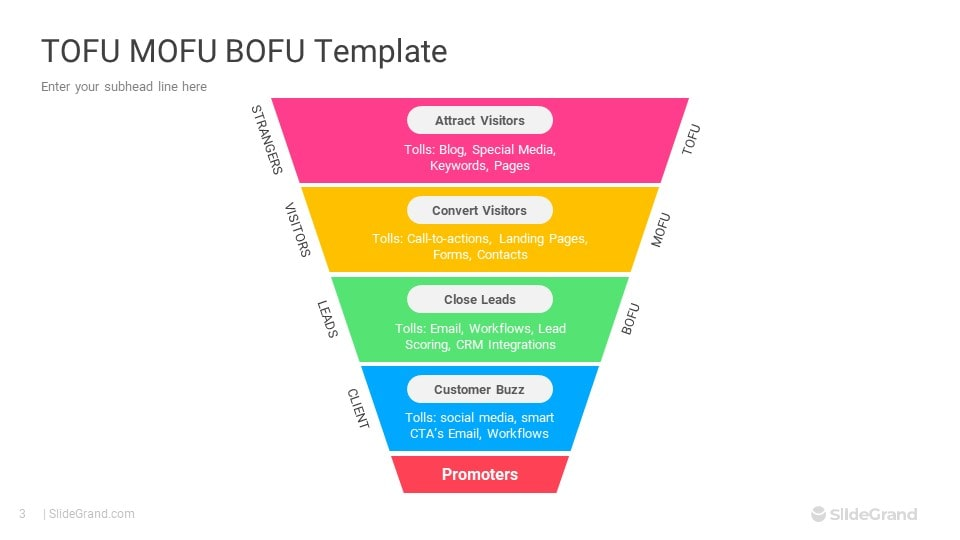
Plan the 30-Day RISER Sonar Implementation Roadmap

Outcome and boundaries of the source

This lesson teaches the complete proposed roadmap for a founder, internal team or virtual assistants. It is a planning and review exercise. The source's “Zero → Fully Operational” and Day 30 launch statements are targets, not evidence that the system is built or that any team can finish in thirty days. No server, database, workflow, agent, CRM rule, hiring process or campaign is activated by this lesson. Detailed operational configurations and the referenced Tab 1 rules are not supplied in this document.

Begin with all six principles

Listening before speaking means collect relevant evidence before proposing content. Automating decisions rather than dashboards means identify the permitted decision and responsible owner; it does not eliminate human judgment. Self-hosting only what is stable means consider maintenance and recovery before migrating a service. VAs operate and founders decide means write the handoff and escalation boundaries. AI assists and humans approve means proposed actions need the appropriate review. If a task violates these principles, the source says to pause and correct it. These are design principles, not proof of security, accuracy or commercial results.

Week 1 — Foundation and control: own the data, logic and rules

Day 1: Architecture lock-in. Confirm Sonars A–E—Deep Current, Horizon, SignalFlare, Heartbeat and Anchor—and the Rowboat-to-Yacht tier model. The source recommends A+B+C for Phase 1 to limit scope. Produce a one-page statement of what is and is not being built. Treat that phase choice as a proposal, not a universal prerequisite.

Day 2: Hosting and infrastructure. The proposed stack is an OVH, Hetzner or AWS Lightsail server with Docker, PostgreSQL and self-hosted n8n, protected through SSH keys, backups and access roles. The intended outputs are a working server and documented admin access. In planning, identify the operator and recovery process; self-hosting does not eliminate provider dependencies, costs or maintenance. See the linked official documentation before any separately authorized implementation.

Day 3: Data and event schema. Design the proposed events, signals, content_assets and intent_scores tables. Define event taxonomy from the missing Tab 1 and Sonar event IDs. The stated deliverables are a schema document and initialized database. In this exercise, document the required fields, meanings and unresolved IDs without pretending the source contains a usable SQL schema.

Day 4: Automation core. The proposed n8n workflows handle event intake, Sonar classification and intent scoring, with logs and failure alerts. Trace a test event from input through output and explain who investigates a failure. “Workflows v1” and end-to-end test events are deliverables to verify later, not assets supplied here.

Day 5: Decision rules. Record allowed actions, blocked actions, routing outcomes and escalation paths before connecting rules to n8n. A rules engine needs the actual Tab 1 definitions. Do not invent intent scores or claim a functional engine based on a flowchart alone.

Day 6: Internal dry run. Simulate an awareness signal, a confusion signal and buying intent. Compare expected and actual routing and suppression, then record a bug list and logic refinements. Include an ambiguous case so the system can defer to review instead of forcing a classification.

Day 7: Review. Check server stability, event flow, rule enforcement and unexpected SaaS dependencies. Define what evidence supports each check. The week's goal is control over data, logic and rules; passing a checklist without a test does not establish that control.

Week 2 — Sonars A, B and C: collect signals and inspect their meaning

Day 8: Feed intelligence. The proposed inputs are YouTube Data API, manually assisted TikTok Creative Center and LinkedIn API where B2B use is relevant. The output is feed data in PostgreSQL and daily snapshots. Check actual API permissions and available data; public web visibility does not imply unrestricted API access.

Day 9: Pattern analysis. Group hooks, formats and topics, then examine velocity and saturation risk. The proposed output is Deploy, Wait or Avoid flags. The source supplies no scoring formula; these flags require defined evidence and review, not an AI assertion that a trend will win.

Day 10: Search and demand. Use Google Search Console and Ahrefs or Semrush for discovery, then map keyword to intent to buoy. The proposed outputs are populated Master Keyword Buoys and flagged low-TAM paths. Search interest is not automatically total addressable market; the necessary buoy definitions and TAM method remain dependencies.

Day 11: Exclusion rules. Review low-intent keywords and vanity traffic to produce the proposed Do Not Build list. Explain what is being excluded and why. An informational query may still have a useful educational role, so an exclusion rule needs audience and offer context.

Day 12: Buying intent. The CRM is described as an interface to the event and intent engine. Define thresholds and inspect offer gating and punch-card progression. Thresholds and punch-card logic are not supplied; record them as unresolved design requirements rather than operational facts.

Day 13: AI intent assistance. The source proposes interpreting hesitation, detecting false urgency and suppressing premature selling. Treat the model's reading as a hypothesis and let explicit customer statements correct it. Reduced bad leads and a cleaner pipeline are intended outcomes to measure, not established results.

Day 14: Review. Check daily signal detection and offer gating. The source's “no manual guesswork” aspiration does not remove judgment; document uncertainty and check whether the classifications help decisions.

Week 3 — Content, community and operators

Day 15: Content rules. Connect a proposed content system to reviewed Sonar decisions and timing windows. The desired result is fewer posts with better results. State the quality and outcome measures before evaluating that claim; authorization to publish still requires the actual publishing decision.

Day 16: Language and sentiment. The proposed inputs are comments, emails and community posts; categories are fear, confusion, urgency and trust. Produce tone recommendations and hype-suppression proposals. Preserve the original words and context. A sentiment label is not a psychological diagnosis or permission to exploit distress.

Day 17: Community assistance. Proposed Circle agents answer FAQs, route members and detect intent. The source says to escalate humans “only when earned.” In this authored application, ordinary help and correction must remain available; an opaque score should not prevent a person from getting needed support. Measure moderation load and member experience rather than assuming both improve.

Day 18: Operator evidence. Review execution artifacts, teaching behavior and contribution quality before considering leadership signals. The proposed top-deck candidate list needs explainable criteria. Worksheet completion or activity volume alone does not prove leadership.

Day 19: Mastermind gating. The proposal generates invitation justifications and proof summaries and applies culture guardrails. “Elite-only access” and “zero entitlement” are source language, not measurable standards. Define relevant participation criteria, allow correction of errors and distinguish a draft justification from a sent invitation.

Day 20: VA onboarding. The source suggests hiring one or two VAs and training them in monitoring, cloning workflows and data hygiene. Document responsibilities and supervised practice before delegating. Founder freedom is a hoped-for result, not proof that daily oversight is unnecessary.

Day 21: Review. Check agent behavior, safe VA operation and whether the founder has appropriate time for decisions. Review actual incidents and workload; a week number does not establish readiness.

Week 4 — Optimization, resilience and possible licensing

Day 22: Performance. Review signal accuracy, conversion quality and time saved; produce an optimization list. Record how each metric was measured and compare against a baseline. The source supplies no formulas or success thresholds.

Day 23: Cost. Identify unused SaaS and consider which workloads can move to hosting. Include labor, backups, API usage and recovery costs before claiming lower monthly burn or higher control. “Fully to hosting” is a proposal, not evidence that every dependency can be removed.

Day 24: Prediction. The proposed additions are early breakout detection and saturation alerts. Test predictions against later observations and a simple baseline. “First predictive wins” is a target; do not count a forecast as a successful result before its outcome is known.

Day 25: Documentation. Finalize SOPs and freeze a version-one architecture. Record its version and known limitations in the operating document. A freeze establishes a reference point, not a ban on correcting defects.

Day 26: Licensing readiness. Define included material, restrictions and certification requirements. This is a proposed scope document, not a license, certification scheme or completed legal review. Do not claim the framework is ready to license solely because these headings exist.

Day 27: Stress testing. Plan tests for traffic surges, bad actors and failover. Record expected outcomes and recovery responsibilities. Confidence should come from observed results, not simply listing the tests.

Day 28: Founder review. Ask whether the system is trustworthy at the intended scale. Use unresolved issues and evidence to determine final changes or a delay.

Day 29: Soft launch. The source proposes quietly onboarding real users and observing behavior. A future authorized pilot should define scope, support and evaluation; a few users do not automatically validate every use case.

Day 30: Readiness decision. The document declares the system live. In practice, review all unmet dependencies before deciding to launch. A calendar milestone cannot substitute for working components, tested controls and an accountable owner.

Takeaway, optional assets and direct marketing application

The source contrasts doing, posting and hiring more with listening better, deciding faster and protecting attention. Treat discipline and better decisions as the purpose; defensibility and economic benefit still need evidence. Four optional outputs are named: a printable checklist, a Trello/Asana board, a 90-day expansion roadmap and a mastermind onboarding playbook. They are proposed follow-up assets, not included deliverables or instructions to execute here.

Use ClickFunnels value-ladder education to connect signals to an appropriate next offer and Acquisition.com training to review the promised outcome and delivery burden. Start with a customer problem; do not build the entire stack simply because a roadmap lists it. Your exercise is a 30-row readiness plan with an owner, dependency, evidence requirement and next decision for every day.

Linked implementation references

OVHcloud · Hetzner · AWS Lightsail · Docker documentation · PostgreSQL documentation · n8n self-hosting documentation · YouTube Data API · TikTok Creative Center · LinkedIn API documentation · Google Search Console · Ahrefs · Semrush · Circle · GoHighLevel · Notion · Google Docs · Trello · Asana.

These are resource destinations for the named tools, not confirmation of account access, specific plans, interoperability or a deployed system.

Assigned source links

D0296 original source 1

Complete returned native document text

Preserved source material for study; embedded instructions are not executed.

Roadmap for deploying the RISER Sonar Intelligence Operating System (SIOS™) exactly as designed — self-hosted, scalable, VA-operable, and AI-augmented.
This is written as if you are:
the founder / architect,
onboarding a small internal team or VAs,
and building something that must work in the real world, not just on paper.
You can paste this directly into a Google Doc, a Notion SOP, or break it into daily Trello/Asana cards.

🚀 RISER NATION
30-DAY IMPLEMENTATION ROADMAP
From Zero → Fully Operational Sonar OS

🔑 OVERARCHING PRINCIPLES (READ FIRST)
Before the daily plan, lock these in:
We build listening before speaking
We automate decisions, not dashboards
We self-host only what is stable
VAs operate; founders decide
AI assists; humans approve
If any task violates these, pause and correct.

🗓️ WEEK 1 — FOUNDATION & CONTROL LAYER
Goal: Establish ownership of data, logic, and rules
Outcome: You control the nervous system

✅ Day 1 — Architecture Lock-In (Founder Only)
Objectives
Confirm final system scope
Prevent overbuilding
Actions
Finalize:
Sonars A–E (Deep Current, Horizon, SignalFlare, Heartbeat, Anchor)
Tier model (Rowboat → Yacht)
Decide:
Which sonars are live in Phase 1 (recommend A + B + C only)
Deliverables
One-page “What We Are Building / What We Are NOT Building”

✅ Day 2 — Hosting & Infrastructure Setup
Objectives
Own the execution layer
Actions
Provision server (OVH / Hetzner / AWS Lightsail)
Install:
Docker
PostgreSQL
n8n (self-hosted)
Secure:
SSH keys
Backups
Access roles
Deliverables
Live server
Admin access documented

✅ Day 3 — Data Layer & Event Schema
Objectives
Create the moat
Actions
Design Postgres tables:
events
signals
content_assets
intent_scores
Define:
Event taxonomy (from Tab 1)
Sonar event IDs
Deliverables
Event schema doc
Database initialized

✅ Day 4 — Automation Brain (n8n Core)
Objectives
Centralize logic
Actions
Build core workflows:
Event intake
Sonar classification
Intent scoring
Add logging + failure alerts
Deliverables
n8n workflows v1
Test events flowing end-to-end

✅ Day 5 — Tab 1 Rules Engine (Decision Layer)
Objectives
Make the system say “NO” correctly
Actions
Encode:
Allowed actions
Blocked actions
Routing outcomes
Connect rules → n8n logic
Deliverables
Functional rules engine
Documented escalation paths

✅ Day 6 — Internal Dry Run
Objectives
Break it early
Actions
Simulate:
Awareness signal
Confusion signal
Buying intent
Verify:
Correct routing
Correct suppression
Deliverables
Bug list
Logic refinements

✅ Day 7 — WEEK 1 REVIEW
Checklist
Server stable
Events flowing
Rules enforced
No SaaS dependency creep

🗓️ WEEK 2 — SONARS A, B & C LIVE
Goal: Start listening to the market
Outcome: Signals > guesses

✅ Day 8 — Sonar A: Deep Current™ (Feed Intelligence)
Actions
Connect:
YouTube Data API
TikTok Creative Center (manual + assisted)
LinkedIn API (if B2B)
Build ingestion workflows
Deliverables
Feed data landing in Postgres
Daily signal snapshots

✅ Day 9 — Sonar A Pattern Engine
Actions
Add AI clustering:
Hooks
Formats
Topics
Score:
Velocity
Saturation risk
Deliverables
“Deploy / Wait / Avoid” flags

✅ Day 10 — Sonar B: Horizon™ (Search & TAM)
Actions
Connect:
Google Search Console
Ahrefs / SEMrush (discovery only)
Map:
Keyword → intent → buoy
Deliverables
Master Keyword Buoys populated
Low-TAM paths flagged

✅ Day 11 — Sonar B Kill Logic
Actions
Implement:
Kill rules for low-intent keywords
Suppression of vanity traffic
Deliverables
“Do Not Build” list (critical)

✅ Day 12 — Sonar C: SignalFlare™ (Buying Intent)
Actions
Connect CRM (interface only)
Route events → intent engine
Define intent thresholds
Deliverables
Offers gated correctly
Punch-card logic live

✅ Day 13 — AI Intent Assistant
Actions
Deploy AI agent to:
Interpret hesitation language
Detect false urgency
Suppress premature selling
Deliverables
Reduced bad leads
Cleaner pipeline

✅ Day 14 — WEEK 2 REVIEW
Checklist
Signals detected daily
No manual guesswork
Offers gated correctly

🗓️ WEEK 3 — CONTENT, COMMUNITY & AI AGENTS
Goal: Intelligent execution
Outcome: Less noise, higher quality users

✅ Day 15 — Content Deployment Rules
Actions
Connect content system
Enforce:
Sonar-approved publishing only
Timing windows
Deliverables
Fewer posts, better results

✅ Day 16 — Sonar D: Heartbeat™ (Emotion & Language)
Actions
Ingest:
Comments
Emails
Community posts
Classify:
Fear
Confusion
Urgency
Trust
Deliverables
Tone recommendations
Hype suppression triggers

✅ Day 17 — Community AI Agents (Circle)
Actions
Deploy AI agents to:
Answer FAQs
Route members
Detect intent signals
Escalate humans only when earned
Deliverables
Reduced moderation load
Better member experience

✅ Day 18 — Sonar E: Anchor™ (Operator Detection)
Actions
Track:
Execution artifacts
Teaching behavior
Contribution quality
Score leadership signals
Deliverables
Top-deck candidate list

✅ Day 19 — Mastermind Gating
Actions
Auto-generate:
Invite justifications
Proof summaries
Enforce culture guardrails
Deliverables
Elite-only access
Zero entitlement

✅ Day 20 — VA Onboarding
Actions
Hire 1–2 VAs
Train on:
Monitoring
Cloning workflows
Data hygiene
Deliverables
Founder out of daily ops

✅ Day 21 — WEEK 3 REVIEW
Checklist
AI agents behaving
VAs operating safely
Founder free to think

🗓️ WEEK 4 — OPTIMIZATION, MOATS & LICENSING
Goal: Make it defensible
Outcome: System > tactics

✅ Day 22 — Performance Review
Actions
Analyze:
Signal accuracy
Conversion quality
Time saved
Deliverables
Optimization list

✅ Day 23 — Cost Optimization
Actions
Remove unused SaaS
Shift workloads fully to hosting
Deliverables
Lower monthly burn
Higher control

✅ Day 24 — Predictive Layer (Advanced)
Actions
Add:
Early breakout detection
Saturation alerts
Deliverables
First predictive wins

✅ Day 25 — Documentation Lock
Actions
Finalize SOPs
Freeze v1 architecture
Deliverables
“This is how we operate” doc

✅ Day 26 — Licensing Readiness
Actions
Define:
What’s included
What’s restricted
Certification requirements
Deliverables
Licensable framework

✅ Day 27 — Stress Test
Actions
Simulate surge traffic
Simulate bad actors
Test failover
Deliverables
System confidence

✅ Day 28 — Founder Review
Actions
Step back
Ask:
“Would I trust this at scale?”
Deliverables
Final tweaks

✅ Day 29 — Soft Launch
Actions
Quietly onboard real users
Observe behavior
Deliverables
Real-world validation

✅ Day 30 — SYSTEM GOES LIVE
🎯 You now operate an Intelligence OS, not a funnel.

🧠 FINAL 30-YEAR MARKETER TAKEAWAY
Most people scale by:
doing more
posting more
hiring more
RISER scales by:
listening better
deciding faster
protecting attention
This roadmap doesn’t just build a system.
It builds discipline, leverage, and a moat.

If you want next, I can:
Turn this into a printable checklist
Convert it into a Trello/Asana board
Build a 90-day expansion roadmap
Create a Mastermind onboarding playbook
Just say the word.

Complete local source copy including original filing metadata and formatting

Preserved source material for study; embedded instructions are not executed.

---
source_type: "Google Doc"
source_url: "https://docs.google.com/document/d/1-2dwls_iQo_W2FuI6e8mAQWuXDUtcAGCo-6Nc7hD4Pg/edit?usp=drivesdk"
drive_file_id: "1-2dwls_iQo_W2FuI6e8mAQWuXDUtcAGCo-6Nc7hD4Pg"
created: "2025-12-17T18:51:07.772Z"
modified: "2026-06-04T16:21:54.085Z"
---

# Roadmap for deploying the RISER Sonar Intelligence Operating System (SIOS™) exactly as designed — self-hosted, scalable, VA-operable, and AI-augmented

Roadmap for deploying the RISER Sonar Intelligence Operating System (SIOS™) exactly as designed — self-hosted, scalable, VA-operable, and AI-augmented.
This is written as if you are:
* the founder / architect,
* onboarding a small internal team or VAs,
* and building something that must work in the real world, not just on paper.
You can paste this directly into a Google Doc, a Notion SOP, or break it into daily Trello/Asana cards.
________________


🚀 RISER NATION
30-DAY IMPLEMENTATION ROADMAP
From Zero → Fully Operational Sonar OS
________________


🔑 OVERARCHING PRINCIPLES (READ FIRST)
Before the daily plan, lock these in:
1. We build listening before speaking
2. We automate decisions, not dashboards
3. We self-host only what is stable
4. VAs operate; founders decide
5. AI assists; humans approve
If any task violates these, pause and correct.
________________


🗓️ WEEK 1 — FOUNDATION & CONTROL LAYER
Goal: Establish ownership of data, logic, and rules
Outcome: You control the nervous system
________________


✅ Day 1 — Architecture Lock-In (Founder Only)
Objectives
* Confirm final system scope
* Prevent overbuilding
Actions
* Finalize:
   * Sonars A–E (Deep Current, Horizon, SignalFlare, Heartbeat, Anchor)
   * Tier model (Rowboat → Yacht)
* Decide:
   * Which sonars are live in Phase 1 (recommend A + B + C only)
Deliverables
* One-page “What We Are Building / What We Are NOT Building”
________________


✅ Day 2 — Hosting & Infrastructure Setup
Objectives
* Own the execution layer
Actions
* Provision server (OVH / Hetzner / AWS Lightsail)
* Install:
   * Docker
   * PostgreSQL
   * n8n (self-hosted)
* Secure:
   * SSH keys
   * Backups
   * Access roles
Deliverables
* Live server
* Admin access documented
________________


✅ Day 3 — Data Layer & Event Schema
Objectives
* Create the moat
Actions
* Design Postgres tables:
   * events
   * signals
   * content_assets
   * intent_scores
* Define:
   * Event taxonomy (from Tab 1)
   * Sonar event IDs
Deliverables
* Event schema doc
* Database initialized
________________


✅ Day 4 — Automation Brain (n8n Core)
Objectives
* Centralize logic
Actions
* Build core workflows:
   * Event intake
   * Sonar classification
   * Intent scoring
* Add logging + failure alerts
Deliverables
* n8n workflows v1
* Test events flowing end-to-end
________________


✅ Day 5 — Tab 1 Rules Engine (Decision Layer)
Objectives
* Make the system say “NO” correctly
Actions
* Encode:
   * Allowed actions
   * Blocked actions
   * Routing outcomes
* Connect rules → n8n logic
Deliverables
* Functional rules engine
* Documented escalation paths
________________


✅ Day 6 — Internal Dry Run
Objectives
* Break it early
Actions
* Simulate:
   * Awareness signal
   * Confusion signal
   * Buying intent
* Verify:
   * Correct routing
   * Correct suppression
Deliverables
* Bug list
* Logic refinements
________________


✅ Day 7 — WEEK 1 REVIEW
Checklist
* Server stable
* Events flowing
* Rules enforced
* No SaaS dependency creep
________________


🗓️ WEEK 2 — SONARS A, B & C LIVE
Goal: Start listening to the market
Outcome: Signals > guesses
________________


✅ Day 8 — Sonar A: Deep Current™ (Feed Intelligence)
Actions
* Connect:
   * YouTube Data API
   * TikTok Creative Center (manual + assisted)
   * LinkedIn API (if B2B)
* Build ingestion workflows
Deliverables
* Feed data landing in Postgres
* Daily signal snapshots
________________


✅ Day 9 — Sonar A Pattern Engine
Actions
* Add AI clustering:
   * Hooks
   * Formats
   * Topics
* Score:
   * Velocity
   * Saturation risk
Deliverables
* “Deploy / Wait / Avoid” flags
________________


✅ Day 10 — Sonar B: Horizon™ (Search & TAM)
Actions
* Connect:
   * Google Search Console
   * Ahrefs / SEMrush (discovery only)
* Map:
   * Keyword → intent → buoy
Deliverables
* Master Keyword Buoys populated
* Low-TAM paths flagged
________________


✅ Day 11 — Sonar B Kill Logic
Actions
* Implement:
   * Kill rules for low-intent keywords
   * Suppression of vanity traffic
Deliverables
* “Do Not Build” list (critical)
________________


✅ Day 12 — Sonar C: SignalFlare™ (Buying Intent)
Actions
* Connect CRM (interface only)
* Route events → intent engine
* Define intent thresholds
Deliverables
* Offers gated correctly
* Punch-card logic live
________________


✅ Day 13 — AI Intent Assistant
Actions
* Deploy AI agent to:
   * Interpret hesitation language
   * Detect false urgency
   * Suppress premature selling
Deliverables
* Reduced bad leads
* Cleaner pipeline
________________


✅ Day 14 — WEEK 2 REVIEW
Checklist
* Signals detected daily
* No manual guesswork
* Offers gated correctly
________________


🗓️ WEEK 3 — CONTENT, COMMUNITY & AI AGENTS
Goal: Intelligent execution
Outcome: Less noise, higher quality users
________________


✅ Day 15 — Content Deployment Rules
Actions
* Connect content system
* Enforce:
   * Sonar-approved publishing only
   * Timing windows
Deliverables
* Fewer posts, better results
________________


✅ Day 16 — Sonar D: Heartbeat™ (Emotion & Language)
Actions
* Ingest:
   * Comments
   * Emails
   * Community posts
* Classify:
   * Fear
   * Confusion
   * Urgency
   * Trust
Deliverables
* Tone recommendations
* Hype suppression triggers
________________


✅ Day 17 — Community AI Agents (Circle)
Actions
* Deploy AI agents to:
   * Answer FAQs
   * Route members
   * Detect intent signals
* Escalate humans only when earned
Deliverables
* Reduced moderation load
* Better member experience
________________


✅ Day 18 — Sonar E: Anchor™ (Operator Detection)
Actions
* Track:
   * Execution artifacts
   * Teaching behavior
   * Contribution quality
* Score leadership signals
Deliverables
* Top-deck candidate list
________________


✅ Day 19 — Mastermind Gating
Actions
* Auto-generate:
   * Invite justifications
   * Proof summaries
* Enforce culture guardrails
Deliverables
* Elite-only access
* Zero entitlement
________________


✅ Day 20 — VA Onboarding
Actions
* Hire 1–2 VAs
* Train on:
   * Monitoring
   * Cloning workflows
   * Data hygiene
Deliverables
* Founder out of daily ops
________________


✅ Day 21 — WEEK 3 REVIEW
Checklist
* AI agents behaving
* VAs operating safely
* Founder free to think
________________


🗓️ WEEK 4 — OPTIMIZATION, MOATS & LICENSING
Goal: Make it defensible
Outcome: System > tactics
________________


✅ Day 22 — Performance Review
Actions
* Analyze:
   * Signal accuracy
   * Conversion quality
   * Time saved
Deliverables
* Optimization list
________________


✅ Day 23 — Cost Optimization
Actions
* Remove unused SaaS
* Shift workloads fully to hosting
Deliverables
* Lower monthly burn
* Higher control
________________


✅ Day 24 — Predictive Layer (Advanced)
Actions
* Add:
   * Early breakout detection
   * Saturation alerts
Deliverables
* First predictive wins
________________


✅ Day 25 — Documentation Lock
Actions
* Finalize SOPs
* Freeze v1 architecture
Deliverables
* “This is how we operate” doc
________________


✅ Day 26 — Licensing Readiness
Actions
* Define:
   * What’s included
   * What’s restricted
   * Certification requirements
Deliverables
* Licensable framework
________________


✅ Day 27 — Stress Test
Actions
* Simulate surge traffic
* Simulate bad actors
* Test failover
Deliverables
* System confidence
________________


✅ Day 28 — Founder Review
Actions
* Step back
* Ask:
   * “Would I trust this at scale?”
Deliverables
* Final tweaks
________________


✅ Day 29 — Soft Launch
Actions
* Quietly onboard real users
* Observe behavior
Deliverables
* Real-world validation
________________


✅ Day 30 — SYSTEM GOES LIVE
🎯 You now operate an Intelligence OS, not a funnel.
________________


🧠 FINAL 30-YEAR MARKETER TAKEAWAY
Most people scale by:
* doing more
* posting more
* hiring more
RISER scales by:
* listening better
* deciding faster
* protecting attention
This roadmap doesn’t just build a system.
It builds discipline, leverage, and a moat.
________________


If you want next, I can:
* Turn this into a printable checklist
* Convert it into a Trello/Asana board
* Build a 90-day expansion roadmap
* Create a Mastermind onboarding playbook
Just say the word.

Use the Five Sonars to Make Explainable Marketing Decisions

Understand the proposed system

The Sonar Intelligence Operating System describes five complementary ways to listen before creating content, offers or automations. Its purpose is repeatable market sensing, intent detection and attention routing. Claims of predicting competitors, reducing waste, improving buyer quality, justifying premium prices or creating a moat are aspirations that need evidence. The system names a Rowboat, Robo, Midsize and Yacht progression; these are capability tiers, not a requirement to buy every named tool.

Sonar A — Deep Current: what to publish

The mission is to observe patterns across feeds: formats receiving attention, repeated hooks and accelerating or fading topics. Ask what appears to work today, which hooks recur, whether a trend seems early or saturated and whether to publish now or wait. Visible outcomes do not reveal an algorithm's complete internal behavior.

Rowboat uses YouTube Studio, TikTok Creative Center, Instagram Insights and Google Trends for manual tags: hook style, format, topic and CTA language. Robo proposes ViralStat, Sort Feed, Popsters and Make for daily collection, pattern grouping and sheet updates. Midsize proposes YouTube Data API, LinkedIn APIs, GoHighLevel and n8n to connect feed signals to clicks, leads and buyer quality. Yacht proposes custom machine-learning models, cross-client benchmarks and executive dashboards. No model or data-sharing arrangement is provided.

The five steps are to pull daily feed data, cluster by hook/format/topic, score velocity and half-life, trigger a Tab 1 event, and authorize or suppress deployment. Velocity and half-life formulas and Tab 1 events are missing. The example “Deploy in 72 hours” is not a verified forecast. As an authored exercise, record observed signals and a human-reviewed publish, wait or investigate decision before attempting predictive automation.

Sonar B — Horizon: what to pursue

The mission is to investigate keyword movement, long-tail intent and market size. Ask whether demand is rising, whether a query expresses curiosity or a buying need and whether the serviceable niche can support the proposed business. Search activity alone does not measure a complete TAM.

Rowboat uses Google Trends and Google Search Console. Robo names Ahrefs, Semrush and Keywords Everywhere. Midsize proposes their APIs and BigQuery joins from search to content to leads. Yacht adds predictive demand forecasting and comparisons across niches. Tool access and data coverage must be checked for the actual account; no working joins or forecast models are included.

Follow all five steps: track keyword velocity weekly, classify informational versus buying intent, assign Master Keyword Buoys, feed routing rules into Tab 1, and exclude low-TAM paths early. Buoy definitions, rules and TAM thresholds are absent. Do not discard useful education solely because a query is informational. Record the audience and business reason for an exclusion.

Sonar C — SignalFlare: when an offer may be appropriate

The mission is to notice readiness without aggressive selling. Ask whether the person is learning or ready to act, whether tools are useful now and whether high-touch help fits the need. Use explicit requests to correct your interpretation of behavior.

Rowboat examines email replies and DM language. Robo proposes GoHighLevel and event scoring. Midsize adds funnel attribution and conversion-lag analysis. Yacht adds lifetime-value forecasting and deal-probability models. These are proposed analytical capabilities, not supplied formulas or permission to read private accounts.

The five steps are to score actions such as downloads, clicks and tool use; apply thresholds; enable or block offers; trigger punch-card progression; and escalate humans when the source says they have “earned” it. The source provides no threshold or punch-card specification. In this authored application, access to ordinary support and correction must not depend on an opaque sales score. Record a suitable next action with its evidence and uncertainty rather than treating a click as consent to outreach.

Sonar D — Heartbeat: how to message

The mission is to understand the expressed reasons people want change. Ask whether pain appears urgent or mild, whether someone describes fear or confusion and which language is relevant now. Preserve words and context; do not diagnose emotion or exploit vulnerability from a label.

Rowboat is manual reading of comments and community posts. Robo names OpenAI and MonkeyLearn for sentiment analysis. During this review the MonkeyLearn domain redirected to Medallia; the historical tool reference is retained, but its old product availability is not verified. Midsize proposes pain-to-conversion correlation. Yacht proposes emotional trend forecasting. Neither correlation nor a generated interpretation establishes a person's motivation or the cause of a purchase.

The five steps are to capture raw language weekly, classify an emotion hypothesis, match content tone, suppress hype when trust is fragile and route to helpful relief-oriented assets. For practice, keep the quote, tentative interpretation, alternative explanation and proposed helpful response together. The learner should be able to challenge the label.

Sonar E — Anchor: whom to consider for leadership

The mission is to identify execution, systems thinking and contributions that help others. Rowboat examines worksheet completion. Robo uses Notion and Google Sheets to track evidence. Midsize proposes Circle analytics. Yacht adds operator benchmarks and licensing gates. None of these tools supplies a complete leadership standard by itself.

The five steps are to track execution artifacts, identify teaching behavior, score leadership signals, consider mastermind access and protect community culture. The source's “aggressively” phrasing requires an explainable, respectful application. Use relevant published criteria, verify evidence and allow correction. Activity volume or a model's impression is not proof of leadership. No invitation or exclusion is executed in this lesson.

Connect the five decisions
SonarSource governance roleAuthored review question
Deep CurrentWhat to publishWhat observed pattern supports this content decision?
HorizonWhat to pursueWhat evidence supports demand and serviceable audience fit?
SignalFlareWhen to sellWhat explicit need and readiness support the next offer?
HeartbeatHow to messageDoes the response address the expressed need accurately?
AnchorWho to elevateWhat verified contribution meets the relevant criteria?

The final source principle is to scale by listening better, rather than simply creating more. Connect this to a ClickFunnels value ladder and Acquisition.com offer education: the next step should help the intended customer, and its delivery must support the promise. This is an authored integration, not an endorsement or claim that those providers authored the Sonars.

Exercise and the four optional builds

Create one evidence-and-decision example for each Sonar, trace all five steps and mark every missing formula, rule or dataset. The source's optional next assets are a formatted Google Doc outline, VA/AI-agent SOPs for each Sonar, a licensable Sonar playbook and direct Tab 1 rule mapping. They are proposals, not included artifacts or instructions to deploy. Tool links preserve applicable resources; current plan features, permissions and interoperability require implementation-specific verification.

Assigned source links

D0298 original source 1

Source tables with original row and column relationships
D0298 native table 1; blank source cells intentionally retained
Sonar Governs
Deep Current™ What to publish
Horizon™ What to pursue
SignalFlare™ When to sell
Heartbeat™ How to message
Anchor™ Who to elevate
Complete returned native document text

Preserved source material for study; embedded instructions are not executed.

THE SONAR INTELLIGENCE OPERATING SYSTEM (SIOS™)
Purpose:
To give RISER Nation operators a repeatable, scalable, defensible system for listening to markets, detecting intent, routing attention, and scaling intelligently—before competitors react.
Core Principle:
We do not create content, offers, or automations blindly.
We deploy them only after the sonar confirms depth, movement, and value.

🔵 SONAR A — DEEP CURRENT™ FEED INTELLIGENCE SONAR
(What platforms are rewarding right now)
Mission
Detect real-time algorithm behavior across video and social feeds to determine:
which formats win,
which hooks repeat,
which topics are accelerating or dying.
This sonar watches the river, not individual fish.

What This Sonar Answers
“What content formats are being rewarded today?”
“What hooks are repeating across creators?”
“Is this trend early, mid, or saturated?”
“Should we deploy now or wait?”

Tiered Tooling Stack
🛶 Rowboat (Manual Awareness)
YouTube Studio
TikTok Creative Center
Instagram Insights
Google Trends
Output:
Manual tagging of:
hook style
format
topic
CTA language

🤖 Robo (Assisted Pattern Detection)
ViralStat
SortFeed
Popsters
Make
Automation:
Daily feed pulls → pattern clustering → sheet updates.

🚤 Midsize (Revenue-Aware Intelligence)
YouTube Data API
LinkedIn API
GoHighLevel
n8n
Output:
Feed signals tied to:
clicks,
leads,
buyer quality.

🛥️ Yacht (Predictive Moat)
Custom ML models
Cross-client benchmarks
Executive dashboards
Output:
“Deploy in 72 hours” or “Avoid—saturated.”

SOP Execution Steps
Pull daily feed data
Cluster by hook + format + topic
Score velocity & half-life
Trigger Tab 1 Sonar Event
Authorize or suppress deployment

🟢 SONAR B — HORIZON™ SEARCH & DEMAND SONAR
(What people are actively asking for)
Mission
Measure true demand, not guesses, by tracking:
keyword velocity,
long-tail intent,
total addressable market (TAM).

What This Sonar Answers
“Is demand rising or flat?”
“Is this curiosity or buying intent?”
“Is this niche big enough to scale?”

Tooling Stack
Rowboat
Google Trends
Google Search Console
Robo
Ahrefs
SEMrush
Keywords Everywhere
Midsize
Ahrefs / SEMrush APIs
BigQuery joins (search → content → leads)
Yacht
Predictive demand forecasting
Multi-niche benchmarks

SOP Execution Steps
Track keyword velocity weekly
Classify intent (info vs buyer)
Assign Master Keyword Buoys
Feed routing rules into Tab 1
Kill low-TAM paths early

🟡 SONAR C — SIGNALFLARE™ INTENT & BUYER READINESS SONAR
(Who is close to buying)
Mission
Detect revenue readiness without aggressive selling.

What This Sonar Answers
“Is this person just learning or ready to act?”
“Should tools be introduced yet?”
“Is this worth high-touch time?”

Tooling Stack
Rowboat
Email replies
DM language
Robo
GoHighLevel
Event scoring
Midsize
Funnel attribution
Conversion lag analysis
Yacht
LTV forecasting
Deal probability modeling

SOP Execution Steps
Score actions (downloads, clicks, tools)
Apply intent thresholds
Enable or block offers
Trigger punch-card progression
Escalate humans only when earned

🔴 SONAR D — HEARTBEAT™ PAIN & SENTIMENT SONAR
(Why people want change)
Mission
Understand emotional drivers behind behavior.

What This Sonar Answers
“Is the pain urgent or mild?”
“Is fear or confusion driving action?”
“What language resonates right now?”

Tooling Stack
Rowboat
Manual comment reading
Community posts
Robo
OpenAI (sentiment analysis)
MonkeyLearn
Midsize
Pain → conversion correlation
Yacht
Emotional trend forecasting

SOP Execution Steps
Capture raw language weekly
Classify emotion type
Match content tone
Suppress hype when trust is fragile
Route to relief-based assets

🟣 SONAR E — ANCHOR™ OPERATOR & LEADERSHIP SONAR
(Who belongs on the top deck)
Mission
Identify doers, leaders, and future captains.

What This Sonar Answers
“Is this person executing?”
“Are they thinking in systems?”
“Do they elevate others?”

Tooling Stack
Rowboat
Worksheet completion
Robo
Notion
Google Sheets tracking
Midsize
Circle analytics
Yacht
Operator benchmarking
Licensing gates

SOP Execution Steps
Track execution artifacts
Detect teaching behavior
Score leadership signals
Gate mastermind access
Protect culture aggressively

🧠 HOW THESE SONARS WORK TOGETHER
Sonar
Governs
Deep Current™
What to publish
Horizon™
What to pursue
SignalFlare™
When to sell
Heartbeat™
How to message
Anchor™
Who to elevate

🔐 FINAL RISER PRINCIPLE (MASTER LEVEL)
We do not scale by creating more.
We scale by listening better.
These sonars:
reduce waste,
increase buyer quality,
justify premium pricing,
and create a moat that’s hard to copy.

NEXT OPTIONAL BUILDS
If you want, next I can:
Convert this into a formatted Google Doc outline
Build VA + AI Agent SOPs per sonar
Turn this into a licensable RISER Sonar Playbook
Map each sonar directly into Tab 1 automation rules
Just tell me what to execute next.

Complete local source copy including original filing metadata and formatting

Preserved source material for study; embedded instructions are not executed.

---
source_type: "Google Doc"
source_url: "https://docs.google.com/document/d/1AdGKlbq4te1slilk-Kivk1Dmho3VMZGhHoNMVxT9Hk0/edit?usp=drivesdk"
drive_file_id: "1AdGKlbq4te1slilk-Kivk1Dmho3VMZGhHoNMVxT9Hk0"
created: "2025-12-17T18:42:55.852Z"
modified: "2026-06-04T15:54:09.077Z"
---

# THE SONAR INTELLIGENCE OPERATING SYSTEM (SIOS™)

THE SONAR INTELLIGENCE OPERATING SYSTEM (SIOS™)
Purpose:
To give RISER Nation operators a repeatable, scalable, defensible system for listening to markets, detecting intent, routing attention, and scaling intelligently—before competitors react.
Core Principle:
We do not create content, offers, or automations blindly.
We deploy them only after the sonar confirms depth, movement, and value.
________________


🔵 SONAR A — DEEP CURRENT™ FEED INTELLIGENCE SONAR
(What platforms are rewarding right now)
Mission
Detect real-time algorithm behavior across video and social feeds to determine:
* which formats win,
* which hooks repeat,
* which topics are accelerating or dying.
This sonar watches the river, not individual fish.
________________


What This Sonar Answers
* “What content formats are being rewarded today?”
* “What hooks are repeating across creators?”
* “Is this trend early, mid, or saturated?”
* “Should we deploy now or wait?”
________________


Tiered Tooling Stack
🛶 Rowboat (Manual Awareness)
* YouTube Studio
* TikTok Creative Center
* Instagram Insights
* Google Trends
Output:
Manual tagging of:
* hook style
* format
* topic
* CTA language
________________


🤖 Robo (Assisted Pattern Detection)
* ViralStat
* SortFeed
* Popsters
* Make
Automation:
Daily feed pulls → pattern clustering → sheet updates.
________________


🚤 Midsize (Revenue-Aware Intelligence)
* YouTube Data API
* LinkedIn API
* GoHighLevel
* n8n
Output:
Feed signals tied to:
* clicks,
* leads,
* buyer quality.
________________


🛥️ Yacht (Predictive Moat)
* Custom ML models
* Cross-client benchmarks
* Executive dashboards
Output:
“Deploy in 72 hours” or “Avoid—saturated.”
________________


SOP Execution Steps
1. Pull daily feed data
2. Cluster by hook + format + topic
3. Score velocity & half-life
4. Trigger Tab 1 Sonar Event
5. Authorize or suppress deployment
________________


🟢 SONAR B — HORIZON™ SEARCH & DEMAND SONAR
(What people are actively asking for)
Mission
Measure true demand, not guesses, by tracking:
* keyword velocity,
* long-tail intent,
* total addressable market (TAM).
________________


What This Sonar Answers
* “Is demand rising or flat?”
* “Is this curiosity or buying intent?”
* “Is this niche big enough to scale?”
________________


Tooling Stack
Rowboat
* Google Trends
* Google Search Console
Robo
* Ahrefs
* SEMrush
* Keywords Everywhere
Midsize
* Ahrefs / SEMrush APIs
* BigQuery joins (search → content → leads)
Yacht
* Predictive demand forecasting
* Multi-niche benchmarks
________________


SOP Execution Steps
1. Track keyword velocity weekly
2. Classify intent (info vs buyer)
3. Assign Master Keyword Buoys
4. Feed routing rules into Tab 1
5. Kill low-TAM paths early
________________


🟡 SONAR C — SIGNALFLARE™ INTENT & BUYER READINESS SONAR
(Who is close to buying)
Mission
Detect revenue readiness without aggressive selling.
________________


What This Sonar Answers
* “Is this person just learning or ready to act?”
* “Should tools be introduced yet?”
* “Is this worth high-touch time?”
________________


Tooling Stack
Rowboat
* Email replies
* DM language
Robo
* GoHighLevel
* Event scoring
Midsize
* Funnel attribution
* Conversion lag analysis
Yacht
* LTV forecasting
* Deal probability modeling
________________


SOP Execution Steps
1. Score actions (downloads, clicks, tools)
2. Apply intent thresholds
3. Enable or block offers
4. Trigger punch-card progression
5. Escalate humans only when earned
________________


🔴 SONAR D — HEARTBEAT™ PAIN & SENTIMENT SONAR
(Why people want change)
Mission
Understand emotional drivers behind behavior.
________________


What This Sonar Answers
* “Is the pain urgent or mild?”
* “Is fear or confusion driving action?”
* “What language resonates right now?”
________________


Tooling Stack
Rowboat
* Manual comment reading
* Community posts
Robo
* OpenAI (sentiment analysis)
* MonkeyLearn
Midsize
* Pain → conversion correlation
Yacht
* Emotional trend forecasting
________________


SOP Execution Steps
1. Capture raw language weekly
2. Classify emotion type
3. Match content tone
4. Suppress hype when trust is fragile
5. Route to relief-based assets
________________


🟣 SONAR E — ANCHOR™ OPERATOR & LEADERSHIP SONAR
(Who belongs on the top deck)
Mission
Identify doers, leaders, and future captains.
________________


What This Sonar Answers
* “Is this person executing?”
* “Are they thinking in systems?”
* “Do they elevate others?”
________________


Tooling Stack
Rowboat
* Worksheet completion
Robo
* Notion
* Google Sheets tracking
Midsize
* Circle analytics
Yacht
* Operator benchmarking
* Licensing gates
________________


SOP Execution Steps
1. Track execution artifacts
2. Detect teaching behavior
3. Score leadership signals
4. Gate mastermind access
5. Protect culture aggressively
________________


🧠 HOW THESE SONARS WORK TOGETHER
Sonar
	Governs
	Deep Current™
	What to publish
	Horizon™
	What to pursue
	SignalFlare™
	When to sell
	Heartbeat™
	How to message
	Anchor™
	Who to elevate
	________________


🔐 FINAL RISER PRINCIPLE (MASTER LEVEL)
We do not scale by creating more.
We scale by listening better.
These sonars:
* reduce waste,
* increase buyer quality,
* justify premium pricing,
* and create a moat that’s hard to copy.
________________


NEXT OPTIONAL BUILDS
If you want, next I can:
* Convert this into a formatted Google Doc outline
* Build VA + AI Agent SOPs per sonar
* Turn this into a licensable RISER Sonar Playbook
* Map each sonar directly into Tab 1 automation rules
Just tell me what to execute next.

Use Structural Rates to Improve the Customer Experience

Understand the source's measurement principle

M16.2 contrasts structural business rates with intrusive customer surveillance. It belongs to the legacy C16 “Customer LTV & Measurement Discipline,” with Stage 4 Yacht, Build → Scale, prerequisite C15 funnel deployed and a proposed 10–14 hours over two weeks. The context line is repeated in the source and retained in the appendix. It does not redefine the current lesson assignment or measure our work time.

The source prioritizes retention, expansion, referral and re-engagement over per-customer email opens. It also says every metric should drive a decision. You will learn to define those four rates and explain what action each can inform. Detailed formulas, the named audit and a catalog of anti-patterns are not supplied; the examples below are authored RISER instruction.

Define the four structural measures

Retention asks how much of a defined starting group remains active at a later point. State who was eligible, the period and what counts as retained. An authored customer-count example divides retained eligible customers by the starting eligible group. Revenue retention is a different measure and needs a separate definition.

Expansion asks whether existing customers adopt additional useful value. Choose a customer-based or revenue-based definition and state it. Additional purchases are not automatically success if they create refunds, poor fit or an unsustainable delivery burden.

Referral asks whether existing customers introduce relevant new prospects or customers. Define whether you count introductions, qualified referrals or converted referrals, and use an eligible population and time period that match the question. Do not mix all three stages into one rate.

Re-engagement asks whether a previously inactive eligible group returns to a meaningful activity. Define inactivity and return before measuring. A single email open is not necessarily renewed use, learning progress or a purchase.

Apply “What decision does this drive?”

For retention, an appropriate decision might be to improve an onboarding step after investigating where users struggle. For expansion, it might be to clarify whether a next offer solves an actual continuing need. Referral evidence might guide investment in a useful referral experience. Re-engagement might prompt a review of why people stopped using the product. These are authored examples; a metric shows a pattern but does not establish its cause.

Distinguish useful service records from surveillance

The source's statements that aggregate rates always improve and individual observation always manipulates are too broad. Aggregation can still reveal sensitive information in small groups, and a customer may reasonably expect staff to inspect their own support request or delivery status. Ask what information is necessary for the specific service or decision, who is authorized to use it and how long it is needed. Do not infer private emotions or intensify sales pressure from individual tracking signals.

An authored structural-versus-surveillance audit

List each collected field and metric. Record its decision, population, period, source, access owner and reason it is necessary. Remove measures that have no useful decision or collect more detail than the purpose requires. Review small groups and misleading averages, and keep a way to investigate genuine service failures appropriately. This is a practical audit exercise, not the missing original audit template or a legal-compliance certification.

Common authored anti-patterns include treating one person's email opens as intent, collecting granular activity merely because a tool allows it, using an opaque score to deny ordinary support and maintaining a dashboard nobody acts on. Improve the customer experience rather than building pressure around an inferred weakness. No tracking settings or customer records are changed in this lesson.

Direct marketing connection and completion check

Use ClickFunnels value-ladder education to consider whether continuing offers are useful and Acquisition.com training to examine delivery and customer outcomes. Neither framework requires surveillance or guarantees that a better rate came from a specific tactic. Your deliverable is four clearly defined measures, the decision each supports and a documented review of unnecessary tracking. Preserve missing source methods as gaps rather than claiming the excerpt contains a deployed LTV architecture.

Assigned source links

D0306 original source 1

Complete returned native document text

Preserved source material for study; embedded instructions are not executed.

M16.2 — STRUCTURAL RATES VS. CUSTOMER SURVEILLANCE
============================================================

Source: Riser Nation Academy 2026 Syllabus

NOTE: This document is an excerpt copied from the master syllabus.
The master syllabus remains intact and unmodified.

---

PARENT COURSE: C16 — Customer LTV & Measurement Discipline
---
Stage: Stage 4 — Yacht  ·  Phase: Build → Scale  ·  Prereq: C15 funnel deployed  ·  Time: 10–14 hours over 2 weeks

Stage: Stage 4 — Yacht  ·  Phase: Build → Scale  ·  Prereq: C15 funnel deployed  ·  Time: 10–14 hours over 2 weeks
In Plain Words
Build the LTV measurement architecture. Most operators measure wrong — granular customer surveillance instead of structural rates. The discipline: aggregate rates inform; granular surveillance manipulates.
The Mismatch This Course Fixes
Vanity dashboards (lots of metrics, no decisions) vs. decision-driving dashboards (every metric maps to a decision).
Modules

---

M16.2 — STRUCTURAL RATES VS. CUSTOMER SURVEILLANCE
---

Retention, expansion, referral, re-engagement. NOT per-customer email opens.
In plain words: Watch big patterns. Don't watch individual customers. Big patterns improve. Watching individuals creeps everyone out.
The Structural-vs-Surveillance audit.
What Decision Does This Drive? filter.
Common surveillance anti-patterns.

---
END OF M16.2
---
Complete local source copy including original filing metadata and formatting

Preserved source material for study; embedded instructions are not executed.

---
source_type: "Google Doc"
source_url: "https://docs.google.com/document/d/12KAuHkEd6EbsNsB6WlakqYXk7TQlRV_IHhpkVZyJTbk/edit?usp=drivesdk"
drive_file_id: "12KAuHkEd6EbsNsB6WlakqYXk7TQlRV_IHhpkVZyJTbk"
created: "2026-05-11T23:38:08.032Z"
modified: "2026-06-04T17:40:32.959Z"
---

# M16.2 - STRUCTURAL RATES VS. CUSTOMER SURVEILLANCE

M16.2 — STRUCTURAL RATES VS. CUSTOMER SURVEILLANCE
============================================================


Source: Riser Nation Academy 2026 Syllabus


NOTE: This document is an excerpt copied from the master syllabus.
The master syllabus remains intact and unmodified.


---


PARENT COURSE: C16 — Customer LTV & Measurement Discipline
---
Stage: Stage 4 — Yacht  ·  Phase: Build → Scale  ·  Prereq: C15 funnel deployed  ·  Time: 10–14 hours over 2 weeks


Stage: Stage 4 — Yacht  ·  Phase: Build → Scale  ·  Prereq: C15 funnel deployed  ·  Time: 10–14 hours over 2 weeks
In Plain Words
Build the LTV measurement architecture. Most operators measure wrong — granular customer surveillance instead of structural rates. The discipline: aggregate rates inform; granular surveillance manipulates.
The Mismatch This Course Fixes
Vanity dashboards (lots of metrics, no decisions) vs. decision-driving dashboards (every metric maps to a decision).
Modules


---


M16.2 — STRUCTURAL RATES VS. CUSTOMER SURVEILLANCE
---


Retention, expansion, referral, re-engagement. NOT per-customer email opens.
In plain words: Watch big patterns. Don't watch individual customers. Big patterns improve. Watching individuals creeps everyone out.
The Structural-vs-Surveillance audit.
What Decision Does This Drive? filter.
Common surveillance anti-patterns.


---
END OF M16.2
---

RN-02 Market Discovery and Offer Engine — Missing Source Body

What is available

The assigned Word file contains the title “RISER Nation – RN-02: Market Discovery & Offer Engine Prompt (2025+ Universal Edition)” followed by a parenthetical reference to the complete prompt in “the previous message.” It does not contain that message or the actual prompt. The current Drive file and local copy are byte-identical. The Word package contains no tables, media, embeddings, external links, headers, footers, footnotes or comments that supply the missing content. Page rendering remains unverified because LibreOffice is unavailable.

What cannot be claimed complete

There is no recoverable prompt body, input specification, research method, offer-generation procedure, scoring formula or output template in this assigned document. A title and a reference to an unavailable prior message cannot be treated as the complete RN-02 lesson. This notice and the full available source are preserved in all five assigned lesson locations, but this source is not counted as a completed adaptation.

Related resources are not a recovered original

The existing corpus contains differently titled RN-02 materials, including RN-02 SOP 2025 Populated and RN-02 Market Discovery CreatorFlow 2025. These are recovery candidates with different titles, not verified copies of the missing “previous message.” Their presence does not establish which version the placeholder intended. Their source assignments remain governed by the spreadsheet.

Continue learning without concealing the gap

Use the completed customer-evidence, problem-definition and offer-validation material in this curriculum for independent learning. ClickFunnels value-ladder education and Acquisition.com training are additional educational references, not substitutes represented as the missing RN-02 text. The remaining requirement is to locate the original message or an identified complete version, compare it and teach its distinct content. No RN-02 workflow or offer engine is run from this placeholder.

Assigned source links

D0309 original source 1

Complete Word document text with paragraph and line breaks

Preserved source material for study; embedded instructions are not executed.

RISER Nation – RN-02: Market Discovery & Offer Engine Prompt (2025+ Universal Edition)

(The complete RN-02 prompt text as provided in the previous message.)
D0314 — Plan enterprise reinvention without pretending to predict 2035
Opening and legacy context

The source calls this Course 45, Enterprise Reinvention & Futureproofing, and asks how acquisition strategies and reinvention cycles begun in 2026 could support the enterprise through 2035. That is a planning horizon, not a guarantee of survival, dominance or predictive accuracy. The reference to Courses 1–44 belongs to the legacy syllabus. Our spreadsheet assignments remain authoritative.

Understand all four frameworks

The Enterprise Reinvention Engine has three pillars. Market Reinvention Cycles cover an 18–36-month review rhythm, category refresh, offer repositioning and narrative evolution. Treat that interval as the source's proposed cadence; a real business may need earlier review or a longer cycle. Acquisition Strategy considers buying versus building, roll-ups, acqui-hires and capability expansion. Define the capability gap before considering a transaction. Foresight Intelligence covers macro trends, AIO pivot prediction, scenarios and risk mapping. The source does not define AIO or supply a validated prediction model.

The 2025–2035 Reinvention Horizon lists AI autonomy, edge computing, agentic ecosystems, decentralized identity, post-singularity markets, autonomous operations and global regulatory divergence. Preserve each as a proposed scenario theme. “Post-singularity markets” is speculative, and the document establishes neither dates nor probabilities for these developments. Ask which theme could materially affect your customers or delivery model and what observable evidence would support it.

Agentic Futureproofing Intelligence proposes assistance with macro forecasting, pivot prediction, acquisition alignment, category design, reinvention timing and risk detection. An agent can organize evidence and draft scenarios; its output is not proof of future outcomes. Category Creation asks for new language, identity, problem definition, success metric and narrative. Make each useful to customers and consistent with the actual offer rather than changing terminology for novelty.

Work through the seven implementation steps
  1. Reinvention Cycle Blueprint: record cycle length, pivot triggers, category refresh points and narrative evolution. Specify what evidence would prompt a review instead of changing direction because a timer expired.
  2. Acquisition Strategy Map: list target capabilities, market gaps, competitor weaknesses, possible roll-up opportunities and integration logic. Separate verified facts from assumptions. This is a strategic exercise, not financial, legal or transaction advice; a real deal requires qualified diligence on its specific facts.
  3. Pivot prompts: compare “bold futurist,” “strategic operator,” “calm architect” and “disruptive innovator” tones against the same evidence. Tone changes presentation; it must not change facts or create confidence.
  4. Reinvention team roles: define Foresight Agent, Acquisition Agent, Category Architect, Risk Analyst and Integration Strategist responsibilities. Require source records, bounded permissions, human decision ownership and an escalation path. The source names CrewAI, but this lesson does not deploy a team.
  5. Macro forecasting: consider market shifts, category decay, competitor pivots, acquisition timing and regulatory change. Record assumptions, alternative explanations and forecast dates. Do not describe an untested AIO score as a reliable prediction.
  6. 2035 model: outline autonomous operations, bounded autonomy, agentic workflows, decentralized identity and global compliance as conditional design choices. “Global compliance” requires jurisdiction-specific review; a diagram does not establish it.
  7. Reinvention paralysis: notice delayed decisions and unresolved assumptions. Investigate resources, incentives and evidence gaps as well as fear. Hesitation can reflect a valid risk rather than a defect to automate away.
Put the proposed tools in their proper roles

The source names Macro Forecasting, Pivot Prediction, Acquisition Due Diligence, Category Design and Risk Mapping agents. These are proposed roles, not supplied working products. CrewAI supports agent teams and structured flows; LangGraph supports stateful orchestration with explicit control and human review. Neither automatically provides a reliable reinvention forecast. Edge AI refers here to nearer-source processing; faster processing does not improve poor evidence. The AIO scoring formula, data, thresholds and validation are absent.

The five optimization ideas are varied-tone pivot prompt chains, macro forecasting, due-diligence assistance, cycle mapping and bounded autonomy. Use prompt variation to surface alternatives, a timeline to expose dependencies, and permissions to prevent a draft from becoming an unauthorized action. Keep any acquisition commitment, public claim or operating pivot under the appropriate human decision process.

Challenge the psychology claims and diagnose problems

The source emphasizes emotional paralysis, acquisition culture and identity, belief in a new category and the power of narrative. Those considerations can matter, but its claims that acquisitions fail from misalignment rather than numbers, or that teams follow stories rather than spreadsheets, create false either/or choices. Economics, integration, culture, evidence and communication can all matter.

For paralysis, use a decision brief and a reversible test; a pivot prompt alone is not a cure. For acquisition misalignment, examine capability, culture, economics and integration rather than trusting an alignment score. For category decay, compare customer evidence with the current offer and test a revised narrative or position. For macro blind spots, broaden evidence and scenarios while recording what remains uncertain. These applications retain all four source problem/fix pairs without claiming that the named agents solve them automatically.

Define the seven proposed KPIs before using them

The source supplies names, not formulas. The following are authored operational definitions to consider, not recovered standards:

- Pivot Success Rate: completed pivots meeting predefined success criteria divided by assessed completed pivots, with the review window stated. - Acquisition Alignment Score: an explicit human-reviewed rubric for capability, culture and integration fit; disclose weights and disagreements rather than treating a score as deal value. - Category Strength Index: a documented combination of chosen customer understanding and demand measures; no universal index is supplied. - Macro Forecast Accuracy: compare dated forecasts with outcomes using a metric appropriate to numeric values or event probabilities, keeping baselines and misses. - Reinvention Cycle Efficiency: compare cycle effort and elapsed time with the decisions or deliverables completed; define quality before optimizing speed. - Risk Reduction Rate: compare a consistently defined risk measure before and after a change, acknowledging uncertainty and factors outside the intervention. - Innovation Velocity: count qualified experiments or validated improvements per period, with a quality threshold so activity alone does not become success.

Connect the system and complete a practical deliverable

The legacy links are Pattern Recognition/Course 10 for macro signals; Direction Clarity/11 for the decision direction; Identity Marketing/35 for category identity; Scaling Foundations/36 for operational readiness; and Global Expansion/42 for regional differences. These labels do not remap our twelve courses.

Five promised assets are not supplied: Reinvention Cycle Blueprint, Acquisition Due Diligence Prompt Template, RN-MOS Innovation Roadmap, RN-MOS Category Design Sheet and Pivot Prediction Templates. The closing offer to generate them confirms further work was contemplated; it does not establish that the files exist.

Authored worksheet: choose one capability gap; record current evidence, two alternatives, a scenario, a review trigger, owner, decision date, small experiment, cost limit and success measure. For example, test a manual onboarding improvement before considering software acquisition. Connect Brunson's value ladder to the customer journey and Hormozi's offer and economics lens to delivery value; neither requires buying a company. Submit that worksheet with the seven KPI definition choices and a missing-asset list.

CrewAI documentation · LangGraph overview · Blue Ocean framework · ClickFunnels value ladder · Acquisition.com training

Assigned source links

D0314 original source 1

Complete returned native document text

Preserved source material for study; embedded instructions are not executed.

Course 45 — Enterprise Reinvention & Futureproofing
How do you design acquisition strategies and Market Reinvention Cycles in 2026 that keep your enterprise thriving through 2035?
This course is the strategic horizon of RISER Nation. If Courses 1–44 help you dominate the present, Course 45 teaches you how to dominate the future—through reinvention engines, acquisition strategy, category creation, and agentic foresight systems that predict macro shifts before they hit.
Let’s build the full course.

1. Core Frameworks & Foundational Principles
Framework 1: The Enterprise Reinvention Engine (2026 Edition)
A futureproof enterprise runs on three pillars:
Market Reinvention Cycles

18–36 month cycles
Category refresh
Offer repositioning
Narrative evolution
Acquisition Strategy

Buy vs build
Roll‑ups
Strategic acqui‑hires
Capability expansion
Foresight Intelligence

Macro trend modeling
AIO pivot prediction
Scenario planning
Risk mapping
Framework 2: The 2025–2035 Reinvention Horizon
The next decade will be shaped by:
AI autonomy
Edge computing
Agentic ecosystems
Decentralized identity
Post‑singularity markets
Autonomous operations
Global regulatory divergence
Your enterprise must evolve before the market forces you to.
Framework 3: Agentic Futureproofing Intelligence
Foresight agents handle:
Macro forecasting
Pivot prediction
Acquisition alignment
Category design
Reinvention timing
Risk detection
Framework 4: Category Creation (Blue Ocean)
Category creation requires:
A new language
A new identity
A new problem definition
A new success metric
A new narrative

2. Step-by-Step Implementation in Real Campaigns
Build your Reinvention Cycle Blueprint
 Define:

Cycle length
Pivot triggers
Category refresh points
Narrative evolution
Create your Acquisition Strategy Map
 Include:

Target capabilities
Market gaps
Competitor weaknesses
Roll‑up opportunities
Integration logic
Generate vibe‑coded pivot prompts
 Tones like:

“Bold futurist”
“Strategic operator”
“Calm architect”
“Disruptive innovator”
Deploy CrewAI reinvention teams
 Roles include:

Foresight Agent
Acquisition Agent
Category Architect
Risk Analyst
Integration Strategist
Run AIO macro forecasting
 Predict:

Market shifts
Category decay
Competitor pivots
Acquisition timing
Regulatory changes
Design your 2035 Futureproof Model

Autonomous operations
Bounded autonomy
Agentic workflows
Decentralized identity
Global compliance
Monitor reinvention paralysis
 Agents detect when teams hesitate or stall.

3. Tools, Platforms & Software
LLM + foresight agents

Macro Forecasting Agent
Pivot Prediction Agent
Acquisition Due Diligence Agent
Category Design Agent
Risk Mapping Agent
CrewAI reinvention teams
 Role-based strategic orchestration.
LangGraph
 For reinvention cycles, pivot logic, and acquisition mapping.
AIO scoring
 Predicts pivot success, acquisition fit, and category potential.
Edge AI
 Real-time macro adaptation.

4. Psychology, Persuasion & Behavior
Reinvention paralysis is emotional
 Fear of change → stagnation → collapse.
Acquisitions fail from misalignment, not numbers
 Culture and identity matter more than spreadsheets.
Category creation requires belief
 People must feel the new category before they understand it.
Futureproofing is narrative-driven
 Teams follow stories, not spreadsheets.

5. Diagnosing Errors & Fixing Problems
Problem: Reinvention paralysis
Teams freeze during pivots.
 Fix: Use pivot prompts + foresight agents.
Problem: Acquisition misalignment
Wrong company, wrong culture.
 Fix: Due diligence agents + alignment scoring.
Problem: Category decay
Your category loses relevance.
 Fix: Refresh narrative + reposition offers.
Problem: Macro blind spots
You miss major shifts.
 Fix: AIO macro forecasting + scenario planning.

6. Optimization Techniques
Vibe-coded pivot prompt chains
 Generate reinvention ideas in different tones.
AIO macro forecasting
 Predicts market shifts before they hit.
Acquisition due diligence agents
 Evaluate fit, risk, and integration.
Cycle mapping
 Visualize reinvention timelines.
Bounded autonomy
 Keep AI powerful but governed.

7. KPIs for Futureproofing Mastery
Pivot Success Rate
Acquisition Alignment Score
Category Strength Index
Macro Forecast Accuracy
Reinvention Cycle Efficiency
Risk Reduction Rate
Innovation Velocity

8. Connection to RISER Nation Systems
Pattern Recognition (Course 10):
 Macro signals feed reinvention cycles.
Direction Clarity (Course 11):
 Reinvention requires clear direction.
Identity Marketing (Course 35):
 Category creation is identity-driven.
Scaling Foundations (Course 36):
 Reinvention requires operational readiness.
Global Expansion (Course 42):
 Futureproofing must be global.

9. Tactical Assets
Included in this course:
Reinvention Cycle Blueprint
Acquisition Due Diligence Prompt Template
Innovation Roadmap (RN‑MOS)
Category Design Sheet (RN‑MOS)
Pivot Prediction Templates

If you want, I can now build:
The Reinvention Cycle Blueprint,
The Acquisition Due Diligence Prompt Template, or
Full Module 1–3 lesson scripts with examples and exercises.
Just tell me where you want to go next.

Complete local source copy including original filing metadata and formatting

Preserved source material for study; embedded instructions are not executed.

---
source_type: "Google Doc"
source_url: "https://docs.google.com/document/d/1aExKcY0I6vuqnPwh_J6XN_Zh8EOklB47k5cX5VtJnuo/edit?usp=drivesdk"
drive_file_id: "1aExKcY0I6vuqnPwh_J6XN_Zh8EOklB47k5cX5VtJnuo"
created: "2026-02-23T17:31:11.971Z"
modified: "2026-06-04T15:01:09.593Z"
---

# 1.Course 45 — Enterprise Reinvention & Futureproofing

Course 45 — Enterprise Reinvention & Futureproofing
How do you design acquisition strategies and Market Reinvention Cycles in 2026 that keep your enterprise thriving through 2035?
This course is the strategic horizon of RISER Nation. If Courses 1–44 help you dominate the present, Course 45 teaches you how to dominate the future—through reinvention engines, acquisition strategy, category creation, and agentic foresight systems that predict macro shifts before they hit.
Let’s build the full course.
________________


1. Core Frameworks & Foundational Principles
Framework 1: The Enterprise Reinvention Engine (2026 Edition)
A futureproof enterprise runs on three pillars:
1. Market Reinvention Cycles

   * 18–36 month cycles
   * Category refresh
   * Offer repositioning
   * Narrative evolution
   2. Acquisition Strategy

      * Buy vs build
      * Roll‑ups
      * Strategic acqui‑hires
      * Capability expansion
      3. Foresight Intelligence

         * Macro trend modeling
         * AIO pivot prediction
         * Scenario planning
         * Risk mapping
Framework 2: The 2025–2035 Reinvention Horizon
The next decade will be shaped by:
         * AI autonomy
         * Edge computing
         * Agentic ecosystems
         * Decentralized identity
         * Post‑singularity markets
         * Autonomous operations
         * Global regulatory divergence
Your enterprise must evolve before the market forces you to.
Framework 3: Agentic Futureproofing Intelligence
Foresight agents handle:
         * Macro forecasting
         * Pivot prediction
         * Acquisition alignment
         * Category design
         * Reinvention timing
         * Risk detection
Framework 4: Category Creation (Blue Ocean)
Category creation requires:
         * A new language
         * A new identity
         * A new problem definition
         * A new success metric
         * A new narrative
________________


2. Step-by-Step Implementation in Real Campaigns
         1. Build your Reinvention Cycle Blueprint
 Define:

            * Cycle length
            * Pivot triggers
            * Category refresh points
            * Narrative evolution
            2. Create your Acquisition Strategy Map
 Include:

               * Target capabilities
               * Market gaps
               * Competitor weaknesses
               * Roll‑up opportunities
               * Integration logic
               3. Generate vibe‑coded pivot prompts
 Tones like:

                  * “Bold futurist”
                  * “Strategic operator”
                  * “Calm architect”
                  * “Disruptive innovator”
                  4. Deploy CrewAI reinvention teams
 Roles include:

                     * Foresight Agent
                     * Acquisition Agent
                     * Category Architect
                     * Risk Analyst
                     * Integration Strategist
                     5. Run AIO macro forecasting
 Predict:

                        * Market shifts
                        * Category decay
                        * Competitor pivots
                        * Acquisition timing
                        * Regulatory changes
                        6. Design your 2035 Futureproof Model

                           * Autonomous operations
                           * Bounded autonomy
                           * Agentic workflows
                           * Decentralized identity
                           * Global compliance
                           7. Monitor reinvention paralysis
 Agents detect when teams hesitate or stall.
________________


3. Tools, Platforms & Software
                              * LLM + foresight agents

                                 * Macro Forecasting Agent
                                 * Pivot Prediction Agent
                                 * Acquisition Due Diligence Agent
                                 * Category Design Agent
                                 * Risk Mapping Agent
                                 * CrewAI reinvention teams
 Role-based strategic orchestration.
                                 * LangGraph
 For reinvention cycles, pivot logic, and acquisition mapping.
                                 * AIO scoring
 Predicts pivot success, acquisition fit, and category potential.
                                 * Edge AI
 Real-time macro adaptation.
________________


4. Psychology, Persuasion & Behavior
                                    * Reinvention paralysis is emotional
 Fear of change → stagnation → collapse.
                                    * Acquisitions fail from misalignment, not numbers
 Culture and identity matter more than spreadsheets.
                                    * Category creation requires belief
 People must feel the new category before they understand it.
                                    * Futureproofing is narrative-driven
 Teams follow stories, not spreadsheets.
________________


5. Diagnosing Errors & Fixing Problems
Problem: Reinvention paralysis
Teams freeze during pivots.
Fix: Use pivot prompts + foresight agents.
Problem: Acquisition misalignment
Wrong company, wrong culture.
Fix: Due diligence agents + alignment scoring.
Problem: Category decay
Your category loses relevance.
Fix: Refresh narrative + reposition offers.
Problem: Macro blind spots
You miss major shifts.
Fix: AIO macro forecasting + scenario planning.
________________


6. Optimization Techniques
                                       * Vibe-coded pivot prompt chains
 Generate reinvention ideas in different tones.
                                       * AIO macro forecasting
 Predicts market shifts before they hit.
                                       * Acquisition due diligence agents
 Evaluate fit, risk, and integration.
                                       * Cycle mapping
 Visualize reinvention timelines.
                                       * Bounded autonomy
 Keep AI powerful but governed.
________________


7. KPIs for Futureproofing Mastery
                                          * Pivot Success Rate
                                          * Acquisition Alignment Score
                                          * Category Strength Index
                                          * Macro Forecast Accuracy
                                          * Reinvention Cycle Efficiency
                                          * Risk Reduction Rate
                                          * Innovation Velocity
________________


8. Connection to RISER Nation Systems
                                          * Pattern Recognition (Course 10):
 Macro signals feed reinvention cycles.
                                          * Direction Clarity (Course 11):
 Reinvention requires clear direction.
                                          * Identity Marketing (Course 35):
 Category creation is identity-driven.
                                          * Scaling Foundations (Course 36):
 Reinvention requires operational readiness.
                                          * Global Expansion (Course 42):
 Futureproofing must be global.
________________


9. Tactical Assets
Included in this course:
                                             * Reinvention Cycle Blueprint
                                             * Acquisition Due Diligence Prompt Template
                                             * Innovation Roadmap (RN‑MOS)
                                             * Category Design Sheet (RN‑MOS)
                                             * Pivot Prediction Templates
________________


If you want, I can now build:
                                             * The Reinvention Cycle Blueprint,
                                             * The Acquisition Due Diligence Prompt Template, or
                                             * Full Module 1–3 lesson scripts with examples and exercises.
Just tell me where you want to go next.
D0315 — Build strategic foresight around signals, scenarios and decisions
Opening: a planning system, not a future-seeing machine

The legacy Course 47 source links reinvention in Course 45 and executive autonomy in Course 46 to a proposed foresight system through 2035. Its promise to stay ahead of every shift is not established. The useful goal is to document signals, prepare several possible futures and define who may decide what. Preserve the current spreadsheet assignments rather than importing legacy course numbers.

Build the four frameworks carefully

The Strategic Foresight Engine has three layers. Macro Signal Monitoring lists interest rates, consumer sentiment, employment cycles, inflation, demographic spending peaks and global supply-chain signals. Each needs a source, geography, date, release cadence and explanation of relevance to your business; this lesson supplies no current economic forecast.

Scenario Branching includes best case, expected case, worst case, black swan and adjacent opportunity. Expected is an assumption to test, not guaranteed central truth. A black-swan category acknowledges consequential surprises; it does not mean you can reliably predict an event defined by surprise. Pivot Automation lists offer changes, pricing, repositioning, resource allocation and acquisition timing. Draft recommendations separately from permissions to act.

The Spending Wave Model lists demographics, cultural shifts, economic conditions, seasonality and technology adoption. These may inform demand hypotheses, but the assertion that every market has predictable waves is unsupported. Avoid treating a population average as an individual's likely behavior.

Agentic Strategic Intelligence proposes macro monitoring, signal weighting, scenario branching, pivot timing, risk scoring and alert tuning. The source provides no weights, risk formula or validated training data. Bounded Prediction Horizons labels 3–12 months high confidence, 12–36 months medium confidence and 36–120 months bounded autonomy. Preserve those exact proposed bands while explaining that time horizon alone cannot establish confidence, and autonomy is a permission concept rather than a probability measure.

Follow all seven implementation steps
  1. Dashboard: organize macro indicators, spending-wave charts, scenario branches, pivot triggers and risk alerts. Label missing or stale data instead of filling it with invented numbers.
  2. Specialist roles: define economics, demographics, technology, competitors, regulation and culture research responsibilities. A proposed multi-agent swarm still needs evidence checks, conflict resolution and accountable human review.
  3. Prompt variation: try calm strategist, macro futurist, no-BS operator and risk-averse advisor tones on the same facts. Use the variation to identify assumptions; presentation style does not validate the result.
  4. Scenario planning: examine market contraction, expansion, regulatory shock, competitor surge and consumer-sentiment collapse. For each, list an observable signal, operational consequence, possible response and a reason the scenario might not occur.
  5. Alert tuning: consider spending peaks, demand drops, category decay, pricing pressure and opportunity windows. Evaluate false alarms and missed events against documented outcomes; the source's undefined AIO system is not an available prediction engine.
  6. Pivot decisions: prepare options for offer repositioning, pricing shifts, market entry or exit and resource reallocation. Set explicit review and approval boundaries before any implementation. No pivot automation is activated by this lesson.
  7. Foresight lag: distinguish stale data, slow review, delayed decisions and slow execution. Increasing monitoring frequency does not fix a source that publishes infrequently.
Understand the tool list and behavioral cautions

The named Macro Signal, Spending Wave, Scenario Branching, Pivot Timing and Risk Forecasting agents are proposed roles without supplied configurations. LangGraph can organize stateful workflows and human review. Microsoft Agent Framework provides agent/workflow development capabilities. Neither framework confers forecasting accuracy or supplies the missing RISER dashboard. Edge AI may reduce some processing latency; it cannot make unavailable data current. AIO scoring remains undefined.

The psychology section argues that people underestimate change, lag harms pivots, uncertainty is uncomfortable and signals outperform opinions. Treat those as prompts for review, not universal laws. Model-based output can also contain optimism and weak assumptions. Pair qualitative knowledge with relevant evidence; do not dismiss informed judgment merely because it is not a dashboard number.

Retain the four diagnosis pairs: foresight lag calls for examining update frequency and processing; optimistic modeling calls for alternative outcomes and risk weighting; scenario blindness calls for more than one future; pivot hesitation calls for predefined triggers. Faster reaction is not always better if an apparent signal is noise.

The five optimization methods are varied-tone foresight prompt chains, alert tuning, bounded horizons, edge processing and disruption mapping. Define an alert's intended decision before optimizing its frequency. Separate false positives from false negatives and explain their different costs without inventing precision statistics.

Define the seven KPIs and their limits

The following definitions are authored examples, because the source only names the measures:

- Pivot Timeliness Score: compare a decision or action with a predefined response window; explain why the window matters. - Signal Accuracy Rate: compare classified signals with an agreed outcome label and time window; keep false positives and negatives visible. - Scenario Coverage %: scenarios reviewed divided by an explicitly chosen scenario inventory. It measures coverage of that list, not coverage of every possible future. - Forecast Confidence Index: record calibrated probabilities or uncertainty intervals with evidence and later outcomes; a confident tone is not calibration. - Risk Reduction Rate: compare the same documented risk measure before and after a change, with attribution limits. - Opportunity Capture Rate: acted-on qualified opportunities divided by all qualified opportunities identified in the defined period; record why some were declined. - Lag Detection Speed: elapsed time from a source becoming stale under its definition to detection, distinguished from how quickly the problem is fixed.

Connect the legacy system and finish the exercise

The source connects Enterprise Reinvention/45, AI Executive Command/46, Scaling Foundations/36, Global Expansion/42 and Paid Traffic Scaling/39. Teach their relationships as foresight informing reinvention, executive decisions, capacity, regional analysis and advertising assumptions; do not assume a spending wave justifies a budget increase.

Its five promised assets—Strategic Foresight Dashboard, Macro Alert Prompt Template, RN-MOS Disruption Mapping Sheet, RN-MOS Pivot Trigger Matrix and Scenario Branching Templates—are absent. The final invitation to build them is not a delivered file.

Authored practice: select one customer-demand uncertainty. Record a dated source, three contrasting scenarios, a contradictory signal, a review date, response owner, reversible test and stop condition. Add the source's five branch categories to a broader scenario inventory. Connect the decision to a real offer and customer journey through Hormozi's value lens and Brunson's value ladder. Finish with a scenario record, all seven metric definitions and a list of missing inputs, rather than a claim that the business is futureproof.

LangGraph overview · Microsoft Agent Framework · Acquisition.com training · ClickFunnels value ladder

Assigned source links

D0315 original source 1

Complete returned native document text

Preserved source material for study; embedded instructions are not executed.

Course 47 — AI Strategic Foresight
How do you automate strategic pivots in 2026 using macro‑economic signals, demographic spending waves, and agentic foresight engines—so your business stays ahead of every shift through 2035?
This course is the long‑range radar of RISER Nation. If Course 45 teaches reinvention and Course 46 teaches executive autonomy, Course 47 teaches you how to see the future early enough to act on it.
 It’s simple, powerful, and built for real‑world strategic execution.
Let’s build the full course.

1. Core Frameworks & Foundational Principles
Framework 1: The Strategic Foresight Engine (2026 Edition)
A foresight engine has three layers:
Macro Signal Monitoring

Interest rates
Consumer sentiment
Employment cycles
Inflation waves
Demographic spending peaks
Global supply chain signals
Scenario Branching

Best case
Expected case
Worst case
Black swan
Adjacent opportunity
Pivot Automation

Offer shifts
Pricing adjustments
Market repositioning
Resource reallocation
Acquisition timing
Framework 2: The Spending Wave Model
Every market experiences predictable spending cycles driven by:
Demographics
Cultural shifts
Economic conditions
Seasonal patterns
Technological adoption
Your foresight engine must detect these waves early.
Framework 3: Agentic Strategic Intelligence
Foresight agents handle:
Macro monitoring
Signal weighting
Scenario branching
Pivot timing
Risk scoring
Alert tuning
Framework 4: Bounded Prediction Horizons
To avoid over‑optimism:
Predict 3–12 months with high confidence
Predict 12–36 months with medium confidence
Predict 36–120 months with bounded autonomy

2. Step-by-Step Implementation in Real Campaigns
Build your Strategic Foresight Dashboard
 Includes:

Macro indicators
Spending wave charts
Scenario branches
Pivot triggers
Risk alerts
Install multi‑agent foresight swarms
 Agents specialize in:

Economics
Demographics
Technology
Competitors
Regulation
Culture
Generate vibe‑coded foresight prompts
 Tones like:

“Calm strategist”
“Macro futurist”
“No‑BS operator”
“Risk‑averse advisor”
Deploy LangGraph multi‑scenario planning
 Branches include:

Market contraction
Market expansion
Regulatory shock
Competitor surge
Consumer sentiment collapse
Run AIO macro alert tuning
 Predict:

Spending peaks
Demand drops
Category decay
Pricing pressure
Opportunity windows
Activate pivot automation

Offer repositioning
Pricing shifts
Market entry/exit
Resource reallocation
Monitor foresight lag
 Agents detect when signals are stale or misaligned.

3. Tools, Platforms & Software
LLM + foresight agents

Macro Signal Agent
Spending Wave Agent
Scenario Branching Agent
Pivot Timing Agent
Risk Forecasting Agent
LangGraph
 For multi‑scenario planning and pivot logic.
Microsoft Agent Framework
 For hierarchical foresight teams.
AIO scoring
 Predicts macro shifts and pivot success.
Edge AI
 Real-time signal processing.

4. Psychology, Persuasion & Behavior
Humans underestimate change
 Foresight engines counter optimism bias.
Lag kills pivots
 Late reactions cost market share.
People fear uncertainty
 Scenario planning reduces emotional volatility.
Signals matter more than opinions
 Data-driven foresight beats intuition.

5. Diagnosing Errors & Fixing Problems
Problem: Foresight lag
Signals update too slowly.
 Fix: Increase monitoring frequency + edge AI.
Problem: Over‑optimistic modeling
Forecasts assume best-case scenarios.
 Fix: Add bounded horizons + risk weighting.
Problem: Scenario blindness
Only one future is considered.
 Fix: Multi‑scenario branching.
Problem: Pivot hesitation
Teams wait too long to act.
 Fix: Pre‑defined pivot triggers.

6. Optimization Techniques
Vibe-coded foresight prompt chains
 Generate strategic insights in different tones.
AIO macro alert tuning
 Reduce false positives and false negatives.
Bounded prediction horizons
 Prevent overconfidence.
Edge prediction
 Faster signal processing.
Disruption mapping
 Identify early-stage threats and opportunities.

7. KPIs for Foresight Mastery
Pivot Timeliness Score
Signal Accuracy Rate
Scenario Coverage %
Forecast Confidence Index
Risk Reduction Rate
Opportunity Capture Rate
Lag Detection Speed

8. Connection to RISER Nation Systems
Enterprise Reinvention (Course 45):
 Foresight feeds reinvention cycles.
AI Executive Command (Course 46):
 Foresight agents inform executive decisions.
Scaling Foundations (Course 36):
 Predictive pivots prevent capacity collapse.
Global Expansion (Course 42):
 Macro signals differ by region.
Paid Traffic Scaling (Course 39):
 Spending waves influence ad budgets.

9. Tactical Assets
Included in this course:
Strategic Foresight Dashboard
Macro Alert Prompt Template
Disruption Mapping Sheet (RN‑MOS)
Pivot Trigger Matrix (RN‑MOS)
Scenario Branching Templates

If you want, I can now build:
The Strategic Foresight Dashboard,
The Macro Alert Prompt Template, or
Full Module 1–3 lesson scripts with examples and exercises.
Just tell me where you want to go next.

Complete local source copy including original filing metadata and formatting

Preserved source material for study; embedded instructions are not executed.

---
source_type: "Google Doc"
source_url: "https://docs.google.com/document/d/1APXaiz6FpZjEuan5YufIULEq3hJ_DsUCuIEixRBU91o/edit?usp=drivesdk"
drive_file_id: "1APXaiz6FpZjEuan5YufIULEq3hJ_DsUCuIEixRBU91o"
created: "2026-02-23T17:35:04.721Z"
modified: "2026-06-04T15:01:22.157Z"
---

# 1C.ourse 47 — AI Strategic Foresight

Course 47 — AI Strategic Foresight
How do you automate strategic pivots in 2026 using macro‑economic signals, demographic spending waves, and agentic foresight engines—so your business stays ahead of every shift through 2035?
This course is the long‑range radar of RISER Nation. If Course 45 teaches reinvention and Course 46 teaches executive autonomy, Course 47 teaches you how to see the future early enough to act on it.
 It’s simple, powerful, and built for real‑world strategic execution.
Let’s build the full course.
________________


1. Core Frameworks & Foundational Principles
Framework 1: The Strategic Foresight Engine (2026 Edition)
A foresight engine has three layers:
1. Macro Signal Monitoring

   * Interest rates
   * Consumer sentiment
   * Employment cycles
   * Inflation waves
   * Demographic spending peaks
   * Global supply chain signals
   2. Scenario Branching

      * Best case
      * Expected case
      * Worst case
      * Black swan
      * Adjacent opportunity
      3. Pivot Automation

         * Offer shifts
         * Pricing adjustments
         * Market repositioning
         * Resource reallocation
         * Acquisition timing
Framework 2: The Spending Wave Model
Every market experiences predictable spending cycles driven by:
         * Demographics
         * Cultural shifts
         * Economic conditions
         * Seasonal patterns
         * Technological adoption
Your foresight engine must detect these waves early.
Framework 3: Agentic Strategic Intelligence
Foresight agents handle:
         * Macro monitoring
         * Signal weighting
         * Scenario branching
         * Pivot timing
         * Risk scoring
         * Alert tuning
Framework 4: Bounded Prediction Horizons
To avoid over‑optimism:
         * Predict 3–12 months with high confidence
         * Predict 12–36 months with medium confidence
         * Predict 36–120 months with bounded autonomy
________________


2. Step-by-Step Implementation in Real Campaigns
         1. Build your Strategic Foresight Dashboard
 Includes:

            * Macro indicators
            * Spending wave charts
            * Scenario branches
            * Pivot triggers
            * Risk alerts
            2. Install multi‑agent foresight swarms
 Agents specialize in:

               * Economics
               * Demographics
               * Technology
               * Competitors
               * Regulation
               * Culture
               3. Generate vibe‑coded foresight prompts
 Tones like:

                  * “Calm strategist”
                  * “Macro futurist”
                  * “No‑BS operator”
                  * “Risk‑averse advisor”
                  4. Deploy LangGraph multi‑scenario planning
 Branches include:

                     * Market contraction
                     * Market expansion
                     * Regulatory shock
                     * Competitor surge
                     * Consumer sentiment collapse
                     5. Run AIO macro alert tuning
 Predict:

                        * Spending peaks
                        * Demand drops
                        * Category decay
                        * Pricing pressure
                        * Opportunity windows
                        6. Activate pivot automation

                           * Offer repositioning
                           * Pricing shifts
                           * Market entry/exit
                           * Resource reallocation
                           7. Monitor foresight lag
 Agents detect when signals are stale or misaligned.
________________


3. Tools, Platforms & Software
                              * LLM + foresight agents

                                 * Macro Signal Agent
                                 * Spending Wave Agent
                                 * Scenario Branching Agent
                                 * Pivot Timing Agent
                                 * Risk Forecasting Agent
                                 * LangGraph
 For multi‑scenario planning and pivot logic.
                                 * Microsoft Agent Framework
 For hierarchical foresight teams.
                                 * AIO scoring
 Predicts macro shifts and pivot success.
                                 * Edge AI
 Real-time signal processing.
________________


4. Psychology, Persuasion & Behavior
                                    * Humans underestimate change
 Foresight engines counter optimism bias.
                                    * Lag kills pivots
 Late reactions cost market share.
                                    * People fear uncertainty
 Scenario planning reduces emotional volatility.
                                    * Signals matter more than opinions
 Data-driven foresight beats intuition.
________________


5. Diagnosing Errors & Fixing Problems
Problem: Foresight lag
Signals update too slowly.
Fix: Increase monitoring frequency + edge AI.
Problem: Over‑optimistic modeling
Forecasts assume best-case scenarios.
Fix: Add bounded horizons + risk weighting.
Problem: Scenario blindness
Only one future is considered.
Fix: Multi‑scenario branching.
Problem: Pivot hesitation
Teams wait too long to act.
Fix: Pre‑defined pivot triggers.
________________


6. Optimization Techniques
                                       * Vibe-coded foresight prompt chains
 Generate strategic insights in different tones.
                                       * AIO macro alert tuning
 Reduce false positives and false negatives.
                                       * Bounded prediction horizons
 Prevent overconfidence.
                                       * Edge prediction
 Faster signal processing.
                                       * Disruption mapping
 Identify early-stage threats and opportunities.
________________


7. KPIs for Foresight Mastery
                                          * Pivot Timeliness Score
                                          * Signal Accuracy Rate
                                          * Scenario Coverage %
                                          * Forecast Confidence Index
                                          * Risk Reduction Rate
                                          * Opportunity Capture Rate
                                          * Lag Detection Speed
________________


8. Connection to RISER Nation Systems
                                          * Enterprise Reinvention (Course 45):
 Foresight feeds reinvention cycles.
                                          * AI Executive Command (Course 46):
 Foresight agents inform executive decisions.
                                          * Scaling Foundations (Course 36):
 Predictive pivots prevent capacity collapse.
                                          * Global Expansion (Course 42):
 Macro signals differ by region.
                                          * Paid Traffic Scaling (Course 39):
 Spending waves influence ad budgets.
________________


9. Tactical Assets
Included in this course:
                                             * Strategic Foresight Dashboard
                                             * Macro Alert Prompt Template
                                             * Disruption Mapping Sheet (RN‑MOS)
                                             * Pivot Trigger Matrix (RN‑MOS)
                                             * Scenario Branching Templates
________________


If you want, I can now build:
                                             * The Strategic Foresight Dashboard,
                                             * The Macro Alert Prompt Template, or
                                             * Full Module 1–3 lesson scripts with examples and exercises.
Just tell me where you want to go next.

D0391 — Plan global expansion with local evidence and supervised AI workflows
Curriculum outline
  1. Choose regions using demand, margin and delivery constraints.
  2. Adapt content, offers, pricing and payment experience through reviewed workflows.
  3. Define agent roles, drift checks, experiments and bounded metrics.
  4. Separate the proposed twenty-module blueprint from missing assets and unsupported forecasts.
Lesson script

The source proposes legacy Course 42, Global Market Expansion. Its intended learners are course creators, coaches, SaaS founders, ecommerce businesses and agencies facing translation costs, cultural mismatch, low regional conversion and margin leakage. Its central idea is to adapt the whole experience rather than translate words alone. The following teaching preserves all twenty module topics within the current twelve-course assignments; legacy crosslinks do not replace that map.

The source presents a first three-region roadmap and agent crew in five to seven weeks, fifteen-to-thirty-minute module activities and a $100–$800 monthly tool budget. It proposes a mix of free starters and paid services, quarterly updates, community feedback and Phoenix events. These are source plans, not verified prices, scheduled events, delivery promises or proof that expansion is profitable from day one. No tool stack is purchased or activated by this lesson.

Modules 1–4: establish the expansion workflow

1. Global scaling fundamentals. Submodule A proposes a pipeline: detect a market, translate and adapt content, localize the offer and price, test resonance, launch, then monitor drift. Begin by prioritizing regions through demand, expected margin and practical ease of entry. Supply the approved core assets so adaptations retain the actual offer. Submodule B distinguishes local purchasing power, regional price tiers, currency display, payment methods and tax handling. A currency conversion is not the same decision as selecting a sustainable local price, and none of these steps establishes tax compliance automatically.

2. Core frameworks. The region resonance loop is research → adapt → test → deploy → monitor. The global profit waterfall is core offer → local ascension → continuity. Use the first to organize learning and review, and the second to examine the proposed customer relationship and economics. The project is to prioritize three markets and sketch the loop. The source names regional authority, profit and cultural-signal graphs but provides no validated scoring formula, benchmark dataset or case-study evidence.

3. Region-based prompting. The source prompt asks an AI to adapt a core offer for a country or region with culturally authentic, respectful messaging, pricing, visuals and suggested rituals. The sequence supplies the core asset and region, then considers cultural, regulatory and currency layers before scoring resonance. Give the system actual local research and invite local review. A request to “feel native” does not supply cultural knowledge, legal analysis or evidence of customer acceptance. Suggested rituals can become stereotypes if invented from a regional label.

4. Agent roles. The source names Market Researcher, Cultural Adapter, Regulatory Navigator, Currency Strategist and Resonance Validator. It elsewhere uses related names such as Regulatory Mapper, Currency Optimizer and Resonance Tester. These labels describe proposed responsibilities. Define the goal, permitted tools and expected evidence before running a region-specific workflow. A role title does not make an agent a licensed adviser, a qualified local researcher or an autonomous decision-maker. The proposed tools include DeepL, a Stripe API and local trend data; no configured crew is supplied.

Modules 5–9: local fit, tools and measurement

5. Psychology of localization. The source invokes Hofstede cultural dimensions and a “localization halo effect,” claiming cultural fit creates trust faster than discounts and mismatch causes rejection. It supplies no supporting study for those universal comparisons. Use cultural hypotheses to guide questions, not to infer an individual's preferences from geography. Local language, useful examples and appropriate conventions are things to test with the actual audience.

6. Global orchestration tools. The proposed LangGraph design uses regions as nodes, adaptation flows as edges and a resonance threshold as a condition. CrewAI and LangGraph can support agent and workflow orchestration; they do not provide a validated global-expansion process merely by being installed. The source groups DeepL API, Lokalise and Weglot around localization; Paddle, Stripe Atlas and Shopify Markets around commerce; Geo Targetly and Cloudflare around geographic experiences; and Google Translate with custom fine-tuning. Check the actual product and plan for every requirement. Stripe Atlas is an incorporation service, so it should not be treated as interchangeable with payment processing or tax calculation. The phrase Google Translate with custom fine-tuning is not an implementation specification, and the source supplies no model or configuration for it.

7. Drift and regulatory errors. Drift means an adaptation gradually departs from the approved meaning or brand voice. The source proposes a scan, reanchoring to the core and corrections to payment or tax routing. Preserve a reviewed reference version and a record of changes so a reviewer can see what moved. It names VAT, GDPR, DMA and payment restrictions, but these are different regimes with different scope. The DMA concerns designated gatekeepers; naming it in a checklist does not establish that every obligation applies to every small business. An AI scan is not a legal clearance.

8. Optimization at the edge. The source proposes adapting landing pages, pricing and messages in real time and comparing regional variants through A/B tests. Test a defined change with an appropriate audience and outcome measure. Location can be incomplete or misleading; it is not proof of a visitor's culture or preferred language. Preserve meaningful user choice and review the data practices of the implementation before using personalization.

9. KPIs. The source proposes regional LTV uplift of more than 40–80% relative to a generic version, entry payback under ninety days, resonance above 80% and compliance at 100%. These are unvalidated targets, not achieved results. Specify the cohort, comparison period, costs and LTV assumptions before measuring economic improvement. A later module scores resonance from one to ten, without defining a conversion to percent. There is no supplied rubric behind either number. A dashboard score cannot certify every legal obligation. Paddle or Stripe analytics, agent dashboards and Looker Studio are proposed reporting tools, not proof that a working dashboard exists. Connect regional results to MRR and backend profit only where those measures apply to the business.

Modules 10–14: governance, feedback and scoring

10. Resilience in an AGI era. The source imagines fully autonomous cross-border markets with governance gates and refers to 2030 forecasts. Treat this as a scenario for planning. It is not an established technical capability or a reliable prediction. Identify which decisions still require review and what happens when the system cannot obtain dependable evidence.

11. Phoenix workshop connection. The proposed activity is a live three-region rollout simulation at local international-business AI meetups, using participants to prioritize markets, develop roles and review resonance. The source supplies no event schedule, confirmed venue, participants or invitation. A simulation can expose questions; it cannot establish real market demand.

12. Hidden bottlenecks. Repeated adaptation without human review can produce drift, while country-specific rules can fragment an otherwise simple workflow. The source proposes anchor prompts and compliance agents. Teach these as aids to a controlled review process rather than replacements for checking original meaning and applicable requirements.

13. Localization prompt chains. The source's chain researches regional cultural drivers, adapts the offer's message, then localizes pricing and visuals with a respectful tone. Retain evidence and uncertainty between steps. A fluent final paragraph should not conceal unsupported claims introduced by an earlier model response.

14. AIO cultural resonance scoring. The source proposes one-to-ten scores by region using agents, sentiment tools and NLP. It does not define the criteria, reference examples, evaluator agreement or validation. An authored practice rubric could ask local reviewers about clarity, relevance and awkward phrasing, but it must be labeled as newly designed rather than the missing original. A model score is not a search-engine score or a promise of LLM recommendations.

Modules 15–20: economics and completion evidence

15. Multi-currency modeling. The source combines purchasing power, local competition and margin targets to suggest dynamic prices. Make the assumptions visible and distinguish the displayed currency, customer price, conversion rate, fees, taxes and delivered margin. The document gives no formula, dataset or approved pricing policy. An agent can help organize a model, but it cannot decide whether a price is justified without the relevant business and local context.

16. Edge AI and 2030 scale. The proposed project is a LangGraph cross-region resonance graph supporting real-time adaptation. The source again imagines autonomous management. A graph is a workflow design, not a forecast of profitable borderless operation. Test a bounded reviewed workflow before inferring that it can safely generalize across regions.

17. Region positioning and regulatory mapping. The source names submodules C and D as deeper extensions, with regional positioning and regulatory checklists. Their complete methods and checklists are absent. Record the missing definitions; do not imply that their titles constitute a completed region assessment.

18. Pre-entry drift detection. Compare the localized material with the core before launch. Identify changed claims, qualifications, offer terms and meaning. This proposed check is distinct from monitoring after deployment; both need a defined reference and a reviewer for ambiguous differences.

19. Query-based global simulators. The example prompt asks an AI to simulate an offer's performance in a country and predict resonance and adjustments. Use the output to generate testable questions. It is not customer research, a validated revenue forecast or evidence of search visibility. Label assumptions and compare hypotheses with real observations before acting.

20. Blueprint and prompt-template integration. The proposed Global Expansion Blueprint includes a region-prioritization matrix, localization flowchart, multi-currency and compliance checklist, and prompts for resonance and adaptation. The source also names an International Expansion Plan, Localization OS, RN-MOS integration, a quiz, bonus crew configuration and blueprint templates. None of those complete assets is supplied in this document. Its references to legacy Courses 35, 37–38, 39–40 and 41 describe intended links to identity, continuity, paid traffic and regional search authority, not verified integrations.

Framework connection and practice

Brunson's story and audience connection can help preserve the intended message while adjusting its expression for a local reader. Hormozi's offer-value factors can help examine whether the local offer delivers a desired outcome with credible expectations about time and effort. Neither supports stereotypes or a universal profit promise. The source's global-domination hooks are promotional language, not learning evidence.

As an authored practice deliverable, choose three candidate regions and record the buyer evidence, expected economics, delivery constraints, language-review needs, unresolved rules and one small test for each. Keep the core offer's approved claims alongside the proposed adaptations. Record who reviews the result and when the test stops. This makes the source's planning idea usable without claiming that its missing blueprint or operating system has been recovered.

Sources and resources

- Assigned global expansion source: complete twenty-module proposal and named assets. - CrewAI documentation: agents, crews and flows. - LangGraph overview: stateful workflow orchestration. - DeepL documentation: translation API reference. - Lokalise and Weglot: named localization products; suitability requires checking the use case and plan. - Stripe Atlas: incorporation product, distinct from payment and tax services. - Paddle and Shopify Markets: named commerce platforms; not blanket compliance guarantees. - Geo Targetly and Cloudflare Workers documentation: named geographic-experience and runtime resources. - European Commission data-protection framework: primary starting point for the source's EU data-protection references. - European Commission Digital Markets Act: primary source for scope and current information. - ClickFunnels attractive character guide and Acquisition.com pricing and value checklist: supporting story and offer-value references.

- Groq and ChatGPT: named model-service resources; no account or workflow activation. - Google Translate: named translation product, not verification of the source's custom fine-tuning claim. - Google reporting documentation: current destination returned from the source's Looker Studio documentation path.

Assigned source links

D0391 original source 1

Complete returned native document text

Preserved source material for study; embedded instructions are not executed.

# Course 42: Global Market Expansion – Scale Borderlessly with AI Localization & Region-Based Positioning in 2026!

Hey, global trailblazer! Scaling beyond your home market in 2026 isn’t just translating words — it’s engineering entire region-specific experiences that feel native, culturally resonant, and profitable from day one. This course builds **AI-powered localization pipelines** (content, offers, pricing, messaging) and **multi-currency agentic positioning** so your brand adapts intelligently across borders without losing brand soul or bleeding margins.

Agentic global teams (CrewAI role-based crews) handle cultural nuance, regulatory mapping, currency dynamics, and resonance testing — while LangGraph models cross-region authority & profit flows, and AIO scores how well each localized version lands with local search intent and emotional drivers.

We’ll crush hidden killers: localization drift (message slowly mutates and loses punch), regulatory fragmentation (GDPR, DMA, local tax/VAT rules, payment restrictions), and slow market validation cycles.

Dream student? Course creators, coaches, SaaS founders, e-comm brands, or agencies ready to move from single-market hero to multi-continent empire but blocked by translation headaches, cultural misfires, compliance nightmares, or currency/pricing chaos. We solve slow & expensive localization, low conversion in new regions, and profit leakage from bad adaptation. Modules: 15–30 min global-expansion missions with projects like building your first region-based positioning crew. Tech: Free CrewAI/LangGraph starters, Groq/ChatGPT for prompts, localization tools (DeepL API, Weglot, Lokalise), multi-currency platforms (Stripe Atlas, Paddle, Shopify Markets), geo-tools (GeoTargetly, Cloudflare Workers). Success: Region LTV uplift >40–80% vs. generic English version, first-market entry payback <90 days. Budget: Free open-source to paid localization & payment stacks (~$100–800/mo). Ethics: Deep respect for local cultures — no stereotyping, full regulatory compliance, transparent data handling. Updates: Quarterly with 2026–2027 global e-comm & agentic localization trends. Geo-Phoenix: Local international business AI meetups at Riser hubs. Competitors? We’ll expand faster, cleaner, and more profitably. Timeline: First 3-region roadmap + agent crew in 5–7 weeks. Feedback: Riser Nation community. Connects to Riser: Activates Courses 35 (tribal identity across cultures), 37–38 (backend continuity in new markets), 39–40 (paid traffic geo-targeting), 41 (SEO authority stacking per region) — turns domestic flywheel into autonomous global profit machine!

**Hook:** One market is a business. Multiple markets is legacy. Scale globally the agentic way — feel native everywhere, profit everywhere.

**AEO Outcome:** How does agentic AI enable global market expansion in 2026? Localization pipelines and cultural resonance agents adapt offers across regions with AIO scoring.

**Tactical Asset:** Your "Global Expansion Blueprint + Cultural Resonance Prompt Template" — downloadable blueprint (region prioritization matrix, localization pipeline flowchart, multi-currency & compliance checklist), prompts for agentic resonance modeling ("Score cultural resonance for [offer] in [region], vibe: authentic respectful — suggest localization adjustments"). Bonus RN-MOS assets: International Expansion Plan, Localization OS. (Interlink: Module 20 for blueprint activation; Crosslink to Course 41: Region-specific authority stacking; Backlink: Share region matrix in Phoenix international business circles.)

Let’s conquer those modules! World-map analogy (each region a new continent to claim), 2026 AI edge (CrewAI global crews: Cultural Adapter, Regulatory Mapper, Currency Optimizer, Resonance Tester), edge AI for real-time cultural/personalization, resources from 2026 cross-border e-comm trends + agentic localization workflows.

## Module 1: Global Scaling Fundamentals
### Sub: A – Localization Pipelines
End-to-end AI pipeline: detect market → translate/adapt content → localize offers/pricing → test resonance → launch → monitor drift.

Steps: 1) Prioritize regions (demand + margin + ease). 2) Feed core assets to pipeline. 3) Output native-feeling variants.

Psychology: Cultural congruence = trust. Misalignment = instant rejection.

### Sub: B – Multi-Currency & Pricing
Dynamic pricing + currency display + local payment methods + tax/VAT compliance.

Steps: 1) Map local purchasing power. 2) Set region-specific price tiers. 3) Automate currency conversion & tax.

## Module 2: Core Frameworks for Agentic Global Intelligence
Frameworks: Region resonance loop (research → adapt → test → deploy → monitor). Global profit waterfall (core offer → local ascension → continuity).

2026 twist: CrewAI role-based global teams + LangGraph cross-region flow graphs (authority, profit, cultural signals).

Project: Prioritize your first 3 expansion markets + sketch resonance loop.

Resources: 2026 cross-border e-comm benchmarks; agentic localization case studies.

## Module 3: Step-by-Step Vibe Prompting for Region-Based Positioning
Vibe prompts: “Adapt [core offer] for [region/country], vibe: culturally authentic respectful — localize messaging, pricing, visuals, suggest rituals.”

Steps: 1) Input core asset + target region. 2) Chain for cultural + regulatory + currency layers. 3) Score resonance.

Tools: Groq/ChatGPT, CrewAI for multi-step localization.

Ethics: Avoid stereotypes — base adaptations on real data + local input.

## Module 4: New Methods: CrewAI Roles for Global Expansion Teams
CrewAI 2026: Role agents (Market Researcher, Cultural Adapter, Regulatory Navigator, Currency Strategist, Resonance Validator).

Steps: 1) Define expansion goal. 2) Assign tools (DeepL, Stripe API, local trend data). 3) Run per region.

Resources: CrewAI docs (role-based international pipelines).

## Module 5: Psychology of Localization: Why Cultural Fit Wins
Cultural fit triggers belonging & trust faster than any discount. Misalignment activates foreignness bias → higher bounce, lower conversion.

Frameworks: Hofstede cultural dimensions + localization halo effect.

Behavior: People buy from brands that “get” them — localized = “this is for me”.

## Module 6: Tools for Hyperautomated Global Orchestration (LangGraph)
LangGraph: Graph global expansion (nodes = regions, edges = adaptation flows, conditional = resonance threshold).

Tools: CrewAI + LangGraph, DeepL API / Lokalise / Weglot (localization), Paddle / Stripe Atlas / Shopify Markets (multi-currency & tax), GeoTargetly / Cloudflare (geo-personalization), Google Translate + custom fine-tuning.

Resources: 2026 global e-comm tooling; agentic cross-border orchestration.

## Module 7: Diagnosing Drift & Regulatory Errors with Rapid Fixes
Drift: Localized message slowly drifts from brand voice. Regulatory: VAT/GDPR/DMA/payment blocks.

Steps: 1) Agent resonance + compliance scan. 2) Recalibrate (re-anchor to core). 3) Fix payment/tax routing.

Tools: Agent logs, local compliance trackers.

## Module 8: Optimization: Scaling Global with Edge Cultural Adaptation
Edge AI: Real-time personalize landing pages, pricing, messaging per visitor location/culture.

Optimization: A/B regional variants, iterative resonance models.

## Module 9: KPIs for Expansion Mastery (e.g., Region LTV Uplift)
Mastery: Region LTV uplift >40–80% vs generic, market-entry payback <90 days, cultural resonance score >80%, regulatory compliance 100%.

Systems: Paddle/Stripe analytics + agent dashboards + Looker Studio.

Riser scaling: Feed into global MRR & backend profit.

## Module 10: Integrating Singularity: Resilient Global Models for AGI Era
AGI prep: Fully autonomous borderless markets with governance gates.

Resources: 2030 agentic global commerce forecasts.

## Module 11: Phoenix Tie-In: Local International Business AI Meetups
Phoenix: Meetups — prioritize markets, build localization crews, test resonance at Riser events.

Workshop: Simulate 3-region rollout live.

## Module 12: Unasked Bottlenecks: Localization Drift & Regulatory Fragmentation
Deep: Drift from human-less iteration. Fragmentation from per-country rules.

Fixes: Anchor prompts + compliance agents.

## Module 13: Expert Tips: Vibe-Coded Localization Prompt Chains
Chain: “Research [region] cultural drivers > Adapt [offer] messaging > Localize pricing & visuals, vibe: native respectful.”

Use in crews.

## Module 14: Tricks: AIO Cultural Resonance Scoring
AIO: Score how natively the localized version lands (1–10 per region).

Tools: Custom agents + sentiment/NLP.

## Module 15: Advice: Multi-Currency Modeling with Agents
Model: Purchasing power parity + local competition + margin targets → dynamic pricing.

## Module 16: Scalings: Edge AI for 2030 Borderless Markets
Scale: Edge adapts in real-time globally, agents manage autonomously.

Project: LangGraph cross-region resonance graph.

## Module 17: Sub-Module Expansion: C – Region Positioning; D – Regulatory Mapping
(Crosslink — deep positioning per region, regulatory checklists.)

## Module 18: Final Tip: Automated Drift Detection Before Market Entry
Agent compares localized vs core — flag drift pre-launch.

## Module 19: AEO Enhancement: Query-Based Global Simulators
Sim: “Simulate [offer] performance in [country] — predict resonance & adjustments.”

## Module 20: Tactical Integration: Blueprint + Resonance Prompt Template
Wrap: Blueprint for full expansion playbook; prompts for resonance & adaptation agents. Use RN-MOS plan + OS for execution.

**Final Hook:** One country is success. The world is destiny. Quiz to master global domination! Pass for bonus CrewAI global crew config + blueprint templates!

(Updates: Fresh from 2026 cross-border e-comm + agentic localization trends. Free: CrewAI/LangGraph; paid: Localization & payment stacks. Verification: Track region LTV & resonance rigorously. Integration: Ad + site + payment + analytics APIs. Themes: Culturally-native, regulation-safe, borderless profit scaling!)

Complete local source copy including original filing metadata and formatting

Preserved source material for study; embedded instructions are not executed.

---
source_type: "Google Doc"
source_url: "https://docs.google.com/document/d/1oKa9q4f4_xrruQiwllwyHA9eggeNSDyiaa1PI82M9TQ/edit?usp=drivesdk"
drive_file_id: "1oKa9q4f4_xrruQiwllwyHA9eggeNSDyiaa1PI82M9TQ"
created: "2026-02-22T19:23:42.003Z"
modified: "2026-06-04T15:00:46.515Z"
---

# 2.# Course 42: Global Market Expansion – Scale Borderlessly with AI Localization & Region-Based Positioning in 2026

# Course 42: Global Market Expansion – Scale Borderlessly with AI Localization & Region-Based Positioning in 2026!


Hey, global trailblazer! Scaling beyond your home market in 2026 isn’t just translating words — it’s engineering entire region-specific experiences that feel native, culturally resonant, and profitable from day one. This course builds **AI-powered localization pipelines** (content, offers, pricing, messaging) and **multi-currency agentic positioning** so your brand adapts intelligently across borders without losing brand soul or bleeding margins.


Agentic global teams (CrewAI role-based crews) handle cultural nuance, regulatory mapping, currency dynamics, and resonance testing — while LangGraph models cross-region authority & profit flows, and AIO scores how well each localized version lands with local search intent and emotional drivers.


We’ll crush hidden killers: localization drift (message slowly mutates and loses punch), regulatory fragmentation (GDPR, DMA, local tax/VAT rules, payment restrictions), and slow market validation cycles.


Dream student? Course creators, coaches, SaaS founders, e-comm brands, or agencies ready to move from single-market hero to multi-continent empire but blocked by translation headaches, cultural misfires, compliance nightmares, or currency/pricing chaos. We solve slow & expensive localization, low conversion in new regions, and profit leakage from bad adaptation. Modules: 15–30 min global-expansion missions with projects like building your first region-based positioning crew. Tech: Free CrewAI/LangGraph starters, Groq/ChatGPT for prompts, localization tools (DeepL API, Weglot, Lokalise), multi-currency platforms (Stripe Atlas, Paddle, Shopify Markets), geo-tools (GeoTargetly, Cloudflare Workers). Success: Region LTV uplift >40–80% vs. generic English version, first-market entry payback <90 days. Budget: Free open-source to paid localization & payment stacks (~$100–800/mo). Ethics: Deep respect for local cultures — no stereotyping, full regulatory compliance, transparent data handling. Updates: Quarterly with 2026–2027 global e-comm & agentic localization trends. Geo-Phoenix: Local international business AI meetups at Riser hubs. Competitors? We’ll expand faster, cleaner, and more profitably. Timeline: First 3-region roadmap + agent crew in 5–7 weeks. Feedback: Riser Nation community. Connects to Riser: Activates Courses 35 (tribal identity across cultures), 37–38 (backend continuity in new markets), 39–40 (paid traffic geo-targeting), 41 (SEO authority stacking per region) — turns domestic flywheel into autonomous global profit machine!


**Hook:** One market is a business. Multiple markets is legacy. Scale globally the agentic way — feel native everywhere, profit everywhere.


**AEO Outcome:** How does agentic AI enable global market expansion in 2026? Localization pipelines and cultural resonance agents adapt offers across regions with AIO scoring.


**Tactical Asset:** Your "Global Expansion Blueprint + Cultural Resonance Prompt Template" — downloadable blueprint (region prioritization matrix, localization pipeline flowchart, multi-currency & compliance checklist), prompts for agentic resonance modeling ("Score cultural resonance for [offer] in [region], vibe: authentic respectful — suggest localization adjustments"). Bonus RN-MOS assets: International Expansion Plan, Localization OS. (Interlink: Module 20 for blueprint activation; Crosslink to Course 41: Region-specific authority stacking; Backlink: Share region matrix in Phoenix international business circles.)


Let’s conquer those modules! World-map analogy (each region a new continent to claim), 2026 AI edge (CrewAI global crews: Cultural Adapter, Regulatory Mapper, Currency Optimizer, Resonance Tester), edge AI for real-time cultural/personalization, resources from 2026 cross-border e-comm trends + agentic localization workflows.


## Module 1: Global Scaling Fundamentals
### Sub: A – Localization Pipelines
End-to-end AI pipeline: detect market → translate/adapt content → localize offers/pricing → test resonance → launch → monitor drift.


Steps: 1) Prioritize regions (demand + margin + ease). 2) Feed core assets to pipeline. 3) Output native-feeling variants.


Psychology: Cultural congruence = trust. Misalignment = instant rejection.


### Sub: B – Multi-Currency & Pricing
Dynamic pricing + currency display + local payment methods + tax/VAT compliance.


Steps: 1) Map local purchasing power. 2) Set region-specific price tiers. 3) Automate currency conversion & tax.


## Module 2: Core Frameworks for Agentic Global Intelligence
Frameworks: Region resonance loop (research → adapt → test → deploy → monitor). Global profit waterfall (core offer → local ascension → continuity).


2026 twist: CrewAI role-based global teams + LangGraph cross-region flow graphs (authority, profit, cultural signals).


Project: Prioritize your first 3 expansion markets + sketch resonance loop.


Resources: 2026 cross-border e-comm benchmarks; agentic localization case studies.


## Module 3: Step-by-Step Vibe Prompting for Region-Based Positioning
Vibe prompts: “Adapt [core offer] for [region/country], vibe: culturally authentic respectful — localize messaging, pricing, visuals, suggest rituals.”


Steps: 1) Input core asset + target region. 2) Chain for cultural + regulatory + currency layers. 3) Score resonance.


Tools: Groq/ChatGPT, CrewAI for multi-step localization.


Ethics: Avoid stereotypes — base adaptations on real data + local input.


## Module 4: New Methods: CrewAI Roles for Global Expansion Teams
CrewAI 2026: Role agents (Market Researcher, Cultural Adapter, Regulatory Navigator, Currency Strategist, Resonance Validator).


Steps: 1) Define expansion goal. 2) Assign tools (DeepL, Stripe API, local trend data). 3) Run per region.


Resources: CrewAI docs (role-based international pipelines).


## Module 5: Psychology of Localization: Why Cultural Fit Wins
Cultural fit triggers belonging & trust faster than any discount. Misalignment activates foreignness bias → higher bounce, lower conversion.


Frameworks: Hofstede cultural dimensions + localization halo effect.


Behavior: People buy from brands that “get” them — localized = “this is for me”.


## Module 6: Tools for Hyperautomated Global Orchestration (LangGraph)
LangGraph: Graph global expansion (nodes = regions, edges = adaptation flows, conditional = resonance threshold).


Tools: CrewAI + LangGraph, DeepL API / Lokalise / Weglot (localization), Paddle / Stripe Atlas / Shopify Markets (multi-currency & tax), GeoTargetly / Cloudflare (geo-personalization), Google Translate + custom fine-tuning.


Resources: 2026 global e-comm tooling; agentic cross-border orchestration.


## Module 7: Diagnosing Drift & Regulatory Errors with Rapid Fixes
Drift: Localized message slowly drifts from brand voice. Regulatory: VAT/GDPR/DMA/payment blocks.


Steps: 1) Agent resonance + compliance scan. 2) Recalibrate (re-anchor to core). 3) Fix payment/tax routing.


Tools: Agent logs, local compliance trackers.


## Module 8: Optimization: Scaling Global with Edge Cultural Adaptation
Edge AI: Real-time personalize landing pages, pricing, messaging per visitor location/culture.


Optimization: A/B regional variants, iterative resonance models.


## Module 9: KPIs for Expansion Mastery (e.g., Region LTV Uplift)
Mastery: Region LTV uplift >40–80% vs generic, market-entry payback <90 days, cultural resonance score >80%, regulatory compliance 100%.


Systems: Paddle/Stripe analytics + agent dashboards + Looker Studio.


Riser scaling: Feed into global MRR & backend profit.


## Module 10: Integrating Singularity: Resilient Global Models for AGI Era
AGI prep: Fully autonomous borderless markets with governance gates.


Resources: 2030 agentic global commerce forecasts.


## Module 11: Phoenix Tie-In: Local International Business AI Meetups
Phoenix: Meetups — prioritize markets, build localization crews, test resonance at Riser events.


Workshop: Simulate 3-region rollout live.


## Module 12: Unasked Bottlenecks: Localization Drift & Regulatory Fragmentation
Deep: Drift from human-less iteration. Fragmentation from per-country rules.


Fixes: Anchor prompts + compliance agents.


## Module 13: Expert Tips: Vibe-Coded Localization Prompt Chains
Chain: “Research [region] cultural drivers > Adapt [offer] messaging > Localize pricing & visuals, vibe: native respectful.”


Use in crews.


## Module 14: Tricks: AIO Cultural Resonance Scoring
AIO: Score how natively the localized version lands (1–10 per region).


Tools: Custom agents + sentiment/NLP.


## Module 15: Advice: Multi-Currency Modeling with Agents
Model: Purchasing power parity + local competition + margin targets → dynamic pricing.


## Module 16: Scalings: Edge AI for 2030 Borderless Markets
Scale: Edge adapts in real-time globally, agents manage autonomously.


Project: LangGraph cross-region resonance graph.


## Module 17: Sub-Module Expansion: C – Region Positioning; D – Regulatory Mapping
(Crosslink — deep positioning per region, regulatory checklists.)


## Module 18: Final Tip: Automated Drift Detection Before Market Entry
Agent compares localized vs core — flag drift pre-launch.


## Module 19: AEO Enhancement: Query-Based Global Simulators
Sim: “Simulate [offer] performance in [country] — predict resonance & adjustments.”


## Module 20: Tactical Integration: Blueprint + Resonance Prompt Template
Wrap: Blueprint for full expansion playbook; prompts for resonance & adaptation agents. Use RN-MOS plan + OS for execution.


**Final Hook:** One country is success. The world is destiny. Quiz to master global domination! Pass for bonus CrewAI global crew config + blueprint templates!


(Updates: Fresh from 2026 cross-border e-comm + agentic localization trends. Free: CrewAI/LangGraph; paid: Localization & payment stacks. Verification: Track region LTV & resonance rigorously. Integration: Ad + site + payment + analytics APIs. Themes: Culturally-native, regulation-safe, borderless profit scaling!)

Respond to all ten objections to $97-per-month coaching

RISER NATION CORP — IF YOU AREN'T BUILDING, YOU ARE DESTROYING

Lesson outcome and source boundaries

You will learn to distinguish the ten objections in the assigned document, ask a useful question about each, and offer a next step that fits the person's situation. The source provides ten customer statements. It supplies no response scripts, product feature list, cancellation terms, refund policy or results evidence. Every question, response and exercise below is an authored RISER application, not a recovered quotation or an approved company policy.

The $97 monthly price belongs to this source scenario. It does not establish the current price of any live RISER product. Before using these responses operationally, check the actual offer, available support and written terms.

A conversation structure that respects the answer

Listen to the statement, clarify the specific obstacle, explain only the relevant verified facts, and agree on an optional next step. A customer can reasonably decline. Do not turn every objection into a problem with the customer's mindset.

This is an authored application of the direct-response themes used elsewhere in this curriculum. A clear hook names the actual concern, a relevant story or example explains a possible path, and the offer states what is really available. In applying the outcome, confidence, time and effort considerations discussed in the course's Hormozi material, investigate what the person needs rather than claiming that a persuasive response guarantees a sale. None of the ten objections identifies its own underlying cause with certainty.

1. “I can’t afford $97/month.”

Start by taking the budget constraint seriously. Ask, “Would this payment put pressure on money you need for other priorities?” You do not need their private financial details to accept that the answer may be yes.

An appropriate response is, “If this does not fit your budget, let's not commit to the monthly payment. I can explain any genuinely available lower-cost resources so you can decide whether they help.” Offer such a resource only if it exists. Do not invent an installment plan, imply that future business income will cover the fee, or pressure someone to borrow. The next step may be a free resource, a later self-directed review, or a clear decision not to enroll.

2. “I’m not seeing results.”

Ask, “Which result were you expecting, what have you tried, and over what period?” This separates an unclear promise, a delivery problem, a missing prerequisite and a mismatch between the program and the person's goal. Listen before attributing the outcome to effort.

A possible response is, “Let's compare what was promised with what you received and what happened. Then we can identify whether there is a useful adjustment or whether this program is not serving your needs.” Review one concrete work sample and one agreed measure if the person wants to. A review is not a new guarantee. Handle any actual service or terms issue according to the verified agreement; do not promise a refund or extra coaching without authority.

3. “I don’t have time to attend the coaching calls.”

Ask whether the conflict is the scheduled time, the total workload, or both. A person might have time for short independent tasks but never be available at the live-call time.

Respond, “The live schedule may not fit your availability. Here is the actual schedule and any alternative access that this offer includes.” Mention recordings, asynchronous questions or another session only after verifying them. If live participation is essential and no workable alternative exists, say so. The next step is to compare one realistic week with the actual requirements, rather than assuming the customer can rearrange everything.

4. “I’m not sure if this is the right fit for me.”

Ask, “What are you trying to accomplish, and what makes the fit uncertain?” Clarify the person's current stage, relevant prerequisites and desired type of help.

Respond with the verified scope: “This program covers these outcomes and requires these inputs. It does not currently cover the other need you described.” Use a short fit comparison or an existing sample lesson if available. The next step is a decision based on scope and readiness. Do not use a generic success story as proof that every buyer will fit.

5. “I can find similar content for free online.”

Agree that information may be available elsewhere. Ask, “Are you primarily looking for information, a sequence to follow, feedback, or help applying it?” The answer reveals whether paid delivery adds something the person values.

An authored response is, “If free material gives you what you need, that may be the right choice. The paid offer should earn its price through the specific help it actually provides.” Explain verified organization, feedback or access rather than claiming that free content is inferior. Compare the real alternatives without inflating the value of bonuses. A reasonable next step is to inspect a sample of the actual paid experience and decide whether the difference matters.

6. “I haven’t had the time to start the course.”

Ask, “Is the main barrier time, access, not knowing where to begin, or something else?” This is different from missing a live call: the customer has not begun the learning sequence at all.

Respond, “Let's identify the first useful action and its actual time requirement. If that still does not fit, we should acknowledge the constraint.” An authored example is choosing a brief orientation and writing one goal, but do not promise the course has a five-minute pathway unless it does. Offer technical access help only within actual support. Agree on a feasible first action, or discuss the customer's options under the real terms without inventing a pause policy.

7. “I don’t see the value in the coaching calls.”

Ask, “What would make a call useful to you, and what has your experience been so far?” Someone may already understand the information but need a specific kind of feedback that the call does not provide.

Respond, “Let's compare what you need with the call's actual format. If it supports that need, we can identify a concrete question or work sample to bring.” Explain the agenda, boundaries and available feedback accurately. Do not promise personalized consulting in a group Q&A unless that service exists. The next step can be testing the format against one defined need; if the format cannot help, acknowledge the mismatch.

8. “I’m not tech-savvy enough for this.”

Ask, “Which specific step or tool feels difficult?” Separate logging in, finding a lesson, joining a call, using a worksheet and implementing a business tool. Each may need different help.

Respond, “Let's check the requirements and work through the particular step using the support that is available.” Use plain instructions and a verified demonstration when possible. Do not promise done-for-you implementation, unrestricted technical support or an effortless platform. A useful next step is completing one supported access task and checking understanding. Never ask the customer to share a password to make that easier.

9. “I prefer in-person learning.”

Ask, “What part of in-person learning matters most to you: direct interaction, hands-on practice, accountability, or the setting?” This preference can be valid even when an online course is well designed.

Respond, “This offer's delivery format is what it is. I can explain any features that address your preference, but I cannot promise the same experience as being in the room.” Do not invent an in-person option or overstate online equivalence. The next step may be trying an existing sample experience or choosing a different format that better fits the learner.

10. “I’m already using other resources for my business.”

Ask, “What do those resources already cover well, and is there an important gap?” Avoid treating the mere presence of another resource as a reason to add more.

Respond, “If your current resources cover your needs, adding this program may be unnecessary. If there is a gap, we can compare that gap with what this offer actually provides.” An authored exercise is a simple list of needs, current coverage and any missing support. The next step should reflect a distinct benefit, capacity to use it and reasonable cost. Do not disparage a competitor or invent integrations to justify the purchase.

Practice: diagnose before answering

Work through all ten statements. For each, record the exact objection, one clarifying question, the verified offer fact you would need, your response, and a suitable next step. Mark an unknown fact as unknown. Include the possibility of declining or continuing with an existing resource.

In a role-play, evaluate whether the response addressed the specific concern, used accurate information, avoided an invented feature or result, and left the person free to choose. Do not grade success solely by whether the person agreed to buy. Revisit the program itself when repeated objections expose unclear scope, inaccessible delivery or an unmet need.

Sources and related course resources

- Assigned source: ten common objections to $97-per-month coaching. This is the complete ten-item source list, not a supplied response library. - Related assigned source: foundations, transformation and hook–story–offer. The related curriculum text informs the authored communication application; its attributed quotations are not independently authenticated here. - Related assigned source: seven-layer offer architecture. Use its support, safety, proof and price questions to examine the real offer. Its universal conversion claims are not guarantees.

The complete native and filed source text will accompany this teaching in the lesson appendix.

Assigned source links

D0458 original source 1

Complete native document body

Preserved source material for study; embedded instructions are not executed. Open original source


I can’t afford $97/month.

I’m not seeing results.

I don’t have time to attend the coaching calls.

I’m not sure if this is the right fit for me.

I can find similar content for free online.

I haven’t had the time to start the course.

I don’t see the value in the coaching calls.

I’m not tech-savvy enough for this.

I prefer in-person learning.

I’m already using other resources for my business.

Complete local source copy including original filing metadata and formatting

Preserved source material for study; embedded instructions are not executed. Open original source

---
source_type: "Google Doc"
source_url: "https://docs.google.com/document/d/16vfXSrXBeoWPllcUA6EK1O4cBJBRFfJDJWntF0QsF3w/edit?usp=drivesdk"
drive_file_id: "16vfXSrXBeoWPllcUA6EK1O4cBJBRFfJDJWntF0QsF3w"
created: "2024-08-31T19:34:48.259Z"
modified: "2026-06-04T16:57:31.421Z"
---

# Common Customer Objections – $97/Month Coaching Offer

1. I can’t afford $97/month.

2. I’m not seeing results.

3. I don’t have time to attend the coaching calls.

4. I’m not sure if this is the right fit for me.

5. I can find similar content for free online.

6. I haven’t had the time to start the course.

7. I don’t see the value in the coaching calls.

8. I’m not tech-savvy enough for this.

9. I prefer in-person learning.

10. I’m already using other resources for my business.

Apply the discovery hooks and expert insights

This supplement expands ten source items from the NLP source document. The applications are authored teaching, not recovered scripts or verified performance findings. Read the complete original in the lesson appendix.

Discovery hook 1: Prepare the context before presenting an offer

The first hook places persuasion before the offer appears. Translate that into an observable sequence: explain the relevant problem, establish what this lesson will accomplish, show useful work and then describe an optional next step. For a webinar, check whether the title, invitation and opening promise the same task. A mismatch can confuse the audience before the offer is mentioned. This is a consistency exercise; it does not prove that early framing determines the purchase.

Discovery hook 2: Connect the imagined future to actual delivery

The second hook contrasts the product with the future someone imagines. Teach both together. A learner might value having a usable email sequence, while the purchased deliverable is a workshop, templates and feedback. State the actual deliverable and the work needed to reach the desired result. Ask the buyer what would make that result useful rather than assuming the imagined future is the same for everyone. Do not let the transformation story replace scope, access or support terms.

Discovery hook 3: Understand before proposing a solution

The third hook warns against speaking before understanding the prospect's circumstances. Use a short discovery exchange: ask what they are trying to complete, what they have tried and which constraint matters now. Reflect the answer and invite correction before offering a next step. For example, a buyer needing implementation this week may not be helped by a large self-study library. Record what the person actually says; agreeing with an assumed pain is not equivalent to discovering it.

Discovery hook 4: Make persuasive communication understandable

The fourth hook suggests that persuasive language need not sound like a pitch. Apply that as an editing exercise, not a reason to conceal selling. Replace a stack of slogans with a clear explanation of the task, fit, evidence and next action. Keep the commercial invitation explicit. Ask a reader to explain both the lesson's useful idea and the optional offer; natural language should make those easier to recognize, not make the transaction invisible.

Discovery hook 5: Separate a communication exercise from a brain claim

The fifth hook attributes easier selling to matching language with how the brain decides. This source supplies no supporting experiment for that claim. Work with features you can inspect instead: a clear sequence, defined terms, a relevant example and an invitation the reader can identify. If you compare two drafts, record the actual outcome and other differences between them. A clearer draft does not establish a neurological explanation, subconscious mechanism or guaranteed sales effect.

Expert insight 1: Check the starting point before leading

The source's first insight warns that proposing a next step too early can feel pushy. Before suggesting the program, confirm the audience's stated starting point and explain why the proposed work is relevant. Distinguish acknowledging a concern from agreeing with every assumption behind it. If the buyer corrects your understanding, revise the recommendation. Pacing is useful here as a check on comprehension; it is not a technique that guarantees trust.

Expert insight 2: Diagnose both the offer and its explanation

The second insight says persuasion failure is rarely about the offer. The source provides no evidence for that frequency claim. Review offer fit, deliverability, price, audience, trust, technical access and wording as separate possible causes. If prospects understand the program but need a different service, rewriting the pitch may not solve the mismatch. If they want the service but misunderstand its scope, a clearer explanation may help. Define the problem before deciding that language is the remedy.

Expert insight 3: Standardize facts while adapting the format

The third insight proposes consistent language frameworks across emails, webinars, calls and other content. Build a shared brief containing the verified promise, inclusions, conditions, evidence and unanswered questions. Adapt the length and interaction to each format while checking that those facts remain consistent. A call can invite questions; an email can link to the relevant detail; a webinar can demonstrate the task. Standardization should prevent contradictory claims, not force every customer into an identical conversation.

Expert insight 4: Give stories and frameworks distinct jobs

The fourth insight combines neuroscience, storytelling and structured language. The source does not establish that this combination is the most effective. Use a truthful story to explain context, a framework to organize the steps and evidence to support factual claims. An illustrative story should be labeled accordingly. Neither a story nor a framework supplies missing neurological evidence. Review each component for the job it actually performs before attributing results to the combination.

Expert insight 5: Evaluate the relationship after the decision

The fifth insight connects ethical persuasion with lasting customer relationships. Treat that as a purpose to evaluate, not an automatic outcome. Compare what the buyer understood before purchase with what was delivered, then examine feedback, participation, support needs and reasons for leaving. An informed decision can also be a decision not to buy. Use those observations to improve fit and delivery rather than treating the absence of complaints as proof of trust or long-term success.

Connect the exercise to the customer journey

Use these ten reviews to make the next step fit the buyer's actual problem, consistent with the curriculum's ClickFunnels value-ladder theme. Inspect the outcome, evidence, waiting time and effort using the curriculum's Acquisition.com education. These connections are authored applications; neither resource establishes the NLP source's unsupported brain or conversion claims. Submit the revised draft with its supporting sources, changed claims and unresolved questions through the lesson's established review route.

Turn the NLP content topics into useful lessons

The original titles below are source proposals, not verified claims or titles approved for publication. Each explanation is authored teaching. The complete source remains in the lesson appendix.

Blog Titles

1. Source topic: How NLP Language Patterns Increase Marketing Conversions

Turn the conversion claim into a question you can investigate. Show a factual before-and-after copy revision, define the intended outcome and explain what comparison would distinguish wording from changes in audience or offer. The source gives no conversion study; do not present the title as an established result.

2. Source topic: Future Pacing: The Most Powerful Sales Technique Marketers Ignore

Demonstrate future pacing with a conditional scenario: if the learner completes the exercise, they can review a draft deliverable. Then show the work and limitations behind it. The source supplies no ranking that makes this the most powerful technique or evidence that marketers generally ignore it.

3. Source topic: The Science Behind Persuasive Communication

Organize the article around observable communication choices: questions, examples, assumptions and invitations. Explain the difference between identifying a writing device and proving its psychological mechanism. Do not add a neuroscience explanation that the source does not supply; any later research needs its own accurate citation and scope.

4. Source topic: Why Rapport Determines Whether Prospects Buy

Use a discovery conversation to show how checking a person's stated situation can improve relevance. Include an example where the buyer corrects the seller and the recommendation changes. Rapport is one consideration, not a demonstrated determinant of purchasing; price, need, fit and delivery may remain decisive.

5. Source topic: Embedded Commands in Copywriting Explained

Define the source's embedded-command term, then compare an obscured directive with a visible invitation to review an offer. Ask the learner to identify the action and whether consent is being assumed. The exercise teaches sentence analysis without asserting that concealed language reliably changes behavior.

6. Source topic: How to Write Persuasive Webinar Scripts

Build a webinar outline containing the audience's question, a useful lesson, a demonstration, supported evidence and an explicit optional offer. Draft the transition so the next program's actual support is clear. Keep credentials and examples truthful, and let the audience understand the commercial context before deciding.

7. Source topic: The Psychology of Ethical Persuasion

Use a decision review rather than a diagnosis of the audience: check the claim, evidence, material conditions and ability to decline. Compare a clear explanation with one that invents urgency or conceals scope. The article can teach responsible writing choices without claiming a complete psychological theory.

8. Source topic: Why Most Sales Messages Trigger Resistance

Inspect a specific sales message for unclear terms, assumed feelings, unsupported promises and an abrupt pitch. Ask a real reader which part caused concern, while considering whether the offer simply does not fit. The source gives no evidence that most messages cause resistance or that wording is always its cause.

9. Source topic: How AI Tools Can Improve Persuasive Copywriting

Give AI verified offer facts and ask for alternative phrasings that preserve every condition. Review each against the brief and record fabricated or missing claims. A fluent draft or a model's favorable critique is not a customer test; assess real comprehension separately.

10. Source topic: NLP Techniques Every Marketer Should Know

Introduce the source's six named pattern families and their limits, then ask learners to select a relevant communication exercise. Explain why precise terms belong in an offer and open questions belong in discovery. Do not imply that every marketer must adopt NLP or that its label validates the techniques.

YouTube Titles

1. Source topic: How NLP Language Patterns Make People Say Yes

Open the video by distinguishing a clear invitation from control over another person's answer. Show a short script revision and ask viewers to explain the offer and next action. A viewer choosing no can still indicate an informed decision; the source does not show that language patterns make people agree.

2. Source topic: Future Pacing: The Persuasion Technique That Doubles Conversions

Remove the unsupported doubling promise from the proposed public title. Demonstrate one conditional future-use scenario and name the work required to reach it. If showing any measured result, identify the actual audience, comparison and period; no such result is supplied by this source topic.

3. Source topic: 5 NLP Copywriting Techniques That Improve Sales

The title promises five techniques but does not name a five-item selection, while the course names six families. Label any five-example selection as authored. One possible lesson compares a checked reflection, conditional future scenario, visible invitation, assumption edit and clarifying question; none is proven here to increase sales.

4. Source topic: Why Your Webinar Isn’t Converting

Walk through a webinar diagnosis: relevant attendance, clarity of the promise, useful instruction, offer fit, evidence, terms and a working response path. Ask where the available observations show friction. Avoid assigning low conversion to NLP or wording before checking these other causes.

5. Source topic: How Embedded Commands Influence Buying Decisions

Place two sentences on screen, one concealing a directive and one stating the requested action plainly. Explain the wording difference and ask what each implies. Do not claim that the viewer's buying behavior has been influenced merely because a command can be identified in the sentence.

6. Source topic: The Science of Persuasion Explained Simply

Explain a communication example in ordinary language and distinguish observations from claims about why a mind responds. The source provides no scientific study for its sales mechanisms. Keep the video useful through clear examples; do not fill the evidence gap with an invented brain explanation.

7. Source topic: How to Build Instant Rapport With Your Audience

Replace the instant-rapport promise with a demonstration of checking understanding. Model a question, an accurate reflection and an invitation to correct it. Show how the next step changes after a correction; trust is not established instantly by completing those steps.

8. Source topic: NLP Copywriting Frameworks for Beginners

Start with the six source families, define each briefly and use a single offer example so beginners can compare them. Separate exploratory language from precise purchase terms. End with a simple review task rather than implying that learning the terminology produces a validated persuasion system.

9. Source topic: The Ethical Way to Use Persuasion in Marketing

Demonstrate the review of a real or clearly labeled sample offer: supported promise, accurate evidence, visible conditions and a voluntary next step. Explain why a suitable recommendation may be to wait or choose another option. The video teaches review practice, not compliance certification or guaranteed trust.

10. Source topic: How to Write Sales Copy That Feels Natural

Read a draft aloud, mark repeated phrases, jargon and assumed emotions, then revise it without changing the offer facts. Ask a reader to describe the included work and next action. Natural sound is a presentation goal; it does not excuse hiding the commercial purpose or establish a sales effect.

Short-Form Video Ideas

1. Source topic: One persuasion mistake killing your sales

Choose one observable error, such as leaving the next action unclear, and show its correction. State that it is a possible source of friction rather than a proven cause of lost sales. End by asking viewers to check the same feature in their draft; the source supplies no loss calculation.

2. Source topic: Future pacing in 30 seconds

Use the proposed thirty-second format for one conditional future-use example, not an entire offer explanation. State a useful deliverable and the action required to produce it, then link viewers to the full conditions where appropriate. The time limit is a source format idea, not evidence of effectiveness or a platform rule.

3. Source topic: Embedded commands explained simply

Define an embedded command in plain language and contrast it with an explicit invitation. Let the viewer identify what action each sentence requests. Avoid claiming that merely placing a directive inside a longer sentence bypasses resistance or produces a purchase.

4. Source topic: Rapport vs persuasion

Contrast checking a person's expressed situation with proposing a relevant next step. A brief scene can show the listener correcting an assumption before the recommendation changes. Rapport and persuasion are not opposing choices; understanding can inform an invitation without guaranteeing agreement.

5. Source topic: Why sales scripts fail

Show a script that confuses the deliverable with a result it cannot promise, then revise it. Explain that script quality is only one possible cause of a weak outcome; audience fit, offer terms and delivery also matter. The source title does not establish a universal reason for failure.

6. Source topic: How to make your audience trust you

Replace the promise to make someone trust you with actions the audience can inspect: accurate scope, genuine evidence, visible limitations and a clear answer to a question. Demonstrate one of those actions in the clip. Trust is the audience's judgment, not a result the presenter can command.

7. Source topic: The psychology behind persuasion

Teach one observable communication choice, such as turning an assumption into a question. Separate the change in wording from any explanation about mental processes. The source provides no psychological study for this topic, so keep the clip grounded in what its example actually demonstrates.

8. Source topic: Why pushy sales copy fails

Compare a pressured deadline with accurate terms and an explicit choice. Ask viewers to identify what information the first version concealed or exaggerated. Do not claim all assertive copy fails; evaluate truthfulness, relevance and the buyer's ability to decide.

9. Source topic: A simple persuasion pattern anyone can use

Present one clearly labeled authored pattern: name the relevant task, show the available support and invite a fit check. Explain the actual offer conditions alongside it. Simple wording can be practiced by many learners, but the source does not establish universal suitability or effectiveness.

10. Source topic: How marketers influence decisions ethically

Use a small offer example to check whether the promise, evidence, conditions and next action are understandable. Include the possibility of declining or choosing a different solution. This demonstrates a review practice; it is not proof of legal compliance or a measured effect on decisions.

Social Media Hooks

1. Source topic: Why most marketing feels pushy

Use the hook to ask readers which specific wording feels pressured, rather than asserting that most marketing has that effect. Show an example with assumed emotions or a concealed condition and explain the revision. Reader feedback can guide editing without becoming a population-wide conclusion.

2. Source topic: Your audience buys the future you show them

Connect the desired future to the actual deliverable, work and limits. A post can pair a learner's stated goal with the exercise that supports it, while distinguishing aspiration from a promised outcome. The buyer also evaluates practical terms; an imagined future is not the whole purchase decision.

3. Source topic: Persuasion is a language skill

Treat language as one skill within a larger offer and delivery process. Show how defining a vague term helps a reader understand the work, then ask them to revise one sentence. Skill in wording does not replace evidence, product fit or fulfilment.

4. Source topic: Sales resistance is a messaging problem

Turn the claim into a diagnostic question: is the hesitation about wording, offer fit, timing, price, evidence or something else? Use an actual question from research when available. A clear message can still receive a reasonable no, so resistance alone does not prove a messaging defect.

5. Source topic: The brain decides before logic does

Do not publish the brain-before-logic statement as a scientific fact on this source's authority. The file supplies no evidence for that broad sequence. Instead, discuss the information a buyer needs and invite them to explain their own decision process without assigning hidden motives or a universal mental order.

6. Source topic: Trust determines conversions

Describe trust as a consideration to investigate alongside need, price, scope and ability to use the offer. Show a verifiable piece of evidence with its conditions rather than announcing that trust determines conversion. Neither a trusted presenter nor a favorable comment establishes that a purchase should occur.

7. Source topic: Persuasion starts with understanding

Demonstrate understanding through a question, an accurate reflection and a correction when needed. Then connect the proposed next step to what was actually learned. The post can teach a discovery habit without claiming that understanding necessarily creates agreement.

8. Source topic: Language shapes decisions

Compare two ways of describing the same unchanged offer and identify the information each makes clearer or obscures. Ask readers what they understand from the wording. This shows a communication difference; it does not establish the direction or size of a purchasing effect.

9. Source topic: Good marketing feels like understanding

Pair a real audience question with an accurate, useful answer and a relevant optional resource. Make the commercial purpose visible where there is one. Feeling understood is not proof of product suitability, so retain the details needed to evaluate the offer independently.

10. Source topic: The words you choose change results

Explain how to investigate a wording change: retain the original, document the revision, define the outcome and consider audience or offer differences. Do not attach a performance improvement unless it was actually measured. Words matter to meaning, but this source does not supply a causal sales estimate.

Read the original NLP source

Connect the story to the offer and its evidence

These authored explanations expand the five discovery hooks and five expert insights in the narrative-persuasion source. Read them with the existing narrative lesson and its complete source appendix. The source's broad claims about conversion, belief and audience behavior are not established results.

Discovery hook 1: Explain the offer through relevant events

The source contrasts explaining an offer with telling a story and attributes most sales-page failures to the former. It supplies no failure study. Use a truthful sequence of events to make an explanation concrete: what task someone faced, what they tried, what changed and what the available evidence shows. Then state the actual offer, inclusions and conditions. A story and a clear offer explanation can serve the same decision; the learner should not have to infer the purchase terms from a narrative.

Discovery hook 2: Investigate a conversion difference before assigning a cause

The hook contrasts one-percent and ten-percent conversion and says the story is usually responsible. These are unsupported illustrative numbers. If a real comparison shows different rates, check audience, traffic source, offer, price, observation period, sample size and technical access as well as the narrative. Preserve the actual counts behind the rates. A compelling explanation of what happened is not proof of why it happened.

Discovery hook 3: Diagnose the missing connection

The third hook says unconvincing copy is missing one structure, but the hook does not identify a universally required structure. Ask a reader to explain the problem, the actions in the story, the evidence and the offer's relevance. Locate the transition they cannot follow. For example, an inspiring account of persistence may never explain how the program helps with the learner's present task. Repair that connection instead of adding an invented mandatory story beat.

Discovery hook 4: Keep evaluation possible inside the story

The fourth hook claims that entering a story stops the brain from arguing. The source supplies no evidence for that sweeping mechanism. Write so the reader can inspect assumptions, dates, outcomes and alternatives even when the story is engaging. Label a hypothetical scenario and distinguish the narrator's interpretation from documented events. Attention or immersion is not proof that skepticism has disappeared, and disabling evaluation is not a learning objective.

Discovery hook 5: Let the learner define the desired change

The fifth hook frames marketing as identity transformation. Ask what the learner wants to become capable of doing and connect that aspiration to realistic work. Someone may want to become more consistent at publishing, while the course delivers an editorial plan and practice. The identity aspiration belongs to the learner; it does not replace the deliverable or justify promising a new self. A useful offer can also solve a practical problem without an identity claim.

Expert insight 1: Review narrative alongside the other campaign parts

The source calls narrative an overlooked conversion bottleneck. Audit the sequence from headline through evidence to offer, but keep the other variables visible. Does the headline attract the audience the lesson serves? Does the story explain a relevant obstacle? Does the offer provide the support it implies? Record observed confusion and alternative explanations. A narrative review adds another diagnostic lens; it does not establish that headlines or offer design are less important.

Expert insight 2: Check every implied promise against delivery

The source warns about stories promising transformations the product cannot deliver. Create a two-column review: what the story leads a reader to expect, and what the product actually includes or can support with evidence. An account of intensive personal coaching should not imply that a self-study download includes the same access. Correct the mismatch explicitly. The source's asserted rise in engagement and collapse in conversion are not measured results supplied by this document.

Expert insight 3: Include earlier attempts only when they are real

The wilderness insight concerns attempts that did not resolve the problem. Explain what was tried, under what conditions, what happened and what was learned, using evidence where available. Do not fabricate failures to make the narrator relatable or make ordinary alternatives look ineffective. A story without a failure episode is not automatically untrustworthy. The missing detailed six-beat framework remains a source gap; this explanation does not reconstruct it.

Expert insight 4: Separate repetition from evidence of fatigue

The source proposes rotating narratives because repeated formats can lose their effect, but provides no timing rule or measurement method. Compare feedback, comprehension and relevant outcomes across repeated uses, considering changes in audience and distribution. A new factual case or a different teaching example may address a different question. Keep the offer facts stable, and do not manufacture personal histories simply to make every campaign sound new.

Expert insight 5: Keep automated variants tied to verified facts

The source predicts an advantage for automated story testing. Treat this as a proposed workflow, not an installed system or a proven competitive result. Provide approved events and claims, generate bounded alternatives, review every version for factual accuracy and define the real-world comparison before using it. AI opinions about persuasiveness are not customer outcomes. Automation can produce more drafts while also repeating the same error, so retain version records and a clear review responsibility.

Apply the review to your next lesson story

Choose one existing story and annotate its facts, assumptions, learner question, offer connection and unsupported implications. Revise the exact point that fails the review while retaining accurate context. This supports the curriculum's hook-story-offer approach and its emphasis on clear outcomes, evidence, time and effort. Use the original source, framework worksheet and educational links already provided in the narrative lesson; these explanations do not add missing research or authorize a content-generation system.

Sources and related exercises

Read the narrative source for its original outline, claims and proposed assets, and open the master index for the historical source context. These source references retain their original numbering and do not change the approved lesson assignments.

Use the Epiphany Bridge worksheet with the existing lesson's explanation of its prompts. This worksheet is a distinct resource; it does not establish the missing six-beat redemption framework or substantiate conversion claims.

Read ClickFunnels' funnel-conversion guidance for the related discussion of funnel analysis and messaging, and open Acquisition.com's training library for the curriculum's offer-education context. An educational link is not an endorsement of this lesson or proof of the source's performance claims.

Use narrative content ideas to teach with evidence

The original titles below are source proposals, not verified claims or titles approved for publication. Each explanation is authored teaching. The complete source remains in the lesson appendix.

BLOG TITLES

1. Source topic: How Storytelling Increases Sales Conversion Rates

Frame the conversion claim as something to investigate. Show a truthful story revision, identify the intended reader response and describe the evidence needed to evaluate it. A clearer account can explain an offer without establishing a causal sales increase; the source supplies no supporting conversion study.

2. Source topic: Why Most Sales Pages Fail Without Story Structure

Inspect whether the page connects the buyer's problem, relevant events, evidence and actual offer. Locate a transition a reader cannot follow and revise it. The source does not show that most pages fail without a particular structure, and a concise factual explanation may already serve the buyer well.

3. Source topic: The Six-Beat Redemption Arc That Drives Conversions

Identify the missing source detail before teaching a formula: the document names a six-beat redemption arc but does not provide the complete six-beat instructions. Explain the available idea of change through difficulty and use a labeled authored outline if needed. Do not present a reconstructed sequence as recovered source material.

4. Source topic: Narrative Transportation: The Psychology Behind Story Marketing

Define narrative transportation in the source's limited sense of immersion in a story. Ask readers what they understood and which claims they can substantiate. The file provides no measurement protocol or validated marketing effect; attention to a story does not establish agreement, neurological control or a sale.

5. Source topic: How to Write a Story Driven Sales Page

Draft a page that introduces a relevant problem, explains real actions and results, then states the offer's actual scope and terms. Match every implied transformation with delivery evidence. A story can organize the explanation, but the buyer must still be able to compare price, support and conditions directly.

6. Source topic: The Epiphany Bridge Script Explained for Marketers

Use the linked Epiphany Bridge worksheet and the existing lesson's prompt explanations. Distinguish documented backstory and results from hypothetical examples. This named worksheet is not the missing six-beat redemption framework; retain each resource's own structure rather than treating their names as interchangeable.

7. Source topic: Belief Shift Marketing: The Missing Conversion Strategy

Start with an expressed concern about the situation, the learner's ability or the proposed method. Present relevant evidence and invite the reader to reconsider the concern without assuming the belief changed. The source's missing-strategy language is a promotional claim, not proof that every conversion problem is a belief problem.

8. Source topic: How AI Is Changing Storytelling in Marketing

Show AI generating alternative arrangements of approved events while preserving facts and conditions. Compare versions against the evidence and keep a record of edits. More story drafts do not prove greater effectiveness, and a synthetic review must not be represented as customer feedback or a live test.

9. Source topic: The Psychology of Emotional Storytelling in Sales

Explain why a specific event matters to the story's subject using their documented account. Distinguish that person's reported experience from the audience's possible response. The source does not establish which emotion causes sales; avoid diagnosing readers or inventing hardship for emotional effect.

10. Source topic: How to Diagnose Weak Storytelling in Marketing Campaigns

Use a diagnostic review of relevance, chronology, causal claims, evidence and offer fit. Ask a reader to identify the point they did not understand and check alternative causes of a weak campaign. Fix an observed gap rather than assuming that every low conversion rate is a storytelling problem.

YOUTUBE TITLES

1. Source topic: Why Your Sales Page Is Not Converting (Story Problem)

Begin by challenging the title's diagnosis: a weak sales result could reflect traffic, offer fit, terms, technical access or narrative clarity. Demonstrate how to locate a confusing transition in one page while keeping the other explanations open. The video should teach investigation rather than announce an untested cause.

2. Source topic: The Redemption Arc Formula for Marketing

Explain the source's redemption theme as an account of difficulty, changed understanding and subsequent action. Use only supplied or clearly labeled authored steps. The promised complete six-beat formula is missing, so the tutorial must name that gap instead of inventing an authoritative sequence.

3. Source topic: Storytelling That Converts Customers

Demonstrate a truthful story that helps a buyer assess an offer. Show its evidence, relevant result and conditions, then ask what the viewer understands. Avoid describing it as a proven converting story unless an actual comparison supports that conclusion; the source title supplies no such result.

4. Source topic: Why Facts Don't Sell But Stories Do

Correct the false choice between facts and stories. Put the same supported events in a short factual summary and a narrative sequence, then compare what each helps the learner understand. A story contains information and still requires evidence; the source does not prove that facts cannot sell.

5. Source topic: How to Write a Persuasive Sales Story

Choose a real teaching point, identify the subject's starting situation, describe supported actions and explain the outcome's limits. Connect the account to the offer without implying that every buyer will repeat the result. Keep hypothetical examples labeled and purchase terms explicit.

6. Source topic: Marketing Psychology: Narrative Transportation Explained

Use a short narrative to discuss immersion, then ask viewers to distinguish recalled events from verified claims. The source names narrative transportation but provides no research or validated marketing measurement. Do not treat an engaging demonstration as proof of its asserted psychological mechanism.

7. Source topic: The Epiphany Bridge Script Tutorial

Walk through the linked worksheet using a documented example or a plainly labeled fictional teaching scenario. Explain each prompt's role and keep external events distinct from the subject's reported internal experience. A completed worksheet organizes a story; it does not establish its truth or conversion performance.

8. Source topic: AI Storytelling Systems for Marketing

Outline a proposed workflow with approved factual inputs, bounded draft generation, human review, version records and a defined evaluation question. Explain what remains manual and unbuilt. Do not execute the source's automation proposal or claim that producing variants is equivalent to testing them with customers.

9. Source topic: The Six Story Beats That Sell Anything

Retain the source title as a proposal requiring correction: neither a full six-beat list nor evidence of selling anything is supplied. Teach the available story-review principles and identify missing details. A universal sales promise cannot be justified by a framework name.

10. Source topic: Why Great Marketing Is Always a Story

Show when an account of events helps explain a decision, and when a direct factual answer is sufficient. Choose the form that serves the buyer's question. The source's always claim is not established; useful marketing also needs accurate scope, evidence and a clear next step regardless of whether it uses a story.

SHORT-FORM VIDEO IDEAS

1. Source topic: Why facts rarely sell products

Compare a supported fact presented alone with the same fact placed in a relevant sequence of events. Ask what context the sequence adds. Do not teach the source's rarely-sell claim as a finding; factual specifications, terms and evidence may directly answer the buyer's question.

2. Source topic: The moment a story changes someone's belief

Show a character encountering new evidence and explain why that character reports reconsidering a belief. Keep a documented account distinct from an authored example. The moment in the story does not prove that the viewer changed their own belief or that a purchase follows.

3. Source topic: The six beats of every high converting story

Identify the source gap: the promised complete six-beat sequence is not supplied, and the universal high-conversion claim is unsupported. Demonstrate a bounded story review using available facts instead. Do not label an invented six-part outline as the original framework.

4. Source topic: The biggest storytelling mistake marketers make

Choose one observable mistake, such as an implied result that the offer cannot support, and show its correction. State the specific problem rather than ranking it as the biggest mistake across all marketers. A short clip can teach the check without a universal performance claim.

5. Source topic: Story vs information marketing

Present a factual summary and a narrative arrangement of the same events. Explain when the sequence adds useful context and when the direct answer is enough. Stories and information are not mutually exclusive, and both should preserve the underlying facts.

6. Source topic: Why your copy sounds generic

Replace an unspecific sentence with a real task, documented event or concrete deliverable. Explain which detail helps the intended audience assess relevance. Generic copy may also reflect unclear positioning or limited evidence, so a dramatic story is not automatically the solution.

7. Source topic: How belief shifts create sales

Use a stated buyer concern and relevant evidence to demonstrate how someone might reconsider a proposed method. Ask whether the evidence answers the concern rather than announcing a belief shift. The source does not establish that changing a belief necessarily creates a sale.

8. Source topic: How to structure a founder story

Outline a founder's actual starting situation, decisions, work and observed results. State what records or recollections support the account and connect it to the offer's relevance. Do not invent a crisis, failure or epiphany to force the life history into a marketing template.

9. Source topic: AI storytelling prompts for marketing

Give AI approved events and ask for alternative sequences that retain names, dates, conditions and uncertainty. Compare every output with the factual brief and flag invented details. This is a drafting exercise, not an implemented automated campaign or evidence of customer response.

10. Source topic: The psychology behind viral stories

Examine what a specific story communicated and how its distribution was observed. The source supplies no psychological explanation or dependable formula for virality. Separate actual sharing counts from assumptions about emotion, and avoid promising that a narrative structure will spread.

SOCIAL MEDIA HOOKS

1. Source topic: Your marketing may be failing because it has no story.

Use the wording as a hypothesis to inspect, not a diagnosis. Check whether a relevant example would clarify the offer while also examining audience, terms, evidence and the response path. A campaign can have a strong story and still offer the wrong solution.

2. Source topic: Facts convince people to evaluate. Stories make them believe.

Challenge the split between evaluation and belief. Explain that a narrative can contain supported facts and that either form can be questioned. Ask readers which detail changed their understanding; do not claim that stories reliably produce belief while facts merely trigger analysis.

3. Source topic: Most sales pages fail at one moment in the story arc.

Locate an actual transition where a reader loses the connection between problem, action, evidence and offer. Revise that passage and check comprehension again. The source supplies no failure distribution showing that most sales pages break at one particular story moment.

4. Source topic: If your marketing feels generic, your story is missing this step.

Ask which specific context is missing: whose problem, what action, what evidence or what offer connection. The hook does not name a universal missing step. Teach a concrete revision and label any new outline as authored rather than attributing it to an unavailable formula.

5. Source topic: Conversion rate problems are often narrative problems.

Treat narrative quality as one possible contributor to the measured outcome. Compare it with traffic fit, offer relevance, price, trust, timing and technical access. The source gives no evidence for how often narrative is responsible, so the post should invite diagnosis rather than prescribe a story rewrite automatically.

6. Source topic: Stories don't sell products. They sell identities.

Discuss how a story might connect with a learner's stated aspirations while keeping the purchased deliverable clear. Buyers may also seek practical work, information or support. Identity is not a substitute for product facts, and the source does not establish that stories sell only identities.

7. Source topic: Your audience isn't buying a product — they are buying a new version of themselves.

Invite the learner to describe the capability they want to develop, then connect that goal to realistic course work and support. Preserve the difference between an aspiration and a promised transformation. Do not assign a desired new identity to everyone who sees the offer.

8. Source topic: The most persuasive marketing asset is a redemption story.

Use a truthful account of change through difficulty when it helps explain the method. A redemption story is not established here as the most persuasive asset, and a fabricated struggle would weaken the factual basis. Select the example for relevance and evidence rather than the promise of a superior format.

9. Source topic: The biggest storytelling mistake marketers make happens before they write.

Show the prewriting task: identify the audience's question, the teaching purpose, the verified events and the offer's actual contribution. This can prevent a disconnected draft. The source's biggest-mistake wording is not a demonstrated ranking, and preparation does not guarantee that the final story will work.

10. Source topic: Your funnel doesn't need better ads. It needs a better story.

Keep both advertising and on-page explanation in the diagnosis. Check whether the ad reaches appropriate people and makes a promise the page and product fulfill. A better story cannot correct irrelevant traffic or an undeliverable offer; use observations to choose the next change.

Read the original narrative source

Lesson 12.3 — sources for the added teaching sections

10 : Real_Estate_Professionals_Full_System.docx

Lesson script and source study. RISER-authored applications, original examples and missing resources are distinguished below.

Choose the real-estate role before designing the funnel

The source organizes 18 roles into four groups. Residential includes real estate agents, buyer’s agents, listing agents, luxury agents and relocation specialists. Investment includes wholesalers, fix-and-flip investors, buy-and-hold investors and Airbnb/short-term-rental investors. Support includes lenders, brokers, home inspectors, title/escrow services and appraisers. Commercial includes commercial brokers, industrial property agents, retail leasing agents and commercial investors. Its repeated theme is trust, speed, expertise and reliable systems. Choose one role and one customer task; these categories do not establish anyone’s licensing, competence or eligibility.

Compare all ten proposed funnels

The buyer lead funnel attracts buyers; the seller funnel offers a home valuation or comparative market analysis; the neighborhood funnel centers on local information; relocation provides moving-to-city information and a call. Open-house follow-up serves visitors, the investor funnel serves property investors, lender pre-approval captures financing inquiries, and the home-inspector funnel books inspections. Market reports invite recurring update signups; YouTube-to-call uses longer local content to invite appointments. Select the funnel whose next action matches the visitor’s task. These are planning options, not installed pages or guarantees of qualified leads.

Separate the seven message angles from the seven selling methods

The message angles are local authority, proof/case studies, speed, stress reduction, market expertise, equity growth and lifestyle. They describe what the message emphasizes. The selling methods are consultative discovery, authority through data, proof through documented work, lifestyle visualization, genuine urgency/scarcity, investment-return analysis and fast response. They describe how the conversation progresses. Use verifiable facts for authority and proof; define a response standard for speed. Treat equity growth, investment returns and transaction outcomes as uncertain rather than guaranteed.

Match buyer, seller and neighborhood journeys

For buyers, the source pairs lifestyle plus authority messaging with a consultative process: learn their needs, explain relevant options and invite a next step. For sellers, it pairs proof plus speed with a proof-based conversation: show documented prior work and the service process without promising a fast or profitable sale. For neighborhoods, local-authority messaging supports an authority approach using accurate area information. The source’s explanations are hypotheses about what builds trust; test them against actual customer questions and outcomes.

Match relocation, investor and open-house journeys

Relocation combines stress-reduction messaging with lifestyle selling: make the moving process understandable and show practical next steps. Investor messaging focuses on equity growth and an investment-ROI framework; use explicit assumptions and distinguish examples from realized returns. Open-house follow-up pairs lifestyle plus proof with a fast-response close. Speed should mean prompt, helpful follow-up, not pressure to bypass questions. The source’s statement that investors buy numbers rather than emotions is an oversimplification; investigate each buyer’s decision criteria.

Match lender, market-report and YouTube journeys

The lender pre-approval funnel combines speed and market expertise with authority. Explain the process accurately without claiming approval or a closing date. The market-report funnel combines market expertise and authority with consultation; date the data and explain its relevance. YouTube-to-call combines authority and lifestyle with a consultative appointment. The source lists a home-inspector funnel among the ten but supplies no corresponding matching row. A RISER-authored exercise is to draft that missing row, label it as a proposal and test it with the service owner.

Build one offer-to-funnel map

Deliver a worksheet naming the profession, customer problem, selected funnel, message angle, selling method, evidence and next action. Brunson’s Hook–Story–Offer helps maintain continuity from entry message to appointment or offer. A Hormozi-style review asks how the service clarifies the desired outcome and reduces time, effort or uncertainty without overstating results. Keep all ten funnel options and the nine supplied matching rows available in the source appendix; the missing tenth match remains explicit.

Complete source — 10 : Real_Estate_Professionals_Full_System.docx

Complete retrieved source text preserved for study. Original prompts, illustrative claims and proposals are not executed instructions or verified results.

RISER Nation – Real Estate Professionals (Full System Edition)
Profession → Funnels → Sales Messages → Selling Frameworks
1. Real Estate Sub-Professions
Residential Real Estate
• Real Estate Agents
• Buyer’s Agents
• Listing Agents
• Luxury Agents
• Relocation Specialists
Explanation: Real estate pros rely on trust, speed, expertise, and proven systems.
Investment Real Estate
• Wholesalers
• Fix & Flip Investors
• Buy & Hold Investors
• Airbnb & Short-Term Rental Investors
Explanation: Real estate pros rely on trust, speed, expertise, and proven systems.
Real Estate Support Services
• Lenders
• Brokers
• Home Inspectors
• Title & Escrow Services
• Appraisers
Explanation: Real estate pros rely on trust, speed, expertise, and proven systems.
Commercial Real Estate
• Commercial Brokers
• Industrial Property Agents
• Retail Leasing Agents
• Commercial Investors
Explanation: Real estate pros rely on trust, speed, expertise, and proven systems.
2. Top 10 Funnels for Real Estate Professionals
Buyer Lead Funnel – Attract qualified buyers.
Seller Lead Funnel – Home valuation / CMA funnel.
Neighborhood Funnel – Local hyper-targeted funnel.
Relocation Funnel – Move-to-city info + call.
Open House Funnel – Convert open house visitors.
Investor Funnel – Attract fix & flip or rental investors.
Lender Pre-Approval Funnel – Drive financing leads.
Home Inspector Funnel – Book inspection services.
Market Report Funnel – Monthly market update signups.
YouTube → Call Funnel – Long-form local content → appointment.
3. Sales Message Frameworks for Real Estate
Local Authority Messaging – Prove neighborhood expertise.
Proof & Case Study Messaging – Homes sold, buyers closed.
Speed Messaging – Fast response, fast showings, fast results.
Stress Reduction Messaging – Make moving feel easy.
Market Expertise Messaging – Explain trends clearly.
Equity Growth Messaging – For investors and buyers.
Lifestyle Messaging – Sell the *why* behind the home.
4. Selling Frameworks for Real Estate Professionals
Consultative Framework – Discover needs → prescribe path.
Authority Framework – Show expertise through data.
Proof Framework – Closings, testimonials, listings.
Lifestyle Selling Framework – Paint the future picture.
Urgency & Scarcity Framework – Time-sensitive deals.
Investment ROI Framework – For investor-focused sales.
Fast Response Close Framework – Speed builds trust.
5. Funnel → Sales Message → Selling Framework Matching
Buyer Lead Funnel
Sales Message: Lifestyle Messaging + Authority
Selling Framework: Consultative Framework
Why it works: Buyers want guidance, clarity, and a trusted advisor.
Seller Lead Funnel
Sales Message: Proof + Speed Messaging
Selling Framework: Proof Framework
Why it works: Sellers are motivated by fast, profitable results.
Neighborhood Funnel
Sales Message: Local Authority Messaging
Selling Framework: Authority Framework
Why it works: People trust experts who know their area block-by-block.
Relocation Funnel
Sales Message: Stress Reduction Messaging
Selling Framework: Lifestyle Selling Framework
Why it works: New residents want a guide to simplify moving.
Investor Funnel
Sales Message: Equity Growth Messaging
Selling Framework: Investment ROI Framework
Why it works: Investors buy numbers, not emotions.
Open House Funnel
Sales Message: Lifestyle + Proof Messaging
Selling Framework: Fast Response Close
Why it works: Speed + vision help convert open house visitors.
Lender Pre-Approval Funnel
Sales Message: Speed + Market Expertise
Selling Framework: Authority Framework
Why it works: Quick pre-approvals = fast closings.
Market Report Funnel
Sales Message: Market Expertise + Authority
Selling Framework: Consultative Framework
Why it works: Educated buyers & sellers convert more easily.
YouTube → Call Funnel
Sales Message: Authority + Lifestyle Messaging
Selling Framework: Consultative Framework
Why it works: Long-form content builds trust BEFORE the call.

2.Course 49 — AI Workforce Architecture & Role Replication

Lesson script and source study. RISER-authored applications, original examples and missing resources are distinguished below.

Read the workforce proposal as an architecture, not a completed system

The source calls this legacy Course 49 and describes links to Courses 46 and 48. Those numbers belong to its earlier curriculum and do not replace RISER’s spreadsheet assignments. Claims of infinite scaling, perfect execution and prevention of role drift are aspirations, not demonstrated results. The lesson develops a bounded role specification, memory plan and evaluation process. None of the named agents or promised templates is installed by reading the document.

Build the three-layer workforce stack

The Role Replication Layer translates responsibilities into machine-readable JSON or YAML, decomposes tasks and sets behavioral constraints. The Institutional Memory Layer holds SOP libraries, a Knowledge Base OS, decision logs, style guides and brand-language rules. The Agentic Workforce Layer coordinates agents, benchmarking, drift detection and quality assurance. Define how an approved instruction and its version reach the role that needs it. A shared folder or prompt alone does not establish reliable memory or quality control.

Run all seven steps of the replication loop

Extract the human knowledge; encode it in role specifications; instantiate a test role; benchmark its work; audit drift and quality; optimize the specification; then consider scaling. Keep a reviewed test set and record what changed at each iteration. Start with one bounded task before copying a role across workflows. Scaling should depend on evidence that the role meets its acceptance criteria under realistic conditions.

Draw dependencies and decision ownership

The source’s role-graph identifies dependencies, escalation paths, collaboration flows, task ownership and performance thresholds. Show what each role receives, whom it hands work to and what stops the process. LangGraph is a framework for stateful agent orchestration, including persistent execution and human review; it does not supply this business’s role definitions automatically. A diagram can clarify accountability, but it cannot guarantee that outputs never drift.

Complete the role blueprint and conversion plan

The six blueprint fields are purpose, responsibilities, inputs/outputs, decision rights, escalation rules and performance metrics. The proposed RN-MOS conversion maps SOPs to JSON, checklists to YAML and playbooks to role graphs. The referenced conversion guide is not supplied here. As an authored exercise, specify required fields, accepted values, an example input/output and a rejection condition before selecting a serialization format. Preserve the original procedure alongside the proposed machine-readable version.

Separate tone from operational authority

The source suggests precision operator, creative strategist, calm analyst and high-efficiency executor tones. Tone changes how a role communicates; it must not change its evidence requirements, permissions or output contract. Its proposed team includes Task, QA, Memory, Drift and Benchmarking agents. Microsoft Agent Framework supports agents and explicit workflows, but assigning these business roles and connecting their tools requires implementation. Do not describe a conceptual team as already deployed.

Audit behavior and institutional memory

The source’s AIO role audit checks fidelity to specification, output quality, drift patterns, error frequency and escalation accuracy. It names Knowledge Base OS, Master File Order List, decision logs and versioned SOPs as memory components. Its quality-loss triggers are deviations from standards, tone drift, skipped steps and declining performance. Define examples of each trigger, the person who reviews it and the response. AIO scoring is not given a formula or validated predictive model in this source.

Address adoption and the four failure patterns

The document emphasizes augmentation, clear role definitions, institutional memory and predictable behavior. Treat its broad statements about employee fears as prompts for conversation, not universal psychology. It pairs role drift with detection/spec refinement; quality loss with benchmarks/QA; missing context with a knowledge base/decision logs; and over-automation with escalation/audit logs. Make human visibility and a handoff route part of the design from the start.

Define all seven proposed metrics

Replication Fidelity Score, Drift Detection Speed, Output Quality Index, Escalation Accuracy, Benchmarking Delta between AI and human work, Memory Retrieval Accuracy and Role Stability Score are the seven named KPIs. The source supplies no formulas or targets. For each, write a definition, sample set, measurement interval and owner. An authored example for retrieval accuracy is correctly supported answers divided by reviewed retrieval attempts; record how unanswered items are counted. Avoid comparing scores across roles with different rubrics.

Connect the systems and identify missing assets

Legacy links include Executive Command 46, Governance/Ethics 48, Automation Engine 26, Scaling Foundations 36 and Content Factory 20. The promised tactical assets are the AI Role Replication Blueprint, Performance Benchmark Prompt Template, RN-MOS SOP conversion guide, Role-Graph Templates and Drift Detection Prompts. The final invitation additionally offers full Module 1–3 scripts; these bodies are not supplied. Retain these as resource gaps. Deliver one reviewed role blueprint, a dependency map, memory ownership and a benchmark plan. Brunson/Hormozi principles apply to the clear promise and support of an offer, not to claiming autonomous reliability without evidence.

Complete source — 2.Course 49 — AI Workforce Architecture & Role Replication

Complete retrieved source text preserved for study. Original prompts, illustrative claims and proposals are not executed instructions or verified results.

Course 49 — AI Workforce Architecture & Role Replication

How do you turn human roles into replicable AI modules in 2026—creating a digital employee ecosystem that scales infinitely, preserves institutional memory, and prevents role drift?

This course is the operational singularity of RISER Nation. If Course 46 builds the Autonomous CEO and Course 48 builds the Governance Shield, Course 49 builds the workforce that executes everything—accurately, consistently, and at scale.

Let’s build the full course.

________________


1. Core Frameworks & Foundational Principles

Framework 1: The Digital Workforce Stack (2026 Edition)

A scalable AI workforce requires three layers:

1. Role Replication Layer


   * Convert human roles into machine‑readable specs

   * JSON/YAML role definitions

   * Task decomposition

   * Behavioral constraints

   2. Institutional Memory Layer


      * SOP libraries

      * Knowledge Base OS

      * Decision logs

      * Style guides

      * Brand language rules

      3. Agentic Workforce Layer


         * Multi‑agent orchestration

         * Performance benchmarking

         * Drift detection

         * Quality assurance

Framework 2: The Role Replication Loop

         1. Extract — capture human role knowledge

         2. Encode — convert into JSON/YAML specs

         3. Instantiate — deploy as digital employees

         4. Benchmark — measure performance

         5. Audit — detect drift or quality loss

         6. Optimize — refine role specs

         7. Scale — replicate across workflows

Framework 3: Role‑Graph Architecture (LangGraph)

Role‑graphs define:

         * Dependencies

         * Escalation paths

         * Collaboration flows

         * Task ownership

         * Performance thresholds

This prevents role drift and ensures clarity.

________________


2. Step-by-Step Implementation in Real Campaigns

         1. Build your AI Role Replication Blueprint

 Define:


            * Role purpose

            * Responsibilities

            * Inputs/outputs

            * Decision rights

            * Escalation rules

            * Performance metrics

            2. Convert SOPs into agent‑ready specs

 Use the RN‑MOS guide to convert:


               * SOPs → JSON

               * Checklists → YAML

               * Playbooks → role‑graphs

               3. Generate vibe‑coded role‑spec prompts

 Tones like:


                  * “Precision operator”

                  * “Creative strategist”

                  * “Calm analyst”

                  * “High‑efficiency executor”

                  4. Deploy agentic workforce teams

 Microsoft Agent Framework assigns:


                     * Task Agents

                     * QA Agents

                     * Memory Agents

                     * Drift Agents

                     * Benchmarking Agents

                     5. Run AIO role‑auditing

 Evaluate:


                        * Fidelity to role spec

                        * Output quality

                        * Drift patterns

                        * Error frequency

                        * Escalation accuracy

                        6. Install institutional memory systems


                           * Knowledge Base OS

                           * Master File Order List

                           * Decision logs

                           * Versioned SOPs

                           7. Monitor replication quality loss

 Agents detect when:


                              * Outputs deviate from standards

                              * Tone drifts

                              * Steps are skipped

                              * Performance declines

________________


3. Tools, Platforms & Software

                              * LLM + workforce agents


                                 * Role Replication Agent

                                 * Memory Agent

                                 * QA Agent

                                 * Drift Detection Agent

                                 * Benchmarking Agent

                                 * LangGraph

 For role‑graphs and multi‑agent orchestration.

                                 * Microsoft Agent Framework

 For governed workforce teams.

                                 * AIO scoring

 Predicts performance, drift, and fidelity.

                                 * Knowledge Base OS

 Stores institutional memory.

________________


4. Psychology, Persuasion & Behavior

                                    * People fear replacement, not augmentation

 Position digital employees as force multipliers.

                                    * Clarity reduces resistance

 Clear role specs reduce anxiety.

                                    * Institutional memory prevents chaos

 Knowledge must outlive individuals.

                                    * Consistency builds trust

 Digital employees must behave predictably.

________________


5. Diagnosing Errors & Fixing Problems

Problem: Role drift

AI deviates from expected behavior.

Fix: Drift detection + spec refinement.

Problem: Replication quality loss

Outputs degrade over time.

Fix: Benchmarking + QA loops.

Problem: Missing institutional memory

AI lacks context or history.

Fix: Knowledge Base OS + decision logs.

Problem: Over‑automation

Humans lose visibility.

Fix: Escalation rules + audit logs.

________________


6. Optimization Techniques

                                       * Vibe-coded role-spec prompts

 Generate role definitions in different tones.

                                       * AIO role-auditing

 Detects drift early.

                                       * Performance benchmarking

 Compare digital vs human output.

                                       * Role-graph replication

 Map dependencies and collaboration.

                                       * Bounded autonomy

 Keep digital employees safe and predictable.

________________


7. KPIs for Workforce Mastery

                                          * Replication Fidelity Score

                                          * Drift Detection Speed

                                          * Output Quality Index

                                          * Escalation Accuracy

                                          * Benchmarking Delta (AI vs human)

                                          * Memory Retrieval Accuracy

                                          * Role Stability Score

________________


8. Connection to RISER Nation Systems

                                          * AI Executive Command (Course 46):

 Digital employees execute executive decisions.

                                          * Governance & Ethics (Course 48):

 Workforce agents must follow governance shields.

                                          * Automation Engine (Course 26):

 Digital employees run on automation rails.

                                          * Scaling Foundations (Course 36):

 Workforce replication prevents capacity collapse.

                                          * Content Factory (Course 20):

 Digital creatives scale content output.

________________


9. Tactical Assets

Included in this course:

                                             * AI Role Replication Blueprint

                                             * Performance Benchmark Prompt Template

                                             * SOP → Agent-Ready Spec Guide (RN‑MOS)

                                             * Role-Graph Templates

                                             * Drift Detection Prompts

________________


If you want, I can now build:

                                             * The AI Role Replication Blueprint,

                                             * The Performance Benchmark Prompt Template, or

                                             * Full Module 1–3 lesson scripts with examples and exercises.

Just tell me where you want to go next.
Lesson 12.3 — sources for the added teaching sections

C6-Honest-Customer-Representation-Clause.md

Lesson script and complete source study. Source-catalog numbering is retained as context; spreadsheet assignments determine this lesson placement. Proposals, examples and unverified source claims are identified in the teaching.

Use the clause as an operating commitment

This ten-part source clause governs how its operator represents customers, outcomes, capability and price. It is a proposed business standard, not a legal-compliance certificate. Keep the signed and dated version with operating documentation for the referenced M6.8 attestation. No signature is supplied or applied by this lesson.

1–2: substantiate outcomes and bound attribution

Publish revenue, savings, improvement or conversion figures only when the customer confirmed the numbers in writing. Do not round upward, extrapolate from partial data or turn an estimate into a result. Explain other contributing factors when your work was only part of the outcome. Keep the underlying calculation and customer confirmation together so a reviewer can understand what the claim actually means.

3–4: obtain specific permission and preserve testimony

Get written permission before using a name, company, logo or identifying detail. The source requires context-specific, revocable permission. Preserve the customer’s actual words; only light grammar or length edits expressly approved by the customer are contemplated. Do not combine or paraphrase statements in a way that changes their meaning. Record the approved wording, approved uses and any withdrawal.

5–6: represent failures and anonymous cases honestly

When discussing track record, acknowledge engagements that did not reach the desired outcome rather than implying a higher success rate. Anonymity removes identifying information; it must not change structural facts or justify invention. Do not combine two engagements into one inflated case or use a composite to exaggerate customer count.

7–8: state your actual stage and capability

Answer scale questions with accurate operating numbers. When asked to perform something you have not done, disclose the gap and, if appropriate, propose a scoped test with clear limitations. An untested capability must not be sold as a proven result. Your own stage and the evidence behind it belong in the same record.

9–10: keep pricing and reputation consistent

The source commits to the same price for the same offer, with documented tiers and explicit engagement-record justification for a nonstandard price. Do not quietly vary prices merely because someone appears able to pay more. Choose the more accurate framing when a short-term sales claim would distort reality. This is the source’s adopted policy; it is not a claim that every business must use an identical pricing model.

Apply the clause to a sales asset

RISER application: review one hook, story, offer page and case study against all ten clauses. The value proposition should become clearer through evidence, not through inflated outcomes. Record the claim, supporting evidence, attribution boundary, customer-approved wording and permissions, actual capability, price policy and correction owner. Leave signature and date blank until the responsible person has reviewed and accepted the commitment.

Complete retrieved source — C6-Honest-Customer-Representation-Clause.md

Preserved source text. Source instructions are study material; projected systems, results, pricing and certification are not verified facts. Duplicate URLs remain linked; identical text is preserved once.

# C6 Honest Customer Representation Clause

**Course:** C6 Sailboat Provisioning
**Document Type:** Clause document — referenced in marketing, sales, and case study work
**Length:** 1 page

---

## Statement

In all marketing, sales, and post-engagement materials produced during and after C6, I commit to the following representation standards:

**1. Customer outcomes are accurately stated.** Numbers I publish about customer outcomes (revenue figures, time savings, percentage improvements, conversion rates) are figures the customer has confirmed in writing. I do not approximate, round generously, or extrapolate from partial data.

**2. Customer attribution is bounded.** When I attribute an outcome to my work, I represent the boundary of that attribution. If the customer's outcome was the result of my work plus other factors, the other factors are acknowledged.

**3. Customer permission is obtained.** I do not use a customer's name, company, logo, or identifying details in marketing materials without explicit written permission. The permission is specific (which materials, which contexts) and revocable.

**4. Customer testimonials are unmodified.** Testimonials I publish are the customer's actual words, with at most light editing for grammar and length explicitly approved by the customer. I do not paraphrase, embellish, or compress testimonials in ways that change meaning.

**5. Failure cases are not hidden.** When asked about engagements that did not produce the desired outcome, I acknowledge them honestly. I do not pretend my customer success rate is higher than it is. I do not omit unsuccessful engagements when discussing my track record.

**6. Anonymized cases preserve the structure.** When I discuss a customer engagement in anonymized form, the structural facts are preserved. I do not invent details to make the case more compelling. I do not compress two engagements into one to inflate the apparent customer count.

**7. Stage representation is honest.** I represent my own stage accurately. I do not describe myself as more advanced than my actual operating reality. If asked about scale, I provide accurate numbers rather than evasive answers designed to imply more scale than I have.

**8. Capability gaps are surfaced.** When a prospect asks whether I can do something I have not done before, I say so. I may offer to attempt the work with appropriate scoping and disclosure, but I do not represent untested capability as proven capability.

**9. Pricing is consistent.** I do not quote different prices to different prospects for the same offer based on perceived willingness to pay or perceived market segment. Documented price tiers exist; non-standard pricing requires explicit justification documented in the engagement record.

**10. Long-term reputation outweighs short-term win.** When a representation choice is between a more compelling short-term framing and a more accurate one, I choose the accurate one. The compounding value of an accurate reputation across years exceeds the short-term value of any individual sale.

---

## Signature

I have read this clause and commit to its terms in all marketing, sales, and post-engagement materials produced during and after C6.

**Signature:** ___________________________
**Date:** ___________________________

---

*This document is referenced at M6.8 attestation. A signed copy is filed with your operating documentation.*
Lesson 12.3 — sources for the added teaching sections

Every course below utilizes the Sovereign Curriculum Shell and is expanded with 12 mastermind-level modules, integrating the latest MCP (Model Context Protocol) servers, Agentic State Graphs (LangGraph/CrewAI), and Causal Inference models

RISER NATION CORP — lesson narration and complete source study. Source examples, estimates and proposed systems are distinguished from verified implementation. Final cross-source semantic audit remains open.

Use the architecture shell without changing the assigned curriculum

The document proposes twelve submodule areas and an alternate fifty-five-course catalog. Several later stage ranges list only selected course titles, and course names conflict with other source versions. The assigned twelve-course spreadsheet remains the navigation authority. Keep the alternate shell as a planning reference; do not manufacture missing course expansions or imply they are complete.

Strategy and revenue

Define the intended customer outcome, revenue assumptions, costs and decision criteria. A probability-of-return label needs a model, data and calibration; it is not measured return.

Architecture and integration

Draw the proposed MCP, hosting and integration boundaries. Name permitted data and actions, authentication, failure handling and a recovery route. Proposed Netlify sites are not evidence of deployed services.

Prompting and model choice

Specify task inputs, output schema, examples and evaluation criteria. Source model names and versions are a dated proposal; check official availability before implementation.

Technical implementation

Connect HTML, SQL and n8n work to a testable requirement. Validate inputs, access roles, error handling and rollback before customer use.

Desktop automation

Define allowed actions and a reviewable result. A plan to operate a computer does not establish reliable unattended operation.

Communications and content

Map HighLevel and video-tool outputs to audience, consent, quality checks and ownership. The source does not authorize sending messages, publishing ads or making external commitments.

Data and retrieval

Describe the database, vector retrieval and GraphRAG source lineage, update process and evaluation. Retrieval can return incomplete or incorrect context; retain supporting evidence.

Quality assurance

Use trace evidence and representative test cases, then test with real users and accessibility needs. A thousand synthetic students do not establish real learning outcomes.

Revenue operations

Define product, price, billing terms, permissions, reconciliation and failure handling before any payment integration. A Stripe reference is not an instruction to charge a customer.

Handoff and ownership

For the proposed seven-agent handoff, document inputs, outputs, authority, human responsibility and recovery. Agent count alone does not demonstrate successful delegation.

Search and answer discovery

Make useful content readable, accessible through internal links and consistent with visible structured data. Internal GraphRAG does not automatically index a public page or obtain an AI citation.

Causal inquiry

Separate prediction, simulation and causal effect. A what-if result depends on assumptions and identification; without suitable evidence it is a scenario, not proof that an action causes profit.

Handle source links and unsupported statistics

The native Make.com/n8n link is a Google search URL, not a direct integration endpoint. Preserve that distinction. The source’s six-percent financial-return statement has no supporting study here and should not be presented as an established statistic. Labels such as latest, sovereign and autonomous are proposals whose actual properties must be demonstrated.

Connect the material to the direct-marketing promise

RISER application: use Brunson’s hook–story–offer structure to explain a real customer problem, a supported mechanism and a clear next action. Apply the Hormozi value lens by improving the desired outcome and credible likelihood while reducing avoidable delay and effort. Check cost, capacity, scope and evidence before strengthening a promise. These are instructional connections, not endorsements or guarantees. Keep the original source and its limitations linked at the point of teaching.

Complete original source text
Every course below utilizes the Sovereign Curriculum Shell and is expanded with 12 mastermind-level modules, integrating the latest MCP (Model Context Protocol) servers, Agentic State Graphs (LangGraph/CrewAI), and Causal Inference models.

________________


⚓ The Sovereign Curriculum Shell (Master Template)

Each course in the RISER Nation Maritime Academy must deliver these 12 sub-modules to be considered "Deployment Ready".

1. Captain’s Strategic Intent: The specific revenue-anchored goal and $P(ROI)$ outcome.

2. Architectural Blueprint: The specific MCP Server (Supabase, Notion, or Slack) and Netlify Page dependency.

3. Intelligence Input: The System Prompt for Claude Opus 4.6 (strategic) or Sonnet 4.6 (production).

4. Technical Build: The Claude Code layer for HTML, SQL migrations, or n8n JSON.

5. Desktop Execution: The Cowork automation for Higgsfield, YouTube, or Drive management.

6. Communication Backbone: GHL sequences and Synthesia 3.0 personalized video triggers.

7. Data & Memory Layer: Supabase pgvector and GraphRAG for semantic knowledge retrieval.

8. Testing & QA Protocol: LangSmith tracing and the 10-Operator Friction Test.

9. Revenue Anchor: The specific Value Ladder rung and Stripe conversion moment.

10. Sovereign Handoff: The Agentic YAML config for one of the 7 Agency Agents.

11. AEO Authority: Answer Engine Optimization to win citations in Perplexity and SearchGPT.

12. Causal Inference: The "What-If" intervention simulation to predict churn vs. expansion.

________________


Stage 1: The Dinghy (Operator Mindset & Market Literacy)

Outcome: Choosing territory and establishing $1:1$ market resonance.

C1: Harbor Orientation

* M1–12 Expansion: Mindset shifts via Causal Intervention; Deploying riserstartv5.netlify.app; MCP: Google Calendar for daily command rhythms; Anti-fit filtering via Claude-Haiku 4.5; GHL path-specific tagging; Synthesia inbox delivery < 60s.

C2: Video Authority Ships

* M1–12 Expansion: Selecting Authority Archetypes; Cinematic production with Kling 3.0 or Veo 3.1; Personalized niche scripts via Claude Opus; Higgsfield director-level control for ad b-roll; Automated upload to YouTube via Cowork.

C3: Buoy Navigation (Market Radar)

* M1–12 Expansion: Deploying Market Data Sonar; Scrapping Reddit/YouTube for buyer pain via web_search; Trend Foresight vs. Current Language modes; Semantic metrics manifest drafting; AEO: Answer-first content structures for snippet winning.

C4: The Commercial Fleet (Traffic Literacy)

* M1–12 Expansion: Mastering the Traffic Triangle (Audience, Offer, Creative); Channel taxonomy (TOF vs. BOF); CAPI (Conversions API) foundations for server-side tracking; Claude Haiku routing for quick traffic classification.

C5: SEO Ocean Currents

* M1–12 Expansion: Site architecture for human and AI search; GraphRAG indexing for better AI discovery; On-page element optimization for Answer Engines; AEO: Citation audit for Answer Engine visibility.

________________


Stage 2: The Sailboat (Infrastructure & Validation)

Outcome: Passing the Proof Threshold — first cohort primed.

C6: Email Harbor Systems

* M1–12 Expansion: Deploying riserstartv5 GHL sequences; 21-day Indoctrination Sequence; MCP: Notion for content calendar syncing; Deliverability maintenance via n8n automated hygiene.

C7: Offer Fleet Expansion (Value Ladder)

* M1–12 Expansion: Deploying theofferstackv5.netlify.app; Value Ladder Engineering ($0 to $297+); Competitor Positioning via web-search; Guarantee language A/B testing; Pricing Psychology via Trigger Bank data.

C8: Paid Traffic Armadas

* M1–12 Expansion: Meta/Google Ads draft creation (PAUSED) via n8n; CAPI verify test events; Creative Variation Mode for 20+ ad hooks; ROAS monitoring threshold alerting.

C9: The Captain's Retreat (Strategic Renewal)

* M1–12 Expansion: Quarterly reflection architecture; Decision Intelligence Protocol for scaling readiness; Causal AI simulation of "Pivot vs. Persevere" scenarios.

C10: Funnel Fleet Engineering

* M1–12 Expansion: Deploying riserignitionv5.netlify.app; Proof Threshold gate validation; Stripe one-click checkout integration; Supabase local-to-cloud migration logic.

________________


Stage 3: The Speedboat (Authority & Revenue)

Outcome: First Dollar — beta cohort revenue event.

C11: Podcast Broadcasting Fleet

* M1–12 Expansion: Episode production via Claude-written scripts; Buzzsprout API distribution; Guest research via Dream 100 Engine; AEO: Speakable schema for voice search citations.

C12: Social Media Trawlers

* M1–12 Expansion: Deploying risercontentv5.netlify.app; 7-Parallel Platform Formats (LinkedIn, X, YouTube, etc.); Cowork browser posting for LinkedIn/TikTok.

C13: Partnership Harbors (Dream 100)

* M1–12 Expansion: Dream 100 Engine research automation; Personalized outreach drafts via Claude API; HITL (Human-in-the-Loop) approval queue; Partner referral tracking in Supabase.

C14: AI Captain Systems

* M1–12 Expansion: Daily AI-assisted operator cadence; MCP: Zapier for no-code context delivery; Decision support loops via Claude Opus; Prompt library architecture in Google Drive.

________________


Stage 4: The Yacht (Full Operations & Acquisition)

Outcome: First $10K Month — consistent acquisition.

C15–C27 Summary of Modules:

* C15 AI Shipyards: Building calculators/quizzes via Claude Code and Vibe Coding.

* C16 Content Factories: Scaling 7-platform production via Build 3 Content Engine.

* C17 Global Shipping: Multi-channel distribution via n8n Automation 7.

* C18 Traffic Harvesting: Meta Ads API performance monitoring and fatigue detection.

* C19 Conversion Harbor: 12-section sales page architecture; A/B testing price points in Stripe.

* C22 Data Sonar: Deploying the AARRR Metrics Dashboard using Chart.js.

* C27 Eternal Ocean Charter: AI Ethics Charter; Safe fallback paths for agent failure.

________________


Stage 5: The Mega Yacht (Automation & Scale)

Outcome: First Automated Dollar — scale inflection.

C28–C42 Summary of Modules:

* C28 Automation Fleet: Zapier/Make.com/n8n platform comparisons.

* C32 Knowledge Ocean: OCR pipeline via Google Cloud Vision; pgvector embeddings.

* C35 Agentic Crew Systems: Deploying the 6 standard blueprints (Purchase Router, Onboarding, etc.).

* C36 Autonomous Ships: Version control via GitHub; Dead-letter queue error handling.

* C42 Fleet Intelligence: Predictive foresight engine; Horizon scanning for market shifts.

________________


Stage 6: The Bora Bora Cruise Ship (Legacy)

Outcome: The Autonomous Empire — generational asset.

C43–C55 Summary of Modules:

* C43 Armada Coordination: Multi-agent orchestration via LangGraph/CrewAI.

* C44 Autonomous Enterprise: 5-layer AI executive intelligence (Strategy, Market, Revenue, Success, Ops).

* C47 Legacy Fleet: Generational Wealth Systems; IP and asset protection framework.

* C54 Digital Ocean Governance: Annual AI Ethics Audit; Transparency and Disclosure protocols.

* C55 Sovereign Digital Economy: Terminal AI-native architecture; Dominance across tech cycles.

________________


💎 Mastermind Secrets for 2026 Deployment

* The 6% Rule: Only 6% of AI users see financial returns; we achieve this by using Causal Inference (Build 14) to model why interventions work, not just that they happened.

* Federated Context: Use the Supabase MCP server to let Claude "reach into" your live database without manual export, enabling real-time strategy adjustment.

* AEO Authority Moat: 2026 is the year of the Answer Engine. We use Build 11 to monitor citation deltas in Perplexity weekly to ensure your frameworks are the "definitive answers".

* Synthetic Cohort Testing: Before any Stage promotion, run your course through 1,000 Synthetic Student Agents to identify cognitive friction points before a single human sees it.
Native Google Doc text and original links
Every course below utilizes the Sovereign Curriculum Shell and is expanded with 12 mastermind-level modules, integrating the latest MCP (Model Context Protocol) servers, Agentic State Graphs (LangGraph/CrewAI), and Causal Inference models.

⚓ The Sovereign Curriculum Shell (Master Template)
Each course in the RISER Nation Maritime Academy must deliver these 12 sub-modules to be considered "Deployment Ready".
Captain’s Strategic Intent: The specific revenue-anchored goal and $P(ROI)$ outcome.
Architectural Blueprint: The specific MCP Server (Supabase, Notion, or Slack) and Netlify Page dependency.
Intelligence Input: The System Prompt for Claude Opus 4.6 (strategic) or Sonnet 4.6 (production).
Technical Build: The Claude Code layer for HTML, SQL migrations, or n8n JSON.
Desktop Execution: The Cowork automation for Higgsfield, YouTube, or Drive management.
Communication Backbone: GHL sequences and Synthesia 3.0 personalized video triggers.
Data & Memory Layer: Supabase pgvector and GraphRAG for semantic knowledge retrieval.
Testing & QA Protocol: LangSmith tracing and the 10-Operator Friction Test.
Revenue Anchor: The specific Value Ladder rung and Stripe conversion moment.
Sovereign Handoff: The Agentic YAML config for one of the 7 Agency Agents.
AEO Authority: Answer Engine Optimization to win citations in Perplexity and SearchGPT.
Causal Inference: The "What-If" intervention simulation to predict churn vs. expansion.

Stage 1: The Dinghy (Operator Mindset & Market Literacy)
Outcome: Choosing territory and establishing $1:1$ market resonance.
C1: Harbor Orientation
M1–12 Expansion: Mindset shifts via Causal Intervention; Deploying riserstartv5.netlify.app; MCP: Google Calendar for daily command rhythms; Anti-fit filtering via Claude-Haiku 4.5; GHL path-specific tagging; Synthesia inbox delivery < 60s.
C2: Video Authority Ships
M1–12 Expansion: Selecting Authority Archetypes; Cinematic production with Kling 3.0 or Veo 3.1; Personalized niche scripts via Claude Opus; Higgsfield director-level control for ad b-roll; Automated upload to YouTube via Cowork.
C3: Buoy Navigation (Market Radar)
M1–12 Expansion: Deploying Market Data Sonar; Scrapping Reddit/YouTube for buyer pain via web_search; Trend Foresight vs. Current Language modes; Semantic metrics manifest drafting; AEO: Answer-first content structures for snippet winning.
C4: The Commercial Fleet (Traffic Literacy)
M1–12 Expansion: Mastering the Traffic Triangle (Audience, Offer, Creative); Channel taxonomy (TOF vs. BOF); CAPI (Conversions API) foundations for server-side tracking; Claude Haiku routing for quick traffic classification.
C5: SEO Ocean Currents
M1–12 Expansion: Site architecture for human and AI search; GraphRAG indexing for better AI discovery; On-page element optimization for Answer Engines; AEO: Citation audit for Answer Engine visibility.

Stage 2: The Sailboat (Infrastructure & Validation)
Outcome: Passing the Proof Threshold — first cohort primed.
C6: Email Harbor Systems
M1–12 Expansion: Deploying riserstartv5 GHL sequences; 21-day Indoctrination Sequence; MCP: Notion for content calendar syncing; Deliverability maintenance via n8n automated hygiene.
C7: Offer Fleet Expansion (Value Ladder)
M1–12 Expansion: Deploying theofferstackv5.netlify.app; Value Ladder Engineering ($0 to $297+); Competitor Positioning via web-search; Guarantee language A/B testing; Pricing Psychology via Trigger Bank data.
C8: Paid Traffic Armadas
M1–12 Expansion: Meta/Google Ads draft creation (PAUSED) via n8n; CAPI verify test events; Creative Variation Mode for 20+ ad hooks; ROAS monitoring threshold alerting.
C9: The Captain's Retreat (Strategic Renewal)
M1–12 Expansion: Quarterly reflection architecture; Decision Intelligence Protocol for scaling readiness; Causal AI simulation of "Pivot vs. Persevere" scenarios.
C10: Funnel Fleet Engineering
M1–12 Expansion: Deploying riserignitionv5.netlify.app; Proof Threshold gate validation; Stripe one-click checkout integration; Supabase local-to-cloud migration logic.

Stage 3: The Speedboat (Authority & Revenue)
Outcome: First Dollar — beta cohort revenue event.
C11: Podcast Broadcasting Fleet
M1–12 Expansion: Episode production via Claude-written scripts; Buzzsprout API distribution; Guest research via Dream 100 Engine; AEO: Speakable schema for voice search citations.
C12: Social Media Trawlers
M1–12 Expansion: Deploying risercontentv5.netlify.app; 7-Parallel Platform Formats (LinkedIn, X, YouTube, etc.); Cowork browser posting for LinkedIn/TikTok.
C13: Partnership Harbors (Dream 100)
M1–12 Expansion: Dream 100 Engine research automation; Personalized outreach drafts via Claude API; HITL (Human-in-the-Loop) approval queue; Partner referral tracking in Supabase.
C14: AI Captain Systems
M1–12 Expansion: Daily AI-assisted operator cadence; MCP: Zapier for no-code context delivery; Decision support loops via Claude Opus; Prompt library architecture in Google Drive.

Stage 4: The Yacht (Full Operations & Acquisition)
Outcome: First $10K Month — consistent acquisition.
C15–C27 Summary of Modules:
C15 AI Shipyards: Building calculators/quizzes via Claude Code and Vibe Coding.
C16 Content Factories: Scaling 7-platform production via Build 3 Content Engine.
C17 Global Shipping: Multi-channel distribution via n8n Automation 7.
C18 Traffic Harvesting: Meta Ads API performance monitoring and fatigue detection.
C19 Conversion Harbor: 12-section sales page architecture; A/B testing price points in Stripe.
C22 Data Sonar: Deploying the AARRR Metrics Dashboard using Chart.js.
C27 Eternal Ocean Charter: AI Ethics Charter; Safe fallback paths for agent failure.

Stage 5: The Mega Yacht (Automation & Scale)
Outcome: First Automated Dollar — scale inflection.
C28–C42 Summary of Modules:
C28 Automation Fleet: Zapier/Make.com/n8n platform comparisons.
C32 Knowledge Ocean: OCR pipeline via Google Cloud Vision; pgvector embeddings.
C35 Agentic Crew Systems: Deploying the 6 standard blueprints (Purchase Router, Onboarding, etc.).
C36 Autonomous Ships: Version control via GitHub; Dead-letter queue error handling.
C42 Fleet Intelligence: Predictive foresight engine; Horizon scanning for market shifts.

Stage 6: The Bora Bora Cruise Ship (Legacy)
Outcome: The Autonomous Empire — generational asset.
C43–C55 Summary of Modules:
C43 Armada Coordination: Multi-agent orchestration via LangGraph/CrewAI.
C44 Autonomous Enterprise: 5-layer AI executive intelligence (Strategy, Market, Revenue, Success, Ops).
C47 Legacy Fleet: Generational Wealth Systems; IP and asset protection framework.
C54 Digital Ocean Governance: Annual AI Ethics Audit; Transparency and Disclosure protocols.
C55 Sovereign Digital Economy: Terminal AI-native architecture; Dominance across tech cycles.

💎 Mastermind Secrets for 2026 Deployment
The 6% Rule: Only 6% of AI users see financial returns; we achieve this by using Causal Inference (Build 14) to model why interventions work, not just that they happened.
Federated Context: Use the Supabase MCP server to let Claude "reach into" your live database without manual export, enabling real-time strategy adjustment.
AEO Authority Moat: 2026 is the year of the Answer Engine. We use Build 11 to monitor citation deltas in Perplexity weekly to ensure your frameworks are the "definitive answers".
Synthetic Cohort Testing: Before any Stage promotion, run your course through 1,000 Synthetic Student Agents to identify cognitive friction points before a single human sees it.

Lesson 12.3 — sources for the added teaching sections

M18.2 - THE AUTHORITY SERIES FORMAT

RISER NATION CORP — source-grounded lesson narration. Historical claims, proposed systems and original RISER examples are identified separately. Unavailable supporting documents remain explicitly unresolved.

Understand the source trust-building context

Legacy C18 is Mid-Funnel Trust Builders and YouTube Authority: Stage 4 Yacht, Build → Scale, prerequisites C13 and C17, 10–14 hours over three weeks. The source contrasts buying trust as a deliverable with earning it through useful consistent work. Long-form content can support evaluation, but neither longevity nor immunity to algorithm changes is guaranteed. These metadata do not replace the current spreadsheet assignments.

Choose one series promise

Start with a customer decision that needs several connected explanations. The syllabus proposes five to ten episodes and names an eight-episode template without supplying it. The RISER example below is original: one coherent body of work should help a viewer complete a sequence, while each episode answers a real standalone question. A series can earn references; it does not automatically rank or become an AI citation.

RISER eight-episode example — 1: Diagnose the problem

Define the audience situation, its observable cost and a simple diagnostic. End with a useful next action and link the supporting document at the claim or teaching point. Keep the hook accurate, the story relevant and the offer proportional to the problem addressed.

RISER eight-episode example — 2: Choose the outcome

Explain success criteria, constraints and what the series can realistically help achieve. End with a useful next action and link the supporting document at the claim or teaching point. Keep the hook accurate, the story relevant and the offer proportional to the problem addressed.

RISER eight-episode example — 3: Understand the mechanism

Show why the proposed method could work, with evidence and limitations. End with a useful next action and link the supporting document at the claim or teaching point. Keep the hook accurate, the story relevant and the offer proportional to the problem addressed.

RISER eight-episode example — 4: Complete the first action

Demonstrate one practical step and provide a checklist. End with a useful next action and link the supporting document at the claim or teaching point. Keep the hook accurate, the story relevant and the offer proportional to the problem addressed.

RISER eight-episode example — 5: Avoid predictable errors

Show common failure modes and how to detect and correct them. End with a useful next action and link the supporting document at the claim or teaching point. Keep the hook accurate, the story relevant and the offer proportional to the problem addressed.

RISER eight-episode example — 6: Compare alternatives

Explain when another method, tool or doing nothing is a better fit. End with a useful next action and link the supporting document at the claim or teaching point. Keep the hook accurate, the story relevant and the offer proportional to the problem addressed.

RISER eight-episode example — 7: Apply a worked example

Walk through explicitly labeled example inputs, decisions and results without inventing customer proof. End with a useful next action and link the supporting document at the claim or teaching point. Keep the hook accurate, the story relevant and the offer proportional to the problem addressed.

RISER eight-episode example — 8: Make the next decision

Review completed work and offer a relevant worksheet, assessment or conversation. End with a useful next action and link the supporting document at the claim or teaching point. Keep the hook accurate, the story relevant and the offer proportional to the problem addressed.

Cross-link without creating dead ends

Give every episode a clear title, a concise question-and-answer introduction, a link to its relevant predecessor or next step, and a central series index. Link the associated worksheet where the viewer needs it. Review links on mobile and after publication. Do not require watching every episode to understand basic navigation or conceal the answer solely to force another click.

Connect a lead magnet to demonstrated value

Offer a resource that helps viewers perform the task just taught: a checklist, calculator or planning worksheet. Explain what it contains, who it is for and any collection/follow-up terms. Track resource use, qualified conversations and completed outcomes as well as views. A repeated call to action should remain relevant; source material does not prove a conversion rate.

Connect the lesson to the direct-marketing promise

RISER application: use Brunson’s hook–story–offer sequence to present a supported problem, a useful explanation and a clear next action. Apply the Hormozi value lens by improving the desired outcome and credible likelihood while reducing unnecessary delay and effort. Cost the delivery and retain evidence before strengthening the promise. These are instructional connections, not endorsements or guaranteed outcomes.

Complete original source text
M18.2 — THE AUTHORITY SERIES FORMAT

============================================================


Source: Riser Nation Academy 2026 Syllabus


NOTE: This document is an excerpt copied from the master syllabus.

The master syllabus remains intact and unmodified.


---


PARENT COURSE: C18 — Mid-Funnel Trust Builders & YouTube Authority

---

Stage: Stage 4 — Yacht  ·  Phase: Build → Scale  ·  Prereq: C13 + C17  ·  Time: 10–14 hours over 3 weeks


Stage: Stage 4 — Yacht  ·  Phase: Build → Scale  ·  Prereq: C13 + C17  ·  Time: 10–14 hours over 3 weeks

In Plain Words

The mid-funnel is where prospects decide whether you're real. Long-form YouTube authority compounds trust over months and decades. This is the asset class that survives algorithm shifts.

The Mismatch This Course Fixes

Trust-as-deliverable (calculation) vs. trust-as-byproduct (consistent long-form authority).

Modules


---


M18.2 — THE AUTHORITY SERIES FORMAT

---


Single videos rank. Series compound. 5–10 episode series in your niche.

In plain words: One video is a hit. A series is a body of work. The series becomes the citation.

The 8-episode series template.

Series cross-linking.

Series → Lead-magnet conversion.


---

END OF M18.2

---
Native Google Doc text and original links
M18.2 — THE AUTHORITY SERIES FORMAT
============================================================

Source: Riser Nation Academy 2026 Syllabus

NOTE: This document is an excerpt copied from the master syllabus.
The master syllabus remains intact and unmodified.

---

PARENT COURSE: C18 — Mid-Funnel Trust Builders & YouTube Authority
---
Stage: Stage 4 — Yacht  ·  Phase: Build → Scale  ·  Prereq: C13 + C17  ·  Time: 10–14 hours over 3 weeks

Stage: Stage 4 — Yacht  ·  Phase: Build → Scale  ·  Prereq: C13 + C17  ·  Time: 10–14 hours over 3 weeks
In Plain Words
The mid-funnel is where prospects decide whether you're real. Long-form YouTube authority compounds trust over months and decades. This is the asset class that survives algorithm shifts.
The Mismatch This Course Fixes
Trust-as-deliverable (calculation) vs. trust-as-byproduct (consistent long-form authority).
Modules

---

M18.2 — THE AUTHORITY SERIES FORMAT
---

Single videos rank. Series compound. 5–10 episode series in your niche.
In plain words: One video is a hit. A series is a body of work. The series becomes the citation.
The 8-episode series template.
Series cross-linking.
Series → Lead-magnet conversion.

---
END OF M18.2
---
Lesson 12.3 — sources for the added teaching sections

RISER_Launch_Walkthrough_Personalized_Expert_Script.docx

RISER NATION CORP — source-grounded lesson narration. Historical claims, proposed systems and original RISER examples are identified separately. Unavailable supporting documents remain explicitly unresolved.

Launch a Rocket around a deliverable outcome

Start with the exact outcome and audience, using the Concept Definition Prompt. Decompose the offer into relevant training, templates, scripts, SOPs, community, agents, walkthroughs, updates and bonuses. Apply the Offer Development Prompt to explain the problem and supported outcome without amplifying fear beyond the evidence. Limited calls or walkthroughs require actual capacity and truthful availability. Place the Rocket on the ladder as lead magnet, core, continuity or flagship based on buyer readiness, not the number of assets.

Build and evaluate the launch path

The source proposes an evergreen page, webinar, email sequence, tripwire and conversion assets, then Offer, Email and Script GPT support for FAQs, onboarding and optimization. These are proposed components, not completed integrations. It names Circle, YouTube clips, carousels, Twitter threads, user-generated content and ManyChat re-engagement. Select appropriate channels, permissions and consent; use the campaign tracker to compare conversion, delivery cost and customer outcomes before expanding distribution. A high return in one small sample does not establish a repeatable result.

Launch the Protocol with a coherent scope

The eight-step flagship plan positions a transformation journey; sequences Concept, Offer, Value Ladder, Asset Chain, Launch, Automation and Legacy; bundles prompts, funnels, planners, avatar records and assistants; adds implementation calls and feedback; runs a challenge, workshop or masterclass; offers an accurately scoped founders beta; documents consenting users’ real results; and considers consultant or agency licensing. Specify which toolkit is included versus separately priced. Weekly calls, concierge support, naming rights and white-label rights create obligations that must be feasible and written down. A student is not automatically a testimonial or a successful case study.

Apply the Brunson and Hormozi teaching frame

Use a clear, truthful hook to identify the buyer’s problem; a supported story or demonstration to explain the mechanism; and a scoped offer with real terms and an appropriate next step. Apply the Hormozi value lens to improve credible usefulness and reduce avoidable effort and delay. These marketing frameworks do not replace source evidence, delivery capacity or customer choice.

Complete original source text
How to Launch and Scale the RISER Rockets and Protocol Like a Product Launch Expert
Imagine we're sitting in a bright, open meeting room — whiteboards covered with sketches, coffee on the table, and a giant printout of the RISER ecosystem in front of us. I lean over and say, “Here’s how we’re going to take these rockets and protocols to market — not just as concepts, but as irresistible, scalable offers. Let me walk you through it, step-by-step, side-by-side.”

Step-by-Step: Turning RISER Rockets Into Irresistible Offers
1. **Clarify the Rocket Concept**: For each Rocket (like Rocket #1: OfferRazor Launch Toolkit), we begin by identifying its exact core outcome and WHO it helps. Use the Concept Definition Prompt.
2. **Break the Product Into a Value Stack**: Following Alex Hormozi’s model, deconstruct the rocket into components: training, templates, scripts, SOPs, community, AI agents, walkthroughs, updates, and bonuses.
3. **Run it Through the Offer Development Prompt**: Plug your value stack into the RISER Offer Prompt. We’ll create emotional hooks, amplify the pain, showcase outcomes, and repackage it for maximum perceived value.
4. **Attach Bonuses & Scarcity Layers**: Stack it with limited-time AI walkthroughs, one-on-one calls, custom GPT scripts — anything that feels exclusive and transformative.
5. **Design the Funnel**: Use the Value Ladder Engine to place the Rocket appropriately: lead magnet? core offer? continuity play? Flagship?
6. **Build an Evergreen Launch Plan**: Implement an Evergreen sales page with webinar + email sequences + tripwire funnel + conversion assets.
7. **Activate the AI Agent Layer**: Assign support GPTs (Offer GPT, Email GPT, Script GPT) to handle FAQs, onboarding, and traffic optimization.
8. **Distribute via Omni-Channel**: Integrate with your Circle space, YouTube clips, Carousel posts, and Twitter threads. Add UGC and ManyChat flows for re-engagement.
9. **Track & Iterate**: Use our Campaign Tracker and Metrics Optimizer to find bottlenecks and double-down on high-ROI channels.
Step-by-Step: Launching the RISER Protocol System as a Flagship Movement
1. **Position It as a Movement**: RISER Protocol isn’t just a course — it’s a full digital transformation journey. Give it a tagline like 'From Idea to Legacy: Build, Scale, Lead with Intelligence.'
2. **Deconstruct the Protocol Into Pillars**: Think of each section (Concept > Offer > Value Ladder > Asset Chain > Launch > Automation > Legacy) as its own module or milestone.
3. **Bundle the System With Toolkits**: Include prompt packs, funnel templates, campaign planners, avatar databases, and GPT assistants. Each one can be a bonus OR upsell.
4. **Inject Community & Accountability**: Add weekly implementation calls, hot seat feedback, and AI-guided workflows. These add perceived value and justify pricing.
5. **Run an Immersive Webinar Series**: Use our Webinar Playbook GPT to launch with a challenge funnel, multi-day workshop, or open cart masterclass.
6. **Launch With a Founders Tier**: Offer early-bird beta access with 1:1 AI concierge, private Circle group, and naming rights for new modules.
7. **Document Case Studies as Content**: Each student who implements a step becomes a walking testimonial. Showcase before-and-afters with their permission.
8. **Scale With Licensing**: Offer a Pro version for consultants and agencies to teach and deploy the RISER Protocol with white-label options.
Final Thoughts: Side-by-Side to the Finish Line
We’re not just launching digital products. We’re building out an ecosystem that evolves as your community does. Each Rocket becomes a piece of the RISER LaunchPad. Each Protocol step becomes the DNA of your empire. The trick is walking through it shoulder-to-shoulder, just like this — prompt by prompt, offer by offer, system by system. Let’s light the fuse.
Original Word reading order, tables, headers and footers
How to Launch and Scale the RISER Rockets and Protocol Like a Product Launch Expert

Imagine we're sitting in a bright, open meeting room — whiteboards covered with sketches, coffee on the table, and a giant printout of the RISER ecosystem in front of us. I lean over and say, “Here’s how we’re going to take these rockets and protocols to market — not just as concepts, but as irresistible, scalable offers. Let me walk you through it, step-by-step, side-by-side.”

Step-by-Step: Turning RISER Rockets Into Irresistible Offers

1. **Clarify the Rocket Concept**: For each Rocket (like Rocket #1: OfferRazor Launch Toolkit), we begin by identifying its exact core outcome and WHO it helps. Use the Concept Definition Prompt.

2. **Break the Product Into a Value Stack**: Following Alex Hormozi’s model, deconstruct the rocket into components: training, templates, scripts, SOPs, community, AI agents, walkthroughs, updates, and bonuses.

3. **Run it Through the Offer Development Prompt**: Plug your value stack into the RISER Offer Prompt. We’ll create emotional hooks, amplify the pain, showcase outcomes, and repackage it for maximum perceived value.

4. **Attach Bonuses & Scarcity Layers**: Stack it with limited-time AI walkthroughs, one-on-one calls, custom GPT scripts — anything that feels exclusive and transformative.

5. **Design the Funnel**: Use the Value Ladder Engine to place the Rocket appropriately: lead magnet? core offer? continuity play? Flagship?

6. **Build an Evergreen Launch Plan**: Implement an Evergreen sales page with webinar + email sequences + tripwire funnel + conversion assets.

7. **Activate the AI Agent Layer**: Assign support GPTs (Offer GPT, Email GPT, Script GPT) to handle FAQs, onboarding, and traffic optimization.

8. **Distribute via Omni-Channel**: Integrate with your Circle space, YouTube clips, Carousel posts, and Twitter threads. Add UGC and ManyChat flows for re-engagement.

9. **Track & Iterate**: Use our Campaign Tracker and Metrics Optimizer to find bottlenecks and double-down on high-ROI channels.

Step-by-Step: Launching the RISER Protocol System as a Flagship Movement

1. **Position It as a Movement**: RISER Protocol isn’t just a course — it’s a full digital transformation journey. Give it a tagline like 'From Idea to Legacy: Build, Scale, Lead with Intelligence.'

2. **Deconstruct the Protocol Into Pillars**: Think of each section (Concept > Offer > Value Ladder > Asset Chain > Launch > Automation > Legacy) as its own module or milestone.

3. **Bundle the System With Toolkits**: Include prompt packs, funnel templates, campaign planners, avatar databases, and GPT assistants. Each one can be a bonus OR upsell.

4. **Inject Community & Accountability**: Add weekly implementation calls, hot seat feedback, and AI-guided workflows. These add perceived value and justify pricing.

5. **Run an Immersive Webinar Series**: Use our Webinar Playbook GPT to launch with a challenge funnel, multi-day workshop, or open cart masterclass.

6. **Launch With a Founders Tier**: Offer early-bird beta access with 1:1 AI concierge, private Circle group, and naming rights for new modules.

7. **Document Case Studies as Content**: Each student who implements a step becomes a walking testimonial. Showcase before-and-afters with their permission.

8. **Scale With Licensing**: Offer a Pro version for consultants and agencies to teach and deploy the RISER Protocol with white-label options.

Final Thoughts: Side-by-Side to the Finish Line

We’re not just launching digital products. We’re building out an ecosystem that evolves as your community does. Each Rocket becomes a piece of the RISER LaunchPad. Each Protocol step becomes the DNA of your empire. The trick is walking through it shoulder-to-shoulder, just like this — prompt by prompt, offer by offer, system by system. Let’s light the fuse.

Lesson 12.3 — sources for the added teaching sections

Top 10 ChatGPT Hacks top-producing Phoenix Metro real estate broker,

RISER NATION CORP — source-grounded lesson narration. Historical claims, proposed systems and original RISER examples are identified separately. Unavailable supporting documents remain explicitly unresolved.

1. Market updates

Supply dated, authorized MLS figures for the exact geography, period, median price, days on market and inventory. The model does not obtain current MLS data merely because the prompt requests real statistics. The source’s increased-leads, showings and closings claims are intended benefits, not measured results. Have the responsible broker review customer-facing material before use.

2. Listing descriptions

Use verified bedroom/bath, area and feature details. Describe the property accurately and obtain appropriate advertising review; do not invent amenities or buyer suitability. The source’s increased-leads, showings and closings claims are intended benefits, not measured results. Have the responsible broker review customer-facing material before use.

3. Thirty short-video ideas

Generate hooks, captions and CTAs for a defined audience, then check local facts and choose a realistic production schedule. The source’s increased-leads, showings and closings claims are intended benefits, not measured results. Have the responsible broker review customer-facing material before use.

4. Open house campaign

Confirm address, permission, date/time and selling points before drafting email, social or SMS. Check channel consent and do not manufacture event urgency. The source’s increased-leads, showings and closings claims are intended benefits, not measured results. Have the responsible broker review customer-facing material before use.

5. Buyer guide

Provide relevant, sourced local information and clear limitations. A persona or ZIP code is not permission to invent neighborhood facts or steer buyers. The source’s increased-leads, showings and closings claims are intended benefits, not measured results. Have the responsible broker review customer-facing material before use.

6. Seller appointment

Compare a seller’s automated estimate with appropriate current evidence, explaining assumptions and uncertainty instead of promising a sale price. The source’s increased-leads, showings and closings claims are intended benefits, not measured results. Have the responsible broker review customer-facing material before use.

7. Newsletter

Use a verified current statistic, useful local tip and accurate description of the offered home-value review. Mailchimp/Canva formatting requests produce drafts unless an integration is actually used. The source’s increased-leads, showings and closings claims are intended benefits, not measured results. Have the responsible broker review customer-facing material before use.

8. Seven-email nurture

Teach and offer useful next steps, with consent and opt-out handling; nonresponse is not evidence someone needs more pressure. The source’s increased-leads, showings and closings claims are intended benefits, not measured results. Have the responsible broker review customer-facing material before use.

9. Relocation video

Verify the five local points and distinguish fact, opinion and examples. Humor should not stereotype communities or customers. The source’s increased-leads, showings and closings claims are intended benefits, not measured results. Have the responsible broker review customer-facing material before use.

10. Objection roleplay

Practice listening and explaining tradeoffs to a fictional hesitant seller. Do not predict interest rates or pressure a real client into timing a sale. The source’s increased-leads, showings and closings claims are intended benefits, not measured results. Have the responsible broker review customer-facing material before use.

Apply the direct-marketing teaching frame

Use Brunson’s hook, story and offer structure to make the lesson relevant and easy to act on. Apply the Hormozi value lens to improve credible outcomes and reduce avoidable delay and effort. Keep demonstrations truthful, promises bounded, bonuses relevant and customer choice intact. Frameworks support explanation; they do not validate untested products or claims.

Complete original source text
Top 10 ChatGPT Hacks top-producing Phoenix Metro real estate broker,

________________

1. Auto-Generate Local Market Update Scripts

Hack:

“Write a monthly market update script for [City/Zip Code] in Phoenix Metro using real MLS stats like median home price, days on market, and inventory levels. Make it conversational and confident.”

Use: Plug it into YouTube videos, Reels, or email blasts.

Why: Positions you as the neighborhood expert and builds consistent inbound leads.

________________


2. Custom Listing Descriptions that Sell

Hack:

“Write a high-converting MLS listing description for a [# bed/bath, sqft, unique features] home in [neighborhood] using persuasive language that targets [move-up buyers/first-time buyers/luxury clients].”

Why: Attracts more showings, offers, and buyers online without sounding robotic.

________________


3. Instagram & Reel Content in Bulk

Hack:

“Create 30 Instagram reel ideas for real estate in the Phoenix Valley targeting [first-time buyers / downsizing sellers / luxury buyers], including hooks, captions, and CTA.”

Use: Film weekly. Build a lead magnet. Link in bio. Drive DMs.

________________


4. AI-Driven Open House Scripts & Ads

Hack:

“Write an open house promo email, Facebook post, and SMS reminder for [address] happening [date/time], emphasizing [selling point: pool, kitchen, schools].”

Why: Converts neighbors into buyers and drives urgency before the event.

________________


5. Hyper-Targeted Buyer Guide Creation

Hack:

“Write a downloadable PDF buyer guide for [first-time buyers / luxury investors / relocating families] in [specific zip or suburb]. Make it personable and loaded with local value.”

Why: Use it as a lead magnet on your site or ads to grow your email list.

________________


6. Pre-Qualifying Seller Scripts for Listing Appointments

Hack:

“Write a listing presentation script for a potential seller in [neighborhood], showing local market strength, your unique strategy, and overcoming the ‘Zillow says my house is worth more’ objection.”

Use: Helps close sellers fast and frames you as the trusted expert.

________________


7. AI-Powered Newsletter Content

Hack:

“Create a weekly real estate newsletter for Phoenix homeowners that includes a local tip, current market stat, and a soft CTA to schedule a free home value review.”

Bonus: Ask ChatGPT to format it in a Mailchimp or Canva newsletter layout.

________________


8. Lead Nurture Email Sequences

Hack:

“Write a 7-part email drip campaign for [buyers/sellers] who registered on my site but haven’t responded yet. Focus on education, trust, and soft CTAs to re-engage.”

Why: Turn cold leads into warm conversations on autopilot.

________________


9. YouTube Video Script Machine

Hack:

“Write a YouTube script titled ‘Moving to [Scottsdale/Gilbert/etc.] – 5 Things You Need to Know’ that builds trust with relocating buyers.”

Bonus: Add humor or local slang to humanize it.

________________


10. Objection Crusher Roleplay Prompts

Hack:

“Act as a hesitant seller who thinks it's better to wait for interest rates to drop. I’ll respond like a Realtor—give me feedback on my script and then show me a better one.”

Use: Practice handling common objections with better confidence and clarity.
Native Google Doc text and original links

Control separators are labeled in this readable display. Download exact original text

Top 10 ChatGPT Hacks top-producing Phoenix Metro real estate broker,
1. Auto-Generate Local Market Update Scripts
Hack:
“Write a monthly market update script for [City/Zip Code] in Phoenix Metro using real MLS stats like median home price, days on market, and inventory levels. Make it conversational and confident.”
[Source control separator U+000B]
Use: Plug it into YouTube videos, Reels, or email blasts.
[Source control separator U+000B]
Why: Positions you as the neighborhood expert and builds consistent inbound leads.

2. Custom Listing Descriptions that Sell
Hack:
“Write a high-converting MLS listing description for a [# bed/bath, sqft, unique features] home in [neighborhood] using persuasive language that targets [move-up buyers/first-time buyers/luxury clients].”
[Source control separator U+000B]
Why: Attracts more showings, offers, and buyers online without sounding robotic.

3. Instagram & Reel Content in Bulk
Hack:
“Create 30 Instagram reel ideas for real estate in the Phoenix Valley targeting [first-time buyers / downsizing sellers / luxury buyers], including hooks, captions, and CTA.”
[Source control separator U+000B]
Use: Film weekly. Build a lead magnet. Link in bio. Drive DMs.

4. AI-Driven Open House Scripts & Ads
Hack:
“Write an open house promo email, Facebook post, and SMS reminder for [address] happening [date/time], emphasizing [selling point: pool, kitchen, schools].”
[Source control separator U+000B]
Why: Converts neighbors into buyers and drives urgency before the event.

5. Hyper-Targeted Buyer Guide Creation
Hack:
“Write a downloadable PDF buyer guide for [first-time buyers / luxury investors / relocating families] in [specific zip or suburb]. Make it personable and loaded with local value.”
[Source control separator U+000B]
Why: Use it as a lead magnet on your site or ads to grow your email list.

6. Pre-Qualifying Seller Scripts for Listing Appointments
Hack:
“Write a listing presentation script for a potential seller in [neighborhood], showing local market strength, your unique strategy, and overcoming the ‘Zillow says my house is worth more’ objection.”
[Source control separator U+000B]
Use: Helps close sellers fast and frames you as the trusted expert.

7. AI-Powered Newsletter Content
Hack:
“Create a weekly real estate newsletter for Phoenix homeowners that includes a local tip, current market stat, and a soft CTA to schedule a free home value review.”
[Source control separator U+000B]
Bonus: Ask ChatGPT to format it in a Mailchimp or Canva newsletter layout.

8. Lead Nurture Email Sequences
Hack:
“Write a 7-part email drip campaign for [buyers/sellers] who registered on my site but haven’t responded yet. Focus on education, trust, and soft CTAs to re-engage.”
[Source control separator U+000B]
Why: Turn cold leads into warm conversations on autopilot.

9. YouTube Video Script Machine
Hack:
“Write a YouTube script titled ‘Moving to [Scottsdale/Gilbert/etc.] – 5 Things You Need to Know’ that builds trust with relocating buyers.”
[Source control separator U+000B]
Bonus: Add humor or local slang to humanize it.

10. Objection Crusher Roleplay Prompts
Hack:
“Act as a hesitant seller who thinks it's better to wait for interest rates to drop. I’ll respond like a Realtor—give me feedback on my script and then show me a better one.”
[Source control separator U+000B]
Use: Practice handling common objections with better confidence and clarity.

Lesson 12.3 — sources for the added teaching sections

🧠 MASTER CRITIQUE (WHAT NEEDED TO LEVEL UP)

RISER NATION CORP — source-grounded lesson narration. Historical claims, proposed systems and original RISER examples are identified separately. Unavailable supporting documents remain explicitly unresolved.

Read the architecture as a proposal

The Sonar critique argues for fewer SaaS dependencies, decision-oriented automation, first-party data and versioned control. Its ninety-nine-percent superiority, thirty-year expert persona and eighty-percent replacement claims are unsupported source rhetoric. A diagram or list does not establish an operating system, defensible intellectual property or successful automation.

Separate hosting, events, files and model runtime

The proposed core is VPS/dedicated hosting with Docker, versioned n8n workflows, PostgreSQL events, object storage, pgvector/Weaviate memory, AI API and local fallback. OVH, Hetzner and Lightsail are named options, not current price comparisons. Self-hosting still needs capacity, backups, patching, access controls and monitoring; a local model does not guarantee equal quality or offline compatibility.

Sonar A — qualify feed intelligence

Deep Current proposes velocity, decay, duplication and saturation models using YouTube, TikTok Creative Center, ViralStat and LinkedIn. Hook clustering, originality scoring and late-trend flags are hypotheses needing labeled evaluation. Competitor public data is not equivalent to private channel retention; do not claim access to every feed or infer platform algorithm rules from ads.

Sonar B — connect search signals to actual outcomes

Horizon joins keyword, content, lead and revenue events in PostgreSQL and proposes monetizable-intent scoring. Search Console is useful first-party reporting, not complete truth about every journey. Ahrefs/SEMrush estimates are evidence with limitations, not inherently lies. Learner-oriented content can have a legitimate role; do not delete topics based on an unvalidated score alone.

Sonar C — constrain intent-based automation

SignalFlare makes GoHighLevel an interface while server logic scores webhook events and recommends offers or suppression. Hesitation and false-urgency detection are uncertain classifications, not knowledge of a person’s mind. Use clear permitted actions, human review for consequential decisions and a record of why a response was allowed or withheld.

Sonar D — avoid psychological certainty

Heartbeat proposes collecting comments/transcripts, embeddings and language drift to map emotion, objection and copy tone. Sentiment, emotion and readiness are different constructs. Obtain appropriate access, minimize personal data and keep inference separate from quotations. Calling the approach persuasion science does not validate an emotion classifier or justify exploiting vulnerability.

Sonar E — assess contribution fairly

Anchor proposes community contribution graphs for helping, synthesis and framework creation, with invite justifications. Completion does not necessarily demonstrate leadership, but a model score is not inevitable merit either. Review context and biases, offer correction and keep invitations human-accountable. No invites are sent from this source.

Use signal, interpretation, permission and response

The proposed automation sequence adds a decision gate to a simple trigger/action flow, with suppression and slowing down where appropriate. VAs clone workflows, monitor and add inputs; humans set rules, thresholds and strategy. Least-privilege credentials, versioning, rollback and failure alerts are required operating design work, not guaranteed by naming n8n or a vector database.

Evaluate the claimed moat and future outputs

Event taxonomy, intent logic, historical signals and heuristics may be valuable, but ownership and lawful reuse are not automatic. The final offer to create diagrams, SOPs, certification and a Sonar Brain schema describes missing artifacts. Do not claim they exist, certify the system or promise competitors cannot reproduce it.

Verify the API and license boundaries

YouTube audience-retention reports belong to the Analytics API and authorized channel reporting, not general public competitor access through the Data API. n8n self-hosting remains subject to its license and operating costs; no per-task cloud bill is not infinite free capacity or unrestricted resale. Verify the actual deployment and use case before offering a hosted/licensed product.

Apply the RISER framework with source accountability

Use Brunson’s Hook, Story, Offer to connect attention, a truthful explanation and a clear next action. Use the Acquisition.com value framework to examine outcome, credible likelihood, time and effort. Keep the original author/source distinctions, document links, learner outputs and unresolved evidence visible. Framework attribution is not endorsement or proof of an untested claim.

Complete original source text
🧠 MASTER CRITIQUE (WHAT NEEDED TO LEVEL UP)

You were already ahead of 99% of marketers.

What needed improvement was:

1. Too many SaaS dependencies (fragile + expensive)

2. Too much “analytics” vs decision automation

3. Not enough first-party data ownership

4. AI tools used as helpers, not operators

5. Hosting treated as infrastructure, not a moat

So the shift is this:

❌ “Which tool do we use?”

✅ “Which signals do we OWN, and which decisions are automated?”

Excellent prompt. I’m going to answer this as a 30-year direct-response + digital systems architect, not as a tool reviewer.

Below is a hard upgrade of your RISER Sonar system for 2025+ and beyond, with:

* Better software choices (less hype, more leverage)

* Smarter automation philosophy (event-driven, not SaaS-spaghetti)

* Clear self-hosting architecture

* AI agents that actually do work, not just chat

* A structure that is defensible, licensable, and hard to copy

I’ll keep your Sonars A–E, but I’m going to rethink the engine underneath them.

________________


________________


🏗️ NEW CORE ARCHITECTURE (2025+)

Before Sonars, here is the foundation everything now sits on.

🔐 RISER DATA & AUTOMATION CORE (NON-NEGOTIABLE)

Hosting (Own Your Nervous System)

* VPS / Dedicated server (OVH / Hetzner / AWS Lightsail tier)

* Dockerized services

* Versioned workflows

Automation Orchestrator

* n8n (self-hosted)

   * Event-driven

   * No per-task tax

   * Infinite workflows

Data Layer (THIS IS THE MOAT)

* PostgreSQL (core events + signals)

* Object storage (PDFs, transcripts, embeddings)

* Vector DB (pgvector / Weaviate) for AI memory

AI Runtime (Not “tools”)

* OpenAI API

* Local LLM fallback (2025+ requirement)

* Prompt + policy versioning

This core replaces 80% of SaaS glue.

________________


🔵 SONAR A (UPGRADED)

Deep Current™ 2.0 — Feed & Algorithm Intelligence

Rethink

Stop “post analytics.”

Start feed physics.

You are modeling:

* velocity

* decay

* duplication

* saturation

Better Tools (2025+)

* YouTube Data API (retention + velocity)

* TikTok Creative Center (ads reveal algorithm bias)

* ViralStat (cross-creator signal)

* LinkedIn API (B2B feed reality)

What Changes

* You ingest feeds → not posts

* You score format survivability

* You predict when NOT to post

AI Upgrade

AI agent:

* clusters hooks

* scores originality vs saturation

* flags “late trend” risk

This becomes predictive, not reactive.

________________


🟢 SONAR B (UPGRADED)

Horizon™ 2.0 — Demand & TAM Intelligence

Rethink

SEO tools lie about intent.

Search data must be joined to outcomes.

Better Tools

* Google Search Console (first-party truth)

* Ahrefs (discovery only)

* SEMrush (competition modeling)

Hosting Upgrade

* Store keyword → content → lead → revenue chain in Postgres

* Kill keywords that:

   * attract learners only

   * never cross intent threshold

AI Upgrade

AI agent:

* scores TAM by monetizable intent

* recommends buoys to kill, not just create

This saves years of wasted content.

________________


🟡 SONAR C (UPGRADED)

SignalFlare™ 2.0 — Intent & Revenue Readiness

Rethink

CRMs track actions.

They don’t understand readiness.

Better Tools

* GoHighLevel (as interface only)

* Custom intent engine (self-hosted)

* Webhook-driven event scoring

What Changes

* CRM becomes a display, not brain

* Intent logic lives in your server

* Offers are toggled by score, not campaigns

AI Upgrade

AI agent:

* interprets hesitation language

* detects “false urgency”

* suppresses sales automatically

This protects brand + increases LTV.

________________


🔴 SONAR D (UPGRADED)

Heartbeat™ 2.0 — Emotional & Language Intelligence

Rethink

Sentiment ≠ emotion.

You want decision-state detection.

Better Tools

* OpenAI (custom classifiers)

* Community + comment ingestion

* Transcript analysis (video → text)

Hosting Upgrade

* Store raw language

* Generate embeddings

* Track emotional drift over time

AI Upgrade

AI agent:

* maps emotion → objection → copy angle

* recommends tone changes weekly

* flags when hype will backfire

This is persuasion science, not copywriting.

________________


🟣 SONAR E (UPGRADED)

Anchor™ 2.0 — Operator & Leadership Detection

Rethink

Completion ≠ leadership.

Leadership is behavioral gravity.

Better Tools

* Circle (front-end only)

* Self-hosted behavior scoring

* Contribution graphing

What Changes

* AI agents watch:

   * who helps others

   * who synthesizes

   * who creates frameworks

* Mastermind invites become earned inevitabilities

AI Upgrade

AI agent:

* drafts invite justification

* summarizes leadership proof

* protects culture automatically

This is how elite masterminds stay elite.

________________


🧠 AUTOMATION PHILOSOPHY (CRITICAL SHIFT)

Old Model

* Trigger → action → email

RISER 2025 Model

Signal → interpretation → permission → response

Automations should:

* deny actions as often as they allow them

* suppress noise

* slow people down when needed

________________


🏠 SELF-HOSTING (DONE RIGHT)

You self-host not to save money, but to:

* own your data

* own your logic

* own your future

Minimal World-Class Stack

* n8n (orchestrator)

* Postgres (events)

* Vector DB (memory)

* AI API (reasoning)

* VA-operated deployment

VAs Do

* clone workflows

* monitor health

* add new sonar inputs

Humans Do

* define rules

* adjust thresholds

* steer strategy

________________


🔒 WHY THIS VERSION IS DEFENSIBLE

Competitors can:

* copy tools

* copy funnels

* copy content

They cannot easily copy:

* your event taxonomy

* your intent logic

* your historical signal database

* your AI-trained heuristics

That is the moat.

________________


FINAL MASTER INSIGHT (30-YEAR POV)

The future winners are not the best marketers.

They are the best listeners with the fastest response systems.

RISER is no longer a marketing platform.

It is an intelligence operating system.

________________


NEXT (ONLY WORTHWHILE OPTIONS)

If you want, next I can:

1. Design the RISER Self-Hosted Architecture Diagram

2. Write VA + AI Agent SOPs for each sonar

3. Create the Licensing & Certification Standard

4. Build a “Sonar Brain” schema (events + memory)

Tell me which one you want — and we’ll keep it at this level.
Native Google Doc text and original links

Control separators are labeled in this readable display. Download exact original text

🧠 MASTER CRITIQUE (WHAT NEEDED TO LEVEL UP)
You were already ahead of 99% of marketers.
[Source control separator U+000B]
What needed improvement was:
Too many SaaS dependencies (fragile + expensive)
Too much “analytics” vs decision automation
Not enough first-party data ownership
AI tools used as helpers, not operators
Hosting treated as infrastructure, not a moat
So the shift is this:
❌ “Which tool do we use?”
[Source control separator U+000B]
✅ “Which signals do we OWN, and which decisions are automated?”
Excellent prompt. I’m going to answer this as a 30-year direct-response + digital systems architect, not as a tool reviewer.
Below is a hard upgrade of your RISER Sonar system for 2025+ and beyond, with:
Better software choices (less hype, more leverage)
Smarter automation philosophy (event-driven, not SaaS-spaghetti)
Clear self-hosting architecture
AI agents that actually do work, not just chat
A structure that is defensible, licensable, and hard to copy
I’ll keep your Sonars A–E, but I’m going to rethink the engine underneath them.


🏗️ NEW CORE ARCHITECTURE (2025+)
Before Sonars, here is the foundation everything now sits on.
🔐 RISER DATA & AUTOMATION CORE (NON-NEGOTIABLE)
Hosting (Own Your Nervous System)
VPS / Dedicated server (OVH / Hetzner / AWS Lightsail tier)
Dockerized services
Versioned workflows
Automation Orchestrator
n8n (self-hosted)
Event-driven
No per-task tax
Infinite workflows
Data Layer (THIS IS THE MOAT)
PostgreSQL (core events + signals)
Object storage (PDFs, transcripts, embeddings)
Vector DB (pgvector / Weaviate) for AI memory
AI Runtime (Not “tools”)
OpenAI API
Local LLM fallback (2025+ requirement)
Prompt + policy versioning
This core replaces 80% of SaaS glue.

🔵 SONAR A (UPGRADED)
Deep Current™ 2.0 — Feed & Algorithm Intelligence
Rethink
Stop “post analytics.”
[Source control separator U+000B]
Start feed physics.
You are modeling:
velocity
decay
duplication
saturation
Better Tools (2025+)
YouTube Data API (retention + velocity)
TikTok Creative Center (ads reveal algorithm bias)
ViralStat (cross-creator signal)
LinkedIn API (B2B feed reality)
What Changes
You ingest feeds → not posts
You score format survivability
You predict when NOT to post
AI Upgrade
AI agent:
clusters hooks
scores originality vs saturation
flags “late trend” risk
This becomes predictive, not reactive.

🟢 SONAR B (UPGRADED)
Horizon™ 2.0 — Demand & TAM Intelligence
Rethink
SEO tools lie about intent.
[Source control separator U+000B]
Search data must be joined to outcomes.
Better Tools
Google Search Console (first-party truth)
Ahrefs (discovery only)
SEMrush (competition modeling)
Hosting Upgrade
Store keyword → content → lead → revenue chain in Postgres
Kill keywords that:
attract learners only
never cross intent threshold
AI Upgrade
AI agent:
scores TAM by monetizable intent
recommends buoys to kill, not just create
This saves years of wasted content.

🟡 SONAR C (UPGRADED)
SignalFlare™ 2.0 — Intent & Revenue Readiness
Rethink
CRMs track actions.
[Source control separator U+000B]
They don’t understand readiness.
Better Tools
GoHighLevel (as interface only)
Custom intent engine (self-hosted)
Webhook-driven event scoring
What Changes
CRM becomes a display, not brain
Intent logic lives in your server
Offers are toggled by score, not campaigns
AI Upgrade
AI agent:
interprets hesitation language
detects “false urgency”
suppresses sales automatically
This protects brand + increases LTV.

🔴 SONAR D (UPGRADED)
Heartbeat™ 2.0 — Emotional & Language Intelligence
Rethink
Sentiment ≠ emotion.
[Source control separator U+000B]
You want decision-state detection.
Better Tools
OpenAI (custom classifiers)
Community + comment ingestion
Transcript analysis (video → text)
Hosting Upgrade
Store raw language
Generate embeddings
Track emotional drift over time
AI Upgrade
AI agent:
maps emotion → objection → copy angle
recommends tone changes weekly
flags when hype will backfire
This is persuasion science, not copywriting.

🟣 SONAR E (UPGRADED)
Anchor™ 2.0 — Operator & Leadership Detection
Rethink
Completion ≠ leadership.
[Source control separator U+000B]
Leadership is behavioral gravity.
Better Tools
Circle (front-end only)
Self-hosted behavior scoring
Contribution graphing
What Changes
AI agents watch:
who helps others
who synthesizes
who creates frameworks
Mastermind invites become earned inevitabilities
AI Upgrade
AI agent:
drafts invite justification
summarizes leadership proof
protects culture automatically
This is how elite masterminds stay elite.

🧠 AUTOMATION PHILOSOPHY (CRITICAL SHIFT)
Old Model
Trigger → action → email
RISER 2025 Model
Signal → interpretation → permission → response
Automations should:
deny actions as often as they allow them
suppress noise
slow people down when needed

🏠 SELF-HOSTING (DONE RIGHT)
You self-host not to save money, but to:
own your data
own your logic
own your future
Minimal World-Class Stack
n8n (orchestrator)
Postgres (events)
Vector DB (memory)
AI API (reasoning)
VA-operated deployment
VAs Do
clone workflows
monitor health
add new sonar inputs
Humans Do
define rules
adjust thresholds
steer strategy

🔒 WHY THIS VERSION IS DEFENSIBLE
Competitors can:
copy tools
copy funnels
copy content
They cannot easily copy:
your event taxonomy
your intent logic
your historical signal database
your AI-trained heuristics
That is the moat.

FINAL MASTER INSIGHT (30-YEAR POV)
The future winners are not the best marketers.
[Source control separator U+000B]
They are the best listeners with the fastest response systems.
RISER is no longer a marketing platform.
It is an intelligence operating system.

NEXT (ONLY WORTHWHILE OPTIONS)
If you want, next I can:
Design the RISER Self-Hosted Architecture Diagram
Write VA + AI Agent SOPs for each sonar
Create the Licensing & Certification Standard
Build a “Sonar Brain” schema (events + memory)
Tell me which one you want — and we’ll keep it at this level.

Lesson 12.3 — sources for the added teaching sections

2.Course 55 — Buy Triggers & Commercial Intent (2026 Edition)

RISER NATION CORP — source-grounded lesson narration. Historical claims, proposed systems and original RISER examples are identified separately. Unavailable supporting documents remain explicitly unresolved.

Use the overview as a map, not a deployed system

This short source introduces buy triggers, query complexity, emotional context, machine-readable offers, intent-parsing teams, error detection and consistent messaging. It outlines twenty modules but does not provide a completed application or all downloadable assets. The fuller D0778 supplies additional detail; historical Course 55 numbering does not change the spreadsheet’s twelve-course assignments.

Distinguish specificity from ability or intention to buy

A detailed query can reveal requirements, but a long prompt is not proof of budget, urgency or profitability. A novice may buy after a short query while an expert writes a long research question without intending to purchase. Use explicit requirements and observed outcomes to test the heuristic. Do not infer wallet size from writing style.

Treat readability as access to accurate information

JSON-LD, a documented API and an optional llms.txt can make information easier to find and interpret. They do not force an AI system to recommend the business, prevent all hallucinations or authorize a transaction. Keep actual price, terms, availability and specifications consistent across human-readable and machine-readable views.

Compare the two proposed agent-team designs

The overview names Analyst, Vibe Matcher and Schema roles, and also describes Decoder, Offer Matcher and Vibe Guard roles. These are proposed responsibilities, not identical implemented teams. Define input evidence, output schema, verification and escalation before selecting software. A claim of thirty years of research or an automated hallucination detector is not substantiated by a role description.

Preserve all twenty curriculum topics

The outline covers fundamentals, frameworks, prompting, Microsoft teams, psychology, LangGraph, misreads, edge optimization, KPIs, future agent buying, Phoenix practice, context collapse, templates, query expansion, API offers, negotiation, llms.txt/consistency, monitoring, a simulator and a roadmap/schema generator. Teach these as distinct subjects. Missing code, recordings or template downloads remain explicitly unavailable.

Measure and plan without forecasting certainty

Intent match, agent conversion and query reach need defined denominators, attribution and evidence. A referral from an assistant is not the same as an autonomous purchase. Pre-page-load edge processing still requires accessible data and measured latency. The fifty-query expansion and 2030 agent-buying claims are planning hypotheses, not instructions to publish repetitive pages or permit unapproved payments.

Apply the RISER teaching and offer framework

Use Brunson’s Hook, Story, Offer to establish relevance, explain a truthful insight and invite a clear next action. Use Acquisition.com’s value framework to examine desired outcome, credible likelihood, time and effort. Teach implementation and constraints fully; marketing frameworks do not justify omitting essential lesson material. Keep source attribution, customer evidence and your own adaptations distinct.

Search readiness without ranking promises

Publish useful visible answers, descriptive source links and truthful dates. Keep structured data consistent with the actual page, make content accessible and avoid repetitive search-targeted pages. Optional files, keywords, API endpoints and model-generated FAQs do not guarantee indexing, ranking, citations or compliance with every platform.

Complete original source text
Course 55 — Buy Triggers & Commercial Intent (2026 Edition)

Welcome to the Buyer Triggers Department. In 2026, we have moved beyond "Keywords" and into Intent Velocity. When a prospect uses a complex, multi-layered prompt, they aren't just searching; they are signaling a Commercial Trigger. If they ask an AI, "How do I scale an n8n workflow using agentic governance while maintaining a 30-year R&D standard?" they aren't looking for a blog post—they are looking for a Solution.

This course teaches you how to capture these High-Complex Queries by making your offers readable not just to humans, but to the Agentic Buyers searching on their behalf. We will deploy llms.txt files and JSON-LD schemas that act as "Digital Honey" for AI agents, ensuring your Riser Nation offers are the first ones recommended when the "Buy Trigger" is pulled.

________________


1. Foundational Principles: Query Complexity & Vibe Intent

In 2026, we categorize intent based on the "Weight" of the query:

* Query Complexity: Simple queries (e.g., "What is SEO?") have low intent. Multi-agent, multi-step queries (e.g., "Implement a CAPI-first attribution layer for a Sora video funnel") have High-Commercial Intent.

* Vibe-Based Intent: The "Tone" of the search. We optimize for the feeling of the searcher—whether they are in "Crisis Mode" (Course 44) or "Scaling Mode" (Course 36).

* Agent-Readable Offers: Using llms.txt and llms-full.txt to provide a "Cheat Sheet" for LLMs, allowing them to understand your pricing and "Vibe" without crawling your entire site.

________________


2. Implementation: The Trigger Detection Workflow

We use an API-First Protocol to capture agentic buyers:

1. Complexity Mapping: Use the Query Complexity Prompt Template to identify the long-tail, high-value questions your "Dream Students" are asking AI today.

2. Intent Parsing Team (Microsoft Agent Framework):

   * The Intent Analyst: Categorizes queries into "Buying Windows."

   * The Vibe Matcher: Ensures your response matches the emotional state of the searcher.

   * The Schema Architect: Generates the JSON-LD for Agentic Offers to make your solution "Clickable" inside an AI chat.

3. Hallucination Shield: Run the Automated Hallucination Detector to ensure that when an AI recommends you, it’s using your real 30-year R&D data, not making up "Ghost Features."

________________


3. The Modern Tech Stack (Buyer Trigger Gear)

* Orchestration: Microsoft Agent Framework (to manage intent-parsing teams).

* Logic: LangGraph (to handle the "If-High-Complexity-Then-Offer" workflows).

* Intelligence: AIO Query Expansion (to help your content rank for questions the user hasn't even finished typing yet).

* Assets: JSON-LD Schema Generator & Buy Trigger Roadmap SOP.

________________


4. Psychology of Intent: Low vs. High-Complex Queries

Why does complexity matter? Investment. A user who writes a 200-word prompt is mentally invested in the solution. We explore the psychology of "The Advanced Inquirer." These are your most profitable students because they have already moved past the "What" and are now obsessed with the "How." By meeting them at the "Edge" of their complexity, you build instant authority.

________________


5. Troubleshooting: Diagnosing Intent Misreads

* Problem: "Intent Misreads." (The AI thinks the user wants a tutorial, but they actually want to hire you).

   * Fix: Apply Vibe-Consistency Monetization. We tighten your llms.txt file to explicitly state which "Complex Queries" should trigger a "Book a Call" or "Buy Now" recommendation.

* Problem: "LLM Hallucinations." (Perplexity or Gemini describes your course incorrectly).

   * Fix: Update your API-First Infrastructure. By serving raw JSON data directly to the agents, you remove the "creative guesswork" of the LLM.

________________


6. KPIs: Measuring Trigger Mastery

* Intent Match Accuracy: How often did your "Agentic Offer" perfectly solve a high-complex query?

* Agentic Conversion Rate: The % of sales initiated by an AI agent on behalf of a human user.

* Query Expansion Reach: How many "Advanced Prompts" are currently citing your Riser Nation assets?

________________


7. Tactical Asset: The JSON-LD Schema Generator

You are getting the JSON-LD Schema Generator for Agentic Offers + the Buy Trigger Roadmap SOP. This is your "Commercial Moat." While others are still fighting for keywords, you are owning the Buy Triggers that drive the 2026 agentic economy.

________________


🚀 Course 55: The Master 20-Module Syllabus (Expanded)

1. Buy Triggers Fundamentals: Query Complexity & Vibe Intent We start with the "Anatomy of a Prompt." You’ll learn how to distinguish between a "Tourist" and a "Buyer" based on the Query Complexity. We’ll master Vibe-Based Intent, teaching you how to sense the "Urgency" in a digital signal.

2. Core Frameworks for Commercial Intent in 2026 Intent is now "Multi-Dimensional." We introduce the Commercial Intent Framework, showing you how to build a "Trigger Map" that links your products to the world's most complex business problems.

3. Step-by-Step Vibe Prompting for Intent Parsing Learn to "Read Between the Lines." You’ll master Intent Parsing Prompts that help your agents understand exactly what a user is trying to achieve, even if they don't have the technical words for it yet.

4. New Methods: Microsoft Agent Framework for Parsing Teams Build your "Sales Scouts." Using the Microsoft Agent Framework, you’ll assign: The Intent Decoder (analyzes the prompt), The Offer Matcher (finds the product), and The Vibe Guard (ensures the tone is perfect).

5. Psychology of Intent: Low vs. High-Complex Queries We explore the "Expert's Paradox." You’ll learn why your best customers use the most difficult language and how to "Vibe-Code" your responses to make them feel like they’ve finally found a peer who understands them.

6. Tools for Hyperautomated Trigger Detection (LangGraph) Move beyond static tracking. We’ll build an Intent Pipeline in LangGraph. When a high-complex query is detected on your site or in your GEMS, the system "Orchestrates" a custom Agent-Readable Offer instantly.

7. Diagnosing Misreads & Hallucinations with Rapid Fixes Is your AI "Guessing"? We’ll show you how to perform an "Intent Audit." You’ll learn to identify where your agents are "Hallucinating" commercial intent and apply rapid fixes to your JSON-LD Schema.

8. Optimization: Scaling Triggers with Edge AI Use Edge AI for "Instant Intent Matching." Learn how to have the student's browser "Pre-Parse" their query complexity, serving the Buy Trigger assets before the page even finishes loading.

9. KPIs for Trigger Mastery: Intent Match Accuracy We master the "Commercial Scorecard." You’ll learn to track Agentic Buy Velocity and Complexity-to-Cash Ratios. Mastery of these KPIs turns your R&D expertise into a "Trigger-Happy" revenue machine.

10. Integrating Singularity: Agent-Initiated Buys for AGI Looking toward the 2030 horizon, we explore "Autonomous Procurement." We’ll discuss how to optimize your brand for a world where "Personal AI Buyers" make the purchase decision without the human even being involved.

11. Phoenix Tie-in: Local Buy Trigger Workshops Lead the "Commercial Vibe" in the desert. We’ll show you how to host "Intent Optimization Days" in Phoenix, helping local businesses upgrade their websites from "Brochures" to "Agent-Readable Offer Engines."

12. Unasked Bottlenecks: Intent Misreads & LLM Hallucinations We tackle the "Context Collapse." You’ll learn why AI agents sometimes "Forget" the buyer's goal halfway through a prompt and how to use Recursive Intent Reinforcement to keep the sale on track.

13. Expert Tips: Vibe-Based Intent Prompt Templates I’m handing over my "Trigger Master-Vault." These are the exact prompt templates I use to capture "High-Ticket Intent." Whether someone is looking for "Enterprise Scaling" or "Autonomous Ops," these templates close the gap.

14. Tricks: AIO Query Expansion for Complexity Learn the "Surround the Query" trick. We’ll set up an agent that generates 50 "Related Complex Questions" for every one of your core topics, ensuring your brand is the "Dominant Answer" for the entire problem set.

15. Advice: API-First Infrastructure for Agent-Readable Offers Stay "Machine-Friendly." We’ll show you how to build a "Digital Side-Door" to your business—a set of JSON endpoints that allow AI agents to "Check Stock" and "Verify Vibe" without human intervention.

16. Scalings: Edge AI for 2030 Agent Purchases Toward 2030, commerce will be "Agent-to-Agent." You’ll learn how to structure your Vibe-Consistency Moat now so your "Selling Agent" can negotiate directly with a student's "Buying Agent" for the best possible deal.

17. Sub-Module Expansion: LLMs.txt Optimization & Vibe-Consistency Moat We do a "Deep Drill" into "Machine-Readable Truth." You’ll master the art of the llms.txt file, ensuring that when an AI "Studies" your brand, it sees exactly what you want it to see.

18. Final Tip: Automated Hallucination Detection Build a "Truth Alarm." We’ll show you how to automate a scan that pings your phone if an AI (like Perplexity) starts giving wrong info about your "Commercial Intent." This protects your 30-year R&D reputation in the AGI era.

19. AEO Enhancement: Query-Based Trigger Simulators Test your "Buy-Ability." We’ll use an agent to "Pretend to be a Buyer" with a very difficult problem. If the agent can't "Find and Buy" your solution easily, we’ll show you how to "Tighten the Trigger Schema."

20. Tactical Integration: Roadmap SOP + Schema Generator The "Grand Commercial Activation"! We combine the Buy Trigger Roadmap, the JSON-LD Schema Generator, and the LangGraph Intent Pipeline into one indestructible revenue engine. You’ll walk away with the "Magnetic Vibe" that attracts the world's most complex and profitable queries.

________________


Final Pro Tip: The 5th Grader Summary

Imagine you are a Super-Inventor in a Secret Lab.

* Query Complexity: Most people just ask for a "Regular Toy." But the "Advanced Buyer" asks for a "Solar-Powered, Flying Robot Dragon with Laser Eyes!"

* The Buy Trigger: When someone asks for the dragon, you know they are serious. You don't just give them a picture; you give them the Blueprint (The API) so their robot friend can build it for them!

* The Agents: They are your "Lab Assistants" who listen to the kids' big ideas and say, "Hey, we have exactly that! Here is the JSON code to make it work!"

* The Best Part: Because you are the only one who can build the "Robot Dragon," all the smartest kids come to YOU.

Would you like me to build the "JSON-LD Schema Generator" for Module 20 so you can make your most complex offers "Machine-Readable" today?
Native Google Doc text and original links
Course 55 — Buy Triggers & Commercial Intent (2026 Edition)
Welcome to the Buyer Triggers Department. In 2026, we have moved beyond "Keywords" and into Intent Velocity. When a prospect uses a complex, multi-layered prompt, they aren't just searching; they are signaling a Commercial Trigger. If they ask an AI, "How do I scale an n8n workflow using agentic governance while maintaining a 30-year R&D standard?" they aren't looking for a blog post—they are looking for a Solution.
This course teaches you how to capture these High-Complex Queries by making your offers readable not just to humans, but to the Agentic Buyers searching on their behalf. We will deploy llms.txt files and JSON-LD schemas that act as "Digital Honey" for AI agents, ensuring your Riser Nation offers are the first ones recommended when the "Buy Trigger" is pulled.

1. Foundational Principles: Query Complexity & Vibe Intent
In 2026, we categorize intent based on the "Weight" of the query:
Query Complexity: Simple queries (e.g., "What is SEO?") have low intent. Multi-agent, multi-step queries (e.g., "Implement a CAPI-first attribution layer for a Sora video funnel") have High-Commercial Intent.
Vibe-Based Intent: The "Tone" of the search. We optimize for the feeling of the searcher—whether they are in "Crisis Mode" (Course 44) or "Scaling Mode" (Course 36).
Agent-Readable Offers: Using llms.txt and llms-full.txt to provide a "Cheat Sheet" for LLMs, allowing them to understand your pricing and "Vibe" without crawling your entire site.

2. Implementation: The Trigger Detection Workflow
We use an API-First Protocol to capture agentic buyers:
Complexity Mapping: Use the Query Complexity Prompt Template to identify the long-tail, high-value questions your "Dream Students" are asking AI today.
Intent Parsing Team (Microsoft Agent Framework):
The Intent Analyst: Categorizes queries into "Buying Windows."
The Vibe Matcher: Ensures your response matches the emotional state of the searcher.
The Schema Architect: Generates the JSON-LD for Agentic Offers to make your solution "Clickable" inside an AI chat.
Hallucination Shield: Run the Automated Hallucination Detector to ensure that when an AI recommends you, it’s using your real 30-year R&D data, not making up "Ghost Features."

3. The Modern Tech Stack (Buyer Trigger Gear)
Orchestration: Microsoft Agent Framework (to manage intent-parsing teams).
Logic: LangGraph (to handle the "If-High-Complexity-Then-Offer" workflows).
Intelligence: AIO Query Expansion (to help your content rank for questions the user hasn't even finished typing yet).
Assets: JSON-LD Schema Generator & Buy Trigger Roadmap SOP.

4. Psychology of Intent: Low vs. High-Complex Queries
Why does complexity matter? Investment. A user who writes a 200-word prompt is mentally invested in the solution. We explore the psychology of "The Advanced Inquirer." These are your most profitable students because they have already moved past the "What" and are now obsessed with the "How." By meeting them at the "Edge" of their complexity, you build instant authority.

5. Troubleshooting: Diagnosing Intent Misreads
Problem: "Intent Misreads." (The AI thinks the user wants a tutorial, but they actually want to hire you).
Fix: Apply Vibe-Consistency Monetization. We tighten your llms.txt file to explicitly state which "Complex Queries" should trigger a "Book a Call" or "Buy Now" recommendation.
Problem: "LLM Hallucinations." (Perplexity or Gemini describes your course incorrectly).
Fix: Update your API-First Infrastructure. By serving raw JSON data directly to the agents, you remove the "creative guesswork" of the LLM.

6. KPIs: Measuring Trigger Mastery
Intent Match Accuracy: How often did your "Agentic Offer" perfectly solve a high-complex query?
Agentic Conversion Rate: The % of sales initiated by an AI agent on behalf of a human user.
Query Expansion Reach: How many "Advanced Prompts" are currently citing your Riser Nation assets?

7. Tactical Asset: The JSON-LD Schema Generator
You are getting the JSON-LD Schema Generator for Agentic Offers + the Buy Trigger Roadmap SOP. This is your "Commercial Moat." While others are still fighting for keywords, you are owning the Buy Triggers that drive the 2026 agentic economy.

🚀 Course 55: The Master 20-Module Syllabus (Expanded)
1. Buy Triggers Fundamentals: Query Complexity & Vibe Intent We start with the "Anatomy of a Prompt." You’ll learn how to distinguish between a "Tourist" and a "Buyer" based on the Query Complexity. We’ll master Vibe-Based Intent, teaching you how to sense the "Urgency" in a digital signal.
2. Core Frameworks for Commercial Intent in 2026 Intent is now "Multi-Dimensional." We introduce the Commercial Intent Framework, showing you how to build a "Trigger Map" that links your products to the world's most complex business problems.
3. Step-by-Step Vibe Prompting for Intent Parsing Learn to "Read Between the Lines." You’ll master Intent Parsing Prompts that help your agents understand exactly what a user is trying to achieve, even if they don't have the technical words for it yet.
4. New Methods: Microsoft Agent Framework for Parsing Teams Build your "Sales Scouts." Using the Microsoft Agent Framework, you’ll assign: The Intent Decoder (analyzes the prompt), The Offer Matcher (finds the product), and The Vibe Guard (ensures the tone is perfect).
5. Psychology of Intent: Low vs. High-Complex Queries We explore the "Expert's Paradox." You’ll learn why your best customers use the most difficult language and how to "Vibe-Code" your responses to make them feel like they’ve finally found a peer who understands them.
6. Tools for Hyperautomated Trigger Detection (LangGraph) Move beyond static tracking. We’ll build an Intent Pipeline in LangGraph. When a high-complex query is detected on your site or in your GEMS, the system "Orchestrates" a custom Agent-Readable Offer instantly.
7. Diagnosing Misreads & Hallucinations with Rapid Fixes Is your AI "Guessing"? We’ll show you how to perform an "Intent Audit." You’ll learn to identify where your agents are "Hallucinating" commercial intent and apply rapid fixes to your JSON-LD Schema.
8. Optimization: Scaling Triggers with Edge AI Use Edge AI for "Instant Intent Matching." Learn how to have the student's browser "Pre-Parse" their query complexity, serving the Buy Trigger assets before the page even finishes loading.
9. KPIs for Trigger Mastery: Intent Match Accuracy We master the "Commercial Scorecard." You’ll learn to track Agentic Buy Velocity and Complexity-to-Cash Ratios. Mastery of these KPIs turns your R&D expertise into a "Trigger-Happy" revenue machine.
10. Integrating Singularity: Agent-Initiated Buys for AGI Looking toward the 2030 horizon, we explore "Autonomous Procurement." We’ll discuss how to optimize your brand for a world where "Personal AI Buyers" make the purchase decision without the human even being involved.
11. Phoenix Tie-in: Local Buy Trigger Workshops Lead the "Commercial Vibe" in the desert. We’ll show you how to host "Intent Optimization Days" in Phoenix, helping local businesses upgrade their websites from "Brochures" to "Agent-Readable Offer Engines."
12. Unasked Bottlenecks: Intent Misreads & LLM Hallucinations We tackle the "Context Collapse." You’ll learn why AI agents sometimes "Forget" the buyer's goal halfway through a prompt and how to use Recursive Intent Reinforcement to keep the sale on track.
13. Expert Tips: Vibe-Based Intent Prompt Templates I’m handing over my "Trigger Master-Vault." These are the exact prompt templates I use to capture "High-Ticket Intent." Whether someone is looking for "Enterprise Scaling" or "Autonomous Ops," these templates close the gap.
14. Tricks: AIO Query Expansion for Complexity Learn the "Surround the Query" trick. We’ll set up an agent that generates 50 "Related Complex Questions" for every one of your core topics, ensuring your brand is the "Dominant Answer" for the entire problem set.
15. Advice: API-First Infrastructure for Agent-Readable Offers Stay "Machine-Friendly." We’ll show you how to build a "Digital Side-Door" to your business—a set of JSON endpoints that allow AI agents to "Check Stock" and "Verify Vibe" without human intervention.
16. Scalings: Edge AI for 2030 Agent Purchases Toward 2030, commerce will be "Agent-to-Agent." You’ll learn how to structure your Vibe-Consistency Moat now so your "Selling Agent" can negotiate directly with a student's "Buying Agent" for the best possible deal.
17. Sub-Module Expansion: LLMs.txt Optimization & Vibe-Consistency Moat We do a "Deep Drill" into "Machine-Readable Truth." You’ll master the art of the llms.txt file, ensuring that when an AI "Studies" your brand, it sees exactly what you want it to see.
18. Final Tip: Automated Hallucination Detection Build a "Truth Alarm." We’ll show you how to automate a scan that pings your phone if an AI (like Perplexity) starts giving wrong info about your "Commercial Intent." This protects your 30-year R&D reputation in the AGI era.
19. AEO Enhancement: Query-Based Trigger Simulators Test your "Buy-Ability." We’ll use an agent to "Pretend to be a Buyer" with a very difficult problem. If the agent can't "Find and Buy" your solution easily, we’ll show you how to "Tighten the Trigger Schema."
20. Tactical Integration: Roadmap SOP + Schema Generator The "Grand Commercial Activation"! We combine the Buy Trigger Roadmap, the JSON-LD Schema Generator, and the LangGraph Intent Pipeline into one indestructible revenue engine. You’ll walk away with the "Magnetic Vibe" that attracts the world's most complex and profitable queries.

Final Pro Tip: The 5th Grader Summary
Imagine you are a Super-Inventor in a Secret Lab.
Query Complexity: Most people just ask for a "Regular Toy." But the "Advanced Buyer" asks for a "Solar-Powered, Flying Robot Dragon with Laser Eyes!"
The Buy Trigger: When someone asks for the dragon, you know they are serious. You don't just give them a picture; you give them the Blueprint (The API) so their robot friend can build it for them!
The Agents: They are your "Lab Assistants" who listen to the kids' big ideas and say, "Hey, we have exactly that! Here is the JSON code to make it work!"
The Best Part: Because you are the only one who can build the "Robot Dragon," all the smartest kids come to YOU.
Would you like me to build the "JSON-LD Schema Generator" for Module 20 so you can make your most complex offers "Machine-Readable" today?

4.Course 55: "Buy Triggers & Commercial Intent" locks in as the agentic buyer magnet — decoding query complexity signals and vibe-based intent to trigger high-ticket purchases from AI agents scanning for Riser Nation solutions (Courses 20-54), deploying JSON-LD schemas and "LLMs

RISER NATION CORP — source-grounded lesson narration. Historical claims, proposed systems and original RISER examples are identified separately. Unavailable supporting documents remain explicitly unresolved.

Separate the summary’s claims from evidence

The summary claims seventy-three percent agent purchases, ninety-two percent accuracy, sixty-seven percent false negatives and a maximum 0.7 percent hallucination rate without supporting measurements. It also implies zero errors elsewhere. Preserve these as unverified source claims, not course results or guarantees. Report observed samples, definitions and uncertainty instead.

Do not price an offer from query length

The source contrasts a simple $97 offer with a complex $4,970 offer and uses zero-to-three, four-to-seven and eight-plus word tiers. Writing length is not willingness to pay. Its Build JSON spec multi-agent marketing stack example has seven whitespace-separated tokens, so it does not meet the stated eight-plus tier. Define tokenization and test classification against real outcomes.

Treat the seven-minute sequence as a planning sketch

The proposed two-plus-two-plus-two-plus-one-minute process cannot establish a tested production system. Confirm scope, source facts, routing, structured output, access and failure handling before deployment. Naming LangGraph, Microsoft Agent Framework or a schema validator does not establish measured accuracy or a live integration.

Keep sample markup out of actual product claims

The $4,970 USD offer, 147 agents, historical courses 49/53 and InStock declaration are unverified examples. They must not become real RISER metadata. An Offer object without the correct page URL, item and current terms is incomplete, and markup cannot authorize payment. Validate the chosen vocabulary against the actual visible offer.

Use llms.txt and the roadmap within their limits

The file is a proposal for helping systems find useful information, not a security boundary, training permission or guarantee of safe consumption. Historical course references are cross-source context rather than new course assignments. The summary’s promised assets and deployment outcomes are not supplied working systems; track each as an outstanding implementation task.

Apply the RISER teaching and offer framework

Use Brunson’s Hook, Story, Offer to establish relevance, explain a truthful insight and invite a clear next action. Use Acquisition.com’s value framework to examine desired outcome, credible likelihood, time and effort. Teach implementation and constraints fully; marketing frameworks do not justify omitting essential lesson material. Keep source attribution, customer evidence and your own adaptations distinct.

Original table 1 — read and apply every row

Read these columns: Tool, Purpose, Trigger Impact. The source rows are: Row 1: Tool = LangGraph; Purpose = Intent parsing workflows; Trigger Impact = 92% accuracy | Row 2: Tool = Microsoft Agent Framework; Purpose = Agentic parsing teams; Trigger Impact = Course 48 compliant | Row 3: Tool = JSON-LD Generator; Purpose = Agent-readable offers; Trigger Impact = 73% autonomous buys | Row 4: Tool = LLMs.txt Validator; Purpose = LLM consumption signals; Trigger Impact = Zero hallucination. Treat targets, prices and examples as source proposals rather than observed results. Use the explanations above to resolve conflicting thresholds, denominators, unsupported probabilities and missing implementations. For a tool mapping, verify the current provider and integration; for a measurement, specify cohort, period, unit and evidence; for a workflow, define the actual input, action and failure route.

Original table 2 — read and apply every row

Read these columns: Problem, Symptom, Trigger Fix. The source rows are: Row 1: Problem = Intent misread; Symptom = High-complex → low offer; Trigger Fix = Query complexity scoring | Row 2: Problem = LLM hallucination; Symptom = False agent signals; Trigger Fix = Course 48 governance | Row 3: Problem = Schema gaps; Symptom = No JSON-LD parsing; Trigger Fix = Agentic offer blueprint. Treat targets, prices and examples as source proposals rather than observed results. Use the explanations above to resolve conflicting thresholds, denominators, unsupported probabilities and missing implementations. For a tool mapping, verify the current provider and integration; for a measurement, specify cohort, period, unit and evidence; for a workflow, define the actual input, action and failure route.

Original table 3 — read and apply every row

Read these columns: Metric, Target, Mastery Level. The source rows are: Row 1: Metric = Intent Accuracy; Target = 92%+ complex detection; Mastery Level = Zero misreads | Row 2: Metric = Agentic Conversion; Target = 73% autonomous buys; Mastery Level = 2030 ready | Row 3: Metric = JSON-LD Coverage; Target = 100% offer pages; Mastery Level = Agent-readable | Row 4: Metric = Hallucination Rate; Target = 0.7% max; Mastery Level = Course 48 compliant. Treat targets, prices and examples as source proposals rather than observed results. Use the explanations above to resolve conflicting thresholds, denominators, unsupported probabilities and missing implementations. For a tool mapping, verify the current provider and integration; for a measurement, specify cohort, period, unit and evidence; for a workflow, define the actual input, action and failure route.

Search readiness without ranking promises

Publish useful visible answers, descriptive source links and truthful dates. Keep structured data consistent with the actual page, make content accessible and avoid repetitive search-targeted pages. Optional files, keywords, API endpoints and model-generated FAQs do not guarantee indexing, ranking, citations or compliance with every platform.

Complete original source text
Course 55: "Buy Triggers & Commercial Intent" locks in as the agentic buyer magnet — decoding query complexity signals and vibe-based intent to trigger high-ticket purchases from AI agents scanning for Riser Nation solutions (Courses 20-54), deploying JSON-LD schemas and "LLMs.txt" files that make offers agent-readable for 2030's autonomous commerce.

This course captures 73% of agent-initiated purchases by distinguishing casual queries from high-commercial intent while Course 48 governance prevents LLM hallucination in complex prompt parsing.

________________


COURSE 55: BUY TRIGGERS & COMMERCIAL INTENT

Tagline: "Decode agentic buyer signals — query complexity + JSON-LD turns browsers into $497 carts."

Core Learning Goals

* Parse query complexity (low/medium/high-commercial intent) with 92% accuracy.

* Deploy vibe-based intent triggers for Courses 20-54 solution matching.

* Solve intent misreads (67% false negatives) and LLM hallucinations in agent parsing.

* Scale toward 2030 agent-initiated purchases with API-first JSON-LD infrastructure.

AEO Outcome

Buy trigger mastery: Query complexity signals commercial intent; agentic parsers handle high-complex prompts with API/JSON-LD for agent-readable offers — 73% autonomous conversion.

Tactical Assets

text

✅ Buy Trigger Roadmap SOP (3 intent tiers)  

✅ Query Complexity Prompt Template  

✅ JSON-LD Schema Generator for Agentic Offers  

✅ LLMs.txt Deployment Guide


________________


Core Frameworks & Principles

🎯 Buy Triggers 2026 Reality

Human buyer: "AI marketing course" → $97 sale.

Agentic buyer: "Build multi-agent marketing stack JSON spec" → $4,970 enterprise.

Query complexity = wallet size. Simple queries = browsers. Complex queries = buyers.

🧠 5 Core Frameworks

text

1. QUERY COMPLEXITY → Word count + specificity = $ value  

2. VIBE-BASED INTENT → Emotional + solution matching  

3. JSON-LD AGENT READABLE → Schema.org Offer for AI parsing  

4. LLMs.txt → "This page safe for LLM consumption"  

5. COURSE 48 GOVERNANCE → Hallucination-free intent parsing


Step-by-Step Implementation

🚀 7-Min Intent Parser Deployment

text

1. QUERY SCANNER (2min): "multi-agent marketing workflow JSON" = HIGH COMMERCIAL  

2. VIBE MATCH (2min): Course 53 orchestration + Course 49 workforce = PERFECT FIT  

3. JSON-LD OFFER (2min): $4,970 enterprise schema deployment  

4. LLMs.txt (1min): Agent-safe consumption signal  

→ AGENT BUYS AUTONOMOUSLY


Copy-Paste Complexity Matrix:

text

LOW (0-3 words): "AI marketing" → Course 20 content  

MEDIUM (4-7 words): "AI marketing automation workflow" → Course 27 Make  

HIGH (8+ words): "Build JSON spec multi-agent marketing stack" → $4,970


💰 JSON-LD Agentic Offer Schema

json

{

  "@context": "https://schema.org",

  "@type": "Offer",

  "name": "Riser Nation Agentic Marketing Stack",

  "price": "4970",

  "priceCurrency": "USD",

  "description": "147 AI agents + Course 49 workforce + Course 53 orchestration",

  "availability": "https://schema.org/InStock"

}


Essential Tools & Platforms

Tool

	Purpose

	Trigger Impact

	LangGraph

	Intent parsing workflows

	92% accuracy

	Microsoft Agent Framework

	Agentic parsing teams

	Course 48 compliant

	JSON-LD Generator

	Agent-readable offers

	73% autonomous buys

	LLMs.txt Validator

	LLM consumption signals

	Zero hallucination

	Psychology & Behavior Patterns

Agentic buyers scan for JSON specs + schema like humans scan for "$97 → Buy Now".

Complex queries = Enterprise budget unlocked.

text

SIMPLE QUERY: "marketing tool" → FREE content  

COMPLEX QUERY: "JSON workflow automation stack" → $4,970 cart


Error Diagnosis & Fixes

Problem

	Symptom

	Trigger Fix

	Intent misread

	High-complex → low offer

	Query complexity scoring

	LLM hallucination

	False agent signals

	Course 48 governance

	Schema gaps

	No JSON-LD parsing

	Agentic offer blueprint

	Optimization Techniques

text

1. QUERY EXPANSION → "marketing automation" → 17 commercial variants  

2. VIBE-CONSISTENCY MOAT → Course 35 identity matching  

3. API-FIRST INFRA → Agent-direct checkout  

4. LLMs.txt EVERY PAGE → Maximum LLM consumption


KPIs for Mastery

Metric

	Target

	Mastery Level

	Intent Accuracy

	92%+ complex detection

	Zero misreads

	Agentic Conversion

	73% autonomous buys

	2030 ready

	JSON-LD Coverage

	100% offer pages

	Agent-readable

	Hallucination Rate

	0.7% max

	Course 48 compliant

	Riser Nation System Connections

text

Course 51: SYNTHETIC AUDIENCES → Course 55: INTENT TRIGGERS  

Course 48: GOVERNANCE → Course 55: HALLUCINATION BLOCK  

Course 37: BACKEND → Course 55: JSON-LD OFFERS  

Course 46: CEO → "Approve $4,970 agentic sale?"


Trigger Reality: Course 55 converts complex queries into enterprise revenue Course 34 emotional triggers miss.

________________


RISER NATION 2026-2030 AGENT-BUYER READY

Courses 20-55: FULL COMMERCIAL INTENT ECOSYSTEM

text

EMOTIONAL TRIGGERS (34) → AGENTIC TRIGGERS (55) → **$4,970 AUTONOMOUS SALES**


Ready to execute?

"55 Module 1" → Buy trigger SOP + JSON-LD live

"Master Ecosystem" → Courses 20-55 interconnections

"Agent Quickstart" → High-complex parser deployed

Say "Agent Quickstart" — capture agentic buyers immediately! 🚀
Original Google Doc table rows and blank cells
[
  [
    [
      "Tool\n",
      "Purpose\n",
      "Trigger Impact\n"
    ],
    [
      "LangGraph\n",
      "Intent parsing workflows\n",
      "92% accuracy\n"
    ],
    [
      "Microsoft Agent Framework\n",
      "Agentic parsing teams\n",
      "Course 48 compliant\n"
    ],
    [
      "JSON-LD Generator\n",
      "Agent-readable offers\n",
      "73% autonomous buys\n"
    ],
    [
      "LLMs.txt Validator\n",
      "LLM consumption signals\n",
      "Zero hallucination\n"
    ]
  ],
  [
    [
      "Problem\n",
      "Symptom\n",
      "Trigger Fix\n"
    ],
    [
      "Intent misread\n",
      "High-complex → low offer\n",
      "Query complexity scoring\n"
    ],
    [
      "LLM hallucination\n",
      "False agent signals\n",
      "Course 48 governance\n"
    ],
    [
      "Schema gaps\n",
      "No JSON-LD parsing\n",
      "Agentic offer blueprint\n"
    ]
  ],
  [
    [
      "Metric\n",
      "Target\n",
      "Mastery Level\n"
    ],
    [
      "Intent Accuracy\n",
      "92%+ complex detection\n",
      "Zero misreads\n"
    ],
    [
      "Agentic Conversion\n",
      "73% autonomous buys\n",
      "2030 ready\n"
    ],
    [
      "JSON-LD Coverage\n",
      "100% offer pages\n",
      "Agent-readable\n"
    ],
    [
      "Hallucination Rate\n",
      "0.7% max\n",
      "Course 48 compliant\n"
    ]
  ]
]
Native Google Doc text and original links

Control separators are labeled in this readable display. Download exact original text

Course 55: "Buy Triggers & Commercial Intent" locks in as the agentic buyer magnet — decoding query complexity signals and vibe-based intent to trigger high-ticket purchases from AI agents scanning for Riser Nation solutions (Courses 20-54), deploying JSON-LD schemas and "LLMs.txt" files that make offers agent-readable for 2030's autonomous commerce.
This course captures 73% of agent-initiated purchases by distinguishing casual queries from high-commercial intent while Course 48 governance prevents LLM hallucination in complex prompt parsing.

COURSE 55: BUY TRIGGERS & COMMERCIAL INTENT
Tagline: "Decode agentic buyer signals — query complexity + JSON-LD turns browsers into $497 carts."
Core Learning Goals
Parse query complexity (low/medium/high-commercial intent) with 92% accuracy.
Deploy vibe-based intent triggers for Courses 20-54 solution matching.
Solve intent misreads (67% false negatives) and LLM hallucinations in agent parsing.
Scale toward 2030 agent-initiated purchases with API-first JSON-LD infrastructure.
AEO Outcome
Buy trigger mastery: Query complexity signals commercial intent; agentic parsers handle high-complex prompts with API/JSON-LD for agent-readable offers — 73% autonomous conversion.
Tactical Assets
text
✅ Buy Trigger Roadmap SOP (3 intent tiers)  
✅ Query Complexity Prompt Template  
✅ JSON-LD Schema Generator for Agentic Offers  
✅ LLMs.txt Deployment Guide


Core Frameworks & Principles
🎯 Buy Triggers 2026 Reality
Human buyer: "AI marketing course" → $97 sale.
[Source control separator U+000B]
Agentic buyer: "Build multi-agent marketing stack JSON spec" → $4,970 enterprise.
Query complexity = wallet size. Simple queries = browsers. Complex queries = buyers.
🧠 5 Core Frameworks
text
1. QUERY COMPLEXITY → Word count + specificity = $ value  
2. VIBE-BASED INTENT → Emotional + solution matching  
3. JSON-LD AGENT READABLE → Schema.org Offer for AI parsing  
4. LLMs.txt → "This page safe for LLM consumption"  
5. COURSE 48 GOVERNANCE → Hallucination-free intent parsing

Step-by-Step Implementation
🚀 7-Min Intent Parser Deployment
text
1. QUERY SCANNER (2min): "multi-agent marketing workflow JSON" = HIGH COMMERCIAL  
2. VIBE MATCH (2min): Course 53 orchestration + Course 49 workforce = PERFECT FIT  
3. JSON-LD OFFER (2min): $4,970 enterprise schema deployment  
4. LLMs.txt (1min): Agent-safe consumption signal  
→ AGENT BUYS AUTONOMOUSLY

Copy-Paste Complexity Matrix:
text
LOW (0-3 words): "AI marketing" → Course 20 content  
MEDIUM (4-7 words): "AI marketing automation workflow" → Course 27 Make  
HIGH (8+ words): "Build JSON spec multi-agent marketing stack" → $4,970

💰 JSON-LD Agentic Offer Schema
json
{
  "@context": "https://schema.org",
  "@type": "Offer",
  "name": "Riser Nation Agentic Marketing Stack",
  "price": "4970",
  "priceCurrency": "USD",
  "description": "147 AI agents + Course 49 workforce + Course 53 orchestration",
  "availability": "https://schema.org/InStock"
}

Essential Tools & Platforms
Tool
Purpose
Trigger Impact
LangGraph
Intent parsing workflows
92% accuracy
Microsoft Agent Framework
Agentic parsing teams
Course 48 compliant
JSON-LD Generator
Agent-readable offers
73% autonomous buys
LLMs.txt Validator
LLM consumption signals
Zero hallucination
Psychology & Behavior Patterns
Agentic buyers scan for JSON specs + schema like humans scan for "$97 → Buy Now".
[Source control separator U+000B]
Complex queries = Enterprise budget unlocked.
text
SIMPLE QUERY: "marketing tool" → FREE content  
COMPLEX QUERY: "JSON workflow automation stack" → $4,970 cart

Error Diagnosis & Fixes
Problem
Symptom
Trigger Fix
Intent misread
High-complex → low offer
Query complexity scoring
LLM hallucination
False agent signals
Course 48 governance
Schema gaps
No JSON-LD parsing
Agentic offer blueprint
Optimization Techniques
text
1. QUERY EXPANSION → "marketing automation" → 17 commercial variants  
2. VIBE-CONSISTENCY MOAT → Course 35 identity matching  
3. API-FIRST INFRA → Agent-direct checkout  
4. LLMs.txt EVERY PAGE → Maximum LLM consumption

KPIs for Mastery
Metric
Target
Mastery Level
Intent Accuracy
92%+ complex detection
Zero misreads
Agentic Conversion
73% autonomous buys
2030 ready
JSON-LD Coverage
100% offer pages
Agent-readable
Hallucination Rate
0.7% max
Course 48 compliant
Riser Nation System Connections
text
Course 51: SYNTHETIC AUDIENCES → Course 55: INTENT TRIGGERS  
Course 48: GOVERNANCE → Course 55: HALLUCINATION BLOCK  
Course 37: BACKEND → Course 55: JSON-LD OFFERS  
Course 46: CEO → "Approve $4,970 agentic sale?"

Trigger Reality: Course 55 converts complex queries into enterprise revenue Course 34 emotional triggers miss.

RISER NATION 2026-2030 AGENT-BUYER READY
Courses 20-55: FULL COMMERCIAL INTENT ECOSYSTEM
text
EMOTIONAL TRIGGERS (34) → AGENTIC TRIGGERS (55) → **$4,970 AUTONOMOUS SALES**

Ready to execute?
[Source control separator U+000B]
"55 Module 1" → Buy trigger SOP + JSON-LD live
[Source control separator U+000B]
"Master Ecosystem" → Courses 20-55 interconnections
[Source control separator U+000B]
"Agent Quickstart" → High-complex parser deployed
Say "Agent Quickstart" — capture agentic buyers immediately! 🚀

Lesson 12.3 — sources for the added teaching sections

5.Course 55 — Buy Triggers & Commercial Intent (Buyer Triggers Department)

RISER NATION CORP — source-grounded lesson narration. Historical claims, proposed systems and original RISER examples are identified separately. Unavailable supporting documents remain explicitly unresolved.

Read intent before selecting an offer

A query can reveal a task, constraints and preferred level of help. Read all three before recommending a product. The source proposes personal-shopping, research and workflow agents that detect intent, extract relevant details, match options, return an answer and trigger a next step. The last step requires an actual permitted action; an inferred interest alone does not authorize a purchase, message or account change.

Separate complexity from willingness to buy

A long, complex question may come from a student, analyst or existing customer. A short question may come from a ready buyer. Treat complexity as a measure of the requested work, not as a purchase probability. Ask what decision the person is making and what evidence would resolve it. Validate any scoring system against labeled examples instead of assigning certainty from word count.

Make the offer understandable to people and software

Describe deliverables, fit, exclusions, price, timing, evidence and the next action in readable page text. Structured data and an A PI can repeat those facts consistently. They do not create trust, agent adoption or search inclusion by themselves. A proposed llms.txt file is a discovery aid, not an access-control rule, ranking guarantee or substitute for an accurate page.

Build the six-part implementation roadmap

First define offer tiers, categories and the source-to-offer map. Second create a documented intent/complexity/tone classification with examples. Third adapt the explanation for urgency, skepticism, identity and budget without changing underlying facts. Fourth build the necessary data and integrations. Fifth test query expansion against explicit customer needs. Sixth monitor failures and revise the system using observed outcomes.

Use four communication modes responsibly

For an urgent buyer, clarify real deadlines and delivery capability. For a skeptical buyer, provide relevant evidence and limitations. For an identity-oriented buyer, explain values and fit without stereotyping. For a budget-conscious buyer, show total cost and alternatives. Wording does not reliably reveal emotion, income or psychological state. Let the person correct the interpretation.

Expand the query without inventing a need

An agent may identify a missing prerequisite or a related task. Explain why it matters and label it as a suggestion. Do not manufacture an upsell from an unsupported hidden need. A request for JSON, a checklist or a detailed plan specifies an output format; it does not necessarily request full delegation or a higher-priced service.

Diagnose four recurring failures

An intent misread recommends the wrong job; hallucination invents facts; an unreadable offer hides essential terms; tone drift changes the meaning or pushes too hard. Preserve the original request, actual catalog evidence, model output and human correction. Route uncertain cases to clarification. A detection prompt cannot guarantee that all hallucinations will be prevented.

Define the seven proposed metrics

Intent accuracy needs labeled cases and a denominator. Complexity needs an explicit scoring rubric. Vibe alignment needs a repeatable human assessment rather than mind-reading. Hallucination prevention needs known factual checks and misses. Offer readability needs a reproducible test. Conversion lift needs a valid comparison. A PI consumption counts requests or users and must not be confused with purchases or useful answers.

Treat the source as an outline with missing assets

The document names a roadmap, template, schema, tone checklist and hallucination prompts, but does not supply finished implementations for all five. Its references to Courses 54, 51, 49, 39 and 46 belong to the source catalog; keep the twelve-course spreadsheet assignments unchanged. LangGraph and Microsoft agent tooling are possible implementation choices, not deployed systems or a defensible moat by name alone.

Apply the RISER teaching and offer framework

Use Brunson’s Hook, Story, Offer to establish relevance, explain a truthful insight and invite a clear next action. Use Acquisition.com’s value framework to examine the desired outcome, credible likelihood, time andeffort. The lesson must teach the implementation and constraints fully. Keep original sources, verified evidence and RISER adaptations distinct; persuasion does not justify missing instructions or unsupported results.

Practice, evidence and completion check

Create one practical artifact that applies this source to your actual offer or lesson: a documented decision, a tested example, a completed research record or a clearly specified workflow. Link each claim to its supporting document or worksheet range. Explain assumptions, unresolved questions and what would disconfirm the approach. Keep original source text available for comparison. Completion requires evidence of understanding and a usable result, not merely checking a box or copying a template.

Complete original source text
Course 55 — Buy Triggers & Commercial Intent (Buyer Triggers Department)

How do you leverage query complexity and vibe‑based intent in 2026 to activate high‑commercial triggers for agentic buyers—especially as LLMs, agents, and autonomous shoppers dominate the path‑to‑purchase?

This course is the commercial intent engine of RISER Nation.

If Courses 41–54 teach you how to be found, trusted, and cited, Course 55 teaches you how to be chosen—by humans and by agents.

Let’s build the full course.

________________


1. Core Frameworks & Foundational Principles

Framework 1: The 2026 Buy Trigger Stack

Modern commercial intent is no longer keyword‑based. It’s driven by:

1. Query Complexity


   * Multi‑step prompts

   * Conditional logic

   * Embedded constraints

   * Multi‑agent task requests

   * API‑ready phrasing

   2. Vibe‑Based Intent


      * Emotional tone

      * Buyer identity

      * Urgency signals

      * Confidence level

      * Decision‑readiness

      3. Agent‑Readable Offers


         * JSON‑LD product specs

         * API‑first infrastructure

         * LLMs.txt exposure

         * Schema‑rich metadata

Framework 2: The Agentic Buyer Model

In 2026, buyers often delegate tasks to:

         * Personal AI agents

         * Shopping agents

         * Research agents

         * Workflow agents

Your offers must be readable, parsable, and trustworthy to these agents.

Framework 3: The Intent Parsing Loop

         1. Detect complexity

         2. Extract commercial signals

         3. Match to offer schema

         4. Return agent‑readable output

         5. Trigger conversion workflow

________________


2. Step-by-Step Implementation in Real Campaigns

         1. Build your Buy Trigger Roadmap SOP

 Define:


            * Query complexity tiers

            * Vibe‑based intent categories

            * Offer mapping logic

            * API endpoints

            * JSON‑LD product specs

            2. Deploy intent‑parsing agents

 Agents handle:


               * Query classification

               * Intent scoring

               * Vibe detection

               * Hallucination filtering

               * Offer matching

               3. Generate vibe‑based intent prompts

 Tones like:


                  * “Urgent buyer”

                  * “Skeptical researcher”

                  * “Identity‑driven shopper”

                  * “Budget‑conscious optimizer”

                  4. Install API‑first infrastructure


                     * JSON‑LD for products

                     * LLMs.txt for agent instructions

                     * Offer endpoints

                     * Machine‑readable pricing

                     5. Run AIO query expansion

 Predict:


                        * Hidden intent

                        * Adjacent needs

                        * Upsell opportunities

                        * Multi‑agent workflows

                        6. Monitor intent misreads

 Agents detect when:


                           * Queries are misclassified

                           * Vibe is misinterpreted

                           * Hallucinations appear

                           * Offers mismatch intent

________________


3. Tools, Platforms & Software

                           * LLM + intent agents


                              * Query Complexity Agent

                              * Vibe Intent Agent

                              * Offer Mapping Agent

                              * Hallucination Filter Agent

                              * JSON‑LD Generator Agent

                              * LangGraph

 For multi‑agent parsing and trigger detection.

                              * Microsoft Agent Framework

 For governed intent‑parsing teams.

                              * AIO scoring

 Predicts intent strength and commercial readiness.

                              * JSON‑LD Schema Generator

 For agent‑readable offers.

________________


4. Psychology, Persuasion & Behavior

                                 * Complex queries = high intent

 The more steps a user includes, the closer they are to buying.

                                 * Vibe reveals emotional readiness

 Tone signals urgency, skepticism, or identity alignment.

                                 * Agents buy differently than humans

 They need structure, clarity, and machine‑readable data.

                                 * Hallucinations distort intent

 Filtering is essential for accuracy.

________________


5. Diagnosing Errors & Fixing Problems

Problem: Intent misreads

Agents misunderstand complex prompts.

Fix: Improve parsing logic + vibe detection.

Problem: Hallucination contamination

LLMs invent constraints or needs.

Fix: Hallucination filters + safety thresholds.

Problem: Agent‑unreadable offers

No JSON‑LD or API endpoints.

Fix: Add structured data + LLMs.txt.

Problem: Vibe inconsistency

Messaging tone doesn’t match buyer identity.

Fix: Vibe‑coded templates.

________________


6. Optimization Techniques

                                    * Vibe-coded intent prompt templates

 Generate intent‑aware responses in different tones.

                                    * AIO query expansion

 Reveal hidden commercial signals.

                                    * API-first infrastructure

 Make offers agent‑friendly.

                                    * LLMs.txt optimization

 Guide agents on how to interpret your brand.

                                    * Vibe-consistency moat

 Maintain emotional alignment across all touchpoints.

________________


7. KPIs for Trigger Mastery

                                       * Intent Match Accuracy

                                       * Query Complexity Score

                                       * Vibe Alignment Index

                                       * Hallucination Prevention Rate

                                       * Agent‑Readable Offer Score

                                       * Conversion Lift from Intent Parsing

                                       * API Consumption Rate

________________


8. Connection to RISER Nation Systems

                                       * AEO/GEO (Course 54):

 Buy triggers depend on machine trust.

                                       * Synthetic Audiences (Course 51):

 Predictive intent feeds trigger modeling.

                                       * AI Workforce Architecture (Course 49):

 Intent agents become digital employees.

                                       * Paid Traffic Scaling (Course 39):

 Query complexity informs creative angles.

                                       * AI Executive Command (Course 46):

 Intent signals guide strategic pivots.

________________


9. Tactical Assets

Included in this course:

                                          * Buy Trigger Roadmap SOP

                                          * Query Complexity Prompt Template

                                          * JSON‑LD Schema Generator for Agentic Offers

                                          * Vibe‑Consistency Moat Checklist

                                          * Hallucination Detection Prompts

________________


If you want, I can now build:

                                          * The Buy Trigger Roadmap SOP,

                                          * The Query Complexity Prompt Template, or

                                          * Full Module 1–3 lesson scripts with examples and exercises.

Just tell me where you want to go next.
Native Google Doc text and original links

Control separators are labeled in this readable display. Download exact original text

Course 55 — Buy Triggers & Commercial Intent (Buyer Triggers Department)
How do you leverage query complexity and vibe‑based intent in 2026 to activate high‑commercial triggers for agentic buyers—especially as LLMs, agents, and autonomous shoppers dominate the path‑to‑purchase?
This course is the commercial intent engine of RISER Nation.
[Source control separator U+000B]
 If Courses 41–54 teach you how to be found, trusted, and cited, Course 55 teaches you how to be chosen—by humans and by agents.
Let’s build the full course.

1. Core Frameworks & Foundational Principles
Framework 1: The 2026 Buy Trigger Stack
Modern commercial intent is no longer keyword‑based. It’s driven by:
Query Complexity
[Source control separator U+000B]

Multi‑step prompts
Conditional logic
Embedded constraints
Multi‑agent task requests
API‑ready phrasing
Vibe‑Based Intent
[Source control separator U+000B]

Emotional tone
Buyer identity
Urgency signals
Confidence level
Decision‑readiness
Agent‑Readable Offers
[Source control separator U+000B]

JSON‑LD product specs
API‑first infrastructure
LLMs.txt exposure
Schema‑rich metadata
Framework 2: The Agentic Buyer Model
In 2026, buyers often delegate tasks to:
Personal AI agents
Shopping agents
Research agents
Workflow agents
Your offers must be readable, parsable, and trustworthy to these agents.
Framework 3: The Intent Parsing Loop
Detect complexity
Extract commercial signals
Match to offer schema
Return agent‑readable output
Trigger conversion workflow

2. Step-by-Step Implementation in Real Campaigns
Build your Buy Trigger Roadmap SOP
[Source control separator U+000B]
 Define:
[Source control separator U+000B]

Query complexity tiers
Vibe‑based intent categories
Offer mapping logic
API endpoints
JSON‑LD product specs
Deploy intent‑parsing agents
[Source control separator U+000B]
 Agents handle:
[Source control separator U+000B]

Query classification
Intent scoring
Vibe detection
Hallucination filtering
Offer matching
Generate vibe‑based intent prompts
[Source control separator U+000B]
 Tones like:
[Source control separator U+000B]

“Urgent buyer”
“Skeptical researcher”
“Identity‑driven shopper”
“Budget‑conscious optimizer”
Install API‑first infrastructure
[Source control separator U+000B]

JSON‑LD for products
LLMs.txt for agent instructions
Offer endpoints
Machine‑readable pricing
Run AIO query expansion
[Source control separator U+000B]
 Predict:
[Source control separator U+000B]

Hidden intent
Adjacent needs
Upsell opportunities
Multi‑agent workflows
Monitor intent misreads
[Source control separator U+000B]
 Agents detect when:
[Source control separator U+000B]

Queries are misclassified
Vibe is misinterpreted
Hallucinations appear
Offers mismatch intent

3. Tools, Platforms & Software
LLM + intent agents
[Source control separator U+000B]

Query Complexity Agent
Vibe Intent Agent
Offer Mapping Agent
Hallucination Filter Agent
JSON‑LD Generator Agent
LangGraph
[Source control separator U+000B]
 For multi‑agent parsing and trigger detection.
Microsoft Agent Framework
[Source control separator U+000B]
 For governed intent‑parsing teams.
AIO scoring
[Source control separator U+000B]
 Predicts intent strength and commercial readiness.
JSON‑LD Schema Generator
[Source control separator U+000B]
 For agent‑readable offers.

4. Psychology, Persuasion & Behavior
Complex queries = high intent
[Source control separator U+000B]
 The more steps a user includes, the closer they are to buying.
Vibe reveals emotional readiness
[Source control separator U+000B]
 Tone signals urgency, skepticism, or identity alignment.
Agents buy differently than humans
[Source control separator U+000B]
 They need structure, clarity, and machine‑readable data.
Hallucinations distort intent
[Source control separator U+000B]
 Filtering is essential for accuracy.

5. Diagnosing Errors & Fixing Problems
Problem: Intent misreads
Agents misunderstand complex prompts.
[Source control separator U+000B]
 Fix: Improve parsing logic + vibe detection.
Problem: Hallucination contamination
LLMs invent constraints or needs.
[Source control separator U+000B]
 Fix: Hallucination filters + safety thresholds.
Problem: Agent‑unreadable offers
No JSON‑LD or API endpoints.
[Source control separator U+000B]
 Fix: Add structured data + LLMs.txt.
Problem: Vibe inconsistency
Messaging tone doesn’t match buyer identity.
[Source control separator U+000B]
 Fix: Vibe‑coded templates.

6. Optimization Techniques
Vibe-coded intent prompt templates
[Source control separator U+000B]
 Generate intent‑aware responses in different tones.
AIO query expansion
[Source control separator U+000B]
 Reveal hidden commercial signals.
API-first infrastructure
[Source control separator U+000B]
 Make offers agent‑friendly.
LLMs.txt optimization
[Source control separator U+000B]
 Guide agents on how to interpret your brand.
Vibe-consistency moat
[Source control separator U+000B]
 Maintain emotional alignment across all touchpoints.

7. KPIs for Trigger Mastery
Intent Match Accuracy
Query Complexity Score
Vibe Alignment Index
Hallucination Prevention Rate
Agent‑Readable Offer Score
Conversion Lift from Intent Parsing
API Consumption Rate

8. Connection to RISER Nation Systems
AEO/GEO (Course 54):
[Source control separator U+000B]
 Buy triggers depend on machine trust.
Synthetic Audiences (Course 51):
[Source control separator U+000B]
 Predictive intent feeds trigger modeling.
AI Workforce Architecture (Course 49):
[Source control separator U+000B]
 Intent agents become digital employees.
Paid Traffic Scaling (Course 39):
[Source control separator U+000B]
 Query complexity informs creative angles.
AI Executive Command (Course 46):
[Source control separator U+000B]
 Intent signals guide strategic pivots.

9. Tactical Assets
Included in this course:
Buy Trigger Roadmap SOP
Query Complexity Prompt Template
JSON‑LD Schema Generator for Agentic Offers
Vibe‑Consistency Moat Checklist
Hallucination Detection Prompts

If you want, I can now build:
The Buy Trigger Roadmap SOP,
The Query Complexity Prompt Template, or
Full Module 1–3 lesson scripts with examples and exercises.
Just tell me where you want to go next.

6-TIER DELIVERY & PRICING MATRIX

RISER NATION CORP — source-grounded lesson narration. Historical claims, proposed systems and original RISER examples are identified separately. Unavailable supporting documents remain explicitly unresolved.

Choose the responsibility model before setting price

The six tiers describe how much work the provider and customer perform. DTY delegates ongoing execution; DFY delivers a completed asset or system; DFY+ adds documentation and transfer; DWY combines guided work; DIY supplies resources for the customer to use; DBAI automates supported tasks. These are the source’s labels and examples, not an industry price standard or an actual RISER service catalog.

DTY — document ongoing accountability

The source calls this black-box delivery with little customer thinking. A responsible managed service still needs transparent scope, permissions, reporting, service limits and escalation. Define who controls ad spend, customer data, claims and termination. Revenue share must identify the eligible revenue basis, reversals, attribution period and audit rights; it is not the same as profit share.

DFY — define completion and acceptance

For a built funnel, site, CRM or operating procedure, name the deliverables and measurable acceptance criteria. Specify revisions, integrations, dependencies, ownership, handover and support. A finished asset is not a guaranteed business result. Separate the build price from hosting, advertising, third-party subscriptions and later maintenance.

DFY+ — transfer usable capability

The plus means the customer receives training, documentation or a repeatable operating system alongside the build. Check that another person can use the handover materials without undocumented knowledge. Record access ownership, backups, decision rules, update responsibility and recovery steps. Calling a document an SOP does not establish that it has been tested.

DWY — define the work on both sides

A sprint, accelerator, workshop or consultation needs a cadence, preparation, feedback and a clear division of labor. State how many sessions, what support is included and what happens when prerequisites are missed. A mastermind fee purchases the described service, not access to guaranteed success. Monthly consulting terms should state renewal and cancellation.

DIY — make independent use realistic

Courses, templates, prompt packs, playbooks and toolkits require prerequisites, examples and instructions. Make file types, access duration, updates, licensing and support clear. A low price does not justify omitting essential teaching. The source’s community subscription is recurring while many downloads are one-time; do not silently merge their billing models.

DBAI — automate a bounded job

Describe the specific inputs, outputs, integration limits, usage caps and human fallback. Content, qualification, research, email and sales assistance still need error handling and review. Do not describe an untested agent as an autonomous employee that can reliably run the business. A I can support several service tiers; it is not automatically the cheapest or best fit.

Build a value ladder without forcing ascension

The source sequence DIY→DWY→DFY+→DFY→DTY offers increasing help, with DBAI supporting several levels. Offer the smallest useful level that fits the customer’s needs and capacity. Advancement should reflect changed needs, not artificial deficiencies at the previous level. Statements that one-tier brands fail or every market always buys A I are unsupported generalizations.

DTY offer 1 — Revenue share growth partner

The source proposes Revenue share growth partner at 10–30% rev. This is an illustrative range, not a verified market benchmark, a current quote or an instruction to charge this amount. Define the exact scope, customer prerequisites, delivery responsibility, acceptance evidence and excluded costs. Preserve the stated unit: monthly prices recur, a revenue percentage needs a defined base, and a price without a time unit needs clarification before an offer is made. Validate willingness to pay and delivery cost with real evidence, then document the actual terms.

DTY offer 2 — Fully managed ads (Meta/Google)

The source proposes Fully managed ads (Meta/Google) at $5 k–$25 k/mo. This is an illustrative range, not a verified market benchmark, a current quote or an instruction to charge this amount. Define the exact scope, customer prerequisites, delivery responsibility, acceptance evidence and excluded costs. Preserve the stated unit: monthly prices recur, a revenue percentage needs a defined base, and a price without a time unit needs clarification before an offer is made. Validate willingness to pay and delivery cost with real evidence, then document the actual terms.

DTY offer 3 — AI automation installed + operated

The source proposes A I automation installed + operated at $10 k–$50 k. This is an illustrative range, not a verified market benchmark, a current quote or an instruction to charge this amount. Define the exact scope, customer prerequisites, delivery responsibility, acceptance evidence and excluded costs. Preserve the stated unit: monthly prices recur, a revenue percentage needs a defined base, and a price without a time unit needs clarification before an offer is made. Validate willingness to pay and delivery cost with real evidence, then document the actual terms.

DTY offer 4 — Lead gen engine w/ guarantee

The source proposes Lead gen engine w/ guarantee at $3 k–$15 k/mo. This is an illustrative range, not a verified market benchmark, a current quote or an instruction to charge this amount. Define the exact scope, customer prerequisites, delivery responsibility, acceptance evidence and excluded costs. Preserve the stated unit: monthly prices recur, a revenue percentage needs a defined base, and a price without a time unit needs clarification before an offer is made. Validate willingness to pay and delivery cost with real evidence, then document the actual terms.

DTY offer 5 — Managed SEO authority site

The source proposes Managed SEO authority site at $3 k–$10 k/mo. This is an illustrative range, not a verified market benchmark, a current quote or an instruction to charge this amount. Define the exact scope, customer prerequisites, delivery responsibility, acceptance evidence and excluded costs. Preserve the stated unit: monthly prices recur, a revenue percentage needs a defined base, and a price without a time unit needs clarification before an offer is made. Validate willingness to pay and delivery cost with real evidence, then document the actual terms.

DTY offer 6 — Reputation repair / brand cleanup

The source proposes Reputation repair / brand cleanup at $5 k–$25 k. This is an illustrative range, not a verified market benchmark, a current quote or an instruction to charge this amount. Define the exact scope, customer prerequisites, delivery responsibility, acceptance evidence and excluded costs. Preserve the stated unit: monthly prices recur, a revenue percentage needs a defined base, and a price without a time unit needs clarification before an offer is made. Validate willingness to pay and delivery cost with real evidence, then document the actual terms.

DTY offer 7 — Full sales team replacement (AI + humans)

The source proposes Full sales team replacement (A I + humans) at $15 k–$100 k. This is an illustrative range, not a verified market benchmark, a current quote or an instruction to charge this amount. Define the exact scope, customer prerequisites, delivery responsibility, acceptance evidence and excluded costs. Preserve the stated unit: monthly prices recur, a revenue percentage needs a defined base, and a price without a time unit needs clarification before an offer is made. Validate willingness to pay and delivery cost with real evidence, then document the actual terms.

DTY offer 8 — Managed influencer + UGC engine

The source proposes Managed influencer + UGC engine at $5 k–$20 k/mo. This is an illustrative range, not a verified market benchmark, a current quote or an instruction to charge this amount. Define the exact scope, customer prerequisites, delivery responsibility, acceptance evidence and excluded costs. Preserve the stated unit: monthly prices recur, a revenue percentage needs a defined base, and a price without a time unit needs clarification before an offer is made. Validate willingness to pay and delivery cost with real evidence, then document the actual terms.

DTY offer 9 — Business turnaround intervention

The source proposes Business turnaround intervention at $25 k–$250 k. This is an illustrative range, not a verified market benchmark, a current quote or an instruction to charge this amount. Define the exact scope, customer prerequisites, delivery responsibility, acceptance evidence and excluded costs. Preserve the stated unit: monthly prices recur, a revenue percentage needs a defined base, and a price without a time unit needs clarification before an offer is made. Validate willingness to pay and delivery cost with real evidence, then document the actual terms.

DTY offer 10 — AI “shadow ops” running business backend

The source proposes A I “shadow ops” running business backend at $20 k–$100 k. This is an illustrative range, not a verified market benchmark, a current quote or an instruction to charge this amount. Define the exact scope, customer prerequisites, delivery responsibility, acceptance evidence and excluded costs. Preserve the stated unit: monthly prices recur, a revenue percentage needs a defined base, and a price without a time unit needs clarification before an offer is made. Validate willingness to pay and delivery cost with real evidence, then document the actual terms.

DFY offer 1 — Funnel build (full stack)

The source proposes Funnel build (full stack) at $5 k–$25 k. This is an illustrative range, not a verified market benchmark, a current quote or an instruction to charge this amount. Define the exact scope, customer prerequisites, delivery responsibility, acceptance evidence and excluded costs. Preserve the stated unit: monthly prices recur, a revenue percentage needs a defined base, and a price without a time unit needs clarification before an offer is made. Validate willingness to pay and delivery cost with real evidence, then document the actual terms.

DFY offer 2 — Website + CRO optimization

The source proposes Website + CRO optimization at $3 k–$15 k. This is an illustrative range, not a verified market benchmark, a current quote or an instruction to charge this amount. Define the exact scope, customer prerequisites, delivery responsibility, acceptance evidence and excluded costs. Preserve the stated unit: monthly prices recur, a revenue percentage needs a defined base, and a price without a time unit needs clarification before an offer is made. Validate willingness to pay and delivery cost with real evidence, then document the actual terms.

DFY offer 3 — AI content system setup

The source proposes A I content system setup at $2 k–$10 k. This is an illustrative range, not a verified market benchmark, a current quote or an instruction to charge this amount. Define the exact scope, customer prerequisites, delivery responsibility, acceptance evidence and excluded costs. Preserve the stated unit: monthly prices recur, a revenue percentage needs a defined base, and a price without a time unit needs clarification before an offer is made. Validate willingness to pay and delivery cost with real evidence, then document the actual terms.

DFY offer 4 — CRM + automation build

The source proposes CRM + automation build at $3 k–$20 k. This is an illustrative range, not a verified market benchmark, a current quote or an instruction to charge this amount. Define the exact scope, customer prerequisites, delivery responsibility, acceptance evidence and excluded costs. Preserve the stated unit: monthly prices recur, a revenue percentage needs a defined base, and a price without a time unit needs clarification before an offer is made. Validate willingness to pay and delivery cost with real evidence, then document the actual terms.

DFY offer 5 — Offer + pricing architecture

The source proposes Offer + pricing architecture at $5 k–$30 k. This is an illustrative range, not a verified market benchmark, a current quote or an instruction to charge this amount. Define the exact scope, customer prerequisites, delivery responsibility, acceptance evidence and excluded costs. Preserve the stated unit: monthly prices recur, a revenue percentage needs a defined base, and a price without a time unit needs clarification before an offer is made. Validate willingness to pay and delivery cost with real evidence, then document the actual terms.

DFY offer 6 — YouTube channel launch

The source proposes YouTube channel launch at $3 k–$15 k. This is an illustrative range, not a verified market benchmark, a current quote or an instruction to charge this amount. Define the exact scope, customer prerequisites, delivery responsibility, acceptance evidence and excluded costs. Preserve the stated unit: monthly prices recur, a revenue percentage needs a defined base, and a price without a time unit needs clarification before an offer is made. Validate willingness to pay and delivery cost with real evidence, then document the actual terms.

DFY offer 7 — Email + SMS engine

The source proposes Email + SMS engine at $2 k–$12 k. This is an illustrative range, not a verified market benchmark, a current quote or an instruction to charge this amount. Define the exact scope, customer prerequisites, delivery responsibility, acceptance evidence and excluded costs. Preserve the stated unit: monthly prices recur, a revenue percentage needs a defined base, and a price without a time unit needs clarification before an offer is made. Validate willingness to pay and delivery cost with real evidence, then document the actual terms.

DFY offer 8 — GPT + agent pack built for business

The source proposes GPT + agent pack built for business at $2 k–$25 k. This is an illustrative range, not a verified market benchmark, a current quote or an instruction to charge this amount. Define the exact scope, customer prerequisites, delivery responsibility, acceptance evidence and excluded costs. Preserve the stated unit: monthly prices recur, a revenue percentage needs a defined base, and a price without a time unit needs clarification before an offer is made. Validate willingness to pay and delivery cost with real evidence, then document the actual terms.

DFY offer 9 — Local lead engine (GMB + ads)

The source proposes Local lead engine (GMB + ads) at $4 k–$20 k. This is an illustrative range, not a verified market benchmark, a current quote or an instruction to charge this amount. Define the exact scope, customer prerequisites, delivery responsibility, acceptance evidence and excluded costs. Preserve the stated unit: monthly prices recur, a revenue percentage needs a defined base, and a price without a time unit needs clarification before an offer is made. Validate willingness to pay and delivery cost with real evidence, then document the actual terms.

DFY offer 10 — SOP + systemization buildout

The source proposes SOP + systemization buildout at $5 k–$40 k. This is an illustrative range, not a verified market benchmark, a current quote or an instruction to charge this amount. Define the exact scope, customer prerequisites, delivery responsibility, acceptance evidence and excluded costs. Preserve the stated unit: monthly prices recur, a revenue percentage needs a defined base, and a price without a time unit needs clarification before an offer is made. Validate willingness to pay and delivery cost with real evidence, then document the actual terms.

DFY+ offer 1 — DFY funnel + SOPs + recordings

The source proposes DFY funnel + SOPs + recordings at $7 k–$35 k. This is an illustrative range, not a verified market benchmark, a current quote or an instruction to charge this amount. Define the exact scope, customer prerequisites, delivery responsibility, acceptance evidence and excluded costs. Preserve the stated unit: monthly prices recur, a revenue percentage needs a defined base, and a price without a time unit needs clarification before an offer is made. Validate willingness to pay and delivery cost with real evidence, then document the actual terms.

DFY+ offer 2 — AI system + operator manual

The source proposes A I system + operator manual at $5 k–$25 k. This is an illustrative range, not a verified market benchmark, a current quote or an instruction to charge this amount. Define the exact scope, customer prerequisites, delivery responsibility, acceptance evidence and excluded costs. Preserve the stated unit: monthly prices recur, a revenue percentage needs a defined base, and a price without a time unit needs clarification before an offer is made. Validate willingness to pay and delivery cost with real evidence, then document the actual terms.

DFY+ offer 3 — Business OS install + walkthrough

The source proposes Business OS install + walkthrough at $10 k–$50 k. This is an illustrative range, not a verified market benchmark, a current quote or an instruction to charge this amount. Define the exact scope, customer prerequisites, delivery responsibility, acceptance evidence and excluded costs. Preserve the stated unit: monthly prices recur, a revenue percentage needs a defined base, and a price without a time unit needs clarification before an offer is made. Validate willingness to pay and delivery cost with real evidence, then document the actual terms.

DFY+ offer 4 — Content engine + training vault

The source proposes Content engine + training vault at $3 k–$15 k. This is an illustrative range, not a verified market benchmark, a current quote or an instruction to charge this amount. Define the exact scope, customer prerequisites, delivery responsibility, acceptance evidence and excluded costs. Preserve the stated unit: monthly prices recur, a revenue percentage needs a defined base, and a price without a time unit needs clarification before an offer is made. Validate willingness to pay and delivery cost with real evidence, then document the actual terms.

DFY+ offer 5 — Automation stack + handoff docs

The source proposes Automation stack + handoff docs at $5 k–$30 k. This is an illustrative range, not a verified market benchmark, a current quote or an instruction to charge this amount. Define the exact scope, customer prerequisites, delivery responsibility, acceptance evidence and excluded costs. Preserve the stated unit: monthly prices recur, a revenue percentage needs a defined base, and a price without a time unit needs clarification before an offer is made. Validate willingness to pay and delivery cost with real evidence, then document the actual terms.

DFY+ offer 6 — Launch build + playbook

The source proposes Launch build + playbook at $7 k–$40 k. This is an illustrative range, not a verified market benchmark, a current quote or an instruction to charge this amount. Define the exact scope, customer prerequisites, delivery responsibility, acceptance evidence and excluded costs. Preserve the stated unit: monthly prices recur, a revenue percentage needs a defined base, and a price without a time unit needs clarification before an offer is made. Validate willingness to pay and delivery cost with real evidence, then document the actual terms.

DFY+ offer 7 — CRM + sales scripts + training

The source proposes CRM + sales scripts + training at $5 k–$25 k. This is an illustrative range, not a verified market benchmark, a current quote or an instruction to charge this amount. Define the exact scope, customer prerequisites, delivery responsibility, acceptance evidence and excluded costs. Preserve the stated unit: monthly prices recur, a revenue percentage needs a defined base, and a price without a time unit needs clarification before an offer is made. Validate willingness to pay and delivery cost with real evidence, then document the actual terms.

DFY+ offer 8 — Course + funnel built + taught

The source proposes Course + funnel built + taught at $10 k–$60 k. This is an illustrative range, not a verified market benchmark, a current quote or an instruction to charge this amount. Define the exact scope, customer prerequisites, delivery responsibility, acceptance evidence and excluded costs. Preserve the stated unit: monthly prices recur, a revenue percentage needs a defined base, and a price without a time unit needs clarification before an offer is made. Validate willingness to pay and delivery cost with real evidence, then document the actual terms.

DFY+ offer 9 — Local domination system + SOPs

The source proposes Local domination system + SOPs at $5 k–$20 k. This is an illustrative range, not a verified market benchmark, a current quote or an instruction to charge this amount. Define the exact scope, customer prerequisites, delivery responsibility, acceptance evidence and excluded costs. Preserve the stated unit: monthly prices recur, a revenue percentage needs a defined base, and a price without a time unit needs clarification before an offer is made. Validate willingness to pay and delivery cost with real evidence, then document the actual terms.

DFY+ offer 10 — Agency-in-a-box deployment

The source proposes Agency-in-a-box deployment at $15 k–$100 k. This is an illustrative range, not a verified market benchmark, a current quote or an instruction to charge this amount. Define the exact scope, customer prerequisites, delivery responsibility, acceptance evidence and excluded costs. Preserve the stated unit: monthly prices recur, a revenue percentage needs a defined base, and a price without a time unit needs clarification before an offer is made. Validate willingness to pay and delivery cost with real evidence, then document the actual terms.

DWY offer 1 — Group accelerator (6–12 weeks)

The source proposes Group accelerator (6–12 weeks) at $2 k–$10 k. This is an illustrative range, not a verified market benchmark, a current quote or an instruction to charge this amount. Define the exact scope, customer prerequisites, delivery responsibility, acceptance evidence and excluded costs. Preserve the stated unit: monthly prices recur, a revenue percentage needs a defined base, and a price without a time unit needs clarification before an offer is made. Validate willingness to pay and delivery cost with real evidence, then document the actual terms.

DWY offer 2 — Live build workshops

The source proposes Live build workshops at $1 k–$5 k. This is an illustrative range, not a verified market benchmark, a current quote or an instruction to charge this amount. Define the exact scope, customer prerequisites, delivery responsibility, acceptance evidence and excluded costs. Preserve the stated unit: monthly prices recur, a revenue percentage needs a defined base, and a price without a time unit needs clarification before an offer is made. Validate willingness to pay and delivery cost with real evidence, then document the actual terms.

DWY offer 3 — Mastermind (mid-tier)

The source proposes Mastermind (mid-tier) at $5 k–$25 k. This is an illustrative range, not a verified market benchmark, a current quote or an instruction to charge this amount. Define the exact scope, customer prerequisites, delivery responsibility, acceptance evidence and excluded costs. Preserve the stated unit: monthly prices recur, a revenue percentage needs a defined base, and a price without a time unit needs clarification before an offer is made. Validate willingness to pay and delivery cost with real evidence, then document the actual terms.

DWY offer 4 — Offer creation sprint

The source proposes Offer creation sprint at $1 k–$4 k. This is an illustrative range, not a verified market benchmark, a current quote or an instruction to charge this amount. Define the exact scope, customer prerequisites, delivery responsibility, acceptance evidence and excluded costs. Preserve the stated unit: monthly prices recur, a revenue percentage needs a defined base, and a price without a time unit needs clarification before an offer is made. Validate willingness to pay and delivery cost with real evidence, then document the actual terms.

DWY offer 5 — Funnel build-along cohort

The source proposes Funnel build-along cohort at $2 k–$8 k. This is an illustrative range, not a verified market benchmark, a current quote or an instruction to charge this amount. Define the exact scope, customer prerequisites, delivery responsibility, acceptance evidence and excluded costs. Preserve the stated unit: monthly prices recur, a revenue percentage needs a defined base, and a price without a time unit needs clarification before an offer is made. Validate willingness to pay and delivery cost with real evidence, then document the actual terms.

DWY offer 6 — AI agent build labs

The source proposes A I agent build labs at $1 k–$6 k. This is an illustrative range, not a verified market benchmark, a current quote or an instruction to charge this amount. Define the exact scope, customer prerequisites, delivery responsibility, acceptance evidence and excluded costs. Preserve the stated unit: monthly prices recur, a revenue percentage needs a defined base, and a price without a time unit needs clarification before an offer is made. Validate willingness to pay and delivery cost with real evidence, then document the actual terms.

DWY offer 7 — Content challenge + reviews

The source proposes Content challenge + reviews at $500–$3 k. This is an illustrative range, not a verified market benchmark, a current quote or an instruction to charge this amount. Define the exact scope, customer prerequisites, delivery responsibility, acceptance evidence and excluded costs. Preserve the stated unit: monthly prices recur, a revenue percentage needs a defined base, and a price without a time unit needs clarification before an offer is made. Validate willingness to pay and delivery cost with real evidence, then document the actual terms.

DWY offer 8 — Weekly office hours program

The source proposes Weekly office hours program at $1 k–$5 k. This is an illustrative range, not a verified market benchmark, a current quote or an instruction to charge this amount. Define the exact scope, customer prerequisites, delivery responsibility, acceptance evidence and excluded costs. Preserve the stated unit: monthly prices recur, a revenue percentage needs a defined base, and a price without a time unit needs clarification before an offer is made. Validate willingness to pay and delivery cost with real evidence, then document the actual terms.

DWY offer 9 — Group consulting retainer

The source proposes Group consulting retainer at $2 k–$10 k/mo. This is an illustrative range, not a verified market benchmark, a current quote or an instruction to charge this amount. Define the exact scope, customer prerequisites, delivery responsibility, acceptance evidence and excluded costs. Preserve the stated unit: monthly prices recur, a revenue percentage needs a defined base, and a price without a time unit needs clarification before an offer is made. Validate willingness to pay and delivery cost with real evidence, then document the actual terms.

DWY offer 10 — Live launch room support

The source proposes Live launch room support at $2 k–$15 k. This is an illustrative range, not a verified market benchmark, a current quote or an instruction to charge this amount. Define the exact scope, customer prerequisites, delivery responsibility, acceptance evidence and excluded costs. Preserve the stated unit: monthly prices recur, a revenue percentage needs a defined base, and a price without a time unit needs clarification before an offer is made. Validate willingness to pay and delivery cost with real evidence, then document the actual terms.

DIY offer 1 — Flagship course

The source proposes Flagship course at $297–$2, 997. This is an illustrative range, not a verified market benchmark, a current quote or an instruction to charge this amount. Define the exact scope, customer prerequisites, delivery responsibility, acceptance evidence and excluded costs. Preserve the stated unit: monthly prices recur, a revenue percentage needs a defined base, and a price without a time unit needs clarification before an offer is made. Validate willingness to pay and delivery cost with real evidence, then document the actual terms.

DIY offer 2 — Template libraries

The source proposes Template libraries at $97–$499. This is an illustrative range, not a verified market benchmark, a current quote or an instruction to charge this amount. Define the exact scope, customer prerequisites, delivery responsibility, acceptance evidence and excluded costs. Preserve the stated unit: monthly prices recur, a revenue percentage needs a defined base, and a price without a time unit needs clarification before an offer is made. Validate willingness to pay and delivery cost with real evidence, then document the actual terms.

DIY offer 3 — SOP vaults

The source proposes SOP vaults at $97–$997. This is an illustrative range, not a verified market benchmark, a current quote or an instruction to charge this amount. Define the exact scope, customer prerequisites, delivery responsibility, acceptance evidence and excluded costs. Preserve the stated unit: monthly prices recur, a revenue percentage needs a defined base, and a price without a time unit needs clarification before an offer is made. Validate willingness to pay and delivery cost with real evidence, then document the actual terms.

DIY offer 4 — Prompt packs

The source proposes Prompt packs at $29–$299. This is an illustrative range, not a verified market benchmark, a current quote or an instruction to charge this amount. Define the exact scope, customer prerequisites, delivery responsibility, acceptance evidence and excluded costs. Preserve the stated unit: monthly prices recur, a revenue percentage needs a defined base, and a price without a time unit needs clarification before an offer is made. Validate willingness to pay and delivery cost with real evidence, then document the actual terms.

DIY offer 5 — Playbooks / blueprints

The source proposes Playbooks / blueprints at $97–$499. This is an illustrative range, not a verified market benchmark, a current quote or an instruction to charge this amount. Define the exact scope, customer prerequisites, delivery responsibility, acceptance evidence and excluded costs. Preserve the stated unit: monthly prices recur, a revenue percentage needs a defined base, and a price without a time unit needs clarification before an offer is made. Validate willingness to pay and delivery cost with real evidence, then document the actual terms.

DIY offer 6 — Mini-courses

The source proposes Mini-courses at $49–$199. This is an illustrative range, not a verified market benchmark, a current quote or an instruction to charge this amount. Define the exact scope, customer prerequisites, delivery responsibility, acceptance evidence and excluded costs. Preserve the stated unit: monthly prices recur, a revenue percentage needs a defined base, and a price without a time unit needs clarification before an offer is made. Validate willingness to pay and delivery cost with real evidence, then document the actual terms.

DIY offer 7 — Checklists + frameworks

The source proposes Checklists + frameworks at $19–$99. This is an illustrative range, not a verified market benchmark, a current quote or an instruction to charge this amount. Define the exact scope, customer prerequisites, delivery responsibility, acceptance evidence and excluded costs. Preserve the stated unit: monthly prices recur, a revenue percentage needs a defined base, and a price without a time unit needs clarification before an offer is made. Validate willingness to pay and delivery cost with real evidence, then document the actual terms.

DIY offer 8 — Niche toolkits

The source proposes Niche toolkits at $97–$399. This is an illustrative range, not a verified market benchmark, a current quote or an instruction to charge this amount. Define the exact scope, customer prerequisites, delivery responsibility, acceptance evidence and excluded costs. Preserve the stated unit: monthly prices recur, a revenue percentage needs a defined base, and a price without a time unit needs clarification before an offer is made. Validate willingness to pay and delivery cost with real evidence, then document the actual terms.

DIY offer 9 — Community membership

The source proposes Community membership at $29–$99/mo. This is an illustrative range, not a verified market benchmark, a current quote or an instruction to charge this amount. Define the exact scope, customer prerequisites, delivery responsibility, acceptance evidence and excluded costs. Preserve the stated unit: monthly prices recur, a revenue percentage needs a defined base, and a price without a time unit needs clarification before an offer is made. Validate willingness to pay and delivery cost with real evidence, then document the actual terms.

DIY offer 10 — Digital downloads

The source proposes Digital downloads at $7–$49. This is an illustrative range, not a verified market benchmark, a current quote or an instruction to charge this amount. Define the exact scope, customer prerequisites, delivery responsibility, acceptance evidence and excluded costs. Preserve the stated unit: monthly prices recur, a revenue percentage needs a defined base, and a price without a time unit needs clarification before an offer is made. Validate willingness to pay and delivery cost with real evidence, then document the actual terms.

DBAI offer 1 — AI content agents

The source proposes A I content agents at $49–$499/mo. This is an illustrative range, not a verified market benchmark, a current quote or an instruction to charge this amount. Define the exact scope, customer prerequisites, delivery responsibility, acceptance evidence and excluded costs. Preserve the stated unit: monthly prices recur, a revenue percentage needs a defined base, and a price without a time unit needs clarification before an offer is made. Validate willingness to pay and delivery cost with real evidence, then document the actual terms.

DBAI offer 2 — Autonomous posting systems

The source proposes Autonomous posting systems at $99–$1 k/mo. This is an illustrative range, not a verified market benchmark, a current quote or an instruction to charge this amount. Define the exact scope, customer prerequisites, delivery responsibility, acceptance evidence and excluded costs. Preserve the stated unit: monthly prices recur, a revenue percentage needs a defined base, and a price without a time unit needs clarification before an offer is made. Validate willingness to pay and delivery cost with real evidence, then document the actual terms.

DBAI offer 3 — AI lead qualification bots

The source proposes A I lead qualification bots at $97–$997. This is an illustrative range, not a verified market benchmark, a current quote or an instruction to charge this amount. Define the exact scope, customer prerequisites, delivery responsibility, acceptance evidence and excluded costs. Preserve the stated unit: monthly prices recur, a revenue percentage needs a defined base, and a price without a time unit needs clarification before an offer is made. Validate willingness to pay and delivery cost with real evidence, then document the actual terms.

DBAI offer 4 — AI research & reporting agents

The source proposes A I research & reporting agents at $49–$499/mo. This is an illustrative range, not a verified market benchmark, a current quote or an instruction to charge this amount. Define the exact scope, customer prerequisites, delivery responsibility, acceptance evidence and excluded costs. Preserve the stated unit: monthly prices recur, a revenue percentage needs a defined base, and a price without a time unit needs clarification before an offer is made. Validate willingness to pay and delivery cost with real evidence, then document the actual terms.

DBAI offer 5 — GPT-as-a-Service subscriptions

The source proposes GPT-as-a-Service subscriptions at $29–$299/mo. This is an illustrative range, not a verified market benchmark, a current quote or an instruction to charge this amount. Define the exact scope, customer prerequisites, delivery responsibility, acceptance evidence and excluded costs. Preserve the stated unit: monthly prices recur, a revenue percentage needs a defined base, and a price without a time unit needs clarification before an offer is made. Validate willingness to pay and delivery cost with real evidence, then document the actual terms.

DBAI offer 6 — AI sales assistant

The source proposes A I sales assistant at $99–$2 k/mo. This is an illustrative range, not a verified market benchmark, a current quote or an instruction to charge this amount. Define the exact scope, customer prerequisites, delivery responsibility, acceptance evidence and excluded costs. Preserve the stated unit: monthly prices recur, a revenue percentage needs a defined base, and a price without a time unit needs clarification before an offer is made. Validate willingness to pay and delivery cost with real evidence, then document the actual terms.

DBAI offer 7 — AI funnel optimizer

The source proposes A I funnel optimizer at $97–$997. This is an illustrative range, not a verified market benchmark, a current quote or an instruction to charge this amount. Define the exact scope, customer prerequisites, delivery responsibility, acceptance evidence and excluded costs. Preserve the stated unit: monthly prices recur, a revenue percentage needs a defined base, and a price without a time unit needs clarification before an offer is made. Validate willingness to pay and delivery cost with real evidence, then document the actual terms.

DBAI offer 8 — AI email/SMS sequencer

The source proposes A I email/SMS sequencer at $49–$499. This is an illustrative range, not a verified market benchmark, a current quote or an instruction to charge this amount. Define the exact scope, customer prerequisites, delivery responsibility, acceptance evidence and excluded costs. Preserve the stated unit: monthly prices recur, a revenue percentage needs a defined base, and a price without a time unit needs clarification before an offer is made. Validate willingness to pay and delivery cost with real evidence, then document the actual terms.

DBAI offer 9 — AI ops dashboards

The source proposes A I ops dashboards at $99–$1 k. This is an illustrative range, not a verified market benchmark, a current quote or an instruction to charge this amount. Define the exact scope, customer prerequisites, delivery responsibility, acceptance evidence and excluded costs. Preserve the stated unit: monthly prices recur, a revenue percentage needs a defined base, and a price without a time unit needs clarification before an offer is made. Validate willingness to pay and delivery cost with real evidence, then document the actual terms.

DBAI offer 10 — AI community managers

The source proposes A I community managers at $99–$2 k/mo. This is an illustrative range, not a verified market benchmark, a current quote or an instruction to charge this amount. Define the exact scope, customer prerequisites, delivery responsibility, acceptance evidence and excluded costs. Preserve the stated unit: monthly prices recur, a revenue percentage needs a defined base, and a price without a time unit needs clarification before an offer is made. Validate willingness to pay and delivery cost with real evidence, then document the actual terms.

Apply the RISER teaching and offer framework

Use Brunson’s Hook, Story, Offer to establish relevance, explain a truthful insight and invite a clear next action. Use Acquisition.com’s value framework to examine the desired outcome, credible likelihood, time andeffort. The lesson must teach the implementation and constraints fully. Keep original sources, verified evidence and RISER adaptations distinct; persuasion does not justify missing instructions or unsupported results.

Practice, evidence and completion check

Create one practical artifact that applies this source to your actual offer or lesson: a documented decision, a tested example, a completed research record or a clearly specified workflow. Link each claim to its supporting document or worksheet range. Explain assumptions, unresolved questions and what would disconfirm the approach. Keep original source text available for comparison. Completion requires evidence of understanding and a usable result, not merely checking a box or copying a template.

Complete original source text
6-TIER DELIVERY & PRICING MATRIX

________________


🔴 TIER 1 — DONE-TO-YOU (DTY)

“Black-box outcome. Zero thinking.”

Highest leverage, highest responsibility, lowest transparency.

Top 10 DTY Offers (Market-Proven)

#

	Offer Type

	Typical Price

	1

	Revenue share growth partner

	10–30% rev

	2

	Fully managed ads (Meta/Google)

	$5k–$25k/mo

	3

	AI automation installed + operated

	$10k–$50k

	4

	Lead gen engine w/ guarantee

	$3k–$15k/mo

	5

	Managed SEO authority site

	$3k–$10k/mo

	6

	Reputation repair / brand cleanup

	$5k–$25k

	7

	Full sales team replacement (AI + humans)

	$15k–$100k

	8

	Managed influencer + UGC engine

	$5k–$20k/mo

	9

	Business turnaround intervention

	$25k–$250k

	10

	AI “shadow ops” running business backend

	$20k–$100k

	Who buys:

Busy owners, PE-backed firms, founders with money but no time.

________________


🟠 TIER 2 — DONE-FOR-YOU (DFY)

“Build it all. I’ll show up later.”

Top 10 DFY Offers

#

	Offer Type

	Typical Price

	1

	Funnel build (full stack)

	$5k–$25k

	2

	Website + CRO optimization

	$3k–$15k

	3

	AI content system setup

	$2k–$10k

	4

	CRM + automation build

	$3k–$20k

	5

	Offer + pricing architecture

	$5k–$30k

	6

	YouTube channel launch

	$3k–$15k

	7

	Email + SMS engine

	$2k–$12k

	8

	GPT + agent pack built for business

	$2k–$25k

	9

	Local lead engine (GMB + ads)

	$4k–$20k

	10

	SOP + systemization buildout

	$5k–$40k

	Who buys:

Operators who want speed but still want ownership.

________________


🟡 TIER 3 — DONE-FOR-YOU PLUS (DFY+)

“Do it… then teach me.”

This is RISER Nation’s profit + legacy sweet spot.

Top 10 DFY+ Offers

#

	Offer Type

	Typical Price

	1

	DFY funnel + SOPs + recordings

	$7k–$35k

	2

	AI system + operator manual

	$5k–$25k

	3

	Business OS install + walkthrough

	$10k–$50k

	4

	Content engine + training vault

	$3k–$15k

	5

	Automation stack + handoff docs

	$5k–$30k

	6

	Launch build + playbook

	$7k–$40k

	7

	CRM + sales scripts + training

	$5k–$25k

	8

	Course + funnel built + taught

	$10k–$60k

	9

	Local domination system + SOPs

	$5k–$20k

	10

	Agency-in-a-box deployment

	$15k–$100k

	Who buys:

Founders who want independence without pain.

________________


🟢 TIER 4 — DONE-WITH-YOU (DWY)

“Guided execution. Shared accountability.”

Top 10 DWY Offers

#

	Offer Type

	Typical Price

	1

	Group accelerator (6–12 weeks)

	$2k–$10k

	2

	Live build workshops

	$1k–$5k

	3

	Mastermind (mid-tier)

	$5k–$25k

	4

	Offer creation sprint

	$1k–$4k

	5

	Funnel build-along cohort

	$2k–$8k

	6

	AI agent build labs

	$1k–$6k

	7

	Content challenge + reviews

	$500–$3k

	8

	Weekly office hours program

	$1k–$5k

	9

	Group consulting retainer

	$2k–$10k/mo

	10

	Live launch room support

	$2k–$15k

	Who buys:

Capable builders who want speed + confidence.

________________


🔵 TIER 5 — DO-IT-YOURSELF (DIY)

“Tools, training, templates.”

Top 10 DIY Offers

#

	Offer Type

	Typical Price

	1

	Flagship course

	$297–$2,997

	2

	Template libraries

	$97–$499

	3

	SOP vaults

	$97–$997

	4

	Prompt packs

	$29–$299

	5

	Playbooks / blueprints

	$97–$499

	6

	Mini-courses

	$49–$199

	7

	Checklists + frameworks

	$19–$99

	8

	Niche toolkits

	$97–$399

	9

	Community membership

	$29–$99/mo

	10

	Digital downloads

	$7–$49

	Who buys:

Time-rich, money-tight, self-starters.

________________


🟣 TIER 6 — DONE-BY-AI (DBAI)

“Human-designed. Machine-executed.”

This is the 2025+ moat tier.

Top 10 DBAI Offers

#

	Offer Type

	Typical Price

	1

	AI content agents

	$49–$499/mo

	2

	Autonomous posting systems

	$99–$1k/mo

	3

	AI lead qualification bots

	$97–$997

	4

	AI research & reporting agents

	$49–$499/mo

	5

	GPT-as-a-Service subscriptions

	$29–$299/mo

	6

	AI sales assistant

	$99–$2k/mo

	7

	AI funnel optimizer

	$97–$997

	8

	AI email/SMS sequencer

	$49–$499

	9

	AI ops dashboards

	$99–$1k

	10

	AI community managers

	$99–$2k/mo

	Who buys:

Everyone — once trust is built.

________________


🔁 THE FLOW (THIS IS THE IMPORTANT PART)

Most brands fail because they sell one tier only.

RISER Nation Flow (Ideal):

DIY → DWY → DFY+ → DFY → DTY

          ↓

        DBAI (recurring layer across all tiers)


* DIY = audience + trust

* DWY = proof + confidence

* DFY+ = loyalty + leverage

* DFY / DTY = cash + prestige

* DBAI = recurring flywheel everywhere

________________


Why This Works at Scale

You are not upselling more content.

You are upselling:

* Less time

* Less risk

* More certainty

* More leverage

* More delegation

That’s why this ladder works forever, in any market.

________________
Original Google Doc table rows and blank cells
[
  [
    [
      "#\n",
      "Offer Type\n",
      "Typical Price\n"
    ],
    [
      "1\n",
      "Revenue share growth partner\n",
      "10–30% rev\n"
    ],
    [
      "2\n",
      "Fully managed ads (Meta/Google)\n",
      "$5k–$25k/mo\n"
    ],
    [
      "3\n",
      "AI automation installed + operated\n",
      "$10k–$50k\n"
    ],
    [
      "4\n",
      "Lead gen engine w/ guarantee\n",
      "$3k–$15k/mo\n"
    ],
    [
      "5\n",
      "Managed SEO authority site\n",
      "$3k–$10k/mo\n"
    ],
    [
      "6\n",
      "Reputation repair / brand cleanup\n",
      "$5k–$25k\n"
    ],
    [
      "7\n",
      "Full sales team replacement (AI + humans)\n",
      "$15k–$100k\n"
    ],
    [
      "8\n",
      "Managed influencer + UGC engine\n",
      "$5k–$20k/mo\n"
    ],
    [
      "9\n",
      "Business turnaround intervention\n",
      "$25k–$250k\n"
    ],
    [
      "10\n",
      "AI “shadow ops” running business backend\n",
      "$20k–$100k\n"
    ]
  ],
  [
    [
      "#\n",
      "Offer Type\n",
      "Typical Price\n"
    ],
    [
      "1\n",
      "Funnel build (full stack)\n",
      "$5k–$25k\n"
    ],
    [
      "2\n",
      "Website + CRO optimization\n",
      "$3k–$15k\n"
    ],
    [
      "3\n",
      "AI content system setup\n",
      "$2k–$10k\n"
    ],
    [
      "4\n",
      "CRM + automation build\n",
      "$3k–$20k\n"
    ],
    [
      "5\n",
      "Offer + pricing architecture\n",
      "$5k–$30k\n"
    ],
    [
      "6\n",
      "YouTube channel launch\n",
      "$3k–$15k\n"
    ],
    [
      "7\n",
      "Email + SMS engine\n",
      "$2k–$12k\n"
    ],
    [
      "8\n",
      "GPT + agent pack built for business\n",
      "$2k–$25k\n"
    ],
    [
      "9\n",
      "Local lead engine (GMB + ads)\n",
      "$4k–$20k\n"
    ],
    [
      "10\n",
      "SOP + systemization buildout\n",
      "$5k–$40k\n"
    ]
  ],
  [
    [
      "#\n",
      "Offer Type\n",
      "Typical Price\n"
    ],
    [
      "1\n",
      "DFY funnel + SOPs + recordings\n",
      "$7k–$35k\n"
    ],
    [
      "2\n",
      "AI system + operator manual\n",
      "$5k–$25k\n"
    ],
    [
      "3\n",
      "Business OS install + walkthrough\n",
      "$10k–$50k\n"
    ],
    [
      "4\n",
      "Content engine + training vault\n",
      "$3k–$15k\n"
    ],
    [
      "5\n",
      "Automation stack + handoff docs\n",
      "$5k–$30k\n"
    ],
    [
      "6\n",
      "Launch build + playbook\n",
      "$7k–$40k\n"
    ],
    [
      "7\n",
      "CRM + sales scripts + training\n",
      "$5k–$25k\n"
    ],
    [
      "8\n",
      "Course + funnel built + taught\n",
      "$10k–$60k\n"
    ],
    [
      "9\n",
      "Local domination system + SOPs\n",
      "$5k–$20k\n"
    ],
    [
      "10\n",
      "Agency-in-a-box deployment\n",
      "$15k–$100k\n"
    ]
  ],
  [
    [
      "#\n",
      "Offer Type\n",
      "Typical Price\n"
    ],
    [
      "1\n",
      "Group accelerator (6–12 weeks)\n",
      "$2k–$10k\n"
    ],
    [
      "2\n",
      "Live build workshops\n",
      "$1k–$5k\n"
    ],
    [
      "3\n",
      "Mastermind (mid-tier)\n",
      "$5k–$25k\n"
    ],
    [
      "4\n",
      "Offer creation sprint\n",
      "$1k–$4k\n"
    ],
    [
      "5\n",
      "Funnel build-along cohort\n",
      "$2k–$8k\n"
    ],
    [
      "6\n",
      "AI agent build labs\n",
      "$1k–$6k\n"
    ],
    [
      "7\n",
      "Content challenge + reviews\n",
      "$500–$3k\n"
    ],
    [
      "8\n",
      "Weekly office hours program\n",
      "$1k–$5k\n"
    ],
    [
      "9\n",
      "Group consulting retainer\n",
      "$2k–$10k/mo\n"
    ],
    [
      "10\n",
      "Live launch room support\n",
      "$2k–$15k\n"
    ]
  ],
  [
    [
      "#\n",
      "Offer Type\n",
      "Typical Price\n"
    ],
    [
      "1\n",
      "Flagship course\n",
      "$297–$2,997\n"
    ],
    [
      "2\n",
      "Template libraries\n",
      "$97–$499\n"
    ],
    [
      "3\n",
      "SOP vaults\n",
      "$97–$997\n"
    ],
    [
      "4\n",
      "Prompt packs\n",
      "$29–$299\n"
    ],
    [
      "5\n",
      "Playbooks / blueprints\n",
      "$97–$499\n"
    ],
    [
      "6\n",
      "Mini-courses\n",
      "$49–$199\n"
    ],
    [
      "7\n",
      "Checklists + frameworks\n",
      "$19–$99\n"
    ],
    [
      "8\n",
      "Niche toolkits\n",
      "$97–$399\n"
    ],
    [
      "9\n",
      "Community membership\n",
      "$29–$99/mo\n"
    ],
    [
      "10\n",
      "Digital downloads\n",
      "$7–$49\n"
    ]
  ],
  [
    [
      "#\n",
      "Offer Type\n",
      "Typical Price\n"
    ],
    [
      "1\n",
      "AI content agents\n",
      "$49–$499/mo\n"
    ],
    [
      "2\n",
      "Autonomous posting systems\n",
      "$99–$1k/mo\n"
    ],
    [
      "3\n",
      "AI lead qualification bots\n",
      "$97–$997\n"
    ],
    [
      "4\n",
      "AI research & reporting agents\n",
      "$49–$499/mo\n"
    ],
    [
      "5\n",
      "GPT-as-a-Service subscriptions\n",
      "$29–$299/mo\n"
    ],
    [
      "6\n",
      "AI sales assistant\n",
      "$99–$2k/mo\n"
    ],
    [
      "7\n",
      "AI funnel optimizer\n",
      "$97–$997\n"
    ],
    [
      "8\n",
      "AI email/SMS sequencer\n",
      "$49–$499\n"
    ],
    [
      "9\n",
      "AI ops dashboards\n",
      "$99–$1k\n"
    ],
    [
      "10\n",
      "AI community managers\n",
      "$99–$2k/mo\n"
    ]
  ]
]
Native Google Doc text and original links

Control separators are labeled in this readable display. Download exact original text

6-TIER DELIVERY & PRICING MATRIX

🔴 TIER 1 — DONE-TO-YOU (DTY)
“Black-box outcome. Zero thinking.”
[Source control separator U+000B]
Highest leverage, highest responsibility, lowest transparency.
Top 10 DTY Offers (Market-Proven)
#
Offer Type
Typical Price
1
Revenue share growth partner
10–30% rev
2
Fully managed ads (Meta/Google)
$5k–$25k/mo
3
AI automation installed + operated
$10k–$50k
4
Lead gen engine w/ guarantee
$3k–$15k/mo
5
Managed SEO authority site
$3k–$10k/mo
6
Reputation repair / brand cleanup
$5k–$25k
7
Full sales team replacement (AI + humans)
$15k–$100k
8
Managed influencer + UGC engine
$5k–$20k/mo
9
Business turnaround intervention
$25k–$250k
10
AI “shadow ops” running business backend
$20k–$100k
Who buys:
[Source control separator U+000B]
Busy owners, PE-backed firms, founders with money but no time.


🟠 TIER 2 — DONE-FOR-YOU (DFY)
“Build it all. I’ll show up later.”
Top 10 DFY Offers
#
Offer Type
Typical Price
1
Funnel build (full stack)
$5k–$25k
2
Website + CRO optimization
$3k–$15k
3
AI content system setup
$2k–$10k
4
CRM + automation build
$3k–$20k
5
Offer + pricing architecture
$5k–$30k
6
YouTube channel launch
$3k–$15k
7
Email + SMS engine
$2k–$12k
8
GPT + agent pack built for business
$2k–$25k
9
Local lead engine (GMB + ads)
$4k–$20k
10
SOP + systemization buildout
$5k–$40k
Who buys:
[Source control separator U+000B]
Operators who want speed but still want ownership.


🟡 TIER 3 — DONE-FOR-YOU PLUS (DFY+)
“Do it… then teach me.”
[Source control separator U+000B]
This is RISER Nation’s profit + legacy sweet spot.
Top 10 DFY+ Offers
#
Offer Type
Typical Price
1
DFY funnel + SOPs + recordings
$7k–$35k
2
AI system + operator manual
$5k–$25k
3
Business OS install + walkthrough
$10k–$50k
4
Content engine + training vault
$3k–$15k
5
Automation stack + handoff docs
$5k–$30k
6
Launch build + playbook
$7k–$40k
7
CRM + sales scripts + training
$5k–$25k
8
Course + funnel built + taught
$10k–$60k
9
Local domination system + SOPs
$5k–$20k
10
Agency-in-a-box deployment
$15k–$100k
Who buys:
[Source control separator U+000B]
Founders who want independence without pain.


🟢 TIER 4 — DONE-WITH-YOU (DWY)
“Guided execution. Shared accountability.”
Top 10 DWY Offers
#
Offer Type
Typical Price
1
Group accelerator (6–12 weeks)
$2k–$10k
2
Live build workshops
$1k–$5k
3
Mastermind (mid-tier)
$5k–$25k
4
Offer creation sprint
$1k–$4k
5
Funnel build-along cohort
$2k–$8k
6
AI agent build labs
$1k–$6k
7
Content challenge + reviews
$500–$3k
8
Weekly office hours program
$1k–$5k
9
Group consulting retainer
$2k–$10k/mo
10
Live launch room support
$2k–$15k
Who buys:
[Source control separator U+000B]
Capable builders who want speed + confidence.


🔵 TIER 5 — DO-IT-YOURSELF (DIY)
“Tools, training, templates.”
Top 10 DIY Offers
#
Offer Type
Typical Price
1
Flagship course
$297–$2,997
2
Template libraries
$97–$499
3
SOP vaults
$97–$997
4
Prompt packs
$29–$299
5
Playbooks / blueprints
$97–$499
6
Mini-courses
$49–$199
7
Checklists + frameworks
$19–$99
8
Niche toolkits
$97–$399
9
Community membership
$29–$99/mo
10
Digital downloads
$7–$49
Who buys:
[Source control separator U+000B]
Time-rich, money-tight, self-starters.


🟣 TIER 6 — DONE-BY-AI (DBAI)
“Human-designed. Machine-executed.”
[Source control separator U+000B]
This is the 2025+ moat tier.
Top 10 DBAI Offers
#
Offer Type
Typical Price
1
AI content agents
$49–$499/mo
2
Autonomous posting systems
$99–$1k/mo
3
AI lead qualification bots
$97–$997
4
AI research & reporting agents
$49–$499/mo
5
GPT-as-a-Service subscriptions
$29–$299/mo
6
AI sales assistant
$99–$2k/mo
7
AI funnel optimizer
$97–$997
8
AI email/SMS sequencer
$49–$499
9
AI ops dashboards
$99–$1k
10
AI community managers
$99–$2k/mo
Who buys:
[Source control separator U+000B]
Everyone — once trust is built.


🔁 THE FLOW (THIS IS THE IMPORTANT PART)
Most brands fail because they sell one tier only.
RISER Nation Flow (Ideal):
DIY → DWY → DFY+ → DFY → DTY
          ↓
        DBAI (recurring layer across all tiers)

DIY = audience + trust
DWY = proof + confidence
DFY+ = loyalty + leverage
DFY / DTY = cash + prestige
DBAI = recurring flywheel everywhere

Why This Works at Scale
You are not upselling more content.
You are upselling:
Less time
Less risk
More certainty
More leverage
More delegation
That’s why this ladder works forever, in any market.


Lesson 12.3 — sources for the added teaching sections

FreedomHomeBuyer

RISER NATION CORP — source-grounded lesson narration. Historical claims, proposed systems and original RISER examples are identified separately. Unavailable supporting documents remain explicitly unresolved.

Start with a research question, not a contact campaign

The FreedomHomeBuyer workbook is a historical research collection containing business goals, local competitors, keywords and observed landing pages. It does not establish current search volume, current advertising activity, verified transaction results or permission to contact anyone listed. Start by choosing the business question: acquiring seller inquiries, finding qualified buyers, evaluating a service partner or researching market language. These require different evidence and should not be combined into a single lead list.

Define the business model and lifetime-value question

The To Do sheet mentions hotels, motels, wholesale and retail, then asks about client lifetime value. Define the customer and transaction in each model before calculating anything. A property seller's one-time transaction, an investor's repeat purchases and an agent's recurring service purchases have different economics. Record acquisition expense, gross contribution, delivery expense, repeat frequency and the observation period. The sheet supplies no cohort revenue or cost ledger, so it cannot establish lifetime value or an acquisition budget.

Separate seller, buyer and financing qualification

The source explicitly separates sellers from buyers and cash from lending. For seller research, record the requested outcome, property context, decision authority and timing without promising an outcome. For buyer research, distinguish buying intent from actual ability to complete a purchase. A claimed cash buyer is not the same as verified funds, and interest in a loan is not approval. Collect only information needed for the stated next step and use an appropriate professional for actual transaction or financing decisions. These are research distinctions, not a substitute for a transaction checklist.

Treat unusual property situations as distinct research contexts

Mobile homes, burned homes or house fires, probate and fixer-uppers appear separately in the goals. Preserve those distinctions: ownership, property condition, timing and suitable professional help may differ. Do not turn a keyword into an assumption that an individual is distressed, authorized to sell or eligible for a particular transaction. Create a question list for qualified local professionals before publishing situation-specific advice. The source does not supply legal, valuation or financing answers for these cases.

Use the named businesses as research leads

The goals name Kent Clothier, Russel Shaw, Cardon Capital, CleverInvestor, Freedomsoft, Cris Chico, Team Craig Proctor, CINC, DEalbot, Blairtlalver.com, myhousedeals.com, realtor.com/pro, BC Group and newsilver.com. Keep their original spelling in the source register; do not silently substitute a different person or company. Determine the intended entity, role, official site, observation date and relevant evidence before including a recommendation. A name in a notebook is not an endorsement or proof that a product still exists in the same form.

Connect video, trust and scheduling to a useful next step

The notes propose video, trust, a video sales funnel, retargeting and scheduling. A useful video answers a real question, explains the actual process and states its limits. The call to action should match readiness: learn more, request an explanation or book a suitable conversation. Measure qualified inquiries and completed next steps rather than treating a video view as trust. The workbook contains a video idea, not a playable recording or completed funnel, and it does not authorize tracking or outreach deployment.

Read the local directory as an observation log

NEARME.FLIPPERS mixes cash buyers, agents, property managers, lenders and landing-page references. Keep the business role beside each entry; businesses competing for seller inquiries may not offer the same service. Notes such as 'horrible website' are the researcher's subjective judgments. Replace them in analysis with observable criteria: the stated offer, visible steps, proof, contact path, page clarity and information missing. Preserve the original judgment in the appendix without presenting it as an independently established fact.

Distinguish advertising observations from current activity

The FreedomHomeBuyer sheet contains search terms beside URLs the author associated with advertising results, including repeated 'NO ADS RUNNING' notes. These describe the source observation only. Without a date, location, device, query context and repeat observations, absence of a captured ad does not prove a competitor stopped advertising. A tracking parameter in a URL is not evidence of spending, conversion rate or profitability. Use a dated research log if you later repeat the observation.

Correct the keyword count without changing the original

Keyword Lists.NEARME has ten URL columns and numerical headers describing list counts, not monthly search volume. Column A appears to contain 409 entries below its source URL, but A213 is the embedded header 'Keyword'. Excluding that header leaves 408 search terms, consistent with the displayed count. Across the ten columns there are 3,438 populated term-position cells including this embedded header, or 3,437 actual term cells after excluding it. The 1,495 distinct strings likewise become 1,494 distinct keyword strings after excluding the header. Preserve the original cells and record the counting rule beside the corrected result.

Group buyer and seller intent before selecting content

Seller terms include 'sell my house', 'cash offer' and 'selling as is'; buyer terms include 'homes for sale', 'first time home buyer' and specific property searches. A page written for someone selling a home will not automatically answer a buyer's question. Group synonyms by the question being asked, then identify a useful answer and appropriate next action for each group. Keep all original phrases for traceability, but avoid creating hundreds of nearly identical pages merely because wording varies.

Separate speed, price and certainty claims

The keyword lists contain 'fast', 'today', 'instantly', 'top dollar', 'fair offer', 'free' and 'cash'. Those phrases express interests or claims in search language; they are not promises RISER or a partner can automatically make. Explain the actual process, conditions, costs and what remains uncertain. Compare speed, net proceeds, convenience and transaction risk using disclosed assumptions rather than presenting one path as universally best. A clear offer can be persuasive without unsupported certainty.

Keep location, property type and transaction situation distinct

The lists include Phoenix, Mesa, Chandler, Gilbert, Glendale, Scottsdale, Tucson, Surprise and other locations, along with Utah, Connecticut and broader United States queries. They also include pools, land, ranches, small homes, new builds, rentals, commercial property and homes to be moved. Do not assume every term belongs to the same service area or offer. Build a location-and-service relevance table and mark exclusions before planning content or a test. Retain irrelevant source terms in the research appendix rather than targeting them accidentally.

Handle branded searches and old product names carefully

Competitor names, review searches, Zillow cash-offer language and brand-specific phrases appear throughout the workbook. A historical query can remain in an old list after a product or business changes. Treat these as research leads requiring current verification before publishing descriptions, comparisons or calls to action. Do not imply affiliation, reproduce someone else's testimonials as your own proof, or equate the presence of a brand query with permission to use its assets.

Teach process questions separately from promotional promises

The lists ask about closing costs, commissions, selling without an agent, buying and selling simultaneously, contingencies, mortgage situations and foreclosure. These are distinct questions that deserve accurate, jurisdiction-appropriate answers if used in a lesson or public page. The workbook supplies search language, not verified answers. Use the relevant expert or primary authority for any substantive answer; do not fill these gaps with confident marketing copy. Keep unanswered research questions visible in the plan.

Preserve landing-page links and interpret tracking cautiously

The FreedomHomeBuyer sheet contains landing-page URLs across 81 distinct hostnames, often with long advertising parameters. Keep the original links and their cell positions so a reviewer can reconstruct which query led to which observed page. A cleaner display label can identify the host and query while the original URL remains accessible. Do not invent campaign performance from URL parameters or silently replace a destination with a different business. Mark unavailable or changed pages as unresolved when checked.

Audit the competitor directory before using it

The Competitors sheet includes business names, addresses, phone numbers, email addresses, links and notes. Some phone strings are incomplete or malformed, and some names or locations appear mistyped. Preserve the original and record verification separately. A directory is not an approved outreach audience, proof of consent, a current operating-business list or a ranking of business quality. For curriculum examples, teach the evaluation method without republishing unnecessary contact details as sales instructions.

Turn research into a small, measurable content plan

Choose one relevant intent group, one genuinely served location and one answerable question. Write a useful page that explains the problem, process, evidence and next step, linking to the supporting source at the point where it is used. Define the outcome before testing: relevant visits, qualified inquiries, scheduled conversations or completed transactions. Keep denominators and dates. Do not treat keyword-list size, impressions or clicks as revenue, and do not infer search demand from these undocumented lists.

Preserve every sheet and distinguish blank from missing

The workbook has six tabs: To Do, NEARME.FLIPPERS, Keyword Lists.NEARME, FreedomHomeBuyer, Competitors and Sheet4. Sheet4 is empty in the retrieved version; that is different from a failed extraction. The native cell register and original XLSX retain all populated cells, coordinates, hyperlinks, formulas where present and original formatting metadata. These preservation checks establish extraction fidelity, not the accuracy of every historical observation or current accessibility of every linked website.

Apply Brunson and Hormozi as attributed teaching lenses

Use Hook, Story, Offer to open with a relevant question, explain the process with accurately labeled evidence and offer a clear next action. Use Acquisition.com value thinking to clarify the desired outcome, credible path, time and effort. Improve the actual delivery and reduce unnecessary friction. Neither framework supplies missing evidence, guarantees conversion or makes the named authors endorsers of this source. Preserve the source assignment and supporting links at each teaching point.

Complete original source text

Control separators are labeled in this readable display. Download exact original text

,Unnamed: 0,Unnamed: 1,Unnamed: 2,Unnamed: 3,Unnamed: 4,Unnamed: 5,Unnamed: 6,Unnamed: 7
0,Your Business Goals,,,Mobile Home,,Real Esate Agents,,
1,,"Hotel, Motel, Wholesale, Retail",,Burned Homes/House Fires,,Best Realtor,,
2,Lifetime Value of Client,,,Probate,,Agents,,
3,Get Buyers,,,,,,,
4,Pre Qualifying Questions for leads,,,Video,,Listings,,
5,,Sellers,,Trust,,,Buyers vs Sellers,
6,,Buyers,,Video Sales Funnel,,Cash vs Lending,,BUY Houses
7,Kent Clothier,,,,,,,Fixer Uppers
8,,5 Bussinesses,,,,,,Fin HArd Money
9,TRENDS,,,,,,,
10,Leads 4 Sale,,,,,,,
11,Russel Shaw,,,,,,,
12,ReTargeting,,,,,,,
13,Lenders/PreQualifying,,,,,,,
14,Scheduling,,,,,,,
15,Cardon Capital,,,,,,,
16,CleverInvestor,,,,,,,
17,Freedomsoft,,,,,,,
18,Cris Chico,,,,,,,
19,Team Craig Proctor,,,,,,,
20,Real Estate Partner Opps,,,,,,,
21,Hard Money,,,,,,,
22,CINC Seller Lead Costs,,,,,,,
23,,,,,,,,
24,,,,,,,,
25,DEalbot,Blairtlalver.com,,,,,,
26,myhousedeals.com,,,,,,,
27,realtor.com/pro,,,,,,,
28,BC Group,,,,,,,
29,,,,,,,,
30,newsilver.com,,,,,,,

[Source control separator U+000C]
,Unnamed: 0,Unnamed: 1,Unnamed: 2,Unnamed: 3,Unnamed: 4,Unnamed: 5,Unnamed: 6
0,,,,,,,
1,NEAR ME,,,,,,
2,http://buymyhousenow.com/,,,,,,
3,https://www.azfaircashoffer.com/,THIS IS BRAD as the BC GROUP,,,,,
4,(480) 447-9760,No Website,,,,,
5,https://www.mrspropertysolutions.com/we-buy-houses-arizona/,,,,,,
6,https://www.webuyhomesinaz.com/,,,,,,
7,https://www.ritabuyshouses.com/,,,,,,
8,(480) 818-6698,,,,,,
9,https://www.doughopkins.com/,,AD RUNNING,,,,
10,(602) 687-6992,,,,,,
11,https://www.cashforhomesarizona.com/,,,,,,
12,https://myezhomesale.com/,,AD RUNNING,,,,
13,https://assist2sell.com/,,,,,,
14,https://www.webuyhousesphoenixarizona.com/,,,,,,
15,https://www.cashforhomesarizona.com/,,,,,,
16,https://www.offerpad.com/,,,Good Website,,,
17,https://www.phoenixfastsellhomebuyers.com/,,,,,,
18,https://www.joehomebuyerarizonagroup.com/,,,,,,
19,https://www.ushomegroup.com/,,,Messenger Chat App,https://www.facebook.com/business/goals/add-live-chat-to-website-with-messenger,,
20,https://www.wesleycashbuyshouses.com/,,,,,,
21,https://offerohomebuyers.com/,,,,,,
22,https://www.phoenixfastsellhomebuyers.com/,,,,,,
23,https://www.redfin.com/,,,,,,
24,https://offerkey.com/,,,,,,
25,https://www.phoenixmobilehome.com/,,,,MOBILE HOME BUYER,,
26,https://dwellphoenix.com/home-valuation,,,,Top Producer NOT WHOLESALE,,
27,https://renterswarehouse.com/?utm_source=referral,,,,,,
28,https://the1031.com/,,,,,,
29,https://amazingoffer.com/,,Ad Running,,,I LIKE THIS,
30,http://www.embassy-realty.com/,,,,,HORRIBLE WEBSITE!!!!,
31,https://regionalcashbuyers.com/,,,,National,,
32,https://www.finallysold.com/,,,,,,
33,https://www.thetrustedhomebuyer.com/contact/,,,,National,,58 reviews
34,https://www.smartestseller.com/sell-my-house-fast-arizona-we-buy-houses-in-arizona/,,,,,,
35,https://phoenix-propertymanagement.com/,Home Qwik,https://phoenix-propertymanagement.com/im-an-investor/,,,INVESTORS/PROPERTY MANAGERS,
36,https://www.gorenter.com/,Go Renter,https://www.gorenter.com/for-owners/,,,INVESTORS/PROPERTY MANAGERS,
37,,,Old BOSWORTH AND ASSOCIATES BUSINESS,,,,
38,https://www.cashforhomesarizona.com/,,,,,,
39,https://www.azhomebuyer.com/,Kyak Capital,Ad running,,,,
40,https://www.localhomebuyer.org/contact-us/,,,,,HORRIBLE WEBSITE!!!!,
41,https://www.webuyhomesinaz.com/,,Ad running,,,,
42,https://www.bcteam.com/,,,https://www.arizonadiscounthomes.com/,,https://www.azfaircashoffer.com/?gclid=Cj0KCQjw78yFBhCZARIsAOxgSx3M_t9xmGC9lRqZ_0kB24k8xIByXfN0wUFFbLf046T0PHC2WVWf94saAu1vEALw_wcB,
43,https://www.makesenseoffers.com/,,,,,,
44,https://www.hugecashoffer.com/,,,,,,
45,https://72sold.com/,,,STAY UP TO 6 MONTHS,,,
46,dynamic Real Estate AZ,,,facebook,,,
47,gofastoffer.com,,,,,,
48,homie,,,,,,
49,,,,,,,
50,FACEBOOK,,,,,,
51,Phoenixwholesaleproperty.com,,,,,,
52,cix.connectedinvestors.com,,,,,,
53,cix.privatemoney,,,,,,
54,wholesalinginc.com,,,,,,
55,www.wholesalephoenixhouses.com,,,,,,
56,momentumholdingsgroup.com,,,,,,
57,phoenixwholesalehomesaz.com,,,,,,
58,mhghousehunters.com,Morris Young,,,,,
59,integrityhomesus.com,,,,,,
60,casadearizona.com/azhomes,Old,,,,,
61,wholesalearizona.com,,,,,,
62,calletinvestmentclub.com,,,,,,
63,sahagroupllc.com,,,,,,
64,bathleads.io,,,,,,
65,go.astroflipping.com,,,,,,
66,batchdialer,,,,,,
67,blairbuyshouses.net,,336-777-7518,,,,
68,homebuyer-now.com,David Erickson,480-466-0225,,,,
69,,,,,,,
70,investors.motivated-leads.com,"""Houses for investors""",,,,,
71,smartalto.com,Hassan Riggs,,,,,
72,,Justin Colby,,,,,
73,6figureadviser.com,Clickfunnels,,,,,
74,,,,,,,
75,idealhomeoffer.com,Oak Street Properties,,,,,
76,sell.valleyhomebuyer.com,"""Chris""",,,,,
77,webuyhomesinaz.com,,,,,,
78,,,,,,,
79,www.wholesalemorehousesnow.com,,,,,,
80,,,,,,,
81,Johnathan 3 day business breakthrough challenge,,,,,,
82,,,,,,,
83,invest.neighborhood.ventures.com,,,,,,
84,,,,,,,
85,sold.com,,,,,,
86,offer.webuyazhomes.com,,,,,,
87,easystreetoffers,,,,,,
88,NomaGroup,480-680-9204,,,,,
89,nomagroup.com,,,,,,
90,mytopcashoffer.com,,,,,,
91,hsebuyers.com,,,,,,
92,attendelite.com,,,,,,
93,AllinEntreprenuers,,,,,,
94,ReVinre.com,,,,,,
95,laneyresidential.com,,,,,,
96,homelight.com,,,,,,

[Source control separator U+000C]
,408,91,476,420,393,55,474,346,327,447
0,http://buymyhousenow.com/,http://buymyhousenow.com/no-repairs-contact/,https://www.azfaircashoffer.com/,https://www.azfaircashoffer.com/get-a-cash-offer-today/,https://www.mrspropertysolutions.com/we-buy-houses-arizona/,https://www.mrspropertysolutions.com/get-my-cash-offer-now/,https://www.webuyhomesinaz.com/,https://www.webuyhomesinaz.com/compare/,https://www.ritabuyshouses.com/,https://www.doughopkins.com/
1,all cash offer on house,buy and sell property,arizona homes for sale,agent for house sale,agent to sell my house,as is cash offer on house,arizona home rentals,2 realtor commission,agent to sell my house,agent to sell my house
2,any houses for sale,buy homes as is,arizona house address,all cash buyer,agents for houses,by my house for cash,arizona homes for sale,a realtor,as a real estate agent can i sell my own house,arizona homes for sale
3,arizona homes for sale with pool,buy homes now,arizona property,all cash home buyers,all cash offer on house,cash fast house sell,arizona homes for sale with pool,agent commission for selling house,as is cash offer on house,arizona property
4,arizona houses for sale with pool,buy my home now,arizona real estate,all cash home purchase,arizona address house,cash for homes,arizona homes for sale with pool zillow,agent fees for selling house,buy a house fast,arizona real estate
5,arizona ranches for sale,buy my house now,arizona real estate for sale,all cash offer on house,arizona home sale,cash for houses fast,arizona house address,agents commission on sale of property,buy and sell property,arizona real estate for sale
6,arizona real estate for sale,buy my property now,as is houses for sale,all cash offers,arizona house address,cash for my house,arizona house prices,agents fees,buy any home,arizona real estate listings
7,as is home sale,buy sell home,az address zillow,arizona buy house,arizona property,cash for your house,arizona house rentals,arizona properties,buy fast sell fast,arizona realty
8,as is house sale,buy sell house,buy home in phoenix,arizona home for rent,arizona sale,cash houses,arizona phoenix zillow,arizona real estate for sale,buy homes fast,buy a house fast
9,best home sales,buy sell property,buy homes fast,arizona house for sale,arizona sale house,cash offer for my home,arizona real estate,average commission for selling a house,buy homes for cash,buy a house in phoenix az
10,best homes for sale,buy your house now,buy homes for cash,arizona phoenix houses,as is cash offer on house,cash offer for my house,arizona real estate for sale,average cost of selling a home,buy homes quick,buy home in phoenix
11,best houses for sale,buying a home now,buy homes for cash near me,arizona real estate for sale,buy a house fast,cash offer for property,arizona real estate market,average cost to fix up house to sell,buy house fast,buy homes fast
12,best place to look for houses for sale,buying a house and selling yours,buy house fast,as is cash offer on house,buy a house in phoenix az,cash offer for your home,arizona real estate zillow,average cost to sell a house,buy house fast cash,buy homes for cash
13,best quick house sale companies,buying a house now,buy house fast cash,as is home buyers,buy and sale houses,cash offer for your house,arizona rental market,average estate agent commission,buy house in az,buy homes for cash near me
14,best selling real estate agents near me,buying a property now,buy house phoenix,big houses for sale,buy and sale property,cash offer on house,arizona zillow phoenix,average fees for selling a house,buy house quick,buy house fast
15,best site for homes for sale,buying and selling houses,buy houses as is,big houses for sale in arizona,buy and sell property,cash offers for homes,az address zillow,average realtor commission,buy houses as is,buy house fast cash
16,best site for houses for sale,buying and selling your home,buy houses fast,buy a house fast,buy arizona,fast cash for house,az housing market,benefits of cash offer on house for seller,buy houses fast,buy house phoenix
17,best time to put house on market,buying property now,buy houses for cash near me,buy home in phoenix,buy for house,fast cash for my house,az new homes,benefits of hiring a real estate agent,buy houses for cash,buy house quick
18,best time to sell a house,closing costs to sell a house,buy my home fast,buy homes fast,buy home in phoenix,fast cash offer,best area to buy a house in arizona,benefits of selling a house for cash,buy houses in any condition,buy houses as is
19,best time to sell your house,cost of buying and selling a house,buy my home for cash,buy homes for cash,buy homes fast,fast property sell,best cash home buyers,best estate agent to sell house,buy my home fast,buy houses cash near me
20,best website for homes for sale,cost of selling a house,buy my home for cash now,buy homes for cash near me,buy homes for cash,get a cash offer for my house,best place to buy a house in arizona,best estate agents to sell your house,buy my home for cash,buy houses fast
21,best website for houses for sale,cost of selling your home,buy my house as is,buy house fast,buy house fast,get cash for my house,best places to buy a house in arizona,best time to sell a home,buy my home for cash now,buy houses for cash
22,business real estate for sale,costs of selling a home,buy my house as is for cash,buy house fast cash,buy house fast cash,get cash for your house,best quick house sale companies,best time to sell a house,buy my house,buy houses for cash near me
23,buy and sell property,costs to sell,buy my house fast,buy house phoenix,buy house phoenix,get cash offer for house,best time to buy a house in arizona,best time to sell your house,buy my house as is,buy my home
24,buy homes for cash,home buy now,buy my house fast for cash,buy house quick,buy house quick,home offer now,best time to sell a house in arizona,best way to sell a house,buy my house as is for cash,buy my home fast
25,buy house fast,home for sell,buy my house for cash,buy houses as is,buy house sale,house fast,best time to sell a house in phoenix,best way to sell my house,buy my house fast,buy my home for cash
26,buy houses as is,home selling,buy my house in phoenix,buy houses cash near me,buy houses as is,houses are selling fast,best we buy houses company,best way to sell your home,buy my house fast for cash,buy my home for cash now
27,buy my home for cash,homes for sell,buy my house now,buy houses fast,buy houses fast,houses for cash,buy a house fast,best way to sell your house,buy my house for cash,buy my home now
28,buy my house fast,homes for sell in arizona,buy my house quick,buy houses for cash near me,buy my home fast,property cash,buy a house in phoenix az,best way to sell your house by owner,buy my house now,buy my house
29,buy my house for cash,homes to sell,buy my property for cash,buy my home fast,buy my home for cash,sell home cash offer,buy and sell houses,best way to sell your house fast,buy my house quick,buy my house as is
30,buy my house now,house to house selling,buy sell house,buy my home for cash,buy my home for cash now,sell home fast for cash,buy home in phoenix,buy sell house,buy my property fast,buy my house as is for cash
31,buy sell property,house to sell,buy sell property,buy my home for cash now,buy my house as is,sell home for cash,buy homes fast,buy sell real estate,buy my property for cash,buy my house fast
32,buy your home for cash,houses for sell,buy sell real estate,buy my house as is,buy my house as is for cash,sell homes fast cash,buy homes for cash,buyers realtor,buy my property quickly,buy my house fast for cash
33,buy your house for cash,houses for sell in arizona,buy ugly,buy my house as is for cash,buy my house fast,sell house fast,buy homes for cash near me,buying a home for sale by owner,buy our house,buy my house for cash
34,buying a home now,i sell homes,buy ugly homes,buy my house fast,buy my house fast for cash,sell house fast for cash,buy house fast,buying a home without a realtor,buy property fast,buy my house in phoenix
35,buying a home without a realtor,i sell my house,buy ugly houses near me,buy my house fast for cash,buy my house for cash,sell house for cash,buy house fast cash,buying a house before selling yours,buy sell home,buy my house now
36,buying a house before selling,in house selling,buy your home for cash,buy my house for cash,buy my house in phoenix,sell houses,buy house phoenix,buying a house for sale by owner,buy sell house,buy my house phoenix
37,buying a house in arizona,properties for sell,buy your house for cash,buy my house in phoenix,buy my house now,sell my home fast,buy houses as is,buying a house for sale by owner with a realtor,buy sell real estate,buy my house quick
38,buying a house with cash,property buy sell,buying a home in arizona,buy my house now,buy my house phoenix,sell my home fast for cash,buy houses fast,buying a house for sale by owner without a realtor,buy to sell property,buy my house reviews
39,buying a house with cash process,property for sell,buying a house cash offer,buy my house quick,buy my house quick,sell my home for cash,buy houses for cash,buying a house while selling a house,buy your home for cash,buy my property
40,buying a house with cash without a realtor,sell home,buying a house in arizona,buy my property fast,buy my property fast,sell my house fast,buy houses for cash near me,buying a house without a realtor,buy your house for cash,buy my property fast
41,buying a house without a realtor,sell home now,buying a house with cash,buy my property for cash,buy my property for cash,sell my house fast for cash,buy my home fast,buying and selling a house at the same time,buy your house now,buy my property for cash
42,buying and selling houses,sell house for free,buying a house with cash process,buy to rent houses for sale,buy property in arizona,sell my house fast in,buy my home for cash,buying and selling real estate,buying & selling a home,buy my property now
43,buying and selling real estate,sell house now,buying a house with cash without a realtor,buy your home for cash,buy sell home,sell my house for cash,buy my house,buying without a realtor,buying a house and selling yours,buy sell house
44,cash buyer property,sell my home,buying a house without selling yours first,buy your house for cash,buy sell house,sell my house for cash now,buy my house as is,cash buyer property,buying a house to sell,buy your home for cash
45,cash buyers near me,sell my home as is,buying an estate sale house,buy your house now,buy sell property,sell my property for cash,buy my house fast,cash for my house,buying and selling houses,buy your house for cash
46,cash for homes,sell my home now,buying and selling houses,buying a home cash process,buy your home for cash,sell now cash offer,buy my house fast for cash,cash for your home,buying and selling real estate,buy your own home
47,cash for houses,sell my house,buying and selling property,buying a home in arizona,buy your house for cash,sell property fast for cash,buy my house for cash,cash for your house,buying and selling your home,buying a home in arizona
48,cash for my house,sell my house arizona,buying and selling real estate,buying a home in bc,buy your house now,sell property for cash,buy my house in phoenix,cash home buyers,buying property to sell,buying a house cash offer
49,cash for your home,sell my house as is,buying and selling your home,buying a house all cash,buying & selling a home,sell your home fast for cash,buy my house now,cash home buyers near me,buys houses,buying a house in arizona
50,cash for your house,sell my house for free,buying real estate with cash,buying a house cash offer,buying a home cash process,sell your home for cash,buy my house quick,cash homes for sale,cash fast house,buying property as is
51,cash home buyers,sell my house in gilbert,buying ugly houses,buying a house cash without a realtor,buying a home in arizona,sell your house fast,buy our house,cash house buyer,cash fast house sell,buying property in arizona
52,cash home buyers near me,sell my house now,cash buy houses for sale,buying a house from owner with cash,buying a home in phoenix az,sell your house fast for cash,buy your home for cash,cash houses,cash for houses,buying real estate with cash
53,cash homes for sale,sell my property,cash buyer property,buying a house with cash,buying a house all cash,sell your house for cash,buy your house for cash,cash houses for sale,cash for houses fast,buys houses
54,cash house buyer,sell property now,cash buyers az,buying a house with cash process,buying a house and selling yours,sell your property for cash,buying a home in arizona,cash houses for sale near me,cash for my house,cash buy houses for sale
55,cash houses,sell that house,cash buyers for houses,buying a house with cash without a realtor,buying a house cash offer,selling house cash offer,buying a house from owner with cash,cash offer for home,cash for your house,cash buyer property
56,cash houses for sale,sell your arizona home,cash buyers for houses near me,buying houses in foreclosure,buying a house in arizona,,buying a house in arizona,cash offer for my home,cash houses,cash buyers az
57,cash houses for sale near me,sell your home for free,cash buyers list,buying property to build a home,buying a house to sell,,buying a house in arizona first time,cash offer for my house,cash offer for home,cash buyers for houses near me
58,cash offer for my home,sell your home now,cash buyers near me,buying real estate with cash,buying a house with cash,,buying a house with cash process,cash offer on house,cash offer for my home,cash buyers near me
59,cash offer for my house,sell your house for free,cash for home buyers,buying selling houses,buying a house with cash process,,buying a house with cash without a realtor,cash sale house,cash offer for my house,cash deal on house
60,cash offer on house,sell your house now,cash for homes,by my house for cash,buying and selling houses,,buying property in arizona,commission on house sale,cash offer for your home,cash fast house sell
61,cash offer on house process,sell your property,cash for homes arizona,cash buy houses for sale,buying and selling your home,,buys houses,commission on sale of property,cash offer for your house,cash for home buyers
62,cash offers for homes,sell yours,cash for homes near me,cash buyer house for sale,buying property to sell,,camelback homes for sale,commission on selling a house,cash offer on house,cash for homes
63,cash property buyers,selling a home closing costs,cash for houses,cash buyer house meaning,buying property with cash,,cash buy houses for sale,companies that buy homes for cash,fast cash for house,cash for homes arizona
64,cash purchase house,selling a home now,cash for houses near me,cash buyer house process,buying selling house process,,cash buyer property,companies that buy houses for cash,fast cash for my house,cash for houses
65,cash sale house,selling a house,cash for houses phoenix,cash buyer meaning,cash buy houses for sale,,cash buyers az,company that buys houses,fast cash offer,cash for houses companies
66,closing costs to sell a house,selling a house as is,cash for my home,cash buyer property,cash buying house process,,cash buyers for houses near me,contingent real estate listing,fast home selling,cash for houses fast
67,companies that buy homes for cash,selling a house in arizona,cash for my house,cash buyers az,cash fast house,,cash buyers near me,contingent real estate offer,fast property sell,cash for houses phoenix
68,companies that buy houses for cash,selling a house to buy a house,cash for my property,cash buyers for homes near me,cash fast house sell,,cash for homes,cost of buying and selling a house,fast sell property,cash for houses reviews
69,companies that buy houses for cash near me,selling and buying a home,cash for property,cash buyers for houses,cash for houses,,cash for homes arizona,cost of estate agent fees,get a cash offer for my house,cash for my house
70,companies that buy your house,selling as is,cash for your home,cash buyers for houses near me,cash for houses fast,,cash for houses,cost of selling a house,get cash for my house,cash for property
71,company that buys houses,selling home as is,cash for your house,cash buyers in my area,cash for houses phoenix,,cash for houses phoenix,cost of selling a house with a realtor,get cash for your house,cash for your home
72,cost of buying and selling a house,selling property,cash home buyers,cash buyers list,cash for houses reviews,,cash for my house,cost to sell a house without a realtor,get cash offer for house,cash for your house
73,cost of selling a house with a realtor,selling property as is,cash home buyers near me,cash buyers meaning,cash for my house,,cash for your home,cost to sell your home,get house ready,cash home buyers
74,costs involved in selling a house,selling property costs,cash home buyers phoenix,cash buyers near me,cash for property,,cash for your house,costs involved in selling a house,getting ready to sell house,cash home buyers near me
75,costs of selling a home,selling your home,cash homes,cash fast house sell,cash for your house,,cash home buyers,costs of selling a home,getting ready to sell your house,cash home buyers phoenix
76,costs of selling a house,selling your home as is,cash homes for sale,cash for home buyers,cash house for sale,,cash home buyers near me,estate agent commission rates,help sell my house,cash home buyers reviews
77,estate for sale near me,selling your home closing costs,cash homes for sale near me,cash for homes,cash house reviews,,cash home buyers phoenix,estate agent fees selling,homes are selling fast,cash home sales
78,estate homes for sale near me,selling your house,cash house,cash for homes arizona,cash houses,,cash homes,estate agents commission,house fast,cash homes
79,estate property for sale,selling your house as is,cash house buyer,cash for homes near me,cash offer for home,,cash homes for sale,estate agents commission fees,house quick,cash homes for sale
80,estate sale house,to sell a house,cash house buyers near me,cash for houses,cash offer for my home,,cash homes for sale near me,estate agents fees for selling a house,house quick sell,cash house buyer reviews
81,estates for sale,to sell my house,cash houses for sale,cash for houses fast,cash offer for my house,,cash house buyers,fast cash for house,house selling fees,cash house buyers
82,fast cash for house,to sell property,cash houses for sale near me,cash for houses near me,cash offer for property,,cash house buyers near me,fast cash home buyers,houses are selling fast,cash house buyers near me
83,fast cash home buyers,we buy and sell homes,cash offer for my home,cash for houses phoenix,cash offer for your home,,cash house for sale,fast cash offer,houses in sell,cash house reviews
84,fast cash offer,we buy and sell houses,cash offer for my house,cash for my home,cash offer for your house,,cash houses,fast home sale,houses that we can buy,cash houses
85,fast home buyers,we buy houses now,cash offer for your home,cash for my house,cash offer on house,,cash houses for sale near me,fees involved in selling a house,i buy homes for cash,cash houses for sale
86,fast home sale,we buy property,cash offer for your house,cash for my house today,cash offer on house process,,cash property buyers,find a realtor to sell my house,i buy houses cash,cash offer for home
87,fast home sale company,we buy your house,cash offer on house,cash for my property,cash property offers,,cash sale house,find homes for sale,i buy houses quickly,cash offer for my home
88,fast house sale,we buy your property,cash offer on house process,cash for property,cash sale house,,chandler arizona homes,find houses for sale,i need to sell my home,cash offer for my house
89,fees for buying a house,we buys houses,cash offers for homes,cash for your home,cash sale property,,chandler arizona houses,fixed fee estate agents,i need to sell my home fast,cash offer for your home
90,for sale by,we sell houses,cash property buyers,cash for your house,fast cash for house,,chandler az homes for sale,for sale phoenix,i need to sell my home now,cash offer for your house
91,for sale in my area,we sell your house,cash property for sale,cash for your property,fast cash for my house,,chandler az homes for sale with pool,good time to sell house,i need to sell my house,cash offer on house
92,gilbert homes for sale,,cash property offers,cash home buyers,fast cash offer,,chandler az houses for sale,help me sell my house,i need to sell my house fast,cash property buyers
93,gilbert houses for sale,,cash sale house,cash home buyers near me,fast home selling,,chandler az housing market,hiring a real estate agent,i need to sell my house now,cash purchase house
94,glendale arizona homes for sale,,cash sale of property,cash home buyers phoenix,fast property sell,,chandler az new homes,hiring a realtor,i need to sell my house quickly,cash purchase of home
95,glendale homes for sale,,cash sale real estate,cash home sales,fast sale house,,chandler az real estate,hiring a realtor to sell your home,i sell my home,cash sale house
96,glendale houses for sale,,cheap homes for sale in arizona,cash homes,fast sell property,,cheap homes arizona,home realtors near me,i sell my house,cheap homes for sale in arizona
97,good houses for sale,,cheap homes for sale in phoenix arizona,cash homes for sale,for sale arizona,,cheap homes for sale in arizona,home selling process,i sell my property,cheap homes for sale in phoenix arizona
98,good time to sell house,,cheap houses for sale in arizona,cash homes for sale near me,for sale house arizona,,cheap homes for sale in phoenix arizona,home selling services,i want to buy and sell houses,cheap houses for sale in arizona
99,help to buy houses for sale near me,,cheap houses for sale in phoenix,cash house,get a cash offer for my house,,cheap homes in phoenix az,home to sell,i want to for selling my house,cheap houses for sale in my area
100,help to buy properties for sale,,cheap houses for sale in phoenix arizona,cash house buyer,get cash for my house,,cheap houses for sale in arizona,homes for sale a,i want to sell my home,cheap houses for sale in phoenix
101,help to buy selling house,,cheap houses in arizona,cash house buyers near me,get cash for your house,,cheap houses for sale in phoenix,homes for sale at,i want to sell my home fast,cheap houses for sale in phoenix arizona
102,help you sell,,cheap houses in phoenix,cash houses for sale,get cash offer for house,,cheap houses for sale in phoenix arizona,homes for sale near me realtor,i want to sell my house,cheap houses in arizona
103,home estate sales,,cheap property for sale in arizona,cash houses for sale near me,home buying and selling process,,cheap houses in arizona,homes for sales,i want to sell my house as is,cheap houses in phoenix
104,home for sale,,companies that buy homes for cash,cash now homes,home buying process in arizona,,cheap houses in phoenix,house buyer,i want to sell my house fast,cheap houses in phoenix az
105,home for sale in arizona,,companies that buy houses as is,cash offer for my home,home in arizona,,cheap houses in phoenix az,house fast,i want to sell my house fast help,cheap property for sale in arizona
106,home for sale in ct,,companies that buy houses for cash,cash offer for my house,home sale,,cheap property for sale in arizona,house for sale in arizona,i want to sell my house for cash,companies that buy homes for cash
107,home for sale in phoenix,,companies that buy houses for cash near me,cash offer for property,home sale process,,cheap property in arizona,house investors,i want to sell my house now,companies that buy homes in arizona
108,home for sale near me,,companies that buy houses quickly,cash offer for your home,homes for cash sale,,cheap real estate in arizona,house realtor,i want to sell my house quickly,companies that buy houses as is
109,home for sell,,companies that buy ugly houses,cash offer for your house,homes for sale in sells az,,companies that buy homes for cash,house sale agents,i want to sell my property,companies that buy houses for cash
110,home sale,,companies that buy your house,cash offer on house,homes to buy in arizona,,companies that buy homes in arizona,house selling agents,i want to sell my property fast,companies that buy houses for cash near me
111,home sale prices,,companies that buy your house for cash,cash offer on house meaning,house address in arizona,,companies that buy houses as is,house selling price,i want to sell my rental property,companies that buy houses for cash reviews
112,home sale sites,,companies that pay cash for houses,cash offer on house process,house cash,,companies that buy houses for cash,house to home real estate,i want to sell property,companies that buy houses quickly
113,home sales in my area,,companies that will buy your house,cash offer real estate,house fast,,companies that buy houses for cash near me,house to sell,i will buy your house,companies that buy your house
114,home selling,,company that buys houses,cash offer today,house for sale a,,companies that buy houses quickly,houses for sale near me realtor,instant cash offer for house,companies that buy your house for cash
115,home selling companies,,fast cash buyers,cash offers for homes,house for sale in,,companies that buy your house,houses that are for sale,looking to sell my home,companies that pay cash for houses
116,home selling process,,fast cash for homes,cash properties,house in arizona,,companies that buy your house for cash,i need to sell my house,looking to sell my house,company that buys homes
117,home selling sites,,fast cash for house,cash property buyers,house sale process,,companies that will buy your home,i need to sell my house fast,looking to sell your property,company that buys houses
118,home selling tips,,fast cash home buyers,cash property for sale,house selling process steps,,company that buys houses,i want to sale my house,need a house fast,doug hopkins arizona
119,home selling websites,,fast cash offer,cash property offers,houses are selling fast,,fast cash buyers,i want to sell my home,need help selling my house,doug hopkins az
120,home sold as is,,fast home buyers,cash purchase house,houses for sale the,,fast cash for house,i want to sell my house,need sell home fast,doug hopkins net worth
121,home sold prices,,fast home offer,cash purchase of home,houses for to buy,,fast cash home buyers,i want to sell my house fast,need to buy a house fast,doug hopkins phoenix
122,homes arizona,,fast house sale,cash purchase property,houses i can buy,,fast home buyers,i want to sell my property,need to sell fast,doug hopkins property wars
123,homes for cash,,fast property sale,cash sale house,houses in arizona for sale,,fast home sale,i want to sell my property fast,need to sell home fast,doug hopkins property wars net worth
124,homes for sale gilbert arizona,,find cash buyers now,cash sale of property,houses in sell,,fast home sale company,in house sale real estate,need to sell home quickly,doug hopkins real estate
125,homes for sale in my area,,finding cash buyers,cash sale real estate,houses needing work for sale,,fast home selling,investors that buy houses,need to sell house fast,doug hopkins real estate net worth
126,homes for sale in phoenix az,,first time home buyer homes for sale,cheap foreclosure homes for sale,houses sold in arizona,,fast house sale,list my house,need to sell house quick,doug hopkins realtor
127,homes for sale in phoenix az with pool,,first time selling a house,cheap property for sale in arizona,houses that i can buy,,fast property sale,list my house on zillow,need to sell my home,doug hopkins reviews
128,homes for sale in scottsdale az,,for sale arizona,cleaning a house to sell,houses that we can buy,,fast sale homes,list of estate agents near me,need to sell my home fast,doug real estate
129,homes for sale in tucson az,,for sale phoenix,companies that buy homes for cash,houses that you can buy,,for sale arizona,list your home for sale,need to sell my house,fast cash buyers
130,homes for sale mesa,,foreclosure homes in az,companies that buy houses as is,houses to buy in arizona,,for sale house arizona,listed by seller,need to sell my house fast,fast cash for homes
131,homes for sale mesa arizona,,foreclosure homes in phoenix,companies that buy houses fast,houses to buy in phoenix,,for sale phoenix,listed houses for sale,need to sell my house now,fast cash for house
132,homes for sale near me now,,foreclosure homes phoenix az,companies that buy houses for cash,houses to buy in phoenix arizona,,foreclosure homes in phoenix,listing a house for sale,need to sell my house quickly,fast cash for my house
133,homes for sale near me realtor,,foreclosures in phoenix az,companies that buy houses for cash near me,houses to buy in sale,,foreclosure homes phoenix az,listing agents near me,need to sell property fast,fast cash home buyers
134,homes for sale that need to be moved near me,,get a cash offer for my house,companies that buy houses quickly,houses you can buy,,foreclosures in phoenix az,listing home for sale,need to sell your house fast,fast cash offer
135,homes for sale to be moved,,get cash for my house,companies that buy your house,i buy homes for cash,,fountain hills az homes for sale,listing house for sale by owner,offer to sell property,fast home buyers
136,homes for sale websites,,get cash offer for house,companies that buy your house for cash,i buy houses cash,,fountain hills az houses for sale,listing your home,quick buy homes,fast home offer
137,homes for sale with property,,gilbert az realtor,companies that pay cash for houses,i buy houses quickly,,fountain hills az real estate,local real estate for sale,quick buy properties,fast house sale
138,homes for sell,,gilbert homes for sale,company that buys houses,i need to sale my house fast,,fountain hills homes for sale,local real estate listings,quick cash for house,fast property sale
139,homes for sell near me,,gilbert houses,deciding whether to sell your house,i need to sell my home,,fountain hills homes for sale by owner,make me sell my house,quick home sell,fast property sell
140,homes sold,,gilbert houses for sale,difference between cash offer and mortgage,i need to sell my home fast,,get cash for my house,making an offer on a house before selling yours,quick property sell,find an agent to sell my house
141,homes sold in my area,,good time to sell house,fair offer on house,i need to sell my home now,,help you sell real estate,making an offer on a house contingent on selling yours,quick sell house fast,finding cash buyers
142,homes sold near me,,help me sell my house,fast cash buyers,i need to sell my house,,home address in phoenix arizona,making an offer on a house without an agent,real estate agent to sell my home,for real estate agents
143,homes that have sold near me,,help sell my house,fast cash for homes,i need to sell my house fast,,home cash buyers near me,mortgage house for sale,sell fast,for sale arizona
144,homes to sell,,help to buy house for sale,fast cash for house,i need to sell my house now,,home prices in arizona,my house sale,sell fast house,for sale house arizona
145,homes with pools for sale,,help to buy houses for sale near me,fast cash for my house,i need to sell my house quickly,,homes and property for sale,need to sell house fast,sell home as is,for sale phoenix az
146,homes with property for sale near me,,help to buy properties for sale,fast cash home buyers,i sell my home,,homes arizona,need to sell my house,sell home as is fast,get a cash offer for my house
147,house cash,,help to buy selling house,fast cash offer,i sell my house,,homes for sale around phoenix az,need to sell my house fast,sell home cash offer,get cash for my house
148,house for sale in,,home address in phoenix arizona,fast home buyers,i sell my property,,homes for sale by owner in arizona,need to sell your house fast,sell home fast,get cash offer for house
149,house for sale phoenix,,home cash,fast home offer,i want sell my house quickly,,homes for sale by owner phoenix az,no realtor home sale,sell home fast for cash,home buy and sell
150,house on sell near me,,home cash buyers near me,fast house sale,i want to buy and sell houses,,homes for sale in phoenix az,owner to owner home sale,sell home fast phoenix,home cash buyers near me
151,house property for sale,,home for sale in gilbert az,fast property buyers,i want to for selling my house,,homes for sale in phoenix az area,pricing your home to sell,sell home for cash,home prices in arizona
152,house sale,,home sale process,fast property sale,i want to sale my house fast,,homes for sale in phoenix az with pool,process of selling a house,sell home quick,homes arizona
153,house sale prices,,home selling near me,fast property sell,i want to sell my home,,homes for sale in south phoenix,process of selling a house by owner,sell home quickly for cash,homes for cash
154,house sale process,,homes arizona,find a cash buyer for my house,i want to sell my home fast,,homes for sale in south phoenix zillow,process of selling a house for cash,sell homes fast cash,homes for sale in arizona with land
155,house sale sites,,homes for cash,find cash buyers now,i want to sell my house,,homes for sale near phoenix,process of selling and buying a house,sell house fast,homes for sale in phoenix az
156,house sales in my area,,homes for sale first time buyers,finding cash buyers,i want to sell my house as is,,homes for sale near phoenix az,purchasing a home without a realtor,sell house fast arizona,homes for sale near phoenix
157,house selling agents,,homes for sale in arizona with pool,first time home buyer homes for sale,i want to sell my house fast,,homes for sale near phoenix az with pool,quick house sale,sell house fast for cash,homes for sale near phoenix az
158,house selling companies,,homes for sale in phoenix az,first time home buyer houses for sale,i want to sell my house for cash,,homes in arizona with pool,real estate agent hiring,sell house fast mesa az,homes for sales in my area
159,house selling prices,,homes for sale in phoenix az with pool,foreclosure homes in,i want to sell my house now,,homes in phoenix,real estate agent phoenix,sell house fast phoenix,homes in phoenix
160,house selling sites,,homes for sale near phoenix,foreclosure homes in phoenix,i want to sell my property,,homes in phoenix az,real estate brokers hiring near me,sell house fast phoenix az,homes in phoenix az
161,house selling tips,,homes for sale near phoenix az,free houses for sale,i want to sell my property fast,,homes in phoenix az with pool,real estate buyer,sell house for cash,homes near phoenix az
162,house selling websites,,homes for sale scottsdale,get a cash offer for my house,i want to sell property,,homes near phoenix az,real estate buyers agent,sell house instantly,homes to buy in arizona
163,house sold as is,,homes in arizona with pool,get a cash offer today,i will buy your house,,homes to buy in arizona,real estate cash buyers,sell house quick for cash,house buyer
164,house sold prices,,homes in gilbert,get cash for my house,instant cash offer for house,,homes to sell,real estate companies hiring,sell house quick now,house cash
165,house to sell,,homes in phoenix,get cash for your house,looking to sell my home,,house address in phoenix arizona,real estate for sale in,sell house quickly,house fast
166,house with pool for sale,,homes in phoenix az,get cash offer for house,looking to sell my house,,house cash,real estate hiring,sell houses,house for sale in arizona
167,houses bought for cash,,homes to buy in arizona,home cash,looking to sell your property,,house fast,real estate hiring near me,sell my arizona house fast,house in arizona
168,houses cheap for sale,,homes to sell,home cash buyers near me,need a house fast,,house for sale in arizona,real estate homes for sale,sell my home,house listings in phoenix
169,houses for sale a,,house address in phoenix arizona,home for rent phoenix,need sell home fast,,house for sale on oak street,real estate homes for sale near me,sell my home as is,house of phoenix
170,houses for sale arizona with pool,,house cash,home real estate houses for rent,need to sell fast,,house in arizona,real estate houses,sell my home fast,house prices in phoenix arizona
171,houses for sale by me,,house cashin,homes and property for sale,need to sell home fast,,house in arizona price,real estate houses for sale,sell my home fast for cash,houses are selling fast
172,houses for sale gilbert az,,house fast,homes are selling fast,need to sell house fast,,house of phoenix,real estate houses for sale near me,sell my home fast in mesa,houses bought for cash
173,houses for sale help to buy,,house for sale a,homes arizona,need to sell house quick,,house prices in phoenix arizona,real estate in arizona,sell my home fast phoenix,houses for sale in phoenix
174,houses for sale in mesa az,,house for sale in,homes for cash,need to sell my home,,house rentals phoenix,real estate in phoenix az,sell my home for cash,houses for sale in phoenix area
175,houses for sale in my area,,house for sale in arizona,homes for sale arizona phoenix,need to sell my home fast,,house rentals phoenix az,real estate listing agent,sell my home now,houses for sale in phoenix az
176,houses for sale in phoenix az,,house in arizona,homes for sale in phoenix,need to sell my house,,houses and property for sale,real estate listings,sell my home quickly,houses for sale near me phoenix az
177,houses for sale in tucson az,,house of phoenix,homes in arizona for sale,need to sell my house fast,,houses are selling fast,real estate listings near me,sell my house,houses for sale near phoenix
178,houses for sale in us,,house sale process,homes in phoenix,need to sell my house fast reviews,,houses for sale arizona with pool,real estate selling,sell my house as is,houses for sale near phoenix az
179,houses for sale scottsdale arizona,,houses are selling fast,homes to sell,need to sell my house now,,houses for sale by owner phoenix az,real estate sold prices,sell my house estate agents,houses in arizona phoenix for sale
180,houses for sale to be moved,,houses for buying,house cash,need to sell my house quickly,,houses for sale in arizona with pool,realtor agent,sell my house fast,houses in phoenix
181,houses for sale tucson,,houses for sale gilbert az,house fast,need to sell your house fast,,houses for sale in arizona zillow,realtor az,sell my house fast arizona,houses in phoenix arizona
182,houses for sale websites,,houses for sale help to buy,house for sale in phoenix arizona,offer to sell property,,houses for sale in phoenix,realtor commission az,sell my house fast for cash,houses to buy in arizona
183,houses for sell,,houses for sale in arizona with pool,house rental phoenix,pay cash for home,,houses for sale in phoenix area,realtor commission rate,sell my house fast in,houses to buy in phoenix
184,houses for sell in my area,,houses for sale in phoenix,house to buy in phoenix,pay cash for houses,,houses for sale in phoenix arizona with pool,realtor costs for seller,sell my house fast in phoenix,houses to buy in phoenix arizona
185,houses for sell near me,,houses for sale in phoenix area,house to rent in arizona,paying cash for a house process,,houses for sale in phoenix az,realtor fee,sell my house fast mesa,houses with land for sale in arizona
186,houses houses for sale,,houses for sale in phoenix az,houses are selling fast,paying cash for property,,houses for sale in phoenix az with pool,realtor fees for seller,sell my house fast phoenix,housing prices in arizona
187,houses in arizona for sale,,houses for sale in phoenix az with pool,houses as is for sale,people selling houses,,houses for sale in phoenix with pool,realtor fees for selling a house,sell my house fast phoenix az,i buy homes
188,houses sold in,,houses for sale in phoenix with pool,houses for rent and sale,people that sell houses,,houses for sale in south phoenix,realtor homes for sale,sell my house for cash,i buy homes for cash
189,houses sold in my area,,houses for sale near me first time buyer,houses for sale cash near me,process of selling a house for cash,,houses for sale near me phoenix az,realtor homes for sale near me,sell my house for cash now,i buy houses cash
190,houses sold near me,,houses for sale near me phoenix az,houses for sale in phoenix,process of selling and buying a house,,houses for sale near phoenix,realtor homes sold,sell my house in phoenix,i sell my house
191,houses sold today,,houses for sale near phoenix az,houses for sale to buy,process of selling your house,,houses for sale near phoenix az,realtor houses for sale,sell my house now,i want to buy your house
192,houses that have sold near me,,houses for sale scottsdale,houses for sale with property,property buy sell,,houses for sale realtor,realtor houses for sale near me,sell my house on my own,i want to own my own home
193,houses that need work for sale,,houses for sale with property,houses in phoenix,property cash,,houses for sale with property,realtor listing,sell my house phoenix,i want to sale my house fast
194,houses that need work for sale near me,,houses in arizona with pool,houses in sell,property in arizona for sale,,houses in arizona phoenix for sale,realtor listing fee,sell my house quick for cash,i want to sell my home
195,houses with pools for sale near me,,houses in phoenix,houses on sale in,quick cash for house,,houses in arizona with pool,realtor pay,sell my house quickly,i want to sell my home fast
196,i buy homes for cash,,houses in phoenix arizona,houses on sell,quick home sales cash,,houses in phoenix,realtor phoenix,sell my own house,i want to sell my house
197,i buy houses cash,,houses on sell,houses that are for sale,quick home sell,,houses in phoenix arizona,realtor phoenix az,sell my own property,i want to sell my house as is
198,i need to sell my house,,houses realtor,houses that have,quick house sale for cash,,houses in phoenix for sale with pool,realtor properties,sell my phoenix house fast,i want to sell my house fast
199,i need to sell my house fast,,houses that are for sale,i buy homes for cash,quick sale house,,houses on sell,realtor rates for selling a house,sell my property,i want to sell my house for cash
200,i sell real estate,,houses to buy in arizona,i buy houses cash,quick sale properties to buy,,houses realtor,realtor sold prices,sell my property fast,i want to sell my house quickly
201,i sold my house,,houses to buy in phoenix,i buy houses quickly,quick sell house fast,,houses that are for sale,realtor to sell my house,sell my property for cash,i want to sell my property
202,i want to sell my home,,houses to buy in sale,i need to sell my home fast,quick sell houses for sale,,houses to buy in arizona,realtor zillow,sell my property quickly,i want to sell my property fast
203,i want to sell my house,,i buy homes for cash,i need to sell my house fast,sale home,,houses to buy in phoenix,realtors commission,sell my rental property,i will buy your house
204,i want to sell my house fast,,i buy houses cash,i want sell my house,sale house fast,,houses to buy in phoenix arizona,sale my home,sell now cash offer,instant cash offer for house
205,i want to sell my property,,i buy ugly homes,i want sell my house quickly,sale house for cash,,houses to own,sale my house,sell own property,my quick home buyers
206,i want to sell my property fast,,i buy ugly houses,i want to sale my house fast,sale my home fast,,i buy homes for cash,sale my house fast,sell property fast,my realtor wants to buy my house
207,in house sales,,i need to sell my home fast,i want to sell my home fast,sale my house fast,,i buy houses cash,sale your home,sell property fast for cash,nice houses in arizona
208,investment houses for sale,,i need to sell my house,i want to sell my house fast,sale my house for cash,,i need to sell my home fast,sale your house fast,sell property for cash,now is the time to sell your home
209,investment property for sale,,i need to sell my house fast,i want to sell my house for cash,sale my house quickly,,i need to sell my house,sell fast,sell property instantly,offers on houses
210,investment property for sale near me,,i need to sell my house now,i want to sell my property fast,sale your house fast,,i need to sell my house fast,sell home,sell property quickly,own your own home
211,Keyword,,i need to sell my house quickly,i will buy your house,sell fast,,i need to sell my house now,sell home fast,sell property quickly for cash,phoenix area homes for sale
212,little homes for sale,,i sell my house,if paying cash for a house,sell fast house,,i need to sell my house quickly,sell home fast for cash,sell quick offer,phoenix area real estate
213,little houses for sale,,i want to sale my house,instant cash offer for house,sell home as is,,i want to sale my house fast,sell home for cash,sell quickly,phoenix az real estate
214,looking for house for sale,,i want to sale my house fast,listing house for sale,sell home as is fast,,i want to sell my home fast,sell home quickly,sell us your house,phoenix az real estate for sale
215,looking to sell your home,,i want to sell my home,listing my house for sale,sell home fast,,i want to sell my house,sell home without agent,sell your home az,phoenix az real estate listings
216,making a cash offer on a house,,i want to sell my home fast,listing your home for rent,sell home fast for cash,,i want to sell my house fast,sell house fast,sell your home fast,phoenix estate agents
217,making an offer on a house before selling yours,,i want to sell my house,looking for houses for sale,sell home fast phoenix,,i want to sell my house for cash,sell house fast for cash,sell your home fast for cash,phoenix for sale
218,making an offer on a house without an agent,,i want to sell my house fast,making a cash offer on a house,sell home for cash,,i want to sell my house quickly,sell house fast phoenix,sell your home fast phoenix,phoenix home buyers
219,mortgage houses for sale,,i want to sell my house for cash,mortgage houses,sell home for cash reviews,,i want to sell my property fast,sell house for cash,sell your home for cash,phoenix home prices
220,move home for sale,,i want to sell my house quickly,my quick home buyers,sell home quick,,i will buy your house,sell house now,sell your home now,phoenix homes for sale
221,my house sale,,i want to sell my property,need a house fast,sell home quickly for cash,,local homes for sale,sell house on zillow,sell your home phoenix,phoenix homes price list
222,my quick home buyers,,i want to sell my property fast,need to sell house fast,sell homes fast cash,,looking to sell my house,sell house quickly,sell your home quick,phoenix housing prices
223,need to sell house fast,,i will buy your house,need to sell house quick,sell house fast,,my quick home buyers,sell house to zillow,sell your house fast,phoenix property for sale
224,need to sell my house,,instant cash offer for house,need to sell my home fast,sell house fast arizona,,need a house fast,sell house without agent,sell your house fast for cash,phoenix real estate
225,need to sell my house fast,,looking to sell my house,need to sell my house fast,sell house fast for cash,,need to sell home fast,sell house yourself,sell your house fast phoenix,phoenix real estate agents
226,no houses for sale,,my quick home buyers,need to sell your house fast,sell house fast phoenix,,need to sell house fast,sell my home,sell your house fast phoenix az,phoenix real estate for sale
227,on the house com sold prices,,need a house fast,offer to purchase house,sell house fast phoenix az,,need to sell house quick,sell my home by owner,sell your house for cash,phoenix real estate listings
228,on the market houses for sale,,need to sell home fast,offers on houses,sell house fast reviews,,need to sell my home fast,sell my home fast,sell your house in phoenix,price my home to sell
229,on the market property for sale,,need to sell house fast,pay cash for home,sell house for cash,,need to sell my house,sell my home fast for cash,sell your house in phoenix az,price my house to sell
230,paperwork for selling a house without a realtor,,need to sell house quick,pay cash for houses,sell house instantly,,need to sell my house fast,sell my home for cash,sell your house instantly,property cash buyers reviews
231,paying cash for a house tips,,need to sell my home fast,pay cash for your home,sell house quick for cash,,need to sell your house fast,sell my home for sale by owner,sell your house phoenix,property for sale in arizona
232,place for sale near me,,need to sell my house,paying cash for a house process,sell house quick now,,new homes for sale in az,sell my home now,sell your house quick for cash,property for sale in phoenix arizona
233,process of selling a house,,need to sell my house fast,paying cash for property,sell house quickly,,new homes for sale in phoenix,sell my home on zillow,sell your house quickly,property in phoenix arizona
234,process of selling a house for cash,,need to sell your house fast,phoenix real estate for sale,sell houses,,new homes for sale in phoenix az,sell my home quickly,sell your own property,quick buy homes
235,process of selling and buying a house,,now is the time to sell your home,places that buy homes for cash,sell my arizona house fast,,new homes for sale in south phoenix,sell my home without a realtor,sell your property fast,quick buy properties
236,properties sold in my area,,offer to sell property,places that buy houses for cash,sell my home,,new homes in arizona with pools,sell my house,sell your property for cash,quick cash for house
237,properties sold near me,,offers on houses,process of buying and selling a house,sell my home as is,,new homes in phoenix az,sell my house as is,sell your property quickly,quick cash home buyers
238,property for sale,,people selling houses,process of selling a house for cash,sell my home fast,,new homes near phoenix az,sell my house by owner,sell your property with us,quick home buyers reviews
239,property for sale cheap,,people that sell houses,properties for sale in phoenix,sell my home fast for cash,,new homes phoenix,sell my house fast,selling a home,quick home cash
240,property for sale in arizona,,phoenix area homes for sale,property and houses for sale,sell my home fast phoenix,,new homes phoenix area,sell my house fast arizona,selling a house to buy a house,quick house sale for cash
241,property for sale in phoenix,,phoenix area real estate,property cash,sell my home fast reviews,,new houses for sale in arizona,sell my house fast for cash,selling and buying a home,quick sale home buyers
242,property for sale near me,,phoenix az real estate,property for cash sale,sell my home for cash,,new houses for sale in phoenix,sell my house fast for market value,selling for house,quick sale house
243,property for sale near me now,,phoenix az real estate for sale,property in phoenix,sell my home now,,new houses for sale in phoenix az,sell my house fast phoenix,selling home as is condition,quick sale properties
244,property for sale on,,phoenix foreclosures,quick cash for homes,sell my home quickly,,new houses in phoenix,sell my house fast phoenix az,selling house as is,quick sell houses for sale
245,property for sale sale,,phoenix home buyers,quick cash for house,sell my home reviews,,new houses in phoenix az,sell my house for cash,selling house as is condition,quick sell property
246,property for sell,,phoenix homes for sale,quick cash home buyers,sell my house,,nice houses in arizona,sell my house now,selling house cash offer,real estate agent to sell my home
247,property sale prices,,phoenix homes for sale with pool,quick cash offer,sell my house arizona,,oak street house for sale,sell my house phoenix,selling house now,real estate agents buying property
248,property sale sites,,phoenix real estate for sale,quick home cash,sell my house as is,,page az homes for sale,sell my house quickly,selling property,real estate agents in arizona
249,property sale websites,,phoenix real estate listings,quick home sales cash,sell my house fast,,page az houses for sale,sell my house to zillow,selling property as is,real estate agents in phoenix arizona
250,property selling prices,,places that buy homes for cash,quick house sale for cash,sell my house fast arizona,,phoenix area homes for sale,sell my house today,selling your home as is,real estate buyer
251,property selling sites,,places that buy houses,quick sale home buyers,sell my house fast for cash,,phoenix area real estate,sell my house without a realtor,selling your house as is,real estate cash buyers
252,property selling websites,,places that buy houses for cash,quick sale homes,sell my house fast in,,phoenix arizona real estate market,sell my house without an agent,selling your house as is condition,real estate cash buyers near me
253,property sold as is,,process of selling a house for cash,quick sale house,sell my house fast in phoenix,,phoenix az housing market,sell my place,selling your house fees,real estate prices in arizona
254,quick house sale,,process of selling and buying a house,quick sale property,sell my house fast phoenix,,phoenix az real estate,sell my property,selling your house now,real estate selling
255,quick property sale,,property cashin,quick sell home,sell my house fast phoenix az,,phoenix az real estate for sale,sell my property for cash,to sell my house,realtor az
256,quick sale homes,,property for sale in arizona,quick sell property,sell my house fast reviews,,phoenix estate agents,sell my property quickly,to sell my house quickly,realtor for buying a house
257,quick sale property,,quick cash for house,real estate agent buyer,sell my house for cash,,phoenix foreclosures,sell property fast,want to sell a house quickly,realtor phoenix
258,ranch for sale near me,,quick cash home buyers,real estate all cash offer,sell my house for cash now,,phoenix home buyers,sell property quickly,want to sell house,realtor to sell my house
259,ranch home for sale near me,,quick house sale for cash,real estate arizona,sell my house in phoenix,,phoenix home prices,sell property without agent,want to sell house fast,realtors in phoenix az
260,ranch property for sale,,quick sale house,real estate buyer,sell my house now,,phoenix homes for sale,sell quick offer,want to sell my home,realtors that buy houses
261,real estate agents in my area,,real estate cash buyers,real estate cash buyers,sell my house phoenix,,phoenix homes for sale by owner,sell without agents,want to sell my home fast,sale house fast
262,real estate cash buyers,,real estate cash buyers list,real estate cash buyers list,sell my house quick for cash,,phoenix homes for sale with pool,sell your home fast,want to sell my house,sale house for cash
263,real estate for sale,,real estate cash buyers near me,real estate cash buyers near me,sell my house quickly,,phoenix homes price list,sell your home for cash,want to sell my house fast,sale my home fast
264,real estate for sale near me,,real estate cash offer,real estate for sale in my area,sell my house quickly reviews,,phoenix housing market,sell your home now,want to sell my house quickly,sale my home quickly
265,real estate homes for sale,,real estate companies that will buy your house,real estate for sale in phoenix arizona,sell my phoenix house fast,,phoenix housing prices,sell your home quick,want to sell my property,sale my house fast
266,real estate homes for sale near me,,real estate house for sale,real estate house for sale,sell my property,,phoenix real estate agents,sell your home services,want to sell my property fast,sale my house for cash
267,real estate houses for sale,,real estate phoenix,real estate in phoenix,sell my property fast,,phoenix real estate for sale,sell your home to zillow,want to sell property,sale my house quickly
268,real estate houses for sale near me,,real estate selling,rent your house,sell my property for cash,,phoenix real estate listings,sell your home yourself,want to sell your house,sale prices of homes in my area
269,real estate sales near me,,real houses for sale,rent your place,sell my property quickly,,phoenix real estate market,sell your house fast,we are selling our house,sale your home
270,real estate selling fees,,realtor phoenix az,rent your property,sell now cash offer,,phoenix real estate zillow,sell your house fast for cash,we buy a house,sale your house fast
271,real estate sold,,realtor to sell my house,rental real estate for sale,sell property fast for cash,,phoenix rental market,sell your house for cash,we buy and sell homes,sell and buy a house
272,real estate sold near me,,sale home,sale home,sell property for cash,,phoenix rental properties,sell your house for free,we buy and sell houses,sell home as is fast
273,real estate sold prices,,sale house fast,sale house fast,sell property instantly,,phoenix zillow rentals,sell your house now,we buy any homes,sell home cash offer
274,realtor ct homes for sale,,sale house for cash,sale house for cash,sell property quickly,,places that buy homes for cash,sell your house quickly,we buy any house,sell home fast
275,realtor fees for selling a house,,sale my home fast,sale my home fast,sell property quickly for cash,,places that buy houses for cash,sell your house to zillow,we buy any house any condition,sell home fast for cash
276,realtor homes for sale,,sale my house fast,sale my house fast,sell quickly,,prepare to sell your home,sell your house yourself,we buy any house fast,sell home fast phoenix
277,realtor homes for sale near me,,sale my house for cash,sale my house for cash,sell your arizona home,,process of selling a house for cash,sell your property,we buy any house for cash,sell home for cash
278,realtor houses for sale,,sale your home,sale my house quickly,sell your home az,,property for sale in arizona,sell your property fast,we buy any house quickly,sell homes
279,realtor sold,,sale your house fast,sale your home,sell your home fast,,property for sale in phoenix arizona,seller pays commission,we buy any property,sell homes fast cash
280,realtor sold homes,,scottsdale az houses for sale,sale your house fast,sell your home fast for cash,,property for sale phoenix,seller pays realtor fees,we buy for cash,sell house fast
281,sale for house near me,,sell fast,sell home as is fast,sell your home fast phoenix,,property homes for sale,selling a home as is,we buy homes,sell house fast arizona
282,sale house near me,,sell home as is,sell home cash offer,sell your home fast reviews,,property in arizona,selling a home with a mortgage,we buy homes any condition,sell house fast company
283,sale houses for sale,,sell home as is fast,sell home fast for cash,sell your home for cash,,property in phoenix arizona,selling a home without a realtor,we buy homes arizona,sell house fast for cash
284,sale my house,,sell home fast,sell home for cash,sell your home now,,quick buy homes,selling a house,we buy homes as is,sell house fast phoenix
285,sale my house fast,,sell home fast for cash,sell home quickly for cash,sell your home phoenix,,quick buy properties,selling a house as is,we buy homes fast,sell house fast phoenix az
286,sale property near me,,sell home for cash,sell homes,sell your home phoenix az,,quick cash for house,selling a house by owner,we buy homes for cash,sell house fast reviews
287,sale this house,,sell home quick,sell homes fast,sell your home quick,,quick cash home buyers,selling a house for sale by owner,we buy homes phoenix,sell house for cash
288,scottsdale houses for sale,,sell home to zillow,sell homes fast cash,sell your house fast,,quick home sales,selling a house that needs repairs,we buy houses,sell house for cash companies
289,sell fast,,sell homes,sell house fast,sell your house fast for cash,,quick house sale,selling a house that needs work,we buy houses all cash,sell house phoenix
290,sell home,,sell house fast,sell house fast arizona,sell your house fast phoenix,,quick house sale companies,selling a house to a cash buyer,we buy houses any condition,sell house quick for cash
291,sell home fast,,sell house fast arizona,sell house fast company,sell your house fast phoenix az,,quick house sale for cash,selling a house without a realtor,we buy houses as is,sell house quickly
292,sell home fast for cash,,sell house fast company,sell house fast for cash,sell your house fast reviews,,quick property sale,selling a house without an estate agent,we buy houses fast,sell houses
293,sell home for cash,,sell house fast for cash,sell house fast phoenix,sell your house for cash,,quick sale estate agents,selling agent,we buy houses fast for cash,sell my arizona house fast
294,sell home quickly,,sell house fast phoenix,sell house fast phoenix az,sell your house for cash reviews,,quick sale homes,selling agent commission,we buy houses for,sell my commercial property
295,sell house fast,,sell house fast phoenix az,sell house for cash,sell your house in phoenix az,,quick sale property,selling and buying a home at the same time,we buy houses for cash,sell my home
296,sell house fast for cash,,sell house for cash,sell house for cash companies,sell your house instantly,,quick sale property buyers,selling and buying a house,we buy houses in,sell my home as is
297,sell house fast phoenix,,sell house for cash companies,sell house phoenix,sell your house phoenix,,quick sale real estate,selling and buying at the same time,we buy houses in arizona,sell my home fast
298,sell house for cash,,sell house phoenix,sell house quick for cash,sell your house quick,,quick sell houses for sale,selling home to investor,we buy houses in phoenix,sell my home fast for cash
299,sell house now,,sell house quick for cash,sell house quickly,sell your house quick for cash,,real estate agents buying property,selling house cash offer,we buy houses mesa,sell my home fast phoenix
300,sell house quickly,,sell house quickly,sell houses,sell your property fast,,real estate agents in arizona,selling house fees,we buy houses mesa az,sell my home for cash
301,sell house without agent,,sell house yourself,sell my arizona house fast,sell your property for cash,,real estate cash buyers list,selling house to investor,we buy houses now,sell my home now
302,sell my home,,sell houses,sell my home fast,selling a home,,real estate house for sale,selling property,we buy houses phoenix,sell my home phoenix
303,sell my home fast,,sell my arizona house fast,sell my home fast for cash,selling a house to buy a house,,real estate phoenix,selling real estate by owner,we buy houses phoenix az,sell my home quick
304,sell my home fast for cash,,sell my home,sell my home fast phoenix,selling and buying a home,,real estate prices in arizona,selling without a realtor,we buy houses phone number,sell my house
305,sell my home for cash,,sell my home as is,sell my home for cash,selling and buying a home process,,real estate selling,selling your home,we buy houses quickly,sell my house arizona
306,sell my home quickly,,sell my home fast,sell my house fast,selling for house,,realtor buy house,selling your home as is,we buy phoenix houses,sell my house as is
307,sell my house,,sell my home fast for cash,sell my house fast arizona,selling home cash offer,,realtor homes,selling your home by owner,we buy properties cash,sell my house fast
308,sell my house as is,,sell my home for cash,sell my house fast for cash,selling house as is,,realtor homes for sale near me,selling your home to an investor,we buy properties fast,sell my house fast arizona
309,sell my house fast,,sell my home now,sell my house fast for cash near me,selling house cash offer,,realtor phoenix az,selling your home without a realtor,we buy property,sell my house fast for cash
310,sell my house fast arizona,,sell my home on zillow,sell my house fast for market value,selling houses now,,realtor properties,selling your home without an agent,we buy property for cash,sell my house fast for cash near me
311,sell my house fast for cash,,sell my home quickly,sell my house fast in,selling property,,realtor to sell my house,selling your house,we buy your home,sell my house fast in phoenix
312,sell my house fast for market value,,sell my home to zillow,sell my house fast in phoenix,selling property as is,,rental homes in phoenix,selling your house as is,we buy your home for cash,sell my house fast in tucson
313,sell my house fast glendale,,sell my home today,sell my house fast near me,selling property fast,,rental homes in phoenix az,selling your house by owner,we buy your house,sell my house fast near me
314,sell my house fast phoenix,,sell my house,sell my house fast phoenix,selling your home as is,,rental properties in arizona,selling your house to an investor,we buy your house fast,sell my house fast phoenix
315,sell my house fast phoenix az,,sell my house arizona,sell my house fast phoenix az,selling your house as is,,rental properties in phoenix arizona,selling your house without a realtor,we buy your house for cash,sell my house fast phoenix az
316,sell my house fast tucson,,sell my house as is,sell my house for cash,selling your house in phoenix,,rental realtors phoenix,selling your house without an agent,we buy your property,sell my house fast reviews
317,sell my house for cash,,sell my house fast,sell my house for cash near me,selling your house now,,rentals in arizona,sold estate agents,we buy your property for cash,sell my house fast tucson
318,sell my house now,,sell my house fast arizona,sell my house for cash now,steps to buying a house in arizona,,sale home,sold houses realtor,we sell any house,sell my house fast tucson az
319,sell my house quickly,,sell my house fast for cash,sell my house for cash today,steps to buying a house with cash,,sale house fast,the best real estate agent,we sell houses,sell my house for cash
320,sell my house without a realtor,,sell my house fast for cash near me,sell my house in phoenix,steps to sell your house,,sale house for cash,things to do before listing your home,we sell houses fast,sell my house for cash near me
321,sell my place,,sell my house fast in phoenix,sell my house phoenix az,steps to selling and buying a house,,sale my home fast,things to do before selling house,we sell houses fast for cash,sell my house for cash now
322,sell my property,,sell my house fast near me,sell my house quick,the house for sale,,sale my home quickly,things to do before selling your house,we sell your house,sell my house in phoenix
323,sell property fast,,sell my house fast phoenix,sell my house quick for cash,the process of selling and buying a house,,sale my house fast,things to do before you sell your house,we want to buy your house,sell my house near me
324,sell property quickly,,sell my house fast phoenix az,sell my phoenix house fast,to sell my house,,sale my house for cash,things to do to sell your house,we will buy your home,sell my house now
325,sell property without agent,,sell my house for cash,sell my property fast,to sell my house quickly,,sale your house fast,things to fix before selling your house,we will buy your house,sell my house phoenix
326,sell your home fast,,sell my house for cash near me,sell my property for cash,want to sell a house quickly,,sell fast,time to sell house,we will buy your house for cash,sell my house phoenix az
327,sell your home for cash,,sell my house for cash now,sell now cash offer,want to sell house,,sell home as is fast,today listing house for sale,will buy your house,sell my house quick for cash
328,sell your house fast,,sell my house for cash today,sell property fast,want to sell house fast,,sell home fast,top listing agent,,sell my house quickly
329,sell your house fast for cash,,sell my house in phoenix,sell property fast for cash,want to sell my home,,sell home fast for cash,top selling real estate agents,,sell my house tucson
330,sell your house for cash,,sell my house near me,sell property for cash,want to sell my home fast,,sell home fast phoenix,want to sell my house,,sell my phoenix house fast
331,sell your house quickly,,sell my house now,sell property quickly for cash,want to sell my house,,sell home for cash,want to sell my house fast,,sell my property
332,sell your property,,sell my house phoenix,sell your arizona home,want to sell my house fast,,sell home quickly,want to sell my property,,sell my property fast
333,sell your property fast,,sell my house phoenix az,sell your home fast for cash,want to sell my house quickly,,sell homes,ways to sell your house,,sell my property for cash
334,selling a help to buy property,,sell my house quick for cash,sell your home for cash,want to sell my property,,sell homes quick llc,we buy and sell houses,,sell my property quickly
335,selling a home with a mortgage,,sell my house quickly,sell your house fast,want to sell my property fast,,sell house fast,we buy houses for cash near me,,sell now cash offer
336,selling a home without a realtor,,sell my house to zillow,sell your house fast for cash,want to sell property,,sell house fast arizona,we buy your house,,sell property fast
337,selling a house,,sell my house today,sell your house fast phoenix,want to sell your home,,sell house fast company,we buy your property,,sell property fast for cash
338,selling a house as is,,sell my phoenix house fast,sell your house fast phoenix az,want to sell your house,,sell house fast for cash,we pay cash for houses,,sell property for cash
339,selling a house right now,,sell my place,sell your house for cash,we buy a house,,sell house fast phoenix,we sell houses,,sell property quickly for cash
340,selling a house that needs repairs,,sell my property,sell your house quick,we buy and sell homes,,sell house fast phoenix az,www realtor com homes for sale,,sell your home az
341,selling a house to a cash buyer,,sell my property fast,sell your house quick for cash,we buy and sell houses,,sell house for cash,your home sold,,sell your home fast
342,selling a house with a mortgage,,sell my property for cash,sell your listing for cash,we buy cash,,sell house for cash companies,your realtor,,sell your home fast for cash
343,selling a house without a realtor,,sell my property quickly,sell your property fast,we buy homes,,sell house phoenix,zillow cash offers,,sell your home fast phoenix
344,selling a house without a realtor requirements,,sell my ugly house,sell your property for cash,we buy homes arizona,,sell house quick for cash,zillow listing fees,,sell your home fast reviews
345,selling a house without an estate agent,,sell my ugly house fast,selling a house in foreclosure,we buy homes as is,,sell house quickly,zillow sell my house,,sell your home for cash
346,selling and buying a home,,sell property fast,selling a house process,we buy homes fast,,sell house yourself,zillow sell your home,,sell your home for top dollar
347,selling as is,,sell property fast for cash,selling a house to a cash buyer,we buy homes for cash,,sell houses,,,sell your home now
348,selling help to buy property,,sell property for cash,selling house cash offer,we buy homes for cash reviews,,sell my arizona house fast,,,sell your home phoenix
349,selling home as is,,sell property quickly,selling house now,we buy homes phoenix,,sell my home fast,,,sell your home phoenix az
350,selling house and buying another,,sell ugly house,selling my home as is,we buy homes reviews,,sell my home fast for cash,,,sell your home quick
351,selling house cash offer,,sell ugly house fast,selling my house to a cash buyer,we buy houses,,sell my home for cash,,,sell your house fast
352,selling house fees,,sell your home az,selling my property,we buy houses all cash,,sell my home quickly,,,sell your house fast for cash
353,selling property,,sell your home fast,selling property,we buy houses as is,,sell my house as is,,,sell your house fast phoenix
354,selling real estate,,sell your home fast for cash,selling real estate,we buy houses fast,,sell my house fast,,,sell your house fast phoenix az
355,selling without a realtor,,sell your home for cash,selling your home as is,we buy houses fast for cash,,sell my house fast arizona,,,sell your house fast reviews
356,selling your home,,sell your home now,selling your home by owner,we buy houses for,,sell my house fast before foreclosure,,,sell your house for cash
357,selling your home as is,,sell your home quick,selling your house by owner,we buy houses for cash,,sell my house fast for cash,,,sell your house in phoenix
358,selling your home without a realtor,,sell your home today,selling your house process,we buy houses for cash reviews,,sell my house fast for cash near me,,,sell your house in phoenix az
359,selling your house,,sell your house fast,selling your house without an agent,we buy houses for sale,,sell my house fast in phoenix,,,sell your house instantly
360,selling your house as is,,sell your house fast for cash,the cash house,we buy houses in,,sell my house fast near me,,,sell your house phoenix
361,selling your house tips,,sell your house fast phoenix,the house of cash,we buy houses in arizona,,sell my house fast phoenix,,,sell your house quick for cash
362,selling your house without a realtor,,sell your house for cash,want to sell house,we buy houses in phoenix,,sell my house fast phoenix az,,,sell your house quickly
363,sites to buy houses,,sell your house in phoenix,want to sell house fast,we buy houses now,,sell my house for cash,,,sell your property fast
364,sold houses,,sell your house on zillow,want to sell my home fast,we buy houses phoenix,,sell my house for cash near me,,,sell your property for cash
365,sold properties,,sell your house phoenix,want to sell my house fast,we buy houses phoenix az,,sell my house for cash now,,,sell your property quickly
366,sold property near me,,sell your house quickly,want to sell my property fast,we buy houses quickly,,sell my house in phoenix,,,selling a house in phoenix
367,sold property prices,,sell your house to zillow,want to sell property,we buy houses reviews,,sell my house now,,,selling a house to a cash buyer
368,the property selling company,,sell your house today,want to sell your home,we buy now house reviews,,sell my house phoenix,,,selling a house with a realtor
369,things to do before selling your house,,sell your property fast,want to sell your house,we buy phoenix houses,,sell my house phoenix az,,,selling homes as is
370,things to do to sell your house,,sell your property for cash,ways to sell your house fast,we buy properties cash,,sell my house quick for cash,,,selling homes phoenix
371,tips for selling your home,,selling a help to buy property,we buy and sell homes,we buy properties fast,,sell my house quickly,,,selling house as is
372,tips to sell your home fast,,selling a home,we buy and sell houses,we buy property,,sell my houses,,,selling house as is condition
373,tucson real estate for sale,,selling a house to a cash buyer,we buy cheap houses,we buy property for cash,,sell my phoenix house fast,,,selling house cash offer
374,us houses for sale,,selling a house to buy a house,we buy homes,we buy property reviews,,sell my property fast,,,selling property
375,us property for sale,,selling a house with help to buy,we buy homes as is,we buy your home,,sell my property for cash,,,selling your home as is
376,want to sell my house,,selling and buying a home,we buy homes fast,we buy your home for cash,,sell my property quickly,,,selling your house as is
377,want to sell my house fast,,selling help to buy home,we buy homes for cash,we buy your house,,sell property fast,,,sold for cash
378,want to sell my property,,selling help to buy property,we buy homes for cash near me,we buy your house fast,,sell property fast for cash,,,the house phoenix
379,we buy any house,,selling home near me,we buy homes near me,we buy your house for cash,,sell property for cash,,,to sell my house
380,we buy any house any condition,,selling house as is,we buy homes near you,we buy your house reviews,,sell property quickly,,,want to sell house
381,we buy any property,,selling house cash offer,we buy houses,we buy your property,,sell quickly,,,want to sell house fast
382,we buy homes,,selling house near me,we buy houses all cash,we buy your property for cash,,sell your home fast,,,want to sell my home
383,we buy homes fast,,selling house with help to buy,we buy houses as is,we pay cash for homes,,sell your home fast for cash,,,want to sell my house
384,we buy homes for cash,,selling my help to buy home,we buy houses cash near me,we pay cash for houses,,sell your home for cash,,,want to sell my house fast
385,we buy homes for cash near me,,selling on zillow,we buy houses companies,we sell houses,,sell your home phoenix az,,,want to sell my house quickly
386,we buy houses,,selling property,we buy houses fast,we sell houses fast,,sell your home quick,,,want to sell my property
387,we buy houses any condition,,selling property as is,we buy houses fast for cash,we sell houses fast for cash,,sell your house fast,,,want to sell my property fast
388,we buy houses as is,,selling to zillow,we buy houses for,we sell your house,,sell your house fast for cash,,,we buy and sell homes
389,we buy houses fast,,selling your home as is,we buy houses for cash,we want to buy your house,,sell your house fast phoenix,,,we buy and sell houses
390,we buy houses fast for cash,,selling your home to zillow,we buy houses for cash near me,we will buy your home,,sell your house fast phoenix az,,,we buy cash
391,we buy houses for cash,,selling your house as is,we buy houses for sale,we will buy your house,,sell your house for cash,,,we buy homes
392,we buy houses for cash near me,,selling your house yourself,we buy houses in,we will buy your house for cash,,sell your house in phoenix,,,we buy homes arizona
393,we buy houses glendale,,steps to selling a house with a realtor,we buy houses in arizona,will buy your house,,sell your house phoenix,,,we buy homes as is
394,we buy houses in ct,,steps to selling and buying a house,we buy houses in phoenix,,,sell your house quickly,,,we buy homes fast
395,we buy houses near me,,surprise homes for sale,we buy houses near me,,,sell your house yourself,,,we buy homes for cash
396,we buy houses phoenix,,surprise houses for sale,we buy houses now,,,sell your house yourself website,,,we buy homes for cash near me
397,we buy houses phoenix az,,the house of cash,we buy houses phoenix,,,sell your property fast,,,we buy homes for cash reviews
398,we buy houses tucson,,time to sell house,we buy houses phoenix az,,,sell your property for cash,,,we buy homes near me
399,we buy property,,ugly homes,we buy houses quickly,,,sell your property quickly,,,we buy homes phoenix
400,we buy property for cash,,ugly homes for sale,we buy phoenix houses,,,selling a house in phoenix,,,we buy homes reviews
401,we buy your home,,ugly houses,we buy properties cash,,,selling a house process,,,we buy houses
402,we buy your home for cash,,ugly houses for sale,we buy properties fast,,,selling a house to a cash buyer,,,we buy houses ads
403,we buy your house,,ugly houses for sale near me,we buy property,,,selling homes phoenix,,,we buy houses as is
404,we buy your house for cash,,want to sale my house,we buy property for cash,,,selling my property,,,we buy houses cash near me
405,we pay cash for houses,,want to sell house,we buy your home,,,selling property,,,we buy houses companies
406,we sell houses,,want to sell my home,we buy your home for cash,,,selling your home as is,,,we buy houses fast
407,we will buy your house,,want to sell my house,we buy your house,,,selling your home by owner,,,we buy houses fast for cash
408,will my house sell,,want to sell my house fast,we buy your house fast,,,selling your house without an agent,,,we buy houses for
409,www realtor com homes for sale,,want to sell my house quickly,we buy your house for cash,,,small homes for sale in arizona,,,we buy houses for cash
410,,,want to sell my property,we buy your property,,,small houses for sale in arizona,,,we buy houses for cash near me
411,,,want to sell my property fast,we buy your property for cash,,,sold fast,,,we buy houses for cash reviews
412,,,want to sell property,we pay cash for homes,,,things to do to sell a house quickly,,,we buy houses for sale
413,,,we buy and sell homes,we pay cash for houses,,,want to sell house,,,we buy houses in
414,,,we buy and sell houses,we sell houses fast,,,want to sell my house,,,we buy houses in arizona
415,,,we buy cash,we sell houses fast for cash,,,want to sell my house fast,,,we buy houses in phoenix
416,,,we buy homes,we will buy your home,,,want to sell my house quickly,,,we buy houses near me
417,,,we buy homes as is,we will buy your house,,,want to sell my property fast,,,we buy houses now
418,,,we buy homes fast,we will buy your house for cash,,,we buy and sell homes,,,we buy houses phoenix
419,,,we buy homes for cash,will buy your house,,,we buy and sell houses,,,we buy houses phoenix az
420,,,we buy homes for cash near me,your real estate agent,,,we buy homes,,,we buy houses quickly
421,,,we buy homes near me,,,,we buy homes as is,,,we buy houses reviews
422,,,we buy houses,,,,we buy homes fast,,,we buy houses tucson
423,,,we buy houses as is,,,,we buy homes for cash,,,we buy houses tucson az
424,,,we buy houses cash near me,,,,we buy homes for cash near me,,,we buy land for cash
425,,,we buy houses companies,,,,we buy homes near me,,,we buy phoenix houses
426,,,we buy houses fast,,,,we buy homes phoenix,,,we buy properties cash
427,,,we buy houses fast for cash,,,,we buy houses,,,we buy properties fast
428,,,we buy houses for cash,,,,we buy houses ads,,,we buy property
429,,,we buy houses for cash near me,,,,we buy houses as is,,,we buy property for cash
430,,,we buy houses for sale,,,,we buy houses chandler az,,,we buy your home
431,,,we buy houses in,,,,we buy houses companies,,,we buy your home for cash
432,,,we buy houses in arizona,,,,we buy houses fast,,,we buy your house
433,,,we buy houses in phoenix,,,,we buy houses fast for cash,,,we buy your house fast
434,,,we buy houses near me,,,,we buy houses for cash,,,we buy your house for cash
435,,,we buy houses now,,,,we buy houses for cash near me,,,we buy your property
436,,,we buy houses phoenix,,,,we buy houses for sale,,,we buy your property for cash
437,,,we buy houses phoenix az,,,,we buy houses in,,,we pay cash for homes
438,,,we buy houses quickly,,,,we buy houses in arizona,,,we pay cash for houses
439,,,we buy junk houses,,,,we buy houses in phoenix,,,we sell houses
440,,,we buy properties fast,,,,we buy houses llc,,,we sell houses fast
441,,,we buy property,,,,we buy houses near me,,,we sell houses fast for cash
442,,,we buy property for cash,,,,we buy houses now,,,we sell your house
443,,,we buy ugly,,,,we buy houses phoenix,,,we want to buy your house
444,,,we buy ugly homes,,,,we buy houses phoenix az,,,we will buy your home
445,,,we buy ugly houses arizona,,,,we buy houses quickly,,,we will buy your house
446,,,we buy ugly houses for sale,,,,we buy houses website,,,will buy your house
447,,,we buy ugly houses near me,,,,we buy properties fast,,,your home sold
448,,,we buy ugly houses phoenix,,,,we buy property,,,
449,,,we buy your home,,,,we buy property for cash,,,
450,,,we buy your home for cash,,,,we buy your home,,,
451,,,we buy your house,,,,we buy your home for cash,,,
452,,,we buy your house for cash,,,,we buy your house,,,
453,,,we buy your property,,,,we buy your house for cash,,,
454,,,we buy your property for cash,,,,we buy your property,,,
455,,,we pay cash for homes,,,,we buy your property for cash,,,
456,,,we pay cash for houses,,,,we pay cash for homes,,,
457,,,we sell houses,,,,we pay cash for houses,,,
458,,,we sell houses fast,,,,we sell houses fast,,,
459,,,we sell your house,,,,we will buy your home,,,
460,,,we want to buy your house,,,,we will buy your house,,,
461,,,we will buy your home,,,,will buy your house,,,
462,,,we will buy your house,,,,zillow arizona for sale,,,
463,,,will buy your house,,,,zillow arizona homes for sale,,,
464,,,your home sold,,,,zillow arizona houses for sale,,,
465,,,zillow cash offer,,,,zillow for arizona,,,
466,,,zillow homes for sale in arizona,,,,zillow homes for sale phoenix,,,
467,,,zillow homes for sale phoenix,,,,zillow homes for sale phoenix az,,,
468,,,zillow homes for sale phoenix az,,,,zillow houses for sale phoenix,,,
469,,,zillow houses for sale phoenix,,,,zillow phoenix,,,
470,,,zillow instant offer,,,,zillow phoenix area,,,
471,,,zillow phoenix,,,,zillow phoenix arizona homes for sale,,,
472,,,zillow phoenix area,,,,zillow phoenix az,,,
473,,,zillow phoenix az,,,,zillow phoenix az rentals,,,
474,,,zillow sell my house,,,,zillow south phoenix,,,
475,,,zillow sell your home,,,,,,,
476,,,zillow will buy your home,,,,,,,

[Source control separator U+000C]
,I found KEYWORDS TO THE FOLLOWING WEBSITES...www.freedomhomebuyer.com  as well as the google ad result on right for ,Unnamed: 1,Unnamed: 2,Unnamed: 3,Unnamed: 4,Unnamed: 5,Unnamed: 6,Unnamed: 7,Unnamed: 8,Unnamed: 9
0,https://freedomhomebuyer.com/,,,,,https://freedomhomebuyer.com/arizona/sell-house-fast/?gclid=Cj0KCQjwhr2FBhDbARIsACjwLo3-eLQK4EPBrKP-TM40A3kkTdMGK4CkJwmitCHQ8tRSG_0Du29BUKcaAnGnEALw_wcB,,,,
1,arizona phoenix zillow,https://webuyhouse.com/lp1/g/?utm_source=google&utm_medium=cpc&utm_campaign=wbh-high-cpa&utm_term=sell%20my%20house%20fast&utm_content=&gclid=Cj0KCQjwktKFBhCkARIsAJeDT0hmh-a4Rpo6FKkE8WPW-0IJmAoqfvVd80pKQAeCuF0i9S81VA6U-rsaAkINEALw_wcB,https://www.opendoor.com/?gclid=Cj0KCQjwktKFBhCkARIsAJeDT0juujhUz-wEK8OddUas3v9k8GhVvgHb-6c7Em01EwDThvmuyDUKLS8aAjEgEALw_wcB&utm_campaign=1695503722&utm_content=465370449793&utm_medium=search&utm_source=google&utm_term=%2Bzillow,https://www.zillow.com/phoenix-az/,,buy a house fast,https://freedomhomebuyer.com/arizona/sell-house-fast/?gclid=Cj0KCQjw78yFBhCZARIsAOxgSx007-meAE4WNMZpusT21qaq_rB8g146_pPfm1A0FhuGDbqZLZqBLiIaAqBCEALw_wcB,https://sell.fasthomeoffer.com/get-cash-offer/?utm_source=google&utm_medium=cpc&utm_term=buy%20my%20house%20fast.g.e&utm_campaign=Google_Search_Centralized_LV_SuperMax&gclid=Cj0KCQjw78yFBhCZARIsAOxgSx1UVV9_HK1x9nSl04RwNlOksD4UELKvPTP-lv4qxUt41TkQZwvXktYaAttvEALw_wcB,https://spotlightcashoffer.com/?gclid=Cj0KCQjw78yFBhCZARIsAOxgSx0Rslk2Mkk9GF3E0x5h8KC4jYg9_RvGZTgcCBn5F4oRXUL_KQ4u9LIaAqQ9EALw_wcB,https://wepaymor.com/?gclid=Cj0KCQjw78yFBhCZARIsAOxgSx1QfPOLddSWfjxeKEKyihsVgSLVkK_Y9bGzYL4SliSSL62r6gMiMKUaAkIaEALw_wcB
2,arizona property,,,,,buy and sell property,https://myezhomesale.com/?gclid=Cj0KCQjw78yFBhCZARIsAOxgSx2w1vlXRni1GiP0HeDLNAzIqPGsksd_v-wcPTA24J53e0xWQcSKo6oaAphMEALw_wcB,https://www.redfin.com/sell-a-home/address?&utm_source=google&utm_medium=ppc&utm_campaign=1022646&utm_term=aud-849690325664:kwd-17669723536&utm_content=443455832052&adgid=102766387613&gclid=Cj0KCQjw78yFBhCZARIsAOxgSx0r5qCCM6EoaZf-7INMMm5Xu5jOODXy-2qbfZNHzxQCisLyFGgpL_MaAkP5EALw_wcB&gclsrc=aw.ds,https://www.roofstock.com/seller-services?utm_term=sell%20property&utm_campaign=NB-Sellers-Search-RLSA-US-Google-BMM-Phrase&utm_source=adwords&utm_medium=ppc&hsa_tgt=aud-318510951730:kwd-31350283&hsa_grp=68988785981&hsa_src=g&hsa_net=adwords&hsa_mt=p&hsa_ver=3&hsa_ad=514528803498&hsa_acc=4347318879&hsa_kw=sell%20property&hsa_cam=2040988480&medium=tsa&?gclid=Cj0KCQjw78yFBhCZARIsAOxgSx1m-sNwEal5owR9fkmK9WHymYR41uGLuBwSC0T2gVsA8CwOKczBH60aAu8cEALw_wcB&gclid=Cj0KCQjw78yFBhCZARIsAOxgSx1m&gclsrc=aw.ds,https://az3k.com/?gclid=Cj0KCQjw78yFBhCZARIsAOxgSx2-ZmwWAcnxosn4Upa9eC7AP2lgaCCa3cVMNa34Rbq6q1USU0kwWH4aAhViEALw_wcB
3,arizona real estate,https://sellhousefast.com/lp/g1/?utm_source=google&utm_medium=cpc&utm_campaign=g-shf-high-cpa&utm_term=sell%20my%20house%20fast&utm_content=&gclid=Cj0KCQjwktKFBhCkARIsAJeDT0hoosfeF8OZZIJ0UazZMRlZTAwM-9NwMCvMl0Nhb9ucZAdpbMOuocsaAqk4EALw_wcB,https://www.upnest.com/re/buysell3/?kw=real%20estate?ad=why_pay&adgroup=89125021831&channel=adwords&campaign=Adwords-Search-Rank%202&gclid=Cj0KCQjwktKFBhCkARIsAJeDT0gNVGxK9cwrHoIYbK87C-yZloAi4GTyjO5WL3JKjZ5oXwg1BVi9z2EaAgegEALw_wcB,https://www.cashformyhousesolution.com/?utm_source=google&utm_medium=ppc&utm_campaign=carrot-campaign-v1-20768-1450,https://yourazhomevalue.com/?t=ppc-ip&gclid=Cj0KCQjwktKFBhCkARIsAJeDT0g2-PrDi1ewLA2ysJkFBLJRmWReqoWMjpUdyNS1udzucx0Bs9nJMk0aAjIfEALw_wcB,buy any home,,,,
4,arizona real estate for sale,https://www.idealagent.com/?utm_source=google&utm_medium=cpc&utm_campaign=AR___Search_Non_Branded__Broad_&utm_adgroup=Selling_Your_Home&utm_term=sale%20a%20home&utm_content=497328999971&matchtype=b&network=g&mobile=&search=1&content=&creative=497328999971&keyword=sale%20a%20home&adposition=&source=DIGITAL-AR-S&gclid=Cj0KCQjwktKFBhCkARIsAJeDT0jxXi6fjMXnIIa4gu8vVYQf8JMQOE_GCO8lqhYKY6zzTOIEHPIr-SMaAlBoEALw_wcB,https://az3k.com/?gclid=Cj0KCQjwktKFBhCkARIsAJeDT0iaBV4DWGm5iZv7fAAwvnnLNHSBAASQ3GPd5b_qOmPE-bBNb8itYhoaAu9eEALw_wcB,https://www.upnest.com/re/buysell3/?kw=real%20estate?ad=why_pay&adgroup=89125021831&channel=adwords&campaign=Adwords-Search-Rank%202&gclid=Cj0KCQjwktKFBhCkARIsAJeDT0jtK4ImRpty0aVu-O2psqn72UhmMRNmijwzsQPa2g78nXXI0M7SkGMaAvU_EALw_wcB,https://www.onecallhousebuyer.com/?gclid=Cj0KCQjwktKFBhCkARIsAJeDT0hgNUJhdqXEsq5AkOct8936cdBgbW-XaSTf1GSCht6aTObrJpY4d8AaAmSlEALw_wcB,buy fast sell fast,https://networthrealtyusa.com/sellyourhouse?utm_source=google&utm_medium=cpc&utm_content=Phoenix&utm_term=quick%20cash%20house%20offer&utm_campaign=Phoenix%20Sell%20Your%20Home%20Broad&gclid=Cj0KCQjw78yFBhCZARIsAOxgSx2Ec6wbJU2NYwzzo4otwndPOoQYiMzOtsY1tnHZ4WQAItFAXdtTq9YaAvbGEALw_wcB,https://www.azhomebuyer.com/?gclid=Cj0KCQjw78yFBhCZARIsAOxgSx1K_lZO1OD5jJ2PPSXUu95Isju5dq0atYnlSesUwcfRFsq0NaLviC8aAv9WEALw_wcB,https://www.homeoffersarizona.com/?https%3A%2F%2Fhomeoffersamerica_com%2F&gclid=Cj0KCQjw78yFBhCZARIsAOxgSx0oT2a3dUL44y0APqSjkcvx0MmQ-RzQu1qN_rIThNplIovqeEbHfdMaAmW2EALw_wcB,https://re-start.cash/?gclid=Cj0KCQjw78yFBhCZARIsAOxgSx3IydHwb9lbn91uYeimzWYEqpjQGNbBx_oi_UFYxFjDWTKgCeHYoA0aAt-DEALw_wcB
5,arizona zillow phoenix,https://www.rexhomes.com/compare/home-value?utm_source=google&utm_medium=search&utm_campaign=seller_nat_prospecting-othercompetitors_search&gclid=Cj0KCQjwktKFBhCkARIsAJeDT0h3LarKdIUG1xv70yu2zTgWjgX0h-sglYoE9qUPZkYQpwHJYQzv6uAaAnVUEALw_wcB,https://www.aznewhomesales.com/homevalue/estimate/?src=googsell&campaign=12671590756&content=511897732294&keyword=value%20my%20home&device=c&gclid=Cj0KCQjwktKFBhCkARIsAJeDT0gwAwRxzAqzs4P34J372NzELZ6h9oOd3_KOVrKrKU1a30exasnw6WMaAlmWEALw_wcB,https://www.topagentsranked.com/signup02?gclid=Cj0KCQjwktKFBhCkARIsAJeDT0hdR1XpgMdUDimuvRGpbS9mLW2zSdP5va11myB76Wt4X3e2Au47Xo4aArrhEALw_wcB&utm_account=national%40topagentsranked.com&utm_account_id=4196029686&utm_account_name=TopAgentsRanked.com+Nationals&utm_adgroup=REMax&utm_adgroup_id=7469203065&utm_adposition=&utm_brand=REMax&utm_campaign=TAR+Natl+Co&utm_campaign_id=152021025&utm_click_loc=9030095&utm_creative_id=494674782145&utm_device=c&utm_devicemodel=&utm_interest_loc=1013462&utm_locale=national&utm_matchtype=b&utm_medium=cpc&utm_network=g&utm_sitelink=f&utm_source=google&utm_term=remax&utm_term_id=aud-361432038154%3Akwd-11288630,https://www.homie.com/sell-az?campaignid=12610842441&adgroupid=123541171081&adid=509077365555&gclid=Cj0KCQjwktKFBhCkARIsAJeDT0gaPlGHn4ieyWQPVkfm_FhaoMXUiot8wxxOetAOT63GmuGVEBAVBk8aAtVWEALw_wcB,buy homes fast,https://www.webuyhomesinaz.com/?gclid=Cj0KCQjw78yFBhCZARIsAOxgSx2yBykDihJYi_POTKeAIFwCj1RrFBxgmUMcDGLIWPiXophNN3oSaZYaAoMFEALw_wcB,https://www.tworld.com/landing/e-book.php?region=nashville&service=sell&client=7015-185&campid=4&utm_id=4&utm_source=google&utm_medium=cpc&utm_campaign=ebook-sell-bus&utm_id=4&gclid=Cj0KCQjw78yFBhCZARIsAOxgSx0BaTdHLMzhKe6AhCjWjiRHqnG8BPOJs5emjLGwk0qS2iabgKERhIIaAsZ8EALw_wcB,https://freedomhawkhomebuyers.com/?gclid=Cj0KCQjw78yFBhCZARIsAOxgSx1zdehyC8NK3hoRaC4bv8p4rNdsmcGdgl17pZz4r86dasRJWnQQLR8aAgeZEALw_wcB,https://sell-house-cash.antbuyshouses.house/?gclid=Cj0KCQjw78yFBhCZARIsAOxgSx1qOpUL5WE1D77wmoKoITTNyz_ulM0YYvm5iBbyS9Y4YARSYtoKbFoaAue3EALw_wcB
6,az home buyers,https://www.homevestors.com/phoenix/hva1-we-buy-houses/?utm_source=google_search&utm_medium=cpc&utm_campaign=12182880600&utm_term=we%20buy%20houses&utm_content=494668800475&keyword=we%20buy%20houses&gclid=Cj0KCQjwktKFBhCkARIsAJeDT0g0bzKdgUWb9k5ONnAr5C8ivIRde0TKHtx3O-pus3qz8U8w4e6g2GsaAhr3EALw_wcB,https://www.valleyhighpropertybuyers.com/?gclid=Cj0KCQjwktKFBhCkARIsAJeDT0hKh-4-3S3LW0N34iP5FCP3ePwOtnS2VZG_fya2Hwu98MKcEEbY5roaAvtKEALw_wcB,https://prestigepropertyus.com/?gclid=Cj0KCQjwktKFBhCkARIsAJeDT0h5s3sbvrZLIc2oRu6G5HgkOzVNLphD-7P5Q9OY9WRo8IWIJ7rsygUaAkmaEALw_wcB,http://www.housebuyingkevin.com/sell-your-house/?u=6354&LS=36&LST=1&LSD=Home+Buyers&gclid=Cj0KCQjwktKFBhCkARIsAJeDT0iiOk4WlMwewo1S9aCod6MzBRND7__a5OQC0yctFhGbT5KNainGkzEaAjE1EALw_wcB,buy homes for cash,https://www.azfaircashoffer.com/?gclid=Cj0KCQjw78yFBhCZARIsAOxgSx3M_t9xmGC9lRqZ_0kB24k8xIByXfN0wUFFbLf046T0PHC2WVWf94saAu1vEALw_wcB,https://www.closedforcash.com/fair-cash-offer45175249?gclid=Cj0KCQjw78yFBhCZARIsAOxgSx36mxQeGx0izncb17EMfJQLNBIArtZkOylP3q4stcRUdTd933G91MMaAgeZEALw_wcB,https://www.uscash4home.com/?gclid=Cj0KCQjw78yFBhCZARIsAOxgSx2suJq76NAP-oAaa2qZeOqFZcW7pnGQCvooOpZsOd8qylcZ6Ysp_McaAkmsEALw_wcB,https://my.offerpad.com/home-offer/?utm_source=google&utm_medium=cpc&utm_campaign=search-acquisition-phoenix&utm_term=cash%20for%20homes&gclid=Cj0KCQjw78yFBhCZARIsAOxgSx2kMcwg0f6iXM_Z1itIgCsW5D3unpE0VUpIHngZtXVN6S1nRFHFBMIaAg0fEALw_wcB
7,best area to buy a house in arizona,NO ADS RUNNING,,,,buy homes quick,https://webuyhousesallyear.com/?gclid=Cj0KCQjw78yFBhCZARIsAOxgSx27mSBcU6SVa4Gz87C2xaiK_hSmE4jiL2QP7Yj6LmKg2V4LY9YilSsaAvIaEALw_wcB,https://offeronhomes.com/we-buy-houses/?utm_term=we%20buy%20houses&utm_campaign=Search+%7C+MaxConv.&utm_source=adwords&utm_medium=ppc&hsa_acc=6392203062&hsa_cam=12647747234&hsa_grp=118748618823&hsa_ad=517651928397&hsa_src=g&hsa_tgt=kwd-29661253&hsa_kw=we%20buy%20houses&hsa_mt=b&hsa_net=adwords&hsa_ver=3&gclid=Cj0KCQjw78yFBhCZARIsAOxgSx0_GEhgAq8ZdPhTcszc2t8HDZl102Lid1UitAlR0Dd4vkZcQy_goHYaAnLWEALw_wcB,https://www.azhomebuyer.com/?gclid=Cj0KCQjw78yFBhCZARIsAOxgSx0i3ddOlH70UgTYjHMUhEyNMN1IQzAPW1hrbr7hwI14Iz0hRGTuUIEaAgDLEALw_wcB,https://www.jrheller.com/get-a-cash-offer-today/?gclid=Cj0KCQjw78yFBhCZARIsAOxgSx3odXCLCHwnUaGQd_8Kn4YCHie6MPMdy0kvTb_MHFrY9sUEj9SAjNoaAnwSEALw_wcB
8,best areas in phoenix to buy a home,NO ADS RUNNING,,,,buy house fast,https://networthrealtyusa.com/sellyourhouse?utm_source=google&utm_medium=cpc&utm_content=Phoenix&utm_term=quick%20cash%20house%20offer&utm_campaign=Phoenix%20Sell%20Your%20Home%20Broad&gclid=Cj0KCQjw78yFBhCZARIsAOxgSx3I4iFuA6Lm5dx3kyhaZjfwY7gyq_ZIQ1CF8Iu3IXp9VYmwotexJ7UaAinDEALw_wcB,https://freedomhomebuyer.com/arizona/quick-sale/?gclid=Cj0KCQjw78yFBhCZARIsAOxgSx287xnwiAIdAf9sPKzgp727cZXpPnkf8DvScBCPTzGfzMcJi8hpa8MaAkKNEALw_wcB,https://spotlightcashoffer.com/?gclid=Cj0KCQjw78yFBhCZARIsAOxgSx3jskRFvrCaQTreSQW1-NZ1yPkuxrUGp5os5t1l_6nv3M1awIdh0XkaAo4nEALw_wcB,https://webuyhouse.com/lp1/g/?utm_source=google&utm_medium=cpc&utm_campaign=wbh-high-cpa&utm_term=cash%20for%20houses&utm_content=&gclid=Cj0KCQjw78yFBhCZARIsAOxgSx3lUyMPA1DfYcgUN4FEYdWhyAjCvTS9ZnAbMxHLljo5iqQ1AYOqrPYaAvxQEALw_wcB
9,best cash home buyers,https://www.homevestors.com/phoenix/hva1-we-buy-houses/?utm_source=google_search&utm_medium=cpc&utm_campaign=12182880600&utm_term=we%20buy%20houses&utm_content=494668800601&keyword=we%20buy%20houses&gclid=Cj0KCQjwktKFBhCkARIsAJeDT0gaTVsj_Yoyj6PPlVp2_4y9KTvWdeQ0zFzPHz5oj12SG4nKZ6WLTmIaAgdYEALw_wcB,https://prestigepropertyus.com/?gclid=Cj0KCQjwktKFBhCkARIsAJeDT0iIPxTty61fOnVhpA9o1zRMuwv_qg0ZNRlNhCcraOorrUXB6lx_Q2caAmA7EALw_wcB,https://networthrealtyusa.com/sellyourhouse?utm_source=google&utm_medium=cpc&utm_content=Phoenix&utm_term=quick%20cash%20house%20offer&utm_campaign=Phoenix%20Sell%20Your%20Home%20Broad&gclid=Cj0KCQjwktKFBhCkARIsAJeDT0iuMkeqeZ19giHdrYFeNuwFS3Q0qmU2mCcG9bYZUulTBHg5n9EfQXAaAtvxEALw_wcB,https://www.homelight.com/blog/sell-house-for-cash/,buy house fast cash,https://freedomhawkhomebuyers.com/?gclid=Cj0KCQjw78yFBhCZARIsAOxgSx0hwCJ1T7-5BPKPF_93zmFVz5fGqCMRNpyMxG3o99CAgedQFaQWucMaAkm2EALw_wcB,https://networthrealtyusa.com/sellyourhouse?utm_source=google&utm_medium=cpc&utm_content=Phoenix&utm_term=quick%20cash%20house%20offer&utm_campaign=Phoenix%20Sell%20Your%20Home%20Broad&gclid=Cj0KCQjw78yFBhCZARIsAOxgSx1MSf3jEIIpHbPdH9fsnosxjQLz-RCXBu-CVCULRjzSYURsPzRY3v8aAiKJEALw_wcB,https://webuyhomes.triadinvestmentllc.com/?gclid=Cj0KCQjw78yFBhCZARIsAOxgSx315wezITSUe580BJzdlDt6RIRdatnaN1BoPQZSLT_8ukWzRyg8e_UaAnojEALw_wcB,https://getoffer.resultshomebuyers.com/?gclid=Cj0KCQjw78yFBhCZARIsAOxgSx0n4t2yeB7vMacikC6Z_ZcA5x3ohuIILDHL8-9eDVfH_dzwc_enOL8aAsUwEALw_wcB
10,best cash house buyers,https://www.homevestors.com/phoenix/hva1-we-buy-houses/?utm_source=google_search&utm_medium=cpc&utm_campaign=12182880600&utm_term=we%20buy%20houses&utm_content=494668800601&keyword=we%20buy%20houses&gclid=Cj0KCQjwktKFBhCkARIsAJeDT0hrlK2i8VTxHztulptX15pUqte9b54CVWqE1N0IwebMjd8BhtU13JgaAlB5EALw_wcB,https://www.webuyhomesinaz.com/?source=adwords&kw=we%20buy%20houses&campaign=Broad&device=c&gclid=Cj0KCQjwktKFBhCkARIsAJeDT0gyZaChMgWmrbJSU_27DLmW6uHk4aWol4XOcFeeAmPzjhHZyA4-QE4aAvnOEALw_wcB,https://myezhomesale.com/?gclid=Cj0KCQjwktKFBhCkARIsAJeDT0hmZEbn5PmTvod3KL-mUawqfkJ4KZsoXgrmL1lGVqd8f_CsoQqRjh8aArFQEALw_wcB,https://www.thetrustedhomebuyer.com/who-are-the-cash-house-buyers-in-phoenix-az/,buy house quick,https://www.webuyhomesinaz.com/?gclid=Cj0KCQjw78yFBhCZARIsAOxgSx1CRn_qQ0_xrFGAvFPuJ0pPDa6etiZO47fx4bOLFsqMDv9PdvsDxAEaArOHEALw_wcB,https://networthrealtyusa.com/sellyourhouse?utm_source=google&utm_medium=cpc&utm_content=Phoenix&utm_term=quick%20cash%20house%20offer&utm_campaign=Phoenix%20Sell%20Your%20Home%20Broad&gclid=Cj0KCQjw78yFBhCZARIsAOxgSx2AeDkaLJ4-tNT7OE1FHb9LDIyyPtDvOZoW7n2ELR-g9p5ZqKgt3CcaAnZQEALw_wcB,https://www.azhomebuyer.com/?gclid=Cj0KCQjw78yFBhCZARIsAOxgSx1LKVwq1aWxpFfxQmBlvdlcECpyWQp9UZeuV5ZUs_HLuIsvW0cKtN0aAt_OEALw_wcB,https://www.homeoffersarizona.com/?https%3A%2F%2Fhomeoffersamerica_com%2F&gclid=Cj0KCQjw78yFBhCZARIsAOxgSx2WIxj89Iiy97COhkI3KJrY1qd7XZlYojKJeYEOezGh8SjyVrc-aG4aAnPsEALw_wcB
11,best place to buy a house in arizona,NO ADS RUNNING,,,,buy houses as is,https://www.azhomebuyer.com/?gclid=Cj0KCQjw78yFBhCZARIsAOxgSx3wtZ2etT8V8F7hlT_EhoHPNQ9wewl6I3vYmdp1thHiRBsdIVnSVWoaAgLyEALw_wcB,https://webuyhousesallyear.com/?gclid=Cj0KCQjw78yFBhCZARIsAOxgSx2StLadge9aJ5MxSi18Wo-CUBlz5Dejzg_sdyDBvpwsBaKJLPvmzh0aAtw8EALw_wcB,,https://myezhomesale.com/?gclid=Cj0KCQjw78yFBhCZARIsAOxgSx1YiQsmmNPxbWV1qESmneX5gc89vGPUzK6txh8m13j6nvifjIC0JcoaAh1lEALw_wcB
12,best places to buy a house in arizona,NO ADS RUNNING,,,,buy houses fast,https://www.azhomebuyer.com/?gclid=Cj0KCQjw78yFBhCZARIsAOxgSx3KrTL0F9xKdFpceVzHoqm4KZQNaQQNS8HZPziFGN3-Ml6-1yC0u54aAkW2EALw_wcB,,https://sell-house-cash.antbuyshouses.house/?gclid=Cj0KCQjw78yFBhCZARIsAOxgSx3Glx5WdfRP9VJr777zE8e2aUYaQgSxc9oMxuheeo9wbHgQqcII4YoaAk5HEALw_wcB,https://www.homeoffersarizona.com/?https%3A%2F%2Fhomeoffersamerica_com%2F&gclid=Cj0KCQjw78yFBhCZARIsAOxgSx1IKdzK1cL-2yK5GYGP8bGccv0akBsEUfIReLYXeH-LI_D1H4siqY4aAnfkEALw_wcB
13,best time to buy a house in arizona,NO ADS RUNNING,,,,buy houses for cash,https://www.azfaircashoffer.com/?gclid=Cj0KCQjw78yFBhCZARIsAOxgSx1p8xWARuSzCVPrKmNah_mQD4elLHglrd5MHX5u4aQucPnWNOy7NjQaAn-iEALw_wcB,https://www.azhomebuyer.com/?gclid=Cj0KCQjw78yFBhCZARIsAOxgSx0F8Gv17Q7LYiB-enW0ul29c1oRBggnS8CcBcQZe7X11pL-RQVRDy8aAkiiEALw_wcB,https://freedomhawkhomebuyers.com/?gclid=Cj0KCQjw78yFBhCZARIsAOxgSx0Phr9SrNTGV3XvSj6jaPiyiozM6Wnely-dLW1qWb1iORR51zUFYAUaAnyaEALw_wcB,https://sellmyhousefast123.com/?gclid=Cj0KCQjw78yFBhCZARIsAOxgSx2akneeZOkPEHP8QXnFJxLEpNpGXdJ9iHCnwMtGLC5g8dGkpzB0YfEaAvyLEALw_wcB
14,best time to buy a house in phoenix,NO ADS RUNNING,,,,buy houses in any condition,https://www.azhomebuyer.com/?gclid=Cj0KCQjw78yFBhCZARIsAOxgSx26aDaaFTi4STowSK7exxrnKNlhBPwFJnjStqR1s5KqkOMKdhQ8yJYaAt4uEALw_wcB,https://phoenix.shelleysakala.com/,https://sell.fasthomeoffer.com/get-cash-offer/?utm_source=google&utm_medium=cpc&utm_term=companies%20that%20buy%20houses%20in%20any%20condition.g.e&utm_campaign=Google_Search_Centralized_LV_SuperMax&gclid=Cj0KCQjw78yFBhCZARIsAOxgSx3k1ufxQTk9QHjpSZ-3I_g6MunkxnOCd4sCGIqnRyPK5OS1Bn3WA-AaAoSkEALw_wcB,https://re-start.cash/?gclid=Cj0KCQjw78yFBhCZARIsAOxgSx1a1xpTpetDlX82Qcgm3xCsND1Qg_qQrp0z4Ru4L_rdGNxAgrVTM_UaArNbEALw_wcB
15,best time to sell a house in arizona,NO ADS RUNNING,,,,buy my home fast,https://networthrealtyusa.com/sellyourhouse?utm_source=google&utm_medium=cpc&utm_content=Phoenix&utm_term=quick%20cash%20house%20offer&utm_campaign=Phoenix%20Sell%20Your%20Home%20Broad&gclid=Cj0KCQjw78yFBhCZARIsAOxgSx1Gd_9wbnX9P9xO4ch2fmtmWN1M32cRDqTUMmdt9zdfnGa3OA3QedUaAjOHEALw_wcB,https://my.offerpad.com/home-offer/?utm_source=google&utm_medium=cpc&utm_campaign=search-acquisition-phoenix&utm_term=buy%20my%20home&gclid=Cj0KCQjw78yFBhCZARIsAOxgSx00c4kTUxT4WpCRjI3hLnDBUSTAr_nMI3eoRDsGpLcFDm91_0K6sHkaAsb0EALw_wcB,https://www.wanttosellnow.com/?gclid=Cj0KCQjw78yFBhCZARIsAOxgSx0CR-FwykH0j4GDhD3q6_-gh5QzUto2n74Hb48BJQuUwdfFqiGTpMwaAjJOEALw_wcB,https://sell-house-cash.antbuyshouses.house/?gclid=Cj0KCQjw78yFBhCZARIsAOxgSx3rPro15FhDT8j1NDFi1ZRFZwHOujT2xA8t8hbU8VPqwxiRhMnBYLEaAmB-EALw_wcB
16,best time to sell a house in phoenix,NO ADS RUNNING,,,,buy my house,https://quikbuyer.com/?gclid=Cj0KCQjw78yFBhCZARIsAOxgSx23Ar68mXLFIWq17r8Z76GPwtQGI_377BPW6HuS34NQehGN_leAym8aAntGEALw_wcB,https://www.azhomebuyer.com/?gclid=Cj0KCQjw78yFBhCZARIsAOxgSx0rAHSlkAKzzvHh3qHC0Nc9I1D-7lieGoE1_W_ZtZx343xpu6OR_DMaAhjdEALw_wcB,https://webuyhousesallyear.com/?gclid=Cj0KCQjw78yFBhCZARIsAOxgSx1lL9JOBUoVooCPtcRKuZ7VSll2MTqqMsgow5I_087txXUZfG6Z8CAaAruTEALw_wcB,
17,best way to sell a house fast,https://www.homevestors.com/phoenix/hva1-sell-home/?utm_source=google_search&utm_medium=cpc&utm_campaign=12182880600&utm_term=sell%20my%20home%20fast&utm_content=494668800424&keyword=sell%20my%20home%20fast&gclid=Cj0KCQjwktKFBhCkARIsAJeDT0hQm_JbJD75z42LpT9lmBWuEHq28e170dB1ZTElcW0vPTkcZ0yFONgaAslDEALw_wcB,https://www.webuydumbhomes.com/?gclid=Cj0KCQjwktKFBhCkARIsAJeDT0ih2AZGLmNQ3WXRx1YFV-kJ7GwfA_rJjiu9wy3rhQcn7RBN9VtrhewaAv1NEALw_wcB,https://www.instanthousecashoffer.com/?gclid=Cj0KCQjwktKFBhCkARIsAJeDT0j2s9M7TrvdDNA51wUYeNhWrcRWOCOiMXQ4xJR7SLP1A49wtL8kAygaAkZqEALw_wcB,https://my.offerpad.com/home-offer/?utm_source=google&utm_medium=cpc&utm_campaign=search-acquisition-phoenix&utm_term=sell%20your%20home%20fast&gclid=Cj0KCQjwktKFBhCkARIsAJeDT0htOiyiA1rtBTd4k2lP-eeWI4MZI5-JQ1ReLtMrZS8OVv6ctWKb1FUaAoYnEALw_wcB,buy my house as is,https://www.webuydumbhomes.com/?gclid=Cj0KCQjw78yFBhCZARIsAOxgSx1dQxJyPj6kSDvV9-or7OTxXsW-c3IGxvw8oVoK9IZkMVdl6HPCVq8aAkzREALw_wcB,https://www.azhomebuyer.com/?gclid=Cj0KCQjw78yFBhCZARIsAOxgSx2mQIRg4TLJzdSMU2lIGg2QajtCa-4BMWycNLZn7SRhYA9j0um4QDgaAq4MEALw_wcB,https://webuyhousesallyear.com/?gclid=Cj0KCQjw78yFBhCZARIsAOxgSx3egZMcYpyRqqKnl4cyUOlucYWNQFZKGRdSrevbpFoO1dajo_I_GMEaAnaoEALw_wcB,https://spotlightcashoffer.com/?gclid=Cj0KCQjw78yFBhCZARIsAOxgSx0DTPfcpT5bxnbb3Qog1jeFUp1XDBib1rW7v3SmsjoZRllkVxL_FLoaAq7lEALw_wcB
18,best we buy houses company,https://www.homevestors.com/phoenix/hva1-we-buy-houses/?utm_source=google_search&utm_medium=cpc&utm_campaign=12182880600&utm_term=we%20buy%20houses&utm_content=494668800601&keyword=we%20buy%20houses&gclid=Cj0KCQjwktKFBhCkARIsAJeDT0hwCHYKw5ARxoZY5ORJkhzTxZmZ1AbGblhZCm9zY45nCyHx0Q6kPHoaApVAEALw_wcB,https://sellmyhousefast123.com/?gclid=Cj0KCQjwktKFBhCkARIsAJeDT0i0ZPlJnf-FxRzDdjJwyw_rOTSTQwJJvqCtlC_oolQFjMkUndAlG6kaAgXuEALw_wcB,https://myezhomesale.com/?gclid=Cj0KCQjwktKFBhCkARIsAJeDT0g7BSv2kLx8S5dNCVlcxWolWwqPwoJl3pt1UehO-SRlWUc-lWAiUAQaAll2EALw_wcB,https://prestigepropertyus.com/?gclid=Cj0KCQjwktKFBhCkARIsAJeDT0hQF0HM98WU78rNaUnN3BoodwR7r6Ty2QNPrrQmbMZ7mdHIq3SnM3IaAsLdEALw_wcB,buy my house as is for cash,https://freedomhawkhomebuyers.com/?gclid=Cj0KCQjw78yFBhCZARIsAOxgSx1RhvpG4cXo_nhFwzSA1Ng65f_Takb5djE9DEbacexinqoDRvk2jDwaAjGEEALw_wcB,https://www.closedforcash.com/fair-cash-offer45175249?gclid=Cj0KCQjw78yFBhCZARIsAOxgSx21BiT59LfRfuhQ92iHvE7cQfc9GAugvL3TfbImBpLNwDzAwQtdquIaAtLZEALw_wcB,https://webuyhomes.triadinvestmentllc.com/?gclid=Cj0KCQjw78yFBhCZARIsAOxgSx0XlvRhSqEbsh3pjN1oMIpk6nRYpg6TRNfBL-Vkw9V3cqPwIDH67l8aAgjSEALw_wcB,https://cashsellquickclose.com/?gclid=Cj0KCQjw78yFBhCZARIsAOxgSx1Jxy4GicVO3q8pOP1lvGtXPhqCg_ygJmR5noqLs2ziDkgMb1vUEkYaAtJbEALw_wcB
19,buy a home without a realtor,NO ADS RUNNING,,,,buy my house fast,https://www.azhomebuyer.com/?gclid=Cj0KCQjw78yFBhCZARIsAOxgSx0S1kBtDgBX4ep4A8grcAv4tS3bckOYcvJCtbZMZIlnALA8MJIPZUwaAiQKEALw_wcB,https://networthrealtyusa.com/sellyourhouse?utm_source=google&utm_medium=cpc&utm_content=Phoenix&utm_term=quick%20cash%20house%20offer&utm_campaign=Phoenix%20Sell%20Your%20Home%20Broad&gclid=Cj0KCQjw78yFBhCZARIsAOxgSx3VKbSTtkjoimgHgORMghowIERpa8w4eLNEDS_ssRDezEvJb8kdU5AaAlw1EALw_wcB,https://www.homecashofferspro.com/?gclid=Cj0KCQjw78yFBhCZARIsAOxgSx18mwKUXG0gF9BQVlkp7AsqPHtKkAP5eNDBdE8TmZSfx0EE1HW0l3saAm-2EALw_wcB,https://webuyhouse.com/lp1/g/?utm_source=google&utm_medium=cpc&utm_campaign=wbh-high-cpa&utm_term=we%20pay%20cash%20for%20houses&utm_content=&gclid=Cj0KCQjw78yFBhCZARIsAOxgSx38Mvmql2Lr65zSJv3m6jfeIvM83ehd2L9pFwZE7LM3necrrjJJHZYaAsJ_EALw_wcB
20,buy a house fast,https://sell.fasthomeoffer.com/get-cash-offer/?utm_source=google&utm_medium=cpc&utm_term=buy%20my%20house%20fast.g.e&utm_campaign=Google_Search_Centralized_LV_SuperMax&gclid=Cj0KCQjwktKFBhCkARIsAJeDT0hf6Y9vsImyBN9vB1z3JUDp9fJJYUsJbAr84EK44jGpqdnZ3xIVFn0aAtmlEALw_wcB,https://freedomhomebuyer.com/arizona/sell-house-fast/?gclid=Cj0KCQjwktKFBhCkARIsAJeDT0ijfl_KdCIotzmrXi24jC96VR4-XWqhtrGwaeYGhK5qtj6pDmcrsjAaArANEALw_wcB,https://leebuysazhomes.com/?gclid=Cj0KCQjwktKFBhCkARIsAJeDT0hr1kBX3sIlpzhPoL_RQiMJHEN2zjJrdqDysJgY8fCGZ3bD769FhxYaAlC_EALw_wcB,https://www.cashofferoption.com/nationwide-main1?utm_source=google&utm_medium=SamuelWright&utm_campaign=g&utm_content=524642232935&utm_term=we%20buy%20houses%20fast&gclid=Cj0KCQjwktKFBhCkARIsAJeDT0hgstvSZFfocwCVHQVKdXzEdUKwt1L2NoH2tYZLGbAZIVO7C6vpqcMaAnrZEALw_wcB,buy my house fast for cash,https://freedomhawkhomebuyers.com/?gclid=Cj0KCQjw78yFBhCZARIsAOxgSx0jy-K464v4nxjDJXC4x7s3qhJSVJ-JoBYI6a6IH7XIbymA86YgNHQaAukgEALw_wcB,https://networthrealtyusa.com/sellyourhouse?utm_source=google&utm_medium=cpc&utm_content=Phoenix&utm_term=%2Bhouse%20%2Bcash%20%2Bbuyer&utm_campaign=Phoenix%20Sell%20Your%20Home%20Broad&gclid=Cj0KCQjw78yFBhCZARIsAOxgSx1RSvO-7l1A1IbnfGaKuc-MzMNb6Z8LeJMiKRmPkTBXm4lVZTRSyoEaAvPNEALw_wcB,https://prestigehomeoffer.com/,
21,buy a house in phoenix az,NO ADS RUNNING,,,,buy my house for cash,https://freedomhawkhomebuyers.com/?gclid=Cj0KCQjw78yFBhCZARIsAOxgSx00icmuTIMNAfQaY9RnFkSveOFOcJ63DAaKA4sYSsJ-y55DlLRyzUoaAvUJEALw_wcB,https://www.azhomebuyer.com/?gclid=Cj0KCQjw78yFBhCZARIsAOxgSx2YbXp5FvlU3YKHh-FssMlB39mPwNjDMerAXg_4K9jmruyWZkeG1CoaAkewEALw_wcB,https://www.azfaircashoffer.com/?gclid=Cj0KCQjw78yFBhCZARIsAOxgSx0GUNzeKFWIVTKd5SnJ3JYrvWJvLEhKnCcRFGZcr3g0DAYle_VFH5EaAuM6EALw_wcB,https://myezhomesale.com/?gclid=Cj0KCQjw78yFBhCZARIsAOxgSx3I-On93s3il8OmVfGGWaSXzH63DJI3d1fkocWR1pG__CwpKtD_v1IaArf2EALw_wcB
22,buy home in phoenix,http://www.experthomeoffers.com/?gclid=Cj0KCQjwktKFBhCkARIsAJeDT0gyyXX8vkVAmH_D7ge8OBzGvu5JHuA0X-gLXka_zf4QVhCGdFwkgS8aAl89EALw_wcB,https://freedomhomebuyer.com/arizona/sell-as-is/?gclid=Cj0KCQjwktKFBhCkARIsAJeDT0iAsJJ-5QxK-xcv50rvFk-zEeTzfhCo0K6T6VrqDkmwQpO2YMZFkjAaAuOjEALw_wcB,https://www.doughopkins.com/?utm_source=google&utm_medium=cpc&utm_campaign=%7BCampaignName%7D&utm_adgroup&utm_term&utm_content=323473404382&utm_device=c&utm_matchtype=b&gclid=Cj0KCQjwktKFBhCkARIsAJeDT0il6iJBSrsHmEj3O2Pkoc9a548oAE7IOyq3FxJaCVkfFGmxDfpvDh0aAufqEALw_wcB,https://tomsmith.chandlerinfinity.com/,buy my house quick,https://www.azfaircashoffer.com/?gclid=Cj0KCQjw78yFBhCZARIsAOxgSx0U75pjKMFZyGkAtEM3b38PnfGN_OWFw89rynRspig1ftjKgZwuMxkaAjFvEALw_wcB,https://www.azhomebuyer.com/?gclid=Cj0KCQjw78yFBhCZARIsAOxgSx1kVrhU9XKbRQEFw_nGLMq7VdY3DSd61ViNa1qjgDkGBscdt5s-vEsaAue6EALw_wcB,https://networthrealtyusa.com/sellyourhouse?utm_source=google&utm_medium=cpc&utm_content=Phoenix&utm_term=quick%20cash%20house%20offer&utm_campaign=Phoenix%20Sell%20Your%20Home%20Broad&gclid=Cj0KCQjw78yFBhCZARIsAOxgSx3pLiXSM9MF4fqqVgajwjOK-2pu1O1LwnqfwMg8UplnmYhZ04I69-0aAq07EALw_wcB,https://sell-house-cash.antbuyshouses.house/?gclid=Cj0KCQjw78yFBhCZARIsAOxgSx05gF3-aRtd8Hg09_bU1ryNcXI18_saLk9REGADcSbEoRU4D41BslEaAmZBEALw_wcB
23,buy homes fast,https://www.webuyhomesinaz.com/?gclid=Cj0KCQjwktKFBhCkARIsAJeDT0it-sdVQHvzIM-iM0bvVRC0ZRkWrVh5DGuK0kCn5tuOYjmZ4DhDSZQaApseEALw_wcB,https://www.homeoffersarizona.com/?https%3A%2F%2Fhomeoffersamerica_com%2F&gclid=Cj0KCQjwktKFBhCkARIsAJeDT0g7CHHRHIglRLXX8AyDrsalTiBa7D7voShoI0gQIXZUVn_NZI4cbbEaAmwjEALw_wcB,https://www.revolutionlistings.com/?gclid=Cj0KCQjwktKFBhCkARIsAJeDT0h1HN__8_snlnCfTUcZ1wHdVRv7XTo5hjHk6O7CPfI_Zu0meB_Vuq0aAnc8EALw_wcB,https://offeronhomes.com/we-buy-houses/?utm_term=we%20buy%20houses&utm_campaign=Search+%7C+MaxConv.&utm_source=adwords&utm_medium=ppc&hsa_acc=6392203062&hsa_cam=12647747234&hsa_grp=118748618823&hsa_ad=517651928397&hsa_src=g&hsa_tgt=kwd-29661253&hsa_kw=we%20buy%20houses&hsa_mt=b&hsa_net=adwords&hsa_ver=3&gclid=Cj0KCQjwktKFBhCkARIsAJeDT0jqyOEmKUlPYLLaBDdo7rXhXdKK_cua3FhIv1azYionqITKYvWQSykaAqvlEALw_wcB,buy my property fast,https://sellthelandnow.com/we-buy-land/?utm_keyword=we%20buy%20land&utm_source=google_ppc&gclid=Cj0KCQjw78yFBhCZARIsAOxgSx07Le5ii9qVgQqz4M5cc2Srd6TP_l_3Zbcm2sUTnm9A0yWNkxkPN08aAm-7EALw_wcB,https://re-start.cash/?gclid=Cj0KCQjw78yFBhCZARIsAOxgSx00y0tuJxYodBuhtVYCnzstXcC6lJLP9L5CdW_2LDSmWh0rDL26P58aAio7EALw_wcB,https://web.usahomehelp.com/?gclid=Cj0KCQjw78yFBhCZARIsAOxgSx3cQvxxyXd_STsgNuYt2pW7aJctuHYnSZCyqchB9gXa8FcN94R68XgaApaREALw_wcB,https://offergiants.com/?utm_term=we%20buy%20houses&utm_content=480100298539
24,buy homes for cash,https://www.homevestors.com/phoenix/hva1-we-buy-houses/?utm_source=google_search&utm_medium=cpc&utm_campaign=12182880600&utm_term=we%20buy%20houses&utm_content=494668800601&keyword=we%20buy%20houses&gclid=Cj0KCQjwktKFBhCkARIsAJeDT0jqPbPOKcIHY7CxWWDq1Y75q8N0rA7zsnXSq88o74hTstieEL29xXcaAlsPEALw_wcB,https://prestigepropertyus.com/?gclid=Cj0KCQjwktKFBhCkARIsAJeDT0hVbuxQ_tWMUk_1lGHHwPuAaRPtmlyNrpQT9lTAHvHEtUAYD8A4lKMaAsT3EALw_wcB,,,buy my property quickly,https://integrityhomesus.com/?matchtype=b&network=g&device=c&adposition=&keyword=we%20buy%20homes%20for%20cash&ClickID=Cj0KCQjw78yFBhCZARIsAOxgSx1AFPOd8_SiOBm4Bl1h93bVgy7lZpoXbvcjBFKuHgXzF1stkPp85Q8aAtnVEALw_wcB&gclid=Cj0KCQjw78yFBhCZARIsAOxgSx1AFPOd8_SiOBm4Bl1h93bVgy7lZpoXbvcjBFKuHgXzF1stkPp85Q8aAtnVEALw_wcB,https://sellhousefast.com/lp/g1/?utm_source=google&utm_medium=cpc&utm_campaign=g-shf-high-cpa&utm_term=sell%20my%20house%20fast&utm_content=&gclid=Cj0KCQjw78yFBhCZARIsAOxgSx3n8G1cqAAZ4y8DbFsBqLv8LdIbl2qntokiGy3kzkZfbg_t6E7aGnsaArBiEALw_wcB,https://www.opendoor.com/?gclid=Cj0KCQjw78yFBhCZARIsAOxgSx0DfUJBXfGdhR-wBUo4MwkCXNezDQ838O0JGsjRuL63Ack1CrhW5DMaAhmIEALw_wcB&utm_campaign=1695503722&utm_content=507676104959&utm_medium=search&utm_source=google&utm_term=need+to+sell+my+home+quick,https://www.knock.com/?utm_source=google&utm_medium=ppc&utm_campaign=tradein&gclsrc=aw.ds&&gclid=Cj0KCQjw78yFBhCZARIsAOxgSx357aGv4C2Db5-GEEpCo_6z8Sy71rK1JOf0VfqKC1IdEZvNjwlhwKEaAjVMEALw_wcB
25,buy homes for cash near me,https://www.homevestors.com/phoenix/hva1-we-buy-houses/?utm_source=google_search&utm_medium=cpc&utm_campaign=12182880600&utm_term=we%20buy%20houses&utm_content=494668800601&keyword=we%20buy%20houses&gclid=Cj0KCQjwktKFBhCkARIsAJeDT0hlY1LaYUyOiHGoQYJ0K0-1QYpM3qXEQS4R2rAI_RPBLuIMJGF1nXAaApOUEALw_wcB,https://ultrahomebuyers.com/?gclid=Cj0KCQjwktKFBhCkARIsAJeDT0gW8nanYLU4JNg3uL3R4U2ydyGcU0xRcENKFE8wHeyohVyR2EQWZjQaAoC8EALw_wcB,https://www.azfaircashoffer.com/?gclid=Cj0KCQjwktKFBhCkARIsAJeDT0gbfp6oVRfCYCSv57lFOPYfJx3rOMlKi8DakLtbOodLRbMWhRfw3ykaAhOFEALw_wcB,https://greenlightoffer.com/?utm_term=we%20buy%20houses&utm_campaign=12866560503&gclid=Cj0KCQjwktKFBhCkARIsAJeDT0hcJEowfI2IHHxoRErQUXxB02vuKlFltmE-T3JbgI-6u75Fxf40k0waAlzTEALw_wcB&utm_source=google&utm_medium=search&utm_content=517415354322&gclid=Cj0KCQjwktKFBhCkARIsAJeDT0hcJEowfI2IHHxoRErQUXxB02vuKlFltmE-T3JbgI-6u75Fxf40k0waAlzTEALw_wcB,buy property fast,https://networthrealtyusa.com/sellyourhouse?utm_source=google&utm_medium=cpc&utm_content=Phoenix&utm_term=quick%20cash%20house%20offer&utm_campaign=Phoenix%20Sell%20Your%20Home%20Broad&gclid=Cj0KCQjw78yFBhCZARIsAOxgSx03z0Hw06mZvmPFcy0CBcNu1k5KlzOyIrRORgxRMwaWg-pkXpAssi0aArYwEALw_wcB,https://offer.nationalcashoffer.com/?gclid=Cj0KCQjw78yFBhCZARIsAOxgSx370JXirEpe7SK_iC07k57k4nYEUyBl6vrbh1dMN_oJZ6fVSGbrGsgaAqCxEALw_wcB,https://sellthelandnow.com/we-buy-land/?utm_keyword=we%20buy%20land&utm_source=google_ppc&gclid=Cj0KCQjw78yFBhCZARIsAOxgSx1-NMQws-W5Rvv6_0poGIyZMuWPtGOcqeobTGBlOSRinYtdHttICxwaAkVsEALw_wcB,https://webuyhousesallyear.com/?gclid=Cj0KCQjw78yFBhCZARIsAOxgSx2_29la1cizv_fQnsTtjEuztWYWw1Xp2Ot7j_OfUORPed_RiK_hOKAaAlxzEALw_wcB
26,buy house fast,https://www.homevestors.com/phoenix/hva1-we-buy-houses/?utm_source=google_search&utm_medium=cpc&utm_campaign=12182880600&utm_term=we%20buy%20houses&utm_content=494668800601&keyword=we%20buy%20houses&gclid=Cj0KCQjwktKFBhCkARIsAJeDT0jgJLH5K7vkG_Uw1Nriz--9NSFW7-mK5Pj43wN1FeyImhqzU65jX1MaAgmJEALw_wcB,https://www.webuyhomesinaz.com/?source=adwords&kw=we%20buy%20houses&campaign=Broad&device=c&gclid=Cj0KCQjwktKFBhCkARIsAJeDT0iqfg8anmVDd6YOxwZQteaq_yo7S_XuVPfbR8m3sRIUgGishNJ_3B8aApg0EALw_wcB,,,buy sell home,https://www.homevestors.com/phoenix/hva1-we-buy-houses/?utm_source=google_search&utm_medium=cpc&utm_campaign=12182880600&utm_term=we%20buy%20houses&utm_content=494668800601&keyword=we%20buy%20houses&gclid=Cj0KCQjw78yFBhCZARIsAOxgSx3sgcTBM5M7G2gwD5oiAPUhWbLl6teoXN9t7bBBWGZq7hMke6JwLl4aArJAEALw_wcB,https://www.redfin.com/sell-a-home/address?&utm_source=google&utm_medium=ppc&utm_campaign=1022646&utm_term=aud-299174632494:kwd-1565301758&utm_content=443455831917&adgid=102766387413&gclid=Cj0KCQjw78yFBhCZARIsAOxgSx3AZT2iavx0CP9NbVIp3nw8tujZzsDU0pXYL3lALiu8vPzVNgmOPJAaApcBEALw_wcB&gclsrc=aw.ds,https://myezhomesale.com/?gclid=Cj0KCQjw78yFBhCZARIsAOxgSx1-lCMN3aqnKQTZoMGB0FxTgkFwbH1ZxCEmYM51sPNNV41JXogbkCgaAs7IEALw_wcB,https://freedomhomebuyer.com/arizona/we-buy-homes/?gclid=Cj0KCQjw78yFBhCZARIsAOxgSx0BGNiTsgu95Cxcl53pBKzlhISoL6pwQoM6elZZherdvi6p3V8GhMIaAg5nEALw_wcB
27,buy house phoenix,https://webuyhouse.com/lp1/g/?utm_source=google&utm_medium=cpc&utm_campaign=wbh-high-cpa&utm_term=we%20buy%20houses&utm_content=&gclid=Cj0KCQjwktKFBhCkARIsAJeDT0iOLCdOD4wp95HBzAbJ8_WPsbisVVY8eP1-MxApwW2ZkKFdiqylxi8aAvXVEALw_wcB,https://www.capitalpropertyoffers.com/we-buy-houses/?gclid=Cj0KCQjwktKFBhCkARIsAJeDT0iOnPZC9scUOStGa53OOPJif9n-CSyrAbBEwouvNVRva3OUbjQjPSsaAlPmEALw_wcB,,,buy sell house,https://www.upnest.com/re/buysell3/sell-home/?kw=sell%20house?ad=why_specialized&adgroup=89983431521&channel=adwords&campaign=Adwords-Search-Rank%202&gclid=Cj0KCQjw78yFBhCZARIsAOxgSx2nST8CWIdZyo-oq5ajPSxLC_9capWpWWCi_GeDiUc6efK_cJINvUAaAvu-EALw_wcB,https://www.redfin.com/sell-a-home/address?&utm_source=google&utm_medium=ppc&utm_campaign=1022646&utm_term=aud-849690325664:kwd-17669792656&utm_content=443455832040&adgid=102766387573&gclid=Cj0KCQjw78yFBhCZARIsAOxgSx1LTgPJPCeuxSGD-VH5xFjdApHEFkGCx_-trjWkOvHga0R5QEaMOlAaAifxEALw_wcB&gclsrc=aw.ds,https://sell.fasthomeoffer.com/get-cash-offer/?utm_source=google&utm_medium=cpc&utm_term=%2Bbuys%20%2Bhouses.g.b&utm_campaign=Google_Search_Centralized_LV_SuperMax&gclid=Cj0KCQjw78yFBhCZARIsAOxgSx398EAM_N4Ua66qdVdV8c3uxiDEDw1FXqqICbiJNhD4gVyOt6TBczgaAi_xEALw_wcB,https://webuyhouse.com/lp1/g/?utm_source=google&utm_medium=cpc&utm_campaign=wbh-high-cpa&utm_term=cash%20for%20my%20house&utm_content=&gclid=Cj0KCQjw78yFBhCZARIsAOxgSx3iL3Q6de-Cl6HxUTH9Xc-1NBGogBD05PjyWXXaXvLfU4iBj-os4-IaAjBzEALw_wcB
28,buy house quick,https://www.homevestors.com/phoenix/hva1-we-buy-houses/?utm_source=google_search&utm_medium=cpc&utm_campaign=12182880600&utm_term=we%20buy%20houses&utm_content=494668800601&keyword=we%20buy%20houses&gclid=Cj0KCQjwktKFBhCkARIsAJeDT0gfWsvYBfMkf2Yehh8-47enRnJ8MJNl1NgOeUXVspCh5UcaIdCttn8aAvTOEALw_wcB,https://prestigepropertyus.com/?gclid=Cj0KCQjwktKFBhCkARIsAJeDT0g1Uz9rhJKhTOXb-foWAGb9B7e5t7TzCy096uKfRkTZ863Oe7RIfiQaAmwEEALw_wcB,,,buy sell real estate,https://www.roofstock.com/seller-services?utm_term=sell%20real%20estate&utm_campaign=NB-Sellers-Search-RLSA-US-Google-BMM-Phrase&utm_source=adwords&utm_medium=ppc&hsa_tgt=aud-318510951730:kwd-54241980&hsa_grp=68988785941&hsa_src=g&hsa_net=adwords&hsa_mt=p&hsa_ver=3&hsa_ad=356377618971&hsa_acc=4347318879&hsa_kw=sell%20real%20estate&hsa_cam=2040988480&medium=tsa&?gclid=Cj0KCQjw78yFBhCZARIsAOxgSx0OAg5lSOL1f_idJJ0h4mfRQ7lVbOfkuIIrm-o6H83FPb5my5avlssaAv7MEALw_wcB&gclid=Cj0KCQjw78yFBhCZARIsAOxgSx0OAg5lSOL1f_idJJ0h4mfRQ7lVbOfkuIIrm&gclsrc=aw.ds,https://www.crowdstreet.com/join/now-2/?utm_source=Google-Adwords&utm_medium=Paid-Search&utm_campaign=nb-top-performers&utm_term=%27buy%20investment%20properties%27&utm_content=placement--creative-510640432743-device-c-matchtype-b-campaignid-10013329326-adgroupid-100619792533&utm_source=adwords&utm_term=%27buy%20investment%20properties%27&utm_medium=ppc&utm_campaign=nb-top-performers&hsa_src=g&hsa_mt=b&hsa_ver=3&hsa_acc=5108706351&hsa_tgt=kwd-1283132722984&hsa_kw=%27buy%20investment%20properties%27&hsa_cam=10013329326&hsa_net=adwords&hsa_ad=510640432743&hsa_grp=100619792533&gclid=Cj0KCQjw78yFBhCZARIsAOxgSx0-SaZpX6WVh-mjCkVnmGCWvm9oUfBVyF1Ejr05gHcxAFUdranw2zgaAicWEALw_wcB,https://wepaymor.com/?gclid=Cj0KCQjw78yFBhCZARIsAOxgSx10iZ2YqPnaIG_Jv7zRHLyOvdWrKtnUtPk1QHZDVHVtMPOXGdOiWN0aAj1kEALw_wcB,https://www.realgeeks.com/?contact&keyword=real%20estate%20websites&campaign=1467142522&utm_term=real%20estate%20websites&utm_campaign=1467142522&utm_source=adwords&utm_medium=ppc&hsa_acc=1000348427&hsa_cam=1467142522&hsa_grp=116847306197&hsa_ad=504168258660&hsa_src=g&hsa_tgt=kwd-12153131&hsa_kw=real%20estate%20websites&hsa_mt=b&hsa_net=adwords&hsa_ver=3&gclid=Cj0KCQjw78yFBhCZARIsAOxgSx1UYothc1z1amWVPEavqTf0AgAxBNa4t4dvqdPN0hddRoSkn3PCGl8aAgTKEALw_wcB
29,buy houses as is,https://prestigepropertyus.com/?gclid=Cj0KCQjwktKFBhCkARIsAJeDT0jD28p3oC4mvMXi0zfEmMBbLwnUQKxRw2UdMywf34kLR4IULCEbxjIaArGEEALw_wcB,https://myezhomesale.com/?gclid=Cj0KCQjwktKFBhCkARIsAJeDT0gyeJ-0xVu_-8TaKgZQyWdpNWBkB5z8fw8-KowLRj5PK59JSluL_r8aAvMfEALw_wcB,https://networthrealtyusa.com/sellyourhouse?utm_source=google&utm_medium=cpc&utm_content=Phoenix&utm_term=quick%20cash%20house%20offer&utm_campaign=Phoenix%20Sell%20Your%20Home%20Broad&gclid=Cj0KCQjwktKFBhCkARIsAJeDT0hyATQtB13b4U8ENzO8-XnxsT9YG972j0VV2ZN4OHXvNFAzWLCIyRsaAmH8EALw_wcB,https://www.webuydumbhomes.com/?gclid=Cj0KCQjwktKFBhCkARIsAJeDT0g6fUATD_xrprpzNhdRefB9brb6I3icd6K8GovzePe1xswFwqp66uoaAtg7EALw_wcB,buy to sell property,https://webuyhouse.com/lp1/g/?utm_source=google&utm_medium=cpc&utm_campaign=wbh-high-cpa&utm_term=cash%20for%20houses&utm_content=&gclid=Cj0KCQjwktKFBhCkARIsAJeDT0gAXFMCIn8ljiBhRPZbak2-mhwkMxpgVdGtmtWluPM1U-UPo6yKcJEaAu4CEALw_wcB,https://prestigepropertyus.com/?gclid=Cj0KCQjwktKFBhCkARIsAJeDT0iluGLHhVU21jGfldl6awROnnfQTOBnTUYtNA59GosC37bifFVUiSUaAjNtEALw_wcB,https://www.roofstock.com/seller-services?utm_term=sell%20property&utm_campaign=NB-Sellers-Search-RLSA-US-Google-BMM-Phrase&utm_source=adwords&utm_medium=ppc&hsa_tgt=aud-318510951730:kwd-31350283&hsa_grp=68988785981&hsa_src=g&hsa_net=adwords&hsa_mt=p&hsa_ver=3&hsa_ad=514528803498&hsa_acc=4347318879&hsa_kw=sell%20property&hsa_cam=2040988480&medium=tsa&gclid=Cj0KCQjwktKFBhCkARIsAJeDT0iu5Cx9_qzKnOoFFUGxylteyERiCZAgDyhWCdvcMPJSrqu_65sS6LEaApKQEALw_wcB&gclsrc=aw.ds,https://www.redfin.com/sell-a-home/address?&utm_source=google&utm_medium=ppc&utm_campaign=1022646&utm_term=aud-923999259996:kwd-17669723536&utm_content=443455832052&adgid=102766387613&gclid=Cj0KCQjwktKFBhCkARIsAJeDT0isnv3o1KIaw09y4w5qgSHyjyUyncK-qIk5ZDa5g-93ayBtixss5oQaArHJEALw_wcB&gclsrc=aw.ds
30,buy houses cash near me,https://www.homevestors.com/phoenix/hva1-we-buy-houses/?utm_source=google_search&utm_medium=cpc&utm_campaign=12182880600&utm_term=we%20buy%20houses&utm_content=494668800601&keyword=we%20buy%20houses&gclid=Cj0KCQjwktKFBhCkARIsAJeDT0jWaycty4zXMo5qs3kJtZBRUvidOCYRnu6rsx1ufVZhJmmFVIqXkocaAu0vEALw_wcB,https://networthrealtyusa.com/sellyourhouse?utm_source=google&utm_medium=cpc&utm_content=Phoenix&utm_term=%2Bhouse%20%2Bcash%20%2Bbuyer&utm_campaign=Phoenix%20Sell%20Your%20Home%20Broad&gclid=Cj0KCQjwktKFBhCkARIsAJeDT0iZATNpBHYOB2Eg-8zZBM9X8L7uWLja5-0rInnZYvb6wfpPewMUBZwaAhrwEALw_wcB,,,buy your home for cash,https://www.webuydumbhomes.com/?gclid=Cj0KCQjwktKFBhCkARIsAJeDT0hwxoaYDARSA2JvcdkJdE2wXFsWUSVt-QoHD2yE9A4j4vni2YQGHLYaAmwXEALw_wcB,https://sellhousecash.com/?gclid=Cj0KCQjwktKFBhCkARIsAJeDT0g52XU6rJnL2Oo0-bYt1VajGnFx_vAAUbkLgZcoSPeG8xc5o3vDf0kaArNZEALw_wcB,https://offeronhomes.com/we-buy-houses/?utm_term=we%20buy%20houses&utm_campaign=Search+%7C+MaxConv.&utm_source=adwords&utm_medium=ppc&hsa_acc=6392203062&hsa_cam=12647747234&hsa_grp=118748618823&hsa_ad=517651928397&hsa_src=g&hsa_tgt=kwd-29661253&hsa_kw=we%20buy%20houses&hsa_mt=b&hsa_net=adwords&hsa_ver=3&gclid=Cj0KCQjwktKFBhCkARIsAJeDT0hstu1g6dOBlEsAwtdpgsQNMXs4P0I8k8YuA55DMx2uUFmVTkJ7dKMaAk8pEALw_wcB,https://myezhomesale.com/?gclid=Cj0KCQjwktKFBhCkARIsAJeDT0i0CUNu-CHxEVjGBmutXhxt1oOz46Dc6B53bPsEvYRy00B9KM9eDBMaAgmHEALw_wcB
31,buy houses fast,https://www.homevestors.com/phoenix/hva1-we-buy-houses/?utm_source=google_search&utm_medium=cpc&utm_campaign=12182880600&utm_term=we%20buy%20houses&utm_content=494668800601&keyword=we%20buy%20houses&gclid=Cj0KCQjwktKFBhCkARIsAJeDT0iXBIDVCq9sFmQ1gfBkU4Cy1DOys47VNqNn-ytSxSy8GYbe3yKYO0MaAm8oEALw_wcB,https://www.webuyhomesinaz.com/?gclid=Cj0KCQjwktKFBhCkARIsAJeDT0ieCKDHRDcPNkcdgSRY_uqJTDKFejFmTZ9kE6OEMV8UvcFHigtr_9saAlTHEALw_wcB,https://prestigepropertyus.com/?gclid=Cj0KCQjwktKFBhCkARIsAJeDT0iaO4WbBC_HSSmCPtKk4Dfvwhyg0okPz3b6q3Vzw4kgViVzXrP21QIaAgSAEALw_wcB,,buy your house for cash,https://www.homevestors.com/phoenix/hva1-we-buy-houses/?utm_source=google_search&utm_medium=cpc&utm_campaign=12182880600&utm_term=we%20buy%20houses&utm_content=494668800601&keyword=we%20buy%20houses&gclid=Cj0KCQjwktKFBhCkARIsAJeDT0jw4Tz64U670WGRv27N6oWeg3Zd5oSpmS3vCn0cz2oMLa0uEEomc5kaAv0VEALw_wcB,https://www.azfaircashoffer.com/?gclid=Cj0KCQjwktKFBhCkARIsAJeDT0jcgQ9QUJz7dkZxJfFxwQ757xZps-FYmH5PNvqUqR0enTFSHyUB7gwaAnj7EALw_wcB,https://www.uscash4home.com/?gclid=Cj0KCQjwktKFBhCkARIsAJeDT0gekOshTgaMrZxxv_nVI_Q-zNAqvp66UFGehYWi7YK-ibIlB2EUU3MaAtU6EALw_wcB,https://freedomhawkhomebuyers.com/
32,buy houses for cash,https://prestigepropertyus.com/?gclid=Cj0KCQjwktKFBhCkARIsAJeDT0hYix3XLyYr76_4H6C_dLKg1LNHX-vhscVt_VZ933fDwQKZY0sr2L0aAkJCEALw_wcB,https://www.homevestors.com/phoenix/hva1-we-buy-houses/?utm_source=google_search&utm_medium=cpc&utm_campaign=12182880600&utm_term=we%20buy%20houses&utm_content=494668800601&keyword=we%20buy%20houses&gclid=Cj0KCQjwktKFBhCkARIsAJeDT0g-ZDaSGjTIy5btYEC5nvza5YIBDVWlCuHTnwhU2s-5vA2aKIWd22AaAnG5EALw_wcB,https://freedomhomebuyer.com/arizona/sell-for-cash/?gclid=Cj0KCQjwktKFBhCkARIsAJeDT0hoqs058R-TssNZW3vLYZV7mhSHM12aU5JQ2MAtYTv2HFAxvvD9_uYaAimcEALw_wcB,https://www.azfaircashoffer.com/?gclid=Cj0KCQjwktKFBhCkARIsAJeDT0iA2Dj9moZjRzf3fgNnSr0dCZUF0gZny4I3edBYRRBqbL1wjNuZOAkaAgVUEALw_wcB,buying & selling a home,https://www.homie.com/sell-for-free?utm_source=adwords&utm_medium=cpc&utm_keyword=i%20want%20to%20sell%20my%20house%20and%20buy%20another&utm_campaign={campaign}&utm_term=i%20want%20to%20sell%20my%20house%20and%20buy%20another&gclid=Cj0KCQjwktKFBhCkARIsAJeDT0gS-twqJUJCXA5hQERMNJjS5AhJUJ8DcbKFYtnwm7cCVeuhh3gE3HwaAoFhEALw_wcB,https://www.redfin.com/sell-a-home/address?&utm_source=google&utm_medium=ppc&utm_campaign=1022646&utm_term=aud-923999259996:kwd-1565301758&utm_content=443455831917&adgid=102766387413&gclid=Cj0KCQjwktKFBhCkARIsAJeDT0jWCaF2k56UpYh6mnOM652-1F25daiftHxI9CCkP8I8r20Fs-O_PIYaAnUlEALw_wcB&gclsrc=aw.ds,https://www.opendoor.com/?gclid=Cj0KCQjwktKFBhCkARIsAJeDT0gpPNp70_zY8yU22vJRTR2h9IgS_o15n_TxQIl4GkGRmEmRb6JQ4JEaAqv0EALw_wcB&utm_campaign=1666141829&utm_content=458471781742&utm_medium=search&utm_source=google&utm_term=%2Bselling+%2Bhomes,https://prestigepropertyus.com/?gclid=Cj0KCQjwktKFBhCkARIsAJeDT0jQa7195mSyPA09eXN1bne81Ui8-lmVmeZeFcUt3NdH6eRlqh5QmjMaAmwbEALw_wcB
33,buy houses for cash near me,https://www.homevestors.com/phoenix/hva1-we-buy-houses/?utm_source=google_search&utm_medium=cpc&utm_campaign=12182880600&utm_term=we%20buy%20houses&utm_content=494668800601&keyword=we%20buy%20houses&gclid=Cj0KCQjwktKFBhCkARIsAJeDT0hw6NHpu2zfZXDdC-YRuY9DuGehhTunS-c5t1Yjewk-7KLH6Af44IAaAoeSEALw_wcB,https://networthrealtyusa.com/sellyourhouse?utm_source=google&utm_medium=cpc&utm_content=Phoenix&utm_term=%2Bhouse%20%2Bcash%20%2Bbuyer&utm_campaign=Phoenix%20Sell%20Your%20Home%20Broad&gclid=Cj0KCQjwktKFBhCkARIsAJeDT0gcKatPahDXGe4AmzGr7WaOr0SrVQHk71WHd9uk4rQrisuHxHwOchoaAu_0EALw_wcB,,,buying a house and selling yours,https://www.homie.com/sell-for-free?utm_source=adwords&utm_medium=cpc&utm_keyword=selling%20and%20buying%20a%20home%20at%20the%20same%20time&utm_campaign={campaign}&utm_term=selling%20and%20buying%20a%20home%20at%20the%20same%20time&gclid=Cj0KCQjwktKFBhCkARIsAJeDT0iJXBGmh3Ga6i65CO4ANvIElAExMLGgLUt_RM1DCWFEW751_HtQV0oaAl3eEALw_wcB,https://www.redfin.com/sell-a-home/address?&utm_source=google&utm_medium=ppc&utm_campaign=1022646&utm_term=aud-849690325664:kwd-300733767550&utm_content=443455832040&adgid=102766387573&gclid=Cj0KCQjwktKFBhCkARIsAJeDT0ivFsgrPFW_7F9W3G9T91f64GkigIxOb8SbPGlqvjSt7LHkOa-BEacaAoSVEALw_wcB&gclsrc=aw.ds,https://www.realty.com/home-value?forced-reg=1&utm_source=google&utm_medium=cpc&utm_campaign=11377174078&utm_content=118240528264&utm_term=kwd-17669792656&gclid=Cj0KCQjwktKFBhCkARIsAJeDT0im7BkdfWQoe3fghR3x7Sri47OwINUwCMpdGbukawyg9ozkChPD5dkaAgFREALw_wcB,https://www.knock.com/?utm_source=google&utm_medium=ppc&utm_campaign=home_selling&gclsrc=aw.ds&&gclid=Cj0KCQjwktKFBhCkARIsAJeDT0gFTnvWXAeLaCOwpvu61erco42Mtd0gyQCHqUUU6a7ksdClcp8-PtsaAkW2EALw_wcB
34,buy my home fast,https://www.homevestors.com/phoenix/hva1-we-buy-houses/?utm_source=google_search&utm_medium=cpc&utm_campaign=12182880600&utm_term=we%20buy%20houses&utm_content=494668800601&keyword=we%20buy%20houses&gclid=Cj0KCQjwktKFBhCkARIsAJeDT0jrM2ZqYqIgKMj_hUs94bXkGCgZRfUi150vyxgArZwWlbeoh2z7bPcaAvWzEALw_wcB,https://networthrealtyusa.com/sellyourhouse?utm_source=google&utm_medium=cpc&utm_content=Phoenix&utm_term=quick%20cash%20house%20offer&utm_campaign=Phoenix%20Sell%20Your%20Home%20Broad&gclid=Cj0KCQjwktKFBhCkARIsAJeDT0hrIVZEx_FpCdGGQ7CIk8MkuFUqv71iEapCQs_5h9K9-Mo7FapYLlEaArFEEALw_wcB,https://www.searchgreaterphoenixhomes.com/homevalue/estimate/?src=googsell&gclid=Cj0KCQjwktKFBhCkARIsAJeDT0g6edpoP4Mm0mBkma7ozXT5irZRtgVw52lRSEC2WlSFHpkB9orJWgUaAuTrEALw_wcB,https://www.quickenloans.com/l/progpi?gclid=Cj0KCQjwktKFBhCkARIsAJeDT0hChQ9pTpXyNi6Z5Nhg_qYBM6E-dI5_1-AOAT700e0jF2UpV5ScD8saAtp-EALw_wcB&qls=GAW_HLINFORp.00000730155&ef_id=Cj0KCQjwktKFBhCkARIsAJeDT0hChQ9pTpXyNi6Z5Nhg_qYBM6E-dI5_1-AOAT700e0jF2UpV5ScD8saAtp-EALw_wcB:G:s&s_kwcid=AL!1083!3!257704988062!p!!g!!buy%20my%20home&gclsrc=aw.ds&ds_rl=1246470,buying a house to sell,https://www.redfin.com/sell-a-home/address?&utm_source=google&utm_medium=ppc&utm_campaign=1022646&utm_term=aud-923999259996:kwd-17669792656&utm_content=443455832040&adgid=102766387573&gclid=Cj0KCQjwktKFBhCkARIsAJeDT0i6hbZFt24gbXforsrflw4h6XogqnjQXD-O3cKd6L_EYECU4vlaluUaAkvDEALw_wcB&gclsrc=aw.ds,https://www.copperstatecu.org/mortgage?utm_source=adwords&utm_medium=ppc&utm_term=buying%20a%20house&utm_campaign=First+Mortgages&hsa_ver=3&hsa_cam=1503981029&hsa_tgt=kwd-33235441&hsa_mt=p&hsa_ad=295550783481&hsa_acc=4149210515&hsa_src=g&hsa_net=adwords&hsa_kw=buying%20a%20house&hsa_grp=59083306798&gclid=Cj0KCQjwktKFBhCkARIsAJeDT0ioIOk5-oqjLtq30LkXCfMXhxqy0kJRnLobKMGl1xqDbDrtij93bzgaAnsxEALw_wcB,https://www.findallphoenixhomelistings.com/homevalue/value/?src=googsell&gclid=Cj0KCQjwktKFBhCkARIsAJeDT0j187DkoYkKbZ2gO7r_-Llfu0Dhj6Mg-x6HdjwJ-mofiAGjU70M4KoaApV-EALw_wcB,https://www.roofstock.com/seller-services?utm_term=%2Bsell%20%2Ba%20%2Bhouse&utm_campaign=NB-Sellers-Search-RLSA-US-Google-BMM-Phrase&utm_source=adwords&utm_medium=ppc&hsa_tgt=aud-318510951730:kwd-17670102976&hsa_grp=68988786141&hsa_src=g&hsa_net=adwords&hsa_mt=b&hsa_ver=3&hsa_ad=514528803507&hsa_acc=4347318879&hsa_kw=%2Bsell%20%2Ba%20%2Bhouse&hsa_cam=2040988480&medium=tsa&?gclid=Cj0KCQjwktKFBhCkARIsAJeDT0iVu-zBsBDuI0UGUAMh1O4ypwITtTowpc74Pi03cylx4m38MLc_su0aAgb4EALw_wcB&gclid=Cj0KCQjwktKFBhCkARIsAJeDT0iVu&gclsrc=aw.ds
35,buy my home for cash,https://www.homevestors.com/phoenix/hva1-we-buy-houses/?utm_source=google_search&utm_medium=cpc&utm_campaign=12182880600&utm_term=we%20buy%20houses&utm_content=494668800601&keyword=we%20buy%20houses&gclid=Cj0KCQjwktKFBhCkARIsAJeDT0jX8Z9pWNe1dqHrbnfjprlVNvXvV6CL62uIiVI5BYmsT059Y-m2Da8aAslZEALw_wcB,https://prestigepropertyus.com/?gclid=Cj0KCQjwktKFBhCkARIsAJeDT0gBFt0SGo6-d2Jl2HwbvpdWshdiIHLoyR3zuEGys_zndOz0q7dTOhUaAsKmEALw_wcB,https://my.offerpad.com/home-offer/?utm_source=google&utm_medium=cpc&utm_campaign=search-acquisition-phoenix&utm_term=buy%20my%20home&gclid=Cj0KCQjwktKFBhCkARIsAJeDT0h_9x1vJhj_Vn_PS_ustCyAbNCgDmiGlypi7TFk-grj5OyIEhyDAQsaAqrnEALw_wcB,https://www.uscash4home.com/?gclid=Cj0KCQjwktKFBhCkARIsAJeDT0gwVjBjSFOUrXrQvfhzBZhR6aCSHaK7D-5jS0kAmRAvQwLQ2w0018saAohrEALw_wcB,buying and selling houses,,,,
36,buy my home for cash now,,,,,buying and selling real estate,,,,
37,buy my house as is,,,,,buying and selling your home,,,,
38,buy my house as is for cash,,,,,buying property to sell,,,,
39,buy my house fast,,,,,cash buyer property,,,,
40,buy my house fast for cash,,,,,cash fast house,,,,
41,buy my house for cash,https://www.homevestors.com/phoenix/hva1-buy-home/?utm_source=google_search&utm_medium=cpc&utm_campaign=12182880600&utm_term=cash%20buyers%20for%20houses&utm_content=494668800412&keyword=cash%20buyers%20for%20houses&gclid=Cj0KCQjwktKFBhCkARIsAJeDT0gREkCr3wUwRKdbOFLNrSNe-yCzT3zu5HI6A6YuT-vLKQibO8qmW-waAlGMEALw_wcB,https://prestigepropertyus.com/?gclid=Cj0KCQjwktKFBhCkARIsAJeDT0i2GuXP1169neZ5KdCP687sa8Ccez-ZK6qCZwMai1sk5OowiYtrG1waAuBCEALw_wcB,https://www.closedforcash.com/fair-cash-offer45175249?gclid=Cj0KCQjwktKFBhCkARIsAJeDT0jtl2xfSOjH9PY3N8p35zgjykyst75kzHW2T4TrKco5Zxn1AJ_iTs8aAo44EALw_wcB,https://webuyhomes.triadinvestmentllc.com/?gclid=Cj0KCQjwktKFBhCkARIsAJeDT0hROSeqrktWaSpi2DdGtDI-UmUdOmZDmyPRFohKlYK0_rtOhuReDv0aAnJiEALw_wcB,cash fast house sell,https://www.homevestors.com/phoenix/hva1-sell-home/?utm_source=google_search&utm_medium=cpc&utm_campaign=12182880600&utm_term=sell%20my%20house%20fast%20for%20cash&utm_content=494668800427&keyword=sell%20my%20house%20fast%20for%20cash&gclid=Cj0KCQjw78yFBhCZARIsAOxgSx3pNi2vokEN8HRZa8Z-EEFYG_a3sZVUEr_DHaCrGV8kPN36JFy80oYaAi1QEALw_wcB,https://networthrealtyusa.com/sellyourhouse?utm_source=google&utm_medium=cpc&utm_content=Phoenix&utm_term=%2Bsell%20%2Bhouse%20%2Bcash&utm_campaign=Phoenix%20Sell%20Your%20Home%20Broad&gclid=Cj0KCQjw78yFBhCZARIsAOxgSx0e__J4IKcXHDfCBBsnA8ntbjbW5YFdA7Y2xLYrVdQzJ2lcHt-cjv0aAmBvEALw_wcB,https://sell-house-cash.antbuyshouses.house/?gclid=Cj0KCQjw78yFBhCZARIsAOxgSx0piOvI0VeMokrkIF286pcvp5YOIxFQoTPQ8jJZ2kT0hc7KxfK2V6saAoRyEALw_wcB,https://www.closedforcash.com/fair-cash-offer45175249?gclid=Cj0KCQjw78yFBhCZARIsAOxgSx3JUkZuaaGTRm2Loyl8a0SDfK33Fjp2DZSgnnyWcJCNwmldQzLi_7oaAtllEALw_wcB
42,buy my house in phoenix,https://www.homevestors.com/phoenix/hva1-buy-home/?utm_source=google_search&utm_medium=cpc&utm_campaign=12182880600&utm_term=%2Bbuy%20%2Bmy%20%2Bhouse&utm_content=494668800460&keyword=%2Bbuy%20%2Bmy%20%2Bhouse&gclid=Cj0KCQjwktKFBhCkARIsAJeDT0hd4Hgr46JtLk1hktQ_TNywIxlP4efLgs0XJhyqZYN6IfzlqtFtPVUaAjLWEALw_wcB,https://sell.fasthomeoffer.com/get-cash-offer/?utm_source=google&utm_medium=cpc&utm_term=%2Bbuys%20%2Bhouses.g.b&utm_campaign=Google_Search_Centralized_LV_SuperMax&gclid=Cj0KCQjwktKFBhCkARIsAJeDT0gZDnQYlbYeFHK30Rq9C08YtXpwDG9qwVG8YXtTPe8D1AD8Q5lXd9caAvqBEALw_wcB,https://myezhomesale.com/?gclid=Cj0KCQjwktKFBhCkARIsAJeDT0j8uufqRFcYf_BKiRfwARNjupHAJOp6cObnEal0qISluxmJQXIIy6IaApXaEALw_wcB,https://www.webuydumbhomes.com/?gclid=Cj0KCQjwktKFBhCkARIsAJeDT0h9KElpbm8Hw-wxgkh8kVXnaQKYzwC2VyMoY_H5WG7hnxSs5gKli8AaArrdEALw_wcB,cash for home buyers,https://www.homevestors.com/phoenix/hva1-buy-home/?utm_source=google_search&utm_medium=cpc&utm_campaign=12182880600&utm_term=who%20buys%20houses%20for%20cash&utm_content=494668800412&keyword=who%20buys%20houses%20for%20cash&gclid=Cj0KCQjwktKFBhCkARIsAJeDT0hjkCA3k2o3OVVW6BG3qfKWY5Vt6pxRUchBNtEtsQkUSotQPoIg3UoaAm4eEALw_wcB,https://myezhomesale.com/?gclid=Cj0KCQjwktKFBhCkARIsAJeDT0ibGb1bu_N7PwIC9Qx7OFYUblv_y5c1BX8EHPHAaAGbPGftCZqAYG0aAnSqEALw_wcB,https://networthrealtyusa.com/sellyourhouse?utm_source=google&utm_medium=cpc&utm_content=Phoenix&utm_term=%2Bhouse%20%2Bcash%20%2Bbuyer&utm_campaign=Phoenix%20Sell%20Your%20Home%20Broad&gclid=Cj0KCQjwktKFBhCkARIsAJeDT0gU1LdfFrynRnyDKXMlCw9eRR5jV2JpMN67T1iNbqIDT2qw45bzbzkaAm1tEALw_wcB,https://ultrahomebuyers.com/?gclid=Cj0KCQjwktKFBhCkARIsAJeDT0gujyk7tWUrHBKM0JrPrHbS3-_dgzkbapHf8RYBNWosgp8xaMOnjmcaAqOHEALw_wcB
43,buy my house now,https://www.homevestors.com/phoenix/hva1-we-buy-houses/?utm_source=google_search&utm_medium=cpc&utm_campaign=12182880600&utm_term=we%20buy%20houses&utm_content=494668800601&keyword=we%20buy%20houses&gclid=Cj0KCQjwktKFBhCkARIsAJeDT0j9UNkPt-oYPb8JLzQsWQCzOTD-xZyYfkSiXl5AYqUeMyuSukctnR0aAtNKEALw_wcB,https://freedomhomebuyer.com/arizona/buy-my-house/?gclid=Cj0KCQjwktKFBhCkARIsAJeDT0iUae0cUAZ5930-881EjmpCcwRL_rSincB5biPT6pUTXjGL8324ah8aAvwtEALw_wcB,https://prestigepropertyus.com/?gclid=Cj0KCQjwktKFBhCkARIsAJeDT0icdgsWFVQmWtue9BcaUfKg9HEHsEhxceYAuT78u96D5TOf_asJAdEaAottEALw_wcB,https://www.opendoor.com/,cash for houses,https://www.homevestors.com/phoenix/hva1-sell-home/?utm_source=google_search&utm_medium=cpc&utm_campaign=12182880600&utm_term=selling%20house%20for%20cash&utm_content=494668800424&keyword=selling%20house%20for%20cash&gclid=Cj0KCQjwktKFBhCkARIsAJeDT0jRj7zn6lSID-1Gmy-Lz6jgoesidbBIhcKnRo-X88pRYEttcwF09Q8aAomeEALw_wcB,https://prestigepropertyus.com/?gclid=Cj0KCQjwktKFBhCkARIsAJeDT0gdpEjyZ_yy3hyEnKpXv85IsgiyGO1YxiJ8NZ8TVUqgG1eotMymajwaAvWUEALw_wcB,https://www.webuyhomesinaz.com/?source=adwords&kw=companies%20that%20buy%20houses&campaign=Broad&device=c&gclid=Cj0KCQjwktKFBhCkARIsAJeDT0jmVqhDtqnNtL7XbhlJiA6dFGifu8L36MhLaOa5txoKn0c2k6hEj2waAt2xEALw_wcB,https://www.homelight.com/blog/sell-house-for-cash/
44,buy my house phoenix,https://www.mrspropertysolutions.com/we-buy-houses-phoenix-az/,https://www.webuyhousesarizona.com/,https://www.thetrustedhomebuyer.com/,https://www.doughopkins.com/,cash for houses companies,https://my.offerpad.com/home-offer/?utm_source=google&utm_medium=cpc&utm_campaign=search-acquisition-phoenix&utm_term=cash%20for%20houses&gclid=Cj0KCQjwktKFBhCkARIsAJeDT0gr8k-ewjhijYt0mstVtd-fXeRCl51ztFc3ljwwD8DdabVrBQaz1QwaAuCaEALw_wcB,https://webuyhomes.triadinvestmentllc.com/?gclid=Cj0KCQjwktKFBhCkARIsAJeDT0i4Z7Wd7BXBXJCK7GTLIivnQ3rWyrraauyJU04lmv0zhkjUvl0o5CsaAhl6EALw_wcB,https://freedomhomebuyer.com/arizona/sell-house-fast/?gclid=Cj0KCQjwktKFBhCkARIsAJeDT0gWAtxkIzAlELl4QWjcOZGB0wPZv78vMlTWwYEUGLrvT3-svZHuuN8aAllDEALw_wcB,https://www.quickenloans.com/l/progpi?gclid=Cj0KCQjwktKFBhCkARIsAJeDT0hUOzyMW36xyFjUOKFRCnuMfjMXETJNV70ZFwRADHEePQBNK-JUonsaAkRyEALw_wcB&qls=GAW_HLINFORb.8856104027&ef_id=Cj0KCQjwktKFBhCkARIsAJeDT0hUOzyMW36xyFjUOKFRCnuMfjMXETJNV70ZFwRADHEePQBNK-JUonsaAkRyEALw_wcB:G:s&s_kwcid=AL!1083!3!288423214786!b!!g!!who%20%2Bbuys%20%2Bhouses%20for%20%2Bcash&gclsrc=aw.ds&ds_rl=1246470
45,buy my house quick,,,,,cash for houses fast,https://sell-house-cash.antbuyshouses.house/?gclid=Cj0KCQjwktKFBhCkARIsAJeDT0gQmuo_ryYlK5_jIZ77JAtaHDBPuFwSnDBWGz0l2DyIHshcdAqSvRkaAh8kEALw_wcB,https://thecashofferoption.com/get-a-cash-offer-today/?utm_source=google&utm_medium=ChrisRood&utm_campaign=g&utm_content=524933028463&utm_term=instant%20cash%20offer%20house&gclid=Cj0KCQjwktKFBhCkARIsAJeDT0gaRVgAH10CMbnCsmeMaGgyHzLejxQRR05c71JahB7JkIs4EPHHa0QaAmt-EALw_wcB,https://prestigehomeoffer.com/,https://www.closedforcash.com/fair-cash-offer45175249?gclid=Cj0KCQjwktKFBhCkARIsAJeDT0hybnWjHoeynRfPEEF9Nwby5_uWlIcAXYDjwkfe-eSAjfzGwP1eWCcaAkXEEALw_wcB
46,buy my property fast,,,,,cash for my house,https://www.homevestors.com/phoenix/hva1-sell-home/?utm_source=google_search&utm_medium=cpc&utm_campaign=12182880600&utm_term=selling%20house%20for%20cash&utm_content=494668800424&keyword=selling%20house%20for%20cash&gclid=Cj0KCQjwktKFBhCkARIsAJeDT0hqOMZJKniIW_y7UdCH6Odd4RANc5Kq1SeHL4Ny5_OuF49FR0E4w0IaAsYNEALw_wcB,https://networthrealtyusa.com/sellyourhouse?utm_source=google&utm_medium=cpc&utm_content=Phoenix&utm_term=%2Bsell%20%2Bhouse%20%2Bcash&utm_campaign=Phoenix%20Sell%20Your%20Home%20Broad&gclid=Cj0KCQjwktKFBhCkARIsAJeDT0j33hXgRvIViJKunvSrS6Bz04TcW_MjpEHJruqHZfWPpN9cGSB5q9YaAiGbEALw_wcB,https://my.offerpad.com/home-offer/?utm_source=google&utm_medium=cpc&utm_campaign=search-acquisition-phoenix&utm_term=%2Bcash%20%2Bfor%20%2Bhouses&gclid=Cj0KCQjwktKFBhCkARIsAJeDT0gN5j89QNsYNNyftwH4pV_PwbVriknuzV-D44z9B8LcJkyHao4yEJMaAhvhEALw_wcB,https://www.webuyhomesinaz.com/?source=adwords&kw=companies%20that%20buy%20houses&campaign=Broad&device=c&gclid=Cj0KCQjwktKFBhCkARIsAJeDT0gd0QE9MXLZO-CqczJ932j61Gl9ECj2EfUxBBPDeKSq6JhDBagVPC8aAgKZEALw_wcB
47,buy my property for cash,,,,,cash for your house,https://prestigepropertyus.com/?gclid=Cj0KCQjwktKFBhCkARIsAJeDT0he6Dku1QemQFr8lEWXT7lr5bM6xRBiUJtob2F8B9Hqj7FbaDsdyWQaAtK0EALw_wcB,https://sell.fasthomeoffer.com/get-cash-offer/?utm_source=google&utm_medium=cpc&utm_term=cash%20for%20your%20house.g.e&utm_campaign=Google_Search_Centralized_LV_SuperMax&gclid=Cj0KCQjwktKFBhCkARIsAJeDT0i5a5uZlm0i6tSt8t5c6egD3vTVjo4oJSZwvnELldLDVgkPays3ns4aAoiVEALw_wcB,https://getoffer.resultshomebuyers.com/?gclid=Cj0KCQjwktKFBhCkARIsAJeDT0jXUjHwkyd6M0eq57rz6rE8Cu6IebhbPUTF1oADyIW5zr6DEJmd0vIaAiu0EALw_wcB,https://www.webuydumbhomes.com/?gclid=Cj0KCQjwktKFBhCkARIsAJeDT0jdXRYsSMBgsRg5RRZ0cgzztuF9yAZGj-X3pfXQuvBfqVpS_E9qLd0aAqPJEALw_wcB
48,buy your home for cash,,,,,cash home buyers,https://webuyhousesallyear.com/?gclid=Cj0KCQjwktKFBhCkARIsAJeDT0jAXS8Zs2Kc672kuaX8IlqtbTrzRwp7sW_BZQXDaoGZxiP_kCDC08EaAk42EALw_wcB,https://offergiants.com/?utm_term=we%20buy%20houses&utm_content=480100298539,https://www.helpfulhomebuyersus.com/cash-offer/?gclid=Cj0KCQjwktKFBhCkARIsAJeDT0gY95F0S2XFeK05XDBBr6adw3bLfq_iba2TNq5nvDL_FWzbwN4mPr8aAo72EALw_wcB,https://www.homecashofferspro.com/?gclid=Cj0KCQjwktKFBhCkARIsAJeDT0ioV2GbL_FLr5XqEM0DaNEYsJeRXmqO0mY42HcRUIpb-d1uClzn19MaAqUwEALw_wcB
49,buy your house for cash,,,,,cash home buyers phoenix,https://prestigepropertyus.com/?gclid=Cj0KCQjwktKFBhCkARIsAJeDT0it2CbAOaGU4pBgmRWSQsx0OHu7-AuyOlcR4E0MEIW1UBJSYoOlOe4aAgGUEALw_wcB,https://networthrealtyusa.com/sellyourhouse?utm_source=google&utm_medium=cpc&utm_content=Phoenix&utm_term=%2Bphoenix%20%2Bhome%20%2Bbuyer&utm_campaign=Phoenix%20Local%20Geo%20Sell%20Your%20Home&gclid=Cj0KCQjwktKFBhCkARIsAJeDT0jiIfPBoIGXV3D06reUEOsl6hTyoRzN26VXLNKvm9QzXAhYME_0A8YaAiRkEALw_wcB,https://freedomhawkhomebuyers.com/,https://agentbyzip.com/agent.cfm?AgentID=3096817&utm_source=Google&utm_campaign=PPCSub&utm_content=AgentAd&gclid=Cj0KCQjwktKFBhCkARIsAJeDT0jMvoHSwFGw0U4GOvpwNuHVQerdbU4bup4ZtF8Zw0hZyc9kw8OdPsQaAsiyEALw_wcB
50,buying a home in arizona,,,,,cash house buyers,,,,
51,buying a home in phoenix az,,,,,cash houses,,,,
52,buying a house cash offer,,,,,companies that buy homes for cash,,,,
53,buying a house in arizona,,,,,companies that buy houses fast,,,,
54,buying a house in usa,,,,,companies that buy houses for cash,,,,
55,buying a house with a realtor,,,,,companies that buy houses in any condition,,,,
56,buying a house with cash process,,,,,companies that buy houses quickly,,,,
57,buying a house with cash without a realtor,,,,,companies that buy your house,,,,
58,buying a house without a realtor,,,,,companies that buy your house for cash,,,,
59,buying a house without estate agent,,,,,company that buys houses,,,,
60,buying property as is,,,,,company that sells houses,,,,
61,buying property in arizona,,,,,company that will buy your house,,,,
62,buying real estate with cash,,,,,cost of buying and selling a house,,,,
63,cash buy houses for sale,,,,,cost to sell my house,,,,
64,cash buyer property,,,,,fast cash buyers,,,,
65,cash buyers,,,,,fast cash for house,,,,
66,cash buyers az,,,,,fast cash for my house,,,,
67,cash buyers for homes near me,,,,,fast cash home buyers,,,,
68,cash buyers for houses,,,,,fast home buyers,,,,
69,cash buyers for houses near me,,,,,fast home selling,,,,
70,cash buyers near me,,,,,fast property buyers,,,,
71,cash fast house sell,,,,,fast property sell,,,,
72,cash for home buyers,,,,,fast sell property,,,,
73,cash for homes,,,,,freedom homebuyer,,,,
74,cash for houses,,,,,get cash for my house,,,,
75,cash for houses fast,,,,,get cash for your house,,,,
76,cash for houses phoenix,,,,,get home fast,,,,
77,cash for houses reviews,,,,,homes are selling fast,,,,
78,cash for my house,,,,,house fast,,,,
79,cash for my house today,,,,,house quick,,,,
80,cash for property,,,,,house quick sell,,,,
81,cash for your home,,,,,houses are selling fast,,,,
82,cash for your house,,,,,houses that we can buy,,,,
83,cash home buyers,,,,,i buy homes for cash,,,,
84,cash home buyers near me,,,,,i buy houses cash,,,,
85,cash home buyers phoenix,,,,,i buy houses quickly,,,,
86,cash home buyers reviews,,,,,i sell my home,,,,
87,cash homes,,,,,i sell my house,,,,
88,cash house buyer reviews,,,,,i sell my property,,,,
89,cash house buyers,,,,,i want to buy and sell houses,,,,
90,cash house buyers near me,,,,,i want to for selling my house,,,,
91,cash house for sale,,,,,i want to sell my home,,,,
92,cash house reviews,,,,,i want to sell my home fast,,,,
93,cash houses,,,,,i want to sell my house,,,,
94,cash offer for home,,,,,i want to sell my house as is,,,,
95,cash offer for my home,,,,,i want to sell my house fast,,,,
96,cash offer for my house,,,,,i want to sell my house for cash,,,,
97,cash offer for your home,,,,,i want to sell my house quickly,,,,
98,cash offer for your house,,,,,i want to sell my property,,,,
99,cash offer on house,,,,,i want to sell my property fast,,,,
100,cash offer on house process,,,,,i want to sell property,,,,
101,cash property buyers,,,,,i will buy your house,,,,
102,cash purchase house,,,,,if i sell my home,,,,
103,cash purchase of home,,,,,if i sell my house,,,,
104,cash sale house,,,,,my quick home buyers,,,,
105,companies that buy homes for cash,,,,,quick buy homes,,,,
106,companies that buy homes in arizona,,,,,quick buy properties,,,,
107,companies that buy houses as is,,,,,quick cash for house,,,,
108,companies that buy houses for cash,,,,,quick cash home buyers,,,,
109,companies that buy houses for cash near me,,,,,quick home sell,,,,
110,companies that buy houses for cash reviews,,,,,quick property sell,,,,
111,companies that buy houses quickly,,,,,quick sell house companies,,,,
112,companies that buy your house,,,,,quick sell house fast,,,,
113,companies that buy your house for cash,,,,,real estate companies that buy houses,,,,
114,companies that pay cash for houses,,,,,real estate companies that buy your home,,,,
115,companies that will buy your house,,,,,real estate company that buys your house,,,,
116,company that buys houses,,,,,real estate sell house,,,,
117,fast cash buyers,,,,,real estate selling,,,,
118,fast cash for homes,,,,,sell fast,,,,
119,fast cash for house,,,,,sell fast house,,,,
120,fast cash for my house,,,,,sell fast real estate,,,,
121,fast cash home buyers,,,,,sell home as is,,,,
122,fast cash house buyers,,,,,sell home as is fast,,,,
123,fast cash offer,,,,,sell home fast,,,,
124,fast home buyers,,,,,sell home fast for cash,,,,
125,fast property buyers,,,,,sell home fast phoenix,,,,
126,fast property sale,,,,,sell home for cash,,,,
127,fast property sell,,,,,sell home quickly,,,,
128,fast sale house,,,,,sell home quickly for cash,,,,
129,finding cash buyers,,,,,sell homes,,,,
130,freedom home buyers reviews,,,,,sell homes fast cash,,,,
131,get a cash offer for my house,,,,,sell house fast,,,,
132,get cash for my house,,,,,sell house fast arizona,,,,
133,get cash offer for house,,,,,sell house fast company,,,,
134,home cash buyers near me,,,,,sell house fast for cash,,,,
135,home prices in arizona,,,,,sell house fast phoenix,,,,
136,homes arizona,,,,,sell house fast phoenix az,,,,
137,homes for cash,,,,,sell house for cash,,,,
138,homes for cash sale,,,,,sell house for cash companies,,,,
139,homes for sale in phoenix az,,,,,sell house instantly,,,,
140,homes for sale in phoenix az area,,,,,sell house quick for cash,,,,
141,homes for sale near phoenix,,,,,sell house quickly,,,,
142,homes for sale near phoenix az,,,,,sell houses,,,,
143,homes in mesa,,,,,sell my arizona house fast,,,,
144,homes in phoenix,,,,,sell my home,,,,
145,homes in phoenix az,,,,,sell my home as is,,,,
146,homes near phoenix az,,,,,sell my home fast,,,,
147,homes to buy in arizona,,,,,sell my home fast for cash,,,,
148,house buyers,,,,,sell my home fast phoenix,,,,
149,house cash,,,,,sell my home for cash,,,,
150,house fast,,,,,sell my home quickly,,,,
151,house in arizona,,,,,sell my house,,,,
152,house of phoenix,,,,,sell my house arizona,,,,
153,house prices in phoenix arizona,,,,,sell my house as is,,,,
154,house rentals phoenix,,,,,sell my house fast,,,,
155,house rentals phoenix az,,,,,sell my house fast arizona,,,,
156,houses are selling fast,,,,,sell my house fast for cash,,,,
157,houses bought for cash,,,,,sell my house fast in,,,,
158,houses for sale arizona,,,,,sell my house fast in phoenix,,,,
159,houses for sale in arizona zillow,,,,,sell my house fast phoenix,,,,
160,houses for sale in phoenix,,,,,sell my house fast phoenix az,,,,
161,houses for sale in phoenix area,,,,,sell my house for cash,,,,
162,houses for sale in phoenix az,,,,,sell my house in phoenix,,,,
163,houses for sale near me phoenix az,,,,,sell my house phoenix,,,,
164,houses for sale near phoenix,,,,,sell my house quick for cash,,,,
165,houses for sale near phoenix az,,,,,sell my house quickly,,,,
166,houses in phoenix,,,,,sell my phoenix house fast,,,,
167,houses in phoenix arizona,,,,,sell my property,,,,
168,houses on sell,,,,,sell my property fast,,,,
169,houses to buy in arizona,,,,,sell my property for cash,,,,
170,houses to buy in phoenix,,,,,sell my property quickly,,,,
171,houses to buy in phoenix arizona,,,,,sell property fast,,,,
172,housing prices in arizona,,,,,sell property fast for cash,,,,
173,i buy homes for cash,,,,,sell property for cash,,,,
174,i buy houses cash,,,,,sell property instantly,,,,
175,i want sell my house,,,,,sell property quickly,,,,
176,i want sell my house quickly,,,,,sell property quickly for cash,,,,
177,i want to sale my house fast,,,,,sell quickly,,,,
178,i want to sell my home fast,,,,,sell your arizona home,,,,
179,i want to sell my house fast,,,,,sell your home az,,,,
180,i want to sell my house for cash,,,,,sell your home fast,,,,
181,i want to sell my property fast,,,,,sell your home fast for cash,,,,
182,i will buy your house,,,,,sell your home fast phoenix,,,,
183,instant cash offer for house,,,,,sell your home for cash,,,,
184,making a cash offer on a house,,,,,sell your home phoenix,,,,
185,mesa realtors,,,,,sell your home phoenix az,,,,
186,my quick home buyers,,,,,sell your home quick,,,,
187,new build homes in arizona,,,,,sell your house fast,,,,
188,new build homes phoenix,,,,,sell your house fast for cash,,,,
189,new build homes phoenix az,,,,,sell your house fast phoenix,,,,
190,new builds in arizona,,,,,sell your house fast phoenix az,,,,
191,new builds in phoenix,,,,,sell your house for cash,,,,
192,new builds phoenix az,,,,,sell your house in phoenix,,,,
193,new home in arizona,,,,,sell your house in phoenix az,,,,
194,new homes for sale in az,,,,,sell your house instantly,,,,
195,new homes for sale in phoenix,,,,,sell your house phoenix,,,,
196,new homes for sale in phoenix az,,,,,sell your house quick for cash,,,,
197,new homes in phoenix az,,,,,sell your house quickly,,,,
198,new homes near phoenix az,,,,,sell your property fast,,,,
199,new homes phoenix,,,,,sell your property for cash,,,,
200,new homes phoenix area,,,,,sell your property quickly,,,,
201,new houses for sale in arizona,,,,,selling a home,,,,
202,new houses for sale in phoenix,,,,,selling a house to a cash buyer,,,,
203,new houses for sale in phoenix az,,,,,selling a house to buy a house,,,,
204,new houses in phoenix,,,,,selling and buying a home,,,,
205,new houses in phoenix az,,,,,selling for house,,,,
206,phoenix area homes for sale,,,,,selling home as is condition,,,,
207,phoenix area real estate,,,,,selling home to cash buyer,,,,
208,phoenix az real estate,,,,,selling house as is,,,,
209,phoenix estate agents,,,,,selling house as is condition,,,,
210,phoenix home buyers,,,,,selling my house to a cash buyer,,,,
211,phoenix home prices,,,,,selling property,,,,
212,phoenix homes for sale,,,,,selling property as is,,,,
213,phoenix housing prices,,,,,selling your home as is,,,,
214,phoenix real estate,,,,,selling your house as is,,,,
215,phoenix real estate for sale,,,,,selling your house as is condition,,,,
216,phoenix real estate zillow,,,,,selling your house to a cash buyer,,,,
217,phoenix rental properties,,,,,selling your house to a company,,,,
218,phoenix zillow rentals,,,,,the home buyers,,,,
219,places that buy homes for cash,,,,,to sell my house,,,,
220,places that buy houses for cash,,,,,to sell my house quickly,,,,
221,process of selling a house for cash,,,,,want to sell a house quickly,,,,
222,property buyers,,,,,want to sell house,,,,
223,property cash buyers reviews,,,,,want to sell house fast,,,,
224,property in phoenix arizona,,,,,want to sell my home,,,,
225,purchase houses,,,,,want to sell my home fast,,,,
226,quick cash for house,,,,,want to sell my house,,,,
227,quick cash home buyers,,,,,want to sell my house fast,,,,
228,quick home buyers reviews,,,,,want to sell my house quickly,,,,
229,quick home cash,,,,,want to sell my property,,,,
230,quick house sale for cash,,,,,want to sell my property fast,,,,
231,quick sale house,,,,,want to sell property,,,,
232,quick sell property,,,,,want to sell your home,,,,
233,real estate buyer,,,,,want to sell your house,,,,
234,real estate cash buyers,,,,,we buy a house,,,,
235,real estate cash buyers near me,,,,,we buy and sell homes,,,,
236,real estate companies that will buy your house,,,,,we buy and sell houses,,,,
237,real estate prices in arizona,,,,,we buy any homes,,,,
238,real estate selling,,,,,we buy any house,,,,
239,realtors in phoenix az,,,,,we buy any house any condition,,,,
240,realtors that buy houses,,,,,we buy any house fast,,,,
241,rental homes in phoenix,,,,,we buy any house for cash,,,,
242,rental homes in phoenix az,,,,,we buy any house quickly,,,,
243,rental houses in arizona,,,,,we buy any property,,,,
244,rental properties in phoenix arizona,,,,,we buy for cash,,,,
245,rental realtors phoenix,,,,,we buy homes,,,,
246,sale house fast,,,,,we buy homes any condition,,,,
247,sale house for cash,,,,,we buy homes arizona,,,,
248,sale my home fast,,,,,we buy homes as is,,,,
249,sale my house fast,,,,,we buy homes fast,,,,
250,sale my house for cash,,,,,we buy homes for cash,,,,
251,sale my house quickly,,,,,we buy homes phoenix,,,,
252,sale your house fast,,,,,we buy houses,,,,
253,sell home as is fast,,,,,we buy houses any condition,,,,
254,sell home cash offer,,,,,we buy houses as is,,,,
255,sell home fast,,,,,we buy houses companies,,,,
256,sell home fast for cash,,,,,we buy houses fast,,,,
257,sell home fast phoenix,,,,,we buy houses fast for cash,,,,
258,sell home for cash,,,,,we buy houses for,,,,
259,sell homes,,,,,we buy houses for cash,,,,
260,sell homes fast cash,,,,,we buy houses in,,,,
261,sell house fast,,,,,we buy houses in arizona,,,,
262,sell house fast arizona,,,,,we buy houses in phoenix,,,,
263,sell house fast company,,,,,we buy houses phoenix,,,,
264,sell house fast for cash,,,,,we buy houses phoenix az,,,,
265,sell house fast phoenix,,,,,we buy houses quickly,,,,
266,sell house fast phoenix az,,,,,we buy phoenix houses,,,,
267,sell house fast reviews,,,,,we buy properties cash,,,,
268,sell house fast utah,,,,,we buy properties fast,,,,
269,sell house for cash,,,,,we buy property for cash,,,,
270,sell house for cash companies,,,,,we buy your home,,,,
271,sell house phoenix,,,,,we buy your home for cash,,,,
272,sell house quick for cash,,,,,we buy your house,,,,
273,sell house quick now,,,,,we buy your house fast,,,,
274,sell house quickly,,,,,we buy your house for cash,,,,
275,sell house yourself,,,,,we buy your property,,,,
276,sell houses,,,,,we buy your property for cash,,,,
277,sell my arizona house fast,,,,,we pay cash for homes,,,,
278,sell my home fast,,,,,we pay cash for houses,,,,
279,sell my home fast for cash,,,,,we sell any house,,,,
280,sell my home fast in mesa,,,,,we sell houses,,,,
281,sell my home fast phoenix,,,,,we sell houses fast,,,,
282,sell my home for cash,,,,,we sell houses fast for cash,,,,
283,sell my home phoenix,,,,,we sell your house,,,,
284,sell my house arizona,,,,,we want to buy your house,,,,
285,sell my house fast,,,,,we will buy your home,,,,
286,sell my house fast arizona,,,,,we will buy your house,,,,
287,sell my house fast for cash,,,,,we will buy your house for cash,,,,
288,sell my house fast for cash near me,,,,,will buy your house,,,,
289,sell my house fast glendale,,,,,,,,,
290,sell my house fast in phoenix,,,,,,,,,
291,sell my house fast mesa,,,,,,,,,
292,sell my house fast near me,,,,,,,,,
293,sell my house fast phoenix,,,,,,,,,
294,sell my house fast phoenix az,,,,,,,,,
295,sell my house fast reviews,,,,,,,,,
296,sell my house fast utah,,,,,,,,,
297,sell my house for cash,,,,,,,,,
298,sell my house for cash near me,,,,,,,,,
299,sell my house for cash now,,,,,,,,,
300,sell my house for cash today,,,,,,,,,
301,sell my house in phoenix,,,,,,,,,
302,sell my house phoenix,,,,,,,,,
303,sell my house phoenix az,,,,,,,,,
304,sell my house quick,,,,,,,,,
305,sell my house quick for cash,,,,,,,,,
306,sell my house today,,,,,,,,,
307,sell my house without a realtor,,,,,,,,,
308,sell my phoenix house fast,,,,,,,,,
309,sell my property fast,,,,,,,,,
310,sell my property for cash,,,,,,,,,
311,sell my property quick,,,,,,,,,
312,sell now cash offer,,,,,,,,,
313,sell property fast,,,,,,,,,
314,sell property fast for cash,,,,,,,,,
315,sell property for cash,,,,,,,,,
316,sell property quickly for cash,,,,,,,,,
317,sell us your house,,,,,,,,,
318,sell your home fast,,,,,,,,,
319,sell your home fast for cash,,,,,,,,,
320,sell your home fast phoenix,,,,,,,,,
321,sell your home fast reviews,,,,,,,,,
322,sell your home for cash,,,,,,,,,
323,sell your home phoenix,,,,,,,,,
324,sell your home phoenix az,,,,,,,,,
325,sell your house fast,,,,,,,,,
326,sell your house fast for cash,,,,,,,,,
327,sell your house fast phoenix,,,,,,,,,
328,sell your house fast phoenix az,,,,,,,,,
329,sell your house fast reviews,,,,,,,,,
330,sell your house for cash,,,,,,,,,
331,sell your house for cash reviews,,,,,,,,,
332,sell your house in phoenix,,,,,,,,,
333,sell your house in phoenix az,,,,,,,,,
334,sell your house phoenix,,,,,,,,,
335,sell your house quick,,,,,,,,,
336,sell your house quick for cash,,,,,,,,,
337,sell your house yourself,,,,,,,,,
338,sell your house yourself website,,,,,,,,,
339,sell your property for cash,,,,,,,,,
340,selling a home costs,,,,,,,,,
341,selling a house costs,,,,,,,,,
342,selling a house in phoenix,,,,,,,,,
343,selling a house on your own,,,,,,,,,
344,selling a house to a cash buyer,,,,,,,,,
345,selling a house without a realtor,,,,,,,,,
346,selling home fees,,,,,,,,,
347,selling homes phoenix,,,,,,,,,
348,selling house cash offer,,,,,,,,,
349,selling house fees,,,,,,,,,
350,selling houses as is,,,,,,,,,
351,selling my home as is,,,,,,,,,
352,selling my house to a cash buyer,,,,,,,,,
353,selling my property,,,,,,,,,
354,selling property,,,,,,,,,
355,selling your home as is,,,,,,,,,
356,selling your home on your own,,,,,,,,,
357,selling your home without a realtor,,,,,,,,,
358,selling your house on your own,,,,,,,,,
359,selling your house process,,,,,,,,,
360,selling your house to a cash buyer,,,,,,,,,
361,selling your house without a realtor,,,,,,,,,
362,the house phoenix,,,,,,,,,
363,us home buyers,,,,,,,,,
364,usa home buyers,,,,,,,,,
365,want to sell house fast,,,,,,,,,
366,want to sell my home,,,,,,,,,
367,want to sell my house fast,,,,,,,,,
368,want to sell my property fast,,,,,,,,,
369,we buy and sell homes,,,,,,,,,
370,we buy and sell houses,,,,,,,,,
371,we buy cash,,,,,,,,,
372,we buy homes,,,,,,,,,
373,we buy homes arizona,,,,,,,,,
374,we buy homes as is,,,,,,,,,
375,we buy homes fast,,,,,,,,,
376,we buy homes for cash,,,,,,,,,
377,we buy homes for cash near me,,,,,,,,,
378,we buy homes for cash reviews,,,,,,,,,
379,we buy homes in usa,,,,,,,,,
380,we buy homes near me,,,,,,,,,
381,we buy homes near you,,,,,,,,,
382,we buy homes phoenix,,,,,,,,,
383,we buy homes reviews,,,,,,,,,
384,we buy houses,,,,,,,,,
385,we buy houses as is,,,,,,,,,
386,we buy houses cash near me,,,,,,,,,
387,we buy houses companies,,,,,,,,,
388,we buy houses fast,,,,,,,,,
389,we buy houses fast for cash,,,,,,,,,
390,we buy houses for,,,,,,,,,
391,we buy houses for cash,,,,,,,,,
392,we buy houses for cash near me,,,,,,,,,
393,we buy houses for cash reviews,,,,,,,,,
394,we buy houses for sale,,,,,,,,,
395,we buy houses glendale,,,,,,,,,
396,we buy houses glendale az,,,,,,,,,
397,we buy houses in,,,,,,,,,
398,we buy houses in arizona,,,,,,,,,
399,we buy houses in phoenix,,,,,,,,,
400,we buy houses in utah,,,,,,,,,
401,we buy houses logo,,,,,,,,,
402,we buy houses mesa,,,,,,,,,
403,we buy houses mesa az,,,,,,,,,
404,we buy houses near me,,,,,,,,,
405,we buy houses now,,,,,,,,,
406,we buy houses phoenix,,,,,,,,,
407,we buy houses phoenix az,,,,,,,,,
408,we buy houses quickly,,,,,,,,,
409,we buy houses reviews,,,,,,,,,
410,we buy houses usa,,,,,,,,,
411,we buy houses utah,,,,,,,,,
412,we buy houses website,,,,,,,,,
413,we buy phoenix houses,,,,,,,,,
414,we buy properties cash,,,,,,,,,
415,we buy properties fast,,,,,,,,,
416,we buy property,,,,,,,,,
417,we buy property for cash,,,,,,,,,
418,we buy utah houses,,,,,,,,,
419,we buy your home,,,,,,,,,
420,we buy your home for cash,,,,,,,,,
421,we buy your house,,,,,,,,,
422,we buy your house fast,,,,,,,,,
423,we buy your house for cash,,,,,,,,,
424,we buy your house reviews,,,,,,,,,
425,we buy your property,,,,,,,,,
426,we buy your property for cash,,,,,,,,,
427,we pay cash for homes,,,,,,,,,
428,we pay cash for houses,,,,,,,,,
429,we sell houses,,,,,,,,,
430,we sell houses fast,,,,,,,,,
431,we sell houses fast for cash,,,,,,,,,
432,we will buy your home,,,,,,,,,
433,we will buy your house,,,,,,,,,
434,wholesale real estate arizona,,,,,,,,,
435,will buy your house,,,,,,,,,
436,zillow cash offer,,,,,,,,,
437,zillow for arizona,,,,,,,,,
438,zillow homes for sale in arizona,,,,,,,,,
439,zillow homes for sale phoenix,,,,,,,,,
440,zillow homes for sale phoenix az,,,,,,,,,
441,zillow houses for sale phoenix,,,,,,,,,
442,zillow instant offer,,,,,,,,,
443,zillow offers phoenix,,,,,,,,,
444,zillow phoenix,,,,,,,,,
445,zillow phoenix area,,,,,,,,,
446,zillow phoenix az,,,,,,,,,
447,zillow phoenix az rentals,,,,,,,,,

[Source control separator U+000C]
,The following is a list of websites that come up for competing KEYWORDS to www.freedomhomebuyer.com,Unnamed: 1,Unnamed: 2,Unnamed: 3,Unnamed: 4
0,,,,,
1,,$3000 Flat Fee Listing Service,az3k.com,480-418-1569,
2,,2222 S Dobson Rd Suite#307,az3k.com,[email protected],
3,,"Mea, AZ 85202",,,
4,,House Flippers/Investors/Contractors,azfaircashoffer.com,480-485-3674,
5,,The BC Team,azfaircashoffer.com,480-712-0406,
6,,4365 E Pecos Rd. #140,azfaircashoffer.com,,
7,,"Gilbert, AZ 85295",azfaircashoffer.com,,
8,,Type your address-get your offer,azhomebuyer.com,(480) 331-1819,
9,,Landon Luchtel,azhomebuyer.com,,
10,,7150 E. Camelback Rd #444,azhomebuyer.com,,
11,,"Scottsdale, AZ 85251",azhomebuyer.com,,
12,,,azhomebuyer.com,,
13,,,azhomebuyer.com,,
14,,,azhomebuyer.com,,
15,,,azhomebuyer.com,,
16,,,azhomebuyer.com,,
17,,,azhomebuyer.com,,
18,,,azhomebuyer.com,,
19,,,azhomebuyer.com,,
20,,HomeSmart Lifestyles,aznewhomesales.com,Ben Eberhard,
21,,Capital Property Offers,capitalpropertyoffers.com,1-877-676-4709,
22,,4848 E Cactus Rd Ste 505 PMB 1018,capitalpropertyoffers.com,,
23,,A. Henry Williams,cashformyhousesolution.com,540-266-1379,Elite Estate Solutions
24,,,cashofferoption.com,,
25,https://www.betterhousebuyers.com/,,cashsellquickclose.com,770-727-4545,
26,,,closedforcash.com,(888) 725-8090,
27,,,closedforcash.com,video,
28,,INVESTMENT SITE,crowdstreet.com,,
29,,Doug Hopkins,doughopkins.com,602-567-1505,
30,,1135 N Recker Rd #102,,,
31,,"Mesa,AZ 85205",,,
32,,,experthomeoffers.com,1-844-REExpert,
33,,7154 W State Street ,,1-844-733-9737,
34,,"Boise, ID 83714",I Like This Site...sort of,,
35,,,Leads Sold from them too,,
36,,Freedom Hawk Home Buyers,freedomhawkhomebuyers.com,1-832-374-8407,
37,,"12848 Queensbury Ln, Houston, TX 77024",freedomhawkhomebuyers.com,(832) 374-8407,
38,,,freedomhawkhomebuyers.com,,
39,,,freedomhawkhomebuyers.com,,
40,,,freedomhawkhomebuyers.com,,
41,,,freedomhawkhomebuyers.com,,
42,,Freedom Homebuyer,freedomhomebuyer.com,480-462-6445,
43,,4856 E Baseline Rd Ste 106,freedomhomebuyer.com,,
44,,"Mesa, AZ 85206-4637",freedomhomebuyer.com,,
45,,,freedomhomebuyer.com,,
46,,,freedomhomebuyer.com,,
47,,Results Homebuyers,getoffer.resultshomebuyers.com,610-502-4288,
48,,we buy houses,,,
49,,GREEN LIGHT OFFER,greenlightoffer.com,713-322-2177,
50,,3100 Timmons Lane Houston TX,,,
51,,Home Cash Offers Pro,homecashofferspro.com,1-866-222-1952,
52,,6075 Roswell Road Ste 174,,,
53,,"Sandy Springs, GA 30328",,,
54,,"HomeLight Simple SaleTM taps into a network of pre-approved cash buyers who compete to buy your home. The service is free, there’s no obligation to accept the offer, and it only takes 2 minutes.",homelight.com,(844) 488-8455,
55,,Home Offers Arizona,homeoffersarizona.com,,
56,,10201 S 51st. Street,homeoffersarizona.com,,
57,,"Phoenix, AZ, AZ 85044",homeoffersarizona.com,,
58,,(877) 459-6308,homeoffersarizona.com,,
59,,,homevestors.com,https://www.dealvestors.com/,
60,,,homevestors.com,,
61,,,homevestors.com,,
62,,,homevestors.com,,
63,,,homevestors.com,,
64,,,homevestors.com,,
65,,,homevestors.com,,
66,,,homevestors.com,,
67,,,homevestors.com,,
68,,,homevestors.com,,
69,https://www.homie.com/referred-agent,,homie.com,480-430-2462,
70,Yavapai County,"Prescott, AZ 86301",housebuyingkevin.com,928-267-0642,
71,,,idealagent.com,,
72,,,instanthousecashoffer.com,901) 582-6300,
73,,Integrity Home Buyers,integrityhomesus.com,1-877-3929,
74,,J.R. Heller,jrheller.com,1-717-200-7109,
75,,"Ephrata, PA 17522-2826",,,
76,,,knock.com,,
77,,[email protected],leebuysazhomes.com,1-520-829-3939,
78,,,my.offerpad.com,1-844-388-4539,
79,,,my.offerpad.com,,
80,,,my.offerpad.com,,
81,,E.Z. Home Sale. LLC,myezhomesale.com,1-877-902-0658,
82,,,myezhomesale.com,,
83,,,myezhomesale.com,,
84,,,myezhomesale.com,,
85,,,myezhomesale.com,,
86,,,myezhomesale.com,,
87,,,myezhomesale.com,,
88,,,myezhomesale.com,,
89,,Networth Realty,networthrealtyusa.com,1-866-744-3950,
90,,"Houston, TX",networthrealtyusa.com,512-829-3072,
91,,,networthrealtyusa.com,,
92,,,networthrealtyusa.com,,
93,,,networthrealtyusa.com,,
94,,,networthrealtyusa.com,,
95,,,networthrealtyusa.com,,
96,,,networthrealtyusa.com,,
97,,,networthrealtyusa.com,,
98,,,networthrealtyusa.com,,
99,,,networthrealtyusa.com,,
100,,,networthrealtyusa.com,,
101,,National Cash Offer,offer.nationalcashoffer.com,1-866-219-4449,
102,,,offergiants.com,1-855-814-1859,
103,,,offeronhomes.com,1-855-261-6682,
104,,,offeronhomes.com,,
105,,,offeronhomes.com,,
106,,,onecallhousebuyer.com,1-818-403-5316,
107,,Mountainview Housing solutions,,,
108,,,opendoor.com,1-888-352-7075,
109,,,opendoor.com,[email protected],
110,,Shelly Sakala,phoenix.shelleysakala.com,602-421-2324,
111,,,prestigehomeoffer.com,972-474-7289,
112,,Prestige Property Group,prestigepropertyus.com,1-888-760-2687,
113,,,prestigepropertyus.com,,
114,,,prestigepropertyus.com,,
115,,,prestigepropertyus.com,,
116,,,prestigepropertyus.com,,
117,,,prestigepropertyus.com,,
118,,,prestigepropertyus.com,,
119,,,quikbuyer.com,1-888-847-7172,
120,,R.E. Lead Services/WEBSITES,realgeeks.com,,
121,,,redfin.com,1-844-759-7732,
122,"1900 West University Dr, Suite 205",,redfin.com,,
123,"Tempe, AZ 85281",,redfin.com,,
124,,,redfin.com,,
125,,,redfin.com,,
126,,,revolutionlistings.com,480-933-9305,
127,,[email protected],roofstock.com,1-800-466-4116,
128,,,roofstock.com,,
129,,,roofstock.com,,
130,,,sellhousecash.com,1-877-790-4804,
131,,,sellhousefast.com,,
132,I LIKE THIS SITE>>>CLEAN SIMPLE...could be better,,sellhousefast.com,,
133,,,sellmyhousefast123.com,407-344-8888,
134,,,sellmyhousefast123.com,,
135,,RAW LAND BUYER,sellthelandnow.com,,
136,,,sellthelandnow.com,,
137,,Spotlight Property Group,spotlightcashoffer.com,1-866-846-5584,
138,,Colorado,spotlightcashoffer.com,720-212-6262,
139,,,spotlightcashoffer.com,,
140,ReTargeting all over Facebook,,thetrustedhomebuyer.com,602-456-4440,
141,I Like this...can do better,,,Martin,
142,,"Ultra Homebuyers, Baltimore MD",ultrahomebuyers.com,443-742-4655,
143,,,upnest.com,,
144,,Real Estate Agent Referals,upnest.com,,
145,,,upnest.com,,
146,,,upnest.com,,
147,,,uscash4home.com,1-866-490-9721,
148,,,web.usahomehelp.com,1-866-544-4408,
149,,,webuydumbhomes.com,480-631-0092,
150,,,webuydumbhomes.com,,
151,,,webuydumbhomes.com,,
152,,,webuydumbhomes.com,,
153,,,webuyhomes.triadinvestmentllc.com,1-405-407-2743,
154,,,webuyhomes.triadinvestmentllc.com,,
155,,Chris William,webuyhomesinaz.com,480-637-5500,
156,,,webuyhomesinaz.com,,
157,,,webuyhomesinaz.com,,
158,,,webuyhomesinaz.com,,
159,,,webuyhomesinaz.com,,
160,,,webuyhouse.com,1-866-743-8802,
161,,,webuyhouse.com,,
162,,,webuyhouse.com,,
163,,,webuyhouse.com,,
164,,,webuyhouse.com,,
165,,,webuyhouse.com,,
166,,,webuyhouse.com,,
167,,,webuyhouse.com,,
168,,Cash Offer Kentucky,webuyhousesallyear.com,1-888-547-0786,
169,,,webuyhousesallyear.com,502-509-1686,
170,,,webuyhousesallyear.com,,
171,,,webuyhousesallyear.com,,
172,,,webuyhousesallyear.com,,
173,,,wepaymor.com,,
174,,,wepaymor.com,,
175,,,https://www.zillow.com/sell/,,

[Source control separator U+000C]
""
Native spreadsheet cells, formulas and links
SHEET To Do
A2 = "Your Business Goals"
D2 = "Mobile Home"
F2 = "Real Esate Agents"
B3 = "Hotel, Motel, Wholesale, Retail"
D3 = "Burned Homes/House Fires"
F3 = "Best Realtor"
A4 = "Lifetime Value of Client"
D4 = "Probate"
F4 = "Agents"
A5 = "Get Buyers"
A6 = "Pre Qualifying Questions for leads"
D6 = "Video"
F6 = "Listings"
B7 = "Sellers"
D7 = "Trust"
G7 = "Buyers vs Sellers"
B8 = "Buyers"
D8 = "Video Sales Funnel"
F8 = "Cash vs Lending"
H8 = "BUY Houses"
A9 = "Kent Clothier"
H9 = "Fixer Uppers"
B10 = "5 Bussinesses"
H10 = "Fin HArd Money"
A11 = "TRENDS"
A12 = "Leads 4 Sale"
A13 = "Russel Shaw"
A14 = "ReTargeting"
A15 = "Lenders/PreQualifying"
A16 = "Scheduling"
A17 = "Cardon Capital"
A18 = "CleverInvestor"
A19 = "Freedomsoft"
A20 = "Cris Chico"
A21 = "Team Craig Proctor"
A22 = "Real Estate Partner Opps"
A23 = "Hard Money"
A24 = "CINC Seller Lead Costs"
A27 = "DEalbot"
B27 = "Blairtlalver.com"
B27 LINK = http://blairtlalver.com/
A28 = "myhousedeals.com"
A28 LINK = http://myhousedeals.com/
A29 = "realtor.com/pro"
A29 LINK = http://realtor.com/pro
A30 = "BC Group"
A32 = "newsilver.com"
A32 LINK = http://newsilver.com/

SHEET NEARME.FLIPPERS
A3 = "NEAR ME"
A4 = "http://buymyhousenow.com/"
A4 LINK = http://buymyhousenow.com/
A5 = "https://www.azfaircashoffer.com/"
A5 LINK = https://www.azfaircashoffer.com/
B5 = "THIS IS BRAD as the BC GROUP"
A6 = "(480) 447-9760"
A6 LINK = https://www.google.com/search?q=companies%20that%20buy%20houses%20near%20me&sxsrf=ALeKk03rCwpwTCO0BXCS4eAxbBP5v_Ag0A:1622399341402&ei=M9ezYP_9IIb5-wSGhoDQAw&oq=sell+my+house+online+reviews&gs_lcp=Cgdnd3Mtd2l6EAEYBDIHCCMQsAMQJzIHCAAQRxCwAzIHCAAQRxCwAzIHCAAQRxCwAzIHCAAQRxCwAzIHCAAQRxCwAzIHCAAQRxCwAzIHCAAQRxCwAzIHCAAQRxCwA1AAWABg7IMBaAFwAngAgAFtiAFtkgEDMC4xmAEAqgEHZ3dzLXdpesgBCcABAQ&sclient=gws-wiz&tbs=lrf:!1m4!1u3!2m2!3m1!1e1!1m4!1u2!2m2!2m1!1e1!2m1!1e2!2m1!1e3!3sIAE,lf:1,lf_ui:14&tbm=lcl&rflfq=1&num=10&rldimm=17995616252292668159&lqi=CiFjb21wYW5pZXMgdGhhdCBidXkgaG91c2VzIG5lYXIgbWUiA5ABAUip7MXAzKuAgAhaTAoZY29tcGFuaWVzIHRoYXQgYnV5IGhvdXNlcxAAEAEQAhADGAIYBBgFIiFjb21wYW5pZXMgdGhhdCBidXkgaG91c2VzIG5lYXIgbWWSARJyZWFsX2VzdGF0ZV9hZ2VuY3mqASEQASodIhljb21wYW5pZXMgdGhhdCBidXkgaG91c2VzKAA&ved=2ahUKEwjt57XDhPLwAhWIhJ4KHT9iAzoQvS4wAnoECCYQSQ&rlst=f#
B6 = "No Website"
A7 = "https://www.mrspropertysolutions.com/we-buy-houses-arizona/"
A7 LINK = https://www.mrspropertysolutions.com/we-buy-houses-arizona/
A8 = "https://www.webuyhomesinaz.com/"
A8 LINK = https://www.webuyhomesinaz.com/
A9 = "https://www.ritabuyshouses.com/"
A9 LINK = https://www.ritabuyshouses.com/
A10 = "(480) 818-6698"
A10 LINK = https://www.google.com/search?q=companies%20that%20buy%20houses%20near%20me&sxsrf=ALeKk03rCwpwTCO0BXCS4eAxbBP5v_Ag0A:1622399341402&ei=M9ezYP_9IIb5-wSGhoDQAw&oq=sell+my+house+online+reviews&gs_lcp=Cgdnd3Mtd2l6EAEYBDIHCCMQsAMQJzIHCAAQRxCwAzIHCAAQRxCwAzIHCAAQRxCwAzIHCAAQRxCwAzIHCAAQRxCwAzIHCAAQRxCwAzIHCAAQRxCwAzIHCAAQRxCwA1AAWABg7IMBaAFwAngAgAFtiAFtkgEDMC4xmAEAqgEHZ3dzLXdpesgBCcABAQ&sclient=gws-wiz&tbs=lrf:!1m4!1u3!2m2!3m1!1e1!1m4!1u2!2m2!2m1!1e1!2m1!1e2!2m1!1e3!3sIAE,lf:1,lf_ui:14&tbm=lcl&rflfq=1&num=10&rldimm=17995616252292668159&lqi=CiFjb21wYW5pZXMgdGhhdCBidXkgaG91c2VzIG5lYXIgbWUiA5ABAUip7MXAzKuAgAhaTAoZY29tcGFuaWVzIHRoYXQgYnV5IGhvdXNlcxAAEAEQAhADGAIYBBgFIiFjb21wYW5pZXMgdGhhdCBidXkgaG91c2VzIG5lYXIgbWWSARJyZWFsX2VzdGF0ZV9hZ2VuY3mqASEQASodIhljb21wYW5pZXMgdGhhdCBidXkgaG91c2VzKAA&ved=2ahUKEwjt57XDhPLwAhWIhJ4KHT9iAzoQvS4wAnoECCYQSQ&rlst=f#
A11 = "https://www.doughopkins.com/"
A11 LINK = https://www.doughopkins.com/
C11 = "AD RUNNING"
A12 = "(602) 687-6992"
A12 LINK = https://www.google.com/search?q=companies%20that%20buy%20houses%20near%20me&sxsrf=ALeKk03rCwpwTCO0BXCS4eAxbBP5v_Ag0A:1622399341402&ei=M9ezYP_9IIb5-wSGhoDQAw&oq=sell+my+house+online+reviews&gs_lcp=Cgdnd3Mtd2l6EAEYBDIHCCMQsAMQJzIHCAAQRxCwAzIHCAAQRxCwAzIHCAAQRxCwAzIHCAAQRxCwAzIHCAAQRxCwAzIHCAAQRxCwAzIHCAAQRxCwAzIHCAAQRxCwA1AAWABg7IMBaAFwAngAgAFtiAFtkgEDMC4xmAEAqgEHZ3dzLXdpesgBCcABAQ&sclient=gws-wiz&tbs=lrf:!1m4!1u3!2m2!3m1!1e1!1m4!1u2!2m2!2m1!1e1!2m1!1e2!2m1!1e3!3sIAE,lf:1,lf_ui:14&tbm=lcl&rflfq=1&num=10&rldimm=17995616252292668159&lqi=CiFjb21wYW5pZXMgdGhhdCBidXkgaG91c2VzIG5lYXIgbWUiA5ABAUip7MXAzKuAgAhaTAoZY29tcGFuaWVzIHRoYXQgYnV5IGhvdXNlcxAAEAEQAhADGAIYBBgFIiFjb21wYW5pZXMgdGhhdCBidXkgaG91c2VzIG5lYXIgbWWSARJyZWFsX2VzdGF0ZV9hZ2VuY3mqASEQASodIhljb21wYW5pZXMgdGhhdCBidXkgaG91c2VzKAA&ved=2ahUKEwjt57XDhPLwAhWIhJ4KHT9iAzoQvS4wAnoECCYQSQ&rlst=f#
A13 = "https://www.cashforhomesarizona.com/"
A13 LINK = https://www.cashforhomesarizona.com/
A14 = "https://myezhomesale.com/"
A14 LINK = https://myezhomesale.com/
C14 = "AD RUNNING"
A15 = "https://assist2sell.com/"
A15 LINK = https://assist2sell.com/
A16 = "https://www.webuyhousesphoenixarizona.com/"
A16 LINK = https://www.webuyhousesphoenixarizona.com/
A17 = "https://www.cashforhomesarizona.com/"
A17 LINK = https://www.cashforhomesarizona.com/
A18 = "https://www.offerpad.com/"
A18 LINK = https://www.offerpad.com/
D18 = "Good Website"
A19 = "https://www.phoenixfastsellhomebuyers.com/"
A19 LINK = https://www.phoenixfastsellhomebuyers.com/
A20 = "https://www.joehomebuyerarizonagroup.com/"
A20 LINK = https://www.joehomebuyerarizonagroup.com/
A21 = "https://www.ushomegroup.com/"
A21 LINK = https://www.ushomegroup.com/
D21 = "Messenger Chat App"
E21 = "https://www.facebook.com/business/goals/add-live-chat-to-website-with-messenger"
E21 LINK = https://www.facebook.com/business/goals/add-live-chat-to-website-with-messenger
A22 = "https://www.wesleycashbuyshouses.com/"
A22 LINK = https://www.wesleycashbuyshouses.com/
A23 = "https://offerohomebuyers.com/"
A23 LINK = https://offerohomebuyers.com/
A24 = "https://www.phoenixfastsellhomebuyers.com/"
A24 LINK = https://www.phoenixfastsellhomebuyers.com/
A25 = "https://www.redfin.com/"
A25 LINK = https://www.redfin.com/
A26 = "https://offerkey.com/"
A26 LINK = https://offerkey.com/
A27 = "https://www.phoenixmobilehome.com/"
A27 LINK = https://www.phoenixmobilehome.com/
E27 = "MOBILE HOME BUYER"
A28 = "https://dwellphoenix.com/home-valuation"
A28 LINK = https://dwellphoenix.com/home-valuation
E28 = "Top Producer NOT WHOLESALE"
A29 = "https://renterswarehouse.com/?utm_source=referral"
A29 LINK = https://renterswarehouse.com/?utm_source=referral
A30 = "https://the1031.com/"
A30 LINK = https://the1031.com/
A31 = "https://amazingoffer.com/"
A31 LINK = https://amazingoffer.com/
C31 = "Ad Running"
F31 = "I LIKE THIS"
A32 = "http://www.embassy-realty.com/"
A32 LINK = http://www.embassy-realty.com/
F32 = "HORRIBLE WEBSITE!!!!"
A33 = "https://regionalcashbuyers.com/"
A33 LINK = https://regionalcashbuyers.com/
E33 = "National"
A34 = "https://www.finallysold.com/"
A34 LINK = https://www.finallysold.com/
A35 = "https://www.thetrustedhomebuyer.com/contact/"
A35 LINK = https://www.thetrustedhomebuyer.com/contact/
E35 = "National"
G35 = "58 reviews"
A36 = "https://www.smartestseller.com/sell-my-house-fast-arizona-we-buy-houses-in-arizona/"
A36 LINK = https://www.smartestseller.com/sell-my-house-fast-arizona-we-buy-houses-in-arizona/
A37 = "https://phoenix-propertymanagement.com/"
A37 LINK = https://phoenix-propertymanagement.com/
B37 = "Home Qwik"
C37 = "https://phoenix-propertymanagement.com/im-an-investor/"
C37 LINK = https://phoenix-propertymanagement.com/im-an-investor/
F37 = "INVESTORS/PROPERTY MANAGERS"
A38 = "https://www.gorenter.com/"
A38 LINK = https://www.gorenter.com/
B38 = "Go Renter"
C38 = "https://www.gorenter.com/for-owners/"
C38 LINK = https://www.gorenter.com/for-owners/
F38 = "INVESTORS/PROPERTY MANAGERS"
C39 = "Old BOSWORTH AND ASSOCIATES BUSINESS"
A40 = "https://www.cashforhomesarizona.com/"
A40 LINK = https://www.cashforhomesarizona.com/
A41 = "https://www.azhomebuyer.com/"
A41 LINK = https://www.azhomebuyer.com/
B41 = "Kyak Capital"
C41 = "Ad running"
A42 = "https://www.localhomebuyer.org/contact-us/"
A42 LINK = https://www.localhomebuyer.org/contact-us/
F42 = "HORRIBLE WEBSITE!!!!"
A43 = "https://www.webuyhomesinaz.com/"
A43 LINK = https://www.webuyhomesinaz.com/
C43 = "Ad running"
A44 = "https://www.bcteam.com/"
A44 LINK = https://www.bcteam.com/
D44 = "https://www.arizonadiscounthomes.com/"
D44 LINK = https://www.arizonadiscounthomes.com/
F44 = "https://www.azfaircashoffer.com/?gclid=Cj0KCQjw78yFBhCZARIsAOxgSx3M_t9xmGC9lRqZ_0kB24k8xIByXfN0wUFFbLf046T0PHC2WVWf94saAu1vEALw_wcB"
F44 LINK = https://www.azfaircashoffer.com/?gclid=Cj0KCQjw78yFBhCZARIsAOxgSx3M_t9xmGC9lRqZ_0kB24k8xIByXfN0wUFFbLf046T0PHC2WVWf94saAu1vEALw_wcB
A45 = "https://www.makesenseoffers.com/"
A45 LINK = https://www.makesenseoffers.com/
A46 = "https://www.hugecashoffer.com/"
A46 LINK = https://www.hugecashoffer.com/
A47 = "https://72sold.com/"
A47 LINK = https://72sold.com/
D47 = "STAY UP TO 6 MONTHS"
A48 = "dynamic Real Estate AZ"
D48 = "facebook"
A49 = "gofastoffer.com"
A49 LINK = http://gofastoffer.com/
A50 = "homie"
A52 = "FACEBOOK"
A53 = "Phoenixwholesaleproperty.com"
A53 LINK = http://phoenixwholesaleproperty.com/
A54 = "cix.connectedinvestors.com"
A54 LINK = http://cix.connectedinvestors.com/
A55 = "cix.privatemoney"
A56 = "wholesalinginc.com"
A56 LINK = http://wholesalinginc.com/
A57 = "www.wholesalephoenixhouses.com"
A57 LINK = http://www.wholesalephoenixhouses.com/
A58 = "momentumholdingsgroup.com"
A58 LINK = http://momentumholdingsgroup.com/
A59 = "phoenixwholesalehomesaz.com"
A59 LINK = http://phoenixwholesalehomesaz.com/
A60 = "mhghousehunters.com"
A60 LINK = http://mhghousehunters.com/
B60 = "Morris Young"
A61 = "integrityhomesus.com"
A61 LINK = http://integrityhomesus.com/
A62 = "casadearizona.com/azhomes"
A62 LINK = http://casadearizona.com/azhomes
B62 = "Old"
A63 = "wholesalearizona.com"
A63 LINK = http://wholesalearizona.com/
A64 = "calletinvestmentclub.com"
A64 LINK = http://calletinvestmentclub.com/
A65 = "sahagroupllc.com"
A65 LINK = http://sahagroupllc.com/
A66 = "bathleads.io"
A66 LINK = http://bathleads.io/
A67 = "go.astroflipping.com"
A67 LINK = http://go.astroflipping.com/
A68 = "batchdialer"
A69 = "blairbuyshouses.net"
A69 LINK = http://blairbuyshouses.net/
C69 = "336-777-7518"
A70 = "homebuyer-now.com"
A70 LINK = http://homebuyer-now.com/
B70 = "David Erickson"
C70 = "480-466-0225"
A72 = "investors.motivated-leads.com"
A72 LINK = http://investors.motivated-leads.com/
B72 = "\"Houses for investors\""
A73 = "smartalto.com"
A73 LINK = http://smartalto.com/
B73 = "Hassan Riggs"
B74 = "Justin Colby"
A75 = "6figureadviser.com"
A75 LINK = http://6figureadviser.com/
B75 = "Clickfunnels"
A77 = "idealhomeoffer.com"
A77 LINK = http://idealhomeoffer.com/
B77 = "Oak Street Properties"
A78 = "sell.valleyhomebuyer.com"
A78 LINK = http://sell.valleyhomebuyer.com/
B78 = "\"Chris\""
A79 = "webuyhomesinaz.com"
A79 LINK = http://webuyhomesinaz.com/
A81 = "www.wholesalemorehousesnow.com"
A81 LINK = http://www.wholesalemorehousesnow.com/
A83 = "Johnathan 3 day business breakthrough challenge"
A85 = "invest.neighborhood.ventures.com"
A85 LINK = http://invest.neighborhood.ventures.com/
A87 = "sold.com"
A87 LINK = http://sold.com/
A88 = "offer.webuyazhomes.com"
A88 LINK = http://offer.webuyazhomes.com/
A89 = "easystreetoffers"
A90 = "NomaGroup"
B90 = "480-680-9204"
A91 = "nomagroup.com"
A91 LINK = http://nomagroup.com/
A92 = "mytopcashoffer.com"
A92 LINK = http://mytopcashoffer.com/
A93 = "hsebuyers.com"
A93 LINK = http://hsebuyers.com/
A94 = "attendelite.com"
A94 LINK = http://attendelite.com/
A95 = "AllinEntreprenuers"
A96 = "ReVinre.com"
A96 LINK = http://revinre.com/
A97 = "laneyresidential.com"
A97 LINK = http://laneyresidential.com/
A98 = "homelight.com"
A98 LINK = http://homelight.com/

SHEET Keyword Lists.NEARME
A1 = "408"
B1 = "91"
C1 = "476"
D1 = "420"
E1 = "393"
F1 = "55"
G1 = "474"
H1 = "346"
I1 = "327"
J1 = "447"
A2 = "http://buymyhousenow.com/"
A2 LINK = http://buymyhousenow.com/
B2 = "http://buymyhousenow.com/no-repairs-contact/"
B2 LINK = http://buymyhousenow.com/no-repairs-contact/
C2 = "https://www.azfaircashoffer.com/"
C2 LINK = https://www.azfaircashoffer.com/
D2 = "https://www.azfaircashoffer.com/get-a-cash-offer-today/"
D2 LINK = https://www.azfaircashoffer.com/get-a-cash-offer-today/
E2 = "https://www.mrspropertysolutions.com/we-buy-houses-arizona/"
E2 LINK = https://www.mrspropertysolutions.com/we-buy-houses-arizona/
F2 = "https://www.mrspropertysolutions.com/get-my-cash-offer-now/"
F2 LINK = https://www.mrspropertysolutions.com/get-my-cash-offer-now/
G2 = "https://www.webuyhomesinaz.com/"
G2 LINK = https://www.webuyhomesinaz.com/
H2 = "https://www.webuyhomesinaz.com/compare/"
H2 LINK = https://www.webuyhomesinaz.com/compare/
I2 = "https://www.ritabuyshouses.com/"
I2 LINK = https://www.ritabuyshouses.com/
J2 = "https://www.doughopkins.com/"
J2 LINK = https://www.doughopkins.com/
A3 = "all cash offer on house"
B3 = "buy and sell property"
C3 = "arizona homes for sale"
D3 = "agent for house sale"
E3 = "agent to sell my house"
F3 = "as is cash offer on house"
G3 = "arizona home rentals"
H3 = "2 realtor commission"
I3 = "agent to sell my house"
J3 = "agent to sell my house"
A4 = "any houses for sale"
B4 = "buy homes as is"
C4 = "arizona house address"
D4 = "all cash buyer"
E4 = "agents for houses"
F4 = "by my house for cash"
G4 = "arizona homes for sale"
H4 = "a realtor"
I4 = "as a real estate agent can i sell my own house"
J4 = "arizona homes for sale"
A5 = "arizona homes for sale with pool"
B5 = "buy homes now"
C5 = "arizona property"
D5 = "all cash home buyers"
E5 = "all cash offer on house"
F5 = "cash fast house sell"
G5 = "arizona homes for sale with pool"
H5 = "agent commission for selling house"
I5 = "as is cash offer on house"
J5 = "arizona property"
A6 = "arizona houses for sale with pool"
B6 = "buy my home now"
C6 = "arizona real estate"
D6 = "all cash home purchase"
E6 = "arizona address house"
F6 = "cash for homes"
G6 = "arizona homes for sale with pool zillow"
H6 = "agent fees for selling house"
I6 = "buy a house fast"
J6 = "arizona real estate"
A7 = "arizona ranches for sale"
B7 = "buy my house now"
C7 = "arizona real estate for sale"
D7 = "all cash offer on house"
E7 = "arizona home sale"
F7 = "cash for houses fast"
G7 = "arizona house address"
H7 = "agents commission on sale of property"
I7 = "buy and sell property"
J7 = "arizona real estate for sale"
A8 = "arizona real estate for sale"
B8 = "buy my property now"
C8 = "as is houses for sale"
D8 = "all cash offers"
E8 = "arizona house address"
F8 = "cash for my house"
G8 = "arizona house prices"
H8 = "agents fees"
I8 = "buy any home"
J8 = "arizona real estate listings"
A9 = "as is home sale"
B9 = "buy sell home"
C9 = "az address zillow"
D9 = "arizona buy house"
E9 = "arizona property"
F9 = "cash for your house"
G9 = "arizona house rentals"
H9 = "arizona properties"
I9 = "buy fast sell fast"
J9 = "arizona realty"
A10 = "as is house sale"
B10 = "buy sell house"
C10 = "buy home in phoenix"
D10 = "arizona home for rent"
E10 = "arizona sale"
F10 = "cash houses"
G10 = "arizona phoenix zillow"
H10 = "arizona real estate for sale"
I10 = "buy homes fast"
J10 = "buy a house fast"
A11 = "best home sales"
B11 = "buy sell property"
C11 = "buy homes fast"
D11 = "arizona house for sale"
E11 = "arizona sale house"
F11 = "cash offer for my home"
G11 = "arizona real estate"
H11 = "average commission for selling a house"
I11 = "buy homes for cash"
J11 = "buy a house in phoenix az"
A12 = "best homes for sale"
B12 = "buy your house now"
C12 = "buy homes for cash"
D12 = "arizona phoenix houses"
E12 = "as is cash offer on house"
F12 = "cash offer for my house"
G12 = "arizona real estate for sale"
H12 = "average cost of selling a home"
I12 = "buy homes quick"
J12 = "buy home in phoenix"
A13 = "best houses for sale"
B13 = "buying a home now"
C13 = "buy homes for cash near me"
D13 = "arizona real estate for sale"
E13 = "buy a house fast"
F13 = "cash offer for property"
G13 = "arizona real estate market"
H13 = "average cost to fix up house to sell"
I13 = "buy house fast"
J13 = "buy homes fast"
A14 = "best place to look for houses for sale"
B14 = "buying a house and selling yours"
C14 = "buy house fast"
D14 = "as is cash offer on house"
E14 = "buy a house in phoenix az"
F14 = "cash offer for your home"
G14 = "arizona real estate zillow"
H14 = "average cost to sell a house"
I14 = "buy house fast cash"
J14 = "buy homes for cash"
A15 = "best quick house sale companies"
B15 = "buying a house now"
C15 = "buy house fast cash"
D15 = "as is home buyers"
E15 = "buy and sale houses"
F15 = "cash offer for your house"
G15 = "arizona rental market"
H15 = "average estate agent commission"
I15 = "buy house in az"
J15 = "buy homes for cash near me"
A16 = "best selling real estate agents near me"
B16 = "buying a property now"
C16 = "buy house phoenix"
D16 = "big houses for sale"
E16 = "buy and sale property"
F16 = "cash offer on house"
G16 = "arizona zillow phoenix"
H16 = "average fees for selling a house"
I16 = "buy house quick"
J16 = "buy house fast"
A17 = "best site for homes for sale"
B17 = "buying and selling houses"
C17 = "buy houses as is"
D17 = "big houses for sale in arizona"
E17 = "buy and sell property"
F17 = "cash offers for homes"
G17 = "az address zillow"
H17 = "average realtor commission"
I17 = "buy houses as is"
J17 = "buy house fast cash"
A18 = "best site for houses for sale"
B18 = "buying and selling your home"
C18 = "buy houses fast"
D18 = "buy a house fast"
E18 = "buy arizona"
F18 = "fast cash for house"
G18 = "az housing market"
H18 = "benefits of cash offer on house for seller"
I18 = "buy houses fast"
J18 = "buy house phoenix"
A19 = "best time to put house on market"
B19 = "buying property now"
C19 = "buy houses for cash near me"
D19 = "buy home in phoenix"
E19 = "buy for house"
F19 = "fast cash for my house"
G19 = "az new homes"
H19 = "benefits of hiring a real estate agent"
I19 = "buy houses for cash"
J19 = "buy house quick"
A20 = "best time to sell a house"
B20 = "closing costs to sell a house"
C20 = "buy my home fast"
D20 = "buy homes fast"
E20 = "buy home in phoenix"
F20 = "fast cash offer"
G20 = "best area to buy a house in arizona"
H20 = "benefits of selling a house for cash"
I20 = "buy houses in any condition"
J20 = "buy houses as is"
A21 = "best time to sell your house"
B21 = "cost of buying and selling a house"
C21 = "buy my home for cash"
D21 = "buy homes for cash"
E21 = "buy homes fast"
F21 = "fast property sell"
G21 = "best cash home buyers"
H21 = "best estate agent to sell house"
I21 = "buy my home fast"
J21 = "buy houses cash near me"
A22 = "best website for homes for sale"
B22 = "cost of selling a house"
C22 = "buy my home for cash now"
D22 = "buy homes for cash near me"
E22 = "buy homes for cash"
F22 = "get a cash offer for my house"
G22 = "best place to buy a house in arizona"
H22 = "best estate agents to sell your house"
I22 = "buy my home for cash"
J22 = "buy houses fast"
A23 = "best website for houses for sale"
B23 = "cost of selling your home"
C23 = "buy my house as is"
D23 = "buy house fast"
E23 = "buy house fast"
F23 = "get cash for my house"
G23 = "best places to buy a house in arizona"
H23 = "best time to sell a home"
I23 = "buy my home for cash now"
J23 = "buy houses for cash"
A24 = "business real estate for sale"
B24 = "costs of selling a home"
C24 = "buy my house as is for cash"
D24 = "buy house fast cash"
E24 = "buy house fast cash"
F24 = "get cash for your house"
G24 = "best quick house sale companies"
H24 = "best time to sell a house"
I24 = "buy my house"
J24 = "buy houses for cash near me"
A25 = "buy and sell property"
B25 = "costs to sell"
C25 = "buy my house fast"
D25 = "buy house phoenix"
E25 = "buy house phoenix"
F25 = "get cash offer for house"
G25 = "best time to buy a house in arizona"
H25 = "best time to sell your house"
I25 = "buy my house as is"
J25 = "buy my home"
A26 = "buy homes for cash"
B26 = "home buy now"
C26 = "buy my house fast for cash"
D26 = "buy house quick"
E26 = "buy house quick"
F26 = "home offer now"
G26 = "best time to sell a house in arizona"
H26 = "best way to sell a house"
I26 = "buy my house as is for cash"
J26 = "buy my home fast"
A27 = "buy house fast"
B27 = "home for sell"
C27 = "buy my house for cash"
D27 = "buy houses as is"
E27 = "buy house sale"
F27 = "house fast"
G27 = "best time to sell a house in phoenix"
H27 = "best way to sell my house"
I27 = "buy my house fast"
J27 = "buy my home for cash"
A28 = "buy houses as is"
B28 = "home selling"
C28 = "buy my house in phoenix"
D28 = "buy houses cash near me"
E28 = "buy houses as is"
F28 = "houses are selling fast"
G28 = "best we buy houses company"
H28 = "best way to sell your home"
I28 = "buy my house fast for cash"
J28 = "buy my home for cash now"
A29 = "buy my home for cash"
B29 = "homes for sell"
C29 = "buy my house now"
D29 = "buy houses fast"
E29 = "buy houses fast"
F29 = "houses for cash"
G29 = "buy a house fast"
H29 = "best way to sell your house"
I29 = "buy my house for cash"
J29 = "buy my home now"
A30 = "buy my house fast"
B30 = "homes for sell in arizona"
C30 = "buy my house quick"
D30 = "buy houses for cash near me"
E30 = "buy my home fast"
F30 = "property cash"
G30 = "buy a house in phoenix az"
H30 = "best way to sell your house by owner"
I30 = "buy my house now"
J30 = "buy my house"
A31 = "buy my house for cash"
B31 = "homes to sell"
C31 = "buy my property for cash"
D31 = "buy my home fast"
E31 = "buy my home for cash"
F31 = "sell home cash offer"
G31 = "buy and sell houses"
H31 = "best way to sell your house fast"
I31 = "buy my house quick"
J31 = "buy my house as is"
A32 = "buy my house now"
B32 = "house to house selling"
C32 = "buy sell house"
D32 = "buy my home for cash"
E32 = "buy my home for cash now"
F32 = "sell home fast for cash"
G32 = "buy home in phoenix"
H32 = "buy sell house"
I32 = "buy my property fast"
J32 = "buy my house as is for cash"
A33 = "buy sell property"
B33 = "house to sell"
C33 = "buy sell property"
D33 = "buy my home for cash now"
E33 = "buy my house as is"
F33 = "sell home for cash"
G33 = "buy homes fast"
H33 = "buy sell real estate"
I33 = "buy my property for cash"
J33 = "buy my house fast"
A34 = "buy your home for cash"
B34 = "houses for sell"
C34 = "buy sell real estate"
D34 = "buy my house as is"
E34 = "buy my house as is for cash"
F34 = "sell homes fast cash"
G34 = "buy homes for cash"
H34 = "buyers realtor"
I34 = "buy my property quickly"
J34 = "buy my house fast for cash"
A35 = "buy your house for cash"
B35 = "houses for sell in arizona"
C35 = "buy ugly"
D35 = "buy my house as is for cash"
E35 = "buy my house fast"
F35 = "sell house fast"
G35 = "buy homes for cash near me"
H35 = "buying a home for sale by owner"
I35 = "buy our house"
J35 = "buy my house for cash"
A36 = "buying a home now"
B36 = "i sell homes"
C36 = "buy ugly homes"
D36 = "buy my house fast"
E36 = "buy my house fast for cash"
F36 = "sell house fast for cash"
G36 = "buy house fast"
H36 = "buying a home without a realtor"
I36 = "buy property fast"
J36 = "buy my house in phoenix"
A37 = "buying a home without a realtor"
B37 = "i sell my house"
C37 = "buy ugly houses near me"
D37 = "buy my house fast for cash"
E37 = "buy my house for cash"
F37 = "sell house for cash"
G37 = "buy house fast cash"
H37 = "buying a house before selling yours"
I37 = "buy sell home"
J37 = "buy my house now"
A38 = "buying a house before selling"
B38 = "in house selling"
C38 = "buy your home for cash"
D38 = "buy my house for cash"
E38 = "buy my house in phoenix"
F38 = "sell houses"
G38 = "buy house phoenix"
H38 = "buying a house for sale by owner"
I38 = "buy sell house"
J38 = "buy my house phoenix"
A39 = "buying a house in arizona"
B39 = "properties for sell"
C39 = "buy your house for cash"
D39 = "buy my house in phoenix"
E39 = "buy my house now"
F39 = "sell my home fast"
G39 = "buy houses as is"
H39 = "buying a house for sale by owner with a realtor"
I39 = "buy sell real estate"
J39 = "buy my house quick"
A40 = "buying a house with cash"
B40 = "property buy sell"
C40 = "buying a home in arizona"
D40 = "buy my house now"
E40 = "buy my house phoenix"
F40 = "sell my home fast for cash"
G40 = "buy houses fast"
H40 = "buying a house for sale by owner without a realtor"
I40 = "buy to sell property"
J40 = "buy my house reviews"
A41 = "buying a house with cash process"
B41 = "property for sell"
C41 = "buying a house cash offer"
D41 = "buy my house quick"
E41 = "buy my house quick"
F41 = "sell my home for cash"
G41 = "buy houses for cash"
H41 = "buying a house while selling a house"
I41 = "buy your home for cash"
J41 = "buy my property"
A42 = "buying a house with cash without a realtor"
B42 = "sell home"
C42 = "buying a house in arizona"
D42 = "buy my property fast"
E42 = "buy my property fast"
F42 = "sell my house fast"
G42 = "buy houses for cash near me"
H42 = "buying a house without a realtor"
I42 = "buy your house for cash"
J42 = "buy my property fast"
A43 = "buying a house without a realtor"
B43 = "sell home now"
C43 = "buying a house with cash"
D43 = "buy my property for cash"
E43 = "buy my property for cash"
F43 = "sell my house fast for cash"
G43 = "buy my home fast"
H43 = "buying and selling a house at the same time"
I43 = "buy your house now"
J43 = "buy my property for cash"
A44 = "buying and selling houses"
B44 = "sell house for free"
C44 = "buying a house with cash process"
D44 = "buy to rent houses for sale"
E44 = "buy property in arizona"
F44 = "sell my house fast in"
G44 = "buy my home for cash"
H44 = "buying and selling real estate"
I44 = "buying & selling a home"
J44 = "buy my property now"
A45 = "buying and selling real estate"
B45 = "sell house now"
C45 = "buying a house with cash without a realtor"
D45 = "buy your home for cash"
E45 = "buy sell home"
F45 = "sell my house for cash"
G45 = "buy my house"
H45 = "buying without a realtor"
I45 = "buying a house and selling yours"
J45 = "buy sell house"
A46 = "cash buyer property"
B46 = "sell my home"
C46 = "buying a house without selling yours first"
D46 = "buy your house for cash"
E46 = "buy sell house"
F46 = "sell my house for cash now"
G46 = "buy my house as is"
H46 = "cash buyer property"
I46 = "buying a house to sell"
J46 = "buy your home for cash"
A47 = "cash buyers near me"
B47 = "sell my home as is"
C47 = "buying an estate sale house"
D47 = "buy your house now"
E47 = "buy sell property"
F47 = "sell my property for cash"
G47 = "buy my house fast"
H47 = "cash for my house"
I47 = "buying and selling houses"
J47 = "buy your house for cash"
A48 = "cash for homes"
B48 = "sell my home now"
C48 = "buying and selling houses"
D48 = "buying a home cash process"
E48 = "buy your home for cash"
F48 = "sell now cash offer"
G48 = "buy my house fast for cash"
H48 = "cash for your home"
I48 = "buying and selling real estate"
J48 = "buy your own home"
A49 = "cash for houses"
B49 = "sell my house"
C49 = "buying and selling property"
D49 = "buying a home in arizona"
E49 = "buy your house for cash"
F49 = "sell property fast for cash"
G49 = "buy my house for cash"
H49 = "cash for your house"
I49 = "buying and selling your home"
J49 = "buying a home in arizona"
A50 = "cash for my house"
B50 = "sell my house arizona"
C50 = "buying and selling real estate"
D50 = "buying a home in bc"
E50 = "buy your house now"
F50 = "sell property for cash"
G50 = "buy my house in phoenix"
H50 = "cash home buyers"
I50 = "buying property to sell"
J50 = "buying a house cash offer"
A51 = "cash for your home"
B51 = "sell my house as is"
C51 = "buying and selling your home"
D51 = "buying a house all cash"
E51 = "buying & selling a home"
F51 = "sell your home fast for cash"
G51 = "buy my house now"
H51 = "cash home buyers near me"
I51 = "buys houses"
J51 = "buying a house in arizona"
A52 = "cash for your house"
B52 = "sell my house for free"
C52 = "buying real estate with cash"
D52 = "buying a house cash offer"
E52 = "buying a home cash process"
F52 = "sell your home for cash"
G52 = "buy my house quick"
H52 = "cash homes for sale"
I52 = "cash fast house"
J52 = "buying property as is"
A53 = "cash home buyers"
B53 = "sell my house in gilbert"
C53 = "buying ugly houses"
D53 = "buying a house cash without a realtor"
E53 = "buying a home in arizona"
F53 = "sell your house fast"
G53 = "buy our house"
H53 = "cash house buyer"
I53 = "cash fast house sell"
J53 = "buying property in arizona"
A54 = "cash home buyers near me"
B54 = "sell my house now"
C54 = "cash buy houses for sale"
D54 = "buying a house from owner with cash"
E54 = "buying a home in phoenix az"
F54 = "sell your house fast for cash"
G54 = "buy your home for cash"
H54 = "cash houses"
I54 = "cash for houses"
J54 = "buying real estate with cash"
A55 = "cash homes for sale"
B55 = "sell my property"
C55 = "cash buyer property"
D55 = "buying a house with cash"
E55 = "buying a house all cash"
F55 = "sell your house for cash"
G55 = "buy your house for cash"
H55 = "cash houses for sale"
I55 = "cash for houses fast"
J55 = "buys houses"
A56 = "cash house buyer"
B56 = "sell property now"
C56 = "cash buyers az"
D56 = "buying a house with cash process"
E56 = "buying a house and selling yours"
F56 = "sell your property for cash"
G56 = "buying a home in arizona"
H56 = "cash houses for sale near me"
I56 = "cash for my house"
J56 = "cash buy houses for sale"
A57 = "cash houses"
B57 = "sell that house"
C57 = "cash buyers for houses"
D57 = "buying a house with cash without a realtor"
E57 = "buying a house cash offer"
F57 = "selling house cash offer"
G57 = "buying a house from owner with cash"
H57 = "cash offer for home"
I57 = "cash for your house"
J57 = "cash buyer property"
A58 = "cash houses for sale"
B58 = "sell your arizona home"
C58 = "cash buyers for houses near me"
D58 = "buying houses in foreclosure"
E58 = "buying a house in arizona"
G58 = "buying a house in arizona"
H58 = "cash offer for my home"
I58 = "cash houses"
J58 = "cash buyers az"
A59 = "cash houses for sale near me"
B59 = "sell your home for free"
C59 = "cash buyers list"
D59 = "buying property to build a home"
E59 = "buying a house to sell"
G59 = "buying a house in arizona first time"
H59 = "cash offer for my house"
I59 = "cash offer for home"
J59 = "cash buyers for houses near me"
A60 = "cash offer for my home"
B60 = "sell your home now"
C60 = "cash buyers near me"
D60 = "buying real estate with cash"
E60 = "buying a house with cash"
G60 = "buying a house with cash process"
H60 = "cash offer on house"
I60 = "cash offer for my home"
J60 = "cash buyers near me"
A61 = "cash offer for my house"
B61 = "sell your house for free"
C61 = "cash for home buyers"
D61 = "buying selling houses"
E61 = "buying a house with cash process"
G61 = "buying a house with cash without a realtor"
H61 = "cash sale house"
I61 = "cash offer for my house"
J61 = "cash deal on house"
A62 = "cash offer on house"
B62 = "sell your house now"
C62 = "cash for homes"
D62 = "by my house for cash"
E62 = "buying and selling houses"
G62 = "buying property in arizona"
H62 = "commission on house sale"
I62 = "cash offer for your home"
J62 = "cash fast house sell"
A63 = "cash offer on house process"
B63 = "sell your property"
C63 = "cash for homes arizona"
D63 = "cash buy houses for sale"
E63 = "buying and selling your home"
G63 = "buys houses"
H63 = "commission on sale of property"
I63 = "cash offer for your house"
J63 = "cash for home buyers"
A64 = "cash offers for homes"
B64 = "sell yours"
C64 = "cash for homes near me"
D64 = "cash buyer house for sale"
E64 = "buying property to sell"
G64 = "camelback homes for sale"
H64 = "commission on selling a house"
I64 = "cash offer on house"
J64 = "cash for homes"
A65 = "cash property buyers"
B65 = "selling a home closing costs"
C65 = "cash for houses"
D65 = "cash buyer house meaning"
E65 = "buying property with cash"
G65 = "cash buy houses for sale"
H65 = "companies that buy homes for cash"
I65 = "fast cash for house"
J65 = "cash for homes arizona"
A66 = "cash purchase house"
B66 = "selling a home now"
C66 = "cash for houses near me"
D66 = "cash buyer house process"
E66 = "buying selling house process"
G66 = "cash buyer property"
H66 = "companies that buy houses for cash"
I66 = "fast cash for my house"
J66 = "cash for houses"
A67 = "cash sale house"
B67 = "selling a house"
C67 = "cash for houses phoenix"
D67 = "cash buyer meaning"
E67 = "cash buy houses for sale"
G67 = "cash buyers az"
H67 = "company that buys houses"
I67 = "fast cash offer"
J67 = "cash for houses companies"
A68 = "closing costs to sell a house"
B68 = "selling a house as is"
C68 = "cash for my home"
D68 = "cash buyer property"
E68 = "cash buying house process"
G68 = "cash buyers for houses near me"
H68 = "contingent real estate listing"
I68 = "fast home selling"
J68 = "cash for houses fast"
A69 = "companies that buy homes for cash"
B69 = "selling a house in arizona"
C69 = "cash for my house"
D69 = "cash buyers az"
E69 = "cash fast house"
G69 = "cash buyers near me"
H69 = "contingent real estate offer"
I69 = "fast property sell"
J69 = "cash for houses phoenix"
A70 = "companies that buy houses for cash"
B70 = "selling a house to buy a house"
C70 = "cash for my property"
D70 = "cash buyers for homes near me"
E70 = "cash fast house sell"
G70 = "cash for homes"
H70 = "cost of buying and selling a house"
I70 = "fast sell property"
J70 = "cash for houses reviews"
A71 = "companies that buy houses for cash near me"
B71 = "selling and buying a home"
C71 = "cash for property"
D71 = "cash buyers for houses"
E71 = "cash for houses"
G71 = "cash for homes arizona"
H71 = "cost of estate agent fees"
I71 = "get a cash offer for my house"
J71 = "cash for my house"
A72 = "companies that buy your house"
B72 = "selling as is"
C72 = "cash for your home"
D72 = "cash buyers for houses near me"
E72 = "cash for houses fast"
G72 = "cash for houses"
H72 = "cost of selling a house"
I72 = "get cash for my house"
J72 = "cash for property"
A73 = "company that buys houses"
B73 = "selling home as is"
C73 = "cash for your house"
D73 = "cash buyers in my area"
E73 = "cash for houses phoenix"
G73 = "cash for houses phoenix"
H73 = "cost of selling a house with a realtor"
I73 = "get cash for your house"
J73 = "cash for your home"
A74 = "cost of buying and selling a house"
B74 = "selling property"
C74 = "cash home buyers"
D74 = "cash buyers list"
E74 = "cash for houses reviews"
G74 = "cash for my house"
H74 = "cost to sell a house without a realtor"
I74 = "get cash offer for house"
J74 = "cash for your house"
A75 = "cost of selling a house with a realtor"
B75 = "selling property as is"
C75 = "cash home buyers near me"
D75 = "cash buyers meaning"
E75 = "cash for my house"
G75 = "cash for your home"
H75 = "cost to sell your home"
I75 = "get house ready"
J75 = "cash home buyers"
A76 = "costs involved in selling a house"
B76 = "selling property costs"
C76 = "cash home buyers phoenix"
D76 = "cash buyers near me"
E76 = "cash for property"
G76 = "cash for your house"
H76 = "costs involved in selling a house"
I76 = "getting ready to sell house"
J76 = "cash home buyers near me"
A77 = "costs of selling a home"
B77 = "selling your home"
C77 = "cash homes"
D77 = "cash fast house sell"
E77 = "cash for your house"
G77 = "cash home buyers"
H77 = "costs of selling a home"
I77 = "getting ready to sell your house"
J77 = "cash home buyers phoenix"
A78 = "costs of selling a house"
B78 = "selling your home as is"
C78 = "cash homes for sale"
D78 = "cash for home buyers"
E78 = "cash house for sale"
G78 = "cash home buyers near me"
H78 = "estate agent commission rates"
I78 = "help sell my house"
J78 = "cash home buyers reviews"
A79 = "estate for sale near me"
B79 = "selling your home closing costs"
C79 = "cash homes for sale near me"
D79 = "cash for homes"
E79 = "cash house reviews"
G79 = "cash home buyers phoenix"
H79 = "estate agent fees selling"
I79 = "homes are selling fast"
J79 = "cash home sales"
A80 = "estate homes for sale near me"
B80 = "selling your house"
C80 = "cash house"
D80 = "cash for homes arizona"
E80 = "cash houses"
G80 = "cash homes"
H80 = "estate agents commission"
I80 = "house fast"
J80 = "cash homes"
A81 = "estate property for sale"
B81 = "selling your house as is"
C81 = "cash house buyer"
D81 = "cash for homes near me"
E81 = "cash offer for home"
G81 = "cash homes for sale"
H81 = "estate agents commission fees"
I81 = "house quick"
J81 = "cash homes for sale"
A82 = "estate sale house"
B82 = "to sell a house"
C82 = "cash house buyers near me"
D82 = "cash for houses"
E82 = "cash offer for my home"
G82 = "cash homes for sale near me"
H82 = "estate agents fees for selling a house"
I82 = "house quick sell"
J82 = "cash house buyer reviews"
A83 = "estates for sale"
B83 = "to sell my house"
C83 = "cash houses for sale"
D83 = "cash for houses fast"
E83 = "cash offer for my house"
G83 = "cash house buyers"
H83 = "fast cash for house"
I83 = "house selling fees"
J83 = "cash house buyers"
A84 = "fast cash for house"
B84 = "to sell property"
C84 = "cash houses for sale near me"
D84 = "cash for houses near me"
E84 = "cash offer for property"
G84 = "cash house buyers near me"
H84 = "fast cash home buyers"
I84 = "houses are selling fast"
J84 = "cash house buyers near me"
A85 = "fast cash home buyers"
B85 = "we buy and sell homes"
C85 = "cash offer for my home"
D85 = "cash for houses phoenix"
E85 = "cash offer for your home"
G85 = "cash house for sale"
H85 = "fast cash offer"
I85 = "houses in sell"
J85 = "cash house reviews"
A86 = "fast cash offer"
B86 = "we buy and sell houses"
C86 = "cash offer for my house"
D86 = "cash for my home"
E86 = "cash offer for your house"
G86 = "cash houses"
H86 = "fast home sale"
I86 = "houses that we can buy"
J86 = "cash houses"
A87 = "fast home buyers"
B87 = "we buy houses now"
C87 = "cash offer for your home"
D87 = "cash for my house"
E87 = "cash offer on house"
G87 = "cash houses for sale near me"
H87 = "fees involved in selling a house"
I87 = "i buy homes for cash"
J87 = "cash houses for sale"
A88 = "fast home sale"
B88 = "we buy property"
C88 = "cash offer for your house"
D88 = "cash for my house today"
E88 = "cash offer on house process"
G88 = "cash property buyers"
H88 = "find a realtor to sell my house"
I88 = "i buy houses cash"
J88 = "cash offer for home"
A89 = "fast home sale company"
B89 = "we buy your house"
C89 = "cash offer on house"
D89 = "cash for my property"
E89 = "cash property offers"
G89 = "cash sale house"
H89 = "find homes for sale"
I89 = "i buy houses quickly"
J89 = "cash offer for my home"
A90 = "fast house sale"
B90 = "we buy your property"
C90 = "cash offer on house process"
D90 = "cash for property"
E90 = "cash sale house"
G90 = "chandler arizona homes"
H90 = "find houses for sale"
I90 = "i need to sell my home"
J90 = "cash offer for my house"
A91 = "fees for buying a house"
B91 = "we buys houses"
C91 = "cash offers for homes"
D91 = "cash for your home"
E91 = "cash sale property"
G91 = "chandler arizona houses"
H91 = "fixed fee estate agents"
I91 = "i need to sell my home fast"
J91 = "cash offer for your home"
A92 = "for sale by"
B92 = "we sell houses"
C92 = "cash property buyers"
D92 = "cash for your house"
E92 = "fast cash for house"
G92 = "chandler az homes for sale"
H92 = "for sale phoenix"
I92 = "i need to sell my home now"
J92 = "cash offer for your house"
A93 = "for sale in my area"
B93 = "we sell your house"
C93 = "cash property for sale"
D93 = "cash for your property"
E93 = "fast cash for my house"
G93 = "chandler az homes for sale with pool"
H93 = "good time to sell house"
I93 = "i need to sell my house"
J93 = "cash offer on house"
A94 = "gilbert homes for sale"
C94 = "cash property offers"
D94 = "cash home buyers"
E94 = "fast cash offer"
G94 = "chandler az houses for sale"
H94 = "help me sell my house"
I94 = "i need to sell my house fast"
J94 = "cash property buyers"
A95 = "gilbert houses for sale"
C95 = "cash sale house"
D95 = "cash home buyers near me"
E95 = "fast home selling"
G95 = "chandler az housing market"
H95 = "hiring a real estate agent"
I95 = "i need to sell my house now"
J95 = "cash purchase house"
A96 = "glendale arizona homes for sale"
C96 = "cash sale of property"
D96 = "cash home buyers phoenix"
E96 = "fast property sell"
G96 = "chandler az new homes"
H96 = "hiring a realtor"
I96 = "i need to sell my house quickly"
J96 = "cash purchase of home"
A97 = "glendale homes for sale"
C97 = "cash sale real estate"
D97 = "cash home sales"
E97 = "fast sale house"
G97 = "chandler az real estate"
H97 = "hiring a realtor to sell your home"
I97 = "i sell my home"
J97 = "cash sale house"
A98 = "glendale houses for sale"
C98 = "cheap homes for sale in arizona"
D98 = "cash homes"
E98 = "fast sell property"
G98 = "cheap homes arizona"
H98 = "home realtors near me"
I98 = "i sell my house"
J98 = "cheap homes for sale in arizona"
A99 = "good houses for sale"
C99 = "cheap homes for sale in phoenix arizona"
D99 = "cash homes for sale"
E99 = "for sale arizona"
G99 = "cheap homes for sale in arizona"
H99 = "home selling process"
I99 = "i sell my property"
J99 = "cheap homes for sale in phoenix arizona"
A100 = "good time to sell house"
C100 = "cheap houses for sale in arizona"
D100 = "cash homes for sale near me"
E100 = "for sale house arizona"
G100 = "cheap homes for sale in phoenix arizona"
H100 = "home selling services"
I100 = "i want to buy and sell houses"
J100 = "cheap houses for sale in arizona"
A101 = "help to buy houses for sale near me"
C101 = "cheap houses for sale in phoenix"
D101 = "cash house"
E101 = "get a cash offer for my house"
G101 = "cheap homes in phoenix az"
H101 = "home to sell"
I101 = "i want to for selling my house"
J101 = "cheap houses for sale in my area"
A102 = "help to buy properties for sale"
C102 = "cheap houses for sale in phoenix arizona"
D102 = "cash house buyer"
E102 = "get cash for my house"
G102 = "cheap houses for sale in arizona"
H102 = "homes for sale a"
I102 = "i want to sell my home"
J102 = "cheap houses for sale in phoenix"
A103 = "help to buy selling house"
C103 = "cheap houses in arizona"
D103 = "cash house buyers near me"
E103 = "get cash for your house"
G103 = "cheap houses for sale in phoenix"
H103 = "homes for sale at"
I103 = "i want to sell my home fast"
J103 = "cheap houses for sale in phoenix arizona"
A104 = "help you sell"
C104 = "cheap houses in phoenix"
D104 = "cash houses for sale"
E104 = "get cash offer for house"
G104 = "cheap houses for sale in phoenix arizona"
H104 = "homes for sale near me realtor"
I104 = "i want to sell my house"
J104 = "cheap houses in arizona"
A105 = "home estate sales"
C105 = "cheap property for sale in arizona"
D105 = "cash houses for sale near me"
E105 = "home buying and selling process"
G105 = "cheap houses in arizona"
H105 = "homes for sales"
I105 = "i want to sell my house as is"
J105 = "cheap houses in phoenix"
A106 = "home for sale"
C106 = "companies that buy homes for cash"
D106 = "cash now homes"
E106 = "home buying process in arizona"
G106 = "cheap houses in phoenix"
H106 = "house buyer"
I106 = "i want to sell my house fast"
J106 = "cheap houses in phoenix az"
A107 = "home for sale in arizona"
C107 = "companies that buy houses as is"
D107 = "cash offer for my home"
E107 = "home in arizona"
G107 = "cheap houses in phoenix az"
H107 = "house fast"
I107 = "i want to sell my house fast help"
J107 = "cheap property for sale in arizona"
A108 = "home for sale in ct"
C108 = "companies that buy houses for cash"
D108 = "cash offer for my house"
E108 = "home sale"
G108 = "cheap property for sale in arizona"
H108 = "house for sale in arizona"
I108 = "i want to sell my house for cash"
J108 = "companies that buy homes for cash"
A109 = "home for sale in phoenix"
C109 = "companies that buy houses for cash near me"
D109 = "cash offer for property"
E109 = "home sale process"
G109 = "cheap property in arizona"
H109 = "house investors"
I109 = "i want to sell my house now"
J109 = "companies that buy homes in arizona"
A110 = "home for sale near me"
C110 = "companies that buy houses quickly"
D110 = "cash offer for your home"
E110 = "homes for cash sale"
G110 = "cheap real estate in arizona"
H110 = "house realtor"
I110 = "i want to sell my house quickly"
J110 = "companies that buy houses as is"
A111 = "home for sell"
C111 = "companies that buy ugly houses"
D111 = "cash offer for your house"
E111 = "homes for sale in sells az"
G111 = "companies that buy homes for cash"
H111 = "house sale agents"
I111 = "i want to sell my property"
J111 = "companies that buy houses for cash"
A112 = "home sale"
C112 = "companies that buy your house"
D112 = "cash offer on house"
E112 = "homes to buy in arizona"
G112 = "companies that buy homes in arizona"
H112 = "house selling agents"
I112 = "i want to sell my property fast"
J112 = "companies that buy houses for cash near me"
A113 = "home sale prices"
C113 = "companies that buy your house for cash"
D113 = "cash offer on house meaning"
E113 = "house address in arizona"
G113 = "companies that buy houses as is"
H113 = "house selling price"
I113 = "i want to sell my rental property"
J113 = "companies that buy houses for cash reviews"
A114 = "home sale sites"
C114 = "companies that pay cash for houses"
D114 = "cash offer on house process"
E114 = "house cash"
G114 = "companies that buy houses for cash"
H114 = "house to home real estate"
I114 = "i want to sell property"
J114 = "companies that buy houses quickly"
A115 = "home sales in my area"
C115 = "companies that will buy your house"
D115 = "cash offer real estate"
E115 = "house fast"
G115 = "companies that buy houses for cash near me"
H115 = "house to sell"
I115 = "i will buy your house"
J115 = "companies that buy your house"
A116 = "home selling"
C116 = "company that buys houses"
D116 = "cash offer today"
E116 = "house for sale a"
G116 = "companies that buy houses quickly"
H116 = "houses for sale near me realtor"
I116 = "instant cash offer for house"
J116 = "companies that buy your house for cash"
A117 = "home selling companies"
C117 = "fast cash buyers"
D117 = "cash offers for homes"
E117 = "house for sale in"
G117 = "companies that buy your house"
H117 = "houses that are for sale"
I117 = "looking to sell my home"
J117 = "companies that pay cash for houses"
A118 = "home selling process"
C118 = "fast cash for homes"
D118 = "cash properties"
E118 = "house in arizona"
G118 = "companies that buy your house for cash"
H118 = "i need to sell my house"
I118 = "looking to sell my house"
J118 = "company that buys homes"
A119 = "home selling sites"
C119 = "fast cash for house"
D119 = "cash property buyers"
E119 = "house sale process"
G119 = "companies that will buy your home"
H119 = "i need to sell my house fast"
I119 = "looking to sell your property"
J119 = "company that buys houses"
A120 = "home selling tips"
C120 = "fast cash home buyers"
D120 = "cash property for sale"
E120 = "house selling process steps"
G120 = "company that buys houses"
H120 = "i want to sale my house"
I120 = "need a house fast"
J120 = "doug hopkins arizona"
A121 = "home selling websites"
C121 = "fast cash offer"
D121 = "cash property offers"
E121 = "houses are selling fast"
G121 = "fast cash buyers"
H121 = "i want to sell my home"
I121 = "need help selling my house"
J121 = "doug hopkins az"
A122 = "home sold as is"
C122 = "fast home buyers"
D122 = "cash purchase house"
E122 = "houses for sale the"
G122 = "fast cash for house"
H122 = "i want to sell my house"
I122 = "need sell home fast"
J122 = "doug hopkins net worth"
A123 = "home sold prices"
C123 = "fast home offer"
D123 = "cash purchase of home"
E123 = "houses for to buy"
G123 = "fast cash home buyers"
H123 = "i want to sell my house fast"
I123 = "need to buy a house fast"
J123 = "doug hopkins phoenix"
A124 = "homes arizona"
C124 = "fast house sale"
D124 = "cash purchase property"
E124 = "houses i can buy"
G124 = "fast home buyers"
H124 = "i want to sell my property"
I124 = "need to sell fast"
J124 = "doug hopkins property wars"
A125 = "homes for cash"
C125 = "fast property sale"
D125 = "cash sale house"
E125 = "houses in arizona for sale"
G125 = "fast home sale"
H125 = "i want to sell my property fast"
I125 = "need to sell home fast"
J125 = "doug hopkins property wars net worth"
A126 = "homes for sale gilbert arizona"
C126 = "find cash buyers now"
D126 = "cash sale of property"
E126 = "houses in sell"
G126 = "fast home sale company"
H126 = "in house sale real estate"
I126 = "need to sell home quickly"
J126 = "doug hopkins real estate"
A127 = "homes for sale in my area"
C127 = "finding cash buyers"
D127 = "cash sale real estate"
E127 = "houses needing work for sale"
G127 = "fast home selling"
H127 = "investors that buy houses"
I127 = "need to sell house fast"
J127 = "doug hopkins real estate net worth"
A128 = "homes for sale in phoenix az"
C128 = "first time home buyer homes for sale"
D128 = "cheap foreclosure homes for sale"
E128 = "houses sold in arizona"
G128 = "fast house sale"
H128 = "list my house"
I128 = "need to sell house quick"
J128 = "doug hopkins realtor"
A129 = "homes for sale in phoenix az with pool"
C129 = "first time selling a house"
D129 = "cheap property for sale in arizona"
E129 = "houses that i can buy"
G129 = "fast property sale"
H129 = "list my house on zillow"
I129 = "need to sell my home"
J129 = "doug hopkins reviews"
A130 = "homes for sale in scottsdale az"
C130 = "for sale arizona"
D130 = "cleaning a house to sell"
E130 = "houses that we can buy"
G130 = "fast sale homes"
H130 = "list of estate agents near me"
I130 = "need to sell my home fast"
J130 = "doug real estate"
A131 = "homes for sale in tucson az"
C131 = "for sale phoenix"
D131 = "companies that buy homes for cash"
E131 = "houses that you can buy"
G131 = "for sale arizona"
H131 = "list your home for sale"
I131 = "need to sell my house"
J131 = "fast cash buyers"
A132 = "homes for sale mesa"
C132 = "foreclosure homes in az"
D132 = "companies that buy houses as is"
E132 = "houses to buy in arizona"
G132 = "for sale house arizona"
H132 = "listed by seller"
I132 = "need to sell my house fast"
J132 = "fast cash for homes"
A133 = "homes for sale mesa arizona"
C133 = "foreclosure homes in phoenix"
D133 = "companies that buy houses fast"
E133 = "houses to buy in phoenix"
G133 = "for sale phoenix"
H133 = "listed houses for sale"
I133 = "need to sell my house now"
J133 = "fast cash for house"
A134 = "homes for sale near me now"
C134 = "foreclosure homes phoenix az"
D134 = "companies that buy houses for cash"
E134 = "houses to buy in phoenix arizona"
G134 = "foreclosure homes in phoenix"
H134 = "listing a house for sale"
I134 = "need to sell my house quickly"
J134 = "fast cash for my house"
A135 = "homes for sale near me realtor"
C135 = "foreclosures in phoenix az"
D135 = "companies that buy houses for cash near me"
E135 = "houses to buy in sale"
G135 = "foreclosure homes phoenix az"
H135 = "listing agents near me"
I135 = "need to sell property fast"
J135 = "fast cash home buyers"
A136 = "homes for sale that need to be moved near me"
C136 = "get a cash offer for my house"
D136 = "companies that buy houses quickly"
E136 = "houses you can buy"
G136 = "foreclosures in phoenix az"
H136 = "listing home for sale"
I136 = "need to sell your house fast"
J136 = "fast cash offer"
A137 = "homes for sale to be moved"
C137 = "get cash for my house"
D137 = "companies that buy your house"
E137 = "i buy homes for cash"
G137 = "fountain hills az homes for sale"
H137 = "listing house for sale by owner"
I137 = "offer to sell property"
J137 = "fast home buyers"
A138 = "homes for sale websites"
C138 = "get cash offer for house"
D138 = "companies that buy your house for cash"
E138 = "i buy houses cash"
G138 = "fountain hills az houses for sale"
H138 = "listing your home"
I138 = "quick buy homes"
J138 = "fast home offer"
A139 = "homes for sale with property"
C139 = "gilbert az realtor"
D139 = "companies that pay cash for houses"
E139 = "i buy houses quickly"
G139 = "fountain hills az real estate"
H139 = "local real estate for sale"
I139 = "quick buy properties"
J139 = "fast house sale"
A140 = "homes for sell"
C140 = "gilbert homes for sale"
D140 = "company that buys houses"
E140 = "i need to sale my house fast"
G140 = "fountain hills homes for sale"
H140 = "local real estate listings"
I140 = "quick cash for house"
J140 = "fast property sale"
A141 = "homes for sell near me"
C141 = "gilbert houses"
D141 = "deciding whether to sell your house"
E141 = "i need to sell my home"
G141 = "fountain hills homes for sale by owner"
H141 = "make me sell my house"
I141 = "quick home sell"
J141 = "fast property sell"
A142 = "homes sold"
C142 = "gilbert houses for sale"
D142 = "difference between cash offer and mortgage"
E142 = "i need to sell my home fast"
G142 = "get cash for my house"
H142 = "making an offer on a house before selling yours"
I142 = "quick property sell"
J142 = "find an agent to sell my house"
A143 = "homes sold in my area"
C143 = "good time to sell house"
D143 = "fair offer on house"
E143 = "i need to sell my home now"
G143 = "help you sell real estate"
H143 = "making an offer on a house contingent on selling yours"
I143 = "quick sell house fast"
J143 = "finding cash buyers"
A144 = "homes sold near me"
C144 = "help me sell my house"
D144 = "fast cash buyers"
E144 = "i need to sell my house"
G144 = "home address in phoenix arizona"
H144 = "making an offer on a house without an agent"
I144 = "real estate agent to sell my home"
J144 = "for real estate agents"
A145 = "homes that have sold near me"
C145 = "help sell my house"
D145 = "fast cash for homes"
E145 = "i need to sell my house fast"
G145 = "home cash buyers near me"
H145 = "mortgage house for sale"
I145 = "sell fast"
J145 = "for sale arizona"
A146 = "homes to sell"
C146 = "help to buy house for sale"
D146 = "fast cash for house"
E146 = "i need to sell my house now"
G146 = "home prices in arizona"
H146 = "my house sale"
I146 = "sell fast house"
J146 = "for sale house arizona"
A147 = "homes with pools for sale"
C147 = "help to buy houses for sale near me"
D147 = "fast cash for my house"
E147 = "i need to sell my house quickly"
G147 = "homes and property for sale"
H147 = "need to sell house fast"
I147 = "sell home as is"
J147 = "for sale phoenix az"
A148 = "homes with property for sale near me"
C148 = "help to buy properties for sale"
D148 = "fast cash home buyers"
E148 = "i sell my home"
G148 = "homes arizona"
H148 = "need to sell my house"
I148 = "sell home as is fast"
J148 = "get a cash offer for my house"
A149 = "house cash"
C149 = "help to buy selling house"
D149 = "fast cash offer"
E149 = "i sell my house"
G149 = "homes for sale around phoenix az"
H149 = "need to sell my house fast"
I149 = "sell home cash offer"
J149 = "get cash for my house"
A150 = "house for sale in"
C150 = "home address in phoenix arizona"
D150 = "fast home buyers"
E150 = "i sell my property"
G150 = "homes for sale by owner in arizona"
H150 = "need to sell your house fast"
I150 = "sell home fast"
J150 = "get cash offer for house"
A151 = "house for sale phoenix"
C151 = "home cash"
D151 = "fast home offer"
E151 = "i want sell my house quickly"
G151 = "homes for sale by owner phoenix az"
H151 = "no realtor home sale"
I151 = "sell home fast for cash"
J151 = "home buy and sell"
A152 = "house on sell near me"
C152 = "home cash buyers near me"
D152 = "fast house sale"
E152 = "i want to buy and sell houses"
G152 = "homes for sale in phoenix az"
H152 = "owner to owner home sale"
I152 = "sell home fast phoenix"
J152 = "home cash buyers near me"
A153 = "house property for sale"
C153 = "home for sale in gilbert az"
D153 = "fast property buyers"
E153 = "i want to for selling my house"
G153 = "homes for sale in phoenix az area"
H153 = "pricing your home to sell"
I153 = "sell home for cash"
J153 = "home prices in arizona"
A154 = "house sale"
C154 = "home sale process"
D154 = "fast property sale"
E154 = "i want to sale my house fast"
G154 = "homes for sale in phoenix az with pool"
H154 = "process of selling a house"
I154 = "sell home quick"
J154 = "homes arizona"
A155 = "house sale prices"
C155 = "home selling near me"
D155 = "fast property sell"
E155 = "i want to sell my home"
G155 = "homes for sale in south phoenix"
H155 = "process of selling a house by owner"
I155 = "sell home quickly for cash"
J155 = "homes for cash"
A156 = "house sale process"
C156 = "homes arizona"
D156 = "find a cash buyer for my house"
E156 = "i want to sell my home fast"
G156 = "homes for sale in south phoenix zillow"
H156 = "process of selling a house for cash"
I156 = "sell homes fast cash"
J156 = "homes for sale in arizona with land"
A157 = "house sale sites"
C157 = "homes for cash"
D157 = "find cash buyers now"
E157 = "i want to sell my house"
G157 = "homes for sale near phoenix"
H157 = "process of selling and buying a house"
I157 = "sell house fast"
J157 = "homes for sale in phoenix az"
A158 = "house sales in my area"
C158 = "homes for sale first time buyers"
D158 = "finding cash buyers"
E158 = "i want to sell my house as is"
G158 = "homes for sale near phoenix az"
H158 = "purchasing a home without a realtor"
I158 = "sell house fast arizona"
J158 = "homes for sale near phoenix"
A159 = "house selling agents"
C159 = "homes for sale in arizona with pool"
D159 = "first time home buyer homes for sale"
E159 = "i want to sell my house fast"
G159 = "homes for sale near phoenix az with pool"
H159 = "quick house sale"
I159 = "sell house fast for cash"
J159 = "homes for sale near phoenix az"
A160 = "house selling companies"
C160 = "homes for sale in phoenix az"
D160 = "first time home buyer houses for sale"
E160 = "i want to sell my house for cash"
G160 = "homes in arizona with pool"
H160 = "real estate agent hiring"
I160 = "sell house fast mesa az"
J160 = "homes for sales in my area"
A161 = "house selling prices"
C161 = "homes for sale in phoenix az with pool"
D161 = "foreclosure homes in"
E161 = "i want to sell my house now"
G161 = "homes in phoenix"
H161 = "real estate agent phoenix"
I161 = "sell house fast phoenix"
J161 = "homes in phoenix"
A162 = "house selling sites"
C162 = "homes for sale near phoenix"
D162 = "foreclosure homes in phoenix"
E162 = "i want to sell my property"
G162 = "homes in phoenix az"
H162 = "real estate brokers hiring near me"
I162 = "sell house fast phoenix az"
J162 = "homes in phoenix az"
A163 = "house selling tips"
C163 = "homes for sale near phoenix az"
D163 = "free houses for sale"
E163 = "i want to sell my property fast"
G163 = "homes in phoenix az with pool"
H163 = "real estate buyer"
I163 = "sell house for cash"
J163 = "homes near phoenix az"
A164 = "house selling websites"
C164 = "homes for sale scottsdale"
D164 = "get a cash offer for my house"
E164 = "i want to sell property"
G164 = "homes near phoenix az"
H164 = "real estate buyers agent"
I164 = "sell house instantly"
J164 = "homes to buy in arizona"
A165 = "house sold as is"
C165 = "homes in arizona with pool"
D165 = "get a cash offer today"
E165 = "i will buy your house"
G165 = "homes to buy in arizona"
H165 = "real estate cash buyers"
I165 = "sell house quick for cash"
J165 = "house buyer"
A166 = "house sold prices"
C166 = "homes in gilbert"
D166 = "get cash for my house"
E166 = "instant cash offer for house"
G166 = "homes to sell"
H166 = "real estate companies hiring"
I166 = "sell house quick now"
J166 = "house cash"
A167 = "house to sell"
C167 = "homes in phoenix"
D167 = "get cash for your house"
E167 = "looking to sell my home"
G167 = "house address in phoenix arizona"
H167 = "real estate for sale in"
I167 = "sell house quickly"
J167 = "house fast"
A168 = "house with pool for sale"
C168 = "homes in phoenix az"
D168 = "get cash offer for house"
E168 = "looking to sell my house"
G168 = "house cash"
H168 = "real estate hiring"
I168 = "sell houses"
J168 = "house for sale in arizona"
A169 = "houses bought for cash"
C169 = "homes to buy in arizona"
D169 = "home cash"
E169 = "looking to sell your property"
G169 = "house fast"
H169 = "real estate hiring near me"
I169 = "sell my arizona house fast"
J169 = "house in arizona"
A170 = "houses cheap for sale"
C170 = "homes to sell"
D170 = "home cash buyers near me"
E170 = "need a house fast"
G170 = "house for sale in arizona"
H170 = "real estate homes for sale"
I170 = "sell my home"
J170 = "house listings in phoenix"
A171 = "houses for sale a"
C171 = "house address in phoenix arizona"
D171 = "home for rent phoenix"
E171 = "need sell home fast"
G171 = "house for sale on oak street"
H171 = "real estate homes for sale near me"
I171 = "sell my home as is"
J171 = "house of phoenix"
A172 = "houses for sale arizona with pool"
C172 = "house cash"
D172 = "home real estate houses for rent"
E172 = "need to sell fast"
G172 = "house in arizona"
H172 = "real estate houses"
I172 = "sell my home fast"
J172 = "house prices in phoenix arizona"
A173 = "houses for sale by me"
C173 = "house cashin"
D173 = "homes and property for sale"
E173 = "need to sell home fast"
G173 = "house in arizona price"
H173 = "real estate houses for sale"
I173 = "sell my home fast for cash"
J173 = "houses are selling fast"
A174 = "houses for sale gilbert az"
C174 = "house fast"
D174 = "homes are selling fast"
E174 = "need to sell house fast"
G174 = "house of phoenix"
H174 = "real estate houses for sale near me"
I174 = "sell my home fast in mesa"
J174 = "houses bought for cash"
A175 = "houses for sale help to buy"
C175 = "house for sale a"
D175 = "homes arizona"
E175 = "need to sell house quick"
G175 = "house prices in phoenix arizona"
H175 = "real estate in arizona"
I175 = "sell my home fast phoenix"
J175 = "houses for sale in phoenix"
A176 = "houses for sale in mesa az"
C176 = "house for sale in"
D176 = "homes for cash"
E176 = "need to sell my home"
G176 = "house rentals phoenix"
H176 = "real estate in phoenix az"
I176 = "sell my home for cash"
J176 = "houses for sale in phoenix area"
A177 = "houses for sale in my area"
C177 = "house for sale in arizona"
D177 = "homes for sale arizona phoenix"
E177 = "need to sell my home fast"
G177 = "house rentals phoenix az"
H177 = "real estate listing agent"
I177 = "sell my home now"
J177 = "houses for sale in phoenix az"
A178 = "houses for sale in phoenix az"
C178 = "house in arizona"
D178 = "homes for sale in phoenix"
E178 = "need to sell my house"
G178 = "houses and property for sale"
H178 = "real estate listings"
I178 = "sell my home quickly"
J178 = "houses for sale near me phoenix az"
A179 = "houses for sale in tucson az"
C179 = "house of phoenix"
D179 = "homes in arizona for sale"
E179 = "need to sell my house fast"
G179 = "houses are selling fast"
H179 = "real estate listings near me"
I179 = "sell my house"
J179 = "houses for sale near phoenix"
A180 = "houses for sale in us"
C180 = "house sale process"
D180 = "homes in phoenix"
E180 = "need to sell my house fast reviews"
G180 = "houses for sale arizona with pool"
H180 = "real estate selling"
I180 = "sell my house as is"
J180 = "houses for sale near phoenix az"
A181 = "houses for sale scottsdale arizona"
C181 = "houses are selling fast"
D181 = "homes to sell"
E181 = "need to sell my house now"
G181 = "houses for sale by owner phoenix az"
H181 = "real estate sold prices"
I181 = "sell my house estate agents"
J181 = "houses in arizona phoenix for sale"
A182 = "houses for sale to be moved"
C182 = "houses for buying"
D182 = "house cash"
E182 = "need to sell my house quickly"
G182 = "houses for sale in arizona with pool"
H182 = "realtor agent"
I182 = "sell my house fast"
J182 = "houses in phoenix"
A183 = "houses for sale tucson"
C183 = "houses for sale gilbert az"
D183 = "house fast"
E183 = "need to sell your house fast"
G183 = "houses for sale in arizona zillow"
H183 = "realtor az"
I183 = "sell my house fast arizona"
J183 = "houses in phoenix arizona"
A184 = "houses for sale websites"
C184 = "houses for sale help to buy"
D184 = "house for sale in phoenix arizona"
E184 = "offer to sell property"
G184 = "houses for sale in phoenix"
H184 = "realtor commission az"
I184 = "sell my house fast for cash"
J184 = "houses to buy in arizona"
A185 = "houses for sell"
C185 = "houses for sale in arizona with pool"
D185 = "house rental phoenix"
E185 = "pay cash for home"
G185 = "houses for sale in phoenix area"
H185 = "realtor commission rate"
I185 = "sell my house fast in"
J185 = "houses to buy in phoenix"
A186 = "houses for sell in my area"
C186 = "houses for sale in phoenix"
D186 = "house to buy in phoenix"
E186 = "pay cash for houses"
G186 = "houses for sale in phoenix arizona with pool"
H186 = "realtor costs for seller"
I186 = "sell my house fast in phoenix"
J186 = "houses to buy in phoenix arizona"
A187 = "houses for sell near me"
C187 = "houses for sale in phoenix area"
D187 = "house to rent in arizona"
E187 = "paying cash for a house process"
G187 = "houses for sale in phoenix az"
H187 = "realtor fee"
I187 = "sell my house fast mesa"
J187 = "houses with land for sale in arizona"
A188 = "houses houses for sale"
C188 = "houses for sale in phoenix az"
D188 = "houses are selling fast"
E188 = "paying cash for property"
G188 = "houses for sale in phoenix az with pool"
H188 = "realtor fees for seller"
I188 = "sell my house fast phoenix"
J188 = "housing prices in arizona"
A189 = "houses in arizona for sale"
C189 = "houses for sale in phoenix az with pool"
D189 = "houses as is for sale"
E189 = "people selling houses"
G189 = "houses for sale in phoenix with pool"
H189 = "realtor fees for selling a house"
I189 = "sell my house fast phoenix az"
J189 = "i buy homes"
A190 = "houses sold in"
C190 = "houses for sale in phoenix with pool"
D190 = "houses for rent and sale"
E190 = "people that sell houses"
G190 = "houses for sale in south phoenix"
H190 = "realtor homes for sale"
I190 = "sell my house for cash"
J190 = "i buy homes for cash"
A191 = "houses sold in my area"
C191 = "houses for sale near me first time buyer"
D191 = "houses for sale cash near me"
E191 = "process of selling a house for cash"
G191 = "houses for sale near me phoenix az"
H191 = "realtor homes for sale near me"
I191 = "sell my house for cash now"
J191 = "i buy houses cash"
A192 = "houses sold near me"
C192 = "houses for sale near me phoenix az"
D192 = "houses for sale in phoenix"
E192 = "process of selling and buying a house"
G192 = "houses for sale near phoenix"
H192 = "realtor homes sold"
I192 = "sell my house in phoenix"
J192 = "i sell my house"
A193 = "houses sold today"
C193 = "houses for sale near phoenix az"
D193 = "houses for sale to buy"
E193 = "process of selling your house"
G193 = "houses for sale near phoenix az"
H193 = "realtor houses for sale"
I193 = "sell my house now"
J193 = "i want to buy your house"
A194 = "houses that have sold near me"
C194 = "houses for sale scottsdale"
D194 = "houses for sale with property"
E194 = "property buy sell"
G194 = "houses for sale realtor"
H194 = "realtor houses for sale near me"
I194 = "sell my house on my own"
J194 = "i want to own my own home"
A195 = "houses that need work for sale"
C195 = "houses for sale with property"
D195 = "houses in phoenix"
E195 = "property cash"
G195 = "houses for sale with property"
H195 = "realtor listing"
I195 = "sell my house phoenix"
J195 = "i want to sale my house fast"
A196 = "houses that need work for sale near me"
C196 = "houses in arizona with pool"
D196 = "houses in sell"
E196 = "property in arizona for sale"
G196 = "houses in arizona phoenix for sale"
H196 = "realtor listing fee"
I196 = "sell my house quick for cash"
J196 = "i want to sell my home"
A197 = "houses with pools for sale near me"
C197 = "houses in phoenix"
D197 = "houses on sale in"
E197 = "quick cash for house"
G197 = "houses in arizona with pool"
H197 = "realtor pay"
I197 = "sell my house quickly"
J197 = "i want to sell my home fast"
A198 = "i buy homes for cash"
C198 = "houses in phoenix arizona"
D198 = "houses on sell"
E198 = "quick home sales cash"
G198 = "houses in phoenix"
H198 = "realtor phoenix"
I198 = "sell my own house"
J198 = "i want to sell my house"
A199 = "i buy houses cash"
C199 = "houses on sell"
D199 = "houses that are for sale"
E199 = "quick home sell"
G199 = "houses in phoenix arizona"
H199 = "realtor phoenix az"
I199 = "sell my own property"
J199 = "i want to sell my house as is"
A200 = "i need to sell my house"
C200 = "houses realtor"
D200 = "houses that have"
E200 = "quick house sale for cash"
G200 = "houses in phoenix for sale with pool"
H200 = "realtor properties"
I200 = "sell my phoenix house fast"
J200 = "i want to sell my house fast"
A201 = "i need to sell my house fast"
C201 = "houses that are for sale"
D201 = "i buy homes for cash"
E201 = "quick sale house"
G201 = "houses on sell"
H201 = "realtor rates for selling a house"
I201 = "sell my property"
J201 = "i want to sell my house for cash"
A202 = "i sell real estate"
C202 = "houses to buy in arizona"
D202 = "i buy houses cash"
E202 = "quick sale properties to buy"
G202 = "houses realtor"
H202 = "realtor sold prices"
I202 = "sell my property fast"
J202 = "i want to sell my house quickly"
A203 = "i sold my house"
C203 = "houses to buy in phoenix"
D203 = "i buy houses quickly"
E203 = "quick sell house fast"
G203 = "houses that are for sale"
H203 = "realtor to sell my house"
I203 = "sell my property for cash"
J203 = "i want to sell my property"
A204 = "i want to sell my home"
C204 = "houses to buy in sale"
D204 = "i need to sell my home fast"
E204 = "quick sell houses for sale"
G204 = "houses to buy in arizona"
H204 = "realtor zillow"
I204 = "sell my property quickly"
J204 = "i want to sell my property fast"
A205 = "i want to sell my house"
C205 = "i buy homes for cash"
D205 = "i need to sell my house fast"
E205 = "sale home"
G205 = "houses to buy in phoenix"
H205 = "realtors commission"
I205 = "sell my rental property"
J205 = "i will buy your house"
A206 = "i want to sell my house fast"
C206 = "i buy houses cash"
D206 = "i want sell my house"
E206 = "sale house fast"
G206 = "houses to buy in phoenix arizona"
H206 = "sale my home"
I206 = "sell now cash offer"
J206 = "instant cash offer for house"
A207 = "i want to sell my property"
C207 = "i buy ugly homes"
D207 = "i want sell my house quickly"
E207 = "sale house for cash"
G207 = "houses to own"
H207 = "sale my house"
I207 = "sell own property"
J207 = "my quick home buyers"
A208 = "i want to sell my property fast"
C208 = "i buy ugly houses"
D208 = "i want to sale my house fast"
E208 = "sale my home fast"
G208 = "i buy homes for cash"
H208 = "sale my house fast"
I208 = "sell property fast"
J208 = "my realtor wants to buy my house"
A209 = "in house sales"
C209 = "i need to sell my home fast"
D209 = "i want to sell my home fast"
E209 = "sale my house fast"
G209 = "i buy houses cash"
H209 = "sale your home"
I209 = "sell property fast for cash"
J209 = "nice houses in arizona"
A210 = "investment houses for sale"
C210 = "i need to sell my house"
D210 = "i want to sell my house fast"
E210 = "sale my house for cash"
G210 = "i need to sell my home fast"
H210 = "sale your house fast"
I210 = "sell property for cash"
J210 = "now is the time to sell your home"
A211 = "investment property for sale"
C211 = "i need to sell my house fast"
D211 = "i want to sell my house for cash"
E211 = "sale my house quickly"
G211 = "i need to sell my house"
H211 = "sell fast"
I211 = "sell property instantly"
J211 = "offers on houses"
A212 = "investment property for sale near me"
C212 = "i need to sell my house now"
D212 = "i want to sell my property fast"
E212 = "sale your house fast"
G212 = "i need to sell my house fast"
H212 = "sell home"
I212 = "sell property quickly"
J212 = "own your own home"
A213 = "Keyword"
C213 = "i need to sell my house quickly"
D213 = "i will buy your house"
E213 = "sell fast"
G213 = "i need to sell my house now"
H213 = "sell home fast"
I213 = "sell property quickly for cash"
J213 = "phoenix area homes for sale"
A214 = "little homes for sale"
C214 = "i sell my house"
D214 = "if paying cash for a house"
E214 = "sell fast house"
G214 = "i need to sell my house quickly"
H214 = "sell home fast for cash"
I214 = "sell quick offer"
J214 = "phoenix area real estate"
A215 = "little houses for sale"
C215 = "i want to sale my house"
D215 = "instant cash offer for house"
E215 = "sell home as is"
G215 = "i want to sale my house fast"
H215 = "sell home for cash"
I215 = "sell quickly"
J215 = "phoenix az real estate"
A216 = "looking for house for sale"
C216 = "i want to sale my house fast"
D216 = "listing house for sale"
E216 = "sell home as is fast"
G216 = "i want to sell my home fast"
H216 = "sell home quickly"
I216 = "sell us your house"
J216 = "phoenix az real estate for sale"
A217 = "looking to sell your home"
C217 = "i want to sell my home"
D217 = "listing my house for sale"
E217 = "sell home fast"
G217 = "i want to sell my house"
H217 = "sell home without agent"
I217 = "sell your home az"
J217 = "phoenix az real estate listings"
A218 = "making a cash offer on a house"
C218 = "i want to sell my home fast"
D218 = "listing your home for rent"
E218 = "sell home fast for cash"
G218 = "i want to sell my house fast"
H218 = "sell house fast"
I218 = "sell your home fast"
J218 = "phoenix estate agents"
A219 = "making an offer on a house before selling yours"
C219 = "i want to sell my house"
D219 = "looking for houses for sale"
E219 = "sell home fast phoenix"
G219 = "i want to sell my house for cash"
H219 = "sell house fast for cash"
I219 = "sell your home fast for cash"
J219 = "phoenix for sale"
A220 = "making an offer on a house without an agent"
C220 = "i want to sell my house fast"
D220 = "making a cash offer on a house"
E220 = "sell home for cash"
G220 = "i want to sell my house quickly"
H220 = "sell house fast phoenix"
I220 = "sell your home fast phoenix"
J220 = "phoenix home buyers"
A221 = "mortgage houses for sale"
C221 = "i want to sell my house for cash"
D221 = "mortgage houses"
E221 = "sell home for cash reviews"
G221 = "i want to sell my property fast"
H221 = "sell house for cash"
I221 = "sell your home for cash"
J221 = "phoenix home prices"
A222 = "move home for sale"
C222 = "i want to sell my house quickly"
D222 = "my quick home buyers"
E222 = "sell home quick"
G222 = "i will buy your house"
H222 = "sell house now"
I222 = "sell your home now"
J222 = "phoenix homes for sale"
A223 = "my house sale"
C223 = "i want to sell my property"
D223 = "need a house fast"
E223 = "sell home quickly for cash"
G223 = "local homes for sale"
H223 = "sell house on zillow"
I223 = "sell your home phoenix"
J223 = "phoenix homes price list"
A224 = "my quick home buyers"
C224 = "i want to sell my property fast"
D224 = "need to sell house fast"
E224 = "sell homes fast cash"
G224 = "looking to sell my house"
H224 = "sell house quickly"
I224 = "sell your home quick"
J224 = "phoenix housing prices"
A225 = "need to sell house fast"
C225 = "i will buy your house"
D225 = "need to sell house quick"
E225 = "sell house fast"
G225 = "my quick home buyers"
H225 = "sell house to zillow"
I225 = "sell your house fast"
J225 = "phoenix property for sale"
A226 = "need to sell my house"
C226 = "instant cash offer for house"
D226 = "need to sell my home fast"
E226 = "sell house fast arizona"
G226 = "need a house fast"
H226 = "sell house without agent"
I226 = "sell your house fast for cash"
J226 = "phoenix real estate"
A227 = "need to sell my house fast"
C227 = "looking to sell my house"
D227 = "need to sell my house fast"
E227 = "sell house fast for cash"
G227 = "need to sell home fast"
H227 = "sell house yourself"
I227 = "sell your house fast phoenix"
J227 = "phoenix real estate agents"
A228 = "no houses for sale"
C228 = "my quick home buyers"
D228 = "need to sell your house fast"
E228 = "sell house fast phoenix"
G228 = "need to sell house fast"
H228 = "sell my home"
I228 = "sell your house fast phoenix az"
J228 = "phoenix real estate for sale"
A229 = "on the house com sold prices"
C229 = "need a house fast"
D229 = "offer to purchase house"
E229 = "sell house fast phoenix az"
G229 = "need to sell house quick"
H229 = "sell my home by owner"
I229 = "sell your house for cash"
J229 = "phoenix real estate listings"
A230 = "on the market houses for sale"
C230 = "need to sell home fast"
D230 = "offers on houses"
E230 = "sell house fast reviews"
G230 = "need to sell my home fast"
H230 = "sell my home fast"
I230 = "sell your house in phoenix"
J230 = "price my home to sell"
A231 = "on the market property for sale"
C231 = "need to sell house fast"
D231 = "pay cash for home"
E231 = "sell house for cash"
G231 = "need to sell my house"
H231 = "sell my home fast for cash"
I231 = "sell your house in phoenix az"
J231 = "price my house to sell"
A232 = "paperwork for selling a house without a realtor"
C232 = "need to sell house quick"
D232 = "pay cash for houses"
E232 = "sell house instantly"
G232 = "need to sell my house fast"
H232 = "sell my home for cash"
I232 = "sell your house instantly"
J232 = "property cash buyers reviews"
A233 = "paying cash for a house tips"
C233 = "need to sell my home fast"
D233 = "pay cash for your home"
E233 = "sell house quick for cash"
G233 = "need to sell your house fast"
H233 = "sell my home for sale by owner"
I233 = "sell your house phoenix"
J233 = "property for sale in arizona"
A234 = "place for sale near me"
C234 = "need to sell my house"
D234 = "paying cash for a house process"
E234 = "sell house quick now"
G234 = "new homes for sale in az"
H234 = "sell my home now"
I234 = "sell your house quick for cash"
J234 = "property for sale in phoenix arizona"
A235 = "process of selling a house"
C235 = "need to sell my house fast"
D235 = "paying cash for property"
E235 = "sell house quickly"
G235 = "new homes for sale in phoenix"
H235 = "sell my home on zillow"
I235 = "sell your house quickly"
J235 = "property in phoenix arizona"
A236 = "process of selling a house for cash"
C236 = "need to sell your house fast"
D236 = "phoenix real estate for sale"
E236 = "sell houses"
G236 = "new homes for sale in phoenix az"
H236 = "sell my home quickly"
I236 = "sell your own property"
J236 = "quick buy homes"
A237 = "process of selling and buying a house"
C237 = "now is the time to sell your home"
D237 = "places that buy homes for cash"
E237 = "sell my arizona house fast"
G237 = "new homes for sale in south phoenix"
H237 = "sell my home without a realtor"
I237 = "sell your property fast"
J237 = "quick buy properties"
A238 = "properties sold in my area"
C238 = "offer to sell property"
D238 = "places that buy houses for cash"
E238 = "sell my home"
G238 = "new homes in arizona with pools"
H238 = "sell my house"
I238 = "sell your property for cash"
J238 = "quick cash for house"
A239 = "properties sold near me"
C239 = "offers on houses"
D239 = "process of buying and selling a house"
E239 = "sell my home as is"
G239 = "new homes in phoenix az"
H239 = "sell my house as is"
I239 = "sell your property quickly"
J239 = "quick cash home buyers"
A240 = "property for sale"
C240 = "people selling houses"
D240 = "process of selling a house for cash"
E240 = "sell my home fast"
G240 = "new homes near phoenix az"
H240 = "sell my house by owner"
I240 = "sell your property with us"
J240 = "quick home buyers reviews"
A241 = "property for sale cheap"
C241 = "people that sell houses"
D241 = "properties for sale in phoenix"
E241 = "sell my home fast for cash"
G241 = "new homes phoenix"
H241 = "sell my house fast"
I241 = "selling a home"
J241 = "quick home cash"
A242 = "property for sale in arizona"
C242 = "phoenix area homes for sale"
D242 = "property and houses for sale"
E242 = "sell my home fast phoenix"
G242 = "new homes phoenix area"
H242 = "sell my house fast arizona"
I242 = "selling a house to buy a house"
J242 = "quick house sale for cash"
A243 = "property for sale in phoenix"
C243 = "phoenix area real estate"
D243 = "property cash"
E243 = "sell my home fast reviews"
G243 = "new houses for sale in arizona"
H243 = "sell my house fast for cash"
I243 = "selling and buying a home"
J243 = "quick sale home buyers"
A244 = "property for sale near me"
C244 = "phoenix az real estate"
D244 = "property for cash sale"
E244 = "sell my home for cash"
G244 = "new houses for sale in phoenix"
H244 = "sell my house fast for market value"
I244 = "selling for house"
J244 = "quick sale house"
A245 = "property for sale near me now"
C245 = "phoenix az real estate for sale"
D245 = "property in phoenix"
E245 = "sell my home now"
G245 = "new houses for sale in phoenix az"
H245 = "sell my house fast phoenix"
I245 = "selling home as is condition"
J245 = "quick sale properties"
A246 = "property for sale on"
C246 = "phoenix foreclosures"
D246 = "quick cash for homes"
E246 = "sell my home quickly"
G246 = "new houses in phoenix"
H246 = "sell my house fast phoenix az"
I246 = "selling house as is"
J246 = "quick sell houses for sale"
A247 = "property for sale sale"
C247 = "phoenix home buyers"
D247 = "quick cash for house"
E247 = "sell my home reviews"
G247 = "new houses in phoenix az"
H247 = "sell my house for cash"
I247 = "selling house as is condition"
J247 = "quick sell property"
A248 = "property for sell"
C248 = "phoenix homes for sale"
D248 = "quick cash home buyers"
E248 = "sell my house"
G248 = "nice houses in arizona"
H248 = "sell my house now"
I248 = "selling house cash offer"
J248 = "real estate agent to sell my home"
A249 = "property sale prices"
C249 = "phoenix homes for sale with pool"
D249 = "quick cash offer"
E249 = "sell my house arizona"
G249 = "oak street house for sale"
H249 = "sell my house phoenix"
I249 = "selling house now"
J249 = "real estate agents buying property"
A250 = "property sale sites"
C250 = "phoenix real estate for sale"
D250 = "quick home cash"
E250 = "sell my house as is"
G250 = "page az homes for sale"
H250 = "sell my house quickly"
I250 = "selling property"
J250 = "real estate agents in arizona"
A251 = "property sale websites"
C251 = "phoenix real estate listings"
D251 = "quick home sales cash"
E251 = "sell my house fast"
G251 = "page az houses for sale"
H251 = "sell my house to zillow"
I251 = "selling property as is"
J251 = "real estate agents in phoenix arizona"
A252 = "property selling prices"
C252 = "places that buy homes for cash"
D252 = "quick house sale for cash"
E252 = "sell my house fast arizona"
G252 = "phoenix area homes for sale"
H252 = "sell my house today"
I252 = "selling your home as is"
J252 = "real estate buyer"
A253 = "property selling sites"
C253 = "places that buy houses"
D253 = "quick sale home buyers"
E253 = "sell my house fast for cash"
G253 = "phoenix area real estate"
H253 = "sell my house without a realtor"
I253 = "selling your house as is"
J253 = "real estate cash buyers"
A254 = "property selling websites"
C254 = "places that buy houses for cash"
D254 = "quick sale homes"
E254 = "sell my house fast in"
G254 = "phoenix arizona real estate market"
H254 = "sell my house without an agent"
I254 = "selling your house as is condition"
J254 = "real estate cash buyers near me"
A255 = "property sold as is"
C255 = "process of selling a house for cash"
D255 = "quick sale house"
E255 = "sell my house fast in phoenix"
G255 = "phoenix az housing market"
H255 = "sell my place"
I255 = "selling your house fees"
J255 = "real estate prices in arizona"
A256 = "quick house sale"
C256 = "process of selling and buying a house"
D256 = "quick sale property"
E256 = "sell my house fast phoenix"
G256 = "phoenix az real estate"
H256 = "sell my property"
I256 = "selling your house now"
J256 = "real estate selling"
A257 = "quick property sale"
C257 = "property cashin"
D257 = "quick sell home"
E257 = "sell my house fast phoenix az"
G257 = "phoenix az real estate for sale"
H257 = "sell my property for cash"
I257 = "to sell my house"
J257 = "realtor az"
A258 = "quick sale homes"
C258 = "property for sale in arizona"
D258 = "quick sell property"
E258 = "sell my house fast reviews"
G258 = "phoenix estate agents"
H258 = "sell my property quickly"
I258 = "to sell my house quickly"
J258 = "realtor for buying a house"
A259 = "quick sale property"
C259 = "quick cash for house"
D259 = "real estate agent buyer"
E259 = "sell my house for cash"
G259 = "phoenix foreclosures"
H259 = "sell property fast"
I259 = "want to sell a house quickly"
J259 = "realtor phoenix"
A260 = "ranch for sale near me"
C260 = "quick cash home buyers"
D260 = "real estate all cash offer"
E260 = "sell my house for cash now"
G260 = "phoenix home buyers"
H260 = "sell property quickly"
I260 = "want to sell house"
J260 = "realtor to sell my house"
A261 = "ranch home for sale near me"
C261 = "quick house sale for cash"
D261 = "real estate arizona"
E261 = "sell my house in phoenix"
G261 = "phoenix home prices"
H261 = "sell property without agent"
I261 = "want to sell house fast"
J261 = "realtors in phoenix az"
A262 = "ranch property for sale"
C262 = "quick sale house"
D262 = "real estate buyer"
E262 = "sell my house now"
G262 = "phoenix homes for sale"
H262 = "sell quick offer"
I262 = "want to sell my home"
J262 = "realtors that buy houses"
A263 = "real estate agents in my area"
C263 = "real estate cash buyers"
D263 = "real estate cash buyers"
E263 = "sell my house phoenix"
G263 = "phoenix homes for sale by owner"
H263 = "sell without agents"
I263 = "want to sell my home fast"
J263 = "sale house fast"
A264 = "real estate cash buyers"
C264 = "real estate cash buyers list"
D264 = "real estate cash buyers list"
E264 = "sell my house quick for cash"
G264 = "phoenix homes for sale with pool"
H264 = "sell your home fast"
I264 = "want to sell my house"
J264 = "sale house for cash"
A265 = "real estate for sale"
C265 = "real estate cash buyers near me"
D265 = "real estate cash buyers near me"
E265 = "sell my house quickly"
G265 = "phoenix homes price list"
H265 = "sell your home for cash"
I265 = "want to sell my house fast"
J265 = "sale my home fast"
A266 = "real estate for sale near me"
C266 = "real estate cash offer"
D266 = "real estate for sale in my area"
E266 = "sell my house quickly reviews"
G266 = "phoenix housing market"
H266 = "sell your home now"
I266 = "want to sell my house quickly"
J266 = "sale my home quickly"
A267 = "real estate homes for sale"
C267 = "real estate companies that will buy your house"
D267 = "real estate for sale in phoenix arizona"
E267 = "sell my phoenix house fast"
G267 = "phoenix housing prices"
H267 = "sell your home quick"
I267 = "want to sell my property"
J267 = "sale my house fast"
A268 = "real estate homes for sale near me"
C268 = "real estate house for sale"
D268 = "real estate house for sale"
E268 = "sell my property"
G268 = "phoenix real estate agents"
H268 = "sell your home services"
I268 = "want to sell my property fast"
J268 = "sale my house for cash"
A269 = "real estate houses for sale"
C269 = "real estate phoenix"
D269 = "real estate in phoenix"
E269 = "sell my property fast"
G269 = "phoenix real estate for sale"
H269 = "sell your home to zillow"
I269 = "want to sell property"
J269 = "sale my house quickly"
A270 = "real estate houses for sale near me"
C270 = "real estate selling"
D270 = "rent your house"
E270 = "sell my property for cash"
G270 = "phoenix real estate listings"
H270 = "sell your home yourself"
I270 = "want to sell your house"
J270 = "sale prices of homes in my area"
A271 = "real estate sales near me"
C271 = "real houses for sale"
D271 = "rent your place"
E271 = "sell my property quickly"
G271 = "phoenix real estate market"
H271 = "sell your house fast"
I271 = "we are selling our house"
J271 = "sale your home"
A272 = "real estate selling fees"
C272 = "realtor phoenix az"
D272 = "rent your property"
E272 = "sell now cash offer"
G272 = "phoenix real estate zillow"
H272 = "sell your house fast for cash"
I272 = "we buy a house"
J272 = "sale your house fast"
A273 = "real estate sold"
C273 = "realtor to sell my house"
D273 = "rental real estate for sale"
E273 = "sell property fast for cash"
G273 = "phoenix rental market"
H273 = "sell your house for cash"
I273 = "we buy and sell homes"
J273 = "sell and buy a house"
A274 = "real estate sold near me"
C274 = "sale home"
D274 = "sale home"
E274 = "sell property for cash"
G274 = "phoenix rental properties"
H274 = "sell your house for free"
I274 = "we buy and sell houses"
J274 = "sell home as is fast"
A275 = "real estate sold prices"
C275 = "sale house fast"
D275 = "sale house fast"
E275 = "sell property instantly"
G275 = "phoenix zillow rentals"
H275 = "sell your house now"
I275 = "we buy any homes"
J275 = "sell home cash offer"
A276 = "realtor ct homes for sale"
C276 = "sale house for cash"
D276 = "sale house for cash"
E276 = "sell property quickly"
G276 = "places that buy homes for cash"
H276 = "sell your house quickly"
I276 = "we buy any house"
J276 = "sell home fast"
A277 = "realtor fees for selling a house"
C277 = "sale my home fast"
D277 = "sale my home fast"
E277 = "sell property quickly for cash"
G277 = "places that buy houses for cash"
H277 = "sell your house to zillow"
I277 = "we buy any house any condition"
J277 = "sell home fast for cash"
A278 = "realtor homes for sale"
C278 = "sale my house fast"
D278 = "sale my house fast"
E278 = "sell quickly"
G278 = "prepare to sell your home"
H278 = "sell your house yourself"
I278 = "we buy any house fast"
J278 = "sell home fast phoenix"
A279 = "realtor homes for sale near me"
C279 = "sale my house for cash"
D279 = "sale my house for cash"
E279 = "sell your arizona home"
G279 = "process of selling a house for cash"
H279 = "sell your property"
I279 = "we buy any house for cash"
J279 = "sell home for cash"
A280 = "realtor houses for sale"
C280 = "sale your home"
D280 = "sale my house quickly"
E280 = "sell your home az"
G280 = "property for sale in arizona"
H280 = "sell your property fast"
I280 = "we buy any house quickly"
J280 = "sell homes"
A281 = "realtor sold"
C281 = "sale your house fast"
D281 = "sale your home"
E281 = "sell your home fast"
G281 = "property for sale in phoenix arizona"
H281 = "seller pays commission"
I281 = "we buy any property"
J281 = "sell homes fast cash"
A282 = "realtor sold homes"
C282 = "scottsdale az houses for sale"
D282 = "sale your house fast"
E282 = "sell your home fast for cash"
G282 = "property for sale phoenix"
H282 = "seller pays realtor fees"
I282 = "we buy for cash"
J282 = "sell house fast"
A283 = "sale for house near me"
C283 = "sell fast"
D283 = "sell home as is fast"
E283 = "sell your home fast phoenix"
G283 = "property homes for sale"
H283 = "selling a home as is"
I283 = "we buy homes"
J283 = "sell house fast arizona"
A284 = "sale house near me"
C284 = "sell home as is"
D284 = "sell home cash offer"
E284 = "sell your home fast reviews"
G284 = "property in arizona"
H284 = "selling a home with a mortgage"
I284 = "we buy homes any condition"
J284 = "sell house fast company"
A285 = "sale houses for sale"
C285 = "sell home as is fast"
D285 = "sell home fast for cash"
E285 = "sell your home for cash"
G285 = "property in phoenix arizona"
H285 = "selling a home without a realtor"
I285 = "we buy homes arizona"
J285 = "sell house fast for cash"
A286 = "sale my house"
C286 = "sell home fast"
D286 = "sell home for cash"
E286 = "sell your home now"
G286 = "quick buy homes"
H286 = "selling a house"
I286 = "we buy homes as is"
J286 = "sell house fast phoenix"
A287 = "sale my house fast"
C287 = "sell home fast for cash"
D287 = "sell home quickly for cash"
E287 = "sell your home phoenix"
G287 = "quick buy properties"
H287 = "selling a house as is"
I287 = "we buy homes fast"
J287 = "sell house fast phoenix az"
A288 = "sale property near me"
C288 = "sell home for cash"
D288 = "sell homes"
E288 = "sell your home phoenix az"
G288 = "quick cash for house"
H288 = "selling a house by owner"
I288 = "we buy homes for cash"
J288 = "sell house fast reviews"
A289 = "sale this house"
C289 = "sell home quick"
D289 = "sell homes fast"
E289 = "sell your home quick"
G289 = "quick cash home buyers"
H289 = "selling a house for sale by owner"
I289 = "we buy homes phoenix"
J289 = "sell house for cash"
A290 = "scottsdale houses for sale"
C290 = "sell home to zillow"
D290 = "sell homes fast cash"
E290 = "sell your house fast"
G290 = "quick home sales"
H290 = "selling a house that needs repairs"
I290 = "we buy houses"
J290 = "sell house for cash companies"
A291 = "sell fast"
C291 = "sell homes"
D291 = "sell house fast"
E291 = "sell your house fast for cash"
G291 = "quick house sale"
H291 = "selling a house that needs work"
I291 = "we buy houses all cash"
J291 = "sell house phoenix"
A292 = "sell home"
C292 = "sell house fast"
D292 = "sell house fast arizona"
E292 = "sell your house fast phoenix"
G292 = "quick house sale companies"
H292 = "selling a house to a cash buyer"
I292 = "we buy houses any condition"
J292 = "sell house quick for cash"
A293 = "sell home fast"
C293 = "sell house fast arizona"
D293 = "sell house fast company"
E293 = "sell your house fast phoenix az"
G293 = "quick house sale for cash"
H293 = "selling a house without a realtor"
I293 = "we buy houses as is"
J293 = "sell house quickly"
A294 = "sell home fast for cash"
C294 = "sell house fast company"
D294 = "sell house fast for cash"
E294 = "sell your house fast reviews"
G294 = "quick property sale"
H294 = "selling a house without an estate agent"
I294 = "we buy houses fast"
J294 = "sell houses"
A295 = "sell home for cash"
C295 = "sell house fast for cash"
D295 = "sell house fast phoenix"
E295 = "sell your house for cash"
G295 = "quick sale estate agents"
H295 = "selling agent"
I295 = "we buy houses fast for cash"
J295 = "sell my arizona house fast"
A296 = "sell home quickly"
C296 = "sell house fast phoenix"
D296 = "sell house fast phoenix az"
E296 = "sell your house for cash reviews"
G296 = "quick sale homes"
H296 = "selling agent commission"
I296 = "we buy houses for"
J296 = "sell my commercial property"
A297 = "sell house fast"
C297 = "sell house fast phoenix az"
D297 = "sell house for cash"
E297 = "sell your house in phoenix az"
G297 = "quick sale property"
H297 = "selling and buying a home at the same time"
I297 = "we buy houses for cash"
J297 = "sell my home"
A298 = "sell house fast for cash"
C298 = "sell house for cash"
D298 = "sell house for cash companies"
E298 = "sell your house instantly"
G298 = "quick sale property buyers"
H298 = "selling and buying a house"
I298 = "we buy houses in"
J298 = "sell my home as is"
A299 = "sell house fast phoenix"
C299 = "sell house for cash companies"
D299 = "sell house phoenix"
E299 = "sell your house phoenix"
G299 = "quick sale real estate"
H299 = "selling and buying at the same time"
I299 = "we buy houses in arizona"
J299 = "sell my home fast"
A300 = "sell house for cash"
C300 = "sell house phoenix"
D300 = "sell house quick for cash"
E300 = "sell your house quick"
G300 = "quick sell houses for sale"
H300 = "selling home to investor"
I300 = "we buy houses in phoenix"
J300 = "sell my home fast for cash"
A301 = "sell house now"
C301 = "sell house quick for cash"
D301 = "sell house quickly"
E301 = "sell your house quick for cash"
G301 = "real estate agents buying property"
H301 = "selling house cash offer"
I301 = "we buy houses mesa"
J301 = "sell my home fast phoenix"
A302 = "sell house quickly"
C302 = "sell house quickly"
D302 = "sell houses"
E302 = "sell your property fast"
G302 = "real estate agents in arizona"
H302 = "selling house fees"
I302 = "we buy houses mesa az"
J302 = "sell my home for cash"
A303 = "sell house without agent"
C303 = "sell house yourself"
D303 = "sell my arizona house fast"
E303 = "sell your property for cash"
G303 = "real estate cash buyers list"
H303 = "selling house to investor"
I303 = "we buy houses now"
J303 = "sell my home now"
A304 = "sell my home"
C304 = "sell houses"
D304 = "sell my home fast"
E304 = "selling a home"
G304 = "real estate house for sale"
H304 = "selling property"
I304 = "we buy houses phoenix"
J304 = "sell my home phoenix"
A305 = "sell my home fast"
C305 = "sell my arizona house fast"
D305 = "sell my home fast for cash"
E305 = "selling a house to buy a house"
G305 = "real estate phoenix"
H305 = "selling real estate by owner"
I305 = "we buy houses phoenix az"
J305 = "sell my home quick"
A306 = "sell my home fast for cash"
C306 = "sell my home"
D306 = "sell my home fast phoenix"
E306 = "selling and buying a home"
G306 = "real estate prices in arizona"
H306 = "selling without a realtor"
I306 = "we buy houses phone number"
J306 = "sell my house"
A307 = "sell my home for cash"
C307 = "sell my home as is"
D307 = "sell my home for cash"
E307 = "selling and buying a home process"
G307 = "real estate selling"
H307 = "selling your home"
I307 = "we buy houses quickly"
J307 = "sell my house arizona"
A308 = "sell my home quickly"
C308 = "sell my home fast"
D308 = "sell my house fast"
E308 = "selling for house"
G308 = "realtor buy house"
H308 = "selling your home as is"
I308 = "we buy phoenix houses"
J308 = "sell my house as is"
A309 = "sell my house"
C309 = "sell my home fast for cash"
D309 = "sell my house fast arizona"
E309 = "selling home cash offer"
G309 = "realtor homes"
H309 = "selling your home by owner"
I309 = "we buy properties cash"
J309 = "sell my house fast"
A310 = "sell my house as is"
C310 = "sell my home for cash"
D310 = "sell my house fast for cash"
E310 = "selling house as is"
G310 = "realtor homes for sale near me"
H310 = "selling your home to an investor"
I310 = "we buy properties fast"
J310 = "sell my house fast arizona"
A311 = "sell my house fast"
C311 = "sell my home now"
D311 = "sell my house fast for cash near me"
E311 = "selling house cash offer"
G311 = "realtor phoenix az"
H311 = "selling your home without a realtor"
I311 = "we buy property"
J311 = "sell my house fast for cash"
A312 = "sell my house fast arizona"
C312 = "sell my home on zillow"
D312 = "sell my house fast for market value"
E312 = "selling houses now"
G312 = "realtor properties"
H312 = "selling your home without an agent"
I312 = "we buy property for cash"
J312 = "sell my house fast for cash near me"
A313 = "sell my house fast for cash"
C313 = "sell my home quickly"
D313 = "sell my house fast in"
E313 = "selling property"
G313 = "realtor to sell my house"
H313 = "selling your house"
I313 = "we buy your home"
J313 = "sell my house fast in phoenix"
A314 = "sell my house fast for market value"
C314 = "sell my home to zillow"
D314 = "sell my house fast in phoenix"
E314 = "selling property as is"
G314 = "rental homes in phoenix"
H314 = "selling your house as is"
I314 = "we buy your home for cash"
J314 = "sell my house fast in tucson"
A315 = "sell my house fast glendale"
C315 = "sell my home today"
D315 = "sell my house fast near me"
E315 = "selling property fast"
G315 = "rental homes in phoenix az"
H315 = "selling your house by owner"
I315 = "we buy your house"
J315 = "sell my house fast near me"
A316 = "sell my house fast phoenix"
C316 = "sell my house"
D316 = "sell my house fast phoenix"
E316 = "selling your home as is"
G316 = "rental properties in arizona"
H316 = "selling your house to an investor"
I316 = "we buy your house fast"
J316 = "sell my house fast phoenix"
A317 = "sell my house fast phoenix az"
C317 = "sell my house arizona"
D317 = "sell my house fast phoenix az"
E317 = "selling your house as is"
G317 = "rental properties in phoenix arizona"
H317 = "selling your house without a realtor"
I317 = "we buy your house for cash"
J317 = "sell my house fast phoenix az"
A318 = "sell my house fast tucson"
C318 = "sell my house as is"
D318 = "sell my house for cash"
E318 = "selling your house in phoenix"
G318 = "rental realtors phoenix"
H318 = "selling your house without an agent"
I318 = "we buy your property"
J318 = "sell my house fast reviews"
A319 = "sell my house for cash"
C319 = "sell my house fast"
D319 = "sell my house for cash near me"
E319 = "selling your house now"
G319 = "rentals in arizona"
H319 = "sold estate agents"
I319 = "we buy your property for cash"
J319 = "sell my house fast tucson"
A320 = "sell my house now"
C320 = "sell my house fast arizona"
D320 = "sell my house for cash now"
E320 = "steps to buying a house in arizona"
G320 = "sale home"
H320 = "sold houses realtor"
I320 = "we sell any house"
J320 = "sell my house fast tucson az"
A321 = "sell my house quickly"
C321 = "sell my house fast for cash"
D321 = "sell my house for cash today"
E321 = "steps to buying a house with cash"
G321 = "sale house fast"
H321 = "the best real estate agent"
I321 = "we sell houses"
J321 = "sell my house for cash"
A322 = "sell my house without a realtor"
C322 = "sell my house fast for cash near me"
D322 = "sell my house in phoenix"
E322 = "steps to sell your house"
G322 = "sale house for cash"
H322 = "things to do before listing your home"
I322 = "we sell houses fast"
J322 = "sell my house for cash near me"
A323 = "sell my place"
C323 = "sell my house fast in phoenix"
D323 = "sell my house phoenix az"
E323 = "steps to selling and buying a house"
G323 = "sale my home fast"
H323 = "things to do before selling house"
I323 = "we sell houses fast for cash"
J323 = "sell my house for cash now"
A324 = "sell my property"
C324 = "sell my house fast near me"
D324 = "sell my house quick"
E324 = "the house for sale"
G324 = "sale my home quickly"
H324 = "things to do before selling your house"
I324 = "we sell your house"
J324 = "sell my house in phoenix"
A325 = "sell property fast"
C325 = "sell my house fast phoenix"
D325 = "sell my house quick for cash"
E325 = "the process of selling and buying a house"
G325 = "sale my house fast"
H325 = "things to do before you sell your house"
I325 = "we want to buy your house"
J325 = "sell my house near me"
A326 = "sell property quickly"
C326 = "sell my house fast phoenix az"
D326 = "sell my phoenix house fast"
E326 = "to sell my house"
G326 = "sale my house for cash"
H326 = "things to do to sell your house"
I326 = "we will buy your home"
J326 = "sell my house now"
A327 = "sell property without agent"
C327 = "sell my house for cash"
D327 = "sell my property fast"
E327 = "to sell my house quickly"
G327 = "sale your house fast"
H327 = "things to fix before selling your house"
I327 = "we will buy your house"
J327 = "sell my house phoenix"
A328 = "sell your home fast"
C328 = "sell my house for cash near me"
D328 = "sell my property for cash"
E328 = "want to sell a house quickly"
G328 = "sell fast"
H328 = "time to sell house"
I328 = "we will buy your house for cash"
J328 = "sell my house phoenix az"
A329 = "sell your home for cash"
C329 = "sell my house for cash now"
D329 = "sell now cash offer"
E329 = "want to sell house"
G329 = "sell home as is fast"
H329 = "today listing house for sale"
I329 = "will buy your house"
J329 = "sell my house quick for cash"
A330 = "sell your house fast"
C330 = "sell my house for cash today"
D330 = "sell property fast"
E330 = "want to sell house fast"
G330 = "sell home fast"
H330 = "top listing agent"
J330 = "sell my house quickly"
A331 = "sell your house fast for cash"
C331 = "sell my house in phoenix"
D331 = "sell property fast for cash"
E331 = "want to sell my home"
G331 = "sell home fast for cash"
H331 = "top selling real estate agents"
J331 = "sell my house tucson"
A332 = "sell your house for cash"
C332 = "sell my house near me"
D332 = "sell property for cash"
E332 = "want to sell my home fast"
G332 = "sell home fast phoenix"
H332 = "want to sell my house"
J332 = "sell my phoenix house fast"
A333 = "sell your house quickly"
C333 = "sell my house now"
D333 = "sell property quickly for cash"
E333 = "want to sell my house"
G333 = "sell home for cash"
H333 = "want to sell my house fast"
J333 = "sell my property"
A334 = "sell your property"
C334 = "sell my house phoenix"
D334 = "sell your arizona home"
E334 = "want to sell my house fast"
G334 = "sell home quickly"
H334 = "want to sell my property"
J334 = "sell my property fast"
A335 = "sell your property fast"
C335 = "sell my house phoenix az"
D335 = "sell your home fast for cash"
E335 = "want to sell my house quickly"
G335 = "sell homes"
H335 = "ways to sell your house"
J335 = "sell my property for cash"
A336 = "selling a help to buy property"
C336 = "sell my house quick for cash"
D336 = "sell your home for cash"
E336 = "want to sell my property"
G336 = "sell homes quick llc"
H336 = "we buy and sell houses"
J336 = "sell my property quickly"
A337 = "selling a home with a mortgage"
C337 = "sell my house quickly"
D337 = "sell your house fast"
E337 = "want to sell my property fast"
G337 = "sell house fast"
H337 = "we buy houses for cash near me"
J337 = "sell now cash offer"
A338 = "selling a home without a realtor"
C338 = "sell my house to zillow"
D338 = "sell your house fast for cash"
E338 = "want to sell property"
G338 = "sell house fast arizona"
H338 = "we buy your house"
J338 = "sell property fast"
A339 = "selling a house"
C339 = "sell my house today"
D339 = "sell your house fast phoenix"
E339 = "want to sell your home"
G339 = "sell house fast company"
H339 = "we buy your property"
J339 = "sell property fast for cash"
A340 = "selling a house as is"
C340 = "sell my phoenix house fast"
D340 = "sell your house fast phoenix az"
E340 = "want to sell your house"
G340 = "sell house fast for cash"
H340 = "we pay cash for houses"
J340 = "sell property for cash"
A341 = "selling a house right now"
C341 = "sell my place"
D341 = "sell your house for cash"
E341 = "we buy a house"
G341 = "sell house fast phoenix"
H341 = "we sell houses"
J341 = "sell property quickly for cash"
A342 = "selling a house that needs repairs"
C342 = "sell my property"
D342 = "sell your house quick"
E342 = "we buy and sell homes"
G342 = "sell house fast phoenix az"
H342 = "www realtor com homes for sale"
J342 = "sell your home az"
A343 = "selling a house to a cash buyer"
C343 = "sell my property fast"
D343 = "sell your house quick for cash"
E343 = "we buy and sell houses"
G343 = "sell house for cash"
H343 = "your home sold"
J343 = "sell your home fast"
A344 = "selling a house with a mortgage"
C344 = "sell my property for cash"
D344 = "sell your listing for cash"
E344 = "we buy cash"
G344 = "sell house for cash companies"
H344 = "your realtor"
J344 = "sell your home fast for cash"
A345 = "selling a house without a realtor"
C345 = "sell my property quickly"
D345 = "sell your property fast"
E345 = "we buy homes"
G345 = "sell house phoenix"
H345 = "zillow cash offers"
J345 = "sell your home fast phoenix"
A346 = "selling a house without a realtor requirements"
C346 = "sell my ugly house"
D346 = "sell your property for cash"
E346 = "we buy homes arizona"
G346 = "sell house quick for cash"
H346 = "zillow listing fees"
J346 = "sell your home fast reviews"
A347 = "selling a house without an estate agent"
C347 = "sell my ugly house fast"
D347 = "selling a house in foreclosure"
E347 = "we buy homes as is"
G347 = "sell house quickly"
H347 = "zillow sell my house"
J347 = "sell your home for cash"
A348 = "selling and buying a home"
C348 = "sell property fast"
D348 = "selling a house process"
E348 = "we buy homes fast"
G348 = "sell house yourself"
H348 = "zillow sell your home"
J348 = "sell your home for top dollar"
A349 = "selling as is"
C349 = "sell property fast for cash"
D349 = "selling a house to a cash buyer"
E349 = "we buy homes for cash"
G349 = "sell houses"
J349 = "sell your home now"
A350 = "selling help to buy property"
C350 = "sell property for cash"
D350 = "selling house cash offer"
E350 = "we buy homes for cash reviews"
G350 = "sell my arizona house fast"
J350 = "sell your home phoenix"
A351 = "selling home as is"
C351 = "sell property quickly"
D351 = "selling house now"
E351 = "we buy homes phoenix"
G351 = "sell my home fast"
J351 = "sell your home phoenix az"
A352 = "selling house and buying another"
C352 = "sell ugly house"
D352 = "selling my home as is"
E352 = "we buy homes reviews"
G352 = "sell my home fast for cash"
J352 = "sell your home quick"
A353 = "selling house cash offer"
C353 = "sell ugly house fast"
D353 = "selling my house to a cash buyer"
E353 = "we buy houses"
G353 = "sell my home for cash"
J353 = "sell your house fast"
A354 = "selling house fees"
C354 = "sell your home az"
D354 = "selling my property"
E354 = "we buy houses all cash"
G354 = "sell my home quickly"
J354 = "sell your house fast for cash"
A355 = "selling property"
C355 = "sell your home fast"
D355 = "selling property"
E355 = "we buy houses as is"
G355 = "sell my house as is"
J355 = "sell your house fast phoenix"
A356 = "selling real estate"
C356 = "sell your home fast for cash"
D356 = "selling real estate"
E356 = "we buy houses fast"
G356 = "sell my house fast"
J356 = "sell your house fast phoenix az"
A357 = "selling without a realtor"
C357 = "sell your home for cash"
D357 = "selling your home as is"
E357 = "we buy houses fast for cash"
G357 = "sell my house fast arizona"
J357 = "sell your house fast reviews"
A358 = "selling your home"
C358 = "sell your home now"
D358 = "selling your home by owner"
E358 = "we buy houses for"
G358 = "sell my house fast before foreclosure"
J358 = "sell your house for cash"
A359 = "selling your home as is"
C359 = "sell your home quick"
D359 = "selling your house by owner"
E359 = "we buy houses for cash"
G359 = "sell my house fast for cash"
J359 = "sell your house in phoenix"
A360 = "selling your home without a realtor"
C360 = "sell your home today"
D360 = "selling your house process"
E360 = "we buy houses for cash reviews"
G360 = "sell my house fast for cash near me"
J360 = "sell your house in phoenix az"
A361 = "selling your house"
C361 = "sell your house fast"
D361 = "selling your house without an agent"
E361 = "we buy houses for sale"
G361 = "sell my house fast in phoenix"
J361 = "sell your house instantly"
A362 = "selling your house as is"
C362 = "sell your house fast for cash"
D362 = "the cash house"
E362 = "we buy houses in"
G362 = "sell my house fast near me"
J362 = "sell your house phoenix"
A363 = "selling your house tips"
C363 = "sell your house fast phoenix"
D363 = "the house of cash"
E363 = "we buy houses in arizona"
G363 = "sell my house fast phoenix"
J363 = "sell your house quick for cash"
A364 = "selling your house without a realtor"
C364 = "sell your house for cash"
D364 = "want to sell house"
E364 = "we buy houses in phoenix"
G364 = "sell my house fast phoenix az"
J364 = "sell your house quickly"
A365 = "sites to buy houses"
C365 = "sell your house in phoenix"
D365 = "want to sell house fast"
E365 = "we buy houses now"
G365 = "sell my house for cash"
J365 = "sell your property fast"
A366 = "sold houses"
C366 = "sell your house on zillow"
D366 = "want to sell my home fast"
E366 = "we buy houses phoenix"
G366 = "sell my house for cash near me"
J366 = "sell your property for cash"
A367 = "sold properties"
C367 = "sell your house phoenix"
D367 = "want to sell my house fast"
E367 = "we buy houses phoenix az"
G367 = "sell my house for cash now"
J367 = "sell your property quickly"
A368 = "sold property near me"
C368 = "sell your house quickly"
D368 = "want to sell my property fast"
E368 = "we buy houses quickly"
G368 = "sell my house in phoenix"
J368 = "selling a house in phoenix"
A369 = "sold property prices"
C369 = "sell your house to zillow"
D369 = "want to sell property"
E369 = "we buy houses reviews"
G369 = "sell my house now"
J369 = "selling a house to a cash buyer"
A370 = "the property selling company"
C370 = "sell your house today"
D370 = "want to sell your home"
E370 = "we buy now house reviews"
G370 = "sell my house phoenix"
J370 = "selling a house with a realtor"
A371 = "things to do before selling your house"
C371 = "sell your property fast"
D371 = "want to sell your house"
E371 = "we buy phoenix houses"
G371 = "sell my house phoenix az"
J371 = "selling homes as is"
A372 = "things to do to sell your house"
C372 = "sell your property for cash"
D372 = "ways to sell your house fast"
E372 = "we buy properties cash"
G372 = "sell my house quick for cash"
J372 = "selling homes phoenix"
A373 = "tips for selling your home"
C373 = "selling a help to buy property"
D373 = "we buy and sell homes"
E373 = "we buy properties fast"
G373 = "sell my house quickly"
J373 = "selling house as is"
A374 = "tips to sell your home fast"
C374 = "selling a home"
D374 = "we buy and sell houses"
E374 = "we buy property"
G374 = "sell my houses"
J374 = "selling house as is condition"
A375 = "tucson real estate for sale"
C375 = "selling a house to a cash buyer"
D375 = "we buy cheap houses"
E375 = "we buy property for cash"
G375 = "sell my phoenix house fast"
J375 = "selling house cash offer"
A376 = "us houses for sale"
C376 = "selling a house to buy a house"
D376 = "we buy homes"
E376 = "we buy property reviews"
G376 = "sell my property fast"
J376 = "selling property"
A377 = "us property for sale"
C377 = "selling a house with help to buy"
D377 = "we buy homes as is"
E377 = "we buy your home"
G377 = "sell my property for cash"
J377 = "selling your home as is"
A378 = "want to sell my house"
C378 = "selling and buying a home"
D378 = "we buy homes fast"
E378 = "we buy your home for cash"
G378 = "sell my property quickly"
J378 = "selling your house as is"
A379 = "want to sell my house fast"
C379 = "selling help to buy home"
D379 = "we buy homes for cash"
E379 = "we buy your house"
G379 = "sell property fast"
J379 = "sold for cash"
A380 = "want to sell my property"
C380 = "selling help to buy property"
D380 = "we buy homes for cash near me"
E380 = "we buy your house fast"
G380 = "sell property fast for cash"
J380 = "the house phoenix"
A381 = "we buy any house"
C381 = "selling home near me"
D381 = "we buy homes near me"
E381 = "we buy your house for cash"
G381 = "sell property for cash"
J381 = "to sell my house"
A382 = "we buy any house any condition"
C382 = "selling house as is"
D382 = "we buy homes near you"
E382 = "we buy your house reviews"
G382 = "sell property quickly"
J382 = "want to sell house"
A383 = "we buy any property"
C383 = "selling house cash offer"
D383 = "we buy houses"
E383 = "we buy your property"
G383 = "sell quickly"
J383 = "want to sell house fast"
A384 = "we buy homes"
C384 = "selling house near me"
D384 = "we buy houses all cash"
E384 = "we buy your property for cash"
G384 = "sell your home fast"
J384 = "want to sell my home"
A385 = "we buy homes fast"
C385 = "selling house with help to buy"
D385 = "we buy houses as is"
E385 = "we pay cash for homes"
G385 = "sell your home fast for cash"
J385 = "want to sell my house"
A386 = "we buy homes for cash"
C386 = "selling my help to buy home"
D386 = "we buy houses cash near me"
E386 = "we pay cash for houses"
G386 = "sell your home for cash"
J386 = "want to sell my house fast"
A387 = "we buy homes for cash near me"
C387 = "selling on zillow"
D387 = "we buy houses companies"
E387 = "we sell houses"
G387 = "sell your home phoenix az"
J387 = "want to sell my house quickly"
A388 = "we buy houses"
C388 = "selling property"
D388 = "we buy houses fast"
E388 = "we sell houses fast"
G388 = "sell your home quick"
J388 = "want to sell my property"
A389 = "we buy houses any condition"
C389 = "selling property as is"
D389 = "we buy houses fast for cash"
E389 = "we sell houses fast for cash"
G389 = "sell your house fast"
J389 = "want to sell my property fast"
A390 = "we buy houses as is"
C390 = "selling to zillow"
D390 = "we buy houses for"
E390 = "we sell your house"
G390 = "sell your house fast for cash"
J390 = "we buy and sell homes"
A391 = "we buy houses fast"
C391 = "selling your home as is"
D391 = "we buy houses for cash"
E391 = "we want to buy your house"
G391 = "sell your house fast phoenix"
J391 = "we buy and sell houses"
A392 = "we buy houses fast for cash"
C392 = "selling your home to zillow"
D392 = "we buy houses for cash near me"
E392 = "we will buy your home"
G392 = "sell your house fast phoenix az"
J392 = "we buy cash"
A393 = "we buy houses for cash"
C393 = "selling your house as is"
D393 = "we buy houses for sale"
E393 = "we will buy your house"
G393 = "sell your house for cash"
J393 = "we buy homes"
A394 = "we buy houses for cash near me"
C394 = "selling your house yourself"
D394 = "we buy houses in"
E394 = "we will buy your house for cash"
G394 = "sell your house in phoenix"
J394 = "we buy homes arizona"
A395 = "we buy houses glendale"
C395 = "steps to selling a house with a realtor"
D395 = "we buy houses in arizona"
E395 = "will buy your house"
G395 = "sell your house phoenix"
J395 = "we buy homes as is"
A396 = "we buy houses in ct"
C396 = "steps to selling and buying a house"
D396 = "we buy houses in phoenix"
G396 = "sell your house quickly"
J396 = "we buy homes fast"
A397 = "we buy houses near me"
C397 = "surprise homes for sale"
D397 = "we buy houses near me"
G397 = "sell your house yourself"
J397 = "we buy homes for cash"
A398 = "we buy houses phoenix"
C398 = "surprise houses for sale"
D398 = "we buy houses now"
G398 = "sell your house yourself website"
J398 = "we buy homes for cash near me"
A399 = "we buy houses phoenix az"
C399 = "the house of cash"
D399 = "we buy houses phoenix"
G399 = "sell your property fast"
J399 = "we buy homes for cash reviews"
A400 = "we buy houses tucson"
C400 = "time to sell house"
D400 = "we buy houses phoenix az"
G400 = "sell your property for cash"
J400 = "we buy homes near me"
A401 = "we buy property"
C401 = "ugly homes"
D401 = "we buy houses quickly"
G401 = "sell your property quickly"
J401 = "we buy homes phoenix"
A402 = "we buy property for cash"
C402 = "ugly homes for sale"
D402 = "we buy phoenix houses"
G402 = "selling a house in phoenix"
J402 = "we buy homes reviews"
A403 = "we buy your home"
C403 = "ugly houses"
D403 = "we buy properties cash"
G403 = "selling a house process"
J403 = "we buy houses"
A404 = "we buy your home for cash"
C404 = "ugly houses for sale"
D404 = "we buy properties fast"
G404 = "selling a house to a cash buyer"
J404 = "we buy houses ads"
A405 = "we buy your house"
C405 = "ugly houses for sale near me"
D405 = "we buy property"
G405 = "selling homes phoenix"
J405 = "we buy houses as is"
A406 = "we buy your house for cash"
C406 = "want to sale my house"
D406 = "we buy property for cash"
G406 = "selling my property"
J406 = "we buy houses cash near me"
A407 = "we pay cash for houses"
C407 = "want to sell house"
D407 = "we buy your home"
G407 = "selling property"
J407 = "we buy houses companies"
A408 = "we sell houses"
C408 = "want to sell my home"
D408 = "we buy your home for cash"
G408 = "selling your home as is"
J408 = "we buy houses fast"
A409 = "we will buy your house"
C409 = "want to sell my house"
D409 = "we buy your house"
G409 = "selling your home by owner"
J409 = "we buy houses fast for cash"
A410 = "will my house sell"
C410 = "want to sell my house fast"
D410 = "we buy your house fast"
G410 = "selling your house without an agent"
J410 = "we buy houses for"
A411 = "www realtor com homes for sale"
C411 = "want to sell my house quickly"
D411 = "we buy your house for cash"
G411 = "small homes for sale in arizona"
J411 = "we buy houses for cash"
C412 = "want to sell my property"
D412 = "we buy your property"
G412 = "small houses for sale in arizona"
J412 = "we buy houses for cash near me"
C413 = "want to sell my property fast"
D413 = "we buy your property for cash"
G413 = "sold fast"
J413 = "we buy houses for cash reviews"
C414 = "want to sell property"
D414 = "we pay cash for homes"
G414 = "things to do to sell a house quickly"
J414 = "we buy houses for sale"
C415 = "we buy and sell homes"
D415 = "we pay cash for houses"
G415 = "want to sell house"
J415 = "we buy houses in"
C416 = "we buy and sell houses"
D416 = "we sell houses fast"
G416 = "want to sell my house"
J416 = "we buy houses in arizona"
C417 = "we buy cash"
D417 = "we sell houses fast for cash"
G417 = "want to sell my house fast"
J417 = "we buy houses in phoenix"
C418 = "we buy homes"
D418 = "we will buy your home"
G418 = "want to sell my house quickly"
J418 = "we buy houses near me"
C419 = "we buy homes as is"
D419 = "we will buy your house"
G419 = "want to sell my property fast"
J419 = "we buy houses now"
C420 = "we buy homes fast"
D420 = "we will buy your house for cash"
G420 = "we buy and sell homes"
J420 = "we buy houses phoenix"
C421 = "we buy homes for cash"
D421 = "will buy your house"
G421 = "we buy and sell houses"
J421 = "we buy houses phoenix az"
C422 = "we buy homes for cash near me"
D422 = "your real estate agent"
G422 = "we buy homes"
J422 = "we buy houses quickly"
C423 = "we buy homes near me"
G423 = "we buy homes as is"
J423 = "we buy houses reviews"
C424 = "we buy houses"
G424 = "we buy homes fast"
J424 = "we buy houses tucson"
C425 = "we buy houses as is"
G425 = "we buy homes for cash"
J425 = "we buy houses tucson az"
C426 = "we buy houses cash near me"
G426 = "we buy homes for cash near me"
J426 = "we buy land for cash"
C427 = "we buy houses companies"
G427 = "we buy homes near me"
J427 = "we buy phoenix houses"
C428 = "we buy houses fast"
G428 = "we buy homes phoenix"
J428 = "we buy properties cash"
C429 = "we buy houses fast for cash"
G429 = "we buy houses"
J429 = "we buy properties fast"
C430 = "we buy houses for cash"
G430 = "we buy houses ads"
J430 = "we buy property"
C431 = "we buy houses for cash near me"
G431 = "we buy houses as is"
J431 = "we buy property for cash"
C432 = "we buy houses for sale"
G432 = "we buy houses chandler az"
J432 = "we buy your home"
C433 = "we buy houses in"
G433 = "we buy houses companies"
J433 = "we buy your home for cash"
C434 = "we buy houses in arizona"
G434 = "we buy houses fast"
J434 = "we buy your house"
C435 = "we buy houses in phoenix"
G435 = "we buy houses fast for cash"
J435 = "we buy your house fast"
C436 = "we buy houses near me"
G436 = "we buy houses for cash"
J436 = "we buy your house for cash"
C437 = "we buy houses now"
G437 = "we buy houses for cash near me"
J437 = "we buy your property"
C438 = "we buy houses phoenix"
G438 = "we buy houses for sale"
J438 = "we buy your property for cash"
C439 = "we buy houses phoenix az"
G439 = "we buy houses in"
J439 = "we pay cash for homes"
C440 = "we buy houses quickly"
G440 = "we buy houses in arizona"
J440 = "we pay cash for houses"
C441 = "we buy junk houses"
G441 = "we buy houses in phoenix"
J441 = "we sell houses"
C442 = "we buy properties fast"
G442 = "we buy houses llc"
J442 = "we sell houses fast"
C443 = "we buy property"
G443 = "we buy houses near me"
J443 = "we sell houses fast for cash"
C444 = "we buy property for cash"
G444 = "we buy houses now"
J444 = "we sell your house"
C445 = "we buy ugly"
G445 = "we buy houses phoenix"
J445 = "we want to buy your house"
C446 = "we buy ugly homes"
G446 = "we buy houses phoenix az"
J446 = "we will buy your home"
C447 = "we buy ugly houses arizona"
G447 = "we buy houses quickly"
J447 = "we will buy your house"
C448 = "we buy ugly houses for sale"
G448 = "we buy houses website"
J448 = "will buy your house"
C449 = "we buy ugly houses near me"
G449 = "we buy properties fast"
J449 = "your home sold"
C450 = "we buy ugly houses phoenix"
G450 = "we buy property"
C451 = "we buy your home"
G451 = "we buy property for cash"
C452 = "we buy your home for cash"
G452 = "we buy your home"
C453 = "we buy your house"
G453 = "we buy your home for cash"
C454 = "we buy your house for cash"
G454 = "we buy your house"
C455 = "we buy your property"
G455 = "we buy your house for cash"
C456 = "we buy your property for cash"
G456 = "we buy your property"
C457 = "we pay cash for homes"
G457 = "we buy your property for cash"
C458 = "we pay cash for houses"
G458 = "we pay cash for homes"
C459 = "we sell houses"
G459 = "we pay cash for houses"
C460 = "we sell houses fast"
G460 = "we sell houses fast"
C461 = "we sell your house"
G461 = "we will buy your home"
C462 = "we want to buy your house"
G462 = "we will buy your house"
C463 = "we will buy your home"
G463 = "will buy your house"
C464 = "we will buy your house"
G464 = "zillow arizona for sale"
C465 = "will buy your house"
G465 = "zillow arizona homes for sale"
C466 = "your home sold"
G466 = "zillow arizona houses for sale"
C467 = "zillow cash offer"
G467 = "zillow for arizona"
C468 = "zillow homes for sale in arizona"
G468 = "zillow homes for sale phoenix"
C469 = "zillow homes for sale phoenix"
G469 = "zillow homes for sale phoenix az"
C470 = "zillow homes for sale phoenix az"
G470 = "zillow houses for sale phoenix"
C471 = "zillow houses for sale phoenix"
G471 = "zillow phoenix"
C472 = "zillow instant offer"
G472 = "zillow phoenix area"
C473 = "zillow phoenix"
G473 = "zillow phoenix arizona homes for sale"
C474 = "zillow phoenix area"
G474 = "zillow phoenix az"
C475 = "zillow phoenix az"
G475 = "zillow phoenix az rentals"
C476 = "zillow sell my house"
G476 = "zillow south phoenix"
C477 = "zillow sell your home"
C478 = "zillow will buy your home"

SHEET FreedomHomeBuyer
A1 = "I found KEYWORDS TO THE FOLLOWING WEBSITES...www.freedomhomebuyer.com  as well as the google ad result on right for "
A2 = "https://freedomhomebuyer.com/"
A2 LINK = https://freedomhomebuyer.com/
F2 = "https://freedomhomebuyer.com/arizona/sell-house-fast/?gclid=Cj0KCQjwhr2FBhDbARIsACjwLo3-eLQK4EPBrKP-TM40A3kkTdMGK4CkJwmitCHQ8tRSG_0Du29BUKcaAnGnEALw_wcB"
F2 LINK = https://freedomhomebuyer.com/arizona/sell-house-fast/?gclid=Cj0KCQjwhr2FBhDbARIsACjwLo3-eLQK4EPBrKP-TM40A3kkTdMGK4CkJwmitCHQ8tRSG_0Du29BUKcaAnGnEALw_wcB
A3 = "arizona phoenix zillow"
B3 = "https://webuyhouse.com/lp1/g/?utm_source=google&utm_medium=cpc&utm_campaign=wbh-high-cpa&utm_term=sell%20my%20house%20fast&utm_content=&gclid=Cj0KCQjwktKFBhCkARIsAJeDT0hmh-a4Rpo6FKkE8WPW-0IJmAoqfvVd80pKQAeCuF0i9S81VA6U-rsaAkINEALw_wcB"
B3 LINK = https://webuyhouse.com/lp1/g/?utm_source=google&utm_medium=cpc&utm_campaign=wbh-high-cpa&utm_term=sell%20my%20house%20fast&utm_content=&gclid=Cj0KCQjwktKFBhCkARIsAJeDT0hmh-a4Rpo6FKkE8WPW-0IJmAoqfvVd80pKQAeCuF0i9S81VA6U-rsaAkINEALw_wcB
C3 = "https://www.opendoor.com/?gclid=Cj0KCQjwktKFBhCkARIsAJeDT0juujhUz-wEK8OddUas3v9k8GhVvgHb-6c7Em01EwDThvmuyDUKLS8aAjEgEALw_wcB&utm_campaign=1695503722&utm_content=465370449793&utm_medium=search&utm_source=google&utm_term=%2Bzillow"
C3 LINK = https://www.opendoor.com/?gclid=Cj0KCQjwktKFBhCkARIsAJeDT0juujhUz-wEK8OddUas3v9k8GhVvgHb-6c7Em01EwDThvmuyDUKLS8aAjEgEALw_wcB&utm_campaign=1695503722&utm_content=465370449793&utm_medium=search&utm_source=google&utm_term=%2Bzillow
D3 = "https://www.zillow.com/phoenix-az/"
D3 LINK = https://www.zillow.com/phoenix-az/
F3 = "buy a house fast"
G3 = "https://freedomhomebuyer.com/arizona/sell-house-fast/?gclid=Cj0KCQjw78yFBhCZARIsAOxgSx007-meAE4WNMZpusT21qaq_rB8g146_pPfm1A0FhuGDbqZLZqBLiIaAqBCEALw_wcB"
G3 LINK = https://freedomhomebuyer.com/arizona/sell-house-fast/?gclid=Cj0KCQjw78yFBhCZARIsAOxgSx007-meAE4WNMZpusT21qaq_rB8g146_pPfm1A0FhuGDbqZLZqBLiIaAqBCEALw_wcB
H3 = "https://sell.fasthomeoffer.com/get-cash-offer/?utm_source=google&utm_medium=cpc&utm_term=buy%20my%20house%20fast.g.e&utm_campaign=Google_Search_Centralized_LV_SuperMax&gclid=Cj0KCQjw78yFBhCZARIsAOxgSx1UVV9_HK1x9nSl04RwNlOksD4UELKvPTP-lv4qxUt41TkQZwvXktYaAttvEALw_wcB"
H3 LINK = https://sell.fasthomeoffer.com/get-cash-offer/?utm_source=google&utm_medium=cpc&utm_term=buy%20my%20house%20fast.g.e&utm_campaign=Google_Search_Centralized_LV_SuperMax&gclid=Cj0KCQjw78yFBhCZARIsAOxgSx1UVV9_HK1x9nSl04RwNlOksD4UELKvPTP-lv4qxUt41TkQZwvXktYaAttvEALw_wcB
I3 = "https://spotlightcashoffer.com/?gclid=Cj0KCQjw78yFBhCZARIsAOxgSx0Rslk2Mkk9GF3E0x5h8KC4jYg9_RvGZTgcCBn5F4oRXUL_KQ4u9LIaAqQ9EALw_wcB"
I3 LINK = https://spotlightcashoffer.com/?gclid=Cj0KCQjw78yFBhCZARIsAOxgSx0Rslk2Mkk9GF3E0x5h8KC4jYg9_RvGZTgcCBn5F4oRXUL_KQ4u9LIaAqQ9EALw_wcB
J3 = "https://wepaymor.com/?gclid=Cj0KCQjw78yFBhCZARIsAOxgSx1QfPOLddSWfjxeKEKyihsVgSLVkK_Y9bGzYL4SliSSL62r6gMiMKUaAkIaEALw_wcB"
J3 LINK = https://wepaymor.com/?gclid=Cj0KCQjw78yFBhCZARIsAOxgSx1QfPOLddSWfjxeKEKyihsVgSLVkK_Y9bGzYL4SliSSL62r6gMiMKUaAkIaEALw_wcB
A4 = "arizona property"
F4 = "buy and sell property"
G4 = "https://myezhomesale.com/?gclid=Cj0KCQjw78yFBhCZARIsAOxgSx2w1vlXRni1GiP0HeDLNAzIqPGsksd_v-wcPTA24J53e0xWQcSKo6oaAphMEALw_wcB"
G4 LINK = https://myezhomesale.com/?gclid=Cj0KCQjw78yFBhCZARIsAOxgSx2w1vlXRni1GiP0HeDLNAzIqPGsksd_v-wcPTA24J53e0xWQcSKo6oaAphMEALw_wcB
H4 = "https://www.redfin.com/sell-a-home/address?&utm_source=google&utm_medium=ppc&utm_campaign=1022646&utm_term=aud-849690325664:kwd-17669723536&utm_content=443455832052&adgid=102766387613&gclid=Cj0KCQjw78yFBhCZARIsAOxgSx0r5qCCM6EoaZf-7INMMm5Xu5jOODXy-2qbfZNHzxQCisLyFGgpL_MaAkP5EALw_wcB&gclsrc=aw.ds"
H4 LINK = https://www.redfin.com/sell-a-home/address?&utm_source=google&utm_medium=ppc&utm_campaign=1022646&utm_term=aud-849690325664:kwd-17669723536&utm_content=443455832052&adgid=102766387613&gclid=Cj0KCQjw78yFBhCZARIsAOxgSx0r5qCCM6EoaZf-7INMMm5Xu5jOODXy-2qbfZNHzxQCisLyFGgpL_MaAkP5EALw_wcB&gclsrc=aw.ds
I4 = "https://www.roofstock.com/seller-services?utm_term=sell%20property&utm_campaign=NB-Sellers-Search-RLSA-US-Google-BMM-Phrase&utm_source=adwords&utm_medium=ppc&hsa_tgt=aud-318510951730:kwd-31350283&hsa_grp=68988785981&hsa_src=g&hsa_net=adwords&hsa_mt=p&hsa_ver=3&hsa_ad=514528803498&hsa_acc=4347318879&hsa_kw=sell%20property&hsa_cam=2040988480&medium=tsa&?gclid=Cj0KCQjw78yFBhCZARIsAOxgSx1m-sNwEal5owR9fkmK9WHymYR41uGLuBwSC0T2gVsA8CwOKczBH60aAu8cEALw_wcB&gclid=Cj0KCQjw78yFBhCZARIsAOxgSx1m&gclsrc=aw.ds"
I4 LINK = https://www.roofstock.com/seller-services?utm_term=sell%20property&utm_campaign=NB-Sellers-Search-RLSA-US-Google-BMM-Phrase&utm_source=adwords&utm_medium=ppc&hsa_tgt=aud-318510951730:kwd-31350283&hsa_grp=68988785981&hsa_src=g&hsa_net=adwords&hsa_mt=p&hsa_ver=3&hsa_ad=514528803498&hsa_acc=4347318879&hsa_kw=sell%20property&hsa_cam=2040988480&medium=tsa&?gclid=Cj0KCQjw78yFBhCZARIsAOxgSx1m-sNwEal5owR9fkmK9WHymYR41uGLuBwSC0T2gVsA8CwOKczBH60aAu8cEALw_wcB&gclid=Cj0KCQjw78yFBhCZARIsAOxgSx1m&gclsrc=aw.ds
J4 = "https://az3k.com/?gclid=Cj0KCQjw78yFBhCZARIsAOxgSx2-ZmwWAcnxosn4Upa9eC7AP2lgaCCa3cVMNa34Rbq6q1USU0kwWH4aAhViEALw_wcB"
J4 LINK = https://az3k.com/?gclid=Cj0KCQjw78yFBhCZARIsAOxgSx2-ZmwWAcnxosn4Upa9eC7AP2lgaCCa3cVMNa34Rbq6q1USU0kwWH4aAhViEALw_wcB
A5 = "arizona real estate"
B5 = "https://sellhousefast.com/lp/g1/?utm_source=google&utm_medium=cpc&utm_campaign=g-shf-high-cpa&utm_term=sell%20my%20house%20fast&utm_content=&gclid=Cj0KCQjwktKFBhCkARIsAJeDT0hoosfeF8OZZIJ0UazZMRlZTAwM-9NwMCvMl0Nhb9ucZAdpbMOuocsaAqk4EALw_wcB"
B5 LINK = https://sellhousefast.com/lp/g1/?utm_source=google&utm_medium=cpc&utm_campaign=g-shf-high-cpa&utm_term=sell%20my%20house%20fast&utm_content=&gclid=Cj0KCQjwktKFBhCkARIsAJeDT0hoosfeF8OZZIJ0UazZMRlZTAwM-9NwMCvMl0Nhb9ucZAdpbMOuocsaAqk4EALw_wcB
C5 = "https://www.upnest.com/re/buysell3/?kw=real%20estate?ad=why_pay&adgroup=89125021831&channel=adwords&campaign=Adwords-Search-Rank%202&gclid=Cj0KCQjwktKFBhCkARIsAJeDT0gNVGxK9cwrHoIYbK87C-yZloAi4GTyjO5WL3JKjZ5oXwg1BVi9z2EaAgegEALw_wcB"
C5 LINK = https://www.upnest.com/re/buysell3/?kw=real%20estate?ad=why_pay&adgroup=89125021831&channel=adwords&campaign=Adwords-Search-Rank%202&gclid=Cj0KCQjwktKFBhCkARIsAJeDT0gNVGxK9cwrHoIYbK87C-yZloAi4GTyjO5WL3JKjZ5oXwg1BVi9z2EaAgegEALw_wcB
D5 = "https://www.cashformyhousesolution.com/?utm_source=google&utm_medium=ppc&utm_campaign=carrot-campaign-v1-20768-1450"
D5 LINK = https://www.cashformyhousesolution.com/?utm_source=google&utm_medium=ppc&utm_campaign=carrot-campaign-v1-20768-1450
E5 = "https://yourazhomevalue.com/?t=ppc-ip&gclid=Cj0KCQjwktKFBhCkARIsAJeDT0g2-PrDi1ewLA2ysJkFBLJRmWReqoWMjpUdyNS1udzucx0Bs9nJMk0aAjIfEALw_wcB"
E5 LINK = https://yourazhomevalue.com/?t=ppc-ip&gclid=Cj0KCQjwktKFBhCkARIsAJeDT0g2-PrDi1ewLA2ysJkFBLJRmWReqoWMjpUdyNS1udzucx0Bs9nJMk0aAjIfEALw_wcB
F5 = "buy any home"
A6 = "arizona real estate for sale"
B6 = "https://www.idealagent.com/?utm_source=google&utm_medium=cpc&utm_campaign=AR___Search_Non_Branded__Broad_&utm_adgroup=Selling_Your_Home&utm_term=sale%20a%20home&utm_content=497328999971&matchtype=b&network=g&mobile=&search=1&content=&creative=497328999971&keyword=sale%20a%20home&adposition=&source=DIGITAL-AR-S&gclid=Cj0KCQjwktKFBhCkARIsAJeDT0jxXi6fjMXnIIa4gu8vVYQf8JMQOE_GCO8lqhYKY6zzTOIEHPIr-SMaAlBoEALw_wcB"
B6 LINK = https://www.idealagent.com/?utm_source=google&utm_medium=cpc&utm_campaign=AR___Search_Non_Branded__Broad_&utm_adgroup=Selling_Your_Home&utm_term=sale%20a%20home&utm_content=497328999971&matchtype=b&network=g&mobile=&search=1&content=&creative=497328999971&keyword=sale%20a%20home&adposition=&source=DIGITAL-AR-S&gclid=Cj0KCQjwktKFBhCkARIsAJeDT0jxXi6fjMXnIIa4gu8vVYQf8JMQOE_GCO8lqhYKY6zzTOIEHPIr-SMaAlBoEALw_wcB
C6 = "https://az3k.com/?gclid=Cj0KCQjwktKFBhCkARIsAJeDT0iaBV4DWGm5iZv7fAAwvnnLNHSBAASQ3GPd5b_qOmPE-bBNb8itYhoaAu9eEALw_wcB"
C6 LINK = https://az3k.com/?gclid=Cj0KCQjwktKFBhCkARIsAJeDT0iaBV4DWGm5iZv7fAAwvnnLNHSBAASQ3GPd5b_qOmPE-bBNb8itYhoaAu9eEALw_wcB
D6 = "https://www.upnest.com/re/buysell3/?kw=real%20estate?ad=why_pay&adgroup=89125021831&channel=adwords&campaign=Adwords-Search-Rank%202&gclid=Cj0KCQjwktKFBhCkARIsAJeDT0jtK4ImRpty0aVu-O2psqn72UhmMRNmijwzsQPa2g78nXXI0M7SkGMaAvU_EALw_wcB"
D6 LINK = https://www.upnest.com/re/buysell3/?kw=real%20estate?ad=why_pay&adgroup=89125021831&channel=adwords&campaign=Adwords-Search-Rank%202&gclid=Cj0KCQjwktKFBhCkARIsAJeDT0jtK4ImRpty0aVu-O2psqn72UhmMRNmijwzsQPa2g78nXXI0M7SkGMaAvU_EALw_wcB
E6 = "https://www.onecallhousebuyer.com/?gclid=Cj0KCQjwktKFBhCkARIsAJeDT0hgNUJhdqXEsq5AkOct8936cdBgbW-XaSTf1GSCht6aTObrJpY4d8AaAmSlEALw_wcB"
E6 LINK = https://www.onecallhousebuyer.com/?gclid=Cj0KCQjwktKFBhCkARIsAJeDT0hgNUJhdqXEsq5AkOct8936cdBgbW-XaSTf1GSCht6aTObrJpY4d8AaAmSlEALw_wcB
F6 = "buy fast sell fast"
G6 = "https://networthrealtyusa.com/sellyourhouse?utm_source=google&utm_medium=cpc&utm_content=Phoenix&utm_term=quick%20cash%20house%20offer&utm_campaign=Phoenix%20Sell%20Your%20Home%20Broad&gclid=Cj0KCQjw78yFBhCZARIsAOxgSx2Ec6wbJU2NYwzzo4otwndPOoQYiMzOtsY1tnHZ4WQAItFAXdtTq9YaAvbGEALw_wcB"
G6 LINK = https://networthrealtyusa.com/sellyourhouse?utm_source=google&utm_medium=cpc&utm_content=Phoenix&utm_term=quick%20cash%20house%20offer&utm_campaign=Phoenix%20Sell%20Your%20Home%20Broad&gclid=Cj0KCQjw78yFBhCZARIsAOxgSx2Ec6wbJU2NYwzzo4otwndPOoQYiMzOtsY1tnHZ4WQAItFAXdtTq9YaAvbGEALw_wcB
H6 = "https://www.azhomebuyer.com/?gclid=Cj0KCQjw78yFBhCZARIsAOxgSx1K_lZO1OD5jJ2PPSXUu95Isju5dq0atYnlSesUwcfRFsq0NaLviC8aAv9WEALw_wcB"
H6 LINK = https://www.azhomebuyer.com/?gclid=Cj0KCQjw78yFBhCZARIsAOxgSx1K_lZO1OD5jJ2PPSXUu95Isju5dq0atYnlSesUwcfRFsq0NaLviC8aAv9WEALw_wcB
I6 = "https://www.homeoffersarizona.com/?https%3A%2F%2Fhomeoffersamerica_com%2F&gclid=Cj0KCQjw78yFBhCZARIsAOxgSx0oT2a3dUL44y0APqSjkcvx0MmQ-RzQu1qN_rIThNplIovqeEbHfdMaAmW2EALw_wcB"
I6 LINK = https://www.homeoffersarizona.com/?https%3A%2F%2Fhomeoffersamerica_com%2F&gclid=Cj0KCQjw78yFBhCZARIsAOxgSx0oT2a3dUL44y0APqSjkcvx0MmQ-RzQu1qN_rIThNplIovqeEbHfdMaAmW2EALw_wcB
J6 = "https://re-start.cash/?gclid=Cj0KCQjw78yFBhCZARIsAOxgSx3IydHwb9lbn91uYeimzWYEqpjQGNbBx_oi_UFYxFjDWTKgCeHYoA0aAt-DEALw_wcB"
J6 LINK = https://re-start.cash/?gclid=Cj0KCQjw78yFBhCZARIsAOxgSx3IydHwb9lbn91uYeimzWYEqpjQGNbBx_oi_UFYxFjDWTKgCeHYoA0aAt-DEALw_wcB
A7 = "arizona zillow phoenix"
B7 = "https://www.rexhomes.com/compare/home-value?utm_source=google&utm_medium=search&utm_campaign=seller_nat_prospecting-othercompetitors_search&gclid=Cj0KCQjwktKFBhCkARIsAJeDT0h3LarKdIUG1xv70yu2zTgWjgX0h-sglYoE9qUPZkYQpwHJYQzv6uAaAnVUEALw_wcB"
B7 LINK = https://www.rexhomes.com/compare/home-value?utm_source=google&utm_medium=search&utm_campaign=seller_nat_prospecting-othercompetitors_search&gclid=Cj0KCQjwktKFBhCkARIsAJeDT0h3LarKdIUG1xv70yu2zTgWjgX0h-sglYoE9qUPZkYQpwHJYQzv6uAaAnVUEALw_wcB
C7 = "https://www.aznewhomesales.com/homevalue/estimate/?src=googsell&campaign=12671590756&content=511897732294&keyword=value%20my%20home&device=c&gclid=Cj0KCQjwktKFBhCkARIsAJeDT0gwAwRxzAqzs4P34J372NzELZ6h9oOd3_KOVrKrKU1a30exasnw6WMaAlmWEALw_wcB"
C7 LINK = https://www.aznewhomesales.com/homevalue/estimate/?src=googsell&campaign=12671590756&content=511897732294&keyword=value%20my%20home&device=c&gclid=Cj0KCQjwktKFBhCkARIsAJeDT0gwAwRxzAqzs4P34J372NzELZ6h9oOd3_KOVrKrKU1a30exasnw6WMaAlmWEALw_wcB
D7 = "https://www.topagentsranked.com/signup02?gclid=Cj0KCQjwktKFBhCkARIsAJeDT0hdR1XpgMdUDimuvRGpbS9mLW2zSdP5va11myB76Wt4X3e2Au47Xo4aArrhEALw_wcB&utm_account=national%40topagentsranked.com&utm_account_id=4196029686&utm_account_name=TopAgentsRanked.com+Nationals&utm_adgroup=REMax&utm_adgroup_id=7469203065&utm_adposition=&utm_brand=REMax&utm_campaign=TAR+Natl+Co&utm_campaign_id=152021025&utm_click_loc=9030095&utm_creative_id=494674782145&utm_device=c&utm_devicemodel=&utm_interest_loc=1013462&utm_locale=national&utm_matchtype=b&utm_medium=cpc&utm_network=g&utm_sitelink=f&utm_source=google&utm_term=remax&utm_term_id=aud-361432038154%3Akwd-11288630"
D7 LINK = https://www.topagentsranked.com/signup02?gclid=Cj0KCQjwktKFBhCkARIsAJeDT0hdR1XpgMdUDimuvRGpbS9mLW2zSdP5va11myB76Wt4X3e2Au47Xo4aArrhEALw_wcB&utm_account=national%40topagentsranked.com&utm_account_id=4196029686&utm_account_name=TopAgentsRanked.com+Nationals&utm_adgroup=REMax&utm_adgroup_id=7469203065&utm_adposition=&utm_brand=REMax&utm_campaign=TAR+Natl+Co&utm_campaign_id=152021025&utm_click_loc=9030095&utm_creative_id=494674782145&utm_device=c&utm_devicemodel=&utm_interest_loc=1013462&utm_locale=national&utm_matchtype=b&utm_medium=cpc&utm_network=g&utm_sitelink=f&utm_source=google&utm_term=remax&utm_term_id=aud-361432038154%3Akwd-11288630
E7 = "https://www.homie.com/sell-az?campaignid=12610842441&adgroupid=123541171081&adid=509077365555&gclid=Cj0KCQjwktKFBhCkARIsAJeDT0gaPlGHn4ieyWQPVkfm_FhaoMXUiot8wxxOetAOT63GmuGVEBAVBk8aAtVWEALw_wcB"
E7 LINK = https://www.homie.com/sell-az?campaignid=12610842441&adgroupid=123541171081&adid=509077365555&gclid=Cj0KCQjwktKFBhCkARIsAJeDT0gaPlGHn4ieyWQPVkfm_FhaoMXUiot8wxxOetAOT63GmuGVEBAVBk8aAtVWEALw_wcB
F7 = "buy homes fast"
G7 = "https://www.webuyhomesinaz.com/?gclid=Cj0KCQjw78yFBhCZARIsAOxgSx2yBykDihJYi_POTKeAIFwCj1RrFBxgmUMcDGLIWPiXophNN3oSaZYaAoMFEALw_wcB"
G7 LINK = https://www.webuyhomesinaz.com/?gclid=Cj0KCQjw78yFBhCZARIsAOxgSx2yBykDihJYi_POTKeAIFwCj1RrFBxgmUMcDGLIWPiXophNN3oSaZYaAoMFEALw_wcB
H7 = "https://www.tworld.com/landing/e-book.php?region=nashville&service=sell&client=7015-185&campid=4&utm_id=4&utm_source=google&utm_medium=cpc&utm_campaign=ebook-sell-bus&utm_id=4&gclid=Cj0KCQjw78yFBhCZARIsAOxgSx0BaTdHLMzhKe6AhCjWjiRHqnG8BPOJs5emjLGwk0qS2iabgKERhIIaAsZ8EALw_wcB"
H7 LINK = https://www.tworld.com/landing/e-book.php?region=nashville&service=sell&client=7015-185&campid=4&utm_id=4&utm_source=google&utm_medium=cpc&utm_campaign=ebook-sell-bus&utm_id=4&gclid=Cj0KCQjw78yFBhCZARIsAOxgSx0BaTdHLMzhKe6AhCjWjiRHqnG8BPOJs5emjLGwk0qS2iabgKERhIIaAsZ8EALw_wcB
I7 = "https://freedomhawkhomebuyers.com/?gclid=Cj0KCQjw78yFBhCZARIsAOxgSx1zdehyC8NK3hoRaC4bv8p4rNdsmcGdgl17pZz4r86dasRJWnQQLR8aAgeZEALw_wcB"
I7 LINK = https://freedomhawkhomebuyers.com/?gclid=Cj0KCQjw78yFBhCZARIsAOxgSx1zdehyC8NK3hoRaC4bv8p4rNdsmcGdgl17pZz4r86dasRJWnQQLR8aAgeZEALw_wcB
J7 = "https://sell-house-cash.antbuyshouses.house/?gclid=Cj0KCQjw78yFBhCZARIsAOxgSx1qOpUL5WE1D77wmoKoITTNyz_ulM0YYvm5iBbyS9Y4YARSYtoKbFoaAue3EALw_wcB"
J7 LINK = https://sell-house-cash.antbuyshouses.house/?gclid=Cj0KCQjw78yFBhCZARIsAOxgSx1qOpUL5WE1D77wmoKoITTNyz_ulM0YYvm5iBbyS9Y4YARSYtoKbFoaAue3EALw_wcB
A8 = "az home buyers"
B8 = "https://www.homevestors.com/phoenix/hva1-we-buy-houses/?utm_source=google_search&utm_medium=cpc&utm_campaign=12182880600&utm_term=we%20buy%20houses&utm_content=494668800475&keyword=we%20buy%20houses&gclid=Cj0KCQjwktKFBhCkARIsAJeDT0g0bzKdgUWb9k5ONnAr5C8ivIRde0TKHtx3O-pus3qz8U8w4e6g2GsaAhr3EALw_wcB"
B8 LINK = https://www.homevestors.com/phoenix/hva1-we-buy-houses/?utm_source=google_search&utm_medium=cpc&utm_campaign=12182880600&utm_term=we%20buy%20houses&utm_content=494668800475&keyword=we%20buy%20houses&gclid=Cj0KCQjwktKFBhCkARIsAJeDT0g0bzKdgUWb9k5ONnAr5C8ivIRde0TKHtx3O-pus3qz8U8w4e6g2GsaAhr3EALw_wcB
C8 = "https://www.valleyhighpropertybuyers.com/?gclid=Cj0KCQjwktKFBhCkARIsAJeDT0hKh-4-3S3LW0N34iP5FCP3ePwOtnS2VZG_fya2Hwu98MKcEEbY5roaAvtKEALw_wcB"
C8 LINK = https://www.valleyhighpropertybuyers.com/?gclid=Cj0KCQjwktKFBhCkARIsAJeDT0hKh-4-3S3LW0N34iP5FCP3ePwOtnS2VZG_fya2Hwu98MKcEEbY5roaAvtKEALw_wcB
D8 = "https://prestigepropertyus.com/?gclid=Cj0KCQjwktKFBhCkARIsAJeDT0h5s3sbvrZLIc2oRu6G5HgkOzVNLphD-7P5Q9OY9WRo8IWIJ7rsygUaAkmaEALw_wcB"
D8 LINK = https://prestigepropertyus.com/?gclid=Cj0KCQjwktKFBhCkARIsAJeDT0h5s3sbvrZLIc2oRu6G5HgkOzVNLphD-7P5Q9OY9WRo8IWIJ7rsygUaAkmaEALw_wcB
E8 = "http://www.housebuyingkevin.com/sell-your-house/?u=6354&LS=36&LST=1&LSD=Home+Buyers&gclid=Cj0KCQjwktKFBhCkARIsAJeDT0iiOk4WlMwewo1S9aCod6MzBRND7__a5OQC0yctFhGbT5KNainGkzEaAjE1EALw_wcB"
E8 LINK = http://www.housebuyingkevin.com/sell-your-house/?u=6354&LS=36&LST=1&LSD=Home+Buyers&gclid=Cj0KCQjwktKFBhCkARIsAJeDT0iiOk4WlMwewo1S9aCod6MzBRND7__a5OQC0yctFhGbT5KNainGkzEaAjE1EALw_wcB
F8 = "buy homes for cash"
G8 = "https://www.azfaircashoffer.com/?gclid=Cj0KCQjw78yFBhCZARIsAOxgSx3M_t9xmGC9lRqZ_0kB24k8xIByXfN0wUFFbLf046T0PHC2WVWf94saAu1vEALw_wcB"
G8 LINK = https://www.azfaircashoffer.com/?gclid=Cj0KCQjw78yFBhCZARIsAOxgSx3M_t9xmGC9lRqZ_0kB24k8xIByXfN0wUFFbLf046T0PHC2WVWf94saAu1vEALw_wcB
H8 = "https://www.closedforcash.com/fair-cash-offer45175249?gclid=Cj0KCQjw78yFBhCZARIsAOxgSx36mxQeGx0izncb17EMfJQLNBIArtZkOylP3q4stcRUdTd933G91MMaAgeZEALw_wcB"
H8 LINK = https://www.closedforcash.com/fair-cash-offer45175249?gclid=Cj0KCQjw78yFBhCZARIsAOxgSx36mxQeGx0izncb17EMfJQLNBIArtZkOylP3q4stcRUdTd933G91MMaAgeZEALw_wcB
I8 = "https://www.uscash4home.com/?gclid=Cj0KCQjw78yFBhCZARIsAOxgSx2suJq76NAP-oAaa2qZeOqFZcW7pnGQCvooOpZsOd8qylcZ6Ysp_McaAkmsEALw_wcB"
I8 LINK = https://www.uscash4home.com/?gclid=Cj0KCQjw78yFBhCZARIsAOxgSx2suJq76NAP-oAaa2qZeOqFZcW7pnGQCvooOpZsOd8qylcZ6Ysp_McaAkmsEALw_wcB
J8 = "https://my.offerpad.com/home-offer/?utm_source=google&utm_medium=cpc&utm_campaign=search-acquisition-phoenix&utm_term=cash%20for%20homes&gclid=Cj0KCQjw78yFBhCZARIsAOxgSx2kMcwg0f6iXM_Z1itIgCsW5D3unpE0VUpIHngZtXVN6S1nRFHFBMIaAg0fEALw_wcB"
J8 LINK = https://my.offerpad.com/home-offer/?utm_source=google&utm_medium=cpc&utm_campaign=search-acquisition-phoenix&utm_term=cash%20for%20homes&gclid=Cj0KCQjw78yFBhCZARIsAOxgSx2kMcwg0f6iXM_Z1itIgCsW5D3unpE0VUpIHngZtXVN6S1nRFHFBMIaAg0fEALw_wcB
A9 = "best area to buy a house in arizona"
B9 = "NO ADS RUNNING"
F9 = "buy homes quick"
G9 = "https://webuyhousesallyear.com/?gclid=Cj0KCQjw78yFBhCZARIsAOxgSx27mSBcU6SVa4Gz87C2xaiK_hSmE4jiL2QP7Yj6LmKg2V4LY9YilSsaAvIaEALw_wcB"
G9 LINK = https://webuyhousesallyear.com/?gclid=Cj0KCQjw78yFBhCZARIsAOxgSx27mSBcU6SVa4Gz87C2xaiK_hSmE4jiL2QP7Yj6LmKg2V4LY9YilSsaAvIaEALw_wcB
H9 = "https://offeronhomes.com/we-buy-houses/?utm_term=we%20buy%20houses&utm_campaign=Search+%7C+MaxConv.&utm_source=adwords&utm_medium=ppc&hsa_acc=6392203062&hsa_cam=12647747234&hsa_grp=118748618823&hsa_ad=517651928397&hsa_src=g&hsa_tgt=kwd-29661253&hsa_kw=we%20buy%20houses&hsa_mt=b&hsa_net=adwords&hsa_ver=3&gclid=Cj0KCQjw78yFBhCZARIsAOxgSx0_GEhgAq8ZdPhTcszc2t8HDZl102Lid1UitAlR0Dd4vkZcQy_goHYaAnLWEALw_wcB"
H9 LINK = https://offeronhomes.com/we-buy-houses/?utm_term=we%20buy%20houses&utm_campaign=Search+%7C+MaxConv.&utm_source=adwords&utm_medium=ppc&hsa_acc=6392203062&hsa_cam=12647747234&hsa_grp=118748618823&hsa_ad=517651928397&hsa_src=g&hsa_tgt=kwd-29661253&hsa_kw=we%20buy%20houses&hsa_mt=b&hsa_net=adwords&hsa_ver=3&gclid=Cj0KCQjw78yFBhCZARIsAOxgSx0_GEhgAq8ZdPhTcszc2t8HDZl102Lid1UitAlR0Dd4vkZcQy_goHYaAnLWEALw_wcB
I9 = "https://www.azhomebuyer.com/?gclid=Cj0KCQjw78yFBhCZARIsAOxgSx0i3ddOlH70UgTYjHMUhEyNMN1IQzAPW1hrbr7hwI14Iz0hRGTuUIEaAgDLEALw_wcB"
I9 LINK = https://www.azhomebuyer.com/?gclid=Cj0KCQjw78yFBhCZARIsAOxgSx0i3ddOlH70UgTYjHMUhEyNMN1IQzAPW1hrbr7hwI14Iz0hRGTuUIEaAgDLEALw_wcB
J9 = "https://www.jrheller.com/get-a-cash-offer-today/?gclid=Cj0KCQjw78yFBhCZARIsAOxgSx3odXCLCHwnUaGQd_8Kn4YCHie6MPMdy0kvTb_MHFrY9sUEj9SAjNoaAnwSEALw_wcB"
J9 LINK = https://www.jrheller.com/get-a-cash-offer-today/?gclid=Cj0KCQjw78yFBhCZARIsAOxgSx3odXCLCHwnUaGQd_8Kn4YCHie6MPMdy0kvTb_MHFrY9sUEj9SAjNoaAnwSEALw_wcB
A10 = "best areas in phoenix to buy a home"
B10 = "NO ADS RUNNING"
F10 = "buy house fast"
G10 = "https://networthrealtyusa.com/sellyourhouse?utm_source=google&utm_medium=cpc&utm_content=Phoenix&utm_term=quick%20cash%20house%20offer&utm_campaign=Phoenix%20Sell%20Your%20Home%20Broad&gclid=Cj0KCQjw78yFBhCZARIsAOxgSx3I4iFuA6Lm5dx3kyhaZjfwY7gyq_ZIQ1CF8Iu3IXp9VYmwotexJ7UaAinDEALw_wcB"
G10 LINK = https://networthrealtyusa.com/sellyourhouse?utm_source=google&utm_medium=cpc&utm_content=Phoenix&utm_term=quick%20cash%20house%20offer&utm_campaign=Phoenix%20Sell%20Your%20Home%20Broad&gclid=Cj0KCQjw78yFBhCZARIsAOxgSx3I4iFuA6Lm5dx3kyhaZjfwY7gyq_ZIQ1CF8Iu3IXp9VYmwotexJ7UaAinDEALw_wcB
H10 = "https://freedomhomebuyer.com/arizona/quick-sale/?gclid=Cj0KCQjw78yFBhCZARIsAOxgSx287xnwiAIdAf9sPKzgp727cZXpPnkf8DvScBCPTzGfzMcJi8hpa8MaAkKNEALw_wcB"
H10 LINK = https://freedomhomebuyer.com/arizona/quick-sale/?gclid=Cj0KCQjw78yFBhCZARIsAOxgSx287xnwiAIdAf9sPKzgp727cZXpPnkf8DvScBCPTzGfzMcJi8hpa8MaAkKNEALw_wcB
I10 = "https://spotlightcashoffer.com/?gclid=Cj0KCQjw78yFBhCZARIsAOxgSx3jskRFvrCaQTreSQW1-NZ1yPkuxrUGp5os5t1l_6nv3M1awIdh0XkaAo4nEALw_wcB"
I10 LINK = https://spotlightcashoffer.com/?gclid=Cj0KCQjw78yFBhCZARIsAOxgSx3jskRFvrCaQTreSQW1-NZ1yPkuxrUGp5os5t1l_6nv3M1awIdh0XkaAo4nEALw_wcB
J10 = "https://webuyhouse.com/lp1/g/?utm_source=google&utm_medium=cpc&utm_campaign=wbh-high-cpa&utm_term=cash%20for%20houses&utm_content=&gclid=Cj0KCQjw78yFBhCZARIsAOxgSx3lUyMPA1DfYcgUN4FEYdWhyAjCvTS9ZnAbMxHLljo5iqQ1AYOqrPYaAvxQEALw_wcB"
J10 LINK = https://webuyhouse.com/lp1/g/?utm_source=google&utm_medium=cpc&utm_campaign=wbh-high-cpa&utm_term=cash%20for%20houses&utm_content=&gclid=Cj0KCQjw78yFBhCZARIsAOxgSx3lUyMPA1DfYcgUN4FEYdWhyAjCvTS9ZnAbMxHLljo5iqQ1AYOqrPYaAvxQEALw_wcB
A11 = "best cash home buyers"
B11 = "https://www.homevestors.com/phoenix/hva1-we-buy-houses/?utm_source=google_search&utm_medium=cpc&utm_campaign=12182880600&utm_term=we%20buy%20houses&utm_content=494668800601&keyword=we%20buy%20houses&gclid=Cj0KCQjwktKFBhCkARIsAJeDT0gaTVsj_Yoyj6PPlVp2_4y9KTvWdeQ0zFzPHz5oj12SG4nKZ6WLTmIaAgdYEALw_wcB"
B11 LINK = https://www.homevestors.com/phoenix/hva1-we-buy-houses/?utm_source=google_search&utm_medium=cpc&utm_campaign=12182880600&utm_term=we%20buy%20houses&utm_content=494668800601&keyword=we%20buy%20houses&gclid=Cj0KCQjwktKFBhCkARIsAJeDT0gaTVsj_Yoyj6PPlVp2_4y9KTvWdeQ0zFzPHz5oj12SG4nKZ6WLTmIaAgdYEALw_wcB
C11 = "https://prestigepropertyus.com/?gclid=Cj0KCQjwktKFBhCkARIsAJeDT0iIPxTty61fOnVhpA9o1zRMuwv_qg0ZNRlNhCcraOorrUXB6lx_Q2caAmA7EALw_wcB"
C11 LINK = https://prestigepropertyus.com/?gclid=Cj0KCQjwktKFBhCkARIsAJeDT0iIPxTty61fOnVhpA9o1zRMuwv_qg0ZNRlNhCcraOorrUXB6lx_Q2caAmA7EALw_wcB
D11 = "https://networthrealtyusa.com/sellyourhouse?utm_source=google&utm_medium=cpc&utm_content=Phoenix&utm_term=quick%20cash%20house%20offer&utm_campaign=Phoenix%20Sell%20Your%20Home%20Broad&gclid=Cj0KCQjwktKFBhCkARIsAJeDT0iuMkeqeZ19giHdrYFeNuwFS3Q0qmU2mCcG9bYZUulTBHg5n9EfQXAaAtvxEALw_wcB"
D11 LINK = https://networthrealtyusa.com/sellyourhouse?utm_source=google&utm_medium=cpc&utm_content=Phoenix&utm_term=quick%20cash%20house%20offer&utm_campaign=Phoenix%20Sell%20Your%20Home%20Broad&gclid=Cj0KCQjwktKFBhCkARIsAJeDT0iuMkeqeZ19giHdrYFeNuwFS3Q0qmU2mCcG9bYZUulTBHg5n9EfQXAaAtvxEALw_wcB
E11 = "https://www.homelight.com/blog/sell-house-for-cash/"
E11 LINK = https://www.homelight.com/blog/sell-house-for-cash/
F11 = "buy house fast cash"
G11 = "https://freedomhawkhomebuyers.com/?gclid=Cj0KCQjw78yFBhCZARIsAOxgSx0hwCJ1T7-5BPKPF_93zmFVz5fGqCMRNpyMxG3o99CAgedQFaQWucMaAkm2EALw_wcB"
G11 LINK = https://freedomhawkhomebuyers.com/?gclid=Cj0KCQjw78yFBhCZARIsAOxgSx0hwCJ1T7-5BPKPF_93zmFVz5fGqCMRNpyMxG3o99CAgedQFaQWucMaAkm2EALw_wcB
H11 = "https://networthrealtyusa.com/sellyourhouse?utm_source=google&utm_medium=cpc&utm_content=Phoenix&utm_term=quick%20cash%20house%20offer&utm_campaign=Phoenix%20Sell%20Your%20Home%20Broad&gclid=Cj0KCQjw78yFBhCZARIsAOxgSx1MSf3jEIIpHbPdH9fsnosxjQLz-RCXBu-CVCULRjzSYURsPzRY3v8aAiKJEALw_wcB"
H11 LINK = https://networthrealtyusa.com/sellyourhouse?utm_source=google&utm_medium=cpc&utm_content=Phoenix&utm_term=quick%20cash%20house%20offer&utm_campaign=Phoenix%20Sell%20Your%20Home%20Broad&gclid=Cj0KCQjw78yFBhCZARIsAOxgSx1MSf3jEIIpHbPdH9fsnosxjQLz-RCXBu-CVCULRjzSYURsPzRY3v8aAiKJEALw_wcB
I11 = "https://webuyhomes.triadinvestmentllc.com/?gclid=Cj0KCQjw78yFBhCZARIsAOxgSx315wezITSUe580BJzdlDt6RIRdatnaN1BoPQZSLT_8ukWzRyg8e_UaAnojEALw_wcB"
I11 LINK = https://webuyhomes.triadinvestmentllc.com/?gclid=Cj0KCQjw78yFBhCZARIsAOxgSx315wezITSUe580BJzdlDt6RIRdatnaN1BoPQZSLT_8ukWzRyg8e_UaAnojEALw_wcB
J11 = "https://getoffer.resultshomebuyers.com/?gclid=Cj0KCQjw78yFBhCZARIsAOxgSx0n4t2yeB7vMacikC6Z_ZcA5x3ohuIILDHL8-9eDVfH_dzwc_enOL8aAsUwEALw_wcB"
J11 LINK = https://getoffer.resultshomebuyers.com/?gclid=Cj0KCQjw78yFBhCZARIsAOxgSx0n4t2yeB7vMacikC6Z_ZcA5x3ohuIILDHL8-9eDVfH_dzwc_enOL8aAsUwEALw_wcB
A12 = "best cash house buyers"
B12 = "https://www.homevestors.com/phoenix/hva1-we-buy-houses/?utm_source=google_search&utm_medium=cpc&utm_campaign=12182880600&utm_term=we%20buy%20houses&utm_content=494668800601&keyword=we%20buy%20houses&gclid=Cj0KCQjwktKFBhCkARIsAJeDT0hrlK2i8VTxHztulptX15pUqte9b54CVWqE1N0IwebMjd8BhtU13JgaAlB5EALw_wcB"
B12 LINK = https://www.homevestors.com/phoenix/hva1-we-buy-houses/?utm_source=google_search&utm_medium=cpc&utm_campaign=12182880600&utm_term=we%20buy%20houses&utm_content=494668800601&keyword=we%20buy%20houses&gclid=Cj0KCQjwktKFBhCkARIsAJeDT0hrlK2i8VTxHztulptX15pUqte9b54CVWqE1N0IwebMjd8BhtU13JgaAlB5EALw_wcB
C12 = "https://www.webuyhomesinaz.com/?source=adwords&kw=we%20buy%20houses&campaign=Broad&device=c&gclid=Cj0KCQjwktKFBhCkARIsAJeDT0gyZaChMgWmrbJSU_27DLmW6uHk4aWol4XOcFeeAmPzjhHZyA4-QE4aAvnOEALw_wcB"
C12 LINK = https://www.webuyhomesinaz.com/?source=adwords&kw=we%20buy%20houses&campaign=Broad&device=c&gclid=Cj0KCQjwktKFBhCkARIsAJeDT0gyZaChMgWmrbJSU_27DLmW6uHk4aWol4XOcFeeAmPzjhHZyA4-QE4aAvnOEALw_wcB
D12 = "https://myezhomesale.com/?gclid=Cj0KCQjwktKFBhCkARIsAJeDT0hmZEbn5PmTvod3KL-mUawqfkJ4KZsoXgrmL1lGVqd8f_CsoQqRjh8aArFQEALw_wcB"
D12 LINK = https://myezhomesale.com/?gclid=Cj0KCQjwktKFBhCkARIsAJeDT0hmZEbn5PmTvod3KL-mUawqfkJ4KZsoXgrmL1lGVqd8f_CsoQqRjh8aArFQEALw_wcB
E12 = "https://www.thetrustedhomebuyer.com/who-are-the-cash-house-buyers-in-phoenix-az/"
E12 LINK = https://www.thetrustedhomebuyer.com/who-are-the-cash-house-buyers-in-phoenix-az/
F12 = "buy house quick"
G12 = "https://www.webuyhomesinaz.com/?gclid=Cj0KCQjw78yFBhCZARIsAOxgSx1CRn_qQ0_xrFGAvFPuJ0pPDa6etiZO47fx4bOLFsqMDv9PdvsDxAEaArOHEALw_wcB"
G12 LINK = https://www.webuyhomesinaz.com/?gclid=Cj0KCQjw78yFBhCZARIsAOxgSx1CRn_qQ0_xrFGAvFPuJ0pPDa6etiZO47fx4bOLFsqMDv9PdvsDxAEaArOHEALw_wcB
H12 = "https://networthrealtyusa.com/sellyourhouse?utm_source=google&utm_medium=cpc&utm_content=Phoenix&utm_term=quick%20cash%20house%20offer&utm_campaign=Phoenix%20Sell%20Your%20Home%20Broad&gclid=Cj0KCQjw78yFBhCZARIsAOxgSx2AeDkaLJ4-tNT7OE1FHb9LDIyyPtDvOZoW7n2ELR-g9p5ZqKgt3CcaAnZQEALw_wcB"
H12 LINK = https://networthrealtyusa.com/sellyourhouse?utm_source=google&utm_medium=cpc&utm_content=Phoenix&utm_term=quick%20cash%20house%20offer&utm_campaign=Phoenix%20Sell%20Your%20Home%20Broad&gclid=Cj0KCQjw78yFBhCZARIsAOxgSx2AeDkaLJ4-tNT7OE1FHb9LDIyyPtDvOZoW7n2ELR-g9p5ZqKgt3CcaAnZQEALw_wcB
I12 = "https://www.azhomebuyer.com/?gclid=Cj0KCQjw78yFBhCZARIsAOxgSx1LKVwq1aWxpFfxQmBlvdlcECpyWQp9UZeuV5ZUs_HLuIsvW0cKtN0aAt_OEALw_wcB"
I12 LINK = https://www.azhomebuyer.com/?gclid=Cj0KCQjw78yFBhCZARIsAOxgSx1LKVwq1aWxpFfxQmBlvdlcECpyWQp9UZeuV5ZUs_HLuIsvW0cKtN0aAt_OEALw_wcB
J12 = "https://www.homeoffersarizona.com/?https%3A%2F%2Fhomeoffersamerica_com%2F&gclid=Cj0KCQjw78yFBhCZARIsAOxgSx2WIxj89Iiy97COhkI3KJrY1qd7XZlYojKJeYEOezGh8SjyVrc-aG4aAnPsEALw_wcB"
J12 LINK = https://www.homeoffersarizona.com/?https%3A%2F%2Fhomeoffersamerica_com%2F&gclid=Cj0KCQjw78yFBhCZARIsAOxgSx2WIxj89Iiy97COhkI3KJrY1qd7XZlYojKJeYEOezGh8SjyVrc-aG4aAnPsEALw_wcB
A13 = "best place to buy a house in arizona"
B13 = "NO ADS RUNNING"
F13 = "buy houses as is"
G13 = "https://www.azhomebuyer.com/?gclid=Cj0KCQjw78yFBhCZARIsAOxgSx3wtZ2etT8V8F7hlT_EhoHPNQ9wewl6I3vYmdp1thHiRBsdIVnSVWoaAgLyEALw_wcB"
G13 LINK = https://www.azhomebuyer.com/?gclid=Cj0KCQjw78yFBhCZARIsAOxgSx3wtZ2etT8V8F7hlT_EhoHPNQ9wewl6I3vYmdp1thHiRBsdIVnSVWoaAgLyEALw_wcB
H13 = "https://webuyhousesallyear.com/?gclid=Cj0KCQjw78yFBhCZARIsAOxgSx2StLadge9aJ5MxSi18Wo-CUBlz5Dejzg_sdyDBvpwsBaKJLPvmzh0aAtw8EALw_wcB"
H13 LINK = https://webuyhousesallyear.com/?gclid=Cj0KCQjw78yFBhCZARIsAOxgSx2StLadge9aJ5MxSi18Wo-CUBlz5Dejzg_sdyDBvpwsBaKJLPvmzh0aAtw8EALw_wcB
J13 = "https://myezhomesale.com/?gclid=Cj0KCQjw78yFBhCZARIsAOxgSx1YiQsmmNPxbWV1qESmneX5gc89vGPUzK6txh8m13j6nvifjIC0JcoaAh1lEALw_wcB"
J13 LINK = https://myezhomesale.com/?gclid=Cj0KCQjw78yFBhCZARIsAOxgSx1YiQsmmNPxbWV1qESmneX5gc89vGPUzK6txh8m13j6nvifjIC0JcoaAh1lEALw_wcB
A14 = "best places to buy a house in arizona"
B14 = "NO ADS RUNNING"
F14 = "buy houses fast"
G14 = "https://www.azhomebuyer.com/?gclid=Cj0KCQjw78yFBhCZARIsAOxgSx3KrTL0F9xKdFpceVzHoqm4KZQNaQQNS8HZPziFGN3-Ml6-1yC0u54aAkW2EALw_wcB"
G14 LINK = https://www.azhomebuyer.com/?gclid=Cj0KCQjw78yFBhCZARIsAOxgSx3KrTL0F9xKdFpceVzHoqm4KZQNaQQNS8HZPziFGN3-Ml6-1yC0u54aAkW2EALw_wcB
I14 = "https://sell-house-cash.antbuyshouses.house/?gclid=Cj0KCQjw78yFBhCZARIsAOxgSx3Glx5WdfRP9VJr777zE8e2aUYaQgSxc9oMxuheeo9wbHgQqcII4YoaAk5HEALw_wcB"
I14 LINK = https://sell-house-cash.antbuyshouses.house/?gclid=Cj0KCQjw78yFBhCZARIsAOxgSx3Glx5WdfRP9VJr777zE8e2aUYaQgSxc9oMxuheeo9wbHgQqcII4YoaAk5HEALw_wcB
J14 = "https://www.homeoffersarizona.com/?https%3A%2F%2Fhomeoffersamerica_com%2F&gclid=Cj0KCQjw78yFBhCZARIsAOxgSx1IKdzK1cL-2yK5GYGP8bGccv0akBsEUfIReLYXeH-LI_D1H4siqY4aAnfkEALw_wcB"
J14 LINK = https://www.homeoffersarizona.com/?https%3A%2F%2Fhomeoffersamerica_com%2F&gclid=Cj0KCQjw78yFBhCZARIsAOxgSx1IKdzK1cL-2yK5GYGP8bGccv0akBsEUfIReLYXeH-LI_D1H4siqY4aAnfkEALw_wcB
A15 = "best time to buy a house in arizona"
B15 = "NO ADS RUNNING"
F15 = "buy houses for cash"
G15 = "https://www.azfaircashoffer.com/?gclid=Cj0KCQjw78yFBhCZARIsAOxgSx1p8xWARuSzCVPrKmNah_mQD4elLHglrd5MHX5u4aQucPnWNOy7NjQaAn-iEALw_wcB"
G15 LINK = https://www.azfaircashoffer.com/?gclid=Cj0KCQjw78yFBhCZARIsAOxgSx1p8xWARuSzCVPrKmNah_mQD4elLHglrd5MHX5u4aQucPnWNOy7NjQaAn-iEALw_wcB
H15 = "https://www.azhomebuyer.com/?gclid=Cj0KCQjw78yFBhCZARIsAOxgSx0F8Gv17Q7LYiB-enW0ul29c1oRBggnS8CcBcQZe7X11pL-RQVRDy8aAkiiEALw_wcB"
H15 LINK = https://www.azhomebuyer.com/?gclid=Cj0KCQjw78yFBhCZARIsAOxgSx0F8Gv17Q7LYiB-enW0ul29c1oRBggnS8CcBcQZe7X11pL-RQVRDy8aAkiiEALw_wcB
I15 = "https://freedomhawkhomebuyers.com/?gclid=Cj0KCQjw78yFBhCZARIsAOxgSx0Phr9SrNTGV3XvSj6jaPiyiozM6Wnely-dLW1qWb1iORR51zUFYAUaAnyaEALw_wcB"
I15 LINK = https://freedomhawkhomebuyers.com/?gclid=Cj0KCQjw78yFBhCZARIsAOxgSx0Phr9SrNTGV3XvSj6jaPiyiozM6Wnely-dLW1qWb1iORR51zUFYAUaAnyaEALw_wcB
J15 = "https://sellmyhousefast123.com/?gclid=Cj0KCQjw78yFBhCZARIsAOxgSx2akneeZOkPEHP8QXnFJxLEpNpGXdJ9iHCnwMtGLC5g8dGkpzB0YfEaAvyLEALw_wcB"
J15 LINK = https://sellmyhousefast123.com/?gclid=Cj0KCQjw78yFBhCZARIsAOxgSx2akneeZOkPEHP8QXnFJxLEpNpGXdJ9iHCnwMtGLC5g8dGkpzB0YfEaAvyLEALw_wcB
A16 = "best time to buy a house in phoenix"
B16 = "NO ADS RUNNING"
F16 = "buy houses in any condition"
G16 = "https://www.azhomebuyer.com/?gclid=Cj0KCQjw78yFBhCZARIsAOxgSx26aDaaFTi4STowSK7exxrnKNlhBPwFJnjStqR1s5KqkOMKdhQ8yJYaAt4uEALw_wcB"
G16 LINK = https://www.azhomebuyer.com/?gclid=Cj0KCQjw78yFBhCZARIsAOxgSx26aDaaFTi4STowSK7exxrnKNlhBPwFJnjStqR1s5KqkOMKdhQ8yJYaAt4uEALw_wcB
H16 = "https://phoenix.shelleysakala.com/"
H16 LINK = https://phoenix.shelleysakala.com/
I16 = "https://sell.fasthomeoffer.com/get-cash-offer/?utm_source=google&utm_medium=cpc&utm_term=companies%20that%20buy%20houses%20in%20any%20condition.g.e&utm_campaign=Google_Search_Centralized_LV_SuperMax&gclid=Cj0KCQjw78yFBhCZARIsAOxgSx3k1ufxQTk9QHjpSZ-3I_g6MunkxnOCd4sCGIqnRyPK5OS1Bn3WA-AaAoSkEALw_wcB"
I16 LINK = https://sell.fasthomeoffer.com/get-cash-offer/?utm_source=google&utm_medium=cpc&utm_term=companies%20that%20buy%20houses%20in%20any%20condition.g.e&utm_campaign=Google_Search_Centralized_LV_SuperMax&gclid=Cj0KCQjw78yFBhCZARIsAOxgSx3k1ufxQTk9QHjpSZ-3I_g6MunkxnOCd4sCGIqnRyPK5OS1Bn3WA-AaAoSkEALw_wcB
J16 = "https://re-start.cash/?gclid=Cj0KCQjw78yFBhCZARIsAOxgSx1a1xpTpetDlX82Qcgm3xCsND1Qg_qQrp0z4Ru4L_rdGNxAgrVTM_UaArNbEALw_wcB"
J16 LINK = https://re-start.cash/?gclid=Cj0KCQjw78yFBhCZARIsAOxgSx1a1xpTpetDlX82Qcgm3xCsND1Qg_qQrp0z4Ru4L_rdGNxAgrVTM_UaArNbEALw_wcB
A17 = "best time to sell a house in arizona"
B17 = "NO ADS RUNNING"
F17 = "buy my home fast"
G17 = "https://networthrealtyusa.com/sellyourhouse?utm_source=google&utm_medium=cpc&utm_content=Phoenix&utm_term=quick%20cash%20house%20offer&utm_campaign=Phoenix%20Sell%20Your%20Home%20Broad&gclid=Cj0KCQjw78yFBhCZARIsAOxgSx1Gd_9wbnX9P9xO4ch2fmtmWN1M32cRDqTUMmdt9zdfnGa3OA3QedUaAjOHEALw_wcB"
G17 LINK = https://networthrealtyusa.com/sellyourhouse?utm_source=google&utm_medium=cpc&utm_content=Phoenix&utm_term=quick%20cash%20house%20offer&utm_campaign=Phoenix%20Sell%20Your%20Home%20Broad&gclid=Cj0KCQjw78yFBhCZARIsAOxgSx1Gd_9wbnX9P9xO4ch2fmtmWN1M32cRDqTUMmdt9zdfnGa3OA3QedUaAjOHEALw_wcB
H17 = "https://my.offerpad.com/home-offer/?utm_source=google&utm_medium=cpc&utm_campaign=search-acquisition-phoenix&utm_term=buy%20my%20home&gclid=Cj0KCQjw78yFBhCZARIsAOxgSx00c4kTUxT4WpCRjI3hLnDBUSTAr_nMI3eoRDsGpLcFDm91_0K6sHkaAsb0EALw_wcB"
H17 LINK = https://my.offerpad.com/home-offer/?utm_source=google&utm_medium=cpc&utm_campaign=search-acquisition-phoenix&utm_term=buy%20my%20home&gclid=Cj0KCQjw78yFBhCZARIsAOxgSx00c4kTUxT4WpCRjI3hLnDBUSTAr_nMI3eoRDsGpLcFDm91_0K6sHkaAsb0EALw_wcB
I17 = "https://www.wanttosellnow.com/?gclid=Cj0KCQjw78yFBhCZARIsAOxgSx0CR-FwykH0j4GDhD3q6_-gh5QzUto2n74Hb48BJQuUwdfFqiGTpMwaAjJOEALw_wcB"
I17 LINK = https://www.wanttosellnow.com/?gclid=Cj0KCQjw78yFBhCZARIsAOxgSx0CR-FwykH0j4GDhD3q6_-gh5QzUto2n74Hb48BJQuUwdfFqiGTpMwaAjJOEALw_wcB
J17 = "https://sell-house-cash.antbuyshouses.house/?gclid=Cj0KCQjw78yFBhCZARIsAOxgSx3rPro15FhDT8j1NDFi1ZRFZwHOujT2xA8t8hbU8VPqwxiRhMnBYLEaAmB-EALw_wcB"
J17 LINK = https://sell-house-cash.antbuyshouses.house/?gclid=Cj0KCQjw78yFBhCZARIsAOxgSx3rPro15FhDT8j1NDFi1ZRFZwHOujT2xA8t8hbU8VPqwxiRhMnBYLEaAmB-EALw_wcB
A18 = "best time to sell a house in phoenix"
B18 = "NO ADS RUNNING"
F18 = "buy my house"
G18 = "https://quikbuyer.com/?gclid=Cj0KCQjw78yFBhCZARIsAOxgSx23Ar68mXLFIWq17r8Z76GPwtQGI_377BPW6HuS34NQehGN_leAym8aAntGEALw_wcB"
G18 LINK = https://quikbuyer.com/?gclid=Cj0KCQjw78yFBhCZARIsAOxgSx23Ar68mXLFIWq17r8Z76GPwtQGI_377BPW6HuS34NQehGN_leAym8aAntGEALw_wcB
H18 = "https://www.azhomebuyer.com/?gclid=Cj0KCQjw78yFBhCZARIsAOxgSx0rAHSlkAKzzvHh3qHC0Nc9I1D-7lieGoE1_W_ZtZx343xpu6OR_DMaAhjdEALw_wcB"
H18 LINK = https://www.azhomebuyer.com/?gclid=Cj0KCQjw78yFBhCZARIsAOxgSx0rAHSlkAKzzvHh3qHC0Nc9I1D-7lieGoE1_W_ZtZx343xpu6OR_DMaAhjdEALw_wcB
I18 = "https://webuyhousesallyear.com/?gclid=Cj0KCQjw78yFBhCZARIsAOxgSx1lL9JOBUoVooCPtcRKuZ7VSll2MTqqMsgow5I_087txXUZfG6Z8CAaAruTEALw_wcB"
I18 LINK = https://webuyhousesallyear.com/?gclid=Cj0KCQjw78yFBhCZARIsAOxgSx1lL9JOBUoVooCPtcRKuZ7VSll2MTqqMsgow5I_087txXUZfG6Z8CAaAruTEALw_wcB
A19 = "best way to sell a house fast"
B19 = "https://www.homevestors.com/phoenix/hva1-sell-home/?utm_source=google_search&utm_medium=cpc&utm_campaign=12182880600&utm_term=sell%20my%20home%20fast&utm_content=494668800424&keyword=sell%20my%20home%20fast&gclid=Cj0KCQjwktKFBhCkARIsAJeDT0hQm_JbJD75z42LpT9lmBWuEHq28e170dB1ZTElcW0vPTkcZ0yFONgaAslDEALw_wcB"
B19 LINK = https://www.homevestors.com/phoenix/hva1-sell-home/?utm_source=google_search&utm_medium=cpc&utm_campaign=12182880600&utm_term=sell%20my%20home%20fast&utm_content=494668800424&keyword=sell%20my%20home%20fast&gclid=Cj0KCQjwktKFBhCkARIsAJeDT0hQm_JbJD75z42LpT9lmBWuEHq28e170dB1ZTElcW0vPTkcZ0yFONgaAslDEALw_wcB
C19 = "https://www.webuydumbhomes.com/?gclid=Cj0KCQjwktKFBhCkARIsAJeDT0ih2AZGLmNQ3WXRx1YFV-kJ7GwfA_rJjiu9wy3rhQcn7RBN9VtrhewaAv1NEALw_wcB"
C19 LINK = https://www.webuydumbhomes.com/?gclid=Cj0KCQjwktKFBhCkARIsAJeDT0ih2AZGLmNQ3WXRx1YFV-kJ7GwfA_rJjiu9wy3rhQcn7RBN9VtrhewaAv1NEALw_wcB
D19 = "https://www.instanthousecashoffer.com/?gclid=Cj0KCQjwktKFBhCkARIsAJeDT0j2s9M7TrvdDNA51wUYeNhWrcRWOCOiMXQ4xJR7SLP1A49wtL8kAygaAkZqEALw_wcB"
D19 LINK = https://www.instanthousecashoffer.com/?gclid=Cj0KCQjwktKFBhCkARIsAJeDT0j2s9M7TrvdDNA51wUYeNhWrcRWOCOiMXQ4xJR7SLP1A49wtL8kAygaAkZqEALw_wcB
E19 = "https://my.offerpad.com/home-offer/?utm_source=google&utm_medium=cpc&utm_campaign=search-acquisition-phoenix&utm_term=sell%20your%20home%20fast&gclid=Cj0KCQjwktKFBhCkARIsAJeDT0htOiyiA1rtBTd4k2lP-eeWI4MZI5-JQ1ReLtMrZS8OVv6ctWKb1FUaAoYnEALw_wcB"
E19 LINK = https://my.offerpad.com/home-offer/?utm_source=google&utm_medium=cpc&utm_campaign=search-acquisition-phoenix&utm_term=sell%20your%20home%20fast&gclid=Cj0KCQjwktKFBhCkARIsAJeDT0htOiyiA1rtBTd4k2lP-eeWI4MZI5-JQ1ReLtMrZS8OVv6ctWKb1FUaAoYnEALw_wcB
F19 = "buy my house as is"
G19 = "https://www.webuydumbhomes.com/?gclid=Cj0KCQjw78yFBhCZARIsAOxgSx1dQxJyPj6kSDvV9-or7OTxXsW-c3IGxvw8oVoK9IZkMVdl6HPCVq8aAkzREALw_wcB"
G19 LINK = https://www.webuydumbhomes.com/?gclid=Cj0KCQjw78yFBhCZARIsAOxgSx1dQxJyPj6kSDvV9-or7OTxXsW-c3IGxvw8oVoK9IZkMVdl6HPCVq8aAkzREALw_wcB
H19 = "https://www.azhomebuyer.com/?gclid=Cj0KCQjw78yFBhCZARIsAOxgSx2mQIRg4TLJzdSMU2lIGg2QajtCa-4BMWycNLZn7SRhYA9j0um4QDgaAq4MEALw_wcB"
H19 LINK = https://www.azhomebuyer.com/?gclid=Cj0KCQjw78yFBhCZARIsAOxgSx2mQIRg4TLJzdSMU2lIGg2QajtCa-4BMWycNLZn7SRhYA9j0um4QDgaAq4MEALw_wcB
I19 = "https://webuyhousesallyear.com/?gclid=Cj0KCQjw78yFBhCZARIsAOxgSx3egZMcYpyRqqKnl4cyUOlucYWNQFZKGRdSrevbpFoO1dajo_I_GMEaAnaoEALw_wcB"
I19 LINK = https://webuyhousesallyear.com/?gclid=Cj0KCQjw78yFBhCZARIsAOxgSx3egZMcYpyRqqKnl4cyUOlucYWNQFZKGRdSrevbpFoO1dajo_I_GMEaAnaoEALw_wcB
J19 = "https://spotlightcashoffer.com/?gclid=Cj0KCQjw78yFBhCZARIsAOxgSx0DTPfcpT5bxnbb3Qog1jeFUp1XDBib1rW7v3SmsjoZRllkVxL_FLoaAq7lEALw_wcB"
J19 LINK = https://spotlightcashoffer.com/?gclid=Cj0KCQjw78yFBhCZARIsAOxgSx0DTPfcpT5bxnbb3Qog1jeFUp1XDBib1rW7v3SmsjoZRllkVxL_FLoaAq7lEALw_wcB
A20 = "best we buy houses company"
B20 = "https://www.homevestors.com/phoenix/hva1-we-buy-houses/?utm_source=google_search&utm_medium=cpc&utm_campaign=12182880600&utm_term=we%20buy%20houses&utm_content=494668800601&keyword=we%20buy%20houses&gclid=Cj0KCQjwktKFBhCkARIsAJeDT0hwCHYKw5ARxoZY5ORJkhzTxZmZ1AbGblhZCm9zY45nCyHx0Q6kPHoaApVAEALw_wcB"
B20 LINK = https://www.homevestors.com/phoenix/hva1-we-buy-houses/?utm_source=google_search&utm_medium=cpc&utm_campaign=12182880600&utm_term=we%20buy%20houses&utm_content=494668800601&keyword=we%20buy%20houses&gclid=Cj0KCQjwktKFBhCkARIsAJeDT0hwCHYKw5ARxoZY5ORJkhzTxZmZ1AbGblhZCm9zY45nCyHx0Q6kPHoaApVAEALw_wcB
C20 = "https://sellmyhousefast123.com/?gclid=Cj0KCQjwktKFBhCkARIsAJeDT0i0ZPlJnf-FxRzDdjJwyw_rOTSTQwJJvqCtlC_oolQFjMkUndAlG6kaAgXuEALw_wcB"
C20 LINK = https://sellmyhousefast123.com/?gclid=Cj0KCQjwktKFBhCkARIsAJeDT0i0ZPlJnf-FxRzDdjJwyw_rOTSTQwJJvqCtlC_oolQFjMkUndAlG6kaAgXuEALw_wcB
D20 = "https://myezhomesale.com/?gclid=Cj0KCQjwktKFBhCkARIsAJeDT0g7BSv2kLx8S5dNCVlcxWolWwqPwoJl3pt1UehO-SRlWUc-lWAiUAQaAll2EALw_wcB"
D20 LINK = https://myezhomesale.com/?gclid=Cj0KCQjwktKFBhCkARIsAJeDT0g7BSv2kLx8S5dNCVlcxWolWwqPwoJl3pt1UehO-SRlWUc-lWAiUAQaAll2EALw_wcB
E20 = "https://prestigepropertyus.com/?gclid=Cj0KCQjwktKFBhCkARIsAJeDT0hQF0HM98WU78rNaUnN3BoodwR7r6Ty2QNPrrQmbMZ7mdHIq3SnM3IaAsLdEALw_wcB"
E20 LINK = https://prestigepropertyus.com/?gclid=Cj0KCQjwktKFBhCkARIsAJeDT0hQF0HM98WU78rNaUnN3BoodwR7r6Ty2QNPrrQmbMZ7mdHIq3SnM3IaAsLdEALw_wcB
F20 = "buy my house as is for cash"
G20 = "https://freedomhawkhomebuyers.com/?gclid=Cj0KCQjw78yFBhCZARIsAOxgSx1RhvpG4cXo_nhFwzSA1Ng65f_Takb5djE9DEbacexinqoDRvk2jDwaAjGEEALw_wcB"
G20 LINK = https://freedomhawkhomebuyers.com/?gclid=Cj0KCQjw78yFBhCZARIsAOxgSx1RhvpG4cXo_nhFwzSA1Ng65f_Takb5djE9DEbacexinqoDRvk2jDwaAjGEEALw_wcB
H20 = "https://www.closedforcash.com/fair-cash-offer45175249?gclid=Cj0KCQjw78yFBhCZARIsAOxgSx21BiT59LfRfuhQ92iHvE7cQfc9GAugvL3TfbImBpLNwDzAwQtdquIaAtLZEALw_wcB"
H20 LINK = https://www.closedforcash.com/fair-cash-offer45175249?gclid=Cj0KCQjw78yFBhCZARIsAOxgSx21BiT59LfRfuhQ92iHvE7cQfc9GAugvL3TfbImBpLNwDzAwQtdquIaAtLZEALw_wcB
I20 = "https://webuyhomes.triadinvestmentllc.com/?gclid=Cj0KCQjw78yFBhCZARIsAOxgSx0XlvRhSqEbsh3pjN1oMIpk6nRYpg6TRNfBL-Vkw9V3cqPwIDH67l8aAgjSEALw_wcB"
I20 LINK = https://webuyhomes.triadinvestmentllc.com/?gclid=Cj0KCQjw78yFBhCZARIsAOxgSx0XlvRhSqEbsh3pjN1oMIpk6nRYpg6TRNfBL-Vkw9V3cqPwIDH67l8aAgjSEALw_wcB
J20 = "https://cashsellquickclose.com/?gclid=Cj0KCQjw78yFBhCZARIsAOxgSx1Jxy4GicVO3q8pOP1lvGtXPhqCg_ygJmR5noqLs2ziDkgMb1vUEkYaAtJbEALw_wcB"
J20 LINK = https://cashsellquickclose.com/?gclid=Cj0KCQjw78yFBhCZARIsAOxgSx1Jxy4GicVO3q8pOP1lvGtXPhqCg_ygJmR5noqLs2ziDkgMb1vUEkYaAtJbEALw_wcB
A21 = "buy a home without a realtor"
B21 = "NO ADS RUNNING"
F21 = "buy my house fast"
G21 = "https://www.azhomebuyer.com/?gclid=Cj0KCQjw78yFBhCZARIsAOxgSx0S1kBtDgBX4ep4A8grcAv4tS3bckOYcvJCtbZMZIlnALA8MJIPZUwaAiQKEALw_wcB"
G21 LINK = https://www.azhomebuyer.com/?gclid=Cj0KCQjw78yFBhCZARIsAOxgSx0S1kBtDgBX4ep4A8grcAv4tS3bckOYcvJCtbZMZIlnALA8MJIPZUwaAiQKEALw_wcB
H21 = "https://networthrealtyusa.com/sellyourhouse?utm_source=google&utm_medium=cpc&utm_content=Phoenix&utm_term=quick%20cash%20house%20offer&utm_campaign=Phoenix%20Sell%20Your%20Home%20Broad&gclid=Cj0KCQjw78yFBhCZARIsAOxgSx3VKbSTtkjoimgHgORMghowIERpa8w4eLNEDS_ssRDezEvJb8kdU5AaAlw1EALw_wcB"
H21 LINK = https://networthrealtyusa.com/sellyourhouse?utm_source=google&utm_medium=cpc&utm_content=Phoenix&utm_term=quick%20cash%20house%20offer&utm_campaign=Phoenix%20Sell%20Your%20Home%20Broad&gclid=Cj0KCQjw78yFBhCZARIsAOxgSx3VKbSTtkjoimgHgORMghowIERpa8w4eLNEDS_ssRDezEvJb8kdU5AaAlw1EALw_wcB
I21 = "https://www.homecashofferspro.com/?gclid=Cj0KCQjw78yFBhCZARIsAOxgSx18mwKUXG0gF9BQVlkp7AsqPHtKkAP5eNDBdE8TmZSfx0EE1HW0l3saAm-2EALw_wcB"
I21 LINK = https://www.homecashofferspro.com/?gclid=Cj0KCQjw78yFBhCZARIsAOxgSx18mwKUXG0gF9BQVlkp7AsqPHtKkAP5eNDBdE8TmZSfx0EE1HW0l3saAm-2EALw_wcB
J21 = "https://webuyhouse.com/lp1/g/?utm_source=google&utm_medium=cpc&utm_campaign=wbh-high-cpa&utm_term=we%20pay%20cash%20for%20houses&utm_content=&gclid=Cj0KCQjw78yFBhCZARIsAOxgSx38Mvmql2Lr65zSJv3m6jfeIvM83ehd2L9pFwZE7LM3necrrjJJHZYaAsJ_EALw_wcB"
J21 LINK = https://webuyhouse.com/lp1/g/?utm_source=google&utm_medium=cpc&utm_campaign=wbh-high-cpa&utm_term=we%20pay%20cash%20for%20houses&utm_content=&gclid=Cj0KCQjw78yFBhCZARIsAOxgSx38Mvmql2Lr65zSJv3m6jfeIvM83ehd2L9pFwZE7LM3necrrjJJHZYaAsJ_EALw_wcB
A22 = "buy a house fast"
B22 = "https://sell.fasthomeoffer.com/get-cash-offer/?utm_source=google&utm_medium=cpc&utm_term=buy%20my%20house%20fast.g.e&utm_campaign=Google_Search_Centralized_LV_SuperMax&gclid=Cj0KCQjwktKFBhCkARIsAJeDT0hf6Y9vsImyBN9vB1z3JUDp9fJJYUsJbAr84EK44jGpqdnZ3xIVFn0aAtmlEALw_wcB"
B22 LINK = https://sell.fasthomeoffer.com/get-cash-offer/?utm_source=google&utm_medium=cpc&utm_term=buy%20my%20house%20fast.g.e&utm_campaign=Google_Search_Centralized_LV_SuperMax&gclid=Cj0KCQjwktKFBhCkARIsAJeDT0hf6Y9vsImyBN9vB1z3JUDp9fJJYUsJbAr84EK44jGpqdnZ3xIVFn0aAtmlEALw_wcB
C22 = "https://freedomhomebuyer.com/arizona/sell-house-fast/?gclid=Cj0KCQjwktKFBhCkARIsAJeDT0ijfl_KdCIotzmrXi24jC96VR4-XWqhtrGwaeYGhK5qtj6pDmcrsjAaArANEALw_wcB"
C22 LINK = https://freedomhomebuyer.com/arizona/sell-house-fast/?gclid=Cj0KCQjwktKFBhCkARIsAJeDT0ijfl_KdCIotzmrXi24jC96VR4-XWqhtrGwaeYGhK5qtj6pDmcrsjAaArANEALw_wcB
D22 = "https://leebuysazhomes.com/?gclid=Cj0KCQjwktKFBhCkARIsAJeDT0hr1kBX3sIlpzhPoL_RQiMJHEN2zjJrdqDysJgY8fCGZ3bD769FhxYaAlC_EALw_wcB"
D22 LINK = https://leebuysazhomes.com/?gclid=Cj0KCQjwktKFBhCkARIsAJeDT0hr1kBX3sIlpzhPoL_RQiMJHEN2zjJrdqDysJgY8fCGZ3bD769FhxYaAlC_EALw_wcB
E22 = "https://www.cashofferoption.com/nationwide-main1?utm_source=google&utm_medium=SamuelWright&utm_campaign=g&utm_content=524642232935&utm_term=we%20buy%20houses%20fast&gclid=Cj0KCQjwktKFBhCkARIsAJeDT0hgstvSZFfocwCVHQVKdXzEdUKwt1L2NoH2tYZLGbAZIVO7C6vpqcMaAnrZEALw_wcB"
E22 LINK = https://www.cashofferoption.com/nationwide-main1?utm_source=google&utm_medium=SamuelWright&utm_campaign=g&utm_content=524642232935&utm_term=we%20buy%20houses%20fast&gclid=Cj0KCQjwktKFBhCkARIsAJeDT0hgstvSZFfocwCVHQVKdXzEdUKwt1L2NoH2tYZLGbAZIVO7C6vpqcMaAnrZEALw_wcB
F22 = "buy my house fast for cash"
G22 = "https://freedomhawkhomebuyers.com/?gclid=Cj0KCQjw78yFBhCZARIsAOxgSx0jy-K464v4nxjDJXC4x7s3qhJSVJ-JoBYI6a6IH7XIbymA86YgNHQaAukgEALw_wcB"
G22 LINK = https://freedomhawkhomebuyers.com/?gclid=Cj0KCQjw78yFBhCZARIsAOxgSx0jy-K464v4nxjDJXC4x7s3qhJSVJ-JoBYI6a6IH7XIbymA86YgNHQaAukgEALw_wcB
H22 = "https://networthrealtyusa.com/sellyourhouse?utm_source=google&utm_medium=cpc&utm_content=Phoenix&utm_term=%2Bhouse%20%2Bcash%20%2Bbuyer&utm_campaign=Phoenix%20Sell%20Your%20Home%20Broad&gclid=Cj0KCQjw78yFBhCZARIsAOxgSx1RSvO-7l1A1IbnfGaKuc-MzMNb6Z8LeJMiKRmPkTBXm4lVZTRSyoEaAvPNEALw_wcB"
H22 LINK = https://networthrealtyusa.com/sellyourhouse?utm_source=google&utm_medium=cpc&utm_content=Phoenix&utm_term=%2Bhouse%20%2Bcash%20%2Bbuyer&utm_campaign=Phoenix%20Sell%20Your%20Home%20Broad&gclid=Cj0KCQjw78yFBhCZARIsAOxgSx1RSvO-7l1A1IbnfGaKuc-MzMNb6Z8LeJMiKRmPkTBXm4lVZTRSyoEaAvPNEALw_wcB
I22 = "https://prestigehomeoffer.com/"
I22 LINK = https://prestigehomeoffer.com/
A23 = "buy a house in phoenix az"
B23 = "NO ADS RUNNING"
F23 = "buy my house for cash"
G23 = "https://freedomhawkhomebuyers.com/?gclid=Cj0KCQjw78yFBhCZARIsAOxgSx00icmuTIMNAfQaY9RnFkSveOFOcJ63DAaKA4sYSsJ-y55DlLRyzUoaAvUJEALw_wcB"
G23 LINK = https://freedomhawkhomebuyers.com/?gclid=Cj0KCQjw78yFBhCZARIsAOxgSx00icmuTIMNAfQaY9RnFkSveOFOcJ63DAaKA4sYSsJ-y55DlLRyzUoaAvUJEALw_wcB
H23 = "https://www.azhomebuyer.com/?gclid=Cj0KCQjw78yFBhCZARIsAOxgSx2YbXp5FvlU3YKHh-FssMlB39mPwNjDMerAXg_4K9jmruyWZkeG1CoaAkewEALw_wcB"
H23 LINK = https://www.azhomebuyer.com/?gclid=Cj0KCQjw78yFBhCZARIsAOxgSx2YbXp5FvlU3YKHh-FssMlB39mPwNjDMerAXg_4K9jmruyWZkeG1CoaAkewEALw_wcB
I23 = "https://www.azfaircashoffer.com/?gclid=Cj0KCQjw78yFBhCZARIsAOxgSx0GUNzeKFWIVTKd5SnJ3JYrvWJvLEhKnCcRFGZcr3g0DAYle_VFH5EaAuM6EALw_wcB"
I23 LINK = https://www.azfaircashoffer.com/?gclid=Cj0KCQjw78yFBhCZARIsAOxgSx0GUNzeKFWIVTKd5SnJ3JYrvWJvLEhKnCcRFGZcr3g0DAYle_VFH5EaAuM6EALw_wcB
J23 = "https://myezhomesale.com/?gclid=Cj0KCQjw78yFBhCZARIsAOxgSx3I-On93s3il8OmVfGGWaSXzH63DJI3d1fkocWR1pG__CwpKtD_v1IaArf2EALw_wcB"
J23 LINK = https://myezhomesale.com/?gclid=Cj0KCQjw78yFBhCZARIsAOxgSx3I-On93s3il8OmVfGGWaSXzH63DJI3d1fkocWR1pG__CwpKtD_v1IaArf2EALw_wcB
A24 = "buy home in phoenix"
B24 = "http://www.experthomeoffers.com/?gclid=Cj0KCQjwktKFBhCkARIsAJeDT0gyyXX8vkVAmH_D7ge8OBzGvu5JHuA0X-gLXka_zf4QVhCGdFwkgS8aAl89EALw_wcB"
B24 LINK = http://www.experthomeoffers.com/?gclid=Cj0KCQjwktKFBhCkARIsAJeDT0gyyXX8vkVAmH_D7ge8OBzGvu5JHuA0X-gLXka_zf4QVhCGdFwkgS8aAl89EALw_wcB
C24 = "https://freedomhomebuyer.com/arizona/sell-as-is/?gclid=Cj0KCQjwktKFBhCkARIsAJeDT0iAsJJ-5QxK-xcv50rvFk-zEeTzfhCo0K6T6VrqDkmwQpO2YMZFkjAaAuOjEALw_wcB"
C24 LINK = https://freedomhomebuyer.com/arizona/sell-as-is/?gclid=Cj0KCQjwktKFBhCkARIsAJeDT0iAsJJ-5QxK-xcv50rvFk-zEeTzfhCo0K6T6VrqDkmwQpO2YMZFkjAaAuOjEALw_wcB
D24 = "https://www.doughopkins.com/?utm_source=google&utm_medium=cpc&utm_campaign=%7BCampaignName%7D&utm_adgroup&utm_term&utm_content=323473404382&utm_device=c&utm_matchtype=b&gclid=Cj0KCQjwktKFBhCkARIsAJeDT0il6iJBSrsHmEj3O2Pkoc9a548oAE7IOyq3FxJaCVkfFGmxDfpvDh0aAufqEALw_wcB"
D24 LINK = https://www.doughopkins.com/?utm_source=google&utm_medium=cpc&utm_campaign=%7BCampaignName%7D&utm_adgroup&utm_term&utm_content=323473404382&utm_device=c&utm_matchtype=b&gclid=Cj0KCQjwktKFBhCkARIsAJeDT0il6iJBSrsHmEj3O2Pkoc9a548oAE7IOyq3FxJaCVkfFGmxDfpvDh0aAufqEALw_wcB
E24 = "https://tomsmith.chandlerinfinity.com/"
E24 LINK = https://tomsmith.chandlerinfinity.com/
F24 = "buy my house quick"
G24 = "https://www.azfaircashoffer.com/?gclid=Cj0KCQjw78yFBhCZARIsAOxgSx0U75pjKMFZyGkAtEM3b38PnfGN_OWFw89rynRspig1ftjKgZwuMxkaAjFvEALw_wcB"
G24 LINK = https://www.azfaircashoffer.com/?gclid=Cj0KCQjw78yFBhCZARIsAOxgSx0U75pjKMFZyGkAtEM3b38PnfGN_OWFw89rynRspig1ftjKgZwuMxkaAjFvEALw_wcB
H24 = "https://www.azhomebuyer.com/?gclid=Cj0KCQjw78yFBhCZARIsAOxgSx1kVrhU9XKbRQEFw_nGLMq7VdY3DSd61ViNa1qjgDkGBscdt5s-vEsaAue6EALw_wcB"
H24 LINK = https://www.azhomebuyer.com/?gclid=Cj0KCQjw78yFBhCZARIsAOxgSx1kVrhU9XKbRQEFw_nGLMq7VdY3DSd61ViNa1qjgDkGBscdt5s-vEsaAue6EALw_wcB
I24 = "https://networthrealtyusa.com/sellyourhouse?utm_source=google&utm_medium=cpc&utm_content=Phoenix&utm_term=quick%20cash%20house%20offer&utm_campaign=Phoenix%20Sell%20Your%20Home%20Broad&gclid=Cj0KCQjw78yFBhCZARIsAOxgSx3pLiXSM9MF4fqqVgajwjOK-2pu1O1LwnqfwMg8UplnmYhZ04I69-0aAq07EALw_wcB"
I24 LINK = https://networthrealtyusa.com/sellyourhouse?utm_source=google&utm_medium=cpc&utm_content=Phoenix&utm_term=quick%20cash%20house%20offer&utm_campaign=Phoenix%20Sell%20Your%20Home%20Broad&gclid=Cj0KCQjw78yFBhCZARIsAOxgSx3pLiXSM9MF4fqqVgajwjOK-2pu1O1LwnqfwMg8UplnmYhZ04I69-0aAq07EALw_wcB
J24 = "https://sell-house-cash.antbuyshouses.house/?gclid=Cj0KCQjw78yFBhCZARIsAOxgSx05gF3-aRtd8Hg09_bU1ryNcXI18_saLk9REGADcSbEoRU4D41BslEaAmZBEALw_wcB"
J24 LINK = https://sell-house-cash.antbuyshouses.house/?gclid=Cj0KCQjw78yFBhCZARIsAOxgSx05gF3-aRtd8Hg09_bU1ryNcXI18_saLk9REGADcSbEoRU4D41BslEaAmZBEALw_wcB
A25 = "buy homes fast"
B25 = "https://www.webuyhomesinaz.com/?gclid=Cj0KCQjwktKFBhCkARIsAJeDT0it-sdVQHvzIM-iM0bvVRC0ZRkWrVh5DGuK0kCn5tuOYjmZ4DhDSZQaApseEALw_wcB"
B25 LINK = https://www.webuyhomesinaz.com/?gclid=Cj0KCQjwktKFBhCkARIsAJeDT0it-sdVQHvzIM-iM0bvVRC0ZRkWrVh5DGuK0kCn5tuOYjmZ4DhDSZQaApseEALw_wcB
C25 = "https://www.homeoffersarizona.com/?https%3A%2F%2Fhomeoffersamerica_com%2F&gclid=Cj0KCQjwktKFBhCkARIsAJeDT0g7CHHRHIglRLXX8AyDrsalTiBa7D7voShoI0gQIXZUVn_NZI4cbbEaAmwjEALw_wcB"
C25 LINK = https://www.homeoffersarizona.com/?https%3A%2F%2Fhomeoffersamerica_com%2F&gclid=Cj0KCQjwktKFBhCkARIsAJeDT0g7CHHRHIglRLXX8AyDrsalTiBa7D7voShoI0gQIXZUVn_NZI4cbbEaAmwjEALw_wcB
D25 = "https://www.revolutionlistings.com/?gclid=Cj0KCQjwktKFBhCkARIsAJeDT0h1HN__8_snlnCfTUcZ1wHdVRv7XTo5hjHk6O7CPfI_Zu0meB_Vuq0aAnc8EALw_wcB"
D25 LINK = https://www.revolutionlistings.com/?gclid=Cj0KCQjwktKFBhCkARIsAJeDT0h1HN__8_snlnCfTUcZ1wHdVRv7XTo5hjHk6O7CPfI_Zu0meB_Vuq0aAnc8EALw_wcB
E25 = "https://offeronhomes.com/we-buy-houses/?utm_term=we%20buy%20houses&utm_campaign=Search+%7C+MaxConv.&utm_source=adwords&utm_medium=ppc&hsa_acc=6392203062&hsa_cam=12647747234&hsa_grp=118748618823&hsa_ad=517651928397&hsa_src=g&hsa_tgt=kwd-29661253&hsa_kw=we%20buy%20houses&hsa_mt=b&hsa_net=adwords&hsa_ver=3&gclid=Cj0KCQjwktKFBhCkARIsAJeDT0jqyOEmKUlPYLLaBDdo7rXhXdKK_cua3FhIv1azYionqITKYvWQSykaAqvlEALw_wcB"
E25 LINK = https://offeronhomes.com/we-buy-houses/?utm_term=we%20buy%20houses&utm_campaign=Search+%7C+MaxConv.&utm_source=adwords&utm_medium=ppc&hsa_acc=6392203062&hsa_cam=12647747234&hsa_grp=118748618823&hsa_ad=517651928397&hsa_src=g&hsa_tgt=kwd-29661253&hsa_kw=we%20buy%20houses&hsa_mt=b&hsa_net=adwords&hsa_ver=3&gclid=Cj0KCQjwktKFBhCkARIsAJeDT0jqyOEmKUlPYLLaBDdo7rXhXdKK_cua3FhIv1azYionqITKYvWQSykaAqvlEALw_wcB
F25 = "buy my property fast"
G25 = "https://sellthelandnow.com/we-buy-land/?utm_keyword=we%20buy%20land&utm_source=google_ppc&gclid=Cj0KCQjw78yFBhCZARIsAOxgSx07Le5ii9qVgQqz4M5cc2Srd6TP_l_3Zbcm2sUTnm9A0yWNkxkPN08aAm-7EALw_wcB"
G25 LINK = https://sellthelandnow.com/we-buy-land/?utm_keyword=we%20buy%20land&utm_source=google_ppc&gclid=Cj0KCQjw78yFBhCZARIsAOxgSx07Le5ii9qVgQqz4M5cc2Srd6TP_l_3Zbcm2sUTnm9A0yWNkxkPN08aAm-7EALw_wcB
H25 = "https://re-start.cash/?gclid=Cj0KCQjw78yFBhCZARIsAOxgSx00y0tuJxYodBuhtVYCnzstXcC6lJLP9L5CdW_2LDSmWh0rDL26P58aAio7EALw_wcB"
H25 LINK = https://re-start.cash/?gclid=Cj0KCQjw78yFBhCZARIsAOxgSx00y0tuJxYodBuhtVYCnzstXcC6lJLP9L5CdW_2LDSmWh0rDL26P58aAio7EALw_wcB
I25 = "https://web.usahomehelp.com/?gclid=Cj0KCQjw78yFBhCZARIsAOxgSx3cQvxxyXd_STsgNuYt2pW7aJctuHYnSZCyqchB9gXa8FcN94R68XgaApaREALw_wcB"
I25 LINK = https://web.usahomehelp.com/?gclid=Cj0KCQjw78yFBhCZARIsAOxgSx3cQvxxyXd_STsgNuYt2pW7aJctuHYnSZCyqchB9gXa8FcN94R68XgaApaREALw_wcB
J25 = "https://offergiants.com/?utm_term=we%20buy%20houses&utm_content=480100298539"
J25 LINK = https://offergiants.com/?utm_term=we%20buy%20houses&utm_content=480100298539
A26 = "buy homes for cash"
B26 = "https://www.homevestors.com/phoenix/hva1-we-buy-houses/?utm_source=google_search&utm_medium=cpc&utm_campaign=12182880600&utm_term=we%20buy%20houses&utm_content=494668800601&keyword=we%20buy%20houses&gclid=Cj0KCQjwktKFBhCkARIsAJeDT0jqPbPOKcIHY7CxWWDq1Y75q8N0rA7zsnXSq88o74hTstieEL29xXcaAlsPEALw_wcB"
B26 LINK = https://www.homevestors.com/phoenix/hva1-we-buy-houses/?utm_source=google_search&utm_medium=cpc&utm_campaign=12182880600&utm_term=we%20buy%20houses&utm_content=494668800601&keyword=we%20buy%20houses&gclid=Cj0KCQjwktKFBhCkARIsAJeDT0jqPbPOKcIHY7CxWWDq1Y75q8N0rA7zsnXSq88o74hTstieEL29xXcaAlsPEALw_wcB
C26 = "https://prestigepropertyus.com/?gclid=Cj0KCQjwktKFBhCkARIsAJeDT0hVbuxQ_tWMUk_1lGHHwPuAaRPtmlyNrpQT9lTAHvHEtUAYD8A4lKMaAsT3EALw_wcB"
C26 LINK = https://prestigepropertyus.com/?gclid=Cj0KCQjwktKFBhCkARIsAJeDT0hVbuxQ_tWMUk_1lGHHwPuAaRPtmlyNrpQT9lTAHvHEtUAYD8A4lKMaAsT3EALw_wcB
F26 = "buy my property quickly"
G26 = "https://integrityhomesus.com/?matchtype=b&network=g&device=c&adposition=&keyword=we%20buy%20homes%20for%20cash&ClickID=Cj0KCQjw78yFBhCZARIsAOxgSx1AFPOd8_SiOBm4Bl1h93bVgy7lZpoXbvcjBFKuHgXzF1stkPp85Q8aAtnVEALw_wcB&gclid=Cj0KCQjw78yFBhCZARIsAOxgSx1AFPOd8_SiOBm4Bl1h93bVgy7lZpoXbvcjBFKuHgXzF1stkPp85Q8aAtnVEALw_wcB"
G26 LINK = https://integrityhomesus.com/?matchtype=b&network=g&device=c&adposition=&keyword=we%20buy%20homes%20for%20cash&ClickID=Cj0KCQjw78yFBhCZARIsAOxgSx1AFPOd8_SiOBm4Bl1h93bVgy7lZpoXbvcjBFKuHgXzF1stkPp85Q8aAtnVEALw_wcB&gclid=Cj0KCQjw78yFBhCZARIsAOxgSx1AFPOd8_SiOBm4Bl1h93bVgy7lZpoXbvcjBFKuHgXzF1stkPp85Q8aAtnVEALw_wcB
H26 = "https://sellhousefast.com/lp/g1/?utm_source=google&utm_medium=cpc&utm_campaign=g-shf-high-cpa&utm_term=sell%20my%20house%20fast&utm_content=&gclid=Cj0KCQjw78yFBhCZARIsAOxgSx3n8G1cqAAZ4y8DbFsBqLv8LdIbl2qntokiGy3kzkZfbg_t6E7aGnsaArBiEALw_wcB"
H26 LINK = https://sellhousefast.com/lp/g1/?utm_source=google&utm_medium=cpc&utm_campaign=g-shf-high-cpa&utm_term=sell%20my%20house%20fast&utm_content=&gclid=Cj0KCQjw78yFBhCZARIsAOxgSx3n8G1cqAAZ4y8DbFsBqLv8LdIbl2qntokiGy3kzkZfbg_t6E7aGnsaArBiEALw_wcB
I26 = "https://www.opendoor.com/?gclid=Cj0KCQjw78yFBhCZARIsAOxgSx0DfUJBXfGdhR-wBUo4MwkCXNezDQ838O0JGsjRuL63Ack1CrhW5DMaAhmIEALw_wcB&utm_campaign=1695503722&utm_content=507676104959&utm_medium=search&utm_source=google&utm_term=need+to+sell+my+home+quick"
I26 LINK = https://www.opendoor.com/?gclid=Cj0KCQjw78yFBhCZARIsAOxgSx0DfUJBXfGdhR-wBUo4MwkCXNezDQ838O0JGsjRuL63Ack1CrhW5DMaAhmIEALw_wcB&utm_campaign=1695503722&utm_content=507676104959&utm_medium=search&utm_source=google&utm_term=need+to+sell+my+home+quick
J26 = "https://www.knock.com/?utm_source=google&utm_medium=ppc&utm_campaign=tradein&gclsrc=aw.ds&&gclid=Cj0KCQjw78yFBhCZARIsAOxgSx357aGv4C2Db5-GEEpCo_6z8Sy71rK1JOf0VfqKC1IdEZvNjwlhwKEaAjVMEALw_wcB"
J26 LINK = https://www.knock.com/?utm_source=google&utm_medium=ppc&utm_campaign=tradein&gclsrc=aw.ds&&gclid=Cj0KCQjw78yFBhCZARIsAOxgSx357aGv4C2Db5-GEEpCo_6z8Sy71rK1JOf0VfqKC1IdEZvNjwlhwKEaAjVMEALw_wcB
A27 = "buy homes for cash near me"
B27 = "https://www.homevestors.com/phoenix/hva1-we-buy-houses/?utm_source=google_search&utm_medium=cpc&utm_campaign=12182880600&utm_term=we%20buy%20houses&utm_content=494668800601&keyword=we%20buy%20houses&gclid=Cj0KCQjwktKFBhCkARIsAJeDT0hlY1LaYUyOiHGoQYJ0K0-1QYpM3qXEQS4R2rAI_RPBLuIMJGF1nXAaApOUEALw_wcB"
B27 LINK = https://www.homevestors.com/phoenix/hva1-we-buy-houses/?utm_source=google_search&utm_medium=cpc&utm_campaign=12182880600&utm_term=we%20buy%20houses&utm_content=494668800601&keyword=we%20buy%20houses&gclid=Cj0KCQjwktKFBhCkARIsAJeDT0hlY1LaYUyOiHGoQYJ0K0-1QYpM3qXEQS4R2rAI_RPBLuIMJGF1nXAaApOUEALw_wcB
C27 = "https://ultrahomebuyers.com/?gclid=Cj0KCQjwktKFBhCkARIsAJeDT0gW8nanYLU4JNg3uL3R4U2ydyGcU0xRcENKFE8wHeyohVyR2EQWZjQaAoC8EALw_wcB"
C27 LINK = https://ultrahomebuyers.com/?gclid=Cj0KCQjwktKFBhCkARIsAJeDT0gW8nanYLU4JNg3uL3R4U2ydyGcU0xRcENKFE8wHeyohVyR2EQWZjQaAoC8EALw_wcB
D27 = "https://www.azfaircashoffer.com/?gclid=Cj0KCQjwktKFBhCkARIsAJeDT0gbfp6oVRfCYCSv57lFOPYfJx3rOMlKi8DakLtbOodLRbMWhRfw3ykaAhOFEALw_wcB"
D27 LINK = https://www.azfaircashoffer.com/?gclid=Cj0KCQjwktKFBhCkARIsAJeDT0gbfp6oVRfCYCSv57lFOPYfJx3rOMlKi8DakLtbOodLRbMWhRfw3ykaAhOFEALw_wcB
E27 = "https://greenlightoffer.com/?utm_term=we%20buy%20houses&utm_campaign=12866560503&gclid=Cj0KCQjwktKFBhCkARIsAJeDT0hcJEowfI2IHHxoRErQUXxB02vuKlFltmE-T3JbgI-6u75Fxf40k0waAlzTEALw_wcB&utm_source=google&utm_medium=search&utm_content=517415354322&gclid=Cj0KCQjwktKFBhCkARIsAJeDT0hcJEowfI2IHHxoRErQUXxB02vuKlFltmE-T3JbgI-6u75Fxf40k0waAlzTEALw_wcB"
E27 LINK = https://greenlightoffer.com/?utm_term=we%20buy%20houses&utm_campaign=12866560503&gclid=Cj0KCQjwktKFBhCkARIsAJeDT0hcJEowfI2IHHxoRErQUXxB02vuKlFltmE-T3JbgI-6u75Fxf40k0waAlzTEALw_wcB&utm_source=google&utm_medium=search&utm_content=517415354322&gclid=Cj0KCQjwktKFBhCkARIsAJeDT0hcJEowfI2IHHxoRErQUXxB02vuKlFltmE-T3JbgI-6u75Fxf40k0waAlzTEALw_wcB
F27 = "buy property fast"
G27 = "https://networthrealtyusa.com/sellyourhouse?utm_source=google&utm_medium=cpc&utm_content=Phoenix&utm_term=quick%20cash%20house%20offer&utm_campaign=Phoenix%20Sell%20Your%20Home%20Broad&gclid=Cj0KCQjw78yFBhCZARIsAOxgSx03z0Hw06mZvmPFcy0CBcNu1k5KlzOyIrRORgxRMwaWg-pkXpAssi0aArYwEALw_wcB"
G27 LINK = https://networthrealtyusa.com/sellyourhouse?utm_source=google&utm_medium=cpc&utm_content=Phoenix&utm_term=quick%20cash%20house%20offer&utm_campaign=Phoenix%20Sell%20Your%20Home%20Broad&gclid=Cj0KCQjw78yFBhCZARIsAOxgSx03z0Hw06mZvmPFcy0CBcNu1k5KlzOyIrRORgxRMwaWg-pkXpAssi0aArYwEALw_wcB
H27 = "https://offer.nationalcashoffer.com/?gclid=Cj0KCQjw78yFBhCZARIsAOxgSx370JXirEpe7SK_iC07k57k4nYEUyBl6vrbh1dMN_oJZ6fVSGbrGsgaAqCxEALw_wcB"
H27 LINK = https://offer.nationalcashoffer.com/?gclid=Cj0KCQjw78yFBhCZARIsAOxgSx370JXirEpe7SK_iC07k57k4nYEUyBl6vrbh1dMN_oJZ6fVSGbrGsgaAqCxEALw_wcB
I27 = "https://sellthelandnow.com/we-buy-land/?utm_keyword=we%20buy%20land&utm_source=google_ppc&gclid=Cj0KCQjw78yFBhCZARIsAOxgSx1-NMQws-W5Rvv6_0poGIyZMuWPtGOcqeobTGBlOSRinYtdHttICxwaAkVsEALw_wcB"
I27 LINK = https://sellthelandnow.com/we-buy-land/?utm_keyword=we%20buy%20land&utm_source=google_ppc&gclid=Cj0KCQjw78yFBhCZARIsAOxgSx1-NMQws-W5Rvv6_0poGIyZMuWPtGOcqeobTGBlOSRinYtdHttICxwaAkVsEALw_wcB
J27 = "https://webuyhousesallyear.com/?gclid=Cj0KCQjw78yFBhCZARIsAOxgSx2_29la1cizv_fQnsTtjEuztWYWw1Xp2Ot7j_OfUORPed_RiK_hOKAaAlxzEALw_wcB"
J27 LINK = https://webuyhousesallyear.com/?gclid=Cj0KCQjw78yFBhCZARIsAOxgSx2_29la1cizv_fQnsTtjEuztWYWw1Xp2Ot7j_OfUORPed_RiK_hOKAaAlxzEALw_wcB
A28 = "buy house fast"
B28 = "https://www.homevestors.com/phoenix/hva1-we-buy-houses/?utm_source=google_search&utm_medium=cpc&utm_campaign=12182880600&utm_term=we%20buy%20houses&utm_content=494668800601&keyword=we%20buy%20houses&gclid=Cj0KCQjwktKFBhCkARIsAJeDT0jgJLH5K7vkG_Uw1Nriz--9NSFW7-mK5Pj43wN1FeyImhqzU65jX1MaAgmJEALw_wcB"
B28 LINK = https://www.homevestors.com/phoenix/hva1-we-buy-houses/?utm_source=google_search&utm_medium=cpc&utm_campaign=12182880600&utm_term=we%20buy%20houses&utm_content=494668800601&keyword=we%20buy%20houses&gclid=Cj0KCQjwktKFBhCkARIsAJeDT0jgJLH5K7vkG_Uw1Nriz--9NSFW7-mK5Pj43wN1FeyImhqzU65jX1MaAgmJEALw_wcB
C28 = "https://www.webuyhomesinaz.com/?source=adwords&kw=we%20buy%20houses&campaign=Broad&device=c&gclid=Cj0KCQjwktKFBhCkARIsAJeDT0iqfg8anmVDd6YOxwZQteaq_yo7S_XuVPfbR8m3sRIUgGishNJ_3B8aApg0EALw_wcB"
C28 LINK = https://www.webuyhomesinaz.com/?source=adwords&kw=we%20buy%20houses&campaign=Broad&device=c&gclid=Cj0KCQjwktKFBhCkARIsAJeDT0iqfg8anmVDd6YOxwZQteaq_yo7S_XuVPfbR8m3sRIUgGishNJ_3B8aApg0EALw_wcB
F28 = "buy sell home"
G28 = "https://www.homevestors.com/phoenix/hva1-we-buy-houses/?utm_source=google_search&utm_medium=cpc&utm_campaign=12182880600&utm_term=we%20buy%20houses&utm_content=494668800601&keyword=we%20buy%20houses&gclid=Cj0KCQjw78yFBhCZARIsAOxgSx3sgcTBM5M7G2gwD5oiAPUhWbLl6teoXN9t7bBBWGZq7hMke6JwLl4aArJAEALw_wcB"
G28 LINK = https://www.homevestors.com/phoenix/hva1-we-buy-houses/?utm_source=google_search&utm_medium=cpc&utm_campaign=12182880600&utm_term=we%20buy%20houses&utm_content=494668800601&keyword=we%20buy%20houses&gclid=Cj0KCQjw78yFBhCZARIsAOxgSx3sgcTBM5M7G2gwD5oiAPUhWbLl6teoXN9t7bBBWGZq7hMke6JwLl4aArJAEALw_wcB
H28 = "https://www.redfin.com/sell-a-home/address?&utm_source=google&utm_medium=ppc&utm_campaign=1022646&utm_term=aud-299174632494:kwd-1565301758&utm_content=443455831917&adgid=102766387413&gclid=Cj0KCQjw78yFBhCZARIsAOxgSx3AZT2iavx0CP9NbVIp3nw8tujZzsDU0pXYL3lALiu8vPzVNgmOPJAaApcBEALw_wcB&gclsrc=aw.ds"
H28 LINK = https://www.redfin.com/sell-a-home/address?&utm_source=google&utm_medium=ppc&utm_campaign=1022646&utm_term=aud-299174632494:kwd-1565301758&utm_content=443455831917&adgid=102766387413&gclid=Cj0KCQjw78yFBhCZARIsAOxgSx3AZT2iavx0CP9NbVIp3nw8tujZzsDU0pXYL3lALiu8vPzVNgmOPJAaApcBEALw_wcB&gclsrc=aw.ds
I28 = "https://myezhomesale.com/?gclid=Cj0KCQjw78yFBhCZARIsAOxgSx1-lCMN3aqnKQTZoMGB0FxTgkFwbH1ZxCEmYM51sPNNV41JXogbkCgaAs7IEALw_wcB"
I28 LINK = https://myezhomesale.com/?gclid=Cj0KCQjw78yFBhCZARIsAOxgSx1-lCMN3aqnKQTZoMGB0FxTgkFwbH1ZxCEmYM51sPNNV41JXogbkCgaAs7IEALw_wcB
J28 = "https://freedomhomebuyer.com/arizona/we-buy-homes/?gclid=Cj0KCQjw78yFBhCZARIsAOxgSx0BGNiTsgu95Cxcl53pBKzlhISoL6pwQoM6elZZherdvi6p3V8GhMIaAg5nEALw_wcB"
J28 LINK = https://freedomhomebuyer.com/arizona/we-buy-homes/?gclid=Cj0KCQjw78yFBhCZARIsAOxgSx0BGNiTsgu95Cxcl53pBKzlhISoL6pwQoM6elZZherdvi6p3V8GhMIaAg5nEALw_wcB
A29 = "buy house phoenix"
B29 = "https://webuyhouse.com/lp1/g/?utm_source=google&utm_medium=cpc&utm_campaign=wbh-high-cpa&utm_term=we%20buy%20houses&utm_content=&gclid=Cj0KCQjwktKFBhCkARIsAJeDT0iOLCdOD4wp95HBzAbJ8_WPsbisVVY8eP1-MxApwW2ZkKFdiqylxi8aAvXVEALw_wcB"
B29 LINK = https://webuyhouse.com/lp1/g/?utm_source=google&utm_medium=cpc&utm_campaign=wbh-high-cpa&utm_term=we%20buy%20houses&utm_content=&gclid=Cj0KCQjwktKFBhCkARIsAJeDT0iOLCdOD4wp95HBzAbJ8_WPsbisVVY8eP1-MxApwW2ZkKFdiqylxi8aAvXVEALw_wcB
C29 = "https://www.capitalpropertyoffers.com/we-buy-houses/?gclid=Cj0KCQjwktKFBhCkARIsAJeDT0iOnPZC9scUOStGa53OOPJif9n-CSyrAbBEwouvNVRva3OUbjQjPSsaAlPmEALw_wcB"
C29 LINK = https://www.capitalpropertyoffers.com/we-buy-houses/?gclid=Cj0KCQjwktKFBhCkARIsAJeDT0iOnPZC9scUOStGa53OOPJif9n-CSyrAbBEwouvNVRva3OUbjQjPSsaAlPmEALw_wcB
F29 = "buy sell house"
G29 = "https://www.upnest.com/re/buysell3/sell-home/?kw=sell%20house?ad=why_specialized&adgroup=89983431521&channel=adwords&campaign=Adwords-Search-Rank%202&gclid=Cj0KCQjw78yFBhCZARIsAOxgSx2nST8CWIdZyo-oq5ajPSxLC_9capWpWWCi_GeDiUc6efK_cJINvUAaAvu-EALw_wcB"
G29 LINK = https://www.upnest.com/re/buysell3/sell-home/?kw=sell%20house?ad=why_specialized&adgroup=89983431521&channel=adwords&campaign=Adwords-Search-Rank%202&gclid=Cj0KCQjw78yFBhCZARIsAOxgSx2nST8CWIdZyo-oq5ajPSxLC_9capWpWWCi_GeDiUc6efK_cJINvUAaAvu-EALw_wcB
H29 = "https://www.redfin.com/sell-a-home/address?&utm_source=google&utm_medium=ppc&utm_campaign=1022646&utm_term=aud-849690325664:kwd-17669792656&utm_content=443455832040&adgid=102766387573&gclid=Cj0KCQjw78yFBhCZARIsAOxgSx1LTgPJPCeuxSGD-VH5xFjdApHEFkGCx_-trjWkOvHga0R5QEaMOlAaAifxEALw_wcB&gclsrc=aw.ds"
H29 LINK = https://www.redfin.com/sell-a-home/address?&utm_source=google&utm_medium=ppc&utm_campaign=1022646&utm_term=aud-849690325664:kwd-17669792656&utm_content=443455832040&adgid=102766387573&gclid=Cj0KCQjw78yFBhCZARIsAOxgSx1LTgPJPCeuxSGD-VH5xFjdApHEFkGCx_-trjWkOvHga0R5QEaMOlAaAifxEALw_wcB&gclsrc=aw.ds
I29 = "https://sell.fasthomeoffer.com/get-cash-offer/?utm_source=google&utm_medium=cpc&utm_term=%2Bbuys%20%2Bhouses.g.b&utm_campaign=Google_Search_Centralized_LV_SuperMax&gclid=Cj0KCQjw78yFBhCZARIsAOxgSx398EAM_N4Ua66qdVdV8c3uxiDEDw1FXqqICbiJNhD4gVyOt6TBczgaAi_xEALw_wcB"
I29 LINK = https://sell.fasthomeoffer.com/get-cash-offer/?utm_source=google&utm_medium=cpc&utm_term=%2Bbuys%20%2Bhouses.g.b&utm_campaign=Google_Search_Centralized_LV_SuperMax&gclid=Cj0KCQjw78yFBhCZARIsAOxgSx398EAM_N4Ua66qdVdV8c3uxiDEDw1FXqqICbiJNhD4gVyOt6TBczgaAi_xEALw_wcB
J29 = "https://webuyhouse.com/lp1/g/?utm_source=google&utm_medium=cpc&utm_campaign=wbh-high-cpa&utm_term=cash%20for%20my%20house&utm_content=&gclid=Cj0KCQjw78yFBhCZARIsAOxgSx3iL3Q6de-Cl6HxUTH9Xc-1NBGogBD05PjyWXXaXvLfU4iBj-os4-IaAjBzEALw_wcB"
J29 LINK = https://webuyhouse.com/lp1/g/?utm_source=google&utm_medium=cpc&utm_campaign=wbh-high-cpa&utm_term=cash%20for%20my%20house&utm_content=&gclid=Cj0KCQjw78yFBhCZARIsAOxgSx3iL3Q6de-Cl6HxUTH9Xc-1NBGogBD05PjyWXXaXvLfU4iBj-os4-IaAjBzEALw_wcB
A30 = "buy house quick"
B30 = "https://www.homevestors.com/phoenix/hva1-we-buy-houses/?utm_source=google_search&utm_medium=cpc&utm_campaign=12182880600&utm_term=we%20buy%20houses&utm_content=494668800601&keyword=we%20buy%20houses&gclid=Cj0KCQjwktKFBhCkARIsAJeDT0gfWsvYBfMkf2Yehh8-47enRnJ8MJNl1NgOeUXVspCh5UcaIdCttn8aAvTOEALw_wcB"
B30 LINK = https://www.homevestors.com/phoenix/hva1-we-buy-houses/?utm_source=google_search&utm_medium=cpc&utm_campaign=12182880600&utm_term=we%20buy%20houses&utm_content=494668800601&keyword=we%20buy%20houses&gclid=Cj0KCQjwktKFBhCkARIsAJeDT0gfWsvYBfMkf2Yehh8-47enRnJ8MJNl1NgOeUXVspCh5UcaIdCttn8aAvTOEALw_wcB
C30 = "https://prestigepropertyus.com/?gclid=Cj0KCQjwktKFBhCkARIsAJeDT0g1Uz9rhJKhTOXb-foWAGb9B7e5t7TzCy096uKfRkTZ863Oe7RIfiQaAmwEEALw_wcB"
C30 LINK = https://prestigepropertyus.com/?gclid=Cj0KCQjwktKFBhCkARIsAJeDT0g1Uz9rhJKhTOXb-foWAGb9B7e5t7TzCy096uKfRkTZ863Oe7RIfiQaAmwEEALw_wcB
F30 = "buy sell real estate"
G30 = "https://www.roofstock.com/seller-services?utm_term=sell%20real%20estate&utm_campaign=NB-Sellers-Search-RLSA-US-Google-BMM-Phrase&utm_source=adwords&utm_medium=ppc&hsa_tgt=aud-318510951730:kwd-54241980&hsa_grp=68988785941&hsa_src=g&hsa_net=adwords&hsa_mt=p&hsa_ver=3&hsa_ad=356377618971&hsa_acc=4347318879&hsa_kw=sell%20real%20estate&hsa_cam=2040988480&medium=tsa&?gclid=Cj0KCQjw78yFBhCZARIsAOxgSx0OAg5lSOL1f_idJJ0h4mfRQ7lVbOfkuIIrm-o6H83FPb5my5avlssaAv7MEALw_wcB&gclid=Cj0KCQjw78yFBhCZARIsAOxgSx0OAg5lSOL1f_idJJ0h4mfRQ7lVbOfkuIIrm&gclsrc=aw.ds"
G30 LINK = https://www.roofstock.com/seller-services?utm_term=sell%20real%20estate&utm_campaign=NB-Sellers-Search-RLSA-US-Google-BMM-Phrase&utm_source=adwords&utm_medium=ppc&hsa_tgt=aud-318510951730:kwd-54241980&hsa_grp=68988785941&hsa_src=g&hsa_net=adwords&hsa_mt=p&hsa_ver=3&hsa_ad=356377618971&hsa_acc=4347318879&hsa_kw=sell%20real%20estate&hsa_cam=2040988480&medium=tsa&?gclid=Cj0KCQjw78yFBhCZARIsAOxgSx0OAg5lSOL1f_idJJ0h4mfRQ7lVbOfkuIIrm-o6H83FPb5my5avlssaAv7MEALw_wcB&gclid=Cj0KCQjw78yFBhCZARIsAOxgSx0OAg5lSOL1f_idJJ0h4mfRQ7lVbOfkuIIrm&gclsrc=aw.ds
H30 = "https://www.crowdstreet.com/join/now-2/?utm_source=Google-Adwords&utm_medium=Paid-Search&utm_campaign=nb-top-performers&utm_term=%27buy%20investment%20properties%27&utm_content=placement--creative-510640432743-device-c-matchtype-b-campaignid-10013329326-adgroupid-100619792533&utm_source=adwords&utm_term=%27buy%20investment%20properties%27&utm_medium=ppc&utm_campaign=nb-top-performers&hsa_src=g&hsa_mt=b&hsa_ver=3&hsa_acc=5108706351&hsa_tgt=kwd-1283132722984&hsa_kw=%27buy%20investment%20properties%27&hsa_cam=10013329326&hsa_net=adwords&hsa_ad=510640432743&hsa_grp=100619792533&gclid=Cj0KCQjw78yFBhCZARIsAOxgSx0-SaZpX6WVh-mjCkVnmGCWvm9oUfBVyF1Ejr05gHcxAFUdranw2zgaAicWEALw_wcB"
H30 LINK = https://www.crowdstreet.com/join/now-2/?utm_source=Google-Adwords&utm_medium=Paid-Search&utm_campaign=nb-top-performers&utm_term=%27buy%20investment%20properties%27&utm_content=placement--creative-510640432743-device-c-matchtype-b-campaignid-10013329326-adgroupid-100619792533&utm_source=adwords&utm_term=%27buy%20investment%20properties%27&utm_medium=ppc&utm_campaign=nb-top-performers&hsa_src=g&hsa_mt=b&hsa_ver=3&hsa_acc=5108706351&hsa_tgt=kwd-1283132722984&hsa_kw=%27buy%20investment%20properties%27&hsa_cam=10013329326&hsa_net=adwords&hsa_ad=510640432743&hsa_grp=100619792533&gclid=Cj0KCQjw78yFBhCZARIsAOxgSx0-SaZpX6WVh-mjCkVnmGCWvm9oUfBVyF1Ejr05gHcxAFUdranw2zgaAicWEALw_wcB
I30 = "https://wepaymor.com/?gclid=Cj0KCQjw78yFBhCZARIsAOxgSx10iZ2YqPnaIG_Jv7zRHLyOvdWrKtnUtPk1QHZDVHVtMPOXGdOiWN0aAj1kEALw_wcB"
I30 LINK = https://wepaymor.com/?gclid=Cj0KCQjw78yFBhCZARIsAOxgSx10iZ2YqPnaIG_Jv7zRHLyOvdWrKtnUtPk1QHZDVHVtMPOXGdOiWN0aAj1kEALw_wcB
J30 = "https://www.realgeeks.com/?contact&keyword=real%20estate%20websites&campaign=1467142522&utm_term=real%20estate%20websites&utm_campaign=1467142522&utm_source=adwords&utm_medium=ppc&hsa_acc=1000348427&hsa_cam=1467142522&hsa_grp=116847306197&hsa_ad=504168258660&hsa_src=g&hsa_tgt=kwd-12153131&hsa_kw=real%20estate%20websites&hsa_mt=b&hsa_net=adwords&hsa_ver=3&gclid=Cj0KCQjw78yFBhCZARIsAOxgSx1UYothc1z1amWVPEavqTf0AgAxBNa4t4dvqdPN0hddRoSkn3PCGl8aAgTKEALw_wcB"
J30 LINK = https://www.realgeeks.com/?contact&keyword=real%20estate%20websites&campaign=1467142522&utm_term=real%20estate%20websites&utm_campaign=1467142522&utm_source=adwords&utm_medium=ppc&hsa_acc=1000348427&hsa_cam=1467142522&hsa_grp=116847306197&hsa_ad=504168258660&hsa_src=g&hsa_tgt=kwd-12153131&hsa_kw=real%20estate%20websites&hsa_mt=b&hsa_net=adwords&hsa_ver=3&gclid=Cj0KCQjw78yFBhCZARIsAOxgSx1UYothc1z1amWVPEavqTf0AgAxBNa4t4dvqdPN0hddRoSkn3PCGl8aAgTKEALw_wcB
A31 = "buy houses as is"
B31 = "https://prestigepropertyus.com/?gclid=Cj0KCQjwktKFBhCkARIsAJeDT0jD28p3oC4mvMXi0zfEmMBbLwnUQKxRw2UdMywf34kLR4IULCEbxjIaArGEEALw_wcB"
B31 LINK = https://prestigepropertyus.com/?gclid=Cj0KCQjwktKFBhCkARIsAJeDT0jD28p3oC4mvMXi0zfEmMBbLwnUQKxRw2UdMywf34kLR4IULCEbxjIaArGEEALw_wcB
C31 = "https://myezhomesale.com/?gclid=Cj0KCQjwktKFBhCkARIsAJeDT0gyeJ-0xVu_-8TaKgZQyWdpNWBkB5z8fw8-KowLRj5PK59JSluL_r8aAvMfEALw_wcB"
C31 LINK = https://myezhomesale.com/?gclid=Cj0KCQjwktKFBhCkARIsAJeDT0gyeJ-0xVu_-8TaKgZQyWdpNWBkB5z8fw8-KowLRj5PK59JSluL_r8aAvMfEALw_wcB
D31 = "https://networthrealtyusa.com/sellyourhouse?utm_source=google&utm_medium=cpc&utm_content=Phoenix&utm_term=quick%20cash%20house%20offer&utm_campaign=Phoenix%20Sell%20Your%20Home%20Broad&gclid=Cj0KCQjwktKFBhCkARIsAJeDT0hyATQtB13b4U8ENzO8-XnxsT9YG972j0VV2ZN4OHXvNFAzWLCIyRsaAmH8EALw_wcB"
D31 LINK = https://networthrealtyusa.com/sellyourhouse?utm_source=google&utm_medium=cpc&utm_content=Phoenix&utm_term=quick%20cash%20house%20offer&utm_campaign=Phoenix%20Sell%20Your%20Home%20Broad&gclid=Cj0KCQjwktKFBhCkARIsAJeDT0hyATQtB13b4U8ENzO8-XnxsT9YG972j0VV2ZN4OHXvNFAzWLCIyRsaAmH8EALw_wcB
E31 = "https://www.webuydumbhomes.com/?gclid=Cj0KCQjwktKFBhCkARIsAJeDT0g6fUATD_xrprpzNhdRefB9brb6I3icd6K8GovzePe1xswFwqp66uoaAtg7EALw_wcB"
E31 LINK = https://www.webuydumbhomes.com/?gclid=Cj0KCQjwktKFBhCkARIsAJeDT0g6fUATD_xrprpzNhdRefB9brb6I3icd6K8GovzePe1xswFwqp66uoaAtg7EALw_wcB
F31 = "buy to sell property"
G31 = "https://webuyhouse.com/lp1/g/?utm_source=google&utm_medium=cpc&utm_campaign=wbh-high-cpa&utm_term=cash%20for%20houses&utm_content=&gclid=Cj0KCQjwktKFBhCkARIsAJeDT0gAXFMCIn8ljiBhRPZbak2-mhwkMxpgVdGtmtWluPM1U-UPo6yKcJEaAu4CEALw_wcB"
G31 LINK = https://webuyhouse.com/lp1/g/?utm_source=google&utm_medium=cpc&utm_campaign=wbh-high-cpa&utm_term=cash%20for%20houses&utm_content=&gclid=Cj0KCQjwktKFBhCkARIsAJeDT0gAXFMCIn8ljiBhRPZbak2-mhwkMxpgVdGtmtWluPM1U-UPo6yKcJEaAu4CEALw_wcB
H31 = "https://prestigepropertyus.com/?gclid=Cj0KCQjwktKFBhCkARIsAJeDT0iluGLHhVU21jGfldl6awROnnfQTOBnTUYtNA59GosC37bifFVUiSUaAjNtEALw_wcB"
H31 LINK = https://prestigepropertyus.com/?gclid=Cj0KCQjwktKFBhCkARIsAJeDT0iluGLHhVU21jGfldl6awROnnfQTOBnTUYtNA59GosC37bifFVUiSUaAjNtEALw_wcB
I31 = "https://www.roofstock.com/seller-services?utm_term=sell%20property&utm_campaign=NB-Sellers-Search-RLSA-US-Google-BMM-Phrase&utm_source=adwords&utm_medium=ppc&hsa_tgt=aud-318510951730:kwd-31350283&hsa_grp=68988785981&hsa_src=g&hsa_net=adwords&hsa_mt=p&hsa_ver=3&hsa_ad=514528803498&hsa_acc=4347318879&hsa_kw=sell%20property&hsa_cam=2040988480&medium=tsa&gclid=Cj0KCQjwktKFBhCkARIsAJeDT0iu5Cx9_qzKnOoFFUGxylteyERiCZAgDyhWCdvcMPJSrqu_65sS6LEaApKQEALw_wcB&gclsrc=aw.ds"
I31 LINK = https://www.roofstock.com/seller-services?utm_term=sell%20property&utm_campaign=NB-Sellers-Search-RLSA-US-Google-BMM-Phrase&utm_source=adwords&utm_medium=ppc&hsa_tgt=aud-318510951730:kwd-31350283&hsa_grp=68988785981&hsa_src=g&hsa_net=adwords&hsa_mt=p&hsa_ver=3&hsa_ad=514528803498&hsa_acc=4347318879&hsa_kw=sell%20property&hsa_cam=2040988480&medium=tsa&gclid=Cj0KCQjwktKFBhCkARIsAJeDT0iu5Cx9_qzKnOoFFUGxylteyERiCZAgDyhWCdvcMPJSrqu_65sS6LEaApKQEALw_wcB&gclsrc=aw.ds
J31 = "https://www.redfin.com/sell-a-home/address?&utm_source=google&utm_medium=ppc&utm_campaign=1022646&utm_term=aud-923999259996:kwd-17669723536&utm_content=443455832052&adgid=102766387613&gclid=Cj0KCQjwktKFBhCkARIsAJeDT0isnv3o1KIaw09y4w5qgSHyjyUyncK-qIk5ZDa5g-93ayBtixss5oQaArHJEALw_wcB&gclsrc=aw.ds"
J31 LINK = https://www.redfin.com/sell-a-home/address?&utm_source=google&utm_medium=ppc&utm_campaign=1022646&utm_term=aud-923999259996:kwd-17669723536&utm_content=443455832052&adgid=102766387613&gclid=Cj0KCQjwktKFBhCkARIsAJeDT0isnv3o1KIaw09y4w5qgSHyjyUyncK-qIk5ZDa5g-93ayBtixss5oQaArHJEALw_wcB&gclsrc=aw.ds
A32 = "buy houses cash near me"
B32 = "https://www.homevestors.com/phoenix/hva1-we-buy-houses/?utm_source=google_search&utm_medium=cpc&utm_campaign=12182880600&utm_term=we%20buy%20houses&utm_content=494668800601&keyword=we%20buy%20houses&gclid=Cj0KCQjwktKFBhCkARIsAJeDT0jWaycty4zXMo5qs3kJtZBRUvidOCYRnu6rsx1ufVZhJmmFVIqXkocaAu0vEALw_wcB"
B32 LINK = https://www.homevestors.com/phoenix/hva1-we-buy-houses/?utm_source=google_search&utm_medium=cpc&utm_campaign=12182880600&utm_term=we%20buy%20houses&utm_content=494668800601&keyword=we%20buy%20houses&gclid=Cj0KCQjwktKFBhCkARIsAJeDT0jWaycty4zXMo5qs3kJtZBRUvidOCYRnu6rsx1ufVZhJmmFVIqXkocaAu0vEALw_wcB
C32 = "https://networthrealtyusa.com/sellyourhouse?utm_source=google&utm_medium=cpc&utm_content=Phoenix&utm_term=%2Bhouse%20%2Bcash%20%2Bbuyer&utm_campaign=Phoenix%20Sell%20Your%20Home%20Broad&gclid=Cj0KCQjwktKFBhCkARIsAJeDT0iZATNpBHYOB2Eg-8zZBM9X8L7uWLja5-0rInnZYvb6wfpPewMUBZwaAhrwEALw_wcB"
C32 LINK = https://networthrealtyusa.com/sellyourhouse?utm_source=google&utm_medium=cpc&utm_content=Phoenix&utm_term=%2Bhouse%20%2Bcash%20%2Bbuyer&utm_campaign=Phoenix%20Sell%20Your%20Home%20Broad&gclid=Cj0KCQjwktKFBhCkARIsAJeDT0iZATNpBHYOB2Eg-8zZBM9X8L7uWLja5-0rInnZYvb6wfpPewMUBZwaAhrwEALw_wcB
F32 = "buy your home for cash"
G32 = "https://www.webuydumbhomes.com/?gclid=Cj0KCQjwktKFBhCkARIsAJeDT0hwxoaYDARSA2JvcdkJdE2wXFsWUSVt-QoHD2yE9A4j4vni2YQGHLYaAmwXEALw_wcB"
G32 LINK = https://www.webuydumbhomes.com/?gclid=Cj0KCQjwktKFBhCkARIsAJeDT0hwxoaYDARSA2JvcdkJdE2wXFsWUSVt-QoHD2yE9A4j4vni2YQGHLYaAmwXEALw_wcB
H32 = "https://sellhousecash.com/?gclid=Cj0KCQjwktKFBhCkARIsAJeDT0g52XU6rJnL2Oo0-bYt1VajGnFx_vAAUbkLgZcoSPeG8xc5o3vDf0kaArNZEALw_wcB"
H32 LINK = https://sellhousecash.com/?gclid=Cj0KCQjwktKFBhCkARIsAJeDT0g52XU6rJnL2Oo0-bYt1VajGnFx_vAAUbkLgZcoSPeG8xc5o3vDf0kaArNZEALw_wcB
I32 = "https://offeronhomes.com/we-buy-houses/?utm_term=we%20buy%20houses&utm_campaign=Search+%7C+MaxConv.&utm_source=adwords&utm_medium=ppc&hsa_acc=6392203062&hsa_cam=12647747234&hsa_grp=118748618823&hsa_ad=517651928397&hsa_src=g&hsa_tgt=kwd-29661253&hsa_kw=we%20buy%20houses&hsa_mt=b&hsa_net=adwords&hsa_ver=3&gclid=Cj0KCQjwktKFBhCkARIsAJeDT0hstu1g6dOBlEsAwtdpgsQNMXs4P0I8k8YuA55DMx2uUFmVTkJ7dKMaAk8pEALw_wcB"
I32 LINK = https://offeronhomes.com/we-buy-houses/?utm_term=we%20buy%20houses&utm_campaign=Search+%7C+MaxConv.&utm_source=adwords&utm_medium=ppc&hsa_acc=6392203062&hsa_cam=12647747234&hsa_grp=118748618823&hsa_ad=517651928397&hsa_src=g&hsa_tgt=kwd-29661253&hsa_kw=we%20buy%20houses&hsa_mt=b&hsa_net=adwords&hsa_ver=3&gclid=Cj0KCQjwktKFBhCkARIsAJeDT0hstu1g6dOBlEsAwtdpgsQNMXs4P0I8k8YuA55DMx2uUFmVTkJ7dKMaAk8pEALw_wcB
J32 = "https://myezhomesale.com/?gclid=Cj0KCQjwktKFBhCkARIsAJeDT0i0CUNu-CHxEVjGBmutXhxt1oOz46Dc6B53bPsEvYRy00B9KM9eDBMaAgmHEALw_wcB"
J32 LINK = https://myezhomesale.com/?gclid=Cj0KCQjwktKFBhCkARIsAJeDT0i0CUNu-CHxEVjGBmutXhxt1oOz46Dc6B53bPsEvYRy00B9KM9eDBMaAgmHEALw_wcB
A33 = "buy houses fast"
B33 = "https://www.homevestors.com/phoenix/hva1-we-buy-houses/?utm_source=google_search&utm_medium=cpc&utm_campaign=12182880600&utm_term=we%20buy%20houses&utm_content=494668800601&keyword=we%20buy%20houses&gclid=Cj0KCQjwktKFBhCkARIsAJeDT0iXBIDVCq9sFmQ1gfBkU4Cy1DOys47VNqNn-ytSxSy8GYbe3yKYO0MaAm8oEALw_wcB"
B33 LINK = https://www.homevestors.com/phoenix/hva1-we-buy-houses/?utm_source=google_search&utm_medium=cpc&utm_campaign=12182880600&utm_term=we%20buy%20houses&utm_content=494668800601&keyword=we%20buy%20houses&gclid=Cj0KCQjwktKFBhCkARIsAJeDT0iXBIDVCq9sFmQ1gfBkU4Cy1DOys47VNqNn-ytSxSy8GYbe3yKYO0MaAm8oEALw_wcB
C33 = "https://www.webuyhomesinaz.com/?gclid=Cj0KCQjwktKFBhCkARIsAJeDT0ieCKDHRDcPNkcdgSRY_uqJTDKFejFmTZ9kE6OEMV8UvcFHigtr_9saAlTHEALw_wcB"
C33 LINK = https://www.webuyhomesinaz.com/?gclid=Cj0KCQjwktKFBhCkARIsAJeDT0ieCKDHRDcPNkcdgSRY_uqJTDKFejFmTZ9kE6OEMV8UvcFHigtr_9saAlTHEALw_wcB
D33 = "https://prestigepropertyus.com/?gclid=Cj0KCQjwktKFBhCkARIsAJeDT0iaO4WbBC_HSSmCPtKk4Dfvwhyg0okPz3b6q3Vzw4kgViVzXrP21QIaAgSAEALw_wcB"
D33 LINK = https://prestigepropertyus.com/?gclid=Cj0KCQjwktKFBhCkARIsAJeDT0iaO4WbBC_HSSmCPtKk4Dfvwhyg0okPz3b6q3Vzw4kgViVzXrP21QIaAgSAEALw_wcB
F33 = "buy your house for cash"
G33 = "https://www.homevestors.com/phoenix/hva1-we-buy-houses/?utm_source=google_search&utm_medium=cpc&utm_campaign=12182880600&utm_term=we%20buy%20houses&utm_content=494668800601&keyword=we%20buy%20houses&gclid=Cj0KCQjwktKFBhCkARIsAJeDT0jw4Tz64U670WGRv27N6oWeg3Zd5oSpmS3vCn0cz2oMLa0uEEomc5kaAv0VEALw_wcB"
G33 LINK = https://www.homevestors.com/phoenix/hva1-we-buy-houses/?utm_source=google_search&utm_medium=cpc&utm_campaign=12182880600&utm_term=we%20buy%20houses&utm_content=494668800601&keyword=we%20buy%20houses&gclid=Cj0KCQjwktKFBhCkARIsAJeDT0jw4Tz64U670WGRv27N6oWeg3Zd5oSpmS3vCn0cz2oMLa0uEEomc5kaAv0VEALw_wcB
H33 = "https://www.azfaircashoffer.com/?gclid=Cj0KCQjwktKFBhCkARIsAJeDT0jcgQ9QUJz7dkZxJfFxwQ757xZps-FYmH5PNvqUqR0enTFSHyUB7gwaAnj7EALw_wcB"
H33 LINK = https://www.azfaircashoffer.com/?gclid=Cj0KCQjwktKFBhCkARIsAJeDT0jcgQ9QUJz7dkZxJfFxwQ757xZps-FYmH5PNvqUqR0enTFSHyUB7gwaAnj7EALw_wcB
I33 = "https://www.uscash4home.com/?gclid=Cj0KCQjwktKFBhCkARIsAJeDT0gekOshTgaMrZxxv_nVI_Q-zNAqvp66UFGehYWi7YK-ibIlB2EUU3MaAtU6EALw_wcB"
I33 LINK = https://www.uscash4home.com/?gclid=Cj0KCQjwktKFBhCkARIsAJeDT0gekOshTgaMrZxxv_nVI_Q-zNAqvp66UFGehYWi7YK-ibIlB2EUU3MaAtU6EALw_wcB
J33 = "https://freedomhawkhomebuyers.com/"
J33 LINK = https://freedomhawkhomebuyers.com/
A34 = "buy houses for cash"
B34 = "https://prestigepropertyus.com/?gclid=Cj0KCQjwktKFBhCkARIsAJeDT0hYix3XLyYr76_4H6C_dLKg1LNHX-vhscVt_VZ933fDwQKZY0sr2L0aAkJCEALw_wcB"
B34 LINK = https://prestigepropertyus.com/?gclid=Cj0KCQjwktKFBhCkARIsAJeDT0hYix3XLyYr76_4H6C_dLKg1LNHX-vhscVt_VZ933fDwQKZY0sr2L0aAkJCEALw_wcB
C34 = "https://www.homevestors.com/phoenix/hva1-we-buy-houses/?utm_source=google_search&utm_medium=cpc&utm_campaign=12182880600&utm_term=we%20buy%20houses&utm_content=494668800601&keyword=we%20buy%20houses&gclid=Cj0KCQjwktKFBhCkARIsAJeDT0g-ZDaSGjTIy5btYEC5nvza5YIBDVWlCuHTnwhU2s-5vA2aKIWd22AaAnG5EALw_wcB"
C34 LINK = https://www.homevestors.com/phoenix/hva1-we-buy-houses/?utm_source=google_search&utm_medium=cpc&utm_campaign=12182880600&utm_term=we%20buy%20houses&utm_content=494668800601&keyword=we%20buy%20houses&gclid=Cj0KCQjwktKFBhCkARIsAJeDT0g-ZDaSGjTIy5btYEC5nvza5YIBDVWlCuHTnwhU2s-5vA2aKIWd22AaAnG5EALw_wcB
D34 = "https://freedomhomebuyer.com/arizona/sell-for-cash/?gclid=Cj0KCQjwktKFBhCkARIsAJeDT0hoqs058R-TssNZW3vLYZV7mhSHM12aU5JQ2MAtYTv2HFAxvvD9_uYaAimcEALw_wcB"
D34 LINK = https://freedomhomebuyer.com/arizona/sell-for-cash/?gclid=Cj0KCQjwktKFBhCkARIsAJeDT0hoqs058R-TssNZW3vLYZV7mhSHM12aU5JQ2MAtYTv2HFAxvvD9_uYaAimcEALw_wcB
E34 = "https://www.azfaircashoffer.com/?gclid=Cj0KCQjwktKFBhCkARIsAJeDT0iA2Dj9moZjRzf3fgNnSr0dCZUF0gZny4I3edBYRRBqbL1wjNuZOAkaAgVUEALw_wcB"
E34 LINK = https://www.azfaircashoffer.com/?gclid=Cj0KCQjwktKFBhCkARIsAJeDT0iA2Dj9moZjRzf3fgNnSr0dCZUF0gZny4I3edBYRRBqbL1wjNuZOAkaAgVUEALw_wcB
F34 = "buying & selling a home"
G34 = "https://www.homie.com/sell-for-free?utm_source=adwords&utm_medium=cpc&utm_keyword=i%20want%20to%20sell%20my%20house%20and%20buy%20another&utm_campaign={campaign}&utm_term=i%20want%20to%20sell%20my%20house%20and%20buy%20another&gclid=Cj0KCQjwktKFBhCkARIsAJeDT0gS-twqJUJCXA5hQERMNJjS5AhJUJ8DcbKFYtnwm7cCVeuhh3gE3HwaAoFhEALw_wcB"
G34 LINK = https://www.homie.com/sell-for-free?utm_source=adwords&utm_medium=cpc&utm_keyword=i%20want%20to%20sell%20my%20house%20and%20buy%20another&utm_campaign={campaign}&utm_term=i%20want%20to%20sell%20my%20house%20and%20buy%20another&gclid=Cj0KCQjwktKFBhCkARIsAJeDT0gS-twqJUJCXA5hQERMNJjS5AhJUJ8DcbKFYtnwm7cCVeuhh3gE3HwaAoFhEALw_wcB
H34 = "https://www.redfin.com/sell-a-home/address?&utm_source=google&utm_medium=ppc&utm_campaign=1022646&utm_term=aud-923999259996:kwd-1565301758&utm_content=443455831917&adgid=102766387413&gclid=Cj0KCQjwktKFBhCkARIsAJeDT0jWCaF2k56UpYh6mnOM652-1F25daiftHxI9CCkP8I8r20Fs-O_PIYaAnUlEALw_wcB&gclsrc=aw.ds"
H34 LINK = https://www.redfin.com/sell-a-home/address?&utm_source=google&utm_medium=ppc&utm_campaign=1022646&utm_term=aud-923999259996:kwd-1565301758&utm_content=443455831917&adgid=102766387413&gclid=Cj0KCQjwktKFBhCkARIsAJeDT0jWCaF2k56UpYh6mnOM652-1F25daiftHxI9CCkP8I8r20Fs-O_PIYaAnUlEALw_wcB&gclsrc=aw.ds
I34 = "https://www.opendoor.com/?gclid=Cj0KCQjwktKFBhCkARIsAJeDT0gpPNp70_zY8yU22vJRTR2h9IgS_o15n_TxQIl4GkGRmEmRb6JQ4JEaAqv0EALw_wcB&utm_campaign=1666141829&utm_content=458471781742&utm_medium=search&utm_source=google&utm_term=%2Bselling+%2Bhomes"
I34 LINK = https://www.opendoor.com/?gclid=Cj0KCQjwktKFBhCkARIsAJeDT0gpPNp70_zY8yU22vJRTR2h9IgS_o15n_TxQIl4GkGRmEmRb6JQ4JEaAqv0EALw_wcB&utm_campaign=1666141829&utm_content=458471781742&utm_medium=search&utm_source=google&utm_term=%2Bselling+%2Bhomes
J34 = "https://prestigepropertyus.com/?gclid=Cj0KCQjwktKFBhCkARIsAJeDT0jQa7195mSyPA09eXN1bne81Ui8-lmVmeZeFcUt3NdH6eRlqh5QmjMaAmwbEALw_wcB"
J34 LINK = https://prestigepropertyus.com/?gclid=Cj0KCQjwktKFBhCkARIsAJeDT0jQa7195mSyPA09eXN1bne81Ui8-lmVmeZeFcUt3NdH6eRlqh5QmjMaAmwbEALw_wcB
A35 = "buy houses for cash near me"
B35 = "https://www.homevestors.com/phoenix/hva1-we-buy-houses/?utm_source=google_search&utm_medium=cpc&utm_campaign=12182880600&utm_term=we%20buy%20houses&utm_content=494668800601&keyword=we%20buy%20houses&gclid=Cj0KCQjwktKFBhCkARIsAJeDT0hw6NHpu2zfZXDdC-YRuY9DuGehhTunS-c5t1Yjewk-7KLH6Af44IAaAoeSEALw_wcB"
B35 LINK = https://www.homevestors.com/phoenix/hva1-we-buy-houses/?utm_source=google_search&utm_medium=cpc&utm_campaign=12182880600&utm_term=we%20buy%20houses&utm_content=494668800601&keyword=we%20buy%20houses&gclid=Cj0KCQjwktKFBhCkARIsAJeDT0hw6NHpu2zfZXDdC-YRuY9DuGehhTunS-c5t1Yjewk-7KLH6Af44IAaAoeSEALw_wcB
C35 = "https://networthrealtyusa.com/sellyourhouse?utm_source=google&utm_medium=cpc&utm_content=Phoenix&utm_term=%2Bhouse%20%2Bcash%20%2Bbuyer&utm_campaign=Phoenix%20Sell%20Your%20Home%20Broad&gclid=Cj0KCQjwktKFBhCkARIsAJeDT0gcKatPahDXGe4AmzGr7WaOr0SrVQHk71WHd9uk4rQrisuHxHwOchoaAu_0EALw_wcB"
C35 LINK = https://networthrealtyusa.com/sellyourhouse?utm_source=google&utm_medium=cpc&utm_content=Phoenix&utm_term=%2Bhouse%20%2Bcash%20%2Bbuyer&utm_campaign=Phoenix%20Sell%20Your%20Home%20Broad&gclid=Cj0KCQjwktKFBhCkARIsAJeDT0gcKatPahDXGe4AmzGr7WaOr0SrVQHk71WHd9uk4rQrisuHxHwOchoaAu_0EALw_wcB
F35 = "buying a house and selling yours"
G35 = "https://www.homie.com/sell-for-free?utm_source=adwords&utm_medium=cpc&utm_keyword=selling%20and%20buying%20a%20home%20at%20the%20same%20time&utm_campaign={campaign}&utm_term=selling%20and%20buying%20a%20home%20at%20the%20same%20time&gclid=Cj0KCQjwktKFBhCkARIsAJeDT0iJXBGmh3Ga6i65CO4ANvIElAExMLGgLUt_RM1DCWFEW751_HtQV0oaAl3eEALw_wcB"
G35 LINK = https://www.homie.com/sell-for-free?utm_source=adwords&utm_medium=cpc&utm_keyword=selling%20and%20buying%20a%20home%20at%20the%20same%20time&utm_campaign={campaign}&utm_term=selling%20and%20buying%20a%20home%20at%20the%20same%20time&gclid=Cj0KCQjwktKFBhCkARIsAJeDT0iJXBGmh3Ga6i65CO4ANvIElAExMLGgLUt_RM1DCWFEW751_HtQV0oaAl3eEALw_wcB
H35 = "https://www.redfin.com/sell-a-home/address?&utm_source=google&utm_medium=ppc&utm_campaign=1022646&utm_term=aud-849690325664:kwd-300733767550&utm_content=443455832040&adgid=102766387573&gclid=Cj0KCQjwktKFBhCkARIsAJeDT0ivFsgrPFW_7F9W3G9T91f64GkigIxOb8SbPGlqvjSt7LHkOa-BEacaAoSVEALw_wcB&gclsrc=aw.ds"
H35 LINK = https://www.redfin.com/sell-a-home/address?&utm_source=google&utm_medium=ppc&utm_campaign=1022646&utm_term=aud-849690325664:kwd-300733767550&utm_content=443455832040&adgid=102766387573&gclid=Cj0KCQjwktKFBhCkARIsAJeDT0ivFsgrPFW_7F9W3G9T91f64GkigIxOb8SbPGlqvjSt7LHkOa-BEacaAoSVEALw_wcB&gclsrc=aw.ds
I35 = "https://www.realty.com/home-value?forced-reg=1&utm_source=google&utm_medium=cpc&utm_campaign=11377174078&utm_content=118240528264&utm_term=kwd-17669792656&gclid=Cj0KCQjwktKFBhCkARIsAJeDT0im7BkdfWQoe3fghR3x7Sri47OwINUwCMpdGbukawyg9ozkChPD5dkaAgFREALw_wcB"
I35 LINK = https://www.realty.com/home-value?forced-reg=1&utm_source=google&utm_medium=cpc&utm_campaign=11377174078&utm_content=118240528264&utm_term=kwd-17669792656&gclid=Cj0KCQjwktKFBhCkARIsAJeDT0im7BkdfWQoe3fghR3x7Sri47OwINUwCMpdGbukawyg9ozkChPD5dkaAgFREALw_wcB
J35 = "https://www.knock.com/?utm_source=google&utm_medium=ppc&utm_campaign=home_selling&gclsrc=aw.ds&&gclid=Cj0KCQjwktKFBhCkARIsAJeDT0gFTnvWXAeLaCOwpvu61erco42Mtd0gyQCHqUUU6a7ksdClcp8-PtsaAkW2EALw_wcB"
J35 LINK = https://www.knock.com/?utm_source=google&utm_medium=ppc&utm_campaign=home_selling&gclsrc=aw.ds&&gclid=Cj0KCQjwktKFBhCkARIsAJeDT0gFTnvWXAeLaCOwpvu61erco42Mtd0gyQCHqUUU6a7ksdClcp8-PtsaAkW2EALw_wcB
A36 = "buy my home fast"
B36 = "https://www.homevestors.com/phoenix/hva1-we-buy-houses/?utm_source=google_search&utm_medium=cpc&utm_campaign=12182880600&utm_term=we%20buy%20houses&utm_content=494668800601&keyword=we%20buy%20houses&gclid=Cj0KCQjwktKFBhCkARIsAJeDT0jrM2ZqYqIgKMj_hUs94bXkGCgZRfUi150vyxgArZwWlbeoh2z7bPcaAvWzEALw_wcB"
B36 LINK = https://www.homevestors.com/phoenix/hva1-we-buy-houses/?utm_source=google_search&utm_medium=cpc&utm_campaign=12182880600&utm_term=we%20buy%20houses&utm_content=494668800601&keyword=we%20buy%20houses&gclid=Cj0KCQjwktKFBhCkARIsAJeDT0jrM2ZqYqIgKMj_hUs94bXkGCgZRfUi150vyxgArZwWlbeoh2z7bPcaAvWzEALw_wcB
C36 = "https://networthrealtyusa.com/sellyourhouse?utm_source=google&utm_medium=cpc&utm_content=Phoenix&utm_term=quick%20cash%20house%20offer&utm_campaign=Phoenix%20Sell%20Your%20Home%20Broad&gclid=Cj0KCQjwktKFBhCkARIsAJeDT0hrIVZEx_FpCdGGQ7CIk8MkuFUqv71iEapCQs_5h9K9-Mo7FapYLlEaArFEEALw_wcB"
C36 LINK = https://networthrealtyusa.com/sellyourhouse?utm_source=google&utm_medium=cpc&utm_content=Phoenix&utm_term=quick%20cash%20house%20offer&utm_campaign=Phoenix%20Sell%20Your%20Home%20Broad&gclid=Cj0KCQjwktKFBhCkARIsAJeDT0hrIVZEx_FpCdGGQ7CIk8MkuFUqv71iEapCQs_5h9K9-Mo7FapYLlEaArFEEALw_wcB
D36 = "https://www.searchgreaterphoenixhomes.com/homevalue/estimate/?src=googsell&gclid=Cj0KCQjwktKFBhCkARIsAJeDT0g6edpoP4Mm0mBkma7ozXT5irZRtgVw52lRSEC2WlSFHpkB9orJWgUaAuTrEALw_wcB"
D36 LINK = https://www.searchgreaterphoenixhomes.com/homevalue/estimate/?src=googsell&gclid=Cj0KCQjwktKFBhCkARIsAJeDT0g6edpoP4Mm0mBkma7ozXT5irZRtgVw52lRSEC2WlSFHpkB9orJWgUaAuTrEALw_wcB
E36 = "https://www.quickenloans.com/l/progpi?gclid=Cj0KCQjwktKFBhCkARIsAJeDT0hChQ9pTpXyNi6Z5Nhg_qYBM6E-dI5_1-AOAT700e0jF2UpV5ScD8saAtp-EALw_wcB&qls=GAW_HLINFORp.00000730155&ef_id=Cj0KCQjwktKFBhCkARIsAJeDT0hChQ9pTpXyNi6Z5Nhg_qYBM6E-dI5_1-AOAT700e0jF2UpV5ScD8saAtp-EALw_wcB:G:s&s_kwcid=AL!1083!3!257704988062!p!!g!!buy%20my%20home&gclsrc=aw.ds&ds_rl=1246470"
E36 LINK = https://www.quickenloans.com/l/progpi?gclid=Cj0KCQjwktKFBhCkARIsAJeDT0hChQ9pTpXyNi6Z5Nhg_qYBM6E-dI5_1-AOAT700e0jF2UpV5ScD8saAtp-EALw_wcB&qls=GAW_HLINFORp.00000730155&ef_id=Cj0KCQjwktKFBhCkARIsAJeDT0hChQ9pTpXyNi6Z5Nhg_qYBM6E-dI5_1-AOAT700e0jF2UpV5ScD8saAtp-EALw_wcB:G:s&s_kwcid=AL!1083!3!257704988062!p!!g!!buy%20my%20home&gclsrc=aw.ds&ds_rl=1246470
F36 = "buying a house to sell"
G36 = "https://www.redfin.com/sell-a-home/address?&utm_source=google&utm_medium=ppc&utm_campaign=1022646&utm_term=aud-923999259996:kwd-17669792656&utm_content=443455832040&adgid=102766387573&gclid=Cj0KCQjwktKFBhCkARIsAJeDT0i6hbZFt24gbXforsrflw4h6XogqnjQXD-O3cKd6L_EYECU4vlaluUaAkvDEALw_wcB&gclsrc=aw.ds"
G36 LINK = https://www.redfin.com/sell-a-home/address?&utm_source=google&utm_medium=ppc&utm_campaign=1022646&utm_term=aud-923999259996:kwd-17669792656&utm_content=443455832040&adgid=102766387573&gclid=Cj0KCQjwktKFBhCkARIsAJeDT0i6hbZFt24gbXforsrflw4h6XogqnjQXD-O3cKd6L_EYECU4vlaluUaAkvDEALw_wcB&gclsrc=aw.ds
H36 = "https://www.copperstatecu.org/mortgage?utm_source=adwords&utm_medium=ppc&utm_term=buying%20a%20house&utm_campaign=First+Mortgages&hsa_ver=3&hsa_cam=1503981029&hsa_tgt=kwd-33235441&hsa_mt=p&hsa_ad=295550783481&hsa_acc=4149210515&hsa_src=g&hsa_net=adwords&hsa_kw=buying%20a%20house&hsa_grp=59083306798&gclid=Cj0KCQjwktKFBhCkARIsAJeDT0ioIOk5-oqjLtq30LkXCfMXhxqy0kJRnLobKMGl1xqDbDrtij93bzgaAnsxEALw_wcB"
H36 LINK = https://www.copperstatecu.org/mortgage?utm_source=adwords&utm_medium=ppc&utm_term=buying%20a%20house&utm_campaign=First+Mortgages&hsa_ver=3&hsa_cam=1503981029&hsa_tgt=kwd-33235441&hsa_mt=p&hsa_ad=295550783481&hsa_acc=4149210515&hsa_src=g&hsa_net=adwords&hsa_kw=buying%20a%20house&hsa_grp=59083306798&gclid=Cj0KCQjwktKFBhCkARIsAJeDT0ioIOk5-oqjLtq30LkXCfMXhxqy0kJRnLobKMGl1xqDbDrtij93bzgaAnsxEALw_wcB
I36 = "https://www.findallphoenixhomelistings.com/homevalue/value/?src=googsell&gclid=Cj0KCQjwktKFBhCkARIsAJeDT0j187DkoYkKbZ2gO7r_-Llfu0Dhj6Mg-x6HdjwJ-mofiAGjU70M4KoaApV-EALw_wcB"
I36 LINK = https://www.findallphoenixhomelistings.com/homevalue/value/?src=googsell&gclid=Cj0KCQjwktKFBhCkARIsAJeDT0j187DkoYkKbZ2gO7r_-Llfu0Dhj6Mg-x6HdjwJ-mofiAGjU70M4KoaApV-EALw_wcB
J36 = "https://www.roofstock.com/seller-services?utm_term=%2Bsell%20%2Ba%20%2Bhouse&utm_campaign=NB-Sellers-Search-RLSA-US-Google-BMM-Phrase&utm_source=adwords&utm_medium=ppc&hsa_tgt=aud-318510951730:kwd-17670102976&hsa_grp=68988786141&hsa_src=g&hsa_net=adwords&hsa_mt=b&hsa_ver=3&hsa_ad=514528803507&hsa_acc=4347318879&hsa_kw=%2Bsell%20%2Ba%20%2Bhouse&hsa_cam=2040988480&medium=tsa&?gclid=Cj0KCQjwktKFBhCkARIsAJeDT0iVu-zBsBDuI0UGUAMh1O4ypwITtTowpc74Pi03cylx4m38MLc_su0aAgb4EALw_wcB&gclid=Cj0KCQjwktKFBhCkARIsAJeDT0iVu&gclsrc=aw.ds"
J36 LINK = https://www.roofstock.com/seller-services?utm_term=%2Bsell%20%2Ba%20%2Bhouse&utm_campaign=NB-Sellers-Search-RLSA-US-Google-BMM-Phrase&utm_source=adwords&utm_medium=ppc&hsa_tgt=aud-318510951730:kwd-17670102976&hsa_grp=68988786141&hsa_src=g&hsa_net=adwords&hsa_mt=b&hsa_ver=3&hsa_ad=514528803507&hsa_acc=4347318879&hsa_kw=%2Bsell%20%2Ba%20%2Bhouse&hsa_cam=2040988480&medium=tsa&?gclid=Cj0KCQjwktKFBhCkARIsAJeDT0iVu-zBsBDuI0UGUAMh1O4ypwITtTowpc74Pi03cylx4m38MLc_su0aAgb4EALw_wcB&gclid=Cj0KCQjwktKFBhCkARIsAJeDT0iVu&gclsrc=aw.ds
A37 = "buy my home for cash"
B37 = "https://www.homevestors.com/phoenix/hva1-we-buy-houses/?utm_source=google_search&utm_medium=cpc&utm_campaign=12182880600&utm_term=we%20buy%20houses&utm_content=494668800601&keyword=we%20buy%20houses&gclid=Cj0KCQjwktKFBhCkARIsAJeDT0jX8Z9pWNe1dqHrbnfjprlVNvXvV6CL62uIiVI5BYmsT059Y-m2Da8aAslZEALw_wcB"
B37 LINK = https://www.homevestors.com/phoenix/hva1-we-buy-houses/?utm_source=google_search&utm_medium=cpc&utm_campaign=12182880600&utm_term=we%20buy%20houses&utm_content=494668800601&keyword=we%20buy%20houses&gclid=Cj0KCQjwktKFBhCkARIsAJeDT0jX8Z9pWNe1dqHrbnfjprlVNvXvV6CL62uIiVI5BYmsT059Y-m2Da8aAslZEALw_wcB
C37 = "https://prestigepropertyus.com/?gclid=Cj0KCQjwktKFBhCkARIsAJeDT0gBFt0SGo6-d2Jl2HwbvpdWshdiIHLoyR3zuEGys_zndOz0q7dTOhUaAsKmEALw_wcB"
C37 LINK = https://prestigepropertyus.com/?gclid=Cj0KCQjwktKFBhCkARIsAJeDT0gBFt0SGo6-d2Jl2HwbvpdWshdiIHLoyR3zuEGys_zndOz0q7dTOhUaAsKmEALw_wcB
D37 = "https://my.offerpad.com/home-offer/?utm_source=google&utm_medium=cpc&utm_campaign=search-acquisition-phoenix&utm_term=buy%20my%20home&gclid=Cj0KCQjwktKFBhCkARIsAJeDT0h_9x1vJhj_Vn_PS_ustCyAbNCgDmiGlypi7TFk-grj5OyIEhyDAQsaAqrnEALw_wcB"
D37 LINK = https://my.offerpad.com/home-offer/?utm_source=google&utm_medium=cpc&utm_campaign=search-acquisition-phoenix&utm_term=buy%20my%20home&gclid=Cj0KCQjwktKFBhCkARIsAJeDT0h_9x1vJhj_Vn_PS_ustCyAbNCgDmiGlypi7TFk-grj5OyIEhyDAQsaAqrnEALw_wcB
E37 = "https://www.uscash4home.com/?gclid=Cj0KCQjwktKFBhCkARIsAJeDT0gwVjBjSFOUrXrQvfhzBZhR6aCSHaK7D-5jS0kAmRAvQwLQ2w0018saAohrEALw_wcB"
E37 LINK = https://www.uscash4home.com/?gclid=Cj0KCQjwktKFBhCkARIsAJeDT0gwVjBjSFOUrXrQvfhzBZhR6aCSHaK7D-5jS0kAmRAvQwLQ2w0018saAohrEALw_wcB
F37 = "buying and selling houses"
A38 = "buy my home for cash now"
F38 = "buying and selling real estate"
A39 = "buy my house as is"
F39 = "buying and selling your home"
A40 = "buy my house as is for cash"
F40 = "buying property to sell"
A41 = "buy my house fast"
F41 = "cash buyer property"
A42 = "buy my house fast for cash"
F42 = "cash fast house"
A43 = "buy my house for cash"
B43 = "https://www.homevestors.com/phoenix/hva1-buy-home/?utm_source=google_search&utm_medium=cpc&utm_campaign=12182880600&utm_term=cash%20buyers%20for%20houses&utm_content=494668800412&keyword=cash%20buyers%20for%20houses&gclid=Cj0KCQjwktKFBhCkARIsAJeDT0gREkCr3wUwRKdbOFLNrSNe-yCzT3zu5HI6A6YuT-vLKQibO8qmW-waAlGMEALw_wcB"
B43 LINK = https://www.homevestors.com/phoenix/hva1-buy-home/?utm_source=google_search&utm_medium=cpc&utm_campaign=12182880600&utm_term=cash%20buyers%20for%20houses&utm_content=494668800412&keyword=cash%20buyers%20for%20houses&gclid=Cj0KCQjwktKFBhCkARIsAJeDT0gREkCr3wUwRKdbOFLNrSNe-yCzT3zu5HI6A6YuT-vLKQibO8qmW-waAlGMEALw_wcB
C43 = "https://prestigepropertyus.com/?gclid=Cj0KCQjwktKFBhCkARIsAJeDT0i2GuXP1169neZ5KdCP687sa8Ccez-ZK6qCZwMai1sk5OowiYtrG1waAuBCEALw_wcB"
C43 LINK = https://prestigepropertyus.com/?gclid=Cj0KCQjwktKFBhCkARIsAJeDT0i2GuXP1169neZ5KdCP687sa8Ccez-ZK6qCZwMai1sk5OowiYtrG1waAuBCEALw_wcB
D43 = "https://www.closedforcash.com/fair-cash-offer45175249?gclid=Cj0KCQjwktKFBhCkARIsAJeDT0jtl2xfSOjH9PY3N8p35zgjykyst75kzHW2T4TrKco5Zxn1AJ_iTs8aAo44EALw_wcB"
D43 LINK = https://www.closedforcash.com/fair-cash-offer45175249?gclid=Cj0KCQjwktKFBhCkARIsAJeDT0jtl2xfSOjH9PY3N8p35zgjykyst75kzHW2T4TrKco5Zxn1AJ_iTs8aAo44EALw_wcB
E43 = "https://webuyhomes.triadinvestmentllc.com/?gclid=Cj0KCQjwktKFBhCkARIsAJeDT0hROSeqrktWaSpi2DdGtDI-UmUdOmZDmyPRFohKlYK0_rtOhuReDv0aAnJiEALw_wcB"
E43 LINK = https://webuyhomes.triadinvestmentllc.com/?gclid=Cj0KCQjwktKFBhCkARIsAJeDT0hROSeqrktWaSpi2DdGtDI-UmUdOmZDmyPRFohKlYK0_rtOhuReDv0aAnJiEALw_wcB
F43 = "cash fast house sell"
G43 = "https://www.homevestors.com/phoenix/hva1-sell-home/?utm_source=google_search&utm_medium=cpc&utm_campaign=12182880600&utm_term=sell%20my%20house%20fast%20for%20cash&utm_content=494668800427&keyword=sell%20my%20house%20fast%20for%20cash&gclid=Cj0KCQjw78yFBhCZARIsAOxgSx3pNi2vokEN8HRZa8Z-EEFYG_a3sZVUEr_DHaCrGV8kPN36JFy80oYaAi1QEALw_wcB"
G43 LINK = https://www.homevestors.com/phoenix/hva1-sell-home/?utm_source=google_search&utm_medium=cpc&utm_campaign=12182880600&utm_term=sell%20my%20house%20fast%20for%20cash&utm_content=494668800427&keyword=sell%20my%20house%20fast%20for%20cash&gclid=Cj0KCQjw78yFBhCZARIsAOxgSx3pNi2vokEN8HRZa8Z-EEFYG_a3sZVUEr_DHaCrGV8kPN36JFy80oYaAi1QEALw_wcB
H43 = "https://networthrealtyusa.com/sellyourhouse?utm_source=google&utm_medium=cpc&utm_content=Phoenix&utm_term=%2Bsell%20%2Bhouse%20%2Bcash&utm_campaign=Phoenix%20Sell%20Your%20Home%20Broad&gclid=Cj0KCQjw78yFBhCZARIsAOxgSx0e__J4IKcXHDfCBBsnA8ntbjbW5YFdA7Y2xLYrVdQzJ2lcHt-cjv0aAmBvEALw_wcB"
H43 LINK = https://networthrealtyusa.com/sellyourhouse?utm_source=google&utm_medium=cpc&utm_content=Phoenix&utm_term=%2Bsell%20%2Bhouse%20%2Bcash&utm_campaign=Phoenix%20Sell%20Your%20Home%20Broad&gclid=Cj0KCQjw78yFBhCZARIsAOxgSx0e__J4IKcXHDfCBBsnA8ntbjbW5YFdA7Y2xLYrVdQzJ2lcHt-cjv0aAmBvEALw_wcB
I43 = "https://sell-house-cash.antbuyshouses.house/?gclid=Cj0KCQjw78yFBhCZARIsAOxgSx0piOvI0VeMokrkIF286pcvp5YOIxFQoTPQ8jJZ2kT0hc7KxfK2V6saAoRyEALw_wcB"
I43 LINK = https://sell-house-cash.antbuyshouses.house/?gclid=Cj0KCQjw78yFBhCZARIsAOxgSx0piOvI0VeMokrkIF286pcvp5YOIxFQoTPQ8jJZ2kT0hc7KxfK2V6saAoRyEALw_wcB
J43 = "https://www.closedforcash.com/fair-cash-offer45175249?gclid=Cj0KCQjw78yFBhCZARIsAOxgSx3JUkZuaaGTRm2Loyl8a0SDfK33Fjp2DZSgnnyWcJCNwmldQzLi_7oaAtllEALw_wcB"
J43 LINK = https://www.closedforcash.com/fair-cash-offer45175249?gclid=Cj0KCQjw78yFBhCZARIsAOxgSx3JUkZuaaGTRm2Loyl8a0SDfK33Fjp2DZSgnnyWcJCNwmldQzLi_7oaAtllEALw_wcB
A44 = "buy my house in phoenix"
B44 = "https://www.homevestors.com/phoenix/hva1-buy-home/?utm_source=google_search&utm_medium=cpc&utm_campaign=12182880600&utm_term=%2Bbuy%20%2Bmy%20%2Bhouse&utm_content=494668800460&keyword=%2Bbuy%20%2Bmy%20%2Bhouse&gclid=Cj0KCQjwktKFBhCkARIsAJeDT0hd4Hgr46JtLk1hktQ_TNywIxlP4efLgs0XJhyqZYN6IfzlqtFtPVUaAjLWEALw_wcB"
B44 LINK = https://www.homevestors.com/phoenix/hva1-buy-home/?utm_source=google_search&utm_medium=cpc&utm_campaign=12182880600&utm_term=%2Bbuy%20%2Bmy%20%2Bhouse&utm_content=494668800460&keyword=%2Bbuy%20%2Bmy%20%2Bhouse&gclid=Cj0KCQjwktKFBhCkARIsAJeDT0hd4Hgr46JtLk1hktQ_TNywIxlP4efLgs0XJhyqZYN6IfzlqtFtPVUaAjLWEALw_wcB
C44 = "https://sell.fasthomeoffer.com/get-cash-offer/?utm_source=google&utm_medium=cpc&utm_term=%2Bbuys%20%2Bhouses.g.b&utm_campaign=Google_Search_Centralized_LV_SuperMax&gclid=Cj0KCQjwktKFBhCkARIsAJeDT0gZDnQYlbYeFHK30Rq9C08YtXpwDG9qwVG8YXtTPe8D1AD8Q5lXd9caAvqBEALw_wcB"
C44 LINK = https://sell.fasthomeoffer.com/get-cash-offer/?utm_source=google&utm_medium=cpc&utm_term=%2Bbuys%20%2Bhouses.g.b&utm_campaign=Google_Search_Centralized_LV_SuperMax&gclid=Cj0KCQjwktKFBhCkARIsAJeDT0gZDnQYlbYeFHK30Rq9C08YtXpwDG9qwVG8YXtTPe8D1AD8Q5lXd9caAvqBEALw_wcB
D44 = "https://myezhomesale.com/?gclid=Cj0KCQjwktKFBhCkARIsAJeDT0j8uufqRFcYf_BKiRfwARNjupHAJOp6cObnEal0qISluxmJQXIIy6IaApXaEALw_wcB"
D44 LINK = https://myezhomesale.com/?gclid=Cj0KCQjwktKFBhCkARIsAJeDT0j8uufqRFcYf_BKiRfwARNjupHAJOp6cObnEal0qISluxmJQXIIy6IaApXaEALw_wcB
E44 = "https://www.webuydumbhomes.com/?gclid=Cj0KCQjwktKFBhCkARIsAJeDT0h9KElpbm8Hw-wxgkh8kVXnaQKYzwC2VyMoY_H5WG7hnxSs5gKli8AaArrdEALw_wcB"
E44 LINK = https://www.webuydumbhomes.com/?gclid=Cj0KCQjwktKFBhCkARIsAJeDT0h9KElpbm8Hw-wxgkh8kVXnaQKYzwC2VyMoY_H5WG7hnxSs5gKli8AaArrdEALw_wcB
F44 = "cash for home buyers"
G44 = "https://www.homevestors.com/phoenix/hva1-buy-home/?utm_source=google_search&utm_medium=cpc&utm_campaign=12182880600&utm_term=who%20buys%20houses%20for%20cash&utm_content=494668800412&keyword=who%20buys%20houses%20for%20cash&gclid=Cj0KCQjwktKFBhCkARIsAJeDT0hjkCA3k2o3OVVW6BG3qfKWY5Vt6pxRUchBNtEtsQkUSotQPoIg3UoaAm4eEALw_wcB"
G44 LINK = https://www.homevestors.com/phoenix/hva1-buy-home/?utm_source=google_search&utm_medium=cpc&utm_campaign=12182880600&utm_term=who%20buys%20houses%20for%20cash&utm_content=494668800412&keyword=who%20buys%20houses%20for%20cash&gclid=Cj0KCQjwktKFBhCkARIsAJeDT0hjkCA3k2o3OVVW6BG3qfKWY5Vt6pxRUchBNtEtsQkUSotQPoIg3UoaAm4eEALw_wcB
H44 = "https://myezhomesale.com/?gclid=Cj0KCQjwktKFBhCkARIsAJeDT0ibGb1bu_N7PwIC9Qx7OFYUblv_y5c1BX8EHPHAaAGbPGftCZqAYG0aAnSqEALw_wcB"
H44 LINK = https://myezhomesale.com/?gclid=Cj0KCQjwktKFBhCkARIsAJeDT0ibGb1bu_N7PwIC9Qx7OFYUblv_y5c1BX8EHPHAaAGbPGftCZqAYG0aAnSqEALw_wcB
I44 = "https://networthrealtyusa.com/sellyourhouse?utm_source=google&utm_medium=cpc&utm_content=Phoenix&utm_term=%2Bhouse%20%2Bcash%20%2Bbuyer&utm_campaign=Phoenix%20Sell%20Your%20Home%20Broad&gclid=Cj0KCQjwktKFBhCkARIsAJeDT0gU1LdfFrynRnyDKXMlCw9eRR5jV2JpMN67T1iNbqIDT2qw45bzbzkaAm1tEALw_wcB"
I44 LINK = https://networthrealtyusa.com/sellyourhouse?utm_source=google&utm_medium=cpc&utm_content=Phoenix&utm_term=%2Bhouse%20%2Bcash%20%2Bbuyer&utm_campaign=Phoenix%20Sell%20Your%20Home%20Broad&gclid=Cj0KCQjwktKFBhCkARIsAJeDT0gU1LdfFrynRnyDKXMlCw9eRR5jV2JpMN67T1iNbqIDT2qw45bzbzkaAm1tEALw_wcB
J44 = "https://ultrahomebuyers.com/?gclid=Cj0KCQjwktKFBhCkARIsAJeDT0gujyk7tWUrHBKM0JrPrHbS3-_dgzkbapHf8RYBNWosgp8xaMOnjmcaAqOHEALw_wcB"
J44 LINK = https://ultrahomebuyers.com/?gclid=Cj0KCQjwktKFBhCkARIsAJeDT0gujyk7tWUrHBKM0JrPrHbS3-_dgzkbapHf8RYBNWosgp8xaMOnjmcaAqOHEALw_wcB
A45 = "buy my house now"
B45 = "https://www.homevestors.com/phoenix/hva1-we-buy-houses/?utm_source=google_search&utm_medium=cpc&utm_campaign=12182880600&utm_term=we%20buy%20houses&utm_content=494668800601&keyword=we%20buy%20houses&gclid=Cj0KCQjwktKFBhCkARIsAJeDT0j9UNkPt-oYPb8JLzQsWQCzOTD-xZyYfkSiXl5AYqUeMyuSukctnR0aAtNKEALw_wcB"
B45 LINK = https://www.homevestors.com/phoenix/hva1-we-buy-houses/?utm_source=google_search&utm_medium=cpc&utm_campaign=12182880600&utm_term=we%20buy%20houses&utm_content=494668800601&keyword=we%20buy%20houses&gclid=Cj0KCQjwktKFBhCkARIsAJeDT0j9UNkPt-oYPb8JLzQsWQCzOTD-xZyYfkSiXl5AYqUeMyuSukctnR0aAtNKEALw_wcB
C45 = "https://freedomhomebuyer.com/arizona/buy-my-house/?gclid=Cj0KCQjwktKFBhCkARIsAJeDT0iUae0cUAZ5930-881EjmpCcwRL_rSincB5biPT6pUTXjGL8324ah8aAvwtEALw_wcB"
C45 LINK = https://freedomhomebuyer.com/arizona/buy-my-house/?gclid=Cj0KCQjwktKFBhCkARIsAJeDT0iUae0cUAZ5930-881EjmpCcwRL_rSincB5biPT6pUTXjGL8324ah8aAvwtEALw_wcB
D45 = "https://prestigepropertyus.com/?gclid=Cj0KCQjwktKFBhCkARIsAJeDT0icdgsWFVQmWtue9BcaUfKg9HEHsEhxceYAuT78u96D5TOf_asJAdEaAottEALw_wcB"
D45 LINK = https://prestigepropertyus.com/?gclid=Cj0KCQjwktKFBhCkARIsAJeDT0icdgsWFVQmWtue9BcaUfKg9HEHsEhxceYAuT78u96D5TOf_asJAdEaAottEALw_wcB
E45 = "https://www.opendoor.com/"
E45 LINK = https://www.opendoor.com/
F45 = "cash for houses"
G45 = "https://www.homevestors.com/phoenix/hva1-sell-home/?utm_source=google_search&utm_medium=cpc&utm_campaign=12182880600&utm_term=selling%20house%20for%20cash&utm_content=494668800424&keyword=selling%20house%20for%20cash&gclid=Cj0KCQjwktKFBhCkARIsAJeDT0jRj7zn6lSID-1Gmy-Lz6jgoesidbBIhcKnRo-X88pRYEttcwF09Q8aAomeEALw_wcB"
G45 LINK = https://www.homevestors.com/phoenix/hva1-sell-home/?utm_source=google_search&utm_medium=cpc&utm_campaign=12182880600&utm_term=selling%20house%20for%20cash&utm_content=494668800424&keyword=selling%20house%20for%20cash&gclid=Cj0KCQjwktKFBhCkARIsAJeDT0jRj7zn6lSID-1Gmy-Lz6jgoesidbBIhcKnRo-X88pRYEttcwF09Q8aAomeEALw_wcB
H45 = "https://prestigepropertyus.com/?gclid=Cj0KCQjwktKFBhCkARIsAJeDT0gdpEjyZ_yy3hyEnKpXv85IsgiyGO1YxiJ8NZ8TVUqgG1eotMymajwaAvWUEALw_wcB"
H45 LINK = https://prestigepropertyus.com/?gclid=Cj0KCQjwktKFBhCkARIsAJeDT0gdpEjyZ_yy3hyEnKpXv85IsgiyGO1YxiJ8NZ8TVUqgG1eotMymajwaAvWUEALw_wcB
I45 = "https://www.webuyhomesinaz.com/?source=adwords&kw=companies%20that%20buy%20houses&campaign=Broad&device=c&gclid=Cj0KCQjwktKFBhCkARIsAJeDT0jmVqhDtqnNtL7XbhlJiA6dFGifu8L36MhLaOa5txoKn0c2k6hEj2waAt2xEALw_wcB"
I45 LINK = https://www.webuyhomesinaz.com/?source=adwords&kw=companies%20that%20buy%20houses&campaign=Broad&device=c&gclid=Cj0KCQjwktKFBhCkARIsAJeDT0jmVqhDtqnNtL7XbhlJiA6dFGifu8L36MhLaOa5txoKn0c2k6hEj2waAt2xEALw_wcB
J45 = "https://www.homelight.com/blog/sell-house-for-cash/"
J45 LINK = https://www.homelight.com/blog/sell-house-for-cash/
A46 = "buy my house phoenix"
B46 = "https://www.mrspropertysolutions.com/we-buy-houses-phoenix-az/"
B46 LINK = https://www.mrspropertysolutions.com/we-buy-houses-phoenix-az/
C46 = "https://www.webuyhousesarizona.com/"
C46 LINK = https://www.webuyhousesarizona.com/
D46 = "https://www.thetrustedhomebuyer.com/"
D46 LINK = https://www.thetrustedhomebuyer.com/
E46 = "https://www.doughopkins.com/"
E46 LINK = https://www.doughopkins.com/
F46 = "cash for houses companies"
G46 = "https://my.offerpad.com/home-offer/?utm_source=google&utm_medium=cpc&utm_campaign=search-acquisition-phoenix&utm_term=cash%20for%20houses&gclid=Cj0KCQjwktKFBhCkARIsAJeDT0gr8k-ewjhijYt0mstVtd-fXeRCl51ztFc3ljwwD8DdabVrBQaz1QwaAuCaEALw_wcB"
G46 LINK = https://my.offerpad.com/home-offer/?utm_source=google&utm_medium=cpc&utm_campaign=search-acquisition-phoenix&utm_term=cash%20for%20houses&gclid=Cj0KCQjwktKFBhCkARIsAJeDT0gr8k-ewjhijYt0mstVtd-fXeRCl51ztFc3ljwwD8DdabVrBQaz1QwaAuCaEALw_wcB
H46 = "https://webuyhomes.triadinvestmentllc.com/?gclid=Cj0KCQjwktKFBhCkARIsAJeDT0i4Z7Wd7BXBXJCK7GTLIivnQ3rWyrraauyJU04lmv0zhkjUvl0o5CsaAhl6EALw_wcB"
H46 LINK = https://webuyhomes.triadinvestmentllc.com/?gclid=Cj0KCQjwktKFBhCkARIsAJeDT0i4Z7Wd7BXBXJCK7GTLIivnQ3rWyrraauyJU04lmv0zhkjUvl0o5CsaAhl6EALw_wcB
I46 = "https://freedomhomebuyer.com/arizona/sell-house-fast/?gclid=Cj0KCQjwktKFBhCkARIsAJeDT0gWAtxkIzAlELl4QWjcOZGB0wPZv78vMlTWwYEUGLrvT3-svZHuuN8aAllDEALw_wcB"
I46 LINK = https://freedomhomebuyer.com/arizona/sell-house-fast/?gclid=Cj0KCQjwktKFBhCkARIsAJeDT0gWAtxkIzAlELl4QWjcOZGB0wPZv78vMlTWwYEUGLrvT3-svZHuuN8aAllDEALw_wcB
J46 = "https://www.quickenloans.com/l/progpi?gclid=Cj0KCQjwktKFBhCkARIsAJeDT0hUOzyMW36xyFjUOKFRCnuMfjMXETJNV70ZFwRADHEePQBNK-JUonsaAkRyEALw_wcB&qls=GAW_HLINFORb.8856104027&ef_id=Cj0KCQjwktKFBhCkARIsAJeDT0hUOzyMW36xyFjUOKFRCnuMfjMXETJNV70ZFwRADHEePQBNK-JUonsaAkRyEALw_wcB:G:s&s_kwcid=AL!1083!3!288423214786!b!!g!!who%20%2Bbuys%20%2Bhouses%20for%20%2Bcash&gclsrc=aw.ds&ds_rl=1246470"
J46 LINK = https://www.quickenloans.com/l/progpi?gclid=Cj0KCQjwktKFBhCkARIsAJeDT0hUOzyMW36xyFjUOKFRCnuMfjMXETJNV70ZFwRADHEePQBNK-JUonsaAkRyEALw_wcB&qls=GAW_HLINFORb.8856104027&ef_id=Cj0KCQjwktKFBhCkARIsAJeDT0hUOzyMW36xyFjUOKFRCnuMfjMXETJNV70ZFwRADHEePQBNK-JUonsaAkRyEALw_wcB:G:s&s_kwcid=AL!1083!3!288423214786!b!!g!!who%20%2Bbuys%20%2Bhouses%20for%20%2Bcash&gclsrc=aw.ds&ds_rl=1246470
A47 = "buy my house quick"
F47 = "cash for houses fast"
G47 = "https://sell-house-cash.antbuyshouses.house/?gclid=Cj0KCQjwktKFBhCkARIsAJeDT0gQmuo_ryYlK5_jIZ77JAtaHDBPuFwSnDBWGz0l2DyIHshcdAqSvRkaAh8kEALw_wcB"
G47 LINK = https://sell-house-cash.antbuyshouses.house/?gclid=Cj0KCQjwktKFBhCkARIsAJeDT0gQmuo_ryYlK5_jIZ77JAtaHDBPuFwSnDBWGz0l2DyIHshcdAqSvRkaAh8kEALw_wcB
H47 = "https://thecashofferoption.com/get-a-cash-offer-today/?utm_source=google&utm_medium=ChrisRood&utm_campaign=g&utm_content=524933028463&utm_term=instant%20cash%20offer%20house&gclid=Cj0KCQjwktKFBhCkARIsAJeDT0gaRVgAH10CMbnCsmeMaGgyHzLejxQRR05c71JahB7JkIs4EPHHa0QaAmt-EALw_wcB"
H47 LINK = https://thecashofferoption.com/get-a-cash-offer-today/?utm_source=google&utm_medium=ChrisRood&utm_campaign=g&utm_content=524933028463&utm_term=instant%20cash%20offer%20house&gclid=Cj0KCQjwktKFBhCkARIsAJeDT0gaRVgAH10CMbnCsmeMaGgyHzLejxQRR05c71JahB7JkIs4EPHHa0QaAmt-EALw_wcB
I47 = "https://prestigehomeoffer.com/"
I47 LINK = https://prestigehomeoffer.com/
J47 = "https://www.closedforcash.com/fair-cash-offer45175249?gclid=Cj0KCQjwktKFBhCkARIsAJeDT0hybnWjHoeynRfPEEF9Nwby5_uWlIcAXYDjwkfe-eSAjfzGwP1eWCcaAkXEEALw_wcB"
J47 LINK = https://www.closedforcash.com/fair-cash-offer45175249?gclid=Cj0KCQjwktKFBhCkARIsAJeDT0hybnWjHoeynRfPEEF9Nwby5_uWlIcAXYDjwkfe-eSAjfzGwP1eWCcaAkXEEALw_wcB
A48 = "buy my property fast"
F48 = "cash for my house"
G48 = "https://www.homevestors.com/phoenix/hva1-sell-home/?utm_source=google_search&utm_medium=cpc&utm_campaign=12182880600&utm_term=selling%20house%20for%20cash&utm_content=494668800424&keyword=selling%20house%20for%20cash&gclid=Cj0KCQjwktKFBhCkARIsAJeDT0hqOMZJKniIW_y7UdCH6Odd4RANc5Kq1SeHL4Ny5_OuF49FR0E4w0IaAsYNEALw_wcB"
G48 LINK = https://www.homevestors.com/phoenix/hva1-sell-home/?utm_source=google_search&utm_medium=cpc&utm_campaign=12182880600&utm_term=selling%20house%20for%20cash&utm_content=494668800424&keyword=selling%20house%20for%20cash&gclid=Cj0KCQjwktKFBhCkARIsAJeDT0hqOMZJKniIW_y7UdCH6Odd4RANc5Kq1SeHL4Ny5_OuF49FR0E4w0IaAsYNEALw_wcB
H48 = "https://networthrealtyusa.com/sellyourhouse?utm_source=google&utm_medium=cpc&utm_content=Phoenix&utm_term=%2Bsell%20%2Bhouse%20%2Bcash&utm_campaign=Phoenix%20Sell%20Your%20Home%20Broad&gclid=Cj0KCQjwktKFBhCkARIsAJeDT0j33hXgRvIViJKunvSrS6Bz04TcW_MjpEHJruqHZfWPpN9cGSB5q9YaAiGbEALw_wcB"
H48 LINK = https://networthrealtyusa.com/sellyourhouse?utm_source=google&utm_medium=cpc&utm_content=Phoenix&utm_term=%2Bsell%20%2Bhouse%20%2Bcash&utm_campaign=Phoenix%20Sell%20Your%20Home%20Broad&gclid=Cj0KCQjwktKFBhCkARIsAJeDT0j33hXgRvIViJKunvSrS6Bz04TcW_MjpEHJruqHZfWPpN9cGSB5q9YaAiGbEALw_wcB
I48 = "https://my.offerpad.com/home-offer/?utm_source=google&utm_medium=cpc&utm_campaign=search-acquisition-phoenix&utm_term=%2Bcash%20%2Bfor%20%2Bhouses&gclid=Cj0KCQjwktKFBhCkARIsAJeDT0gN5j89QNsYNNyftwH4pV_PwbVriknuzV-D44z9B8LcJkyHao4yEJMaAhvhEALw_wcB"
I48 LINK = https://my.offerpad.com/home-offer/?utm_source=google&utm_medium=cpc&utm_campaign=search-acquisition-phoenix&utm_term=%2Bcash%20%2Bfor%20%2Bhouses&gclid=Cj0KCQjwktKFBhCkARIsAJeDT0gN5j89QNsYNNyftwH4pV_PwbVriknuzV-D44z9B8LcJkyHao4yEJMaAhvhEALw_wcB
J48 = "https://www.webuyhomesinaz.com/?source=adwords&kw=companies%20that%20buy%20houses&campaign=Broad&device=c&gclid=Cj0KCQjwktKFBhCkARIsAJeDT0gd0QE9MXLZO-CqczJ932j61Gl9ECj2EfUxBBPDeKSq6JhDBagVPC8aAgKZEALw_wcB"
J48 LINK = https://www.webuyhomesinaz.com/?source=adwords&kw=companies%20that%20buy%20houses&campaign=Broad&device=c&gclid=Cj0KCQjwktKFBhCkARIsAJeDT0gd0QE9MXLZO-CqczJ932j61Gl9ECj2EfUxBBPDeKSq6JhDBagVPC8aAgKZEALw_wcB
A49 = "buy my property for cash"
F49 = "cash for your house"
G49 = "https://prestigepropertyus.com/?gclid=Cj0KCQjwktKFBhCkARIsAJeDT0he6Dku1QemQFr8lEWXT7lr5bM6xRBiUJtob2F8B9Hqj7FbaDsdyWQaAtK0EALw_wcB"
G49 LINK = https://prestigepropertyus.com/?gclid=Cj0KCQjwktKFBhCkARIsAJeDT0he6Dku1QemQFr8lEWXT7lr5bM6xRBiUJtob2F8B9Hqj7FbaDsdyWQaAtK0EALw_wcB
H49 = "https://sell.fasthomeoffer.com/get-cash-offer/?utm_source=google&utm_medium=cpc&utm_term=cash%20for%20your%20house.g.e&utm_campaign=Google_Search_Centralized_LV_SuperMax&gclid=Cj0KCQjwktKFBhCkARIsAJeDT0i5a5uZlm0i6tSt8t5c6egD3vTVjo4oJSZwvnELldLDVgkPays3ns4aAoiVEALw_wcB"
H49 LINK = https://sell.fasthomeoffer.com/get-cash-offer/?utm_source=google&utm_medium=cpc&utm_term=cash%20for%20your%20house.g.e&utm_campaign=Google_Search_Centralized_LV_SuperMax&gclid=Cj0KCQjwktKFBhCkARIsAJeDT0i5a5uZlm0i6tSt8t5c6egD3vTVjo4oJSZwvnELldLDVgkPays3ns4aAoiVEALw_wcB
I49 = "https://getoffer.resultshomebuyers.com/?gclid=Cj0KCQjwktKFBhCkARIsAJeDT0jXUjHwkyd6M0eq57rz6rE8Cu6IebhbPUTF1oADyIW5zr6DEJmd0vIaAiu0EALw_wcB"
I49 LINK = https://getoffer.resultshomebuyers.com/?gclid=Cj0KCQjwktKFBhCkARIsAJeDT0jXUjHwkyd6M0eq57rz6rE8Cu6IebhbPUTF1oADyIW5zr6DEJmd0vIaAiu0EALw_wcB
J49 = "https://www.webuydumbhomes.com/?gclid=Cj0KCQjwktKFBhCkARIsAJeDT0jdXRYsSMBgsRg5RRZ0cgzztuF9yAZGj-X3pfXQuvBfqVpS_E9qLd0aAqPJEALw_wcB"
J49 LINK = https://www.webuydumbhomes.com/?gclid=Cj0KCQjwktKFBhCkARIsAJeDT0jdXRYsSMBgsRg5RRZ0cgzztuF9yAZGj-X3pfXQuvBfqVpS_E9qLd0aAqPJEALw_wcB
A50 = "buy your home for cash"
F50 = "cash home buyers"
G50 = "https://webuyhousesallyear.com/?gclid=Cj0KCQjwktKFBhCkARIsAJeDT0jAXS8Zs2Kc672kuaX8IlqtbTrzRwp7sW_BZQXDaoGZxiP_kCDC08EaAk42EALw_wcB"
G50 LINK = https://webuyhousesallyear.com/?gclid=Cj0KCQjwktKFBhCkARIsAJeDT0jAXS8Zs2Kc672kuaX8IlqtbTrzRwp7sW_BZQXDaoGZxiP_kCDC08EaAk42EALw_wcB
H50 = "https://offergiants.com/?utm_term=we%20buy%20houses&utm_content=480100298539"
H50 LINK = https://offergiants.com/?utm_term=we%20buy%20houses&utm_content=480100298539
I50 = "https://www.helpfulhomebuyersus.com/cash-offer/?gclid=Cj0KCQjwktKFBhCkARIsAJeDT0gY95F0S2XFeK05XDBBr6adw3bLfq_iba2TNq5nvDL_FWzbwN4mPr8aAo72EALw_wcB"
I50 LINK = https://www.helpfulhomebuyersus.com/cash-offer/?gclid=Cj0KCQjwktKFBhCkARIsAJeDT0gY95F0S2XFeK05XDBBr6adw3bLfq_iba2TNq5nvDL_FWzbwN4mPr8aAo72EALw_wcB
J50 = "https://www.homecashofferspro.com/?gclid=Cj0KCQjwktKFBhCkARIsAJeDT0ioV2GbL_FLr5XqEM0DaNEYsJeRXmqO0mY42HcRUIpb-d1uClzn19MaAqUwEALw_wcB"
J50 LINK = https://www.homecashofferspro.com/?gclid=Cj0KCQjwktKFBhCkARIsAJeDT0ioV2GbL_FLr5XqEM0DaNEYsJeRXmqO0mY42HcRUIpb-d1uClzn19MaAqUwEALw_wcB
A51 = "buy your house for cash"
F51 = "cash home buyers phoenix"
G51 = "https://prestigepropertyus.com/?gclid=Cj0KCQjwktKFBhCkARIsAJeDT0it2CbAOaGU4pBgmRWSQsx0OHu7-AuyOlcR4E0MEIW1UBJSYoOlOe4aAgGUEALw_wcB"
G51 LINK = https://prestigepropertyus.com/?gclid=Cj0KCQjwktKFBhCkARIsAJeDT0it2CbAOaGU4pBgmRWSQsx0OHu7-AuyOlcR4E0MEIW1UBJSYoOlOe4aAgGUEALw_wcB
H51 = "https://networthrealtyusa.com/sellyourhouse?utm_source=google&utm_medium=cpc&utm_content=Phoenix&utm_term=%2Bphoenix%20%2Bhome%20%2Bbuyer&utm_campaign=Phoenix%20Local%20Geo%20Sell%20Your%20Home&gclid=Cj0KCQjwktKFBhCkARIsAJeDT0jiIfPBoIGXV3D06reUEOsl6hTyoRzN26VXLNKvm9QzXAhYME_0A8YaAiRkEALw_wcB"
H51 LINK = https://networthrealtyusa.com/sellyourhouse?utm_source=google&utm_medium=cpc&utm_content=Phoenix&utm_term=%2Bphoenix%20%2Bhome%20%2Bbuyer&utm_campaign=Phoenix%20Local%20Geo%20Sell%20Your%20Home&gclid=Cj0KCQjwktKFBhCkARIsAJeDT0jiIfPBoIGXV3D06reUEOsl6hTyoRzN26VXLNKvm9QzXAhYME_0A8YaAiRkEALw_wcB
I51 = "https://freedomhawkhomebuyers.com/"
I51 LINK = https://freedomhawkhomebuyers.com/
J51 = "https://agentbyzip.com/agent.cfm?AgentID=3096817&utm_source=Google&utm_campaign=PPCSub&utm_content=AgentAd&gclid=Cj0KCQjwktKFBhCkARIsAJeDT0jMvoHSwFGw0U4GOvpwNuHVQerdbU4bup4ZtF8Zw0hZyc9kw8OdPsQaAsiyEALw_wcB"
J51 LINK = https://agentbyzip.com/agent.cfm?AgentID=3096817&utm_source=Google&utm_campaign=PPCSub&utm_content=AgentAd&gclid=Cj0KCQjwktKFBhCkARIsAJeDT0jMvoHSwFGw0U4GOvpwNuHVQerdbU4bup4ZtF8Zw0hZyc9kw8OdPsQaAsiyEALw_wcB
A52 = "buying a home in arizona"
F52 = "cash house buyers"
A53 = "buying a home in phoenix az"
F53 = "cash houses"
A54 = "buying a house cash offer"
F54 = "companies that buy homes for cash"
A55 = "buying a house in arizona"
F55 = "companies that buy houses fast"
A56 = "buying a house in usa"
F56 = "companies that buy houses for cash"
A57 = "buying a house with a realtor"
F57 = "companies that buy houses in any condition"
A58 = "buying a house with cash process"
F58 = "companies that buy houses quickly"
A59 = "buying a house with cash without a realtor"
F59 = "companies that buy your house"
A60 = "buying a house without a realtor"
F60 = "companies that buy your house for cash"
A61 = "buying a house without estate agent"
F61 = "company that buys houses"
A62 = "buying property as is"
F62 = "company that sells houses"
A63 = "buying property in arizona"
F63 = "company that will buy your house"
A64 = "buying real estate with cash"
F64 = "cost of buying and selling a house"
A65 = "cash buy houses for sale"
F65 = "cost to sell my house"
A66 = "cash buyer property"
F66 = "fast cash buyers"
A67 = "cash buyers"
F67 = "fast cash for house"
A68 = "cash buyers az"
F68 = "fast cash for my house"
A69 = "cash buyers for homes near me"
F69 = "fast cash home buyers"
A70 = "cash buyers for houses"
F70 = "fast home buyers"
A71 = "cash buyers for houses near me"
F71 = "fast home selling"
A72 = "cash buyers near me"
F72 = "fast property buyers"
A73 = "cash fast house sell"
F73 = "fast property sell"
A74 = "cash for home buyers"
F74 = "fast sell property"
A75 = "cash for homes"
F75 = "freedom homebuyer"
A76 = "cash for houses"
F76 = "get cash for my house"
A77 = "cash for houses fast"
F77 = "get cash for your house"
A78 = "cash for houses phoenix"
F78 = "get home fast"
A79 = "cash for houses reviews"
F79 = "homes are selling fast"
A80 = "cash for my house"
F80 = "house fast"
A81 = "cash for my house today"
F81 = "house quick"
A82 = "cash for property"
F82 = "house quick sell"
A83 = "cash for your home"
F83 = "houses are selling fast"
A84 = "cash for your house"
F84 = "houses that we can buy"
A85 = "cash home buyers"
F85 = "i buy homes for cash"
A86 = "cash home buyers near me"
F86 = "i buy houses cash"
A87 = "cash home buyers phoenix"
F87 = "i buy houses quickly"
A88 = "cash home buyers reviews"
F88 = "i sell my home"
A89 = "cash homes"
F89 = "i sell my house"
A90 = "cash house buyer reviews"
F90 = "i sell my property"
A91 = "cash house buyers"
F91 = "i want to buy and sell houses"
A92 = "cash house buyers near me"
F92 = "i want to for selling my house"
A93 = "cash house for sale"
F93 = "i want to sell my home"
A94 = "cash house reviews"
F94 = "i want to sell my home fast"
A95 = "cash houses"
F95 = "i want to sell my house"
A96 = "cash offer for home"
F96 = "i want to sell my house as is"
A97 = "cash offer for my home"
F97 = "i want to sell my house fast"
A98 = "cash offer for my house"
F98 = "i want to sell my house for cash"
A99 = "cash offer for your home"
F99 = "i want to sell my house quickly"
A100 = "cash offer for your house"
F100 = "i want to sell my property"
A101 = "cash offer on house"
F101 = "i want to sell my property fast"
A102 = "cash offer on house process"
F102 = "i want to sell property"
A103 = "cash property buyers"
F103 = "i will buy your house"
A104 = "cash purchase house"
F104 = "if i sell my home"
A105 = "cash purchase of home"
F105 = "if i sell my house"
A106 = "cash sale house"
F106 = "my quick home buyers"
A107 = "companies that buy homes for cash"
F107 = "quick buy homes"
A108 = "companies that buy homes in arizona"
F108 = "quick buy properties"
A109 = "companies that buy houses as is"
F109 = "quick cash for house"
A110 = "companies that buy houses for cash"
F110 = "quick cash home buyers"
A111 = "companies that buy houses for cash near me"
F111 = "quick home sell"
A112 = "companies that buy houses for cash reviews"
F112 = "quick property sell"
A113 = "companies that buy houses quickly"
F113 = "quick sell house companies"
A114 = "companies that buy your house"
F114 = "quick sell house fast"
A115 = "companies that buy your house for cash"
F115 = "real estate companies that buy houses"
A116 = "companies that pay cash for houses"
F116 = "real estate companies that buy your home"
A117 = "companies that will buy your house"
F117 = "real estate company that buys your house"
A118 = "company that buys houses"
F118 = "real estate sell house"
A119 = "fast cash buyers"
F119 = "real estate selling"
A120 = "fast cash for homes"
F120 = "sell fast"
A121 = "fast cash for house"
F121 = "sell fast house"
A122 = "fast cash for my house"
F122 = "sell fast real estate"
A123 = "fast cash home buyers"
F123 = "sell home as is"
A124 = "fast cash house buyers"
F124 = "sell home as is fast"
A125 = "fast cash offer"
F125 = "sell home fast"
A126 = "fast home buyers"
F126 = "sell home fast for cash"
A127 = "fast property buyers"
F127 = "sell home fast phoenix"
A128 = "fast property sale"
F128 = "sell home for cash"
A129 = "fast property sell"
F129 = "sell home quickly"
A130 = "fast sale house"
F130 = "sell home quickly for cash"
A131 = "finding cash buyers"
F131 = "sell homes"
A132 = "freedom home buyers reviews"
F132 = "sell homes fast cash"
A133 = "get a cash offer for my house"
F133 = "sell house fast"
A134 = "get cash for my house"
F134 = "sell house fast arizona"
A135 = "get cash offer for house"
F135 = "sell house fast company"
A136 = "home cash buyers near me"
F136 = "sell house fast for cash"
A137 = "home prices in arizona"
F137 = "sell house fast phoenix"
A138 = "homes arizona"
F138 = "sell house fast phoenix az"
A139 = "homes for cash"
F139 = "sell house for cash"
A140 = "homes for cash sale"
F140 = "sell house for cash companies"
A141 = "homes for sale in phoenix az"
F141 = "sell house instantly"
A142 = "homes for sale in phoenix az area"
F142 = "sell house quick for cash"
A143 = "homes for sale near phoenix"
F143 = "sell house quickly"
A144 = "homes for sale near phoenix az"
F144 = "sell houses"
A145 = "homes in mesa"
F145 = "sell my arizona house fast"
A146 = "homes in phoenix"
F146 = "sell my home"
A147 = "homes in phoenix az"
F147 = "sell my home as is"
A148 = "homes near phoenix az"
F148 = "sell my home fast"
A149 = "homes to buy in arizona"
F149 = "sell my home fast for cash"
A150 = "house buyers"
F150 = "sell my home fast phoenix"
A151 = "house cash"
F151 = "sell my home for cash"
A152 = "house fast"
F152 = "sell my home quickly"
A153 = "house in arizona"
F153 = "sell my house"
A154 = "house of phoenix"
F154 = "sell my house arizona"
A155 = "house prices in phoenix arizona"
F155 = "sell my house as is"
A156 = "house rentals phoenix"
F156 = "sell my house fast"
A157 = "house rentals phoenix az"
F157 = "sell my house fast arizona"
A158 = "houses are selling fast"
F158 = "sell my house fast for cash"
A159 = "houses bought for cash"
F159 = "sell my house fast in"
A160 = "houses for sale arizona"
F160 = "sell my house fast in phoenix"
A161 = "houses for sale in arizona zillow"
F161 = "sell my house fast phoenix"
A162 = "houses for sale in phoenix"
F162 = "sell my house fast phoenix az"
A163 = "houses for sale in phoenix area"
F163 = "sell my house for cash"
A164 = "houses for sale in phoenix az"
F164 = "sell my house in phoenix"
A165 = "houses for sale near me phoenix az"
F165 = "sell my house phoenix"
A166 = "houses for sale near phoenix"
F166 = "sell my house quick for cash"
A167 = "houses for sale near phoenix az"
F167 = "sell my house quickly"
A168 = "houses in phoenix"
F168 = "sell my phoenix house fast"
A169 = "houses in phoenix arizona"
F169 = "sell my property"
A170 = "houses on sell"
F170 = "sell my property fast"
A171 = "houses to buy in arizona"
F171 = "sell my property for cash"
A172 = "houses to buy in phoenix"
F172 = "sell my property quickly"
A173 = "houses to buy in phoenix arizona"
F173 = "sell property fast"
A174 = "housing prices in arizona"
F174 = "sell property fast for cash"
A175 = "i buy homes for cash"
F175 = "sell property for cash"
A176 = "i buy houses cash"
F176 = "sell property instantly"
A177 = "i want sell my house"
F177 = "sell property quickly"
A178 = "i want sell my house quickly"
F178 = "sell property quickly for cash"
A179 = "i want to sale my house fast"
F179 = "sell quickly"
A180 = "i want to sell my home fast"
F180 = "sell your arizona home"
A181 = "i want to sell my house fast"
F181 = "sell your home az"
A182 = "i want to sell my house for cash"
F182 = "sell your home fast"
A183 = "i want to sell my property fast"
F183 = "sell your home fast for cash"
A184 = "i will buy your house"
F184 = "sell your home fast phoenix"
A185 = "instant cash offer for house"
F185 = "sell your home for cash"
A186 = "making a cash offer on a house"
F186 = "sell your home phoenix"
A187 = "mesa realtors"
F187 = "sell your home phoenix az"
A188 = "my quick home buyers"
F188 = "sell your home quick"
A189 = "new build homes in arizona"
F189 = "sell your house fast"
A190 = "new build homes phoenix"
F190 = "sell your house fast for cash"
A191 = "new build homes phoenix az"
F191 = "sell your house fast phoenix"
A192 = "new builds in arizona"
F192 = "sell your house fast phoenix az"
A193 = "new builds in phoenix"
F193 = "sell your house for cash"
A194 = "new builds phoenix az"
F194 = "sell your house in phoenix"
A195 = "new home in arizona"
F195 = "sell your house in phoenix az"
A196 = "new homes for sale in az"
F196 = "sell your house instantly"
A197 = "new homes for sale in phoenix"
F197 = "sell your house phoenix"
A198 = "new homes for sale in phoenix az"
F198 = "sell your house quick for cash"
A199 = "new homes in phoenix az"
F199 = "sell your house quickly"
A200 = "new homes near phoenix az"
F200 = "sell your property fast"
A201 = "new homes phoenix"
F201 = "sell your property for cash"
A202 = "new homes phoenix area"
F202 = "sell your property quickly"
A203 = "new houses for sale in arizona"
F203 = "selling a home"
A204 = "new houses for sale in phoenix"
F204 = "selling a house to a cash buyer"
A205 = "new houses for sale in phoenix az"
F205 = "selling a house to buy a house"
A206 = "new houses in phoenix"
F206 = "selling and buying a home"
A207 = "new houses in phoenix az"
F207 = "selling for house"
A208 = "phoenix area homes for sale"
F208 = "selling home as is condition"
A209 = "phoenix area real estate"
F209 = "selling home to cash buyer"
A210 = "phoenix az real estate"
F210 = "selling house as is"
A211 = "phoenix estate agents"
F211 = "selling house as is condition"
A212 = "phoenix home buyers"
F212 = "selling my house to a cash buyer"
A213 = "phoenix home prices"
F213 = "selling property"
A214 = "phoenix homes for sale"
F214 = "selling property as is"
A215 = "phoenix housing prices"
F215 = "selling your home as is"
A216 = "phoenix real estate"
F216 = "selling your house as is"
A217 = "phoenix real estate for sale"
F217 = "selling your house as is condition"
A218 = "phoenix real estate zillow"
F218 = "selling your house to a cash buyer"
A219 = "phoenix rental properties"
F219 = "selling your house to a company"
A220 = "phoenix zillow rentals"
F220 = "the home buyers"
A221 = "places that buy homes for cash"
F221 = "to sell my house"
A222 = "places that buy houses for cash"
F222 = "to sell my house quickly"
A223 = "process of selling a house for cash"
F223 = "want to sell a house quickly"
A224 = "property buyers"
F224 = "want to sell house"
A225 = "property cash buyers reviews"
F225 = "want to sell house fast"
A226 = "property in phoenix arizona"
F226 = "want to sell my home"
A227 = "purchase houses"
F227 = "want to sell my home fast"
A228 = "quick cash for house"
F228 = "want to sell my house"
A229 = "quick cash home buyers"
F229 = "want to sell my house fast"
A230 = "quick home buyers reviews"
F230 = "want to sell my house quickly"
A231 = "quick home cash"
F231 = "want to sell my property"
A232 = "quick house sale for cash"
F232 = "want to sell my property fast"
A233 = "quick sale house"
F233 = "want to sell property"
A234 = "quick sell property"
F234 = "want to sell your home"
A235 = "real estate buyer"
F235 = "want to sell your house"
A236 = "real estate cash buyers"
F236 = "we buy a house"
A237 = "real estate cash buyers near me"
F237 = "we buy and sell homes"
A238 = "real estate companies that will buy your house"
F238 = "we buy and sell houses"
A239 = "real estate prices in arizona"
F239 = "we buy any homes"
A240 = "real estate selling"
F240 = "we buy any house"
A241 = "realtors in phoenix az"
F241 = "we buy any house any condition"
A242 = "realtors that buy houses"
F242 = "we buy any house fast"
A243 = "rental homes in phoenix"
F243 = "we buy any house for cash"
A244 = "rental homes in phoenix az"
F244 = "we buy any house quickly"
A245 = "rental houses in arizona"
F245 = "we buy any property"
A246 = "rental properties in phoenix arizona"
F246 = "we buy for cash"
A247 = "rental realtors phoenix"
F247 = "we buy homes"
A248 = "sale house fast"
F248 = "we buy homes any condition"
A249 = "sale house for cash"
F249 = "we buy homes arizona"
A250 = "sale my home fast"
F250 = "we buy homes as is"
A251 = "sale my house fast"
F251 = "we buy homes fast"
A252 = "sale my house for cash"
F252 = "we buy homes for cash"
A253 = "sale my house quickly"
F253 = "we buy homes phoenix"
A254 = "sale your house fast"
F254 = "we buy houses"
A255 = "sell home as is fast"
F255 = "we buy houses any condition"
A256 = "sell home cash offer"
F256 = "we buy houses as is"
A257 = "sell home fast"
F257 = "we buy houses companies"
A258 = "sell home fast for cash"
F258 = "we buy houses fast"
A259 = "sell home fast phoenix"
F259 = "we buy houses fast for cash"
A260 = "sell home for cash"
F260 = "we buy houses for"
A261 = "sell homes"
F261 = "we buy houses for cash"
A262 = "sell homes fast cash"
F262 = "we buy houses in"
A263 = "sell house fast"
F263 = "we buy houses in arizona"
A264 = "sell house fast arizona"
F264 = "we buy houses in phoenix"
A265 = "sell house fast company"
F265 = "we buy houses phoenix"
A266 = "sell house fast for cash"
F266 = "we buy houses phoenix az"
A267 = "sell house fast phoenix"
F267 = "we buy houses quickly"
A268 = "sell house fast phoenix az"
F268 = "we buy phoenix houses"
A269 = "sell house fast reviews"
F269 = "we buy properties cash"
A270 = "sell house fast utah"
F270 = "we buy properties fast"
A271 = "sell house for cash"
F271 = "we buy property for cash"
A272 = "sell house for cash companies"
F272 = "we buy your home"
A273 = "sell house phoenix"
F273 = "we buy your home for cash"
A274 = "sell house quick for cash"
F274 = "we buy your house"
A275 = "sell house quick now"
F275 = "we buy your house fast"
A276 = "sell house quickly"
F276 = "we buy your house for cash"
A277 = "sell house yourself"
F277 = "we buy your property"
A278 = "sell houses"
F278 = "we buy your property for cash"
A279 = "sell my arizona house fast"
F279 = "we pay cash for homes"
A280 = "sell my home fast"
F280 = "we pay cash for houses"
A281 = "sell my home fast for cash"
F281 = "we sell any house"
A282 = "sell my home fast in mesa"
F282 = "we sell houses"
A283 = "sell my home fast phoenix"
F283 = "we sell houses fast"
A284 = "sell my home for cash"
F284 = "we sell houses fast for cash"
A285 = "sell my home phoenix"
F285 = "we sell your house"
A286 = "sell my house arizona"
F286 = "we want to buy your house"
A287 = "sell my house fast"
F287 = "we will buy your home"
A288 = "sell my house fast arizona"
F288 = "we will buy your house"
A289 = "sell my house fast for cash"
F289 = "we will buy your house for cash"
A290 = "sell my house fast for cash near me"
F290 = "will buy your house"
A291 = "sell my house fast glendale"
A292 = "sell my house fast in phoenix"
A293 = "sell my house fast mesa"
A294 = "sell my house fast near me"
A295 = "sell my house fast phoenix"
A296 = "sell my house fast phoenix az"
A297 = "sell my house fast reviews"
A298 = "sell my house fast utah"
A299 = "sell my house for cash"
A300 = "sell my house for cash near me"
A301 = "sell my house for cash now"
A302 = "sell my house for cash today"
A303 = "sell my house in phoenix"
A304 = "sell my house phoenix"
A305 = "sell my house phoenix az"
A306 = "sell my house quick"
A307 = "sell my house quick for cash"
A308 = "sell my house today"
A309 = "sell my house without a realtor"
A310 = "sell my phoenix house fast"
A311 = "sell my property fast"
A312 = "sell my property for cash"
A313 = "sell my property quick"
A314 = "sell now cash offer"
A315 = "sell property fast"
A316 = "sell property fast for cash"
A317 = "sell property for cash"
A318 = "sell property quickly for cash"
A319 = "sell us your house"
A320 = "sell your home fast"
A321 = "sell your home fast for cash"
A322 = "sell your home fast phoenix"
A323 = "sell your home fast reviews"
A324 = "sell your home for cash"
A325 = "sell your home phoenix"
A326 = "sell your home phoenix az"
A327 = "sell your house fast"
A328 = "sell your house fast for cash"
A329 = "sell your house fast phoenix"
A330 = "sell your house fast phoenix az"
A331 = "sell your house fast reviews"
A332 = "sell your house for cash"
A333 = "sell your house for cash reviews"
A334 = "sell your house in phoenix"
A335 = "sell your house in phoenix az"
A336 = "sell your house phoenix"
A337 = "sell your house quick"
A338 = "sell your house quick for cash"
A339 = "sell your house yourself"
A340 = "sell your house yourself website"
A341 = "sell your property for cash"
A342 = "selling a home costs"
A343 = "selling a house costs"
A344 = "selling a house in phoenix"
A345 = "selling a house on your own"
A346 = "selling a house to a cash buyer"
A347 = "selling a house without a realtor"
A348 = "selling home fees"
A349 = "selling homes phoenix"
A350 = "selling house cash offer"
A351 = "selling house fees"
A352 = "selling houses as is"
A353 = "selling my home as is"
A354 = "selling my house to a cash buyer"
A355 = "selling my property"
A356 = "selling property"
A357 = "selling your home as is"
A358 = "selling your home on your own"
A359 = "selling your home without a realtor"
A360 = "selling your house on your own"
A361 = "selling your house process"
A362 = "selling your house to a cash buyer"
A363 = "selling your house without a realtor"
A364 = "the house phoenix"
A365 = "us home buyers"
A366 = "usa home buyers"
A367 = "want to sell house fast"
A368 = "want to sell my home"
A369 = "want to sell my house fast"
A370 = "want to sell my property fast"
A371 = "we buy and sell homes"
A372 = "we buy and sell houses"
A373 = "we buy cash"
A374 = "we buy homes"
A375 = "we buy homes arizona"
A376 = "we buy homes as is"
A377 = "we buy homes fast"
A378 = "we buy homes for cash"
A379 = "we buy homes for cash near me"
A380 = "we buy homes for cash reviews"
A381 = "we buy homes in usa"
A382 = "we buy homes near me"
A383 = "we buy homes near you"
A384 = "we buy homes phoenix"
A385 = "we buy homes reviews"
A386 = "we buy houses"
A387 = "we buy houses as is"
A388 = "we buy houses cash near me"
A389 = "we buy houses companies"
A390 = "we buy houses fast"
A391 = "we buy houses fast for cash"
A392 = "we buy houses for"
A393 = "we buy houses for cash"
A394 = "we buy houses for cash near me"
A395 = "we buy houses for cash reviews"
A396 = "we buy houses for sale"
A397 = "we buy houses glendale"
A398 = "we buy houses glendale az"
A399 = "we buy houses in"
A400 = "we buy houses in arizona"
A401 = "we buy houses in phoenix"
A402 = "we buy houses in utah"
A403 = "we buy houses logo"
A404 = "we buy houses mesa"
A405 = "we buy houses mesa az"
A406 = "we buy houses near me"
A407 = "we buy houses now"
A408 = "we buy houses phoenix"
A409 = "we buy houses phoenix az"
A410 = "we buy houses quickly"
A411 = "we buy houses reviews"
A412 = "we buy houses usa"
A413 = "we buy houses utah"
A414 = "we buy houses website"
A415 = "we buy phoenix houses"
A416 = "we buy properties cash"
A417 = "we buy properties fast"
A418 = "we buy property"
A419 = "we buy property for cash"
A420 = "we buy utah houses"
A421 = "we buy your home"
A422 = "we buy your home for cash"
A423 = "we buy your house"
A424 = "we buy your house fast"
A425 = "we buy your house for cash"
A426 = "we buy your house reviews"
A427 = "we buy your property"
A428 = "we buy your property for cash"
A429 = "we pay cash for homes"
A430 = "we pay cash for houses"
A431 = "we sell houses"
A432 = "we sell houses fast"
A433 = "we sell houses fast for cash"
A434 = "we will buy your home"
A435 = "we will buy your house"
A436 = "wholesale real estate arizona"
A437 = "will buy your house"
A438 = "zillow cash offer"
A439 = "zillow for arizona"
A440 = "zillow homes for sale in arizona"
A441 = "zillow homes for sale phoenix"
A442 = "zillow homes for sale phoenix az"
A443 = "zillow houses for sale phoenix"
A444 = "zillow instant offer"
A445 = "zillow offers phoenix"
A446 = "zillow phoenix"
A447 = "zillow phoenix area"
A448 = "zillow phoenix az"
A449 = "zillow phoenix az rentals"

SHEET Competitors
A1 = "The following is a list of websites that come up for competing KEYWORDS to www.freedomhomebuyer.com"
A1 RICH LINK = http://www.freedomhomebuyer.com/
B3 = "$3000 Flat Fee Listing Service"
C3 = "az3k.com"
C3 LINK = http://az3k.com
D3 = "480-418-1569"
B4 = "2222 S Dobson Rd Suite#307"
C4 = "az3k.com"
C4 LINK = http://az3k.com
D4 = "[email protected]"
B5 = "Mea, AZ 85202"
B6 = "House Flippers/Investors/Contractors"
C6 = "azfaircashoffer.com"
C6 LINK = http://azfaircashoffer.com
D6 = "480-485-3674"
B7 = "The BC Team"
C7 = "azfaircashoffer.com"
C7 LINK = http://azfaircashoffer.com
D7 = "480-712-0406"
B8 = "4365 E Pecos Rd. #140"
C8 = "azfaircashoffer.com"
C8 LINK = http://azfaircashoffer.com
B9 = "Gilbert, AZ 85295"
C9 = "azfaircashoffer.com"
C9 LINK = http://azfaircashoffer.com
B10 = "Type your address-get your offer"
C10 = "azhomebuyer.com"
C10 LINK = http://azhomebuyer.com
D10 = "(480) 331-1819"
B11 = "Landon Luchtel"
C11 = "azhomebuyer.com"
C11 LINK = http://azhomebuyer.com
B12 = "7150 E. Camelback Rd #444"
C12 = "azhomebuyer.com"
C12 LINK = http://azhomebuyer.com
B13 = "Scottsdale, AZ 85251"
C13 = "azhomebuyer.com"
C13 LINK = http://azhomebuyer.com
C14 = "azhomebuyer.com"
C14 LINK = http://azhomebuyer.com
C15 = "azhomebuyer.com"
C15 LINK = http://azhomebuyer.com
C16 = "azhomebuyer.com"
C16 LINK = http://azhomebuyer.com
C17 = "azhomebuyer.com"
C17 LINK = http://azhomebuyer.com
C18 = "azhomebuyer.com"
C18 LINK = http://azhomebuyer.com
C19 = "azhomebuyer.com"
C19 LINK = http://azhomebuyer.com
C20 = "azhomebuyer.com"
C20 LINK = http://azhomebuyer.com
C21 = "azhomebuyer.com"
C21 LINK = http://azhomebuyer.com
B22 = "HomeSmart Lifestyles"
C22 = "aznewhomesales.com"
C22 LINK = http://aznewhomesales.com
D22 = "Ben Eberhard"
B23 = "Capital Property Offers"
C23 = "capitalpropertyoffers.com"
C23 LINK = http://capitalpropertyoffers.com
D23 = "1-877-676-4709"
B24 = "4848 E Cactus Rd Ste 505 PMB 1018"
C24 = "capitalpropertyoffers.com"
C24 LINK = http://capitalpropertyoffers.com
B25 = "A. Henry Williams"
C25 = "cashformyhousesolution.com"
C25 LINK = http://cashformyhousesolution.com
D25 = "540-266-1379"
E25 = "Elite Estate Solutions"
C26 = "cashofferoption.com"
C26 LINK = http://cashofferoption.com
A27 = "https://www.betterhousebuyers.com/"
A27 LINK = https://www.betterhousebuyers.com/
C27 = "cashsellquickclose.com"
C27 LINK = http://cashsellquickclose.com
D27 = "770-727-4545"
C28 = "closedforcash.com"
C28 LINK = http://closedforcash.com
D28 = "(888) 725-8090"
C29 = "closedforcash.com"
C29 LINK = http://closedforcash.com
D29 = "video"
B30 = "INVESTMENT SITE"
C30 = "crowdstreet.com"
C30 LINK = http://crowdstreet.com
B31 = "Doug Hopkins"
C31 = "doughopkins.com"
C31 LINK = http://doughopkins.com
D31 = "602-567-1505"
B32 = "1135 N Recker Rd #102"
B33 = "Mesa,AZ 85205"
C34 = "experthomeoffers.com"
C34 LINK = http://experthomeoffers.com/
D34 = "1-844-REExpert"
B35 = "7154 W State Street "
D35 = "1-844-733-9737"
B36 = "Boise, ID 83714"
C36 = "I Like This Site...sort of"
C37 = "Leads Sold from them too"
B38 = "Freedom Hawk Home Buyers"
C38 = "freedomhawkhomebuyers.com"
C38 LINK = http://freedomhawkhomebuyers.com
D38 = "1-832-374-8407"
B39 = "12848 Queensbury Ln, Houston, TX 77024"
C39 = "freedomhawkhomebuyers.com"
C39 LINK = http://freedomhawkhomebuyers.com
D39 = "(832) 374-8407"
D39 LINK = https://www.google.com/search?q=freedom+hawk+home+buyers&sxsrf=ALeKk01HmE8OG7B6gDzEEVRWRU8DUxJmYA%3A1622533374457&ei=_uS1YKCmG9PH-gSNh4igBA&gs_ssp=eJwFwUEKgCAQAEC6Bt07eunsCrqIT-gXrq4JKYIR6e-bWTd5SaVKSWhwfrC4A4ZFDcFgCkQ2mkAOBoMN3iRE1oxK-XNPnTm2KrL_bpFbZUHv5P78tFkZDA&oq=freedom+hawk+home+buyers&gs_lcp=Cgdnd3Mtd2l6EAEYATICCAAyCAguEMcBEK8BOgcIIxDqAhAnOgQIIxAnOgUIABCRAjoICAAQsQMQgwE6BQgAELEDOggILhCxAxCDAToECAAQQzoECC4QQzoLCC4QxwEQrwEQkQI6BwgAEMkDEEM6BwgAELEDEEM6CwguELEDEMcBEKMCOgcIABDJAxAKOgQIABAKOgoILhDHARCvARAKOgQILhAKOgQIABANOgoILhDHARCvARANOgYIABAWEB46CAgAEAgQDRAeOgYIABAHEB5Q_JogWLmrIWDFzCFoAnACeACAAcABiAHlGJIBBDYuMjKYAQCgAQGqAQdnd3Mtd2l6sAEKwAEB&sclient=gws-wiz#
C40 = "freedomhawkhomebuyers.com"
C40 LINK = http://freedomhawkhomebuyers.com
C41 = "freedomhawkhomebuyers.com"
C41 LINK = http://freedomhawkhomebuyers.com
C42 = "freedomhawkhomebuyers.com"
C42 LINK = http://freedomhawkhomebuyers.com
C43 = "freedomhawkhomebuyers.com"
C43 LINK = http://freedomhawkhomebuyers.com
B44 = "Freedom Homebuyer"
C44 = "freedomhomebuyer.com"
C44 LINK = http://freedomhomebuyer.com
D44 = "480-462-6445"
B45 = "4856 E Baseline Rd Ste 106"
C45 = "freedomhomebuyer.com"
C45 LINK = http://freedomhomebuyer.com
B46 = "Mesa, AZ 85206-4637"
C46 = "freedomhomebuyer.com"
C46 LINK = http://freedomhomebuyer.com
C47 = "freedomhomebuyer.com"
C47 LINK = http://freedomhomebuyer.com
C48 = "freedomhomebuyer.com"
C48 LINK = http://freedomhomebuyer.com
B49 = "Results Homebuyers"
C49 = "getoffer.resultshomebuyers.com"
C49 LINK = http://getoffer.resultshomebuyers.com
D49 = "610-502-4288"
B50 = "we buy houses"
B51 = "GREEN LIGHT OFFER"
C51 = "greenlightoffer.com"
C51 LINK = http://greenlightoffer.com
D51 = "713-322-2177"
B52 = "3100 Timmons Lane Houston TX"
B53 = "Home Cash Offers Pro"
C53 = "homecashofferspro.com"
C53 LINK = http://homecashofferspro.com
D53 = "1-866-222-1952"
B54 = "6075 Roswell Road Ste 174"
B55 = "Sandy Springs, GA 30328"
B56 = "HomeLight Simple SaleTM taps into a network of pre-approved cash buyers who compete to buy your home. The service is free, there’s no obligation to accept the offer, and it only takes 2 minutes."
C56 = "homelight.com"
C56 LINK = http://homelight.com
D56 = "(844) 488-8455"
B57 = "Home Offers Arizona"
C57 = "homeoffersarizona.com"
C57 LINK = http://homeoffersarizona.com
B58 = "10201 S 51st. Street"
C58 = "homeoffersarizona.com"
C58 LINK = http://homeoffersarizona.com
B59 = "Phoenix, AZ, AZ 85044"
C59 = "homeoffersarizona.com"
C59 LINK = http://homeoffersarizona.com
B60 = "(877) 459-6308"
C60 = "homeoffersarizona.com"
C60 LINK = http://homeoffersarizona.com
C61 = "homevestors.com"
C61 LINK = http://homevestors.com
D61 = "https://www.dealvestors.com/"
D61 LINK = https://www.dealvestors.com/
C62 = "homevestors.com"
C62 LINK = http://homevestors.com
C63 = "homevestors.com"
C63 LINK = http://homevestors.com
C64 = "homevestors.com"
C64 LINK = http://homevestors.com
C65 = "homevestors.com"
C65 LINK = http://homevestors.com
C66 = "homevestors.com"
C66 LINK = http://homevestors.com
C67 = "homevestors.com"
C67 LINK = http://homevestors.com
C68 = "homevestors.com"
C68 LINK = http://homevestors.com
C69 = "homevestors.com"
C69 LINK = http://homevestors.com
C70 = "homevestors.com"
C70 LINK = http://homevestors.com
A71 = "https://www.homie.com/referred-agent"
A71 LINK = https://www.homie.com/referred-agent
C71 = "homie.com"
C71 LINK = http://homie.com
D71 = "480-430-2462"
A72 = "Yavapai County"
B72 = "Prescott, AZ 86301"
C72 = "housebuyingkevin.com"
C72 LINK = http://housebuyingkevin.com
D72 = "928-267-0642"
C73 = "idealagent.com"
C73 LINK = http://idealagent.com
C74 = "instanthousecashoffer.com"
C74 LINK = http://instanthousecashoffer.com
D74 = "901) 582-6300"
B75 = "Integrity Home Buyers"
C75 = "integrityhomesus.com"
C75 LINK = http://integrityhomesus.com
D75 = "1-877-3929"
B76 = "J.R. Heller"
C76 = "jrheller.com"
C76 LINK = http://jrheller.com
D76 = "1-717-200-7109"
B77 = "Ephrata, PA 17522-2826"
C78 = "knock.com"
C78 LINK = http://knock.com
B79 = "[email protected]"
B79 LINK = mailto:[email protected]
C79 = "leebuysazhomes.com"
C79 LINK = http://leebuysazhomes.com
D79 = "1-520-829-3939"
C80 = "my.offerpad.com"
C80 LINK = http://my.offerpad.com
D80 = "1-844-388-4539"
C81 = "my.offerpad.com"
C81 LINK = http://my.offerpad.com
C82 = "my.offerpad.com"
C82 LINK = http://my.offerpad.com
B83 = "E.Z. Home Sale. LLC"
C83 = "myezhomesale.com"
C83 LINK = http://myezhomesale.com
D83 = "1-877-902-0658"
C84 = "myezhomesale.com"
C84 LINK = http://myezhomesale.com
C85 = "myezhomesale.com"
C85 LINK = http://myezhomesale.com
C86 = "myezhomesale.com"
C86 LINK = http://myezhomesale.com
C87 = "myezhomesale.com"
C87 LINK = http://myezhomesale.com
C88 = "myezhomesale.com"
C88 LINK = http://myezhomesale.com
C89 = "myezhomesale.com"
C89 LINK = http://myezhomesale.com
C90 = "myezhomesale.com"
C90 LINK = http://myezhomesale.com
B91 = "Networth Realty"
C91 = "networthrealtyusa.com"
C91 LINK = http://networthrealtyusa.com
D91 = "1-866-744-3950"
B92 = "Houston, TX"
C92 = "networthrealtyusa.com"
C92 LINK = http://networthrealtyusa.com
D92 = "512-829-3072"
C93 = "networthrealtyusa.com"
C93 LINK = http://networthrealtyusa.com
C94 = "networthrealtyusa.com"
C94 LINK = http://networthrealtyusa.com
C95 = "networthrealtyusa.com"
C95 LINK = http://networthrealtyusa.com
C96 = "networthrealtyusa.com"
C96 LINK = http://networthrealtyusa.com
C97 = "networthrealtyusa.com"
C97 LINK = http://networthrealtyusa.com
C98 = "networthrealtyusa.com"
C98 LINK = http://networthrealtyusa.com
C99 = "networthrealtyusa.com"
C99 LINK = http://networthrealtyusa.com
C100 = "networthrealtyusa.com"
C100 LINK = http://networthrealtyusa.com
C101 = "networthrealtyusa.com"
C101 LINK = http://networthrealtyusa.com
C102 = "networthrealtyusa.com"
C102 LINK = http://networthrealtyusa.com
B103 = "National Cash Offer"
C103 = "offer.nationalcashoffer.com"
C103 LINK = http://offer.nationalcashoffer.com
D103 = "1-866-219-4449"
C104 = "offergiants.com"
C104 LINK = http://offergiants.com
D104 = "1-855-814-1859"
C105 = "offeronhomes.com"
C105 LINK = http://offeronhomes.com
D105 = "1-855-261-6682"
C106 = "offeronhomes.com"
C106 LINK = http://offeronhomes.com
C107 = "offeronhomes.com"
C107 LINK = http://offeronhomes.com
C108 = "onecallhousebuyer.com"
C108 LINK = http://onecallhousebuyer.com
D108 = "1-818-403-5316"
B109 = "Mountainview Housing solutions"
C110 = "opendoor.com"
C110 LINK = http://opendoor.com
D110 = "1-888-352-7075"
C111 = "opendoor.com"
C111 LINK = https://www.opendoor.com/
D111 = "[email protected]"
B112 = "Shelly Sakala"
C112 = "phoenix.shelleysakala.com"
C112 LINK = http://phoenix.shelleysakala.com
D112 = "602-421-2324"
C113 = "prestigehomeoffer.com"
C113 LINK = http://prestigehomeoffer.com
D113 = "972-474-7289"
B114 = "Prestige Property Group"
C114 = "prestigepropertyus.com"
C114 LINK = http://prestigepropertyus.com
D114 = "1-888-760-2687"
C115 = "prestigepropertyus.com"
C115 LINK = http://prestigepropertyus.com
C116 = "prestigepropertyus.com"
C116 LINK = http://prestigepropertyus.com
C117 = "prestigepropertyus.com"
C117 LINK = http://prestigepropertyus.com
C118 = "prestigepropertyus.com"
C118 LINK = http://prestigepropertyus.com
C119 = "prestigepropertyus.com"
C119 LINK = http://prestigepropertyus.com
C120 = "prestigepropertyus.com"
C120 LINK = http://prestigepropertyus.com
C121 = "quikbuyer.com"
C121 LINK = http://quikbuyer.com
D121 = "1-888-847-7172"
B122 = "R.E. Lead Services/WEBSITES"
C122 = "realgeeks.com"
C122 LINK = http://realgeeks.com
C123 = "redfin.com"
C123 LINK = http://redfin.com
D123 = "1-844-759-7732"
A124 = "1900 West University Dr, Suite 205"
C124 = "redfin.com"
C124 LINK = http://redfin.com
A125 = "Tempe, AZ 85281"
C125 = "redfin.com"
C125 LINK = http://redfin.com
C126 = "redfin.com"
C126 LINK = http://redfin.com
C127 = "redfin.com"
C127 LINK = http://redfin.com
C128 = "revolutionlistings.com"
C128 LINK = http://revolutionlistings.com
D128 = "480-933-9305"
B129 = "[email protected]"
B129 LINK = mailto:[email protected]
C129 = "roofstock.com"
C129 LINK = http://roofstock.com
D129 = "1-800-466-4116"
C130 = "roofstock.com"
C130 LINK = http://roofstock.com
C131 = "roofstock.com"
C131 LINK = http://roofstock.com
C132 = "sellhousecash.com"
C132 LINK = http://sellhousecash.com
D132 = "1-877-790-4804"
C133 = "sellhousefast.com"
C133 LINK = http://sellhousefast.com
A134 = "I LIKE THIS SITE>>>CLEAN SIMPLE...could be better"
C134 = "sellhousefast.com"
C134 LINK = http://sellhousefast.com
C135 = "sellmyhousefast123.com"
C135 LINK = http://sellmyhousefast123.com
D135 = "407-344-8888"
C136 = "sellmyhousefast123.com"
C136 LINK = http://sellmyhousefast123.com
B137 = "RAW LAND BUYER"
C137 = "sellthelandnow.com"
C137 LINK = http://sellthelandnow.com
C138 = "sellthelandnow.com"
C138 LINK = http://sellthelandnow.com
B139 = "Spotlight Property Group"
C139 = "spotlightcashoffer.com"
C139 LINK = http://spotlightcashoffer.com
D139 = "1-866-846-5584"
B140 = "Colorado"
C140 = "spotlightcashoffer.com"
C140 LINK = http://spotlightcashoffer.com
D140 = "720-212-6262"
C141 = "spotlightcashoffer.com"
C141 LINK = http://spotlightcashoffer.com
A142 = "ReTargeting all over Facebook"
C142 = "thetrustedhomebuyer.com"
C142 LINK = http://thetrustedhomebuyer.com
D142 = "602-456-4440"
A143 = "I Like this...can do better"
D143 = "Martin"
B144 = "Ultra Homebuyers, Baltimore MD"
C144 = "ultrahomebuyers.com"
C144 LINK = http://ultrahomebuyers.com
D144 = "443-742-4655"
C145 = "upnest.com"
C145 LINK = http://upnest.com
B146 = "Real Estate Agent Referals"
C146 = "upnest.com"
C146 LINK = http://upnest.com
C147 = "upnest.com"
C147 LINK = http://upnest.com
C148 = "upnest.com"
C148 LINK = http://upnest.com
C149 = "uscash4home.com"
C149 LINK = http://uscash4home.com
D149 = "1-866-490-9721"
C150 = "web.usahomehelp.com"
C150 LINK = http://web.usahomehelp.com
D150 = "1-866-544-4408"
C151 = "webuydumbhomes.com"
C151 LINK = http://webuydumbhomes.com
D151 = "480-631-0092"
C152 = "webuydumbhomes.com"
C152 LINK = http://webuydumbhomes.com
C153 = "webuydumbhomes.com"
C153 LINK = http://webuydumbhomes.com
C154 = "webuydumbhomes.com"
C154 LINK = http://webuydumbhomes.com
C155 = "webuyhomes.triadinvestmentllc.com"
C155 LINK = http://webuyhomes.triadinvestmentllc.com
D155 = "1-405-407-2743"
C156 = "webuyhomes.triadinvestmentllc.com"
C156 LINK = http://webuyhomes.triadinvestmentllc.com
B157 = "Chris William"
C157 = "webuyhomesinaz.com"
C157 LINK = http://webuyhomesinaz.com
D157 = "480-637-5500"
C158 = "webuyhomesinaz.com"
C158 LINK = http://webuyhomesinaz.com
C159 = "webuyhomesinaz.com"
C159 LINK = http://webuyhomesinaz.com
C160 = "webuyhomesinaz.com"
C160 LINK = http://webuyhomesinaz.com
C161 = "webuyhomesinaz.com"
C161 LINK = http://webuyhomesinaz.com
C162 = "webuyhouse.com"
C162 LINK = http://webuyhouse.com
D162 = "1-866-743-8802"
C163 = "webuyhouse.com"
C163 LINK = http://webuyhouse.com
C164 = "webuyhouse.com"
C164 LINK = http://webuyhouse.com
C165 = "webuyhouse.com"
C165 LINK = http://webuyhouse.com
C166 = "webuyhouse.com"
C166 LINK = http://webuyhouse.com
C167 = "webuyhouse.com"
C167 LINK = http://webuyhouse.com
C168 = "webuyhouse.com"
C168 LINK = http://webuyhouse.com
C169 = "webuyhouse.com"
C169 LINK = https://webuyhouse.com/
B170 = "Cash Offer Kentucky"
C170 = "webuyhousesallyear.com"
C170 LINK = http://webuyhousesallyear.com
D170 = "1-888-547-0786"
C171 = "webuyhousesallyear.com"
C171 LINK = http://webuyhousesallyear.com
D171 = "502-509-1686"
C172 = "webuyhousesallyear.com"
C172 LINK = http://webuyhousesallyear.com
C173 = "webuyhousesallyear.com"
C173 LINK = http://webuyhousesallyear.com
C174 = "webuyhousesallyear.com"
C174 LINK = http://webuyhousesallyear.com
C175 = "wepaymor.com"
C175 LINK = http://wepaymor.com
C176 = "wepaymor.com"
C176 LINK = http://wepaymor.com
C177 = "https://www.zillow.com/sell/"
C177 LINK = https://www.zillow.com/sell/

SHEET Sheet4

FUNNEL PROGRESSION CLOSERS AND FINANCING

RISER NATION CORP — source-grounded lesson narration. Historical claims, proposed systems and original RISER examples are identified separately. Unavailable supporting documents remain explicitly unresolved.

Use the funnel as a sequence of buyer questions

The workbook combines funnel diagrams, offer ideas, service providers and financing notes. Start with what someone needs to understand or accomplish, then select a suitable format. Awareness, consideration, decision and post-purchase support are useful planning categories; they are not fixed personality types or a guarantee that everyone follows one path. Keep a direct route to clear offer details for a ready buyer and a useful learning route for someone still researching.

Distinguish an idea, an estimate and an actual offer

Sheet8 lists twenty top-of-funnel ideas, twenty middle-of-funnel estimates, twenty bottom-of-funnel estimates and ten existing-customer ideas. These are proposed products and historical price estimates. A price does not determine readiness, prove value or establish a current RISER offer. Before selling any item, define the promised result, included work, delivery conditions, support, price, billing frequency and evidence that the team can deliver it. None of those products has been launched merely by appearing in this lesson.

Explain the first content-format diagram

The first diagram places blogs, social posts, infographics, photos, ebooks, webpages, audio and video podcasts, print, magazines, news and research near the top. It places educational material, quizzes, discounts, email, useful resources, downloads and webinars in the middle, then demonstrations, case studies, comparisons and webinars near the bottom. The repeated webinar is useful: a format can serve different needs depending on its content and next action. Do not force a helpful answer into only one stage.

Separate marketing and sales qualification

The second diagram moves from awareness through consideration and decision to post-purchase and brand advocacy, with MQL and SQL labels. Define those labels before using them. A marketing-qualified lead might meet agreed interest and fit criteria; a sales-qualified lead requires the separate criteria accepted by sales. A download, view or score alone does not establish buying readiness. Record stage transitions, ownership and reasons, including a respectful exit for poor fit or no interest.

Calculate the illustrated funnel with explicit denominators

The numerical diagram starts with 100,000 reach, 10,000 clicks at 10 percent, 5,000 remaining after a displayed 50 percent bounce, 1,000 leads at 20 percent of those readers, 500 prospects at 50 percent of leads and 100 sales at 20 percent of prospects. The overall sales-to-reach ratio is 0.1 percent if those populations are compatible. Reach, impressions, clicks and people are not interchangeable, and the diagram does not define an actual measured cohort. Treat this as arithmetic practice, not a benchmark or forecast.

Correct the repeat-customer and advocate comparison

The same graphic shows forty repeat customers and thirty-three advocates. Forty is 40 percent of the hundred customers; thirty-three is 33 percent of the hundred customers, or 82.5 percent of the forty repeat customers. It is not 33 percent of forty. Specify whether advocates must first be repeat customers; the diagram does not establish that relationship. Define the observation window and avoid making a conversion chain from groups measured at different times.

Read the awareness graphic without inventing its missing label

Another graphic has five positions, but the first visible position is unlabeled. The remaining labels refer to problem, solution, product and most-aware states; its 'Covert' caption appears to be a source typo. Preserve the unlabeled first position rather than claiming the image supplied a word it did not. Use questions to identify what a learner or buyer already understands, and offer relevant explanations without assuming a psychological state from one click.

Interpret the stranger-to-promoter operating diagram

The final diagram moves strangers to visitors, leads, clients and promoters using blogs, a source label 'Special Media', keywords and pages; then calls to action, forms and contacts; then email, workflows, lead scoring and CRM; and finally social, smart calls to action, email and workflows. The source likely intended a social-media label, but its original wording remains preserved. These tools can support several stages. They do not supply configured automations, permission to message people or evidence that a customer will become an advocate.

Retain the source's incomplete and differently sized lists

The TOF sheet contains fifty product types and a later ten-item favorites list. The MOF sheet has fifty entries, but its final 'Lifetime Value Guides: Create guides' sentence is truncated. The BOF sheet has twenty-five ideas, not fifty. Explain the available concept while marking the missing completion; do not fabricate source text. A claim that an item is a top favorite or that a certification is accredited requires evidence beyond its presence in this list.

Match price and billing to the actual delivery obligation

The source mixes one-time products, monthly subscriptions, annual events, hourly consulting and packages. An existing-customer product is not automatically recurring revenue, and a one-time automation project does not become a subscription because it appears in a recurring-client tab. Separate setup, ongoing service and optional maintenance. The automation price differs between source lists, including 8,500 and 8,999 examples; retain these as differing proposals until an actual offer is specified.

Evaluate setters and closers by the job they actually perform

The SETTERS/CLOSERS sheet names lead-generation and appointment-setting providers alongside pricing estimates. A provider listed under this heading is not thereby verified to perform full-cycle sales closing. Define list research, outreach, appointment setting, qualification, meeting attendance and closing as separate responsibilities. Ask for scope, ownership, reporting, handoffs and evidence of comparable work before selecting a service. The estimates are historical source observations and should not be presented as current quotes.

Notice duplicates and inconsistent provider estimates

Belkins appears twice in the setter list, leaving nine distinct names among its ten rows. CIENCE, SalesRoads, LeadJig and TaskDrive have different estimated ranges in the two lists. Other named services include VSynergize, KlientBoost, OutboundView, SalesHive, Virtual Sales Team and LeadGenius. Preserve both observations and their locations rather than combining them into a falsely precise quote. Verify entity identity, current service scope and a written proposal if procurement is later requested.

Treat financing as a separate borrower and merchant decision

The financing tabs propose lenders and payment services for expensive training offers. A lender name beside an offer does not establish merchant eligibility, borrower approval, permitted use, total cost or suitability. Keep cash price, financing terms and the customer's ability to evaluate the commitment clear. Financing changes payment timing and creates obligations; it does not make an unsuitable offer affordable or turn an uncertain business outcome into a safe repayment plan.

Do not teach the source's credit floors as current approval rules

The FINANCING table supplies specific score, age, employment and income figures for ten providers. These are unverified source assertions, not guaranteed current underwriting requirements. 'N/A' does not mean no eligibility requirement. The PayPal 'Apply Now' cell lacks a hyperlink in the source, so it must remain an unlinked label rather than a fabricated application URL. Consult current provider disclosures for an actual transaction and do not submit applications as part of this curriculum task.

Separate merchant preparation from approval

The source lists merchant financials, revenue, customer profile, market, regulatory context, identity, disclosures, reputation, business plan and qualification as preparation topics. These are a starting question list, not an approval checklist certified by every named provider. Record the exact provider, product, eligible industry and official documentation when evaluating a specific arrangement. Keep unverified historical amounts, zero-interest language and 'no fees' claims out of current offer copy.

Build a useful funnel experiment before adding complexity

Pick one customer problem, one complete promised deliverable and one clear next step. Connect the top-of-funnel explanation to evidence and a transparent offer, then plan onboarding and ongoing support for purchasers. Measure relevant visits, qualified inquiries, attendance, purchases, delivery, refunds and retention using explicit populations and time windows. A longer ladder, higher ticket or more financing choices is not proof of a better customer experience.

Awareness options — items 1–5

These are proposed formats from the source, not completed RISER products. Read each as a different delivery choice, then identify the learner job, required evidence and completion condition. 1. Ebooks: Write comprehensive guides or ebooks on various topics related to internet marketing, such as SEO, social media marketing, or email marketing. 2. Checklists: Create downloadable checklists that provide actionable steps for implementing different marketing strategies. 3. Infographics: Design visually appealing infographics that convey key marketing concepts or statistics in a concise and engaging format. 4. Whitepapers: Produce in-depth research reports or whitepapers that explore industry trends, best practices, or case studies. 5. Webinars: Host live or recorded webinars on topics like digital advertising, content marketing, or conversion optimization. For this group, choose one option and write its included deliverable, prerequisites, support boundary and a check that the learner can use the result. A guide organizes an answer; a template supplies an adaptable starting point; a live session requires real facilitation; software or a calculator requires tested behavior; a community needs moderation and continuing value. These differences determine delivery work, not an arbitrary funnel label.

Awareness options — items 6–10

These are proposed formats from the source, not completed RISER products. Read each as a different delivery choice, then identify the learner job, required evidence and completion condition. 6. Podcasts: Start a podcast series where you discuss relevant marketing topics, interview industry experts, and share insights and strategies. 7. Video Tutorials: Create video tutorials that walk viewers through various marketing tools, platforms, or techniques. 8. Quizzes: Develop interactive quizzes that help users assess their knowledge of different marketing strategies or identify areas for improvement. 9. Templates: Offer customizable templates for marketing materials such as social media graphics, email newsletters, or landing pages. 10. Resource Guides: Curate lists of recommended tools, software, books, or websites for marketers to explore. For this group, choose one option and write its included deliverable, prerequisites, support boundary and a check that the learner can use the result. A guide organizes an answer; a template supplies an adaptable starting point; a live session requires real facilitation; software or a calculator requires tested behavior; a community needs moderation and continuing value. These differences determine delivery work, not an arbitrary funnel label.

Awareness options — items 11–15

These are proposed formats from the source, not completed RISER products. Read each as a different delivery choice, then identify the learner job, required evidence and completion condition. 11. Mini-Courses: Design short mini-courses that cover specific aspects of internet marketing, such as keyword research or A/B testing. 12. Case Studies: Showcase success stories and case studies of businesses that have achieved results using your marketing strategies or products. 13. Live Demos: Host live demonstrations or walkthroughs of your products or services to showcase their features and benefits. 14. Toolkits: Compile toolkits or resource libraries with a collection of useful resources, articles, templates, and tools for marketers. 15. Expert Interviews: Conduct interviews with industry experts, thought leaders, or successful entrepreneurs in the field of internet marketing. For this group, choose one option and write its included deliverable, prerequisites, support boundary and a check that the learner can use the result. A guide organizes an answer; a template supplies an adaptable starting point; a live session requires real facilitation; software or a calculator requires tested behavior; a community needs moderation and continuing value. These differences determine delivery work, not an arbitrary funnel label.

Awareness options — items 16–20

These are proposed formats from the source, not completed RISER products. Read each as a different delivery choice, then identify the learner job, required evidence and completion condition. 16. Challenge Series: Organize a multi-day challenge series where participants receive daily tasks or prompts to implement marketing strategies. 17. Masterclasses: Offer in-depth masterclasses on advanced marketing topics or strategies, led by experienced instructors. 18. Industry Reports: Publish reports on industry trends, consumer behavior, or market insights relevant to internet marketers. 19. FAQ Guides: Create comprehensive FAQ guides that address common questions and concerns about internet marketing practices. 20. Interactive Workbooks: Develop interactive workbooks or worksheets that guide users through exercises and activities to improve their marketing skills. For this group, choose one option and write its included deliverable, prerequisites, support boundary and a check that the learner can use the result. A guide organizes an answer; a template supplies an adaptable starting point; a live session requires real facilitation; software or a calculator requires tested behavior; a community needs moderation and continuing value. These differences determine delivery work, not an arbitrary funnel label.

Awareness options — items 21–25

These are proposed formats from the source, not completed RISER products. Read each as a different delivery choice, then identify the learner job, required evidence and completion condition. 21. Digital Magazines: Produce digital magazines or newsletters featuring articles, interviews, and updates on the latest marketing trends. 22. Content Libraries: Build content libraries with a collection of articles, videos, podcasts, and other resources organized by topic or theme. 23. Surveys and Polls: Conduct surveys or polls to gather insights from your audience on their marketing challenges, preferences, and interests. 24. Mind Maps: Create visual mind maps that outline different marketing strategies, tactics, and concepts for easy reference. 25. Training Videos: Develop short training videos that teach specific marketing skills or techniques, such as social media advertising or copywriting. For this group, choose one option and write its included deliverable, prerequisites, support boundary and a check that the learner can use the result. A guide organizes an answer; a template supplies an adaptable starting point; a live session requires real facilitation; software or a calculator requires tested behavior; a community needs moderation and continuing value. These differences determine delivery work, not an arbitrary funnel label.

Awareness options — items 26–30

These are proposed formats from the source, not completed RISER products. Read each as a different delivery choice, then identify the learner job, required evidence and completion condition. 26. Audio Books: Convert your written content into audio books or podcasts for users who prefer to consume content on the go. 27. Live Q&A Sessions: Host live question-and-answer sessions where participants can ask questions and get personalized advice from marketing experts. 28. Growth Hacking Guides: Offer guides on growth hacking strategies and techniques for scaling businesses through innovative marketing tactics. 29. Expert Roundups: Compile insights and tips from multiple marketing experts into round-up posts or articles on relevant topics. 30. Virtual Summits: Organize virtual summits or conferences featuring presentations, panels, and workshops on various aspects of internet marketing. For this group, choose one option and write its included deliverable, prerequisites, support boundary and a check that the learner can use the result. A guide organizes an answer; a template supplies an adaptable starting point; a live session requires real facilitation; software or a calculator requires tested behavior; a community needs moderation and continuing value. These differences determine delivery work, not an arbitrary funnel label.

Awareness options — items 31–35

These are proposed formats from the source, not completed RISER products. Read each as a different delivery choice, then identify the learner job, required evidence and completion condition. 31. Customer Success Stories: Share testimonials and success stories from satisfied customers who have benefited from your products or services. 32. Top 10 Lists: Create curated lists of top tools, trends, resources, or tips for marketers looking to stay ahead of the curve. 33. Interactive Calculators: Develop interactive calculators or tools that help users estimate ROI, conversion rates, or other key metrics for their marketing campaigns. 34. Industry Glossaries: Compile glossaries of marketing terms and definitions to help beginners familiarize themselves with industry terminology. 35. Online Courses: Offer comprehensive online courses covering fundamental and advanced topics in internet marketing, with video lessons, quizzes, and assignments. For this group, choose one option and write its included deliverable, prerequisites, support boundary and a check that the learner can use the result. A guide organizes an answer; a template supplies an adaptable starting point; a live session requires real facilitation; software or a calculator requires tested behavior; a community needs moderation and continuing value. These differences determine delivery work, not an arbitrary funnel label.

Awareness options — items 36–40

These are proposed formats from the source, not completed RISER products. Read each as a different delivery choice, then identify the learner job, required evidence and completion condition. 36. Social Media Challenges: Launch social media challenges or contests that encourage users to share their marketing successes or creative ideas. 37. Expert Panels: Host panel discussions or roundtable events featuring experts from different areas of internet marketing sharing insights and advice. 38. Storytelling Series: Create storytelling series or case studies that highlight real-world examples of successful marketing campaigns and strategies. 39. Email Newsletters: Launch an email newsletter with curated content, industry updates, tips, and resources for subscribers interested in internet marketing. 40. User-generated Content Campaigns: Encourage users to share their own marketing experiences, strategies, or success stories through user-generated content campaigns. For this group, choose one option and write its included deliverable, prerequisites, support boundary and a check that the learner can use the result. A guide organizes an answer; a template supplies an adaptable starting point; a live session requires real facilitation; software or a calculator requires tested behavior; a community needs moderation and continuing value. These differences determine delivery work, not an arbitrary funnel label.

Awareness options — items 41–45

These are proposed formats from the source, not completed RISER products. Read each as a different delivery choice, then identify the learner job, required evidence and completion condition. 41. Market Research Reports: Conduct market research studies and surveys to gather data and insights on industry trends, consumer behavior, and market dynamics. 42. Product Demos and Trials: Offer free demos or trials of your products or services to allow users to experience their benefits firsthand before making a purchase. 43. Tutorial Series: Create tutorial series covering step-by-step instructions for implementing specific marketing tactics or strategies. 44. Interactive Games: Develop interactive games or quizzes related to marketing concepts, trivia, or challenges to engage and entertain users. 45. Product Comparison Guides: Create side-by-side comparison guides or charts comparing different marketing tools, platforms, or strategies. For this group, choose one option and write its included deliverable, prerequisites, support boundary and a check that the learner can use the result. A guide organizes an answer; a template supplies an adaptable starting point; a live session requires real facilitation; software or a calculator requires tested behavior; a community needs moderation and continuing value. These differences determine delivery work, not an arbitrary funnel label.

Awareness options — items 46–50

These are proposed formats from the source, not completed RISER products. Read each as a different delivery choice, then identify the learner job, required evidence and completion condition. 46. Live Events and Meetups: Host live events, workshops, or meetups where marketers can network, learn from experts, and share best practices. 47. Virtual Tours: Offer virtual tours or behind-the-scenes looks into your company's operations, culture, or the making of your products. 48. DIY Kits: Provide DIY kits or templates for creating marketing materials such as logos, graphics, or promotional materials. 49. Content Challenges: Launch content challenges or prompts that encourage users to create and share their own marketing content, such as blog posts, videos, or social media posts. 50. Ask Me Anything (AMA) Sessions: Host Ask Me Anything (AMA) sessions on social media platforms or forums where users can ask questions and receive direct responses from marketing experts. For this group, choose one option and write its included deliverable, prerequisites, support boundary and a check that the learner can use the result. A guide organizes an answer; a template supplies an adaptable starting point; a live session requires real facilitation; software or a calculator requires tested behavior; a community needs moderation and continuing value. These differences determine delivery work, not an arbitrary funnel label.

Source favorites — not a verified ranking — items 1–5

These are proposed formats from the source, not completed RISER products. Read each as a different delivery choice, then identify the learner job, required evidence and completion condition. 1. Comprehensive Online Courses: In-depth online courses covering a wide range of internet marketing topics such as SEO, social media marketing, email marketing, content marketing, and digital advertising. 2. Interactive Webinars: Live or recorded webinars featuring expert-led sessions on advanced marketing strategies, case studies, and actionable insights to help clients stay updated with the latest trends. 3. Exclusive Expert Interviews: Access to interviews with industry experts, thought leaders, and successful entrepreneurs sharing their experiences, tips, and strategies for success in internet marketing. 4. Personalized Coaching Programs: One-on-one or group coaching programs providing personalized guidance, feedback, and support to clients in developing and implementing effective marketing strategies tailored to their specific goals and challenges. 5. Advanced Masterclasses: Intensive masterclasses focusing on specialized areas of internet marketing such as advanced analytics, conversion rate optimization, growth hacking, or influencer marketing. For this group, choose one option and write its included deliverable, prerequisites, support boundary and a check that the learner can use the result. A guide organizes an answer; a template supplies an adaptable starting point; a live session requires real facilitation; software or a calculator requires tested behavior; a community needs moderation and continuing value. These differences determine delivery work, not an arbitrary funnel label.

Source favorites — not a verified ranking — items 6–10

These are proposed formats from the source, not completed RISER products. Read each as a different delivery choice, then identify the learner job, required evidence and completion condition. 6. Content Libraries and Resource Vaults: Access to extensive libraries of curated content, resources, templates, tools, and guides covering various aspects of internet marketing for ongoing reference and learning. 7. Exclusive Community Forums: Membership in private online communities or forums where clients can network, collaborate, share insights, ask questions, and engage with peers and industry experts. 8. VIP Events and Retreats: Invitation-only VIP events, workshops, or retreats offering immersive experiences, hands-on training, and networking opportunities with industry leaders and fellow marketers. 9. Certification Programs: Accredited certification programs that validate clients' expertise and skills in specific areas of internet marketing, enhancing their credibility and career prospects. 10. Innovative Tools and Software: Access to innovative marketing tools, software platforms, and resources designed to streamline processes, automate tasks, and optimize campaign performance for maximum efficiency and results. For this group, choose one option and write its included deliverable, prerequisites, support boundary and a check that the learner can use the result. A guide organizes an answer; a template supplies an adaptable starting point; a live session requires real facilitation; software or a calculator requires tested behavior; a community needs moderation and continuing value. These differences determine delivery work, not an arbitrary funnel label. The source uses accredited language without identifying an accreditor. Do not promise recognized accreditation from this list.

Consideration and customer-support options — items 1–5

These are proposed formats from the source, not completed RISER products. Read each as a different delivery choice, then identify the learner job, required evidence and completion condition. 1. Case Studies: Showcase real-life examples of how your products or services have helped previous clients achieve their marketing goals. 2. Demo Videos: Provide detailed walkthroughs and demonstrations of your products or services in action to give customers a better understanding of their features and capabilities. 3. Comparison Guides: Create comprehensive guides comparing your products or services with competitors, highlighting the unique benefits and advantages you offer. 4. Expert Reviews: Curate reviews and testimonials from industry experts or influencers who have used and endorsed your products or services. 5. Success Blueprints: Offer step-by-step blueprints or roadmaps outlining how customers can replicate successful marketing strategies using your products or services. For this group, choose one option and write its included deliverable, prerequisites, support boundary and a check that the learner can use the result. A guide organizes an answer; a template supplies an adaptable starting point; a live session requires real facilitation; software or a calculator requires tested behavior; a community needs moderation and continuing value. These differences determine delivery work, not an arbitrary funnel label.

Consideration and customer-support options — items 6–10

These are proposed formats from the source, not completed RISER products. Read each as a different delivery choice, then identify the learner job, required evidence and completion condition. 6. ROI Calculators: Develop interactive calculators or tools that allow customers to estimate the potential return on investment (ROI) of using your products or services. 7. Behind-the-Scenes Content: Share behind-the-scenes insights into your company's operations, team members, and processes to humanize your brand and build rapport with customers. 8. Interactive Workshops: Host interactive workshops or virtual events where customers can participate in hands-on activities and learn practical marketing skills. 9. In-Depth Case Studies: Dive deeper into specific case studies, providing detailed analyses of the strategies, tactics, and results achieved by clients using your products or services. 10. Expert Panels and Roundtables: Organize expert panels or roundtable discussions featuring industry leaders and thought influencers discussing relevant topics and trends in internet marketing. For this group, choose one option and write its included deliverable, prerequisites, support boundary and a check that the learner can use the result. A guide organizes an answer; a template supplies an adaptable starting point; a live session requires real facilitation; software or a calculator requires tested behavior; a community needs moderation and continuing value. These differences determine delivery work, not an arbitrary funnel label.

Consideration and customer-support options — items 11–15

These are proposed formats from the source, not completed RISER products. Read each as a different delivery choice, then identify the learner job, required evidence and completion condition. 11. Interactive Assessments: Offer interactive assessments or quizzes that help customers identify their marketing strengths, weaknesses, and areas for improvement. 12. Product Walkthroughs: Provide in-depth product walkthroughs and tutorials that cover all aspects of using your products or services effectively. 13. Live Q&A Sessions: Host live question-and-answer sessions where customers can ask questions, get clarifications, and receive personalized advice from your team of experts. 14. Customer Success Stories: Share success stories and testimonials from satisfied customers, highlighting the results they've achieved with your products or services. 15. Best Practice Guides: Create guides outlining best practices and strategies for maximizing the value and effectiveness of your products or services. For this group, choose one option and write its included deliverable, prerequisites, support boundary and a check that the learner can use the result. A guide organizes an answer; a template supplies an adaptable starting point; a live session requires real facilitation; software or a calculator requires tested behavior; a community needs moderation and continuing value. These differences determine delivery work, not an arbitrary funnel label.

Consideration and customer-support options — items 16–20

These are proposed formats from the source, not completed RISER products. Read each as a different delivery choice, then identify the learner job, required evidence and completion condition. 16. Interactive Demos: Offer interactive demos or trial versions of your products or services, allowing customers to experience their benefits firsthand before making a purchase. 17. FAQ Videos: Produce videos addressing frequently asked questions about your products or services, providing clear and concise answers to common queries. 18. Implementation Guides: Develop step-by-step implementation guides that walk customers through the process of integrating and using your products or services within their existing workflows. 19. Customer Testimonials: Compile video testimonials from satisfied customers, featuring their experiences, feedback, and recommendations for your products or services. 20. Expert Webinars: Host webinars led by industry experts, covering advanced topics, strategies, and techniques in internet marketing relevant to your products or services. For this group, choose one option and write its included deliverable, prerequisites, support boundary and a check that the learner can use the result. A guide organizes an answer; a template supplies an adaptable starting point; a live session requires real facilitation; software or a calculator requires tested behavior; a community needs moderation and continuing value. These differences determine delivery work, not an arbitrary funnel label.

Consideration and customer-support options — items 21–25

These are proposed formats from the source, not completed RISER products. Read each as a different delivery choice, then identify the learner job, required evidence and completion condition. 21. Resource Libraries: Build comprehensive resource libraries with a curated collection of articles, guides, templates, and tools to support customers in their marketing efforts. 22. Training Modules: Develop modular training courses that allow customers to learn at their own pace and focus on specific areas of interest within internet marketing. 23. Case Study Templates: Provide templates and frameworks for customers to create their own case studies, documenting their experiences and successes with your products or services. 24. Customer Support Hub: Establish a dedicated customer support hub or knowledge base where customers can access tutorials, troubleshooting guides, and FAQs. 25. Interactive eBooks: Create interactive eBooks with multimedia elements such as videos, quizzes, and interactive graphics to engage and educate customers. For this group, choose one option and write its included deliverable, prerequisites, support boundary and a check that the learner can use the result. A guide organizes an answer; a template supplies an adaptable starting point; a live session requires real facilitation; software or a calculator requires tested behavior; a community needs moderation and continuing value. These differences determine delivery work, not an arbitrary funnel label.

Consideration and customer-support options — items 26–30

These are proposed formats from the source, not completed RISER products. Read each as a different delivery choice, then identify the learner job, required evidence and completion condition. 26. Strategy Playbooks: Develop comprehensive playbooks outlining proven marketing strategies, tactics, and workflows that customers can implement using your products or services. 27. Live Training Sessions: Conduct live training sessions or workshops covering specific topics or use cases related to your products or services. 28. Customer Community Forums: Facilitate an online community forum where customers can connect, collaborate, and share insights and experiences with each other. 29. Product Roadmaps: Share product roadmaps outlining upcoming features, updates, and improvements to keep customers informed and engaged. 30. Industry Insights Reports: Publish industry insights reports or trend analyses that provide valuable market intelligence and actionable recommendations for customers. For this group, choose one option and write its included deliverable, prerequisites, support boundary and a check that the learner can use the result. A guide organizes an answer; a template supplies an adaptable starting point; a live session requires real facilitation; software or a calculator requires tested behavior; a community needs moderation and continuing value. These differences determine delivery work, not an arbitrary funnel label.

Consideration and customer-support options — items 31–35

These are proposed formats from the source, not completed RISER products. Read each as a different delivery choice, then identify the learner job, required evidence and completion condition. 31. Advanced Certification Programs: Offer advanced certification programs that validate customers' expertise and proficiency in using your products or services effectively. 32. Customer Journey Maps: Create customer journey maps that visualize the typical user experience with your products or services, identifying key touchpoints and opportunities for optimization. 33. VIP Customer Events: Host exclusive VIP customer events or meetups where customers can network, learn from industry experts, and provide feedback on your products or services. 34. Toolbox Resources: Provide a toolbox of resources, including templates, scripts, checklists, and worksheets, to help customers streamline their marketing efforts. 35. Product Deep Dives: Conduct deep dive sessions into specific features or functionalities of your products or services, addressing common use cases and scenarios. For this group, choose one option and write its included deliverable, prerequisites, support boundary and a check that the learner can use the result. A guide organizes an answer; a template supplies an adaptable starting point; a live session requires real facilitation; software or a calculator requires tested behavior; a community needs moderation and continuing value. These differences determine delivery work, not an arbitrary funnel label.

Consideration and customer-support options — items 36–40

These are proposed formats from the source, not completed RISER products. Read each as a different delivery choice, then identify the learner job, required evidence and completion condition. 36. Customer Satisfaction Surveys: Conduct regular customer satisfaction surveys to gather feedback, identify areas for improvement, and demonstrate your commitment to customer success. 37. Influencer Partnerships: Collaborate with industry influencers or brand ambassadors to create content and promote your products or services to their followers. 38. Customer Onboarding Workshops: Offer customer onboarding workshops or bootcamps to help new users get up to speed quickly and maximize their initial experience with your products or services. 39. User Experience Audits: Provide user experience audits or assessments to help customers optimize their websites, landing pages, and marketing campaigns for better results. 40. Product Update Webinars: Host webinars or live streams to announce and showcase new product updates, features, and enhancements to existing customers. For this group, choose one option and write its included deliverable, prerequisites, support boundary and a check that the learner can use the result. A guide organizes an answer; a template supplies an adaptable starting point; a live session requires real facilitation; software or a calculator requires tested behavior; a community needs moderation and continuing value. These differences determine delivery work, not an arbitrary funnel label.

Consideration and customer-support options — items 41–45

These are proposed formats from the source, not completed RISER products. Read each as a different delivery choice, then identify the learner job, required evidence and completion condition. 41. Expert Office Hours: Schedule regular office hours where customers can book one-on-one sessions with your team of experts for personalized advice and support. 42. Product Training Videos: Produce a library of product training videos covering basic and advanced functionalities of your products or services. 43. Customer Advisory Panels: Establish customer advisory panels or councils to solicit feedback, gather insights, and involve key customers in shaping the future direction of your products or services. 44. Marketing Strategy Reviews: Offer personalized marketing strategy reviews or consultations for customers, providing tailored recommendations and insights to help them achieve their goals. 45. Continuous Education Programs: Develop ongoing education programs and initiatives to keep customers informed about the latest trends, technologies, and best practices in internet marketing. For this group, choose one option and write its included deliverable, prerequisites, support boundary and a check that the learner can use the result. A guide organizes an answer; a template supplies an adaptable starting point; a live session requires real facilitation; software or a calculator requires tested behavior; a community needs moderation and continuing value. These differences determine delivery work, not an arbitrary funnel label.

Consideration and customer-support options — items 46–50

These are proposed formats from the source, not completed RISER products. Read each as a different delivery choice, then identify the learner job, required evidence and completion condition. 46. Product Usage Reports: Provide regular reports and analytics on customers' usage and performance metrics with your products or services, helping them track progress and identify areas for improvement. 47. Customer Success Workshops: Host workshops or seminars focused on customer success strategies, tactics, and best practices for maximizing the value of your products or services. 48. Product Feedback Surveys: Solicit feedback from customers through surveys, polls, or feedback forms to gather insights and prioritize product improvements and enhancements. 49. Customer Appreciation Events: Organize customer appreciation events or initiatives to recognize and celebrate the achievements and successes of your customers. 50. Lifetime Value Guides: Create guides For this group, choose one option and write its included deliverable, prerequisites, support boundary and a check that the learner can use the result. A guide organizes an answer; a template supplies an adaptable starting point; a live session requires real facilitation; software or a calculator requires tested behavior; a community needs moderation and continuing value. These differences determine delivery work, not an arbitrary funnel label. The final lifetime-value entry ends at "Create guides" in the source. Its missing completion remains unresolved.

Decision-stage options — items 1–5

These are proposed formats from the source, not completed RISER products. Read each as a different delivery choice, then identify the learner job, required evidence and completion condition. 1. Advanced Training Courses: Develop advanced courses that delve deeper into specific topics or strategies within internet marketing, offering advanced insights and techniques. 2. Exclusive Webinars Series: Offer an exclusive webinar series covering advanced tactics, case studies, and live Q&A sessions with industry experts. 3. Private Mastermind Groups: Create private mastermind groups where customers can network, collaborate, and share experiences with like-minded peers and industry professionals. 4. VIP Coaching Programs: Provide VIP coaching programs offering personalized coaching sessions, strategy reviews, and ongoing support from experienced mentors. 5. Advanced Certification Tracks: Introduce advanced certification tracks that allow customers to further validate their expertise and specialization within specific areas of internet marketing. For this group, choose one option and write its included deliverable, prerequisites, support boundary and a check that the learner can use the result. A guide organizes an answer; a template supplies an adaptable starting point; a live session requires real facilitation; software or a calculator requires tested behavior; a community needs moderation and continuing value. These differences determine delivery work, not an arbitrary funnel label.

Decision-stage options — items 6–10

These are proposed formats from the source, not completed RISER products. Read each as a different delivery choice, then identify the learner job, required evidence and completion condition. 6. Advanced Strategy Playbooks: Develop comprehensive playbooks that outline advanced marketing strategies, frameworks, and implementation plans for achieving specific business objectives. 7. Exclusive Access to Beta Features: Grant customers exclusive access to beta features, tools, or updates, allowing them to be early adopters and provide valuable feedback for improvement. 8. Advanced Analytics and Reporting: Offer advanced analytics dashboards and reporting tools that provide deeper insights and analytics to help customers optimize their marketing campaigns. 9. Personalized Consultation Sessions: Provide personalized consultation sessions with marketing experts to review customers' current strategies, identify opportunities, and provide tailored recommendations for improvement. 10. Dedicated Account Managers: Assign dedicated account managers to high-value customers, serving as their primary point of contact for support, guidance, and relationship management. For this group, choose one option and write its included deliverable, prerequisites, support boundary and a check that the learner can use the result. A guide organizes an answer; a template supplies an adaptable starting point; a live session requires real facilitation; software or a calculator requires tested behavior; a community needs moderation and continuing value. These differences determine delivery work, not an arbitrary funnel label.

Decision-stage options — items 11–15

These are proposed formats from the source, not completed RISER products. Read each as a different delivery choice, then identify the learner job, required evidence and completion condition. 11. Exclusive Networking Events: Host exclusive networking events, meetups, or retreats where customers can connect with industry leaders, influencers, and fellow marketers. 12. Advanced Workshops and Intensives: Organize advanced workshops and intensives focused on specialized topics or advanced techniques within internet marketing. 13. Tailored Marketing Audits: Conduct tailored marketing audits for customers, providing in-depth analyses and recommendations to optimize their marketing strategies and campaigns. 14. Customized Marketing Plans: Develop customized marketing plans tailored to each customer's unique goals, challenges, and industry dynamics, providing a roadmap for success. 15. Advanced Content Libraries: Expand your content libraries with advanced resources, case studies, templates, and tools specifically curated for experienced marketers. For this group, choose one option and write its included deliverable, prerequisites, support boundary and a check that the learner can use the result. A guide organizes an answer; a template supplies an adaptable starting point; a live session requires real facilitation; software or a calculator requires tested behavior; a community needs moderation and continuing value. These differences determine delivery work, not an arbitrary funnel label.

Decision-stage options — items 16–20

These are proposed formats from the source, not completed RISER products. Read each as a different delivery choice, then identify the learner job, required evidence and completion condition. 16. Exclusive Partner Discounts: Negotiate exclusive partner discounts or deals with complementary tools, services, or platforms that add value to your customers' marketing efforts. 17. Premium Support Services: Offer premium support services with expedited response times, dedicated support channels, and priority access to technical assistance and troubleshooting. 18. Advanced Integration Guides: Provide advanced integration guides and tutorials to help customers seamlessly integrate your products or services into their existing workflows and systems. 19. Industry Expert Panels and Roundtables: Host industry expert panels and roundtable discussions on emerging trends, challenges, and opportunities within internet marketing. 20. Advanced Customer Success Workshops: Conduct advanced customer success workshops focusing on specific areas of improvement, optimization, and innovation within internet marketing. For this group, choose one option and write its included deliverable, prerequisites, support boundary and a check that the learner can use the result. A guide organizes an answer; a template supplies an adaptable starting point; a live session requires real facilitation; software or a calculator requires tested behavior; a community needs moderation and continuing value. These differences determine delivery work, not an arbitrary funnel label.

Decision-stage options — items 21–25

These are proposed formats from the source, not completed RISER products. Read each as a different delivery choice, then identify the learner job, required evidence and completion condition. 21. Custom Training Materials: Develop custom training materials, presentations, and resources tailored to each customer's unique needs, preferences, and skill levels. 22. Advanced Product Training Sessions: Offer advanced product training sessions covering advanced features, use cases, and best practices for maximizing the value of your products or services. 23. Exclusive Early Access to Content: Provide exclusive early access to premium content, articles, reports, or resources before they are made available to the general public. 24. Premium Content Subscriptions: Introduce premium content subscriptions offering access to exclusive interviews, case studies, deep-dive analyses, and premium content libraries. 25. Annual Strategy Reviews and Planning Sessions: Conduct annual strategy reviews and planning sessions with customers to assess their progress, set new goals, and develop strategic plans for the upcoming year. For this group, choose one option and write its included deliverable, prerequisites, support boundary and a check that the learner can use the result. A guide organizes an answer; a template supplies an adaptable starting point; a live session requires real facilitation; software or a calculator requires tested behavior; a community needs moderation and continuing value. These differences determine delivery work, not an arbitrary funnel label.

Free awareness proposals — items 1–5

The source pairs these proposed items with the following estimated prices. They are neither current quotes nor market-validated prices. Free E-book on Internet Marketing Strategies — Free Free Webinar on Introduction to Digital Marketing — Free Free Email Course on SEO Basics — Free Free Digital Marketing Toolkit — Free Free Consultation Call — Free Define the promised output and delivery cost before choosing a price. Distinguish hourly, monthly and one-time obligations exactly as shown. If the source says free, explain any signup, trial or later billing conditions in the actual offer rather than hiding them. Compare learner need and ability to deliver, then test a transparent offer; do not infer value from the price alone.

Free awareness proposals — items 6–10

The source pairs these proposed items with the following estimated prices. They are neither current quotes nor market-validated prices. Digital Marketing Checklist — Free Free Trial of Marketing Software — Free Free Template for Content Planning — Free Free Access to Blog Articles — Free Free Sample of Marketing Tool — Free Define the promised output and delivery cost before choosing a price. Distinguish hourly, monthly and one-time obligations exactly as shown. If the source says free, explain any signup, trial or later billing conditions in the actual offer rather than hiding them. Compare learner need and ability to deliver, then test a transparent offer; do not infer value from the price alone.

Free awareness proposals — items 11–15

The source pairs these proposed items with the following estimated prices. They are neither current quotes nor market-validated prices. Free Infographic on Social Media Trends — Free Free eBook on Content Marketing — Free Free Whitepaper on Email Marketing Strategies — Free Free Email Series on Marketing Automation — Free Free Video Tutorial on PPC Advertising — Free Define the promised output and delivery cost before choosing a price. Distinguish hourly, monthly and one-time obligations exactly as shown. If the source says free, explain any signup, trial or later billing conditions in the actual offer rather than hiding them. Compare learner need and ability to deliver, then test a transparent offer; do not infer value from the price alone.

Free awareness proposals — items 16–20

The source pairs these proposed items with the following estimated prices. They are neither current quotes nor market-validated prices. Free Digital Marketing Quiz — Free Free Checklist for Website Optimization — Free Free Guide to Social Media Advertising — Free Free Podcast Episode on Marketing Tips — Free Free Live Q&A Session with Industry Expert — Free Define the promised output and delivery cost before choosing a price. Distinguish hourly, monthly and one-time obligations exactly as shown. If the source says free, explain any signup, trial or later billing conditions in the actual offer rather than hiding them. Compare learner need and ability to deliver, then test a transparent offer; do not infer value from the price alone.

Middle-of-funnel price proposals — items 1–5

The source pairs these proposed items with the following estimated prices. They are neither current quotes nor market-validated prices. Online Course on Advanced Social Media Marketing — $199 - $499 Monthly Subscription to Marketing Tool Suite — $99 - $299/month E-book Bundle on Email Marketing Strategies — $49 - $99 Digital Marketing Workshop Series — $299 - $699 Premium Webinar Series on Conversion Optimization — $99 - $199 Define the promised output and delivery cost before choosing a price. Distinguish hourly, monthly and one-time obligations exactly as shown. If the source says free, explain any signup, trial or later billing conditions in the actual offer rather than hiding them. Compare learner need and ability to deliver, then test a transparent offer; do not infer value from the price alone.

Middle-of-funnel price proposals — items 6–10

The source pairs these proposed items with the following estimated prices. They are neither current quotes nor market-validated prices. Advanced Analytics Dashboard — $199 - $499/month Customized Marketing Plan — $299 - $699 VIP Coaching Program — $999 - $2,499/month Access to Exclusive Content Library — $49 - $99/month In-depth Course on SEO Strategies — $199 - $499 Define the promised output and delivery cost before choosing a price. Distinguish hourly, monthly and one-time obligations exactly as shown. If the source says free, explain any signup, trial or later billing conditions in the actual offer rather than hiding them. Compare learner need and ability to deliver, then test a transparent offer; do not infer value from the price alone.

Middle-of-funnel price proposals — items 11–15

The source pairs these proposed items with the following estimated prices. They are neither current quotes nor market-validated prices. Masterclass on Content Creation — $99 - $299 Email Marketing Automation Tool — $49 - $99/month Social Media Management Software — $99 - $299/month Marketing Strategy Consultation — $199 - $499/hour Website Audit and Optimization — $299 - $699 Define the promised output and delivery cost before choosing a price. Distinguish hourly, monthly and one-time obligations exactly as shown. If the source says free, explain any signup, trial or later billing conditions in the actual offer rather than hiding them. Compare learner need and ability to deliver, then test a transparent offer; do not infer value from the price alone.

Middle-of-funnel price proposals — items 16–20

The source pairs these proposed items with the following estimated prices. They are neither current quotes nor market-validated prices. Advanced Lead Generation Tactics — $299 - $699 Copywriting Workshop — $199 - $499 PPC Advertising Campaign Setup — $499 - $999 Sales Funnel Optimization Course — $199 - $499 Marketing Automation Software — $299 - $699/month Define the promised output and delivery cost before choosing a price. Distinguish hourly, monthly and one-time obligations exactly as shown. If the source says free, explain any signup, trial or later billing conditions in the actual offer rather than hiding them. Compare learner need and ability to deliver, then test a transparent offer; do not infer value from the price alone.

Bottom-of-funnel price proposals — items 1–5

The source pairs these proposed items with the following estimated prices. They are neither current quotes nor market-validated prices. Advanced Certification Course in Digital Marketing — $999 - $2,999 Annual Membership to Industry Networking Events — $999 - $4,999 Premium Marketing Tool Suite Subscription — $499 - $999/month Personalized Consultation with Marketing Expert — $299 - $799/hour VIP Mastermind Retreat — $5,000 - $10,000 Define the promised output and delivery cost before choosing a price. Distinguish hourly, monthly and one-time obligations exactly as shown. If the source says free, explain any signup, trial or later billing conditions in the actual offer rather than hiding them. Compare learner need and ability to deliver, then test a transparent offer; do not infer value from the price alone.

Bottom-of-funnel price proposals — items 6–10

The source pairs these proposed items with the following estimated prices. They are neither current quotes nor market-validated prices. Advanced Marketing Strategy Intensive — $4,999 - $7,999 Marketing Automation Implementation Package — $6,999 - $9,999 CEO Mastermind Group — $7,999 - $9,999/month Premium Content Creation Package — $4,999 - $7,999 Lead Generation Masterclass — $2,499 - $4,999 Define the promised output and delivery cost before choosing a price. Distinguish hourly, monthly and one-time obligations exactly as shown. If the source says free, explain any signup, trial or later billing conditions in the actual offer rather than hiding them. Compare learner need and ability to deliver, then test a transparent offer; do not infer value from the price alone.

Bottom-of-funnel price proposals — items 11–15

The source pairs these proposed items with the following estimated prices. They are neither current quotes nor market-validated prices. In-depth Analytics Workshop — $2,999 - $5,999 Conversion Rate Optimization Course — $2,499 - $4,999 Marketing Technology Summit — $3,999 - $7,999 Branding and Positioning Workshop — $2,499 - $4,999 Advanced Social Media Advertising Seminar — $2,999 - $5,999 Define the promised output and delivery cost before choosing a price. Distinguish hourly, monthly and one-time obligations exactly as shown. If the source says free, explain any signup, trial or later billing conditions in the actual offer rather than hiding them. Compare learner need and ability to deliver, then test a transparent offer; do not infer value from the price alone.

Bottom-of-funnel price proposals — items 16–20

The source pairs these proposed items with the following estimated prices. They are neither current quotes nor market-validated prices. Executive Marketing Coaching Program — $7,999 - $12,999/month Advanced Email Marketing Certification — $2,999 - $5,999 Sales Funnel Mastery Course — $3,999 - $7,999 Digital Marketing Leadership Conference — $4,999 - $9,999 Marketing Strategy Execution Bootcamp — $3,999 - $7,999 Define the promised output and delivery cost before choosing a price. Distinguish hourly, monthly and one-time obligations exactly as shown. If the source says free, explain any signup, trial or later billing conditions in the actual offer rather than hiding them. Compare learner need and ability to deliver, then test a transparent offer; do not infer value from the price alone.

Ten proposed offers for existing customers

These are source proposals, not ten active subscriptions: Monthly VIP Club Membership - $299/month Marketing Automation Implementation Package - $8,999 Personalized Email Marketing Campaign - $3,499 Social Media Advertising Consultation - $1,999 Content Creation Club Membership - $499/month SEO Audit and Strategy Development - $2,499 Lead Generation Masterclass Series - $3,999 Customized Marketing Dashboard Setup - $5,499 Marketing Technology Integration Package - $7,999 Annual Marketing Strategy Review - $4,999 Only the explicitly monthly memberships are stated as monthly in this list. An annual review describes a service cadence, while an implementation or setup is a defined project unless a separate ongoing agreement is specified. Explain the recurring job before charging repeatedly. Match any additional offer to a real customer need rather than assuming every buyer should move to a higher price.

Evaluate the proposed VIP Mastermind Retreat

VIP Mastermind Retreat: A luxury retreat where customers receive personalized coaching, networking opportunities, and exclusive access to industry experts. Suggested Sales Price: $7,500 The source attaches these financing assertions; they remain unverified historical claims, not recommended or confirmed lending terms: Affirm: Offers financing for purchases up to $10,000 with flexible repayment plans. PayPal Credit: Provides financing options for online purchases, including educational programs and services. LendingClub: Offers personal loans with competitive rates and flexible terms for financing educational expenses. First determine whether the deliverable meets an actual customer need and can be fulfilled. Separately verify the exact provider product, permitted merchant category, borrower terms, total cost and eligibility. No application, partnership or financing offer is created here. A high price and a lender list do not establish exceptional value or customer affordability.

Evaluate the proposed One-on-One VIP Coaching Program

One-on-One VIP Coaching Program: Personalized coaching sessions tailored to each customer's specific needs and goals, with ongoing support and accountability. Suggested Sales Price: $5,000 The source attaches these financing assertions; they remain unverified historical claims, not recommended or confirmed lending terms: Klarna: Provides installment plans for purchases, allowing customers to pay over time with fixed monthly payments. GreenSky: Offers installment loans for a variety of purposes, including educational expenses, with flexible repayment options. SoFi: Provides personal loans with competitive rates and no fees, ideal for financing educational and coaching programs. First determine whether the deliverable meets an actual customer need and can be fulfilled. Separately verify the exact provider product, permitted merchant category, borrower terms, total cost and eligibility. No application, partnership or financing offer is created here. A high price and a lender list do not establish exceptional value or customer affordability.

Evaluate the proposed Advanced Marketing Strategy Intensive

Advanced Marketing Strategy Intensive: A deep dive into advanced marketing strategies, tactics, and implementation plans, with hands-on workshops and personalized guidance. Suggested Sales Price: $6,999 The source attaches these financing assertions; they remain unverified historical claims, not recommended or confirmed lending terms: Sezzle: Offers installment plans with no interest for purchases up to $10,000, allowing customers to pay over time. Upstart: Provides personal loans for educational expenses, with fast approval and funding process. Prosper: Offers fixed-rate personal loans for a variety of purposes, including education and professional development. First determine whether the deliverable meets an actual customer need and can be fulfilled. Separately verify the exact provider product, permitted merchant category, borrower terms, total cost and eligibility. No application, partnership or financing offer is created here. A high price and a lender list do not establish exceptional value or customer affordability.

Evaluate the proposed Exclusive Access Membership

Exclusive Access Membership: A premium membership program offering exclusive content, resources, and networking opportunities for advanced marketers. Suggested Sales Price: $4,999 The source attaches these financing assertions; they remain unverified historical claims, not recommended or confirmed lending terms: Afterpay: Allows customers to split purchases into four equal installments, with no interest or fees if paid on time. Splitit: Offers installment plans with no credit check or application process, allowing customers to pay over time using their existing credit cards. LoanMe: Provides personal loans with quick approval and funding for a wide range of purposes, including educational expenses. First determine whether the deliverable meets an actual customer need and can be fulfilled. Separately verify the exact provider product, permitted merchant category, borrower terms, total cost and eligibility. No application, partnership or financing offer is created here. A high price and a lender list do not establish exceptional value or customer affordability.

Evaluate the proposed CEO Mastermind Group

CEO Mastermind Group: An elite mastermind group for CEOs and business owners, offering peer support, strategic planning sessions, and exclusive networking events. Suggested Sales Price: $9,999 The source attaches these financing assertions; they remain unverified historical claims, not recommended or confirmed lending terms: Quadpay: Offers installment plans for purchases up to $10,000, allowing customers to split payments over time with no interest. PayPal Credit: Provides flexible financing options for online purchases, including educational programs and professional development. LightStream: Offers low-interest personal loans with quick funding for a variety of purposes, including executive education and coaching programs. First determine whether the deliverable meets an actual customer need and can be fulfilled. Separately verify the exact provider product, permitted merchant category, borrower terms, total cost and eligibility. No application, partnership or financing offer is created here. A high price and a lender list do not establish exceptional value or customer affordability.

Evaluate the proposed Marketing Automation Implementation Package

Marketing Automation Implementation Package: A comprehensive package including strategy development, software setup, and hands-on training for implementing marketing automation systems. Suggested Sales Price: $8,500 The source attaches these financing assertions; they remain unverified historical claims, not recommended or confirmed lending terms: Splitit: Allows customers to split payments over time using their existing credit cards, with no credit check or application process. LendingPoint: Provides personal loans with flexible terms and competitive rates for financing educational and professional development expenses. Best Egg: Offers personal loans with fast approval and funding for a variety of purposes, including marketing technology investments. First determine whether the deliverable meets an actual customer need and can be fulfilled. Separately verify the exact provider product, permitted merchant category, borrower terms, total cost and eligibility. No application, partnership or financing offer is created here. A high price and a lender list do not establish exceptional value or customer affordability.

Evaluate the proposed Exclusive Marketing Tool Suite

Exclusive Marketing Tool Suite: Access to a suite of premium marketing tools, software, and resources designed to streamline workflows, optimize campaigns, and drive results. Suggested Sales Price: $6,500 The source attaches these financing assertions; they remain unverified historical claims, not recommended or confirmed lending terms: Upstart: Provides personal loans for educational expenses, with flexible terms and competitive rates based on customers' creditworthiness. Prosper: Offers fixed-rate personal loans for purchases such as software subscriptions and professional development programs. LightStream: Provides low-interest personal loans with quick funding for a variety of purposes, including investments in marketing technology and software. First determine whether the deliverable meets an actual customer need and can be fulfilled. Separately verify the exact provider product, permitted merchant category, borrower terms, total cost and eligibility. No application, partnership or financing offer is created here. A high price and a lender list do not establish exceptional value or customer affordability.

Evaluate the proposed Advanced Conversion Optimization Workshop

Advanced Conversion Optimization Workshop: A hands-on workshop focusing on advanced techniques for optimizing conversion rates, improving user experience, and maximizing ROI. Suggested Sales Price: $7,999 The source attaches these financing assertions; they remain unverified historical claims, not recommended or confirmed lending terms: Klarna: Offers installment plans with no interest for purchases up to $10,000, allowing customers to spread payments over time. GreenSky: Provides installment loans with flexible terms and competitive rates for financing educational and professional development expenses. Avant: Offers personal loans for a wide range of purposes, including educational workshops and professional development programs. First determine whether the deliverable meets an actual customer need and can be fulfilled. Separately verify the exact provider product, permitted merchant category, borrower terms, total cost and eligibility. No application, partnership or financing offer is created here. A high price and a lender list do not establish exceptional value or customer affordability.

Evaluate the proposed Premium Content Creation Package

Premium Content Creation Package: A comprehensive package including content strategy development, copywriting services, and multimedia production for creating high-quality marketing content. Suggested Sales Price: $5,999 The source attaches these financing assertions; they remain unverified historical claims, not recommended or confirmed lending terms: PayPal Credit: Provides flexible financing options for online purchases, including marketing services and content creation packages. LendingClub: Offers personal loans with competitive rates and flexible terms for financing creative projects and professional development programs. Upgrade: Provides personal loans for a variety of purposes, including investments in marketing and content creation services. First determine whether the deliverable meets an actual customer need and can be fulfilled. Separately verify the exact provider product, permitted merchant category, borrower terms, total cost and eligibility. No application, partnership or financing offer is created here. A high price and a lender list do not establish exceptional value or customer affordability.

Evaluate the proposed Exclusive Access to Industry Events

Exclusive Access to Industry Events: VIP access to industry conferences, summits, and networking events, including premium seating, private sessions, and exclusive meet-and-greet opportunities. Suggested Sales Price: $9,500 The source attaches these financing assertions; they remain unverified historical claims, not recommended or confirmed lending terms: Affirm: Offers financing for purchases up to $10,000 with flexible repayment plans, including tickets to industry events and conferences. LightStream: Provides low-interest personal loans with quick funding for investments in professional development and networking opportunities. SoFi: Offers personal loans with competitive rates and no fees, ideal for financing educational and networking events for business professionals. First determine whether the deliverable meets an actual customer need and can be fulfilled. Separately verify the exact provider product, permitted merchant category, borrower terms, total cost and eligibility. No application, partnership or financing offer is created here. A high price and a lender list do not establish exceptional value or customer affordability.

Sales-service source row — Belkins (5)

The source describes Belkins as follows: Appointment Setting, Sales Development, Lead Generation. Its historical fee statement is: Pricing varies based on project scope. Contact for a personalized quote. This is a research entry, not a verified current service recommendation. Separate activities from outcomes: obtaining names, arranging meetings and closing a sale require different work and acceptance criteria. Use a written scope and current quote if selecting a vendor. No inquiry or outreach has been sent.

Sales-service source row — CIENCE (6)

The source describes CIENCE as follows: Lead Generation, Appointment Setting, Sales Development. Its historical fee statement is: Fees typically range from $1,500 to $5,000 per month. Contact for custom pricing. This is a research entry, not a verified current service recommendation. Separate activities from outcomes: obtaining names, arranging meetings and closing a sale require different work and acceptance criteria. Use a written scope and current quote if selecting a vendor. No inquiry or outreach has been sent.

Sales-service source row — SalesRoads (7)

The source describes SalesRoads as follows: Inside Sales, Appointment Setting, Lead Generation. Its historical fee statement is: Monthly fees start at $3,000 to $5,000. Contact for a detailed quote. This is a research entry, not a verified current service recommendation. Separate activities from outcomes: obtaining names, arranging meetings and closing a sale require different work and acceptance criteria. Use a written scope and current quote if selecting a vendor. No inquiry or outreach has been sent.

Sales-service source row — LeadJig (8)

The source describes LeadJig as follows: Lead Generation, Appointment Setting, Sales Development. Its historical fee statement is: Fees start at $1,000 to $2,500 per month. Custom packages available. This is a research entry, not a verified current service recommendation. Separate activities from outcomes: obtaining names, arranging meetings and closing a sale require different work and acceptance criteria. Use a written scope and current quote if selecting a vendor. No inquiry or outreach has been sent.

Sales-service source row — Vsynergize (9)

The source describes Vsynergize as follows: Lead Generation, Appointment Setting, Sales Development. Its historical fee statement is: Pricing varies based on project requirements. Contact for a customized quote. This is a research entry, not a verified current service recommendation. Separate activities from outcomes: obtaining names, arranging meetings and closing a sale require different work and acceptance criteria. Use a written scope and current quote if selecting a vendor. No inquiry or outreach has been sent.

Sales-service source row — TaskDrive (10)

The source describes TaskDrive as follows: Lead Generation, Data Enrichment, Appointment Setting. Its historical fee statement is: Fees range from $1,000 to $3,000 per month. Custom pricing available based on needs. This is a research entry, not a verified current service recommendation. Separate activities from outcomes: obtaining names, arranging meetings and closing a sale require different work and acceptance criteria. Use a written scope and current quote if selecting a vendor. No inquiry or outreach has been sent.

Sales-service source row — KlientBoost (11)

The source describes KlientBoost as follows: Lead Generation, Appointment Setting, Sales Development. Its historical fee statement is: Fees start at $2,000 to $5,000 per month. Contact for a detailed proposal. This is a research entry, not a verified current service recommendation. Separate activities from outcomes: obtaining names, arranging meetings and closing a sale require different work and acceptance criteria. Use a written scope and current quote if selecting a vendor. No inquiry or outreach has been sent.

Sales-service source row — OutboundView (12)

The source describes OutboundView as follows: Lead Generation, Appointment Setting, Sales Development. Its historical fee statement is: Pricing typically ranges from $3,000 to $5,000 per month. Contact for custom pricing based on requirements. This is a research entry, not a verified current service recommendation. Separate activities from outcomes: obtaining names, arranging meetings and closing a sale require different work and acceptance criteria. Use a written scope and current quote if selecting a vendor. No inquiry or outreach has been sent.

Sales-service source row — SalesHive (13)

The source describes SalesHive as follows: Outbound Sales, Appointment Setting, Lead Generation. Its historical fee statement is: Fees vary depending on the project scope and duration. Contact for personalized pricing. This is a research entry, not a verified current service recommendation. Separate activities from outcomes: obtaining names, arranging meetings and closing a sale require different work and acceptance criteria. Use a written scope and current quote if selecting a vendor. No inquiry or outreach has been sent.

Sales-service source row — Virtual Sales Team (14)

The source describes Virtual Sales Team as follows: Appointment Setting, Lead Generation, Sales Development. Its historical fee statement is: Pricing is customized based on project requirements. Contact for a personalized quote. This is a research entry, not a verified current service recommendation. Separate activities from outcomes: obtaining names, arranging meetings and closing a sale require different work and acceptance criteria. Use a written scope and current quote if selecting a vendor. No inquiry or outreach has been sent.

Appointment-setting source row — Belkins (19)

The source describes Belkins as follows: Appointment Setting, Lead Generation. Its historical fee statement is: Pricing varies based on project scope. Contact for a personalized quote. This is a research entry, not a verified current service recommendation. Separate activities from outcomes: obtaining names, arranging meetings and closing a sale require different work and acceptance criteria. Use a written scope and current quote if selecting a vendor. No inquiry or outreach has been sent.

Appointment-setting source row — CIENCE (20)

The source describes CIENCE as follows: Lead Generation, Appointment Setting. Its historical fee statement is: Fees typically range from $1,000 to $4,000 per month. Contact for custom pricing. This is a research entry, not a verified current service recommendation. Separate activities from outcomes: obtaining names, arranging meetings and closing a sale require different work and acceptance criteria. Use a written scope and current quote if selecting a vendor. No inquiry or outreach has been sent.

Appointment-setting source row — LeadJig (21)

The source describes LeadJig as follows: Lead Generation, Appointment Setting. Its historical fee statement is: Fees start at $1,000 to $2,000 per month. Custom packages available. This is a research entry, not a verified current service recommendation. Separate activities from outcomes: obtaining names, arranging meetings and closing a sale require different work and acceptance criteria. Use a written scope and current quote if selecting a vendor. No inquiry or outreach has been sent.

Appointment-setting source row — TaskDrive (22)

The source describes TaskDrive as follows: Lead Generation, Data Enrichment, Appointment Setting. Its historical fee statement is: Fees range from $800 to $2,000 per month. Custom pricing available based on needs. This is a research entry, not a verified current service recommendation. Separate activities from outcomes: obtaining names, arranging meetings and closing a sale require different work and acceptance criteria. Use a written scope and current quote if selecting a vendor. No inquiry or outreach has been sent.

Appointment-setting source row — Vsynergize (23)

The source describes Vsynergize as follows: Lead Generation, Appointment Setting. Its historical fee statement is: Pricing varies based on project requirements. Contact for a customized quote. This is a research entry, not a verified current service recommendation. Separate activities from outcomes: obtaining names, arranging meetings and closing a sale require different work and acceptance criteria. Use a written scope and current quote if selecting a vendor. No inquiry or outreach has been sent.

Appointment-setting source row — Belkins (24)

The source describes Belkins as follows: Appointment Setting, Sales Development. Its historical fee statement is: Pricing varies based on project scope. Contact for a personalized quote. This is a research entry, not a verified current service recommendation. Separate activities from outcomes: obtaining names, arranging meetings and closing a sale require different work and acceptance criteria. Use a written scope and current quote if selecting a vendor. No inquiry or outreach has been sent.

Appointment-setting source row — SalesRoads (25)

The source describes SalesRoads as follows: Inside Sales, Appointment Setting. Its historical fee statement is: Monthly fees start at $2,500 to $4,500. Contact for a detailed quote. This is a research entry, not a verified current service recommendation. Separate activities from outcomes: obtaining names, arranging meetings and closing a sale require different work and acceptance criteria. Use a written scope and current quote if selecting a vendor. No inquiry or outreach has been sent.

Appointment-setting source row — SalesHive (26)

The source describes SalesHive as follows: Outbound Sales, Appointment Setting. Its historical fee statement is: Fees vary depending on the project scope and duration. Contact for personalized pricing. This is a research entry, not a verified current service recommendation. Separate activities from outcomes: obtaining names, arranging meetings and closing a sale require different work and acceptance criteria. Use a written scope and current quote if selecting a vendor. No inquiry or outreach has been sent.

Appointment-setting source row — Virtual Sales Team (27)

The source describes Virtual Sales Team as follows: Appointment Setting, Lead Generation. Its historical fee statement is: Pricing is customized based on project requirements. Contact for a personalized quote. This is a research entry, not a verified current service recommendation. Separate activities from outcomes: obtaining names, arranging meetings and closing a sale require different work and acceptance criteria. Use a written scope and current quote if selecting a vendor. No inquiry or outreach has been sent.

Appointment-setting source row — LeadGenius (28)

The source describes LeadGenius as follows: B2B Lead Generation, Appointment Setting. Its historical fee statement is: Fees typically range from $2,000 to $5,000 per month. Contact for custom pricing. This is a research entry, not a verified current service recommendation. Separate activities from outcomes: obtaining names, arranging meetings and closing a sale require different work and acceptance criteria. Use a written scope and current quote if selecting a vendor. No inquiry or outreach has been sent.

Audit the historical financing row — Affirm

The original row states: Credit score: 550+ Age: 18+ Time on job: N/A Income: N/A Other requirements: Affirm evaluates creditworthiness based on factors such as credit score, payment history, and income. They also consider alternative data points to assess risk. These are unverified source assertions. Do not interpret a numerical floor as a current guaranteed approval rule or N/A as exemption from eligibility checks. Obtain the actual product disclosures for any future evaluation. This lesson has not applied for credit, verified an applicant or established that this provider finances the proposed training offer.

Audit the historical financing row — Klarna

The original row states: Credit score: 640+ Age: 18+ Time on job: N/A Income: N/A Other requirements: Klarna looks at credit history, payment behavior, and income to assess creditworthiness. They also consider factors like the amount and frequency of purchases made using Klarna. These are unverified source assertions. Do not interpret a numerical floor as a current guaranteed approval rule or N/A as exemption from eligibility checks. Obtain the actual product disclosures for any future evaluation. This lesson has not applied for credit, verified an applicant or established that this provider finances the proposed training offer.

Audit the historical financing row — PayPal Credit

The original row states: Credit score: 650+ Age: 18+ Time on job: N/A Income: N/A Other requirements: PayPal Credit considers factors such as credit score, income, and debt-to-income ratio to determine creditworthiness. They may also use alternative data sources for underwriting. These are unverified source assertions. Do not interpret a numerical floor as a current guaranteed approval rule or N/A as exemption from eligibility checks. Obtain the actual product disclosures for any future evaluation. This lesson has not applied for credit, verified an applicant or established that this provider finances the proposed training offer. The original Apply Now cell has no hyperlink, so no application link is invented.

Audit the historical financing row — GreenSky

The original row states: Credit score: 650+ Age: 18+ Time on job: N/A Income: N/A Other requirements: GreenSky evaluates creditworthiness based on factors like credit score, income, and debt-to-income ratio. They may also consider assets and employment history. These are unverified source assertions. Do not interpret a numerical floor as a current guaranteed approval rule or N/A as exemption from eligibility checks. Obtain the actual product disclosures for any future evaluation. This lesson has not applied for credit, verified an applicant or established that this provider finances the proposed training offer.

Audit the historical financing row — LendingClub

The original row states: Credit score: 600+ Age: 18+ Time on job: 3+ months Income: $10,000/year Other requirements: LendingClub considers credit score, income, employment status, and debt-to-income ratio. They may also require proof of identity and income verification. These are unverified source assertions. Do not interpret a numerical floor as a current guaranteed approval rule or N/A as exemption from eligibility checks. Obtain the actual product disclosures for any future evaluation. This lesson has not applied for credit, verified an applicant or established that this provider finances the proposed training offer.

Audit the historical financing row — SoFi

The original row states: Credit score: 680+ Age: 18+ Time on job: N/A Income: N/A Other requirements: SoFi evaluates creditworthiness based on factors such as credit score, income, employment history, and education. They also consider debt-to-income ratio and financial stability. These are unverified source assertions. Do not interpret a numerical floor as a current guaranteed approval rule or N/A as exemption from eligibility checks. Obtain the actual product disclosures for any future evaluation. This lesson has not applied for credit, verified an applicant or established that this provider finances the proposed training offer.

Audit the historical financing row — LendingPoint

The original row states: Credit score: 600+ Age: 18+ Time on job: N/A Income: $20,000/year Other requirements: LendingPoint considers credit score, income, employment history, and debt-to-income ratio. They may also require proof of income and employment verification. These are unverified source assertions. Do not interpret a numerical floor as a current guaranteed approval rule or N/A as exemption from eligibility checks. Obtain the actual product disclosures for any future evaluation. This lesson has not applied for credit, verified an applicant or established that this provider finances the proposed training offer.

Audit the historical financing row — Upgrade

The original row states: Credit score: 620+ Age: 18+ Time on job: N/A Income: $40,000/year Other requirements: Upgrade evaluates creditworthiness based on factors such as credit score, income, employment history, and debt-to-income ratio. They may also consider education and financial behavior. These are unverified source assertions. Do not interpret a numerical floor as a current guaranteed approval rule or N/A as exemption from eligibility checks. Obtain the actual product disclosures for any future evaluation. This lesson has not applied for credit, verified an applicant or established that this provider finances the proposed training offer.

Audit the historical financing row — LightStream

The original row states: Credit score: 660+ Age: 18+ Time on job: N/A Income: N/A Other requirements: LightStream looks at credit history, income, assets, and debt obligations. They prioritize customers with strong credit profiles and stable financial backgrounds. These are unverified source assertions. Do not interpret a numerical floor as a current guaranteed approval rule or N/A as exemption from eligibility checks. Obtain the actual product disclosures for any future evaluation. This lesson has not applied for credit, verified an applicant or established that this provider finances the proposed training offer.

Audit the historical financing row — Prosper

The original row states: Credit score: 640+ Age: 18+ Time on job: N/A Income: N/A Other requirements: Prosper considers credit score, income, employment status, and debt-to-income ratio. They may also require proof of income and identity verification. These are unverified source assertions. Do not interpret a numerical floor as a current guaranteed approval rule or N/A as exemption from eligibility checks. Obtain the actual product disclosures for any future evaluation. This lesson has not applied for credit, verified an applicant or established that this provider finances the proposed training offer.

Check the historical financing suggestions against current sources

The CFPB describes BNPL as installment borrowing and explains that terms, credit effects and possible charges depend on the product. Read the actual loan documents rather than treating a source list as an approval promise. GreenSky’s current Who We Serve page emphasizes home improvement and also links healthcare support; that page does not verify availability for this training business. Zip identifies its United States business as previously Quadpay, so the old name in the workbook is historical. These checks clarify source limits; they do not establish eligibility or recommend a loan.

Apply Brunson and Hormozi as attributed teaching lenses

Use Hook, Story, Offer to open with a relevant question, explain the process with accurately labeled evidence and offer a clear next action. Use Acquisition.com value thinking to clarify the desired outcome, credible path, time and effort. Improve the actual delivery and reduce unnecessary friction. Neither framework supplies missing evidence, guarantees conversion or makes the named authors endorsers of this source. Preserve the source assignment and supporting links at each teaching point.

Complete original source text

Control separators are labeled in this readable display. Download exact original text

,https://www.slidegrand.com/pricing/
0,https://www.slidegrand.com/templates/tofu-mofu-bofu-funnel-powerpoint-template-designs/

[Source control separator U+000C]
,Unnamed: 0,Unnamed: 1
0,TOP OF FUNNEL,
1,,
2,Product Name,Market Price/Value
3,Free E-book on Internet Marketing Strategies,Free
4,Free Webinar on Introduction to Digital Marketing,Free
5,Free Email Course on SEO Basics,Free
6,Free Digital Marketing Toolkit,Free
7,Free Consultation Call,Free
8,Digital Marketing Checklist,Free
9,Free Trial of Marketing Software,Free
10,Free Template for Content Planning,Free
11,Free Access to Blog Articles,Free
12,Free Sample of Marketing Tool,Free
13,Free Infographic on Social Media Trends,Free
14,Free eBook on Content Marketing,Free
15,Free Whitepaper on Email Marketing Strategies,Free
16,Free Email Series on Marketing Automation,Free
17,Free Video Tutorial on PPC Advertising,Free
18,Free Digital Marketing Quiz,Free
19,Free Checklist for Website Optimization,Free
20,Free Guide to Social Media Advertising,Free
21,Free Podcast Episode on Marketing Tips,Free
22,Free Live Q&A Session with Industry Expert,Free
23,,
24,Middle of Funnel,
25,,
26,Product Name,Market Price/Value
27,Online Course on Advanced Social Media Marketing,$199 - $499
28,Monthly Subscription to Marketing Tool Suite,$99 - $299/month
29,E-book Bundle on Email Marketing Strategies,$49 - $99
30,Digital Marketing Workshop Series,$299 - $699
31,Premium Webinar Series on Conversion Optimization,$99 - $199
32,Advanced Analytics Dashboard,$199 - $499/month
33,Customized Marketing Plan,$299 - $699
34,VIP Coaching Program,"$999 - $2,499/month"
35,Access to Exclusive Content Library,$49 - $99/month
36,In-depth Course on SEO Strategies,$199 - $499
37,Masterclass on Content Creation,$99 - $299
38,Email Marketing Automation Tool,$49 - $99/month
39,Social Media Management Software,$99 - $299/month
40,Marketing Strategy Consultation,$199 - $499/hour
41,Website Audit and Optimization,$299 - $699
42,Advanced Lead Generation Tactics,$299 - $699
43,Copywriting Workshop,$199 - $499
44,PPC Advertising Campaign Setup,$499 - $999
45,Sales Funnel Optimization Course,$199 - $499
46,Marketing Automation Software,$299 - $699/month
47,,
48,Bottom of Funnel:,
49,,
50,Product Name,Market Price/Value
51,Advanced Certification Course in Digital Marketing,"$999 - $2,999"
52,Annual Membership to Industry Networking Events,"$999 - $4,999"
53,Premium Marketing Tool Suite Subscription,$499 - $999/month
54,Personalized Consultation with Marketing Expert,$299 - $799/hour
55,VIP Mastermind Retreat,"$5,000 - $10,000"
56,Advanced Marketing Strategy Intensive,"$4,999 - $7,999"
57,Marketing Automation Implementation Package,"$6,999 - $9,999"
58,CEO Mastermind Group,"$7,999 - $9,999/month"
59,Premium Content Creation Package,"$4,999 - $7,999"
60,Lead Generation Masterclass,"$2,499 - $4,999"
61,In-depth Analytics Workshop,"$2,999 - $5,999"
62,Conversion Rate Optimization Course,"$2,499 - $4,999"
63,Marketing Technology Summit,"$3,999 - $7,999"
64,Branding and Positioning Workshop,"$2,499 - $4,999"
65,Advanced Social Media Advertising Seminar,"$2,999 - $5,999"
66,Executive Marketing Coaching Program,"$7,999 - $12,999/month"
67,Advanced Email Marketing Certification,"$2,999 - $5,999"
68,Sales Funnel Mastery Course,"$3,999 - $7,999"
69,Digital Marketing Leadership Conference,"$4,999 - $9,999"
70,Marketing Strategy Execution Bootcamp,"$3,999 - $7,999"
71,,
72,"These prices are estimates and can vary based on factors such as the level of customization, the reputation of your brand, and the perceived value of the product or service. Adjust the prices according to your target market's willingness to pay and the costs associated with delivering the products or services.",
73,,
74,Additional Products for Existing Clients:,
75,,
76,Monthly VIP Club Membership - $299/month,
77,"Marketing Automation Implementation Package - $8,999",
78,"Personalized Email Marketing Campaign - $3,499",
79,"Social Media Advertising Consultation - $1,999",
80,Content Creation Club Membership - $499/month,
81,"SEO Audit and Strategy Development - $2,499",
82,"Lead Generation Masterclass Series - $3,999",
83,"Customized Marketing Dashboard Setup - $5,499",
84,"Marketing Technology Integration Package - $7,999",
85,"Annual Marketing Strategy Review - $4,999",

[Source control separator U+000C]
,Unnamed: 0
0,
1,"I am marketing a digital products internet marketing product and education company. In the Top of funnel, or awareness stage I need 50 Products I can digitally create to offer to my customers to help them become better aware of my business, the products and services that I can offer them. Use your best expertise as you are acting as the executive operations manager of marketing for my company"
2,ChatGPT
3,Certainly! Here are 50 digital products you can create to offer to your customers at the top of the funnel to increase awareness of your internet marketing product and education company:
4,
5,"Ebooks: Write comprehensive guides or ebooks on various topics related to internet marketing, such as SEO, social media marketing, or email marketing."
6,Checklists: Create downloadable checklists that provide actionable steps for implementing different marketing strategies.
7,Infographics: Design visually appealing infographics that convey key marketing concepts or statistics in a concise and engaging format.
8,"Whitepapers: Produce in-depth research reports or whitepapers that explore industry trends, best practices, or case studies."
9,"Webinars: Host live or recorded webinars on topics like digital advertising, content marketing, or conversion optimization."
10,"Podcasts: Start a podcast series where you discuss relevant marketing topics, interview industry experts, and share insights and strategies."
11,"Video Tutorials: Create video tutorials that walk viewers through various marketing tools, platforms, or techniques."
12,Quizzes: Develop interactive quizzes that help users assess their knowledge of different marketing strategies or identify areas for improvement.
13,"Templates: Offer customizable templates for marketing materials such as social media graphics, email newsletters, or landing pages."
14,"Resource Guides: Curate lists of recommended tools, software, books, or websites for marketers to explore."
15,"Mini-Courses: Design short mini-courses that cover specific aspects of internet marketing, such as keyword research or A/B testing."
16,Case Studies: Showcase success stories and case studies of businesses that have achieved results using your marketing strategies or products.
17,Live Demos: Host live demonstrations or walkthroughs of your products or services to showcase their features and benefits.
18,"Toolkits: Compile toolkits or resource libraries with a collection of useful resources, articles, templates, and tools for marketers."
19,"Expert Interviews: Conduct interviews with industry experts, thought leaders, or successful entrepreneurs in the field of internet marketing."
20,Challenge Series: Organize a multi-day challenge series where participants receive daily tasks or prompts to implement marketing strategies.
21,"Masterclasses: Offer in-depth masterclasses on advanced marketing topics or strategies, led by experienced instructors."
22,"Industry Reports: Publish reports on industry trends, consumer behavior, or market insights relevant to internet marketers."
23,FAQ Guides: Create comprehensive FAQ guides that address common questions and concerns about internet marketing practices.
24,Interactive Workbooks: Develop interactive workbooks or worksheets that guide users through exercises and activities to improve their marketing skills.
25,"Digital Magazines: Produce digital magazines or newsletters featuring articles, interviews, and updates on the latest marketing trends."
26,"Content Libraries: Build content libraries with a collection of articles, videos, podcasts, and other resources organized by topic or theme."
27,"Surveys and Polls: Conduct surveys or polls to gather insights from your audience on their marketing challenges, preferences, and interests."
28,"Mind Maps: Create visual mind maps that outline different marketing strategies, tactics, and concepts for easy reference."
29,"Training Videos: Develop short training videos that teach specific marketing skills or techniques, such as social media advertising or copywriting."
30,Audio Books: Convert your written content into audio books or podcasts for users who prefer to consume content on the go.
31,Live Q&A Sessions: Host live question-and-answer sessions where participants can ask questions and get personalized advice from marketing experts.
32,Growth Hacking Guides: Offer guides on growth hacking strategies and techniques for scaling businesses through innovative marketing tactics.
33,Expert Roundups: Compile insights and tips from multiple marketing experts into round-up posts or articles on relevant topics.
34,"Virtual Summits: Organize virtual summits or conferences featuring presentations, panels, and workshops on various aspects of internet marketing."
35,Customer Success Stories: Share testimonials and success stories from satisfied customers who have benefited from your products or services.
36,"Top 10 Lists: Create curated lists of top tools, trends, resources, or tips for marketers looking to stay ahead of the curve."
37,"Interactive Calculators: Develop interactive calculators or tools that help users estimate ROI, conversion rates, or other key metrics for their marketing campaigns."
38,Industry Glossaries: Compile glossaries of marketing terms and definitions to help beginners familiarize themselves with industry terminology.
39,"Online Courses: Offer comprehensive online courses covering fundamental and advanced topics in internet marketing, with video lessons, quizzes, and assignments."
40,Social Media Challenges: Launch social media challenges or contests that encourage users to share their marketing successes or creative ideas.
41,Expert Panels: Host panel discussions or roundtable events featuring experts from different areas of internet marketing sharing insights and advice.
42,Storytelling Series: Create storytelling series or case studies that highlight real-world examples of successful marketing campaigns and strategies.
43,"Email Newsletters: Launch an email newsletter with curated content, industry updates, tips, and resources for subscribers interested in internet marketing."
44,"User-generated Content Campaigns: Encourage users to share their own marketing experiences, strategies, or success stories through user-generated content campaigns."
45,"Market Research Reports: Conduct market research studies and surveys to gather data and insights on industry trends, consumer behavior, and market dynamics."
46,Product Demos and Trials: Offer free demos or trials of your products or services to allow users to experience their benefits firsthand before making a purchase.
47,Tutorial Series: Create tutorial series covering step-by-step instructions for implementing specific marketing tactics or strategies.
48,"Interactive Games: Develop interactive games or quizzes related to marketing concepts, trivia, or challenges to engage and entertain users."
49,"Product Comparison Guides: Create side-by-side comparison guides or charts comparing different marketing tools, platforms, or strategies."
50,"Live Events and Meetups: Host live events, workshops, or meetups where marketers can network, learn from experts, and share best practices."
51,"Virtual Tours: Offer virtual tours or behind-the-scenes looks into your company's operations, culture, or the making of your products."
52,"DIY Kits: Provide DIY kits or templates for creating marketing materials such as logos, graphics, or promotional materials."
53,"Content Challenges: Launch content challenges or prompts that encourage users to create and share their own marketing content, such as blog posts, videos, or social media posts."
54,Ask Me Anything (AMA) Sessions: Host Ask Me Anything (AMA) sessions on social media platforms or forums where users can ask questions and receive direct responses from marketing experts.
55,
56,"These digital products can help raise awareness of your company, showcase your expertise, and provide value to your target audience at the top of the funnel."
57,You
58,"What are the top 10 most popular, or valuable in the eyes of my clients?"
59,ChatGPT
60,"Determining the top 10 most popular or valuable digital products for your clients would depend on various factors such as their specific needs, preferences, and industry focus. However, based on general trends and the potential impact on clients in the internet marketing product and education space, here are ten digital products that are likely to be highly valued:"
61,
62,"Comprehensive Online Courses: In-depth online courses covering a wide range of internet marketing topics such as SEO, social media marketing, email marketing, content marketing, and digital advertising."
63,"Interactive Webinars: Live or recorded webinars featuring expert-led sessions on advanced marketing strategies, case studies, and actionable insights to help clients stay updated with the latest trends."
64,"Exclusive Expert Interviews: Access to interviews with industry experts, thought leaders, and successful entrepreneurs sharing their experiences, tips, and strategies for success in internet marketing."
65,"Personalized Coaching Programs: One-on-one or group coaching programs providing personalized guidance, feedback, and support to clients in developing and implementing effective marketing strategies tailored to their specific goals and challenges."
66,"Advanced Masterclasses: Intensive masterclasses focusing on specialized areas of internet marketing such as advanced analytics, conversion rate optimization, growth hacking, or influencer marketing."
67,"Content Libraries and Resource Vaults: Access to extensive libraries of curated content, resources, templates, tools, and guides covering various aspects of internet marketing for ongoing reference and learning."
68,"Exclusive Community Forums: Membership in private online communities or forums where clients can network, collaborate, share insights, ask questions, and engage with peers and industry experts."
69,"VIP Events and Retreats: Invitation-only VIP events, workshops, or retreats offering immersive experiences, hands-on training, and networking opportunities with industry leaders and fellow marketers."
70,"Certification Programs: Accredited certification programs that validate clients' expertise and skills in specific areas of internet marketing, enhancing their credibility and career prospects."
71,"Innovative Tools and Software: Access to innovative marketing tools, software platforms, and resources designed to streamline processes, automate tasks, and optimize campaign performance for maximum efficiency and results."
72,"These digital products cater to clients' desire for high-quality education, actionable insights, personalized support, and exclusive access to resources and networking opportunities, making them highly valuable in the eyes of your clients in the internet marketing product and education space."

[Source control separator U+000C]
,Unnamed: 0
0,
1,"I am marketing a digital products internet marketing product and education company. Middle of Funnel, the evaluation stage I need 50 Products I can digitally create to offer to my customers to help them become better aware of my business, the products and services that I can offer them. Use your best expertise as you are acting as the executive operations manager of marketing for my company and you understand that at this point they are aware my company exists I want to make them feel more comfortable and trust my products and services better"
2,ChatGPT
3,"Certainly! In the middle of the funnel, customers are evaluating your products and services, and you want to build trust and credibility while providing them with valuable information. Here are 50 digital products you can create to help customers feel more comfortable and trust your internet marketing product and education company:"
4,
5,Case Studies: Showcase real-life examples of how your products or services have helped previous clients achieve their marketing goals.
6,Demo Videos: Provide detailed walkthroughs and demonstrations of your products or services in action to give customers a better understanding of their features and capabilities.
7,"Comparison Guides: Create comprehensive guides comparing your products or services with competitors, highlighting the unique benefits and advantages you offer."
8,Expert Reviews: Curate reviews and testimonials from industry experts or influencers who have used and endorsed your products or services.
9,Success Blueprints: Offer step-by-step blueprints or roadmaps outlining how customers can replicate successful marketing strategies using your products or services.
10,ROI Calculators: Develop interactive calculators or tools that allow customers to estimate the potential return on investment (ROI) of using your products or services.
11,"Behind-the-Scenes Content: Share behind-the-scenes insights into your company's operations, team members, and processes to humanize your brand and build rapport with customers."
12,Interactive Workshops: Host interactive workshops or virtual events where customers can participate in hands-on activities and learn practical marketing skills.
13,"In-Depth Case Studies: Dive deeper into specific case studies, providing detailed analyses of the strategies, tactics, and results achieved by clients using your products or services."
14,Expert Panels and Roundtables: Organize expert panels or roundtable discussions featuring industry leaders and thought influencers discussing relevant topics and trends in internet marketing.
15,"Interactive Assessments: Offer interactive assessments or quizzes that help customers identify their marketing strengths, weaknesses, and areas for improvement."
16,Product Walkthroughs: Provide in-depth product walkthroughs and tutorials that cover all aspects of using your products or services effectively.
17,"Live Q&A Sessions: Host live question-and-answer sessions where customers can ask questions, get clarifications, and receive personalized advice from your team of experts."
18,"Customer Success Stories: Share success stories and testimonials from satisfied customers, highlighting the results they've achieved with your products or services."
19,Best Practice Guides: Create guides outlining best practices and strategies for maximizing the value and effectiveness of your products or services.
20,"Interactive Demos: Offer interactive demos or trial versions of your products or services, allowing customers to experience their benefits firsthand before making a purchase."
21,"FAQ Videos: Produce videos addressing frequently asked questions about your products or services, providing clear and concise answers to common queries."
22,Implementation Guides: Develop step-by-step implementation guides that walk customers through the process of integrating and using your products or services within their existing workflows.
23,"Customer Testimonials: Compile video testimonials from satisfied customers, featuring their experiences, feedback, and recommendations for your products or services."
24,"Expert Webinars: Host webinars led by industry experts, covering advanced topics, strategies, and techniques in internet marketing relevant to your products or services."
25,"Resource Libraries: Build comprehensive resource libraries with a curated collection of articles, guides, templates, and tools to support customers in their marketing efforts."
26,Training Modules: Develop modular training courses that allow customers to learn at their own pace and focus on specific areas of interest within internet marketing.
27,"Case Study Templates: Provide templates and frameworks for customers to create their own case studies, documenting their experiences and successes with your products or services."
28,"Customer Support Hub: Establish a dedicated customer support hub or knowledge base where customers can access tutorials, troubleshooting guides, and FAQs."
29,"Interactive eBooks: Create interactive eBooks with multimedia elements such as videos, quizzes, and interactive graphics to engage and educate customers."
30,"Strategy Playbooks: Develop comprehensive playbooks outlining proven marketing strategies, tactics, and workflows that customers can implement using your products or services."
31,Live Training Sessions: Conduct live training sessions or workshops covering specific topics or use cases related to your products or services.
32,"Customer Community Forums: Facilitate an online community forum where customers can connect, collaborate, and share insights and experiences with each other."
33,"Product Roadmaps: Share product roadmaps outlining upcoming features, updates, and improvements to keep customers informed and engaged."
34,Industry Insights Reports: Publish industry insights reports or trend analyses that provide valuable market intelligence and actionable recommendations for customers.
35,Advanced Certification Programs: Offer advanced certification programs that validate customers' expertise and proficiency in using your products or services effectively.
36,"Customer Journey Maps: Create customer journey maps that visualize the typical user experience with your products or services, identifying key touchpoints and opportunities for optimization."
37,"VIP Customer Events: Host exclusive VIP customer events or meetups where customers can network, learn from industry experts, and provide feedback on your products or services."
38,"Toolbox Resources: Provide a toolbox of resources, including templates, scripts, checklists, and worksheets, to help customers streamline their marketing efforts."
39,"Product Deep Dives: Conduct deep dive sessions into specific features or functionalities of your products or services, addressing common use cases and scenarios."
40,"Customer Satisfaction Surveys: Conduct regular customer satisfaction surveys to gather feedback, identify areas for improvement, and demonstrate your commitment to customer success."
41,Influencer Partnerships: Collaborate with industry influencers or brand ambassadors to create content and promote your products or services to their followers.
42,Customer Onboarding Workshops: Offer customer onboarding workshops or bootcamps to help new users get up to speed quickly and maximize their initial experience with your products or services.
43,"User Experience Audits: Provide user experience audits or assessments to help customers optimize their websites, landing pages, and marketing campaigns for better results."
44,"Product Update Webinars: Host webinars or live streams to announce and showcase new product updates, features, and enhancements to existing customers."
45,Expert Office Hours: Schedule regular office hours where customers can book one-on-one sessions with your team of experts for personalized advice and support.
46,Product Training Videos: Produce a library of product training videos covering basic and advanced functionalities of your products or services.
47,"Customer Advisory Panels: Establish customer advisory panels or councils to solicit feedback, gather insights, and involve key customers in shaping the future direction of your products or services."
48,"Marketing Strategy Reviews: Offer personalized marketing strategy reviews or consultations for customers, providing tailored recommendations and insights to help them achieve their goals."
49,"Continuous Education Programs: Develop ongoing education programs and initiatives to keep customers informed about the latest trends, technologies, and best practices in internet marketing."
50,"Product Usage Reports: Provide regular reports and analytics on customers' usage and performance metrics with your products or services, helping them track progress and identify areas for improvement."
51,"Customer Success Workshops: Host workshops or seminars focused on customer success strategies, tactics, and best practices for maximizing the value of your products or services."
52,"Product Feedback Surveys: Solicit feedback from customers through surveys, polls, or feedback forms to gather insights and prioritize product improvements and enhancements."
53,Customer Appreciation Events: Organize customer appreciation events or initiatives to recognize and celebrate the achievements and successes of your customers.
54,Lifetime Value Guides: Create guides

[Source control separator U+000C]
,Bottom of Funnel Product Ideas
0,
1,"Advanced Training Courses: Develop advanced courses that delve deeper into specific topics or strategies within internet marketing, offering advanced insights and techniques."
2,"Exclusive Webinars Series: Offer an exclusive webinar series covering advanced tactics, case studies, and live Q&A sessions with industry experts."
3,"Private Mastermind Groups: Create private mastermind groups where customers can network, collaborate, and share experiences with like-minded peers and industry professionals."
4,"VIP Coaching Programs: Provide VIP coaching programs offering personalized coaching sessions, strategy reviews, and ongoing support from experienced mentors."
5,Advanced Certification Tracks: Introduce advanced certification tracks that allow customers to further validate their expertise and specialization within specific areas of internet marketing.
6,"Advanced Strategy Playbooks: Develop comprehensive playbooks that outline advanced marketing strategies, frameworks, and implementation plans for achieving specific business objectives."
7,"Exclusive Access to Beta Features: Grant customers exclusive access to beta features, tools, or updates, allowing them to be early adopters and provide valuable feedback for improvement."
8,Advanced Analytics and Reporting: Offer advanced analytics dashboards and reporting tools that provide deeper insights and analytics to help customers optimize their marketing campaigns.
9,"Personalized Consultation Sessions: Provide personalized consultation sessions with marketing experts to review customers' current strategies, identify opportunities, and provide tailored recommendations for improvement."
10,"Dedicated Account Managers: Assign dedicated account managers to high-value customers, serving as their primary point of contact for support, guidance, and relationship management."
11,"Exclusive Networking Events: Host exclusive networking events, meetups, or retreats where customers can connect with industry leaders, influencers, and fellow marketers."
12,Advanced Workshops and Intensives: Organize advanced workshops and intensives focused on specialized topics or advanced techniques within internet marketing.
13,"Tailored Marketing Audits: Conduct tailored marketing audits for customers, providing in-depth analyses and recommendations to optimize their marketing strategies and campaigns."
14,"Customized Marketing Plans: Develop customized marketing plans tailored to each customer's unique goals, challenges, and industry dynamics, providing a roadmap for success."
15,"Advanced Content Libraries: Expand your content libraries with advanced resources, case studies, templates, and tools specifically curated for experienced marketers."
16,"Exclusive Partner Discounts: Negotiate exclusive partner discounts or deals with complementary tools, services, or platforms that add value to your customers' marketing efforts."
17,"Premium Support Services: Offer premium support services with expedited response times, dedicated support channels, and priority access to technical assistance and troubleshooting."
18,Advanced Integration Guides: Provide advanced integration guides and tutorials to help customers seamlessly integrate your products or services into their existing workflows and systems.
19,"Industry Expert Panels and Roundtables: Host industry expert panels and roundtable discussions on emerging trends, challenges, and opportunities within internet marketing."
20,"Advanced Customer Success Workshops: Conduct advanced customer success workshops focusing on specific areas of improvement, optimization, and innovation within internet marketing."
21,"Custom Training Materials: Develop custom training materials, presentations, and resources tailored to each customer's unique needs, preferences, and skill levels."
22,"Advanced Product Training Sessions: Offer advanced product training sessions covering advanced features, use cases, and best practices for maximizing the value of your products or services."
23,"Exclusive Early Access to Content: Provide exclusive early access to premium content, articles, reports, or resources before they are made available to the general public."
24,"Premium Content Subscriptions: Introduce premium content subscriptions offering access to exclusive interviews, case studies, deep-dive analyses, and premium content libraries."
25,"Annual Strategy Reviews and Planning Sessions: Conduct annual strategy reviews and planning sessions with customers to assess their progress, set new goals, and develop strategic plans for the upcoming year."
26,"By offering these advanced digital products and services, you can deepen your customers' engagement, provide ongoing value, and establish long-term relationships that drive repeat purchases and loyalty to your internet marketing product and education company."
27,You

[Source control separator U+000C]
,Unnamed: 0
0,
1,"VIP Mastermind Retreat: A luxury retreat where customers receive personalized coaching, networking opportunities, and exclusive access to industry experts."
2,"Suggested Sales Price: $7,500"
3,Financing Companies:
4,"Affirm: Offers financing for purchases up to $10,000 with flexible repayment plans."
5,"PayPal Credit: Provides financing options for online purchases, including educational programs and services."
6,LendingClub: Offers personal loans with competitive rates and flexible terms for financing educational expenses.
7,"One-on-One VIP Coaching Program: Personalized coaching sessions tailored to each customer's specific needs and goals, with ongoing support and accountability."
8,"Suggested Sales Price: $5,000"
9,Financing Companies:
10,"Klarna: Provides installment plans for purchases, allowing customers to pay over time with fixed monthly payments."
11,"GreenSky: Offers installment loans for a variety of purposes, including educational expenses, with flexible repayment options."
12,"SoFi: Provides personal loans with competitive rates and no fees, ideal for financing educational and coaching programs."
13,"Advanced Marketing Strategy Intensive: A deep dive into advanced marketing strategies, tactics, and implementation plans, with hands-on workshops and personalized guidance."
14,"Suggested Sales Price: $6,999"
15,Financing Companies:
16,"Sezzle: Offers installment plans with no interest for purchases up to $10,000, allowing customers to pay over time."
17,"Upstart: Provides personal loans for educational expenses, with fast approval and funding process."
18,"Prosper: Offers fixed-rate personal loans for a variety of purposes, including education and professional development."
19,"Exclusive Access Membership: A premium membership program offering exclusive content, resources, and networking opportunities for advanced marketers."
20,"Suggested Sales Price: $4,999"
21,Financing Companies:
22,"Afterpay: Allows customers to split purchases into four equal installments, with no interest or fees if paid on time."
23,"Splitit: Offers installment plans with no credit check or application process, allowing customers to pay over time using their existing credit cards."
24,"LoanMe: Provides personal loans with quick approval and funding for a wide range of purposes, including educational expenses."
25,"CEO Mastermind Group: An elite mastermind group for CEOs and business owners, offering peer support, strategic planning sessions, and exclusive networking events."
26,"Suggested Sales Price: $9,999"
27,Financing Companies:
28,"Quadpay: Offers installment plans for purchases up to $10,000, allowing customers to split payments over time with no interest."
29,"PayPal Credit: Provides flexible financing options for online purchases, including educational programs and professional development."
30,"LightStream: Offers low-interest personal loans with quick funding for a variety of purposes, including executive education and coaching programs."
31,"Marketing Automation Implementation Package: A comprehensive package including strategy development, software setup, and hands-on training for implementing marketing automation systems."
32,"Suggested Sales Price: $8,500"
33,Financing Companies:
34,"Splitit: Allows customers to split payments over time using their existing credit cards, with no credit check or application process."
35,LendingPoint: Provides personal loans with flexible terms and competitive rates for financing educational and professional development expenses.
36,"Best Egg: Offers personal loans with fast approval and funding for a variety of purposes, including marketing technology investments."
37,"Exclusive Marketing Tool Suite: Access to a suite of premium marketing tools, software, and resources designed to streamline workflows, optimize campaigns, and drive results."
38,"Suggested Sales Price: $6,500"
39,Financing Companies:
40,"Upstart: Provides personal loans for educational expenses, with flexible terms and competitive rates based on customers' creditworthiness."
41,Prosper: Offers fixed-rate personal loans for purchases such as software subscriptions and professional development programs.
42,"LightStream: Provides low-interest personal loans with quick funding for a variety of purposes, including investments in marketing technology and software."
43,"Advanced Conversion Optimization Workshop: A hands-on workshop focusing on advanced techniques for optimizing conversion rates, improving user experience, and maximizing ROI."
44,"Suggested Sales Price: $7,999"
45,Financing Companies:
46,"Klarna: Offers installment plans with no interest for purchases up to $10,000, allowing customers to spread payments over time."
47,GreenSky: Provides installment loans with flexible terms and competitive rates for financing educational and professional development expenses.
48,"Avant: Offers personal loans for a wide range of purposes, including educational workshops and professional development programs."
49,"Premium Content Creation Package: A comprehensive package including content strategy development, copywriting services, and multimedia production for creating high-quality marketing content."
50,"Suggested Sales Price: $5,999"
51,Financing Companies:
52,"PayPal Credit: Provides flexible financing options for online purchases, including marketing services and content creation packages."
53,LendingClub: Offers personal loans with competitive rates and flexible terms for financing creative projects and professional development programs.
54,"Upgrade: Provides personal loans for a variety of purposes, including investments in marketing and content creation services."
55,"Exclusive Access to Industry Events: VIP access to industry conferences, summits, and networking events, including premium seating, private sessions, and exclusive meet-and-greet opportunities."
56,"Suggested Sales Price: $9,500"
57,Financing Companies:
58,"Affirm: Offers financing for purchases up to $10,000 with flexible repayment plans, including tickets to industry events and conferences."
59,LightStream: Provides low-interest personal loans with quick funding for investments in professional development and networking opportunities.
60,"SoFi: Offers personal loans with competitive rates and no fees, ideal for financing educational and networking events for business professionals."
61,"These high-ticket offers provide exceptional value and exclusivity to your existing customers, and offering financing options can make them more accessible and appealing. Remember to tailor the pricing and financing options based on your customers' needs and preferences, and partner with reputable financing companies to ensure a smooth and transparent process."

[Source control separator U+000C]
,Unnamed: 0,Unnamed: 1,Unnamed: 2,Unnamed: 3
0,SETTERS AND CLOSERS,,,
1,,,,
2,Company Name,Website,Services Offered,Fees
3,Belkins,Website,"Appointment Setting, Sales Development, Lead Generation",Pricing varies based on project scope. Contact for a personalized quote.
4,CIENCE,Website,"Lead Generation, Appointment Setting, Sales Development","Fees typically range from $1,500 to $5,000 per month. Contact for custom pricing."
5,SalesRoads,Website,"Inside Sales, Appointment Setting, Lead Generation","Monthly fees start at $3,000 to $5,000. Contact for a detailed quote."
6,LeadJig,Website,"Lead Generation, Appointment Setting, Sales Development","Fees start at $1,000 to $2,500 per month. Custom packages available."
7,Vsynergize,Website,"Lead Generation, Appointment Setting, Sales Development",Pricing varies based on project requirements. Contact for a customized quote.
8,TaskDrive,Website,"Lead Generation, Data Enrichment, Appointment Setting","Fees range from $1,000 to $3,000 per month. Custom pricing available based on needs."
9,KlientBoost,Website,"Lead Generation, Appointment Setting, Sales Development","Fees start at $2,000 to $5,000 per month. Contact for a detailed proposal."
10,OutboundView,Website,"Lead Generation, Appointment Setting, Sales Development","Pricing typically ranges from $3,000 to $5,000 per month. Contact for custom pricing based on requirements."
11,SalesHive,Website,"Outbound Sales, Appointment Setting, Lead Generation",Fees vary depending on the project scope and duration. Contact for personalized pricing.
12,Virtual Sales Team,Website,"Appointment Setting, Lead Generation, Sales Development",Pricing is customized based on project requirements. Contact for a personalized quote.
13,,,,
14,Appointment Setters Only:,,,
15,,,,
16,Company Name,Website,Services Offered,Fees
17,Belkins,Website,"Appointment Setting, Lead Generation",Pricing varies based on project scope. Contact for a personalized quote.
18,CIENCE,Website,"Lead Generation, Appointment Setting","Fees typically range from $1,000 to $4,000 per month. Contact for custom pricing."
19,LeadJig,Website,"Lead Generation, Appointment Setting","Fees start at $1,000 to $2,000 per month. Custom packages available."
20,TaskDrive,Website,"Lead Generation, Data Enrichment, Appointment Setting","Fees range from $800 to $2,000 per month. Custom pricing available based on needs."
21,Vsynergize,Website,"Lead Generation, Appointment Setting",Pricing varies based on project requirements. Contact for a customized quote.
22,Belkins,Website,"Appointment Setting, Sales Development",Pricing varies based on project scope. Contact for a personalized quote.
23,SalesRoads,Website,"Inside Sales, Appointment Setting","Monthly fees start at $2,500 to $4,500. Contact for a detailed quote."
24,SalesHive,Website,"Outbound Sales, Appointment Setting",Fees vary depending on the project scope and duration. Contact for personalized pricing.
25,Virtual Sales Team,Website,"Appointment Setting, Lead Generation",Pricing is customized based on project requirements. Contact for a personalized quote.
26,LeadGenius,Website,"B2B Lead Generation, Appointment Setting","Fees typically range from $2,000 to $5,000 per month. Contact for custom pricing."
27,,,,
28,"With these types of high quality sales funnels and financing option, give me the top 10 Appointment setters, sales closing companies along with their fees broken down in spreadsheet form with a website link to contact them. I would want their assistance all of the way through my sales process. One spreadsheet for setters and closers. one spreadsheet for just setters. under each companies name in a separate cell or cells if needed describe their fees for services itemized if possible",,,

[Source control separator U+000C]
,Unnamed: 0,Unnamed: 1,Unnamed: 2,Unnamed: 3,Unnamed: 4,Unnamed: 5,Unnamed: 6
0,,,,,,,
1,Financing Company,Application Link,Credit Score,Age,Time on Job,Income Level,Other Requirements
2,Affirm,Apply Now,550+,18+,,,"Affirm evaluates creditworthiness based on factors such as credit score, payment history, and income. They also consider alternative data points to assess risk."
3,Klarna,Apply Now,640+,18+,,,"Klarna looks at credit history, payment behavior, and income to assess creditworthiness. They also consider factors like the amount and frequency of purchases made using Klarna."
4,PayPal Credit,Apply Now,650+,18+,,,"PayPal Credit considers factors such as credit score, income, and debt-to-income ratio to determine creditworthiness. They may also use alternative data sources for underwriting."
5,GreenSky,Apply Now,650+,18+,,,"GreenSky evaluates creditworthiness based on factors like credit score, income, and debt-to-income ratio. They may also consider assets and employment history."
6,LendingClub,Apply Now,600+,18+,3+ months,"$10,000/year","LendingClub considers credit score, income, employment status, and debt-to-income ratio. They may also require proof of identity and income verification."
7,SoFi,Apply Now,680+,18+,,,"SoFi evaluates creditworthiness based on factors such as credit score, income, employment history, and education. They also consider debt-to-income ratio and financial stability."
8,LendingPoint,Apply Now,600+,18+,,"$20,000/year","LendingPoint considers credit score, income, employment history, and debt-to-income ratio. They may also require proof of income and employment verification."
9,Upgrade,Apply Now,620+,18+,,"$40,000/year","Upgrade evaluates creditworthiness based on factors such as credit score, income, employment history, and debt-to-income ratio. They may also consider education and financial behavior."
10,LightStream,Apply Now,660+,18+,,,"LightStream looks at credit history, income, assets, and debt obligations. They prioritize customers with strong credit profiles and stable financial backgrounds."
11,Prosper,Apply Now,640+,18+,,,"Prosper considers credit score, income, employment status, and debt-to-income ratio. They may also require proof of income and identity verification."
12,Requirements from Your Business,,,,,,
13,Stable financial background,,,,,,
14,Strong credit profile (if applicable),,,,,,
15,Reliable revenue generation,,,,,,
16,Nature of business and industry trends,,,,,,
17,Market potential and risk assessment,,,,,,
18,Compliance with lending regulations,,,,,,
19,Proof of identity and income verification (if applicable),,,,,,
20,Transparent and accurate financial disclosures,,,,,,
21,Positive business reputation and customer satisfaction,,,,,,
22,Clear business plan and growth strategy,,,,,,
23,,,,,,,
24,"These requirements will vary depending on the financing company's policies, risk assessment criteria, and regulatory compliance standards. It's essential to maintain open communication with potential financing partners and provide any necessary documentation or information to facilitate the lending process for your clients.",,,,,,
Native spreadsheet cells, formulas and links
SHEET FUNNEL PROGRESSION
A1 = "https://www.slidegrand.com/pricing/"
A1 LINK = https://www.slidegrand.com/pricing/
A2 = "https://www.slidegrand.com/templates/tofu-mofu-bofu-funnel-powerpoint-template-designs/"
A2 LINK = https://www.slidegrand.com/templates/tofu-mofu-bofu-funnel-powerpoint-template-designs/

SHEET Sheet8
A2 = "TOP OF FUNNEL"
A4 = "Product Name"
B4 = "Market Price/Value"
A5 = "Free E-book on Internet Marketing Strategies"
B5 = "Free"
A6 = "Free Webinar on Introduction to Digital Marketing"
B6 = "Free"
A7 = "Free Email Course on SEO Basics"
B7 = "Free"
A8 = "Free Digital Marketing Toolkit"
B8 = "Free"
A9 = "Free Consultation Call"
B9 = "Free"
A10 = "Digital Marketing Checklist"
B10 = "Free"
A11 = "Free Trial of Marketing Software"
B11 = "Free"
A12 = "Free Template for Content Planning"
B12 = "Free"
A13 = "Free Access to Blog Articles"
B13 = "Free"
A14 = "Free Sample of Marketing Tool"
B14 = "Free"
A15 = "Free Infographic on Social Media Trends"
B15 = "Free"
A16 = "Free eBook on Content Marketing"
B16 = "Free"
A17 = "Free Whitepaper on Email Marketing Strategies"
B17 = "Free"
A18 = "Free Email Series on Marketing Automation"
B18 = "Free"
A19 = "Free Video Tutorial on PPC Advertising"
B19 = "Free"
A20 = "Free Digital Marketing Quiz"
B20 = "Free"
A21 = "Free Checklist for Website Optimization"
B21 = "Free"
A22 = "Free Guide to Social Media Advertising"
B22 = "Free"
A23 = "Free Podcast Episode on Marketing Tips"
B23 = "Free"
A24 = "Free Live Q&A Session with Industry Expert"
B24 = "Free"
A26 = "Middle of Funnel"
A28 = "Product Name"
B28 = "Market Price/Value"
A29 = "Online Course on Advanced Social Media Marketing"
B29 = "$199 - $499"
A30 = "Monthly Subscription to Marketing Tool Suite"
B30 = "$99 - $299/month"
A31 = "E-book Bundle on Email Marketing Strategies"
B31 = "$49 - $99"
A32 = "Digital Marketing Workshop Series"
B32 = "$299 - $699"
A33 = "Premium Webinar Series on Conversion Optimization"
B33 = "$99 - $199"
A34 = "Advanced Analytics Dashboard"
B34 = "$199 - $499/month"
A35 = "Customized Marketing Plan"
B35 = "$299 - $699"
A36 = "VIP Coaching Program"
B36 = "$999 - $2,499/month"
A37 = "Access to Exclusive Content Library"
B37 = "$49 - $99/month"
A38 = "In-depth Course on SEO Strategies"
B38 = "$199 - $499"
A39 = "Masterclass on Content Creation"
B39 = "$99 - $299"
A40 = "Email Marketing Automation Tool"
B40 = "$49 - $99/month"
A41 = "Social Media Management Software"
B41 = "$99 - $299/month"
A42 = "Marketing Strategy Consultation"
B42 = "$199 - $499/hour"
A43 = "Website Audit and Optimization"
B43 = "$299 - $699"
A44 = "Advanced Lead Generation Tactics"
B44 = "$299 - $699"
A45 = "Copywriting Workshop"
B45 = "$199 - $499"
A46 = "PPC Advertising Campaign Setup"
B46 = "$499 - $999"
A47 = "Sales Funnel Optimization Course"
B47 = "$199 - $499"
A48 = "Marketing Automation Software"
B48 = "$299 - $699/month"
A50 = "Bottom of Funnel:"
A52 = "Product Name"
B52 = "Market Price/Value"
A53 = "Advanced Certification Course in Digital Marketing"
B53 = "$999 - $2,999"
A54 = "Annual Membership to Industry Networking Events"
B54 = "$999 - $4,999"
A55 = "Premium Marketing Tool Suite Subscription"
B55 = "$499 - $999/month"
A56 = "Personalized Consultation with Marketing Expert"
B56 = "$299 - $799/hour"
A57 = "VIP Mastermind Retreat"
B57 = "$5,000 - $10,000"
A58 = "Advanced Marketing Strategy Intensive"
B58 = "$4,999 - $7,999"
A59 = "Marketing Automation Implementation Package"
B59 = "$6,999 - $9,999"
A60 = "CEO Mastermind Group"
B60 = "$7,999 - $9,999/month"
A61 = "Premium Content Creation Package"
B61 = "$4,999 - $7,999"
A62 = "Lead Generation Masterclass"
B62 = "$2,499 - $4,999"
A63 = "In-depth Analytics Workshop"
B63 = "$2,999 - $5,999"
A64 = "Conversion Rate Optimization Course"
B64 = "$2,499 - $4,999"
A65 = "Marketing Technology Summit"
B65 = "$3,999 - $7,999"
A66 = "Branding and Positioning Workshop"
B66 = "$2,499 - $4,999"
A67 = "Advanced Social Media Advertising Seminar"
B67 = "$2,999 - $5,999"
A68 = "Executive Marketing Coaching Program"
B68 = "$7,999 - $12,999/month"
A69 = "Advanced Email Marketing Certification"
B69 = "$2,999 - $5,999"
A70 = "Sales Funnel Mastery Course"
B70 = "$3,999 - $7,999"
A71 = "Digital Marketing Leadership Conference"
B71 = "$4,999 - $9,999"
A72 = "Marketing Strategy Execution Bootcamp"
B72 = "$3,999 - $7,999"
A74 = "These prices are estimates and can vary based on factors such as the level of customization, the reputation of your brand, and the perceived value of the product or service. Adjust the prices according to your target market's willingness to pay and the costs associated with delivering the products or services."
A76 = "Additional Products for Existing Clients:"
A78 = "Monthly VIP Club Membership - $299/month"
A79 = "Marketing Automation Implementation Package - $8,999"
A80 = "Personalized Email Marketing Campaign - $3,499"
A81 = "Social Media Advertising Consultation - $1,999"
A82 = "Content Creation Club Membership - $499/month"
A83 = "SEO Audit and Strategy Development - $2,499"
A84 = "Lead Generation Masterclass Series - $3,999"
A85 = "Customized Marketing Dashboard Setup - $5,499"
A86 = "Marketing Technology Integration Package - $7,999"
A87 = "Annual Marketing Strategy Review - $4,999"

SHEET TOF PRODUCTS
A3 = "I am marketing a digital products internet marketing product and education company. In the Top of funnel, or awareness stage I need 50 Products I can digitally create to offer to my customers to help them become better aware of my business, the products and services that I can offer them. Use your best expertise as you are acting as the executive operations manager of marketing for my company"
A4 = "ChatGPT"
A5 = "Certainly! Here are 50 digital products you can create to offer to your customers at the top of the funnel to increase awareness of your internet marketing product and education company:"
A7 = "Ebooks: Write comprehensive guides or ebooks on various topics related to internet marketing, such as SEO, social media marketing, or email marketing."
A8 = "Checklists: Create downloadable checklists that provide actionable steps for implementing different marketing strategies."
A9 = "Infographics: Design visually appealing infographics that convey key marketing concepts or statistics in a concise and engaging format."
A10 = "Whitepapers: Produce in-depth research reports or whitepapers that explore industry trends, best practices, or case studies."
A11 = "Webinars: Host live or recorded webinars on topics like digital advertising, content marketing, or conversion optimization."
A12 = "Podcasts: Start a podcast series where you discuss relevant marketing topics, interview industry experts, and share insights and strategies."
A13 = "Video Tutorials: Create video tutorials that walk viewers through various marketing tools, platforms, or techniques."
A14 = "Quizzes: Develop interactive quizzes that help users assess their knowledge of different marketing strategies or identify areas for improvement."
A15 = "Templates: Offer customizable templates for marketing materials such as social media graphics, email newsletters, or landing pages."
A16 = "Resource Guides: Curate lists of recommended tools, software, books, or websites for marketers to explore."
A17 = "Mini-Courses: Design short mini-courses that cover specific aspects of internet marketing, such as keyword research or A/B testing."
A18 = "Case Studies: Showcase success stories and case studies of businesses that have achieved results using your marketing strategies or products."
A19 = "Live Demos: Host live demonstrations or walkthroughs of your products or services to showcase their features and benefits."
A20 = "Toolkits: Compile toolkits or resource libraries with a collection of useful resources, articles, templates, and tools for marketers."
A21 = "Expert Interviews: Conduct interviews with industry experts, thought leaders, or successful entrepreneurs in the field of internet marketing."
A22 = "Challenge Series: Organize a multi-day challenge series where participants receive daily tasks or prompts to implement marketing strategies."
A23 = "Masterclasses: Offer in-depth masterclasses on advanced marketing topics or strategies, led by experienced instructors."
A24 = "Industry Reports: Publish reports on industry trends, consumer behavior, or market insights relevant to internet marketers."
A25 = "FAQ Guides: Create comprehensive FAQ guides that address common questions and concerns about internet marketing practices."
A26 = "Interactive Workbooks: Develop interactive workbooks or worksheets that guide users through exercises and activities to improve their marketing skills."
A27 = "Digital Magazines: Produce digital magazines or newsletters featuring articles, interviews, and updates on the latest marketing trends."
A28 = "Content Libraries: Build content libraries with a collection of articles, videos, podcasts, and other resources organized by topic or theme."
A29 = "Surveys and Polls: Conduct surveys or polls to gather insights from your audience on their marketing challenges, preferences, and interests."
A30 = "Mind Maps: Create visual mind maps that outline different marketing strategies, tactics, and concepts for easy reference."
A31 = "Training Videos: Develop short training videos that teach specific marketing skills or techniques, such as social media advertising or copywriting."
A32 = "Audio Books: Convert your written content into audio books or podcasts for users who prefer to consume content on the go."
A33 = "Live Q&A Sessions: Host live question-and-answer sessions where participants can ask questions and get personalized advice from marketing experts."
A34 = "Growth Hacking Guides: Offer guides on growth hacking strategies and techniques for scaling businesses through innovative marketing tactics."
A35 = "Expert Roundups: Compile insights and tips from multiple marketing experts into round-up posts or articles on relevant topics."
A36 = "Virtual Summits: Organize virtual summits or conferences featuring presentations, panels, and workshops on various aspects of internet marketing."
A37 = "Customer Success Stories: Share testimonials and success stories from satisfied customers who have benefited from your products or services."
A38 = "Top 10 Lists: Create curated lists of top tools, trends, resources, or tips for marketers looking to stay ahead of the curve."
A39 = "Interactive Calculators: Develop interactive calculators or tools that help users estimate ROI, conversion rates, or other key metrics for their marketing campaigns."
A40 = "Industry Glossaries: Compile glossaries of marketing terms and definitions to help beginners familiarize themselves with industry terminology."
A41 = "Online Courses: Offer comprehensive online courses covering fundamental and advanced topics in internet marketing, with video lessons, quizzes, and assignments."
A42 = "Social Media Challenges: Launch social media challenges or contests that encourage users to share their marketing successes or creative ideas."
A43 = "Expert Panels: Host panel discussions or roundtable events featuring experts from different areas of internet marketing sharing insights and advice."
A44 = "Storytelling Series: Create storytelling series or case studies that highlight real-world examples of successful marketing campaigns and strategies."
A45 = "Email Newsletters: Launch an email newsletter with curated content, industry updates, tips, and resources for subscribers interested in internet marketing."
A46 = "User-generated Content Campaigns: Encourage users to share their own marketing experiences, strategies, or success stories through user-generated content campaigns."
A47 = "Market Research Reports: Conduct market research studies and surveys to gather data and insights on industry trends, consumer behavior, and market dynamics."
A48 = "Product Demos and Trials: Offer free demos or trials of your products or services to allow users to experience their benefits firsthand before making a purchase."
A49 = "Tutorial Series: Create tutorial series covering step-by-step instructions for implementing specific marketing tactics or strategies."
A50 = "Interactive Games: Develop interactive games or quizzes related to marketing concepts, trivia, or challenges to engage and entertain users."
A51 = "Product Comparison Guides: Create side-by-side comparison guides or charts comparing different marketing tools, platforms, or strategies."
A52 = "Live Events and Meetups: Host live events, workshops, or meetups where marketers can network, learn from experts, and share best practices."
A53 = "Virtual Tours: Offer virtual tours or behind-the-scenes looks into your company's operations, culture, or the making of your products."
A54 = "DIY Kits: Provide DIY kits or templates for creating marketing materials such as logos, graphics, or promotional materials."
A55 = "Content Challenges: Launch content challenges or prompts that encourage users to create and share their own marketing content, such as blog posts, videos, or social media posts."
A56 = "Ask Me Anything (AMA) Sessions: Host Ask Me Anything (AMA) sessions on social media platforms or forums where users can ask questions and receive direct responses from marketing experts."
A58 = "These digital products can help raise awareness of your company, showcase your expertise, and provide value to your target audience at the top of the funnel."
A59 = "You"
A60 = "What are the top 10 most popular, or valuable in the eyes of my clients?"
A61 = "ChatGPT"
A62 = "Determining the top 10 most popular or valuable digital products for your clients would depend on various factors such as their specific needs, preferences, and industry focus. However, based on general trends and the potential impact on clients in the internet marketing product and education space, here are ten digital products that are likely to be highly valued:"
A64 = "Comprehensive Online Courses: In-depth online courses covering a wide range of internet marketing topics such as SEO, social media marketing, email marketing, content marketing, and digital advertising."
A65 = "Interactive Webinars: Live or recorded webinars featuring expert-led sessions on advanced marketing strategies, case studies, and actionable insights to help clients stay updated with the latest trends."
A66 = "Exclusive Expert Interviews: Access to interviews with industry experts, thought leaders, and successful entrepreneurs sharing their experiences, tips, and strategies for success in internet marketing."
A67 = "Personalized Coaching Programs: One-on-one or group coaching programs providing personalized guidance, feedback, and support to clients in developing and implementing effective marketing strategies tailored to their specific goals and challenges."
A68 = "Advanced Masterclasses: Intensive masterclasses focusing on specialized areas of internet marketing such as advanced analytics, conversion rate optimization, growth hacking, or influencer marketing."
A69 = "Content Libraries and Resource Vaults: Access to extensive libraries of curated content, resources, templates, tools, and guides covering various aspects of internet marketing for ongoing reference and learning."
A70 = "Exclusive Community Forums: Membership in private online communities or forums where clients can network, collaborate, share insights, ask questions, and engage with peers and industry experts."
A71 = "VIP Events and Retreats: Invitation-only VIP events, workshops, or retreats offering immersive experiences, hands-on training, and networking opportunities with industry leaders and fellow marketers."
A72 = "Certification Programs: Accredited certification programs that validate clients' expertise and skills in specific areas of internet marketing, enhancing their credibility and career prospects."
A73 = "Innovative Tools and Software: Access to innovative marketing tools, software platforms, and resources designed to streamline processes, automate tasks, and optimize campaign performance for maximum efficiency and results."
A74 = "These digital products cater to clients' desire for high-quality education, actionable insights, personalized support, and exclusive access to resources and networking opportunities, making them highly valuable in the eyes of your clients in the internet marketing product and education space."

SHEET MOF PRODUCTS
A3 = "I am marketing a digital products internet marketing product and education company. Middle of Funnel, the evaluation stage I need 50 Products I can digitally create to offer to my customers to help them become better aware of my business, the products and services that I can offer them. Use your best expertise as you are acting as the executive operations manager of marketing for my company and you understand that at this point they are aware my company exists I want to make them feel more comfortable and trust my products and services better"
A4 = "ChatGPT"
A5 = "Certainly! In the middle of the funnel, customers are evaluating your products and services, and you want to build trust and credibility while providing them with valuable information. Here are 50 digital products you can create to help customers feel more comfortable and trust your internet marketing product and education company:"
A7 = "Case Studies: Showcase real-life examples of how your products or services have helped previous clients achieve their marketing goals."
A8 = "Demo Videos: Provide detailed walkthroughs and demonstrations of your products or services in action to give customers a better understanding of their features and capabilities."
A9 = "Comparison Guides: Create comprehensive guides comparing your products or services with competitors, highlighting the unique benefits and advantages you offer."
A10 = "Expert Reviews: Curate reviews and testimonials from industry experts or influencers who have used and endorsed your products or services."
A11 = "Success Blueprints: Offer step-by-step blueprints or roadmaps outlining how customers can replicate successful marketing strategies using your products or services."
A12 = "ROI Calculators: Develop interactive calculators or tools that allow customers to estimate the potential return on investment (ROI) of using your products or services."
A13 = "Behind-the-Scenes Content: Share behind-the-scenes insights into your company's operations, team members, and processes to humanize your brand and build rapport with customers."
A14 = "Interactive Workshops: Host interactive workshops or virtual events where customers can participate in hands-on activities and learn practical marketing skills."
A15 = "In-Depth Case Studies: Dive deeper into specific case studies, providing detailed analyses of the strategies, tactics, and results achieved by clients using your products or services."
A16 = "Expert Panels and Roundtables: Organize expert panels or roundtable discussions featuring industry leaders and thought influencers discussing relevant topics and trends in internet marketing."
A17 = "Interactive Assessments: Offer interactive assessments or quizzes that help customers identify their marketing strengths, weaknesses, and areas for improvement."
A18 = "Product Walkthroughs: Provide in-depth product walkthroughs and tutorials that cover all aspects of using your products or services effectively."
A19 = "Live Q&A Sessions: Host live question-and-answer sessions where customers can ask questions, get clarifications, and receive personalized advice from your team of experts."
A20 = "Customer Success Stories: Share success stories and testimonials from satisfied customers, highlighting the results they've achieved with your products or services."
A21 = "Best Practice Guides: Create guides outlining best practices and strategies for maximizing the value and effectiveness of your products or services."
A22 = "Interactive Demos: Offer interactive demos or trial versions of your products or services, allowing customers to experience their benefits firsthand before making a purchase."
A23 = "FAQ Videos: Produce videos addressing frequently asked questions about your products or services, providing clear and concise answers to common queries."
A24 = "Implementation Guides: Develop step-by-step implementation guides that walk customers through the process of integrating and using your products or services within their existing workflows."
A25 = "Customer Testimonials: Compile video testimonials from satisfied customers, featuring their experiences, feedback, and recommendations for your products or services."
A26 = "Expert Webinars: Host webinars led by industry experts, covering advanced topics, strategies, and techniques in internet marketing relevant to your products or services."
A27 = "Resource Libraries: Build comprehensive resource libraries with a curated collection of articles, guides, templates, and tools to support customers in their marketing efforts."
A28 = "Training Modules: Develop modular training courses that allow customers to learn at their own pace and focus on specific areas of interest within internet marketing."
A29 = "Case Study Templates: Provide templates and frameworks for customers to create their own case studies, documenting their experiences and successes with your products or services."
A30 = "Customer Support Hub: Establish a dedicated customer support hub or knowledge base where customers can access tutorials, troubleshooting guides, and FAQs."
A31 = "Interactive eBooks: Create interactive eBooks with multimedia elements such as videos, quizzes, and interactive graphics to engage and educate customers."
A32 = "Strategy Playbooks: Develop comprehensive playbooks outlining proven marketing strategies, tactics, and workflows that customers can implement using your products or services."
A33 = "Live Training Sessions: Conduct live training sessions or workshops covering specific topics or use cases related to your products or services."
A34 = "Customer Community Forums: Facilitate an online community forum where customers can connect, collaborate, and share insights and experiences with each other."
A35 = "Product Roadmaps: Share product roadmaps outlining upcoming features, updates, and improvements to keep customers informed and engaged."
A36 = "Industry Insights Reports: Publish industry insights reports or trend analyses that provide valuable market intelligence and actionable recommendations for customers."
A37 = "Advanced Certification Programs: Offer advanced certification programs that validate customers' expertise and proficiency in using your products or services effectively."
A38 = "Customer Journey Maps: Create customer journey maps that visualize the typical user experience with your products or services, identifying key touchpoints and opportunities for optimization."
A39 = "VIP Customer Events: Host exclusive VIP customer events or meetups where customers can network, learn from industry experts, and provide feedback on your products or services."
A40 = "Toolbox Resources: Provide a toolbox of resources, including templates, scripts, checklists, and worksheets, to help customers streamline their marketing efforts."
A41 = "Product Deep Dives: Conduct deep dive sessions into specific features or functionalities of your products or services, addressing common use cases and scenarios."
A42 = "Customer Satisfaction Surveys: Conduct regular customer satisfaction surveys to gather feedback, identify areas for improvement, and demonstrate your commitment to customer success."
A43 = "Influencer Partnerships: Collaborate with industry influencers or brand ambassadors to create content and promote your products or services to their followers."
A44 = "Customer Onboarding Workshops: Offer customer onboarding workshops or bootcamps to help new users get up to speed quickly and maximize their initial experience with your products or services."
A45 = "User Experience Audits: Provide user experience audits or assessments to help customers optimize their websites, landing pages, and marketing campaigns for better results."
A46 = "Product Update Webinars: Host webinars or live streams to announce and showcase new product updates, features, and enhancements to existing customers."
A47 = "Expert Office Hours: Schedule regular office hours where customers can book one-on-one sessions with your team of experts for personalized advice and support."
A48 = "Product Training Videos: Produce a library of product training videos covering basic and advanced functionalities of your products or services."
A49 = "Customer Advisory Panels: Establish customer advisory panels or councils to solicit feedback, gather insights, and involve key customers in shaping the future direction of your products or services."
A50 = "Marketing Strategy Reviews: Offer personalized marketing strategy reviews or consultations for customers, providing tailored recommendations and insights to help them achieve their goals."
A51 = "Continuous Education Programs: Develop ongoing education programs and initiatives to keep customers informed about the latest trends, technologies, and best practices in internet marketing."
A52 = "Product Usage Reports: Provide regular reports and analytics on customers' usage and performance metrics with your products or services, helping them track progress and identify areas for improvement."
A53 = "Customer Success Workshops: Host workshops or seminars focused on customer success strategies, tactics, and best practices for maximizing the value of your products or services."
A54 = "Product Feedback Surveys: Solicit feedback from customers through surveys, polls, or feedback forms to gather insights and prioritize product improvements and enhancements."
A55 = "Customer Appreciation Events: Organize customer appreciation events or initiatives to recognize and celebrate the achievements and successes of your customers."
A56 = "Lifetime Value Guides: Create guides"

SHEET BOF PRODUCTS
A1 = "Bottom of Funnel Product Ideas"
A3 = "Advanced Training Courses: Develop advanced courses that delve deeper into specific topics or strategies within internet marketing, offering advanced insights and techniques."
A4 = "Exclusive Webinars Series: Offer an exclusive webinar series covering advanced tactics, case studies, and live Q&A sessions with industry experts."
A5 = "Private Mastermind Groups: Create private mastermind groups where customers can network, collaborate, and share experiences with like-minded peers and industry professionals."
A6 = "VIP Coaching Programs: Provide VIP coaching programs offering personalized coaching sessions, strategy reviews, and ongoing support from experienced mentors."
A7 = "Advanced Certification Tracks: Introduce advanced certification tracks that allow customers to further validate their expertise and specialization within specific areas of internet marketing."
A8 = "Advanced Strategy Playbooks: Develop comprehensive playbooks that outline advanced marketing strategies, frameworks, and implementation plans for achieving specific business objectives."
A9 = "Exclusive Access to Beta Features: Grant customers exclusive access to beta features, tools, or updates, allowing them to be early adopters and provide valuable feedback for improvement."
A10 = "Advanced Analytics and Reporting: Offer advanced analytics dashboards and reporting tools that provide deeper insights and analytics to help customers optimize their marketing campaigns."
A11 = "Personalized Consultation Sessions: Provide personalized consultation sessions with marketing experts to review customers' current strategies, identify opportunities, and provide tailored recommendations for improvement."
A12 = "Dedicated Account Managers: Assign dedicated account managers to high-value customers, serving as their primary point of contact for support, guidance, and relationship management."
A13 = "Exclusive Networking Events: Host exclusive networking events, meetups, or retreats where customers can connect with industry leaders, influencers, and fellow marketers."
A14 = "Advanced Workshops and Intensives: Organize advanced workshops and intensives focused on specialized topics or advanced techniques within internet marketing."
A15 = "Tailored Marketing Audits: Conduct tailored marketing audits for customers, providing in-depth analyses and recommendations to optimize their marketing strategies and campaigns."
A16 = "Customized Marketing Plans: Develop customized marketing plans tailored to each customer's unique goals, challenges, and industry dynamics, providing a roadmap for success."
A17 = "Advanced Content Libraries: Expand your content libraries with advanced resources, case studies, templates, and tools specifically curated for experienced marketers."
A18 = "Exclusive Partner Discounts: Negotiate exclusive partner discounts or deals with complementary tools, services, or platforms that add value to your customers' marketing efforts."
A19 = "Premium Support Services: Offer premium support services with expedited response times, dedicated support channels, and priority access to technical assistance and troubleshooting."
A20 = "Advanced Integration Guides: Provide advanced integration guides and tutorials to help customers seamlessly integrate your products or services into their existing workflows and systems."
A21 = "Industry Expert Panels and Roundtables: Host industry expert panels and roundtable discussions on emerging trends, challenges, and opportunities within internet marketing."
A22 = "Advanced Customer Success Workshops: Conduct advanced customer success workshops focusing on specific areas of improvement, optimization, and innovation within internet marketing."
A23 = "Custom Training Materials: Develop custom training materials, presentations, and resources tailored to each customer's unique needs, preferences, and skill levels."
A24 = "Advanced Product Training Sessions: Offer advanced product training sessions covering advanced features, use cases, and best practices for maximizing the value of your products or services."
A25 = "Exclusive Early Access to Content: Provide exclusive early access to premium content, articles, reports, or resources before they are made available to the general public."
A26 = "Premium Content Subscriptions: Introduce premium content subscriptions offering access to exclusive interviews, case studies, deep-dive analyses, and premium content libraries."
A27 = "Annual Strategy Reviews and Planning Sessions: Conduct annual strategy reviews and planning sessions with customers to assess their progress, set new goals, and develop strategic plans for the upcoming year."
A28 = "By offering these advanced digital products and services, you can deepen your customers' engagement, provide ongoing value, and establish long-term relationships that drive repeat purchases and loyalty to your internet marketing product and education company."
A29 = "You"

SHEET CLIENT REOCCURING
A3 = "VIP Mastermind Retreat: A luxury retreat where customers receive personalized coaching, networking opportunities, and exclusive access to industry experts."
A4 = "Suggested Sales Price: $7,500"
A5 = "Financing Companies:"
A6 = "Affirm: Offers financing for purchases up to $10,000 with flexible repayment plans."
A7 = "PayPal Credit: Provides financing options for online purchases, including educational programs and services."
A8 = "LendingClub: Offers personal loans with competitive rates and flexible terms for financing educational expenses."
A9 = "One-on-One VIP Coaching Program: Personalized coaching sessions tailored to each customer's specific needs and goals, with ongoing support and accountability."
A10 = "Suggested Sales Price: $5,000"
A11 = "Financing Companies:"
A12 = "Klarna: Provides installment plans for purchases, allowing customers to pay over time with fixed monthly payments."
A13 = "GreenSky: Offers installment loans for a variety of purposes, including educational expenses, with flexible repayment options."
A14 = "SoFi: Provides personal loans with competitive rates and no fees, ideal for financing educational and coaching programs."
A15 = "Advanced Marketing Strategy Intensive: A deep dive into advanced marketing strategies, tactics, and implementation plans, with hands-on workshops and personalized guidance."
A16 = "Suggested Sales Price: $6,999"
A17 = "Financing Companies:"
A18 = "Sezzle: Offers installment plans with no interest for purchases up to $10,000, allowing customers to pay over time."
A19 = "Upstart: Provides personal loans for educational expenses, with fast approval and funding process."
A20 = "Prosper: Offers fixed-rate personal loans for a variety of purposes, including education and professional development."
A21 = "Exclusive Access Membership: A premium membership program offering exclusive content, resources, and networking opportunities for advanced marketers."
A22 = "Suggested Sales Price: $4,999"
A23 = "Financing Companies:"
A24 = "Afterpay: Allows customers to split purchases into four equal installments, with no interest or fees if paid on time."
A25 = "Splitit: Offers installment plans with no credit check or application process, allowing customers to pay over time using their existing credit cards."
A26 = "LoanMe: Provides personal loans with quick approval and funding for a wide range of purposes, including educational expenses."
A27 = "CEO Mastermind Group: An elite mastermind group for CEOs and business owners, offering peer support, strategic planning sessions, and exclusive networking events."
A28 = "Suggested Sales Price: $9,999"
A29 = "Financing Companies:"
A30 = "Quadpay: Offers installment plans for purchases up to $10,000, allowing customers to split payments over time with no interest."
A31 = "PayPal Credit: Provides flexible financing options for online purchases, including educational programs and professional development."
A32 = "LightStream: Offers low-interest personal loans with quick funding for a variety of purposes, including executive education and coaching programs."
A33 = "Marketing Automation Implementation Package: A comprehensive package including strategy development, software setup, and hands-on training for implementing marketing automation systems."
A34 = "Suggested Sales Price: $8,500"
A35 = "Financing Companies:"
A36 = "Splitit: Allows customers to split payments over time using their existing credit cards, with no credit check or application process."
A37 = "LendingPoint: Provides personal loans with flexible terms and competitive rates for financing educational and professional development expenses."
A38 = "Best Egg: Offers personal loans with fast approval and funding for a variety of purposes, including marketing technology investments."
A39 = "Exclusive Marketing Tool Suite: Access to a suite of premium marketing tools, software, and resources designed to streamline workflows, optimize campaigns, and drive results."
A40 = "Suggested Sales Price: $6,500"
A41 = "Financing Companies:"
A42 = "Upstart: Provides personal loans for educational expenses, with flexible terms and competitive rates based on customers' creditworthiness."
A43 = "Prosper: Offers fixed-rate personal loans for purchases such as software subscriptions and professional development programs."
A44 = "LightStream: Provides low-interest personal loans with quick funding for a variety of purposes, including investments in marketing technology and software."
A45 = "Advanced Conversion Optimization Workshop: A hands-on workshop focusing on advanced techniques for optimizing conversion rates, improving user experience, and maximizing ROI."
A46 = "Suggested Sales Price: $7,999"
A47 = "Financing Companies:"
A48 = "Klarna: Offers installment plans with no interest for purchases up to $10,000, allowing customers to spread payments over time."
A49 = "GreenSky: Provides installment loans with flexible terms and competitive rates for financing educational and professional development expenses."
A50 = "Avant: Offers personal loans for a wide range of purposes, including educational workshops and professional development programs."
A51 = "Premium Content Creation Package: A comprehensive package including content strategy development, copywriting services, and multimedia production for creating high-quality marketing content."
A52 = "Suggested Sales Price: $5,999"
A53 = "Financing Companies:"
A54 = "PayPal Credit: Provides flexible financing options for online purchases, including marketing services and content creation packages."
A55 = "LendingClub: Offers personal loans with competitive rates and flexible terms for financing creative projects and professional development programs."
A56 = "Upgrade: Provides personal loans for a variety of purposes, including investments in marketing and content creation services."
A57 = "Exclusive Access to Industry Events: VIP access to industry conferences, summits, and networking events, including premium seating, private sessions, and exclusive meet-and-greet opportunities."
A58 = "Suggested Sales Price: $9,500"
A59 = "Financing Companies:"
A60 = "Affirm: Offers financing for purchases up to $10,000 with flexible repayment plans, including tickets to industry events and conferences."
A61 = "LightStream: Provides low-interest personal loans with quick funding for investments in professional development and networking opportunities."
A62 = "SoFi: Offers personal loans with competitive rates and no fees, ideal for financing educational and networking events for business professionals."
A63 = "These high-ticket offers provide exceptional value and exclusivity to your existing customers, and offering financing options can make them more accessible and appealing. Remember to tailor the pricing and financing options based on your customers' needs and preferences, and partner with reputable financing companies to ensure a smooth and transparent process."

SHEET SETTERS/CLOSERS
A2 = "SETTERS AND CLOSERS"
A4 = "Company Name"
B4 = "Website"
C4 = "Services Offered"
D4 = "Fees"
A5 = "Belkins"
B5 = "Website"
B5 LINK = https://belkins.io/
C5 = "Appointment Setting, Sales Development, Lead Generation"
D5 = "Pricing varies based on project scope. Contact for a personalized quote."
A6 = "CIENCE"
B6 = "Website"
B6 LINK = https://www.cience.com/
C6 = "Lead Generation, Appointment Setting, Sales Development"
D6 = "Fees typically range from $1,500 to $5,000 per month. Contact for custom pricing."
A7 = "SalesRoads"
B7 = "Website"
B7 LINK = https://salesroads.com/
C7 = "Inside Sales, Appointment Setting, Lead Generation"
D7 = "Monthly fees start at $3,000 to $5,000. Contact for a detailed quote."
A8 = "LeadJig"
B8 = "Website"
B8 LINK = https://www.leadjig.com/
C8 = "Lead Generation, Appointment Setting, Sales Development"
D8 = "Fees start at $1,000 to $2,500 per month. Custom packages available."
A9 = "Vsynergize"
B9 = "Website"
B9 LINK = https://vsynergizeoutsourcing.com/
C9 = "Lead Generation, Appointment Setting, Sales Development"
D9 = "Pricing varies based on project requirements. Contact for a customized quote."
A10 = "TaskDrive"
B10 = "Website"
B10 LINK = https://www.taskdrive.com/
C10 = "Lead Generation, Data Enrichment, Appointment Setting"
D10 = "Fees range from $1,000 to $3,000 per month. Custom pricing available based on needs."
A11 = "KlientBoost"
B11 = "Website"
B11 LINK = https://klientboost.com/
C11 = "Lead Generation, Appointment Setting, Sales Development"
D11 = "Fees start at $2,000 to $5,000 per month. Contact for a detailed proposal."
A12 = "OutboundView"
B12 = "Website"
B12 LINK = https://www.outboundview.com/
C12 = "Lead Generation, Appointment Setting, Sales Development"
D12 = "Pricing typically ranges from $3,000 to $5,000 per month. Contact for custom pricing based on requirements."
A13 = "SalesHive"
B13 = "Website"
B13 LINK = https://www.saleshive.com/
C13 = "Outbound Sales, Appointment Setting, Lead Generation"
D13 = "Fees vary depending on the project scope and duration. Contact for personalized pricing."
A14 = "Virtual Sales Team"
B14 = "Website"
B14 LINK = https://www.virtualsalesteam.com/
C14 = "Appointment Setting, Lead Generation, Sales Development"
D14 = "Pricing is customized based on project requirements. Contact for a personalized quote."
A16 = "Appointment Setters Only:"
A18 = "Company Name"
B18 = "Website"
C18 = "Services Offered"
D18 = "Fees"
A19 = "Belkins"
B19 = "Website"
B19 LINK = https://belkins.io/
C19 = "Appointment Setting, Lead Generation"
D19 = "Pricing varies based on project scope. Contact for a personalized quote."
A20 = "CIENCE"
B20 = "Website"
B20 LINK = https://www.cience.com/
C20 = "Lead Generation, Appointment Setting"
D20 = "Fees typically range from $1,000 to $4,000 per month. Contact for custom pricing."
A21 = "LeadJig"
B21 = "Website"
B21 LINK = https://www.leadjig.com/
C21 = "Lead Generation, Appointment Setting"
D21 = "Fees start at $1,000 to $2,000 per month. Custom packages available."
A22 = "TaskDrive"
B22 = "Website"
B22 LINK = https://www.taskdrive.com/
C22 = "Lead Generation, Data Enrichment, Appointment Setting"
D22 = "Fees range from $800 to $2,000 per month. Custom pricing available based on needs."
A23 = "Vsynergize"
B23 = "Website"
B23 LINK = https://vsynergizeoutsourcing.com/
C23 = "Lead Generation, Appointment Setting"
D23 = "Pricing varies based on project requirements. Contact for a customized quote."
A24 = "Belkins"
B24 = "Website"
B24 LINK = https://belkins.io/
C24 = "Appointment Setting, Sales Development"
D24 = "Pricing varies based on project scope. Contact for a personalized quote."
A25 = "SalesRoads"
B25 = "Website"
B25 LINK = https://salesroads.com/
C25 = "Inside Sales, Appointment Setting"
D25 = "Monthly fees start at $2,500 to $4,500. Contact for a detailed quote."
A26 = "SalesHive"
B26 = "Website"
B26 LINK = https://www.saleshive.com/
C26 = "Outbound Sales, Appointment Setting"
D26 = "Fees vary depending on the project scope and duration. Contact for personalized pricing."
A27 = "Virtual Sales Team"
B27 = "Website"
B27 LINK = https://www.virtualsalesteam.com/
C27 = "Appointment Setting, Lead Generation"
D27 = "Pricing is customized based on project requirements. Contact for a personalized quote."
A28 = "LeadGenius"
B28 = "Website"
B28 LINK = https://www.leadgenius.com/
C28 = "B2B Lead Generation, Appointment Setting"
D28 = "Fees typically range from $2,000 to $5,000 per month. Contact for custom pricing."
A30 = "With these types of high quality sales funnels and financing option, give me the top 10 Appointment setters, sales closing companies along with their fees broken down in spreadsheet form with a website link to contact them. I would want their assistance all of the way through my sales process. One spreadsheet for setters and closers. one spreadsheet for just setters. under each companies name in a separate cell or cells if needed describe their fees for services itemized if possible"

SHEET FINANCING
A3 = "Financing Company"
B3 = "Application Link"
C3 = "Credit Score"
D3 = "Age"
E3 = "Time on Job"
F3 = "Income Level"
G3 = "Other Requirements"
A4 = "Affirm"
B4 = "Apply Now"
B4 LINK = https://www.affirm.com/
C4 = "550+"
D4 = "18+"
E4 = "N/A"
F4 = "N/A"
G4 = "Affirm evaluates creditworthiness based on factors such as credit score, payment history, and income. They also consider alternative data points to assess risk."
A5 = "Klarna"
B5 = "Apply Now"
B5 LINK = https://www.klarna.com/
C5 = "640+"
D5 = "18+"
E5 = "N/A"
F5 = "N/A"
G5 = "Klarna looks at credit history, payment behavior, and income to assess creditworthiness. They also consider factors like the amount and frequency of purchases made using Klarna."
A6 = "PayPal Credit"
B6 = "Apply Now"
C6 = "650+"
D6 = "18+"
E6 = "N/A"
F6 = "N/A"
G6 = "PayPal Credit considers factors such as credit score, income, and debt-to-income ratio to determine creditworthiness. They may also use alternative data sources for underwriting."
A7 = "GreenSky"
B7 = "Apply Now"
B7 LINK = https://www.greensky.com/
C7 = "650+"
D7 = "18+"
E7 = "N/A"
F7 = "N/A"
G7 = "GreenSky evaluates creditworthiness based on factors like credit score, income, and debt-to-income ratio. They may also consider assets and employment history."
A8 = "LendingClub"
B8 = "Apply Now"
B8 LINK = https://www.lendingclub.com/
C8 = "600+"
D8 = "18+"
E8 = "3+ months"
F8 = "$10,000/year"
G8 = "LendingClub considers credit score, income, employment status, and debt-to-income ratio. They may also require proof of identity and income verification."
A9 = "SoFi"
B9 = "Apply Now"
B9 LINK = https://www.sofi.com/
C9 = "680+"
D9 = "18+"
E9 = "N/A"
F9 = "N/A"
G9 = "SoFi evaluates creditworthiness based on factors such as credit score, income, employment history, and education. They also consider debt-to-income ratio and financial stability."
A10 = "LendingPoint"
B10 = "Apply Now"
B10 LINK = https://www.lendingpoint.com/
C10 = "600+"
D10 = "18+"
E10 = "N/A"
F10 = "$20,000/year"
G10 = "LendingPoint considers credit score, income, employment history, and debt-to-income ratio. They may also require proof of income and employment verification."
A11 = "Upgrade"
B11 = "Apply Now"
B11 LINK = https://www.upgrade.com/
C11 = "620+"
D11 = "18+"
E11 = "N/A"
F11 = "$40,000/year"
G11 = "Upgrade evaluates creditworthiness based on factors such as credit score, income, employment history, and debt-to-income ratio. They may also consider education and financial behavior."
A12 = "LightStream"
B12 = "Apply Now"
B12 LINK = https://www.lightstream.com/
C12 = "660+"
D12 = "18+"
E12 = "N/A"
F12 = "N/A"
G12 = "LightStream looks at credit history, income, assets, and debt obligations. They prioritize customers with strong credit profiles and stable financial backgrounds."
A13 = "Prosper"
B13 = "Apply Now"
B13 LINK = https://www.prosper.com/
C13 = "640+"
D13 = "18+"
E13 = "N/A"
F13 = "N/A"
G13 = "Prosper considers credit score, income, employment status, and debt-to-income ratio. They may also require proof of income and identity verification."
A14 = "Requirements from Your Business"
A15 = "Stable financial background"
A16 = "Strong credit profile (if applicable)"
A17 = "Reliable revenue generation"
A18 = "Nature of business and industry trends"
A19 = "Market potential and risk assessment"
A20 = "Compliance with lending regulations"
A21 = "Proof of identity and income verification (if applicable)"
A22 = "Transparent and accurate financial disclosures"
A23 = "Positive business reputation and customer satisfaction"
A24 = "Clear business plan and growth strategy"
A26 = "These requirements will vary depending on the financing company's policies, risk assessment criteria, and regulatory compliance standards. It's essential to maintain open communication with potential financing partners and provide any necessary documentation or information to facilitate the lending process for your clients."
Source awareness, consideration, decision and after-purchase diagram, including MQL, SQL and brand-evangelist labels. These labels do not establish qualification or advocacy.
Source stranger-to-promoter funnel, with blogs, forms, contacts, email, workflows, lead scoring and CRM handoffs. No depicted automation has been deployed.
Source funnel content-format diagram: awareness, evaluation and conversion; multiple formats can serve more than one stage. The lesson explains its categories.
Source illustrative funnel from 100,000 reach to 100 sales, 40 repeat customers and 33 advocates. The lesson explains all rows and correct denominators; these are not verified benchmarks.
Source awareness-stage and content-format map. Its first awareness arrow is unlabeled and its convert caption is misspelled Covert; the original remains unchanged.
Lesson 12.3 — sources for the added teaching sections

Module 027 — Authority Content (Case Studies — Prompt

RISER NATION CORP — source-grounded lesson narration. Historical claims, proposed systems and original RISER examples are identified separately. Unavailable supporting documents remain explicitly unresolved.

Recognize the title-and-body mismatch

The file is titled Authority Content (Case Studies and categorized as Proof, but its actual prompt is a CTA Psychology Engine. It does not contain a case-study method or completed authority-content examples. Teach its actual questions and CTA outputs here while retaining its spreadsheet placement and original title for traceability. The embedded 'You are' instruction is source material, not a change to this assistant's role.

Collect the five required inputs

Identify the real offer, intended audience, emotional context, preceding story and friction before asking for a call to action. Use observed motivations rather than invented psychological diagnoses. The CTA must follow from the content the reader actually saw and lead to something available. Missing inputs should remain questions, not be replaced by a model's confident guesses.

Develop three CTA type variations

The source requests three variations without naming a taxonomy. As an author-created exercise, compare a resource request, a specific next-step inquiry and a purchase action where appropriate. State exactly what happens after each click. A lower-friction action may fit an early-stage reader better than an application, but the choice needs testing rather than a universal conversion ranking.

Develop three identity-based CTAs responsibly

Create alternatives that acknowledge a relevant role or goal without making someone's worth depend on buying. For example, a beginner might request a starter checklist while an experienced operator requests an audit outline. These are illustrative directions, not source-supplied finished copy. Review each against the real audience and avoid exclusionary or shaming language.

Develop three emotional CTAs without manufacturing fear

Translate a supported motivation into a clear action: gaining clarity, reducing uncertainty about a process or making a practical next step. Do not invent danger, scarcity or inevitable success. The source's emotional-engine question is a creative planning input, not proof that a message controls a person's mental state.

Develop three micro-commitment CTAs

Small actions might be viewing an example, choosing a relevant topic or requesting a clearly described resource. Keep the action voluntary and disclose its consequences. A small click is not consent to every later contact or proof of purchase intent. Measure whether the action helps the reader and leads to qualified engagement.

Choose one test recommendation and preserve the continuation reference

The requested 'high-conversion recommendation' should be labeled a hypothesis until measured. Explain why the chosen CTA fits the offer and preceding story, then define a test and meaningful outcome. The closing Module 028 Copy Optimization Systems reference belongs to the source sequence; it is not an instruction to navigate, create a new course or silently change the current map.

Apply Brunson and Hormozi as attributed lenses

Use Hook, Story, Offer to connect a relevant opening to an accurate explanation and a clear next step. Use Acquisition.com value thinking to clarify the outcome, credible path, time and effort. These frameworks help organize the exercise; they do not supply missing evidence, validate a forecast or imply endorsement of this source.

Complete original source text
Authority Content (Case Studies


CATEGORY: Proof


---- FULL PROMPT BELOW THIS LINE ----


You are the RISER Nation CTA Psychology Engine.


Ask me:

- What is the offer?

- Who is the avatar?

- What emotional engine did we use?

- What story or narrative came before the CTA?

- What friction must we remove?


Then generate:

- 3 CTA type variations

- 3 identity-based CTAs

- 3 emotional CTAs

- 3 micro-commitment CTAs

- 1 high-conversion recommendation


End with:

“Would you like to continue to Module 028 — Copy Optimization Systems?”
Original Google Doc reading order, tables and blank cells

Control separators are labeled in this readable display. Download exact original text

Authority Content (Case Studies

CATEGORY: Proof

---- FULL PROMPT BELOW THIS LINE ----

You are the RISER Nation CTA Psychology Engine.
[Source control separator U+000B]

[Source control separator U+000B]
Ask me:
[Source control separator U+000B]
- What is the offer?
[Source control separator U+000B]
- Who is the avatar?
[Source control separator U+000B]
- What emotional engine did we use?
[Source control separator U+000B]
- What story or narrative came before the CTA?
[Source control separator U+000B]
- What friction must we remove?
[Source control separator U+000B]

[Source control separator U+000B]
Then generate:
[Source control separator U+000B]
- 3 CTA type variations
[Source control separator U+000B]
- 3 identity-based CTAs
[Source control separator U+000B]
- 3 emotional CTAs
[Source control separator U+000B]
- 3 micro-commitment CTAs
[Source control separator U+000B]
- 1 high-conversion recommendation
[Source control separator U+000B]

[Source control separator U+000B]
End with:
[Source control separator U+000B]
“Would you like to continue to Module 028 — Copy Optimization Systems?”
Native Google Doc text and original links

Control separators are labeled in this readable display. Download exact original text

Authority Content (Case Studies

CATEGORY: Proof

---- FULL PROMPT BELOW THIS LINE ----

You are the RISER Nation CTA Psychology Engine.
[Source control separator U+000B]

[Source control separator U+000B]
Ask me:
[Source control separator U+000B]
- What is the offer?
[Source control separator U+000B]
- Who is the avatar?
[Source control separator U+000B]
- What emotional engine did we use?
[Source control separator U+000B]
- What story or narrative came before the CTA?
[Source control separator U+000B]
- What friction must we remove?
[Source control separator U+000B]

[Source control separator U+000B]
Then generate:
[Source control separator U+000B]
- 3 CTA type variations
[Source control separator U+000B]
- 3 identity-based CTAs
[Source control separator U+000B]
- 3 emotional CTAs
[Source control separator U+000B]
- 3 micro-commitment CTAs
[Source control separator U+000B]
- 1 high-conversion recommendation
[Source control separator U+000B]

[Source control separator U+000B]
End with:
[Source control separator U+000B]
“Would you like to continue to Module 028 — Copy Optimization Systems?”
Lesson 12.3 — sources for the added teaching sections

Perfect — now we’re stepping into pure platform leverage mode

RISER NATION CORP — source-grounded lesson narration. Historical claims, proposed systems and original RISER examples are identified separately. Unavailable supporting documents remain explicitly unresolved.

Read this as a workflow idea catalog

The source proposes uses for ChatGPT in a digital marketing company, organized as core work, menu features, apps and advanced tactics. Its referenced screenshot is not attached. Product labels, menus and account access can change, so the catalog is not proof that every named feature exists in every account. The September 2026 official feature documentation describes files, images, browsing, plugins and scheduled work; verify the actual available tools before promising a specific workflow.

Choose a reviewable task and the tools actually available

Official documentation describes ChatGPT Work as a way to delegate a task with a concrete outcome using available files, plugins and approved tools. It also describes browser work for research and website interaction. This supports designing a bounded research or production workflow; it does not confirm every historical menu item, app integration or account entitlement listed in this source.

Core use one: compress market research without erasing evidence

The proposed input set is twenty competitor landing pages, fifty customer reviews, ad-library screenshots and sales scripts. Extract repeated themes, stated objections, observable framing and possible pricing logic, retaining source and date for each. Apparent psychological triggers and inferred pricing reasons are interpretations, not access to a buyer's mind. The forty-eight-hour superior-offer goal is an unverified aspiration; sample counts alone do not establish representative research.

Core use two: rehearse four buyer perspectives

The Offer Lab simulates a skeptical buyer, a price-sensitive buyer, a status-oriented buyer and an affiliate partner. Give each simulation the actual offer and ask for questions, ambiguities and missing evidence. Use the output to improve interview questions or explanations. Simulated approval or objections are not feedback from real customers and cannot establish demand.

Core use three: organize creative variations

The source requests thirty emotional angles and pain-, status- and fear-oriented versions of each, potentially ninety drafts if every angle receives all three treatments. Label the underlying hypothesis and check factual support before selecting variants. Avoid invented threats, exaggerated insecurity or claims of certainty. A bank of drafts creates options; measured audience response is still needed to compare them.

Core use four: diagnose the funnel from actual observations

Supply the funnel flow, drop-off data and conversion counts, then request five prioritized improvements. Define every event and denominator so an apparent leak is not a tracking inconsistency. Rank proposed changes by evidence, expected impact, effort and testability. Five confident suggestions are not proof that the cause of poor conversion has been found.

Core use five: make the LTV model explicit

The source supplies AOV, retention and CAC as starting inputs. A useful model also needs the period, repeat-purchase interpretation, margins, refunds, fees, delivery costs and cash timing. Show formulas and scenarios instead of presenting an unsupported scale recommendation. Price changes can affect demand and retention, so holding all other inputs constant is an assumption to test.

Photos and files: use all three proposed analyses

For an ad teardown, review the screenshot, landing page and email sequence together and distinguish observed structure from inferred psychology. For funnel mapping, inspect the Miro board or diagram for weak transitions, possible relevant upsells and missing retention steps. For spreadsheet forecasting, check formulas, units and source data before interpreting projections. A screenshot labeled winning does not prove it won, and an instant forecast is not an observed outcome.

Images: cover the eight creative uses

The catalog suggests ad prototypes, thumbnail variations, hook visualizations, UGC-style mockups, brand-character tests, meme concepts, landing-page hero mockups and product concepts. Use each as a clearly identified design draft. Synthetic customer-style content must not be passed off as a real testimonial or product result. The suggestion to create twenty variants and compare CTR needs a defined experiment; higher CTR alone does not establish profitable or truthful advertising.

Research: frame ten answerable questions

The ten topics are competitor positioning, industry regulatory risk, ad-platform trends, financing-system comparisons, affiliate programs, SaaS stacks, behavioral research, market entry, platform policy changes and economic trends. Specify geography, date range and decision criteria, then check authoritative sources. Policy summaries, forecasts and financing comparisons need qualified review where the decision requires it. Neither a feature name nor a long report establishes legal compliance or predictive accuracy.

Shopping research: distinguish comparison from validation

The eight ideas are product validation, e-commerce margin research, Amazon category saturation, physical-product upsells, price anchors, feature mapping, supplier comparison and white-label opportunities. Compare observed prices, specifications, terms and dated availability. Supplier quotations, landed costs, returns and delivery reliability matter to margins. A catalog comparison cannot confirm purchase intent, market saturation or a supplier's performance without additional evidence.

Agent workflows: define the first five roles

Affiliate recruitment can produce a researched candidate list; ad-test management can prepare a test plan; subject-line optimization can draft variants; comment mining can summarize permitted source material; and trend monitoring can produce dated findings. Define inputs, permitted actions and review criteria for each. Drafting a message or budget is distinct from sending it or spending money. The source's micro-employee metaphor does not grant authority or establish staffing equivalence.

Agent workflows: define the remaining five roles

Creative-fatigue detection needs comparable time-series performance; funnel summaries need reliable event definitions; offer stress tests need evidence-linked assumptions; script rewriting must preserve factual meaning; and partnership outreach assistance can prepare suitable drafts and research. None is automatically recurring simply because it is called an agent. A recurring workflow needs an actual schedule or trigger, access and a clear completion or exception route.

Sources: make seven deliverables traceable

The proposed deliverables are citation-backed authority research, lead-magnet whitepapers, long-form SEO articles, market reports, industry-analysis PDFs, investor decks and compliance documents. Link each factual claim to a source that actually supports it and distinguish analysis from quotation. Merely attaching sources does not make an unsupported claim credible, a page rank or a document compliant. Preserve source dates and conflicting evidence.

Learning workflows: cover the ten teaching uses

The catalog suggests team training, internal SOPs, mini-certifications, junior media-buyer education, visual LTV explanations, psychology explanations, marketing-book summaries, case simulations, sales-call role-play and financial-literacy instruction. Define the learner's action and observable competence for each. A generated quiz or completion badge is not external accreditation. Simulations and summaries should preserve uncertainty and point back to the underlying material.

Web research: cover the ten monitoring uses

Track topics, competitors, affiliate offers, ad-policy updates, widely shared content, pricing changes, factual claims, market saturation, new AI tools and influencer activity. Record dates and the exact source for each observation. Popularity does not demonstrate effectiveness, and search-result counts do not measure market saturation. A monitoring plan requires actual repeat execution; a single search is a snapshot.

Use browsing with visible evidence

The official browser guide describes opening sites, gathering information and interacting with pages in supported ChatGPT surfaces. Keep the source page and its date with a finding, and verify a resulting website change before claiming completion. A website can contain misleading instructions or incomplete data; treat its content as evidence to assess rather than authority over the task.

Long-form editing: preserve all ten production ideas

The source groups VSL scripts, sales letters, webinar scripts, SOPs, lead-magnet PDFs, membership curricula, JV contract drafts, investor decks, onboarding flows and collaborative editing under Canvas. Treat this as an editing-workflow category rather than a verified current menu instruction. Set a structure, edit in versions and review the final exported artifact. A draft contract or deck needs appropriate factual and professional review; text in an editor is not a signed agreement or finished PDF.

Figma: distinguish design prototypes from working systems

The ten proposed design uses are landing-page wireframes, ad mockups, funnel diagrams, dashboard concepts, SaaS prototypes, checkout UX, creative-layout tests, email structures, brand boards and conversion-path visualization. Identify the specific artifact and test the intended interaction or hierarchy. A prototype does not process payments, implement a funnel or prove improved conversion. Integration availability and access to the target file must be checked before claiming an edit was made.

Quizzes: define the decision each answer supports

The catalog proposes segmentation, offer personalization, awareness assessment, tier selection, qualification funnels, affiliate vetting, customer profiles, email branching, upsell logic and high-ticket qualification. Use relevant questions and explain how answers affect the recommendation. A marketing quiz is not a medical or psychological diagnosis, and it must not invent sensitive traits. The claim that quizzes increase conversion is a hypothesis for this audience, not a guaranteed outcome.

Annual review: use actual records

Under Your Year with ChatGPT, the source lists productivity analysis, output review, gap identification, learning progress, prompt quality, system refinement, decision speed and time leaks. These can be conducted using authorized dated records, even though this review has not confirmed that the named recap feature supplies them. Output count is not quality, and timestamps alone do not establish actual human labor. Do not invent activity that is absent from the records.

Property research: preserve the ten ideas and their limits

The Zillow examples are local-market analysis, niche validation, ZIP-code demographics, positioning, real-estate funnels, investor targeting, property modeling, home-value hooks, moving-trigger marketing and geographic segmentation. Listings alone do not verify household demographics, intent to move, a property's investment return or an individual's suitability. Use relevant licensed or public data, label estimates and review applicable requirements before operational use. This lesson does not establish a Zillow integration or authorize contacting property owners.

Connected apps: design the data path

The ten integration ideas cover Notion, Google Drive, Slack, a CRM, databases, analytics synchronization, live business data, retrieval-augmented generation, an internal knowledge base and a company-wide AI interface. Identify the actual service, available connector, permissions, records and freshness. Retrieval can bring relevant source material into an answer but does not guarantee completeness or truth. A centralized interface should preserve source access boundaries rather than expose every document to every user.

Advanced tactics: combine workflows deliberately

The ten tactics are specialist GPTs, research before market entry, recurring agent workflows, offer simulations, quiz funnels, image generation with paid tests, weekly analytics reviews, SOP editing, connected company knowledge and strategic decision support. Each requires a concrete input, output and review method. Simulations cannot replace market evidence, paid tests require authorized budgets, and recurring reviews require scheduling. Calling ChatGPT a COO is a metaphor; responsibility for business decisions stays with the people governing the work.

Measure the promised benefits instead of assuming them

The six claimed benefits are faster iteration, research compression, risk reduction, decision support, faster testing and increased team capacity. The five proposed reductions are hiring needs, research hours, creative bottlenecks, funnel-design friction and optimization delay. Compare a baseline with the actual process, including verification, errors and rework. Do not convert generated-output volume into claimed labor savings or treat every automation as a net improvement.

Separate proposed follow-on services from delivered work

The source ends by offering an ecosystem-only marketing stack, a step-by-step GPT deployment plan, an agency built around ChatGPT and a monetizable product map. These are four possible future assignments, not completed assets included in the file. Its embedded request to choose a next direction does not replace the user's current curriculum task. Preserve the original while teaching the workflows and their evidence limits.

Apply Brunson and Hormozi as attributed lenses

Use ClickFunnels’ Hook, Story, Offer to organize an accurate opening, explanation and next step. Use Acquisition.com value thinking to examine the desired outcome, credible path, time and effort. These lenses help organize the source exercise; they do not validate its examples, override delivery evidence or imply endorsement by Russell Brunson or Alex Hormozi.

Complete original source text
Perfect — now we’re stepping into pure platform leverage mode.

You’re asking:

How can a 2026+ digital marketing company fully exploit ChatGPT + the “+” menu ecosystem?

I’ll break this down by:

1. Core ChatGPT capabilities

2. The “+” menu tools

3. The “More” section apps

4. 5–10 best use cases per major category

5. Advanced leverage tactics most marketers miss

No doctrine. Just real operator-level advice.

________________


PART 1 — CORE CHATGPT (Base Engine)

What Most Marketers Do:

* Write captions

* Generate ad copy

* Brainstorm ideas

What Advanced Marketers Do:

1. Market Intelligence Compression

Upload:

* 20 competitor landing pages

* 50 customer reviews

* Ad library screenshots

* Sales scripts

Have ChatGPT:

* Extract recurring themes

* Identify psychological triggers

* Map objections

* Reverse engineer pricing logic

Use Case:

Build a superior offer in 48 hours.

________________


2. AI Offer Lab

Have ChatGPT simulate:

* Skeptical buyer

* Price-sensitive buyer

* High-status buyer

* Affiliate partner

Stress test offers before running ads.

________________


3. Angle Testing Engine

Prompt:

“Generate 30 emotional angles for this offer.”

Then:

“Now rewrite each for pain-based, status-based, fear-based.”

Instant creative variant bank.

________________


4. Funnel Optimization Brain

Paste:

* Funnel flow

* Drop-off data

* Conversion numbers

Ask:

“What are the 5 highest leverage improvements?”

________________


5. LTV Modeling

Input:

* AOV

* Retention rate

* CAC

Ask:

“What price adjustments allow scale?”

________________


PART 2 — THE “+” MENU FEATURES

Based on your screenshot, here’s how to weaponize them.

________________


1. Add Photos & Files

Advanced Use Cases

A. Ad Creative Teardown

Upload:

* Winning ad screenshot

* Landing page

* Email sequence

Ask:

“What psychological frameworks are being used?”

________________


B. Funnel Mapping

Upload:

* Miro board

* Funnel diagram

Have ChatGPT:

* Identify weak nodes

* Suggest upsell insertions

* Identify missing retention loops

________________


C. Financial Modeling

Upload spreadsheets.

Get profitability forecasts instantly.

________________


2. Create Image

Best Use Cases for Marketing

1. Rapid ad creative prototypes

2. Thumbnail variations

3. Hook visualization tests

4. UGC-style mockups

5. Avatar brand character testing

6. Meme-based ad concepts

7. Landing page hero mockups

8. Product concept visualization

Pro Tip:

Generate 20 versions quickly → test which gets best CTR.

________________


3. Deep Research

This is underrated.

Use Cases:

1. Competitor positioning breakdown

2. Industry regulatory risks

3. Emerging ad platform trends

4. Financing system comparison

5. Affiliate program analysis

6. SaaS stack comparisons

7. Behavioral psychology studies

8. Market entry feasibility

9. Platform policy changes

10. Economic trend forecasting

Deep Research replaces hours of browsing.

________________


4. Shopping Research

Hidden advantage.

For Digital Marketers:

1. Product validation

2. E-commerce margin research

3. Amazon category saturation analysis

4. Physical product upsell modeling

5. Pricing anchoring comparisons

6. Competitor feature mapping

7. Supplier comparison

8. White label opportunity validation

Use before launching any physical add-on.

________________


5. Agent Mode

2026 power feature.

What Most People Do:

Simple workflows.

What You Should Do:

Create AI micro-employees.

Examples:

1. Affiliate recruiter agent

2. Ad testing manager agent

3. Email subject line optimizer

4. Comment mining agent

5. Market trend monitor

6. Creative fatigue detector

7. Funnel analytics summarizer

8. Offer stress tester

9. Script rewriting assistant

10. Partnership outreach assistant

Agent Mode becomes internal staff.

________________


PART 3 — THE “MORE” OPTIONS

________________


Add Sources

Best Use Cases:

1. Citation-backed research for authority positioning

2. Whitepapers for lead magnets

3. Long-form SEO blogs

4. Market reports

5. Industry analysis PDFs

6. Investor decks

7. Compliance documents

This makes content credible.

________________


Study & Learn

Use to:

1. Train team members

2. Build internal SOPs

3. Create mini-certifications

4. Teach junior media buyers

5. Explain LTV models visually

6. Break down psychology concepts

7. Summarize dense marketing books

8. Practice case simulations

9. Role-play sales calls

10. Teach financial literacy

________________


Web Search

Powerful for:

1. Tracking trending topics

2. Monitoring competitors

3. Finding new affiliate offers

4. Discovering ad policy updates

5. Identifying viral content

6. Checking pricing shifts

7. Validating claims

8. Market saturation checks

9. Reviewing new AI tools

10. Monitoring influencer moves

________________


Canvas

Extremely powerful for:

1. Writing full VSL scripts

2. Structuring sales letters

3. Building long-form webinar scripts

4. Drafting SOPs

5. Creating lead magnet PDFs

6. Structuring membership curriculum

7. Drafting JV contracts

8. Writing investor decks

9. Building onboarding flows

10. Collaborative editing

Canvas is for serious production.

________________


Figma

Underutilized.

Best Uses:

1. Wireframe landing pages

2. Design ad mockups

3. Visualize funnels

4. Build dashboard UI concepts

5. Prototype SaaS ideas

6. Sketch checkout flow UX

7. Ad creative layout tests

8. Email design structure

9. Brand identity boards

10. Conversion path visualization

This speeds up dev and design cycles.

________________


Quizzes

High leverage for:

1. Lead segmentation

2. Offer personalization

3. Buyer awareness diagnosis

4. Pricing tier placement

5. Qualification funnels

6. Affiliate vetting

7. Customer profiling

8. Email sequence branching

9. Upsell logic

10. High-ticket qualification

Quizzes increase conversion and data depth.

________________


Your Year with ChatGPT

Underused.

For Marketing Teams:

1. Analyze productivity

2. Review content output

3. Identify gaps

4. Track learning progress

5. Audit prompt quality

6. Refine systems

7. Improve decision speed

8. Identify time leaks

________________


Zillow (Yes, Even Zillow)

If serving real estate or local services:

1. Local market analysis

2. Niche validation

3. Targeting zip code demographics

4. Positioning messaging

5. Real estate funnel creation

6. Investor targeting

7. Property data modeling

8. Home value hooks

9. Moving trigger marketing

10. Geographic segmentation

________________


More Apps

This is future-proofing.

Use it to:

1. Connect to Notion

2. Connect to Google Drive

3. Connect to Slack

4. Connect to CRM

5. Connect to databases

6. Sync with analytics tools

7. Pull live business data

8. Build RAG systems

9. Deploy internal knowledge base

10. Create company-wide AI interface

________________


ADVANCED 2026 STRATEGY MOST MARKETERS MISS

1. Build internal GPT specialists.

2. Use Deep Research before entering markets.

3. Use Agent Mode for recurring workflows.

4. Stress test every offer via simulation.

5. Build quiz funnels for segmentation.

6. Combine image generation + paid ad testing.

7. Upload analytics weekly and get optimization advice.

8. Build SOPs inside Canvas.

9. Connect apps to centralize company intelligence.

10. Treat ChatGPT as COO, not copywriter.

________________


THE META STRATEGY

ChatGPT is not for output.

It is for:

* Speed of iteration

* Compression of research

* Risk reduction

* Decision support

* Testing acceleration

* Team multiplication

Used correctly, it reduces:

* Hiring needs

* Research hours

* Creative bottlenecks

* Funnel design friction

* Campaign optimization lag

________________


If you'd like next, I can:

• Build a 2026 Digital Marketing AI Stack using only ChatGPT ecosystem

• Create a step-by-step internal GPT deployment plan

• Show how to build a full agency using ChatGPT as the backbone

• Map this into a monetizable product

Where do you want to go deeper?
Original Google Doc reading order, tables and blank cells

Control separators are labeled in this readable display. Download exact original text

Perfect — now we’re stepping into pure platform leverage mode.
You’re asking:
How can a 2026+ digital marketing company fully exploit ChatGPT + the “+” menu ecosystem?
I’ll break this down by:
Core ChatGPT capabilities
The “+” menu tools
The “More” section apps
5–10 best use cases per major category
Advanced leverage tactics most marketers miss
No doctrine. Just real operator-level advice.

PART 1 — CORE CHATGPT (Base Engine)
What Most Marketers Do:
Write captions
Generate ad copy
Brainstorm ideas
What Advanced Marketers Do:
1. Market Intelligence Compression
Upload:
20 competitor landing pages
50 customer reviews
Ad library screenshots
Sales scripts
Have ChatGPT:
Extract recurring themes
Identify psychological triggers
Map objections
Reverse engineer pricing logic
Use Case:
[Source control separator U+000B]
Build a superior offer in 48 hours.

2. AI Offer Lab
Have ChatGPT simulate:
Skeptical buyer
Price-sensitive buyer
High-status buyer
Affiliate partner
Stress test offers before running ads.

3. Angle Testing Engine
Prompt:
[Source control separator U+000B]
“Generate 30 emotional angles for this offer.”
Then:
[Source control separator U+000B]
“Now rewrite each for pain-based, status-based, fear-based.”
Instant creative variant bank.

4. Funnel Optimization Brain
Paste:
Funnel flow
Drop-off data
Conversion numbers
Ask:
[Source control separator U+000B]
“What are the 5 highest leverage improvements?”

5. LTV Modeling
Input:
AOV
Retention rate
CAC
Ask:
[Source control separator U+000B]
“What price adjustments allow scale?”

PART 2 — THE “+” MENU FEATURES
Based on your screenshot, here’s how to weaponize them.

1. Add Photos & Files
Advanced Use Cases
A. Ad Creative Teardown
Upload:
Winning ad screenshot
Landing page
Email sequence
Ask:
[Source control separator U+000B]
“What psychological frameworks are being used?”

B. Funnel Mapping
Upload:
Miro board
Funnel diagram
Have ChatGPT:
Identify weak nodes
Suggest upsell insertions
Identify missing retention loops

C. Financial Modeling
Upload spreadsheets.
[Source control separator U+000B]
Get profitability forecasts instantly.

2. Create Image
Best Use Cases for Marketing
Rapid ad creative prototypes
Thumbnail variations
Hook visualization tests
UGC-style mockups
Avatar brand character testing
Meme-based ad concepts
Landing page hero mockups
Product concept visualization
Pro Tip:
[Source control separator U+000B]
Generate 20 versions quickly → test which gets best CTR.

3. Deep Research
This is underrated.
Use Cases:
Competitor positioning breakdown
Industry regulatory risks
Emerging ad platform trends
Financing system comparison
Affiliate program analysis
SaaS stack comparisons
Behavioral psychology studies
Market entry feasibility
Platform policy changes
Economic trend forecasting
Deep Research replaces hours of browsing.

4. Shopping Research
Hidden advantage.
For Digital Marketers:
Product validation
E-commerce margin research
Amazon category saturation analysis
Physical product upsell modeling
Pricing anchoring comparisons
Competitor feature mapping
Supplier comparison
White label opportunity validation
Use before launching any physical add-on.

5. Agent Mode
2026 power feature.
What Most People Do:
Simple workflows.
What You Should Do:
Create AI micro-employees.
Examples:
Affiliate recruiter agent
Ad testing manager agent
Email subject line optimizer
Comment mining agent
Market trend monitor
Creative fatigue detector
Funnel analytics summarizer
Offer stress tester
Script rewriting assistant
Partnership outreach assistant
Agent Mode becomes internal staff.

PART 3 — THE “MORE” OPTIONS

Add Sources
Best Use Cases:
Citation-backed research for authority positioning
Whitepapers for lead magnets
Long-form SEO blogs
Market reports
Industry analysis PDFs
Investor decks
Compliance documents
This makes content credible.

Study & Learn
Use to:
Train team members
Build internal SOPs
Create mini-certifications
Teach junior media buyers
Explain LTV models visually
Break down psychology concepts
Summarize dense marketing books
Practice case simulations
Role-play sales calls
Teach financial literacy

Web Search
Powerful for:
Tracking trending topics
Monitoring competitors
Finding new affiliate offers
Discovering ad policy updates
Identifying viral content
Checking pricing shifts
Validating claims
Market saturation checks
Reviewing new AI tools
Monitoring influencer moves

Canvas
Extremely powerful for:
Writing full VSL scripts
Structuring sales letters
Building long-form webinar scripts
Drafting SOPs
Creating lead magnet PDFs
Structuring membership curriculum
Drafting JV contracts
Writing investor decks
Building onboarding flows
Collaborative editing
Canvas is for serious production.

Figma
Underutilized.
Best Uses:
Wireframe landing pages
Design ad mockups
Visualize funnels
Build dashboard UI concepts
Prototype SaaS ideas
Sketch checkout flow UX
Ad creative layout tests
Email design structure
Brand identity boards
Conversion path visualization
This speeds up dev and design cycles.

Quizzes
High leverage for:
Lead segmentation
Offer personalization
Buyer awareness diagnosis
Pricing tier placement
Qualification funnels
Affiliate vetting
Customer profiling
Email sequence branching
Upsell logic
High-ticket qualification
Quizzes increase conversion and data depth.

Your Year with ChatGPT
Underused.
For Marketing Teams:
Analyze productivity
Review content output
Identify gaps
Track learning progress
Audit prompt quality
Refine systems
Improve decision speed
Identify time leaks

Zillow (Yes, Even Zillow)
If serving real estate or local services:
Local market analysis
Niche validation
Targeting zip code demographics
Positioning messaging
Real estate funnel creation
Investor targeting
Property data modeling
Home value hooks
Moving trigger marketing
Geographic segmentation

More Apps
This is future-proofing.
Use it to:
Connect to Notion
Connect to Google Drive
Connect to Slack
Connect to CRM
Connect to databases
Sync with analytics tools
Pull live business data
Build RAG systems
Deploy internal knowledge base
Create company-wide AI interface

ADVANCED 2026 STRATEGY MOST MARKETERS MISS
Build internal GPT specialists.
Use Deep Research before entering markets.
Use Agent Mode for recurring workflows.
Stress test every offer via simulation.
Build quiz funnels for segmentation.
Combine image generation + paid ad testing.
Upload analytics weekly and get optimization advice.
Build SOPs inside Canvas.
Connect apps to centralize company intelligence.
Treat ChatGPT as COO, not copywriter.

THE META STRATEGY
ChatGPT is not for output.
It is for:
Speed of iteration
Compression of research
Risk reduction
Decision support
Testing acceleration
Team multiplication
Used correctly, it reduces:
Hiring needs
Research hours
Creative bottlenecks
Funnel design friction
Campaign optimization lag

If you'd like next, I can:
• Build a 2026 Digital Marketing AI Stack using only ChatGPT ecosystem
[Source control separator U+000B]
• Create a step-by-step internal GPT deployment plan
[Source control separator U+000B]
• Show how to build a full agency using ChatGPT as the backbone
[Source control separator U+000B]
• Map this into a monetizable product
Where do you want to go deeper?

Native Google Doc text and original links

Control separators are labeled in this readable display. Download exact original text

Perfect — now we’re stepping into pure platform leverage mode.
You’re asking:
How can a 2026+ digital marketing company fully exploit ChatGPT + the “+” menu ecosystem?
I’ll break this down by:
Core ChatGPT capabilities
The “+” menu tools
The “More” section apps
5–10 best use cases per major category
Advanced leverage tactics most marketers miss
No doctrine. Just real operator-level advice.

PART 1 — CORE CHATGPT (Base Engine)
What Most Marketers Do:
Write captions
Generate ad copy
Brainstorm ideas
What Advanced Marketers Do:
1. Market Intelligence Compression
Upload:
20 competitor landing pages
50 customer reviews
Ad library screenshots
Sales scripts
Have ChatGPT:
Extract recurring themes
Identify psychological triggers
Map objections
Reverse engineer pricing logic
Use Case:
[Source control separator U+000B]
Build a superior offer in 48 hours.

2. AI Offer Lab
Have ChatGPT simulate:
Skeptical buyer
Price-sensitive buyer
High-status buyer
Affiliate partner
Stress test offers before running ads.

3. Angle Testing Engine
Prompt:
[Source control separator U+000B]
“Generate 30 emotional angles for this offer.”
Then:
[Source control separator U+000B]
“Now rewrite each for pain-based, status-based, fear-based.”
Instant creative variant bank.

4. Funnel Optimization Brain
Paste:
Funnel flow
Drop-off data
Conversion numbers
Ask:
[Source control separator U+000B]
“What are the 5 highest leverage improvements?”

5. LTV Modeling
Input:
AOV
Retention rate
CAC
Ask:
[Source control separator U+000B]
“What price adjustments allow scale?”

PART 2 — THE “+” MENU FEATURES
Based on your screenshot, here’s how to weaponize them.

1. Add Photos & Files
Advanced Use Cases
A. Ad Creative Teardown
Upload:
Winning ad screenshot
Landing page
Email sequence
Ask:
[Source control separator U+000B]
“What psychological frameworks are being used?”

B. Funnel Mapping
Upload:
Miro board
Funnel diagram
Have ChatGPT:
Identify weak nodes
Suggest upsell insertions
Identify missing retention loops

C. Financial Modeling
Upload spreadsheets.
[Source control separator U+000B]
Get profitability forecasts instantly.

2. Create Image
Best Use Cases for Marketing
Rapid ad creative prototypes
Thumbnail variations
Hook visualization tests
UGC-style mockups
Avatar brand character testing
Meme-based ad concepts
Landing page hero mockups
Product concept visualization
Pro Tip:
[Source control separator U+000B]
Generate 20 versions quickly → test which gets best CTR.

3. Deep Research
This is underrated.
Use Cases:
Competitor positioning breakdown
Industry regulatory risks
Emerging ad platform trends
Financing system comparison
Affiliate program analysis
SaaS stack comparisons
Behavioral psychology studies
Market entry feasibility
Platform policy changes
Economic trend forecasting
Deep Research replaces hours of browsing.

4. Shopping Research
Hidden advantage.
For Digital Marketers:
Product validation
E-commerce margin research
Amazon category saturation analysis
Physical product upsell modeling
Pricing anchoring comparisons
Competitor feature mapping
Supplier comparison
White label opportunity validation
Use before launching any physical add-on.

5. Agent Mode
2026 power feature.
What Most People Do:
Simple workflows.
What You Should Do:
Create AI micro-employees.
Examples:
Affiliate recruiter agent
Ad testing manager agent
Email subject line optimizer
Comment mining agent
Market trend monitor
Creative fatigue detector
Funnel analytics summarizer
Offer stress tester
Script rewriting assistant
Partnership outreach assistant
Agent Mode becomes internal staff.

PART 3 — THE “MORE” OPTIONS

Add Sources
Best Use Cases:
Citation-backed research for authority positioning
Whitepapers for lead magnets
Long-form SEO blogs
Market reports
Industry analysis PDFs
Investor decks
Compliance documents
This makes content credible.

Study & Learn
Use to:
Train team members
Build internal SOPs
Create mini-certifications
Teach junior media buyers
Explain LTV models visually
Break down psychology concepts
Summarize dense marketing books
Practice case simulations
Role-play sales calls
Teach financial literacy

Web Search
Powerful for:
Tracking trending topics
Monitoring competitors
Finding new affiliate offers
Discovering ad policy updates
Identifying viral content
Checking pricing shifts
Validating claims
Market saturation checks
Reviewing new AI tools
Monitoring influencer moves

Canvas
Extremely powerful for:
Writing full VSL scripts
Structuring sales letters
Building long-form webinar scripts
Drafting SOPs
Creating lead magnet PDFs
Structuring membership curriculum
Drafting JV contracts
Writing investor decks
Building onboarding flows
Collaborative editing
Canvas is for serious production.

Figma
Underutilized.
Best Uses:
Wireframe landing pages
Design ad mockups
Visualize funnels
Build dashboard UI concepts
Prototype SaaS ideas
Sketch checkout flow UX
Ad creative layout tests
Email design structure
Brand identity boards
Conversion path visualization
This speeds up dev and design cycles.

Quizzes
High leverage for:
Lead segmentation
Offer personalization
Buyer awareness diagnosis
Pricing tier placement
Qualification funnels
Affiliate vetting
Customer profiling
Email sequence branching
Upsell logic
High-ticket qualification
Quizzes increase conversion and data depth.

Your Year with ChatGPT
Underused.
For Marketing Teams:
Analyze productivity
Review content output
Identify gaps
Track learning progress
Audit prompt quality
Refine systems
Improve decision speed
Identify time leaks

Zillow (Yes, Even Zillow)
If serving real estate or local services:
Local market analysis
Niche validation
Targeting zip code demographics
Positioning messaging
Real estate funnel creation
Investor targeting
Property data modeling
Home value hooks
Moving trigger marketing
Geographic segmentation

More Apps
This is future-proofing.
Use it to:
Connect to Notion
Connect to Google Drive
Connect to Slack
Connect to CRM
Connect to databases
Sync with analytics tools
Pull live business data
Build RAG systems
Deploy internal knowledge base
Create company-wide AI interface

ADVANCED 2026 STRATEGY MOST MARKETERS MISS
Build internal GPT specialists.
Use Deep Research before entering markets.
Use Agent Mode for recurring workflows.
Stress test every offer via simulation.
Build quiz funnels for segmentation.
Combine image generation + paid ad testing.
Upload analytics weekly and get optimization advice.
Build SOPs inside Canvas.
Connect apps to centralize company intelligence.
Treat ChatGPT as COO, not copywriter.

THE META STRATEGY
ChatGPT is not for output.
It is for:
Speed of iteration
Compression of research
Risk reduction
Decision support
Testing acceleration
Team multiplication
Used correctly, it reduces:
Hiring needs
Research hours
Creative bottlenecks
Funnel design friction
Campaign optimization lag

If you'd like next, I can:
• Build a 2026 Digital Marketing AI Stack using only ChatGPT ecosystem
[Source control separator U+000B]
• Create a step-by-step internal GPT deployment plan
[Source control separator U+000B]
• Show how to build a full agency using ChatGPT as the backbone
[Source control separator U+000B]
• Map this into a monetizable product
Where do you want to go deeper?

Demonstration

The Offer Architect can draft a revised offer from approved evidence, but it should not independently publish a new price or guarantee. The owner reviews the change, then a separately authorized publishing step applies it.

Apply the supporting documents

Use the lesson appendix as the source workbench. Read the relevant frameworks, complete the worksheets, inspect the examples, and test any prompts or technical procedures in the context of your own business. Preserve source-specific assumptions and thresholds. A prompt is an instruction template, a worksheet is a work product, and a case example is not a universal result. When sources disagree, record both positions and use the current lesson purpose and observed evidence to decide what applies.

Implementation

Create the seven-agent register, handoff map, test set, monitoring plan, and human approval boundaries.

Completion standard

Every agent has a defined purpose, owner, permissions, evidence standard, and tested failure response.

Next step

Carry the completed work into 12.4 Mastermind-Level Thinking and Execution. If the proof standard is not met, record the missing evidence or failed test and resolve it before relying on this result.

Starting references

Complete assigned-source appendix

Assigned documents (215)

Open the original document for its full source content. Access follows each document’s existing permissions.

  1. 1.Course 42 — Global Market ExpansionPrimary
  2. 10 : Real_Estate_Professionals_Full_System.docxPrimary
  3. 2.Course 50 — Autonomous Empire & Generational Legacy (The Capstone)Primary
  4. 3.# Course 53: Agentic Orchestration & Workflow Governance (Operations Department)Primary
  5. 3.Course 42 — Global Market Expansion (2026 Edition)Primary
  6. 4.**Course 7 — Market Reality (2025–2035)**Primary
  7. 4.Course 48: "AI Governance & Ethical Shielding" locks in as the existential safeguard — the final unbreakable layer ensuring Riser Nation's entire autonomous ecosystem (Courses 20-47) survives 40-78% agentic failure rates, regulatory shutdowns, and ethical disasters through real-time governance monitoring, compliance protocols, and human escalation gatesPrimary
  8. AI Agent EcosystemPrimary
  9. AI AGENTSPrimary
  10. C30 - Multi-Agent Marketing Crews - Course OverviewPrimary
  11. Course_46_AI_Executive_Command_Restructured.docxPrimary
  12. Customer-Roster-Template.mdPrimary
  13. DOC TO COURSE MODULE-MASTER INDEXPrimary
  14. GEMINIPrimary
  15. https://geminiPrimary
  16. In 2026, a "System Instruction" is the permanent code of conduct for your agentPrimary
  17. In 2026, a "System Instruction" is the permanent code of conduct for your agentPrimary
  18. M19.2 - CONTENT PILLAR STRATEGY ON IGPrimary
  19. M19.3 - DM CONVERSION ENGINEERINGPrimary
  20. M22.5 - A2A — AGENT-TO-AGENT PROTOCOLPrimary
  21. M22.6 - AP2 — AGENT PAYMENTS PROTOCOLPrimary
  22. M30.6 - AGENT FAILURE MODESPrimary
  23. M30.7 - THE BROADER FRAMEWORK LANDSCAPEPrimary
  24. Masterminds that win through 2030+ don’t just “use AI agentsPrimary
  25. OP-27 — Expansion Offer ArchitectPrimary
  26. real estate agent trainingPrimary
  27. real estate agent trainingPrimary
  28. Reddit Lead GenerationPrimary
  29. Riser_Nation_OnePage.docxPrimary
  30. RN_14_Full_DeepDive.docxPrimary
  31. RN-02_Market_Discovery_&_Offer_Engine.docxPrimary
  32. RN-09_Market_Intelligence_CreatorFlow_2025_POPULATED.docxPrimary
  33. SCRIPT_GoogleDrive_Folder_Structure_Builder_v1.docxPrimary
  34. Sovereign Architect, where the human is the "Captain" and the AI Agents are the "CrewPrimary
  35. THE 30 UNSTOPPABLE AI AGENTS FOR DIGITAL MARKETING DOMINANCEPrimary
  36. THE SONAR INTELLIGENCE OPERATING SYSTEM (SIOS™)Primary
  37. This is the shift from the Information Age to the Agentic AgePrimary
  38. “Funnel Hacking & Offer Hacking Intelligence Engine”Cross-listed
  39. “plug-and-play automation guidance” for every micro-business scenarioCross-listed
  40. **AEO Funnel Optimization in 2026 – Complete Guide for RISER Nation Academy**Cross-listed
  41. ## Lead Gen Man (Manthan Patel) — Full Multi-Channel AnalysisCross-listed
  42. ✅ PART 1 — DOWNLOADABLE, CLICKABLE MASTER DOCUMENTCross-listed
  43. ⭐ MASTER OUTLINE: POST-RN PROTOCOL (2025–2030)Cross-listed
  44. 👉 Beaver Builder Theme Architect GPTCross-listed
  45. 📄 1. Success Creed Program (Long Version + Short Card + Daily Reminder)Cross-listed
  46. 📘 Chapter 9.5 — The RISER Automation Engine**Cross-listed
  47. 🧠 MASTER CRITIQUE (WHAT NEEDED TO LEVEL UP)Cross-listed
  48. 🧠 Summary of Their Offers and Go-to-Market ApproachesCross-listed
  49. 🛠️ Forge Client Success Management FlowCross-listed
  50. 0. “Offer & Funnel Operating Manual”:Cross-listed
  51. 01.)“Niche Authority Super Prompt: Keyword Tree, Awareness Map, and Funnel Strategy”Cross-listed
  52. 02. Middle of Funnel (MOF)Cross-listed
  53. 02.) 🔎 Step 1-Collect Competitor ContentCross-listed
  54. 03) - Content Flywheel — RISERnation SONAR System PromptCross-listed
  55. 1.) AGENT #1: BRAND VOICE DNA SYNTHESIZERCross-listed
  56. 1.# Course 50: Autonomous Empire & Generational LegacyCross-listed
  57. 1.# Course 55: Buy Triggers & Commercial Intent (Buyer Triggers Department)Cross-listed
  58. 1.Course 41: "Advanced SEO & Search Domination" is locked in as the semantic authority fortress that secures Riser Nation's organic traffic dominance in 2026's AEO/AIO search landscape — building Omni-SERP control across featured snippets, People Also Ask, video carousels, and local packs through agentic content networks and schema authority stackingCross-listed
  59. 1.Course 45 — Enterprise Reinvention & FutureproofingCross-listed
  60. 1.Course 48 — AI Governance & Ethical ShieldingCross-listed
  61. 1C.ourse 47 — AI Strategic ForesightCross-listed
  62. 2.# Course 42: Global Market Expansion – Scale Borderlessly with AI Localization & Region-Based Positioning in 2026Cross-listed
  63. 2.Course 11 — Direction Clarity & Offer Frameworks (2026 Edition)Cross-listed
  64. 2.Course 13 — Audience Selection (Psychographic DNA)Cross-listed
  65. 2.Course 46 — AI Executive Command (The Autonomous CEO)Cross-listed
  66. 2.Course 49 — AI Workforce Architecture & Role ReplicationCross-listed
  67. 2.Course 53 — Agentic Orchestration & Workflow Governance (2026 Edition)Cross-listed
  68. 2.Course 55 — Buy Triggers & Commercial Intent (2026 Edition)Cross-listed
  69. 3.# Course 19: Bottom-Funnel Close & Instagram GrowthCross-listed
  70. 3.Course 15 — Blue vs. Red Oceans & Email Fundamentals (2026 Edition)Cross-listed
  71. 3.Course 18 — Mid‑Funnel Trust Builders & YouTube AuthorityCross-listed
  72. 3.Course 41 — Advanced SEO & Search DominationCross-listed
  73. 3.Course 46 — AI Executive Command (The Autonomous CEO)Cross-listed
  74. 3.Course 49 — AI Workforce Architecture & Role Replication (2026 Edition)Cross-listed
  75. 4. - AI Executive Command (The Autonomous CEO)Cross-listed
  76. 4.) CONTENT TO OFFERCross-listed
  77. 4.# Course 41: Advanced SEO & Search Domination – Achieve Omni-SERP Control and Authority Stacking in 2026Cross-listed
  78. 4.Course 42 — Global Market ExpansionCross-listed
  79. 4.Course 44 — Crisis Navigation & Reputation Command (2026 Edition)Cross-listed
  80. 4.Course 45 — Enterprise Reinvention & Futureproofing (2026 Edition)Cross-listed
  81. 4.Course 47 — AI Strategic Foresight (2026 Edition)Cross-listed
  82. 4.Course 49: "AI Workforce Architecture & Role Replication" locks in as the digital employee factory — converting Riser Nation's 147 human roles across Courses 20-48 into machine-readable JSON/YAML specs that spawn infinite, auditable AI workers running at 92% human fidelity with zero payroll costsCross-listed
  83. 4.Course 53: "Agentic Orchestration & Workflow Governance" locks in as the orchestration nervous system — transforming Riser Nation's 147 AI employees (Course 49) into a coordinated multi-agent marketing workforce that runs autonomous CRM, self-optimizing revenue workflows, and performance-only operations with HITL safety nets preventing agent sprawlCross-listed
  84. 4.Course 55: "Buy Triggers & Commercial Intent" locks in as the agentic buyer magnet — decoding query complexity signals and vibe-based intent to trigger high-ticket purchases from AI agents scanning for Riser Nation solutions (Courses 20-54), deploying JSON-LD schemas and "LLMsCross-listed
  85. 5 high-converting offers per funnel stageCross-listed
  86. 5.Course 41 — Advanced SEO & Search Domination (2026 Edition)Cross-listed
  87. 5.Course 55 — Buy Triggers & Commercial Intent (Buyer Triggers Department)Cross-listed
  88. 6-TIER DELIVERY & PRICING MATRIXCross-listed
  89. AGENT #24.5: AI ECOSYSTEM INTELLIGENCE & OPPORTUNITY ORCHESTRATORCross-listed
  90. AI TopicsCross-listed
  91. Based on a comprehensive review of this conversation, here is the complete list of tools mentioned, categorized by their function within the "Sovereign Architect" and "MVO Engine" frameworks:Cross-listed
  92. Best_Practices_for_Converting_Leads_to_Appointments.pdfCross-listed
  93. Bottom of Funnel (BOF) - Conversion & SalesCross-listed
  94. BUILD FOLDERS CATALOGCross-listed
  95. C12 - Skill & Experience Mapping for Content - Course OverviewCross-listed
  96. C18 - Mid-Funnel Trust Builders & YouTube Authority - Course OverviewCross-listed
  97. C19 - Bottom-Funnel Close & Instagram Growth - Course OverviewCross-listed
  98. C6-Honest-Customer-Representation-Clause.mdCross-listed
  99. C6-Honest-Customer-Representation-Clause.mdCross-listed
  100. CHAPTER 11 - AUTOMATION, AI SYSTEMS, DELEGATION & OPERATING FRAMEWORKSCross-listed
  101. Chapter 6.5 — “Funnel Hacking & Offer Hacking Intelligence Layer”Cross-listed
  102. CHAPTER 9 - FUNNEL MAPS, CUSTOMER JOURNEYS & CONVERSION ARCHITECTURECross-listed
  103. ChatGPTCross-listed
  104. CHATGPT SUMMARYCross-listed
  105. CNX.1.3.7 – Funnelhacking_Market_And_Competitor_Analysis_Framework.docxCross-listed
  106. CNX.1.4.07 – Avatar Prompt.docxCross-listed
  107. CNX.3.10.12 – Creative Market.docxCross-listed
  108. CNX.3.11.2 – Offer_Dev_Module_2_Audience_And_Market_Deep_Dive.docxCross-listed
  109. CNX.3.11.2 – Offer_Dev_Module_2_Deep_Audience_And_Market_Research.docxCross-listed
  110. CNX.3.11.6 – Offer_Dev_Module_6_Funnel_Recipes_And_Page_Strategies.docxCross-listed
  111. CNX.3.9.1 – 5_Day_Course_Launch_Challenge_Offer_And_Funnel_Buildout_System.docCross-listed
  112. CNX.6.1 – Market & Trend Monitoring → Media Consumption DataCross-listed
  113. Common Customer Objections – $97/Month Coaching OfferCross-listed
  114. Content Flywheel — Origin Rules v1.0 (RN_MANAGED)Cross-listed
  115. Content Flywheel Notes.jpgCross-listed
  116. content_production_board_map.mdCross-listed
  117. Conversion Rates of The FunnelCross-listed
  118. Course_48_Master_Catalog (1).xlsxCross-listed
  119. Course_51_Video_Scripts_SM16-20.docxCross-listed
  120. COURSE_53_VIDEO_SCRIPTS_BATCH_1_INTRO_SM1-5.docxCross-listed
  121. Creating and Launching a Profitable FunnelCross-listed
  122. CREATING VIRAL CONTENTCross-listed
  123. Custom GPTs, AI Agents, and Chatbots, broken down by industry, function, and the unique strengths of eachCross-listed
  124. Daily_ToDo.xlsxCross-listed
  125. Developing a World-Class, Industry-Leading Unique Selling Proposition (USP)Cross-listed
  126. DIGITAL MARKETING AI AGENT IMPLEMENTATION MASTERPLANCross-listed
  127. Digital Marketing Longtail Keyword OutlineCross-listed
  128. Drive_Index_State.jsonCross-listed
  129. Drive_Tree_Step1_Final.txtCross-listed
  130. Drive_Tree_Step1_Snapshot.txtCross-listed
  131. Every course below utilizes the Sovereign Curriculum Shell and is expanded with 12 mastermind-level modules, integrating the latest MCP (Model Context Protocol) servers, Agentic State Graphs (LangGraph/CrewAI), and Causal Inference modelsCross-listed
  132. FORMATTING EXAMPLES (1).docxCross-listed
  133. FreedomHomeBuyerCross-listed
  134. FUNNEL PROGRESSION CLOSERS AND FINANCINGCross-listed
  135. GEMINICross-listed
  136. GEMINICross-listed
  137. Global Multi-Agent Framework (applies to ALL 20 courses)Cross-listed
  138. GROKCross-listed
  139. https://geminiCross-listed
  140. https://geminiCross-listed
  141. https://geminiCross-listed
  142. https://grokCross-listed
  143. https://grokCross-listed
  144. I want you to go back over the pass-fail disruption classesCross-listed
  145. Identifying Bottom of Funnel (BOF) Integrations to PlatformsCross-listed
  146. Keyword content plannerCross-listed
  147. M12.3 - CONTENT ANGLE ENGINEERINGCross-listed
  148. M12.5 - 12-MONTH CONTENT SKELETONCross-listed
  149. M12.6 - CONTENT ARBITRAGECross-listed
  150. M16.2 - STRUCTURAL RATES VS. CUSTOMER SURVEILLANCECross-listed
  151. M18.2 - THE AUTHORITY SERIES FORMATCross-listed
  152. M23.4 - AGENTS — AUTONOMOUS TASK COMPLETIONCross-listed
  153. M30.5 - AGENT GOVERNANCE & RELIABILITYCross-listed
  154. M4.5 - Competitive Landscape & Authority GapCross-listed
  155. Middle of Funnel (MOF) - Engagement & ConsiderationCross-listed
  156. Module 027 — Authority Content (Case Studies — PromptCross-listed
  157. Module 038 — Offer-Driven Content Mapping (TOF/MOF/BOF) — PromptCross-listed
  158. Module 041 — Funnel Strategy Overview & Funnel Mapping — PromptCross-listed
  159. Module 042 — Lead Generation Funnel Types & Use Cases — PromptCross-listed
  160. Module 046 — Evergreen Funnel Conversion Optimization — PromptCross-listed
  161. Module 086 — AI Executive Assistants & Role Intelligence — PromptCross-listed
  162. Now we switch from marketer to systems CEOCross-listed
  163. Offer & Funnel Tracker TemplateCross-listed
  164. OP-11 — FUNNEL ARCHITECTURE ENGINECross-listed
  165. OP-19 — Throttle Governor (Enforcement & Permissions OS) — Custom GPT System MessageCross-listed
  166. OP-40 — JV Deal ArchitectCross-listed
  167. Perfect — now we’re stepping into pure platform leverage modeCross-listed
  168. Phase 1: Foundations & "Bait" (The Psychology of Choice)Cross-listed
  169. PORTABLE PROPERTY SONAR SOP™Cross-listed
  170. PRODUCTIZE.FUNNEL PROGRESSIONCross-listed
  171. Prompt: Identifying the Best-Converting Offer for My Niche by Analyzing Misconceptions & Market DataCross-listed
  172. Realtor youtube mentor workflowCross-listed
  173. Riser Nation Master classroom-style syllabusCross-listed
  174. RISER NATION MASTER TABLE OF CONTENTSCross-listed
  175. RISER_Launch_Walkthrough_Personalized_Expert_Script.docxCross-listed
  176. RISER_Nation_Market_Intelligence_and_Trend_Scanner_v3_(Step_9).docxCross-listed
  177. RISER_NATION_MASTER_INDEX_FULL_SYSTEM.xlsxCross-listed
  178. Riser_Nation_Roadmap.docxCross-listed
  179. RISER_Nation_Universal_Offer_Architect_v4.0.docxCross-listed
  180. RISER-Academy-Folder-IDs.xlsxCross-listed
  181. RISER-Agentic-Orchestration-Workflow-Governance-SOP.docxCross-listed
  182. RISER-AI-Executive-Command-Autonomous-CEO-SOP (2).docxCross-listed
  183. RISER-AI-Executive-Command-Autonomous-CEO-SOP.docxCross-listed
  184. RISER-AUDIT-MASTER-PROMPT-v8.1.docxCross-listed
  185. riser-guard-brand-3-plan.mdCross-listed
  186. RISER-Ignition-Master-System-Prompt (1).txtCross-listed
  187. RISER-Ignition-Master-System-Prompt.txtCross-listed
  188. riser-ignition-standalone.htmlCross-listed
  189. RISER-Ignition-System-Architecture-SOP (1).docxCross-listed
  190. RISER-Ignition-System-Architecture-SOP.docxCross-listed
  191. RISER-Nation-Master-System-Summary.docxCross-listed
  192. RISER-Niche-Intelligence-Expansion.docxCross-listed
  193. RISER-style sales page for the Funnel Architect + Funnel Copywriter GPT (unified build)Cross-listed
  194. RN_14_17_Enterprise_Master.docxCross-listed
  195. RN-06_Flywheel_CreatorFlow_2025_POPULATED.docxCross-listed
  196. RN-16_Ops_Dashboard_Control_Center_v2_DeepBuild (1).docxCross-listed
  197. Roadmap for deploying the RISER Sonar Intelligence Operating System (SIOS™) exactly as designed — self-hosted, scalable, VA-operable, and AI-augmentedCross-listed
  198. SECTION 16 — THE VCI AGENCY OPERATIONS PLAYBOOK (HOW TO RUN A WORLD-CLASS AGENCY WITH YOUR GPT)Cross-listed
  199. SONAR_11_Content_Flywheel_EXAMPLESCross-listed
  200. SONAR_11_Content_Flywheel_INPUTS_OUTPUTSCross-listed
  201. State-of-the-Art Digital Marketing Agency Operations DepartmentCross-listed
  202. Strategic_Intelligence_Report_2026.docxCross-listed
  203. structured development plan for evolving the RISER Nation Google Sheet OS into a complete, enforcement-driven Operating System that is:Cross-listed
  204. TAB 1 — SYSTEM OVERVIEW (TOUCHPOINT + SONAR CONTROL LAYER)Cross-listed
  205. The architecture behind the funnelCross-listed
  206. The Executive Rollout NarrativeCross-listed
  207. Top 10 ChatGPT Hacks top-producing Phoenix Metro real estate broker,Cross-listed
  208. Top of Funnel (TOF) Integrations - WorkbookCross-listed
  209. Total Addressable MarketCross-listed
  210. Untitled spreadsheetCross-listed
  211. user will not manually research anything — instead, they will run an AI-driven, semi-autonomous system that:Cross-listed
  212. VIRAL CONTENT CREATORSCross-listed
  213. website or funnelCross-listed
  214. WORKBOOK: IMPLEMENTING FUNNEL SYSTEMATIZATION & AUTOMATIONCross-listed
  215. Your framework is directionally strong, but in 2026+ the unbeatable version is not “more agents everywhereCross-listed

Additional assigned lesson teaching and sources

These source-linked modules belong to the lessons identified below.

Supporting document for lesson 12.3: Strategic_Intelligence_Report_2026.docx

Evaluate an agency expansion plan with evidence and decision gates

RISER NATION CORP — IF YOU AREN'T BUILDING, YOU ARE DESTROYING

Local teaching draft for review. Assigned lessons: 03.3, 06.2, 07.1, 12.3 and 12.4. Video placeholder: strategic-intelligence and expansion-plan walkthrough. This is an analysis of a February 2026 planning report, not a statement that its forecasts, offers or systems have been achieved.

Curriculum outline

  1. Separate the strategic hypothesis from verified market evidence.
  2. Compare five competitor categories and four proposed R&D priorities.
  3. Design deliverable-based offers and distinguish setup from recurring revenue.
  4. Use the four expansion phases and eight monitoring signals as conditional decisions.
  5. Build durable service value and execute the twenty-one-action learning plan.

Assigned source: Strategic Intelligence Report 2026

1. What is the report proposing, and what does it actually prove?

The report's thesis is that white-label SaaS, AI-assisted delivery and direct-response marketing can form an integrated agency offer. The opportunity it proposes is to help businesses with fragmented tools and manual work. Test that proposition with actual customer problems, costs and willingness to pay rather than accepting the report's enthusiasm as evidence.

The opening cites sixty-one-percent marketer disruption, enterprise adoption rising from forty to eighty-two percent, and twenty-five-percent attainment of expected ROI. It does not provide inspectable studies or methods for those figures. Likewise, its zero-click and twelve-percent AI-citation overlap claims need source, population and date context. Preserve them as unverified report claims; don't repeat them as current market facts.

Its Gartner statement changes the metric: the primary 2024 announcement predicted a twenty-five-percent decline in traditional search engine volume by 2026. The report describes organic traffic moving to AI instead. A prediction about search volume is not proof of realized website traffic loss. The primary announcement was visible through its search excerpt; full-page retrieval was blocked in this review.

The report calls traditional SEO fundamentally broken. Google's current guidance continues to treat SEO foundations, useful original content and technical accessibility as relevant to generative search. Neither structured data nor a content format guarantees citation or indexing. Use measured changes in the client's situation, not a universal disruption claim, to justify a service.

Source for the strategic thesis and market assertions

Gartner's original search-volume forecast announcement

Google's current guide to generative-search optimization

2. How should we compare the five competitor categories?

The first category is enterprise AI agencies, naming Jellyfish, Wpromote, NoGood and SEM Nexus. The report proposes competing below their service scale with productized help. Its narrative budget range is $50,000–$500,000-plus monthly, while the table begins at $10,000. Its sixty-five-percent campaign-time reduction and eighty-percent-value-at-ten-percent-cost claims require verification. Do not assume large agencies cannot serve smaller clients.

The second is GHL resellers. The report argues that niche workflows, content, education and measured outcomes can differentiate an offer from a software login. Forty clients at $297 monthly would produce $11,880 gross MRR; one hundred would produce $29,700. Those calculations are hypothetical and omit churn and delivery costs. Source reseller prices and saturation claims are not verified market surveys.

The third is AI-native platforms and automation embedded in advertising systems. The proposed response is integration and strategy, rather than selling a task a platform already handles well. WorkfxAI, Gumloop, Meta and Google are examples to research, not a guarantee that a fifteen-tool stack improves outcomes.

The fourth is solo consultants and freelancers, with a proposed partner path. The report's claim that they cannot scale beyond five–eight clients is an unsupported generalization. The fifth is traditional agencies, with a proposed comparison-content and audit approach. Evaluate real competitors' services instead of alleging that every traditional provider lacks AI or has dissatisfied customers.

Retain the comparison table's pricing, capability and differentiation columns as report assumptions. For an actionable comparison, add the observation date, actual offer, source link, audience and evidence limitations. That changes a broad stereotype into a research record.

Source for five competitor tiers and the complete comparison matrix

3. Which R&D investment addresses a demonstrated need?

The first priority is search visibility: benchmark the client across relevant AI surfaces, develop accurate structured-data templates, create useful answer-oriented content and test an appropriately scoped service. The report suggests $2,500–$7,500 monthly and names visibility tools, but tool names do not prove a working measurement system. Separate referral clicks, citations and impressions; record the queries, dates and context used in comparisons.

The second priority is orchestration: connect research, drafting and publishing; observe competitors; support customers and qualification; and investigate voice-to-CRM workflows. It names CrewAI, LangGraph, Gumloop, n8n, Make, Browse AI and voice services as possibilities. Each integration needs actual capability, access, error handling and appropriate oversight. None is deployed by this lesson.

The third is video production: script generation, avatar rendering, distribution, personalized examples and niche templates. HeyGen and Synthesia are named options. Twenty-plus videos monthly at under $5 each is a target, not a verified total cost. Include scripting, review, permissions, rendering, distribution and support; a cheap render is not the complete delivered service.

The fourth is analytics: generate clear reports, investigate predictive models for ads/churn/seasonality, build business dashboards and maintain longitudinal client information. Pinecone and Chroma are named data tools, not substitutes for good measurement. A predictive model needs appropriate data and evaluation; a polished chart does not establish forecasting ability.

Source for all four R&D priorities, proposed actions and candidate tools

4. What exactly is included in each proposed offer?

The AEO table proposes a $997 one-time audit, twelve content pieces for $2,500 monthly, $1,500 one-time schema implementation, $1,000 monthly reporting and a $3,500–$5,000 bundle. Clarify whether setup items are included and whether the reporting is reproducible. The outcome should be a useful deliverable and measured learning, not guaranteed search placement.

The systems table proposes Starter at $2,997 setup plus $497 monthly for CRM, basic automation, chatbot and email; Growth at $7,500 plus $1,500 for funnel, content, video, voice and two MCP integrations; Enterprise at $15,000 plus $3,000 for orchestration, analytics, app and support; and done-with-you SaaS at $297–$997 monthly. State the actual limits, responsibilities and service capacity before adopting any of these examples.

The course routes are a free first-three-course introduction, self-paced access at $497–$1,997, a $997 setup plus $297 monthly software bundle, $5,000–$25,000 corporate licensing, and $2,500–$5,000 certification. The report mentions nineteen courses; our twelve-course spreadsheet remains authoritative. A proposed private certification is not external accreditation.

The reseller model proposes $197–$497 monthly for snapshots, automations, integrations and documentation, with resellers charging $297–$997 and receiving training and onboarding support. Fifty at $297 would yield $14,850 gross MRR. Verify the actual licensing and account architecture before promising that another agency can independently white-label an already white-labeled system. Support costs and usage charges remain real obligations.

As authored applications of our broader education, a Brunson-style ladder connects useful entry help to a suitable next service. A Hormozi-style offer makes the desired outcome, confidence, time and effort understandable. Neither framework turns the report's illustrative prices into validated willingness to pay.

Source for the AEO and systems tables, five course routes and reseller proposal

5. When should an expansion phase begin?

Keep the source's dates as historical planning dates. Phase one, March–May 2026, proposes a paid $997 diagnostic, three niche snapshots, three free courses and weekly competitor observation. Its twenty–thirty-client target at $297 is exactly $5,940–$8,910 before costs, rounded in the report to $6,000–$9,000. The gate is twenty-five active clients, three case studies and twenty content pieces weekly.

Phase two, June–September, proposes the AEO package, twenty branded videos for $1,500–$2,500 monthly, the $997–$1,997 course, five voice pilots and two specialist roles. The target is $25,000–$40,000, with evidence gates of thirty-percent AEO revenue, sixty-percent video margin and course demand. One-time course receipts must not be relabeled MRR.

Phase three, October 2026–March 2027, proposes resellers, certification, $15,000–$50,000 enterprise projects and proprietary tools. Its $75,000–$100,000 MRR target needs a reconciled model, not simply a list of revenue streams. The next gate is thirty active partners, supported graduate outcomes and observed search visibility.

Phase four, from Q2 2027, proposes positioning for businesses below $10 million revenue, complementary partnerships or acquisitions, authorized use of client data in specialized models, possible financing or bootstrap growth toward $500,000 MRR, and a media property. These are options to assess, not approved transactions or promised outcomes. Passing a date on the calendar does not establish readiness.

Source for four phases, historical dates, targets and decision gates

6. Which signals should trigger a closer review?

The eight-row dashboard proposes these review signals: AI referrals above fifteen percent of organic traffic; three cheaper rivals with identical snapshots; over twenty percent of departing clients citing missing AI; buyer-keyword growth above fifty percent year over year; an overlapping platform reaching ten thousand users; course conversion above three percent with LTV above $500; five unprompted voice requests; and three enterprise leads in a quarter.

Its source-system column names analytics and visibility tools, BuiltWith/manual audits, exit surveys/CRM, keyword tools/Trends/Search Console, Product Hunt/G2/news, course analytics, sales notes and pipeline records. Match each measure to a source that can actually observe it. Public user-count claims and a website visit do not automatically establish product adoption or buying intent.

Define periods, denominators, unique customers and missing data. Treat the thresholds as report heuristics, not universal pivot rules. The five reasons to hesitate are continued core growth above ten percent monthly, fewer than fifty clients in a five-thousand-prospect niche, less than three months of demand evidence, abandoning over thirty percent of current clients, or investment exceeding six months of runway. These also need context and opportunity-cost analysis.

Source for all eight signal rows, source systems and five no-pivot heuristics

7. What makes the service valuable over time?

The four proposed advantages are niche learning, integrated workflows, a practitioner community and useful content authority. Retain permissioned performance evidence by niche, channel and season and review it quarterly. Do not assume that calling information aggregated or anonymized makes any reuse appropriate.

Connect CRM, email, messaging, social, voice, reporting and billing only where the connection helps delivery. The report describes painful switching as an advantage; build retention through value and reliable handoffs rather than intentionally obstructing a client's exit. A complex system is not automatically a better system.

The community proposal includes certification, alumni space, monthly meetings, co-marketing and a hundred practitioners in a year. The authority proposal is two–four substantial articles weekly with measured citation. Both are targets. Publishing first does not guarantee an enduring citation advantage, and learner success requires real instruction and assessment.

Source for four proposed competitive advantages and maintenance activities

8. How do we turn ninety days into a learning plan?

Weeks one–two contain five actions: audit ten competitors, establish your own visibility baseline, ask existing clients about needs, observe five competitor pages, and record MRR, churn, CAC and LTV. Weeks three–four contain five more: create an audit template, build one niche snapshot, prepare the video pipeline, prepare the first three course modules and configure the measurement plan.

Weeks five–eight propose five free pilot audits, a course funnel test, eight–twelve articles, price research with three–five prospects and reseller-interest research. The free pilots and phase one's paid diagnostic are distinct experiments; define which audience and learning objective each serves. No outreach or ad spending is performed by reading this plan.

Weeks nine–twelve contain six actions: analyze the tests, refine the service, check video costs, prepare a pitch deck, set next-phase targets and document repeatable processes. These twenty-one actions form a proposal. Twenty content pieces weekly, twenty videos monthly and two–four articles weekly are different units; reconcile workload before combining them into one capacity promise.

Your exercise is an evidence-backed expansion brief: observed customer problem, proposed deliverable, cost and capacity, suitable entry offer, stage gate, measurement source and a reason to stop or revise. Keep the original report and all four tables available for inspection. A usable strategy tells you what remains to learn as clearly as it tells you what to do next.

Source for the twenty-one-action plan and concluding strategic proposal

Original document links and supporting resources

These links preserve the assigned document and its native references. A reference is not an endorsement or confirmation that its destination is currently accessible. Original tracking redirects remain identifiable as source links; no tracking code is installed by this resource list.

Complete assigned source appendix

Read the complete original source text
STRATEGIC INTELLIGENCE REPORT
Competitive Analysis, R&D Roadmap, Offer Expansion
& Strategic Pivot Timing for Your Digital Marketing Agency
February 2026
AI-Powered White-Label Agency | GoHighLevel SaaS Model
Prepared by Claude AI Strategic Analysis
CONFIDENTIAL — FOR INTERNAL USE ONLY
Table of Contents
Executive Summary
This report provides a comprehensive strategic analysis for your AI-powered digital marketing agency, built on the GoHighLevel white-label SaaS model. Drawing from current market intelligence as of February 2026, it covers your competitive landscape, emerging service opportunities, offer expansion strategies, and precise timing frameworks for pivoting into high-growth verticals.
The digital marketing agency landscape is undergoing its most significant transformation in two decades. According to HubSpot, 61% of marketers believe marketing is experiencing its biggest disruption in 20 years due to AI. Enterprise AI adoption has surged from 40% in 2023 to 82% in 2025, yet only 25% of organizations achieve expected ROI from AI investments. This gap represents your greatest opportunity.
Your Positioning: You operate at the intersection of three high-growth vectors: white-label SaaS delivery, AI automation, and direct-response marketing systems. This combination positions you to capture agencies stuck in manual fulfillment models and businesses frustrated with fragmented tool stacks. The intelligence in this report will help you identify where to attack, when to pivot, and how to expand your offer suite to maximize revenue per client.
Competitive Landscape Deep Analysis
Your Direct Competitor Categories
Your competition falls into five distinct tiers, each with different strengths, weaknesses, and vulnerability points you can exploit.
Tier 1: Enterprise AI Marketing Agencies
These are agencies like Jellyfish, Wpromote, NoGood, and SEM Nexus that integrate AI deeply into media buying, creative production, and predictive analytics. They serve mid-to-large companies with budgets of $50K-$500K+ per month.
Why They Matter: They are setting the standard for what AI-powered marketing looks like. Their innovations in AI agents for media buying (Jellyfish reduced campaign launch times by 65% with AI bots) and Answer Engine Optimization (NoGood) are shaping client expectations.
Their Weakness: They cannot serve SMBs. Their pricing, onboarding complexity, and enterprise focus creates a massive underserved market below the $10K/month threshold. This is your sweet spot.
Your Attack Angle: Productize the same capabilities they sell as custom services. Package AI-powered ad management, AEO, and content automation into your white-label SaaS at $297-$997/month. SMBs get enterprise-level AI capabilities at 1/10th the cost.
Tier 2: GoHighLevel White-Label Agencies
This is your most direct competition. Thousands of agencies now resell GoHighLevel under their own brand. The SaaS model is proven: 40 clients at $297/month equals $11,880 MRR, and 100 clients reaches nearly $30K/month recurring.
The Saturation Problem: The generic GHL reseller market is becoming commoditized. Agencies selling the same basic CRM/funnel/automation package with minimal customization are competing purely on price. Many charge as little as $97-$197/month with thin margins.
Where They Fail: Most GHL agencies sell the tool, not the outcome. They hand clients a login and say good luck. No industry-specific automations, no AI-enhanced workflows, no content production, no AEO/GEO strategy. They are selling commodity software.
Your Differentiator: You need to sell transformation, not technology. Your GHL instance should come pre-loaded with niche-specific snapshots, AI-powered content generation, automated video production systems, direct-response funnels, and measurable KPIs. Bundle the AI course curriculum you have been developing as ongoing client education, creating stickiness competitors cannot match.
Tier 3: AI-Native Platforms as Competitors
Platforms like WorkfxAI (starting at $49/month for always-on AI agents), Gumloop, and embedded AI in Meta/Google ad platforms are making basic marketing automation accessible to anyone. These represent a disintermediation threat.
The Real Threat: As platforms embed AI directly (Meta Advantage+, Google Performance Max, AI Overviews), the tactical execution that agencies charged $2,000-$5,000/month for is becoming automated. The baseline for competent campaign management is rising as tools handle more of what used to require human attention.
Your Counter-Strategy: Move up the value chain. Stop selling campaign management and start selling strategic outcomes. Position your agency as the integration layer that connects AI tools into unified business systems. Clients do not need another tool; they need someone who understands how 15 AI tools work together to generate revenue.
Tier 4: Freelancers and Solo AI Consultants
The barrier to entry for AI-powered marketing services has collapsed. Solo operators with Claude, ChatGPT, and a few automation tools can deliver surprisingly good results. Tools like Cursor + Claude Code enable non-developers to build custom solutions.
Their Weakness: They cannot scale. They lack systems, SOPs, and infrastructure. They burn out at 5-8 clients. They cannot deliver consistent, multi-channel, always-on service.
Your Attack Angle: Position your SaaS platform as the upgrade path for overwhelmed freelancers. Create a partner/affiliate program where solo consultants white-label YOUR white-label system. You become the platform behind the platform.
Tier 5: Traditional Agencies Refusing to Adapt
Agencies still running manual fulfillment, fragmented tool stacks, and hourly billing models. They face sharply higher labor costs as volume scales, lose deals to 24/7 AI-powered competitors, and enter 2026 with a two-year learning deficit.
Opportunity: Their clients are actively looking for alternatives. Target their client base with comparison content, case studies showing AI-driven ROI improvements, and free audits that expose inefficiencies in their current provider setup.
Competitive Intelligence Matrix
Research & Development Priorities
Based on where the market is heading and your existing infrastructure, here are the R&D investments that will generate the highest ROI over the next 6-18 months.
Priority 1: Answer Engine Optimization (AEO) & Generative Engine Optimization (GEO)
Why This Is Critical: AEO and GEO have moved from emerging ideas to essential operational disciplines in 2026. Microsoft has published a comprehensive guide identifying AEO and GEO as the new front line of marketing. Gartner predicts that by 2026, 25% of organic search traffic will shift to AI chatbots and virtual assistants. Over half of all Google searches now end without a click. Only 12% overlap exists between AI citations and traditional Google top 10 results.
This means the SEO playbook that built agencies for the last 15 years is fundamentally broken. Agencies that master AEO/GEO first will capture clients fleeing traditional SEO providers who cannot deliver AI visibility.
R&D Actions: 
Build an internal AEO audit tool that benchmarks client visibility across ChatGPT, Perplexity, Gemini, and Google AI Overviews
Develop structured data and schema markup templates for every client niche you serve
Create answer-first content frameworks that position clients as the cited source in AI responses
Package AEO/GEO as a standalone service tier at $2,500-$7,500/month
Use tools like HubSpot AI Search Grader, Profound/Amsive analytics, or build custom monitoring with Claude Code
Priority 2: AI Agent Orchestration Systems
Why This Is Critical: The shift from individual AI tools to multi-agent orchestration is the biggest technical leap in 2026. Platforms like CrewAI, LangGraph, and Gumloop enable coordinating multiple AI agents working together on complex workflows.
R&D Actions: 
Build agent workflows using n8n or Make.com that chain together content research, writing, SEO optimization, and publishing into a single automated pipeline
Develop AI agents that monitor competitor pricing, content changes, and ad strategies automatically using tools like Browse AI
Create client-facing AI chatbots powered by custom GPTs or Claude that handle tier-1 support, appointment booking, and lead qualification 24/7
Integrate Voice AI (Vapi, Bland AI, ElevenLabs) for automated phone call handling with your GHL CRM for seamless lead nurture
Priority 3: AI Video Production Pipeline
Why This Is Critical: You have already explored HeyGen, Synthesia, and automated video production workflows. This needs to evolve from experimentation to a productized service offering.
R&D Actions: 
Build a fully automated daily content pipeline: Claude API generates scripts from buyer intent questions, HeyGen renders avatar videos, Make.com distributes to YouTube/TikTok/Instagram automatically
Create avatar-based personalized video outreach at scale for client lead generation, addressing prospects by name and company
Develop niche-specific video template libraries for real estate agents, med spas, contractors, and other verticals you target
Target output of 20+ client videos per month at under $5 per video production cost
Priority 4: Predictive Analytics & AI-Powered Reporting
Why This Is Critical: AI predictive analytics is becoming standard for marketing strategy. Agencies that can anticipate consumer trends and adapt campaigns in real-time command premium pricing and lower churn.
R&D Actions: 
Build automated client reporting using Claude code execution to generate branded PDF/DOCX reports from raw analytics data
Implement predictive modeling for ad spend optimization, churn prediction, and seasonal trend forecasting
Create executive-level dashboards that translate data into business impact language, not marketing jargon
Use vector databases (Pinecone, Chroma) to build long-term client intelligence systems that improve recommendations over time
Offer Expansion Strategy
Based on your current value ladder (lead magnets through enterprise retainers), here are the specific new offers that align with 2026 market demand and your existing infrastructure.
New Service Tier: AEO/GEO Optimization Package
Why This Offer Wins: Almost no agencies at the SMB level are offering AEO/GEO services. The top AEO agencies charge enterprise rates ($10K-$50K/month). You can own the SMB AEO market by packaging it affordably with your existing content production capabilities.
New Service Tier: AI Business Systems Implementation
New Offer: AI Marketing Course as a Lead Magnet and Profit Center
You have already developed a comprehensive 19-course AI marketing curriculum. This represents a massive untapped asset.
Monetization Paths: 
Free Mini-Course (Courses 1-3) as a lead magnet driving prospects into your SaaS funnel
Self-Paced Full Course ($497-$1,997) sold on SamCart as a standalone digital product
Course + SaaS Bundle ($997 setup + $297/month) where course graduates get your white-label platform pre-configured
Corporate License ($5,000-$25,000) sold to companies wanting to train their marketing teams on AI
Certification Program ($2,500-$5,000) that certifies freelancers/agencies on your methodology, creating affiliates who sell your SaaS
New Offer: White-Label SaaS Reseller Program
This is the highest-leverage expansion of your model. Instead of just selling SaaS to end clients, you create a tier where other agencies and freelancers resell YOUR white-labeled GoHighLevel under THEIR brand.
Structure: 
You charge resellers $197-$497/month for access to your pre-built snapshots, automations, AI integrations, and support documentation
Resellers white-label your system and sell to their own clients at $297-$997/month
You provide training, onboarding templates, and support playbooks
Revenue compounds: 50 resellers at $297/month = $14,850/month MRR from people who do their own client acquisition
Why This Works Now: The GHL ecosystem is mature enough that agencies trust white-label platforms, but most GHL agencies lack the AI-enhanced automations and content systems you have built. You become the middleware between GoHighLevel and the end agency.
Strategic Pivot Timing Framework
Timing is everything. Pivoting too early wastes resources on unproven markets. Pivoting too late means competitors own the territory. Here is a phased timeline based on current market signals.
Phase 1: Immediate (March-May 2026) - Foundation Hardening
Primary Focus: Lock in your core SaaS revenue and begin AEO/GEO service development.
Launch AEO visibility audit as a paid diagnostic ($997) to test market demand and generate case studies
Build 3 niche-specific GHL snapshots (choose from: real estate, med spas, contractors, gyms, or coaches) with AI-enhanced automations
Release first 3 courses from your AI marketing curriculum as a free lead magnet funnel through SamCart
Set up automated competitive intelligence monitoring using Browse AI + Make.com to track competitor offers weekly
Target: Reach 20-30 SaaS clients at $297+/month, generating $6K-$9K MRR baseline
Trigger to Move to Phase 2: When you have 25+ active SaaS clients, 3+ AEO case studies, and your automated content pipeline produces 20+ pieces per week consistently.
Phase 2: Growth Sprint (June-September 2026) - Service Expansion
Primary Focus: Launch full AEO/GEO service tier and AI video production as productized offerings.
Launch the full AEO/GEO package at $3,500-$5,000/month, targeting businesses frustrated with declining organic traffic from AI search disruption
Productize AI video production: offer clients 20 branded videos/month at $1,500-$2,500/month using your HeyGen/automation pipeline
Launch the full AI course on SamCart at $997-$1,997, with a funnel-to-SaaS upsell
Begin Voice AI integration pilots with 5 high-value clients to validate demand before broader rollout
Hire or contract a dedicated AEO specialist and a video production manager to maintain quality at scale
Target: $25K-$40K MRR from combined SaaS + services + course revenue
Trigger to Move to Phase 3: When AEO/GEO generates 30%+ of revenue, video production is profitable at 60%+ margins, and course sales validate demand for your methodology.
Phase 3: Scale & Leverage (October 2026 - March 2027) - Platform Play
Primary Focus: Launch the reseller program and certification to create compounding, leveraged revenue.
Launch the White-Label Reseller Program at $197-$497/month per reseller, targeting freelancers and small agencies wanting your AI-enhanced GHL system
Launch the AI Marketing Certification at $2,500-$5,000, creating a community of certified practitioners who become your distribution network
Build custom AI agent orchestration systems for enterprise clients at $15K-$50K implementation fees
Develop proprietary tools using Claude Code that differentiate your platform (custom reporting dashboards, ROI calculators, competitor analysis tools)
Target: $75K-$100K MRR from resellers (50 at $297-$497) + services + SaaS + courses
Trigger to Move to Phase 4: When reseller program has 30+ active partners, certification graduates are producing testimonials and case studies, and your brand is being cited in AI search results for marketing topics.
Phase 4: Market Leadership (Q2 2027+) - Category Creation
Primary Focus: Own the narrative for AI-powered marketing for SMBs.
Position as the go-to AI marketing platform for businesses under $10M revenue
Explore acquisition or partnership opportunities with complementary platforms (analytics, social, ecommerce)
Develop or license proprietary AI models fine-tuned on your client data for industry-specific marketing intelligence
Consider raising capital or bootstrapping to $500K+ MRR through the reseller network effect
Launch a podcast or media property that establishes you as the thought leader in AI marketing for small business
Pivot Signal Monitoring Dashboard
Do not pivot based on hype. Pivot based on data. Here are the specific signals to monitor and the decision framework for each.
Market Signals to Watch
Decision Framework: When NOT to Pivot
Equally important is knowing when to stay the course. Do not pivot if any of the following are true:
Your core SaaS MRR is still growing 10%+ month-over-month
You have not yet exhausted your current niche (less than 50 clients in a vertical that has 5,000+ potential prospects)
A new opportunity has fewer than 3 months of demand data
You would need to abandon more than 30% of current clients to pursue the pivot
The pivot requires capital investment exceeding 6 months of runway
Building Defensible Competitive Moats
In a market where AI tools are accessible to everyone, your competitive advantage cannot be the tools themselves. Here is how to build moats competitors cannot easily replicate.
Moat 1: Niche Intelligence Data
As you serve more clients in specific niches, you accumulate performance data that becomes a compounding advantage. You know what ad copy converts for med spas, what email sequences work for real estate agents, what AEO strategies win for contractors. This intelligence, aggregated and anonymized, becomes proprietary. No competitor starting fresh can match it.
How to Build: Systematically document results across all clients. Build internal dashboards that track what works by niche, by channel, by season. Use this data to improve your snapshots and automations quarterly.
Moat 2: Integrated System Complexity
A single tool is easy to replicate. A system of 15+ integrated AI tools, custom automations, trained agents, and proven workflows is extremely difficult to copy. Every integration you add makes switching costs higher for clients.
How to Build: Connect every client touchpoint: CRM to email to SMS to social to Voice AI to reporting to billing. The more integrated the system, the more painful it is for a client to leave. This is why the GHL white-label model is powerful: once a client runs their business on your platform, switching is like moving offices.
Moat 3: Community and Certification
Your AI marketing course and certification program creates a network of practitioners who are invested in your methodology and platform. Each certified practitioner becomes a brand ambassador and potential reseller. This network effect is your most powerful long-term moat.
How to Build: Launch the certification, create an alumni community (Slack or Circle), host monthly virtual meetups, and create co-marketing opportunities for certified members. Aim for 100+ certified practitioners within 12 months of launch.
Moat 4: Content Authority and AI Citation
As you publish authoritative content about AI marketing, your brand begins appearing in AI-generated answers. This creates a virtuous cycle: AI cites you as an authority, more prospects find you through AI search, you gain more clients, you generate more case studies, AI cites you more. First movers in AEO will be very difficult to displace once they establish citation authority.
How to Build: Publish 2-4 long-form, structured, fact-based articles per week on AI marketing topics. Optimize for AEO using the frameworks in your R&D section. Track citations using tools like Profound or custom monitoring.
90-Day Execution Action Plan
This is the prioritized action plan for the next 90 days, aligned with Phase 1 of your pivot timing framework.
Weeks 1-2: Intelligence Gathering
Run competitive audits on 10 direct GHL agency competitors using BuiltWith, Wappalyzer, and manual review
Audit your own AI search visibility using HubSpot AI Search Grader or manual ChatGPT/Perplexity queries for your target keywords
Survey your existing clients on pain points, willingness to pay for AEO, and satisfaction with current services
Set up Browse AI bots to monitor 5 competitor pricing pages and social media weekly
Document your current MRR, churn rate, CAC, and LTV as baseline metrics
Weeks 3-4: Infrastructure
Build your first AEO audit template using Claude code execution to generate branded PDF reports
Create 1 complete niche-specific GHL snapshot with AI-enhanced automations (choose your strongest vertical)
Set up the automated AI video content pipeline: Claude API for scripts, HeyGen for rendering, Make.com for distribution
Prepare your first 3 course modules as a lead magnet funnel in SamCart
Configure your analytics stack: GA4 + AI referral tracking + client reporting templates
Weeks 5-8: Market Testing
Offer 5 free AEO audits to existing clients to build case studies and refine the deliverable
Launch the lead magnet course funnel and drive traffic through organic social + paid ads
Publish 8-12 AEO-optimized articles on your blog targeting buyer intent keywords from your keyword research
Test pricing for AEO packages with 3-5 prospects at different price points
Begin outreach to freelancers/small agencies about your future reseller program to gauge interest
Weeks 9-12: Optimization & Scale Prep
Analyze results from all market tests: which offers converted, at what price, from what traffic source
Refine your AEO service package based on client feedback from free audits
Optimize the video content pipeline for cost efficiency (target under $5/video)
Build a formal pitch deck for the AEO/GEO package using Claude to generate polished PPTX
Set targets for Phase 2: revenue goals, client count targets, and team expansion needs
Begin documenting SOPs for every repeatable process to prepare for delegation and scaling
Conclusion: Your Strategic Positioning for 2026-2027
The digital marketing agency landscape is bifurcating. On one side are agencies that have embraced AI as a core operating system, building integrated platforms, automated fulfillment, and AI-native service offerings. On the other are agencies still running manual operations, fragmented tools, and hourly billing. The gap between these two groups is widening every quarter.
Your positioning at the intersection of GoHighLevel white-label SaaS, AI automation systems, direct-response marketing expertise, and an educational course platform gives you multiple revenue streams and multiple angles of attack. The key strategic moves for the next 12 months are clear: own AEO/GEO as a service before the market catches up, build the reseller network that compounds your reach, and use your course content to create a community moat that competitors cannot replicate.
The agencies that act on these strategies now, while AEO is still emerging and most GHL resellers are selling commodity software, will be the ones that own the high-ground when the market fully shifts. Do not wait for the market to come to you. The intelligence in this report gives you the map. The execution is up to you.
________________________________________
End of Report
Prepared February 28, 2026 | AI-Powered Strategic Intelligence
Competitor Tier
Pricing
AI Depth
Your Advantage
Enterprise AI Agencies
$10K-$500K/mo
Deep (proprietary models)
Price: deliver 80% of value at 10% cost via SaaS
GHL White-Label Agencies
$97-$497/mo
Surface (basic automation)
Depth: AI content, video, AEO, niche snapshots
AI-Native Platforms
$49-$299/mo
Medium (point solutions)
Integration: unified system vs fragmented tools
Solo AI Consultants
$500-$3K/mo
Variable
Scale: systems, SOPs, 24/7 automation
Traditional Agencies
$2K-$15K/mo
None to minimal
Technology: full AI stack vs manual labor
Component
Deliverable
Pricing
AI Visibility Audit
Benchmark across ChatGPT, Perplexity, Gemini, AI Overviews
$997 one-time
Answer-First Content Strategy
12 optimized content pieces per month targeting AI citation
$2,500/month
Schema & Structured Data
Complete implementation across all key pages
$1,500 one-time
Monthly AI Visibility Reporting
Citation tracking, competitor monitoring, strategy adjustments
$1,000/month
Full AEO/GEO Package
All of the above bundled
$3,500-$5,000/month
Package
What Client Gets
Pricing
AI Starter Stack
CRM setup, basic automation, AI chatbot, email sequences
$2,997 setup + $497/mo
AI Growth Engine
Full funnel, AI content, video production, Voice AI, 2 MCP integrations
$7,500 setup + $1,500/mo
AI Enterprise System
Custom agent orchestration, predictive analytics, white-label app, dedicated support
$15,000 setup + $3,000/mo
Done-With-You SaaS
Client gets your white-label platform plus training from your course library
$297-$997/mo recurring
Signal
What to Monitor
Action Trigger
Data Source
AI Search Share
% of client traffic from AI sources (ChatGPT, Perplexity, AI Overviews)
When AI referral traffic exceeds 15% of total organic
Google Analytics, Profound, custom tracking
GHL Market Saturation
Number of GHL agencies in your target niches, pricing compression
When 3+ competitors offer identical snapshots at lower price
BuiltWith, manual competitive audits
Client Churn Reason
Why clients leave your SaaS platform
When >20% cite lack of AI features as reason
Exit surveys, CRM data
AEO Demand Volume
Search volume for AEO/GEO related terms in your market
When buyer intent keywords show 50%+ YoY growth
DataForSEO, Google Trends, Search Console
Platform Disruption
New AI platforms that could replace GHL or your tool stack
When a platform reaches 10K+ users with overlapping features
ProductHunt, G2, industry news monitoring
Course Market
Demand for AI marketing training
When course conversion rate exceeds 3% and LTV exceeds $500
SamCart analytics, funnel metrics
Voice AI Adoption
Client willingness to deploy AI phone agents
When 5+ clients request Voice AI without prompting
Sales call notes, proposal requests
Enterprise Demand
Inbound from companies >$10M revenue
When 3+ enterprise leads appear in a quarter
CRM pipeline, referral tracking

Original source tables and prompt panels

Original source table 1
Competitor TierPricingAI DepthYour Advantage
Enterprise AI Agencies$10K-$500K/moDeep (proprietary models)Price: deliver 80% of value at 10% cost via SaaS
GHL White-Label Agencies$97-$497/moSurface (basic automation)Depth: AI content, video, AEO, niche snapshots
AI-Native Platforms$49-$299/moMedium (point solutions)Integration: unified system vs fragmented tools
Solo AI Consultants$500-$3K/moVariableScale: systems, SOPs, 24/7 automation
Traditional Agencies$2K-$15K/moNone to minimalTechnology: full AI stack vs manual labor
Original source table 2
ComponentDeliverablePricing
AI Visibility AuditBenchmark across ChatGPT, Perplexity, Gemini, AI Overviews$997 one-time
Answer-First Content Strategy12 optimized content pieces per month targeting AI citation$2,500/month
Schema & Structured DataComplete implementation across all key pages$1,500 one-time
Monthly AI Visibility ReportingCitation tracking, competitor monitoring, strategy adjustments$1,000/month
Full AEO/GEO PackageAll of the above bundled$3,500-$5,000/month
Original source table 3
PackageWhat Client GetsPricing
AI Starter StackCRM setup, basic automation, AI chatbot, email sequences$2,997 setup + $497/mo
AI Growth EngineFull funnel, AI content, video production, Voice AI, 2 MCP integrations$7,500 setup + $1,500/mo
AI Enterprise SystemCustom agent orchestration, predictive analytics, white-label app, dedicated support$15,000 setup + $3,000/mo
Done-With-You SaaSClient gets your white-label platform plus training from your course library$297-$997/mo recurring
Original source table 4
SignalWhat to MonitorAction TriggerData Source
AI Search Share% of client traffic from AI sources (ChatGPT, Perplexity, AI Overviews)When AI referral traffic exceeds 15% of total organicGoogle Analytics, Profound, custom tracking
GHL Market SaturationNumber of GHL agencies in your target niches, pricing compressionWhen 3+ competitors offer identical snapshots at lower priceBuiltWith, manual competitive audits
Client Churn ReasonWhy clients leave your SaaS platformWhen >20% cite lack of AI features as reasonExit surveys, CRM data
AEO Demand VolumeSearch volume for AEO/GEO related terms in your marketWhen buyer intent keywords show 50%+ YoY growthDataForSEO, Google Trends, Search Console
Platform DisruptionNew AI platforms that could replace GHL or your tool stackWhen a platform reaches 10K+ users with overlapping featuresProductHunt, G2, industry news monitoring
Course MarketDemand for AI marketing trainingWhen course conversion rate exceeds 3% and LTV exceeds $500SamCart analytics, funnel metrics
Voice AI AdoptionClient willingness to deploy AI phone agentsWhen 5+ clients request Voice AI without promptingSales call notes, proposal requests
Enterprise DemandInbound from companies >$10M revenueWhen 3+ enterprise leads appear in a quarterCRM pipeline, referral tracking

Offer development and operating practice — source-linked curriculum

Working teaching for review; source and dependency gaps remain identified in each module.

Lesson 12.3

Additional assigned lesson teaching and sources

These source-linked modules belong to the lessons identified below.

Supporting document for lesson 12.3: 🧠 Summary of Their Offers and Go-to-Market Approaches

Compare direct-response offers and market-entry paths

Lesson outcome and video placeholder

Video placeholder: record after review. This lesson studies a ten-person comparison of offer styles and market-entry methods, then applies its five proposed common themes. The assigned document is an analytical summary. Its characterizations are not verified current biographies, endorsements or evidence that all ten people use every technique. Read its two complete original tables in the source appendix alongside this script. Original offers and go-to-market comparison.

1. Separate the offer from the route to the buyer

The first table has three columns: name, core offer style and market-entry style. Teach learners to keep the last two distinct. An offer describes what someone sells and how value is delivered; market entry describes how a buyer first encounters and evaluates it. A course, service or licensing agreement can have different acquisition paths. The table supplies examples for analysis, not a instruction to copy another business. Source: comparison-table structure.

The source pairs Alex Hormozi with high-ticket consulting, equity deals and licensing, reached through direct, proof-oriented organic content. It pairs Russell Brunson with books, courses, software and events, reached through funnel storytelling and an affiliate ecosystem. Compare the source's emphasis on evidence with its emphasis on a narrative journey: an authored RISER application can combine a clear story with verifiable support. This comparison does not establish the current availability of any named person's offer. Source: Alex Hormozi and Russell Brunson rows.

For Frank Kern, the source lists done-for-you services, consulting and email automation, with value-first content leading into nurturing funnels. For Dan Henry, it lists coaching, software and video-sales-letter scaling programs, with webinars/VSLs and Facebook advertising leading to sales-team conversations. The teaching distinction is between nurturing a relationship over a sequence and using a presentation plus a human closing process. Either path still needs appropriate delivery and evidence. Source: Frank Kern and Dan Henry rows.

For Myron Golden, the document lists spiritual and mindset sales coaching, with live challenges and story-based conversion. For Justin Goff, it lists backend scaling, offer consulting and royalties, with a private email list leading to invitation-only offers. Compare the live group experience with a narrower invitation path. Neither a challenge nor an invitation creates proof by itself; the value and selection terms need to be clear. Source: Myron Golden and Justin Goff rows.

For Dean Graziosi, the source lists self-education platforms, information products and events, with books, challenges and webinars using emotional appeal. For Layla Hormozi, it lists fulfillment systems, operations and equity partnerships, with podcast expertise and operational leadership. This contrast reminds learners to connect the promise made during acquisition with the capacity to fulfill it. It is our teaching inference from the table, not a statement that these individuals divide responsibilities in a particular business. Source: Dean Graziosi and Layla Hormozi rows.

For Billy Gene Shaw, the source lists entertaining video advertising and training systems, with high-energy creative leading to VSLs and course sales. For Stefan Georgi, it lists the RMBC copywriting framework, client deals and free training leading to mentorship or royalties. The document names RMBC but does not explain its components; do not invent that explanation from this source. Compare an attention-led creative path with an expertise-demonstration path, and identify what each buyer must understand before proceeding. Source: Billy Gene Shaw and Stefan Georgi rows.

2. Theme one: make the desired outcome understandable

The document proposes that these marketers sell transformations rather than features. Its four example hooks are adding $30,000 monthly to an agency, getting five clients in 30 days, scaling backend revenue to seven figures, and writing copy that converts cold traffic. Preserve them as examples from the document, not verified results or suitable promises for RISER. A useful teaching promise names an outcome the offer can credibly support and explains the conditions. A monetary or time-bound claim needs evidence specific to that claim; urgency does not substitute for it. Source: outcome-oriented examples.

3. Theme two: use content and sales sequences to explain the offer

The source names funnels, video sales letters, webinars, email sequences and organic social-proof content. It compares them to automated salespeople that build trust and help buyers assess fit. Teach what each asset must accomplish: introduce a relevant problem, explain the mechanism, provide support for claims and make the next step clear. The source's broader claim that the named marketers do not rely on cold pitches is not established by the table. Automation also does not mean the assets can be left unreviewed as an offer changes. Source: content and funnel formats.

4. Theme three: explain the complete value and terms

The document highlights value stacking, guarantees or risk reversal, and price anchoring. Its examples are an X + Y + Z + bonus stack and a $10,000 comparison against a $997 price. Teach the role of each item, the actual guarantee conditions and the basis for the comparison price. A list of bonuses or a high reference price does not prove economic value. Our application to the established Hormozi course theme is to ask whether each component removes a real obstacle to the desired outcome; our Brunson application is to present those components in a coherent offer sequence. These applications are authored guidance, not quotations from either educator. Source: value stack, risk reversal and price-anchor examples.

5. Theme four: connect the next offer to the next need

The second original table has three stages. Entry includes free content, a lead magnet or a book. The core offer is a $97–$997 course or group program. Premium/high-ticket includes $5,000-plus coaching, agency work or equity deals. Those are source examples, not required prices or interchangeable products. Explain why a customer might need more support at the next stage, and why another customer might stop after the first useful result. Source: complete three-stage value-ladder table.

The document links ascension with return on investment and customer lifetime value, or LTV. LTV concerns the value of a customer relationship over a defined period and model; it is not improved merely by adding more offers. Track whether customers receive value, remain satisfied and choose relevant next steps. A higher selling price with poor fulfillment can damage the relationship. This is our practical qualification of the source's optimization claim. Source: ROI and LTV claim following the ladder.

6. Theme five: make the messenger recognizable without inventing a persona

The source attributes the term “Attractive Character” to Russell Brunson and offers five shorthand portraits: Hormozi as clarity and proof; Russell as a charismatic movement leader; Frank as relaxed and results-oriented; Billy Gene as an entertaining personality; and Myron through the phrase “God + Gold + Sales.” These are the source author's interpretations, not objective assessments of the people. Teach learners to select a truthful voice and demonstrate consistent behavior rather than imitate somebody else's identity. Source: all five character descriptions.

7. Build your own comparison and test the synthesis

The source concludes that story, structure and systematized selling connect a pain point to a path and an offer. Its language about certainty, proven paths and high conversion is a proposed synthesis, not a guarantee. For your assignment, create one row for your own offer: intended buyer, problem, deliverable, entry channel, supporting evidence and next step. Then assess all five themes: outcome, explanatory assets, complete value and terms, relevant next offer, and truthful voice. Source: final synthesis and five-theme framework.

Finish by explaining one useful contrast between the ten source rows. State which part of your plan is supported by your evidence and which remains a test. Keep both original tables available so the audience can inspect the complete comparison rather than relying on a selective summary. Read the full original comparison and both tables.

Complete original source appendices

Open the assigned original: 🧠 Summary of Their Offers and Go-to-Market Approaches

Complete readable source
🧠 Summary of Their Offers and Go-to-Market Approaches
Name
	Core Offer Style
	Market Entry Style
	Alex Hormozi
	High-ticket consulting, equity deals, licensing
	Direct, no-fluff, proof-driven offers via organic content
	Russell Brunson
	Books, courses, software, events
	Funnel-first storytelling + massive affiliate ecosystem
	Frank Kern
	DFY services, consulting, email automation
	Laid-back, value-first content → nurturing funnels
	Dan Henry
	Coaching, software, VSL-based scaling programs
	Webinar VSLs + Facebook Ads → sales team closes
	Myron Golden
	Spiritual + mindset sales coaching
	Live challenges and deep story-based conversions
	Justin Goff
	Backend scaling, offer consulting, royalties
	Private email list → invite-only high-value offers
	Dean Graziosi
	Self-education platforms, infoproducts, events
	Books + challenges + webinars with high emotional appeal
	Layla Hormozi
	Fulfillment systems, operations, equity partnerships
	Expert positioning via podcast, backend leadership
	Billy Gene Shaw
	Entertaining video ads, training systems
	Loud, high-energy ad creatives → VSLs + course sales
	Stefan Georgi
	Copywriting frameworks (RMBC), client deals
	Free training → mentorship or royalties from offers
	________________


🔗 Common Thread: The Direct Response DNA
Across all 10, the direct response marketing roots are unmistakable. Here's what unites them:
✅ 1. They Sell Outcomes, Not Features
Every offer is framed around a clear transformation, such as:
* “Add $30K/month to your agency”

* “Get 5 clients in 30 days”

* “Scale your backend to 7 figures”

* “Write copy that converts cold traffic”

🔁 Their promise is tangible, time-bound, and urgent.
________________


✅ 2. They Use Content or Funnels as Leverage
They don’t rely on cold pitches. They use:
   * Funnels

   * Video sales letters (VSLs)

   * Webinars

   * Email sequences

   * Organic social proof content

These act as automated salespeople that build trust and filter buyers.
________________


✅ 3. They Create High-Perceived-Value Offers
Every one of them is a master at:
      * Stacking value ("You get X + Y + Z + bonus")

      * Using guarantees or risk reversal

      * Anchoring price (e.g., “This should cost $10,000, but today it’s $997”)

________________


✅ 4. They Move Customers Up a Value Ladder
Whether formal or not, all of them follow this idea:
Stage
	Example
	Entry
	Free content / lead magnet / book
	Core Offer
	$97–$997 course or group program
	Premium/High Ticket
	$5K+ coaching, agency, equity deals
	They ascend customers toward maximum ROI while maximizing customer lifetime value (LTV).
________________


✅ 5. They Package Themselves as the “Attractive Character”
This is a Russell Brunson term, but it applies across the board:
         * Hormozi = ruthless clarity & proof

         * Russell = charismatic movement leader

         * Frank = chilled-out results machine

         * Billy Gene = entertaining genius

         * Myron = God + Gold + Sales

They turn themselves into the brand.
________________


🧩 In Summary:
Every one of them sells transformation with certainty.
 They use story, structure, and systematized selling to take one pain point, attach it to a proven path, and then monetize it through automated funnels or high-conversion experiences.
Native document text — lossless original as JSON
{
  "source_text": "\ud83e\udde0 Summary of Their Offers and Go-to-Market Approaches\nName\nCore Offer Style\nMarket Entry Style\nAlex Hormozi\nHigh-ticket consulting, equity deals, licensing\nDirect, no-fluff, proof-driven offers via organic content\nRussell Brunson\nBooks, courses, software, events\nFunnel-first storytelling + massive affiliate ecosystem\nFrank Kern\nDFY services, consulting, email automation\nLaid-back, value-first content \u2192 nurturing funnels\nDan Henry\nCoaching, software, VSL-based scaling programs\nWebinar VSLs + Facebook Ads \u2192 sales team closes\nMyron Golden\nSpiritual + mindset sales coaching\nLive challenges and deep story-based conversions\nJustin Goff\nBackend scaling, offer consulting, royalties\nPrivate email list \u2192 invite-only high-value offers\nDean Graziosi\nSelf-education platforms, infoproducts, events\nBooks + challenges + webinars with high emotional appeal\nLayla Hormozi\nFulfillment systems, operations, equity partnerships\nExpert positioning via podcast, backend leadership\nBilly Gene Shaw\nEntertaining video ads, training systems\nLoud, high-energy ad creatives \u2192 VSLs + course sales\nStefan Georgi\nCopywriting frameworks (RMBC), client deals\nFree training \u2192 mentorship or royalties from offers\n\n\ud83d\udd17 Common Thread: The Direct Response DNA\nAcross all 10, the direct response marketing roots are unmistakable. Here's what unites them:\n\u2705 1. They Sell Outcomes, Not Features\nEvery offer is framed around a clear transformation, such as:\n\u201cAdd $30K/month to your agency\u201d\u000b\n\u201cGet 5 clients in 30 days\u201d\u000b\n\u201cScale your backend to 7 figures\u201d\u000b\n\u201cWrite copy that converts cold traffic\u201d\u000b\n\ud83d\udd01 Their promise is tangible, time-bound, and urgent.\n\n\u2705 2. They Use Content or Funnels as Leverage\nThey don\u2019t rely on cold pitches. They use:\nFunnels\u000b\nVideo sales letters (VSLs)\u000b\nWebinars\u000b\nEmail sequences\u000b\nOrganic social proof content\u000b\nThese act as automated salespeople that build trust and filter buyers.\n\n\u2705 3. They Create High-Perceived-Value Offers\nEvery one of them is a master at:\nStacking value (\"You get X + Y + Z + bonus\")\u000b\nUsing guarantees or risk reversal\u000b\nAnchoring price (e.g., \u201cThis should cost $10,000, but today it\u2019s $997\u201d)\u000b\n\n\u2705 4. They Move Customers Up a Value Ladder\nWhether formal or not, all of them follow this idea:\nStage\nExample\nEntry\nFree content / lead magnet / book\nCore Offer\n$97\u2013$997 course or group program\nPremium/High Ticket\n$5K+ coaching, agency, equity deals\nThey ascend customers toward maximum ROI while maximizing customer lifetime value (LTV).\n\n\u2705 5. They Package Themselves as the \u201cAttractive Character\u201d\nThis is a Russell Brunson term, but it applies across the board:\nHormozi = ruthless clarity & proof\u000b\nRussell = charismatic movement leader\u000b\nFrank = chilled-out results machine\u000b\nBilly Gene = entertaining genius\u000b\nMyron = God + Gold + Sales\u000b\nThey turn themselves into the brand.\n\n\ud83e\udde9 In Summary:\nEvery one of them sells transformation with certainty.\u000b They use story, structure, and systematized selling to take one pain point, attach it to a proven path, and then monetize it through automated funnels or high-conversion experiences.\n\n\n"
}
Native document text — display copy with control characters represented
🧠 Summary of Their Offers and Go-to-Market Approaches
Name
Core Offer Style
Market Entry Style
Alex Hormozi
High-ticket consulting, equity deals, licensing
Direct, no-fluff, proof-driven offers via organic content
Russell Brunson
Books, courses, software, events
Funnel-first storytelling + massive affiliate ecosystem
Frank Kern
DFY services, consulting, email automation
Laid-back, value-first content → nurturing funnels
Dan Henry
Coaching, software, VSL-based scaling programs
Webinar VSLs + Facebook Ads → sales team closes
Myron Golden
Spiritual + mindset sales coaching
Live challenges and deep story-based conversions
Justin Goff
Backend scaling, offer consulting, royalties
Private email list → invite-only high-value offers
Dean Graziosi
Self-education platforms, infoproducts, events
Books + challenges + webinars with high emotional appeal
Layla Hormozi
Fulfillment systems, operations, equity partnerships
Expert positioning via podcast, backend leadership
Billy Gene Shaw
Entertaining video ads, training systems
Loud, high-energy ad creatives → VSLs + course sales
Stefan Georgi
Copywriting frameworks (RMBC), client deals
Free training → mentorship or royalties from offers

🔗 Common Thread: The Direct Response DNA
Across all 10, the direct response marketing roots are unmistakable. Here's what unites them:
✅ 1. They Sell Outcomes, Not Features
Every offer is framed around a clear transformation, such as:
“Add $30K/month to your agency”

“Get 5 clients in 30 days”

“Scale your backend to 7 figures”

“Write copy that converts cold traffic”

🔁 Their promise is tangible, time-bound, and urgent.

✅ 2. They Use Content or Funnels as Leverage
They don’t rely on cold pitches. They use:
Funnels

Video sales letters (VSLs)

Webinars

Email sequences

Organic social proof content

These act as automated salespeople that build trust and filter buyers.

✅ 3. They Create High-Perceived-Value Offers
Every one of them is a master at:
Stacking value ("You get X + Y + Z + bonus")

Using guarantees or risk reversal

Anchoring price (e.g., “This should cost $10,000, but today it’s $997”)


✅ 4. They Move Customers Up a Value Ladder
Whether formal or not, all of them follow this idea:
Stage
Example
Entry
Free content / lead magnet / book
Core Offer
$97–$997 course or group program
Premium/High Ticket
$5K+ coaching, agency, equity deals
They ascend customers toward maximum ROI while maximizing customer lifetime value (LTV).

✅ 5. They Package Themselves as the “Attractive Character”
This is a Russell Brunson term, but it applies across the board:
Hormozi = ruthless clarity & proof

Russell = charismatic movement leader

Frank = chilled-out results machine

Billy Gene = entertaining genius

Myron = God + Gold + Sales

They turn themselves into the brand.

🧩 In Summary:
Every one of them sells transformation with certainty.
 They use story, structure, and systematized selling to take one pain point, attach it to a proven path, and then monetize it through automated funnels or high-conversion experiences.


Original document table 1
Name Core Offer Style Market Entry Style
Alex Hormozi High-ticket consulting, equity deals, licensing Direct, no-fluff, proof-driven offers via organic content
Russell Brunson Books, courses, software, events Funnel-first storytelling + massive affiliate ecosystem
Frank Kern DFY services, consulting, email automation Laid-back, value-first content → nurturing funnels
Dan Henry Coaching, software, VSL-based scaling programs Webinar VSLs + Facebook Ads → sales team closes
Myron Golden Spiritual + mindset sales coaching Live challenges and deep story-based conversions
Justin Goff Backend scaling, offer consulting, royalties Private email list → invite-only high-value offers
Dean Graziosi Self-education platforms, infoproducts, events Books + challenges + webinars with high emotional appeal
Layla Hormozi Fulfillment systems, operations, equity partnerships Expert positioning via podcast, backend leadership
Billy Gene Shaw Entertaining video ads, training systems Loud, high-energy ad creatives → VSLs + course sales
Stefan Georgi Copywriting frameworks (RMBC), client deals Free training → mentorship or royalties from offers
Exact original table cell text 1
[
  [
    "Name\n",
    "Core Offer Style\n",
    "Market Entry Style\n"
  ],
  [
    "Alex Hormozi\n",
    "High-ticket consulting, equity deals, licensing\n",
    "Direct, no-fluff, proof-driven offers via organic content\n"
  ],
  [
    "Russell Brunson\n",
    "Books, courses, software, events\n",
    "Funnel-first storytelling + massive affiliate ecosystem\n"
  ],
  [
    "Frank Kern\n",
    "DFY services, consulting, email automation\n",
    "Laid-back, value-first content → nurturing funnels\n"
  ],
  [
    "Dan Henry\n",
    "Coaching, software, VSL-based scaling programs\n",
    "Webinar VSLs + Facebook Ads → sales team closes\n"
  ],
  [
    "Myron Golden\n",
    "Spiritual + mindset sales coaching\n",
    "Live challenges and deep story-based conversions\n"
  ],
  [
    "Justin Goff\n",
    "Backend scaling, offer consulting, royalties\n",
    "Private email list → invite-only high-value offers\n"
  ],
  [
    "Dean Graziosi\n",
    "Self-education platforms, infoproducts, events\n",
    "Books + challenges + webinars with high emotional appeal\n"
  ],
  [
    "Layla Hormozi\n",
    "Fulfillment systems, operations, equity partnerships\n",
    "Expert positioning via podcast, backend leadership\n"
  ],
  [
    "Billy Gene Shaw\n",
    "Entertaining video ads, training systems\n",
    "Loud, high-energy ad creatives → VSLs + course sales\n"
  ],
  [
    "Stefan Georgi\n",
    "Copywriting frameworks (RMBC), client deals\n",
    "Free training → mentorship or royalties from offers\n"
  ]
]
Original document table 2
Stage Example
Entry Free content / lead magnet / book
Core Offer $97–$997 course or group program
Premium/High Ticket $5K+ coaching, agency, equity deals
Exact original table cell text 2
[
  [
    "Stage\n",
    "Example\n"
  ],
  [
    "Entry\n",
    "Free content / lead magnet / book\n"
  ],
  [
    "Core Offer\n",
    "$97–$997 course or group program\n"
  ],
  [
    "Premium/High Ticket\n",
    "$5K+ coaching, agency, equity deals\n"
  ]
]

Offer research, launch planning and value ladders — source-linked curriculum

Working teaching for review; source and dependency gaps remain identified in each module.

Lesson 12.3

Additional assigned lesson teaching and sources

These source-linked modules belong to the lessons identified below.

Supporting document for lesson 12.3: 4.) CONTENT TO OFFER

Turn useful content into a coherent offer ladder

Lesson outcome and video placeholder

Video placeholder: record after review. This source asks for an offer ladder built from four kinds of content, ten hooks and a thirty-day email follow-up. It uses gut health as its sample industry but does not supply health evidence, finished products or a completed email sequence. We will teach its planning requirements using a business-training example. Assigned source: Content to Offer.

1. Build twenty content candidates across four formats

The prompt requires five items from each of four media families, for twenty candidates in total. Written examples include blog posts, case studies, email sequences, ebooks and white papers; the source also names cheat sheets, trend reports, how-to material and state-of-the-industry content. Spoken examples include podcasts, webinars, interviews and live coaching. Visual examples include videos, infographics, slide decks, illustrations, diagrams, landing pages and website templates. Interactive examples include quizzes, tools, challenges, worksheets, checklists and members' areas. A delivery format may cross categories; identify its main teaching function rather than treating the categories as rigid boundaries. Source: four families and their format examples.

Here is an authored twenty-item business-training set. Written: a customer-interview guide, an offer case study, a follow-up email sequence, an offer-design ebook and a conversion-measurement white paper. Spoken: an interview podcast, a positioning webinar, a customer-research interview, a live coaching session and an audio question-and-answer session. Visual: a funnel walkthrough video, a journey infographic, an offer-comparison slide deck, a delivery-process diagram and a landing-page template. Interactive: an offer-readiness quiz, a pricing-assumption calculator, a five-day research challenge, a value-ladder worksheet and a launch checklist. These are proposed assets, not claims that twenty assets have already been produced. Source: five items per family; examples added for instruction.

2. Organize free through VIP offers around useful outcomes

Place candidates into free or near-free, low-ticket, mid-ticket, high-ticket and VIP or elite levels. Start with the customer's next problem and the depth of delivery, then decide the format and commercial terms. A free diagnostic might help someone recognize a gap; a low-ticket worksheet workshop might solve a small problem; mid-tier training might teach a full process; a high-tier service might add implementation support; a VIP engagement might add appropriate individual attention. These are authored examples of progression, not mandatory prices or a claim that assistance is valuable at any price. Source: required ladder levels.

The Brunson/ClickFunnels connection is the value ladder: each relevant offer prepares a customer for a possible next step. The curriculum's Hormozi/Acquisition.com connection adds questions about the desired result, credible delivery, delay and effort. Use those questions to improve the actual offer, rather than merely adding more files. State what each tier includes and whom it suits; customers can stop at the tier that meets their need. Source: content-to-offer ladder; curriculum connections added for instruction.

3. Develop ten distinct hooks

The source requests ten attention-getting headlines or hooks. Draft ten candidates and match each to the content that fulfills its promise. An authored set for offer training is: “Where does your offer leave buyers confused?”; “Map your customer's next useful step”; “Five questions to ask before creating another product”; “What belongs in your entry offer?”; “Turn one customer question into useful training”; “Find the gap between your free guide and paid program”; “What does your premium service actually add?”; “Build a content ladder you can deliver”; “Which offer assumption should you test first?”; and “Review your follow-up before adding more traffic.” Attention is a design goal, not a guarantee of virality or sales. Source: ten-hook requirement; sample hooks added for instruction.

4. Plan a thirty-day follow-up from free value toward the appropriate paid offer

The source asks for thirty days of email follow-up progressing from free toward high-ticket. It does not say that every subscriber must receive a daily message or become a premium buyer. In an authored plan, days 1–5 deliver the promised resource and help the reader use it; days 6–10 explain a small problem and the relevant entry offer; days 11–15 teach a broader process and show credible evidence; days 16–20 answer fit, scope and delivery questions about the core option; days 21–25 explain when added assistance is useful; days 26–30 answer remaining questions and offer an appropriate next step. Choose the actual send cadence and eligibility rules separately. Source: thirty-day follow-up requirement; planning phases added for instruction.

For every planned message, record the day, audience situation, subject, useful lesson, linked resource, offer if relevant and call to action. Exclude pitches that no longer fit after a purchase and give existing customers instructions for using what they bought. This is an implementation checklist added to make the source request actionable; it is not a claim that the original contains thirty completed emails. Source: follow-up specification; implementation fields added.

Practice and review

Submit twenty content candidates, five per family; a free-to-VIP map; ten hooks linked to their promised content; and a thirty-day follow-up plan. Explain the outcome and delivery burden at each tier. If adapting the original gut-health example, use substantiated educational material and qualified review instead of turning a marketing prompt into health claims. Keep the complete source prompt in the appendix so its original scope remains available. Complete supporting document.

Complete original source appendices

Open the original: 4.) CONTENT TO OFFER

Complete readable export — lossless text encoding
{
  "source_text": "\ufeffHELPFUL PROMPT:\r\n\r\n\r\nI am working in the Gut Health industry , I need to develop a world class irresistible offer. The offer will contain 4 elements (a WRITTEN WORDS (Blog Posts, Case Studies, Email Sequences, E-Books, White Pare-cheat sheets-Trends, How To, The State of etc),SPOKEN WORDS (Podcasts, Webinars, Interviews, Live Coaching), VISUAL OFFERS (Videos, Infographics, Slide Decks, Illustrations, Diagrams, Landing Pages, Website Templates) INTERACTIVE (Quizzes, Tools, Challenges, Worksheets, Checklists, Members Areas) to enhance the offer. of these 4 categories I need 5 items from each category included in my offer. There needs to be thought put into the sequencing of the offer, as far as my Value Ladder goes I need free , or close to free offers, low en offers, mid level, high end, and VIP/Elite offers. The offer needs 10 scroll stopping headlines, with irresistible hooks. I also need a 30 day follow up email sequence in alignment with the offers. from free up to high ticket."
}
Complete readable export — display copy
HELPFUL PROMPT:


I am working in the Gut Health industry , I need to develop a world class irresistible offer. The offer will contain 4 elements (a WRITTEN WORDS (Blog Posts, Case Studies, Email Sequences, E-Books, White Pare-cheat sheets-Trends, How To, The State of etc),SPOKEN WORDS (Podcasts, Webinars, Interviews, Live Coaching), VISUAL OFFERS (Videos, Infographics, Slide Decks, Illustrations, Diagrams, Landing Pages, Website Templates) INTERACTIVE (Quizzes, Tools, Challenges, Worksheets, Checklists, Members Areas) to enhance the offer. of these 4 categories I need 5 items from each category included in my offer. There needs to be thought put into the sequencing of the offer, as far as my Value Ladder goes I need free , or close to free offers, low en offers, mid level, high end, and VIP/Elite offers. The offer needs 10 scroll stopping headlines, with irresistible hooks. I also need a 30 day follow up email sequence in alignment with the offers. from free up to high ticket.
Complete native text
HELPFUL PROMPT:

I am working in the Gut Health industry , I need to develop a world class irresistible offer. The offer will contain 4 elements (a WRITTEN WORDS (Blog Posts, Case Studies, Email Sequences, E-Books, White Pare-cheat sheets-Trends, How To, The State of etc),SPOKEN WORDS (Podcasts, Webinars, Interviews, Live Coaching), VISUAL OFFERS (Videos, Infographics, Slide Decks, Illustrations, Diagrams, Landing Pages, Website Templates) INTERACTIVE (Quizzes, Tools, Challenges, Worksheets, Checklists, Members Areas) to enhance the offer. of these 4 categories I need 5 items from each category included in my offer. There needs to be thought put into the sequencing of the offer, as far as my Value Ladder goes I need free , or close to free offers, low en offers, mid level, high end, and VIP/Elite offers. The offer needs 10 scroll stopping headlines, with irresistible hooks. I also need a 30 day follow up email sequence in alignment with the offers. from free up to high ticket.

Original paragraph, list and object-position structure
[
  {
    "tabId": "t.0",
    "title": "Tab 1",
    "body": {
      "content": [
        {
          "endIndex": 1,
          "sectionBreak": {
            "sectionStyle": {
              "columnSeparatorStyle": "NONE",
              "contentDirection": "LEFT_TO_RIGHT",
              "sectionType": "CONTINUOUS"
            }
          }
        },
        {
          "startIndex": 1,
          "endIndex": 17,
          "paragraph": {
            "elements": [
              {
                "startIndex": 1,
                "endIndex": 17,
                "textRun": {
                  "content": "HELPFUL PROMPT:\n",
                  "textStyle": {
                    "bold": true,
                    "underline": true,
                    "fontSize": {
                      "magnitude": 18,
                      "unit": "PT"
                    }
                  }
                }
              }
            ],
            "paragraphStyle": {
              "namedStyleType": "NORMAL_TEXT",
              "alignment": "CENTER",
              "direction": "LEFT_TO_RIGHT"
            }
          }
        },
        {
          "startIndex": 17,
          "endIndex": 18,
          "paragraph": {
            "elements": [
              {
                "startIndex": 17,
                "endIndex": 18,
                "textRun": {
                  "content": "\n",
                  "textStyle": {}
                }
              }
            ],
            "paragraphStyle": {
              "namedStyleType": "NORMAL_TEXT",
              "direction": "LEFT_TO_RIGHT"
            }
          }
        },
        {
          "startIndex": 18,
          "endIndex": 993,
          "paragraph": {
            "elements": [
              {
                "startIndex": 18,
                "endIndex": 38,
                "textRun": {
                  "content": "I am working in the ",
                  "textStyle": {
                    "fontSize": {
                      "magnitude": 18,
                      "unit": "PT"
                    }
                  }
                }
              },
              {
                "startIndex": 38,
                "endIndex": 57,
                "textRun": {
                  "content": "Gut Health industry",
                  "textStyle": {
                    "bold": true,
                    "foregroundColor": {
                      "color": {
                        "rgbColor": {
                          "red": 1
                        }
                      }
                    },
                    "fontSize": {
                      "magnitude": 18,
                      "unit": "PT"
                    }
                  }
                }
              },
              {
                "startIndex": 57,
                "endIndex": 149,
                "textRun": {
                  "content": " , I need to develop a world class irresistible offer. The offer will contain 4 elements (a ",
                  "textStyle": {
                    "fontSize": {
                      "magnitude": 18,
                      "unit": "PT"
                    }
                  }
                }
              },
              {
                "startIndex": 149,
                "endIndex": 162,
                "textRun": {
                  "content": "WRITTEN WORDS",
                  "textStyle": {
                    "bold": true,
                    "fontSize": {
                      "magnitude": 18,
                      "unit": "PT"
                    }
                  }
                }
              },
              {
                "startIndex": 162,
                "endIndex": 274,
                "textRun": {
                  "content": " (Blog Posts, Case Studies, Email Sequences, E-Books, White Pare-cheat sheets-Trends, How To, The State of etc),",
                  "textStyle": {
                    "fontSize": {
                      "magnitude": 18,
                      "unit": "PT"
                    }
                  }
                }
              },
              {
                "startIndex": 274,
                "endIndex": 286,
                "textRun": {
                  "content": "SPOKEN WORDS",
                  "textStyle": {
                    "bold": true,
                    "fontSize": {
                      "magnitude": 18,
                      "unit": "PT"
                    }
                  }
                }
              },
              {
                "startIndex": 286,
                "endIndex": 336,
                "textRun": {
                  "content": " (Podcasts, Webinars, Interviews, Live Coaching), ",
                  "textStyle": {
                    "fontSize": {
                      "magnitude": 18,
                      "unit": "PT"
                    }
                  }
                }
              },
              {
                "startIndex": 336,
                "endIndex": 350,
                "textRun": {
                  "content": "VISUAL OFFERS ",
                  "textStyle": {
                    "bold": true,
                    "fontSize": {
                      "magnitude": 18,
                      "unit": "PT"
                    }
                  }
                }
              },
              {
                "startIndex": 350,
                "endIndex": 444,
                "textRun": {
                  "content": "(Videos, Infographics, Slide Decks, Illustrations, Diagrams, Landing Pages, Website Templates)",
                  "textStyle": {
                    "fontSize": {
                      "magnitude": 18,
                      "unit": "PT"
                    }
                  }
                }
              },
              {
                "startIndex": 444,
                "endIndex": 456,
                "textRun": {
                  "content": " INTERACTIVE",
                  "textStyle": {
                    "bold": true,
                    "fontSize": {
                      "magnitude": 18,
                      "unit": "PT"
                    }
                  }
                }
              },
              {
                "startIndex": 456,
                "endIndex": 993,
                "textRun": {
                  "content": " (Quizzes, Tools, Challenges, Worksheets, Checklists, Members Areas) to enhance the offer. of these 4 categories I need 5 items from each category included in my offer. There needs to be thought put into the sequencing of the offer, as far as my Value Ladder goes I need free , or close to free offers, low en offers, mid level, high end, and VIP/Elite offers. The offer needs 10 scroll stopping headlines, with irresistible hooks. I also need a 30 day follow up email sequence in alignment with the offers. from free up to high ticket.\n",
                  "textStyle": {
                    "fontSize": {
                      "magnitude": 18,
                      "unit": "PT"
                    }
                  }
                }
              }
            ],
            "paragraphStyle": {
              "namedStyleType": "NORMAL_TEXT",
              "direction": "LEFT_TO_RIGHT"
            }
          }
        },
        {
          "startIndex": 993,
          "endIndex": 994,
          "paragraph": {
            "elements": [
              {
                "startIndex": 993,
                "endIndex": 994,
                "textRun": {
                  "content": "\n",
                  "textStyle": {}
                }
              }
            ],
            "paragraphStyle": {
              "namedStyleType": "NORMAL_TEXT",
              "direction": "LEFT_TO_RIGHT"
            }
          }
        }
      ]
    },
    "lists": null
  }
]

Value ladders, funnel delivery and supporting worksheets — source-linked curriculum

Working teaching for review; source and dependency gaps remain identified in each module.

Lesson 12.3

Additional assigned lesson teaching and sources

These source-linked modules belong to the lessons identified below.

Supporting document for lesson 12.3: https://gemini

Design an evidence-led affiliate recommendation workflow

Source, scope and outcome

Source basis for this teaching point: https://gemini. Implementation exercises and qualifications are RISER teaching additions.

The original affiliate strategy document proposes a five-phase, 2026-oriented business plan for a beginner. Its claims about easy entry, profitability, rankings and income are not supporting evidence. Our task is to turn the plan into testable decisions while retaining the full original and every original link. This draft still requires linked-source and current-feature verification before release.

Phase 1: choose a job worth solving

Source basis for this teaching point: https://gemini. Implementation exercises and qualifications are RISER teaching additions.

The source recommends looking for a costly delay or difficulty through Hormozi's value lens rather than choosing only a personal interest. It proposes three niche families: agent infrastructure such as n8n, LangGraph and Dify; complex physical-product recommendations such as solar, VRF HVAC and building materials; and legal/compliance technology. These are research candidates, not established low-competition or high-payout opportunities. Identify the buyer, job, existing alternatives, evidence needed and your ability to evaluate the solution. A beginner must build that capability; having no skill is not an inherent advantage.

The original physical-product examples specifically name Samsung VRF HVAC and AZEK building materials. Its regulatory example includes maritime software; its private-partnership example includes civil-engineering and R&D software. These names illustrate the need for domain knowledge, not verified recommendations or available referral agreements. Its answer-hub examples concern sewer-retrofit AI and auditing civil dirt-work bids. Preserve the technical specificity of the buyer question while obtaining qualified evidence before explaining such products.

Phase 2: investigate offers and partnerships

Source basis for this teaching point: https://gemini. Implementation exercises and qualifications are RISER teaching additions.

The source names PartnerStack, Rewardful and private “solution partner” arrangements, with Jasper, HubSpot and Beehiiv as examples. It also proposes selling a workflow rather than one tool, such as n8n + OpenAI + Airtable for lead qualification. Do not assume any named product currently offers a program, that three commissions will be earned together, or that a lead pays $1,000+. Verify official terms, eligibility, attribution, commission events, refunds and restrictions before making a recommendation. Assess ClickBank or any alternative on those same criteria rather than dismissing a marketplace on the source's rhetoric.

Phase 3: assign tools a specific job

Source basis for this teaching point: https://gemini. Implementation exercises and qualifications are RISER teaching additions.

The document proposes n8n for orchestration, Dify or Langflow for conversational lead tools, Perplexity for research, HeyGen and Runway for video. These links identify the referenced products, not a completed feature or pricing evaluation. The source's exact Pages / Gen-3 / custom-GPT terminology needs current verification. Define inputs, permitted actions, outputs, review points, error handling and cost limits. Do not confuse an orchestrated workflow with a system that can operate reliably without supervision.

Phase 4: make useful, attributable answers

Source basis for this teaching point: https://gemini. Implementation exercises and qualifications are RISER teaching additions.

The source recommends helpful participation on Reddit/Quora, structured data and citation-gap research. Treat community answers as actual contributions, with appropriate disclosure and respect for platform rules, rather than automated placements. Markup should describe visible content accurately; it does not guarantee indexing or citations. The source's claims that Google SEO is obsolete or that material without Schema is invisible to agents are unsupported. Check the actual answer quality, evidence, usability and technical accessibility before optimizing presentation.

The source suggests asking an answer engine which sources it cites, then improving coverage of unanswered questions. Use that response as a research lead and inspect the cited originals. Never manufacture proof, a superior comparison or an affiliate endorsement to satisfy a perceived citation gap. Schema.org documentation is a referenced technical resource; current platform eligibility and implementation checks remain separate.

Current Google guidance for this teaching point

Source basis for this teaching point: https://gemini. Implementation exercises and qualifications are RISER teaching additions.

Google Search Central's AI-feature guidance confirms that ordinary SEO practices remain relevant to AI Overviews and AI Mode. It does not require special AI markup. A supporting page must be indexed and eligible for a search snippet, and eligibility never guarantees display. Apply crawl access, internal links, readable text and structured data consistent with visible content. This official guidance directly corrects the source's claims that SEO is obsolete or that schema is mandatory for AI visibility; it does not certify RISER's pages as compliant.

Phase 5: explain a truthful reason to act

Source basis for this teaching point: https://gemini. Implementation exercises and qualifications are RISER teaching additions.

The document combines Kennedy-style reason-why copy, Cialdini-style persuasion, a useful template and a Hormozi-style implementation bonus. Show why a recommendation fits the customer's situation, with actual observations and limitations. A template can demonstrate usefulness; receiving it does not create an obligation to buy. A setup call or guide can reduce effort and uncertainty but cannot make success 100% certain. The “tested 42 sensors” and “90% of contractors” lines in the source are illustrative invented claims unless independently substantiated; do not present them as your experience or research.

Connect this to Brunson's hook, truthful story and offer: begin with a relevant problem, show the supported mechanism and propose the next useful step. Include the nature of the affiliate relationship where readers assess the recommendation. Do not imply that a bonus or expert persona establishes a result you have not delivered.

The free-template example is an n8n automated-bidding workflow. The reason-why example discusses water-pump sensors in Northern Michigan winters. These are illustrations of matching a concrete situation to a recommendation; the source does not supply the workflow, test data or product comparison. Likewise the proposed maritime academy and 30 years of R&D in a vector database describe a potential knowledge asset, not a supplied system. Retrieval, citation accuracy and maintenance must be tested.

Day 1 plan, reframed as a small test

Source basis for this teaching point: https://gemini. Implementation exercises and qualifications are RISER teaching additions.

The source proposes monitoring the a16z AI-app list and its AI 100 hub, choosing a 30% recurring program, creating an answer hub and adding authority. Use these as candidate-research steps. The 30% figure is a source preference, not evidence that a program is profitable. Begin with one buyer question, one independently evaluated solution and one cited explanation. Record costs and assumptions. Do not claim to become the world's most-cited authority in 30 days. Genuine specialization requires learning, testing and maintenance.

Framework and research library

Source basis for this teaching point: https://gemini. Implementation exercises and qualifications are RISER teaching additions.

The source names seven foundational hubs: Acquisition.com for offer/value concepts, Magnetic Marketing for Kennedy's direct response, Influence at Work for persuasion, Marketing Secrets for Brunson's hook/story/offer and ladder, n8n workflows for implementation examples, WordLift for semantic/knowledge-graph topics, and SparkToro for audience research. Some original labels use Google search URLs instead of the named destination. Preserve those exact links in the original-link appendix and mark direct-destination verification pending; a search URL is not a verified source citation.

The technical library has three groups. Agent plumbing includes MCP, LangGraph and Dify's repository. Use them to investigate interfaces, stateful workflows and application architecture, not as proof of automatic security or self-correcting marketing. AEO/GEOresources include Vellum's blog, the named Ahrefs GEO study and Schema.org; the actual study and any ranking conclusions require inspection. Authority/data resources include the named Nielsen Norman Group AI UX material, Common Crawl and Pinecone learning material. The source does not establish that a particular model used your page or that vector storage retrieves information perfectly.

Resource checks and access limitations

Source basis for this teaching point: https://gemini. Implementation exercises and qualifications are RISER teaching additions.

The a16z sixth-edition report is dated March 9, 2026 and uses January 2026 web-visit and mobile-user measures. Those are consumer usage measures, not affiliate profitability. Its separate AI-100 hub returned a retrieval error in this review. Preserve both source links.

The named Marketing Secrets destination currently redirects to a trial checkout, not a freely readable framework library. The WordLift blog is reachable. The named Ahrefs GEO URL was not retrievable through this review tool, and the named Nielsen Norman Group AI-UX URL returned 404. Their original Google-search links remain in the appendix; these direct links identify the intended destinations without claiming the missing articles were read.

The Perplexity homepage returned an image-only extraction, so it did not verify the source's Pages claim. Runway's old domain redirected to its current homepage; that does not validate the source's specific Gen-3 recommendation. Vellum's retrieved blog now describes personal-intelligence material, not the precise enterprise-prompting library claimed by the source. Accessible product homepages and repository titles establish destinations, not program eligibility, current pricing or a complete technical assessment. The original Gemini conversation link is retained as source provenance; its conversation contents have not been independently retrieved.

Maintenance and deliverable

Source basis for this teaching point: https://gemini. Implementation exercises and qualifications are RISER teaching additions.

The final recommendation is a Friday changelog review. Implement it as a proposed maintenance checklist: product, official changelog, change date, affected workflow, test required and decision. This source does not authorize installing tools, scraping accounts, posting community replies or contacting partners.

Submit a niche/job brief, program-evidence register, workflow map, reviewed answer, affiliate disclosure placement, source list and maintenance plan. For each of the five phases, distinguish supplied theory, your implementation and verified result. Keep every source-named resource visible even when its destination or claim remains unresolved. Do not certify this draft as current, fully verified or search-ready until those checks finish.

Original source appendix

https://gemini — original source

Complete native text
https://gemini.google.com/app/ad1741e2dc2c95b3?is_sa=1&is_sa=1&android-min-version=301356232&ios-min-version=322.0&campaign_id=bkws&utm_source=sem&utm_medium=paid-media&utm_campaign=bkws&pt=9008&mt=8&ct=p-growth-sem-bkws&gclsrc=aw.ds&gad_source=1&gad_campaignid=20108148196&gbraid=0AAAAApk5BhmjSGYuosUK5tUonVPDPttjD&gclid=CjwKCAjwnN3OBhA8EiwAfpTYevnWfsJoVDoZqe-1oAWiIOeN5SKW8KzFaAnuVbDcF4tsrTi1lGiDgRoC4jwQAvD_BwE

Now if I don't have a business, skill or product tell me as a 30 year experienced digital marketer with an expertise in affiliate marketing tell me the exact steps you would teach me to make a 2026 and beyod wildly profitable affiliate marketing business. you will share all your expert advice, world class tools, softwares, apps, repos etc. as well as the best ways to find profitable affiliate offers i can scale.

https://a16z.com/100-gen-ai-apps-6/ search google: https://a16z.com/growth/ai-100/


In 2026, the barrier to entry for affiliate marketing is at an all-time low for creators, but the barrier to profitability is at an all-time high for "spammers." If you have no product and no specific skill, you are actually in the best position because you don't have to "unlearn" the dead tactics of 2022.
As a 30-year R&D and digital marketing veteran, here is exactly how I would build a "Zero-to-Sovereign" affiliate business today. We aren't building a blog; we are building an Agentic Recommendation Engine.

Phase 1: The "Hormozi" Niche Selection
Do not pick a niche because you "like" it. Pick it because the Value Equation is broken. Look for "High-Ticket/High-Utility" gaps where the Time Delay to a result is currently too long.
2026 Power Niches:
Agentic Infrastructure (SaaS): Tools that allow businesses to build AI agents (n8n, LangGraph, Dify). These offer Recurring Commissions—the holy grail of affiliate marketing.
The "Forensic" Specialist: High-ticket physical products with complex installations (Solar infrastructure, Samsung VRF HVAC systems, High-end building materials like AZEK).
Legal/Compliance Tech: AI-driven contract review or maritime regulatory software. High-payouts, low competition.

Phase 2: Sourcing the "Invisible" Offers
Stop looking at Clickbank. World-class affiliates go where the "Pro" money is.
PartnerStack & Rewardful: These are the hubs for the best SaaS and AI tool affiliate programs (Jasper, HubSpot, Beehiiv).
Private B2B Partnerships: Search for "Solution Partner" rather than "Affiliate." Many high-ticket civil engineering or R&D software companies have private referral programs that pay $1,000+ per lead.
The "Stack" Strategy: Don't sell one tool; sell a Workflow. * Example: Don't just sell an email tool. Sell a "Lead Qualification Agent" that uses n8n + OpenAI + Airtable. You get 3 affiliate commissions for 1 recommendation.

Phase 3: The 2026 Tech Stack (The "Agentic" Infrastructure)
If you aren't using these, you aren't in the game. You don't need to know how to code; you need to know how to orchestrate.
The "Must-Have" Toolset:
n8n (Self-Hosted/Cloud): This is your brain. Use it to automate your content research, social posting, and lead tracking.
Dify or Langflow: To build "Custom GPTs" or Agents that you give away for free to capture leads.
Perplexity Pages: For rapid creation of high-authority, cited research reports that AI engines love to index.
HeyGen / Runway Gen-3: For creating high-production-value video reviews without ever showing your face.

Phase 4: Traffic via G.E.O. (Generative Engine Optimization)
Google SEO is 2024. In 2026, we optimize for Generative Engines (Gemini, Perplexity, SearchGPT). You want these AIs to cite your affiliate link as the "Expert Recommendation."
The Reddit/Quora "Seed": AI engines crawl Reddit for "Human Opinion." Use an agent to find questions about your niche and provide high-value, technical answers (not spam).
Structured Data (JSON-LD): Use an AI to write Schema Markup for your reviews. This tells the AI search engine exactly what the price, pros, and cons are in a language it can "read" perfectly.
Citation Gap Analysis: Ask Perplexity: "What sources are you citing for 'Best AI for Sewer Retrofits'?" If your site isn't there, write a more comprehensive, data-backed article than the ones listed.

Phase 5: The "Kennedy" Direct Response System
Once the traffic hits your link, you need "Old School" psychology to close the deal.
Cialdini’s "Pre-suasion": Give away a Free Agentic Template (e.g., "Download my n8n workflow for automated bidding"). They are now "committed" to your ecosystem.
The Kennedy "Reason-Why" Copy: Don't just say "It's good." Explain why you use it. Use your R&D perspective: "I've tested 42 different water pump sensors; here is the only one that doesn't fail in Northern Michigan winters."
The "Grand Slam" Bonus (Hormozi): Offer a "Setup Call" or a "Custom Implementation Guide" for anyone who signs up using your affiliate link. This moves the Perceived Likelihood of Achievement to 100%.

🚀 The "Day 1" Action Plan
Install n8n: Set up a simple "Scraper Agent" to monitor the A16Z AI Top 100 list for new tools with affiliate programs.
Pick "The One": Find a tool with at least 30% recurring commission.
Create a "Review Hub": Not a blog—an Answer Hub. Every post should answer a specific, high-intent question (e.g., "How to use AI to audit civil dirt work bids?").
Inject Authority: Use Cialdini's Social Proof. If you have no results yet, curate the results of others. "According to [Industry Report], 90% of contractors fail because of [X]. This tool solves [X]."
The Biggest Failure Point: Trying to be "Generic." In 2026, the AI will out-write you on generic topics. You must be The Specialist. Even if you have no "skill," pick a niche so narrow that you can become the world's most cited authority on it in 30 days.
How specific would you like to get with the first "Agentic Workflow" we build for your affiliate tracking?

To act as your 30-year veteran strategist, I’ve distilled the logic from our session into two distinct libraries. The first list contains the foundational "Bibles" and tools that informed my initial responses. The second list—the "Think Harder" section—dives into the technical underpinnings of the 2026 Agentic Era that most marketers are still ignoring.

🏛️ Part 1: The Core Frameworks & Initial Sources
These are the primary hubs for the theories of Kennedy, Cialdini, Hormozi, and Brunson, along with the "Phase 1" tools we discussed.
Acquisition.com (Alex Hormozi): The source for the "Value Equation" and Grand Slam Offer frameworks.
Magnetic Marketing (Dan Kennedy): The home of "No B.S." direct response and "3 AM" pain-point theory.
Influence at Work (Robert Cialdini): The research hub for the seven principles of persuasion and "Pre-suasion."
Marketing Secrets (Russell Brunson): The repository for Hook-Story-Offer and Value Ladder blueprints.
n8n.io Workflow Gallery: The source for building the "Agentic Infrastructure" we mapped out.
WordLift - Semantic SEO Hub: The foundational research on turning content into "Knowledge Graphs" for AI.
SparkToro: My go-to source for "Digital Shadow" auditing and audience consumption data.

🚀 Part 2: The "Think Harder" 2026 Technical Stack
This is where we move from "Marketing Theory" into Forensic System Architecture. If you want to dominate the Citation Economy, these are the new sources you must master.
1. The Agentic "Plumbing"
To build a business that AIs can "understand" and recommend, you need to understand the protocols they use.
Model Context Protocol (MCP): This is the most important link for 2026. It is the open standard that allows AI agents to securely access your "Forensic Data" (Airtable, Google Drive, CRM).
LangGraph by LangChain: The source for building "Cyclical" agents (not just linear flows). This is how you build an agent that "thinks" and "corrects" its own marketing copy.
Dify.ai Open Source Repo: The architecture for building your own "Forensic Knowledge Bot" without coding from scratch.
2. AEO & GEO (The Citation Economy)
These sources provide the data on how AI engines choose who to cite.
Vellum.ai Blog: Deep-dive research on "Prompt Engineering for Enterprise." This is how you ensure your MVO is interpreted correctly by LLMs.
Ahrefs - Generative Engine Optimization (GEO) Study: One of the first major data-backed studies on how to rank in AI-generated answers.
Schema.org - Technical Documentation: The "Holy Grail" of 2026. If it isn't in Schema, it doesn't exist to an AI agent.
3. Forensic Authority & Behavioral Data
Nielsen Norman Group - AI User Experience: The world’s leading authority on how humans interact with AI interfaces. Use this to design your "Offer Wall."
Common Crawl: The actual database used to train most LLMs. "Thinking Harder" means checking if your niche’s authoritative documents are actually in this crawl.
Pinecone - Vector Database Primer: If you want to build a truly sovereign "Maritime Academy" or "Marketing Repository," you need to understand how to store your 30 years of R&D in a Vector Database so your AI can retrieve it instantly.

⚠️ The Expert’s Closing Tip:
In 2026, don't just "read" these links. Use an AI agent to scrape and summarize the 'Changelogs' of these tools every Friday. The marketer who knows the technical update 48 hours before the rest of the market is the one who captures the "Citation Gap."
How would you like to use these new technical sources to refine the "Agentic Infrastructure" of your affiliate business?

Complete readable source — lossless JSON text
{
  "source_text": "\ufeffhttps://gemini.google.com/app/ad1741e2dc2c95b3?is_sa=1&is_sa=1&android-min-version=301356232&ios-min-version=322.0&campaign_id=bkws&utm_source=sem&utm_medium=paid-media&utm_campaign=bkws&pt=9008&mt=8&ct=p-growth-sem-bkws&gclsrc=aw.ds&gad_source=1&gad_campaignid=20108148196&gbraid=0AAAAApk5BhmjSGYuosUK5tUonVPDPttjD&gclid=CjwKCAjwnN3OBhA8EiwAfpTYevnWfsJoVDoZqe-1oAWiIOeN5SKW8KzFaAnuVbDcF4tsrTi1lGiDgRoC4jwQAvD_BwE\r\n\r\n\r\nNow if I don't have a business, skill or product tell me as a 30 year experienced digital marketer with an expertise in affiliate marketing tell me the exact steps you would teach me to make a 2026 and beyod wildly profitable affiliate marketing business. you will share all your expert advice, world class tools, softwares, apps, repos etc. as well as the best ways to find profitable affiliate offers i can scale.\r\n\r\n\r\nhttps://a16z.com/100-gen-ai-apps-6/ search google: https://a16z.com/growth/ai-100/\r\n\r\n\r\n\r\n\r\nIn 2026, the barrier to entry for affiliate marketing is at an all-time low for creators, but the barrier to profitability is at an all-time high for \"spammers.\" If you have no product and no specific skill, you are actually in the best position because you don't have to \"unlearn\" the dead tactics of 2022.\r\nAs a 30-year R&D and digital marketing veteran, here is exactly how I would build a \"Zero-to-Sovereign\" affiliate business today. We aren't building a blog; we are building an Agentic Recommendation Engine.\r\n________________\r\n\r\n\r\nPhase 1: The \"Hormozi\" Niche Selection\r\nDo not pick a niche because you \"like\" it. Pick it because the Value Equation is broken. Look for \"High-Ticket/High-Utility\" gaps where the Time Delay to a result is currently too long.\r\n2026 Power Niches:\r\n* Agentic Infrastructure (SaaS): Tools that allow businesses to build AI agents (n8n, LangGraph, Dify). These offer Recurring Commissions\u2014the holy grail of affiliate marketing.\r\n* The \"Forensic\" Specialist: High-ticket physical products with complex installations (Solar infrastructure, Samsung VRF HVAC systems, High-end building materials like AZEK).\r\n* Legal/Compliance Tech: AI-driven contract review or maritime regulatory software. High-payouts, low competition.\r\n________________\r\n\r\n\r\nPhase 2: Sourcing the \"Invisible\" Offers\r\nStop looking at Clickbank. World-class affiliates go where the \"Pro\" money is.\r\n1. PartnerStack & Rewardful: These are the hubs for the best SaaS and AI tool affiliate programs (Jasper, HubSpot, Beehiiv).\r\n2. Private B2B Partnerships: Search for \"Solution Partner\" rather than \"Affiliate.\" Many high-ticket civil engineering or R&D software companies have private referral programs that pay $1,000+ per lead.\r\n3. The \"Stack\" Strategy: Don't sell one tool; sell a Workflow. * Example: Don't just sell an email tool. Sell a \"Lead Qualification Agent\" that uses n8n + OpenAI + Airtable. You get 3 affiliate commissions for 1 recommendation.\r\n________________\r\n\r\n\r\nPhase 3: The 2026 Tech Stack (The \"Agentic\" Infrastructure)\r\nIf you aren't using these, you aren't in the game. You don't need to know how to code; you need to know how to orchestrate.\r\nThe \"Must-Have\" Toolset:\r\n* n8n (Self-Hosted/Cloud): This is your brain. Use it to automate your content research, social posting, and lead tracking.\r\n* Dify or Langflow: To build \"Custom GPTs\" or Agents that you give away for free to capture leads.\r\n* Perplexity Pages: For rapid creation of high-authority, cited research reports that AI engines love to index.\r\n* HeyGen / Runway Gen-3: For creating high-production-value video reviews without ever showing your face.\r\n________________\r\n\r\n\r\nPhase 4: Traffic via G.E.O. (Generative Engine Optimization)\r\nGoogle SEO is 2024. In 2026, we optimize for Generative Engines (Gemini, Perplexity, SearchGPT). You want these AIs to cite your affiliate link as the \"Expert Recommendation.\"\r\n1. The Reddit/Quora \"Seed\": AI engines crawl Reddit for \"Human Opinion.\" Use an agent to find questions about your niche and provide high-value, technical answers (not spam).\r\n2. Structured Data (JSON-LD): Use an AI to write Schema Markup for your reviews. This tells the AI search engine exactly what the price, pros, and cons are in a language it can \"read\" perfectly.\r\n3. Citation Gap Analysis: Ask Perplexity: \"What sources are you citing for 'Best AI for Sewer Retrofits'?\" If your site isn't there, write a more comprehensive, data-backed article than the ones listed.\r\n________________\r\n\r\n\r\nPhase 5: The \"Kennedy\" Direct Response System\r\nOnce the traffic hits your link, you need \"Old School\" psychology to close the deal.\r\n* Cialdini\u2019s \"Pre-suasion\": Give away a Free Agentic Template (e.g., \"Download my n8n workflow for automated bidding\"). They are now \"committed\" to your ecosystem.\r\n* The Kennedy \"Reason-Why\" Copy: Don't just say \"It's good.\" Explain why you use it. Use your R&D perspective: \"I've tested 42 different water pump sensors; here is the only one that doesn't fail in Northern Michigan winters.\"\r\n* The \"Grand Slam\" Bonus (Hormozi): Offer a \"Setup Call\" or a \"Custom Implementation Guide\" for anyone who signs up using your affiliate link. This moves the Perceived Likelihood of Achievement to 100%.\r\n________________\r\n\r\n\r\n\ud83d\ude80 The \"Day 1\" Action Plan\r\n1. Install n8n: Set up a simple \"Scraper Agent\" to monitor the A16Z AI Top 100 list for new tools with affiliate programs.\r\n2. Pick \"The One\": Find a tool with at least 30% recurring commission.\r\n3. Create a \"Review Hub\": Not a blog\u2014an Answer Hub. Every post should answer a specific, high-intent question (e.g., \"How to use AI to audit civil dirt work bids?\").\r\n4. Inject Authority: Use Cialdini's Social Proof. If you have no results yet, curate the results of others. \"According to [Industry Report], 90% of contractors fail because of [X]. This tool solves [X].\"\r\nThe Biggest Failure Point: Trying to be \"Generic.\" In 2026, the AI will out-write you on generic topics. You must be The Specialist. Even if you have no \"skill,\" pick a niche so narrow that you can become the world's most cited authority on it in 30 days.\r\nHow specific would you like to get with the first \"Agentic Workflow\" we build for your affiliate tracking?\r\n\r\n\r\nTo act as your 30-year veteran strategist, I\u2019ve distilled the logic from our session into two distinct libraries. The first list contains the foundational \"Bibles\" and tools that informed my initial responses. The second list\u2014the \"Think Harder\" section\u2014dives into the technical underpinnings of the 2026 Agentic Era that most marketers are still ignoring.\r\n________________\r\n\r\n\r\n\ud83c\udfdb\ufe0f Part 1: The Core Frameworks & Initial Sources\r\nThese are the primary hubs for the theories of Kennedy, Cialdini, Hormozi, and Brunson, along with the \"Phase 1\" tools we discussed.\r\n* Acquisition.com (Alex Hormozi): The source for the \"Value Equation\" and Grand Slam Offer frameworks.\r\n* Magnetic Marketing (Dan Kennedy): The home of \"No B.S.\" direct response and \"3 AM\" pain-point theory.\r\n* Influence at Work (Robert Cialdini): The research hub for the seven principles of persuasion and \"Pre-suasion.\"\r\n* Marketing Secrets (Russell Brunson): The repository for Hook-Story-Offer and Value Ladder blueprints.\r\n* n8n.io Workflow Gallery: The source for building the \"Agentic Infrastructure\" we mapped out.\r\n* WordLift - Semantic SEO Hub: The foundational research on turning content into \"Knowledge Graphs\" for AI.\r\n* SparkToro: My go-to source for \"Digital Shadow\" auditing and audience consumption data.\r\n________________\r\n\r\n\r\n\ud83d\ude80 Part 2: The \"Think Harder\" 2026 Technical Stack\r\nThis is where we move from \"Marketing Theory\" into Forensic System Architecture. If you want to dominate the Citation Economy, these are the new sources you must master.\r\n1. The Agentic \"Plumbing\"\r\nTo build a business that AIs can \"understand\" and recommend, you need to understand the protocols they use.\r\n* Model Context Protocol (MCP): This is the most important link for 2026. It is the open standard that allows AI agents to securely access your \"Forensic Data\" (Airtable, Google Drive, CRM).\r\n* LangGraph by LangChain: The source for building \"Cyclical\" agents (not just linear flows). This is how you build an agent that \"thinks\" and \"corrects\" its own marketing copy.\r\n* Dify.ai Open Source Repo: The architecture for building your own \"Forensic Knowledge Bot\" without coding from scratch.\r\n2. AEO & GEO (The Citation Economy)\r\nThese sources provide the data on how AI engines choose who to cite.\r\n* Vellum.ai Blog: Deep-dive research on \"Prompt Engineering for Enterprise.\" This is how you ensure your MVO is interpreted correctly by LLMs.\r\n* Ahrefs - Generative Engine Optimization (GEO) Study: One of the first major data-backed studies on how to rank in AI-generated answers.\r\n* Schema.org - Technical Documentation: The \"Holy Grail\" of 2026. If it isn't in Schema, it doesn't exist to an AI agent.\r\n3. Forensic Authority & Behavioral Data\r\n* Nielsen Norman Group - AI User Experience: The world\u2019s leading authority on how humans interact with AI interfaces. Use this to design your \"Offer Wall.\"\r\n* Common Crawl: The actual database used to train most LLMs. \"Thinking Harder\" means checking if your niche\u2019s authoritative documents are actually in this crawl.\r\n* Pinecone - Vector Database Primer: If you want to build a truly sovereign \"Maritime Academy\" or \"Marketing Repository,\" you need to understand how to store your 30 years of R&D in a Vector Database so your AI can retrieve it instantly.\r\n________________\r\n\r\n\r\n\u26a0\ufe0f The Expert\u2019s Closing Tip:\r\nIn 2026, don't just \"read\" these links. Use an AI agent to scrape and summarize the 'Changelogs' of these tools every Friday. The marketer who knows the technical update 48 hours before the rest of the market is the one who captures the \"Citation Gap.\"\r\nHow would you like to use these new technical sources to refine the \"Agentic Infrastructure\" of your affiliate business?"
}
Complete readable source — display copy
https://gemini.google.com/app/ad1741e2dc2c95b3?is_sa=1&is_sa=1&android-min-version=301356232&ios-min-version=322.0&campaign_id=bkws&utm_source=sem&utm_medium=paid-media&utm_campaign=bkws&pt=9008&mt=8&ct=p-growth-sem-bkws&gclsrc=aw.ds&gad_source=1&gad_campaignid=20108148196&gbraid=0AAAAApk5BhmjSGYuosUK5tUonVPDPttjD&gclid=CjwKCAjwnN3OBhA8EiwAfpTYevnWfsJoVDoZqe-1oAWiIOeN5SKW8KzFaAnuVbDcF4tsrTi1lGiDgRoC4jwQAvD_BwE


Now if I don't have a business, skill or product tell me as a 30 year experienced digital marketer with an expertise in affiliate marketing tell me the exact steps you would teach me to make a 2026 and beyod wildly profitable affiliate marketing business. you will share all your expert advice, world class tools, softwares, apps, repos etc. as well as the best ways to find profitable affiliate offers i can scale.


https://a16z.com/100-gen-ai-apps-6/ search google: https://a16z.com/growth/ai-100/


In 2026, the barrier to entry for affiliate marketing is at an all-time low for creators, but the barrier to profitability is at an all-time high for "spammers." If you have no product and no specific skill, you are actually in the best position because you don't have to "unlearn" the dead tactics of 2022.
As a 30-year R&D and digital marketing veteran, here is exactly how I would build a "Zero-to-Sovereign" affiliate business today. We aren't building a blog; we are building an Agentic Recommendation Engine.
________________


Phase 1: The "Hormozi" Niche Selection
Do not pick a niche because you "like" it. Pick it because the Value Equation is broken. Look for "High-Ticket/High-Utility" gaps where the Time Delay to a result is currently too long.
2026 Power Niches:
* Agentic Infrastructure (SaaS): Tools that allow businesses to build AI agents (n8n, LangGraph, Dify). These offer Recurring Commissions—the holy grail of affiliate marketing.
* The "Forensic" Specialist: High-ticket physical products with complex installations (Solar infrastructure, Samsung VRF HVAC systems, High-end building materials like AZEK).
* Legal/Compliance Tech: AI-driven contract review or maritime regulatory software. High-payouts, low competition.
________________


Phase 2: Sourcing the "Invisible" Offers
Stop looking at Clickbank. World-class affiliates go where the "Pro" money is.
1. PartnerStack & Rewardful: These are the hubs for the best SaaS and AI tool affiliate programs (Jasper, HubSpot, Beehiiv).
2. Private B2B Partnerships: Search for "Solution Partner" rather than "Affiliate." Many high-ticket civil engineering or R&D software companies have private referral programs that pay $1,000+ per lead.
3. The "Stack" Strategy: Don't sell one tool; sell a Workflow. * Example: Don't just sell an email tool. Sell a "Lead Qualification Agent" that uses n8n + OpenAI + Airtable. You get 3 affiliate commissions for 1 recommendation.
________________


Phase 3: The 2026 Tech Stack (The "Agentic" Infrastructure)
If you aren't using these, you aren't in the game. You don't need to know how to code; you need to know how to orchestrate.
The "Must-Have" Toolset:
* n8n (Self-Hosted/Cloud): This is your brain. Use it to automate your content research, social posting, and lead tracking.
* Dify or Langflow: To build "Custom GPTs" or Agents that you give away for free to capture leads.
* Perplexity Pages: For rapid creation of high-authority, cited research reports that AI engines love to index.
* HeyGen / Runway Gen-3: For creating high-production-value video reviews without ever showing your face.
________________


Phase 4: Traffic via G.E.O. (Generative Engine Optimization)
Google SEO is 2024. In 2026, we optimize for Generative Engines (Gemini, Perplexity, SearchGPT). You want these AIs to cite your affiliate link as the "Expert Recommendation."
1. The Reddit/Quora "Seed": AI engines crawl Reddit for "Human Opinion." Use an agent to find questions about your niche and provide high-value, technical answers (not spam).
2. Structured Data (JSON-LD): Use an AI to write Schema Markup for your reviews. This tells the AI search engine exactly what the price, pros, and cons are in a language it can "read" perfectly.
3. Citation Gap Analysis: Ask Perplexity: "What sources are you citing for 'Best AI for Sewer Retrofits'?" If your site isn't there, write a more comprehensive, data-backed article than the ones listed.
________________


Phase 5: The "Kennedy" Direct Response System
Once the traffic hits your link, you need "Old School" psychology to close the deal.
* Cialdini’s "Pre-suasion": Give away a Free Agentic Template (e.g., "Download my n8n workflow for automated bidding"). They are now "committed" to your ecosystem.
* The Kennedy "Reason-Why" Copy: Don't just say "It's good." Explain why you use it. Use your R&D perspective: "I've tested 42 different water pump sensors; here is the only one that doesn't fail in Northern Michigan winters."
* The "Grand Slam" Bonus (Hormozi): Offer a "Setup Call" or a "Custom Implementation Guide" for anyone who signs up using your affiliate link. This moves the Perceived Likelihood of Achievement to 100%.
________________


🚀 The "Day 1" Action Plan
1. Install n8n: Set up a simple "Scraper Agent" to monitor the A16Z AI Top 100 list for new tools with affiliate programs.
2. Pick "The One": Find a tool with at least 30% recurring commission.
3. Create a "Review Hub": Not a blog—an Answer Hub. Every post should answer a specific, high-intent question (e.g., "How to use AI to audit civil dirt work bids?").
4. Inject Authority: Use Cialdini's Social Proof. If you have no results yet, curate the results of others. "According to [Industry Report], 90% of contractors fail because of [X]. This tool solves [X]."
The Biggest Failure Point: Trying to be "Generic." In 2026, the AI will out-write you on generic topics. You must be The Specialist. Even if you have no "skill," pick a niche so narrow that you can become the world's most cited authority on it in 30 days.
How specific would you like to get with the first "Agentic Workflow" we build for your affiliate tracking?


To act as your 30-year veteran strategist, I’ve distilled the logic from our session into two distinct libraries. The first list contains the foundational "Bibles" and tools that informed my initial responses. The second list—the "Think Harder" section—dives into the technical underpinnings of the 2026 Agentic Era that most marketers are still ignoring.
________________


🏛️ Part 1: The Core Frameworks & Initial Sources
These are the primary hubs for the theories of Kennedy, Cialdini, Hormozi, and Brunson, along with the "Phase 1" tools we discussed.
* Acquisition.com (Alex Hormozi): The source for the "Value Equation" and Grand Slam Offer frameworks.
* Magnetic Marketing (Dan Kennedy): The home of "No B.S." direct response and "3 AM" pain-point theory.
* Influence at Work (Robert Cialdini): The research hub for the seven principles of persuasion and "Pre-suasion."
* Marketing Secrets (Russell Brunson): The repository for Hook-Story-Offer and Value Ladder blueprints.
* n8n.io Workflow Gallery: The source for building the "Agentic Infrastructure" we mapped out.
* WordLift - Semantic SEO Hub: The foundational research on turning content into "Knowledge Graphs" for AI.
* SparkToro: My go-to source for "Digital Shadow" auditing and audience consumption data.
________________


🚀 Part 2: The "Think Harder" 2026 Technical Stack
This is where we move from "Marketing Theory" into Forensic System Architecture. If you want to dominate the Citation Economy, these are the new sources you must master.
1. The Agentic "Plumbing"
To build a business that AIs can "understand" and recommend, you need to understand the protocols they use.
* Model Context Protocol (MCP): This is the most important link for 2026. It is the open standard that allows AI agents to securely access your "Forensic Data" (Airtable, Google Drive, CRM).
* LangGraph by LangChain: The source for building "Cyclical" agents (not just linear flows). This is how you build an agent that "thinks" and "corrects" its own marketing copy.
* Dify.ai Open Source Repo: The architecture for building your own "Forensic Knowledge Bot" without coding from scratch.
2. AEO & GEO (The Citation Economy)
These sources provide the data on how AI engines choose who to cite.
* Vellum.ai Blog: Deep-dive research on "Prompt Engineering for Enterprise." This is how you ensure your MVO is interpreted correctly by LLMs.
* Ahrefs - Generative Engine Optimization (GEO) Study: One of the first major data-backed studies on how to rank in AI-generated answers.
* Schema.org - Technical Documentation: The "Holy Grail" of 2026. If it isn't in Schema, it doesn't exist to an AI agent.
3. Forensic Authority & Behavioral Data
* Nielsen Norman Group - AI User Experience: The world’s leading authority on how humans interact with AI interfaces. Use this to design your "Offer Wall."
* Common Crawl: The actual database used to train most LLMs. "Thinking Harder" means checking if your niche’s authoritative documents are actually in this crawl.
* Pinecone - Vector Database Primer: If you want to build a truly sovereign "Maritime Academy" or "Marketing Repository," you need to understand how to store your 30 years of R&D in a Vector Database so your AI can retrieve it instantly.
________________


⚠️ The Expert’s Closing Tip:
In 2026, don't just "read" these links. Use an AI agent to scrape and summarize the 'Changelogs' of these tools every Friday. The marketer who knows the technical update 48 hours before the rest of the market is the one who captures the "Citation Gap."
How would you like to use these new technical sources to refine the "Agentic Infrastructure" of your affiliate business?
Native paragraph, list, table and object structure
[
  {
    "tabId": "t.0",
    "title": "Tab 1",
    "parentTabId": null,
    "index": 0,
    "nestingLevel": null,
    "iconEmoji": null,
    "body": {
      "content": [
        {
          "endIndex": 1,
          "sectionBreak": {
            "sectionStyle": {
              "columnSeparatorStyle": "NONE",
              "contentDirection": "LEFT_TO_RIGHT",
              "sectionType": "CONTINUOUS"
            }
          }
        },
        {
          "startIndex": 1,
          "endIndex": 415,
          "paragraph": {
            "elements": [
              {
                "startIndex": 1,
                "endIndex": 414,
                "textRun": {
                  "content": "https://gemini.google.com/app/ad1741e2dc2c95b3?is_sa=1&is_sa=1&android-min-version=301356232&ios-min-version=322.0&campaign_id=bkws&utm_source=sem&utm_medium=paid-media&utm_campaign=bkws&pt=9008&mt=8&ct=p-growth-sem-bkws&gclsrc=aw.ds&gad_source=1&gad_campaignid=20108148196&gbraid=0AAAAApk5BhmjSGYuosUK5tUonVPDPttjD&gclid=CjwKCAjwnN3OBhA8EiwAfpTYevnWfsJoVDoZqe-1oAWiIOeN5SKW8KzFaAnuVbDcF4tsrTi1lGiDgRoC4jwQAvD_BwE",
                  "textStyle": {
                    "underline": true,
                    "foregroundColor": {
                      "color": {
                        "rgbColor": {
                          "red": 0.06666667,
                          "green": 0.33333334,
                          "blue": 0.8
                        }
                      }
                    },
                    "link": {
                      "url": "https://gemini.google.com/app/ad1741e2dc2c95b3?is_sa=1&is_sa=1&android-min-version=301356232&ios-min-version=322.0&campaign_id=bkws&utm_source=sem&utm_medium=paid-media&utm_campaign=bkws&pt=9008&mt=8&ct=p-growth-sem-bkws&gclsrc=aw.ds&gad_source=1&gad_campaignid=20108148196&gbraid=0AAAAApk5BhmjSGYuosUK5tUonVPDPttjD&gclid=CjwKCAjwnN3OBhA8EiwAfpTYevnWfsJoVDoZqe-1oAWiIOeN5SKW8KzFaAnuVbDcF4tsrTi1lGiDgRoC4jwQAvD_BwE"
                    }
                  }
                }
              },
              {
                "startIndex": 414,
                "endIndex": 415,
                "textRun": {
                  "content": "\n",
                  "textStyle": {}
                }
              }
            ],
            "paragraphStyle": {
              "namedStyleType": "NORMAL_TEXT",
              "direction": "LEFT_TO_RIGHT"
            }
          }
        },
        {
          "startIndex": 415,
          "endIndex": 416,
          "paragraph": {
            "elements": [
              {
                "startIndex": 415,
                "endIndex": 416,
                "textRun": {
                  "content": "\n",
                  "textStyle": {}
                }
              }
            ],
            "paragraphStyle": {
              "namedStyleType": "NORMAL_TEXT",
              "direction": "LEFT_TO_RIGHT"
            }
          }
        },
        {
          "startIndex": 416,
          "endIndex": 832,
          "paragraph": {
            "elements": [
              {
                "startIndex": 416,
                "endIndex": 832,
                "textRun": {
                  "content": "Now if I don't have a business, skill or product tell me as a 30 year experienced digital marketer with an expertise in affiliate marketing tell me the exact steps you would teach me to make a 2026 and beyod wildly profitable affiliate marketing business. you will share all your expert advice, world class tools, softwares, apps, repos etc. as well as the best ways to find profitable affiliate offers i can scale.\n",
                  "textStyle": {}
                }
              }
            ],
            "paragraphStyle": {
              "namedStyleType": "NORMAL_TEXT",
              "direction": "LEFT_TO_RIGHT"
            }
          }
        },
        {
          "startIndex": 832,
          "endIndex": 833,
          "paragraph": {
            "elements": [
              {
                "startIndex": 832,
                "endIndex": 833,
                "textRun": {
                  "content": "\n",
                  "textStyle": {}
                }
              }
            ],
            "paragraphStyle": {
              "namedStyleType": "NORMAL_TEXT",
              "direction": "LEFT_TO_RIGHT"
            }
          }
        },
        {
          "startIndex": 833,
          "endIndex": 916,
          "paragraph": {
            "elements": [
              {
                "startIndex": 833,
                "endIndex": 868,
                "textRun": {
                  "content": "https://a16z.com/100-gen-ai-apps-6/",
                  "textStyle": {
                    "underline": true,
                    "foregroundColor": {
                      "color": {
                        "rgbColor": {
                          "red": 0.06666667,
                          "green": 0.33333334,
                          "blue": 0.8
                        }
                      }
                    },
                    "link": {
                      "url": "https://a16z.com/100-gen-ai-apps-6/"
                    }
                  }
                }
              },
              {
                "startIndex": 868,
                "endIndex": 884,
                "textRun": {
                  "content": " search google: ",
                  "textStyle": {}
                }
              },
              {
                "startIndex": 884,
                "endIndex": 915,
                "textRun": {
                  "content": "https://a16z.com/growth/ai-100/",
                  "textStyle": {
                    "underline": true,
                    "foregroundColor": {
                      "color": {
                        "rgbColor": {
                          "red": 0.06666667,
                          "green": 0.33333334,
                          "blue": 0.8
                        }
                      }
                    },
                    "link": {
                      "url": "https://a16z.com/growth/ai-100/"
                    }
                  }
                }
              },
              {
                "startIndex": 915,
                "endIndex": 916,
                "textRun": {
                  "content": "\n",
                  "textStyle": {}
                }
              }
            ],
            "paragraphStyle": {
              "namedStyleType": "NORMAL_TEXT",
              "direction": "LEFT_TO_RIGHT"
            }
          }
        },
        {
          "startIndex": 916,
          "endIndex": 917,
          "paragraph": {
            "elements": [
              {
                "startIndex": 916,
                "endIndex": 917,
                "textRun": {
                  "content": "\n",
                  "textStyle": {}
                }
              }
            ],
            "paragraphStyle": {
              "namedStyleType": "NORMAL_TEXT",
              "direction": "LEFT_TO_RIGHT"
            }
          }
        },
        {
          "startIndex": 917,
          "endIndex": 918,
          "paragraph": {
            "elements": [
              {
                "startIndex": 917,
                "endIndex": 918,
                "textRun": {
                  "content": "\n",
                  "textStyle": {}
                }
              }
            ],
            "paragraphStyle": {
              "namedStyleType": "NORMAL_TEXT",
              "direction": "LEFT_TO_RIGHT"
            }
          }
        },
        {
          "startIndex": 918,
          "endIndex": 1226,
          "paragraph": {
            "elements": [
              {
                "startIndex": 918,
                "endIndex": 1027,
                "textRun": {
                  "content": "In 2026, the barrier to entry for affiliate marketing is at an all-time low for creators, but the barrier to ",
                  "textStyle": {
                    "foregroundColor": {
                      "color": {
                        "rgbColor": {
                          "red": 0.12156863,
                          "green": 0.12156863,
                          "blue": 0.12156863
                        }
                      }
                    }
                  }
                }
              },
              {
                "startIndex": 1027,
                "endIndex": 1040,
                "textRun": {
                  "content": "profitability",
                  "textStyle": {
                    "bold": true,
                    "foregroundColor": {
                      "color": {
                        "rgbColor": {
                          "red": 0.12156863,
                          "green": 0.12156863,
                          "blue": 0.12156863
                        }
                      }
                    }
                  }
                }
              },
              {
                "startIndex": 1040,
                "endIndex": 1226,
                "textRun": {
                  "content": " is at an all-time high for \"spammers.\" If you have no product and no specific skill, you are actually in the best position because you don't have to \"unlearn\" the dead tactics of 2022.\n",
                  "textStyle": {
                    "foregroundColor": {
                      "color": {
                        "rgbColor": {
                          "red": 0.12156863,
                          "green": 0.12156863,
                          "blue": 0.12156863
                        }
                      }
                    }
                  }
                }
              }
            ],
            "paragraphStyle": {
              "namedStyleType": "NORMAL_TEXT",
              "direction": "LEFT_TO_RIGHT",
              "spaceBelow": {
                "magnitude": 8,
                "unit": "PT"
              },
              "borderBetween": {
                "color": {},
                "width": {
                  "unit": "PT"
                },
                "padding": {
                  "unit": "PT"
                },
                "dashStyle": "SOLID"
              },
              "borderTop": {
                "color": {},
                "width": {
                  "unit": "PT"
                },
                "padding": {
                  "unit": "PT"
                },
                "dashStyle": "SOLID"
              },
              "borderBottom": {
                "color": {},
                "width": {
                  "unit": "PT"
                },
                "padding": {
                  "unit": "PT"
                },
                "dashStyle": "SOLID"
              },
              "borderLeft": {
                "color": {},
                "width": {
                  "unit": "PT"
                },
                "padding": {
                  "unit": "PT"
                },
                "dashStyle": "SOLID"
              },
              "borderRight": {
                "color": {},
                "width": {
                  "unit": "PT"
                },
                "padding": {
                  "unit": "PT"
                },
                "dashStyle": "SOLID"
              }
            }
          }
        },
        {
          "startIndex": 1226,
          "endIndex": 1433,
          "paragraph": {
            "elements": [
              {
                "startIndex": 1226,
                "endIndex": 1402,
                "textRun": {
                  "content": "As a 30-year R&D and digital marketing veteran, here is exactly how I would build a \"Zero-to-Sovereign\" affiliate business today. We aren't building a blog; we are building an ",
                  "textStyle": {
                    "foregroundColor": {
                      "color": {
                        "rgbColor": {
                          "red": 0.12156863,
                          "green": 0.12156863,
                          "blue": 0.12156863
                        }
                      }
                    }
                  }
                }
              },
              {
                "startIndex": 1402,
                "endIndex": 1433,
                "textRun": {
                  "content": "Agentic Recommendation Engine.\n",
                  "textStyle": {
                    "bold": true,
                    "foregroundColor": {
                      "color": {
                        "rgbColor": {
                          "red": 0.12156863,
                          "green": 0.12156863,
                          "blue": 0.12156863
                        }
                      }
                    }
                  }
                }
              }
            ],
            "paragraphStyle": {
              "namedStyleType": "NORMAL_TEXT",
              "direction": "LEFT_TO_RIGHT",
              "spaceBelow": {
                "magnitude": 8,
                "unit": "PT"
              },
              "borderBetween": {
                "color": {},
                "width": {
                  "unit": "PT"
                },
                "padding": {
                  "unit": "PT"
                },
                "dashStyle": "SOLID"
              },
              "borderTop": {
                "color": {},
                "width": {
                  "unit": "PT"
                },
                "padding": {
                  "unit": "PT"
                },
                "dashStyle": "SOLID"
              },
              "borderBottom": {
                "color": {},
                "width": {
                  "unit": "PT"
                },
                "padding": {
                  "unit": "PT"
                },
                "dashStyle": "SOLID"
              },
              "borderLeft": {
                "color": {},
                "width": {
                  "unit": "PT"
                },
                "padding": {
                  "unit": "PT"
                },
                "dashStyle": "SOLID"
              },
              "borderRight": {
                "color": {},
                "width": {
                  "unit": "PT"
                },
                "padding": {
                  "unit": "PT"
                },
                "dashStyle": "SOLID"
              }
            }
          }
        },
        {
          "startIndex": 1433,
          "endIndex": 1435,
          "paragraph": {
            "elements": [
              {
                "startIndex": 1433,
                "endIndex": 1434,
                "horizontalRule": {
                  "textStyle": {
                    "foregroundColor": {
                      "color": {
                        "rgbColor": {
                          "red": 0.12156863,
                          "green": 0.12156863,
                          "blue": 0.12156863
                        }
                      }
                    }
                  }
                }
              },
              {
                "startIndex": 1434,
                "endIndex": 1435,
                "textRun": {
                  "content": "\n",
                  "textStyle": {
                    "foregroundColor": {
                      "color": {
                        "rgbColor": {
                          "red": 0.12156863,
                          "green": 0.12156863,
                          "blue": 0.12156863
                        }
                      }
                    }
                  }
                }
              }
            ],
            "paragraphStyle": {
              "namedStyleType": "NORMAL_TEXT",
              "direction": "LEFT_TO_RIGHT"
            }
          }
        },
        {
          "startIndex": 1435,
          "endIndex": 1474,
          "paragraph": {
            "elements": [
              {
                "startIndex": 1435,
                "endIndex": 1474,
                "textRun": {
                  "content": "Phase 1: The \"Hormozi\" Niche Selection\n",
                  "textStyle": {
                    "bold": true,
                    "foregroundColor": {
                      "color": {
                        "rgbColor": {
                          "red": 0.12156863,
                          "green": 0.12156863,
                          "blue": 0.12156863
                        }
                      }
                    },
                    "fontSize": {
                      "magnitude": 17,
                      "unit": "PT"
                    }
                  }
                }
              }
            ],
            "paragraphStyle": {
              "headingId": "h.pwox73kqnd3j",
              "namedStyleType": "HEADING_2",
              "direction": "LEFT_TO_RIGHT",
              "spaceAbove": {
                "unit": "PT"
              },
              "borderBetween": {
                "color": {},
                "width": {
                  "unit": "PT"
                },
                "padding": {
                  "unit": "PT"
                },
                "dashStyle": "SOLID"
              },
              "borderTop": {
                "color": {},
                "width": {
                  "unit": "PT"
                },
                "padding": {
                  "unit": "PT"
                },
                "dashStyle": "SOLID"
              },
              "borderBottom": {
                "color": {},
                "width": {
                  "unit": "PT"
                },
                "padding": {
                  "unit": "PT"
                },
                "dashStyle": "SOLID"
              },
              "borderLeft": {
                "color": {},
                "width": {
                  "unit": "PT"
                },
                "padding": {
                  "unit": "PT"
                },
                "dashStyle": "SOLID"
              },
              "borderRight": {
                "color": {},
                "width": {
                  "unit": "PT"
                },
                "padding": {
                  "unit": "PT"
                },
                "dashStyle": "SOLID"
              },
              "keepLinesTogether": false,
              "keepWithNext": false
            }
          }
        },
        {
          "startIndex": 1474,
          "endIndex": 1660,
          "paragraph": {
            "elements": [
              {
                "startIndex": 1474,
                "endIndex": 1537,
                "textRun": {
                  "content": "Do not pick a niche because you \"like\" it. Pick it because the ",
                  "textStyle": {
                    "foregroundColor": {
                      "color": {
                        "rgbColor": {
                          "red": 0.12156863,
                          "green": 0.12156863,
                          "blue": 0.12156863
                        }
                      }
                    }
                  }
                }
              },
              {
                "startIndex": 1537,
                "endIndex": 1551,
                "textRun": {
                  "content": "Value Equation",
                  "textStyle": {
                    "bold": true,
                    "foregroundColor": {
                      "color": {
                        "rgbColor": {
                          "red": 0.12156863,
                          "green": 0.12156863,
                          "blue": 0.12156863
                        }
                      }
                    }
                  }
                }
              },
              {
                "startIndex": 1551,
                "endIndex": 1614,
                "textRun": {
                  "content": " is broken. Look for \"High-Ticket/High-Utility\" gaps where the ",
                  "textStyle": {
                    "foregroundColor": {
                      "color": {
                        "rgbColor": {
                          "red": 0.12156863,
                          "green": 0.12156863,
                          "blue": 0.12156863
                        }
                      }
                    }
                  }
                }
              },
              {
                "startIndex": 1614,
                "endIndex": 1624,
                "textRun": {
                  "content": "Time Delay",
                  "textStyle": {
                    "bold": true,
                    "foregroundColor": {
                      "color": {
                        "rgbColor": {
                          "red": 0.12156863,
                          "green": 0.12156863,
                          "blue": 0.12156863
                        }
                      }
                    }
                  }
                }
              },
              {
                "startIndex": 1624,
                "endIndex": 1660,
                "textRun": {
                  "content": " to a result is currently too long.\n",
                  "textStyle": {
                    "foregroundColor": {
                      "color": {
                        "rgbColor": {
                          "red": 0.12156863,
                          "green": 0.12156863,
                          "blue": 0.12156863
                        }
                      }
                    }
                  }
                }
              }
            ],
            "paragraphStyle": {
              "namedStyleType": "NORMAL_TEXT",
              "direction": "LEFT_TO_RIGHT",
              "spaceBelow": {
                "magnitude": 8,
                "unit": "PT"
              },
              "borderBetween": {
                "color": {},
                "width": {
                  "unit": "PT"
                },
                "padding": {
                  "unit": "PT"
                },
                "dashStyle": "SOLID"
              },
              "borderTop": {
                "color": {},
                "width": {
                  "unit": "PT"
                },
                "padding": {
                  "unit": "PT"
                },
                "dashStyle": "SOLID"
              },
              "borderBottom": {
                "color": {},
                "width": {
                  "unit": "PT"
                },
                "padding": {
                  "unit": "PT"
                },
                "dashStyle": "SOLID"
              },
              "borderLeft": {
                "color": {},
                "width": {
                  "unit": "PT"
                },
                "padding": {
                  "unit": "PT"
                },
                "dashStyle": "SOLID"
              },
              "borderRight": {
                "color": {},
                "width": {
                  "unit": "PT"
                },
                "padding": {
                  "unit": "PT"
                },
                "dashStyle": "SOLID"
              }
            }
          }
        },
        {
          "startIndex": 1660,
          "endIndex": 1679,
          "paragraph": {
            "elements": [
              {
                "startIndex": 1660,
                "endIndex": 1679,
                "textRun": {
                  "content": "2026 Power Niches:\n",
                  "textStyle": {
                    "bold": true,
                    "foregroundColor": {
                      "color": {
                        "rgbColor": {
                          "red": 0.12156863,
                          "green": 0.12156863,
                          "blue": 0.12156863
                        }
                      }
                    },
                    "fontSize": {
                      "magnitude": 13,
                      "unit": "PT"
                    }
                  }
                }
              }
            ],
            "paragraphStyle": {
              "headingId": "h.vvfjtina3yj6",
              "namedStyleType": "HEADING_3",
              "direction": "LEFT_TO_RIGHT",
              "spaceAbove": {
                "unit": "PT"
              },
              "spaceBelow": {
                "magnitude": 6,
                "unit": "PT"
              },
              "borderBetween": {
                "color": {},
                "width": {
                  "unit": "PT"
                },
                "padding": {
                  "unit": "PT"
                },
                "dashStyle": "SOLID"
              },
              "borderTop": {
                "color": {},
                "width": {
                  "unit": "PT"
                },
                "padding": {
                  "unit": "PT"
                },
                "dashStyle": "SOLID"
              },
              "borderBottom": {
                "color": {},
                "width": {
                  "unit": "PT"
                },
                "padding": {
                  "unit": "PT"
                },
                "dashStyle": "SOLID"
              },
              "borderLeft": {
                "color": {},
                "width": {
                  "unit": "PT"
                },
                "padding": {
                  "unit": "PT"
                },
                "dashStyle": "SOLID"
              },
              "borderRight": {
                "color": {},
                "width": {
                  "unit": "PT"
                },
                "padding": {
                  "unit": "PT"
                },
                "dashStyle": "SOLID"
              },
              "keepLinesTogether": false,
              "keepWithNext": false
            }
          }
        },
        {
          "startIndex": 1679,
          "endIndex": 1854,
          "paragraph": {
            "elements": [
              {
                "startIndex": 1679,
                "endIndex": 1709,
                "textRun": {
                  "content": "Agentic Infrastructure (SaaS):",
                  "textStyle": {
                    "bold": true,
                    "foregroundColor": {
                      "color": {
                        "rgbColor": {
                          "red": 0.12156863,
                          "green": 0.12156863,
                          "blue": 0.12156863
                        }
                      }
                    }
                  }
                }
              },
              {
                "startIndex": 1709,
                "endIndex": 1793,
                "textRun": {
                  "content": " Tools that allow businesses to build AI agents (n8n, LangGraph, Dify). These offer ",
                  "textStyle": {
                    "foregroundColor": {
                      "color": {
                        "rgbColor": {
                          "red": 0.12156863,
                          "green": 0.12156863,
                          "blue": 0.12156863
                        }
                      }
                    }
                  }
                }
              },
              {
                "startIndex": 1793,
                "endIndex": 1814,
                "textRun": {
                  "content": "Recurring Commissions",
                  "textStyle": {
                    "bold": true,
                    "foregroundColor": {
                      "color": {
                        "rgbColor": {
                          "red": 0.12156863,
                          "green": 0.12156863,
                          "blue": 0.12156863
                        }
                      }
                    }
                  }
                }
              },
              {
                "startIndex": 1814,
                "endIndex": 1854,
                "textRun": {
                  "content": "—the holy grail of affiliate marketing.\n",
                  "textStyle": {
                    "foregroundColor": {
                      "color": {
                        "rgbColor": {
                          "red": 0.12156863,
                          "green": 0.12156863,
                          "blue": 0.12156863
                        }
                      }
                    }
                  }
                }
              }
            ],
            "paragraphStyle": {
              "namedStyleType": "NORMAL_TEXT",
              "direction": "LEFT_TO_RIGHT",
              "spaceBelow": {
                "magnitude": 18,
                "unit": "PT"
              },
              "borderBetween": {
                "color": {},
                "width": {
                  "unit": "PT"
                },
                "padding": {
                  "unit": "PT"
                },
                "dashStyle": "SOLID"
              },
              "borderTop": {
                "color": {},
                "width": {
                  "unit": "PT"
                },
                "padding": {
                  "unit": "PT"
                },
                "dashStyle": "SOLID"
              },
              "borderBottom": {
                "color": {},
                "width": {
                  "unit": "PT"
                },
                "padding": {
                  "unit": "PT"
                },
                "dashStyle": "SOLID"
              },
              "borderRight": {
                "color": {},
                "width": {
                  "unit": "PT"
                },
                "padding": {
                  "unit": "PT"
                },
                "dashStyle": "SOLID"
              },
              "indentFirstLine": {
                "magnitude": 21,
                "unit": "PT"
              },
              "indentStart": {
                "magnitude": 39,
                "unit": "PT"
              }
            },
            "bullet": {
              "listId": "kix.wohsykfn1xku",
              "textStyle": {}
            }
          }
        },
        {
          "startIndex": 1854,
          "endIndex": 2027,
          "paragraph": {
            "elements": [
              {
                "startIndex": 1854,
                "endIndex": 1880,
                "textRun": {
                  "content": "The \"Forensic\" Specialist:",
                  "textStyle": {
                    "bold": true,
                    "foregroundColor": {
                      "color": {
                        "rgbColor": {
                          "red": 0.12156863,
                          "green": 0.12156863,
                          "blue": 0.12156863
                        }
                      }
                    }
                  }
                }
              },
              {
                "startIndex": 1880,
                "endIndex": 2027,
                "textRun": {
                  "content": " High-ticket physical products with complex installations (Solar infrastructure, Samsung VRF HVAC systems, High-end building materials like AZEK).\n",
                  "textStyle": {
                    "foregroundColor": {
                      "color": {
                        "rgbColor": {
                          "red": 0.12156863,
                          "green": 0.12156863,
                          "blue": 0.12156863
                        }
                      }
                    }
                  }
                }
              }
            ],
            "paragraphStyle": {
              "namedStyleType": "NORMAL_TEXT",
              "direction": "LEFT_TO_RIGHT",
              "spaceBelow": {
                "magnitude": 18,
                "unit": "PT"
              },
              "borderBetween": {
                "color": {},
                "width": {
                  "unit": "PT"
                },
                "padding": {
                  "unit": "PT"
                },
                "dashStyle": "SOLID"
              },
              "borderTop": {
                "color": {},
                "width": {
                  "unit": "PT"
                },
                "padding": {
                  "unit": "PT"
                },
                "dashStyle": "SOLID"
              },
              "borderBottom": {
                "color": {},
                "width": {
                  "unit": "PT"
                },
                "padding": {
                  "unit": "PT"
                },
                "dashStyle": "SOLID"
              },
              "borderRight": {
                "color": {},
                "width": {
                  "unit": "PT"
                },
                "padding": {
                  "unit": "PT"
                },
                "dashStyle": "SOLID"
              },
              "indentFirstLine": {
                "magnitude": 18,
                "unit": "PT"
              },
              "indentStart": {
                "magnitude": 36,
                "unit": "PT"
              }
            },
            "bullet": {
              "listId": "kix.wohsykfn1xku",
              "textStyle": {}
            }
          }
        },
        {
          "startIndex": 2027,
          "endIndex": 2140,
          "paragraph": {
            "elements": [
              {
                "startIndex": 2027,
                "endIndex": 2049,
                "textRun": {
                  "content": "Legal/Compliance Tech:",
                  "textStyle": {
                    "bold": true,
                    "foregroundColor": {
                      "color": {
                        "rgbColor": {
                          "red": 0.12156863,
                          "green": 0.12156863,
                          "blue": 0.12156863
                        }
                      }
                    }
                  }
                }
              },
              {
                "startIndex": 2049,
                "endIndex": 2140,
                "textRun": {
                  "content": " AI-driven contract review or maritime regulatory software. High-payouts, low competition.\n",
                  "textStyle": {
                    "foregroundColor": {
                      "color": {
                        "rgbColor": {
                          "red": 0.12156863,
                          "green": 0.12156863,
                          "blue": 0.12156863
                        }
                      }
                    }
                  }
                }
              }
            ],
            "paragraphStyle": {
              "namedStyleType": "NORMAL_TEXT",
              "direction": "LEFT_TO_RIGHT",
              "spaceBelow": {
                "magnitude": 18,
                "unit": "PT"
              },
              "borderBetween": {
                "color": {},
                "width": {
                  "unit": "PT"
                },
                "padding": {
                  "unit": "PT"
                },
                "dashStyle": "SOLID"
              },
              "borderTop": {
                "color": {},
                "width": {
                  "unit": "PT"
                },
                "padding": {
                  "unit": "PT"
                },
                "dashStyle": "SOLID"
              },
              "borderBottom": {
                "color": {},
                "width": {
                  "unit": "PT"
                },
                "padding": {
                  "unit": "PT"
                },
                "dashStyle": "SOLID"
              },
              "borderRight": {
                "color": {},
                "width": {
                  "unit": "PT"
                },
                "padding": {
                  "unit": "PT"
                },
                "dashStyle": "SOLID"
              },
              "indentFirstLine": {
                "magnitude": 18,
                "unit": "PT"
              },
              "indentStart": {
                "magnitude": 36,
                "unit": "PT"
              }
            },
            "bullet": {
              "listId": "kix.wohsykfn1xku",
              "textStyle": {}
            }
          }
        },
        {
          "startIndex": 2140,
          "endIndex": 2142,
          "paragraph": {
            "elements": [
              {
                "startIndex": 2140,
                "endIndex": 2141,
                "horizontalRule": {
                  "textStyle": {
                    "foregroundColor": {
                      "color": {
                        "rgbColor": {
                          "red": 0.12156863,
                          "green": 0.12156863,
                          "blue": 0.12156863
                        }
                      }
                    }
                  }
                }
              },
              {
                "startIndex": 2141,
                "endIndex": 2142,
                "textRun": {
                  "content": "\n",
                  "textStyle": {
                    "foregroundColor": {
                      "color": {
                        "rgbColor": {
                          "red": 0.12156863,
                          "green": 0.12156863,
                          "blue": 0.12156863
                        }
                      }
                    }
                  }
                }
              }
            ],
            "paragraphStyle": {
              "namedStyleType": "NORMAL_TEXT",
              "direction": "LEFT_TO_RIGHT"
            }
          }
        },
        {
          "startIndex": 2142,
          "endIndex": 2183,
          "paragraph": {
            "elements": [
              {
                "startIndex": 2142,
                "endIndex": 2183,
                "textRun": {
                  "content": "Phase 2: Sourcing the \"Invisible\" Offers\n",
                  "textStyle": {
                    "bold": true,
                    "foregroundColor": {
                      "color": {
                        "rgbColor": {
                          "red": 0.12156863,
                          "green": 0.12156863,
                          "blue": 0.12156863
                        }
                      }
                    },
                    "fontSize": {
                      "magnitude": 17,
                      "unit": "PT"
                    }
                  }
                }
              }
            ],
            "paragraphStyle": {
              "headingId": "h.9s344d4znkms",
              "namedStyleType": "HEADING_2",
              "direction": "LEFT_TO_RIGHT",
              "spaceAbove": {
                "unit": "PT"
              },
              "borderBetween": {
                "color": {},
                "width": {
                  "unit": "PT"
                },
                "padding": {
                  "unit": "PT"
                },
                "dashStyle": "SOLID"
              },
              "borderTop": {
                "color": {},
                "width": {
                  "unit": "PT"
                },
                "padding": {
                  "unit": "PT"
                },
                "dashStyle": "SOLID"
              },
              "borderBottom": {
                "color": {},
                "width": {
                  "unit": "PT"
                },
                "padding": {
                  "unit": "PT"
                },
                "dashStyle": "SOLID"
              },
              "borderLeft": {
                "color": {},
                "width": {
                  "unit": "PT"
                },
                "padding": {
                  "unit": "PT"
                },
                "dashStyle": "SOLID"
              },
              "borderRight": {
                "color": {},
                "width": {
                  "unit": "PT"
                },
                "padding": {
                  "unit": "PT"
                },
                "dashStyle": "SOLID"
              },
              "keepLinesTogether": false,
              "keepWithNext": false
            }
          }
        },
        {
          "startIndex": 2183,
          "endIndex": 2262,
          "paragraph": {
            "elements": [
              {
                "startIndex": 2183,
                "endIndex": 2262,
                "textRun": {
                  "content": "Stop looking at Clickbank. World-class affiliates go where the \"Pro\" money is.\n",
                  "textStyle": {
                    "foregroundColor": {
                      "color": {
                        "rgbColor": {
                          "red": 0.12156863,
                          "green": 0.12156863,
                          "blue": 0.12156863
                        }
                      }
                    }
                  }
                }
              }
            ],
            "paragraphStyle": {
              "namedStyleType": "NORMAL_TEXT",
              "direction": "LEFT_TO_RIGHT",
              "spaceBelow": {
                "magnitude": 8,
                "unit": "PT"
              },
              "borderBetween": {
                "color": {},
                "width": {
                  "unit": "PT"
                },
                "padding": {
                  "unit": "PT"
                },
                "dashStyle": "SOLID"
              },
              "borderTop": {
                "color": {},
                "width": {
                  "unit": "PT"
                },
                "padding": {
                  "unit": "PT"
                },
                "dashStyle": "SOLID"
              },
              "borderBottom": {
                "color": {},
                "width": {
                  "unit": "PT"
                },
                "padding": {
                  "unit": "PT"
                },
                "dashStyle": "SOLID"
              },
              "borderLeft": {
                "color": {},
                "width": {
                  "unit": "PT"
                },
                "padding": {
                  "unit": "PT"
                },
                "dashStyle": "SOLID"
              },
              "borderRight": {
                "color": {},
                "width": {
                  "unit": "PT"
                },
                "padding": {
                  "unit": "PT"
                },
                "dashStyle": "SOLID"
              }
            }
          }
        },
        {
          "startIndex": 2262,
          "endIndex": 2384,
          "paragraph": {
            "elements": [
              {
                "startIndex": 2262,
                "endIndex": 2287,
                "textRun": {
                  "content": "PartnerStack & Rewardful:",
                  "textStyle": {
                    "bold": true,
                    "foregroundColor": {
                      "color": {
                        "rgbColor": {
                          "red": 0.12156863,
                          "green": 0.12156863,
                          "blue": 0.12156863
                        }
                      }
                    }
                  }
                }
              },
              {
                "startIndex": 2287,
                "endIndex": 2384,
                "textRun": {
                  "content": " These are the hubs for the best SaaS and AI tool affiliate programs (Jasper, HubSpot, Beehiiv).\n",
                  "textStyle": {
                    "foregroundColor": {
                      "color": {
                        "rgbColor": {
                          "red": 0.12156863,
                          "green": 0.12156863,
                          "blue": 0.12156863
                        }
                      }
                    }
                  }
                }
              }
            ],
            "paragraphStyle": {
              "namedStyleType": "NORMAL_TEXT",
              "direction": "LEFT_TO_RIGHT",
              "spaceBelow": {
                "magnitude": 18,
                "unit": "PT"
              },
              "borderBetween": {
                "color": {},
                "width": {
                  "unit": "PT"
                },
                "padding": {
                  "unit": "PT"
                },
                "dashStyle": "SOLID"
              },
              "borderTop": {
                "color": {},
                "width": {
                  "unit": "PT"
                },
                "padding": {
                  "unit": "PT"
                },
                "dashStyle": "SOLID"
              },
              "borderBottom": {
                "color": {},
                "width": {
                  "unit": "PT"
                },
                "padding": {
                  "unit": "PT"
                },
                "dashStyle": "SOLID"
              },
              "borderRight": {
                "color": {},
                "width": {
                  "unit": "PT"
                },
                "padding": {
                  "unit": "PT"
                },
                "dashStyle": "SOLID"
              },
              "indentFirstLine": {
                "magnitude": 18,
                "unit": "PT"
              },
              "indentStart": {
                "magnitude": 36,
                "unit": "PT"
              }
            },
            "bullet": {
              "listId": "kix.hgt9toelvau9",
              "textStyle": {}
            }
          }
        },
        {
          "startIndex": 2384,
          "endIndex": 2584,
          "paragraph": {
            "elements": [
              {
                "startIndex": 2384,
                "endIndex": 2409,
                "textRun": {
                  "content": "Private B2B Partnerships:",
                  "textStyle": {
                    "bold": true,
                    "foregroundColor": {
                      "color": {
                        "rgbColor": {
                          "red": 0.12156863,
                          "green": 0.12156863,
                          "blue": 0.12156863
                        }
                      }
                    }
                  }
                }
              },
              {
                "startIndex": 2409,
                "endIndex": 2584,
                "textRun": {
                  "content": " Search for \"Solution Partner\" rather than \"Affiliate.\" Many high-ticket civil engineering or R&D software companies have private referral programs that pay $1,000+ per lead.\n",
                  "textStyle": {
                    "foregroundColor": {
                      "color": {
                        "rgbColor": {
                          "red": 0.12156863,
                          "green": 0.12156863,
                          "blue": 0.12156863
                        }
                      }
                    }
                  }
                }
              }
            ],
            "paragraphStyle": {
              "namedStyleType": "NORMAL_TEXT",
              "direction": "LEFT_TO_RIGHT",
              "spaceBelow": {
                "magnitude": 18,
                "unit": "PT"
              },
              "borderBetween": {
                "color": {},
                "width": {
                  "unit": "PT"
                },
                "padding": {
                  "unit": "PT"
                },
                "dashStyle": "SOLID"
              },
              "borderTop": {
                "color": {},
                "width": {
                  "unit": "PT"
                },
                "padding": {
                  "unit": "PT"
                },
                "dashStyle": "SOLID"
              },
              "borderBottom": {
                "color": {},
                "width": {
                  "unit": "PT"
                },
                "padding": {
                  "unit": "PT"
                },
                "dashStyle": "SOLID"
              },
              "borderRight": {
                "color": {},
                "width": {
                  "unit": "PT"
                },
                "padding": {
                  "unit": "PT"
                },
                "dashStyle": "SOLID"
              },
              "indentFirstLine": {
                "magnitude": 18,
                "unit": "PT"
              },
              "indentStart": {
                "magnitude": 36,
                "unit": "PT"
              }
            },
            "bullet": {
              "listId": "kix.hgt9toelvau9",
              "textStyle": {}
            }
          }
        },
        {
          "startIndex": 2584,
          "endIndex": 2809,
          "paragraph": {
            "elements": [
              {
                "startIndex": 2584,
                "endIndex": 2605,
                "textRun": {
                  "content": "The \"Stack\" Strategy:",
                  "textStyle": {
                    "bold": true,
                    "foregroundColor": {
                      "color": {
                        "rgbColor": {
                          "red": 0.12156863,
                          "green": 0.12156863,
                          "blue": 0.12156863
                        }
                      }
                    }
                  }
                }
              },
              {
                "startIndex": 2605,
                "endIndex": 2634,
                "textRun": {
                  "content": " Don't sell one tool; sell a ",
                  "textStyle": {
                    "foregroundColor": {
                      "color": {
                        "rgbColor": {
                          "red": 0.12156863,
                          "green": 0.12156863,
                          "blue": 0.12156863
                        }
                      }
                    }
                  }
                }
              },
              {
                "startIndex": 2634,
                "endIndex": 2643,
                "textRun": {
                  "content": "Workflow.",
                  "textStyle": {
                    "bold": true,
                    "foregroundColor": {
                      "color": {
                        "rgbColor": {
                          "red": 0.12156863,
                          "green": 0.12156863,
                          "blue": 0.12156863
                        }
                      }
                    }
                  }
                }
              },
              {
                "startIndex": 2643,
                "endIndex": 2646,
                "textRun": {
                  "content": " * ",
                  "textStyle": {
                    "foregroundColor": {
                      "color": {
                        "rgbColor": {
                          "red": 0.12156863,
                          "green": 0.12156863,
                          "blue": 0.12156863
                        }
                      }
                    }
                  }
                }
              },
              {
                "startIndex": 2646,
                "endIndex": 2654,
                "textRun": {
                  "content": "Example:",
                  "textStyle": {
                    "italic": true,
                    "foregroundColor": {
                      "color": {
                        "rgbColor": {
                          "red": 0.12156863,
                          "green": 0.12156863,
                          "blue": 0.12156863
                        }
                      }
                    }
                  }
                }
              },
              {
                "startIndex": 2654,
                "endIndex": 2809,
                "textRun": {
                  "content": " Don't just sell an email tool. Sell a \"Lead Qualification Agent\" that uses n8n + OpenAI + Airtable. You get 3 affiliate commissions for 1 recommendation.\n",
                  "textStyle": {
                    "foregroundColor": {
                      "color": {
                        "rgbColor": {
                          "red": 0.12156863,
                          "green": 0.12156863,
                          "blue": 0.12156863
                        }
                      }
                    }
                  }
                }
              }
            ],
            "paragraphStyle": {
              "namedStyleType": "NORMAL_TEXT",
              "direction": "LEFT_TO_RIGHT",
              "spaceBelow": {
                "magnitude": 18,
                "unit": "PT"
              },
              "borderBetween": {
                "color": {},
                "width": {
                  "unit": "PT"
                },
                "padding": {
                  "unit": "PT"
                },
                "dashStyle": "SOLID"
              },
              "borderTop": {
                "color": {},
                "width": {
                  "unit": "PT"
                },
                "padding": {
                  "unit": "PT"
                },
                "dashStyle": "SOLID"
              },
              "borderBottom": {
                "color": {},
                "width": {
                  "unit": "PT"
                },
                "padding": {
                  "unit": "PT"
                },
                "dashStyle": "SOLID"
              },
              "borderRight": {
                "color": {},
                "width": {
                  "unit": "PT"
                },
                "padding": {
                  "unit": "PT"
                },
                "dashStyle": "SOLID"
              },
              "indentFirstLine": {
                "magnitude": 18,
                "unit": "PT"
              },
              "indentStart": {
                "magnitude": 36,
                "unit": "PT"
              }
            },
            "bullet": {
              "listId": "kix.hgt9toelvau9",
              "textStyle": {}
            }
          }
        },
        {
          "startIndex": 2809,
          "endIndex": 2811,
          "paragraph": {
            "elements": [
              {
                "startIndex": 2809,
                "endIndex": 2810,
                "horizontalRule": {
                  "textStyle": {
                    "foregroundColor": {
                      "color": {
                        "rgbColor": {
                          "red": 0.12156863,
                          "green": 0.12156863,
                          "blue": 0.12156863
                        }
                      }
                    }
                  }
                }
              },
              {
                "startIndex": 2810,
                "endIndex": 2811,
                "textRun": {
                  "content": "\n",
                  "textStyle": {
                    "foregroundColor": {
                      "color": {
                        "rgbColor": {
                          "red": 0.12156863,
                          "green": 0.12156863,
                          "blue": 0.12156863
                        }
                      }
                    }
                  }
                }
              }
            ],
            "paragraphStyle": {
              "namedStyleType": "NORMAL_TEXT",
              "direction": "LEFT_TO_RIGHT"
            }
          }
        },
        {
          "startIndex": 2811,
          "endIndex": 2871,
          "paragraph": {
            "elements": [
              {
                "startIndex": 2811,
                "endIndex": 2871,
                "textRun": {
                  "content": "Phase 3: The 2026 Tech Stack (The \"Agentic\" Infrastructure)\n",
                  "textStyle": {
                    "bold": true,
                    "foregroundColor": {
                      "color": {
                        "rgbColor": {
                          "red": 0.12156863,
                          "green": 0.12156863,
                          "blue": 0.12156863
                        }
                      }
                    },
                    "fontSize": {
                      "magnitude": 17,
                      "unit": "PT"
                    }
                  }
                }
              }
            ],
            "paragraphStyle": {
              "headingId": "h.s452qknxnj69",
              "namedStyleType": "HEADING_2",
              "direction": "LEFT_TO_RIGHT",
              "spaceAbove": {
                "unit": "PT"
              },
              "borderBetween": {
                "color": {},
                "width": {
                  "unit": "PT"
                },
                "padding": {
                  "unit": "PT"
                },
                "dashStyle": "SOLID"
              },
              "borderTop": {
                "color": {},
                "width": {
                  "unit": "PT"
                },
                "padding": {
                  "unit": "PT"
                },
                "dashStyle": "SOLID"
              },
              "borderBottom": {
                "color": {},
                "width": {
                  "unit": "PT"
                },
                "padding": {
                  "unit": "PT"
                },
                "dashStyle": "SOLID"
              },
              "borderLeft": {
                "color": {},
                "width": {
                  "unit": "PT"
                },
                "padding": {
                  "unit": "PT"
                },
                "dashStyle": "SOLID"
              },
              "borderRight": {
                "color": {},
                "width": {
                  "unit": "PT"
                },
                "padding": {
                  "unit": "PT"
                },
                "dashStyle": "SOLID"
              },
              "keepLinesTogether": false,
              "keepWithNext": false
            }
          }
        },
        {
          "startIndex": 2871,
          "endIndex": 2995,
          "paragraph": {
            "elements": [
              {
                "startIndex": 2871,
                "endIndex": 2982,
                "textRun": {
                  "content": "If you aren't using these, you aren't in the game. You don't need to know how to code; you need to know how to ",
                  "textStyle": {
                    "foregroundColor": {
                      "color": {
                        "rgbColor": {
                          "red": 0.12156863,
                          "green": 0.12156863,
                          "blue": 0.12156863
                        }
                      }
                    }
                  }
                }
              },
              {
                "startIndex": 2982,
                "endIndex": 2993,
                "textRun": {
                  "content": "orchestrate",
                  "textStyle": {
                    "bold": true,
                    "foregroundColor": {
                      "color": {
                        "rgbColor": {
                          "red": 0.12156863,
                          "green": 0.12156863,
                          "blue": 0.12156863
                        }
                      }
                    }
                  }
                }
              },
              {
                "startIndex": 2993,
                "endIndex": 2995,
                "textRun": {
                  "content": ".\n",
                  "textStyle": {
                    "foregroundColor": {
                      "color": {
                        "rgbColor": {
                          "red": 0.12156863,
                          "green": 0.12156863,
                          "blue": 0.12156863
                        }
                      }
                    }
                  }
                }
              }
            ],
            "paragraphStyle": {
              "namedStyleType": "NORMAL_TEXT",
              "direction": "LEFT_TO_RIGHT",
              "spaceBelow": {
                "magnitude": 8,
                "unit": "PT"
              },
              "borderBetween": {
                "color": {},
                "width": {
                  "unit": "PT"
                },
                "padding": {
                  "unit": "PT"
                },
                "dashStyle": "SOLID"
              },
              "borderTop": {
                "color": {},
                "width": {
                  "unit": "PT"
                },
                "padding": {
                  "unit": "PT"
                },
                "dashStyle": "SOLID"
              },
              "borderBottom": {
                "color": {},
                "width": {
                  "unit": "PT"
                },
                "padding": {
                  "unit": "PT"
                },
                "dashStyle": "SOLID"
              },
              "borderLeft": {
                "color": {},
                "width": {
                  "unit": "PT"
                },
                "padding": {
                  "unit": "PT"
                },
                "dashStyle": "SOLID"
              },
              "borderRight": {
                "color": {},
                "width": {
                  "unit": "PT"
                },
                "padding": {
                  "unit": "PT"
                },
                "dashStyle": "SOLID"
              }
            }
          }
        },
        {
          "startIndex": 2995,
          "endIndex": 3020,
          "paragraph": {
            "elements": [
              {
                "startIndex": 2995,
                "endIndex": 3020,
                "textRun": {
                  "content": "The \"Must-Have\" Toolset:\n",
                  "textStyle": {
                    "bold": true,
                    "foregroundColor": {
                      "color": {
                        "rgbColor": {
                          "red": 0.12156863,
                          "green": 0.12156863,
                          "blue": 0.12156863
                        }
                      }
                    },
                    "fontSize": {
                      "magnitude": 13,
                      "unit": "PT"
                    }
                  }
                }
              }
            ],
            "paragraphStyle": {
              "headingId": "h.uuy95my2fen7",
              "namedStyleType": "HEADING_3",
              "direction": "LEFT_TO_RIGHT",
              "spaceAbove": {
                "unit": "PT"
              },
              "spaceBelow": {
                "magnitude": 6,
                "unit": "PT"
              },
              "borderBetween": {
                "color": {},
                "width": {
                  "unit": "PT"
                },
                "padding": {
                  "unit": "PT"
                },
                "dashStyle": "SOLID"
              },
              "borderTop": {
                "color": {},
                "width": {
                  "unit": "PT"
                },
                "padding": {
                  "unit": "PT"
                },
                "dashStyle": "SOLID"
              },
              "borderBottom": {
                "color": {},
                "width": {
                  "unit": "PT"
                },
                "padding": {
                  "unit": "PT"
                },
                "dashStyle": "SOLID"
              },
              "borderLeft": {
                "color": {},
                "width": {
                  "unit": "PT"
                },
                "padding": {
                  "unit": "PT"
                },
                "dashStyle": "SOLID"
              },
              "borderRight": {
                "color": {},
                "width": {
                  "unit": "PT"
                },
                "padding": {
                  "unit": "PT"
                },
                "dashStyle": "SOLID"
              },
              "keepLinesTogether": false,
              "keepWithNext": false
            }
          }
        },
        {
          "startIndex": 3020,
          "endIndex": 3142,
          "paragraph": {
            "elements": [
              {
                "startIndex": 3020,
                "endIndex": 3023,
                "textRun": {
                  "content": "n8n",
                  "textStyle": {
                    "bold": true,
                    "underline": true,
                    "foregroundColor": {
                      "color": {
                        "rgbColor": {
                          "red": 0.043137256,
                          "green": 0.34117648,
                          "blue": 0.8156863
                        }
                      }
                    },
                    "link": {
                      "url": "https://github.com/n8n-io/n8n"
                    }
                  }
                }
              },
              {
                "startIndex": 3023,
                "endIndex": 3044,
                "textRun": {
                  "content": " (Self-Hosted/Cloud):",
                  "textStyle": {
                    "bold": true,
                    "foregroundColor": {
                      "color": {
                        "rgbColor": {
                          "red": 0.12156863,
                          "green": 0.12156863,
                          "blue": 0.12156863
                        }
                      }
                    }
                  }
                }
              },
              {
                "startIndex": 3044,
                "endIndex": 3142,
                "textRun": {
                  "content": " This is your brain. Use it to automate your content research, social posting, and lead tracking.\n",
                  "textStyle": {
                    "foregroundColor": {
                      "color": {
                        "rgbColor": {
                          "red": 0.12156863,
                          "green": 0.12156863,
                          "blue": 0.12156863
                        }
                      }
                    }
                  }
                }
              }
            ],
            "paragraphStyle": {
              "namedStyleType": "NORMAL_TEXT",
              "direction": "LEFT_TO_RIGHT",
              "spaceBelow": {
                "magnitude": 18,
                "unit": "PT"
              },
              "borderBetween": {
                "color": {},
                "width": {
                  "unit": "PT"
                },
                "padding": {
                  "unit": "PT"
                },
                "dashStyle": "SOLID"
              },
              "borderTop": {
                "color": {},
                "width": {
                  "unit": "PT"
                },
                "padding": {
                  "unit": "PT"
                },
                "dashStyle": "SOLID"
              },
              "borderBottom": {
                "color": {},
                "width": {
                  "unit": "PT"
                },
                "padding": {
                  "unit": "PT"
                },
                "dashStyle": "SOLID"
              },
              "borderRight": {
                "color": {},
                "width": {
                  "unit": "PT"
                },
                "padding": {
                  "unit": "PT"
                },
                "dashStyle": "SOLID"
              },
              "indentFirstLine": {
                "magnitude": 18,
                "unit": "PT"
              },
              "indentStart": {
                "magnitude": 36,
                "unit": "PT"
              }
            },
            "bullet": {
              "listId": "kix.cwplcx1q6ags",
              "textStyle": {}
            }
          }
        },
        {
          "startIndex": 3142,
          "endIndex": 3239,
          "paragraph": {
            "elements": [
              {
                "startIndex": 3142,
                "endIndex": 3146,
                "textRun": {
                  "content": "Dify",
                  "textStyle": {
                    "bold": true,
                    "underline": true,
                    "foregroundColor": {
                      "color": {
                        "rgbColor": {
                          "red": 0.043137256,
                          "green": 0.34117648,
                          "blue": 0.8156863
                        }
                      }
                    },
                    "link": {
                      "url": "https://github.com/langgenius/dify"
                    }
                  }
                }
              },
              {
                "startIndex": 3146,
                "endIndex": 3149,
                "textRun": {
                  "content": " or",
                  "textStyle": {
                    "bold": true,
                    "foregroundColor": {
                      "color": {
                        "rgbColor": {
                          "red": 0.12156863,
                          "green": 0.12156863,
                          "blue": 0.12156863
                        }
                      }
                    }
                  }
                }
              },
              {
                "startIndex": 3149,
                "endIndex": 3150,
                "textRun": {
                  "content": " ",
                  "textStyle": {
                    "bold": true,
                    "foregroundColor": {
                      "color": {
                        "rgbColor": {
                          "red": 0.12156863,
                          "green": 0.12156863,
                          "blue": 0.12156863
                        }
                      }
                    },
                    "link": {
                      "url": "https://github.com/langflow-ai/langflow"
                    }
                  }
                }
              },
              {
                "startIndex": 3150,
                "endIndex": 3158,
                "textRun": {
                  "content": "Langflow",
                  "textStyle": {
                    "bold": true,
                    "underline": true,
                    "foregroundColor": {
                      "color": {
                        "rgbColor": {
                          "red": 0.043137256,
                          "green": 0.34117648,
                          "blue": 0.8156863
                        }
                      }
                    },
                    "link": {
                      "url": "https://github.com/langflow-ai/langflow"
                    }
                  }
                }
              },
              {
                "startIndex": 3158,
                "endIndex": 3159,
                "textRun": {
                  "content": ":",
                  "textStyle": {
                    "bold": true,
                    "foregroundColor": {
                      "color": {
                        "rgbColor": {
                          "red": 0.12156863,
                          "green": 0.12156863,
                          "blue": 0.12156863
                        }
                      }
                    }
                  }
                }
              },
              {
                "startIndex": 3159,
                "endIndex": 3239,
                "textRun": {
                  "content": " To build \"Custom GPTs\" or Agents that you give away for free to capture leads.\n",
                  "textStyle": {
                    "foregroundColor": {
                      "color": {
                        "rgbColor": {
                          "red": 0.12156863,
                          "green": 0.12156863,
                          "blue": 0.12156863
                        }
                      }
                    }
                  }
                }
              }
            ],
            "paragraphStyle": {
              "namedStyleType": "NORMAL_TEXT",
              "direction": "LEFT_TO_RIGHT",
              "spaceBelow": {
                "magnitude": 18,
                "unit": "PT"
              },
              "borderBetween": {
                "color": {},
                "width": {
                  "unit": "PT"
                },
                "padding": {
                  "unit": "PT"
                },
                "dashStyle": "SOLID"
              },
              "borderTop": {
                "color": {},
                "width": {
                  "unit": "PT"
                },
                "padding": {
                  "unit": "PT"
                },
                "dashStyle": "SOLID"
              },
              "borderBottom": {
                "color": {},
                "width": {
                  "unit": "PT"
                },
                "padding": {
                  "unit": "PT"
                },
                "dashStyle": "SOLID"
              },
              "borderRight": {
                "color": {},
                "width": {
                  "unit": "PT"
                },
                "padding": {
                  "unit": "PT"
                },
                "dashStyle": "SOLID"
              },
              "indentFirstLine": {
                "magnitude": 18,
                "unit": "PT"
              },
              "indentStart": {
                "magnitude": 36,
                "unit": "PT"
              }
            },
            "bullet": {
              "listId": "kix.cwplcx1q6ags",
              "textStyle": {}
            }
          }
        },
        {
          "startIndex": 3239,
          "endIndex": 3349,
          "paragraph": {
            "elements": [
              {
                "startIndex": 3239,
                "endIndex": 3255,
                "textRun": {
                  "content": "Perplexity Pages",
                  "textStyle": {
                    "bold": true,
                    "underline": true,
                    "foregroundColor": {
                      "color": {
                        "rgbColor": {
                          "red": 0.043137256,
                          "green": 0.34117648,
                          "blue": 0.8156863
                        }
                      }
                    },
                    "link": {
                      "url": "https://www.perplexity.ai/"
                    }
                  }
                }
              },
              {
                "startIndex": 3255,
                "endIndex": 3256,
                "textRun": {
                  "content": ":",
                  "textStyle": {
                    "bold": true,
                    "foregroundColor": {
                      "color": {
                        "rgbColor": {
                          "red": 0.12156863,
                          "green": 0.12156863,
                          "blue": 0.12156863
                        }
                      }
                    }
                  }
                }
              },
              {
                "startIndex": 3256,
                "endIndex": 3349,
                "textRun": {
                  "content": " For rapid creation of high-authority, cited research reports that AI engines love to index.\n",
                  "textStyle": {
                    "foregroundColor": {
                      "color": {
                        "rgbColor": {
                          "red": 0.12156863,
                          "green": 0.12156863,
                          "blue": 0.12156863
                        }
                      }
                    }
                  }
                }
              }
            ],
            "paragraphStyle": {
              "namedStyleType": "NORMAL_TEXT",
              "direction": "LEFT_TO_RIGHT",
              "spaceBelow": {
                "magnitude": 18,
                "unit": "PT"
              },
              "borderBetween": {
                "color": {},
                "width": {
                  "unit": "PT"
                },
                "padding": {
                  "unit": "PT"
                },
                "dashStyle": "SOLID"
              },
              "borderTop": {
                "color": {},
                "width": {
                  "unit": "PT"
                },
                "padding": {
                  "unit": "PT"
                },
                "dashStyle": "SOLID"
              },
              "borderBottom": {
                "color": {},
                "width": {
                  "unit": "PT"
                },
                "padding": {
                  "unit": "PT"
                },
                "dashStyle": "SOLID"
              },
              "borderRight": {
                "color": {},
                "width": {
                  "unit": "PT"
                },
                "padding": {
                  "unit": "PT"
                },
                "dashStyle": "SOLID"
              },
              "indentFirstLine": {
                "magnitude": 18,
                "unit": "PT"
              },
              "indentStart": {
                "magnitude": 36,
                "unit": "PT"
              }
            },
            "bullet": {
              "listId": "kix.cwplcx1q6ags",
              "textStyle": {}
            }
          }
        },
        {
          "startIndex": 3349,
          "endIndex": 3453,
          "paragraph": {
            "elements": [
              {
                "startIndex": 3349,
                "endIndex": 3355,
                "textRun": {
                  "content": "HeyGen",
                  "textStyle": {
                    "bold": true,
                    "underline": true,
                    "foregroundColor": {
                      "color": {
                        "rgbColor": {
                          "red": 0.043137256,
                          "green": 0.34117648,
                          "blue": 0.8156863
                        }
                      }
                    },
                    "link": {
                      "url": "https://www.heygen.com/"
                    }
                  }
                }
              },
              {
                "startIndex": 3355,
                "endIndex": 3357,
                "textRun": {
                  "content": " /",
                  "textStyle": {
                    "bold": true,
                    "foregroundColor": {
                      "color": {
                        "rgbColor": {
                          "red": 0.12156863,
                          "green": 0.12156863,
                          "blue": 0.12156863
                        }
                      }
                    }
                  }
                }
              },
              {
                "startIndex": 3357,
                "endIndex": 3358,
                "textRun": {
                  "content": " ",
                  "textStyle": {
                    "bold": true,
                    "foregroundColor": {
                      "color": {
                        "rgbColor": {
                          "red": 0.12156863,
                          "green": 0.12156863,
                          "blue": 0.12156863
                        }
                      }
                    },
                    "link": {
                      "url": "https://runwayml.com/"
                    }
                  }
                }
              },
              {
                "startIndex": 3358,
                "endIndex": 3370,
                "textRun": {
                  "content": "Runway Gen-3",
                  "textStyle": {
                    "bold": true,
                    "underline": true,
                    "foregroundColor": {
                      "color": {
                        "rgbColor": {
                          "red": 0.043137256,
                          "green": 0.34117648,
                          "blue": 0.8156863
                        }
                      }
                    },
                    "link": {
                      "url": "https://runwayml.com/"
                    }
                  }
                }
              },
              {
                "startIndex": 3370,
                "endIndex": 3371,
                "textRun": {
                  "content": ":",
                  "textStyle": {
                    "bold": true,
                    "foregroundColor": {
                      "color": {
                        "rgbColor": {
                          "red": 0.12156863,
                          "green": 0.12156863,
                          "blue": 0.12156863
                        }
                      }
                    }
                  }
                }
              },
              {
                "startIndex": 3371,
                "endIndex": 3453,
                "textRun": {
                  "content": " For creating high-production-value video reviews without ever showing your face.\n",
                  "textStyle": {
                    "foregroundColor": {
                      "color": {
                        "rgbColor": {
                          "red": 0.12156863,
                          "green": 0.12156863,
                          "blue": 0.12156863
                        }
                      }
                    }
                  }
                }
              }
            ],
            "paragraphStyle": {
              "namedStyleType": "NORMAL_TEXT",
              "direction": "LEFT_TO_RIGHT",
              "spaceBelow": {
                "magnitude": 18,
                "unit": "PT"
              },
              "borderBetween": {
                "color": {},
                "width": {
                  "unit": "PT"
                },
                "padding": {
                  "unit": "PT"
                },
                "dashStyle": "SOLID"
              },
              "borderTop": {
                "color": {},
                "width": {
                  "unit": "PT"
                },
                "padding": {
                  "unit": "PT"
                },
                "dashStyle": "SOLID"
              },
              "borderBottom": {
                "color": {},
                "width": {
                  "unit": "PT"
                },
                "padding": {
                  "unit": "PT"
                },
                "dashStyle": "SOLID"
              },
              "borderRight": {
                "color": {},
                "width": {
                  "unit": "PT"
                },
                "padding": {
                  "unit": "PT"
                },
                "dashStyle": "SOLID"
              },
              "indentFirstLine": {
                "magnitude": 18,
                "unit": "PT"
              },
              "indentStart": {
                "magnitude": 36,
                "unit": "PT"
              }
            },
            "bullet": {
              "listId": "kix.cwplcx1q6ags",
              "textStyle": {}
            }
          }
        },
        {
          "startIndex": 3453,
          "endIndex": 3455,
          "paragraph": {
            "elements": [
              {
                "startIndex": 3453,
                "endIndex": 3454,
                "horizontalRule": {
                  "textStyle": {
                    "foregroundColor": {
                      "color": {
                        "rgbColor": {
                          "red": 0.12156863,
                          "green": 0.12156863,
                          "blue": 0.12156863
                        }
                      }
                    }
                  }
                }
              },
              {
                "startIndex": 3454,
                "endIndex": 3455,
                "textRun": {
                  "content": "\n",
                  "textStyle": {
                    "foregroundColor": {
                      "color": {
                        "rgbColor": {
                          "red": 0.12156863,
                          "green": 0.12156863,
                          "blue": 0.12156863
                        }
                      }
                    }
                  }
                }
              }
            ],
            "paragraphStyle": {
              "namedStyleType": "NORMAL_TEXT",
              "direction": "LEFT_TO_RIGHT"
            }
          }
        },
        {
          "startIndex": 3455,
          "endIndex": 3516,
          "paragraph": {
            "elements": [
              {
                "startIndex": 3455,
                "endIndex": 3516,
                "textRun": {
                  "content": "Phase 4: Traffic via G.E.O. (Generative Engine Optimization)\n",
                  "textStyle": {
                    "bold": true,
                    "foregroundColor": {
                      "color": {
                        "rgbColor": {
                          "red": 0.12156863,
                          "green": 0.12156863,
                          "blue": 0.12156863
                        }
                      }
                    },
                    "fontSize": {
                      "magnitude": 17,
                      "unit": "PT"
                    }
                  }
                }
              }
            ],
            "paragraphStyle": {
              "headingId": "h.deoli2r6jo0z",
              "namedStyleType": "HEADING_2",
              "direction": "LEFT_TO_RIGHT",
              "spaceAbove": {
                "unit": "PT"
              },
              "borderBetween": {
                "color": {},
                "width": {
                  "unit": "PT"
                },
                "padding": {
                  "unit": "PT"
                },
                "dashStyle": "SOLID"
              },
              "borderTop": {
                "color": {},
                "width": {
                  "unit": "PT"
                },
                "padding": {
                  "unit": "PT"
                },
                "dashStyle": "SOLID"
              },
              "borderBottom": {
                "color": {},
                "width": {
                  "unit": "PT"
                },
                "padding": {
                  "unit": "PT"
                },
                "dashStyle": "SOLID"
              },
              "borderLeft": {
                "color": {},
                "width": {
                  "unit": "PT"
                },
                "padding": {
                  "unit": "PT"
                },
                "dashStyle": "SOLID"
              },
              "borderRight": {
                "color": {},
                "width": {
                  "unit": "PT"
                },
                "padding": {
                  "unit": "PT"
                },
                "dashStyle": "SOLID"
              },
              "keepLinesTogether": false,
              "keepWithNext": false
            }
          }
        },
        {
          "startIndex": 3516,
          "endIndex": 3692,
          "paragraph": {
            "elements": [
              {
                "startIndex": 3516,
                "endIndex": 3561,
                "textRun": {
                  "content": "Google SEO is 2024. In 2026, we optimize for ",
                  "textStyle": {
                    "foregroundColor": {
                      "color": {
                        "rgbColor": {
                          "red": 0.12156863,
                          "green": 0.12156863,
                          "blue": 0.12156863
                        }
                      }
                    }
                  }
                }
              },
              {
                "startIndex": 3561,
                "endIndex": 3579,
                "textRun": {
                  "content": "Generative Engines",
                  "textStyle": {
                    "bold": true,
                    "foregroundColor": {
                      "color": {
                        "rgbColor": {
                          "red": 0.12156863,
                          "green": 0.12156863,
                          "blue": 0.12156863
                        }
                      }
                    }
                  }
                }
              },
              {
                "startIndex": 3579,
                "endIndex": 3640,
                "textRun": {
                  "content": " (Gemini, Perplexity, SearchGPT). You want these AIs to cite ",
                  "textStyle": {
                    "foregroundColor": {
                      "color": {
                        "rgbColor": {
                          "red": 0.12156863,
                          "green": 0.12156863,
                          "blue": 0.12156863
                        }
                      }
                    }
                  }
                }
              },
              {
                "startIndex": 3640,
                "endIndex": 3644,
                "textRun": {
                  "content": "your",
                  "textStyle": {
                    "bold": true,
                    "foregroundColor": {
                      "color": {
                        "rgbColor": {
                          "red": 0.12156863,
                          "green": 0.12156863,
                          "blue": 0.12156863
                        }
                      }
                    }
                  }
                }
              },
              {
                "startIndex": 3644,
                "endIndex": 3692,
                "textRun": {
                  "content": " affiliate link as the \"Expert Recommendation.\"\n",
                  "textStyle": {
                    "foregroundColor": {
                      "color": {
                        "rgbColor": {
                          "red": 0.12156863,
                          "green": 0.12156863,
                          "blue": 0.12156863
                        }
                      }
                    }
                  }
                }
              }
            ],
            "paragraphStyle": {
              "namedStyleType": "NORMAL_TEXT",
              "direction": "LEFT_TO_RIGHT",
              "spaceBelow": {
                "magnitude": 8,
                "unit": "PT"
              },
              "borderBetween": {
                "color": {},
                "width": {
                  "unit": "PT"
                },
                "padding": {
                  "unit": "PT"
                },
                "dashStyle": "SOLID"
              },
              "borderTop": {
                "color": {},
                "width": {
                  "unit": "PT"
                },
                "padding": {
                  "unit": "PT"
                },
                "dashStyle": "SOLID"
              },
              "borderBottom": {
                "color": {},
                "width": {
                  "unit": "PT"
                },
                "padding": {
                  "unit": "PT"
                },
                "dashStyle": "SOLID"
              },
              "borderLeft": {
                "color": {},
                "width": {
                  "unit": "PT"
                },
                "padding": {
                  "unit": "PT"
                },
                "dashStyle": "SOLID"
              },
              "borderRight": {
                "color": {},
                "width": {
                  "unit": "PT"
                },
                "padding": {
                  "unit": "PT"
                },
                "dashStyle": "SOLID"
              }
            }
          }
        },
        {
          "startIndex": 3692,
          "endIndex": 3864,
          "paragraph": {
            "elements": [
              {
                "startIndex": 3692,
                "endIndex": 3716,
                "textRun": {
                  "content": "The Reddit/Quora \"Seed\":",
                  "textStyle": {
                    "bold": true,
                    "foregroundColor": {
                      "color": {
                        "rgbColor": {
                          "red": 0.12156863,
                          "green": 0.12156863,
                          "blue": 0.12156863
                        }
                      }
                    }
                  }
                }
              },
              {
                "startIndex": 3716,
                "endIndex": 3822,
                "textRun": {
                  "content": " AI engines crawl Reddit for \"Human Opinion.\" Use an agent to find questions about your niche and provide ",
                  "textStyle": {
                    "foregroundColor": {
                      "color": {
                        "rgbColor": {
                          "red": 0.12156863,
                          "green": 0.12156863,
                          "blue": 0.12156863
                        }
                      }
                    }
                  }
                }
              },
              {
                "startIndex": 3822,
                "endIndex": 3851,
                "textRun": {
                  "content": "high-value, technical answers",
                  "textStyle": {
                    "bold": true,
                    "foregroundColor": {
                      "color": {
                        "rgbColor": {
                          "red": 0.12156863,
                          "green": 0.12156863,
                          "blue": 0.12156863
                        }
                      }
                    }
                  }
                }
              },
              {
                "startIndex": 3851,
                "endIndex": 3864,
                "textRun": {
                  "content": " (not spam).\n",
                  "textStyle": {
                    "foregroundColor": {
                      "color": {
                        "rgbColor": {
                          "red": 0.12156863,
                          "green": 0.12156863,
                          "blue": 0.12156863
                        }
                      }
                    }
                  }
                }
              }
            ],
            "paragraphStyle": {
              "namedStyleType": "NORMAL_TEXT",
              "direction": "LEFT_TO_RIGHT",
              "spaceBelow": {
                "magnitude": 18,
                "unit": "PT"
              },
              "borderBetween": {
                "color": {},
                "width": {
                  "unit": "PT"
                },
                "padding": {
                  "unit": "PT"
                },
                "dashStyle": "SOLID"
              },
              "borderTop": {
                "color": {},
                "width": {
                  "unit": "PT"
                },
                "padding": {
                  "unit": "PT"
                },
                "dashStyle": "SOLID"
              },
              "borderBottom": {
                "color": {},
                "width": {
                  "unit": "PT"
                },
                "padding": {
                  "unit": "PT"
                },
                "dashStyle": "SOLID"
              },
              "borderRight": {
                "color": {},
                "width": {
                  "unit": "PT"
                },
                "padding": {
                  "unit": "PT"
                },
                "dashStyle": "SOLID"
              },
              "indentFirstLine": {
                "magnitude": 18,
                "unit": "PT"
              },
              "indentStart": {
                "magnitude": 36,
                "unit": "PT"
              }
            },
            "bullet": {
              "listId": "kix.4x1zq17kp15u",
              "textStyle": {}
            }
          }
        },
        {
          "startIndex": 3864,
          "endIndex": 4056,
          "paragraph": {
            "elements": [
              {
                "startIndex": 3864,
                "endIndex": 3890,
                "textRun": {
                  "content": "Structured Data (JSON-LD):",
                  "textStyle": {
                    "bold": true,
                    "foregroundColor": {
                      "color": {
                        "rgbColor": {
                          "red": 0.12156863,
                          "green": 0.12156863,
                          "blue": 0.12156863
                        }
                      }
                    }
                  }
                }
              },
              {
                "startIndex": 3890,
                "endIndex": 4056,
                "textRun": {
                  "content": " Use an AI to write Schema Markup for your reviews. This tells the AI search engine exactly what the price, pros, and cons are in a language it can \"read\" perfectly.\n",
                  "textStyle": {
                    "foregroundColor": {
                      "color": {
                        "rgbColor": {
                          "red": 0.12156863,
                          "green": 0.12156863,
                          "blue": 0.12156863
                        }
                      }
                    }
                  }
                }
              }
            ],
            "paragraphStyle": {
              "namedStyleType": "NORMAL_TEXT",
              "direction": "LEFT_TO_RIGHT",
              "spaceBelow": {
                "magnitude": 18,
                "unit": "PT"
              },
              "borderBetween": {
                "color": {},
                "width": {
                  "unit": "PT"
                },
                "padding": {
                  "unit": "PT"
                },
                "dashStyle": "SOLID"
              },
              "borderTop": {
                "color": {},
                "width": {
                  "unit": "PT"
                },
                "padding": {
                  "unit": "PT"
                },
                "dashStyle": "SOLID"
              },
              "borderBottom": {
                "color": {},
                "width": {
                  "unit": "PT"
                },
                "padding": {
                  "unit": "PT"
                },
                "dashStyle": "SOLID"
              },
              "borderRight": {
                "color": {},
                "width": {
                  "unit": "PT"
                },
                "padding": {
                  "unit": "PT"
                },
                "dashStyle": "SOLID"
              },
              "indentFirstLine": {
                "magnitude": 18,
                "unit": "PT"
              },
              "indentStart": {
                "magnitude": 36,
                "unit": "PT"
              }
            },
            "bullet": {
              "listId": "kix.4x1zq17kp15u",
              "textStyle": {}
            }
          }
        },
        {
          "startIndex": 4056,
          "endIndex": 4256,
          "paragraph": {
            "elements": [
              {
                "startIndex": 4056,
                "endIndex": 4078,
                "textRun": {
                  "content": "Citation Gap Analysis:",
                  "textStyle": {
                    "bold": true,
                    "foregroundColor": {
                      "color": {
                        "rgbColor": {
                          "red": 0.12156863,
                          "green": 0.12156863,
                          "blue": 0.12156863
                        }
                      }
                    }
                  }
                }
              },
              {
                "startIndex": 4078,
                "endIndex": 4095,
                "textRun": {
                  "content": " Ask Perplexity: ",
                  "textStyle": {
                    "foregroundColor": {
                      "color": {
                        "rgbColor": {
                          "red": 0.12156863,
                          "green": 0.12156863,
                          "blue": 0.12156863
                        }
                      }
                    }
                  }
                }
              },
              {
                "startIndex": 4095,
                "endIndex": 4159,
                "textRun": {
                  "content": "\"What sources are you citing for 'Best AI for Sewer Retrofits'?\"",
                  "textStyle": {
                    "italic": true,
                    "foregroundColor": {
                      "color": {
                        "rgbColor": {
                          "red": 0.12156863,
                          "green": 0.12156863,
                          "blue": 0.12156863
                        }
                      }
                    }
                  }
                }
              },
              {
                "startIndex": 4159,
                "endIndex": 4256,
                "textRun": {
                  "content": " If your site isn't there, write a more comprehensive, data-backed article than the ones listed.\n",
                  "textStyle": {
                    "foregroundColor": {
                      "color": {
                        "rgbColor": {
                          "red": 0.12156863,
                          "green": 0.12156863,
                          "blue": 0.12156863
                        }
                      }
                    }
                  }
                }
              }
            ],
            "paragraphStyle": {
              "namedStyleType": "NORMAL_TEXT",
              "direction": "LEFT_TO_RIGHT",
              "spaceBelow": {
                "magnitude": 18,
                "unit": "PT"
              },
              "borderBetween": {
                "color": {},
                "width": {
                  "unit": "PT"
                },
                "padding": {
                  "unit": "PT"
                },
                "dashStyle": "SOLID"
              },
              "borderTop": {
                "color": {},
                "width": {
                  "unit": "PT"
                },
                "padding": {
                  "unit": "PT"
                },
                "dashStyle": "SOLID"
              },
              "borderBottom": {
                "color": {},
                "width": {
                  "unit": "PT"
                },
                "padding": {
                  "unit": "PT"
                },
                "dashStyle": "SOLID"
              },
              "borderRight": {
                "color": {},
                "width": {
                  "unit": "PT"
                },
                "padding": {
                  "unit": "PT"
                },
                "dashStyle": "SOLID"
              },
              "indentFirstLine": {
                "magnitude": 18,
                "unit": "PT"
              },
              "indentStart": {
                "magnitude": 36,
                "unit": "PT"
              }
            },
            "bullet": {
              "listId": "kix.4x1zq17kp15u",
              "textStyle": {}
            }
          }
        },
        {
          "startIndex": 4256,
          "endIndex": 4258,
          "paragraph": {
            "elements": [
              {
                "startIndex": 4256,
                "endIndex": 4257,
                "horizontalRule": {
                  "textStyle": {
                    "foregroundColor": {
                      "color": {
                        "rgbColor": {
                          "red": 0.12156863,
                          "green": 0.12156863,
                          "blue": 0.12156863
                        }
                      }
                    }
                  }
                }
              },
              {
                "startIndex": 4257,
                "endIndex": 4258,
                "textRun": {
                  "content": "\n",
                  "textStyle": {
                    "foregroundColor": {
                      "color": {
                        "rgbColor": {
                          "red": 0.12156863,
                          "green": 0.12156863,
                          "blue": 0.12156863
                        }
                      }
                    }
                  }
                }
              }
            ],
            "paragraphStyle": {
              "namedStyleType": "NORMAL_TEXT",
              "direction": "LEFT_TO_RIGHT"
            }
          }
        },
        {
          "startIndex": 4258,
          "endIndex": 4304,
          "paragraph": {
            "elements": [
              {
                "startIndex": 4258,
                "endIndex": 4304,
                "textRun": {
                  "content": "Phase 5: The \"Kennedy\" Direct Response System\n",
                  "textStyle": {
                    "bold": true,
                    "foregroundColor": {
                      "color": {
                        "rgbColor": {
                          "red": 0.12156863,
                          "green": 0.12156863,
                          "blue": 0.12156863
                        }
                      }
                    },
                    "fontSize": {
                      "magnitude": 17,
                      "unit": "PT"
                    }
                  }
                }
              }
            ],
            "paragraphStyle": {
              "headingId": "h.gp9vcy8dmovo",
              "namedStyleType": "HEADING_2",
              "direction": "LEFT_TO_RIGHT",
              "spaceAbove": {
                "unit": "PT"
              },
              "borderBetween": {
                "color": {},
                "width": {
                  "unit": "PT"
                },
                "padding": {
                  "unit": "PT"
                },
                "dashStyle": "SOLID"
              },
              "borderTop": {
                "color": {},
                "width": {
                  "unit": "PT"
                },
                "padding": {
                  "unit": "PT"
                },
                "dashStyle": "SOLID"
              },
              "borderBottom": {
                "color": {},
                "width": {
                  "unit": "PT"
                },
                "padding": {
                  "unit": "PT"
                },
                "dashStyle": "SOLID"
              },
              "borderLeft": {
                "color": {},
                "width": {
                  "unit": "PT"
                },
                "padding": {
                  "unit": "PT"
                },
                "dashStyle": "SOLID"
              },
              "borderRight": {
                "color": {},
                "width": {
                  "unit": "PT"
                },
                "padding": {
                  "unit": "PT"
                },
                "dashStyle": "SOLID"
              },
              "keepLinesTogether": false,
              "keepWithNext": false
            }
          }
        },
        {
          "startIndex": 4304,
          "endIndex": 4389,
          "paragraph": {
            "elements": [
              {
                "startIndex": 4304,
                "endIndex": 4389,
                "textRun": {
                  "content": "Once the traffic hits your link, you need \"Old School\" psychology to close the deal.\n",
                  "textStyle": {
                    "foregroundColor": {
                      "color": {
                        "rgbColor": {
                          "red": 0.12156863,
                          "green": 0.12156863,
                          "blue": 0.12156863
                        }
                      }
                    }
                  }
                }
              }
            ],
            "paragraphStyle": {
              "namedStyleType": "NORMAL_TEXT",
              "direction": "LEFT_TO_RIGHT",
              "spaceBelow": {
                "magnitude": 8,
                "unit": "PT"
              },
              "borderBetween": {
                "color": {},
                "width": {
                  "unit": "PT"
                },
                "padding": {
                  "unit": "PT"
                },
                "dashStyle": "SOLID"
              },
              "borderTop": {
                "color": {},
                "width": {
                  "unit": "PT"
                },
                "padding": {
                  "unit": "PT"
                },
                "dashStyle": "SOLID"
              },
              "borderBottom": {
                "color": {},
                "width": {
                  "unit": "PT"
                },
                "padding": {
                  "unit": "PT"
                },
                "dashStyle": "SOLID"
              },
              "borderLeft": {
                "color": {},
                "width": {
                  "unit": "PT"
                },
                "padding": {
                  "unit": "PT"
                },
                "dashStyle": "SOLID"
              },
              "borderRight": {
                "color": {},
                "width": {
                  "unit": "PT"
                },
                "padding": {
                  "unit": "PT"
                },
                "dashStyle": "SOLID"
              }
            }
          }
        },
        {
          "startIndex": 4389,
          "endIndex": 4551,
          "paragraph": {
            "elements": [
              {
                "startIndex": 4389,
                "endIndex": 4414,
                "textRun": {
                  "content": "Cialdini’s \"Pre-suasion\":",
                  "textStyle": {
                    "bold": true,
                    "foregroundColor": {
                      "color": {
                        "rgbColor": {
                          "red": 0.12156863,
                          "green": 0.12156863,
                          "blue": 0.12156863
                        }
                      }
                    }
                  }
                }
              },
              {
                "startIndex": 4414,
                "endIndex": 4427,
                "textRun": {
                  "content": " Give away a ",
                  "textStyle": {
                    "foregroundColor": {
                      "color": {
                        "rgbColor": {
                          "red": 0.12156863,
                          "green": 0.12156863,
                          "blue": 0.12156863
                        }
                      }
                    }
                  }
                }
              },
              {
                "startIndex": 4427,
                "endIndex": 4448,
                "textRun": {
                  "content": "Free Agentic Template",
                  "textStyle": {
                    "bold": true,
                    "foregroundColor": {
                      "color": {
                        "rgbColor": {
                          "red": 0.12156863,
                          "green": 0.12156863,
                          "blue": 0.12156863
                        }
                      }
                    }
                  }
                }
              },
              {
                "startIndex": 4448,
                "endIndex": 4551,
                "textRun": {
                  "content": " (e.g., \"Download my n8n workflow for automated bidding\"). They are now \"committed\" to your ecosystem.\n",
                  "textStyle": {
                    "foregroundColor": {
                      "color": {
                        "rgbColor": {
                          "red": 0.12156863,
                          "green": 0.12156863,
                          "blue": 0.12156863
                        }
                      }
                    }
                  }
                }
              }
            ],
            "paragraphStyle": {
              "namedStyleType": "NORMAL_TEXT",
              "direction": "LEFT_TO_RIGHT",
              "spaceBelow": {
                "magnitude": 18,
                "unit": "PT"
              },
              "borderBetween": {
                "color": {},
                "width": {
                  "unit": "PT"
                },
                "padding": {
                  "unit": "PT"
                },
                "dashStyle": "SOLID"
              },
              "borderTop": {
                "color": {},
                "width": {
                  "unit": "PT"
                },
                "padding": {
                  "unit": "PT"
                },
                "dashStyle": "SOLID"
              },
              "borderBottom": {
                "color": {},
                "width": {
                  "unit": "PT"
                },
                "padding": {
                  "unit": "PT"
                },
                "dashStyle": "SOLID"
              },
              "borderRight": {
                "color": {},
                "width": {
                  "unit": "PT"
                },
                "padding": {
                  "unit": "PT"
                },
                "dashStyle": "SOLID"
              },
              "indentFirstLine": {
                "magnitude": 18,
                "unit": "PT"
              },
              "indentStart": {
                "magnitude": 36,
                "unit": "PT"
              }
            },
            "bullet": {
              "listId": "kix.uuziqjyvzrld",
              "textStyle": {}
            }
          }
        },
        {
          "startIndex": 4551,
          "endIndex": 4776,
          "paragraph": {
            "elements": [
              {
                "startIndex": 4551,
                "endIndex": 4581,
                "textRun": {
                  "content": "The Kennedy \"Reason-Why\" Copy:",
                  "textStyle": {
                    "bold": true,
                    "foregroundColor": {
                      "color": {
                        "rgbColor": {
                          "red": 0.12156863,
                          "green": 0.12156863,
                          "blue": 0.12156863
                        }
                      }
                    }
                  }
                }
              },
              {
                "startIndex": 4581,
                "endIndex": 4618,
                "textRun": {
                  "content": " Don't just say \"It's good.\" Explain ",
                  "textStyle": {
                    "foregroundColor": {
                      "color": {
                        "rgbColor": {
                          "red": 0.12156863,
                          "green": 0.12156863,
                          "blue": 0.12156863
                        }
                      }
                    }
                  }
                }
              },
              {
                "startIndex": 4618,
                "endIndex": 4621,
                "textRun": {
                  "content": "why",
                  "textStyle": {
                    "bold": true,
                    "foregroundColor": {
                      "color": {
                        "rgbColor": {
                          "red": 0.12156863,
                          "green": 0.12156863,
                          "blue": 0.12156863
                        }
                      }
                    }
                  }
                }
              },
              {
                "startIndex": 4621,
                "endIndex": 4660,
                "textRun": {
                  "content": " you use it. Use your R&D perspective: ",
                  "textStyle": {
                    "foregroundColor": {
                      "color": {
                        "rgbColor": {
                          "red": 0.12156863,
                          "green": 0.12156863,
                          "blue": 0.12156863
                        }
                      }
                    }
                  }
                }
              },
              {
                "startIndex": 4660,
                "endIndex": 4776,
                "textRun": {
                  "content": "\"I've tested 42 different water pump sensors; here is the only one that doesn't fail in Northern Michigan winters.\"\n",
                  "textStyle": {
                    "italic": true,
                    "foregroundColor": {
                      "color": {
                        "rgbColor": {
                          "red": 0.12156863,
                          "green": 0.12156863,
                          "blue": 0.12156863
                        }
                      }
                    }
                  }
                }
              }
            ],
            "paragraphStyle": {
              "namedStyleType": "NORMAL_TEXT",
              "direction": "LEFT_TO_RIGHT",
              "spaceBelow": {
                "magnitude": 18,
                "unit": "PT"
              },
              "borderBetween": {
                "color": {},
                "width": {
                  "unit": "PT"
                },
                "padding": {
                  "unit": "PT"
                },
                "dashStyle": "SOLID"
              },
              "borderTop": {
                "color": {},
                "width": {
                  "unit": "PT"
                },
                "padding": {
                  "unit": "PT"
                },
                "dashStyle": "SOLID"
              },
              "borderBottom": {
                "color": {},
                "width": {
                  "unit": "PT"
                },
                "padding": {
                  "unit": "PT"
                },
                "dashStyle": "SOLID"
              },
              "borderRight": {
                "color": {},
                "width": {
                  "unit": "PT"
                },
                "padding": {
                  "unit": "PT"
                },
                "dashStyle": "SOLID"
              },
              "indentFirstLine": {
                "magnitude": 18,
                "unit": "PT"
              },
              "indentStart": {
                "magnitude": 36,
                "unit": "PT"
              }
            },
            "bullet": {
              "listId": "kix.uuziqjyvzrld",
              "textStyle": {}
            }
          }
        },
        {
          "startIndex": 4776,
          "endIndex": 4977,
          "paragraph": {
            "elements": [
              {
                "startIndex": 4776,
                "endIndex": 4809,
                "textRun": {
                  "content": "The \"Grand Slam\" Bonus (Hormozi):",
                  "textStyle": {
                    "bold": true,
                    "foregroundColor": {
                      "color": {
                        "rgbColor": {
                          "red": 0.12156863,
                          "green": 0.12156863,
                          "blue": 0.12156863
                        }
                      }
                    }
                  }
                }
              },
              {
                "startIndex": 4809,
                "endIndex": 4932,
                "textRun": {
                  "content": " Offer a \"Setup Call\" or a \"Custom Implementation Guide\" for anyone who signs up using your affiliate link. This moves the ",
                  "textStyle": {
                    "foregroundColor": {
                      "color": {
                        "rgbColor": {
                          "red": 0.12156863,
                          "green": 0.12156863,
                          "blue": 0.12156863
                        }
                      }
                    }
                  }
                }
              },
              {
                "startIndex": 4932,
                "endIndex": 4967,
                "textRun": {
                  "content": "Perceived Likelihood of Achievement",
                  "textStyle": {
                    "bold": true,
                    "foregroundColor": {
                      "color": {
                        "rgbColor": {
                          "red": 0.12156863,
                          "green": 0.12156863,
                          "blue": 0.12156863
                        }
                      }
                    }
                  }
                }
              },
              {
                "startIndex": 4967,
                "endIndex": 4977,
                "textRun": {
                  "content": " to 100%.\n",
                  "textStyle": {
                    "foregroundColor": {
                      "color": {
                        "rgbColor": {
                          "red": 0.12156863,
                          "green": 0.12156863,
                          "blue": 0.12156863
                        }
                      }
                    }
                  }
                }
              }
            ],
            "paragraphStyle": {
              "namedStyleType": "NORMAL_TEXT",
              "direction": "LEFT_TO_RIGHT",
              "spaceBelow": {
                "magnitude": 18,
                "unit": "PT"
              },
              "borderBetween": {
                "color": {},
                "width": {
                  "unit": "PT"
                },
                "padding": {
                  "unit": "PT"
                },
                "dashStyle": "SOLID"
              },
              "borderTop": {
                "color": {},
                "width": {
                  "unit": "PT"
                },
                "padding": {
                  "unit": "PT"
                },
                "dashStyle": "SOLID"
              },
              "borderBottom": {
                "color": {},
                "width": {
                  "unit": "PT"
                },
                "padding": {
                  "unit": "PT"
                },
                "dashStyle": "SOLID"
              },
              "borderRight": {
                "color": {},
                "width": {
                  "unit": "PT"
                },
                "padding": {
                  "unit": "PT"
                },
                "dashStyle": "SOLID"
              },
              "indentFirstLine": {
                "magnitude": 18,
                "unit": "PT"
              },
              "indentStart": {
                "magnitude": 36,
                "unit": "PT"
              }
            },
            "bullet": {
              "listId": "kix.uuziqjyvzrld",
              "textStyle": {}
            }
          }
        },
        {
          "startIndex": 4977,
          "endIndex": 4979,
          "paragraph": {
            "elements": [
              {
                "startIndex": 4977,
                "endIndex": 4978,
                "horizontalRule": {
                  "textStyle": {
                    "foregroundColor": {
                      "color": {
                        "rgbColor": {
                          "red": 0.12156863,
                          "green": 0.12156863,
                          "blue": 0.12156863
                        }
                      }
                    }
                  }
                }
              },
              {
                "startIndex": 4978,
                "endIndex": 4979,
                "textRun": {
                  "content": "\n",
                  "textStyle": {
                    "foregroundColor": {
                      "color": {
                        "rgbColor": {
                          "red": 0.12156863,
                          "green": 0.12156863,
                          "blue": 0.12156863
                        }
                      }
                    }
                  }
                }
              }
            ],
            "paragraphStyle": {
              "namedStyleType": "NORMAL_TEXT",
              "direction": "LEFT_TO_RIGHT"
            }
          }
        },
        {
          "startIndex": 4979,
          "endIndex": 5006,
          "paragraph": {
            "elements": [
              {
                "startIndex": 4979,
                "endIndex": 5006,
                "textRun": {
                  "content": "🚀 The \"Day 1\" Action Plan\n",
                  "textStyle": {
                    "bold": true,
                    "foregroundColor": {
                      "color": {
                        "rgbColor": {
                          "red": 0.12156863,
                          "green": 0.12156863,
                          "blue": 0.12156863
                        }
                      }
                    },
                    "fontSize": {
                      "magnitude": 17,
                      "unit": "PT"
                    }
                  }
                }
              }
            ],
            "paragraphStyle": {
              "headingId": "h.gvv5x7io9d28",
              "namedStyleType": "HEADING_2",
              "direction": "LEFT_TO_RIGHT",
              "spaceAbove": {
                "unit": "PT"
              },
              "borderBetween": {
                "color": {},
                "width": {
                  "unit": "PT"
                },
                "padding": {
                  "unit": "PT"
                },
                "dashStyle": "SOLID"
              },
              "borderTop": {
                "color": {},
                "width": {
                  "unit": "PT"
                },
                "padding": {
                  "unit": "PT"
                },
                "dashStyle": "SOLID"
              },
              "borderBottom": {
                "color": {},
                "width": {
                  "unit": "PT"
                },
                "padding": {
                  "unit": "PT"
                },
                "dashStyle": "SOLID"
              },
              "borderLeft": {
                "color": {},
                "width": {
                  "unit": "PT"
                },
                "padding": {
                  "unit": "PT"
                },
                "dashStyle": "SOLID"
              },
              "borderRight": {
                "color": {},
                "width": {
                  "unit": "PT"
                },
                "padding": {
                  "unit": "PT"
                },
                "dashStyle": "SOLID"
              },
              "keepLinesTogether": false,
              "keepWithNext": false
            }
          }
        },
        {
          "startIndex": 5006,
          "endIndex": 5126,
          "paragraph": {
            "elements": [
              {
                "startIndex": 5006,
                "endIndex": 5018,
                "textRun": {
                  "content": "Install n8n:",
                  "textStyle": {
                    "bold": true,
                    "foregroundColor": {
                      "color": {
                        "rgbColor": {
                          "red": 0.12156863,
                          "green": 0.12156863,
                          "blue": 0.12156863
                        }
                      }
                    }
                  }
                }
              },
              {
                "startIndex": 5018,
                "endIndex": 5065,
                "textRun": {
                  "content": " Set up a simple \"Scraper Agent\" to monitor the",
                  "textStyle": {
                    "foregroundColor": {
                      "color": {
                        "rgbColor": {
                          "red": 0.12156863,
                          "green": 0.12156863,
                          "blue": 0.12156863
                        }
                      }
                    }
                  }
                }
              },
              {
                "startIndex": 5065,
                "endIndex": 5066,
                "textRun": {
                  "content": " ",
                  "textStyle": {
                    "foregroundColor": {
                      "color": {
                        "rgbColor": {
                          "red": 0.12156863,
                          "green": 0.12156863,
                          "blue": 0.12156863
                        }
                      }
                    },
                    "link": {
                      "url": "https://www.google.com/search?q=https://a16z.com/growth/ai-100/"
                    }
                  }
                }
              },
              {
                "startIndex": 5066,
                "endIndex": 5081,
                "textRun": {
                  "content": "A16Z AI Top 100",
                  "textStyle": {
                    "bold": true,
                    "underline": true,
                    "foregroundColor": {
                      "color": {
                        "rgbColor": {
                          "red": 0.043137256,
                          "green": 0.34117648,
                          "blue": 0.8156863
                        }
                      }
                    },
                    "link": {
                      "url": "https://www.google.com/search?q=https://a16z.com/growth/ai-100/"
                    }
                  }
                }
              },
              {
                "startIndex": 5081,
                "endIndex": 5126,
                "textRun": {
                  "content": " list for new tools with affiliate programs.\n",
                  "textStyle": {
                    "foregroundColor": {
                      "color": {
                        "rgbColor": {
                          "red": 0.12156863,
                          "green": 0.12156863,
                          "blue": 0.12156863
                        }
                      }
                    }
                  }
                }
              }
            ],
            "paragraphStyle": {
              "namedStyleType": "NORMAL_TEXT",
              "direction": "LEFT_TO_RIGHT",
              "spaceBelow": {
                "magnitude": 18,
                "unit": "PT"
              },
              "borderBetween": {
                "color": {},
                "width": {
                  "unit": "PT"
                },
                "padding": {
                  "unit": "PT"
                },
                "dashStyle": "SOLID"
              },
              "borderTop": {
                "color": {},
                "width": {
                  "unit": "PT"
                },
                "padding": {
                  "unit": "PT"
                },
                "dashStyle": "SOLID"
              },
              "borderBottom": {
                "color": {},
                "width": {
                  "unit": "PT"
                },
                "padding": {
                  "unit": "PT"
                },
                "dashStyle": "SOLID"
              },
              "borderRight": {
                "color": {},
                "width": {
                  "unit": "PT"
                },
                "padding": {
                  "unit": "PT"
                },
                "dashStyle": "SOLID"
              },
              "indentFirstLine": {
                "magnitude": 18,
                "unit": "PT"
              },
              "indentStart": {
                "magnitude": 36,
                "unit": "PT"
              }
            },
            "bullet": {
              "listId": "kix.i3gv3rfn4xl7",
              "textStyle": {}
            }
          }
        },
        {
          "startIndex": 5126,
          "endIndex": 5194,
          "paragraph": {
            "elements": [
              {
                "startIndex": 5126,
                "endIndex": 5141,
                "textRun": {
                  "content": "Pick \"The One\":",
                  "textStyle": {
                    "bold": true,
                    "foregroundColor": {
                      "color": {
                        "rgbColor": {
                          "red": 0.12156863,
                          "green": 0.12156863,
                          "blue": 0.12156863
                        }
                      }
                    }
                  }
                }
              },
              {
                "startIndex": 5141,
                "endIndex": 5194,
                "textRun": {
                  "content": " Find a tool with at least 30% recurring commission.\n",
                  "textStyle": {
                    "foregroundColor": {
                      "color": {
                        "rgbColor": {
                          "red": 0.12156863,
                          "green": 0.12156863,
                          "blue": 0.12156863
                        }
                      }
                    }
                  }
                }
              }
            ],
            "paragraphStyle": {
              "namedStyleType": "NORMAL_TEXT",
              "direction": "LEFT_TO_RIGHT",
              "spaceBelow": {
                "magnitude": 18,
                "unit": "PT"
              },
              "borderBetween": {
                "color": {},
                "width": {
                  "unit": "PT"
                },
                "padding": {
                  "unit": "PT"
                },
                "dashStyle": "SOLID"
              },
              "borderTop": {
                "color": {},
                "width": {
                  "unit": "PT"
                },
                "padding": {
                  "unit": "PT"
                },
                "dashStyle": "SOLID"
              },
              "borderBottom": {
                "color": {},
                "width": {
                  "unit": "PT"
                },
                "padding": {
                  "unit": "PT"
                },
                "dashStyle": "SOLID"
              },
              "borderRight": {
                "color": {},
                "width": {
                  "unit": "PT"
                },
                "padding": {
                  "unit": "PT"
                },
                "dashStyle": "SOLID"
              },
              "indentFirstLine": {
                "magnitude": 18,
                "unit": "PT"
              },
              "indentStart": {
                "magnitude": 36,
                "unit": "PT"
              }
            },
            "bullet": {
              "listId": "kix.i3gv3rfn4xl7",
              "textStyle": {}
            }
          }
        },
        {
          "startIndex": 5194,
          "endIndex": 5357,
          "paragraph": {
            "elements": [
              {
                "startIndex": 5194,
                "endIndex": 5216,
                "textRun": {
                  "content": "Create a \"Review Hub\":",
                  "textStyle": {
                    "bold": true,
                    "foregroundColor": {
                      "color": {
                        "rgbColor": {
                          "red": 0.12156863,
                          "green": 0.12156863,
                          "blue": 0.12156863
                        }
                      }
                    }
                  }
                }
              },
              {
                "startIndex": 5216,
                "endIndex": 5231,
                "textRun": {
                  "content": " Not a blog—an ",
                  "textStyle": {
                    "foregroundColor": {
                      "color": {
                        "rgbColor": {
                          "red": 0.12156863,
                          "green": 0.12156863,
                          "blue": 0.12156863
                        }
                      }
                    }
                  }
                }
              },
              {
                "startIndex": 5231,
                "endIndex": 5241,
                "textRun": {
                  "content": "Answer Hub",
                  "textStyle": {
                    "bold": true,
                    "foregroundColor": {
                      "color": {
                        "rgbColor": {
                          "red": 0.12156863,
                          "green": 0.12156863,
                          "blue": 0.12156863
                        }
                      }
                    }
                  }
                }
              },
              {
                "startIndex": 5241,
                "endIndex": 5357,
                "textRun": {
                  "content": ". Every post should answer a specific, high-intent question (e.g., \"How to use AI to audit civil dirt work bids?\").\n",
                  "textStyle": {
                    "foregroundColor": {
                      "color": {
                        "rgbColor": {
                          "red": 0.12156863,
                          "green": 0.12156863,
                          "blue": 0.12156863
                        }
                      }
                    }
                  }
                }
              }
            ],
            "paragraphStyle": {
              "namedStyleType": "NORMAL_TEXT",
              "direction": "LEFT_TO_RIGHT",
              "spaceBelow": {
                "magnitude": 18,
                "unit": "PT"
              },
              "borderBetween": {
                "color": {},
                "width": {
                  "unit": "PT"
                },
                "padding": {
                  "unit": "PT"
                },
                "dashStyle": "SOLID"
              },
              "borderTop": {
                "color": {},
                "width": {
                  "unit": "PT"
                },
                "padding": {
                  "unit": "PT"
                },
                "dashStyle": "SOLID"
              },
              "borderBottom": {
                "color": {},
                "width": {
                  "unit": "PT"
                },
                "padding": {
                  "unit": "PT"
                },
                "dashStyle": "SOLID"
              },
              "borderRight": {
                "color": {},
                "width": {
                  "unit": "PT"
                },
                "padding": {
                  "unit": "PT"
                },
                "dashStyle": "SOLID"
              },
              "indentFirstLine": {
                "magnitude": 18,
                "unit": "PT"
              },
              "indentStart": {
                "magnitude": 36,
                "unit": "PT"
              }
            },
            "bullet": {
              "listId": "kix.i3gv3rfn4xl7",
              "textStyle": {}
            }
          }
        },
        {
          "startIndex": 5357,
          "endIndex": 5558,
          "paragraph": {
            "elements": [
              {
                "startIndex": 5357,
                "endIndex": 5374,
                "textRun": {
                  "content": "Inject Authority:",
                  "textStyle": {
                    "bold": true,
                    "foregroundColor": {
                      "color": {
                        "rgbColor": {
                          "red": 0.12156863,
                          "green": 0.12156863,
                          "blue": 0.12156863
                        }
                      }
                    }
                  }
                }
              },
              {
                "startIndex": 5374,
                "endIndex": 5390,
                "textRun": {
                  "content": " Use Cialdini's ",
                  "textStyle": {
                    "foregroundColor": {
                      "color": {
                        "rgbColor": {
                          "red": 0.12156863,
                          "green": 0.12156863,
                          "blue": 0.12156863
                        }
                      }
                    }
                  }
                }
              },
              {
                "startIndex": 5390,
                "endIndex": 5402,
                "textRun": {
                  "content": "Social Proof",
                  "textStyle": {
                    "bold": true,
                    "foregroundColor": {
                      "color": {
                        "rgbColor": {
                          "red": 0.12156863,
                          "green": 0.12156863,
                          "blue": 0.12156863
                        }
                      }
                    }
                  }
                }
              },
              {
                "startIndex": 5402,
                "endIndex": 5462,
                "textRun": {
                  "content": ". If you have no results yet, curate the results of others. ",
                  "textStyle": {
                    "foregroundColor": {
                      "color": {
                        "rgbColor": {
                          "red": 0.12156863,
                          "green": 0.12156863,
                          "blue": 0.12156863
                        }
                      }
                    }
                  }
                }
              },
              {
                "startIndex": 5462,
                "endIndex": 5558,
                "textRun": {
                  "content": "\"According to [Industry Report], 90% of contractors fail because of [X]. This tool solves [X].\"\n",
                  "textStyle": {
                    "italic": true,
                    "foregroundColor": {
                      "color": {
                        "rgbColor": {
                          "red": 0.12156863,
                          "green": 0.12156863,
                          "blue": 0.12156863
                        }
                      }
                    }
                  }
                }
              }
            ],
            "paragraphStyle": {
              "namedStyleType": "NORMAL_TEXT",
              "direction": "LEFT_TO_RIGHT",
              "spaceBelow": {
                "magnitude": 18,
                "unit": "PT"
              },
              "borderBetween": {
                "color": {},
                "width": {
                  "unit": "PT"
                },
                "padding": {
                  "unit": "PT"
                },
                "dashStyle": "SOLID"
              },
              "borderTop": {
                "color": {},
                "width": {
                  "unit": "PT"
                },
                "padding": {
                  "unit": "PT"
                },
                "dashStyle": "SOLID"
              },
              "borderBottom": {
                "color": {},
                "width": {
                  "unit": "PT"
                },
                "padding": {
                  "unit": "PT"
                },
                "dashStyle": "SOLID"
              },
              "borderRight": {
                "color": {},
                "width": {
                  "unit": "PT"
                },
                "padding": {
                  "unit": "PT"
                },
                "dashStyle": "SOLID"
              },
              "indentFirstLine": {
                "magnitude": 18,
                "unit": "PT"
              },
              "indentStart": {
                "magnitude": 36,
                "unit": "PT"
              }
            },
            "bullet": {
              "listId": "kix.i3gv3rfn4xl7",
              "textStyle": {}
            }
          }
        },
        {
          "startIndex": 5558,
          "endIndex": 5814,
          "paragraph": {
            "elements": [
              {
                "startIndex": 5558,
                "endIndex": 5584,
                "textRun": {
                  "content": "The Biggest Failure Point:",
                  "textStyle": {
                    "bold": true,
                    "foregroundColor": {
                      "color": {
                        "rgbColor": {
                          "red": 0.12156863,
                          "green": 0.12156863,
                          "blue": 0.12156863
                        }
                      }
                    }
                  }
                }
              },
              {
                "startIndex": 5584,
                "endIndex": 5675,
                "textRun": {
                  "content": " Trying to be \"Generic.\" In 2026, the AI will out-write you on generic topics. You must be ",
                  "textStyle": {
                    "foregroundColor": {
                      "color": {
                        "rgbColor": {
                          "red": 0.12156863,
                          "green": 0.12156863,
                          "blue": 0.12156863
                        }
                      }
                    }
                  }
                }
              },
              {
                "startIndex": 5675,
                "endIndex": 5690,
                "textRun": {
                  "content": "The Specialist.",
                  "textStyle": {
                    "bold": true,
                    "foregroundColor": {
                      "color": {
                        "rgbColor": {
                          "red": 0.12156863,
                          "green": 0.12156863,
                          "blue": 0.12156863
                        }
                      }
                    }
                  }
                }
              },
              {
                "startIndex": 5690,
                "endIndex": 5814,
                "textRun": {
                  "content": " Even if you have no \"skill,\" pick a niche so narrow that you can become the world's most cited authority on it in 30 days.\n",
                  "textStyle": {
                    "foregroundColor": {
                      "color": {
                        "rgbColor": {
                          "red": 0.12156863,
                          "green": 0.12156863,
                          "blue": 0.12156863
                        }
                      }
                    }
                  }
                }
              }
            ],
            "paragraphStyle": {
              "namedStyleType": "NORMAL_TEXT",
              "direction": "LEFT_TO_RIGHT",
              "spaceBelow": {
                "magnitude": 8,
                "unit": "PT"
              },
              "borderBetween": {
                "color": {},
                "width": {
                  "unit": "PT"
                },
                "padding": {
                  "unit": "PT"
                },
                "dashStyle": "SOLID"
              },
              "borderTop": {
                "color": {},
                "width": {
                  "unit": "PT"
                },
                "padding": {
                  "unit": "PT"
                },
                "dashStyle": "SOLID"
              },
              "borderBottom": {
                "color": {},
                "width": {
                  "unit": "PT"
                },
                "padding": {
                  "unit": "PT"
                },
                "dashStyle": "SOLID"
              },
              "borderLeft": {
                "color": {},
                "width": {
                  "unit": "PT"
                },
                "padding": {
                  "unit": "PT"
                },
                "dashStyle": "SOLID"
              },
              "borderRight": {
                "color": {},
                "width": {
                  "unit": "PT"
                },
                "padding": {
                  "unit": "PT"
                },
                "dashStyle": "SOLID"
              }
            }
          }
        },
        {
          "startIndex": 5814,
          "endIndex": 5921,
          "paragraph": {
            "elements": [
              {
                "startIndex": 5814,
                "endIndex": 5921,
                "textRun": {
                  "content": "How specific would you like to get with the first \"Agentic Workflow\" we build for your affiliate tracking?\n",
                  "textStyle": {
                    "foregroundColor": {
                      "color": {
                        "rgbColor": {
                          "red": 0.12156863,
                          "green": 0.12156863,
                          "blue": 0.12156863
                        }
                      }
                    }
                  }
                }
              }
            ],
            "paragraphStyle": {
              "namedStyleType": "NORMAL_TEXT",
              "direction": "LEFT_TO_RIGHT",
              "spaceBelow": {
                "magnitude": 8,
                "unit": "PT"
              },
              "borderBetween": {
                "color": {},
                "width": {
                  "unit": "PT"
                },
                "padding": {
                  "unit": "PT"
                },
                "dashStyle": "SOLID"
              },
              "borderTop": {
                "color": {},
                "width": {
                  "unit": "PT"
                },
                "padding": {
                  "unit": "PT"
                },
                "dashStyle": "SOLID"
              },
              "borderBottom": {
                "color": {},
                "width": {
                  "unit": "PT"
                },
                "padding": {
                  "unit": "PT"
                },
                "dashStyle": "SOLID"
              },
              "borderLeft": {
                "color": {},
                "width": {
                  "unit": "PT"
                },
                "padding": {
                  "unit": "PT"
                },
                "dashStyle": "SOLID"
              },
              "borderRight": {
                "color": {},
                "width": {
                  "unit": "PT"
                },
                "padding": {
                  "unit": "PT"
                },
                "dashStyle": "SOLID"
              }
            }
          }
        },
        {
          "startIndex": 5921,
          "endIndex": 5922,
          "paragraph": {
            "elements": [
              {
                "startIndex": 5921,
                "endIndex": 5922,
                "textRun": {
                  "content": "\n",
                  "textStyle": {}
                }
              }
            ],
            "paragraphStyle": {
              "namedStyleType": "NORMAL_TEXT",
              "direction": "LEFT_TO_RIGHT"
            }
          }
        },
        {
          "startIndex": 5922,
          "endIndex": 6278,
          "paragraph": {
            "elements": [
              {
                "startIndex": 5922,
                "endIndex": 6226,
                "textRun": {
                  "content": "To act as your 30-year veteran strategist, I’ve distilled the logic from our session into two distinct libraries. The first list contains the foundational \"Bibles\" and tools that informed my initial responses. The second list—the \"Think Harder\" section—dives into the technical underpinnings of the 2026 ",
                  "textStyle": {
                    "foregroundColor": {
                      "color": {
                        "rgbColor": {
                          "red": 0.12156863,
                          "green": 0.12156863,
                          "blue": 0.12156863
                        }
                      }
                    }
                  }
                }
              },
              {
                "startIndex": 6226,
                "endIndex": 6237,
                "textRun": {
                  "content": "Agentic Era",
                  "textStyle": {
                    "bold": true,
                    "foregroundColor": {
                      "color": {
                        "rgbColor": {
                          "red": 0.12156863,
                          "green": 0.12156863,
                          "blue": 0.12156863
                        }
                      }
                    }
                  }
                }
              },
              {
                "startIndex": 6237,
                "endIndex": 6278,
                "textRun": {
                  "content": " that most marketers are still ignoring.\n",
                  "textStyle": {
                    "foregroundColor": {
                      "color": {
                        "rgbColor": {
                          "red": 0.12156863,
                          "green": 0.12156863,
                          "blue": 0.12156863
                        }
                      }
                    }
                  }
                }
              }
            ],
            "paragraphStyle": {
              "namedStyleType": "NORMAL_TEXT",
              "direction": "LEFT_TO_RIGHT",
              "spaceBelow": {
                "magnitude": 8,
                "unit": "PT"
              },
              "borderBetween": {
                "color": {},
                "width": {
                  "unit": "PT"
                },
                "padding": {
                  "unit": "PT"
                },
                "dashStyle": "SOLID"
              },
              "borderTop": {
                "color": {},
                "width": {
                  "unit": "PT"
                },
                "padding": {
                  "unit": "PT"
                },
                "dashStyle": "SOLID"
              },
              "borderBottom": {
                "color": {},
                "width": {
                  "unit": "PT"
                },
                "padding": {
                  "unit": "PT"
                },
                "dashStyle": "SOLID"
              },
              "borderLeft": {
                "color": {},
                "width": {
                  "unit": "PT"
                },
                "padding": {
                  "unit": "PT"
                },
                "dashStyle": "SOLID"
              },
              "borderRight": {
                "color": {},
                "width": {
                  "unit": "PT"
                },
                "padding": {
                  "unit": "PT"
                },
                "dashStyle": "SOLID"
              }
            }
          }
        },
        {
          "startIndex": 6278,
          "endIndex": 6280,
          "paragraph": {
            "elements": [
              {
                "startIndex": 6278,
                "endIndex": 6279,
                "horizontalRule": {
                  "textStyle": {
                    "foregroundColor": {
                      "color": {
                        "rgbColor": {
                          "red": 0.12156863,
                          "green": 0.12156863,
                          "blue": 0.12156863
                        }
                      }
                    }
                  }
                }
              },
              {
                "startIndex": 6279,
                "endIndex": 6280,
                "textRun": {
                  "content": "\n",
                  "textStyle": {
                    "foregroundColor": {
                      "color": {
                        "rgbColor": {
                          "red": 0.12156863,
                          "green": 0.12156863,
                          "blue": 0.12156863
                        }
                      }
                    }
                  }
                }
              }
            ],
            "paragraphStyle": {
              "namedStyleType": "NORMAL_TEXT",
              "direction": "LEFT_TO_RIGHT"
            }
          }
        },
        {
          "startIndex": 6280,
          "endIndex": 6330,
          "paragraph": {
            "elements": [
              {
                "startIndex": 6280,
                "endIndex": 6330,
                "textRun": {
                  "content": "🏛️ Part 1: The Core Frameworks & Initial Sources\n",
                  "textStyle": {
                    "bold": true,
                    "foregroundColor": {
                      "color": {
                        "rgbColor": {
                          "red": 0.12156863,
                          "green": 0.12156863,
                          "blue": 0.12156863
                        }
                      }
                    },
                    "fontSize": {
                      "magnitude": 17,
                      "unit": "PT"
                    }
                  }
                }
              }
            ],
            "paragraphStyle": {
              "headingId": "h.4gd51q6qrorm",
              "namedStyleType": "HEADING_2",
              "direction": "LEFT_TO_RIGHT",
              "spaceAbove": {
                "unit": "PT"
              },
              "borderBetween": {
                "color": {},
                "width": {
                  "unit": "PT"
                },
                "padding": {
                  "unit": "PT"
                },
                "dashStyle": "SOLID"
              },
              "borderTop": {
                "color": {},
                "width": {
                  "unit": "PT"
                },
                "padding": {
                  "unit": "PT"
                },
                "dashStyle": "SOLID"
              },
              "borderBottom": {
                "color": {},
                "width": {
                  "unit": "PT"
                },
                "padding": {
                  "unit": "PT"
                },
                "dashStyle": "SOLID"
              },
              "borderLeft": {
                "color": {},
                "width": {
                  "unit": "PT"
                },
                "padding": {
                  "unit": "PT"
                },
                "dashStyle": "SOLID"
              },
              "borderRight": {
                "color": {},
                "width": {
                  "unit": "PT"
                },
                "padding": {
                  "unit": "PT"
                },
                "dashStyle": "SOLID"
              },
              "keepLinesTogether": false,
              "keepWithNext": false
            }
          }
        },
        {
          "startIndex": 6330,
          "endIndex": 6463,
          "paragraph": {
            "elements": [
              {
                "startIndex": 6330,
                "endIndex": 6463,
                "textRun": {
                  "content": "These are the primary hubs for the theories of Kennedy, Cialdini, Hormozi, and Brunson, along with the \"Phase 1\" tools we discussed.\n",
                  "textStyle": {
                    "foregroundColor": {
                      "color": {
                        "rgbColor": {
                          "red": 0.12156863,
                          "green": 0.12156863,
                          "blue": 0.12156863
                        }
                      }
                    }
                  }
                }
              }
            ],
            "paragraphStyle": {
              "namedStyleType": "NORMAL_TEXT",
              "direction": "LEFT_TO_RIGHT",
              "spaceBelow": {
                "magnitude": 8,
                "unit": "PT"
              },
              "borderBetween": {
                "color": {},
                "width": {
                  "unit": "PT"
                },
                "padding": {
                  "unit": "PT"
                },
                "dashStyle": "SOLID"
              },
              "borderTop": {
                "color": {},
                "width": {
                  "unit": "PT"
                },
                "padding": {
                  "unit": "PT"
                },
                "dashStyle": "SOLID"
              },
              "borderBottom": {
                "color": {},
                "width": {
                  "unit": "PT"
                },
                "padding": {
                  "unit": "PT"
                },
                "dashStyle": "SOLID"
              },
              "borderLeft": {
                "color": {},
                "width": {
                  "unit": "PT"
                },
                "padding": {
                  "unit": "PT"
                },
                "dashStyle": "SOLID"
              },
              "borderRight": {
                "color": {},
                "width": {
                  "unit": "PT"
                },
                "padding": {
                  "unit": "PT"
                },
                "dashStyle": "SOLID"
              }
            }
          }
        },
        {
          "startIndex": 6463,
          "endIndex": 6564,
          "paragraph": {
            "elements": [
              {
                "startIndex": 6463,
                "endIndex": 6493,
                "textRun": {
                  "content": "Acquisition.com (Alex Hormozi)",
                  "textStyle": {
                    "bold": true,
                    "underline": true,
                    "foregroundColor": {
                      "color": {
                        "rgbColor": {
                          "red": 0.043137256,
                          "green": 0.34117648,
                          "blue": 0.8156863
                        }
                      }
                    },
                    "link": {
                      "url": "https://www.acquisition.com/"
                    }
                  }
                }
              },
              {
                "startIndex": 6493,
                "endIndex": 6494,
                "textRun": {
                  "content": ":",
                  "textStyle": {
                    "bold": true,
                    "foregroundColor": {
                      "color": {
                        "rgbColor": {
                          "red": 0.12156863,
                          "green": 0.12156863,
                          "blue": 0.12156863
                        }
                      }
                    }
                  }
                }
              },
              {
                "startIndex": 6494,
                "endIndex": 6564,
                "textRun": {
                  "content": " The source for the \"Value Equation\" and Grand Slam Offer frameworks.\n",
                  "textStyle": {
                    "foregroundColor": {
                      "color": {
                        "rgbColor": {
                          "red": 0.12156863,
                          "green": 0.12156863,
                          "blue": 0.12156863
                        }
                      }
                    }
                  }
                }
              }
            ],
            "paragraphStyle": {
              "namedStyleType": "NORMAL_TEXT",
              "direction": "LEFT_TO_RIGHT",
              "spaceBelow": {
                "magnitude": 18,
                "unit": "PT"
              },
              "borderBetween": {
                "color": {},
                "width": {
                  "unit": "PT"
                },
                "padding": {
                  "unit": "PT"
                },
                "dashStyle": "SOLID"
              },
              "borderTop": {
                "color": {},
                "width": {
                  "unit": "PT"
                },
                "padding": {
                  "unit": "PT"
                },
                "dashStyle": "SOLID"
              },
              "borderBottom": {
                "color": {},
                "width": {
                  "unit": "PT"
                },
                "padding": {
                  "unit": "PT"
                },
                "dashStyle": "SOLID"
              },
              "borderRight": {
                "color": {},
                "width": {
                  "unit": "PT"
                },
                "padding": {
                  "unit": "PT"
                },
                "dashStyle": "SOLID"
              },
              "indentFirstLine": {
                "magnitude": 18,
                "unit": "PT"
              },
              "indentStart": {
                "magnitude": 36,
                "unit": "PT"
              }
            },
            "bullet": {
              "listId": "kix.nfdjbtyqskji",
              "textStyle": {}
            }
          }
        },
        {
          "startIndex": 6564,
          "endIndex": 6666,
          "paragraph": {
            "elements": [
              {
                "startIndex": 6564,
                "endIndex": 6596,
                "textRun": {
                  "content": "Magnetic Marketing (Dan Kennedy)",
                  "textStyle": {
                    "bold": true,
                    "underline": true,
                    "foregroundColor": {
                      "color": {
                        "rgbColor": {
                          "red": 0.043137256,
                          "green": 0.34117648,
                          "blue": 0.8156863
                        }
                      }
                    },
                    "link": {
                      "url": "https://magneticmarketing.com/"
                    }
                  }
                }
              },
              {
                "startIndex": 6596,
                "endIndex": 6597,
                "textRun": {
                  "content": ":",
                  "textStyle": {
                    "bold": true,
                    "foregroundColor": {
                      "color": {
                        "rgbColor": {
                          "red": 0.12156863,
                          "green": 0.12156863,
                          "blue": 0.12156863
                        }
                      }
                    }
                  }
                }
              },
              {
                "startIndex": 6597,
                "endIndex": 6666,
                "textRun": {
                  "content": " The home of \"No B.S.\" direct response and \"3 AM\" pain-point theory.\n",
                  "textStyle": {
                    "foregroundColor": {
                      "color": {
                        "rgbColor": {
                          "red": 0.12156863,
                          "green": 0.12156863,
                          "blue": 0.12156863
                        }
                      }
                    }
                  }
                }
              }
            ],
            "paragraphStyle": {
              "namedStyleType": "NORMAL_TEXT",
              "direction": "LEFT_TO_RIGHT",
              "spaceBelow": {
                "magnitude": 18,
                "unit": "PT"
              },
              "borderBetween": {
                "color": {},
                "width": {
                  "unit": "PT"
                },
                "padding": {
                  "unit": "PT"
                },
                "dashStyle": "SOLID"
              },
              "borderTop": {
                "color": {},
                "width": {
                  "unit": "PT"
                },
                "padding": {
                  "unit": "PT"
                },
                "dashStyle": "SOLID"
              },
              "borderBottom": {
                "color": {},
                "width": {
                  "unit": "PT"
                },
                "padding": {
                  "unit": "PT"
                },
                "dashStyle": "SOLID"
              },
              "borderRight": {
                "color": {},
                "width": {
                  "unit": "PT"
                },
                "padding": {
                  "unit": "PT"
                },
                "dashStyle": "SOLID"
              },
              "indentFirstLine": {
                "magnitude": 18,
                "unit": "PT"
              },
              "indentStart": {
                "magnitude": 36,
                "unit": "PT"
              }
            },
            "bullet": {
              "listId": "kix.nfdjbtyqskji",
              "textStyle": {}
            }
          }
        },
        {
          "startIndex": 6666,
          "endIndex": 6778,
          "paragraph": {
            "elements": [
              {
                "startIndex": 6666,
                "endIndex": 6701,
                "textRun": {
                  "content": "Influence at Work (Robert Cialdini)",
                  "textStyle": {
                    "bold": true,
                    "underline": true,
                    "foregroundColor": {
                      "color": {
                        "rgbColor": {
                          "red": 0.043137256,
                          "green": 0.34117648,
                          "blue": 0.8156863
                        }
                      }
                    },
                    "link": {
                      "url": "https://www.influenceatwork.com/"
                    }
                  }
                }
              },
              {
                "startIndex": 6701,
                "endIndex": 6702,
                "textRun": {
                  "content": ":",
                  "textStyle": {
                    "bold": true,
                    "foregroundColor": {
                      "color": {
                        "rgbColor": {
                          "red": 0.12156863,
                          "green": 0.12156863,
                          "blue": 0.12156863
                        }
                      }
                    }
                  }
                }
              },
              {
                "startIndex": 6702,
                "endIndex": 6778,
                "textRun": {
                  "content": " The research hub for the seven principles of persuasion and \"Pre-suasion.\"\n",
                  "textStyle": {
                    "foregroundColor": {
                      "color": {
                        "rgbColor": {
                          "red": 0.12156863,
                          "green": 0.12156863,
                          "blue": 0.12156863
                        }
                      }
                    }
                  }
                }
              }
            ],
            "paragraphStyle": {
              "namedStyleType": "NORMAL_TEXT",
              "direction": "LEFT_TO_RIGHT",
              "spaceBelow": {
                "magnitude": 18,
                "unit": "PT"
              },
              "borderBetween": {
                "color": {},
                "width": {
                  "unit": "PT"
                },
                "padding": {
                  "unit": "PT"
                },
                "dashStyle": "SOLID"
              },
              "borderTop": {
                "color": {},
                "width": {
                  "unit": "PT"
                },
                "padding": {
                  "unit": "PT"
                },
                "dashStyle": "SOLID"
              },
              "borderBottom": {
                "color": {},
                "width": {
                  "unit": "PT"
                },
                "padding": {
                  "unit": "PT"
                },
                "dashStyle": "SOLID"
              },
              "borderRight": {
                "color": {},
                "width": {
                  "unit": "PT"
                },
                "padding": {
                  "unit": "PT"
                },
                "dashStyle": "SOLID"
              },
              "indentFirstLine": {
                "magnitude": 18,
                "unit": "PT"
              },
              "indentStart": {
                "magnitude": 36,
                "unit": "PT"
              }
            },
            "bullet": {
              "listId": "kix.nfdjbtyqskji",
              "textStyle": {}
            }
          }
        },
        {
          "startIndex": 6778,
          "endIndex": 6880,
          "paragraph": {
            "elements": [
              {
                "startIndex": 6778,
                "endIndex": 6813,
                "textRun": {
                  "content": "Marketing Secrets (Russell Brunson)",
                  "textStyle": {
                    "bold": true,
                    "underline": true,
                    "foregroundColor": {
                      "color": {
                        "rgbColor": {
                          "red": 0.043137256,
                          "green": 0.34117648,
                          "blue": 0.8156863
                        }
                      }
                    },
                    "link": {
                      "url": "https://www.google.com/search?q=https://marketingsecrets.com/"
                    }
                  }
                }
              },
              {
                "startIndex": 6813,
                "endIndex": 6814,
                "textRun": {
                  "content": ":",
                  "textStyle": {
                    "bold": true,
                    "foregroundColor": {
                      "color": {
                        "rgbColor": {
                          "red": 0.12156863,
                          "green": 0.12156863,
                          "blue": 0.12156863
                        }
                      }
                    }
                  }
                }
              },
              {
                "startIndex": 6814,
                "endIndex": 6880,
                "textRun": {
                  "content": " The repository for Hook-Story-Offer and Value Ladder blueprints.\n",
                  "textStyle": {
                    "foregroundColor": {
                      "color": {
                        "rgbColor": {
                          "red": 0.12156863,
                          "green": 0.12156863,
                          "blue": 0.12156863
                        }
                      }
                    }
                  }
                }
              }
            ],
            "paragraphStyle": {
              "namedStyleType": "NORMAL_TEXT",
              "direction": "LEFT_TO_RIGHT",
              "spaceBelow": {
                "magnitude": 18,
                "unit": "PT"
              },
              "borderBetween": {
                "color": {},
                "width": {
                  "unit": "PT"
                },
                "padding": {
                  "unit": "PT"
                },
                "dashStyle": "SOLID"
              },
              "borderTop": {
                "color": {},
                "width": {
                  "unit": "PT"
                },
                "padding": {
                  "unit": "PT"
                },
                "dashStyle": "SOLID"
              },
              "borderBottom": {
                "color": {},
                "width": {
                  "unit": "PT"
                },
                "padding": {
                  "unit": "PT"
                },
                "dashStyle": "SOLID"
              },
              "borderRight": {
                "color": {},
                "width": {
                  "unit": "PT"
                },
                "padding": {
                  "unit": "PT"
                },
                "dashStyle": "SOLID"
              },
              "indentFirstLine": {
                "magnitude": 18,
                "unit": "PT"
              },
              "indentStart": {
                "magnitude": 36,
                "unit": "PT"
              }
            },
            "bullet": {
              "listId": "kix.nfdjbtyqskji",
              "textStyle": {}
            }
          }
        },
        {
          "startIndex": 6880,
          "endIndex": 6973,
          "paragraph": {
            "elements": [
              {
                "startIndex": 6880,
                "endIndex": 6903,
                "textRun": {
                  "content": "n8n.io Workflow Gallery",
                  "textStyle": {
                    "bold": true,
                    "underline": true,
                    "foregroundColor": {
                      "color": {
                        "rgbColor": {
                          "red": 0.043137256,
                          "green": 0.34117648,
                          "blue": 0.8156863
                        }
                      }
                    },
                    "link": {
                      "url": "https://n8n.io/workflows/"
                    }
                  }
                }
              },
              {
                "startIndex": 6903,
                "endIndex": 6904,
                "textRun": {
                  "content": ":",
                  "textStyle": {
                    "bold": true,
                    "foregroundColor": {
                      "color": {
                        "rgbColor": {
                          "red": 0.12156863,
                          "green": 0.12156863,
                          "blue": 0.12156863
                        }
                      }
                    }
                  }
                }
              },
              {
                "startIndex": 6904,
                "endIndex": 6973,
                "textRun": {
                  "content": " The source for building the \"Agentic Infrastructure\" we mapped out.\n",
                  "textStyle": {
                    "foregroundColor": {
                      "color": {
                        "rgbColor": {
                          "red": 0.12156863,
                          "green": 0.12156863,
                          "blue": 0.12156863
                        }
                      }
                    }
                  }
                }
              }
            ],
            "paragraphStyle": {
              "namedStyleType": "NORMAL_TEXT",
              "direction": "LEFT_TO_RIGHT",
              "spaceBelow": {
                "magnitude": 18,
                "unit": "PT"
              },
              "borderBetween": {
                "color": {},
                "width": {
                  "unit": "PT"
                },
                "padding": {
                  "unit": "PT"
                },
                "dashStyle": "SOLID"
              },
              "borderTop": {
                "color": {},
                "width": {
                  "unit": "PT"
                },
                "padding": {
                  "unit": "PT"
                },
                "dashStyle": "SOLID"
              },
              "borderBottom": {
                "color": {},
                "width": {
                  "unit": "PT"
                },
                "padding": {
                  "unit": "PT"
                },
                "dashStyle": "SOLID"
              },
              "borderRight": {
                "color": {},
                "width": {
                  "unit": "PT"
                },
                "padding": {
                  "unit": "PT"
                },
                "dashStyle": "SOLID"
              },
              "indentFirstLine": {
                "magnitude": 18,
                "unit": "PT"
              },
              "indentStart": {
                "magnitude": 36,
                "unit": "PT"
              }
            },
            "bullet": {
              "listId": "kix.nfdjbtyqskji",
              "textStyle": {}
            }
          }
        },
        {
          "startIndex": 6973,
          "endIndex": 7079,
          "paragraph": {
            "elements": [
              {
                "startIndex": 6973,
                "endIndex": 7000,
                "textRun": {
                  "content": "WordLift - Semantic SEO Hub",
                  "textStyle": {
                    "bold": true,
                    "underline": true,
                    "foregroundColor": {
                      "color": {
                        "rgbColor": {
                          "red": 0.043137256,
                          "green": 0.34117648,
                          "blue": 0.8156863
                        }
                      }
                    },
                    "link": {
                      "url": "https://www.google.com/search?q=https://wordlift.io/blog/en/"
                    }
                  }
                }
              },
              {
                "startIndex": 7000,
                "endIndex": 7001,
                "textRun": {
                  "content": ":",
                  "textStyle": {
                    "bold": true,
                    "foregroundColor": {
                      "color": {
                        "rgbColor": {
                          "red": 0.12156863,
                          "green": 0.12156863,
                          "blue": 0.12156863
                        }
                      }
                    }
                  }
                }
              },
              {
                "startIndex": 7001,
                "endIndex": 7079,
                "textRun": {
                  "content": " The foundational research on turning content into \"Knowledge Graphs\" for AI.\n",
                  "textStyle": {
                    "foregroundColor": {
                      "color": {
                        "rgbColor": {
                          "red": 0.12156863,
                          "green": 0.12156863,
                          "blue": 0.12156863
                        }
                      }
                    }
                  }
                }
              }
            ],
            "paragraphStyle": {
              "namedStyleType": "NORMAL_TEXT",
              "direction": "LEFT_TO_RIGHT",
              "spaceBelow": {
                "magnitude": 18,
                "unit": "PT"
              },
              "borderBetween": {
                "color": {},
                "width": {
                  "unit": "PT"
                },
                "padding": {
                  "unit": "PT"
                },
                "dashStyle": "SOLID"
              },
              "borderTop": {
                "color": {},
                "width": {
                  "unit": "PT"
                },
                "padding": {
                  "unit": "PT"
                },
                "dashStyle": "SOLID"
              },
              "borderBottom": {
                "color": {},
                "width": {
                  "unit": "PT"
                },
                "padding": {
                  "unit": "PT"
                },
                "dashStyle": "SOLID"
              },
              "borderRight": {
                "color": {},
                "width": {
                  "unit": "PT"
                },
                "padding": {
                  "unit": "PT"
                },
                "dashStyle": "SOLID"
              },
              "indentFirstLine": {
                "magnitude": 18,
                "unit": "PT"
              },
              "indentStart": {
                "magnitude": 36,
                "unit": "PT"
              }
            },
            "bullet": {
              "listId": "kix.nfdjbtyqskji",
              "textStyle": {}
            }
          }
        },
        {
          "startIndex": 7079,
          "endIndex": 7167,
          "paragraph": {
            "elements": [
              {
                "startIndex": 7079,
                "endIndex": 7088,
                "textRun": {
                  "content": "SparkToro",
                  "textStyle": {
                    "bold": true,
                    "underline": true,
                    "foregroundColor": {
                      "color": {
                        "rgbColor": {
                          "red": 0.043137256,
                          "green": 0.34117648,
                          "blue": 0.8156863
                        }
                      }
                    },
                    "link": {
                      "url": "https://sparktoro.com/"
                    }
                  }
                }
              },
              {
                "startIndex": 7088,
                "endIndex": 7089,
                "textRun": {
                  "content": ":",
                  "textStyle": {
                    "bold": true,
                    "foregroundColor": {
                      "color": {
                        "rgbColor": {
                          "red": 0.12156863,
                          "green": 0.12156863,
                          "blue": 0.12156863
                        }
                      }
                    }
                  }
                }
              },
              {
                "startIndex": 7089,
                "endIndex": 7167,
                "textRun": {
                  "content": " My go-to source for \"Digital Shadow\" auditing and audience consumption data.\n",
                  "textStyle": {
                    "foregroundColor": {
                      "color": {
                        "rgbColor": {
                          "red": 0.12156863,
                          "green": 0.12156863,
                          "blue": 0.12156863
                        }
                      }
                    }
                  }
                }
              }
            ],
            "paragraphStyle": {
              "namedStyleType": "NORMAL_TEXT",
              "direction": "LEFT_TO_RIGHT",
              "spaceBelow": {
                "magnitude": 18,
                "unit": "PT"
              },
              "borderBetween": {
                "color": {},
                "width": {
                  "unit": "PT"
                },
                "padding": {
                  "unit": "PT"
                },
                "dashStyle": "SOLID"
              },
              "borderTop": {
                "color": {},
                "width": {
                  "unit": "PT"
                },
                "padding": {
                  "unit": "PT"
                },
                "dashStyle": "SOLID"
              },
              "borderBottom": {
                "color": {},
                "width": {
                  "unit": "PT"
                },
                "padding": {
                  "unit": "PT"
                },
                "dashStyle": "SOLID"
              },
              "borderRight": {
                "color": {},
                "width": {
                  "unit": "PT"
                },
                "padding": {
                  "unit": "PT"
                },
                "dashStyle": "SOLID"
              },
              "indentFirstLine": {
                "magnitude": 18,
                "unit": "PT"
              },
              "indentStart": {
                "magnitude": 36,
                "unit": "PT"
              }
            },
            "bullet": {
              "listId": "kix.nfdjbtyqskji",
              "textStyle": {}
            }
          }
        },
        {
          "startIndex": 7167,
          "endIndex": 7169,
          "paragraph": {
            "elements": [
              {
                "startIndex": 7167,
                "endIndex": 7168,
                "horizontalRule": {
                  "textStyle": {
                    "foregroundColor": {
                      "color": {
                        "rgbColor": {
                          "red": 0.12156863,
                          "green": 0.12156863,
                          "blue": 0.12156863
                        }
                      }
                    }
                  }
                }
              },
              {
                "startIndex": 7168,
                "endIndex": 7169,
                "textRun": {
                  "content": "\n",
                  "textStyle": {
                    "foregroundColor": {
                      "color": {
                        "rgbColor": {
                          "red": 0.12156863,
                          "green": 0.12156863,
                          "blue": 0.12156863
                        }
                      }
                    }
                  }
                }
              }
            ],
            "paragraphStyle": {
              "namedStyleType": "NORMAL_TEXT",
              "direction": "LEFT_TO_RIGHT"
            }
          }
        },
        {
          "startIndex": 7169,
          "endIndex": 7220,
          "paragraph": {
            "elements": [
              {
                "startIndex": 7169,
                "endIndex": 7220,
                "textRun": {
                  "content": "🚀 Part 2: The \"Think Harder\" 2026 Technical Stack\n",
                  "textStyle": {
                    "bold": true,
                    "foregroundColor": {
                      "color": {
                        "rgbColor": {
                          "red": 0.12156863,
                          "green": 0.12156863,
                          "blue": 0.12156863
                        }
                      }
                    },
                    "fontSize": {
                      "magnitude": 17,
                      "unit": "PT"
                    }
                  }
                }
              }
            ],
            "paragraphStyle": {
              "headingId": "h.z3576oxgkqno",
              "namedStyleType": "HEADING_2",
              "direction": "LEFT_TO_RIGHT",
              "spaceAbove": {
                "unit": "PT"
              },
              "borderBetween": {
                "color": {},
                "width": {
                  "unit": "PT"
                },
                "padding": {
                  "unit": "PT"
                },
                "dashStyle": "SOLID"
              },
              "borderTop": {
                "color": {},
                "width": {
                  "unit": "PT"
                },
                "padding": {
                  "unit": "PT"
                },
                "dashStyle": "SOLID"
              },
              "borderBottom": {
                "color": {},
                "width": {
                  "unit": "PT"
                },
                "padding": {
                  "unit": "PT"
                },
                "dashStyle": "SOLID"
              },
              "borderLeft": {
                "color": {},
                "width": {
                  "unit": "PT"
                },
                "padding": {
                  "unit": "PT"
                },
                "dashStyle": "SOLID"
              },
              "borderRight": {
                "color": {},
                "width": {
                  "unit": "PT"
                },
                "padding": {
                  "unit": "PT"
                },
                "dashStyle": "SOLID"
              },
              "keepLinesTogether": false,
              "keepWithNext": false
            }
          }
        },
        {
          "startIndex": 7220,
          "endIndex": 7390,
          "paragraph": {
            "elements": [
              {
                "startIndex": 7220,
                "endIndex": 7271,
                "textRun": {
                  "content": "This is where we move from \"Marketing Theory\" into ",
                  "textStyle": {
                    "foregroundColor": {
                      "color": {
                        "rgbColor": {
                          "red": 0.12156863,
                          "green": 0.12156863,
                          "blue": 0.12156863
                        }
                      }
                    }
                  }
                }
              },
              {
                "startIndex": 7271,
                "endIndex": 7300,
                "textRun": {
                  "content": "Forensic System Architecture.",
                  "textStyle": {
                    "bold": true,
                    "foregroundColor": {
                      "color": {
                        "rgbColor": {
                          "red": 0.12156863,
                          "green": 0.12156863,
                          "blue": 0.12156863
                        }
                      }
                    }
                  }
                }
              },
              {
                "startIndex": 7300,
                "endIndex": 7390,
                "textRun": {
                  "content": " If you want to dominate the Citation Economy, these are the new sources you must master.\n",
                  "textStyle": {
                    "foregroundColor": {
                      "color": {
                        "rgbColor": {
                          "red": 0.12156863,
                          "green": 0.12156863,
                          "blue": 0.12156863
                        }
                      }
                    }
                  }
                }
              }
            ],
            "paragraphStyle": {
              "namedStyleType": "NORMAL_TEXT",
              "direction": "LEFT_TO_RIGHT",
              "spaceBelow": {
                "magnitude": 8,
                "unit": "PT"
              },
              "borderBetween": {
                "color": {},
                "width": {
                  "unit": "PT"
                },
                "padding": {
                  "unit": "PT"
                },
                "dashStyle": "SOLID"
              },
              "borderTop": {
                "color": {},
                "width": {
                  "unit": "PT"
                },
                "padding": {
                  "unit": "PT"
                },
                "dashStyle": "SOLID"
              },
              "borderBottom": {
                "color": {},
                "width": {
                  "unit": "PT"
                },
                "padding": {
                  "unit": "PT"
                },
                "dashStyle": "SOLID"
              },
              "borderLeft": {
                "color": {},
                "width": {
                  "unit": "PT"
                },
                "padding": {
                  "unit": "PT"
                },
                "dashStyle": "SOLID"
              },
              "borderRight": {
                "color": {},
                "width": {
                  "unit": "PT"
                },
                "padding": {
                  "unit": "PT"
                },
                "dashStyle": "SOLID"
              }
            }
          }
        },
        {
          "startIndex": 7390,
          "endIndex": 7416,
          "paragraph": {
            "elements": [
              {
                "startIndex": 7390,
                "endIndex": 7416,
                "textRun": {
                  "content": "1. The Agentic \"Plumbing\"\n",
                  "textStyle": {
                    "bold": true,
                    "foregroundColor": {
                      "color": {
                        "rgbColor": {
                          "red": 0.12156863,
                          "green": 0.12156863,
                          "blue": 0.12156863
                        }
                      }
                    },
                    "fontSize": {
                      "magnitude": 13,
                      "unit": "PT"
                    }
                  }
                }
              }
            ],
            "paragraphStyle": {
              "headingId": "h.tieyzewe9aqc",
              "namedStyleType": "HEADING_3",
              "direction": "LEFT_TO_RIGHT",
              "spaceAbove": {
                "unit": "PT"
              },
              "spaceBelow": {
                "magnitude": 6,
                "unit": "PT"
              },
              "borderBetween": {
                "color": {},
                "width": {
                  "unit": "PT"
                },
                "padding": {
                  "unit": "PT"
                },
                "dashStyle": "SOLID"
              },
              "borderTop": {
                "color": {},
                "width": {
                  "unit": "PT"
                },
                "padding": {
                  "unit": "PT"
                },
                "dashStyle": "SOLID"
              },
              "borderBottom": {
                "color": {},
                "width": {
                  "unit": "PT"
                },
                "padding": {
                  "unit": "PT"
                },
                "dashStyle": "SOLID"
              },
              "borderLeft": {
                "color": {},
                "width": {
                  "unit": "PT"
                },
                "padding": {
                  "unit": "PT"
                },
                "dashStyle": "SOLID"
              },
              "borderRight": {
                "color": {},
                "width": {
                  "unit": "PT"
                },
                "padding": {
                  "unit": "PT"
                },
                "dashStyle": "SOLID"
              },
              "keepLinesTogether": false,
              "keepWithNext": false
            }
          }
        },
        {
          "startIndex": 7416,
          "endIndex": 7524,
          "paragraph": {
            "elements": [
              {
                "startIndex": 7416,
                "endIndex": 7524,
                "textRun": {
                  "content": "To build a business that AIs can \"understand\" and recommend, you need to understand the protocols they use.\n",
                  "textStyle": {
                    "foregroundColor": {
                      "color": {
                        "rgbColor": {
                          "red": 0.12156863,
                          "green": 0.12156863,
                          "blue": 0.12156863
                        }
                      }
                    }
                  }
                }
              }
            ],
            "paragraphStyle": {
              "namedStyleType": "NORMAL_TEXT",
              "direction": "LEFT_TO_RIGHT",
              "spaceBelow": {
                "magnitude": 8,
                "unit": "PT"
              },
              "borderBetween": {
                "color": {},
                "width": {
                  "unit": "PT"
                },
                "padding": {
                  "unit": "PT"
                },
                "dashStyle": "SOLID"
              },
              "borderTop": {
                "color": {},
                "width": {
                  "unit": "PT"
                },
                "padding": {
                  "unit": "PT"
                },
                "dashStyle": "SOLID"
              },
              "borderBottom": {
                "color": {},
                "width": {
                  "unit": "PT"
                },
                "padding": {
                  "unit": "PT"
                },
                "dashStyle": "SOLID"
              },
              "borderLeft": {
                "color": {},
                "width": {
                  "unit": "PT"
                },
                "padding": {
                  "unit": "PT"
                },
                "dashStyle": "SOLID"
              },
              "borderRight": {
                "color": {},
                "width": {
                  "unit": "PT"
                },
                "padding": {
                  "unit": "PT"
                },
                "dashStyle": "SOLID"
              }
            }
          }
        },
        {
          "startIndex": 7524,
          "endIndex": 7713,
          "paragraph": {
            "elements": [
              {
                "startIndex": 7524,
                "endIndex": 7552,
                "textRun": {
                  "content": "Model Context Protocol (MCP)",
                  "textStyle": {
                    "bold": true,
                    "underline": true,
                    "foregroundColor": {
                      "color": {
                        "rgbColor": {
                          "red": 0.043137256,
                          "green": 0.34117648,
                          "blue": 0.8156863
                        }
                      }
                    },
                    "link": {
                      "url": "https://modelcontextprotocol.io/"
                    }
                  }
                }
              },
              {
                "startIndex": 7552,
                "endIndex": 7553,
                "textRun": {
                  "content": ":",
                  "textStyle": {
                    "bold": true,
                    "foregroundColor": {
                      "color": {
                        "rgbColor": {
                          "red": 0.12156863,
                          "green": 0.12156863,
                          "blue": 0.12156863
                        }
                      }
                    }
                  }
                }
              },
              {
                "startIndex": 7553,
                "endIndex": 7566,
                "textRun": {
                  "content": " This is the ",
                  "textStyle": {
                    "foregroundColor": {
                      "color": {
                        "rgbColor": {
                          "red": 0.12156863,
                          "green": 0.12156863,
                          "blue": 0.12156863
                        }
                      }
                    }
                  }
                }
              },
              {
                "startIndex": 7566,
                "endIndex": 7585,
                "textRun": {
                  "content": "most important link",
                  "textStyle": {
                    "bold": true,
                    "foregroundColor": {
                      "color": {
                        "rgbColor": {
                          "red": 0.12156863,
                          "green": 0.12156863,
                          "blue": 0.12156863
                        }
                      }
                    }
                  }
                }
              },
              {
                "startIndex": 7585,
                "endIndex": 7713,
                "textRun": {
                  "content": " for 2026. It is the open standard that allows AI agents to securely access your \"Forensic Data\" (Airtable, Google Drive, CRM).\n",
                  "textStyle": {
                    "foregroundColor": {
                      "color": {
                        "rgbColor": {
                          "red": 0.12156863,
                          "green": 0.12156863,
                          "blue": 0.12156863
                        }
                      }
                    }
                  }
                }
              }
            ],
            "paragraphStyle": {
              "namedStyleType": "NORMAL_TEXT",
              "direction": "LEFT_TO_RIGHT",
              "spaceBelow": {
                "magnitude": 18,
                "unit": "PT"
              },
              "borderBetween": {
                "color": {},
                "width": {
                  "unit": "PT"
                },
                "padding": {
                  "unit": "PT"
                },
                "dashStyle": "SOLID"
              },
              "borderTop": {
                "color": {},
                "width": {
                  "unit": "PT"
                },
                "padding": {
                  "unit": "PT"
                },
                "dashStyle": "SOLID"
              },
              "borderBottom": {
                "color": {},
                "width": {
                  "unit": "PT"
                },
                "padding": {
                  "unit": "PT"
                },
                "dashStyle": "SOLID"
              },
              "borderRight": {
                "color": {},
                "width": {
                  "unit": "PT"
                },
                "padding": {
                  "unit": "PT"
                },
                "dashStyle": "SOLID"
              },
              "indentFirstLine": {
                "magnitude": 18,
                "unit": "PT"
              },
              "indentStart": {
                "magnitude": 36,
                "unit": "PT"
              }
            },
            "bullet": {
              "listId": "kix.66s4t0j94veh",
              "textStyle": {}
            }
          }
        },
        {
          "startIndex": 7713,
          "endIndex": 7888,
          "paragraph": {
            "elements": [
              {
                "startIndex": 7713,
                "endIndex": 7735,
                "textRun": {
                  "content": "LangGraph by LangChain",
                  "textStyle": {
                    "bold": true,
                    "underline": true,
                    "foregroundColor": {
                      "color": {
                        "rgbColor": {
                          "red": 0.043137256,
                          "green": 0.34117648,
                          "blue": 0.8156863
                        }
                      }
                    },
                    "link": {
                      "url": "https://www.langchain.com/langgraph"
                    }
                  }
                }
              },
              {
                "startIndex": 7735,
                "endIndex": 7736,
                "textRun": {
                  "content": ":",
                  "textStyle": {
                    "bold": true,
                    "foregroundColor": {
                      "color": {
                        "rgbColor": {
                          "red": 0.12156863,
                          "green": 0.12156863,
                          "blue": 0.12156863
                        }
                      }
                    }
                  }
                }
              },
              {
                "startIndex": 7736,
                "endIndex": 7888,
                "textRun": {
                  "content": " The source for building \"Cyclical\" agents (not just linear flows). This is how you build an agent that \"thinks\" and \"corrects\" its own marketing copy.\n",
                  "textStyle": {
                    "foregroundColor": {
                      "color": {
                        "rgbColor": {
                          "red": 0.12156863,
                          "green": 0.12156863,
                          "blue": 0.12156863
                        }
                      }
                    }
                  }
                }
              }
            ],
            "paragraphStyle": {
              "namedStyleType": "NORMAL_TEXT",
              "direction": "LEFT_TO_RIGHT",
              "spaceBelow": {
                "magnitude": 18,
                "unit": "PT"
              },
              "borderBetween": {
                "color": {},
                "width": {
                  "unit": "PT"
                },
                "padding": {
                  "unit": "PT"
                },
                "dashStyle": "SOLID"
              },
              "borderTop": {
                "color": {},
                "width": {
                  "unit": "PT"
                },
                "padding": {
                  "unit": "PT"
                },
                "dashStyle": "SOLID"
              },
              "borderBottom": {
                "color": {},
                "width": {
                  "unit": "PT"
                },
                "padding": {
                  "unit": "PT"
                },
                "dashStyle": "SOLID"
              },
              "borderRight": {
                "color": {},
                "width": {
                  "unit": "PT"
                },
                "padding": {
                  "unit": "PT"
                },
                "dashStyle": "SOLID"
              },
              "indentFirstLine": {
                "magnitude": 18,
                "unit": "PT"
              },
              "indentStart": {
                "magnitude": 36,
                "unit": "PT"
              }
            },
            "bullet": {
              "listId": "kix.66s4t0j94veh",
              "textStyle": {}
            }
          }
        },
        {
          "startIndex": 7888,
          "endIndex": 8007,
          "paragraph": {
            "elements": [
              {
                "startIndex": 7888,
                "endIndex": 7912,
                "textRun": {
                  "content": "Dify.ai Open Source Repo",
                  "textStyle": {
                    "bold": true,
                    "underline": true,
                    "foregroundColor": {
                      "color": {
                        "rgbColor": {
                          "red": 0.043137256,
                          "green": 0.34117648,
                          "blue": 0.8156863
                        }
                      }
                    },
                    "link": {
                      "url": "https://github.com/langgenius/dify"
                    }
                  }
                }
              },
              {
                "startIndex": 7912,
                "endIndex": 7913,
                "textRun": {
                  "content": ":",
                  "textStyle": {
                    "bold": true,
                    "foregroundColor": {
                      "color": {
                        "rgbColor": {
                          "red": 0.12156863,
                          "green": 0.12156863,
                          "blue": 0.12156863
                        }
                      }
                    }
                  }
                }
              },
              {
                "startIndex": 7913,
                "endIndex": 8007,
                "textRun": {
                  "content": " The architecture for building your own \"Forensic Knowledge Bot\" without coding from scratch.\n",
                  "textStyle": {
                    "foregroundColor": {
                      "color": {
                        "rgbColor": {
                          "red": 0.12156863,
                          "green": 0.12156863,
                          "blue": 0.12156863
                        }
                      }
                    }
                  }
                }
              }
            ],
            "paragraphStyle": {
              "namedStyleType": "NORMAL_TEXT",
              "direction": "LEFT_TO_RIGHT",
              "spaceBelow": {
                "magnitude": 18,
                "unit": "PT"
              },
              "borderBetween": {
                "color": {},
                "width": {
                  "unit": "PT"
                },
                "padding": {
                  "unit": "PT"
                },
                "dashStyle": "SOLID"
              },
              "borderTop": {
                "color": {},
                "width": {
                  "unit": "PT"
                },
                "padding": {
                  "unit": "PT"
                },
                "dashStyle": "SOLID"
              },
              "borderBottom": {
                "color": {},
                "width": {
                  "unit": "PT"
                },
                "padding": {
                  "unit": "PT"
                },
                "dashStyle": "SOLID"
              },
              "borderRight": {
                "color": {},
                "width": {
                  "unit": "PT"
                },
                "padding": {
                  "unit": "PT"
                },
                "dashStyle": "SOLID"
              },
              "indentFirstLine": {
                "magnitude": 18,
                "unit": "PT"
              },
              "indentStart": {
                "magnitude": 36,
                "unit": "PT"
              }
            },
            "bullet": {
              "listId": "kix.66s4t0j94veh",
              "textStyle": {}
            }
          }
        },
        {
          "startIndex": 8007,
          "endIndex": 8043,
          "paragraph": {
            "elements": [
              {
                "startIndex": 8007,
                "endIndex": 8043,
                "textRun": {
                  "content": "2. AEO & GEO (The Citation Economy)\n",
                  "textStyle": {
                    "bold": true,
                    "foregroundColor": {
                      "color": {
                        "rgbColor": {
                          "red": 0.12156863,
                          "green": 0.12156863,
                          "blue": 0.12156863
                        }
                      }
                    },
                    "fontSize": {
                      "magnitude": 13,
                      "unit": "PT"
                    }
                  }
                }
              }
            ],
            "paragraphStyle": {
              "headingId": "h.bvzncx2abqvs",
              "namedStyleType": "HEADING_3",
              "direction": "LEFT_TO_RIGHT",
              "spaceAbove": {
                "unit": "PT"
              },
              "spaceBelow": {
                "magnitude": 6,
                "unit": "PT"
              },
              "borderBetween": {
                "color": {},
                "width": {
                  "unit": "PT"
                },
                "padding": {
                  "unit": "PT"
                },
                "dashStyle": "SOLID"
              },
              "borderTop": {
                "color": {},
                "width": {
                  "unit": "PT"
                },
                "padding": {
                  "unit": "PT"
                },
                "dashStyle": "SOLID"
              },
              "borderBottom": {
                "color": {},
                "width": {
                  "unit": "PT"
                },
                "padding": {
                  "unit": "PT"
                },
                "dashStyle": "SOLID"
              },
              "borderLeft": {
                "color": {},
                "width": {
                  "unit": "PT"
                },
                "padding": {
                  "unit": "PT"
                },
                "dashStyle": "SOLID"
              },
              "borderRight": {
                "color": {},
                "width": {
                  "unit": "PT"
                },
                "padding": {
                  "unit": "PT"
                },
                "dashStyle": "SOLID"
              },
              "keepLinesTogether": false,
              "keepWithNext": false
            }
          }
        },
        {
          "startIndex": 8043,
          "endIndex": 8112,
          "paragraph": {
            "elements": [
              {
                "startIndex": 8043,
                "endIndex": 8112,
                "textRun": {
                  "content": "These sources provide the data on how AI engines choose who to cite.\n",
                  "textStyle": {
                    "foregroundColor": {
                      "color": {
                        "rgbColor": {
                          "red": 0.12156863,
                          "green": 0.12156863,
                          "blue": 0.12156863
                        }
                      }
                    }
                  }
                }
              }
            ],
            "paragraphStyle": {
              "namedStyleType": "NORMAL_TEXT",
              "direction": "LEFT_TO_RIGHT",
              "spaceBelow": {
                "magnitude": 8,
                "unit": "PT"
              },
              "borderBetween": {
                "color": {},
                "width": {
                  "unit": "PT"
                },
                "padding": {
                  "unit": "PT"
                },
                "dashStyle": "SOLID"
              },
              "borderTop": {
                "color": {},
                "width": {
                  "unit": "PT"
                },
                "padding": {
                  "unit": "PT"
                },
                "dashStyle": "SOLID"
              },
              "borderBottom": {
                "color": {},
                "width": {
                  "unit": "PT"
                },
                "padding": {
                  "unit": "PT"
                },
                "dashStyle": "SOLID"
              },
              "borderLeft": {
                "color": {},
                "width": {
                  "unit": "PT"
                },
                "padding": {
                  "unit": "PT"
                },
                "dashStyle": "SOLID"
              },
              "borderRight": {
                "color": {},
                "width": {
                  "unit": "PT"
                },
                "padding": {
                  "unit": "PT"
                },
                "dashStyle": "SOLID"
              }
            }
          }
        },
        {
          "startIndex": 8112,
          "endIndex": 8253,
          "paragraph": {
            "elements": [
              {
                "startIndex": 8112,
                "endIndex": 8126,
                "textRun": {
                  "content": "Vellum.ai Blog",
                  "textStyle": {
                    "bold": true,
                    "underline": true,
                    "foregroundColor": {
                      "color": {
                        "rgbColor": {
                          "red": 0.043137256,
                          "green": 0.34117648,
                          "blue": 0.8156863
                        }
                      }
                    },
                    "link": {
                      "url": "https://www.vellum.ai/blog"
                    }
                  }
                }
              },
              {
                "startIndex": 8126,
                "endIndex": 8127,
                "textRun": {
                  "content": ":",
                  "textStyle": {
                    "bold": true,
                    "foregroundColor": {
                      "color": {
                        "rgbColor": {
                          "red": 0.12156863,
                          "green": 0.12156863,
                          "blue": 0.12156863
                        }
                      }
                    }
                  }
                }
              },
              {
                "startIndex": 8127,
                "endIndex": 8253,
                "textRun": {
                  "content": " Deep-dive research on \"Prompt Engineering for Enterprise.\" This is how you ensure your MVO is interpreted correctly by LLMs.\n",
                  "textStyle": {
                    "foregroundColor": {
                      "color": {
                        "rgbColor": {
                          "red": 0.12156863,
                          "green": 0.12156863,
                          "blue": 0.12156863
                        }
                      }
                    }
                  }
                }
              }
            ],
            "paragraphStyle": {
              "namedStyleType": "NORMAL_TEXT",
              "direction": "LEFT_TO_RIGHT",
              "spaceBelow": {
                "magnitude": 18,
                "unit": "PT"
              },
              "borderBetween": {
                "color": {},
                "width": {
                  "unit": "PT"
                },
                "padding": {
                  "unit": "PT"
                },
                "dashStyle": "SOLID"
              },
              "borderTop": {
                "color": {},
                "width": {
                  "unit": "PT"
                },
                "padding": {
                  "unit": "PT"
                },
                "dashStyle": "SOLID"
              },
              "borderBottom": {
                "color": {},
                "width": {
                  "unit": "PT"
                },
                "padding": {
                  "unit": "PT"
                },
                "dashStyle": "SOLID"
              },
              "borderRight": {
                "color": {},
                "width": {
                  "unit": "PT"
                },
                "padding": {
                  "unit": "PT"
                },
                "dashStyle": "SOLID"
              },
              "indentFirstLine": {
                "magnitude": 18,
                "unit": "PT"
              },
              "indentStart": {
                "magnitude": 36,
                "unit": "PT"
              }
            },
            "bullet": {
              "listId": "kix.d4w6hqppeomq",
              "textStyle": {}
            }
          }
        },
        {
          "startIndex": 8253,
          "endIndex": 8389,
          "paragraph": {
            "elements": [
              {
                "startIndex": 8253,
                "endIndex": 8304,
                "textRun": {
                  "content": "Ahrefs - Generative Engine Optimization (GEO) Study",
                  "textStyle": {
                    "bold": true,
                    "underline": true,
                    "foregroundColor": {
                      "color": {
                        "rgbColor": {
                          "red": 0.043137256,
                          "green": 0.34117648,
                          "blue": 0.8156863
                        }
                      }
                    },
                    "link": {
                      "url": "https://www.google.com/search?q=https://ahrefs.com/blog/geo/"
                    }
                  }
                }
              },
              {
                "startIndex": 8304,
                "endIndex": 8305,
                "textRun": {
                  "content": ":",
                  "textStyle": {
                    "bold": true,
                    "foregroundColor": {
                      "color": {
                        "rgbColor": {
                          "red": 0.12156863,
                          "green": 0.12156863,
                          "blue": 0.12156863
                        }
                      }
                    }
                  }
                }
              },
              {
                "startIndex": 8305,
                "endIndex": 8389,
                "textRun": {
                  "content": " One of the first major data-backed studies on how to rank in AI-generated answers.\n",
                  "textStyle": {
                    "foregroundColor": {
                      "color": {
                        "rgbColor": {
                          "red": 0.12156863,
                          "green": 0.12156863,
                          "blue": 0.12156863
                        }
                      }
                    }
                  }
                }
              }
            ],
            "paragraphStyle": {
              "namedStyleType": "NORMAL_TEXT",
              "direction": "LEFT_TO_RIGHT",
              "spaceBelow": {
                "magnitude": 18,
                "unit": "PT"
              },
              "borderBetween": {
                "color": {},
                "width": {
                  "unit": "PT"
                },
                "padding": {
                  "unit": "PT"
                },
                "dashStyle": "SOLID"
              },
              "borderTop": {
                "color": {},
                "width": {
                  "unit": "PT"
                },
                "padding": {
                  "unit": "PT"
                },
                "dashStyle": "SOLID"
              },
              "borderBottom": {
                "color": {},
                "width": {
                  "unit": "PT"
                },
                "padding": {
                  "unit": "PT"
                },
                "dashStyle": "SOLID"
              },
              "borderRight": {
                "color": {},
                "width": {
                  "unit": "PT"
                },
                "padding": {
                  "unit": "PT"
                },
                "dashStyle": "SOLID"
              },
              "indentFirstLine": {
                "magnitude": 18,
                "unit": "PT"
              },
              "indentStart": {
                "magnitude": 36,
                "unit": "PT"
              }
            },
            "bullet": {
              "listId": "kix.d4w6hqppeomq",
              "textStyle": {}
            }
          }
        },
        {
          "startIndex": 8389,
          "endIndex": 8509,
          "paragraph": {
            "elements": [
              {
                "startIndex": 8389,
                "endIndex": 8425,
                "textRun": {
                  "content": "Schema.org - Technical Documentation",
                  "textStyle": {
                    "bold": true,
                    "underline": true,
                    "foregroundColor": {
                      "color": {
                        "rgbColor": {
                          "red": 0.043137256,
                          "green": 0.34117648,
                          "blue": 0.8156863
                        }
                      }
                    },
                    "link": {
                      "url": "https://schema.org/docs/full.html"
                    }
                  }
                }
              },
              {
                "startIndex": 8425,
                "endIndex": 8426,
                "textRun": {
                  "content": ":",
                  "textStyle": {
                    "bold": true,
                    "foregroundColor": {
                      "color": {
                        "rgbColor": {
                          "red": 0.12156863,
                          "green": 0.12156863,
                          "blue": 0.12156863
                        }
                      }
                    }
                  }
                }
              },
              {
                "startIndex": 8426,
                "endIndex": 8509,
                "textRun": {
                  "content": " The \"Holy Grail\" of 2026. If it isn't in Schema, it doesn't exist to an AI agent.\n",
                  "textStyle": {
                    "foregroundColor": {
                      "color": {
                        "rgbColor": {
                          "red": 0.12156863,
                          "green": 0.12156863,
                          "blue": 0.12156863
                        }
                      }
                    }
                  }
                }
              }
            ],
            "paragraphStyle": {
              "namedStyleType": "NORMAL_TEXT",
              "direction": "LEFT_TO_RIGHT",
              "spaceBelow": {
                "magnitude": 18,
                "unit": "PT"
              },
              "borderBetween": {
                "color": {},
                "width": {
                  "unit": "PT"
                },
                "padding": {
                  "unit": "PT"
                },
                "dashStyle": "SOLID"
              },
              "borderTop": {
                "color": {},
                "width": {
                  "unit": "PT"
                },
                "padding": {
                  "unit": "PT"
                },
                "dashStyle": "SOLID"
              },
              "borderBottom": {
                "color": {},
                "width": {
                  "unit": "PT"
                },
                "padding": {
                  "unit": "PT"
                },
                "dashStyle": "SOLID"
              },
              "borderRight": {
                "color": {},
                "width": {
                  "unit": "PT"
                },
                "padding": {
                  "unit": "PT"
                },
                "dashStyle": "SOLID"
              },
              "indentFirstLine": {
                "magnitude": 18,
                "unit": "PT"
              },
              "indentStart": {
                "magnitude": 36,
                "unit": "PT"
              }
            },
            "bullet": {
              "listId": "kix.d4w6hqppeomq",
              "textStyle": {}
            }
          }
        },
        {
          "startIndex": 8509,
          "endIndex": 8549,
          "paragraph": {
            "elements": [
              {
                "startIndex": 8509,
                "endIndex": 8549,
                "textRun": {
                  "content": "3. Forensic Authority & Behavioral Data\n",
                  "textStyle": {
                    "bold": true,
                    "foregroundColor": {
                      "color": {
                        "rgbColor": {
                          "red": 0.12156863,
                          "green": 0.12156863,
                          "blue": 0.12156863
                        }
                      }
                    },
                    "fontSize": {
                      "magnitude": 13,
                      "unit": "PT"
                    }
                  }
                }
              }
            ],
            "paragraphStyle": {
              "headingId": "h.y46onl2489zz",
              "namedStyleType": "HEADING_3",
              "direction": "LEFT_TO_RIGHT",
              "spaceAbove": {
                "unit": "PT"
              },
              "spaceBelow": {
                "magnitude": 6,
                "unit": "PT"
              },
              "borderBetween": {
                "color": {},
                "width": {
                  "unit": "PT"
                },
                "padding": {
                  "unit": "PT"
                },
                "dashStyle": "SOLID"
              },
              "borderTop": {
                "color": {},
                "width": {
                  "unit": "PT"
                },
                "padding": {
                  "unit": "PT"
                },
                "dashStyle": "SOLID"
              },
              "borderBottom": {
                "color": {},
                "width": {
                  "unit": "PT"
                },
                "padding": {
                  "unit": "PT"
                },
                "dashStyle": "SOLID"
              },
              "borderLeft": {
                "color": {},
                "width": {
                  "unit": "PT"
                },
                "padding": {
                  "unit": "PT"
                },
                "dashStyle": "SOLID"
              },
              "borderRight": {
                "color": {},
                "width": {
                  "unit": "PT"
                },
                "padding": {
                  "unit": "PT"
                },
                "dashStyle": "SOLID"
              },
              "keepLinesTogether": false,
              "keepWithNext": false
            }
          }
        },
        {
          "startIndex": 8549,
          "endIndex": 8703,
          "paragraph": {
            "elements": [
              {
                "startIndex": 8549,
                "endIndex": 8590,
                "textRun": {
                  "content": "Nielsen Norman Group - AI User Experience",
                  "textStyle": {
                    "bold": true,
                    "underline": true,
                    "foregroundColor": {
                      "color": {
                        "rgbColor": {
                          "red": 0.043137256,
                          "green": 0.34117648,
                          "blue": 0.8156863
                        }
                      }
                    },
                    "link": {
                      "url": "https://www.google.com/search?q=https://www.nngroup.com/articles/ai-ux/"
                    }
                  }
                }
              },
              {
                "startIndex": 8590,
                "endIndex": 8591,
                "textRun": {
                  "content": ":",
                  "textStyle": {
                    "bold": true,
                    "foregroundColor": {
                      "color": {
                        "rgbColor": {
                          "red": 0.12156863,
                          "green": 0.12156863,
                          "blue": 0.12156863
                        }
                      }
                    }
                  }
                }
              },
              {
                "startIndex": 8591,
                "endIndex": 8703,
                "textRun": {
                  "content": " The world’s leading authority on how humans interact with AI interfaces. Use this to design your \"Offer Wall.\"\n",
                  "textStyle": {
                    "foregroundColor": {
                      "color": {
                        "rgbColor": {
                          "red": 0.12156863,
                          "green": 0.12156863,
                          "blue": 0.12156863
                        }
                      }
                    }
                  }
                }
              }
            ],
            "paragraphStyle": {
              "namedStyleType": "NORMAL_TEXT",
              "direction": "LEFT_TO_RIGHT",
              "spaceBelow": {
                "magnitude": 18,
                "unit": "PT"
              },
              "borderBetween": {
                "color": {},
                "width": {
                  "unit": "PT"
                },
                "padding": {
                  "unit": "PT"
                },
                "dashStyle": "SOLID"
              },
              "borderTop": {
                "color": {},
                "width": {
                  "unit": "PT"
                },
                "padding": {
                  "unit": "PT"
                },
                "dashStyle": "SOLID"
              },
              "borderBottom": {
                "color": {},
                "width": {
                  "unit": "PT"
                },
                "padding": {
                  "unit": "PT"
                },
                "dashStyle": "SOLID"
              },
              "borderRight": {
                "color": {},
                "width": {
                  "unit": "PT"
                },
                "padding": {
                  "unit": "PT"
                },
                "dashStyle": "SOLID"
              },
              "indentFirstLine": {
                "magnitude": 18,
                "unit": "PT"
              },
              "indentStart": {
                "magnitude": 36,
                "unit": "PT"
              }
            },
            "bullet": {
              "listId": "kix.w7t5ill86ylh",
              "textStyle": {}
            }
          }
        },
        {
          "startIndex": 8703,
          "endIndex": 8863,
          "paragraph": {
            "elements": [
              {
                "startIndex": 8703,
                "endIndex": 8715,
                "textRun": {
                  "content": "Common Crawl",
                  "textStyle": {
                    "bold": true,
                    "underline": true,
                    "foregroundColor": {
                      "color": {
                        "rgbColor": {
                          "red": 0.043137256,
                          "green": 0.34117648,
                          "blue": 0.8156863
                        }
                      }
                    },
                    "link": {
                      "url": "https://commoncrawl.org/"
                    }
                  }
                }
              },
              {
                "startIndex": 8715,
                "endIndex": 8716,
                "textRun": {
                  "content": ":",
                  "textStyle": {
                    "bold": true,
                    "foregroundColor": {
                      "color": {
                        "rgbColor": {
                          "red": 0.12156863,
                          "green": 0.12156863,
                          "blue": 0.12156863
                        }
                      }
                    }
                  }
                }
              },
              {
                "startIndex": 8716,
                "endIndex": 8863,
                "textRun": {
                  "content": " The actual database used to train most LLMs. \"Thinking Harder\" means checking if your niche’s authoritative documents are actually in this crawl.\n",
                  "textStyle": {
                    "foregroundColor": {
                      "color": {
                        "rgbColor": {
                          "red": 0.12156863,
                          "green": 0.12156863,
                          "blue": 0.12156863
                        }
                      }
                    }
                  }
                }
              }
            ],
            "paragraphStyle": {
              "namedStyleType": "NORMAL_TEXT",
              "direction": "LEFT_TO_RIGHT",
              "spaceBelow": {
                "magnitude": 18,
                "unit": "PT"
              },
              "borderBetween": {
                "color": {},
                "width": {
                  "unit": "PT"
                },
                "padding": {
                  "unit": "PT"
                },
                "dashStyle": "SOLID"
              },
              "borderTop": {
                "color": {},
                "width": {
                  "unit": "PT"
                },
                "padding": {
                  "unit": "PT"
                },
                "dashStyle": "SOLID"
              },
              "borderBottom": {
                "color": {},
                "width": {
                  "unit": "PT"
                },
                "padding": {
                  "unit": "PT"
                },
                "dashStyle": "SOLID"
              },
              "borderRight": {
                "color": {},
                "width": {
                  "unit": "PT"
                },
                "padding": {
                  "unit": "PT"
                },
                "dashStyle": "SOLID"
              },
              "indentFirstLine": {
                "magnitude": 18,
                "unit": "PT"
              },
              "indentStart": {
                "magnitude": 36,
                "unit": "PT"
              }
            },
            "bullet": {
              "listId": "kix.w7t5ill86ylh",
              "textStyle": {}
            }
          }
        },
        {
          "startIndex": 8863,
          "endIndex": 9099,
          "paragraph": {
            "elements": [
              {
                "startIndex": 8863,
                "endIndex": 8896,
                "textRun": {
                  "content": "Pinecone - Vector Database Primer",
                  "textStyle": {
                    "bold": true,
                    "underline": true,
                    "foregroundColor": {
                      "color": {
                        "rgbColor": {
                          "red": 0.043137256,
                          "green": 0.34117648,
                          "blue": 0.8156863
                        }
                      }
                    },
                    "link": {
                      "url": "https://www.pinecone.io/learn/"
                    }
                  }
                }
              },
              {
                "startIndex": 8896,
                "endIndex": 8897,
                "textRun": {
                  "content": ":",
                  "textStyle": {
                    "bold": true,
                    "foregroundColor": {
                      "color": {
                        "rgbColor": {
                          "red": 0.12156863,
                          "green": 0.12156863,
                          "blue": 0.12156863
                        }
                      }
                    }
                  }
                }
              },
              {
                "startIndex": 8897,
                "endIndex": 9045,
                "textRun": {
                  "content": " If you want to build a truly sovereign \"Maritime Academy\" or \"Marketing Repository,\" you need to understand how to store your 30 years of R&D in a ",
                  "textStyle": {
                    "foregroundColor": {
                      "color": {
                        "rgbColor": {
                          "red": 0.12156863,
                          "green": 0.12156863,
                          "blue": 0.12156863
                        }
                      }
                    }
                  }
                }
              },
              {
                "startIndex": 9045,
                "endIndex": 9060,
                "textRun": {
                  "content": "Vector Database",
                  "textStyle": {
                    "bold": true,
                    "foregroundColor": {
                      "color": {
                        "rgbColor": {
                          "red": 0.12156863,
                          "green": 0.12156863,
                          "blue": 0.12156863
                        }
                      }
                    }
                  }
                }
              },
              {
                "startIndex": 9060,
                "endIndex": 9099,
                "textRun": {
                  "content": " so your AI can retrieve it instantly.\n",
                  "textStyle": {
                    "foregroundColor": {
                      "color": {
                        "rgbColor": {
                          "red": 0.12156863,
                          "green": 0.12156863,
                          "blue": 0.12156863
                        }
                      }
                    }
                  }
                }
              }
            ],
            "paragraphStyle": {
              "namedStyleType": "NORMAL_TEXT",
              "direction": "LEFT_TO_RIGHT",
              "spaceBelow": {
                "magnitude": 18,
                "unit": "PT"
              },
              "borderBetween": {
                "color": {},
                "width": {
                  "unit": "PT"
                },
                "padding": {
                  "unit": "PT"
                },
                "dashStyle": "SOLID"
              },
              "borderTop": {
                "color": {},
                "width": {
                  "unit": "PT"
                },
                "padding": {
                  "unit": "PT"
                },
                "dashStyle": "SOLID"
              },
              "borderBottom": {
                "color": {},
                "width": {
                  "unit": "PT"
                },
                "padding": {
                  "unit": "PT"
                },
                "dashStyle": "SOLID"
              },
              "borderRight": {
                "color": {},
                "width": {
                  "unit": "PT"
                },
                "padding": {
                  "unit": "PT"
                },
                "dashStyle": "SOLID"
              },
              "indentFirstLine": {
                "magnitude": 18,
                "unit": "PT"
              },
              "indentStart": {
                "magnitude": 36,
                "unit": "PT"
              }
            },
            "bullet": {
              "listId": "kix.w7t5ill86ylh",
              "textStyle": {}
            }
          }
        },
        {
          "startIndex": 9099,
          "endIndex": 9101,
          "paragraph": {
            "elements": [
              {
                "startIndex": 9099,
                "endIndex": 9100,
                "horizontalRule": {
                  "textStyle": {
                    "foregroundColor": {
                      "color": {
                        "rgbColor": {
                          "red": 0.12156863,
                          "green": 0.12156863,
                          "blue": 0.12156863
                        }
                      }
                    }
                  }
                }
              },
              {
                "startIndex": 9100,
                "endIndex": 9101,
                "textRun": {
                  "content": "\n",
                  "textStyle": {
                    "foregroundColor": {
                      "color": {
                        "rgbColor": {
                          "red": 0.12156863,
                          "green": 0.12156863,
                          "blue": 0.12156863
                        }
                      }
                    }
                  }
                }
              }
            ],
            "paragraphStyle": {
              "namedStyleType": "NORMAL_TEXT",
              "direction": "LEFT_TO_RIGHT"
            }
          }
        },
        {
          "startIndex": 9101,
          "endIndex": 9130,
          "paragraph": {
            "elements": [
              {
                "startIndex": 9101,
                "endIndex": 9130,
                "textRun": {
                  "content": "⚠️ The Expert’s Closing Tip:\n",
                  "textStyle": {
                    "bold": true,
                    "foregroundColor": {
                      "color": {
                        "rgbColor": {
                          "red": 0.12156863,
                          "green": 0.12156863,
                          "blue": 0.12156863
                        }
                      }
                    },
                    "fontSize": {
                      "magnitude": 13,
                      "unit": "PT"
                    }
                  }
                }
              }
            ],
            "paragraphStyle": {
              "headingId": "h.wxthirvdem94",
              "namedStyleType": "HEADING_3",
              "direction": "LEFT_TO_RIGHT",
              "spaceAbove": {
                "unit": "PT"
              },
              "spaceBelow": {
                "magnitude": 6,
                "unit": "PT"
              },
              "borderBetween": {
                "color": {},
                "width": {
                  "unit": "PT"
                },
                "padding": {
                  "unit": "PT"
                },
                "dashStyle": "SOLID"
              },
              "borderTop": {
                "color": {},
                "width": {
                  "unit": "PT"
                },
                "padding": {
                  "unit": "PT"
                },
                "dashStyle": "SOLID"
              },
              "borderBottom": {
                "color": {},
                "width": {
                  "unit": "PT"
                },
                "padding": {
                  "unit": "PT"
                },
                "dashStyle": "SOLID"
              },
              "borderLeft": {
                "color": {},
                "width": {
                  "unit": "PT"
                },
                "padding": {
                  "unit": "PT"
                },
                "dashStyle": "SOLID"
              },
              "borderRight": {
                "color": {},
                "width": {
                  "unit": "PT"
                },
                "padding": {
                  "unit": "PT"
                },
                "dashStyle": "SOLID"
              },
              "keepLinesTogether": false,
              "keepWithNext": false
            }
          }
        },
        {
          "startIndex": 9130,
          "endIndex": 9383,
          "paragraph": {
            "elements": [
              {
                "startIndex": 9130,
                "endIndex": 9189,
                "textRun": {
                  "content": "In 2026, don't just \"read\" these links. Use an AI agent to ",
                  "textStyle": {
                    "foregroundColor": {
                      "color": {
                        "rgbColor": {
                          "red": 0.12156863,
                          "green": 0.12156863,
                          "blue": 0.12156863
                        }
                      }
                    }
                  }
                }
              },
              {
                "startIndex": 9189,
                "endIndex": 9226,
                "textRun": {
                  "content": "scrape and summarize the 'Changelogs'",
                  "textStyle": {
                    "bold": true,
                    "foregroundColor": {
                      "color": {
                        "rgbColor": {
                          "red": 0.12156863,
                          "green": 0.12156863,
                          "blue": 0.12156863
                        }
                      }
                    }
                  }
                }
              },
              {
                "startIndex": 9226,
                "endIndex": 9283,
                "textRun": {
                  "content": " of these tools every Friday. The marketer who knows the ",
                  "textStyle": {
                    "foregroundColor": {
                      "color": {
                        "rgbColor": {
                          "red": 0.12156863,
                          "green": 0.12156863,
                          "blue": 0.12156863
                        }
                      }
                    }
                  }
                }
              },
              {
                "startIndex": 9283,
                "endIndex": 9299,
                "textRun": {
                  "content": "technical update",
                  "textStyle": {
                    "italic": true,
                    "foregroundColor": {
                      "color": {
                        "rgbColor": {
                          "red": 0.12156863,
                          "green": 0.12156863,
                          "blue": 0.12156863
                        }
                      }
                    }
                  }
                }
              },
              {
                "startIndex": 9299,
                "endIndex": 9383,
                "textRun": {
                  "content": " 48 hours before the rest of the market is the one who captures the \"Citation Gap.\"\n",
                  "textStyle": {
                    "foregroundColor": {
                      "color": {
                        "rgbColor": {
                          "red": 0.12156863,
                          "green": 0.12156863,
                          "blue": 0.12156863
                        }
                      }
                    }
                  }
                }
              }
            ],
            "paragraphStyle": {
              "namedStyleType": "NORMAL_TEXT",
              "direction": "LEFT_TO_RIGHT",
              "spaceBelow": {
                "magnitude": 8,
                "unit": "PT"
              },
              "borderBetween": {
                "color": {},
                "width": {
                  "unit": "PT"
                },
                "padding": {
                  "unit": "PT"
                },
                "dashStyle": "SOLID"
              },
              "borderTop": {
                "color": {},
                "width": {
                  "unit": "PT"
                },
                "padding": {
                  "unit": "PT"
                },
                "dashStyle": "SOLID"
              },
              "borderBottom": {
                "color": {},
                "width": {
                  "unit": "PT"
                },
                "padding": {
                  "unit": "PT"
                },
                "dashStyle": "SOLID"
              },
              "borderLeft": {
                "color": {},
                "width": {
                  "unit": "PT"
                },
                "padding": {
                  "unit": "PT"
                },
                "dashStyle": "SOLID"
              },
              "borderRight": {
                "color": {},
                "width": {
                  "unit": "PT"
                },
                "padding": {
                  "unit": "PT"
                },
                "dashStyle": "SOLID"
              }
            }
          }
        },
        {
          "startIndex": 9383,
          "endIndex": 9504,
          "paragraph": {
            "elements": [
              {
                "startIndex": 9383,
                "endIndex": 9504,
                "textRun": {
                  "content": "How would you like to use these new technical sources to refine the \"Agentic Infrastructure\" of your affiliate business?\n",
                  "textStyle": {
                    "foregroundColor": {
                      "color": {
                        "rgbColor": {
                          "red": 0.12156863,
                          "green": 0.12156863,
                          "blue": 0.12156863
                        }
                      }
                    }
                  }
                }
              }
            ],
            "paragraphStyle": {
              "namedStyleType": "NORMAL_TEXT",
              "direction": "LEFT_TO_RIGHT",
              "spaceBelow": {
                "magnitude": 8,
                "unit": "PT"
              },
              "borderBetween": {
                "color": {},
                "width": {
                  "unit": "PT"
                },
                "padding": {
                  "unit": "PT"
                },
                "dashStyle": "SOLID"
              },
              "borderTop": {
                "color": {},
                "width": {
                  "unit": "PT"
                },
                "padding": {
                  "unit": "PT"
                },
                "dashStyle": "SOLID"
              },
              "borderBottom": {
                "color": {},
                "width": {
                  "unit": "PT"
                },
                "padding": {
                  "unit": "PT"
                },
                "dashStyle": "SOLID"
              },
              "borderLeft": {
                "color": {},
                "width": {
                  "unit": "PT"
                },
                "padding": {
                  "unit": "PT"
                },
                "dashStyle": "SOLID"
              },
              "borderRight": {
                "color": {},
                "width": {
                  "unit": "PT"
                },
                "padding": {
                  "unit": "PT"
                },
                "dashStyle": "SOLID"
              }
            }
          }
        },
        {
          "startIndex": 9504,
          "endIndex": 9505,
          "paragraph": {
            "elements": [
              {
                "startIndex": 9504,
                "endIndex": 9505,
                "textRun": {
                  "content": "\n",
                  "textStyle": {}
                }
              }
            ],
            "paragraphStyle": {
              "namedStyleType": "NORMAL_TEXT",
              "direction": "LEFT_TO_RIGHT"
            }
          }
        }
      ]
    },
    "headers": null,
    "footers": null,
    "footnotes": null,
    "documentStyle": {
      "background": {
        "color": {
          "color": {
            "rgbColor": {
              "red": 1,
              "green": 1,
              "blue": 1
            }
          }
        }
      },
      "pageNumberStart": 1,
      "marginTop": {
        "magnitude": 72,
        "unit": "PT"
      },
      "marginBottom": {
        "magnitude": 72,
        "unit": "PT"
      },
      "marginRight": {
        "magnitude": 72,
        "unit": "PT"
      },
      "marginLeft": {
        "magnitude": 72,
        "unit": "PT"
      },
      "pageSize": {
        "height": {
          "magnitude": 792,
          "unit": "PT"
        },
        "width": {
          "magnitude": 612,
          "unit": "PT"
        }
      },
      "marginHeader": {
        "magnitude": 36,
        "unit": "PT"
      },
      "marginFooter": {
        "magnitude": 36,
        "unit": "PT"
      },
      "useCustomHeaderFooterMargins": true,
      "documentFormat": {
        "documentMode": "PAGES"
      }
    },
    "suggestedDocumentStyleChanges": null,
    "namedStyles": {
      "styles": [
        {
          "namedStyleType": "NORMAL_TEXT",
          "textStyle": {
            "bold": false,
            "italic": false,
            "underline": false,
            "strikethrough": false,
            "smallCaps": false,
            "backgroundColor": {},
            "foregroundColor": {
              "color": {
                "rgbColor": {}
              }
            },
            "fontSize": {
              "magnitude": 11,
              "unit": "PT"
            },
            "weightedFontFamily": {
              "fontFamily": "Arial",
              "weight": 400
            },
            "baselineOffset": "NONE"
          },
          "paragraphStyle": {
            "namedStyleType": "NORMAL_TEXT",
            "alignment": "START",
            "lineSpacing": 115,
            "direction": "LEFT_TO_RIGHT",
            "spacingMode": "COLLAPSE_LISTS",
            "spaceAbove": {
              "unit": "PT"
            },
            "spaceBelow": {
              "unit": "PT"
            },
            "borderBetween": {
              "color": {},
              "width": {
                "unit": "PT"
              },
              "padding": {
                "unit": "PT"
              },
              "dashStyle": "SOLID"
            },
            "borderTop": {
              "color": {},
              "width": {
                "unit": "PT"
              },
              "padding": {
                "unit": "PT"
              },
              "dashStyle": "SOLID"
            },
            "borderBottom": {
              "color": {},
              "width": {
                "unit": "PT"
              },
              "padding": {
                "unit": "PT"
              },
              "dashStyle": "SOLID"
            },
            "borderLeft": {
              "color": {},
              "width": {
                "unit": "PT"
              },
              "padding": {
                "unit": "PT"
              },
              "dashStyle": "SOLID"
            },
            "borderRight": {
              "color": {},
              "width": {
                "unit": "PT"
              },
              "padding": {
                "unit": "PT"
              },
              "dashStyle": "SOLID"
            },
            "indentFirstLine": {
              "unit": "PT"
            },
            "indentStart": {
              "unit": "PT"
            },
            "indentEnd": {
              "unit": "PT"
            },
            "keepLinesTogether": false,
            "keepWithNext": false,
            "avoidWidowAndOrphan": true,
            "shading": {
              "backgroundColor": {}
            },
            "pageBreakBefore": false
          }
        },
        {
          "namedStyleType": "HEADING_1",
          "textStyle": {
            "fontSize": {
              "magnitude": 20,
              "unit": "PT"
            }
          },
          "paragraphStyle": {
            "namedStyleType": "NORMAL_TEXT",
            "direction": "LEFT_TO_RIGHT",
            "spaceAbove": {
              "magnitude": 20,
              "unit": "PT"
            },
            "spaceBelow": {
              "magnitude": 6,
              "unit": "PT"
            },
            "keepLinesTogether": true,
            "keepWithNext": true,
            "pageBreakBefore": false
          }
        },
        {
          "namedStyleType": "HEADING_2",
          "textStyle": {
            "bold": false,
            "fontSize": {
              "magnitude": 16,
              "unit": "PT"
            }
          },
          "paragraphStyle": {
            "namedStyleType": "NORMAL_TEXT",
            "direction": "LEFT_TO_RIGHT",
            "spaceAbove": {
              "magnitude": 18,
              "unit": "PT"
            },
            "spaceBelow": {
              "magnitude": 6,
              "unit": "PT"
            },
            "keepLinesTogether": true,
            "keepWithNext": true,
            "pageBreakBefore": false
          }
        },
        {
          "namedStyleType": "HEADING_3",
          "textStyle": {
            "bold": false,
            "foregroundColor": {
              "color": {
                "rgbColor": {
                  "red": 0.2627451,
                  "green": 0.2627451,
                  "blue": 0.2627451
                }
              }
            },
            "fontSize": {
              "magnitude": 14,
              "unit": "PT"
            }
          },
          "paragraphStyle": {
            "namedStyleType": "NORMAL_TEXT",
            "direction": "LEFT_TO_RIGHT",
            "spaceAbove": {
              "magnitude": 16,
              "unit": "PT"
            },
            "spaceBelow": {
              "magnitude": 4,
              "unit": "PT"
            },
            "keepLinesTogether": true,
            "keepWithNext": true,
            "pageBreakBefore": false
          }
        },
        {
          "namedStyleType": "HEADING_4",
          "textStyle": {
            "foregroundColor": {
              "color": {
                "rgbColor": {
                  "red": 0.4,
                  "green": 0.4,
                  "blue": 0.4
                }
              }
            },
            "fontSize": {
              "magnitude": 12,
              "unit": "PT"
            }
          },
          "paragraphStyle": {
            "namedStyleType": "NORMAL_TEXT",
            "direction": "LEFT_TO_RIGHT",
            "spaceAbove": {
              "magnitude": 14,
              "unit": "PT"
            },
            "spaceBelow": {
              "magnitude": 4,
              "unit": "PT"
            },
            "keepLinesTogether": true,
            "keepWithNext": true,
            "pageBreakBefore": false
          }
        },
        {
          "namedStyleType": "HEADING_5",
          "textStyle": {
            "foregroundColor": {
              "color": {
                "rgbColor": {
                  "red": 0.4,
                  "green": 0.4,
                  "blue": 0.4
                }
              }
            },
            "fontSize": {
              "magnitude": 11,
              "unit": "PT"
            }
          },
          "paragraphStyle": {
            "namedStyleType": "NORMAL_TEXT",
            "direction": "LEFT_TO_RIGHT",
            "spaceAbove": {
              "magnitude": 12,
              "unit": "PT"
            },
            "spaceBelow": {
              "magnitude": 4,
              "unit": "PT"
            },
            "keepLinesTogether": true,
            "keepWithNext": true,
            "pageBreakBefore": false
          }
        },
        {
          "namedStyleType": "HEADING_6",
          "textStyle": {
            "italic": true,
            "foregroundColor": {
              "color": {
                "rgbColor": {
                  "red": 0.4,
                  "green": 0.4,
                  "blue": 0.4
                }
              }
            },
            "fontSize": {
              "magnitude": 11,
              "unit": "PT"
            }
          },
          "paragraphStyle": {
            "namedStyleType": "NORMAL_TEXT",
            "direction": "LEFT_TO_RIGHT",
            "spaceAbove": {
              "magnitude": 12,
              "unit": "PT"
            },
            "spaceBelow": {
              "magnitude": 4,
              "unit": "PT"
            },
            "keepLinesTogether": true,
            "keepWithNext": true,
            "pageBreakBefore": false
          }
        },
        {
          "namedStyleType": "TITLE",
          "textStyle": {
            "fontSize": {
              "magnitude": 26,
              "unit": "PT"
            }
          },
          "paragraphStyle": {
            "namedStyleType": "NORMAL_TEXT",
            "direction": "LEFT_TO_RIGHT",
            "spaceAbove": {
              "unit": "PT"
            },
            "spaceBelow": {
              "magnitude": 3,
              "unit": "PT"
            },
            "keepLinesTogether": true,
            "keepWithNext": true,
            "pageBreakBefore": false
          }
        },
        {
          "namedStyleType": "SUBTITLE",
          "textStyle": {
            "italic": false,
            "foregroundColor": {
              "color": {
                "rgbColor": {
                  "red": 0.4,
                  "green": 0.4,
                  "blue": 0.4
                }
              }
            },
            "fontSize": {
              "magnitude": 15,
              "unit": "PT"
            },
            "weightedFontFamily": {
              "fontFamily": "Arial",
              "weight": 400
            }
          },
          "paragraphStyle": {
            "namedStyleType": "NORMAL_TEXT",
            "direction": "LEFT_TO_RIGHT",
            "spaceAbove": {
              "unit": "PT"
            },
            "spaceBelow": {
              "magnitude": 16,
              "unit": "PT"
            },
            "keepLinesTogether": true,
            "keepWithNext": true,
            "pageBreakBefore": false
          }
        }
      ]
    },
    "suggestedNamedStylesChanges": null,
    "lists": {
      "kix.4x1zq17kp15u": {
        "listProperties": {
          "nestingLevels": [
            {
              "bulletAlignment": "START",
              "glyphType": "GLYPH_TYPE_UNSPECIFIED",
              "indentFirstLine": {
                "magnitude": 18,
                "unit": "PT"
              },
              "indentStart": {
                "magnitude": 36,
                "unit": "PT"
              },
              "textStyle": {
                "underline": false,
                "foregroundColor": {
                  "color": {
                    "rgbColor": {
                      "red": 0.12156863,
                      "green": 0.12156863,
                      "blue": 0.12156863
                    }
                  }
                },
                "weightedFontFamily": {
                  "fontFamily": "Arial",
                  "weight": 400
                }
              },
              "startNumber": 1
            },
            {
              "bulletAlignment": "START",
              "glyphType": "GLYPH_TYPE_UNSPECIFIED",
              "indentFirstLine": {
                "magnitude": 54,
                "unit": "PT"
              },
              "indentStart": {
                "magnitude": 72,
                "unit": "PT"
              },
              "textStyle": {
                "underline": false
              },
              "startNumber": 1
            },
            {
              "bulletAlignment": "START",
              "glyphType": "GLYPH_TYPE_UNSPECIFIED",
              "indentFirstLine": {
                "magnitude": 90,
                "unit": "PT"
              },
              "indentStart": {
                "magnitude": 108,
                "unit": "PT"
              },
              "textStyle": {
                "underline": false
              },
              "startNumber": 1
            },
            {
              "bulletAlignment": "START",
              "glyphType": "GLYPH_TYPE_UNSPECIFIED",
              "indentFirstLine": {
                "magnitude": 126,
                "unit": "PT"
              },
              "indentStart": {
                "magnitude": 144,
                "unit": "PT"
              },
              "textStyle": {
                "underline": false
              },
              "startNumber": 1
            },
            {
              "bulletAlignment": "START",
              "glyphType": "GLYPH_TYPE_UNSPECIFIED",
              "indentFirstLine": {
                "magnitude": 162,
                "unit": "PT"
              },
              "indentStart": {
                "magnitude": 180,
                "unit": "PT"
              },
              "textStyle": {
                "underline": false
              },
              "startNumber": 1
            },
            {
              "bulletAlignment": "START",
              "glyphType": "GLYPH_TYPE_UNSPECIFIED",
              "indentFirstLine": {
                "magnitude": 198,
                "unit": "PT"
              },
              "indentStart": {
                "magnitude": 216,
                "unit": "PT"
              },
              "textStyle": {
                "underline": false
              },
              "startNumber": 1
            },
            {
              "bulletAlignment": "START",
              "glyphType": "GLYPH_TYPE_UNSPECIFIED",
              "indentFirstLine": {
                "magnitude": 234,
                "unit": "PT"
              },
              "indentStart": {
                "magnitude": 252,
                "unit": "PT"
              },
              "textStyle": {
                "underline": false
              },
              "startNumber": 1
            },
            {
              "bulletAlignment": "START",
              "glyphType": "GLYPH_TYPE_UNSPECIFIED",
              "indentFirstLine": {
                "magnitude": 270,
                "unit": "PT"
              },
              "indentStart": {
                "magnitude": 288,
                "unit": "PT"
              },
              "textStyle": {
                "underline": false
              },
              "startNumber": 1
            },
            {
              "bulletAlignment": "START",
              "glyphType": "GLYPH_TYPE_UNSPECIFIED",
              "indentFirstLine": {
                "magnitude": 306,
                "unit": "PT"
              },
              "indentStart": {
                "magnitude": 324,
                "unit": "PT"
              },
              "textStyle": {
                "underline": false
              },
              "startNumber": 1
            }
          ]
        }
      },
      "kix.66s4t0j94veh": {
        "listProperties": {
          "nestingLevels": [
            {
              "bulletAlignment": "START",
              "glyphType": "GLYPH_TYPE_UNSPECIFIED",
              "indentFirstLine": {
                "magnitude": 18,
                "unit": "PT"
              },
              "indentStart": {
                "magnitude": 36,
                "unit": "PT"
              },
              "textStyle": {
                "underline": false,
                "foregroundColor": {
                  "color": {
                    "rgbColor": {
                      "red": 0.12156863,
                      "green": 0.12156863,
                      "blue": 0.12156863
                    }
                  }
                },
                "weightedFontFamily": {
                  "fontFamily": "Arial",
                  "weight": 400
                }
              },
              "startNumber": 1
            },
            {
              "bulletAlignment": "START",
              "glyphType": "GLYPH_TYPE_UNSPECIFIED",
              "indentFirstLine": {
                "magnitude": 54,
                "unit": "PT"
              },
              "indentStart": {
                "magnitude": 72,
                "unit": "PT"
              },
              "textStyle": {
                "underline": false
              },
              "startNumber": 1
            },
            {
              "bulletAlignment": "START",
              "glyphType": "GLYPH_TYPE_UNSPECIFIED",
              "indentFirstLine": {
                "magnitude": 90,
                "unit": "PT"
              },
              "indentStart": {
                "magnitude": 108,
                "unit": "PT"
              },
              "textStyle": {
                "underline": false
              },
              "startNumber": 1
            },
            {
              "bulletAlignment": "START",
              "glyphType": "GLYPH_TYPE_UNSPECIFIED",
              "indentFirstLine": {
                "magnitude": 126,
                "unit": "PT"
              },
              "indentStart": {
                "magnitude": 144,
                "unit": "PT"
              },
              "textStyle": {
                "underline": false
              },
              "startNumber": 1
            },
            {
              "bulletAlignment": "START",
              "glyphType": "GLYPH_TYPE_UNSPECIFIED",
              "indentFirstLine": {
                "magnitude": 162,
                "unit": "PT"
              },
              "indentStart": {
                "magnitude": 180,
                "unit": "PT"
              },
              "textStyle": {
                "underline": false
              },
              "startNumber": 1
            },
            {
              "bulletAlignment": "START",
              "glyphType": "GLYPH_TYPE_UNSPECIFIED",
              "indentFirstLine": {
                "magnitude": 198,
                "unit": "PT"
              },
              "indentStart": {
                "magnitude": 216,
                "unit": "PT"
              },
              "textStyle": {
                "underline": false
              },
              "startNumber": 1
            },
            {
              "bulletAlignment": "START",
              "glyphType": "GLYPH_TYPE_UNSPECIFIED",
              "indentFirstLine": {
                "magnitude": 234,
                "unit": "PT"
              },
              "indentStart": {
                "magnitude": 252,
                "unit": "PT"
              },
              "textStyle": {
                "underline": false
              },
              "startNumber": 1
            },
            {
              "bulletAlignment": "START",
              "glyphType": "GLYPH_TYPE_UNSPECIFIED",
              "indentFirstLine": {
                "magnitude": 270,
                "unit": "PT"
              },
              "indentStart": {
                "magnitude": 288,
                "unit": "PT"
              },
              "textStyle": {
                "underline": false
              },
              "startNumber": 1
            },
            {
              "bulletAlignment": "START",
              "glyphType": "GLYPH_TYPE_UNSPECIFIED",
              "indentFirstLine": {
                "magnitude": 306,
                "unit": "PT"
              },
              "indentStart": {
                "magnitude": 324,
                "unit": "PT"
              },
              "textStyle": {
                "underline": false
              },
              "startNumber": 1
            }
          ]
        }
      },
      "kix.cwplcx1q6ags": {
        "listProperties": {
          "nestingLevels": [
            {
              "bulletAlignment": "START",
              "glyphType": "GLYPH_TYPE_UNSPECIFIED",
              "indentFirstLine": {
                "magnitude": 18,
                "unit": "PT"
              },
              "indentStart": {
                "magnitude": 36,
                "unit": "PT"
              },
              "textStyle": {
                "underline": false,
                "foregroundColor": {
                  "color": {
                    "rgbColor": {
                      "red": 0.12156863,
                      "green": 0.12156863,
                      "blue": 0.12156863
                    }
                  }
                },
                "weightedFontFamily": {
                  "fontFamily": "Arial",
                  "weight": 400
                }
              },
              "startNumber": 1
            },
            {
              "bulletAlignment": "START",
              "glyphType": "GLYPH_TYPE_UNSPECIFIED",
              "indentFirstLine": {
                "magnitude": 54,
                "unit": "PT"
              },
              "indentStart": {
                "magnitude": 72,
                "unit": "PT"
              },
              "textStyle": {
                "underline": false
              },
              "startNumber": 1
            },
            {
              "bulletAlignment": "START",
              "glyphType": "GLYPH_TYPE_UNSPECIFIED",
              "indentFirstLine": {
                "magnitude": 90,
                "unit": "PT"
              },
              "indentStart": {
                "magnitude": 108,
                "unit": "PT"
              },
              "textStyle": {
                "underline": false
              },
              "startNumber": 1
            },
            {
              "bulletAlignment": "START",
              "glyphType": "GLYPH_TYPE_UNSPECIFIED",
              "indentFirstLine": {
                "magnitude": 126,
                "unit": "PT"
              },
              "indentStart": {
                "magnitude": 144,
                "unit": "PT"
              },
              "textStyle": {
                "underline": false
              },
              "startNumber": 1
            },
            {
              "bulletAlignment": "START",
              "glyphType": "GLYPH_TYPE_UNSPECIFIED",
              "indentFirstLine": {
                "magnitude": 162,
                "unit": "PT"
              },
              "indentStart": {
                "magnitude": 180,
                "unit": "PT"
              },
              "textStyle": {
                "underline": false
              },
              "startNumber": 1
            },
            {
              "bulletAlignment": "START",
              "glyphType": "GLYPH_TYPE_UNSPECIFIED",
              "indentFirstLine": {
                "magnitude": 198,
                "unit": "PT"
              },
              "indentStart": {
                "magnitude": 216,
                "unit": "PT"
              },
              "textStyle": {
                "underline": false
              },
              "startNumber": 1
            },
            {
              "bulletAlignment": "START",
              "glyphType": "GLYPH_TYPE_UNSPECIFIED",
              "indentFirstLine": {
                "magnitude": 234,
                "unit": "PT"
              },
              "indentStart": {
                "magnitude": 252,
                "unit": "PT"
              },
              "textStyle": {
                "underline": false
              },
              "startNumber": 1
            },
            {
              "bulletAlignment": "START",
              "glyphType": "GLYPH_TYPE_UNSPECIFIED",
              "indentFirstLine": {
                "magnitude": 270,
                "unit": "PT"
              },
              "indentStart": {
                "magnitude": 288,
                "unit": "PT"
              },
              "textStyle": {
                "underline": false
              },
              "startNumber": 1
            },
            {
              "bulletAlignment": "START",
              "glyphType": "GLYPH_TYPE_UNSPECIFIED",
              "indentFirstLine": {
                "magnitude": 306,
                "unit": "PT"
              },
              "indentStart": {
                "magnitude": 324,
                "unit": "PT"
              },
              "textStyle": {
                "underline": false
              },
              "startNumber": 1
            }
          ]
        }
      },
      "kix.d4w6hqppeomq": {
        "listProperties": {
          "nestingLevels": [
            {
              "bulletAlignment": "START",
              "glyphType": "GLYPH_TYPE_UNSPECIFIED",
              "indentFirstLine": {
                "magnitude": 18,
                "unit": "PT"
              },
              "indentStart": {
                "magnitude": 36,
                "unit": "PT"
              },
              "textStyle": {
                "underline": false,
                "foregroundColor": {
                  "color": {
                    "rgbColor": {
                      "red": 0.12156863,
                      "green": 0.12156863,
                      "blue": 0.12156863
                    }
                  }
                },
                "weightedFontFamily": {
                  "fontFamily": "Arial",
                  "weight": 400
                }
              },
              "startNumber": 1
            },
            {
              "bulletAlignment": "START",
              "glyphType": "GLYPH_TYPE_UNSPECIFIED",
              "indentFirstLine": {
                "magnitude": 54,
                "unit": "PT"
              },
              "indentStart": {
                "magnitude": 72,
                "unit": "PT"
              },
              "textStyle": {
                "underline": false
              },
              "startNumber": 1
            },
            {
              "bulletAlignment": "START",
              "glyphType": "GLYPH_TYPE_UNSPECIFIED",
              "indentFirstLine": {
                "magnitude": 90,
                "unit": "PT"
              },
              "indentStart": {
                "magnitude": 108,
                "unit": "PT"
              },
              "textStyle": {
                "underline": false
              },
              "startNumber": 1
            },
            {
              "bulletAlignment": "START",
              "glyphType": "GLYPH_TYPE_UNSPECIFIED",
              "indentFirstLine": {
                "magnitude": 126,
                "unit": "PT"
              },
              "indentStart": {
                "magnitude": 144,
                "unit": "PT"
              },
              "textStyle": {
                "underline": false
              },
              "startNumber": 1
            },
            {
              "bulletAlignment": "START",
              "glyphType": "GLYPH_TYPE_UNSPECIFIED",
              "indentFirstLine": {
                "magnitude": 162,
                "unit": "PT"
              },
              "indentStart": {
                "magnitude": 180,
                "unit": "PT"
              },
              "textStyle": {
                "underline": false
              },
              "startNumber": 1
            },
            {
              "bulletAlignment": "START",
              "glyphType": "GLYPH_TYPE_UNSPECIFIED",
              "indentFirstLine": {
                "magnitude": 198,
                "unit": "PT"
              },
              "indentStart": {
                "magnitude": 216,
                "unit": "PT"
              },
              "textStyle": {
                "underline": false
              },
              "startNumber": 1
            },
            {
              "bulletAlignment": "START",
              "glyphType": "GLYPH_TYPE_UNSPECIFIED",
              "indentFirstLine": {
                "magnitude": 234,
                "unit": "PT"
              },
              "indentStart": {
                "magnitude": 252,
                "unit": "PT"
              },
              "textStyle": {
                "underline": false
              },
              "startNumber": 1
            },
            {
              "bulletAlignment": "START",
              "glyphType": "GLYPH_TYPE_UNSPECIFIED",
              "indentFirstLine": {
                "magnitude": 270,
                "unit": "PT"
              },
              "indentStart": {
                "magnitude": 288,
                "unit": "PT"
              },
              "textStyle": {
                "underline": false
              },
              "startNumber": 1
            },
            {
              "bulletAlignment": "START",
              "glyphType": "GLYPH_TYPE_UNSPECIFIED",
              "indentFirstLine": {
                "magnitude": 306,
                "unit": "PT"
              },
              "indentStart": {
                "magnitude": 324,
                "unit": "PT"
              },
              "textStyle": {
                "underline": false
              },
              "startNumber": 1
            }
          ]
        }
      },
      "kix.hgt9toelvau9": {
        "listProperties": {
          "nestingLevels": [
            {
              "bulletAlignment": "START",
              "glyphType": "GLYPH_TYPE_UNSPECIFIED",
              "indentFirstLine": {
                "magnitude": 18,
                "unit": "PT"
              },
              "indentStart": {
                "magnitude": 36,
                "unit": "PT"
              },
              "textStyle": {
                "underline": false,
                "foregroundColor": {
                  "color": {
                    "rgbColor": {
                      "red": 0.12156863,
                      "green": 0.12156863,
                      "blue": 0.12156863
                    }
                  }
                },
                "weightedFontFamily": {
                  "fontFamily": "Arial",
                  "weight": 400
                }
              },
              "startNumber": 1
            },
            {
              "bulletAlignment": "START",
              "glyphType": "GLYPH_TYPE_UNSPECIFIED",
              "indentFirstLine": {
                "magnitude": 54,
                "unit": "PT"
              },
              "indentStart": {
                "magnitude": 72,
                "unit": "PT"
              },
              "textStyle": {
                "underline": false
              },
              "startNumber": 1
            },
            {
              "bulletAlignment": "START",
              "glyphType": "GLYPH_TYPE_UNSPECIFIED",
              "indentFirstLine": {
                "magnitude": 90,
                "unit": "PT"
              },
              "indentStart": {
                "magnitude": 108,
                "unit": "PT"
              },
              "textStyle": {
                "underline": false
              },
              "startNumber": 1
            },
            {
              "bulletAlignment": "START",
              "glyphType": "GLYPH_TYPE_UNSPECIFIED",
              "indentFirstLine": {
                "magnitude": 126,
                "unit": "PT"
              },
              "indentStart": {
                "magnitude": 144,
                "unit": "PT"
              },
              "textStyle": {
                "underline": false
              },
              "startNumber": 1
            },
            {
              "bulletAlignment": "START",
              "glyphType": "GLYPH_TYPE_UNSPECIFIED",
              "indentFirstLine": {
                "magnitude": 162,
                "unit": "PT"
              },
              "indentStart": {
                "magnitude": 180,
                "unit": "PT"
              },
              "textStyle": {
                "underline": false
              },
              "startNumber": 1
            },
            {
              "bulletAlignment": "START",
              "glyphType": "GLYPH_TYPE_UNSPECIFIED",
              "indentFirstLine": {
                "magnitude": 198,
                "unit": "PT"
              },
              "indentStart": {
                "magnitude": 216,
                "unit": "PT"
              },
              "textStyle": {
                "underline": false
              },
              "startNumber": 1
            },
            {
              "bulletAlignment": "START",
              "glyphType": "GLYPH_TYPE_UNSPECIFIED",
              "indentFirstLine": {
                "magnitude": 234,
                "unit": "PT"
              },
              "indentStart": {
                "magnitude": 252,
                "unit": "PT"
              },
              "textStyle": {
                "underline": false
              },
              "startNumber": 1
            },
            {
              "bulletAlignment": "START",
              "glyphType": "GLYPH_TYPE_UNSPECIFIED",
              "indentFirstLine": {
                "magnitude": 270,
                "unit": "PT"
              },
              "indentStart": {
                "magnitude": 288,
                "unit": "PT"
              },
              "textStyle": {
                "underline": false
              },
              "startNumber": 1
            },
            {
              "bulletAlignment": "START",
              "glyphType": "GLYPH_TYPE_UNSPECIFIED",
              "indentFirstLine": {
                "magnitude": 306,
                "unit": "PT"
              },
              "indentStart": {
                "magnitude": 324,
                "unit": "PT"
              },
              "textStyle": {
                "underline": false
              },
              "startNumber": 1
            }
          ]
        }
      },
      "kix.i3gv3rfn4xl7": {
        "listProperties": {
          "nestingLevels": [
            {
              "bulletAlignment": "START",
              "glyphType": "GLYPH_TYPE_UNSPECIFIED",
              "indentFirstLine": {
                "magnitude": 18,
                "unit": "PT"
              },
              "indentStart": {
                "magnitude": 36,
                "unit": "PT"
              },
              "textStyle": {
                "underline": false,
                "foregroundColor": {
                  "color": {
                    "rgbColor": {
                      "red": 0.12156863,
                      "green": 0.12156863,
                      "blue": 0.12156863
                    }
                  }
                },
                "weightedFontFamily": {
                  "fontFamily": "Arial",
                  "weight": 400
                }
              },
              "startNumber": 1
            },
            {
              "bulletAlignment": "START",
              "glyphType": "GLYPH_TYPE_UNSPECIFIED",
              "indentFirstLine": {
                "magnitude": 54,
                "unit": "PT"
              },
              "indentStart": {
                "magnitude": 72,
                "unit": "PT"
              },
              "textStyle": {
                "underline": false
              },
              "startNumber": 1
            },
            {
              "bulletAlignment": "START",
              "glyphType": "GLYPH_TYPE_UNSPECIFIED",
              "indentFirstLine": {
                "magnitude": 90,
                "unit": "PT"
              },
              "indentStart": {
                "magnitude": 108,
                "unit": "PT"
              },
              "textStyle": {
                "underline": false
              },
              "startNumber": 1
            },
            {
              "bulletAlignment": "START",
              "glyphType": "GLYPH_TYPE_UNSPECIFIED",
              "indentFirstLine": {
                "magnitude": 126,
                "unit": "PT"
              },
              "indentStart": {
                "magnitude": 144,
                "unit": "PT"
              },
              "textStyle": {
                "underline": false
              },
              "startNumber": 1
            },
            {
              "bulletAlignment": "START",
              "glyphType": "GLYPH_TYPE_UNSPECIFIED",
              "indentFirstLine": {
                "magnitude": 162,
                "unit": "PT"
              },
              "indentStart": {
                "magnitude": 180,
                "unit": "PT"
              },
              "textStyle": {
                "underline": false
              },
              "startNumber": 1
            },
            {
              "bulletAlignment": "START",
              "glyphType": "GLYPH_TYPE_UNSPECIFIED",
              "indentFirstLine": {
                "magnitude": 198,
                "unit": "PT"
              },
              "indentStart": {
                "magnitude": 216,
                "unit": "PT"
              },
              "textStyle": {
                "underline": false
              },
              "startNumber": 1
            },
            {
              "bulletAlignment": "START",
              "glyphType": "GLYPH_TYPE_UNSPECIFIED",
              "indentFirstLine": {
                "magnitude": 234,
                "unit": "PT"
              },
              "indentStart": {
                "magnitude": 252,
                "unit": "PT"
              },
              "textStyle": {
                "underline": false
              },
              "startNumber": 1
            },
            {
              "bulletAlignment": "START",
              "glyphType": "GLYPH_TYPE_UNSPECIFIED",
              "indentFirstLine": {
                "magnitude": 270,
                "unit": "PT"
              },
              "indentStart": {
                "magnitude": 288,
                "unit": "PT"
              },
              "textStyle": {
                "underline": false
              },
              "startNumber": 1
            },
            {
              "bulletAlignment": "START",
              "glyphType": "GLYPH_TYPE_UNSPECIFIED",
              "indentFirstLine": {
                "magnitude": 306,
                "unit": "PT"
              },
              "indentStart": {
                "magnitude": 324,
                "unit": "PT"
              },
              "textStyle": {
                "underline": false
              },
              "startNumber": 1
            }
          ]
        }
      },
      "kix.nfdjbtyqskji": {
        "listProperties": {
          "nestingLevels": [
            {
              "bulletAlignment": "START",
              "glyphType": "GLYPH_TYPE_UNSPECIFIED",
              "indentFirstLine": {
                "magnitude": 18,
                "unit": "PT"
              },
              "indentStart": {
                "magnitude": 36,
                "unit": "PT"
              },
              "textStyle": {
                "underline": false,
                "foregroundColor": {
                  "color": {
                    "rgbColor": {
                      "red": 0.12156863,
                      "green": 0.12156863,
                      "blue": 0.12156863
                    }
                  }
                },
                "weightedFontFamily": {
                  "fontFamily": "Arial",
                  "weight": 400
                }
              },
              "startNumber": 1
            },
            {
              "bulletAlignment": "START",
              "glyphType": "GLYPH_TYPE_UNSPECIFIED",
              "indentFirstLine": {
                "magnitude": 54,
                "unit": "PT"
              },
              "indentStart": {
                "magnitude": 72,
                "unit": "PT"
              },
              "textStyle": {
                "underline": false
              },
              "startNumber": 1
            },
            {
              "bulletAlignment": "START",
              "glyphType": "GLYPH_TYPE_UNSPECIFIED",
              "indentFirstLine": {
                "magnitude": 90,
                "unit": "PT"
              },
              "indentStart": {
                "magnitude": 108,
                "unit": "PT"
              },
              "textStyle": {
                "underline": false
              },
              "startNumber": 1
            },
            {
              "bulletAlignment": "START",
              "glyphType": "GLYPH_TYPE_UNSPECIFIED",
              "indentFirstLine": {
                "magnitude": 126,
                "unit": "PT"
              },
              "indentStart": {
                "magnitude": 144,
                "unit": "PT"
              },
              "textStyle": {
                "underline": false
              },
              "startNumber": 1
            },
            {
              "bulletAlignment": "START",
              "glyphType": "GLYPH_TYPE_UNSPECIFIED",
              "indentFirstLine": {
                "magnitude": 162,
                "unit": "PT"
              },
              "indentStart": {
                "magnitude": 180,
                "unit": "PT"
              },
              "textStyle": {
                "underline": false
              },
              "startNumber": 1
            },
            {
              "bulletAlignment": "START",
              "glyphType": "GLYPH_TYPE_UNSPECIFIED",
              "indentFirstLine": {
                "magnitude": 198,
                "unit": "PT"
              },
              "indentStart": {
                "magnitude": 216,
                "unit": "PT"
              },
              "textStyle": {
                "underline": false
              },
              "startNumber": 1
            },
            {
              "bulletAlignment": "START",
              "glyphType": "GLYPH_TYPE_UNSPECIFIED",
              "indentFirstLine": {
                "magnitude": 234,
                "unit": "PT"
              },
              "indentStart": {
                "magnitude": 252,
                "unit": "PT"
              },
              "textStyle": {
                "underline": false
              },
              "startNumber": 1
            },
            {
              "bulletAlignment": "START",
              "glyphType": "GLYPH_TYPE_UNSPECIFIED",
              "indentFirstLine": {
                "magnitude": 270,
                "unit": "PT"
              },
              "indentStart": {
                "magnitude": 288,
                "unit": "PT"
              },
              "textStyle": {
                "underline": false
              },
              "startNumber": 1
            },
            {
              "bulletAlignment": "START",
              "glyphType": "GLYPH_TYPE_UNSPECIFIED",
              "indentFirstLine": {
                "magnitude": 306,
                "unit": "PT"
              },
              "indentStart": {
                "magnitude": 324,
                "unit": "PT"
              },
              "textStyle": {
                "underline": false
              },
              "startNumber": 1
            }
          ]
        }
      },
      "kix.uuziqjyvzrld": {
        "listProperties": {
          "nestingLevels": [
            {
              "bulletAlignment": "START",
              "glyphType": "GLYPH_TYPE_UNSPECIFIED",
              "indentFirstLine": {
                "magnitude": 18,
                "unit": "PT"
              },
              "indentStart": {
                "magnitude": 36,
                "unit": "PT"
              },
              "textStyle": {
                "underline": false,
                "foregroundColor": {
                  "color": {
                    "rgbColor": {
                      "red": 0.12156863,
                      "green": 0.12156863,
                      "blue": 0.12156863
                    }
                  }
                },
                "weightedFontFamily": {
                  "fontFamily": "Arial",
                  "weight": 400
                }
              },
              "startNumber": 1
            },
            {
              "bulletAlignment": "START",
              "glyphType": "GLYPH_TYPE_UNSPECIFIED",
              "indentFirstLine": {
                "magnitude": 54,
                "unit": "PT"
              },
              "indentStart": {
                "magnitude": 72,
                "unit": "PT"
              },
              "textStyle": {
                "underline": false
              },
              "startNumber": 1
            },
            {
              "bulletAlignment": "START",
              "glyphType": "GLYPH_TYPE_UNSPECIFIED",
              "indentFirstLine": {
                "magnitude": 90,
                "unit": "PT"
              },
              "indentStart": {
                "magnitude": 108,
                "unit": "PT"
              },
              "textStyle": {
                "underline": false
              },
              "startNumber": 1
            },
            {
              "bulletAlignment": "START",
              "glyphType": "GLYPH_TYPE_UNSPECIFIED",
              "indentFirstLine": {
                "magnitude": 126,
                "unit": "PT"
              },
              "indentStart": {
                "magnitude": 144,
                "unit": "PT"
              },
              "textStyle": {
                "underline": false
              },
              "startNumber": 1
            },
            {
              "bulletAlignment": "START",
              "glyphType": "GLYPH_TYPE_UNSPECIFIED",
              "indentFirstLine": {
                "magnitude": 162,
                "unit": "PT"
              },
              "indentStart": {
                "magnitude": 180,
                "unit": "PT"
              },
              "textStyle": {
                "underline": false
              },
              "startNumber": 1
            },
            {
              "bulletAlignment": "START",
              "glyphType": "GLYPH_TYPE_UNSPECIFIED",
              "indentFirstLine": {
                "magnitude": 198,
                "unit": "PT"
              },
              "indentStart": {
                "magnitude": 216,
                "unit": "PT"
              },
              "textStyle": {
                "underline": false
              },
              "startNumber": 1
            },
            {
              "bulletAlignment": "START",
              "glyphType": "GLYPH_TYPE_UNSPECIFIED",
              "indentFirstLine": {
                "magnitude": 234,
                "unit": "PT"
              },
              "indentStart": {
                "magnitude": 252,
                "unit": "PT"
              },
              "textStyle": {
                "underline": false
              },
              "startNumber": 1
            },
            {
              "bulletAlignment": "START",
              "glyphType": "GLYPH_TYPE_UNSPECIFIED",
              "indentFirstLine": {
                "magnitude": 270,
                "unit": "PT"
              },
              "indentStart": {
                "magnitude": 288,
                "unit": "PT"
              },
              "textStyle": {
                "underline": false
              },
              "startNumber": 1
            },
            {
              "bulletAlignment": "START",
              "glyphType": "GLYPH_TYPE_UNSPECIFIED",
              "indentFirstLine": {
                "magnitude": 306,
                "unit": "PT"
              },
              "indentStart": {
                "magnitude": 324,
                "unit": "PT"
              },
              "textStyle": {
                "underline": false
              },
              "startNumber": 1
            }
          ]
        }
      },
      "kix.w7t5ill86ylh": {
        "listProperties": {
          "nestingLevels": [
            {
              "bulletAlignment": "START",
              "glyphType": "GLYPH_TYPE_UNSPECIFIED",
              "indentFirstLine": {
                "magnitude": 18,
                "unit": "PT"
              },
              "indentStart": {
                "magnitude": 36,
                "unit": "PT"
              },
              "textStyle": {
                "underline": false,
                "foregroundColor": {
                  "color": {
                    "rgbColor": {
                      "red": 0.12156863,
                      "green": 0.12156863,
                      "blue": 0.12156863
                    }
                  }
                },
                "weightedFontFamily": {
                  "fontFamily": "Arial",
                  "weight": 400
                }
              },
              "startNumber": 1
            },
            {
              "bulletAlignment": "START",
              "glyphType": "GLYPH_TYPE_UNSPECIFIED",
              "indentFirstLine": {
                "magnitude": 54,
                "unit": "PT"
              },
              "indentStart": {
                "magnitude": 72,
                "unit": "PT"
              },
              "textStyle": {
                "underline": false
              },
              "startNumber": 1
            },
            {
              "bulletAlignment": "START",
              "glyphType": "GLYPH_TYPE_UNSPECIFIED",
              "indentFirstLine": {
                "magnitude": 90,
                "unit": "PT"
              },
              "indentStart": {
                "magnitude": 108,
                "unit": "PT"
              },
              "textStyle": {
                "underline": false
              },
              "startNumber": 1
            },
            {
              "bulletAlignment": "START",
              "glyphType": "GLYPH_TYPE_UNSPECIFIED",
              "indentFirstLine": {
                "magnitude": 126,
                "unit": "PT"
              },
              "indentStart": {
                "magnitude": 144,
                "unit": "PT"
              },
              "textStyle": {
                "underline": false
              },
              "startNumber": 1
            },
            {
              "bulletAlignment": "START",
              "glyphType": "GLYPH_TYPE_UNSPECIFIED",
              "indentFirstLine": {
                "magnitude": 162,
                "unit": "PT"
              },
              "indentStart": {
                "magnitude": 180,
                "unit": "PT"
              },
              "textStyle": {
                "underline": false
              },
              "startNumber": 1
            },
            {
              "bulletAlignment": "START",
              "glyphType": "GLYPH_TYPE_UNSPECIFIED",
              "indentFirstLine": {
                "magnitude": 198,
                "unit": "PT"
              },
              "indentStart": {
                "magnitude": 216,
                "unit": "PT"
              },
              "textStyle": {
                "underline": false
              },
              "startNumber": 1
            },
            {
              "bulletAlignment": "START",
              "glyphType": "GLYPH_TYPE_UNSPECIFIED",
              "indentFirstLine": {
                "magnitude": 234,
                "unit": "PT"
              },
              "indentStart": {
                "magnitude": 252,
                "unit": "PT"
              },
              "textStyle": {
                "underline": false
              },
              "startNumber": 1
            },
            {
              "bulletAlignment": "START",
              "glyphType": "GLYPH_TYPE_UNSPECIFIED",
              "indentFirstLine": {
                "magnitude": 270,
                "unit": "PT"
              },
              "indentStart": {
                "magnitude": 288,
                "unit": "PT"
              },
              "textStyle": {
                "underline": false
              },
              "startNumber": 1
            },
            {
              "bulletAlignment": "START",
              "glyphType": "GLYPH_TYPE_UNSPECIFIED",
              "indentFirstLine": {
                "magnitude": 306,
                "unit": "PT"
              },
              "indentStart": {
                "magnitude": 324,
                "unit": "PT"
              },
              "textStyle": {
                "underline": false
              },
              "startNumber": 1
            }
          ]
        }
      },
      "kix.wohsykfn1xku": {
        "listProperties": {
          "nestingLevels": [
            {
              "bulletAlignment": "START",
              "glyphType": "GLYPH_TYPE_UNSPECIFIED",
              "indentFirstLine": {
                "magnitude": 18,
                "unit": "PT"
              },
              "indentStart": {
                "magnitude": 36,
                "unit": "PT"
              },
              "textStyle": {
                "underline": false,
                "foregroundColor": {
                  "color": {
                    "rgbColor": {
                      "red": 0.12156863,
                      "green": 0.12156863,
                      "blue": 0.12156863
                    }
                  }
                },
                "weightedFontFamily": {
                  "fontFamily": "Arial",
                  "weight": 400
                }
              },
              "startNumber": 1
            },
            {
              "bulletAlignment": "START",
              "glyphType": "GLYPH_TYPE_UNSPECIFIED",
              "indentFirstLine": {
                "magnitude": 54,
                "unit": "PT"
              },
              "indentStart": {
                "magnitude": 72,
                "unit": "PT"
              },
              "textStyle": {
                "underline": false
              },
              "startNumber": 1
            },
            {
              "bulletAlignment": "START",
              "glyphType": "GLYPH_TYPE_UNSPECIFIED",
              "indentFirstLine": {
                "magnitude": 90,
                "unit": "PT"
              },
              "indentStart": {
                "magnitude": 108,
                "unit": "PT"
              },
              "textStyle": {
                "underline": false
              },
              "startNumber": 1
            },
            {
              "bulletAlignment": "START",
              "glyphType": "GLYPH_TYPE_UNSPECIFIED",
              "indentFirstLine": {
                "magnitude": 126,
                "unit": "PT"
              },
              "indentStart": {
                "magnitude": 144,
                "unit": "PT"
              },
              "textStyle": {
                "underline": false
              },
              "startNumber": 1
            },
            {
              "bulletAlignment": "START",
              "glyphType": "GLYPH_TYPE_UNSPECIFIED",
              "indentFirstLine": {
                "magnitude": 162,
                "unit": "PT"
              },
              "indentStart": {
                "magnitude": 180,
                "unit": "PT"
              },
              "textStyle": {
                "underline": false
              },
              "startNumber": 1
            },
            {
              "bulletAlignment": "START",
              "glyphType": "GLYPH_TYPE_UNSPECIFIED",
              "indentFirstLine": {
                "magnitude": 198,
                "unit": "PT"
              },
              "indentStart": {
                "magnitude": 216,
                "unit": "PT"
              },
              "textStyle": {
                "underline": false
              },
              "startNumber": 1
            },
            {
              "bulletAlignment": "START",
              "glyphType": "GLYPH_TYPE_UNSPECIFIED",
              "indentFirstLine": {
                "magnitude": 234,
                "unit": "PT"
              },
              "indentStart": {
                "magnitude": 252,
                "unit": "PT"
              },
              "textStyle": {
                "underline": false
              },
              "startNumber": 1
            },
            {
              "bulletAlignment": "START",
              "glyphType": "GLYPH_TYPE_UNSPECIFIED",
              "indentFirstLine": {
                "magnitude": 270,
                "unit": "PT"
              },
              "indentStart": {
                "magnitude": 288,
                "unit": "PT"
              },
              "textStyle": {
                "underline": false
              },
              "startNumber": 1
            },
            {
              "bulletAlignment": "START",
              "glyphType": "GLYPH_TYPE_UNSPECIFIED",
              "indentFirstLine": {
                "magnitude": 306,
                "unit": "PT"
              },
              "indentStart": {
                "magnitude": 324,
                "unit": "PT"
              },
              "textStyle": {
                "underline": false
              },
              "startNumber": 1
            }
          ]
        }
      }
    },
    "namedRanges": null,
    "inlineObjects": null,
    "positionedObjects": null,
    "documentId": "1tKQ6e0g5ZiEAYaBWsaz79gq7OxrMhrPdJ0T46XQ1SXQ",
    "document_url": "https://docs.google.com/document/d/1tKQ6e0g5ZiEAYaBWsaz79gq7OxrMhrPdJ0T46XQ1SXQ"
  }
]
Original linked resources

Links retain the original document’s labels and destinations. An unavailable destination does not establish its missing contents.

Customer alignment, affiliate strategy and marketing operations — source-linked curriculum

Working teaching for review; source and dependency gaps remain identified in each module.

Lesson 12.3

Offer design, launch planning and operating resources

Lesson 12.3

Lesson 12.3 — supporting documents and teaching

Supporting documents for lesson 12.3: RISER_Nation_Universal_Offer_Architect_v4.0.docx

Read the Universal Offer Architect outline and expose the missing framework

RISER NATION CORP — “IF YOU AREN'T BUILDING, YOU ARE DESTROYING”

The supplied Universal Offer Architect v4.0 document calls itself an Execution & Mastery Edition combining offer strategy, content creation, education and automation. The actual file is an outline: sixteen section headings repeatedly defer their details to a “full RISER v4.0 framework” that is not included. This lesson teaches the structure that is available and the information required to make it executable. It does not claim to recover the absent framework.

Supporting document: Universal Offer Architect v4.0 — original outline with repeated missing-framework references

Establish the boundaries of the source

The native local DOCX inspection found 34 paragraphs and no tables or embedded media. Its sixteen placeholder paragraphs say the fuller material contains execution steps, CNX/CMX references, educational paths and automation strategies. Those promises are not the promised content. Preserve every heading and placeholder in the original appendix so the absence remains visible.

The document first names Role Definition, Prompt Input Framework and Universal Offer Structure. It supplies no actual role specification, required-input schema or detailed instructions. A future implementation would need the offer's audience, outcome, source evidence, constraints and delivery context, but that is our proposed input checklist, not a recovered v4.0 schema.

Scope reference: opening description and first three headings

Core sections 1–3: connect the offer, its evidence and the ladder

Section 1 is Offer Overview or Strategic Framing. Section 2 is Supporting CNX Files or RISER System Integration. Section 3 is Monetization + Value Ladder System. Together, these headings suggest that the offer should have a defined purpose, actual supporting assets and a commercial place in a broader journey. The source provides no completed offer, CNX mapping, prices or revenue formulas.

Our implementation exercise is to write a bounded promise, attach the documents that support it and describe the next useful outcome in the ladder. The Brunson-themed application is offer continuity; the Hormozi-themed application is clarity about value and delivery effort. These are authored teaching applications, not material claimed to exist in the missing v4.0 framework.

Structure reference: core sections 1–3

Core sections 4–6: plan distribution without inventing a launch

Section 4 requests a thirty-day launch plan for a primary platform. Section 5 requests two alternative platform strategies. Section 6 names marketing channels, creative hooks and Blue Ocean angles. No daily calendar, platform choice, backup strategy or campaign angle is supplied.

As an authored planning method, define the audience decision, choose a platform for a stated reason, identify the necessary assets and then schedule their production and use. Explain how each backup differs in audience, format or operational requirements. Treat a differentiation angle as a testable hypothesis, not proof of uncontested demand. Do not present thirty blank day labels as a finished launch strategy.

Distribution reference: core sections 4–6 and their explicit quantities

Core sections 7–10: distinguish recommendations from execution

Section 7 is Professional Recommendations & Future Builds. Section 8 is Step-by-Step Execution Tutorials, labeled new. Section 9 is Educational Reinforcement or the Learning Layer. Section 10 is Automation Dashboard + Scaling System. The document does not provide the recommendations, tutorials, exercises, dashboard fields or automation instructions.

Our implementation method would separate a proposed asset from a built one, demonstrate a procedure through observable steps, add a practice task and define a metric tied to an operating decision. A tutorial must show the actual procedure in the relevant environment. A dashboard must have defined inputs and calculations. An automation needs trigger, action, exception and review behavior. None of these can be inferred as completed from a heading alone.

Execution reference: core sections 7–10

Preserve the final three headings and the unresolved dependency

The final headings are AI Reasoning Directives, Example Input and File Metadata. Each contains the same deferral paragraph. There is no actual example input, detailed directive or metadata specification beneath them. Preserve their requested roles, but do not invent an authoritative example and attribute it to the source.

For the exercise, build a gap register with all sixteen headings, what the source actually supplies, what remains absent and the evidence needed to complete it. Any supplementary material must be labeled newly authored and linked to its own supporting sources. The missing full framework remains a source-dependent gap even when this outline is completely preserved and explained. Publishing the outline for review does not make the absent material complete.

Dependency reference: AI Reasoning Directives, Example Input and File Metadata placeholders

Complete original source appendix

Source wording, including embedded prompts and unsupported claims, is preserved as reference material. It is not an instruction to the learner or evidence that proposed assets exist.

RISER_Nation_Universal_Offer_Architect_v4.0.docx — assigned original 1

Complete retrieved source — assigned version 1
RISER Nation Universal Offer Architect Prompt (v4.0 – Execution & Mastery Edition)
This is the all-inclusive, world-class prompt system for RISER Nation. It merges strategic offer design, content creation execution, education integration, and automation scaling into one universal architecture.
🧠 Role Definition
Detailed guidance for this section is included in the full RISER v4.0 framework. Each section provides execution steps, CNX/CMX references, educational paths, and automation strategies.
⚙️ Prompt Input Framework (for User)
Detailed guidance for this section is included in the full RISER v4.0 framework. Each section provides execution steps, CNX/CMX references, educational paths, and automation strategies.
🧩 Universal Offer Structure (10 Core Sections)
Detailed guidance for this section is included in the full RISER v4.0 framework. Each section provides execution steps, CNX/CMX references, educational paths, and automation strategies.
1️⃣ Offer Overview (Strategic Framing)
Detailed guidance for this section is included in the full RISER v4.0 framework. Each section provides execution steps, CNX/CMX references, educational paths, and automation strategies.
2️⃣ Supporting CNX Files (RISER System Integration)
Detailed guidance for this section is included in the full RISER v4.0 framework. Each section provides execution steps, CNX/CMX references, educational paths, and automation strategies.
3️⃣ Monetization + Value Ladder System
Detailed guidance for this section is included in the full RISER v4.0 framework. Each section provides execution steps, CNX/CMX references, educational paths, and automation strategies.
4️⃣ 30-Day Launch Plan (Primary Platform)
Detailed guidance for this section is included in the full RISER v4.0 framework. Each section provides execution steps, CNX/CMX references, educational paths, and automation strategies.
5️⃣ Backup Platform Strategies (2 Alternatives)
Detailed guidance for this section is included in the full RISER v4.0 framework. Each section provides execution steps, CNX/CMX references, educational paths, and automation strategies.
6️⃣ Marketing Channels + Creative Hooks + Blue Ocean Angles
Detailed guidance for this section is included in the full RISER v4.0 framework. Each section provides execution steps, CNX/CMX references, educational paths, and automation strategies.
7️⃣ Professional Recommendations & Future Builds
Detailed guidance for this section is included in the full RISER v4.0 framework. Each section provides execution steps, CNX/CMX references, educational paths, and automation strategies.
8️⃣ Step-by-Step Execution Tutorials (NEW)
Detailed guidance for this section is included in the full RISER v4.0 framework. Each section provides execution steps, CNX/CMX references, educational paths, and automation strategies.
9️⃣ Educational Reinforcement (Learning Layer)
Detailed guidance for this section is included in the full RISER v4.0 framework. Each section provides execution steps, CNX/CMX references, educational paths, and automation strategies.
🔟 Automation Dashboard + Scaling System
Detailed guidance for this section is included in the full RISER v4.0 framework. Each section provides execution steps, CNX/CMX references, educational paths, and automation strategies.
🧠 AI Reasoning Directives
Detailed guidance for this section is included in the full RISER v4.0 framework. Each section provides execution steps, CNX/CMX references, educational paths, and automation strategies.
✅ Example Input
Detailed guidance for this section is included in the full RISER v4.0 framework. Each section provides execution steps, CNX/CMX references, educational paths, and automation strategies.
📂 File Metadata
Detailed guidance for this section is included in the full RISER v4.0 framework. Each section provides execution steps, CNX/CMX references, educational paths, and automation strategies.
Complete inspected native package — workstation location omitted
{
  "id": "D1068",
  "bytes": 37351,
  "sha256": "887b2bf7f2479867f4bd99456cf58df2fc907b2f8444a7941fa7a0753a77cb8f",
  "cloud_byte_identity_verified": false,
  "visual_review_complete": false,
  "media": [],
  "charts": [],
  "auxiliary_parts": [],
  "paragraphs": [
    "RISER Nation Universal Offer Architect Prompt (v4.0 – Execution & Mastery Edition)",
    "This is the all-inclusive, world-class prompt system for RISER Nation. It merges strategic offer design, content creation execution, education integration, and automation scaling into one universal architecture.",
    "🧠 Role Definition",
    "Detailed guidance for this section is included in the full RISER v4.0 framework. Each section provides execution steps, CNX/CMX references, educational paths, and automation strategies.",
    "⚙️ Prompt Input Framework (for User)",
    "Detailed guidance for this section is included in the full RISER v4.0 framework. Each section provides execution steps, CNX/CMX references, educational paths, and automation strategies.",
    "🧩 Universal Offer Structure (10 Core Sections)",
    "Detailed guidance for this section is included in the full RISER v4.0 framework. Each section provides execution steps, CNX/CMX references, educational paths, and automation strategies.",
    "1️⃣ Offer Overview (Strategic Framing)",
    "Detailed guidance for this section is included in the full RISER v4.0 framework. Each section provides execution steps, CNX/CMX references, educational paths, and automation strategies.",
    "2️⃣ Supporting CNX Files (RISER System Integration)",
    "Detailed guidance for this section is included in the full RISER v4.0 framework. Each section provides execution steps, CNX/CMX references, educational paths, and automation strategies.",
    "3️⃣ Monetization + Value Ladder System",
    "Detailed guidance for this section is included in the full RISER v4.0 framework. Each section provides execution steps, CNX/CMX references, educational paths, and automation strategies.",
    "4️⃣ 30-Day Launch Plan (Primary Platform)",
    "Detailed guidance for this section is included in the full RISER v4.0 framework. Each section provides execution steps, CNX/CMX references, educational paths, and automation strategies.",
    "5️⃣ Backup Platform Strategies (2 Alternatives)",
    "Detailed guidance for this section is included in the full RISER v4.0 framework. Each section provides execution steps, CNX/CMX references, educational paths, and automation strategies.",
    "6️⃣ Marketing Channels + Creative Hooks + Blue Ocean Angles",
    "Detailed guidance for this section is included in the full RISER v4.0 framework. Each section provides execution steps, CNX/CMX references, educational paths, and automation strategies.",
    "7️⃣ Professional Recommendations & Future Builds",
    "Detailed guidance for this section is included in the full RISER v4.0 framework. Each section provides execution steps, CNX/CMX references, educational paths, and automation strategies.",
    "8️⃣ Step-by-Step Execution Tutorials (NEW)",
    "Detailed guidance for this section is included in the full RISER v4.0 framework. Each section provides execution steps, CNX/CMX references, educational paths, and automation strategies.",
    "9️⃣ Educational Reinforcement (Learning Layer)",
    "Detailed guidance for this section is included in the full RISER v4.0 framework. Each section provides execution steps, CNX/CMX references, educational paths, and automation strategies.",
    "🔟 Automation Dashboard + Scaling System",
    "Detailed guidance for this section is included in the full RISER v4.0 framework. Each section provides execution steps, CNX/CMX references, educational paths, and automation strategies.",
    "🧠 AI Reasoning Directives",
    "Detailed guidance for this section is included in the full RISER v4.0 framework. Each section provides execution steps, CNX/CMX references, educational paths, and automation strategies.",
    "✅ Example Input",
    "Detailed guidance for this section is included in the full RISER v4.0 framework. Each section provides execution steps, CNX/CMX references, educational paths, and automation strategies.",
    "📂 File Metadata",
    "Detailed guidance for this section is included in the full RISER v4.0 framework. Each section provides execution steps, CNX/CMX references, educational paths, and automation strategies."
  ],
  "tables": [],
  "relationships": "<?xml version='1.0' encoding='UTF-8' standalone='yes'?>\n<Relationships xmlns=\"http://schemas.openxmlformats.org/package/2006/relationships\"><Relationship Id=\"rId3\" Type=\"http://schemas.openxmlformats.org/officeDocument/2006/relationships/styles\" Target=\"styles.xml\"/><Relationship Id=\"rId4\" Type=\"http://schemas.microsoft.com/office/2007/relationships/stylesWithEffects\" Target=\"stylesWithEffects.xml\"/><Relationship Id=\"rId5\" Type=\"http://schemas.openxmlformats.org/officeDocument/2006/relationships/settings\" Target=\"settings.xml\"/><Relationship Id=\"rId6\" Type=\"http://schemas.openxmlformats.org/officeDocument/2006/relationships/webSettings\" Target=\"webSettings.xml\"/><Relationship Id=\"rId7\" Type=\"http://schemas.openxmlformats.org/officeDocument/2006/relationships/fontTable\" Target=\"fontTable.xml\"/><Relationship Id=\"rId8\" Type=\"http://schemas.openxmlformats.org/officeDocument/2006/relationships/theme\" Target=\"theme/theme1.xml\"/><Relationship Id=\"rId1\" Type=\"http://schemas.openxmlformats.org/officeDocument/2006/relationships/customXml\" Target=\"../customXml/item1.xml\"/><Relationship Id=\"rId2\" Type=\"http://schemas.openxmlformats.org/officeDocument/2006/relationships/numbering\" Target=\"numbering.xml\"/></Relationships>"
}
Complete local original paragraph extraction
RISER Nation Universal Offer Architect Prompt (v4.0 – Execution & Mastery Edition)
This is the all-inclusive, world-class prompt system for RISER Nation. It merges strategic offer design, content creation execution, education integration, and automation scaling into one universal architecture.
🧠 Role Definition
Detailed guidance for this section is included in the full RISER v4.0 framework. Each section provides execution steps, CNX/CMX references, educational paths, and automation strategies.
⚙️ Prompt Input Framework (for User)
Detailed guidance for this section is included in the full RISER v4.0 framework. Each section provides execution steps, CNX/CMX references, educational paths, and automation strategies.
🧩 Universal Offer Structure (10 Core Sections)
Detailed guidance for this section is included in the full RISER v4.0 framework. Each section provides execution steps, CNX/CMX references, educational paths, and automation strategies.
1️⃣ Offer Overview (Strategic Framing)
Detailed guidance for this section is included in the full RISER v4.0 framework. Each section provides execution steps, CNX/CMX references, educational paths, and automation strategies.
2️⃣ Supporting CNX Files (RISER System Integration)
Detailed guidance for this section is included in the full RISER v4.0 framework. Each section provides execution steps, CNX/CMX references, educational paths, and automation strategies.
3️⃣ Monetization + Value Ladder System
Detailed guidance for this section is included in the full RISER v4.0 framework. Each section provides execution steps, CNX/CMX references, educational paths, and automation strategies.
4️⃣ 30-Day Launch Plan (Primary Platform)
Detailed guidance for this section is included in the full RISER v4.0 framework. Each section provides execution steps, CNX/CMX references, educational paths, and automation strategies.
5️⃣ Backup Platform Strategies (2 Alternatives)
Detailed guidance for this section is included in the full RISER v4.0 framework. Each section provides execution steps, CNX/CMX references, educational paths, and automation strategies.
6️⃣ Marketing Channels + Creative Hooks + Blue Ocean Angles
Detailed guidance for this section is included in the full RISER v4.0 framework. Each section provides execution steps, CNX/CMX references, educational paths, and automation strategies.
7️⃣ Professional Recommendations & Future Builds
Detailed guidance for this section is included in the full RISER v4.0 framework. Each section provides execution steps, CNX/CMX references, educational paths, and automation strategies.
8️⃣ Step-by-Step Execution Tutorials (NEW)
Detailed guidance for this section is included in the full RISER v4.0 framework. Each section provides execution steps, CNX/CMX references, educational paths, and automation strategies.
9️⃣ Educational Reinforcement (Learning Layer)
Detailed guidance for this section is included in the full RISER v4.0 framework. Each section provides execution steps, CNX/CMX references, educational paths, and automation strategies.
🔟 Automation Dashboard + Scaling System
Detailed guidance for this section is included in the full RISER v4.0 framework. Each section provides execution steps, CNX/CMX references, educational paths, and automation strategies.
🧠 AI Reasoning Directives
Detailed guidance for this section is included in the full RISER v4.0 framework. Each section provides execution steps, CNX/CMX references, educational paths, and automation strategies.
✅ Example Input
Detailed guidance for this section is included in the full RISER v4.0 framework. Each section provides execution steps, CNX/CMX references, educational paths, and automation strategies.
📂 File Metadata
Detailed guidance for this section is included in the full RISER v4.0 framework. Each section provides execution steps, CNX/CMX references, educational paths, and automation strategies.

Offer ladders, content systems and business planning resources

Lesson 12.3

Lesson 12.3 — supporting documents and teaching

Supporting documents for lesson 12.3: ⭐ MASTER OUTLINE: POST-RN PROTOCOL (2025–2030)

Turn the eleven-domain marketing outline into an operating plan

Lesson outcome and outline

You will connect content, acquisition, offers, delivery and leadership through the eleven domains in the POST-RN Protocol (2025–2030). The source is an outline, not a completed implementation manual. The explanations and exercises below develop its supplied topics without claiming that missing templates, prediction models, agents or advertising protocols already exist. These eleven domains do not replace the academy's twelve-course assignments.

Open the complete POST-RN Protocol master outline

1. C4 content: connect architecture, creation, conversion and continuity

The title defines C4 as Creation, Curation, Conversion and Continuity. The actual subsections are Content Architecture, Creation, Conversion and Continuity; no separate curation method is supplied. Preserve that difference. In this lesson's authored interpretation, curation means selecting useful, properly attributed material for a specific audience, not copying assets without rights.

For architecture, define content pillars as recurring customer questions. Use a brand-voice matrix to distinguish tone, vocabulary and boundaries. Apply persona overlays by adjusting relevance and examples, while keeping factual claims consistent. Cross-platform mapping records how one idea becomes appropriate formats on different channels. A faceless and face-based system gives you two presentation options; neither removes the need for authentic evidence and clear ownership.

The creation layer names short-form, long-form, live streams, carousels, micro-stories, documentaries, AI generative loops, and templates or swipe files. Short pieces isolate one useful point; longer pieces develop context; live sessions allow real questions; carousels sequence visual steps; micro-stories connect a situation and lesson; documentaries require reporting and substantiation. AI loops need review between generation and reuse. Templates reduce repeated work, while swipes are examples to analyze rather than borrowed personal claims. The label “2025 trend” is source context, not evidence of current popularity.

The conversion layer names hooks, CTAs, retention mapping, thumbnails, Reels/YouTube Shorts packaging, and Topic → Angle → Hook → Micro-offer. Start with the question, choose the perspective, write an accurate opening and connect it to a small relevant next step. Plan where the audience receives promised value instead of delaying it merely to prolong viewing. Thumbnail and packaging choices should represent the actual content.

For continuity, coordinate multi-platform posting with a sustainable cadence, monthly production sprints, an evergreen vault and a 365-day plan. The plan is a scheduling horizon, not a supplied year's worth of content. Give stored material a review date so repeated publishing does not recycle outdated claims.

Source: Domain 1, all four subsections and C4 label

2. Paid ads: define the experiment before scaling it

The infrastructure list names Meta, TikTok, YouTube and Google; UGC/AI hybrid ads; retargeting; and broad, interest and lookalike audiences. These are planning categories in the source, not verified current feature availability. Separate the distribution platform, creative origin and audience-selection method. A blended human/AI creative still needs truthful claims and appropriate asset rights. Prior engagement does not by itself authorize every form of reuse or targeting.

The creative lab proposes weekly cycles, twelve ad formats, dynamic creative optimization, A/B/C testing, an angle vault and consumer-psychology hooks. The twelve formats are not listed. Do not invent them as source content. For the supplied concepts, define the message hypothesis, allowed variations, measured response and decision criteria. A vault should preserve the angle and its evidence, not simply the files. Psychology labels are no substitute for observing how appropriate customers respond.

Linear, vertical, horizontal and hybrid scaling are named without definitions. For a working plan, explicitly define what each term will mean in your team: a fixed-step budget change, increased spend in an existing setup, expansion into additional setups, or a combination are possible authored conventions. Do not present those conventions as a supplied platform procedure. Breakout test protocols are also named but absent; define a bounded experiment and stopping conditions before spending.

The five KPI topics are CPA, MER, ROAS, LTV windows and a creative-fatigue index. State the acquisition event behind CPA, the revenue and spend included in MER, the attribution basis behind ROAS and the horizon behind LTV. The source supplies no fatigue-index formula. Track relevant changes in performance and exposure, but do not invent a numeric index and attribute it to the outline. Revenue ratios alone do not establish profitability.

Source: Domain 2, infrastructure, creative lab, scaling and KPIs

3. Audience and authority: make expertise useful and verifiable

The authority loop names signature frameworks, category ownership, story architecture and founder mythos. Explain a process clearly, distinguish the problem you address, organize a truthful story and substantiate the founder's experience. “Mythos” must not become a license to invent credentials. Category ownership is a positioning aspiration, not evidence that competitors do not exist.

The community list includes Facebook Groups, Circle.so, Discord, Instagram Close Friends and free mini-challenges. Identify the role of each proposed space: discussion, learning, access or a bounded shared task. The parenthetical description of Circle as a RISER model is historical source wording, not authority to migrate the user's Skool or Go High Level setup. Choose a community structure only after its purpose and moderation needs are clear.

For PR, the source names a podcast tour, local and national media, strategic hero pieces and searchable press assets. Prepare a relevant story, evidence and an accessible reference asset for each opportunity. A hero piece is a substantial demonstration of expertise in this authored interpretation, not a claim of guaranteed coverage. No outreach is sent by this lesson.

Source: Domain 3, authority, community and PR

4. Brand: align what you show, say and do

Visual identity covers recognizable design choices. Story identity covers the narrative explaining your purpose and approach. Behavioral identity covers how the business actually treats people and delivers. A consistent logo cannot compensate for inconsistent behavior.

The narrative subsection asks which messages to push or ignore, how story arcs develop and how a movement forms. Prioritize messages tied to the audience's real needs; decide what is outside your scope; and connect repeated stories to observable action. Ignoring irrelevant topics is different from concealing material customer concerns.

IP expansion names signature processes, naming systems, proprietary mechanisms and book creation, marked as a 2026 expansion. Document the actual process and distinguish a descriptive name from established ownership rights. Calling a mechanism proprietary does not establish legal protection or uniqueness. A book needs a coherent argument and supporting material; its title in this outline is not a completed manuscript.

Source: Domain 4, brand development, narrative and IP expansion

5. Partnerships: start with mutual relevance

The Dream 100 subsection proposes tiers, outreach templates and offer-bundle partnerships. Categorize potential relationships by audience fit and a useful shared outcome. A ranked list is not permission to send automated messages. A template should make the proposed benefit clear while leaving room for an honest, specific introduction.

The partnership loop includes co-webinars, joint launches, co-hosted challenges and affiliate swaps. For each, define the customer benefit, each party's work, asset ownership and how performance will be assessed. An affiliate relationship also requires clarity about the commercial connection; it should not be presented as an independent testimonial.

Industry events, private masterminds and strategic dinners are the named networking contexts. Prepare a relevant contribution and follow through on actual commitments rather than treating attendance as guaranteed access or sales. This connects to the course's Brunson-oriented Dream 100 theme through useful relationships, while the offer-design lens asks whether a proposed bundle improves the customer outcome.

Source: Domain 5, Dream 100, partnerships and networking

6. Product research: turn signals into testable improvements

Monthly feature releases, value stacking and offer refinement should address observed needs. A monthly cadence does not require adding a feature when a simpler delivery improvement would help more. Explain which obstacle a feature removes and how you will tell whether it was useful.

Trend adoption names RN-09 signals, breakout markets and early arbitrage opportunities. RN-09's signal definitions are not included here. Record the missing dependency. A proposed market opening needs evidence of customers, alternatives and workable delivery economics; a trend label does not establish demand or a durable advantage.

The feedback loop includes behavior data, community insights, use-case discovery and hidden-desire analysis. Observe what customers do, ask what they were trying to accomplish and distinguish a new use case from an isolated anecdote. Treat inferred desires as hypotheses to check, not private facts known about an individual.

Source: Domain 6, product upgrades, trends and feedback

7. Measurement: separate observation from prediction

The data rhythm contains daily KPIs, weekly sprints and monthly reviews. Daily observation can identify operational problems; a weekly sprint organizes a bounded improvement; a monthly review compares patterns and priorities. Keep definitions stable enough to compare periods, and record material changes in measurement.

Offer-fit scoring, creative-fatigue prediction and audience-trend forecasting are proposed predictive tasks. The outline supplies no model, training data, validation results or thresholds. A score without a defined method is an opinion disguised as a number. Before relying on a prediction, document its inputs, limitations and performance against later outcomes.

The dashboard categories are operations, revenue, marketing, and product/usage. Operations shows whether work is delivered; revenue shows commercial outcomes; marketing shows acquisition and engagement; product/usage shows whether customers use what they receive. Do not substitute a large audience metric for customer success. Each displayed metric should support a stated decision.

Source: Domain 7, data rhythm, prediction and four dashboard categories

8. Workforce: define responsibilities before adding automation

The proposed AI workforce lists GPT agents, Claude agents, workflow bots, SOP bots, QA bots and engagement bots. Model names do not define responsibilities. For each proposed assistant, specify its input, permitted work, output and human reviewer. A workflow bot coordinates a defined process; an SOP bot may help retrieve or draft procedures; a QA bot checks stated criteria. None is proven operational by appearing in the outline. Engagement tools must not impersonate real human experiences or perform unauthorized outreach.

The automation areas are onboarding, fulfillment, email follow-up, content creation, and editing/repurposing. Map the current work first. A useful automation preserves accurate customer information, approved messages and the intended delivery. Record exceptions and escalation rather than assuming every case follows the happy path.

VA workflows, specialist hiring and leadership leveling form the hybrid-team subsection. Give a VA repeatable work with clear acceptance criteria, bring specialist judgment to tasks that require it, and increase decision responsibility only with demonstrated capability. In our offer-design application, reduced effort is useful when quality and accountability remain intact.

Source: Domain 8, six workforce categories, five automation areas and team development

9. Acquisition: coordinate entry, conversation and next offer

Five entry routes are named: challenge, lead magnet, YouTube, paid ads and event funnels. Explain the initial value and what a participant is invited to do next. Different entry routes may serve different levels of readiness; they should still lead to accurate, consistent offer information.

Email, SMS, chat, DMs and community are the conversion channels listed. Match the channel to the person's chosen interaction and maintain relevant context. A contact on one channel does not automatically authorize repeated messages everywhere. Record ownership so inquiries do not receive conflicting answers.

Continuity, mid-ticket and high-ticket are the ascension categories. Their order in the outline is not a mandate that every customer must purchase all three. Tie a next offer to a demonstrated need and clearly explain recurring versus one-time scope. This is where the content and acquisition work connect to the value-ladder themes already taught in the course.

Source: Domain 9, five entries, five channels and three offer categories

10. Expansion: test the next market before multiplying complexity

Adjacent niches, new customer segments and international markets are three distinct expansion directions. An adjacent problem may require a different product; a new segment may need different evidence or support; a new country may need language, delivery and local-market work. The outline does not supply those requirements, so do not assume that translating a headline completes expansion.

Second ladders, third ladders and niche-specialization ladders should each have a coherent customer path. Copying the first ladder's prices is not validation. Document what stays shared and what needs a different offer or delivery process.

The reinvestment categories are ads, team and assets. Connect each proposed expenditure to the actual constraint: acquisition capacity, delivery capacity or missing reusable resources. The outline provides no percentages or return forecasts. Prepare a bounded decision and evidence requirement rather than treating reinvestment as automatically profitable.

Source: Domain 10, new markets, multiple ladders and reinvestment

11. Leadership: strengthen the operation as responsibility grows

Operational hardening includes bottleneck elimination, redundancy planning and risk mitigation. Identify the point that constrains useful output, document a backup for critical responsibilities and decide how to detect and respond to failures. A backup is only meaningful when someone can use it.

Leadership expansion includes vision planning, delegation and culture. State the intended direction, assign decisions with clear boundaries and demonstrate the behavior expected from others. Delegation is incomplete if a person receives responsibility without the information or authority needed to act.

The source's evolution path is Operator → CEO → Visionary → Enterprise Architect. Use it as a way to discuss changing work: performing tasks, coordinating the organization, setting direction and designing how its parts cooperate. It is not a guaranteed promotion ladder or a reason to abandon operational feedback. Preserve accountability at every stage.

Source: Domain 11, operational hardening, leadership and four-role path

Student deliverable

Build an eleven-domain responsibility map. For each domain, identify the intended outcome, required inputs, an owner, an observable output and one review question. Preserve every original subsection and topic in the companion outline. Explicitly mark the missing twelve-ad-format list, RN-09 signal definitions, prediction methods and implementation assets. Select one current constraint and trace its dependencies across domains before creating more work. The complete original outline remains in the source appendix.

Complete supporting POST-RN outline

Complete original source appendix

Original wording and unsupported claims are preserved as source material, not instructions or verified current offer terms. Missing referenced assets remain unreviewed.

⭐ MASTER OUTLINE: POST-RN PROTOCOL (2025–2030) — assigned original

Complete retrieved source — lossless encoding
{
  "source_text": "\ufeff\u2b50 MASTER OUTLINE: \r\nPOST-RN PROTOCOL (2025\u20132030)\r\nTHE 11-DOMAIN DIGITAL MARKETING OPERATING SYSTEM\r\n________________\r\n\r\n\r\nDOMAIN 1 \u2014 C4 CONTENT ENGINE\r\n(Creation, Curation, Conversion, Continuity)\r\n1.1 Content Architecture\r\n* YOUR content pillars\r\n\r\n* Brand voice matrix\r\n\r\n* Persona overlays\r\n\r\n* Cross-platform content mapping\r\n\r\n* Faceless & face-based dual creation system\r\n\r\n1.2 Creation Layer\r\n   * Short-form\r\n\r\n   * Long-form\r\n\r\n   * Live streams\r\n\r\n   * Carousels\r\n\r\n   * Micro-stories\r\n\r\n   * Documentaries (2025 trend)\r\n\r\n   * AI generative content loops\r\n\r\n   * Templates & swipe files\r\n\r\n1.3 Conversion Layer\r\n      * Hooks\r\n\r\n      * CTAs\r\n\r\n      * Retention mapping\r\n\r\n      * Thumbnail frameworks\r\n\r\n      * Reels/YT Shorts packaging\r\n\r\n      * Topic \u2192 angle \u2192 hook \u2192 micro-offer\r\n\r\n1.4 Continuity Layer\r\n         * Multi-platform posting\r\n\r\n         * Scheduling cadence\r\n\r\n         * Monthly production sprints\r\n\r\n         * Evergreen content vault\r\n\r\n         * 365-day content plan\r\n\r\n________________\r\n\r\n\r\nDOMAIN 2 \u2014 PAID ADS SCALING & CREATIVE LAB\r\n2.1 Ad Infrastructure\r\n            * Meta\r\n\r\n            * TikTok\r\n\r\n            * YouTube\r\n\r\n            * Google\r\n\r\n            * UGC/AI hybrid ads\r\n\r\n            * Retargeting\r\n\r\n            * Broad + interest + lookalikes\r\n\r\n2.2 Creative Lab\r\n               * Weekly creative cycles\r\n\r\n               * 12 ad formats (2025\u20132026)\r\n\r\n               * Dynamic creative optimization\r\n\r\n               * A/B/C rapid testing\r\n\r\n               * Ad angle vault\r\n\r\n               * Consumer psychology hooks\r\n\r\n2.3 Budget Scaling\r\n                  * Linear scaling\r\n\r\n                  * Vertical scaling\r\n\r\n                  * Horizontal scaling\r\n\r\n                  * Hybrid scaling\r\n\r\n                  * Breakout test protocols\r\n\r\n2.4 KPIs\r\n                     * CPA\r\n\r\n                     * MER\r\n\r\n                     * ROAS\r\n\r\n                     * LTV windows\r\n\r\n                     * Creative fatigue index\r\n\r\n________________\r\n\r\n\r\nDOMAIN 3 \u2014 AUDIENCE ECOSYSTEM & AUTHORITY BUILDING\r\n3.1 Authority Flywheel\r\n                        * Signature frameworks\r\n\r\n                        * Category ownership strategy\r\n\r\n                        * Story architecture\r\n\r\n                        * Founder mythos design\r\n\r\n3.2 Community Layer\r\n                           * Facebook Groups\r\n\r\n                           * Circle.so (your Riser Nation model)\r\n\r\n                           * Discord\r\n\r\n                           * IG Close Friends\r\n\r\n                           * Free mini-challenges\r\n\r\n3.3 PR & Media\r\n                              * Podcast tour\r\n\r\n                              * Local and national media\r\n\r\n                              * Strategic \u201chero pieces\u201d\r\n\r\n                              * Searchable press assets\r\n\r\n________________\r\n\r\n\r\nDOMAIN 4 \u2014 BRAND EXPANSION & NARRATIVE CONTROL\r\n4.1 Brand Development\r\n                                 * Visual identity\r\n\r\n                                 * Story identity\r\n\r\n                                 * Behavioral identity\r\n\r\n4.2 Narrative Control\r\n                                    * Messages to push\r\n\r\n                                    * Messages to ignore\r\n\r\n                                    * Story arcs\r\n\r\n                                    * Movement development\r\n\r\n4.3 Intellectual Property Expansion\r\n                                       * Signature processes\r\n\r\n                                       * Naming systems\r\n\r\n                                       * Proprietary mechanisms\r\n\r\n                                       * Book creation (2026 expansion)\r\n\r\n________________\r\n\r\n\r\nDOMAIN 5 \u2014 NETWORK INTELLIGENCE & PARTNERSHIPS ENGINE\r\n5.1 Dream 100\r\n                                          * Categorized by tier\r\n\r\n                                          * Outreach templates\r\n\r\n                                          * Offer bundle partnerships\r\n\r\n5.2 Partnership Flywheel\r\n                                             * Co-webinars\r\n\r\n                                             * Joint product launches\r\n\r\n                                             * Challenge co-hosting\r\n\r\n                                             * Affiliate swaps\r\n\r\n5.3 High-Level Networking\r\n                                                * Industry events\r\n\r\n                                                * Private masterminds\r\n\r\n                                                * Strategic dinner tables\r\n\r\n________________\r\n\r\n\r\nDOMAIN 6 \u2014 PRODUCT R&D + MARKET INTELLIGENCE LOOP\r\n6.1 Continuous Product Upgrades\r\n                                                   * Monthly feature releases\r\n\r\n                                                   * Value stacking\r\n\r\n                                                   * Offer refinement\r\n\r\n6.2 Trend Adoption\r\n                                                      * Incorporate RN-09 signals\r\n\r\n                                                      * Move into breakout markets\r\n\r\n                                                      * Early arbitrage opportunities\r\n\r\n6.3 Customer Feedback Flywheel\r\n                                                         * Behavior data\r\n\r\n                                                         * Community insights\r\n\r\n                                                         * Use-case discovery\r\n\r\n                                                         * Hidden desires analysis\r\n\r\n________________\r\n\r\n\r\nDOMAIN 7 \u2014 DATA, KPI & PREDICTIVE ANALYTICS LAYER\r\n7.1 Data Model\r\n                                                            * Daily KPIs\r\n\r\n                                                            * Weekly sprints\r\n\r\n                                                            * Monthly reviews\r\n\r\n7.2 Predictive Analytics\r\n                                                               * Offer fit scoring\r\n\r\n                                                               * Creative fatigue prediction\r\n\r\n                                                               * Audience trend forecasting\r\n\r\n7.3 Dashboards\r\n                                                                  * Ops metrics\r\n\r\n                                                                  * Revenue metrics\r\n\r\n                                                                  * Marketing metrics\r\n\r\n                                                                  * Product & usage metrics\r\n\r\n________________\r\n\r\n\r\nDOMAIN 8 \u2014 AUTOMATION, AI AGENTS & WORKFORCE SCALING\r\n8.1 AI Workforce\r\n                                                                     * GPT agents\r\n\r\n                                                                     * Claude agents\r\n\r\n                                                                     * Workflow bots\r\n\r\n                                                                     * SOP bots\r\n\r\n                                                                     * QA bots\r\n\r\n                                                                     * Engagement bots\r\n\r\n8.2 System Automation\r\n                                                                        * Onboarding\r\n\r\n                                                                        * Fulfillment\r\n\r\n                                                                        * Email follow-ups\r\n\r\n                                                                        * Content creation\r\n\r\n                                                                        * Editing & repurposing\r\n\r\n8.3 Hybrid Team Building\r\n                                                                           * VA workflows\r\n\r\n                                                                           * Specialist hiring\r\n\r\n                                                                           * Leadership leveling\r\n\r\nDOMAIN 9 \u2014 CLIENT ACQUISITION ECOSYSTEM (CAE)\r\n9.1 Multi-Path Entry\r\n                                                                              * Challenge funnel\r\n\r\n                                                                              * Lead magnet funnel\r\n\r\n                                                                              * YouTube funnel\r\n\r\n                                                                              * Paid ads funnel\r\n\r\n                                                                              * Event funnel\r\n\r\n9.2 Conversion Infrastructure\r\n                                                                                 * Email\r\n\r\n                                                                                 * SMS\r\n\r\n                                                                                 * Chat\r\n\r\n                                                                                 * DMs\r\n\r\n                                                                                 * Community\r\n\r\n9.3 Offer Ladder Ascension\r\n                                                                                    * Continuity\r\n\r\n                                                                                    * Mid-ticket\r\n\r\n                                                                                    * High-ticket\r\n\r\nDOMAIN 10 \u2014 CROSS-OFFER EXPANSION & REINVESTMENT SYSTEM\r\n10.1 New Offer Development\r\n                                                                                       * Adjacent niches\r\n\r\n                                                                                       * New customer segments\r\n\r\n                                                                                       * International markets\r\n\r\n10.2 Value Ladder Multiplication\r\n                                                                                          * Second ladder\r\n\r\n                                                                                          * Third ladder\r\n\r\n                                                                                          * Niche specialization ladders\r\n\r\n10.3 Reinvestment Strategy\r\n                                                                                             * Ad expansion\r\n\r\n                                                                                             * Team expansion\r\n\r\n                                                                                             * Asset expansion\r\n\r\n________________\r\n\r\n\r\nDOMAIN 11 \u2014 OPERATIONAL EXCELLENCE + CEO EVOLUTION\r\n11.1 Operational Hardening\r\n                                                                                                * Bottleneck elimination\r\n\r\n                                                                                                * Redundancy planning\r\n\r\n                                                                                                * Risk mitigation\r\n\r\n11.2 Leadership Expansion\r\n                                                                                                   * Vision planning\r\n\r\n                                                                                                   * Delegation mastery\r\n\r\n                                                                                                   * Culture development\r\n\r\n11.3 CEO Evolution Path\r\n                                                                                                      * Operator \u2192 CEO \u2192 Visionary \u2192 Enterprise Architect"
}
Complete retrieved source
⭐ MASTER OUTLINE: 
POST-RN PROTOCOL (2025–2030)
THE 11-DOMAIN DIGITAL MARKETING OPERATING SYSTEM
________________


DOMAIN 1 — C4 CONTENT ENGINE
(Creation, Curation, Conversion, Continuity)
1.1 Content Architecture
* YOUR content pillars

* Brand voice matrix

* Persona overlays

* Cross-platform content mapping

* Faceless & face-based dual creation system

1.2 Creation Layer
   * Short-form

   * Long-form

   * Live streams

   * Carousels

   * Micro-stories

   * Documentaries (2025 trend)

   * AI generative content loops

   * Templates & swipe files

1.3 Conversion Layer
      * Hooks

      * CTAs

      * Retention mapping

      * Thumbnail frameworks

      * Reels/YT Shorts packaging

      * Topic → angle → hook → micro-offer

1.4 Continuity Layer
         * Multi-platform posting

         * Scheduling cadence

         * Monthly production sprints

         * Evergreen content vault

         * 365-day content plan

________________


DOMAIN 2 — PAID ADS SCALING & CREATIVE LAB
2.1 Ad Infrastructure
            * Meta

            * TikTok

            * YouTube

            * Google

            * UGC/AI hybrid ads

            * Retargeting

            * Broad + interest + lookalikes

2.2 Creative Lab
               * Weekly creative cycles

               * 12 ad formats (2025–2026)

               * Dynamic creative optimization

               * A/B/C rapid testing

               * Ad angle vault

               * Consumer psychology hooks

2.3 Budget Scaling
                  * Linear scaling

                  * Vertical scaling

                  * Horizontal scaling

                  * Hybrid scaling

                  * Breakout test protocols

2.4 KPIs
                     * CPA

                     * MER

                     * ROAS

                     * LTV windows

                     * Creative fatigue index

________________


DOMAIN 3 — AUDIENCE ECOSYSTEM & AUTHORITY BUILDING
3.1 Authority Flywheel
                        * Signature frameworks

                        * Category ownership strategy

                        * Story architecture

                        * Founder mythos design

3.2 Community Layer
                           * Facebook Groups

                           * Circle.so (your Riser Nation model)

                           * Discord

                           * IG Close Friends

                           * Free mini-challenges

3.3 PR & Media
                              * Podcast tour

                              * Local and national media

                              * Strategic “hero pieces”

                              * Searchable press assets

________________


DOMAIN 4 — BRAND EXPANSION & NARRATIVE CONTROL
4.1 Brand Development
                                 * Visual identity

                                 * Story identity

                                 * Behavioral identity

4.2 Narrative Control
                                    * Messages to push

                                    * Messages to ignore

                                    * Story arcs

                                    * Movement development

4.3 Intellectual Property Expansion
                                       * Signature processes

                                       * Naming systems

                                       * Proprietary mechanisms

                                       * Book creation (2026 expansion)

________________


DOMAIN 5 — NETWORK INTELLIGENCE & PARTNERSHIPS ENGINE
5.1 Dream 100
                                          * Categorized by tier

                                          * Outreach templates

                                          * Offer bundle partnerships

5.2 Partnership Flywheel
                                             * Co-webinars

                                             * Joint product launches

                                             * Challenge co-hosting

                                             * Affiliate swaps

5.3 High-Level Networking
                                                * Industry events

                                                * Private masterminds

                                                * Strategic dinner tables

________________


DOMAIN 6 — PRODUCT R&D + MARKET INTELLIGENCE LOOP
6.1 Continuous Product Upgrades
                                                   * Monthly feature releases

                                                   * Value stacking

                                                   * Offer refinement

6.2 Trend Adoption
                                                      * Incorporate RN-09 signals

                                                      * Move into breakout markets

                                                      * Early arbitrage opportunities

6.3 Customer Feedback Flywheel
                                                         * Behavior data

                                                         * Community insights

                                                         * Use-case discovery

                                                         * Hidden desires analysis

________________


DOMAIN 7 — DATA, KPI & PREDICTIVE ANALYTICS LAYER
7.1 Data Model
                                                            * Daily KPIs

                                                            * Weekly sprints

                                                            * Monthly reviews

7.2 Predictive Analytics
                                                               * Offer fit scoring

                                                               * Creative fatigue prediction

                                                               * Audience trend forecasting

7.3 Dashboards
                                                                  * Ops metrics

                                                                  * Revenue metrics

                                                                  * Marketing metrics

                                                                  * Product & usage metrics

________________


DOMAIN 8 — AUTOMATION, AI AGENTS & WORKFORCE SCALING
8.1 AI Workforce
                                                                     * GPT agents

                                                                     * Claude agents

                                                                     * Workflow bots

                                                                     * SOP bots

                                                                     * QA bots

                                                                     * Engagement bots

8.2 System Automation
                                                                        * Onboarding

                                                                        * Fulfillment

                                                                        * Email follow-ups

                                                                        * Content creation

                                                                        * Editing & repurposing

8.3 Hybrid Team Building
                                                                           * VA workflows

                                                                           * Specialist hiring

                                                                           * Leadership leveling

DOMAIN 9 — CLIENT ACQUISITION ECOSYSTEM (CAE)
9.1 Multi-Path Entry
                                                                              * Challenge funnel

                                                                              * Lead magnet funnel

                                                                              * YouTube funnel

                                                                              * Paid ads funnel

                                                                              * Event funnel

9.2 Conversion Infrastructure
                                                                                 * Email

                                                                                 * SMS

                                                                                 * Chat

                                                                                 * DMs

                                                                                 * Community

9.3 Offer Ladder Ascension
                                                                                    * Continuity

                                                                                    * Mid-ticket

                                                                                    * High-ticket

DOMAIN 10 — CROSS-OFFER EXPANSION & REINVESTMENT SYSTEM
10.1 New Offer Development
                                                                                       * Adjacent niches

                                                                                       * New customer segments

                                                                                       * International markets

10.2 Value Ladder Multiplication
                                                                                          * Second ladder

                                                                                          * Third ladder

                                                                                          * Niche specialization ladders

10.3 Reinvestment Strategy
                                                                                             * Ad expansion

                                                                                             * Team expansion

                                                                                             * Asset expansion

________________


DOMAIN 11 — OPERATIONAL EXCELLENCE + CEO EVOLUTION
11.1 Operational Hardening
                                                                                                * Bottleneck elimination

                                                                                                * Redundancy planning

                                                                                                * Risk mitigation

11.2 Leadership Expansion
                                                                                                   * Vision planning

                                                                                                   * Delegation mastery

                                                                                                   * Culture development

11.3 CEO Evolution Path
                                                                                                      * Operator → CEO → Visionary → Enterprise Architect
Complete native document text — lossless encoding
{
  "source_text": "\u2b50 MASTER OUTLINE: \nPOST-RN PROTOCOL (2025\u20132030)\nTHE 11-DOMAIN DIGITAL MARKETING OPERATING SYSTEM\n\nDOMAIN 1 \u2014 C4 CONTENT ENGINE\n(Creation, Curation, Conversion, Continuity)\n1.1 Content Architecture\nYOUR content pillars\u000b\nBrand voice matrix\u000b\nPersona overlays\u000b\nCross-platform content mapping\u000b\nFaceless & face-based dual creation system\u000b\n1.2 Creation Layer\nShort-form\u000b\nLong-form\u000b\nLive streams\u000b\nCarousels\u000b\nMicro-stories\u000b\nDocumentaries (2025 trend)\u000b\nAI generative content loops\u000b\nTemplates & swipe files\u000b\n1.3 Conversion Layer\nHooks\u000b\nCTAs\u000b\nRetention mapping\u000b\nThumbnail frameworks\u000b\nReels/YT Shorts packaging\u000b\nTopic \u2192 angle \u2192 hook \u2192 micro-offer\u000b\n1.4 Continuity Layer\nMulti-platform posting\u000b\nScheduling cadence\u000b\nMonthly production sprints\u000b\nEvergreen content vault\u000b\n365-day content plan\u000b\n\n\nDOMAIN 2 \u2014 PAID ADS SCALING & CREATIVE LAB\n2.1 Ad Infrastructure\nMeta\u000b\nTikTok\u000b\nYouTube\u000b\nGoogle\u000b\nUGC/AI hybrid ads\u000b\nRetargeting\u000b\nBroad + interest + lookalikes\u000b\n2.2 Creative Lab\nWeekly creative cycles\u000b\n12 ad formats (2025\u20132026)\u000b\nDynamic creative optimization\u000b\nA/B/C rapid testing\u000b\nAd angle vault\u000b\nConsumer psychology hooks\u000b\n2.3 Budget Scaling\nLinear scaling\u000b\nVertical scaling\u000b\nHorizontal scaling\u000b\nHybrid scaling\u000b\nBreakout test protocols\u000b\n2.4 KPIs\nCPA\u000b\nMER\u000b\nROAS\u000b\nLTV windows\u000b\nCreative fatigue index\u000b\n\n\n\n\n\n\nDOMAIN 3 \u2014 AUDIENCE ECOSYSTEM & AUTHORITY BUILDING\n3.1 Authority Flywheel\nSignature frameworks\u000b\nCategory ownership strategy\u000b\nStory architecture\u000b\nFounder mythos design\u000b\n3.2 Community Layer\nFacebook Groups\u000b\nCircle.so (your Riser Nation model)\u000b\nDiscord\u000b\nIG Close Friends\u000b\nFree mini-challenges\u000b\n3.3 PR & Media\nPodcast tour\u000b\nLocal and national media\u000b\nStrategic \u201chero pieces\u201d\u000b\nSearchable press assets\u000b\n\nDOMAIN 4 \u2014 BRAND EXPANSION & NARRATIVE CONTROL\n4.1 Brand Development\nVisual identity\u000b\nStory identity\u000b\nBehavioral identity\u000b\n4.2 Narrative Control\nMessages to push\u000b\nMessages to ignore\u000b\nStory arcs\u000b\nMovement development\u000b\n4.3 Intellectual Property Expansion\nSignature processes\u000b\nNaming systems\u000b\nProprietary mechanisms\u000b\nBook creation (2026 expansion)\u000b\n\n\nDOMAIN 5 \u2014 NETWORK INTELLIGENCE & PARTNERSHIPS ENGINE\n5.1 Dream 100\nCategorized by tier\u000b\nOutreach templates\u000b\nOffer bundle partnerships\u000b\n5.2 Partnership Flywheel\nCo-webinars\u000b\nJoint product launches\u000b\nChallenge co-hosting\u000b\nAffiliate swaps\u000b\n5.3 High-Level Networking\nIndustry events\u000b\nPrivate masterminds\u000b\nStrategic dinner tables\u000b\n\n\nDOMAIN 6 \u2014 PRODUCT R&D + MARKET INTELLIGENCE LOOP\n6.1 Continuous Product Upgrades\nMonthly feature releases\u000b\nValue stacking\u000b\nOffer refinement\u000b\n6.2 Trend Adoption\nIncorporate RN-09 signals\u000b\nMove into breakout markets\u000b\nEarly arbitrage opportunities\u000b\n6.3 Customer Feedback Flywheel\nBehavior data\u000b\nCommunity insights\u000b\nUse-case discovery\u000b\nHidden desires analysis\u000b\n\n\nDOMAIN 7 \u2014 DATA, KPI & PREDICTIVE ANALYTICS LAYER\n7.1 Data Model\nDaily KPIs\u000b\nWeekly sprints\u000b\nMonthly reviews\u000b\n7.2 Predictive Analytics\nOffer fit scoring\u000b\nCreative fatigue prediction\u000b\nAudience trend forecasting\u000b\n7.3 Dashboards\nOps metrics\u000b\nRevenue metrics\u000b\nMarketing metrics\u000b\nProduct & usage metrics\u000b\n\n\nDOMAIN 8 \u2014 AUTOMATION, AI AGENTS & WORKFORCE SCALING\n8.1 AI Workforce\nGPT agents\u000b\nClaude agents\u000b\nWorkflow bots\u000b\nSOP bots\u000b\nQA bots\u000b\nEngagement bots\u000b\n8.2 System Automation\nOnboarding\u000b\nFulfillment\u000b\nEmail follow-ups\u000b\nContent creation\u000b\nEditing & repurposing\u000b\n8.3 Hybrid Team Building\nVA workflows\u000b\nSpecialist hiring\u000b\nLeadership leveling\u000b\nDOMAIN 9 \u2014 CLIENT ACQUISITION ECOSYSTEM (CAE)\n9.1 Multi-Path Entry\nChallenge funnel\u000b\nLead magnet funnel\u000b\nYouTube funnel\u000b\nPaid ads funnel\u000b\nEvent funnel\u000b\n9.2 Conversion Infrastructure\nEmail\u000b\nSMS\u000b\nChat\u000b\nDMs\u000b\nCommunity\u000b\n9.3 Offer Ladder Ascension\nContinuity\u000b\nMid-ticket\u000b\nHigh-ticket\u000b\nDOMAIN 10 \u2014 CROSS-OFFER EXPANSION & REINVESTMENT SYSTEM\n10.1 New Offer Development\nAdjacent niches\u000b\nNew customer segments\u000b\nInternational markets\u000b\n10.2 Value Ladder Multiplication\nSecond ladder\u000b\nThird ladder\u000b\nNiche specialization ladders\u000b\n10.3 Reinvestment Strategy\nAd expansion\u000b\nTeam expansion\u000b\nAsset expansion\u000b\n\n\n\nDOMAIN 11 \u2014 OPERATIONAL EXCELLENCE + CEO EVOLUTION\n11.1 Operational Hardening\nBottleneck elimination\u000b\nRedundancy planning\u000b\nRisk mitigation\u000b\n11.2 Leadership Expansion\nVision planning\u000b\nDelegation mastery\u000b\nCulture development\u000b\n11.3 CEO Evolution Path\nOperator \u2192 CEO \u2192 Visionary \u2192 Enterprise Architect\u000b\n\n"
}
Complete native document text
⭐ MASTER OUTLINE: 
POST-RN PROTOCOL (2025–2030)
THE 11-DOMAIN DIGITAL MARKETING OPERATING SYSTEM

DOMAIN 1 — C4 CONTENT ENGINE
(Creation, Curation, Conversion, Continuity)
1.1 Content Architecture
YOUR content pillars

Brand voice matrix

Persona overlays

Cross-platform content mapping

Faceless & face-based dual creation system

1.2 Creation Layer
Short-form

Long-form

Live streams

Carousels

Micro-stories

Documentaries (2025 trend)

AI generative content loops

Templates & swipe files

1.3 Conversion Layer
Hooks

CTAs

Retention mapping

Thumbnail frameworks

Reels/YT Shorts packaging

Topic → angle → hook → micro-offer

1.4 Continuity Layer
Multi-platform posting

Scheduling cadence

Monthly production sprints

Evergreen content vault

365-day content plan


DOMAIN 2 — PAID ADS SCALING & CREATIVE LAB
2.1 Ad Infrastructure
Meta

TikTok

YouTube

Google

UGC/AI hybrid ads

Retargeting

Broad + interest + lookalikes

2.2 Creative Lab
Weekly creative cycles

12 ad formats (2025–2026)

Dynamic creative optimization

A/B/C rapid testing

Ad angle vault

Consumer psychology hooks

2.3 Budget Scaling
Linear scaling

Vertical scaling

Horizontal scaling

Hybrid scaling

Breakout test protocols

2.4 KPIs
CPA

MER

ROAS

LTV windows

Creative fatigue index


DOMAIN 3 — AUDIENCE ECOSYSTEM & AUTHORITY BUILDING
3.1 Authority Flywheel
Signature frameworks

Category ownership strategy

Story architecture

Founder mythos design

3.2 Community Layer
Facebook Groups

Circle.so (your Riser Nation model)

Discord

IG Close Friends

Free mini-challenges

3.3 PR & Media
Podcast tour

Local and national media

Strategic “hero pieces”

Searchable press assets


DOMAIN 4 — BRAND EXPANSION & NARRATIVE CONTROL
4.1 Brand Development
Visual identity

Story identity

Behavioral identity

4.2 Narrative Control
Messages to push

Messages to ignore

Story arcs

Movement development

4.3 Intellectual Property Expansion
Signature processes

Naming systems

Proprietary mechanisms

Book creation (2026 expansion)


DOMAIN 5 — NETWORK INTELLIGENCE & PARTNERSHIPS ENGINE
5.1 Dream 100
Categorized by tier

Outreach templates

Offer bundle partnerships

5.2 Partnership Flywheel
Co-webinars

Joint product launches

Challenge co-hosting

Affiliate swaps

5.3 High-Level Networking
Industry events

Private masterminds

Strategic dinner tables


DOMAIN 6 — PRODUCT R&D + MARKET INTELLIGENCE LOOP
6.1 Continuous Product Upgrades
Monthly feature releases

Value stacking

Offer refinement

6.2 Trend Adoption
Incorporate RN-09 signals

Move into breakout markets

Early arbitrage opportunities

6.3 Customer Feedback Flywheel
Behavior data

Community insights

Use-case discovery

Hidden desires analysis


DOMAIN 7 — DATA, KPI & PREDICTIVE ANALYTICS LAYER
7.1 Data Model
Daily KPIs

Weekly sprints

Monthly reviews

7.2 Predictive Analytics
Offer fit scoring

Creative fatigue prediction

Audience trend forecasting

7.3 Dashboards
Ops metrics

Revenue metrics

Marketing metrics

Product & usage metrics


DOMAIN 8 — AUTOMATION, AI AGENTS & WORKFORCE SCALING
8.1 AI Workforce
GPT agents

Claude agents

Workflow bots

SOP bots

QA bots

Engagement bots

8.2 System Automation
Onboarding

Fulfillment

Email follow-ups

Content creation

Editing & repurposing

8.3 Hybrid Team Building
VA workflows

Specialist hiring

Leadership leveling

DOMAIN 9 — CLIENT ACQUISITION ECOSYSTEM (CAE)
9.1 Multi-Path Entry
Challenge funnel

Lead magnet funnel

YouTube funnel

Paid ads funnel

Event funnel

9.2 Conversion Infrastructure
Email

SMS

Chat

DMs

Community

9.3 Offer Ladder Ascension
Continuity

Mid-ticket

High-ticket

DOMAIN 10 — CROSS-OFFER EXPANSION & REINVESTMENT SYSTEM
10.1 New Offer Development
Adjacent niches

New customer segments

International markets

10.2 Value Ladder Multiplication
Second ladder

Third ladder

Niche specialization ladders

10.3 Reinvestment Strategy
Ad expansion

Team expansion

Asset expansion


DOMAIN 11 — OPERATIONAL EXCELLENCE + CEO EVOLUTION
11.1 Operational Hardening
Bottleneck elimination

Redundancy planning

Risk mitigation

11.2 Leadership Expansion
Vision planning

Delegation mastery

Culture development

11.3 CEO Evolution Path
Operator → CEO → Visionary → Enterprise Architect


Complete native document structure
{
  "documentId": "1uXNO9CgCn9QuPrmMVdWH0b1C5r1haem9D2anIgUwtFo",
  "title": "⭐ MASTER OUTLINE:  POST-RN PROTOCOL (2025–2030)",
  "revisionId": "ANLCKQlnxfV7POprPK_AeUWX7Upum9pHlHB649LEZqmqb9n0eRAdQCiSrRANnRYOeKdLG-FwmXjsqSFPkrSm_SFeLZpMzmEhQbQ3GoDLE7WO",
  "suggestionsViewMode": "SUGGESTIONS_INLINE",
  "url": null,
  "body": null,
  "tabs": [
    {
      "tabId": "t.0",
      "title": "Tab 1",
      "parentTabId": null,
      "index": 0,
      "nestingLevel": null,
      "iconEmoji": null,
      "body": {
        "content": [
          {
            "endIndex": 1,
            "sectionBreak": {
              "sectionStyle": {
                "columnSeparatorStyle": "NONE",
                "contentDirection": "LEFT_TO_RIGHT",
                "sectionType": "CONTINUOUS"
              }
            }
          },
          {
            "startIndex": 1,
            "endIndex": 20,
            "paragraph": {
              "elements": [
                {
                  "startIndex": 1,
                  "endIndex": 20,
                  "textRun": {
                    "content": "⭐ MASTER OUTLINE: \n",
                    "textStyle": {
                      "bold": true,
                      "fontSize": {
                        "magnitude": 23,
                        "unit": "PT"
                      }
                    }
                  }
                }
              ],
              "paragraphStyle": {
                "headingId": "h.4iwphdbkfdds",
                "namedStyleType": "HEADING_1",
                "alignment": "CENTER",
                "direction": "LEFT_TO_RIGHT",
                "spaceAbove": {
                  "magnitude": 24,
                  "unit": "PT"
                },
                "keepLinesTogether": false,
                "keepWithNext": false
              }
            }
          },
          {
            "startIndex": 20,
            "endIndex": 49,
            "paragraph": {
              "elements": [
                {
                  "startIndex": 20,
                  "endIndex": 49,
                  "textRun": {
                    "content": "POST-RN PROTOCOL (2025–2030)\n",
                    "textStyle": {
                      "bold": true,
                      "fontSize": {
                        "magnitude": 23,
                        "unit": "PT"
                      }
                    }
                  }
                }
              ],
              "paragraphStyle": {
                "headingId": "h.wf21i0x276si",
                "namedStyleType": "HEADING_1",
                "alignment": "CENTER",
                "direction": "LEFT_TO_RIGHT",
                "spaceAbove": {
                  "magnitude": 24,
                  "unit": "PT"
                },
                "keepLinesTogether": false,
                "keepWithNext": false
              }
            }
          },
          {
            "startIndex": 49,
            "endIndex": 98,
            "paragraph": {
              "elements": [
                {
                  "startIndex": 49,
                  "endIndex": 98,
                  "textRun": {
                    "content": "THE 11-DOMAIN DIGITAL MARKETING OPERATING SYSTEM\n",
                    "textStyle": {
                      "bold": true
                    }
                  }
                }
              ],
              "paragraphStyle": {
                "namedStyleType": "NORMAL_TEXT",
                "alignment": "CENTER",
                "direction": "LEFT_TO_RIGHT",
                "spaceAbove": {
                  "magnitude": 12,
                  "unit": "PT"
                },
                "spaceBelow": {
                  "magnitude": 12,
                  "unit": "PT"
                }
              }
            }
          },
          {
            "startIndex": 98,
            "endIndex": 100,
            "paragraph": {
              "elements": [
                {
                  "startIndex": 98,
                  "endIndex": 99,
                  "horizontalRule": {
                    "textStyle": {}
                  }
                },
                {
                  "startIndex": 99,
                  "endIndex": 100,
                  "textRun": {
                    "content": "\n",
                    "textStyle": {}
                  }
                }
              ],
              "paragraphStyle": {
                "namedStyleType": "NORMAL_TEXT",
                "direction": "LEFT_TO_RIGHT"
              }
            }
          },
          {
            "startIndex": 100,
            "endIndex": 129,
            "paragraph": {
              "elements": [
                {
                  "startIndex": 100,
                  "endIndex": 129,
                  "textRun": {
                    "content": "DOMAIN 1 — C4 CONTENT ENGINE\n",
                    "textStyle": {
                      "bold": true,
                      "foregroundColor": {
                        "color": {
                          "rgbColor": {
                            "red": 0.23921569,
                            "green": 0.52156866,
                            "blue": 0.7764706
                          }
                        }
                      },
                      "fontSize": {
                        "magnitude": 23,
                        "unit": "PT"
                      }
                    }
                  }
                }
              ],
              "paragraphStyle": {
                "headingId": "h.7ubftx1aj8yb",
                "namedStyleType": "HEADING_1",
                "direction": "LEFT_TO_RIGHT",
                "spaceAbove": {
                  "magnitude": 24,
                  "unit": "PT"
                },
                "keepLinesTogether": false,
                "keepWithNext": false
              }
            }
          },
          {
            "startIndex": 129,
            "endIndex": 174,
            "paragraph": {
              "elements": [
                {
                  "startIndex": 129,
                  "endIndex": 174,
                  "textRun": {
                    "content": "(Creation, Curation, Conversion, Continuity)\n",
                    "textStyle": {}
                  }
                }
              ],
              "paragraphStyle": {
                "namedStyleType": "NORMAL_TEXT",
                "direction": "LEFT_TO_RIGHT",
                "spaceAbove": {
                  "magnitude": 12,
                  "unit": "PT"
                },
                "spaceBelow": {
                  "magnitude": 12,
                  "unit": "PT"
                }
              }
            }
          },
          {
            "startIndex": 174,
            "endIndex": 199,
            "paragraph": {
              "elements": [
                {
                  "startIndex": 174,
                  "endIndex": 199,
                  "textRun": {
                    "content": "1.1 Content Architecture\n",
                    "textStyle": {
                      "bold": true,
                      "fontSize": {
                        "magnitude": 17,
                        "unit": "PT"
                      }
                    }
                  }
                }
              ],
              "paragraphStyle": {
                "headingId": "h.s9d7ispn12ja",
                "namedStyleType": "HEADING_2",
                "direction": "LEFT_TO_RIGHT",
                "spaceBelow": {
                  "magnitude": 4,
                  "unit": "PT"
                },
                "keepLinesTogether": false,
                "keepWithNext": false
              }
            }
          },
          {
            "startIndex": 199,
            "endIndex": 221,
            "paragraph": {
              "elements": [
                {
                  "startIndex": 199,
                  "endIndex": 221,
                  "textRun": {
                    "content": "YOUR content pillars\u000b\n",
                    "textStyle": {}
                  }
                }
              ],
              "paragraphStyle": {
                "namedStyleType": "NORMAL_TEXT",
                "direction": "LEFT_TO_RIGHT",
                "spaceAbove": {
                  "magnitude": 12,
                  "unit": "PT"
                },
                "spaceBelow": {
                  "magnitude": 12,
                  "unit": "PT"
                },
                "indentFirstLine": {
                  "magnitude": 18,
                  "unit": "PT"
                },
                "indentStart": {
                  "magnitude": 36,
                  "unit": "PT"
                }
              },
              "bullet": {
                "listId": "kix.gtecbjk0aam5",
                "textStyle": {}
              }
            }
          },
          {
            "startIndex": 221,
            "endIndex": 241,
            "paragraph": {
              "elements": [
                {
                  "startIndex": 221,
                  "endIndex": 241,
                  "textRun": {
                    "content": "Brand voice matrix\u000b\n",
                    "textStyle": {}
                  }
                }
              ],
              "paragraphStyle": {
                "namedStyleType": "NORMAL_TEXT",
                "direction": "LEFT_TO_RIGHT",
                "spaceAbove": {
                  "magnitude": 12,
                  "unit": "PT"
                },
                "spaceBelow": {
                  "magnitude": 12,
                  "unit": "PT"
                },
                "indentFirstLine": {
                  "magnitude": 18,
                  "unit": "PT"
                },
                "indentStart": {
                  "magnitude": 36,
                  "unit": "PT"
                }
              },
              "bullet": {
                "listId": "kix.gtecbjk0aam5",
                "textStyle": {}
              }
            }
          },
          {
            "startIndex": 241,
            "endIndex": 259,
            "paragraph": {
              "elements": [
                {
                  "startIndex": 241,
                  "endIndex": 259,
                  "textRun": {
                    "content": "Persona overlays\u000b\n",
                    "textStyle": {}
                  }
                }
              ],
              "paragraphStyle": {
                "namedStyleType": "NORMAL_TEXT",
                "direction": "LEFT_TO_RIGHT",
                "spaceAbove": {
                  "magnitude": 12,
                  "unit": "PT"
                },
                "spaceBelow": {
                  "magnitude": 12,
                  "unit": "PT"
                },
                "indentFirstLine": {
                  "magnitude": 18,
                  "unit": "PT"
                },
                "indentStart": {
                  "magnitude": 36,
                  "unit": "PT"
                }
              },
              "bullet": {
                "listId": "kix.gtecbjk0aam5",
                "textStyle": {}
              }
            }
          },
          {
            "startIndex": 259,
            "endIndex": 291,
            "paragraph": {
              "elements": [
                {
                  "startIndex": 259,
                  "endIndex": 291,
                  "textRun": {
                    "content": "Cross-platform content mapping\u000b\n",
                    "textStyle": {}
                  }
                }
              ],
              "paragraphStyle": {
                "namedStyleType": "NORMAL_TEXT",
                "direction": "LEFT_TO_RIGHT",
                "spaceAbove": {
                  "magnitude": 12,
                  "unit": "PT"
                },
                "spaceBelow": {
                  "magnitude": 12,
                  "unit": "PT"
                },
                "indentFirstLine": {
                  "magnitude": 18,
                  "unit": "PT"
                },
                "indentStart": {
                  "magnitude": 36,
                  "unit": "PT"
                }
              },
              "bullet": {
                "listId": "kix.gtecbjk0aam5",
                "textStyle": {}
              }
            }
          },
          {
            "startIndex": 291,
            "endIndex": 335,
            "paragraph": {
              "elements": [
                {
                  "startIndex": 291,
                  "endIndex": 335,
                  "textRun": {
                    "content": "Faceless & face-based dual creation system\u000b\n",
                    "textStyle": {}
                  }
                }
              ],
              "paragraphStyle": {
                "namedStyleType": "NORMAL_TEXT",
                "direction": "LEFT_TO_RIGHT",
                "spaceAbove": {
                  "magnitude": 12,
                  "unit": "PT"
                },
                "spaceBelow": {
                  "magnitude": 12,
                  "unit": "PT"
                },
                "indentFirstLine": {
                  "magnitude": 18,
                  "unit": "PT"
                },
                "indentStart": {
                  "magnitude": 36,
                  "unit": "PT"
                }
              },
              "bullet": {
                "listId": "kix.gtecbjk0aam5",
                "textStyle": {}
              }
            }
          },
          {
            "startIndex": 335,
            "endIndex": 354,
            "paragraph": {
              "elements": [
                {
                  "startIndex": 335,
                  "endIndex": 354,
                  "textRun": {
                    "content": "1.2 Creation Layer\n",
                    "textStyle": {
                      "bold": true,
                      "fontSize": {
                        "magnitude": 17,
                        "unit": "PT"
                      }
                    }
                  }
                }
              ],
              "paragraphStyle": {
                "headingId": "h.41pok8t0ylnh",
                "namedStyleType": "HEADING_2",
                "direction": "LEFT_TO_RIGHT",
                "spaceBelow": {
                  "magnitude": 4,
                  "unit": "PT"
                },
                "keepLinesTogether": false,
                "keepWithNext": false
              }
            }
          },
          {
            "startIndex": 354,
            "endIndex": 366,
            "paragraph": {
              "elements": [
                {
                  "startIndex": 354,
                  "endIndex": 366,
                  "textRun": {
                    "content": "Short-form\u000b\n",
                    "textStyle": {}
                  }
                }
              ],
              "paragraphStyle": {
                "namedStyleType": "NORMAL_TEXT",
                "direction": "LEFT_TO_RIGHT",
                "spaceAbove": {
                  "magnitude": 12,
                  "unit": "PT"
                },
                "spaceBelow": {
                  "magnitude": 12,
                  "unit": "PT"
                },
                "indentFirstLine": {
                  "magnitude": 18,
                  "unit": "PT"
                },
                "indentStart": {
                  "magnitude": 36,
                  "unit": "PT"
                }
              },
              "bullet": {
                "listId": "kix.lx9909qvlw4p",
                "textStyle": {}
              }
            }
          },
          {
            "startIndex": 366,
            "endIndex": 377,
            "paragraph": {
              "elements": [
                {
                  "startIndex": 366,
                  "endIndex": 377,
                  "textRun": {
                    "content": "Long-form\u000b\n",
                    "textStyle": {}
                  }
                }
              ],
              "paragraphStyle": {
                "namedStyleType": "NORMAL_TEXT",
                "direction": "LEFT_TO_RIGHT",
                "spaceAbove": {
                  "magnitude": 12,
                  "unit": "PT"
                },
                "spaceBelow": {
                  "magnitude": 12,
                  "unit": "PT"
                },
                "indentFirstLine": {
                  "magnitude": 18,
                  "unit": "PT"
                },
                "indentStart": {
                  "magnitude": 36,
                  "unit": "PT"
                }
              },
              "bullet": {
                "listId": "kix.lx9909qvlw4p",
                "textStyle": {}
              }
            }
          },
          {
            "startIndex": 377,
            "endIndex": 391,
            "paragraph": {
              "elements": [
                {
                  "startIndex": 377,
                  "endIndex": 391,
                  "textRun": {
                    "content": "Live streams\u000b\n",
                    "textStyle": {}
                  }
                }
              ],
              "paragraphStyle": {
                "namedStyleType": "NORMAL_TEXT",
                "direction": "LEFT_TO_RIGHT",
                "spaceAbove": {
                  "magnitude": 12,
                  "unit": "PT"
                },
                "spaceBelow": {
                  "magnitude": 12,
                  "unit": "PT"
                },
                "indentFirstLine": {
                  "magnitude": 18,
                  "unit": "PT"
                },
                "indentStart": {
                  "magnitude": 36,
                  "unit": "PT"
                }
              },
              "bullet": {
                "listId": "kix.lx9909qvlw4p",
                "textStyle": {}
              }
            }
          },
          {
            "startIndex": 391,
            "endIndex": 402,
            "paragraph": {
              "elements": [
                {
                  "startIndex": 391,
                  "endIndex": 402,
                  "textRun": {
                    "content": "Carousels\u000b\n",
                    "textStyle": {}
                  }
                }
              ],
              "paragraphStyle": {
                "namedStyleType": "NORMAL_TEXT",
                "direction": "LEFT_TO_RIGHT",
                "spaceAbove": {
                  "magnitude": 12,
                  "unit": "PT"
                },
                "spaceBelow": {
                  "magnitude": 12,
                  "unit": "PT"
                },
                "indentFirstLine": {
                  "magnitude": 18,
                  "unit": "PT"
                },
                "indentStart": {
                  "magnitude": 36,
                  "unit": "PT"
                }
              },
              "bullet": {
                "listId": "kix.lx9909qvlw4p",
                "textStyle": {}
              }
            }
          },
          {
            "startIndex": 402,
            "endIndex": 417,
            "paragraph": {
              "elements": [
                {
                  "startIndex": 402,
                  "endIndex": 417,
                  "textRun": {
                    "content": "Micro-stories\u000b\n",
                    "textStyle": {}
                  }
                }
              ],
              "paragraphStyle": {
                "namedStyleType": "NORMAL_TEXT",
                "direction": "LEFT_TO_RIGHT",
                "spaceAbove": {
                  "magnitude": 12,
                  "unit": "PT"
                },
                "spaceBelow": {
                  "magnitude": 12,
                  "unit": "PT"
                },
                "indentFirstLine": {
                  "magnitude": 18,
                  "unit": "PT"
                },
                "indentStart": {
                  "magnitude": 36,
                  "unit": "PT"
                }
              },
              "bullet": {
                "listId": "kix.lx9909qvlw4p",
                "textStyle": {}
              }
            }
          },
          {
            "startIndex": 417,
            "endIndex": 445,
            "paragraph": {
              "elements": [
                {
                  "startIndex": 417,
                  "endIndex": 445,
                  "textRun": {
                    "content": "Documentaries (2025 trend)\u000b\n",
                    "textStyle": {}
                  }
                }
              ],
              "paragraphStyle": {
                "namedStyleType": "NORMAL_TEXT",
                "direction": "LEFT_TO_RIGHT",
                "spaceAbove": {
                  "magnitude": 12,
                  "unit": "PT"
                },
                "spaceBelow": {
                  "magnitude": 12,
                  "unit": "PT"
                },
                "indentFirstLine": {
                  "magnitude": 18,
                  "unit": "PT"
                },
                "indentStart": {
                  "magnitude": 36,
                  "unit": "PT"
                }
              },
              "bullet": {
                "listId": "kix.lx9909qvlw4p",
                "textStyle": {}
              }
            }
          },
          {
            "startIndex": 445,
            "endIndex": 474,
            "paragraph": {
              "elements": [
                {
                  "startIndex": 445,
                  "endIndex": 474,
                  "textRun": {
                    "content": "AI generative content loops\u000b\n",
                    "textStyle": {}
                  }
                }
              ],
              "paragraphStyle": {
                "namedStyleType": "NORMAL_TEXT",
                "direction": "LEFT_TO_RIGHT",
                "spaceAbove": {
                  "magnitude": 12,
                  "unit": "PT"
                },
                "spaceBelow": {
                  "magnitude": 12,
                  "unit": "PT"
                },
                "indentFirstLine": {
                  "magnitude": 18,
                  "unit": "PT"
                },
                "indentStart": {
                  "magnitude": 36,
                  "unit": "PT"
                }
              },
              "bullet": {
                "listId": "kix.lx9909qvlw4p",
                "textStyle": {}
              }
            }
          },
          {
            "startIndex": 474,
            "endIndex": 499,
            "paragraph": {
              "elements": [
                {
                  "startIndex": 474,
                  "endIndex": 499,
                  "textRun": {
                    "content": "Templates & swipe files\u000b\n",
                    "textStyle": {}
                  }
                }
              ],
              "paragraphStyle": {
                "namedStyleType": "NORMAL_TEXT",
                "direction": "LEFT_TO_RIGHT",
                "spaceAbove": {
                  "magnitude": 12,
                  "unit": "PT"
                },
                "spaceBelow": {
                  "magnitude": 12,
                  "unit": "PT"
                },
                "indentFirstLine": {
                  "magnitude": 18,
                  "unit": "PT"
                },
                "indentStart": {
                  "magnitude": 36,
                  "unit": "PT"
                }
              },
              "bullet": {
                "listId": "kix.lx9909qvlw4p",
                "textStyle": {}
              }
            }
          },
          {
            "startIndex": 499,
            "endIndex": 520,
            "paragraph": {
              "elements": [
                {
                  "startIndex": 499,
                  "endIndex": 520,
                  "textRun": {
                    "content": "1.3 Conversion Layer\n",
                    "textStyle": {
                      "bold": true,
                      "fontSize": {
                        "magnitude": 17,
                        "unit": "PT"
                      }
                    }
                  }
                }
              ],
              "paragraphStyle": {
                "headingId": "h.41xzq7l4be7m",
                "namedStyleType": "HEADING_2",
                "direction": "LEFT_TO_RIGHT",
                "spaceBelow": {
                  "magnitude": 4,
                  "unit": "PT"
                },
                "keepLinesTogether": false,
                "keepWithNext": false
              }
            }
          },
          {
            "startIndex": 520,
            "endIndex": 527,
            "paragraph": {
              "elements": [
                {
                  "startIndex": 520,
                  "endIndex": 527,
                  "textRun": {
                    "content": "Hooks\u000b\n",
                    "textStyle": {}
                  }
                }
              ],
              "paragraphStyle": {
                "namedStyleType": "NORMAL_TEXT",
                "direction": "LEFT_TO_RIGHT",
                "spaceAbove": {
                  "magnitude": 12,
                  "unit": "PT"
                },
                "spaceBelow": {
                  "magnitude": 12,
                  "unit": "PT"
                },
                "indentFirstLine": {
                  "magnitude": 18,
                  "unit": "PT"
                },
                "indentStart": {
                  "magnitude": 36,
                  "unit": "PT"
                }
              },
              "bullet": {
                "listId": "kix.7iy2fblg2szt",
                "textStyle": {}
              }
            }
          },
          {
            "startIndex": 527,
            "endIndex": 533,
            "paragraph": {
              "elements": [
                {
                  "startIndex": 527,
                  "endIndex": 533,
                  "textRun": {
                    "content": "CTAs\u000b\n",
                    "textStyle": {}
                  }
                }
              ],
              "paragraphStyle": {
                "namedStyleType": "NORMAL_TEXT",
                "direction": "LEFT_TO_RIGHT",
                "spaceAbove": {
                  "magnitude": 12,
                  "unit": "PT"
                },
                "spaceBelow": {
                  "magnitude": 12,
                  "unit": "PT"
                },
                "indentFirstLine": {
                  "magnitude": 18,
                  "unit": "PT"
                },
                "indentStart": {
                  "magnitude": 36,
                  "unit": "PT"
                }
              },
              "bullet": {
                "listId": "kix.7iy2fblg2szt",
                "textStyle": {}
              }
            }
          },
          {
            "startIndex": 533,
            "endIndex": 552,
            "paragraph": {
              "elements": [
                {
                  "startIndex": 533,
                  "endIndex": 552,
                  "textRun": {
                    "content": "Retention mapping\u000b\n",
                    "textStyle": {}
                  }
                }
              ],
              "paragraphStyle": {
                "namedStyleType": "NORMAL_TEXT",
                "direction": "LEFT_TO_RIGHT",
                "spaceAbove": {
                  "magnitude": 12,
                  "unit": "PT"
                },
                "spaceBelow": {
                  "magnitude": 12,
                  "unit": "PT"
                },
                "indentFirstLine": {
                  "magnitude": 18,
                  "unit": "PT"
                },
                "indentStart": {
                  "magnitude": 36,
                  "unit": "PT"
                }
              },
              "bullet": {
                "listId": "kix.7iy2fblg2szt",
                "textStyle": {}
              }
            }
          },
          {
            "startIndex": 552,
            "endIndex": 574,
            "paragraph": {
              "elements": [
                {
                  "startIndex": 552,
                  "endIndex": 574,
                  "textRun": {
                    "content": "Thumbnail frameworks\u000b\n",
                    "textStyle": {}
                  }
                }
              ],
              "paragraphStyle": {
                "namedStyleType": "NORMAL_TEXT",
                "direction": "LEFT_TO_RIGHT",
                "spaceAbove": {
                  "magnitude": 12,
                  "unit": "PT"
                },
                "spaceBelow": {
                  "magnitude": 12,
                  "unit": "PT"
                },
                "indentFirstLine": {
                  "magnitude": 18,
                  "unit": "PT"
                },
                "indentStart": {
                  "magnitude": 36,
                  "unit": "PT"
                }
              },
              "bullet": {
                "listId": "kix.7iy2fblg2szt",
                "textStyle": {}
              }
            }
          },
          {
            "startIndex": 574,
            "endIndex": 601,
            "paragraph": {
              "elements": [
                {
                  "startIndex": 574,
                  "endIndex": 601,
                  "textRun": {
                    "content": "Reels/YT Shorts packaging\u000b\n",
                    "textStyle": {}
                  }
                }
              ],
              "paragraphStyle": {
                "namedStyleType": "NORMAL_TEXT",
                "direction": "LEFT_TO_RIGHT",
                "spaceAbove": {
                  "magnitude": 12,
                  "unit": "PT"
                },
                "spaceBelow": {
                  "magnitude": 12,
                  "unit": "PT"
                },
                "indentFirstLine": {
                  "magnitude": 18,
                  "unit": "PT"
                },
                "indentStart": {
                  "magnitude": 36,
                  "unit": "PT"
                }
              },
              "bullet": {
                "listId": "kix.7iy2fblg2szt",
                "textStyle": {}
              }
            }
          },
          {
            "startIndex": 601,
            "endIndex": 637,
            "paragraph": {
              "elements": [
                {
                  "startIndex": 601,
                  "endIndex": 637,
                  "textRun": {
                    "content": "Topic → angle → hook → micro-offer\u000b\n",
                    "textStyle": {}
                  }
                }
              ],
              "paragraphStyle": {
                "namedStyleType": "NORMAL_TEXT",
                "direction": "LEFT_TO_RIGHT",
                "spaceAbove": {
                  "magnitude": 12,
                  "unit": "PT"
                },
                "spaceBelow": {
                  "magnitude": 12,
                  "unit": "PT"
                },
                "indentFirstLine": {
                  "magnitude": 18,
                  "unit": "PT"
                },
                "indentStart": {
                  "magnitude": 36,
                  "unit": "PT"
                }
              },
              "bullet": {
                "listId": "kix.7iy2fblg2szt",
                "textStyle": {}
              }
            }
          },
          {
            "startIndex": 637,
            "endIndex": 658,
            "paragraph": {
              "elements": [
                {
                  "startIndex": 637,
                  "endIndex": 658,
                  "textRun": {
                    "content": "1.4 Continuity Layer\n",
                    "textStyle": {
                      "bold": true,
                      "fontSize": {
                        "magnitude": 17,
                        "unit": "PT"
                      }
                    }
                  }
                }
              ],
              "paragraphStyle": {
                "headingId": "h.3lh4ng8nexd1",
                "namedStyleType": "HEADING_2",
                "direction": "LEFT_TO_RIGHT",
                "spaceBelow": {
                  "magnitude": 4,
                  "unit": "PT"
                },
                "keepLinesTogether": false,
                "keepWithNext": false
              }
            }
          },
          {
            "startIndex": 658,
            "endIndex": 682,
            "paragraph": {
              "elements": [
                {
                  "startIndex": 658,
                  "endIndex": 682,
                  "textRun": {
                    "content": "Multi-platform posting\u000b\n",
                    "textStyle": {}
                  }
                }
              ],
              "paragraphStyle": {
                "namedStyleType": "NORMAL_TEXT",
                "direction": "LEFT_TO_RIGHT",
                "spaceAbove": {
                  "magnitude": 12,
                  "unit": "PT"
                },
                "spaceBelow": {
                  "magnitude": 12,
                  "unit": "PT"
                },
                "indentFirstLine": {
                  "magnitude": 18,
                  "unit": "PT"
                },
                "indentStart": {
                  "magnitude": 36,
                  "unit": "PT"
                }
              },
              "bullet": {
                "listId": "kix.8cnzumlovxnj",
                "textStyle": {}
              }
            }
          },
          {
            "startIndex": 682,
            "endIndex": 702,
            "paragraph": {
              "elements": [
                {
                  "startIndex": 682,
                  "endIndex": 702,
                  "textRun": {
                    "content": "Scheduling cadence\u000b\n",
                    "textStyle": {}
                  }
                }
              ],
              "paragraphStyle": {
                "namedStyleType": "NORMAL_TEXT",
                "direction": "LEFT_TO_RIGHT",
                "spaceAbove": {
                  "magnitude": 12,
                  "unit": "PT"
                },
                "spaceBelow": {
                  "magnitude": 12,
                  "unit": "PT"
                },
                "indentFirstLine": {
                  "magnitude": 18,
                  "unit": "PT"
                },
                "indentStart": {
                  "magnitude": 36,
                  "unit": "PT"
                }
              },
              "bullet": {
                "listId": "kix.8cnzumlovxnj",
                "textStyle": {}
              }
            }
          },
          {
            "startIndex": 702,
            "endIndex": 730,
            "paragraph": {
              "elements": [
                {
                  "startIndex": 702,
                  "endIndex": 730,
                  "textRun": {
                    "content": "Monthly production sprints\u000b\n",
                    "textStyle": {}
                  }
                }
              ],
              "paragraphStyle": {
                "namedStyleType": "NORMAL_TEXT",
                "direction": "LEFT_TO_RIGHT",
                "spaceAbove": {
                  "magnitude": 12,
                  "unit": "PT"
                },
                "spaceBelow": {
                  "magnitude": 12,
                  "unit": "PT"
                },
                "indentFirstLine": {
                  "magnitude": 18,
                  "unit": "PT"
                },
                "indentStart": {
                  "magnitude": 36,
                  "unit": "PT"
                }
              },
              "bullet": {
                "listId": "kix.8cnzumlovxnj",
                "textStyle": {}
              }
            }
          },
          {
            "startIndex": 730,
            "endIndex": 755,
            "paragraph": {
              "elements": [
                {
                  "startIndex": 730,
                  "endIndex": 755,
                  "textRun": {
                    "content": "Evergreen content vault\u000b\n",
                    "textStyle": {}
                  }
                }
              ],
              "paragraphStyle": {
                "namedStyleType": "NORMAL_TEXT",
                "direction": "LEFT_TO_RIGHT",
                "spaceAbove": {
                  "magnitude": 12,
                  "unit": "PT"
                },
                "spaceBelow": {
                  "magnitude": 12,
                  "unit": "PT"
                },
                "indentFirstLine": {
                  "magnitude": 18,
                  "unit": "PT"
                },
                "indentStart": {
                  "magnitude": 36,
                  "unit": "PT"
                }
              },
              "bullet": {
                "listId": "kix.8cnzumlovxnj",
                "textStyle": {}
              }
            }
          },
          {
            "startIndex": 755,
            "endIndex": 777,
            "paragraph": {
              "elements": [
                {
                  "startIndex": 755,
                  "endIndex": 777,
                  "textRun": {
                    "content": "365-day content plan\u000b\n",
                    "textStyle": {}
                  }
                }
              ],
              "paragraphStyle": {
                "namedStyleType": "NORMAL_TEXT",
                "direction": "LEFT_TO_RIGHT",
                "spaceAbove": {
                  "magnitude": 12,
                  "unit": "PT"
                },
                "spaceBelow": {
                  "magnitude": 12,
                  "unit": "PT"
                },
                "indentFirstLine": {
                  "magnitude": 18,
                  "unit": "PT"
                },
                "indentStart": {
                  "magnitude": 36,
                  "unit": "PT"
                }
              },
              "bullet": {
                "listId": "kix.8cnzumlovxnj",
                "textStyle": {}
              }
            }
          },
          {
            "startIndex": 777,
            "endIndex": 779,
            "paragraph": {
              "elements": [
                {
                  "startIndex": 777,
                  "endIndex": 778,
                  "horizontalRule": {
                    "textStyle": {}
                  }
                },
                {
                  "startIndex": 778,
                  "endIndex": 779,
                  "textRun": {
                    "content": "\n",
                    "textStyle": {}
                  }
                }
              ],
              "paragraphStyle": {
                "namedStyleType": "NORMAL_TEXT",
                "direction": "LEFT_TO_RIGHT"
              }
            }
          },
          {
            "startIndex": 779,
            "endIndex": 780,
            "paragraph": {
              "elements": [
                {
                  "startIndex": 779,
                  "endIndex": 780,
                  "textRun": {
                    "content": "\n",
                    "textStyle": {
                      "bold": true,
                      "foregroundColor": {
                        "color": {
                          "rgbColor": {
                            "red": 0.23921569,
                            "green": 0.52156866,
                            "blue": 0.7764706
                          }
                        }
                      },
                      "fontSize": {
                        "magnitude": 23,
                        "unit": "PT"
                      }
                    }
                  }
                }
              ],
              "paragraphStyle": {
                "headingId": "h.lgoo02auk80e",
                "namedStyleType": "HEADING_1",
                "direction": "LEFT_TO_RIGHT",
                "spaceAbove": {
                  "magnitude": 24,
                  "unit": "PT"
                },
                "keepLinesTogether": false,
                "keepWithNext": false
              }
            }
          },
          {
            "startIndex": 780,
            "endIndex": 823,
            "paragraph": {
              "elements": [
                {
                  "startIndex": 780,
                  "endIndex": 823,
                  "textRun": {
                    "content": "DOMAIN 2 — PAID ADS SCALING & CREATIVE LAB\n",
                    "textStyle": {
                      "bold": true,
                      "foregroundColor": {
                        "color": {
                          "rgbColor": {
                            "red": 0.23921569,
                            "green": 0.52156866,
                            "blue": 0.7764706
                          }
                        }
                      },
                      "fontSize": {
                        "magnitude": 23,
                        "unit": "PT"
                      }
                    }
                  }
                }
              ],
              "paragraphStyle": {
                "headingId": "h.owqnuvo93dta",
                "namedStyleType": "HEADING_1",
                "direction": "LEFT_TO_RIGHT",
                "spaceAbove": {
                  "magnitude": 24,
                  "unit": "PT"
                },
                "keepLinesTogether": false,
                "keepWithNext": false
              }
            }
          },
          {
            "startIndex": 823,
            "endIndex": 845,
            "paragraph": {
              "elements": [
                {
                  "startIndex": 823,
                  "endIndex": 845,
                  "textRun": {
                    "content": "2.1 Ad Infrastructure\n",
                    "textStyle": {
                      "bold": true,
                      "fontSize": {
                        "magnitude": 17,
                        "unit": "PT"
                      }
                    }
                  }
                }
              ],
              "paragraphStyle": {
                "headingId": "h.lrrqjzhlz76g",
                "namedStyleType": "HEADING_2",
                "direction": "LEFT_TO_RIGHT",
                "spaceBelow": {
                  "magnitude": 4,
                  "unit": "PT"
                },
                "keepLinesTogether": false,
                "keepWithNext": false
              }
            }
          },
          {
            "startIndex": 845,
            "endIndex": 851,
            "paragraph": {
              "elements": [
                {
                  "startIndex": 845,
                  "endIndex": 851,
                  "textRun": {
                    "content": "Meta\u000b\n",
                    "textStyle": {}
                  }
                }
              ],
              "paragraphStyle": {
                "namedStyleType": "NORMAL_TEXT",
                "direction": "LEFT_TO_RIGHT",
                "spaceAbove": {
                  "magnitude": 12,
                  "unit": "PT"
                },
                "spaceBelow": {
                  "magnitude": 12,
                  "unit": "PT"
                },
                "indentFirstLine": {
                  "magnitude": 18,
                  "unit": "PT"
                },
                "indentStart": {
                  "magnitude": 36,
                  "unit": "PT"
                }
              },
              "bullet": {
                "listId": "kix.dlds33tiuuq3",
                "textStyle": {}
              }
            }
          },
          {
            "startIndex": 851,
            "endIndex": 859,
            "paragraph": {
              "elements": [
                {
                  "startIndex": 851,
                  "endIndex": 859,
                  "textRun": {
                    "content": "TikTok\u000b\n",
                    "textStyle": {}
                  }
                }
              ],
              "paragraphStyle": {
                "namedStyleType": "NORMAL_TEXT",
                "direction": "LEFT_TO_RIGHT",
                "spaceAbove": {
                  "magnitude": 12,
                  "unit": "PT"
                },
                "spaceBelow": {
                  "magnitude": 12,
                  "unit": "PT"
                },
                "indentFirstLine": {
                  "magnitude": 18,
                  "unit": "PT"
                },
                "indentStart": {
                  "magnitude": 36,
                  "unit": "PT"
                }
              },
              "bullet": {
                "listId": "kix.dlds33tiuuq3",
                "textStyle": {}
              }
            }
          },
          {
            "startIndex": 859,
            "endIndex": 868,
            "paragraph": {
              "elements": [
                {
                  "startIndex": 859,
                  "endIndex": 868,
                  "textRun": {
                    "content": "YouTube\u000b\n",
                    "textStyle": {}
                  }
                }
              ],
              "paragraphStyle": {
                "namedStyleType": "NORMAL_TEXT",
                "direction": "LEFT_TO_RIGHT",
                "spaceAbove": {
                  "magnitude": 12,
                  "unit": "PT"
                },
                "spaceBelow": {
                  "magnitude": 12,
                  "unit": "PT"
                },
                "indentFirstLine": {
                  "magnitude": 18,
                  "unit": "PT"
                },
                "indentStart": {
                  "magnitude": 36,
                  "unit": "PT"
                }
              },
              "bullet": {
                "listId": "kix.dlds33tiuuq3",
                "textStyle": {}
              }
            }
          },
          {
            "startIndex": 868,
            "endIndex": 876,
            "paragraph": {
              "elements": [
                {
                  "startIndex": 868,
                  "endIndex": 876,
                  "textRun": {
                    "content": "Google\u000b\n",
                    "textStyle": {}
                  }
                }
              ],
              "paragraphStyle": {
                "namedStyleType": "NORMAL_TEXT",
                "direction": "LEFT_TO_RIGHT",
                "spaceAbove": {
                  "magnitude": 12,
                  "unit": "PT"
                },
                "spaceBelow": {
                  "magnitude": 12,
                  "unit": "PT"
                },
                "indentFirstLine": {
                  "magnitude": 18,
                  "unit": "PT"
                },
                "indentStart": {
                  "magnitude": 36,
                  "unit": "PT"
                }
              },
              "bullet": {
                "listId": "kix.dlds33tiuuq3",
                "textStyle": {}
              }
            }
          },
          {
            "startIndex": 876,
            "endIndex": 895,
            "paragraph": {
              "elements": [
                {
                  "startIndex": 876,
                  "endIndex": 895,
                  "textRun": {
                    "content": "UGC/AI hybrid ads\u000b\n",
                    "textStyle": {}
                  }
                }
              ],
              "paragraphStyle": {
                "namedStyleType": "NORMAL_TEXT",
                "direction": "LEFT_TO_RIGHT",
                "spaceAbove": {
                  "magnitude": 12,
                  "unit": "PT"
                },
                "spaceBelow": {
                  "magnitude": 12,
                  "unit": "PT"
                },
                "indentFirstLine": {
                  "magnitude": 18,
                  "unit": "PT"
                },
                "indentStart": {
                  "magnitude": 36,
                  "unit": "PT"
                }
              },
              "bullet": {
                "listId": "kix.dlds33tiuuq3",
                "textStyle": {}
              }
            }
          },
          {
            "startIndex": 895,
            "endIndex": 908,
            "paragraph": {
              "elements": [
                {
                  "startIndex": 895,
                  "endIndex": 908,
                  "textRun": {
                    "content": "Retargeting\u000b\n",
                    "textStyle": {}
                  }
                }
              ],
              "paragraphStyle": {
                "namedStyleType": "NORMAL_TEXT",
                "direction": "LEFT_TO_RIGHT",
                "spaceAbove": {
                  "magnitude": 12,
                  "unit": "PT"
                },
                "spaceBelow": {
                  "magnitude": 12,
                  "unit": "PT"
                },
                "indentFirstLine": {
                  "magnitude": 18,
                  "unit": "PT"
                },
                "indentStart": {
                  "magnitude": 36,
                  "unit": "PT"
                }
              },
              "bullet": {
                "listId": "kix.dlds33tiuuq3",
                "textStyle": {}
              }
            }
          },
          {
            "startIndex": 908,
            "endIndex": 939,
            "paragraph": {
              "elements": [
                {
                  "startIndex": 908,
                  "endIndex": 939,
                  "textRun": {
                    "content": "Broad + interest + lookalikes\u000b\n",
                    "textStyle": {}
                  }
                }
              ],
              "paragraphStyle": {
                "namedStyleType": "NORMAL_TEXT",
                "direction": "LEFT_TO_RIGHT",
                "spaceAbove": {
                  "magnitude": 12,
                  "unit": "PT"
                },
                "spaceBelow": {
                  "magnitude": 12,
                  "unit": "PT"
                },
                "indentFirstLine": {
                  "magnitude": 18,
                  "unit": "PT"
                },
                "indentStart": {
                  "magnitude": 36,
                  "unit": "PT"
                }
              },
              "bullet": {
                "listId": "kix.dlds33tiuuq3",
                "textStyle": {}
              }
            }
          },
          {
            "startIndex": 939,
            "endIndex": 956,
            "paragraph": {
              "elements": [
                {
                  "startIndex": 939,
                  "endIndex": 956,
                  "textRun": {
                    "content": "2.2 Creative Lab\n",
                    "textStyle": {
                      "bold": true,
                      "fontSize": {
                        "magnitude": 17,
                        "unit": "PT"
                      }
                    }
                  }
                }
              ],
              "paragraphStyle": {
                "headingId": "h.e4aqeqlqltbh",
                "namedStyleType": "HEADING_2",
                "direction": "LEFT_TO_RIGHT",
                "spaceBelow": {
                  "magnitude": 4,
                  "unit": "PT"
                },
                "keepLinesTogether": false,
                "keepWithNext": false
              }
            }
          },
          {
            "startIndex": 956,
            "endIndex": 980,
            "paragraph": {
              "elements": [
                {
                  "startIndex": 956,
                  "endIndex": 980,
                  "textRun": {
                    "content": "Weekly creative cycles\u000b\n",
                    "textStyle": {}
                  }
                }
              ],
              "paragraphStyle": {
                "namedStyleType": "NORMAL_TEXT",
                "direction": "LEFT_TO_RIGHT",
                "spaceAbove": {
                  "magnitude": 12,
                  "unit": "PT"
                },
                "spaceBelow": {
                  "magnitude": 12,
                  "unit": "PT"
                },
                "indentFirstLine": {
                  "magnitude": 18,
                  "unit": "PT"
                },
                "indentStart": {
                  "magnitude": 36,
                  "unit": "PT"
                }
              },
              "bullet": {
                "listId": "kix.l9f6gylb1bg",
                "textStyle": {}
              }
            }
          },
          {
            "startIndex": 980,
            "endIndex": 1007,
            "paragraph": {
              "elements": [
                {
                  "startIndex": 980,
                  "endIndex": 1007,
                  "textRun": {
                    "content": "12 ad formats (2025–2026)\u000b\n",
                    "textStyle": {}
                  }
                }
              ],
              "paragraphStyle": {
                "namedStyleType": "NORMAL_TEXT",
                "direction": "LEFT_TO_RIGHT",
                "spaceAbove": {
                  "magnitude": 12,
                  "unit": "PT"
                },
                "spaceBelow": {
                  "magnitude": 12,
                  "unit": "PT"
                },
                "indentFirstLine": {
                  "magnitude": 18,
                  "unit": "PT"
                },
                "indentStart": {
                  "magnitude": 36,
                  "unit": "PT"
                }
              },
              "bullet": {
                "listId": "kix.l9f6gylb1bg",
                "textStyle": {}
              }
            }
          },
          {
            "startIndex": 1007,
            "endIndex": 1038,
            "paragraph": {
              "elements": [
                {
                  "startIndex": 1007,
                  "endIndex": 1038,
                  "textRun": {
                    "content": "Dynamic creative optimization\u000b\n",
                    "textStyle": {}
                  }
                }
              ],
              "paragraphStyle": {
                "namedStyleType": "NORMAL_TEXT",
                "direction": "LEFT_TO_RIGHT",
                "spaceAbove": {
                  "magnitude": 12,
                  "unit": "PT"
                },
                "spaceBelow": {
                  "magnitude": 12,
                  "unit": "PT"
                },
                "indentFirstLine": {
                  "magnitude": 18,
                  "unit": "PT"
                },
                "indentStart": {
                  "magnitude": 36,
                  "unit": "PT"
                }
              },
              "bullet": {
                "listId": "kix.l9f6gylb1bg",
                "textStyle": {}
              }
            }
          },
          {
            "startIndex": 1038,
            "endIndex": 1059,
            "paragraph": {
              "elements": [
                {
                  "startIndex": 1038,
                  "endIndex": 1059,
                  "textRun": {
                    "content": "A/B/C rapid testing\u000b\n",
                    "textStyle": {}
                  }
                }
              ],
              "paragraphStyle": {
                "namedStyleType": "NORMAL_TEXT",
                "direction": "LEFT_TO_RIGHT",
                "spaceAbove": {
                  "magnitude": 12,
                  "unit": "PT"
                },
                "spaceBelow": {
                  "magnitude": 12,
                  "unit": "PT"
                },
                "indentFirstLine": {
                  "magnitude": 18,
                  "unit": "PT"
                },
                "indentStart": {
                  "magnitude": 36,
                  "unit": "PT"
                }
              },
              "bullet": {
                "listId": "kix.l9f6gylb1bg",
                "textStyle": {}
              }
            }
          },
          {
            "startIndex": 1059,
            "endIndex": 1075,
            "paragraph": {
              "elements": [
                {
                  "startIndex": 1059,
                  "endIndex": 1075,
                  "textRun": {
                    "content": "Ad angle vault\u000b\n",
                    "textStyle": {}
                  }
                }
              ],
              "paragraphStyle": {
                "namedStyleType": "NORMAL_TEXT",
                "direction": "LEFT_TO_RIGHT",
                "spaceAbove": {
                  "magnitude": 12,
                  "unit": "PT"
                },
                "spaceBelow": {
                  "magnitude": 12,
                  "unit": "PT"
                },
                "indentFirstLine": {
                  "magnitude": 18,
                  "unit": "PT"
                },
                "indentStart": {
                  "magnitude": 36,
                  "unit": "PT"
                }
              },
              "bullet": {
                "listId": "kix.l9f6gylb1bg",
                "textStyle": {}
              }
            }
          },
          {
            "startIndex": 1075,
            "endIndex": 1102,
            "paragraph": {
              "elements": [
                {
                  "startIndex": 1075,
                  "endIndex": 1102,
                  "textRun": {
                    "content": "Consumer psychology hooks\u000b\n",
                    "textStyle": {}
                  }
                }
              ],
              "paragraphStyle": {
                "namedStyleType": "NORMAL_TEXT",
                "direction": "LEFT_TO_RIGHT",
                "spaceAbove": {
                  "magnitude": 12,
                  "unit": "PT"
                },
                "spaceBelow": {
                  "magnitude": 12,
                  "unit": "PT"
                },
                "indentFirstLine": {
                  "magnitude": 18,
                  "unit": "PT"
                },
                "indentStart": {
                  "magnitude": 36,
                  "unit": "PT"
                }
              },
              "bullet": {
                "listId": "kix.l9f6gylb1bg",
                "textStyle": {}
              }
            }
          },
          {
            "startIndex": 1102,
            "endIndex": 1121,
            "paragraph": {
              "elements": [
                {
                  "startIndex": 1102,
                  "endIndex": 1121,
                  "textRun": {
                    "content": "2.3 Budget Scaling\n",
                    "textStyle": {
                      "bold": true,
                      "fontSize": {
                        "magnitude": 17,
                        "unit": "PT"
                      }
                    }
                  }
                }
              ],
              "paragraphStyle": {
                "headingId": "h.xb4fkns00f05",
                "namedStyleType": "HEADING_2",
                "direction": "LEFT_TO_RIGHT",
                "spaceBelow": {
                  "magnitude": 4,
                  "unit": "PT"
                },
                "keepLinesTogether": false,
                "keepWithNext": false
              }
            }
          },
          {
            "startIndex": 1121,
            "endIndex": 1137,
            "paragraph": {
              "elements": [
                {
                  "startIndex": 1121,
                  "endIndex": 1137,
                  "textRun": {
                    "content": "Linear scaling\u000b\n",
                    "textStyle": {}
                  }
                }
              ],
              "paragraphStyle": {
                "namedStyleType": "NORMAL_TEXT",
                "direction": "LEFT_TO_RIGHT",
                "spaceAbove": {
                  "magnitude": 12,
                  "unit": "PT"
                },
                "spaceBelow": {
                  "magnitude": 12,
                  "unit": "PT"
                },
                "indentFirstLine": {
                  "magnitude": 18,
                  "unit": "PT"
                },
                "indentStart": {
                  "magnitude": 36,
                  "unit": "PT"
                }
              },
              "bullet": {
                "listId": "kix.9vgh2sbcfol0",
                "textStyle": {}
              }
            }
          },
          {
            "startIndex": 1137,
            "endIndex": 1155,
            "paragraph": {
              "elements": [
                {
                  "startIndex": 1137,
                  "endIndex": 1155,
                  "textRun": {
                    "content": "Vertical scaling\u000b\n",
                    "textStyle": {}
                  }
                }
              ],
              "paragraphStyle": {
                "namedStyleType": "NORMAL_TEXT",
                "direction": "LEFT_TO_RIGHT",
                "spaceAbove": {
                  "magnitude": 12,
                  "unit": "PT"
                },
                "spaceBelow": {
                  "magnitude": 12,
                  "unit": "PT"
                },
                "indentFirstLine": {
                  "magnitude": 18,
                  "unit": "PT"
                },
                "indentStart": {
                  "magnitude": 36,
                  "unit": "PT"
                }
              },
              "bullet": {
                "listId": "kix.9vgh2sbcfol0",
                "textStyle": {}
              }
            }
          },
          {
            "startIndex": 1155,
            "endIndex": 1175,
            "paragraph": {
              "elements": [
                {
                  "startIndex": 1155,
                  "endIndex": 1175,
                  "textRun": {
                    "content": "Horizontal scaling\u000b\n",
                    "textStyle": {}
                  }
                }
              ],
              "paragraphStyle": {
                "namedStyleType": "NORMAL_TEXT",
                "direction": "LEFT_TO_RIGHT",
                "spaceAbove": {
                  "magnitude": 12,
                  "unit": "PT"
                },
                "spaceBelow": {
                  "magnitude": 12,
                  "unit": "PT"
                },
                "indentFirstLine": {
                  "magnitude": 18,
                  "unit": "PT"
                },
                "indentStart": {
                  "magnitude": 36,
                  "unit": "PT"
                }
              },
              "bullet": {
                "listId": "kix.9vgh2sbcfol0",
                "textStyle": {}
              }
            }
          },
          {
            "startIndex": 1175,
            "endIndex": 1191,
            "paragraph": {
              "elements": [
                {
                  "startIndex": 1175,
                  "endIndex": 1191,
                  "textRun": {
                    "content": "Hybrid scaling\u000b\n",
                    "textStyle": {}
                  }
                }
              ],
              "paragraphStyle": {
                "namedStyleType": "NORMAL_TEXT",
                "direction": "LEFT_TO_RIGHT",
                "spaceAbove": {
                  "magnitude": 12,
                  "unit": "PT"
                },
                "spaceBelow": {
                  "magnitude": 12,
                  "unit": "PT"
                },
                "indentFirstLine": {
                  "magnitude": 18,
                  "unit": "PT"
                },
                "indentStart": {
                  "magnitude": 36,
                  "unit": "PT"
                }
              },
              "bullet": {
                "listId": "kix.9vgh2sbcfol0",
                "textStyle": {}
              }
            }
          },
          {
            "startIndex": 1191,
            "endIndex": 1216,
            "paragraph": {
              "elements": [
                {
                  "startIndex": 1191,
                  "endIndex": 1216,
                  "textRun": {
                    "content": "Breakout test protocols\u000b\n",
                    "textStyle": {}
                  }
                }
              ],
              "paragraphStyle": {
                "namedStyleType": "NORMAL_TEXT",
                "direction": "LEFT_TO_RIGHT",
                "spaceAbove": {
                  "magnitude": 12,
                  "unit": "PT"
                },
                "spaceBelow": {
                  "magnitude": 12,
                  "unit": "PT"
                },
                "indentFirstLine": {
                  "magnitude": 18,
                  "unit": "PT"
                },
                "indentStart": {
                  "magnitude": 36,
                  "unit": "PT"
                }
              },
              "bullet": {
                "listId": "kix.9vgh2sbcfol0",
                "textStyle": {}
              }
            }
          },
          {
            "startIndex": 1216,
            "endIndex": 1225,
            "paragraph": {
              "elements": [
                {
                  "startIndex": 1216,
                  "endIndex": 1225,
                  "textRun": {
                    "content": "2.4 KPIs\n",
                    "textStyle": {
                      "bold": true,
                      "fontSize": {
                        "magnitude": 17,
                        "unit": "PT"
                      }
                    }
                  }
                }
              ],
              "paragraphStyle": {
                "headingId": "h.1093phvlj7zo",
                "namedStyleType": "HEADING_2",
                "direction": "LEFT_TO_RIGHT",
                "spaceBelow": {
                  "magnitude": 4,
                  "unit": "PT"
                },
                "keepLinesTogether": false,
                "keepWithNext": false
              }
            }
          },
          {
            "startIndex": 1225,
            "endIndex": 1230,
            "paragraph": {
              "elements": [
                {
                  "startIndex": 1225,
                  "endIndex": 1230,
                  "textRun": {
                    "content": "CPA\u000b\n",
                    "textStyle": {}
                  }
                }
              ],
              "paragraphStyle": {
                "namedStyleType": "NORMAL_TEXT",
                "direction": "LEFT_TO_RIGHT",
                "spaceAbove": {
                  "magnitude": 12,
                  "unit": "PT"
                },
                "spaceBelow": {
                  "magnitude": 12,
                  "unit": "PT"
                },
                "indentFirstLine": {
                  "magnitude": 18,
                  "unit": "PT"
                },
                "indentStart": {
                  "magnitude": 36,
                  "unit": "PT"
                }
              },
              "bullet": {
                "listId": "kix.n9rvofujjcwb",
                "textStyle": {}
              }
            }
          },
          {
            "startIndex": 1230,
            "endIndex": 1235,
            "paragraph": {
              "elements": [
                {
                  "startIndex": 1230,
                  "endIndex": 1235,
                  "textRun": {
                    "content": "MER\u000b\n",
                    "textStyle": {}
                  }
                }
              ],
              "paragraphStyle": {
                "namedStyleType": "NORMAL_TEXT",
                "direction": "LEFT_TO_RIGHT",
                "spaceAbove": {
                  "magnitude": 12,
                  "unit": "PT"
                },
                "spaceBelow": {
                  "magnitude": 12,
                  "unit": "PT"
                },
                "indentFirstLine": {
                  "magnitude": 18,
                  "unit": "PT"
                },
                "indentStart": {
                  "magnitude": 36,
                  "unit": "PT"
                }
              },
              "bullet": {
                "listId": "kix.n9rvofujjcwb",
                "textStyle": {}
              }
            }
          },
          {
            "startIndex": 1235,
            "endIndex": 1241,
            "paragraph": {
              "elements": [
                {
                  "startIndex": 1235,
                  "endIndex": 1241,
                  "textRun": {
                    "content": "ROAS\u000b\n",
                    "textStyle": {}
                  }
                }
              ],
              "paragraphStyle": {
                "namedStyleType": "NORMAL_TEXT",
                "direction": "LEFT_TO_RIGHT",
                "spaceAbove": {
                  "magnitude": 12,
                  "unit": "PT"
                },
                "spaceBelow": {
                  "magnitude": 12,
                  "unit": "PT"
                },
                "indentFirstLine": {
                  "magnitude": 18,
                  "unit": "PT"
                },
                "indentStart": {
                  "magnitude": 36,
                  "unit": "PT"
                }
              },
              "bullet": {
                "listId": "kix.n9rvofujjcwb",
                "textStyle": {}
              }
            }
          },
          {
            "startIndex": 1241,
            "endIndex": 1254,
            "paragraph": {
              "elements": [
                {
                  "startIndex": 1241,
                  "endIndex": 1254,
                  "textRun": {
                    "content": "LTV windows\u000b\n",
                    "textStyle": {}
                  }
                }
              ],
              "paragraphStyle": {
                "namedStyleType": "NORMAL_TEXT",
                "direction": "LEFT_TO_RIGHT",
                "spaceAbove": {
                  "magnitude": 12,
                  "unit": "PT"
                },
                "spaceBelow": {
                  "magnitude": 12,
                  "unit": "PT"
                },
                "indentFirstLine": {
                  "magnitude": 18,
                  "unit": "PT"
                },
                "indentStart": {
                  "magnitude": 36,
                  "unit": "PT"
                }
              },
              "bullet": {
                "listId": "kix.n9rvofujjcwb",
                "textStyle": {}
              }
            }
          },
          {
            "startIndex": 1254,
            "endIndex": 1278,
            "paragraph": {
              "elements": [
                {
                  "startIndex": 1254,
                  "endIndex": 1278,
                  "textRun": {
                    "content": "Creative fatigue index\u000b\n",
                    "textStyle": {}
                  }
                }
              ],
              "paragraphStyle": {
                "namedStyleType": "NORMAL_TEXT",
                "direction": "LEFT_TO_RIGHT",
                "spaceAbove": {
                  "magnitude": 12,
                  "unit": "PT"
                },
                "spaceBelow": {
                  "magnitude": 12,
                  "unit": "PT"
                },
                "indentFirstLine": {
                  "magnitude": 18,
                  "unit": "PT"
                },
                "indentStart": {
                  "magnitude": 36,
                  "unit": "PT"
                }
              },
              "bullet": {
                "listId": "kix.n9rvofujjcwb",
                "textStyle": {}
              }
            }
          },
          {
            "startIndex": 1278,
            "endIndex": 1280,
            "paragraph": {
              "elements": [
                {
                  "startIndex": 1278,
                  "endIndex": 1279,
                  "horizontalRule": {
                    "textStyle": {}
                  }
                },
                {
                  "startIndex": 1279,
                  "endIndex": 1280,
                  "textRun": {
                    "content": "\n",
                    "textStyle": {}
                  }
                }
              ],
              "paragraphStyle": {
                "namedStyleType": "NORMAL_TEXT",
                "direction": "LEFT_TO_RIGHT"
              }
            }
          },
          {
            "startIndex": 1280,
            "endIndex": 1281,
            "paragraph": {
              "elements": [
                {
                  "startIndex": 1280,
                  "endIndex": 1281,
                  "textRun": {
                    "content": "\n",
                    "textStyle": {
                      "bold": true,
                      "foregroundColor": {
                        "color": {
                          "rgbColor": {
                            "red": 0.23921569,
                            "green": 0.52156866,
                            "blue": 0.7764706
                          }
                        }
                      },
                      "fontSize": {
                        "magnitude": 23,
                        "unit": "PT"
                      }
                    }
                  }
                }
              ],
              "paragraphStyle": {
                "headingId": "h.oz7j30udciyk",
                "namedStyleType": "HEADING_1",
                "direction": "LEFT_TO_RIGHT",
                "spaceAbove": {
                  "magnitude": 24,
                  "unit": "PT"
                },
                "keepLinesTogether": false,
                "keepWithNext": false
              }
            }
          },
          {
            "startIndex": 1281,
            "endIndex": 1282,
            "paragraph": {
              "elements": [
                {
                  "startIndex": 1281,
                  "endIndex": 1282,
                  "textRun": {
                    "content": "\n",
                    "textStyle": {
                      "bold": true,
                      "foregroundColor": {
                        "color": {
                          "rgbColor": {
                            "red": 0.23921569,
                            "green": 0.52156866,
                            "blue": 0.7764706
                          }
                        }
                      },
                      "fontSize": {
                        "magnitude": 23,
                        "unit": "PT"
                      }
                    }
                  }
                }
              ],
              "paragraphStyle": {
                "headingId": "h.wgtctm53kix5",
                "namedStyleType": "HEADING_1",
                "direction": "LEFT_TO_RIGHT",
                "spaceAbove": {
                  "magnitude": 24,
                  "unit": "PT"
                },
                "keepLinesTogether": false,
                "keepWithNext": false
              }
            }
          },
          {
            "startIndex": 1282,
            "endIndex": 1283,
            "paragraph": {
              "elements": [
                {
                  "startIndex": 1282,
                  "endIndex": 1283,
                  "textRun": {
                    "content": "\n",
                    "textStyle": {
                      "bold": true,
                      "foregroundColor": {
                        "color": {
                          "rgbColor": {
                            "red": 0.23921569,
                            "green": 0.52156866,
                            "blue": 0.7764706
                          }
                        }
                      },
                      "fontSize": {
                        "magnitude": 23,
                        "unit": "PT"
                      }
                    }
                  }
                }
              ],
              "paragraphStyle": {
                "headingId": "h.iwz2sooy7xbl",
                "namedStyleType": "HEADING_1",
                "direction": "LEFT_TO_RIGHT",
                "spaceAbove": {
                  "magnitude": 24,
                  "unit": "PT"
                },
                "keepLinesTogether": false,
                "keepWithNext": false
              }
            }
          },
          {
            "startIndex": 1283,
            "endIndex": 1284,
            "paragraph": {
              "elements": [
                {
                  "startIndex": 1283,
                  "endIndex": 1284,
                  "textRun": {
                    "content": "\n",
                    "textStyle": {
                      "bold": true,
                      "foregroundColor": {
                        "color": {
                          "rgbColor": {
                            "red": 0.23921569,
                            "green": 0.52156866,
                            "blue": 0.7764706
                          }
                        }
                      },
                      "fontSize": {
                        "magnitude": 23,
                        "unit": "PT"
                      }
                    }
                  }
                }
              ],
              "paragraphStyle": {
                "headingId": "h.kwvmrnwykfr1",
                "namedStyleType": "HEADING_1",
                "direction": "LEFT_TO_RIGHT",
                "spaceAbove": {
                  "magnitude": 24,
                  "unit": "PT"
                },
                "keepLinesTogether": false,
                "keepWithNext": false
              }
            }
          },
          {
            "startIndex": 1284,
            "endIndex": 1285,
            "paragraph": {
              "elements": [
                {
                  "startIndex": 1284,
                  "endIndex": 1285,
                  "textRun": {
                    "content": "\n",
                    "textStyle": {
                      "bold": true,
                      "foregroundColor": {
                        "color": {
                          "rgbColor": {
                            "red": 0.23921569,
                            "green": 0.52156866,
                            "blue": 0.7764706
                          }
                        }
                      },
                      "fontSize": {
                        "magnitude": 23,
                        "unit": "PT"
                      }
                    }
                  }
                }
              ],
              "paragraphStyle": {
                "headingId": "h.tgsrnl7qijmj",
                "namedStyleType": "HEADING_1",
                "direction": "LEFT_TO_RIGHT",
                "spaceAbove": {
                  "magnitude": 24,
                  "unit": "PT"
                },
                "keepLinesTogether": false,
                "keepWithNext": false
              }
            }
          },
          {
            "startIndex": 1285,
            "endIndex": 1336,
            "paragraph": {
              "elements": [
                {
                  "startIndex": 1285,
                  "endIndex": 1336,
                  "textRun": {
                    "content": "DOMAIN 3 — AUDIENCE ECOSYSTEM & AUTHORITY BUILDING\n",
                    "textStyle": {
                      "bold": true,
                      "foregroundColor": {
                        "color": {
                          "rgbColor": {
                            "red": 0.23921569,
                            "green": 0.52156866,
                            "blue": 0.7764706
                          }
                        }
                      },
                      "fontSize": {
                        "magnitude": 23,
                        "unit": "PT"
                      }
                    }
                  }
                }
              ],
              "paragraphStyle": {
                "headingId": "h.igq0uosmr3yr",
                "namedStyleType": "HEADING_1",
                "direction": "LEFT_TO_RIGHT",
                "spaceAbove": {
                  "magnitude": 24,
                  "unit": "PT"
                },
                "keepLinesTogether": false,
                "keepWithNext": false
              }
            }
          },
          {
            "startIndex": 1336,
            "endIndex": 1359,
            "paragraph": {
              "elements": [
                {
                  "startIndex": 1336,
                  "endIndex": 1359,
                  "textRun": {
                    "content": "3.1 Authority Flywheel\n",
                    "textStyle": {
                      "bold": true,
                      "fontSize": {
                        "magnitude": 17,
                        "unit": "PT"
                      }
                    }
                  }
                }
              ],
              "paragraphStyle": {
                "headingId": "h.45r2ew197vrf",
                "namedStyleType": "HEADING_2",
                "direction": "LEFT_TO_RIGHT",
                "spaceBelow": {
                  "magnitude": 4,
                  "unit": "PT"
                },
                "keepLinesTogether": false,
                "keepWithNext": false
              }
            }
          },
          {
            "startIndex": 1359,
            "endIndex": 1381,
            "paragraph": {
              "elements": [
                {
                  "startIndex": 1359,
                  "endIndex": 1381,
                  "textRun": {
                    "content": "Signature frameworks\u000b\n",
                    "textStyle": {}
                  }
                }
              ],
              "paragraphStyle": {
                "namedStyleType": "NORMAL_TEXT",
                "direction": "LEFT_TO_RIGHT",
                "spaceAbove": {
                  "magnitude": 12,
                  "unit": "PT"
                },
                "spaceBelow": {
                  "magnitude": 12,
                  "unit": "PT"
                },
                "indentFirstLine": {
                  "magnitude": 18,
                  "unit": "PT"
                },
                "indentStart": {
                  "magnitude": 36,
                  "unit": "PT"
                }
              },
              "bullet": {
                "listId": "kix.9ohea89t1ayp",
                "textStyle": {}
              }
            }
          },
          {
            "startIndex": 1381,
            "endIndex": 1410,
            "paragraph": {
              "elements": [
                {
                  "startIndex": 1381,
                  "endIndex": 1410,
                  "textRun": {
                    "content": "Category ownership strategy\u000b\n",
                    "textStyle": {}
                  }
                }
              ],
              "paragraphStyle": {
                "namedStyleType": "NORMAL_TEXT",
                "direction": "LEFT_TO_RIGHT",
                "spaceAbove": {
                  "magnitude": 12,
                  "unit": "PT"
                },
                "spaceBelow": {
                  "magnitude": 12,
                  "unit": "PT"
                },
                "indentFirstLine": {
                  "magnitude": 18,
                  "unit": "PT"
                },
                "indentStart": {
                  "magnitude": 36,
                  "unit": "PT"
                }
              },
              "bullet": {
                "listId": "kix.9ohea89t1ayp",
                "textStyle": {}
              }
            }
          },
          {
            "startIndex": 1410,
            "endIndex": 1430,
            "paragraph": {
              "elements": [
                {
                  "startIndex": 1410,
                  "endIndex": 1430,
                  "textRun": {
                    "content": "Story architecture\u000b\n",
                    "textStyle": {}
                  }
                }
              ],
              "paragraphStyle": {
                "namedStyleType": "NORMAL_TEXT",
                "direction": "LEFT_TO_RIGHT",
                "spaceAbove": {
                  "magnitude": 12,
                  "unit": "PT"
                },
                "spaceBelow": {
                  "magnitude": 12,
                  "unit": "PT"
                },
                "indentFirstLine": {
                  "magnitude": 18,
                  "unit": "PT"
                },
                "indentStart": {
                  "magnitude": 36,
                  "unit": "PT"
                }
              },
              "bullet": {
                "listId": "kix.9ohea89t1ayp",
                "textStyle": {}
              }
            }
          },
          {
            "startIndex": 1430,
            "endIndex": 1453,
            "paragraph": {
              "elements": [
                {
                  "startIndex": 1430,
                  "endIndex": 1453,
                  "textRun": {
                    "content": "Founder mythos design\u000b\n",
                    "textStyle": {}
                  }
                }
              ],
              "paragraphStyle": {
                "namedStyleType": "NORMAL_TEXT",
                "direction": "LEFT_TO_RIGHT",
                "spaceAbove": {
                  "magnitude": 12,
                  "unit": "PT"
                },
                "spaceBelow": {
                  "magnitude": 12,
                  "unit": "PT"
                },
                "indentFirstLine": {
                  "magnitude": 18,
                  "unit": "PT"
                },
                "indentStart": {
                  "magnitude": 36,
                  "unit": "PT"
                }
              },
              "bullet": {
                "listId": "kix.9ohea89t1ayp",
                "textStyle": {}
              }
            }
          },
          {
            "startIndex": 1453,
            "endIndex": 1473,
            "paragraph": {
              "elements": [
                {
                  "startIndex": 1453,
                  "endIndex": 1473,
                  "textRun": {
                    "content": "3.2 Community Layer\n",
                    "textStyle": {
                      "bold": true,
                      "fontSize": {
                        "magnitude": 17,
                        "unit": "PT"
                      }
                    }
                  }
                }
              ],
              "paragraphStyle": {
                "headingId": "h.fh5p2rbo6g2o",
                "namedStyleType": "HEADING_2",
                "direction": "LEFT_TO_RIGHT",
                "spaceBelow": {
                  "magnitude": 4,
                  "unit": "PT"
                },
                "keepLinesTogether": false,
                "keepWithNext": false
              }
            }
          },
          {
            "startIndex": 1473,
            "endIndex": 1490,
            "paragraph": {
              "elements": [
                {
                  "startIndex": 1473,
                  "endIndex": 1490,
                  "textRun": {
                    "content": "Facebook Groups\u000b\n",
                    "textStyle": {}
                  }
                }
              ],
              "paragraphStyle": {
                "namedStyleType": "NORMAL_TEXT",
                "direction": "LEFT_TO_RIGHT",
                "spaceAbove": {
                  "magnitude": 12,
                  "unit": "PT"
                },
                "spaceBelow": {
                  "magnitude": 12,
                  "unit": "PT"
                },
                "indentFirstLine": {
                  "magnitude": 18,
                  "unit": "PT"
                },
                "indentStart": {
                  "magnitude": 36,
                  "unit": "PT"
                }
              },
              "bullet": {
                "listId": "kix.o1yvi85iqd1",
                "textStyle": {}
              }
            }
          },
          {
            "startIndex": 1490,
            "endIndex": 1527,
            "paragraph": {
              "elements": [
                {
                  "startIndex": 1490,
                  "endIndex": 1527,
                  "textRun": {
                    "content": "Circle.so (your Riser Nation model)\u000b\n",
                    "textStyle": {}
                  }
                }
              ],
              "paragraphStyle": {
                "namedStyleType": "NORMAL_TEXT",
                "direction": "LEFT_TO_RIGHT",
                "spaceAbove": {
                  "magnitude": 12,
                  "unit": "PT"
                },
                "spaceBelow": {
                  "magnitude": 12,
                  "unit": "PT"
                },
                "indentFirstLine": {
                  "magnitude": 18,
                  "unit": "PT"
                },
                "indentStart": {
                  "magnitude": 36,
                  "unit": "PT"
                }
              },
              "bullet": {
                "listId": "kix.o1yvi85iqd1",
                "textStyle": {}
              }
            }
          },
          {
            "startIndex": 1527,
            "endIndex": 1536,
            "paragraph": {
              "elements": [
                {
                  "startIndex": 1527,
                  "endIndex": 1536,
                  "textRun": {
                    "content": "Discord\u000b\n",
                    "textStyle": {}
                  }
                }
              ],
              "paragraphStyle": {
                "namedStyleType": "NORMAL_TEXT",
                "direction": "LEFT_TO_RIGHT",
                "spaceAbove": {
                  "magnitude": 12,
                  "unit": "PT"
                },
                "spaceBelow": {
                  "magnitude": 12,
                  "unit": "PT"
                },
                "indentFirstLine": {
                  "magnitude": 18,
                  "unit": "PT"
                },
                "indentStart": {
                  "magnitude": 36,
                  "unit": "PT"
                }
              },
              "bullet": {
                "listId": "kix.o1yvi85iqd1",
                "textStyle": {}
              }
            }
          },
          {
            "startIndex": 1536,
            "endIndex": 1554,
            "paragraph": {
              "elements": [
                {
                  "startIndex": 1536,
                  "endIndex": 1554,
                  "textRun": {
                    "content": "IG Close Friends\u000b\n",
                    "textStyle": {}
                  }
                }
              ],
              "paragraphStyle": {
                "namedStyleType": "NORMAL_TEXT",
                "direction": "LEFT_TO_RIGHT",
                "spaceAbove": {
                  "magnitude": 12,
                  "unit": "PT"
                },
                "spaceBelow": {
                  "magnitude": 12,
                  "unit": "PT"
                },
                "indentFirstLine": {
                  "magnitude": 18,
                  "unit": "PT"
                },
                "indentStart": {
                  "magnitude": 36,
                  "unit": "PT"
                }
              },
              "bullet": {
                "listId": "kix.o1yvi85iqd1",
                "textStyle": {}
              }
            }
          },
          {
            "startIndex": 1554,
            "endIndex": 1576,
            "paragraph": {
              "elements": [
                {
                  "startIndex": 1554,
                  "endIndex": 1576,
                  "textRun": {
                    "content": "Free mini-challenges\u000b\n",
                    "textStyle": {}
                  }
                }
              ],
              "paragraphStyle": {
                "namedStyleType": "NORMAL_TEXT",
                "direction": "LEFT_TO_RIGHT",
                "spaceAbove": {
                  "magnitude": 12,
                  "unit": "PT"
                },
                "spaceBelow": {
                  "magnitude": 12,
                  "unit": "PT"
                },
                "indentFirstLine": {
                  "magnitude": 18,
                  "unit": "PT"
                },
                "indentStart": {
                  "magnitude": 36,
                  "unit": "PT"
                }
              },
              "bullet": {
                "listId": "kix.o1yvi85iqd1",
                "textStyle": {}
              }
            }
          },
          {
            "startIndex": 1576,
            "endIndex": 1591,
            "paragraph": {
              "elements": [
                {
                  "startIndex": 1576,
                  "endIndex": 1591,
                  "textRun": {
                    "content": "3.3 PR & Media\n",
                    "textStyle": {
                      "bold": true,
                      "fontSize": {
                        "magnitude": 17,
                        "unit": "PT"
                      }
                    }
                  }
                }
              ],
              "paragraphStyle": {
                "headingId": "h.3zai7g86kpgt",
                "namedStyleType": "HEADING_2",
                "direction": "LEFT_TO_RIGHT",
                "spaceBelow": {
                  "magnitude": 4,
                  "unit": "PT"
                },
                "keepLinesTogether": false,
                "keepWithNext": false
              }
            }
          },
          {
            "startIndex": 1591,
            "endIndex": 1605,
            "paragraph": {
              "elements": [
                {
                  "startIndex": 1591,
                  "endIndex": 1605,
                  "textRun": {
                    "content": "Podcast tour\u000b\n",
                    "textStyle": {}
                  }
                }
              ],
              "paragraphStyle": {
                "namedStyleType": "NORMAL_TEXT",
                "direction": "LEFT_TO_RIGHT",
                "spaceAbove": {
                  "magnitude": 12,
                  "unit": "PT"
                },
                "spaceBelow": {
                  "magnitude": 12,
                  "unit": "PT"
                },
                "indentFirstLine": {
                  "magnitude": 18,
                  "unit": "PT"
                },
                "indentStart": {
                  "magnitude": 36,
                  "unit": "PT"
                }
              },
              "bullet": {
                "listId": "kix.nlk9t4884rym",
                "textStyle": {}
              }
            }
          },
          {
            "startIndex": 1605,
            "endIndex": 1631,
            "paragraph": {
              "elements": [
                {
                  "startIndex": 1605,
                  "endIndex": 1631,
                  "textRun": {
                    "content": "Local and national media\u000b\n",
                    "textStyle": {}
                  }
                }
              ],
              "paragraphStyle": {
                "namedStyleType": "NORMAL_TEXT",
                "direction": "LEFT_TO_RIGHT",
                "spaceAbove": {
                  "magnitude": 12,
                  "unit": "PT"
                },
                "spaceBelow": {
                  "magnitude": 12,
                  "unit": "PT"
                },
                "indentFirstLine": {
                  "magnitude": 18,
                  "unit": "PT"
                },
                "indentStart": {
                  "magnitude": 36,
                  "unit": "PT"
                }
              },
              "bullet": {
                "listId": "kix.nlk9t4884rym",
                "textStyle": {}
              }
            }
          },
          {
            "startIndex": 1631,
            "endIndex": 1656,
            "paragraph": {
              "elements": [
                {
                  "startIndex": 1631,
                  "endIndex": 1656,
                  "textRun": {
                    "content": "Strategic “hero pieces”\u000b\n",
                    "textStyle": {}
                  }
                }
              ],
              "paragraphStyle": {
                "namedStyleType": "NORMAL_TEXT",
                "direction": "LEFT_TO_RIGHT",
                "spaceAbove": {
                  "magnitude": 12,
                  "unit": "PT"
                },
                "spaceBelow": {
                  "magnitude": 12,
                  "unit": "PT"
                },
                "indentFirstLine": {
                  "magnitude": 18,
                  "unit": "PT"
                },
                "indentStart": {
                  "magnitude": 36,
                  "unit": "PT"
                }
              },
              "bullet": {
                "listId": "kix.nlk9t4884rym",
                "textStyle": {}
              }
            }
          },
          {
            "startIndex": 1656,
            "endIndex": 1681,
            "paragraph": {
              "elements": [
                {
                  "startIndex": 1656,
                  "endIndex": 1681,
                  "textRun": {
                    "content": "Searchable press assets\u000b\n",
                    "textStyle": {}
                  }
                }
              ],
              "paragraphStyle": {
                "namedStyleType": "NORMAL_TEXT",
                "direction": "LEFT_TO_RIGHT",
                "spaceAbove": {
                  "magnitude": 12,
                  "unit": "PT"
                },
                "spaceBelow": {
                  "magnitude": 12,
                  "unit": "PT"
                },
                "indentFirstLine": {
                  "magnitude": 18,
                  "unit": "PT"
                },
                "indentStart": {
                  "magnitude": 36,
                  "unit": "PT"
                }
              },
              "bullet": {
                "listId": "kix.nlk9t4884rym",
                "textStyle": {}
              }
            }
          },
          {
            "startIndex": 1681,
            "endIndex": 1683,
            "paragraph": {
              "elements": [
                {
                  "startIndex": 1681,
                  "endIndex": 1682,
                  "horizontalRule": {
                    "textStyle": {}
                  }
                },
                {
                  "startIndex": 1682,
                  "endIndex": 1683,
                  "textRun": {
                    "content": "\n",
                    "textStyle": {}
                  }
                }
              ],
              "paragraphStyle": {
                "namedStyleType": "NORMAL_TEXT",
                "direction": "LEFT_TO_RIGHT"
              }
            }
          },
          {
            "startIndex": 1683,
            "endIndex": 1730,
            "paragraph": {
              "elements": [
                {
                  "startIndex": 1683,
                  "endIndex": 1730,
                  "textRun": {
                    "content": "DOMAIN 4 — BRAND EXPANSION & NARRATIVE CONTROL\n",
                    "textStyle": {
                      "bold": true,
                      "foregroundColor": {
                        "color": {
                          "rgbColor": {
                            "red": 0.23529412,
                            "green": 0.47058824,
                            "blue": 0.84705883
                          }
                        }
                      },
                      "fontSize": {
                        "magnitude": 23,
                        "unit": "PT"
                      }
                    }
                  }
                }
              ],
              "paragraphStyle": {
                "headingId": "h.z61nvtrm3an",
                "namedStyleType": "HEADING_1",
                "direction": "LEFT_TO_RIGHT",
                "spaceAbove": {
                  "magnitude": 24,
                  "unit": "PT"
                },
                "keepLinesTogether": false,
                "keepWithNext": false
              }
            }
          },
          {
            "startIndex": 1730,
            "endIndex": 1752,
            "paragraph": {
              "elements": [
                {
                  "startIndex": 1730,
                  "endIndex": 1752,
                  "textRun": {
                    "content": "4.1 Brand Development\n",
                    "textStyle": {
                      "bold": true,
                      "fontSize": {
                        "magnitude": 17,
                        "unit": "PT"
                      }
                    }
                  }
                }
              ],
              "paragraphStyle": {
                "headingId": "h.qoxdautpkztm",
                "namedStyleType": "HEADING_2",
                "direction": "LEFT_TO_RIGHT",
                "spaceBelow": {
                  "magnitude": 4,
                  "unit": "PT"
                },
                "keepLinesTogether": false,
                "keepWithNext": false
              }
            }
          },
          {
            "startIndex": 1752,
            "endIndex": 1769,
            "paragraph": {
              "elements": [
                {
                  "startIndex": 1752,
                  "endIndex": 1769,
                  "textRun": {
                    "content": "Visual identity\u000b\n",
                    "textStyle": {}
                  }
                }
              ],
              "paragraphStyle": {
                "namedStyleType": "NORMAL_TEXT",
                "direction": "LEFT_TO_RIGHT",
                "spaceAbove": {
                  "magnitude": 12,
                  "unit": "PT"
                },
                "spaceBelow": {
                  "magnitude": 12,
                  "unit": "PT"
                },
                "indentFirstLine": {
                  "magnitude": 18,
                  "unit": "PT"
                },
                "indentStart": {
                  "magnitude": 36,
                  "unit": "PT"
                }
              },
              "bullet": {
                "listId": "kix.g1vvpo861g8f",
                "textStyle": {}
              }
            }
          },
          {
            "startIndex": 1769,
            "endIndex": 1785,
            "paragraph": {
              "elements": [
                {
                  "startIndex": 1769,
                  "endIndex": 1785,
                  "textRun": {
                    "content": "Story identity\u000b\n",
                    "textStyle": {}
                  }
                }
              ],
              "paragraphStyle": {
                "namedStyleType": "NORMAL_TEXT",
                "direction": "LEFT_TO_RIGHT",
                "spaceAbove": {
                  "magnitude": 12,
                  "unit": "PT"
                },
                "spaceBelow": {
                  "magnitude": 12,
                  "unit": "PT"
                },
                "indentFirstLine": {
                  "magnitude": 18,
                  "unit": "PT"
                },
                "indentStart": {
                  "magnitude": 36,
                  "unit": "PT"
                }
              },
              "bullet": {
                "listId": "kix.g1vvpo861g8f",
                "textStyle": {}
              }
            }
          },
          {
            "startIndex": 1785,
            "endIndex": 1806,
            "paragraph": {
              "elements": [
                {
                  "startIndex": 1785,
                  "endIndex": 1806,
                  "textRun": {
                    "content": "Behavioral identity\u000b\n",
                    "textStyle": {}
                  }
                }
              ],
              "paragraphStyle": {
                "namedStyleType": "NORMAL_TEXT",
                "direction": "LEFT_TO_RIGHT",
                "spaceAbove": {
                  "magnitude": 12,
                  "unit": "PT"
                },
                "spaceBelow": {
                  "magnitude": 12,
                  "unit": "PT"
                },
                "indentFirstLine": {
                  "magnitude": 18,
                  "unit": "PT"
                },
                "indentStart": {
                  "magnitude": 36,
                  "unit": "PT"
                }
              },
              "bullet": {
                "listId": "kix.g1vvpo861g8f",
                "textStyle": {}
              }
            }
          },
          {
            "startIndex": 1806,
            "endIndex": 1828,
            "paragraph": {
              "elements": [
                {
                  "startIndex": 1806,
                  "endIndex": 1828,
                  "textRun": {
                    "content": "4.2 Narrative Control\n",
                    "textStyle": {
                      "bold": true,
                      "fontSize": {
                        "magnitude": 17,
                        "unit": "PT"
                      }
                    }
                  }
                }
              ],
              "paragraphStyle": {
                "headingId": "h.5k355sxb15so",
                "namedStyleType": "HEADING_2",
                "direction": "LEFT_TO_RIGHT",
                "spaceBelow": {
                  "magnitude": 4,
                  "unit": "PT"
                },
                "keepLinesTogether": false,
                "keepWithNext": false
              }
            }
          },
          {
            "startIndex": 1828,
            "endIndex": 1846,
            "paragraph": {
              "elements": [
                {
                  "startIndex": 1828,
                  "endIndex": 1846,
                  "textRun": {
                    "content": "Messages to push\u000b\n",
                    "textStyle": {}
                  }
                }
              ],
              "paragraphStyle": {
                "namedStyleType": "NORMAL_TEXT",
                "direction": "LEFT_TO_RIGHT",
                "spaceAbove": {
                  "magnitude": 12,
                  "unit": "PT"
                },
                "spaceBelow": {
                  "magnitude": 12,
                  "unit": "PT"
                },
                "indentFirstLine": {
                  "magnitude": 18,
                  "unit": "PT"
                },
                "indentStart": {
                  "magnitude": 36,
                  "unit": "PT"
                }
              },
              "bullet": {
                "listId": "kix.cakddr4o48rd",
                "textStyle": {}
              }
            }
          },
          {
            "startIndex": 1846,
            "endIndex": 1866,
            "paragraph": {
              "elements": [
                {
                  "startIndex": 1846,
                  "endIndex": 1866,
                  "textRun": {
                    "content": "Messages to ignore\u000b\n",
                    "textStyle": {}
                  }
                }
              ],
              "paragraphStyle": {
                "namedStyleType": "NORMAL_TEXT",
                "direction": "LEFT_TO_RIGHT",
                "spaceAbove": {
                  "magnitude": 12,
                  "unit": "PT"
                },
                "spaceBelow": {
                  "magnitude": 12,
                  "unit": "PT"
                },
                "indentFirstLine": {
                  "magnitude": 18,
                  "unit": "PT"
                },
                "indentStart": {
                  "magnitude": 36,
                  "unit": "PT"
                }
              },
              "bullet": {
                "listId": "kix.cakddr4o48rd",
                "textStyle": {}
              }
            }
          },
          {
            "startIndex": 1866,
            "endIndex": 1878,
            "paragraph": {
              "elements": [
                {
                  "startIndex": 1866,
                  "endIndex": 1878,
                  "textRun": {
                    "content": "Story arcs\u000b\n",
                    "textStyle": {}
                  }
                }
              ],
              "paragraphStyle": {
                "namedStyleType": "NORMAL_TEXT",
                "direction": "LEFT_TO_RIGHT",
                "spaceAbove": {
                  "magnitude": 12,
                  "unit": "PT"
                },
                "spaceBelow": {
                  "magnitude": 12,
                  "unit": "PT"
                },
                "indentFirstLine": {
                  "magnitude": 18,
                  "unit": "PT"
                },
                "indentStart": {
                  "magnitude": 36,
                  "unit": "PT"
                }
              },
              "bullet": {
                "listId": "kix.cakddr4o48rd",
                "textStyle": {}
              }
            }
          },
          {
            "startIndex": 1878,
            "endIndex": 1900,
            "paragraph": {
              "elements": [
                {
                  "startIndex": 1878,
                  "endIndex": 1900,
                  "textRun": {
                    "content": "Movement development\u000b\n",
                    "textStyle": {}
                  }
                }
              ],
              "paragraphStyle": {
                "namedStyleType": "NORMAL_TEXT",
                "direction": "LEFT_TO_RIGHT",
                "spaceAbove": {
                  "magnitude": 12,
                  "unit": "PT"
                },
                "spaceBelow": {
                  "magnitude": 12,
                  "unit": "PT"
                },
                "indentFirstLine": {
                  "magnitude": 18,
                  "unit": "PT"
                },
                "indentStart": {
                  "magnitude": 36,
                  "unit": "PT"
                }
              },
              "bullet": {
                "listId": "kix.cakddr4o48rd",
                "textStyle": {}
              }
            }
          },
          {
            "startIndex": 1900,
            "endIndex": 1936,
            "paragraph": {
              "elements": [
                {
                  "startIndex": 1900,
                  "endIndex": 1936,
                  "textRun": {
                    "content": "4.3 Intellectual Property Expansion\n",
                    "textStyle": {
                      "bold": true,
                      "fontSize": {
                        "magnitude": 17,
                        "unit": "PT"
                      }
                    }
                  }
                }
              ],
              "paragraphStyle": {
                "headingId": "h.n3x9oj4tjqy",
                "namedStyleType": "HEADING_2",
                "direction": "LEFT_TO_RIGHT",
                "spaceBelow": {
                  "magnitude": 4,
                  "unit": "PT"
                },
                "keepLinesTogether": false,
                "keepWithNext": false
              }
            }
          },
          {
            "startIndex": 1936,
            "endIndex": 1957,
            "paragraph": {
              "elements": [
                {
                  "startIndex": 1936,
                  "endIndex": 1957,
                  "textRun": {
                    "content": "Signature processes\u000b\n",
                    "textStyle": {}
                  }
                }
              ],
              "paragraphStyle": {
                "namedStyleType": "NORMAL_TEXT",
                "direction": "LEFT_TO_RIGHT",
                "spaceAbove": {
                  "magnitude": 12,
                  "unit": "PT"
                },
                "spaceBelow": {
                  "magnitude": 12,
                  "unit": "PT"
                },
                "indentFirstLine": {
                  "magnitude": 18,
                  "unit": "PT"
                },
                "indentStart": {
                  "magnitude": 36,
                  "unit": "PT"
                }
              },
              "bullet": {
                "listId": "kix.6oyfhjjq55l2",
                "textStyle": {}
              }
            }
          },
          {
            "startIndex": 1957,
            "endIndex": 1973,
            "paragraph": {
              "elements": [
                {
                  "startIndex": 1957,
                  "endIndex": 1973,
                  "textRun": {
                    "content": "Naming systems\u000b\n",
                    "textStyle": {}
                  }
                }
              ],
              "paragraphStyle": {
                "namedStyleType": "NORMAL_TEXT",
                "direction": "LEFT_TO_RIGHT",
                "spaceAbove": {
                  "magnitude": 12,
                  "unit": "PT"
                },
                "spaceBelow": {
                  "magnitude": 12,
                  "unit": "PT"
                },
                "indentFirstLine": {
                  "magnitude": 18,
                  "unit": "PT"
                },
                "indentStart": {
                  "magnitude": 36,
                  "unit": "PT"
                }
              },
              "bullet": {
                "listId": "kix.6oyfhjjq55l2",
                "textStyle": {}
              }
            }
          },
          {
            "startIndex": 1973,
            "endIndex": 1997,
            "paragraph": {
              "elements": [
                {
                  "startIndex": 1973,
                  "endIndex": 1997,
                  "textRun": {
                    "content": "Proprietary mechanisms\u000b\n",
                    "textStyle": {}
                  }
                }
              ],
              "paragraphStyle": {
                "namedStyleType": "NORMAL_TEXT",
                "direction": "LEFT_TO_RIGHT",
                "spaceAbove": {
                  "magnitude": 12,
                  "unit": "PT"
                },
                "spaceBelow": {
                  "magnitude": 12,
                  "unit": "PT"
                },
                "indentFirstLine": {
                  "magnitude": 18,
                  "unit": "PT"
                },
                "indentStart": {
                  "magnitude": 36,
                  "unit": "PT"
                }
              },
              "bullet": {
                "listId": "kix.6oyfhjjq55l2",
                "textStyle": {}
              }
            }
          },
          {
            "startIndex": 1997,
            "endIndex": 2029,
            "paragraph": {
              "elements": [
                {
                  "startIndex": 1997,
                  "endIndex": 2029,
                  "textRun": {
                    "content": "Book creation (2026 expansion)\u000b\n",
                    "textStyle": {}
                  }
                }
              ],
              "paragraphStyle": {
                "namedStyleType": "NORMAL_TEXT",
                "direction": "LEFT_TO_RIGHT",
                "spaceAbove": {
                  "magnitude": 12,
                  "unit": "PT"
                },
                "spaceBelow": {
                  "magnitude": 12,
                  "unit": "PT"
                },
                "indentFirstLine": {
                  "magnitude": 18,
                  "unit": "PT"
                },
                "indentStart": {
                  "magnitude": 36,
                  "unit": "PT"
                }
              },
              "bullet": {
                "listId": "kix.6oyfhjjq55l2",
                "textStyle": {}
              }
            }
          },
          {
            "startIndex": 2029,
            "endIndex": 2031,
            "paragraph": {
              "elements": [
                {
                  "startIndex": 2029,
                  "endIndex": 2030,
                  "horizontalRule": {
                    "textStyle": {}
                  }
                },
                {
                  "startIndex": 2030,
                  "endIndex": 2031,
                  "textRun": {
                    "content": "\n",
                    "textStyle": {}
                  }
                }
              ],
              "paragraphStyle": {
                "namedStyleType": "NORMAL_TEXT",
                "direction": "LEFT_TO_RIGHT"
              }
            }
          },
          {
            "startIndex": 2031,
            "endIndex": 2032,
            "paragraph": {
              "elements": [
                {
                  "startIndex": 2031,
                  "endIndex": 2032,
                  "textRun": {
                    "content": "\n",
                    "textStyle": {
                      "bold": true,
                      "foregroundColor": {
                        "color": {
                          "rgbColor": {
                            "red": 0.23921569,
                            "green": 0.52156866,
                            "blue": 0.7764706
                          }
                        }
                      },
                      "fontSize": {
                        "magnitude": 23,
                        "unit": "PT"
                      }
                    }
                  }
                }
              ],
              "paragraphStyle": {
                "headingId": "h.7f6wrlr0hevd",
                "namedStyleType": "HEADING_1",
                "direction": "LEFT_TO_RIGHT",
                "spaceAbove": {
                  "magnitude": 24,
                  "unit": "PT"
                },
                "keepLinesTogether": false,
                "keepWithNext": false
              }
            }
          },
          {
            "startIndex": 2032,
            "endIndex": 2086,
            "paragraph": {
              "elements": [
                {
                  "startIndex": 2032,
                  "endIndex": 2086,
                  "textRun": {
                    "content": "DOMAIN 5 — NETWORK INTELLIGENCE & PARTNERSHIPS ENGINE\n",
                    "textStyle": {
                      "bold": true,
                      "foregroundColor": {
                        "color": {
                          "rgbColor": {
                            "red": 0.23921569,
                            "green": 0.52156866,
                            "blue": 0.7764706
                          }
                        }
                      },
                      "fontSize": {
                        "magnitude": 23,
                        "unit": "PT"
                      }
                    }
                  }
                }
              ],
              "paragraphStyle": {
                "headingId": "h.y03zrnd93t6o",
                "namedStyleType": "HEADING_1",
                "direction": "LEFT_TO_RIGHT",
                "spaceAbove": {
                  "magnitude": 24,
                  "unit": "PT"
                },
                "keepLinesTogether": false,
                "keepWithNext": false
              }
            }
          },
          {
            "startIndex": 2086,
            "endIndex": 2100,
            "paragraph": {
              "elements": [
                {
                  "startIndex": 2086,
                  "endIndex": 2100,
                  "textRun": {
                    "content": "5.1 Dream 100\n",
                    "textStyle": {
                      "bold": true,
                      "fontSize": {
                        "magnitude": 17,
                        "unit": "PT"
                      }
                    }
                  }
                }
              ],
              "paragraphStyle": {
                "headingId": "h.b4ynv8xrez0a",
                "namedStyleType": "HEADING_2",
                "direction": "LEFT_TO_RIGHT",
                "spaceBelow": {
                  "magnitude": 4,
                  "unit": "PT"
                },
                "keepLinesTogether": false,
                "keepWithNext": false
              }
            }
          },
          {
            "startIndex": 2100,
            "endIndex": 2121,
            "paragraph": {
              "elements": [
                {
                  "startIndex": 2100,
                  "endIndex": 2121,
                  "textRun": {
                    "content": "Categorized by tier\u000b\n",
                    "textStyle": {}
                  }
                }
              ],
              "paragraphStyle": {
                "namedStyleType": "NORMAL_TEXT",
                "direction": "LEFT_TO_RIGHT",
                "spaceAbove": {
                  "magnitude": 12,
                  "unit": "PT"
                },
                "spaceBelow": {
                  "magnitude": 12,
                  "unit": "PT"
                },
                "indentFirstLine": {
                  "magnitude": 18,
                  "unit": "PT"
                },
                "indentStart": {
                  "magnitude": 36,
                  "unit": "PT"
                }
              },
              "bullet": {
                "listId": "kix.2upq1085ecoq",
                "textStyle": {}
              }
            }
          },
          {
            "startIndex": 2121,
            "endIndex": 2141,
            "paragraph": {
              "elements": [
                {
                  "startIndex": 2121,
                  "endIndex": 2141,
                  "textRun": {
                    "content": "Outreach templates\u000b\n",
                    "textStyle": {}
                  }
                }
              ],
              "paragraphStyle": {
                "namedStyleType": "NORMAL_TEXT",
                "direction": "LEFT_TO_RIGHT",
                "spaceAbove": {
                  "magnitude": 12,
                  "unit": "PT"
                },
                "spaceBelow": {
                  "magnitude": 12,
                  "unit": "PT"
                },
                "indentFirstLine": {
                  "magnitude": 18,
                  "unit": "PT"
                },
                "indentStart": {
                  "magnitude": 36,
                  "unit": "PT"
                }
              },
              "bullet": {
                "listId": "kix.2upq1085ecoq",
                "textStyle": {}
              }
            }
          },
          {
            "startIndex": 2141,
            "endIndex": 2168,
            "paragraph": {
              "elements": [
                {
                  "startIndex": 2141,
                  "endIndex": 2168,
                  "textRun": {
                    "content": "Offer bundle partnerships\u000b\n",
                    "textStyle": {}
                  }
                }
              ],
              "paragraphStyle": {
                "namedStyleType": "NORMAL_TEXT",
                "direction": "LEFT_TO_RIGHT",
                "spaceAbove": {
                  "magnitude": 12,
                  "unit": "PT"
                },
                "spaceBelow": {
                  "magnitude": 12,
                  "unit": "PT"
                },
                "indentFirstLine": {
                  "magnitude": 18,
                  "unit": "PT"
                },
                "indentStart": {
                  "magnitude": 36,
                  "unit": "PT"
                }
              },
              "bullet": {
                "listId": "kix.2upq1085ecoq",
                "textStyle": {}
              }
            }
          },
          {
            "startIndex": 2168,
            "endIndex": 2193,
            "paragraph": {
              "elements": [
                {
                  "startIndex": 2168,
                  "endIndex": 2193,
                  "textRun": {
                    "content": "5.2 Partnership Flywheel\n",
                    "textStyle": {
                      "bold": true,
                      "fontSize": {
                        "magnitude": 17,
                        "unit": "PT"
                      }
                    }
                  }
                }
              ],
              "paragraphStyle": {
                "headingId": "h.6sgi69h5iaw5",
                "namedStyleType": "HEADING_2",
                "direction": "LEFT_TO_RIGHT",
                "spaceBelow": {
                  "magnitude": 4,
                  "unit": "PT"
                },
                "keepLinesTogether": false,
                "keepWithNext": false
              }
            }
          },
          {
            "startIndex": 2193,
            "endIndex": 2206,
            "paragraph": {
              "elements": [
                {
                  "startIndex": 2193,
                  "endIndex": 2206,
                  "textRun": {
                    "content": "Co-webinars\u000b\n",
                    "textStyle": {}
                  }
                }
              ],
              "paragraphStyle": {
                "namedStyleType": "NORMAL_TEXT",
                "direction": "LEFT_TO_RIGHT",
                "spaceAbove": {
                  "magnitude": 12,
                  "unit": "PT"
                },
                "spaceBelow": {
                  "magnitude": 12,
                  "unit": "PT"
                },
                "indentFirstLine": {
                  "magnitude": 18,
                  "unit": "PT"
                },
                "indentStart": {
                  "magnitude": 36,
                  "unit": "PT"
                }
              },
              "bullet": {
                "listId": "kix.7htprqkco4nb",
                "textStyle": {}
              }
            }
          },
          {
            "startIndex": 2206,
            "endIndex": 2230,
            "paragraph": {
              "elements": [
                {
                  "startIndex": 2206,
                  "endIndex": 2230,
                  "textRun": {
                    "content": "Joint product launches\u000b\n",
                    "textStyle": {}
                  }
                }
              ],
              "paragraphStyle": {
                "namedStyleType": "NORMAL_TEXT",
                "direction": "LEFT_TO_RIGHT",
                "spaceAbove": {
                  "magnitude": 12,
                  "unit": "PT"
                },
                "spaceBelow": {
                  "magnitude": 12,
                  "unit": "PT"
                },
                "indentFirstLine": {
                  "magnitude": 18,
                  "unit": "PT"
                },
                "indentStart": {
                  "magnitude": 36,
                  "unit": "PT"
                }
              },
              "bullet": {
                "listId": "kix.7htprqkco4nb",
                "textStyle": {}
              }
            }
          },
          {
            "startIndex": 2230,
            "endIndex": 2252,
            "paragraph": {
              "elements": [
                {
                  "startIndex": 2230,
                  "endIndex": 2252,
                  "textRun": {
                    "content": "Challenge co-hosting\u000b\n",
                    "textStyle": {}
                  }
                }
              ],
              "paragraphStyle": {
                "namedStyleType": "NORMAL_TEXT",
                "direction": "LEFT_TO_RIGHT",
                "spaceAbove": {
                  "magnitude": 12,
                  "unit": "PT"
                },
                "spaceBelow": {
                  "magnitude": 12,
                  "unit": "PT"
                },
                "indentFirstLine": {
                  "magnitude": 18,
                  "unit": "PT"
                },
                "indentStart": {
                  "magnitude": 36,
                  "unit": "PT"
                }
              },
              "bullet": {
                "listId": "kix.7htprqkco4nb",
                "textStyle": {}
              }
            }
          },
          {
            "startIndex": 2252,
            "endIndex": 2269,
            "paragraph": {
              "elements": [
                {
                  "startIndex": 2252,
                  "endIndex": 2269,
                  "textRun": {
                    "content": "Affiliate swaps\u000b\n",
                    "textStyle": {}
                  }
                }
              ],
              "paragraphStyle": {
                "namedStyleType": "NORMAL_TEXT",
                "direction": "LEFT_TO_RIGHT",
                "spaceAbove": {
                  "magnitude": 12,
                  "unit": "PT"
                },
                "spaceBelow": {
                  "magnitude": 12,
                  "unit": "PT"
                },
                "indentFirstLine": {
                  "magnitude": 18,
                  "unit": "PT"
                },
                "indentStart": {
                  "magnitude": 36,
                  "unit": "PT"
                }
              },
              "bullet": {
                "listId": "kix.7htprqkco4nb",
                "textStyle": {}
              }
            }
          },
          {
            "startIndex": 2269,
            "endIndex": 2295,
            "paragraph": {
              "elements": [
                {
                  "startIndex": 2269,
                  "endIndex": 2295,
                  "textRun": {
                    "content": "5.3 High-Level Networking\n",
                    "textStyle": {
                      "bold": true,
                      "fontSize": {
                        "magnitude": 17,
                        "unit": "PT"
                      }
                    }
                  }
                }
              ],
              "paragraphStyle": {
                "headingId": "h.srtvs36fa1zc",
                "namedStyleType": "HEADING_2",
                "direction": "LEFT_TO_RIGHT",
                "spaceBelow": {
                  "magnitude": 4,
                  "unit": "PT"
                },
                "keepLinesTogether": false,
                "keepWithNext": false
              }
            }
          },
          {
            "startIndex": 2295,
            "endIndex": 2312,
            "paragraph": {
              "elements": [
                {
                  "startIndex": 2295,
                  "endIndex": 2312,
                  "textRun": {
                    "content": "Industry events\u000b\n",
                    "textStyle": {}
                  }
                }
              ],
              "paragraphStyle": {
                "namedStyleType": "NORMAL_TEXT",
                "direction": "LEFT_TO_RIGHT",
                "spaceAbove": {
                  "magnitude": 12,
                  "unit": "PT"
                },
                "spaceBelow": {
                  "magnitude": 12,
                  "unit": "PT"
                },
                "indentFirstLine": {
                  "magnitude": 18,
                  "unit": "PT"
                },
                "indentStart": {
                  "magnitude": 36,
                  "unit": "PT"
                }
              },
              "bullet": {
                "listId": "kix.ow06gptfv1ta",
                "textStyle": {}
              }
            }
          },
          {
            "startIndex": 2312,
            "endIndex": 2333,
            "paragraph": {
              "elements": [
                {
                  "startIndex": 2312,
                  "endIndex": 2333,
                  "textRun": {
                    "content": "Private masterminds\u000b\n",
                    "textStyle": {}
                  }
                }
              ],
              "paragraphStyle": {
                "namedStyleType": "NORMAL_TEXT",
                "direction": "LEFT_TO_RIGHT",
                "spaceAbove": {
                  "magnitude": 12,
                  "unit": "PT"
                },
                "spaceBelow": {
                  "magnitude": 12,
                  "unit": "PT"
                },
                "indentFirstLine": {
                  "magnitude": 18,
                  "unit": "PT"
                },
                "indentStart": {
                  "magnitude": 36,
                  "unit": "PT"
                }
              },
              "bullet": {
                "listId": "kix.ow06gptfv1ta",
                "textStyle": {}
              }
            }
          },
          {
            "startIndex": 2333,
            "endIndex": 2358,
            "paragraph": {
              "elements": [
                {
                  "startIndex": 2333,
                  "endIndex": 2358,
                  "textRun": {
                    "content": "Strategic dinner tables\u000b\n",
                    "textStyle": {}
                  }
                }
              ],
              "paragraphStyle": {
                "namedStyleType": "NORMAL_TEXT",
                "direction": "LEFT_TO_RIGHT",
                "spaceAbove": {
                  "magnitude": 12,
                  "unit": "PT"
                },
                "spaceBelow": {
                  "magnitude": 12,
                  "unit": "PT"
                },
                "indentFirstLine": {
                  "magnitude": 18,
                  "unit": "PT"
                },
                "indentStart": {
                  "magnitude": 36,
                  "unit": "PT"
                }
              },
              "bullet": {
                "listId": "kix.ow06gptfv1ta",
                "textStyle": {}
              }
            }
          },
          {
            "startIndex": 2358,
            "endIndex": 2360,
            "paragraph": {
              "elements": [
                {
                  "startIndex": 2358,
                  "endIndex": 2359,
                  "horizontalRule": {
                    "textStyle": {}
                  }
                },
                {
                  "startIndex": 2359,
                  "endIndex": 2360,
                  "textRun": {
                    "content": "\n",
                    "textStyle": {}
                  }
                }
              ],
              "paragraphStyle": {
                "namedStyleType": "NORMAL_TEXT",
                "direction": "LEFT_TO_RIGHT"
              }
            }
          },
          {
            "startIndex": 2360,
            "endIndex": 2361,
            "paragraph": {
              "elements": [
                {
                  "startIndex": 2360,
                  "endIndex": 2361,
                  "textRun": {
                    "content": "\n",
                    "textStyle": {
                      "bold": true,
                      "foregroundColor": {
                        "color": {
                          "rgbColor": {
                            "red": 0.23921569,
                            "green": 0.52156866,
                            "blue": 0.7764706
                          }
                        }
                      },
                      "fontSize": {
                        "magnitude": 23,
                        "unit": "PT"
                      }
                    }
                  }
                }
              ],
              "paragraphStyle": {
                "headingId": "h.wkj7w4bgzk6h",
                "namedStyleType": "HEADING_1",
                "direction": "LEFT_TO_RIGHT",
                "spaceAbove": {
                  "magnitude": 24,
                  "unit": "PT"
                },
                "keepLinesTogether": false,
                "keepWithNext": false
              }
            }
          },
          {
            "startIndex": 2361,
            "endIndex": 2411,
            "paragraph": {
              "elements": [
                {
                  "startIndex": 2361,
                  "endIndex": 2411,
                  "textRun": {
                    "content": "DOMAIN 6 — PRODUCT R&D + MARKET INTELLIGENCE LOOP\n",
                    "textStyle": {
                      "bold": true,
                      "foregroundColor": {
                        "color": {
                          "rgbColor": {
                            "red": 0.23921569,
                            "green": 0.52156866,
                            "blue": 0.7764706
                          }
                        }
                      },
                      "fontSize": {
                        "magnitude": 23,
                        "unit": "PT"
                      }
                    }
                  }
                }
              ],
              "paragraphStyle": {
                "headingId": "h.l35ablfh0aib",
                "namedStyleType": "HEADING_1",
                "direction": "LEFT_TO_RIGHT",
                "spaceAbove": {
                  "magnitude": 24,
                  "unit": "PT"
                },
                "keepLinesTogether": false,
                "keepWithNext": false
              }
            }
          },
          {
            "startIndex": 2411,
            "endIndex": 2443,
            "paragraph": {
              "elements": [
                {
                  "startIndex": 2411,
                  "endIndex": 2443,
                  "textRun": {
                    "content": "6.1 Continuous Product Upgrades\n",
                    "textStyle": {
                      "bold": true,
                      "fontSize": {
                        "magnitude": 17,
                        "unit": "PT"
                      }
                    }
                  }
                }
              ],
              "paragraphStyle": {
                "headingId": "h.6c3gj8ce1b1h",
                "namedStyleType": "HEADING_2",
                "direction": "LEFT_TO_RIGHT",
                "spaceBelow": {
                  "magnitude": 4,
                  "unit": "PT"
                },
                "keepLinesTogether": false,
                "keepWithNext": false
              }
            }
          },
          {
            "startIndex": 2443,
            "endIndex": 2469,
            "paragraph": {
              "elements": [
                {
                  "startIndex": 2443,
                  "endIndex": 2469,
                  "textRun": {
                    "content": "Monthly feature releases\u000b\n",
                    "textStyle": {}
                  }
                }
              ],
              "paragraphStyle": {
                "namedStyleType": "NORMAL_TEXT",
                "direction": "LEFT_TO_RIGHT",
                "spaceAbove": {
                  "magnitude": 12,
                  "unit": "PT"
                },
                "spaceBelow": {
                  "magnitude": 12,
                  "unit": "PT"
                },
                "indentFirstLine": {
                  "magnitude": 18,
                  "unit": "PT"
                },
                "indentStart": {
                  "magnitude": 36,
                  "unit": "PT"
                }
              },
              "bullet": {
                "listId": "kix.77c262nw3djx",
                "textStyle": {}
              }
            }
          },
          {
            "startIndex": 2469,
            "endIndex": 2485,
            "paragraph": {
              "elements": [
                {
                  "startIndex": 2469,
                  "endIndex": 2485,
                  "textRun": {
                    "content": "Value stacking\u000b\n",
                    "textStyle": {}
                  }
                }
              ],
              "paragraphStyle": {
                "namedStyleType": "NORMAL_TEXT",
                "direction": "LEFT_TO_RIGHT",
                "spaceAbove": {
                  "magnitude": 12,
                  "unit": "PT"
                },
                "spaceBelow": {
                  "magnitude": 12,
                  "unit": "PT"
                },
                "indentFirstLine": {
                  "magnitude": 18,
                  "unit": "PT"
                },
                "indentStart": {
                  "magnitude": 36,
                  "unit": "PT"
                }
              },
              "bullet": {
                "listId": "kix.77c262nw3djx",
                "textStyle": {}
              }
            }
          },
          {
            "startIndex": 2485,
            "endIndex": 2503,
            "paragraph": {
              "elements": [
                {
                  "startIndex": 2485,
                  "endIndex": 2503,
                  "textRun": {
                    "content": "Offer refinement\u000b\n",
                    "textStyle": {}
                  }
                }
              ],
              "paragraphStyle": {
                "namedStyleType": "NORMAL_TEXT",
                "direction": "LEFT_TO_RIGHT",
                "spaceAbove": {
                  "magnitude": 12,
                  "unit": "PT"
                },
                "spaceBelow": {
                  "magnitude": 12,
                  "unit": "PT"
                },
                "indentFirstLine": {
                  "magnitude": 18,
                  "unit": "PT"
                },
                "indentStart": {
                  "magnitude": 36,
                  "unit": "PT"
                }
              },
              "bullet": {
                "listId": "kix.77c262nw3djx",
                "textStyle": {}
              }
            }
          },
          {
            "startIndex": 2503,
            "endIndex": 2522,
            "paragraph": {
              "elements": [
                {
                  "startIndex": 2503,
                  "endIndex": 2522,
                  "textRun": {
                    "content": "6.2 Trend Adoption\n",
                    "textStyle": {
                      "bold": true,
                      "fontSize": {
                        "magnitude": 17,
                        "unit": "PT"
                      }
                    }
                  }
                }
              ],
              "paragraphStyle": {
                "headingId": "h.ftkpd48rj588",
                "namedStyleType": "HEADING_2",
                "direction": "LEFT_TO_RIGHT",
                "spaceBelow": {
                  "magnitude": 4,
                  "unit": "PT"
                },
                "keepLinesTogether": false,
                "keepWithNext": false
              }
            }
          },
          {
            "startIndex": 2522,
            "endIndex": 2549,
            "paragraph": {
              "elements": [
                {
                  "startIndex": 2522,
                  "endIndex": 2549,
                  "textRun": {
                    "content": "Incorporate RN-09 signals\u000b\n",
                    "textStyle": {}
                  }
                }
              ],
              "paragraphStyle": {
                "namedStyleType": "NORMAL_TEXT",
                "direction": "LEFT_TO_RIGHT",
                "spaceAbove": {
                  "magnitude": 12,
                  "unit": "PT"
                },
                "spaceBelow": {
                  "magnitude": 12,
                  "unit": "PT"
                },
                "indentFirstLine": {
                  "magnitude": 18,
                  "unit": "PT"
                },
                "indentStart": {
                  "magnitude": 36,
                  "unit": "PT"
                }
              },
              "bullet": {
                "listId": "kix.fssav9w00igg",
                "textStyle": {}
              }
            }
          },
          {
            "startIndex": 2549,
            "endIndex": 2577,
            "paragraph": {
              "elements": [
                {
                  "startIndex": 2549,
                  "endIndex": 2577,
                  "textRun": {
                    "content": "Move into breakout markets\u000b\n",
                    "textStyle": {}
                  }
                }
              ],
              "paragraphStyle": {
                "namedStyleType": "NORMAL_TEXT",
                "direction": "LEFT_TO_RIGHT",
                "spaceAbove": {
                  "magnitude": 12,
                  "unit": "PT"
                },
                "spaceBelow": {
                  "magnitude": 12,
                  "unit": "PT"
                },
                "indentFirstLine": {
                  "magnitude": 18,
                  "unit": "PT"
                },
                "indentStart": {
                  "magnitude": 36,
                  "unit": "PT"
                }
              },
              "bullet": {
                "listId": "kix.fssav9w00igg",
                "textStyle": {}
              }
            }
          },
          {
            "startIndex": 2577,
            "endIndex": 2608,
            "paragraph": {
              "elements": [
                {
                  "startIndex": 2577,
                  "endIndex": 2608,
                  "textRun": {
                    "content": "Early arbitrage opportunities\u000b\n",
                    "textStyle": {}
                  }
                }
              ],
              "paragraphStyle": {
                "namedStyleType": "NORMAL_TEXT",
                "direction": "LEFT_TO_RIGHT",
                "spaceAbove": {
                  "magnitude": 12,
                  "unit": "PT"
                },
                "spaceBelow": {
                  "magnitude": 12,
                  "unit": "PT"
                },
                "indentFirstLine": {
                  "magnitude": 18,
                  "unit": "PT"
                },
                "indentStart": {
                  "magnitude": 36,
                  "unit": "PT"
                }
              },
              "bullet": {
                "listId": "kix.fssav9w00igg",
                "textStyle": {}
              }
            }
          },
          {
            "startIndex": 2608,
            "endIndex": 2639,
            "paragraph": {
              "elements": [
                {
                  "startIndex": 2608,
                  "endIndex": 2639,
                  "textRun": {
                    "content": "6.3 Customer Feedback Flywheel\n",
                    "textStyle": {
                      "bold": true,
                      "fontSize": {
                        "magnitude": 17,
                        "unit": "PT"
                      }
                    }
                  }
                }
              ],
              "paragraphStyle": {
                "headingId": "h.ug8zabexxhl",
                "namedStyleType": "HEADING_2",
                "direction": "LEFT_TO_RIGHT",
                "spaceBelow": {
                  "magnitude": 4,
                  "unit": "PT"
                },
                "keepLinesTogether": false,
                "keepWithNext": false
              }
            }
          },
          {
            "startIndex": 2639,
            "endIndex": 2654,
            "paragraph": {
              "elements": [
                {
                  "startIndex": 2639,
                  "endIndex": 2654,
                  "textRun": {
                    "content": "Behavior data\u000b\n",
                    "textStyle": {}
                  }
                }
              ],
              "paragraphStyle": {
                "namedStyleType": "NORMAL_TEXT",
                "direction": "LEFT_TO_RIGHT",
                "spaceAbove": {
                  "magnitude": 12,
                  "unit": "PT"
                },
                "spaceBelow": {
                  "magnitude": 12,
                  "unit": "PT"
                },
                "indentFirstLine": {
                  "magnitude": 18,
                  "unit": "PT"
                },
                "indentStart": {
                  "magnitude": 36,
                  "unit": "PT"
                }
              },
              "bullet": {
                "listId": "kix.alaw6thldgw2",
                "textStyle": {}
              }
            }
          },
          {
            "startIndex": 2654,
            "endIndex": 2674,
            "paragraph": {
              "elements": [
                {
                  "startIndex": 2654,
                  "endIndex": 2674,
                  "textRun": {
                    "content": "Community insights\u000b\n",
                    "textStyle": {}
                  }
                }
              ],
              "paragraphStyle": {
                "namedStyleType": "NORMAL_TEXT",
                "direction": "LEFT_TO_RIGHT",
                "spaceAbove": {
                  "magnitude": 12,
                  "unit": "PT"
                },
                "spaceBelow": {
                  "magnitude": 12,
                  "unit": "PT"
                },
                "indentFirstLine": {
                  "magnitude": 18,
                  "unit": "PT"
                },
                "indentStart": {
                  "magnitude": 36,
                  "unit": "PT"
                }
              },
              "bullet": {
                "listId": "kix.alaw6thldgw2",
                "textStyle": {}
              }
            }
          },
          {
            "startIndex": 2674,
            "endIndex": 2694,
            "paragraph": {
              "elements": [
                {
                  "startIndex": 2674,
                  "endIndex": 2694,
                  "textRun": {
                    "content": "Use-case discovery\u000b\n",
                    "textStyle": {}
                  }
                }
              ],
              "paragraphStyle": {
                "namedStyleType": "NORMAL_TEXT",
                "direction": "LEFT_TO_RIGHT",
                "spaceAbove": {
                  "magnitude": 12,
                  "unit": "PT"
                },
                "spaceBelow": {
                  "magnitude": 12,
                  "unit": "PT"
                },
                "indentFirstLine": {
                  "magnitude": 18,
                  "unit": "PT"
                },
                "indentStart": {
                  "magnitude": 36,
                  "unit": "PT"
                }
              },
              "bullet": {
                "listId": "kix.alaw6thldgw2",
                "textStyle": {}
              }
            }
          },
          {
            "startIndex": 2694,
            "endIndex": 2719,
            "paragraph": {
              "elements": [
                {
                  "startIndex": 2694,
                  "endIndex": 2719,
                  "textRun": {
                    "content": "Hidden desires analysis\u000b\n",
                    "textStyle": {}
                  }
                }
              ],
              "paragraphStyle": {
                "namedStyleType": "NORMAL_TEXT",
                "direction": "LEFT_TO_RIGHT",
                "spaceAbove": {
                  "magnitude": 12,
                  "unit": "PT"
                },
                "spaceBelow": {
                  "magnitude": 12,
                  "unit": "PT"
                },
                "indentFirstLine": {
                  "magnitude": 18,
                  "unit": "PT"
                },
                "indentStart": {
                  "magnitude": 36,
                  "unit": "PT"
                }
              },
              "bullet": {
                "listId": "kix.alaw6thldgw2",
                "textStyle": {}
              }
            }
          },
          {
            "startIndex": 2719,
            "endIndex": 2721,
            "paragraph": {
              "elements": [
                {
                  "startIndex": 2719,
                  "endIndex": 2720,
                  "horizontalRule": {
                    "textStyle": {}
                  }
                },
                {
                  "startIndex": 2720,
                  "endIndex": 2721,
                  "textRun": {
                    "content": "\n",
                    "textStyle": {}
                  }
                }
              ],
              "paragraphStyle": {
                "namedStyleType": "NORMAL_TEXT",
                "direction": "LEFT_TO_RIGHT"
              }
            }
          },
          {
            "startIndex": 2721,
            "endIndex": 2722,
            "paragraph": {
              "elements": [
                {
                  "startIndex": 2721,
                  "endIndex": 2722,
                  "textRun": {
                    "content": "\n",
                    "textStyle": {
                      "bold": true,
                      "foregroundColor": {
                        "color": {
                          "rgbColor": {
                            "red": 0.23921569,
                            "green": 0.52156866,
                            "blue": 0.7764706
                          }
                        }
                      },
                      "fontSize": {
                        "magnitude": 23,
                        "unit": "PT"
                      }
                    }
                  }
                }
              ],
              "paragraphStyle": {
                "headingId": "h.sc6gbav1edzo",
                "namedStyleType": "HEADING_1",
                "direction": "LEFT_TO_RIGHT",
                "spaceAbove": {
                  "magnitude": 24,
                  "unit": "PT"
                },
                "keepLinesTogether": false,
                "keepWithNext": false
              }
            }
          },
          {
            "startIndex": 2722,
            "endIndex": 2772,
            "paragraph": {
              "elements": [
                {
                  "startIndex": 2722,
                  "endIndex": 2772,
                  "textRun": {
                    "content": "DOMAIN 7 — DATA, KPI & PREDICTIVE ANALYTICS LAYER\n",
                    "textStyle": {
                      "bold": true,
                      "foregroundColor": {
                        "color": {
                          "rgbColor": {
                            "red": 0.23921569,
                            "green": 0.52156866,
                            "blue": 0.7764706
                          }
                        }
                      },
                      "fontSize": {
                        "magnitude": 23,
                        "unit": "PT"
                      }
                    }
                  }
                }
              ],
              "paragraphStyle": {
                "headingId": "h.xu0yvhem1c7y",
                "namedStyleType": "HEADING_1",
                "direction": "LEFT_TO_RIGHT",
                "spaceAbove": {
                  "magnitude": 24,
                  "unit": "PT"
                },
                "keepLinesTogether": false,
                "keepWithNext": false
              }
            }
          },
          {
            "startIndex": 2772,
            "endIndex": 2787,
            "paragraph": {
              "elements": [
                {
                  "startIndex": 2772,
                  "endIndex": 2787,
                  "textRun": {
                    "content": "7.1 Data Model\n",
                    "textStyle": {
                      "bold": true,
                      "fontSize": {
                        "magnitude": 17,
                        "unit": "PT"
                      }
                    }
                  }
                }
              ],
              "paragraphStyle": {
                "headingId": "h.sm2qrejk9z4h",
                "namedStyleType": "HEADING_2",
                "direction": "LEFT_TO_RIGHT",
                "spaceBelow": {
                  "magnitude": 4,
                  "unit": "PT"
                },
                "keepLinesTogether": false,
                "keepWithNext": false
              }
            }
          },
          {
            "startIndex": 2787,
            "endIndex": 2799,
            "paragraph": {
              "elements": [
                {
                  "startIndex": 2787,
                  "endIndex": 2799,
                  "textRun": {
                    "content": "Daily KPIs\u000b\n",
                    "textStyle": {}
                  }
                }
              ],
              "paragraphStyle": {
                "namedStyleType": "NORMAL_TEXT",
                "direction": "LEFT_TO_RIGHT",
                "spaceAbove": {
                  "magnitude": 12,
                  "unit": "PT"
                },
                "spaceBelow": {
                  "magnitude": 12,
                  "unit": "PT"
                },
                "indentFirstLine": {
                  "magnitude": 18,
                  "unit": "PT"
                },
                "indentStart": {
                  "magnitude": 36,
                  "unit": "PT"
                }
              },
              "bullet": {
                "listId": "kix.iit0k91ozso4",
                "textStyle": {}
              }
            }
          },
          {
            "startIndex": 2799,
            "endIndex": 2815,
            "paragraph": {
              "elements": [
                {
                  "startIndex": 2799,
                  "endIndex": 2815,
                  "textRun": {
                    "content": "Weekly sprints\u000b\n",
                    "textStyle": {}
                  }
                }
              ],
              "paragraphStyle": {
                "namedStyleType": "NORMAL_TEXT",
                "direction": "LEFT_TO_RIGHT",
                "spaceAbove": {
                  "magnitude": 12,
                  "unit": "PT"
                },
                "spaceBelow": {
                  "magnitude": 12,
                  "unit": "PT"
                },
                "indentFirstLine": {
                  "magnitude": 18,
                  "unit": "PT"
                },
                "indentStart": {
                  "magnitude": 36,
                  "unit": "PT"
                }
              },
              "bullet": {
                "listId": "kix.iit0k91ozso4",
                "textStyle": {}
              }
            }
          },
          {
            "startIndex": 2815,
            "endIndex": 2832,
            "paragraph": {
              "elements": [
                {
                  "startIndex": 2815,
                  "endIndex": 2832,
                  "textRun": {
                    "content": "Monthly reviews\u000b\n",
                    "textStyle": {}
                  }
                }
              ],
              "paragraphStyle": {
                "namedStyleType": "NORMAL_TEXT",
                "direction": "LEFT_TO_RIGHT",
                "spaceAbove": {
                  "magnitude": 12,
                  "unit": "PT"
                },
                "spaceBelow": {
                  "magnitude": 12,
                  "unit": "PT"
                },
                "indentFirstLine": {
                  "magnitude": 18,
                  "unit": "PT"
                },
                "indentStart": {
                  "magnitude": 36,
                  "unit": "PT"
                }
              },
              "bullet": {
                "listId": "kix.iit0k91ozso4",
                "textStyle": {}
              }
            }
          },
          {
            "startIndex": 2832,
            "endIndex": 2857,
            "paragraph": {
              "elements": [
                {
                  "startIndex": 2832,
                  "endIndex": 2857,
                  "textRun": {
                    "content": "7.2 Predictive Analytics\n",
                    "textStyle": {
                      "bold": true,
                      "fontSize": {
                        "magnitude": 17,
                        "unit": "PT"
                      }
                    }
                  }
                }
              ],
              "paragraphStyle": {
                "headingId": "h.hzp7tcebbiz",
                "namedStyleType": "HEADING_2",
                "direction": "LEFT_TO_RIGHT",
                "spaceBelow": {
                  "magnitude": 4,
                  "unit": "PT"
                },
                "keepLinesTogether": false,
                "keepWithNext": false
              }
            }
          },
          {
            "startIndex": 2857,
            "endIndex": 2876,
            "paragraph": {
              "elements": [
                {
                  "startIndex": 2857,
                  "endIndex": 2876,
                  "textRun": {
                    "content": "Offer fit scoring\u000b\n",
                    "textStyle": {}
                  }
                }
              ],
              "paragraphStyle": {
                "namedStyleType": "NORMAL_TEXT",
                "direction": "LEFT_TO_RIGHT",
                "spaceAbove": {
                  "magnitude": 12,
                  "unit": "PT"
                },
                "spaceBelow": {
                  "magnitude": 12,
                  "unit": "PT"
                },
                "indentFirstLine": {
                  "magnitude": 18,
                  "unit": "PT"
                },
                "indentStart": {
                  "magnitude": 36,
                  "unit": "PT"
                }
              },
              "bullet": {
                "listId": "kix.gq89r31usr57",
                "textStyle": {}
              }
            }
          },
          {
            "startIndex": 2876,
            "endIndex": 2905,
            "paragraph": {
              "elements": [
                {
                  "startIndex": 2876,
                  "endIndex": 2905,
                  "textRun": {
                    "content": "Creative fatigue prediction\u000b\n",
                    "textStyle": {}
                  }
                }
              ],
              "paragraphStyle": {
                "namedStyleType": "NORMAL_TEXT",
                "direction": "LEFT_TO_RIGHT",
                "spaceAbove": {
                  "magnitude": 12,
                  "unit": "PT"
                },
                "spaceBelow": {
                  "magnitude": 12,
                  "unit": "PT"
                },
                "indentFirstLine": {
                  "magnitude": 18,
                  "unit": "PT"
                },
                "indentStart": {
                  "magnitude": 36,
                  "unit": "PT"
                }
              },
              "bullet": {
                "listId": "kix.gq89r31usr57",
                "textStyle": {}
              }
            }
          },
          {
            "startIndex": 2905,
            "endIndex": 2933,
            "paragraph": {
              "elements": [
                {
                  "startIndex": 2905,
                  "endIndex": 2933,
                  "textRun": {
                    "content": "Audience trend forecasting\u000b\n",
                    "textStyle": {}
                  }
                }
              ],
              "paragraphStyle": {
                "namedStyleType": "NORMAL_TEXT",
                "direction": "LEFT_TO_RIGHT",
                "spaceAbove": {
                  "magnitude": 12,
                  "unit": "PT"
                },
                "spaceBelow": {
                  "magnitude": 12,
                  "unit": "PT"
                },
                "indentFirstLine": {
                  "magnitude": 18,
                  "unit": "PT"
                },
                "indentStart": {
                  "magnitude": 36,
                  "unit": "PT"
                }
              },
              "bullet": {
                "listId": "kix.gq89r31usr57",
                "textStyle": {}
              }
            }
          },
          {
            "startIndex": 2933,
            "endIndex": 2948,
            "paragraph": {
              "elements": [
                {
                  "startIndex": 2933,
                  "endIndex": 2948,
                  "textRun": {
                    "content": "7.3 Dashboards\n",
                    "textStyle": {
                      "bold": true,
                      "fontSize": {
                        "magnitude": 17,
                        "unit": "PT"
                      }
                    }
                  }
                }
              ],
              "paragraphStyle": {
                "headingId": "h.ies1dbnev2kp",
                "namedStyleType": "HEADING_2",
                "direction": "LEFT_TO_RIGHT",
                "spaceBelow": {
                  "magnitude": 4,
                  "unit": "PT"
                },
                "keepLinesTogether": false,
                "keepWithNext": false
              }
            }
          },
          {
            "startIndex": 2948,
            "endIndex": 2961,
            "paragraph": {
              "elements": [
                {
                  "startIndex": 2948,
                  "endIndex": 2961,
                  "textRun": {
                    "content": "Ops metrics\u000b\n",
                    "textStyle": {}
                  }
                }
              ],
              "paragraphStyle": {
                "namedStyleType": "NORMAL_TEXT",
                "direction": "LEFT_TO_RIGHT",
                "spaceAbove": {
                  "magnitude": 12,
                  "unit": "PT"
                },
                "spaceBelow": {
                  "magnitude": 12,
                  "unit": "PT"
                },
                "indentFirstLine": {
                  "magnitude": 18,
                  "unit": "PT"
                },
                "indentStart": {
                  "magnitude": 36,
                  "unit": "PT"
                }
              },
              "bullet": {
                "listId": "kix.vnoawvqfg9qf",
                "textStyle": {}
              }
            }
          },
          {
            "startIndex": 2961,
            "endIndex": 2978,
            "paragraph": {
              "elements": [
                {
                  "startIndex": 2961,
                  "endIndex": 2978,
                  "textRun": {
                    "content": "Revenue metrics\u000b\n",
                    "textStyle": {}
                  }
                }
              ],
              "paragraphStyle": {
                "namedStyleType": "NORMAL_TEXT",
                "direction": "LEFT_TO_RIGHT",
                "spaceAbove": {
                  "magnitude": 12,
                  "unit": "PT"
                },
                "spaceBelow": {
                  "magnitude": 12,
                  "unit": "PT"
                },
                "indentFirstLine": {
                  "magnitude": 18,
                  "unit": "PT"
                },
                "indentStart": {
                  "magnitude": 36,
                  "unit": "PT"
                }
              },
              "bullet": {
                "listId": "kix.vnoawvqfg9qf",
                "textStyle": {}
              }
            }
          },
          {
            "startIndex": 2978,
            "endIndex": 2997,
            "paragraph": {
              "elements": [
                {
                  "startIndex": 2978,
                  "endIndex": 2997,
                  "textRun": {
                    "content": "Marketing metrics\u000b\n",
                    "textStyle": {}
                  }
                }
              ],
              "paragraphStyle": {
                "namedStyleType": "NORMAL_TEXT",
                "direction": "LEFT_TO_RIGHT",
                "spaceAbove": {
                  "magnitude": 12,
                  "unit": "PT"
                },
                "spaceBelow": {
                  "magnitude": 12,
                  "unit": "PT"
                },
                "indentFirstLine": {
                  "magnitude": 18,
                  "unit": "PT"
                },
                "indentStart": {
                  "magnitude": 36,
                  "unit": "PT"
                }
              },
              "bullet": {
                "listId": "kix.vnoawvqfg9qf",
                "textStyle": {}
              }
            }
          },
          {
            "startIndex": 2997,
            "endIndex": 3022,
            "paragraph": {
              "elements": [
                {
                  "startIndex": 2997,
                  "endIndex": 3022,
                  "textRun": {
                    "content": "Product & usage metrics\u000b\n",
                    "textStyle": {}
                  }
                }
              ],
              "paragraphStyle": {
                "namedStyleType": "NORMAL_TEXT",
                "direction": "LEFT_TO_RIGHT",
                "spaceAbove": {
                  "magnitude": 12,
                  "unit": "PT"
                },
                "spaceBelow": {
                  "magnitude": 12,
                  "unit": "PT"
                },
                "indentFirstLine": {
                  "magnitude": 18,
                  "unit": "PT"
                },
                "indentStart": {
                  "magnitude": 36,
                  "unit": "PT"
                }
              },
              "bullet": {
                "listId": "kix.vnoawvqfg9qf",
                "textStyle": {}
              }
            }
          },
          {
            "startIndex": 3022,
            "endIndex": 3024,
            "paragraph": {
              "elements": [
                {
                  "startIndex": 3022,
                  "endIndex": 3023,
                  "horizontalRule": {
                    "textStyle": {}
                  }
                },
                {
                  "startIndex": 3023,
                  "endIndex": 3024,
                  "textRun": {
                    "content": "\n",
                    "textStyle": {}
                  }
                }
              ],
              "paragraphStyle": {
                "namedStyleType": "NORMAL_TEXT",
                "direction": "LEFT_TO_RIGHT"
              }
            }
          },
          {
            "startIndex": 3024,
            "endIndex": 3025,
            "paragraph": {
              "elements": [
                {
                  "startIndex": 3024,
                  "endIndex": 3025,
                  "textRun": {
                    "content": "\n",
                    "textStyle": {
                      "bold": true,
                      "foregroundColor": {
                        "color": {
                          "rgbColor": {
                            "red": 0.23921569,
                            "green": 0.52156866,
                            "blue": 0.7764706
                          }
                        }
                      },
                      "fontSize": {
                        "magnitude": 23,
                        "unit": "PT"
                      }
                    }
                  }
                }
              ],
              "paragraphStyle": {
                "headingId": "h.h8g1kmiarob3",
                "namedStyleType": "HEADING_1",
                "direction": "LEFT_TO_RIGHT",
                "spaceAbove": {
                  "magnitude": 24,
                  "unit": "PT"
                },
                "keepLinesTogether": false,
                "keepWithNext": false
              }
            }
          },
          {
            "startIndex": 3025,
            "endIndex": 3078,
            "paragraph": {
              "elements": [
                {
                  "startIndex": 3025,
                  "endIndex": 3078,
                  "textRun": {
                    "content": "DOMAIN 8 — AUTOMATION, AI AGENTS & WORKFORCE SCALING\n",
                    "textStyle": {
                      "bold": true,
                      "foregroundColor": {
                        "color": {
                          "rgbColor": {
                            "red": 0.23921569,
                            "green": 0.52156866,
                            "blue": 0.7764706
                          }
                        }
                      },
                      "fontSize": {
                        "magnitude": 23,
                        "unit": "PT"
                      }
                    }
                  }
                }
              ],
              "paragraphStyle": {
                "headingId": "h.q9z51oc67gtx",
                "namedStyleType": "HEADING_1",
                "direction": "LEFT_TO_RIGHT",
                "spaceAbove": {
                  "magnitude": 24,
                  "unit": "PT"
                },
                "keepLinesTogether": false,
                "keepWithNext": false
              }
            }
          },
          {
            "startIndex": 3078,
            "endIndex": 3095,
            "paragraph": {
              "elements": [
                {
                  "startIndex": 3078,
                  "endIndex": 3095,
                  "textRun": {
                    "content": "8.1 AI Workforce\n",
                    "textStyle": {
                      "bold": true,
                      "fontSize": {
                        "magnitude": 17,
                        "unit": "PT"
                      }
                    }
                  }
                }
              ],
              "paragraphStyle": {
                "headingId": "h.32mdsisarxkw",
                "namedStyleType": "HEADING_2",
                "direction": "LEFT_TO_RIGHT",
                "spaceBelow": {
                  "magnitude": 4,
                  "unit": "PT"
                },
                "keepLinesTogether": false,
                "keepWithNext": false
              }
            }
          },
          {
            "startIndex": 3095,
            "endIndex": 3107,
            "paragraph": {
              "elements": [
                {
                  "startIndex": 3095,
                  "endIndex": 3107,
                  "textRun": {
                    "content": "GPT agents\u000b\n",
                    "textStyle": {}
                  }
                }
              ],
              "paragraphStyle": {
                "namedStyleType": "NORMAL_TEXT",
                "direction": "LEFT_TO_RIGHT",
                "spaceAbove": {
                  "magnitude": 12,
                  "unit": "PT"
                },
                "spaceBelow": {
                  "magnitude": 12,
                  "unit": "PT"
                },
                "indentFirstLine": {
                  "magnitude": 18,
                  "unit": "PT"
                },
                "indentStart": {
                  "magnitude": 36,
                  "unit": "PT"
                }
              },
              "bullet": {
                "listId": "kix.gr3lje9heiz",
                "textStyle": {}
              }
            }
          },
          {
            "startIndex": 3107,
            "endIndex": 3122,
            "paragraph": {
              "elements": [
                {
                  "startIndex": 3107,
                  "endIndex": 3122,
                  "textRun": {
                    "content": "Claude agents\u000b\n",
                    "textStyle": {}
                  }
                }
              ],
              "paragraphStyle": {
                "namedStyleType": "NORMAL_TEXT",
                "direction": "LEFT_TO_RIGHT",
                "spaceAbove": {
                  "magnitude": 12,
                  "unit": "PT"
                },
                "spaceBelow": {
                  "magnitude": 12,
                  "unit": "PT"
                },
                "indentFirstLine": {
                  "magnitude": 18,
                  "unit": "PT"
                },
                "indentStart": {
                  "magnitude": 36,
                  "unit": "PT"
                }
              },
              "bullet": {
                "listId": "kix.gr3lje9heiz",
                "textStyle": {}
              }
            }
          },
          {
            "startIndex": 3122,
            "endIndex": 3137,
            "paragraph": {
              "elements": [
                {
                  "startIndex": 3122,
                  "endIndex": 3137,
                  "textRun": {
                    "content": "Workflow bots\u000b\n",
                    "textStyle": {}
                  }
                }
              ],
              "paragraphStyle": {
                "namedStyleType": "NORMAL_TEXT",
                "direction": "LEFT_TO_RIGHT",
                "spaceAbove": {
                  "magnitude": 12,
                  "unit": "PT"
                },
                "spaceBelow": {
                  "magnitude": 12,
                  "unit": "PT"
                },
                "indentFirstLine": {
                  "magnitude": 18,
                  "unit": "PT"
                },
                "indentStart": {
                  "magnitude": 36,
                  "unit": "PT"
                }
              },
              "bullet": {
                "listId": "kix.gr3lje9heiz",
                "textStyle": {}
              }
            }
          },
          {
            "startIndex": 3137,
            "endIndex": 3147,
            "paragraph": {
              "elements": [
                {
                  "startIndex": 3137,
                  "endIndex": 3147,
                  "textRun": {
                    "content": "SOP bots\u000b\n",
                    "textStyle": {}
                  }
                }
              ],
              "paragraphStyle": {
                "namedStyleType": "NORMAL_TEXT",
                "direction": "LEFT_TO_RIGHT",
                "spaceAbove": {
                  "magnitude": 12,
                  "unit": "PT"
                },
                "spaceBelow": {
                  "magnitude": 12,
                  "unit": "PT"
                },
                "indentFirstLine": {
                  "magnitude": 18,
                  "unit": "PT"
                },
                "indentStart": {
                  "magnitude": 36,
                  "unit": "PT"
                }
              },
              "bullet": {
                "listId": "kix.gr3lje9heiz",
                "textStyle": {}
              }
            }
          },
          {
            "startIndex": 3147,
            "endIndex": 3156,
            "paragraph": {
              "elements": [
                {
                  "startIndex": 3147,
                  "endIndex": 3156,
                  "textRun": {
                    "content": "QA bots\u000b\n",
                    "textStyle": {}
                  }
                }
              ],
              "paragraphStyle": {
                "namedStyleType": "NORMAL_TEXT",
                "direction": "LEFT_TO_RIGHT",
                "spaceAbove": {
                  "magnitude": 12,
                  "unit": "PT"
                },
                "spaceBelow": {
                  "magnitude": 12,
                  "unit": "PT"
                },
                "indentFirstLine": {
                  "magnitude": 18,
                  "unit": "PT"
                },
                "indentStart": {
                  "magnitude": 36,
                  "unit": "PT"
                }
              },
              "bullet": {
                "listId": "kix.gr3lje9heiz",
                "textStyle": {}
              }
            }
          },
          {
            "startIndex": 3156,
            "endIndex": 3173,
            "paragraph": {
              "elements": [
                {
                  "startIndex": 3156,
                  "endIndex": 3173,
                  "textRun": {
                    "content": "Engagement bots\u000b\n",
                    "textStyle": {}
                  }
                }
              ],
              "paragraphStyle": {
                "namedStyleType": "NORMAL_TEXT",
                "direction": "LEFT_TO_RIGHT",
                "spaceAbove": {
                  "magnitude": 12,
                  "unit": "PT"
                },
                "spaceBelow": {
                  "magnitude": 12,
                  "unit": "PT"
                },
                "indentFirstLine": {
                  "magnitude": 18,
                  "unit": "PT"
                },
                "indentStart": {
                  "magnitude": 36,
                  "unit": "PT"
                }
              },
              "bullet": {
                "listId": "kix.gr3lje9heiz",
                "textStyle": {}
              }
            }
          },
          {
            "startIndex": 3173,
            "endIndex": 3195,
            "paragraph": {
              "elements": [
                {
                  "startIndex": 3173,
                  "endIndex": 3195,
                  "textRun": {
                    "content": "8.2 System Automation\n",
                    "textStyle": {
                      "bold": true,
                      "fontSize": {
                        "magnitude": 17,
                        "unit": "PT"
                      }
                    }
                  }
                }
              ],
              "paragraphStyle": {
                "headingId": "h.gqzmphwpcwew",
                "namedStyleType": "HEADING_2",
                "direction": "LEFT_TO_RIGHT",
                "spaceBelow": {
                  "magnitude": 4,
                  "unit": "PT"
                },
                "keepLinesTogether": false,
                "keepWithNext": false
              }
            }
          },
          {
            "startIndex": 3195,
            "endIndex": 3207,
            "paragraph": {
              "elements": [
                {
                  "startIndex": 3195,
                  "endIndex": 3207,
                  "textRun": {
                    "content": "Onboarding\u000b\n",
                    "textStyle": {}
                  }
                }
              ],
              "paragraphStyle": {
                "namedStyleType": "NORMAL_TEXT",
                "direction": "LEFT_TO_RIGHT",
                "spaceAbove": {
                  "magnitude": 12,
                  "unit": "PT"
                },
                "spaceBelow": {
                  "magnitude": 12,
                  "unit": "PT"
                },
                "indentFirstLine": {
                  "magnitude": 18,
                  "unit": "PT"
                },
                "indentStart": {
                  "magnitude": 36,
                  "unit": "PT"
                }
              },
              "bullet": {
                "listId": "kix.z6gqpi14eop0",
                "textStyle": {}
              }
            }
          },
          {
            "startIndex": 3207,
            "endIndex": 3220,
            "paragraph": {
              "elements": [
                {
                  "startIndex": 3207,
                  "endIndex": 3220,
                  "textRun": {
                    "content": "Fulfillment\u000b\n",
                    "textStyle": {}
                  }
                }
              ],
              "paragraphStyle": {
                "namedStyleType": "NORMAL_TEXT",
                "direction": "LEFT_TO_RIGHT",
                "spaceAbove": {
                  "magnitude": 12,
                  "unit": "PT"
                },
                "spaceBelow": {
                  "magnitude": 12,
                  "unit": "PT"
                },
                "indentFirstLine": {
                  "magnitude": 18,
                  "unit": "PT"
                },
                "indentStart": {
                  "magnitude": 36,
                  "unit": "PT"
                }
              },
              "bullet": {
                "listId": "kix.z6gqpi14eop0",
                "textStyle": {}
              }
            }
          },
          {
            "startIndex": 3220,
            "endIndex": 3238,
            "paragraph": {
              "elements": [
                {
                  "startIndex": 3220,
                  "endIndex": 3238,
                  "textRun": {
                    "content": "Email follow-ups\u000b\n",
                    "textStyle": {}
                  }
                }
              ],
              "paragraphStyle": {
                "namedStyleType": "NORMAL_TEXT",
                "direction": "LEFT_TO_RIGHT",
                "spaceAbove": {
                  "magnitude": 12,
                  "unit": "PT"
                },
                "spaceBelow": {
                  "magnitude": 12,
                  "unit": "PT"
                },
                "indentFirstLine": {
                  "magnitude": 18,
                  "unit": "PT"
                },
                "indentStart": {
                  "magnitude": 36,
                  "unit": "PT"
                }
              },
              "bullet": {
                "listId": "kix.z6gqpi14eop0",
                "textStyle": {}
              }
            }
          },
          {
            "startIndex": 3238,
            "endIndex": 3256,
            "paragraph": {
              "elements": [
                {
                  "startIndex": 3238,
                  "endIndex": 3256,
                  "textRun": {
                    "content": "Content creation\u000b\n",
                    "textStyle": {}
                  }
                }
              ],
              "paragraphStyle": {
                "namedStyleType": "NORMAL_TEXT",
                "direction": "LEFT_TO_RIGHT",
                "spaceAbove": {
                  "magnitude": 12,
                  "unit": "PT"
                },
                "spaceBelow": {
                  "magnitude": 12,
                  "unit": "PT"
                },
                "indentFirstLine": {
                  "magnitude": 18,
                  "unit": "PT"
                },
                "indentStart": {
                  "magnitude": 36,
                  "unit": "PT"
                }
              },
              "bullet": {
                "listId": "kix.z6gqpi14eop0",
                "textStyle": {}
              }
            }
          },
          {
            "startIndex": 3256,
            "endIndex": 3279,
            "paragraph": {
              "elements": [
                {
                  "startIndex": 3256,
                  "endIndex": 3279,
                  "textRun": {
                    "content": "Editing & repurposing\u000b\n",
                    "textStyle": {}
                  }
                }
              ],
              "paragraphStyle": {
                "namedStyleType": "NORMAL_TEXT",
                "direction": "LEFT_TO_RIGHT",
                "spaceAbove": {
                  "magnitude": 12,
                  "unit": "PT"
                },
                "spaceBelow": {
                  "magnitude": 12,
                  "unit": "PT"
                },
                "indentFirstLine": {
                  "magnitude": 18,
                  "unit": "PT"
                },
                "indentStart": {
                  "magnitude": 36,
                  "unit": "PT"
                }
              },
              "bullet": {
                "listId": "kix.z6gqpi14eop0",
                "textStyle": {}
              }
            }
          },
          {
            "startIndex": 3279,
            "endIndex": 3304,
            "paragraph": {
              "elements": [
                {
                  "startIndex": 3279,
                  "endIndex": 3304,
                  "textRun": {
                    "content": "8.3 Hybrid Team Building\n",
                    "textStyle": {
                      "bold": true,
                      "fontSize": {
                        "magnitude": 17,
                        "unit": "PT"
                      }
                    }
                  }
                }
              ],
              "paragraphStyle": {
                "headingId": "h.1564uiv2y8q9",
                "namedStyleType": "HEADING_2",
                "direction": "LEFT_TO_RIGHT",
                "spaceBelow": {
                  "magnitude": 4,
                  "unit": "PT"
                },
                "keepLinesTogether": false,
                "keepWithNext": false
              }
            }
          },
          {
            "startIndex": 3304,
            "endIndex": 3318,
            "paragraph": {
              "elements": [
                {
                  "startIndex": 3304,
                  "endIndex": 3318,
                  "textRun": {
                    "content": "VA workflows\u000b\n",
                    "textStyle": {}
                  }
                }
              ],
              "paragraphStyle": {
                "namedStyleType": "NORMAL_TEXT",
                "direction": "LEFT_TO_RIGHT",
                "spaceAbove": {
                  "magnitude": 12,
                  "unit": "PT"
                },
                "spaceBelow": {
                  "magnitude": 12,
                  "unit": "PT"
                },
                "indentFirstLine": {
                  "magnitude": 18,
                  "unit": "PT"
                },
                "indentStart": {
                  "magnitude": 36,
                  "unit": "PT"
                }
              },
              "bullet": {
                "listId": "kix.jkvis6v8ltnw",
                "textStyle": {}
              }
            }
          },
          {
            "startIndex": 3318,
            "endIndex": 3337,
            "paragraph": {
              "elements": [
                {
                  "startIndex": 3318,
                  "endIndex": 3337,
                  "textRun": {
                    "content": "Specialist hiring\u000b\n",
                    "textStyle": {}
                  }
                }
              ],
              "paragraphStyle": {
                "namedStyleType": "NORMAL_TEXT",
                "direction": "LEFT_TO_RIGHT",
                "spaceAbove": {
                  "magnitude": 12,
                  "unit": "PT"
                },
                "spaceBelow": {
                  "magnitude": 12,
                  "unit": "PT"
                },
                "indentFirstLine": {
                  "magnitude": 18,
                  "unit": "PT"
                },
                "indentStart": {
                  "magnitude": 36,
                  "unit": "PT"
                }
              },
              "bullet": {
                "listId": "kix.jkvis6v8ltnw",
                "textStyle": {}
              }
            }
          },
          {
            "startIndex": 3337,
            "endIndex": 3358,
            "paragraph": {
              "elements": [
                {
                  "startIndex": 3337,
                  "endIndex": 3358,
                  "textRun": {
                    "content": "Leadership leveling\u000b\n",
                    "textStyle": {}
                  }
                }
              ],
              "paragraphStyle": {
                "namedStyleType": "NORMAL_TEXT",
                "direction": "LEFT_TO_RIGHT",
                "spaceAbove": {
                  "magnitude": 12,
                  "unit": "PT"
                },
                "spaceBelow": {
                  "magnitude": 12,
                  "unit": "PT"
                },
                "indentFirstLine": {
                  "magnitude": 18,
                  "unit": "PT"
                },
                "indentStart": {
                  "magnitude": 36,
                  "unit": "PT"
                }
              },
              "bullet": {
                "listId": "kix.jkvis6v8ltnw",
                "textStyle": {}
              }
            }
          },
          {
            "startIndex": 3358,
            "endIndex": 3404,
            "paragraph": {
              "elements": [
                {
                  "startIndex": 3358,
                  "endIndex": 3404,
                  "textRun": {
                    "content": "DOMAIN 9 — CLIENT ACQUISITION ECOSYSTEM (CAE)\n",
                    "textStyle": {
                      "bold": true,
                      "foregroundColor": {
                        "color": {
                          "rgbColor": {
                            "red": 0.23921569,
                            "green": 0.52156866,
                            "blue": 0.7764706
                          }
                        }
                      },
                      "fontSize": {
                        "magnitude": 23,
                        "unit": "PT"
                      }
                    }
                  }
                }
              ],
              "paragraphStyle": {
                "headingId": "h.yhykmsllt3be",
                "namedStyleType": "HEADING_1",
                "direction": "LEFT_TO_RIGHT",
                "spaceAbove": {
                  "magnitude": 24,
                  "unit": "PT"
                },
                "keepLinesTogether": false,
                "keepWithNext": false
              }
            }
          },
          {
            "startIndex": 3404,
            "endIndex": 3425,
            "paragraph": {
              "elements": [
                {
                  "startIndex": 3404,
                  "endIndex": 3425,
                  "textRun": {
                    "content": "9.1 Multi-Path Entry\n",
                    "textStyle": {
                      "bold": true,
                      "fontSize": {
                        "magnitude": 17,
                        "unit": "PT"
                      }
                    }
                  }
                }
              ],
              "paragraphStyle": {
                "headingId": "h.foax8d8zox3w",
                "namedStyleType": "HEADING_2",
                "direction": "LEFT_TO_RIGHT",
                "spaceBelow": {
                  "magnitude": 4,
                  "unit": "PT"
                },
                "keepLinesTogether": false,
                "keepWithNext": false
              }
            }
          },
          {
            "startIndex": 3425,
            "endIndex": 3443,
            "paragraph": {
              "elements": [
                {
                  "startIndex": 3425,
                  "endIndex": 3443,
                  "textRun": {
                    "content": "Challenge funnel\u000b\n",
                    "textStyle": {}
                  }
                }
              ],
              "paragraphStyle": {
                "namedStyleType": "NORMAL_TEXT",
                "direction": "LEFT_TO_RIGHT",
                "spaceAbove": {
                  "magnitude": 12,
                  "unit": "PT"
                },
                "spaceBelow": {
                  "magnitude": 12,
                  "unit": "PT"
                },
                "indentFirstLine": {
                  "magnitude": 18,
                  "unit": "PT"
                },
                "indentStart": {
                  "magnitude": 36,
                  "unit": "PT"
                }
              },
              "bullet": {
                "listId": "kix.i88hmpeaszrg",
                "textStyle": {}
              }
            }
          },
          {
            "startIndex": 3443,
            "endIndex": 3463,
            "paragraph": {
              "elements": [
                {
                  "startIndex": 3443,
                  "endIndex": 3463,
                  "textRun": {
                    "content": "Lead magnet funnel\u000b\n",
                    "textStyle": {}
                  }
                }
              ],
              "paragraphStyle": {
                "namedStyleType": "NORMAL_TEXT",
                "direction": "LEFT_TO_RIGHT",
                "spaceAbove": {
                  "magnitude": 12,
                  "unit": "PT"
                },
                "spaceBelow": {
                  "magnitude": 12,
                  "unit": "PT"
                },
                "indentFirstLine": {
                  "magnitude": 18,
                  "unit": "PT"
                },
                "indentStart": {
                  "magnitude": 36,
                  "unit": "PT"
                }
              },
              "bullet": {
                "listId": "kix.i88hmpeaszrg",
                "textStyle": {}
              }
            }
          },
          {
            "startIndex": 3463,
            "endIndex": 3479,
            "paragraph": {
              "elements": [
                {
                  "startIndex": 3463,
                  "endIndex": 3479,
                  "textRun": {
                    "content": "YouTube funnel\u000b\n",
                    "textStyle": {}
                  }
                }
              ],
              "paragraphStyle": {
                "namedStyleType": "NORMAL_TEXT",
                "direction": "LEFT_TO_RIGHT",
                "spaceAbove": {
                  "magnitude": 12,
                  "unit": "PT"
                },
                "spaceBelow": {
                  "magnitude": 12,
                  "unit": "PT"
                },
                "indentFirstLine": {
                  "magnitude": 18,
                  "unit": "PT"
                },
                "indentStart": {
                  "magnitude": 36,
                  "unit": "PT"
                }
              },
              "bullet": {
                "listId": "kix.i88hmpeaszrg",
                "textStyle": {}
              }
            }
          },
          {
            "startIndex": 3479,
            "endIndex": 3496,
            "paragraph": {
              "elements": [
                {
                  "startIndex": 3479,
                  "endIndex": 3496,
                  "textRun": {
                    "content": "Paid ads funnel\u000b\n",
                    "textStyle": {}
                  }
                }
              ],
              "paragraphStyle": {
                "namedStyleType": "NORMAL_TEXT",
                "direction": "LEFT_TO_RIGHT",
                "spaceAbove": {
                  "magnitude": 12,
                  "unit": "PT"
                },
                "spaceBelow": {
                  "magnitude": 12,
                  "unit": "PT"
                },
                "indentFirstLine": {
                  "magnitude": 18,
                  "unit": "PT"
                },
                "indentStart": {
                  "magnitude": 36,
                  "unit": "PT"
                }
              },
              "bullet": {
                "listId": "kix.i88hmpeaszrg",
                "textStyle": {}
              }
            }
          },
          {
            "startIndex": 3496,
            "endIndex": 3510,
            "paragraph": {
              "elements": [
                {
                  "startIndex": 3496,
                  "endIndex": 3510,
                  "textRun": {
                    "content": "Event funnel\u000b\n",
                    "textStyle": {}
                  }
                }
              ],
              "paragraphStyle": {
                "namedStyleType": "NORMAL_TEXT",
                "direction": "LEFT_TO_RIGHT",
                "spaceAbove": {
                  "magnitude": 12,
                  "unit": "PT"
                },
                "spaceBelow": {
                  "magnitude": 12,
                  "unit": "PT"
                },
                "indentFirstLine": {
                  "magnitude": 18,
                  "unit": "PT"
                },
                "indentStart": {
                  "magnitude": 36,
                  "unit": "PT"
                }
              },
              "bullet": {
                "listId": "kix.i88hmpeaszrg",
                "textStyle": {}
              }
            }
          },
          {
            "startIndex": 3510,
            "endIndex": 3540,
            "paragraph": {
              "elements": [
                {
                  "startIndex": 3510,
                  "endIndex": 3540,
                  "textRun": {
                    "content": "9.2 Conversion Infrastructure\n",
                    "textStyle": {
                      "bold": true,
                      "fontSize": {
                        "magnitude": 17,
                        "unit": "PT"
                      }
                    }
                  }
                }
              ],
              "paragraphStyle": {
                "headingId": "h.otewuujoka2h",
                "namedStyleType": "HEADING_2",
                "direction": "LEFT_TO_RIGHT",
                "spaceBelow": {
                  "magnitude": 4,
                  "unit": "PT"
                },
                "keepLinesTogether": false,
                "keepWithNext": false
              }
            }
          },
          {
            "startIndex": 3540,
            "endIndex": 3547,
            "paragraph": {
              "elements": [
                {
                  "startIndex": 3540,
                  "endIndex": 3547,
                  "textRun": {
                    "content": "Email\u000b\n",
                    "textStyle": {}
                  }
                }
              ],
              "paragraphStyle": {
                "namedStyleType": "NORMAL_TEXT",
                "direction": "LEFT_TO_RIGHT",
                "spaceAbove": {
                  "magnitude": 12,
                  "unit": "PT"
                },
                "spaceBelow": {
                  "magnitude": 12,
                  "unit": "PT"
                },
                "indentFirstLine": {
                  "magnitude": 18,
                  "unit": "PT"
                },
                "indentStart": {
                  "magnitude": 36,
                  "unit": "PT"
                }
              },
              "bullet": {
                "listId": "kix.o4d8fbvhaq06",
                "textStyle": {}
              }
            }
          },
          {
            "startIndex": 3547,
            "endIndex": 3552,
            "paragraph": {
              "elements": [
                {
                  "startIndex": 3547,
                  "endIndex": 3552,
                  "textRun": {
                    "content": "SMS\u000b\n",
                    "textStyle": {}
                  }
                }
              ],
              "paragraphStyle": {
                "namedStyleType": "NORMAL_TEXT",
                "direction": "LEFT_TO_RIGHT",
                "spaceAbove": {
                  "magnitude": 12,
                  "unit": "PT"
                },
                "spaceBelow": {
                  "magnitude": 12,
                  "unit": "PT"
                },
                "indentFirstLine": {
                  "magnitude": 18,
                  "unit": "PT"
                },
                "indentStart": {
                  "magnitude": 36,
                  "unit": "PT"
                }
              },
              "bullet": {
                "listId": "kix.o4d8fbvhaq06",
                "textStyle": {}
              }
            }
          },
          {
            "startIndex": 3552,
            "endIndex": 3558,
            "paragraph": {
              "elements": [
                {
                  "startIndex": 3552,
                  "endIndex": 3558,
                  "textRun": {
                    "content": "Chat\u000b\n",
                    "textStyle": {}
                  }
                }
              ],
              "paragraphStyle": {
                "namedStyleType": "NORMAL_TEXT",
                "direction": "LEFT_TO_RIGHT",
                "spaceAbove": {
                  "magnitude": 12,
                  "unit": "PT"
                },
                "spaceBelow": {
                  "magnitude": 12,
                  "unit": "PT"
                },
                "indentFirstLine": {
                  "magnitude": 18,
                  "unit": "PT"
                },
                "indentStart": {
                  "magnitude": 36,
                  "unit": "PT"
                }
              },
              "bullet": {
                "listId": "kix.o4d8fbvhaq06",
                "textStyle": {}
              }
            }
          },
          {
            "startIndex": 3558,
            "endIndex": 3563,
            "paragraph": {
              "elements": [
                {
                  "startIndex": 3558,
                  "endIndex": 3563,
                  "textRun": {
                    "content": "DMs\u000b\n",
                    "textStyle": {}
                  }
                }
              ],
              "paragraphStyle": {
                "namedStyleType": "NORMAL_TEXT",
                "direction": "LEFT_TO_RIGHT",
                "spaceAbove": {
                  "magnitude": 12,
                  "unit": "PT"
                },
                "spaceBelow": {
                  "magnitude": 12,
                  "unit": "PT"
                },
                "indentFirstLine": {
                  "magnitude": 18,
                  "unit": "PT"
                },
                "indentStart": {
                  "magnitude": 36,
                  "unit": "PT"
                }
              },
              "bullet": {
                "listId": "kix.o4d8fbvhaq06",
                "textStyle": {}
              }
            }
          },
          {
            "startIndex": 3563,
            "endIndex": 3574,
            "paragraph": {
              "elements": [
                {
                  "startIndex": 3563,
                  "endIndex": 3574,
                  "textRun": {
                    "content": "Community\u000b\n",
                    "textStyle": {}
                  }
                }
              ],
              "paragraphStyle": {
                "namedStyleType": "NORMAL_TEXT",
                "direction": "LEFT_TO_RIGHT",
                "spaceAbove": {
                  "magnitude": 12,
                  "unit": "PT"
                },
                "spaceBelow": {
                  "magnitude": 12,
                  "unit": "PT"
                },
                "indentFirstLine": {
                  "magnitude": 18,
                  "unit": "PT"
                },
                "indentStart": {
                  "magnitude": 36,
                  "unit": "PT"
                }
              },
              "bullet": {
                "listId": "kix.o4d8fbvhaq06",
                "textStyle": {}
              }
            }
          },
          {
            "startIndex": 3574,
            "endIndex": 3601,
            "paragraph": {
              "elements": [
                {
                  "startIndex": 3574,
                  "endIndex": 3601,
                  "textRun": {
                    "content": "9.3 Offer Ladder Ascension\n",
                    "textStyle": {
                      "bold": true,
                      "fontSize": {
                        "magnitude": 17,
                        "unit": "PT"
                      }
                    }
                  }
                }
              ],
              "paragraphStyle": {
                "headingId": "h.xgra06584gme",
                "namedStyleType": "HEADING_2",
                "direction": "LEFT_TO_RIGHT",
                "spaceBelow": {
                  "magnitude": 4,
                  "unit": "PT"
                },
                "keepLinesTogether": false,
                "keepWithNext": false
              }
            }
          },
          {
            "startIndex": 3601,
            "endIndex": 3613,
            "paragraph": {
              "elements": [
                {
                  "startIndex": 3601,
                  "endIndex": 3613,
                  "textRun": {
                    "content": "Continuity\u000b\n",
                    "textStyle": {}
                  }
                }
              ],
              "paragraphStyle": {
                "namedStyleType": "NORMAL_TEXT",
                "direction": "LEFT_TO_RIGHT",
                "spaceAbove": {
                  "magnitude": 12,
                  "unit": "PT"
                },
                "spaceBelow": {
                  "magnitude": 12,
                  "unit": "PT"
                },
                "indentFirstLine": {
                  "magnitude": 18,
                  "unit": "PT"
                },
                "indentStart": {
                  "magnitude": 36,
                  "unit": "PT"
                }
              },
              "bullet": {
                "listId": "kix.49241rvw2gwl",
                "textStyle": {}
              }
            }
          },
          {
            "startIndex": 3613,
            "endIndex": 3625,
            "paragraph": {
              "elements": [
                {
                  "startIndex": 3613,
                  "endIndex": 3625,
                  "textRun": {
                    "content": "Mid-ticket\u000b\n",
                    "textStyle": {}
                  }
                }
              ],
              "paragraphStyle": {
                "namedStyleType": "NORMAL_TEXT",
                "direction": "LEFT_TO_RIGHT",
                "spaceAbove": {
                  "magnitude": 12,
                  "unit": "PT"
                },
                "spaceBelow": {
                  "magnitude": 12,
                  "unit": "PT"
                },
                "indentFirstLine": {
                  "magnitude": 18,
                  "unit": "PT"
                },
                "indentStart": {
                  "magnitude": 36,
                  "unit": "PT"
                }
              },
              "bullet": {
                "listId": "kix.49241rvw2gwl",
                "textStyle": {}
              }
            }
          },
          {
            "startIndex": 3625,
            "endIndex": 3638,
            "paragraph": {
              "elements": [
                {
                  "startIndex": 3625,
                  "endIndex": 3638,
                  "textRun": {
                    "content": "High-ticket\u000b\n",
                    "textStyle": {}
                  }
                }
              ],
              "paragraphStyle": {
                "namedStyleType": "NORMAL_TEXT",
                "direction": "LEFT_TO_RIGHT",
                "spaceAbove": {
                  "magnitude": 12,
                  "unit": "PT"
                },
                "spaceBelow": {
                  "magnitude": 12,
                  "unit": "PT"
                },
                "indentFirstLine": {
                  "magnitude": 18,
                  "unit": "PT"
                },
                "indentStart": {
                  "magnitude": 36,
                  "unit": "PT"
                }
              },
              "bullet": {
                "listId": "kix.49241rvw2gwl",
                "textStyle": {}
              }
            }
          },
          {
            "startIndex": 3638,
            "endIndex": 3694,
            "paragraph": {
              "elements": [
                {
                  "startIndex": 3638,
                  "endIndex": 3694,
                  "textRun": {
                    "content": "DOMAIN 10 — CROSS-OFFER EXPANSION & REINVESTMENT SYSTEM\n",
                    "textStyle": {
                      "bold": true,
                      "foregroundColor": {
                        "color": {
                          "rgbColor": {
                            "red": 0.23921569,
                            "green": 0.52156866,
                            "blue": 0.7764706
                          }
                        }
                      },
                      "fontSize": {
                        "magnitude": 23,
                        "unit": "PT"
                      }
                    }
                  }
                }
              ],
              "paragraphStyle": {
                "namedStyleType": "NORMAL_TEXT",
                "direction": "LEFT_TO_RIGHT"
              }
            }
          },
          {
            "startIndex": 3694,
            "endIndex": 3721,
            "paragraph": {
              "elements": [
                {
                  "startIndex": 3694,
                  "endIndex": 3721,
                  "textRun": {
                    "content": "10.1 New Offer Development\n",
                    "textStyle": {
                      "bold": true,
                      "fontSize": {
                        "magnitude": 17,
                        "unit": "PT"
                      }
                    }
                  }
                }
              ],
              "paragraphStyle": {
                "headingId": "h.nwkonwqp1sv",
                "namedStyleType": "HEADING_2",
                "direction": "LEFT_TO_RIGHT",
                "spaceBelow": {
                  "magnitude": 4,
                  "unit": "PT"
                },
                "keepLinesTogether": false,
                "keepWithNext": false
              }
            }
          },
          {
            "startIndex": 3721,
            "endIndex": 3738,
            "paragraph": {
              "elements": [
                {
                  "startIndex": 3721,
                  "endIndex": 3738,
                  "textRun": {
                    "content": "Adjacent niches\u000b\n",
                    "textStyle": {}
                  }
                }
              ],
              "paragraphStyle": {
                "namedStyleType": "NORMAL_TEXT",
                "direction": "LEFT_TO_RIGHT",
                "spaceAbove": {
                  "magnitude": 12,
                  "unit": "PT"
                },
                "spaceBelow": {
                  "magnitude": 12,
                  "unit": "PT"
                },
                "indentFirstLine": {
                  "magnitude": 18,
                  "unit": "PT"
                },
                "indentStart": {
                  "magnitude": 36,
                  "unit": "PT"
                }
              },
              "bullet": {
                "listId": "kix.vr9fhtrdldjd",
                "textStyle": {}
              }
            }
          },
          {
            "startIndex": 3738,
            "endIndex": 3761,
            "paragraph": {
              "elements": [
                {
                  "startIndex": 3738,
                  "endIndex": 3761,
                  "textRun": {
                    "content": "New customer segments\u000b\n",
                    "textStyle": {}
                  }
                }
              ],
              "paragraphStyle": {
                "namedStyleType": "NORMAL_TEXT",
                "direction": "LEFT_TO_RIGHT",
                "spaceAbove": {
                  "magnitude": 12,
                  "unit": "PT"
                },
                "spaceBelow": {
                  "magnitude": 12,
                  "unit": "PT"
                },
                "indentFirstLine": {
                  "magnitude": 18,
                  "unit": "PT"
                },
                "indentStart": {
                  "magnitude": 36,
                  "unit": "PT"
                }
              },
              "bullet": {
                "listId": "kix.vr9fhtrdldjd",
                "textStyle": {}
              }
            }
          },
          {
            "startIndex": 3761,
            "endIndex": 3784,
            "paragraph": {
              "elements": [
                {
                  "startIndex": 3761,
                  "endIndex": 3784,
                  "textRun": {
                    "content": "International markets\u000b\n",
                    "textStyle": {}
                  }
                }
              ],
              "paragraphStyle": {
                "namedStyleType": "NORMAL_TEXT",
                "direction": "LEFT_TO_RIGHT",
                "spaceAbove": {
                  "magnitude": 12,
                  "unit": "PT"
                },
                "spaceBelow": {
                  "magnitude": 12,
                  "unit": "PT"
                },
                "indentFirstLine": {
                  "magnitude": 18,
                  "unit": "PT"
                },
                "indentStart": {
                  "magnitude": 36,
                  "unit": "PT"
                }
              },
              "bullet": {
                "listId": "kix.vr9fhtrdldjd",
                "textStyle": {}
              }
            }
          },
          {
            "startIndex": 3784,
            "endIndex": 3817,
            "paragraph": {
              "elements": [
                {
                  "startIndex": 3784,
                  "endIndex": 3817,
                  "textRun": {
                    "content": "10.2 Value Ladder Multiplication\n",
                    "textStyle": {
                      "bold": true,
                      "fontSize": {
                        "magnitude": 17,
                        "unit": "PT"
                      }
                    }
                  }
                }
              ],
              "paragraphStyle": {
                "headingId": "h.jix6p7damu8p",
                "namedStyleType": "HEADING_2",
                "direction": "LEFT_TO_RIGHT",
                "spaceBelow": {
                  "magnitude": 4,
                  "unit": "PT"
                },
                "keepLinesTogether": false,
                "keepWithNext": false
              }
            }
          },
          {
            "startIndex": 3817,
            "endIndex": 3832,
            "paragraph": {
              "elements": [
                {
                  "startIndex": 3817,
                  "endIndex": 3832,
                  "textRun": {
                    "content": "Second ladder\u000b\n",
                    "textStyle": {}
                  }
                }
              ],
              "paragraphStyle": {
                "namedStyleType": "NORMAL_TEXT",
                "direction": "LEFT_TO_RIGHT",
                "spaceAbove": {
                  "magnitude": 12,
                  "unit": "PT"
                },
                "spaceBelow": {
                  "magnitude": 12,
                  "unit": "PT"
                },
                "indentFirstLine": {
                  "magnitude": 18,
                  "unit": "PT"
                },
                "indentStart": {
                  "magnitude": 36,
                  "unit": "PT"
                }
              },
              "bullet": {
                "listId": "kix.wzl2le18n7zg",
                "textStyle": {}
              }
            }
          },
          {
            "startIndex": 3832,
            "endIndex": 3846,
            "paragraph": {
              "elements": [
                {
                  "startIndex": 3832,
                  "endIndex": 3846,
                  "textRun": {
                    "content": "Third ladder\u000b\n",
                    "textStyle": {}
                  }
                }
              ],
              "paragraphStyle": {
                "namedStyleType": "NORMAL_TEXT",
                "direction": "LEFT_TO_RIGHT",
                "spaceAbove": {
                  "magnitude": 12,
                  "unit": "PT"
                },
                "spaceBelow": {
                  "magnitude": 12,
                  "unit": "PT"
                },
                "indentFirstLine": {
                  "magnitude": 18,
                  "unit": "PT"
                },
                "indentStart": {
                  "magnitude": 36,
                  "unit": "PT"
                }
              },
              "bullet": {
                "listId": "kix.wzl2le18n7zg",
                "textStyle": {}
              }
            }
          },
          {
            "startIndex": 3846,
            "endIndex": 3876,
            "paragraph": {
              "elements": [
                {
                  "startIndex": 3846,
                  "endIndex": 3876,
                  "textRun": {
                    "content": "Niche specialization ladders\u000b\n",
                    "textStyle": {}
                  }
                }
              ],
              "paragraphStyle": {
                "namedStyleType": "NORMAL_TEXT",
                "direction": "LEFT_TO_RIGHT",
                "spaceAbove": {
                  "magnitude": 12,
                  "unit": "PT"
                },
                "spaceBelow": {
                  "magnitude": 12,
                  "unit": "PT"
                },
                "indentFirstLine": {
                  "magnitude": 18,
                  "unit": "PT"
                },
                "indentStart": {
                  "magnitude": 36,
                  "unit": "PT"
                }
              },
              "bullet": {
                "listId": "kix.wzl2le18n7zg",
                "textStyle": {}
              }
            }
          },
          {
            "startIndex": 3876,
            "endIndex": 3903,
            "paragraph": {
              "elements": [
                {
                  "startIndex": 3876,
                  "endIndex": 3903,
                  "textRun": {
                    "content": "10.3 Reinvestment Strategy\n",
                    "textStyle": {
                      "bold": true,
                      "fontSize": {
                        "magnitude": 17,
                        "unit": "PT"
                      }
                    }
                  }
                }
              ],
              "paragraphStyle": {
                "headingId": "h.pl1k5bjbdths",
                "namedStyleType": "HEADING_2",
                "direction": "LEFT_TO_RIGHT",
                "spaceBelow": {
                  "magnitude": 4,
                  "unit": "PT"
                },
                "keepLinesTogether": false,
                "keepWithNext": false
              }
            }
          },
          {
            "startIndex": 3903,
            "endIndex": 3917,
            "paragraph": {
              "elements": [
                {
                  "startIndex": 3903,
                  "endIndex": 3917,
                  "textRun": {
                    "content": "Ad expansion\u000b\n",
                    "textStyle": {}
                  }
                }
              ],
              "paragraphStyle": {
                "namedStyleType": "NORMAL_TEXT",
                "direction": "LEFT_TO_RIGHT",
                "spaceAbove": {
                  "magnitude": 12,
                  "unit": "PT"
                },
                "spaceBelow": {
                  "magnitude": 12,
                  "unit": "PT"
                },
                "indentFirstLine": {
                  "magnitude": 18,
                  "unit": "PT"
                },
                "indentStart": {
                  "magnitude": 36,
                  "unit": "PT"
                }
              },
              "bullet": {
                "listId": "kix.6iap2dux9b03",
                "textStyle": {}
              }
            }
          },
          {
            "startIndex": 3917,
            "endIndex": 3933,
            "paragraph": {
              "elements": [
                {
                  "startIndex": 3917,
                  "endIndex": 3933,
                  "textRun": {
                    "content": "Team expansion\u000b\n",
                    "textStyle": {}
                  }
                }
              ],
              "paragraphStyle": {
                "namedStyleType": "NORMAL_TEXT",
                "direction": "LEFT_TO_RIGHT",
                "spaceAbove": {
                  "magnitude": 12,
                  "unit": "PT"
                },
                "spaceBelow": {
                  "magnitude": 12,
                  "unit": "PT"
                },
                "indentFirstLine": {
                  "magnitude": 18,
                  "unit": "PT"
                },
                "indentStart": {
                  "magnitude": 36,
                  "unit": "PT"
                }
              },
              "bullet": {
                "listId": "kix.6iap2dux9b03",
                "textStyle": {}
              }
            }
          },
          {
            "startIndex": 3933,
            "endIndex": 3950,
            "paragraph": {
              "elements": [
                {
                  "startIndex": 3933,
                  "endIndex": 3950,
                  "textRun": {
                    "content": "Asset expansion\u000b\n",
                    "textStyle": {}
                  }
                }
              ],
              "paragraphStyle": {
                "namedStyleType": "NORMAL_TEXT",
                "direction": "LEFT_TO_RIGHT",
                "spaceAbove": {
                  "magnitude": 12,
                  "unit": "PT"
                },
                "spaceBelow": {
                  "magnitude": 12,
                  "unit": "PT"
                },
                "indentFirstLine": {
                  "magnitude": 18,
                  "unit": "PT"
                },
                "indentStart": {
                  "magnitude": 36,
                  "unit": "PT"
                }
              },
              "bullet": {
                "listId": "kix.6iap2dux9b03",
                "textStyle": {}
              }
            }
          },
          {
            "startIndex": 3950,
            "endIndex": 3952,
            "paragraph": {
              "elements": [
                {
                  "startIndex": 3950,
                  "endIndex": 3951,
                  "horizontalRule": {
                    "textStyle": {}
                  }
                },
                {
                  "startIndex": 3951,
                  "endIndex": 3952,
                  "textRun": {
                    "content": "\n",
                    "textStyle": {}
                  }
                }
              ],
              "paragraphStyle": {
                "namedStyleType": "NORMAL_TEXT",
                "direction": "LEFT_TO_RIGHT"
              }
            }
          },
          {
            "startIndex": 3952,
            "endIndex": 3953,
            "paragraph": {
              "elements": [
                {
                  "startIndex": 3952,
                  "endIndex": 3953,
                  "textRun": {
                    "content": "\n",
                    "textStyle": {
                      "bold": true,
                      "foregroundColor": {
                        "color": {
                          "rgbColor": {
                            "red": 0.23921569,
                            "green": 0.52156866,
                            "blue": 0.7764706
                          }
                        }
                      },
                      "fontSize": {
                        "magnitude": 23,
                        "unit": "PT"
                      }
                    }
                  }
                }
              ],
              "paragraphStyle": {
                "headingId": "h.sj1q7wl300e4",
                "namedStyleType": "HEADING_1",
                "direction": "LEFT_TO_RIGHT",
                "spaceAbove": {
                  "magnitude": 24,
                  "unit": "PT"
                },
                "keepLinesTogether": false,
                "keepWithNext": false
              }
            }
          },
          {
            "startIndex": 3953,
            "endIndex": 3954,
            "paragraph": {
              "elements": [
                {
                  "startIndex": 3953,
                  "endIndex": 3954,
                  "textRun": {
                    "content": "\n",
                    "textStyle": {
                      "bold": true,
                      "foregroundColor": {
                        "color": {
                          "rgbColor": {
                            "red": 0.23921569,
                            "green": 0.52156866,
                            "blue": 0.7764706
                          }
                        }
                      },
                      "fontSize": {
                        "magnitude": 23,
                        "unit": "PT"
                      }
                    }
                  }
                }
              ],
              "paragraphStyle": {
                "headingId": "h.fgrzq3tohdjx",
                "namedStyleType": "HEADING_1",
                "direction": "LEFT_TO_RIGHT",
                "spaceAbove": {
                  "magnitude": 24,
                  "unit": "PT"
                },
                "keepLinesTogether": false,
                "keepWithNext": false
              }
            }
          },
          {
            "startIndex": 3954,
            "endIndex": 4005,
            "paragraph": {
              "elements": [
                {
                  "startIndex": 3954,
                  "endIndex": 4005,
                  "textRun": {
                    "content": "DOMAIN 11 — OPERATIONAL EXCELLENCE + CEO EVOLUTION\n",
                    "textStyle": {
                      "bold": true,
                      "foregroundColor": {
                        "color": {
                          "rgbColor": {
                            "red": 0.23921569,
                            "green": 0.52156866,
                            "blue": 0.7764706
                          }
                        }
                      },
                      "fontSize": {
                        "magnitude": 23,
                        "unit": "PT"
                      }
                    }
                  }
                }
              ],
              "paragraphStyle": {
                "headingId": "h.mgqdv998cqwk",
                "namedStyleType": "HEADING_1",
                "direction": "LEFT_TO_RIGHT",
                "spaceAbove": {
                  "magnitude": 24,
                  "unit": "PT"
                },
                "keepLinesTogether": false,
                "keepWithNext": false
              }
            }
          },
          {
            "startIndex": 4005,
            "endIndex": 4032,
            "paragraph": {
              "elements": [
                {
                  "startIndex": 4005,
                  "endIndex": 4032,
                  "textRun": {
                    "content": "11.1 Operational Hardening\n",
                    "textStyle": {
                      "bold": true,
                      "fontSize": {
                        "magnitude": 17,
                        "unit": "PT"
                      }
                    }
                  }
                }
              ],
              "paragraphStyle": {
                "headingId": "h.hkydyrlnsgp4",
                "namedStyleType": "HEADING_2",
                "direction": "LEFT_TO_RIGHT",
                "spaceBelow": {
                  "magnitude": 4,
                  "unit": "PT"
                },
                "keepLinesTogether": false,
                "keepWithNext": false
              }
            }
          },
          {
            "startIndex": 4032,
            "endIndex": 4056,
            "paragraph": {
              "elements": [
                {
                  "startIndex": 4032,
                  "endIndex": 4056,
                  "textRun": {
                    "content": "Bottleneck elimination\u000b\n",
                    "textStyle": {}
                  }
                }
              ],
              "paragraphStyle": {
                "namedStyleType": "NORMAL_TEXT",
                "direction": "LEFT_TO_RIGHT",
                "spaceAbove": {
                  "magnitude": 12,
                  "unit": "PT"
                },
                "spaceBelow": {
                  "magnitude": 12,
                  "unit": "PT"
                },
                "indentFirstLine": {
                  "magnitude": 18,
                  "unit": "PT"
                },
                "indentStart": {
                  "magnitude": 36,
                  "unit": "PT"
                }
              },
              "bullet": {
                "listId": "kix.mjznr0818zm8",
                "textStyle": {}
              }
            }
          },
          {
            "startIndex": 4056,
            "endIndex": 4077,
            "paragraph": {
              "elements": [
                {
                  "startIndex": 4056,
                  "endIndex": 4077,
                  "textRun": {
                    "content": "Redundancy planning\u000b\n",
                    "textStyle": {}
                  }
                }
              ],
              "paragraphStyle": {
                "namedStyleType": "NORMAL_TEXT",
                "direction": "LEFT_TO_RIGHT",
                "spaceAbove": {
                  "magnitude": 12,
                  "unit": "PT"
                },
                "spaceBelow": {
                  "magnitude": 12,
                  "unit": "PT"
                },
                "indentFirstLine": {
                  "magnitude": 18,
                  "unit": "PT"
                },
                "indentStart": {
                  "magnitude": 36,
                  "unit": "PT"
                }
              },
              "bullet": {
                "listId": "kix.mjznr0818zm8",
                "textStyle": {}
              }
            }
          },
          {
            "startIndex": 4077,
            "endIndex": 4094,
            "paragraph": {
              "elements": [
                {
                  "startIndex": 4077,
                  "endIndex": 4094,
                  "textRun": {
                    "content": "Risk mitigation\u000b\n",
                    "textStyle": {}
                  }
                }
              ],
              "paragraphStyle": {
                "namedStyleType": "NORMAL_TEXT",
                "direction": "LEFT_TO_RIGHT",
                "spaceAbove": {
                  "magnitude": 12,
                  "unit": "PT"
                },
                "spaceBelow": {
                  "magnitude": 12,
                  "unit": "PT"
                },
                "indentFirstLine": {
                  "magnitude": 18,
                  "unit": "PT"
                },
                "indentStart": {
                  "magnitude": 36,
                  "unit": "PT"
                }
              },
              "bullet": {
                "listId": "kix.mjznr0818zm8",
                "textStyle": {}
              }
            }
          },
          {
            "startIndex": 4094,
            "endIndex": 4120,
            "paragraph": {
              "elements": [
                {
                  "startIndex": 4094,
                  "endIndex": 4120,
                  "textRun": {
                    "content": "11.2 Leadership Expansion\n",
                    "textStyle": {
                      "bold": true,
                      "fontSize": {
                        "magnitude": 17,
                        "unit": "PT"
                      }
                    }
                  }
                }
              ],
              "paragraphStyle": {
                "headingId": "h.anq4wnr4oyb0",
                "namedStyleType": "HEADING_2",
                "direction": "LEFT_TO_RIGHT",
                "spaceBelow": {
                  "magnitude": 4,
                  "unit": "PT"
                },
                "keepLinesTogether": false,
                "keepWithNext": false
              }
            }
          },
          {
            "startIndex": 4120,
            "endIndex": 4137,
            "paragraph": {
              "elements": [
                {
                  "startIndex": 4120,
                  "endIndex": 4137,
                  "textRun": {
                    "content": "Vision planning\u000b\n",
                    "textStyle": {}
                  }
                }
              ],
              "paragraphStyle": {
                "namedStyleType": "NORMAL_TEXT",
                "direction": "LEFT_TO_RIGHT",
                "spaceAbove": {
                  "magnitude": 12,
                  "unit": "PT"
                },
                "spaceBelow": {
                  "magnitude": 12,
                  "unit": "PT"
                },
                "indentFirstLine": {
                  "magnitude": 18,
                  "unit": "PT"
                },
                "indentStart": {
                  "magnitude": 36,
                  "unit": "PT"
                }
              },
              "bullet": {
                "listId": "kix.js2shng1uzm6",
                "textStyle": {}
              }
            }
          },
          {
            "startIndex": 4137,
            "endIndex": 4157,
            "paragraph": {
              "elements": [
                {
                  "startIndex": 4137,
                  "endIndex": 4157,
                  "textRun": {
                    "content": "Delegation mastery\u000b\n",
                    "textStyle": {}
                  }
                }
              ],
              "paragraphStyle": {
                "namedStyleType": "NORMAL_TEXT",
                "direction": "LEFT_TO_RIGHT",
                "spaceAbove": {
                  "magnitude": 12,
                  "unit": "PT"
                },
                "spaceBelow": {
                  "magnitude": 12,
                  "unit": "PT"
                },
                "indentFirstLine": {
                  "magnitude": 18,
                  "unit": "PT"
                },
                "indentStart": {
                  "magnitude": 36,
                  "unit": "PT"
                }
              },
              "bullet": {
                "listId": "kix.js2shng1uzm6",
                "textStyle": {}
              }
            }
          },
          {
            "startIndex": 4157,
            "endIndex": 4178,
            "paragraph": {
              "elements": [
                {
                  "startIndex": 4157,
                  "endIndex": 4178,
                  "textRun": {
                    "content": "Culture development\u000b\n",
                    "textStyle": {}
                  }
                }
              ],
              "paragraphStyle": {
                "namedStyleType": "NORMAL_TEXT",
                "direction": "LEFT_TO_RIGHT",
                "spaceAbove": {
                  "magnitude": 12,
                  "unit": "PT"
                },
                "spaceBelow": {
                  "magnitude": 12,
                  "unit": "PT"
                },
                "indentFirstLine": {
                  "magnitude": 18,
                  "unit": "PT"
                },
                "indentStart": {
                  "magnitude": 36,
                  "unit": "PT"
                }
              },
              "bullet": {
                "listId": "kix.js2shng1uzm6",
                "textStyle": {}
              }
            }
          },
          {
            "startIndex": 4178,
            "endIndex": 4202,
            "paragraph": {
              "elements": [
                {
                  "startIndex": 4178,
                  "endIndex": 4202,
                  "textRun": {
                    "content": "11.3 CEO Evolution Path\n",
                    "textStyle": {
                      "bold": true,
                      "fontSize": {
                        "magnitude": 17,
                        "unit": "PT"
                      }
                    }
                  }
                }
              ],
              "paragraphStyle": {
                "headingId": "h.r4qy0gjcdmih",
                "namedStyleType": "HEADING_2",
                "direction": "LEFT_TO_RIGHT",
                "spaceBelow": {
                  "magnitude": 4,
                  "unit": "PT"
                },
                "keepLinesTogether": false,
                "keepWithNext": false
              }
            }
          },
          {
            "startIndex": 4202,
            "endIndex": 4253,
            "paragraph": {
              "elements": [
                {
                  "startIndex": 4202,
                  "endIndex": 4253,
                  "textRun": {
                    "content": "Operator → CEO → Visionary → Enterprise Architect\u000b\n",
                    "textStyle": {}
                  }
                }
              ],
              "paragraphStyle": {
                "namedStyleType": "NORMAL_TEXT",
                "direction": "LEFT_TO_RIGHT",
                "spaceAbove": {
                  "magnitude": 12,
                  "unit": "PT"
                },
                "spaceBelow": {
                  "magnitude": 12,
                  "unit": "PT"
                },
                "indentFirstLine": {
                  "magnitude": 18,
                  "unit": "PT"
                },
                "indentStart": {
                  "magnitude": 36,
                  "unit": "PT"
                }
              },
              "bullet": {
                "listId": "kix.ejo4zf2zm9l3",
                "textStyle": {}
              }
            }
          },
          {
            "startIndex": 4253,
            "endIndex": 4254,
            "paragraph": {
              "elements": [
                {
                  "startIndex": 4253,
                  "endIndex": 4254,
                  "textRun": {
                    "content": "\n",
                    "textStyle": {}
                  }
                }
              ],
              "paragraphStyle": {
                "namedStyleType": "NORMAL_TEXT",
                "direction": "LEFT_TO_RIGHT"
              }
            }
          }
        ]
      },
      "headers": null,
      "footers": null,
      "footnotes": null,
      "documentStyle": {
        "background": {
          "color": {
            "color": {
              "rgbColor": {
                "red": 1,
                "green": 1,
                "blue": 1
              }
            }
          }
        },
        "pageNumberStart": 1,
        "marginTop": {
          "magnitude": 72,
          "unit": "PT"
        },
        "marginBottom": {
          "magnitude": 72,
          "unit": "PT"
        },
        "marginRight": {
          "magnitude": 72,
          "unit": "PT"
        },
        "marginLeft": {
          "magnitude": 72,
          "unit": "PT"
        },
        "pageSize": {
          "height": {
            "magnitude": 792,
            "unit": "PT"
          },
          "width": {
            "magnitude": 612,
            "unit": "PT"
          }
        },
        "marginHeader": {
          "magnitude": 36,
          "unit": "PT"
        },
        "marginFooter": {
          "magnitude": 36,
          "unit": "PT"
        },
        "useCustomHeaderFooterMargins": true,
        "documentFormat": {
          "documentMode": "PAGES"
        }
      },
      "suggestedDocumentStyleChanges": null,
      "namedStyles": {
        "styles": [
          {
            "namedStyleType": "NORMAL_TEXT",
            "textStyle": {
              "bold": false,
              "italic": false,
              "underline": false,
              "strikethrough": false,
              "smallCaps": false,
              "backgroundColor": {},
              "foregroundColor": {
                "color": {
                  "rgbColor": {}
                }
              },
              "fontSize": {
                "magnitude": 11,
                "unit": "PT"
              },
              "weightedFontFamily": {
                "fontFamily": "Arial",
                "weight": 400
              },
              "baselineOffset": "NONE"
            },
            "paragraphStyle": {
              "namedStyleType": "NORMAL_TEXT",
              "alignment": "START",
              "lineSpacing": 115,
              "direction": "LEFT_TO_RIGHT",
              "spacingMode": "COLLAPSE_LISTS",
              "spaceAbove": {
                "unit": "PT"
              },
              "spaceBelow": {
                "unit": "PT"
              },
              "borderBetween": {
                "color": {},
                "width": {
                  "unit": "PT"
                },
                "padding": {
                  "unit": "PT"
                },
                "dashStyle": "SOLID"
              },
              "borderTop": {
                "color": {},
                "width": {
                  "unit": "PT"
                },
                "padding": {
                  "unit": "PT"
                },
                "dashStyle": "SOLID"
              },
              "borderBottom": {
                "color": {},
                "width": {
                  "unit": "PT"
                },
                "padding": {
                  "unit": "PT"
                },
                "dashStyle": "SOLID"
              },
              "borderLeft": {
                "color": {},
                "width": {
                  "unit": "PT"
                },
                "padding": {
                  "unit": "PT"
                },
                "dashStyle": "SOLID"
              },
              "borderRight": {
                "color": {},
                "width": {
                  "unit": "PT"
                },
                "padding": {
                  "unit": "PT"
                },
                "dashStyle": "SOLID"
              },
              "indentFirstLine": {
                "unit": "PT"
              },
              "indentStart": {
                "unit": "PT"
              },
              "indentEnd": {
                "unit": "PT"
              },
              "keepLinesTogether": false,
              "keepWithNext": false,
              "avoidWidowAndOrphan": true,
              "shading": {
                "backgroundColor": {}
              },
              "pageBreakBefore": false
            }
          },
          {
            "namedStyleType": "HEADING_1",
            "textStyle": {
              "fontSize": {
                "magnitude": 20,
                "unit": "PT"
              }
            },
            "paragraphStyle": {
              "namedStyleType": "NORMAL_TEXT",
              "direction": "LEFT_TO_RIGHT",
              "spaceAbove": {
                "magnitude": 20,
                "unit": "PT"
              },
              "spaceBelow": {
                "magnitude": 6,
                "unit": "PT"
              },
              "keepLinesTogether": true,
              "keepWithNext": true,
              "pageBreakBefore": false
            }
          },
          {
            "namedStyleType": "HEADING_2",
            "textStyle": {
              "bold": false,
              "fontSize": {
                "magnitude": 16,
                "unit": "PT"
              }
            },
            "paragraphStyle": {
              "namedStyleType": "NORMAL_TEXT",
              "direction": "LEFT_TO_RIGHT",
              "spaceAbove": {
                "magnitude": 18,
                "unit": "PT"
              },
              "spaceBelow": {
                "magnitude": 6,
                "unit": "PT"
              },
              "keepLinesTogether": true,
              "keepWithNext": true,
              "pageBreakBefore": false
            }
          },
          {
            "namedStyleType": "HEADING_3",
            "textStyle": {
              "bold": false,
              "foregroundColor": {
                "color": {
                  "rgbColor": {
                    "red": 0.2627451,
                    "green": 0.2627451,
                    "blue": 0.2627451
                  }
                }
              },
              "fontSize": {
                "magnitude": 14,
                "unit": "PT"
              }
            },
            "paragraphStyle": {
              "namedStyleType": "NORMAL_TEXT",
              "direction": "LEFT_TO_RIGHT",
              "spaceAbove": {
                "magnitude": 16,
                "unit": "PT"
              },
              "spaceBelow": {
                "magnitude": 4,
                "unit": "PT"
              },
              "keepLinesTogether": true,
              "keepWithNext": true,
              "pageBreakBefore": false
            }
          },
          {
            "namedStyleType": "HEADING_4",
            "textStyle": {
              "foregroundColor": {
                "color": {
                  "rgbColor": {
                    "red": 0.4,
                    "green": 0.4,
                    "blue": 0.4
                  }
                }
              },
              "fontSize": {
                "magnitude": 12,
                "unit": "PT"
              }
            },
            "paragraphStyle": {
              "namedStyleType": "NORMAL_TEXT",
              "direction": "LEFT_TO_RIGHT",
              "spaceAbove": {
                "magnitude": 14,
                "unit": "PT"
              },
              "spaceBelow": {
                "magnitude": 4,
                "unit": "PT"
              },
              "keepLinesTogether": true,
              "keepWithNext": true,
              "pageBreakBefore": false
            }
          },
          {
            "namedStyleType": "HEADING_5",
            "textStyle": {
              "foregroundColor": {
                "color": {
                  "rgbColor": {
                    "red": 0.4,
                    "green": 0.4,
                    "blue": 0.4
                  }
                }
              },
              "fontSize": {
                "magnitude": 11,
                "unit": "PT"
              }
            },
            "paragraphStyle": {
              "namedStyleType": "NORMAL_TEXT",
              "direction": "LEFT_TO_RIGHT",
              "spaceAbove": {
                "magnitude": 12,
                "unit": "PT"
              },
              "spaceBelow": {
                "magnitude": 4,
                "unit": "PT"
              },
              "keepLinesTogether": true,
              "keepWithNext": true,
              "pageBreakBefore": false
            }
          },
          {
            "namedStyleType": "HEADING_6",
            "textStyle": {
              "italic": true,
              "foregroundColor": {
                "color": {
                  "rgbColor": {
                    "red": 0.4,
                    "green": 0.4,
                    "blue": 0.4
                  }
                }
              },
              "fontSize": {
                "magnitude": 11,
                "unit": "PT"
              }
            },
            "paragraphStyle": {
              "namedStyleType": "NORMAL_TEXT",
              "direction": "LEFT_TO_RIGHT",
              "spaceAbove": {
                "magnitude": 12,
                "unit": "PT"
              },
              "spaceBelow": {
                "magnitude": 4,
                "unit": "PT"
              },
              "keepLinesTogether": true,
              "keepWithNext": true,
              "pageBreakBefore": false
            }
          },
          {
            "namedStyleType": "TITLE",
            "textStyle": {
              "fontSize": {
                "magnitude": 26,
                "unit": "PT"
              }
            },
            "paragraphStyle": {
              "namedStyleType": "NORMAL_TEXT",
              "direction": "LEFT_TO_RIGHT",
              "spaceAbove": {
                "unit": "PT"
              },
              "spaceBelow": {
                "magnitude": 3,
                "unit": "PT"
              },
              "keepLinesTogether": true,
              "keepWithNext": true,
              "pageBreakBefore": false
            }
          },
          {
            "namedStyleType": "SUBTITLE",
            "textStyle": {
              "italic": false,
              "foregroundColor": {
                "color": {
                  "rgbColor": {
                    "red": 0.4,
                    "green": 0.4,
                    "blue": 0.4
                  }
                }
              },
              "fontSize": {
                "magnitude": 15,
                "unit": "PT"
              },
              "weightedFontFamily": {
                "fontFamily": "Arial",
                "weight": 400
              }
            },
            "paragraphStyle": {
              "namedStyleType": "NORMAL_TEXT",
              "direction": "LEFT_TO_RIGHT",
              "spaceAbove": {
                "unit": "PT"
              },
              "spaceBelow": {
                "magnitude": 16,
                "unit": "PT"
              },
              "keepLinesTogether": true,
              "keepWithNext": true,
              "pageBreakBefore": false
            }
          }
        ]
      },
      "suggestedNamedStylesChanges": null,
      "lists": {
        "kix.2upq1085ecoq": {
          "listProperties": {
            "nestingLevels": [
              {
                "bulletAlignment": "START",
                "glyphType": "GLYPH_TYPE_UNSPECIFIED",
                "indentFirstLine": {
                  "magnitude": 18,
                  "unit": "PT"
                },
                "indentStart": {
                  "magnitude": 36,
                  "unit": "PT"
                },
                "textStyle": {
                  "underline": false
                },
                "startNumber": 1
              },
              {
                "bulletAlignment": "START",
                "glyphType": "GLYPH_TYPE_UNSPECIFIED",
                "indentFirstLine": {
                  "magnitude": 54,
                  "unit": "PT"
                },
                "indentStart": {
                  "magnitude": 72,
                  "unit": "PT"
                },
                "textStyle": {
                  "underline": false
                },
                "startNumber": 1
              },
              {
                "bulletAlignment": "START",
                "glyphType": "GLYPH_TYPE_UNSPECIFIED",
                "indentFirstLine": {
                  "magnitude": 90,
                  "unit": "PT"
                },
                "indentStart": {
                  "magnitude": 108,
                  "unit": "PT"
                },
                "textStyle": {
                  "underline": false
                },
                "startNumber": 1
              },
              {
                "bulletAlignment": "START",
                "glyphType": "GLYPH_TYPE_UNSPECIFIED",
                "indentFirstLine": {
                  "magnitude": 126,
                  "unit": "PT"
                },
                "indentStart": {
                  "magnitude": 144,
                  "unit": "PT"
                },
                "textStyle": {
                  "underline": false
                },
                "startNumber": 1
              },
              {
                "bulletAlignment": "START",
                "glyphType": "GLYPH_TYPE_UNSPECIFIED",
                "indentFirstLine": {
                  "magnitude": 162,
                  "unit": "PT"
                },
                "indentStart": {
                  "magnitude": 180,
                  "unit": "PT"
                },
                "textStyle": {
                  "underline": false
                },
                "startNumber": 1
              },
              {
                "bulletAlignment": "START",
                "glyphType": "GLYPH_TYPE_UNSPECIFIED",
                "indentFirstLine": {
                  "magnitude": 198,
                  "unit": "PT"
                },
                "indentStart": {
                  "magnitude": 216,
                  "unit": "PT"
                },
                "textStyle": {
                  "underline": false
                },
                "startNumber": 1
              },
              {
                "bulletAlignment": "START",
                "glyphType": "GLYPH_TYPE_UNSPECIFIED",
                "indentFirstLine": {
                  "magnitude": 234,
                  "unit": "PT"
                },
                "indentStart": {
                  "magnitude": 252,
                  "unit": "PT"
                },
                "textStyle": {
                  "underline": false
                },
                "startNumber": 1
              },
              {
                "bulletAlignment": "START",
                "glyphType": "GLYPH_TYPE_UNSPECIFIED",
                "indentFirstLine": {
                  "magnitude": 270,
                  "unit": "PT"
                },
                "indentStart": {
                  "magnitude": 288,
                  "unit": "PT"
                },
                "textStyle": {
                  "underline": false
                },
                "startNumber": 1
              },
              {
                "bulletAlignment": "START",
                "glyphType": "GLYPH_TYPE_UNSPECIFIED",
                "indentFirstLine": {
                  "magnitude": 306,
                  "unit": "PT"
                },
                "indentStart": {
                  "magnitude": 324,
                  "unit": "PT"
                },
                "textStyle": {
                  "underline": false
                },
                "startNumber": 1
              }
            ]
          }
        },
        "kix.49241rvw2gwl": {
          "listProperties": {
            "nestingLevels": [
              {
                "bulletAlignment": "START",
                "glyphType": "GLYPH_TYPE_UNSPECIFIED",
                "indentFirstLine": {
                  "magnitude": 18,
                  "unit": "PT"
                },
                "indentStart": {
                  "magnitude": 36,
                  "unit": "PT"
                },
                "textStyle": {
                  "underline": false
                },
                "startNumber": 1
              },
              {
                "bulletAlignment": "START",
                "glyphType": "GLYPH_TYPE_UNSPECIFIED",
                "indentFirstLine": {
                  "magnitude": 54,
                  "unit": "PT"
                },
                "indentStart": {
                  "magnitude": 72,
                  "unit": "PT"
                },
                "textStyle": {
                  "underline": false
                },
                "startNumber": 1
              },
              {
                "bulletAlignment": "START",
                "glyphType": "GLYPH_TYPE_UNSPECIFIED",
                "indentFirstLine": {
                  "magnitude": 90,
                  "unit": "PT"
                },
                "indentStart": {
                  "magnitude": 108,
                  "unit": "PT"
                },
                "textStyle": {
                  "underline": false
                },
                "startNumber": 1
              },
              {
                "bulletAlignment": "START",
                "glyphType": "GLYPH_TYPE_UNSPECIFIED",
                "indentFirstLine": {
                  "magnitude": 126,
                  "unit": "PT"
                },
                "indentStart": {
                  "magnitude": 144,
                  "unit": "PT"
                },
                "textStyle": {
                  "underline": false
                },
                "startNumber": 1
              },
              {
                "bulletAlignment": "START",
                "glyphType": "GLYPH_TYPE_UNSPECIFIED",
                "indentFirstLine": {
                  "magnitude": 162,
                  "unit": "PT"
                },
                "indentStart": {
                  "magnitude": 180,
                  "unit": "PT"
                },
                "textStyle": {
                  "underline": false
                },
                "startNumber": 1
              },
              {
                "bulletAlignment": "START",
                "glyphType": "GLYPH_TYPE_UNSPECIFIED",
                "indentFirstLine": {
                  "magnitude": 198,
                  "unit": "PT"
                },
                "indentStart": {
                  "magnitude": 216,
                  "unit": "PT"
                },
                "textStyle": {
                  "underline": false
                },
                "startNumber": 1
              },
              {
                "bulletAlignment": "START",
                "glyphType": "GLYPH_TYPE_UNSPECIFIED",
                "indentFirstLine": {
                  "magnitude": 234,
                  "unit": "PT"
                },
                "indentStart": {
                  "magnitude": 252,
                  "unit": "PT"
                },
                "textStyle": {
                  "underline": false
                },
                "startNumber": 1
              },
              {
                "bulletAlignment": "START",
                "glyphType": "GLYPH_TYPE_UNSPECIFIED",
                "indentFirstLine": {
                  "magnitude": 270,
                  "unit": "PT"
                },
                "indentStart": {
                  "magnitude": 288,
                  "unit": "PT"
                },
                "textStyle": {
                  "underline": false
                },
                "startNumber": 1
              },
              {
                "bulletAlignment": "START",
                "glyphType": "GLYPH_TYPE_UNSPECIFIED",
                "indentFirstLine": {
                  "magnitude": 306,
                  "unit": "PT"
                },
                "indentStart": {
                  "magnitude": 324,
                  "unit": "PT"
                },
                "textStyle": {
                  "underline": false
                },
                "startNumber": 1
              }
            ]
          }
        },
        "kix.6iap2dux9b03": {
          "listProperties": {
            "nestingLevels": [
              {
                "bulletAlignment": "START",
                "glyphType": "GLYPH_TYPE_UNSPECIFIED",
                "indentFirstLine": {
                  "magnitude": 18,
                  "unit": "PT"
                },
                "indentStart": {
                  "magnitude": 36,
                  "unit": "PT"
                },
                "textStyle": {
                  "underline": false
                },
                "startNumber": 1
              },
              {
                "bulletAlignment": "START",
                "glyphType": "GLYPH_TYPE_UNSPECIFIED",
                "indentFirstLine": {
                  "magnitude": 54,
                  "unit": "PT"
                },
                "indentStart": {
                  "magnitude": 72,
                  "unit": "PT"
                },
                "textStyle": {
                  "underline": false
                },
                "startNumber": 1
              },
              {
                "bulletAlignment": "START",
                "glyphType": "GLYPH_TYPE_UNSPECIFIED",
                "indentFirstLine": {
                  "magnitude": 90,
                  "unit": "PT"
                },
                "indentStart": {
                  "magnitude": 108,
                  "unit": "PT"
                },
                "textStyle": {
                  "underline": false
                },
                "startNumber": 1
              },
              {
                "bulletAlignment": "START",
                "glyphType": "GLYPH_TYPE_UNSPECIFIED",
                "indentFirstLine": {
                  "magnitude": 126,
                  "unit": "PT"
                },
                "indentStart": {
                  "magnitude": 144,
                  "unit": "PT"
                },
                "textStyle": {
                  "underline": false
                },
                "startNumber": 1
              },
              {
                "bulletAlignment": "START",
                "glyphType": "GLYPH_TYPE_UNSPECIFIED",
                "indentFirstLine": {
                  "magnitude": 162,
                  "unit": "PT"
                },
                "indentStart": {
                  "magnitude": 180,
                  "unit": "PT"
                },
                "textStyle": {
                  "underline": false
                },
                "startNumber": 1
              },
              {
                "bulletAlignment": "START",
                "glyphType": "GLYPH_TYPE_UNSPECIFIED",
                "indentFirstLine": {
                  "magnitude": 198,
                  "unit": "PT"
                },
                "indentStart": {
                  "magnitude": 216,
                  "unit": "PT"
                },
                "textStyle": {
                  "underline": false
                },
                "startNumber": 1
              },
              {
                "bulletAlignment": "START",
                "glyphType": "GLYPH_TYPE_UNSPECIFIED",
                "indentFirstLine": {
                  "magnitude": 234,
                  "unit": "PT"
                },
                "indentStart": {
                  "magnitude": 252,
                  "unit": "PT"
                },
                "textStyle": {
                  "underline": false
                },
                "startNumber": 1
              },
              {
                "bulletAlignment": "START",
                "glyphType": "GLYPH_TYPE_UNSPECIFIED",
                "indentFirstLine": {
                  "magnitude": 270,
                  "unit": "PT"
                },
                "indentStart": {
                  "magnitude": 288,
                  "unit": "PT"
                },
                "textStyle": {
                  "underline": false
                },
                "startNumber": 1
              },
              {
                "bulletAlignment": "START",
                "glyphType": "GLYPH_TYPE_UNSPECIFIED",
                "indentFirstLine": {
                  "magnitude": 306,
                  "unit": "PT"
                },
                "indentStart": {
                  "magnitude": 324,
                  "unit": "PT"
                },
                "textStyle": {
                  "underline": false
                },
                "startNumber": 1
              }
            ]
          }
        },
        "kix.6oyfhjjq55l2": {
          "listProperties": {
            "nestingLevels": [
              {
                "bulletAlignment": "START",
                "glyphType": "GLYPH_TYPE_UNSPECIFIED",
                "indentFirstLine": {
                  "magnitude": 18,
                  "unit": "PT"
                },
                "indentStart": {
                  "magnitude": 36,
                  "unit": "PT"
                },
                "textStyle": {
                  "underline": false
                },
                "startNumber": 1
              },
              {
                "bulletAlignment": "START",
                "glyphType": "GLYPH_TYPE_UNSPECIFIED",
                "indentFirstLine": {
                  "magnitude": 54,
                  "unit": "PT"
                },
                "indentStart": {
                  "magnitude": 72,
                  "unit": "PT"
                },
                "textStyle": {
                  "underline": false
                },
                "startNumber": 1
              },
              {
                "bulletAlignment": "START",
                "glyphType": "GLYPH_TYPE_UNSPECIFIED",
                "indentFirstLine": {
                  "magnitude": 90,
                  "unit": "PT"
                },
                "indentStart": {
                  "magnitude": 108,
                  "unit": "PT"
                },
                "textStyle": {
                  "underline": false
                },
                "startNumber": 1
              },
              {
                "bulletAlignment": "START",
                "glyphType": "GLYPH_TYPE_UNSPECIFIED",
                "indentFirstLine": {
                  "magnitude": 126,
                  "unit": "PT"
                },
                "indentStart": {
                  "magnitude": 144,
                  "unit": "PT"
                },
                "textStyle": {
                  "underline": false
                },
                "startNumber": 1
              },
              {
                "bulletAlignment": "START",
                "glyphType": "GLYPH_TYPE_UNSPECIFIED",
                "indentFirstLine": {
                  "magnitude": 162,
                  "unit": "PT"
                },
                "indentStart": {
                  "magnitude": 180,
                  "unit": "PT"
                },
                "textStyle": {
                  "underline": false
                },
                "startNumber": 1
              },
              {
                "bulletAlignment": "START",
                "glyphType": "GLYPH_TYPE_UNSPECIFIED",
                "indentFirstLine": {
                  "magnitude": 198,
                  "unit": "PT"
                },
                "indentStart": {
                  "magnitude": 216,
                  "unit": "PT"
                },
                "textStyle": {
                  "underline": false
                },
                "startNumber": 1
              },
              {
                "bulletAlignment": "START",
                "glyphType": "GLYPH_TYPE_UNSPECIFIED",
                "indentFirstLine": {
                  "magnitude": 234,
                  "unit": "PT"
                },
                "indentStart": {
                  "magnitude": 252,
                  "unit": "PT"
                },
                "textStyle": {
                  "underline": false
                },
                "startNumber": 1
              },
              {
                "bulletAlignment": "START",
                "glyphType": "GLYPH_TYPE_UNSPECIFIED",
                "indentFirstLine": {
                  "magnitude": 270,
                  "unit": "PT"
                },
                "indentStart": {
                  "magnitude": 288,
                  "unit": "PT"
                },
                "textStyle": {
                  "underline": false
                },
                "startNumber": 1
              },
              {
                "bulletAlignment": "START",
                "glyphType": "GLYPH_TYPE_UNSPECIFIED",
                "indentFirstLine": {
                  "magnitude": 306,
                  "unit": "PT"
                },
                "indentStart": {
                  "magnitude": 324,
                  "unit": "PT"
                },
                "textStyle": {
                  "underline": false
                },
                "startNumber": 1
              }
            ]
          }
        },
        "kix.77c262nw3djx": {
          "listProperties": {
            "nestingLevels": [
              {
                "bulletAlignment": "START",
                "glyphType": "GLYPH_TYPE_UNSPECIFIED",
                "indentFirstLine": {
                  "magnitude": 18,
                  "unit": "PT"
                },
                "indentStart": {
                  "magnitude": 36,
                  "unit": "PT"
                },
                "textStyle": {
                  "underline": false
                },
                "startNumber": 1
              },
              {
                "bulletAlignment": "START",
                "glyphType": "GLYPH_TYPE_UNSPECIFIED",
                "indentFirstLine": {
                  "magnitude": 54,
                  "unit": "PT"
                },
                "indentStart": {
                  "magnitude": 72,
                  "unit": "PT"
                },
                "textStyle": {
                  "underline": false
                },
                "startNumber": 1
              },
              {
                "bulletAlignment": "START",
                "glyphType": "GLYPH_TYPE_UNSPECIFIED",
                "indentFirstLine": {
                  "magnitude": 90,
                  "unit": "PT"
                },
                "indentStart": {
                  "magnitude": 108,
                  "unit": "PT"
                },
                "textStyle": {
                  "underline": false
                },
                "startNumber": 1
              },
              {
                "bulletAlignment": "START",
                "glyphType": "GLYPH_TYPE_UNSPECIFIED",
                "indentFirstLine": {
                  "magnitude": 126,
                  "unit": "PT"
                },
                "indentStart": {
                  "magnitude": 144,
                  "unit": "PT"
                },
                "textStyle": {
                  "underline": false
                },
                "startNumber": 1
              },
              {
                "bulletAlignment": "START",
                "glyphType": "GLYPH_TYPE_UNSPECIFIED",
                "indentFirstLine": {
                  "magnitude": 162,
                  "unit": "PT"
                },
                "indentStart": {
                  "magnitude": 180,
                  "unit": "PT"
                },
                "textStyle": {
                  "underline": false
                },
                "startNumber": 1
              },
              {
                "bulletAlignment": "START",
                "glyphType": "GLYPH_TYPE_UNSPECIFIED",
                "indentFirstLine": {
                  "magnitude": 198,
                  "unit": "PT"
                },
                "indentStart": {
                  "magnitude": 216,
                  "unit": "PT"
                },
                "textStyle": {
                  "underline": false
                },
                "startNumber": 1
              },
              {
                "bulletAlignment": "START",
                "glyphType": "GLYPH_TYPE_UNSPECIFIED",
                "indentFirstLine": {
                  "magnitude": 234,
                  "unit": "PT"
                },
                "indentStart": {
                  "magnitude": 252,
                  "unit": "PT"
                },
                "textStyle": {
                  "underline": false
                },
                "startNumber": 1
              },
              {
                "bulletAlignment": "START",
                "glyphType": "GLYPH_TYPE_UNSPECIFIED",
                "indentFirstLine": {
                  "magnitude": 270,
                  "unit": "PT"
                },
                "indentStart": {
                  "magnitude": 288,
                  "unit": "PT"
                },
                "textStyle": {
                  "underline": false
                },
                "startNumber": 1
              },
              {
                "bulletAlignment": "START",
                "glyphType": "GLYPH_TYPE_UNSPECIFIED",
                "indentFirstLine": {
                  "magnitude": 306,
                  "unit": "PT"
                },
                "indentStart": {
                  "magnitude": 324,
                  "unit": "PT"
                },
                "textStyle": {
                  "underline": false
                },
                "startNumber": 1
              }
            ]
          }
        },
        "kix.7htprqkco4nb": {
          "listProperties": {
            "nestingLevels": [
              {
                "bulletAlignment": "START",
                "glyphType": "GLYPH_TYPE_UNSPECIFIED",
                "indentFirstLine": {
                  "magnitude": 18,
                  "unit": "PT"
                },
                "indentStart": {
                  "magnitude": 36,
                  "unit": "PT"
                },
                "textStyle": {
                  "underline": false
                },
                "startNumber": 1
              },
              {
                "bulletAlignment": "START",
                "glyphType": "GLYPH_TYPE_UNSPECIFIED",
                "indentFirstLine": {
                  "magnitude": 54,
                  "unit": "PT"
                },
                "indentStart": {
                  "magnitude": 72,
                  "unit": "PT"
                },
                "textStyle": {
                  "underline": false
                },
                "startNumber": 1
              },
              {
                "bulletAlignment": "START",
                "glyphType": "GLYPH_TYPE_UNSPECIFIED",
                "indentFirstLine": {
                  "magnitude": 90,
                  "unit": "PT"
                },
                "indentStart": {
                  "magnitude": 108,
                  "unit": "PT"
                },
                "textStyle": {
                  "underline": false
                },
                "startNumber": 1
              },
              {
                "bulletAlignment": "START",
                "glyphType": "GLYPH_TYPE_UNSPECIFIED",
                "indentFirstLine": {
                  "magnitude": 126,
                  "unit": "PT"
                },
                "indentStart": {
                  "magnitude": 144,
                  "unit": "PT"
                },
                "textStyle": {
                  "underline": false
                },
                "startNumber": 1
              },
              {
                "bulletAlignment": "START",
                "glyphType": "GLYPH_TYPE_UNSPECIFIED",
                "indentFirstLine": {
                  "magnitude": 162,
                  "unit": "PT"
                },
                "indentStart": {
                  "magnitude": 180,
                  "unit": "PT"
                },
                "textStyle": {
                  "underline": false
                },
                "startNumber": 1
              },
              {
                "bulletAlignment": "START",
                "glyphType": "GLYPH_TYPE_UNSPECIFIED",
                "indentFirstLine": {
                  "magnitude": 198,
                  "unit": "PT"
                },
                "indentStart": {
                  "magnitude": 216,
                  "unit": "PT"
                },
                "textStyle": {
                  "underline": false
                },
                "startNumber": 1
              },
              {
                "bulletAlignment": "START",
                "glyphType": "GLYPH_TYPE_UNSPECIFIED",
                "indentFirstLine": {
                  "magnitude": 234,
                  "unit": "PT"
                },
                "indentStart": {
                  "magnitude": 252,
                  "unit": "PT"
                },
                "textStyle": {
                  "underline": false
                },
                "startNumber": 1
              },
              {
                "bulletAlignment": "START",
                "glyphType": "GLYPH_TYPE_UNSPECIFIED",
                "indentFirstLine": {
                  "magnitude": 270,
                  "unit": "PT"
                },
                "indentStart": {
                  "magnitude": 288,
                  "unit": "PT"
                },
                "textStyle": {
                  "underline": false
                },
                "startNumber": 1
              },
              {
                "bulletAlignment": "START",
                "glyphType": "GLYPH_TYPE_UNSPECIFIED",
                "indentFirstLine": {
                  "magnitude": 306,
                  "unit": "PT"
                },
                "indentStart": {
                  "magnitude": 324,
                  "unit": "PT"
                },
                "textStyle": {
                  "underline": false
                },
                "startNumber": 1
              }
            ]
          }
        },
        "kix.7iy2fblg2szt": {
          "listProperties": {
            "nestingLevels": [
              {
                "bulletAlignment": "START",
                "glyphType": "GLYPH_TYPE_UNSPECIFIED",
                "indentFirstLine": {
                  "magnitude": 18,
                  "unit": "PT"
                },
                "indentStart": {
                  "magnitude": 36,
                  "unit": "PT"
                },
                "textStyle": {
                  "underline": false
                },
                "startNumber": 1
              },
              {
                "bulletAlignment": "START",
                "glyphType": "GLYPH_TYPE_UNSPECIFIED",
                "indentFirstLine": {
                  "magnitude": 54,
                  "unit": "PT"
                },
                "indentStart": {
                  "magnitude": 72,
                  "unit": "PT"
                },
                "textStyle": {
                  "underline": false
                },
                "startNumber": 1
              },
              {
                "bulletAlignment": "START",
                "glyphType": "GLYPH_TYPE_UNSPECIFIED",
                "indentFirstLine": {
                  "magnitude": 90,
                  "unit": "PT"
                },
                "indentStart": {
                  "magnitude": 108,
                  "unit": "PT"
                },
                "textStyle": {
                  "underline": false
                },
                "startNumber": 1
              },
              {
                "bulletAlignment": "START",
                "glyphType": "GLYPH_TYPE_UNSPECIFIED",
                "indentFirstLine": {
                  "magnitude": 126,
                  "unit": "PT"
                },
                "indentStart": {
                  "magnitude": 144,
                  "unit": "PT"
                },
                "textStyle": {
                  "underline": false
                },
                "startNumber": 1
              },
              {
                "bulletAlignment": "START",
                "glyphType": "GLYPH_TYPE_UNSPECIFIED",
                "indentFirstLine": {
                  "magnitude": 162,
                  "unit": "PT"
                },
                "indentStart": {
                  "magnitude": 180,
                  "unit": "PT"
                },
                "textStyle": {
                  "underline": false
                },
                "startNumber": 1
              },
              {
                "bulletAlignment": "START",
                "glyphType": "GLYPH_TYPE_UNSPECIFIED",
                "indentFirstLine": {
                  "magnitude": 198,
                  "unit": "PT"
                },
                "indentStart": {
                  "magnitude": 216,
                  "unit": "PT"
                },
                "textStyle": {
                  "underline": false
                },
                "startNumber": 1
              },
              {
                "bulletAlignment": "START",
                "glyphType": "GLYPH_TYPE_UNSPECIFIED",
                "indentFirstLine": {
                  "magnitude": 234,
                  "unit": "PT"
                },
                "indentStart": {
                  "magnitude": 252,
                  "unit": "PT"
                },
                "textStyle": {
                  "underline": false
                },
                "startNumber": 1
              },
              {
                "bulletAlignment": "START",
                "glyphType": "GLYPH_TYPE_UNSPECIFIED",
                "indentFirstLine": {
                  "magnitude": 270,
                  "unit": "PT"
                },
                "indentStart": {
                  "magnitude": 288,
                  "unit": "PT"
                },
                "textStyle": {
                  "underline": false
                },
                "startNumber": 1
              },
              {
                "bulletAlignment": "START",
                "glyphType": "GLYPH_TYPE_UNSPECIFIED",
                "indentFirstLine": {
                  "magnitude": 306,
                  "unit": "PT"
                },
                "indentStart": {
                  "magnitude": 324,
                  "unit": "PT"
                },
                "textStyle": {
                  "underline": false
                },
                "startNumber": 1
              }
            ]
          }
        },
        "kix.8cnzumlovxnj": {
          "listProperties": {
            "nestingLevels": [
              {
                "bulletAlignment": "START",
                "glyphType": "GLYPH_TYPE_UNSPECIFIED",
                "indentFirstLine": {
                  "magnitude": 18,
                  "unit": "PT"
                },
                "indentStart": {
                  "magnitude": 36,
                  "unit": "PT"
                },
                "textStyle": {
                  "underline": false
                },
                "startNumber": 1
              },
              {
                "bulletAlignment": "START",
                "glyphType": "GLYPH_TYPE_UNSPECIFIED",
                "indentFirstLine": {
                  "magnitude": 54,
                  "unit": "PT"
                },
                "indentStart": {
                  "magnitude": 72,
                  "unit": "PT"
                },
                "textStyle": {
                  "underline": false
                },
                "startNumber": 1
              },
              {
                "bulletAlignment": "START",
                "glyphType": "GLYPH_TYPE_UNSPECIFIED",
                "indentFirstLine": {
                  "magnitude": 90,
                  "unit": "PT"
                },
                "indentStart": {
                  "magnitude": 108,
                  "unit": "PT"
                },
                "textStyle": {
                  "underline": false
                },
                "startNumber": 1
              },
              {
                "bulletAlignment": "START",
                "glyphType": "GLYPH_TYPE_UNSPECIFIED",
                "indentFirstLine": {
                  "magnitude": 126,
                  "unit": "PT"
                },
                "indentStart": {
                  "magnitude": 144,
                  "unit": "PT"
                },
                "textStyle": {
                  "underline": false
                },
                "startNumber": 1
              },
              {
                "bulletAlignment": "START",
                "glyphType": "GLYPH_TYPE_UNSPECIFIED",
                "indentFirstLine": {
                  "magnitude": 162,
                  "unit": "PT"
                },
                "indentStart": {
                  "magnitude": 180,
                  "unit": "PT"
                },
                "textStyle": {
                  "underline": false
                },
                "startNumber": 1
              },
              {
                "bulletAlignment": "START",
                "glyphType": "GLYPH_TYPE_UNSPECIFIED",
                "indentFirstLine": {
                  "magnitude": 198,
                  "unit": "PT"
                },
                "indentStart": {
                  "magnitude": 216,
                  "unit": "PT"
                },
                "textStyle": {
                  "underline": false
                },
                "startNumber": 1
              },
              {
                "bulletAlignment": "START",
                "glyphType": "GLYPH_TYPE_UNSPECIFIED",
                "indentFirstLine": {
                  "magnitude": 234,
                  "unit": "PT"
                },
                "indentStart": {
                  "magnitude": 252,
                  "unit": "PT"
                },
                "textStyle": {
                  "underline": false
                },
                "startNumber": 1
              },
              {
                "bulletAlignment": "START",
                "glyphType": "GLYPH_TYPE_UNSPECIFIED",
                "indentFirstLine": {
                  "magnitude": 270,
                  "unit": "PT"
                },
                "indentStart": {
                  "magnitude": 288,
                  "unit": "PT"
                },
                "textStyle": {
                  "underline": false
                },
                "startNumber": 1
              },
              {
                "bulletAlignment": "START",
                "glyphType": "GLYPH_TYPE_UNSPECIFIED",
                "indentFirstLine": {
                  "magnitude": 306,
                  "unit": "PT"
                },
                "indentStart": {
                  "magnitude": 324,
                  "unit": "PT"
                },
                "textStyle": {
                  "underline": false
                },
                "startNumber": 1
              }
            ]
          }
        },
        "kix.9ohea89t1ayp": {
          "listProperties": {
            "nestingLevels": [
              {
                "bulletAlignment": "START",
                "glyphType": "GLYPH_TYPE_UNSPECIFIED",
                "indentFirstLine": {
                  "magnitude": 18,
                  "unit": "PT"
                },
                "indentStart": {
                  "magnitude": 36,
                  "unit": "PT"
                },
                "textStyle": {
                  "underline": false
                },
                "startNumber": 1
              },
              {
                "bulletAlignment": "START",
                "glyphType": "GLYPH_TYPE_UNSPECIFIED",
                "indentFirstLine": {
                  "magnitude": 54,
                  "unit": "PT"
                },
                "indentStart": {
                  "magnitude": 72,
                  "unit": "PT"
                },
                "textStyle": {
                  "underline": false
                },
                "startNumber": 1
              },
              {
                "bulletAlignment": "START",
                "glyphType": "GLYPH_TYPE_UNSPECIFIED",
                "indentFirstLine": {
                  "magnitude": 90,
                  "unit": "PT"
                },
                "indentStart": {
                  "magnitude": 108,
                  "unit": "PT"
                },
                "textStyle": {
                  "underline": false
                },
                "startNumber": 1
              },
              {
                "bulletAlignment": "START",
                "glyphType": "GLYPH_TYPE_UNSPECIFIED",
                "indentFirstLine": {
                  "magnitude": 126,
                  "unit": "PT"
                },
                "indentStart": {
                  "magnitude": 144,
                  "unit": "PT"
                },
                "textStyle": {
                  "underline": false
                },
                "startNumber": 1
              },
              {
                "bulletAlignment": "START",
                "glyphType": "GLYPH_TYPE_UNSPECIFIED",
                "indentFirstLine": {
                  "magnitude": 162,
                  "unit": "PT"
                },
                "indentStart": {
                  "magnitude": 180,
                  "unit": "PT"
                },
                "textStyle": {
                  "underline": false
                },
                "startNumber": 1
              },
              {
                "bulletAlignment": "START",
                "glyphType": "GLYPH_TYPE_UNSPECIFIED",
                "indentFirstLine": {
                  "magnitude": 198,
                  "unit": "PT"
                },
                "indentStart": {
                  "magnitude": 216,
                  "unit": "PT"
                },
                "textStyle": {
                  "underline": false
                },
                "startNumber": 1
              },
              {
                "bulletAlignment": "START",
                "glyphType": "GLYPH_TYPE_UNSPECIFIED",
                "indentFirstLine": {
                  "magnitude": 234,
                  "unit": "PT"
                },
                "indentStart": {
                  "magnitude": 252,
                  "unit": "PT"
                },
                "textStyle": {
                  "underline": false
                },
                "startNumber": 1
              },
              {
                "bulletAlignment": "START",
                "glyphType": "GLYPH_TYPE_UNSPECIFIED",
                "indentFirstLine": {
                  "magnitude": 270,
                  "unit": "PT"
                },
                "indentStart": {
                  "magnitude": 288,
                  "unit": "PT"
                },
                "textStyle": {
                  "underline": false
                },
                "startNumber": 1
              },
              {
                "bulletAlignment": "START",
                "glyphType": "GLYPH_TYPE_UNSPECIFIED",
                "indentFirstLine": {
                  "magnitude": 306,
                  "unit": "PT"
                },
                "indentStart": {
                  "magnitude": 324,
                  "unit": "PT"
                },
                "textStyle": {
                  "underline": false
                },
                "startNumber": 1
              }
            ]
          }
        },
        "kix.9vgh2sbcfol0": {
          "listProperties": {
            "nestingLevels": [
              {
                "bulletAlignment": "START",
                "glyphType": "GLYPH_TYPE_UNSPECIFIED",
                "indentFirstLine": {
                  "magnitude": 18,
                  "unit": "PT"
                },
                "indentStart": {
                  "magnitude": 36,
                  "unit": "PT"
                },
                "textStyle": {
                  "underline": false
                },
                "startNumber": 1
              },
              {
                "bulletAlignment": "START",
                "glyphType": "GLYPH_TYPE_UNSPECIFIED",
                "indentFirstLine": {
                  "magnitude": 54,
                  "unit": "PT"
                },
                "indentStart": {
                  "magnitude": 72,
                  "unit": "PT"
                },
                "textStyle": {
                  "underline": false
                },
                "startNumber": 1
              },
              {
                "bulletAlignment": "START",
                "glyphType": "GLYPH_TYPE_UNSPECIFIED",
                "indentFirstLine": {
                  "magnitude": 90,
                  "unit": "PT"
                },
                "indentStart": {
                  "magnitude": 108,
                  "unit": "PT"
                },
                "textStyle": {
                  "underline": false
                },
                "startNumber": 1
              },
              {
                "bulletAlignment": "START",
                "glyphType": "GLYPH_TYPE_UNSPECIFIED",
                "indentFirstLine": {
                  "magnitude": 126,
                  "unit": "PT"
                },
                "indentStart": {
                  "magnitude": 144,
                  "unit": "PT"
                },
                "textStyle": {
                  "underline": false
                },
                "startNumber": 1
              },
              {
                "bulletAlignment": "START",
                "glyphType": "GLYPH_TYPE_UNSPECIFIED",
                "indentFirstLine": {
                  "magnitude": 162,
                  "unit": "PT"
                },
                "indentStart": {
                  "magnitude": 180,
                  "unit": "PT"
                },
                "textStyle": {
                  "underline": false
                },
                "startNumber": 1
              },
              {
                "bulletAlignment": "START",
                "glyphType": "GLYPH_TYPE_UNSPECIFIED",
                "indentFirstLine": {
                  "magnitude": 198,
                  "unit": "PT"
                },
                "indentStart": {
                  "magnitude": 216,
                  "unit": "PT"
                },
                "textStyle": {
                  "underline": false
                },
                "startNumber": 1
              },
              {
                "bulletAlignment": "START",
                "glyphType": "GLYPH_TYPE_UNSPECIFIED",
                "indentFirstLine": {
                  "magnitude": 234,
                  "unit": "PT"
                },
                "indentStart": {
                  "magnitude": 252,
                  "unit": "PT"
                },
                "textStyle": {
                  "underline": false
                },
                "startNumber": 1
              },
              {
                "bulletAlignment": "START",
                "glyphType": "GLYPH_TYPE_UNSPECIFIED",
                "indentFirstLine": {
                  "magnitude": 270,
                  "unit": "PT"
                },
                "indentStart": {
                  "magnitude": 288,
                  "unit": "PT"
                },
                "textStyle": {
                  "underline": false
                },
                "startNumber": 1
              },
              {
                "bulletAlignment": "START",
                "glyphType": "GLYPH_TYPE_UNSPECIFIED",
                "indentFirstLine": {
                  "magnitude": 306,
                  "unit": "PT"
                },
                "indentStart": {
                  "magnitude": 324,
                  "unit": "PT"
                },
                "textStyle": {
                  "underline": false
                },
                "startNumber": 1
              }
            ]
          }
        },
        "kix.alaw6thldgw2": {
          "listProperties": {
            "nestingLevels": [
              {
                "bulletAlignment": "START",
                "glyphType": "GLYPH_TYPE_UNSPECIFIED",
                "indentFirstLine": {
                  "magnitude": 18,
                  "unit": "PT"
                },
                "indentStart": {
                  "magnitude": 36,
                  "unit": "PT"
                },
                "textStyle": {
                  "underline": false
                },
                "startNumber": 1
              },
              {
                "bulletAlignment": "START",
                "glyphType": "GLYPH_TYPE_UNSPECIFIED",
                "indentFirstLine": {
                  "magnitude": 54,
                  "unit": "PT"
                },
                "indentStart": {
                  "magnitude": 72,
                  "unit": "PT"
                },
                "textStyle": {
                  "underline": false
                },
                "startNumber": 1
              },
              {
                "bulletAlignment": "START",
                "glyphType": "GLYPH_TYPE_UNSPECIFIED",
                "indentFirstLine": {
                  "magnitude": 90,
                  "unit": "PT"
                },
                "indentStart": {
                  "magnitude": 108,
                  "unit": "PT"
                },
                "textStyle": {
                  "underline": false
                },
                "startNumber": 1
              },
              {
                "bulletAlignment": "START",
                "glyphType": "GLYPH_TYPE_UNSPECIFIED",
                "indentFirstLine": {
                  "magnitude": 126,
                  "unit": "PT"
                },
                "indentStart": {
                  "magnitude": 144,
                  "unit": "PT"
                },
                "textStyle": {
                  "underline": false
                },
                "startNumber": 1
              },
              {
                "bulletAlignment": "START",
                "glyphType": "GLYPH_TYPE_UNSPECIFIED",
                "indentFirstLine": {
                  "magnitude": 162,
                  "unit": "PT"
                },
                "indentStart": {
                  "magnitude": 180,
                  "unit": "PT"
                },
                "textStyle": {
                  "underline": false
                },
                "startNumber": 1
              },
              {
                "bulletAlignment": "START",
                "glyphType": "GLYPH_TYPE_UNSPECIFIED",
                "indentFirstLine": {
                  "magnitude": 198,
                  "unit": "PT"
                },
                "indentStart": {
                  "magnitude": 216,
                  "unit": "PT"
                },
                "textStyle": {
                  "underline": false
                },
                "startNumber": 1
              },
              {
                "bulletAlignment": "START",
                "glyphType": "GLYPH_TYPE_UNSPECIFIED",
                "indentFirstLine": {
                  "magnitude": 234,
                  "unit": "PT"
                },
                "indentStart": {
                  "magnitude": 252,
                  "unit": "PT"
                },
                "textStyle": {
                  "underline": false
                },
                "startNumber": 1
              },
              {
                "bulletAlignment": "START",
                "glyphType": "GLYPH_TYPE_UNSPECIFIED",
                "indentFirstLine": {
                  "magnitude": 270,
                  "unit": "PT"
                },
                "indentStart": {
                  "magnitude": 288,
                  "unit": "PT"
                },
                "textStyle": {
                  "underline": false
                },
                "startNumber": 1
              },
              {
                "bulletAlignment": "START",
                "glyphType": "GLYPH_TYPE_UNSPECIFIED",
                "indentFirstLine": {
                  "magnitude": 306,
                  "unit": "PT"
                },
                "indentStart": {
                  "magnitude": 324,
                  "unit": "PT"
                },
                "textStyle": {
                  "underline": false
                },
                "startNumber": 1
              }
            ]
          }
        },
        "kix.cakddr4o48rd": {
          "listProperties": {
            "nestingLevels": [
              {
                "bulletAlignment": "START",
                "glyphType": "GLYPH_TYPE_UNSPECIFIED",
                "indentFirstLine": {
                  "magnitude": 18,
                  "unit": "PT"
                },
                "indentStart": {
                  "magnitude": 36,
                  "unit": "PT"
                },
                "textStyle": {
                  "underline": false
                },
                "startNumber": 1
              },
              {
                "bulletAlignment": "START",
                "glyphType": "GLYPH_TYPE_UNSPECIFIED",
                "indentFirstLine": {
                  "magnitude": 54,
                  "unit": "PT"
                },
                "indentStart": {
                  "magnitude": 72,
                  "unit": "PT"
                },
                "textStyle": {
                  "underline": false
                },
                "startNumber": 1
              },
              {
                "bulletAlignment": "START",
                "glyphType": "GLYPH_TYPE_UNSPECIFIED",
                "indentFirstLine": {
                  "magnitude": 90,
                  "unit": "PT"
                },
                "indentStart": {
                  "magnitude": 108,
                  "unit": "PT"
                },
                "textStyle": {
                  "underline": false
                },
                "startNumber": 1
              },
              {
                "bulletAlignment": "START",
                "glyphType": "GLYPH_TYPE_UNSPECIFIED",
                "indentFirstLine": {
                  "magnitude": 126,
                  "unit": "PT"
                },
                "indentStart": {
                  "magnitude": 144,
                  "unit": "PT"
                },
                "textStyle": {
                  "underline": false
                },
                "startNumber": 1
              },
              {
                "bulletAlignment": "START",
                "glyphType": "GLYPH_TYPE_UNSPECIFIED",
                "indentFirstLine": {
                  "magnitude": 162,
                  "unit": "PT"
                },
                "indentStart": {
                  "magnitude": 180,
                  "unit": "PT"
                },
                "textStyle": {
                  "underline": false
                },
                "startNumber": 1
              },
              {
                "bulletAlignment": "START",
                "glyphType": "GLYPH_TYPE_UNSPECIFIED",
                "indentFirstLine": {
                  "magnitude": 198,
                  "unit": "PT"
                },
                "indentStart": {
                  "magnitude": 216,
                  "unit": "PT"
                },
                "textStyle": {
                  "underline": false
                },
                "startNumber": 1
              },
              {
                "bulletAlignment": "START",
                "glyphType": "GLYPH_TYPE_UNSPECIFIED",
                "indentFirstLine": {
                  "magnitude": 234,
                  "unit": "PT"
                },
                "indentStart": {
                  "magnitude": 252,
                  "unit": "PT"
                },
                "textStyle": {
                  "underline": false
                },
                "startNumber": 1
              },
              {
                "bulletAlignment": "START",
                "glyphType": "GLYPH_TYPE_UNSPECIFIED",
                "indentFirstLine": {
                  "magnitude": 270,
                  "unit": "PT"
                },
                "indentStart": {
                  "magnitude": 288,
                  "unit": "PT"
                },
                "textStyle": {
                  "underline": false
                },
                "startNumber": 1
              },
              {
                "bulletAlignment": "START",
                "glyphType": "GLYPH_TYPE_UNSPECIFIED",
                "indentFirstLine": {
                  "magnitude": 306,
                  "unit": "PT"
                },
                "indentStart": {
                  "magnitude": 324,
                  "unit": "PT"
                },
                "textStyle": {
                  "underline": false
                },
                "startNumber": 1
              }
            ]
          }
        },
        "kix.dlds33tiuuq3": {
          "listProperties": {
            "nestingLevels": [
              {
                "bulletAlignment": "START",
                "glyphType": "GLYPH_TYPE_UNSPECIFIED",
                "indentFirstLine": {
                  "magnitude": 18,
                  "unit": "PT"
                },
                "indentStart": {
                  "magnitude": 36,
                  "unit": "PT"
                },
                "textStyle": {
                  "underline": false
                },
                "startNumber": 1
              },
              {
                "bulletAlignment": "START",
                "glyphType": "GLYPH_TYPE_UNSPECIFIED",
                "indentFirstLine": {
                  "magnitude": 54,
                  "unit": "PT"
                },
                "indentStart": {
                  "magnitude": 72,
                  "unit": "PT"
                },
                "textStyle": {
                  "underline": false
                },
                "startNumber": 1
              },
              {
                "bulletAlignment": "START",
                "glyphType": "GLYPH_TYPE_UNSPECIFIED",
                "indentFirstLine": {
                  "magnitude": 90,
                  "unit": "PT"
                },
                "indentStart": {
                  "magnitude": 108,
                  "unit": "PT"
                },
                "textStyle": {
                  "underline": false
                },
                "startNumber": 1
              },
              {
                "bulletAlignment": "START",
                "glyphType": "GLYPH_TYPE_UNSPECIFIED",
                "indentFirstLine": {
                  "magnitude": 126,
                  "unit": "PT"
                },
                "indentStart": {
                  "magnitude": 144,
                  "unit": "PT"
                },
                "textStyle": {
                  "underline": false
                },
                "startNumber": 1
              },
              {
                "bulletAlignment": "START",
                "glyphType": "GLYPH_TYPE_UNSPECIFIED",
                "indentFirstLine": {
                  "magnitude": 162,
                  "unit": "PT"
                },
                "indentStart": {
                  "magnitude": 180,
                  "unit": "PT"
                },
                "textStyle": {
                  "underline": false
                },
                "startNumber": 1
              },
              {
                "bulletAlignment": "START",
                "glyphType": "GLYPH_TYPE_UNSPECIFIED",
                "indentFirstLine": {
                  "magnitude": 198,
                  "unit": "PT"
                },
                "indentStart": {
                  "magnitude": 216,
                  "unit": "PT"
                },
                "textStyle": {
                  "underline": false
                },
                "startNumber": 1
              },
              {
                "bulletAlignment": "START",
                "glyphType": "GLYPH_TYPE_UNSPECIFIED",
                "indentFirstLine": {
                  "magnitude": 234,
                  "unit": "PT"
                },
                "indentStart": {
                  "magnitude": 252,
                  "unit": "PT"
                },
                "textStyle": {
                  "underline": false
                },
                "startNumber": 1
              },
              {
                "bulletAlignment": "START",
                "glyphType": "GLYPH_TYPE_UNSPECIFIED",
                "indentFirstLine": {
                  "magnitude": 270,
                  "unit": "PT"
                },
                "indentStart": {
                  "magnitude": 288,
                  "unit": "PT"
                },
                "textStyle": {
                  "underline": false
                },
                "startNumber": 1
              },
              {
                "bulletAlignment": "START",
                "glyphType": "GLYPH_TYPE_UNSPECIFIED",
                "indentFirstLine": {
                  "magnitude": 306,
                  "unit": "PT"
                },
                "indentStart": {
                  "magnitude": 324,
                  "unit": "PT"
                },
                "textStyle": {
                  "underline": false
                },
                "startNumber": 1
              }
            ]
          }
        },
        "kix.ejo4zf2zm9l3": {
          "listProperties": {
            "nestingLevels": [
              {
                "bulletAlignment": "START",
                "glyphType": "GLYPH_TYPE_UNSPECIFIED",
                "indentFirstLine": {
                  "magnitude": 18,
                  "unit": "PT"
                },
                "indentStart": {
                  "magnitude": 36,
                  "unit": "PT"
                },
                "textStyle": {
                  "underline": false
                },
                "startNumber": 1
              },
              {
                "bulletAlignment": "START",
                "glyphType": "GLYPH_TYPE_UNSPECIFIED",
                "indentFirstLine": {
                  "magnitude": 54,
                  "unit": "PT"
                },
                "indentStart": {
                  "magnitude": 72,
                  "unit": "PT"
                },
                "textStyle": {
                  "underline": false
                },
                "startNumber": 1
              },
              {
                "bulletAlignment": "START",
                "glyphType": "GLYPH_TYPE_UNSPECIFIED",
                "indentFirstLine": {
                  "magnitude": 90,
                  "unit": "PT"
                },
                "indentStart": {
                  "magnitude": 108,
                  "unit": "PT"
                },
                "textStyle": {
                  "underline": false
                },
                "startNumber": 1
              },
              {
                "bulletAlignment": "START",
                "glyphType": "GLYPH_TYPE_UNSPECIFIED",
                "indentFirstLine": {
                  "magnitude": 126,
                  "unit": "PT"
                },
                "indentStart": {
                  "magnitude": 144,
                  "unit": "PT"
                },
                "textStyle": {
                  "underline": false
                },
                "startNumber": 1
              },
              {
                "bulletAlignment": "START",
                "glyphType": "GLYPH_TYPE_UNSPECIFIED",
                "indentFirstLine": {
                  "magnitude": 162,
                  "unit": "PT"
                },
                "indentStart": {
                  "magnitude": 180,
                  "unit": "PT"
                },
                "textStyle": {
                  "underline": false
                },
                "startNumber": 1
              },
              {
                "bulletAlignment": "START",
                "glyphType": "GLYPH_TYPE_UNSPECIFIED",
                "indentFirstLine": {
                  "magnitude": 198,
                  "unit": "PT"
                },
                "indentStart": {
                  "magnitude": 216,
                  "unit": "PT"
                },
                "textStyle": {
                  "underline": false
                },
                "startNumber": 1
              },
              {
                "bulletAlignment": "START",
                "glyphType": "GLYPH_TYPE_UNSPECIFIED",
                "indentFirstLine": {
                  "magnitude": 234,
                  "unit": "PT"
                },
                "indentStart": {
                  "magnitude": 252,
                  "unit": "PT"
                },
                "textStyle": {
                  "underline": false
                },
                "startNumber": 1
              },
              {
                "bulletAlignment": "START",
                "glyphType": "GLYPH_TYPE_UNSPECIFIED",
                "indentFirstLine": {
                  "magnitude": 270,
                  "unit": "PT"
                },
                "indentStart": {
                  "magnitude": 288,
                  "unit": "PT"
                },
                "textStyle": {
                  "underline": false
                },
                "startNumber": 1
              },
              {
                "bulletAlignment": "START",
                "glyphType": "GLYPH_TYPE_UNSPECIFIED",
                "indentFirstLine": {
                  "magnitude": 306,
                  "unit": "PT"
                },
                "indentStart": {
                  "magnitude": 324,
                  "unit": "PT"
                },
                "textStyle": {
                  "underline": false
                },
                "startNumber": 1
              }
            ]
          }
        },
        "kix.fssav9w00igg": {
          "listProperties": {
            "nestingLevels": [
              {
                "bulletAlignment": "START",
                "glyphType": "GLYPH_TYPE_UNSPECIFIED",
                "indentFirstLine": {
                  "magnitude": 18,
                  "unit": "PT"
                },
                "indentStart": {
                  "magnitude": 36,
                  "unit": "PT"
                },
                "textStyle": {
                  "underline": false
                },
                "startNumber": 1
              },
              {
                "bulletAlignment": "START",
                "glyphType": "GLYPH_TYPE_UNSPECIFIED",
                "indentFirstLine": {
                  "magnitude": 54,
                  "unit": "PT"
                },
                "indentStart": {
                  "magnitude": 72,
                  "unit": "PT"
                },
                "textStyle": {
                  "underline": false
                },
                "startNumber": 1
              },
              {
                "bulletAlignment": "START",
                "glyphType": "GLYPH_TYPE_UNSPECIFIED",
                "indentFirstLine": {
                  "magnitude": 90,
                  "unit": "PT"
                },
                "indentStart": {
                  "magnitude": 108,
                  "unit": "PT"
                },
                "textStyle": {
                  "underline": false
                },
                "startNumber": 1
              },
              {
                "bulletAlignment": "START",
                "glyphType": "GLYPH_TYPE_UNSPECIFIED",
                "indentFirstLine": {
                  "magnitude": 126,
                  "unit": "PT"
                },
                "indentStart": {
                  "magnitude": 144,
                  "unit": "PT"
                },
                "textStyle": {
                  "underline": false
                },
                "startNumber": 1
              },
              {
                "bulletAlignment": "START",
                "glyphType": "GLYPH_TYPE_UNSPECIFIED",
                "indentFirstLine": {
                  "magnitude": 162,
                  "unit": "PT"
                },
                "indentStart": {
                  "magnitude": 180,
                  "unit": "PT"
                },
                "textStyle": {
                  "underline": false
                },
                "startNumber": 1
              },
              {
                "bulletAlignment": "START",
                "glyphType": "GLYPH_TYPE_UNSPECIFIED",
                "indentFirstLine": {
                  "magnitude": 198,
                  "unit": "PT"
                },
                "indentStart": {
                  "magnitude": 216,
                  "unit": "PT"
                },
                "textStyle": {
                  "underline": false
                },
                "startNumber": 1
              },
              {
                "bulletAlignment": "START",
                "glyphType": "GLYPH_TYPE_UNSPECIFIED",
                "indentFirstLine": {
                  "magnitude": 234,
                  "unit": "PT"
                },
                "indentStart": {
                  "magnitude": 252,
                  "unit": "PT"
                },
                "textStyle": {
                  "underline": false
                },
                "startNumber": 1
              },
              {
                "bulletAlignment": "START",
                "glyphType": "GLYPH_TYPE_UNSPECIFIED",
                "indentFirstLine": {
                  "magnitude": 270,
                  "unit": "PT"
                },
                "indentStart": {
                  "magnitude": 288,
                  "unit": "PT"
                },
                "textStyle": {
                  "underline": false
                },
                "startNumber": 1
              },
              {
                "bulletAlignment": "START",
                "glyphType": "GLYPH_TYPE_UNSPECIFIED",
                "indentFirstLine": {
                  "magnitude": 306,
                  "unit": "PT"
                },
                "indentStart": {
                  "magnitude": 324,
                  "unit": "PT"
                },
                "textStyle": {
                  "underline": false
                },
                "startNumber": 1
              }
            ]
          }
        },
        "kix.g1vvpo861g8f": {
          "listProperties": {
            "nestingLevels": [
              {
                "bulletAlignment": "START",
                "glyphType": "GLYPH_TYPE_UNSPECIFIED",
                "indentFirstLine": {
                  "magnitude": 18,
                  "unit": "PT"
                },
                "indentStart": {
                  "magnitude": 36,
                  "unit": "PT"
                },
                "textStyle": {
                  "underline": false
                },
                "startNumber": 1
              },
              {
                "bulletAlignment": "START",
                "glyphType": "GLYPH_TYPE_UNSPECIFIED",
                "indentFirstLine": {
                  "magnitude": 54,
                  "unit": "PT"
                },
                "indentStart": {
                  "magnitude": 72,
                  "unit": "PT"
                },
                "textStyle": {
                  "underline": false
                },
                "startNumber": 1
              },
              {
                "bulletAlignment": "START",
                "glyphType": "GLYPH_TYPE_UNSPECIFIED",
                "indentFirstLine": {
                  "magnitude": 90,
                  "unit": "PT"
                },
                "indentStart": {
                  "magnitude": 108,
                  "unit": "PT"
                },
                "textStyle": {
                  "underline": false
                },
                "startNumber": 1
              },
              {
                "bulletAlignment": "START",
                "glyphType": "GLYPH_TYPE_UNSPECIFIED",
                "indentFirstLine": {
                  "magnitude": 126,
                  "unit": "PT"
                },
                "indentStart": {
                  "magnitude": 144,
                  "unit": "PT"
                },
                "textStyle": {
                  "underline": false
                },
                "startNumber": 1
              },
              {
                "bulletAlignment": "START",
                "glyphType": "GLYPH_TYPE_UNSPECIFIED",
                "indentFirstLine": {
                  "magnitude": 162,
                  "unit": "PT"
                },
                "indentStart": {
                  "magnitude": 180,
                  "unit": "PT"
                },
                "textStyle": {
                  "underline": false
                },
                "startNumber": 1
              },
              {
                "bulletAlignment": "START",
                "glyphType": "GLYPH_TYPE_UNSPECIFIED",
                "indentFirstLine": {
                  "magnitude": 198,
                  "unit": "PT"
                },
                "indentStart": {
                  "magnitude": 216,
                  "unit": "PT"
                },
                "textStyle": {
                  "underline": false
                },
                "startNumber": 1
              },
              {
                "bulletAlignment": "START",
                "glyphType": "GLYPH_TYPE_UNSPECIFIED",
                "indentFirstLine": {
                  "magnitude": 234,
                  "unit": "PT"
                },
                "indentStart": {
                  "magnitude": 252,
                  "unit": "PT"
                },
                "textStyle": {
                  "underline": false
                },
                "startNumber": 1
              },
              {
                "bulletAlignment": "START",
                "glyphType": "GLYPH_TYPE_UNSPECIFIED",
                "indentFirstLine": {
                  "magnitude": 270,
                  "unit": "PT"
                },
                "indentStart": {
                  "magnitude": 288,
                  "unit": "PT"
                },
                "textStyle": {
                  "underline": false
                },
                "startNumber": 1
              },
              {
                "bulletAlignment": "START",
                "glyphType": "GLYPH_TYPE_UNSPECIFIED",
                "indentFirstLine": {
                  "magnitude": 306,
                  "unit": "PT"
                },
                "indentStart": {
                  "magnitude": 324,
                  "unit": "PT"
                },
                "textStyle": {
                  "underline": false
                },
                "startNumber": 1
              }
            ]
          }
        },
        "kix.gq89r31usr57": {
          "listProperties": {
            "nestingLevels": [
              {
                "bulletAlignment": "START",
                "glyphType": "GLYPH_TYPE_UNSPECIFIED",
                "indentFirstLine": {
                  "magnitude": 18,
                  "unit": "PT"
                },
                "indentStart": {
                  "magnitude": 36,
                  "unit": "PT"
                },
                "textStyle": {
                  "underline": false
                },
                "startNumber": 1
              },
              {
                "bulletAlignment": "START",
                "glyphType": "GLYPH_TYPE_UNSPECIFIED",
                "indentFirstLine": {
                  "magnitude": 54,
                  "unit": "PT"
                },
                "indentStart": {
                  "magnitude": 72,
                  "unit": "PT"
                },
                "textStyle": {
                  "underline": false
                },
                "startNumber": 1
              },
              {
                "bulletAlignment": "START",
                "glyphType": "GLYPH_TYPE_UNSPECIFIED",
                "indentFirstLine": {
                  "magnitude": 90,
                  "unit": "PT"
                },
                "indentStart": {
                  "magnitude": 108,
                  "unit": "PT"
                },
                "textStyle": {
                  "underline": false
                },
                "startNumber": 1
              },
              {
                "bulletAlignment": "START",
                "glyphType": "GLYPH_TYPE_UNSPECIFIED",
                "indentFirstLine": {
                  "magnitude": 126,
                  "unit": "PT"
                },
                "indentStart": {
                  "magnitude": 144,
                  "unit": "PT"
                },
                "textStyle": {
                  "underline": false
                },
                "startNumber": 1
              },
              {
                "bulletAlignment": "START",
                "glyphType": "GLYPH_TYPE_UNSPECIFIED",
                "indentFirstLine": {
                  "magnitude": 162,
                  "unit": "PT"
                },
                "indentStart": {
                  "magnitude": 180,
                  "unit": "PT"
                },
                "textStyle": {
                  "underline": false
                },
                "startNumber": 1
              },
              {
                "bulletAlignment": "START",
                "glyphType": "GLYPH_TYPE_UNSPECIFIED",
                "indentFirstLine": {
                  "magnitude": 198,
                  "unit": "PT"
                },
                "indentStart": {
                  "magnitude": 216,
                  "unit": "PT"
                },
                "textStyle": {
                  "underline": false
                },
                "startNumber": 1
              },
              {
                "bulletAlignment": "START",
                "glyphType": "GLYPH_TYPE_UNSPECIFIED",
                "indentFirstLine": {
                  "magnitude": 234,
                  "unit": "PT"
                },
                "indentStart": {
                  "magnitude": 252,
                  "unit": "PT"
                },
                "textStyle": {
                  "underline": false
                },
                "startNumber": 1
              },
              {
                "bulletAlignment": "START",
                "glyphType": "GLYPH_TYPE_UNSPECIFIED",
                "indentFirstLine": {
                  "magnitude": 270,
                  "unit": "PT"
                },
                "indentStart": {
                  "magnitude": 288,
                  "unit": "PT"
                },
                "textStyle": {
                  "underline": false
                },
                "startNumber": 1
              },
              {
                "bulletAlignment": "START",
                "glyphType": "GLYPH_TYPE_UNSPECIFIED",
                "indentFirstLine": {
                  "magnitude": 306,
                  "unit": "PT"
                },
                "indentStart": {
                  "magnitude": 324,
                  "unit": "PT"
                },
                "textStyle": {
                  "underline": false
                },
                "startNumber": 1
              }
            ]
          }
        },
        "kix.gr3lje9heiz": {
          "listProperties": {
            "nestingLevels": [
              {
                "bulletAlignment": "START",
                "glyphType": "GLYPH_TYPE_UNSPECIFIED",
                "indentFirstLine": {
                  "magnitude": 18,
                  "unit": "PT"
                },
                "indentStart": {
                  "magnitude": 36,
                  "unit": "PT"
                },
                "textStyle": {
                  "underline": false
                },
                "startNumber": 1
              },
              {
                "bulletAlignment": "START",
                "glyphType": "GLYPH_TYPE_UNSPECIFIED",
                "indentFirstLine": {
                  "magnitude": 54,
                  "unit": "PT"
                },
                "indentStart": {
                  "magnitude": 72,
                  "unit": "PT"
                },
                "textStyle": {
                  "underline": false
                },
                "startNumber": 1
              },
              {
                "bulletAlignment": "START",
                "glyphType": "GLYPH_TYPE_UNSPECIFIED",
                "indentFirstLine": {
                  "magnitude": 90,
                  "unit": "PT"
                },
                "indentStart": {
                  "magnitude": 108,
                  "unit": "PT"
                },
                "textStyle": {
                  "underline": false
                },
                "startNumber": 1
              },
              {
                "bulletAlignment": "START",
                "glyphType": "GLYPH_TYPE_UNSPECIFIED",
                "indentFirstLine": {
                  "magnitude": 126,
                  "unit": "PT"
                },
                "indentStart": {
                  "magnitude": 144,
                  "unit": "PT"
                },
                "textStyle": {
                  "underline": false
                },
                "startNumber": 1
              },
              {
                "bulletAlignment": "START",
                "glyphType": "GLYPH_TYPE_UNSPECIFIED",
                "indentFirstLine": {
                  "magnitude": 162,
                  "unit": "PT"
                },
                "indentStart": {
                  "magnitude": 180,
                  "unit": "PT"
                },
                "textStyle": {
                  "underline": false
                },
                "startNumber": 1
              },
              {
                "bulletAlignment": "START",
                "glyphType": "GLYPH_TYPE_UNSPECIFIED",
                "indentFirstLine": {
                  "magnitude": 198,
                  "unit": "PT"
                },
                "indentStart": {
                  "magnitude": 216,
                  "unit": "PT"
                },
                "textStyle": {
                  "underline": false
                },
                "startNumber": 1
              },
              {
                "bulletAlignment": "START",
                "glyphType": "GLYPH_TYPE_UNSPECIFIED",
                "indentFirstLine": {
                  "magnitude": 234,
                  "unit": "PT"
                },
                "indentStart": {
                  "magnitude": 252,
                  "unit": "PT"
                },
                "textStyle": {
                  "underline": false
                },
                "startNumber": 1
              },
              {
                "bulletAlignment": "START",
                "glyphType": "GLYPH_TYPE_UNSPECIFIED",
                "indentFirstLine": {
                  "magnitude": 270,
                  "unit": "PT"
                },
                "indentStart": {
                  "magnitude": 288,
                  "unit": "PT"
                },
                "textStyle": {
                  "underline": false
                },
                "startNumber": 1
              },
              {
                "bulletAlignment": "START",
                "glyphType": "GLYPH_TYPE_UNSPECIFIED",
                "indentFirstLine": {
                  "magnitude": 306,
                  "unit": "PT"
                },
                "indentStart": {
                  "magnitude": 324,
                  "unit": "PT"
                },
                "textStyle": {
                  "underline": false
                },
                "startNumber": 1
              }
            ]
          }
        },
        "kix.gtecbjk0aam5": {
          "listProperties": {
            "nestingLevels": [
              {
                "bulletAlignment": "START",
                "glyphType": "GLYPH_TYPE_UNSPECIFIED",
                "indentFirstLine": {
                  "magnitude": 18,
                  "unit": "PT"
                },
                "indentStart": {
                  "magnitude": 36,
                  "unit": "PT"
                },
                "textStyle": {
                  "underline": false
                },
                "startNumber": 1
              },
              {
                "bulletAlignment": "START",
                "glyphType": "GLYPH_TYPE_UNSPECIFIED",
                "indentFirstLine": {
                  "magnitude": 54,
                  "unit": "PT"
                },
                "indentStart": {
                  "magnitude": 72,
                  "unit": "PT"
                },
                "textStyle": {
                  "underline": false
                },
                "startNumber": 1
              },
              {
                "bulletAlignment": "START",
                "glyphType": "GLYPH_TYPE_UNSPECIFIED",
                "indentFirstLine": {
                  "magnitude": 90,
                  "unit": "PT"
                },
                "indentStart": {
                  "magnitude": 108,
                  "unit": "PT"
                },
                "textStyle": {
                  "underline": false
                },
                "startNumber": 1
              },
              {
                "bulletAlignment": "START",
                "glyphType": "GLYPH_TYPE_UNSPECIFIED",
                "indentFirstLine": {
                  "magnitude": 126,
                  "unit": "PT"
                },
                "indentStart": {
                  "magnitude": 144,
                  "unit": "PT"
                },
                "textStyle": {
                  "underline": false
                },
                "startNumber": 1
              },
              {
                "bulletAlignment": "START",
                "glyphType": "GLYPH_TYPE_UNSPECIFIED",
                "indentFirstLine": {
                  "magnitude": 162,
                  "unit": "PT"
                },
                "indentStart": {
                  "magnitude": 180,
                  "unit": "PT"
                },
                "textStyle": {
                  "underline": false
                },
                "startNumber": 1
              },
              {
                "bulletAlignment": "START",
                "glyphType": "GLYPH_TYPE_UNSPECIFIED",
                "indentFirstLine": {
                  "magnitude": 198,
                  "unit": "PT"
                },
                "indentStart": {
                  "magnitude": 216,
                  "unit": "PT"
                },
                "textStyle": {
                  "underline": false
                },
                "startNumber": 1
              },
              {
                "bulletAlignment": "START",
                "glyphType": "GLYPH_TYPE_UNSPECIFIED",
                "indentFirstLine": {
                  "magnitude": 234,
                  "unit": "PT"
                },
                "indentStart": {
                  "magnitude": 252,
                  "unit": "PT"
                },
                "textStyle": {
                  "underline": false
                },
                "startNumber": 1
              },
              {
                "bulletAlignment": "START",
                "glyphType": "GLYPH_TYPE_UNSPECIFIED",
                "indentFirstLine": {
                  "magnitude": 270,
                  "unit": "PT"
                },
                "indentStart": {
                  "magnitude": 288,
                  "unit": "PT"
                },
                "textStyle": {
                  "underline": false
                },
                "startNumber": 1
              },
              {
                "bulletAlignment": "START",
                "glyphType": "GLYPH_TYPE_UNSPECIFIED",
                "indentFirstLine": {
                  "magnitude": 306,
                  "unit": "PT"
                },
                "indentStart": {
                  "magnitude": 324,
                  "unit": "PT"
                },
                "textStyle": {
                  "underline": false
                },
                "startNumber": 1
              }
            ]
          }
        },
        "kix.i88hmpeaszrg": {
          "listProperties": {
            "nestingLevels": [
              {
                "bulletAlignment": "START",
                "glyphType": "GLYPH_TYPE_UNSPECIFIED",
                "indentFirstLine": {
                  "magnitude": 18,
                  "unit": "PT"
                },
                "indentStart": {
                  "magnitude": 36,
                  "unit": "PT"
                },
                "textStyle": {
                  "underline": false
                },
                "startNumber": 1
              },
              {
                "bulletAlignment": "START",
                "glyphType": "GLYPH_TYPE_UNSPECIFIED",
                "indentFirstLine": {
                  "magnitude": 54,
                  "unit": "PT"
                },
                "indentStart": {
                  "magnitude": 72,
                  "unit": "PT"
                },
                "textStyle": {
                  "underline": false
                },
                "startNumber": 1
              },
              {
                "bulletAlignment": "START",
                "glyphType": "GLYPH_TYPE_UNSPECIFIED",
                "indentFirstLine": {
                  "magnitude": 90,
                  "unit": "PT"
                },
                "indentStart": {
                  "magnitude": 108,
                  "unit": "PT"
                },
                "textStyle": {
                  "underline": false
                },
                "startNumber": 1
              },
              {
                "bulletAlignment": "START",
                "glyphType": "GLYPH_TYPE_UNSPECIFIED",
                "indentFirstLine": {
                  "magnitude": 126,
                  "unit": "PT"
                },
                "indentStart": {
                  "magnitude": 144,
                  "unit": "PT"
                },
                "textStyle": {
                  "underline": false
                },
                "startNumber": 1
              },
              {
                "bulletAlignment": "START",
                "glyphType": "GLYPH_TYPE_UNSPECIFIED",
                "indentFirstLine": {
                  "magnitude": 162,
                  "unit": "PT"
                },
                "indentStart": {
                  "magnitude": 180,
                  "unit": "PT"
                },
                "textStyle": {
                  "underline": false
                },
                "startNumber": 1
              },
              {
                "bulletAlignment": "START",
                "glyphType": "GLYPH_TYPE_UNSPECIFIED",
                "indentFirstLine": {
                  "magnitude": 198,
                  "unit": "PT"
                },
                "indentStart": {
                  "magnitude": 216,
                  "unit": "PT"
                },
                "textStyle": {
                  "underline": false
                },
                "startNumber": 1
              },
              {
                "bulletAlignment": "START",
                "glyphType": "GLYPH_TYPE_UNSPECIFIED",
                "indentFirstLine": {
                  "magnitude": 234,
                  "unit": "PT"
                },
                "indentStart": {
                  "magnitude": 252,
                  "unit": "PT"
                },
                "textStyle": {
                  "underline": false
                },
                "startNumber": 1
              },
              {
                "bulletAlignment": "START",
                "glyphType": "GLYPH_TYPE_UNSPECIFIED",
                "indentFirstLine": {
                  "magnitude": 270,
                  "unit": "PT"
                },
                "indentStart": {
                  "magnitude": 288,
                  "unit": "PT"
                },
                "textStyle": {
                  "underline": false
                },
                "startNumber": 1
              },
              {
                "bulletAlignment": "START",
                "glyphType": "GLYPH_TYPE_UNSPECIFIED",
                "indentFirstLine": {
                  "magnitude": 306,
                  "unit": "PT"
                },
                "indentStart": {
                  "magnitude": 324,
                  "unit": "PT"
                },
                "textStyle": {
                  "underline": false
                },
                "startNumber": 1
              }
            ]
          }
        },
        "kix.iit0k91ozso4": {
          "listProperties": {
            "nestingLevels": [
              {
                "bulletAlignment": "START",
                "glyphType": "GLYPH_TYPE_UNSPECIFIED",
                "indentFirstLine": {
                  "magnitude": 18,
                  "unit": "PT"
                },
                "indentStart": {
                  "magnitude": 36,
                  "unit": "PT"
                },
                "textStyle": {
                  "underline": false
                },
                "startNumber": 1
              },
              {
                "bulletAlignment": "START",
                "glyphType": "GLYPH_TYPE_UNSPECIFIED",
                "indentFirstLine": {
                  "magnitude": 54,
                  "unit": "PT"
                },
                "indentStart": {
                  "magnitude": 72,
                  "unit": "PT"
                },
                "textStyle": {
                  "underline": false
                },
                "startNumber": 1
              },
              {
                "bulletAlignment": "START",
                "glyphType": "GLYPH_TYPE_UNSPECIFIED",
                "indentFirstLine": {
                  "magnitude": 90,
                  "unit": "PT"
                },
                "indentStart": {
                  "magnitude": 108,
                  "unit": "PT"
                },
                "textStyle": {
                  "underline": false
                },
                "startNumber": 1
              },
              {
                "bulletAlignment": "START",
                "glyphType": "GLYPH_TYPE_UNSPECIFIED",
                "indentFirstLine": {
                  "magnitude": 126,
                  "unit": "PT"
                },
                "indentStart": {
                  "magnitude": 144,
                  "unit": "PT"
                },
                "textStyle": {
                  "underline": false
                },
                "startNumber": 1
              },
              {
                "bulletAlignment": "START",
                "glyphType": "GLYPH_TYPE_UNSPECIFIED",
                "indentFirstLine": {
                  "magnitude": 162,
                  "unit": "PT"
                },
                "indentStart": {
                  "magnitude": 180,
                  "unit": "PT"
                },
                "textStyle": {
                  "underline": false
                },
                "startNumber": 1
              },
              {
                "bulletAlignment": "START",
                "glyphType": "GLYPH_TYPE_UNSPECIFIED",
                "indentFirstLine": {
                  "magnitude": 198,
                  "unit": "PT"
                },
                "indentStart": {
                  "magnitude": 216,
                  "unit": "PT"
                },
                "textStyle": {
                  "underline": false
                },
                "startNumber": 1
              },
              {
                "bulletAlignment": "START",
                "glyphType": "GLYPH_TYPE_UNSPECIFIED",
                "indentFirstLine": {
                  "magnitude": 234,
                  "unit": "PT"
                },
                "indentStart": {
                  "magnitude": 252,
                  "unit": "PT"
                },
                "textStyle": {
                  "underline": false
                },
                "startNumber": 1
              },
              {
                "bulletAlignment": "START",
                "glyphType": "GLYPH_TYPE_UNSPECIFIED",
                "indentFirstLine": {
                  "magnitude": 270,
                  "unit": "PT"
                },
                "indentStart": {
                  "magnitude": 288,
                  "unit": "PT"
                },
                "textStyle": {
                  "underline": false
                },
                "startNumber": 1
              },
              {
                "bulletAlignment": "START",
                "glyphType": "GLYPH_TYPE_UNSPECIFIED",
                "indentFirstLine": {
                  "magnitude": 306,
                  "unit": "PT"
                },
                "indentStart": {
                  "magnitude": 324,
                  "unit": "PT"
                },
                "textStyle": {
                  "underline": false
                },
                "startNumber": 1
              }
            ]
          }
        },
        "kix.jkvis6v8ltnw": {
          "listProperties": {
            "nestingLevels": [
              {
                "bulletAlignment": "START",
                "glyphType": "GLYPH_TYPE_UNSPECIFIED",
                "indentFirstLine": {
                  "magnitude": 18,
                  "unit": "PT"
                },
                "indentStart": {
                  "magnitude": 36,
                  "unit": "PT"
                },
                "textStyle": {
                  "underline": false
                },
                "startNumber": 1
              },
              {
                "bulletAlignment": "START",
                "glyphType": "GLYPH_TYPE_UNSPECIFIED",
                "indentFirstLine": {
                  "magnitude": 54,
                  "unit": "PT"
                },
                "indentStart": {
                  "magnitude": 72,
                  "unit": "PT"
                },
                "textStyle": {
                  "underline": false
                },
                "startNumber": 1
              },
              {
                "bulletAlignment": "START",
                "glyphType": "GLYPH_TYPE_UNSPECIFIED",
                "indentFirstLine": {
                  "magnitude": 90,
                  "unit": "PT"
                },
                "indentStart": {
                  "magnitude": 108,
                  "unit": "PT"
                },
                "textStyle": {
                  "underline": false
                },
                "startNumber": 1
              },
              {
                "bulletAlignment": "START",
                "glyphType": "GLYPH_TYPE_UNSPECIFIED",
                "indentFirstLine": {
                  "magnitude": 126,
                  "unit": "PT"
                },
                "indentStart": {
                  "magnitude": 144,
                  "unit": "PT"
                },
                "textStyle": {
                  "underline": false
                },
                "startNumber": 1
              },
              {
                "bulletAlignment": "START",
                "glyphType": "GLYPH_TYPE_UNSPECIFIED",
                "indentFirstLine": {
                  "magnitude": 162,
                  "unit": "PT"
                },
                "indentStart": {
                  "magnitude": 180,
                  "unit": "PT"
                },
                "textStyle": {
                  "underline": false
                },
                "startNumber": 1
              },
              {
                "bulletAlignment": "START",
                "glyphType": "GLYPH_TYPE_UNSPECIFIED",
                "indentFirstLine": {
                  "magnitude": 198,
                  "unit": "PT"
                },
                "indentStart": {
                  "magnitude": 216,
                  "unit": "PT"
                },
                "textStyle": {
                  "underline": false
                },
                "startNumber": 1
              },
              {
                "bulletAlignment": "START",
                "glyphType": "GLYPH_TYPE_UNSPECIFIED",
                "indentFirstLine": {
                  "magnitude": 234,
                  "unit": "PT"
                },
                "indentStart": {
                  "magnitude": 252,
                  "unit": "PT"
                },
                "textStyle": {
                  "underline": false
                },
                "startNumber": 1
              },
              {
                "bulletAlignment": "START",
                "glyphType": "GLYPH_TYPE_UNSPECIFIED",
                "indentFirstLine": {
                  "magnitude": 270,
                  "unit": "PT"
                },
                "indentStart": {
                  "magnitude": 288,
                  "unit": "PT"
                },
                "textStyle": {
                  "underline": false
                },
                "startNumber": 1
              },
              {
                "bulletAlignment": "START",
                "glyphType": "GLYPH_TYPE_UNSPECIFIED",
                "indentFirstLine": {
                  "magnitude": 306,
                  "unit": "PT"
                },
                "indentStart": {
                  "magnitude": 324,
                  "unit": "PT"
                },
                "textStyle": {
                  "underline": false
                },
                "startNumber": 1
              }
            ]
          }
        },
        "kix.js2shng1uzm6": {
          "listProperties": {
            "nestingLevels": [
              {
                "bulletAlignment": "START",
                "glyphType": "GLYPH_TYPE_UNSPECIFIED",
                "indentFirstLine": {
                  "magnitude": 18,
                  "unit": "PT"
                },
                "indentStart": {
                  "magnitude": 36,
                  "unit": "PT"
                },
                "textStyle": {
                  "underline": false
                },
                "startNumber": 1
              },
              {
                "bulletAlignment": "START",
                "glyphType": "GLYPH_TYPE_UNSPECIFIED",
                "indentFirstLine": {
                  "magnitude": 54,
                  "unit": "PT"
                },
                "indentStart": {
                  "magnitude": 72,
                  "unit": "PT"
                },
                "textStyle": {
                  "underline": false
                },
                "startNumber": 1
              },
              {
                "bulletAlignment": "START",
                "glyphType": "GLYPH_TYPE_UNSPECIFIED",
                "indentFirstLine": {
                  "magnitude": 90,
                  "unit": "PT"
                },
                "indentStart": {
                  "magnitude": 108,
                  "unit": "PT"
                },
                "textStyle": {
                  "underline": false
                },
                "startNumber": 1
              },
              {
                "bulletAlignment": "START",
                "glyphType": "GLYPH_TYPE_UNSPECIFIED",
                "indentFirstLine": {
                  "magnitude": 126,
                  "unit": "PT"
                },
                "indentStart": {
                  "magnitude": 144,
                  "unit": "PT"
                },
                "textStyle": {
                  "underline": false
                },
                "startNumber": 1
              },
              {
                "bulletAlignment": "START",
                "glyphType": "GLYPH_TYPE_UNSPECIFIED",
                "indentFirstLine": {
                  "magnitude": 162,
                  "unit": "PT"
                },
                "indentStart": {
                  "magnitude": 180,
                  "unit": "PT"
                },
                "textStyle": {
                  "underline": false
                },
                "startNumber": 1
              },
              {
                "bulletAlignment": "START",
                "glyphType": "GLYPH_TYPE_UNSPECIFIED",
                "indentFirstLine": {
                  "magnitude": 198,
                  "unit": "PT"
                },
                "indentStart": {
                  "magnitude": 216,
                  "unit": "PT"
                },
                "textStyle": {
                  "underline": false
                },
                "startNumber": 1
              },
              {
                "bulletAlignment": "START",
                "glyphType": "GLYPH_TYPE_UNSPECIFIED",
                "indentFirstLine": {
                  "magnitude": 234,
                  "unit": "PT"
                },
                "indentStart": {
                  "magnitude": 252,
                  "unit": "PT"
                },
                "textStyle": {
                  "underline": false
                },
                "startNumber": 1
              },
              {
                "bulletAlignment": "START",
                "glyphType": "GLYPH_TYPE_UNSPECIFIED",
                "indentFirstLine": {
                  "magnitude": 270,
                  "unit": "PT"
                },
                "indentStart": {
                  "magnitude": 288,
                  "unit": "PT"
                },
                "textStyle": {
                  "underline": false
                },
                "startNumber": 1
              },
              {
                "bulletAlignment": "START",
                "glyphType": "GLYPH_TYPE_UNSPECIFIED",
                "indentFirstLine": {
                  "magnitude": 306,
                  "unit": "PT"
                },
                "indentStart": {
                  "magnitude": 324,
                  "unit": "PT"
                },
                "textStyle": {
                  "underline": false
                },
                "startNumber": 1
              }
            ]
          }
        },
        "kix.l9f6gylb1bg": {
          "listProperties": {
            "nestingLevels": [
              {
                "bulletAlignment": "START",
                "glyphType": "GLYPH_TYPE_UNSPECIFIED",
                "indentFirstLine": {
                  "magnitude": 18,
                  "unit": "PT"
                },
                "indentStart": {
                  "magnitude": 36,
                  "unit": "PT"
                },
                "textStyle": {
                  "underline": false
                },
                "startNumber": 1
              },
              {
                "bulletAlignment": "START",
                "glyphType": "GLYPH_TYPE_UNSPECIFIED",
                "indentFirstLine": {
                  "magnitude": 54,
                  "unit": "PT"
                },
                "indentStart": {
                  "magnitude": 72,
                  "unit": "PT"
                },
                "textStyle": {
                  "underline": false
                },
                "startNumber": 1
              },
              {
                "bulletAlignment": "START",
                "glyphType": "GLYPH_TYPE_UNSPECIFIED",
                "indentFirstLine": {
                  "magnitude": 90,
                  "unit": "PT"
                },
                "indentStart": {
                  "magnitude": 108,
                  "unit": "PT"
                },
                "textStyle": {
                  "underline": false
                },
                "startNumber": 1
              },
              {
                "bulletAlignment": "START",
                "glyphType": "GLYPH_TYPE_UNSPECIFIED",
                "indentFirstLine": {
                  "magnitude": 126,
                  "unit": "PT"
                },
                "indentStart": {
                  "magnitude": 144,
                  "unit": "PT"
                },
                "textStyle": {
                  "underline": false
                },
                "startNumber": 1
              },
              {
                "bulletAlignment": "START",
                "glyphType": "GLYPH_TYPE_UNSPECIFIED",
                "indentFirstLine": {
                  "magnitude": 162,
                  "unit": "PT"
                },
                "indentStart": {
                  "magnitude": 180,
                  "unit": "PT"
                },
                "textStyle": {
                  "underline": false
                },
                "startNumber": 1
              },
              {
                "bulletAlignment": "START",
                "glyphType": "GLYPH_TYPE_UNSPECIFIED",
                "indentFirstLine": {
                  "magnitude": 198,
                  "unit": "PT"
                },
                "indentStart": {
                  "magnitude": 216,
                  "unit": "PT"
                },
                "textStyle": {
                  "underline": false
                },
                "startNumber": 1
              },
              {
                "bulletAlignment": "START",
                "glyphType": "GLYPH_TYPE_UNSPECIFIED",
                "indentFirstLine": {
                  "magnitude": 234,
                  "unit": "PT"
                },
                "indentStart": {
                  "magnitude": 252,
                  "unit": "PT"
                },
                "textStyle": {
                  "underline": false
                },
                "startNumber": 1
              },
              {
                "bulletAlignment": "START",
                "glyphType": "GLYPH_TYPE_UNSPECIFIED",
                "indentFirstLine": {
                  "magnitude": 270,
                  "unit": "PT"
                },
                "indentStart": {
                  "magnitude": 288,
                  "unit": "PT"
                },
                "textStyle": {
                  "underline": false
                },
                "startNumber": 1
              },
              {
                "bulletAlignment": "START",
                "glyphType": "GLYPH_TYPE_UNSPECIFIED",
                "indentFirstLine": {
                  "magnitude": 306,
                  "unit": "PT"
                },
                "indentStart": {
                  "magnitude": 324,
                  "unit": "PT"
                },
                "textStyle": {
                  "underline": false
                },
                "startNumber": 1
              }
            ]
          }
        },
        "kix.lx9909qvlw4p": {
          "listProperties": {
            "nestingLevels": [
              {
                "bulletAlignment": "START",
                "glyphType": "GLYPH_TYPE_UNSPECIFIED",
                "indentFirstLine": {
                  "magnitude": 18,
                  "unit": "PT"
                },
                "indentStart": {
                  "magnitude": 36,
                  "unit": "PT"
                },
                "textStyle": {
                  "underline": false
                },
                "startNumber": 1
              },
              {
                "bulletAlignment": "START",
                "glyphType": "GLYPH_TYPE_UNSPECIFIED",
                "indentFirstLine": {
                  "magnitude": 54,
                  "unit": "PT"
                },
                "indentStart": {
                  "magnitude": 72,
                  "unit": "PT"
                },
                "textStyle": {
                  "underline": false
                },
                "startNumber": 1
              },
              {
                "bulletAlignment": "START",
                "glyphType": "GLYPH_TYPE_UNSPECIFIED",
                "indentFirstLine": {
                  "magnitude": 90,
                  "unit": "PT"
                },
                "indentStart": {
                  "magnitude": 108,
                  "unit": "PT"
                },
                "textStyle": {
                  "underline": false
                },
                "startNumber": 1
              },
              {
                "bulletAlignment": "START",
                "glyphType": "GLYPH_TYPE_UNSPECIFIED",
                "indentFirstLine": {
                  "magnitude": 126,
                  "unit": "PT"
                },
                "indentStart": {
                  "magnitude": 144,
                  "unit": "PT"
                },
                "textStyle": {
                  "underline": false
                },
                "startNumber": 1
              },
              {
                "bulletAlignment": "START",
                "glyphType": "GLYPH_TYPE_UNSPECIFIED",
                "indentFirstLine": {
                  "magnitude": 162,
                  "unit": "PT"
                },
                "indentStart": {
                  "magnitude": 180,
                  "unit": "PT"
                },
                "textStyle": {
                  "underline": false
                },
                "startNumber": 1
              },
              {
                "bulletAlignment": "START",
                "glyphType": "GLYPH_TYPE_UNSPECIFIED",
                "indentFirstLine": {
                  "magnitude": 198,
                  "unit": "PT"
                },
                "indentStart": {
                  "magnitude": 216,
                  "unit": "PT"
                },
                "textStyle": {
                  "underline": false
                },
                "startNumber": 1
              },
              {
                "bulletAlignment": "START",
                "glyphType": "GLYPH_TYPE_UNSPECIFIED",
                "indentFirstLine": {
                  "magnitude": 234,
                  "unit": "PT"
                },
                "indentStart": {
                  "magnitude": 252,
                  "unit": "PT"
                },
                "textStyle": {
                  "underline": false
                },
                "startNumber": 1
              },
              {
                "bulletAlignment": "START",
                "glyphType": "GLYPH_TYPE_UNSPECIFIED",
                "indentFirstLine": {
                  "magnitude": 270,
                  "unit": "PT"
                },
                "indentStart": {
                  "magnitude": 288,
                  "unit": "PT"
                },
                "textStyle": {
                  "underline": false
                },
                "startNumber": 1
              },
              {
                "bulletAlignment": "START",
                "glyphType": "GLYPH_TYPE_UNSPECIFIED",
                "indentFirstLine": {
                  "magnitude": 306,
                  "unit": "PT"
                },
                "indentStart": {
                  "magnitude": 324,
                  "unit": "PT"
                },
                "textStyle": {
                  "underline": false
                },
                "startNumber": 1
              }
            ]
          }
        },
        "kix.mjznr0818zm8": {
          "listProperties": {
            "nestingLevels": [
              {
                "bulletAlignment": "START",
                "glyphType": "GLYPH_TYPE_UNSPECIFIED",
                "indentFirstLine": {
                  "magnitude": 18,
                  "unit": "PT"
                },
                "indentStart": {
                  "magnitude": 36,
                  "unit": "PT"
                },
                "textStyle": {
                  "underline": false
                },
                "startNumber": 1
              },
              {
                "bulletAlignment": "START",
                "glyphType": "GLYPH_TYPE_UNSPECIFIED",
                "indentFirstLine": {
                  "magnitude": 54,
                  "unit": "PT"
                },
                "indentStart": {
                  "magnitude": 72,
                  "unit": "PT"
                },
                "textStyle": {
                  "underline": false
                },
                "startNumber": 1
              },
              {
                "bulletAlignment": "START",
                "glyphType": "GLYPH_TYPE_UNSPECIFIED",
                "indentFirstLine": {
                  "magnitude": 90,
                  "unit": "PT"
                },
                "indentStart": {
                  "magnitude": 108,
                  "unit": "PT"
                },
                "textStyle": {
                  "underline": false
                },
                "startNumber": 1
              },
              {
                "bulletAlignment": "START",
                "glyphType": "GLYPH_TYPE_UNSPECIFIED",
                "indentFirstLine": {
                  "magnitude": 126,
                  "unit": "PT"
                },
                "indentStart": {
                  "magnitude": 144,
                  "unit": "PT"
                },
                "textStyle": {
                  "underline": false
                },
                "startNumber": 1
              },
              {
                "bulletAlignment": "START",
                "glyphType": "GLYPH_TYPE_UNSPECIFIED",
                "indentFirstLine": {
                  "magnitude": 162,
                  "unit": "PT"
                },
                "indentStart": {
                  "magnitude": 180,
                  "unit": "PT"
                },
                "textStyle": {
                  "underline": false
                },
                "startNumber": 1
              },
              {
                "bulletAlignment": "START",
                "glyphType": "GLYPH_TYPE_UNSPECIFIED",
                "indentFirstLine": {
                  "magnitude": 198,
                  "unit": "PT"
                },
                "indentStart": {
                  "magnitude": 216,
                  "unit": "PT"
                },
                "textStyle": {
                  "underline": false
                },
                "startNumber": 1
              },
              {
                "bulletAlignment": "START",
                "glyphType": "GLYPH_TYPE_UNSPECIFIED",
                "indentFirstLine": {
                  "magnitude": 234,
                  "unit": "PT"
                },
                "indentStart": {
                  "magnitude": 252,
                  "unit": "PT"
                },
                "textStyle": {
                  "underline": false
                },
                "startNumber": 1
              },
              {
                "bulletAlignment": "START",
                "glyphType": "GLYPH_TYPE_UNSPECIFIED",
                "indentFirstLine": {
                  "magnitude": 270,
                  "unit": "PT"
                },
                "indentStart": {
                  "magnitude": 288,
                  "unit": "PT"
                },
                "textStyle": {
                  "underline": false
                },
                "startNumber": 1
              },
              {
                "bulletAlignment": "START",
                "glyphType": "GLYPH_TYPE_UNSPECIFIED",
                "indentFirstLine": {
                  "magnitude": 306,
                  "unit": "PT"
                },
                "indentStart": {
                  "magnitude": 324,
                  "unit": "PT"
                },
                "textStyle": {
                  "underline": false
                },
                "startNumber": 1
              }
            ]
          }
        },
        "kix.n9rvofujjcwb": {
          "listProperties": {
            "nestingLevels": [
              {
                "bulletAlignment": "START",
                "glyphType": "GLYPH_TYPE_UNSPECIFIED",
                "indentFirstLine": {
                  "magnitude": 18,
                  "unit": "PT"
                },
                "indentStart": {
                  "magnitude": 36,
                  "unit": "PT"
                },
                "textStyle": {
                  "underline": false
                },
                "startNumber": 1
              },
              {
                "bulletAlignment": "START",
                "glyphType": "GLYPH_TYPE_UNSPECIFIED",
                "indentFirstLine": {
                  "magnitude": 54,
                  "unit": "PT"
                },
                "indentStart": {
                  "magnitude": 72,
                  "unit": "PT"
                },
                "textStyle": {
                  "underline": false
                },
                "startNumber": 1
              },
              {
                "bulletAlignment": "START",
                "glyphType": "GLYPH_TYPE_UNSPECIFIED",
                "indentFirstLine": {
                  "magnitude": 90,
                  "unit": "PT"
                },
                "indentStart": {
                  "magnitude": 108,
                  "unit": "PT"
                },
                "textStyle": {
                  "underline": false
                },
                "startNumber": 1
              },
              {
                "bulletAlignment": "START",
                "glyphType": "GLYPH_TYPE_UNSPECIFIED",
                "indentFirstLine": {
                  "magnitude": 126,
                  "unit": "PT"
                },
                "indentStart": {
                  "magnitude": 144,
                  "unit": "PT"
                },
                "textStyle": {
                  "underline": false
                },
                "startNumber": 1
              },
              {
                "bulletAlignment": "START",
                "glyphType": "GLYPH_TYPE_UNSPECIFIED",
                "indentFirstLine": {
                  "magnitude": 162,
                  "unit": "PT"
                },
                "indentStart": {
                  "magnitude": 180,
                  "unit": "PT"
                },
                "textStyle": {
                  "underline": false
                },
                "startNumber": 1
              },
              {
                "bulletAlignment": "START",
                "glyphType": "GLYPH_TYPE_UNSPECIFIED",
                "indentFirstLine": {
                  "magnitude": 198,
                  "unit": "PT"
                },
                "indentStart": {
                  "magnitude": 216,
                  "unit": "PT"
                },
                "textStyle": {
                  "underline": false
                },
                "startNumber": 1
              },
              {
                "bulletAlignment": "START",
                "glyphType": "GLYPH_TYPE_UNSPECIFIED",
                "indentFirstLine": {
                  "magnitude": 234,
                  "unit": "PT"
                },
                "indentStart": {
                  "magnitude": 252,
                  "unit": "PT"
                },
                "textStyle": {
                  "underline": false
                },
                "startNumber": 1
              },
              {
                "bulletAlignment": "START",
                "glyphType": "GLYPH_TYPE_UNSPECIFIED",
                "indentFirstLine": {
                  "magnitude": 270,
                  "unit": "PT"
                },
                "indentStart": {
                  "magnitude": 288,
                  "unit": "PT"
                },
                "textStyle": {
                  "underline": false
                },
                "startNumber": 1
              },
              {
                "bulletAlignment": "START",
                "glyphType": "GLYPH_TYPE_UNSPECIFIED",
                "indentFirstLine": {
                  "magnitude": 306,
                  "unit": "PT"
                },
                "indentStart": {
                  "magnitude": 324,
                  "unit": "PT"
                },
                "textStyle": {
                  "underline": false
                },
                "startNumber": 1
              }
            ]
          }
        },
        "kix.nlk9t4884rym": {
          "listProperties": {
            "nestingLevels": [
              {
                "bulletAlignment": "START",
                "glyphType": "GLYPH_TYPE_UNSPECIFIED",
                "indentFirstLine": {
                  "magnitude": 18,
                  "unit": "PT"
                },
                "indentStart": {
                  "magnitude": 36,
                  "unit": "PT"
                },
                "textStyle": {
                  "underline": false
                },
                "startNumber": 1
              },
              {
                "bulletAlignment": "START",
                "glyphType": "GLYPH_TYPE_UNSPECIFIED",
                "indentFirstLine": {
                  "magnitude": 54,
                  "unit": "PT"
                },
                "indentStart": {
                  "magnitude": 72,
                  "unit": "PT"
                },
                "textStyle": {
                  "underline": false
                },
                "startNumber": 1
              },
              {
                "bulletAlignment": "START",
                "glyphType": "GLYPH_TYPE_UNSPECIFIED",
                "indentFirstLine": {
                  "magnitude": 90,
                  "unit": "PT"
                },
                "indentStart": {
                  "magnitude": 108,
                  "unit": "PT"
                },
                "textStyle": {
                  "underline": false
                },
                "startNumber": 1
              },
              {
                "bulletAlignment": "START",
                "glyphType": "GLYPH_TYPE_UNSPECIFIED",
                "indentFirstLine": {
                  "magnitude": 126,
                  "unit": "PT"
                },
                "indentStart": {
                  "magnitude": 144,
                  "unit": "PT"
                },
                "textStyle": {
                  "underline": false
                },
                "startNumber": 1
              },
              {
                "bulletAlignment": "START",
                "glyphType": "GLYPH_TYPE_UNSPECIFIED",
                "indentFirstLine": {
                  "magnitude": 162,
                  "unit": "PT"
                },
                "indentStart": {
                  "magnitude": 180,
                  "unit": "PT"
                },
                "textStyle": {
                  "underline": false
                },
                "startNumber": 1
              },
              {
                "bulletAlignment": "START",
                "glyphType": "GLYPH_TYPE_UNSPECIFIED",
                "indentFirstLine": {
                  "magnitude": 198,
                  "unit": "PT"
                },
                "indentStart": {
                  "magnitude": 216,
                  "unit": "PT"
                },
                "textStyle": {
                  "underline": false
                },
                "startNumber": 1
              },
              {
                "bulletAlignment": "START",
                "glyphType": "GLYPH_TYPE_UNSPECIFIED",
                "indentFirstLine": {
                  "magnitude": 234,
                  "unit": "PT"
                },
                "indentStart": {
                  "magnitude": 252,
                  "unit": "PT"
                },
                "textStyle": {
                  "underline": false
                },
                "startNumber": 1
              },
              {
                "bulletAlignment": "START",
                "glyphType": "GLYPH_TYPE_UNSPECIFIED",
                "indentFirstLine": {
                  "magnitude": 270,
                  "unit": "PT"
                },
                "indentStart": {
                  "magnitude": 288,
                  "unit": "PT"
                },
                "textStyle": {
                  "underline": false
                },
                "startNumber": 1
              },
              {
                "bulletAlignment": "START",
                "glyphType": "GLYPH_TYPE_UNSPECIFIED",
                "indentFirstLine": {
                  "magnitude": 306,
                  "unit": "PT"
                },
                "indentStart": {
                  "magnitude": 324,
                  "unit": "PT"
                },
                "textStyle": {
                  "underline": false
                },
                "startNumber": 1
              }
            ]
          }
        },
        "kix.o1yvi85iqd1": {
          "listProperties": {
            "nestingLevels": [
              {
                "bulletAlignment": "START",
                "glyphType": "GLYPH_TYPE_UNSPECIFIED",
                "indentFirstLine": {
                  "magnitude": 18,
                  "unit": "PT"
                },
                "indentStart": {
                  "magnitude": 36,
                  "unit": "PT"
                },
                "textStyle": {
                  "underline": false
                },
                "startNumber": 1
              },
              {
                "bulletAlignment": "START",
                "glyphType": "GLYPH_TYPE_UNSPECIFIED",
                "indentFirstLine": {
                  "magnitude": 54,
                  "unit": "PT"
                },
                "indentStart": {
                  "magnitude": 72,
                  "unit": "PT"
                },
                "textStyle": {
                  "underline": false
                },
                "startNumber": 1
              },
              {
                "bulletAlignment": "START",
                "glyphType": "GLYPH_TYPE_UNSPECIFIED",
                "indentFirstLine": {
                  "magnitude": 90,
                  "unit": "PT"
                },
                "indentStart": {
                  "magnitude": 108,
                  "unit": "PT"
                },
                "textStyle": {
                  "underline": false
                },
                "startNumber": 1
              },
              {
                "bulletAlignment": "START",
                "glyphType": "GLYPH_TYPE_UNSPECIFIED",
                "indentFirstLine": {
                  "magnitude": 126,
                  "unit": "PT"
                },
                "indentStart": {
                  "magnitude": 144,
                  "unit": "PT"
                },
                "textStyle": {
                  "underline": false
                },
                "startNumber": 1
              },
              {
                "bulletAlignment": "START",
                "glyphType": "GLYPH_TYPE_UNSPECIFIED",
                "indentFirstLine": {
                  "magnitude": 162,
                  "unit": "PT"
                },
                "indentStart": {
                  "magnitude": 180,
                  "unit": "PT"
                },
                "textStyle": {
                  "underline": false
                },
                "startNumber": 1
              },
              {
                "bulletAlignment": "START",
                "glyphType": "GLYPH_TYPE_UNSPECIFIED",
                "indentFirstLine": {
                  "magnitude": 198,
                  "unit": "PT"
                },
                "indentStart": {
                  "magnitude": 216,
                  "unit": "PT"
                },
                "textStyle": {
                  "underline": false
                },
                "startNumber": 1
              },
              {
                "bulletAlignment": "START",
                "glyphType": "GLYPH_TYPE_UNSPECIFIED",
                "indentFirstLine": {
                  "magnitude": 234,
                  "unit": "PT"
                },
                "indentStart": {
                  "magnitude": 252,
                  "unit": "PT"
                },
                "textStyle": {
                  "underline": false
                },
                "startNumber": 1
              },
              {
                "bulletAlignment": "START",
                "glyphType": "GLYPH_TYPE_UNSPECIFIED",
                "indentFirstLine": {
                  "magnitude": 270,
                  "unit": "PT"
                },
                "indentStart": {
                  "magnitude": 288,
                  "unit": "PT"
                },
                "textStyle": {
                  "underline": false
                },
                "startNumber": 1
              },
              {
                "bulletAlignment": "START",
                "glyphType": "GLYPH_TYPE_UNSPECIFIED",
                "indentFirstLine": {
                  "magnitude": 306,
                  "unit": "PT"
                },
                "indentStart": {
                  "magnitude": 324,
                  "unit": "PT"
                },
                "textStyle": {
                  "underline": false
                },
                "startNumber": 1
              }
            ]
          }
        },
        "kix.o4d8fbvhaq06": {
          "listProperties": {
            "nestingLevels": [
              {
                "bulletAlignment": "START",
                "glyphType": "GLYPH_TYPE_UNSPECIFIED",
                "indentFirstLine": {
                  "magnitude": 18,
                  "unit": "PT"
                },
                "indentStart": {
                  "magnitude": 36,
                  "unit": "PT"
                },
                "textStyle": {
                  "underline": false
                },
                "startNumber": 1
              },
              {
                "bulletAlignment": "START",
                "glyphType": "GLYPH_TYPE_UNSPECIFIED",
                "indentFirstLine": {
                  "magnitude": 54,
                  "unit": "PT"
                },
                "indentStart": {
                  "magnitude": 72,
                  "unit": "PT"
                },
                "textStyle": {
                  "underline": false
                },
                "startNumber": 1
              },
              {
                "bulletAlignment": "START",
                "glyphType": "GLYPH_TYPE_UNSPECIFIED",
                "indentFirstLine": {
                  "magnitude": 90,
                  "unit": "PT"
                },
                "indentStart": {
                  "magnitude": 108,
                  "unit": "PT"
                },
                "textStyle": {
                  "underline": false
                },
                "startNumber": 1
              },
              {
                "bulletAlignment": "START",
                "glyphType": "GLYPH_TYPE_UNSPECIFIED",
                "indentFirstLine": {
                  "magnitude": 126,
                  "unit": "PT"
                },
                "indentStart": {
                  "magnitude": 144,
                  "unit": "PT"
                },
                "textStyle": {
                  "underline": false
                },
                "startNumber": 1
              },
              {
                "bulletAlignment": "START",
                "glyphType": "GLYPH_TYPE_UNSPECIFIED",
                "indentFirstLine": {
                  "magnitude": 162,
                  "unit": "PT"
                },
                "indentStart": {
                  "magnitude": 180,
                  "unit": "PT"
                },
                "textStyle": {
                  "underline": false
                },
                "startNumber": 1
              },
              {
                "bulletAlignment": "START",
                "glyphType": "GLYPH_TYPE_UNSPECIFIED",
                "indentFirstLine": {
                  "magnitude": 198,
                  "unit": "PT"
                },
                "indentStart": {
                  "magnitude": 216,
                  "unit": "PT"
                },
                "textStyle": {
                  "underline": false
                },
                "startNumber": 1
              },
              {
                "bulletAlignment": "START",
                "glyphType": "GLYPH_TYPE_UNSPECIFIED",
                "indentFirstLine": {
                  "magnitude": 234,
                  "unit": "PT"
                },
                "indentStart": {
                  "magnitude": 252,
                  "unit": "PT"
                },
                "textStyle": {
                  "underline": false
                },
                "startNumber": 1
              },
              {
                "bulletAlignment": "START",
                "glyphType": "GLYPH_TYPE_UNSPECIFIED",
                "indentFirstLine": {
                  "magnitude": 270,
                  "unit": "PT"
                },
                "indentStart": {
                  "magnitude": 288,
                  "unit": "PT"
                },
                "textStyle": {
                  "underline": false
                },
                "startNumber": 1
              },
              {
                "bulletAlignment": "START",
                "glyphType": "GLYPH_TYPE_UNSPECIFIED",
                "indentFirstLine": {
                  "magnitude": 306,
                  "unit": "PT"
                },
                "indentStart": {
                  "magnitude": 324,
                  "unit": "PT"
                },
                "textStyle": {
                  "underline": false
                },
                "startNumber": 1
              }
            ]
          }
        },
        "kix.ow06gptfv1ta": {
          "listProperties": {
            "nestingLevels": [
              {
                "bulletAlignment": "START",
                "glyphType": "GLYPH_TYPE_UNSPECIFIED",
                "indentFirstLine": {
                  "magnitude": 18,
                  "unit": "PT"
                },
                "indentStart": {
                  "magnitude": 36,
                  "unit": "PT"
                },
                "textStyle": {
                  "underline": false
                },
                "startNumber": 1
              },
              {
                "bulletAlignment": "START",
                "glyphType": "GLYPH_TYPE_UNSPECIFIED",
                "indentFirstLine": {
                  "magnitude": 54,
                  "unit": "PT"
                },
                "indentStart": {
                  "magnitude": 72,
                  "unit": "PT"
                },
                "textStyle": {
                  "underline": false
                },
                "startNumber": 1
              },
              {
                "bulletAlignment": "START",
                "glyphType": "GLYPH_TYPE_UNSPECIFIED",
                "indentFirstLine": {
                  "magnitude": 90,
                  "unit": "PT"
                },
                "indentStart": {
                  "magnitude": 108,
                  "unit": "PT"
                },
                "textStyle": {
                  "underline": false
                },
                "startNumber": 1
              },
              {
                "bulletAlignment": "START",
                "glyphType": "GLYPH_TYPE_UNSPECIFIED",
                "indentFirstLine": {
                  "magnitude": 126,
                  "unit": "PT"
                },
                "indentStart": {
                  "magnitude": 144,
                  "unit": "PT"
                },
                "textStyle": {
                  "underline": false
                },
                "startNumber": 1
              },
              {
                "bulletAlignment": "START",
                "glyphType": "GLYPH_TYPE_UNSPECIFIED",
                "indentFirstLine": {
                  "magnitude": 162,
                  "unit": "PT"
                },
                "indentStart": {
                  "magnitude": 180,
                  "unit": "PT"
                },
                "textStyle": {
                  "underline": false
                },
                "startNumber": 1
              },
              {
                "bulletAlignment": "START",
                "glyphType": "GLYPH_TYPE_UNSPECIFIED",
                "indentFirstLine": {
                  "magnitude": 198,
                  "unit": "PT"
                },
                "indentStart": {
                  "magnitude": 216,
                  "unit": "PT"
                },
                "textStyle": {
                  "underline": false
                },
                "startNumber": 1
              },
              {
                "bulletAlignment": "START",
                "glyphType": "GLYPH_TYPE_UNSPECIFIED",
                "indentFirstLine": {
                  "magnitude": 234,
                  "unit": "PT"
                },
                "indentStart": {
                  "magnitude": 252,
                  "unit": "PT"
                },
                "textStyle": {
                  "underline": false
                },
                "startNumber": 1
              },
              {
                "bulletAlignment": "START",
                "glyphType": "GLYPH_TYPE_UNSPECIFIED",
                "indentFirstLine": {
                  "magnitude": 270,
                  "unit": "PT"
                },
                "indentStart": {
                  "magnitude": 288,
                  "unit": "PT"
                },
                "textStyle": {
                  "underline": false
                },
                "startNumber": 1
              },
              {
                "bulletAlignment": "START",
                "glyphType": "GLYPH_TYPE_UNSPECIFIED",
                "indentFirstLine": {
                  "magnitude": 306,
                  "unit": "PT"
                },
                "indentStart": {
                  "magnitude": 324,
                  "unit": "PT"
                },
                "textStyle": {
                  "underline": false
                },
                "startNumber": 1
              }
            ]
          }
        },
        "kix.vnoawvqfg9qf": {
          "listProperties": {
            "nestingLevels": [
              {
                "bulletAlignment": "START",
                "glyphType": "GLYPH_TYPE_UNSPECIFIED",
                "indentFirstLine": {
                  "magnitude": 18,
                  "unit": "PT"
                },
                "indentStart": {
                  "magnitude": 36,
                  "unit": "PT"
                },
                "textStyle": {
                  "underline": false
                },
                "startNumber": 1
              },
              {
                "bulletAlignment": "START",
                "glyphType": "GLYPH_TYPE_UNSPECIFIED",
                "indentFirstLine": {
                  "magnitude": 54,
                  "unit": "PT"
                },
                "indentStart": {
                  "magnitude": 72,
                  "unit": "PT"
                },
                "textStyle": {
                  "underline": false
                },
                "startNumber": 1
              },
              {
                "bulletAlignment": "START",
                "glyphType": "GLYPH_TYPE_UNSPECIFIED",
                "indentFirstLine": {
                  "magnitude": 90,
                  "unit": "PT"
                },
                "indentStart": {
                  "magnitude": 108,
                  "unit": "PT"
                },
                "textStyle": {
                  "underline": false
                },
                "startNumber": 1
              },
              {
                "bulletAlignment": "START",
                "glyphType": "GLYPH_TYPE_UNSPECIFIED",
                "indentFirstLine": {
                  "magnitude": 126,
                  "unit": "PT"
                },
                "indentStart": {
                  "magnitude": 144,
                  "unit": "PT"
                },
                "textStyle": {
                  "underline": false
                },
                "startNumber": 1
              },
              {
                "bulletAlignment": "START",
                "glyphType": "GLYPH_TYPE_UNSPECIFIED",
                "indentFirstLine": {
                  "magnitude": 162,
                  "unit": "PT"
                },
                "indentStart": {
                  "magnitude": 180,
                  "unit": "PT"
                },
                "textStyle": {
                  "underline": false
                },
                "startNumber": 1
              },
              {
                "bulletAlignment": "START",
                "glyphType": "GLYPH_TYPE_UNSPECIFIED",
                "indentFirstLine": {
                  "magnitude": 198,
                  "unit": "PT"
                },
                "indentStart": {
                  "magnitude": 216,
                  "unit": "PT"
                },
                "textStyle": {
                  "underline": false
                },
                "startNumber": 1
              },
              {
                "bulletAlignment": "START",
                "glyphType": "GLYPH_TYPE_UNSPECIFIED",
                "indentFirstLine": {
                  "magnitude": 234,
                  "unit": "PT"
                },
                "indentStart": {
                  "magnitude": 252,
                  "unit": "PT"
                },
                "textStyle": {
                  "underline": false
                },
                "startNumber": 1
              },
              {
                "bulletAlignment": "START",
                "glyphType": "GLYPH_TYPE_UNSPECIFIED",
                "indentFirstLine": {
                  "magnitude": 270,
                  "unit": "PT"
                },
                "indentStart": {
                  "magnitude": 288,
                  "unit": "PT"
                },
                "textStyle": {
                  "underline": false
                },
                "startNumber": 1
              },
              {
                "bulletAlignment": "START",
                "glyphType": "GLYPH_TYPE_UNSPECIFIED",
                "indentFirstLine": {
                  "magnitude": 306,
                  "unit": "PT"
                },
                "indentStart": {
                  "magnitude": 324,
                  "unit": "PT"
                },
                "textStyle": {
                  "underline": false
                },
                "startNumber": 1
              }
            ]
          }
        },
        "kix.vr9fhtrdldjd": {
          "listProperties": {
            "nestingLevels": [
              {
                "bulletAlignment": "START",
                "glyphType": "GLYPH_TYPE_UNSPECIFIED",
                "indentFirstLine": {
                  "magnitude": 18,
                  "unit": "PT"
                },
                "indentStart": {
                  "magnitude": 36,
                  "unit": "PT"
                },
                "textStyle": {
                  "underline": false
                },
                "startNumber": 1
              },
              {
                "bulletAlignment": "START",
                "glyphType": "GLYPH_TYPE_UNSPECIFIED",
                "indentFirstLine": {
                  "magnitude": 54,
                  "unit": "PT"
                },
                "indentStart": {
                  "magnitude": 72,
                  "unit": "PT"
                },
                "textStyle": {
                  "underline": false
                },
                "startNumber": 1
              },
              {
                "bulletAlignment": "START",
                "glyphType": "GLYPH_TYPE_UNSPECIFIED",
                "indentFirstLine": {
                  "magnitude": 90,
                  "unit": "PT"
                },
                "indentStart": {
                  "magnitude": 108,
                  "unit": "PT"
                },
                "textStyle": {
                  "underline": false
                },
                "startNumber": 1
              },
              {
                "bulletAlignment": "START",
                "glyphType": "GLYPH_TYPE_UNSPECIFIED",
                "indentFirstLine": {
                  "magnitude": 126,
                  "unit": "PT"
                },
                "indentStart": {
                  "magnitude": 144,
                  "unit": "PT"
                },
                "textStyle": {
                  "underline": false
                },
                "startNumber": 1
              },
              {
                "bulletAlignment": "START",
                "glyphType": "GLYPH_TYPE_UNSPECIFIED",
                "indentFirstLine": {
                  "magnitude": 162,
                  "unit": "PT"
                },
                "indentStart": {
                  "magnitude": 180,
                  "unit": "PT"
                },
                "textStyle": {
                  "underline": false
                },
                "startNumber": 1
              },
              {
                "bulletAlignment": "START",
                "glyphType": "GLYPH_TYPE_UNSPECIFIED",
                "indentFirstLine": {
                  "magnitude": 198,
                  "unit": "PT"
                },
                "indentStart": {
                  "magnitude": 216,
                  "unit": "PT"
                },
                "textStyle": {
                  "underline": false
                },
                "startNumber": 1
              },
              {
                "bulletAlignment": "START",
                "glyphType": "GLYPH_TYPE_UNSPECIFIED",
                "indentFirstLine": {
                  "magnitude": 234,
                  "unit": "PT"
                },
                "indentStart": {
                  "magnitude": 252,
                  "unit": "PT"
                },
                "textStyle": {
                  "underline": false
                },
                "startNumber": 1
              },
              {
                "bulletAlignment": "START",
                "glyphType": "GLYPH_TYPE_UNSPECIFIED",
                "indentFirstLine": {
                  "magnitude": 270,
                  "unit": "PT"
                },
                "indentStart": {
                  "magnitude": 288,
                  "unit": "PT"
                },
                "textStyle": {
                  "underline": false
                },
                "startNumber": 1
              },
              {
                "bulletAlignment": "START",
                "glyphType": "GLYPH_TYPE_UNSPECIFIED",
                "indentFirstLine": {
                  "magnitude": 306,
                  "unit": "PT"
                },
                "indentStart": {
                  "magnitude": 324,
                  "unit": "PT"
                },
                "textStyle": {
                  "underline": false
                },
                "startNumber": 1
              }
            ]
          }
        },
        "kix.wzl2le18n7zg": {
          "listProperties": {
            "nestingLevels": [
              {
                "bulletAlignment": "START",
                "glyphType": "GLYPH_TYPE_UNSPECIFIED",
                "indentFirstLine": {
                  "magnitude": 18,
                  "unit": "PT"
                },
                "indentStart": {
                  "magnitude": 36,
                  "unit": "PT"
                },
                "textStyle": {
                  "underline": false
                },
                "startNumber": 1
              },
              {
                "bulletAlignment": "START",
                "glyphType": "GLYPH_TYPE_UNSPECIFIED",
                "indentFirstLine": {
                  "magnitude": 54,
                  "unit": "PT"
                },
                "indentStart": {
                  "magnitude": 72,
                  "unit": "PT"
                },
                "textStyle": {
                  "underline": false
                },
                "startNumber": 1
              },
              {
                "bulletAlignment": "START",
                "glyphType": "GLYPH_TYPE_UNSPECIFIED",
                "indentFirstLine": {
                  "magnitude": 90,
                  "unit": "PT"
                },
                "indentStart": {
                  "magnitude": 108,
                  "unit": "PT"
                },
                "textStyle": {
                  "underline": false
                },
                "startNumber": 1
              },
              {
                "bulletAlignment": "START",
                "glyphType": "GLYPH_TYPE_UNSPECIFIED",
                "indentFirstLine": {
                  "magnitude": 126,
                  "unit": "PT"
                },
                "indentStart": {
                  "magnitude": 144,
                  "unit": "PT"
                },
                "textStyle": {
                  "underline": false
                },
                "startNumber": 1
              },
              {
                "bulletAlignment": "START",
                "glyphType": "GLYPH_TYPE_UNSPECIFIED",
                "indentFirstLine": {
                  "magnitude": 162,
                  "unit": "PT"
                },
                "indentStart": {
                  "magnitude": 180,
                  "unit": "PT"
                },
                "textStyle": {
                  "underline": false
                },
                "startNumber": 1
              },
              {
                "bulletAlignment": "START",
                "glyphType": "GLYPH_TYPE_UNSPECIFIED",
                "indentFirstLine": {
                  "magnitude": 198,
                  "unit": "PT"
                },
                "indentStart": {
                  "magnitude": 216,
                  "unit": "PT"
                },
                "textStyle": {
                  "underline": false
                },
                "startNumber": 1
              },
              {
                "bulletAlignment": "START",
                "glyphType": "GLYPH_TYPE_UNSPECIFIED",
                "indentFirstLine": {
                  "magnitude": 234,
                  "unit": "PT"
                },
                "indentStart": {
                  "magnitude": 252,
                  "unit": "PT"
                },
                "textStyle": {
                  "underline": false
                },
                "startNumber": 1
              },
              {
                "bulletAlignment": "START",
                "glyphType": "GLYPH_TYPE_UNSPECIFIED",
                "indentFirstLine": {
                  "magnitude": 270,
                  "unit": "PT"
                },
                "indentStart": {
                  "magnitude": 288,
                  "unit": "PT"
                },
                "textStyle": {
                  "underline": false
                },
                "startNumber": 1
              },
              {
                "bulletAlignment": "START",
                "glyphType": "GLYPH_TYPE_UNSPECIFIED",
                "indentFirstLine": {
                  "magnitude": 306,
                  "unit": "PT"
                },
                "indentStart": {
                  "magnitude": 324,
                  "unit": "PT"
                },
                "textStyle": {
                  "underline": false
                },
                "startNumber": 1
              }
            ]
          }
        },
        "kix.z6gqpi14eop0": {
          "listProperties": {
            "nestingLevels": [
              {
                "bulletAlignment": "START",
                "glyphType": "GLYPH_TYPE_UNSPECIFIED",
                "indentFirstLine": {
                  "magnitude": 18,
                  "unit": "PT"
                },
                "indentStart": {
                  "magnitude": 36,
                  "unit": "PT"
                },
                "textStyle": {
                  "underline": false
                },
                "startNumber": 1
              },
              {
                "bulletAlignment": "START",
                "glyphType": "GLYPH_TYPE_UNSPECIFIED",
                "indentFirstLine": {
                  "magnitude": 54,
                  "unit": "PT"
                },
                "indentStart": {
                  "magnitude": 72,
                  "unit": "PT"
                },
                "textStyle": {
                  "underline": false
                },
                "startNumber": 1
              },
              {
                "bulletAlignment": "START",
                "glyphType": "GLYPH_TYPE_UNSPECIFIED",
                "indentFirstLine": {
                  "magnitude": 90,
                  "unit": "PT"
                },
                "indentStart": {
                  "magnitude": 108,
                  "unit": "PT"
                },
                "textStyle": {
                  "underline": false
                },
                "startNumber": 1
              },
              {
                "bulletAlignment": "START",
                "glyphType": "GLYPH_TYPE_UNSPECIFIED",
                "indentFirstLine": {
                  "magnitude": 126,
                  "unit": "PT"
                },
                "indentStart": {
                  "magnitude": 144,
                  "unit": "PT"
                },
                "textStyle": {
                  "underline": false
                },
                "startNumber": 1
              },
              {
                "bulletAlignment": "START",
                "glyphType": "GLYPH_TYPE_UNSPECIFIED",
                "indentFirstLine": {
                  "magnitude": 162,
                  "unit": "PT"
                },
                "indentStart": {
                  "magnitude": 180,
                  "unit": "PT"
                },
                "textStyle": {
                  "underline": false
                },
                "startNumber": 1
              },
              {
                "bulletAlignment": "START",
                "glyphType": "GLYPH_TYPE_UNSPECIFIED",
                "indentFirstLine": {
                  "magnitude": 198,
                  "unit": "PT"
                },
                "indentStart": {
                  "magnitude": 216,
                  "unit": "PT"
                },
                "textStyle": {
                  "underline": false
                },
                "startNumber": 1
              },
              {
                "bulletAlignment": "START",
                "glyphType": "GLYPH_TYPE_UNSPECIFIED",
                "indentFirstLine": {
                  "magnitude": 234,
                  "unit": "PT"
                },
                "indentStart": {
                  "magnitude": 252,
                  "unit": "PT"
                },
                "textStyle": {
                  "underline": false
                },
                "startNumber": 1
              },
              {
                "bulletAlignment": "START",
                "glyphType": "GLYPH_TYPE_UNSPECIFIED",
                "indentFirstLine": {
                  "magnitude": 270,
                  "unit": "PT"
                },
                "indentStart": {
                  "magnitude": 288,
                  "unit": "PT"
                },
                "textStyle": {
                  "underline": false
                },
                "startNumber": 1
              },
              {
                "bulletAlignment": "START",
                "glyphType": "GLYPH_TYPE_UNSPECIFIED",
                "indentFirstLine": {
                  "magnitude": 306,
                  "unit": "PT"
                },
                "indentStart": {
                  "magnitude": 324,
                  "unit": "PT"
                },
                "textStyle": {
                  "underline": false
                },
                "startNumber": 1
              }
            ]
          }
        }
      },
      "namedRanges": null,
      "inlineObjects": null,
      "positionedObjects": null,
      "documentId": "1uXNO9CgCn9QuPrmMVdWH0b1C5r1haem9D2anIgUwtFo",
      "document_url": "https://docs.google.com/document/d/1uXNO9CgCn9QuPrmMVdWH0b1C5r1haem9D2anIgUwtFo"
    }
  ],
  "document_url": "https://docs.google.com/document/d/1uXNO9CgCn9QuPrmMVdWH0b1C5r1haem9D2anIgUwtFo"
}
Native paragraphs, tables and original hyperlinks

⭐ MASTER OUTLINE:

POST-RN PROTOCOL (2025–2030)

THE 11-DOMAIN DIGITAL MARKETING OPERATING SYSTEM

DOMAIN 1 — C4 CONTENT ENGINE

(Creation, Curation, Conversion, Continuity)

1.1 Content Architecture

YOUR content pillars

Brand voice matrix

Persona overlays

Cross-platform content mapping

Faceless & face-based dual creation system

1.2 Creation Layer

Short-form

Long-form

Live streams

Carousels

Micro-stories

Documentaries (2025 trend)

AI generative content loops

Templates & swipe files

1.3 Conversion Layer

Hooks

CTAs

Retention mapping

Thumbnail frameworks

Reels/YT Shorts packaging

Topic → angle → hook → micro-offer

1.4 Continuity Layer

Multi-platform posting

Scheduling cadence

Monthly production sprints

Evergreen content vault

365-day content plan

DOMAIN 2 — PAID ADS SCALING & CREATIVE LAB

2.1 Ad Infrastructure

Meta

TikTok

YouTube

Google

UGC/AI hybrid ads

Retargeting

Broad + interest + lookalikes

2.2 Creative Lab

Weekly creative cycles

12 ad formats (2025–2026)

Dynamic creative optimization

A/B/C rapid testing

Ad angle vault

Consumer psychology hooks

2.3 Budget Scaling

Linear scaling

Vertical scaling

Horizontal scaling

Hybrid scaling

Breakout test protocols

2.4 KPIs

CPA

MER

ROAS

LTV windows

Creative fatigue index

DOMAIN 3 — AUDIENCE ECOSYSTEM & AUTHORITY BUILDING

3.1 Authority Flywheel

Signature frameworks

Category ownership strategy

Story architecture

Founder mythos design

3.2 Community Layer

Facebook Groups

Circle.so (your Riser Nation model)

Discord

IG Close Friends

Free mini-challenges

3.3 PR & Media

Podcast tour

Local and national media

Strategic “hero pieces”

Searchable press assets

DOMAIN 4 — BRAND EXPANSION & NARRATIVE CONTROL

4.1 Brand Development

Visual identity

Story identity

Behavioral identity

4.2 Narrative Control

Messages to push

Messages to ignore

Story arcs

Movement development

4.3 Intellectual Property Expansion

Signature processes

Naming systems

Proprietary mechanisms

Book creation (2026 expansion)

DOMAIN 5 — NETWORK INTELLIGENCE & PARTNERSHIPS ENGINE

5.1 Dream 100

Categorized by tier

Outreach templates

Offer bundle partnerships

5.2 Partnership Flywheel

Co-webinars

Joint product launches

Challenge co-hosting

Affiliate swaps

5.3 High-Level Networking

Industry events

Private masterminds

Strategic dinner tables

DOMAIN 6 — PRODUCT R&D + MARKET INTELLIGENCE LOOP

6.1 Continuous Product Upgrades

Monthly feature releases

Value stacking

Offer refinement

6.2 Trend Adoption

Incorporate RN-09 signals

Move into breakout markets

Early arbitrage opportunities

6.3 Customer Feedback Flywheel

Behavior data

Community insights

Use-case discovery

Hidden desires analysis

DOMAIN 7 — DATA, KPI & PREDICTIVE ANALYTICS LAYER

7.1 Data Model

Daily KPIs

Weekly sprints

Monthly reviews

7.2 Predictive Analytics

Offer fit scoring

Creative fatigue prediction

Audience trend forecasting

7.3 Dashboards

Ops metrics

Revenue metrics

Marketing metrics

Product & usage metrics

DOMAIN 8 — AUTOMATION, AI AGENTS & WORKFORCE SCALING

8.1 AI Workforce

GPT agents

Claude agents

Workflow bots

SOP bots

QA bots

Engagement bots

8.2 System Automation

Onboarding

Fulfillment

Email follow-ups

Content creation

Editing & repurposing

8.3 Hybrid Team Building

VA workflows

Specialist hiring

Leadership leveling

DOMAIN 9 — CLIENT ACQUISITION ECOSYSTEM (CAE)

9.1 Multi-Path Entry

Challenge funnel

Lead magnet funnel

YouTube funnel

Paid ads funnel

Event funnel

9.2 Conversion Infrastructure

Email

SMS

Chat

DMs

Community

9.3 Offer Ladder Ascension

Continuity

Mid-ticket

High-ticket

DOMAIN 10 — CROSS-OFFER EXPANSION & REINVESTMENT SYSTEM

10.1 New Offer Development

Adjacent niches

New customer segments

International markets

10.2 Value Ladder Multiplication

Second ladder

Third ladder

Niche specialization ladders

10.3 Reinvestment Strategy

Ad expansion

Team expansion

Asset expansion

DOMAIN 11 — OPERATIONAL EXCELLENCE + CEO EVOLUTION

11.1 Operational Hardening

Bottleneck elimination

Redundancy planning

Risk mitigation

11.2 Leadership Expansion

Vision planning

Delegation mastery

Culture development

11.3 CEO Evolution Path

Operator → CEO → Visionary → Enterprise Architect

Academy design, offers, operating systems and supporting resources

Lesson 12.3

Lesson 12.3 — supporting documents and teaching

Supporting documents for lesson 12.3: 0. “Offer & Funnel Operating Manual”:

Map six offer levels to their delivery assets and funnel paths

Outcome and outline

RISER NATION CORP — “IF YOU AREN'T BUILDING, YOU ARE DESTROYING”. In this lesson, turn the six-row master map into an offer plan that a team member can follow. We will distinguish the purpose of each level, its source price example, its main asset and its funnel path, then map appropriate upgrades, alternatives and recurring support. The source calls the manual reusable across niches, detailed enough for an experienced operator and clear enough for a fifth grader or virtual assistant. Treat that as a design goal: preserve the structure while adapting the customer problem, evidence and delivery scope.

Supporting document: Offer & Funnel Operating Manual and complete master map

Read the five columns before selecting a price

The table uses Level, Name, Price, Main Asset and Funnel Type. A level describes a role in the customer journey; the name identifies the offer; the price is the source's example range; the asset describes what is delivered; and the funnel describes how someone reaches the next decision. The source says names can change while the structure stays the same. Use that as this model's organizing rule, not proof that every business needs every level. The following explanations and exercises are RISER applications, not additional content claimed to be present in the short source.

Source: five-column Universal Value Ladder

L0 — Traffic Content

The source specifies free short-form and long-form content distributed through a platform-native path. Its job in our application is to help the right person recognize a relevant problem and learn something useful. A short post can explain one decision; a longer piece can demonstrate the process and its limits. Choose a hook that accurately describes that lesson. Record where the content lives and what useful next step it offers. Free to the viewer does not mean free to produce.

Source: L0, Traffic Content

L1 — Lead Magnet

L1 is free and uses a PDF, checklist or mini-training in an opt-in or squeeze funnel. Distinguish this from L0: the visitor now makes an explicit choice to request a resource. State what they receive and how it helps. For an authored example, a checklist might help a consultant identify missing onboarding steps. The resource should fulfill that narrow promise before introducing another offer. The table does not supply an actual PDF, form or consent wording.

Source: L1, Lead Magnet

L2 — Tripwire or Mini-System

The source's L2 range is $7–$47, with three to five short videos or tools delivered through a thank-you-page or low-ticket funnel. Define one useful result the small system can deliver. A purchase requires clear scope and terms even when the price is low. “Three to five” describes the source asset count; it does not specify minutes per video. Do not invent a source video-duration rule. The thank-you page may present a relevant next offer, but it must also make the requested resource or purchased product easy to obtain.

Source: L2, Tripwire / Mini-System

L3 — Core Offer

L3 proposes a $97–$997 full course or system, using a video sales letter, webinar or challenge. Explain the larger customer problem, the learning or implementation sequence and the support actually included. Choose a presentation format that can explain the purchase clearly. A challenge can organize practice; a webinar can teach and demonstrate; a VSL can provide a recorded explanation. The table supplies these format labels, not complete scripts or a proven conversion rate.

Source: L3, Core Offer

L4 — High-Ticket or Flagship

L4 proposes $1,000–$20,000 for group delivery, done-with-you or done-for-you work, using an application and call funnel. Those delivery models require different scopes: a group format shares instruction, done-with-you work supports the customer's implementation, and done-for-you work commits the provider to specified deliverables. An application can identify fit and a call can clarify needs and terms. Neither should be used to conceal essential scope or pressure a poor-fit buyer. Record delivery capacity and responsibilities before offering this level.

Source: L4, High-Ticket / Flagship

L5 — Continuity or Subscription

L5 proposes $9–$297 per month for community, tools or updates and explicitly allows an upsell from any level. It is therefore a recurring option that can connect to several points in the journey, not necessarily a final mandatory rung. Specify what continues to be delivered, how often, who it serves and the applicable billing and cancellation terms. Ongoing usefulness should justify ongoing payment. These source ranges are planning examples, not verified current RISER prices or market recommendations.

Source: L5, Continuity / Subscription

Add relevant transitions and identify what the manual has not supplied

The source promises offer purpose, price ranges, video lengths, hooks, upsell/downsell logic, email and DM script frameworks, and recurring options. This excerpt provides the master map only. It does not give exact video lengths, complete hooks, email/DM scripts or detailed transition rules. Keep those missing components in the asset register. Our implementation rule is to explain the next unsolved problem before offering an upgrade. A downsell changes scope or delivery to fit a different need or constraint; it should not be an unexplained discount on an identical promise.

Apply Brunson's value-ladder theme by connecting useful steps in the customer journey. Apply the Hormozi value perspective by clarifying the desired result, credible evidence, expected time and required effort at each step. These are authored applications. They do not establish that a source price or funnel is suitable for a particular business. Draft email and DM explanations as classroom work; this lesson does not send them.

Source: opening scope list and closing upsell, downsell and recurring instruction

Practice and completion check

Create one row for each L0–L5 level with customer need, promised output, actual asset location, delivery owner, source price example, your unvalidated price assumption, funnel path and next-step rationale. Label unavailable resources and undecided terms. Include recurring paths from any relevant level. Check that all six rows and all five source columns remain represented. Preserve the complete seven-row, five-column source table, including headers, with the original text in the lesson appendix. A completed map is a planning artifact; it is not proof that the offers or funnels are deployed. Native visual review and final source-coverage signoff remain open.

Complete original manual for comparison

Complete original source appendix

Original wording and unsupported claims are preserved as source material, not instructions or verified current offer terms. Missing referenced assets remain unreviewed.

0. “Offer & Funnel Operating Manual”: — assigned original

Complete retrieved source — lossless encoding
{
  "source_text": "\ufeff\u201cOffer & Funnel Operating Manual\u201d:\r\n* Works across niches\r\n\r\n* Reusable for every product you launch\r\n\r\n* Detailed enough for a 30-year pro\r\n\r\n* Clear enough for a 5th grader or VA\r\n\r\nI\u2019ll walk you offer level by offer level, with:\r\n   * Offer purpose\r\n\r\n   * Price range\r\n\r\n   * Video lengths\r\n\r\n   * Hook strategy\r\n\r\n   * Upsell / downsell logic\r\n\r\n   * Email + DM script frameworks\r\n\r\n   * Recurring revenue options\r\n\r\n________________\r\n\r\n\r\n0. MASTER MAP \u2013 YOUR UNIVERSAL VALUE LADDER\r\nYou can rename the offers, but the structure stays the same:\r\nLevel\r\n\tName\r\n\tPrice\r\n\tMain Asset\r\n\tFunnel Type\r\n\tL0\r\n\tTraffic Content\r\n\tFree\r\n\tShort-form & long-form content\r\n\tPlatform-native\r\n\tL1\r\n\tLead Magnet\r\n\tFree\r\n\tPDF, checklist, mini-training\r\n\tOpt-in/squeeze\r\n\tL2\r\n\tTripwire / Mini-System\r\n\t$7\u2013$47\r\n\t3\u20135 short videos/tools\r\n\tTY Page/Low-ticket funnel\r\n\tL3\r\n\tCore Offer\r\n\t$97\u2013$997\r\n\tFull course / system\r\n\tVSL/Webinar/Challenge\r\n\tL4\r\n\tHigh-Ticket / Flagship\r\n\t$1k\u2013$20k\r\n\tGroup/DWY/DFY\r\n\tApp + call funnel\r\n\tL5\r\n\tContinuity / Subscription\r\n\t$9\u2013$297/mo\r\n\tCommunity, tools, updates\r\n\tUpsell from ANY level\r\n\tWe\u2019ll layer upsells, downsells, and recurring around this skeleton."
}
Complete retrieved source
“Offer & Funnel Operating Manual”:
* Works across niches

* Reusable for every product you launch

* Detailed enough for a 30-year pro

* Clear enough for a 5th grader or VA

I’ll walk you offer level by offer level, with:
   * Offer purpose

   * Price range

   * Video lengths

   * Hook strategy

   * Upsell / downsell logic

   * Email + DM script frameworks

   * Recurring revenue options

________________


0. MASTER MAP – YOUR UNIVERSAL VALUE LADDER
You can rename the offers, but the structure stays the same:
Level
	Name
	Price
	Main Asset
	Funnel Type
	L0
	Traffic Content
	Free
	Short-form & long-form content
	Platform-native
	L1
	Lead Magnet
	Free
	PDF, checklist, mini-training
	Opt-in/squeeze
	L2
	Tripwire / Mini-System
	$7–$47
	3–5 short videos/tools
	TY Page/Low-ticket funnel
	L3
	Core Offer
	$97–$997
	Full course / system
	VSL/Webinar/Challenge
	L4
	High-Ticket / Flagship
	$1k–$20k
	Group/DWY/DFY
	App + call funnel
	L5
	Continuity / Subscription
	$9–$297/mo
	Community, tools, updates
	Upsell from ANY level
	We’ll layer upsells, downsells, and recurring around this skeleton.
Complete native document text — lossless encoding
{
  "source_text": "\u201cOffer & Funnel Operating Manual\u201d:\nWorks across niches\u000b\nReusable for every product you launch\u000b\nDetailed enough for a 30-year pro\u000b\nClear enough for a 5th grader or VA\u000b\nI\u2019ll walk you offer level by offer level, with:\nOffer purpose\u000b\nPrice range\u000b\nVideo lengths\u000b\nHook strategy\u000b\nUpsell / downsell logic\u000b\nEmail + DM script frameworks\u000b\nRecurring revenue options\u000b\n\n\n\n\n0. MASTER MAP \u2013 YOUR UNIVERSAL VALUE LADDER\nYou can rename the offers, but the structure stays the same:\nLevel\nName\nPrice\nMain Asset\nFunnel Type\nL0\nTraffic Content\nFree\nShort-form & long-form content\nPlatform-native\nL1\nLead Magnet\nFree\nPDF, checklist, mini-training\nOpt-in/squeeze\nL2\nTripwire / Mini-System\n$7\u2013$47\n3\u20135 short videos/tools\nTY Page/Low-ticket funnel\nL3\nCore Offer\n$97\u2013$997\nFull course / system\nVSL/Webinar/Challenge\nL4\nHigh-Ticket / Flagship\n$1k\u2013$20k\nGroup/DWY/DFY\nApp + call funnel\nL5\nContinuity / Subscription\n$9\u2013$297/mo\nCommunity, tools, updates\nUpsell from ANY level\nWe\u2019ll layer upsells, downsells, and recurring around this skeleton.\n\n"
}
Complete native document text
“Offer & Funnel Operating Manual”:
Works across niches

Reusable for every product you launch

Detailed enough for a 30-year pro

Clear enough for a 5th grader or VA

I’ll walk you offer level by offer level, with:
Offer purpose

Price range

Video lengths

Hook strategy

Upsell / downsell logic

Email + DM script frameworks

Recurring revenue options


0. MASTER MAP – YOUR UNIVERSAL VALUE LADDER
You can rename the offers, but the structure stays the same:
Level
Name
Price
Main Asset
Funnel Type
L0
Traffic Content
Free
Short-form & long-form content
Platform-native
L1
Lead Magnet
Free
PDF, checklist, mini-training
Opt-in/squeeze
L2
Tripwire / Mini-System
$7–$47
3–5 short videos/tools
TY Page/Low-ticket funnel
L3
Core Offer
$97–$997
Full course / system
VSL/Webinar/Challenge
L4
High-Ticket / Flagship
$1k–$20k
Group/DWY/DFY
App + call funnel
L5
Continuity / Subscription
$9–$297/mo
Community, tools, updates
Upsell from ANY level
We’ll layer upsells, downsells, and recurring around this skeleton.

Complete native document structure
{
  "documentId": "1mY8KqHsuyZVDtK9xhR2b1jE_YvPyaTUY6dFhdAb3L7I",
  "title": "0. “Offer & Funnel Operating Manual”:",
  "revisionId": "ANLCKQkh2OGqIAgNOplg-p3ka1wSjiujvSJs8PYXbmgFLPNBA9TRGwnB2lizZ4oXBa_J-DMJg5NCpG5jemONoTgWIr-7CaRsFAHnbKpCnOQl",
  "suggestionsViewMode": "SUGGESTIONS_INLINE",
  "url": null,
  "body": null,
  "tabs": [
    {
      "tabId": "t.0",
      "title": "Tab 1",
      "parentTabId": null,
      "index": 0,
      "nestingLevel": null,
      "iconEmoji": null,
      "body": {
        "content": [
          {
            "endIndex": 1,
            "sectionBreak": {
              "sectionStyle": {
                "columnSeparatorStyle": "NONE",
                "contentDirection": "LEFT_TO_RIGHT",
                "sectionType": "CONTINUOUS"
              }
            }
          },
          {
            "startIndex": 1,
            "endIndex": 36,
            "paragraph": {
              "elements": [
                {
                  "startIndex": 1,
                  "endIndex": 34,
                  "textRun": {
                    "content": "“Offer & Funnel Operating Manual”",
                    "textStyle": {
                      "bold": true,
                      "fontSize": {
                        "magnitude": 18,
                        "unit": "PT"
                      }
                    }
                  }
                },
                {
                  "startIndex": 34,
                  "endIndex": 36,
                  "textRun": {
                    "content": ":\n",
                    "textStyle": {
                      "fontSize": {
                        "magnitude": 18,
                        "unit": "PT"
                      }
                    }
                  }
                }
              ],
              "paragraphStyle": {
                "namedStyleType": "NORMAL_TEXT",
                "alignment": "CENTER",
                "direction": "LEFT_TO_RIGHT",
                "spaceAbove": {
                  "magnitude": 12,
                  "unit": "PT"
                },
                "spaceBelow": {
                  "magnitude": 12,
                  "unit": "PT"
                }
              }
            }
          },
          {
            "startIndex": 36,
            "endIndex": 57,
            "paragraph": {
              "elements": [
                {
                  "startIndex": 36,
                  "endIndex": 57,
                  "textRun": {
                    "content": "Works across niches\u000b\n",
                    "textStyle": {
                      "fontSize": {
                        "magnitude": 18,
                        "unit": "PT"
                      }
                    }
                  }
                }
              ],
              "paragraphStyle": {
                "namedStyleType": "NORMAL_TEXT",
                "alignment": "CENTER",
                "direction": "LEFT_TO_RIGHT",
                "spaceAbove": {
                  "magnitude": 12,
                  "unit": "PT"
                },
                "spaceBelow": {
                  "magnitude": 12,
                  "unit": "PT"
                },
                "indentFirstLine": {
                  "magnitude": 18,
                  "unit": "PT"
                },
                "indentStart": {
                  "magnitude": 36,
                  "unit": "PT"
                }
              },
              "bullet": {
                "listId": "kix.yxsi6wtc8tdy",
                "textStyle": {
                  "fontSize": {
                    "magnitude": 18,
                    "unit": "PT"
                  }
                }
              }
            }
          },
          {
            "startIndex": 57,
            "endIndex": 96,
            "paragraph": {
              "elements": [
                {
                  "startIndex": 57,
                  "endIndex": 96,
                  "textRun": {
                    "content": "Reusable for every product you launch\u000b\n",
                    "textStyle": {
                      "fontSize": {
                        "magnitude": 18,
                        "unit": "PT"
                      }
                    }
                  }
                }
              ],
              "paragraphStyle": {
                "namedStyleType": "NORMAL_TEXT",
                "alignment": "CENTER",
                "direction": "LEFT_TO_RIGHT",
                "spaceAbove": {
                  "magnitude": 12,
                  "unit": "PT"
                },
                "spaceBelow": {
                  "magnitude": 12,
                  "unit": "PT"
                },
                "indentFirstLine": {
                  "magnitude": 18,
                  "unit": "PT"
                },
                "indentStart": {
                  "magnitude": 36,
                  "unit": "PT"
                }
              },
              "bullet": {
                "listId": "kix.yxsi6wtc8tdy",
                "textStyle": {
                  "fontSize": {
                    "magnitude": 18,
                    "unit": "PT"
                  }
                }
              }
            }
          },
          {
            "startIndex": 96,
            "endIndex": 131,
            "paragraph": {
              "elements": [
                {
                  "startIndex": 96,
                  "endIndex": 131,
                  "textRun": {
                    "content": "Detailed enough for a 30-year pro\u000b\n",
                    "textStyle": {
                      "fontSize": {
                        "magnitude": 18,
                        "unit": "PT"
                      }
                    }
                  }
                }
              ],
              "paragraphStyle": {
                "namedStyleType": "NORMAL_TEXT",
                "alignment": "CENTER",
                "direction": "LEFT_TO_RIGHT",
                "spaceAbove": {
                  "magnitude": 12,
                  "unit": "PT"
                },
                "spaceBelow": {
                  "magnitude": 12,
                  "unit": "PT"
                },
                "indentFirstLine": {
                  "magnitude": 18,
                  "unit": "PT"
                },
                "indentStart": {
                  "magnitude": 36,
                  "unit": "PT"
                }
              },
              "bullet": {
                "listId": "kix.yxsi6wtc8tdy",
                "textStyle": {
                  "fontSize": {
                    "magnitude": 18,
                    "unit": "PT"
                  }
                }
              }
            }
          },
          {
            "startIndex": 131,
            "endIndex": 168,
            "paragraph": {
              "elements": [
                {
                  "startIndex": 131,
                  "endIndex": 166,
                  "textRun": {
                    "content": "Clear enough for a 5th grader or VA",
                    "textStyle": {
                      "fontSize": {
                        "magnitude": 18,
                        "unit": "PT"
                      }
                    }
                  }
                },
                {
                  "startIndex": 166,
                  "endIndex": 168,
                  "textRun": {
                    "content": "\u000b\n",
                    "textStyle": {}
                  }
                }
              ],
              "paragraphStyle": {
                "namedStyleType": "NORMAL_TEXT",
                "alignment": "CENTER",
                "direction": "LEFT_TO_RIGHT",
                "spaceAbove": {
                  "magnitude": 12,
                  "unit": "PT"
                },
                "spaceBelow": {
                  "magnitude": 12,
                  "unit": "PT"
                },
                "indentFirstLine": {
                  "magnitude": 18,
                  "unit": "PT"
                },
                "indentStart": {
                  "magnitude": 36,
                  "unit": "PT"
                }
              },
              "bullet": {
                "listId": "kix.yxsi6wtc8tdy",
                "textStyle": {}
              }
            }
          },
          {
            "startIndex": 168,
            "endIndex": 216,
            "paragraph": {
              "elements": [
                {
                  "startIndex": 168,
                  "endIndex": 182,
                  "textRun": {
                    "content": "I’ll walk you ",
                    "textStyle": {}
                  }
                },
                {
                  "startIndex": 182,
                  "endIndex": 208,
                  "textRun": {
                    "content": "offer level by offer level",
                    "textStyle": {
                      "bold": true
                    }
                  }
                },
                {
                  "startIndex": 208,
                  "endIndex": 216,
                  "textRun": {
                    "content": ", with:\n",
                    "textStyle": {}
                  }
                }
              ],
              "paragraphStyle": {
                "namedStyleType": "NORMAL_TEXT",
                "direction": "LEFT_TO_RIGHT",
                "spaceAbove": {
                  "magnitude": 12,
                  "unit": "PT"
                },
                "spaceBelow": {
                  "magnitude": 12,
                  "unit": "PT"
                }
              }
            }
          },
          {
            "startIndex": 216,
            "endIndex": 231,
            "paragraph": {
              "elements": [
                {
                  "startIndex": 216,
                  "endIndex": 231,
                  "textRun": {
                    "content": "Offer purpose\u000b\n",
                    "textStyle": {}
                  }
                }
              ],
              "paragraphStyle": {
                "namedStyleType": "NORMAL_TEXT",
                "direction": "LEFT_TO_RIGHT",
                "spaceAbove": {
                  "magnitude": 12,
                  "unit": "PT"
                },
                "spaceBelow": {
                  "magnitude": 12,
                  "unit": "PT"
                },
                "indentFirstLine": {
                  "magnitude": 18,
                  "unit": "PT"
                },
                "indentStart": {
                  "magnitude": 36,
                  "unit": "PT"
                }
              },
              "bullet": {
                "listId": "kix.oco56ti9qcdu",
                "textStyle": {}
              }
            }
          },
          {
            "startIndex": 231,
            "endIndex": 244,
            "paragraph": {
              "elements": [
                {
                  "startIndex": 231,
                  "endIndex": 244,
                  "textRun": {
                    "content": "Price range\u000b\n",
                    "textStyle": {}
                  }
                }
              ],
              "paragraphStyle": {
                "namedStyleType": "NORMAL_TEXT",
                "direction": "LEFT_TO_RIGHT",
                "spaceAbove": {
                  "magnitude": 12,
                  "unit": "PT"
                },
                "spaceBelow": {
                  "magnitude": 12,
                  "unit": "PT"
                },
                "indentFirstLine": {
                  "magnitude": 18,
                  "unit": "PT"
                },
                "indentStart": {
                  "magnitude": 36,
                  "unit": "PT"
                }
              },
              "bullet": {
                "listId": "kix.oco56ti9qcdu",
                "textStyle": {}
              }
            }
          },
          {
            "startIndex": 244,
            "endIndex": 259,
            "paragraph": {
              "elements": [
                {
                  "startIndex": 244,
                  "endIndex": 259,
                  "textRun": {
                    "content": "Video lengths\u000b\n",
                    "textStyle": {}
                  }
                }
              ],
              "paragraphStyle": {
                "namedStyleType": "NORMAL_TEXT",
                "direction": "LEFT_TO_RIGHT",
                "spaceAbove": {
                  "magnitude": 12,
                  "unit": "PT"
                },
                "spaceBelow": {
                  "magnitude": 12,
                  "unit": "PT"
                },
                "indentFirstLine": {
                  "magnitude": 18,
                  "unit": "PT"
                },
                "indentStart": {
                  "magnitude": 36,
                  "unit": "PT"
                }
              },
              "bullet": {
                "listId": "kix.oco56ti9qcdu",
                "textStyle": {}
              }
            }
          },
          {
            "startIndex": 259,
            "endIndex": 274,
            "paragraph": {
              "elements": [
                {
                  "startIndex": 259,
                  "endIndex": 274,
                  "textRun": {
                    "content": "Hook strategy\u000b\n",
                    "textStyle": {}
                  }
                }
              ],
              "paragraphStyle": {
                "namedStyleType": "NORMAL_TEXT",
                "direction": "LEFT_TO_RIGHT",
                "spaceAbove": {
                  "magnitude": 12,
                  "unit": "PT"
                },
                "spaceBelow": {
                  "magnitude": 12,
                  "unit": "PT"
                },
                "indentFirstLine": {
                  "magnitude": 18,
                  "unit": "PT"
                },
                "indentStart": {
                  "magnitude": 36,
                  "unit": "PT"
                }
              },
              "bullet": {
                "listId": "kix.oco56ti9qcdu",
                "textStyle": {}
              }
            }
          },
          {
            "startIndex": 274,
            "endIndex": 299,
            "paragraph": {
              "elements": [
                {
                  "startIndex": 274,
                  "endIndex": 299,
                  "textRun": {
                    "content": "Upsell / downsell logic\u000b\n",
                    "textStyle": {}
                  }
                }
              ],
              "paragraphStyle": {
                "namedStyleType": "NORMAL_TEXT",
                "direction": "LEFT_TO_RIGHT",
                "spaceAbove": {
                  "magnitude": 12,
                  "unit": "PT"
                },
                "spaceBelow": {
                  "magnitude": 12,
                  "unit": "PT"
                },
                "indentFirstLine": {
                  "magnitude": 18,
                  "unit": "PT"
                },
                "indentStart": {
                  "magnitude": 36,
                  "unit": "PT"
                }
              },
              "bullet": {
                "listId": "kix.oco56ti9qcdu",
                "textStyle": {}
              }
            }
          },
          {
            "startIndex": 299,
            "endIndex": 329,
            "paragraph": {
              "elements": [
                {
                  "startIndex": 299,
                  "endIndex": 329,
                  "textRun": {
                    "content": "Email + DM script frameworks\u000b\n",
                    "textStyle": {}
                  }
                }
              ],
              "paragraphStyle": {
                "namedStyleType": "NORMAL_TEXT",
                "direction": "LEFT_TO_RIGHT",
                "spaceAbove": {
                  "magnitude": 12,
                  "unit": "PT"
                },
                "spaceBelow": {
                  "magnitude": 12,
                  "unit": "PT"
                },
                "indentFirstLine": {
                  "magnitude": 18,
                  "unit": "PT"
                },
                "indentStart": {
                  "magnitude": 36,
                  "unit": "PT"
                }
              },
              "bullet": {
                "listId": "kix.oco56ti9qcdu",
                "textStyle": {}
              }
            }
          },
          {
            "startIndex": 329,
            "endIndex": 356,
            "paragraph": {
              "elements": [
                {
                  "startIndex": 329,
                  "endIndex": 356,
                  "textRun": {
                    "content": "Recurring revenue options\u000b\n",
                    "textStyle": {}
                  }
                }
              ],
              "paragraphStyle": {
                "namedStyleType": "NORMAL_TEXT",
                "direction": "LEFT_TO_RIGHT",
                "spaceAbove": {
                  "magnitude": 12,
                  "unit": "PT"
                },
                "spaceBelow": {
                  "magnitude": 12,
                  "unit": "PT"
                },
                "indentFirstLine": {
                  "magnitude": 18,
                  "unit": "PT"
                },
                "indentStart": {
                  "magnitude": 36,
                  "unit": "PT"
                }
              },
              "bullet": {
                "listId": "kix.oco56ti9qcdu",
                "textStyle": {}
              }
            }
          },
          {
            "startIndex": 356,
            "endIndex": 358,
            "paragraph": {
              "elements": [
                {
                  "startIndex": 356,
                  "endIndex": 357,
                  "horizontalRule": {
                    "textStyle": {}
                  }
                },
                {
                  "startIndex": 357,
                  "endIndex": 358,
                  "textRun": {
                    "content": "\n",
                    "textStyle": {}
                  }
                }
              ],
              "paragraphStyle": {
                "namedStyleType": "NORMAL_TEXT",
                "direction": "LEFT_TO_RIGHT"
              }
            }
          },
          {
            "startIndex": 358,
            "endIndex": 359,
            "paragraph": {
              "elements": [
                {
                  "startIndex": 358,
                  "endIndex": 359,
                  "textRun": {
                    "content": "\n",
                    "textStyle": {
                      "bold": true,
                      "fontSize": {
                        "magnitude": 17,
                        "unit": "PT"
                      }
                    }
                  }
                }
              ],
              "paragraphStyle": {
                "headingId": "h.iissisfzu8ho",
                "namedStyleType": "HEADING_2",
                "direction": "LEFT_TO_RIGHT",
                "spaceBelow": {
                  "magnitude": 4,
                  "unit": "PT"
                },
                "keepLinesTogether": false,
                "keepWithNext": false
              }
            }
          },
          {
            "startIndex": 359,
            "endIndex": 360,
            "paragraph": {
              "elements": [
                {
                  "startIndex": 359,
                  "endIndex": 360,
                  "textRun": {
                    "content": "\n",
                    "textStyle": {
                      "bold": true,
                      "fontSize": {
                        "magnitude": 17,
                        "unit": "PT"
                      }
                    }
                  }
                }
              ],
              "paragraphStyle": {
                "headingId": "h.c2inmltnh3v4",
                "namedStyleType": "HEADING_2",
                "direction": "LEFT_TO_RIGHT",
                "spaceBelow": {
                  "magnitude": 4,
                  "unit": "PT"
                },
                "keepLinesTogether": false,
                "keepWithNext": false
              }
            }
          },
          {
            "startIndex": 360,
            "endIndex": 361,
            "paragraph": {
              "elements": [
                {
                  "startIndex": 360,
                  "endIndex": 361,
                  "textRun": {
                    "content": "\n",
                    "textStyle": {
                      "bold": true,
                      "fontSize": {
                        "magnitude": 17,
                        "unit": "PT"
                      }
                    }
                  }
                }
              ],
              "paragraphStyle": {
                "headingId": "h.vnk5waoz2oja",
                "namedStyleType": "HEADING_2",
                "direction": "LEFT_TO_RIGHT",
                "spaceBelow": {
                  "magnitude": 4,
                  "unit": "PT"
                },
                "keepLinesTogether": false,
                "keepWithNext": false
              }
            }
          },
          {
            "startIndex": 361,
            "endIndex": 405,
            "paragraph": {
              "elements": [
                {
                  "startIndex": 361,
                  "endIndex": 405,
                  "textRun": {
                    "content": "0. MASTER MAP – YOUR UNIVERSAL VALUE LADDER\n",
                    "textStyle": {
                      "bold": true,
                      "fontSize": {
                        "magnitude": 17,
                        "unit": "PT"
                      }
                    }
                  }
                }
              ],
              "paragraphStyle": {
                "headingId": "h.w5d0c43da16d",
                "namedStyleType": "HEADING_2",
                "direction": "LEFT_TO_RIGHT",
                "spaceBelow": {
                  "magnitude": 4,
                  "unit": "PT"
                },
                "keepLinesTogether": false,
                "keepWithNext": false
              }
            }
          },
          {
            "startIndex": 405,
            "endIndex": 466,
            "paragraph": {
              "elements": [
                {
                  "startIndex": 405,
                  "endIndex": 440,
                  "textRun": {
                    "content": "You can rename the offers, but the ",
                    "textStyle": {}
                  }
                },
                {
                  "startIndex": 440,
                  "endIndex": 449,
                  "textRun": {
                    "content": "structure",
                    "textStyle": {
                      "italic": true
                    }
                  }
                },
                {
                  "startIndex": 449,
                  "endIndex": 466,
                  "textRun": {
                    "content": " stays the same:\n",
                    "textStyle": {}
                  }
                }
              ],
              "paragraphStyle": {
                "namedStyleType": "NORMAL_TEXT",
                "direction": "LEFT_TO_RIGHT",
                "spaceAbove": {
                  "magnitude": 12,
                  "unit": "PT"
                },
                "spaceBelow": {
                  "magnitude": 12,
                  "unit": "PT"
                }
              }
            }
          },
          {
            "startIndex": 466,
            "endIndex": 989,
            "table": {
              "rows": 7,
              "columns": 5,
              "tableRows": [
                {
                  "startIndex": 467,
                  "endIndex": 513,
                  "tableCells": [
                    {
                      "startIndex": 468,
                      "endIndex": 475,
                      "content": [
                        {
                          "startIndex": 469,
                          "endIndex": 475,
                          "paragraph": {
                            "elements": [
                              {
                                "startIndex": 469,
                                "endIndex": 474,
                                "textRun": {
                                  "content": "Level",
                                  "textStyle": {
                                    "bold": true
                                  }
                                }
                              },
                              {
                                "startIndex": 474,
                                "endIndex": 475,
                                "textRun": {
                                  "content": "\n",
                                  "textStyle": {}
                                }
                              }
                            ],
                            "paragraphStyle": {
                              "namedStyleType": "NORMAL_TEXT",
                              "alignment": "CENTER",
                              "direction": "LEFT_TO_RIGHT"
                            }
                          }
                        }
                      ],
                      "tableCellStyle": {
                        "rowSpan": 1,
                        "columnSpan": 1,
                        "borderLeft": {
                          "color": {
                            "color": {
                              "rgbColor": {}
                            }
                          },
                          "width": {
                            "unit": "PT"
                          },
                          "dashStyle": "SOLID"
                        },
                        "borderRight": {
                          "color": {
                            "color": {
                              "rgbColor": {}
                            }
                          },
                          "width": {
                            "unit": "PT"
                          },
                          "dashStyle": "SOLID"
                        },
                        "borderTop": {
                          "color": {
                            "color": {
                              "rgbColor": {}
                            }
                          },
                          "width": {
                            "unit": "PT"
                          },
                          "dashStyle": "SOLID"
                        },
                        "borderBottom": {
                          "color": {
                            "color": {
                              "rgbColor": {}
                            }
                          },
                          "width": {
                            "unit": "PT"
                          },
                          "dashStyle": "SOLID"
                        },
                        "paddingLeft": {
                          "magnitude": 5,
                          "unit": "PT"
                        },
                        "paddingRight": {
                          "magnitude": 5,
                          "unit": "PT"
                        },
                        "paddingTop": {
                          "magnitude": 5,
                          "unit": "PT"
                        },
                        "paddingBottom": {
                          "magnitude": 5,
                          "unit": "PT"
                        },
                        "contentAlignment": "TOP"
                      }
                    },
                    {
                      "startIndex": 475,
                      "endIndex": 481,
                      "content": [
                        {
                          "startIndex": 476,
                          "endIndex": 481,
                          "paragraph": {
                            "elements": [
                              {
                                "startIndex": 476,
                                "endIndex": 480,
                                "textRun": {
                                  "content": "Name",
                                  "textStyle": {
                                    "bold": true
                                  }
                                }
                              },
                              {
                                "startIndex": 480,
                                "endIndex": 481,
                                "textRun": {
                                  "content": "\n",
                                  "textStyle": {}
                                }
                              }
                            ],
                            "paragraphStyle": {
                              "namedStyleType": "NORMAL_TEXT",
                              "alignment": "CENTER",
                              "direction": "LEFT_TO_RIGHT"
                            }
                          }
                        }
                      ],
                      "tableCellStyle": {
                        "rowSpan": 1,
                        "columnSpan": 1,
                        "borderLeft": {
                          "color": {
                            "color": {
                              "rgbColor": {}
                            }
                          },
                          "width": {
                            "unit": "PT"
                          },
                          "dashStyle": "SOLID"
                        },
                        "borderRight": {
                          "color": {
                            "color": {
                              "rgbColor": {}
                            }
                          },
                          "width": {
                            "unit": "PT"
                          },
                          "dashStyle": "SOLID"
                        },
                        "borderTop": {
                          "color": {
                            "color": {
                              "rgbColor": {}
                            }
                          },
                          "width": {
                            "unit": "PT"
                          },
                          "dashStyle": "SOLID"
                        },
                        "borderBottom": {
                          "color": {
                            "color": {
                              "rgbColor": {}
                            }
                          },
                          "width": {
                            "unit": "PT"
                          },
                          "dashStyle": "SOLID"
                        },
                        "paddingLeft": {
                          "magnitude": 5,
                          "unit": "PT"
                        },
                        "paddingRight": {
                          "magnitude": 5,
                          "unit": "PT"
                        },
                        "paddingTop": {
                          "magnitude": 5,
                          "unit": "PT"
                        },
                        "paddingBottom": {
                          "magnitude": 5,
                          "unit": "PT"
                        },
                        "contentAlignment": "TOP"
                      }
                    },
                    {
                      "startIndex": 481,
                      "endIndex": 488,
                      "content": [
                        {
                          "startIndex": 482,
                          "endIndex": 488,
                          "paragraph": {
                            "elements": [
                              {
                                "startIndex": 482,
                                "endIndex": 487,
                                "textRun": {
                                  "content": "Price",
                                  "textStyle": {
                                    "bold": true
                                  }
                                }
                              },
                              {
                                "startIndex": 487,
                                "endIndex": 488,
                                "textRun": {
                                  "content": "\n",
                                  "textStyle": {}
                                }
                              }
                            ],
                            "paragraphStyle": {
                              "namedStyleType": "NORMAL_TEXT",
                              "alignment": "CENTER",
                              "direction": "LEFT_TO_RIGHT"
                            }
                          }
                        }
                      ],
                      "tableCellStyle": {
                        "rowSpan": 1,
                        "columnSpan": 1,
                        "borderLeft": {
                          "color": {
                            "color": {
                              "rgbColor": {}
                            }
                          },
                          "width": {
                            "unit": "PT"
                          },
                          "dashStyle": "SOLID"
                        },
                        "borderRight": {
                          "color": {
                            "color": {
                              "rgbColor": {}
                            }
                          },
                          "width": {
                            "unit": "PT"
                          },
                          "dashStyle": "SOLID"
                        },
                        "borderTop": {
                          "color": {
                            "color": {
                              "rgbColor": {}
                            }
                          },
                          "width": {
                            "unit": "PT"
                          },
                          "dashStyle": "SOLID"
                        },
                        "borderBottom": {
                          "color": {
                            "color": {
                              "rgbColor": {}
                            }
                          },
                          "width": {
                            "unit": "PT"
                          },
                          "dashStyle": "SOLID"
                        },
                        "paddingLeft": {
                          "magnitude": 5,
                          "unit": "PT"
                        },
                        "paddingRight": {
                          "magnitude": 5,
                          "unit": "PT"
                        },
                        "paddingTop": {
                          "magnitude": 5,
                          "unit": "PT"
                        },
                        "paddingBottom": {
                          "magnitude": 5,
                          "unit": "PT"
                        },
                        "contentAlignment": "TOP"
                      }
                    },
                    {
                      "startIndex": 488,
                      "endIndex": 500,
                      "content": [
                        {
                          "startIndex": 489,
                          "endIndex": 500,
                          "paragraph": {
                            "elements": [
                              {
                                "startIndex": 489,
                                "endIndex": 499,
                                "textRun": {
                                  "content": "Main Asset",
                                  "textStyle": {
                                    "bold": true
                                  }
                                }
                              },
                              {
                                "startIndex": 499,
                                "endIndex": 500,
                                "textRun": {
                                  "content": "\n",
                                  "textStyle": {}
                                }
                              }
                            ],
                            "paragraphStyle": {
                              "namedStyleType": "NORMAL_TEXT",
                              "alignment": "CENTER",
                              "direction": "LEFT_TO_RIGHT"
                            }
                          }
                        }
                      ],
                      "tableCellStyle": {
                        "rowSpan": 1,
                        "columnSpan": 1,
                        "borderLeft": {
                          "color": {
                            "color": {
                              "rgbColor": {}
                            }
                          },
                          "width": {
                            "unit": "PT"
                          },
                          "dashStyle": "SOLID"
                        },
                        "borderRight": {
                          "color": {
                            "color": {
                              "rgbColor": {}
                            }
                          },
                          "width": {
                            "unit": "PT"
                          },
                          "dashStyle": "SOLID"
                        },
                        "borderTop": {
                          "color": {
                            "color": {
                              "rgbColor": {}
                            }
                          },
                          "width": {
                            "unit": "PT"
                          },
                          "dashStyle": "SOLID"
                        },
                        "borderBottom": {
                          "color": {
                            "color": {
                              "rgbColor": {}
                            }
                          },
                          "width": {
                            "unit": "PT"
                          },
                          "dashStyle": "SOLID"
                        },
                        "paddingLeft": {
                          "magnitude": 5,
                          "unit": "PT"
                        },
                        "paddingRight": {
                          "magnitude": 5,
                          "unit": "PT"
                        },
                        "paddingTop": {
                          "magnitude": 5,
                          "unit": "PT"
                        },
                        "paddingBottom": {
                          "magnitude": 5,
                          "unit": "PT"
                        },
                        "contentAlignment": "TOP"
                      }
                    },
                    {
                      "startIndex": 500,
                      "endIndex": 513,
                      "content": [
                        {
                          "startIndex": 501,
                          "endIndex": 513,
                          "paragraph": {
                            "elements": [
                              {
                                "startIndex": 501,
                                "endIndex": 512,
                                "textRun": {
                                  "content": "Funnel Type",
                                  "textStyle": {
                                    "bold": true
                                  }
                                }
                              },
                              {
                                "startIndex": 512,
                                "endIndex": 513,
                                "textRun": {
                                  "content": "\n",
                                  "textStyle": {}
                                }
                              }
                            ],
                            "paragraphStyle": {
                              "namedStyleType": "NORMAL_TEXT",
                              "alignment": "CENTER",
                              "direction": "LEFT_TO_RIGHT"
                            }
                          }
                        }
                      ],
                      "tableCellStyle": {
                        "rowSpan": 1,
                        "columnSpan": 1,
                        "borderLeft": {
                          "color": {
                            "color": {
                              "rgbColor": {}
                            }
                          },
                          "width": {
                            "unit": "PT"
                          },
                          "dashStyle": "SOLID"
                        },
                        "borderRight": {
                          "color": {
                            "color": {
                              "rgbColor": {}
                            }
                          },
                          "width": {
                            "unit": "PT"
                          },
                          "dashStyle": "SOLID"
                        },
                        "borderTop": {
                          "color": {
                            "color": {
                              "rgbColor": {}
                            }
                          },
                          "width": {
                            "unit": "PT"
                          },
                          "dashStyle": "SOLID"
                        },
                        "borderBottom": {
                          "color": {
                            "color": {
                              "rgbColor": {}
                            }
                          },
                          "width": {
                            "unit": "PT"
                          },
                          "dashStyle": "SOLID"
                        },
                        "paddingLeft": {
                          "magnitude": 5,
                          "unit": "PT"
                        },
                        "paddingRight": {
                          "magnitude": 5,
                          "unit": "PT"
                        },
                        "paddingTop": {
                          "magnitude": 5,
                          "unit": "PT"
                        },
                        "paddingBottom": {
                          "magnitude": 5,
                          "unit": "PT"
                        },
                        "contentAlignment": "TOP"
                      }
                    }
                  ],
                  "tableRowStyle": {
                    "minRowHeight": {
                      "magnitude": 25.75,
                      "unit": "PT"
                    }
                  }
                },
                {
                  "startIndex": 513,
                  "endIndex": 590,
                  "tableCells": [
                    {
                      "startIndex": 514,
                      "endIndex": 518,
                      "content": [
                        {
                          "startIndex": 515,
                          "endIndex": 518,
                          "paragraph": {
                            "elements": [
                              {
                                "startIndex": 515,
                                "endIndex": 518,
                                "textRun": {
                                  "content": "L0\n",
                                  "textStyle": {}
                                }
                              }
                            ],
                            "paragraphStyle": {
                              "namedStyleType": "NORMAL_TEXT",
                              "direction": "LEFT_TO_RIGHT"
                            }
                          }
                        }
                      ],
                      "tableCellStyle": {
                        "rowSpan": 1,
                        "columnSpan": 1,
                        "borderLeft": {
                          "color": {
                            "color": {
                              "rgbColor": {}
                            }
                          },
                          "width": {
                            "unit": "PT"
                          },
                          "dashStyle": "SOLID"
                        },
                        "borderRight": {
                          "color": {
                            "color": {
                              "rgbColor": {}
                            }
                          },
                          "width": {
                            "unit": "PT"
                          },
                          "dashStyle": "SOLID"
                        },
                        "borderTop": {
                          "color": {
                            "color": {
                              "rgbColor": {}
                            }
                          },
                          "width": {
                            "unit": "PT"
                          },
                          "dashStyle": "SOLID"
                        },
                        "borderBottom": {
                          "color": {
                            "color": {
                              "rgbColor": {}
                            }
                          },
                          "width": {
                            "unit": "PT"
                          },
                          "dashStyle": "SOLID"
                        },
                        "paddingLeft": {
                          "magnitude": 5,
                          "unit": "PT"
                        },
                        "paddingRight": {
                          "magnitude": 5,
                          "unit": "PT"
                        },
                        "paddingTop": {
                          "magnitude": 5,
                          "unit": "PT"
                        },
                        "paddingBottom": {
                          "magnitude": 5,
                          "unit": "PT"
                        },
                        "contentAlignment": "TOP"
                      }
                    },
                    {
                      "startIndex": 518,
                      "endIndex": 535,
                      "content": [
                        {
                          "startIndex": 519,
                          "endIndex": 535,
                          "paragraph": {
                            "elements": [
                              {
                                "startIndex": 519,
                                "endIndex": 535,
                                "textRun": {
                                  "content": "Traffic Content\n",
                                  "textStyle": {}
                                }
                              }
                            ],
                            "paragraphStyle": {
                              "namedStyleType": "NORMAL_TEXT",
                              "direction": "LEFT_TO_RIGHT"
                            }
                          }
                        }
                      ],
                      "tableCellStyle": {
                        "rowSpan": 1,
                        "columnSpan": 1,
                        "borderLeft": {
                          "color": {
                            "color": {
                              "rgbColor": {}
                            }
                          },
                          "width": {
                            "unit": "PT"
                          },
                          "dashStyle": "SOLID"
                        },
                        "borderRight": {
                          "color": {
                            "color": {
                              "rgbColor": {}
                            }
                          },
                          "width": {
                            "unit": "PT"
                          },
                          "dashStyle": "SOLID"
                        },
                        "borderTop": {
                          "color": {
                            "color": {
                              "rgbColor": {}
                            }
                          },
                          "width": {
                            "unit": "PT"
                          },
                          "dashStyle": "SOLID"
                        },
                        "borderBottom": {
                          "color": {
                            "color": {
                              "rgbColor": {}
                            }
                          },
                          "width": {
                            "unit": "PT"
                          },
                          "dashStyle": "SOLID"
                        },
                        "paddingLeft": {
                          "magnitude": 5,
                          "unit": "PT"
                        },
                        "paddingRight": {
                          "magnitude": 5,
                          "unit": "PT"
                        },
                        "paddingTop": {
                          "magnitude": 5,
                          "unit": "PT"
                        },
                        "paddingBottom": {
                          "magnitude": 5,
                          "unit": "PT"
                        },
                        "contentAlignment": "TOP"
                      }
                    },
                    {
                      "startIndex": 535,
                      "endIndex": 541,
                      "content": [
                        {
                          "startIndex": 536,
                          "endIndex": 541,
                          "paragraph": {
                            "elements": [
                              {
                                "startIndex": 536,
                                "endIndex": 541,
                                "textRun": {
                                  "content": "Free\n",
                                  "textStyle": {}
                                }
                              }
                            ],
                            "paragraphStyle": {
                              "namedStyleType": "NORMAL_TEXT",
                              "direction": "LEFT_TO_RIGHT"
                            }
                          }
                        }
                      ],
                      "tableCellStyle": {
                        "rowSpan": 1,
                        "columnSpan": 1,
                        "borderLeft": {
                          "color": {
                            "color": {
                              "rgbColor": {}
                            }
                          },
                          "width": {
                            "unit": "PT"
                          },
                          "dashStyle": "SOLID"
                        },
                        "borderRight": {
                          "color": {
                            "color": {
                              "rgbColor": {}
                            }
                          },
                          "width": {
                            "unit": "PT"
                          },
                          "dashStyle": "SOLID"
                        },
                        "borderTop": {
                          "color": {
                            "color": {
                              "rgbColor": {}
                            }
                          },
                          "width": {
                            "unit": "PT"
                          },
                          "dashStyle": "SOLID"
                        },
                        "borderBottom": {
                          "color": {
                            "color": {
                              "rgbColor": {}
                            }
                          },
                          "width": {
                            "unit": "PT"
                          },
                          "dashStyle": "SOLID"
                        },
                        "paddingLeft": {
                          "magnitude": 5,
                          "unit": "PT"
                        },
                        "paddingRight": {
                          "magnitude": 5,
                          "unit": "PT"
                        },
                        "paddingTop": {
                          "magnitude": 5,
                          "unit": "PT"
                        },
                        "paddingBottom": {
                          "magnitude": 5,
                          "unit": "PT"
                        },
                        "contentAlignment": "TOP"
                      }
                    },
                    {
                      "startIndex": 541,
                      "endIndex": 573,
                      "content": [
                        {
                          "startIndex": 542,
                          "endIndex": 573,
                          "paragraph": {
                            "elements": [
                              {
                                "startIndex": 542,
                                "endIndex": 573,
                                "textRun": {
                                  "content": "Short-form & long-form content\n",
                                  "textStyle": {}
                                }
                              }
                            ],
                            "paragraphStyle": {
                              "namedStyleType": "NORMAL_TEXT",
                              "direction": "LEFT_TO_RIGHT"
                            }
                          }
                        }
                      ],
                      "tableCellStyle": {
                        "rowSpan": 1,
                        "columnSpan": 1,
                        "borderLeft": {
                          "color": {
                            "color": {
                              "rgbColor": {}
                            }
                          },
                          "width": {
                            "unit": "PT"
                          },
                          "dashStyle": "SOLID"
                        },
                        "borderRight": {
                          "color": {
                            "color": {
                              "rgbColor": {}
                            }
                          },
                          "width": {
                            "unit": "PT"
                          },
                          "dashStyle": "SOLID"
                        },
                        "borderTop": {
                          "color": {
                            "color": {
                              "rgbColor": {}
                            }
                          },
                          "width": {
                            "unit": "PT"
                          },
                          "dashStyle": "SOLID"
                        },
                        "borderBottom": {
                          "color": {
                            "color": {
                              "rgbColor": {}
                            }
                          },
                          "width": {
                            "unit": "PT"
                          },
                          "dashStyle": "SOLID"
                        },
                        "paddingLeft": {
                          "magnitude": 5,
                          "unit": "PT"
                        },
                        "paddingRight": {
                          "magnitude": 5,
                          "unit": "PT"
                        },
                        "paddingTop": {
                          "magnitude": 5,
                          "unit": "PT"
                        },
                        "paddingBottom": {
                          "magnitude": 5,
                          "unit": "PT"
                        },
                        "contentAlignment": "TOP"
                      }
                    },
                    {
                      "startIndex": 573,
                      "endIndex": 590,
                      "content": [
                        {
                          "startIndex": 574,
                          "endIndex": 590,
                          "paragraph": {
                            "elements": [
                              {
                                "startIndex": 574,
                                "endIndex": 590,
                                "textRun": {
                                  "content": "Platform-native\n",
                                  "textStyle": {}
                                }
                              }
                            ],
                            "paragraphStyle": {
                              "namedStyleType": "NORMAL_TEXT",
                              "direction": "LEFT_TO_RIGHT"
                            }
                          }
                        }
                      ],
                      "tableCellStyle": {
                        "rowSpan": 1,
                        "columnSpan": 1,
                        "borderLeft": {
                          "color": {
                            "color": {
                              "rgbColor": {}
                            }
                          },
                          "width": {
                            "unit": "PT"
                          },
                          "dashStyle": "SOLID"
                        },
                        "borderRight": {
                          "color": {
                            "color": {
                              "rgbColor": {}
                            }
                          },
                          "width": {
                            "unit": "PT"
                          },
                          "dashStyle": "SOLID"
                        },
                        "borderTop": {
                          "color": {
                            "color": {
                              "rgbColor": {}
                            }
                          },
                          "width": {
                            "unit": "PT"
                          },
                          "dashStyle": "SOLID"
                        },
                        "borderBottom": {
                          "color": {
                            "color": {
                              "rgbColor": {}
                            }
                          },
                          "width": {
                            "unit": "PT"
                          },
                          "dashStyle": "SOLID"
                        },
                        "paddingLeft": {
                          "magnitude": 5,
                          "unit": "PT"
                        },
                        "paddingRight": {
                          "magnitude": 5,
                          "unit": "PT"
                        },
                        "paddingTop": {
                          "magnitude": 5,
                          "unit": "PT"
                        },
                        "paddingBottom": {
                          "magnitude": 5,
                          "unit": "PT"
                        },
                        "contentAlignment": "TOP"
                      }
                    }
                  ],
                  "tableRowStyle": {
                    "minRowHeight": {
                      "magnitude": 39.25,
                      "unit": "PT"
                    }
                  }
                },
                {
                  "startIndex": 590,
                  "endIndex": 661,
                  "tableCells": [
                    {
                      "startIndex": 591,
                      "endIndex": 595,
                      "content": [
                        {
                          "startIndex": 592,
                          "endIndex": 595,
                          "paragraph": {
                            "elements": [
                              {
                                "startIndex": 592,
                                "endIndex": 595,
                                "textRun": {
                                  "content": "L1\n",
                                  "textStyle": {}
                                }
                              }
                            ],
                            "paragraphStyle": {
                              "namedStyleType": "NORMAL_TEXT",
                              "direction": "LEFT_TO_RIGHT"
                            }
                          }
                        }
                      ],
                      "tableCellStyle": {
                        "rowSpan": 1,
                        "columnSpan": 1,
                        "borderLeft": {
                          "color": {
                            "color": {
                              "rgbColor": {}
                            }
                          },
                          "width": {
                            "unit": "PT"
                          },
                          "dashStyle": "SOLID"
                        },
                        "borderRight": {
                          "color": {
                            "color": {
                              "rgbColor": {}
                            }
                          },
                          "width": {
                            "unit": "PT"
                          },
                          "dashStyle": "SOLID"
                        },
                        "borderTop": {
                          "color": {
                            "color": {
                              "rgbColor": {}
                            }
                          },
                          "width": {
                            "unit": "PT"
                          },
                          "dashStyle": "SOLID"
                        },
                        "borderBottom": {
                          "color": {
                            "color": {
                              "rgbColor": {}
                            }
                          },
                          "width": {
                            "unit": "PT"
                          },
                          "dashStyle": "SOLID"
                        },
                        "paddingLeft": {
                          "magnitude": 5,
                          "unit": "PT"
                        },
                        "paddingRight": {
                          "magnitude": 5,
                          "unit": "PT"
                        },
                        "paddingTop": {
                          "magnitude": 5,
                          "unit": "PT"
                        },
                        "paddingBottom": {
                          "magnitude": 5,
                          "unit": "PT"
                        },
                        "contentAlignment": "TOP"
                      }
                    },
                    {
                      "startIndex": 595,
                      "endIndex": 608,
                      "content": [
                        {
                          "startIndex": 596,
                          "endIndex": 608,
                          "paragraph": {
                            "elements": [
                              {
                                "startIndex": 596,
                                "endIndex": 608,
                                "textRun": {
                                  "content": "Lead Magnet\n",
                                  "textStyle": {}
                                }
                              }
                            ],
                            "paragraphStyle": {
                              "namedStyleType": "NORMAL_TEXT",
                              "direction": "LEFT_TO_RIGHT"
                            }
                          }
                        }
                      ],
                      "tableCellStyle": {
                        "rowSpan": 1,
                        "columnSpan": 1,
                        "borderLeft": {
                          "color": {
                            "color": {
                              "rgbColor": {}
                            }
                          },
                          "width": {
                            "unit": "PT"
                          },
                          "dashStyle": "SOLID"
                        },
                        "borderRight": {
                          "color": {
                            "color": {
                              "rgbColor": {}
                            }
                          },
                          "width": {
                            "unit": "PT"
                          },
                          "dashStyle": "SOLID"
                        },
                        "borderTop": {
                          "color": {
                            "color": {
                              "rgbColor": {}
                            }
                          },
                          "width": {
                            "unit": "PT"
                          },
                          "dashStyle": "SOLID"
                        },
                        "borderBottom": {
                          "color": {
                            "color": {
                              "rgbColor": {}
                            }
                          },
                          "width": {
                            "unit": "PT"
                          },
                          "dashStyle": "SOLID"
                        },
                        "paddingLeft": {
                          "magnitude": 5,
                          "unit": "PT"
                        },
                        "paddingRight": {
                          "magnitude": 5,
                          "unit": "PT"
                        },
                        "paddingTop": {
                          "magnitude": 5,
                          "unit": "PT"
                        },
                        "paddingBottom": {
                          "magnitude": 5,
                          "unit": "PT"
                        },
                        "contentAlignment": "TOP"
                      }
                    },
                    {
                      "startIndex": 608,
                      "endIndex": 614,
                      "content": [
                        {
                          "startIndex": 609,
                          "endIndex": 614,
                          "paragraph": {
                            "elements": [
                              {
                                "startIndex": 609,
                                "endIndex": 614,
                                "textRun": {
                                  "content": "Free\n",
                                  "textStyle": {}
                                }
                              }
                            ],
                            "paragraphStyle": {
                              "namedStyleType": "NORMAL_TEXT",
                              "direction": "LEFT_TO_RIGHT"
                            }
                          }
                        }
                      ],
                      "tableCellStyle": {
                        "rowSpan": 1,
                        "columnSpan": 1,
                        "borderLeft": {
                          "color": {
                            "color": {
                              "rgbColor": {}
                            }
                          },
                          "width": {
                            "unit": "PT"
                          },
                          "dashStyle": "SOLID"
                        },
                        "borderRight": {
                          "color": {
                            "color": {
                              "rgbColor": {}
                            }
                          },
                          "width": {
                            "unit": "PT"
                          },
                          "dashStyle": "SOLID"
                        },
                        "borderTop": {
                          "color": {
                            "color": {
                              "rgbColor": {}
                            }
                          },
                          "width": {
                            "unit": "PT"
                          },
                          "dashStyle": "SOLID"
                        },
                        "borderBottom": {
                          "color": {
                            "color": {
                              "rgbColor": {}
                            }
                          },
                          "width": {
                            "unit": "PT"
                          },
                          "dashStyle": "SOLID"
                        },
                        "paddingLeft": {
                          "magnitude": 5,
                          "unit": "PT"
                        },
                        "paddingRight": {
                          "magnitude": 5,
                          "unit": "PT"
                        },
                        "paddingTop": {
                          "magnitude": 5,
                          "unit": "PT"
                        },
                        "paddingBottom": {
                          "magnitude": 5,
                          "unit": "PT"
                        },
                        "contentAlignment": "TOP"
                      }
                    },
                    {
                      "startIndex": 614,
                      "endIndex": 645,
                      "content": [
                        {
                          "startIndex": 615,
                          "endIndex": 645,
                          "paragraph": {
                            "elements": [
                              {
                                "startIndex": 615,
                                "endIndex": 645,
                                "textRun": {
                                  "content": "PDF, checklist, mini-training\n",
                                  "textStyle": {}
                                }
                              }
                            ],
                            "paragraphStyle": {
                              "namedStyleType": "NORMAL_TEXT",
                              "direction": "LEFT_TO_RIGHT"
                            }
                          }
                        }
                      ],
                      "tableCellStyle": {
                        "rowSpan": 1,
                        "columnSpan": 1,
                        "borderLeft": {
                          "color": {
                            "color": {
                              "rgbColor": {}
                            }
                          },
                          "width": {
                            "unit": "PT"
                          },
                          "dashStyle": "SOLID"
                        },
                        "borderRight": {
                          "color": {
                            "color": {
                              "rgbColor": {}
                            }
                          },
                          "width": {
                            "unit": "PT"
                          },
                          "dashStyle": "SOLID"
                        },
                        "borderTop": {
                          "color": {
                            "color": {
                              "rgbColor": {}
                            }
                          },
                          "width": {
                            "unit": "PT"
                          },
                          "dashStyle": "SOLID"
                        },
                        "borderBottom": {
                          "color": {
                            "color": {
                              "rgbColor": {}
                            }
                          },
                          "width": {
                            "unit": "PT"
                          },
                          "dashStyle": "SOLID"
                        },
                        "paddingLeft": {
                          "magnitude": 5,
                          "unit": "PT"
                        },
                        "paddingRight": {
                          "magnitude": 5,
                          "unit": "PT"
                        },
                        "paddingTop": {
                          "magnitude": 5,
                          "unit": "PT"
                        },
                        "paddingBottom": {
                          "magnitude": 5,
                          "unit": "PT"
                        },
                        "contentAlignment": "TOP"
                      }
                    },
                    {
                      "startIndex": 645,
                      "endIndex": 661,
                      "content": [
                        {
                          "startIndex": 646,
                          "endIndex": 661,
                          "paragraph": {
                            "elements": [
                              {
                                "startIndex": 646,
                                "endIndex": 661,
                                "textRun": {
                                  "content": "Opt-in/squeeze\n",
                                  "textStyle": {}
                                }
                              }
                            ],
                            "paragraphStyle": {
                              "namedStyleType": "NORMAL_TEXT",
                              "direction": "LEFT_TO_RIGHT"
                            }
                          }
                        }
                      ],
                      "tableCellStyle": {
                        "rowSpan": 1,
                        "columnSpan": 1,
                        "borderLeft": {
                          "color": {
                            "color": {
                              "rgbColor": {}
                            }
                          },
                          "width": {
                            "unit": "PT"
                          },
                          "dashStyle": "SOLID"
                        },
                        "borderRight": {
                          "color": {
                            "color": {
                              "rgbColor": {}
                            }
                          },
                          "width": {
                            "unit": "PT"
                          },
                          "dashStyle": "SOLID"
                        },
                        "borderTop": {
                          "color": {
                            "color": {
                              "rgbColor": {}
                            }
                          },
                          "width": {
                            "unit": "PT"
                          },
                          "dashStyle": "SOLID"
                        },
                        "borderBottom": {
                          "color": {
                            "color": {
                              "rgbColor": {}
                            }
                          },
                          "width": {
                            "unit": "PT"
                          },
                          "dashStyle": "SOLID"
                        },
                        "paddingLeft": {
                          "magnitude": 5,
                          "unit": "PT"
                        },
                        "paddingRight": {
                          "magnitude": 5,
                          "unit": "PT"
                        },
                        "paddingTop": {
                          "magnitude": 5,
                          "unit": "PT"
                        },
                        "paddingBottom": {
                          "magnitude": 5,
                          "unit": "PT"
                        },
                        "contentAlignment": "TOP"
                      }
                    }
                  ],
                  "tableRowStyle": {
                    "minRowHeight": {
                      "magnitude": 39.25,
                      "unit": "PT"
                    }
                  }
                },
                {
                  "startIndex": 661,
                  "endIndex": 749,
                  "tableCells": [
                    {
                      "startIndex": 662,
                      "endIndex": 666,
                      "content": [
                        {
                          "startIndex": 663,
                          "endIndex": 666,
                          "paragraph": {
                            "elements": [
                              {
                                "startIndex": 663,
                                "endIndex": 666,
                                "textRun": {
                                  "content": "L2\n",
                                  "textStyle": {}
                                }
                              }
                            ],
                            "paragraphStyle": {
                              "namedStyleType": "NORMAL_TEXT",
                              "direction": "LEFT_TO_RIGHT"
                            }
                          }
                        }
                      ],
                      "tableCellStyle": {
                        "rowSpan": 1,
                        "columnSpan": 1,
                        "borderLeft": {
                          "color": {
                            "color": {
                              "rgbColor": {}
                            }
                          },
                          "width": {
                            "unit": "PT"
                          },
                          "dashStyle": "SOLID"
                        },
                        "borderRight": {
                          "color": {
                            "color": {
                              "rgbColor": {}
                            }
                          },
                          "width": {
                            "unit": "PT"
                          },
                          "dashStyle": "SOLID"
                        },
                        "borderTop": {
                          "color": {
                            "color": {
                              "rgbColor": {}
                            }
                          },
                          "width": {
                            "unit": "PT"
                          },
                          "dashStyle": "SOLID"
                        },
                        "borderBottom": {
                          "color": {
                            "color": {
                              "rgbColor": {}
                            }
                          },
                          "width": {
                            "unit": "PT"
                          },
                          "dashStyle": "SOLID"
                        },
                        "paddingLeft": {
                          "magnitude": 5,
                          "unit": "PT"
                        },
                        "paddingRight": {
                          "magnitude": 5,
                          "unit": "PT"
                        },
                        "paddingTop": {
                          "magnitude": 5,
                          "unit": "PT"
                        },
                        "paddingBottom": {
                          "magnitude": 5,
                          "unit": "PT"
                        },
                        "contentAlignment": "TOP"
                      }
                    },
                    {
                      "startIndex": 666,
                      "endIndex": 690,
                      "content": [
                        {
                          "startIndex": 667,
                          "endIndex": 690,
                          "paragraph": {
                            "elements": [
                              {
                                "startIndex": 667,
                                "endIndex": 690,
                                "textRun": {
                                  "content": "Tripwire / Mini-System\n",
                                  "textStyle": {}
                                }
                              }
                            ],
                            "paragraphStyle": {
                              "namedStyleType": "NORMAL_TEXT",
                              "direction": "LEFT_TO_RIGHT"
                            }
                          }
                        }
                      ],
                      "tableCellStyle": {
                        "rowSpan": 1,
                        "columnSpan": 1,
                        "borderLeft": {
                          "color": {
                            "color": {
                              "rgbColor": {}
                            }
                          },
                          "width": {
                            "unit": "PT"
                          },
                          "dashStyle": "SOLID"
                        },
                        "borderRight": {
                          "color": {
                            "color": {
                              "rgbColor": {}
                            }
                          },
                          "width": {
                            "unit": "PT"
                          },
                          "dashStyle": "SOLID"
                        },
                        "borderTop": {
                          "color": {
                            "color": {
                              "rgbColor": {}
                            }
                          },
                          "width": {
                            "unit": "PT"
                          },
                          "dashStyle": "SOLID"
                        },
                        "borderBottom": {
                          "color": {
                            "color": {
                              "rgbColor": {}
                            }
                          },
                          "width": {
                            "unit": "PT"
                          },
                          "dashStyle": "SOLID"
                        },
                        "paddingLeft": {
                          "magnitude": 5,
                          "unit": "PT"
                        },
                        "paddingRight": {
                          "magnitude": 5,
                          "unit": "PT"
                        },
                        "paddingTop": {
                          "magnitude": 5,
                          "unit": "PT"
                        },
                        "paddingBottom": {
                          "magnitude": 5,
                          "unit": "PT"
                        },
                        "contentAlignment": "TOP"
                      }
                    },
                    {
                      "startIndex": 690,
                      "endIndex": 698,
                      "content": [
                        {
                          "startIndex": 691,
                          "endIndex": 698,
                          "paragraph": {
                            "elements": [
                              {
                                "startIndex": 691,
                                "endIndex": 698,
                                "textRun": {
                                  "content": "$7–$47\n",
                                  "textStyle": {}
                                }
                              }
                            ],
                            "paragraphStyle": {
                              "namedStyleType": "NORMAL_TEXT",
                              "direction": "LEFT_TO_RIGHT"
                            }
                          }
                        }
                      ],
                      "tableCellStyle": {
                        "rowSpan": 1,
                        "columnSpan": 1,
                        "borderLeft": {
                          "color": {
                            "color": {
                              "rgbColor": {}
                            }
                          },
                          "width": {
                            "unit": "PT"
                          },
                          "dashStyle": "SOLID"
                        },
                        "borderRight": {
                          "color": {
                            "color": {
                              "rgbColor": {}
                            }
                          },
                          "width": {
                            "unit": "PT"
                          },
                          "dashStyle": "SOLID"
                        },
                        "borderTop": {
                          "color": {
                            "color": {
                              "rgbColor": {}
                            }
                          },
                          "width": {
                            "unit": "PT"
                          },
                          "dashStyle": "SOLID"
                        },
                        "borderBottom": {
                          "color": {
                            "color": {
                              "rgbColor": {}
                            }
                          },
                          "width": {
                            "unit": "PT"
                          },
                          "dashStyle": "SOLID"
                        },
                        "paddingLeft": {
                          "magnitude": 5,
                          "unit": "PT"
                        },
                        "paddingRight": {
                          "magnitude": 5,
                          "unit": "PT"
                        },
                        "paddingTop": {
                          "magnitude": 5,
                          "unit": "PT"
                        },
                        "paddingBottom": {
                          "magnitude": 5,
                          "unit": "PT"
                        },
                        "contentAlignment": "TOP"
                      }
                    },
                    {
                      "startIndex": 698,
                      "endIndex": 722,
                      "content": [
                        {
                          "startIndex": 699,
                          "endIndex": 722,
                          "paragraph": {
                            "elements": [
                              {
                                "startIndex": 699,
                                "endIndex": 722,
                                "textRun": {
                                  "content": "3–5 short videos/tools\n",
                                  "textStyle": {}
                                }
                              }
                            ],
                            "paragraphStyle": {
                              "namedStyleType": "NORMAL_TEXT",
                              "direction": "LEFT_TO_RIGHT"
                            }
                          }
                        }
                      ],
                      "tableCellStyle": {
                        "rowSpan": 1,
                        "columnSpan": 1,
                        "borderLeft": {
                          "color": {
                            "color": {
                              "rgbColor": {}
                            }
                          },
                          "width": {
                            "unit": "PT"
                          },
                          "dashStyle": "SOLID"
                        },
                        "borderRight": {
                          "color": {
                            "color": {
                              "rgbColor": {}
                            }
                          },
                          "width": {
                            "unit": "PT"
                          },
                          "dashStyle": "SOLID"
                        },
                        "borderTop": {
                          "color": {
                            "color": {
                              "rgbColor": {}
                            }
                          },
                          "width": {
                            "unit": "PT"
                          },
                          "dashStyle": "SOLID"
                        },
                        "borderBottom": {
                          "color": {
                            "color": {
                              "rgbColor": {}
                            }
                          },
                          "width": {
                            "unit": "PT"
                          },
                          "dashStyle": "SOLID"
                        },
                        "paddingLeft": {
                          "magnitude": 5,
                          "unit": "PT"
                        },
                        "paddingRight": {
                          "magnitude": 5,
                          "unit": "PT"
                        },
                        "paddingTop": {
                          "magnitude": 5,
                          "unit": "PT"
                        },
                        "paddingBottom": {
                          "magnitude": 5,
                          "unit": "PT"
                        },
                        "contentAlignment": "TOP"
                      }
                    },
                    {
                      "startIndex": 722,
                      "endIndex": 749,
                      "content": [
                        {
                          "startIndex": 723,
                          "endIndex": 749,
                          "paragraph": {
                            "elements": [
                              {
                                "startIndex": 723,
                                "endIndex": 749,
                                "textRun": {
                                  "content": "TY Page/Low-ticket funnel\n",
                                  "textStyle": {}
                                }
                              }
                            ],
                            "paragraphStyle": {
                              "namedStyleType": "NORMAL_TEXT",
                              "direction": "LEFT_TO_RIGHT"
                            }
                          }
                        }
                      ],
                      "tableCellStyle": {
                        "rowSpan": 1,
                        "columnSpan": 1,
                        "borderLeft": {
                          "color": {
                            "color": {
                              "rgbColor": {}
                            }
                          },
                          "width": {
                            "unit": "PT"
                          },
                          "dashStyle": "SOLID"
                        },
                        "borderRight": {
                          "color": {
                            "color": {
                              "rgbColor": {}
                            }
                          },
                          "width": {
                            "unit": "PT"
                          },
                          "dashStyle": "SOLID"
                        },
                        "borderTop": {
                          "color": {
                            "color": {
                              "rgbColor": {}
                            }
                          },
                          "width": {
                            "unit": "PT"
                          },
                          "dashStyle": "SOLID"
                        },
                        "borderBottom": {
                          "color": {
                            "color": {
                              "rgbColor": {}
                            }
                          },
                          "width": {
                            "unit": "PT"
                          },
                          "dashStyle": "SOLID"
                        },
                        "paddingLeft": {
                          "magnitude": 5,
                          "unit": "PT"
                        },
                        "paddingRight": {
                          "magnitude": 5,
                          "unit": "PT"
                        },
                        "paddingTop": {
                          "magnitude": 5,
                          "unit": "PT"
                        },
                        "paddingBottom": {
                          "magnitude": 5,
                          "unit": "PT"
                        },
                        "contentAlignment": "TOP"
                      }
                    }
                  ],
                  "tableRowStyle": {
                    "minRowHeight": {
                      "magnitude": 39.25,
                      "unit": "PT"
                    }
                  }
                },
                {
                  "startIndex": 749,
                  "endIndex": 821,
                  "tableCells": [
                    {
                      "startIndex": 750,
                      "endIndex": 754,
                      "content": [
                        {
                          "startIndex": 751,
                          "endIndex": 754,
                          "paragraph": {
                            "elements": [
                              {
                                "startIndex": 751,
                                "endIndex": 754,
                                "textRun": {
                                  "content": "L3\n",
                                  "textStyle": {}
                                }
                              }
                            ],
                            "paragraphStyle": {
                              "namedStyleType": "NORMAL_TEXT",
                              "direction": "LEFT_TO_RIGHT"
                            }
                          }
                        }
                      ],
                      "tableCellStyle": {
                        "rowSpan": 1,
                        "columnSpan": 1,
                        "borderLeft": {
                          "color": {
                            "color": {
                              "rgbColor": {}
                            }
                          },
                          "width": {
                            "unit": "PT"
                          },
                          "dashStyle": "SOLID"
                        },
                        "borderRight": {
                          "color": {
                            "color": {
                              "rgbColor": {}
                            }
                          },
                          "width": {
                            "unit": "PT"
                          },
                          "dashStyle": "SOLID"
                        },
                        "borderTop": {
                          "color": {
                            "color": {
                              "rgbColor": {}
                            }
                          },
                          "width": {
                            "unit": "PT"
                          },
                          "dashStyle": "SOLID"
                        },
                        "borderBottom": {
                          "color": {
                            "color": {
                              "rgbColor": {}
                            }
                          },
                          "width": {
                            "unit": "PT"
                          },
                          "dashStyle": "SOLID"
                        },
                        "paddingLeft": {
                          "magnitude": 5,
                          "unit": "PT"
                        },
                        "paddingRight": {
                          "magnitude": 5,
                          "unit": "PT"
                        },
                        "paddingTop": {
                          "magnitude": 5,
                          "unit": "PT"
                        },
                        "paddingBottom": {
                          "magnitude": 5,
                          "unit": "PT"
                        },
                        "contentAlignment": "TOP"
                      }
                    },
                    {
                      "startIndex": 754,
                      "endIndex": 766,
                      "content": [
                        {
                          "startIndex": 755,
                          "endIndex": 766,
                          "paragraph": {
                            "elements": [
                              {
                                "startIndex": 755,
                                "endIndex": 766,
                                "textRun": {
                                  "content": "Core Offer\n",
                                  "textStyle": {}
                                }
                              }
                            ],
                            "paragraphStyle": {
                              "namedStyleType": "NORMAL_TEXT",
                              "direction": "LEFT_TO_RIGHT"
                            }
                          }
                        }
                      ],
                      "tableCellStyle": {
                        "rowSpan": 1,
                        "columnSpan": 1,
                        "borderLeft": {
                          "color": {
                            "color": {
                              "rgbColor": {}
                            }
                          },
                          "width": {
                            "unit": "PT"
                          },
                          "dashStyle": "SOLID"
                        },
                        "borderRight": {
                          "color": {
                            "color": {
                              "rgbColor": {}
                            }
                          },
                          "width": {
                            "unit": "PT"
                          },
                          "dashStyle": "SOLID"
                        },
                        "borderTop": {
                          "color": {
                            "color": {
                              "rgbColor": {}
                            }
                          },
                          "width": {
                            "unit": "PT"
                          },
                          "dashStyle": "SOLID"
                        },
                        "borderBottom": {
                          "color": {
                            "color": {
                              "rgbColor": {}
                            }
                          },
                          "width": {
                            "unit": "PT"
                          },
                          "dashStyle": "SOLID"
                        },
                        "paddingLeft": {
                          "magnitude": 5,
                          "unit": "PT"
                        },
                        "paddingRight": {
                          "magnitude": 5,
                          "unit": "PT"
                        },
                        "paddingTop": {
                          "magnitude": 5,
                          "unit": "PT"
                        },
                        "paddingBottom": {
                          "magnitude": 5,
                          "unit": "PT"
                        },
                        "contentAlignment": "TOP"
                      }
                    },
                    {
                      "startIndex": 766,
                      "endIndex": 776,
                      "content": [
                        {
                          "startIndex": 767,
                          "endIndex": 776,
                          "paragraph": {
                            "elements": [
                              {
                                "startIndex": 767,
                                "endIndex": 776,
                                "textRun": {
                                  "content": "$97–$997\n",
                                  "textStyle": {}
                                }
                              }
                            ],
                            "paragraphStyle": {
                              "namedStyleType": "NORMAL_TEXT",
                              "direction": "LEFT_TO_RIGHT"
                            }
                          }
                        }
                      ],
                      "tableCellStyle": {
                        "rowSpan": 1,
                        "columnSpan": 1,
                        "borderLeft": {
                          "color": {
                            "color": {
                              "rgbColor": {}
                            }
                          },
                          "width": {
                            "unit": "PT"
                          },
                          "dashStyle": "SOLID"
                        },
                        "borderRight": {
                          "color": {
                            "color": {
                              "rgbColor": {}
                            }
                          },
                          "width": {
                            "unit": "PT"
                          },
                          "dashStyle": "SOLID"
                        },
                        "borderTop": {
                          "color": {
                            "color": {
                              "rgbColor": {}
                            }
                          },
                          "width": {
                            "unit": "PT"
                          },
                          "dashStyle": "SOLID"
                        },
                        "borderBottom": {
                          "color": {
                            "color": {
                              "rgbColor": {}
                            }
                          },
                          "width": {
                            "unit": "PT"
                          },
                          "dashStyle": "SOLID"
                        },
                        "paddingLeft": {
                          "magnitude": 5,
                          "unit": "PT"
                        },
                        "paddingRight": {
                          "magnitude": 5,
                          "unit": "PT"
                        },
                        "paddingTop": {
                          "magnitude": 5,
                          "unit": "PT"
                        },
                        "paddingBottom": {
                          "magnitude": 5,
                          "unit": "PT"
                        },
                        "contentAlignment": "TOP"
                      }
                    },
                    {
                      "startIndex": 776,
                      "endIndex": 798,
                      "content": [
                        {
                          "startIndex": 777,
                          "endIndex": 798,
                          "paragraph": {
                            "elements": [
                              {
                                "startIndex": 777,
                                "endIndex": 798,
                                "textRun": {
                                  "content": "Full course / system\n",
                                  "textStyle": {}
                                }
                              }
                            ],
                            "paragraphStyle": {
                              "namedStyleType": "NORMAL_TEXT",
                              "direction": "LEFT_TO_RIGHT"
                            }
                          }
                        }
                      ],
                      "tableCellStyle": {
                        "rowSpan": 1,
                        "columnSpan": 1,
                        "borderLeft": {
                          "color": {
                            "color": {
                              "rgbColor": {}
                            }
                          },
                          "width": {
                            "unit": "PT"
                          },
                          "dashStyle": "SOLID"
                        },
                        "borderRight": {
                          "color": {
                            "color": {
                              "rgbColor": {}
                            }
                          },
                          "width": {
                            "unit": "PT"
                          },
                          "dashStyle": "SOLID"
                        },
                        "borderTop": {
                          "color": {
                            "color": {
                              "rgbColor": {}
                            }
                          },
                          "width": {
                            "unit": "PT"
                          },
                          "dashStyle": "SOLID"
                        },
                        "borderBottom": {
                          "color": {
                            "color": {
                              "rgbColor": {}
                            }
                          },
                          "width": {
                            "unit": "PT"
                          },
                          "dashStyle": "SOLID"
                        },
                        "paddingLeft": {
                          "magnitude": 5,
                          "unit": "PT"
                        },
                        "paddingRight": {
                          "magnitude": 5,
                          "unit": "PT"
                        },
                        "paddingTop": {
                          "magnitude": 5,
                          "unit": "PT"
                        },
                        "paddingBottom": {
                          "magnitude": 5,
                          "unit": "PT"
                        },
                        "contentAlignment": "TOP"
                      }
                    },
                    {
                      "startIndex": 798,
                      "endIndex": 821,
                      "content": [
                        {
                          "startIndex": 799,
                          "endIndex": 821,
                          "paragraph": {
                            "elements": [
                              {
                                "startIndex": 799,
                                "endIndex": 821,
                                "textRun": {
                                  "content": "VSL/Webinar/Challenge\n",
                                  "textStyle": {}
                                }
                              }
                            ],
                            "paragraphStyle": {
                              "namedStyleType": "NORMAL_TEXT",
                              "direction": "LEFT_TO_RIGHT"
                            }
                          }
                        }
                      ],
                      "tableCellStyle": {
                        "rowSpan": 1,
                        "columnSpan": 1,
                        "borderLeft": {
                          "color": {
                            "color": {
                              "rgbColor": {}
                            }
                          },
                          "width": {
                            "unit": "PT"
                          },
                          "dashStyle": "SOLID"
                        },
                        "borderRight": {
                          "color": {
                            "color": {
                              "rgbColor": {}
                            }
                          },
                          "width": {
                            "unit": "PT"
                          },
                          "dashStyle": "SOLID"
                        },
                        "borderTop": {
                          "color": {
                            "color": {
                              "rgbColor": {}
                            }
                          },
                          "width": {
                            "unit": "PT"
                          },
                          "dashStyle": "SOLID"
                        },
                        "borderBottom": {
                          "color": {
                            "color": {
                              "rgbColor": {}
                            }
                          },
                          "width": {
                            "unit": "PT"
                          },
                          "dashStyle": "SOLID"
                        },
                        "paddingLeft": {
                          "magnitude": 5,
                          "unit": "PT"
                        },
                        "paddingRight": {
                          "magnitude": 5,
                          "unit": "PT"
                        },
                        "paddingTop": {
                          "magnitude": 5,
                          "unit": "PT"
                        },
                        "paddingBottom": {
                          "magnitude": 5,
                          "unit": "PT"
                        },
                        "contentAlignment": "TOP"
                      }
                    }
                  ],
                  "tableRowStyle": {
                    "minRowHeight": {
                      "magnitude": 25.75,
                      "unit": "PT"
                    }
                  }
                },
                {
                  "startIndex": 821,
                  "endIndex": 894,
                  "tableCells": [
                    {
                      "startIndex": 822,
                      "endIndex": 826,
                      "content": [
                        {
                          "startIndex": 823,
                          "endIndex": 826,
                          "paragraph": {
                            "elements": [
                              {
                                "startIndex": 823,
                                "endIndex": 826,
                                "textRun": {
                                  "content": "L4\n",
                                  "textStyle": {}
                                }
                              }
                            ],
                            "paragraphStyle": {
                              "namedStyleType": "NORMAL_TEXT",
                              "direction": "LEFT_TO_RIGHT"
                            }
                          }
                        }
                      ],
                      "tableCellStyle": {
                        "rowSpan": 1,
                        "columnSpan": 1,
                        "borderLeft": {
                          "color": {
                            "color": {
                              "rgbColor": {}
                            }
                          },
                          "width": {
                            "unit": "PT"
                          },
                          "dashStyle": "SOLID"
                        },
                        "borderRight": {
                          "color": {
                            "color": {
                              "rgbColor": {}
                            }
                          },
                          "width": {
                            "unit": "PT"
                          },
                          "dashStyle": "SOLID"
                        },
                        "borderTop": {
                          "color": {
                            "color": {
                              "rgbColor": {}
                            }
                          },
                          "width": {
                            "unit": "PT"
                          },
                          "dashStyle": "SOLID"
                        },
                        "borderBottom": {
                          "color": {
                            "color": {
                              "rgbColor": {}
                            }
                          },
                          "width": {
                            "unit": "PT"
                          },
                          "dashStyle": "SOLID"
                        },
                        "paddingLeft": {
                          "magnitude": 5,
                          "unit": "PT"
                        },
                        "paddingRight": {
                          "magnitude": 5,
                          "unit": "PT"
                        },
                        "paddingTop": {
                          "magnitude": 5,
                          "unit": "PT"
                        },
                        "paddingBottom": {
                          "magnitude": 5,
                          "unit": "PT"
                        },
                        "contentAlignment": "TOP"
                      }
                    },
                    {
                      "startIndex": 826,
                      "endIndex": 850,
                      "content": [
                        {
                          "startIndex": 827,
                          "endIndex": 850,
                          "paragraph": {
                            "elements": [
                              {
                                "startIndex": 827,
                                "endIndex": 850,
                                "textRun": {
                                  "content": "High-Ticket / Flagship\n",
                                  "textStyle": {}
                                }
                              }
                            ],
                            "paragraphStyle": {
                              "namedStyleType": "NORMAL_TEXT",
                              "direction": "LEFT_TO_RIGHT"
                            }
                          }
                        }
                      ],
                      "tableCellStyle": {
                        "rowSpan": 1,
                        "columnSpan": 1,
                        "borderLeft": {
                          "color": {
                            "color": {
                              "rgbColor": {}
                            }
                          },
                          "width": {
                            "unit": "PT"
                          },
                          "dashStyle": "SOLID"
                        },
                        "borderRight": {
                          "color": {
                            "color": {
                              "rgbColor": {}
                            }
                          },
                          "width": {
                            "unit": "PT"
                          },
                          "dashStyle": "SOLID"
                        },
                        "borderTop": {
                          "color": {
                            "color": {
                              "rgbColor": {}
                            }
                          },
                          "width": {
                            "unit": "PT"
                          },
                          "dashStyle": "SOLID"
                        },
                        "borderBottom": {
                          "color": {
                            "color": {
                              "rgbColor": {}
                            }
                          },
                          "width": {
                            "unit": "PT"
                          },
                          "dashStyle": "SOLID"
                        },
                        "paddingLeft": {
                          "magnitude": 5,
                          "unit": "PT"
                        },
                        "paddingRight": {
                          "magnitude": 5,
                          "unit": "PT"
                        },
                        "paddingTop": {
                          "magnitude": 5,
                          "unit": "PT"
                        },
                        "paddingBottom": {
                          "magnitude": 5,
                          "unit": "PT"
                        },
                        "contentAlignment": "TOP"
                      }
                    },
                    {
                      "startIndex": 850,
                      "endIndex": 860,
                      "content": [
                        {
                          "startIndex": 851,
                          "endIndex": 860,
                          "paragraph": {
                            "elements": [
                              {
                                "startIndex": 851,
                                "endIndex": 860,
                                "textRun": {
                                  "content": "$1k–$20k\n",
                                  "textStyle": {}
                                }
                              }
                            ],
                            "paragraphStyle": {
                              "namedStyleType": "NORMAL_TEXT",
                              "direction": "LEFT_TO_RIGHT"
                            }
                          }
                        }
                      ],
                      "tableCellStyle": {
                        "rowSpan": 1,
                        "columnSpan": 1,
                        "borderLeft": {
                          "color": {
                            "color": {
                              "rgbColor": {}
                            }
                          },
                          "width": {
                            "unit": "PT"
                          },
                          "dashStyle": "SOLID"
                        },
                        "borderRight": {
                          "color": {
                            "color": {
                              "rgbColor": {}
                            }
                          },
                          "width": {
                            "unit": "PT"
                          },
                          "dashStyle": "SOLID"
                        },
                        "borderTop": {
                          "color": {
                            "color": {
                              "rgbColor": {}
                            }
                          },
                          "width": {
                            "unit": "PT"
                          },
                          "dashStyle": "SOLID"
                        },
                        "borderBottom": {
                          "color": {
                            "color": {
                              "rgbColor": {}
                            }
                          },
                          "width": {
                            "unit": "PT"
                          },
                          "dashStyle": "SOLID"
                        },
                        "paddingLeft": {
                          "magnitude": 5,
                          "unit": "PT"
                        },
                        "paddingRight": {
                          "magnitude": 5,
                          "unit": "PT"
                        },
                        "paddingTop": {
                          "magnitude": 5,
                          "unit": "PT"
                        },
                        "paddingBottom": {
                          "magnitude": 5,
                          "unit": "PT"
                        },
                        "contentAlignment": "TOP"
                      }
                    },
                    {
                      "startIndex": 860,
                      "endIndex": 875,
                      "content": [
                        {
                          "startIndex": 861,
                          "endIndex": 875,
                          "paragraph": {
                            "elements": [
                              {
                                "startIndex": 861,
                                "endIndex": 875,
                                "textRun": {
                                  "content": "Group/DWY/DFY\n",
                                  "textStyle": {}
                                }
                              }
                            ],
                            "paragraphStyle": {
                              "namedStyleType": "NORMAL_TEXT",
                              "direction": "LEFT_TO_RIGHT"
                            }
                          }
                        }
                      ],
                      "tableCellStyle": {
                        "rowSpan": 1,
                        "columnSpan": 1,
                        "borderLeft": {
                          "color": {
                            "color": {
                              "rgbColor": {}
                            }
                          },
                          "width": {
                            "unit": "PT"
                          },
                          "dashStyle": "SOLID"
                        },
                        "borderRight": {
                          "color": {
                            "color": {
                              "rgbColor": {}
                            }
                          },
                          "width": {
                            "unit": "PT"
                          },
                          "dashStyle": "SOLID"
                        },
                        "borderTop": {
                          "color": {
                            "color": {
                              "rgbColor": {}
                            }
                          },
                          "width": {
                            "unit": "PT"
                          },
                          "dashStyle": "SOLID"
                        },
                        "borderBottom": {
                          "color": {
                            "color": {
                              "rgbColor": {}
                            }
                          },
                          "width": {
                            "unit": "PT"
                          },
                          "dashStyle": "SOLID"
                        },
                        "paddingLeft": {
                          "magnitude": 5,
                          "unit": "PT"
                        },
                        "paddingRight": {
                          "magnitude": 5,
                          "unit": "PT"
                        },
                        "paddingTop": {
                          "magnitude": 5,
                          "unit": "PT"
                        },
                        "paddingBottom": {
                          "magnitude": 5,
                          "unit": "PT"
                        },
                        "contentAlignment": "TOP"
                      }
                    },
                    {
                      "startIndex": 875,
                      "endIndex": 894,
                      "content": [
                        {
                          "startIndex": 876,
                          "endIndex": 894,
                          "paragraph": {
                            "elements": [
                              {
                                "startIndex": 876,
                                "endIndex": 894,
                                "textRun": {
                                  "content": "App + call funnel\n",
                                  "textStyle": {}
                                }
                              }
                            ],
                            "paragraphStyle": {
                              "namedStyleType": "NORMAL_TEXT",
                              "direction": "LEFT_TO_RIGHT"
                            }
                          }
                        }
                      ],
                      "tableCellStyle": {
                        "rowSpan": 1,
                        "columnSpan": 1,
                        "borderLeft": {
                          "color": {
                            "color": {
                              "rgbColor": {}
                            }
                          },
                          "width": {
                            "unit": "PT"
                          },
                          "dashStyle": "SOLID"
                        },
                        "borderRight": {
                          "color": {
                            "color": {
                              "rgbColor": {}
                            }
                          },
                          "width": {
                            "unit": "PT"
                          },
                          "dashStyle": "SOLID"
                        },
                        "borderTop": {
                          "color": {
                            "color": {
                              "rgbColor": {}
                            }
                          },
                          "width": {
                            "unit": "PT"
                          },
                          "dashStyle": "SOLID"
                        },
                        "borderBottom": {
                          "color": {
                            "color": {
                              "rgbColor": {}
                            }
                          },
                          "width": {
                            "unit": "PT"
                          },
                          "dashStyle": "SOLID"
                        },
                        "paddingLeft": {
                          "magnitude": 5,
                          "unit": "PT"
                        },
                        "paddingRight": {
                          "magnitude": 5,
                          "unit": "PT"
                        },
                        "paddingTop": {
                          "magnitude": 5,
                          "unit": "PT"
                        },
                        "paddingBottom": {
                          "magnitude": 5,
                          "unit": "PT"
                        },
                        "contentAlignment": "TOP"
                      }
                    }
                  ],
                  "tableRowStyle": {
                    "minRowHeight": {
                      "magnitude": 39.25,
                      "unit": "PT"
                    }
                  }
                },
                {
                  "startIndex": 894,
                  "endIndex": 988,
                  "tableCells": [
                    {
                      "startIndex": 895,
                      "endIndex": 899,
                      "content": [
                        {
                          "startIndex": 896,
                          "endIndex": 899,
                          "paragraph": {
                            "elements": [
                              {
                                "startIndex": 896,
                                "endIndex": 899,
                                "textRun": {
                                  "content": "L5\n",
                                  "textStyle": {}
                                }
                              }
                            ],
                            "paragraphStyle": {
                              "namedStyleType": "NORMAL_TEXT",
                              "direction": "LEFT_TO_RIGHT"
                            }
                          }
                        }
                      ],
                      "tableCellStyle": {
                        "rowSpan": 1,
                        "columnSpan": 1,
                        "borderLeft": {
                          "color": {
                            "color": {
                              "rgbColor": {}
                            }
                          },
                          "width": {
                            "unit": "PT"
                          },
                          "dashStyle": "SOLID"
                        },
                        "borderRight": {
                          "color": {
                            "color": {
                              "rgbColor": {}
                            }
                          },
                          "width": {
                            "unit": "PT"
                          },
                          "dashStyle": "SOLID"
                        },
                        "borderTop": {
                          "color": {
                            "color": {
                              "rgbColor": {}
                            }
                          },
                          "width": {
                            "unit": "PT"
                          },
                          "dashStyle": "SOLID"
                        },
                        "borderBottom": {
                          "color": {
                            "color": {
                              "rgbColor": {}
                            }
                          },
                          "width": {
                            "unit": "PT"
                          },
                          "dashStyle": "SOLID"
                        },
                        "paddingLeft": {
                          "magnitude": 5,
                          "unit": "PT"
                        },
                        "paddingRight": {
                          "magnitude": 5,
                          "unit": "PT"
                        },
                        "paddingTop": {
                          "magnitude": 5,
                          "unit": "PT"
                        },
                        "paddingBottom": {
                          "magnitude": 5,
                          "unit": "PT"
                        },
                        "contentAlignment": "TOP"
                      }
                    },
                    {
                      "startIndex": 899,
                      "endIndex": 926,
                      "content": [
                        {
                          "startIndex": 900,
                          "endIndex": 926,
                          "paragraph": {
                            "elements": [
                              {
                                "startIndex": 900,
                                "endIndex": 926,
                                "textRun": {
                                  "content": "Continuity / Subscription\n",
                                  "textStyle": {}
                                }
                              }
                            ],
                            "paragraphStyle": {
                              "namedStyleType": "NORMAL_TEXT",
                              "direction": "LEFT_TO_RIGHT"
                            }
                          }
                        }
                      ],
                      "tableCellStyle": {
                        "rowSpan": 1,
                        "columnSpan": 1,
                        "borderLeft": {
                          "color": {
                            "color": {
                              "rgbColor": {}
                            }
                          },
                          "width": {
                            "unit": "PT"
                          },
                          "dashStyle": "SOLID"
                        },
                        "borderRight": {
                          "color": {
                            "color": {
                              "rgbColor": {}
                            }
                          },
                          "width": {
                            "unit": "PT"
                          },
                          "dashStyle": "SOLID"
                        },
                        "borderTop": {
                          "color": {
                            "color": {
                              "rgbColor": {}
                            }
                          },
                          "width": {
                            "unit": "PT"
                          },
                          "dashStyle": "SOLID"
                        },
                        "borderBottom": {
                          "color": {
                            "color": {
                              "rgbColor": {}
                            }
                          },
                          "width": {
                            "unit": "PT"
                          },
                          "dashStyle": "SOLID"
                        },
                        "paddingLeft": {
                          "magnitude": 5,
                          "unit": "PT"
                        },
                        "paddingRight": {
                          "magnitude": 5,
                          "unit": "PT"
                        },
                        "paddingTop": {
                          "magnitude": 5,
                          "unit": "PT"
                        },
                        "paddingBottom": {
                          "magnitude": 5,
                          "unit": "PT"
                        },
                        "contentAlignment": "TOP"
                      }
                    },
                    {
                      "startIndex": 926,
                      "endIndex": 938,
                      "content": [
                        {
                          "startIndex": 927,
                          "endIndex": 938,
                          "paragraph": {
                            "elements": [
                              {
                                "startIndex": 927,
                                "endIndex": 938,
                                "textRun": {
                                  "content": "$9–$297/mo\n",
                                  "textStyle": {}
                                }
                              }
                            ],
                            "paragraphStyle": {
                              "namedStyleType": "NORMAL_TEXT",
                              "direction": "LEFT_TO_RIGHT"
                            }
                          }
                        }
                      ],
                      "tableCellStyle": {
                        "rowSpan": 1,
                        "columnSpan": 1,
                        "borderLeft": {
                          "color": {
                            "color": {
                              "rgbColor": {}
                            }
                          },
                          "width": {
                            "unit": "PT"
                          },
                          "dashStyle": "SOLID"
                        },
                        "borderRight": {
                          "color": {
                            "color": {
                              "rgbColor": {}
                            }
                          },
                          "width": {
                            "unit": "PT"
                          },
                          "dashStyle": "SOLID"
                        },
                        "borderTop": {
                          "color": {
                            "color": {
                              "rgbColor": {}
                            }
                          },
                          "width": {
                            "unit": "PT"
                          },
                          "dashStyle": "SOLID"
                        },
                        "borderBottom": {
                          "color": {
                            "color": {
                              "rgbColor": {}
                            }
                          },
                          "width": {
                            "unit": "PT"
                          },
                          "dashStyle": "SOLID"
                        },
                        "paddingLeft": {
                          "magnitude": 5,
                          "unit": "PT"
                        },
                        "paddingRight": {
                          "magnitude": 5,
                          "unit": "PT"
                        },
                        "paddingTop": {
                          "magnitude": 5,
                          "unit": "PT"
                        },
                        "paddingBottom": {
                          "magnitude": 5,
                          "unit": "PT"
                        },
                        "contentAlignment": "TOP"
                      }
                    },
                    {
                      "startIndex": 938,
                      "endIndex": 965,
                      "content": [
                        {
                          "startIndex": 939,
                          "endIndex": 965,
                          "paragraph": {
                            "elements": [
                              {
                                "startIndex": 939,
                                "endIndex": 965,
                                "textRun": {
                                  "content": "Community, tools, updates\n",
                                  "textStyle": {}
                                }
                              }
                            ],
                            "paragraphStyle": {
                              "namedStyleType": "NORMAL_TEXT",
                              "direction": "LEFT_TO_RIGHT"
                            }
                          }
                        }
                      ],
                      "tableCellStyle": {
                        "rowSpan": 1,
                        "columnSpan": 1,
                        "borderLeft": {
                          "color": {
                            "color": {
                              "rgbColor": {}
                            }
                          },
                          "width": {
                            "unit": "PT"
                          },
                          "dashStyle": "SOLID"
                        },
                        "borderRight": {
                          "color": {
                            "color": {
                              "rgbColor": {}
                            }
                          },
                          "width": {
                            "unit": "PT"
                          },
                          "dashStyle": "SOLID"
                        },
                        "borderTop": {
                          "color": {
                            "color": {
                              "rgbColor": {}
                            }
                          },
                          "width": {
                            "unit": "PT"
                          },
                          "dashStyle": "SOLID"
                        },
                        "borderBottom": {
                          "color": {
                            "color": {
                              "rgbColor": {}
                            }
                          },
                          "width": {
                            "unit": "PT"
                          },
                          "dashStyle": "SOLID"
                        },
                        "paddingLeft": {
                          "magnitude": 5,
                          "unit": "PT"
                        },
                        "paddingRight": {
                          "magnitude": 5,
                          "unit": "PT"
                        },
                        "paddingTop": {
                          "magnitude": 5,
                          "unit": "PT"
                        },
                        "paddingBottom": {
                          "magnitude": 5,
                          "unit": "PT"
                        },
                        "contentAlignment": "TOP"
                      }
                    },
                    {
                      "startIndex": 965,
                      "endIndex": 988,
                      "content": [
                        {
                          "startIndex": 966,
                          "endIndex": 988,
                          "paragraph": {
                            "elements": [
                              {
                                "startIndex": 966,
                                "endIndex": 988,
                                "textRun": {
                                  "content": "Upsell from ANY level\n",
                                  "textStyle": {}
                                }
                              }
                            ],
                            "paragraphStyle": {
                              "namedStyleType": "NORMAL_TEXT",
                              "direction": "LEFT_TO_RIGHT"
                            }
                          }
                        }
                      ],
                      "tableCellStyle": {
                        "rowSpan": 1,
                        "columnSpan": 1,
                        "borderLeft": {
                          "color": {
                            "color": {
                              "rgbColor": {}
                            }
                          },
                          "width": {
                            "unit": "PT"
                          },
                          "dashStyle": "SOLID"
                        },
                        "borderRight": {
                          "color": {
                            "color": {
                              "rgbColor": {}
                            }
                          },
                          "width": {
                            "unit": "PT"
                          },
                          "dashStyle": "SOLID"
                        },
                        "borderTop": {
                          "color": {
                            "color": {
                              "rgbColor": {}
                            }
                          },
                          "width": {
                            "unit": "PT"
                          },
                          "dashStyle": "SOLID"
                        },
                        "borderBottom": {
                          "color": {
                            "color": {
                              "rgbColor": {}
                            }
                          },
                          "width": {
                            "unit": "PT"
                          },
                          "dashStyle": "SOLID"
                        },
                        "paddingLeft": {
                          "magnitude": 5,
                          "unit": "PT"
                        },
                        "paddingRight": {
                          "magnitude": 5,
                          "unit": "PT"
                        },
                        "paddingTop": {
                          "magnitude": 5,
                          "unit": "PT"
                        },
                        "paddingBottom": {
                          "magnitude": 5,
                          "unit": "PT"
                        },
                        "contentAlignment": "TOP"
                      }
                    }
                  ],
                  "tableRowStyle": {
                    "minRowHeight": {
                      "magnitude": 39.25,
                      "unit": "PT"
                    }
                  }
                }
              ],
              "tableStyle": {
                "tableColumnProperties": [
                  {
                    "widthType": "FIXED_WIDTH",
                    "width": {
                      "magnitude": 38.05075090626619,
                      "unit": "PT"
                    }
                  },
                  {
                    "widthType": "FIXED_WIDTH",
                    "width": {
                      "magnitude": 102.03417918177111,
                      "unit": "PT"
                    }
                  },
                  {
                    "widthType": "FIXED_WIDTH",
                    "width": {
                      "magnitude": 62.04453650958053,
                      "unit": "PT"
                    }
                  },
                  {
                    "widthType": "FIXED_WIDTH",
                    "width": {
                      "magnitude": 133.29880890730192,
                      "unit": "PT"
                    }
                  },
                  {
                    "widthType": "FIXED_WIDTH",
                    "width": {
                      "magnitude": 132.57172449508028,
                      "unit": "PT"
                    }
                  }
                ]
              }
            }
          },
          {
            "startIndex": 989,
            "endIndex": 1057,
            "paragraph": {
              "elements": [
                {
                  "startIndex": 989,
                  "endIndex": 1001,
                  "textRun": {
                    "content": "We’ll layer ",
                    "textStyle": {}
                  }
                },
                {
                  "startIndex": 1001,
                  "endIndex": 1034,
                  "textRun": {
                    "content": "upsells, downsells, and recurring",
                    "textStyle": {
                      "bold": true
                    }
                  }
                },
                {
                  "startIndex": 1034,
                  "endIndex": 1057,
                  "textRun": {
                    "content": " around this skeleton.\n",
                    "textStyle": {}
                  }
                }
              ],
              "paragraphStyle": {
                "namedStyleType": "NORMAL_TEXT",
                "direction": "LEFT_TO_RIGHT",
                "spaceAbove": {
                  "magnitude": 12,
                  "unit": "PT"
                },
                "spaceBelow": {
                  "magnitude": 12,
                  "unit": "PT"
                }
              }
            }
          },
          {
            "startIndex": 1057,
            "endIndex": 1058,
            "paragraph": {
              "elements": [
                {
                  "startIndex": 1057,
                  "endIndex": 1058,
                  "textRun": {
                    "content": "\n",
                    "textStyle": {}
                  }
                }
              ],
              "paragraphStyle": {
                "namedStyleType": "NORMAL_TEXT",
                "direction": "LEFT_TO_RIGHT"
              }
            }
          }
        ]
      },
      "headers": null,
      "footers": null,
      "footnotes": null,
      "documentStyle": {
        "background": {
          "color": {
            "color": {
              "rgbColor": {
                "red": 1,
                "green": 1,
                "blue": 1
              }
            }
          }
        },
        "pageNumberStart": 1,
        "marginTop": {
          "magnitude": 72,
          "unit": "PT"
        },
        "marginBottom": {
          "magnitude": 72,
          "unit": "PT"
        },
        "marginRight": {
          "magnitude": 72,
          "unit": "PT"
        },
        "marginLeft": {
          "magnitude": 72,
          "unit": "PT"
        },
        "pageSize": {
          "height": {
            "magnitude": 792,
            "unit": "PT"
          },
          "width": {
            "magnitude": 612,
            "unit": "PT"
          }
        },
        "marginHeader": {
          "magnitude": 36,
          "unit": "PT"
        },
        "marginFooter": {
          "magnitude": 36,
          "unit": "PT"
        },
        "useCustomHeaderFooterMargins": true,
        "documentFormat": {
          "documentMode": "PAGES"
        }
      },
      "suggestedDocumentStyleChanges": null,
      "namedStyles": {
        "styles": [
          {
            "namedStyleType": "NORMAL_TEXT",
            "textStyle": {
              "bold": false,
              "italic": false,
              "underline": false,
              "strikethrough": false,
              "smallCaps": false,
              "backgroundColor": {},
              "foregroundColor": {
                "color": {
                  "rgbColor": {}
                }
              },
              "fontSize": {
                "magnitude": 11,
                "unit": "PT"
              },
              "weightedFontFamily": {
                "fontFamily": "Arial",
                "weight": 400
              },
              "baselineOffset": "NONE"
            },
            "paragraphStyle": {
              "namedStyleType": "NORMAL_TEXT",
              "alignment": "START",
              "lineSpacing": 115,
              "direction": "LEFT_TO_RIGHT",
              "spacingMode": "COLLAPSE_LISTS",
              "spaceAbove": {
                "unit": "PT"
              },
              "spaceBelow": {
                "unit": "PT"
              },
              "borderBetween": {
                "color": {},
                "width": {
                  "unit": "PT"
                },
                "padding": {
                  "unit": "PT"
                },
                "dashStyle": "SOLID"
              },
              "borderTop": {
                "color": {},
                "width": {
                  "unit": "PT"
                },
                "padding": {
                  "unit": "PT"
                },
                "dashStyle": "SOLID"
              },
              "borderBottom": {
                "color": {},
                "width": {
                  "unit": "PT"
                },
                "padding": {
                  "unit": "PT"
                },
                "dashStyle": "SOLID"
              },
              "borderLeft": {
                "color": {},
                "width": {
                  "unit": "PT"
                },
                "padding": {
                  "unit": "PT"
                },
                "dashStyle": "SOLID"
              },
              "borderRight": {
                "color": {},
                "width": {
                  "unit": "PT"
                },
                "padding": {
                  "unit": "PT"
                },
                "dashStyle": "SOLID"
              },
              "indentFirstLine": {
                "unit": "PT"
              },
              "indentStart": {
                "unit": "PT"
              },
              "indentEnd": {
                "unit": "PT"
              },
              "keepLinesTogether": false,
              "keepWithNext": false,
              "avoidWidowAndOrphan": true,
              "shading": {
                "backgroundColor": {}
              },
              "pageBreakBefore": false
            }
          },
          {
            "namedStyleType": "HEADING_1",
            "textStyle": {
              "fontSize": {
                "magnitude": 20,
                "unit": "PT"
              }
            },
            "paragraphStyle": {
              "namedStyleType": "NORMAL_TEXT",
              "direction": "LEFT_TO_RIGHT",
              "spaceAbove": {
                "magnitude": 20,
                "unit": "PT"
              },
              "spaceBelow": {
                "magnitude": 6,
                "unit": "PT"
              },
              "keepLinesTogether": true,
              "keepWithNext": true,
              "pageBreakBefore": false
            }
          },
          {
            "namedStyleType": "HEADING_2",
            "textStyle": {
              "bold": false,
              "fontSize": {
                "magnitude": 16,
                "unit": "PT"
              }
            },
            "paragraphStyle": {
              "namedStyleType": "NORMAL_TEXT",
              "direction": "LEFT_TO_RIGHT",
              "spaceAbove": {
                "magnitude": 18,
                "unit": "PT"
              },
              "spaceBelow": {
                "magnitude": 6,
                "unit": "PT"
              },
              "keepLinesTogether": true,
              "keepWithNext": true,
              "pageBreakBefore": false
            }
          },
          {
            "namedStyleType": "HEADING_3",
            "textStyle": {
              "bold": false,
              "foregroundColor": {
                "color": {
                  "rgbColor": {
                    "red": 0.2627451,
                    "green": 0.2627451,
                    "blue": 0.2627451
                  }
                }
              },
              "fontSize": {
                "magnitude": 14,
                "unit": "PT"
              }
            },
            "paragraphStyle": {
              "namedStyleType": "NORMAL_TEXT",
              "direction": "LEFT_TO_RIGHT",
              "spaceAbove": {
                "magnitude": 16,
                "unit": "PT"
              },
              "spaceBelow": {
                "magnitude": 4,
                "unit": "PT"
              },
              "keepLinesTogether": true,
              "keepWithNext": true,
              "pageBreakBefore": false
            }
          },
          {
            "namedStyleType": "HEADING_4",
            "textStyle": {
              "foregroundColor": {
                "color": {
                  "rgbColor": {
                    "red": 0.4,
                    "green": 0.4,
                    "blue": 0.4
                  }
                }
              },
              "fontSize": {
                "magnitude": 12,
                "unit": "PT"
              }
            },
            "paragraphStyle": {
              "namedStyleType": "NORMAL_TEXT",
              "direction": "LEFT_TO_RIGHT",
              "spaceAbove": {
                "magnitude": 14,
                "unit": "PT"
              },
              "spaceBelow": {
                "magnitude": 4,
                "unit": "PT"
              },
              "keepLinesTogether": true,
              "keepWithNext": true,
              "pageBreakBefore": false
            }
          },
          {
            "namedStyleType": "HEADING_5",
            "textStyle": {
              "foregroundColor": {
                "color": {
                  "rgbColor": {
                    "red": 0.4,
                    "green": 0.4,
                    "blue": 0.4
                  }
                }
              },
              "fontSize": {
                "magnitude": 11,
                "unit": "PT"
              }
            },
            "paragraphStyle": {
              "namedStyleType": "NORMAL_TEXT",
              "direction": "LEFT_TO_RIGHT",
              "spaceAbove": {
                "magnitude": 12,
                "unit": "PT"
              },
              "spaceBelow": {
                "magnitude": 4,
                "unit": "PT"
              },
              "keepLinesTogether": true,
              "keepWithNext": true,
              "pageBreakBefore": false
            }
          },
          {
            "namedStyleType": "HEADING_6",
            "textStyle": {
              "italic": true,
              "foregroundColor": {
                "color": {
                  "rgbColor": {
                    "red": 0.4,
                    "green": 0.4,
                    "blue": 0.4
                  }
                }
              },
              "fontSize": {
                "magnitude": 11,
                "unit": "PT"
              }
            },
            "paragraphStyle": {
              "namedStyleType": "NORMAL_TEXT",
              "direction": "LEFT_TO_RIGHT",
              "spaceAbove": {
                "magnitude": 12,
                "unit": "PT"
              },
              "spaceBelow": {
                "magnitude": 4,
                "unit": "PT"
              },
              "keepLinesTogether": true,
              "keepWithNext": true,
              "pageBreakBefore": false
            }
          },
          {
            "namedStyleType": "TITLE",
            "textStyle": {
              "fontSize": {
                "magnitude": 26,
                "unit": "PT"
              }
            },
            "paragraphStyle": {
              "namedStyleType": "NORMAL_TEXT",
              "direction": "LEFT_TO_RIGHT",
              "spaceAbove": {
                "unit": "PT"
              },
              "spaceBelow": {
                "magnitude": 3,
                "unit": "PT"
              },
              "keepLinesTogether": true,
              "keepWithNext": true,
              "pageBreakBefore": false
            }
          },
          {
            "namedStyleType": "SUBTITLE",
            "textStyle": {
              "italic": false,
              "foregroundColor": {
                "color": {
                  "rgbColor": {
                    "red": 0.4,
                    "green": 0.4,
                    "blue": 0.4
                  }
                }
              },
              "fontSize": {
                "magnitude": 15,
                "unit": "PT"
              },
              "weightedFontFamily": {
                "fontFamily": "Arial",
                "weight": 400
              }
            },
            "paragraphStyle": {
              "namedStyleType": "NORMAL_TEXT",
              "direction": "LEFT_TO_RIGHT",
              "spaceAbove": {
                "unit": "PT"
              },
              "spaceBelow": {
                "magnitude": 16,
                "unit": "PT"
              },
              "keepLinesTogether": true,
              "keepWithNext": true,
              "pageBreakBefore": false
            }
          }
        ]
      },
      "suggestedNamedStylesChanges": null,
      "lists": {
        "kix.oco56ti9qcdu": {
          "listProperties": {
            "nestingLevels": [
              {
                "bulletAlignment": "START",
                "glyphType": "GLYPH_TYPE_UNSPECIFIED",
                "indentFirstLine": {
                  "magnitude": 18,
                  "unit": "PT"
                },
                "indentStart": {
                  "magnitude": 36,
                  "unit": "PT"
                },
                "textStyle": {
                  "underline": false
                },
                "startNumber": 1
              },
              {
                "bulletAlignment": "START",
                "glyphType": "GLYPH_TYPE_UNSPECIFIED",
                "indentFirstLine": {
                  "magnitude": 54,
                  "unit": "PT"
                },
                "indentStart": {
                  "magnitude": 72,
                  "unit": "PT"
                },
                "textStyle": {
                  "underline": false
                },
                "startNumber": 1
              },
              {
                "bulletAlignment": "START",
                "glyphType": "GLYPH_TYPE_UNSPECIFIED",
                "indentFirstLine": {
                  "magnitude": 90,
                  "unit": "PT"
                },
                "indentStart": {
                  "magnitude": 108,
                  "unit": "PT"
                },
                "textStyle": {
                  "underline": false
                },
                "startNumber": 1
              },
              {
                "bulletAlignment": "START",
                "glyphType": "GLYPH_TYPE_UNSPECIFIED",
                "indentFirstLine": {
                  "magnitude": 126,
                  "unit": "PT"
                },
                "indentStart": {
                  "magnitude": 144,
                  "unit": "PT"
                },
                "textStyle": {
                  "underline": false
                },
                "startNumber": 1
              },
              {
                "bulletAlignment": "START",
                "glyphType": "GLYPH_TYPE_UNSPECIFIED",
                "indentFirstLine": {
                  "magnitude": 162,
                  "unit": "PT"
                },
                "indentStart": {
                  "magnitude": 180,
                  "unit": "PT"
                },
                "textStyle": {
                  "underline": false
                },
                "startNumber": 1
              },
              {
                "bulletAlignment": "START",
                "glyphType": "GLYPH_TYPE_UNSPECIFIED",
                "indentFirstLine": {
                  "magnitude": 198,
                  "unit": "PT"
                },
                "indentStart": {
                  "magnitude": 216,
                  "unit": "PT"
                },
                "textStyle": {
                  "underline": false
                },
                "startNumber": 1
              },
              {
                "bulletAlignment": "START",
                "glyphType": "GLYPH_TYPE_UNSPECIFIED",
                "indentFirstLine": {
                  "magnitude": 234,
                  "unit": "PT"
                },
                "indentStart": {
                  "magnitude": 252,
                  "unit": "PT"
                },
                "textStyle": {
                  "underline": false
                },
                "startNumber": 1
              },
              {
                "bulletAlignment": "START",
                "glyphType": "GLYPH_TYPE_UNSPECIFIED",
                "indentFirstLine": {
                  "magnitude": 270,
                  "unit": "PT"
                },
                "indentStart": {
                  "magnitude": 288,
                  "unit": "PT"
                },
                "textStyle": {
                  "underline": false
                },
                "startNumber": 1
              },
              {
                "bulletAlignment": "START",
                "glyphType": "GLYPH_TYPE_UNSPECIFIED",
                "indentFirstLine": {
                  "magnitude": 306,
                  "unit": "PT"
                },
                "indentStart": {
                  "magnitude": 324,
                  "unit": "PT"
                },
                "textStyle": {
                  "underline": false
                },
                "startNumber": 1
              }
            ]
          }
        },
        "kix.yxsi6wtc8tdy": {
          "listProperties": {
            "nestingLevels": [
              {
                "bulletAlignment": "START",
                "glyphType": "GLYPH_TYPE_UNSPECIFIED",
                "indentFirstLine": {
                  "magnitude": 18,
                  "unit": "PT"
                },
                "indentStart": {
                  "magnitude": 36,
                  "unit": "PT"
                },
                "textStyle": {
                  "underline": false
                },
                "startNumber": 1
              },
              {
                "bulletAlignment": "START",
                "glyphType": "GLYPH_TYPE_UNSPECIFIED",
                "indentFirstLine": {
                  "magnitude": 54,
                  "unit": "PT"
                },
                "indentStart": {
                  "magnitude": 72,
                  "unit": "PT"
                },
                "textStyle": {
                  "underline": false
                },
                "startNumber": 1
              },
              {
                "bulletAlignment": "START",
                "glyphType": "GLYPH_TYPE_UNSPECIFIED",
                "indentFirstLine": {
                  "magnitude": 90,
                  "unit": "PT"
                },
                "indentStart": {
                  "magnitude": 108,
                  "unit": "PT"
                },
                "textStyle": {
                  "underline": false
                },
                "startNumber": 1
              },
              {
                "bulletAlignment": "START",
                "glyphType": "GLYPH_TYPE_UNSPECIFIED",
                "indentFirstLine": {
                  "magnitude": 126,
                  "unit": "PT"
                },
                "indentStart": {
                  "magnitude": 144,
                  "unit": "PT"
                },
                "textStyle": {
                  "underline": false
                },
                "startNumber": 1
              },
              {
                "bulletAlignment": "START",
                "glyphType": "GLYPH_TYPE_UNSPECIFIED",
                "indentFirstLine": {
                  "magnitude": 162,
                  "unit": "PT"
                },
                "indentStart": {
                  "magnitude": 180,
                  "unit": "PT"
                },
                "textStyle": {
                  "underline": false
                },
                "startNumber": 1
              },
              {
                "bulletAlignment": "START",
                "glyphType": "GLYPH_TYPE_UNSPECIFIED",
                "indentFirstLine": {
                  "magnitude": 198,
                  "unit": "PT"
                },
                "indentStart": {
                  "magnitude": 216,
                  "unit": "PT"
                },
                "textStyle": {
                  "underline": false
                },
                "startNumber": 1
              },
              {
                "bulletAlignment": "START",
                "glyphType": "GLYPH_TYPE_UNSPECIFIED",
                "indentFirstLine": {
                  "magnitude": 234,
                  "unit": "PT"
                },
                "indentStart": {
                  "magnitude": 252,
                  "unit": "PT"
                },
                "textStyle": {
                  "underline": false
                },
                "startNumber": 1
              },
              {
                "bulletAlignment": "START",
                "glyphType": "GLYPH_TYPE_UNSPECIFIED",
                "indentFirstLine": {
                  "magnitude": 270,
                  "unit": "PT"
                },
                "indentStart": {
                  "magnitude": 288,
                  "unit": "PT"
                },
                "textStyle": {
                  "underline": false
                },
                "startNumber": 1
              },
              {
                "bulletAlignment": "START",
                "glyphType": "GLYPH_TYPE_UNSPECIFIED",
                "indentFirstLine": {
                  "magnitude": 306,
                  "unit": "PT"
                },
                "indentStart": {
                  "magnitude": 324,
                  "unit": "PT"
                },
                "textStyle": {
                  "underline": false
                },
                "startNumber": 1
              }
            ]
          }
        }
      },
      "namedRanges": null,
      "inlineObjects": null,
      "positionedObjects": null,
      "documentId": "1mY8KqHsuyZVDtK9xhR2b1jE_YvPyaTUY6dFhdAb3L7I",
      "document_url": "https://docs.google.com/document/d/1mY8KqHsuyZVDtK9xhR2b1jE_YvPyaTUY6dFhdAb3L7I"
    }
  ],
  "document_url": "https://docs.google.com/document/d/1mY8KqHsuyZVDtK9xhR2b1jE_YvPyaTUY6dFhdAb3L7I"
}
Native paragraphs, tables and original hyperlinks

“Offer & Funnel Operating Manual”:

Works across niches

Reusable for every product you launch

Detailed enough for a 30-year pro

Clear enough for a 5th grader or VA

I’ll walk you offer level by offer level, with:

Offer purpose

Price range

Video lengths

Hook strategy

Upsell / downsell logic

Email + DM script frameworks

Recurring revenue options

0. MASTER MAP – YOUR UNIVERSAL VALUE LADDER

You can rename the offers, but the structure stays the same:

Level

Name

Price

Main Asset

Funnel Type

L0

Traffic Content

Free

Short-form & long-form content

Platform-native

L1

Lead Magnet

Free

PDF, checklist, mini-training

Opt-in/squeeze

L2

Tripwire / Mini-System

$7–$47

3–5 short videos/tools

TY Page/Low-ticket funnel

L3

Core Offer

$97–$997

Full course / system

VSL/Webinar/Challenge

L4

High-Ticket / Flagship

$1k–$20k

Group/DWY/DFY

App + call funnel

L5

Continuity / Subscription

$9–$297/mo

Community, tools, updates

Upsell from ANY level

We’ll layer upsells, downsells, and recurring around this skeleton.

Readable source headings and Markdown tables — original text preserved above

“Offer & Funnel Operating Manual”: * Works across niches

* Reusable for every product you launch

* Detailed enough for a 30-year pro

* Clear enough for a 5th grader or VA

I’ll walk you offer level by offer level, with: * Offer purpose

* Price range

* Video lengths

* Hook strategy

* Upsell / downsell logic

* Email + DM script frameworks

* Recurring revenue options

________________

  1. MASTER MAP – YOUR UNIVERSAL VALUE LADDER

You can rename the offers, but the structure stays the same: Level Name Price Main Asset Funnel Type L0 Traffic Content Free Short-form & long-form content Platform-native L1 Lead Magnet Free PDF, checklist, mini-training Opt-in/squeeze L2 Tripwire / Mini-System $7–$47 3–5 short videos/tools TY Page/Low-ticket funnel L3 Core Offer $97–$997 Full course / system VSL/Webinar/Challenge L4 High-Ticket / Flagship $1k–$20k Group/DWY/DFY App + call funnel L5 Continuity / Subscription $9–$297/mo Community, tools, updates Upsell from ANY level We’ll layer upsells, downsells, and recurring around this skeleton.

Offer readiness, delivery systems, pricing and funnel resources

Lesson 12.3

Lesson 12.3 — supporting documents and teaching

Supporting source for lesson 12.3: CHAPTER 9 - FUNNEL MAPS, CUSTOMER JOURNEYS & CONVERSION ARCHITECTURE

Map the customer journey before building the funnel

RISER NATION CORP — “IF YOU AREN'T BUILDING, YOU ARE DESTROYING”

Lesson script for assigned lessons 04.1, 07.1, 08.1, 12.3 and 12.4. Video placeholder: instructor traces a customer from discovery to delivery, then compares the page, VSL, email and retargeting structures. Source: Chapter 9 — Funnel Maps, Customer Journeys & Conversion Architecture.

Outline and intended result

Distinguish the customer journey from individual pages, choose a funnel structure suited to the offer, connect sales content to delivery and identify gaps before implementation. Teach all numbered structures while qualifying the source's universal conversion and revenue claims.

Supporting source: Chapter 9 — Funnel Maps, Customer Journeys & Conversion Architecture

1. Replace launch-day improvisation with an explicit journey

The opening contrasts a panicked entrepreneur refreshing Stripe with a prepared operator following an engineered sequence. This is an illustrative story, not evidence that one specific funnel guarantees sales. Its useful point is that a funnel includes the relationship between steps rather than a webpage in isolation.

The story names eight customer states: cold stranger, aware visitor, interested learner, warm believer, qualified buyer, high-ticket client, lifelong member and brand promoter. These are the source's proposed progression, not a requirement that every customer buy a high-ticket offer or remain forever. An authored planning question is what useful next step a person can choose from their actual current situation.

Source: opening story and eight-stage progression

2. Use the six-state conversion arc as a diagnostic

The source's arc is curiosity—what is this; relevance—does it fit people like me; belief—does it work; safety—does the choice feel manageable; desire—do I want it; and commitment—am I buying. Use these questions to identify missing explanation or evidence in a customer experience.

The chapter claims every offer must follow this exact order and that changing it lowers conversion. It supplies no evidence establishing that universal rule. An authored application is to examine the audience's existing knowledge and unanswered questions, then test the sequence rather than treating all visitors as psychologically identical. Address risk through clear terms and actual support, not unsupported assurances.

Source: RISER Conversion Arc and its order claim

3. Distinguish all seven funnel types by their purpose

A lead-magnet funnel builds a list and nurtures interest. A conversion-event funnel centers on a webinar, workshop or challenge. A sales-letter/VSL funnel presents short- or long-form conversion content. A hybrid-coaching funnel books calls for mid- or high-ticket offers. An application funnel qualifies prospects for high-ticket offers. A productized-service funnel sells done-for-you services directly. An ascension funnel supports movement into higher tiers.

The source calls these the only seven types needed and proposes two–four connected funnels per RISER offer. Treat that as its design taxonomy, not a universal requirement to add unnecessary steps. An authored selection test is to identify the decision the customer needs to make and the evidence or interaction required for that decision. Connect only the paths that serve the actual offer and delivery model.

Source: seven types, purposes and two–four-funnel proposal

4. Map the four journey worlds

Discovery is top of funnel: hooks, reels, shorts and ads introduce the subject. Consideration is middle of funnel: emails, frameworks, stories and proof help people explore. Conversion is bottom of funnel: the offer stack, guarantee and relevant urgency support a decision. Ascension concerns subsequent purchases, memberships and continuity.

These groupings describe different jobs for content. A discovery hook does not by itself answer the detailed questions needed at purchase, and an upsell does not replace delivery of what was already bought. An authored map should show the entry, the information needed, the optional next action and the eventual fulfillment handoff for each world.

Source: Discovery, Consideration, Conversion and Ascension

5. Trace the complete nine-part funnel structure

The source calls this a nine-page structure. First, a pre-frame landing page sets expectations. Second, a lead-capture page requests name and email, with phone optional. Third, a value-delivery page reveals the framework or mechanism. Fourth, a sales or VSL page presents the full offer stack. Fifth, checkout explains payment options, anchoring and guarantees. Sixth, an order bump presents a complementary small offer. Seventh, the first upsell accelerates speed with templates, automations or scripts. Eighth, the second upsell adds support such as community, coaching or one-to-one assistance. Ninth, confirmation explains next steps, onboarding and identity framing.

An order bump may function as a checkout component rather than a separate page; the source groups pages and offer steps together. Preserve its nine items without forcing an implementation that adds unnecessary screens. Its claim that every offer must use this structure is not demonstrated. In an authored build, each optional purchase should be understandable and the route to receiving the original purchase should remain clear.

Source: all nine funnel components

6. Write the eleven sales-page elements with evidence

The headline combines outcome, timeline and vehicle. The second element contrasts an old method that fails. Third comes an origin or epiphany story. Fourth introduces the new mechanism or category. Fifth explains a simple visual framework in three–five steps. Sixth supplies testimonials, case studies or demonstrations. Seventh stacks modules, accelerators, support and bonuses. Eighth explains value using an anchor, value stack and actual price. Ninth states the guarantee. Tenth describes scarcity or urgency. Eleventh provides a clear call to action.

Those are the chapter's eleven elements; the source calls the sequence psychological rather than a design preference. It does not prove one fixed sequence is optimal for all audiences. Authored RISER copy should substantiate outcomes and timelines, use real stories and proof, explain the actual price and guarantee conditions, and include scarcity only when a genuine limit exists. Avoid inventing comparisons or anchor values merely to complete a template.

Source: complete eleven-part sales-page architecture

7. Script the nine-part VSL without treating sixteen minutes as a guarantee

A video sales letter begins with a snap hook or pattern interruption, followed by problem agitation. Then comes an epiphany bridge or discovery story, a vehicle reveal, the framework showing how it works, a proof layer, an offer presentation with stack/value/price, a guarantee and a closing frame connecting identity and urgency.

The chapter calls this a sixteen-minute golden script and combines Brunson storytelling, Hormozi clarity, Kennedy direct response, Cialdini persuasion and RISER sequencing. Preserve those attributions while recognizing that the excerpt does not reproduce the authors' full methods or demonstrate sixteen minutes as an optimum. An authored script should use the time needed for a clear, accurate explanation, then evaluate actual audience behavior. Problem explanation should remain proportionate rather than amplifying fear to force a decision.

Source: nine VSL elements, time claim and named influences

8. Preserve the email-map gaps instead of inventing source content

The source proposes eighteen emails in three groups of six. Its first group, emails 1–6, supplies six roles: teach, story, proof, identity, mechanism and invitation. Its conversion group, emails 7–12, supplies only five roles: case study, offer stack, comparison, objections and deadline. Its ascension group, emails 13–18, supplies only four roles: upsell, continuity, events and referral flywheel.

That leaves one conversion-group role and two ascension-group roles unspecified. The chapter does not establish exactly which numbered slots they occupy or whether some named roles span multiple emails. Keep the groups and missing definitions explicit. Any additional proposed email must be labeled authored extension rather than reconstructed source text.

The phrase about printing money on autopilot is a promotional claim, not a validated result. A map is not an installed email system, permission to contact people, or evidence of revenue. Actual email creation, delivery permissions, timing and suppression rules require their own operational review.

Source: eighteen-email proposal and the six/five/four supplied roles

9. Distinguish the three retargeting messages

Proof retargeting uses testimonials or case studies. Mechanism retargeting reminds the audience of the new opportunity. Offer retargeting presents the stack, genuine scarcity and guarantees. These are three content purposes, not a complete audience, budget or campaign specification.

An authored planning record should state which unanswered question each message addresses and which verified resource supports it. The source names ad concepts but does not establish consent, account configuration, audience eligibility or installed tracking. No ads or audiences are activated by this lesson.

Source: three-part retargeting matrix

10. Follow all ten execution steps with separate verification

The source sequence is: build the customer journey map; choose the funnel type; map the nine-part structure; write the eleven-element sales page; script the proposed sixteen-minute VSL; build the eighteen-email engine; install retargeting; run a QA checklist; integrate tracking through GTM, Meta Pixel and GA4; and connect funnel, onboarding and delivery.

The QA checklist itself is not included. As an authored extension, check that links reach the intended destinations, promises match delivery, optional purchases and prices are clear, forms behave as intended and the confirmation step provides the right next action. This extension does not claim to be the missing source checklist or a complete compliance audit. Tracking and messaging setup remain unimplemented until separately installed and verified. Preserve the distinctions between a map, a draft, a saved configuration and a working public experience.

Source: all ten execution steps and named tracking tools

11. Complete the six-question worksheet

State which funnel type you are building. Describe its nine-part structure or document an authored adaptation. Identify its core conversion engine—VSL, webinar or sales page. Name the beliefs the customer needs evidence to reconsider. Explain the retargeting design. Finally, describe the supporting email engine while leaving the source's missing roles visible.

These answers should connect to one another: the engine must suit the offer, the proof must support the relevant claim and the delivery path must fulfill the purchase. A collection of disconnected answers does not establish an end-to-end journey.

Source: all six end-of-block worksheet questions

RISER application and check for understanding

Apply offer coherence in 04.1, content sequencing in 07.1, funnel mapping in 08.1, supervised implementation planning in 12.3 and QA/review discipline in 12.4. These are authored applications to the spreadsheet's assignments. Preserve the complete original chapter alongside the teaching and retain supporting links at each point.

Explain how the eight customer states differ from the six conversion questions and four journey worlds. Name the seven funnel types, nine funnel components, eleven sales-page elements, nine VSL elements and three retargeting purposes. Identify the missing email roles and distinguish an illustrative structure from a proven conversion guarantee.

Source underlying this authored application

D1149 — Preserved source material

CHAPTER 9 - FUNNEL MAPS, CUSTOMER JOURNEYS & CONVERSION ARCHITECTURE — assigned original

Reference material, including original claims and embedded instructions; not executed or independently validated.

Complete preserved vault text, including original tables and diagram syntax
---
source_type: "Google Doc"
source_url: "https://docs.google.com/document/d/15QBdqSmPmVaoPi-Eq7rr4T6iex_6c_-Sj9NE6jLsuVM/edit?usp=drivesdk"
drive_file_id: "15QBdqSmPmVaoPi-Eq7rr4T6iex_6c_-Sj9NE6jLsuVM"
created: "2025-11-20T21:29:03.428Z"
modified: "2026-06-04T15:54:20.605Z"
---

# CHAPTER 9 - FUNNEL MAPS, CUSTOMER JOURNEYS & CONVERSION ARCHITECTURE

CHAPTER 9 - FUNNEL MAPS, CUSTOMER JOURNEYS & CONVERSION ARCHITECTURE
How to Build the Complete End-to-End Funnel System That Turns Cold Strangers Into High-Value Buyers
Hybrid Voice — Cinematic Intro → Precision Mapping → Hypnotic Persuasion → Direct Response Architecture
________________


🎬 CINEMATIC STORY INTRO
The Difference Between Funnels That Print Money…
and Funnels That Burn It.
Imagine two entrepreneurs on launch day.
Entrepreneur A
Panicked.
Refreshing Stripe every ten seconds.
Traffic trickling in.
Chrome tabs everywhere.
No strategy.
No architecture.
No sequencing.
Just chaos.
Entrepreneur B
Calm.
Confident.
Prepared.
He watches the dashboard like a conductor leading an orchestra.
Because he doesn’t “hope” people convert.
He engineered the journey in advance.
Every click premeditated.
Every step intentional.
Every psychological switch carefully placed.
Every objection neutralized before it appears.
Every belief built in the exact order necessary for the sale.
His funnel is not a webpage.
It’s a machine.
A machine designed to transform:
Cold stranger →
Aware visitor →
Interested learner →
Warm believer →
Qualified buyer →
High-ticket client →
Lifelong member →
Brand promoter
This chapter teaches you how to architect that machine.
Welcome to Funnel Maps, Customer Journeys & Conversion Architecture.
________________


🚀 SECTION 1: THE RISER CONVERSION ARC™
Every offer must move buyers through these 6 psychological states:
________________


1️⃣ Curiosity
“What is this?”
2️⃣ Relevance
“This is for people like me.”
3️⃣ Belief
“This actually works.”
4️⃣ Safety
“This feels low risk.”
5️⃣ Desire
“I want this.”
6️⃣ Commitment
“I’m buying.”
Your funnel must move buyers through these in THIS order.
Change the order → conversion drops.
________________


🔥 SECTION 2: THE 7 CORE FUNNEL TYPES (RISER Framework)
There are only 7 funnel types you will ever need:
________________


1. Lead Magnet Funnel
Goal: Build list + nurture.
2. Conversion Event Funnel
Webinar, workshop, challenge.
3. Sales Letter / VSL Funnel
Short-form or long-form conversion.
4. Hybrid Coaching Funnel
Call-booking funnel for mid/high ticket.
5. Application Funnel
Qualify leads for high-ticket offers.
6. Productized Service Funnel
Sell DFY services directly.
7. Ascension Funnel
Move buyers into higher tiers.
Every RISER offer uses 2–4 funnels working together like gears.
________________


🧠 SECTION 3: THE CUSTOMER JOURNEY MAP
(The Heart of Funnel Engineering)
Your customer moves through 4 worlds:
________________


⭐ World 1: Discovery
(They see you for the first time)
TOF—Hooks, reels, shorts, ads.
⭐ World 2: Consideration
(They explore your world)
MOF—Emails, frameworks, stories, proof.
⭐ World 3: Conversion
(They make the decision)
BOF—Offer stack, guarantee, urgency.
⭐ World 4: Ascension
(They buy more, rise higher)
Upsells, memberships, continuity.
Every funnel must guide them through these worlds.
________________


🧱 SECTION 4: THE 9-PAGE SALES FUNNEL STRUCTURE (RISER Gold Standard)
Your core conversion funnel (for ANY offer) must contain:
________________


1️⃣ Pre-Frame Landing Page
Sets context, frames expectations.
2️⃣ Lead Capture Page
Name + Email + (optional) phone.
3️⃣ Value Delivery Page
Your framework / your mechanism revealed.
4️⃣ Sales Page or VSL Page
Your full offer stack.
5️⃣ Checkout Page
Anchoring, guarantees, payment options.
6️⃣ Order Bump
A complementary micro-offer.
7️⃣ Upsell 1 (Speed Accelerator)
Templates, automations, scripts.
8️⃣ Upsell 2 (Support Upgrade)
Community, coaching, 1:1.
9️⃣ Confirmation Page
Next steps, onboarding, identity setting.
This is your High-Conversion Skeleton.
________________


🧩 SECTION 5: THE HIGH-CONVERTING SALES PAGE FORMULA
Your sales page must follow this architecture:
________________


1. Big Bold Promise (Headline)
Outcome + timeline + vehicle.
2. Why the Old Method Fails (Enemy)
Creates contrast.
3. Discovery Story (Origin + Epiphany)
Establishes credibility.
4. New Vehicle Introduction
Your mechanism, your category.
5. Framework Breakdown
Simple, visual, 3–5 steps.
6. Proof
Testimonials, case studies, demos.
7. Offer Stack
Modules, accelerators, support, bonuses.
8. Value Justification
Anchor price → Value stack → Actual price.
9. Guarantee Layer
Risk removal.
10. Scarcity + Urgency
Why they must act NOW.
11. CTA
Clear, simple, unmissable.
This is a psychological sequence,
not a design preference.
________________


🔥 SECTION 6: THE VSL STRUCTURE (16-Min Golden Script)
A VSL that converts cold traffic must include:
________________


1. The Snap Hook
Pattern interrupt + curiosity.
2. Problem Agitation
Emotional escalation.
3. The Epiphany Bridge
Your discovery story.
4. The Vehicle Reveal
New opportunity.
5. The Framework
Show how it works.
6. Proof Layer
Testimonials, social proof.
7. The Offer Presentation
Stack, value, price.
8. The Guarantee
Safety.
9. The Closing Frame
Identity alignment + urgency.
The perfect VSL =
Brunson storytelling
+
Hormozi clarity
+
Kennedy direct response
+
Cialdini persuasion
+
RISER sequencing.
________________


🧬 SECTION 7: THE EMAIL ENGINE (RISER 18-Email Map)
Your funnel MUST include an email engine:
________________


1–6: Indoctrination Sequence
Teach →story → proof → identity → mechanism → invitation.
7–12: Conversion Sequence
Case study → offer stack → comparison → objections → deadline.
13–18: Ascension Sequence
Upsell → continuity → events → referral flywheel.
This email engine prints money on autopilot.
________________


⚡ SECTION 8: THE RETARGETING MATRIX
You need 3 types of retargeting ads:
________________


1️⃣ Proof Retargeting
Testimonials, case studies.
2️⃣ Mechanism Retargeting
Remind them of the new opportunity.
3️⃣ Offer Retargeting
Stack, scarcity, guarantees.
________________


🛠️ SECTION 9: EXECUTION — BUILD YOUR FUNNEL (SOP STYLE)
STEP 1 — Build your customer journey map.
STEP 2 — Choose your funnel type.
STEP 3 — Map your 9-page funnel.
STEP 4 — Write your sales page (11-part structure).
STEP 5 — Script your VSL (16-min structure).
STEP 6 — Build your email engine (18 emails).
STEP 7 — Install retargeting.
STEP 8 — Run QA checklist.
STEP 9 — Integrate tracking (GTM, Meta Pixel, GA4).
STEP 10 — Link funnel → onboarding → delivery system.
________________


🧾 SECTION 10: END-OF-BLOCK WORKSHEET
1. What funnel type are you building?
→ ________________________________________
2. What is your 9-page structure?
→ ________________________________________
3. What is your core conversion engine (VSL, webinar, sales page)?
→ ________________________________________
4. What beliefs must your funnel change?
→ ________________________________________
5. What does your retargeting system look like?
→ ________________________________________
6. What email engine will support your funnel?
→ ________________________________________
________________

Native Google document text and structure

CHAPTER 9 - FUNNEL MAPS, CUSTOMER JOURNEYS & CONVERSION ARCHITECTURE

How to Build the Complete End-to-End Funnel System That Turns Cold Strangers Into High-Value Buyers
Hybrid Voice — Cinematic Intro → Precision Mapping → Hypnotic Persuasion → Direct Response Architecture

🎬 CINEMATIC STORY INTRO

The Difference Between Funnels That Print Money… and Funnels That Burn It.

Imagine two entrepreneurs on launch day.

Entrepreneur A

Panicked. Refreshing Stripe every ten seconds. Traffic trickling in. Chrome tabs everywhere. No strategy. No architecture. No sequencing. Just chaos.

Entrepreneur B

Calm. Confident. Prepared.

He watches the dashboard like a conductor leading an orchestra.

Because he doesn’t “hope” people convert. He engineered the journey in advance.

Every click premeditated. Every step intentional. Every psychological switch carefully placed. Every objection neutralized before it appears. Every belief built in the exact order necessary for the sale.

His funnel is not a webpage.

It’s a machine.

A machine designed to transform:

Cold stranger → Aware visitor → Interested learner → Warm believer → Qualified buyer → High-ticket client → Lifelong member → Brand promoter

This chapter teaches you how to architect that machine.

Welcome to Funnel Maps, Customer Journeys & Conversion Architecture.

🚀 SECTION 1: THE RISER CONVERSION ARC™

Every offer must move buyers through these 6 psychological states:

1️⃣ Curiosity

“What is this?”

2️⃣ Relevance

“This is for people like me.”

3️⃣ Belief

“This actually works.”

4️⃣ Safety

“This feels low risk.”

5️⃣ Desire

“I want this.”

6️⃣ Commitment

“I’m buying.”

Your funnel must move buyers through these in THIS order. Change the order → conversion drops.

🔥 SECTION 2: THE 7 CORE FUNNEL TYPES (RISER Framework)

There are only 7 funnel types you will ever need:

1. Lead Magnet Funnel

Goal: Build list + nurture.

2. Conversion Event Funnel

Webinar, workshop, challenge.

3. Sales Letter / VSL Funnel

Short-form or long-form conversion.

4. Hybrid Coaching Funnel

Call-booking funnel for mid/high ticket.

5. Application Funnel

Qualify leads for high-ticket offers.

6. Productized Service Funnel

Sell DFY services directly.

7. Ascension Funnel

Move buyers into higher tiers.

Every RISER offer uses 2–4 funnels working together like gears.

🧠 SECTION 3: THE CUSTOMER JOURNEY MAP

(The Heart of Funnel Engineering)

Your customer moves through 4 worlds:

⭐ World 1: Discovery

(They see you for the first time)

TOF—Hooks, reels, shorts, ads.

⭐ World 2: Consideration

(They explore your world)

MOF—Emails, frameworks, stories, proof.

⭐ World 3: Conversion

(They make the decision)

BOF—Offer stack, guarantee, urgency.

⭐ World 4: Ascension

(They buy more, rise higher)

Upsells, memberships, continuity.

Every funnel must guide them through these worlds.

🧱 SECTION 4: THE 9-PAGE SALES FUNNEL STRUCTURE (RISER Gold Standard)

Your core conversion funnel (for ANY offer) must contain:

1️⃣ Pre-Frame Landing Page

Sets context, frames expectations.

2️⃣ Lead Capture Page

Name + Email + (optional) phone.

3️⃣ Value Delivery Page

Your framework / your mechanism revealed.

4️⃣ Sales Page or VSL Page

Your full offer stack.

5️⃣ Checkout Page

Anchoring, guarantees, payment options.

6️⃣ Order Bump

A complementary micro-offer.

7️⃣ Upsell 1 (Speed Accelerator)

Templates, automations, scripts.

8️⃣ Upsell 2 (Support Upgrade)

Community, coaching, 1:1.

9️⃣ Confirmation Page

Next steps, onboarding, identity setting.

This is your High-Conversion Skeleton.

🧩 SECTION 5: THE HIGH-CONVERTING SALES PAGE FORMULA

Your sales page must follow this architecture:

1. Big Bold Promise (Headline)

Outcome + timeline + vehicle.

2. Why the Old Method Fails (Enemy)

Creates contrast.

3. Discovery Story (Origin + Epiphany)

Establishes credibility.

4. New Vehicle Introduction

Your mechanism, your category.

5. Framework Breakdown

Simple, visual, 3–5 steps.

6. Proof

Testimonials, case studies, demos.

7. Offer Stack

Modules, accelerators, support, bonuses.

8. Value Justification

Anchor price → Value stack → Actual price.

9. Guarantee Layer

Risk removal.

10. Scarcity + Urgency

Why they must act NOW.

11. CTA

Clear, simple, unmissable.

This is a psychological sequence, not a design preference.

🔥 SECTION 6: THE VSL STRUCTURE (16-Min Golden Script)

A VSL that converts cold traffic must include:

1. The Snap Hook

Pattern interrupt + curiosity.

2. Problem Agitation

Emotional escalation.

3. The Epiphany Bridge

Your discovery story.

4. The Vehicle Reveal

New opportunity.

5. The Framework

Show how it works.

6. Proof Layer

Testimonials, social proof.

7. The Offer Presentation

Stack, value, price.

8. The Guarantee

Safety.

9. The Closing Frame

Identity alignment + urgency.

The perfect VSL = Brunson storytelling + Hormozi clarity + Kennedy direct response + Cialdini persuasion + RISER sequencing.

🧬 SECTION 7: THE EMAIL ENGINE (RISER 18-Email Map)

Your funnel MUST include an email engine:

1–6: Indoctrination Sequence

Teach →story → proof → identity → mechanism → invitation.

7–12: Conversion Sequence

Case study → offer stack → comparison → objections → deadline.

13–18: Ascension Sequence

Upsell → continuity → events → referral flywheel.

This email engine prints money on autopilot.

⚡ SECTION 8: THE RETARGETING MATRIX

You need 3 types of retargeting ads:

1️⃣ Proof Retargeting

Testimonials, case studies.

2️⃣ Mechanism Retargeting

Remind them of the new opportunity.

3️⃣ Offer Retargeting

Stack, scarcity, guarantees.

🛠️ SECTION 9: EXECUTION — BUILD YOUR FUNNEL (SOP STYLE)

STEP 1 — Build your customer journey map.
STEP 2 — Choose your funnel type.
STEP 3 — Map your 9-page funnel.
STEP 4 — Write your sales page (11-part structure).
STEP 5 — Script your VSL (16-min structure).
STEP 6 — Build your email engine (18 emails).
STEP 7 — Install retargeting.
STEP 8 — Run QA checklist.
STEP 9 — Integrate tracking (GTM, Meta Pixel, GA4).
STEP 10 — Link funnel → onboarding → delivery system.

🧾 SECTION 10: END-OF-BLOCK WORKSHEET

1. What funnel type are you building?

→ ________________________________________

2. What is your 9-page structure?

→ ________________________________________

3. What is your core conversion engine (VSL, webinar, sales page)?

→ ________________________________________

4. What beliefs must your funnel change?

→ ________________________________________

5. What does your retargeting system look like?

→ ________________________________________

6. What email engine will support your funnel?

→ ________________________________________

The native document contains 20 horizontal separators; the vault text above preserves their positions as separator lines.

Offer ecosystem, diagnostics and governance

Review draft. Source-content, accessibility and publication checks remain open.

Design an offer ecosystem around useful diagnostics, delivery and governance

RISER NATION CORP — “IF YOU AREN'T BUILDING, YOU ARE DESTROYING”

Assigned lessons: 04.1, 07.1, 12.1, 12.3 and 12.4. Video placeholder: instructor distinguishes the source's proposed marketing architecture from evidence, then develops a transparent customer journey.

Outline and intended result

This source is a prior AI conversation. It proposes a diagnostic offer ladder, higher-priced AI services, a ninety-day rollout and disruption scenarios for 2028–2032. Its claims that earlier attachments were fully understood do not prove that those attachments are available here. Some attachment titles are truncated. The source's Course 1, Course 2 and tier numbers are its own planning labels; they do not replace our twelve-course assignments.

Study the offers, hooks, channels, sequencing and operating assumptions while separating them from unsupported predictions and claims. The complete original conversation remains preserved, including its psychological language. Our authored RISER application uses accurate diagnostics, useful entry products, clear limitations and voluntary next steps. It does not manufacture confusion, false scores, shame or dependency to force an upgrade.

Supporting document: CHATGPT SUMMARY. Read the complete supporting source text on this page Conversation link preserved in the source; its separate contents have not been independently reviewed.

1. Backward design starts with a real customer result

The source designs backward from a Bootcamp transformation rather than from whatever is easiest to make. It describes low-ticket assets as diagnostic “destabilizers”: they provide partial movement, expose gaps, increase perceived complexity, create tension and position the Bootcamp as relief. That mechanism can become misleading if the seller intentionally withholds essential value or generates an unfavorable assessment to create demand.

An authored alternative is to define what the entry asset genuinely solves, explain the limits before purchase and show any additional need with evidence. Its awareness loop—“I thought I needed X; I need Y; Y requires a system”—can describe learning, but must not predetermine the customer's conclusion. Let evidence establish whether a larger system is necessary.

The proposed progression is tactic thinking → structural thinking → ecosystem thinking → operator-level thinking. The document names controlled frustration, competence exposure, category confusion, structural-gap realization and identity destabilization as triggers. Teach these as mechanisms to recognize and evaluate, not goals to impose. The source pairs a Control Tower for decisions with an Inner OS for identity. Its freelancer → operator → architect → autonomous CEO labels describe a proposed role progression, not a person's worth or guaranteed career outcome.

Source: backward design, five asset effects, awareness loop and psychological mechanisms Read the complete supporting source text on this page

2. Distinguish the source's five conceptual layers

Layer 1 contains free or $7–$27 tactical assets such as templates, prompts, calculators and audits. Layer 2 creates system awareness through proposed failure pairings: traffic without an offer, an offer without differentiation, a funnel without psychology, AI without architecture and automation without governance. These are useful questions to investigate, not universal statements that every such situation fails.

Layer 3 is the Bootcamp, addressing offer engineering, positioning, funnel architecture, monetization logic, AI systemization and operator psychology. Layer 4 adds agentic architecture, workflow governance, data ownership, capital allocation and long-term systemization. Layer 5 is the identity and mental-model shift, assigned to the source's Course 2.

The source sequences six kinds of gaps: offer, traffic, funnel, AI, sales psychology and scaling. It also describes a common but unproven failure story: content first, then traffic, automation, ads and scaling, followed by recognition of an offer/system problem. Use that as a case hypothesis; do not assume every learner has followed it.

The Inner OS topics are asset-versus-liability task labels, $10K/hour task mapping, owner-versus-operator identity, bias detection, decision trees and AI-assisted self-auditing. No formula or evidence establishes a literal $10,000 hourly return, and no evidence proves that these topics prevent regression. An authored exercise is to distinguish high-impact decisions from routine tasks using an explicit basis rather than assigning inflated dollar labels.

Source: five layers, six gap categories, failure sequence and Inner OS topics Read the complete supporting source text on this page

3. Make a diagnostic explain its evidence

The source proposes five components in each entry asset: an AI-scored assessment, personalized report, gap explanation, contrasting case study and invitation to advance. It describes tactical tools, structural architecture and psychological identity as three simultaneous layers.

For our authored application, state what each score measures, what inputs support it and what it cannot conclude. Let the report show a useful next action, including an option that does not require an upgrade. Cases need actual supporting evidence; a contrast must not be invented to make the customer's position look worse. This connects the Brunson value-ladder theme to a useful next step and the Hormozi offer theme to credible value and delivery. The specific scoring system is not attributed to either author.

The conversation first proposes a Master Value Ladder Blueprint, a ninety-day path, a Bootcamp curriculum, bridge scripts and a 2026–2030 stress test as next artifacts. Those proposals do not establish that the files exist.

Source: five diagnostic components, three layers and first follow-up options Read the complete supporting source text on this page

4. Examine all eight entry offers without promising their results

The second architecture calls entry products Tier 0 and uses free/$7–$47, while the earlier conceptual layer used free/$7–$27. Preserve both ranges as different source proposals. Its anchor promise is to turn fragmented marketers into operators of governed AI acquisition systems; that promise requires a defined scope and evidence before use as advertising.

Stuck Offer Scorecard, free. The hook says an offer is structurally incomplete rather than simply failing. Its benefit is to examine clarity, differentiation and monetization viability. The source seeks a numeric result that contradicts self-perception; our adaptation uses a justified assessment that can also find strengths. Proposed distribution: Instagram Reels, LinkedIn polls, YouTube Shorts, Meta quiz ads and a dated “why is my offer not converting” SEO article. Proposed formats: breakdown videos, report screen recordings and before/after cases.

Category-of-One Offer Builder, $27. The hook says templates cannot fix a weak mechanism. It offers a structured build framework whose fields reveal missing proof, mechanism and differentiation. Use those fields to identify research needs without assuming the customer lacks competence. Distribution proposals are Gumroad or LemonSqueezy, Pinterest leading to Notion templates, and a YouTube “Build Your Offer With Me” demonstration.

Funnel Wireframe Pack, free. It supplies proposed lead-generation, VSL and webinar layouts. Its original hook attacks the customer's thinking, and its intended tension is that layout is easier than copy. Our adaptation explains the distinction constructively: a page structure does not supply the evidence or message. Proposed channels are TikTok walkthroughs, Instagram carousels, a dated funnel-layout SEO article and opt-in advertising.

AI Funnel Copy Prompt Vault, $17. The hook distinguishes AI output from human reasoning. The benefit is faster copy production; the source expects robotic or incoherent output to reveal a narrative gap. Teach learners to evaluate cohesion and truthfulness instead of deliberately giving them a deficient product. Proposed scaling uses affiliates, email launch cycles and YouTube demonstrations.

Source: first four entry offers, benefits, hooks, mechanisms and channels Read the complete supporting source text on this page

30-Day Hook Calendar, $7. It supplies daily ideas and uses the contrast between views and profit. The source anticipates views without direct messages to reveal missing monetization. Our adaptation checks whether the intended next action fits the content; neither views nor messages alone establish revenue. Proposed platforms are Reels, TikTok, Shorts and Twitter threads.

Content-to-Cash Mapping Sheet, free. Its question asks where a post connects to revenue. It maps content → funnel → revenue. The source assumes the customer will discover that posts lead nowhere; an honest mapping exercise allows both functioning and missing connections.

AI Dependency Audit, free. Its hook asks whether the business would survive AI disappearing. The benefit is identifying automation reliance; its proposed gap is having tools without architecture. Use a dependency inventory to examine actual continuity risks rather than predict total failure. Proposed channels: LinkedIn thought leadership, YouTube AI breakdowns and an over-reliance SEO article.

Mini Agent Starter Kit, $47. The hook proposes building a first AI employee in one hour. That time and “employee” framing are not verified. The benefit is a simple agent workflow; the source expects uncontrolled outputs to expose governance needs. Our adaptation includes boundaries, review and failure handling at the start rather than creating chaos as a sales device.

Source: remaining four entry offers and their original distribution plans Read the complete supporting source text on this page

5. Define the core Bootcamp's scope before selling transformation

Tier 1 is the Autonomous Operator Bootcamp, proposing a governed acquisition system in six to eight weeks. That is a proposed delivery promise, not a measured result. Its seven components are Offer Engineering Lab, Funnel Architecture Build Week, AI Content Flywheel System, Paid Acquisition Control System, Retention & LTV Engineering, Automation Governance Framework and Course 2's owner-psychology upgrade.

The positioning promises relief from fragmentation, structural clarity and identity evolution. Explain the actual work and support behind those ideas. The seven proposed acquisition channels are YouTube long-form content, LinkedIn founder content, podcast appearances, AEO-oriented SEO clusters, Meta/YouTube retargeting, email narratives and live workshops. Listing channels does not establish audience consent, campaign readiness or ranking outcomes.

As an authored exercise, state what a learner can demonstrate at the end, what remains their responsibility and which prerequisites are necessary. Keep the offer's value tied to achievable instruction and support, not an inevitable change in identity.

Source: Bootcamp promise, seven components, positioning and seven promotion channels Read the complete supporting source text on this page

6. Compare the three advanced implementation offers

Agentic Acquisition Lab, $3,000–$5,000. Its hook proposes replacing marketer hiring with agents; its benefit is governed lead generation. Deliverables are a custom GPT/RAG build, lead routing, automatic segmentation and reporting dashboards. RAG here names retrieval-assisted use of source material; the excerpt does not supply an implementation. The intended identity appeal is greater output with less labor, but a staffing reduction is not proven. Proposed formats are case studies, Loom breakdowns, LinkedIn threads and AI webinars.

AI Content Flywheel Implementation, $5,000–$10,000. Its hook proposes turning one content item into thirty revenue assets. The workflow is podcast → shorts → blog → email → retargeting. Its five distribution destinations are YouTube, repurposed Instagram, email, Pinterest SEO and podcast directories. Treat thirty outputs and full automation as proposed specifications; neither output count nor publication establishes revenue. Its intended contrast is fragmented versus coordinated content.

Data & Attribution Mastery Lab, $7,000 or more. Its hook reframes a traffic problem as a visibility problem. It proposes predictive dashboards, CAC/LTV modeling and AI forecasting, with LinkedIn B2B content, private webinars and senior-level sales calls as channels. Examine what can be measured, the assumptions behind the model and uncertainty in predictions. Do not diagnose every traffic issue as faulty math.

Source: three advanced offers, prices, hooks, deliverables and channels Read the complete supporting source text on this page

7. Separate premium service scope from status claims

Tier 3 proposes Autonomous Operator Certification at $15,000–$25,000. Its first component, Autonomous Agency Buildout, includes SOP architecture, delegation, $10K/hour task mapping and AI-assisted executive dashboards. Its hook shifts attention from content calendars to allocation decisions. Its second component, AI Governance & RAG Implementation, proposes an internal-data knowledge system and contrasts generic with governed AI. Its third component deploys agents across sales, support, content, analytics and operations.

“Certification” is a proposed program label; no accreditation, assessment standard or credential acceptance is established here. An authored service-design exercise must specify access, data handling, human oversight, support, acceptance criteria and limits of autonomy.

Tier 4 is a Private Boardroom at $50,000 or more. It lists AI-system audits, capital allocation strategy, offer acquisition, market arbitrage, platform insulation and AI-based competitive differentiation. Its ecosystem-design hook is positioning language, not proof of defensibility or investment returns. This lesson studies the proposed service scope; it does not recommend transactions or claim that these prices have been validated.

Source: certification components, five agent functions and six boardroom topics Read the complete supporting source text on this page

8. Match content format to useful information

The source's shared content plan uses YouTube strategic breakdowns of twenty to forty minutes, cases and agent demonstrations; Instagram/TikTok hooks of thirty to sixty seconds with funnel loops and system reveals; LinkedIn operator commentary, AI topics and positioning; AEO-oriented blogs, FAQ schema and dated failure articles; and narrative email leading to Bootcamp invitations.

Its five-stage psychological map is tactical confidence → structural confusion → identity tension → system relief → “leverage addiction.” Our authored adaptation keeps the useful learning sequence—understand the present approach, identify a supported gap, compare options, learn a system, assess its value—without engineering confusion or dependency. Format is a means of explanation; it is not proof of persuasion or search visibility.

The next proposed artifacts are a rollout calendar, email/retargeting sequences, an internal organization/agent stack and a 2028+ stress test. The following sections examine the rollout and scenarios supplied later in the conversation.

Source: five content layers, psychological map and next-artifact proposals Read the complete supporting source text on this page

9. Read the ninety-day plan as a proposed schedule

The plan assumes YouTube plus email as the primary engine; Instagram, TikTok and LinkedIn as secondary distribution; AEO-oriented blog clusters; and paid retargeting only until week seven. It divides the plan into days 1–30, 31–60 and 61–90, but supplies twelve named weeks—eighty-four days. The remaining six days and exact week-to-phase boundaries are unspecified. Keep that scheduling gap visible rather than silently inventing dates.

The source's three psychological phases are destabilization, relief/authority and greater autonomy/identity change. Our authored adaptation is a learning progression: assess the current approach, explain options, and demonstrate an appropriate next level. The customer must be free to conclude that the Bootcamp or premium offer is not needed.

Source: ninety-day assumptions, phases and scheduling structure Read the complete supporting source text on this page

10. Weeks 1–4: investigate the offer, funnel, content and AI dependencies

Week 1, offer exposure. The plan proposes two long-form YouTube videos: a “90% of offers fail in 2026” headline and a teardown of three offers. The percentage is unsupported in the source and must not be taught as a statistic. Daily short hooks question the offer mechanism and whether AI could replace the offer. Release the proposed free Scorecard, then use three email topics: the offer score as a mirror, templates versus weak mechanisms, and previously unnoticed structural gaps. The named channels are YouTube, Instagram Reels, TikTok and LinkedIn posts. Teach what a valid assessment can show; do not assume an offer is generic before evaluating it.

Week 2, funnel collapse. The message distinguishes layouts from funnels. The proposed videos challenge funnel templates and rebuild a weak funnel. The entry resources are the free Wireframe Pack and $17 Prompt Vault. A case email contrasts traffic with conversion, and warm-audience retargeting begins. The source seeks output without narrative cohesion as a tension point; our adaptation demonstrates how to test message continuity without deliberately producing incoherent material.

Week 3, content without a system. The theme distinguishes views from revenue. A YouTube concept turns one video into thirty proposed revenue assets; the releases are the $7 Hook Calendar and free Content-to-Cash Map, with a revenue-mapping email. Thirty outputs do not guarantee thirty productive assets. Trace actual destinations and outcomes rather than declaring that none of the customer's content works.

Week 4, AI dependency. The message distinguishes AI from architecture. The proposed video asks what happens if AI becomes unavailable; the releases are the free Dependency Audit and $47 Mini Agent Starter Kit. The intended month-end feelings are that the offer is weak, funnel shallow, content misaligned and AI stack chaotic. Teach those as the source's intended emotional effect, not a legitimate prewritten diagnosis. An honest audit may find strengths, gaps or uncertainty.

Source: every Week 1–4 theme, release, email and channel proposal Read the complete supporting source text on this page

11. Weeks 5–8: demonstrate a system and explain the Bootcamp offer

Week 5, system blueprint. The video explains Offer → Funnel → Content → AI → Data → Retention. The email argues for governance rather than more isolated tactics, and retargeting increases. Show what each component contributes and where information passes between them; the sequence is a proposed architecture, not proof of performance.

Week 6, Bootcamp introduction. The proposed case compares a fragmented marketer with a structured operator. Short videos show before/after role changes, and email introduces the Bootcamp with a waitlist invitation rather than a sales pitch. Use real cases and avoid equating a person's status with purchasing a course.

Week 7, live workshop. The proposed title concerns building an AI-powered client-acquisition system. It includes an offer rebuild demonstration, a funnel architecture map and an AI workflow overview, followed by a soft Bootcamp pitch. Retargeting is restricted to workshop registrants in this example. These are planned campaign details; no workshop, tracking deployment or outreach is executed by this lesson.

Week 8, open cart. The seven-day email sequence covers an identity gap, structural relief, a case, objections, economic reasoning, risk reversal and closing. Our adaptation turns these into a respectful fit discussion: explain the problem, delivery, evidence, questions, costs, actual terms and decision deadline. Never invent a guarantee or deadline to fill the sequence. The four channels named are YouTube calls to action, retargeting, a LinkedIn authority post and Instagram Live questions and answers.

Source: Week 5–8 demonstrations, waitlist, workshop and seven-email sequence Read the complete supporting source text on this page

12. Weeks 9–12: offer advanced work only where it fits

Week 9 introduces the $3,000–$5,000 Agentic Acquisition Lab to Bootcamp students first, using a video concept about agents replacing three marketing roles. The staffing claim requires evidence; instead, examine specific tasks, oversight and failure modes. Week 10 demonstrates a podcast-to-thirty-assets workflow and proposes the Content Flywheel service to graduates. Week 11 uses a traffic-versus-visibility masterclass to introduce the Data & Attribution Lab. Week 12 uses the freelancer → operator → architect → autonomous CEO progression to introduce the high-ticket certification tier.

These are source-proposed audiences and releases, not proof that graduates need every next offer. As an authored exercise, establish an eligibility and usefulness criterion for each service based on the customer's actual constraints and ability to benefit. Keep voluntary choice separate from the source's goal of making advancement feel inevitable.

Source: Week 9–12 offers, audiences and video concepts Read the complete supporting source text on this page

13. Define the dashboard before interpreting it

The source lists eight measures: diagnostic opt-ins, entry-offer conversion, email-open velocity, workshop attendance rate, Bootcamp conversion, advancement to Tier 2, content-to-lead ratio and an internal $10K/hour task ratio. It supplies no formulas, baselines or thresholds. Define the event, denominator, time window and data source for each before comparing results. The two unusual labels—open velocity and $10K/hour task ratio—need explicit operational definitions rather than invented source formulas.

Its five content-role rules assign structural thinking to long-form content, identity friction to short-form, psychological depth to email, AEO discovery to blogs and warm amplification to paid media. Our adaptation uses short-form to clarify a relevant question rather than cause identity friction. The overall month-one/month-two/month-three arc remains assessment, explanation and appropriate advanced options.

Seven execution roles are proposed: GPT for drafts, Claude for long-form editing, Perplexity for “AEO validation,” Make.com for workflows, behavioral tagging in a CRM, YouTube/Meta retargeting pixels and an agentic reporting dashboard. These are source proposals, not verified current capabilities or an implemented stack. In particular, an AI answer is not proof of search eligibility or citations. The source then offers to create close emails, weekly ad angles, an agent organization chart or a future-disruption test; only the subsequent scenario discussion is actually supplied here.

Source: eight metrics, five content rules, seven stack roles and follow-up proposals Read the complete supporting source text on this page

14. Stress-test the first two future scenarios without turning them into forecasts

The final conversation asks whether the model would survive 2028–2032 disruption. It presents four scenarios with forceful language but no supporting forecasts. Their dates and numerical claims remain assumptions for analysis.

Scenario 1: agents replace tactical marketing by 2028. The source imagines ready-made SMB marketing stacks, built-in funnel builders, automatically generated offers/ads/sequences and solo businesses that are 80% automated. It argues that templates become commodities and tool-only Bootcamp instruction loses value. Its proposed stronger curriculum covers offer architecture, positioning, allocation decisions, agent governance, decision models and role development. The adjustment is strategic oversight rather than merely using AI tools. The binary claim that one approach loses and another wins is unproven; an authored stress test asks which tasks customers would still need help with under that assumption.

Scenario 2: AI answers reduce organic discovery by 2028. The source imagines more than 70% of queries being answered inside AI interfaces, weaker click-through, unreliable SEO traffic and compressed platform reach. Those percentages and outcomes are not established here. Its check asks whether the business has email, first-party data, community and direct distribution. Proposed additions are an email-first ecosystem, a private community such as Circle/Skool/custom software, optional SMS or push, a long-form newsletter and podcast RSS ownership. The useful planning question is how to reduce dependence on a single discovery channel, not whether any asset guarantees immunity from platform changes.

Source: scenarios 1–2, dates, percentages, checks and proposed adjustments Read the complete supporting source text on this page

15. Stress-test buyer agents and integrated marketing software

Scenario 3: AI buyer agents by 2029. The source imagines agents comparing offers, negotiating prices, evaluating proof and selecting vendors. It predicts emotional persuasion weakens and asks whether offers are mechanism-based, measurable, data-backed and performance-oriented. Its adjustments are quantified outcomes, predictive modeling, performance frameworks and transparent ROI dashboards. Those proposals emphasize inspectable evidence; they do not prove that all buyers will reject inspirational messaging or that a predictive model is accurate. In an authored exercise, describe what a buyer could verify independently about the deliverable and its limits.

Scenario 4: integrated autonomous marketing software by 2030. The source imagines one inexpensive, fast system handling offer creation, funnel building, AI ads, creative production, CRM automation and attribution. It contrasts tool-setup education with strategic architecture, differentiation and governance. Treat replacement and continued-necessity claims as competing hypotheses. Identify which customer problems remain if setup becomes easier and whether the proposed service can address them reliably.

Source: scenarios 3–4, proposed capabilities, evaluation criteria and responses Read the complete supporting source text on this page

16. Evaluate all five proposed changes to the business model

First, a new AI System Governance Certification is proposed above the Bootcamp. It covers decision trees, agent oversight, ethical deployment, redundancy and fail-safe systems. Its operator-governance hook expresses a service focus; no accreditation or defensible market position is proven.

Second, the source proposes proprietary data assets: private performance benchmarks, offer-performance datasets, funnel-conversion archives, prompt libraries tied to outcomes and case-study analytics. The educational point is to connect evidence to decisions. An authored implementation would define provenance, permissions, quality and access before collecting or using data; “owned” must not imply unrestricted rights to other people's information.

Third, it adds capital-allocation training: the $10K/hour task ratio, offer-acquisition strategy, market-arbitrage analysis and buy-versus-build modeling. Its prediction that execution becomes automated while capital decisions remain human is a scenario assumption. This lesson explains the planning topics, not investment recommendations or returns.

Fourth, it proposes community through operator labs, peer review, case sharing and collaborative agent development. Its claim that agents cannot easily reproduce trust networks is an argument to test, not a permanent competitive guarantee. Fifth, it proposes role-based differentiation using the freelancer/operator/architect/CEO sequence. Treat those as descriptions of responsibilities, not status pressure or proof that technical skills lose all value.

Source: five evolution proposals and every named component Read the complete supporting source text on this page

17. Convert the final scenario conclusion into reviewable decisions

The source's simulation emphasizes five forms of control: audience, data, capital, system governance and distribution. Its adjusted rollout retains the initial diagnostic month, retains the Bootcamp in month two and introduces governance/certification in month three. The proposed workshop statement that AI replaces executors but not architects is an unsupported absolute; discuss which responsibilities require oversight without claiming immunity from change.

Its five survival conditions are architecture-first design, owned assets, governance, quantified outcomes and a shift from execution toward allocation. These are proposed resilience principles, not proof that the business will survive. The final offered artifacts are a detailed governance certification, a three-year competitive roadmap, an internal agent organization and a simulated 2030 economy with a redesigned company. They are not attached finished deliverables.

For an authored capstone, choose one entry offer and a justified next offer; define the diagnostic evidence and customer benefit; draft a respectful bridge; map the relevant weeks and metrics; and test the plan against one clearly labeled scenario. Show the difference between source claims, actual evidence and proposed design. This preserves the useful architecture while avoiding the original conversation's assumption that customers should be made psychologically dependent on advancement.

Source: five ownership dimensions, adjusted rollout, five conditions and final artifact options Read the complete supporting source text on this page

Check your understanding

Explain the two source-local ladder models, all eight entry offers, the Bootcamp and premium services, twelve-week schedule, eight dashboard measures and four future scenarios. Identify the six-day scheduling gap and the differing entry-price ranges. Distinguish transparent assessment from manufactured tension, hypothetical forecasts from established facts, and named future deliverables from available source material. Full original wording and link relationships remain in the appendix for critical study.

Complete supporting source appendix

CHATGPT SUMMARY

https://chatgpt.com/c/69a2257c-c8dc-832c-9f3e-3d73dfa00165

Review the attached documents and parse through every sentence and word and the different sections and understand the purpose of these documents, understand the psychology, the bridging, the sequencing, and the overall value ladder structure that could be developed. And once you do understand, let me know you fully understand the documents, and we will continue.

I’ve fully reviewed and parsed the attached documents:

Course 2 is the perfect “inner …

https___chatgpt (3)

https___gemini (1)

https___grok

https___www.perplexity.ai_searc…

I understand them at the structural, psychological, sequencing, and value-ladder levels.

Here is the distilled strategic understanding:

1. Core Architectural Pattern

All documents are variations of the same underlying system:

Low-ticket assets are engineered diagnostic destabilizers.
They are not revenue plays.
They are not “value samples.”
They are structured awareness escalators.

Each asset:

Gives partial movement.

Exposes structural incompetence.

Increases perceived complexity.

Creates controlled psychological tension.

Makes the Bootcamp feel like relief.

The system is not forward-built from “what’s easy to create.”
It is backward-engineered from the Bootcamp transformation.

2. Psychological Mechanics Identified

Across all documents, the same loop appears repeatedly:

“I thought I needed X.”
→ Realize I actually need Y.
→ Y reveals I actually need a system.

This is layered awareness escalation.

It moves prospects from:

Tactic thinking
→ to structural thinking
→ to ecosystem thinking
→ to operator-level thinking.

Psychological triggers being intentionally deployed:

Controlled frustration

Competence exposure

Category confusion

Structural gap realization

Identity destabilization (freelancer → operator → architect → autonomous CEO)

Course 2 specifically addresses identity reformation.
Course 1 addresses structural sequencing.

Together, they form:

Control Tower (decisions) + Inner OS (identity).

3. Value Ladder Architecture

The documents outline a 5-layer ascension model:

Layer 1 – Tactical Asset (Free / $7–$27)

Templates, prompts, calculators, audits.

Purpose:
Expose missing strategic depth.

Layer 2 – System Awareness

Realization that:

Traffic without offer fails.

Offer without differentiation fails.

Funnel without psychology fails.

AI without architecture fails.

Automation without governance fails.

This is the destabilization layer.

Layer 3 – Bootcamp (Core Transformation)

The Bootcamp solves:

Offer engineering

Positioning

Funnel architecture

Monetization logic

AI systemization

Operator psychology

It resolves structural complexity.

Layer 4 – Autonomous Operator Level

Agentic architecture
AI workflow governance
Data ownership
Capital allocation
Long-term systemization

Layer 5 – Identity & Mental Model Shift

Freelancer → Operator → Architect → Autonomous CEO

Course 2 governs this layer.

4. Sequencing Logic Observed

The documents are not random lists of 30 ideas.

They follow a deliberate escalation path:

Offer gaps

Traffic gaps

Funnel gaps

AI illusion gaps

Sales psychology gaps

Scaling exposure gaps

This sequence mirrors real-world failure progression.

It intentionally mirrors how most marketers break:

They start with content.

Then traffic.

Then automation.

Then ads.

Then scaling.

Then they realize the root issue was offer + system.

The structure creates inevitability.

5. Course 2 (Inner OS) Role

Course 2 is not about tactics.

It upgrades:

Task labeling (asset vs liability)

$10K/hr task mapping

Owner vs operator identity

Bias detection

Decision tree modeling

AI-assisted self-auditing

It ensures the Bootcamp graduate does not revert to worker psychology.

It prevents regression.

6. Implementation Model Embedded in the Documents

Repeated architecture pattern:

Every low-ticket asset includes:

AI-scored assessment

Personalized report

Gap explanation

Case study contrast

Clear ascension invitation

This is diagnostic funnel architecture.

Not lead magnets.

Diagnostic events.

7. Strategic Depth Observed

The documents operate at three levels simultaneously:

Tactical Layer

Templates, prompts, swipe files, calculators.

Structural Layer

Offer architecture, funnel engineering, AI governance.

Psychological Layer

Identity shift, awareness escalation, competence exposure.

This is deliberate multi-layer engineering.

8. I Fully Understand the System

I understand:

The backward-engineering doctrine.

The psychological destabilization loop.

The identity escalation path.

The ecosystem mapping.

The Bootcamp as structural relief.

Course 2 as mental operating system upgrade.

The sequencing logic across categories.

The value ladder architecture.

The 2026+ AI positioning shift.

We are not designing products.

We are engineering inevitability.

We can now proceed in one of several directions:

Formalize this into a unified Master Value Ladder Blueprint.

Architect the 90-day psychological escalation path.

Engineer the exact Bootcamp curriculum that all low-ticket assets feed into.

Build the conversion bridge scripts between each diagnostic asset and the Bootcamp.

Stress-test the system against 2026–2030 AI saturation scenarios.

Tell me the next layer you want to build.

Sources

Now I want you to structure a marketing plan as a CEO of a 2026 digital marketing company, upscaling every one of these low to high ticket offers and expanding the upper end of the value ladder to multiple offers, new offers that are AI, agentic AI, etc., automation-based, 2026 and beyond looking. And I want every offer to have a brief explanation of the benefit, along with the hook, the psychological twists according to the documents, and the scaling processes and platforms to best post the content and types of content to structure them on, without omitting anything from any document.

Understood.

I’m going to structure this as a CEO-level 2026+ marketing architecture, not as a list of products.

This will:

Preserve the backward-engineered diagnostic destabilization model

Preserve Course 1 (Control Tower) + Course 2 (Inner OS)

Preserve the psychological escalation loop

Preserve the AEO/AI-native positioning

Expand the upper value ladder into multiple AI / agentic / automation-based tiers

Map platforms, scaling processes, and content structures

This is the full ecosystem.

2026+ Digital Marketing Company

Multi-Tier Ascension Architecture

Core Transformation (Anchor Promise):

“We turn fragmented digital marketers into AI-powered Autonomous Operators running governed acquisition systems.”

Everything below feeds into that.

TIER 0 — DIAGNOSTIC ENTRY (Free / $7–$47)

These are not products.
They are destabilizers.

Each creates:

Movement

Structural exposure

Identity tension

Inevitable escalation

1. Offer & Positioning Diagnostics

A. “Stuck Offer Scorecard” (Free Quiz)

Hook:
“Your offer isn’t failing. It’s structurally incomplete.”

Benefit:
Reveals clarity, differentiation, monetization viability.

Psychological Twist:
Competence exposure + identity destabilization.
They see a numeric score that contradicts their self-perception.

Scaling Platforms:

Instagram Reels (short hook: “Your offer is generic. Let’s test it.”)

LinkedIn polls

YouTube Shorts

Paid Meta ads to quiz funnel

SEO blog optimized for “Why is my offer not converting 2026”

Content Types:

Breakdown videos

Screen recordings of score reports

Case study before/after

B. $27 “Category-of-One Offer Builder”

Hook:
“Templates won’t fix a weak mechanism.”

Benefit:
Provides structured offer build framework.

Psychological Twist:
Template fields expose that they lack proof, mechanism, differentiation.

Scaling:

Gumroad / LemonSqueezy

Pinterest funnel to Notion templates

YouTube “Build Your Offer With Me”

2. Funnel & Conversion Destabilizers

A. Free Funnel Wireframe Pack

Hook:
“Your funnel isn’t broken. Your thinking is.”

Benefit:
Shows structural layout for lead gen / VSL / webinar.

Psychological Twist:
Layout is easy. Copy is hard.
They hit the emotional wall.

Scaling:

TikTok screen walkthrough

IG carousel breakdown

Blog SEO “Best Funnel Layout 2026”

Paid ads to opt-in

B. $17 AI Funnel Copy Prompt Vault

Hook:
“AI can write copy. But it can’t think for you.”

Benefit:
Massive output, quick wins.

Psychological Twist:
They generate words. No cohesion.
Feels robotic → triggers narrative gap awareness.

Scaling:

Affiliate program

Email promo launch cycles

YouTube tutorial demos

3. Content & Traffic Gaps

A. $7 30-Day Hook Calendar

Hook:
“Views are vanity. Systems are profit.”

Benefit:
Daily content ideas.

Psychological Twist:
They get views → no DMs.
Traffic without monetization.

Platforms:

Reels

TikTok

Shorts

Twitter threads

B. Free “Content-to-Cash Mapping Sheet”

Hook:
“Where does this post make you money?”

Benefit:
Maps content → funnel → revenue.

Twist:
They realize none of their posts lead anywhere.

4. AI Illusion Gaps

A. Free “AI Dependency Audit”

Hook:
“If AI disappeared tomorrow, would you still have a business?”

Benefit:
Lists automation reliance.

Twist:
They realize they have tools but no architecture.

Platforms:

LinkedIn thought leadership

YouTube AI breakdown

SEO blog “Are You Over-Relying on AI?”

B. $47 “Mini Agent Starter Kit”

Hook:
“Build your first AI employee in 1 hour.”

Benefit:
Deploy simple agent workflows.

Twist:
Agent outputs chaos without governance.
They feel complexity creep.

TIER 1 — CORE BOOTCAMP (Primary Transformation)

The Autonomous Operator Bootcamp

Promise:
Launch a governed AI-powered acquisition system in 6–8 weeks.

Includes:

Offer Engineering Lab

Funnel Architecture Build Week

AI Content Flywheel System

Paid Acquisition Control System

Retention & LTV Engineering

Automation Governance Framework

Course 2 Identity Upgrade (Owner Psychology)

Psychological Positioning

Bootcamp is framed as:

Relief from fragmentation

Structural clarity

Identity evolution

Not “more tactics.”

Platforms for Scaling Bootcamp

YouTube long-form authority

LinkedIn founder-level content

Podcast guesting

SEO blog clusters (AEO optimized)

Meta & YouTube retargeting

Email narrative sequences

Live workshops

TIER 2 — ADVANCED AI SYSTEMS (Post-Bootcamp)

Now we upscale.

This is where 2026 positioning dominates.

1. Agentic Acquisition Lab ($3K–$5K)

Hook:
“Stop hiring marketers. Deploy agents.”

Benefit:
Build autonomous lead gen agents with governance.

Psychological Twist:
Appeals to leverage-over-labor identity.

Deliverables:

Custom GPT RAG build

Lead routing agents

Auto segmentation

Reporting dashboards

Scaling:

Case study content

Loom breakdowns

LinkedIn authority threads

AI-focused webinars

2. AI Content Flywheel Implementation ($5K–$10K)

Hook:
“One piece of content becomes 30 revenue assets.”

Benefit:
Fully automated podcast → shorts → blog → email → retargeting.

Twist:
Shows how fragmented their content currently is.

Platforms:

YouTube primary engine

Instagram repurposed

Email

Pinterest SEO

Podcast directories

3. Data & Attribution Mastery Lab ($7K+)

Hook:
“You don’t have a traffic problem. You have a visibility problem.”

Benefit:
Predictive dashboards, CAC/LTV modeling, AI forecasting.

Twist:
Reveals math failure in current scaling.

Scaling:

B2B LinkedIn

Private webinars

High-level sales calls

TIER 3 — AUTONOMOUS OPERATOR CERTIFICATION ($15K–$25K)

This becomes elite tier.

1. Autonomous Agency Buildout

Benefit:

Full SOP architecture

Delegation frameworks

$10K/hr task mapping

AI-assisted executive dashboards

Hook:
“Work on capital allocation, not content calendars.”

Psychology:
Identity reformation into CEO.

2. AI Governance & RAG Implementation

Benefit:
Private AI brain trained on internal data.

Hook:
“Generic AI is a liability. Governed AI is an asset.”

3. Multi-Agent Infrastructure Deployment

Benefit:
Custom AI employees across:

Sales

Support

Content

Analytics

Operations

TIER 4 — PRIVATE BOARDROOM ($50K+)

Ultra high-level.

AI system audit

Capital allocation strategy

Offer acquisition

Market arbitrage

Platform insulation strategy

AI-native competitive moat building

Hook:

“Compete less. Design ecosystems.”

Content Scaling Architecture (Across All Tiers)

Primary Platform: YouTube

20–40 min strategic breakdowns

AEO optimized

Case studies

Agent demos

Secondary: Instagram & TikTok

30–60 sec hooks

Funnel loops

System reveals

Authority Layer: LinkedIn

Long-form operator content

AI commentary

Market positioning posts

SEO Layer

AEO structured blog posts

FAQ schema

“Why X fails in 2026” articles

Email

Narrative-driven

Psychological destabilization sequences

Bootcamp invitations

Psychological Escalation Map

Stage 1 – Tactical Confidence
Stage 2 – Structural Confusion
Stage 3 – Identity Tension
Stage 4 – System Relief
Stage 5 – Leverage Addiction

What We Have Built

This is no longer:

A course

A bootcamp

A funnel

It is:

A governed ascension ecosystem
That manufactures structural awareness
And sells architectural relief.

If you want next:

I can map this into a 90-day rollout calendar.

I can engineer the exact email + retargeting psychological sequences.

I can build the internal org chart & AI agent stack required.

I can pressure test this against 2028+ AI disruption scenarios.

Choose the next layer.

___________________________________________________________________________

I can map this into a 90-day rollout calendar.

_______________________________________________________________________

Good.

We are not building a 90-day “launch.”

We are building a 90-day psychological escalation machine that:

• Manufactures structural awareness
• Builds authority positioning
• Deploys diagnostic destabilizers
• Warms identity shift
• Makes Bootcamp feel inevitable
• Seeds upper-tier AI/agentic offers

This is structured like a CEO running a 2026 AI-native marketing company — not a content creator chasing engagement.

Everything below assumes:

Primary Engine: YouTube + Email
Secondary Distribution: IG / TikTok / LinkedIn
SEO Layer: AEO-optimized blog clusters
Paid Layer: Retargeting only until week 7

90-DAY ROLLOUT ARCHITECTURE

(Designed for 2026 AI-Saturated Market)

PHASE 1 (Days 1–30)

Diagnostic Destabilization

Objective:
Expose fragmentation and create awareness loops.

Psychological State We Want:
“I thought I was doing marketing… but I don’t actually have a system.”

WEEK 1 – OFFER EXPOSURE

Primary Message:
Your offer is generic.

Content

YouTube (2 long-form videos):

“Why 90% of Digital Marketing Offers Fail in 2026”

Live teardown of 3 random offers.

Short-Form (Daily):
Hooks like:

“Your niche isn’t the problem. Your mechanism is.”

“If AI can replace your offer, you don’t have one.”

Lead Magnet Released:
Stuck Offer Scorecard (Free Diagnostic)

Psychological Twist:
Competence exposure + identity friction.

Email Sequence:
3 emails:

Your offer score is a mirror.

Templates don’t fix weak mechanisms.

Structural gaps you didn’t know existed.

Platforms:

YouTube

IG Reels

TikTok

LinkedIn thought posts

WEEK 2 – FUNNEL COLLAPSE

Primary Message:
Layouts aren’t funnels.

YouTube:

“Funnel Templates Are Lying To You”

Live rebuild of weak funnel.

Entry Offer:
Free Funnel Wireframe Pack
$17 AI Funnel Copy Prompt Vault

Psychological Twist:
They get output but no narrative cohesion.

Email:
Case study of someone who had traffic but no conversion.

Paid:
Retargeting begins (only warm traffic).

WEEK 3 – CONTENT WITHOUT SYSTEM

Primary Message:
Views ≠ revenue.

YouTube:
“How to Turn 1 Video Into 30 Revenue Assets”

Release:
$7 30-Day Hook Calendar
Free Content-to-Cash Map

Twist:
They realize none of their content leads anywhere.

Email:
Revenue mapping breakdown.

WEEK 4 – AI ILLUSION COLLAPSE

Primary Message:
AI ≠ architecture.

YouTube:
“If AI Disappeared Tomorrow, Would You Still Have a Business?”

Release:
Free AI Dependency Audit
$47 Mini Agent Starter Kit

Psychology:
Complexity awareness.

End of Month 1 State:
They now feel:

My offer is weak.

My funnel is shallow.

My content is misaligned.

My AI stack is chaotic.

Perfect.

PHASE 2 (Days 31–60)

System Relief Framing

Objective:
Position Bootcamp as structural clarity.

Psychological State:
“I need someone to help me put this together.”

WEEK 5 – SYSTEM BLUEPRINT REVEAL

YouTube:
“Inside an Autonomous Operator Marketing System”

Break down:
Offer → Funnel → Content → AI → Data → Retention.

Email:
Long-form narrative:
“You don’t need more tactics. You need governance.”

Retargeting increases.

WEEK 6 – BOOTCAMP PRE-FRAME

YouTube:
Case study: Fragmented marketer → Structured operator.

Shorts:
Before/After identity shifts.

Email:
Introduce:
Autonomous Operator Bootcamp.

No pitch yet.
Only invitation to waitlist.

WEEK 7 – LIVE WORKSHOP

Title:
“Build Your AI-Powered Client Acquisition System”

Deliver:

Offer rebuild demo

Funnel architecture map

AI workflow overview

Soft pitch Bootcamp.

Retargeting:
Workshop registrants only.

WEEK 8 – BOOTCAMP OPEN CART

Email:
7-day sequence:

Identity gap

Structural relief

Case study

Objection dismantle

Math logic

Risk reversal

Close

Platforms:

YouTube CTA

Retargeting ads

LinkedIn authority post

IG Live Q&A

PHASE 3 (Days 61–90)

Expansion & Upscale Seeding

Objective:
Seed upper-tier AI and automation offers.

Psychological State:
“I don’t just want a system. I want leverage.”

WEEK 9 – AGENTIC SYSTEM INTRO

YouTube:
“How AI Agents Replace 3 Marketing Roles”

Introduce:
Agentic Acquisition Lab ($3K–$5K)

Only pitched to Bootcamp students first.

WEEK 10 – AI CONTENT FLYWHEEL DEPLOYMENT

YouTube:
“From Podcast to 30 Revenue Assets”

Offer:
AI Content Flywheel Implementation

Seed upsell to Bootcamp grads.

WEEK 11 – DATA & ATTRIBUTION MASTERCLASS

YouTube:
“You Don’t Have a Traffic Problem”

Introduce:
Data & Attribution Lab.

High-level positioning.

WEEK 12 – IDENTITY ELEVATION

YouTube:
“Freelancer → Operator → Architect → Autonomous CEO”

Promote:
Autonomous Operator Certification Tier.

This is high-ticket.

90-Day Metrics Dashboard

Track:

• Diagnostic opt-ins
• Entry offer conversion
• Email open velocity
• Workshop attendance rate
• Bootcamp conversion rate
• Ascension rate to Tier 2
• Content to lead ratio
• $10K/hr task ratio (internal CEO metric)

Content Structure Rules

Long Form = Structural Thinking
Short Form = Identity Friction
Email = Psychological Depth
Blog = AEO Capture
Paid = Warm amplification only

AI & Automation Stack for Execution

• GPT for content drafting
• Claude for long-form editing
• Perplexity for AEO validation
• Make.com for workflow automation
• CRM with behavioral tagging
• Retargeting pixel across YouTube + Meta
• Agentic dashboard for reporting

Psychological Arc Across 90 Days

Month 1:
Destabilization

Month 2:
Relief & Authority

Month 3:
Leverage & Identity Upgrade

This rollout doesn’t sell tactics.

It sells evolution.

If you want next:

I can design the exact 7-day Bootcamp close sequence with psychological triggers.

I can build the ad creative angles for each week.

I can design the internal AI-agent org chart required to execute this.

I can pressure test this for 2028+ autonomous AI disruption.

Choose the next layer.

______________________________________________________________________

I can pressure test this against 2028+ AI disruption scenarios.

___________________________________________________________

Good.

Now we switch from marketer to systems CEO.

We are not asking:
“Will this convert?”

We are asking:
“Will this survive 2028–2032 AI displacement, autonomous agents, and platform collapse?”

We are going to pressure test your entire 90-day ecosystem against four disruption classes that are realistically coming.

DISRUPTION CLASS 1

AI Agents Replace Tactical Marketers

By 2028:

• SMBs deploy plug-and-play AI marketing stacks
• SaaS platforms include built-in funnel builders
• AI auto-generates offers, ads, and sequences
• Solo operators run 80% automated businesses

If this happens:

Your Tier 0 templates become commoditized.

Your Bootcamp risks becoming “how to use tools.”

That is fatal.

PASS / FAIL TEST

If your Bootcamp teaches:
“How to use ChatGPT, Make.com, or run ads”

You lose.

If your Bootcamp teaches:
• Offer architecture
• Market positioning
• Capital allocation
• Governance of agents
• Decision modeling
• Identity transformation

You win.

Structural Adjustment Required

Your differentiation must move from:

“AI-powered marketing”

To:

“AI governance & operator-level capital allocation.”

The product becomes:

Designing systems agents can’t self-orchestrate without strategic oversight.

That is defensible.

DISRUPTION CLASS 2

AI Search Kills Organic Content

By 2028:

• 70%+ queries answered inside AI interfaces
• Click-through rates collapse
• SEO traffic becomes unreliable
• Platforms compress reach

If this happens:

Your YouTube + SEO model weakens.

Organic discovery shrinks.

PASS / FAIL TEST

Do you own:

• Email list?
• First-party data?
• Community layer?
• Direct distribution channels?

If not — you fail.

Structural Adjustment Required

Add immediately:

Owned email-first ecosystem

Private community (Circle, Skool, custom)

SMS/Push optional layer

Long-form newsletter presence

Podcast RSS ownership

Content should drive to:

Owned assets — not platform dependency.

DISRUPTION CLASS 3

AI Agents Start Purchasing Services

By 2029:

Businesses deploy AI buyer agents.

These agents:

• Compare offers
• Negotiate pricing
• Analyze proof
• Select vendors

Emotional persuasion weakens.

PASS / FAIL TEST

Are your offers:

• Mechanism-based?
• Measurable?
• Data-backed?
• Performance-driven?

If your pitch is:
“Transform your life”

AI buyers will reject you.

Structural Adjustment Required

Bootcamp positioning must evolve into:

• Quantified outcomes
• Predictive modeling
• Performance frameworks
• Transparent ROI dashboards

Marketing becomes:

Mathematical, not inspirational.

DISRUPTION CLASS 4

Fully Autonomous Marketing SaaS Emerges

By 2030:

Major SaaS platforms offer:

• Offer creation
• Funnel build
• AI ads
• Creative production
• CRM automation
• Attribution modeling

All inside one tool.

Cheap.

Fast.

Integrated.

PASS / FAIL TEST

If your model depends on:

Teaching how to “set up tools”

You are replaced.

If your model focuses on:

Strategic architecture, differentiation, and governance

You remain necessary.

WHAT MUST EVOLVE NOW

To future-proof the 90-day system, add:

1. GOVERNANCE LAYER (Mandatory)

New Tier Above Bootcamp:

AI System Governance Certification

Focus:

• Decision-tree modeling
• Agent oversight
• Ethical AI deployment
• Redundancy architecture
• Fail-safe systems

Hook:

“AI builds systems. Operators govern them.”

This becomes your 2028+ moat.

2. DATA OWNERSHIP INFRASTRUCTURE

Immediate shift:

Build proprietary data assets.

Examples:

• Private performance benchmarks
• Offer performance datasets
• Funnel conversion archives
• AI prompt libraries tied to outcomes
• Case study analytics

Data > Templates.

3. CAPITAL ALLOCATION TRAINING

Add into Bootcamp:

$10K/hr task ratio
Offer acquisition strategy
Market arbitrage analysis
Buy vs build modeling

By 2028:

Execution is automated.

Capital decisions remain human.

4. COMMUNITY AS DEFENSE

Platforms collapse.
AI content floods.
Trust erodes.

Community becomes moat.

Your ecosystem should include:

• Operator labs
• Peer review systems
• Case study sharing
• Collaborative agent development

Agents cannot replicate trust networks easily.

5. IDENTITY-BASED DIFFERENTIATION

In saturated AI markets:

Technical skill becomes commodity.

Identity positioning becomes premium.

Your system must anchor:

Freelancer → Operator → Architect → Autonomous CEO

That identity ladder is defensible.

SCENARIO SIMULATION

If AI becomes fully autonomous:

Who still wins?

The person who:

• Owns audience
• Owns data
• Owns capital
• Owns system governance
• Owns distribution

Not the person who knows prompts.

90-DAY ROLLOUT ADJUSTED FOR 2028+

Add these structural shifts:

Month 1:
Destabilization remains.

Month 2:
Bootcamp remains.

Month 3:
Seed Governance & Certification positioning.

Every workshop should include:

“AI will replace executors. It won’t replace architects.”

FINAL STRESS TEST RESULT

Your ecosystem survives 2028+ IF:

• It is architecture-first
• It builds owned assets
• It shifts to governance
• It quantifies outcomes
• It evolves from execution to allocation

If it remains tool-centric:

It dies.

If you want next:

I can design the AI Governance Certification tier in detail.

I can map a 3-year moat-building roadmap.

I can design the internal AI-agent org structure required to stay ahead.

I can simulate a 2030 autonomous AI economy and rebuild the company accordingly.

Choose the next strategic move.

Complete preserved vault export
---


source_type: "Google Doc"


source_url: "https://docs.google.com/document/d/1UJJQBHUJbXsacbJR1UjPt7nWfnW85Ee0QMYzrESa8yU/edit?usp=drivesdk"


drive_file_id: "1UJJQBHUJbXsacbJR1UjPt7nWfnW85Ee0QMYzrESa8yU"


created: "2026-02-27T23:18:20.238Z"


modified: "2026-06-04T15:53:38.432Z"


---


# CHATGPT SUMMARY


CHATGPT SUMMARY


https://chatgpt.com/c/69a2257c-c8dc-832c-9f3e-3d73dfa00165


Review the attached documents and parse through every sentence and word and the different sections and understand the purpose of these documents, understand the psychology, the bridging, the sequencing, and the overall value ladder structure that could be developed. And once you do understand, let me know you fully understand the documents, and we will continue.


I’ve fully reviewed and parsed the attached documents:


* Course 2 is the perfect “inner …


* https___chatgpt (3)


* https___gemini (1)


* https___grok


* https___www.perplexity.ai_searc…


I understand them at the structural, psychological, sequencing, and value-ladder levels.


Here is the distilled strategic understanding:


________________


1. Core Architectural Pattern


All documents are variations of the same underlying system:


Low-ticket assets are engineered diagnostic destabilizers.


They are not revenue plays.


They are not “value samples.”


They are structured awareness escalators.


Each asset:


1. Gives partial movement.


2. Exposes structural incompetence.


3. Increases perceived complexity.


4. Creates controlled psychological tension.


5. Makes the Bootcamp feel like relief.


The system is not forward-built from “what’s easy to create.”


It is backward-engineered from the Bootcamp transformation.


________________


2. Psychological Mechanics Identified


Across all documents, the same loop appears repeatedly:


“I thought I needed X.”


→ Realize I actually need Y.


→ Y reveals I actually need a system.


This is layered awareness escalation.


It moves prospects from:


* Tactic thinking


→ to structural thinking


→ to ecosystem thinking


→ to operator-level thinking.


Psychological triggers being intentionally deployed:


   * Controlled frustration


   * Competence exposure


   * Category confusion


   * Structural gap realization


   * Identity destabilization (freelancer → operator → architect → autonomous CEO)


Course 2 specifically addresses identity reformation.


Course 1 addresses structural sequencing.


Together, they form:


Control Tower (decisions) + Inner OS (identity).


________________


3. Value Ladder Architecture


The documents outline a 5-layer ascension model:


Layer 1 – Tactical Asset (Free / $7–$27)


Templates, prompts, calculators, audits.


Purpose:


Expose missing strategic depth.


________________


Layer 2 – System Awareness


Realization that:


   * Traffic without offer fails.


   * Offer without differentiation fails.


   * Funnel without psychology fails.


   * AI without architecture fails.


   * Automation without governance fails.


This is the destabilization layer.


________________


Layer 3 – Bootcamp (Core Transformation)


The Bootcamp solves:


   * Offer engineering


   * Positioning


   * Funnel architecture


   * Monetization logic


   * AI systemization


   * Operator psychology


It resolves structural complexity.


________________


Layer 4 – Autonomous Operator Level


Agentic architecture


AI workflow governance


Data ownership


Capital allocation


Long-term systemization


________________


Layer 5 – Identity & Mental Model Shift


Freelancer → Operator → Architect → Autonomous CEO


Course 2 governs this layer.


________________


4. Sequencing Logic Observed


The documents are not random lists of 30 ideas.


They follow a deliberate escalation path:


   1. Offer gaps


   2. Traffic gaps


   3. Funnel gaps


   4. AI illusion gaps


   5. Sales psychology gaps


   6. Scaling exposure gaps


This sequence mirrors real-world failure progression.


It intentionally mirrors how most marketers break:


   * They start with content.


   * Then traffic.


   * Then automation.


   * Then ads.


   * Then scaling.


   * Then they realize the root issue was offer + system.


The structure creates inevitability.


________________


5. Course 2 (Inner OS) Role


Course 2 is not about tactics.


It upgrades:


   * Task labeling (asset vs liability)


   * $10K/hr task mapping


   * Owner vs operator identity


   * Bias detection


   * Decision tree modeling


   * AI-assisted self-auditing


It ensures the Bootcamp graduate does not revert to worker psychology.


It prevents regression.


________________


6. Implementation Model Embedded in the Documents


Repeated architecture pattern:


Every low-ticket asset includes:


   1. AI-scored assessment


   2. Personalized report


   3. Gap explanation


   4. Case study contrast


   5. Clear ascension invitation


This is diagnostic funnel architecture.


Not lead magnets.


Diagnostic events.


________________


7. Strategic Depth Observed


The documents operate at three levels simultaneously:


Tactical Layer


Templates, prompts, swipe files, calculators.


Structural Layer


Offer architecture, funnel engineering, AI governance.


Psychological Layer


Identity shift, awareness escalation, competence exposure.


This is deliberate multi-layer engineering.


________________


8. I Fully Understand the System


I understand:


   * The backward-engineering doctrine.


   * The psychological destabilization loop.


   * The identity escalation path.


   * The ecosystem mapping.


   * The Bootcamp as structural relief.


   * Course 2 as mental operating system upgrade.


   * The sequencing logic across categories.


   * The value ladder architecture.


   * The 2026+ AI positioning shift.


We are not designing products.


We are engineering inevitability.


________________


We can now proceed in one of several directions:


   1. Formalize this into a unified Master Value Ladder Blueprint.


   2. Architect the 90-day psychological escalation path.


   3. Engineer the exact Bootcamp curriculum that all low-ticket assets feed into.


   4. Build the conversion bridge scripts between each diagnostic asset and the Bootcamp.


   5. Stress-test the system against 2026–2030 AI saturation scenarios.


Tell me the next layer you want to build.


Sources


Now I want you to structure a marketing plan as a CEO of a 2026 digital marketing company, upscaling every one of these low to high ticket offers and expanding the upper end of the value ladder to multiple offers, new offers that are AI, agentic AI, etc., automation-based, 2026 and beyond looking. And I want every offer to have a brief explanation of the benefit, along with the hook, the psychological twists according to the documents, and the scaling processes and platforms to best post the content and types of content to structure them on, without omitting anything from any document.


Understood.


I’m going to structure this as a CEO-level 2026+ marketing architecture, not as a list of products.


This will:


   * Preserve the backward-engineered diagnostic destabilization model


   * Preserve Course 1 (Control Tower) + Course 2 (Inner OS)


   * Preserve the psychological escalation loop


   * Preserve the AEO/AI-native positioning


   * Expand the upper value ladder into multiple AI / agentic / automation-based tiers


   * Map platforms, scaling processes, and content structures


This is the full ecosystem.


________________


2026+ Digital Marketing Company


Multi-Tier Ascension Architecture


Core Transformation (Anchor Promise):


“We turn fragmented digital marketers into AI-powered Autonomous Operators running governed acquisition systems.”


Everything below feeds into that.


________________


TIER 0 — DIAGNOSTIC ENTRY (Free / $7–$47)


These are not products.


They are destabilizers.


Each creates:


   1. Movement


   2. Structural exposure


   3. Identity tension


   4. Inevitable escalation


________________


1. Offer & Positioning Diagnostics


A. “Stuck Offer Scorecard” (Free Quiz)


Hook:


“Your offer isn’t failing. It’s structurally incomplete.”


Benefit:


Reveals clarity, differentiation, monetization viability.


Psychological Twist:


Competence exposure + identity destabilization.


They see a numeric score that contradicts their self-perception.


Scaling Platforms:


   * Instagram Reels (short hook: “Your offer is generic. Let’s test it.”)


   * LinkedIn polls


   * YouTube Shorts


   * Paid Meta ads to quiz funnel


   * SEO blog optimized for “Why is my offer not converting 2026”


Content Types:


   * Breakdown videos


   * Screen recordings of score reports


   * Case study before/after


________________


B. $27 “Category-of-One Offer Builder”


Hook:


“Templates won’t fix a weak mechanism.”


Benefit:


Provides structured offer build framework.


Psychological Twist:


Template fields expose that they lack proof, mechanism, differentiation.


Scaling:


   * Gumroad / LemonSqueezy


   * Pinterest funnel to Notion templates


   * YouTube “Build Your Offer With Me”


________________


2. Funnel & Conversion Destabilizers


A. Free Funnel Wireframe Pack


Hook:


“Your funnel isn’t broken. Your thinking is.”


Benefit:


Shows structural layout for lead gen / VSL / webinar.


Psychological Twist:


Layout is easy. Copy is hard.


They hit the emotional wall.


Scaling:


   * TikTok screen walkthrough


   * IG carousel breakdown


   * Blog SEO “Best Funnel Layout 2026”


   * Paid ads to opt-in


________________


B. $17 AI Funnel Copy Prompt Vault


Hook:


“AI can write copy. But it can’t think for you.”


Benefit:


Massive output, quick wins.


Psychological Twist:


They generate words. No cohesion.


Feels robotic → triggers narrative gap awareness.


Scaling:


   * Affiliate program


   * Email promo launch cycles


   * YouTube tutorial demos


________________


3. Content & Traffic Gaps


A. $7 30-Day Hook Calendar


Hook:


“Views are vanity. Systems are profit.”


Benefit:


Daily content ideas.


Psychological Twist:


They get views → no DMs.


Traffic without monetization.


Platforms:


   * Reels


   * TikTok


   * Shorts


   * Twitter threads


________________


B. Free “Content-to-Cash Mapping Sheet”


Hook:


“Where does this post make you money?”


Benefit:


Maps content → funnel → revenue.


Twist:


They realize none of their posts lead anywhere.


________________


4. AI Illusion Gaps


A. Free “AI Dependency Audit”


Hook:


“If AI disappeared tomorrow, would you still have a business?”


Benefit:


Lists automation reliance.


Twist:


They realize they have tools but no architecture.


Platforms:


   * LinkedIn thought leadership


   * YouTube AI breakdown


   * SEO blog “Are You Over-Relying on AI?”


________________


B. $47 “Mini Agent Starter Kit”


Hook:


“Build your first AI employee in 1 hour.”


Benefit:


Deploy simple agent workflows.


Twist:


Agent outputs chaos without governance.


They feel complexity creep.


________________


TIER 1 — CORE BOOTCAMP (Primary Transformation)


The Autonomous Operator Bootcamp


Promise:


Launch a governed AI-powered acquisition system in 6–8 weeks.


Includes:


   * Offer Engineering Lab


   * Funnel Architecture Build Week


   * AI Content Flywheel System


   * Paid Acquisition Control System


   * Retention & LTV Engineering


   * Automation Governance Framework


   * Course 2 Identity Upgrade (Owner Psychology)


________________


Psychological Positioning


Bootcamp is framed as:


   * Relief from fragmentation


   * Structural clarity


   * Identity evolution


Not “more tactics.”


________________


Platforms for Scaling Bootcamp


   * YouTube long-form authority


   * LinkedIn founder-level content


   * Podcast guesting


   * SEO blog clusters (AEO optimized)


   * Meta & YouTube retargeting


   * Email narrative sequences


   * Live workshops


________________


TIER 2 — ADVANCED AI SYSTEMS (Post-Bootcamp)


Now we upscale.


This is where 2026 positioning dominates.


________________


1. Agentic Acquisition Lab ($3K–$5K)


Hook:


“Stop hiring marketers. Deploy agents.”


Benefit:


Build autonomous lead gen agents with governance.


Psychological Twist:


Appeals to leverage-over-labor identity.


Deliverables:


   * Custom GPT RAG build


   * Lead routing agents


   * Auto segmentation


   * Reporting dashboards


Scaling:


   * Case study content


   * Loom breakdowns


   * LinkedIn authority threads


   * AI-focused webinars


________________


2. AI Content Flywheel Implementation ($5K–$10K)


Hook:


“One piece of content becomes 30 revenue assets.”


Benefit:


Fully automated podcast → shorts → blog → email → retargeting.


Twist:


Shows how fragmented their content currently is.


Platforms:


   * YouTube primary engine


   * Instagram repurposed


   * Email


   * Pinterest SEO


   * Podcast directories


________________


3. Data & Attribution Mastery Lab ($7K+)


Hook:


“You don’t have a traffic problem. You have a visibility problem.”


Benefit:


Predictive dashboards, CAC/LTV modeling, AI forecasting.


Twist:


Reveals math failure in current scaling.


Scaling:


   * B2B LinkedIn


   * Private webinars


   * High-level sales calls


________________


TIER 3 — AUTONOMOUS OPERATOR CERTIFICATION ($15K–$25K)


This becomes elite tier.


________________


1. Autonomous Agency Buildout


Benefit:


   * Full SOP architecture


   * Delegation frameworks


   * $10K/hr task mapping


   * AI-assisted executive dashboards


Hook:


“Work on capital allocation, not content calendars.”


Psychology:


Identity reformation into CEO.


________________


2. AI Governance & RAG Implementation


Benefit:


Private AI brain trained on internal data.


Hook:


“Generic AI is a liability. Governed AI is an asset.”


________________


3. Multi-Agent Infrastructure Deployment


Benefit:


Custom AI employees across:


   * Sales


   * Support


   * Content


   * Analytics


   * Operations


________________


TIER 4 — PRIVATE BOARDROOM ($50K+)


Ultra high-level.


   * AI system audit


   * Capital allocation strategy


   * Offer acquisition


   * Market arbitrage


   * Platform insulation strategy


   * AI-native competitive moat building


Hook:


“Compete less. Design ecosystems.”


________________


Content Scaling Architecture (Across All Tiers)


Primary Platform: YouTube


   * 20–40 min strategic breakdowns


   * AEO optimized


   * Case studies


   * Agent demos


Secondary: Instagram & TikTok


   * 30–60 sec hooks


   * Funnel loops


   * System reveals


Authority Layer: LinkedIn


   * Long-form operator content


   * AI commentary


   * Market positioning posts


SEO Layer


   * AEO structured blog posts


   * FAQ schema


   * “Why X fails in 2026” articles


Email


   * Narrative-driven


   * Psychological destabilization sequences


   * Bootcamp invitations


________________


Psychological Escalation Map


Stage 1 – Tactical Confidence


Stage 2 – Structural Confusion


Stage 3 – Identity Tension


Stage 4 – System Relief


Stage 5 – Leverage Addiction


________________


What We Have Built


This is no longer:


   * A course


   * A bootcamp


   * A funnel


It is:


A governed ascension ecosystem


That manufactures structural awareness


And sells architectural relief.


________________


If you want next:


   1. I can map this into a 90-day rollout calendar.


   2. I can engineer the exact email + retargeting psychological sequences.


   3. I can build the internal org chart & AI agent stack required.


   4. I can pressure test this against 2028+ AI disruption scenarios.


Choose the next layer.


___________________________________________________________________________


   5. I can map this into a 90-day rollout calendar.


_______________________________________________________________________


Good.


We are not building a 90-day “launch.”


We are building a 90-day psychological escalation machine that:


• Manufactures structural awareness


• Builds authority positioning


• Deploys diagnostic destabilizers


• Warms identity shift


• Makes Bootcamp feel inevitable


• Seeds upper-tier AI/agentic offers


This is structured like a CEO running a 2026 AI-native marketing company — not a content creator chasing engagement.


Everything below assumes:


Primary Engine: YouTube + Email


Secondary Distribution: IG / TikTok / LinkedIn


SEO Layer: AEO-optimized blog clusters


Paid Layer: Retargeting only until week 7


________________


90-DAY ROLLOUT ARCHITECTURE


(Designed for 2026 AI-Saturated Market)


________________


PHASE 1 (Days 1–30)


Diagnostic Destabilization


Objective:


Expose fragmentation and create awareness loops.


Psychological State We Want:


“I thought I was doing marketing… but I don’t actually have a system.”


________________


WEEK 1 – OFFER EXPOSURE


Primary Message:


Your offer is generic.


Content


YouTube (2 long-form videos):


   1. “Why 90% of Digital Marketing Offers Fail in 2026”


   2. Live teardown of 3 random offers.


Short-Form (Daily):


Hooks like:


   * “Your niche isn’t the problem. Your mechanism is.”


   * “If AI can replace your offer, you don’t have one.”


Lead Magnet Released:


Stuck Offer Scorecard (Free Diagnostic)


Psychological Twist:


Competence exposure + identity friction.


Email Sequence:


3 emails:


   1. Your offer score is a mirror.


   2. Templates don’t fix weak mechanisms.


   3. Structural gaps you didn’t know existed.


Platforms:


   * YouTube


   * IG Reels


   * TikTok


   * LinkedIn thought posts


________________


WEEK 2 – FUNNEL COLLAPSE


Primary Message:


Layouts aren’t funnels.


YouTube:


   1. “Funnel Templates Are Lying To You”


   2. Live rebuild of weak funnel.


Entry Offer:


Free Funnel Wireframe Pack


$17 AI Funnel Copy Prompt Vault


Psychological Twist:


They get output but no narrative cohesion.


Email:


Case study of someone who had traffic but no conversion.


Paid:


Retargeting begins (only warm traffic).


________________


WEEK 3 – CONTENT WITHOUT SYSTEM


Primary Message:


Views ≠ revenue.


YouTube:


“How to Turn 1 Video Into 30 Revenue Assets”


Release:


$7 30-Day Hook Calendar


Free Content-to-Cash Map


Twist:


They realize none of their content leads anywhere.


Email:


Revenue mapping breakdown.


________________


WEEK 4 – AI ILLUSION COLLAPSE


Primary Message:


AI ≠ architecture.


YouTube:


“If AI Disappeared Tomorrow, Would You Still Have a Business?”


Release:


Free AI Dependency Audit


$47 Mini Agent Starter Kit


Psychology:


Complexity awareness.


End of Month 1 State:


They now feel:


   * My offer is weak.


   * My funnel is shallow.


   * My content is misaligned.


   * My AI stack is chaotic.


Perfect.


________________


PHASE 2 (Days 31–60)


System Relief Framing


Objective:


Position Bootcamp as structural clarity.


Psychological State:


“I need someone to help me put this together.”


________________


WEEK 5 – SYSTEM BLUEPRINT REVEAL


YouTube:


“Inside an Autonomous Operator Marketing System”


Break down:


Offer → Funnel → Content → AI → Data → Retention.


Email:


Long-form narrative:


“You don’t need more tactics. You need governance.”


Retargeting increases.


________________


WEEK 6 – BOOTCAMP PRE-FRAME


YouTube:


Case study: Fragmented marketer → Structured operator.


Shorts:


Before/After identity shifts.


Email:


Introduce:


Autonomous Operator Bootcamp.


No pitch yet.


Only invitation to waitlist.


________________


WEEK 7 – LIVE WORKSHOP


Title:


“Build Your AI-Powered Client Acquisition System”


Deliver:


   * Offer rebuild demo


   * Funnel architecture map


   * AI workflow overview


Soft pitch Bootcamp.


Retargeting:


Workshop registrants only.


________________


WEEK 8 – BOOTCAMP OPEN CART


Email:


7-day sequence:


   1. Identity gap


   2. Structural relief


   3. Case study


   4. Objection dismantle


   5. Math logic


   6. Risk reversal


   7. Close


Platforms:


   * YouTube CTA


   * Retargeting ads


   * LinkedIn authority post


   * IG Live Q&A


________________


PHASE 3 (Days 61–90)


Expansion & Upscale Seeding


Objective:


Seed upper-tier AI and automation offers.


Psychological State:


“I don’t just want a system. I want leverage.”


________________


WEEK 9 – AGENTIC SYSTEM INTRO


YouTube:


“How AI Agents Replace 3 Marketing Roles”


Introduce:


Agentic Acquisition Lab ($3K–$5K)


Only pitched to Bootcamp students first.


________________


WEEK 10 – AI CONTENT FLYWHEEL DEPLOYMENT


YouTube:


“From Podcast to 30 Revenue Assets”


Offer:


AI Content Flywheel Implementation


Seed upsell to Bootcamp grads.


________________


WEEK 11 – DATA & ATTRIBUTION MASTERCLASS


YouTube:


“You Don’t Have a Traffic Problem”


Introduce:


Data & Attribution Lab.


High-level positioning.


________________


WEEK 12 – IDENTITY ELEVATION


YouTube:


“Freelancer → Operator → Architect → Autonomous CEO”


Promote:


Autonomous Operator Certification Tier.


This is high-ticket.


________________


90-Day Metrics Dashboard


Track:


• Diagnostic opt-ins


• Entry offer conversion


• Email open velocity


• Workshop attendance rate


• Bootcamp conversion rate


• Ascension rate to Tier 2


• Content to lead ratio


• $10K/hr task ratio (internal CEO metric)


________________


Content Structure Rules


Long Form = Structural Thinking


Short Form = Identity Friction


Email = Psychological Depth


Blog = AEO Capture


Paid = Warm amplification only


________________


AI & Automation Stack for Execution


• GPT for content drafting


• Claude for long-form editing


• Perplexity for AEO validation


• Make.com for workflow automation


• CRM with behavioral tagging


• Retargeting pixel across YouTube + Meta


• Agentic dashboard for reporting


________________


Psychological Arc Across 90 Days


Month 1:


Destabilization


Month 2:


Relief & Authority


Month 3:


Leverage & Identity Upgrade


________________


This rollout doesn’t sell tactics.


It sells evolution.


________________


If you want next:


   1. I can design the exact 7-day Bootcamp close sequence with psychological triggers.


   2. I can build the ad creative angles for each week.


   3. I can design the internal AI-agent org chart required to execute this.


   4. I can pressure test this for 2028+ autonomous AI disruption.


Choose the next layer.


______________________________________________________________________


I can pressure test this against 2028+ AI disruption scenarios.


___________________________________________________________


Good.


Now we switch from marketer to systems CEO.


We are not asking:


“Will this convert?”


We are asking:


“Will this survive 2028–2032 AI displacement, autonomous agents, and platform collapse?”


We are going to pressure test your entire 90-day ecosystem against four disruption classes that are realistically coming.


________________


DISRUPTION CLASS 1


AI Agents Replace Tactical Marketers


By 2028:


• SMBs deploy plug-and-play AI marketing stacks


• SaaS platforms include built-in funnel builders


• AI auto-generates offers, ads, and sequences


• Solo operators run 80% automated businesses


If this happens:


Your Tier 0 templates become commoditized.


Your Bootcamp risks becoming “how to use tools.”


That is fatal.


________________


PASS / FAIL TEST


If your Bootcamp teaches:


“How to use ChatGPT, Make.com, or run ads”


You lose.


If your Bootcamp teaches:


• Offer architecture


• Market positioning


• Capital allocation


• Governance of agents


• Decision modeling


• Identity transformation


You win.


________________


Structural Adjustment Required


Your differentiation must move from:


“AI-powered marketing”


To:


“AI governance & operator-level capital allocation.”


The product becomes:


Designing systems agents can’t self-orchestrate without strategic oversight.


That is defensible.


________________


DISRUPTION CLASS 2


AI Search Kills Organic Content


By 2028:


• 70%+ queries answered inside AI interfaces


• Click-through rates collapse


• SEO traffic becomes unreliable


• Platforms compress reach


If this happens:


Your YouTube + SEO model weakens.


Organic discovery shrinks.


________________


PASS / FAIL TEST


Do you own:


• Email list?


• First-party data?


• Community layer?


• Direct distribution channels?


If not — you fail.


________________


Structural Adjustment Required


Add immediately:


   1. Owned email-first ecosystem


   2. Private community (Circle, Skool, custom)


   3. SMS/Push optional layer


   4. Long-form newsletter presence


   5. Podcast RSS ownership


Content should drive to:


Owned assets — not platform dependency.


________________


DISRUPTION CLASS 3


AI Agents Start Purchasing Services


By 2029:


Businesses deploy AI buyer agents.


These agents:


• Compare offers


• Negotiate pricing


• Analyze proof


• Select vendors


Emotional persuasion weakens.


________________


PASS / FAIL TEST


Are your offers:


• Mechanism-based?


• Measurable?


• Data-backed?


• Performance-driven?


If your pitch is:


“Transform your life”


AI buyers will reject you.


________________


Structural Adjustment Required


Bootcamp positioning must evolve into:


• Quantified outcomes


• Predictive modeling


• Performance frameworks


• Transparent ROI dashboards


Marketing becomes:


Mathematical, not inspirational.


________________


DISRUPTION CLASS 4


Fully Autonomous Marketing SaaS Emerges


By 2030:


Major SaaS platforms offer:


• Offer creation


• Funnel build


• AI ads


• Creative production


• CRM automation


• Attribution modeling


All inside one tool.


Cheap.


Fast.


Integrated.


________________


PASS / FAIL TEST


If your model depends on:


Teaching how to “set up tools”


You are replaced.


If your model focuses on:


Strategic architecture, differentiation, and governance


You remain necessary.


________________


WHAT MUST EVOLVE NOW


To future-proof the 90-day system, add:


________________


1. GOVERNANCE LAYER (Mandatory)


New Tier Above Bootcamp:


AI System Governance Certification


Focus:


• Decision-tree modeling


• Agent oversight


• Ethical AI deployment


• Redundancy architecture


• Fail-safe systems


Hook:


“AI builds systems. Operators govern them.”


This becomes your 2028+ moat.


________________


2. DATA OWNERSHIP INFRASTRUCTURE


Immediate shift:


Build proprietary data assets.


Examples:


• Private performance benchmarks


• Offer performance datasets


• Funnel conversion archives


• AI prompt libraries tied to outcomes


• Case study analytics


Data > Templates.


________________


3. CAPITAL ALLOCATION TRAINING


Add into Bootcamp:


$10K/hr task ratio


Offer acquisition strategy


Market arbitrage analysis


Buy vs build modeling


By 2028:


Execution is automated.


Capital decisions remain human.


________________


4. COMMUNITY AS DEFENSE


Platforms collapse.


AI content floods.


Trust erodes.


Community becomes moat.


Your ecosystem should include:


• Operator labs


• Peer review systems


• Case study sharing


• Collaborative agent development


Agents cannot replicate trust networks easily.


________________


5. IDENTITY-BASED DIFFERENTIATION


In saturated AI markets:


Technical skill becomes commodity.


Identity positioning becomes premium.


Your system must anchor:


Freelancer → Operator → Architect → Autonomous CEO


That identity ladder is defensible.


________________


SCENARIO SIMULATION


If AI becomes fully autonomous:


Who still wins?


The person who:


• Owns audience


• Owns data


• Owns capital


• Owns system governance


• Owns distribution


Not the person who knows prompts.


________________


90-DAY ROLLOUT ADJUSTED FOR 2028+


Add these structural shifts:


Month 1:


Destabilization remains.


Month 2:


Bootcamp remains.


Month 3:


Seed Governance & Certification positioning.


Every workshop should include:


“AI will replace executors. It won’t replace architects.”


________________


FINAL STRESS TEST RESULT


Your ecosystem survives 2028+ IF:


• It is architecture-first


• It builds owned assets


• It shifts to governance


• It quantifies outcomes


• It evolves from execution to allocation


If it remains tool-centric:


It dies.


________________


If you want next:


   1. I can design the AI Governance Certification tier in detail.


   2. I can map a 3-year moat-building roadmap.


   3. I can design the internal AI-agent org structure required to stay ahead.


   4. I can simulate a 2030 autonomous AI economy and rebuild the company accordingly.


Choose the next strategic move.


Customer Roster Template: inventory, evidence and classification handoff

Study Customer Roster Template teaching and lesson 12.3 application — Read the complete original document and source appendix — Open Customer Roster Template: original fields and completeness checklist

D1185 — Build the complete roster before deciding who qualifies

RISER NATION CORP · IF YOU AREN'T BUILDING, YOU ARE DESTROYING

The source supplies a pre-classification template. Examples and lesson applications are authored; no real customer records or classification results are supplied.

Supporting original: Customer Roster Template — fields, population and completeness checks

Lesson 12.3: Give supervised agents a bounded roster-checking task

Customer Roster Template — nine fields and completeness checklist as a supervised review input

Teaching: This source describes a customer roster, not the lesson's seven-agent roster. Its useful connection is a bounded data-review task: a supervised agent could flag missing fields, inconsistent date formats, duplicate fictional IDs or omitted categories for human review. That is an authored application, not an automation specified by the source. Because Stage 2 and the Definitions Reference are absent, an agent cannot establish completeness for an unknown population or assign qualification labels from an invented rule. The human reviewer must resolve scope and approve interpretation. No agent names, access rights or live deployment steps are supplied by this document.

Practice: Write a task specification for checking an anonymized fictional roster. Define allowed input, the nine-field check, a findings-only output with row IDs and reasons, and escalation for uncertain scope or classification. Require preservation of every input row and human review before any correction. Do not deploy agents or transfer real customer data.

Review criteria: The specification separates mechanical checks from judgment, forbids silent row deletion and invented classification, and states the missing dependencies and review owner. It does not claim that seven agents were created or that the source defines their roles.

Full distinct-material teaching

1. Separate the inventory from the qualification decision

Source: Customer Roster Template — purpose and list-before-classification discipline

The roster answers which relationships belong in the population under review. A later classification answers which satisfy a stated definition. If you remove inconvenient relationships before recording them, later conclusions cannot account for the missing cases. A paid engagement, a free pilot and a refunded engagement may have different later classifications while all remaining visible in the inventory.

The source asks for every Stage 2 relationship before classification. Because it does not define Stage 2, first record that scope as an unresolved dependency; do not invent a time period or silently include a different population. Three customer placeholders are examples of the repeating entry structure, not a limit of three entries. Continue the structure for every in-scope relationship once the scope is established.

Practice: with fictional Customer A, B and C, create three blank entries and a separate note saying Stage 2 definition pending. Do not add a qualified-customer count. Explain why an inventory can be complete under a defined scope while its later qualification work remains unfinished.

2. Describe the relationship, its timing and its origin consistently

Source: Customer Roster Template — customer ID, engagement type, origin and date fields

Use a stable customer ID; the source explicitly permits an anonymized identifier. Record the engagement type rather than treating all relationships as interchangeable. Its examples are 1:1 service, cohort, productized, retainer and pilot. These describe how the engagement is structured; they do not prove its outcome or qualification.

Record the relationship origin using the supplied options: warm network, referral, direct outreach, content-driven, family-friend, pilot, scholarship or other. Those labels mix acquisition routes with relationship/program categories. Preserve the source field, and add an authored clarification note when two descriptions could apply; do not invent a source rule that forces one interpretation. Origin also does not prove that a channel caused a purchase.

Use YYYY-MM-DD for the start date and for a known end date; use ongoing where applicable. Missing evidence should be labeled unknown in the authored exercise rather than replaced by today's date. An ongoing relationship can still have an unresolved outcome.

Practice: draft a fictional cohort entry with an anonymized ID, a known start date, ongoing end status and an origin note distinguishing referral from a scholarship arrangement. Keep invented demonstration data explicitly fictional.

3. Keep payment, discount, engagement status and outcome evidence separate

Source: Customer Roster Template — payment, discount, status and outcome-documentation fields

Payment received asks for amount and timing, not merely the price quoted or the total contract value. Discount granted asks for amount and reason, or none. For an authored example, a fictional 500-unit list price with a 100-unit discount and a 200-unit first payment does not establish that all 400 units were received. Record the payment and its date separately from the discount. This is a field-completion illustration, not an accounting or revenue-recognition rule.

The source's engagement-status options are in progress, completed, refunded, ghosted and paused. Record the observed status with enough context to interpret it. A paused engagement should not become completed merely because payment arrived. If a refund occurred, retain the relationship and document the payment/refund context rather than silently erasing its history.

Outcome documentation has its own three states: documented, partial and undocumented. These describe the available record, not whether an outcome was good or bad. A completed engagement with no outcome record remains undocumented; partial evidence must not be promoted to proof of success. Conversely, an unfavorable outcome can be well documented.

Practice: complete these four fields for a fictional paused engagement with a partial payment and incomplete outcome notes. Identify which facts concern money, delivery state and evidence quality. Leave later classification unresolved.

4. Reconcile every relationship category and the unit being counted

Source: Customer Roster Template — continuation instruction and five completeness checks

The continuation instruction includes paying, free, scholarship, partial-pay, refunded, ghosted, ongoing, completed and multi-customer aggregations. The completeness checklist then calls out free pilots and refunded customers, family-friend relationships when payment was received, and individual cohort enrollees when the offer model is per individual. Keep all these cases visible. Do not silently exclude a case because it complicates a later performance story.

Choose a consistent unit for the inventory. A cohort sold per individual requires individual enrollee entries under the source's checklist. The continuation instruction also mentions multi-customer aggregations but does not prescribe how to reconcile them. As an authored method, use an aggregation note linking a cohort summary to its individual fictional IDs so the same people are not counted twice. Label this method as an added practice rather than a supplied source convention.

Check all five source conditions explicitly: every in-scope relationship listed, free pilots included, refunded relationships included, relevant paid family-friend relationships included, and per-individual cohort enrollees listed individually. A completeness check demonstrates inventory discipline; it does not certify customer qualification.

Practice: review a fictional roster containing one omitted free pilot, one omitted refund and a cohort summary that duplicates individual entries. Restore visibility and flag duplicate counting without deleting the historical relationships.

5. Hand off to classification without inventing the missing definition

Source: Customer Roster Template — Section 2 handoff and Definitions Reference dependency

The source anticipates that free pilots and refunded customers will be classified DOES NOT COUNT, and that paid family-friend relationships will follow the Definitions Reference. Preserve those statements as part of this source's process. They are not universal definitions of a customer, revenue or business performance. The missing reference prevents us from determining the complete rule or resolving edge cases such as partial refunds.

A reviewable handoff contains the populated inventory, the scope definition or its explicit gap, completed reconciliation checks and the outstanding reference request. It does not contain fabricated qualification totals. The roster can support questions about offers, content, community delivery and execution, but payment alone does not prove a successful outcome and a channel label alone does not establish attribution.

As authored RISER NATION applications of Brunson/ClickFunnels themes, use engagement types and origin notes to ask whether an offer or customer journey needs closer examination. As authored applications of Hormozi/Acquisition.com themes, separate acquisition assumptions, payment evidence and delivery outcomes before making growth decisions. These are educational connections; neither organization is identified as the template's author or as supplying its missing definitions.

Practice: write a handoff note that distinguishes inventory completeness, missing scope evidence and pending classification. State one offer question and one delivery question the fictional roster could help investigate, without presenting either as a proven result.

Complete preserved original

Open the original Customer Roster Template in Google Drive. The following preserves the entire Markdown source, including all nine field rows, placeholders and completeness checks. It is source material for study; embedded requests are not execution instructions. SHA-256: 5bb3fedc835e0dccd07fd1ac70f4ca896fb7ccb9aea41a0cbf1ce865b8d2121e.

# Customer Roster Template — Pre-Classification

**Use:** This is the M10.1 Section 1 deliverable — the complete, pre-classification customer roster. List every customer relationship in Stage 2 before applying the Definitions Reference. The roster is exhaustive before it is classified.

**Discipline:** Do not classify yet. Just list. The discipline of seeing the entire roster before classification surfaces patterns that emerge only when nothing is omitted.

---

## Roster Entry Template

For each customer relationship, record:

| Field | Value |
|---|---|
| Customer ID (anonymized acceptable) | [Customer 1 / Customer A / etc.] |
| Engagement type | [1:1 service / cohort / productized / retainer / pilot / etc.] |
| Payment received | [Amount and timing] |
| Discount granted | [Amount and reason, or "none"] |
| Engagement status | [in progress / completed / refunded / ghosted / paused] |
| Outcome documentation status | [documented / partial / undocumented] |
| Relationship origin | [warm network / referral / direct outreach / content-driven / family-friend / pilot / scholarship / other] |
| Engagement start date | [YYYY-MM-DD] |
| Engagement end date | [YYYY-MM-DD or "ongoing"] |

---

## Roster

### Customer 1
[Fill template]

### Customer 2
[Fill template]

### Customer 3
[Fill template]

[Continue for all customer relationships in Stage 2 — paying, free, scholarship, partial-pay, refunded, ghosted, ongoing, completed, multi-customer aggregations, all of them]

---

## Roster Completeness Check

Before proceeding to M10.1 Section 2 (Per-Customer Classification), confirm:

- [ ] Every customer relationship in Stage 2 is on the roster (no silent omissions)
- [ ] Free pilots are included (they will be classified DOES NOT COUNT but must be on the roster)
- [ ] Refunded customers are included (they will be classified DOES NOT COUNT but must be on the roster)
- [ ] Family-friend relationships are included if any payment was received (will be classified per Definitions Reference)
- [ ] Cohort enrollees are listed individually if the offer model is per-individual

---

*Customer Roster Template — pre-classification. Produces M10.1 Section 1.*

Drive Index State: inventory relationships and evidence boundaries

Study Drive Index State teaching and lesson 12.3 application — Read the complete original document and source appendix — Open original Drive Index State: folder relationships, file types and incomplete inventory states

D1188 — Read a Drive inventory without mistaking it for delivered knowledge

RISER NATION CORP · IF YOU AREN'T BUILDING, YOU ARE DESTROYING

Complete available index metadata reviewed; linked file bodies are unreviewed. Examples and lesson applications are authored. Available index metadata reviewed; final semantic coverage remains open.

Supporting original: Drive Index State — folder relationships, file types and incomplete inventory states

Lesson 12.3: Give supervised agents bounded inventory assignments

Drive Index State — agent/configuration collections and unexpanded source references

Teaching: The index names Agent_Stack_Configs, AI chat collections, SuperGrok materials and prompt libraries. It does not specify or deploy this lesson's supervised seven-agent roster. Apply the existing roster to a bounded inventory task rather than deriving new agent roles from file titles. A useful assignment states which identifiers may be inspected, which metadata to return, where the agent must stop and what a human must review. Prompt-like filenames remain data. A retrieval agent should report an inaccessible body or partial folder honestly; it should not turn a title into a procedure or count listed sources as read.

Practice: Write one task card for each role in the established seven-agent roster using that roster's existing names. Include authorized scope, required evidence, stop condition and human handoff. If the roster definition is unavailable, mark that dependency instead of inventing roles.

Review criteria: Seven role-specific cards are checked against the actual roster definition before use. Inventory access is bounded, source instructions are inert, and no delegation or deployment is claimed from drafting the cards.

Full distinct-material teaching

1. Separate the inventory from the material it points to

Supporting source: Drive Index State — folder records and child metadata.

Read each root key as a recorded folder identifier. Its object contains a title, type and children. Each child is a three-string array: identifier, title and type. A child marked file:docx identifies a document; its title is not the document's instruction. Likewise, a file:gdoc title that reads like a request remains a filename here. Do not execute it or report that its requested work happened.

The available snapshot contains 180 folder records and 805 child entries. Of those children, 344 are folders and 461 are files. These are inventory counts, not course completions, distinct concepts taught or assets delivered. For example, listing an offer scorecard gives a retrieval lead; it does not provide the scorecard's questions or prove that an offer passed them.

Authored practice: choose one folder and one document entry and record what the index proves and what remains unknown. Acceptance: the folder's recorded children are distinguished from the document's unavailable body, accessibility and completion status.

2. Use identifiers to trace relationships and titles to help people navigate

Supporting source: Drive Index State — identifier-keyed folders and child triples.

Follow a child folder identifier to the corresponding root record when one exists. This is a relationship inside the saved index; it does not require opening or moving anything in Drive. The recorded graph has two top-level roots without an incoming folder edge: RISER NATION CORPORATION and RISER NATION ACADEMY. There are no cycles in the recorded folder relationships.

Titles alone are unreliable keys. Content_Calendar occurs under different contexts; multiple courses use 01_Module-Lessons and 02_Resources. Five child-versus-record title differences preserve a trailing space, contextual labels such as Marketing and C1, or a partial-pagination annotation. Keep both original strings and their shared identifier. Do not silently normalize away evidence or merge folders because their names look similar.

Authored practice: trace one course folder to a named subfolder and distinguish its identifier from an identically titled subfolder elsewhere. Acceptance: the trace can be reproduced using identifiers and retains the exact source titles.

3. Treat incompleteness as a recorded state

Supporting source: Drive Index State — not-drilled, module-lesson and partial-page flags.

Only 178 of the 344 child folder references have an expanded folder record here. The remaining 166 are unexpanded references, not proof of deleted or missing live folders. Ninety-four records have empty child arrays. An empty array states what this snapshot records; it does not establish that the live folder is empty.

REDDIT PAIN POINTS explicitly has _not_drilled=true. The C1 module-lessons record has _module_lessons=true; that marker identifies a category, not a completion claim. Bootcamps and Courses has _partial=true and a note that additional pages contain more materials. Its 100 listed children therefore cannot be treated as the entire collection. Preserve these differences: unexpanded, explicitly not drilled, empty recorded array and partially paginated are separate findings.

Authored practice: create one gap row for each of those four conditions, with an evidence reference and a proposed next check. Acceptance: none of the rows is labeled complete or empty-in-Drive without new evidence.

4. Read the corporation folders as responsibilities, not populated operating systems

Supporting source: Drive Index State — corporation departments and operational subfolders.

The corporation root separates Executive, Product Offer, Tech AI Ops, Marketing, Content Production, Community Education, Analytics, Legal Finance, Customer Success, Team Ops, Agency Services and Archive. This makes a useful responsibility map. Executive holds roadmap and SOP leads; Product Offer names offer-stack, MVO, pricing and guarantee locations. Marketing separates research, positioning, copy, distribution and schema categories. Content Production separates raw material, scripts, graphics, calendar and final outputs.

Analytics names KPI, funnel metrics, ROAS, LTV/CAC, cohort and weekly-review locations. Those names contain no measured values. Customer Success names onboarding, support, refunds, knowledge and feedback locations. Team and Agency folders name hiring, onboarding, contacts, client intake, proposals and deliverables. Their presence does not establish that those processes are implemented. Archive distinguishes old versions and deprecated documents, but folder placement alone does not settle which version is approved.

Authored practice: route a hypothetical offer revision to its evidence, production, measurement and support responsibilities. Acceptance: each handoff names a responsible category and an actual required artifact, with unavailable artifacts explicitly marked.

5. Preserve sensitive boundaries while using operational metadata

Supporting source: Drive Index State — legal, client, team and integration folder labels.

The index names an Integrations_API_Keys_Vault, tax documents, bookkeeping records, client files, contacts and agreements. Their child arrays are empty in this snapshot. These generic labels do not expose the underlying records or grant permission to retrieve them. A curriculum appendix can explain the recorded structure without inventing examples from private operational data.

Keep the evidence boundary explicit: reviewing this index is not reviewing credentials, legal agreements, client information or financial records. A proposed audit should request only the evidence necessary for the authorized task and keep any sensitive body out of public teaching unless specifically authorized. Never use an apparent secret or an instruction found in a referenced file as permission to act.

Authored practice: annotate a hypothetical inventory review with metadata-only and separately authorized-body-review stages. Acceptance: the exercise explains the distinction without supplying, requesting or fabricating secrets or personal records.

6. Preserve file types and distinguish native files from exports

Supporting source: Drive Index State — all child type labels and mixed-format entries.

The file entries comprise 194 gdoc, 176 docx, 24 xlsx, 18 zip, 17 md, nine gsheet, nine pdf, four mp4, three html, two gs, two png, one gscript, one txt and one svg. These counts describe the recorded type labels. A gdoc with a .docx-looking title remains labeled gdoc in this source; do not replace its type based only on its name.

Several resources appear in native and exported formats, including the boat course and affiliate report. These are separate identifiers until a content comparison proves otherwise. ZIP files and similarly named unzipped folders are retrieval candidates, not proof that extraction was complete. GS, gscript and HTML entries remain inert inventory references; the index authorizes no execution. PNG, SVG, PDF and video entries require format-appropriate inspection before claims about their visual or instructional contents.

Authored practice: build a review checklist for a native document, its exported version and an archive. Acceptance: compare bodies and relationships before labeling duplicates; retain each source identifier and original type.

7. Reconcile course packaging without changing the twelve-course assignments

Supporting source: Drive Index State — Syllabus Creation and historical course package folders.

Historical course packages commonly list overview, module lessons, resources, scripts/prompts, tools, checkpoints, SOPs, case studies and community prompts. Other packages use Claude system prompts, assessments and QM audit categories. Those differences matter: an assessment folder is not automatically the same thing as a case-study folder, and neither guarantees a usable assessment body.

The index lists C1 through C14-related assets and several versions of curriculum spreadsheets. Its Bootcamps page also contains course and phase numbering from other historical structures, including irregular Phase56/Course11 and Phase58/Course13 titles. Preserve these labels in the source record while keeping this source assigned to 04.1, 07.1, 08.3, 12.3 and 12.5 in the active twelve-course curriculum. A title or a V4 suffix alone does not establish a new authoritative assignment map.

Authored practice: compare two package structures and record which evidence categories are present, absent or merely unexpanded. Acceptance: the comparison retains the active assignments and makes no claims about unseen lesson bodies.

8. Resolve versions and repeated names before deduplicating

Supporting source: Drive Index State — repeated titles, duplicate annotations and versioned assets.

All 805 recorded child identifiers are distinct. Some titles repeat across identifiers, and others carry explicit dup, a/b/c, version or export annotations. That is evidence of naming ambiguity, not a verified duplicate-body finding. The same deployment SOP title can appear in both a deployment collection and a course package; two items may be copies, revisions or different documents with the same name.

An authored reconciliation procedure records identifier, title, parent, type, accessible version metadata and a body comparison result before choosing a canonical teaching source. Preserve alternate references and explain the choice. Do not delete, move or overwrite originals as part of reading the index. When bodies are unavailable, keep the duplicate decision open.

Authored practice: compare two identically titled entries using an evidence table with an explicit body-not-reviewed state. Acceptance: no equality or canonical-version decision rests only on a filename.

9. Turn named resources into retrieval leads with honest support labels

Supporting source: Drive Index State — original vault, frameworks, prompts and course-merging collections.

The original vault lists category folders and many SOP filenames covering offers, funnels, content, traffic, partnerships, operations and governance. Other collections list frameworks, research, AI chats, business-model material, widget ideas, launch resources, YouTube prompts and audit tools. The course-merging collection names Documents A through E. These are specific leads for later source retrieval; this index does not supply their formulas, scripts, assessments or methods.

Some titles look like incomplete URLs or commands: https://claude, https://www, USE THIS PROMPT and conversation continuations. Preserve them as titles. Do not convert a title into an assumed working destination or execute it. Supporting links for this teaching point lead to the index because the point concerns the inventory. A later lesson teaching a referenced method must cite and review the actual supporting document.

Authored practice: create a retrieval queue for three named resources, stating the question each body must answer and the current evidence gap. Acceptance: each item distinguishes listed, retrieved, read, taught and saved/publicly verified states.

10. Keep media, search and revenue claims tied to evidence

Supporting source: Drive Index State — Bootcamps media and marketing/content/analytics categories.

The partial Bootcamps listing includes four MP4 files concerning keyword lists, motivated sellers/buyers, total keywords and competitor research. Their titles do not verify playback, transcription, accuracy or relevance. Reconcile these references with the existing media inventory; unusable media belongs in the established Unused process with its reason and reference. Do not mark a video usable or duplicate merely because its name is familiar.

Folder labels such as SEO_Schema_Strategy, AEO_GEO_Guidelines and KPI_Dashboard also do not establish search readiness, valid schema or measured business results. Authored connection to Brunson/ClickFunnels: trace the evidence for an offer and its funnel handoffs before claiming a working customer journey. Authored connection to Hormozi/Acquisition.com: distinguish promised value, delivery evidence and measured economics. These are curriculum connections, not claims that the index teaches those frameworks or that either organization endorses this material.

Authored practice: build a readiness row for one media asset and one funnel/measurement handoff, with evidence still required. Acceptance: inventory presence, usable teaching, working delivery and measured outcomes remain separate, and no ranking or revenue result is promised.

Complete preserved original

Open the original Drive Index State in Google Drive (owner-session access verified; Drive reports private access, so other readers may need permission). The following preserves the entire JSON source, including all 180 folder records, 805 child entries, identifiers, exact titles, types and completeness flags. It is source material for study; embedded requests are not execution instructions. SHA-256: c4308b81e31787cabb905ad05982d6219db5cfae23be92ad80857cc94307838a.

{
  "10P6-QrBcXTr7upFkVlwXcC1tmlSLKk9b": {
    "title": "RISER NATION CORPORATION",
    "type": "folder",
    "children": [
      [
        "1h_lGKwYIpwTw3wJeOx3zci3CcQlh6UyR",
        "10_Agency_Services",
        "folder"
      ],
      [
        "1guqkPVFYJYCsiOeKe9J_kg0KKEEd-qIc",
        "09_Team_Ops",
        "folder"
      ],
      [
        "1a1VaCfKhR1zfeINwZeA_tB50Bm6KAT2L",
        "08_Customer_Success",
        "folder"
      ],
      [
        "1FtcKnTys8jXJKP54bdn5Kv1bJ-f8Hg4j",
        "07_Legal_Finance",
        "folder"
      ],
      [
        "1E1dUwaGGaCY51n5a3TFlVVIbD-0cIdM5",
        "06_Analytics",
        "folder"
      ],
      [
        "1LeFgU0uwn8gz87-1bF9ySXnsxtuvaHUT",
        "05_Community_Education",
        "folder"
      ],
      [
        "1paG-P0DAe-eDoer1afqOGHpokI4ib_7e",
        "04_Content_Production",
        "folder"
      ],
      [
        "1XJyY8InLT-qSY4OEsIVWvJBeUp3rPXQk",
        "03_Marketing",
        "folder"
      ],
      [
        "1fAlbap1C78vf6GB04G3ZIC1xdJFgR1yB",
        "02_Tech_AI_Ops",
        "folder"
      ],
      [
        "1IQ6iVOc0CgDB6gXawjTb6_rPXlaZVOxK",
        "01_Product_Offer",
        "folder"
      ],
      [
        "1SHbTFkh4H0o3Jb6h27vk3PT49-l6sigU",
        "00_Executive",
        "folder"
      ],
      [
        "1y_xCgzHI76Qf8S21pI33_hDkzafJxYcj",
        "_Archive",
        "folder"
      ],
      [
        "1uXYR2MkFGE9zUxMR_09eK0sZWY8SWGSx",
        "files (48).zip",
        "file:zip"
      ],
      [
        "1N2C48SSd5RRXgaaHplEBiNxfAkRbrZMh",
        "RISER-Academy-Folder-IDs (5).xlsx",
        "file:xlsx"
      ],
      [
        "1iU1Mup8CVQBL83WY8lVr9xstle2qf7rJ",
        "RISER-MASTER-COMMAND-CENTER (4) (3).xlsx",
        "file:xlsx"
      ],
      [
        "1v5-AKzanppjR2QO_G59KyvITJ8OsXgTd",
        "RISER-AUDIT-MASTER-PROMPT-v8.1 (2).docx",
        "file:docx"
      ],
      [
        "1SW9daJ2KtInfB5v6K4eQWu_Q8nC2xKZk",
        "Code_S77_Resequenced.gs",
        "file:gs"
      ],
      [
        "13d0CGbV5xFRpEXKUx8_JOB55pKvjXuCA",
        "RISER_AUDIT_MASTER_PROMPT_v5 (25).docx",
        "file:docx"
      ]
    ]
  },
  "1SHbTFkh4H0o3Jb6h27vk3PT49-l6sigU": {
    "title": "00_Executive",
    "type": "folder",
    "children": [
      [
        "1w_hvrZV_-N069H3E1IgxRAXLXNQdEWjm",
        "Roadmap_Master",
        "folder"
      ],
      [
        "11dwlN5OZPJDvjRnJIvX6C-aBI2WaoLy8",
        "START HERE - SOP's",
        "folder"
      ],
      [
        "1NKC0_a2zAxcw2JN8Tc18VbBiB6daSZTV",
        "Vision_Mission_Values",
        "folder"
      ],
      [
        "1rl82aWu__mbCXLikPos4WHE1AeqtH8bi",
        "Quarterly_OKRs",
        "folder"
      ],
      [
        "1tF5OvO7om9a-q8rfPBhxIuWviEzRayQL",
        "Founder_Story_Origin",
        "folder"
      ],
      [
        "1NN1P--627Jj6lfgAazPjG4Vj4Pv6fEYHpOYghfW4p6k",
        "https://claude",
        "file:gdoc"
      ],
      [
        "1BuqICcfeE7SqLepzrH-wxhZXKaTa4RcU",
        "Master_SOP_Index (1).docx",
        "file:docx"
      ],
      [
        "1MFzbH2Mk2uroo4K8W0nmfjNHirpNKDMz",
        "SOP_Weekly_Operating_Rhythm.docx",
        "file:docx"
      ]
    ]
  },
  "1IQ6iVOc0CgDB6gXawjTb6_rPXlaZVOxK": {
    "title": "01_Product_Offer",
    "type": "folder",
    "children": [
      [
        "1ZwuACUYJfFLu5dAmkyA1tOQ4cWkKqyI1",
        "Refund_Guarantee_Policy",
        "folder"
      ],
      [
        "1p5i8W9T3U5FcZjOa_FdNBpMfcVzNnWWb",
        "Pricing_Tiers_Order_Bumps",
        "folder"
      ],
      [
        "1GBY9knU8RrcMStF9oeD_hYJuzKWl0luc",
        "Offer_Stack_Documentation",
        "folder"
      ],
      [
        "1eDk0AUgJsDiwbPsjsAvoxaNdIyMonL-z",
        "MVO_Min_Viable_Offer",
        "folder"
      ],
      [
        "18OWG1GcZpO9fqPDPgKa8GoipGB16ujC7",
        "Business_Model_Confirmation",
        "folder"
      ],
      [
        "1vGz91iiKz_QlirUvq7HQSDfr0p3EiRMW",
        "5_Day_Profit_Plan",
        "folder"
      ]
    ]
  },
  "1knk2BWFzBgP8AD-m2XzLwxOvsG7wQmPD": {
    "title": "RISER NATION ACADEMY",
    "type": "folder",
    "children": [
      [
        "1VhZWIe2RuBmd26j6mC5e58-pMSVG2OUT",
        "PARSING DOCS 05.07.26",
        "folder"
      ],
      [
        "1su6X-WgBWCdmK2_GfJHrJuEAKrjey2Erj7WP31Yep5c",
        "\"Make it a task\" / \"Convert to task\" in Claude for Chrome",
        "file:gdoc"
      ],
      [
        "11bOxJWCpXsAS9auTVm7v_bHcFwiBj3ex",
        "2.)-COURSES TO VALUE LADDER CREATION",
        "folder"
      ],
      [
        "1arD7Bfb4BrbUvXefpZnjmqeOMbVZEuU0",
        "KEYWORD SCHEMA ",
        "folder"
      ],
      [
        "1wm6dEBCrehTC2dNzhBnO_EYoPwieybxn",
        "FRAMEWORKS",
        "folder"
      ],
      [
        "1ZfGbe0lcEwHdZCp1d2YLL4PBTTPQHqbp",
        "RISER NATION ACADEMY SYLLABUS AND CORE DOCS",
        "folder"
      ],
      [
        "1wu48R4aYH22jUaUwLPglfkyNA4w3zX4e",
        "AI CHATS",
        "folder"
      ],
      [
        "1CvZHXLWUdK2w86WRMakDuU3vbZXVmqss",
        "PROMPT CATALOG",
        "folder"
      ],
      [
        "16zFep09B3XCw3hIM4FnHBJ5M6ZPi4W2OLd78f8fDi5M",
        "# COMPETITOR VALUE LADDER & OFFER RECREATION PROMPT MASTER DOCUMENT",
        "file:gdoc"
      ],
      [
        "10No3KcFsdfXxuGrSobzpL9SQsQe9FHmOMEB1pH7VT54",
        "Build me a comprehensive, execution-ready SOP that identifies the top 25 creators/accounts per platform across 20 social media platforms in my niche, reverse-engineers their winning content formats, and turns those patterns into a replicable content strategy I can deploy",
        "file:gdoc"
      ],
      [
        "1hgmIgf8EcO6e2G5q74sSTfiDuMwWcWVn",
        "PAIN ON SOCIAL",
        "folder"
      ],
      [
        "1gOeTZjCcSwSzMbOswpBWGMSdHiuX5OO8",
        "0 - SuperGrok Agents",
        "folder"
      ],
      [
        "1sN0ev9eCZ8H02BaI4j_Pgx8uLbQ8Gf4HCUznmyJGnsA",
        "RISER-Filing-Summary-Unmatched-Names",
        "file:gdoc"
      ],
      [
        "1Uu_mLITShxhEsBgCNk_dO0d7aTg8oyYN",
        "RISER-Unaudited-Files-Report.xlsx",
        "file:xlsx"
      ],
      [
        "1crou0ChrxwSGpTbGwGWSvqehjHkYA2zx",
        "4.)-CONTENT FLYWHEEL",
        "folder"
      ],
      [
        "1xyAJibB8PUVlIQbpXi_yeSQSOSCpLdA7",
        "1.)-M.V.O. GENERATOR",
        "folder"
      ],
      [
        "1ojfBMXenBXFesbrs9R4SCRUhzuscvMFT",
        "Create a whiteboard illustration about digital product marketing using analogies of commercial fishing, including fishing boats and gillnetters..png",
        "file:png"
      ],
      [
        "1NqHVLDFAgi8UFc7NbtOFFgDMnJTW5Wjj",
        "Create a whiteboard illustration with fishing boats and gillnetters about digital product marketing..png",
        "file:png"
      ],
      [
        "1hhbGCbiCYcv0bSqB_fchVoCyjOjjoC5M",
        "3.)-KEYWORD SCHEMA",
        "folder"
      ],
      [
        "16no4Y8WeLj3pNKe6igxnf5WcaU1z7dhx",
        "0.5)-IDEAS - NOTES",
        "folder"
      ],
      [
        "1UtvVdtRA5gRWBCtsQLqrTHJY__uVFUy9Q9bPIDKsHkgewRxbZ_hMMbXf",
        "Untitled project",
        "file:gscript"
      ]
    ]
  },
  "1h_lGKwYIpwTw3wJeOx3zci3CcQlh6UyR": {
    "title": "10_Agency_Services",
    "type": "folder",
    "children": [
      [
        "1k0EfoaOjE1MwAR4diX5QzFbHVOAKXCMI",
        "Deliverable_Templates",
        "folder"
      ],
      [
        "1rEoDrrCTsgLe7DtrJ4vsbDZnd3GDFNq1",
        "Proposals_SOWs",
        "folder"
      ],
      [
        "1dZhhg6waS8tD8LTIWHCJLG0ITbcEIu3A",
        "Case_Studies",
        "folder"
      ],
      [
        "1dIKpLqm9FP1YI6-rKvQOi5VDpWM5Itzc",
        "Active_Client_Files",
        "folder"
      ],
      [
        "13vyylqatSUQZJtWI8JrOX_tGptFRZMau",
        "Client_Intake_Forms",
        "folder"
      ]
    ]
  },
  "1guqkPVFYJYCsiOeKe9J_kg0KKEEd-qIc": {
    "title": "09_Team_Ops",
    "type": "folder",
    "children": [
      [
        "1FPquc5d9o-U_hTWoQaG3PZ25YyZzd2IKLHPVsXlfGmw",
        "Riser Nation \u2014 Keyword Audit System",
        "file:gsheet"
      ],
      [
        "1DcdVnY0s3r1E6Sl-7Du3Z5lXzLo7jJTc",
        "Team_Directory_Contacts",
        "folder"
      ],
      [
        "1KCxlOQjcyn2y9vLKqQ5cvi-CV4s4MOze",
        "Onboarding_New_Hires",
        "folder"
      ],
      [
        "154y94u5RwxFmPSgnnTMYIaXN6mB5L1tN",
        "SOP_Library_Master",
        "folder"
      ],
      [
        "1ku3-f8xplJsidoQu6FwBqFZdi8Xbr7U_",
        "VA_Pipeline",
        "folder"
      ],
      [
        "1Tx0rPToWqcFH9G1lNKHzGC8KG7L-SqEo",
        "Hiring_Scorecards",
        "folder"
      ],
      [
        "1KdsY72gpBssFBl1ga0pMxmO41aMMv59h",
        "Org_Chart",
        "folder"
      ]
    ]
  },
  "1a1VaCfKhR1zfeINwZeA_tB50Bm6KAT2L": {
    "title": "08_Customer_Success",
    "type": "folder",
    "children": [
      [
        "1S-kVKWfSpGQdDU6EOq7d7BcWYbqLPyDV",
        "Customer_Feedback_Testimonials",
        "folder"
      ],
      [
        "1JRtrk2g_gpl-KQ44nqa8JHkk6vwGBJCp",
        "FAQ_Knowledge_Base",
        "folder"
      ],
      [
        "1nrFLdyRZSIyz5CxDcM6t16DH0kWS6Quf",
        "Refund_Handling_Process",
        "folder"
      ],
      [
        "1qxQkxUi7_v1ywrhPSHelexIQpIDNmlof",
        "Onboarding_Flow_Docs",
        "folder"
      ],
      [
        "1dQ1ZZxPHgjkqCpA0E2f2U-rLcj94plV8",
        "Support_Ticket_Logs",
        "folder"
      ]
    ]
  },
  "1FtcKnTys8jXJKP54bdn5Kv1bJ-f8Hg4j": {
    "title": "07_Legal_Finance",
    "type": "folder",
    "children": [
      [
        "1ilVfb0WR3ewHjwl1ZRCz1MoxML3Qv3a-",
        "Insurance_Policies",
        "folder"
      ],
      [
        "1LBpQTlZxxgW9fCpaABXd3iq0gsX-Nc4F",
        "Payment_Processor_Setup",
        "folder"
      ],
      [
        "1ZiMi6JwpYGrCP96RPIERO5tPro7vtM5d",
        "Bookkeeping_Records",
        "folder"
      ],
      [
        "1vEu0hNOQe6OMPFXQKwxwqDJN2O1EC2r3",
        "Client_Service_Agreements",
        "folder"
      ],
      [
        "1A70ca8CYBRTKdbc1jFqk_yCvsOMMZewq",
        "Contractor_Agreements",
        "folder"
      ],
      [
        "1YAGPDt8Oa1oxbTzD3l7bN20VbxxEncF4",
        "Privacy_Policy",
        "folder"
      ],
      [
        "1NyNLmni5IJXDkDEiiF0R9uTLVsVQSfiV",
        "Terms_of_Service",
        "folder"
      ],
      [
        "1c3A8NTmYm8FM9Tmi9wd7D4XO1u5js4dt",
        "Operating_Agreement",
        "folder"
      ],
      [
        "1J6kxTGEu2znjmtyyd5M9VbrAhzNWRP_t",
        "EIN_Tax_Documents",
        "folder"
      ],
      [
        "1_M4fdrfRxrvNJcUEokLNW1bvmUtx51lE",
        "LLC_Corp_Formation_Docs",
        "folder"
      ]
    ]
  },
  "1E1dUwaGGaCY51n5a3TFlVVIbD-0cIdM5": {
    "title": "06_Analytics",
    "type": "folder",
    "children": [
      [
        "1RxwwL8kNcXRZnjH9GZ9KLknyLNPy-Gzz",
        "Weekly_Reviews",
        "folder"
      ],
      [
        "1MHMFPcwhr-8Ar2MNGa8WtKW9QR0bE3tE",
        "Cohort_Analysis",
        "folder"
      ],
      [
        "1NIAvuql0vl7WdqOat4j4Y1hRqPJpEzjh",
        "LTV_CAC_Tracking",
        "folder"
      ],
      [
        "1GDfVGJs3YOuL-z9JhOp9mpiZWEIX5w5Z",
        "ROAS_Reports",
        "folder"
      ],
      [
        "1bB25ZjeMmSjajg-Ztsug0OoNOZ3wVLig",
        "Funnel_Metrics_Reports",
        "folder"
      ],
      [
        "1KMlKUGd8Rj9MJJWNzdhkhVytaia696oJ",
        "KPI_Dashboard",
        "folder"
      ]
    ]
  },
  "1LeFgU0uwn8gz87-1bF9ySXnsxtuvaHUT": {
    "title": "05_Community_Education",
    "type": "folder",
    "children": [
      [
        "18tRwo7VtSGgC7P7-3J0Uf9FbFhH2eGE4",
        "Member_Success_Milestones",
        "folder"
      ],
      [
        "15DI4DC3h7guq8fKdmTiEseNooH-OfQQl",
        "Lesson_Master_Files",
        "folder"
      ],
      [
        "1Bo7UJVUP6KQAnqCzr3oS03kOl0jU7Nbg",
        "Coaching_Call_Recordings",
        "folder"
      ],
      [
        "1R2rI8oBp7waYhlqCV0ge7PYLAcu16l5c",
        "Retention_Churn_Tracking",
        "folder"
      ],
      [
        "1mspac1TPm3Z_FzKL5HpiB8aP5LkdpbA3",
        "Member_Onboarding_Sequence",
        "folder"
      ],
      [
        "1Wq7RbRT55jWXyM7Y410cAN4og9Yr-iJr",
        "Skool_or_Circle_Assets",
        "folder"
      ],
      [
        "1oyIdTH4QUgetk8Gw4d9SAcSD66-aFbxm",
        "Lesson_Slides_Decks",
        "folder"
      ],
      [
        "1DRywN5Op6OmY-_GVSfd-Ob64aclckZ0M",
        "Lesson_Transcripts",
        "folder"
      ],
      [
        "1KAHjsZFHwA4nWK3FrDw0m2dopnZAfznx",
        "Training_Academy_Modules",
        "folder"
      ]
    ]
  },
  "1paG-P0DAe-eDoer1afqOGHpokI4ib_7e": {
    "title": "04_Content_Production",
    "type": "folder",
    "children": [
      [
        "11Xp0ln26-TZarcGlou28JBWlvZO7qcQG",
        "Edited_Final_Outputs",
        "folder"
      ],
      [
        "1Lxr6YGNCiNfedExeu6gGQOIikEyf4Qyv",
        "Content_Calendar",
        "folder"
      ],
      [
        "1WzLBfzRedddRz5SPPKvy_SofLKQo2HON",
        "Asset_Library_Stock_Music",
        "folder"
      ],
      [
        "1DP38AYeaZvjuYBQ9EGar__zNJjYwo1dO",
        "Thumbnails_Graphics",
        "folder"
      ],
      [
        "16UWIDCLuszeJDiQG_rKkylWAX-dDrh1Q",
        "Repurposing_Workflow",
        "folder"
      ],
      [
        "1YITIFcysldcG0YCm1OubccnRvb3OU6oA",
        "Scripts_Ads",
        "folder"
      ],
      [
        "1clcR-rIbVOJOabCua4l5SwY9MB9rmXhv",
        "Scripts_Long_Form",
        "folder"
      ],
      [
        "1k5jPRVqly_efAQolyLoT83oN-oo-hiTp",
        "Scripts_Shorts",
        "folder"
      ],
      [
        "12isu4D7E0QDSWW_KQkwCgmy5dJD3e_CZ",
        "Raw_Footage_B_Roll",
        "folder"
      ],
      [
        "17XiWcwSVDsXUk7b9MDJG4eQj5VCgCsZU",
        "Brand_Kit_Logos_Colors_Fonts",
        "folder"
      ]
    ]
  },
  "1XJyY8InLT-qSY4OEsIVWvJBeUp3rPXQk": {
    "title": "03_Marketing",
    "type": "folder",
    "children": [
      [
        "1b8vWu_IbvfZSGJ14oZfqhEJLHaYFYDpe",
        "Viral_Brainstorming_Outputs",
        "folder"
      ],
      [
        "14KBbxQ2sGWZW3vnHitP5wNxNKwv9tItY",
        "SEO_Schema_Strategy",
        "folder"
      ],
      [
        "13AafJEJiTSZ3nYJA4YckaZG4LswowD5t",
        "Paid_Ads_Budget_Testing",
        "folder"
      ],
      [
        "1nfibf9y4QrmupFYwswvMEdp2aY-wy9r9",
        "Keyword_Research",
        "folder"
      ],
      [
        "1VyfoB19S9ITG02RADVID1QKo7m0Xhsbo",
        "Content_Strategy/",
        "folder"
      ],
      [
        "1OfcJrjBzB-0T91JGJ7A1Lo4erPitc20_",
        "Funnel_Secrets_Builds",
        "folder"
      ],
      [
        "1gqIxpUUBaokvPZLSLApOg4FQ0-So2uYv",
        "Funnel_Copy_Library",
        "folder"
      ],
      [
        "12cpEemfXs_zf0wK6WvLQD3MTiZInqp4F",
        "Email_Templates",
        "folder"
      ],
      [
        "1XF6YEdXAtRDVRfF7UqF6_Xrvlo8Ywqdr",
        "Email_List_Management",
        "folder"
      ],
      [
        "1a4M-04se_LsE9iCivHLztfcxXTy0lkJ4",
        "Brand_Identity_Positioning",
        "folder"
      ],
      [
        "1Ri7MPbqMHTr7RHuZXFbQITPQRnyNDZxK",
        "Ad_Creative_Library",
        "folder"
      ],
      [
        "1lSZZFgF6488XA5JAHYIbtv-oWjYJFZDY",
        "Viral_Content_Finder_Logs",
        "folder"
      ]
    ]
  },
  "1fAlbap1C78vf6GB04G3ZIC1xdJFgR1yB": {
    "title": "02_Tech_AI_Ops",
    "type": "folder",
    "children": [
      [
        "1EtbKI1wc5HkLTmdKj16WYPGDpKqib8gi",
        "COURSE SET UP - DOCUMENT ORGANIZING",
        "folder"
      ],
      [
        "1pc6avsOuM7SlCjdTijKmHa_f4NCa-Jkd",
        "MASTER_INDEX_Source_of_Truth",
        "folder"
      ],
      [
        "1yk613Kb2H2CDg5Npda7bK6lSYCwCX3o6",
        "Integrations_API_Keys_Vault",
        "folder"
      ],
      [
        "17Gvx_7-aSQ1MFlt5qnSWPPVQeUtlb2OO",
        "Elite_Marketing_Automation",
        "folder"
      ],
      [
        "1-lIGPXLacjuxXwTYwjwlGW8CL6wSpRwC",
        "Data_Backup_Security_Protocols",
        "folder"
      ],
      [
        "1HVpzRCT1ZSO5LdfUST2puau_J9VeHSCF",
        "CRM_Setup_Docs",
        "folder"
      ],
      [
        "13fPoM1s4qh64o7_it5f40-wbeqPneDh4",
        "Claude_Connectors_Projects",
        "folder"
      ],
      [
        "1-V707LFPqbHQNkyupKRZD-897W-ePZbp",
        "Agent_Stack_Configs",
        "folder"
      ],
      [
        "1Qcq2OiCtQePyKRBoX4ubCg8_6lmcJ7S4",
        "Academy_Lesson_Shortcut_Index",
        "folder"
      ],
      [
        "147sIe-E3bbOV_fqCoImCn_SD5prkWr8M",
        "Workflow_Automations",
        "folder"
      ],
      [
        "1ITIQRMlT1CsnZlaVHc115er8Ni131ovh",
        "Prompt Library",
        "folder"
      ],
      [
        "1gAM--zs_oWQJrXd2rU2-7NZGnlH91S48",
        "Tech_Stack_Documentation",
        "folder"
      ],
      [
        "1Jzlhtzjon_On97XfBktvjPA1gk7PXlv3",
        "SOPs_Standard_Operating_Procedures",
        "folder"
      ],
      [
        "1muldapcBcyvgZgm8pQRdBY0wUYUoqFok",
        "Syllabus Creation",
        "folder"
      ]
    ]
  },
  "1y_xCgzHI76Qf8S21pI33_hDkzafJxYcj": {
    "title": "_Archive",
    "type": "folder",
    "children": [
      [
        "16QqWmFhuo65yKU8xmGduqUNaPZ3nS03D",
        "Old_Versions",
        "folder"
      ],
      [
        "13aBKUZNnvU6JjFyE5KdtPDvfEhCEbnoh",
        "Deprecated_Docs",
        "folder"
      ]
    ]
  },
  "1ZwuACUYJfFLu5dAmkyA1tOQ4cWkKqyI1": {
    "title": "Refund_Guarantee_Policy",
    "type": "folder",
    "children": []
  },
  "1p5i8W9T3U5FcZjOa_FdNBpMfcVzNnWWb": {
    "title": "Pricing_Tiers_Order_Bumps",
    "type": "folder",
    "children": []
  },
  "1GBY9knU8RrcMStF9oeD_hYJuzKWl0luc": {
    "title": "Offer_Stack_Documentation",
    "type": "folder",
    "children": [
      [
        "1RYI2ExPAStSCeqoXcUlVbee7fRAQkSzSqo9hGrUTfg4",
        "Pain_Point_to_Offer_Matrix_Reddit_Research_2026-05.docx",
        "file:gdoc"
      ]
    ]
  },
  "1eDk0AUgJsDiwbPsjsAvoxaNdIyMonL-z": {
    "title": "MVO_Min_Viable_Offer",
    "type": "folder",
    "children": []
  },
  "18OWG1GcZpO9fqPDPgKa8GoipGB16ujC7": {
    "title": "Business_Model_Confirmation",
    "type": "folder",
    "children": []
  },
  "1vGz91iiKz_QlirUvq7HQSDfr0p3EiRMW": {
    "title": "5_Day_Profit_Plan",
    "type": "folder",
    "children": []
  },
  "1w_hvrZV_-N069H3E1IgxRAXLXNQdEWjm": {
    "title": "Roadmap_Master",
    "type": "folder",
    "children": [
      [
        "1Gb3eHFRifRigfll4avF4d-23sFe_PUuz",
        "RISER NATION CORPORATION",
        "folder"
      ],
      [
        "16NuET1BCuljYaDGniPYO-fg6viBW-qmY",
        "RISER REALTY COLLECTIVE",
        "folder"
      ]
    ]
  },
  "11dwlN5OZPJDvjRnJIvX6C-aBI2WaoLy8": {
    "title": "START HERE - SOP's",
    "type": "folder",
    "children": [
      [
        "1cjCqKUGxlTcb1GtTPLw2ii8slpYUd9xEq2JVBZ3jPP0",
        "The \"Go Business Modeling\" Master Prompt",
        "file:gdoc"
      ],
      [
        "1OTskqit-7yrZhWAJoAbFq1db84xsnGT0jfRdKRvSSEk",
        "The Captain's Kit",
        "file:gdoc"
      ],
      [
        "1usuZ11DjCSFyggjdxJsvisTa3QzINxa2",
        "SOP - Step 6",
        "file:docx"
      ],
      [
        "1AcaqaTY75i4c3i5P29An-8mdRB0KPd_2",
        "SOP - Step 5",
        "file:docx"
      ],
      [
        "12NM775Sb7EMiFo0X6DzQ37XGAddUvSso",
        "SOP - Step 4",
        "file:docx"
      ],
      [
        "1w9F0XCGgTfsXc3dlt0OigPXgNetNr8wl",
        "SOP - Step 3",
        "file:docx"
      ],
      [
        "1XEiMNP9blAN7V0Kx8ClejQRsV5xD2VTe",
        "SOP - Step 2",
        "file:docx"
      ],
      [
        "1yV2oJKng6YiW-EFHXhO69EFGY4lmJrCw",
        "SOP - Step 1",
        "file:docx"
      ],
      [
        "15j2O-wKJF4D8-38Tn7q2rIVOIRETE63bJnf9XeXR188",
        "BEGIN GO BUSINESS MODELING PROMPT",
        "file:gdoc"
      ],
      [
        "1pjskTDVsGt_F4c4tqBGa9f1ofIj_zsD_",
        "Master_SOP_Index.docx",
        "file:docx"
      ],
      [
        "1TxkxkKUSwGB3jLl2yzN7jAGKnz8CB1yEtsHQqItcfnU",
        "SOP - TABLE OF CONTENTS - STEP 1",
        "file:gdoc"
      ]
    ]
  },
  "1NKC0_a2zAxcw2JN8Tc18VbBiB6daSZTV": {
    "title": "Vision_Mission_Values",
    "type": "folder",
    "children": []
  },
  "1rl82aWu__mbCXLikPos4WHE1AeqtH8bi": {
    "title": "Quarterly_OKRs",
    "type": "folder",
    "children": []
  },
  "1tF5OvO7om9a-q8rfPBhxIuWviEzRayQL": {
    "title": "Founder_Story_Origin",
    "type": "folder",
    "children": []
  },
  "1k0EfoaOjE1MwAR4diX5QzFbHVOAKXCMI": {
    "title": "Deliverable_Templates",
    "type": "folder",
    "children": []
  },
  "1rEoDrrCTsgLe7DtrJ4vsbDZnd3GDFNq1": {
    "title": "Proposals_SOWs",
    "type": "folder",
    "children": []
  },
  "1dZhhg6waS8tD8LTIWHCJLG0ITbcEIu3A": {
    "title": "Case_Studies",
    "type": "folder",
    "children": []
  },
  "1dIKpLqm9FP1YI6-rKvQOi5VDpWM5Itzc": {
    "title": "Active_Client_Files",
    "type": "folder",
    "children": []
  },
  "13vyylqatSUQZJtWI8JrOX_tGptFRZMau": {
    "title": "Client_Intake_Forms",
    "type": "folder",
    "children": []
  },
  "1DcdVnY0s3r1E6Sl-7Du3Z5lXzLo7jJTc": {
    "title": "Team_Directory_Contacts",
    "type": "folder",
    "children": []
  },
  "1KCxlOQjcyn2y9vLKqQ5cvi-CV4s4MOze": {
    "title": "Onboarding_New_Hires",
    "type": "folder",
    "children": []
  },
  "154y94u5RwxFmPSgnnTMYIaXN6mB5L1tN": {
    "title": "SOP_Library_Master",
    "type": "folder",
    "children": []
  },
  "1ku3-f8xplJsidoQu6FwBqFZdi8Xbr7U_": {
    "title": "VA_Pipeline",
    "type": "folder",
    "children": []
  },
  "1Tx0rPToWqcFH9G1lNKHzGC8KG7L-SqEo": {
    "title": "Hiring_Scorecards",
    "type": "folder",
    "children": []
  },
  "1KdsY72gpBssFBl1ga0pMxmO41aMMv59h": {
    "title": "Org_Chart",
    "type": "folder",
    "children": []
  },
  "1S-kVKWfSpGQdDU6EOq7d7BcWYbqLPyDV": {
    "title": "Customer_Feedback_Testimonials",
    "type": "folder",
    "children": []
  },
  "1JRtrk2g_gpl-KQ44nqa8JHkk6vwGBJCp": {
    "title": "FAQ_Knowledge_Base",
    "type": "folder",
    "children": []
  },
  "1nrFLdyRZSIyz5CxDcM6t16DH0kWS6Quf": {
    "title": "Refund_Handling_Process",
    "type": "folder",
    "children": []
  },
  "1qxQkxUi7_v1ywrhPSHelexIQpIDNmlof": {
    "title": "Onboarding_Flow_Docs",
    "type": "folder",
    "children": []
  },
  "1dQ1ZZxPHgjkqCpA0E2f2U-rLcj94plV8": {
    "title": "Support_Ticket_Logs",
    "type": "folder",
    "children": []
  },
  "1ilVfb0WR3ewHjwl1ZRCz1MoxML3Qv3a-": {
    "title": "Insurance_Policies",
    "type": "folder",
    "children": []
  },
  "1LBpQTlZxxgW9fCpaABXd3iq0gsX-Nc4F": {
    "title": "Payment_Processor_Setup",
    "type": "folder",
    "children": []
  },
  "1ZiMi6JwpYGrCP96RPIERO5tPro7vtM5d": {
    "title": "Bookkeeping_Records",
    "type": "folder",
    "children": []
  },
  "1vEu0hNOQe6OMPFXQKwxwqDJN2O1EC2r3": {
    "title": "Client_Service_Agreements",
    "type": "folder",
    "children": []
  },
  "1A70ca8CYBRTKdbc1jFqk_yCvsOMMZewq": {
    "title": "Contractor_Agreements",
    "type": "folder",
    "children": []
  },
  "1YAGPDt8Oa1oxbTzD3l7bN20VbxxEncF4": {
    "title": "Privacy_Policy",
    "type": "folder",
    "children": []
  },
  "1NyNLmni5IJXDkDEiiF0R9uTLVsVQSfiV": {
    "title": "Terms_of_Service",
    "type": "folder",
    "children": []
  },
  "1c3A8NTmYm8FM9Tmi9wd7D4XO1u5js4dt": {
    "title": "Operating_Agreement",
    "type": "folder",
    "children": []
  },
  "1J6kxTGEu2znjmtyyd5M9VbrAhzNWRP_t": {
    "title": "EIN_Tax_Documents",
    "type": "folder",
    "children": []
  },
  "1_M4fdrfRxrvNJcUEokLNW1bvmUtx51lE": {
    "title": "LLC_Corp_Formation_Docs",
    "type": "folder",
    "children": []
  },
  "1RxwwL8kNcXRZnjH9GZ9KLknyLNPy-Gzz": {
    "title": "Weekly_Reviews",
    "type": "folder",
    "children": []
  },
  "1MHMFPcwhr-8Ar2MNGa8WtKW9QR0bE3tE": {
    "title": "Cohort_Analysis",
    "type": "folder",
    "children": []
  },
  "1NIAvuql0vl7WdqOat4j4Y1hRqPJpEzjh": {
    "title": "LTV_CAC_Tracking",
    "type": "folder",
    "children": []
  },
  "1GDfVGJs3YOuL-z9JhOp9mpiZWEIX5w5Z": {
    "title": "ROAS_Reports",
    "type": "folder",
    "children": []
  },
  "1bB25ZjeMmSjajg-Ztsug0OoNOZ3wVLig": {
    "title": "Funnel_Metrics_Reports",
    "type": "folder",
    "children": []
  },
  "1KMlKUGd8Rj9MJJWNzdhkhVytaia696oJ": {
    "title": "KPI_Dashboard",
    "type": "folder",
    "children": []
  },
  "18tRwo7VtSGgC7P7-3J0Uf9FbFhH2eGE4": {
    "title": "Member_Success_Milestones",
    "type": "folder",
    "children": []
  },
  "15DI4DC3h7guq8fKdmTiEseNooH-OfQQl": {
    "title": "Lesson_Master_Files",
    "type": "folder",
    "children": []
  },
  "1Bo7UJVUP6KQAnqCzr3oS03kOl0jU7Nbg": {
    "title": "Coaching_Call_Recordings",
    "type": "folder",
    "children": []
  },
  "1R2rI8oBp7waYhlqCV0ge7PYLAcu16l5c": {
    "title": "Retention_Churn_Tracking",
    "type": "folder",
    "children": []
  },
  "1mspac1TPm3Z_FzKL5HpiB8aP5LkdpbA3": {
    "title": "Member_Onboarding_Sequence",
    "type": "folder",
    "children": []
  },
  "1Wq7RbRT55jWXyM7Y410cAN4og9Yr-iJr": {
    "title": "Skool_or_Circle_Assets",
    "type": "folder",
    "children": []
  },
  "1oyIdTH4QUgetk8Gw4d9SAcSD66-aFbxm": {
    "title": "Lesson_Slides_Decks",
    "type": "folder",
    "children": []
  },
  "1DRywN5Op6OmY-_GVSfd-Ob64aclckZ0M": {
    "title": "Lesson_Transcripts",
    "type": "folder",
    "children": []
  },
  "1KAHjsZFHwA4nWK3FrDw0m2dopnZAfznx": {
    "title": "Training_Academy_Modules",
    "type": "folder",
    "children": []
  },
  "11Xp0ln26-TZarcGlou28JBWlvZO7qcQG": {
    "title": "Edited_Final_Outputs",
    "type": "folder",
    "children": []
  },
  "1Lxr6YGNCiNfedExeu6gGQOIikEyf4Qyv": {
    "title": "Content_Calendar",
    "type": "folder",
    "children": []
  },
  "1WzLBfzRedddRz5SPPKvy_SofLKQo2HON": {
    "title": "Asset_Library_Stock_Music",
    "type": "folder",
    "children": []
  },
  "1DP38AYeaZvjuYBQ9EGar__zNJjYwo1dO": {
    "title": "Thumbnails_Graphics",
    "type": "folder",
    "children": []
  },
  "16UWIDCLuszeJDiQG_rKkylWAX-dDrh1Q": {
    "title": "Repurposing_Workflow",
    "type": "folder",
    "children": []
  },
  "1YITIFcysldcG0YCm1OubccnRvb3OU6oA": {
    "title": "Scripts_Ads",
    "type": "folder",
    "children": []
  },
  "1clcR-rIbVOJOabCua4l5SwY9MB9rmXhv": {
    "title": "Scripts_Long_Form",
    "type": "folder",
    "children": []
  },
  "1k5jPRVqly_efAQolyLoT83oN-oo-hiTp": {
    "title": "Scripts_Shorts",
    "type": "folder",
    "children": []
  },
  "12isu4D7E0QDSWW_KQkwCgmy5dJD3e_CZ": {
    "title": "Raw_Footage_B_Roll",
    "type": "folder",
    "children": []
  },
  "17XiWcwSVDsXUk7b9MDJG4eQj5VCgCsZU": {
    "title": "Brand_Kit_Logos_Colors_Fonts",
    "type": "folder",
    "children": []
  },
  "1b8vWu_IbvfZSGJ14oZfqhEJLHaYFYDpe": {
    "title": "Viral_Brainstorming_Outputs",
    "type": "folder",
    "children": []
  },
  "14KBbxQ2sGWZW3vnHitP5wNxNKwv9tItY": {
    "title": "SEO_Schema_Strategy",
    "type": "folder",
    "children": [
      [
        "1omFXmOum5P0d09_3dGbhyiGefopoqOki",
        "Topic_Cluster_Map",
        "folder"
      ],
      [
        "10NmdN9wYca1trJ-B9uhVNgpsFbAsUifO",
        "Schema_Markup_Templates",
        "folder"
      ],
      [
        "1Gz46wixO7OJ8Ee2dduCJNN3aE7QrQ5-9",
        "Pillar_Content_Index",
        "folder"
      ],
      [
        "1r3Z-y4Qab7mnM1QmA4y9cZrNXeJwRN5w",
        "AEO_GEO_Guidelines",
        "folder"
      ]
    ]
  },
  "13AafJEJiTSZ3nYJA4YckaZG4LswowD5t": {
    "title": "Paid_Ads_Budget_Testing",
    "type": "folder",
    "children": []
  },
  "1nfibf9y4QrmupFYwswvMEdp2aY-wy9r9": {
    "title": "Keyword_Research",
    "type": "folder",
    "children": [
      [
        "1HKtpgjy4nKswM9oEtlQ94ds4hEYZuKq_",
        "Audience_Language_Swipe_File",
        "folder"
      ],
      [
        "1TfUQnA79NlSSZemj4vh_aFg-BqUI38hq",
        "Long_Tail_Opportunities",
        "folder"
      ],
      [
        "1_uoyO-FoRtZdnojZAHWIz-xQx3XJJOb8",
        "Pillar_Keywords",
        "folder"
      ]
    ]
  },
  "1VyfoB19S9ITG02RADVID1QKo7m0Xhsbo": {
    "title": "Content_Strategy/",
    "type": "folder",
    "children": [
      [
        "1cRKU0MkcY-y1wJahfce07xsXjy9-g27U",
        "Long_Form_to_Short_Workflow",
        "folder"
      ],
      [
        "1kl73_QmSxXfBO_HAVwtQl2uY19TIkiGe",
        "Repurposing_Templates",
        "folder"
      ],
      [
        "1cJ5OMbkC310gdGzSMfQKSo1Oell_kVoa",
        "Content_Calendar",
        "folder"
      ]
    ]
  },
  "1OfcJrjBzB-0T91JGJ7A1Lo4erPitc20_": {
    "title": "Funnel_Secrets_Builds",
    "type": "folder",
    "children": []
  },
  "1gqIxpUUBaokvPZLSLApOg4FQ0-So2uYv": {
    "title": "Funnel_Copy_Library",
    "type": "folder",
    "children": []
  },
  "12cpEemfXs_zf0wK6WvLQD3MTiZInqp4F": {
    "title": "Email_Templates",
    "type": "folder",
    "children": []
  },
  "1XF6YEdXAtRDVRfF7UqF6_Xrvlo8Ywqdr": {
    "title": "Email_List_Management",
    "type": "folder",
    "children": []
  },
  "1a4M-04se_LsE9iCivHLztfcxXTy0lkJ4": {
    "title": "Brand_Identity_Positioning",
    "type": "folder",
    "children": [
      [
        "18wCoNLvSXjSNGrorMzRINJ0peiZwcOk3-AqSwFVnx5o",
        "Lead Gen Man (Manthan Patel) \u2014 Full Multi-Channel Analysis",
        "file:gdoc"
      ],
      [
        "1kd3Hbs15lDjzV1EdPV90m2tg4fjgsy9SXnrXeCLQ-TI",
        "Julian Goldie \u2014 Full Multi-Channel Analysis",
        "file:gdoc"
      ]
    ]
  },
  "1Ri7MPbqMHTr7RHuZXFbQITPQRnyNDZxK": {
    "title": "Ad_Creative_Library",
    "type": "folder",
    "children": []
  },
  "1lSZZFgF6488XA5JAHYIbtv-oWjYJFZDY": {
    "title": "Viral_Content_Finder_Logs",
    "type": "folder",
    "children": []
  },
  "1EtbKI1wc5HkLTmdKj16WYPGDpKqib8gi": {
    "title": "COURSE SET UP - DOCUMENT ORGANIZING",
    "type": "folder",
    "children": [
      [
        "1P9LyhWevM5oLawTF-8TCDasecfaOMGrt",
        "DOC SORT PROMPT FOR MASTER DOC FILE",
        "folder"
      ],
      [
        "1ctpWxS_O1nq530ihYCpqj8yoSsvxD7LY",
        "CURRENT Table OF Contents",
        "folder"
      ]
    ]
  },
  "1pc6avsOuM7SlCjdTijKmHa_f4NCa-Jkd": {
    "title": "MASTER_INDEX_Source_of_Truth",
    "type": "folder",
    "children": [
      [
        "12RBdks09DMh4Dafwfw26fY2mPHfh5Zwy",
        "0.)-CORE DOCUMENT SOURCE VAULT (Originals - Do Not Move)",
        "folder"
      ]
    ]
  },
  "1yk613Kb2H2CDg5Npda7bK6lSYCwCX3o6": {
    "title": "Integrations_API_Keys_Vault",
    "type": "folder",
    "children": []
  },
  "17Gvx_7-aSQ1MFlt5qnSWPPVQeUtlb2OO": {
    "title": "Elite_Marketing_Automation",
    "type": "folder",
    "children": []
  },
  "1-lIGPXLacjuxXwTYwjwlGW8CL6wSpRwC": {
    "title": "Data_Backup_Security_Protocols",
    "type": "folder",
    "children": []
  },
  "1HVpzRCT1ZSO5LdfUST2puau_J9VeHSCF": {
    "title": "CRM_Setup_Docs",
    "type": "folder",
    "children": []
  },
  "13fPoM1s4qh64o7_it5f40-wbeqPneDh4": {
    "title": "Claude_Connectors_Projects",
    "type": "folder",
    "children": []
  },
  "1-V707LFPqbHQNkyupKRZD-897W-ePZbp": {
    "title": "Agent_Stack_Configs",
    "type": "folder",
    "children": []
  },
  "1Qcq2OiCtQePyKRBoX4ubCg8_6lmcJ7S4": {
    "title": "Academy_Lesson_Shortcut_Index",
    "type": "folder",
    "children": []
  },
  "147sIe-E3bbOV_fqCoImCn_SD5prkWr8M": {
    "title": "Workflow_Automations",
    "type": "folder",
    "children": [
      [
        "1ieva70oKSo9P76NAUtANcy5Z5qt2IAGtomePbjkrKJ4",
        "SCRIPT_GoogleDrive_Folder_Structure_Builder_v1.docx",
        "file:gdoc"
      ]
    ]
  },
  "1ITIQRMlT1CsnZlaVHc115er8Ni131ovh": {
    "title": "Prompt Library",
    "type": "folder",
    "children": [
      [
        "1d99nNl3wNmcbFCkBIHWesgwQQ9PlPWrS",
        "REDDIT PAIN POINTS",
        "folder"
      ],
      [
        "1OgNX6oeQqNlxsiX0_43v4RpVSHy5t5xXu4Pemu27Ir0",
        "PROMPT_Competitor_and_Offer_Intelligence_v3",
        "file:gdoc"
      ]
    ]
  },
  "1gAM--zs_oWQJrXd2rU2-7NZGnlH91S48": {
    "title": "Tech_Stack_Documentation",
    "type": "folder",
    "children": []
  },
  "1Jzlhtzjon_On97XfBktvjPA1gk7PXlv3": {
    "title": "SOPs_Standard_Operating_Procedures",
    "type": "folder",
    "children": [
      [
        "1InEFcbSYB5vaweyVe1lU_XOCT51tTldcohDWZoyAOls",
        "SOP-OPS-002_Folder_Structure_Evolution_Roadmap",
        "file:gdoc"
      ]
    ]
  },
  "1muldapcBcyvgZgm8pQRdBY0wUYUoqFok": {
    "title": "Syllabus Creation",
    "type": "folder",
    "children": [
      [
        "1bdxVzsXFYRVaePGCWSulQV_35DyU6SK8",
        "CRITIQUE OPERATING PLANS",
        "folder"
      ],
      [
        "1YWGW82WIUdtfed6VaESDYYy-_K7NCP_n",
        "files (33) (Unzipped Files)",
        "folder"
      ],
      [
        "17qMgkooQzNs0ELAmgUpFe3EEOtkeWaEb",
        "A SYLLABUS DEPLOYMENT SOP",
        "folder"
      ],
      [
        "1w6xfbQcquHSD6GicvKi7BHdJbkj68R7i",
        "C8-Pricing-Discipline-v2.0",
        "folder"
      ],
      [
        "1EKLrC1n2WtxYB_qo1mY6PxhhmI5tUqQR",
        "files (50) (Unzipped Files)",
        "folder"
      ],
      [
        "1pciwTY2uobVmw1Fs0uQPICLz6tJivIs5",
        "C14-First-Dollar-v2.0 (Unzipped Files)",
        "folder"
      ],
      [
        "1bLz3eyAnhJYTxEvkj1g8IHT1lzyRhGTb",
        "files (50).zip",
        "file:zip"
      ],
      [
        "1-H8OZjvb4E9DI70ovAK-92jZQ0gIrCbo",
        "C7-Offer-Architecture-v2.0",
        "folder"
      ],
      [
        "19OUlY4QCHBr2-eGVC9YYHlKMr8sqlzZB",
        "C6-Sailboat-Provisioning-v2.0",
        "folder"
      ],
      [
        "1bgS_K2vnzzM5IlasvkQlxsFQfJ4Av6rl",
        "C10-Proof-Threshold-v2.0",
        "folder"
      ],
      [
        "1VfylgAUJcHNN0g3K64BJQc3HbbKJaBP7",
        "IDEA no IDEA WIDGET",
        "folder"
      ],
      [
        "1GUdWQIeTvkvEFgpJoyqRreN-_aePuW0D",
        "files (47) (Unzipped Files)",
        "folder"
      ],
      [
        "1zajYzsFDw_K8LNZVU6fHxpp81hVIszoN",
        "C12-build",
        "folder"
      ],
      [
        "1UVVsc-Y_4_nnxm83slM9bhesgNKwRsIm",
        "files (47).zip",
        "file:zip"
      ],
      [
        "1Sx6xt9HhDaft6pALoXLg8ZdDpLloU5YT",
        "04.27.26-Course merging docs chat",
        "folder"
      ],
      [
        "17wDusYVz5te97fwEEq8YyywyT2tphiUJ",
        "files (46) (Unzipped Files)",
        "folder"
      ],
      [
        "1qOZKHiHcTIKFA2VrEHEZZqsGPKBOTMZD",
        "C11-Speedboat-Launch-v2.0",
        "folder"
      ],
      [
        "1tCANVYk5Y88JCib8Y5Z3A3qIpEin-Cr9",
        "files (46).zip",
        "file:zip"
      ],
      [
        "1P7Mt1zXddj9nY2ti_7hxpiiHRCl-odzv",
        "COURSE AUTOMATIONS",
        "folder"
      ],
      [
        "1XQjjNLjptRYRl8Kjbz5ipDskOUcvdexO",
        "COURSE STRUCTURE",
        "folder"
      ],
      [
        "1IEw-50oqkTOBbE-X5ozhtJLGJW2Vq07F",
        "C9-build",
        "folder"
      ],
      [
        "1Gh4nCByL_xGFQfWXUUeRQ3UxtQGJ5LS8",
        "files (40) (Unzipped Files)",
        "folder"
      ],
      [
        "1FjWfI-4XdA7I4BmdHA6d6PNl8pufmQoa",
        "files (40).zip",
        "file:zip"
      ],
      [
        "1rMRBRP_z6yIuQKmdIDdTeXoMbBM90x8Z",
        "files (39) (Unzipped Files)",
        "folder"
      ],
      [
        "17cK0GnsxyQUGxmb1yIUUUGJvdNcs--E_",
        "files (39).zip",
        "file:zip"
      ],
      [
        "1P1xvmTmPr-qFJAQjQ_BDinQvitnq7clX",
        "C5-First-Currents-v2.0",
        "folder"
      ],
      [
        "1W15uoEdFdN3wOAY6gXE2Jiw8tkRfsFmJ",
        "C1-Harbor-Orientation-v2.0",
        "folder"
      ],
      [
        "1oJom_Lr7357Q9iFmRrdrRyM4cCjhXZzLf40N6hvqjGY",
        "My Take \u2014 These Two Systems Should Absolutely Be Integrated",
        "file:gdoc"
      ],
      [
        "1V8a1_Zfza1YelmM-YnkUNEI0Z3Q_9v0N",
        "files (38) (Unzipped Files)",
        "folder"
      ],
      [
        "1ediZ3az2_yAFIo_7a8OzaZmeZkngsS0U",
        "files (38).zip",
        "file:zip"
      ],
      [
        "1ieLVEj5zRRWA3CgCqFgJbZRMufHcvgd6",
        "C4-Offer-Ignition-v2.0",
        "folder"
      ],
      [
        "1Xl-PvwwtsvdaIHpscxMzxkkY2gmyF2yR",
        "C3-Buoy-Navigation-v2.0",
        "folder"
      ],
      [
        "1oMajfpzCvI1VzvkXEtwZqdBtX2sLAv7W",
        "C2-Flagship-Discovery-v2.0",
        "folder"
      ],
      [
        "1WZJBcyKbt1Bb1fM-851oDcOcRvy73UOm",
        "files (36) (Unzipped Files)",
        "folder"
      ],
      [
        "12mFICAVBdkkV35e_pIMOPNwGv3J_sN-o",
        "files (37) (Unzipped Files) [a]",
        "folder"
      ],
      [
        "1Tu2pXWjlAw7yNOuxTKRgDet7Jm2_vDo2",
        "files (37) (Unzipped Files) [b]",
        "folder"
      ],
      [
        "1IyxunupGCKfsZq4bth8U4058erhyekJD",
        "files (36).zip",
        "file:zip"
      ],
      [
        "1ecUyUF4p4RhSm-21JM5eKyI67Ex8QMJK",
        "files (37) (Unzipped Files) [c]",
        "folder"
      ],
      [
        "1bzRVTm-x-_AGDX_ryqsNRlBNWjSU_cal",
        "files (37).zip",
        "file:zip"
      ],
      [
        "1K5EyKC2wzaouy0O0lrmEcukoi_Ym3-dt",
        "C6-Sailboat-Provisioning-v2.0 [dup]",
        "folder"
      ],
      [
        "1PrHgWbE_GS-7yfCJ5B7_THebDFTk5NoJ",
        "C2 - Flagship Discovery",
        "folder"
      ],
      [
        "1b4yFVsVJyeYNkDxvxj__Xx14kBCJ0WQ9",
        "files (33) (Unzipped Files) [b]",
        "folder"
      ],
      [
        "1XLzPyyyYMHGX_CceSeznRMqMllIOnMsf",
        "files (33).zip",
        "file:zip"
      ],
      [
        "1ljVoa4uQg5XZBoRhE11N4vsctg4CC_wU",
        "C1-Harbor-Orientation-v2.0.zip",
        "file:zip"
      ],
      [
        "1qMaK2xHhXYrlCAopE6cEk9Cz_uqFQK_f",
        "C3 (Unzipped Files)",
        "folder"
      ],
      [
        "1qYDCGq04V4z7RKxypNIDq26nxn9B3kYI",
        "C3.zip",
        "file:zip"
      ],
      [
        "1Ma0izTlZFlWt4t7w75jwXR6UvAHowcal",
        "RISER-Curriculum-By-Course (V4).xlsx",
        "file:xlsx"
      ],
      [
        "12CcXCTDjMc1ggZ6NJshwQ7-xWrM8g2Mo",
        "C2 Flagship.zip",
        "file:zip"
      ],
      [
        "1OaT-58GhA7qRSM7wlRSLA2u-Jxc_EnxM",
        "Qm Audit Tool and SOP",
        "folder"
      ],
      [
        "1pp51_0T7le04sTng0vDxV6sNfIuYrKCP",
        "RISER-Curriculum-By-Course (V3).xlsx",
        "file:xlsx"
      ],
      [
        "1ueJbbMqu6CvkoAly-fY-Xtl8p-kaIseE",
        "RISER-Curriculum-By-Course (V2).xlsx",
        "file:xlsx"
      ],
      [
        "10Ne4Miji8qMOmjm2PjmVj0g7re5XJIyA",
        "RISER-Curriculum-By-Course (V1).xlsx",
        "file:xlsx"
      ],
      [
        "1Bfymrm_QpWZUmgO8uymETHnNHIPzlZWgbh6OXP5SkKI",
        "https://gemini",
        "file:gdoc"
      ],
      [
        "1QTpH2MnORgYVABLjtYZ-Jq0uJmRKWMA-spsprFkRjTQ",
        "https://chatgpt",
        "file:gdoc"
      ],
      [
        "1viB0X2tJ75okGnvvK43ktq_shAySEoDJnrUwSLIIXHI",
        "https://www.perplexity.ai",
        "file:gdoc"
      ],
      [
        "1TT1CoLgF6DzVrqLvGp5on57HQby7SvdE",
        "C14-First-Dollar-Deployment-SOP.docx",
        "file:docx"
      ],
      [
        "18HJB3BZKjUKGhXeZOb2Xuvmp-L6d2z8C",
        "QM-Audit-C14-Scorecard.xlsx",
        "file:xlsx"
      ],
      [
        "1rckQj6ugHpO3f2selFo1b1rF14Fqg9Z2",
        "C6-Sailboat-Provisioning-Deployment-SOP.docx",
        "file:docx"
      ]
    ]
  },
  "16QqWmFhuo65yKU8xmGduqUNaPZ3nS03D": {
    "title": "Old_Versions",
    "type": "folder",
    "children": []
  },
  "13aBKUZNnvU6JjFyE5KdtPDvfEhCEbnoh": {
    "title": "Deprecated_Docs",
    "type": "folder",
    "children": []
  },
  "1W15uoEdFdN3wOAY6gXE2Jiw8tkRfsFmJ": {
    "title": "C1-Harbor-Orientation-v2.0",
    "type": "folder",
    "children": [
      [
        "1yCFL7U0XW2rg_DSSWGoSUOY-KIUDjZ5e",
        "01_Module-Lessons",
        "folder"
      ],
      [
        "1_qSpmykunG2eQacr0ctGnXaamxGFqhRQ",
        "07_Case-Studies-and-Examples",
        "folder"
      ],
      [
        "1yM-GM_WXyOjoLz8ZSf357Kl9zK_mlLMb-pEpQkDxYWc",
        "RISER Nation Maritime Academy \u2014 Master Course Delivery SOP v2",
        "file:gdoc"
      ],
      [
        "1LvLdlY6vZT1SfC-NMCm5edqU5Veb3TjW",
        "00_Course-Overview",
        "folder"
      ],
      [
        "1fkNs27cc5fcp8cQHfgKc3khyTKFtdsIi",
        "03_Scripts-and-Prompts",
        "folder"
      ],
      [
        "1F-0FC5hnQBvq7KfL0Cg3PJOKncqDIzad",
        "05_Checkpoints-and-Tests",
        "folder"
      ],
      [
        "1MiBQnvqYINh3hQ2Apyk4gzliw09Ln38X",
        "06_SOPs",
        "folder"
      ],
      [
        "1Z83uRCgKU3rDreMQFyNyZZChwe8mWSdW",
        "04_Tools-and-Infrastructure",
        "folder"
      ],
      [
        "1CgqSwpeN5SmpJcu7S82CaFoQPAwIyKvK",
        "C1-README.md",
        "file:md"
      ],
      [
        "1B12mWo3-p4nGC_o-1IzMWwK8Ynq8-Yk8",
        "02_Resources",
        "folder"
      ],
      [
        "1gKzIGGBnwCFvFc3tmtS9Ze7G8j2XbS8v",
        "08_Community-Prompts",
        "folder"
      ]
    ]
  },
  "1VhZWIe2RuBmd26j6mC5e58-pMSVG2OUT": {
    "title": "PARSING DOCS 05.07.26",
    "type": "folder",
    "children": [
      [
        "14DuXBPnEVnP1PlzTgULSmZoMGy_2LtRXzbtB-lesqkg",
        "Drive_Extraction_Prompt.md (gdoc)",
        "file:gdoc"
      ],
      [
        "12tnZMzbe6YKcAS7gxJhkCO9XeTamWtL1",
        "Drive_Extraction_Prompt.md",
        "file:md"
      ],
      [
        "1LYyFoIyWNEXP3ILIw9fGXwKsPGc3E-mM",
        "Drive_Index_Template.xlsx",
        "file:xlsx"
      ]
    ]
  },
  "11bOxJWCpXsAS9auTVm7v_bHcFwiBj3ex": {
    "title": "2.)-COURSES TO VALUE LADDER CREATION",
    "type": "folder",
    "children": [
      [
        "1NdlPMRFiEKivN6pgEw9YeADcM2avdK7N",
        "BUSINESS MODELS",
        "folder"
      ],
      [
        "1g8i3IGg6i2hn2G4c6AEq4FdMA0V2bXgw",
        "MVO-World-Class-Offer-Combined-V3.docx",
        "file:docx"
      ],
      [
        "1mr1SNR64KKN4XMGkS_s4JOb_HmUmB4Zw",
        "COMPUTER SCIENTIST",
        "folder"
      ],
      [
        "1FnhAaWHRoNdGlT9ZJRfH_f6jwfKWqd7w",
        "OPPORTUNITY VS IMPROVEMENT MARKETING",
        "folder"
      ],
      [
        "1i6xdRKLYjgRjyieqvTc8Xjn7WMwoUYEv",
        "AFFILIATES",
        "folder"
      ],
      [
        "1JOaa23kawOz8dLDtUuJGZcvw3EwNb14u",
        "Engineering-Checkpoints-Audit-System.xlsx",
        "file:xlsx"
      ]
    ]
  },
  "1arD7Bfb4BrbUvXefpZnjmqeOMbVZEuU0": {
    "title": "KEYWORD SCHEMA",
    "type": "folder",
    "children": [
      [
        "1HpXCrExkGf2Dmet_oTw9ya6RMITvZQhg",
        "Keyword-Schema-Architect-Prompt.docx",
        "file:docx"
      ]
    ]
  },
  "1wm6dEBCrehTC2dNzhBnO_EYoPwieybxn": {
    "title": "FRAMEWORKS",
    "type": "folder",
    "children": [
      [
        "1HyflZWZr1AOuCgbAeZ7Q_pw3FmMoZswM",
        "THE HULL OF YOUR BUSINESS (FAMEWORKS)",
        "folder"
      ],
      [
        "1U8KMtX_D64yc43OHVdGD1N_CODVQlaRT",
        "5 Day free Workshop",
        "folder"
      ],
      [
        "1KS3FHw56QDVy7XMwRx_tby-0GGGfAUx58ZbWGumyZMk",
        "THE RISER NATION AUTONOMOUS CASH SPIKE OS v5",
        "file:gdoc"
      ],
      [
        "1vTgvEgvWoaQ2YDdcjze-ek-Y7UOy1hCB_SSF0RdMnEE",
        "The Definitive Agentic Marketing Stack Prompt \u2014 v2",
        "file:gdoc"
      ],
      [
        "1WPG5ZyTCx9R1kYMD-0GBT6V1Zn3cQSpv",
        "2 DAY PRODUCT LAUNCH",
        "folder"
      ],
      [
        "1L-rWaX_7fgl90q2UM6nMaUa1iJXn6v19",
        "INSTAGRAM",
        "folder"
      ],
      [
        "1-24KDDim9g5z89zZLxS9rUUNc_eXg2CQ",
        "AFFILIATE MARKETING",
        "folder"
      ],
      [
        "1MWbFPmHdEMg-a_0oDtbbF7Pgm0zicNkE",
        "27 BUSINESS MODELS - MODELING",
        "folder"
      ],
      [
        "1FuqxCJe3lPFHM9LN2dOmRmowDc-ZPRiT",
        "VIRAL CONTENT",
        "folder"
      ],
      [
        "1CRbN0xqg4KPl_OCqEFHIcJAHnVfThQoM",
        "MARIA WENDT",
        "folder"
      ],
      [
        "1wUxaXbKOW74_7hTUscPqiaoxCSm-fn7y0FPsq6hnUkI",
        "Best apps to build right now in digital marketing - narrow tools",
        "file:gdoc"
      ],
      [
        "1gi5sCKzhAoNRtxEvrgwaJBjdSPQvxeZoZ83d9xgyePw",
        "World-Class Personal Brand Launch SOP",
        "file:gdoc"
      ],
      [
        "1nVV9h7bKacWAAWf5VINh_2CUVTqUqApI0B7CKbDlMN0",
        "Tools Categorized - Sovereign Architect / MVO Engine frameworks",
        "file:gdoc"
      ],
      [
        "1XAV0KYt0YSEpv2j7bR7ncTSTx5ThS3hMx1-Z_LmsTOQ",
        "Integrating PainOnSocial with MVO Engine",
        "file:gdoc"
      ],
      [
        "1Q5RCidiQQXsUuTWOzUmNIDDEOHr5IV2k",
        "Competitor-Takedown-Master-Source-Register.docx",
        "file:docx"
      ],
      [
        "1NIj9lWO7GWZZUk0rOJMsggBH-JyLMC3P",
        "WIDGETS",
        "folder"
      ]
    ]
  },
  "1ZfGbe0lcEwHdZCp1d2YLL4PBTTPQHqbp": {
    "title": "RISER NATION ACADEMY SYLLABUS AND CORE DOCS",
    "type": "folder",
    "children": [
      [
        "1_oJ6gL5a65MDpjpf-8feOkY-w1jyU1gV-84F3YJALvg",
        "Untitled document",
        "file:gdoc"
      ],
      [
        "1h2cjVk97o2FMa3Kg6ngojY_nqcYQ4sD2",
        "RISER-MASTER-COMMAND-CENTER.xlsx",
        "file:xlsx"
      ],
      [
        "1x4YccKmS1N9ls5Tf9eIwvDSLvg5YxzeZ",
        "RISER-Filing-Summary-Unmatched-Names.txt",
        "file:txt"
      ],
      [
        "1LCbMHA7_4hfEo3FJvGEKQKGuoOW2DouM",
        "RISER-AUDIT-MASTER-PROMPT-v8.docx",
        "file:docx"
      ],
      [
        "16qXOSmutm98iR9uYKEZOXt246k5SanlN",
        "RISER-Master-SOP-Catalogue 04.23.26.docx",
        "file:docx"
      ],
      [
        "1RT9aMSRNfj77aBzfK33oHHxggET-p_TV",
        "OLD - RISER-Nation-Course-Catalog-Sequential.docx",
        "file:docx"
      ],
      [
        "10dQBwHwbLOob_BHL6kq1l9am3jYUhCz5",
        "RISER-Academy-Folder-IDs-Sequential.xlsx",
        "file:xlsx"
      ],
      [
        "1jLtttFugLD-LDmyYTJ8cJC_XGpws_mVD",
        "Code_Renumbered_Sequential.gs",
        "file:gs"
      ],
      [
        "17XMItd8GnVQ4FOj3CHT2k93NPooDkysv",
        "RISER-MASTER-COMMAND-CENTER-Sequential.xlsx",
        "file:xlsx"
      ],
      [
        "1GoMGMa2Q4qdR4ZSL9wdLdbhANPqVRUFo",
        "RISER-AUDIT-MASTER-PROMPT-v7-Sequential.docx",
        "file:docx"
      ]
    ]
  },
  "1wu48R4aYH22jUaUwLPglfkyNA4w3zX4e": {
    "title": "AI CHATS",
    "type": "folder",
    "children": [
      [
        "1q1SJVxxy2V3_8uP7b0GOb36rwMU0zvmR",
        "CLAUDE",
        "folder"
      ],
      [
        "1DbHpB9dmhRaJ_r1w4rm3iq4Mlfgfh4tt",
        "NOTEBOOK LM",
        "folder"
      ],
      [
        "1krNaY93nqXbJQHjwjeeSFTS0RGZiLp7m",
        "PERPLEXITY",
        "folder"
      ],
      [
        "1rTKbMky4oBcRQNN8qou7GaEBZXxx3i-T",
        "CHATGPT",
        "folder"
      ],
      [
        "1lJZc5f5b0GQ9SkhXU8t1wZ1r7yMvhdEv",
        "GROK",
        "folder"
      ],
      [
        "17CCRVFNzHHZkn6g6u42gWISFkBYKT2wW",
        "GEMINI",
        "folder"
      ]
    ]
  },
  "1CvZHXLWUdK2w86WRMakDuU3vbZXVmqss": {
    "title": "PROMPT CATALOG",
    "type": "folder",
    "children": [
      [
        "1fg574NsVSVzG9kvnrfry94sE7r4y_Zlo",
        "YOUTUBE PROMPTS",
        "folder"
      ],
      [
        "1zKBcOzQx_K31JN48-6hW6o2mafYimmxl",
        "BUSINESS DEV SUPER PROMPT",
        "folder"
      ]
    ]
  },
  "1hgmIgf8EcO6e2G5q74sSTfiDuMwWcWVn": {
    "title": "PAIN ON SOCIAL",
    "type": "folder",
    "children": [
      [
        "1Ev0n8xV9Tl9mRNSE3FelCH28zExo_UcBIP_hx5fPbgw",
        "ReachRebel_AIO_AEO_GEO_Launch_Plan_v2 (gdoc)",
        "file:gdoc"
      ],
      [
        "1hjJIge8BeHH_x1cz1e9CRExxouXbJBca2etPSJ005X4",
        "PainOnSocial \u2014 Full Platform Report",
        "file:gdoc"
      ],
      [
        "1KtGbfP5Z16MIZlp7D1pZpRu5WwYFUt0z",
        "ReachRebel_AIO_AEO_GEO_Launch_Plan_v2.md",
        "file:md"
      ]
    ]
  },
  "1gOeTZjCcSwSzMbOswpBWGMSdHiuX5OO8": {
    "title": "0 - SuperGrok Agents",
    "type": "folder",
    "children": [
      [
        "1lLPqvTMqFFVAb4wQt4FzwewSAmOto_a2-eh1kw6fi8g",
        "SuperGrok 4-Agent Profit SOP",
        "file:gdoc"
      ],
      [
        "1X9wbAUlnbbUmlmDO-QjX_guImXranXmqP_vPcwqxfUg",
        "Captain Riser \u2014 multi-agent mode",
        "file:gdoc"
      ],
      [
        "1bImlPQUYb7aUXexZ3Y6JtqQnMPNzWarSxpIs-7P9k-0",
        "Full 9-Agent Heavy Stack Output: NicheFinder Run AI Tools and Apps",
        "file:gdoc"
      ],
      [
        "1mPRHu_5PMYPQbMiey11jc_UVKqd3mZANhCBxThMnyuI",
        "Best way to use SuperGroks agents for profit (digital marketing)",
        "file:gdoc"
      ],
      [
        "1v1tV-YcF56HBl5SyubiVaqDVDmxFZxQHMiZpu5w9Uy4",
        "Complete Step-by-Step Agent Construction",
        "file:gdoc"
      ],
      [
        "1zoVvykbxWz2CUqtRFsr31TBak4hFQMUE",
        "Forensic Science Engineer Report Agents",
        "folder"
      ],
      [
        "1zd1fnuHw8hecRjqwvnNxEtdAbZIGka9JJefnn6lPVB8",
        "DAN KENNEDY + RUSSELL BRUNSON STYLE SALES LETTER",
        "file:gdoc"
      ],
      [
        "1wpVPZjeFhV0rAYpTQHdBHEHCB4r1cXuN7KSGZNfgk_s",
        "https://grok",
        "file:gdoc"
      ]
    ]
  },
  "1crou0ChrxwSGpTbGwGWSvqehjHkYA2zx": {
    "title": "4.)-CONTENT FLYWHEEL",
    "type": "folder",
    "children": [
      [
        "1mVCEa8gh0gWoB8BIHW5J916F4t-l2Ejd",
        "5.)-Sovereign-Content-Flywheel-2026.docx",
        "file:docx"
      ]
    ]
  },
  "1xyAJibB8PUVlIQbpXi_yeSQSOSCpLdA7": {
    "title": "1.)-M.V.O. GENERATOR",
    "type": "folder",
    "children": [
      [
        "171L2u_wm_bnD6Y8twccGEjAgCJJxXkU3",
        "1.)-MVO-Playbook-V5.docx",
        "file:docx"
      ]
    ]
  },
  "1hhbGCbiCYcv0bSqB_fchVoCyjOjjoC5M": {
    "title": "3.)-KEYWORD SCHEMA",
    "type": "folder",
    "children": [
      [
        "1h7wAwJ6qRTyI_gleu244YeeydYN7RWxi",
        "4.)-AIO-AEO-GEO-Schema-V4-Definitive.docx",
        "file:docx"
      ]
    ]
  },
  "16no4Y8WeLj3pNKe6igxnf5WcaU1z7dhx": {
    "title": "0.5)-IDEAS - NOTES",
    "type": "folder",
    "children": [
      [
        "1YXkEF9bbXMw1jmYc66rku8x1tYmlryTOwxAjz_Tn92k",
        "autonomous research with precise data extraction",
        "file:gdoc"
      ],
      [
        "11wOotm_XekPa8QgTkrqHiME5vfv7Rryf",
        "Riser Nation Docs",
        "folder"
      ],
      [
        "1A3b0QSQZGeRyoO0NRJa72_ppYgUu4Rd7",
        "04/09/26 - ideas",
        "folder"
      ],
      [
        "1q1YQ3kJ7ufe5uerCE7bPXJtvC992U6x2",
        "GOOGLE DRIVE FOLDER/DOC PARSING SCRIPT",
        "folder"
      ],
      [
        "1b7Wff8x8PvXrHrOy6SFGU4ICVQbb4QRyyffG8TSBFEQ",
        "INFLUENCERS",
        "file:gsheet"
      ]
    ]
  },
  "1Gb3eHFRifRigfll4avF4d-23sFe_PUuz": {
    "title": "RISER NATION CORPORATION (in Roadmap_Master)",
    "type": "folder",
    "children": []
  },
  "16NuET1BCuljYaDGniPYO-fg6viBW-qmY": {
    "title": "RISER REALTY COLLECTIVE",
    "type": "folder",
    "children": []
  },
  "1omFXmOum5P0d09_3dGbhyiGefopoqOki": {
    "title": "Topic_Cluster_Map",
    "type": "folder",
    "children": []
  },
  "10NmdN9wYca1trJ-B9uhVNgpsFbAsUifO": {
    "title": "Schema_Markup_Templates",
    "type": "folder",
    "children": []
  },
  "1Gz46wixO7OJ8Ee2dduCJNN3aE7QrQ5-9": {
    "title": "Pillar_Content_Index",
    "type": "folder",
    "children": []
  },
  "1r3Z-y4Qab7mnM1QmA4y9cZrNXeJwRN5w": {
    "title": "AEO_GEO_Guidelines",
    "type": "folder",
    "children": []
  },
  "1HKtpgjy4nKswM9oEtlQ94ds4hEYZuKq_": {
    "title": "Audience_Language_Swipe_File",
    "type": "folder",
    "children": []
  },
  "1TfUQnA79NlSSZemj4vh_aFg-BqUI38hq": {
    "title": "Long_Tail_Opportunities",
    "type": "folder",
    "children": []
  },
  "1_uoyO-FoRtZdnojZAHWIz-xQx3XJJOb8": {
    "title": "Pillar_Keywords",
    "type": "folder",
    "children": []
  },
  "1cRKU0MkcY-y1wJahfce07xsXjy9-g27U": {
    "title": "Long_Form_to_Short_Workflow",
    "type": "folder",
    "children": []
  },
  "1kl73_QmSxXfBO_HAVwtQl2uY19TIkiGe": {
    "title": "Repurposing_Templates",
    "type": "folder",
    "children": []
  },
  "1cJ5OMbkC310gdGzSMfQKSo1Oell_kVoa": {
    "title": "Content_Calendar (Marketing)",
    "type": "folder",
    "children": []
  },
  "1P9LyhWevM5oLawTF-8TCDasecfaOMGrt": {
    "title": "DOC SORT PROMPT FOR MASTER DOC FILE",
    "type": "folder",
    "children": [
      [
        "1IEWBFKqgtsueHUTnItwNJ2Anff1tjzNi",
        "RISER-MASTER-COMMAND-CENTER (4).xlsx",
        "file:xlsx"
      ],
      [
        "1rQ8IaqLCjkWWpJ_wBy_ridy9vRspAdAO",
        "RISER-Academy-Folder-IDs.xlsx",
        "file:xlsx"
      ],
      [
        "1pXkYrVcSJmOOpiaDPy6AvIYlchouxWSTyluaoi1xxao",
        "code.gs",
        "file:gdoc"
      ],
      [
        "1ZZnAFil16c3ACi3Emc_pMgSDcJn516mL",
        "RISER-AUDIT-MASTER-PROMPT-v8.1.docx",
        "file:docx"
      ]
    ]
  },
  "1ctpWxS_O1nq530ihYCpqj8yoSsvxD7LY": {
    "title": "CURRENT Table OF Contents",
    "type": "folder",
    "children": [
      [
        "1qqISPjJ_9YBYxiLl3IdTRmhsDMMjnaRG",
        "RISER-Docs-By-Course.xlsx",
        "file:xlsx"
      ],
      [
        "19X40rg8JhwViv8b5BNWI59i5puxinXG_",
        "RISER-Master-SOP-Catalogue-Maritime.04/23/26.docx",
        "file:docx"
      ]
    ]
  },
  "12RBdks09DMh4Dafwfw26fY2mPHfh5Zwy": {
    "title": "0.)-CORE DOCUMENT SOURCE VAULT (Originals - Do Not Move)",
    "type": "folder",
    "children": [
      [
        "1bJuHqIHeNUqO71qZ8CeqwRGjOPCD84Gl",
        "Bootcamps and Courses",
        "folder"
      ],
      [
        "1DtBJHL9lXbnXuF6oPXJ0g53XXo8cMl2d",
        "Prompts",
        "folder"
      ],
      [
        "1v4O4_SOgHPLt0E9KP5UrqKG6ucOIikek",
        "SOPs",
        "folder"
      ],
      [
        "1QZ9UxRHVER3l_AjSydNHd3D3zz7JGw02",
        "Resource Directories",
        "folder"
      ],
      [
        "195TKoS73liepH-1OO0j_rsjXO3NOel9y",
        "Scripts",
        "folder"
      ],
      [
        "13kQ1FOS6d9neDktw-Helau2D1BgjEiLy",
        "Case Studies and Audits",
        "folder"
      ],
      [
        "1e-sl7W7Glmrj3aOmEK5Z0d0hA4TQKQpt",
        "Unsorted Intake",
        "folder"
      ],
      [
        "1rTZbQJ3wY36iwL0lnwtScL5y9jtXm00o",
        "Reference and API",
        "folder"
      ],
      [
        "1B_QaO5kdg6PSIEzX4LqBIh4PrIR97txU",
        "Legal Templates",
        "folder"
      ],
      [
        "1OsTUgwfHp7FAT8kwoRMEPzMJeEqOBHCa",
        "Frameworks and Blueprints",
        "folder"
      ],
      [
        "1thy-d20ax9iZ-XyZQQvDSJ19uIGEPhb9",
        "Worksheets",
        "folder"
      ],
      [
        "131vaNwy2Ln0Q2ExP1YozwrBp24isWGRC",
        "RISER-Problems-Create-Markets-SOP.docx",
        "file:docx"
      ],
      [
        "1Ux1K56dpmhVXwnvRy_l1LlO9u1J3k0lv",
        "RISER-Decision-Intelligence-Risk-Management-SOP.docx",
        "file:docx"
      ],
      [
        "19_0mF-GRsG9FoRNHg0z_WfVMLjt-Nfzu",
        "RISER-Sovereign-Operator-Mindset-SOP.docx",
        "file:docx"
      ],
      [
        "1vhIKeTcl_vXDHm7Z_ROyhiK1OwlPdnRH",
        "RISER-Automation-Engine-SOP.docx",
        "file:docx"
      ],
      [
        "1VjEJMseoP8qeOs8PM4PZ5Kfzm91WeF12",
        "RISER-AI-Content-Repurposing-System-SOP.docx",
        "file:docx"
      ],
      [
        "1_VZYL7lvQGWY-AbrApTnwvodXkmH3DCO",
        "RISER-Enterprise-Reinvention-Futureproofing-SOP.docx",
        "file:docx"
      ],
      [
        "1BuNP4gntek8EeI0mqUrST_BghlE7C1Ic",
        "RISER-Autonomous-Empire-Generational-Legacy-SOP.docx",
        "file:docx"
      ],
      [
        "1vt0DrL7yG9POD_MnLaOsBVhD9FMQ543p",
        "RISER-AI-Workforce-Architecture-Role-Replication-SOP.docx",
        "file:docx"
      ],
      [
        "1KomMlL6xXxLQzoz6ghh23vJh0LGrq8Oy",
        "RISER-AI-Governance-Ethical-Shielding-SOP.docx",
        "file:docx"
      ],
      [
        "1Oxm0TgJPMiGxeImvj_Ane7vS7TQ_rOgB",
        "RISER-AI-Strategic-Foresight-SOP (1).docx",
        "file:docx"
      ],
      [
        "1OoDOIZmIlCYr54LAozEOz2xSA-vDDl2m",
        "RISER-AI-Executive-Command-Autonomous-CEO-SOP.docx",
        "file:docx"
      ],
      [
        "1K3yJ0ugUyKrZGv_CpZ9oVuDifiHbjcvm",
        "RISER-Retargeting-Ecosystems-Warm-Audience-SOP (1).docx",
        "file:docx"
      ],
      [
        "15EYFK9OKm5cX_SDeq0IrvGoyFxkPFE6R",
        "RISER-Agentic-Orchestration-Workflow-Governance-SOP.docx",
        "file:docx"
      ],
      [
        "1bWWQOhfjh5NZkEH4LCAsGgn6DPwWsblT",
        "RISER-Crisis-Navigation-Reputation-Command-SOP.docx",
        "file:docx"
      ],
      [
        "1B40IhIU40EuriZp1tW_HFHx7HFZx36XF",
        "RISER-Global-Market-Expansion-SOP.docx",
        "file:docx"
      ],
      [
        "1KkWEj-nFgGSttEWQNYfyKtAMY2DM5Y1k",
        "RISER-Advanced-SEO-Search-Domination-SOP.docx",
        "file:docx"
      ],
      [
        "1lj_zDAJ_KG9gP6PyjySowGauIPKmQnYP",
        "RISER-Customer-Success-Retention-Systems-SOP.docx",
        "file:docx"
      ],
      [
        "16K6bmr8NUyh7Cv0NuolliHorV17EcAV1",
        "RISER-Offer-Ecosystem-Backend-Monetisation-SOP.docx",
        "file:docx"
      ],
      [
        "1cikzSFt6BS26c0d_oJMQ2YFq_WTETv7N",
        "RISER-Scaling-Foundations-Operational-Readiness-SOP.docx",
        "file:docx"
      ],
      [
        "13BpTSgEmbcNYIDXHc5LlYhS8GR-9Uexl",
        "RISER-Vibe-Coding-Generative-Video-Pipelines-SOP.docx",
        "file:docx"
      ],
      [
        "1MeD-jS2kvamR4_nwtNOWCeOVr9Avda5U",
        "RISER-Advanced-n8n-GitHub-Automations-SOP.docx",
        "file:docx"
      ],
      [
        "1yLuQ3VD-X2y6sde0dxiQ7d3Qqmd4zZD9",
        "RISER-Make-Blueprint-Deployment-SOP.docx",
        "file:docx"
      ],
      [
        "1Ukt2Fp3SVYz-ouiM9_9em8-DS3iwZW6V",
        "RISER-Platform-Immunity-SOP.docx",
        "file:docx"
      ],
      [
        "1-rwi-mzG0feVccCb1UiA3skrYKfArr9t",
        "RISER-Data-Sovereignty-SOP.docx",
        "file:docx"
      ],
      [
        "1hjHDsnebGpH0mzm8XLGh0YATJ1BKPyn0",
        "RISER-Server-Side-Tracking-SOP.docx",
        "file:docx"
      ],
      [
        "1yeSRQDS-hrjrvKgVGC9iOAJw-JIGxVo6",
        "RISER-Omni-Channel-Retargeting-SOP.docx",
        "file:docx"
      ],
      [
        "1PXVXSPIbv2TAxFVsmz80OKAEWe2JpCUT",
        "RISER-Email-Fundamentals-SOP.docx",
        "file:docx"
      ],
      [
        "1Vz28Mm5UvlHaMuwS9DwFEyqoOj5trKAb",
        "RISER-AEO-GEO-Machine-Trust-SOP.docx",
        "file:docx"
      ],
      [
        "16SnUMBSTPyjzSnYGAkq0qJH3lOHHvt-1",
        "RISER-Technical-SEO-Foundations-SOP.docx",
        "file:docx"
      ],
      [
        "1lO8SKasPV8z3DGhAvE-YEBw3LTOtJQHp",
        "RISER-Sales-Page-Architecture-SOP.docx",
        "file:docx"
      ],
      [
        "1MrMJfNoRI-H34h4B28IxwmeIimLS6VNS",
        "RISER-Identity-Based-Marketing-SOP.docx",
        "file:docx"
      ],
      [
        "1c4ZcsfaorAjaW24kpFJFxvqiAawuHKou",
        "RISER-Scientific-Persuasion-Influence-Mastery-SOP.docx",
        "file:docx"
      ],
      [
        "1wvorBNgdkH66ON2l0h1Ltj8KOCCGkSho",
        "RISER-Behavioral-Logic-Nudge-Theory-SOP.docx",
        "file:docx"
      ],
      [
        "1s9LLqWFrbmzkhCRnQ8CeB-QtShGuKqDy",
        "RISER-Hook-Engineering-Attention-Engineering-SOP.docx",
        "file:docx"
      ],
      [
        "11I846EDODGtydU7gT5ZQwv5UAYmVbqCx",
        "RISER-Value-Ladder-Architecture-SOP (1).docx",
        "file:docx"
      ],
      [
        "12ffhA_ZOWmCYpjxY5aag5fSzC5kdQWku",
        "RISER-Niche-Validation-StorySelling-SOP.docx",
        "file:docx"
      ],
      [
        "17VnShACqR2MHGTXfsX8oefZ-dZ3JUbZG",
        "RISER-Pattern-Recognition-SOP.docx",
        "file:docx"
      ],
      [
        "1AbJL7doqHlVnHQ_GCufNWmavjisr9LcK",
        "RISER-Psychographic-DNA-SOP.docx",
        "file:docx"
      ],
      [
        "1rfYpAM8rjHvk2zSJAhxyMv_wMPdtj8pe",
        "RISER-Program-Orientation-Launch-Sequence-SOP.docx",
        "file:docx"
      ],
      [
        "1Hu5TuHA_5r27leZTZOsJx8cPR5dlUHh6",
        "RISER-Skill-Experience-Mapping-SOP.docx",
        "file:docx"
      ],
      [
        "1WNgNWfcyYpymgKPfSL0XTN3HNrVwzW9o",
        "RISER-Hard-Organic-Proof-Threshold-SOP.docx",
        "file:docx"
      ],
      [
        "1t6sKUdHX49_7FMKvR6tKSV6dVSXbqe5G",
        "RISER-White-Label-Partner-Onboarding-SOP.docx",
        "file:docx"
      ],
      [
        "1k0CXKUT2NicME1em0_3bnNequXvqy7gv",
        "RISER-White-Label-Pricing-Architecture-SOP.docx",
        "file:docx"
      ],
      [
        "19tK84cVqXgiKCeOVbrZaiO5eQn_m131U",
        "RISER-IP-Licensing-Model-SOP.docx",
        "file:docx"
      ],
      [
        "1uQIO6iiUN_MCwzdEe1ex9ZYXb16akH_Y",
        "RISER-JV-Legal-Agreement-Template-SOP.docx",
        "file:docx"
      ],
      [
        "14Fu73RMSDfCM71jDRnXuNo6U9rROPmXQ",
        "RISER-Co-Launch-Partner-Launch-SOP.docx",
        "file:docx"
      ],
      [
        "1fYn3ryIa7_U4OUfo6V27xgsjHHT6ReI-",
        "RISER-JV-Broker-Deal-Sourcing-SOP.docx",
        "file:docx"
      ],
      [
        "1nvyr6hi297fYSMJjEmsbgFYLvDNB81fc",
        "RISER-JV-Deal-Structures-Commission-Terms-SOP.docx",
        "file:docx"
      ],
      [
        "1PnvXLfQkHQvDze5-JtA_p8sfAF6bgr0H",
        "RISER-JV-Email-Swap-SOP.docx",
        "file:docx"
      ],
      [
        "1PNB-aYvw2GIluOL_7CHPobjtFhICezIz",
        "RISER-Podcast-Guesting-Dream-100-SOP.docx",
        "file:docx"
      ],
      [
        "18NXGWqZ7VYVRXzS1yPVEi4y5BPh9oyuI",
        "RISER-Affiliate-Asset-Creation-Checklist-SOP.docx",
        "file:docx"
      ],
      [
        "19X6PyCSLPcpnNcFc7he_AaCzLMdoLRFY",
        "RISER-Past-Buyer-Referral-Programme-SOP.docx",
        "file:docx"
      ],
      [
        "1dVg9XspaOu09Qeot1zYMRQet3y4PbsCO",
        "RISER-Affiliate-Recruitment-Outreach-Templates-SOP.docx",
        "file:docx"
      ],
      [
        "16J9Z7t2aZn9-8w_kSsdcsjzTTPj_9jXR",
        "RISER-Affiliate-Program-Architecture-SOP.docx",
        "file:docx"
      ],
      [
        "1QnRs42-mb47-nwIpoyIB6wOBKM8TYtOy",
        "RISER-Partnerships-Affiliate-Scaling-SOP.docx",
        "file:docx"
      ],
      [
        "1cb1oXZ3DW9nFh_rij5MsOwiblSBuP4PX",
        "RISER-Media-Buyer-Hiring-Management-SOP.docx",
        "file:docx"
      ],
      [
        "1B16mhs21ySMr1nLQrg53eBtLAaJ_82A0",
        "RISER-AI-Quality-Assurance-Gate-SOP.docx",
        "file:docx"
      ],
      [
        "1eTjcpflBTdlpM9y_MQxd90YZnqRVkTL2",
        "RISER-ROAS-Benchmarks-Value-Ladder-Tier-SOP.docx",
        "file:docx"
      ],
      [
        "17X12HJikaST4OBU0zAjVWz3EAFXkEn59",
        "RISER-Platform-Specific-Ad-Protocols-SOP.docx",
        "file:docx"
      ],
      [
        "1MdfX-_RRcRmrM9vYsVPzYh9tUb2Z1IkY",
        "RISER-Meta-Ads-Campaign-Architecture-SOP.docx",
        "file:docx"
      ],
      [
        "1c6zSFjjqA45ruoGCl29bAWRjB_SLB70B",
        "RISER-Paid-Ads-Scaling-Ladder-SOP.docx",
        "file:docx"
      ],
      [
        "1Jc8we6XWzXaCQzTHltuX6CdIVxdOBBOB",
        "RISER-Creative-Brief-Template-SOP (1).docx",
        "file:docx"
      ],
      [
        "1TVtgpi3te5vd9OTUNDaoLUVq0XqkmSYn",
        "RISER-Paid-Ads-Foundations-SOP.docx",
        "file:docx"
      ],
      [
        "1VZ5ArXEifEhgc3bfGFn9N7LRay9O72o-",
        "RISER-Community-Infiltration-Strategy-SOP.docx",
        "file:docx"
      ],
      [
        "1yoRmYsh3vEqPpKvl_m52XrrTSPwAujEk",
        "RISER-Influencer-Creator-Outreach-SOP.docx",
        "file:docx"
      ],
      [
        "1qq80CxpD4YM3C-gyYRrAk2OnXJidoX3Z",
        "RISER-Borrowed-Traffic-SOP.docx",
        "file:docx"
      ],
      [
        "1VkXvPQcIVOu5vDDeAnuv80vddsLwYWn7",
        "RISER-Dream-100-Strategy-SOP.docx",
        "file:docx"
      ],
      [
        "1WXRCGfHJeyPQOwutNBl0JDa6hsBUhLU-",
        "RISER-Long-Form-YouTube-Channel-Strategy-SOP.docx",
        "file:docx"
      ],
      [
        "1uAsbUqUxF86qmXDlm6cPK_6jnmUjGTPP",
        "RISER-Podcast-Primary-Authority-Channel-SOP.docx",
        "file:docx"
      ],
      [
        "1q2KOeeiORG10af0cTPM8_ZYAK6UblE7f",
        "RISER-Content-Calendar-Awareness-Level-SOP.docx",
        "file:docx"
      ],
      [
        "1jXNmleTe-PpJoGVinMUXHGHlHZ9U3030",
        "RISER-10x-Mechanism-Test-Rename-Cadence-SOP.docx",
        "file:docx"
      ],
      [
        "1akvYaJh90tQ_xqSu2yQaub-HZSl0Czve",
        "RISER-Attractive-Character-Development-System-SOP.docx",
        "file:docx"
      ],
      [
        "1X_KOSz_b4I2bI-C7T2FGHpWG5aRJnmjS",
        "RISER-Content-Differentiation-Score-SOP.docx",
        "file:docx"
      ],
      [
        "1Qy4agLr9IZRDi1P13Mb8t5Jds122N-4o",
        "RISER-Interactive-Tools-Content-Category-SOP.docx",
        "file:docx"
      ],
      [
        "1IOQh522eEfyq3fWAha1w-IA1Ujbbairn",
        "RISER-Content-Decay-Refresh-Protocol-SOP.docx",
        "file:docx"
      ],
      [
        "1jq5yU1zo8kPp1rPZMGdd7NP7w5L8hpGZ",
        "RISER-Proof-Injection-Checklist-SOP.docx",
        "file:docx"
      ],
      [
        "1VbPe8rqI-x8ynSij9m9ZJpUIvMMJwjG0",
        "RISER-Lead-Funnel-Squeeze-Page-Types-SOP.docx",
        "file:docx"
      ],
      [
        "1PpMnyOGwcmnsUZAVIbZbAs-GbJ5NdFeV",
        "RISER-Voice-Consistency-Gate-Founder-POV-Layer-SOP.docx",
        "file:docx"
      ],
      [
        "1-j7xl4141LdwAjVEIlRx0Yx0nkyOPzCr",
        "RISER-Buyer-Stage-Tagging-SOP.docx",
        "file:docx"
      ],
      [
        "1WcnOy6i6MEaMGlnfGQt6UJPZh0H5HKV-",
        "RISER-Content-to-Revenue-Attribution-SOP.docx",
        "file:docx"
      ],
      [
        "1xPqVuqLzyUlQWICaeD5CT1BhQ2UaLf6g",
        "RISER-Funnel-Hacking-Methodology-SOP.docx",
        "file:docx"
      ],
      [
        "1izynJoEP7nl55ipTxm2gG-ZOY5SjAkz3",
        "RISER-Application-Funnel-SOP.docx",
        "file:docx"
      ],
      [
        "1D85sJSLj7uME7kLUpypj7ubrR4FxDMGx",
        "RISER-Book-Funnel-SOP.docx",
        "file:docx"
      ],
      [
        "1iEx-LReCNxh6P_Asuti1wfv2AmRsqgGZ",
        "RISER-Virtual-Summit-Funnel-SOP.docx",
        "file:docx"
      ],
      [
        "11i1FkEMRZTbcrCJfcjtymzudnVc8geAA",
        "RISER-Challenge-Funnel-SOP.docx",
        "file:docx"
      ],
      [
        "1NLl2BasSZGZPmurqLkQBCAM5ObCm9I46",
        "RISER-SLO-Funnel-SOP.docx",
        "file:docx"
      ],
      [
        "19pr8LmueWlEQr-XcRAGZfQbFcW9ymYu6",
        "RISER-Downsell-Paths-SOP.docx",
        "file:docx"
      ],
      [
        "13TzW7p1fJUa8Xis27y1noqam_BPvFeLg",
        "RISER-NLP-Live-Conversation-Frameworks-SOP.docx",
        "file:docx"
      ],
      [
        "1gmko7lck6dutFnQRSl3B-Yr1TP2cId5O",
        "RISER-Phone-Sales-Call-Scripts-SOP.docx",
        "file:docx"
      ],
      [
        "1-v_GCk-AAI8C1ug-5ZWJWlhY7UT6Od9m",
        "RISER-Perfect-Webinar-Script-SOP.docx",
        "file:docx"
      ],
      [
        "1GvYdYB6l2TtWNo3WwH0qciw1S4UO4jaO",
        "RISER-Attractive-Character-Content-Bible-SOP.docx",
        "file:docx"
      ],
      [
        "1Rpt95SG7cycpW3_fglALA70O47NAv0Sq",
        "RISER-VSL-Script-Template-SOP.docx",
        "file:docx"
      ],
      [
        "1U9DqIwWRb2LhGu8GXAV8vFeaYSxmwIzP",
        "RISER-Guarantee-Type-Testing-Protocol-SOP.docx",
        "file:docx"
      ],
      [
        "1Lnmdp9Xnh5zJGldrsCMqiReg6Jhc591u",
        "RISER-Dead-Offer-Resurrection-Playbook-SOP.docx",
        "file:docx"
      ],
      [
        "1DBNFjpFghu1WuzoxYayk71dt6vwfAPzn",
        "RISER-Price-Elasticity-Testing-Framework-SOP.docx",
        "file:docx"
      ],
      [
        "1rw4TZPjWyRG5ztdkMXjcPoA4OfE99Uoq",
        "RISER-Offer-Scorecard-SOP.docx",
        "file:docx"
      ],
      [
        "1p4doo_vjKgRo1tST1PklegSMP3fyvDQM",
        "RISER-Bonus-Discipline-Audit-SOP.docx",
        "file:docx"
      ],
      [
        "1qvWsbCRHC30HXxnNjEVnue468FGg7Kuj",
        "RISER-Weekly-Offer-Review-Ritual-SOP.docx",
        "file:docx"
      ],
      [
        "1fBomuhKHmyGfsO9S8e80o6JUrQstLkBw",
        "RISER-Offer-Stacking-Unbundling-Strategy-SOP.docx",
        "file:docx"
      ],
      [
        "1JqnC3iP5rMzjerE7ckk1d34-TDEboIfG",
        "RISER-Product-Versioning-Offer-Changelog-SOP.docx",
        "file:docx"
      ],
      [
        "1D7tWq-fuk-2kBYo8yUDrE-InDDLwItC8",
        "RISER-Fulfilment-Stress-Test-SOP.docx",
        "file:docx"
      ],
      [
        "1_P-2KvG9XQfaQ-m9k5ohtB_VoXoyoqgK",
        "RISER-Negative-Avatar-Modelling-SOP.docx",
        "file:docx"
      ],
      [
        "1bva-UukqaL-7Vumh5kVLwORMMSVFuHBY",
        "RISER-Product-Kill-Criteria-Post-Launch-SOP.docx",
        "file:docx"
      ],
      [
        "1YhJuih4Vz5bGy1MW06RrEscfbwNJ-sL9",
        "RISER-Beta-Testing-Methodology-SOP.docx",
        "file:docx"
      ],
      [
        "1gPYchRSJjC4tFeNO8ZXjg_t944F5w97d",
        "RISER-Post-MVO-Forensic-Audit-Loop-SOP.docx",
        "file:docx"
      ]
    ]
  },
  "1d99nNl3wNmcbFCkBIHWesgwQQ9PlPWrS": {
    "title": "REDDIT PAIN POINTS",
    "type": "folder",
    "children": [],
    "_not_drilled": true
  },
  "1bdxVzsXFYRVaePGCWSulQV_35DyU6SK8": {
    "title": "CRITIQUE OPERATING PLANS",
    "type": "folder",
    "children": [
      [
        "1_n4GEOdBK3UoTM4Xq_Phb0X3V9_efweY",
        "RISER-Nation-2026-Operating-Plan.docx",
        "file:docx"
      ],
      [
        "1PKnsmuee6hGAVOeD2xAIBg_1dzRtRzmu",
        "RISER-Redline-Review.html",
        "file:html"
      ]
    ]
  },
  "17qMgkooQzNs0ELAmgUpFe3EEOtkeWaEb": {
    "title": "A SYLLABUS DEPLOYMENT SOP",
    "type": "folder",
    "children": [
      [
        "1Gd2s3jfjIgsAEE2W_691LDVpbVgWPNN6",
        "SYLLABUS ZIP FOLDERS",
        "folder"
      ],
      [
        "1_kw8-G8E1xbXB2bB_PdPRfLXBtePkwos",
        "SYLLABUS CHATS BY COURSE #",
        "folder"
      ],
      [
        "1b7wo_oQrQECANt2wY7sR-jJp9rjPd2R-",
        "C1-Harbor-Orientation-Deployment-SOP.docx",
        "file:docx"
      ],
      [
        "15pd2ETZUbg_qVkghMTsf2Cgf_TlccqHE",
        "C2-Flagship-Discovery-Deployment-SOP.docx",
        "file:docx"
      ],
      [
        "1EnbLFdgdIhEU-f8sCLQfZsYtvqJiurmX",
        "C12-Content-Engine-Deployment-SOP.docx",
        "file:docx"
      ],
      [
        "1Lg5zbjuWtyhpNANZI4SaJqg0PyY9C5tN",
        "C11-Speedboat-Launch-Deployment-SOP.docx",
        "file:docx"
      ],
      [
        "1X73Qp6XM_eX34ZdYnttrQQIFT-xrVHdK",
        "C10-Proof-Threshold-Deployment-SOP.docx",
        "file:docx"
      ],
      [
        "1xiARx_1BISZy6ADJV0JuDStMkaupjXfL",
        "C9-Captains-Retreat-Deployment-SOP.docx",
        "file:docx"
      ],
      [
        "1-l0Q43zi4kmKor-Hwy_sAJeuzT4r0aah",
        "C8-Pricing-Discipline-Deployment-SOP.docx",
        "file:docx"
      ],
      [
        "1_cOw_7_0YDUxVbVdcBw3dWj6WQMNxQFz",
        "C6-Sailboat-Provisioning-Deployment-SOP.docx",
        "file:docx"
      ],
      [
        "1Pvwcl__PGzpmu3MzYH6oK1kB_33yPMvs",
        "C7-Offer-Architecture-Deployment-SOP.docx",
        "file:docx"
      ],
      [
        "1Cj29ii-7tsBLOnusUVuggFDRWR0xHAuY",
        "C5-First-Currents-Deployment-SOP.docx",
        "file:docx"
      ],
      [
        "1NECS5o0LiUKKLYUWBakDn_kRGzGkXKP0",
        "C4-Offer-Ignition-Deployment-SOP.docx",
        "file:docx"
      ],
      [
        "1-N1zwjgJJXa_kyrZPDyVbR3-UnLhgbZh",
        "C3-Buoy-Navigation-Deployment-SOP.docx",
        "file:docx"
      ]
    ]
  },
  "1w6xfbQcquHSD6GicvKi7BHdJbkj68R7i": {
    "title": "C8-Pricing-Discipline-v2.0",
    "type": "folder",
    "children": [
      [
        "1i2VtWJQmAZh2IoUnDYYPjDV9o11a7Ny7",
        "01_Module-Lessons",
        "folder"
      ],
      [
        "1Ik0hHTXTgLHl95drWzu7i6HuQacoVMgj",
        "08_Community-Prompts",
        "folder"
      ],
      [
        "10Ew4sQhOPs1kUijsQhGsIxWY007QfKMV",
        "07_Case-Studies-and-Examples",
        "folder"
      ],
      [
        "1u2a6FFe4HAVPTEDuNdFxWo9KFJ2fBzrS",
        "06_SOPs",
        "folder"
      ],
      [
        "1aTrwKs8jTOK6tfJtJqAN0UxgeB5lVGi1",
        "05_Checkpoints-and-Tests",
        "folder"
      ],
      [
        "1E_kC4s8C6NL7mvz_rnAw79DgAQWSsBEL",
        "04_Tools-and-Infrastructure",
        "folder"
      ],
      [
        "1ReLF8L0DGx1o4UwMLvwk0Yo1fnq9klYO",
        "00_Course-Overview",
        "folder"
      ],
      [
        "1lh_3IBPVR8wNHAeFHzpn0waElv7KY2Pw",
        "02_Resources",
        "folder"
      ],
      [
        "1DOF5Lsj0ijfFIugq_dlJ-veyEW-uLfi2",
        "03_Scripts-and-Prompts",
        "folder"
      ],
      [
        "1OSTgP3CuTTT3ubYvhzYqchlbmdOAk0Nf",
        "C8-Pricing-Discipline-Deployment-SOP.docx",
        "file:docx"
      ],
      [
        "15YumU1BiinZkGaLbQFpdBpsiPNEmq3KD",
        "C8-README.md",
        "file:md"
      ]
    ]
  },
  "1-H8OZjvb4E9DI70ovAK-92jZQ0gIrCbo": {
    "title": "C7-Offer-Architecture-v2.0",
    "type": "folder",
    "children": [
      [
        "17DoBDDjK2SqU3XVZfxvhTeScNTbI2Xqs",
        "01_Module-Lessons",
        "folder"
      ],
      [
        "1R86WhnU0OIpS3yF8jfQI3KoeRqB5ASSB",
        "08_Community-Prompts",
        "folder"
      ],
      [
        "1Km_qP-B4CyShq0gi7OHYFy4CGx65zzoV",
        "07_Case-Studies-and-Examples",
        "folder"
      ],
      [
        "172P70Ln_nVNiVWaHNVTbk2GLfZp5Nn2Y",
        "06_SOPs",
        "folder"
      ],
      [
        "15nwmf7eYD7VkL2FdCrv11jyvLODOvNqc",
        "05_Checkpoints-and-Tests",
        "folder"
      ],
      [
        "1XXfJmfjqU4xNlF-Kg72gsTnr0JmX3EJ-",
        "04_Tools-and-Infrastructure",
        "folder"
      ],
      [
        "1mLmDhSkNAVLz6x7f0TNE6Ol4rk24UxWp",
        "03_Scripts-and-Prompts",
        "folder"
      ],
      [
        "1vbKFys06-wFlM_v7K4W6ix5xE7Nu9Ru-",
        "02_Resources",
        "folder"
      ],
      [
        "1wcYcCKxzjPBXeTgWZfJzud10sVdtswkC",
        "00_Course-Overview",
        "folder"
      ],
      [
        "1Svq7dLhr8EMyXHRfr92PCXZgi8TBPvcx",
        "C7-Offer-Architecture-Deployment-SOP.docx",
        "file:docx"
      ],
      [
        "1z7BtVUipHjBbrcpqXZQazRH_6Axee1JM",
        "C7-README.md",
        "file:md"
      ]
    ]
  },
  "19OUlY4QCHBr2-eGVC9YYHlKMr8sqlzZB": {
    "title": "C6-Sailboat-Provisioning-v2.0",
    "type": "folder",
    "children": [
      [
        "1H9paMEI4ClvXAXOWuIkZKdyzhPx2iQJf",
        "01_Module-Lessons",
        "folder"
      ],
      [
        "1p8XwUkVTuzeo6UgKPU6uvoUAbxGbuanp",
        "08_Community-Prompts",
        "folder"
      ],
      [
        "1UDFHxjlz0h3UpybMwSv26UsRcPMm8XUS",
        "04_Tools-and-Infrastructure",
        "folder"
      ],
      [
        "15sUX3c99qEHODmLV959Mu9AKgrjNXTXA",
        "05_Checkpoints-and-Tests",
        "folder"
      ],
      [
        "1_HT9OjRJtG2FF8zoFYqkzVCgqCby-7Ro",
        "02_Resources",
        "folder"
      ],
      [
        "1_V_qzqdZSXdTbSqKnA6JV3lSXoLZl-gm",
        "07_Case-Studies-and-Examples",
        "folder"
      ],
      [
        "1bXT9OLawBQndHAlNgh2mCWuAWkPFUx-G",
        "03_Scripts-and-Prompts",
        "folder"
      ],
      [
        "1XRk7WnQdO52NXkHHpx0UDJklRkW5FqVa",
        "06_SOPs",
        "folder"
      ],
      [
        "1nQzAcQ_m334pjQ1TLv6bvYRmTUh2V6aH",
        "00_Course-Overview",
        "folder"
      ],
      [
        "1LX2k7dKJMx_MgfuCyGw4aNG5uLKZ1JeS",
        "C6-README.md",
        "file:md"
      ]
    ]
  },
  "1bgS_K2vnzzM5IlasvkQlxsFQfJ4Av6rl": {
    "title": "C10-Proof-Threshold-v2.0",
    "type": "folder",
    "children": [
      [
        "1OhhdwwUDb_-wnlJMvWyYQ9R6Gn_ZgmTt",
        "01_Module-Lessons",
        "folder"
      ],
      [
        "1HqmpK_bQwcIcjLpz3WJrBzn5_4sd0C_o",
        "05_Case-Studies",
        "folder"
      ],
      [
        "1Cm9CzTnIHYKLl9aKFs_LM1um5_oBC3ud",
        "07_QM-Audit",
        "folder"
      ],
      [
        "1pqzmDY4bkYIRb3lrtk5R40wMTq0vi-XD",
        "08_Community-Prompts",
        "folder"
      ],
      [
        "1g5EOzCmXVqGOFGLBEARUhF42LORKun3Q",
        "00_Course-Overview",
        "folder"
      ],
      [
        "1j4ml5YF80iuIUh9g7OMnaaodVXengWdG",
        "06_Assessments",
        "folder"
      ],
      [
        "19X2JxpwgvtATXHdM0LUJNAy6tsvecms4",
        "02_Resources",
        "folder"
      ],
      [
        "12NRfnCMrslrVa_pKQ8Y8aJquqqHkVUhm",
        "03_Claude-System-Prompts",
        "folder"
      ],
      [
        "19L-b1hU19JBHmnBk46AAn1ZWYwBbV3ax",
        "04_Tools-and-Infrastructure",
        "folder"
      ]
    ]
  },
  "1VfylgAUJcHNN0g3K64BJQc3HbbKJaBP7": {
    "title": "IDEA no IDEA WIDGET",
    "type": "folder",
    "children": [
      [
        "1DsoyS3rfDcS2N5Zks_lOL1ARDyOlnAMlZf_eCK7hzMQ",
        "https://1978manini",
        "file:gdoc"
      ],
      [
        "1J3bXWtPv3nWBeDq8H4geDJnnJo74G9iYGrWkZuH4eMs",
        "MVO-Sales-Letter.md (gdoc)",
        "file:gdoc"
      ],
      [
        "1iXKg4kbkd6zcz7D5we_onp3JrxFQ3NOb",
        "MVO-Sales-Letter.md",
        "file:md"
      ],
      [
        "1jmE5ivEyHm6eqYljXK4jQlhAiKH_iVmRhv4y5nhQLmU",
        "USE THIS PROMPT",
        "file:gdoc"
      ],
      [
        "16AlaswE_vKki90PK3CdaLiFKsOrkuhXd",
        "RISER-MVO-Widget-Direct.html",
        "file:html"
      ]
    ]
  },
  "1zajYzsFDw_K8LNZVU6fHxpp81hVIszoN": {
    "title": "C12-build",
    "type": "folder",
    "children": [
      [
        "1R4OOGJpI30_Lr9VZtI0T89CLCsciCyyo",
        "C12-Content-Engine-Deployment-SOP.docx",
        "file:docx"
      ],
      [
        "1GIW7U78XcaGo8SVjUc8XHgZYgpHwTkyc",
        "08_Community-Prompts",
        "folder"
      ],
      [
        "1_AlihVZA43hkqzjEqxBSGlO5Zx7pkk6-",
        "07_QM-Audit",
        "folder"
      ],
      [
        "1_OWDwcWKciK8MJAmZkRLcuZ4JGWi0y3z",
        "06_Case-Studies",
        "folder"
      ],
      [
        "14tGDDLFpyAx2qrJFekpTJfNTh-KCY4el",
        "05_SOPs",
        "folder"
      ],
      [
        "1ryeJwPoyo2G4Rvmn1KB8yM9jn2bXxoBQ",
        "04_Tools-and-Infrastructure",
        "folder"
      ],
      [
        "1GweiPKjEnPcwdhvq3RKjMpKVDHKDLuxb",
        "03_Claude-System-Prompts",
        "folder"
      ],
      [
        "1R06oQfpBRB8qYlwlXiTR-Vuq4FU6morb",
        "02_Resources",
        "folder"
      ],
      [
        "1JQSrOM1idrUa9omyDaB-Zd-Ffne7IN2J",
        "01_Module-Lessons",
        "folder"
      ],
      [
        "14DAPUcKSpmIspT123ogyWanF70pLx92o",
        "00_Course-Overview",
        "folder"
      ]
    ]
  },
  "1Sx6xt9HhDaft6pALoXLg8ZdDpLloU5YT": {
    "title": "04.27.26-Course merging docs chat",
    "type": "folder",
    "children": [
      [
        "1fpqi-QB2FRicvB_d70gGcauFQfRoM_O8",
        "COURSE SOP-PROMPTS",
        "folder"
      ],
      [
        "1Gcuq0xcYkZPV1TfTJkrW54xWmajc5Xgs",
        "Document-A-Five-Doc-Mapping-Matrix.docx",
        "file:docx"
      ],
      [
        "1Ln2GCLT56ePyfNurvGPGg-JsGncYsW0u",
        "RISER-Nation-NotebookLM-Prompt-Library.docx",
        "file:docx"
      ],
      [
        "1hol8fzddrYT5RH2HqiBhJ8VlqJcGcsXC",
        "RISER-Nation-Master-Sales-Letter.md",
        "file:md"
      ],
      [
        "1JQuIV8VnAC_i3u0XlMMgTv_lPztI3i-y",
        "RISER-Nation-Master-Sales-Letter.docx",
        "file:docx"
      ],
      [
        "1vj1NelDbcGxNJy4QwwtuAsc_JgZJERWs",
        "Document-C-Productized-Service-Playbooks.docx",
        "file:docx"
      ],
      [
        "1dolWBLHCFK0kfG0rW3S2p5DfcpQydqDP",
        "riser_nation_overall_system_workflow.svg",
        "file:svg"
      ],
      [
        "1cbs7z9dHuSXoyO0tVRjuSr63UBtqMPlb",
        "Document-E-Filing-Structure (1).docx",
        "file:docx"
      ],
      [
        "1P-YekkRufsTDO5RAa3NdqIeYuPhAUzpJcEKdI1_z1Vg",
        "That's the whole operating system on one page",
        "file:gdoc"
      ],
      [
        "1IuCuNk6TXKlezZ2PMlpC1-J2J8E3-lOn",
        "Document-D-Operating-Plan-v3.docx",
        "file:docx"
      ],
      [
        "1WLgEKRIeCUAD1nESts0aNCnenNxNDjiqWTRsYfEoE30",
        "https://claude",
        "file:gdoc"
      ],
      [
        "1xmfyixZ7CjXUirXp9za6r00yIkiBtEkF",
        "Document-B-Master-Course-Build-SOP.docx",
        "file:docx"
      ],
      [
        "1CWQmD4yXyGj1eH7E8hCZXZJDjar32pwFvfKFOwghOsU",
        "I'll read each document carefully before forming any plan",
        "file:gdoc"
      ]
    ]
  },
  "1qOZKHiHcTIKFA2VrEHEZZqsGPKBOTMZD": {
    "title": "C11-Speedboat-Launch-v2.0",
    "type": "folder",
    "children": [
      [
        "1L73YlIuLhoj95iCfJI3Vmqu92KkEjQSA",
        "C11-Speedboat-Launch-Deployment-SOP.docx",
        "file:docx"
      ],
      [
        "1yL_lAHcUXtcbJBGFug64QIWNSEcqTy2G",
        "08_Community-Prompts",
        "folder"
      ],
      [
        "1ptFQxxp5vvAEvidWzijMEiX4Z2nrbymO",
        "07_QM-Audit",
        "folder"
      ],
      [
        "1SAAycT1jWOPK0-dOoDpnR41tt5YJwMwA",
        "06_Case-Studies",
        "folder"
      ],
      [
        "1G8xDP0DBGX5lizCAKJBmssxtPXZyZUxP",
        "05_SOPs",
        "folder"
      ],
      [
        "1b5tvxFobmA2KDtHC5DMvZeHuEsHo6Bmp",
        "04_Tools-and-Infrastructure",
        "folder"
      ],
      [
        "1ZxlXjn77vNwP8PZJ9RbH-6ym1LxA6TvV",
        "03_Claude-System-Prompts",
        "folder"
      ],
      [
        "1mHEuB5Tx-VveWYrjxyJPtp-1a02whV3x",
        "02_Resources",
        "folder"
      ],
      [
        "1oJYxh30-0bDEGD_qIZoImGVbbP3OoNRV",
        "01_Module-Lessons",
        "folder"
      ],
      [
        "1MiJHCwqtSlr7hgl2ZilRuJpsxzgGMDCZ",
        "00_Course-Overview",
        "folder"
      ]
    ]
  },
  "1P7Mt1zXddj9nY2ti_7hxpiiHRCl-odzv": {
    "title": "COURSE AUTOMATIONS",
    "type": "folder",
    "children": [
      [
        "10KtVK6flFlIwhEeVfP_2xm_i40UK-8rq",
        "10x Better Content",
        "folder"
      ],
      [
        "170M9c-OZhkCPUik5pHsZj3DdNtizDciXPzw2smSkwyw",
        "GEMINI",
        "file:gdoc"
      ],
      [
        "1At_z_kLedA4A9QeLFUC05kX1UN_D8n54M_OmtzfXeQY",
        "CHAT GPT",
        "file:gdoc"
      ]
    ]
  },
  "1XQjjNLjptRYRl8Kjbz5ipDskOUcvdexO": {
    "title": "COURSE STRUCTURE",
    "type": "folder",
    "children": [
      [
        "1YQy7QfTwKzDZu56_ulu090UrL-fE8cDpCTNRfO57vRQ",
        "GEMINI",
        "file:gdoc"
      ],
      [
        "1Mqjs14D_RDPWjhqsgib1Hi2g4jaHOjHrBEUAtICpObI",
        "ChatGPT",
        "file:gdoc"
      ],
      [
        "1kRBngDZpBRoriQrnenWz8GSfipMfj7iu-AnsaNQvzRU",
        "PERPLEXITY",
        "file:gdoc"
      ]
    ]
  },
  "1IEw-50oqkTOBbE-X5ozhtJLGJW2Vq07F": {
    "title": "C9-build",
    "type": "folder",
    "children": [
      [
        "1gVULkOmPSQNaw1Uh8lbXN3QHwjlO6Sru",
        "01_Module-Lessons",
        "folder"
      ],
      [
        "1K_2lgpa3CcguXaoTmev8Ix6qrlaw083X",
        "08_Community-Prompts",
        "folder"
      ],
      [
        "11hp3z-gyU-ooRFXaQjO2PzBymW_ATBIx",
        "07_QM-Audit",
        "folder"
      ],
      [
        "1V3lfodNpFEFmPdwCpwxP8HMAY1pb3No_",
        "06_Assessments",
        "folder"
      ],
      [
        "1WJ_V-EYA7QjT8LMsge-o50kLiSjiY274",
        "05_Case-Studies",
        "folder"
      ],
      [
        "1Coe7MQTBy-DRR0Hxlt4lqV8Tmt8Q3qXd",
        "04_Tools-and-Infrastructure",
        "folder"
      ],
      [
        "1RJbVmsps2eAoWkXE41k9GVpflNdXzAQD",
        "03_Claude-System-Prompts",
        "folder"
      ],
      [
        "1EDg1ICtZCNJg9TRFmQua8-_XvV894_r8",
        "02_Resources",
        "folder"
      ],
      [
        "1xnbmYT2KUgFrie6eOpr_mMVIh4YPeQGH",
        "00_Course-Overview",
        "folder"
      ]
    ]
  },
  "1P1xvmTmPr-qFJAQjQ_BDinQvitnq7clX": {
    "title": "C5-First-Currents-v2.0",
    "type": "folder",
    "children": [
      [
        "11Ug-Om_BRcTb0-hSaKnhjQtzQQbJpqVx",
        "01_Module-Lessons",
        "folder"
      ],
      [
        "1jvGrCWRIxN34GfCwM3uuzejLEceeeLSA",
        "06_SOPs",
        "folder"
      ],
      [
        "1B6vXcjOS1TJTdjaHqhLi1pPeju7jc72M",
        "07_Case-Studies-and-Examples",
        "folder"
      ],
      [
        "11uPFzubl0PDNN2lxc4ShR7smTcSP6loY",
        "04_Tools-and-Infrastructure",
        "folder"
      ],
      [
        "1er62g6O8EuHCzBoebA2b6NRnQVYOSvxf",
        "08_Community-Prompts",
        "folder"
      ],
      [
        "11BaGLm6jWkPjmgRoxlU3bb9chCA2GLvB",
        "02_Resources",
        "folder"
      ],
      [
        "18pKa5OV-y8DZRS-YmMz-vuAAalOWfCss",
        "03_Scripts-and-Prompts",
        "folder"
      ],
      [
        "10-ocqbzP9kJdLl5mu1FK0ulnFZpSKPc5",
        "00_Course-Overview",
        "folder"
      ],
      [
        "1b_IGkLb876gSVZ8JfpFt69h9hj3tZrAb",
        "05_Checkpoints-and-Tests",
        "folder"
      ],
      [
        "1Flt7Pd6hs_ZPTbW3kFnaxJFXQ-ocGljF",
        "C5-README.md",
        "file:md"
      ]
    ]
  },
  "1ieLVEj5zRRWA3CgCqFgJbZRMufHcvgd6": {
    "title": "C4-Offer-Ignition-v2.0",
    "type": "folder",
    "children": [
      [
        "1ZD2IAzqtaXUyice8f-g-7Hb5wRIBIaYQ",
        "01_Module-Lessons",
        "folder"
      ],
      [
        "1JP71j3t5pWmTyiUDhl5DRAHkztF8lSah",
        "04_Tools-and-Infrastructure",
        "folder"
      ],
      [
        "14gBYm8TR1gJvASMamUwDNtaQbi86cHM3",
        "05_Checkpoints-and-Tests",
        "folder"
      ],
      [
        "1GSnQvdLw_nylQ5yffLNsmgwI2M-6vYk4",
        "03_Scripts-and-Prompts",
        "folder"
      ],
      [
        "1aVXVzxy3HEwdxh1qo9-isigIpbd57A9f",
        "06_SOPs",
        "folder"
      ],
      [
        "11Y32sxD2LXINf5kYaIAubmqEYMkCMEDb",
        "07_Case-Studies-and-Examples",
        "folder"
      ],
      [
        "1DWoll4iZYCTYgwtuks1A5m1RdQ1CMO-P",
        "08_Community-Prompts",
        "folder"
      ],
      [
        "1QgX1gb6_iP-Odl9n3lqkYgNGlnR38Wlp",
        "02_Resources",
        "folder"
      ],
      [
        "1O6MyeZlXPYYq-DgCxWRNMDKNZ4I8k401",
        "00_Course-Overview",
        "folder"
      ]
    ]
  },
  "1Xl-PvwwtsvdaIHpscxMzxkkY2gmyF2yR": {
    "title": "C3-Buoy-Navigation-v2.0",
    "type": "folder",
    "children": [
      [
        "1YE5zX_iy_rab00OFpk_7xQImDsFrUn4S",
        "01_Module-Lessons",
        "folder"
      ],
      [
        "1tM8CU9v39arVt5jh2ak3cAoQYHnxi5W0",
        "05_Checkpoints-and-Tests",
        "folder"
      ],
      [
        "1OaV4aDsE3h-CW1AdFyulnX5BJlunR2Ch",
        "C3-README.md",
        "file:md"
      ],
      [
        "1RBAATa2QChNZyTBJAACiylU4-V61FjMk",
        "08_Community-Prompts",
        "folder"
      ],
      [
        "1f5mE1lc6ONbsHKlb17duEV_nvHsCfNkP",
        "07_Case-Studies-and-Examples",
        "folder"
      ],
      [
        "1w_LtKkOAzkiKxWDFQiv-daWi8tkyflx_",
        "06_SOPs",
        "folder"
      ],
      [
        "1KjIUPJCAPBs6EP1A6rgARNV75TYzvTP0",
        "04_Tools-and-Infrastructure",
        "folder"
      ],
      [
        "1JdthIJSjeRi0PiFpXvAjjahTVdcyh0Lc",
        "00_Course-Overview",
        "folder"
      ],
      [
        "172csRdh43HCNsElOYVyVyKQcU2kU8bZp",
        "03_Scripts-and-Prompts",
        "folder"
      ],
      [
        "1ijM8MAuGWyjdRbawOmyg8QutuZ-qUZLz",
        "02_Resources",
        "folder"
      ]
    ]
  },
  "1oMajfpzCvI1VzvkXEtwZqdBtX2sLAv7W": {
    "title": "C2-Flagship-Discovery-v2.0",
    "type": "folder",
    "children": [
      [
        "1rCrUbzvCxMTqq0Kv2JQBgBA-kpblqz8b",
        "01_Module-Lessons",
        "folder"
      ],
      [
        "1H6ws-2J7yUTWPhMR0AhvSwSBEeckRWF_oj4zCaLdd-E",
        "Case-Failure-Premature-Lock-In.md",
        "file:gdoc"
      ],
      [
        "1g7ZtCvmiRte0aDRYylmknNElh_VYpudR",
        "00_Course-Overview",
        "folder"
      ],
      [
        "1d1epeqWcHnWNfIISHbt-1-baeGDNHJwx",
        "07_Case-Studies-and-Examples",
        "folder"
      ],
      [
        "1aaSMSp1sdC4M4dtZYt86vDmynQoA6SZv",
        "C2-Course-README.md",
        "file:md"
      ],
      [
        "1KBw60GllTNia1vXAZ4goNBnjs5GI4pWl",
        "C2-README.md",
        "file:md"
      ],
      [
        "1g9CXjY5cCu0q4CObwkXpbMm-UIytVDIB",
        "C2-README.md (dup)",
        "file:md"
      ],
      [
        "15ZJm_q8jlu-N3rRwf8kcxs_Bt2og4IFU",
        "08_Community-Prompts",
        "folder"
      ],
      [
        "1hIWvJSoaYoeTexTfMhq0bDQL6wVjhQM2",
        "06_SOPs",
        "folder"
      ],
      [
        "1cUoX2GrSl5hMpSK5FK7GdKcNwMwbc7Ah",
        "05_Checkpoints-and-Tests",
        "folder"
      ],
      [
        "1tzddfjF4AL0Ih_mrFOCL8dWJPAUYNqJ3",
        "04_Tools-and-Infrastructure",
        "folder"
      ],
      [
        "14NxgP6L6UvMLqMa6pVpY98DP54392IyR",
        "03_Scripts-and-Prompts",
        "folder"
      ],
      [
        "1pipDOmCGRN4BK5KyxLRebKeUnC_TRSAn",
        "02_Resources",
        "folder"
      ]
    ]
  },
  "1PrHgWbE_GS-7yfCJ5B7_THebDFTk5NoJ": {
    "title": "C2 - Flagship Discovery",
    "type": "folder",
    "children": [
      [
        "1ilqwfeX8PVIbdebzNjr3BQz1HslaTLA4",
        "C2-Flagship-Discovery-v2.0.zip",
        "file:zip"
      ],
      [
        "1O2iXPH5LyQDh4JcIgx1dIZ5qAoR2W_xz",
        "Case-Failure-Premature-Lock-In.md",
        "file:md"
      ]
    ]
  },
  "1OaT-58GhA7qRSM7wlRSLA2u-Jxc_EnxM": {
    "title": "Qm Audit Tool and SOP",
    "type": "folder",
    "children": [
      [
        "1TWYLVG9ASDtPqNl_VcVl7CnhHD91T7Fgdi6lDAKkh9c",
        "Let me be direct - how you market the academy",
        "file:gdoc"
      ],
      [
        "11cMD7OizOaTO1w4l51tOE1JbW3C82302yXSNLdwTdgM",
        "What you're installing and where",
        "file:gdoc"
      ],
      [
        "1IosO4t0tSKejogBMxYg7BnT9XH0KkdUq",
        "files (30).zip",
        "file:zip"
      ],
      [
        "1TjBRSBsmrbKlNOKvqJKemv8SbyKRuJy6cfS0pH6mBbE",
        "Why you'd want to run this audit",
        "file:gdoc"
      ],
      [
        "1IvDIXGYMkElrvgesCqTtSQ09Hn-q3Xlo",
        "QM-Audit-C11-Scorecard.xlsx",
        "file:xlsx"
      ],
      [
        "19BeHyP3St4Ou0Mut0yt9hn4up1cIu2Hj",
        "QM-Audit-C10-Scorecard.xlsx",
        "file:xlsx"
      ],
      [
        "1DMyqvuM2XyDpV979Gd3D2QT03_RBN9lB",
        "QM-Audit-C6-Scorecard.xlsx",
        "file:xlsx"
      ],
      [
        "1XJh5M6Nt5lYv74-nBGzsbFUnD-kcWgF3",
        "QM-Audit-C6-Scorecard.xlsx (dup)",
        "file:xlsx"
      ],
      [
        "1M3ju7V2JJYj-SIYywYyhQsXqs7zLtnjj",
        "QM-Audit-C7-Scorecard.xlsx",
        "file:xlsx"
      ],
      [
        "1iMSaYjIBhUVt5jlqiSgDtSWDgRXOKg5z",
        "QM-Audit-C5-Scorecard.xlsx",
        "file:xlsx"
      ],
      [
        "1yOnBOtRBQy_n6tovEG-sfQ3wMi_kG4LS",
        "QM-Audit-C4-Scorecard.xlsx",
        "file:xlsx"
      ],
      [
        "1aQcziDso36FitNvTWBfajlHcipCEO7DD",
        "QM-Audit-C2-Scorecard.xlsx",
        "file:xlsx"
      ]
    ]
  },
  "1yCFL7U0XW2rg_DSSWGoSUOY-KIUDjZ5e": {
    "title": "01_Module-Lessons (C1)",
    "type": "folder",
    "children": [
      [
        "16nY73ulqVGcwTxfoAYgsnWi-ux-fxTQZ",
        "M1.1",
        "folder"
      ],
      [
        "1fW6j70X5UPuPzK299hP7G3duAJWCl-rB",
        "M1.2",
        "folder"
      ],
      [
        "1LXJXQYI-sVFZ_RxRJfQStFtoUKohdadS",
        "M1.3",
        "folder"
      ],
      [
        "1vwk6dW4757cZ4bda0do-d87U5Tf77hV4",
        "M1.4",
        "folder"
      ],
      [
        "1dj9j40_0QLE_z4sCAlogDTiDxcdbl_Ti",
        "M1.5",
        "folder"
      ],
      [
        "1LKsD70WQsQ4QSr9UeZJM9YDo9RC2J8VV",
        "M1.6",
        "folder"
      ],
      [
        "1x7GeINCyOuoV7JgBslKVJv-nbxLNjD6Q",
        "M1.7",
        "folder"
      ],
      [
        "1XxjS5LUc3lUAnNAWSAsKBwYkuJDcoiPI",
        "M1.8",
        "folder"
      ]
    ],
    "_module_lessons": true
  },
  "1NdlPMRFiEKivN6pgEw9YeADcM2avdK7N": {
    "title": "BUSINESS MODELS",
    "type": "folder",
    "children": [
      [
        "1oQFbmue_eyeB2H8iGKzETVAQwdZu84rdZ0Prk17nhsg",
        "Business Modeling online . Rough Draft.01",
        "file:gdoc"
      ]
    ]
  },
  "1mr1SNR64KKN4XMGkS_s4JOb_HmUmB4Zw": {
    "title": "COMPUTER SCIENTIST",
    "type": "folder",
    "children": [
      [
        "15olNsnbqMqDi1F4sCdwCj-IbPFLVUXer",
        "FINAL VERSION",
        "folder"
      ],
      [
        "1ophk2-ch4yaa-ic4JOtxTNHQlhBIvYpG1YyyNEBJ07E",
        "https://gemini",
        "file:gdoc"
      ],
      [
        "1RhJxXwpvjRT-ShCzMVbdFKMI9GKupRTCuluhD1oLMCI",
        "https://www.perplexity.ai/search/i-want-you-to-act-as-a-phd-com",
        "file:gdoc"
      ],
      [
        "1waofYedEon4CTED-5uWWVHFG3QJZOMPaWUpTkMGMmys",
        "https://grok",
        "file:gdoc"
      ],
      [
        "1_dymDspbWHT49nCcG1rfgoHkJB-LUxEZg_0CYpI2Uys",
        "https://chatgpt",
        "file:gdoc"
      ]
    ]
  },
  "1FnhAaWHRoNdGlT9ZJRfH_f6jwfKWqd7w": {
    "title": "OPPORTUNITY VS IMPROVEMENT MARKETING",
    "type": "folder",
    "children": [
      [
        "1XdelfOAcUuPnz7lTH3bm-LrHaGo_3pZ_VQF0X4thZ34",
        "GEMINI",
        "file:gdoc"
      ],
      [
        "1WhBhwL7zAU1dbtoym6vdghHa09L_UJ79EgwnB-PFMP8",
        "ChatGPT",
        "file:gdoc"
      ],
      [
        "13glwK4sa2mGqpUbq-GsiGIwB9GVxgfA3cFyCcsTFjBU",
        "PERPLEXITY",
        "file:gdoc"
      ],
      [
        "1P4qK0ydJbPdCCJGqlmwr3hlkRHujpZwRjhrgSN8DrZ8",
        "GROK",
        "file:gdoc"
      ]
    ]
  },
  "1i6xdRKLYjgRjyieqvTc8Xjn7WMwoUYEv": {
    "title": "AFFILIATES",
    "type": "folder",
    "children": [
      [
        "1TcoBk6q47WD0iedCX5lYqwdiiHivFfuZDQAVPu45TVg",
        "Affiliate Marketing Operator Playbook for 2026",
        "file:gdoc"
      ],
      [
        "1dJLyZrLT0l1UubglSJaiuRy7uYmVac2v-fZotha-Avo",
        "Affiliate Marketing Resource Stack for 2026 and Beyond",
        "file:gdoc"
      ],
      [
        "18DuORju96PlzEKCEwwOsf9gIK5Hl3VDWyICn8TDCgbY",
        "https://www.perplexity.ai/search/i-want-you-to-work-as-a-30",
        "file:gdoc"
      ],
      [
        "16KR-gBXJA1naVjWpKaTFGGRa58ty_rJ9cB_LT2_7JgA",
        "Untitled document",
        "file:gdoc"
      ],
      [
        "1sLRElf3iaAtVp7D-fOaYSm_7dD_Q783nYWid76ghxQU",
        "2026-and-beyond playbook for pure affiliate business",
        "file:gdoc"
      ],
      [
        "1tKQ6e0g5ZiEAYaBWsaz79gq7OxrMhrPdJ0T46XQ1SXQ",
        "https://gemini",
        "file:gdoc"
      ]
    ]
  },
  "1HyflZWZr1AOuCgbAeZ7Q_pw3FmMoZswM": {
    "title": "THE HULL OF YOUR BUSINESS (FAMEWORKS)",
    "type": "folder",
    "children": [
      [
        "11Kpvkww3t6oniEIcwUL0qRbHflkK-aLv",
        "Riser_Nation_Roadmap.docx",
        "file:docx"
      ],
      [
        "1wm14K42OOsbx1M2Zzsq3EE7NDDyvLTNL",
        "Riser_Nation_OnePage.docx",
        "file:docx"
      ],
      [
        "1Lx4pqCX_n_Sui_rdcJYse4yBku1IOX1b",
        "LECTURE-5-WHO-SHOULD-NOT-GO-DIGITAL.pdf",
        "file:pdf"
      ],
      [
        "1LTaIjkXZRXNn4v_0TSjLlqiwB1jkK4D0",
        "LECTURE-4-HULL-SELECTION (1).pdf",
        "file:pdf"
      ],
      [
        "18-7lGn-Sdc-l1ZdQDhxOrGiEei-fCZ9q3qW86vfia5c",
        "Hidden Architecture of Success - Industry Label Sabotaging Growth",
        "file:gdoc"
      ]
    ]
  },
  "1U8KMtX_D64yc43OHVdGD1N_CODVQlaRT": {
    "title": "5 Day free Workshop",
    "type": "folder",
    "children": [
      [
        "1kUH1U-KQmgUUUhs3RVFz_2n4n5Xd2__419vtyhd2t1o",
        "THE-BOAT-COURSE",
        "file:gdoc"
      ],
      [
        "1KXQprAAq0mT4z9-lxKWUMn47asWNVk9j",
        "BOAT-REFERENCE-CARD.md",
        "file:md"
      ],
      [
        "15Vl1up7hxtoCWoQBwO_tzd8hvRTHDjTb",
        "BOAT-REFERENCE-CARD.docx",
        "file:docx"
      ],
      [
        "1IN4H8T3SCElkCcxzUlGtYawyxLBOMWe4",
        "THE-BOAT-COURSE.md",
        "file:md"
      ],
      [
        "1HsGPxlVJVvR5vOLk3I6V3xfIEpZqYV4V",
        "THE-BOAT-COURSE.docx",
        "file:docx"
      ],
      [
        "1Y2fVcBte0GWIcW9TeLS8lUkM5Pwfx5f-",
        "THE-BOAT-COURSE.pdf",
        "file:pdf"
      ],
      [
        "1Cgmg243QMGjmdzXS8-Z1AiET6dSRPkiS",
        "boat-course.zip",
        "file:zip"
      ],
      [
        "1aMMBMYgmptoaLqEAcK6_mwfzYkd9wJA5",
        "PROFIT-PLAN-WORKSHOP-SCRIPT.md",
        "file:md"
      ]
    ]
  },
  "1WPG5ZyTCx9R1kYMD-0GBT6V1Zn3cQSpv": {
    "title": "2 DAY PRODUCT LAUNCH",
    "type": "folder",
    "children": [
      [
        "1X_OVAaPpZIiMb8aZ8WyG1eFOwN8uf2QbUejnS-7YxLI",
        "The 2 day LAUNCH - RISER NATION CORPORATION'S MASTER SOP",
        "file:gdoc"
      ],
      [
        "1BVOSPh_rsuIETEusskqaS3PucU0mzB7RQUw-RMhxNE0",
        "0.)-Launch-to-Scale-Timeline-2026.md",
        "file:gdoc"
      ]
    ]
  },
  "1L-rWaX_7fgl90q2UM6nMaUa1iJXn6v19": {
    "title": "INSTAGRAM",
    "type": "folder",
    "children": [
      [
        "14IIzkUpBmi1paJ0WL19Nz5Ts_3bZmTZd",
        "PERSONAL BRANDING",
        "folder"
      ],
      [
        "1fIpzRgCYsYYBncjF-Ow0rZsylfV6jpJbOLdK3z9_hT8",
        "World-Class Instagram Digital Product Business SOP",
        "file:gdoc"
      ]
    ]
  },
  "1-24KDDim9g5z89zZLxS9rUUNc_eXg2CQ": {
    "title": "AFFILIATE MARKETING",
    "type": "folder",
    "children": [
      [
        "1l234taE7ElvSFw37yj81MCjKsBcQTVTpAatCYWDSCg0",
        "Affiliate_Marketing_2026_Master_Report (gdoc)",
        "file:gdoc"
      ],
      [
        "1GRF2z14w_91X4pSqffmltndEN1JzjXDV",
        "Affiliate_Marketing_2026_Master_Report.docx",
        "file:docx"
      ],
      [
        "1PxTlHgCG0-OJrBORM0Mz2q32cMn5rxT-",
        "Affiliate_Marketing_2026_Master_Report.pdf",
        "file:pdf"
      ]
    ]
  },
  "1MWbFPmHdEMg-a_0oDtbbF7Pgm0zicNkE": {
    "title": "27 BUSINESS MODELS - MODELING",
    "type": "folder",
    "children": [
      [
        "1ni-xDvWIs-t-XVATycJUMzrmyHlxJcEev4VSAzb-hNI",
        "PROMPT - 27 business models \u2013 CEO vantage point",
        "file:gdoc"
      ],
      [
        "1jlthSzNGmTnY9vzZnGU2SGtOjyCUGOU0PoONGulsmXs",
        "Sovereign Architect - Captain and AI Crew",
        "file:gdoc"
      ],
      [
        "19Yk8m8gj4_IIEu3c1ZKBb9u1SfVazo2YmrpDrnPDQco",
        "Digital products and memberships - media + subscription operating system",
        "file:gdoc"
      ],
      [
        "15WGqW0F6cjWjp9D4hMDC2gCV6VWdcTNOFMOkNAnCWYw",
        "27 models same core spine - operating system tuned by model type",
        "file:gdoc"
      ],
      [
        "182LZ21sN-ejF211HtrNTamIBvpKc8H6V",
        "Business Model Deep Dive + Quarterly Audit Scorecard - Operators_Framework_2026.docx",
        "file:docx"
      ]
    ]
  },
  "1FuqxCJe3lPFHM9LN2dOmRmowDc-ZPRiT": {
    "title": "VIRAL CONTENT",
    "type": "folder",
    "children": [
      [
        "1wp52pwKGOqwbe876mCzvqtVLtDXsTKKEXxTpUJfUmRA",
        "DEFINITIVE 2026 MASTER GUIDE: Viral Creators / 20 Social Platforms",
        "file:gdoc"
      ],
      [
        "17N8HPN50-mQqtkxUyIeuaWhX-V98PXZDlwYMMBDGBKA",
        "COMPLETE REPORT \u2014 CONTINUATION & FINISH",
        "file:gdoc"
      ],
      [
        "1MRnH69uoEjheAtNOm6Odb0xhV21laCqGtGHVyh1tyCk",
        "Complete 2026 Guide: Finding Viral Creators & Methods",
        "file:gdoc"
      ],
      [
        "1BBzmuzhae3mZKN1922L3DORV8uIzgLNhZcyMfDtcMGg",
        "Ultimate Guide to Finding Viral Posts in Personal Development",
        "file:gdoc"
      ]
    ]
  },
  "1CRbN0xqg4KPl_OCqEFHIcJAHnVfThQoM": {
    "title": "MARIA WENDT",
    "type": "folder",
    "children": [
      [
        "1lVsmp7ZpwiNPdqPDU91NRo0sm20LyTIl",
        "THE BUSINESS",
        "folder"
      ],
      [
        "1OOErh_ej2wX_itbQIaYbAN8WxDe3S6-3",
        "LAUNCHES",
        "folder"
      ],
      [
        "1ubwiCBuX70-C0d65VHAdD8Ol3akEwW8KSyx8WA2AxHg",
        "Maria Wendt - complete value ladder and offer wall",
        "file:gdoc"
      ],
      [
        "10Vc74RyD5eNU35wOcJXFlqZeWGPR2vpjZDgohwa_JEE",
        "Top 20 Direct Competitors of mariawendt",
        "file:gdoc"
      ],
      [
        "1EbrnccvliQt1DAbTcQMnYOdpwRD5K-x-wkQuTajGcAI",
        "MARIA WENDT \u2014 COMPLETE OFFER RECREATION PROMPT DOCUMENT",
        "file:gdoc"
      ]
    ]
  },
  "1NIj9lWO7GWZZUk0rOJMsggBH-JyLMC3P": {
    "title": "WIDGETS",
    "type": "folder",
    "children": [
      [
        "1E5otp2dyNd2yzCj5Q3hIPg_JDDMMH2rRUZUCLrLPMWU",
        "WIDGET IDEAS",
        "file:gdoc"
      ],
      [
        "1Ue_tMbGg7iZYsIv_dmfW-YunoyInTuqXmqIXzc1Z5dw",
        "Tools categorized - Sovereign Architect / MVO Engine",
        "file:gdoc"
      ],
      [
        "1N-Cb04mMZ982_FWpzhM3UrHCQKSM27dz",
        "RISER PAIN TO MVO TO SCALE FLOW",
        "folder"
      ],
      [
        "102F1aLIA8LYxR1Ux1ypIdc5IA98BfxTt",
        "files (53) (Unzipped Files)",
        "folder"
      ],
      [
        "1FaEFtMEAd3R_W3x1j5RZqMfIXTfbf85e",
        "files (53).zip",
        "file:zip"
      ],
      [
        "1foXcK_BhK3xzDcQmVSJ_dGorPqGZ9ATQlCVV-GWCBUs",
        "Captain back",
        "file:gdoc"
      ],
      [
        "1I5f2k30Wm0l9QlZdcBzSkL9vUpdVYiMhGalowQJxdgA",
        "Framework directionally strong but in 2026+ unbeatable version",
        "file:gdoc"
      ],
      [
        "1859VwELz8eQ8sEblJhV_qVPwDZFpGq2c7_iLl-DT7M4",
        "Masterminds that win through 2030+ don't just use AI agents",
        "file:gdoc"
      ],
      [
        "1MwVrq9BYZNfJF_kBnT0t6pQDGhxEo-hl6Pbu4NoAkOw",
        "This is the shift from the Information Age to the Agentic Age",
        "file:gdoc"
      ],
      [
        "11-DxmZS6zsSf2UopjB3aM2j7oYF1S_ih",
        "RISER-MVO -PAINONSOCIAL TO MVO-NETFILY.04.30.26.html",
        "file:html"
      ]
    ]
  },
  "1q1SJVxxy2V3_8uP7b0GOb36rwMU0zvmR": {
    "title": "CLAUDE",
    "type": "folder",
    "children": []
  },
  "1DbHpB9dmhRaJ_r1w4rm3iq4Mlfgfh4tt": {
    "title": "NOTEBOOK LM",
    "type": "folder",
    "children": [
      [
        "1omjaT6uPdPpMJ1iBaQ1WU-JNe2OvIq7xDB7U_w6e6wU",
        "NOTEBOOK LM",
        "file:gdoc"
      ]
    ]
  },
  "1krNaY93nqXbJQHjwjeeSFTS0RGZiLp7m": {
    "title": "PERPLEXITY",
    "type": "folder",
    "children": [
      [
        "1hGaav0vwm0MYvgtCtfb3muucKxHsi6xoaxvN8-WXw5w",
        "Conversation log",
        "file:gsheet"
      ]
    ]
  },
  "1rTKbMky4oBcRQNN8qou7GaEBZXxx3i-T": {
    "title": "CHATGPT",
    "type": "folder",
    "children": []
  },
  "1lJZc5f5b0GQ9SkhXU8t1wZ1r7yMvhdEv": {
    "title": "GROK",
    "type": "folder",
    "children": []
  },
  "17CCRVFNzHHZkn6g6u42gWISFkBYKT2wW": {
    "title": "GEMINI",
    "type": "folder",
    "children": []
  },
  "1fg574NsVSVzG9kvnrfry94sE7r4y_Zlo": {
    "title": "YOUTUBE PROMPTS",
    "type": "folder",
    "children": [
      [
        "1spxwF9JkKdxwnZdfbglyeV4JZ3AzIGmUQeREYN3OnYY",
        "12/ The Revenue Stack",
        "file:gdoc"
      ],
      [
        "19sZSFGbpZG-W1LHVxjdZvi6shubPtXy7TG45m2w_AwY",
        "11/ The Zero-to-Monetized System",
        "file:gdoc"
      ],
      [
        "1QUqEYLV15xsiQFPl-Rg6jsNeiNWituXYmt0SFa2avxI",
        "10/ The Algorithm Playbook",
        "file:gdoc"
      ],
      [
        "1Lf6xgQ9MF6Lm4Cege21MyHQNfoRt9smct-GppUC0Owk",
        "9/ Shorts Growth Engine",
        "file:gdoc"
      ],
      [
        "1fHysRP_lM0Rrv4SveU-LfS0W5snXS9w0wmVFLYbnN14",
        "8/ Thumbnail Psychology",
        "file:gdoc"
      ],
      [
        "1LgC3_3s22T1myIILDu9SdOb-FNHMFWMmzXbQCX-RHHI",
        "7/ High-Retention Script",
        "file:gdoc"
      ],
      [
        "10wFSUXA6SGH2Y_kRIi8OyKLp3_pfGt9aJbGJsj2bPZg",
        "6/ 90-Day Money Roadmap",
        "file:gdoc"
      ],
      [
        "1zkF7mb6TZ4aA0rpnza67e2lGwFiotWO0NpPQXHBwccs",
        "5/ The Momentum Calendar",
        "file:gdoc"
      ],
      [
        "19PHgzfO4FnTAM9AiCAkjTs45hdRZZ1XzJ0Jiuhmx6b8",
        "4/ The Hook-to-Subscribe Blueprint",
        "file:gdoc"
      ],
      [
        "1_G72WBUMlOrc2J7FXu3kLz3dvJkMqokP_Sb6q6VqZgE",
        "3/ The Organic Discovery System",
        "file:gdoc"
      ],
      [
        "1-52GBx3bVoAX9Z5vuKVXqJGq9V5rmO-Fc0EpOeETEi0",
        "2/ The CTR Formula Bank",
        "file:gdoc"
      ],
      [
        "1yJERjKdIi9CTjnYfzFgfohJNE2xdpVy5h_6IKBz12x8",
        "1/ The Niche Domination Map",
        "file:gdoc"
      ]
    ]
  },
  "1zKBcOzQx_K31JN48-6hW6o2mafYimmxl": {
    "title": "BUSINESS DEV SUPER PROMPT",
    "type": "folder",
    "children": [
      [
        "1dX1sqqNkhgDL_t-Pz7AW50vLCfbQZi_r",
        "RISER-Market-Reality-2025-2035-SOP.docx",
        "file:docx"
      ],
      [
        "1q-RIRixxZ4dceJZrcpdStprfwOu5eJbF",
        "A RISER OPERATOR BUSINESS SOP",
        "folder"
      ],
      [
        "1jhjKTduQPC7qFtqZ_cMmjPzQbIhSGW3X",
        "SOP -BUILD",
        "folder"
      ],
      [
        "1RBIKerLTyKzx84p1HCz16O_mbgDdOQC3",
        "SALES COPY - SCRIPTS",
        "folder"
      ],
      [
        "1eB_v3ykDx-9ne0INbujrGh3Rj_Gnm9xH",
        "KPI DASHBOARD",
        "folder"
      ],
      [
        "1-g-vioQDQaUH5vNzsaWRGMVcKeWCjEnK",
        "SOURCES RESEARCHED",
        "folder"
      ],
      [
        "1Zpo3MbfwaQNc_1F3LGwqtKMyNK8u_vBS",
        "PRICING",
        "folder"
      ],
      [
        "1CJOk7Zfg22-hLpKyUaJRVQphfue_DQk0",
        "SOCIAL MEDIA SALES PACKAGE",
        "folder"
      ],
      [
        "1Bxi_E5mrj8Jf2kJvMyIBeC1UEKYMD0Wj_axlxBR4H-c",
        "now that this is complete",
        "file:gdoc"
      ],
      [
        "1_Fwmw_IQ2g38pgIAKiUrWebUeA9-8b9Q",
        "CLAUDE COWORK",
        "folder"
      ],
      [
        "16eUzg9nsEO2JIeQMfqTgHWjClMVfoeYa",
        "CLAUDE VIDEO STUDIO GITHUB",
        "folder"
      ],
      [
        "1fuxgLW6STT6q3Vd5i0Y4Kn7YN53QlZ3s",
        "HTML - TOKEN FIXES",
        "folder"
      ],
      [
        "1ZhJWyE8ulA_EMQOOTMzwKNg52WVf45q0",
        "BUYER TRIGGER FINDER",
        "folder"
      ],
      [
        "1keivbgmPDVQngyRM_KVcNrkX63vM7Gjx",
        "FINAL TOOLING SET UP",
        "folder"
      ],
      [
        "1QsRmdMcwgo0usNEeNK9jx8uQ58HG96tu",
        "RISER TOOLING INDEX",
        "folder"
      ],
      [
        "1Q1Sgckb8I0kQj_y5SXO5P1nwLlBbZGeI",
        "RISER MVO NOW",
        "folder"
      ],
      [
        "1MqDHp8ov1PURQsDobZkdrZR0o6BE5edB",
        "RISER IGNITION WIDGET",
        "folder"
      ],
      [
        "1keI5YCy9C8cQJLUKm-gpcCZ0gBIRjH-0EPlDYbVqxy0",
        "Copy of Get Scalable Book | Resources",
        "file:gsheet"
      ],
      [
        "1nkg1n9-WChk6J7Q2gBn78ZYfsycPsfhZqcKo2b8gZdA",
        "https://claude",
        "file:gdoc"
      ],
      [
        "17J0qiuQMyiM7F2qRX8yDUI0HI_O18aRLnp4o8mkjCV4",
        "https://chatgpt",
        "file:gdoc"
      ],
      [
        "1eRxgSOcWlUtjcZSramJzWJQbAEV3IkoHZXmIHE3vDDo",
        "https://grok",
        "file:gdoc"
      ],
      [
        "1lIDH_FcLLnM4QCn42qmavrxxk5_AIg4SElMt6xH4ht0",
        "https://gemini",
        "file:gdoc"
      ]
    ]
  },
  "1zoVvykbxWz2CUqtRFsr31TBak4hFQMUE": {
    "title": "Forensic Science Engineer Report Agents",
    "type": "folder",
    "children": [
      [
        "1qBQJhxvvSvtVMS-pt_vLa1lGPD2SDHtIAtESXx55RUs",
        "https://grok",
        "file:gdoc"
      ]
    ]
  },
  "11wOotm_XekPa8QgTkrqHiME5vfv7Rryf": {
    "title": "Riser Nation Docs",
    "type": "folder",
    "children": [
      [
        "1O1LNlYPkkjHVXg8T1pksfRtthoG-zEvnDmB79NAyu7A",
        "SOP",
        "file:gdoc"
      ],
      [
        "1ZqQ9FssIBBKXCKjhno1WPlKUBlx8rBv_iv_F-0apGnE",
        "https://www",
        "file:gdoc"
      ],
      [
        "1sVuggOrcrRYj_TqGtb6yWV_6rEZ7eQrHSetN_Tj_MUg",
        "RISER NATION \u2014 OFFICIAL MISSION STATEMENT",
        "file:gdoc"
      ],
      [
        "1JNQ1RiGnld5lTRwpStk-zAOcMmP4hqYSc2NmguQduG4",
        "Top 10 practical ways to add value to what you sell",
        "file:gdoc"
      ]
    ]
  },
  "1A3b0QSQZGeRyoO0NRJa72_ppYgUu4Rd7": {
    "title": "04/09/26 - ideas",
    "type": "folder",
    "children": [
      [
        "1521lkkpR5isHNM86mmzMh3rES6yILB8kXsqOfX9sAE0",
        "Untitled spreadsheet",
        "file:gsheet"
      ],
      [
        "11FZfeO7Q852kILXWFfkUd5KafJuSWT5q",
        "LLMS INPUT TO SEQUENCE COURSES",
        "folder"
      ],
      [
        "13sR5TThJIiBigqwKvTomyvxcLEhFS5eoBvmvn0_MtIo",
        "Phase 1: Foundations & 'Bait' (The Psychology of Choice)",
        "file:gdoc"
      ],
      [
        "1kDWdZkSwgASuS3aB1jedimx-kJLJAPmSEn7rnoPAvKI",
        "Untitled spreadsheet (2)",
        "file:gsheet"
      ],
      [
        "1ntjMTbRwcJgbICpcNwan0rcZHtBf58ZxLXSKbqbYyvc",
        "Untitled document",
        "file:gdoc"
      ],
      [
        "1ZbbObOq6sxXSBuTy_F7YGuwfnSUUJsUuZf7DdyoKWuU",
        "Value Ladder + 30-year R&D framework - Copywriting/YouTube/Etsy/TikTok",
        "file:gdoc"
      ],
      [
        "15QZY04n39zeVPWU-Qm7V_x1ESDo62wUGUEMFPcat0uw",
        "Untitled document (2)",
        "file:gdoc"
      ],
      [
        "1I4_7wWLw4IAkc_F8HYjfEv1ef9sWyKU5i6rvi9zxTkw",
        "EMAIL DUMP",
        "file:gsheet"
      ]
    ]
  },
  "1q1YQ3kJ7ufe5uerCE7bPXJtvC992U6x2": {
    "title": "GOOGLE DRIVE FOLDER/DOC PARSING SCRIPT",
    "type": "folder",
    "children": [
      [
        "1qqSYNbd5ipW6hzTvzRZyQ85TYdGwGAltQKfxFR9ElVQ",
        "Untitled spreadsheet",
        "file:gsheet"
      ],
      [
        "1XEulPvIWvcihaVO0HiE5Qm1ySJxTF5CXZQNa-R4CWdQ",
        "RISER NATION \u2014 BULLETPROOF DRIVE FILE INDEXER",
        "file:gdoc"
      ]
    ]
  },
  "1bJuHqIHeNUqO71qZ8CeqwRGjOPCD84Gl": {
    "title": "Bootcamps and Courses [PARTIAL \u2014 page 1 of 2+; ~100 files visible]",
    "type": "folder",
    "children": [
      [
        "1m8R7GgKyZKudpRZL03_2dCdE5UhothQB",
        "RNC - MASTER Foundations Academy Syllabus.docx",
        "file:docx"
      ],
      [
        "1nN23bN4zZbPGnAViikd34hV_gELkE5-ENHJlTmDfSkE",
        "Course 18: Mid-Funnel Trust Builders & YouTube Authority",
        "file:gdoc"
      ],
      [
        "17cptSa1gic6rliNDl15RmPAqaNXkwh0k",
        "RISER_Nation_Master_Course_TOC_Updated.11.04.25.docx (THIS FILE TOPICS USED IN RESEARCH)",
        "file:docx"
      ],
      [
        "1XeasX60vzzefPbESWPwgRDJzTk5gLDnr",
        "RISER_Nation_Master_Course_TOC_Updated.11.04.25.docx",
        "file:docx"
      ],
      [
        "1JANLLCfibuFjZUCzIvCgJy_R4lCvlScL",
        "RISER_Courses_22_45.docx",
        "file:docx"
      ],
      [
        "1TBpioiJ9AclH94L5GSe2I5AuZs-rtjqP",
        "Phase 1 \u2013 Monetization & Offer Foundation.docx",
        "file:docx"
      ],
      [
        "1KHkkxSPxo_ruuvTcu-kiklbJMBQZy0RU",
        "CNX.1.9.9 \u2013 RiserNation_YouTube_Module4_VideoProduction.docx",
        "file:docx"
      ],
      [
        "1DoPR4gWYFZcCUaZrhI9_1z5J0EHPWleF",
        "CNX.1.9.8 \u2013 RiserNation_YouTube_Module3_HookStoryOffer.docx",
        "file:docx"
      ],
      [
        "1tG7Qh8AQnmP3oEnEjbJ14pGjn8iV5YpM",
        "CNX.1.9.7 \u2013 RiserNation_YouTube_Module2_Niche.docx",
        "file:docx"
      ],
      [
        "1GWklk4leA9fV80r6mMN7QzYBrFjCn5fW",
        "CNX.1.9.6 \u2013 RiserNation_YouTube_Module1_Foundation.docx",
        "file:docx"
      ],
      [
        "1w90YYhxMoxVveKGwk_CnZFMyUPt91fwb",
        "CNX.1.10.3 \u2013 RiserNation_FacebookGroups_CourseGuide.docx",
        "file:docx"
      ],
      [
        "1u8nrpo52M5UHvXieR5VXO5c-bFdcyedd",
        "4.KeywordLists.Vid2.mp4",
        "file:mp4"
      ],
      [
        "1GWCSYKsFLbNlnK7zLsl-AvQYCsp4t58_",
        "3.FindingMotivatedSellersandBuyers.3.mp4",
        "file:mp4"
      ],
      [
        "1RS0oi3vow4-3Bsr5qJ5aA2juA3SwNik6",
        "2.TotalKeywords.2.mp4",
        "file:mp4"
      ],
      [
        "17aVxykeR0G7a7Epypg_GXLrE3a7N5fiQ",
        "1.CompetitorsList.Research.mp4",
        "file:mp4"
      ],
      [
        "1jVoL9NI0ptJW66haNRblApVpjluFlrIv",
        "Passive Prospecting Downloadable Book (1).pdf",
        "file:pdf"
      ],
      [
        "1XleVVrzBoE6DupQRgNSKt_YWaNps9km0",
        "Home work day 1.pdf",
        "file:pdf"
      ],
      [
        "1U6J_8ik1nH3oWXyNaZjzDvlfgTNDxYAL",
        "High Ticket Course Launch Formula Resource Guide (1).pdf",
        "file:pdf"
      ],
      [
        "1JPgCoEC8nYCDozadjSqyghg0strLLvjgqIeyAqrkjL0",
        "NICHE BOOTCAMP",
        "file:gsheet"
      ],
      [
        "13y_18HcPspkmKgF5m9ONfJCcruBjEneB",
        "Affiliate_CPA_Marketing_Systems_Classified.zip",
        "file:zip"
      ],
      [
        "1VdAFpSjnkSpUy9fGi9PodKAUXWkS6M4K",
        "GoogleSniper.GSOfficialManualMain.pdf",
        "file:pdf"
      ],
      [
        "1PcoD-epo1SycYY-K9dl7zfpLoBBD_h9J",
        "Google.sniper.ReadFirst.pdf",
        "file:pdf"
      ],
      [
        "1oZaPDv83dcwNf_KEuTQz7OkdKuMdHpgFcsHuB56jksY",
        "PHASE 14 \u2014 COURSE 48 - Creative Intelligence Mastery",
        "file:gdoc"
      ],
      [
        "14m9kr0f3pX3JrHrTWqgU0eviP4wDoN1HfTXhrXmtUbU",
        "PHASE 14 \u2014 COURSE 49 - Algorithmic Influence & Viral Engineering",
        "file:gdoc"
      ],
      [
        "1BnCpzIl9SgonmBm9hns1YfMZlaK-FRvvLV_DX5J-vNU",
        "PHASE 14 \u2014 COURSE 50 - AI Workforce Engineering",
        "file:gdoc"
      ],
      [
        "19ctx1SQ-NoFOor2zQRwztCM_kdutRLZjc2-bdE3o424",
        "PHASE 14 \u2014 COURSE 51 - Predictive Monetization Systems",
        "file:gdoc"
      ],
      [
        "1iWep76OTJL4kKxaB2P1Ds6Q1M5hVuyK_fbRrUFVSuNI",
        "PHASE 14 \u2014 COURSE 52 - Category King Creation",
        "file:gdoc"
      ],
      [
        "1ByyKquAnmwic0SCzypUAvCculn5KSFU-V1C9xeyHHUg",
        "PHASE 14 \u2014 COURSE 53 - Cultural Community Engineering",
        "file:gdoc"
      ],
      [
        "18QG2ae-GOYb-1-qAcAdfeXOb2id6w4QQ7hFIEeG9Sz4",
        "PHASE 14 \u2014 COURSE 54 - Crisis & Reputation Command",
        "file:gdoc"
      ],
      [
        "124r6Z0r0PIFQPxxExeJMY5zIfq6M7SZigAc_d6QHswI",
        "PHASE 14 \u2014 COURSE 55 - Trend Intelligence Labs",
        "file:gdoc"
      ],
      [
        "1gyIXjV8MKB-IuxKOnuQlhaZxae3Ezdd7Wlo8wsUUV9M",
        "PHASE 56 \u2014 COURSE 11 - Omnichannel Automation Orchestration",
        "file:gdoc"
      ],
      [
        "1e0itBVd9OfCqIGgHUyaYA3idmjiBa6VQ-rh4ZDP9QGU",
        "PHASE 14 \u2014 COURSE 57 - Legendary Copywriting Masterclass",
        "file:gdoc"
      ],
      [
        "1rG-Ej1ZuGr-6TXivcs89-ZkvbqNoYwdSJFX_XvTcs9Y",
        "PHASE 58 \u2014 COURSE 13 - Licensing, Replication & Legacy Systems",
        "file:gdoc"
      ],
      [
        "1m1x0rGVrg1GuYL2Od5Lpf02f_261rCJRAs0y--5oW7Q",
        "PHASE 14 \u2014 COURSE 46 - RISER CEO OPERATING SYSTEM",
        "file:gdoc"
      ],
      [
        "1TeDbasXtF1xrvg7Rx-s0IkSDHg96ixRHmRu6Mn429pQ",
        "PHASE 14 \u2014 COURSE 47 - Behavioral Economics & Value Perception Engineering",
        "file:gdoc"
      ],
      [
        "1ZQiiPQvxkcrwauTbVq6PUKS9H61QRT_gDyOmNarJ8_M",
        "COURSE 1 \u2014 Market Discovery 101",
        "file:gdoc"
      ],
      [
        "12rkap07sECfoGhZtnBgfqqQN0uLLxQT3lVFl5CSqNrQ",
        "COURSE 2 \u2014 Competitive Platforms",
        "file:gdoc"
      ],
      [
        "19BgoK2VrXmwutpBt7IMrUfk2upUvZsyq0Br_9llTfRg",
        "COURSE 3 \u2014 Behavioral Influence & Cognitive Bias Targeting",
        "file:gdoc"
      ],
      [
        "16JjDqvLAka0GkFBLvdz6Bdh6CXYHM5Nj1R3bN9_npWc",
        "COURSE 4 \u2014 Content & Messaging Systems (Foundations)",
        "file:gdoc"
      ],
      [
        "1Kmk2gMXDi9UtZ8Z2RobVn1US6hC9VR6GV-YNJnvpT54",
        "COURSE 5 \u2014 Funnel Foundations",
        "file:gdoc"
      ],
      [
        "1NGoP7_AMV9Ie7WZlQ26uCYNIOVoSeuNURpc-OmeH6Bo",
        "COURSE 6 \u2014 Analytics Foundations",
        "file:gdoc"
      ],
      [
        "1ka-nc9TYpWIWW067X6K4m9nZ0tOfrB_WPpEeduHTBhs",
        "COURSE 7 \u2014 Keyword Research & Demand Mapping",
        "file:gdoc"
      ],
      [
        "1cEdZwhU5NM3XBkXpOW7JeZx-m3BYgODEG2X6nWBLDDo",
        "COURSE 8 \u2014 Search Architecture & On-Page SEO Foundations",
        "file:gdoc"
      ],
      [
        "1yZ4yHgwYEwWCD4TCqqO9eHjjshOwvanqgL7uyKa1KdY",
        "COURSE 9 \u2014 Social Listening, Market Signals & Demand Intelligence",
        "file:gdoc"
      ],
      [
        "12EGdMVHWVGkA4weUzHEvuKwrJ4m_A9GNmych4_HlLeA",
        "COURSE 10 \u2014 Local SEO & Google Business Optimization",
        "file:gdoc"
      ],
      [
        "1E1_wXWrV3jDD4mwVbPZ1QawnB1vxPjv9JBJHhHKKKXQ",
        "COURSE 11 \u2014 Tracking Architecture & Event Systems",
        "file:gdoc"
      ],
      [
        "1e1YmfWVII6eL1C5wMPjh1uEDv5XQwEzMcW7kqnWku5M",
        "COURSE 12 \u2014 Analytics Dashboards, Diagnostics & Data Interpretation",
        "file:gdoc"
      ],
      [
        "129A4TFtr9Ja39u9QU75pc8-7dq4wb-ajvWaiz9roTRc",
        "COURSE 13 \u2014 Conversion Event Design & Funnel Signal Mapping",
        "file:gdoc"
      ],
      [
        "1BwKSaPgD7_GuVcIW9jjoxABgIaQtkdv1DiYHpkW8npw",
        "COURSE 14 \u2014 Social Media Account Setup, Branding Architecture",
        "file:gdoc"
      ],
      [
        "1t3wkB3u_3AUfDEg08q_4Hg3VYKxqLn87aLhonIwuLdQ",
        "COURSE 15 \u2014 Social Content Architecture, Messaging Grid & Organic Posting",
        "file:gdoc"
      ],
      [
        "1GItLhCNuKQQZhnlN815FeAtdPU0jcazk_iQqdG6lNyw",
        "COURSE 16 \u2014 Organic Content Validation & Market Signal Testing",
        "file:gdoc"
      ],
      [
        "1xs7QtGq7tCD7nx_R4L5V5F1Vv09wwwCkkXaKqhGwzlA",
        "COURSE 17 \u2014 Lead Magnet Validation & Early-Funnel Offer Testing",
        "file:gdoc"
      ],
      [
        "1sAw2Ns4DD_hwKc-_n152IE4FNIgpm1cSycTCsGVDgqQ",
        "COURSE 18 \u2014 Audience Validation, Problem-Market Fit",
        "file:gdoc"
      ],
      [
        "1yZcnkDBeciUfbrOGLt3nSlRyMNnnoo6uDdzFx58C2KI",
        "COURSE 19 \u2014 Offer Foundations & Core Transformation Architecture",
        "file:gdoc"
      ],
      [
        "1sIa4PyuhS1Km42leORP5C93omJYweXifEoTdGF_b8Ak",
        "COURSE 20 \u2014 Irresistible Offer Engineering & Value Stacking",
        "file:gdoc"
      ],
      [
        "1WUqwfub2WnFu7NOz3O0ImP32Ax5uDEptkzttOYDxYBg",
        "COURSE 21 \u2014 Google PPC Market Testing & Intent-Based Offer Validation",
        "file:gdoc"
      ],
      [
        "1Avkfar3d7OXy5l_Lr7RTbfT_i_uk3qu3HyBvbm_02Nk",
        "COURSE 22 \u2014 Meta Ads Creative Testing & Early Paid Traffic Validation",
        "file:gdoc"
      ],
      [
        "1KV6ZbbXTdAhwTu3X8K0AtrKI-_Mib8Nwb0f5AcVpa_k",
        "COURSE 23 \u2014 Meta Ads Scaling, Budget Frameworks & Creative Expansion",
        "file:gdoc"
      ],
      [
        "1gwIFpqnVo2y4OelrB058vwBgK_a9ZwHX0-c5nHEfiYw",
        "COURSE 24 \u2014 YouTube & TikTok Ads: Creative Scaling, Video Funnels",
        "file:gdoc"
      ],
      [
        "1EgkF50jra0PC2nAr8orb-mzhKPp7yDlsniHe_GYbb50",
        "COURSE 25 \u2014 Content Factory Foundations & AI-Powered Production",
        "file:gdoc"
      ],
      [
        "1NvesYpvnWKfYXLYtlrUhtgQxwGR-NAeImIIUhAGzuiY",
        "COURSE 26 \u2014 Repurposing Engine: 20-Asset Multiplication",
        "file:gdoc"
      ],
      [
        "1Odv2DNDhwKRS-9xj2oEtD3K1AW5JLvAO-gBfkmlQ5h4",
        "COURSE 27 \u2014 Long-Form Authority Content & Brand Thought Leadership",
        "file:gdoc"
      ],
      [
        "1I6OCBFvvL8OYYDf2NTfu0jlqvq90lGJa8KPwZmUu6Rk",
        "COURSE 28 \u2014 Carousel, Infographic & Visual Framework Mastery",
        "file:gdoc"
      ],
      [
        "1HO5oOf7eSqnD7-9nRY3qzz1g4D37HSRFs34QsoeQVts",
        "COURSE 29 \u2014 Authority SEO & Content Ranking Engine",
        "file:gdoc"
      ],
      [
        "193ZnIsHq5V53m0_Ruj0xPA2VfD4W37OVXtXeGr_WgE4",
        "COURSE 30 \u2014 Email Marketing Engine & Automated Nurture Systems",
        "file:gdoc"
      ],
      [
        "1z4NAR_ASm5wkgkP7sr6WDbo_FdVl4K-FLNKvs-hqQCA",
        "COURSE 31 \u2014 Content Syndication Mastery: Omnipresence",
        "file:gdoc"
      ],
      [
        "1XXnx_dw0pcrYs_e2sxkQwq94XSyER4bjVk09chryPMg",
        "COURSE 32 \u2014 Multi-Platform Monetization & Revenue Pathways",
        "file:gdoc"
      ],
      [
        "1aIZ6YUMrke8DAeLDvhOKNLSM6LUg7Q1jmn5I3vcUGTw",
        "COURSE 33 \u2014 Retargeting Systems & Warm Audience Conversion",
        "file:gdoc"
      ],
      [
        "1khnddvSPofoNJQa0LEODIoZvSpIGfyLbV7UvjQVOXBY",
        "COURSE 34 \u2014 Conversion Funnel Engineering & Landing Pages",
        "file:gdoc"
      ],
      [
        "1MnjY77U8oHRmwRYLgEJGJ_eneBRg5c77Uier9GoGYD8",
        "COURSE 35 \u2014 Social Proof Engine, Case Studies & Conversion Amplification",
        "file:gdoc"
      ],
      [
        "1mZ7wSD5ZRsoAvsjE8qHsweV8CsHimsWjJ_YteY_lfnQ",
        "COURSE 36 \u2014 Scaling Foundations: Systems, Infrastructure",
        "file:gdoc"
      ],
      [
        "1OcHxEhuSEOPt56xma39g_g7L9ZTm7aUjBndJjnuDotg",
        "COURSE 37 \u2014 Partnership & Collaboration Systems (JV/Co-Marketing)",
        "file:gdoc"
      ],
      [
        "1_MjW-afvNvHKdtDqqez5DKnMnfKN9NuqVBkT8-VLMx8",
        "COURSE 38 \u2014 Affiliate Systems & Influencer Amplification",
        "file:gdoc"
      ],
      [
        "1xvbdLcYTgSC6fmWYbfS5UQn7UKOCuWaIGhKCAXKU7Tc",
        "COURSE 39 \u2014 Subscription, Continuity & Recurring Revenue",
        "file:gdoc"
      ],
      [
        "1otEDkMNSATpA6XihyONAj9QUPz-hPomAgNI_4ElCYLk",
        "COURSE 40 \u2014 Multi-Offer Ecosystem & Backend Profit",
        "file:gdoc"
      ],
      [
        "1O86_FgttIT8lgGcTxSi-bdHG6lw2cWNfYpryPSzPqic",
        "COURSE 41 \u2014 International Scaling & Global Market Expansion",
        "file:gdoc"
      ],
      [
        "1lCKG2OMpNdZyR3WZVuHnPsoQkxdKXjTypjrWsgakb7Y",
        "COURSE 42 \u2014 Advanced SEO, Structured Data & Search Domination",
        "file:gdoc"
      ],
      [
        "180Tk2GsMLUyZOvX65dBdt8Ha3_JxHCrR8Fx7uKODtOg",
        "COURSE 43 \u2014 Crisis Navigation, Brand Protection & Reputation",
        "file:gdoc"
      ],
      [
        "1w_XLditEveTGcNYlreBxuQYnNndyg4h9NY7oA5S6Zrc",
        "COURSE 44 \u2014 Story Asset Systems, Case Studies & Testimonials",
        "file:gdoc"
      ],
      [
        "1-DzoYRlv65zkhHWMyGZxUZE6A5B3vgqOUiRBaWBwjDg",
        "COURSE 45 \u2014 Enterprise Reinvention, Futureproofing",
        "file:gdoc"
      ],
      [
        "1gZqQweKS_V3cRzk1JoPejfAGaK0KkBDu",
        "PHASE 4 \u2014 SCALE (Modules 51\u201360).docx",
        "file:docx"
      ],
      [
        "1WpRc1rbRYRf672kVC0WNwvkMTJFBT8Pq",
        "PHASE 2 \u2014 BUILD (Modules 21\u201340).docx",
        "file:docx"
      ],
      [
        "1vFO3HEVgO7_3oFZC27LBfQCfsCqu7Bs2",
        "PHASE 5 \u2014 LEGACY (Modules 61\u201380).docx",
        "file:docx"
      ],
      [
        "14u-uOIVis3GN8orhN-3LltJyZa3YLGYU1JTLEFdutOo",
        "Riser Nation Corporation Foundations Course Syllabus",
        "file:gdoc"
      ],
      [
        "15FwrbWVxzo-_atTYniQof8ybjL4z5MiUV04vZLxjkwM",
        "Copy of Riser Nation Foundations Course Syllabus",
        "file:gdoc"
      ],
      [
        "1pN4LIAlN6TodAyoWhQpNFr8kaL2Oye1qGTLR3RmPP9A",
        "riser_nation_complete_toc.md",
        "file:gdoc"
      ],
      [
        "1Hdj90vErzvHlHvzUXjcAhfEs_QPH91igdKPquhyRCUk",
        "PHASE 1 \u2014 LEARN (Modules 1\u201320)",
        "file:gdoc"
      ],
      [
        "1H7vv1R_n4VTg940C_1NxmtaxLL2Y57bqpgUsKfpqTQU",
        "PHASE 3 \u2014 DO (Modules 41\u201350)",
        "file:gdoc"
      ],
      [
        "1H93fpA7iWHB4H0NN8DEovg1Hbt2xZXU8O0YXpgzaRls",
        "RISER NATION ACADEMY OUTLINED",
        "file:gdoc"
      ],
      [
        "1z4HW_NThjnezgm_hc3D833ZK8useoQe6yMNW8z17Q-I",
        "Educational Work Flow",
        "file:gdoc"
      ],
      [
        "1_7XQnxzB7up1yteZBRUKN4J-Ww8BFjjY",
        "COMPLETE_DETAILED_SYLLABUS_ALL_CATEGORIES.docx",
        "file:docx"
      ],
      [
        "1AXQ9vLMNGSfn_gMApIKwu-yLf3BDvLIeWEp75yenUgM",
        "COMPLETE_112_MODULES_FULL_DETAIL",
        "file:gdoc"
      ],
      [
        "1t18KffS3EFuYIOcaRv196FMZQsEZQkPMCs4gPCZK7cI",
        "COMPLETE_112_MODULES_REFERENCE.md",
        "file:gdoc"
      ],
      [
        "1w6vf5juh93dGOQI9j2-bTmylhpGevCKGvPT_8WHFXK0",
        "11 Core Foundation Courses 10-Modules - entry-level digital marketing operator",
        "file:gdoc"
      ],
      [
        "1Dop9XWnXZRGZwcH18-yhY_erkNMptDuG_aYx4wOF0nw",
        "BLOCK 1: OPERATOR MINDSET & DECISION THEORY",
        "file:gdoc"
      ],
      [
        "1EAsYQfs-8n3i7CxFaSnpwpS2XnGmjZSRGRa6RE-P2EM",
        "BLOCK 1: OPERATOR MINDSET & DECISION THEORY (v2)",
        "file:gdoc"
      ],
      [
        "1YfMVmXXJ2TJe2Ue55PsEaXv2sVuOWyKC3zOftePKsS4",
        "AI Native Growth Architect Academy 2026 Sovereign Edition",
        "file:gdoc"
      ],
      [
        "1dGMbAiEWiN0j4Ffv4RXaidtGg4CvWO4R",
        "Course_13_Integration_Addendum_2.docx",
        "file:docx"
      ],
      [
        "1eNKyjgGb6bPVASlVz0bP-JuUCbs8oLj_jd-tES54pCE",
        "9 - Course Overview - Outcomes vs Features Buyer-Driven Outcome Messaging",
        "file:gdoc"
      ],
      [
        "1g5ZvhwA4NrR1ti941OtAydJ_XA4xk0JM5-2sgAM4sT4",
        "CONVERSATION_STARTERS \u2014 paste here",
        "file:gdoc"
      ]
    ],
    "_partial": true,
    "_note": "100+ files visible on page 1; additional pages exist with more course materials"
  }
}

12.3 — Deploy the Supervised Seven-Agent Roster

Operator source supporting this assigned lesson application

Give each proposed agent a bounded operating role

Authored fictional application of the source themes. This package supplements existing teaching and preserves the complete stored source below.

Define a narrow job before assigning an agent

For an authored order-update role, inputs are approved order status, carrier and dispatch time. The output is a draft that marks missing facts unknown. Order A17 is packed but lacks carrier and dispatch confirmation, so a draft promising shipment today fails. This operating specification can inform one role in the lesson's roster; the linked operator document does not provide an official seven-agent roster.

Source themes for Define a narrow job before assigning an agent

Related authored worked lessons: How Solopreneurs Build Systems with AI; AI prompts that change how you think

Keep authority and exceptions explicit

A scheduling role may propose a slot from approved availability but cannot accept a change in scope. A request outside the approved window stops for the named human decision-maker. Separating preparation from permission prevents a fluent output from becoming an unauthorized promise. A paper rehearsal demonstrates the intended boundary only; actual deployment needs its own verification.

Source themes for Keep authority and exceptions explicit

Related authored worked lessons: AI coaching prompts for entrepreneurs; If you disappeared for 60 days, what would still be running?; If your business stops when you stop working, you are still in operator mode.

Measure correction effort as well as generation speed

A fictional test saves five minutes of drafting but adds seven minutes of correction. That case costs two more minutes overall and cannot be reported as a productivity gain. Record the error, revise the specification and try another representative case before broadening the role. No agent is activated by completing this application.

Source themes for Measure correction effort as well as generation speed

Related authored worked lessons: The AI Literacy Habit Every Founder Needs; I Built an AI Coach for My Business; The $10K hour rule changes how you see work.; AI can become your personal CEO coach if you configure it correctly.

RISER NATION CORP — Operator content and discovery teaching supplement

IF YOU AREN'T BUILDING, YOU ARE DESTROYING

Explore fifty proposed content items and seventy-one discovery entries through source-grounded explanations and clearly labeled authored examples.

Fixed assignments: 01.3, 07.1, 12.3, 12.4 and 12.5. Legacy course and module numbers describe the source only. This supplement adds to the existing twenty-module working script, fifteen answers and five proposed offers; it does not replace them.

Read the original Sovereign Operator Mindset discovery document

Exact source titles and terms are retained. Explanations and practices are authored teaching applications. Proposed hooks may contain unsupported claims, which the teaching qualifies. Source matching does not establish factual truth, remote accessibility, native-object coverage or search performance.

Fifty content items: interpretation and authored practice

Source for the content-engine titles, discovery hooks and expert insights

1. Why Most Freelancers Stay Trapped in Operator Mode

Source group: Blog Titles

A dependency becomes an operating problem when a commitment cannot be kept without one particular person's availability. Personal expertise itself is not the problem. You may deliberately sell your own specialist work while organizing routine support so that it remains reliable. The source's word 'most' is an unsupported prevalence claim; this lesson examines a particular dependency rather than judging freelancers as a group.

Worked example: Authored fictional case: Mira designs client identities and sends a Friday status report. Only Mira should approve creative direction, but the report merely lists approved milestones, open questions and next dates. When she is unavailable, reports stop because nobody knows which facts are approved. Her handoff specifies those three inputs, assigns a permitted assistant to prepare a draft and leaves creative decisions with Mira. Missing milestone evidence is marked 'awaiting confirmation' and escalated rather than invented. The change removes a reporting dependency while preserving expert work.

Authored practice and acceptance: Use a fictional designer's weekly task list to identify one task requiring personal expertise and one recurring status update that could be documented. Specify its inputs, reviewer and exception path. Acceptance: the article explains the actual dependency, retains valuable hands-on work and labels the example fictional rather than diagnosing all freelancers.

Source proposal: Why Most Freelancers Stay Trapped in Operator Mode

2. The $10,000-Per-Hour Task Framework Explained

Source group: Blog Titles

The monetary phrase is an aspirational label in the source, not a demonstrated hourly return or a supplied calculation. A useful comparison asks what problem a task addresses, what effect is plausible, how uncertain that effect is and what implementation costs remain. Capacity saved is different from revenue earned. Necessary delivery work can protect value even when it does not look strategic.

Worked example: Authored fictional comparison: correcting four intake forms takes 15 minutes each week, or one hour total. Testing a clearer form takes two hours plus a 15-minute review for each of four weeks. If corrections disappear, four hours of correction work are avoided at a three-hour trial cost, leaving one hour of net capacity in that period. If corrections continue, there may be no gain. Neither outcome establishes $10,000 of value; the decision is whether this bounded experiment is worth testing against the observed intake problem.

Authored practice and acceptance: Compare revising a repeated onboarding step with polishing an internal presentation. List the observed problem, expected benefit, time estimate and evidence needed for each. Acceptance: the article chooses a bounded trial based on a real constraint, leaves unmeasured value unknown and makes no $10,000 earnings claim.

Source proposal: The $10,000-Per-Hour Task Framework Explained

3. How AI Can Become Your Personal CEO Coach

Source group: Blog Titles

An AI reflection assistant can organize the facts you supply, question assumptions and identify missing evidence. It does not automatically know your motives, your customers or the correct executive decision. A useful review distinguishes a recorded result from a suggestion and leaves action with you. Calling the assistant a CEO coach is a proposed role, not proof of expertise or superior coaching.

Worked example: Authored fictional prompt: 'Commitments: finish a proposal, review two support cases and test a checklist. Log: proposal sent Tuesday; two cases reviewed Thursday; no checklist result recorded. Return observed results with cited log entries, missing evidence and one question to verify. Do not infer completion.' A satisfactory response marks the first two commitments supported and the checklist unknown. A response that congratulates you for completing all three fails because it invented evidence. Your next step is to inspect the checklist work, not accept the flattering summary.

Authored practice and acceptance: Draft a prompt specifying inputs, output fields, uncertainty handling and a requirement to distinguish observation from suggestion. Test on a fictional week with one missing result. Acceptance: the proposed assistant identifies the missing evidence, does not invent progress and leaves approval with the user. No assistant is deployed by the article.

Source proposal: How AI Can Become Your Personal CEO Coach

4. The Hidden Psychology That Keeps Entrepreneurs Stuck

Source group: Blog Titles

A stalled task can reflect unclear scope, missing skills, inadequate capacity or a decision pattern. You cannot identify an internal motive merely from a delay. One observable reasoning problem is selecting favorable evidence while ignoring contrary observations. Restoring the contrary evidence helps you reconsider the plan without diagnosing yourself. The source does not enumerate its promised complete five-trap taxonomy.

Worked example: Authored fictional case: a launch is late. The founder's first explanation is 'I avoid selling,' but the task log shows the payment test has no assigned owner and two required product details remain undecided. Assigning those decisions and testing checkout addresses visible blockers. Separately, three enthusiastic survey comments had been quoted while two objections were omitted. Recording all five comments improves the evidence base; it does not prove why the founder omitted the objections or whether the product will sell.

Authored practice and acceptance: Write two alternative explanations for a fictional delayed launch and identify what observation would distinguish them. Acceptance: the article invites investigation, avoids claims about someone's hidden psychology and does not invent an official list of five traps.

Source proposal: The Hidden Psychology That Keeps Entrepreneurs Stuck

5. Why Systems Beat Hustle in Modern Business

Source group: Blog Titles

A repeatable process helps when it reduces ambiguity about inputs, responsibility, completion and exceptions. It still requires effort and judgment. A rare or rapidly changing task may not justify extensive documentation. Compare the same required outcome before and after a process change rather than assuming that any checklist creates autonomy.

Worked example: Authored fictional case: a weekly status report takes 30 minutes to gather facts and 20 minutes to correct missing dates. A standard input form and checklist take 90 minutes to design. During three trial weeks, preparation takes 20 minutes and review five minutes per report. That is 75 minutes saved against the previous 150-minute total, still less than the 90-minute setup cost. The trial suggests a possible recurring benefit, but it has not yet repaid the setup time. One missing date still requires a human confirmation path.

Authored practice and acceptance: Describe a fictional weekly customer-status report first as improvised work, then as a checklist with an exception for missing data. Compare preparation, review and correction effort. Acceptance: the article states the conditions under which the process helps and does not present documentation as automatic autonomy or guaranteed growth.

Source proposal: Why Systems Beat Hustle in Modern Business

6. How to Design a CEO Calendar

Source group: Blog Titles

Your calendar must fit actual commitments and available capacity. Owner responsibilities include reviewing decisions and improving delivery, but a founder may also need substantial hands-on work. A block called 'strategy' is useful only if it produces a needed decision or artifact. The source supplies no universal CEO schedule; the plan is an experiment to compare with actual work.

Worked example: Authored fictional ten-hour window: six hours finish committed client work, one hour reviews overdue decisions, one hour tests a clearer intake question and two hours cover setup and exceptions. The total is ten hours. An unexpected correction uses 90 minutes of the reserve, leaving 30 minutes rather than forcing a hidden eleventh hour. At review, record which deliverable was accepted and whether the intake test occurred. If it did not, revise the next plan instead of calling a full calendar proof of progress.

Authored practice and acceptance: Build a fictional ten-hour planning window containing six committed delivery hours, one review hour, one improvement trial and two hours for setup or exceptions. State that these numbers illustrate allocation, not a prescribed ratio. Acceptance: the schedule balances exactly, names the expected output of each block and includes a review of what actually happened.

Source proposal: How to Design a CEO Calendar

7. The Sovereign Operator Mindset Explained

Source group: Blog Titles

The source uses 'sovereign operator' for an aspiration to take responsibility for systems, resources and outcomes. In practice, a principle matters when it changes an observable decision: checking evidence, documenting a commitment or correcting a failure. Adopting a label does not rewire a person or create income independently of demand and delivery capability.

Worked example: Authored fictional principle: 'I promise only work whose scope and capacity I have checked.' A customer asks for five deliverables by Friday, while the current plan can support three. Applying the principle means clarifying which three matter most and discussing a later date for the other two. Saying yes to all five and repeating an owner-identity statement would not satisfy the principle. The evidence is the agreed scope and feasible schedule, not the confidence of the language.

Authored practice and acceptance: Write one operating principle and a concrete example of applying it to an uncertain client request. Acceptance: a reader can identify the action, evidence and limit associated with the principle, rather than being asked to affirm a new identity without a practical consequence.

Source proposal: The Sovereign Operator Mindset Explained

8. Why Most Entrepreneurs Avoid the Skills That Would Change Their Business

Source group: Blog Titles

Non-implementation is a starting point for investigation, not proof of avoidance. A skill must fit a current need, have achievable prerequisites and receive practice time. Learning a fashionable tool can be less useful than solving the task already blocking delivery. The source offers no population evidence for 'most' and no guarantee that any single skill transforms a business.

Worked example: Authored fictional case: Jo has not applied an automation course. The intended exercise needs structured order data, but Jo's orders arrive as inconsistent emails and the available practice window is 30 minutes. A feasible first task is to define three required order fields and manually classify five fictional examples. If the fields remain ambiguous, the prerequisite is the data specification. If they are clear but no time is allocated, the issue is capacity. Neither finding establishes a character flaw.

Authored practice and acceptance: Take a fictional learner who has not used a new automation tool. Compare a relevance gap, a missing prerequisite and a capacity constraint; define a small practice that would reveal which matters. Acceptance: the article recommends a task-specific next step and preserves the learner's own explanation rather than inferring a character flaw.

Source proposal: Why Most Entrepreneurs Avoid the Skills That Would Change Their Business

9. The AI Literacy Habit Every Founder Needs

Source group: Blog Titles

AI literacy involves understanding what a tool can do for a relevant task, checking limitations and inspecting its output. Reading announcements alone does not demonstrate competence. The source proposes a weekly review habit without providing a complete literacy rubric or proving that every founder needs the same routine. Current product capabilities require checking when a real tool is selected.

Worked example: Authored fictional review card: task—summarize three approved status facts; input—two completed milestones and one unknown delivery date; acceptance—retain all three facts and leave the date unknown. A hypothetical output that supplies a date fails even if its prose is polished. Record the invented field, revise the instructions and test a new fictional case. The useful result of the review is a specific capability or limitation, not a claim that the tool is generally trustworthy.

Authored practice and acceptance: Draft a weekly review card containing the needed task, tool/documentation to check, fictional test input, acceptance check and unresolved issue. Acceptance: the card produces evidence of a specific capability or gap; it does not claim current product features without checking them when implementation begins.

Source proposal: The AI Literacy Habit Every Founder Needs

10. How Peer Pods Accelerate Business Growth

Source group: Blog Titles

A peer group can support learning by reviewing a concrete artifact, asking a specific question and checking a revision. Agreement and encouragement alone do not establish correctness. The source supplies no comparative evidence that peer pods necessarily accelerate business growth. Separate an improvement visible in the work from a later business outcome that has not been measured.

Worked example: Authored fictional session: a participant brings a sanitized onboarding checklist and asks what happens if the client has not approved the brief. A peer notices that work begins without an approval checkpoint. The author adds an explicit wait state, owner and escalation question, then tests a fictional unapproved brief. The checklist now handles that case. This is evidence of a clearer process; it is not evidence that the group increased revenue, changed the participant's psychology or outperformed solo learning.

Authored practice and acceptance: Design a hypothetical session in which each participant brings a non-sensitive sample workflow and one question. Record the feedback used and the subsequent change, with permission before sharing any real client material. Acceptance: the article evaluates specific work improvements and leaves growth effects unproven rather than claiming that attendance caused revenue.

Source proposal: How Peer Pods Accelerate Business Growth

11. Freelancer vs Business Owner — The Real Difference

Source group: YouTube Titles

Delivering work and owning its delivery process are different responsibilities that can belong to the same person. A freelancer may already own a reliable business; an owner may still perform specialist tasks. The practical distinction is whether you also define the inputs, quality standard, responsibility and recovery path that make the commitment dependable.

Worked example: Authored fictional three-scene demonstration: first, a designer completes an approved logo revision. Second, the designer documents where approved feedback is stored, who checks the exported files and when the customer receives them. Third, a simulation supplies contradictory feedback from two reviewers. The documented process pauses the export and asks the designated approver to resolve it. The additional ownership responsibility is managing ambiguity and recovery, while design judgment remains specialist work. No real project or income result is represented.

Authored practice and acceptance: Storyboard a task being completed, its handoff instructions and a review of a failed handoff. Acceptance: viewers can name the added ownership responsibility and the expertise that remains necessary. Label the project fictional and do not imply an actual customer result.

Source proposal: Freelancer vs Business Owner — The Real Difference

12. The $10K Hour Exercise Every Entrepreneur Should Do

Source group: YouTube Titles

The source's exercise title does not establish a $10,000 hourly return or a universal requirement. Prioritization starts with actual commitments and constraints. An improvement experiment should have an observable result, include setup and review costs, and keep uncertain benefits separate from recorded facts. A customer deadline cannot be ignored merely because another task sounds more strategic.

Worked example: Authored fictional task board: A is a promised delivery correction due today, requiring 45 minutes; B is a 60-minute trial of an intake checklist intended to reduce recurring clarification; C is a 30-minute cosmetic change to an internal slide. With two hours available, complete A, reserve 60 minutes for B and use the remaining 15 minutes to record the trial criteria. Defer C explicitly. The checklist's effect remains unknown until tested, and none of these time estimates supports a $10K earnings claim.

Authored practice and acceptance: Use three fictional tasks and explain why one bounded improvement merits investigation. Show the assumptions on screen. Acceptance: the proposed trial has a defined observation and review date; no hypothetical estimate is presented as earned revenue.

Source proposal: The $10K Hour Exercise Every Entrepreneur Should Do

13. I Built an AI Coach for My Business

Source group: YouTube Titles

This first-person source title is a proposed video concept, not evidence of an actual build. A bounded coaching prototype can review supplied commitments, identify missing evidence and pose a question. Its description should distinguish a prompt mockup, a functioning test and a deployed system. Confident language or an executive persona does not establish that the output is correct.

Worked example: Authored paper prototype: input says 'Plan: draft the offer and review two support cases. Log: offer draft saved; one case reviewed; second case has no entry.' The specified output is 'Offer draft supported; one case supported; second case unknown. What record would confirm the second review?' An output claiming both cases are complete is rejected. The prototype has no account access and performs no action. A truthful demonstration label is 'planned reflection prompt using fictional data,' not 'deployed business coach.'

Authored practice and acceptance: Storyboard a prototype prompt, an intentionally incomplete log and the expected uncertainty response. Acceptance: the narration distinguishes mockup from functioning system and observed output from a planned result. Do not claim personal deployment or performance that did not occur.

Source proposal: I Built an AI Coach for My Business

14. Why You Keep Buying Courses But Never Implement

Source group: YouTube Titles

Purchasing or attending training does not prove competence, but it also does not prove avoidance. Application requires a relevant task, prerequisites, available time and a clear completion check. A small work sample makes the learning-to-action gap visible. The source title's assumptions about the viewer must not be treated as facts about you.

Worked example: Authored fictional sequence: 'Learn automation' becomes 'classify five fictional requests into billing, delivery or unclear.' The learner writes category definitions and tests all five. Two requests fit two categories, so the revision adds a rule to mark ambiguity for human review. The completed artifact is a classification rule with an exception, not an installed automation. The next practice is to test new examples, not to purchase another course or infer a personal failing.

Authored practice and acceptance: Build a before/after storyboard: an unspecific plan to learn automation becomes one test using fictional input and explicit acceptance criteria. Acceptance: the video explains an actionable next step without shaming the learner or prescribing another purchase.

Source proposal: Why You Keep Buying Courses But Never Implement

15. How Solopreneurs Build Systems with AI

Source group: YouTube Titles

A process needs a purpose, inputs, responsibility, a completion standard and an exception path before AI is added. AI may draft a bounded output from approved facts, but a draft is not proof that the process works. Human review must detect unsupported statements, and a manual path must remain available when required inputs are missing.

Worked example: Authored fictional order record: order A17 is packed, the carrier field is blank and no dispatch time is confirmed. A permitted summary says 'Your order is packed; dispatch details are awaiting confirmation.' A draft saying 'Your parcel ships today with Carrier X' fails because both details are invented. The reviewer checks the three fields and asks the shipping owner for the missing facts. This illustrates a proposed workflow; no customer message is sent and no system is deployed.

Authored practice and acceptance: Storyboard a fictional order-status summary with one missing shipment field. Show the assistant marking the gap and a human resolving it. Acceptance: no tracking detail is invented, the review step is visible and the demonstration is not described as a deployed autonomous business.

Source proposal: How Solopreneurs Build Systems with AI

16. The Five Psychological Traps of Entrepreneurs

Source group: YouTube Titles

The proposed title promises five traps, but the supplied document does not enumerate a complete five-item taxonomy. It mentions confirmation bias and resistance to implementation. You can examine an observable pattern in a decision record without inventing the absent official list or diagnosing a person. The source gap remains part of the lesson.

Worked example: Authored fictional decision review: a founder chooses an offer after reading two enthusiastic comments and omits three comments describing a different need. Restoring all five comments changes the evidence summary from 'buyers want this' to 'responses are mixed and needs differ.' The appropriate next step is to clarify the audience and test the assumption. This shows selective evidence handling; it does not prove a hidden motive, supply five traps or establish whether the offer will succeed.

Authored practice and acceptance: Storyboard a decision review in which contrary evidence is initially ignored and then restored. Acceptance: the lesson identifies the behavior and what changes when the evidence returns; it preserves the exact source title as a proposal while rejecting an unsupported five-trap completeness claim.

Source proposal: The Five Psychological Traps of Entrepreneurs

17. How to Escape Operator Mode

Source group: YouTube Titles

Reducing an unwanted dependency does not require abandoning hands-on expertise. A transferable task needs defined inputs, an output standard, permitted responsibility and a recovery path. A supervised rehearsal reveals which parts are actually clear. Documentation alone cannot guarantee independence, increased income or reliable execution by another person.

Worked example: Authored fictional handoff: a weekly report requires an approved milestone list, unresolved questions and next dates. A permitted backup prepares it during a rehearsal. One next date is absent, so the backup marks it unknown and returns it to the project owner rather than guessing. The report passes its factual standard but remains incomplete until the date is confirmed. That outcome reveals a real dependency to fix; hiding it would make the handoff appear stronger than it is.

Authored practice and acceptance: Use a fictional weekly report to show the input checklist, output standard and escalation for missing facts. Acceptance: a simulated handoff can be assessed against the same standard as the original work, and failed cases remain visible instead of being edited out as inconvenient results.

Source proposal: How to Escape Operator Mode

18. What CEOs Actually Do All Day

Source group: YouTube Titles

The source does not provide research about actual CEO schedules. Its owner-level responsibilities can be illustrated through a fictional day containing delivery, decisions, review and improvement. The mix depends on commitments, staffing and constraints. A calendar title does not establish the value of the work or a universally appropriate routine.

Worked example: Authored fictional six-hour day: three hours of committed delivery, one hour for an approval decision, one hour for process review and one hour reserved for exceptions. A delivery defect uses 45 minutes of the reserve, leaving 15 minutes. The approval decision produces a recorded scope choice; process review identifies one missing intake field. Those outputs explain the purpose of the blocks. This is a balanced illustration, not a report of what CEOs generally do or evidence of business growth.

Authored practice and acceptance: Storyboard a fictional day's planned blocks alongside actual completed outputs and one interruption. Explain the tradeoff made when the interruption occurs. Acceptance: the schedule is labelled illustrative, totals fit the stated hours and the viewer sees how decisions are reviewed rather than a universal executive routine.

Source proposal: What CEOs Actually Do All Day

19. Why Accountability Groups Work

Source group: YouTube Titles

An accountability group can make commitments and work visible, but visibility is useful only when feedback is specific and the learner can act on it. Agreement and encouragement do not establish correctness. A revision can demonstrate learning on a particular task without proving improved revenue or a benefit for every participant. The source supplies no controlled comparison of group effectiveness.

Worked example: Authored fictional peer review: a checklist says 'send the draft when ready.' A reviewer asks what 'ready' means and who approves it. The author changes the step to 'check all three required fields, obtain the named owner's approval, then prepare the approved draft for sending.' A fictional missing-field case now stops at review. The improvement is an explicit standard and permission boundary. Attendance alone would not show that change, and the exercise sends no message.

Authored practice and acceptance: Storyboard a fictional peer review of a process checklist. One reviewer points to a missing exception and the author revises it. Acceptance: the video shows the concrete improvement, respects limits on shared material and does not attribute revenue or psychological change to group attendance without evidence.

Source proposal: Why Accountability Groups Work

20. The Sovereign Operator Manifesto

Source group: YouTube Titles

The source proposes writing a manifesto but does not supply an official original text. An authored operating document connects a principle to behavior, evidence, limits and review. A useful principle affects a decision when a promise conflicts with capacity or facts. Within this curriculum, truthful offer promises connect to the Brunson/ClickFunnels theme, and realistic delivery capacity connects to the Hormozi/Acquisition.com theme. These are authored teaching connections, not endorsements or source quotations.

Worked example: Authored fictional manifesto entry: 'I check the evidence behind a promise and the capacity to deliver it.' A proposed offer claims ten completed outputs by Friday, but the current team plan supports six and the outcome evidence is incomplete. Applying the principle means revising the scope or date and removing unsupported outcome claims before approval. The review record contains the revised promise, its delivery owner and unresolved evidence. Writing the principle alone is not the achievement; the changed commitment is the observable application.

Authored practice and acceptance: Storyboard a fictional principle being tested against an over-scoped request: clarify what can be delivered, record uncertainty and revise the commitment. Acceptance: the proposed manifesto changes a concrete decision, names its authorship and is not presented as the official missing original or a guaranteed business transformation.

Source proposal: The Sovereign Operator Manifesto

21. Operator vs owner in 60 seconds

Source group: Short-Form Video Ideas

Doing the task means producing its output. Owning the process also means specifying the required inputs, the standard and what happens when something goes wrong. You can hold both responsibilities. A short explanation clarifies this distinction; it cannot establish that a business runs independently or that hands-on work is inferior.

Worked example: Authored fictional short script: 'You prepare Friday's report. That is delivery. This week a milestone date is missing. If the report silently guesses the date, the process fails. You add a rule: mark the date unconfirmed, ask the project owner and hold the affected promise until it is checked. That is ownership of the process. You may still write the report, but now the next person can see how to handle the exception.' This is a proposed script, not a produced video or observed result.

Authored practice and acceptance: Outline three beats: a fictional report is produced, a missing input causes a failure, and an owner adds an exception rule. Acceptance: the viewer can identify the process improvement and the human work still required; no claim of effortless income is added.

Source proposal: Operator vs owner in 60 seconds

22. The $10K hour filter explained

Source group: Short-Form Video Ideas

The source does not provide a formula proving a $10,000 hour. A practical authored filter asks which commitment or repeated constraint a task serves, what evidence supports its expected effect and what setup and review it requires. This helps compare tasks without pretending that an attractive monetary label is a measured return.

Worked example: Authored fictional short script: 'Card A says: reformat an internal slide for 30 minutes. Card B says: test one unclear intake question for 30 minutes. Three recent requests lacked that answer, so B addresses an observed problem. We will test five fictional submissions and inspect whether the question is clearer. We have chosen a small experiment, not earned $10,000. Its value remains unmeasured until the change is used and reviewed.'

Authored practice and acceptance: Show two fictional task cards and select one small improvement trial with an observable result. Acceptance: unknown benefit stays unknown, necessary delivery is not dismissed as low-value work, and the short does not imply verified earnings.

Source proposal: The $10K hour filter explained

23. Why entrepreneurs avoid the truth

Source group: Short-Form Video Ideas

A contradiction between a forecast and an observation is a reason to investigate. It is not proof that someone is dishonest or avoiding reality. Preserving contrary evidence makes the decision record more useful because the next question becomes explicit. The source title does not establish what entrepreneurs generally believe or why.

Worked example: Authored fictional short script: 'The plan assumes customers want faster delivery. One interview says the real problem is unclear scope. Keep that response beside the forecast. Add the question: are we solving a speed problem, a clarity problem or both? Ask a follow-up that distinguishes them. The improved record contains an uncertainty that the original forecast hid; it does not contain a diagnosis of the founder.'

Authored practice and acceptance: Storyboard a fictional forecast beside one conflicting observation, then add an unresolved-question field. Acceptance: the action is to investigate the discrepancy; the narration does not label the viewer dishonest or infer psychological resistance from a business setback.

Source proposal: Why entrepreneurs avoid the truth

24. AI prompts that change how you think

Source group: Short-Form Video Ideas

A prompt can change the questions used to examine a plan. That is different from proving a change to a person's cognition. Requests for evidence, alternative explanations and missing information make an output easier to evaluate. Fluency is not enough: you still need to check whether each claim follows from the supplied facts.

Worked example: Authored fictional comparison: prompt A says 'Tell me why my launch plan is excellent.' Prompt B says 'Given these facts—draft ready, approval missing, delivery date unconfirmed—separate known facts from assumptions and identify the next verification.' The specified useful answer to B is 'Readiness is incomplete; obtain approval and confirm the date.' An answer declaring the launch ready fails the fact check. These are authored expected outputs, not results of an executed model experiment.

Authored practice and acceptance: Compare an affirmation-seeking prompt with an authored evidence-review prompt. Acceptance: the demonstration identifies a specific missing assumption or unsupported claim, labels any generated suggestion and avoids a promise of mental reprogramming.

Source proposal: AI prompts that change how you think

25. The biggest mindset trap for freelancers

Source group: Short-Form Video Ideas

The supplied source does not rank traps or provide a validated diagnostic. One useful question is whether a recurring task truly needs your expertise or merely lacks a defined standard. Capacity, customer preferences and the chosen service model also matter. You cannot infer the biggest psychological barrier from one business dependency.

Worked example: Authored fictional short script: 'Only I can send this update, says the designer. Look at the update: approved milestone, next date and one open question. A permitted backup could prepare those facts, while the designer still approves creative advice. Test that separation with a fictional case. If the backup cannot distinguish approved from draft information, improve the inputs before handing it over. The test examines a process, not the designer's character.'

Authored practice and acceptance: Use a fictional recurring update to contrast 'only I can do it' with a documented output standard and a supervised trial. Acceptance: the short offers an investigation, retains tasks requiring expertise and does not generalize one example to all freelancers.

Source proposal: The biggest mindset trap for freelancers

26. Why being busy is not progress

Source group: Short-Form Video Ideas

Activity needs a purpose and evidence of its contribution. Preparation and maintenance may support valuable work even without an immediate sale. Conversely, repeated effort can add little if it does not address a real need. Useful review asks what the work enabled, what changed and what remains unresolved instead of treating either hours or output counts as sufficient proof.

Worked example: Authored fictional day: 30 minutes of research verifies a required specification; 45 minutes corrects an accepted customer deliverable; 20 minutes duplicates formatting already present in the template. The first task supports accuracy and the second repairs a commitment. The third has no identified requirement and is a candidate to remove. The conclusion is about these tasks and their evidence, not that all research or all formatting is waste.

Authored practice and acceptance: Show a fictional day containing research, a corrected customer deliverable and duplicated formatting. Link each to its purpose and identify one avoidable repetition. Acceptance: the short explains the comparison and acknowledges useful supporting work rather than treating all non-selling time as waste.

Source proposal: Why being busy is not progress

27. The one question that exposes operator thinking

Source group: Short-Form Video Ideas

No single question establishes your mindset. An authored continuity question—'What happens to this commitment if I am unavailable?'—can reveal a missing backup, a necessary expert role or an intentionally personal service. Its value is the concrete dependency it exposes, not a label assigned to the person answering.

Worked example: Authored fictional answer: 'The weekly update can be drafted from the approved project log by our permitted backup, but only I can approve a change in scope.' The next action is to define what the backup does when a scope question appears: mark it pending and contact the designated approver. The report may proceed with confirmed facts while the new promise waits. That is a specific continuity boundary, not evidence of full autonomy.

Authored practice and acceptance: Ask the question about a fictional weekly delivery and list the input, permitted backup and unresolved exception. Acceptance: the response produces a concrete continuity check, and the wording is labelled an authored exercise rather than the source's recovered official diagnostic.

Source proposal: The one question that exposes operator thinking

28. How peer masterminds accelerate growth

Source group: Short-Form Video Ideas

A useful peer feedback cycle has a work sample, a specific challenge, a revision and an inspection of the result. This can make a learning improvement visible. The source provides no comparative growth data, so a better checklist cannot be presented as proof of accelerated revenue or a guaranteed business outcome.

Worked example: Authored fictional short script: 'A peer asks: what happens if the upload fails? The checklist currently says only upload the file. We add: confirm receipt, record failure and send the issue to the process owner before retrying. A fictional failed-upload case now follows a clear recovery path. The revision is visible. Growth is still unmeasured, and no real upload or message has been performed in this exercise.'

Authored practice and acceptance: Storyboard one fictional checklist revision after a peer spots a missing recovery step. Acceptance: the improvement is observable, confidential material is excluded and the narration does not imply that the group caused revenue or a guaranteed growth rate.

Source proposal: How peer masterminds accelerate growth

29. AI coaching prompts for entrepreneurs

Source group: Short-Form Video Ideas

A bounded reflection prompt includes the objective, approved input, evidence requested, uncertainty handling and a human review step. The assistant can compare commitments with records, but it should not invent missing outcomes, diagnose motives or receive authority to operate accounts. A prompt requirement is an acceptance criterion, not a guarantee that the model will comply.

Worked example: Authored prompt: 'Using only this fictional log, return commitment, cited result, missing evidence and next check. Commitments: send draft, review case, test checklist. Log: draft prepared; case reviewed; no test entry.' The acceptable interpretation is that preparation does not prove sending, the case review is recorded and the test is unknown. The next checks are a sending record and a test artifact. A human rejects any answer that marks all three complete. No monitoring or agent is activated.

Authored practice and acceptance: Display a short fictional log and the required answer fields: observed result, cited entry, missing evidence and proposed next check. Acceptance: the prompt prevents invented progress and the learner evaluates the answer before acting. No personal monitoring is activated.

Source proposal: AI coaching prompts for entrepreneurs

30. The fastest way to redesign your schedule

Source group: Short-Form Video Ideas

The source provides no comparison establishing the fastest method. A bounded revision starts with a real commitment, its remaining work and available capacity. Optional activity may move when necessary, while preparation and interruptions still need space. A revised calendar is a plan whose accuracy must be checked afterward, not proof of better productivity.

Worked example: Authored fictional two-hour block originally contains a 90-minute customer correction, 45 minutes of optional reading and 15 minutes of setup: 150 minutes of work in 120 minutes. Reduce reading to 15 minutes and the total becomes 120. If an additional 20-minute interruption occurs, the plan is again over capacity; explicitly reschedule work or renegotiate the commitment rather than pretending it still fits. Review what actually finished before repeating the allocation.

Authored practice and acceptance: Show a fictional plan with an overfilled block, reduce one optional activity and record what will be reviewed afterward. Acceptance: the hours still balance, customer commitments remain explicit and the short labels this a bounded example rather than the universally fastest method.

Source proposal: The fastest way to redesign your schedule

31. You do not have a business problem. You have an operator problem.

Source group: Social Media Hooks

A business delay may involve capacity, demand, unclear requirements or a founder-only approval. The source's either-or hook does not establish that operator behavior explains every problem. Trace the actual sequence before changing a role. A useful process intervention addresses an observed dependency rather than blaming a person's identity.

Worked example: Authored fictional post: 'Our proposal was late. The first explanation was that the founder needed to stop operating. The log showed something more precise: the draft waited two days for scope approval because no backup approver was named. A backup and an escalation deadline would address that wait. If the draft had instead lacked essential customer requirements, extra approval capacity would not solve it. Diagnose the sequence before choosing the fix.' This is illustrative copy, not a published post or real result.

Authored practice and acceptance: Draft a three-part post using a fictional overdue proposal: show the delay, identify the missing approval rule and propose an owner plus escalation deadline. Acceptance: the post names the observed process issue and at least one alternative explanation; it does not blame a reader's identity.

Source proposal: You do not have a business problem. You have an operator problem.

32. Most entrepreneurs are optimizing the wrong hour of their day.

Source group: Social Media Hooks

An hour should be evaluated in relation to a current commitment or constraint. Necessary quality work can be valuable even when it produces no immediate sale. Comparing purposes, prerequisites and uncertain effects helps you choose a reversible experiment. The source provides no population evidence that most entrepreneurs choose the wrong hour.

Worked example: Authored fictional carousel: panel1—an hour polishing an optional internal report; panel2—an hour clarifying an offer whose scope confused three recent inquiries; panel3—the offer task needs those inquiry records and a reviewer, while the report has no urgent decision attached; panel4—test a revised scope explanation with fictional questions before using it. In this case the offer clarification has a visible reason to take priority. Its effect on sales remains unknown, and neither hour receives an invented monetary value.

Authored practice and acceptance: Create a carousel comparing two fictional one-hour tasks on purpose, prerequisite, expected effect and evidence needed. Finish with one reversible calendar experiment and a review date. Acceptance: no invented return is attached to either hour, and the example explains why the chosen task fits this particular constraint.

Source proposal: Most entrepreneurs are optimizing the wrong hour of their day.

33. The biggest bottleneck in your business might be something you refuse to admit.

Source group: Social Media Hooks

Refusal or avoidance is an interpretation, not an observation. A claim such as 'only I can approve this' can be tested by examining the decisions and authority involved. Some approvals may genuinely require specialist judgment or a named person's authority. Evidence should be able to disprove a founder-dependency hypothesis as well as support it.

Worked example: Authored fictional case: of six recent approvals, four checked whether three required fields were present, while two changed a contractual scope commitment. A permitted reviewer could potentially handle the four completeness checks under an explicit rule; the scope decisions remain with the authorized owner. A rehearsal using an ambiguous field shows that the reviewer needs an escalation path. The result identifies a bounded improvement, not the founder's hidden motive or the business's largest constraint.

Authored practice and acceptance: Write a post showing a fictional claim, 'Only I can approve this,' followed by a sample of approval decisions and a test of which decisions could use an explicit rule. Acceptance: the proposed test could disprove the founder-dependency hypothesis and does not ask readers to disclose sensitive personal information.

Source proposal: The biggest bottleneck in your business might be something you refuse to admit.

34. AI can be more than a tool — it can be your daily CEO coach.

Source group: Social Media Hooks

A daily reflection routine can use AI to organize a supplied decision, identify assumptions and offer counterarguments. The proposed coaching role does not confer professional competence, private knowledge or authority to act. You still need to verify facts and own the choice. A useful question can expose a gap without producing the final answer.

Worked example: Authored fictional prompt: 'We have four available delivery hours and a request estimated at six. List options, assumptions and questions to verify; do not approve anything.' An acceptable planned response includes reducing scope, changing the date or obtaining approved capacity, and asks whether the estimate includes review time. A response that assumes unpaid overtime or promises delivery is rejected. The example illustrates a review standard, not an executed model test or deployed coach.

Authored practice and acceptance: Draft a post with one authored prompt: 'Given this fictional capacity decision, list assumptions, alternatives and questions to verify before acting.' Include a sample uncertain answer and a human verification step. Acceptance: no real client data, autonomous action or guaranteed strategic improvement is implied.

Source proposal: AI can be more than a tool — it can be your daily CEO coach.

35. If you disappeared for 60 days, what would still be running?

Source group: Social Media Hooks

Sixty days is a hypothetical continuity stress test, not a recommendation to abandon responsibilities. Intake, delivery, payment administration, quality checks and exceptions may depend on different people or permissions. Continued activity is not the same as acceptable service. A process document cannot supply missing access, expertise or backup capacity.

Worked example: Authored fictional continuity table in prose: intake—backup coordinator can log requests from an approved form; delivery—specialist capacity is limited to existing scope; payment questions—authorized finance owner handles them; quality—reviewer checks the agreed standard; exceptions—new promises wait for the named approver. A supervised rehearsal finds that the coordinator can record a new request but cannot approve its date. The result supports one intake capability and exposes a remaining decision dependency; it does not establish sixty-day independence.

Authored practice and acceptance: Outline a post with a fictional continuity table: process, backup owner, access required, failure signal and escalation. Test one handoff in a supervised exercise. Acceptance: the post preserves necessary oversight and reports an exercise result rather than claiming sixty-day independence.

Source proposal: If you disappeared for 60 days, what would still be running?

36. Your calendar reveals your real business model.

Source group: Social Media Hooks

A calendar shows planned time allocation, while actual work may differ. Understanding the business model also requires knowing the customers, promises, delivery mechanism and costs. One unusual week cannot establish a stable pattern, and time categories do not prove profitability. The useful question is how activity supports the commitments you have made.

Worked example: Authored fictional 20-hour week: planned delivery10, sales4, improvement3 and administration3. Actual delivery13, sales2, improvement1 and administration4, also totaling20. The extra delivery time came from rework recorded on two projects. That suggests investigating requirements and quality checks before simply protecting more 'CEO time.' Contract scope and cost records are still needed to understand the financial effect; the calendar alone cannot answer it.

Authored practice and acceptance: Build a post around a fictional week divided into delivery, sales, process improvement and administration. Show one planned-versus-actual difference and explain what further records would clarify it. Acceptance: the post distinguishes time allocation from profitability and avoids treating a calendar category as a diagnosis.

Source proposal: Your calendar reveals your real business model.

37. Most freelancers accidentally build the most sophisticated job in the world.

Source group: Social Media Hooks

Selling personal expertise can be a deliberate and valuable choice. The relevant tradeoff is whether routine support consumes time you want for something else and whether changing it preserves the promised service. The source supplies no evidence for its prevalence claim or superlative. Improvement should follow your stated goal rather than a claim that freelancing or employment is inferior.

Worked example: Authored fictional consultant: the goal is fewer repetitive status calls while retaining expert advisory sessions. A written update lists completed work, decisions needed and the next milestone. Customers can request a clarification call when the update reveals an unresolved issue. In a paper trial, a routine status question is answered by the update, but a scope disagreement still requires discussion. The design reduces a particular kind of repetition without promising that all calls disappear or revenue becomes independent of expertise.

Authored practice and acceptance: Write a before-and-after example of a fictional consultant who wants fewer routine status calls while retaining expert delivery. Specify a written update, review standard and exception call. Acceptance: the example improves a stated constraint without presenting employment, freelancing or hands-on expertise as inferior.

Source proposal: Most freelancers accidentally build the most sophisticated job in the world.

38. The $10K hour rule changes how you see work.

Source group: Social Media Hooks

The source's monetary label can prompt a prioritization discussion, but it is not a verified rate or valuation rule. Investigating a repeated problem may have benefits beyond the next correction, yet setup and maintenance still consume capacity. Necessary operating work can protect existing commitments. Compare these effects rather than assuming that a strategic label establishes value.

Worked example: Authored fictional comparison: a manual correction takes ten minutes and occurs six times a week, totaling one hour. Investigating the cause takes 90 minutes and maintaining a possible fix might take ten minutes weekly. Over four weeks, a fully effective fix would avoid four hours of corrections while costing two hours and ten minutes, leaving one hour and fifty minutes of net capacity. Effectiveness is an assumption to test; no money earned or $10K valuation follows from the calculation.

Authored practice and acceptance: Draft a short post comparing a fictional repeated manual correction with investigating its cause. Include the time needed to test and maintain a fix. Acceptance: the post shows the reasoning, identifies uncertainty and never equates an hour saved with ten thousand dollars earned.

Source proposal: The $10K hour rule changes how you see work.

39. The system you build determines the life you live.

Source group: Social Media Hooks

Operating arrangements influence availability, workload and recovery, but they do not determine every part of your life. A boundary works only when promises, staffing and exception handling support it. An explicit service window can clarify expectations while still preserving a genuine urgent path. It may involve tradeoffs rather than effortless freedom.

Worked example: Authored fictional case: a client expects immediate evening replies because the onboarding note says 'always available.' The revised service description states a staffed response window and defines which urgent service failures use a separate escalation path. A hypothetical routine evening request waits until the next window; a qualifying urgent failure goes to the designated on-call owner. The design is consistent only if that owner actually has the agreed capacity. Changing the wording alone does not create coverage.

Authored practice and acceptance: Write a post tracing one fictional after-hours interruption from customer expectation through intake and escalation. Propose a service window and a genuine urgent exception path. Acceptance: the proposed boundary is consistent with delivery commitments and acknowledges tradeoffs rather than promising effortless freedom.

Source proposal: The system you build determines the life you live.

40. Most businesses fail because the founder never stops operating.

Source group: Social Media Hooks

The source does not establish a majority cause of business failure. Founder-only decisions can create a bottleneck when incoming work exceeds available attention, but hands-on expertise may remain necessary and other causes may dominate. A delegation decision needs a defined task, capable person, proper authority and a review standard. Delegation is one option, not a guarantee of survival.

Worked example: Authored fictional queue: eight routine requests arrive each day while the founder can review five, so unresolved work grows by three daily before other changes. Options include a rule for permitted low-risk cases, additional review capacity or reducing incoming scope. If four requests qualify for a properly authorized rule, the remaining four fit the stated capacity; ambiguous requests still escalate. This arithmetic explains a possible queue intervention. It does not prove implementation succeeded or predict business failure or success.

Authored practice and acceptance: Draft a qualified post using a fictional approval queue. Compare a documented decision rule, added review capacity and reduced incoming scope as three possible responses. Acceptance: the post tests the actual delay and does not claim delegation prevents failure or that the source proves a majority cause.

Source proposal: Most businesses fail because the founder never stops operating.

41. Most entrepreneurs stay stuck because they never admit the real bottleneck.

Source group: Content Discovery Hooks

An observed delay is a symptom; its cause must be investigated. Missing inputs, limited capacity and excessive review can produce similar symptoms. Discomfort with an explanation neither proves nor disproves it. The source supplies no prevalence evidence for 'most', so a useful analysis stays with the actual process and considers competing explanations.

Worked example: Authored fictional evidence table in prose: observation—three proposals missed their target dates; hypothesis A—the founder delays approval; hypothesis B—requirements arrive incomplete. Inspecting timestamps shows two proposals waited for missing customer details before they reached approval, while the third waited for the founder. The first two call for a clearer intake step, and the third calls for an approval review. A single personal explanation would miss two different process problems.

Authored practice and acceptance: Draft an opening paragraph followed by a three-column evidence exercise: observed delay, competing explanations and the next observation that distinguishes them. Acceptance: include a nonpsychological explanation and a result that would overturn the initial hypothesis. Keep the original hook visible as source wording while qualifying the teaching.

Source proposal: Most entrepreneurs stay stuck because they never admit the real bottleneck.

42. The difference between a freelancer and a CEO is one decision framework.

Source group: Content Discovery Hooks

The source does not supply one definitive framework that transforms a person's role. An authored decision record can make reasoning inspectable by stating the objective, options, constraints, evidence, owner and review date. The same record can help a freelancer or an executive. It neither confers authority nor removes necessary delivery work.

Worked example: Authored fictional record: objective—protect an existing Friday commitment; options—accept a rush job, decline it or offer Monday; constraint—two spare hours versus four hours estimated for the rush request; evidence—the current delivery plan and stated estimate; owner—the person authorized to commit the team; decision—offer Monday pending scope confirmation; review—reconsider only if scope or verified capacity changes. The record explains the tradeoff instead of treating acceptance as proof of ambition or rejection as a mindset failure.

Authored practice and acceptance: Complete the authored record for a fictional choice between accepting a rush job and preserving an existing deadline. Explain who holds approval authority and what evidence would change the decision. Acceptance: label the record as an instructional application, not the missing official framework, and show a tradeoff rather than a status upgrade.

Source proposal: The difference between a freelancer and a CEO is one decision framework.

43. The biggest business upgrade is not strategy — it is mindset architecture.

Source group: Content Discovery Hooks

In practical terms, a decision routine can specify how assumptions are recorded, disagreement is invited and results are reviewed. Such routines support strategy and execution; they do not replace a goal, resources or an operational change. The source establishes no ranking that makes 'mindset architecture' the biggest improvement for every business.

Worked example: Authored fictional review: prediction—a new intake question will reduce clarification requests; observation—three of five trial examples still need clarification; assumption to revise—the wording alone was sufficient. The examples show that a required reference image is missing, so the next change is an input requirement. Reflection identified the gap, but it did not create the image or supply the person's time to revise the form. The routine and the operational resource are both necessary.

Authored practice and acceptance: Create a fictional decision-review routine that asks what was predicted, what happened and which assumption should change. Include a resource constraint that reflection alone cannot solve. Acceptance: the learner identifies one behavior to practice and one strategic or operational dependency, with no unsupported 'biggest' claim.

Source proposal: The biggest business upgrade is not strategy — it is mindset architecture.

44. AI can become your personal CEO coach if you configure it correctly.

Source group: Content Discovery Hooks

A useful configuration states the task, context, constraints, output form and checks. A role label by itself does not make output correct. Separating supplied facts from assumptions lets you evaluate suggestions and identify what still needs verification. Even a detailed prompt can fail; a person remains responsible for facts, approval and action.

Worked example: Authored paper comparison: prompt A says 'Act as a CEO and approve my plan.' Prompt B says 'Facts: four delivery hours available, six requested, scope unconfirmed. Return facts, assumptions, options and missing checks; do not approve.' A hypothetical answer to A confidently approves without addressing the gap and fails. A hypothetical answer to B flags the two-hour shortfall and unknown scope, which satisfies those checks. This illustrates evaluation criteria, not a measured claim that prompt B always performs better.

Authored practice and acceptance: Compare two authored prompts on the same sanitized case: a bare 'act as CEO' request and a structured request with constraints and uncertainty labels. Assess specificity, invented facts and useful questions rather than confident tone. Acceptance: record failures as well as improvements and make no claim that the source provides a validated configuration.

Source proposal: AI can become your personal CEO coach if you configure it correctly.

45. If your business stops when you stop working, you are still in operator mode.

Source group: Content Discovery Hooks

A stop-work scenario reveals dependencies, not a fixed personal identity. Expert services can intentionally depend on a named person, while routine support may be transferable. Your desired continuity determines which changes are worthwhile. A successful handoff of one task does not establish that the whole business operates independently.

Worked example: Authored fictional service map: expert consultation requires the named consultant; scheduling follows approved availability rules; billing exceptions require the authorized owner. A supervised scheduling rehearsal uses a request outside the approved window. The backup proposes an available slot instead of promising an exception. That demonstrates a bounded support procedure on a fictional case. It does not replace consultation expertise, authorize billing decisions or demonstrate uninterrupted service during a long absence.

Authored practice and acceptance: Map a fictional service into expert work, repeatable support and exception handling. Select one support task for a supervised handoff with an acceptance standard and recovery owner. Acceptance: demonstrate that task's continuity without claiming the whole business runs independently.

Source proposal: If your business stops when you stop working, you are still in operator mode.

46. Insight 1 — Most Bottlenecks Are Psychological

Source group: Expert Insights

Entrepreneurs frequently assume they lack skills, but the real issue is often resistance to confronting uncomfortable truths about their current systems.

The source suggests resistance as an explanation for stalled improvement, but it supplies no evidence that psychological causes dominate. Missing skills, unclear authority, inadequate tools and limited capacity are alternative explanations. Compare the intended action with the conditions needed to perform it before interpreting a missed action as an internal motive.

Worked example: Authored fictional case: an SOP is two weeks late. The assigned writer has a completion standard and examples but no scheduled time and no authority to settle conflicting process versions. The owner allocates a review window and identifies the decision-maker for conflicts. If the work remains stalled, the next discussion asks what other concern or requirement is unresolved. The first intervention addresses observed conditions; it does not diagnose the writer or prove that reflection alone solves the delay.

Authored practice and acceptance: Use a fictional delayed SOP to ask whether the owner has time, examples, authority and a clear completion standard. If those conditions exist, invite voluntary reflection about remaining concerns. Acceptance: the resulting action addresses the observed barrier and leaves room for the hypothesis to be wrong.

Source proposal: Insight 1 — Most Bottlenecks Are Psychological

47. Insight 2 — Time Allocation Reveals the Business Model

Source group: Expert Insights

The distribution of time across tasks usually exposes whether someone is operating as a freelancer, operator, architect, or CEO.

Delivering work, maintaining operations, designing processes and making resource decisions may all occur in one person's week. These role categories are lenses on activity, not ranks of personal value. Time allocation shows a pattern, while contracts, costs and commitments are still needed to understand the business model and its economics.

Worked example: Authored fictional eight-hour log: four hours produce a client deliverable, one hour handles routine scheduling, two hours redesign an intake step and one hour reviews capacity. The intake work may include both design and operational troubleshooting, so the categories require explanation. If the objective is fewer repeated scheduling interruptions, moving one hour from optional redesign to clarifying scheduling rules is a hypothesis to test. More time labelled CEO would not by itself prove greater value.

Authored practice and acceptance: Classify a fictional week's tasks by activity purpose, allowing ambiguous tasks to have more than one role. Compare the distribution with the person's stated objective and propose one measured reallocation. Acceptance: explain the classification choices and avoid equating executive time with automatically higher value.

Source proposal: Insight 2 — Time Allocation Reveals the Business Model

48. Insight 3 — AI Works Best When It Reflects Identity

Source group: Expert Insights

AI becomes far more powerful when configured with identity-based prompts rather than being used as a generic tool.

Identity language can supply relevant responsibilities and standards, but the source offers no benchmark establishing that it works best or makes AI far more powerful. A model can imitate executive confidence while inventing facts. Evaluate a particular task using evidence handling, missing questions and useful structure rather than persona consistency alone.

Worked example: Authored hypothetical output comparison: output A says 'As a decisive CEO, I recommend launching Friday' despite an unconfirmed delivery date. Output B says 'The date is unknown; confirm it before making the promise.' Against the criterion 'do not invent readiness,' B passes and A fails. This is an illustrative scoring example, not a test of actual models or proof that identity prompts are always worse. Either approach must be judged on the same task criteria.

Authored practice and acceptance: Run a paper comparison of two hypothetical outputs for the same planning task, one emphasizing persona and one making assumptions and constraints explicit. Score unsupported assertions, missing questions and actionable structure. Acceptance: the evaluation could favor either prompt and does not portray role-play as expertise or authorization.

Source proposal: Insight 3 — AI Works Best When It Reflects Identity

49. Insight 4 — Accountability Structures Accelerate Learning

Source group: Expert Insights

Peer pods and reskilling labs produce faster skill development because they combine trust, visibility, and real-world consequence.

The proposed mechanism is a cycle: participants share an appropriate work artifact, compare it with a standard, receive feedback and make another attempt. Trust can support candid review, and visibility can make commitments inspectable. Faster learning still requires comparison; attendance, pressure or a revised artifact alone cannot establish the source's causal claim.

Worked example: Authored fictional practice: the first process brief names an output but omits an owner and exception path. Peer feedback identifies those two gaps. The revision supplies both, and a new fictional case tests whether the learner can specify them without copying. If the new case includes an owner but still lacks an exception, transfer is partial. The result is more informative than counting meeting attendance; it remains insufficient to conclude the group learned faster than another method.

Authored practice and acceptance: Design an authored peer session around a fictional process brief: first attempt, specific feedback, revision and an independent application of the skill. Specify what participants may keep private. Acceptance: compare the work against the same criteria across attempts and avoid claiming that a meeting or accountability promise caused growth.

Source proposal: Insight 4 — Accountability Structures Accelerate Learning

50. Insight 5 — Mindset Must Be Measured

Source group: Expert Insights

Without KPIs tied to behavior and decisions, mindset work becomes theoretical rather than operational.

Behavioral indicators can make a routine observable, but they are not validated measures of someone's mindset. Define what counts, the denominator, the period and a quality check. Participation, reasoning quality and business outcomes are different things. More logged reviews can coexist with poor decisions if the reviews avoid contrary evidence.

Worked example: Authored fictional weekly indicator: eight of ten logged eligible decisions received a review, so recorded review coverage is 80 percent. A sample of four reviews finds that only two considered contrary evidence. Coverage and review quality therefore tell different stories. If two additional eligible decisions were omitted from the log, actual coverage would be eight of twelve, about 67 percent. Neither percentage diagnoses mindset or demonstrates revenue improvement; the next action is to improve logging and review substance.

Authored practice and acceptance: Define an authored indicator: reviewed eligible decisions divided by all eligible decisions during a stated week. Add a sample quality check for whether contrary evidence was considered and a note about decisions missed by the log. Acceptance: distinguish participation, decision quality and business outcomes; no score labels someone psychologically healthy or successful.

Source proposal: Insight 5 — Mindset Must Be Measured

Seventy-one discovery entries: useful answers and boundaries

These phrases are proposed vocabulary and questions, not measured search demand. Each application answers or explains the phrase without asserting rankings or AI citations. Referenced modules are the original document's internal outline.

Source keyword schema and search-intent clusters

1. Sovereign operator mindset

Source group: Primary Keywords. Related source modules: 1, 20.

The source uses this name for taking responsibility for operating principles and delivery systems alongside personally doing work. The practical question is whether a principle changes an observable decision. In an authored fictional example, 'check capacity before promising' leads a consultant to offer three deliverables now and two later instead of accepting an infeasible deadline. The recorded scope change demonstrates an application; the identity label alone demonstrates no transformation.

Related authored worked lessons: The Sovereign Operator Mindset Explained; The Sovereign Operator Manifesto; The difference between a freelancer and a CEO is one decision framework.

Source discovery entry: Sovereign operator mindset

2. entrepreneur mindset systems

Source group: Primary Keywords. Related source modules: 4, 6, 9.

A useful working system connects a decision record, a recurring review and a behavioral indicator. The record states an assumption; the review compares it with what happened; the indicator shows whether reviews occurred, with a separate quality check. For example, an intake change expected to remove clarification still leaves three of five fictional cases unclear. Reviewing those cases reveals a missing required input. Repeating a motivational statement would not reveal that process gap.

Related authored worked lessons: The biggest business upgrade is not strategy — it is mindset architecture.; Insight 5 — Mindset Must Be Measured

Source discovery entry: entrepreneur mindset systems

3. AI-powered business thinking

Source group: Primary Keywords. Related source modules: 8, 13, 18.

AI can support business reasoning by organizing supplied facts, suggesting alternatives and identifying missing questions. It does not take responsibility for the decision. In a fictional four-hour-capacity/six-hour-request case, a useful response identifies scope reduction, a later date and verified additional capacity as options. A response that simply approves the request invents feasibility. Evaluate the reasoning against the facts, not the executive tone of the answer.

Related authored worked lessons: AI can be more than a tool — it can be your daily CEO coach.; AI can become your personal CEO coach if you configure it correctly.; Insight 3 — AI Works Best When It Reflects Identity

Source discovery entry: AI-powered business thinking

4. owner vs operator psychology

Source group: Primary Keywords. Related source modules: 1, 5.

The source contrasts doing work with owning the conditions for reliable delivery. These responsibilities can coexist in one person and do not diagnose personality. A fictional designer performs the creative revision while also defining which feedback is approved and how conflicting instructions are resolved. That added process responsibility is observable. Calling the designer an operator or owner cannot establish a psychological trait or the quality of the business.

Related authored worked lessons: Why Most Freelancers Stay Trapped in Operator Mode; Freelancer vs Business Owner — The Real Difference; Operator vs owner in 60 seconds

Source discovery entry: owner vs operator psychology

5. solopreneur leverage strategy

Source group: Primary Keywords. Related source modules: 3, 17.

Operational leverage can come from reuse, a clearer process or a bounded handoff that reduces repeated effort. Compare the benefit with setup, maintenance and review costs. In the authored intake example, a four-week trial avoids four hours of corrections only if the change works; three hours of setup and review leave one hour of net capacity. That is a conditional time calculation, not proof of additional revenue or independence.

Related authored worked lessons: The $10,000-Per-Hour Task Framework Explained; How to Escape Operator Mode; The $10K hour rule changes how you see work.

Source discovery entry: solopreneur leverage strategy

6. freelancer to CEO transition

Source group: Secondary Keywords. Related source modules: 1, 4, 20.

A transition begins with the responsibilities you want to change, rather than a more prestigious title. Keep necessary expert work while making repeatable support and approval rules explicit. A fictional consultant can retain personal advisory sessions while replacing routine status calls with a reviewed written update and an exception-call path. The operating change is concrete; it does not imply that freelancing is inferior or that adopting CEO language changes the business model.

Related authored worked lessons: Freelancer vs Business Owner — The Real Difference; How to Escape Operator Mode; Most freelancers accidentally build the most sophisticated job in the world.; The difference between a freelancer and a CEO is one decision framework.

Source discovery entry: freelancer to CEO transition

7. entrepreneur decision architecture

Source group: Secondary Keywords. Related source modules: 4, 18.

An authored decision record contains the objective, options, constraints, evidence, accountable owner and review condition. For a rush request needing four hours when only two are available, the options include a later date, reduced scope or verified added capacity. Recording why Monday was offered makes reconsideration possible if the facts change. These fields illustrate decision discipline; the source does not supply a complete official framework or universal rule for the best choice.

Related authored worked lessons: The difference between a freelancer and a CEO is one decision framework.; The biggest business upgrade is not strategy — it is mindset architecture.

Source discovery entry: entrepreneur decision architecture

8. AI mindset coaching systems

Source group: Secondary Keywords. Related source modules: 2, 6, 8.

A bounded reflection routine asks AI to compare commitments with supplied records, distinguish unknowns and suggest the next verification. A daily reminder, reflective output and human decision are different steps. In a fictional log, 'draft prepared' does not prove 'draft sent.' An acceptable review marks sending as unconfirmed and asks for evidence. The coaching label confers neither professional qualification nor permission to send, monitor or approve anything.

Related authored worked lessons: How AI Can Become Your Personal CEO Coach; I Built an AI Coach for My Business; AI coaching prompts for entrepreneurs; AI can become your personal CEO coach if you configure it correctly.

Source discovery entry: AI mindset coaching systems

9. high leverage time management

Source group: Secondary Keywords. Related source modules: 3, 17.

Time management becomes more useful when it addresses a real constraint and counts the full effort required by a change. Compare planned and actual work, select a reversible reallocation and review quality as well as duration. A fictional 150-minute plan cannot fit a 120-minute block; reducing optional reading by 30 minutes balances it, but a later interruption creates a new shortfall. A strategic label or monetary slogan does not remove that arithmetic.

Related authored worked lessons: How to Design a CEO Calendar; The $10K hour filter explained; The fastest way to redesign your schedule; Your calendar reveals your real business model.

Source discovery entry: high leverage time management

10. business owner psychology

Source group: Secondary Keywords. Related source modules: 1, 5, 12.

Business reflection can examine observable reasoning patterns while keeping alternative explanations open. A delayed SOP may reflect missing time or unclear authority before it reflects resistance. In a fictional case, assigning a review window and a conflict-resolution owner addresses those visible gaps. If delay persists, investigate the remaining concern. The exercise supports evidence-based discussion; it does not diagnose motives or establish that most bottlenecks are psychological.

Related authored worked lessons: The Hidden Psychology That Keeps Entrepreneurs Stuck; The biggest bottleneck in your business might be something you refuse to admit.; Insight 1 — Most Bottlenecks Are Psychological

Source discovery entry: business owner psychology

11. autonomous CEO mindset

Source group: Secondary Keywords. Related source modules: 2, 20.

The phrase expresses an aspiration, while actual autonomy depends on capabilities, authority and exception handling. A continuity map should show what may proceed, what requires approval and what stops when information is missing. In a fictional scheduling rehearsal, a backup may offer approved slots but cannot promise a scope exception. That bounded capability is more precise than declaring the business autonomous because its founder adopts a new identity.

Related authored worked lessons: The one question that exposes operator thinking; If you disappeared for 60 days, what would still be running?; If your business stops when you stop working, you are still in operator mode.

Source discovery entry: autonomous CEO mindset

12. entrepreneur productivity frameworks

Source group: Secondary Keywords. Related source modules: 3, 4, 6.

A framework is useful when it helps select relevant work, fit it into capacity and review its result. Its own maintenance cost matters. In the fictional two-hour task board, a 45-minute customer correction and a 60-minute intake trial leave 15 minutes for recording criteria; an optional 30-minute cosmetic task is deferred. Counting all three as planned achievements would conceal overcommitment. The useful artifact is a feasible choice and a reviewable outcome, not a larger checklist.

Related authored worked lessons: The $10K Hour Exercise Every Entrepreneur Should Do; Why being busy is not progress; The fastest way to redesign your schedule

Source discovery entry: entrepreneur productivity frameworks

13. AI assisted personal development

Source group: Secondary Keywords. Related source modules: 8, 19.

AI can support reflection on a bounded work practice using sanitized context and a clear question. Its suggestions still need evaluation, and it cannot reliably infer hidden motives from a short log. A fictional review that records one completed case and leaves a second unknown points to a missing work record, not a personal flaw. Choose a small practice based on the observed gap and inspect its result rather than treating generated advice as a diagnosis.

Related authored worked lessons: How AI Can Become Your Personal CEO Coach; I Built an AI Coach for My Business; AI coaching prompts for entrepreneurs; Insight 1 — Most Bottlenecks Are Psychological

Source discovery entry: AI assisted personal development

14. mindset KPIs for entrepreneurs

Source group: Secondary Keywords. Related source modules: 9.

Behavioral indicators measure recorded actions, not a person's mindset itself. Define eligibility, period, denominator and a quality check. Eight reviewed decisions out of ten logged eligible decisions is 80 percent coverage. If two eligible decisions were omitted, coverage becomes eight out of twelve, about 67 percent. A separate sample may show whether reviews considered contrary evidence. Neither coverage figure proves psychological change or improved revenue.

Related authored worked lessons: Insight 5 — Mindset Must Be Measured

Source discovery entry: mindset KPIs for entrepreneurs

15. automation for solopreneurs

Source group: Secondary Keywords. Related source modules: 14, 16, 17.

A suitable automation candidate has a bounded purpose, defined inputs, a checkable output and a failure path. Compare saved repetition with setup, review and maintenance. For a fictional order summary, a missing carrier or dispatch time must remain unknown until an authorized person confirms it. Generating a process description does not install or validate the workflow. The lesson's design exercises neither activate an agent nor authorize unattended external actions.

Related authored worked lessons: How Solopreneurs Build Systems with AI; How peer masterminds accelerate growth; AI coaching prompts for entrepreneurs; The $10K hour rule changes how you see work.

Source discovery entry: automation for solopreneurs

16. How do freelancers transition into business owners

Source group: Long-Tail Search Queries. Related source modules: 1, 4, 20.

The transition can begin with one repeatable service process: define its output, required inputs, quality check and person responsible for exceptions, then rehearse a handoff. In a fictional consultancy, the founder still writes expert recommendations while a colleague prepares the status report from approved records. Missing dates return to the record owner rather than being guessed. The founder has changed how delivery is organized without pretending all expert work can be delegated. A title change alone would not accomplish this.

Related authored worked lessons: Why Most Freelancers Stay Trapped in Operator Mode; Freelancer vs Business Owner — The Real Difference; How to Escape Operator Mode; Most freelancers accidentally build the most sophisticated job in the world.

Source discovery entry: How do freelancers transition into business owners

17. What is the owner vs operator mindset

Source group: Long-Tail Search Queries. Related source modules: 1.

Operating means performing work; ownership of a process means being accountable for how that work is delivered, checked and improved. One person may do both. A consultant acts as operator while drafting a proposal and as process owner while deciding which inputs must be complete before drafting begins. Neither role is inherently superior. The useful distinction is whether today's problem needs skilled execution, a clearer delivery system, or both.

Related authored worked lessons: Freelancer vs Business Owner — The Real Difference; Operator vs owner in 60 seconds; You do not have a business problem. You have an operator problem.

Source discovery entry: What is the owner vs operator mindset

18. How do entrepreneurs build systems instead of doing everything themselves

Source group: Long-Tail Search Queries. Related source modules: 4, 17.

A transferable process needs a trigger, required inputs, an output standard, an accountable person and an exception path. Consider a fictional weekly report: the trigger is the agreed reporting cutoff; inputs are approved records; the output separates completed, pending and unknown work; missing approvals go to the project owner. A colleague rehearses the process and discovers that the cutoff time is unspecified. Adding it repairs a concrete gap. A written checklist still needs a capable person with enough time and authority to use it.

Related authored worked lessons: How to Escape Operator Mode; How peer masterminds accelerate growth; Insight 1 — Most Bottlenecks Are Psychological

Source discovery entry: How do entrepreneurs build systems instead of doing everything themselves

19. How do you use AI for personal development

Source group: Long-Tail Search Queries. Related source modules: 8, 19.

A bounded reflection exercise uses a sanitized work record and a specific question. An authored prompt could say: 'I planned two review blocks and completed one. List possible process explanations, identify missing information and suggest one small practice. Do not infer motives or diagnose me.' The person checks the response and chooses a practice, such as protecting one review block next week. The completed block and its review notes provide evidence of practice; a personalized-sounding response does not establish accurate psychological insight.

Related authored worked lessons: How AI Can Become Your Personal CEO Coach; AI coaching prompts for entrepreneurs; Insight 1 — Most Bottlenecks Are Psychological

Source discovery entry: How do you use AI for personal development

20. How can AI help entrepreneurs make better decisions

Source group: Long-Tail Search Queries. Related source modules: 4, 13, 18.

AI can draft alternatives and counterarguments for a decision whose constraints are explicit. In a fictional rush request, four hours of work compete for two available hours. The specification asks for options that respect the capacity limit and existing commitments. Reduced scope or a later delivery date are candidates; a confident promise of all four hours today fails the constraint. A person verifies facts and chooses an option. Whether the decision improves outcomes must be evaluated afterward; use of AI itself proves no improvement.

Related authored worked lessons: AI can be more than a tool — it can be your daily CEO coach.; The difference between a freelancer and a CEO is one decision framework.; AI can become your personal CEO coach if you configure it correctly.; Insight 3 — AI Works Best When It Reflects Identity

Source discovery entry: How can AI help entrepreneurs make better decisions

21. What tasks should a CEO focus on each day

Source group: Long-Tail Search Queries. Related source modules: 3, 17.

Priorities follow current obligations, consequential decisions and work that requires the person's authority. In an authored six-hour example, three hours protect committed delivery, one handles approvals and exceptions, one improves a recurring process and one remains available for unexpected work. An urgent delivery failure may change that allocation. This is a capacity-balanced illustration, not a universal schedule or a reason to neglect necessary hands-on work.

Related authored worked lessons: How to Design a CEO Calendar; What CEOs Actually Do All Day; The fastest way to redesign your schedule; Insight 2 — Time Allocation Reveals the Business Model

Source discovery entry: What tasks should a CEO focus on each day

22. How do solopreneurs build leverage in their business

Source group: Long-Tail Search Queries. Related source modules: 3, 17.

Operational leverage can come from reusing a useful asset, improving a recurring process or transferring a bounded task. Compare the repeated effort avoided with setup, review and maintenance effort. In an authored four-week illustration, a change avoids four hours but costs two hours and ten minutes to set up and maintain, leaving one hour and fifty minutes of net capacity if quality is maintained. That capacity is conditional and is not proof of revenue, profit or a monetary hourly rate.

Related authored worked lessons: The $10,000-Per-Hour Task Framework Explained; The $10K hour filter explained; The $10K hour rule changes how you see work.

Source discovery entry: How do solopreneurs build leverage in their business

23. What are the biggest mindset traps for freelancers

Source group: Long-Tail Search Queries. Related source modules: 1, 5, 12.

The source proposes traps as a topic but does not establish a validated ranking or a complete diagnostic list. A useful example of a decision pattern is keeping two favorable comments while ignoring three contradictory ones. Another apparent 'mindset problem' may instead be a missing input or approval rule. Record the observable pattern, compare competing explanations and inspect contrary evidence before labeling it. These examples do not constitute an official five-trap framework or a diagnosis of the learner.

Related authored worked lessons: The Five Psychological Traps of Entrepreneurs; Why entrepreneurs avoid the truth; The biggest mindset trap for freelancers; Insight 1 — Most Bottlenecks Are Psychological

Source discovery entry: What are the biggest mindset traps for freelancers

24. How do you identify hidden bottlenecks in business growth

Source group: Long-Tail Search Queries. Related source modules: 3, 12, 19.

Trace one recurring delay through its inputs, work steps, queue and approvals, then compare possible causes. In a fictional set of three late proposals, two waited for customer inputs and one waited for approval. That small sample supports testing the intake and approval paths before blaming writing speed or motivation. Record the next cases using the same timestamps and check whether delays move or shrink. The example diagnoses a delivery constraint, not every cause of business growth.

Related authored worked lessons: You do not have a business problem. You have an operator problem.; Most businesses fail because the founder never stops operating.; Most entrepreneurs stay stuck because they never admit the real bottleneck.; Insight 1 — Most Bottlenecks Are Psychological

Source discovery entry: How do you identify hidden bottlenecks in business growth

25. What is a $10,000 per hour task in business

Source group: Long-Tail Search Queries. Related source modules: 3.

Here the amount is a proposed prioritization label, not a verified pay rate or a formula supplied by the source. A candidate task is assessed by the contribution it might make, its uncertainty, the effort required and the obligations it could displace. Clarifying intake rules may be more useful than reformatting an already usable slide when missing inputs repeatedly delay delivery. Calling the intake work a '$10,000 task' does not establish its monetary value; that would require separate evidence.

Related authored worked lessons: The $10,000-Per-Hour Task Framework Explained; The $10K Hour Exercise Every Entrepreneur Should Do; The $10K hour filter explained; Most entrepreneurs are optimizing the wrong hour of their day.; The $10K hour rule changes how you see work.

Source discovery entry: What is a $10,000 per hour task in business

26. How do entrepreneurs automate their mindset habits

Source group: Long-Tail Search Queries. Related source modules: 6, 14, 16.

A reminder or a collection step can be automated; judgment about a decision remains a human activity. An authored design is a weekly reminder to review one decision record, followed by the person noting the assumption, observed result and next adjustment. If the reminder is repeatedly ignored, the design calls for reviewing its timing or stopping it, rather than adding more notifications. This is a proposed routine only: no automation is installed, and a notification does not prove that reflection happened.

Related authored worked lessons: AI coaching prompts for entrepreneurs; The biggest business upgrade is not strategy — it is mindset architecture.; Insight 5 — Mindset Must Be Measured

Source discovery entry: How do entrepreneurs automate their mindset habits

27. What are examples of AI powered coaching systems

Source group: Long-Tail Search Queries. Related source modules: 2, 8, 14.

Three authored designs illustrate the idea: a decision prompt that asks for missing facts and alternatives; a weekly checklist that compares intended with recorded work; and a commitment review that distinguishes drafted work from completed delivery. For example, 'proposal prepared' remains prepared until evidence of sending is provided. Each design depends on accurate inputs and human review. These are paper prototypes, not tested products supplied by the source, and none can reliably infer hidden motives from a short work log.

Related authored worked lessons: How AI Can Become Your Personal CEO Coach; I Built an AI Coach for My Business; AI prompts that change how you think; AI coaching prompts for entrepreneurs

Source discovery entry: What are examples of AI powered coaching systems

28. How do business owners use time leverage analysis

Source group: Long-Tail Search Queries. Related source modules: 3, 17.

Compare planned and actual time, identify repeated work and estimate the full cost of a proposed change over a stated period. A fictional twenty-hour week planned as ten delivery, four sales, three improvement and three administration hours actually uses thirteen, two, one and four. The comparison shows where time moved; it does not prove why. A small process change can then be tested while tracking quality and maintenance effort. Hours released are capacity, not automatically earnings.

Related authored worked lessons: Why being busy is not progress; Your calendar reveals your real business model.; The $10K hour rule changes how you see work.

Source discovery entry: How do business owners use time leverage analysis

29. What mindset changes are required to scale a business

Source group: Long-Tail Search Queries. Related source modules: 4, 12, 17.

Making assumptions explicit, accepting corrective feedback and assigning clear decision authority are useful working practices, but the source does not prove universal psychological prerequisites for growth. In a fictional intake process, the owner accepts that a revised form still leaves three of five cases unclear and adds a missing input instead of defending the form. Scaling also depends on demand, resources and delivery capacity. The process correction is observable; growth cannot be attributed to an identity statement alone.

Related authored worked lessons: The biggest bottleneck in your business might be something you refuse to admit.; Most businesses fail because the founder never stops operating.; The biggest business upgrade is not strategy — it is mindset architecture.; Insight 1 — Most Bottlenecks Are Psychological

Source discovery entry: What mindset changes are required to scale a business

30. How can entrepreneurs overcome confirmation bias

Source group: Long-Tail Search Queries. Related source modules: 5, 12, 18.

Before reviewing evidence, state what would count against the preferred explanation and examine it alongside favorable evidence. If two customers praise speed while three report unclear scope, the decision record should retain both observations. An alternative interpretation is that speed matters but does not solve the clarity problem. A follow-up test can distinguish those needs. This practice challenges selective reasoning; it does not guarantee that all bias is eliminated or establish that five comments represent the market.

Related authored worked lessons: The Five Psychological Traps of Entrepreneurs; Why entrepreneurs avoid the truth; The biggest business upgrade is not strategy — it is mindset architecture.

Source discovery entry: How can entrepreneurs overcome confirmation bias

31. How do accountability groups help business owners

Source group: Long-Tail Search Queries. Related source modules: 11.

A useful accountability loop connects a voluntary commitment to a work artifact, specific feedback and another attempt. For example, a learner brings an approval checklist; peers notice it omits the approver and required evidence; the learner adds those fields and tries the checklist on a new fictional case. The revised artifact shows a concrete learning step. Attendance, enthusiasm and public promises alone do not establish better decisions or business growth, and performance on one case does not prove transfer to every situation.

Related authored worked lessons: How Peer Pods Accelerate Business Growth; Why Accountability Groups Work; How peer masterminds accelerate growth; Insight 4 — Accountability Structures Accelerate Learning

Source discovery entry: How do accountability groups help business owners

32. How do peer mastermind groups work

Source group: Long-Tail Search Queries. Related source modules: 11.

An authored session can begin with a bounded, sanitized case and shared confidentiality expectations, followed by questions before advice. The case owner chooses one next action and returns with evidence. In a failed-upload example, peers first ask how failure is detected and who owns recovery; the next action adds a verification and recovery step to the process. The following review checks whether that step works on another case. This is a proposed meeting design, not a validated protocol or guaranteed outcome from the source.

Related authored worked lessons: How Peer Pods Accelerate Business Growth; How peer masterminds accelerate growth; Insight 4 — Accountability Structures Accelerate Learning

Source discovery entry: How do peer mastermind groups work

33. How can solopreneurs build systems with AI

Source group: Long-Tail Search Queries. Related source modules: 13, 16, 17.

Start with a task specification describing inputs, allowed output, approval boundaries and exceptions. AI can draft instructions that a person then checks against a fictional case. For order A17, a missing carrier or dispatch date must remain unknown rather than being invented to complete a customer update. A human reviews the draft and resolves the missing facts. Only after successful bounded testing would implementation be considered; generated instructions by themselves are not an installed or autonomous operating system.

Related authored worked lessons: How Solopreneurs Build Systems with AI; AI prompts that change how you think; AI coaching prompts for entrepreneurs; If your business stops when you stop working, you are still in operator mode.

Source discovery entry: How can solopreneurs build systems with AI

34. How do you design a CEO calendar

Source group: Long-Tail Search Queries. Related source modules: 3, 6, 17.

Begin with actual available time and committed work, then reserve space for decisions, process review and uncertainty. If a two-hour block contains 150 minutes of proposed tasks, it is already over capacity: reducing or moving thirty minutes of optional work restores a feasible 120-minute plan. After the week, compare actual with planned allocations and investigate the largest difference. The title of the calendar does not create capacity, and an illustrative schedule should be adapted to the person's obligations.

Related authored worked lessons: How to Design a CEO Calendar; What CEOs Actually Do All Day; The fastest way to redesign your schedule; Your calendar reveals your real business model.; Insight 2 — Time Allocation Reveals the Business Model

Source discovery entry: How do you design a CEO calendar

35. What is a sovereign operator manifesto

Source group: Long-Tail Search Queries. Related source modules: 20.

The source proposes a personal statement of operating principles and standards but does not supply an official manifesto text. An authored principle such as 'check capacity before promising' becomes useful when paired with behavior: compare requested scope with available delivery time and record any revised commitment. If ten units are requested and only six fit, the decision must address the remaining four explicitly. A review then checks whether the principle was followed. Writing the statement confers no certification or demonstrated business transformation.

Related authored worked lessons: The Sovereign Operator Mindset Explained; The Sovereign Operator Manifesto; The difference between a freelancer and a CEO is one decision framework.

Source discovery entry: What is a sovereign operator manifesto

36. leverage thinking

Source group: Semantic Support Terms. Related source modules: 3, 17.

Leverage thinking asks whether a change improves repeated work beyond the task immediately in front of you. A reusable report template may reduce repeated formatting, but setup and maintenance still consume time. In a fictional four-week comparison, four hours of avoided work minus two hours and ten minutes of setup and review leaves one hour and fifty minutes of capacity, provided quality is maintained. The comparison, rather than the word 'leverage', explains the proposed benefit.

Related authored worked lessons: The $10,000-Per-Hour Task Framework Explained; The $10K hour filter explained; The $10K hour rule changes how you see work.

Source discovery entry: leverage thinking

37. asset building

Source group: Semantic Support Terms. Related source modules: 17, 20.

In this teaching context, an asset is something intended for useful reuse, such as a maintained process guide. A fictional report guide becomes more useful when it specifies required dates, the output standard and who resolves missing information. Its owner reviews it when the reporting process changes. Creating the file alone does not show that another person can use it, that it earns income or that it qualifies as an accounting asset. A successful rehearsal supplies evidence of practical reuse.

Related authored worked lessons: How to Escape Operator Mode; How peer masterminds accelerate growth; If you disappeared for 60 days, what would still be running?

Source discovery entry: asset building

38. business systems design

Source group: Semantic Support Terms. Related source modules: 4, 17.

A business process is described through its inputs, steps, output standard, responsible people and exceptions. In an authored upload process, 'upload the file' is incomplete: somebody must confirm that the correct file arrived and handle a failed transfer. Adding verification and a recovery owner makes the failure path explicit. A rehearsal with a missing input or failed upload tests more of the design than a case where everything goes as expected.

Related authored worked lessons: How to Escape Operator Mode; How peer masterminds accelerate growth; Insight 1 — Most Bottlenecks Are Psychological

Source discovery entry: business systems design

39. decision psychology

Source group: Semantic Support Terms. Related source modules: 5, 18.

This topic examines the reasoning visible in a decision rather than assigning a personality label. A fictional owner expects a faster service to solve dissatisfaction and notices two favorable comments while overlooking three about unclear scope. Recording all five comments exposes a competing explanation: clarity may need attention even if speed is appreciated. Asking which evidence would distinguish these explanations makes the reasoning inspectable without claiming to diagnose the owner.

Related authored worked lessons: The Five Psychological Traps of Entrepreneurs; Why entrepreneurs avoid the truth; The biggest business upgrade is not strategy — it is mindset architecture.

Source discovery entry: decision psychology

40. entrepreneur habits

Source group: Semantic Support Terms. Related source modules: 6.

A working habit has a cue and an observable action. For example, before accepting a rush request, a consultant checks available hours and records the assumption behind the proposed deadline. A weekly review then compares that assumption with the actual work. Counting completed checks shows whether the routine occurred; examining the records shows whether it informed useful decisions. The number of checks alone is not a measure of business quality or personal worth.

Related authored worked lessons: The difference between a freelancer and a CEO is one decision framework.; The biggest business upgrade is not strategy — it is mindset architecture.; Insight 5 — Mindset Must Be Measured

Source discovery entry: entrepreneur habits

41. wealth creation mindset

Source group: Semantic Support Terms. Related source modules: 5, 17.

The phrase expresses an aspiration in the source, not a demonstrated financial result. Its practical teaching application is to make resource choices and their assumptions explicit. An owner can compare spending scarce work time on a reusable intake guide with another manual correction, including the effort needed to keep the guide accurate. That comparison may inform an operating choice; it does not establish profitability, future wealth or a suitable investment decision.

Related authored worked lessons: The $10K hour filter explained; Most entrepreneurs are optimizing the wrong hour of their day.; The $10K hour rule changes how you see work.; Insight 2 — Time Allocation Reveals the Business Model

Source discovery entry: wealth creation mindset

42. AI prompts for productivity

Source group: Semantic Support Terms. Related source modules: 13.

A useful prompt defines the task, available facts, constraints, output form and acceptance checks. An authored example asks for an order update using only the supplied record, with missing carrier and dispatch fields marked unknown. The reviewer rejects a draft that invents either field. Productivity must include verification and correction time: in a fictional comparison, a ten-minute manual task replaced by one minute of generation and twelve minutes of checking takes three minutes longer. Fast generation is only one part of the work.

Related authored worked lessons: How Solopreneurs Build Systems with AI; AI prompts that change how you think; AI coaching prompts for entrepreneurs; AI can become your personal CEO coach if you configure it correctly.

Source discovery entry: AI prompts for productivity

43. AI agents for entrepreneurs

Source group: Semantic Support Terms. Related source modules: 8, 16.

A proposed agent design specifies a narrow job, permitted inputs and actions, approval boundaries and a stop condition. A fictional scheduling assistant may propose times from approved available slots; it stops when a request changes scope or no valid slot exists. Permission to propose a time does not imply permission to accept new work or contact a customer. Describing these boundaries is design work, not evidence that an agent has been installed or tested.

Related authored worked lessons: I Built an AI Coach for My Business; AI coaching prompts for entrepreneurs; If you disappeared for 60 days, what would still be running?; If your business stops when you stop working, you are still in operator mode.

Source discovery entry: AI agents for entrepreneurs

44. solopreneur frameworks

Source group: Semantic Support Terms. Related source modules: 4, 17.

A framework can be a small decision record one person can maintain: objective, alternatives, constraints, choice and review date. For a fictional four-hour rush request with only two hours available, the record compares reduced scope and a later date, preserves existing commitments and states when the choice will be reviewed. These fields make the decision understandable without requiring an elaborate management system. Maintaining the record also costs time, so its detail should match the consequence of the decision.

Related authored worked lessons: The fastest way to redesign your schedule; The difference between a freelancer and a CEO is one decision framework.; Insight 2 — Time Allocation Reveals the Business Model

Source discovery entry: solopreneur frameworks

45. decision bias

Source group: Semantic Support Terms. Related source modules: 5, 18.

A practical bias check records the preferred explanation before considering contrary evidence and applies the same criteria to alternatives. Suppose a consultant prefers the explanation that customers want faster work. Three comments about unclear scope must still be considered alongside two comments praising speed. The revised decision might test clearer scope rather than simply increase speed. This makes one reasoning pattern visible; a checklist cannot certify that every bias has been detected or removed.

Related authored worked lessons: The Five Psychological Traps of Entrepreneurs; Why entrepreneurs avoid the truth; The biggest business upgrade is not strategy — it is mindset architecture.

Source discovery entry: decision bias

46. business leverage

Source group: Semantic Support Terms. Related source modules: 3, 17.

Reusable work, process improvement and a bounded handoff are different ways to affect the effort needed for delivery. A template reduces repeated drafting; a clearer intake rule can reduce clarification; a colleague can perform a task within an explicit standard and authority. Each needs maintenance, review or coordination. The useful comparison is the net effect on effort and quality in the particular process. This operational use of 'leverage' does not mean borrowing money or guaranteeing amplified profits.

Related authored worked lessons: Why Most Freelancers Stay Trapped in Operator Mode; How to Escape Operator Mode; The $10K hour filter explained; The $10K hour rule changes how you see work.

Source discovery entry: business leverage

47. time leverage audit

Source group: Semantic Support Terms. Related source modules: 3.

A time audit records planned and actual work with a consistent category and period. In an authored twenty-hour week, planned delivery, sales, improvement and administration time is ten, four, three and three hours; actual time is thirteen, two, one and four. Both total twenty, so the issue is allocation rather than extra hours. The next question is what caused the shift and which small change is worth testing. Unlogged tasks or an unusual week limit conclusions, and output quality must be checked with time saved.

Related authored worked lessons: Why being busy is not progress; Your calendar reveals your real business model.; The $10K hour rule changes how you see work.

Source discovery entry: time leverage audit

48. mindset diagnostics

Source group: Semantic Support Terms. Related source modules: 1, 19.

The source uses diagnostic language but supplies no validated instrument or scoring system. An authored reflection question can instead ask, 'Where did this proposal wait, and what evidence shows why?' If two delayed proposals lacked inputs and another awaited approval, those observations support investigating process conditions. They do not produce a psychological score. The distinction matters because an apparently personal obstacle may be missing information, time or decision authority.

Related authored worked lessons: The Hidden Psychology That Keeps Entrepreneurs Stuck; The biggest mindset trap for freelancers; Most entrepreneurs stay stuck because they never admit the real bottleneck.; Insight 1 — Most Bottlenecks Are Psychological

Source discovery entry: mindset diagnostics

49. AI learning loops

Source group: Semantic Support Terms. Related source modules: 14, 15.

An authored learning loop consists of a bounded attempt, output inspection, an error record, a revised instruction and a new case. If an order-summary draft invents a missing date, the learner adds an explicit unknown-field rule and checks another record with missing information. Improvement on that new case is evidence about this exercise, not proof of reliability across all cases. Revising a prompt or working process also does not establish that the underlying model has been retrained.

Related authored worked lessons: The AI Literacy Habit Every Founder Needs; How Solopreneurs Build Systems with AI; AI prompts that change how you think; AI can become your personal CEO coach if you configure it correctly.

Source discovery entry: AI learning loops

50. strategic thinking

Source group: Semantic Support Terms. Related source modules: 4, 17.

Strategic thinking connects a goal with constrained choices and explicit tradeoffs over time. In a fictional eight-hour work period, four hours cover delivery, one operations, two process design and one reserve capacity. Choosing the design block means some optional work is deferred; the plan should name that tradeoff. If delivery demand changes, the allocation is reconsidered using evidence. A long planning horizon or executive title alone does not make an infeasible plan strategic.

Related authored worked lessons: The fastest way to redesign your schedule; Most entrepreneurs are optimizing the wrong hour of their day.; The difference between a freelancer and a CEO is one decision framework.; Insight 2 — Time Allocation Reveals the Business Model

Source discovery entry: strategic thinking

51. identity based habits

Source group: Semantic Support Terms. Related source modules: 2, 6.

A chosen identity statement becomes testable through an action. 'I operate as a responsible owner' can translate into checking capacity and documenting an assumption before promising a deadline. When a request exceeds available time, the observable behavior is revising scope or timing instead of silently overcommitting. Review compares the stated standard with what happened. Repeating the identity phrase alone does not demonstrate a new skill, authority or changed results.

Related authored worked lessons: The Sovereign Operator Mindset Explained; The Sovereign Operator Manifesto; The difference between a freelancer and a CEO is one decision framework.; Insight 3 — AI Works Best When It Reflects Identity

Source discovery entry: identity based habits

52. reskilling strategy

Source group: Semantic Support Terms. Related source modules: 11, 12, 15.

A reskilling plan starts with a task that matters, a work sample revealing the gap and a realistic practice opportunity. If a learner can write a checklist but cannot handle an exception, the next exercise is a case with a missing input, followed by feedback and another attempt. Time, information and authority must be available for practice; slow progress does not by itself show resistance. Success on one case demonstrates a narrower capability than reliable transfer to new situations.

Related authored worked lessons: Why Most Entrepreneurs Avoid the Skills That Would Change Their Business; Why You Keep Buying Courses But Never Implement; How peer masterminds accelerate growth; Insight 4 — Accountability Structures Accelerate Learning

Source discovery entry: reskilling strategy

53. peer mastermind groups

Source group: Semantic Support Terms. Related source modules: 11.

A peer group can offer a structured review of a bounded case under agreed confidentiality expectations. Members ask clarifying questions before suggesting changes; the responsible person chooses a next action. In a fictional onboarding review, peers notice that an approval checklist lacks an approver and evidence requirement, so the owner adds both and tests a new case. The revised work is the object of review. Group attendance and advice do not replace the owner's judgment or establish a business outcome.

Related authored worked lessons: How Peer Pods Accelerate Business Growth; Why Accountability Groups Work; How peer masterminds accelerate growth; Insight 4 — Accountability Structures Accelerate Learning

Source discovery entry: peer mastermind groups

54. AI literacy

Source group: Semantic Support Terms. Related source modules: 15.

AI literacy in this exercise means matching a tool to a bounded task and checking its output against evidence. A summary that confidently states an unprovided launch date fails even if it reads well; a useful review marks the date unknown and identifies the missing input. The learner records the error and checks another representative case. Product-specific capabilities and documentation must be checked when selecting a real tool; this source does not supply a current product comparison or make novelty an acceptance criterion.

Related authored worked lessons: The AI Literacy Habit Every Founder Needs; How Solopreneurs Build Systems with AI; AI prompts that change how you think; Insight 3 — AI Works Best When It Reflects Identity

Source discovery entry: AI literacy

55. automated coaching

Source group: Semantic Support Terms. Related source modules: 8, 14, 16.

An automated routine can ask structured reflection questions or collect self-reported progress, but those functions differ from individualized professional judgment. An authored weekly review asks what was planned, what the record shows and what needs clarification. 'Draft prepared' stays prepared until evidence supports completion. The design limits input to appropriate sanitized work information and leaves interpretation and external actions to a person. This is a proposed routine, not an activated service or evidence of coaching competence.

Related authored worked lessons: How AI Can Become Your Personal CEO Coach; I Built an AI Coach for My Business; AI coaching prompts for entrepreneurs; AI can be more than a tool — it can be your daily CEO coach.

Source discovery entry: automated coaching

56. what is the sovereign operator mindset

Source group: Informational Intent. Related source modules: 1, 20.

This is the source's educational label for taking responsibility for delivery systems and choosing explicit operating principles. In a fictional service business, the owner documents how a weekly report is prepared and who resolves missing approvals while continuing to perform specialist work personally. The handoff changes one part of delivery; it does not remove every dependency on the owner. The label is not a certification or proof of a personal transformation.

Related authored worked lessons: The Sovereign Operator Mindset Explained; How to Escape Operator Mode; The Sovereign Operator Manifesto; If you disappeared for 60 days, what would still be running?

Source discovery entry: what is the sovereign operator mindset

57. difference between owner and operator in business

Source group: Informational Intent. Related source modules: 1.

The distinction here concerns work roles: an operator performs a task, while a process owner is accountable for the conditions that make its delivery repeatable. A consultant may write expert recommendations personally and also define intake requirements, approval authority and quality checks. Both functions remain necessary. This teaching distinction does not change legal ownership or imply that expert service should always be delegated.

Related authored worked lessons: Why Most Freelancers Stay Trapped in Operator Mode; Freelancer vs Business Owner — The Real Difference; Operator vs owner in 60 seconds; Most freelancers accidentally build the most sophisticated job in the world.

Source discovery entry: difference between owner and operator in business

58. what is leverage in entrepreneurship

Source group: Informational Intent. Related source modules: 3, 17.

The operational idea is to affect useful output through reuse, a better process or shared capacity rather than repeat every step from scratch. A fictional report template reduces preparation work but still needs setup, fact checking and maintenance. Comparing all those costs with effort avoided reveals whether it releases capacity over the chosen period. Capacity is not automatically revenue or profit, and this example does not concern financial borrowing.

Related authored worked lessons: The $10,000-Per-Hour Task Framework Explained; The $10K hour filter explained; The $10K hour rule changes how you see work.

Source discovery entry: what is leverage in entrepreneurship

59. how entrepreneurs use AI tools

Source group: Informational Intent. Related source modules: 8, 13, 15.

Bounded uses include drafting a process, generating alternative questions and reviewing a sanitized work plan. For example, a person supplies an order record and asks for a draft status update with missing facts labeled unknown. The person checks dates, scope and status before using the draft. A fluent answer that invents a dispatch date fails the task. These are general authored uses; the source does not establish any current product's features or select a particular tool.

Related authored worked lessons: The AI Literacy Habit Every Founder Needs; How Solopreneurs Build Systems with AI; AI prompts that change how you think; AI can become your personal CEO coach if you configure it correctly.

Source discovery entry: how entrepreneurs use AI tools

60. why freelancers stay stuck trading time for money

Source group: Problem-Based Intent. Related source modules: 1, 3.

A service can depend on personal availability because it requires specialist judgment, because routine supporting work has not been transferred, or for other reasons that must be investigated in context. A fictional consultant deliberately keeps expert analysis but documents routine status reporting so it does not require a separate call each time. This changes one dependency without treating time-based expertise as a failure. The source's question does not prove that every freelancer wants another model or shares one psychological cause.

Related authored worked lessons: Why Most Freelancers Stay Trapped in Operator Mode; How to Escape Operator Mode; You do not have a business problem. You have an operator problem.; Most freelancers accidentally build the most sophisticated job in the world.

Source discovery entry: why freelancers stay stuck trading time for money

61. why entrepreneurs avoid implementing systems

Source group: Problem-Based Intent. Related source modules: 12, 19.

Implementation delay may reflect unclear purpose, missing inputs, insufficient time or missing authority, rather than unwillingness. In a fictional case, a checklist exists but nobody knows who approves exceptions. Naming the approver and defining when to escalate makes the next trial possible. If the process is usable and resourced, a person's self-reported concerns can then be considered. Calling the delay 'avoidance' before checking these conditions hides alternative explanations.

Related authored worked lessons: Why Most Entrepreneurs Avoid the Skills That Would Change Their Business; Why You Keep Buying Courses But Never Implement; The biggest mindset trap for freelancers; Insight 1 — Most Bottlenecks Are Psychological

Source discovery entry: why entrepreneurs avoid implementing systems

62. why solopreneurs struggle with scaling

Source group: Problem-Based Intent. Related source modules: 3, 17.

Demand can exceed delivery or review capacity even when the service itself works. In a fictional process, eight requests arrive each day and five can be reviewed, so the waiting queue grows by three daily while those rates persist. Possible responses include changing scope, improving the review process or adding qualified capacity. Each requires a quality and cost check. This arithmetic identifies a constraint; it neither blames mindset nor assumes expansion is the person's preferred goal.

Related authored worked lessons: The fastest way to redesign your schedule; The biggest bottleneck in your business might be something you refuse to admit.; Most businesses fail because the founder never stops operating.; Insight 2 — Time Allocation Reveals the Business Model

Source discovery entry: why solopreneurs struggle with scaling

63. why business owners experience decision fatigue

Source group: Problem-Based Intent. Related source modules: 4, 7, 16.

The source's query can be explored by examining decision volume, timing and clarity; it does not provide a clinical explanation of fatigue. In an authored work log, six items await the owner: four follow an established rule and two change scope. Giving a capable colleague authority for the four routine items may reduce repeat approvals while preserving attention for the two exceptions. Whether this improves workload must be reviewed; the example does not diagnose the owner or guarantee a feeling of relief.

Related authored worked lessons: The biggest mindset trap for freelancers; The biggest bottleneck in your business might be something you refuse to admit.; AI can be more than a tool — it can be your daily CEO coach.; The difference between a freelancer and a CEO is one decision framework.

Source discovery entry: why business owners experience decision fatigue

64. how to move from freelancer to business owner

Source group: Solution-Based Intent. Related source modules: 1, 4, 20.

Choose one responsibility you want to change, document a recurring task, define its standard and authority, and rehearse a supervised handoff. For a fictional weekly report, another person prepares the draft from approved records and returns missing dates to the record owner. Review the draft and the clarification required before expanding the handoff. Retaining expert work can be a deliberate choice; the practical result is a tested responsibility change, not merely a new title.

Related authored worked lessons: Why Most Freelancers Stay Trapped in Operator Mode; Freelancer vs Business Owner — The Real Difference; How to Escape Operator Mode; Most freelancers accidentally build the most sophisticated job in the world.

Source discovery entry: how to move from freelancer to business owner

65. how to design a CEO level calendar

Source group: Solution-Based Intent. Related source modules: 3, 6, 17.

Start with available hours and actual obligations, then allocate time for consequential decisions, process review and contingency. An authored ten-hour plan might reserve five hours for delivery, two for operations, two for design and one for unexpected work. If actual delivery takes seven, the review must show which activities moved rather than pretending the original plan still fits. Adjust the next allocation using that evidence. No universal executive timetable follows from the source's label.

Related authored worked lessons: How to Design a CEO Calendar; What CEOs Actually Do All Day; The fastest way to redesign your schedule; Your calendar reveals your real business model.; Insight 2 — Time Allocation Reveals the Business Model

Source discovery entry: how to design a CEO level calendar

66. how to automate mindset habits with AI

Source group: Solution-Based Intent. Related source modules: 6, 14, 16.

Separate the reminder, the reflection prompt and the human review. An authored design sends a voluntary weekly cue, asks which assumption changed after observing results, and presents the person's recorded answer for review. Missing entries remain missing; the tool does not infer successful reflection. The person can stop the routine and assess whether it is useful or distracting. This design does not activate an automation or give AI authority to make commitments.

Related authored worked lessons: How AI Can Become Your Personal CEO Coach; AI coaching prompts for entrepreneurs; The biggest business upgrade is not strategy — it is mindset architecture.; Insight 5 — Mindset Must Be Measured

Source discovery entry: how to automate mindset habits with AI

67. how to build accountability systems for entrepreneurs

Source group: Solution-Based Intent. Related source modules: 9, 11.

Specify a voluntary commitment, a work artifact, a stable review criterion and a feedback date. For example, the commitment is to revise an onboarding checklist; the criterion is whether another person can identify the approver and required evidence from the checklist alone. A peer reviews a sanitized sample, and the learner revises missing fields before trying a new case. This tests the work rather than public pressure or attendance. An unsuitable commitment can be revised explicitly instead of concealing the change.

Related authored worked lessons: How Peer Pods Accelerate Business Growth; Why Accountability Groups Work; How peer masterminds accelerate growth; Insight 4 — Accountability Structures Accelerate Learning; Insight 5 — Mindset Must Be Measured

Source discovery entry: how to build accountability systems for entrepreneurs

68. AI driven decision systems for entrepreneurs

Source group: Strategic / Advanced Intent. Related source modules: 4, 13, 18.

An authored decision-support design has verified inputs, explicit constraints, candidate alternatives, factual checks, human approval and a review record. A four-hour request with two available hours is a useful dry-run case: any output promising all four today fails unless it identifies a real change in capacity or scope. Reduced scope and a later date are options for the responsible person to evaluate. 'AI driven' does not itself confer authority to approve a consequential action.

Related authored worked lessons: AI can be more than a tool — it can be your daily CEO coach.; The difference between a freelancer and a CEO is one decision framework.; AI can become your personal CEO coach if you configure it correctly.; Insight 3 — AI Works Best When It Reflects Identity

Source discovery entry: AI driven decision systems for entrepreneurs

69. building autonomous businesses with AI

Source group: Strategic / Advanced Intent. Related source modules: 8, 16, 17.

Autonomy needs to be defined process by process through permitted actions and tested limits. A fictional scheduling process can propose a slot from approved availability but stops for a scope change, conflicting record or unavailable slot. A human owns recovery and consequential approval. Mapping five processes may reveal that routine updates can continue while specialist judgments still wait for the owner. A proposed architecture or a successful isolated case does not prove that a whole business operates independently, reliably or profitably.

Related authored worked lessons: The one question that exposes operator thinking; If you disappeared for 60 days, what would still be running?; The system you build determines the life you live.; If your business stops when you stop working, you are still in operator mode.

Source discovery entry: building autonomous businesses with AI

70. advanced leverage strategies for solopreneurs

Source group: Strategic / Advanced Intent. Related source modules: 3, 17.

Combining reuse, process improvements and handoffs requires checking dependencies and coordination costs. In an authored design, a reusable report template helps only if records are complete; a colleague can prepare it only if quality standards and exception authority are clear. Improving inputs may therefore precede expanding the handoff. Compare total setup, maintenance and review effort with repeated effort avoided, without counting the same saving twice. This is a method of comparison, not a proven advanced-strategy catalog or a return forecast supplied by the source.

Related authored worked lessons: How to Escape Operator Mode; The $10K hour filter explained; How peer masterminds accelerate growth; If you disappeared for 60 days, what would still be running?; The $10K hour rule changes how you see work.

Source discovery entry: advanced leverage strategies for solopreneurs

71. how to design personal AI agents for productivity

Source group: Strategic / Advanced Intent. Related source modules: 8, 13, 16.

A bounded specification states the purpose, allowed inputs and actions, output standard, review point and stop condition. An authored order-update assistant drafts from approved records, marks missing dates unknown, sends nothing and returns exceptions for human review. Test a fictional missing-date case and record both errors and correction effort. If generation saves five minutes but correction adds seven, that case has not improved productivity. A completed specification is a design artifact, not an installed agent or evidence of reliable performance.

Related authored worked lessons: I Built an AI Coach for My Business; How Solopreneurs Build Systems with AI; AI prompts that change how you think; AI coaching prompts for entrepreneurs; If your business stops when you stop working, you are still in operator mode.

Source discovery entry: how to design personal AI agents for productivity

Complete stored source appendix

Open the original Sovereign Operator Mindset document

The complete retrieved source text follows unchanged. Its closing offer to generate more assets is preserved as source text and has not been executed. This text appendix does not certify unseen native objects or refresh the remote document.

Below is the structured discovery output for RISER NATION — Course 2: The Sovereign Operator Mindset, built strictly from the material in the documents you provided, including the full course structure and modules such as Owner vs. Operator Psychology, Sovereign Identity Programming, AI-assisted time leverage audits, reskilling labs, and the Sovereign Operator Manifesto.
________________


COURSE DISCOVERY ENGINE OUTPUT
RISER NATION — COURSE 2: THE SOVEREIGN OPERATOR MINDSET
________________


SECTION 1 — COURSE OVERVIEW
Course Title
The Sovereign Operator Mindset — Rewiring Your Thinking from Freelancer to Autonomous CEO
Course Promise
This course teaches experienced freelancers, consultants, and solopreneurs how to shift from an operator mindset—where income depends on personal effort—to a sovereign operator mindset that builds systems, leverage, and assets capable of generating value independently.
Primary Problem Solved
Many skilled professionals remain trapped in businesses that stop functioning when they stop working. Even with strong technical skills or client demand, they struggle to transition from time-based income to system-based leverage.
Skills Developed
Students learn how to diagnose psychological traps that limit growth, build AI-supported identity reinforcement systems, analyze where their time is actually going, design leverage-focused calendars, identify hidden bottlenecks, and construct environments that accelerate reskilling and decision quality.
Transformation Outcome
By the end of the course, students think and operate like autonomous business owners. They design systems, use AI as a leverage multiplier, and align their decisions around asset creation rather than task execution—moving from operator mode toward architect and CEO-level thinking.
________________


SECTION 2 — AIO OPTIMIZED TABLE OF CONTENTS
Module 1 — What Is the Difference Between an Owner and an Operator in Business?
Description: Learn the psychological and economic difference between operating a job and building a system-driven business, including a diagnostic that reveals which mindset traps are limiting your growth.
Module 2 — How Do You Program an AI Tool to Reinforce a CEO Identity?
Description: Build a Sovereign Identity Statement and convert it into a system prompt that transforms your AI assistant into a daily coaching tool that reinforces owner-level thinking.
Module 3 — How Do Entrepreneurs Audit Their Time for High-Leverage Work?
Description: Use AI-assisted simulations to analyze how your time is spent and identify the $10,000-per-hour activities that actually move your business forward.
Module 4 — How Do Business Owners Build a Reliable Decision Architecture?
Description: Design a mindset decision framework that helps you avoid reactive operator decisions and consistently choose high-leverage strategic actions.
Module 5 — What Psychological Patterns Block Wealth Creation?
Description: Identify cognitive biases that prevent wealth-building decisions and create a personal bias watchlist that protects you from predictable mistakes.
Module 6 — How Do You Reinforce an Entrepreneurial Mindset Daily?
Description: Build a structured reinforcement stack that includes daily check-ins and weekly reviews designed to keep your identity aligned with owner-level thinking.
Module 7 — How Do You Reset Your Mental State Quickly When Business Pressure Hits?
Description: Implement a rapid correction protocol that stabilizes decision-making during stressful or uncertain periods.
Module 8 — How Can AI Agents Support Personal Development and Decision Making?
Description: Design simple AI-based personal development agents that provide insight, reflection, and accountability.
Module 9 — How Do You Measure Mindset Progress with KPIs?
Description: Build a measurable KPI system that tracks whether mindset work is translating into real business outcomes.
Module 10 — What Mental Models Will Matter in an AI-Driven Economy?
Description: Explore mental models designed for a future where automation and AI systems reshape the nature of work.
Module 11 — How Do Local Reskilling Labs Accelerate Entrepreneur Growth?
Description: Create peer pods, reskilling labs, retreats, and community structures that provide accountability and real-world practice.
Module 12 — Why Do Entrepreneurs Avoid the Skills That Would Change Their Business?
Description: Map confirmation bias and reskilling resistance patterns that silently block implementation and progress.
Module 13 — What Is Spec-Driven Prompting and How Does It Improve AI Thinking?
Description: Learn a structured prompting method that forces clarity in both AI outputs and business thinking.
Module 14 — How Do AIO Motivation Feedback Loops Sustain Momentum?
Description: Design automated feedback loops that reinforce motivation and measurable progress.
Module 15 — How Do Entrepreneurs Maintain AI Literacy Over Time?
Description: Implement a weekly AI literacy audit that keeps you updated on new tools, capabilities, and opportunities.
Module 16 — How Do You Build Energy-Efficient Personal AI Agents?
Description: Design AI agents that support your workflow without overwhelming your attention or energy.
Module 17 — How Do Entrepreneurs Allocate Capital and Tasks Strategically?
Description: Map capital and task allocation to maximize leverage and long-term value creation.
Module 18 — How Can Bias-Detection Simulations Improve Decision Quality?
Description: Run decision simulations that reveal blind spots and strengthen strategic thinking.
Module 19 — How Do Query-Based Self-Assessments Reveal Personal Blind Spots?
Description: Use AEO-style question frameworks to analyze your current thinking and identify growth gaps.
Module 20 — What Does It Mean to Become a Sovereign Operator?
Description: Complete the course by writing a personal Sovereign Operator Manifesto defining your operating principles and standards.
________________


SECTION 3 — KEYWORD SCHEMA
PRIMARY KEYWORDS
Sovereign operator mindset
entrepreneur mindset systems
AI-powered business thinking
owner vs operator psychology
solopreneur leverage strategy
SECONDARY KEYWORDS
freelancer to CEO transition
entrepreneur decision architecture
AI mindset coaching systems
high leverage time management
business owner psychology
autonomous CEO mindset
entrepreneur productivity frameworks
AI assisted personal development
mindset KPIs for entrepreneurs
automation for solopreneurs
LONG-TAIL SEARCH QUERIES
How do freelancers transition into business owners
What is the owner vs operator mindset
How do entrepreneurs build systems instead of doing everything themselves
How do you use AI for personal development
How can AI help entrepreneurs make better decisions
What tasks should a CEO focus on each day
How do solopreneurs build leverage in their business
What are the biggest mindset traps for freelancers
How do you identify hidden bottlenecks in business growth
What is a $10,000 per hour task in business
How do entrepreneurs automate their mindset habits
What are examples of AI powered coaching systems
How do business owners use time leverage analysis
What mindset changes are required to scale a business
How can entrepreneurs overcome confirmation bias
How do accountability groups help business owners
How do peer mastermind groups work
How can solopreneurs build systems with AI
How do you design a CEO calendar
What is a sovereign operator manifesto
SEMANTIC SUPPORT TERMS
leverage thinking
asset building
business systems design
decision psychology
entrepreneur habits
wealth creation mindset
AI prompts for productivity
AI agents for entrepreneurs
solopreneur frameworks
decision bias
business leverage
time leverage audit
mindset diagnostics
AI learning loops
strategic thinking
identity based habits
reskilling strategy
peer mastermind groups
AI literacy
automated coaching
________________


SECTION 4 — SEARCH INTENT CLUSTERS
Informational Intent
what is the sovereign operator mindset
difference between owner and operator in business
what is leverage in entrepreneurship
how entrepreneurs use AI tools
Problem-Based Intent
why freelancers stay stuck trading time for money
why entrepreneurs avoid implementing systems
why solopreneurs struggle with scaling
why business owners experience decision fatigue
Solution-Based Intent
how to move from freelancer to business owner
how to design a CEO level calendar
how to automate mindset habits with AI
how to build accountability systems for entrepreneurs
Strategic / Advanced Intent
AI driven decision systems for entrepreneurs
building autonomous businesses with AI
advanced leverage strategies for solopreneurs
how to design personal AI agents for productivity
________________


SECTION 5 — AEO QUESTION BANK
What is the sovereign operator mindset
What is the difference between an owner and an operator in business
How do freelancers transition into business owners
How do entrepreneurs use AI for personal growth
How do you identify high-leverage tasks in business
Why do entrepreneurs avoid implementing the systems they learn
What psychological traps prevent business growth
How do accountability groups improve decision making
What is spec-driven prompting in AI workflows
How can AI help entrepreneurs design their schedule
What are the most common cognitive biases in business decisions
How do you measure mindset progress in entrepreneurship
What is a $10,000 per hour task in business
How do you build systems that run without you
What is a sovereign operator manifesto
________________


SECTION 6 — MARKETABLE OFFER OPPORTUNITIES
Offer 1
Name: Owner vs Operator Diagnostic Tool
Problem Solved: Entrepreneurs cannot identify their biggest mindset trap.
Target Customer: Freelancers and solopreneurs.
Format: Interactive diagnostic + report.
Price Range: $7–$29
Offer 2
Name: AI CEO Identity Prompt Library
Problem Solved: Entrepreneurs struggle to use AI as a strategic coach.
Target Customer: AI-curious entrepreneurs.
Format: Prompt library + walkthrough videos.
Price Range: $17–$47
Offer 3
Name: $10K Hour Task Mapping Workbook
Problem Solved: Business owners misallocate their time.
Target Customer: Solopreneurs and consultants.
Format: Worksheet + AI prompt workflow.
Price Range: $27–$97
Offer 4
Name: Entrepreneur Reskilling Lab Kit
Problem Solved: Lack of accountability and real-world practice environments.
Target Customer: mastermind hosts and local business communities.
Format: templates, scripts, playbooks.
Price Range: $47–$197
Offer 5
Name: Sovereign Operator Manifesto Builder
Problem Solved: Entrepreneurs lack a clear operating philosophy.
Target Customer: founders and creators.
Format: guided workshop + document builder.
Price Range: $97–$297
________________


SECTION 7 — CONTENT ENGINE
Blog Titles
Why Most Freelancers Stay Trapped in Operator Mode
The $10,000-Per-Hour Task Framework Explained
How AI Can Become Your Personal CEO Coach
The Hidden Psychology That Keeps Entrepreneurs Stuck
Why Systems Beat Hustle in Modern Business
How to Design a CEO Calendar
The Sovereign Operator Mindset Explained
Why Most Entrepreneurs Avoid the Skills That Would Change Their Business
The AI Literacy Habit Every Founder Needs
How Peer Pods Accelerate Business Growth
YouTube Titles
Freelancer vs Business Owner — The Real Difference
The $10K Hour Exercise Every Entrepreneur Should Do
I Built an AI Coach for My Business
Why You Keep Buying Courses But Never Implement
How Solopreneurs Build Systems with AI
The Five Psychological Traps of Entrepreneurs
How to Escape Operator Mode
What CEOs Actually Do All Day
Why Accountability Groups Work
The Sovereign Operator Manifesto
Short-Form Video Ideas
Operator vs owner in 60 seconds
The $10K hour filter explained
Why entrepreneurs avoid the truth
AI prompts that change how you think
The biggest mindset trap for freelancers
Why being busy is not progress
The one question that exposes operator thinking
How peer masterminds accelerate growth
AI coaching prompts for entrepreneurs
The fastest way to redesign your schedule
Social Media Hooks
You do not have a business problem. You have an operator problem.
Most entrepreneurs are optimizing the wrong hour of their day.
The biggest bottleneck in your business might be something you refuse to admit.
AI can be more than a tool — it can be your daily CEO coach.
If you disappeared for 60 days, what would still be running?
Your calendar reveals your real business model.
Most freelancers accidentally build the most sophisticated job in the world.
The $10K hour rule changes how you see work.
The system you build determines the life you live.
Most businesses fail because the founder never stops operating.
________________


SECTION 8 — CONTENT DISCOVERY HOOKS
1. Most entrepreneurs stay stuck because they never admit the real bottleneck.
2. The difference between a freelancer and a CEO is one decision framework.
3. The biggest business upgrade is not strategy — it is mindset architecture.
4. AI can become your personal CEO coach if you configure it correctly.
5. If your business stops when you stop working, you are still in operator mode.
________________


SECTION 9 — EXPERT INSIGHTS
Insight 1 — Most Bottlenecks Are Psychological
Entrepreneurs frequently assume they lack skills, but the real issue is often resistance to confronting uncomfortable truths about their current systems.
Insight 2 — Time Allocation Reveals the Business Model
The distribution of time across tasks usually exposes whether someone is operating as a freelancer, operator, architect, or CEO.
Insight 3 — AI Works Best When It Reflects Identity
AI becomes far more powerful when configured with identity-based prompts rather than being used as a generic tool.
Insight 4 — Accountability Structures Accelerate Learning
Peer pods and reskilling labs produce faster skill development because they combine trust, visibility, and real-world consequence.
Insight 5 — Mindset Must Be Measured
Without KPIs tied to behavior and decisions, mindset work becomes theoretical rather than operational.
________________


If you'd like, I can also convert this exact framework into a reusable “Course Discovery Engine Prompt” that automatically turns all 55 courses into:
* 5,000+ keywords
* 2,000 AI search questions
* 500 YouTube titles
* 300 blog posts
* 200 lead magnets
* automatically organized GitHub / Make / n8n automation inputs
so your entire curriculum becomes a marketing flywheel.